• About my Blog
  • GDPR (General Data Protection Regulations) and This Site
  • My Life in a Suffolk Lane

A Suffolk Lane

~ A diary of my life in rural north Suffolk.

A Suffolk Lane

Monthly Archives: Nov 2014

Peak District Holiday 1st to 9th July. Day 5.

26 Wed Nov 2014

Posted by Clare Pooley in churches, Rural Diary

≈ 15 Comments

Tags

architecture, church of St Edward the Confessor, George Edmund Street, Greystones, Larner Sugden, Leek, Leek School of Embroidery, Nicholson Institute, Norman Shaw, oatcakes, ragged schools, River Churnet, silk mills, Staffordshire, stained glass, William Morris, William Sugden
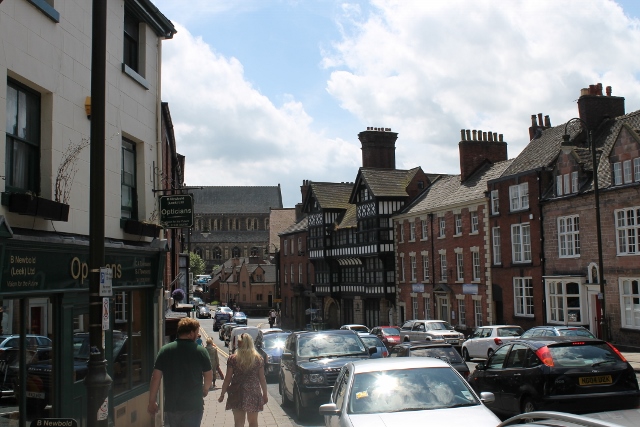
092View down street (640x427)

A view down one of the main streets in Leek looking towards the Roman Catholic church.

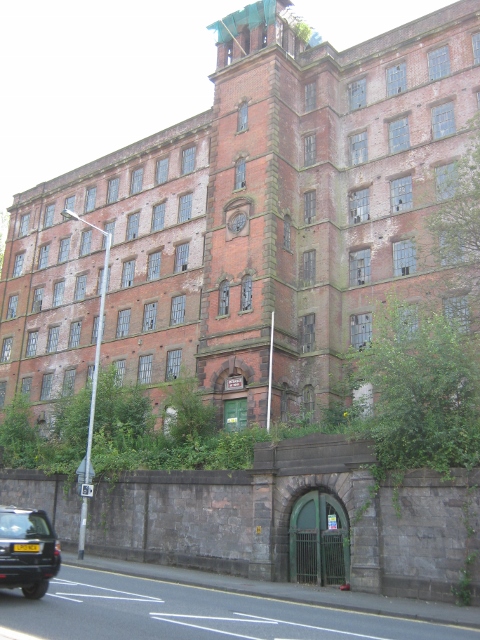
The nearest town to where we usually stay in the Staffordshire Peaks is Leek.  It is the principal town of the area and is known locally as ‘The Queen of the Moorlands’.  It is not a large town; it is built on a hill and is contained in a large bend in the River Churnet.  During the late 18th and early 19th centuries it changed from a quiet market town to a silk-weaving centre and a few large mills were built there.  This industry has completely gone now but some of the old mills remain.
069Abandoned mill (480x640)

An abandoned mill.

William Morris, the founder of the Arts and Crafts movement lived and worked in Leek from 1875 until 1878.  He studied the art of dyeing there and it was Leek which provided his firm with silk.

R and I woke on the Saturday morning to hear the rain still falling and so didn’t rush our breakfast.  Fortunately, by the time we had washed up after our meal the rain had stopped and the sun had come out.  We decided we would spend the rest of the day in Leek so after a mid-morning cup of coffee we drove into town and parked the car in a car-park next to playing fields.

The town is full of interesting architecture.
005Chequered bricks (640x480)

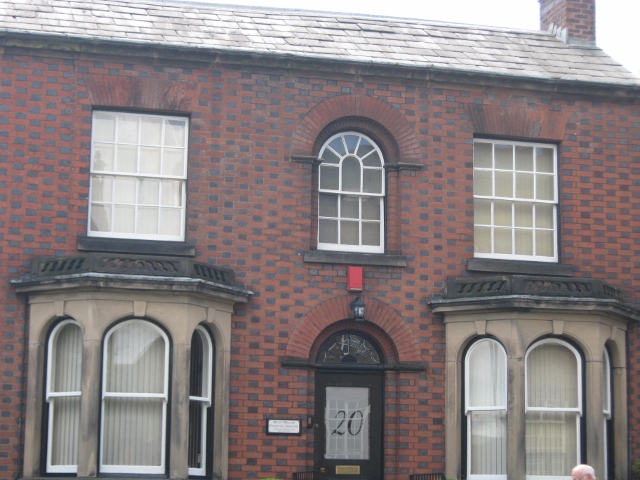
I love this house with its chequered brickwork and the arch over the door mirrored by the arch over the window above it.
004House in Leek with stained glass (2) (640x456)

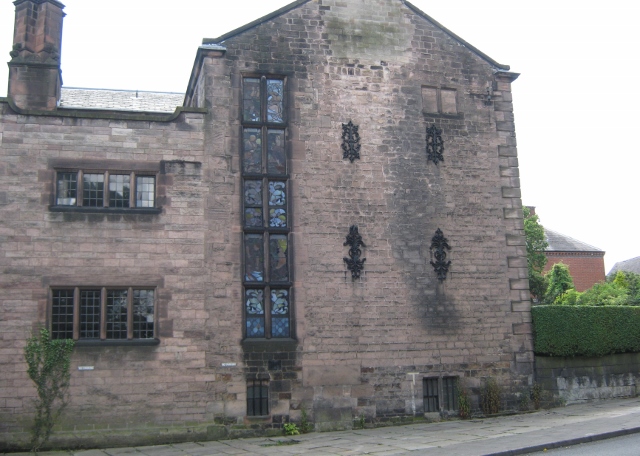
This house has a stained-glass window reaching from top to bottom.
004House in Leek with stained glass (526x640)

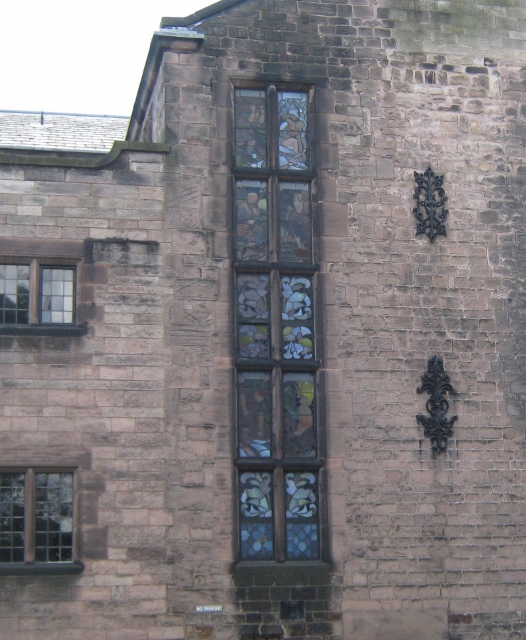
I wonder if this window is where the stairs are. How lovely to have jewel-coloured light shining into your home! The next time we go to Leek I must try to find out more about this house.
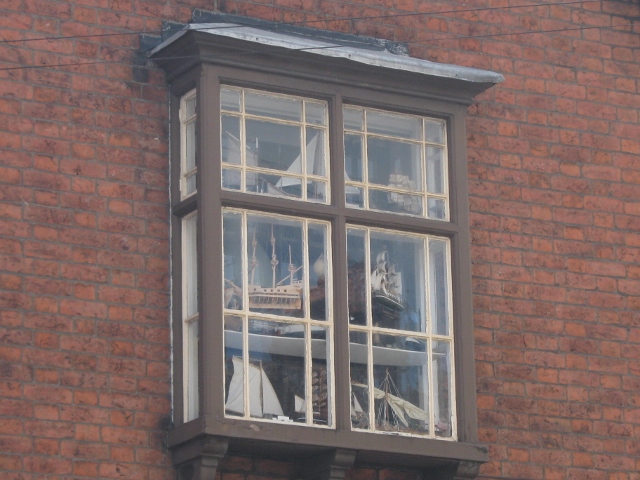
003Window with boats (640x480)

Someone has filled their bay window with model boats

We began to feel hungry and went to the White Hart Tea Room in order that we might sample their wonderful Staffordshire oatcakes.
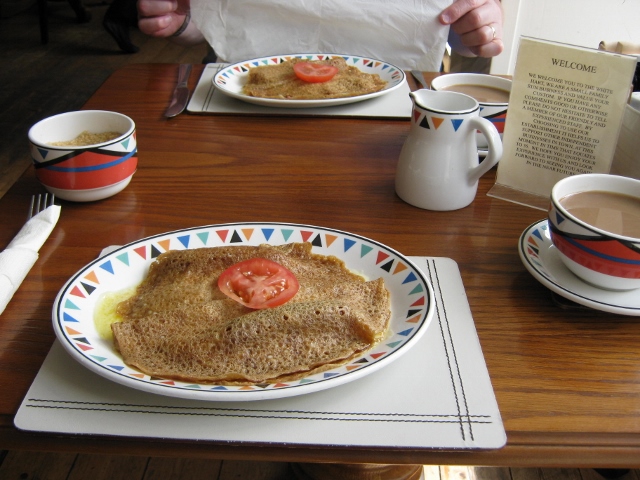
006Staffordshire oatcakes (640x480)

These oatcakes are made like pancakes but with oat-flour instead of wheat-flour. They are like the galettes you get in Brittany, France (which are made with buckwheat!)

Mine was filled with sausage and melted cheese and R’s had bacon and melted cheese.

Rested and refreshed, R and I continued to wander about the town.
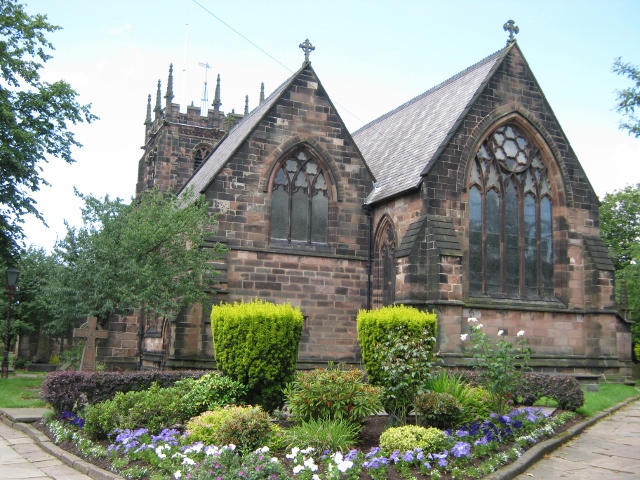
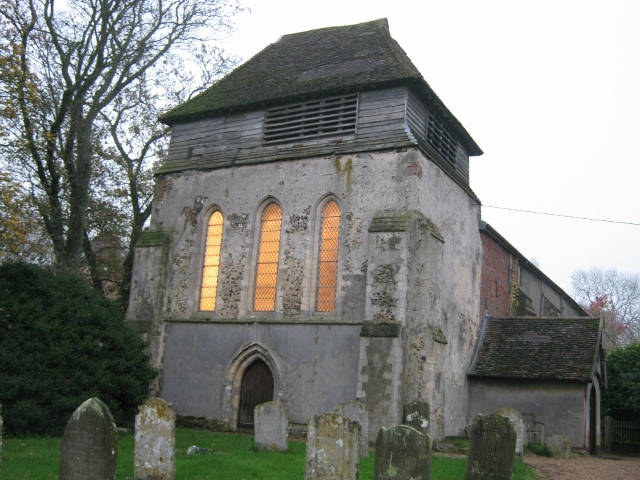
008Church of St Edward the Confessor (640x480)

The church of St Edward the Confessor

There is an 8th Century Saxon cross in the churchyard and some of the stained glass in the church is by Morris and Co.  The church also has a wonderful collection of examples of the work of the Leek School of Embroidery that R and I were lucky enough to see a couple of years ago in an exhibition.  There were enormous altar frontals and embroidered panels as well as smaller pieces of work and all so beautifully done.  The church was extended in the 19th Century by the architect George Edmund Street.  William Morris was one of his apprentices.

Apparently, until the trees in the churchyard grew too tall, a phenomenon called a double sunset could be seen from this church at about the time of the summer solstice.  There is a hill called the Cloud and as the sun sets it can be seen above and to the side of the hill at the same time.
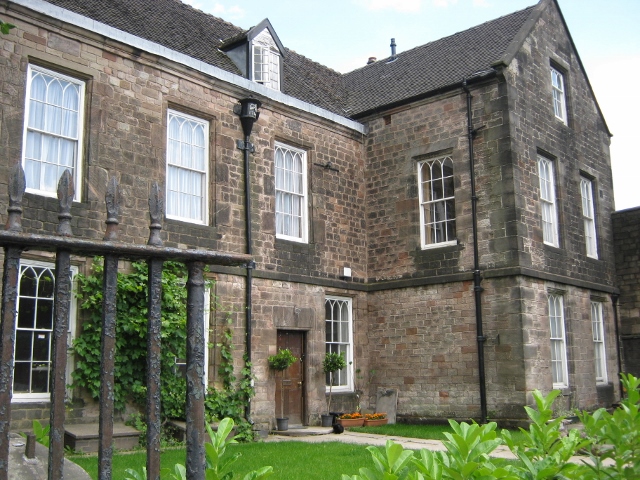
007Rectory (640x480)

The Rectory

010Spout Hall (480x640)

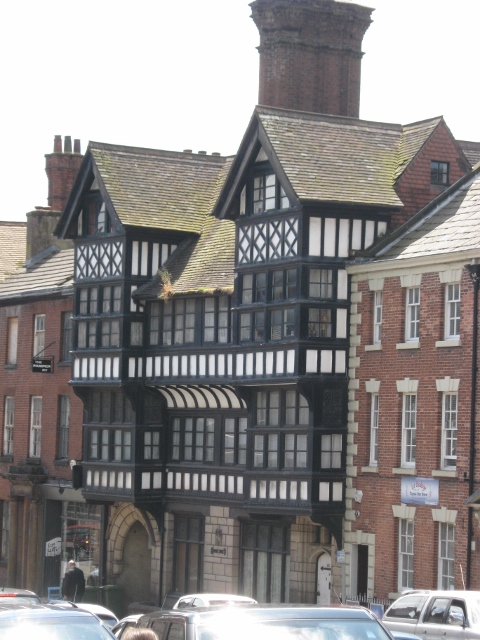
Spout Hall. A mock Tudor building constructed in 1873 and attributed to the architect Richard Norman Shaw. Look at the size of the chimney!  The gutters also need clearing!

009Kissing seat (640x477)

A kissing seat decorated with the Staffordshire Knot
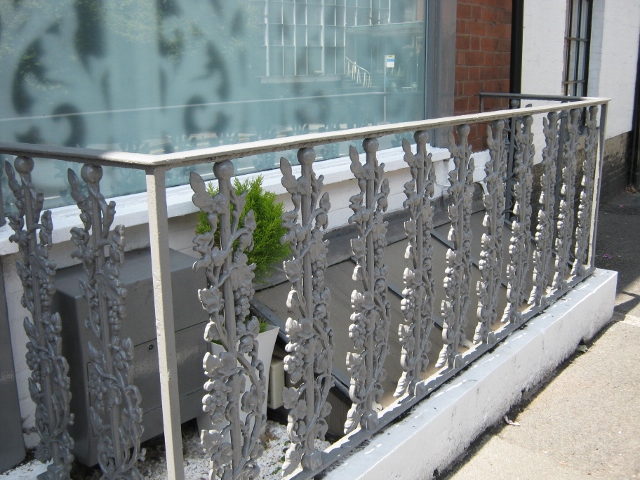
014Cast iron railing (640x480)

An attractive iron railing

013Building as gift (640x480)

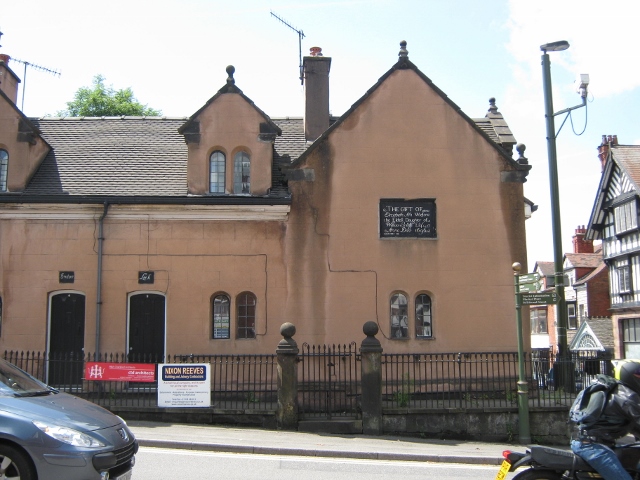
I believe these are almshouses.

The plaque on the wall states that the building was restored in 1911.  It also says ‘The gift of Elizabeth Ash widow, the eldest daughter of William Jolliffe, Esqr.  Anno Dom 1696’

I looked on the British History Online website and discovered that William Jolliffe acquired some land (part of an estate) in 1644.  When he died in 1669 the land passed to his daughter Elizabeth Ashe (the site spells her surname with an ‘e’), widow of Edward Ashe a London draper.  In 1677 she charged the land with rent to support the almshouses which she had founded at Leek.

I wonder what the tenant of the land thought about that!

035Wesleyan Chapel and Ragged School (640x480)

As the sign over the door says, this is the Wesleyan Chapel and Ragged School.

Looking at the building it appeared to be disused and was a little worse for wear.

Ragged Schools ‘were charitable organisations dedicated to the free education of destitute children in 19th Century Britain.’  (Wikipedia)  Eventually these schools began opening at night as well to educate all comers, children and adults.  The novelist Charles Dickens began his association with Ragged Schools in 1843 when he visited one in London.  He was appalled by the conditions but wished to help them.  His experience inspired him to write ‘A Christmas Carol’.  He said, ‘They who are too ragged, wretched, filthy and forlorn to enter any other place: who could gain admission into no charity school, and who would be driven from any church door: are invited to come in here, and find some people not depraved, willing to teach them something and show them some sympathy.’

William Sugden the architect arrived in Leek in 1849 to work on the design of the Churnet Valley Railway.  His son Larner was born in 1850 and was apprenticed to his father in 1866.  Both men’s influence on the town was very great.  It was they who built the Methodist Chapel and Ragged School in 1870.  Larner’s masterpiece was the Nicholson Institute built in Queen Anne style in 1882.
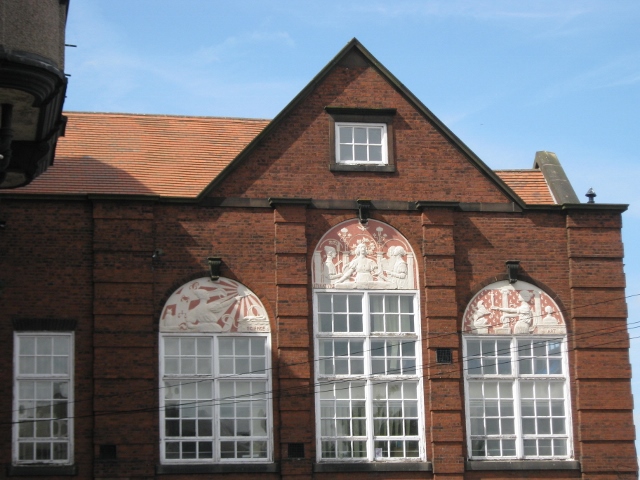
075B & L College (640x480)

This part of the building is now used by Buxton and Leek College.
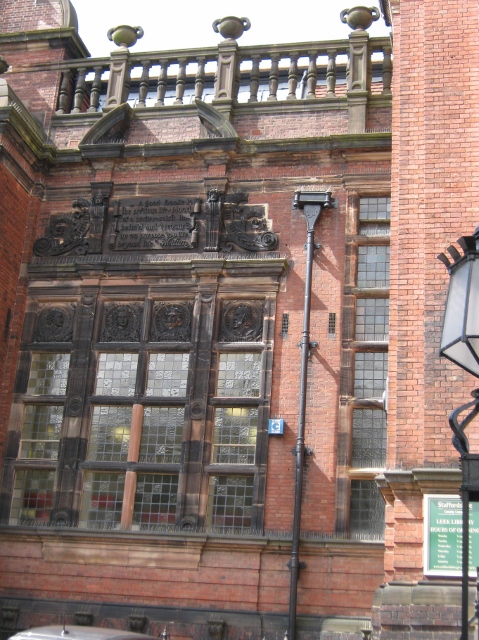
078B & L College (479x640)

Nicholson Institute.  Now Leek Public Library and Gallery
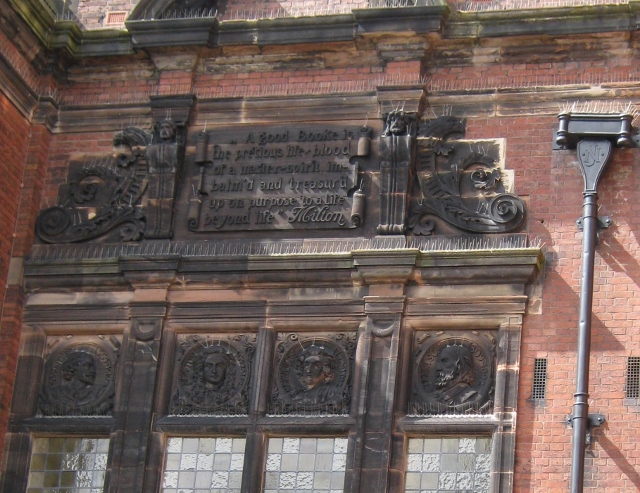
078B & L College (2) (640x493)

Larner incorporated busts of Shakespeare, Newton, Reynolds and Tennyson into the building, representing 400 years of artistic and scientific achievement from the 16th to 19th Centuries.

The quote from Milton says, ‘A good booke is the precious life-blood of a master-spirit imbalm’d and treasur’d up on purpose to a life beyond life.’

The Institute is tucked away behind a 17th Century building on the main road.  Any other architect of the time would have pulled the building down but apparently Larner had a real regard for old buildings and so the building was allowed to remain.
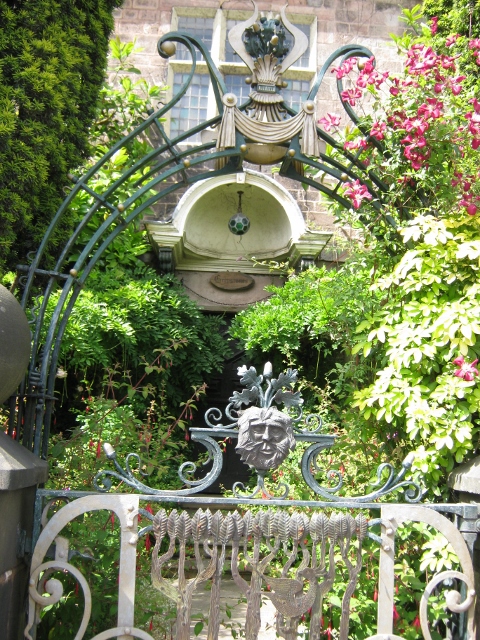
073Ornate gate (480x640)

And here it is. Or at least a part of it. There were so many trees and plants in the front garden that I couldn’t see much of the house.
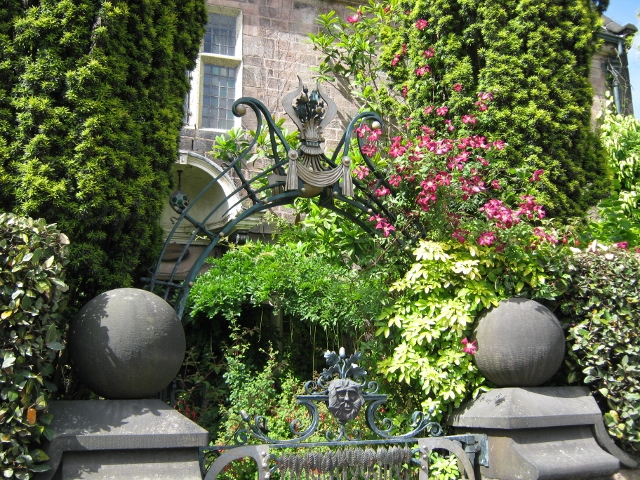
072Ornate gate (640x480)

The house is called ‘Greystones’ and until recently was being used as a tea-shop.
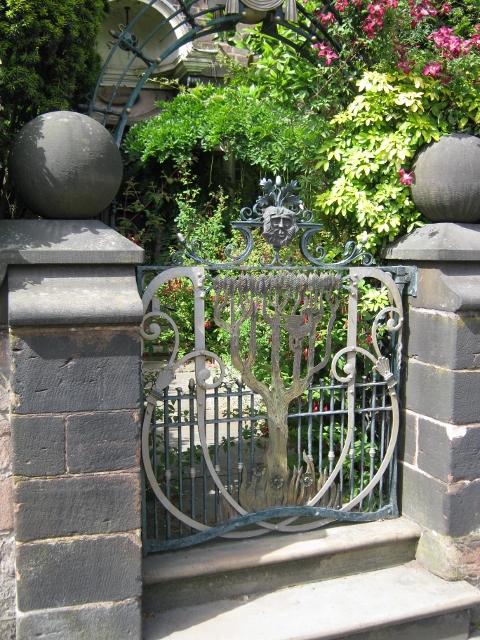
071Ornate gate 17thC house (480x640)

The gate is lovely!

Local rumour has it that William Morris founded the Society for the Protection of Ancient Buildings in 1877 as a result of his successful campaign to prevent the demolition of this building.  It was through the SPAB he came into contact with Larner Sugden who went on to publish some of Morris’ speeches and essays!
Share this:

  • Share on X (Opens in new window) X
  • Share on Reddit (Opens in new window) Reddit
  • Share on Pinterest (Opens in new window) Pinterest
  • Share on Facebook (Opens in new window) Facebook
  • Email a link to a friend (Opens in new window) Email
  • Share on Tumblr (Opens in new window) Tumblr
  • Print (Opens in new window) Print
  • Share on Pocket (Opens in new window) Pocket
  • Share on LinkedIn (Opens in new window) LinkedIn
Like Loading...

November

22 Sat Nov 2014

Posted by Clare Pooley in churches, Rural Diary, weather

≈ 21 Comments

Tags

Christ the King, November, Rumburgh Church, Stir-up Sunday, Thomas Hood

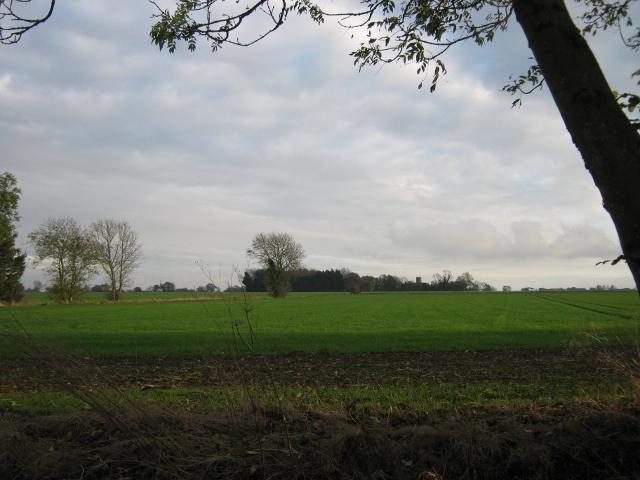
005View across fields (640x480)

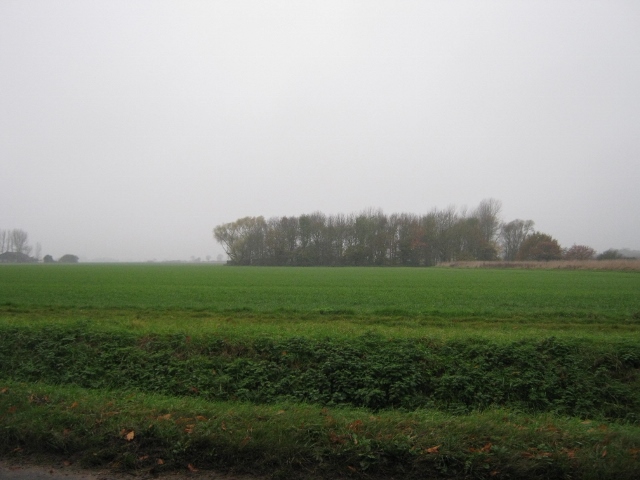
It has been a typical November day today (to look at) but as it is 11 degrees Centigrade it is still unnaturally warm for the time of year.  There are also still some leaves on the trees and a few flowers blooming!  The downside is that we have had a lot of rain and mud is everywhere.  R kindly washed my car earlier which was extremely noble of him as it has been drizzling, then raining, all day.

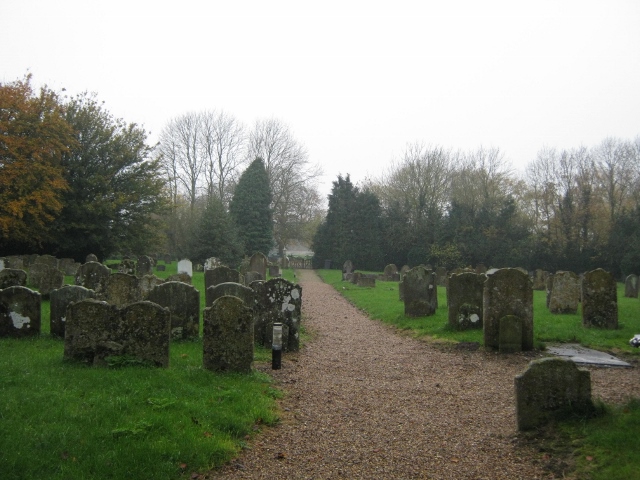
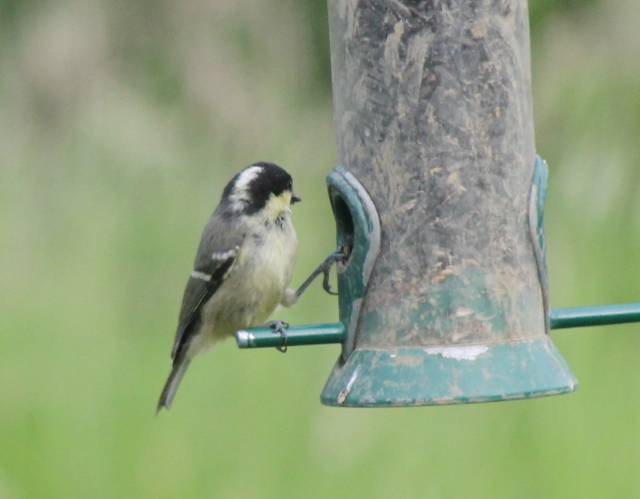
004Rumburgh Church - November (640x480)

We went to the church this afternoon to make sure all was clean and tidy as we have a service there tomorrow.  We will be celebrating Christ the King – ‘the all-embracing authority of Christ’ (Oxford Concise Dictionary of the Christian Church).

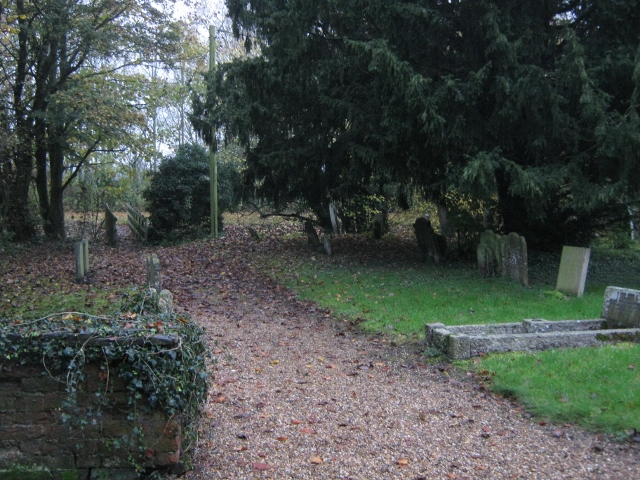
002Churchyard in November (640x480)

I find this service uplifting and it is good to celebrate before we enter Advent next Sunday, which is a quiet time of meditation and preparation.

001Churchyard in November (640x480)

This Sunday – the last before Advent – used to be known as ‘Stir-up Sunday’ which comes from the Collect prayer for the 25th Sunday after Trinity.  ‘Stir up, we beseech thee, O Lord, the wills of thy faithful people; that they, plenteously bringing forth the fruit of good works, may of thee be plenteously rewarded’.  Many thought this was the time to be’ stirring up’ their Christmas puddings, though of course, the best time to prepare a good Christmas pudding is in October.  It needs to mature thoroughly!

003Churchyard in November (640x480)

R was reminded of the famous poem by Thomas Hood, written in 1844.

‘No sun – no moon!

No morn – no noon –

No dawn – no dusk – no proper time of day.

No warmth, no cheerfulness, no healthful ease,

No comfortable feel in any member –

No shade, no shine, no butterflies, no bees,

No fruits, no flowers, no leaves, no birds! –
November!’

006View across fields (640x480)

Share this:

  • Share on X (Opens in new window) X
  • Share on Reddit (Opens in new window) Reddit
  • Share on Pinterest (Opens in new window) Pinterest
  • Share on Facebook (Opens in new window) Facebook
  • Email a link to a friend (Opens in new window) Email
  • Share on Tumblr (Opens in new window) Tumblr
  • Print (Opens in new window) Print
  • Share on Pocket (Opens in new window) Pocket
  • Share on LinkedIn (Opens in new window) LinkedIn
Like Loading...

More Birds!
16 Sun Nov 2014

Posted by Clare Pooley in Rural Diary, wild birds

≈ 11 Comments

Tags

birds, black-headed gull, buzzard, dunnock, green woodpecker, kingfisher, pheasant, stock dove, Suffolk, Swallow

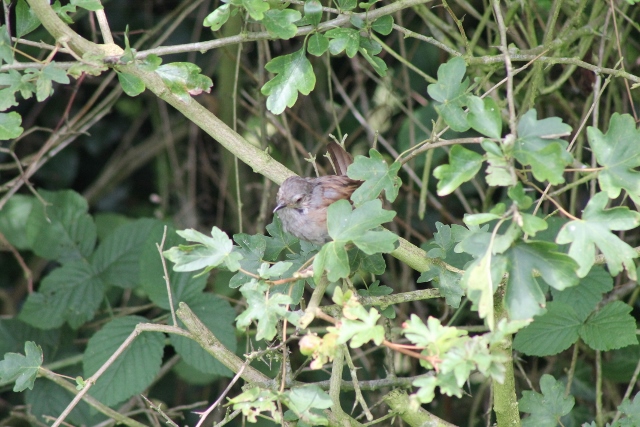
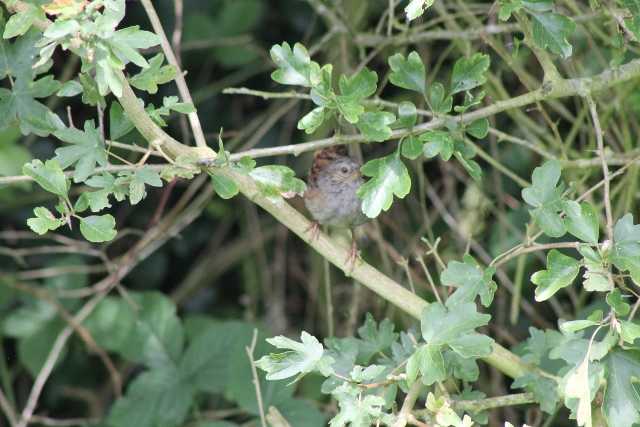
041Dunnock (640x427)

This is a Dunnock. They used to be called Hedge Sparrows but they are not like sparrows at all except for their brown and grey colouring. They have quite a bright jangling song and search for food mainly on the ground under hedges and shrubs.

This post will be of more photos of birds I saw this summer and autumn in my garden.  We are very lucky to have so many types of bird visiting.

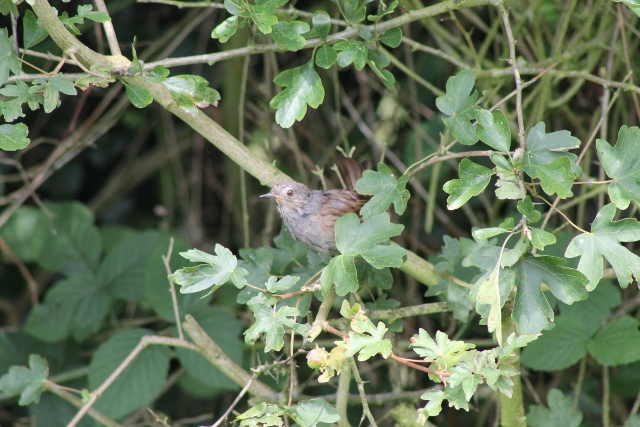
042Dunnock (640x427)

The dunnock realised I was looking at it and so looked at me.

043Dunnock (640x427)

It then tried to edge behind the hawthorn leaf to hide.

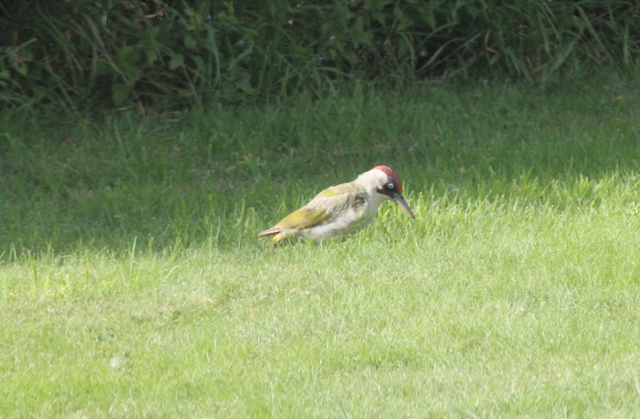
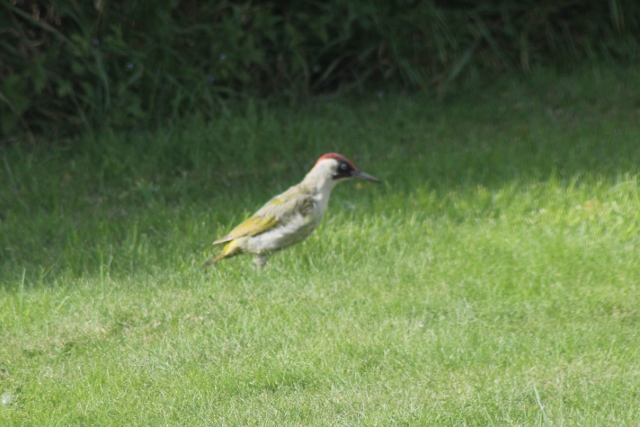
062Green Woodpecker (640x419)

A Green Woodpecker also known as a Yaffle because of its laughing call. This bird is a juvenile as it hasn’t got its full green plumage yet. I hardly ever see these birds in trees. They love ants and ants’ eggs I am pleased to say, and are very welcome in our garden which is ‘ant city’.

065Green Woodpecker (640x427)

They are such attractive birds with their black masks and cherry-red, olive-green, grey-green and primrose-yellow plumage.

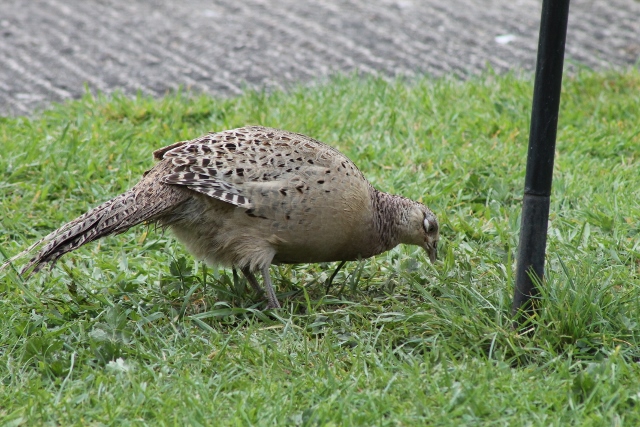
064Female pheasant (640x427)

I have re-posted this photo of a female pheasant to show how drab they are compared with the males. Their feathers are so good at blending in with grasses  which is very useful at nesting-time.

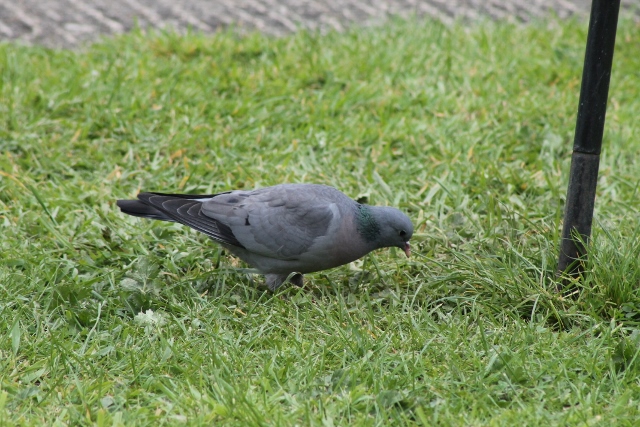
063Stock dove (640x427)

A Stock Dove

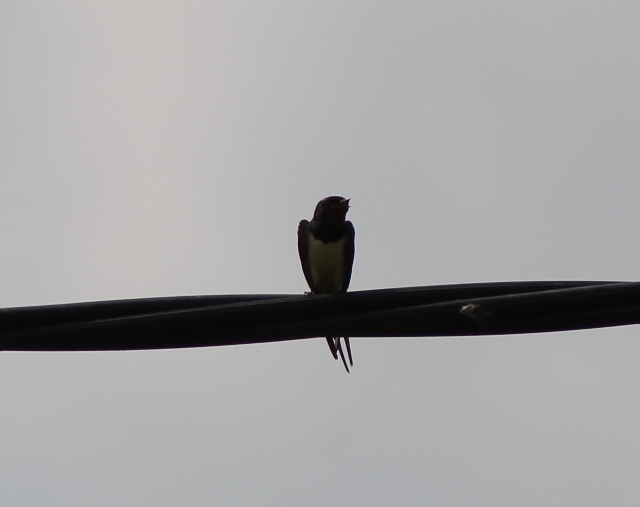
049Swallow (640x507)

A Swallow – one of our summer visitors. I miss them very much when they fly south for the winter. They left very early this year because we had such a cool August.

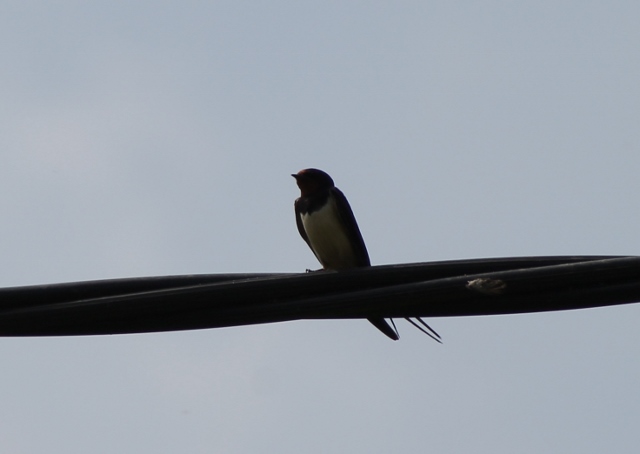
050Swallow (640x454)

Swallow

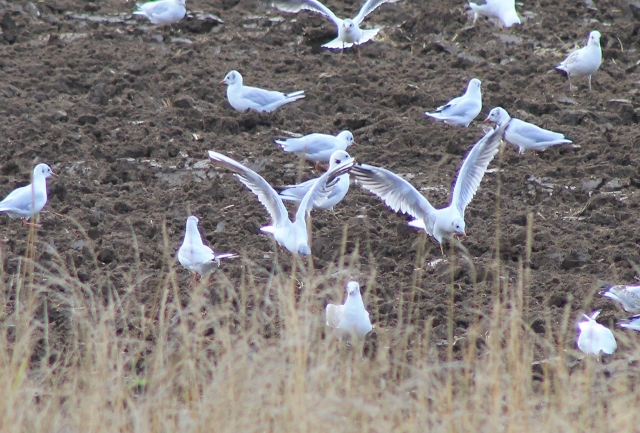
039Seagulls (640x433)

Another re-post of Black-headed Seagulls in the field behind our house. These were losing their summer plumage. During the winter they don’t have a black head only a black spot on the side of the head. And it isn’t black but dark brown!

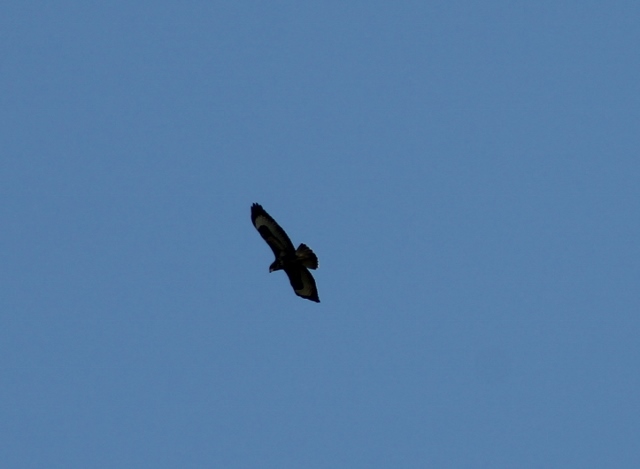
012Buzzard (640x469)

A Buzzard flying over our house. Buzzards have returned to East Anglia in the last few years having been absent for a very long time.

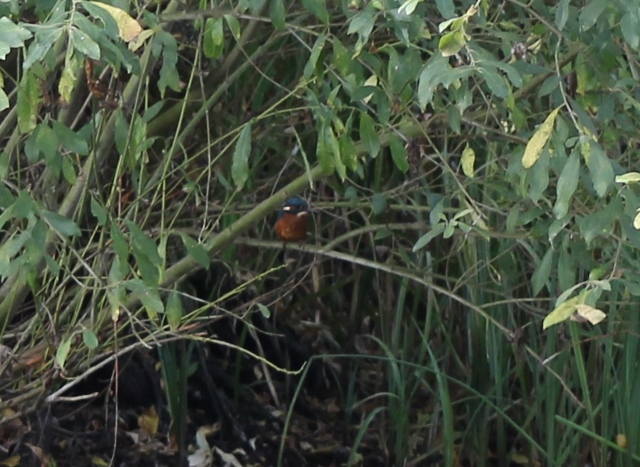
I must apologise for the quality of the next photograph.  I am including it because I am so pleased and excited to have seen this bird at all, let alone seeing it in my garden.  It decided to perch in a very shaded part of the garden by the pond and I couldn’t focus on it at all.

011Kingfisher (640x467)

The orange and blue bird with white throat and neck patch is a Kingfisher


Share this:

  • Share on X (Opens in new window) X
  • Share on Reddit (Opens in new window) Reddit
  • Share on Pinterest (Opens in new window) Pinterest
  • Share on Facebook (Opens in new window) Facebook
  • Email a link to a friend (Opens in new window) Email
  • Share on Tumblr (Opens in new window) Tumblr
  • Print (Opens in new window) Print
  • Share on Pocket (Opens in new window) Pocket
  • Share on LinkedIn (Opens in new window) LinkedIn
Like Loading...

Some More Visitors to my Garden : Birds

13 Thu Nov 2014

Posted by Clare Pooley in Rural Diary, wild birds

≈ 14 Comments

Tags

birds, blackbird, chaffinch, coal tit, Garden birds, Great Tit, greater spotted woodpecker, greenfinch, house sparrow, moorhen, Muscovy duck, pheasant, pied wagtail, Robin, rook, Suffolk, wren

During this summer and early autumn I managed to photograph a number of animals, birds, insects and other creatures in my garden.  Some of these photos are of very poor quality but I will include them as a record of what I saw.  This post will be of the birds I’ve seen in my garden.

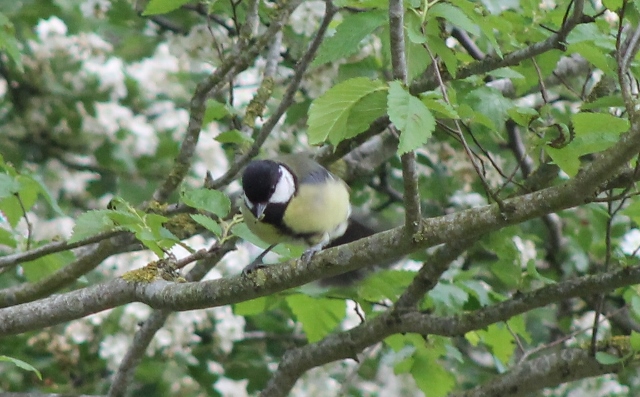
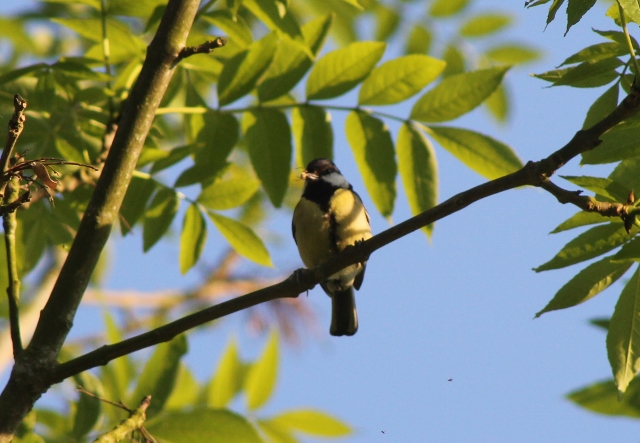
006Great Tit (640x397)

This Great Tit has an insect in its beak and was fluttering its wings very quickly (hence the blurring). It was waiting for me to go away so that it could feed its chicks in a nest box we have in the garden.

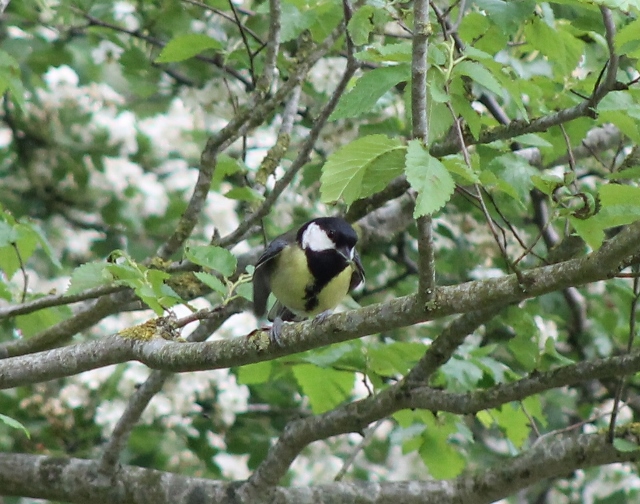
007Great Tit (640x504)

I quickly took another photograph and then walked away

036Great tit with insect (640x443)

Here is one of the pair of Great Tits using that same nest box nearly two weeks later. I am fascinated to see how carefully they hold the insects in their beaks so as not to crush them.

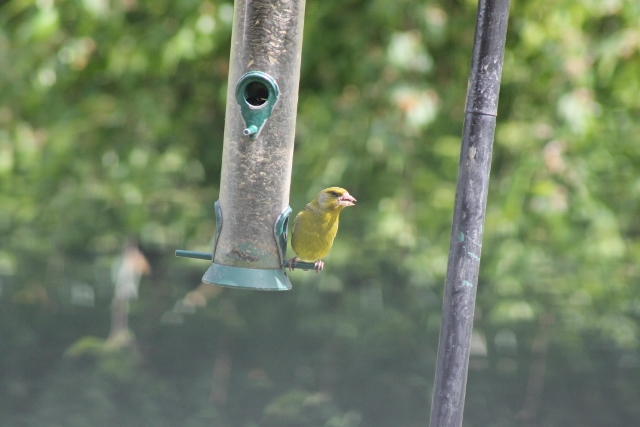
018Greenfinch (640x427)

This is a Greenfinch. There are always plenty of these in the garden. The feeder pole is always leaning and covered in mud because of the squirrels and rooks that use the feeder too.

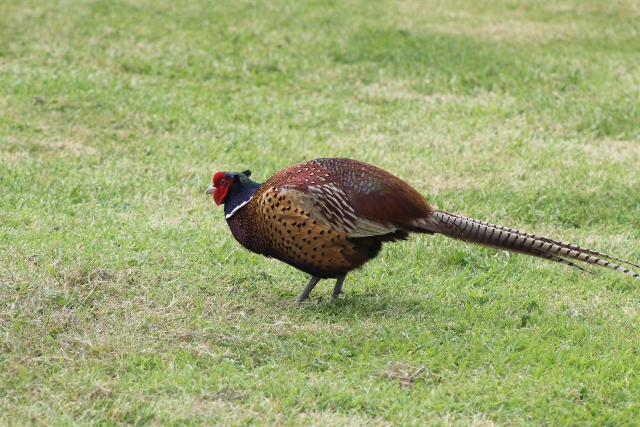
003Cock Pheasant (640x427)

I didn’t quite get all of this cock Pheasant’s tail.

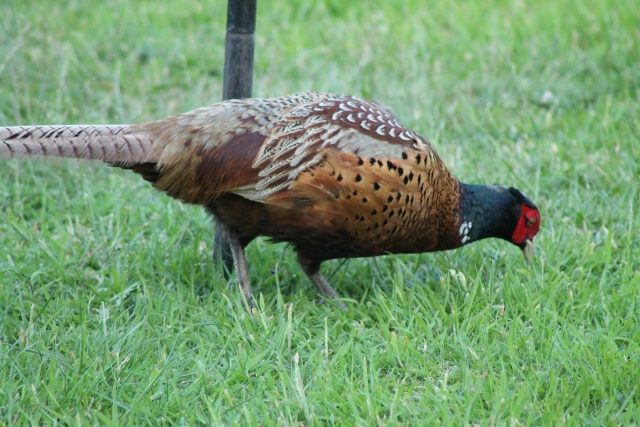
038Cock pheasant (640x427)

Cock Pheasant

039Cock pheasant (640x427)

Cock Pheasant

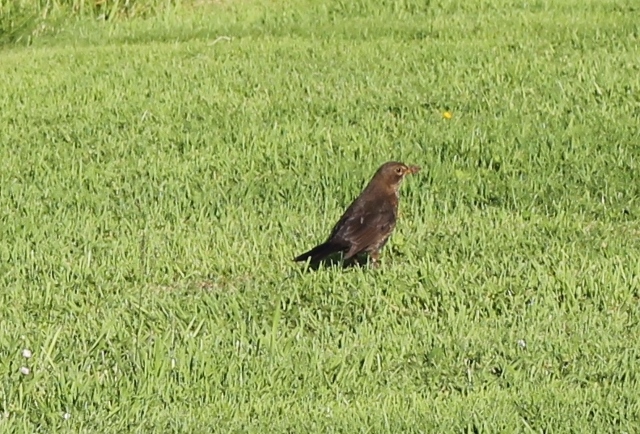
025Female blackbird (640x434)

A female Blackbird collecting insects for her chicks.

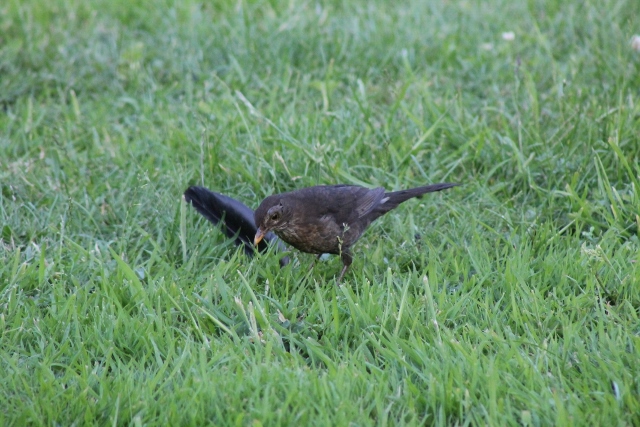
037Female blackbird (640x427)

Another female Blackbird searching for food.

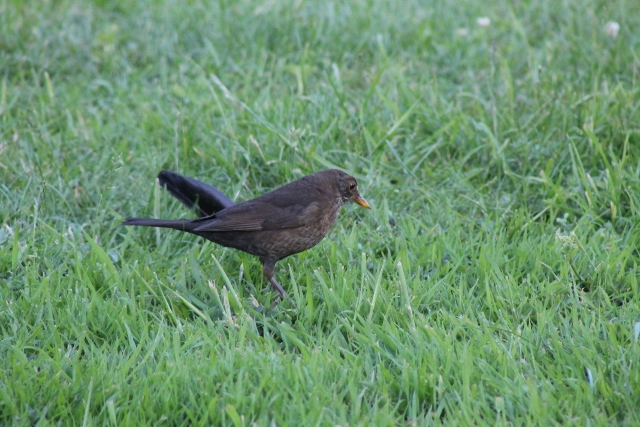
036Female blackbird (640x427)

And again.

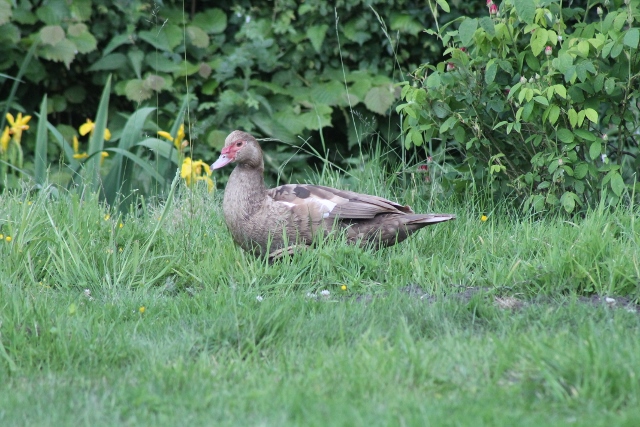
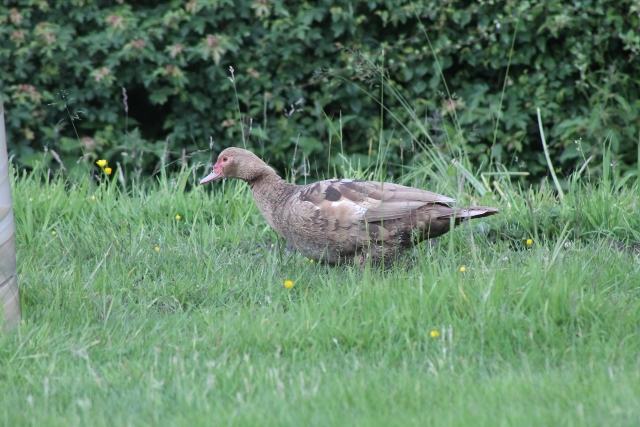
My daughter came running to me one day saying that there was a strange bird in our garden.  She described it as being half duck, half chicken.  I had to have a look and discovered that one of our neighbour’s Muscovy Ducks was visiting us.  If you have ever seen a Muscovy Duck walking you will know that they move their head and neck back and forth while walking just like a chicken does.

033Muscovy duck (640x427)

Female Muscovy Duck

034Muscovy duck (640x427)

Walking like a chicken

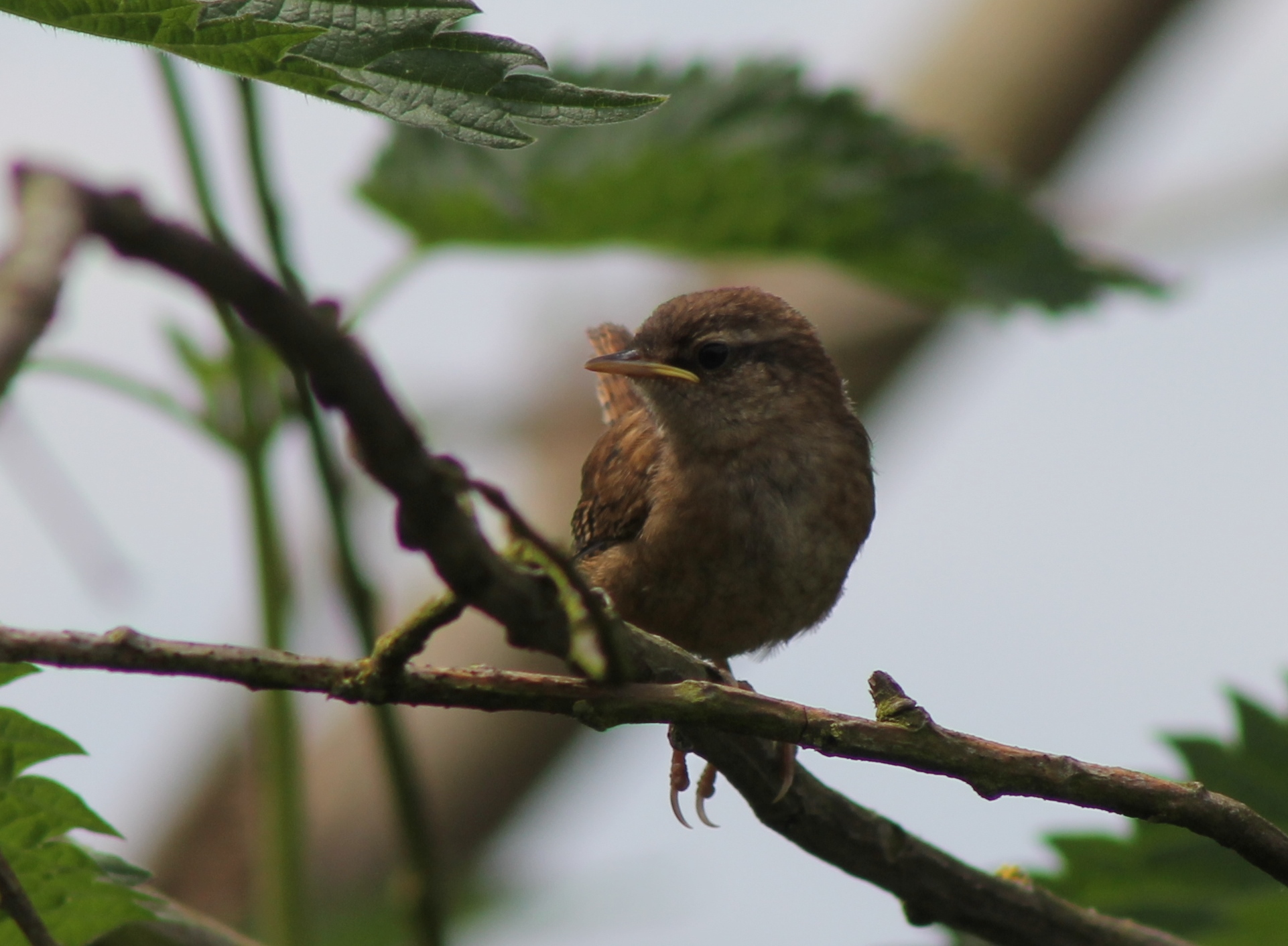
I thought I would post this photo of a Wren again as I was quite pleased to get it.  Wrens are quite shy birds and fairly small (3.75″) but have very loud voices.

029Wren

Wren

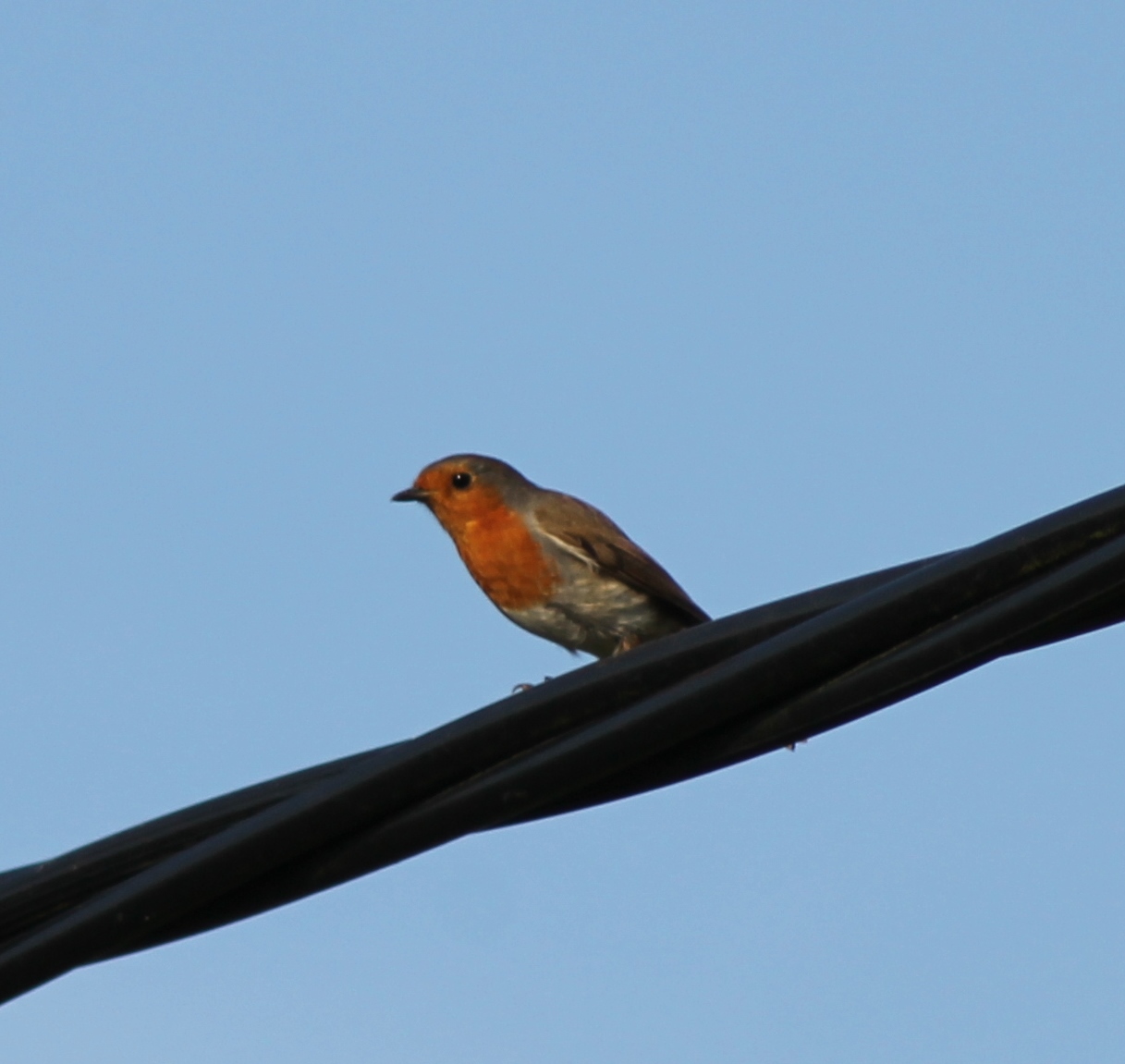
005Robin

I’ve posted this photo of a Robin before too

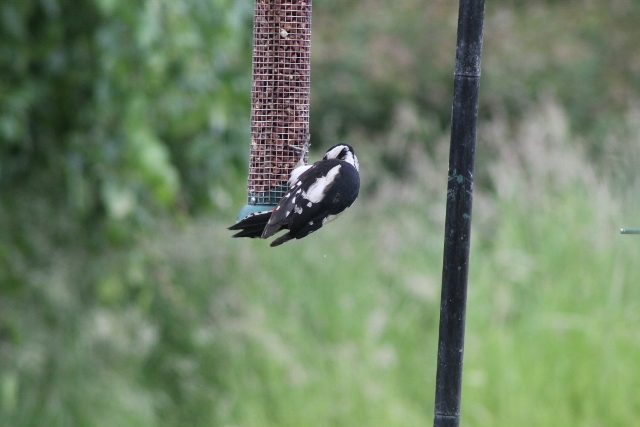
005Female greater spotted woodpecker (640x427)

Female Greater Spotted Woodpecker

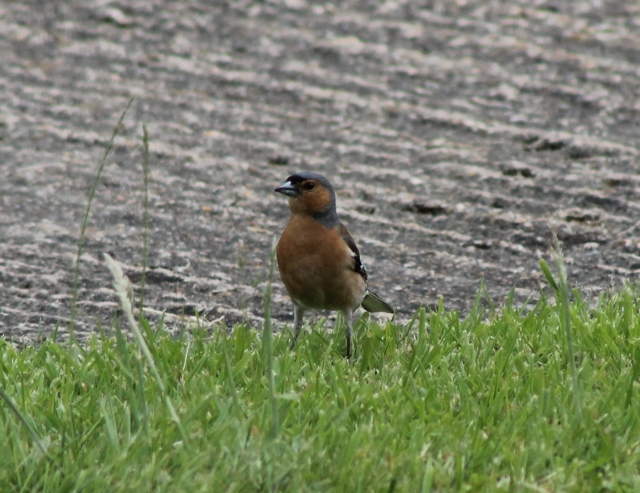
006Male chaffinch (640x493)

Male Chaffinch

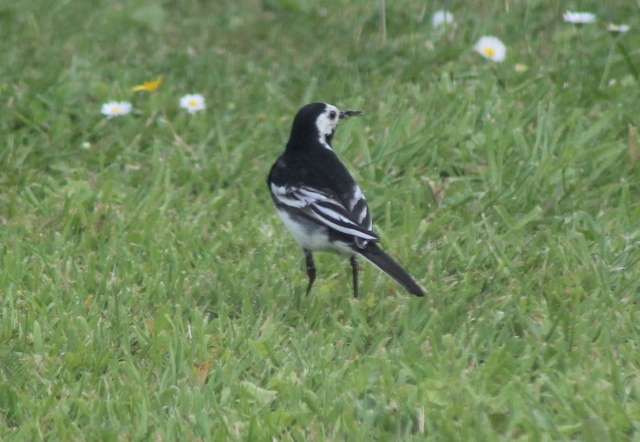
007Pied wagtail (640x442)

Pied Wagtail

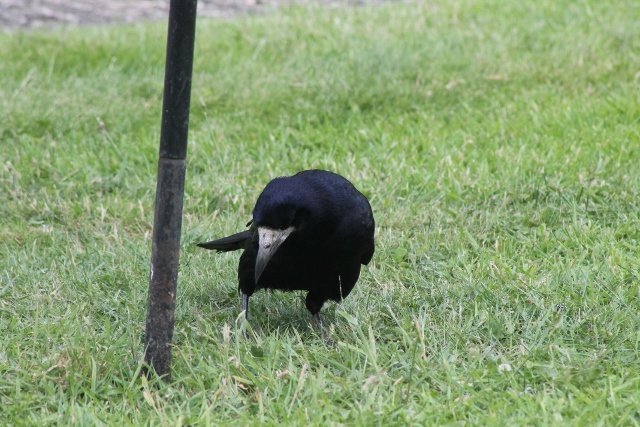
009Rook (640x427)

Rook

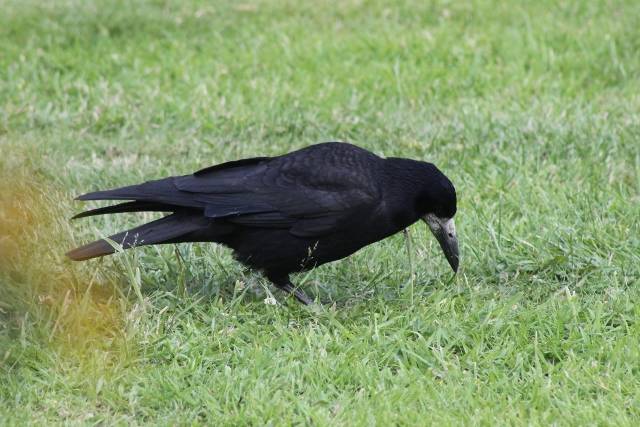
010Rook (640x427)

Rook.

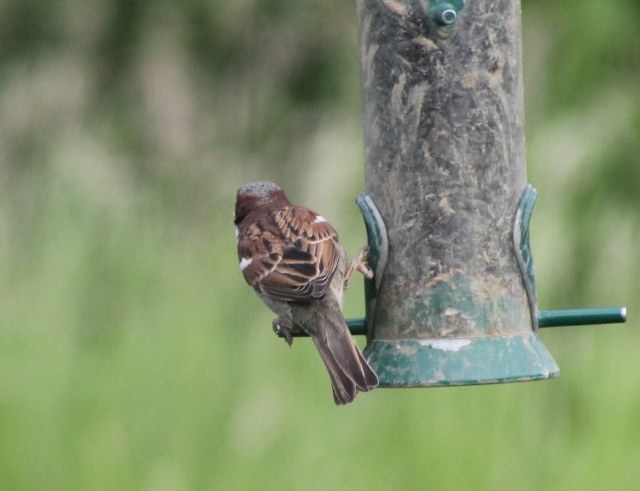
011Coal tit (640x499)

Coal Tit. These birds are very slightly smaller than Blue Tits at about 4.5″. You can see the mud on the feeder that the Rooks put there with their dirty feet and beaks!
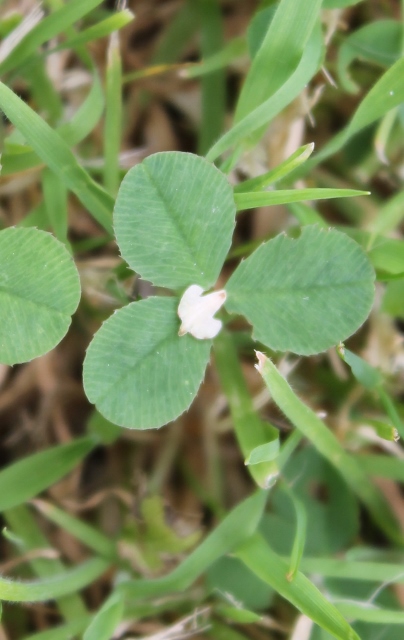
012Male house sparrow (640x491)

Male House Sparrow

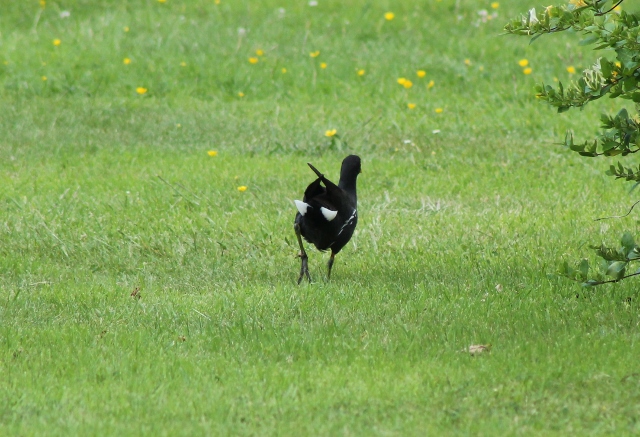
049Rear view of moorhen (640x437)

The usual rear view of a Moorhen as it runs off down the garden

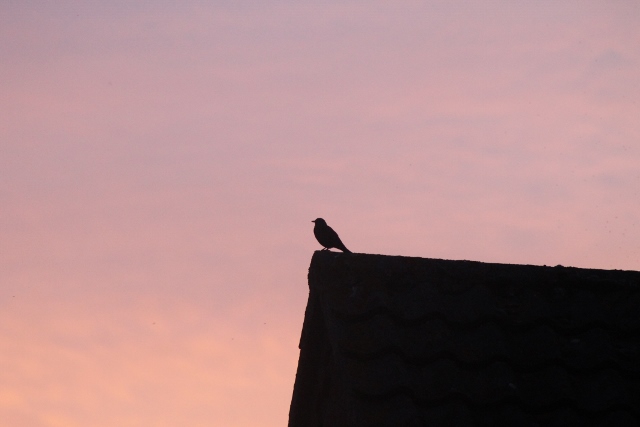
012Blackbird (640x427)

A male Blackbird at dusk


Share this:

  • Share on X (Opens in new window) X
  • Share on Reddit (Opens in new window) Reddit
  • Share on Pinterest (Opens in new window) Pinterest
  • Share on Facebook (Opens in new window) Facebook
  • Email a link to a friend (Opens in new window) Email
  • Share on Tumblr (Opens in new window) Tumblr
  • Print (Opens in new window) Print
  • Share on Pocket (Opens in new window) Pocket
  • Share on LinkedIn (Opens in new window) LinkedIn
Like Loading...

Sunday Walk

11 Tue Nov 2014

Posted by Clare Pooley in churches, domestic animals, plants, Rural Diary, trees, Uncategorized, walking

≈ 15 Comments

Tags

All Saints church, autumn leaf colour, barn owl, bryony berries, field views, guelder rose, hawthorn berries, Lowestoft, muddy lanes, Remembrance Day, spindle berries, St Margaret South Elmham, St Nicholas South Elmham church, stress, stress management, walking

Stressed!
Yesterday evening E and I went to Lowestoft to attend a stress management course.  Stress in all it manifestations was described, its causes and what keeps it going.  We were told how it affects our thoughts, actions and body and why it affects people in different ways.  We have been given a relaxation CD and a little homework to do for next week.  This is a rolling course; as soon as this one finishes it starts all over again with a different set of people.  There is a day-time course running at the same time as this in Great Yarmouth on a Thursday morning.  There are courses like this being run all over the country all the time.  The room we were in was full of people of different ages – a few had brought companions like me – but most of us there were sufferers from stress of one type or another.  Research done a few years ago states that in this country 4 out of 10 people suffer from stress.  This figure is already out of date – anxiety and stress are on the rise.

Lowestoft is affected, like most British seaside towns, by high unemployment especially in the winter.  The recent down-turn in the economy has made a bad situation worse.   Shops have had to shut and the buildings are still empty or ‘pound shops’ and pawn shops have replaced them.  However, it looks better cared-for than Great Yarmouth and a lot has been done recently to brighten it up and improve the road system.  As well as being a traditional seaside resort Lowestoft developed firstly as a fishing port, mainly herrings, and when that declined it became, with Great Yarmouth, the base of the oil and gas exploitation industry in the southern North Sea.  This has now declined too but Lowestoft has begun to develop as the centre of the renewable energy industry within Eastern England.   Parts of the North Town are very attractive and the old Scores are still there – the steep narrow lanes with steps up from the beach that were used by fishermen and smugglers.  The Scores are now the site of an annual race which raises money for charity.

Lowestoft is the most easterly point in Great Britain and is on the edge of the Broads which is a series of connected rivers and lakes and Britain’s largest protected wetland and 3rd largest inland waterway.  Some of the earliest evidence of settlement in Britain has been found in the town – flint tools dating back 700,000 years.  I will try to make a post about Lowestoft at a future date.

As sunset is now about 4 o’clock in the afternoon we drove there and back in the dark.  We parked on the sea front and, returning to the car at 7.30 pm we could hear the waves crashing on the beach – the tide must have been in.  I was glad to see on our drive back along the Front, with its rows of hotels, bed-and-breakfast establishments and restaurants, that the Beau Thai Restaurant is still open.  I’ve never been in there, but a place with such a terrible name deserves to survive!

Remembrance Day

I looked out of a bedroom window this morning at dawn (about 7.00 am) and saw one of our local Barn Owls flying round the field behind the house.  It perched for a while on a fence post but the photograph I took of it there never came out.  However, I have included the following picture which I took at the same time, strange as it is, as a record of the owl’s presence.

001Barn owl (640x427)

Why this happened I have no idea! I was looking westward and it was fairly bright and cloudy. No pink anywhere! The sun hadn’t risen yet and would be on the other side of the house anyway.

At 11.00 am this morning I listened on the radio to Big Ben striking the hour and I kept the two minutes silence, praying for all those who have lost their lives in war and for those who have been damaged and injured by war and also for their loved ones.  I am finding this more and more affecting as the years go by.

An Afternoon Walk

We have had so much rain recently that the garden and fields are sodden.  R and I were in need of a little exercise and fresh air on Sunday afternoon so we decided to do our circuit walk round the lanes, which were less muddy and wet than the footpaths.

007View to All Saints (640x480)

View from the lane across the field to All Saints church, just visible sticking out of the group of trees in the distance.

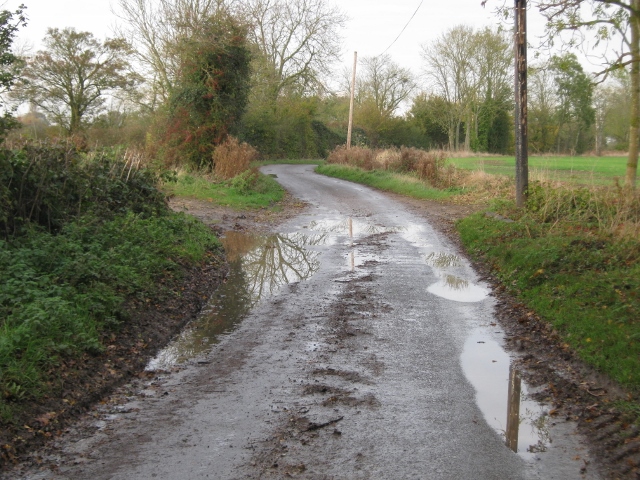
008Muddy lane (640x480)

Our lane is fairly muddy as you can see!

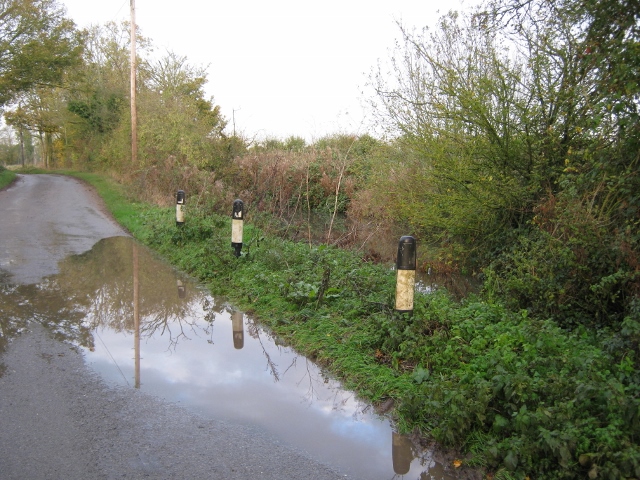
009Muddy lane with pond (640x480)

There is a natural pond full of fish just to the right of these bollards. It is so full that it is close to overflowing onto the road.

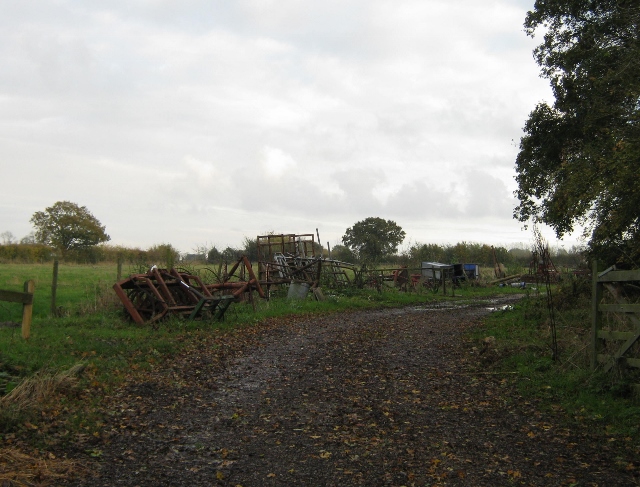
010Collection of old metal (640x487)

Farmers round here cannot bear to get rid of old implements, tools and scrap metal. I think it gives them a sense of pride to survey this old stuff.  ‘It may come in handy some day! It’s worth a lot of money, scrap metal is!’

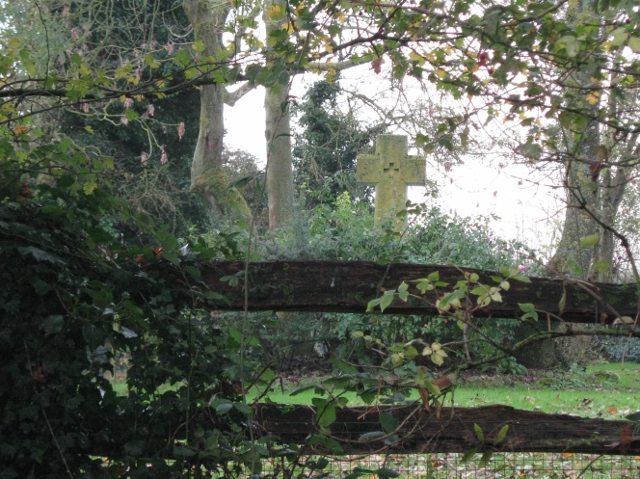
011Site of St Nicholas church (640x479)

St Nicholas church was demolished many hundreds of years ago. This is the site where it once stood – the cross is in a garden.

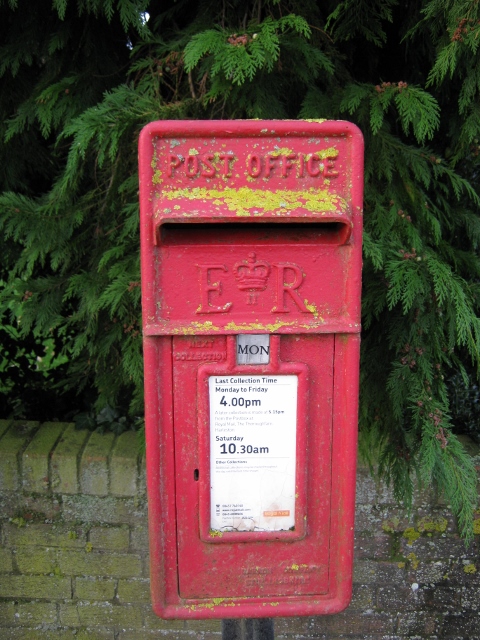
012Lichen covered post box (480x640)

This is our nearest post-box. The lime-green lichen is happy to grow on it.

014Mountain of straw bales (640x478)

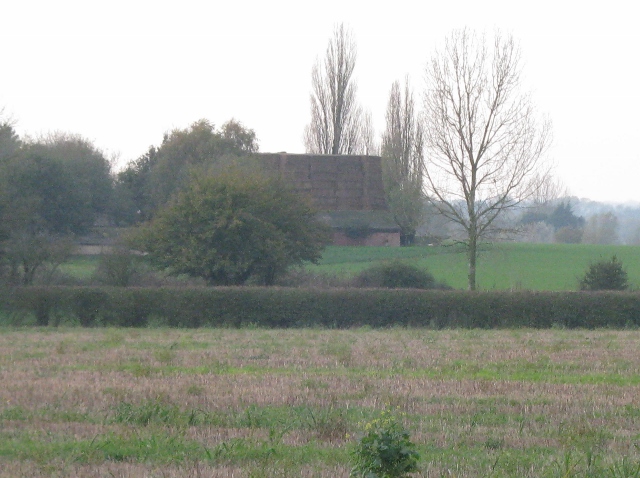
Just beyond the low pink barn in the distance is the largest tower of straw bales I have seen so far this year. Not a good picture I’m afraid – the light was already fading.

015Goats (640x480)

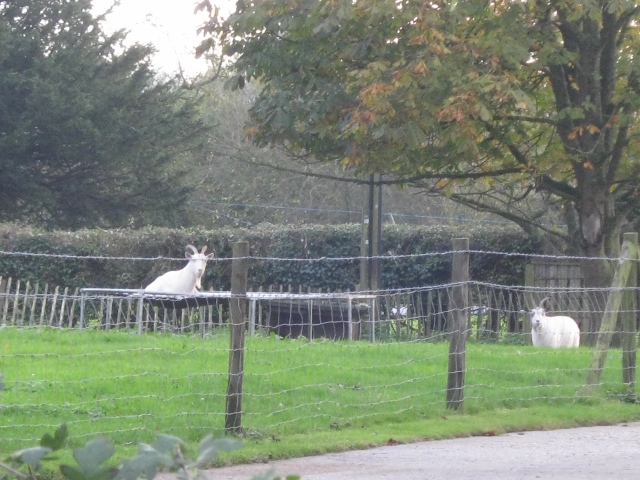
The goat on the left is keeping itself dry by lounging on a trampoline!

017Flowing water in ditch (640x480)

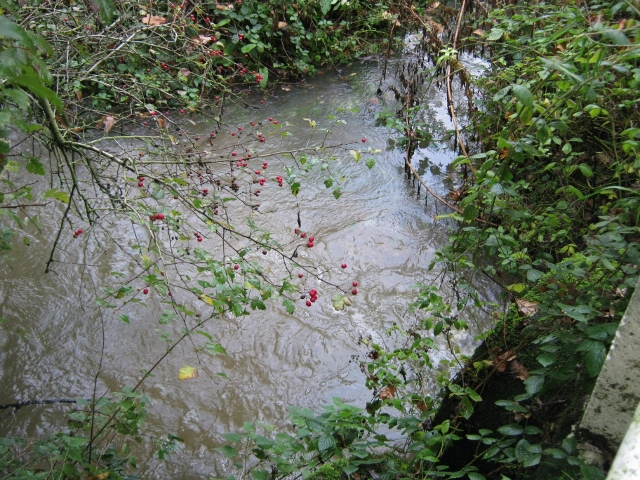
Water flowing fast in this ditch.

019Flowing water (640x480)

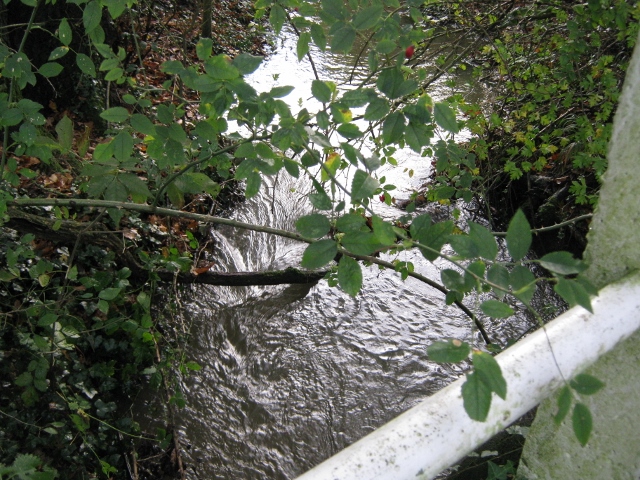
This is the other side of the bridge.

020Green lane (640x496)

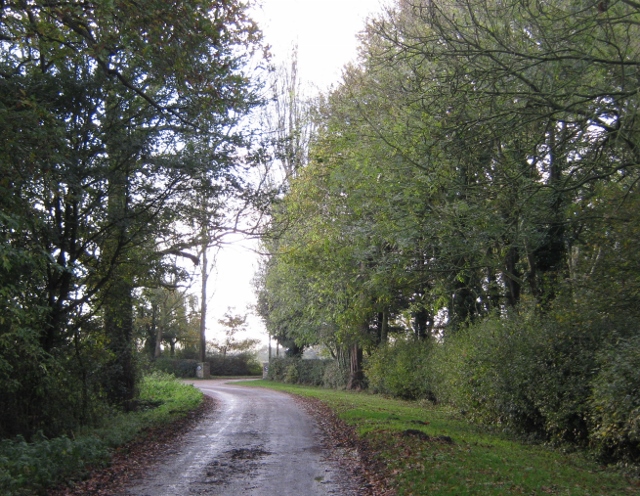
There is still a lot of green about. Many of the leaves have dropped from the trees while still green.

021Field of Rape (640x480)

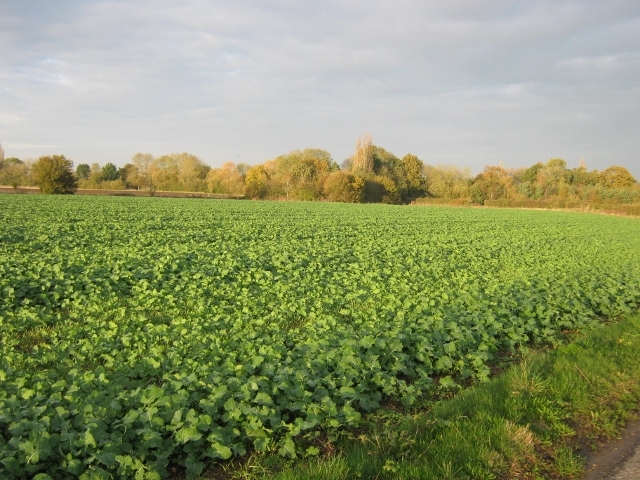
This is a field of oil-seed rape which is growing very well in our mild, wet autumn. Only a few weeks ago it seems, I was posting photographs of rolls of straw on these fields after the wheat harvest.

023Spindle berries (640x480)

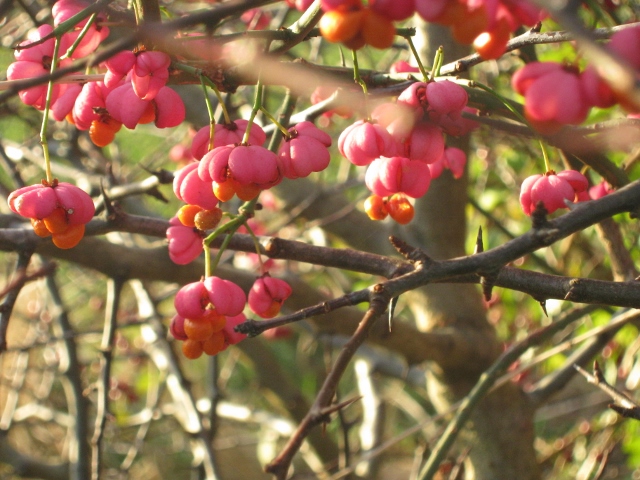
These are beautiful spindle berries.  Only nature could make orange seeds emerge from shocking pink seed cases!

024Spindle berries (640x504)

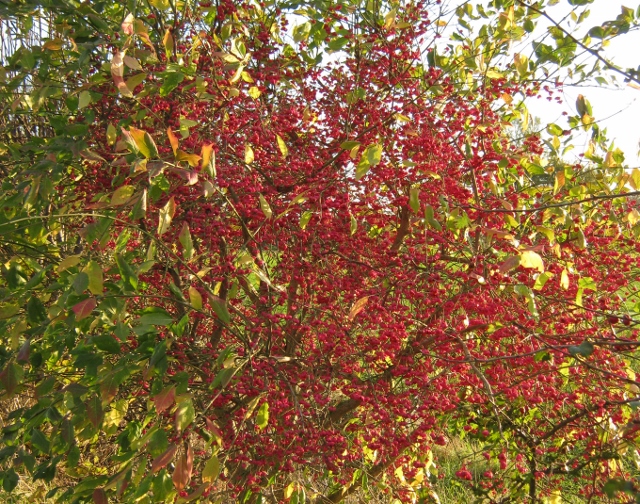
This is a spindle bush in the hedge. It was glowing in the light of the setting sun.

025Haws (640x480)

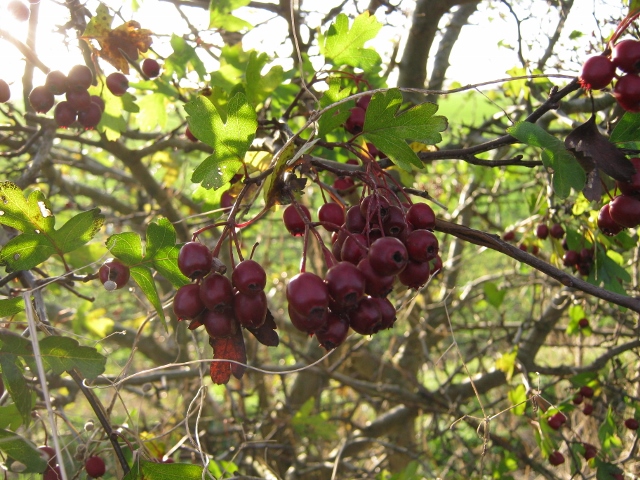
These are gorgeous dark-red haws from a hawthorn bush in the hedge.

026Autumn leaves (640x480)

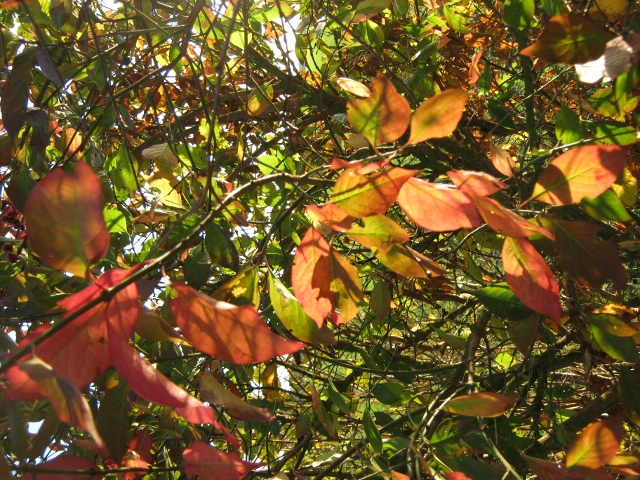
Some leaves are beginning to show some colour.

030Sugar Maple leaves (640x480)

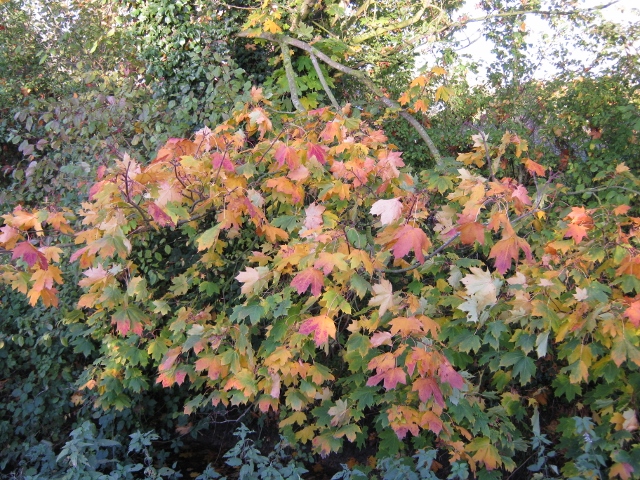
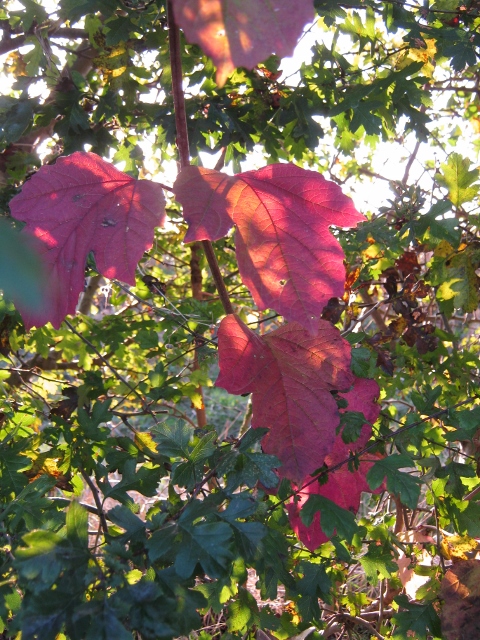
These leaves caught my eye. I think this is a Sugar Maple – not a native tree.

031View across fields (640x480)

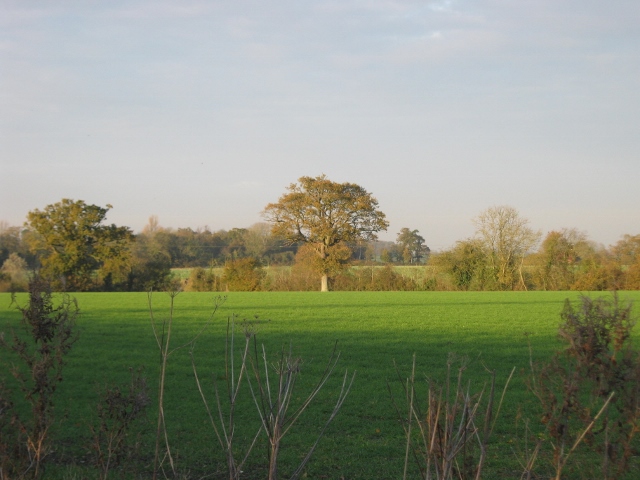
Another view across the fields.

034Guelder Rose leaves (2) (480x640)

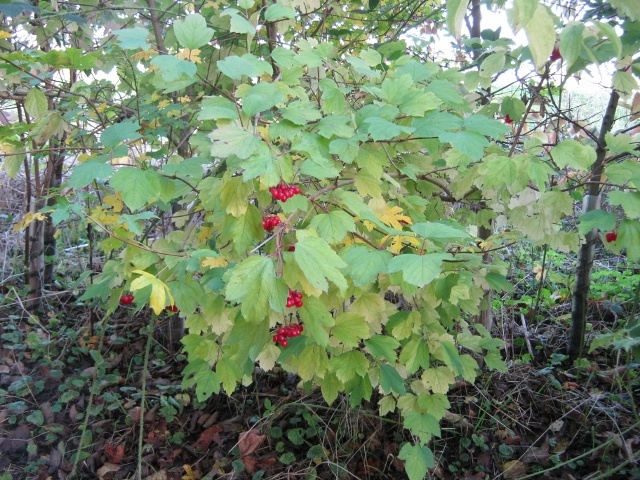
These are Guelder Rose leaves (Viburnum opulus)….

042Guelder rose with berry drupes (640x480)

…and this is another Guelder Rose with mainly green leaves and also bunches of berries or ‘drupes’.

036Dead oak (480x640)

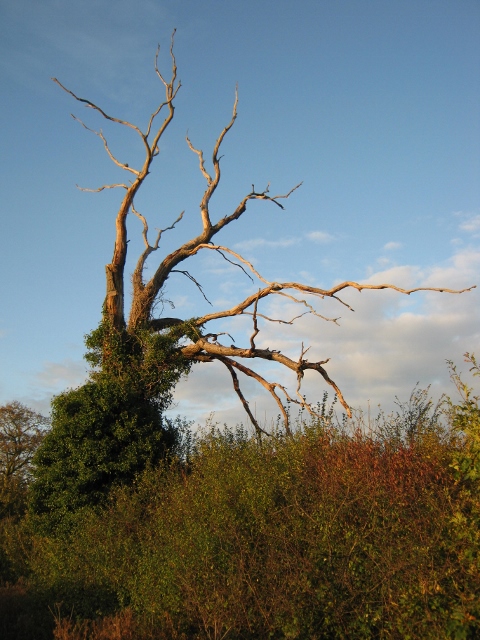
A dead oak tree. I am pleased that landowners are not in as much of a hurry as they used to be to remove dead wood from fields and hedgerows. A dead tree supports more life than a living one.

038Bryony berries (640x480)

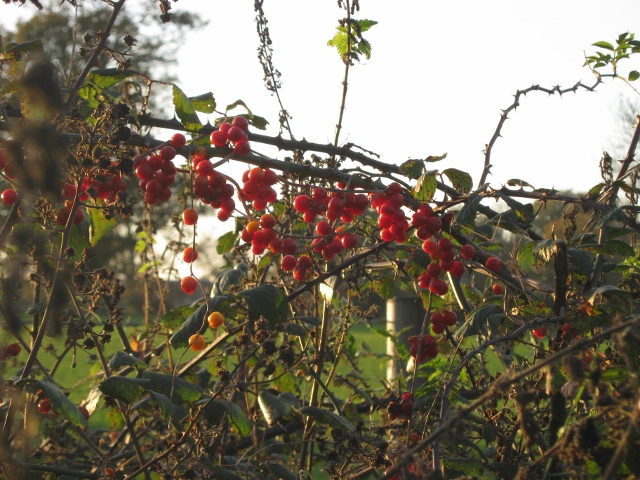
These poisonous bryony berries are like shiny beads.

037Bryony berries (480x640)

They are everywhere to be seen now the leaves are disappearing from the hedges.

044Path through churchyard (640x480)

The path through St Margaret’s churchyard is an attractive one….

045Sheep (640x486)

…especially as one can see these sheep from there.

047Village hall entrance (640x480)

I thought the entrance to the car park outside the village hall was looking inviting.

049View across fields (640x480)

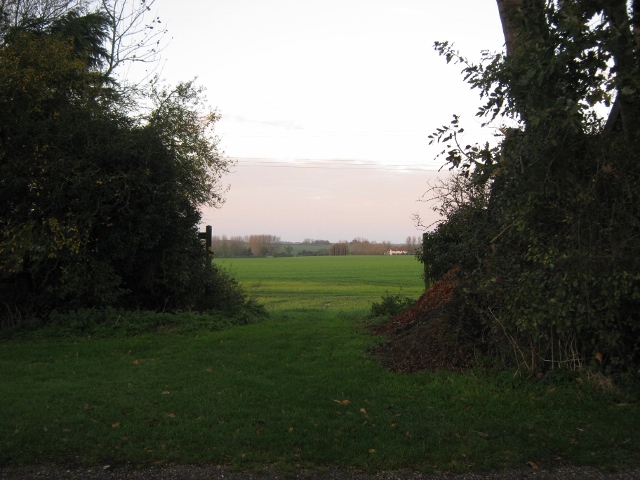
I also liked this entrance to a field further along the lane.

048Leafy puddle (640x480)

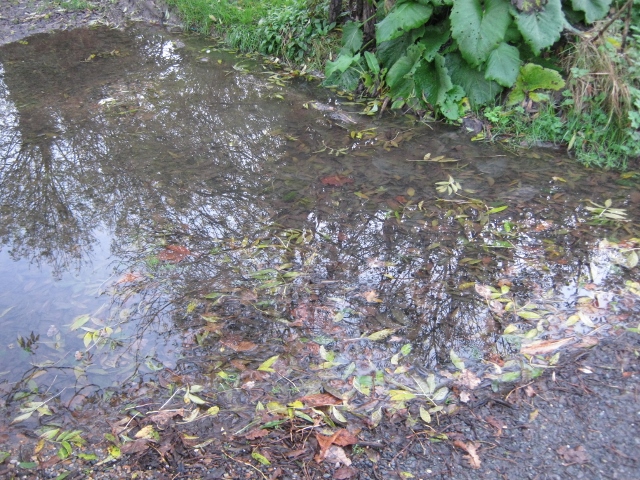
A leafy puddle,

050Toadstools (480x640)

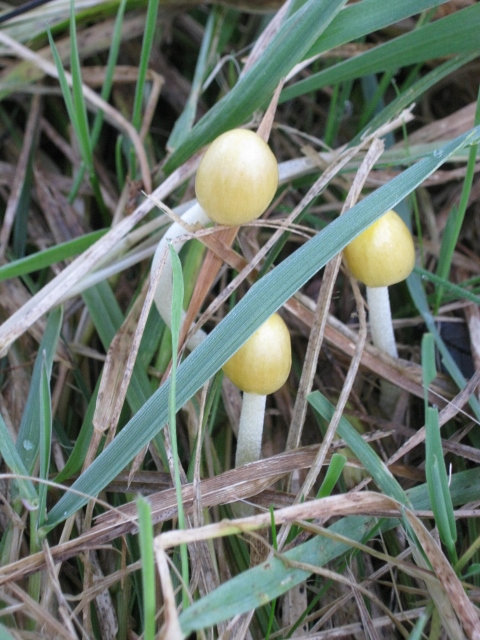
some tiny yellow toadstools…

051Autumn leaves (640x480)

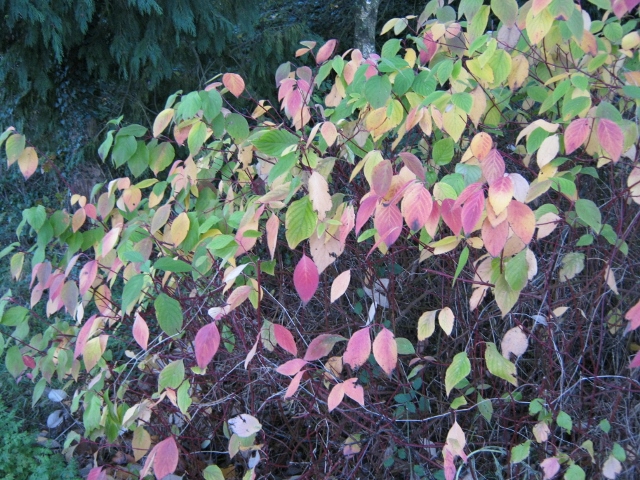
and some more autumn shades and our walk was over.


Share this:

  • Share on X (Opens in new window) X
  • Share on Reddit (Opens in new window) Reddit
  • Share on Pinterest (Opens in new window) Pinterest
  • Share on Facebook (Opens in new window) Facebook
  • Email a link to a friend (Opens in new window) Email
  • Share on Tumblr (Opens in new window) Tumblr
  • Print (Opens in new window) Print
  • Share on Pocket (Opens in new window) Pocket
  • Share on LinkedIn (Opens in new window) LinkedIn
Like Loading...

An Update

06 Thu Nov 2014

Posted by Clare Pooley in cooking, Gardening, plants, Rural Diary, Uncategorized

≈ 20 Comments

Tags

anxiety, crop spraying, family, fero cactus, germination of crop, hospital, illness, pyracantha pruning, soup and smoothie maker, sugar beet harvest, unhappiness

020Fero cactus (640x427)

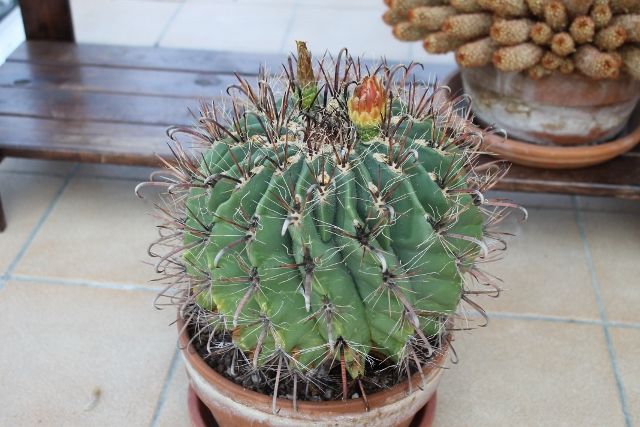
Our ‘Fish-hook’ Fero cactus developed flower buds for the first time ever. It was so late in the season that the flowers never opened but we were pleased nevertheless.

I thought I would tell you a little of what has been going on with us.

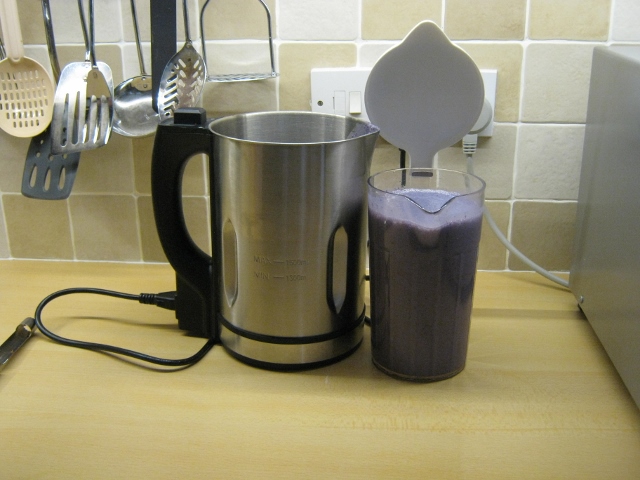
001Smoothie and soup maker (640x480)

This smoothie and soup maker is a new acquisition of my husband’s. He has been enjoying experimenting with different ingredients and then sampling the results.

My husband has an appointment with his specialist next Friday when we hope he will find out a little more about his condition.  (He has a tumour on his pituitary gland which is probably benign).

‘The pituitary gland is a small ductless gland at the base of the brain which secretes hormones essential for growth and other bodily functions.’  The Concise Oxford Dictionary

He had a blood test yesterday in preparation for this appointment.  My sister (who knows about these things as she works in the medical profession) tells us that to remove the tumour the surgeon will go up R’s nose as the gland is just behind where the eyebrows meet.  It is often done during day surgery with no need to stay in hospital.

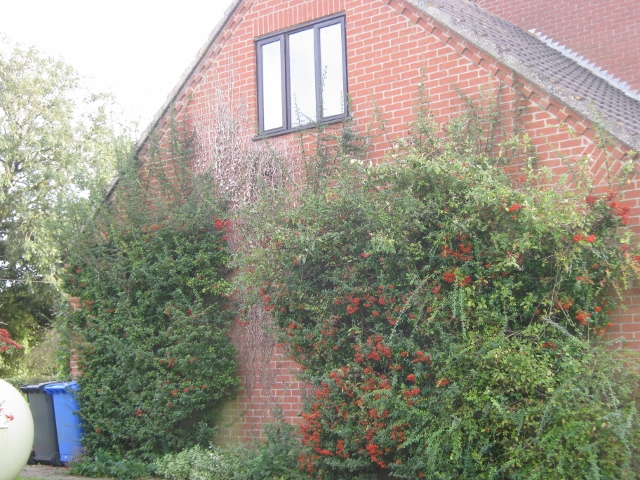
005Pyracantha at side of house (640x480)

I haven’t had much time for gardening lately but this pyracantha at the side of the house had grown so much since its last trim in May that I had to find the time to deal with it.

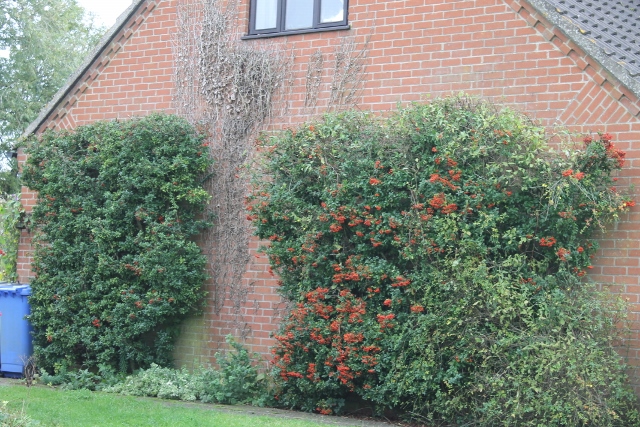
010Pyracantha (640x427)

This is the result of two days of work with loppers and a step-ladder. I will have to get rid of the honeysuckle growing through the right-hand plant as it is pulling the whole thing away from the wall and I am frightened that high winds or heavy snow will cause the plant to lean too far forward and break.

Alice is still applying for jobs but with no luck so far.  She has a part-time job at the university library filling shelves which doesn’t give her very much money and she is finding it very boring.  She thinks she will finish writing her PhD in a couple of weeks time which will be wonderful as she has been at it for nearly four years.  She may be able to spend more time looking for work when she doesn’t have to write so much.  The drama group she belongs to has just performed ‘Antigone’ by Sophocles and Alice was in charge of the curtains and also performed other stage managerial duties.  I didn’t go to see the play as I have too many calls on my time at home at the present.  The next play is an adaptation of ‘Emma’ by Jane Austen and Alice has been cast as Emma.  I would love to be able to go to see her in that but it may not be possible.

001Sugar beet (640x480)

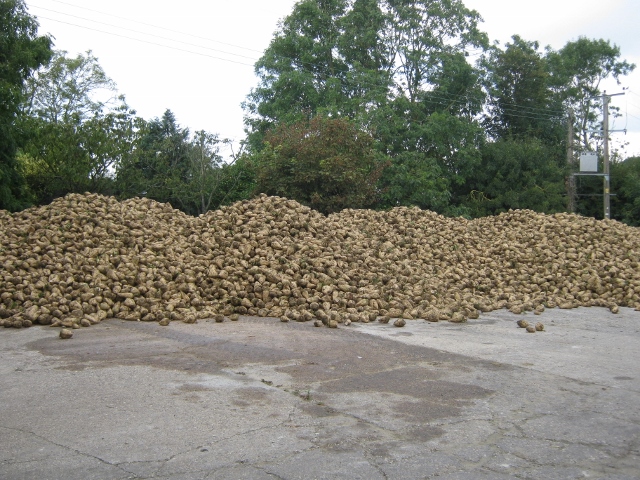
Most of the sugar beet has been harvested from the fields near us. This is very early in the season as usually, it is done during the wet and cold of late autumn and early winter and the lanes are then a sea of mud. So far we have had a fairly clean harvest.

My younger daughter E, has had a hard time adapting to college life.  The first few weeks went very well but she suddenly had a return of her anxiety which really shocked her as she thought that she was in control of it.  She has missed quite a few classes in all of the subjects she is taking as the panic attacks affected everything she did.  There were days when she thought that she would be able to get into college and we would drive there only to find she was unable to get out of the car.  The anxiety paralyses her and she cannot think logically.  We would drive away and try again later.  Some days we would make the journey three times.  However, the staff at the college have been absolutely marvellous and have gone out of their way to help and encourage her.  Last week was half-term and she was able to do a little catch-up work but spent most of the time feeling very depressed and frightened.  This week however, she has suddenly found her feet again and has been in every day and is doing very well.  We are praying, keeping our fingers crossed and touching wood.  We have spoken to our GP who has enabled E and me to attend a four session course which will be every Monday evening for the next month on Stress Management which may give us a few helpful tips and stratagems.  The course covers all sorts of stress, anxiety and depression so there will be some parts that will be of only partial relevance to E’s situation.  However, with all the financial cuts to mental health we are lucky to get this help so we will take advantage of it.  I am not sure when we will be able to cook and eat our evening meal as the course is between 6.00 pm and 7.30 pm and it will take about three-quarters of an hour to get there and the same to get home again.  When R is at home he says that he will be able to help out.

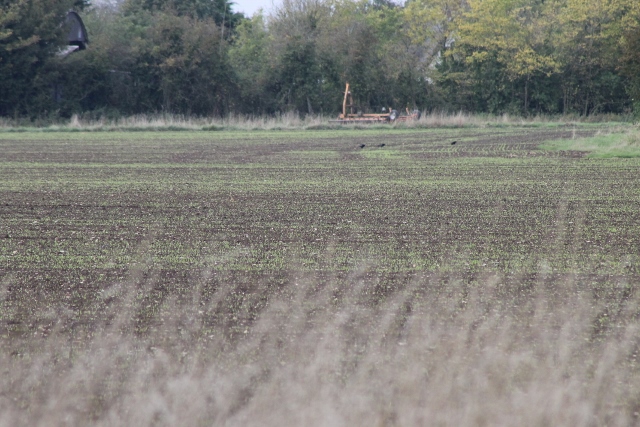
001Spraying (640x427)

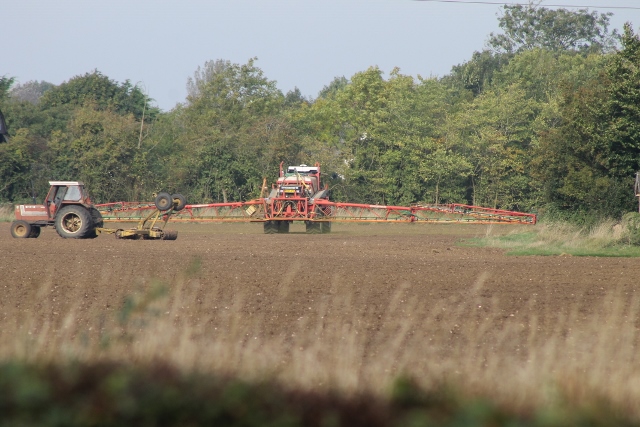
This pre-germination spray of the field behind our house was performed on 4th October

My mother recovered slowly from her stomach upset and is now back to normal.  I took her to Norfolk and Norwich Hospital on Tuesday for her regular eye check-up and she is fine and doesn’t need another injection yet.

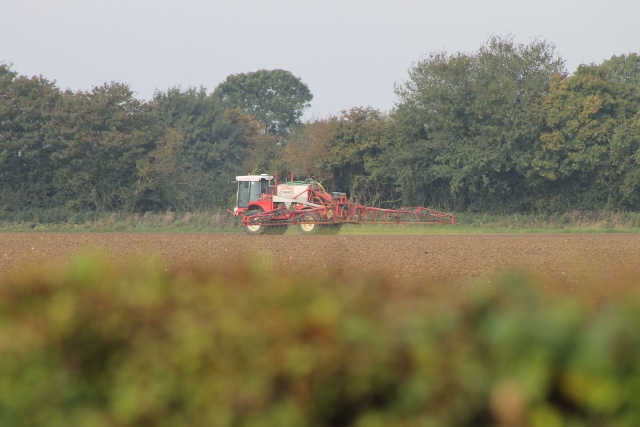
002Spraying (640x427)

You can see the horrible-looking green spray which smells very nasty

My mother-in-law collapsed about six weeks ago and lay on her bedroom floor for some time before she was discovered.  She has a panic alarm which she wears around her neck but for some reason she didn’t press it.  For some time she has had great difficulty in walking but after a rather strenuous visit to the hospital that day she found she couldn’t stand at all and fell down.  She was taken to hospital the following day and it was discovered she had also had a mild heart attack.  She is still in hospital as more and more problems with her health have been discovered.  My husband has visited Manchester a couple of times for a few days to see her and help my brother-in-law out.  It may be that R’s Mum won’t be able to go back home.  She is still in the critical ward in the hospital until her health can be stabilised.  She will then go into respite care for a month and will be assessed to see whether she could cope in her home or not.  If she does go home she will have to have much more help than she had before.  If it is found that she isn’t able to go home she will have to go into a nursing home and her house will have to be sold to pay for that.  This is a very worrying time for R and his brother.  Mum-in-law has her 89th birthday on Sunday.

006Germinated crop (640x427)

This is the same field on the 15th October

005Germinated crop (640x427)

The crop germinated quite quickly because of the warm and damp weather we had

At the same time as my poor mother-in-law was first in hospital my brother found that his 33-year marriage was at an end.  He is absolutely shocked and very unhappy that all the effort he put into caring for his wife and their two children (who are now grown up) and making a nice home was all to no avail.  His wife no longer wishes to be married to him as she has found someone else.  They are now having to sell their house and everything they have has to be split between them – pensions, cars, furniture – everything.  It is all proving to be too much for my brother to cope with.  He has been to stay with me a couple of times so that he can see our mother and have a little comfort too.  I have spoken to him tonight and he tells me that he has been signed off work for two weeks with depression and has been given anti-depressants by his doctor.  He is looking for another job away from where he lives where he may be able to get a cheaper house or flat to live in.  Both my sister and I have been through a divorce because our husbands no longer wanted to be with us so we know what he is going through.  I am now happily married but my sister has not been able to find anyone else.

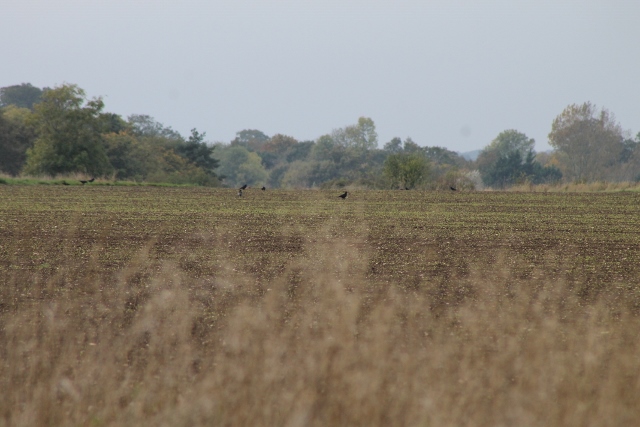
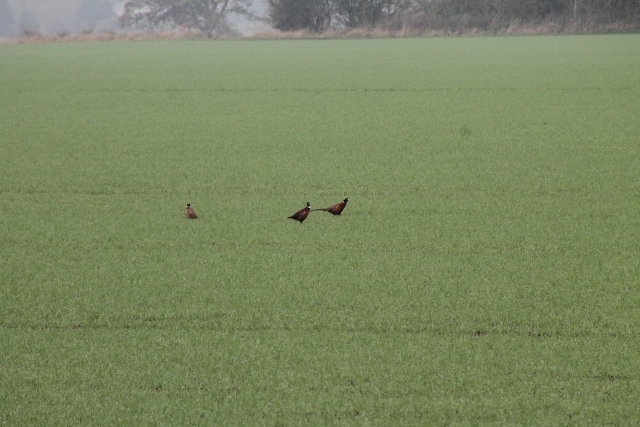
020Pheasants on field (640x427)

This is the field on the 31st October with a few pheasants.

So you see, life has not been a bed of roses for us for a while now.  We hope that nothing else happens to add to our load of worries.

Share this:

  • Share on X (Opens in new window) X
  • Share on Reddit (Opens in new window) Reddit
  • Share on Pinterest (Opens in new window) Pinterest
  • Share on Facebook (Opens in new window) Facebook
  • Email a link to a friend (Opens in new window) Email
  • Share on Tumblr (Opens in new window) Tumblr
  • Print (Opens in new window) Print
  • Share on Pocket (Opens in new window) Pocket
  • Share on LinkedIn (Opens in new window) LinkedIn
Like Loading...

Hocus Pocus

04 Tue Nov 2014

Posted by Clare Pooley in Uncategorized

≈ 15 Comments

Tags

Halloween, Hocus Pocus

10384847_10100868591652438_202152085685042874_n

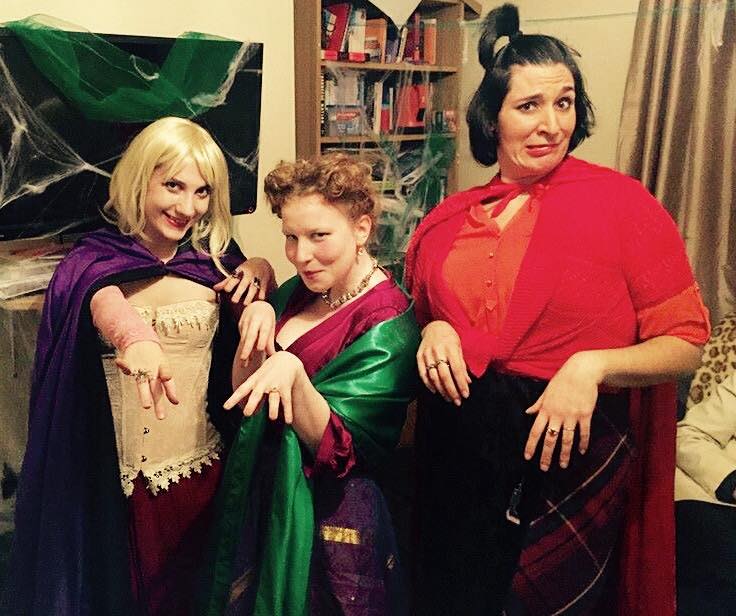
Alice’s Halloween!

I was so impressed  by this photo my daughter posted on Facebook of her and two friends that I thought I would share it with you.  I am assuming most of you have seen the film ‘Hocus Pocus’ and will agree with me that they have done a great job in looking so much like the three witches.

I have never celebrated Halloween – it was never something we did as children – but Alice has taken to it with enthusiasm and enjoys herself very much.  Alice is in the blonde wig on the left.


Share this:

  • Share on X (Opens in new window) X
  • Share on Reddit (Opens in new window) Reddit
  • Share on Pinterest (Opens in new window) Pinterest
  • Share on Facebook (Opens in new window) Facebook
  • Email a link to a friend (Opens in new window) Email
  • Share on Tumblr (Opens in new window) Tumblr
  • Print (Opens in new window) Print
  • Share on Pocket (Opens in new window) Pocket
  • Share on LinkedIn (Opens in new window) LinkedIn
Like Loading...

Wild Flowers in my Garden

02 Sun Nov 2014

Posted by Clare Pooley in Insects, plants, Rural Diary, trees

≈ 16 Comments

Tags

berries, fruits, Late summer, Suffolk, wild flowers

This post will include wild flowers I saw and photographed during August and September.  Because of other duties, I haven’t taken many photographs since the beginning of September.  There were plenty of flowers about (and still are because of the unseasonably warm weather we have been experiencing) but most of them stayed unphotographed.  I have also included some berries, seeds and fruits as many of them were ripening fast during August.

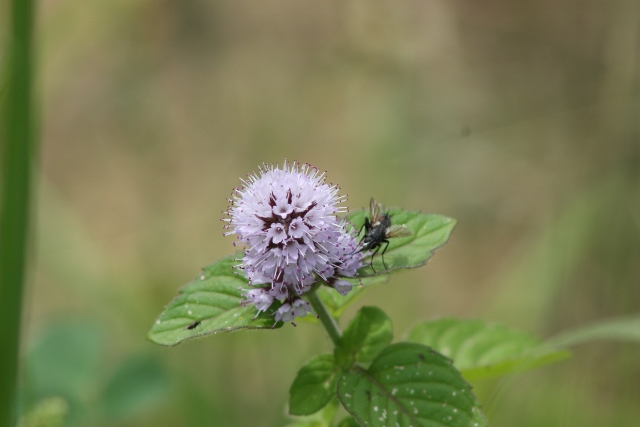
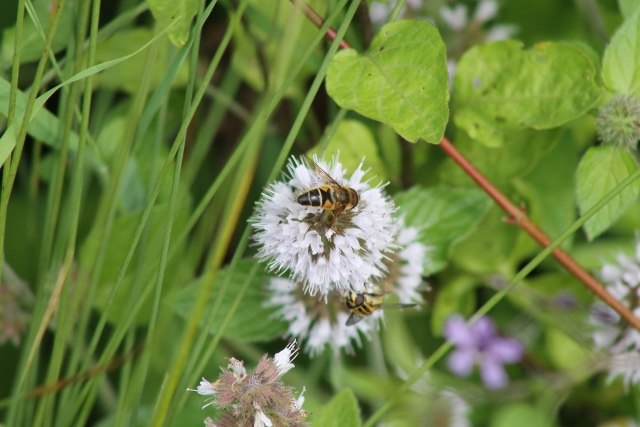
006Water mint flower with fly (640x427)

The Water Mint (Mentha aquatica) is very popular with all the insects

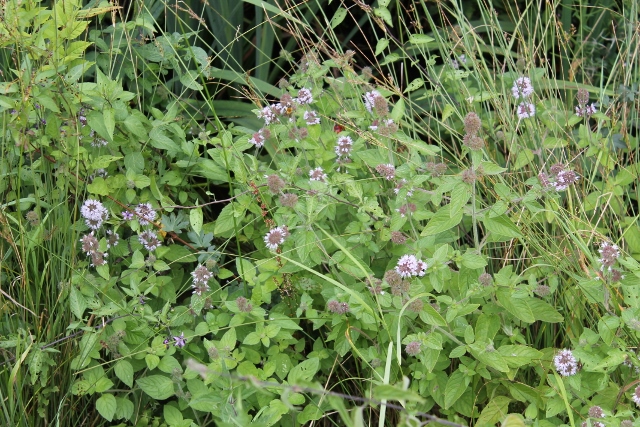
004Watermint (640x427)

Water mint growing in our ditch

020Watermint with hoverflies (640x427)

Two types of hoverfly on the mint flowers.

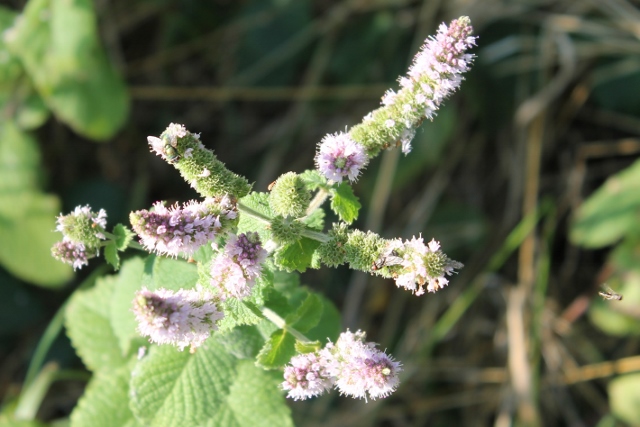
021Flies on mint (640x427) (2)

There are a few flies on these mint flower spikes too but they are well camouflaged.  I like the little fly on the right zooming off somewhere.

Peppermint (Mentha x piperata) is is a hybrid between Spear Mint/Garden Mint (Mentha Spicata) and Water Mint.

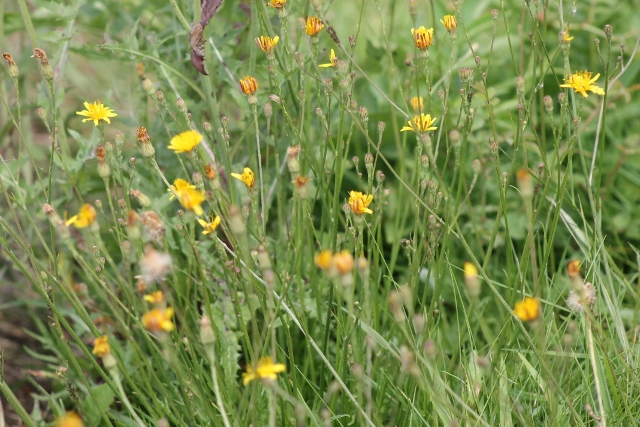
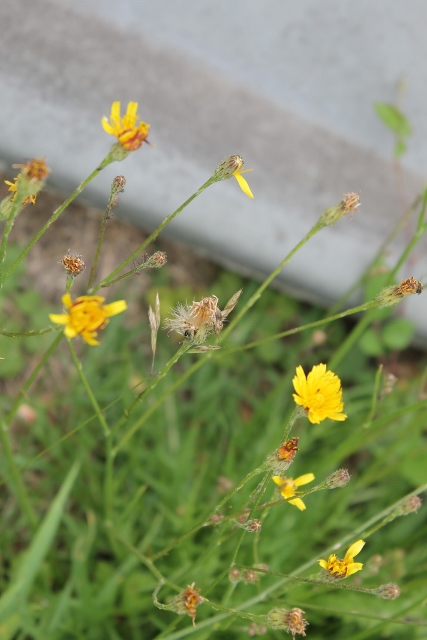
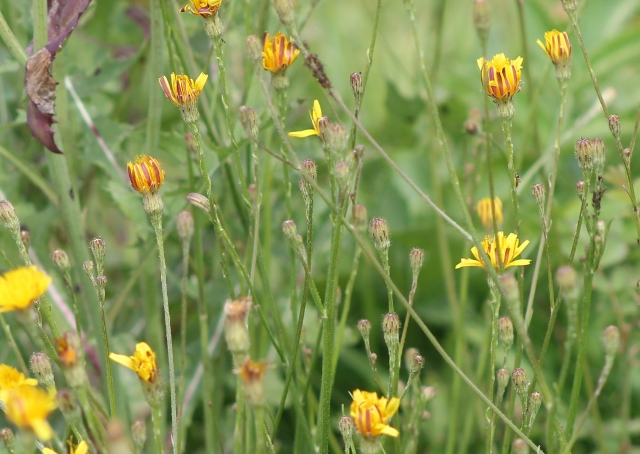
The next plant is I think, Cat’s-ear (Hypochaeris radicata) but there are a couple of features that make me feel unsure.

026Cat's-ear (640x427)

Cat’s-ear

The leaves at the bottom of the photo look too spiky to be Cat’s-ear.  Perhaps the leaves belong to a different plant?  Why do I never remember to take pictures of the whole plant?!


027Cat's-ear (427x640)

Cat’s-ear

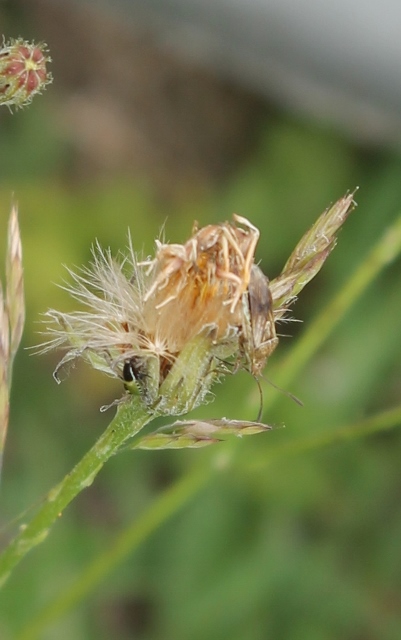
The next photo is a crop of the one above and shows a couple of insects on the seed-head that I had no idea were there when I took the photo.

027Cat's-ear (401x640)

There is (what I think is) a mature Green Shield Bug (Palomena prasina) on the right and down on the left is a little green and black insect – a Green Shield Bug nymph, 4th instar.

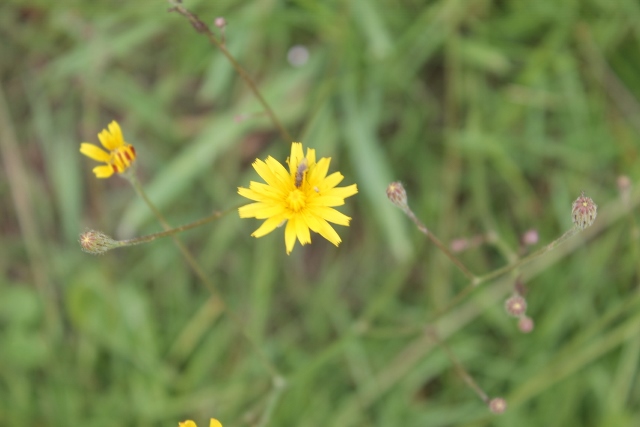
The main reason I have been in doubt is the colour of the outer florets.  They are such a dark orange-red that I thought at first it might be Beaked Hawk’s-beard but I’m sure it isn’t that.

028Cat's-ear with fly (640x427)

Cat’s-ear

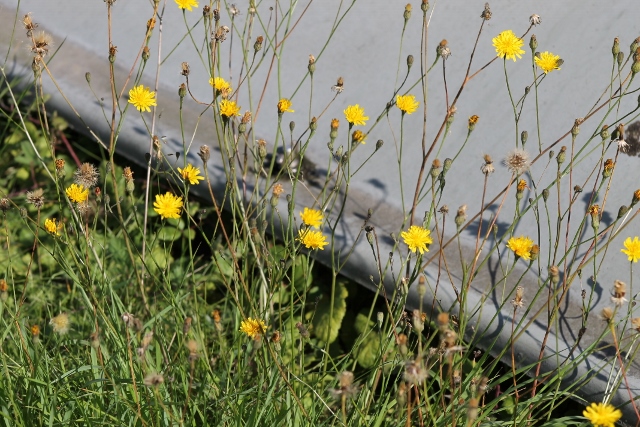
011Possibly hawksbeard (640x427)

Cat’s-ear

026Cat's-ear (640x454)

And this is a cropped photo showing the red outer florets more clearly

What makes me think that it is Cat’s-ear is the presence of the scale-like bracts on the stem.

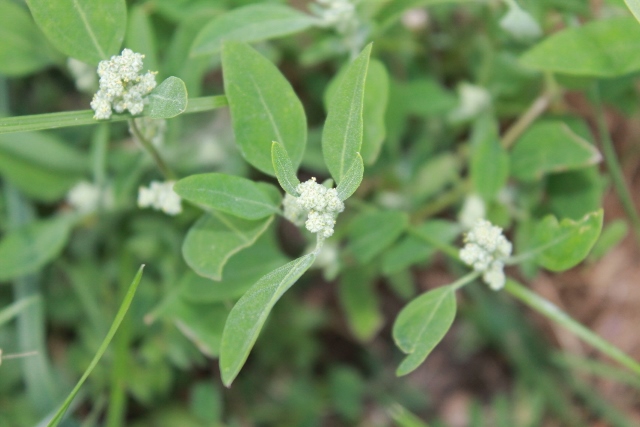
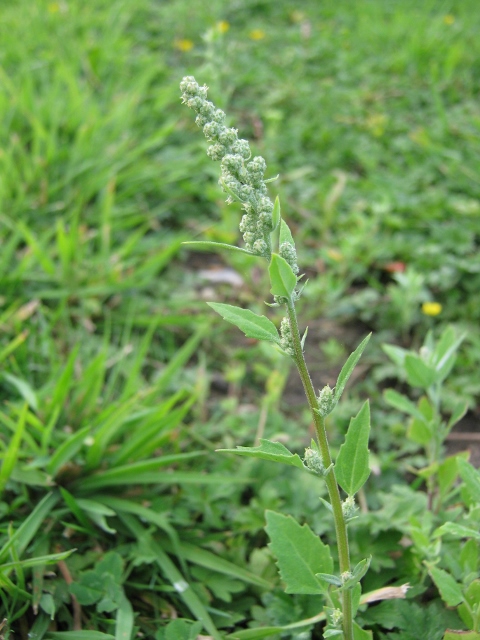
This next plant is called Fat-hen (Chenopodium album).  It is a very common annual plant of arable land.

011Fat hen (640x427)

Fat-hen

Fat-hen is a wild spinach and its use in Britain as a food has been traced back to the Bronze Age.

015Fat Hen (480x640)

Fat-hen

It can grow up to a metre in height.

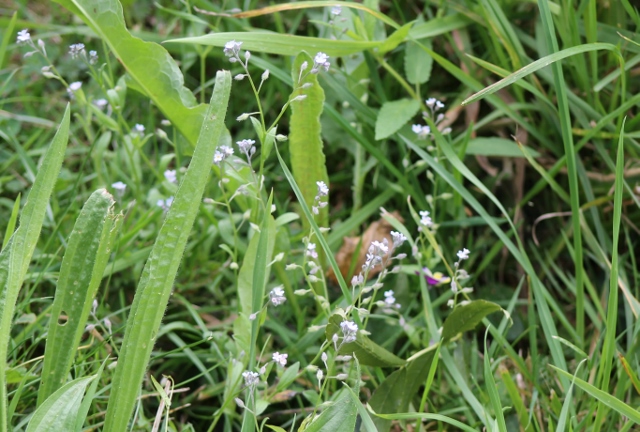
012Tiny forget-me-not (640x427)

This is such a tiny-flowered forget-me-not.

The flowers are only about 2 or 3 mm across.

014Changing forget-me-not (640x432)

It is called Changing Forget-me-not (Mysotis discolor)

The flowers start off a yellowish colour but soon change to blue.

011Birch scale on clover leaf (404x640)

A Silver Birch (Betula pendula) scale which had landed on a clover leaf.

A scale is a sort of ‘spacer’ between the miniscule seeds of the birch when they are in the catkin.

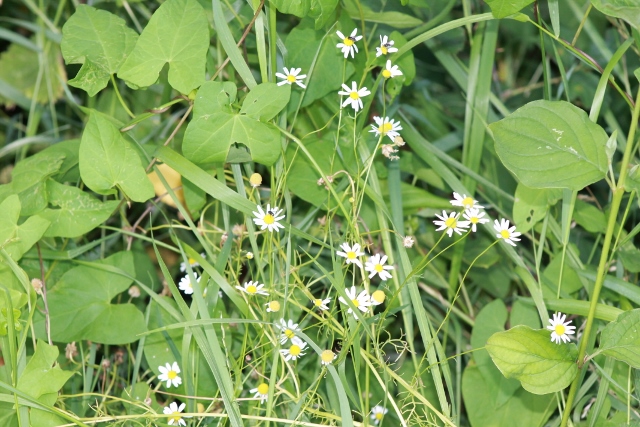
005Mayweed (640x427)

Scentless Mayweed (Tripleurospermum inodorum) continued to flower.

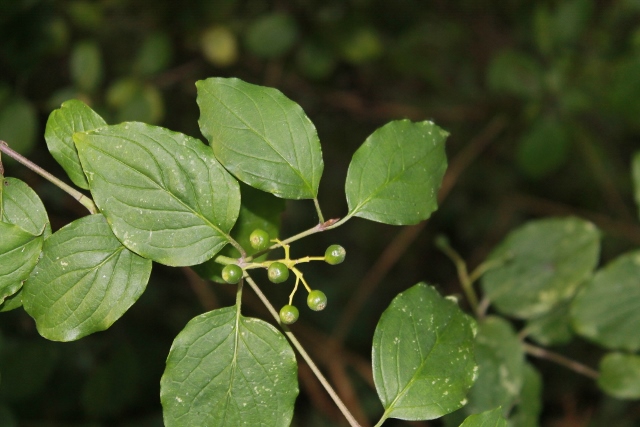
010Dogwood berries (640x427)

Dogwood berries had formed and were beginning to ripen.

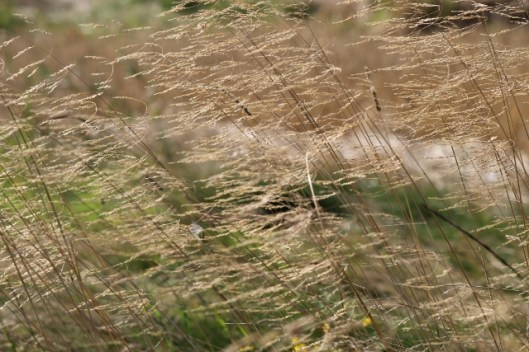
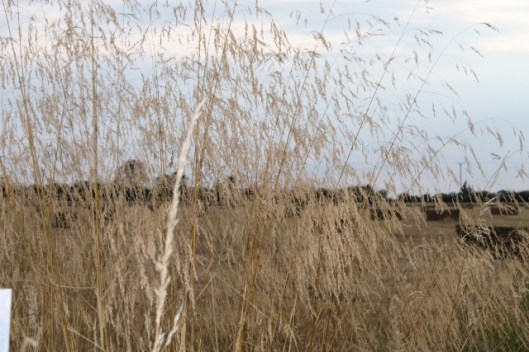
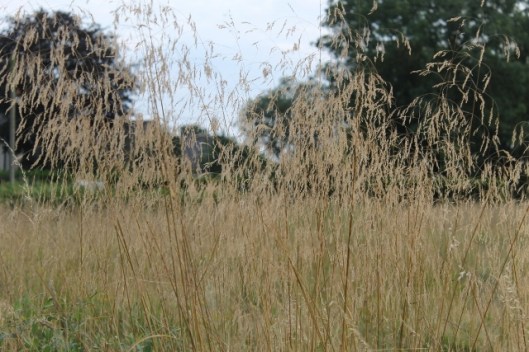
There were plenty of grasses to photograph.

Tufted Hair-grass
Tufted Hair-grass
Tufted Hair-grass

Tufted Hair-grass (Deschampsia cespitosa) grows to about 1.5 metres in height and I think it a really beautiful grass – lovely enough to have in the flower border.  It is a clump-forming perennial and quite easy to keep under control.

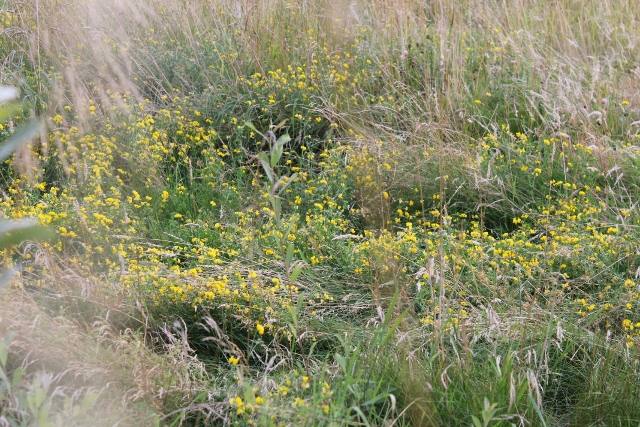
016Bird's-foot Trefoil (640x427)

Carpets of Bird’s-foot Trefoil on the un-ploughed strip of land round the field behind our house.

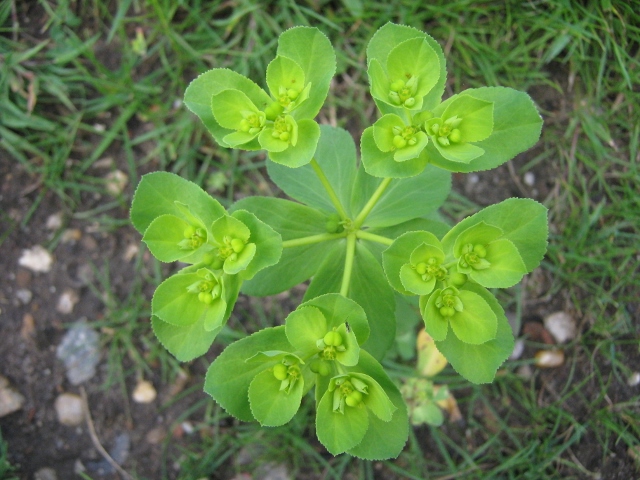
014Sun Spurge (640x480)

Sun Spurge (Euphorbia helioscopia)

The Sun Spurge has sweet-scented, kidney-shaped lobes on its petal-less flowers which attract insect pollinators.  When the Sun Spurge’s seed capsule is ripe it bursts open with an audible crack and the seeds are fired off in all directions.  There are three seeds in separate compartments and they have a fleshy appendage that contains an oil that ants find irresistible.  They collect the seeds and carry them off even further.   Ants usually only eat the oily part and leave the rest of the seed to germinate.

The Euphorbia genus was named after a man called Euphorbus, physician to King Juba of Mauritania in the 1st century AD, who is said to have used the plant medicinally in North Africa.  The species name ‘helioscopia’ derives from two Greek words which together mean ‘look at the sun’.  This probably refers to the flat-topped head of flowers which spreads out to be fully exposed to the sun.

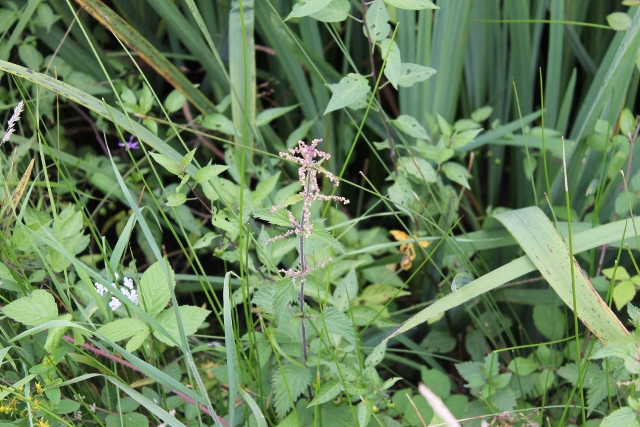
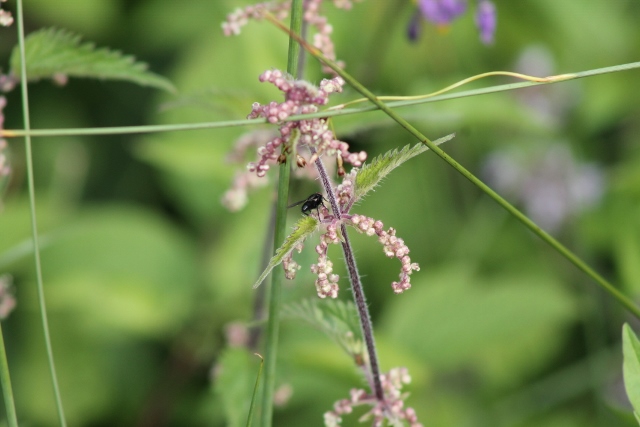
I found a few Stinging Nettles (Urtica dioica) with pink flowers.

005Stinging nettle with pink flowers (640x427)

Stinging Nettle

022Nettle with black fly (640x427)

Stinging Nettle

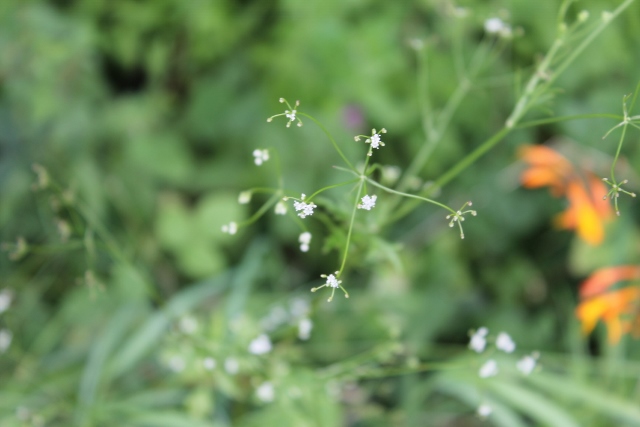
009Parsley water dropwort (640x427)

Parsley Water-dropwort (Oenanthe lachenalii) just coming into flower

I found this growing in our ditch at the front of the house.  This isn’t poisonous but it looks quite similar to Hemlock so it is best left alone.  It can be distinguished from Hemlock by its long narrow leaflets and greyish colour.  Hemlock (Conium maculatum) has wedge-shaped leaves and is a deeper green;  it has a foetid smell and purple-blotched stem.

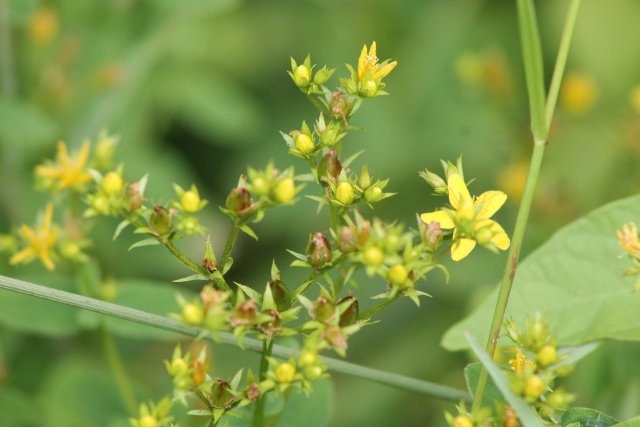
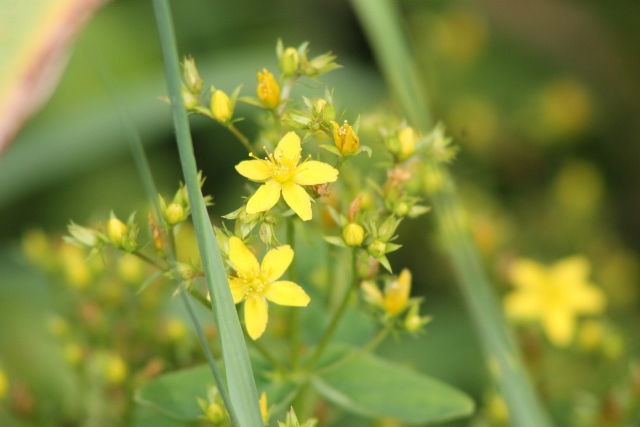
We also have a lot of St John’s-wort growing in the same ditch.  I think it might be Square-stalked St John’s-wort (Hypericum tetrapterum).

018St John's-wort (640x427)

Square-stalked St John’s-wort

019St John's-wort (640x427)

Square-stalked St John’s-wort

This St John’s-wort has a winged square stem.  I don’t think that is a good explanation but a photo of a cross-section of the stem would show the corners  drawn out into thin flaps.

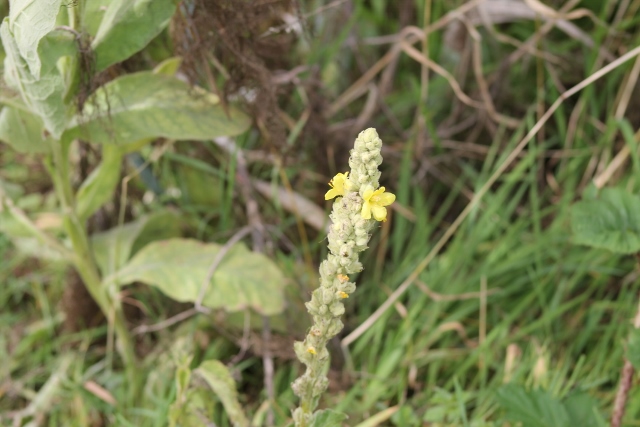
026Mullein (640x427)

I didn’t find this rather stunted Great Mullein (Verbascum thapsus) until most of its flowers had disappeared.

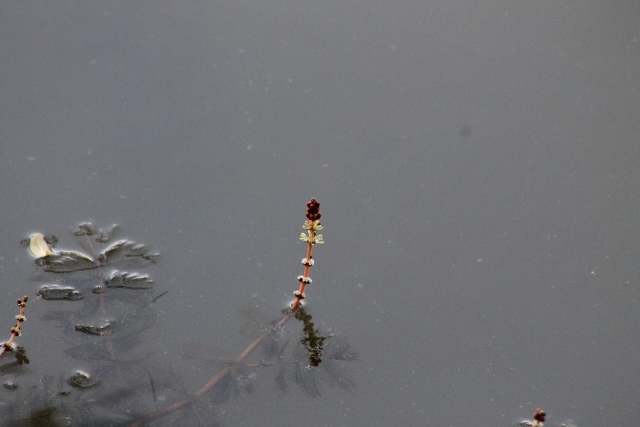
018Spiked water-milfoil (640x427)

This is Spiked Water-milfoil (Myriophyllum spicatum) in our pond


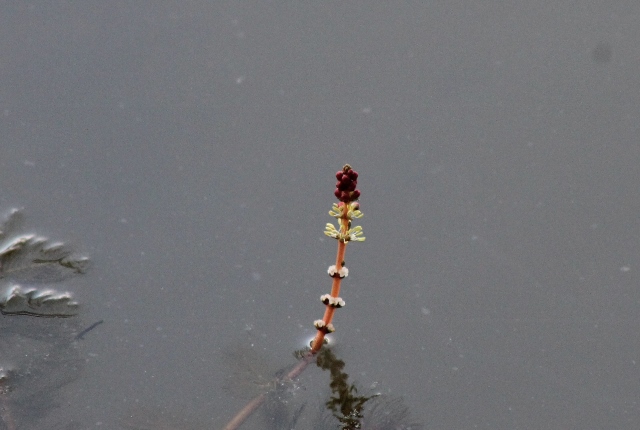
018Spiked water-milfoil (640x430)

I have cropped the photo above as this shows the red fruits a little more clearly. Not a good image, I know.

The spikes of this milfoil rise above the water and in mid-summer have tiny red flowers on them – the lower flowers female and the upper male.  The feathery leaves are below the surface and are in whorls.

This is a native plant and is not invasive here but I read that it is causing real problems in Canada and the States.  We have similar problems with Parrots Feather (Myriophyllum aquaticum) from South America.  There are such dangers in introducing wildlife from other countries.

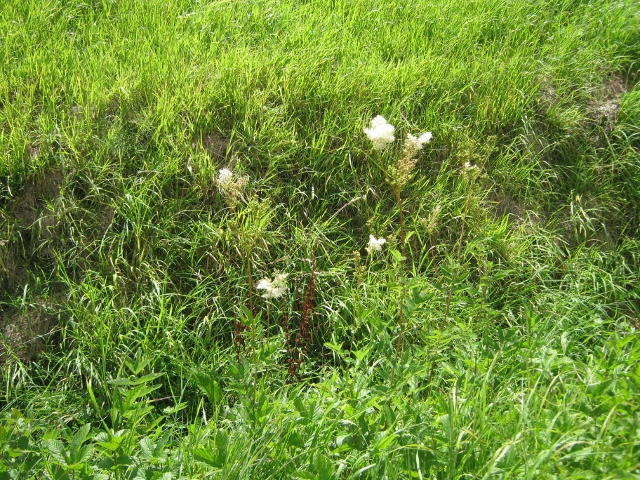
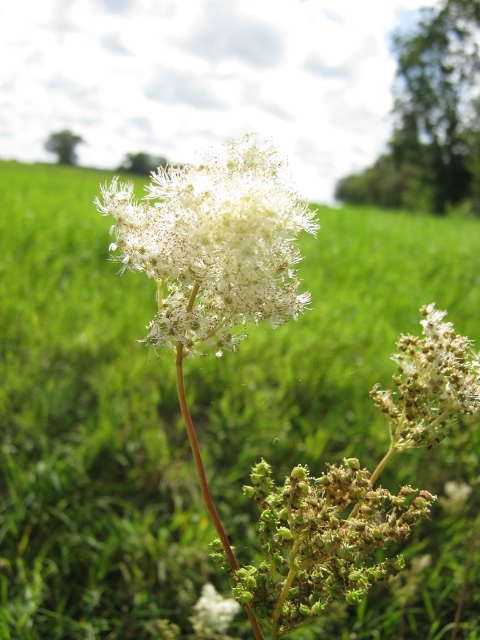
001Meadowsweet (640x480)

This is Meadowsweet (Filipendula ulmaria) growing in a ditch on my route to my mother’s house

I found the fuzzy, creamy-white sprays of flowers very difficult to photograph.  They are very sweet-smelling – like almond blossom.  The plant belongs to the rose family.

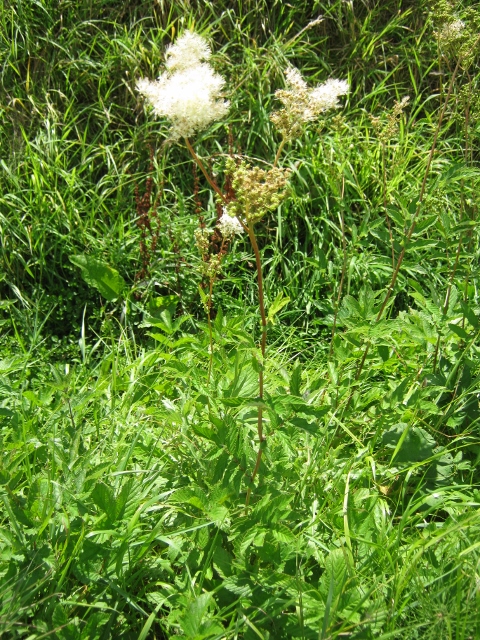
002Meadowsweet (480x640)

Meadowsweet

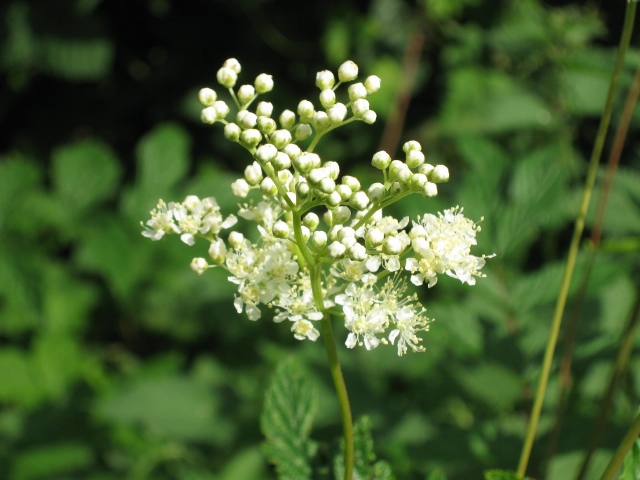
003Meadowsweet (480x640)

Meadowsweet. The leaves have three to five pairs of oval leaflets with smaller leaflets between

002Meadowsweet (640x480)

Meadowsweet

025Rose hips (640x427)

Rosehips (Rosa canina) in our hedge

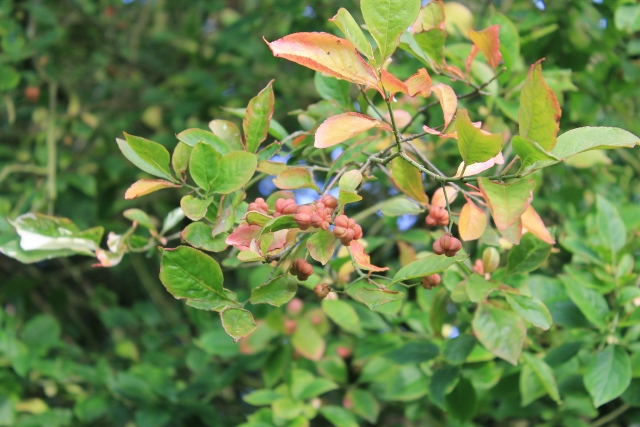
026Spindle berries (640x427)

Spindle berries (Euonymus europaeus) maturing in our hedge


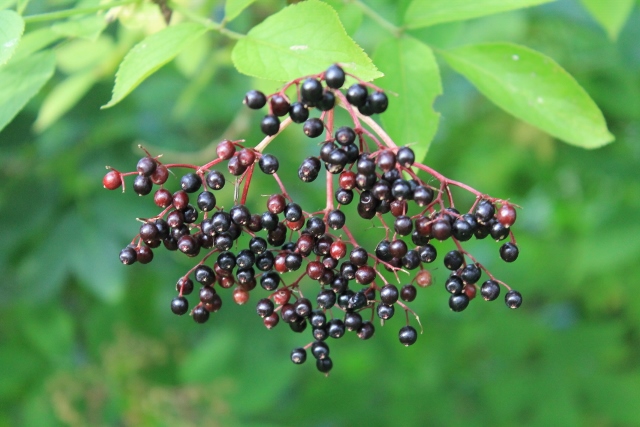
027Elderberries (640x427)

Elderberries (Sambucus nigra) in our garden

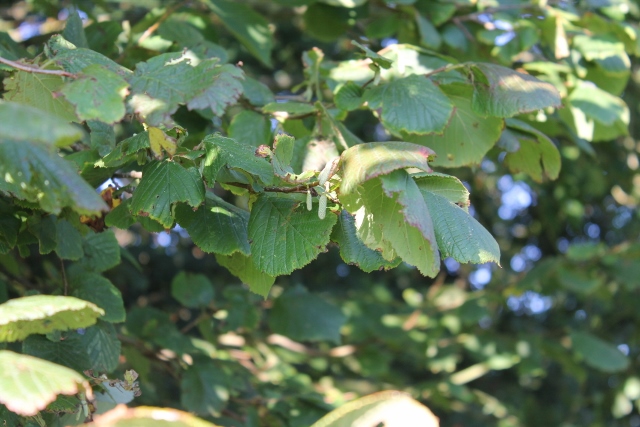
022New catkins on Hazel (640x427)

New catkins forming on the Hazel trees (Corylus avellana) in early September

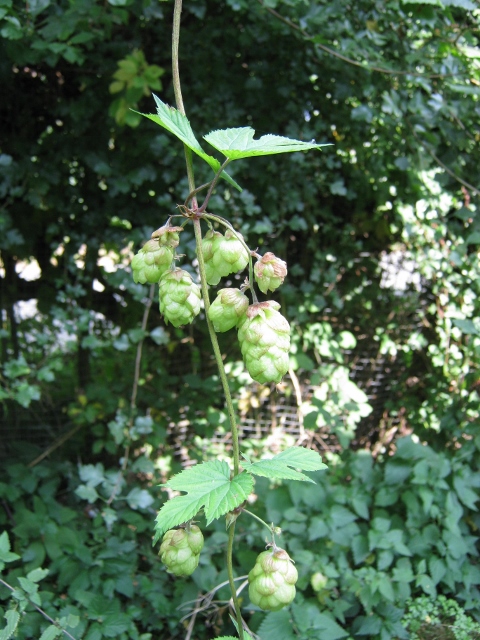
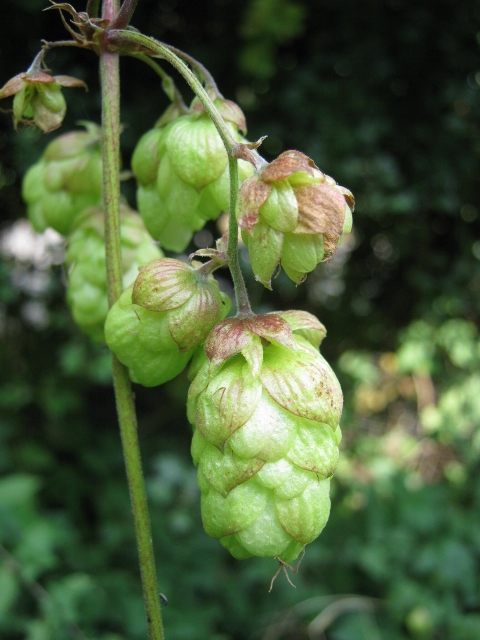
Finally, some photographs of Wild Hop (Humulus lupulus) growing in the hedge in my mother’s garden.

005Wild hops (480x640)

Hop vine

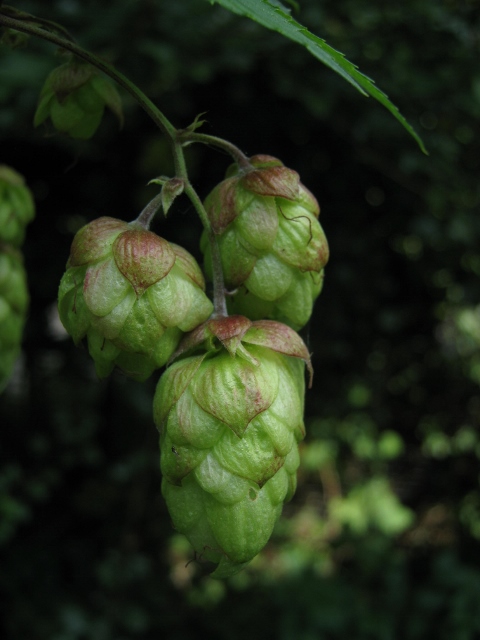
006Hops (480x640)

Hop fruits

007Hops (480x640)

Hop fruits

This year, a local brewery asked people to donate the hops growing in their hedges so they could make a special wild hop beer.  Mum didn’t donate hers as she doesn’t have that many and we didn’t hear about this until after the event.  My husband comes out in a nasty rash if he touches hop leaves.  Fortunately for him he gets no rash when he drinks beer.

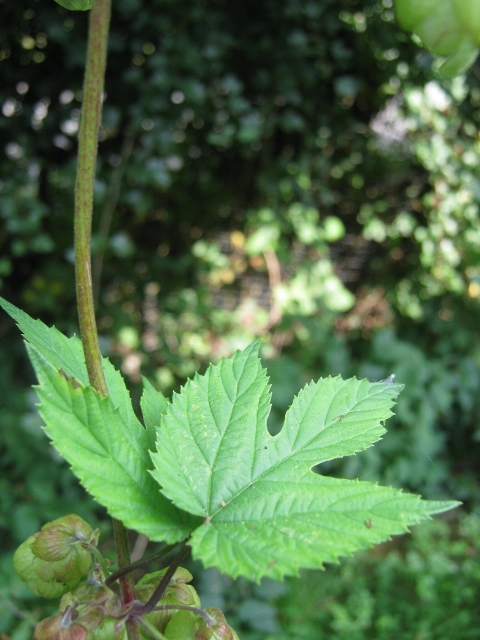
008Hop leaves (480x640)

Hop leaves

Thank-you for reading this post!


Share this:

  • Share on X (Opens in new window) X
  • Share on Reddit (Opens in new window) Reddit
  • Share on Pinterest (Opens in new window) Pinterest
  • Share on Facebook (Opens in new window) Facebook
  • Email a link to a friend (Opens in new window) Email
  • Share on Tumblr (Opens in new window) Tumblr
  • Print (Opens in new window) Print
  • Share on Pocket (Opens in new window) Pocket
  • Share on LinkedIn (Opens in new window) LinkedIn
Like Loading...
Follow A Suffolk Lane on WordPress.com

Enter your email address to follow this blog and receive notifications of new posts by email.

Join 715 other subscribers.

Unknown's avatar

I talk about what it's like living in a quiet part of Suffolk. I am a wife, mother and daughter, a practising Christian and love the natural world that surrounds me. I enjoy my life - most of the time!

My Posts

Nov 2014
M T W T F S S
 12
3456789
10111213141516
17181920212223
24252627282930
« Oct   Dec »

Pages

  • About my Blog
  • GDPR (General Data Protection Regulations) and This Site
  • My Life in a Suffolk Lane

Archives

Blogs I Follow

Unknown's avatar
Unknown's avatar
Unknown's avatar
Unknown's avatar
Unknown's avatar
Unknown's avatar
Unknown's avatar
Unknown's avatar
Unknown's avatar
Unknown's avatar
Unknown's avatar
Unknown's avatar
Unknown's avatar
Unknown's avatar
Unknown's avatar
Unknown's avatar
Unknown's avatar
Unknown's avatar
Unknown's avatar

Posts I Like

  • clivebennett796's avatar
  • Unknown's avatar
  • santable's avatar
  • gederedita's avatar
  • (Kitty) Cat Strawberry - Meow!'s avatar
  • sherijkennedyriverside's avatar
  • Unknown's avatar
  • The Introverted Bookworm's avatar
  • Unknown's avatar
  • Wayne Wolfson's avatar
  • Jack Ronald Cotner's avatar
  • mitchteemley's avatar
  • Unknown's avatar
  • Unknown's avatar
  • Unknown's avatar
  • Matthew Paul's avatar
  • Pilgrim's Pondering Ministry's avatar
  • Unknown's avatar
  • Limentinus's avatar
  • Unknown's avatar
  • JAM's avatar
  • Unknown's avatar
  • Unknown's avatar
  • Mélodie's avatar
  • Unknown's avatar
  • Unknown's avatar
  • Unknown's avatar
  • Unknown's avatar
  • Unknown's avatar
  • Stephen G. Hipperson's avatar
  • Schnippelboy's avatar
  • Unknown's avatar
  • Carolina Cuisine Network's avatar
  • Unknown's avatar
  • Unknown's avatar
  • M T McGuire's avatar
  • Unknown's avatar
  • Unknown's avatar
  • Unknown's avatar
  • Unknown's avatar
  • Unknown's avatar
  • Unknown's avatar
  • Unknown's avatar
  • Unknown's avatar
  • Unknown's avatar
  • CJ's avatar
  • Andrea Stephenson's avatar
  • womanseyeview's avatar
  • sopantooth's avatar
  • Unknown's avatar

amphibians architecture art Arts and Crafts churches cooking Days out domestic animals family fish Folk Traditions Gardening Historic Buildings holidays Insects Landscaping literature music Norwich plants Rural Diary seashore theatre trees Uncategorized walking weather wild animals wild birds wild flowers

Tags

architecture autumn birds blackbird blackthorn Bungay butterfly church clouds common knapweed cow parsley crocus daffodils Diary dogwood family field maple flowers fungus garden gardening geese greylags ground-ivy Halesworth Hawthorn heather holiday Holly Holy Week horse chestnut Hoverfly insects ivy Lake District Lent lesser celandine lichen Lords and Ladies Mallard mallards Minsmere moorhen moss music Norwich Peak District pheasant plants pond ponds primrose primroses Rain rooks Rumburgh Rumburgh Church sheep Sheffield snow snowdrops Southwold spring Suffolk Suffolk Wildlife Trust sunset the Beck trees viburnum bodnantense walking weather wild cherry wild flowers winter-flowering honeysuckle witch-hazel

Meta

  • Create account
  • Log in
  • Entries feed
  • Comments feed
  • WordPress.com

Goodreads

Blog at WordPress.com.

Book Jotter

Reviews, news, features and all things books for passionate readers

Country Life Blog -

A blog about life in the country in the past and present

Matthew Paul: Poetry & Stuff

Poetry and what-not

Schnippelboy

Ein Tagebuch unserer Alltagsküche-Leicht zum Nachkochen

TAMARA JARE

TAMARA JARE Tamara Jare: Contemporary Figurative Painting Oil on Canvas Artist Art Studio

A Taste of Freedom

Documenting a Dream

Country Ways

Rambling Journeys in Britain, Countryside Matters and campaigning for the Right to Roam

The Strawberry Post

Here to Entertain, Educate & Inspire!

a north east ohio garden

an ongoing experiment in the dirt, 35 plus years

naturechirp

Celebrating God's creatures, birds and plants...

Sophie Neville

Writer

Going Batty in Wales

Developing a more sustainable lifestyle in SW Wales

Our Lake District Escapades

Exploring the Lake District and beyond

Short Walks Long Paths

Wandering trails around the coast of Wales

The Biking Gardener

An English persons experience of living and gardening in Ireland

Nan's Farm

A Journal Of Everyday Life

Walk the Old Ways

Rambling Journeys in Britain with John Bainbridge. Fighting for the Right to Roam. Campaigning to Protect Our Countryside.

Writer Side UP!

Waking the Writer Side...and keeping it "Up!"

Meggie's Adventures

Travel, thank you notes and other stories

amusicalifeonplanetearth

Music and the Thoughts It Can Inspire

lovefoundation.co.uk

Traveling Tortuga

Simply Living Well

Pakenham Water Mill

Historic watermill in the beautiful Suffolk countryside

Take It Easy

Retired, not expired: words from the after(work)life. And music. Lots of music!

Secret Diary Of A Country Vicar's Wife

By Olive Oyl

thanksfortheadventureorg.wordpress.com/

The Beat Goes On

#TBGO

Frank Pleszak's Blogs

Twitter: @frankpleszak @PolishIICorps

John Bainbridge Writer

Indie Writer and Publisher

roughwighting

Life in a flash - a bi-weekly storytelling blog

Walking the Old Ways

Rambling in the British Countryside

CapKane

thoughts on social realities

SkyeEnt

Jottings from Skye

jodie richelle

embracing my inner homemaker

Skizzenbuch/Blog

Just another WordPress.com weblog

Have Bag, Will Travel

The Call of the Pen

Flash Fiction, Book Reviews, Devotionals and other things.

John's Postcards

Art in Nature

You dream, I photographe it !

Smile! You’re in Barnier World......

theinfill

the things that come to hand

Dr. Mary Ann Niemczura

Author of "A Past Worth Telling"

Provincial Woman

The Pink Wheelbarrow

Luanne Castle: Poetry and Other Words (and cats!)

Poetry, Other Words, and Cats

The Family Kalamazoo

A genealogical site devoted to the history of the DeKorn and Zuidweg families of Kalamazoo and the Mulder family of Caledonia

everythingchild

The Book Owl

Canberra's Green Spaces

Paul Harley Photographer

  • Subscribe Subscribed
    • A Suffolk Lane
    • Join 715 other subscribers.
    • Already have a WordPress.com account? Log in now.
    • A Suffolk Lane
    • Subscribe Subscribed
    • Sign up
    • Log in
    • Report this content
    • View site in Reader
    • Manage subscriptions
    • Collapse this bar
 

Loading Comments...
 

    Privacy & Cookies: This site uses cookies. By continuing to use this website, you agree to their use.
    To find out more, including how to control cookies, see here: Cookie Policy
    %d