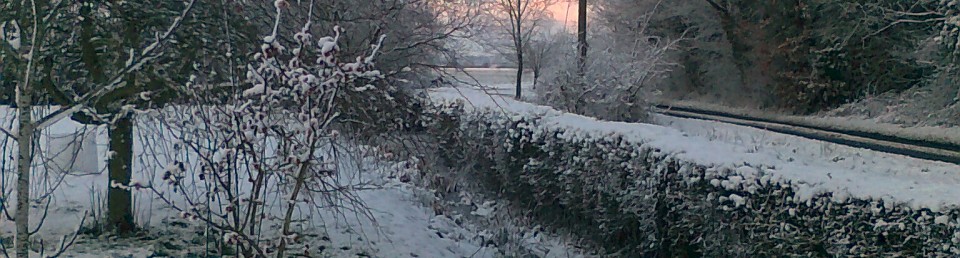
After three days of glorious blue sky and sunshine, the sun not powerful enough to melt the thick frost and ice in shady places, we woke yesterday morning, the first of the new year, to gloom and cloud and increasing wind. Richard and I had hoped to go to Minsmere with Elinor, walk round the bird reserve and have lunch in the café. However, after her late night seeing in the new year Elinor didn’t get up til midday by which time it was too late to get there for lunch. We decided we would try to get to Minsmere at the weekend and drove to Dunwich and had a short walk there instead.
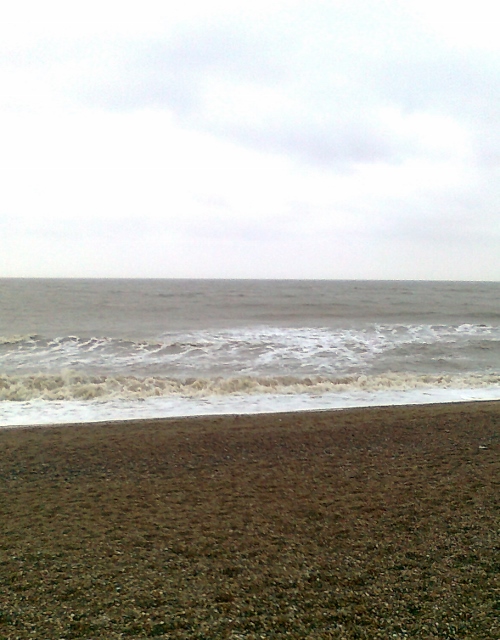
Rough sea at Dunwich beach
No matter what the weather, there are always at least two tents belonging to sea fishermen on this beach. I only had my phone with me so these photos aren’t too good.
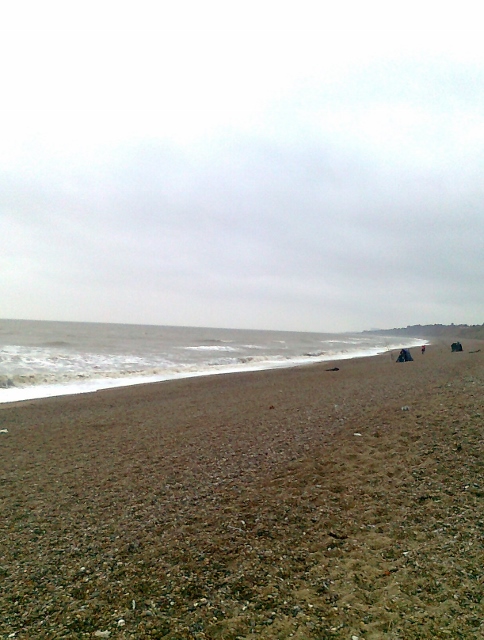
We found it difficult walking on the beach because of the strong, cold wind and Elinor who hasn’t been very well recently decided to return to the warmth of the car.
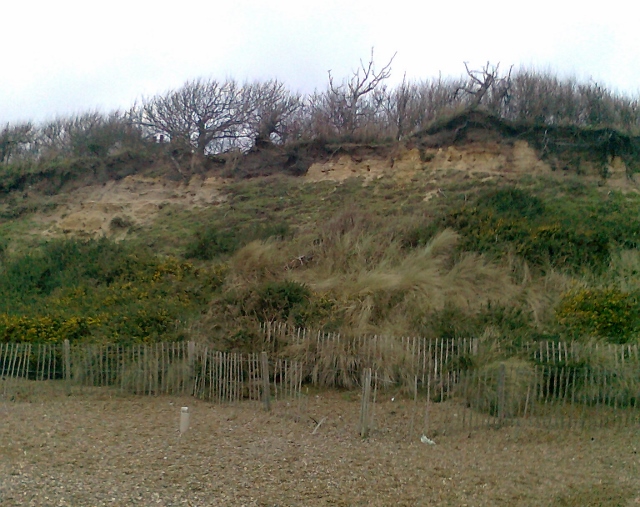
The coast here is being eroded away very quickly and there are frequent land-slips.
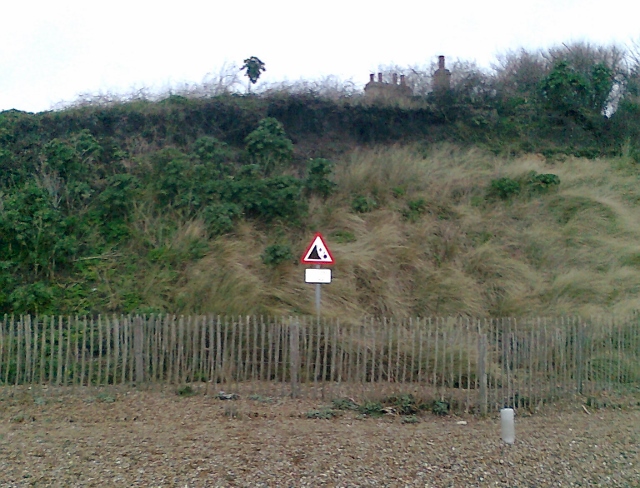
I am glad I don’t live in the house whose chimneys you can see at the top of the picture.
Dunwich, in the 13th century was a port city equal in size to London (as it was then). It had six churches, two monasteries and its own mint. In 1286 a storm washed away many houses into the sea and this was followed by three further storm surges in quick succession until almost all of Dunwich was lost to the sea with only a tiny fragment of the city remaining. There is a legend that the church bells can still be heard tolling beneath the waves on quiet days. The port and river mouth became silted up and the trade went away. The storm surge we had in December 2013 caused a lot of damage all along this coast and many people are still in danger of losing their homes.
Archaeologists have been working in recent years to map the sea floor across the entire area of the town. A lot of ruins have been discovered and stones with lime mortar attached dating back to the early medieval times. This is the largest medieval underwater site in Europe.
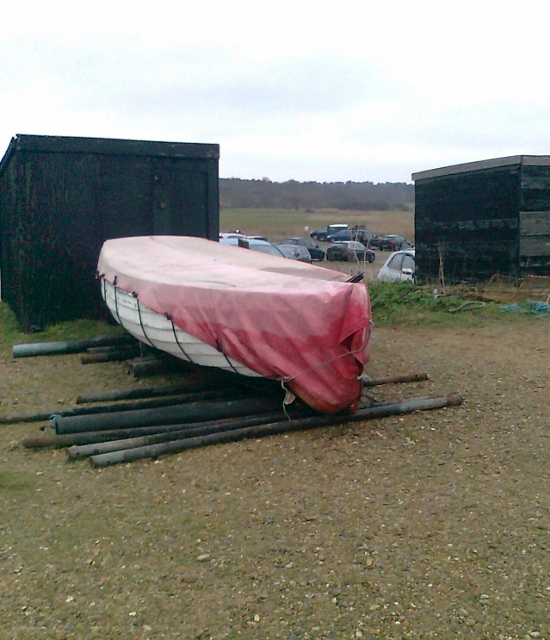
The huts contain winching gear to help pull the boats back up the beach.
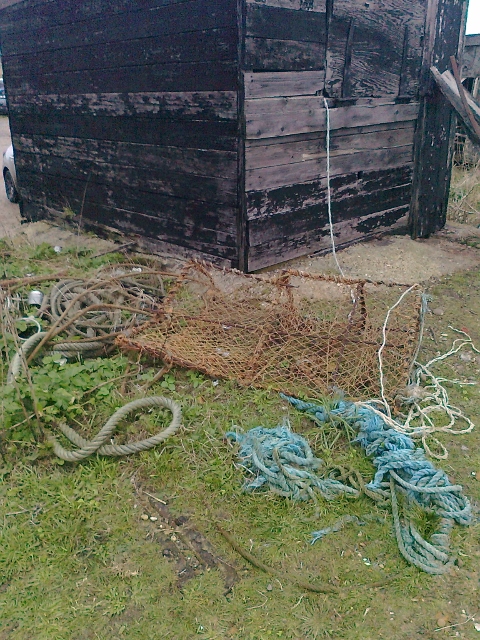
The ‘must-have’ gear of a fisherman
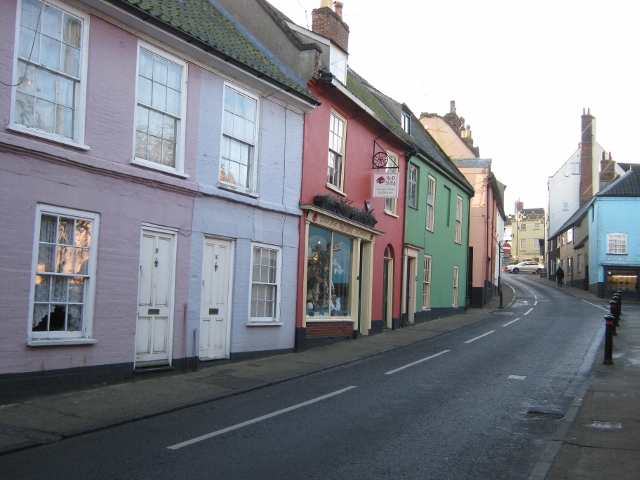
About ten days before Christmas I went shopping in Bungay and, as it was a nice day and I wasn’t in a hurry I decided to walk down Bridge Street to the river and see how high the water was.
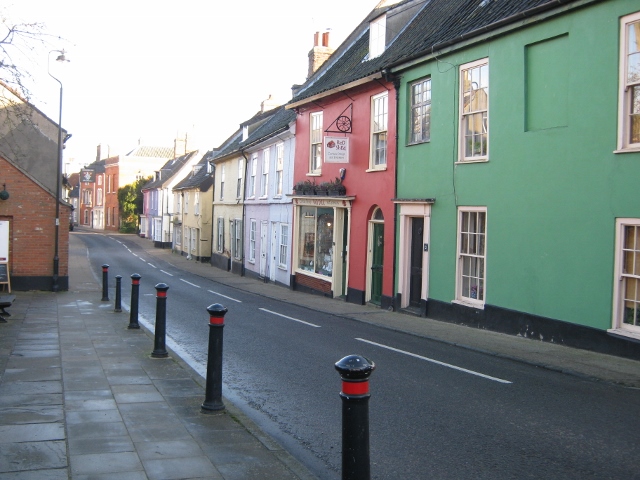
The colourful houses in Bridge Street.
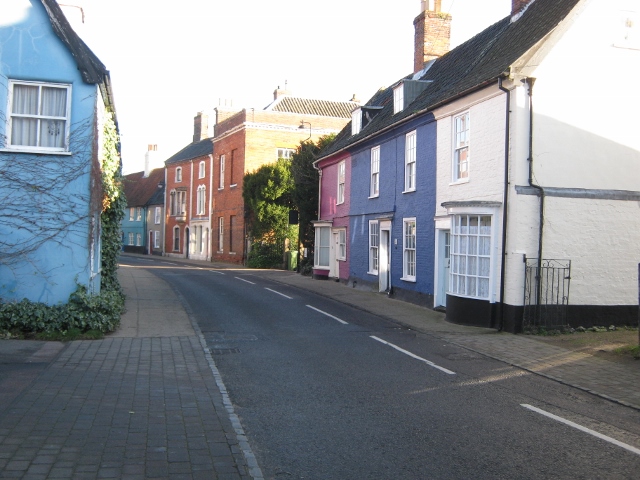
Looking back up the street towards the Buttercross in the Market Place
More colourful houses
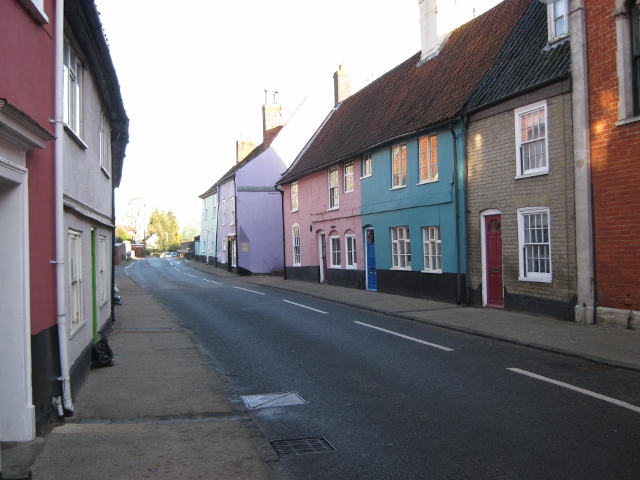
And yet more!
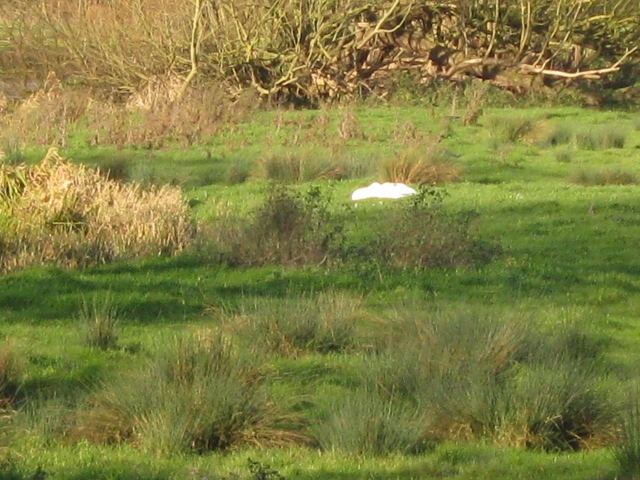
The white heap is two Mute Swans. I didn’t have my camera with the zoom lens and this is the best I could do.
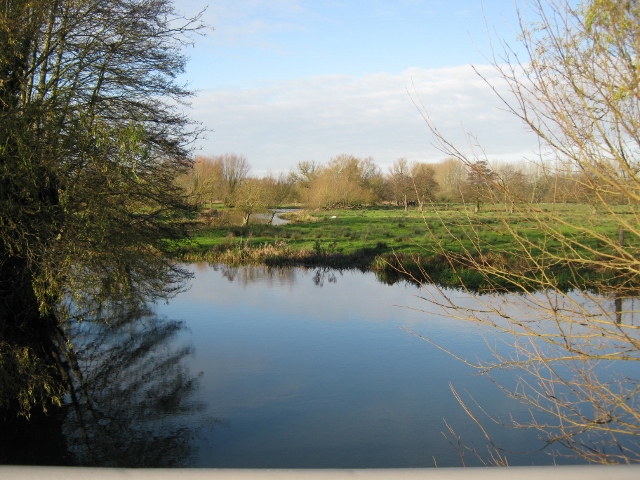
The River Waveney seen from the bridge.
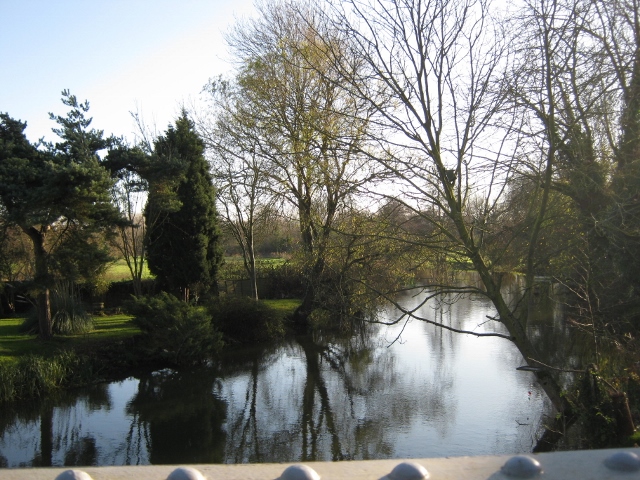
Looking at the River Waveney from the other side of the bridge.
If you would like to hear more about Bridge Street please click here to listen to local historians and residents talk about the area. Turn up the volume on your phone/computer. In the recording you will hear about Nursey’s the sheepskin shop. Unfortunately, since this recording was made the shop has had to close as they couldn’t find a buyer.
I hope you enjoy listening to this audio tour.
Happy New Year to all my readers!
 A Suffolk Lane