Tags
butterfly, caves, Manifold Valley, Peak District, plants, sheep, squash stile, Thor's Cave, walking, Wetton, wild flowers
Not only did we have a week’s holiday in the Lake District this summer but we also went to the Peak District for a week. I have already told you about the sad start to this break – the death of my mother-in-law on the day of our arrival. We spent the first full day of our holiday with my brother-in-law but after that there wasn’t anything else to do but wait until we were told by the Coroner that we could arrange the funeral.
We thought we might as well stay in the Peaks and not abandon our holiday. If Chris (my brother-in-law) needed us we would be close at hand. We thought we would find comfort in walking in this beautiful part of the country.
After lunch on Saturday 15th August we drove to the village of Wetton in Staffordshire from where we intended to walk along the Manifold Valley. We drove along a very scenic road en route to Wetton.
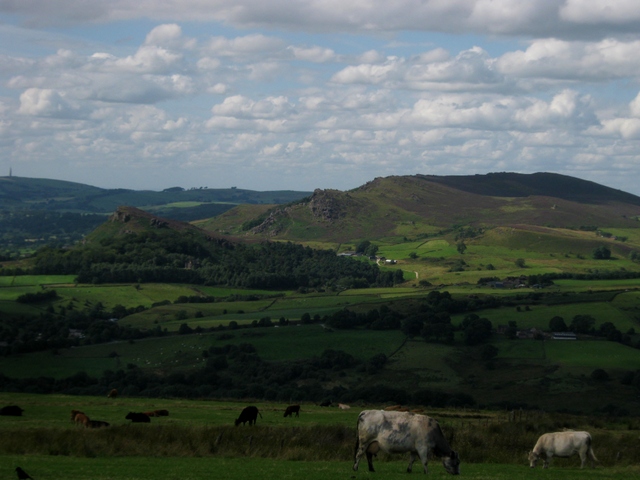
The Roaches and Hen Cloud (the nearest hill) seen from the road.
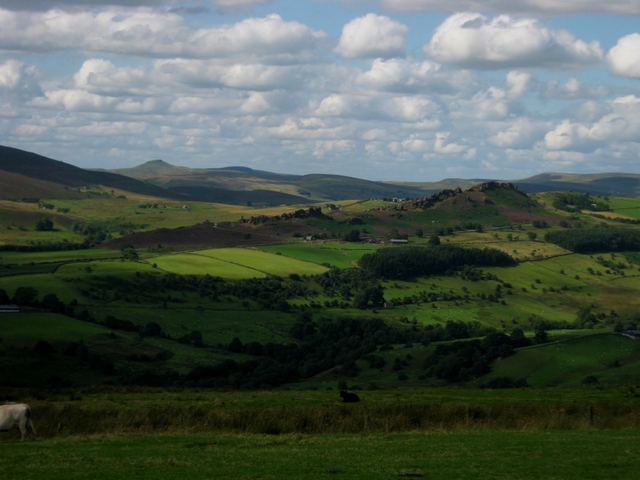
Another view of The Roaches. The Rocks look like spikes on the spine of a dinosaur.
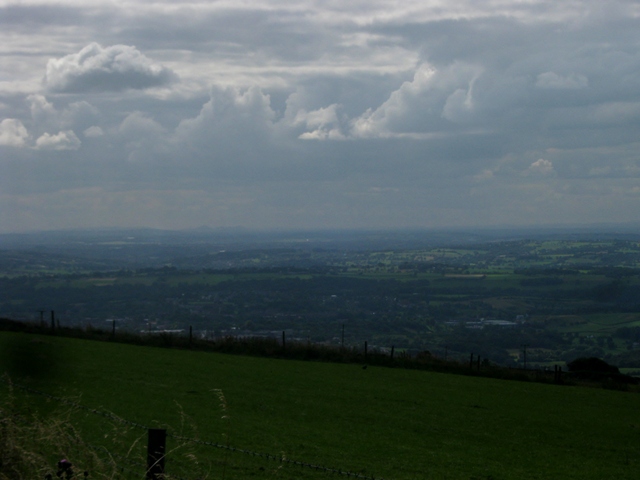
We could just see the Welsh hills on the far horizon beyond the flat Cheshire Plain.
We got to Wetton and found the car park near the centre of the village. The buildings and houses in the village are mainly made of stone and the church, which was built in the 14th century has an exterior staircase to the belfrey which contains six bells. The Royal Oak pub, which owns a camping field next to the car park is also the venue for the World Toe Wrestling Championships which began in the 1970’s!
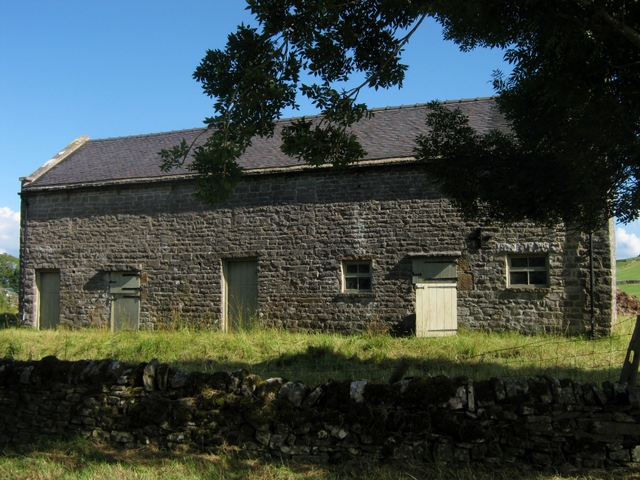
One of the buildings of Wetton.
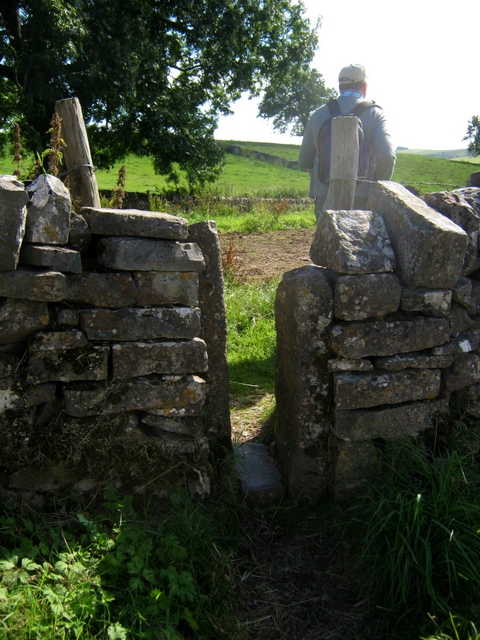
Another of those squash stiles which let tall and/or thin people through but not livestock or short people with generously proportioned legs etc.
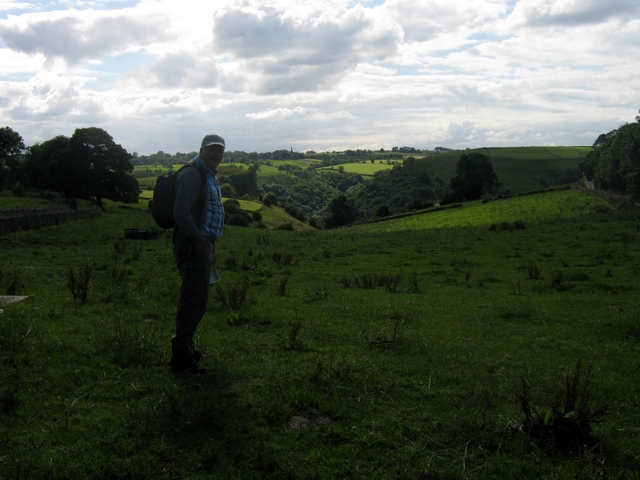
Richard and I crossed this field which sloped steeply down into the deep valley of the River Manifold.
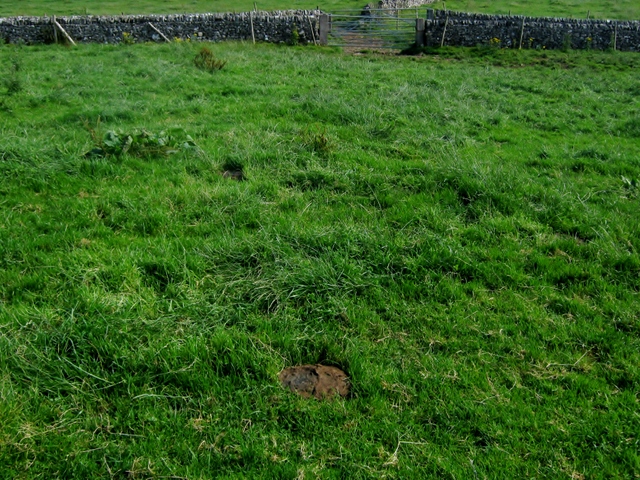
There were many hazards.
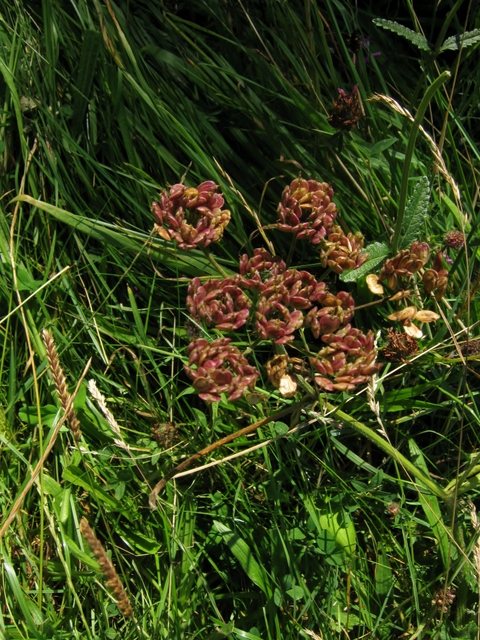
A colourful seed-head – probably Hogweed (Heracleum sphondylium). We also saw a number of Betony (Stachys officinalis) flowers but none of my photos were any good.
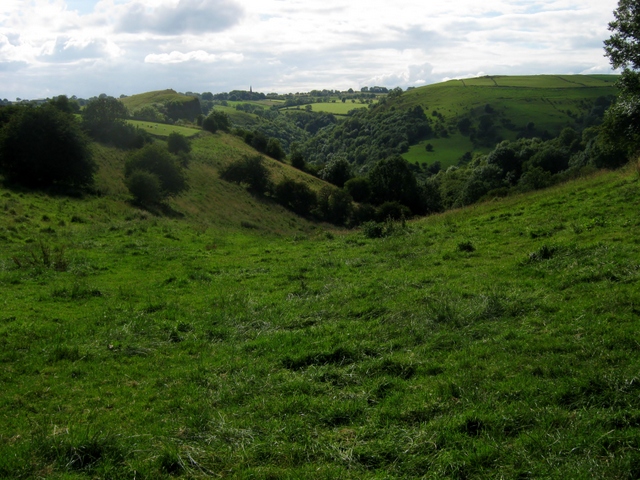
The route down to the river valley
At the bottom of the field we crossed a couple of stiles and entered a wood.
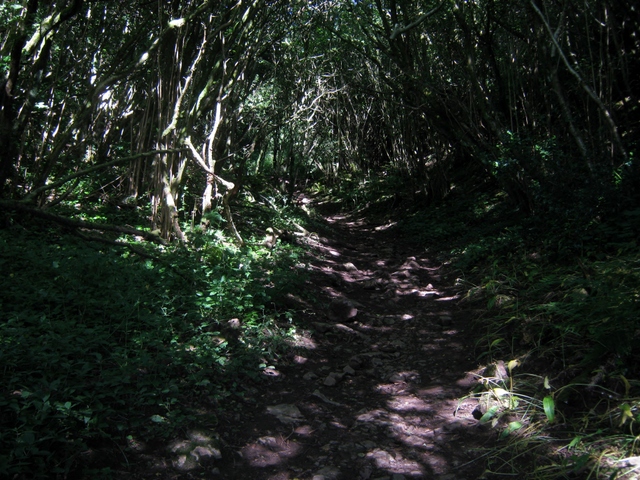
Path through the wood
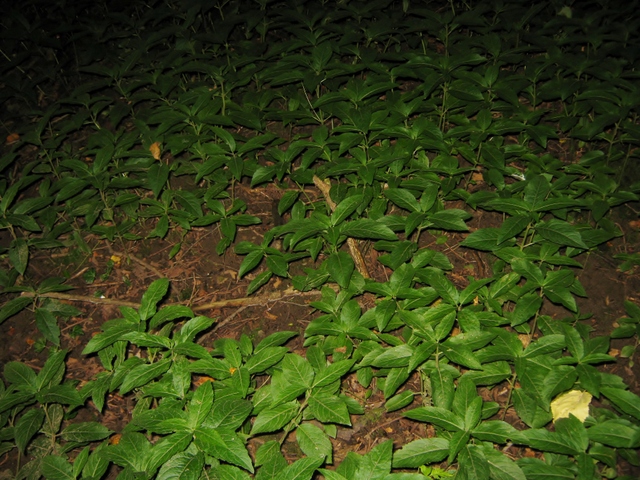
Lots of invasive Rhododendron seedlings
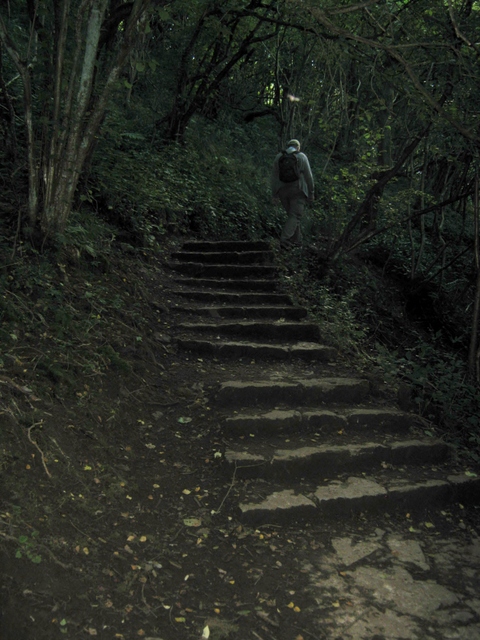
Steps up through the woods
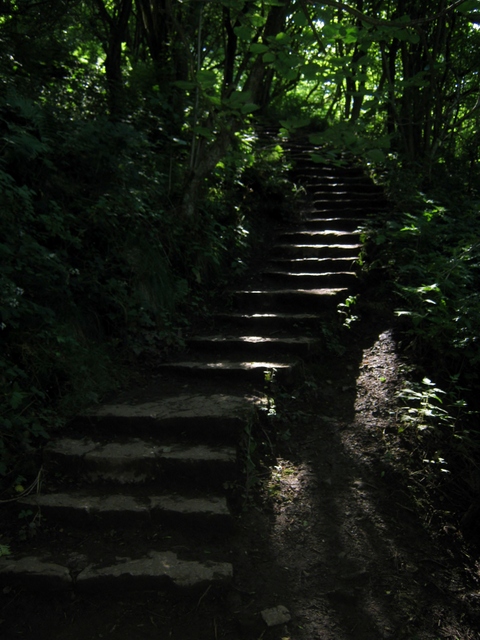
Yet more steps! Gasp! Puff!
We were going to see Thor’s Cave.
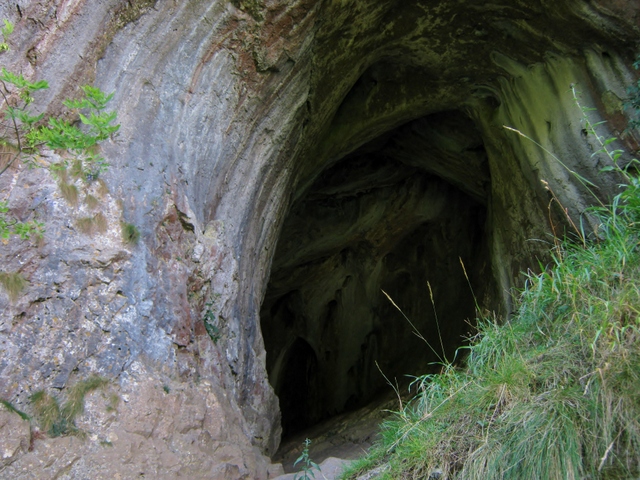
Thor’s Cave
This is a Karst Cave i.e. it was formed from the dissolution of soluble limestone. The entrance is just over 18m up on the hillside and the opening is a symmetrical arch, 7.5m wide and 10m high. I don’t think there is any connection between this cave and the god Thor; the name probably derives from the word ‘tor’ meaning a hill or rocky peak. I was most disappointed to find that I didn’t have the ability to climb up to the entrance from the path. I had to wait outside while Richard explored inside.
You can see minute-me waving at Richard in one of the photos above. This will give you some idea of the size of the cave.
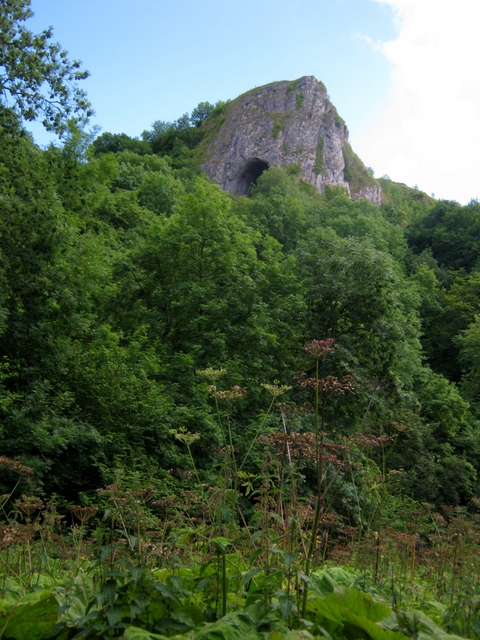
This is what the entrance to the cave looks like from the path below.
While Richard enjoyed himself in the cave, I kept myself busy looking for things to photograph outside.
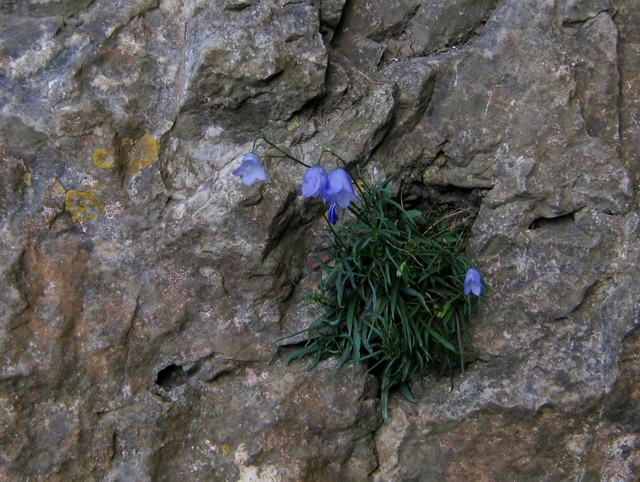
Harebells (Campanula rotundifolia) growing out of a crevice in the stone.
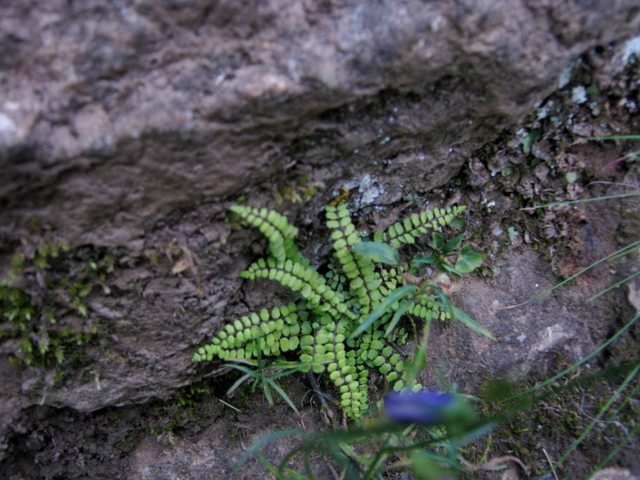
A tiny Maidenhair Spleenwort (Asplenium trichomanes).
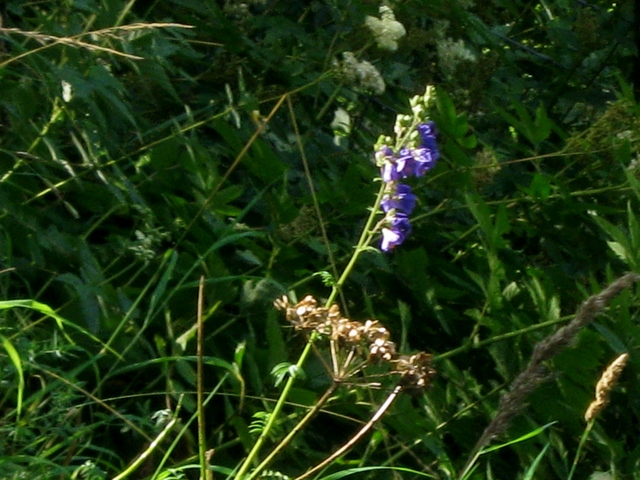
Jacob’s-ladder (Polemonium caeruleum)
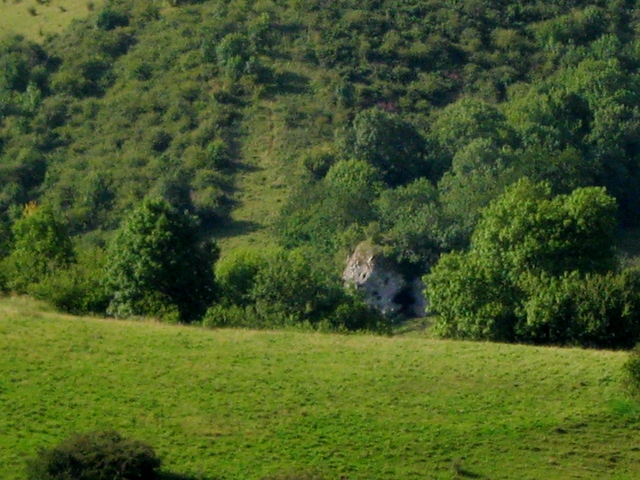
I saw another cave entrance below us.
After Richard emerged from the cave we walked back down to the valley-floor.
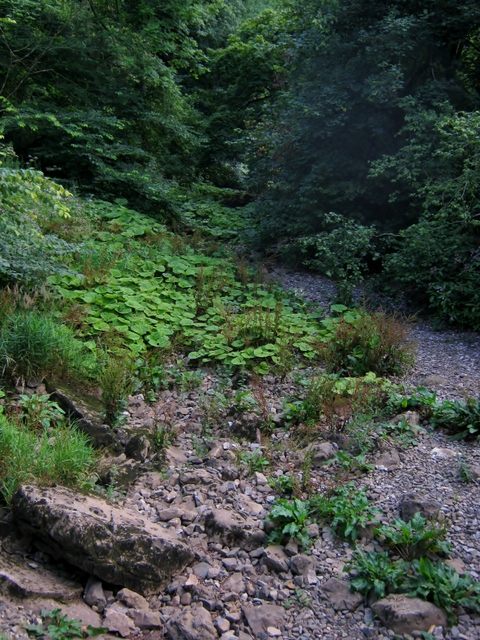
Lots of different plants grew in the scree and rocks of the river-bed alongside the path. There were many wild raspberry canes with ripe fruit but again my camera failed to focus on them.
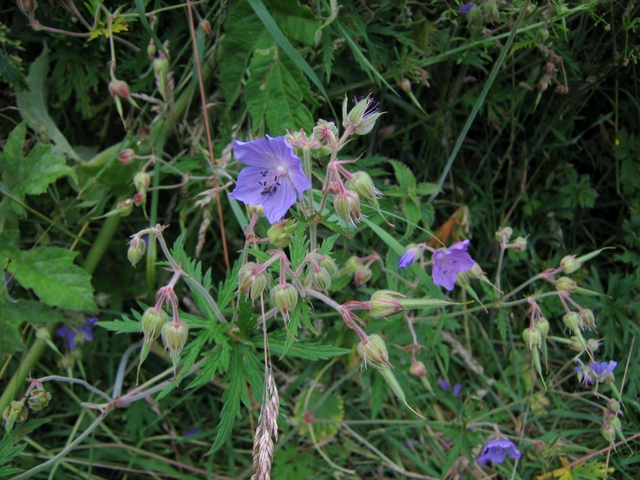
Meadow Crane’s-bill (Geranium pratense) next to the path.
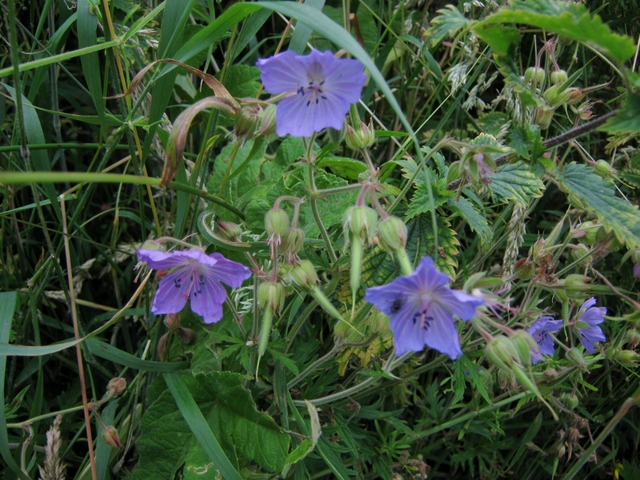
I’m including another photo of these flowers because I like them! You can see that the seed-heads look a little bit like crane’s heads.
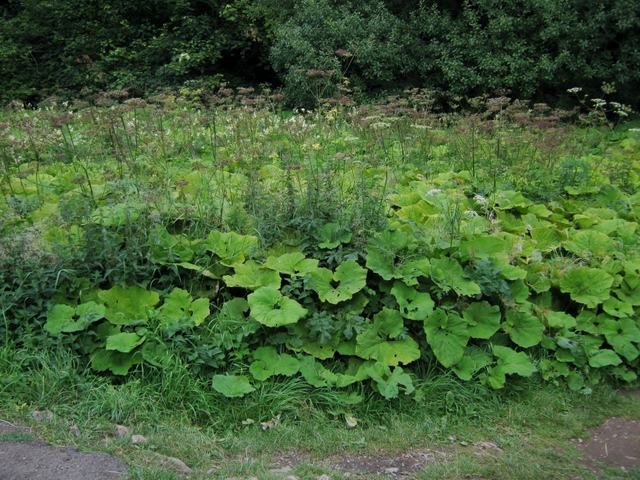
The large leaves of Butterbur (Petasites hybridus). Also known as Wild Rhubarb, the heart-shaped leaves can be up to 1m/3 ft across.
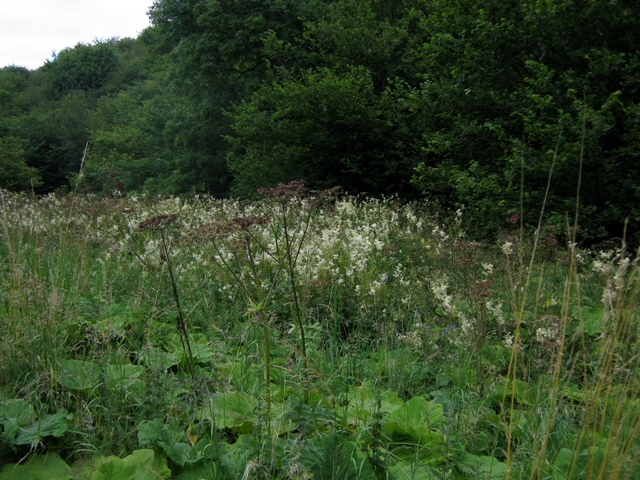
This Meadowsweet (Filipendula ulmaria) was so strongly and beautifully scented!
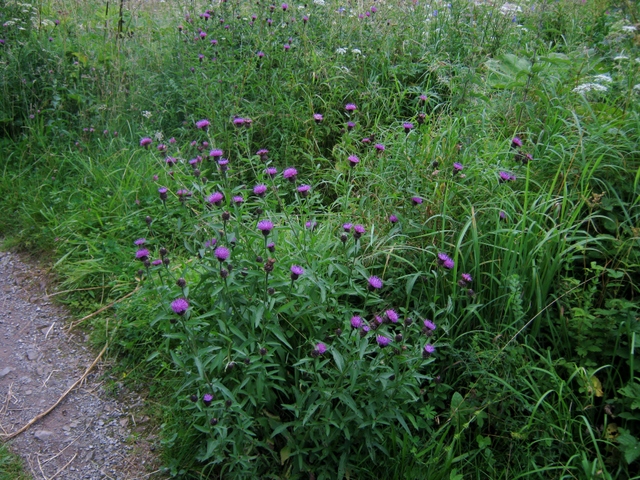
Common Knapweed (Centaurea nigra)


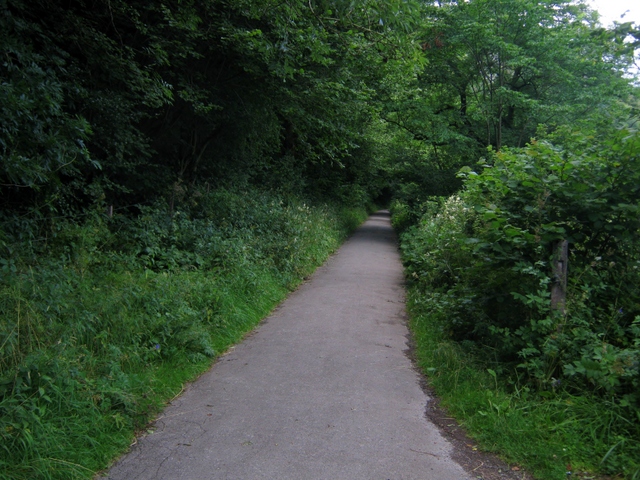
The path we were walking along was the former Leek and Manifold Light Railway line. There had even been a station at Thor’s Cave!
This also explains all the well-made steps up to the cave.
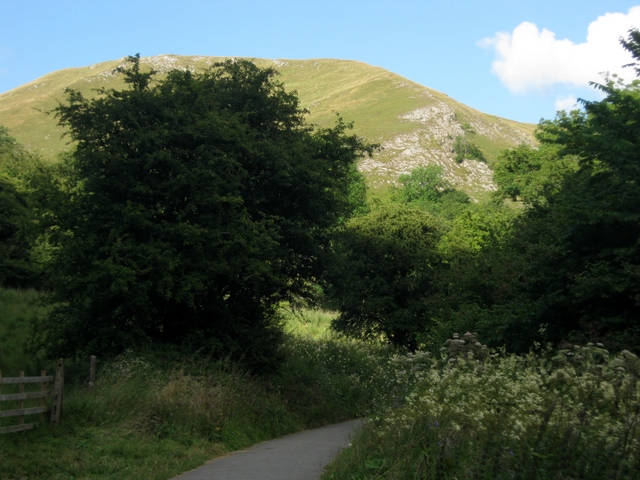
View of a hill from the path.
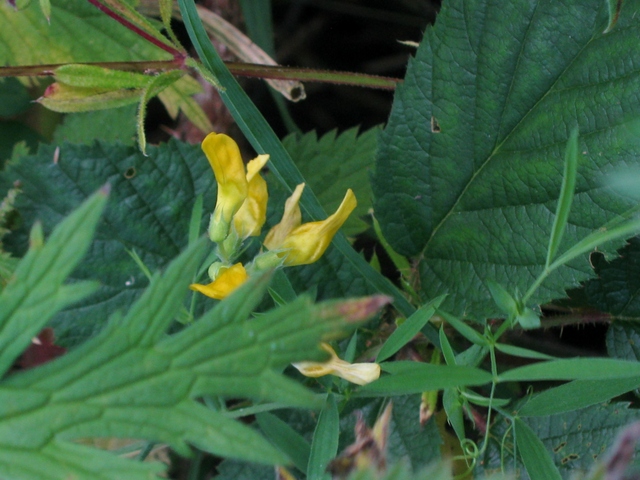
Meadow Vetchling (Lathyrus pratensis)
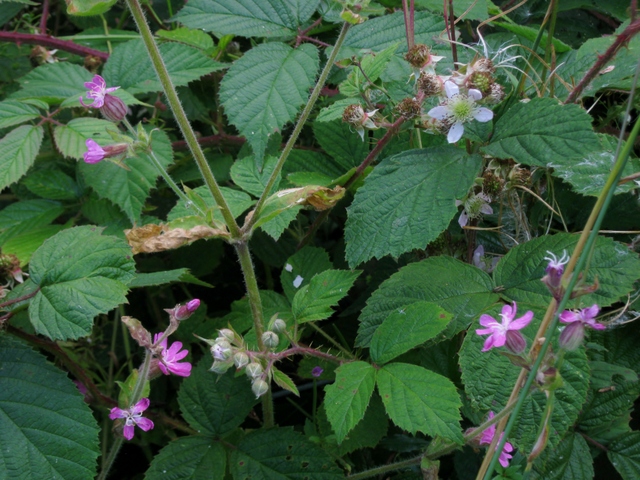
Red Campion (Silene dioica) and Bramble (Rubus fruticosus agg.)
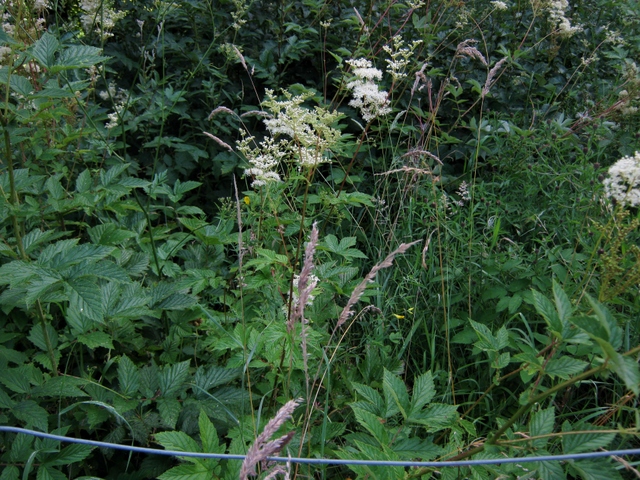
More Meadowsweet.
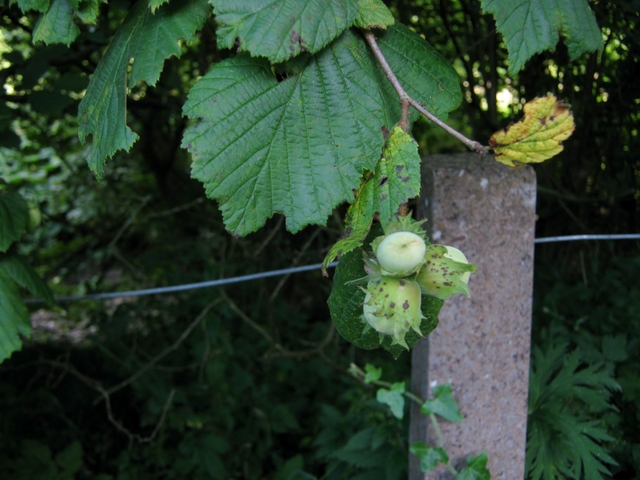
Ripening Hazel nuts (Corylus avellana)
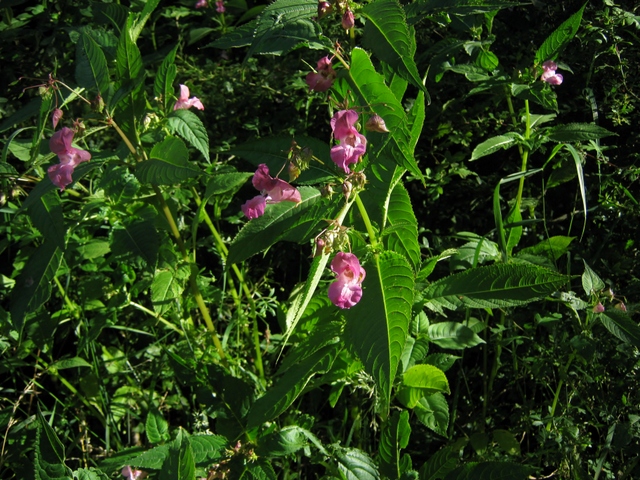
The pretty flowers of the terribly invasive Indian Balsam (Impatiens glandulifera)
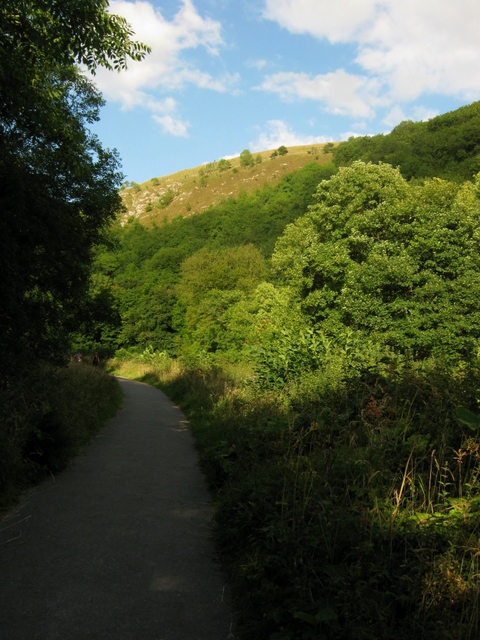
Another view of the path.
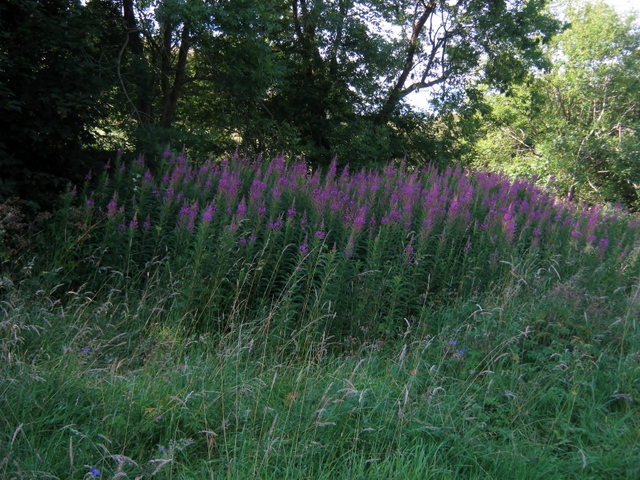
Lots of Rosebay Willowherb (Chamerion angustifolium)
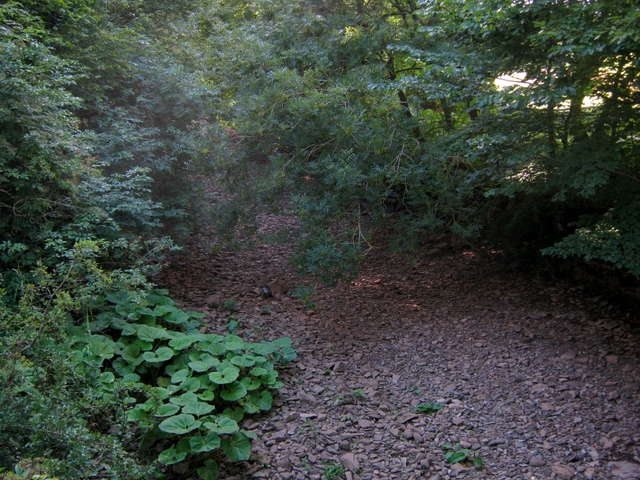
This is the dry river bed of the Manifold.
In anything other than very wet weather the river disappears into swallowholes and flows through caves and subterranean passages and reappears at Ilam further downstream.
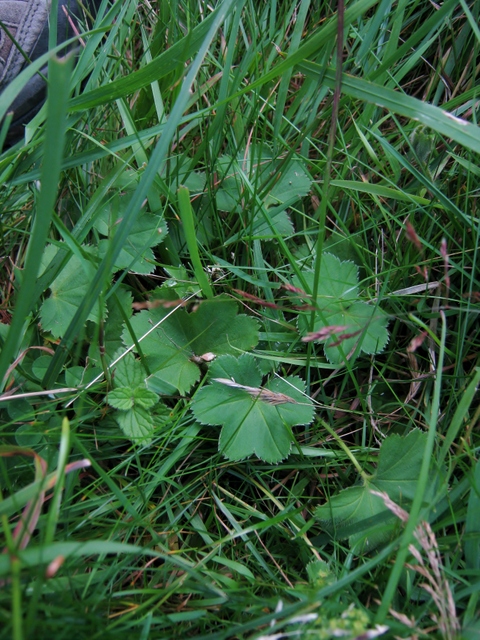
Lady’s-mantle (Alchemilla vulgaris agg.)
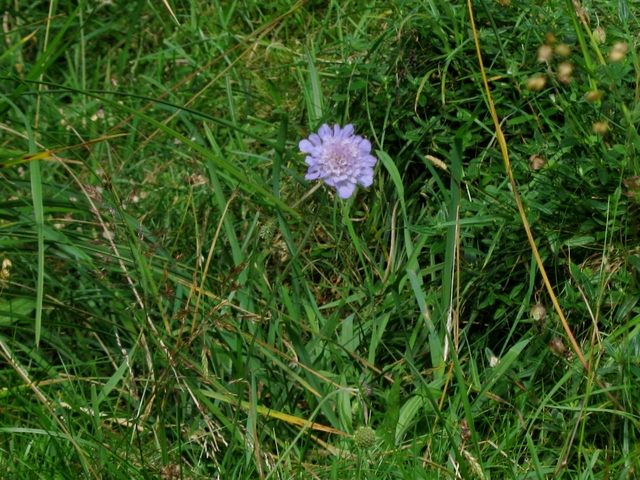
Field Scabious (Knautia arvensis)
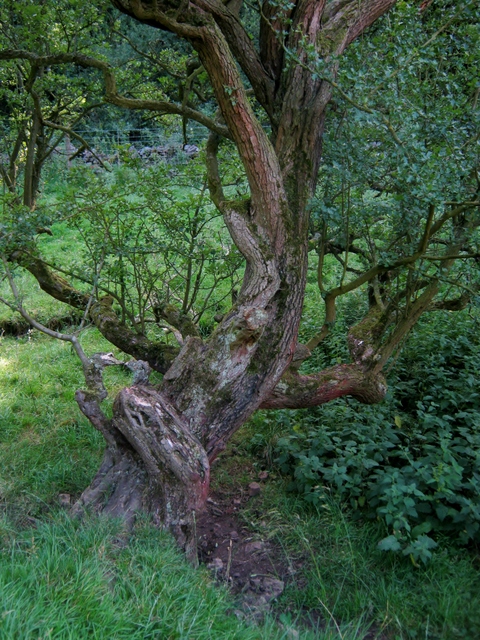
A wonderfully gnarled and twisted tree.
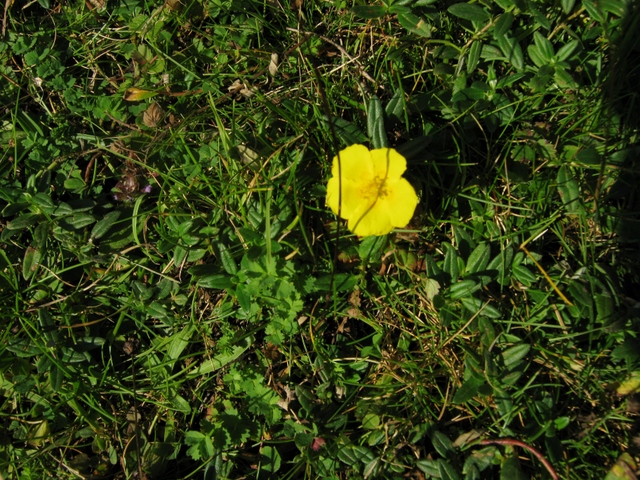
Cinquefoil. I think this is probably Creeping Cinquefoil but the leaves in the photo aren’t quite what I expect from Creeping Cinquefoil.

Hill and valley. We had left the old rail-track behind us.
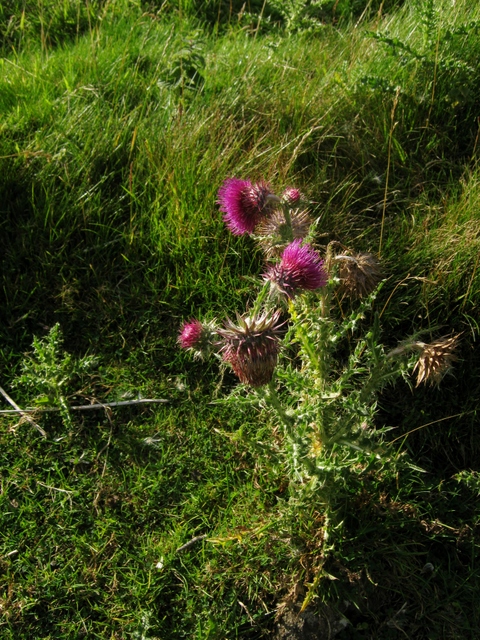
Musk Thistle (Carduus nutans) with its drooping flower-heads
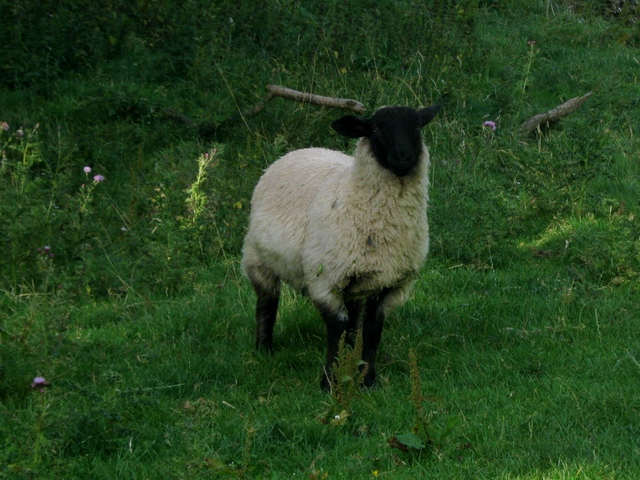
A black-faced lamb
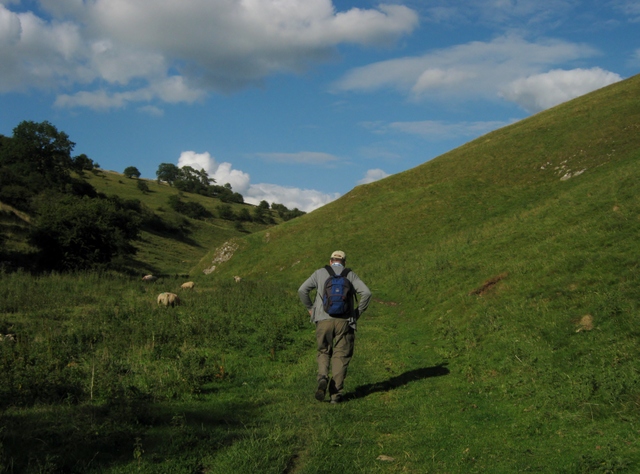
Richard walking along the track
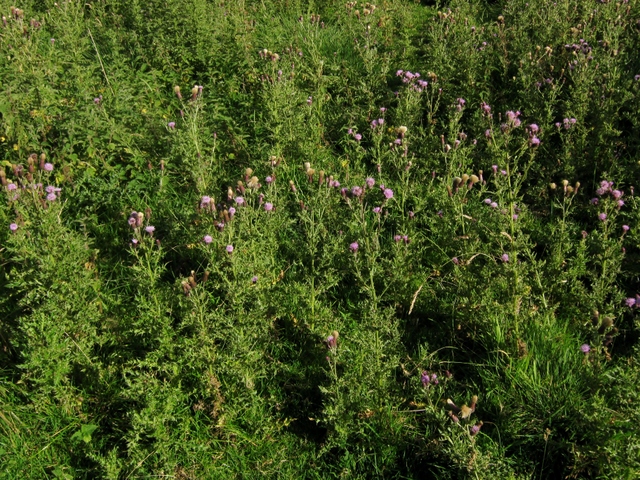
Creeping Thistle (Cirsium arvense)
It was about this stage in our walk that we missed a landmark and went up a hill on the wrong side of a wall.
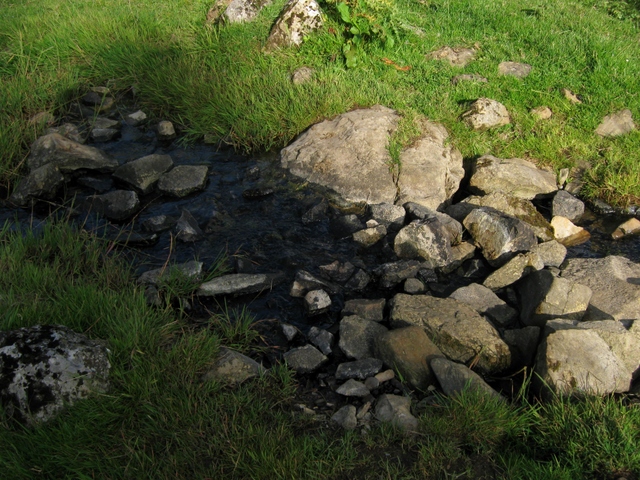
A stream

Tufted Forget-me-not (Myosotis laxa)

Small Heath butterfly (Coenonympha pamphilus)
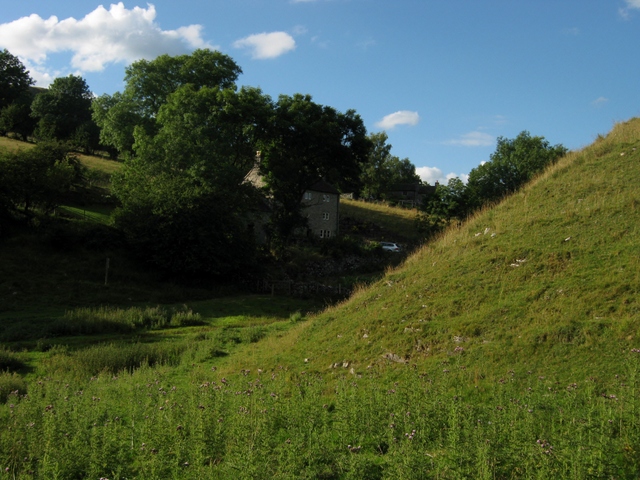
I took a photo of this house little realising that we should have gone past it and then climbed the hill.
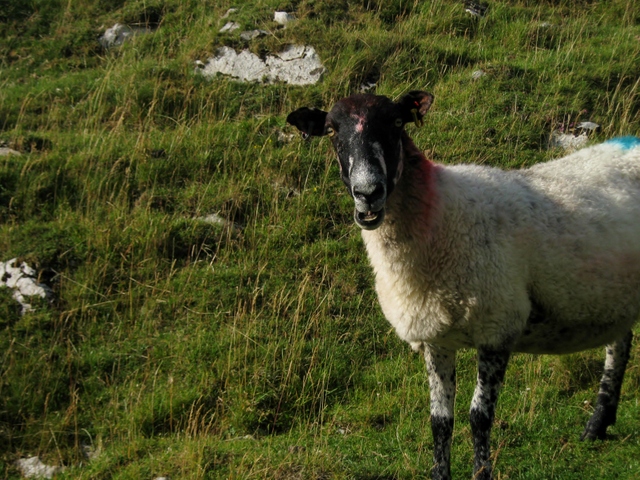
‘You’re on the wrong side of the wall, you fools!’, said the sheep.

I took a photo of this sheep tunnel (note my shadow) little realising we could have used it to get onto the right side of the wall!
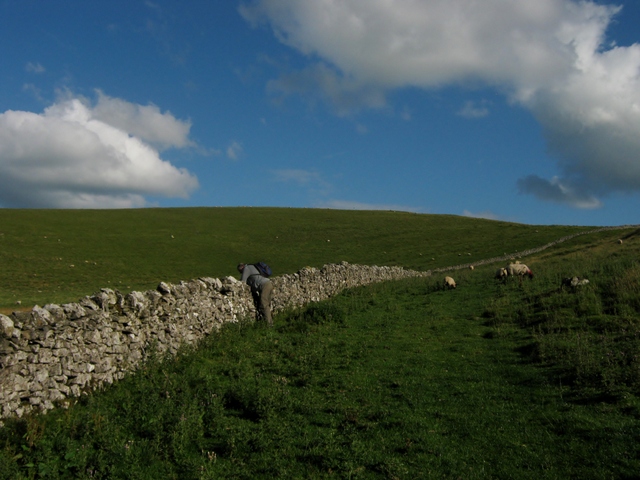
The wall. We little realised we could have climbed over it at this point.


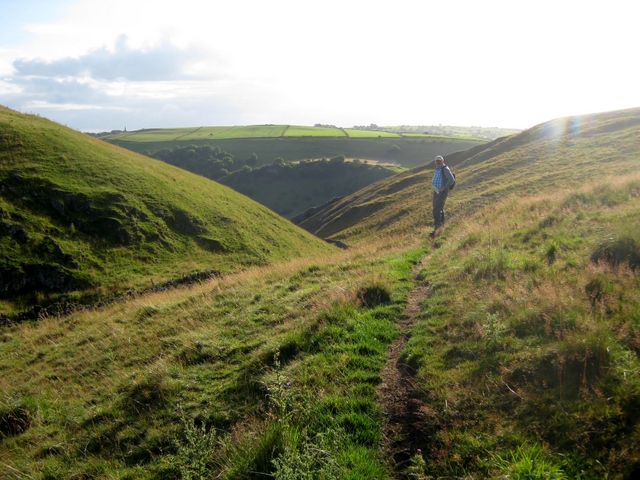
It was here that it dawned on us we were heading for the wrong valley.
We re-traced our steps right back to the house I had photographed earlier.
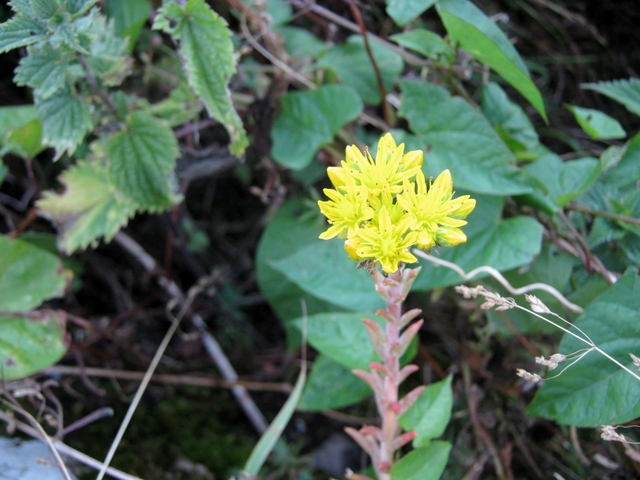
Rock Stonecrop (Sedum forsterianum). This specimen was probably a garden escapee as the plant is only native in the SW of England.
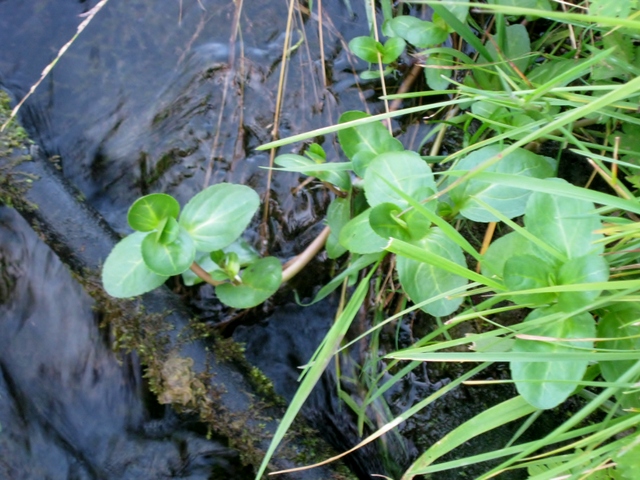
I am not sure what this plant is. I think it might be Bogbean (Menyanthes trifoliata) but I am not sure. My guide says that the emergent leaves of Bogbean have the texture and appearance of broad bean leaves which I would say these do. However….
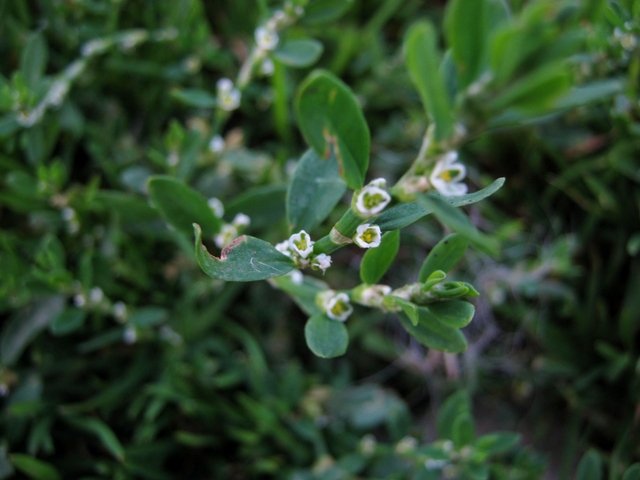
Knotgrass (Polygonum aviculare)
And that was the last photo I took you’ll be pleased to know. Only when we got back to the house and saw that the correct path went up the same, long, steep hill that we had just climbed and then come down again, but on the other side of that wall that we realised exactly what we had done and what we still had to do. I must admit that our hearts sank and we suddenly felt very tired. We did it though; and got back to the car before the sun set. We were tempted to have a meal in the pub but thought how late we would get back to our caravan if we did so. We were very thankful to find the car and then return to the caravan site.
Thanks for visiting!
Apologies for the length of the post.
 A Suffolk Lane