I have a few photographs of things I’ve seen this autumn dating from the beginning of September until mid October. I thought I’d make a post of them all.
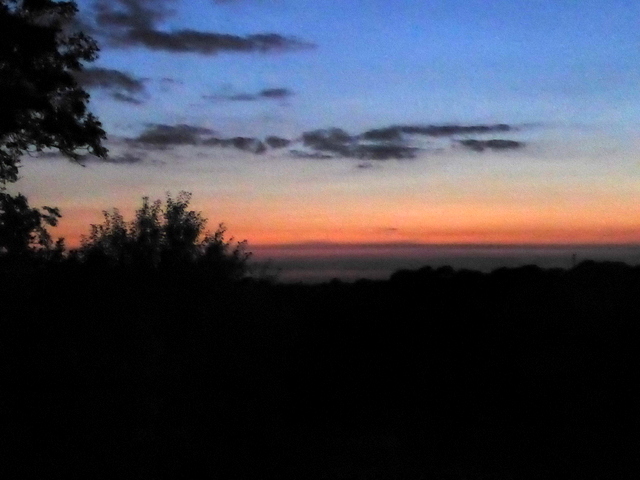
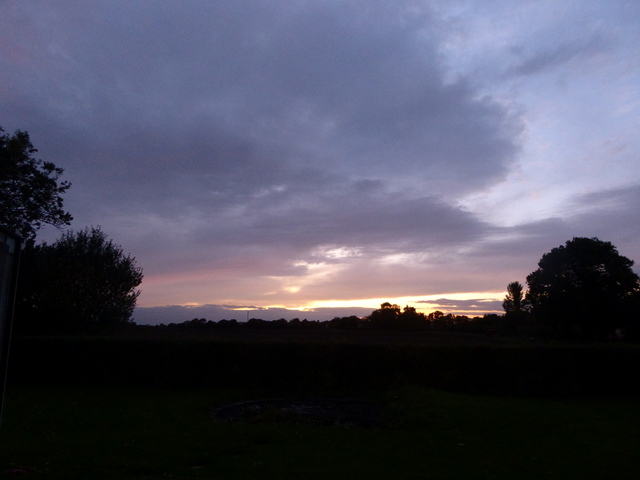
A sunset seen from our back garden – again in September.
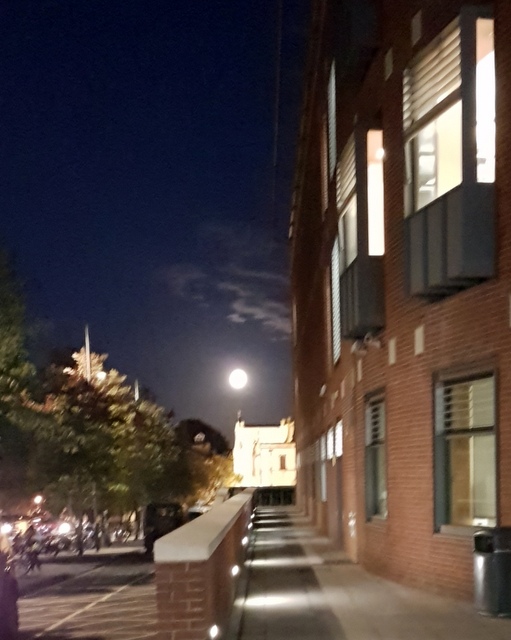
This photograph of the harvest moon at the beginning of October was taken in Norwich by Richard.
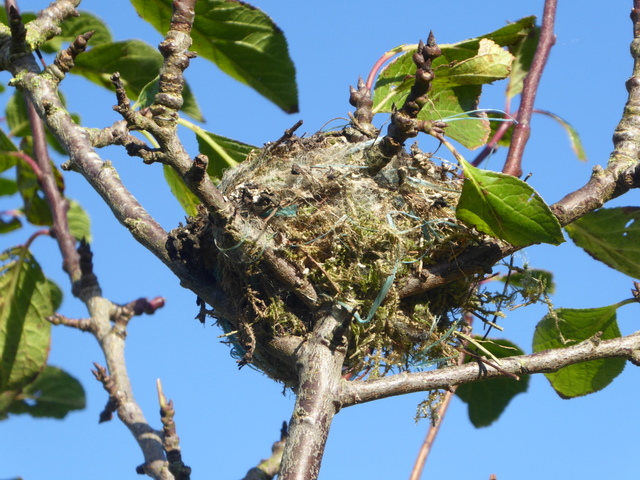
A Goldfinch (Carduelis carduelis) nest in our Greengage tree.
Once some of the leaves had fallen from the tree it was easier to see the nest which, when it was occupied, prevented us from harvesting our greengages until it was almost too late. Moss, grasses, feathers and cobwebs have been used as well as green plastic garden twine. The nest has been anchored to the branches of the tree by stouter grasses.
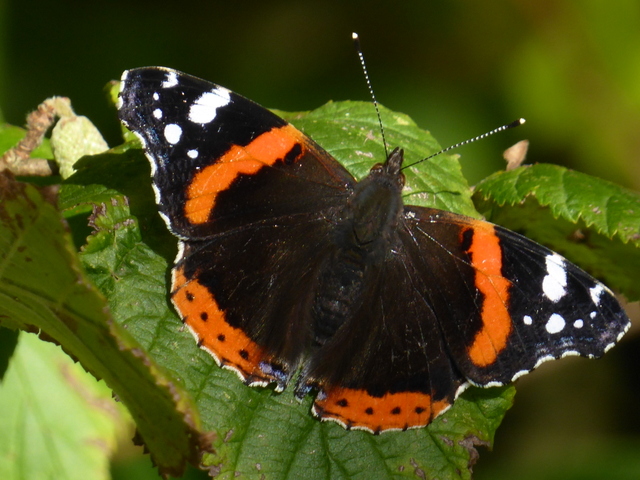
A Red Admiral butterfly (Vanessa atalanta) sunning itself.
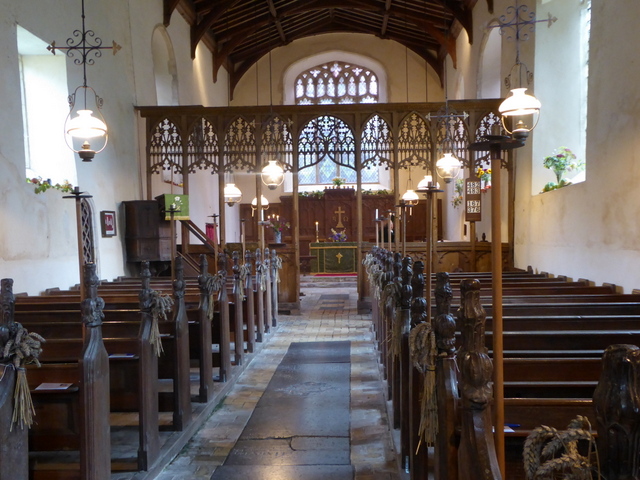
Our church at Rumburgh, decorated for Harvest Festival
Richard and I collected all the fruit and vegetables the next day and delivered them to a local nursing home where they were very gratefully received.
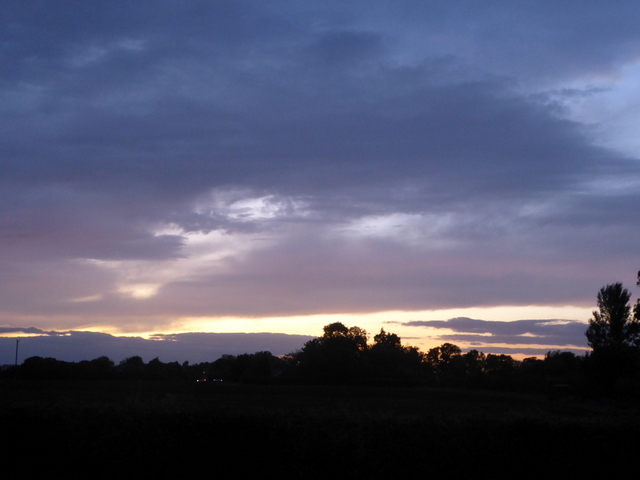
Another sunset
I love the dark purples and greys with the slash of bright yellow cutting through
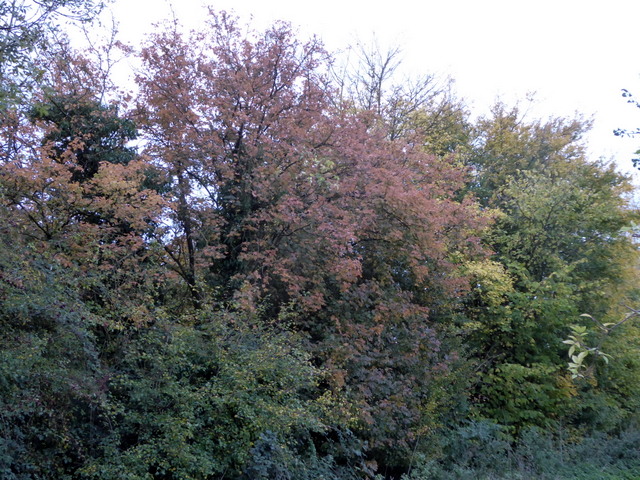
Autumn colour in October
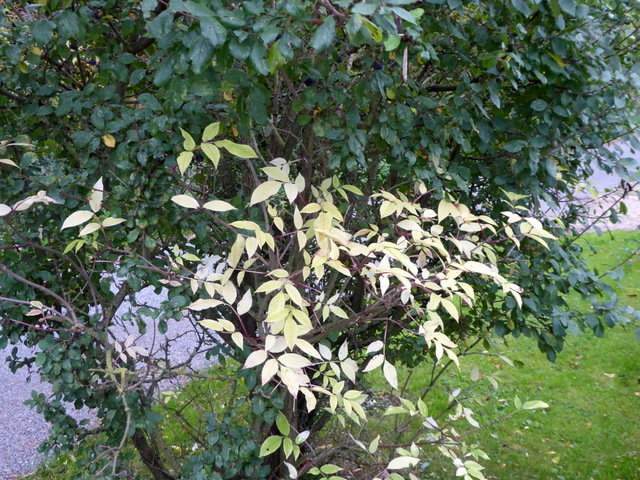
These Elder ( Sambucus nigra) leaves have lost nearly all their colour and have become almost luminous
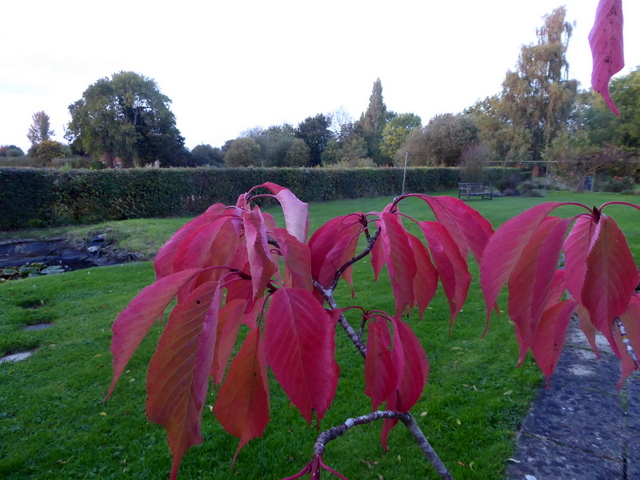
Cherry tree leaves in our garden
Yet another sunset!
A late and rather battered oriental poppy
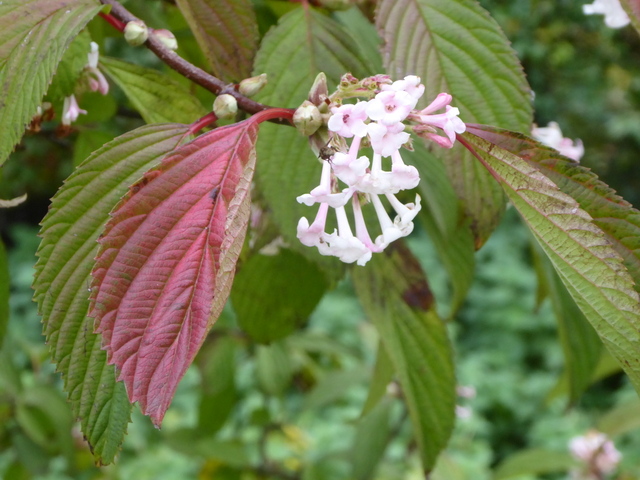
The almond-scented flowers of Viburnum bodnantense
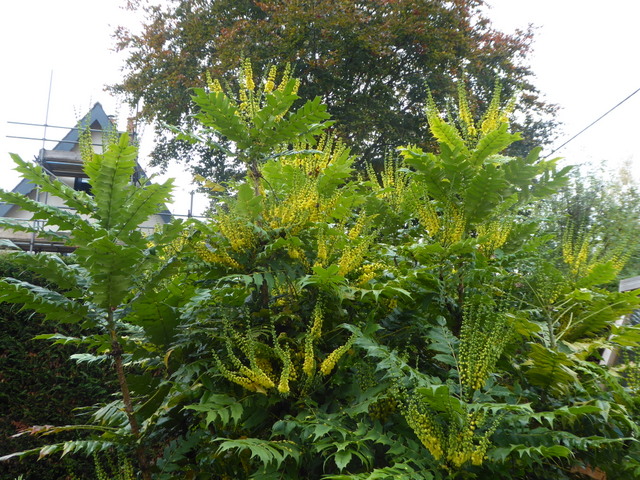
Mahonia flowers smell like lily-of-the-valley.
I like to have late autumn, winter and early spring flowering plants. On milder days when the wind isn’t too strong, their scent can be so welcome. The insects, especially the bumble-bees, enjoy the flowers too!
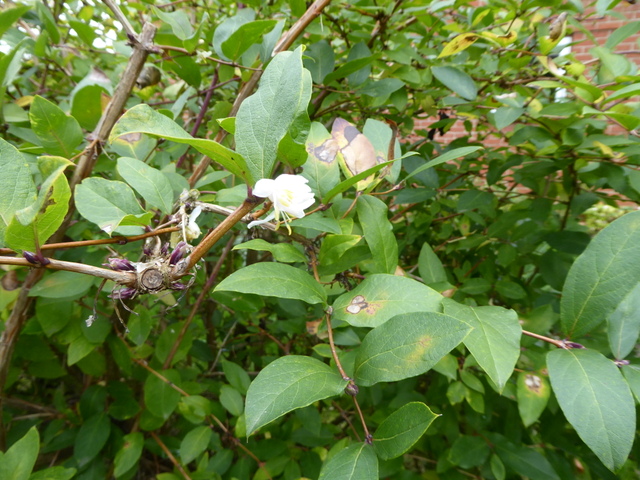
Winter-flowering Honeysuckle
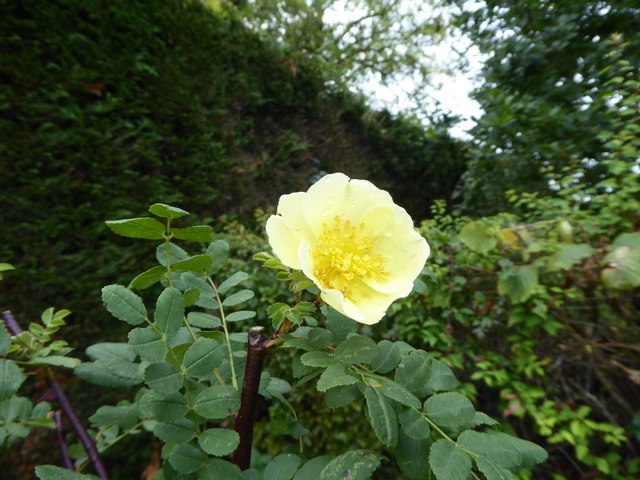
This ‘Canary Bird’ rose is one of the first to flower in early summer. It decided to flower again in October.
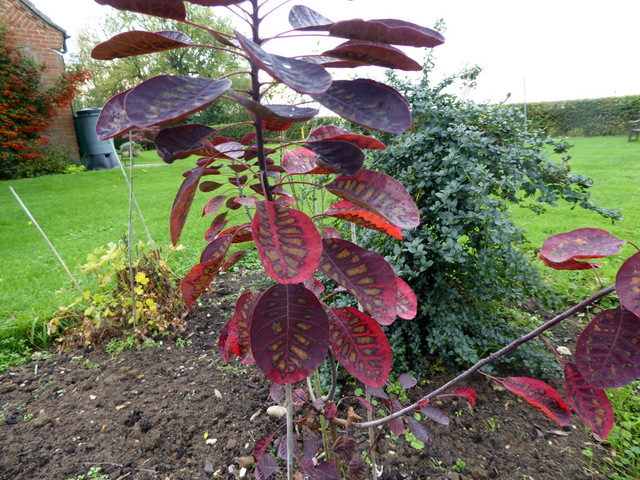
The Cotinus leaves were very attractive
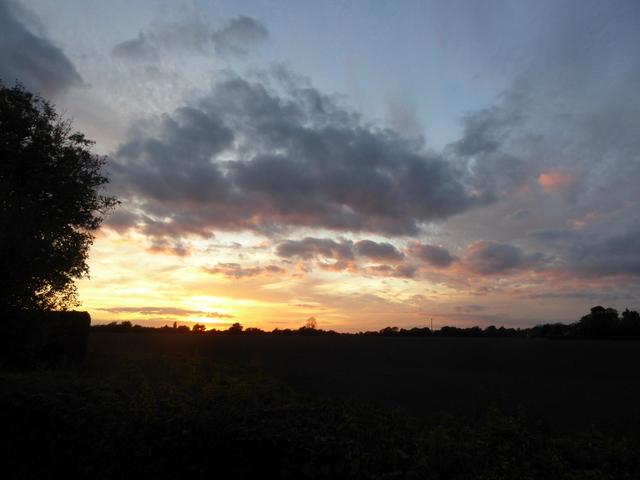
I’m sorry but here is one more sunset! This was the colourful one caused by storm Ophelia and the smoke pollution from the forest fires in Portugal.
This slideshow requires JavaScript.
My music choice today is Dietrich Fischer-Dieskau singing ‘Herbst’ (Autumn) by Franz Schubert. Here is a link to a translation into English of the lyrics.
Richard asked me if I’d like to accompany him to the post-box down the lane. He had a birthday card to post to his brother and also a notice to put on the village notice-board. The weather was fine, though cloudy and we hadn’t walked anywhere together for a few weeks. I quickly put on my coat and walking shoes and we set off.
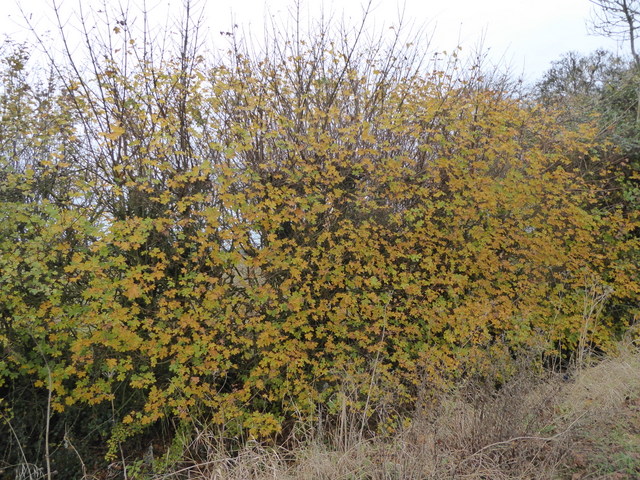
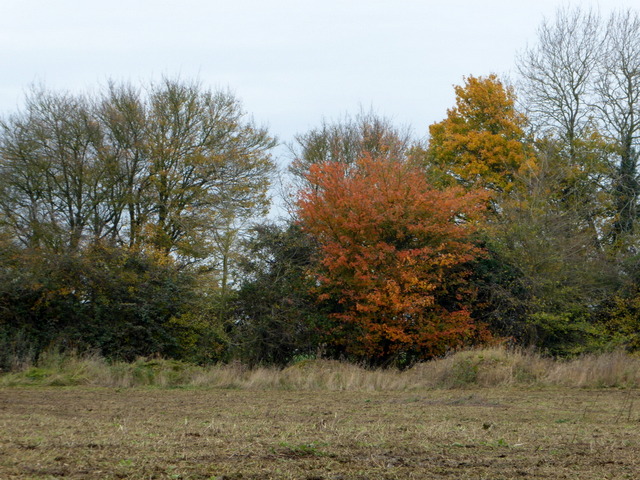
The hedge on the opposite side of the lane was pale green and orange.
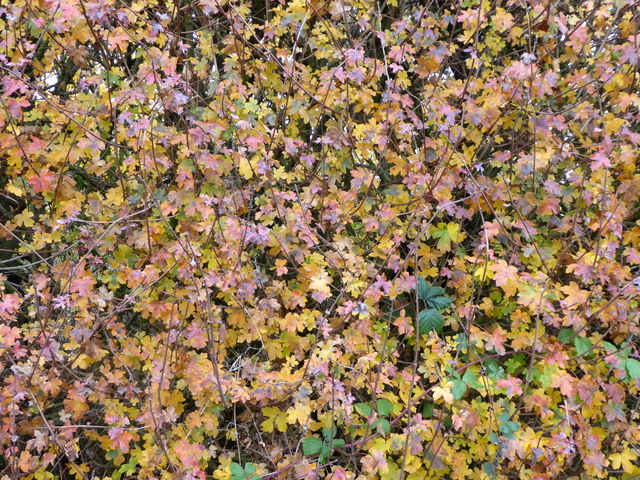
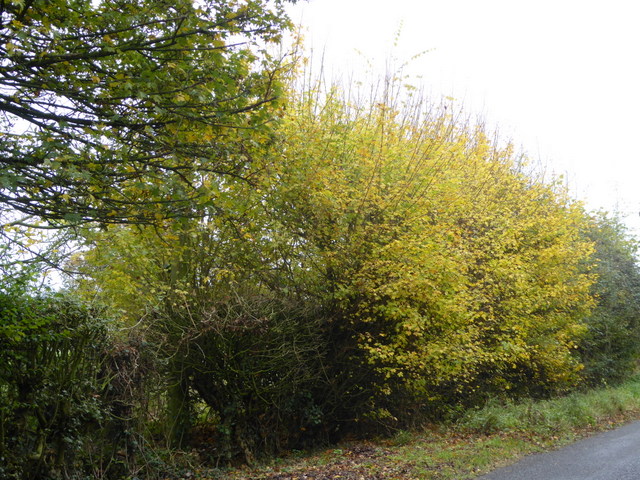
The hedges still had a few leaves left on them. This is a Field Maple (Acer campestre) hedge. Not in focus, but I liked the colours.
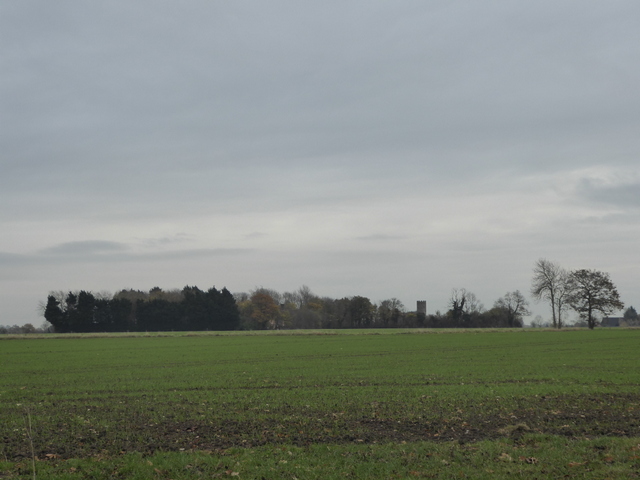
A gap in the hedge further along the lane gave us a sight of the tower belonging to All Saints church. It is surrounded by trees, most of which have lost their leaves now. The field has been sown with barley or wheat which has germinated and will continue to grow on milder days all through the winter.
All Saints church in the distance
Some of the more sheltered Field Maple trees still had leaves.
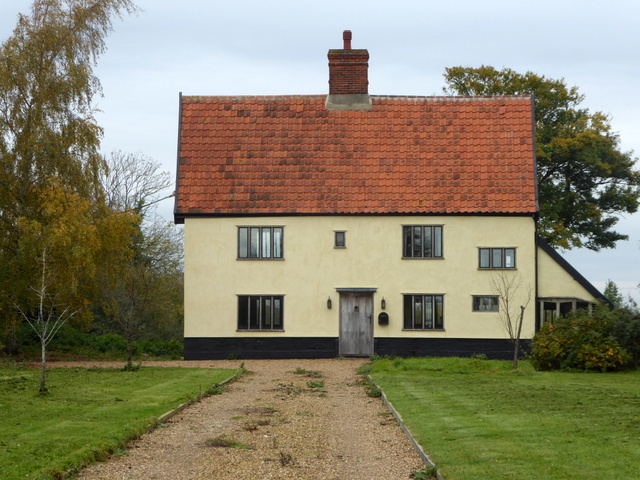
This fine-looking old house near us has been empty for some time.
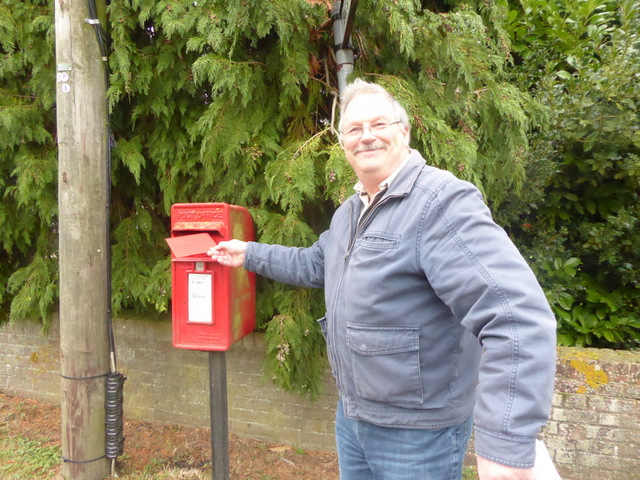
Richard proudly demonstrates his posting technique!
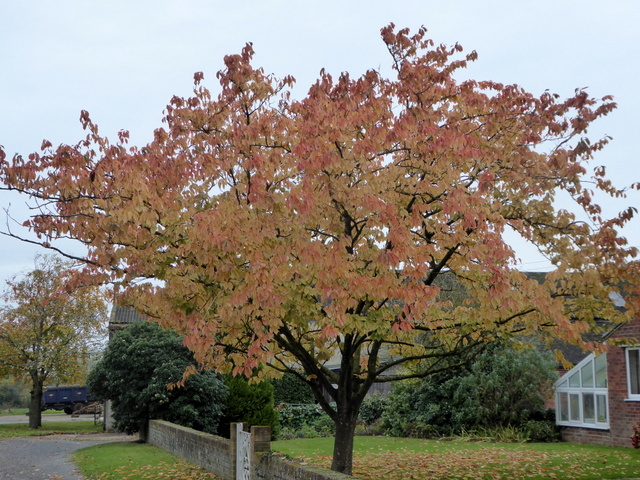
We met a neighbour and chatted with her for some time. I admired the fine cherry tree in her front garden.
Our neighbour’s beautiful cherry tree.
We walked on to the notice-board and then decided to continue down the lane.
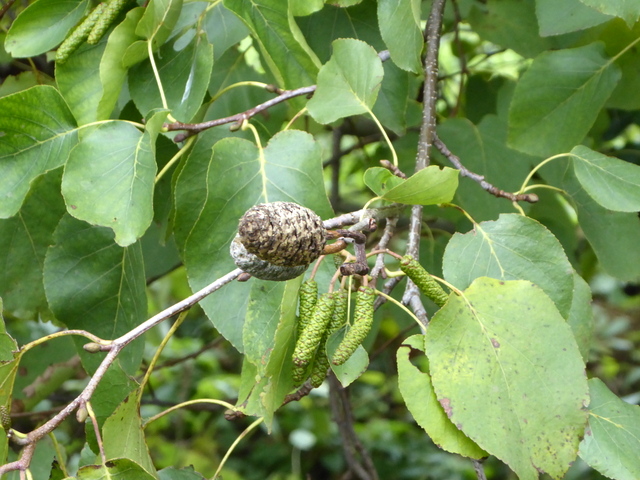
A row of Italian Alders (Alnus cordata) were planted some years ago as a wind-break along the edge of a field. The cones are much larger than our native Alder cones.
Italian Alder cones
Our local stream, The Beck, has been dry for months. We have not had enough rainfall this year.
The Beck
Another pretty hedge
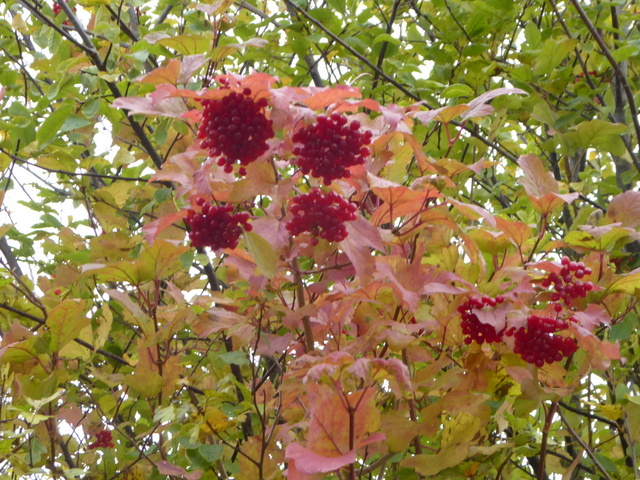
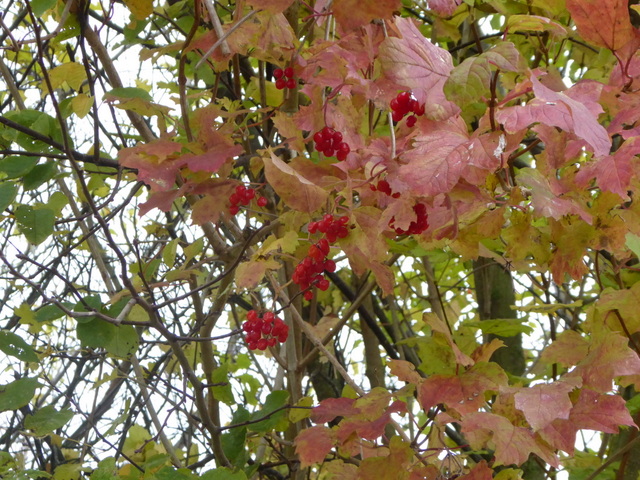
The Guelder-rose trees (Viburnum opulus) have been beautiful this autumn! I have never seen so much viburnum fruit before!
Here is another Guelder-rose.
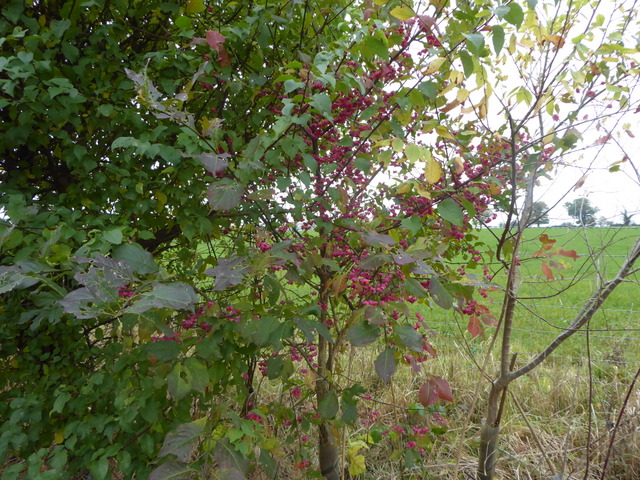
This is a Spindle tree (Euonymus europaeus) in the hedgerow
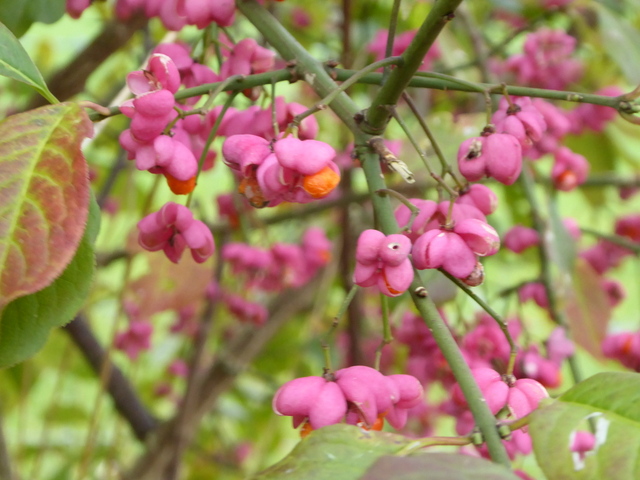
Here is the pretty pink and orange spindle fruit
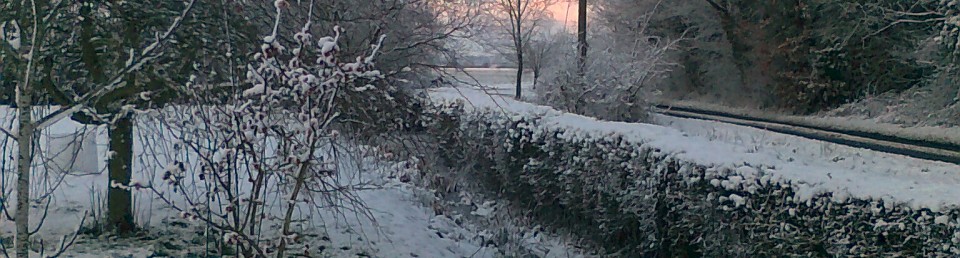
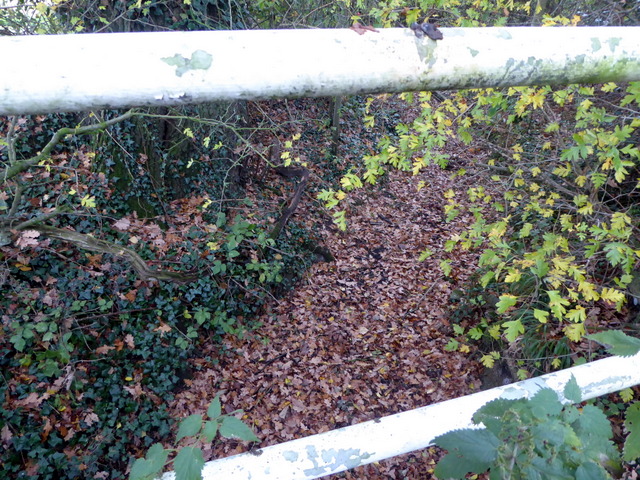
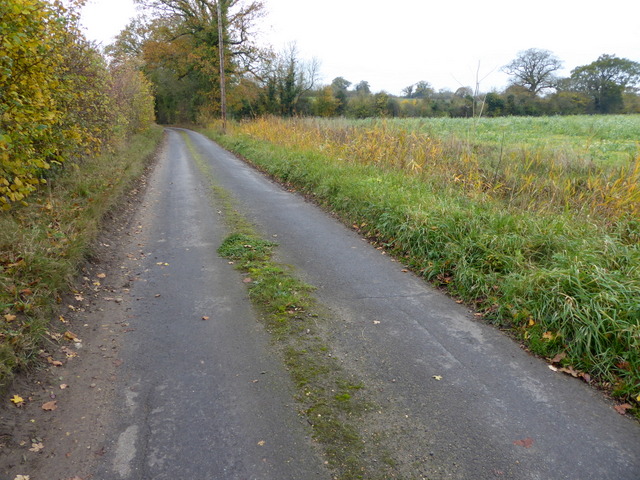
This is a picture of the lane along which we walked
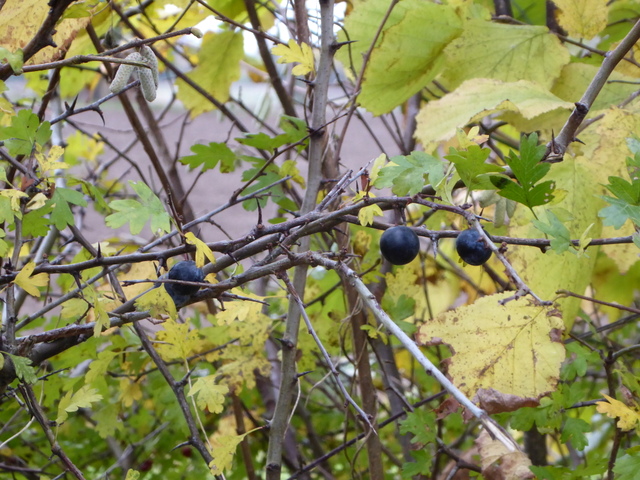
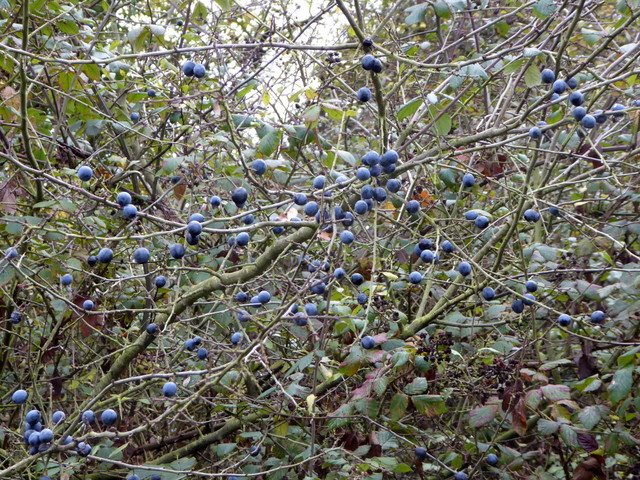
There were a few sloes left on the Blackthorns (Prunus spinosa)
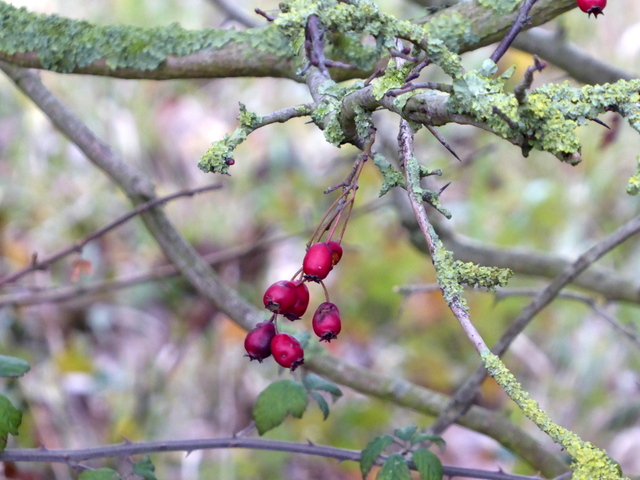
A few Common Hawthorn berries (haws) too (Crataegus monogyna)
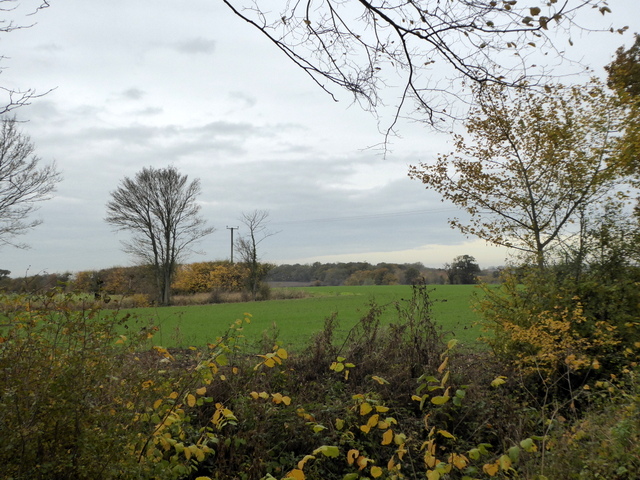
A view over the hedge to the fields beyond. The skies were clearing.
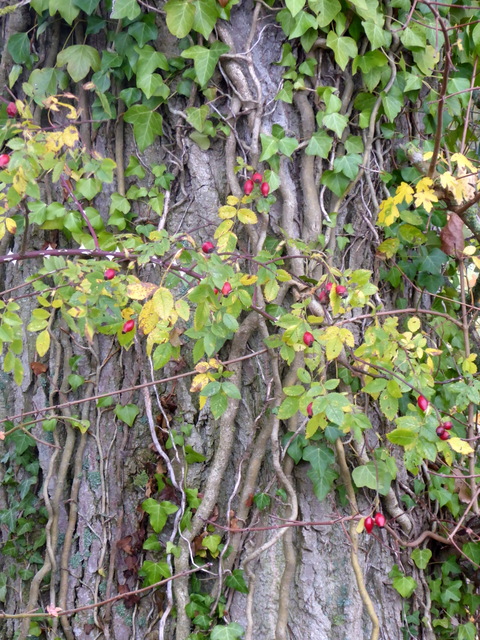
This tree-trunk was covered with Ivy stems (Hedera helix). It attaches itself to trees, fences and walls by short roots and can completely cover tall trees. A Dog Rose (Rosa canina) stem hung in front of the tree.
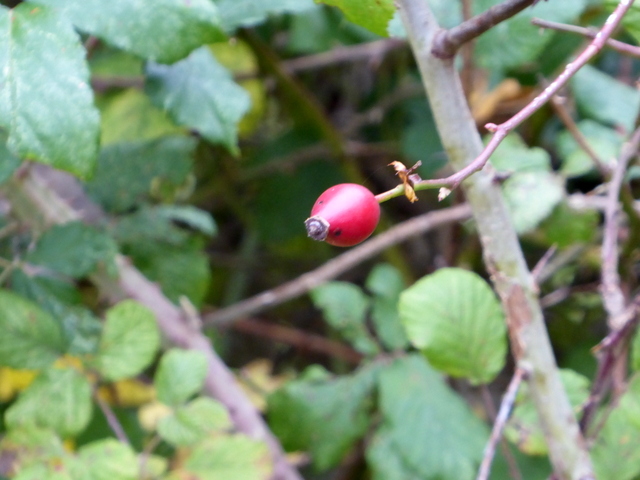
Rosehip
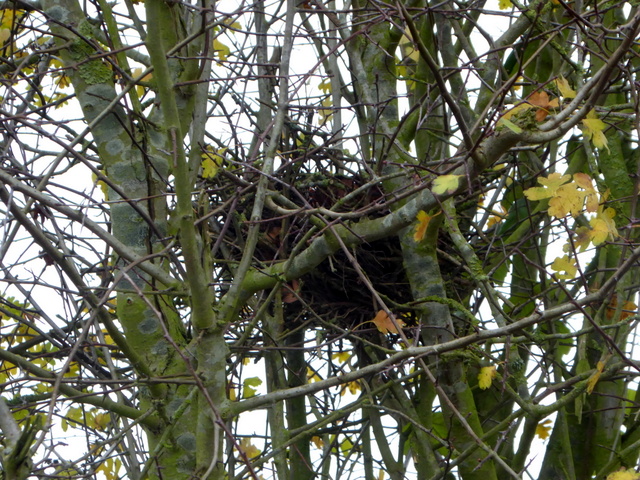
Bird’s nests are easier to see now that the leaves are falling from the trees
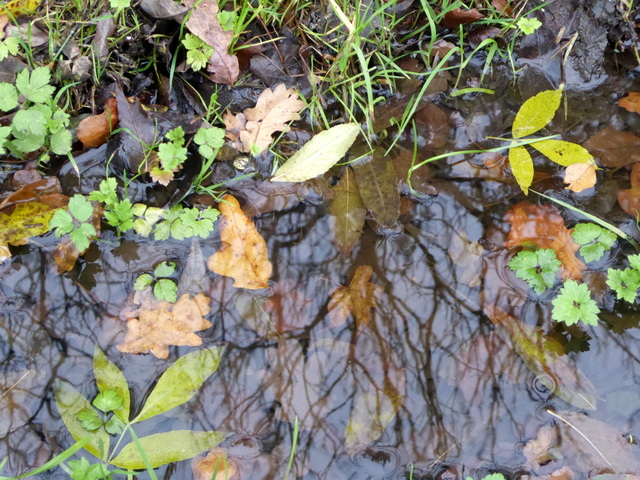
Puddles were full of leaves and reflections
We walked through St Margaret South Elmham churchyard and Richard sat for a while to rest his back.
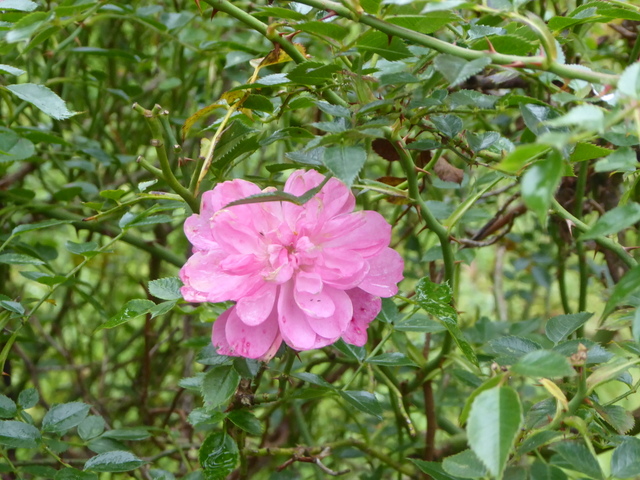
A late rose was blooming
The Holly (Ilex aquifolium) had a few berries on it
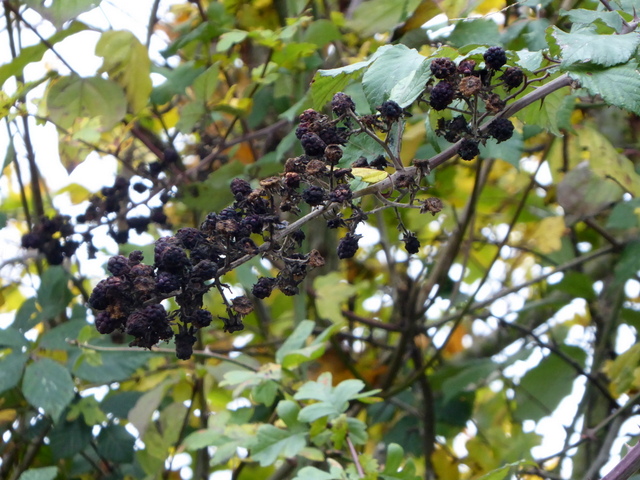
Our Blackberries (Bramble) (Rubus fruticosus agg.) were very poor this year because of the low rainfall. Even the mice and birds didn’t chose to eat these ones which have been left to shrivel on the vine.
I am not sure whether these fruits are Blackthorn or Bullace (a type of wild plum).
Autumn leaves
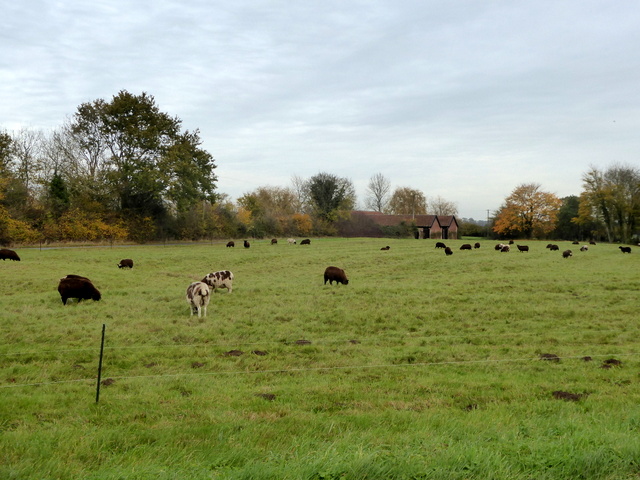
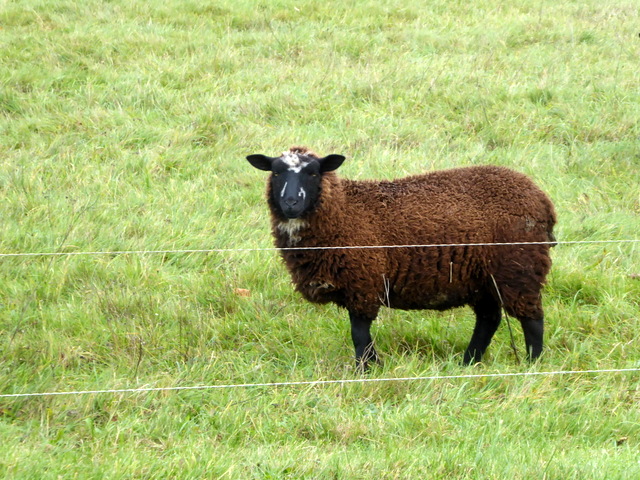
Sheep were being grazed on the common at the end of our lane
This sheep was happy to stop and stare
We soon arrived back home, having been away a lot longer than we had originally intended.
This was a walk we took a fortnight ago and after a couple of frosts and some strong wind last night most of the remaining leaves have fallen from the trees. The countryside looks ready for winter now.
My music choice today is ‘Somewhere in my Heart’ by Aztec Camera. There is no special reason for my choice except I like it and am amazed it is thirty years old!
Elinor and I went to Framlingham three weeks ago. Richard had intended coming with us but he had a bad cough and cold and stayed at home instead.
The distance to Framlingham from home is about 17 miles and in ideal conditions would normally take about 40 minutes. However, with local road closures for repairs and other works, the long diversion we had to take meant it took us nearly an hour to get there. I checked the route after we got home on Googlemaps and it now provides information on how to travel to the required destination by public transport. I was amused to discover that it would have taken us 4 hours and 5 minutes to get to Framlingham by using three different buses, walking some distance and only if we had travelled on a Wednesday!
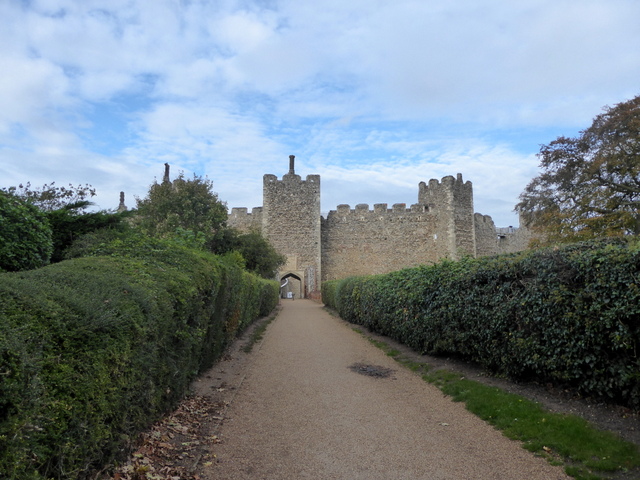
The approach to Framlingham castle
We eventually found somewhere to park in the town centre, though there is a car park at the castle, and walked to the castle. We hadn’t visited it for many years, not since Elinor was very small and she had no recollection of the place at all. The castle is looked after by English Heritage and they have recently been working on expensive improvements to the wall walk, the exhibitions and the museum and in providing a large café. Disabled access has been improved too. While all the repairs were underway a chute was installed from the top of the wall walk down to the inner court to entertain visitors. The chute is still in place but we didn’t avail ourselves of it!
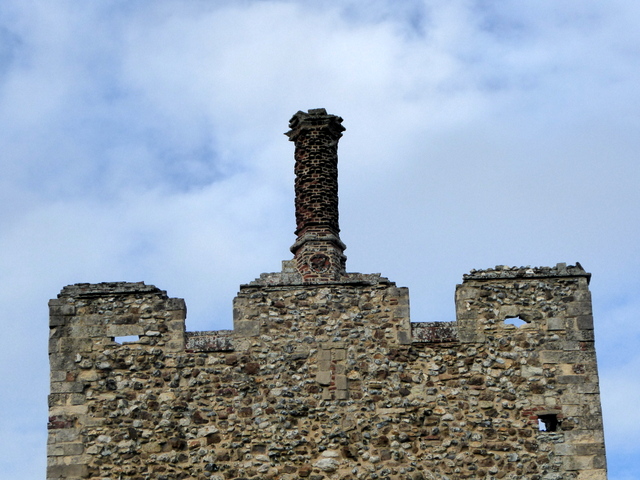
A Tudor brick chimney on the top of the gatehouse. Most of the chimneys at Framlingham are purely ornamental and were added as a sign of wealth.
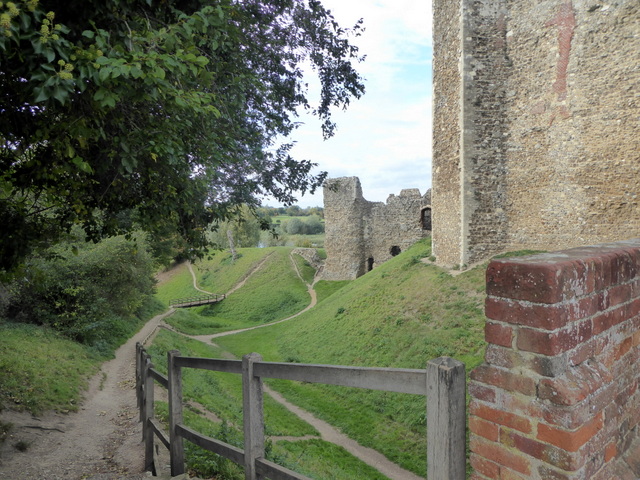
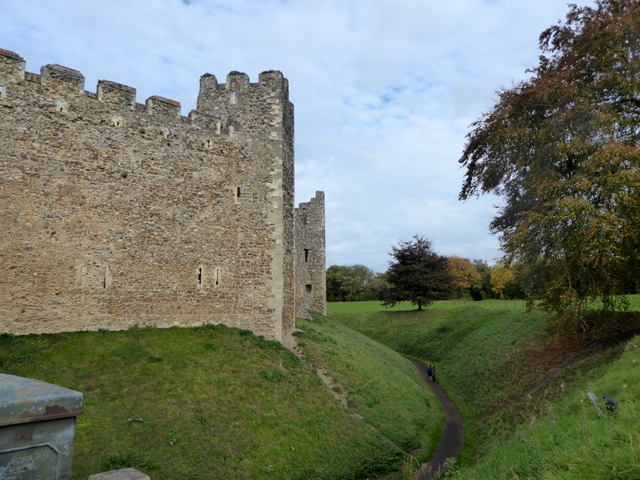
The castle has a deep, steep-sided ditch around it which was always a dry ditch. This was designed to prevent tunnelling under the walls and made breaching the walls almost impossible.
The inner ditch and curtain wall. Do you see the people walking at the bottom of the ditch? This castle is enormous!
Skip this next bit unless you have the time to read some historical background!
Roger Bigod I was formally granted the manor of Framlingham in 1101 by King Henry I even though he had been living there since shortly after the Norman Conquest. The Bigods, who were very powerful and rich barons were also made Earls of Norfolk. Roger Bigod II built the castle that we see today and he and his son were the first two of the list of barons who forced King John to accept the Magna Carta in 1215. The Bigods were constantly at odds with their king and were a law unto themselves. Eventually, the expense of numerous building projects and constant quarrels with Edward I produced such enormous debts that Roger Bigod IV was forced to make the king his heir and at his death all his lands were given to the king.
Edward II gave Framlingham to his half-brother, Thomas Brotherton who left the estate to his two daughters. His elder daughter, Margaret was created Duchess of Norfolk in 1397 – the first Englishwoman to be a duchess in her own right. Her grandson and heir, Thomas Mowbray was created First Duke of Norfolk, also in 1397 and Framlingham remained with the Mowbrays until the death of John Mowbray VII in 1476.
The castle then passed to the Howard family who were descendants of the Mowbrays. The Howards were skillful politicians and also brave soldiers and included John, First Howard Duke of Norfolk who died at the battle of Bosworth aged 60 while commanding Richard III’s troops. His son, Thomas was imprisoned in the Tower of London but was released and gradually recovered the Howard estates. At the age of 70 he led the English forces to victory against King James IV of Scotland at Flodden Field. In gratitude for this victory Henry VIII gave him back the title of Duke of Norfolk. His son, also Thomas, the 3rd Duke of Norfolk was the uncle of two of Henry VIII’s wives – Anne Boleyn and Catherine Howard. He not only schemed to get them to court and to marry the king but also betrayed them both for his own ends. Eventually his scheming and the arrogance of his son Henry, a soldier and gifted poet, proved his downfall. They were both sentenced to death, Henry Howard was executed in January 1547 but his father survived through the good fortune of King Henry’s own death taking place a day before the execution date. The Norfolk title and lands were surrendered to the Crown.
In her father’s will, Mary Tudor was granted most of the Howard lands in East Anglia and received Framlingham in 1552. On his death bed in 1553, Mary’s brother, King Edward VI was persuaded to disinherit both his half-sisters on the plea that they were illegitimate. He and his mentor, the Duke of Northumberland were both staunch Protestants and were fearful that the country would revert back to being Roman Catholic when he died. He named his successor to the throne as Lady Jane Grey, Northumberland’s 17-year-old daughter-in-law. Mary heard that the Duke of Northumberland planned to capture her so she fled to Framlingham and rallied her troops about her. Not only the local landed gentry came to her support but also crowds of the poor country people. Support for Northumberland and Lady Jane Grey dwindled and eventually Northumberland surrendered and Mary was crowned queen. Queen Mary released the elderly Thomas Howard and gave him back his lands and title.
The castle was passed to Queen Elizabeth after the 4th Duke of Norfolk was executed and she used it as a prison, housing mainly Catholics. James I returned the castle to the Howard family in 1603 but by then it was in a sorry state of repair. It was sold to Sir Robert Hitcham, a rich lawyer and politician in 1635 who died the following year leaving it to his old college at Cambridge. He asked that all the castle not built of stone be pulled down and a poorhouse built. The first poorhouse built in the castle grounds was the Red House. It was soon found inadequate but a bigger and better one wasn’t built until 1729.
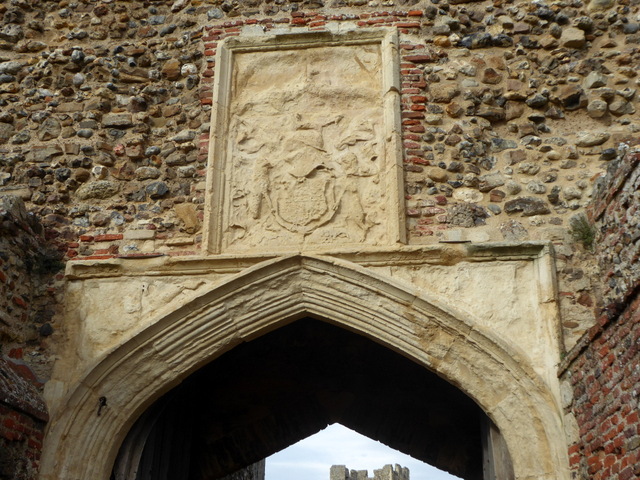
The gatehouse was rebuilt at the beginning of the C16th. This is the coat of arms of the Howard family, much weathered.
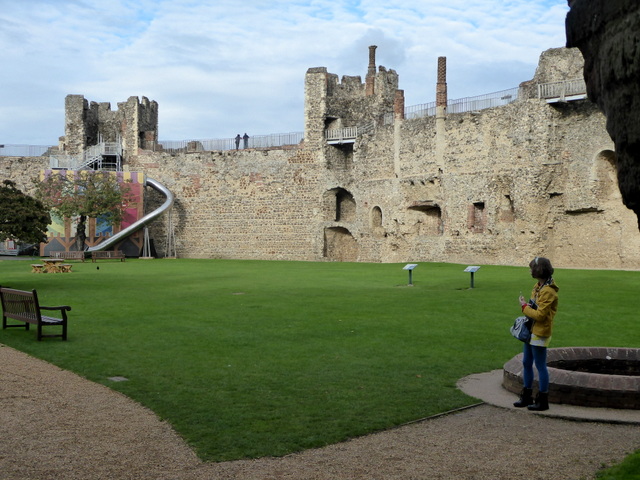
This was our first view of the inside of the curtain wall. You can see the chute on the left of the photo. Elinor stands next to the well.
The buildings in the inner court were originally built out from the curtain wall and you can see window recesses and fireplaces in the curtain wall in the photo above.
Part of the inside of the curtain wall
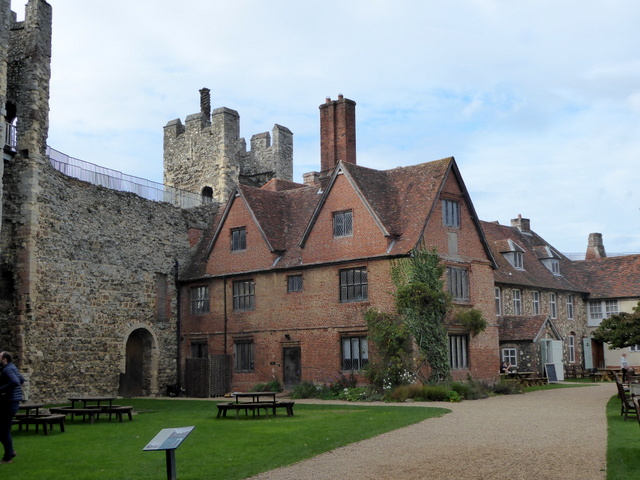
The Red House, built in 1660 and now containing private accommodation and beyond it, the Poorhouse built in 1729 on the site of the Great Hall.
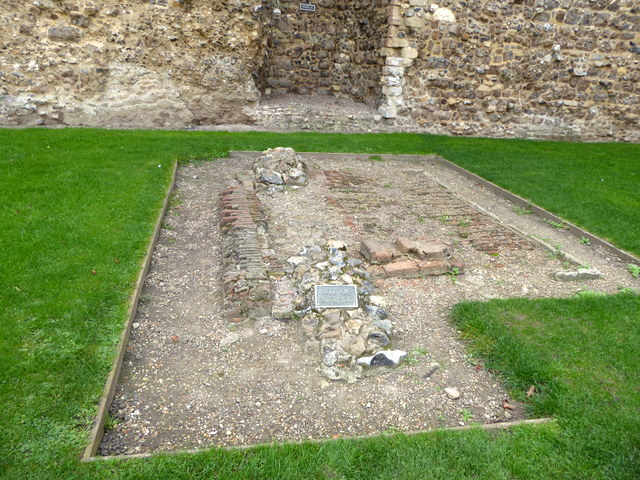
The site of the kitchen, which was always kept well away from other buildings as it was a fire risk.
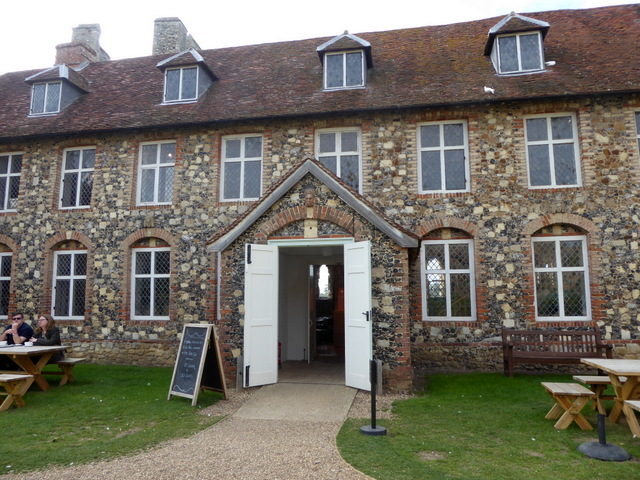
The old Poorhouse, now the café, museum and exhibition room.
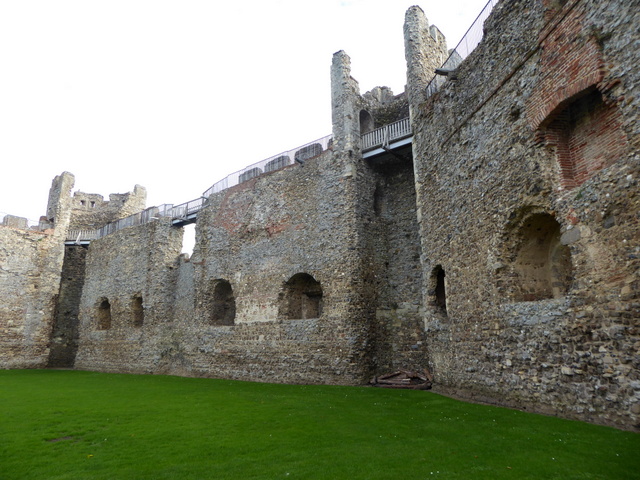
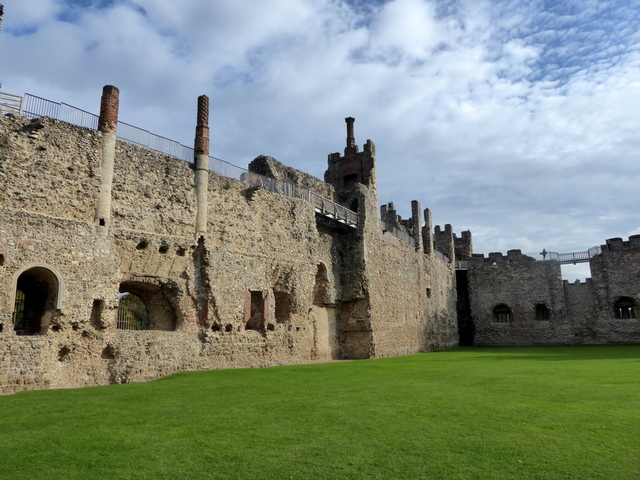
Another view of the inside of the curtain wall showing the traces of the chamber block.
From left to right – the first arch is a 12th century stone window that was later opened up as a doorway. The next wider opening is a Tudor window and above it the three small holes in a row are impressions left by the rafters of the mid-12th century building which was encased in the curtain wall. The floor joists can be seen above them. The stone chimneys are 12th century and were extended in Tudor brick. These two chimneys are the earliest known surviving cylindrical chimneys in England. Two more smaller openings in the wall are followed by the remains of a tower under which was the chapel, the east window of which can be seen below the walkway.
Four of the five stone heads that survive from the medieval buildings. They have been re-set into the facade of the Poorhouse.
Elinor and I went into the Poor House building from where we were able to climb up to the wall walk.
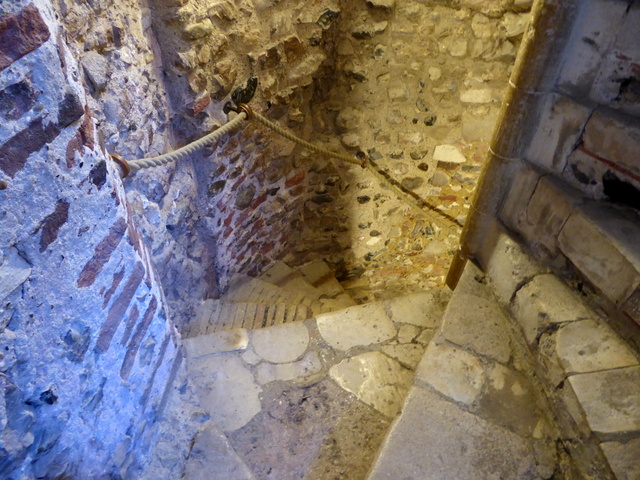
The stairs to the wall walk are in a tower which is part of the curtain wall. This is a photo looking down the stairs.
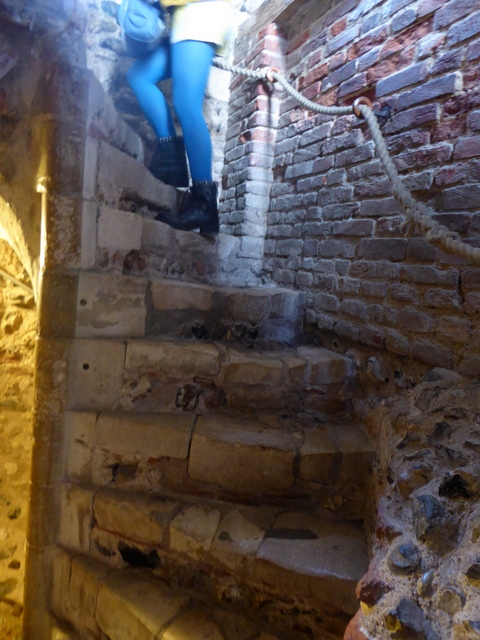
Looking up the stairs as Elinor climbs up ahead of me.
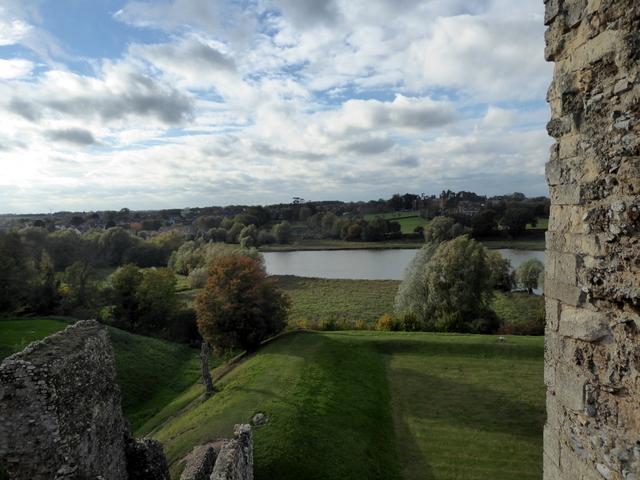
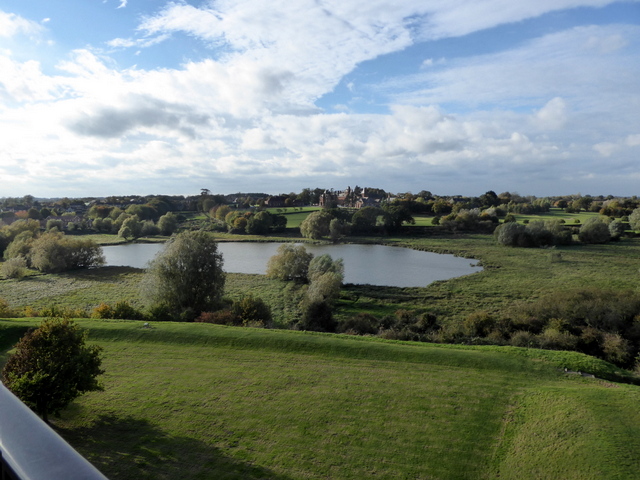
Looking towards Framlingham Mere from the wall walk
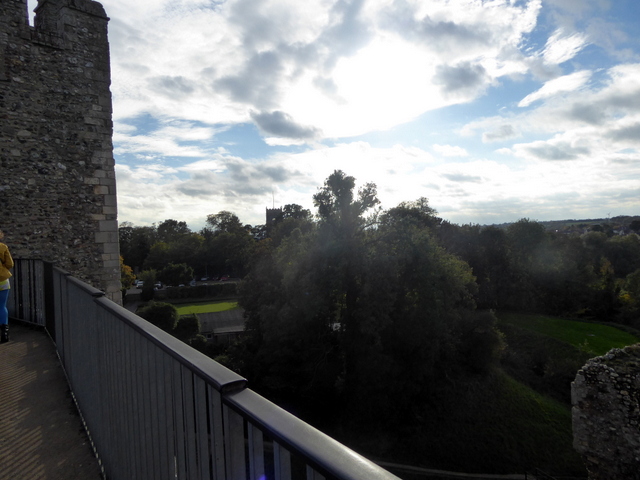
Looking towards the town. The church tower is in the centre of the photo.
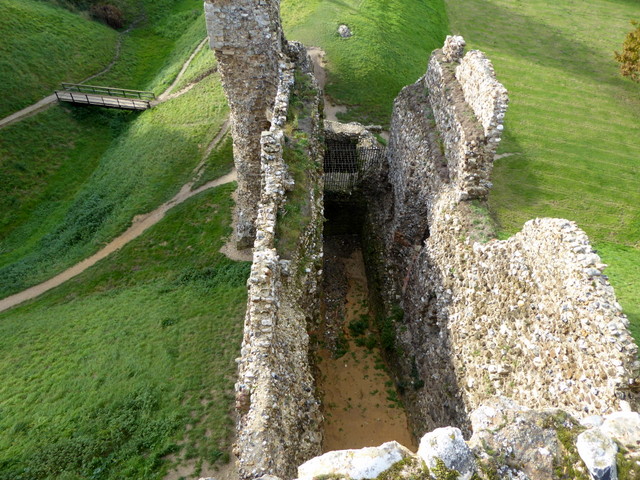
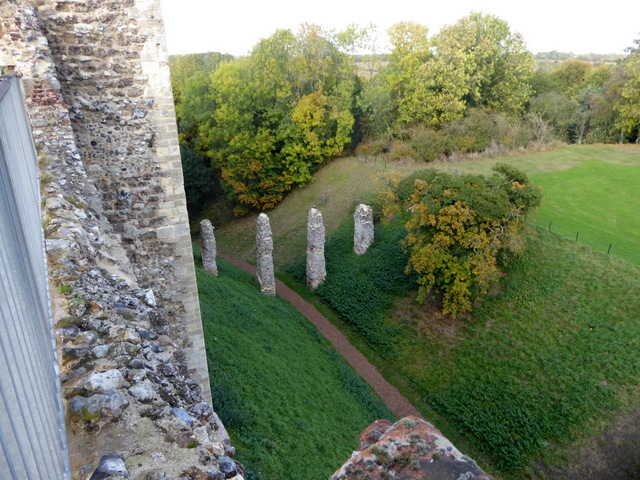
Looking down into the inner ditch.
The remains of the western tower which protected the castle from attack from the west. Also known as the Prison Tower.
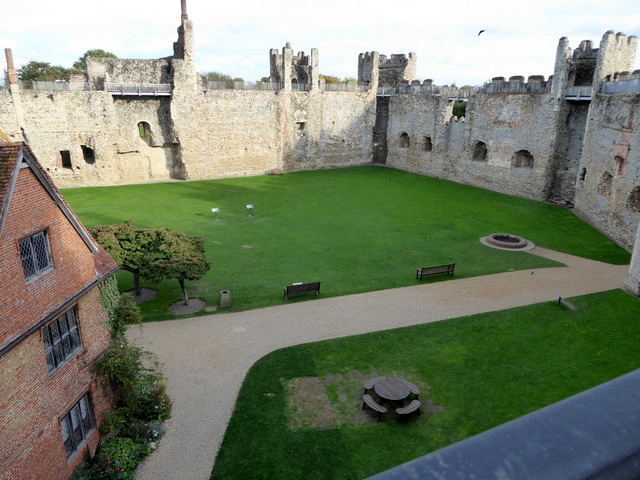
Looking down into the Inner Court.
Here is a slideshow of a few views from the wall walk.
This slideshow requires JavaScript.
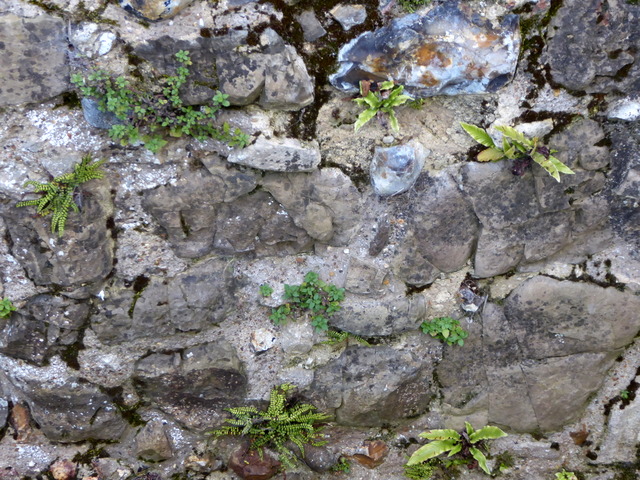
Hart’s-tongue Fern (Phyllitis scolopendrium ), Maidenhair Spleenwort (Asplenium trichomanes ) and other plants growing in the castle wall.
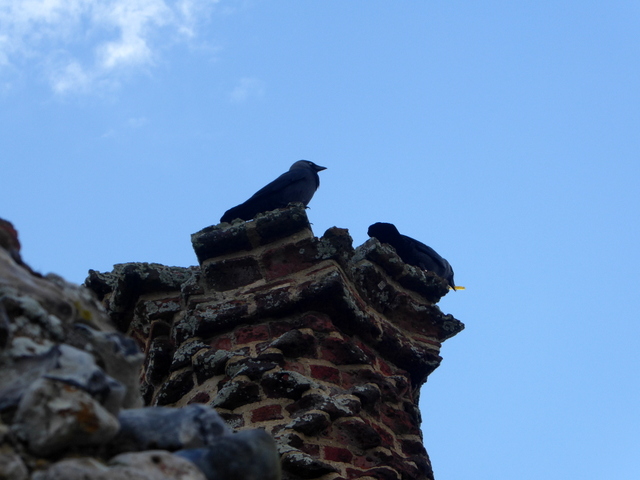
Jackdaws (Corvus monedula ) were still nesting in the chimneys of the castle.
The white pillars are the remains of a Tudor bridge.
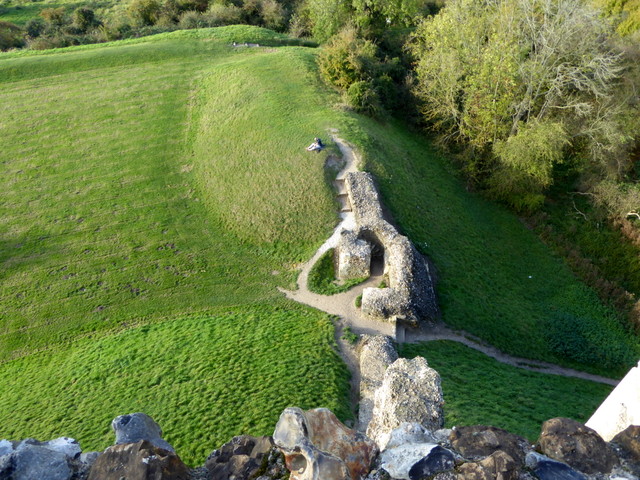
Just outside the curtain wall and built at the same time, is the Lower Court. It was walled on all sides and was defended by two towers. It may have originally housed granaries, barns or stables.
Framlingham Mere and beyond it, behind the trees is Framlingham College.
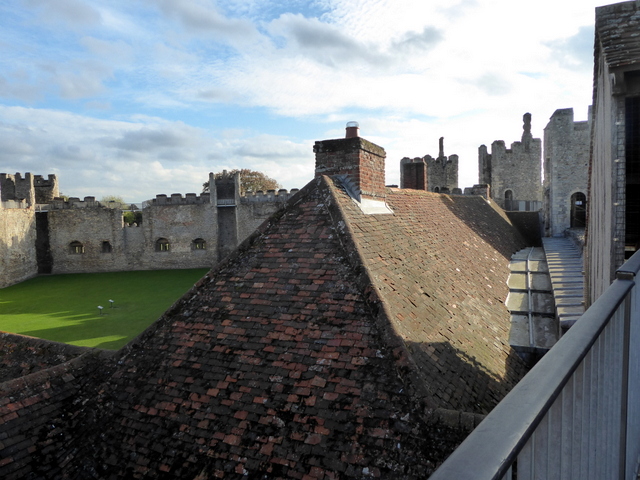
The roof of the Poor House
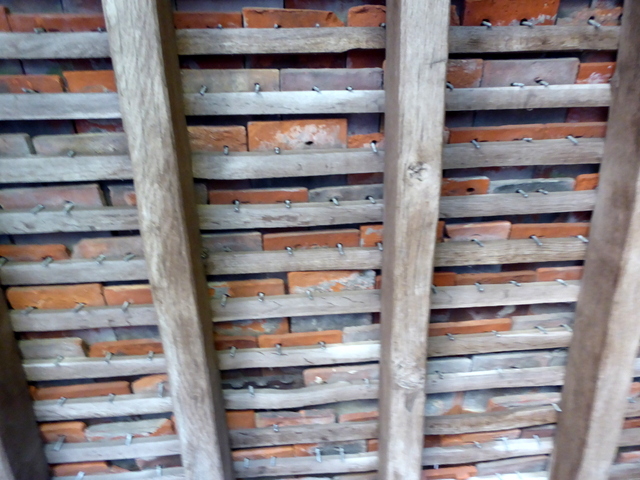
The underside of the roof . You see how the slates are attached to the rafters.
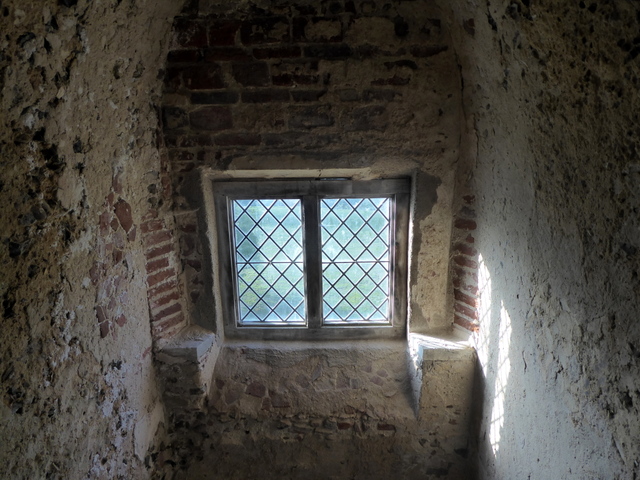
One of the windows in the Poor House
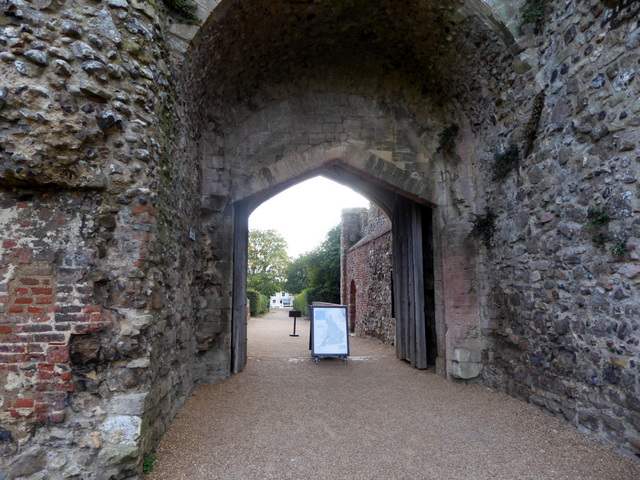
The Gatehouse as we left the castle
We enjoyed our short visit to the castle and went next to the church which I will talk about in another post.
The singer Ed Sheeran, who grew up here, has brought many more visitors to the town than it had before. Here is his recent song, ‘Castle on the Hill’ which talks about the time he lived in the town. The young people acting in the video are members of Framlingham College.








 A Suffolk Lane