• About my Blog
  • GDPR (General Data Protection Regulations) and This Site
  • My Life in a Suffolk Lane

A Suffolk Lane

~ A diary of my life in rural north Suffolk.

A Suffolk Lane

Author Archives: Clare Pooley

Miscellany Part 2

15 Sun Jun 2014

Posted by Clare Pooley in churches, Landscaping, plants, Rural Diary, trees, Uncategorized, walking

≈ 6 Comments

Tags

barley, church cleaning, churchyard, coffin bier, electrical repairs, flowers, grasses, guelder rose, hedge woundwort, Klargester septic tank, landscaping, LED lights, lesser tortoiseshell butterfly, memorial stone, micro moth, ox-eye daisies, pond, Rumburgh Church, St Michael's water tower, St Peter's church, walking, wheat

I cannot believe how quickly this year is speeding by!  I always think at the beginning of spring that this year I will definitely make a better job of the gardening and I will have the time to do all the things I need to do around the house.  I always forget that as spring flows into summer the amount of jobs that need doing multiply and multiply and here I am left far behind yet again.  I forget how much time I have to spend away from the house driving about the countryside and this year I have had extra places to go.  Mum now has monthly check-ups at the hospital in Norwich to make sure her eyes are still free of macular degeneration.  My younger daughter E is hoping to go to City College Norwich in the autumn so we have had a number of visits there over the past few weeks, getting to know the place and some of the people there.

We have had a visit from the electrician who has done some work for us.  We had spoken to him a few weeks ago asking him to replace our kitchen under-cupboard lights which were very old and becoming faulty.  We also needed a new box cover for the electrics for our Klargester septic tank.  The old box cover had rusted away some years ago and we have had an upside-down plastic bin over the top since then!  We also need a lot of re-wiring done and some outside lights replacing.  The weekend before last R and I were woken in the middle of the night by a roaring noise in the house.  For some time we couldn’t think what it was and where the noise was coming from but eventually I realised it was something to do with the electric immersion heater which I switched off immediately.  (We use our immersion heater during the summer to heat our water; during the winter we use a gas boiler for water and central heating and this is fuelled by propane gas which is enormously expensive.  We are not on mains gas and as we often have power cuts it is better not to have everything powered by electricity.  We switch the immersion heater on over-night as electricity is cheaper then.)  The thermostat had gone faulty and the water was boiling.  The hot tank was emptying and the cold water tank and expansion tank were full of hot water – the house was turning into a kettle.  I wonder if steam was rising out of the roof?  If it had been left on much longer the tank would have exploded.  I phoned the electrician and asked him to add a new thermostat to his list of jobs to do.  When he visited last week he put in new kitchen lights for us….
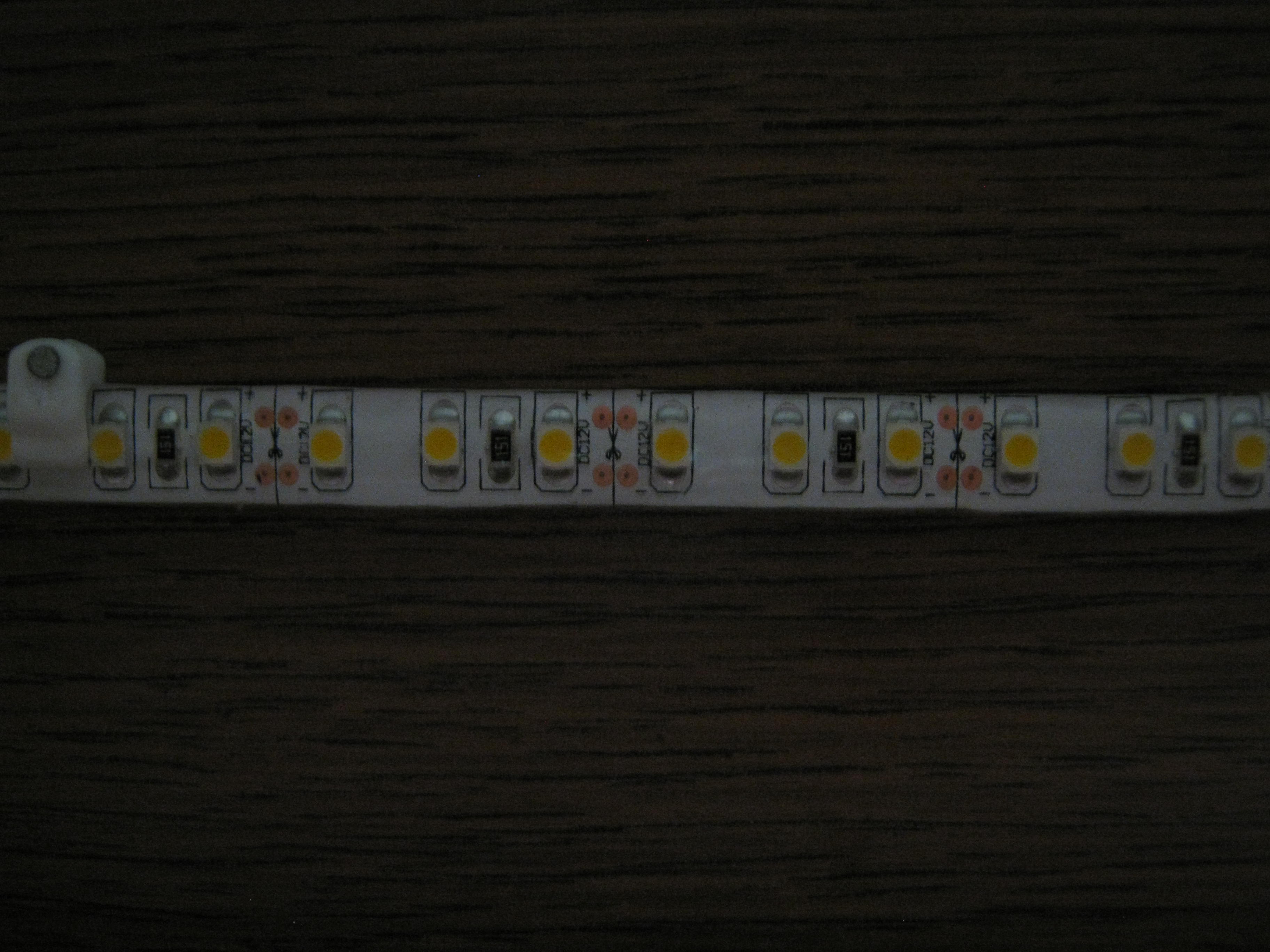
010New kitchen lights

A thin strip of LED lights only a centimetre wide – such bright lights!

he replaced the septic tank electric box cover…..
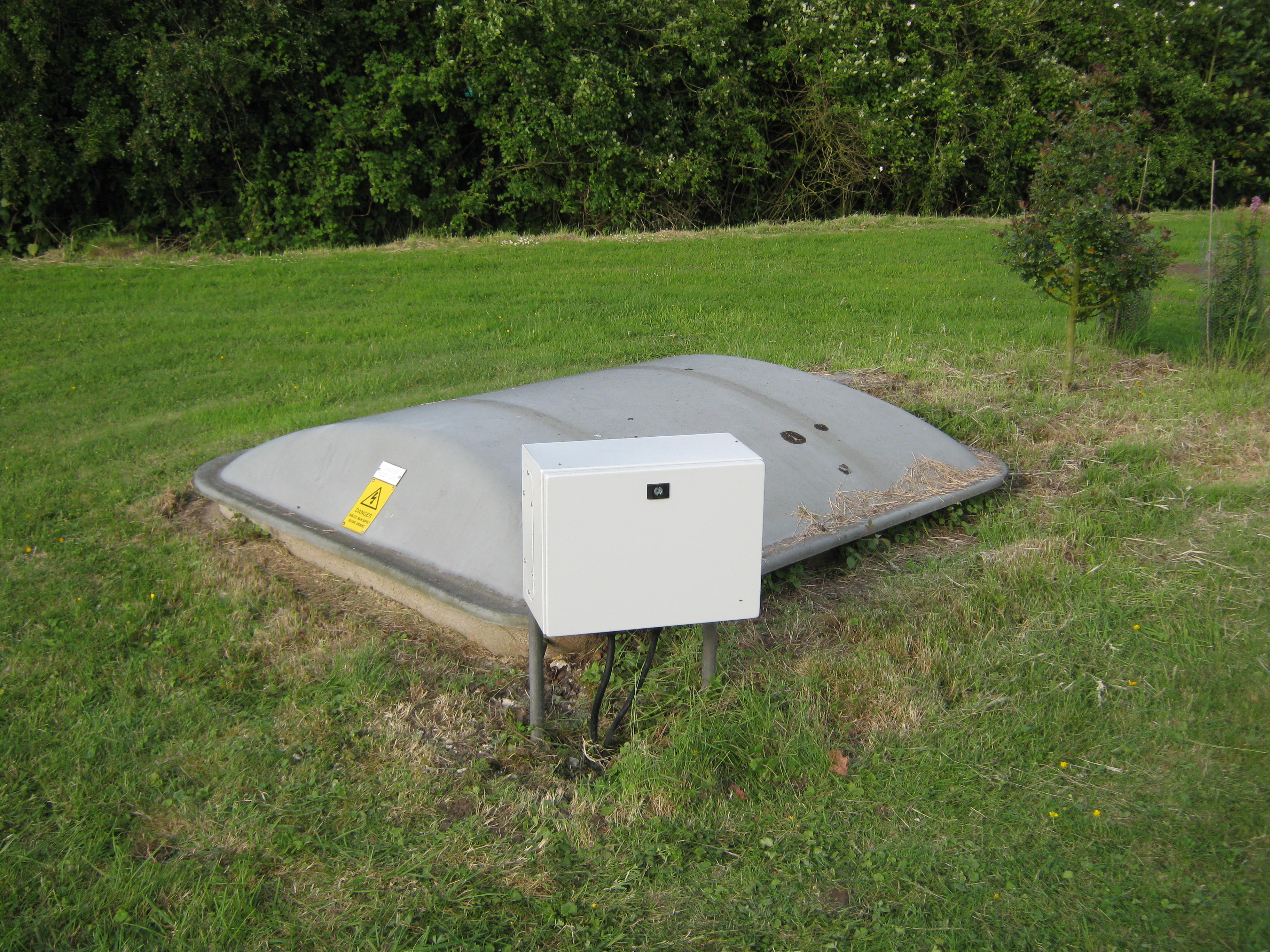
015Septic tank with new box

The septic tank with the electric box wearing its attractive new cover.

and fitted a new thermostat to our immersion heater.  He will be coming again soon to do the rewiring and fitting new outside lights.

The landscaper who had worked on our big pond in February also visited our house on the same day as the electrician and filled in all the ruts the JCB had made in the lawn with top-soil.  R is very pleased that this has been done at last.  He has seeded it all and we are now waiting for the grass to regrow.
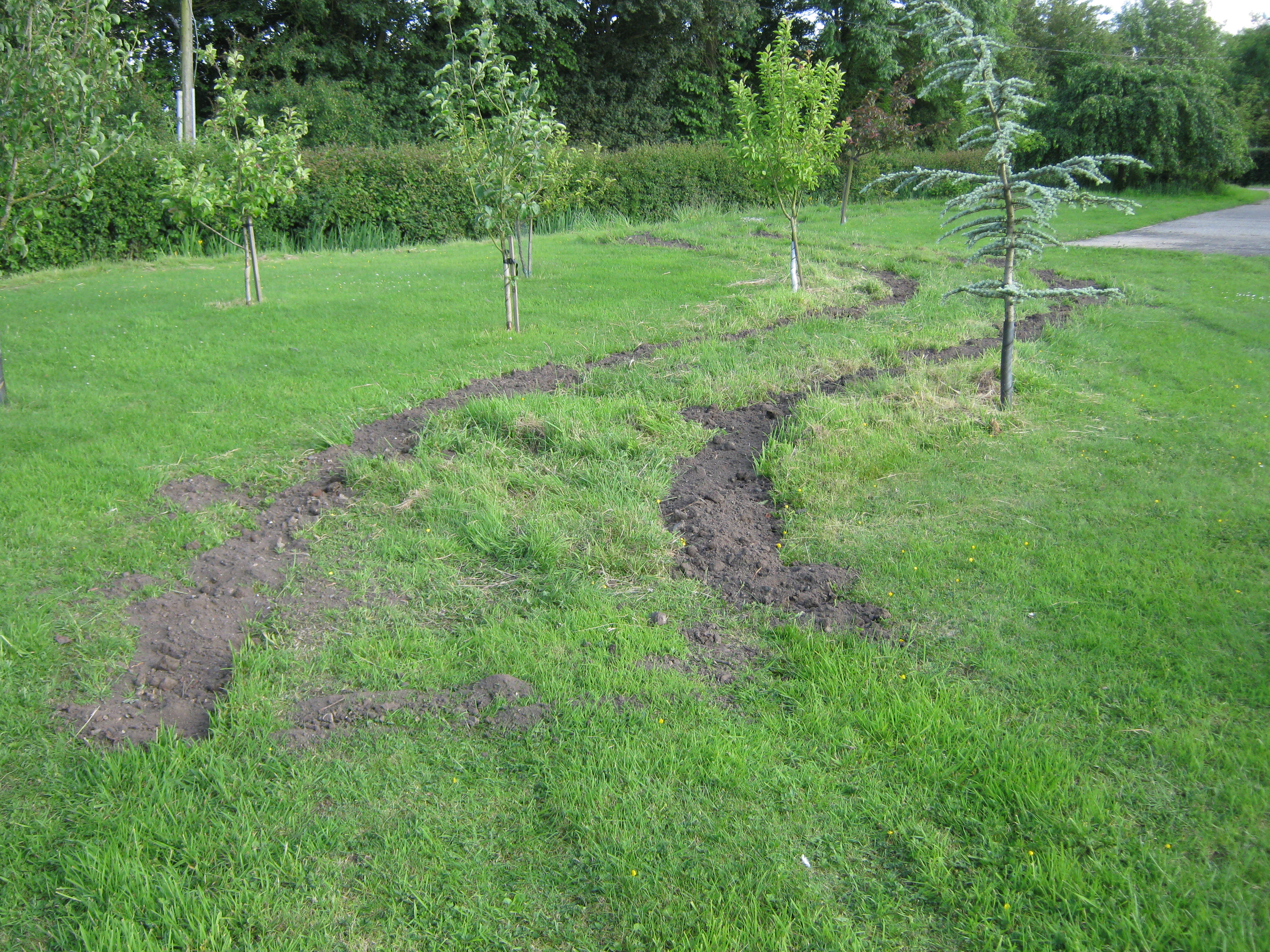
021Filled-in ruts

The ruts nicely filled-in at last.

While he was at our house we asked the landscaper to look at our small pond and let us know how it can be improved.  We don’t want the pond quite so close to the hedge, the liner needs replacing and I would like a boggy area at the side of the pond where I can plant iris, lobelia  and other marsh plants.
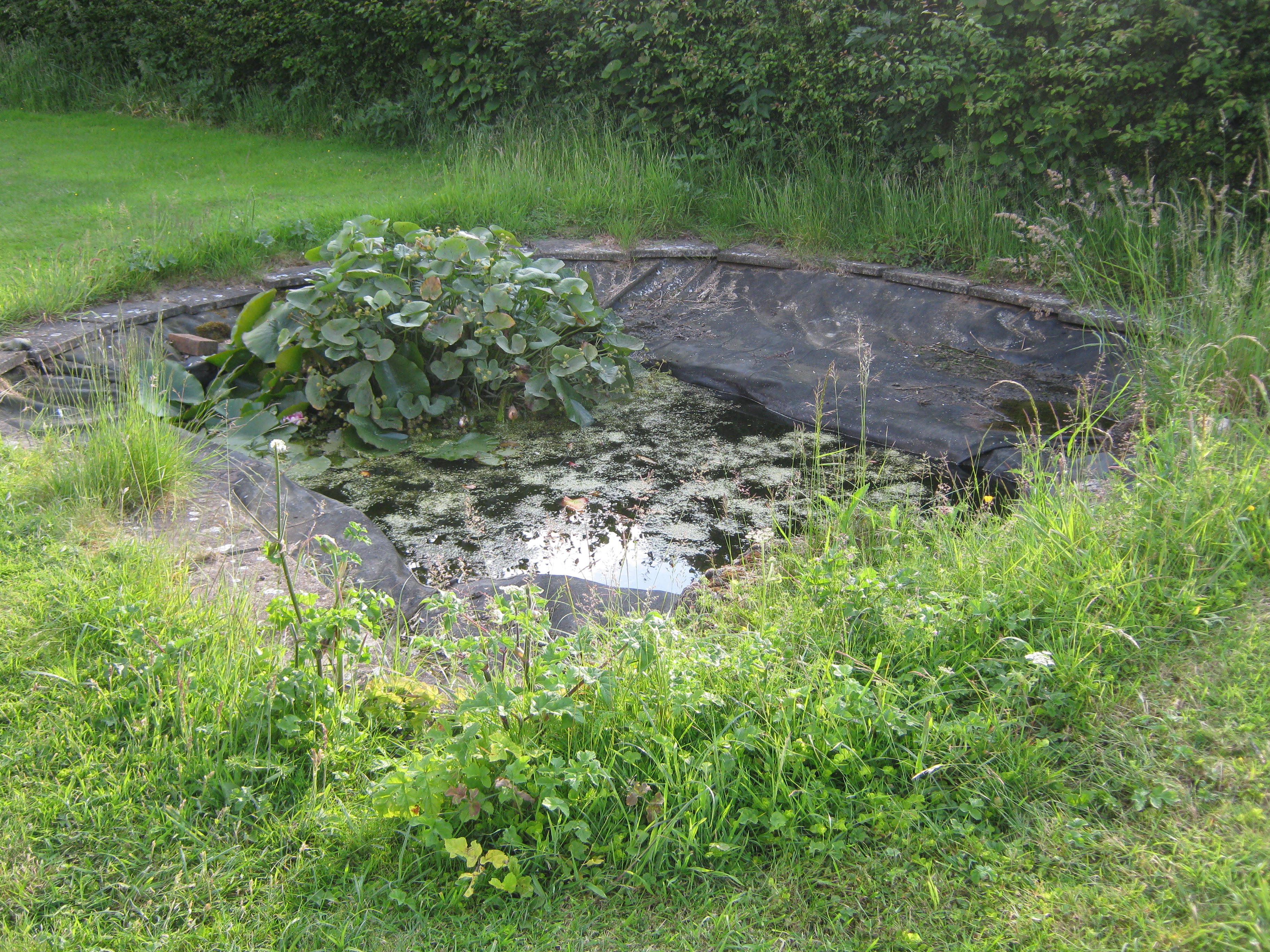
011Small pond

The small pond in desperate need of improvement

The last couple of weeks I haven’t had to take Mum to church.  She has been taken by a young man from her church who lives in Harleston.  He works abroad, especially in Asia and the far East, for much of the year as a film director.  When he returns home from his high-powered meetings and filming in India and China he resumes his more important job of taking old ladies to church and being bossed about by them.  Well, what else has he to do except a bit of script writing!  I am really very grateful to him.  He stays in this country until September and that is probably when I’ll have to resume my duties again.

Meanwhile, I have enjoyed two weeks of going to church with my husband.  It is our month for cleaning Rumburgh church and when we went in last week we were amazed at how dirty it was.  The church had had a few visitors who had left some rubbish about and there was dirt which had been trodden in on shoes.  The main mess had been caused by our resident bats.  It took us about two-and-a -half hours to clean up the worst of the mess.  I think that during the summer when we have more visitors and when the bats are active the church should be cleaned more than once a month but some of the people on our rota will only come in once a month or only if we have a service in the church and of course we don’t have services every week in our church.  I also find that some of our cleaners will concentrate on the entrance to the church and will often ignore the Sanctuary at the East end of the church where the altar is.
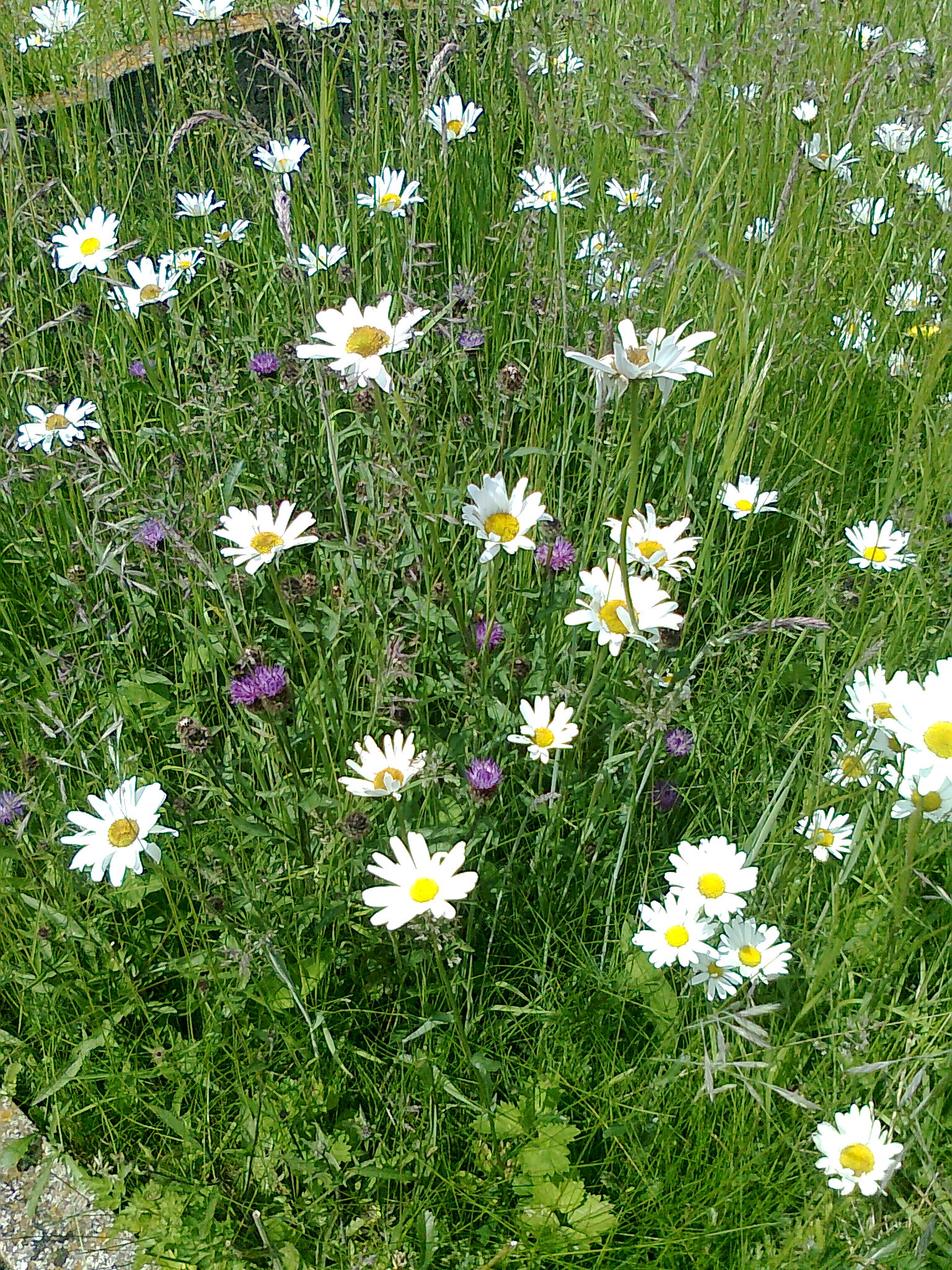
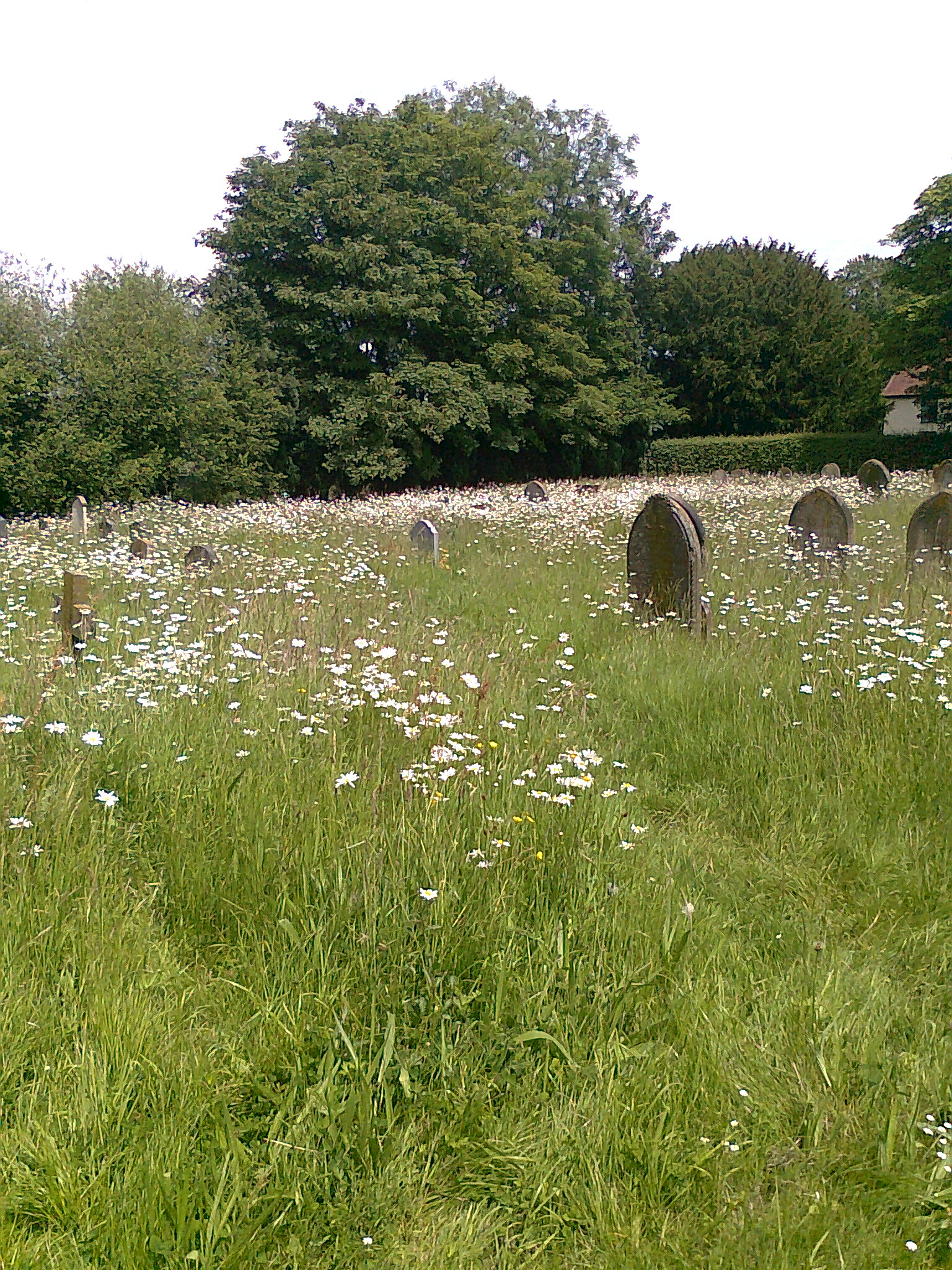
052Wild flowers in churchyard

Wild flowers in Rumburgh churchyard

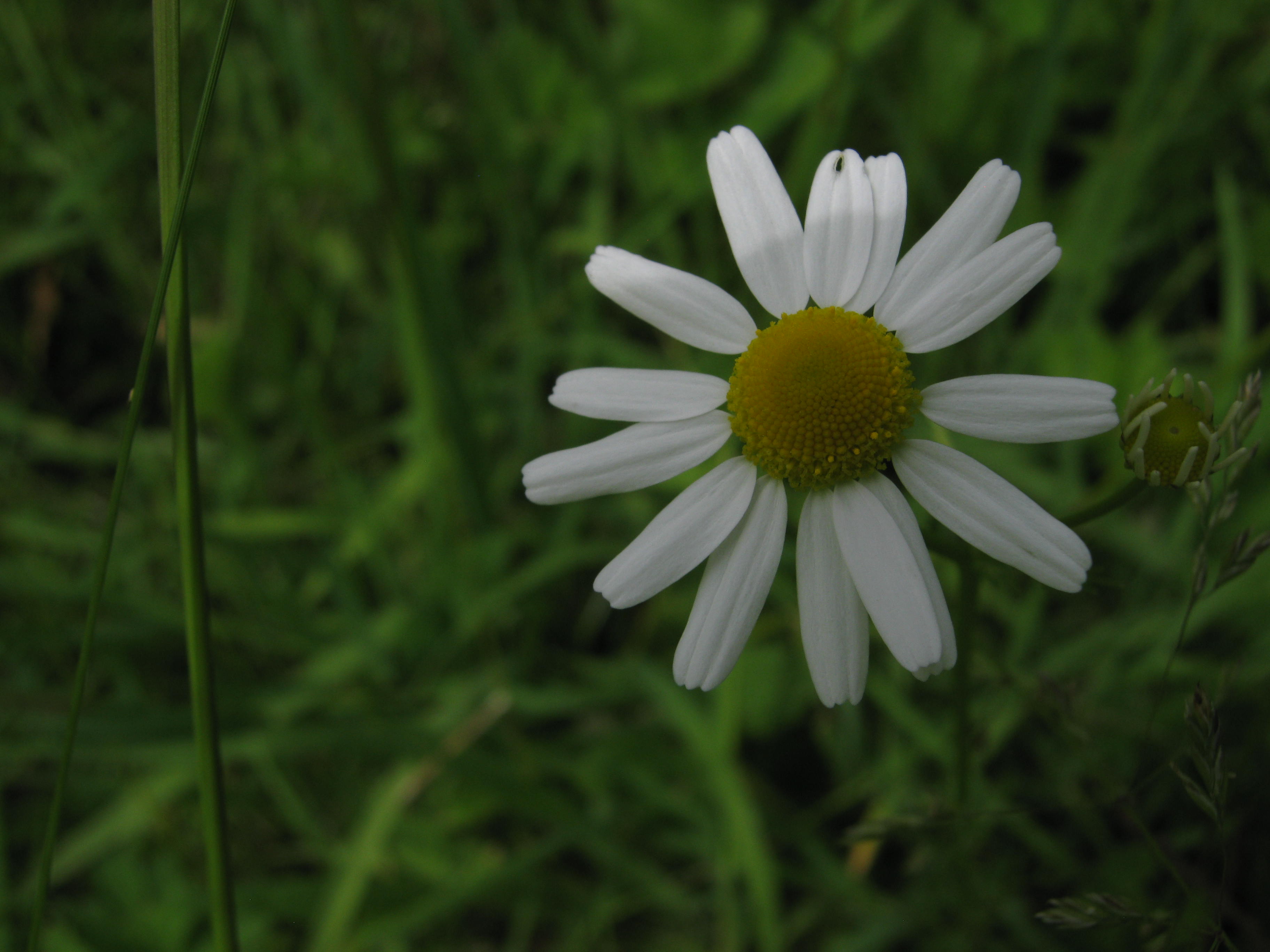
054Ox-eye Daisies in churchyard

Ox-eye daisies in Rumburgh churchyard

039Altar flowers

A beautiful flower arrangement on the altar
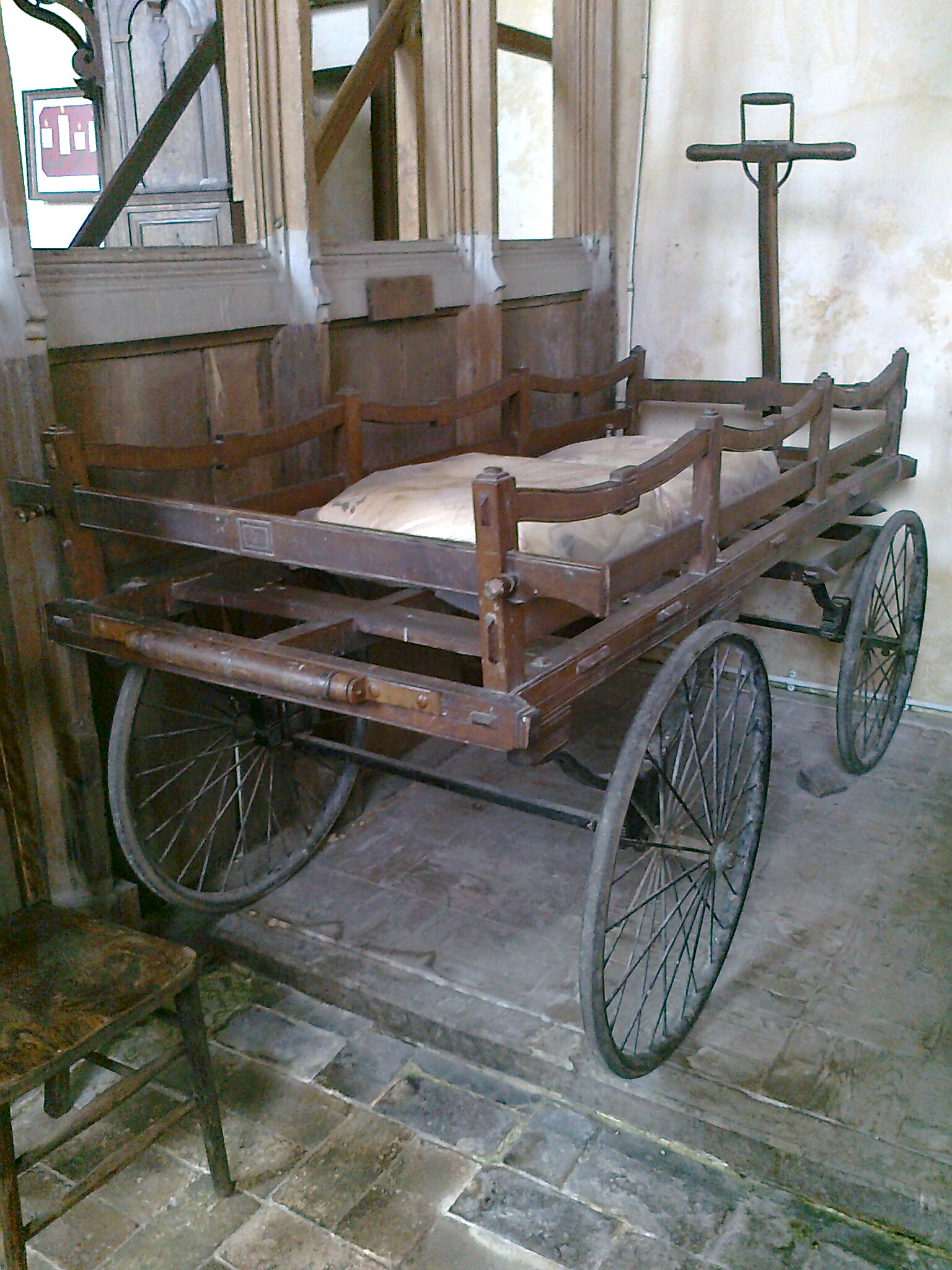
044Coffin Bier

The old coffin bier in the church

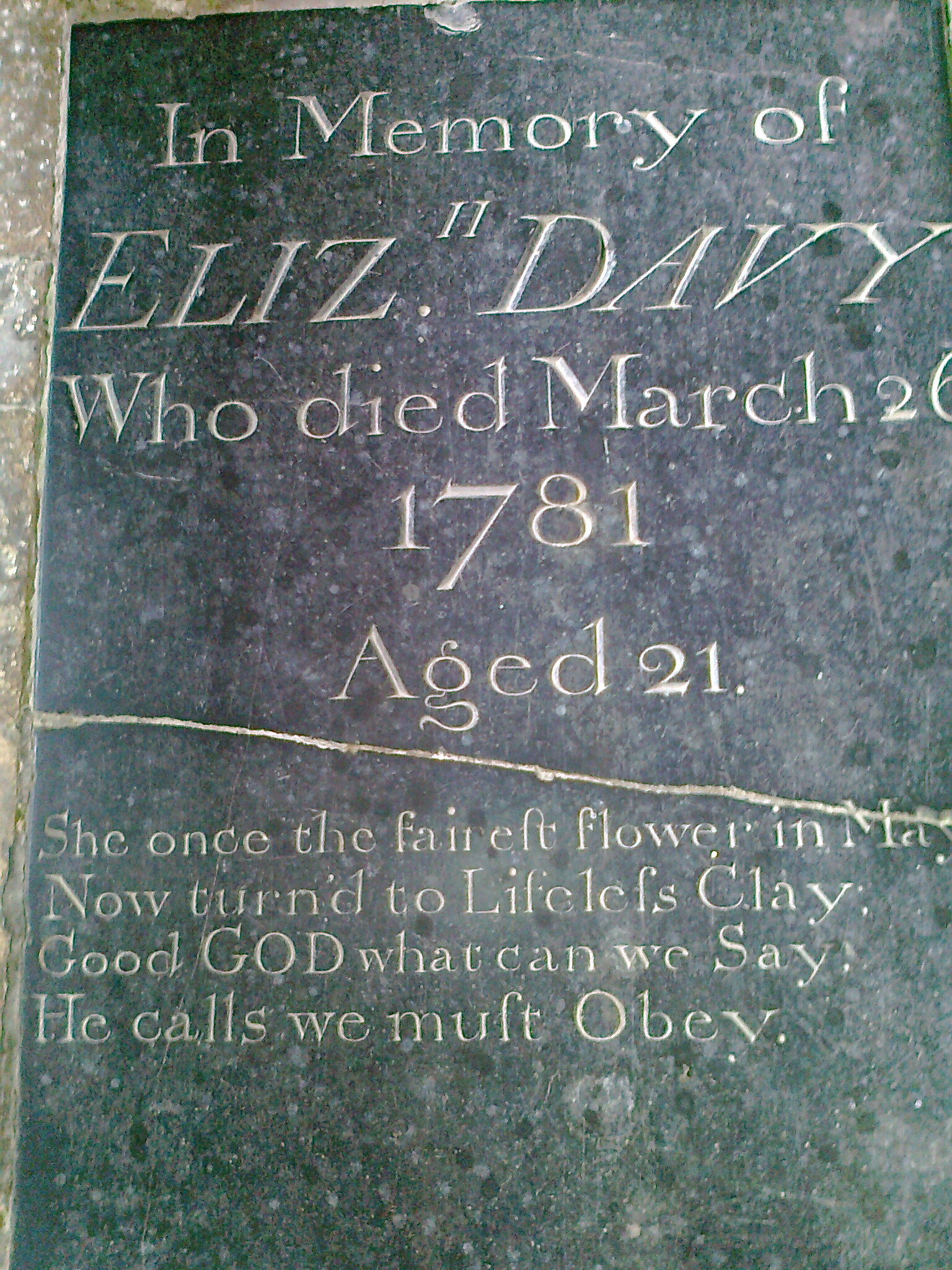
040Grave memorial Eliz Davy

Memorial stone in the aisle

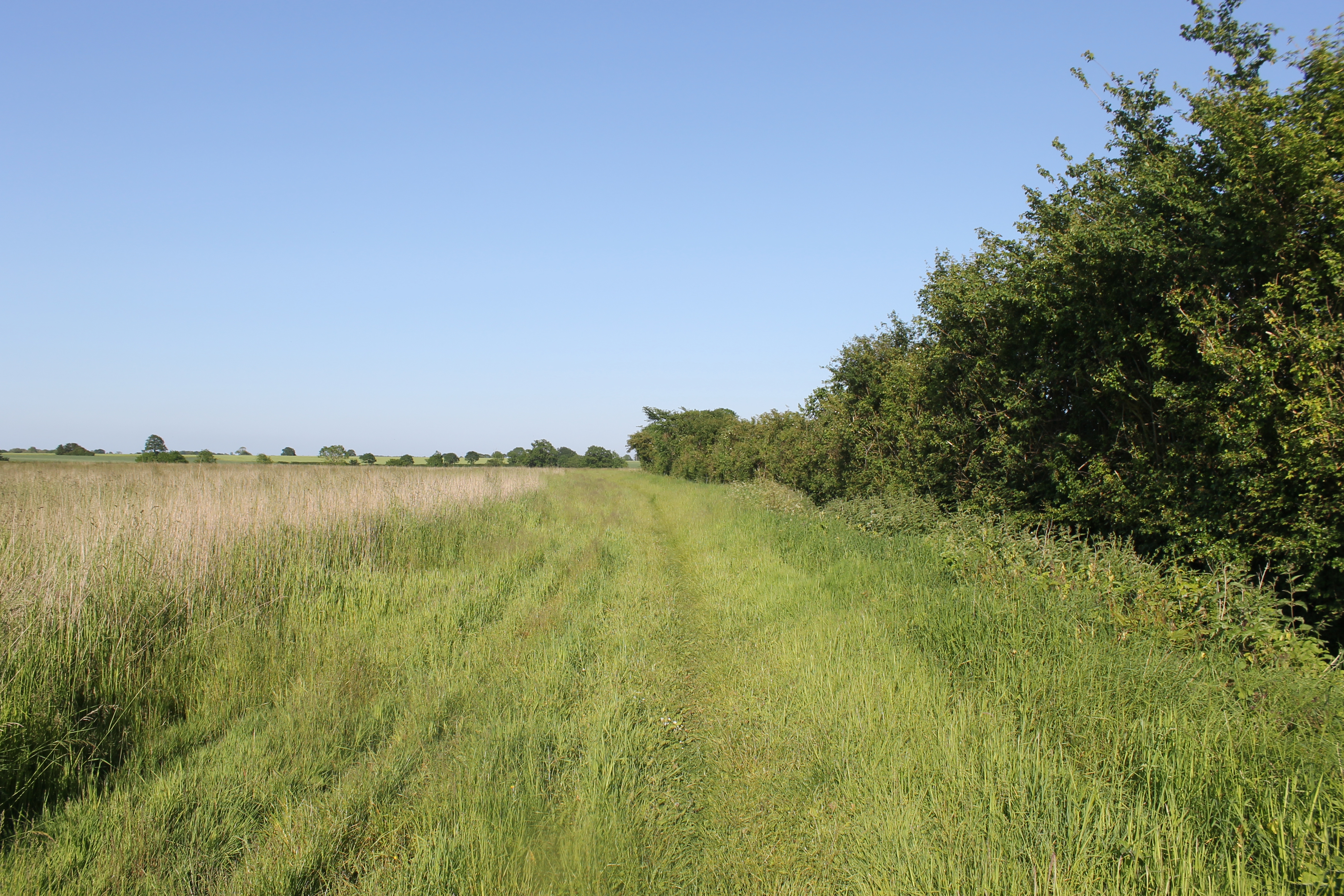
R and I went for another of our walks across the fields a week or so ago.  We didn’t intend to go far as we were both tired.
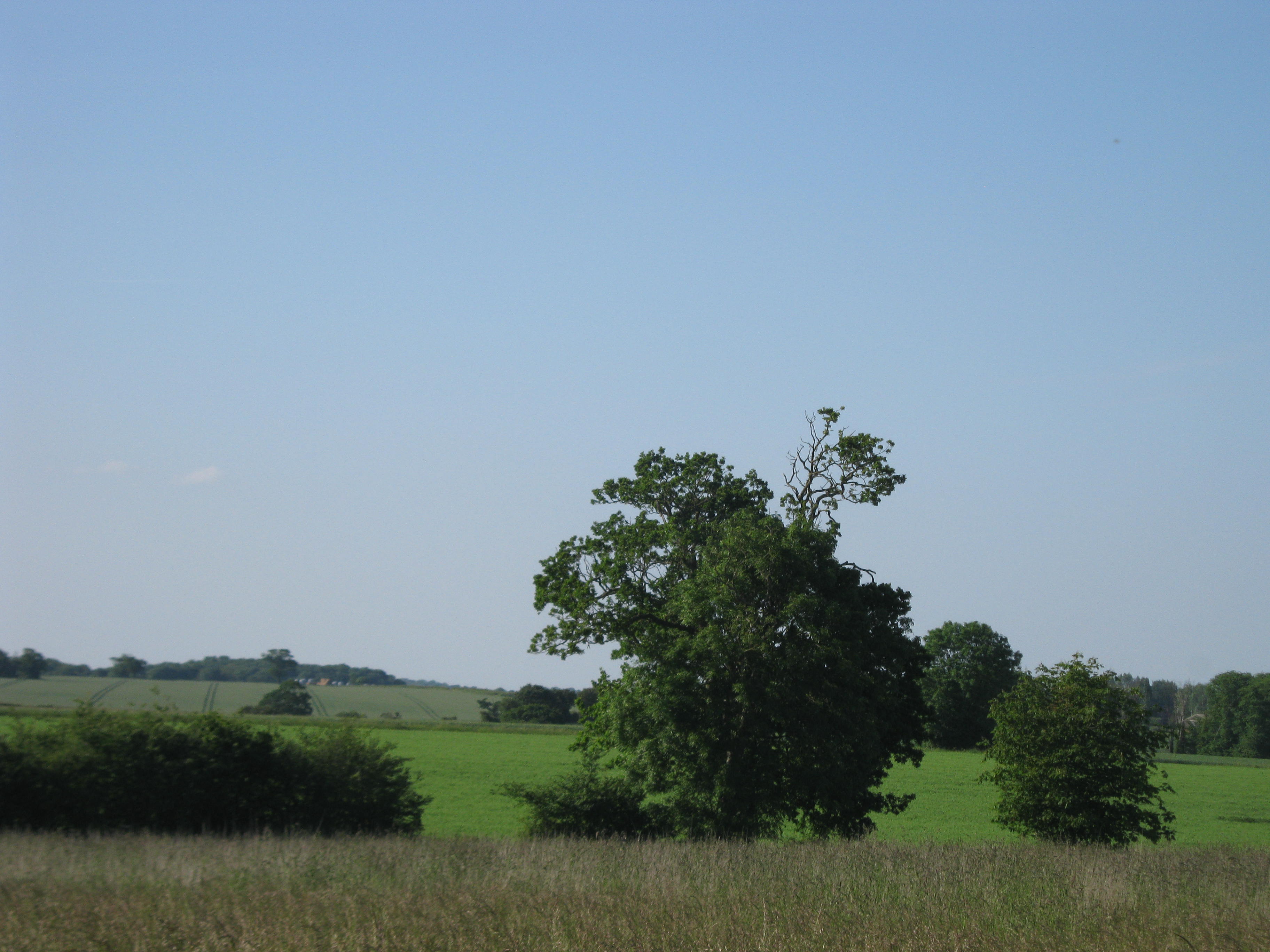
002View across fields

A view across the fields

042Path at edge of field

The path at the edge of the field

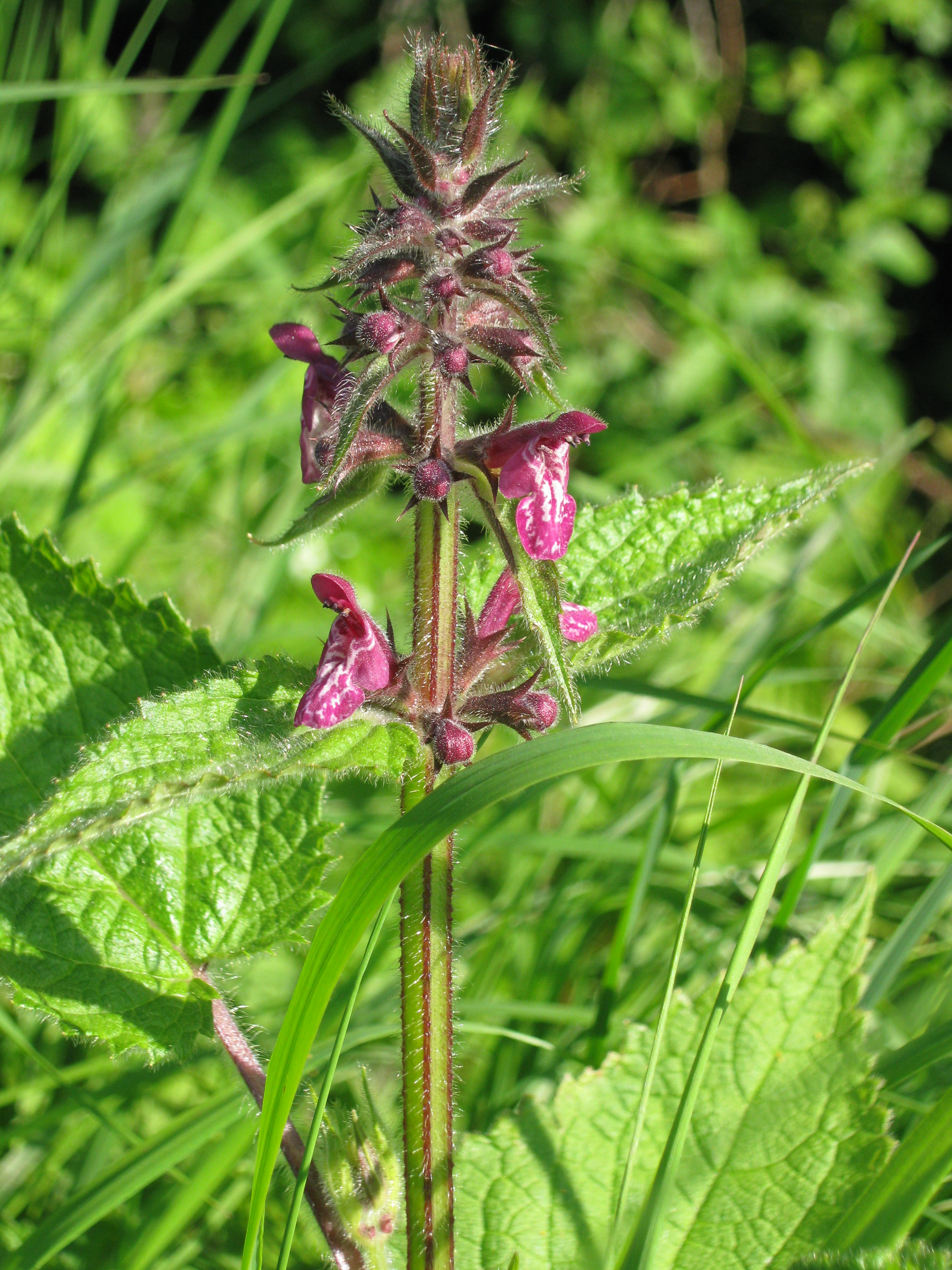
003Hedge Woundwort

Hedge Woundwort

Hedge Woundwort is in flower everywhere we look at the moment.  This plant has been used since the times of the ancient Greeks to stem bleeding and treat wounds.  Poultices, ointments and infusions were made with the leaves and the flowers made into conserves.  It has been proved that the volatile oil contained in this plant does have antiseptic qualities.
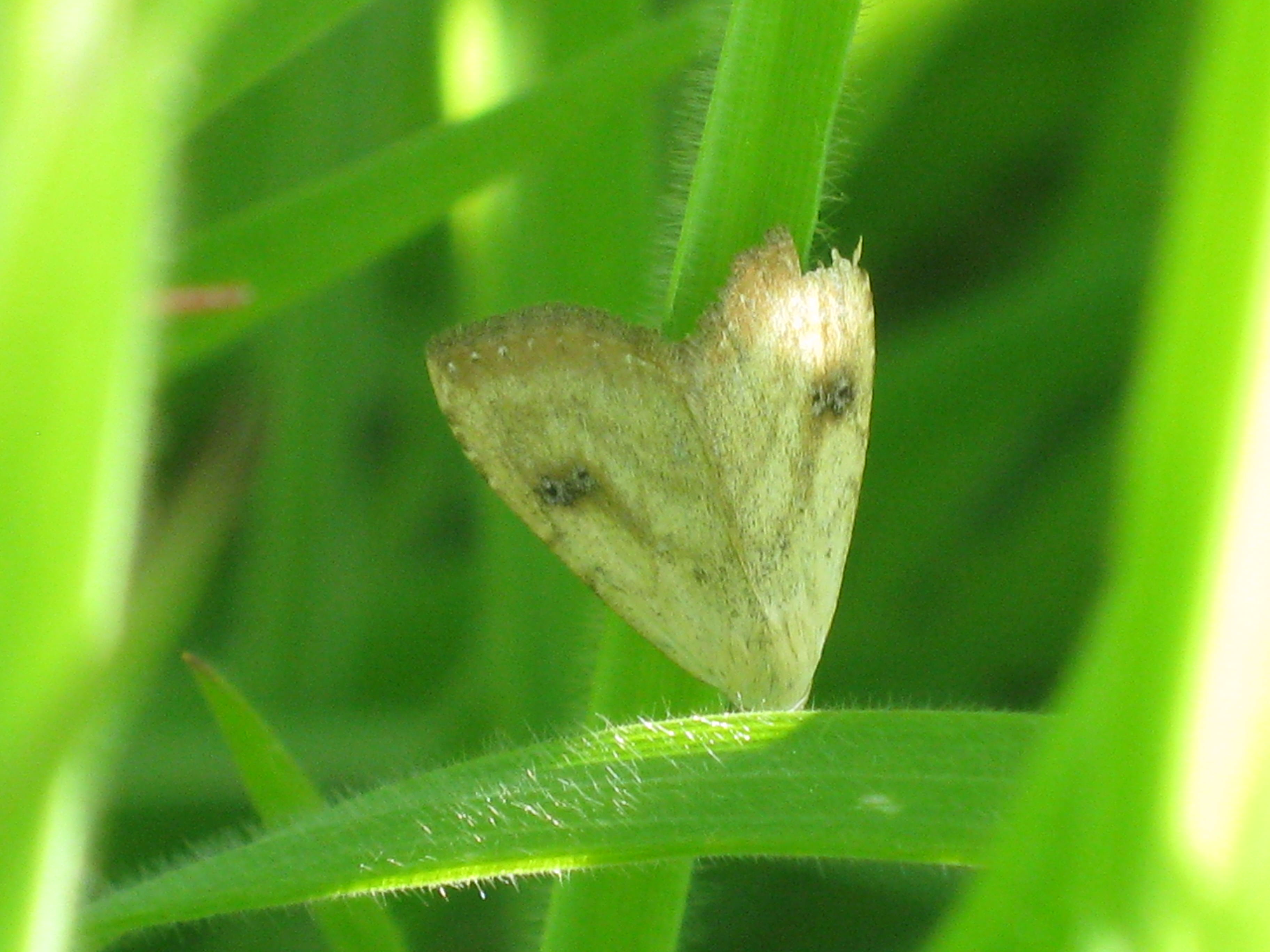
004Micro Moth

An, as yet, unidentified micro moth

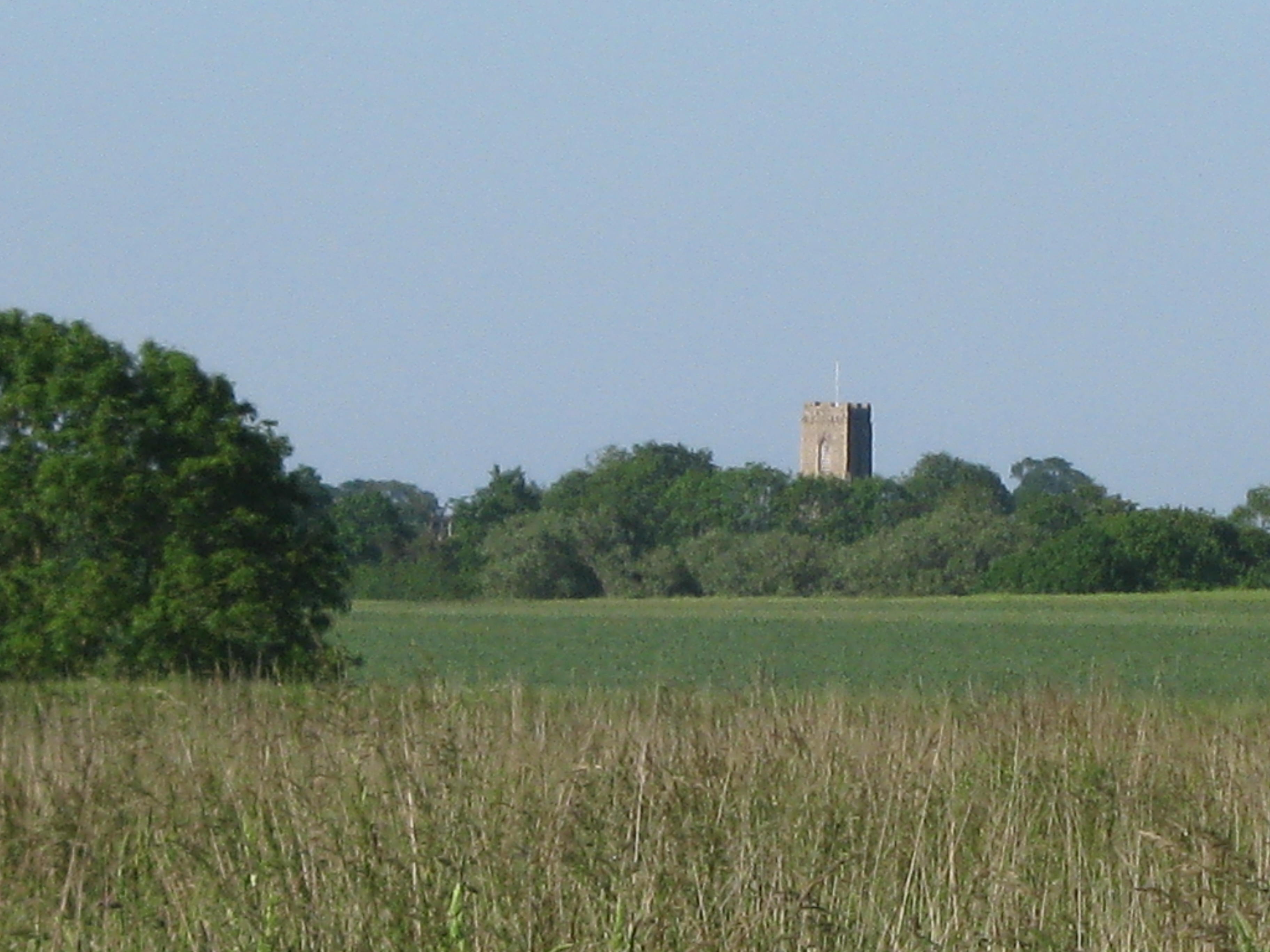
006St Peters church over fields

St Peter’s church

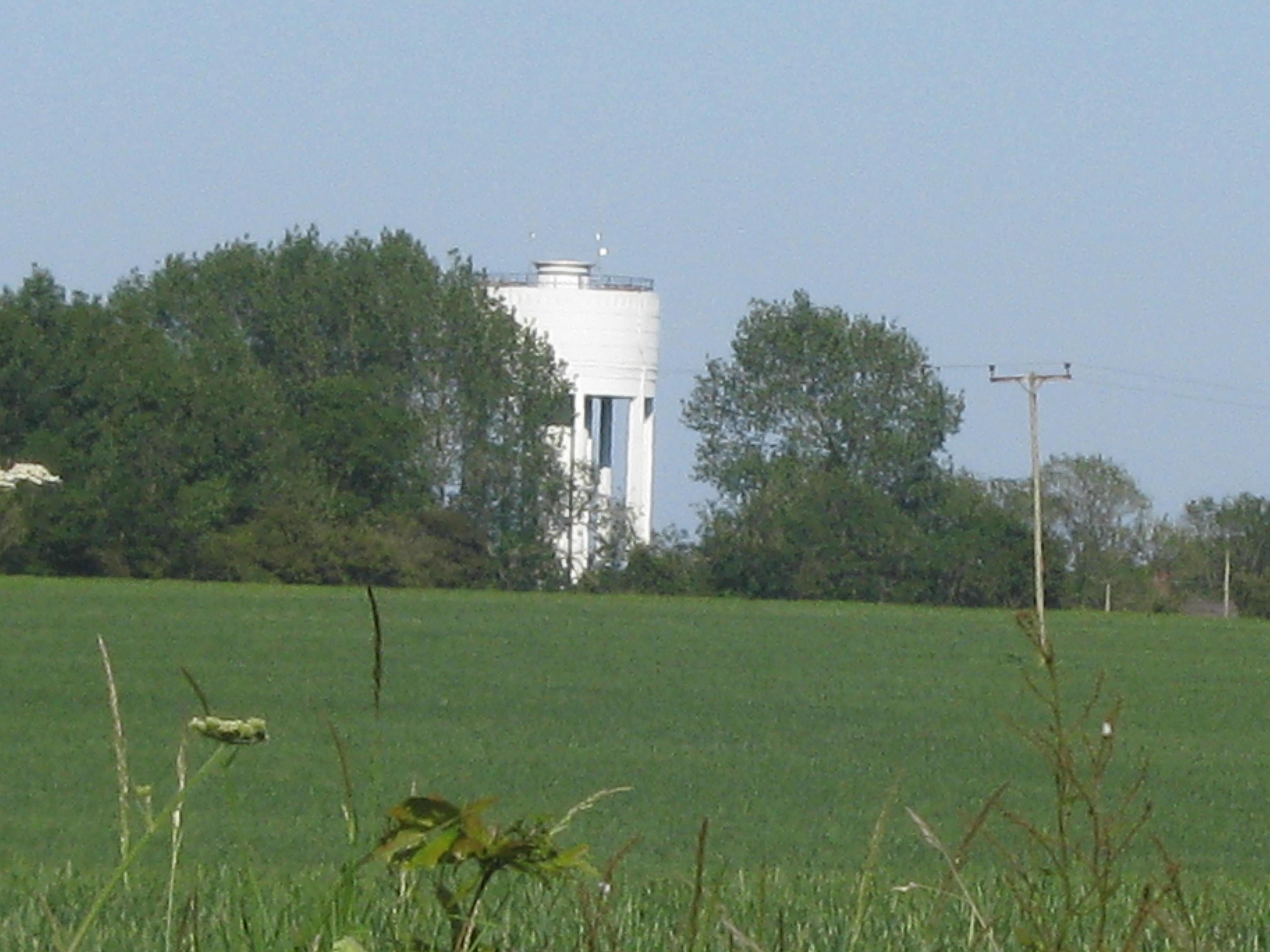
011Water Tower at St Michaels

Water tower at St Michaels

Most of the water in East Anglia comes from springs and artesian wells and is very ‘hard’ water.  We all suffer from lime-scale in our homes and all those who can afford one get a water-softener.  I love the taste of our water and when and if we get a water-softener I would have to have a tap for un-softened water.
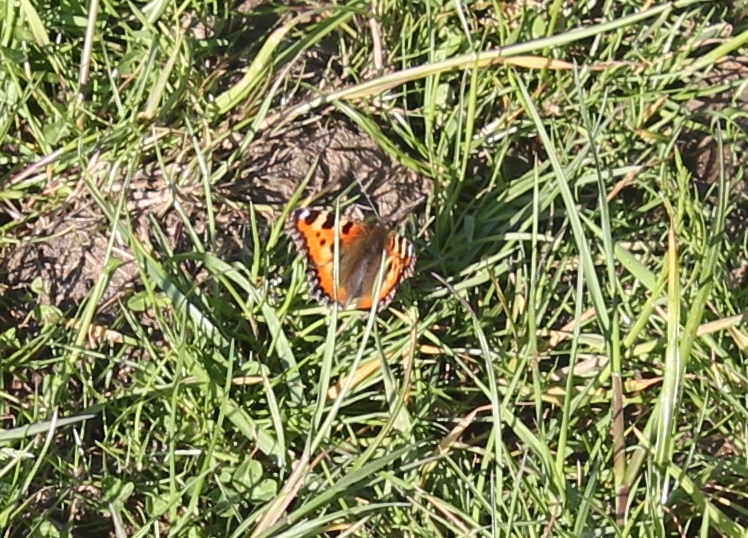
044Lesser Tortoiseshell butterfly

A Lesser Tortoiseshell butterfly

We saw this butterfly sunning itself on the path.

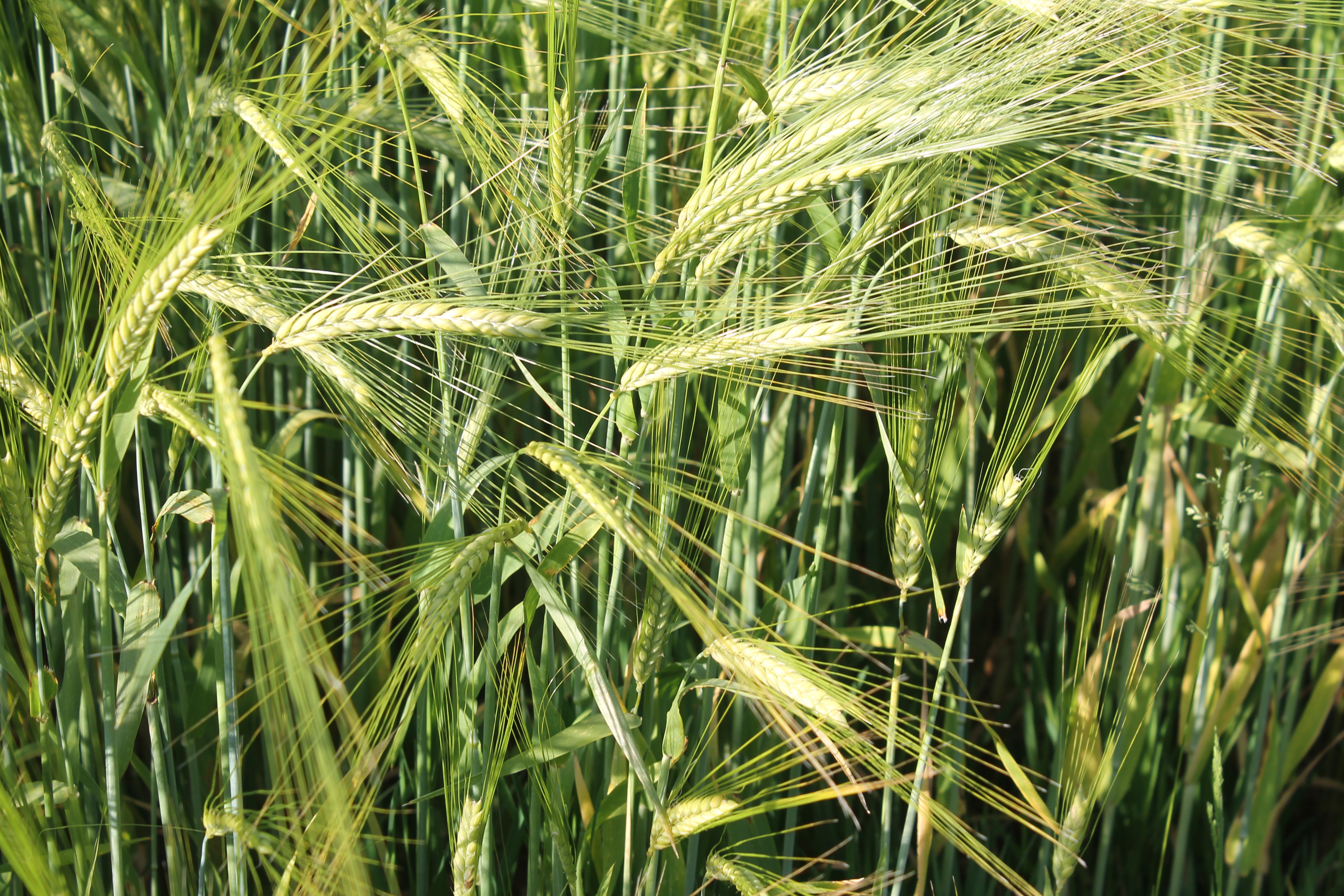
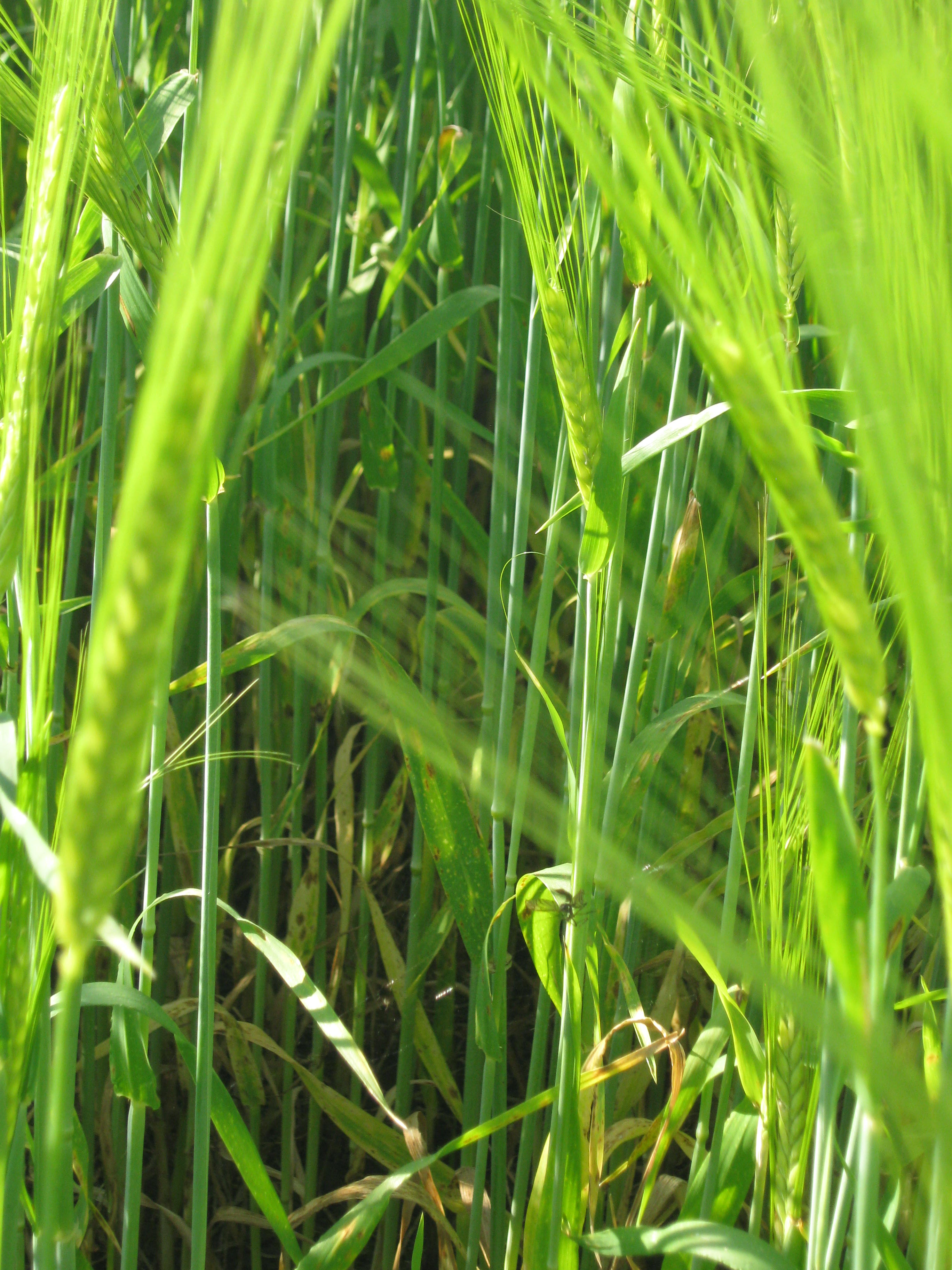
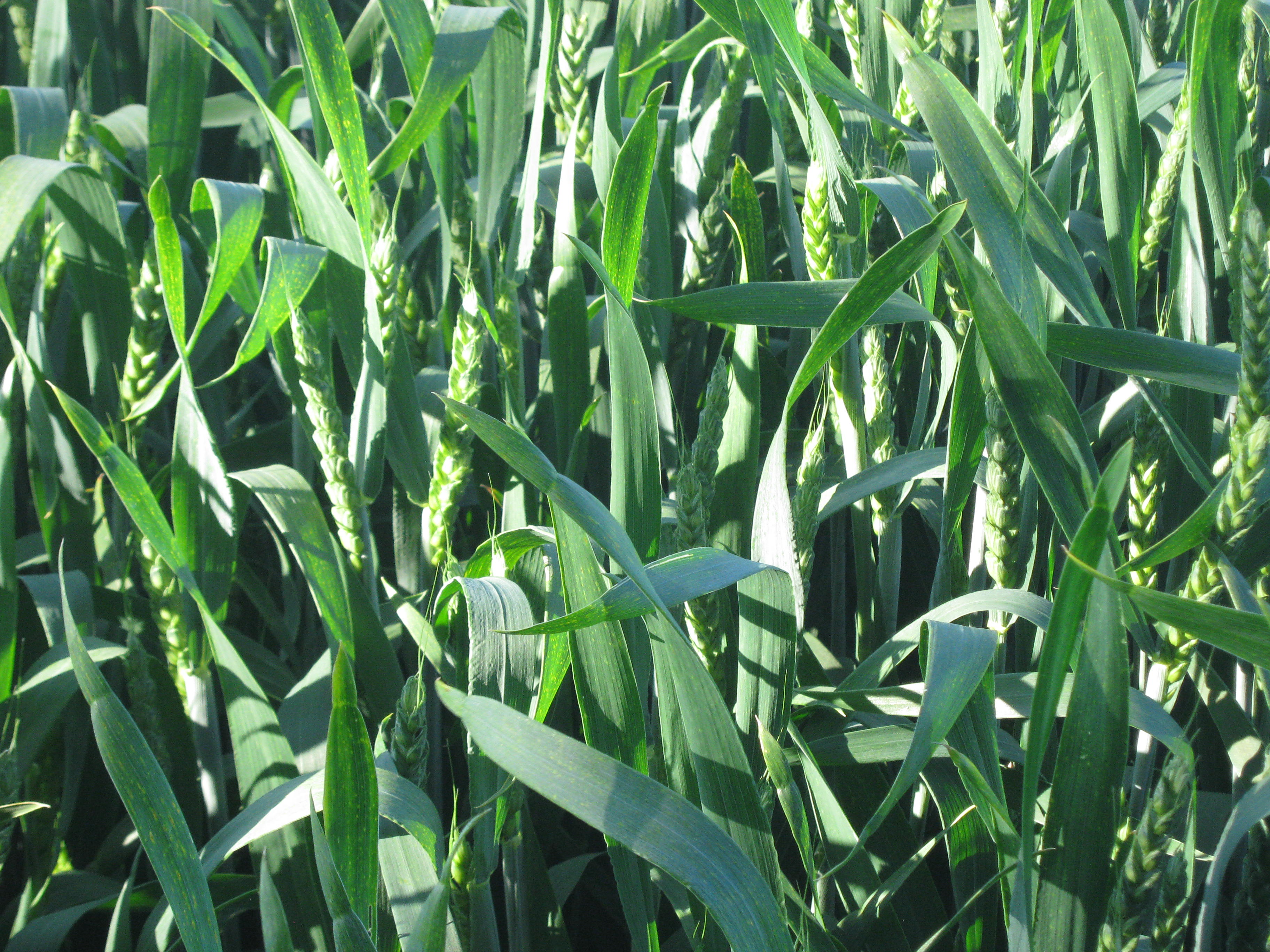
We also saw the crops ripening…..
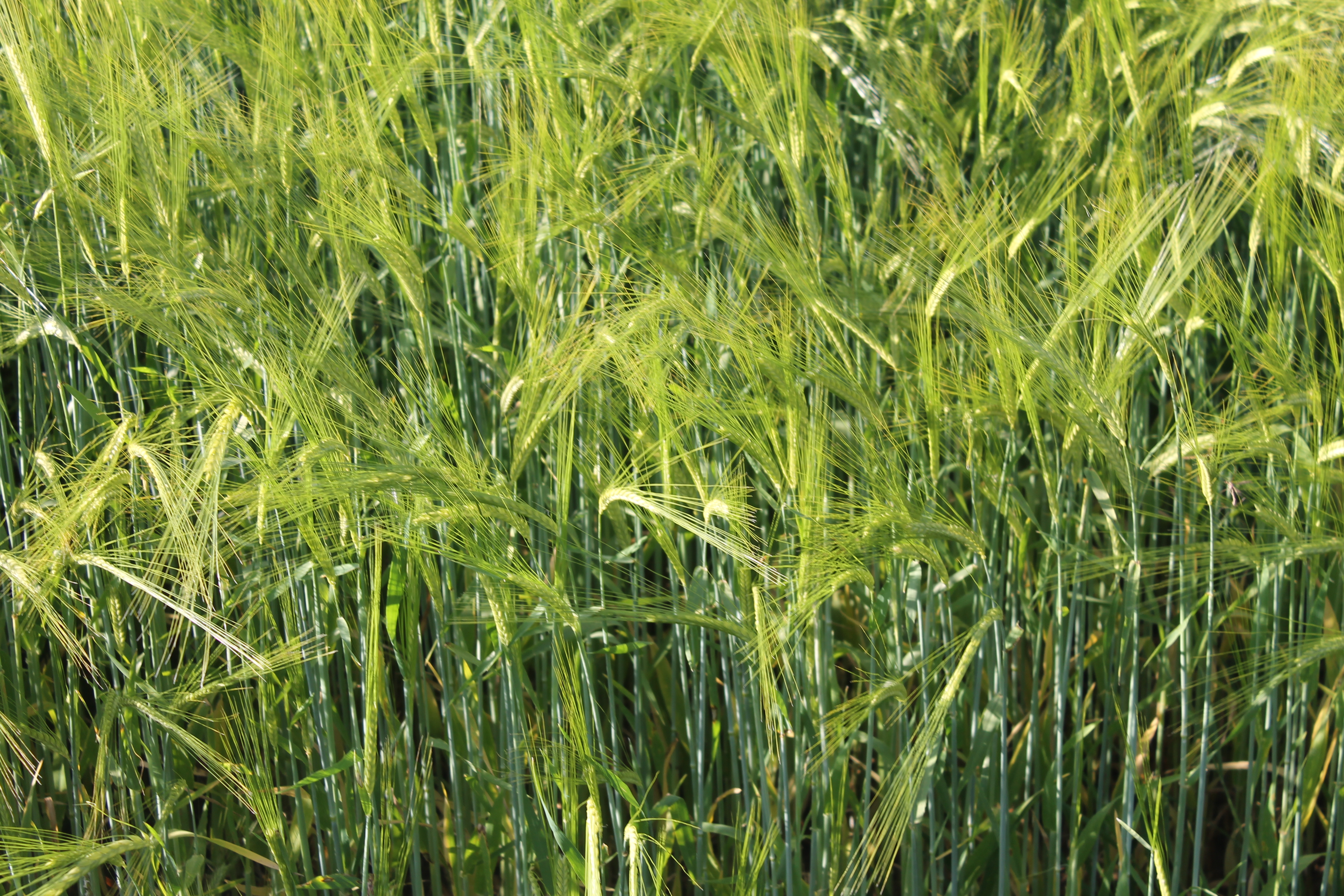
046Barley

047Barley

010Barley

Barley.

014Ripening wheat

015Wheat

Wheat

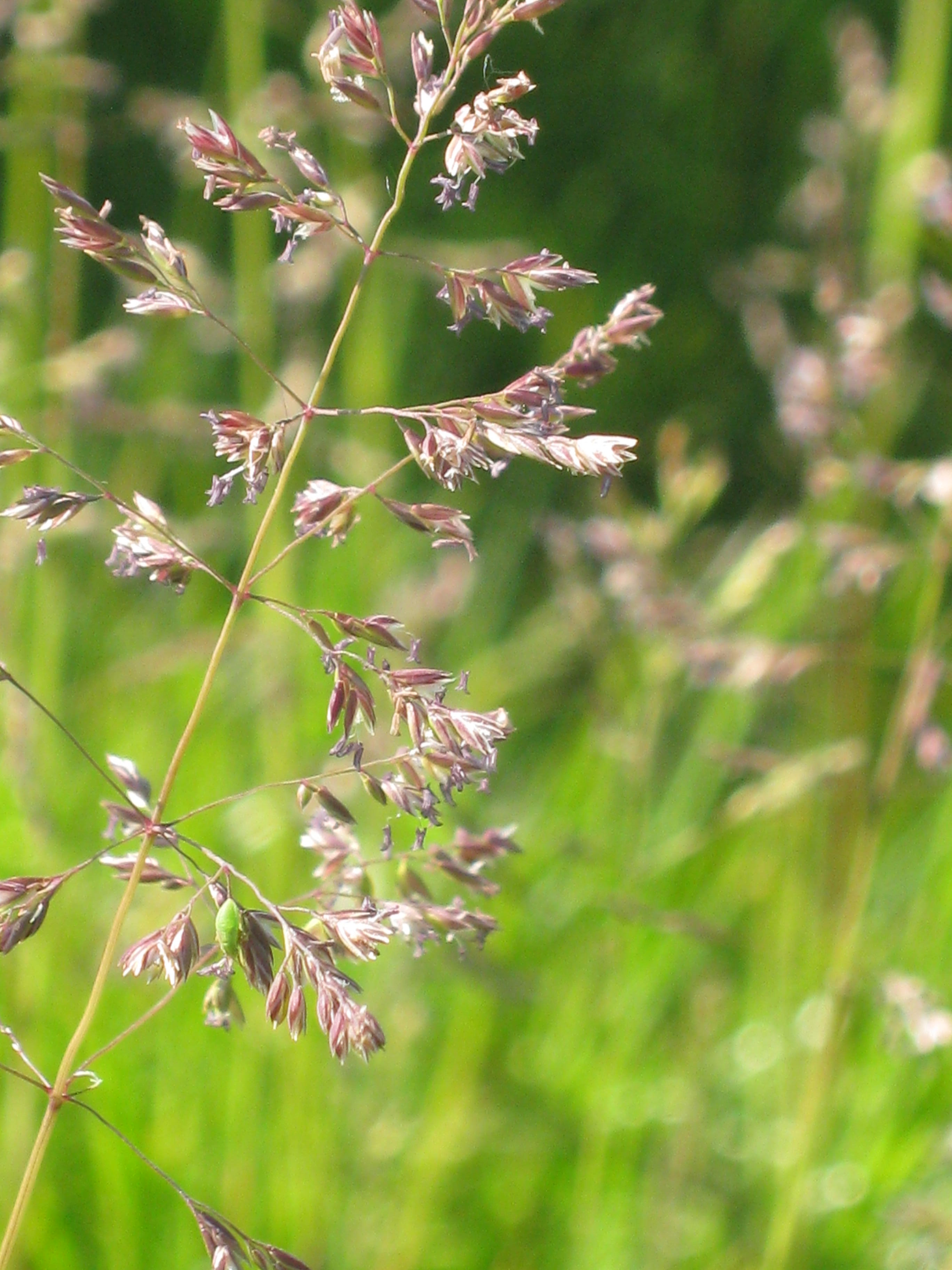
We saw other grasses too

013Grasses

012Grasses

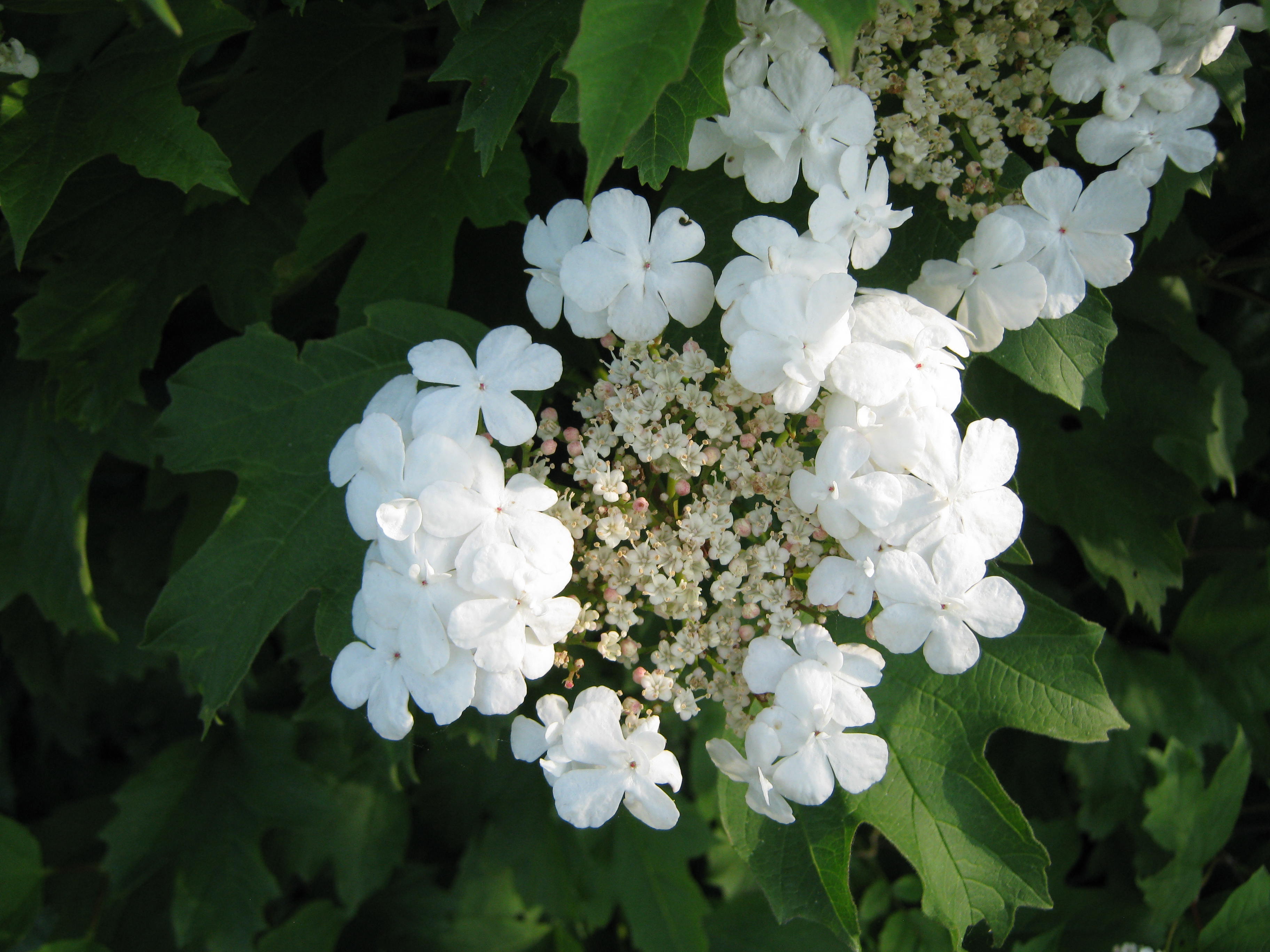
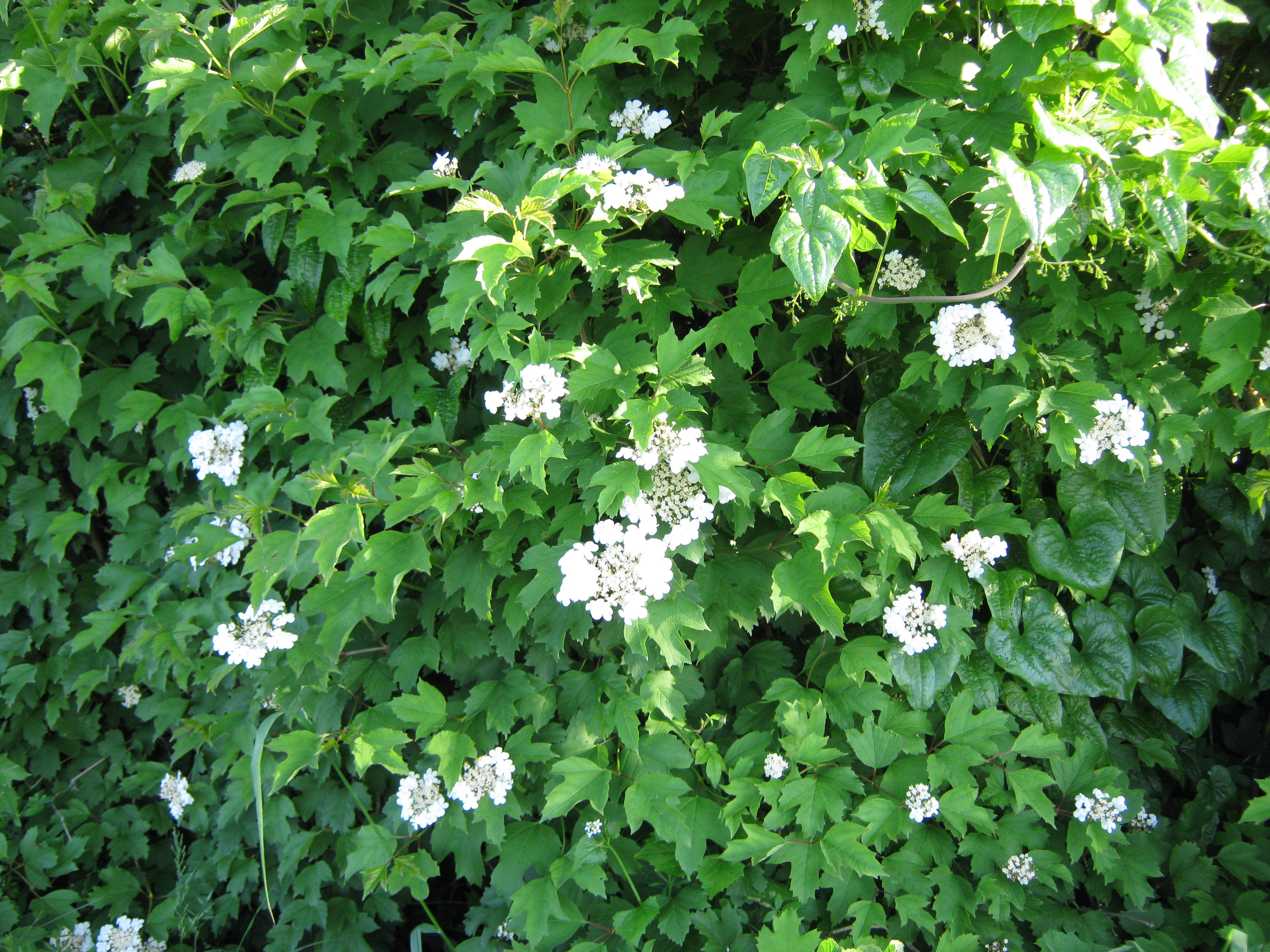
And a beautiful Guelder Rose.

019Guelder rose flower

018Guelder rose

I think I would love to have one of these in my garden!

The walk took longer than we thought it would because there was a path diversion which we took but after struggling through nettles and thistles and head-high grasses we had to turn back as the path hadn’t been cleared.

R has spent all this past week away, firstly in Gloucestershire and then he travelled to Lancashire for a couple of days.  He returned home on Friday having called in on his mother and spent the night with his brother in Manchester.  E and I had spent the day without electricity as there was a planned power cut to enable the electricity company to do repairs.  It is difficult to find things to do these days which doesn’t involve the use of electricity.  We managed however, and it is a good opportunity to have silence in the house with no humming fridges and freezers, no radios and TVs.  The only worry I had during the six-and-a-half hours was whether the food was still alright in the fridge and freezers.  It was a very warm day!  As it turned out, all was well.
Share this:

  • Share on X (Opens in new window) X
  • Share on Reddit (Opens in new window) Reddit
  • Share on Pinterest (Opens in new window) Pinterest
  • Share on Facebook (Opens in new window) Facebook
  • Email a link to a friend (Opens in new window) Email
  • Share on Tumblr (Opens in new window) Tumblr
  • Print (Opens in new window) Print
  • Share on Pocket (Opens in new window) Pocket
  • Share on LinkedIn (Opens in new window) LinkedIn
Like Loading...

A Pleasing Day. 10th June 2014

11 Wed Jun 2014

Posted by Clare Pooley in Insects, plants, Rural Diary, Uncategorized, wild birds

≈ 12 Comments

Tags

annual meadow-grass, banded demoiselle damselfly, bee orchid, black medick, cock's-foot grass, creeping tormentil, fly-past, pale persicaria, redshank, scarlet pimpernel, scentless mayweed, Trooping the Colour, wren

It was another beautiful sunny day yesterday.  We are fortunate to live in the driest part of the British Isles (apparently drier than Jerusalem!) and while the rest of the country have had showers and rain during the past few days we have only had a short sprinkle of rain at about 10pm on Monday night.  I decided to spend the morning at home getting on with chores – mainly washing, which dried quickly on the line.  I had spent some time the evening before watering all the plants in tubs, new plants in the flower-beds and all the plants in the green-house, so everything looked bright and green and healthy.

As well as household chores I spent some time walking round the garden slowly looking for anything new which had appeared in the last few days.  I have been so busy recently I hadn’t had time to do this for days.  I was pleasantly surprised at what I found.

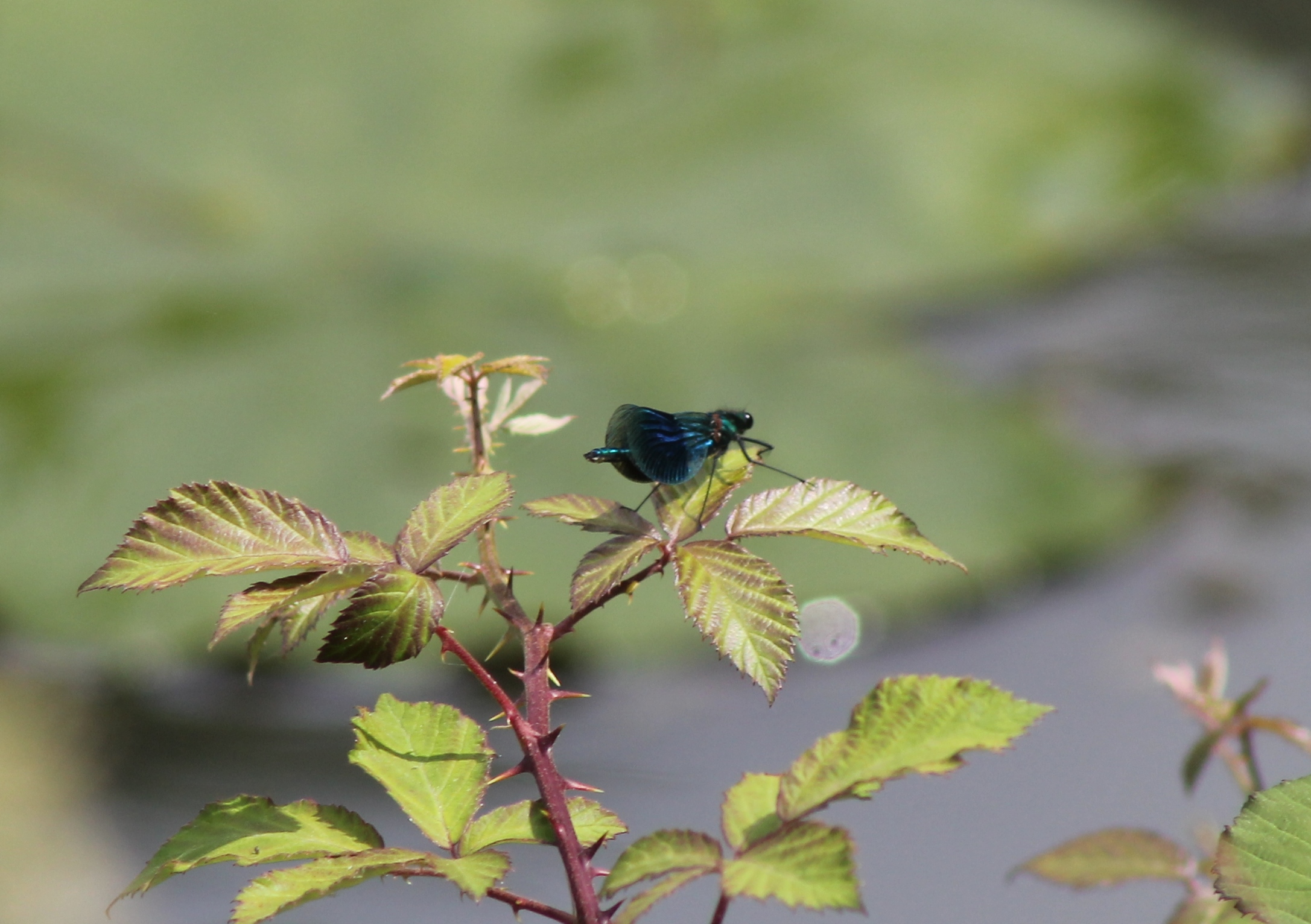
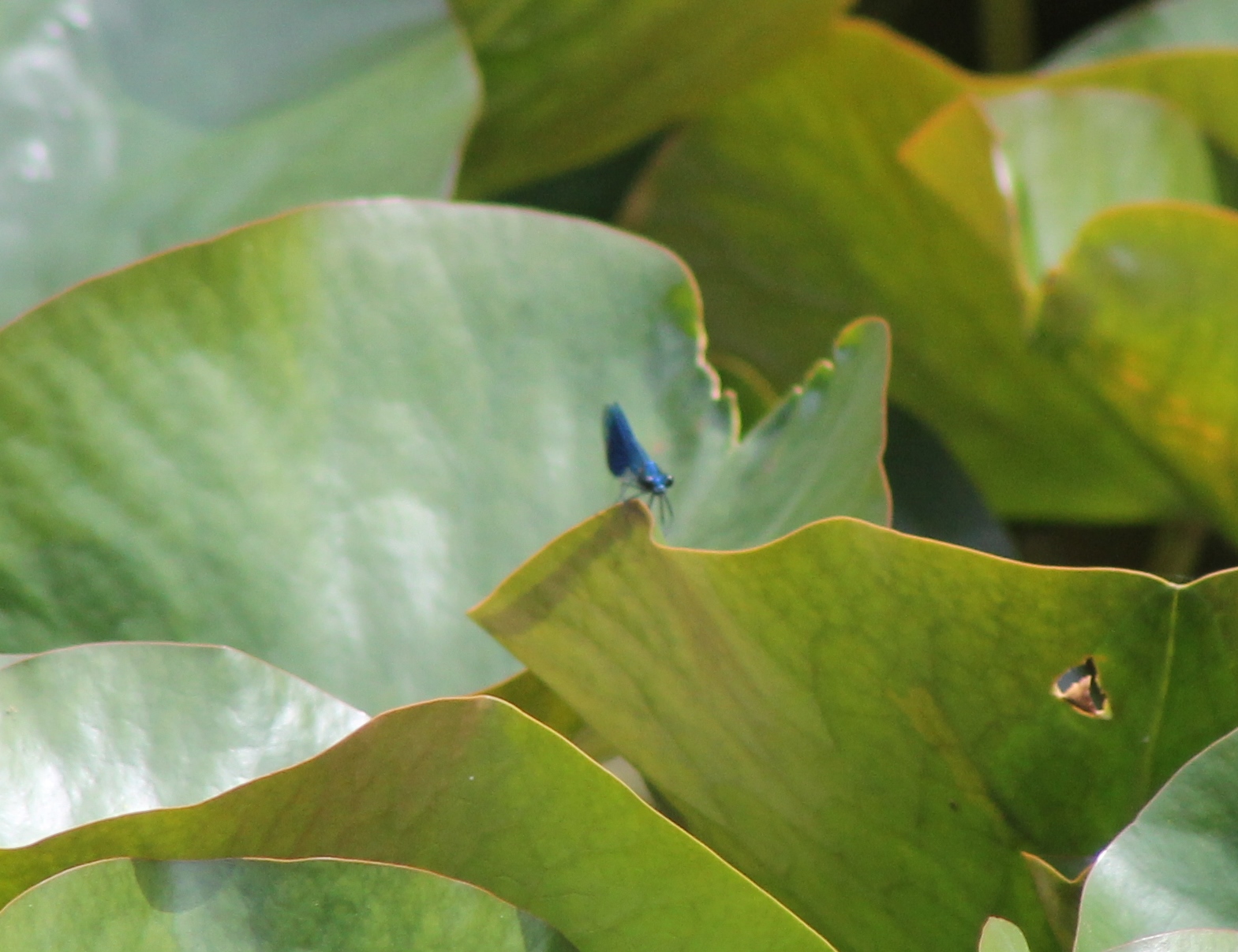
I walked down to the big pond to start with and watched lots of dragonflies and damselflies flitting about over the surface of the water.  I tried to photograph them but without success – they flew too fast for me to catch them in flight and none of them seemed to settle for a second.  I was excited to see a Banded Demoiselle Damselfly.  I had seen one last year for a few seconds near the pond, but today I watched this one flying about for some time.  I was anxious in case the dragonflies caught it, and though they attempted it a few times they didn’t manage to do it while I was there.  In spite of the Demoiselle flying slowly and weakly (it flutters and flaps its wings like a large butterfly) I couldn’t catch it with the camera until it settled firstly on a lily-pad…

032Banded Demoiselle Damselfly

Banded Demoiselle Damselfly

and then on a bramble.

033Banded Demoiselle Damselfly

Banded Demoiselle Damselfly

The photos aren’t as clear as I would like but you can see the shiny blue body of the insect and the dark band across its wings, which is also a dark blue.

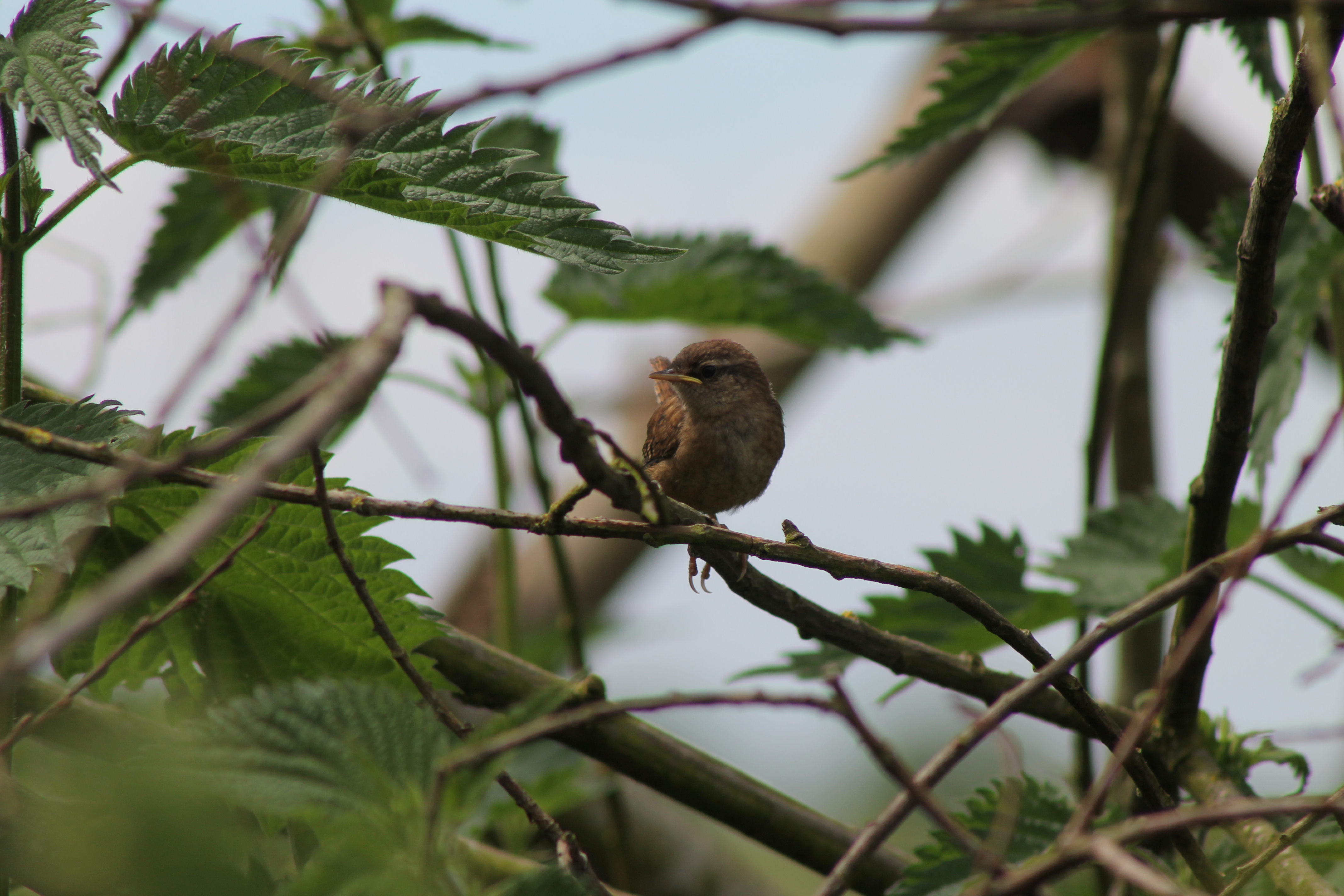
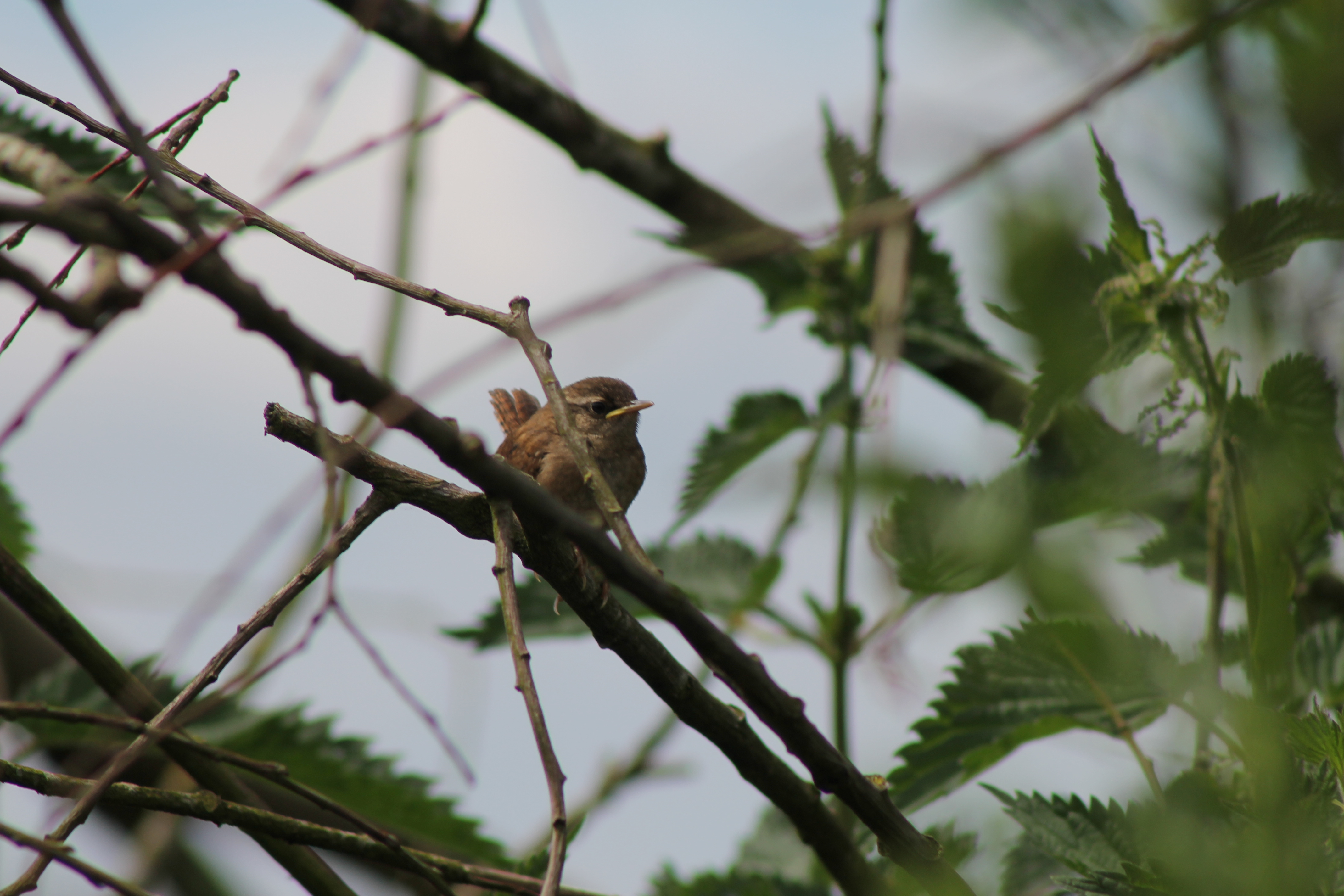
I then became aware that I had disturbed a wren who was making alarm calls.

029Wren

Wren

030Wren

Wren

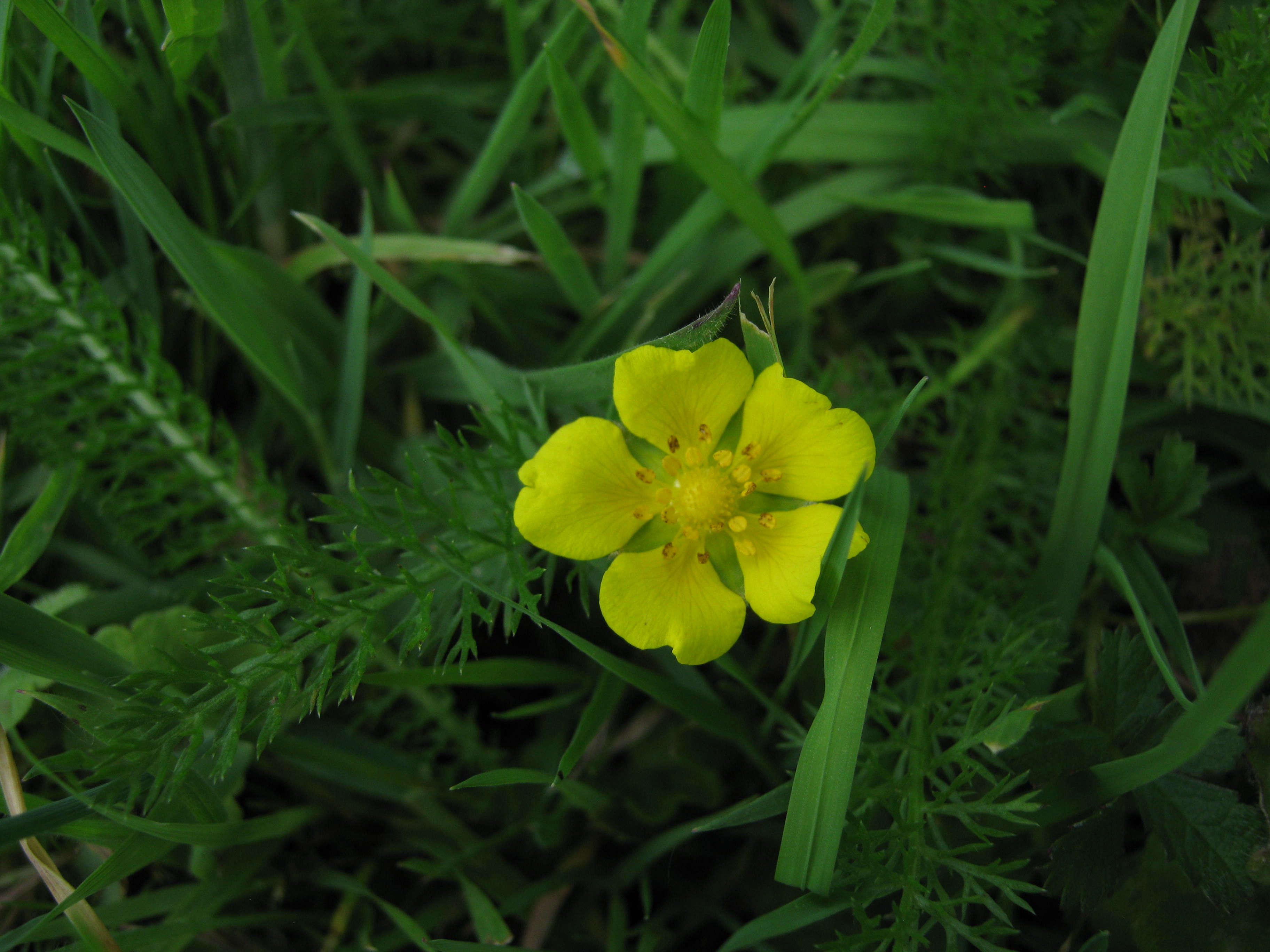
I soon left the wren alone and concentrated on looking for wild flowers.

003Creeping Tormentil

Creeping Tormentil

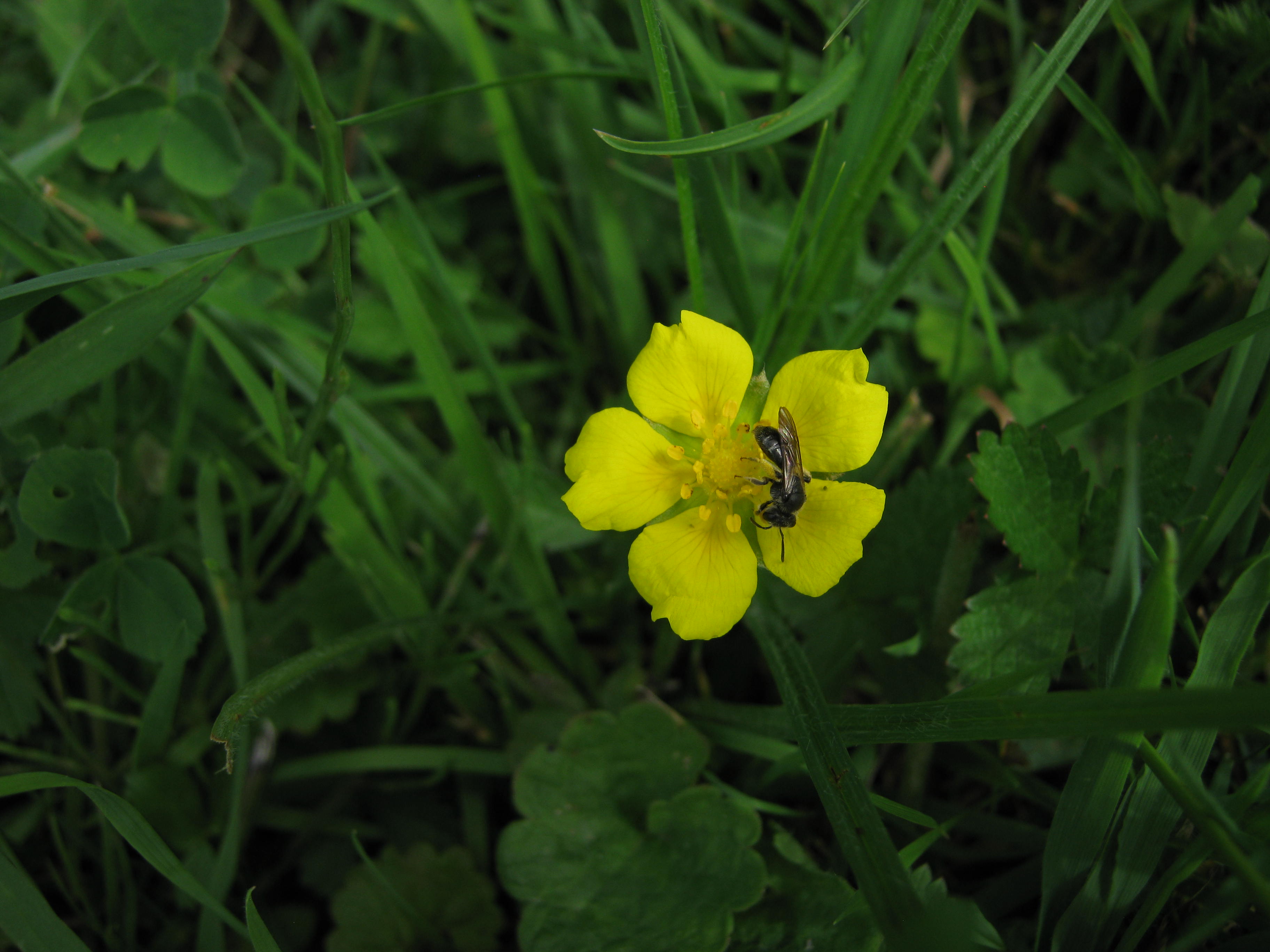
002Creeping Tormentil with tiny bee

Creeping Tormentil with tiny black bee

I found a nice collection of flowers growing together.

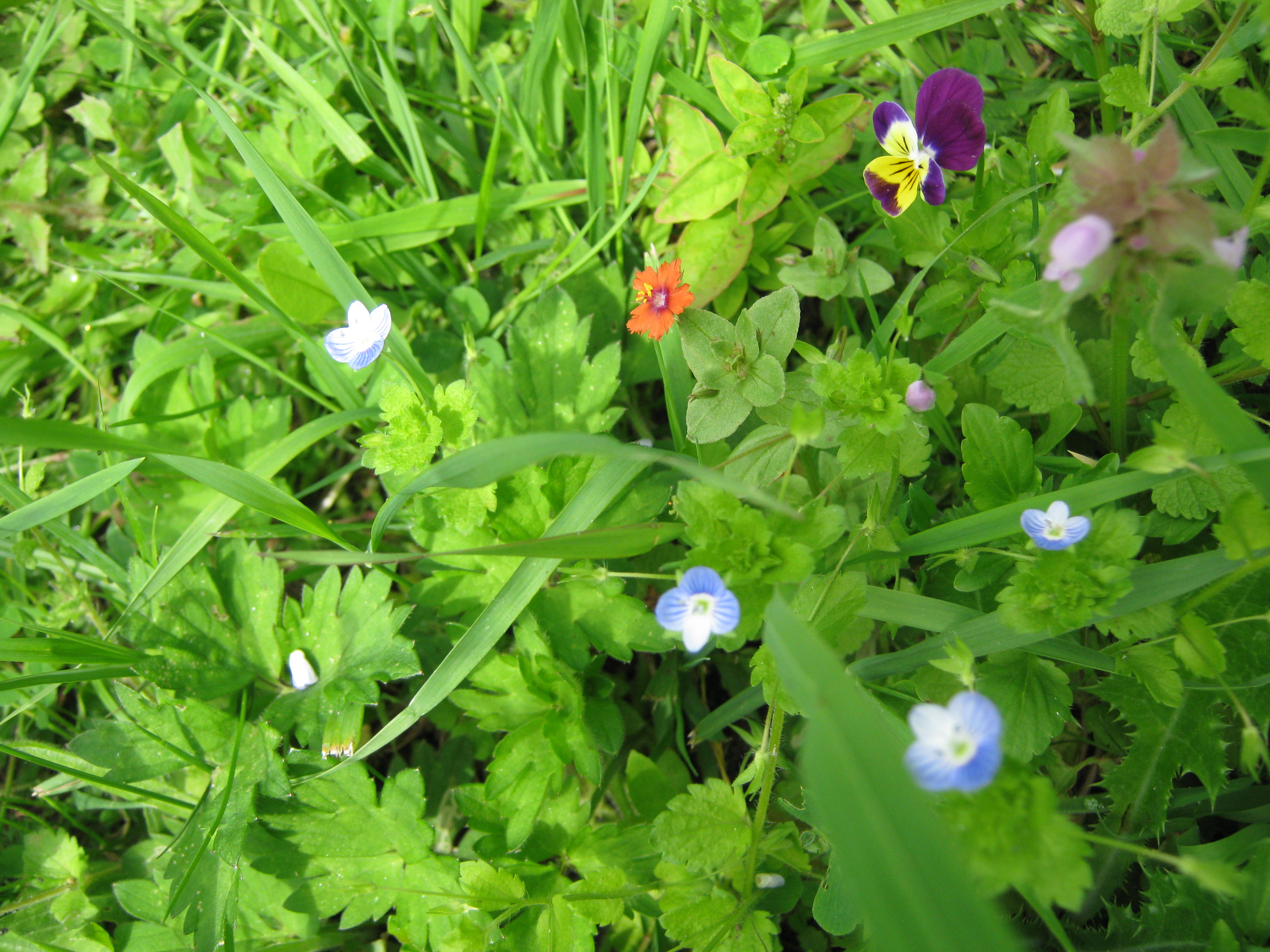
005Wild flowers - speedwell, heartsease, scarlet pimpernel & red deadnettle

Speedwell, hearts-ease, scarlet pimpernel and red dead-nettle.

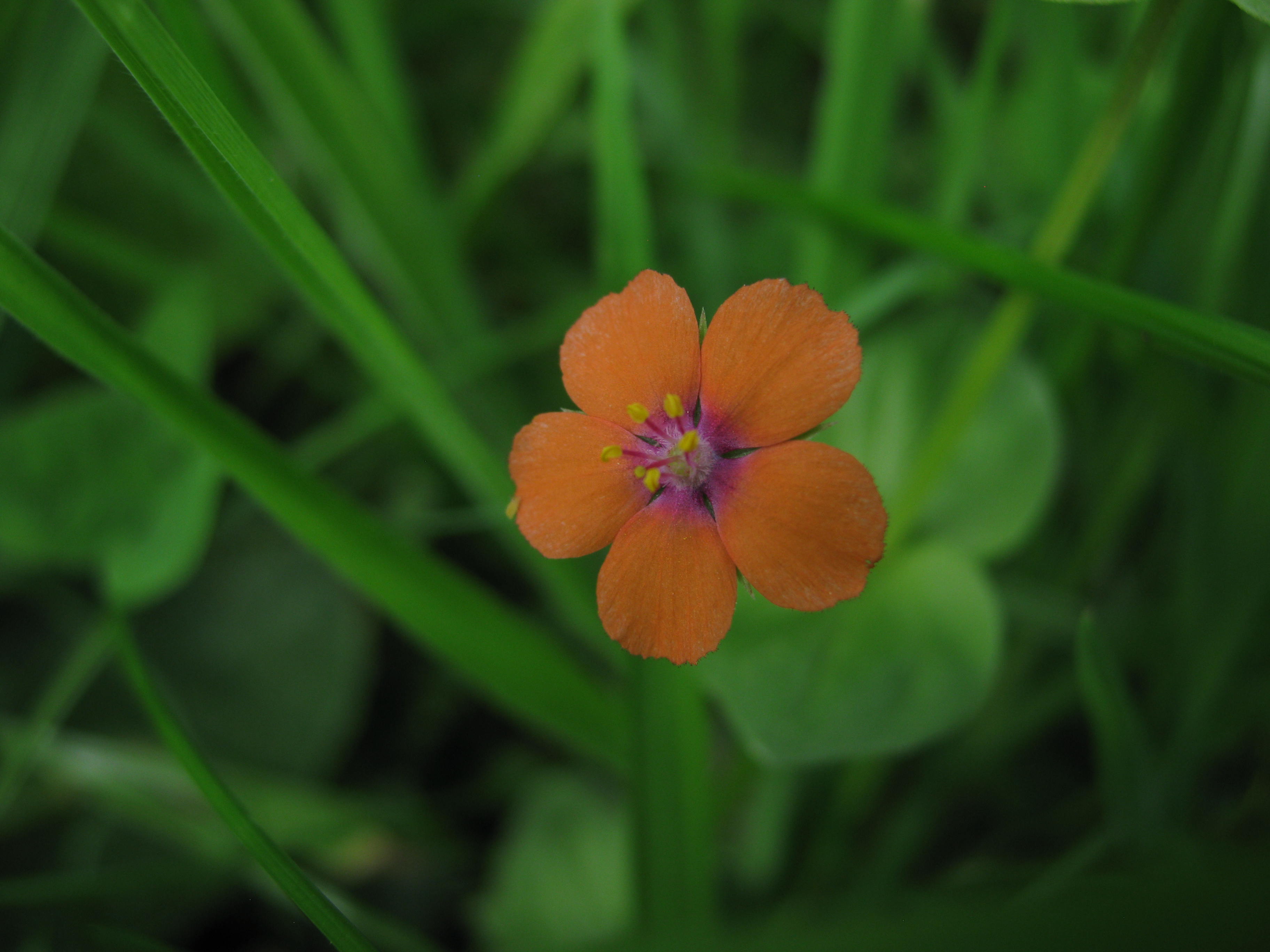
Scarlet Pimpernels are quite beautiful when looked at closely.  They are very common little flowers but only open their petals between 8a.m. and 3p.m. and never open on dull or wet days.  They can sometimes have blue, lilac, pink or white flowers and sometimes have a mixture of colours on an individual plant.  The plant has many names in Britain – ‘change-of-the-weather’, ‘poor man’s weatherglass’ and ‘shepherd’s sundial’ being a few.

008Scarlet Pimpernel

Scarlet Pimpernel

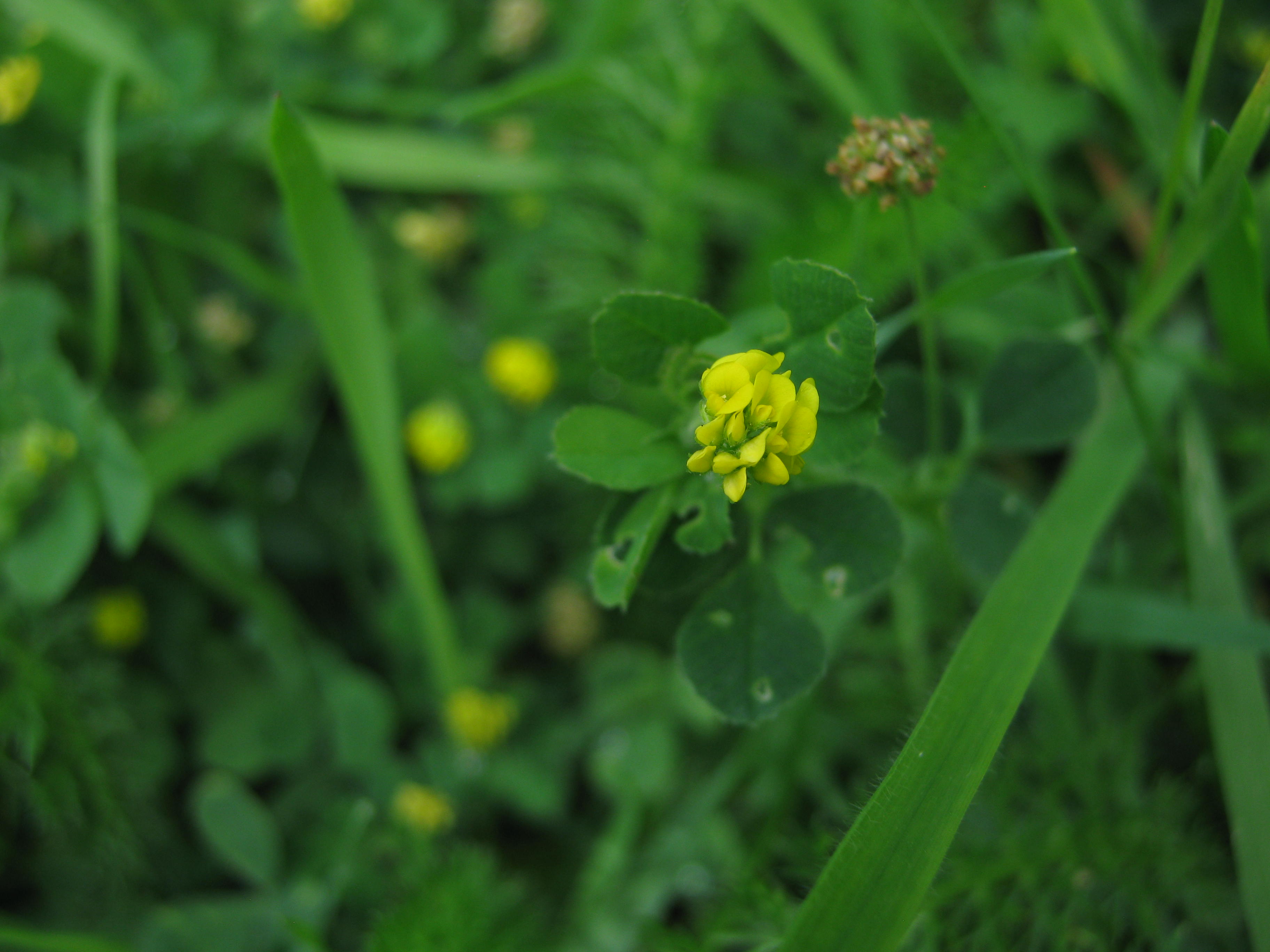
The next plant is one I am forever pulling out of my flower-beds.  It is extremely persistent!

006Black Medick

Black Medick

The name of this plant has nothing to do with medicine but means the ‘plant of the Medes’.  It is still cultivated as animal fodder in some European countries and is one of the plants sold on St Patrick’s Day as shamrock.  Other plants which have claims to be shamrock are hop trefoil, white clover and wood sorrel.

009Scented Mayweed

Scentless Mayweed

Scentless Mayweed usually flowers in July but this year everything is flowering early.  The name mayweed has nothing to do with the month of May but comes from the Old English word for a maiden and refers to the use once made of the plant for the treatment of female complaints.

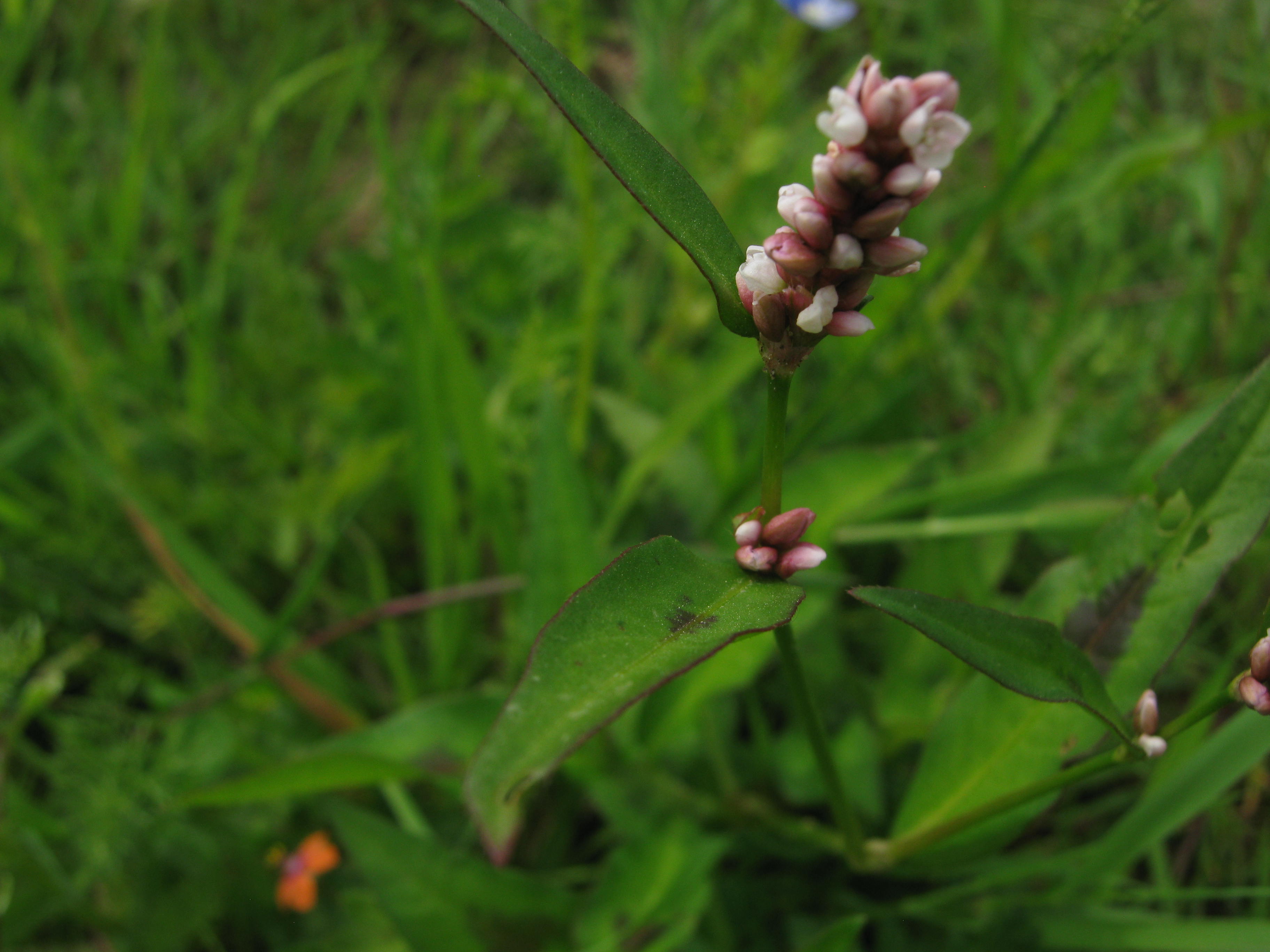
011Pale Persicaria

Redshank

A member of the dock family – one of the knot-grasses

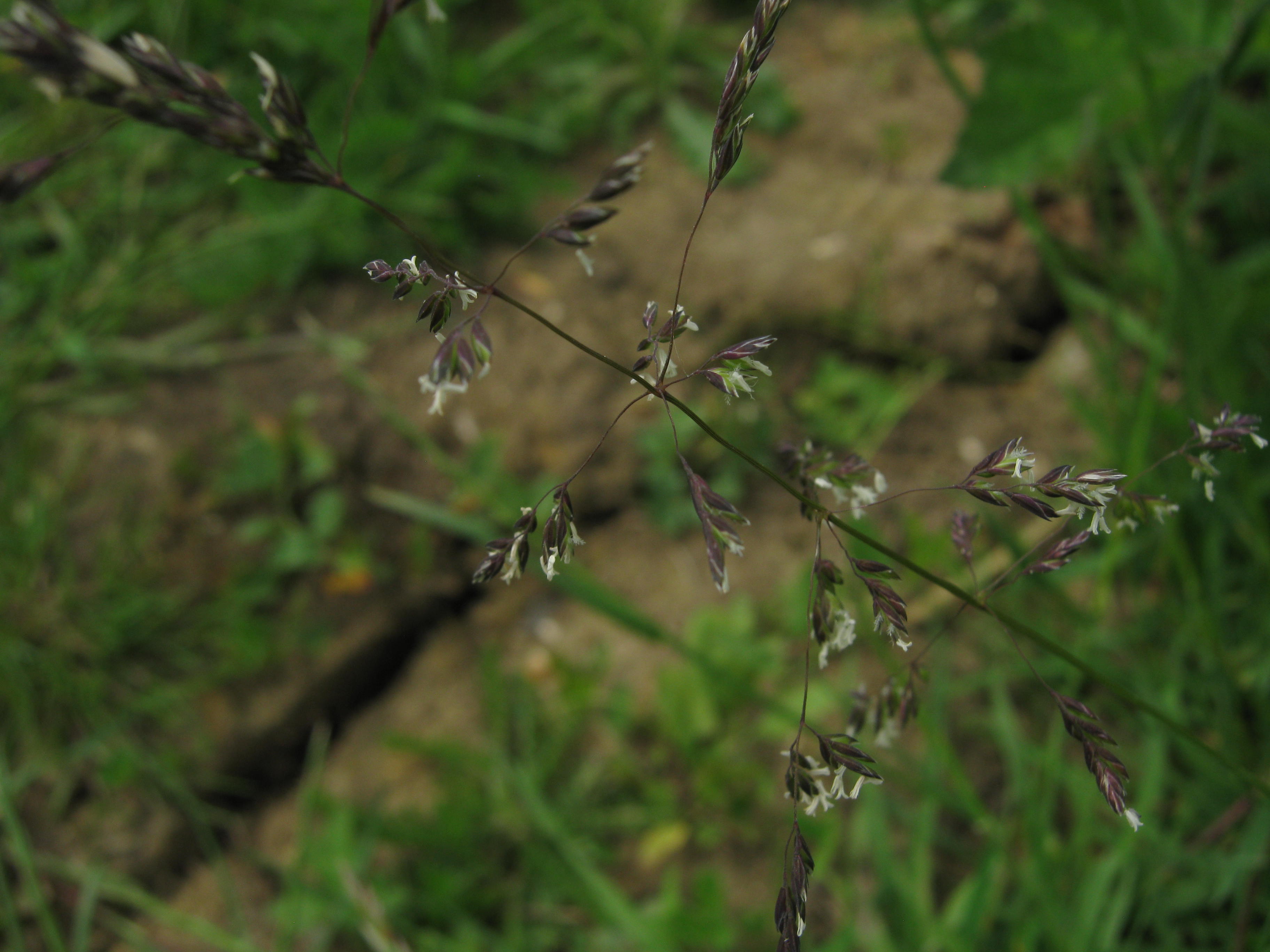
013Annual Meadow-grass

Annual Meadow-grass

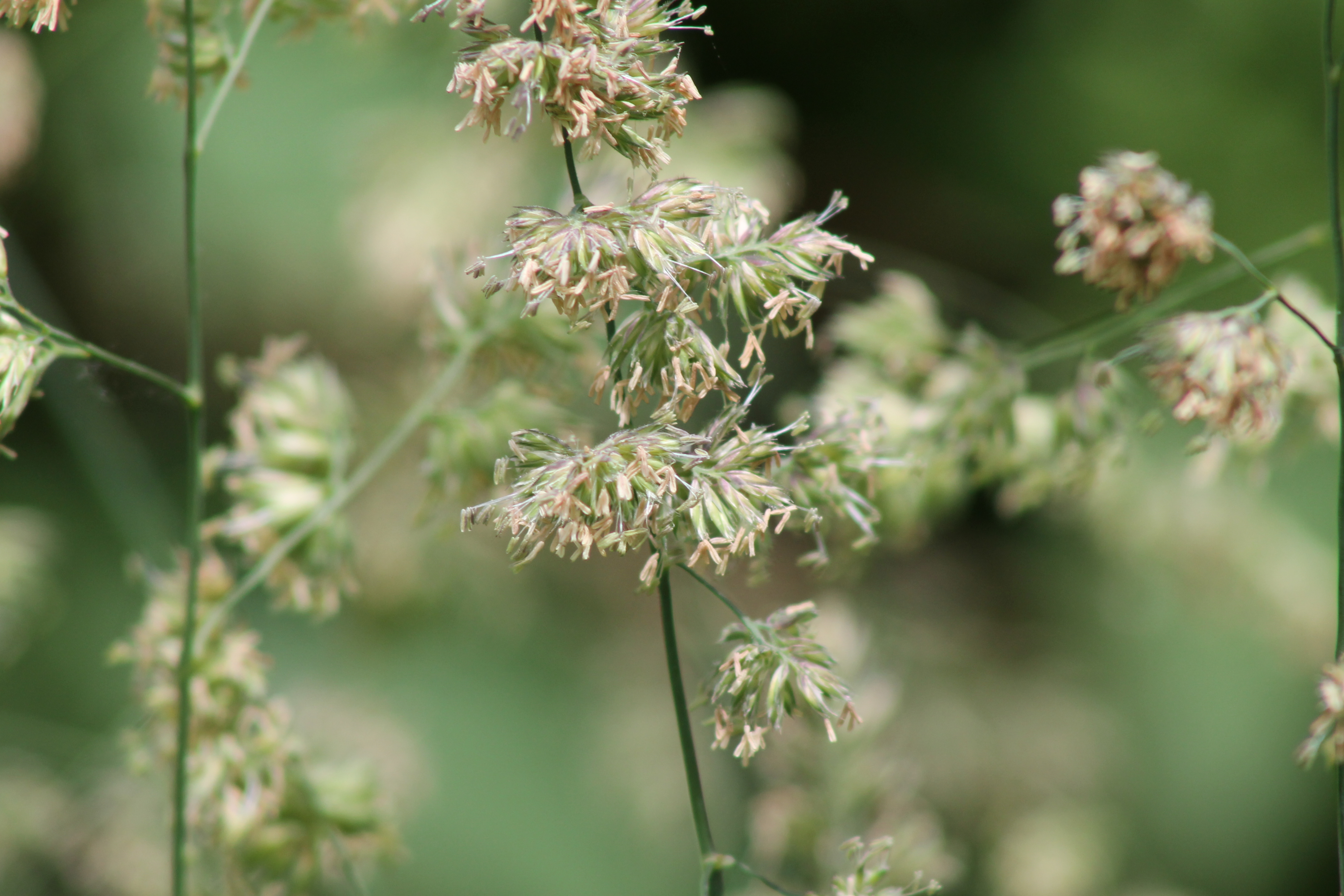
024Cock's Foot

Cock’s Foot grass

The Trooping of the Colour to celebrate the Queen’s Official Birthday takes place this coming Saturday.  There is always a fly-past and during the week before the celebration there is a rehearsal of this which goes directly over our house.  Not all the planes and formations take part in the rehearsal and unfortunately this year there were fewer than usual.

056Fly past

058Fly past

059Fly past

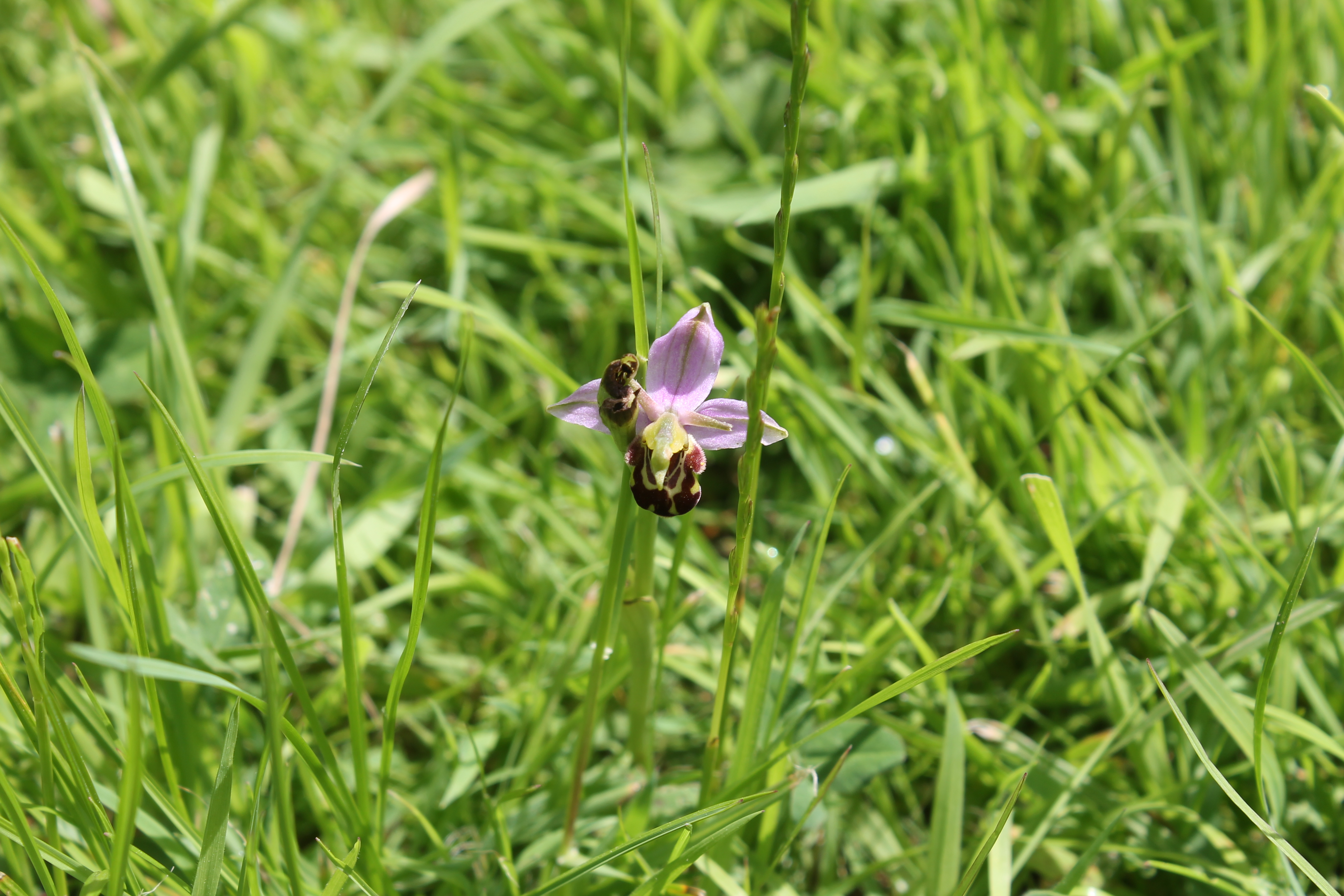
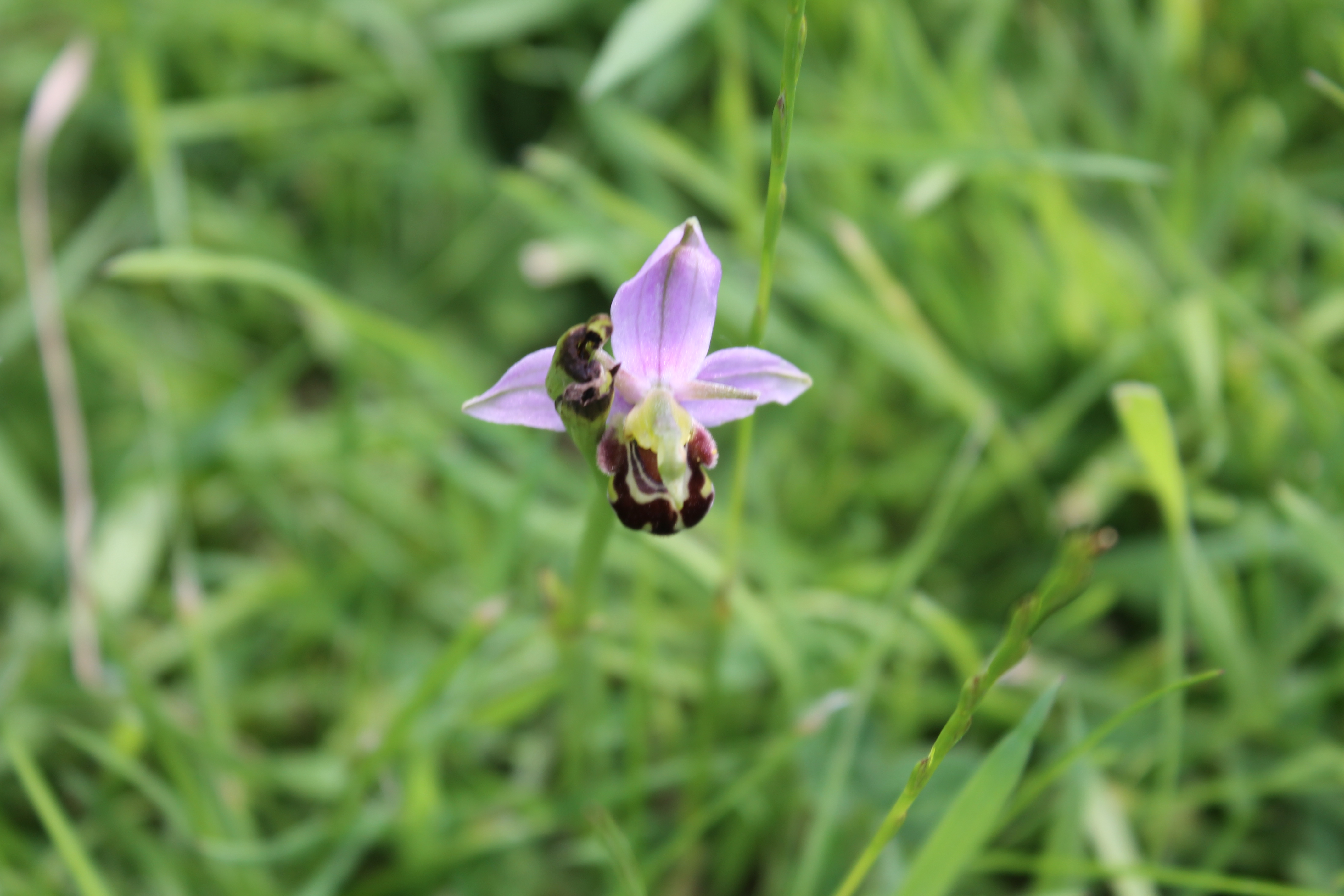
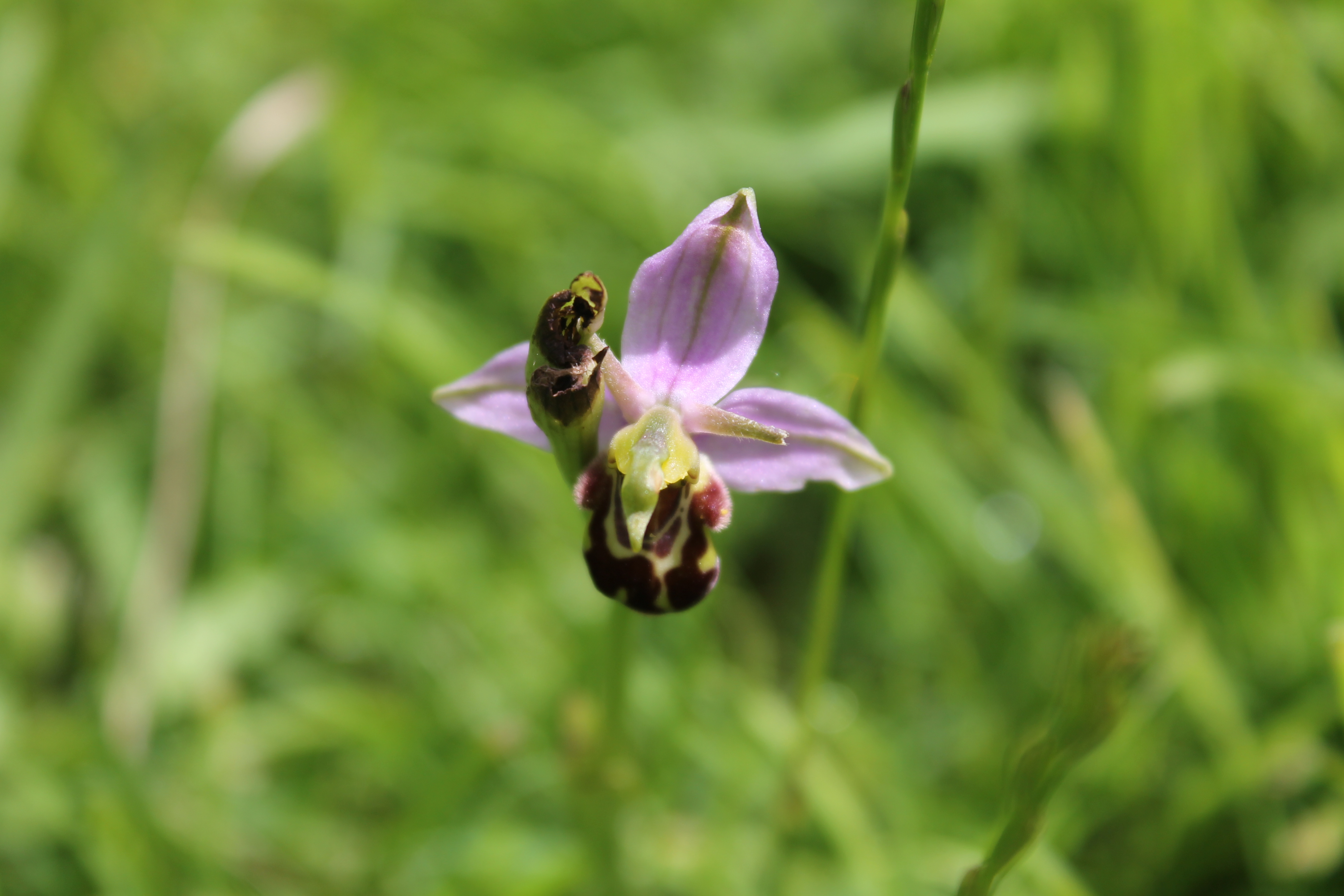
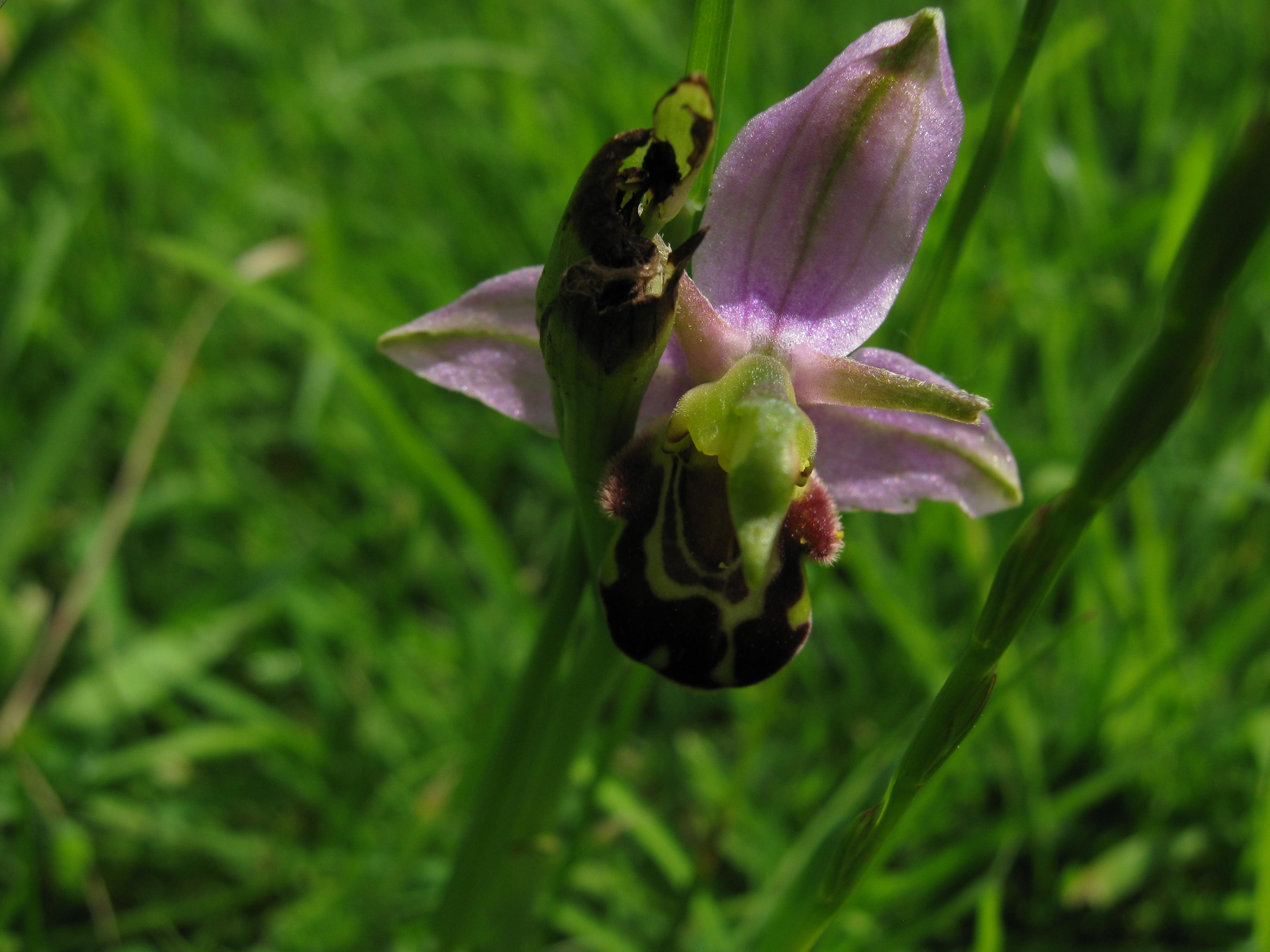
The final photographs in this post are of a special flower I found yesterday – a Bee Orchid.

034Bee Orchid

037Bee Orchid

035Bee Orchid 035Bee Orchid

018Bee Orchid


Share this:

  • Share on X (Opens in new window) X
  • Share on Reddit (Opens in new window) Reddit
  • Share on Pinterest (Opens in new window) Pinterest
  • Share on Facebook (Opens in new window) Facebook
  • Email a link to a friend (Opens in new window) Email
  • Share on Tumblr (Opens in new window) Tumblr
  • Print (Opens in new window) Print
  • Share on Pocket (Opens in new window) Pocket
  • Share on LinkedIn (Opens in new window) LinkedIn
Like Loading...

Gallery

Vintage Tractor Rally 1st June 2014 – Slideshow

05 Thu Jun 2014

Posted by Clare Pooley in Rural Diary, Uncategorized

≈ 11 Comments

Tags

Suffolk, The Saints, tractor rally, vintage tractors, Waveney Valley

This gallery contains 12 photos.

A Miscellany Part 1

30 Fri May 2014

Posted by Clare Pooley in churches, Insects, Rural Diary, Uncategorized, wild birds

≈ 8 Comments

Tags

Bee, Damselfly, Dragonfly, Flesh Fly, Franciscans, House Martin, house sparrow, Robin, Santiago de Compostella, smoke, Swallow, Thurifer, white doves

I usually take a number of photos of the things I see each day but don’t manage to include them in a post.  This post is a mixture of those photos, a few memories of my father and a mention of a couple of things I have done during the last two weeks.

The weather during the last few days has been pants (to use one of R’s expressions).  When it hasn’t been raining it has been very dull and chilly, and with a strong easterly wind blowing it hasn’t been pleasant out-of-doors.  I have a slight cough as well and no energy: this post will have photos I took when the weather was better.  The children are on their half-term holiday this week.  They can’t be having much fun unless their parents have taken them abroad.  As I look out of the window this morning there is a steady drizzle falling and I am not looking forward to going out to feed the birds.

R spent a couple of days in Manchester the weekend before last.  His poor Mum is finding it very difficult getting used to having more carers coming into her home.  She feels as though her life is now out of her own control and is quite depressed.  She knows she needs the help and is pleased to be able to stay in her own home but all the same….  R was able to give her a hug and some sympathy.  His brother is doing all the duties I do with my own mother plus some, and is finding it all extremely trying, so R got a couple of rants from him too.  R feels bad that he can’t help more but I think he does very well considering he has a full time job with lots of travelling away from home.  He phones his Mum regularly and is in constant touch with his brother.  He visits every month or two and provides equipment and other financial aid.  R went on the train so wasn’t able to drive them about when he was in Manchester but they did have an enjoyable walk in the local park in the sunshine.  The sun shone brightly and it was very warm so my mother-in-law was cheered by the flowers, the other people in the park, the ice-cream R bought and the coffee in an outside café sitting in her wheelchair under a tree.

After dropping R off at Diss station on the Sunday to get the train to Manchester, I drove back to Fressingfield to pick up Mum and took her to church in Eye.  I do spend quite a lot of my time in the car it seems!  The retired priest who has been looking after Eye church had just returned from a pilgrimage to Santiago de Compostella and spoke movingly about his experiences.  He started walking from the border between Portugal and Spain with crowds of other people from all nations and walked about twelve miles a day through beautiful countryside.  He said he was fortunate to have his luggage sent on each day to the next hotel and only needed to carry a few necessaries with him.  Many of the other pilgrims had to carry all their belongings with them in large packs and either camped or stayed in hostels along the route.  Poor man!  He retired and moved to this area to be near his family and almost as soon as he arrived he was asked to look after churches in two different benefices and has therefore worked an extra year already with lots of driving to do.  He decided to go on the pilgrimage (organised by the diocese to celebrate its centenary) before he realised he’d be so busy at home.  He also directed our attention to the scaffolding in the church across the whole Rood Screen.  He said it was ‘Holy Scaffolding’ – there to remind us of the scaffolding God provides for us in our journey through life – the props and supports He gives us out of love.  Being in Eye church always reminds me of my father as there is so much that he made there.  He was a cabinet maker and above all loved working in churches.  He left school at the age of fourteen and became an apprentice to a joiner/cabinet maker.  His parents were too poor to allow him the luxury of staying on at school.  He had to do his National Service in the RAF and hated it and shortly after leaving he decided he would become a friar.  He joined the Friary at Hillfield near Cerne Abbas in Dorset and was known as Brother Dunstan.  He was also known as the laughing friar as he was always cheerful.  He worked as a joiner/cabinet maker while there and also ran the local scouts.  He eventually started to have doubts about whether he should stay in the friary as I think his parents put a lot of pressure on him to leave.  They thought it strange for a young man to stay celibate and not to marry and have children.  He left while he was still a novice friar but always hankered after the life he had led there.  He certainly never gave up his vow of poverty – we were always poor and Mum is still struggling to find money to look after her house from her own small pension.  We often visited the Friary when I and my brother and sister were small and loved these jolly, kind men who played games with us and were so happy.  We went to the seaside once taking one of Dad’s friends who rolled up his habit and paddled in the sea much to everyone’s amusement.  We often had friars staying at our house when I was young; one I remember who thundered about in his sandals and got up noisily very early in the morning.  One day we got up to find water and blood all over the bathroom and no sign of the friar.  He had fallen over while getting out of the bath, cut his head badly and taken himself off to the local hospital.  By the time Dad had died only one of his old friends was left and he kindly came and spoke at Dad’s funeral  Mum loves being in Eye church too, as she likes to see all Dad’s things about her (he never had much time or money for improving his home so there are few pieces of his furniture there!).  Both my mother and mother-in-law find great comfort from their religion.  I try my best to get Mum to her own church where she is so happy.  It is unfortunate that there are not enough people in her church willing or able to give her a lift as I miss going to my own church with R.  Mother-in-law is more unfortunate than Mum in that her own church has changed so much and has side-lined all the elderly members in favour of its younger ones and has virtually stopped using the set services.  Even if she could get a regular lift from someone who could manage the wheelchair she wouldn’t come away from church feeling refreshed and comforted.  I think rural churches like mine appreciate their elderly members more than town churches do – I don’t think the churches in the country would exist at all without all the old stalwarts!

Another conversation R and I had before he went off to Manchester recalled my father.  R was saying the containers he has for screws and nails and such like are starting to fall apart and he was wondering what he could replace them with.  He said his father used to use old tobacco tins, St Bruno ones, and I said that was what my father used too but his ones were Balkan Sobranie.  My father began smoking at the age of fourteen when he started work and continued until shortly before his death from lung cancer four years ago.  He preferred smoking a pipe and my memories of him are with a pipe in his mouth working in his workshop or sitting in his garden in the evening.  He was a careless smoker, throwing matches about and leaving smouldering pipes in places he shouldn’t, including the back pocket of his trousers.  You can imagine the damage done to trousers, underpants and flesh that ensued.  I am amazed he didn’t set fire to his workshop too with all the heaps of wood shavings and sawdust about.  He was never happier than when enveloped in a cloud of smoke.  His pipe or cigarettes of course, and then bonfires were a favourite with him too.  His excitement on finding that a fire was still alight next morning!  He loved a good blaze and couldn’t be done with an incinerator.  He got through tons of firewood and coal in the house.  He was given the job of thurifer at Eye church.  The thurifer is the person who swings the thurible or censer full of smoking incense during the service and he was very good at it.  I remember my mother telling me of an incident one Palm Sunday when they were to process through the town from the Town Hall or the school, I can’t remember which, to the church.  They all started to sing the processional hymn, my father began swinging the thurible and next minute the fire alarm started wailing!

I had been thinking how fortunate I was to have four different types of warbler singing in my garden, Blackcap, Chiff-chaff, Garden Warbler and Willow Warbler and another one, the Lesser Whitethroat, singing in hedgerows four minutes walk away when all of a sudden they all stopped a week ago.  I hear the Garden Warbler and the Chiff-chaff every now and again but the others have gone or just stopped singing.  Ah well, it was very good while it lasted.  I heard a Turtle Dove briefly last Wednesday but it didn’t stay around.  I don’t know that it is warm enough for Turtle Doves at the moment.  I can only remember them singing on warm and/or sunny days or is that my memory playing tricks on me?  We have lots of other birds about with their fledglings demanding to be fed.  The woodpeckers are so grubby looking from their constant feeding of young in the hole in their tree.  Instead of white markings they have beige feathers now.  As I type I can see a large group of young greenfinches on the telephone cable fluttering their wings while the parent birds stuff food into each one in turn.

Image

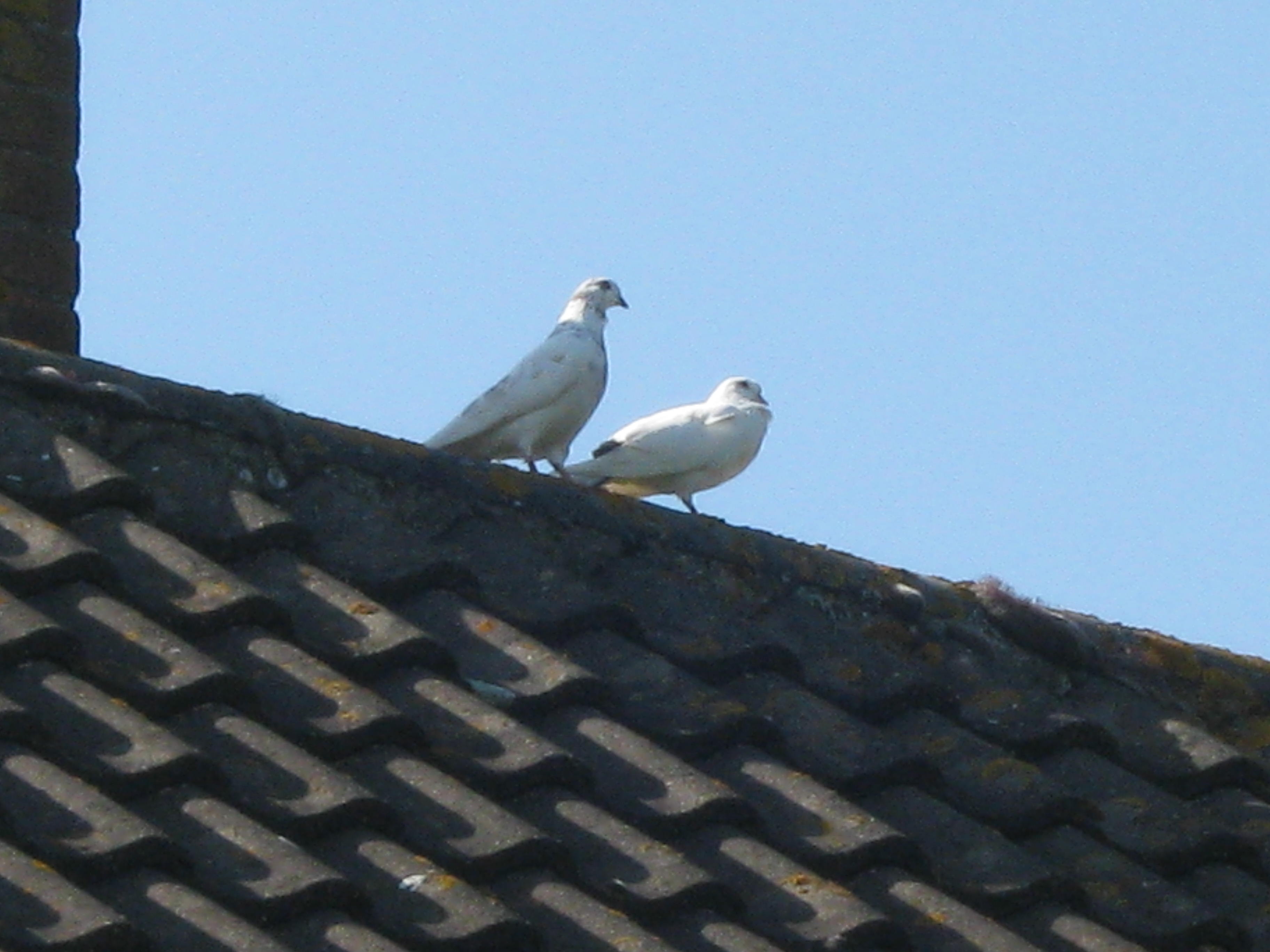
White doves visiting our garden

What a wonderful thing it must be to own some doves!  You provide them with a dovecot and pamper them to your heart’s content.  You don’t need to feed them much as all you do is let them fly off each morning to gorge themselves, with other pigeons and doves, on farmers’ crops and other peoples’ peas and beans and bird-table food!

004Male House Sparrow

A male House Sparrow

Image

Image

Image

Image

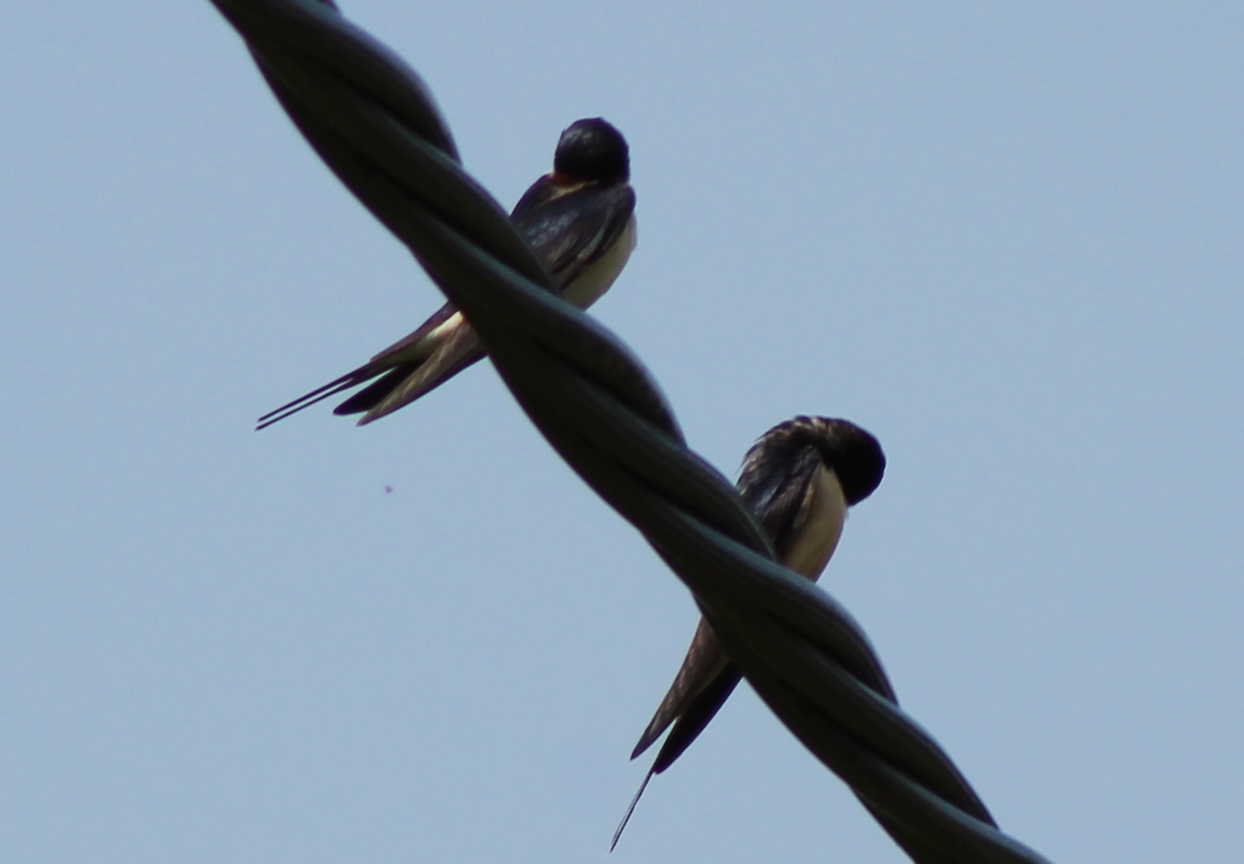
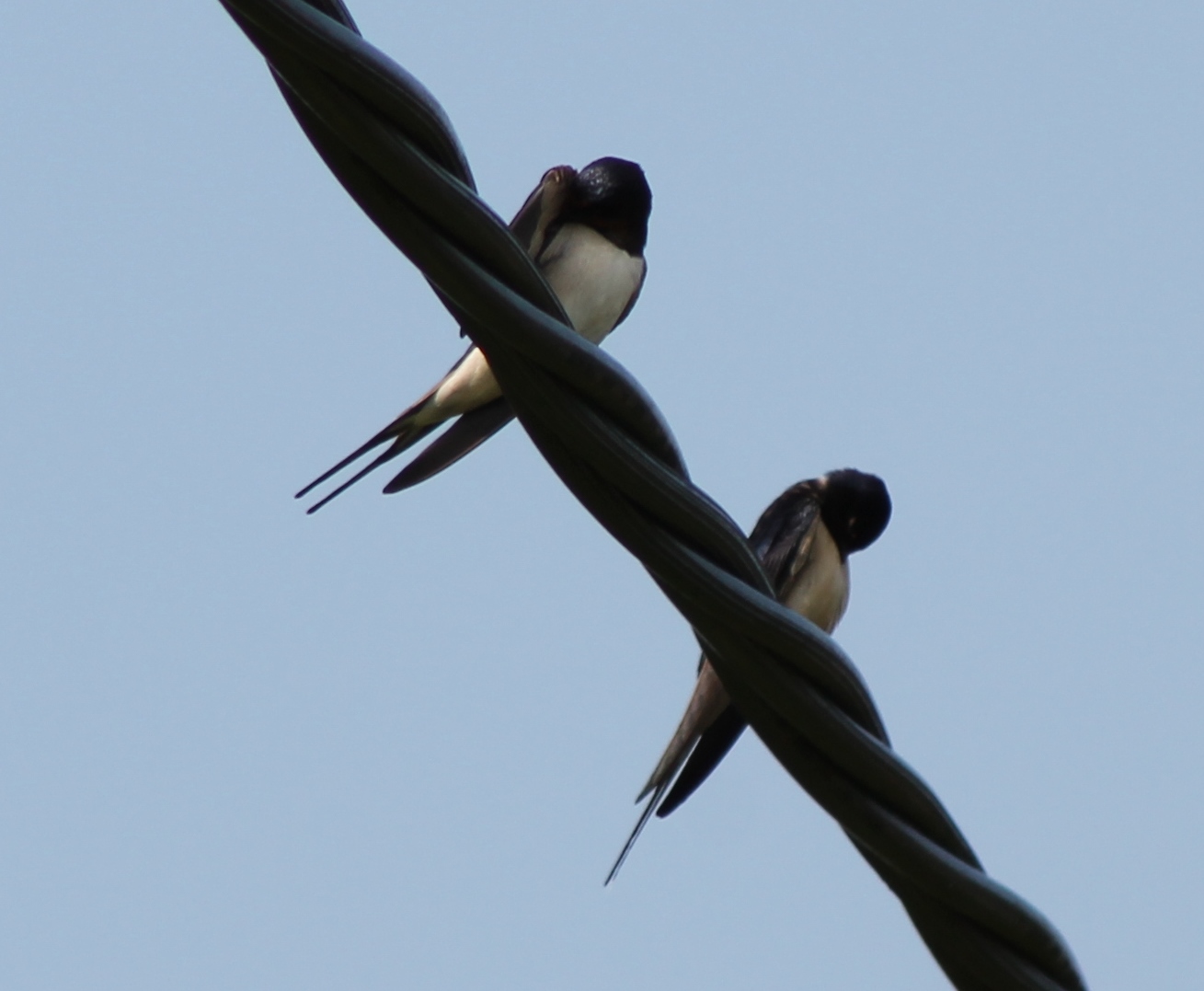
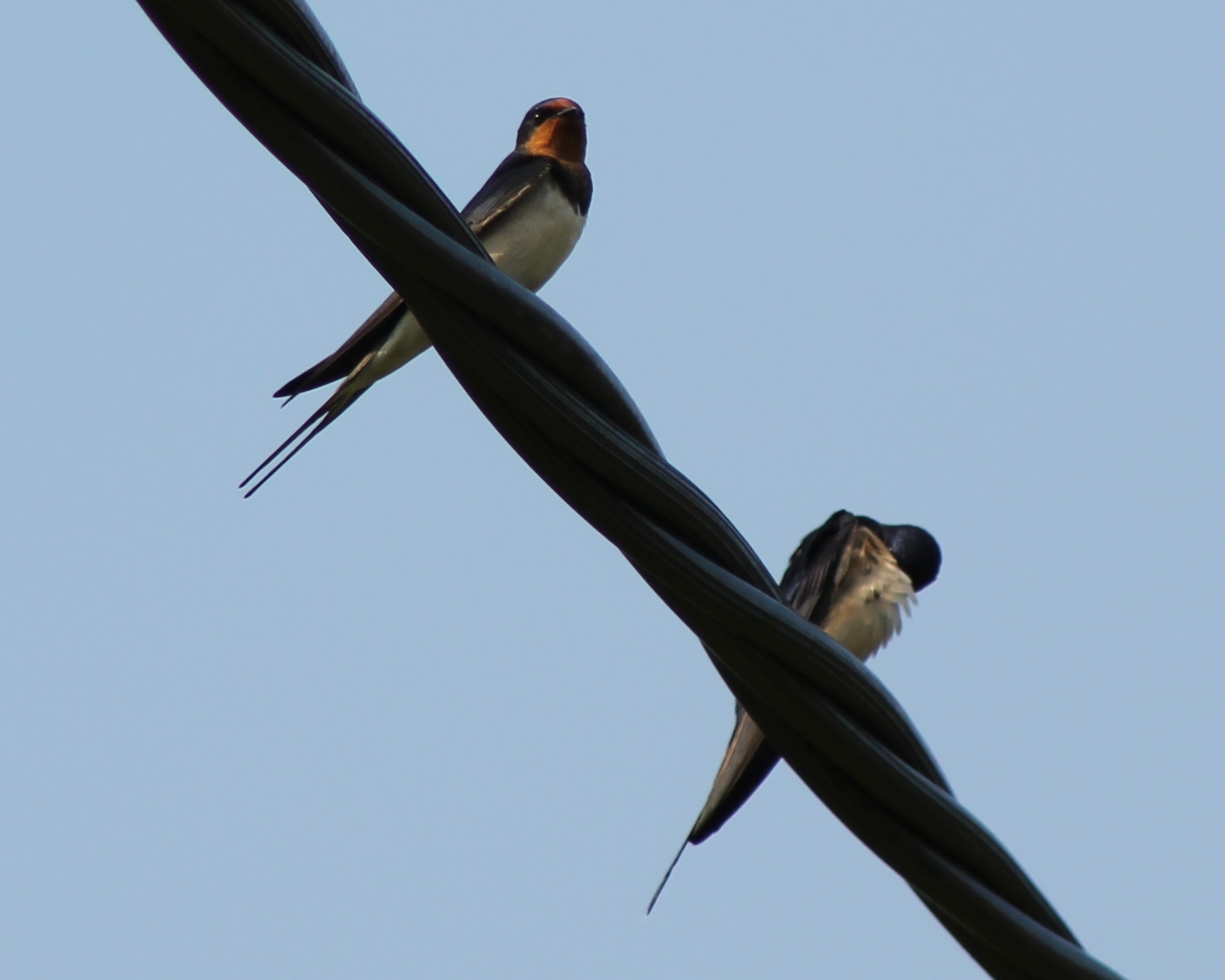
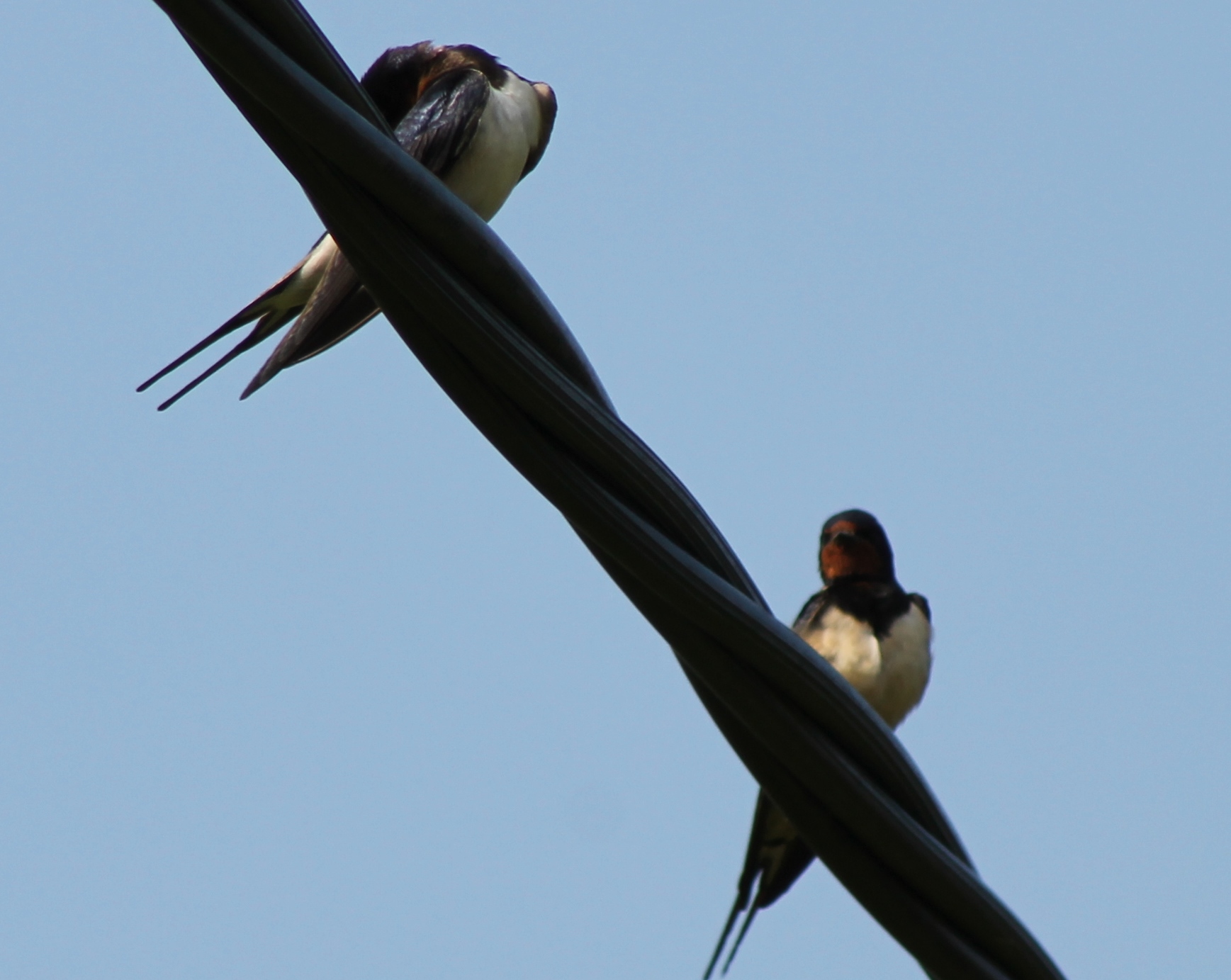
Swallows on the electric cable.

Image

Image

Image

Image

Image

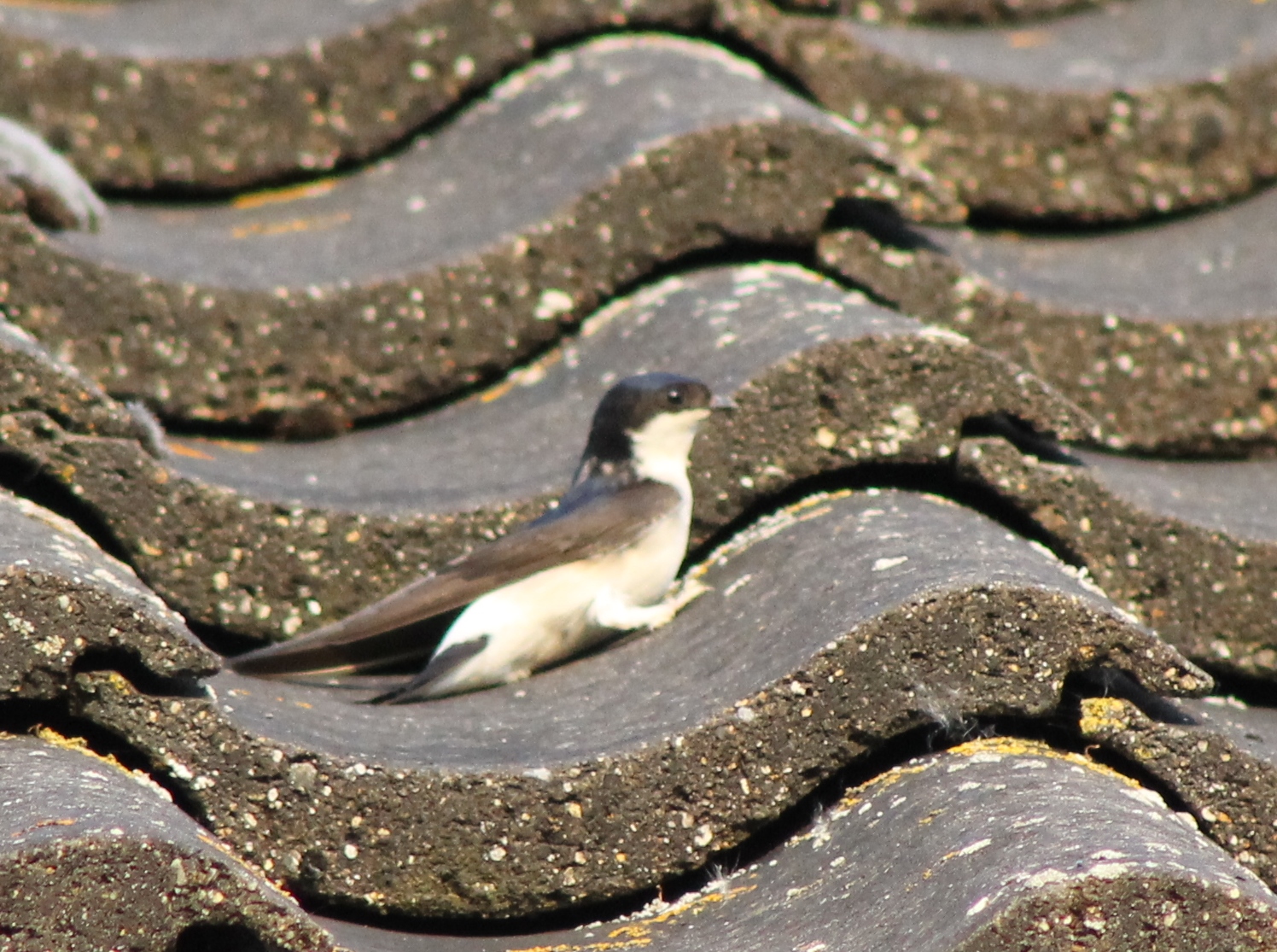
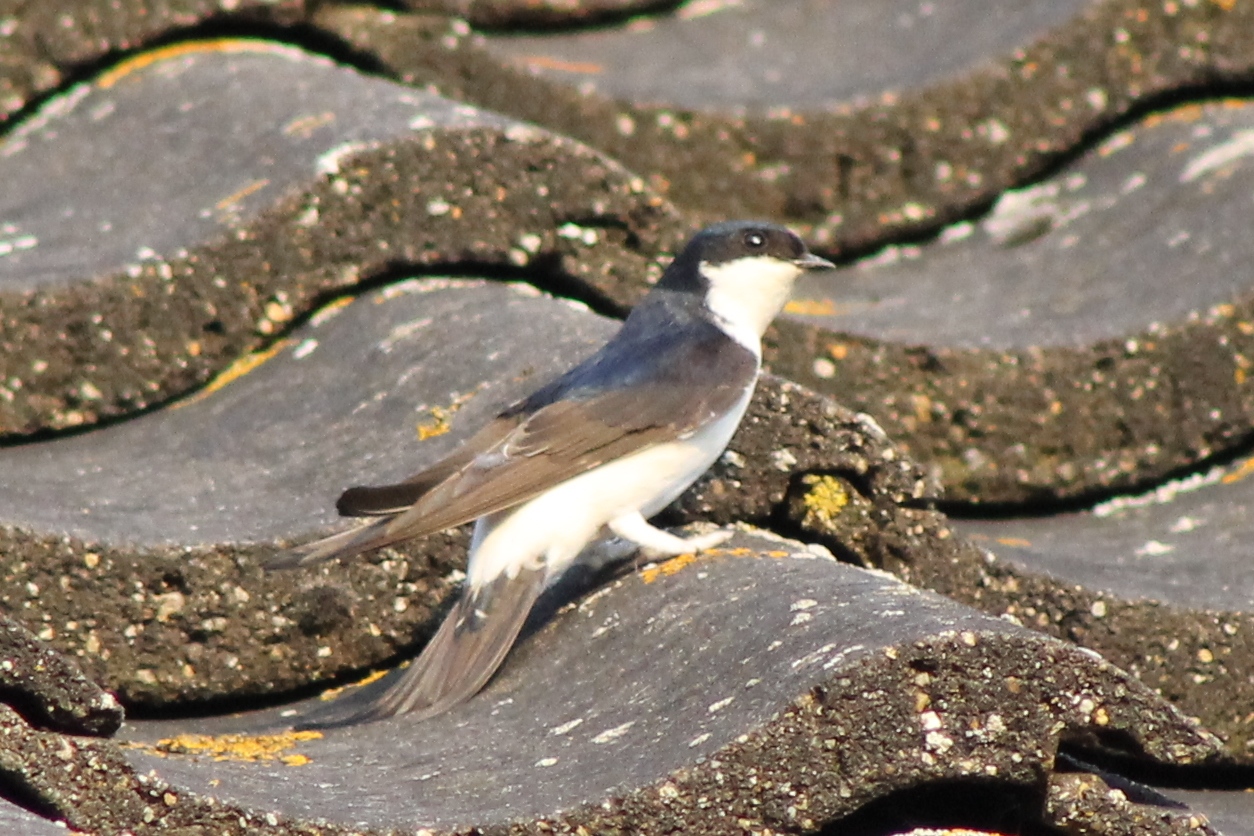
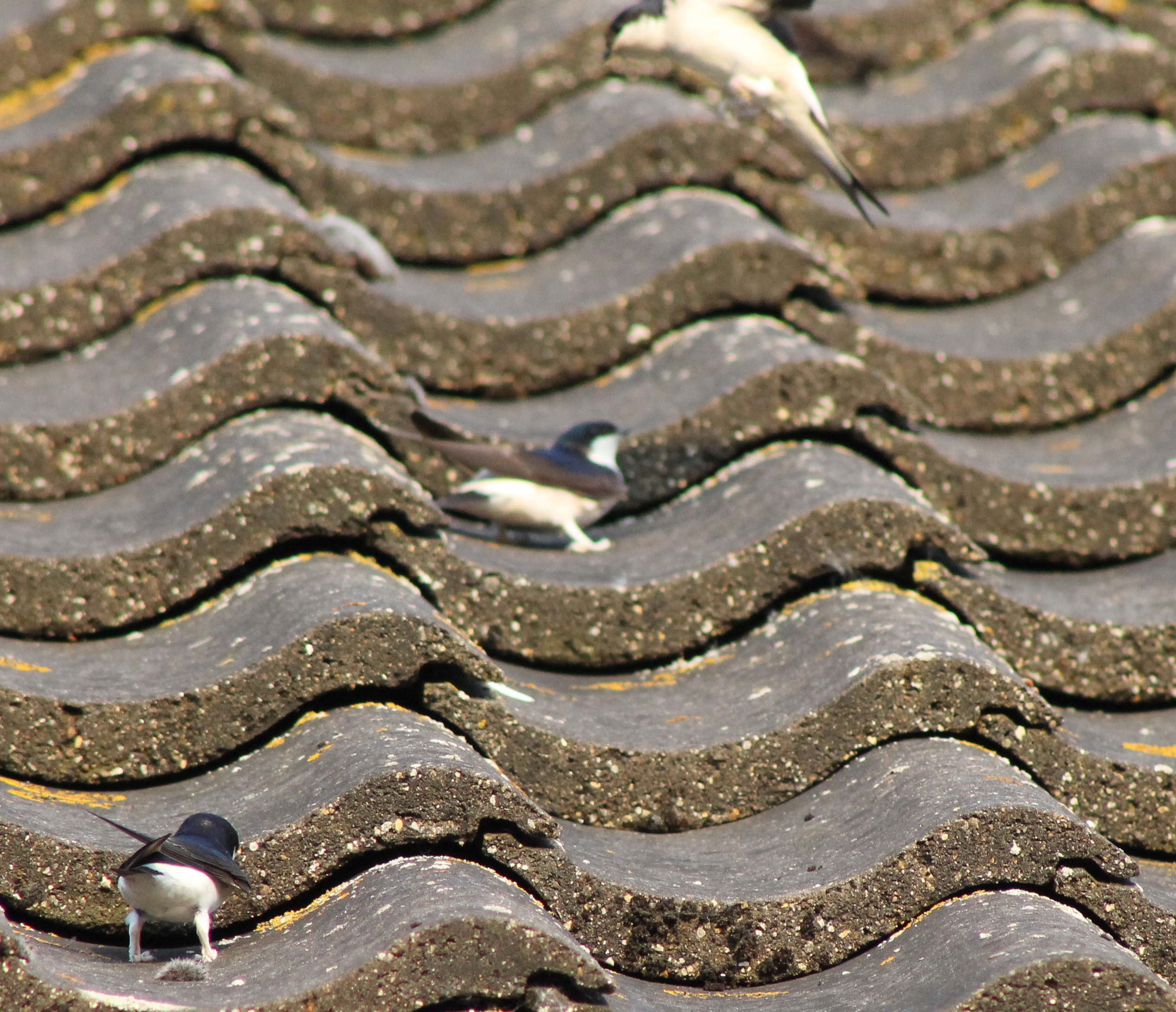
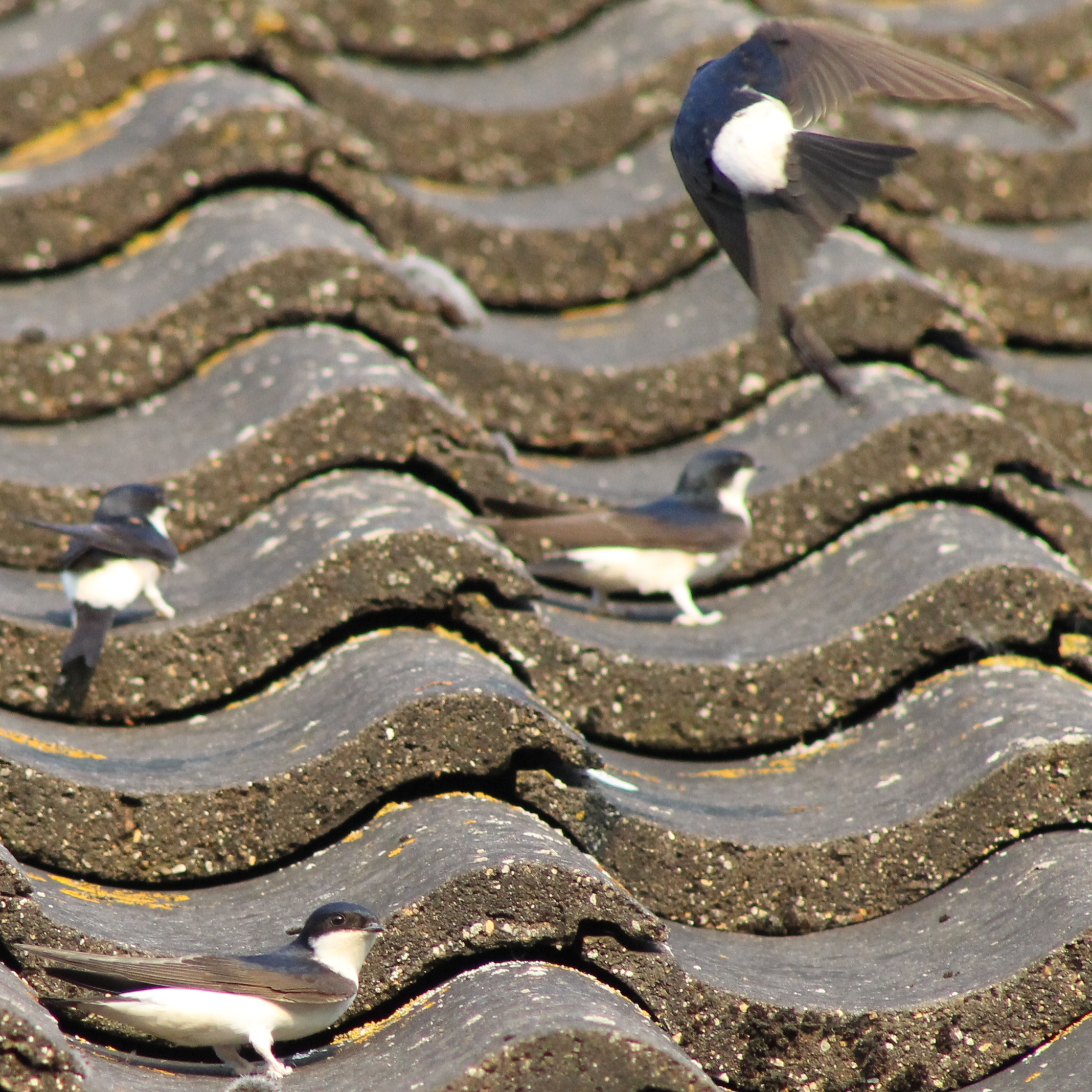
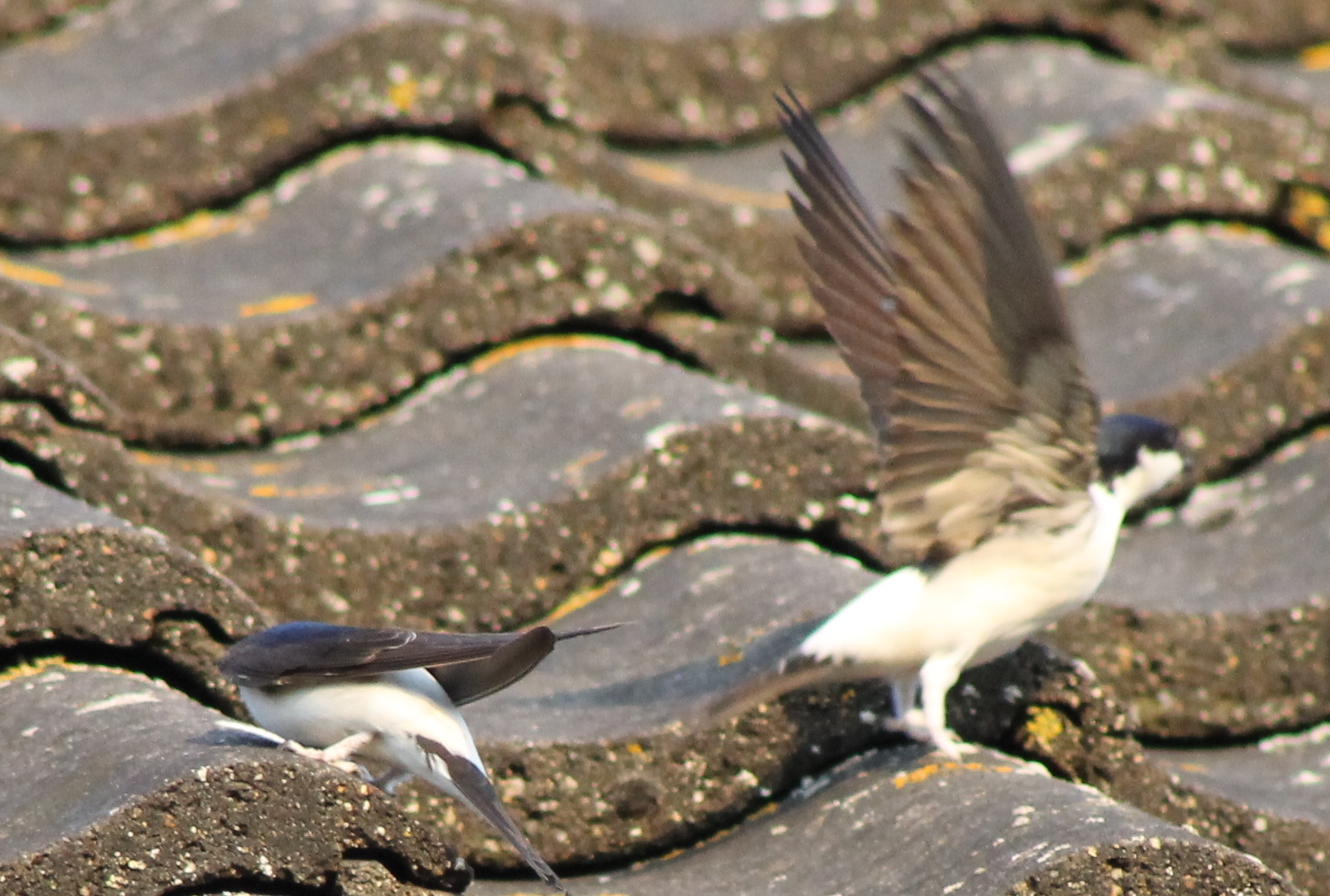
House Martins on our roof.  They land in large groups and sun themselves and then fly off and return quickly- flitting about.  Their song reminds me of budgerigars.

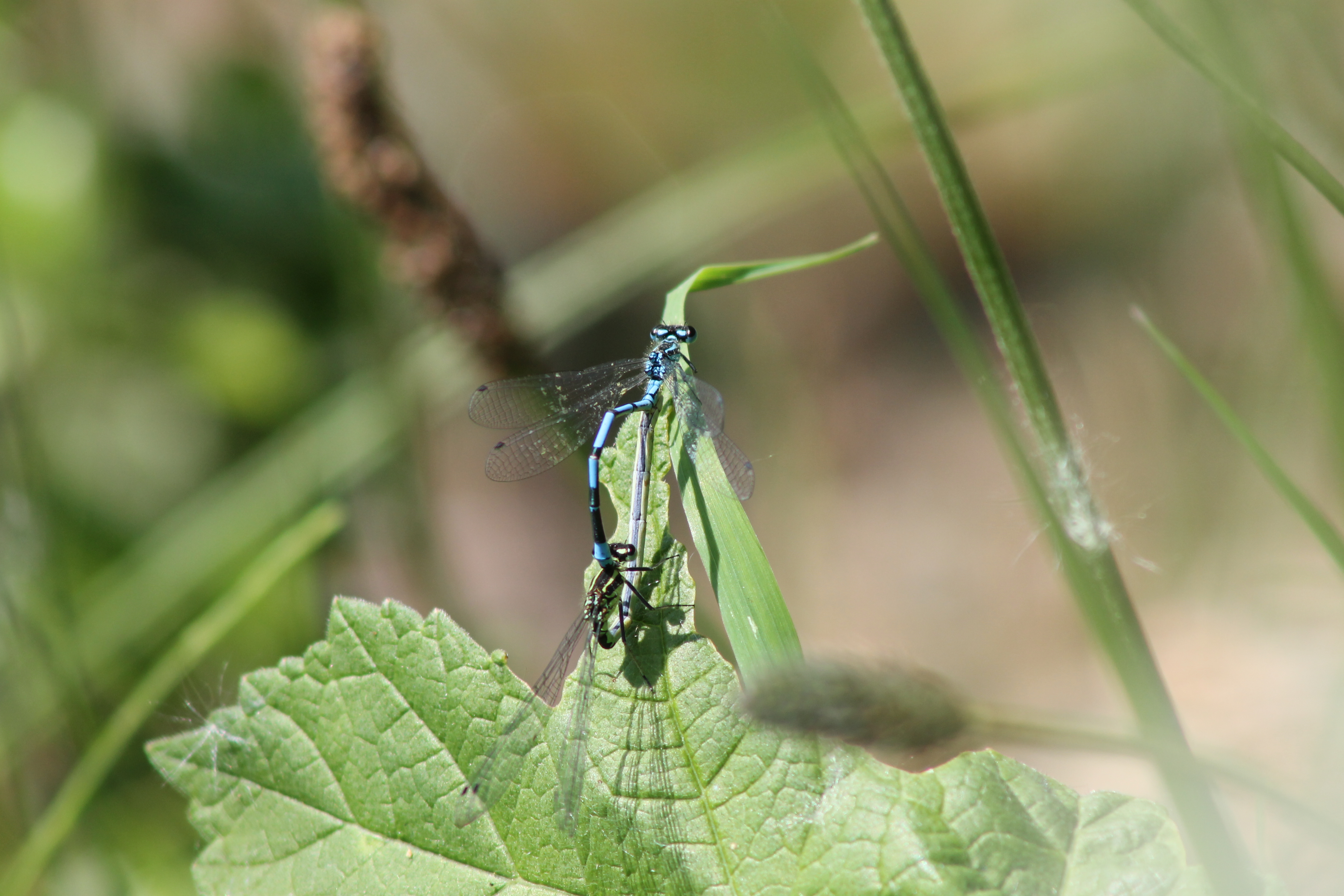
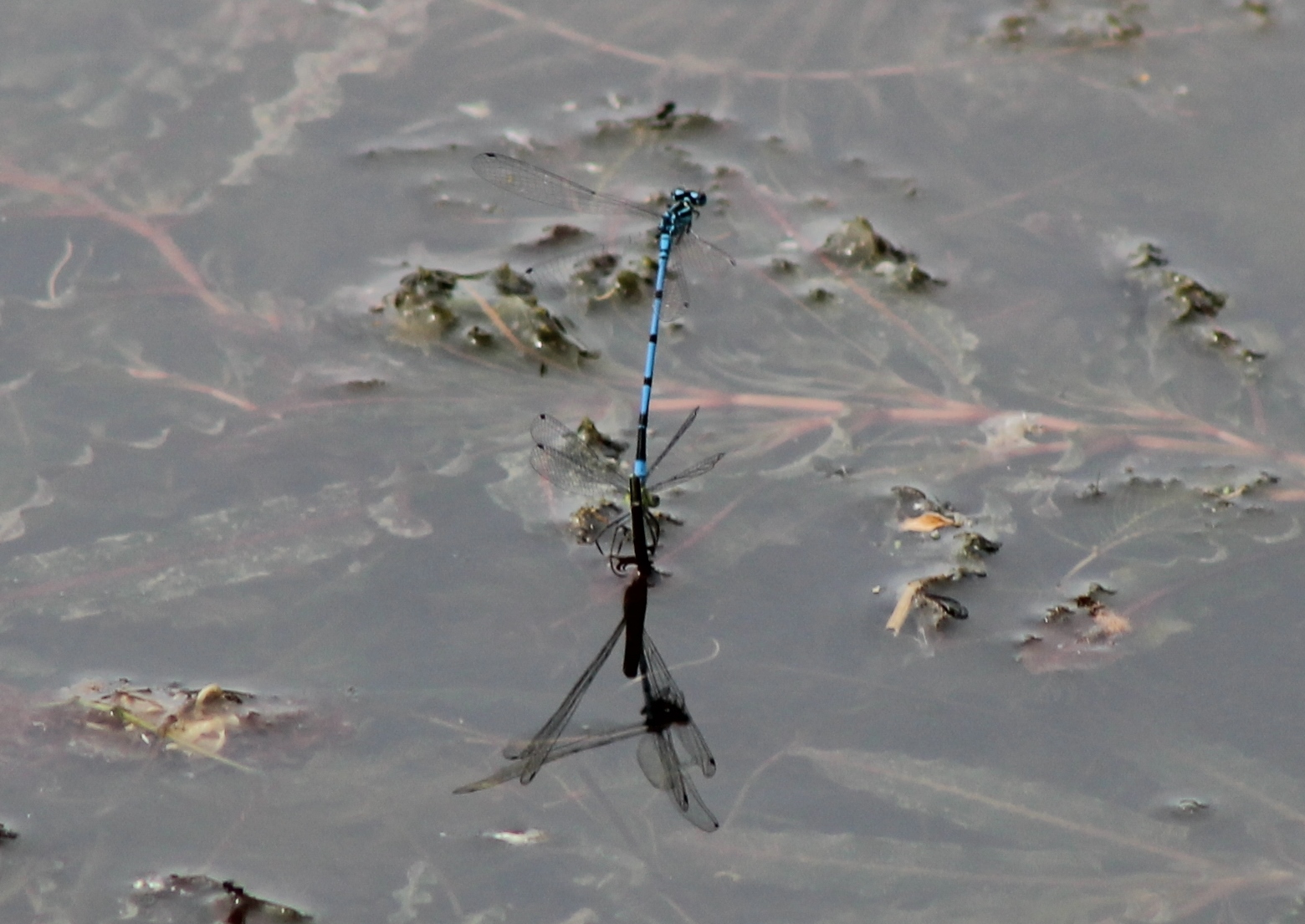
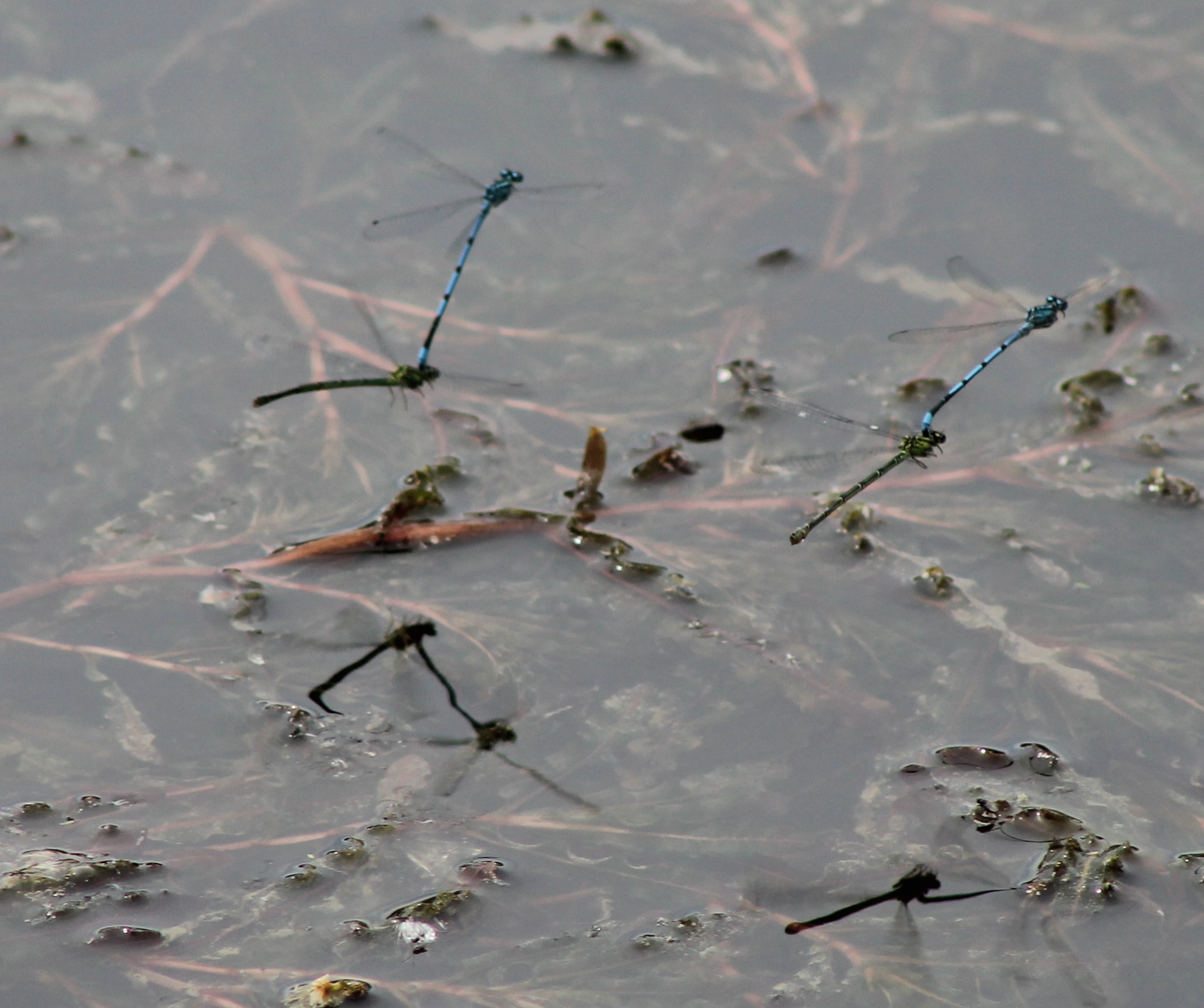
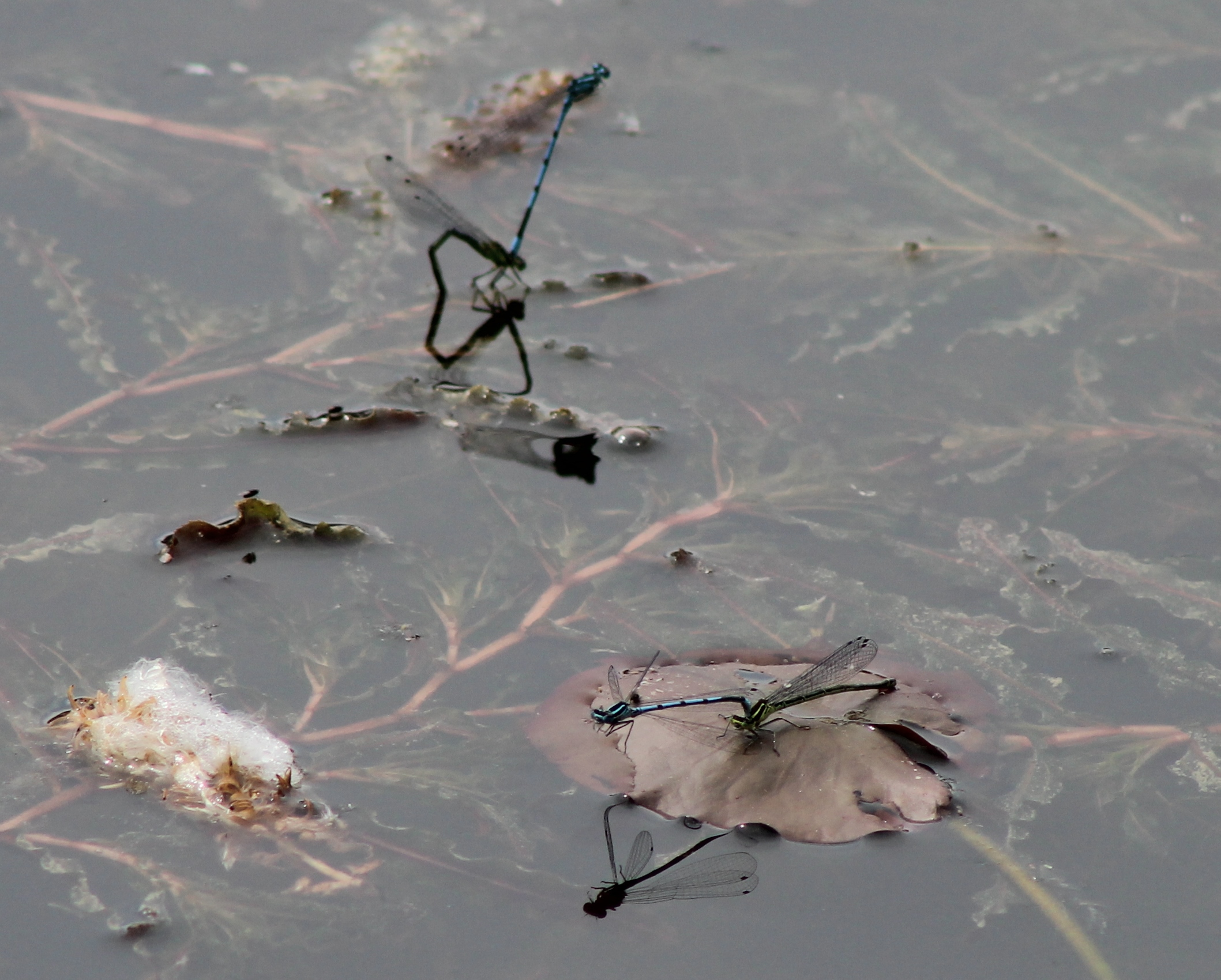
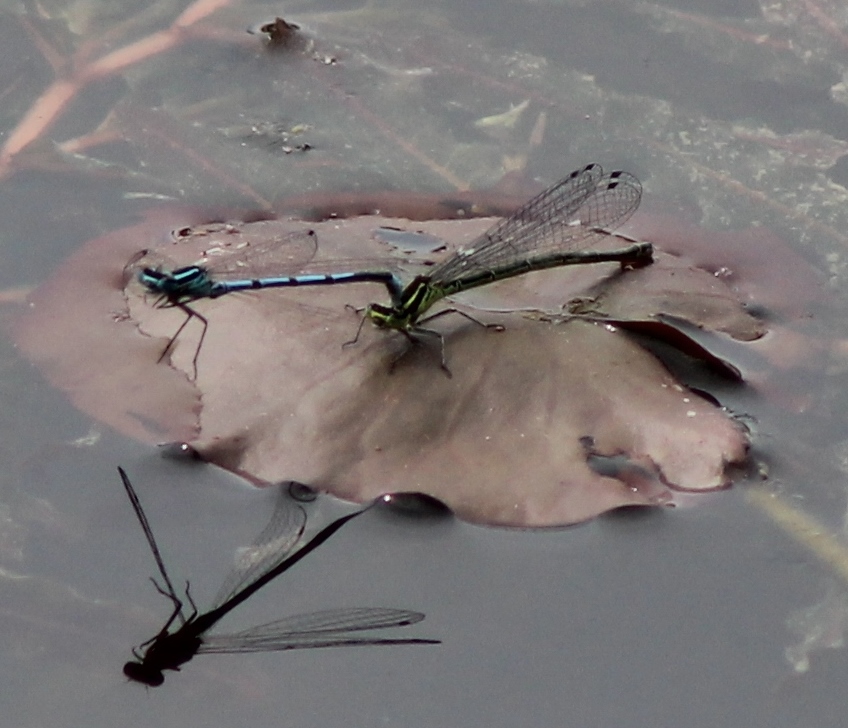
In a post last week I included a blurred photo of a damselfly.  I managed to take a few more pictures last week before they all disappeared.  The red females went before I could photograph them but a different type of damselfly arrived with green and brown females and these are my photos.

Image

Image

Image

021Damselflies

020Damselflies

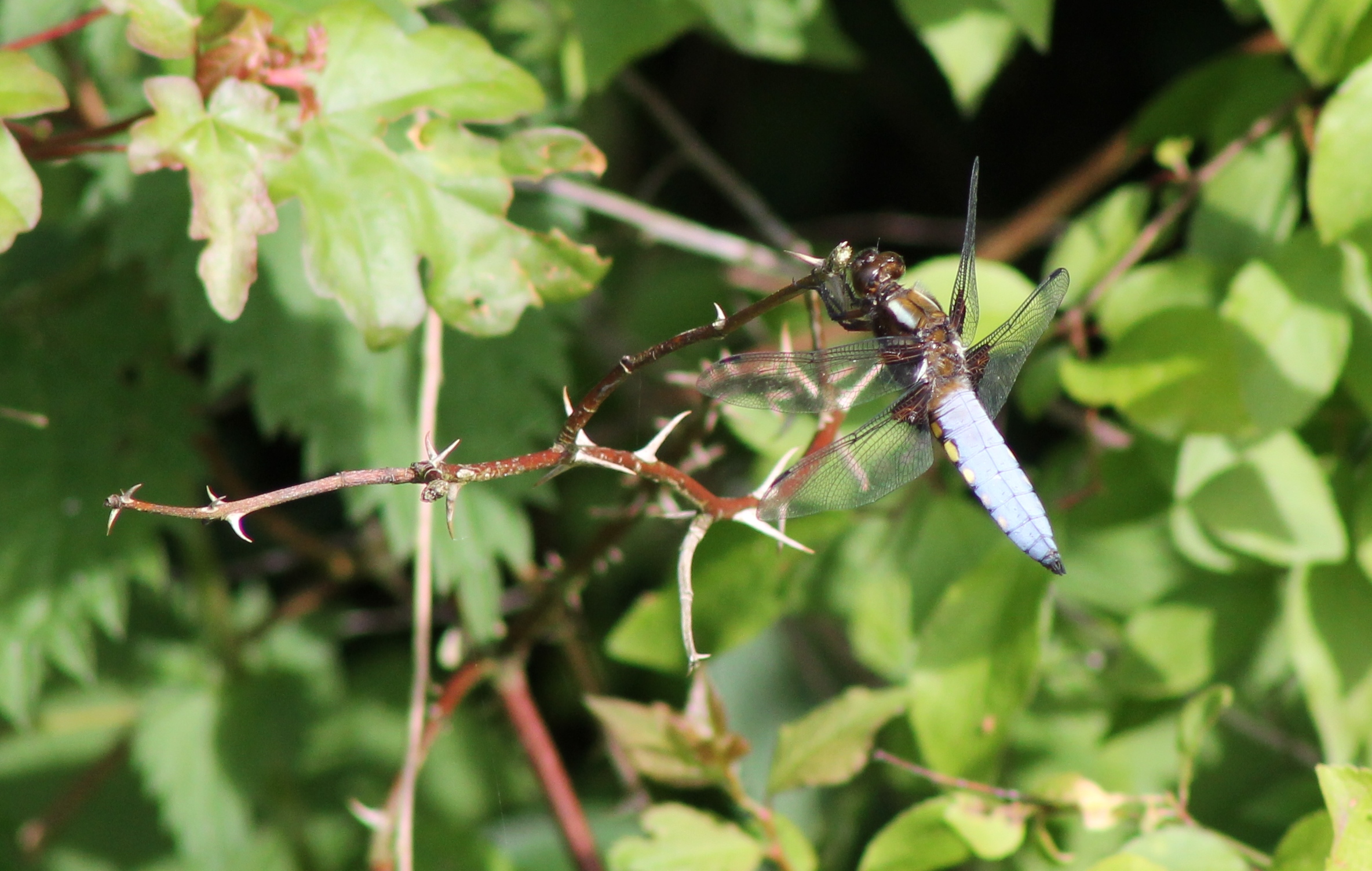
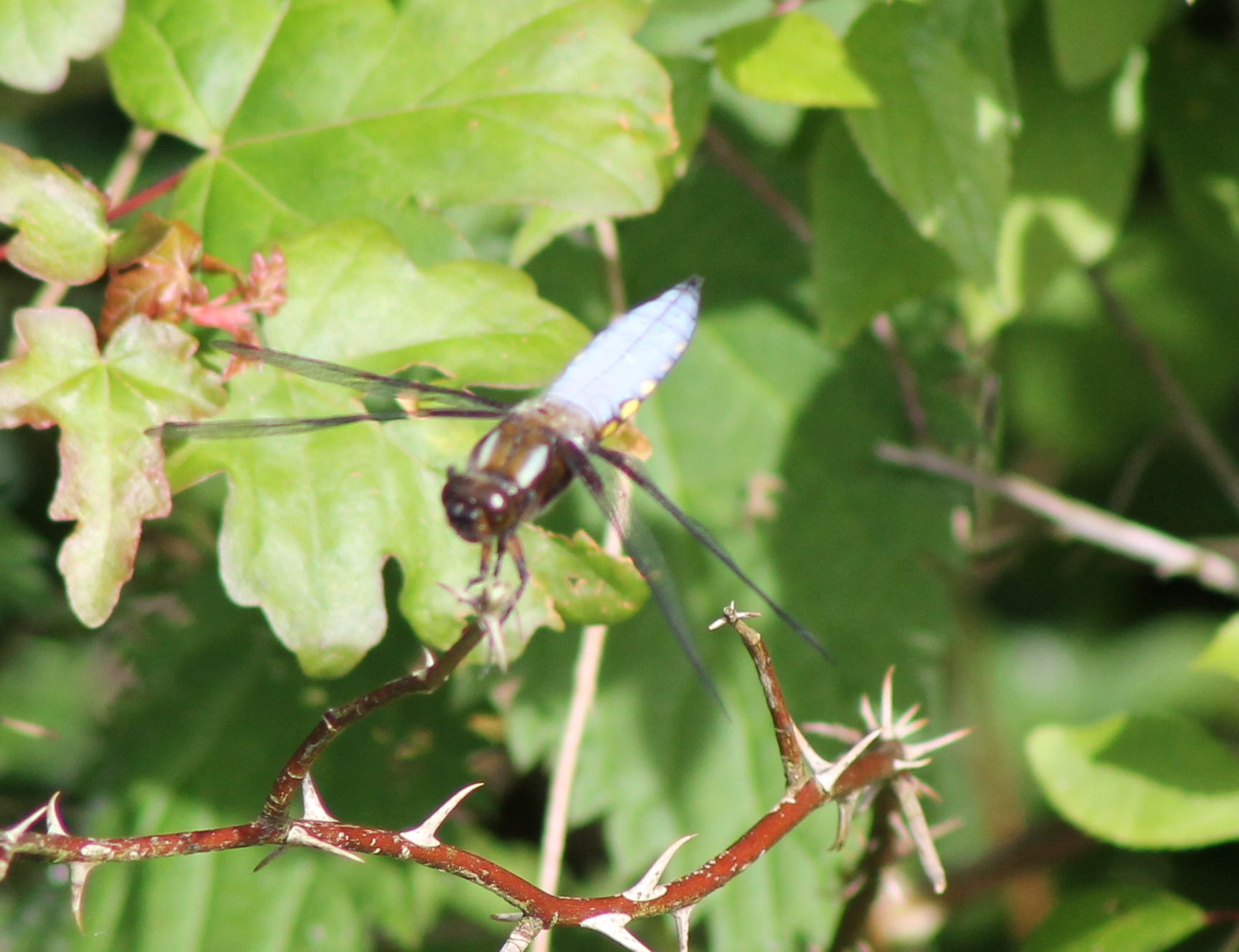
The damselflies have all gone now but I managed to photograph a dragonfly which had just emerged from the pond at the front of the house and was drying its wings.

Image

A Black-tailed Skimmer

029Dragonfly M Black-Tailed Skimmer

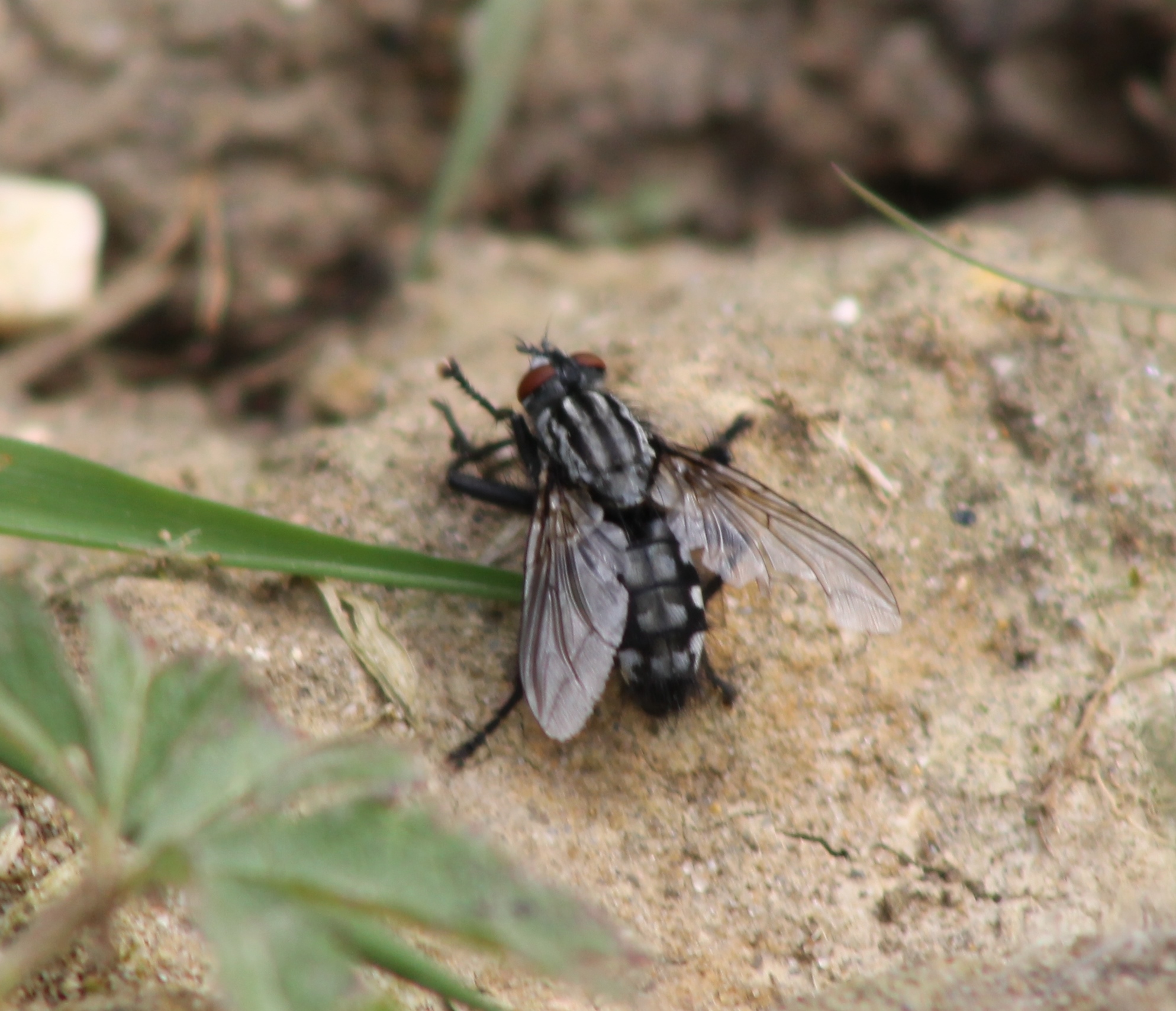
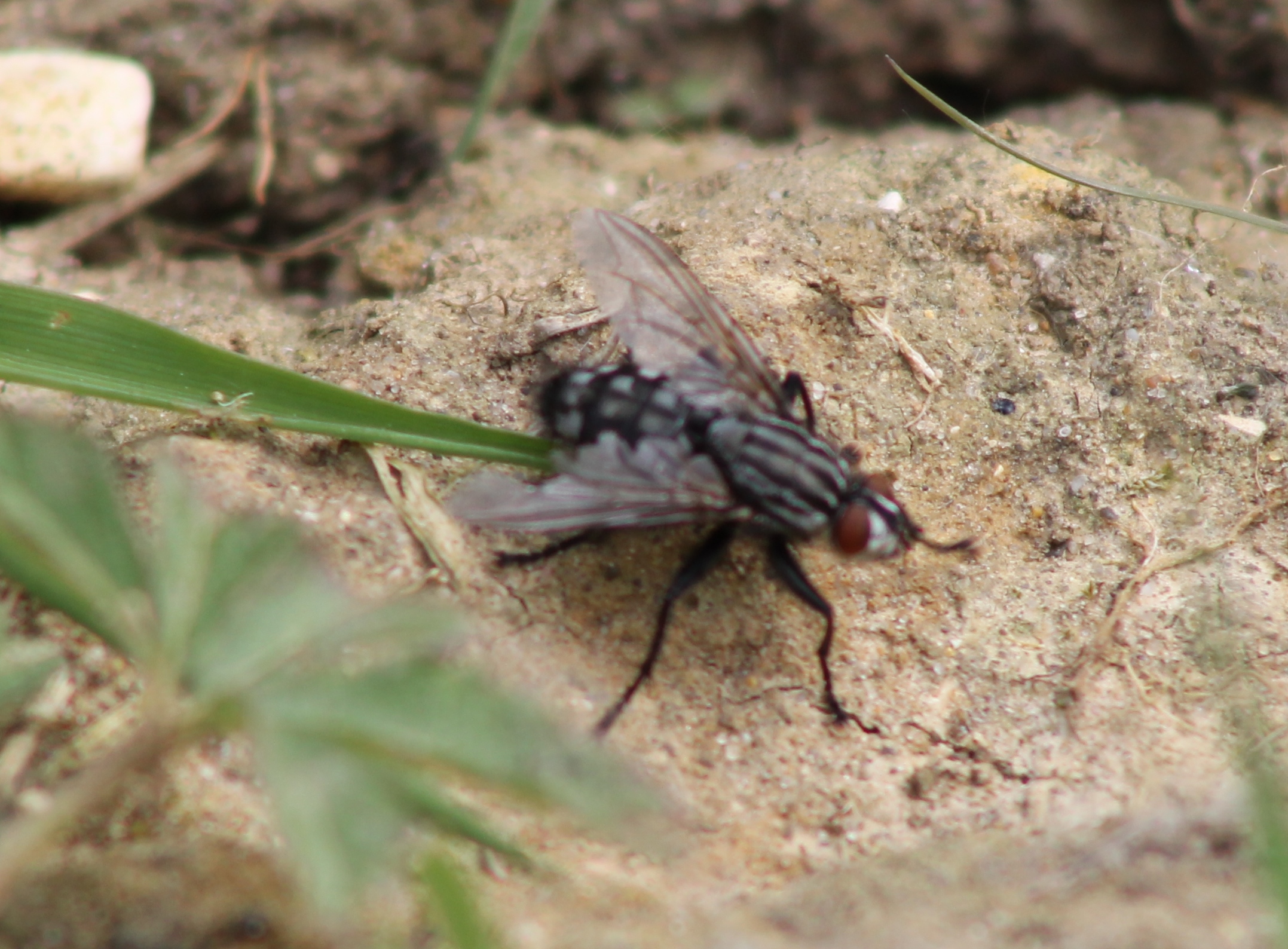
Another not so pleasant insect I saw in the garden last week was a Flesh Fly.

Image

Image

Image

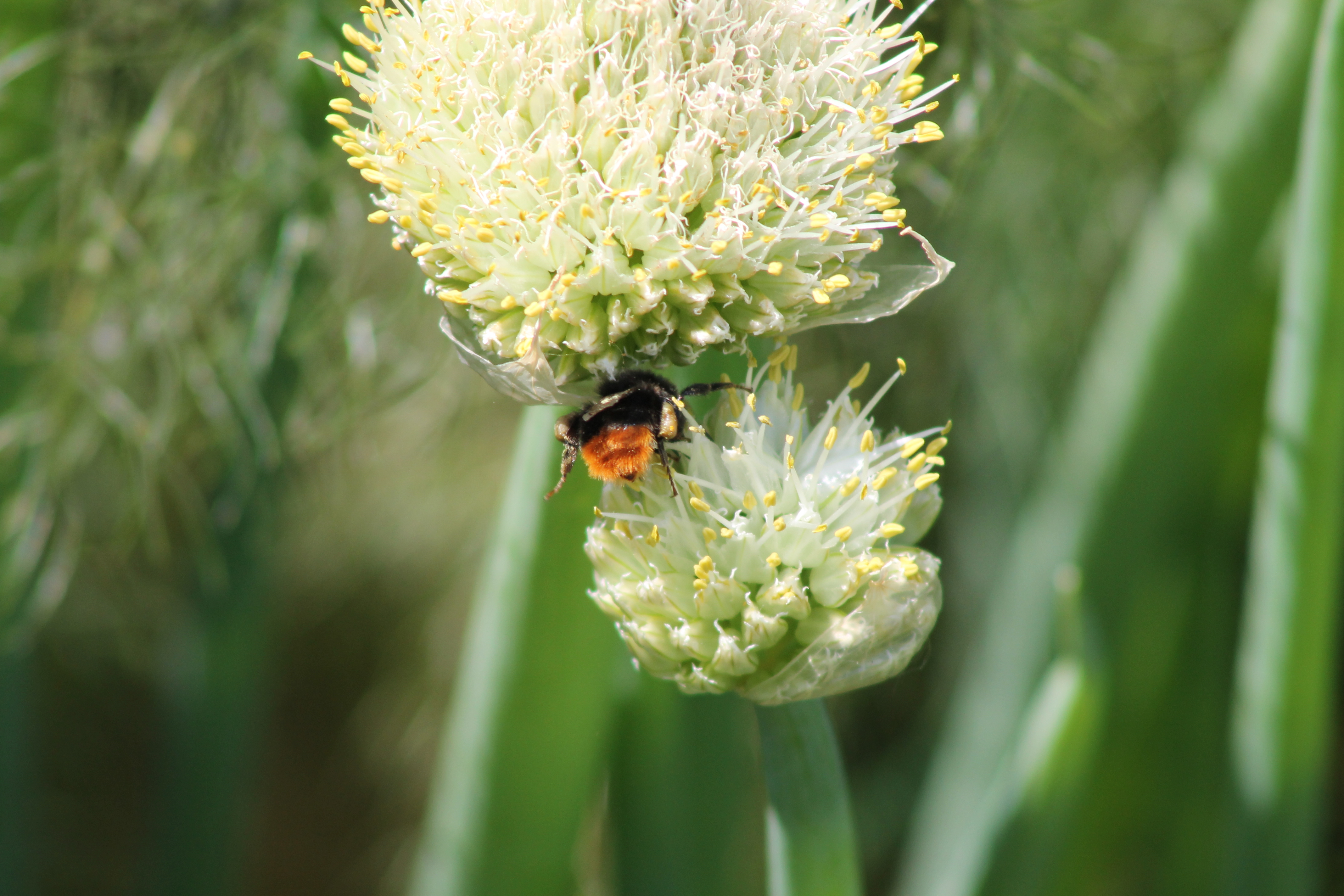
A tiny bee on a Welsh Onion flower.

In the second part of this post I will include the flower photos I have taken recently.


Share this:

  • Share on X (Opens in new window) X
  • Share on Reddit (Opens in new window) Reddit
  • Share on Pinterest (Opens in new window) Pinterest
  • Share on Facebook (Opens in new window) Facebook
  • Email a link to a friend (Opens in new window) Email
  • Share on Tumblr (Opens in new window) Tumblr
  • Print (Opens in new window) Print
  • Share on Pocket (Opens in new window) Pocket
  • Share on LinkedIn (Opens in new window) LinkedIn
Like Loading...

Water, Water Everywhere.

28 Wed May 2014

Posted by Clare Pooley in plants, Rural Diary, trees, Uncategorized

≈ 10 Comments

Tags

Bell Inn, bird feeding, Broads, Chandlery, dogwood, Fritton, Fritton Decoy, Great Yarmouth, grey squirrel, Haddiscoe, pill box, Rain, St Olaves, Toft Monks, Waveney, windmill, Yare, yellow iris

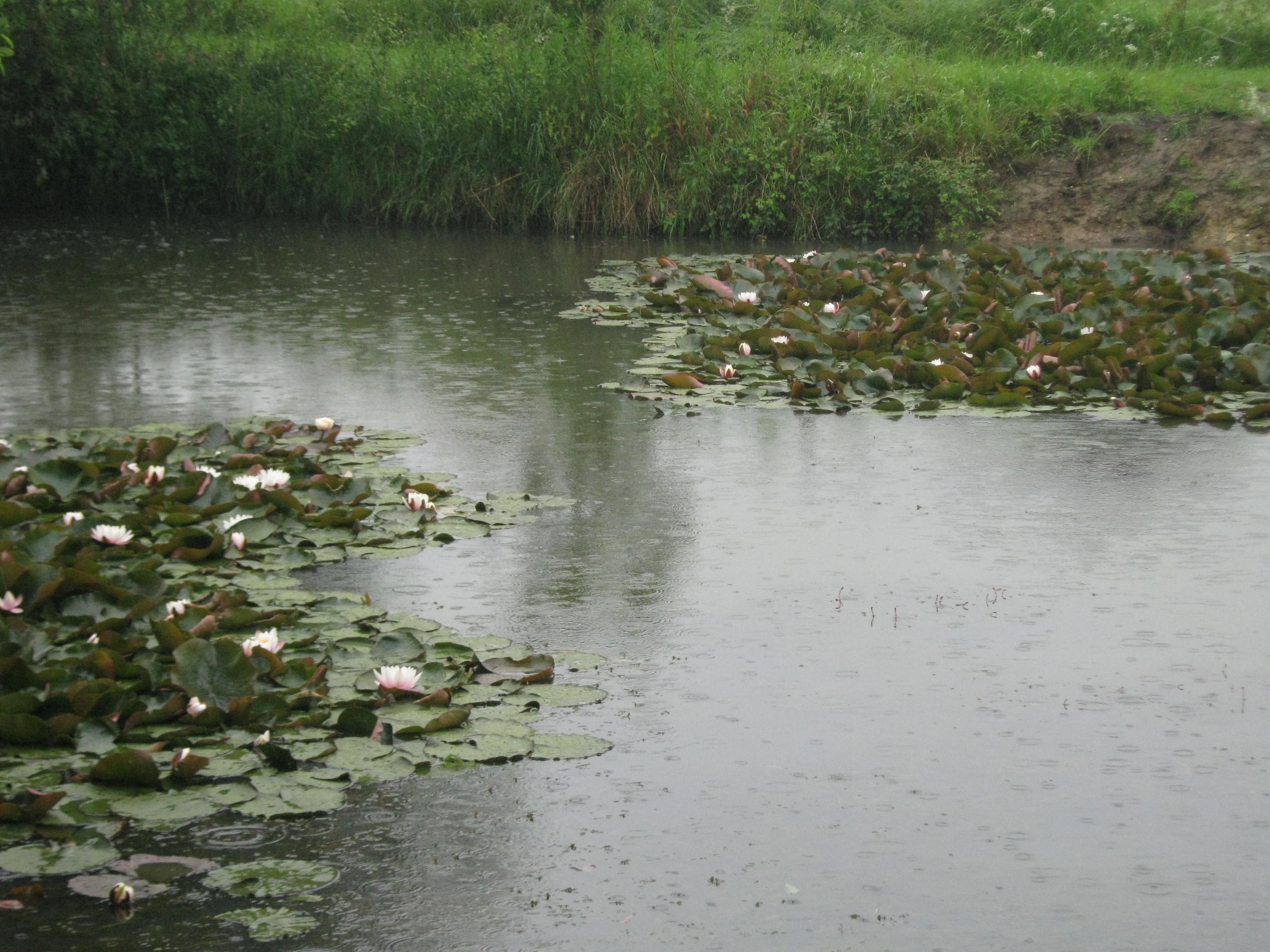
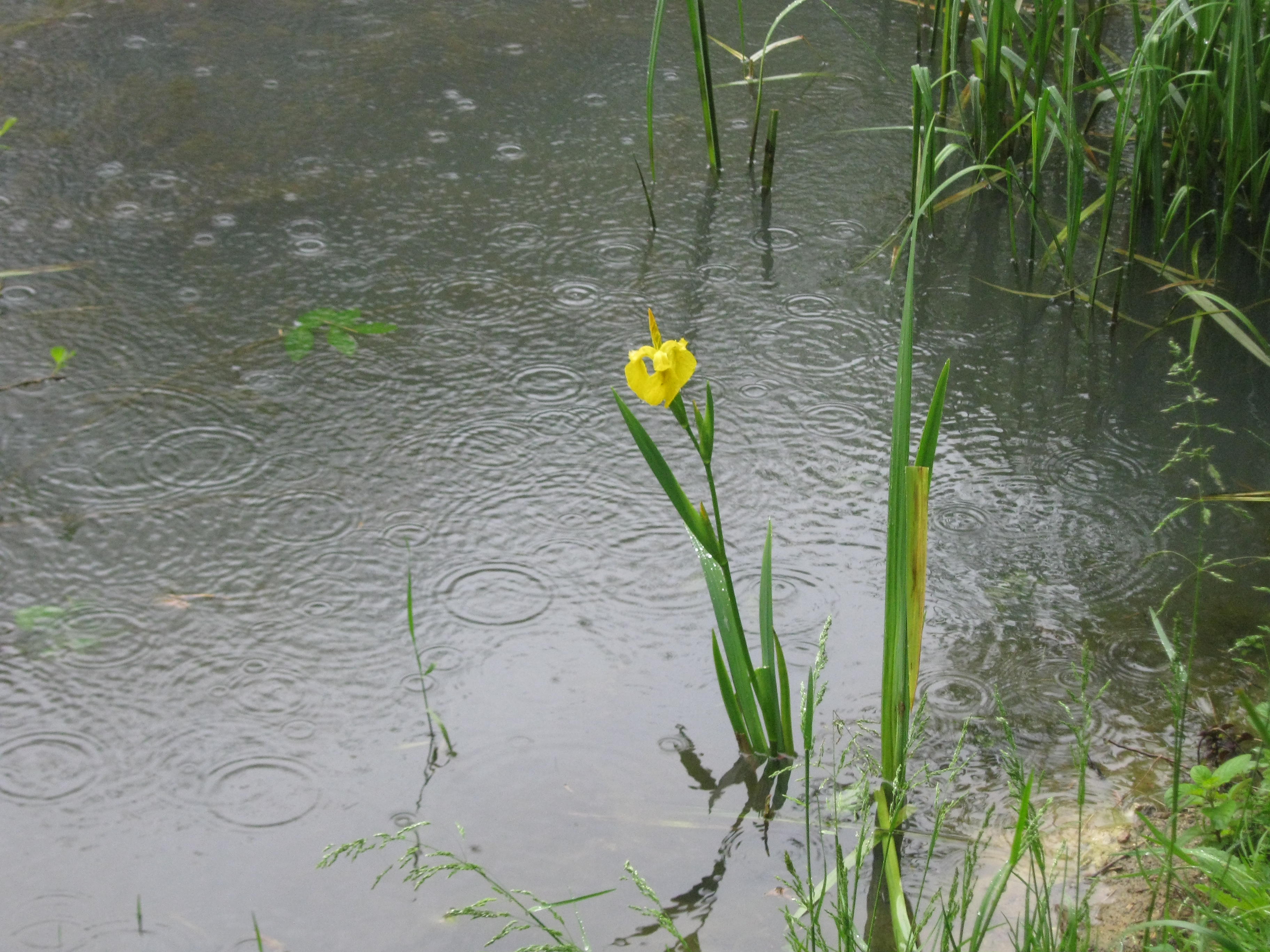
Image

We have had a very wet day indeed today.  This is our pond this afternoon with rain-drops stippling its surface.  I spent most of the morning away from home visiting the surgery then shopping in Halesworth and then in Bungay.  This afternoon was spent doing household chores and then getting soaked to the skin in the garden.  I have planted some runner beans for my mother.  She said she wanted ten plants so I planted ten in pots a week ago and nine have come up.  This afternoon I planted three more which will give her a couple of spares in case she gets slug damage after planting out.  I then went round the garden checking on the bird feeders.  I have been cleaning and disinfecting all the feeders during the past week; waiting until each one empties and then bringing it in.  In that way I don’t have too many to do in one go and the birds still have food to eat outside.  I have twelve feeders around the garden as well as a couple of bird tables and a ground feeder.  The birds are very hungry and the food is disappearing extremely fast.  The feeders have to be heavy-duty ones as our garden is quite exposed and the wind is strong enough to blow them down very often.  The rooks also cause damage by swinging on the feeders and shaking the seed out for their friends waiting below.  In this rainy weather they cover the feeders with thick mud off their feet too.  Squirrels are a real nuisance and can pull a feeder apart very quickly.  I always use metal, never plastic, feeders now and try to make it difficult for the squirrel by putting extra wire round the lids and attaching them more securely.  I always regret this when I have to re-fill the feeders and especially when I have to take them  apart for cleaning as it takes so long to do.  I also saw a mouse in one of my squirrel-proof feeders the other day.  When I went out this afternoon I found two of my peanut feeders had been taken apart and all the peanuts eaten.  One part of one of the feeders is missing so I’m glad I ordered a new one at the weekend.


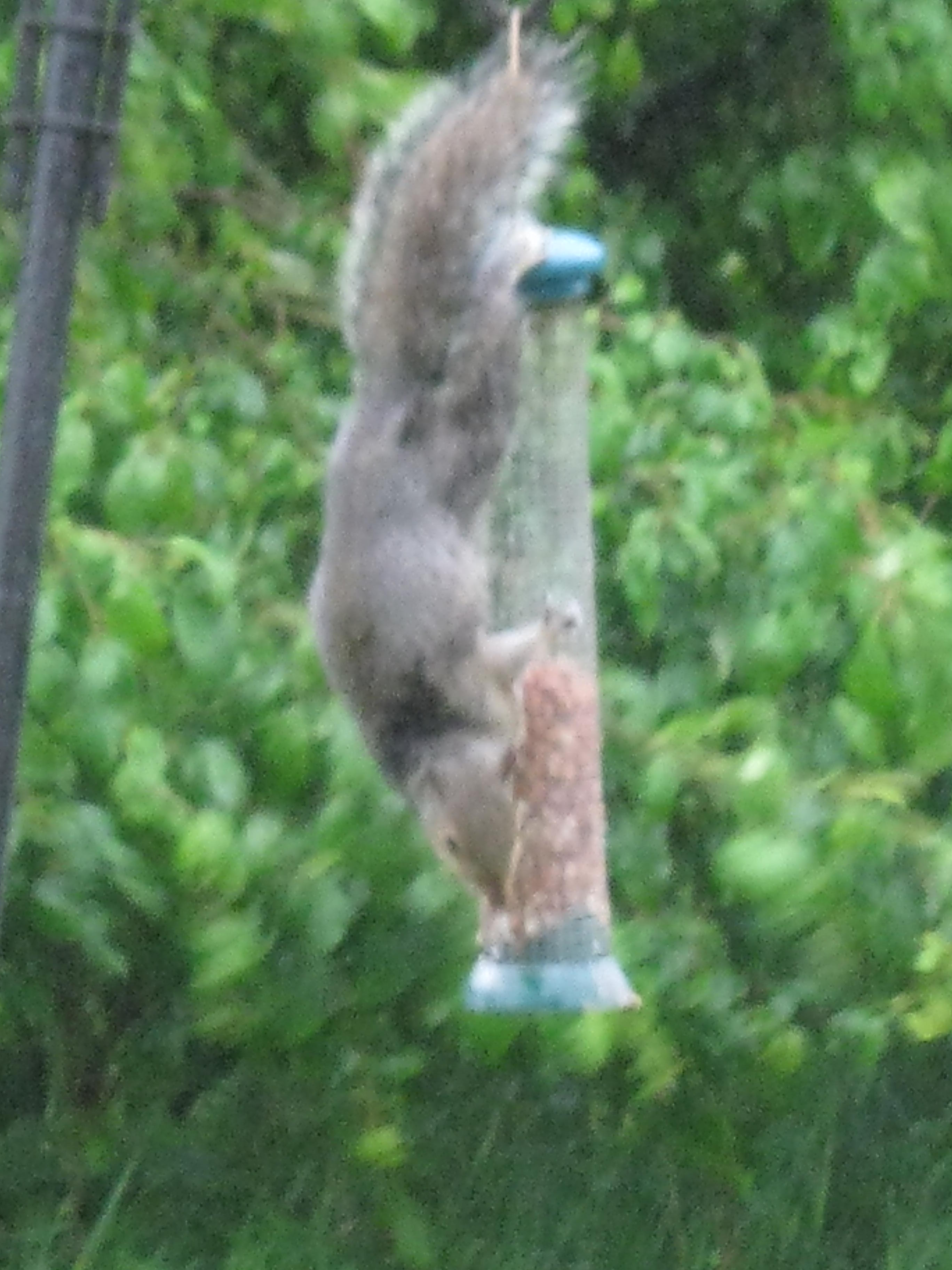
Image

A blurred picture of my squirrel visitor. Wind and rain didn’t help with the clarity of the photo.

I managed to take a couple more photos before going indoors to change out of my wet clothes.

Image

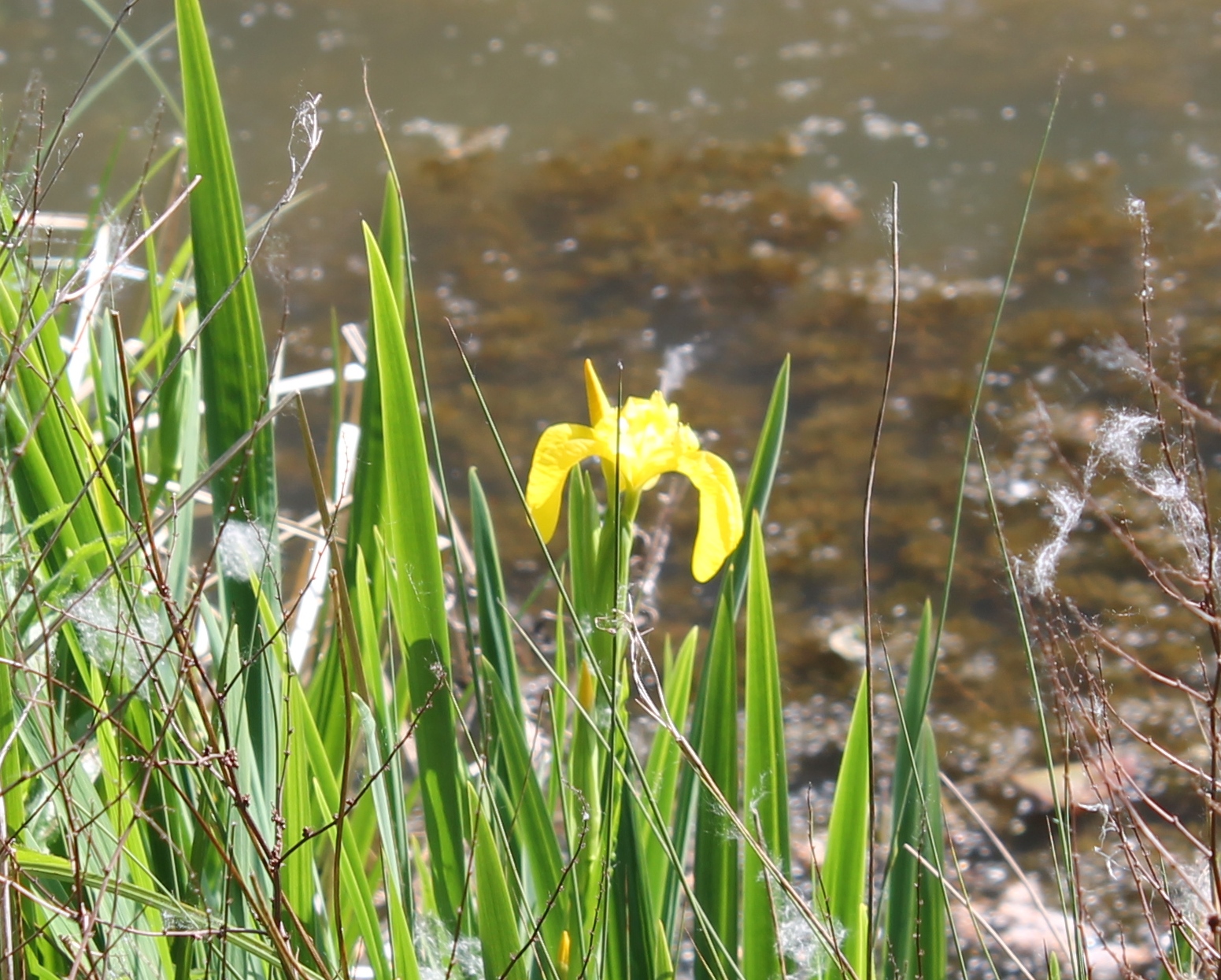
Another name for the yellow flag iris is the Sword Flag as its leaves are shaped like a sword and are also sharp enough to cut you.

Image

The Dogwood is about to flower.  New stems are dark red and many people cut dogwood back hard just to get the bright coloured stems in early spring.  The dogwood’s leaves change to a rich claret in the autumn and are one of the first trees to change colour.  The berries are a shiny black and are very bitter.  It is called ‘Dog’ wood because ‘dags’ used to be made from its wood.  Dags are butcher’s skewers.

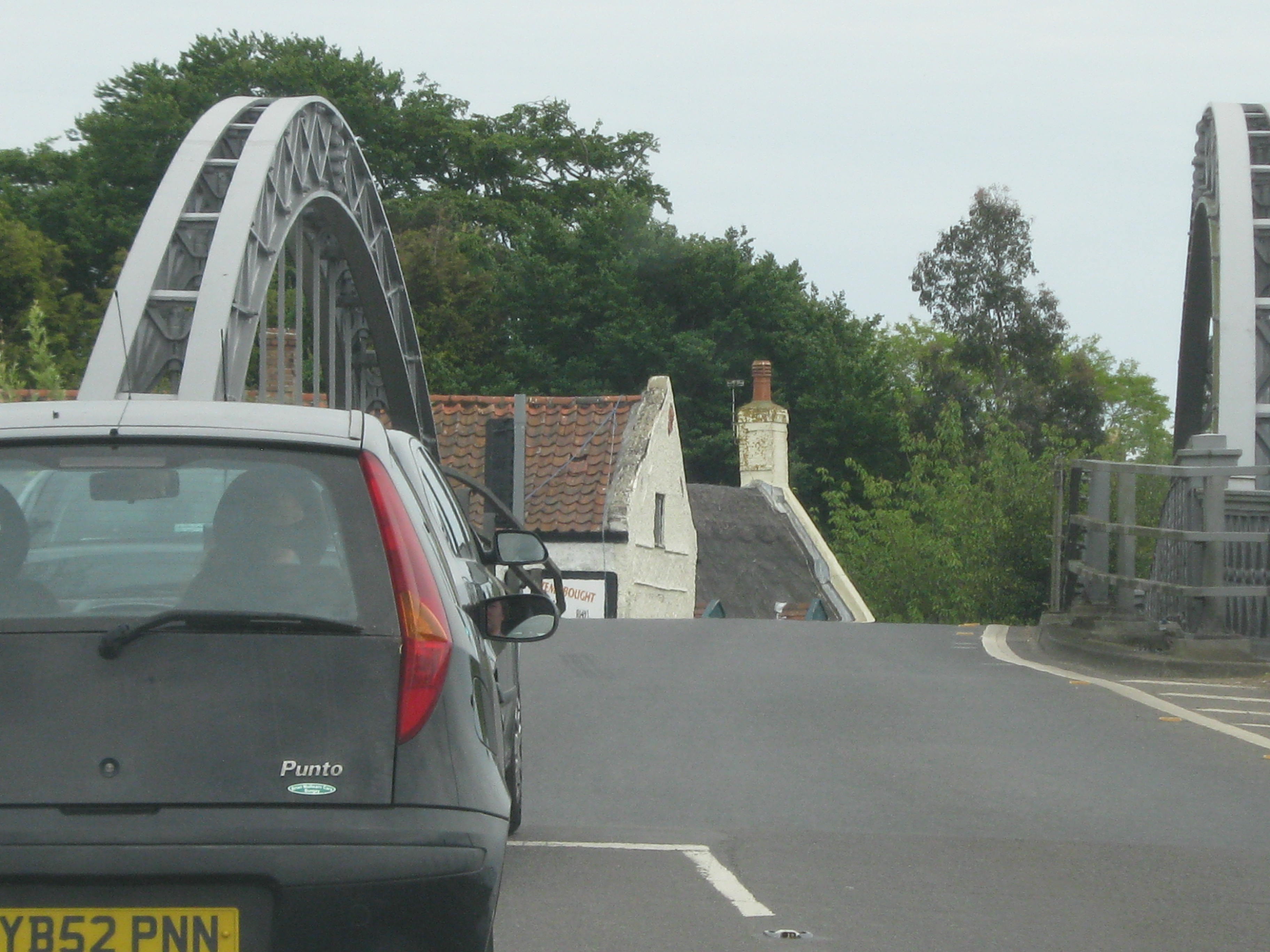
Last week E not only had to go to the Norfolk and Norwich Hospital on Friday but she also had to go to the Northgate Hospital in Great Yarmouth on Wednesday.  As R was off work all week he kindly offered to drive us there.  It was one of those grey, fairly still days – not cold but not particularly warm either.  The route we take goes through a couple of villages with Viking names – Toft Monks (Toft = curtilage or homestead in old Scandinavian.  It was known as Toft when the Domesday Book was written, only getting the Monks bit when the village was taken into the possession of the Norman Abbey of Préaux in the 12thC) – Haddiscoe (wood of a man called Haddr or Haddi).  We then go over a very high bridge spanning not only the River Waveney but also a canal cut from here to Reedham a village on the River Yare a little to the north.  This is the start of the Norfolk Broads, a large area of marshy reedbeds intersected by canals, rivers and broads (lakes).  A half mile further on is another little bridge which only allows one lane of traffic over it.  This is at St Olaves, named after the priory that was here.

Image

We then drove through Fritton which has a Country Park with leisure activities – boating, fishing, walking.   Also a horse and donkey sanctuary called Redwings.  It was a popular place to visit by wild fowlers – people who enjoyed shooting ducks and other water birds.  The pub is called the Decoy and the water here, which is a tributary to the Waveney, is called the Fritton Decoy.

We got to Great Yarmouth and E saw her specialist. We then went home.  Because I wasn’t driving I was able to look about me as we drove along.  Great Yarmouth is not a pretty town.  It has a beach, a dock area and associated industries but it is also very run-down and there is high unemployment and poverty here.  We saw an apologetic bus.  A very rare creature.

Image

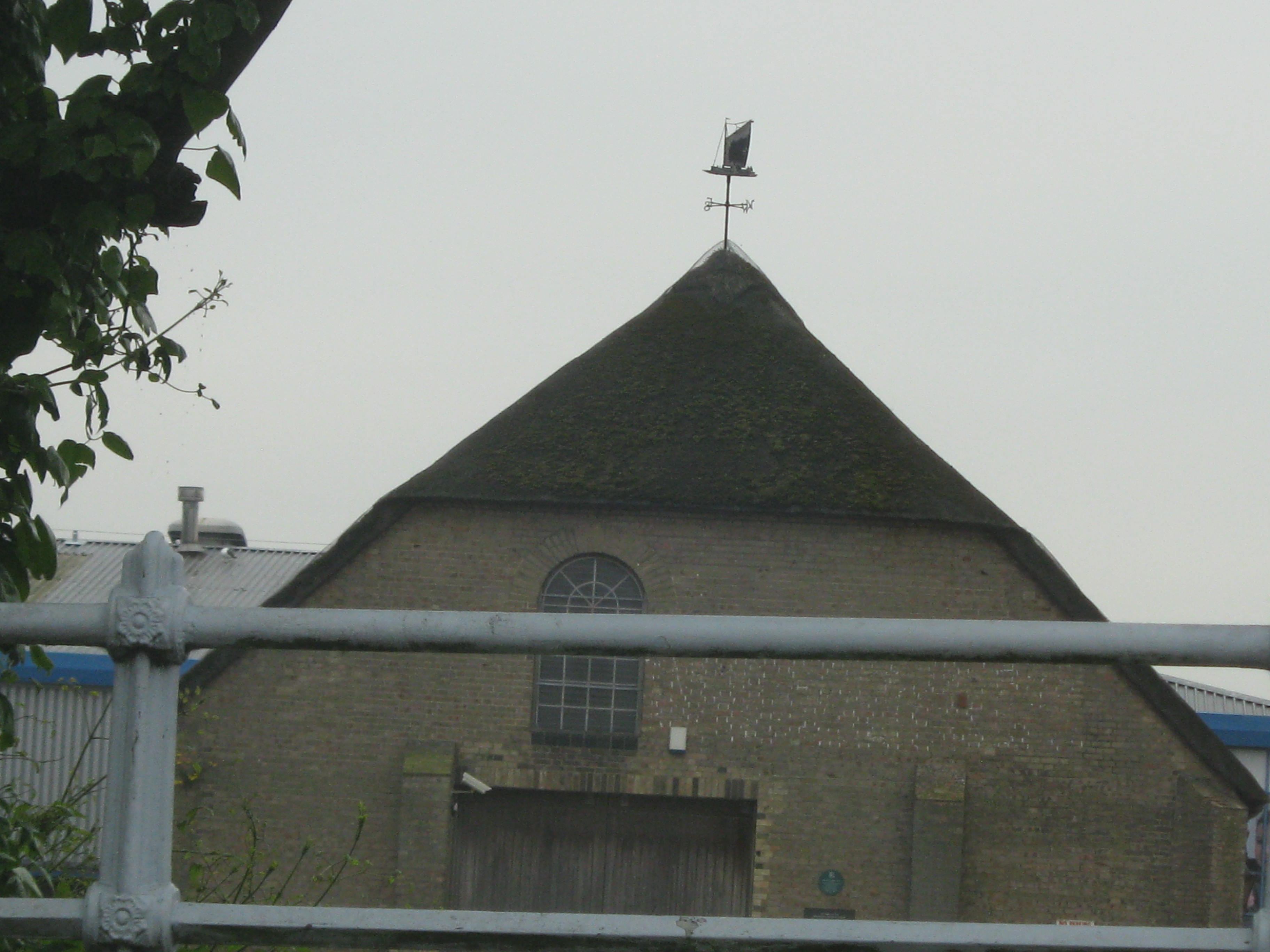
One thing I did notice while we were queuing at traffic lights before crossing over the bridge over Breydon Water was this building below.

Image

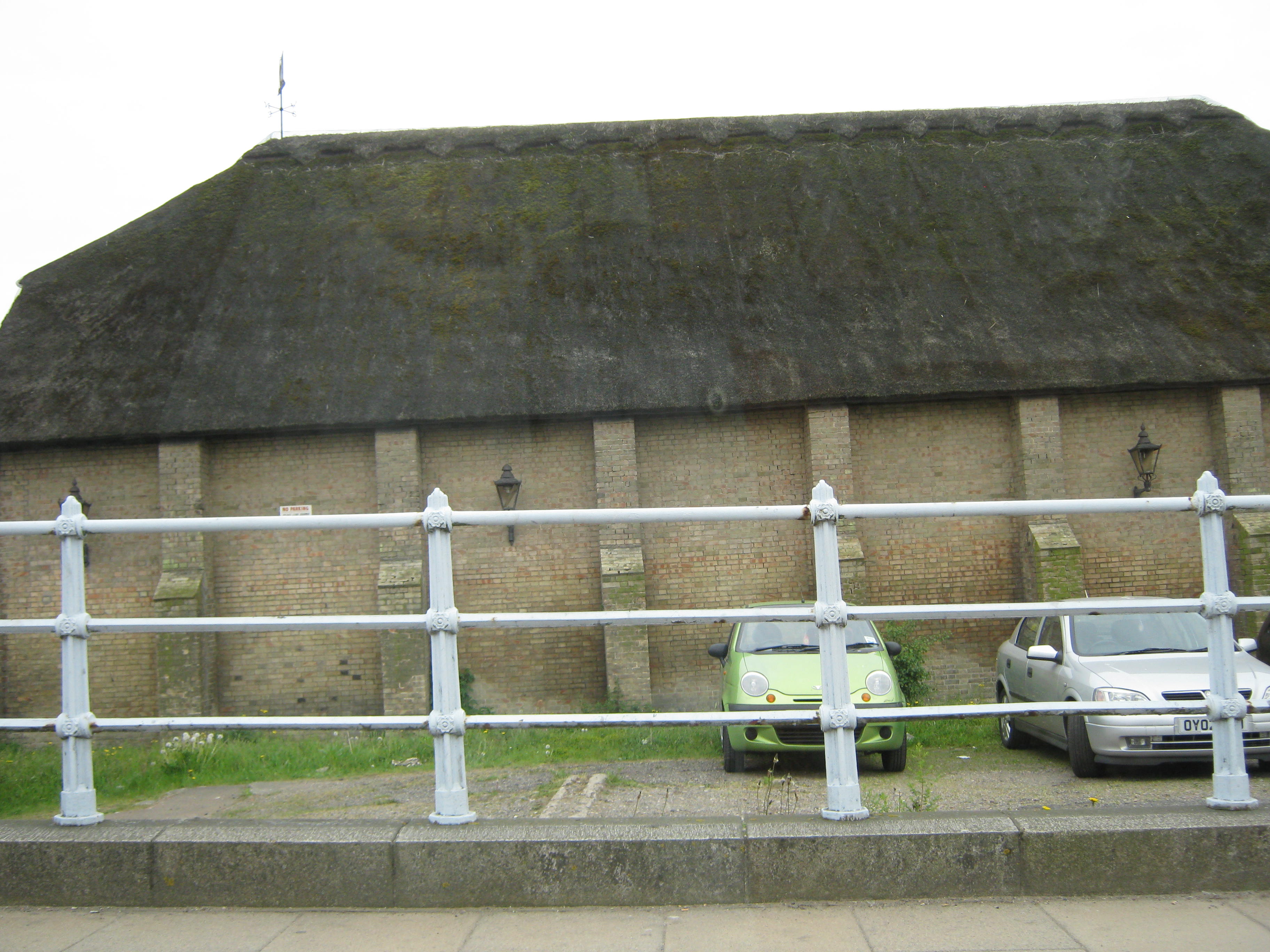
It was enormous with a thatched roof and an attractive weather-vane.  I don’t know what it is/was and need to find out somehow.  There is a blue plaque next to those great doors that will give a clue.  The iron railings on the bridge are quite nice too.

Image

We decided to stop at St Olaves to look at the Fritton Decoy and the buildings there.

Image

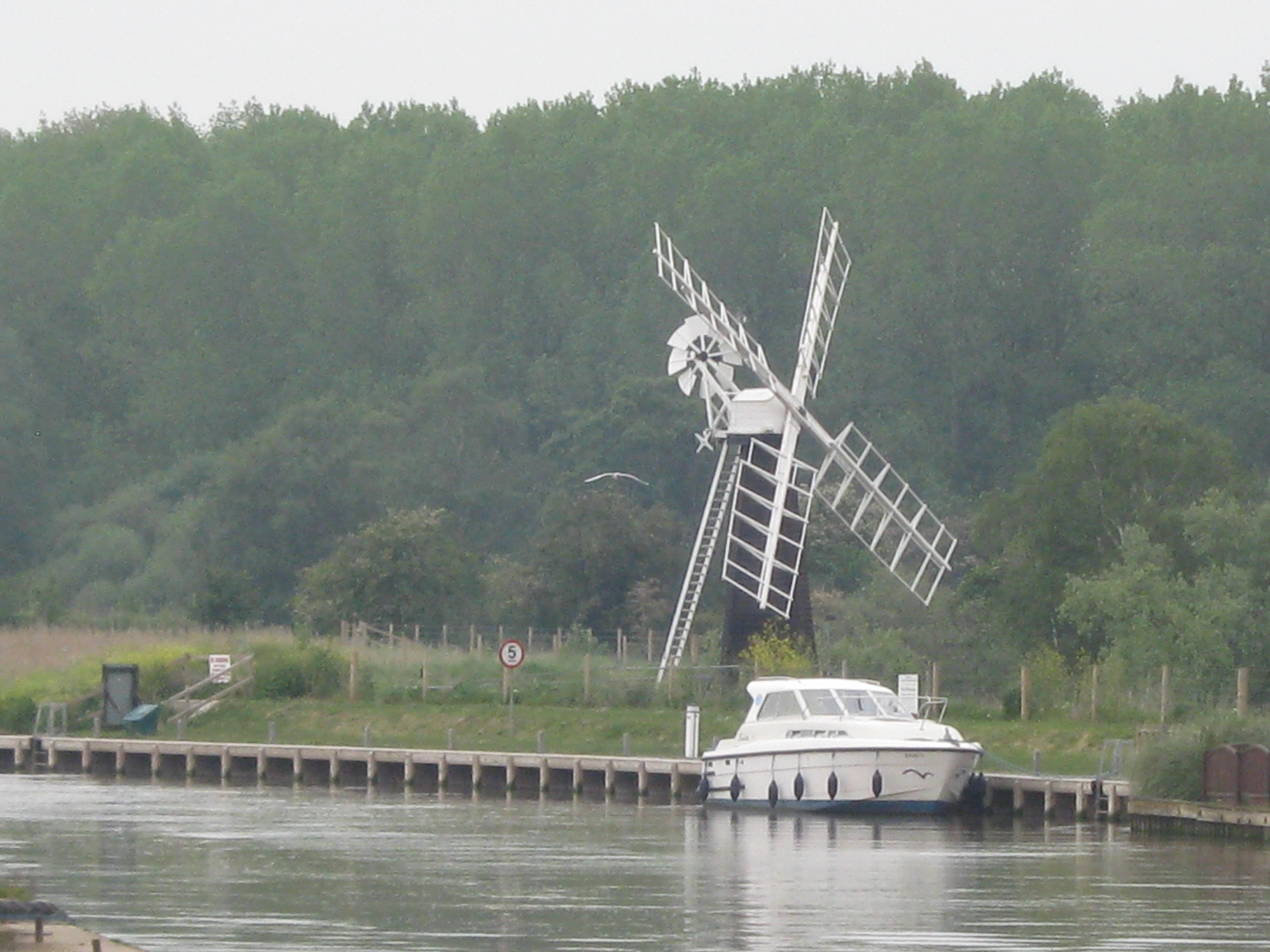
A windmill at the side of the water.

Image

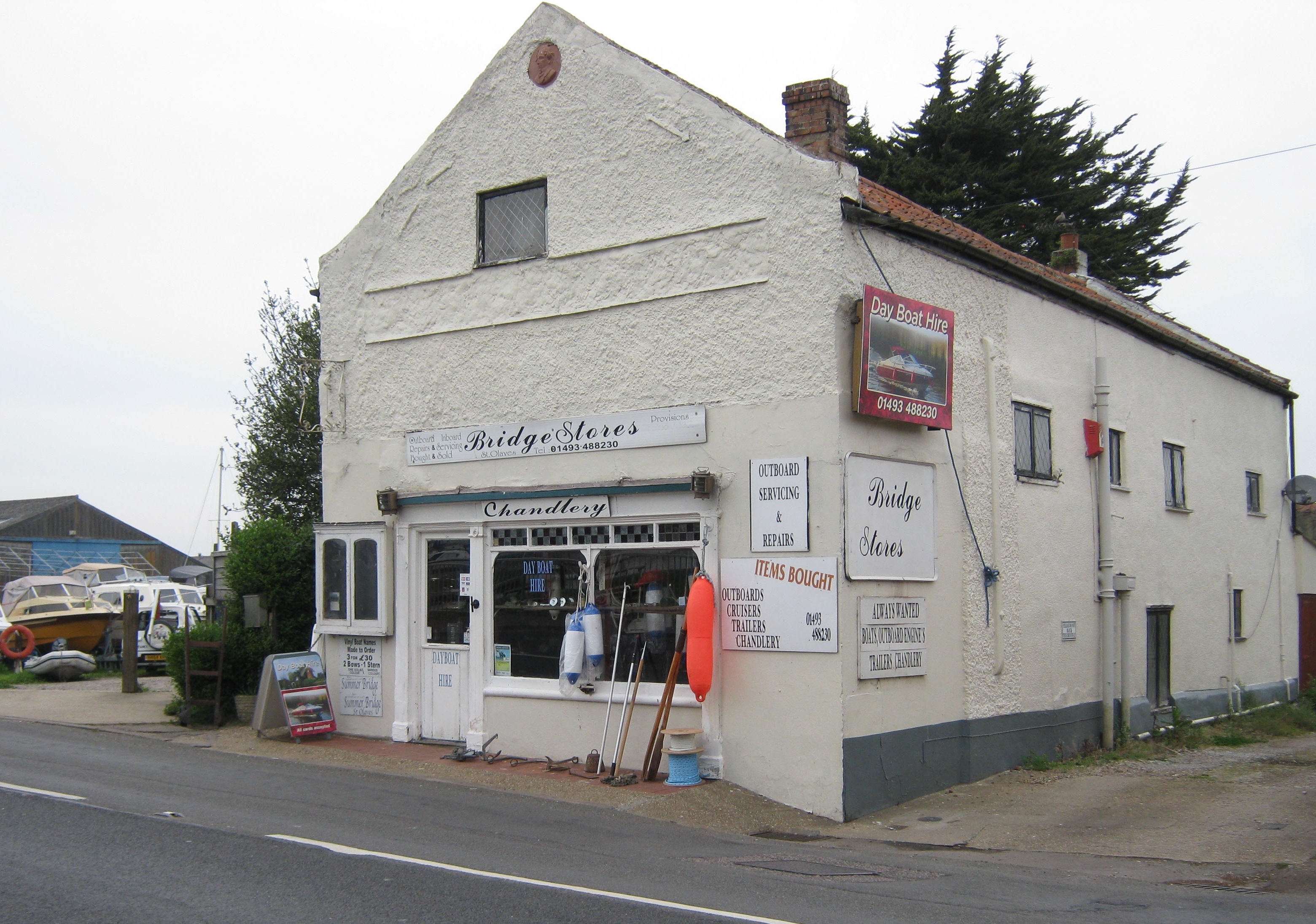
The Chandlery sells everything you might need on your boat while travelling on the Broads or down any of the rivers and out to sea.  You can also hire boats and equipment here.

Image

The ancient Bell Inn with its beautiful brickwork on the opposite side of the road to the Chandlery.

Image

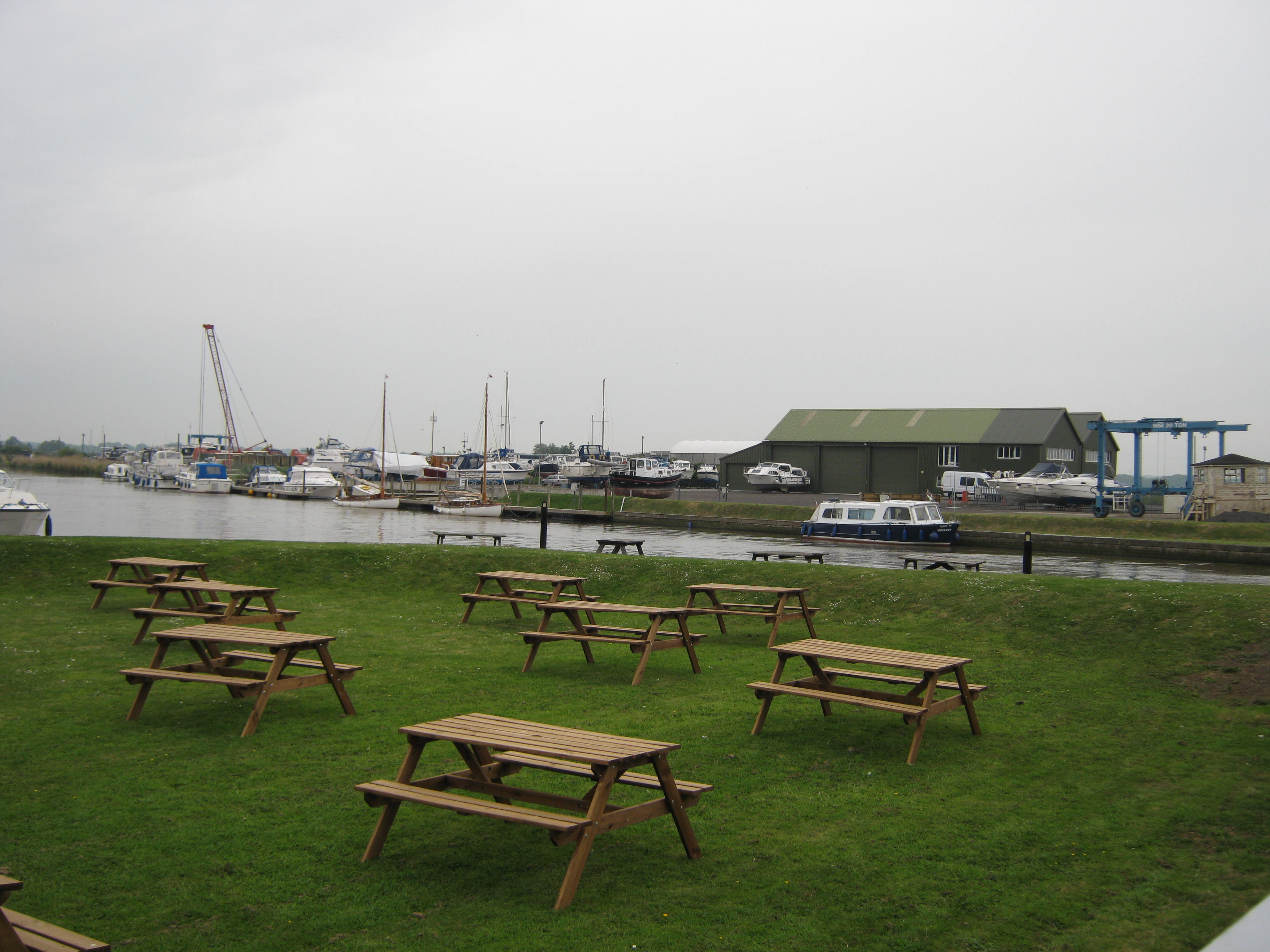
The garden at the back of the inn.

Image

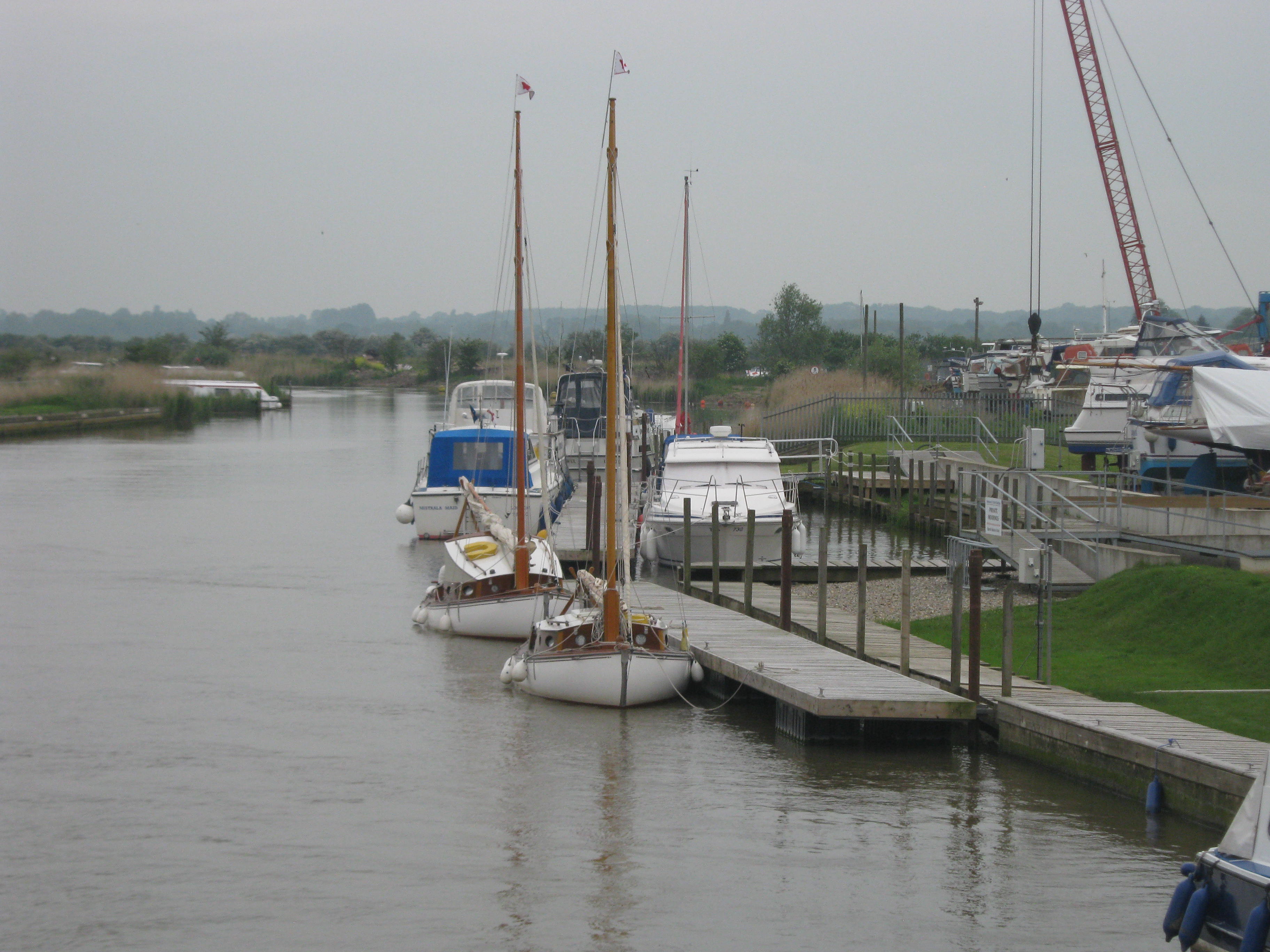
A view of the Fritton Decoy and the boats moored there.

Image

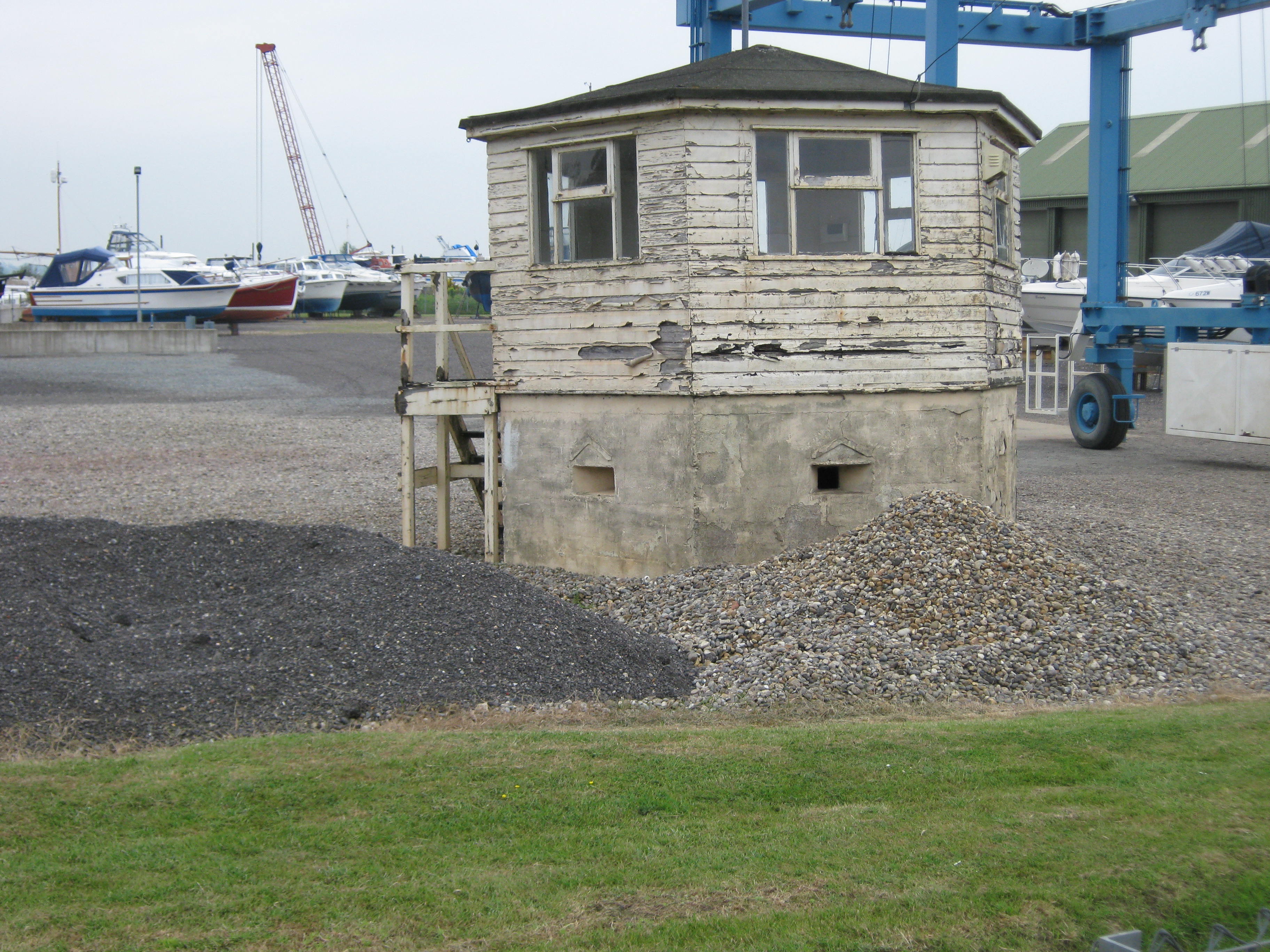
The building in this yard is a Pill Box and is another relic from the Second World War.  This one has had a shed built on the top of it at some stage.  Pill boxes are dug-in guard posts with loopholes through which to fire weapons.  They were called Pill Boxes because they looked like old-fashioned pill boxes!  According to the website I checked everything against they had a ‘trenchfiring step to protect against small arms fire and grenades and were raised to improve the field of fire’.  Well, there you are; now you know.  About 28,000 pill boxes and other hardened field fortifications were constructed in 1940 as part of British anti-invasion preparations of World War 2 and about 6,500 still survive.  There is one on the edge of the field in Mill Lane near us.  It is still known as the Searchlight because of the searchlight that was used there during the war.  East Anglia was full of airfields during the war – RAF and USAF – so there was always the danger of bombing raids.  The airfield runways are still marked out in the middle of farms and common land.

I’ll end this post with a view over the marshes at St Olaves.


Image

Share this:

  • Share on X (Opens in new window) X
  • Share on Reddit (Opens in new window) Reddit
  • Share on Pinterest (Opens in new window) Pinterest
  • Share on Facebook (Opens in new window) Facebook
  • Email a link to a friend (Opens in new window) Email
  • Share on Tumblr (Opens in new window) Tumblr
  • Print (Opens in new window) Print
  • Share on Pocket (Opens in new window) Pocket
  • Share on LinkedIn (Opens in new window) LinkedIn
Like Loading...

A Visit to Minsmere

26 Mon May 2014

Posted by Clare Pooley in plants, Rural Diary, walking, wild birds

≈ 9 Comments

Tags

Avocet, BBC's Springwatch, Bird's-foot Trefoil, Bittern, Cuckoo, greylags, Highland Cattle, marshes, Minsmere, Mute Swan, Nightingale, Oystercatcher, Pop-Up Café, Rabbit, RSPB, Sand martin, sea, Sea Kale, Sluice, tank traps, The Scrape, Whitethroat

For several weeks I have been wanting to re-visit Minsmere.  Minsmere is a bird reserve run and owned by the RSPB (the Royal Society for the Protection of Birds) to which all four of us belong.  Minsmere is also the RSPB’s so-called ‘flag-ship’ reserve – the biggest and best in the country and we are lucky enough to live just a few miles from it.  There were three main reasons why I wished to go to Minsmere – I hadn’t been there for ages and missed it – I wanted to hear a nightingale again and there is usually a nightingale to be heard there at this time of year and lastly – I had heard that the BBC would be filming their Springwatch programmes there for the next three weeks starting on Monday 26th May and I wanted to go before they arrived.

R has been on annual leave this last week so we decided that we should go to Minsmere on Friday afternoon.  E and I had a very early start on Friday – up at 6.15am for me and 6.30am for her as she had a hospital appointment to go to in Norwich at 8.30am and we needed to leave the house at 7.15am to get there on time.  When that was over E decided she would like to do some shopping for books so we called in at Waterstones and she made a couple of purchases.  We then went to HMV to look at DVDs etc. and then we had lunch in a coffee shop.  We returned home via Beccles for more shopping.  Fortunately the weather had stayed dry for all of our journey.

R and I had a hot drink and a chat while I rested after my busy morning and then we set off.  There was a slight shower of rain as we drove there but it had all cleared away by the time we had parked the car in the carpark.  We decided to go towards the sea first and walked past the wildlife ponds near the Visitor Centre.  There is a sandy cliff behind the visitor centre where Sand Martins nest each year.  The Martins were very busy nesting and catching insects, flying low over our heads.  We were very pleased to hear a Cuckoo calling all the time we were there.  We hadn’t heard one for some years.

Image

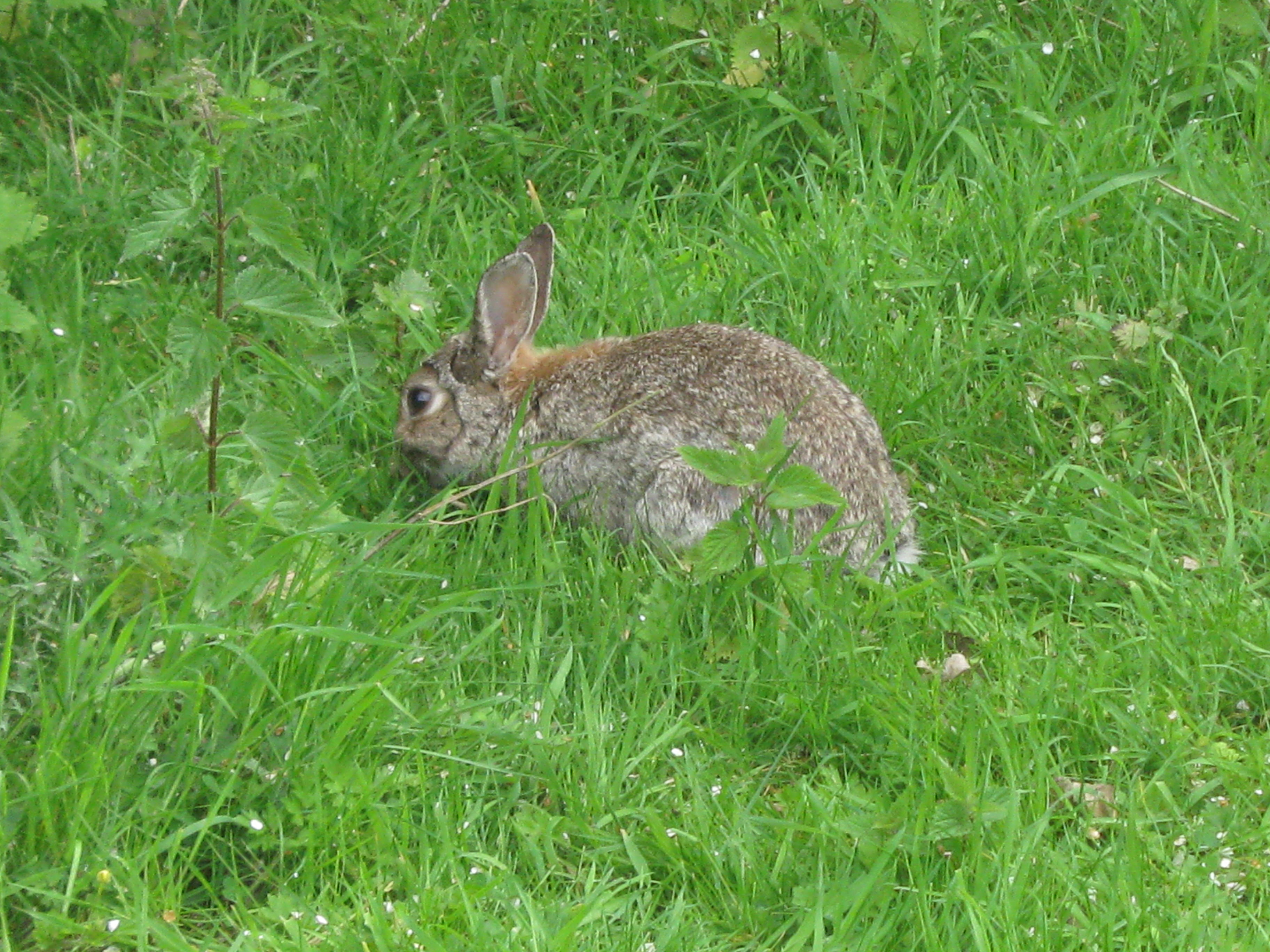
The rabbits on the reserve have no fear of humans

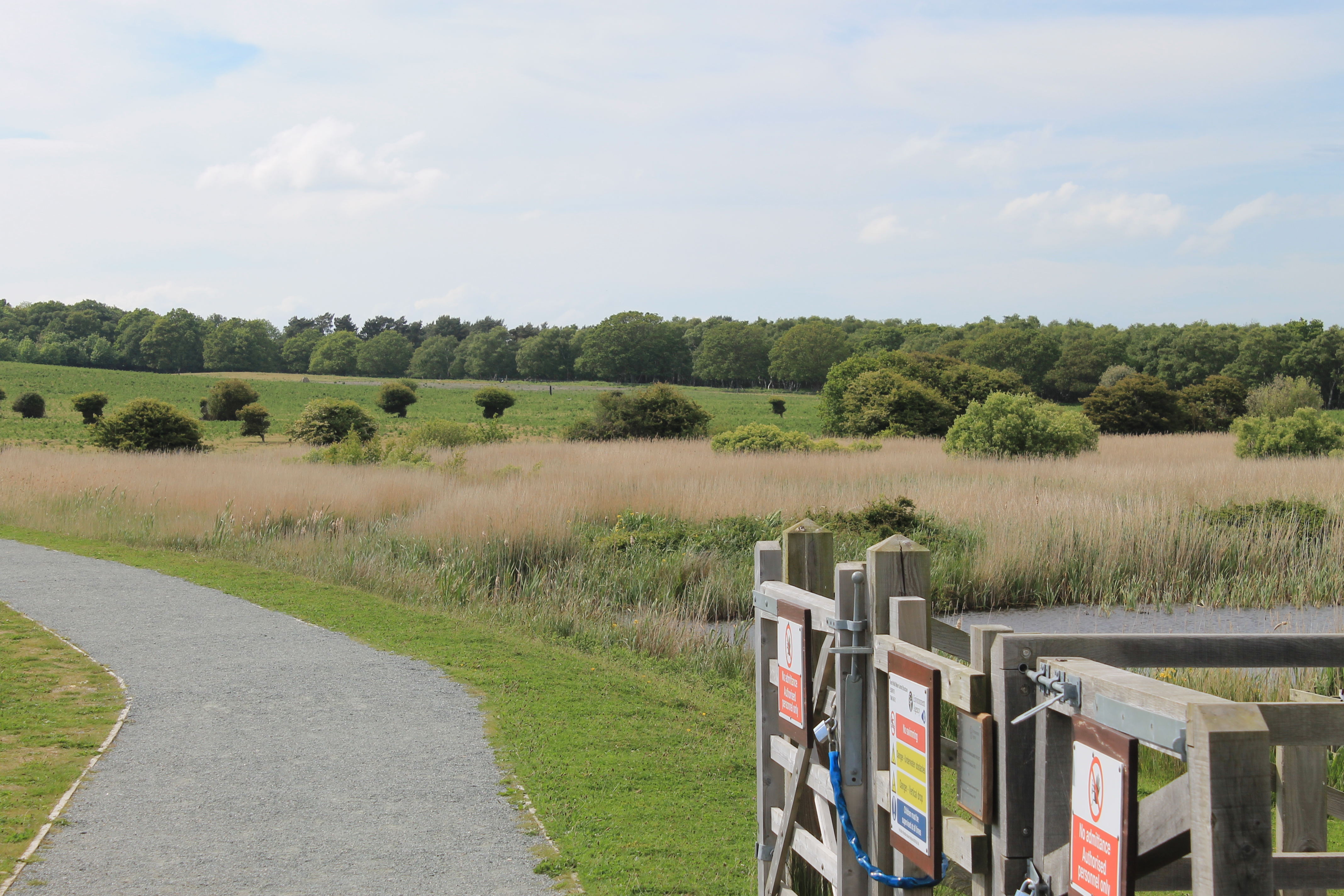
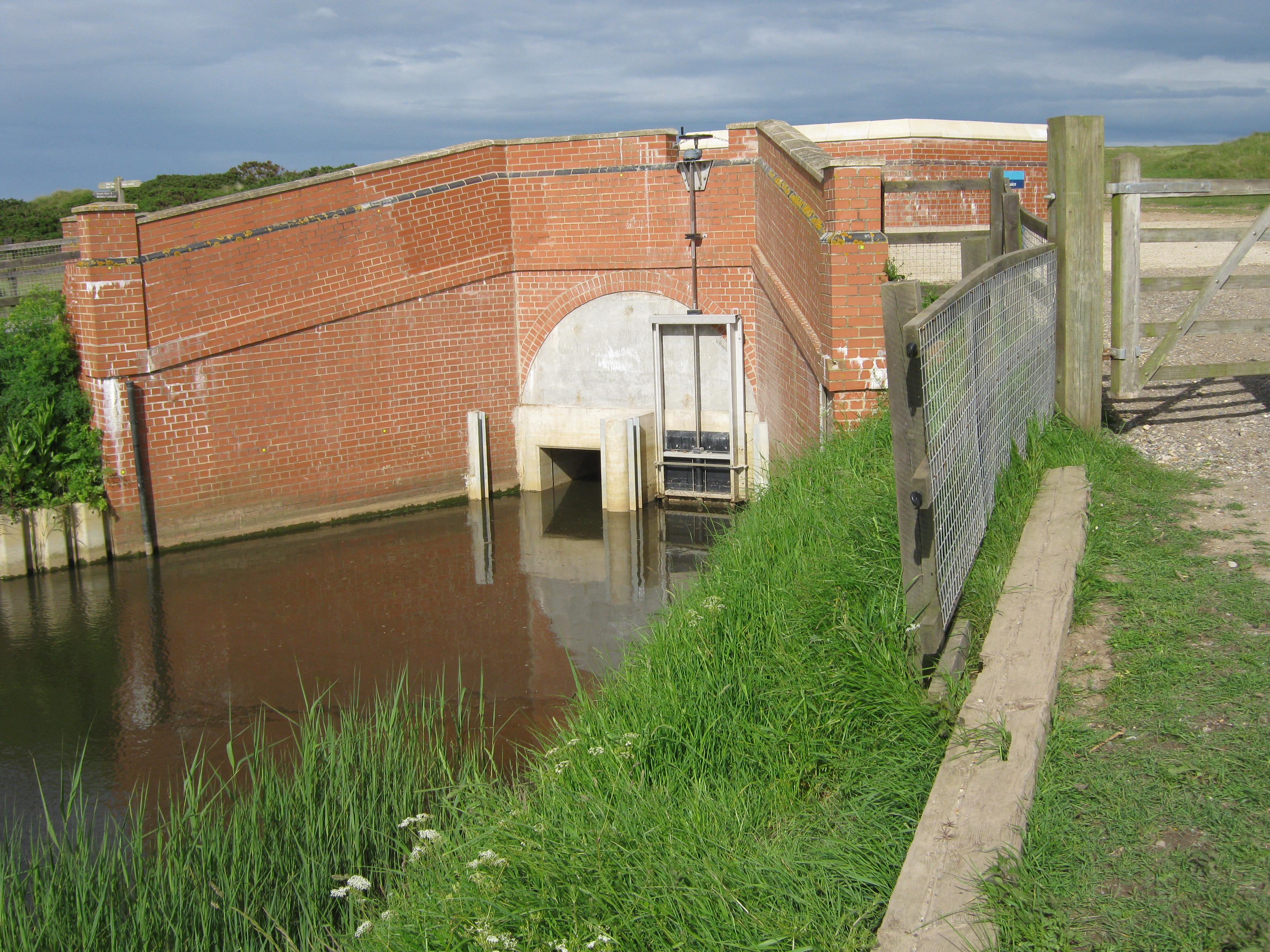
The path starts off over heathland and then carries on towards the sea on a raised bank through water meadows and marshland.

Image

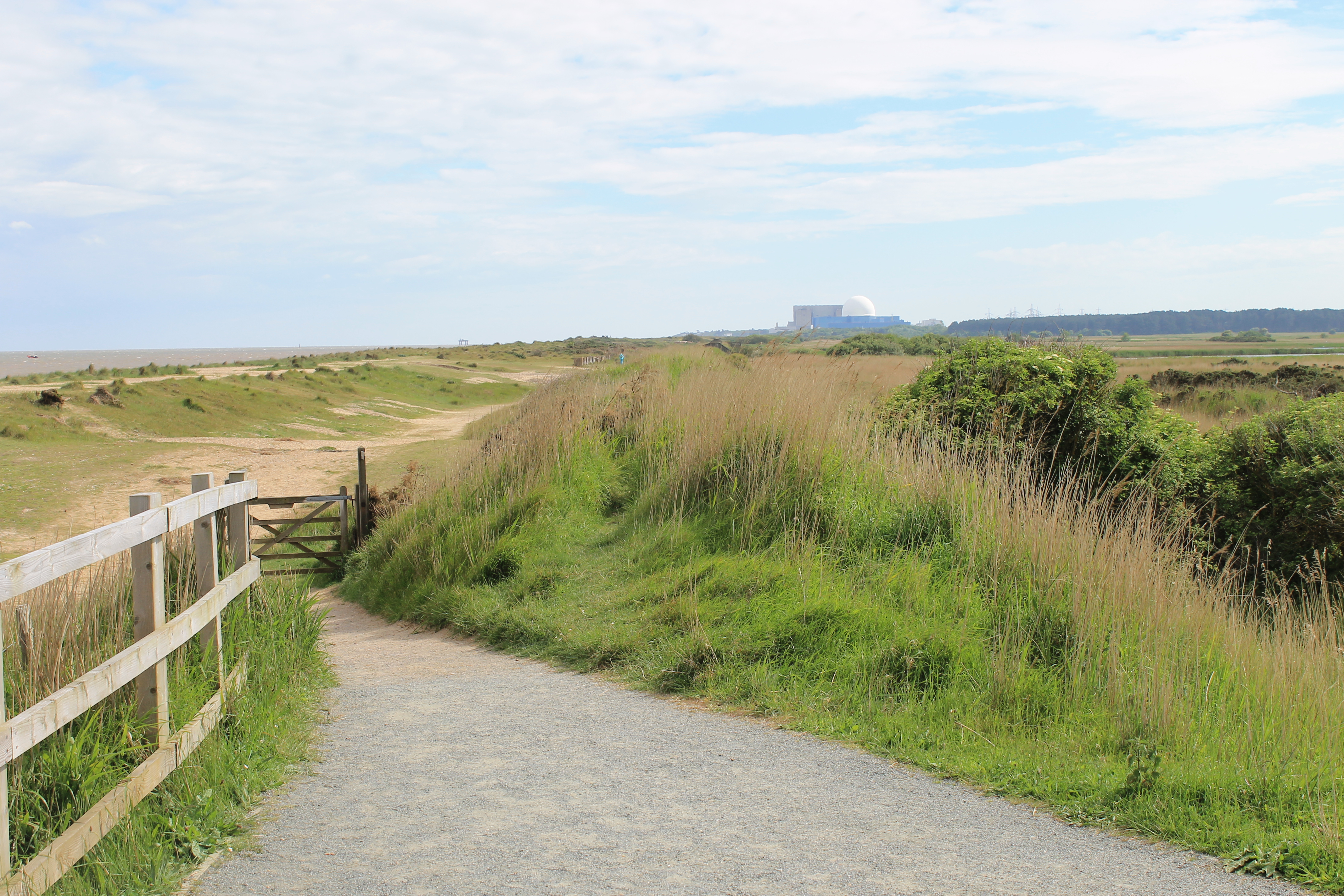
On our right to the south is Sizewell ‘B’ nuclear power station with Sizewell ‘A’ behind it.

Image

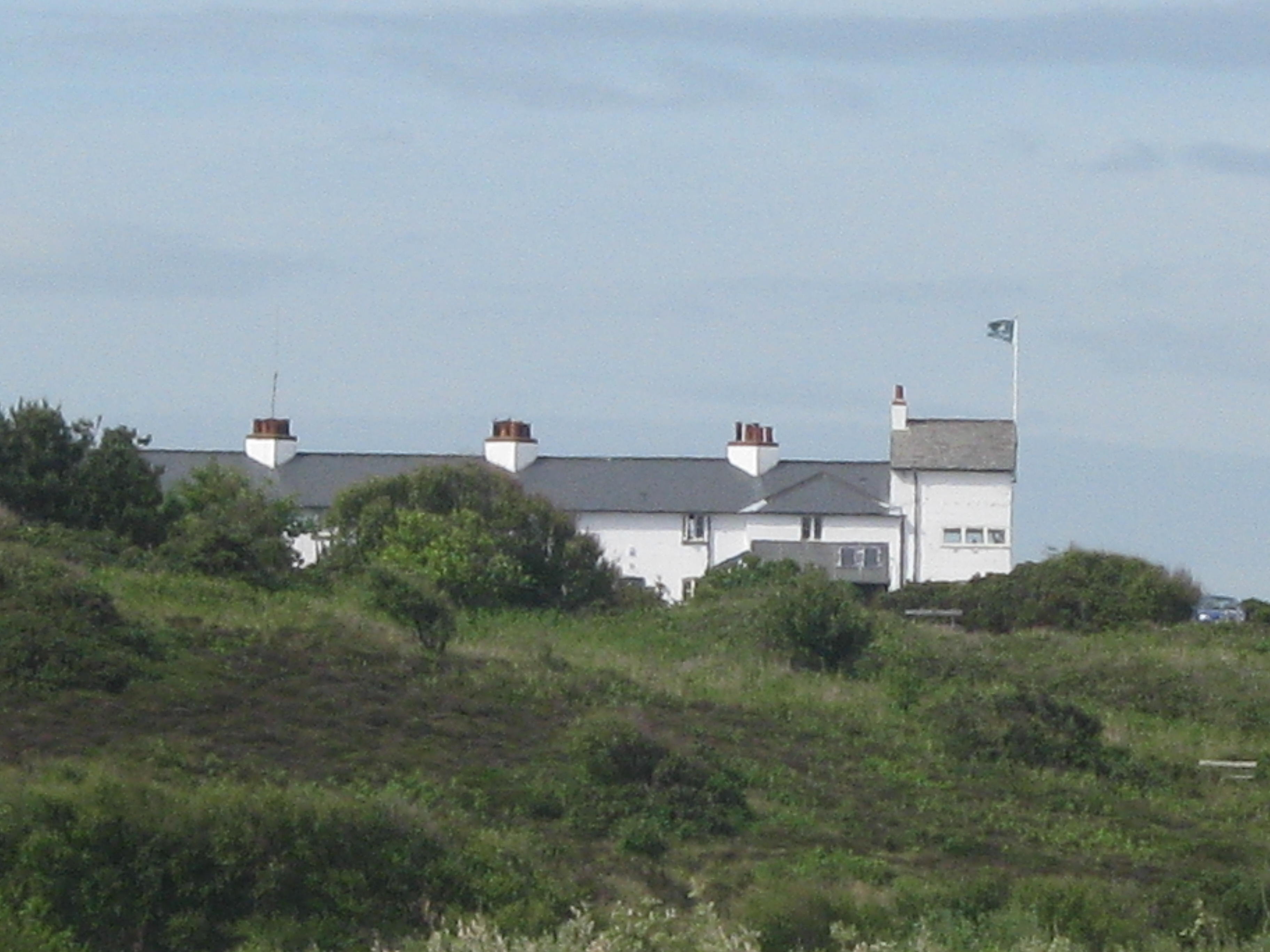
On our left are the Coastguard Cottages on land owned by the National Trust.

Image Image

This is looking back along the path we had just walked.  It has recently been re-laid and covered with gravel.  Crunching along these paths is a noisy business and all the birds disappear as soon as anyone steps onto them.  A lot of damage was done here during the storm surge in December and in the high winds and flooding during the winter; the RSPB have worked very hard trying to put things right again.  They also like to make as much of the reserve accessible to the disabled as possible – and – the BBC are filming one of the country’s most popular programmes here so it must look really neat and well cared for!

Image

The entrance to the beach.

Image

The dunes at the top of the beach.

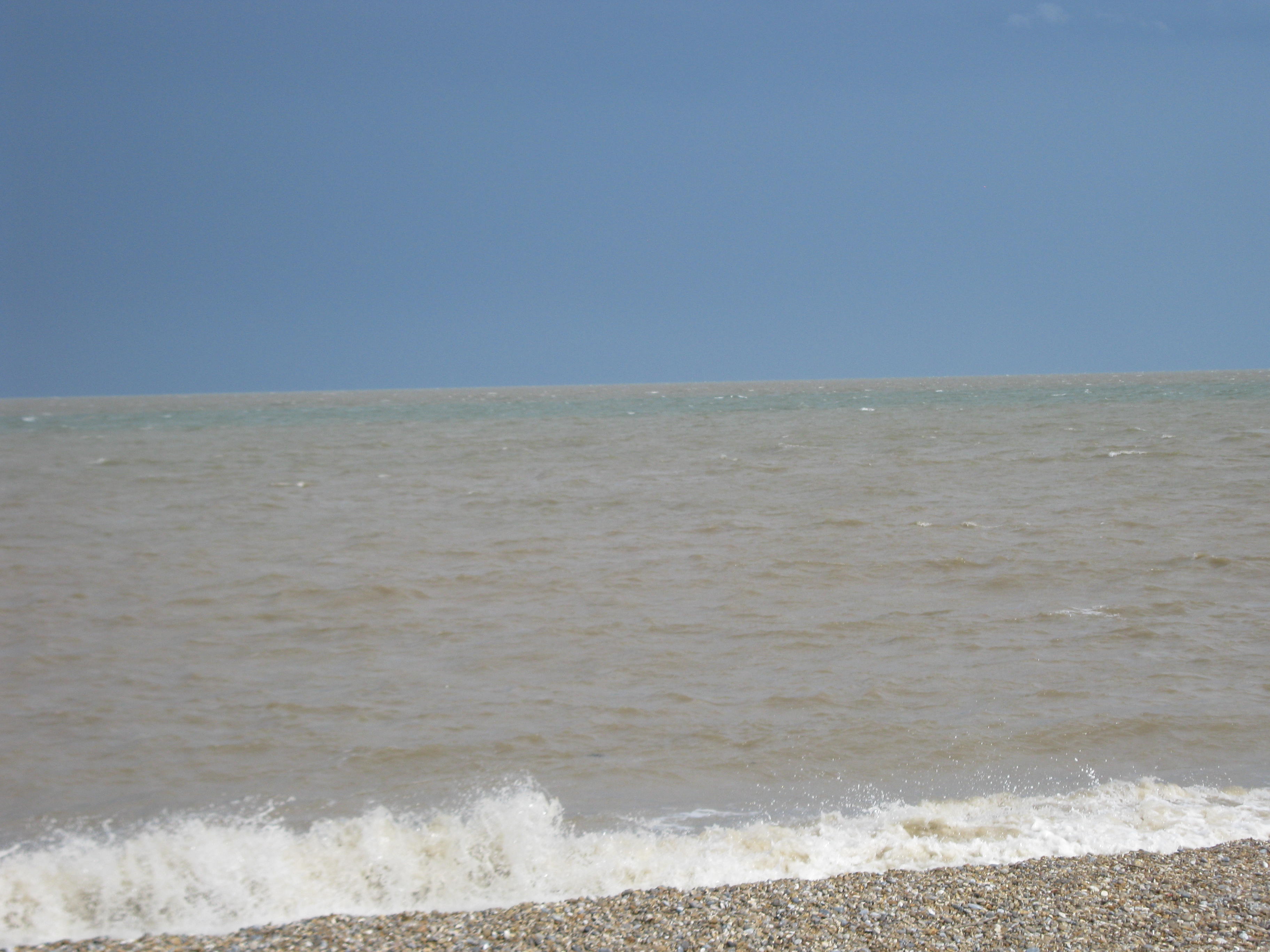
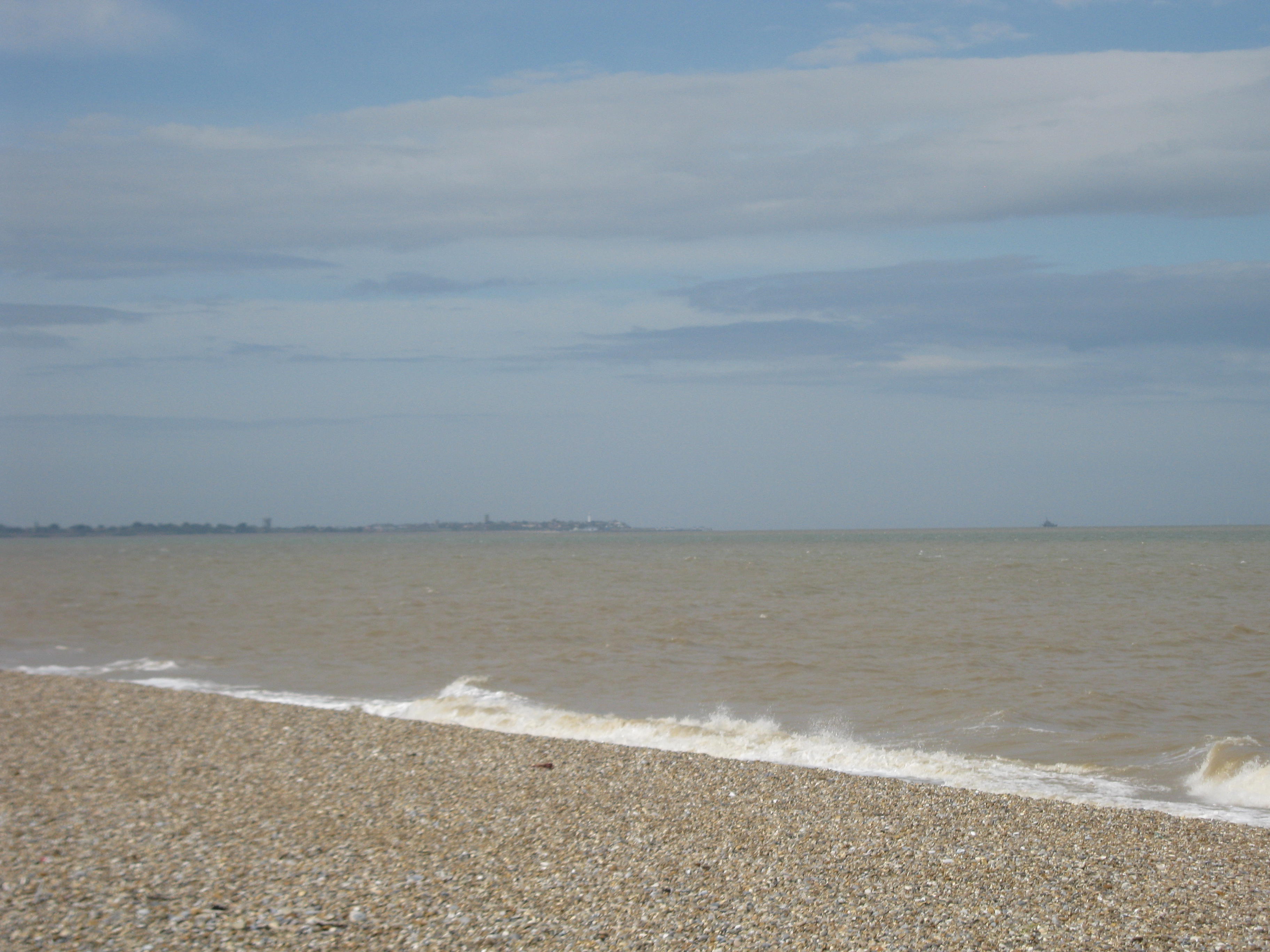
At last we got to the sea.  The sky out at sea looked very threatening but overhead was bright and sunny.

Image

Image

This is looking north towards the town of Southwold.  The lighthouse was flashing its light so conditions and visibility at sea mustn’t have been good.  I tried to get a photo with the light from the lighthouse shining but couldn’t.

Image

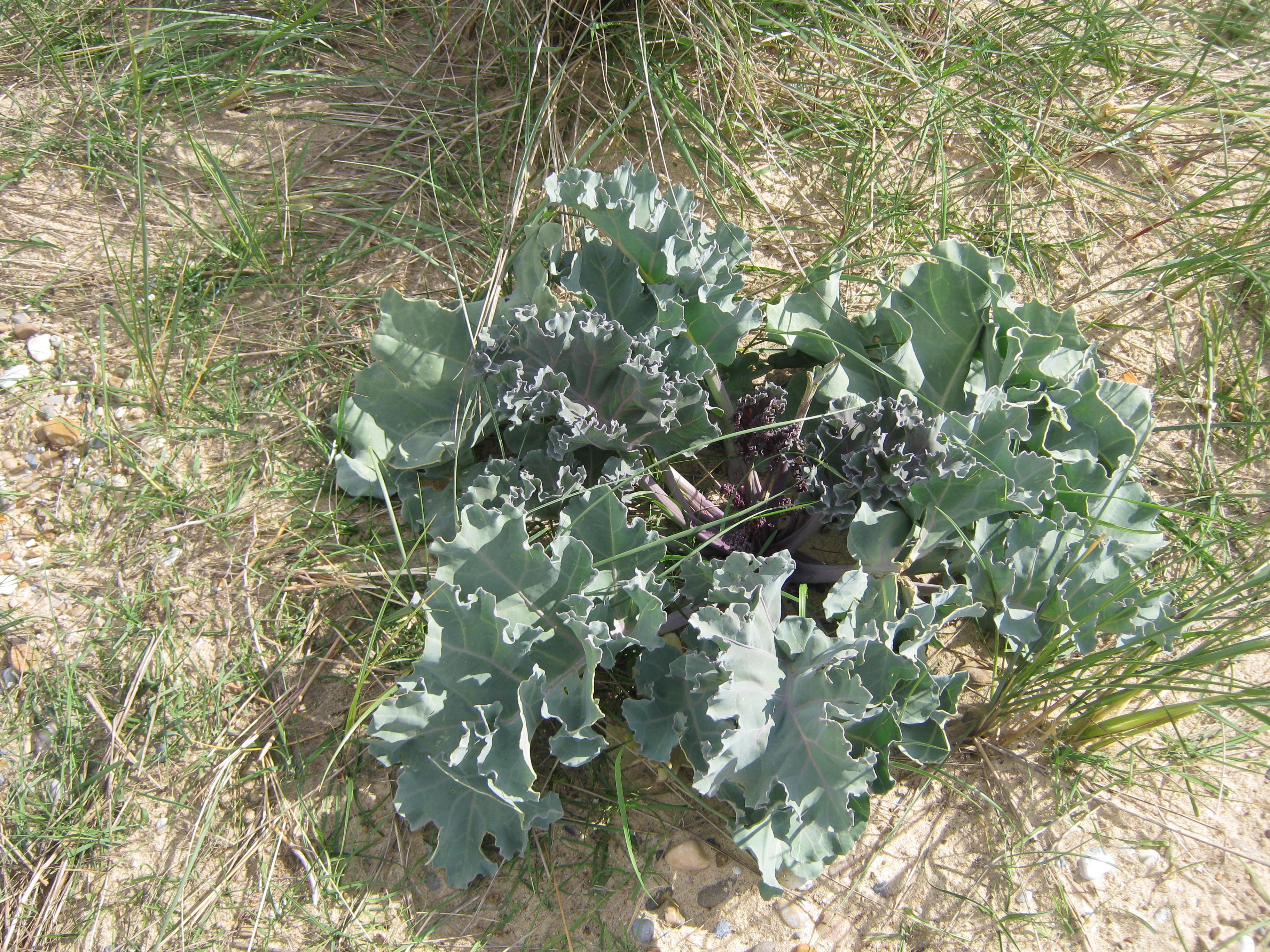
Sea Kale growing on the beach

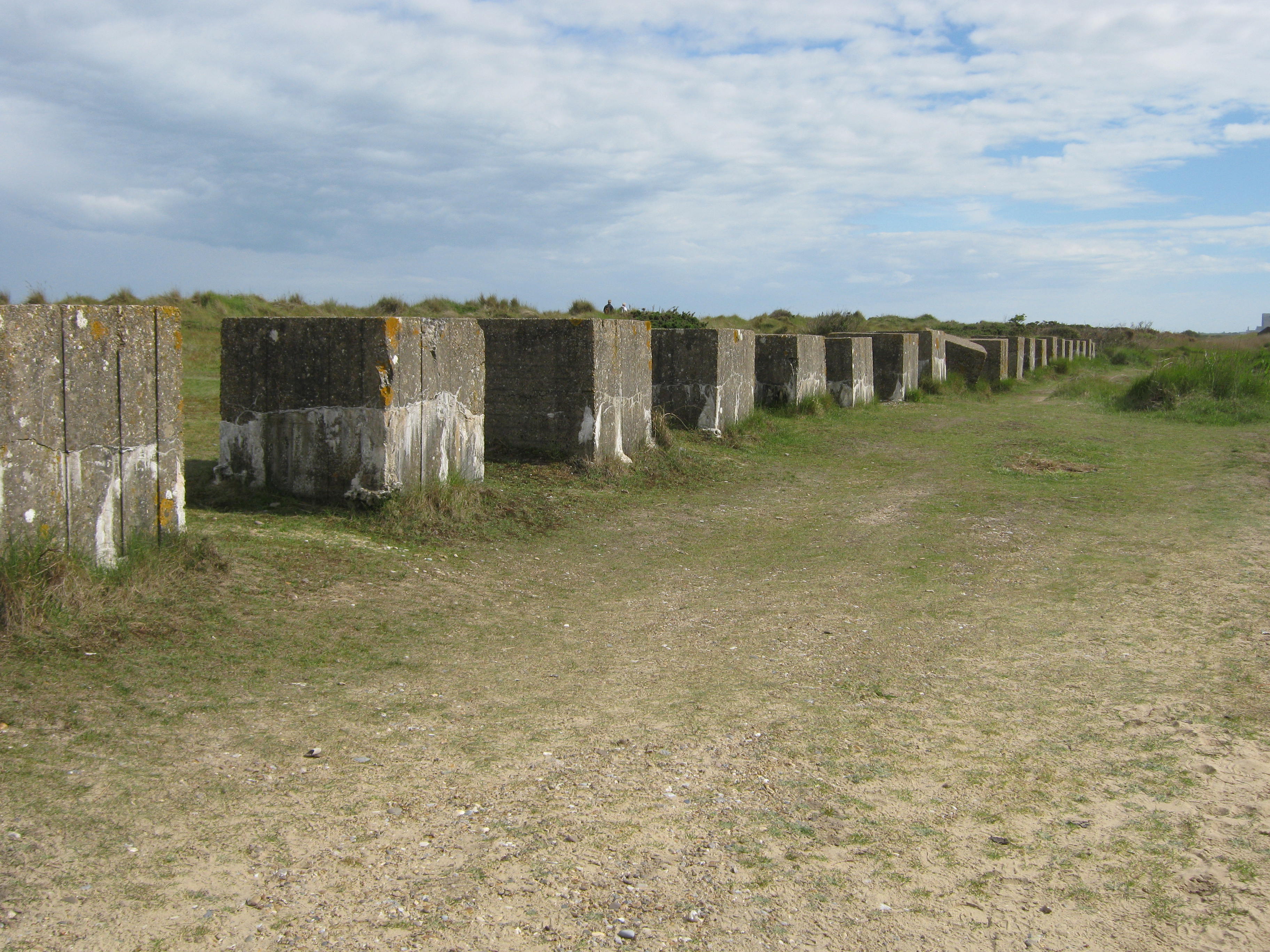
These are tank traps that were put here at the beginning of the Second World War.  If there had been an invasion it was hoped these might hold up the tanks for a while. There are many mementos of wartime in Britain, especially round the coast.

Image

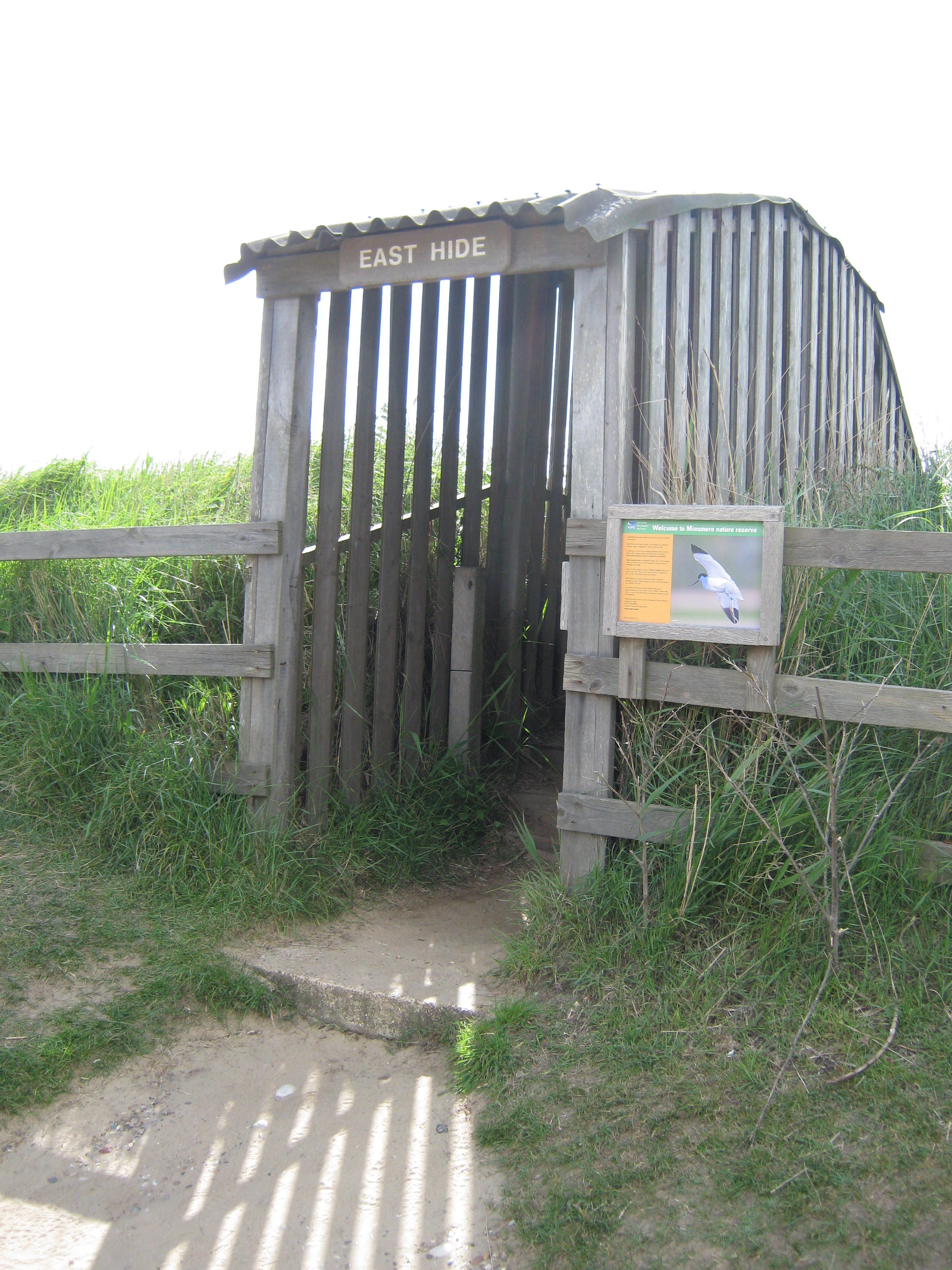
PD James’ book ‘Unnatural Causes’ is set here on the Suffolk coast.  One of characters in the book dies a most unpleasant death in one of the hides along the beach.

Image

Image

The sandy path that runs between the dunes and the reeds of the reserve.  We had walked by the sea for a while but an extremely stiff and cold onshore breeze was blowing so I escaped to the warm shelter of this path.

Image

Bird’s-foot Trefoil growing at the side of the path.

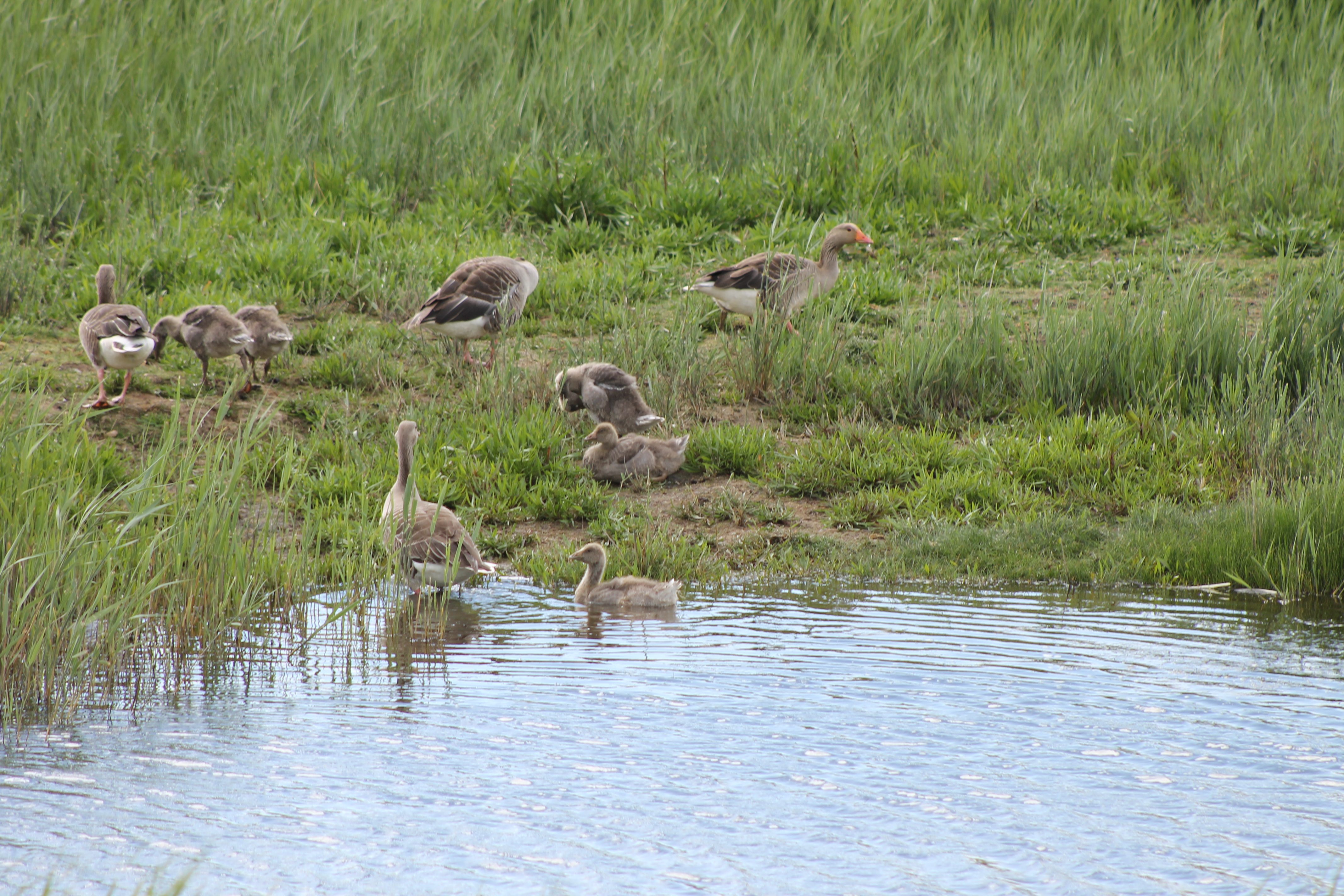
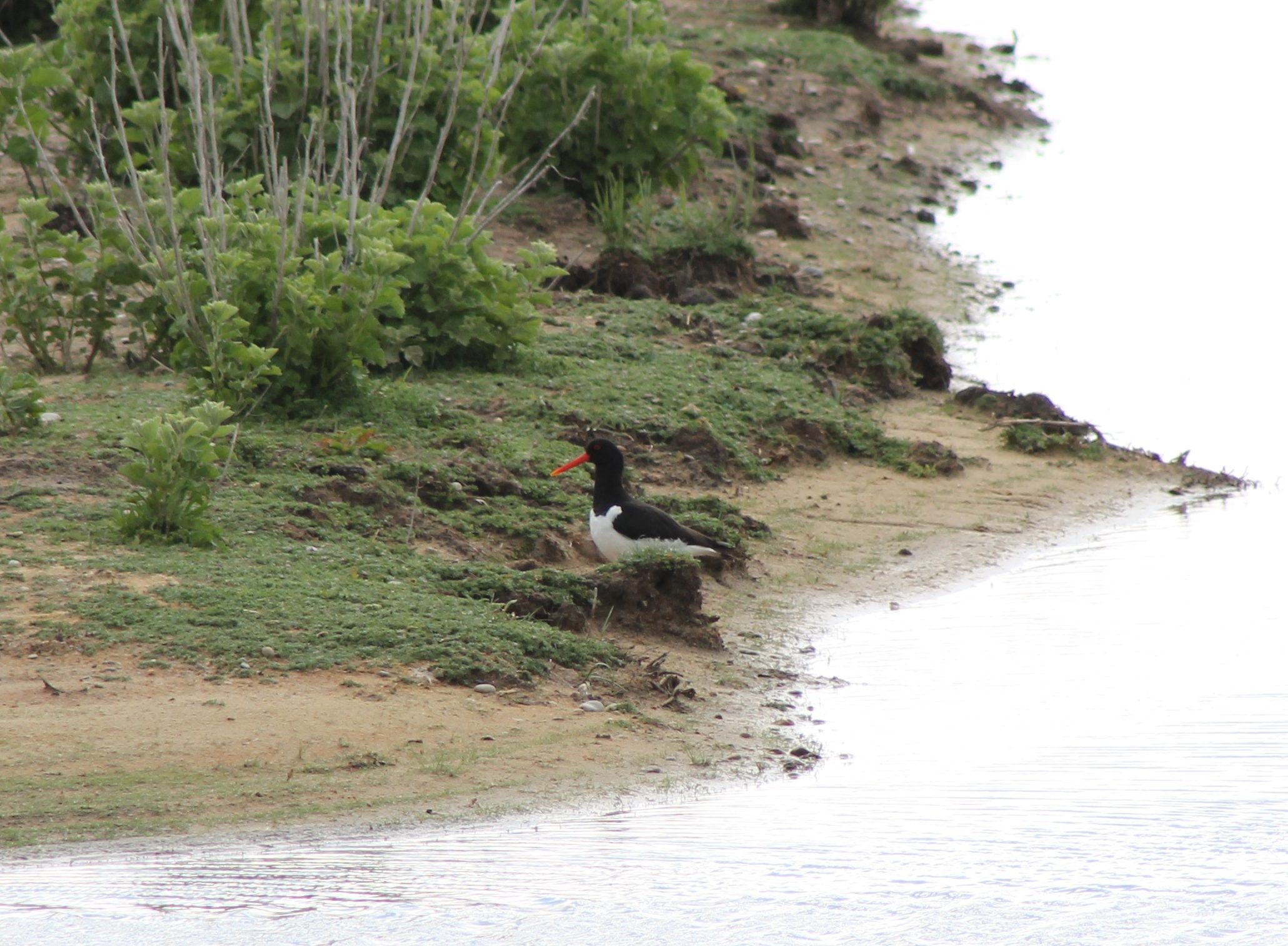
We went into one of the hides further along the beach and sat and looked inland across the Scrape at the birds nesting, eating, wading and getting on with their lives on the reserve.  The hide we were in had been damaged some time over winter and had no roof but as the weather was so lovely it didn’t matter much.  The birds were aware of our presence and didn’t get too close.  We were still able to see a lot through binoculars but we weren’t able to photograph much.

Image

Image

These are greylags with goslings.

Image

An Oystercatcher.

Image

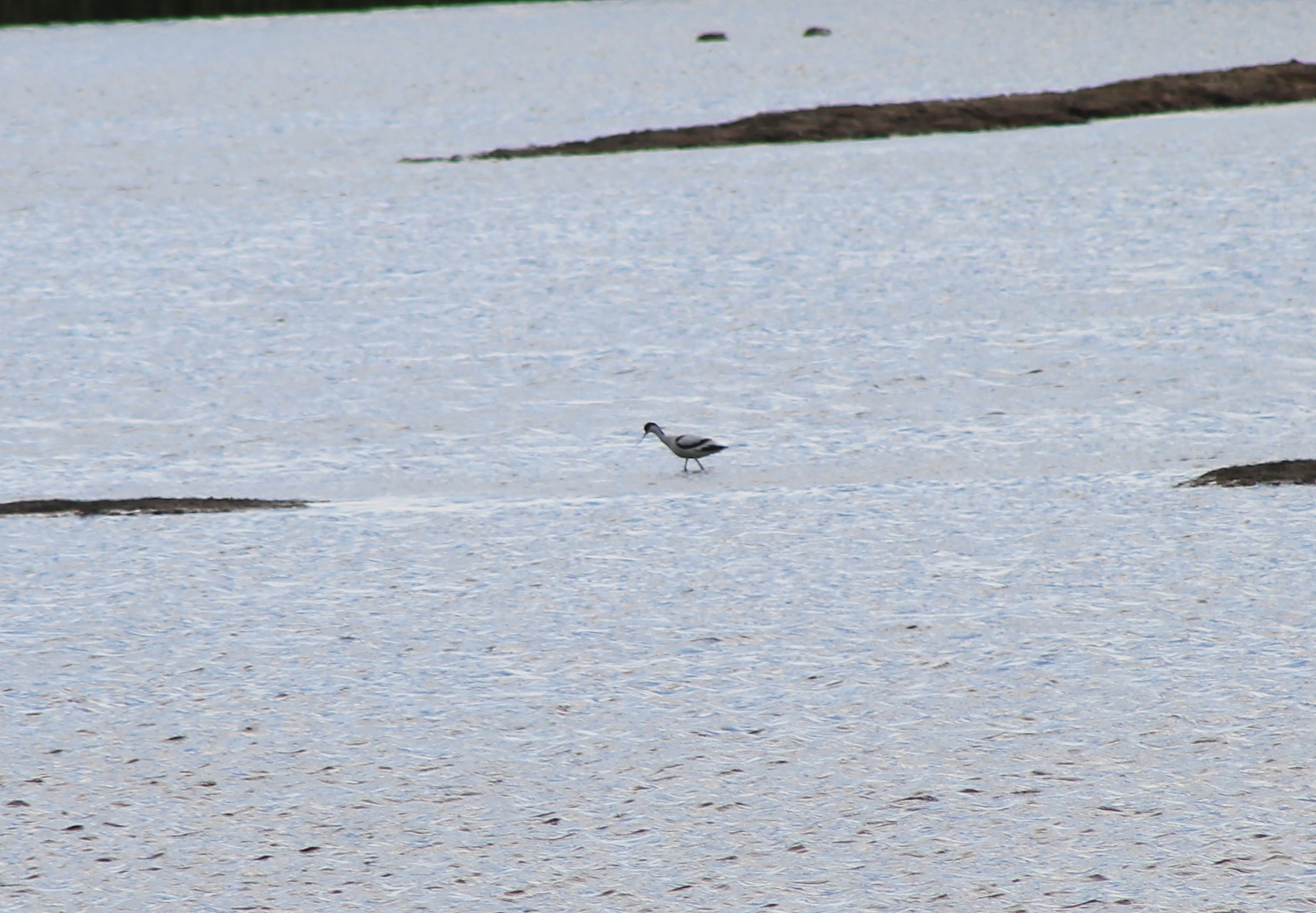
A poor photo of an Avocet.  You can almost see its long upturned bill!

Image

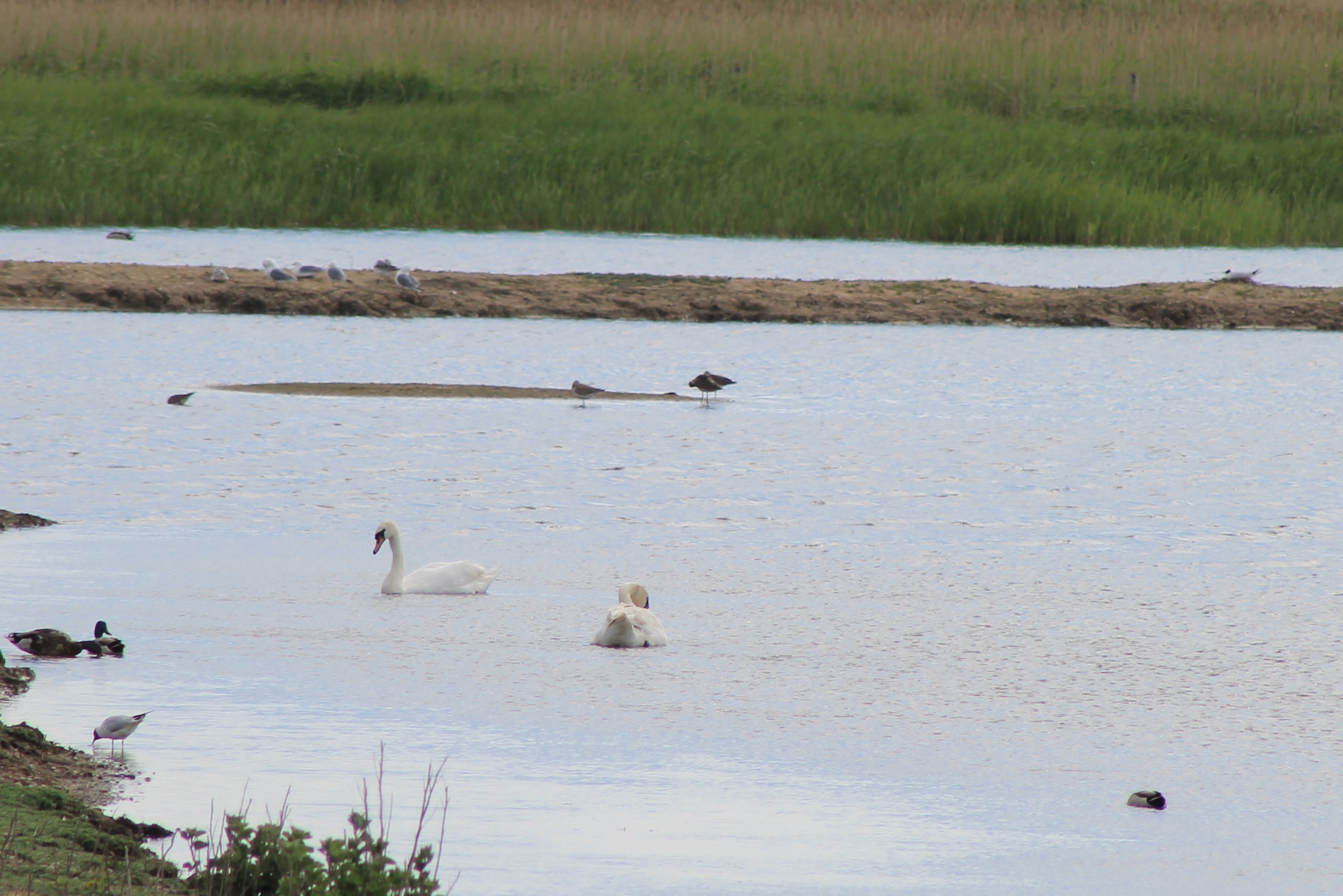
Mute Swans and other waders, ducks and gulls.

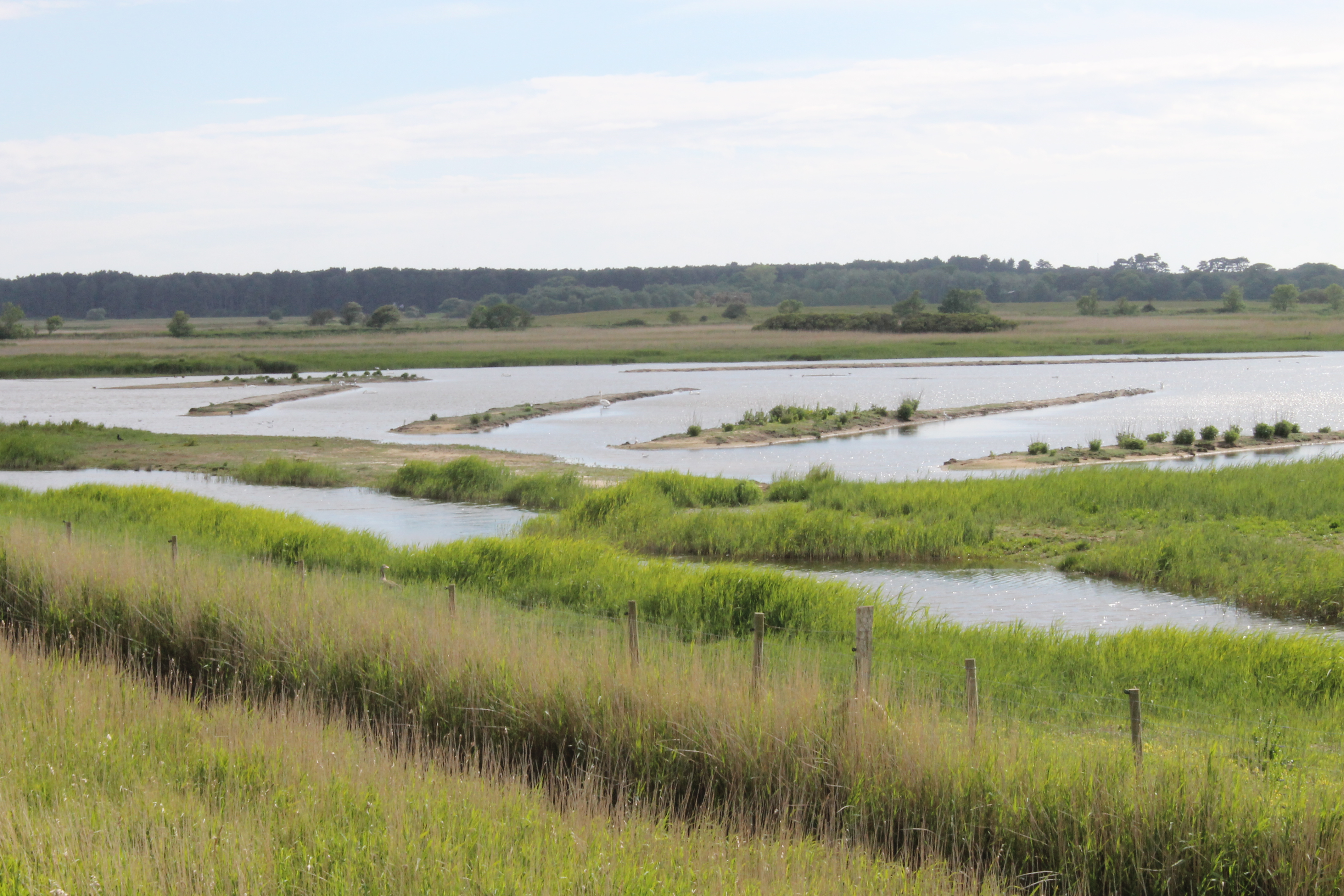
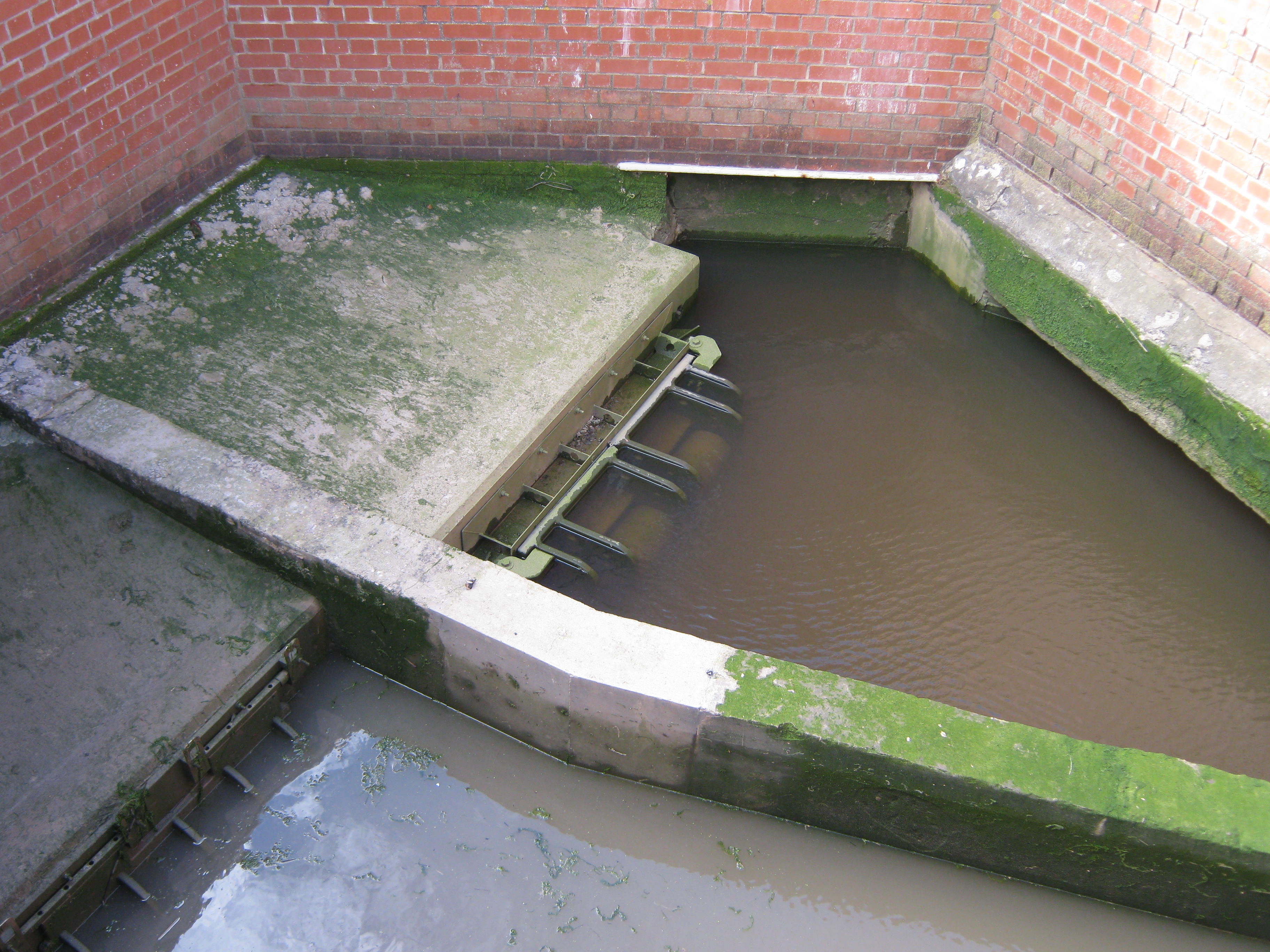
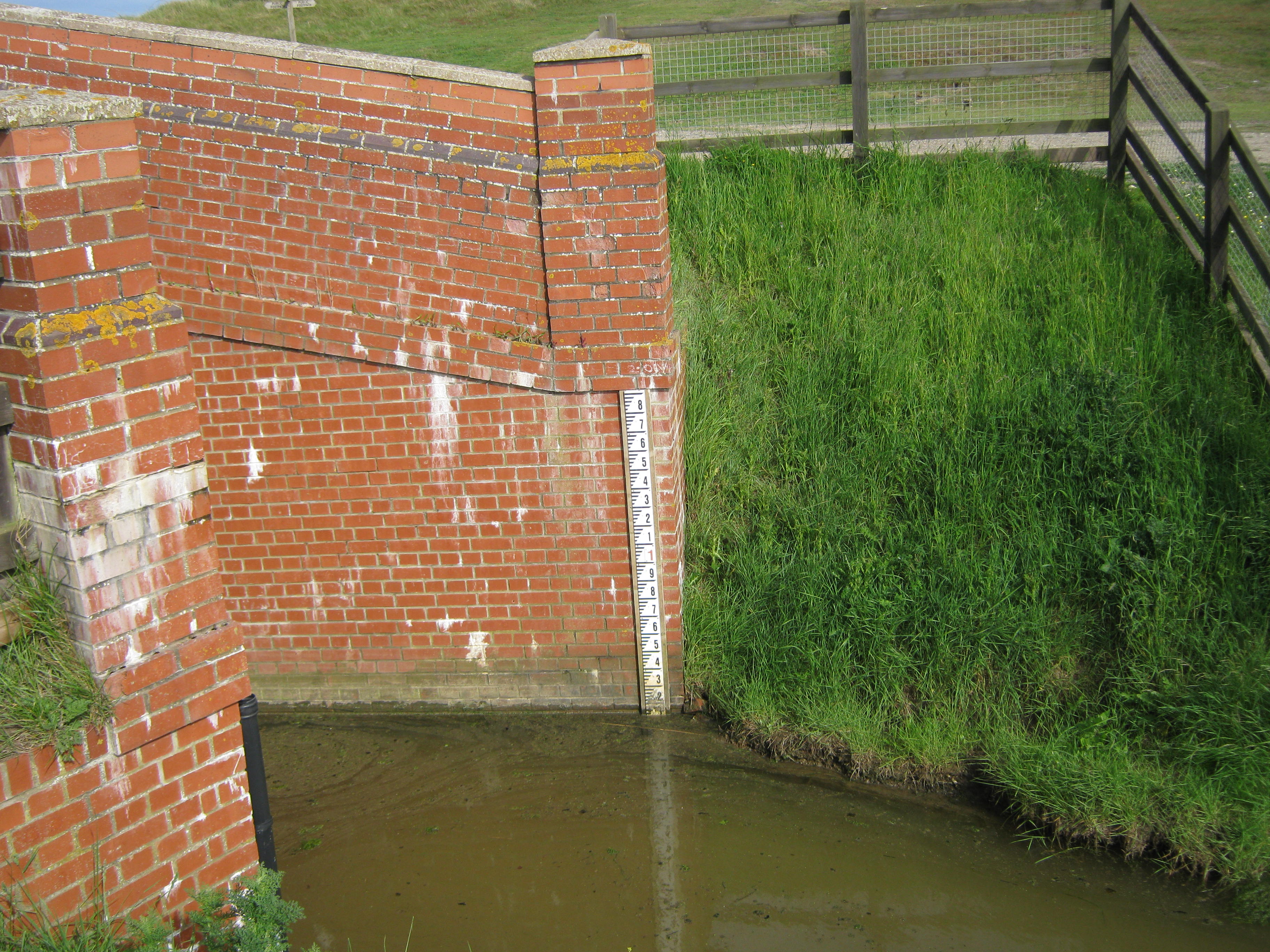
We eventually decided to move on and left the beach by another gate further south from the one we’d entered by.  There is a sluice there.  Water levels are monitored all the time.  The Scrape and lagoon need to have enough water in them but water levels must not get too high.  The RSPB works with other groups such as the owner of the nuclear power station and the National Trust to maintain flood defences.

Image

Image

Image

Image

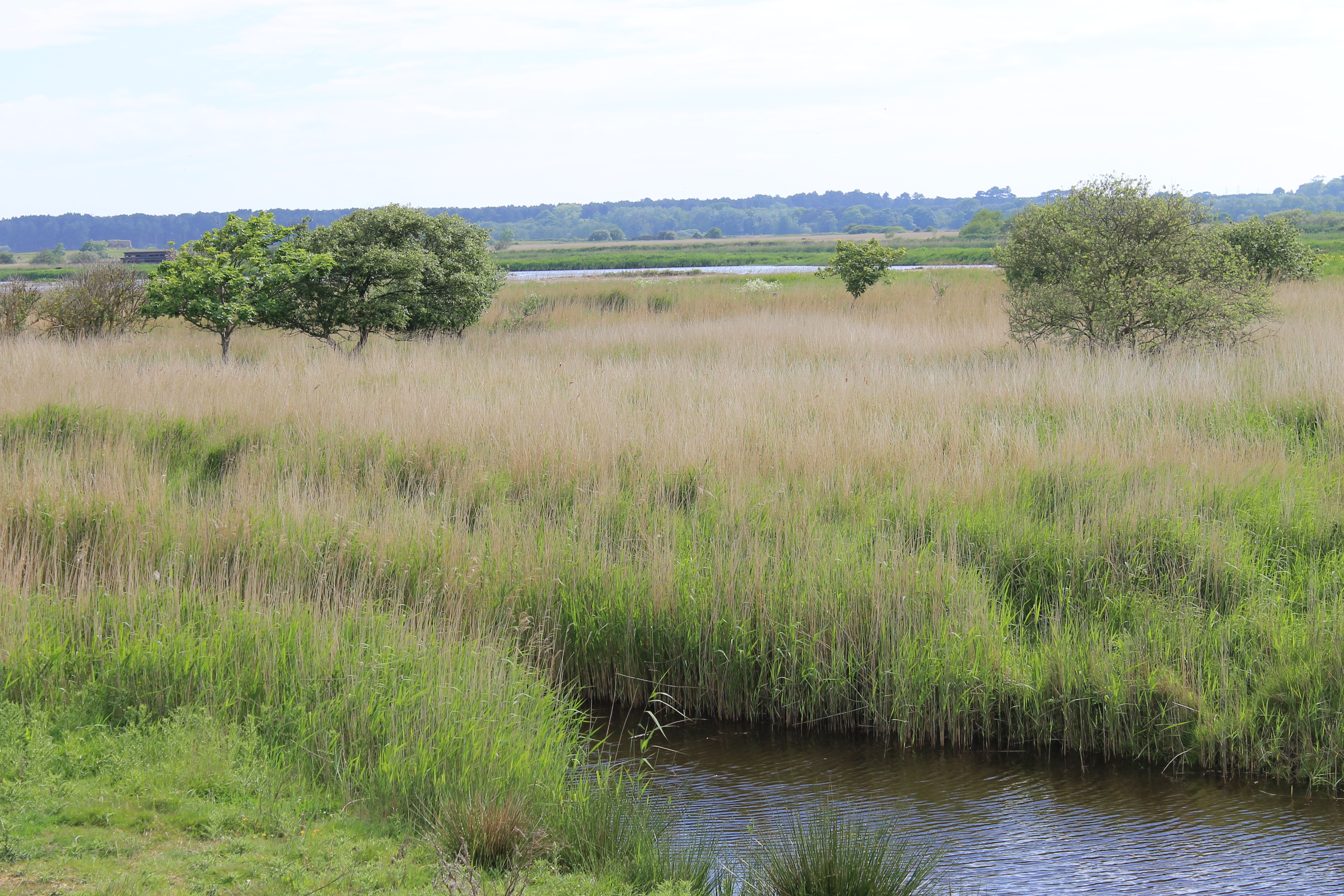
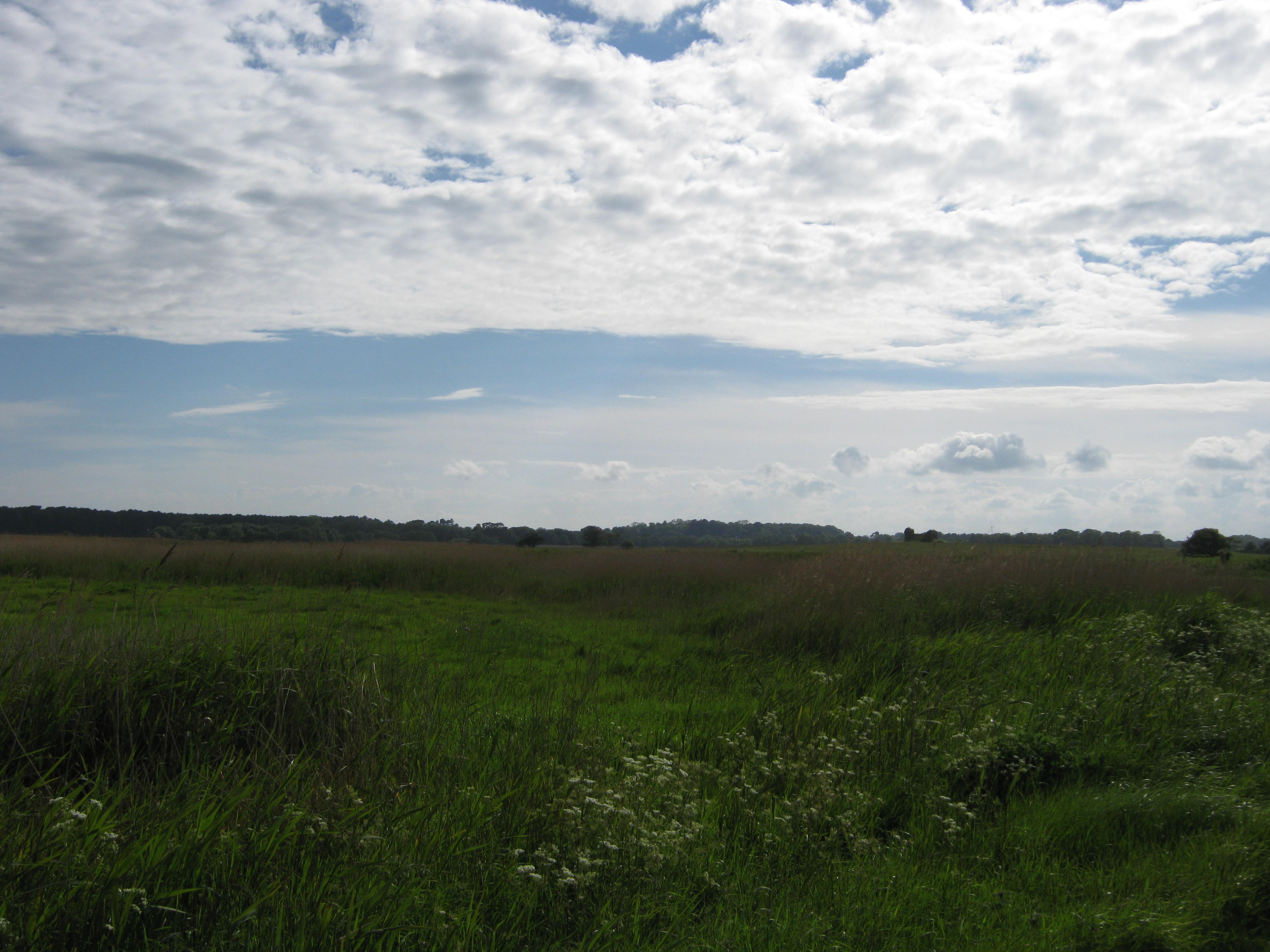
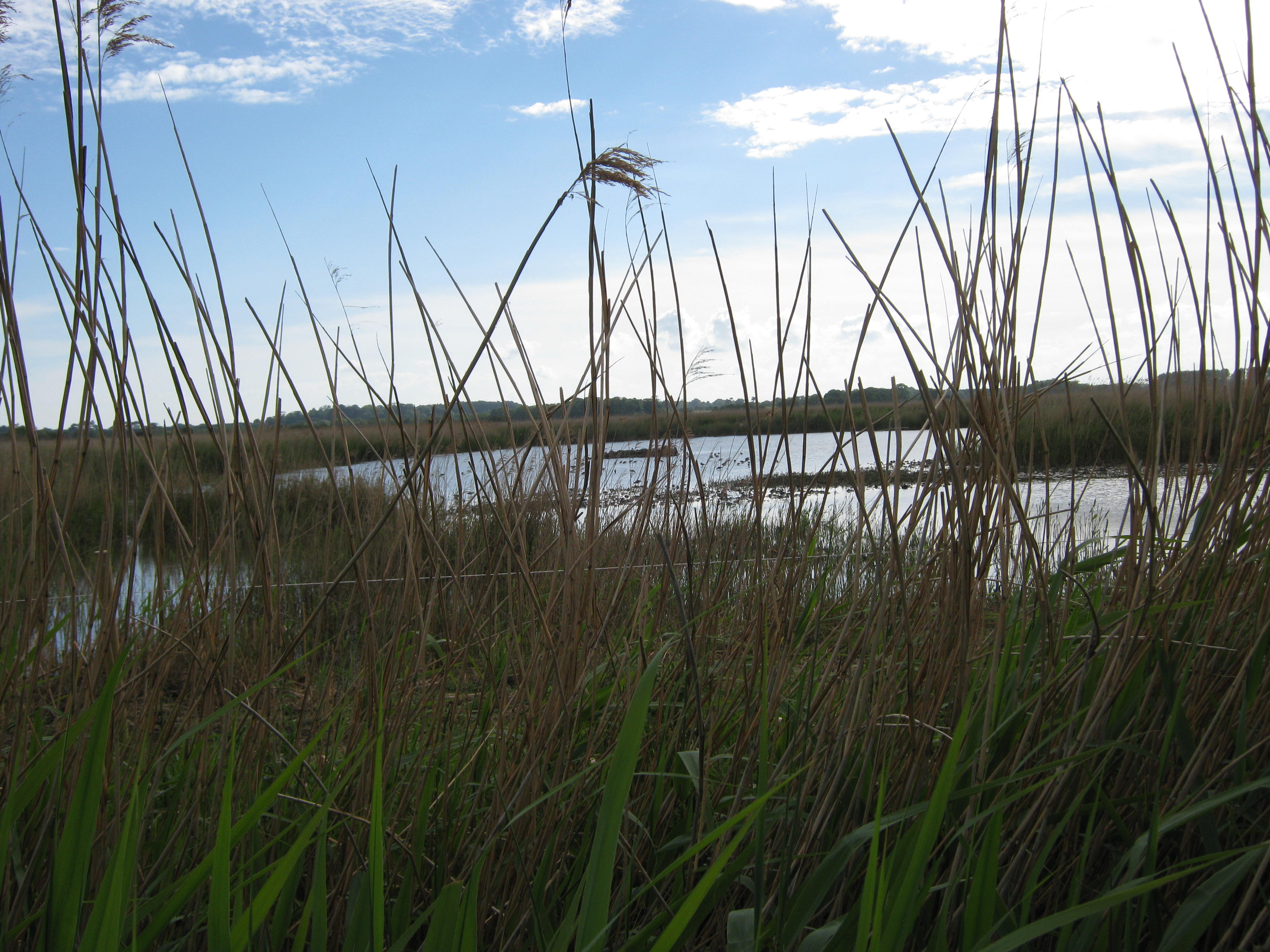
Views over the marshes.

Image

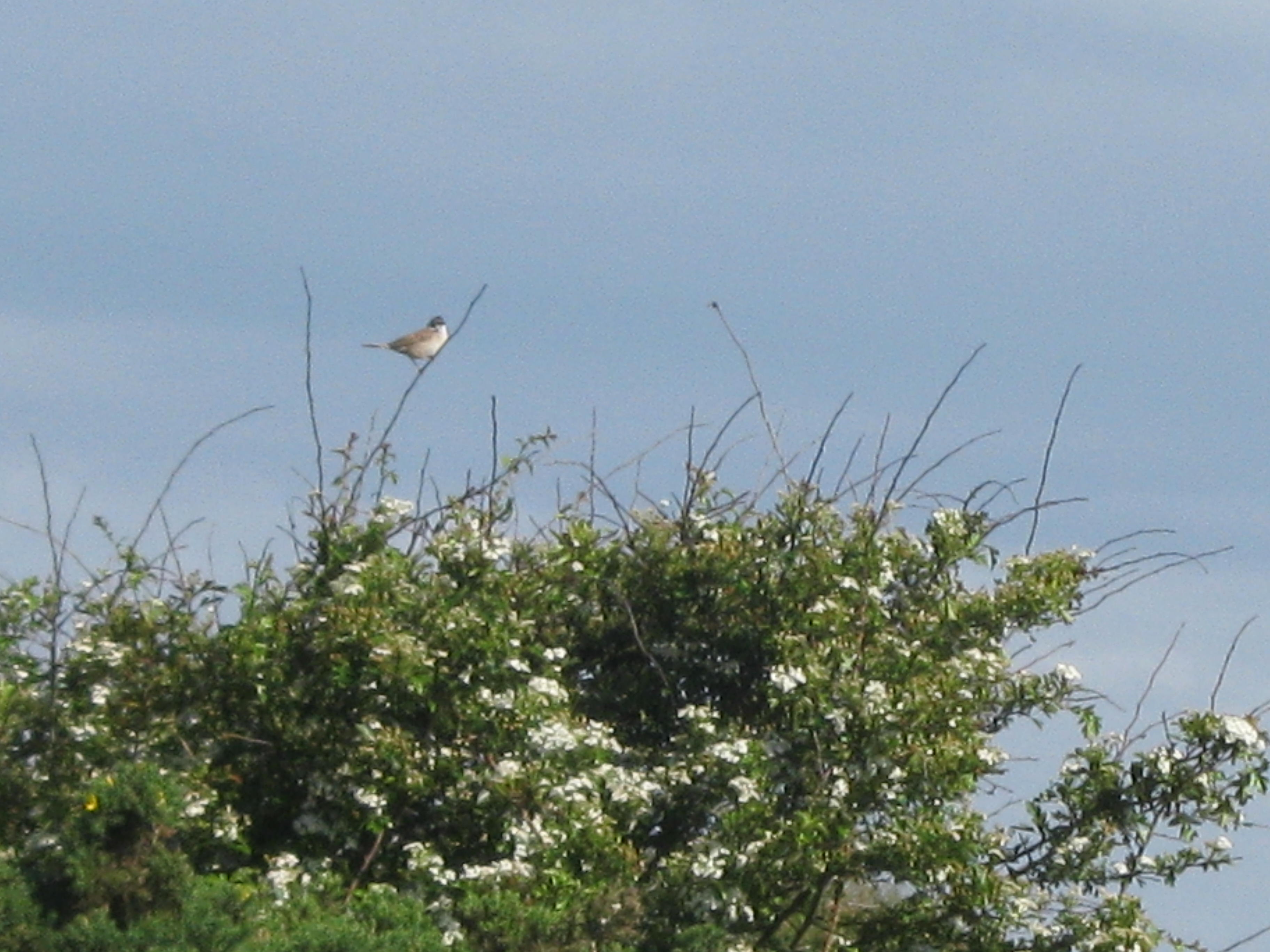
A photo of a Whitethroat singing from the top of a bush. We couldn’t get any closer I’m afraid so it’s not very clear.

Image

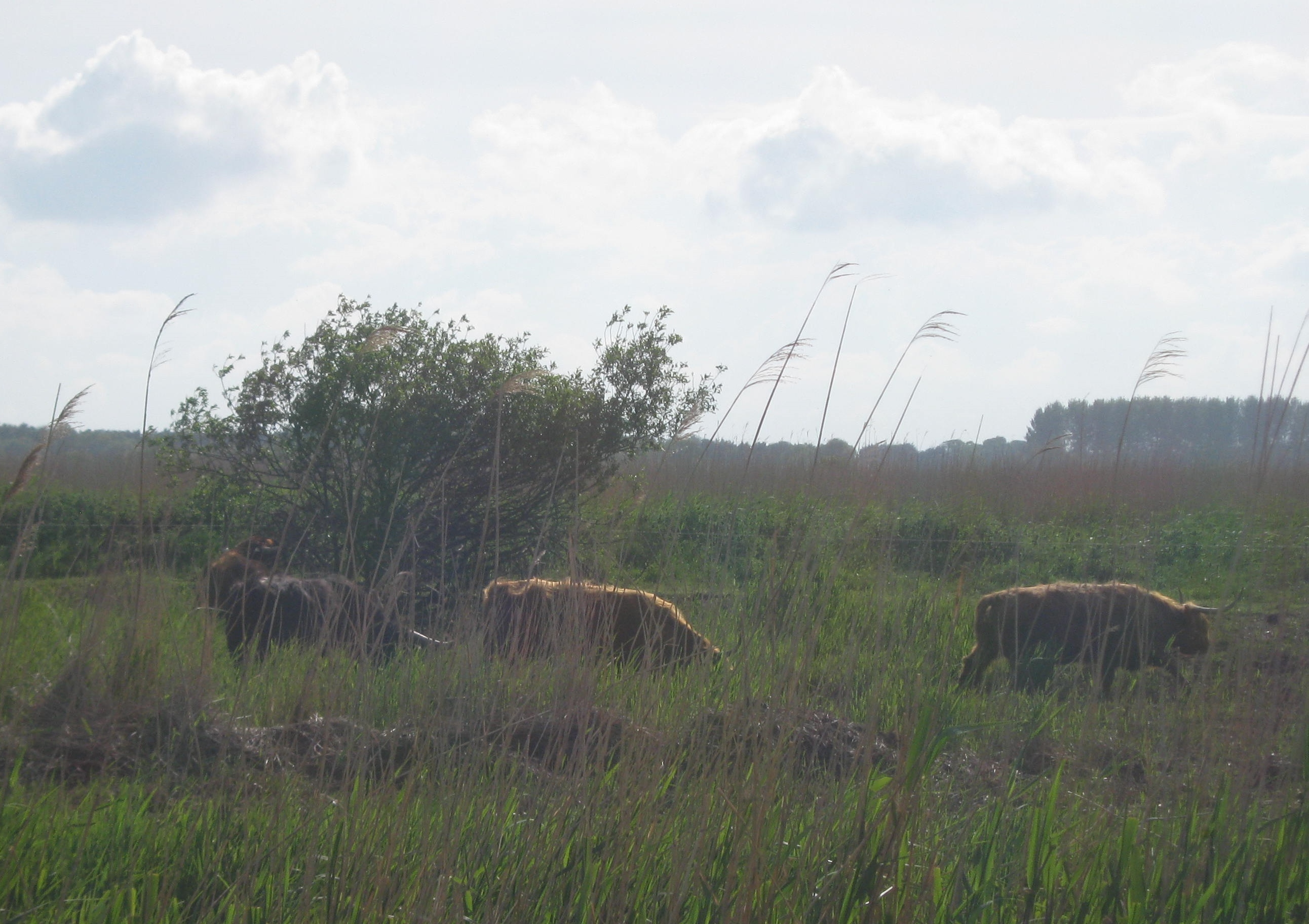
Highland cattle are used for marshland grazing.  They also use (or used to use) Konic Ponies for the same purpose.

Image

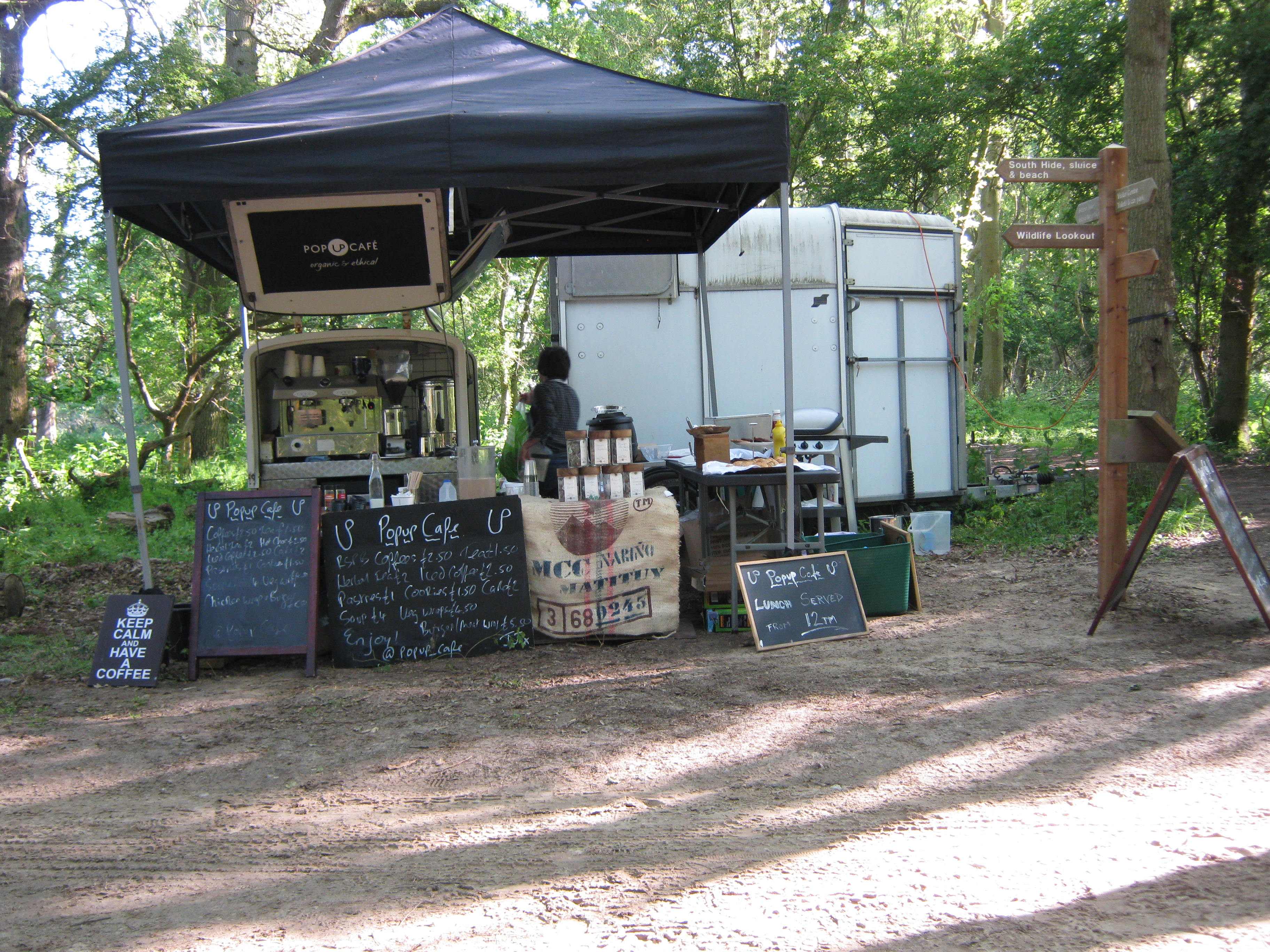
We walked back towards the woods on the noisy path listening to Sedge Warblers and Whitethroats and many more birds along the way.  We saw that the whole reserve was wired for sound.  There were cables everywhere and cameras attached to nest boxes and every now and then we came across one or two people working in ditches and under bushes trying to fix something.  In the woods we also found a Pop-Up Café.

Image

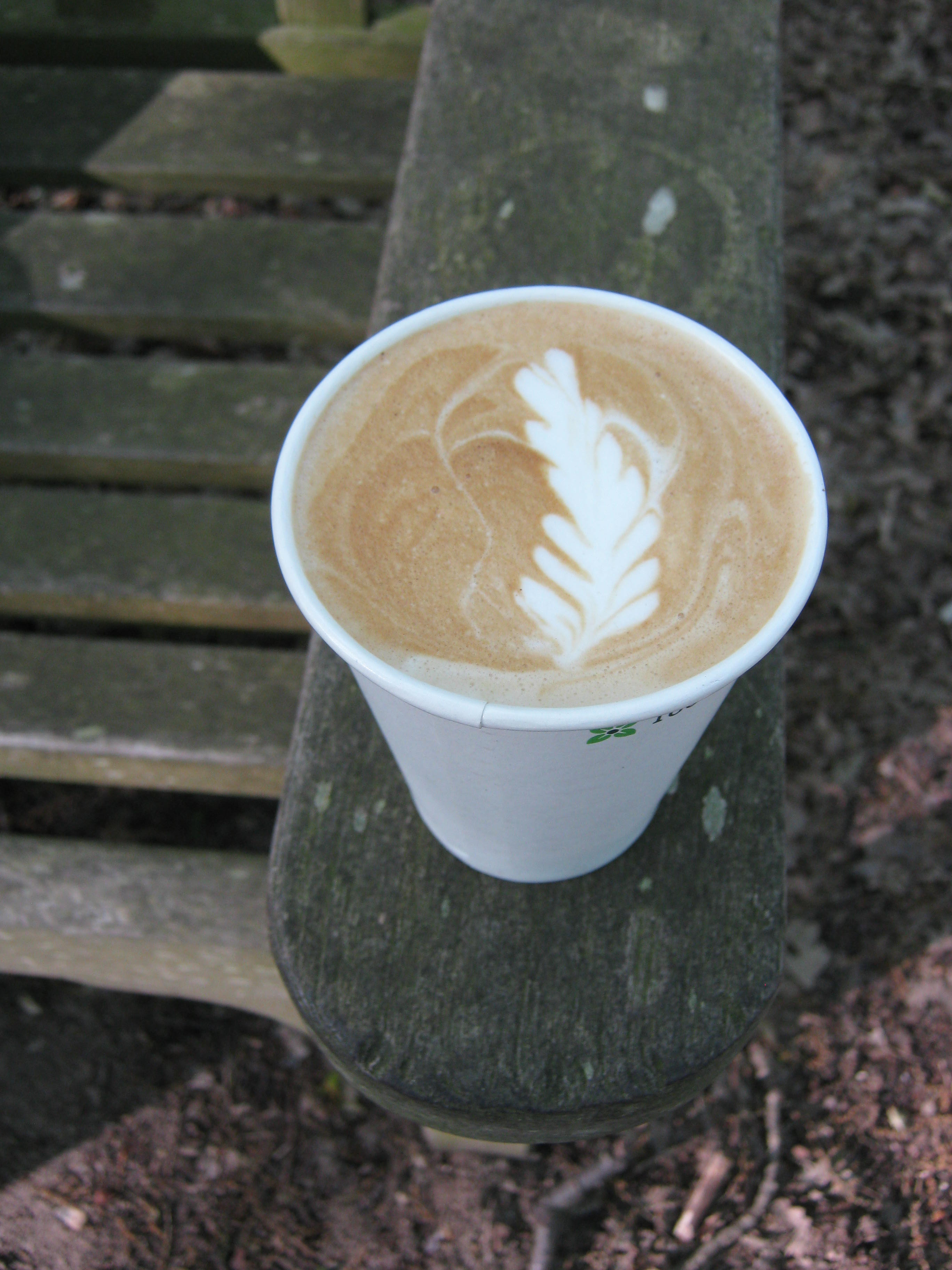
This was run by an enterprising East European couple.  R and I had the best coffee I’ve ever had.  It cost us £5.00 for two coffees which is very expensive for Suffolk but we did get two free pastries with it.  The girl put a pretty pattern on the top of mine.

Image

After eating our pain au chocolat and drinking our coffee we walked a little way up into the wood and sat listening to the birds.  We heard a Bittern ‘booming’ which we were pleased about but unfortunately we weren’t able to hear a nightingale.  It was becoming late by this time and we decided to go home.  The BBC is only filming on Mondays to Thursdays so I may go back next Friday and just walk round the wood and try to hear the nightingale.  A and I walked here a few years ago listening to one singing and we even saw it too.  When I first moved to Suffolk in 1988 I lived in Halesworth and I used to be able to hear nightingales singing all night from the Folly on the edge of the town.  Sadly there are fewer Nightingales about and I haven’t heard one for about four years.

Share this:

  • Share on X (Opens in new window) X
  • Share on Reddit (Opens in new window) Reddit
  • Share on Pinterest (Opens in new window) Pinterest
  • Share on Facebook (Opens in new window) Facebook
  • Email a link to a friend (Opens in new window) Email
  • Share on Tumblr (Opens in new window) Tumblr
  • Print (Opens in new window) Print
  • Share on Pocket (Opens in new window) Pocket
  • Share on LinkedIn (Opens in new window) LinkedIn
Like Loading...

A Cactus Flower

21 Wed May 2014

Posted by Clare Pooley in Insects, plants, Rural Diary, Uncategorized

≈ 3 Comments

Tags

Barrel cactus, flower, leaf-cutter bee burrow, scent

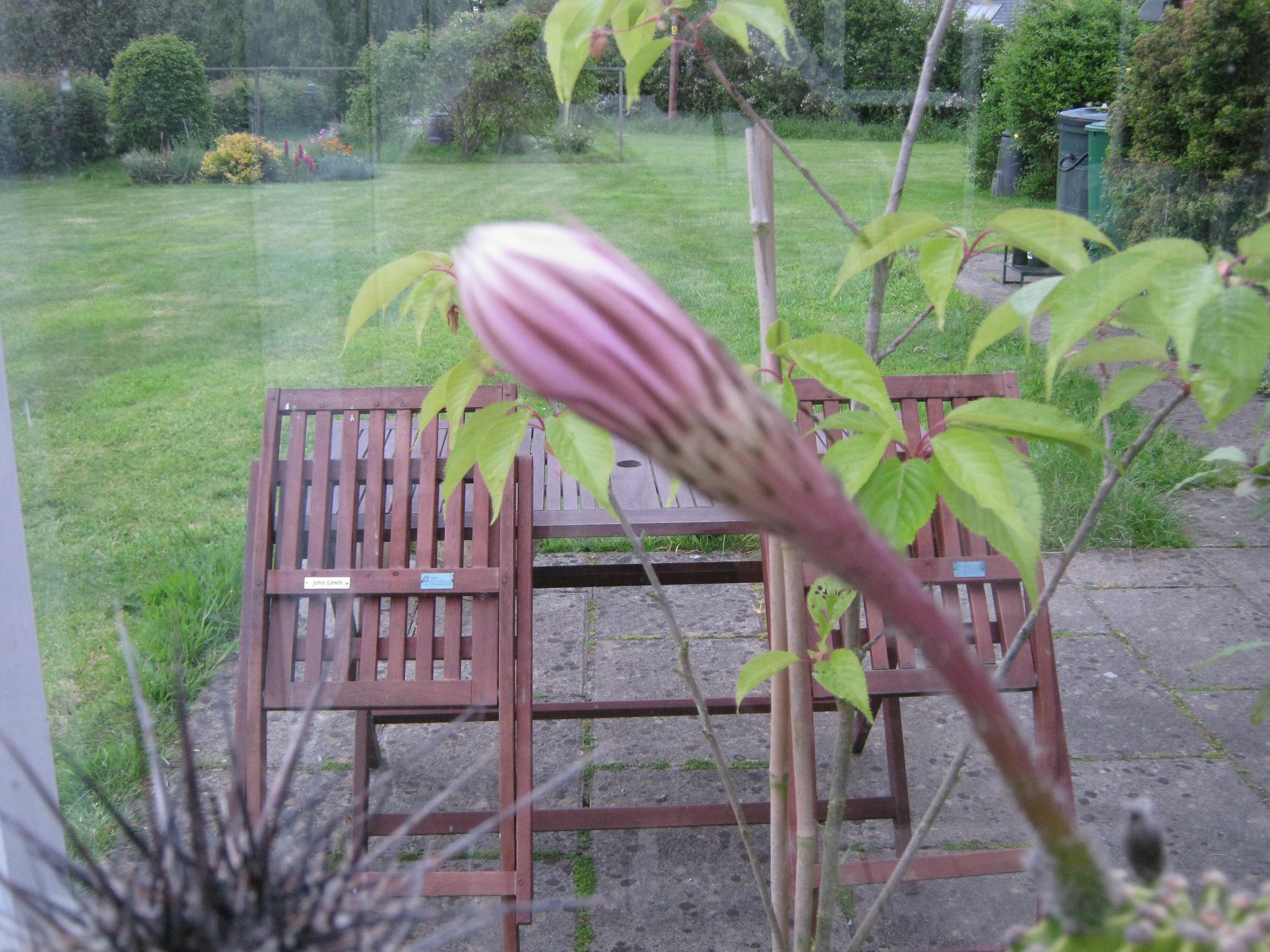
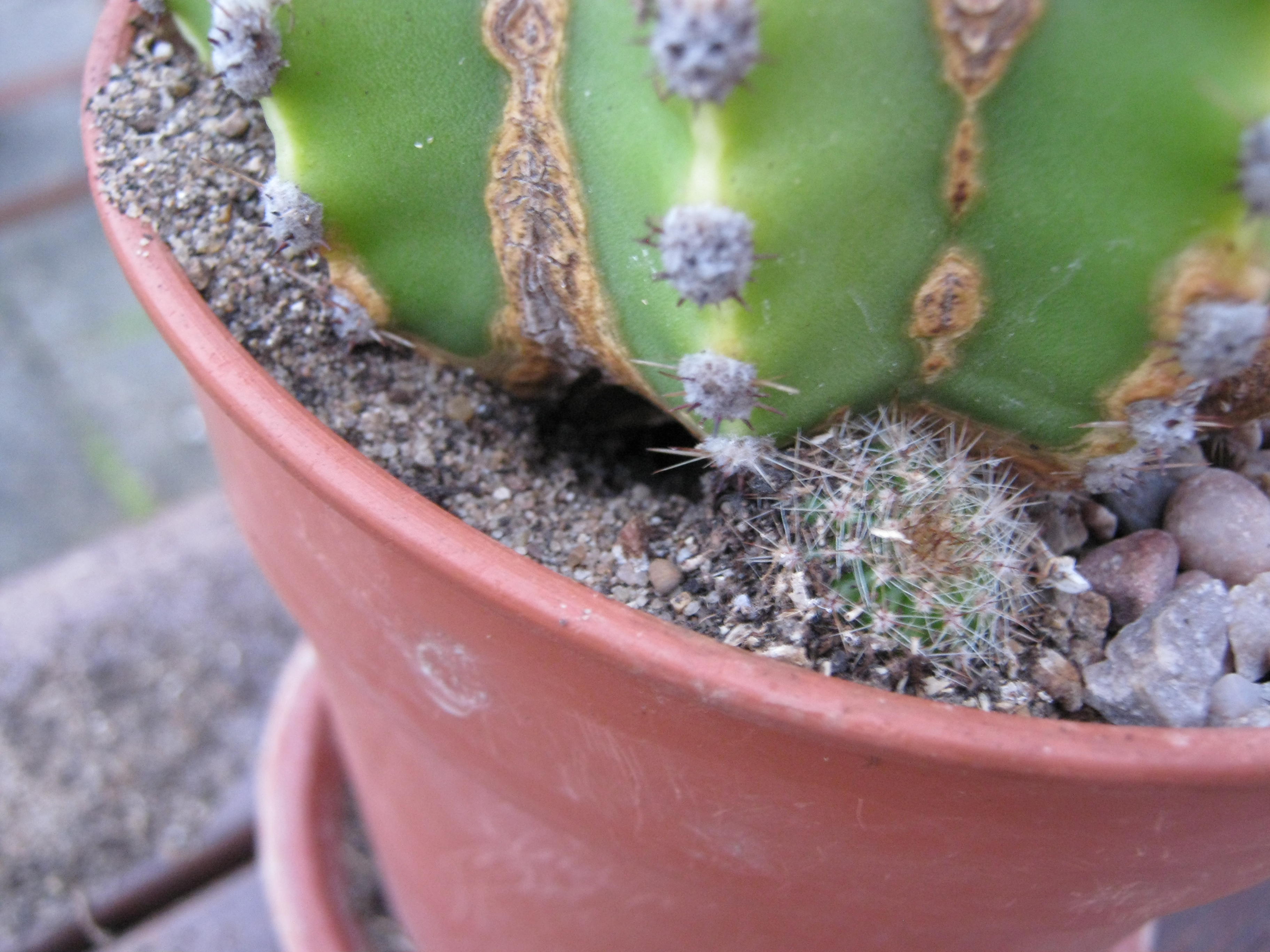
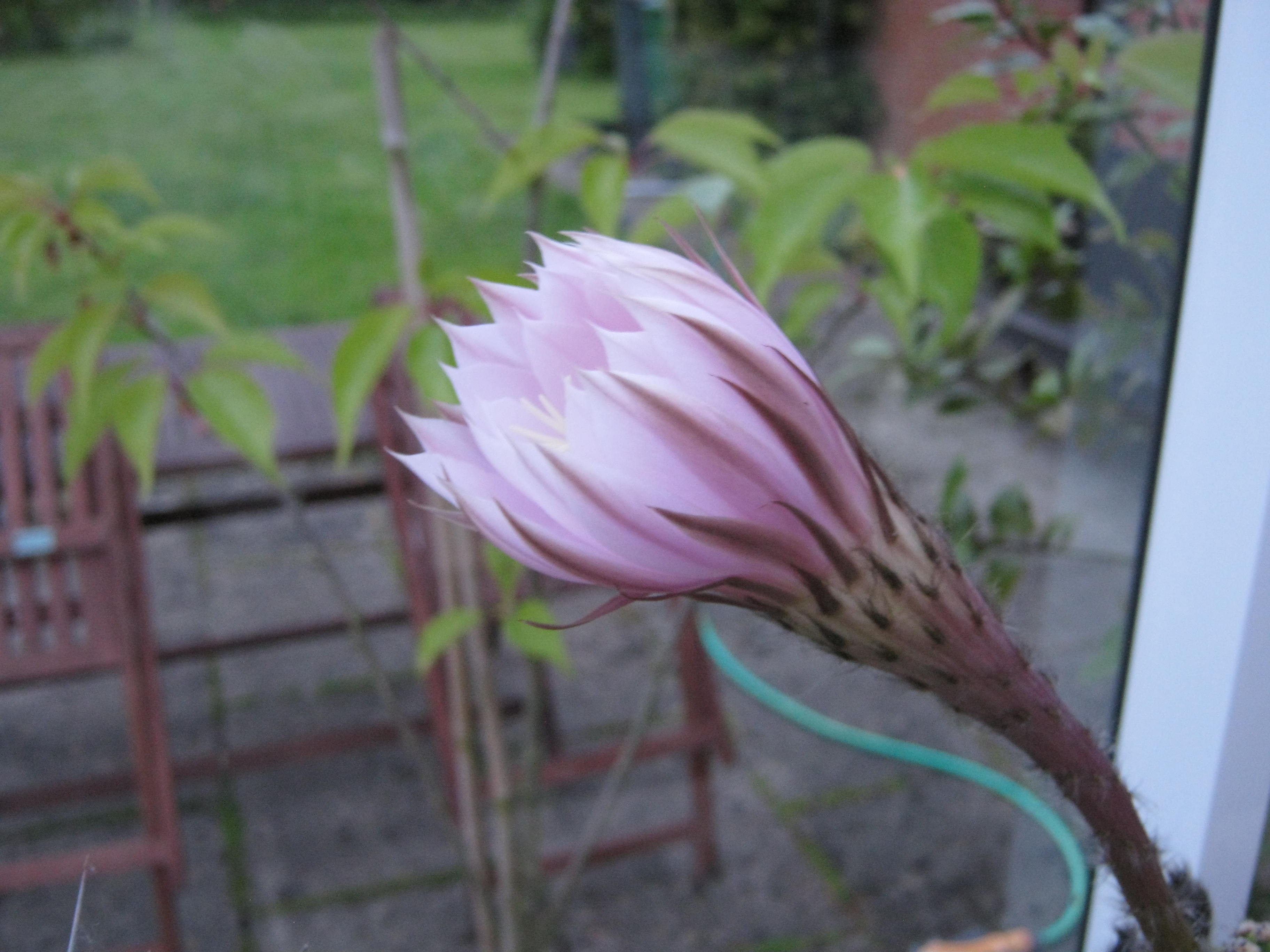
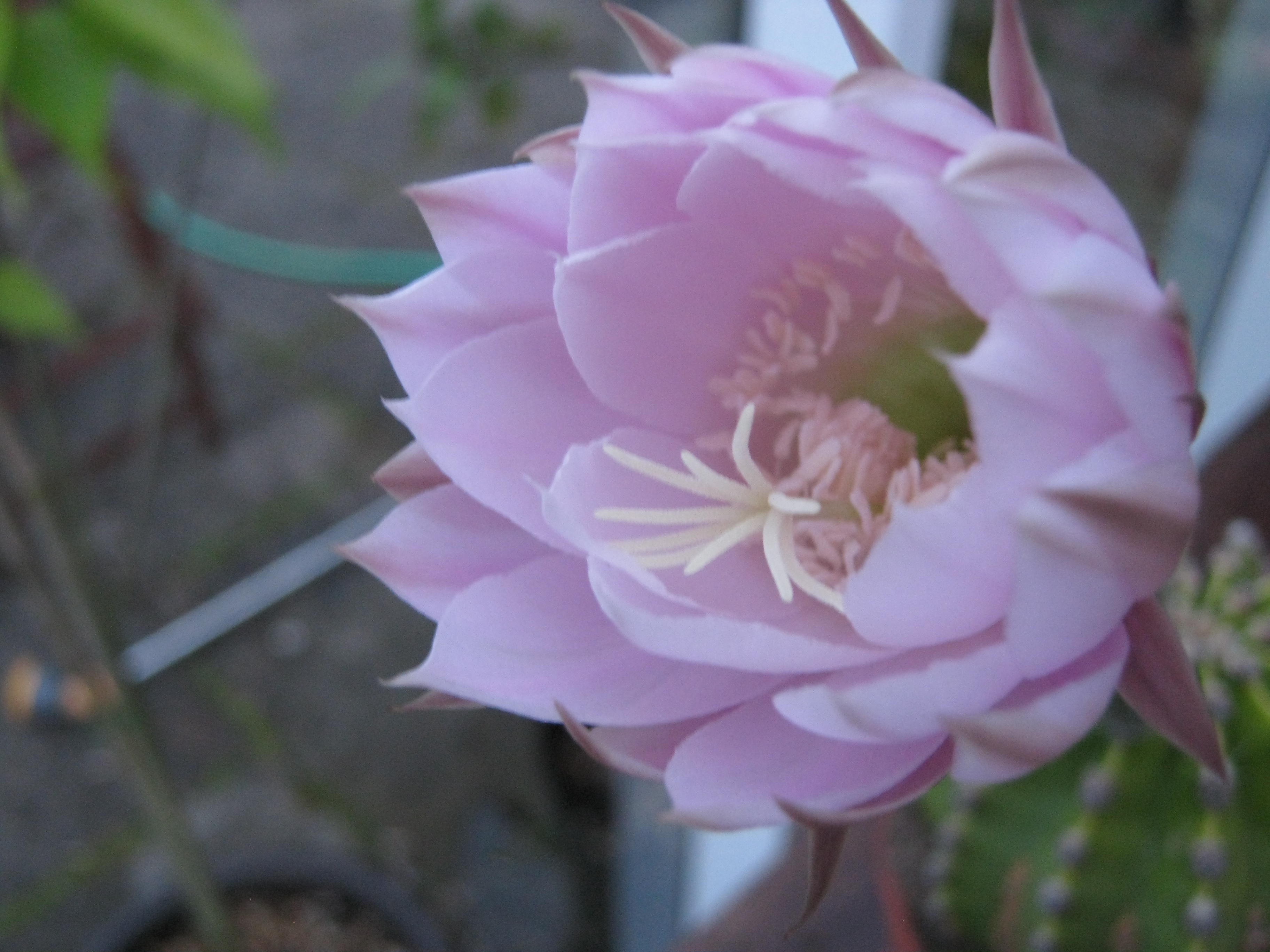
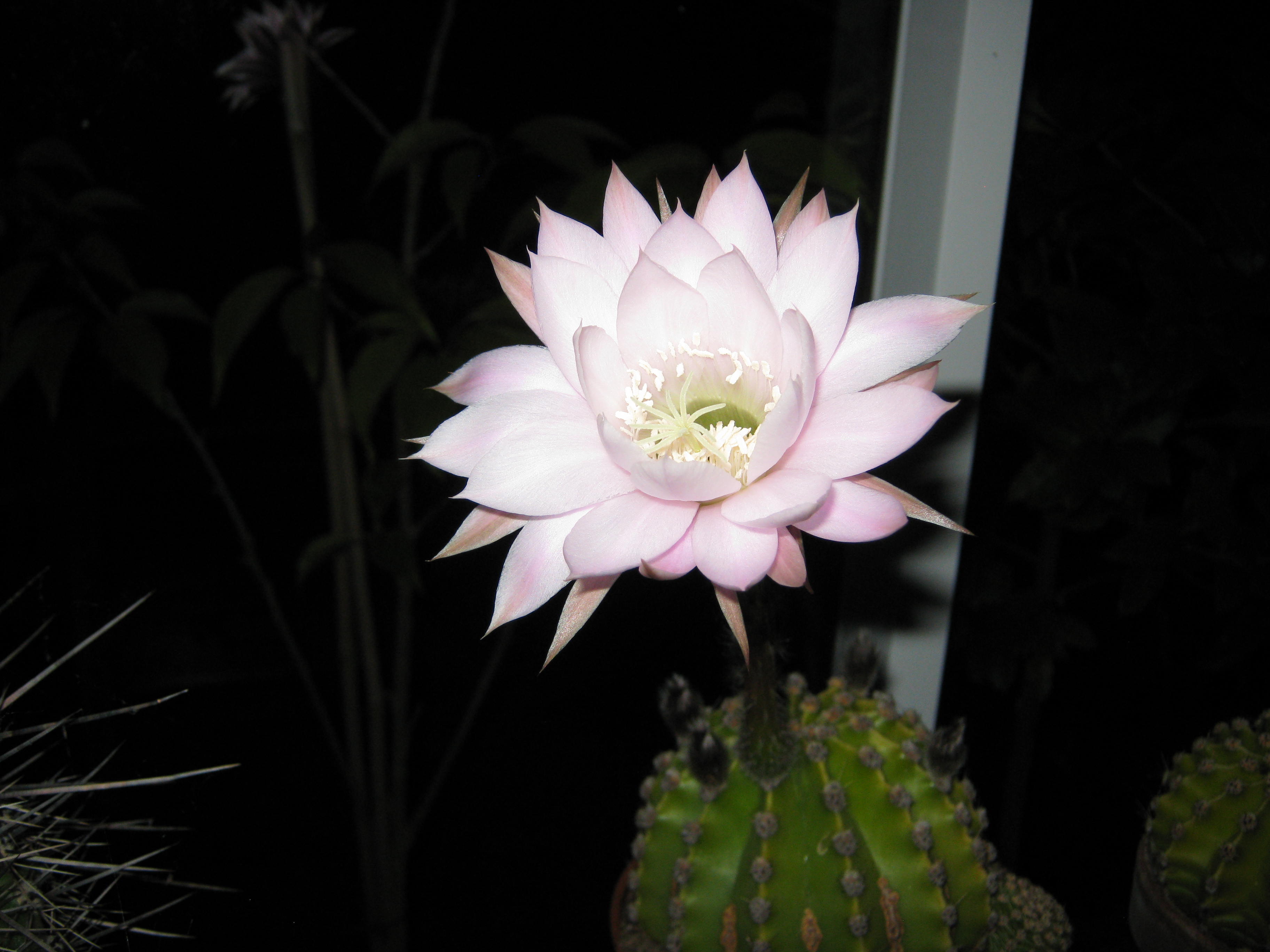
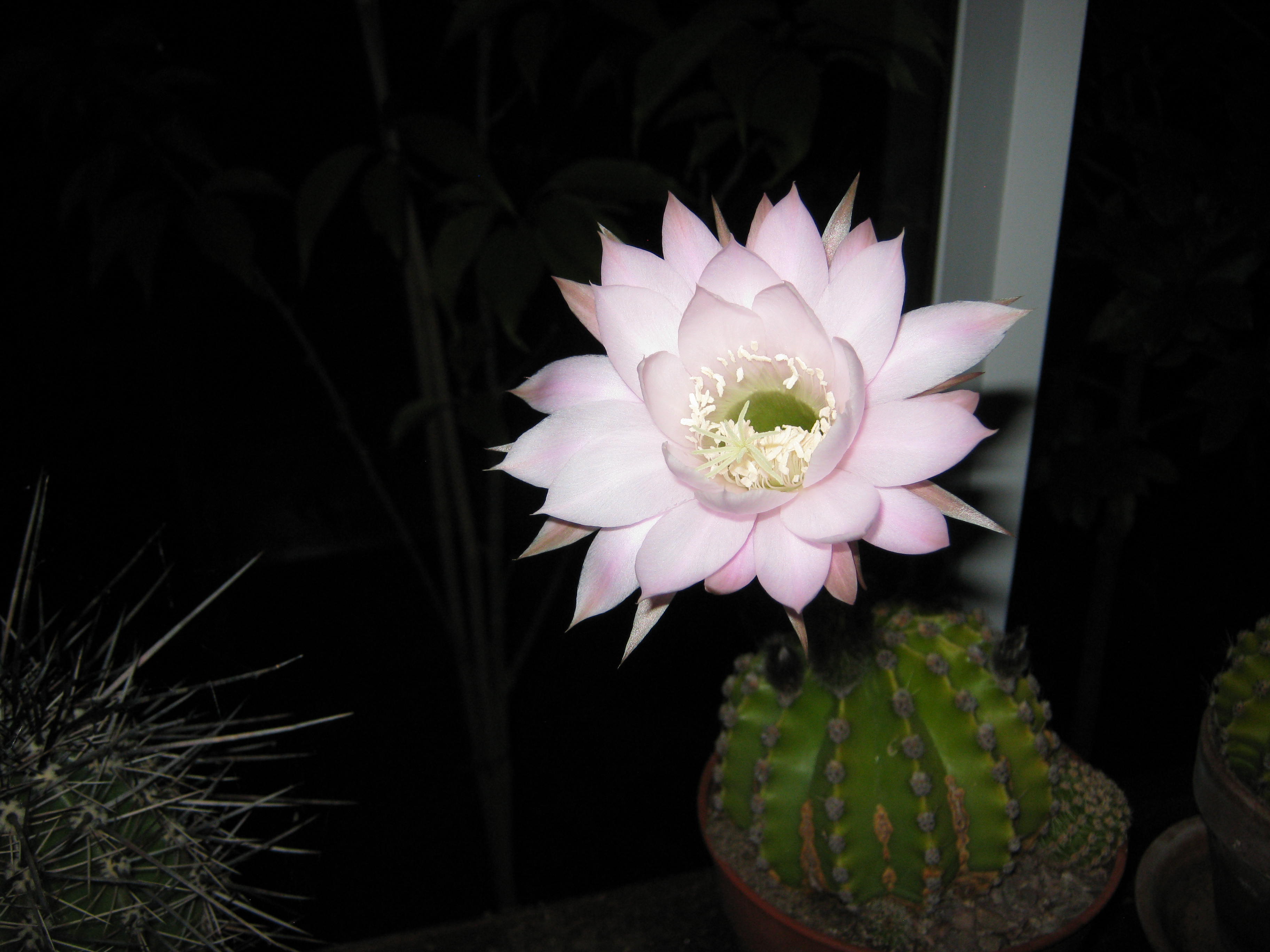
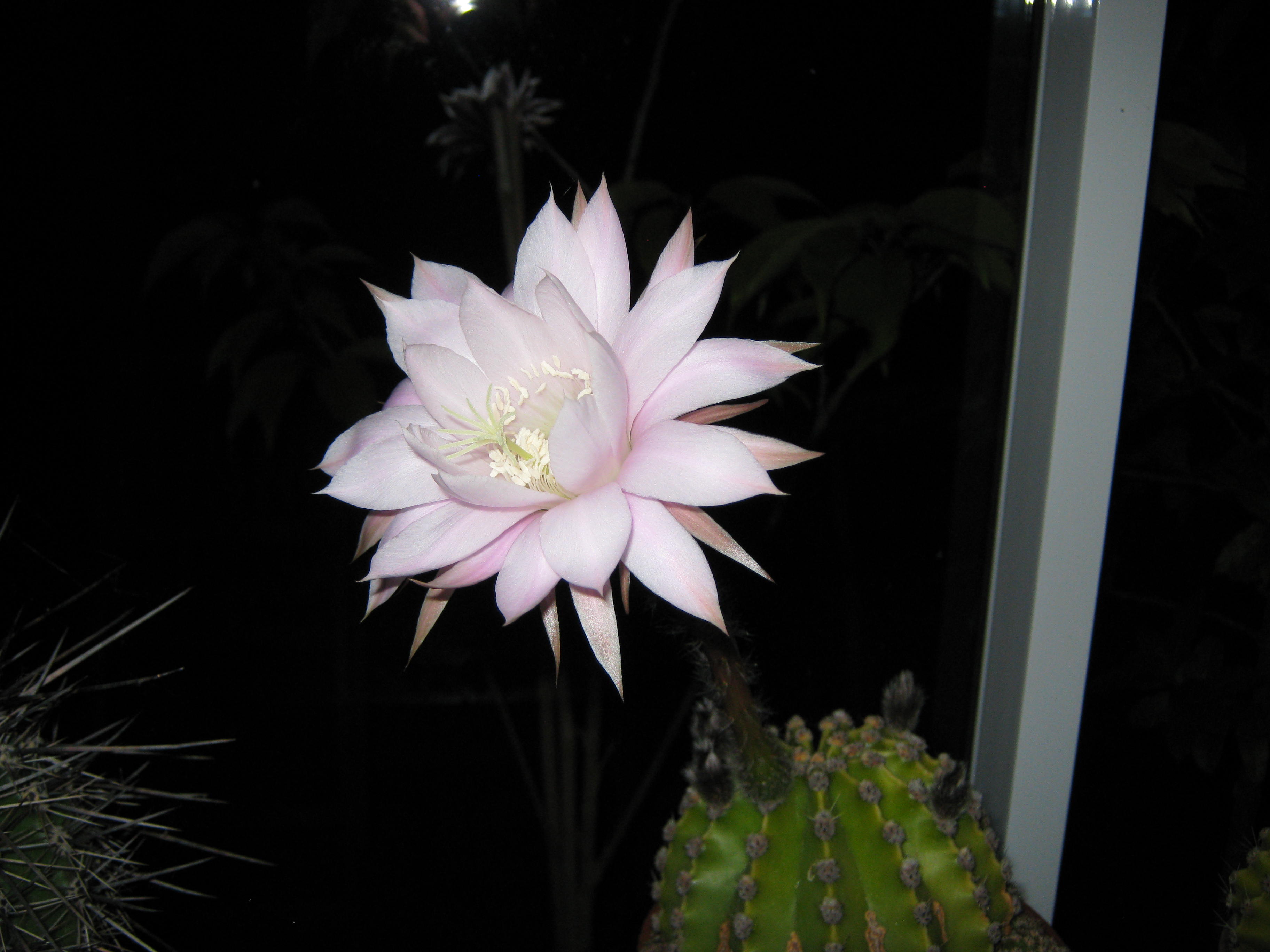
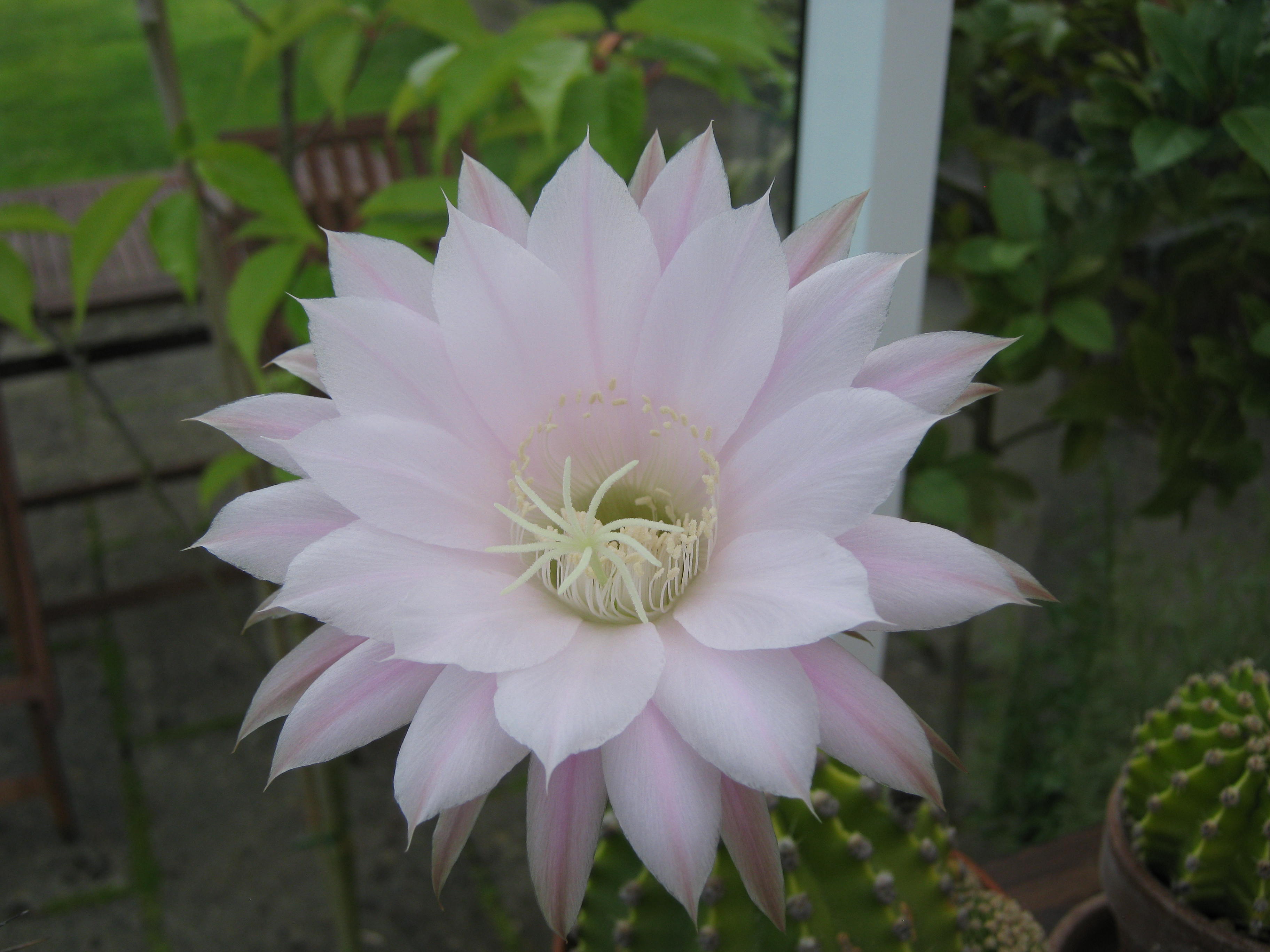
One of R’s barrel cacti has flowered.  Cacti are very spiny and for most of the year are quite boring, to tell the truth.  However, all the prickles are worth it for one of these flowers.  They start to open at sunset and last for just over twenty-four hours.  The scent is heady and sweet.  The only difficulty I had with this flower was that it was on the cactus whose pot had been taken over by the leaf-cutter bee.  The bee had thrown out a lot of the gritty soil the cactus is planted in and had dug a deep burrow under the plant.  Whenever I got near to try to photograph the flower I was rushed at by the bee very threateningly.  I haven’t been able to smell the flower because of that bee!  R wants to re-pot the cactus after it has flowered so the bee’s efforts will be in vain I think!


Image

The cactus flower-bud early evening yesterday 20.05.14

Image

Image

The bee’s little burrow

Image

Image

Image

Image

Image

Image

The cactus flower this morning 21.05.14


Share this:

  • Share on X (Opens in new window) X
  • Share on Reddit (Opens in new window) Reddit
  • Share on Pinterest (Opens in new window) Pinterest
  • Share on Facebook (Opens in new window) Facebook
  • Email a link to a friend (Opens in new window) Email
  • Share on Tumblr (Opens in new window) Tumblr
  • Print (Opens in new window) Print
  • Share on Pocket (Opens in new window) Pocket
  • Share on LinkedIn (Opens in new window) LinkedIn
Like Loading...

The Sky at Night

21 Wed May 2014

Posted by Clare Pooley in Rural Diary, Uncategorized

≈ 6 Comments

Tags

clouds, evening, Rain, rainbow, sunset, sunshine

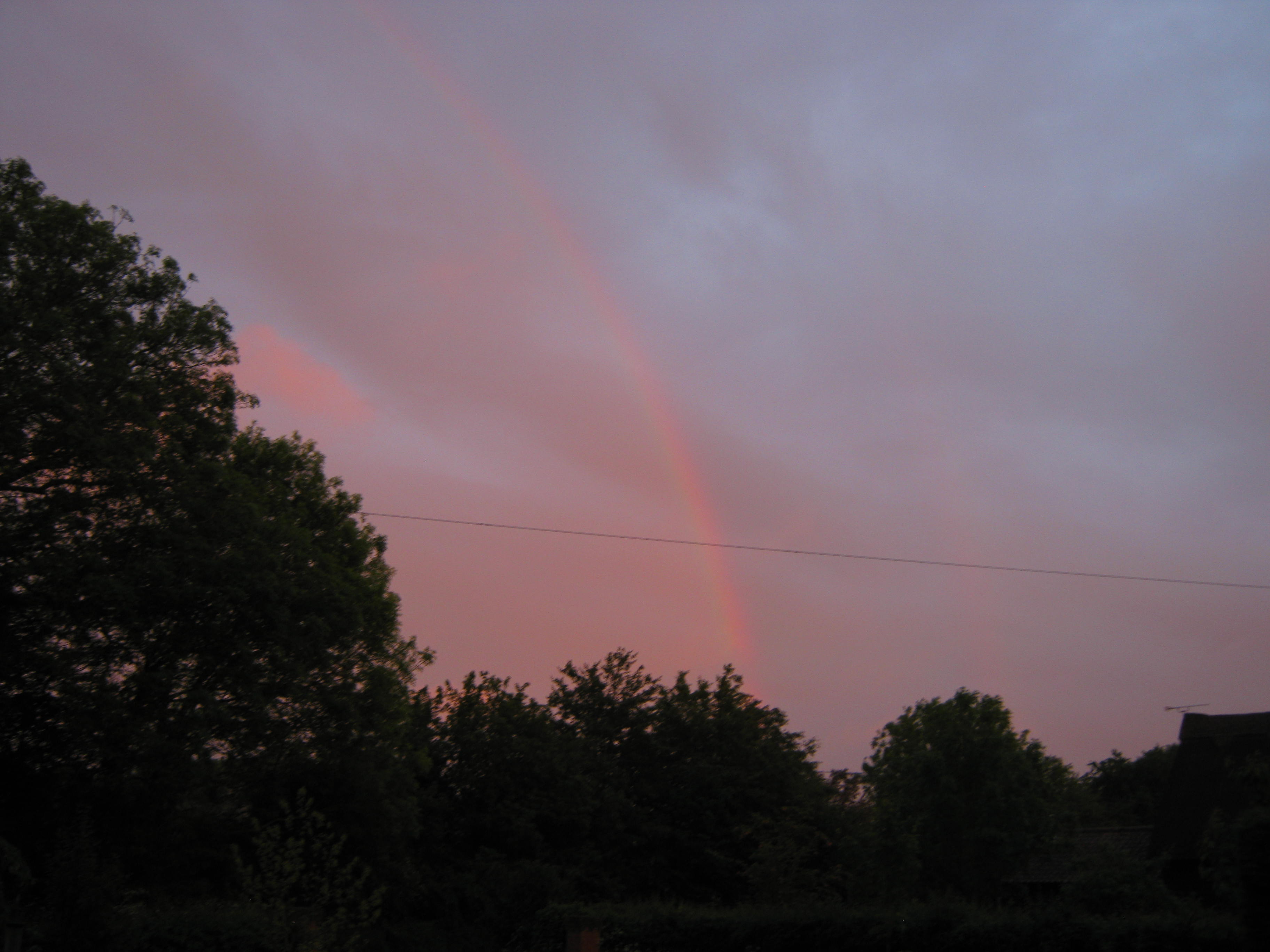
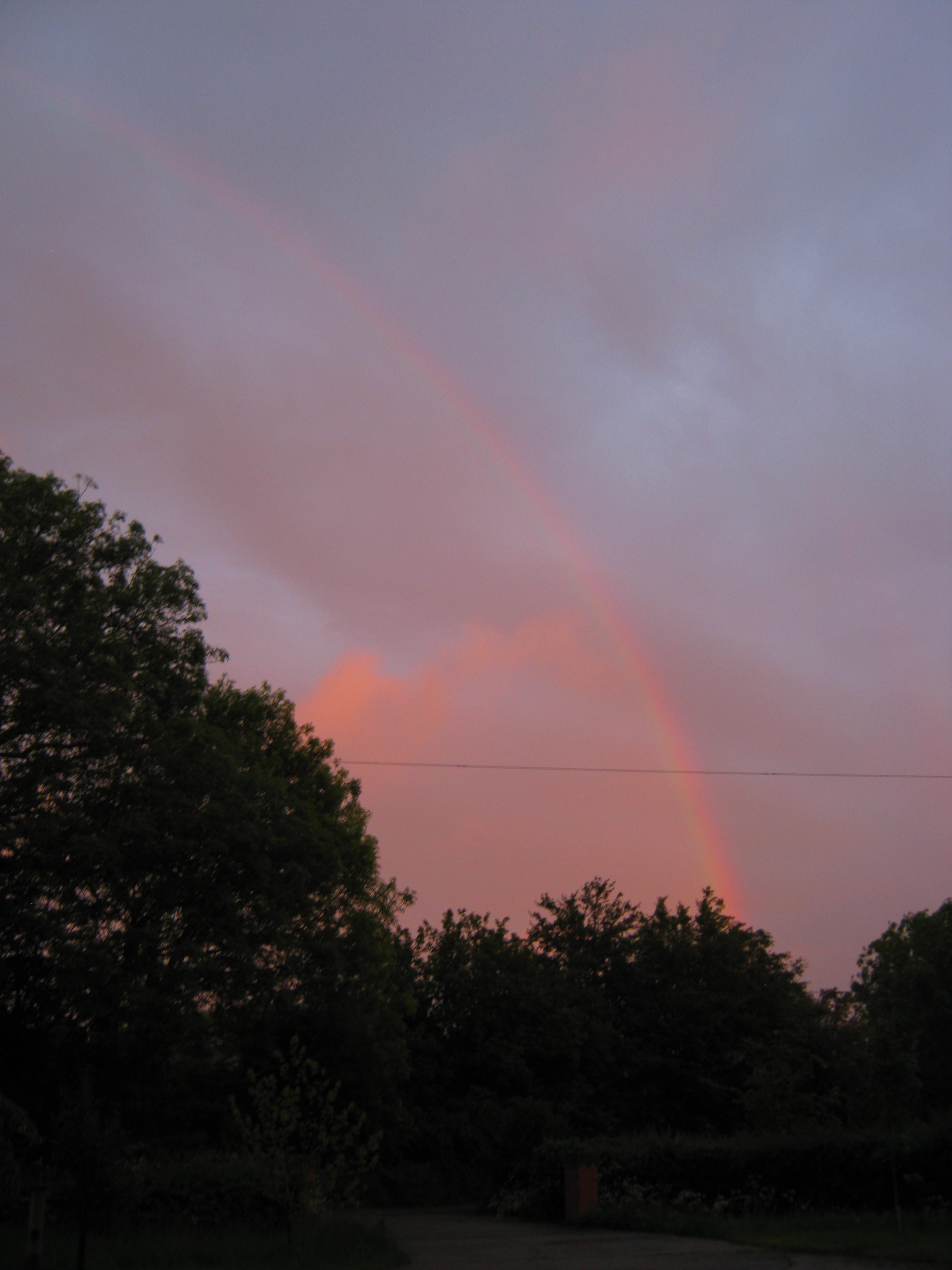
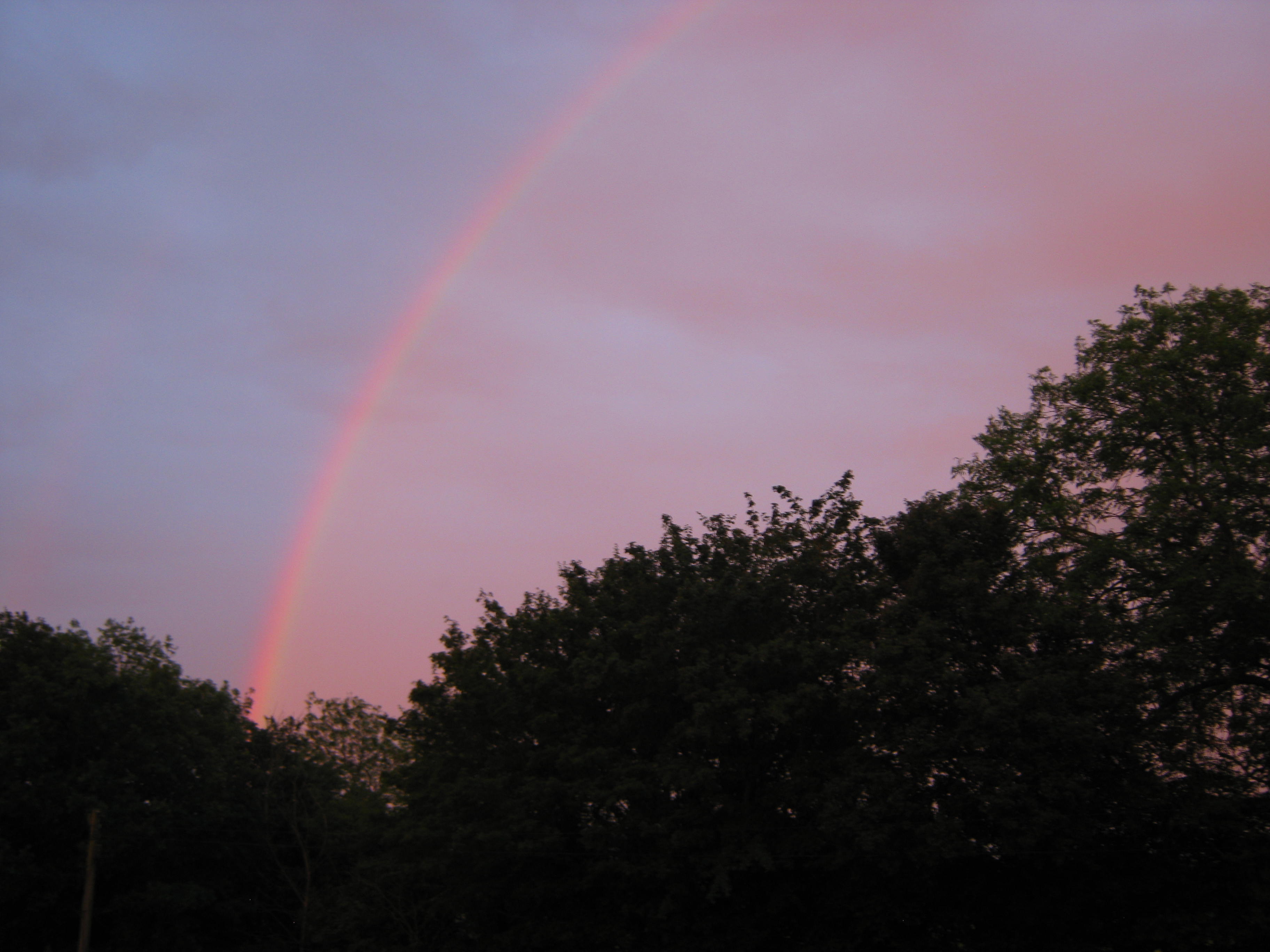
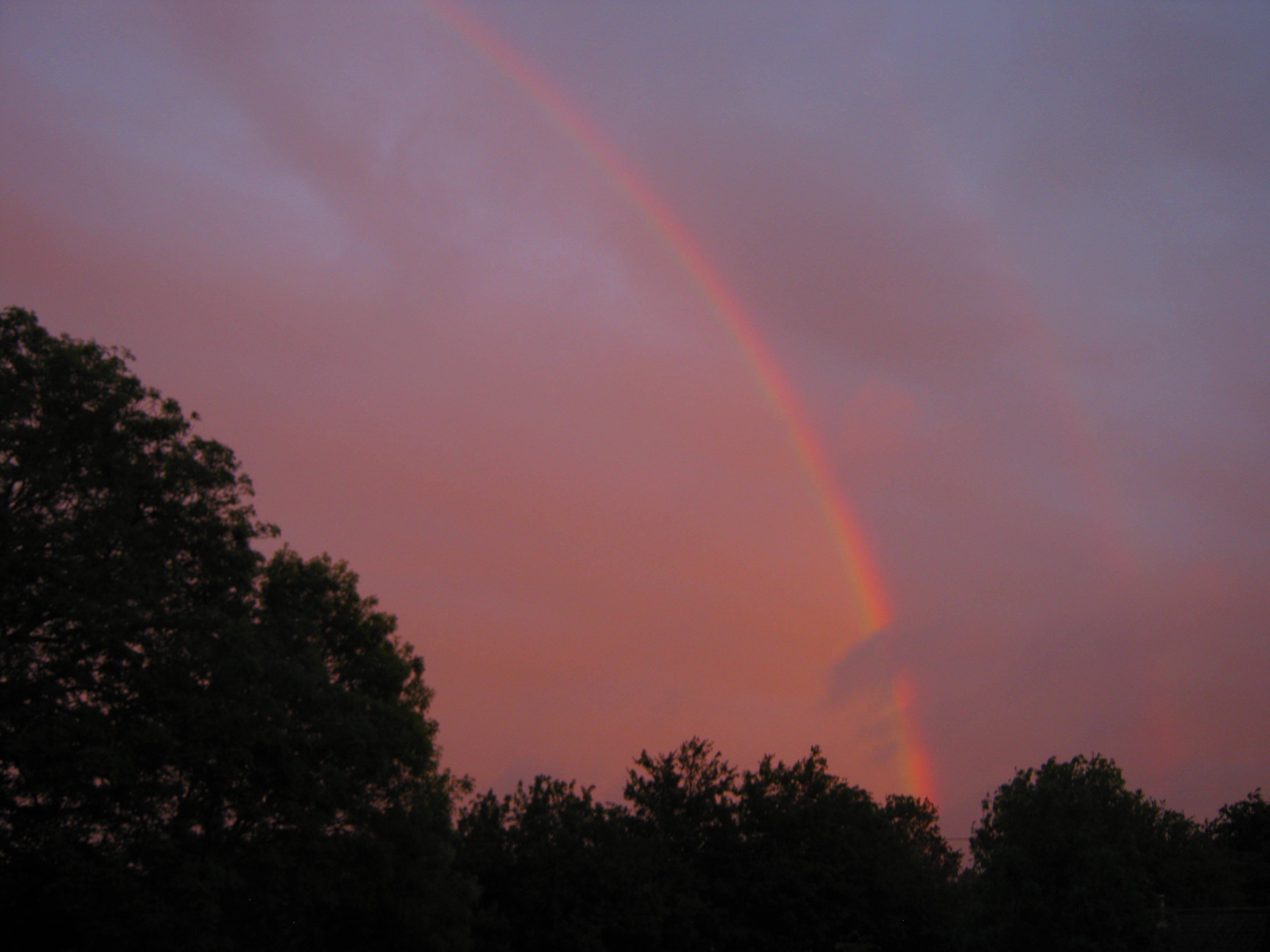
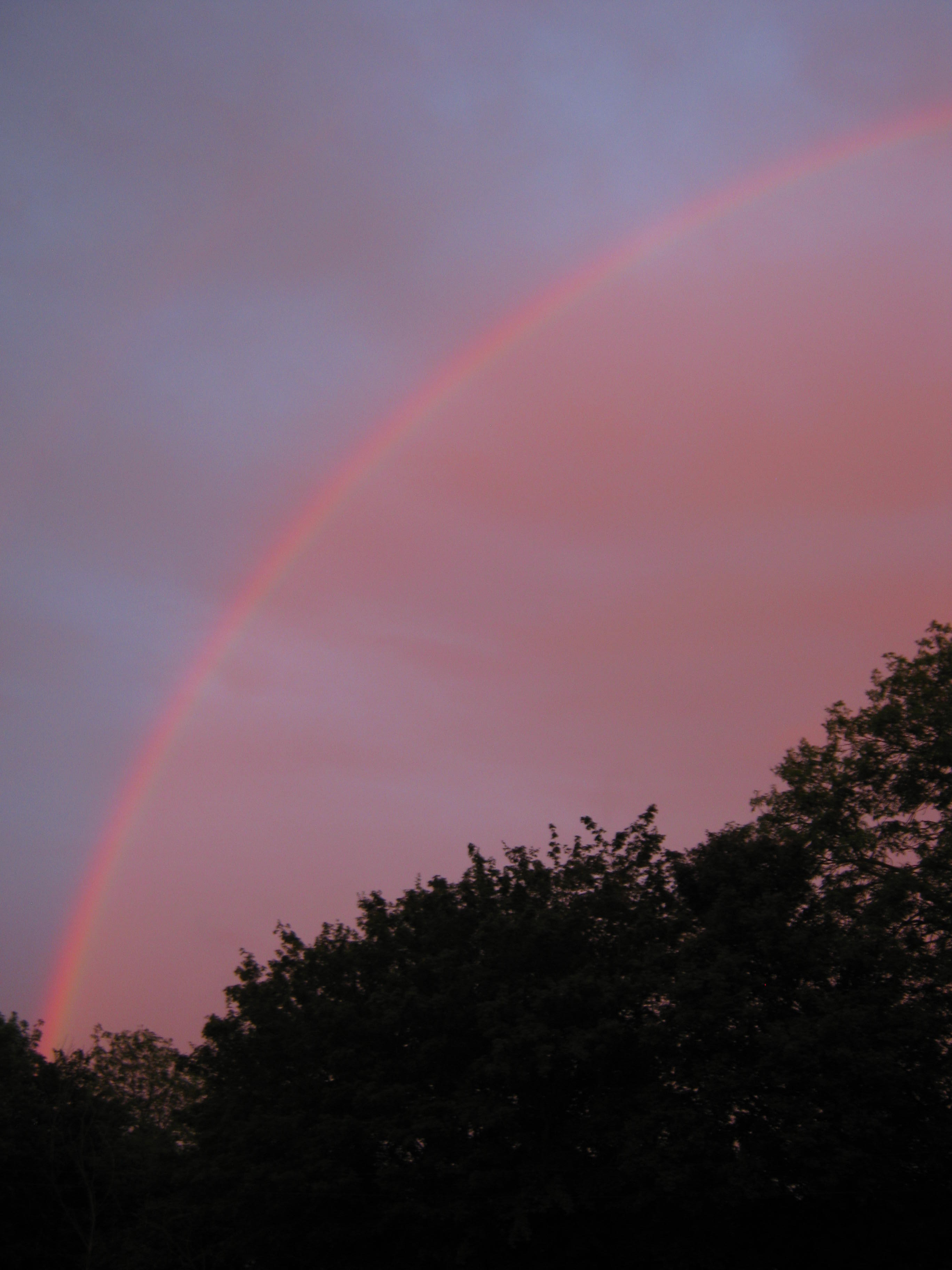
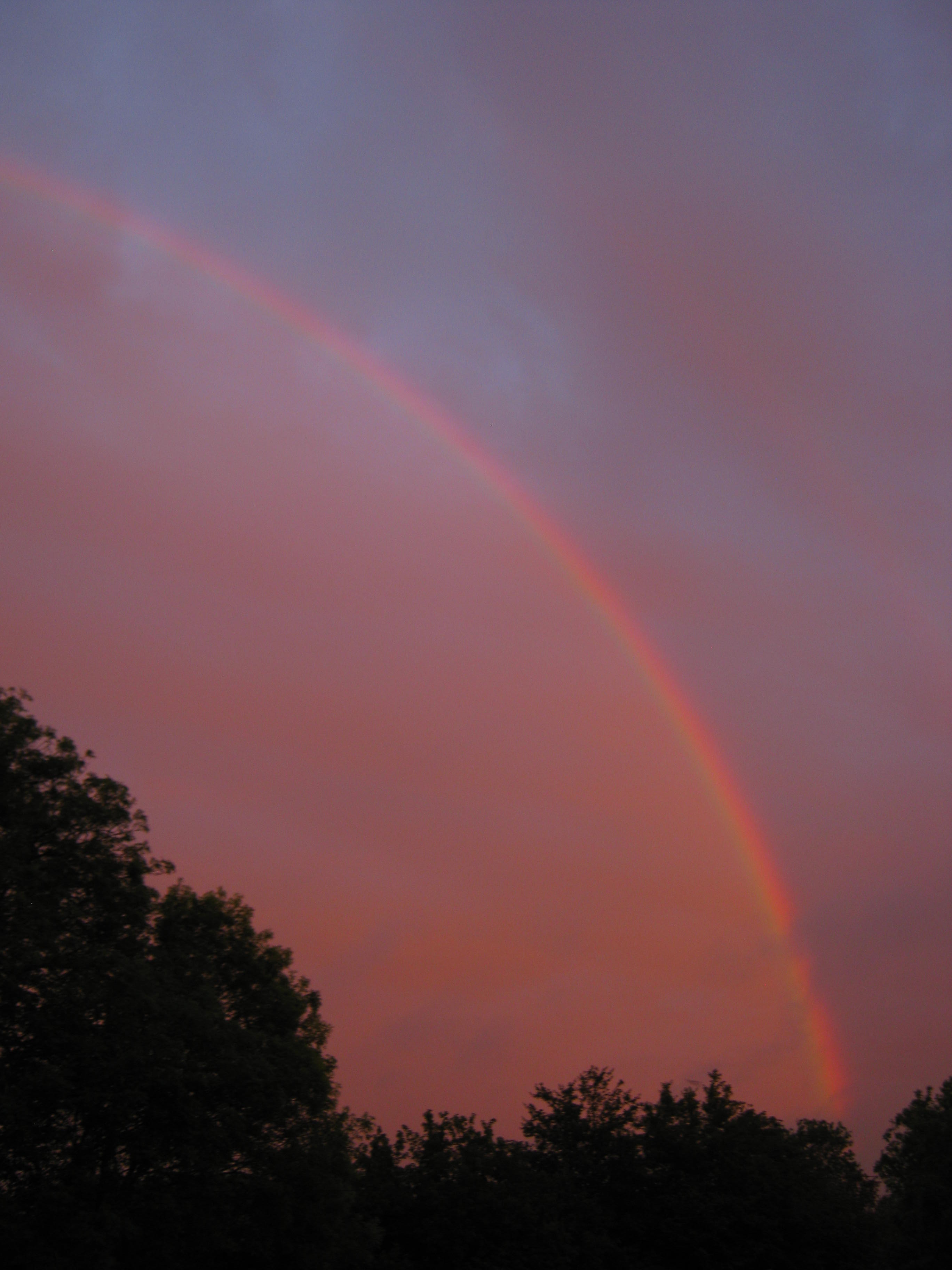
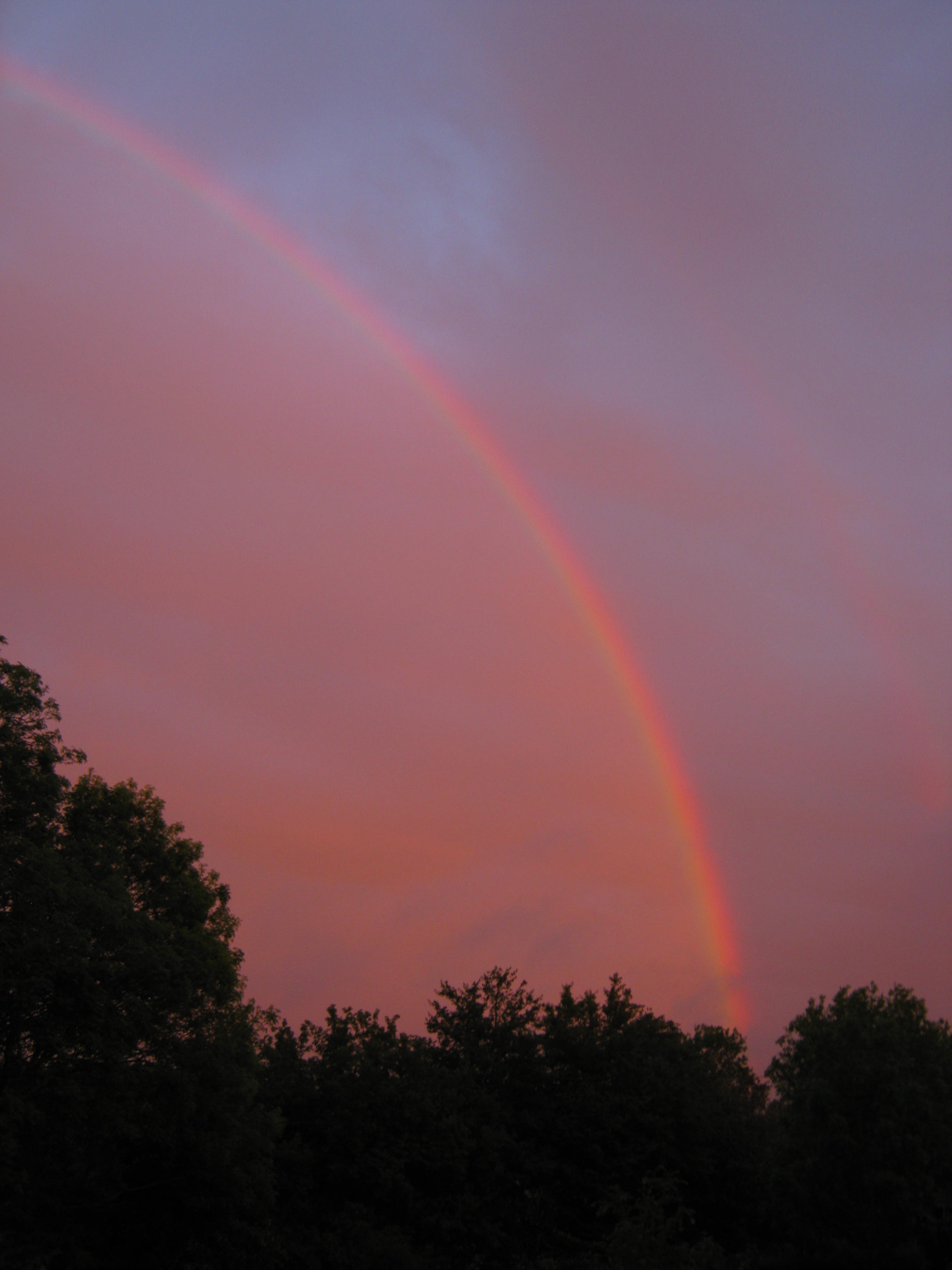
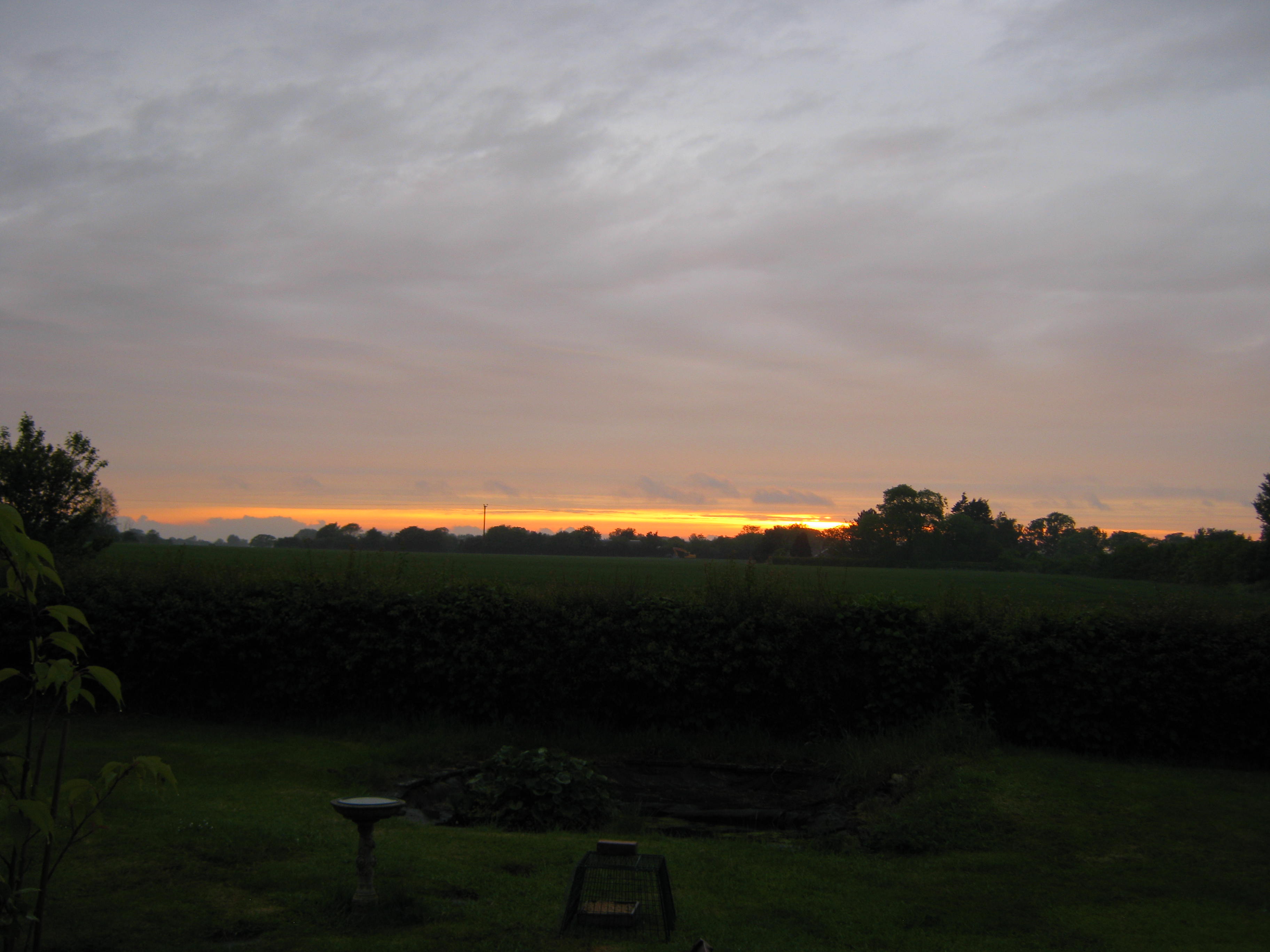
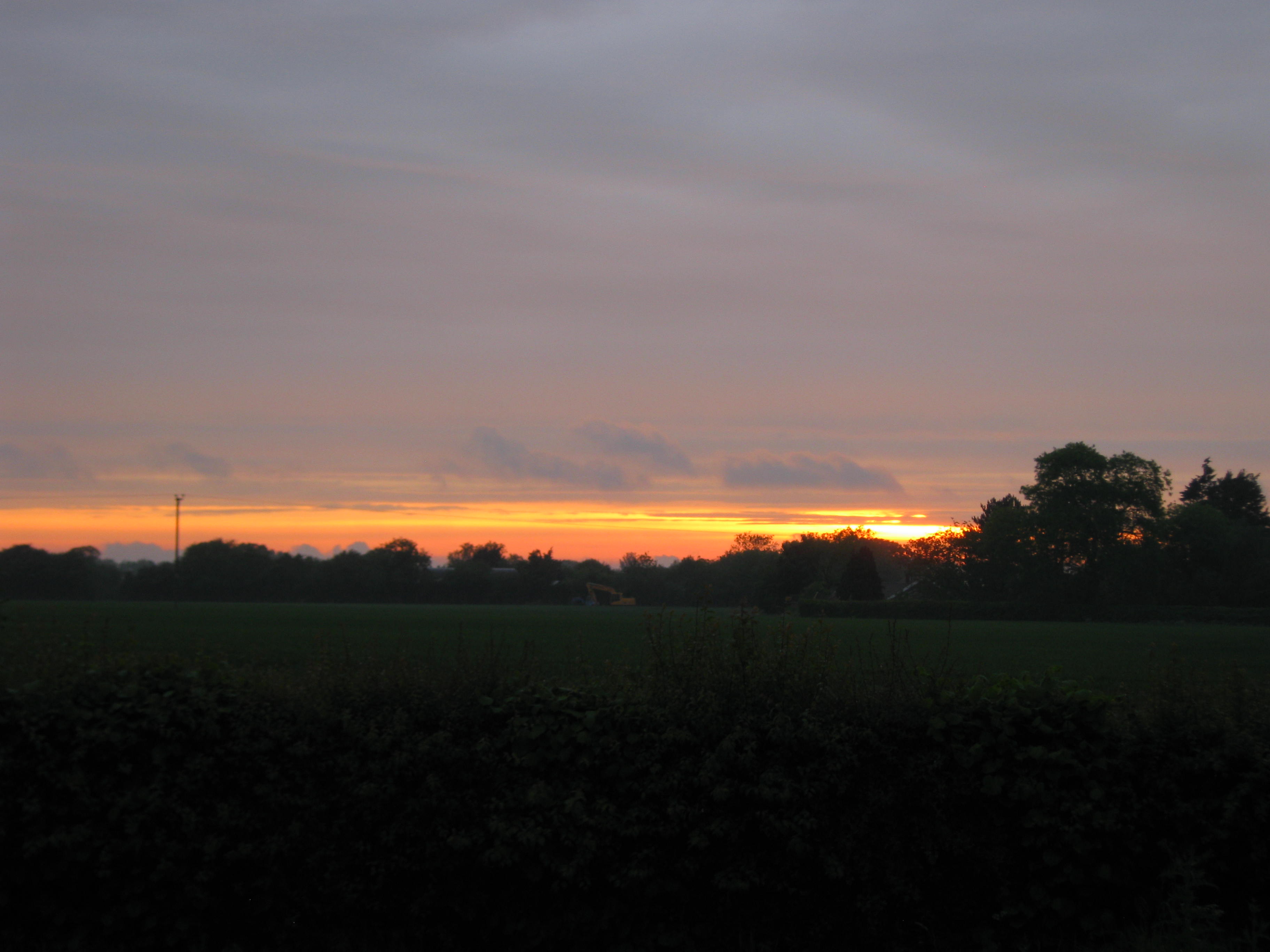
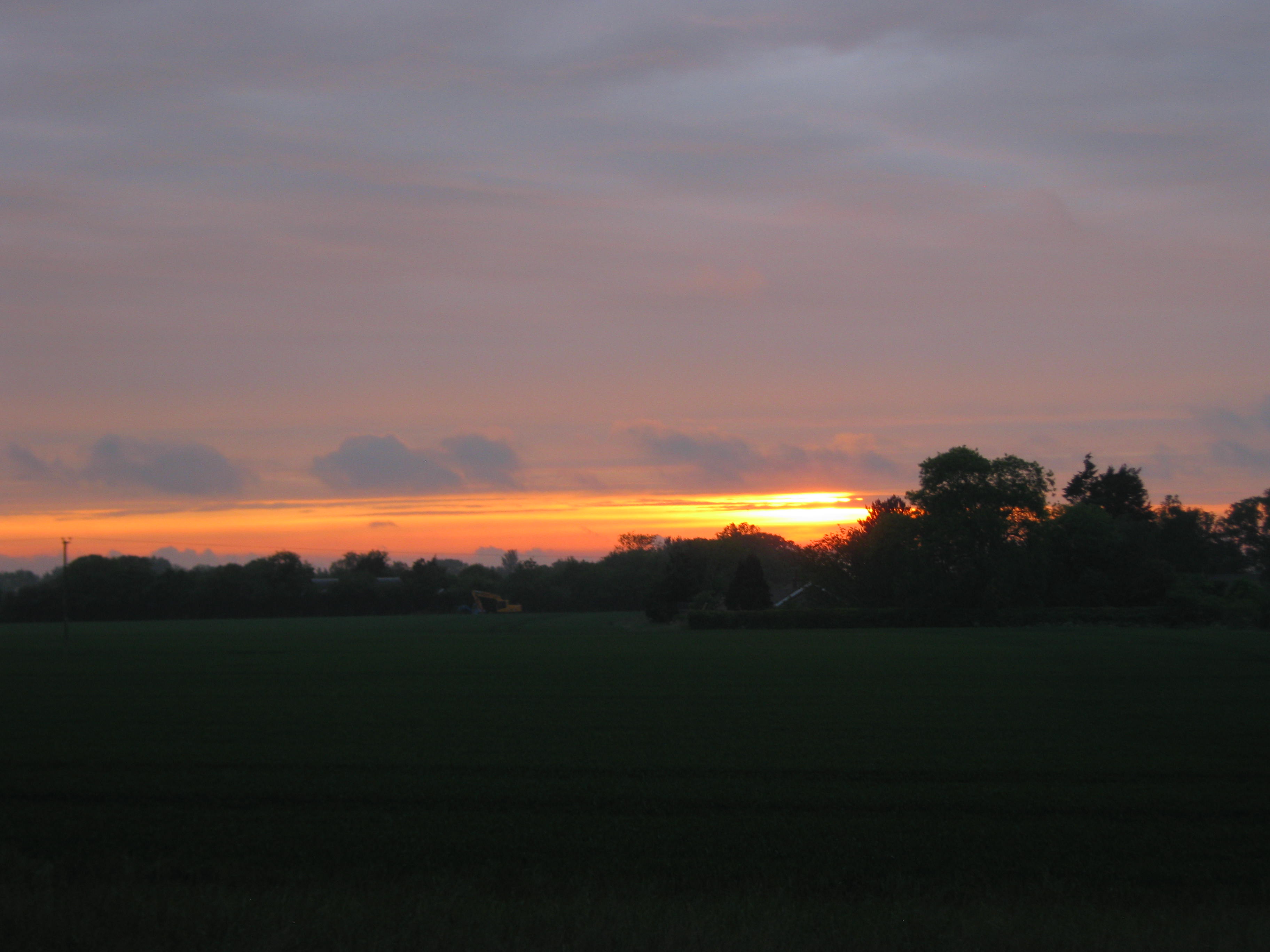
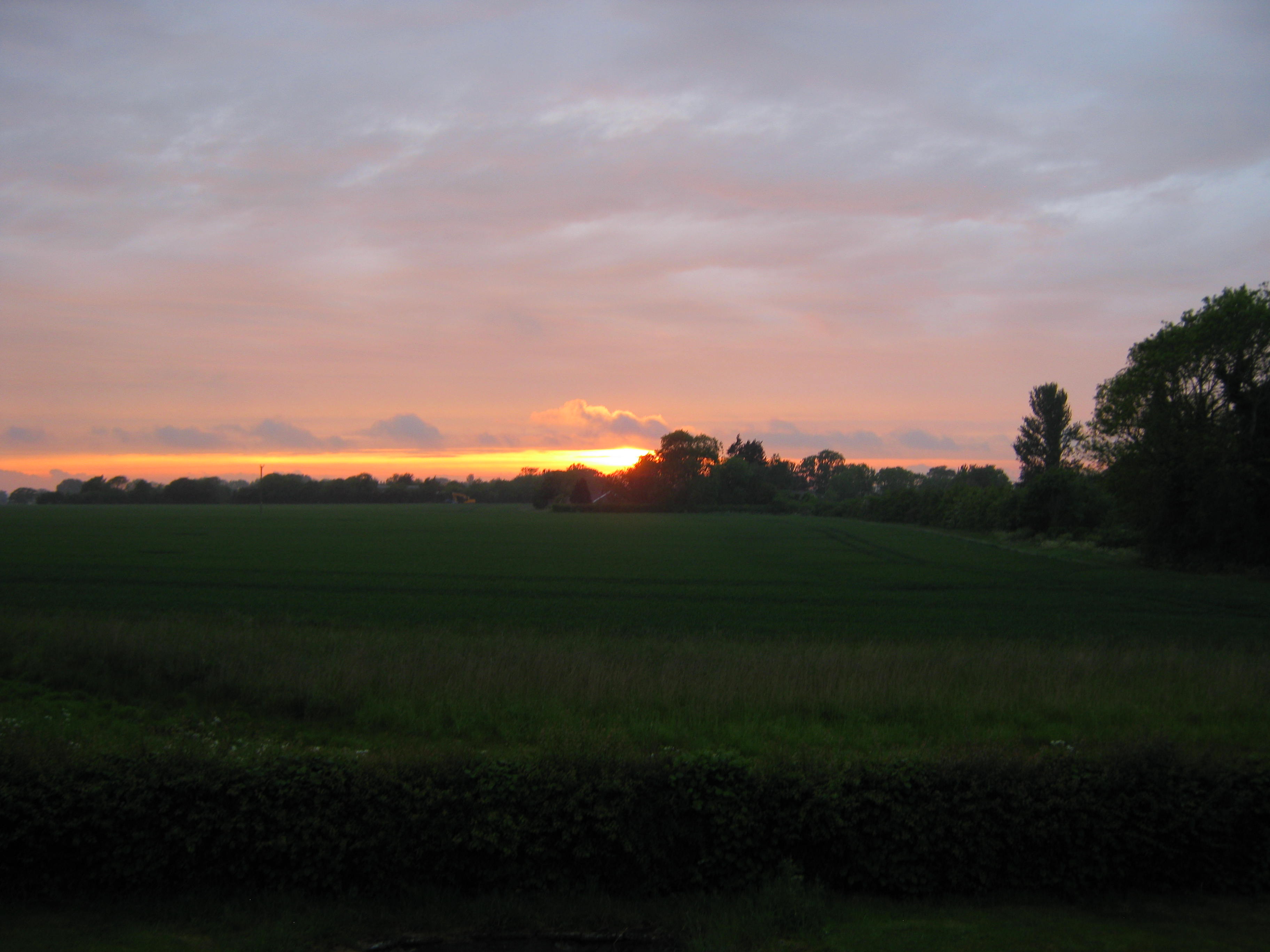
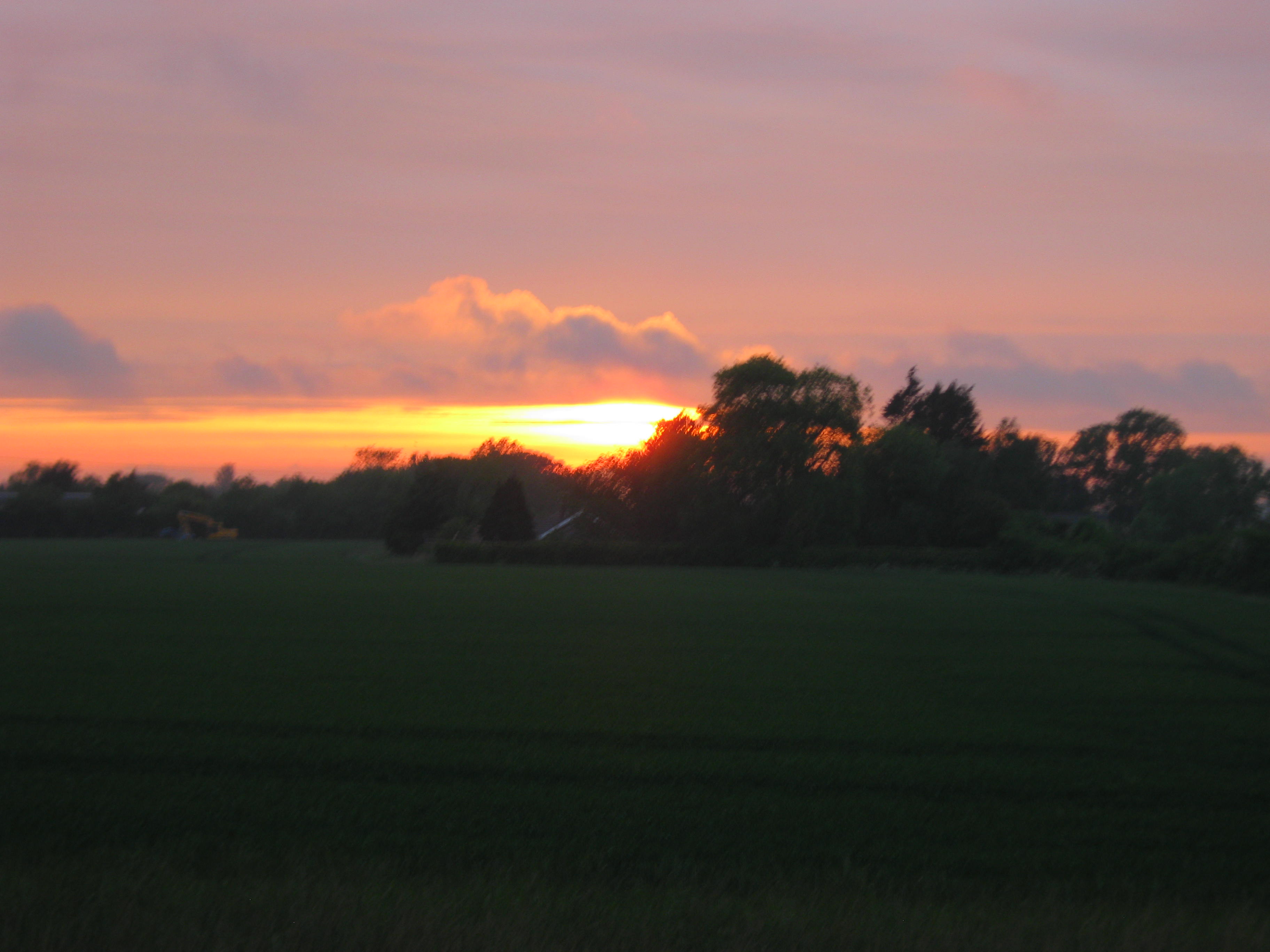
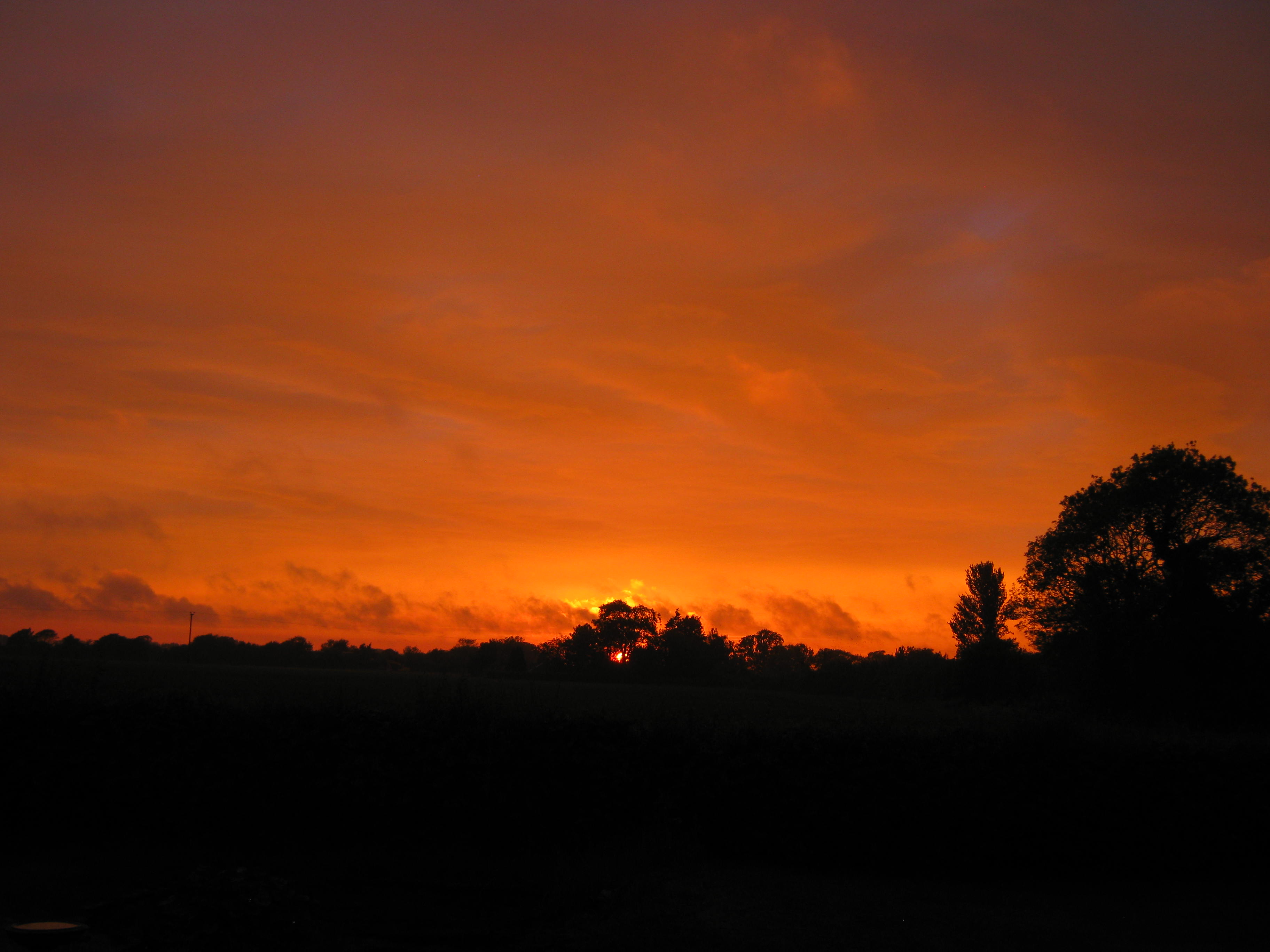
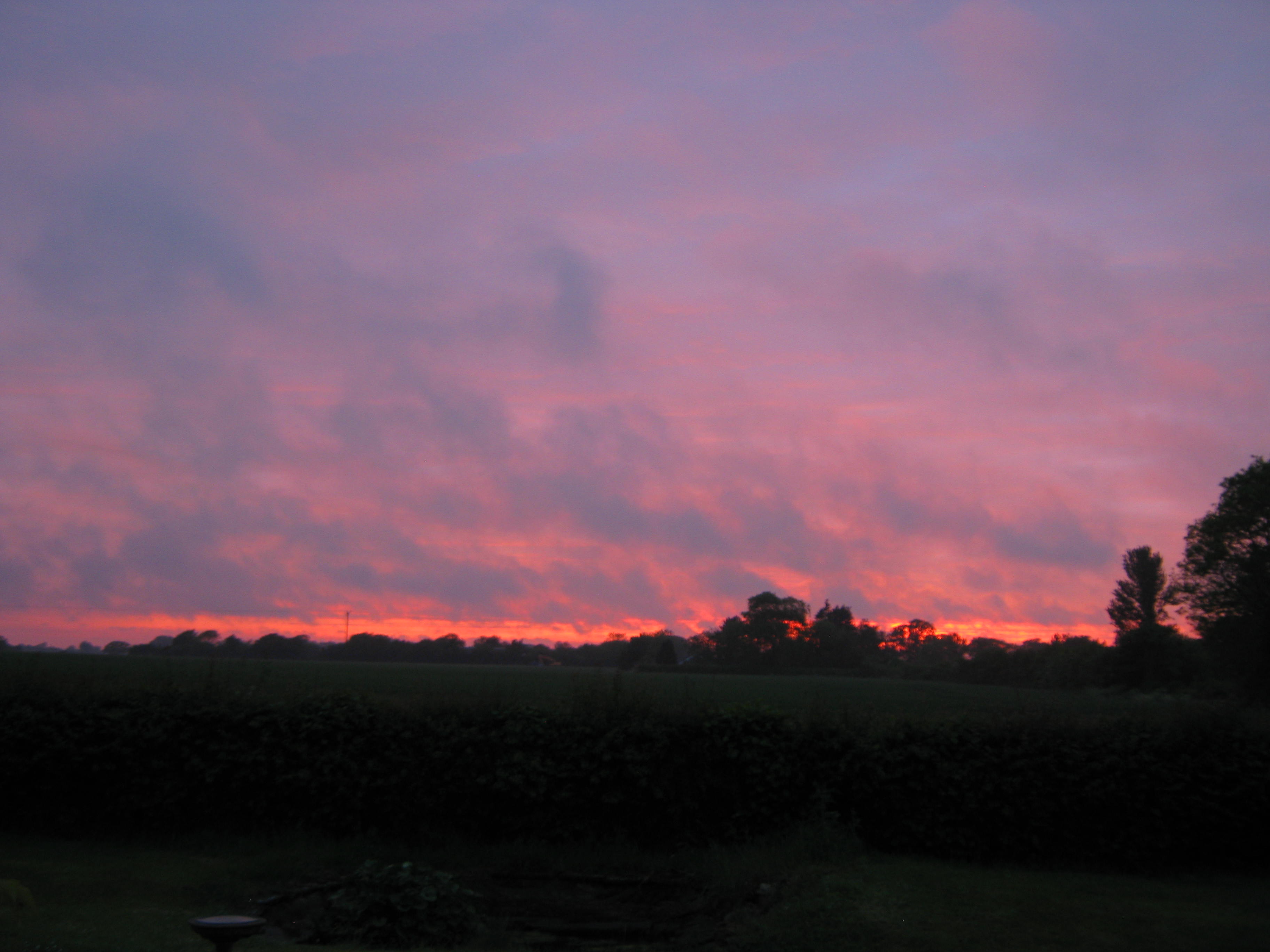
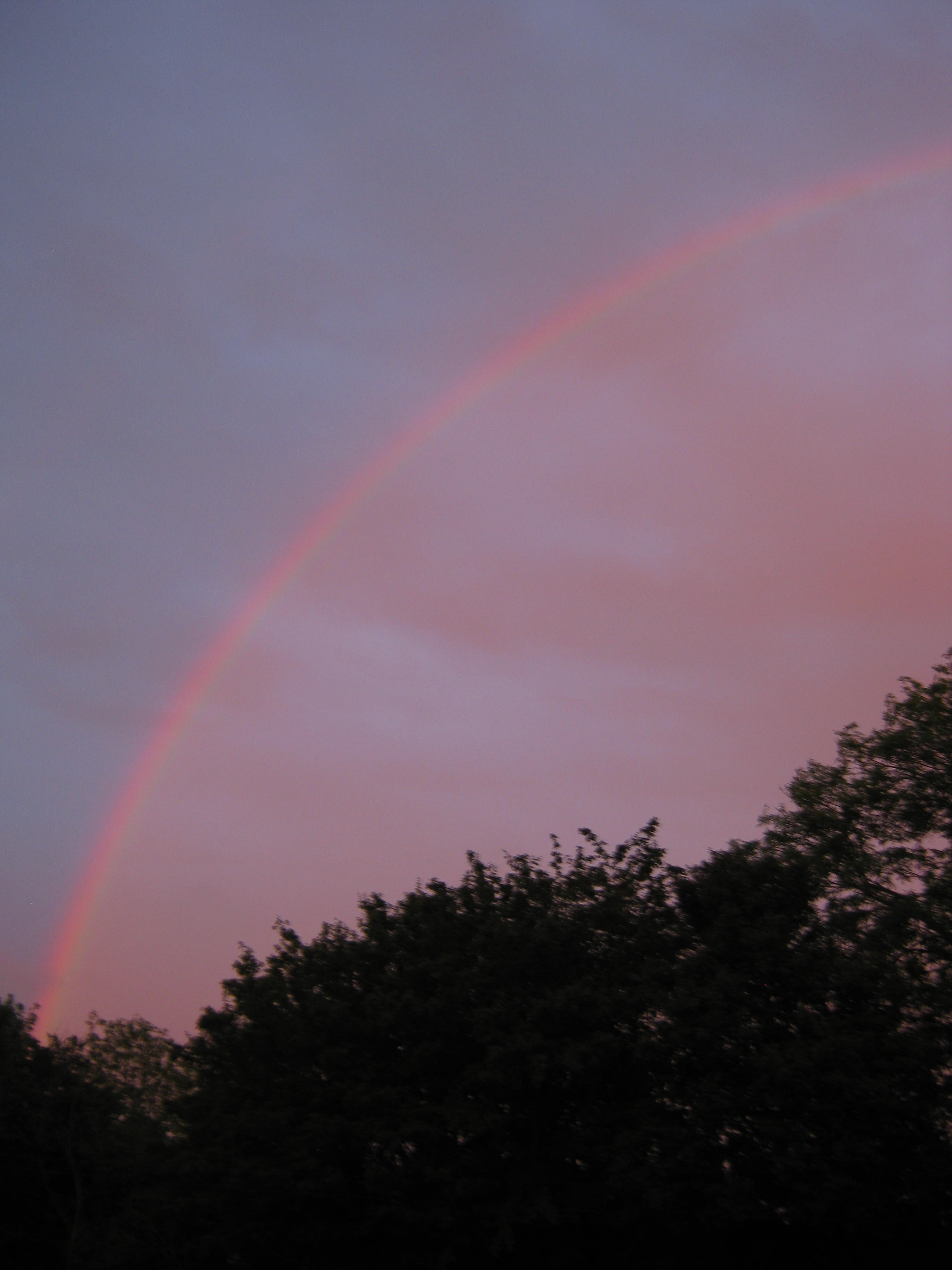
The following photos are ones I took this evening.  We have had a cloudy day today but much better than forecast because the predicted rain didn’t come until late afternoon and then it was fairly light and patchy.  It is now 10.30 at night and I can hear that the rain has now become much heavier and we have had a little thunder too.

A Rainbow.

 Image

Image

Image

Image

Image

Image

Image

Image

Image

A Sunset.

Image

Image

Image

Image

Image

Image

Image

Image

Image

Image

The rainbow and sunset happened concurrently so you must imagine me photographing the rainbow at the front of the house and then running to the back of the house to take photos of the sunset.  I was upstairs and downstairs and outside too so I have had plenty of exercise.

Share this:

  • Share on X (Opens in new window) X
  • Share on Reddit (Opens in new window) Reddit
  • Share on Pinterest (Opens in new window) Pinterest
  • Share on Facebook (Opens in new window) Facebook
  • Email a link to a friend (Opens in new window) Email
  • Share on Tumblr (Opens in new window) Tumblr
  • Print (Opens in new window) Print
  • Share on Pocket (Opens in new window) Pocket
  • Share on LinkedIn (Opens in new window) LinkedIn
Like Loading...

Quercus suber and wrong beliefs

19 Mon May 2014

Posted by Clare Pooley in Uncategorized

≈ 2 Comments

This may be of great interest to my readers

Tamara Jare's avatarMy Botanical Garden

image image image image image

We’ve invited our friends for dinner, there has been a lot of talking and laughing,and great food, of course,and as it has to be with good food,my husband has served some good vine .I don’t remember the vine, nor the food any more, I do not remember what the talk has been about ,but I do remember the vine stopper I’ve seen then  for the first time-a plastic one.And I remember at that point we all have agreed plastic bottle stoppers are practical,cheaper and we’ve been sure about this one-ecological,saving cork trees .For to be honest,cork tree has looked as an exotic tree growing at the edge of extinction who knows where.So we’ve all been a bit proud about drinking vine with plastic stoppers,saving our planet-I must admit there havent been enough bottles to save the planet, but you must know this good feeling about being ecological…….Well, it…

View original post 307 more words

Share this:

  • Share on X (Opens in new window) X
  • Share on Reddit (Opens in new window) Reddit
  • Share on Pinterest (Opens in new window) Pinterest
  • Share on Facebook (Opens in new window) Facebook
  • Email a link to a friend (Opens in new window) Email
  • Share on Tumblr (Opens in new window) Tumblr
  • Print (Opens in new window) Print
  • Share on Pocket (Opens in new window) Pocket
  • Share on LinkedIn (Opens in new window) LinkedIn
Like Loading...

The Ugly-Bug Ball

19 Mon May 2014

Posted by Clare Pooley in fish, Gardening, Insects, plants, Rural Diary

≈ 9 Comments

Tags

Bees, Cuckoo-spit, Damselfly, fish, Froghopper, gardening, Green Hairstreak, Hornet, Hoverfly, Lily Beetle, Mimulus, moorhen, yellow iris

The first Yellow Iris is in flower.

Image

The weather has been warm and sunny for the last four days so I have tried to make the most of it by being outside.  The tubs of spring bulbs needed tidying and getting ready for their long sleep until next year.  I bought some plants for my window boxes a couple of weeks ago and have now planted them up and fixed them under the kitchen and utility room windows at the front of the house. 

Image

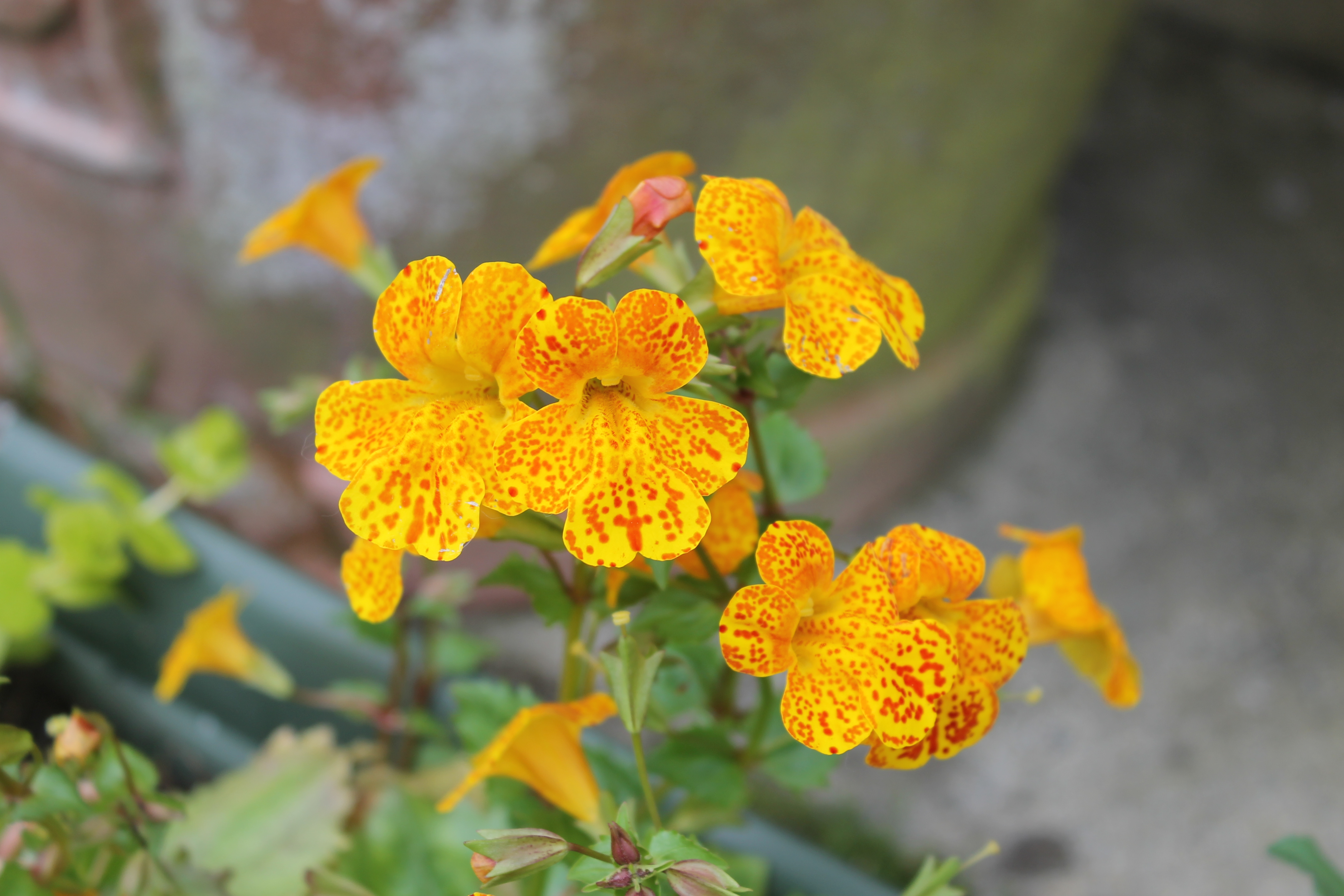
I have put this mimulus in both window boxes

  I also had a few plants that had to be planted out and a few that needed repotting.  I have got other pots of plants that have yet to flower and some more that I’m not sure what to do with, so I’ll feed them all and give them a sort out during the next few days.  I have many more pots of perennials than I would like but until I make a new flower bed or re-instate the one I abandoned after Dad died and all sorts of things went wrong, they’ll have to stay where they are.  I have enjoyed myself very much indeed and wish I could spend all day every day gardening. 

With the warm weather all sorts of  insects good and not so good have arrived.  I have killed five red Lily Beetles so far – such beautiful insects but so destructive.  They and their nasty grubs can destroy a lily plant in a couple of days and not only lilies but fritillaries too.  If they think they are under attack they drop down onto the soil under the plant, red side down and then bury themselves and can’t be found.  I creep up on them and put one hand under the leaf they are on to catch them if they jump and then squash them as quickly as possible.  They do sometimes bite but it’s the last thing they do!

I am hoping that the mild winter we had this year has meant that many more insects have survived.   I can put up with a few more troublesome insects if we have more butterflies and moths, ladybirds and hoverflies, lacewings, crickets and grasshoppers .  The bats flying round the house this evening certainly were catching lots of things to eat.  We have hornets here and they have become noticeable this week with their deep buzzing and their large yellow and brown bodies, flying ponderously about the garden.  They are different in their behaviour to wasps.  They aren’t very intelligent I think, and once in the house have no idea how to get out again.  Wasps are in your face all the time, spoiling for a fight but the hornet is more like a bee, not really interested in us and just wanting to get on with their own business.  I’m not saying they are harmless, far from it;  I wouldn’t mess with a hornet!  We had a hornet’s nest in our old shed a few years ago and as they had positioned it against the door we couldn’t get anything out of the shed until late autumn when they had all perished.  They are attracted to light and will fly towards it at night like moths.  It was so strange to see them crawling up the outside walls of the house trying to get to the outside lights or into bedroom windows.  We have had to learn to keep windows shut when we have the lights on at night.  I would like to get fly-screens fitted to the windows one day.

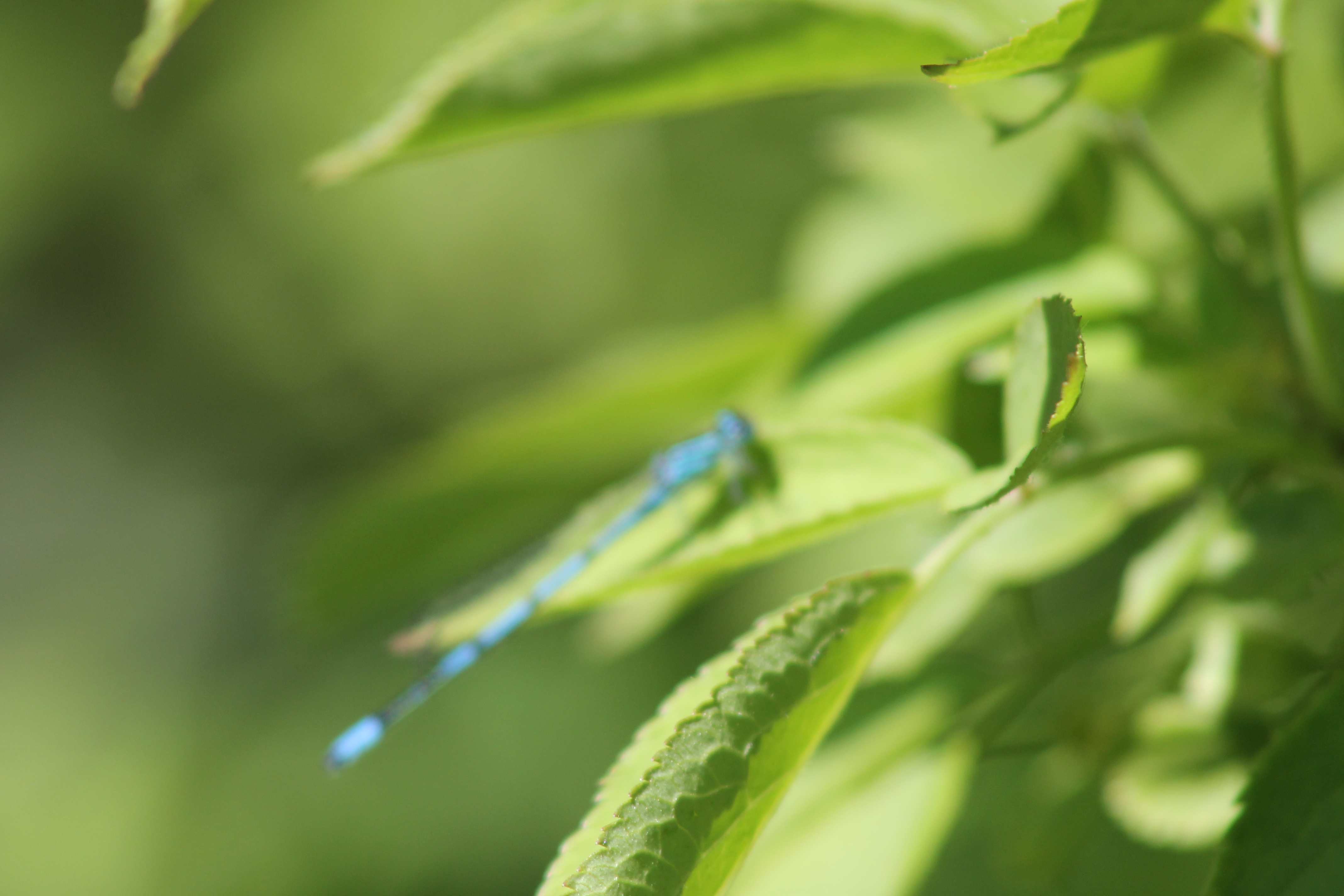
  Today, I saw the first Damselfly I’d seen this year.  Such a thin body, so fragile looking but so beautiful.  The male, a sliver of turquoise and the female a reddish-brown.  I tried to photograph the male but it came out blurred – I’ll try again tomorrow.

Image

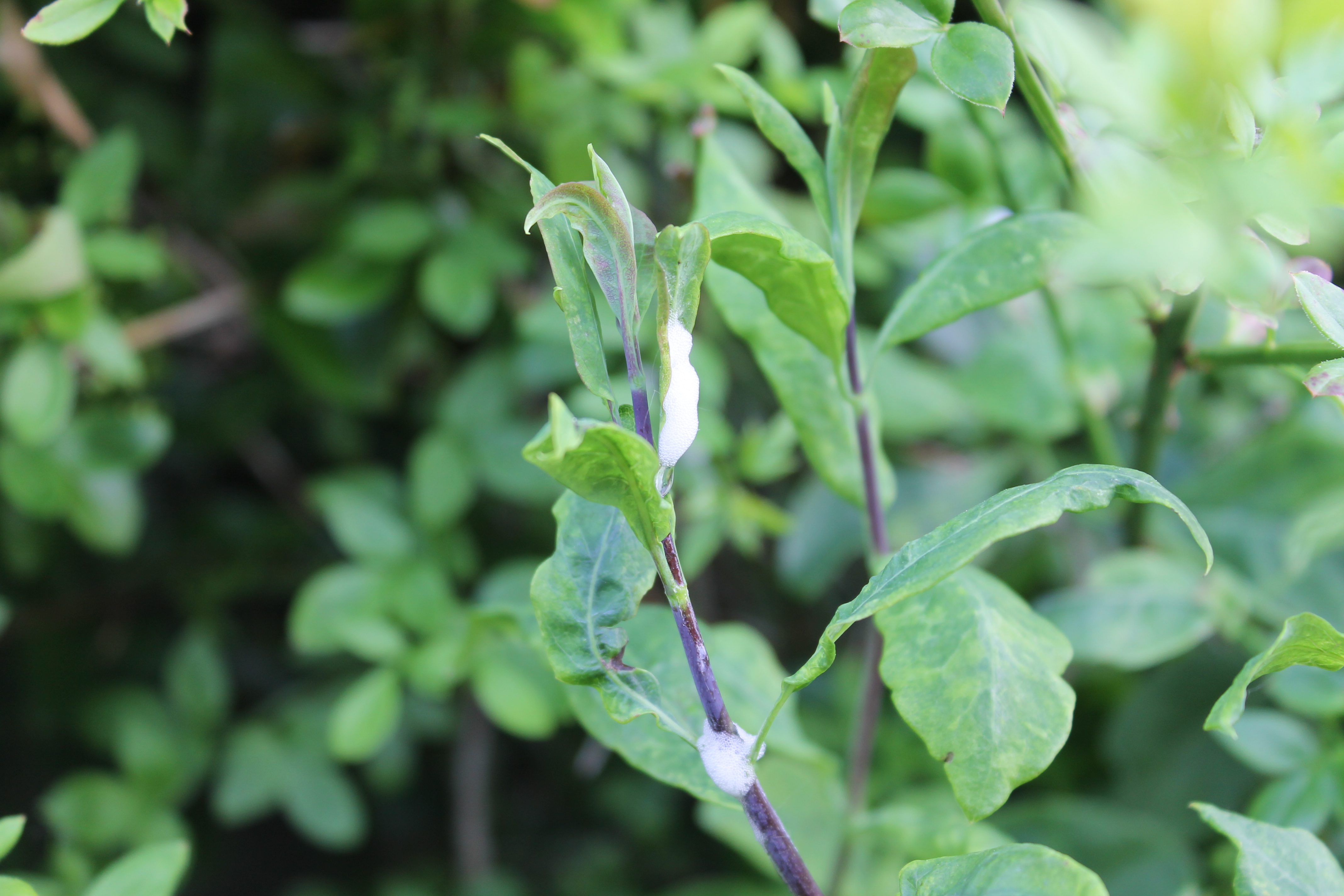
Froghopper larvae are exuding frothy ‘cuckoo-spit’ on all the plants in the garden.

Image

Lots of different bees are flying about.  I noticed bees entering a crack between the mortar and one of our kitchen windows, there are lots of mining bee holes in the dryer flowerbeds and while I was in the conservatory watering R’s cacti today I became aware of a leafcutter bee with its orange underside carrying large pieces of leaf in through the door.  It has made a nest in the soil of one of R’s cacti and was rolling up the bits of leaf and taking them down the hole.

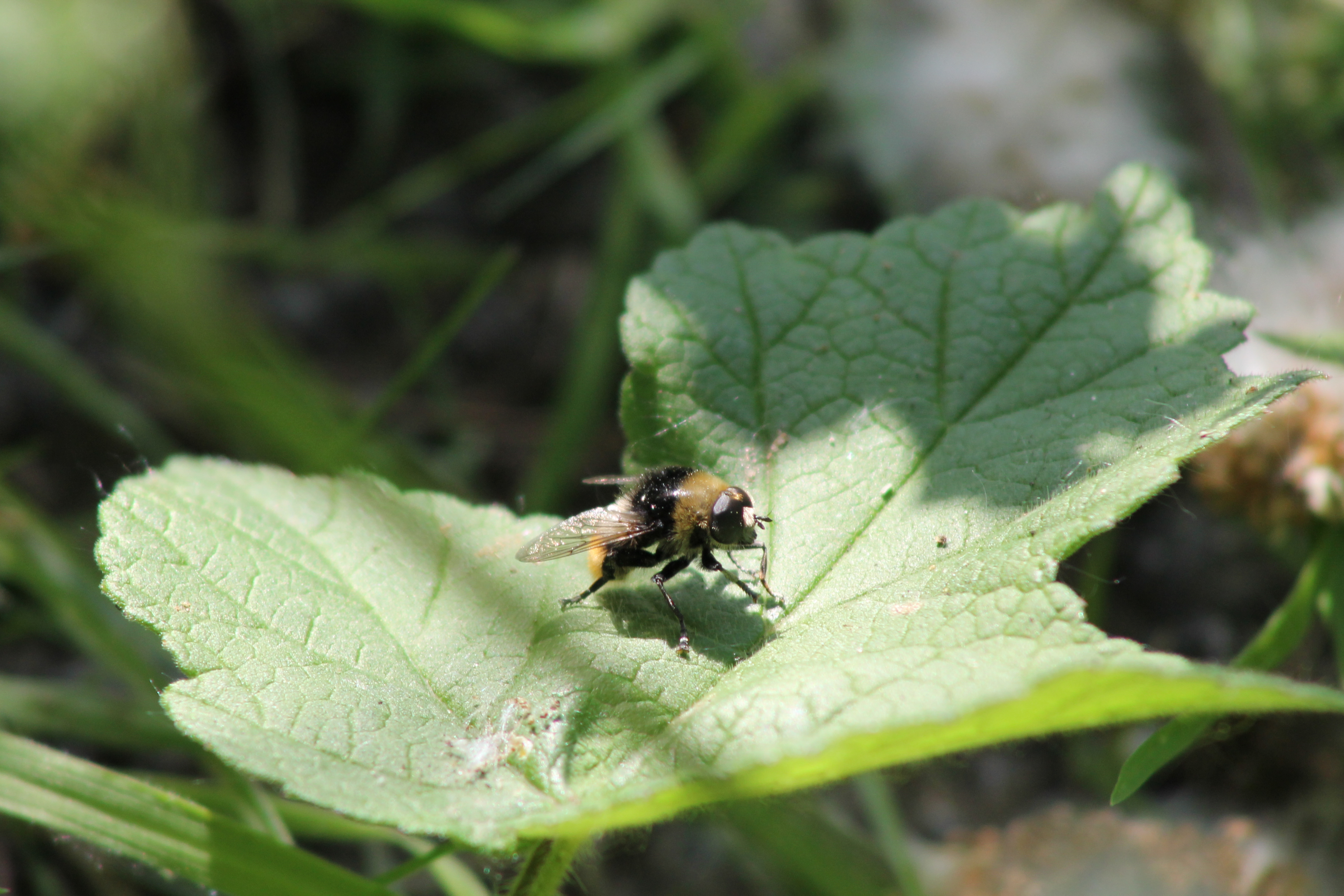
There are many different types of hoverfly about.


Image

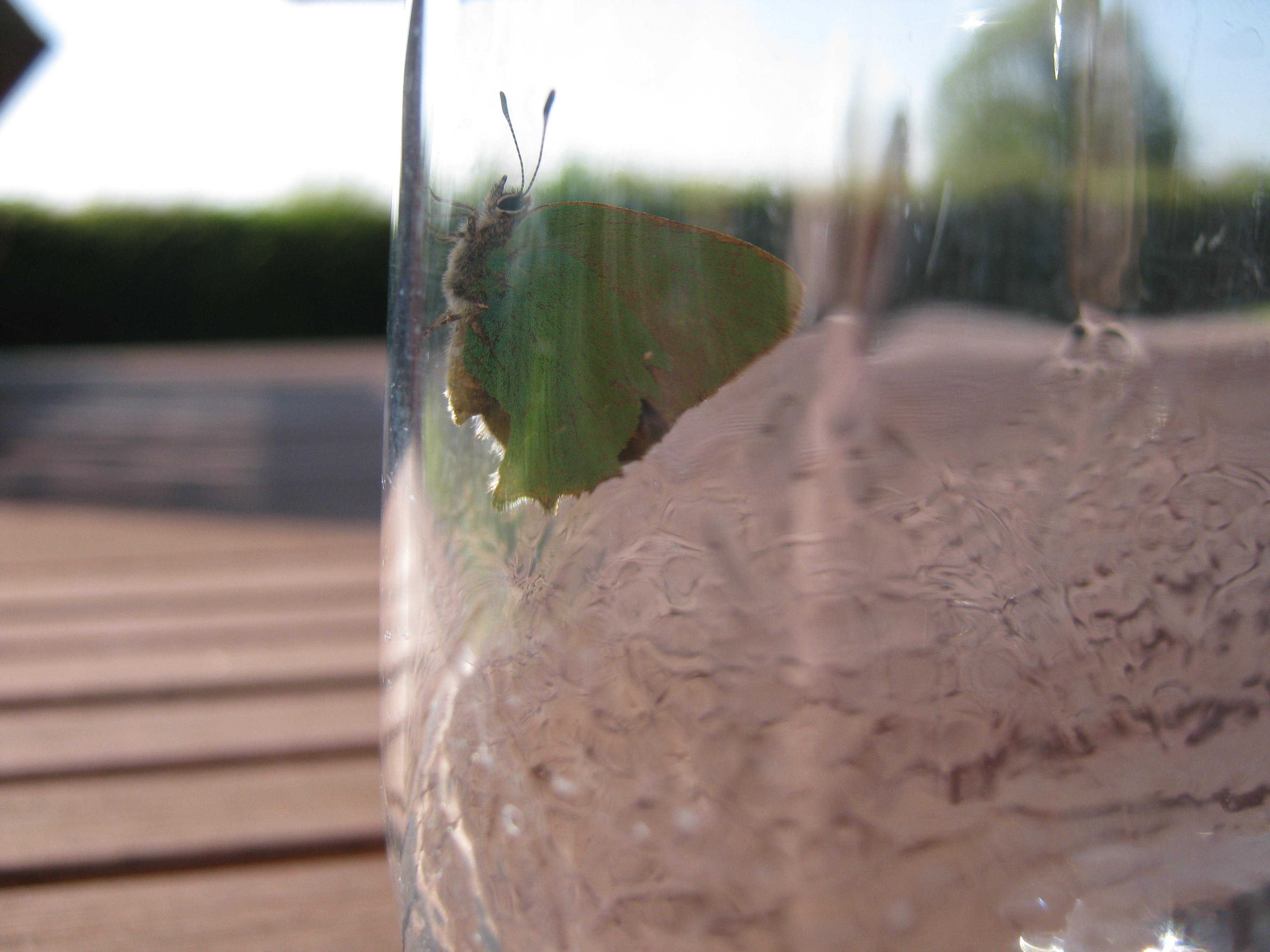
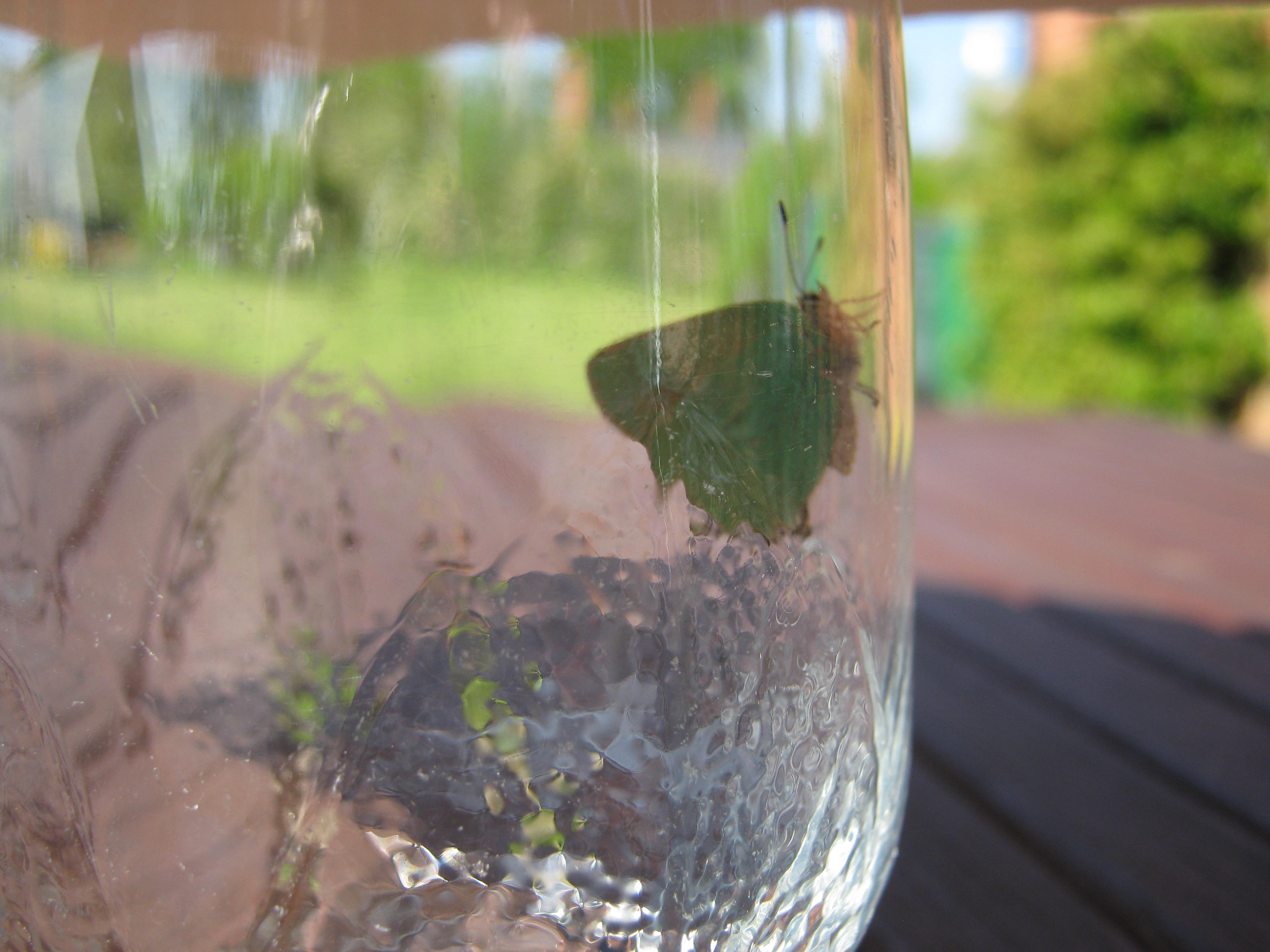
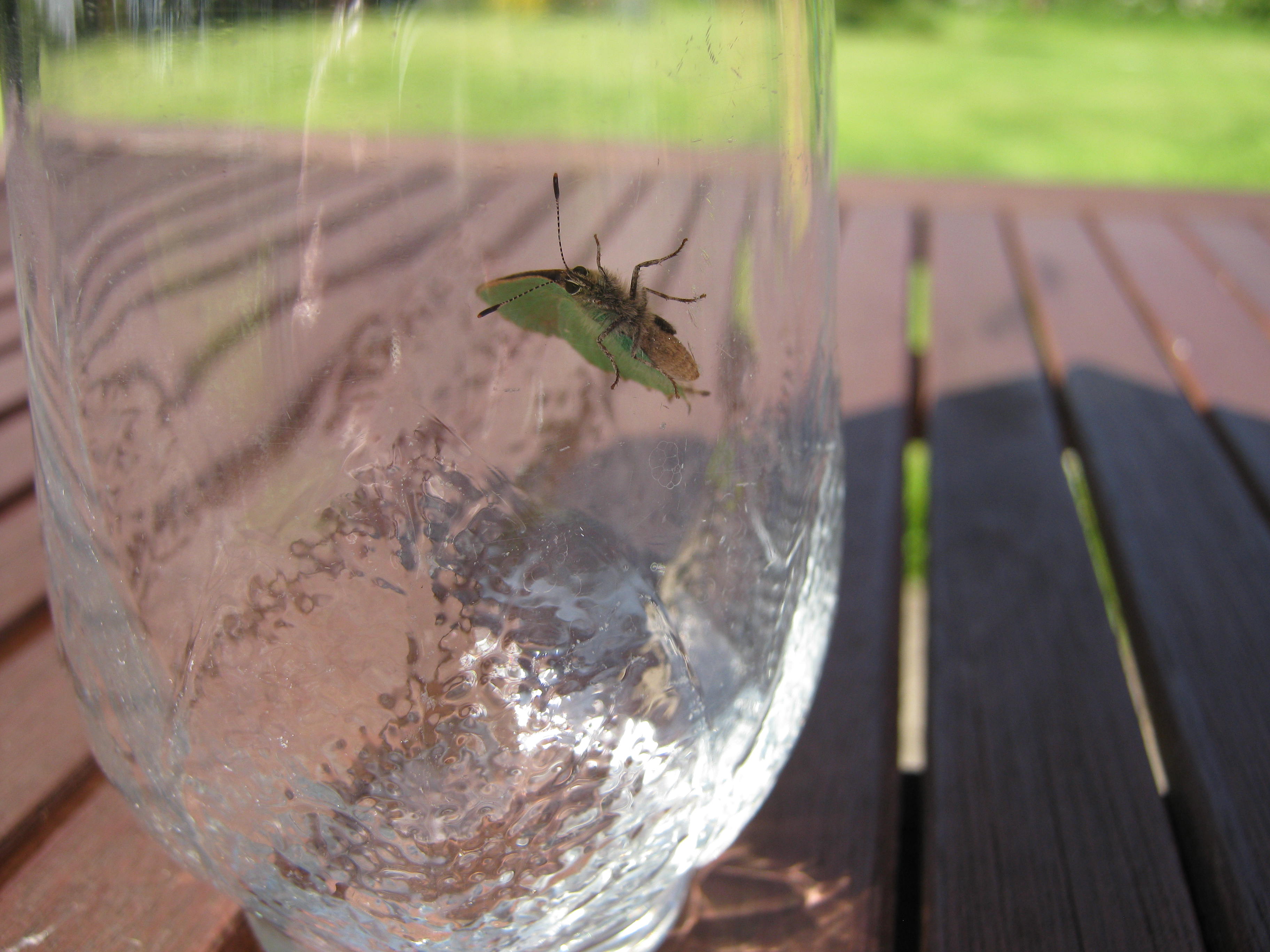
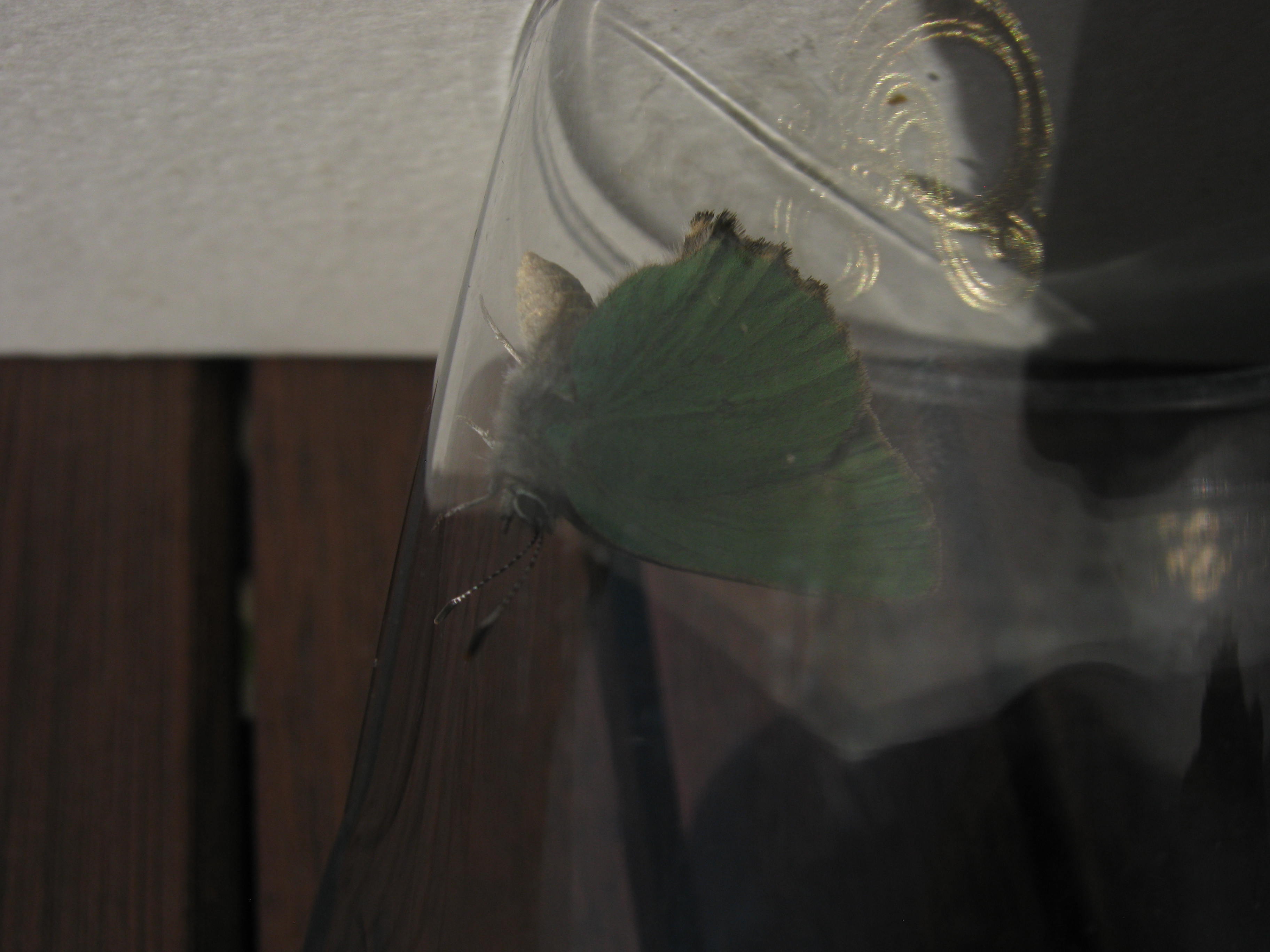
I noticed a little butterfly had got into the conservatory today so went to get a glass and a card as this is the best way of catching insects I know.  The butterfly was a Green Hairstreak and the first one I had ever seen.  The top of their wings is brown but the underside is a brilliant green.  The butterfly kept its wings shut so I could admire the glorious colour.  I tried to photograph it while it was in the glass but it didn’t work out well at all. 
Image  

Image

Image

Image

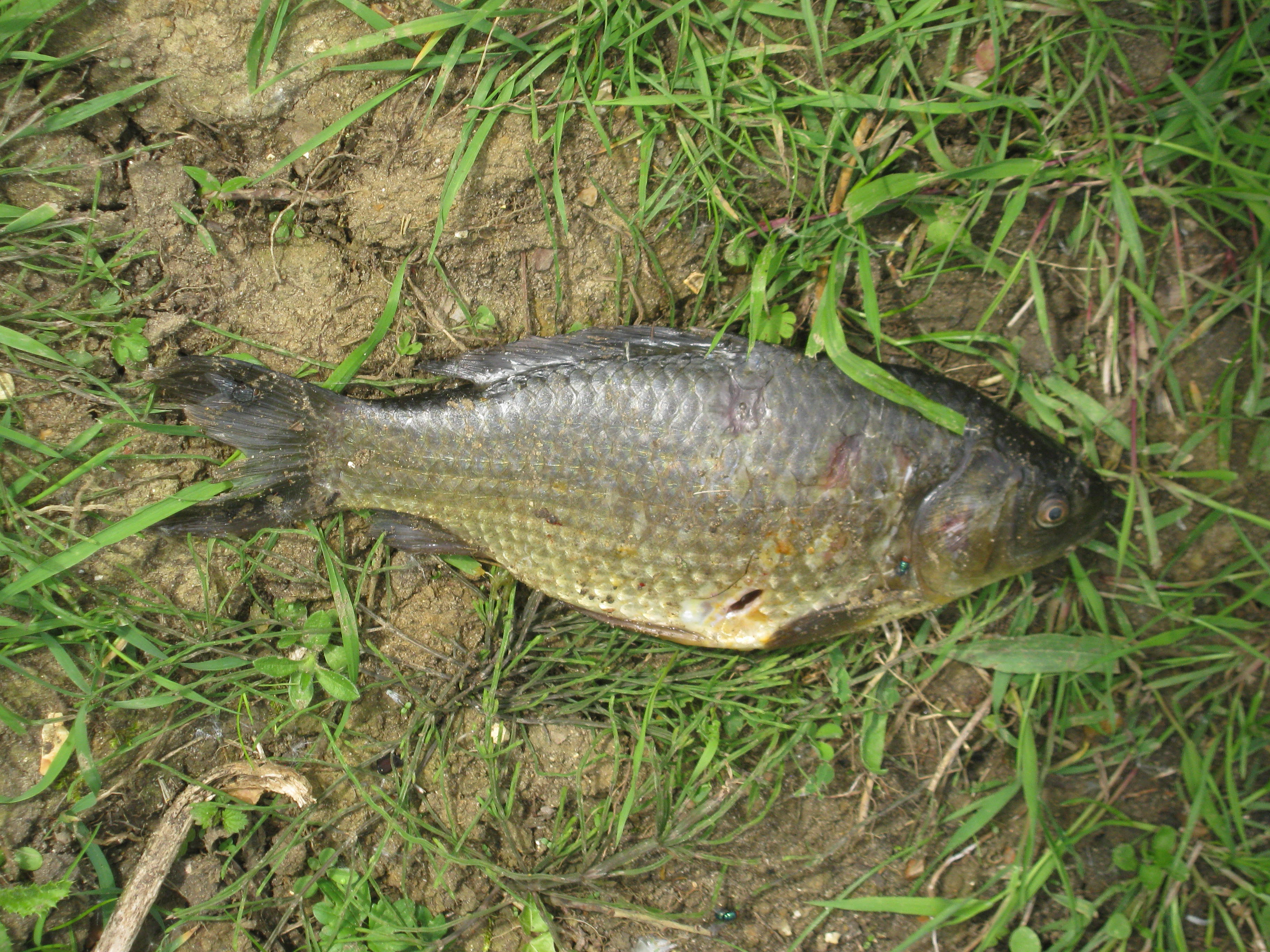
On Friday morning while having a walk aound the garden I came across this on the path…

Image

I couldn’t think how it could have come to be there.  I was also surprised to see such a big fish which had no doubt come from our pond.  Why hadn’t it been eaten?  What had caught it and left it there?  What type of fish is it?  Is it a bream?  It wasn’t until R and I were talking about it when he got home from work that we worked out how it had got there.  It has a stab wound low down on its body and R suggsted that a heron might have inflicted it.  I then remembered that when R had gone down to his vegetable plot near the big pond the night before he had disturbed a heron.

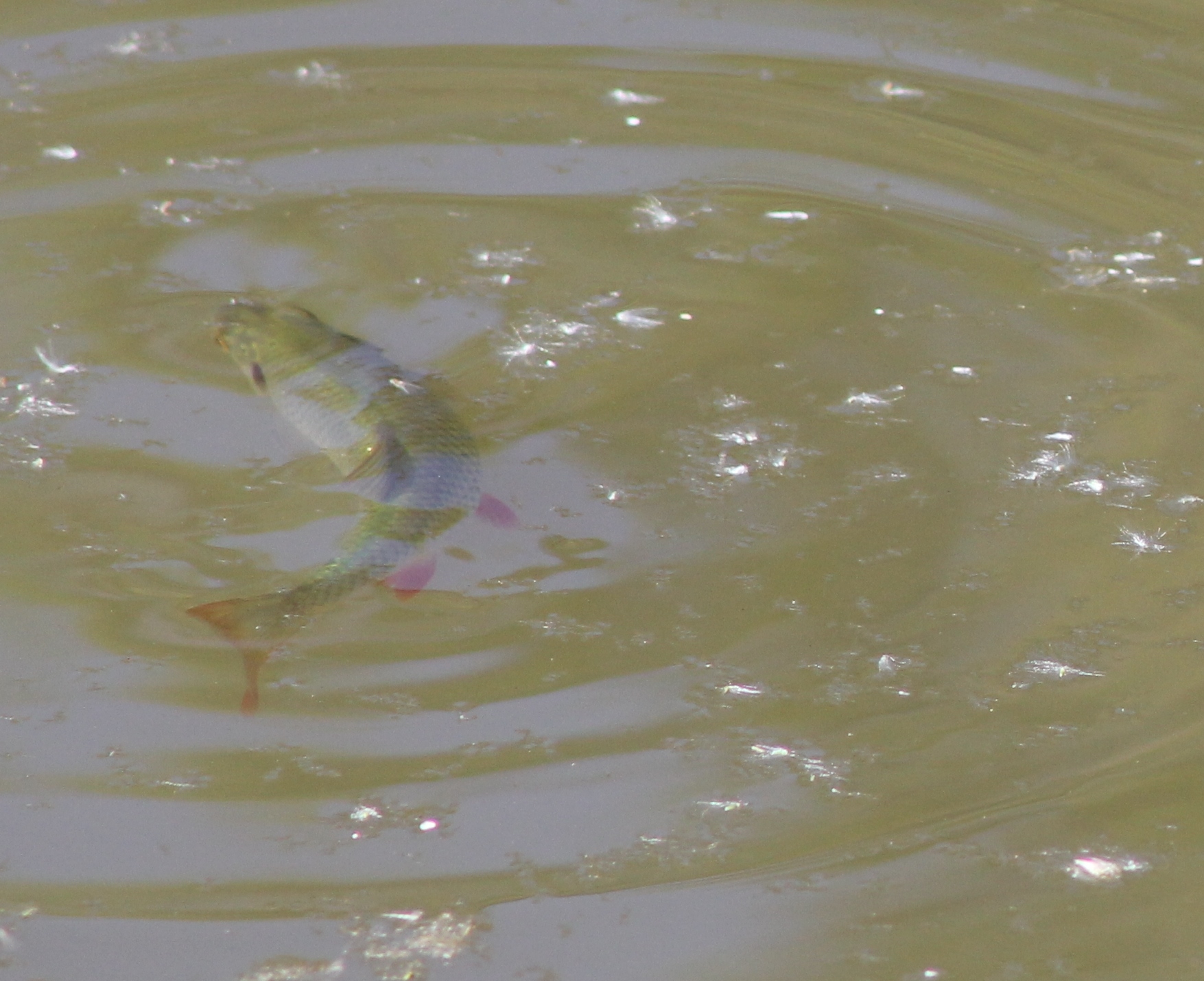
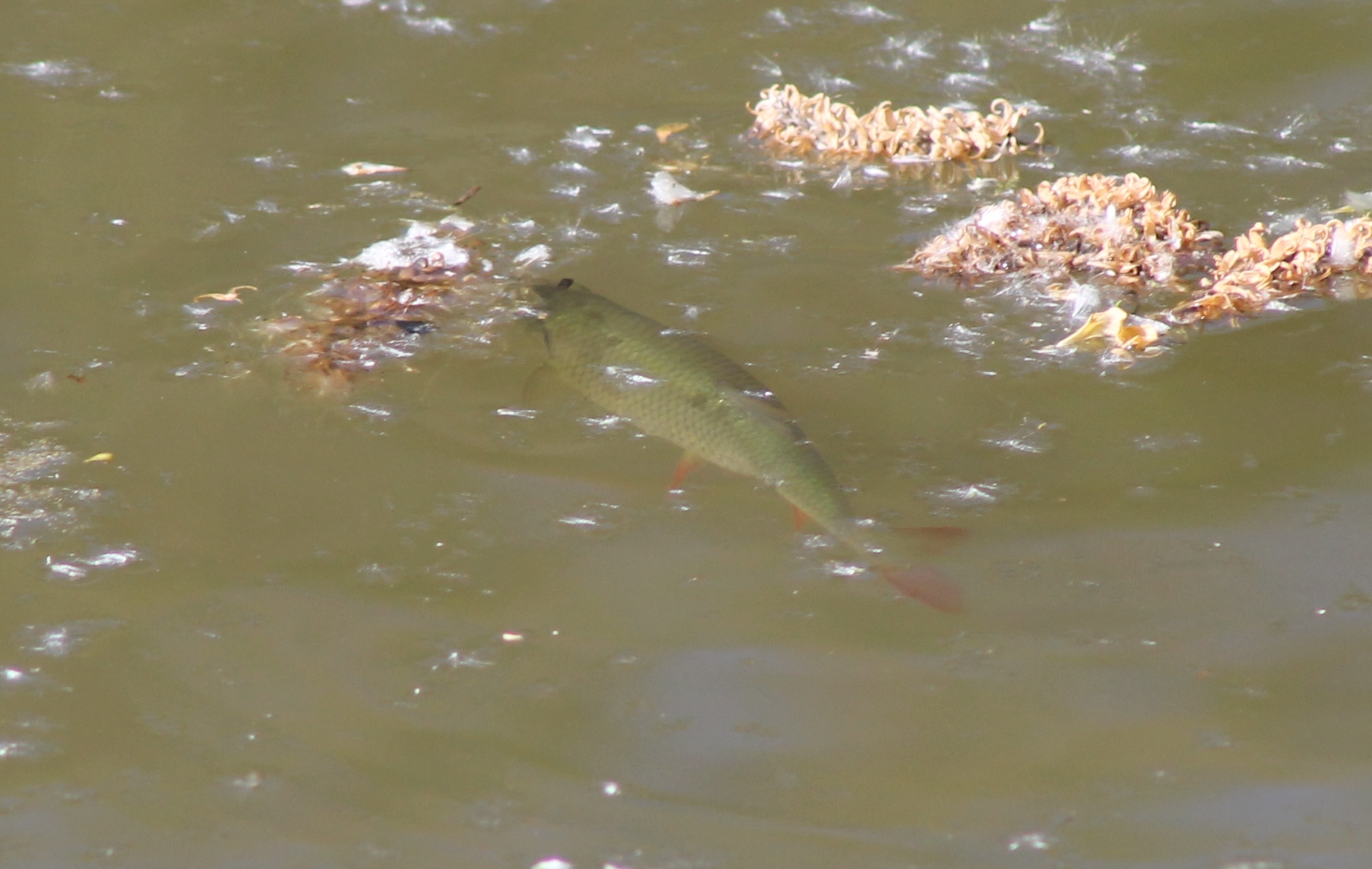
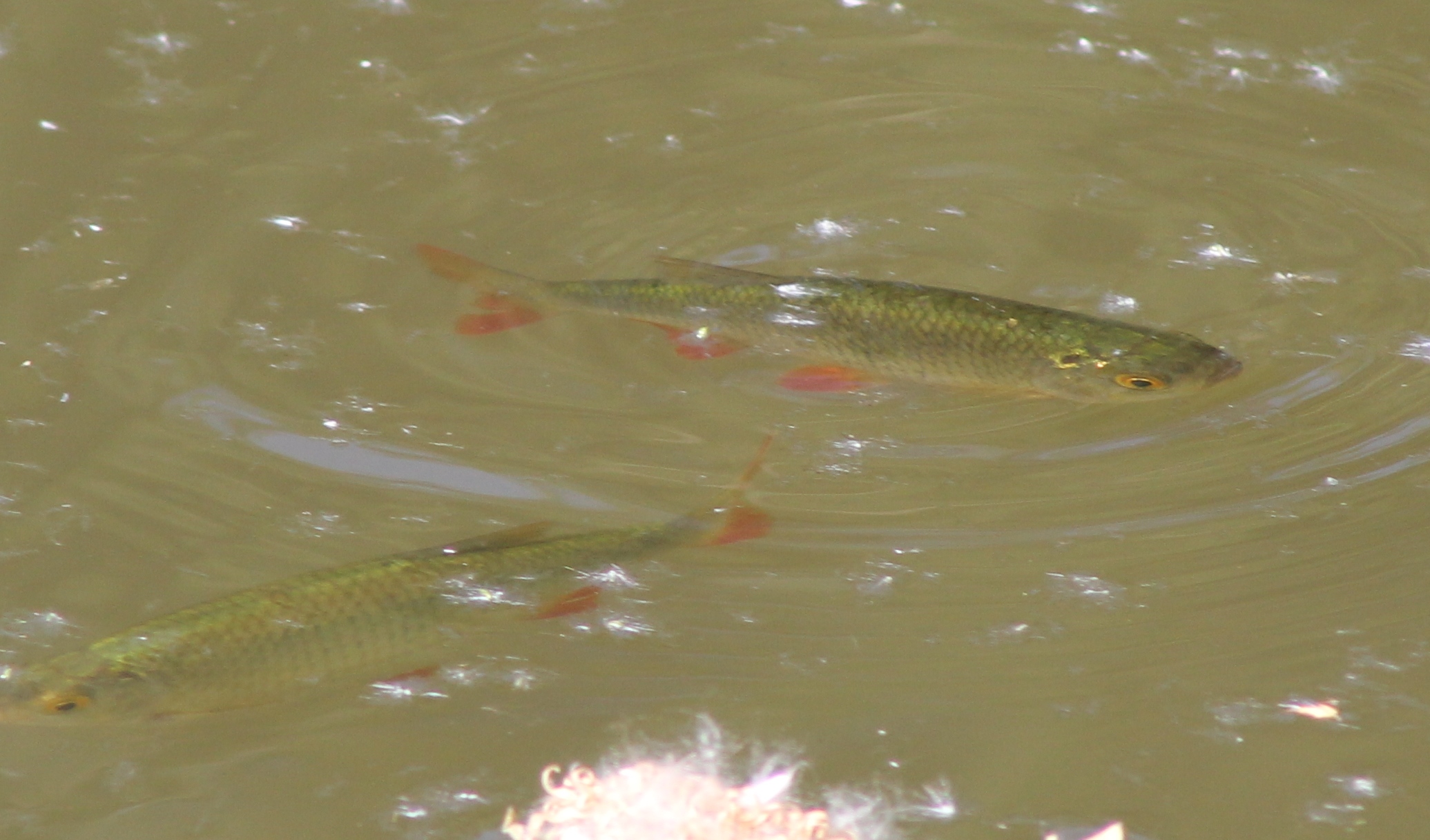
Today while walking round the pond I disturbed a moorhen and her three chicks.  The parent rushed off into the reeds as usual and left the three chicks to find their way back to her as best they could.  As I watched them, one of the chicks started to squeak and looked as though it had caught its foot in something in the water.  I thought this strange so got closer only to see the chick dragged under water and disappear.  What could have done this?  What have we got in the pond that eats baby moorhens?  I thought it might be a pike but R thinks it unlikely that a pike would live in a pond this size.  He thinks it might be a carp.  Has anyone any suggestions?

I took a few photographs of the perch (I think) in our pond today.

Image

Image

Image

Image

I’ll finish here tonight and do another post tomorrow when I’ll talk about the birds and flowers I’ve noticed this weekend.


Share this:

  • Share on X (Opens in new window) X
  • Share on Reddit (Opens in new window) Reddit
  • Share on Pinterest (Opens in new window) Pinterest
  • Share on Facebook (Opens in new window) Facebook
  • Email a link to a friend (Opens in new window) Email
  • Share on Tumblr (Opens in new window) Tumblr
  • Print (Opens in new window) Print
  • Share on Pocket (Opens in new window) Pocket
  • Share on LinkedIn (Opens in new window) LinkedIn
Like Loading...
← Older posts
Newer posts →
Follow A Suffolk Lane on WordPress.com

Enter your email address to follow this blog and receive notifications of new posts by email.
Join 715 other subscribers.
Unknown's avatar

I talk about what it's like living in a quiet part of Suffolk. I am a wife, mother and daughter, a practising Christian and love the natural world that surrounds me. I enjoy my life - most of the time!
My Posts

Jan 2026
M T W T F S S
 1234
567891011
12131415161718
19202122232425
262728293031  
« Dec    

Pages

  • About my Blog
  • GDPR (General Data Protection Regulations) and This Site
  • My Life in a Suffolk Lane

Archives

Blogs I Follow

Unknown's avatar
Unknown's avatar
Unknown's avatar
Unknown's avatar
Unknown's avatar
Unknown's avatar
Unknown's avatar
Unknown's avatar
Unknown's avatar
Unknown's avatar
Unknown's avatar
Unknown's avatar
Unknown's avatar
Unknown's avatar
Unknown's avatar
Unknown's avatar
Unknown's avatar
Unknown's avatar
Unknown's avatar

Posts I Like

  • Annika Perry's avatar
  • trulymebeingme's avatar
  • Rich's avatar
  • Unknown's avatar
  • Unknown's avatar
  • Unknown's avatar
  • Unknown's avatar
  • Unknown's avatar
  • Unknown's avatar
  • East of Elveden's avatar
  • Unknown's avatar
  • Unknown's avatar
  • Unknown's avatar
  • Secret Diary of A Country Vicar's Wife's avatar
  • JAM's avatar
  • Unknown's avatar
  • Unknown's avatar
  • Yeah, Another Blogger's avatar
  • bitaboutbritain's avatar
  • Maikhel's avatar
  • Andrea Stephenson's avatar
  • Unknown's avatar
  • John’s Postcards's avatar
  • Unknown's avatar
  • Unknown's avatar
  • clivebennett796's avatar
  • Unknown's avatar
  • Unknown's avatar
  • Wayne Wolfson's avatar
  • Unknown's avatar
  • Unknown's avatar
  • Unknown's avatar
  • M T McGuire's avatar
  • Unknown's avatar
  • Schnippelboy's avatar
  • Unknown's avatar
  • Unknown's avatar
  • (Kitty) Cat Strawberry - Meow!'s avatar
  • Unknown's avatar
  • Unknown's avatar
  • Unknown's avatar
  • Unknown's avatar
  • Unknown's avatar
  • Pilgrim's Pondering Ministry's avatar
  • CJ's avatar
  • Unknown's avatar
  • aho's avatar
  • Unknown's avatar
  • santable's avatar
  • Unknown's avatar

amphibians architecture art Arts and Crafts churches cooking Days out domestic animals family fish Folk Traditions Gardening Historic Buildings holidays Insects Landscaping literature music Norwich plants Rural Diary seashore theatre trees Uncategorized walking weather wild animals wild birds wild flowers

Tags

architecture autumn birds blackbird blackthorn Bungay butterfly church clouds common knapweed cow parsley crocus daffodils Diary dogwood family field maple flowers fungus garden gardening geese greylags ground-ivy Halesworth Hawthorn heather holiday Holly Holy Week horse chestnut Hoverfly insects ivy Lake District Lent lesser celandine lichen Lords and Ladies Mallard mallards Minsmere moorhen moss music Norwich Peak District pheasant plants pond ponds primrose primroses Rain rooks Rumburgh Rumburgh Church sheep Sheffield snow snowdrops Southwold spring Suffolk Suffolk Wildlife Trust sunset the Beck trees viburnum bodnantense walking weather wild cherry wild flowers winter-flowering honeysuckle witch-hazel

Meta

  • Create account
  • Log in
  • Entries feed
  • Comments feed
  • WordPress.com

Goodreads

Blog at WordPress.com.

Book Jotter

Reviews, news, features and all things books for passionate readers

Country Life Blog -

A blog about life in the country in the past and present

Matthew Paul: Poetry & Stuff

Poetry and what-not

Schnippelboy

Ein Tagebuch unserer Alltagsküche-Leicht zum Nachkochen

TAMARA JARE

Tamara Jare Contemporary Figurative Art – Bold Colors, Resilient Souls

A Taste of Freedom

Documenting a Dream

Country Ways

Rambling Journeys in Britain, Countryside Matters and campaigning for the Right to Roam

The Strawberry Post

Here to Entertain, Educate & Inspire!

a north east ohio garden

an ongoing experiment in the dirt, 35 plus years

naturechirp

Celebrating God's creatures, birds and plants...

Sophie Neville

Writer

Going Batty in Wales

Developing a more sustainable lifestyle in SW Wales

Our Lake District Escapades

Exploring the Lake District and beyond

Short Walks Long Paths

Wandering trails around the coast of Wales

The Biking Gardener

An English persons experience of living and gardening in Ireland

Nan's Farm

A Journal Of Everyday Life

Walk the Old Ways

Rambling Journeys in Britain with John Bainbridge. Fighting for the Right to Roam. Campaigning to Protect Our Countryside.

Writer Side UP!

Waking the Writer Side...and keeping it "Up!"

Meggie's Adventures

Travel, thank you notes and other stories

amusicalifeonplanetearth

Music and the Thoughts It Can Inspire

lovefoundation.co.uk

Traveling Tortuga

Simply Living Well

Pakenham Water Mill

Historic watermill in the beautiful Suffolk countryside

Take It Easy

Retired, not expired: words from the after(work)life. And music. Lots of music!

Secret Diary Of A Country Vicar's Wife

By Olive Oyl

thanksfortheadventureorg.wordpress.com/

The Beat Goes On

#TBGO

Frank Pleszak's Blogs

Twitter: @frankpleszak @PolishIICorps

John Bainbridge Writer

Indie Writer and Publisher

roughwighting

Life in a flash - a bi-weekly storytelling blog

Walking the Old Ways

Rambling in the British Countryside

CapKane

thoughts on social realities

SkyeEnt

Jottings from Skye

jodie richelle

embracing my inner homemaker

Skizzenbuch/Blog

Just another WordPress.com weblog

Have Bag, Will Travel

The Call of the Pen

Flash Fiction, Book Reviews, Devotionals and other things.

John's Postcards

Art in Nature

You dream, I photographe it !

Smile! You’re in Barnier World......

theinfill

the things that come to hand

Dr. Mary Ann Niemczura

Author of "A Past Worth Telling"

Provincial Woman

The Pink Wheelbarrow

Luanne Castle: Poetry and Other Words (and cats!)

Poetry, Other Words, and Cats

The Family Kalamazoo

A genealogical site devoted to the history of the DeKorn and Zuidweg families of Kalamazoo and the Mulder family of Caledonia

everythingchild

The Book Owl

Canberra's Green Spaces

Paul Harley Photographer

  • Subscribe Subscribed
    • A Suffolk Lane
    • Join 715 other subscribers.
    • Already have a WordPress.com account? Log in now.
    • A Suffolk Lane
    • Subscribe Subscribed
    • Sign up
    • Log in
    • Report this content
    • View site in Reader
    • Manage subscriptions
    • Collapse this bar
 

Loading Comments...
 

    Privacy & Cookies: This site uses cookies. By continuing to use this website, you agree to their use.
    To find out more, including how to control cookies, see here: Cookie Policy
    %d