• About my Blog
  • GDPR (General Data Protection Regulations) and This Site
  • My Life in a Suffolk Lane

A Suffolk Lane

~ A diary of my life in rural north Suffolk.

A Suffolk Lane

Category Archives: Days out

A Winter Miscellany

06 Wed Jan 2016

Posted by Clare Pooley in churches, Days out, family, literature, plants, Rural Diary, trees, walking

≈ 38 Comments

Tags

bare trees, birch, corsican pine oak, Harleston, hedgehog, honeysuckle, pinks, primulas, Robert Louis Stevenson, Scots Pine, St Cross South Elmham, St Georges church, The Black Arrow, Tunstall Forest, viburnum bodnantense, walking, winter-flowering honeysuckle

I had a lot of difficulty trying to think of a title to this post as it is made up of a mishmash of lots of different photos taken from the beginning of December up to New Year’s Day and at a number of locations.
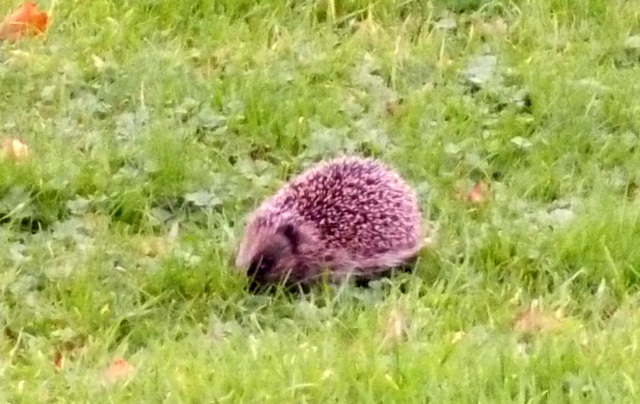
DSCN0029Hedgehog

A young hedgehog I saw wandering about the garden during the day at the beginning of December.

This little creature looked healthy enough, though still not quite full-grown.  It seemed unbothered by my presence and was trotting about looking for and finding things to eat in the garden.  The photo is a little blurred because it didn’t keep still long enough for me to take a good picture of it.  Hedgehogs are normally nocturnal mammals and only emerge during the daytime if disturbed or hungry.  They hibernate during the winter but emerge during mild spells of weather to feed.
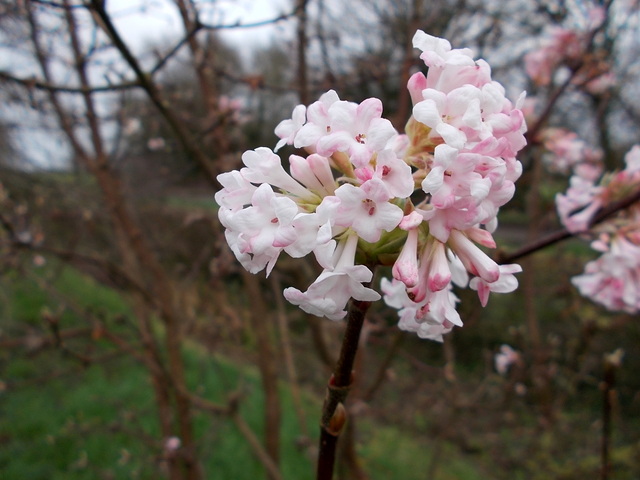
DSCN0090Viburnum

The Viburnum bodnantense is in full flower and smells divine!
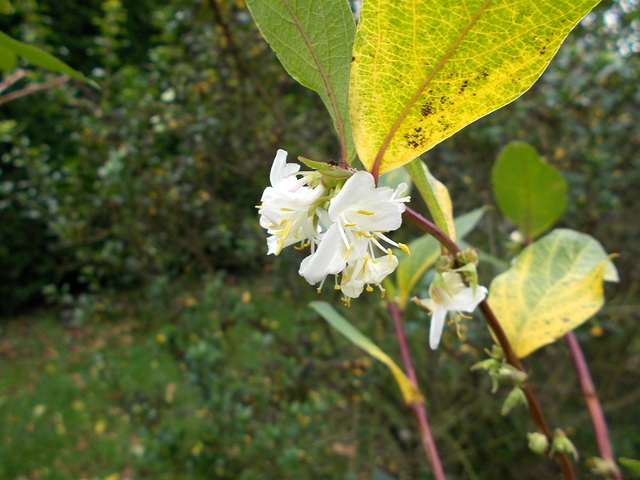
DSCN0093Winter-flowering Honeysuckle

The Winter-flowering Honeysuckle is also flowering and its scent is beautiful.
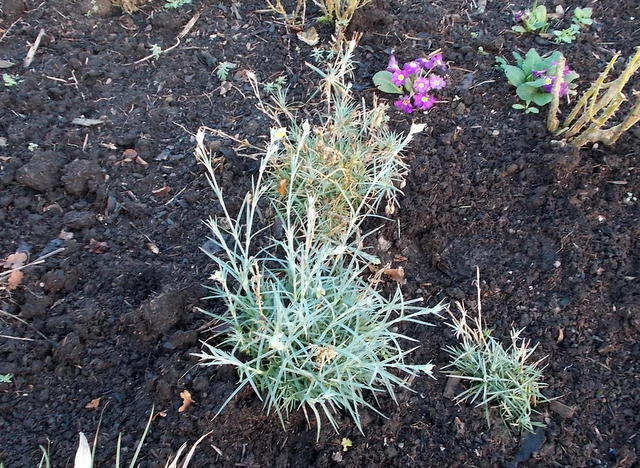
DSCN0101Pinks in bud

The Primulas in Richard’s border are in flower and his Pinks are covered in flower-buds.

Not only do we have all these flowers but also miniature Iris, Grape Hyacinths and Hyacinths are in flower.  On my travels I have seen Daffodils, Snowdrops and Winter Aconites.  My mother’s garden has Hardy Geraniums still in flower from the autumn and also the bright red flowers of Ornamental Quince.  We have had a lot of rain (though much less than in the north and north-west of the country) – the ditches are filling fast, the roads are thick with mud and have standing water on them and parts of our garden are like a quagmire.  The grass hasn’t stopped growing but it is too wet for it to be cut.  I spent some time a few days ago pulling out Stinging Nettle runners from under our Crabapple tree.
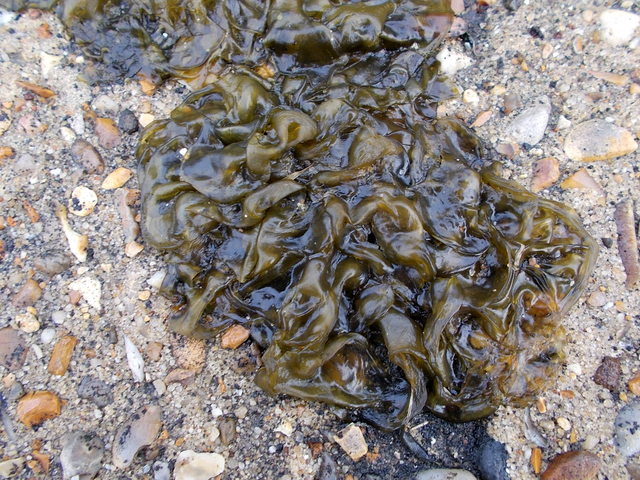
DSCN0088Possibly algae

This seaweed-like algae has started growing out from the edge of the grass onto our driveway.
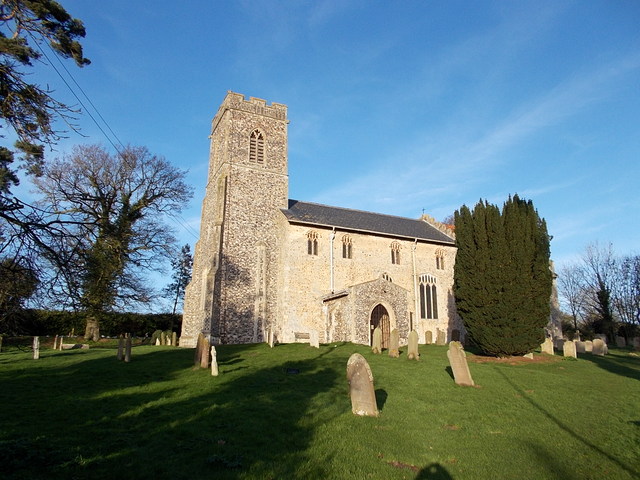
DSCN0059St George's church St Cross

This is St George’s church at St Cross South Elmham – another of the churches in our benefice.

I had reason to call in to this church a couple of days before Christmas and while there I thought I’d take a few photos.  I didn’t have much time to spare so only took a few pictures – I hope to return there again soon and finish the job.

The church is large and seems very tall especially as one approaches it from the bottom of the valley.  I didn’t have time to walk round the outside of the church or visit the grave of the Canadian poet and writer, Elizabeth Smart.
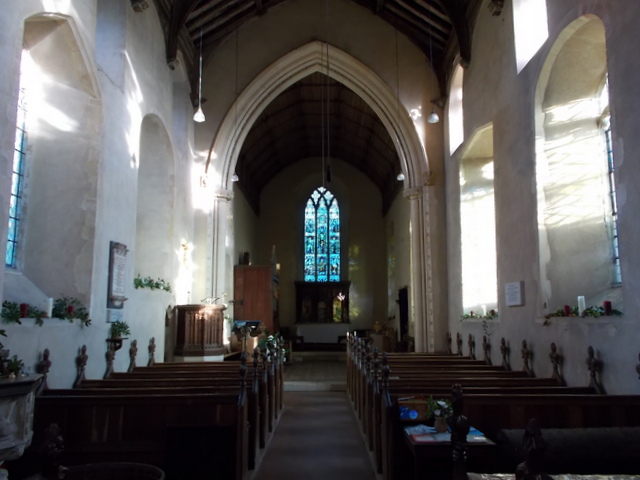
DSCN0060St Cross

Inside the church

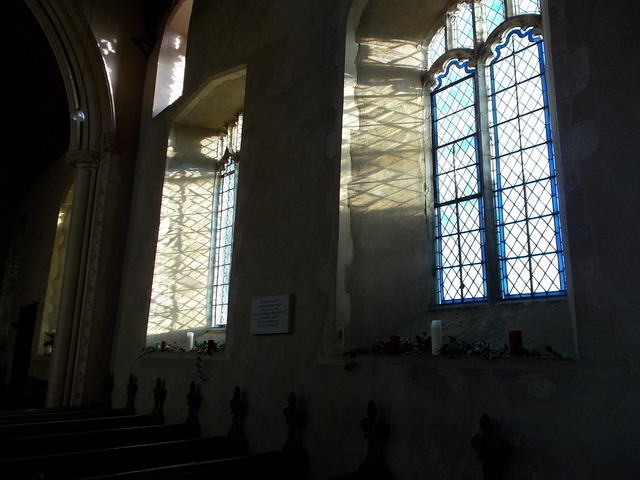
DSCN0061St Cross

Sunlight entering through the clear windows
DSCN0062St Cross

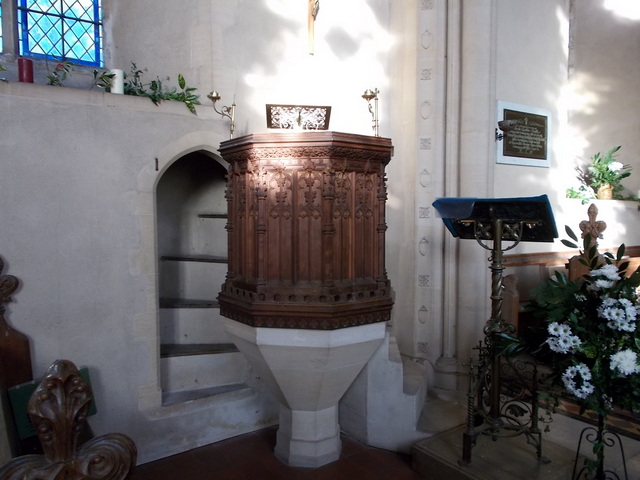
A very attractive pulpit and the tiny staircase that used to climb up to the rood loft
DSCN0063St Cross

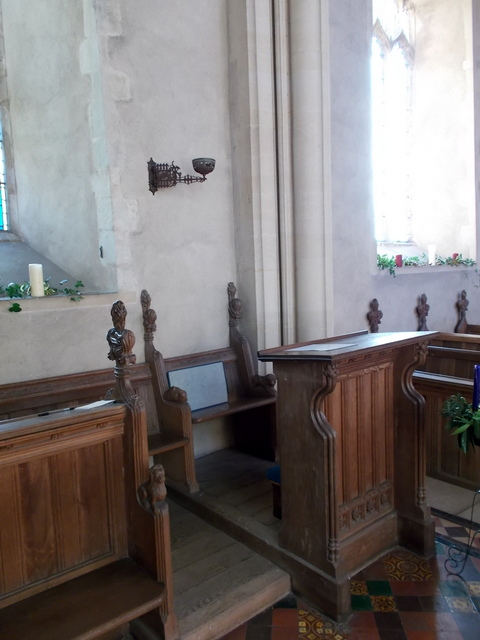
I like the little bracket on the wall above the reading desk.

DSCN0064St Cross

The altar with its painted reredos. The picture on the left is of St George.
DSCN0066St Cross

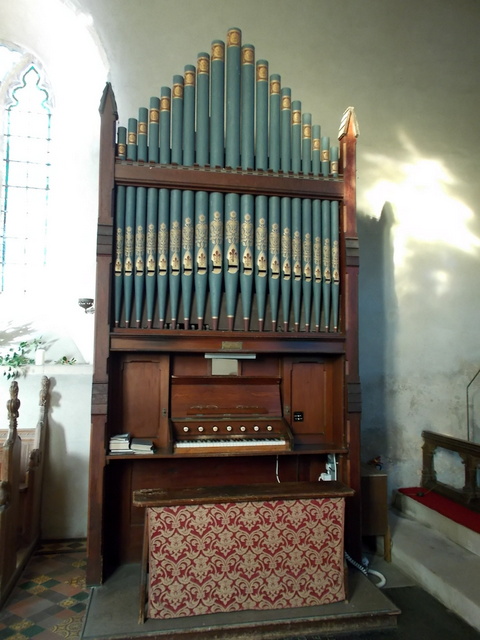
The pretty pipe-organ.

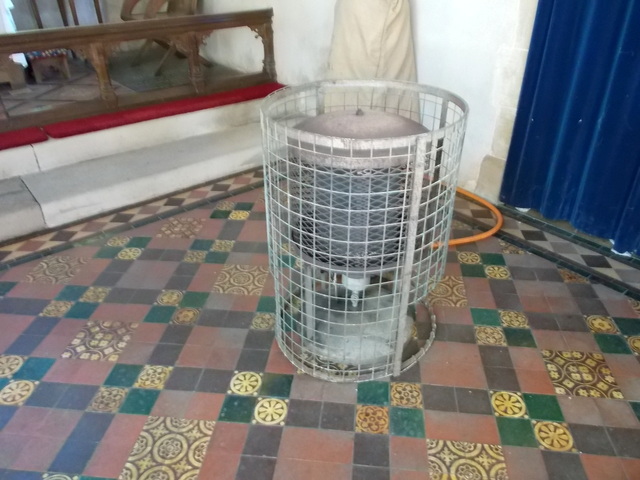
DSCN0067St Cross

The heater – a venerable one!

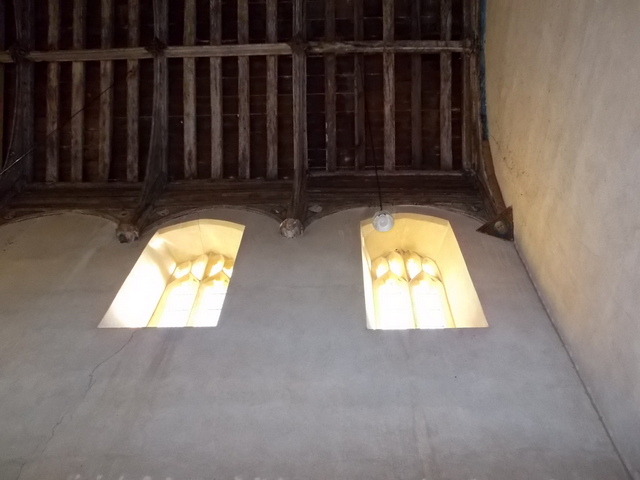
DSCN0071St Cross

A watcher from up in the roof.

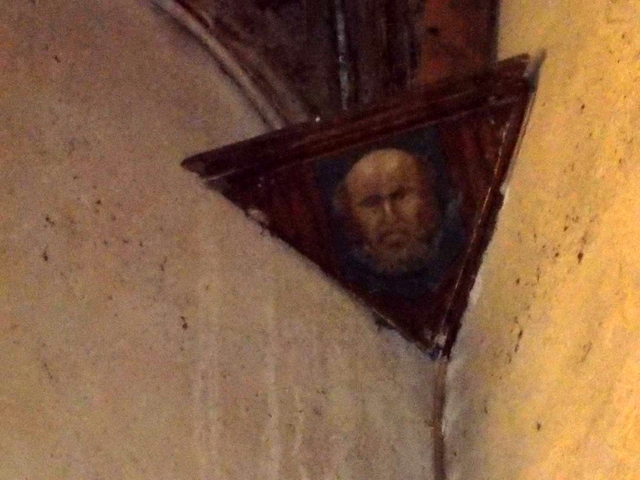
DSCN0072St Cross

In this photo you can see where the face is. There are others elsewhere in the church.
DSCN0073St Cross

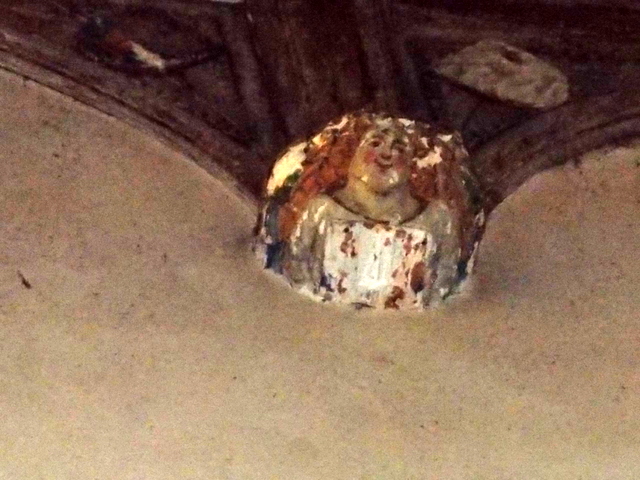
This person with the jolly face, long auburn hair and white shirt is up in the roof too.
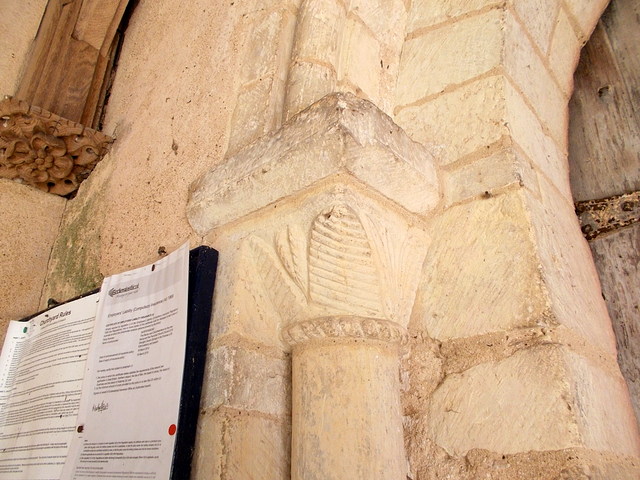
DSCN0074St Cross

This carving round the door is in the porch.
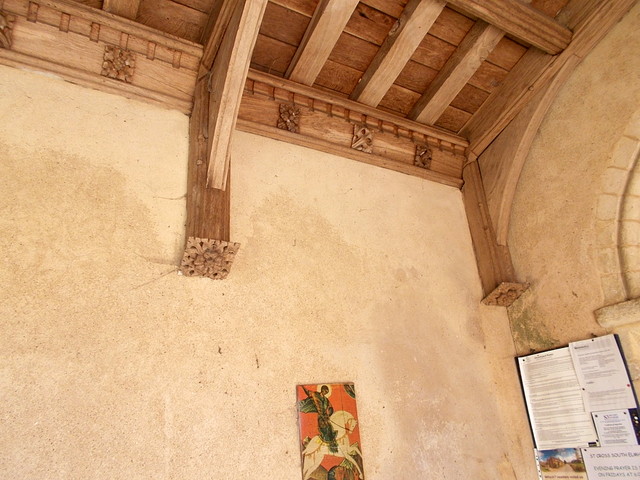
DSCN0075St Cross

This is part of the wooden ceiling to the porch.
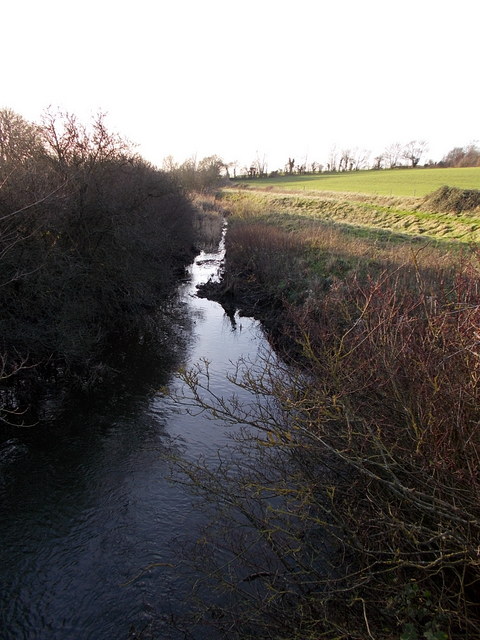
DSCN0077The Beck

This is The Beck flowing through St Cross.
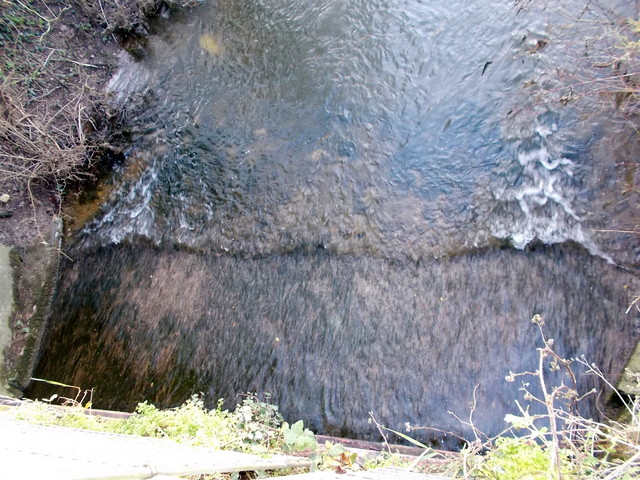
DSCN0076The Beck

The road crosses The Beck by a bridge which I looked over to watch the water racing through underneath.
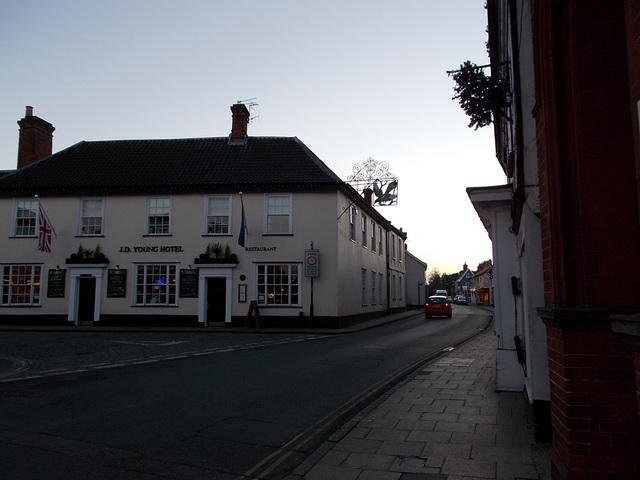
DSCN0108The Magpie in Harleston

The Magpie (or as it’s now known, the JD Young Hotel – so boring!) in Harleston.

We stopped off in Harleston on our way back home after taking Alice to the station on New Year’s Eve.  Harleston is a town on the north side of the River Waveney and in Norfolk.  The Waveney is the border between Suffolk and Norfolk.
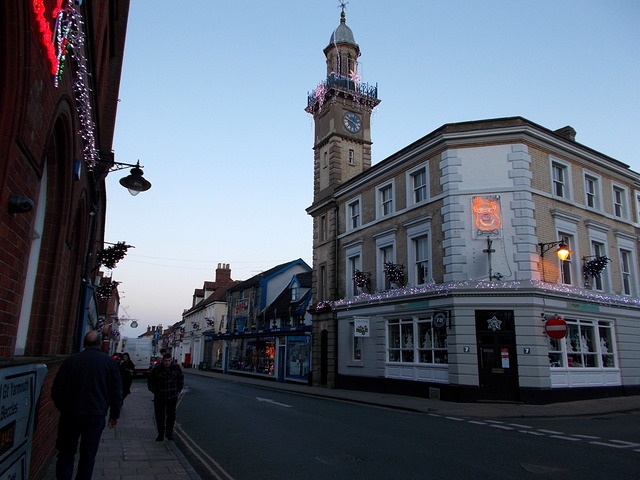
DSCN0109Harleston

This is another view of the town from the same spot – outside the bank where Richard was withdrawing some money. By the time I had taken this photo he had finished the transaction and had walked off, as you can see.
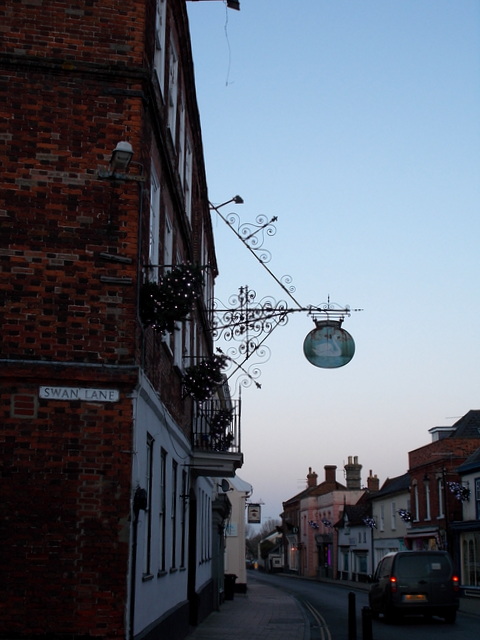
DSCN0110The Swan in Harleston

The Swan. Another of the inns in Harleston
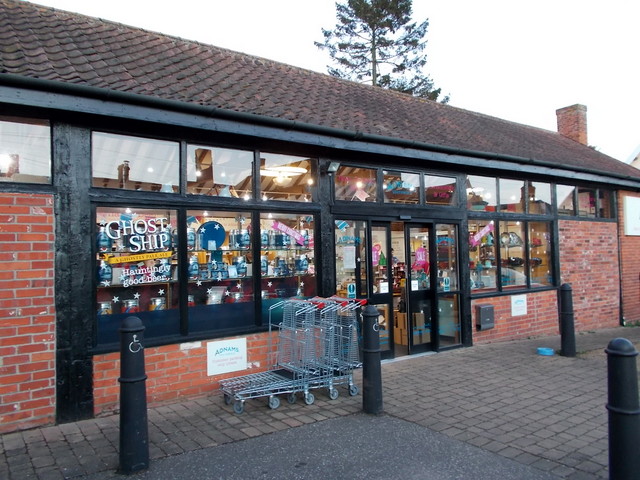
DSCN0111Adnam's shop Harleston

The Adnam’s Shop, Harleston.

After we had finished our shopping we treated ourselves to a wander round this shop.  Adnam’s is a local brewery based in Southwold.  They brew many different types of beer and ale and recently have started to produce wines and spirits as well. They opened a very large store selling their beers and spirits and also cooking utensils, china and glassware in Southwold.  This shop in Harleston is a much smaller version of their main store.
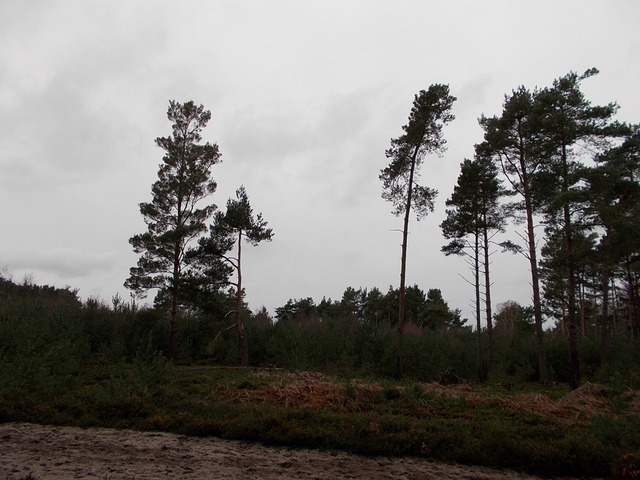
DSCN0115Tunstall forest

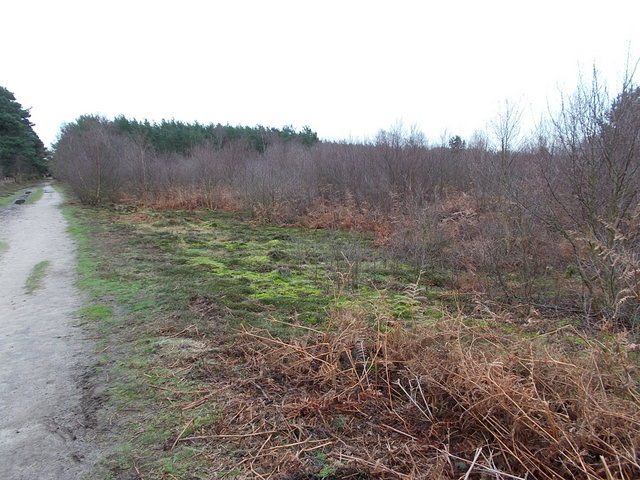
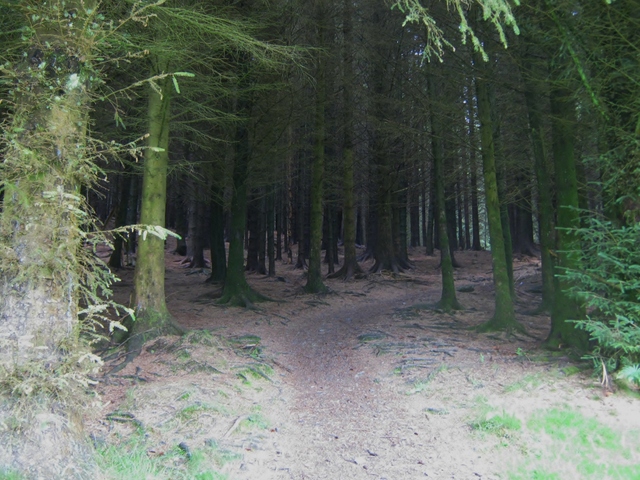
Tunstall Forest

On New Year’s Day, Richard, Elinor and I went for a walk in Tunstall Forest.  The forest is managed by The Forestry Commission and is about 20 miles to the south of where we live.

One of my favourite books when I was a girl (and I still enjoy reading it now) was The Black Arrow by Robert Louis Stevenson.  I was overjoyed to find that I was living near the Tunstall Forest of the book when I moved to Suffolk in 1988.  Surprisingly, this walk was the first time I had visited the place.

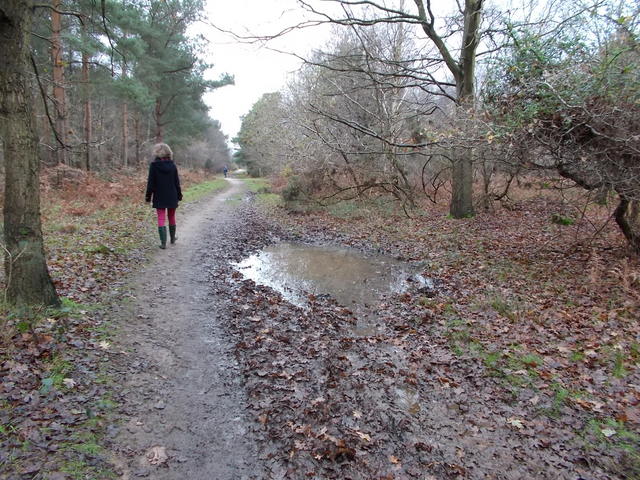
The day was very dull and the ground was muddy from the quantities of rain we had had recently.  It was difficult getting decent photos of the walk and there wasn’t much to see of special interest.  However, the walk in the fresh air and in good company was good in itself.
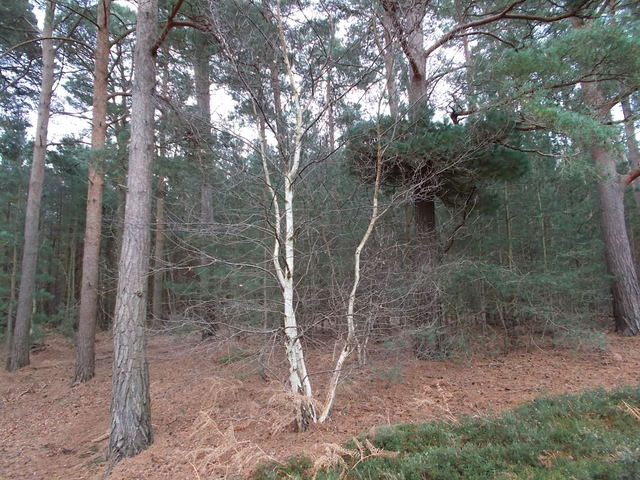
DSCN0116Tunstall forest

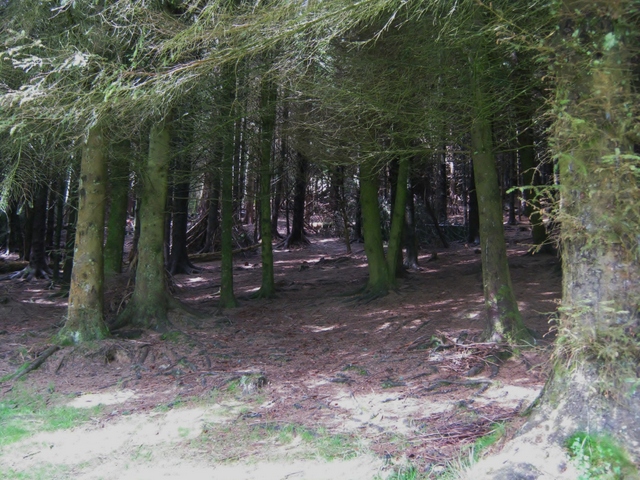
The forest is predominantly Scots Pine and Corsican Pine used as a crop but since the Great Storm of 1987 when many of the trees were lost, it has been replanted with mixed woodland.
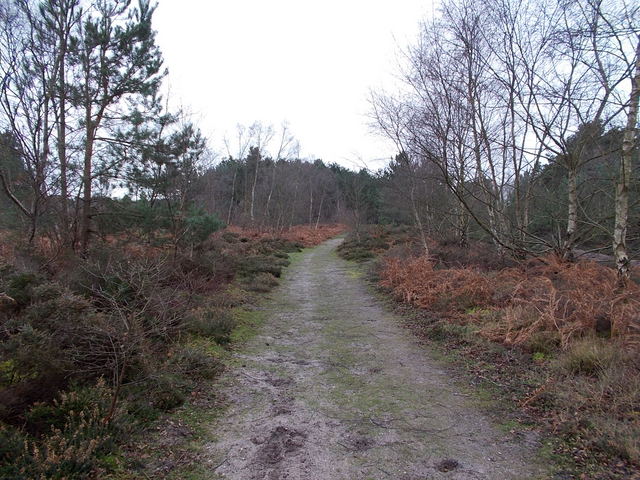
DSCN0121Tunstall forest

The rides through the forest are wide and sandy and I look forward to returning here in the spring and summer.
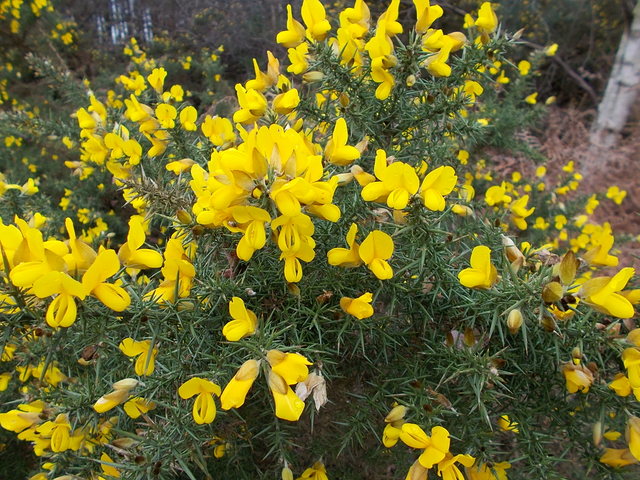
DSCN0123Tunstall forest

The Gorse was in flower and the bright yellow flowers were a welcome sight.
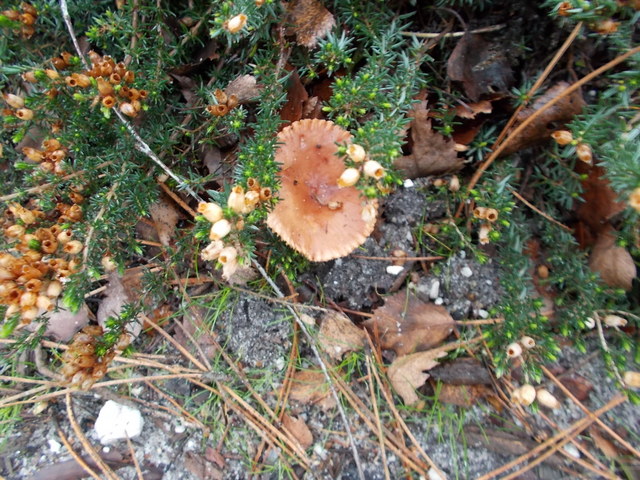
DSCN0149Tunstall forest

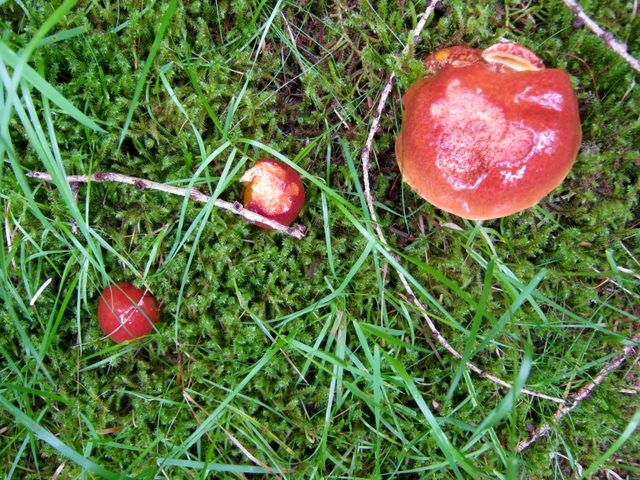
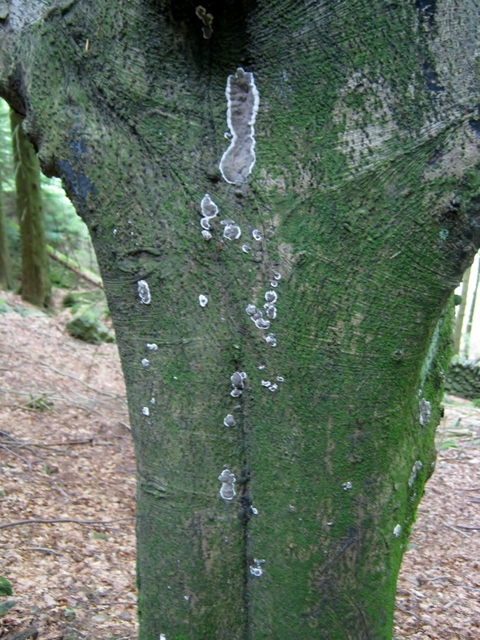
I noticed this toadstool at the edge of the path.
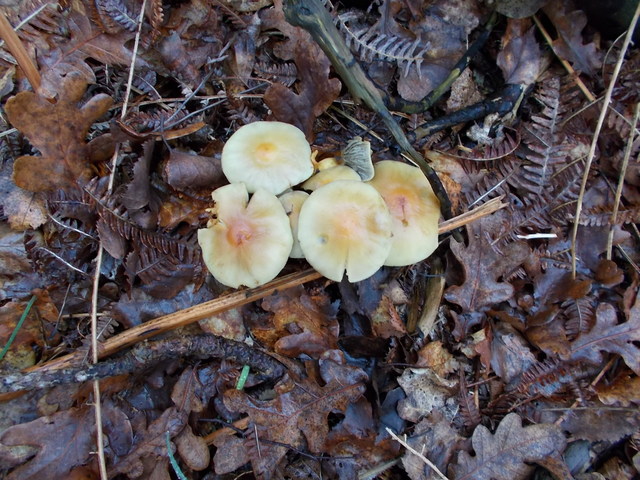
DSCN0117Tunstall forest

More fungi.

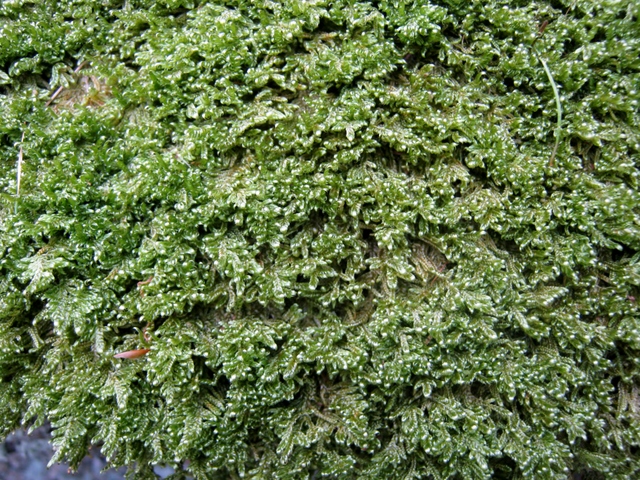
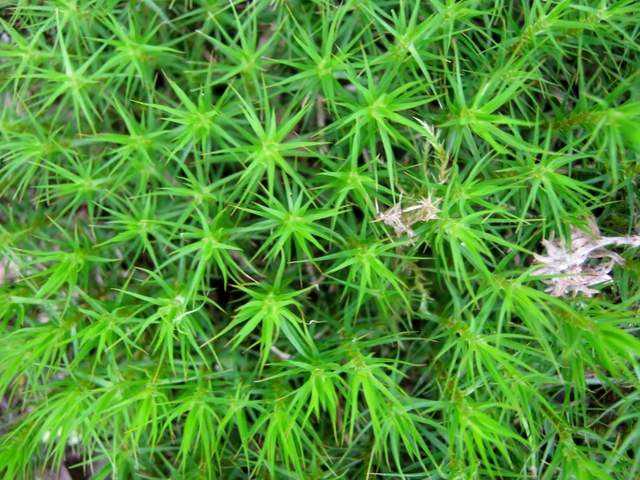
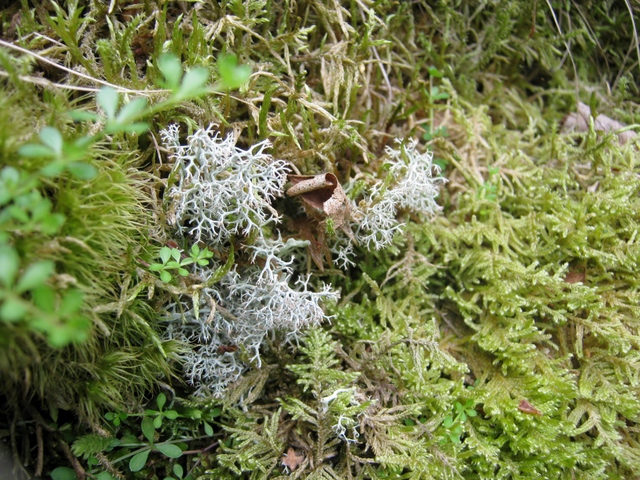
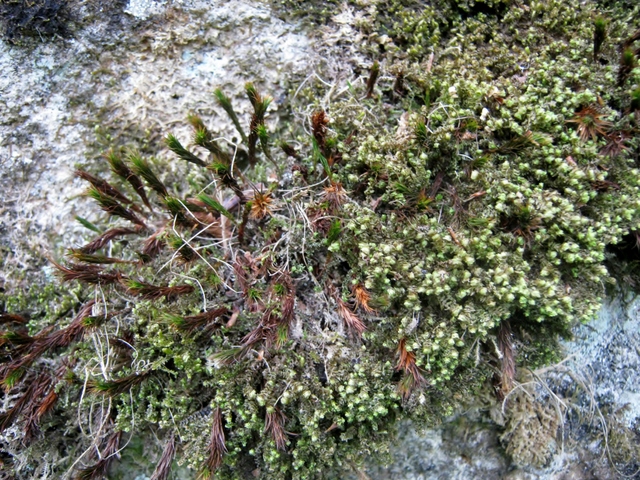
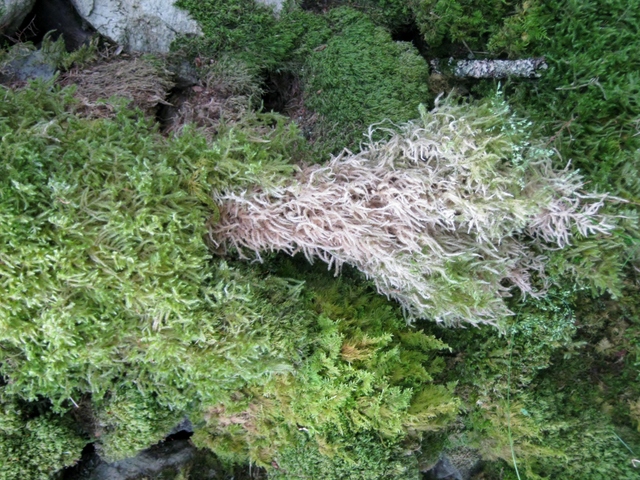
Moss
Moss
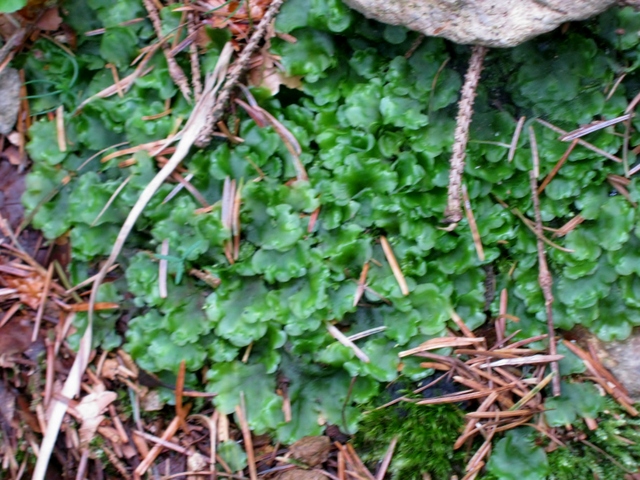
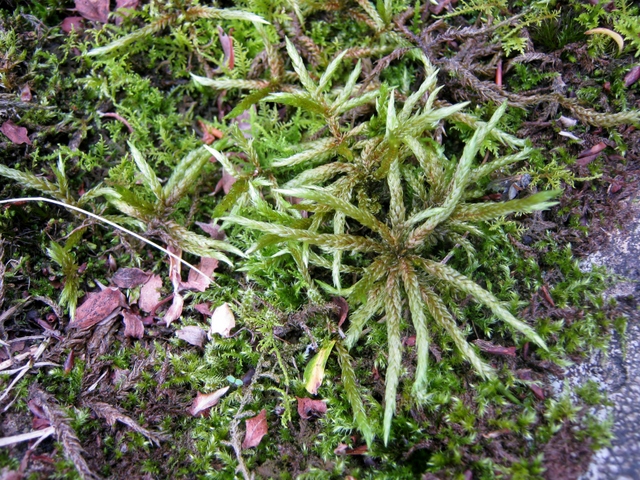
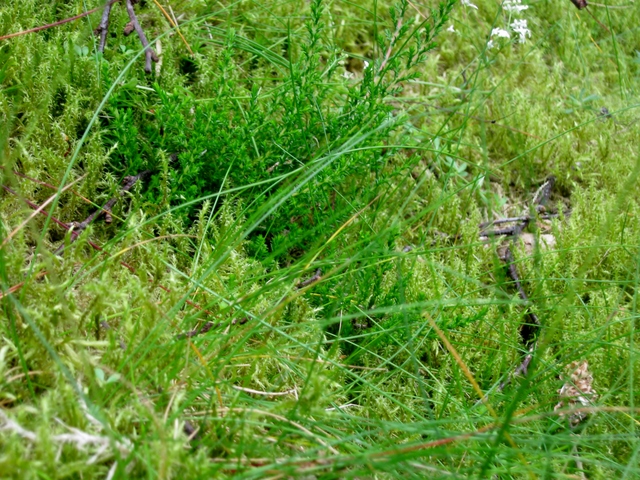
More moss
More moss
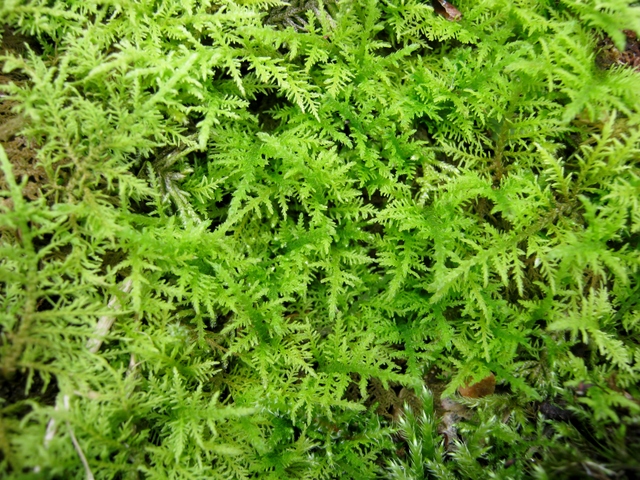
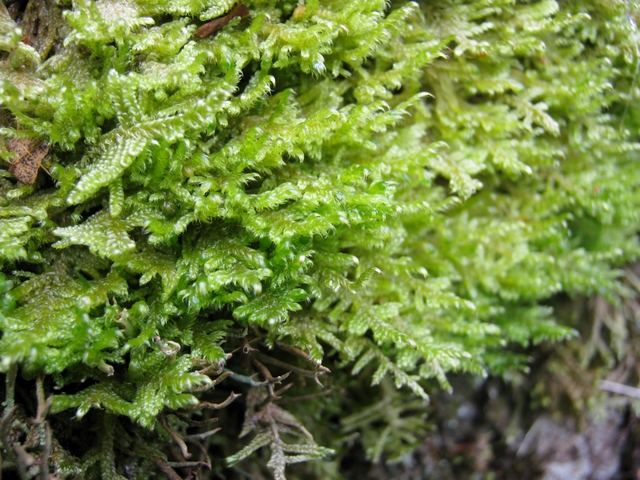
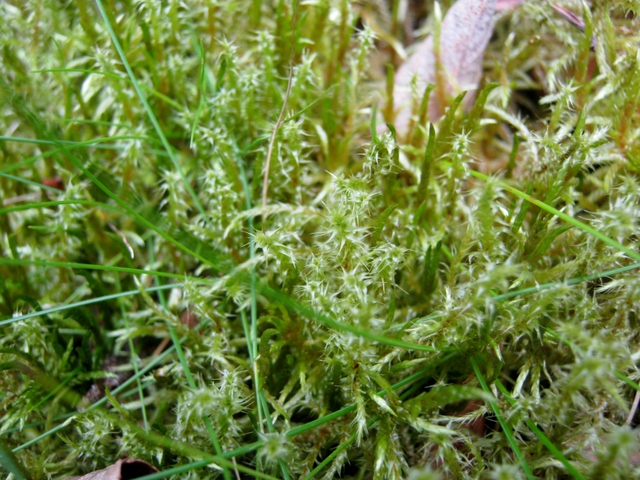
Even more moss
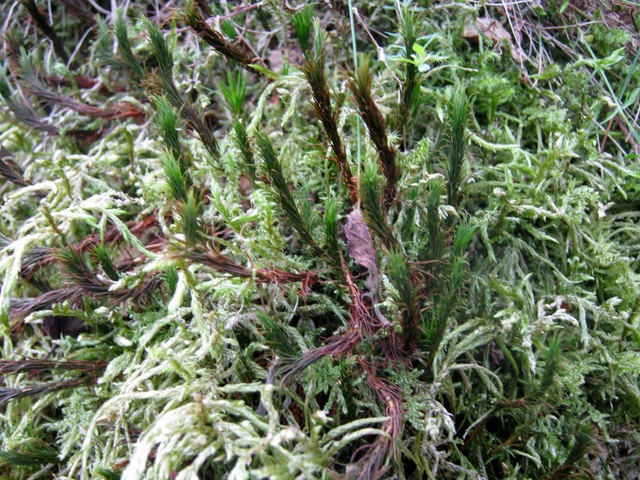
Even more moss
DSCN0125Tunstall forest

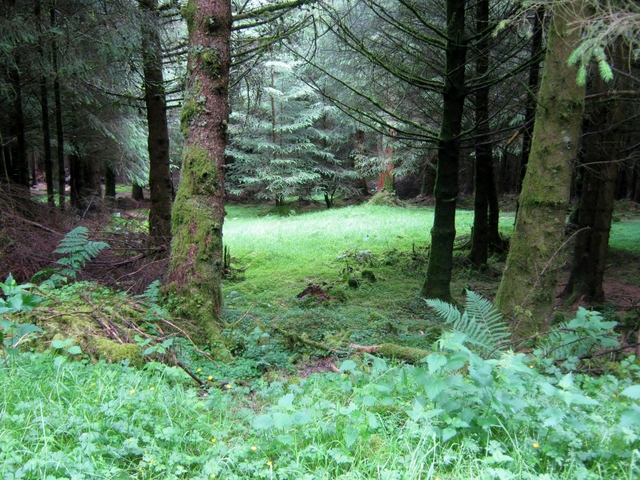
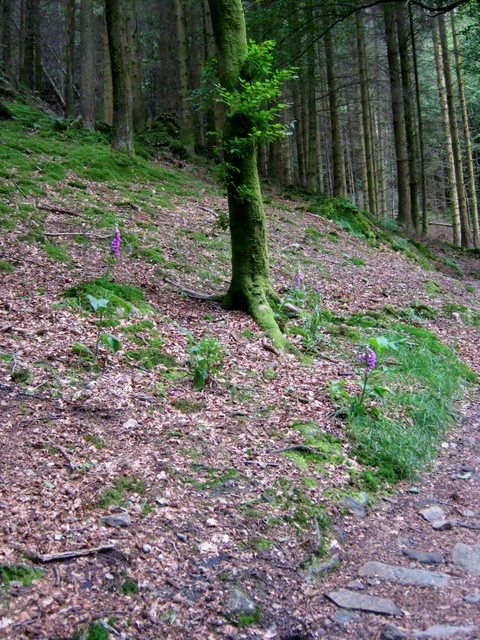
Another view from our walk

DSCN0131Tunstall forest

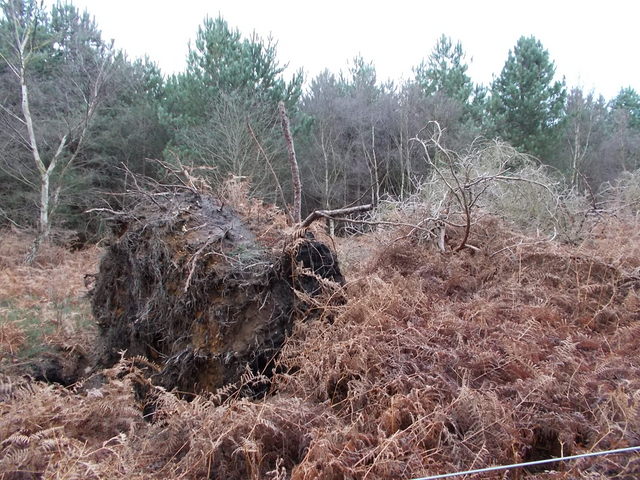
A fallen tree with its roots in the air.
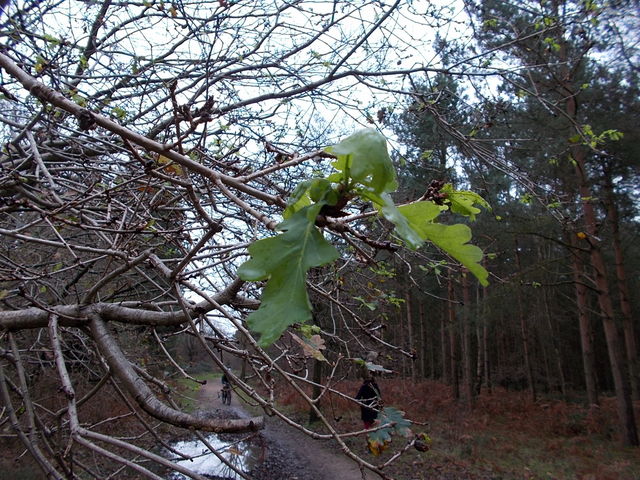
DSCN0136Tunstall forest

I was surprised to see these new Oak leaves
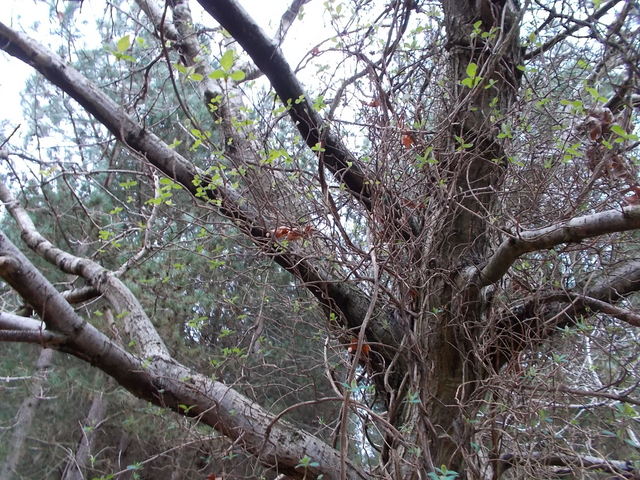
DSCN0144Tunstall forest

New Honeysuckle leaves

DSCN0134Tunstall forest

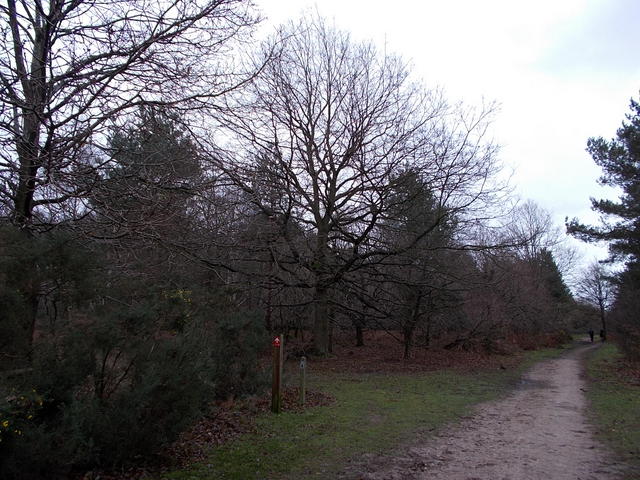
A fine tree next to the ride.

DSCN0148Tunstall forest

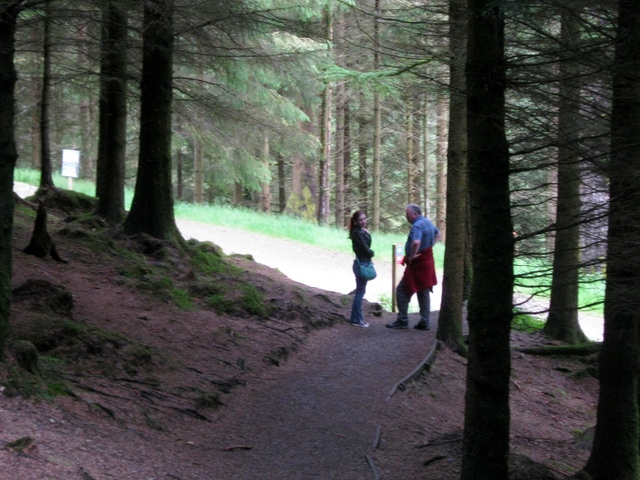
Proof that I didn’t walk alone. Elinor in the foreground and Richard in the distance.

And now for my music choice.

Thanks for visiting!
 

Share this:

  • Share on X (Opens in new window) X
  • Share on Reddit (Opens in new window) Reddit
  • Share on Pinterest (Opens in new window) Pinterest
  • Share on Facebook (Opens in new window) Facebook
  • Email a link to a friend (Opens in new window) Email
  • Share on Tumblr (Opens in new window) Tumblr
  • Print (Opens in new window) Print
  • Share on Pocket (Opens in new window) Pocket
  • Share on LinkedIn (Opens in new window) LinkedIn
Like Loading...

A Walk in the Goyt Valley – Peak District Holiday

05 Thu Nov 2015

Posted by Clare Pooley in churches, Days out, domestic animals, plants, Rural Diary, walking, wild birds

≈ 38 Comments

Tags

Bakewell, bridge, Butterbur, Canada Goose, Coot, donkey, ducks, eyebright, Fernilee Reservoir Dam, Field Scabious, Goosander, Goyt Vallry, Great Burnet, Greater Bird's-foot-trefoil, gulls, harebell, marble galls, Peak District, River Goyt, River Wye, sheep, St James' church Taxal, Taxal, Water Mint, watercress, Whaley Bridge, White Beak-sedge

The day after our walk on Ramshaw Rocks we met Alice and Elinor in Bakewell so that we could see how they were and have a meal with them.  They travelled to Bakewell on the bus after Alice had finished work for the day in Sheffield.  We went for a coffee together and told them the sad news of Richard’s mum’s death.  They were both upset but were grateful that we had waited so that we could tell them face-to-face.  We then went for a walk through the town and ended up by the river – our favourite spot.

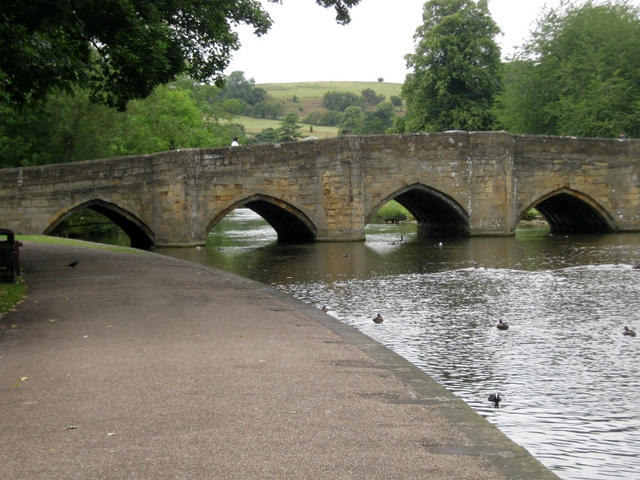
IMG_5505Bridge

The attractive old bridge over the river Wye.

IMG_5496Duck's nest

There is always plenty to see on the river. This duck sitting on her nest, for example.

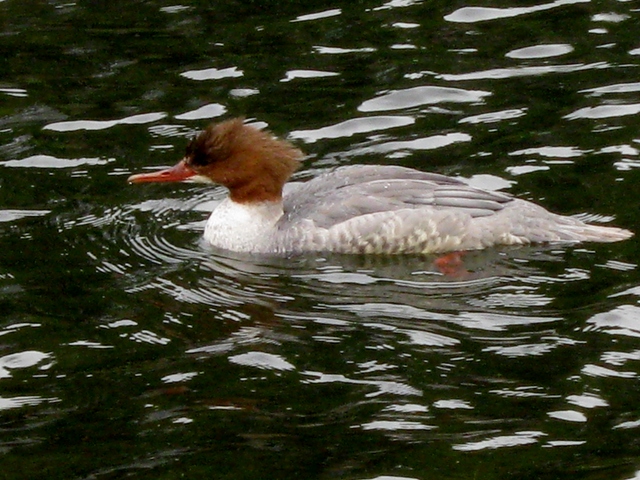
IMG_5498Female Goosander

A female Goosander (Mergus merganser)

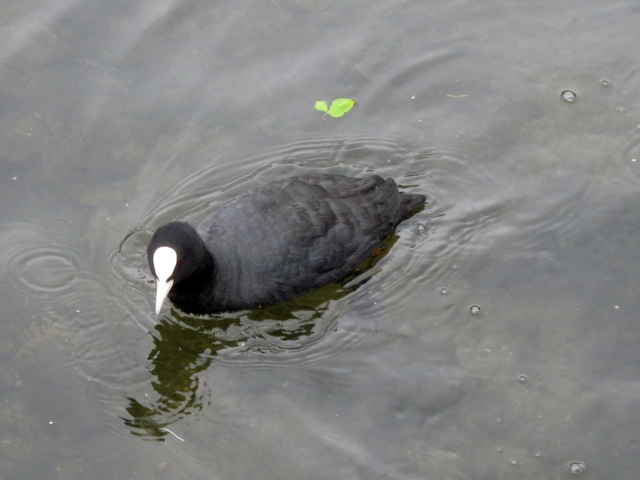
IMG_5500Coot

A Coot (Fulica atra)

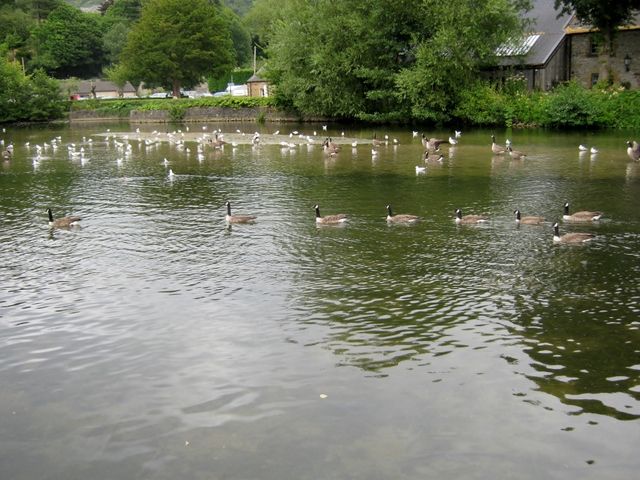
IMG_5502Gulls and Canada Geese

Canada Geese (Branta canadensis) and Gulls

IMG_5507Duck

A duck – partly Mallard I think!

After a pleasant meal together Richard and I saw the girls onto their bus and then we returned to our caravan.

The following day we went for a walk along the valley of the River Goyt.  We left the car in a lay-by just south of Whaley Bridge and followed a track, steep at first, from the lay-by down through woodland towards the River Goyt.

IMG_5509R on walk

Richard on the track through the wood.

The day was very cloudy and there were frequent showers of rain but they weren’t heavy and didn’t diminish the pleasure of our walk.  Richard had walked here very often when he was younger, either with the Scouts or with friends but the area was new to me.

IMG_5510Field Scabious

A Field Scabious flower (Knautia arvensis)

IMG_5512Meadow

A meadow between the track and the river (which is under the trees).

IMG_5513R Goyt

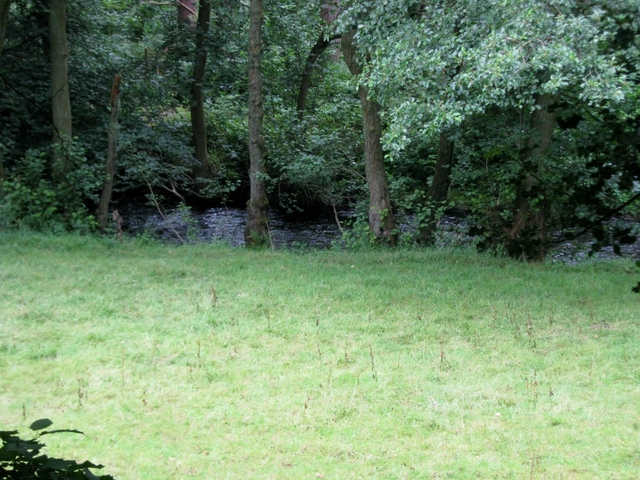
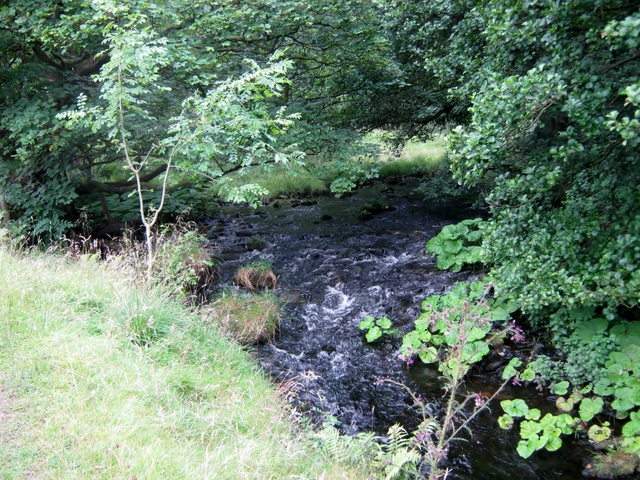
The River Goyt

IMG_5515Cattle

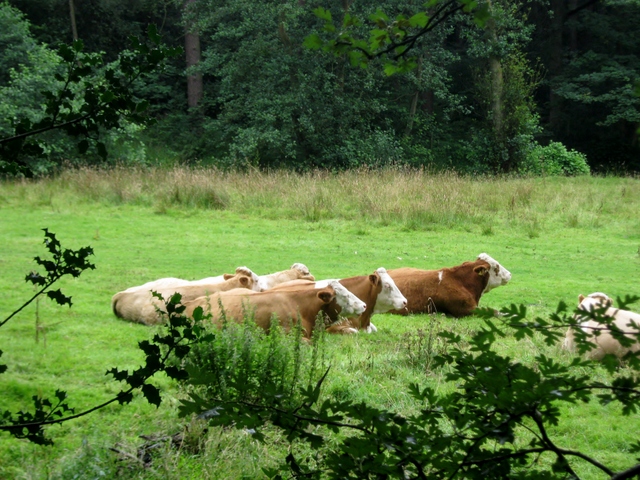
Cattle

R. Goyt
R. Goyt
R. Goyt
R. Goyt
IMG_5517Meadow

The meadows next to the river were pleasant to walk across.  You can see from this photo how gloomy the day was.

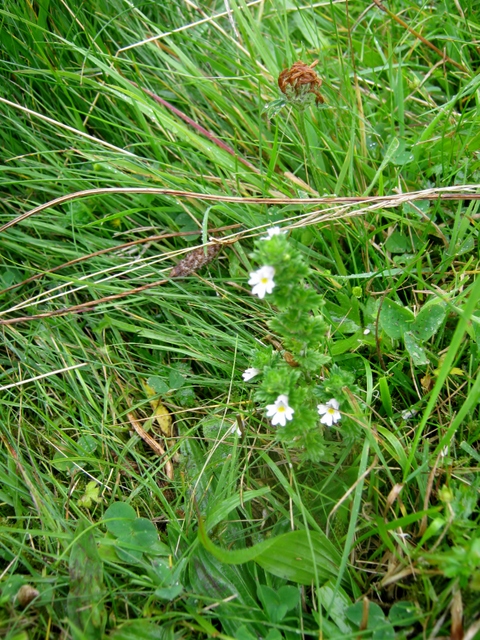
IMG_5519Eyebright

Eyebright (Euphrasia officinalis agg)

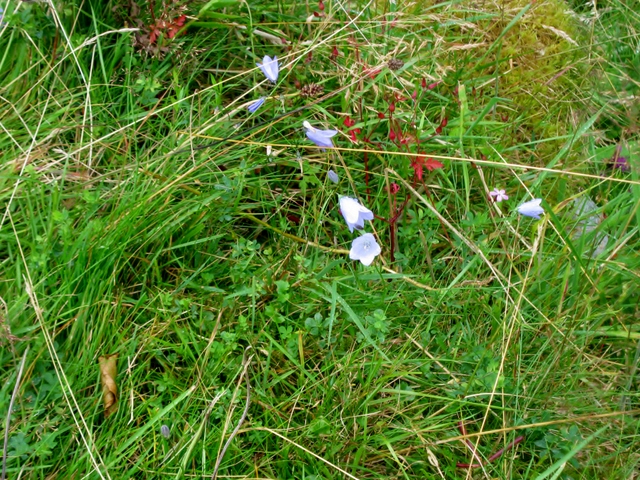
IMG_5521Harebells

Harebells (Campanula rotundifolia)

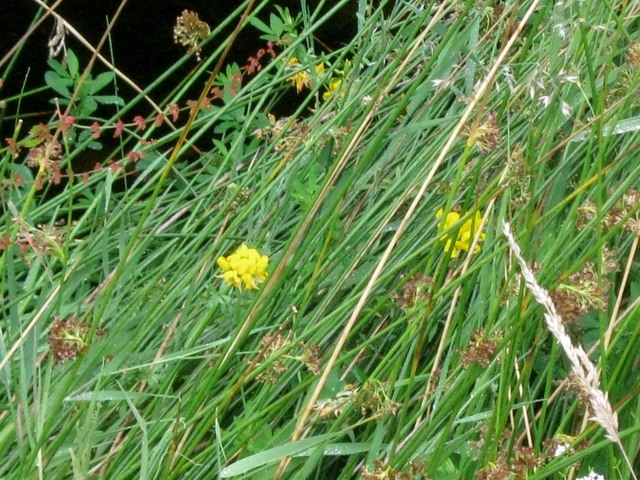
IMG_5522Greater Bird's-foot Trefoil and other plants

Greater Bird’s-foot-trefoil (Lotus pedunculatus)

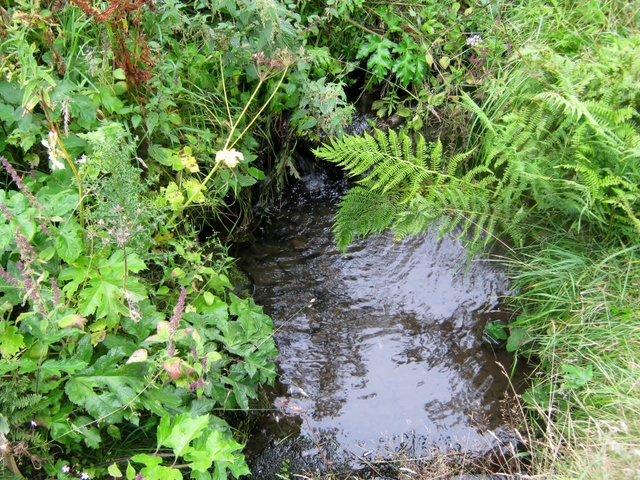
IMG_5523Little cascade

A little cascade

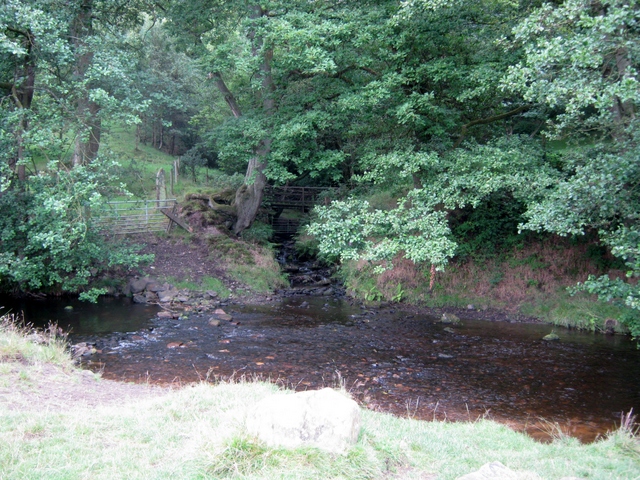
IMG_5524R Goyt

The River Goyt with a wooden bridge just visible under the trees.

IMG_5525R Goyt

River Goyt

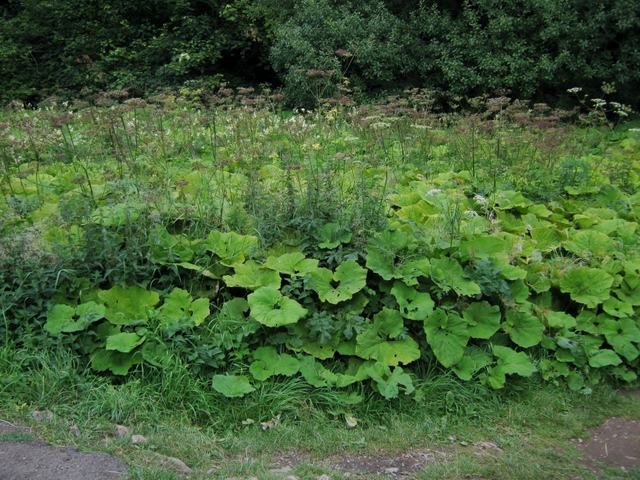
IMG_5527Wild Rhubarb

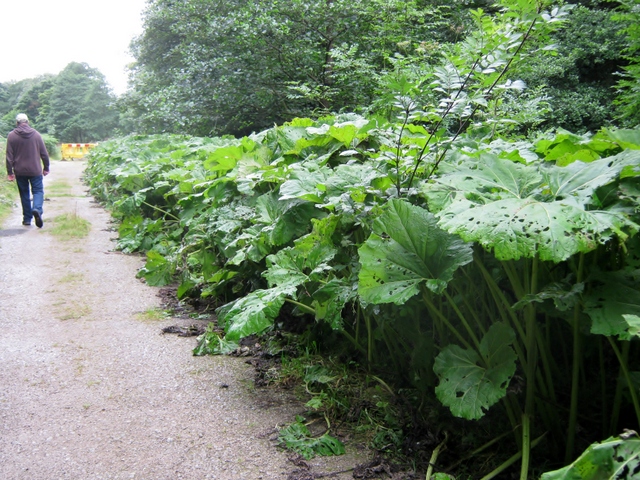
Richard walking along the track next to Wild Rhubarb/Butterbur (Petasites hybridus). It was about as tall as me (5′ 4″)

We were making our way towards some water-works buildings.  I took some photographs of them and some plants I saw but (fortunately for you!) they didn’t come out.  The light wasn’t good enough I think.

We walked up the very steep drive belonging to the waterworks and then, at the top, turned towards the road that crosses Fernilee Reservoir Dam.

IMG_5528Goyt Reservoir

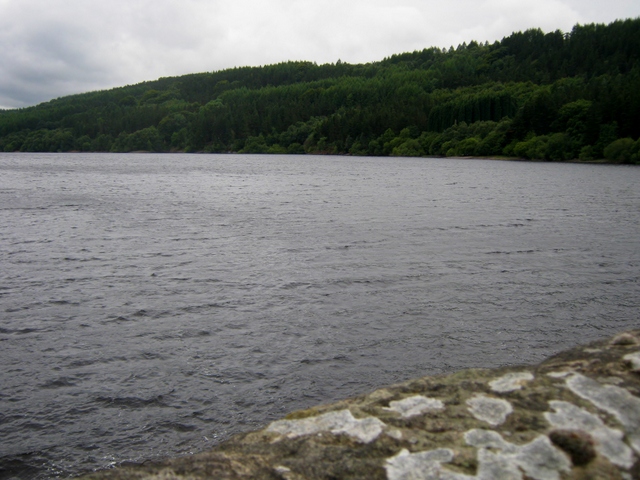
The reservoir

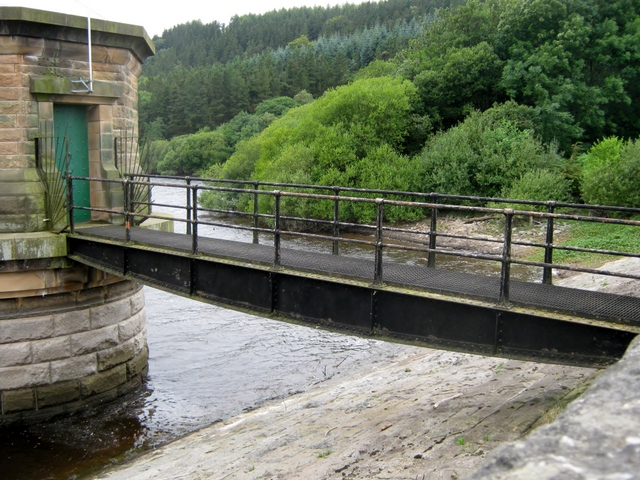
IMG_5530Old Bridge

I liked the look of this old bridge from the road to a maintenance building.

Richard told me that this bridge is probably an original one for the dam and therefore quite old.  Bridges aren’t built this way any more.

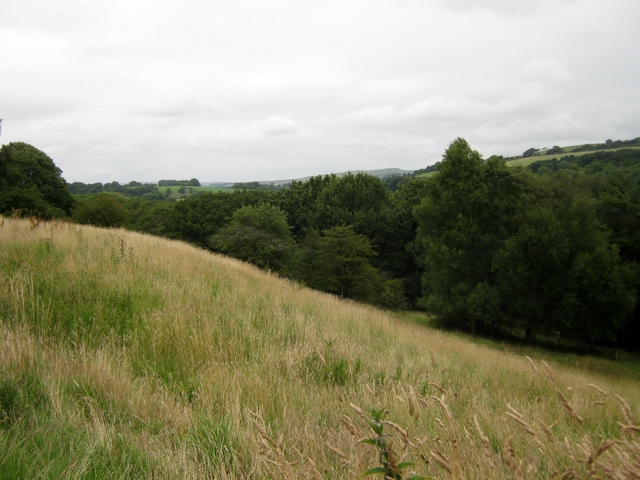
IMG_5531Goyt Valley

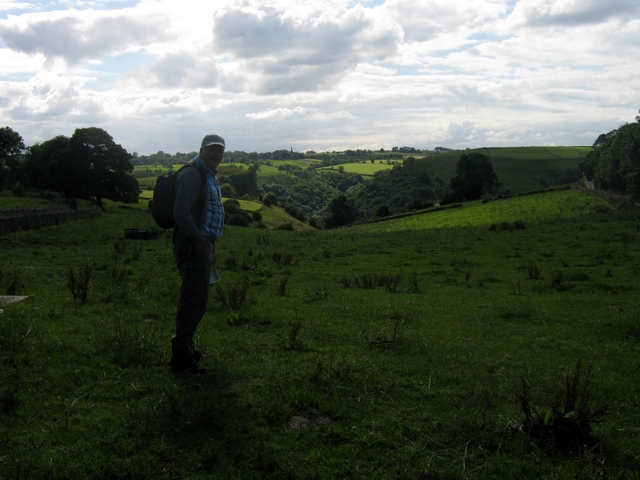
We then walked back along the other side of the river which is down in the trees below.  There were some lovely views from the path.

This slideshow requires JavaScript.

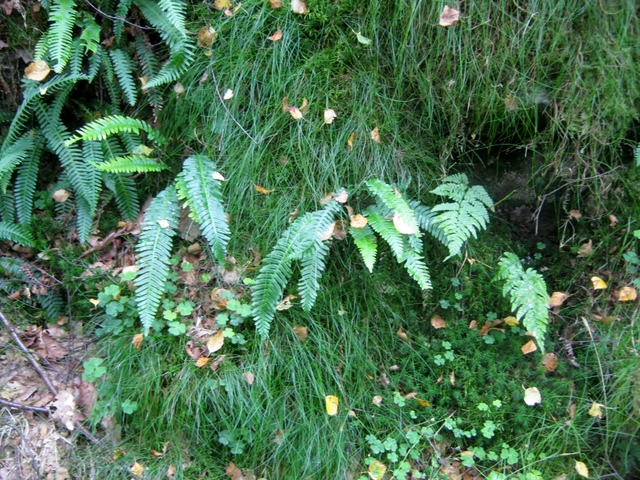
IMG_5536Ferns Moss and grass

A variety of plants and textures

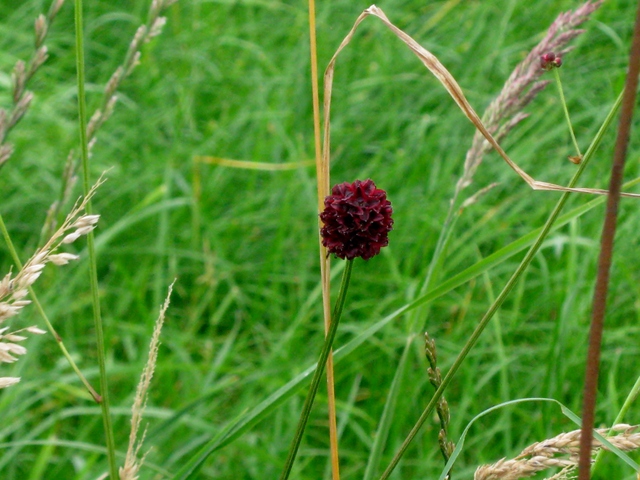
IMG_5539Great Burnet

We saw some beautiful Great Burnet flowers (Sanguisorba officinalis) in the field next to the path.

IMG_5541Great Burnet

Great Burnet – these plants are becoming increasingly rare as water-meadows are drained.

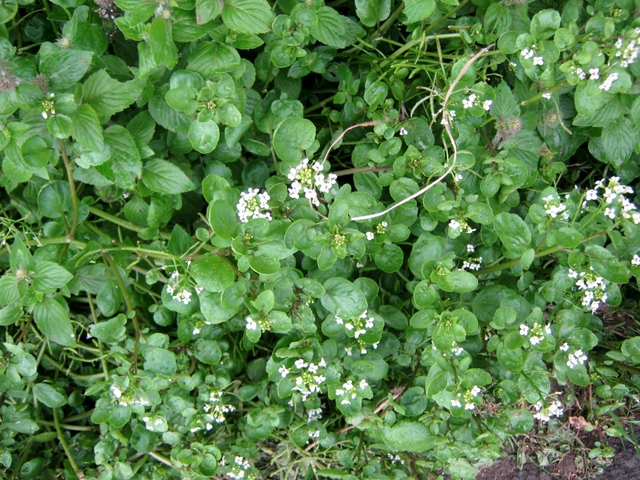
IMG_5542could be water-cress

This could be Water-cress (Rorippa nasturtium-aquaticum)

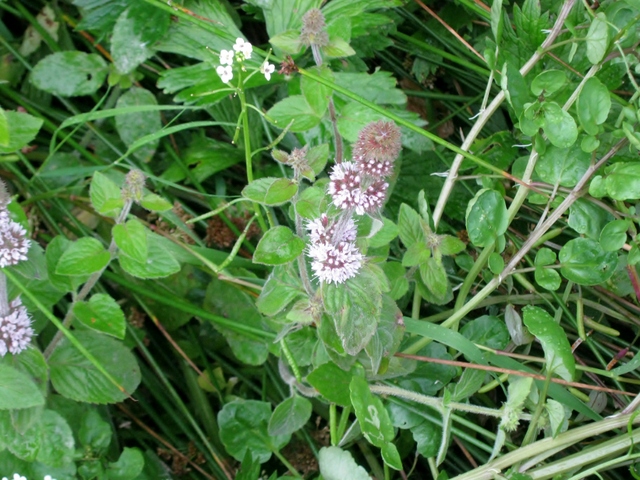
IMG_5543Water mint

Water Mint (Mentha aquatica)

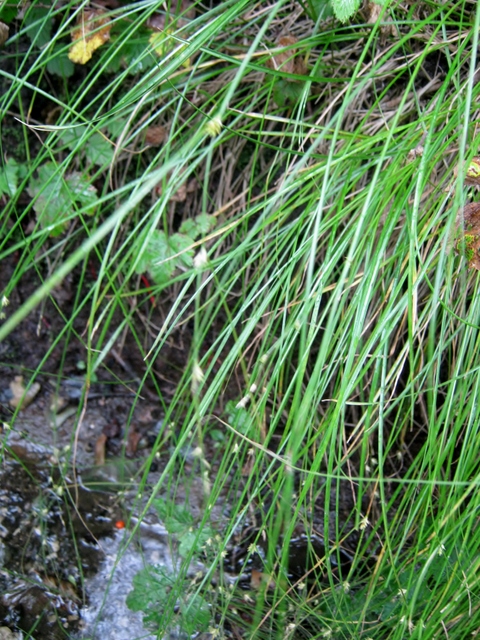
IMG_5545White Beak-sedge

White Beak-sedge (Rhynchospora alba)

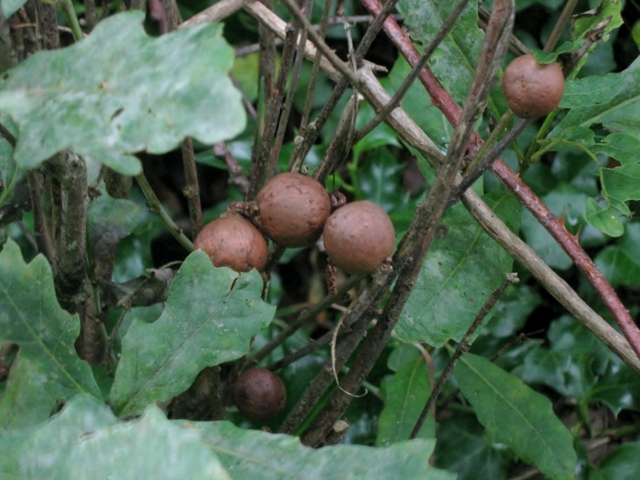
IMG_5546Oak galls

Marble Galls on Oak.

Sheep
Sheep
Sheep
Sheep
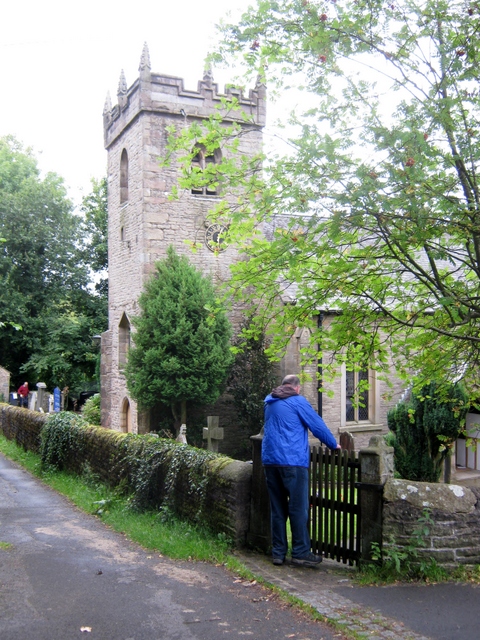
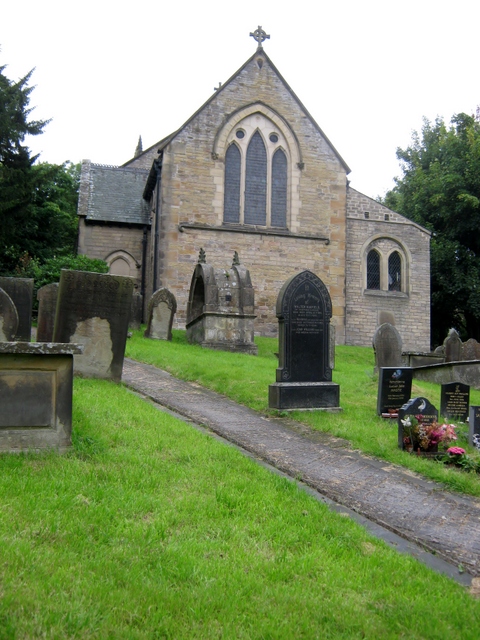
IMG_5549Church

We eventually got to the hamlet of Taxal where we had a look at the church dedicated to St James.

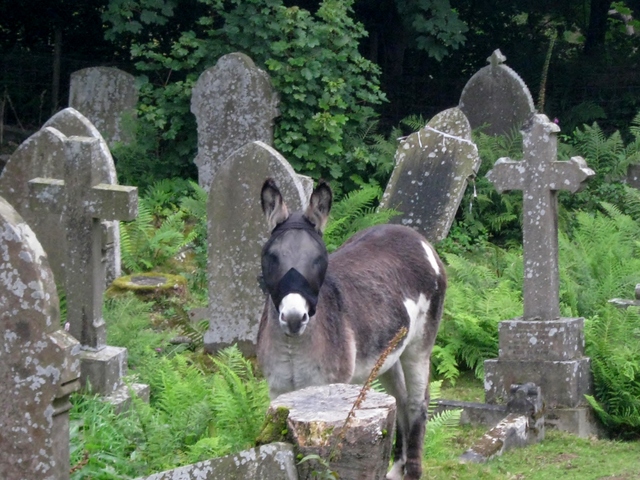
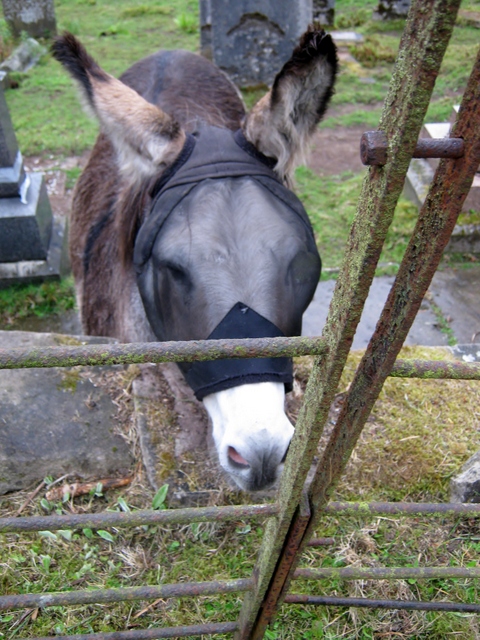
IMG_5550Donkey

We found a very friendly donkey in the churchyard wearing a rather fetching veil.

This donkey had a job to do – eating its way through all the overgrown grass and plants in the yard.  The veil kept the flies out of its eyes.

IMG_5551Donkey

I like donkeys!

IMG_5552Church

St James’ church

River Goyt
River Goyt
River Goyt
River Goyt
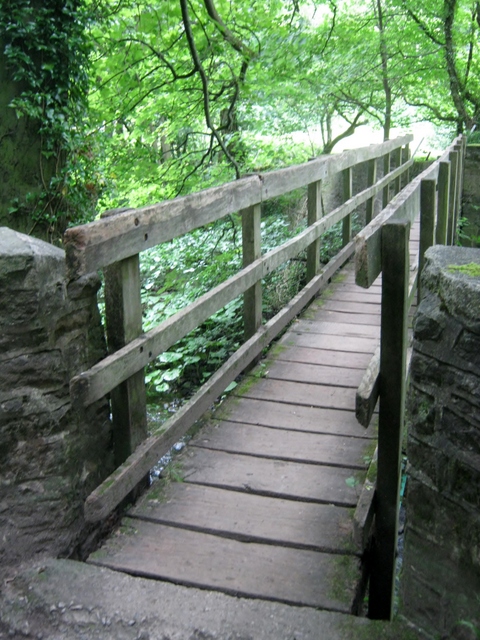
IMG_5556Wooden bridge

We crossed the river by a wooden bridge, walked up the steep path to the lay-by and found our car again.

Thanks for visiting!

Share this:

  • Share on X (Opens in new window) X
  • Share on Reddit (Opens in new window) Reddit
  • Share on Pinterest (Opens in new window) Pinterest
  • Share on Facebook (Opens in new window) Facebook
  • Email a link to a friend (Opens in new window) Email
  • Share on Tumblr (Opens in new window) Tumblr
  • Print (Opens in new window) Print
  • Share on Pocket (Opens in new window) Pocket
  • Share on LinkedIn (Opens in new window) LinkedIn
Like Loading...

An Autumn Walk at Minsmere.

29 Thu Oct 2015

Posted by Clare Pooley in Days out, plants, Rural Diary, trees, walking

≈ 30 Comments

Tags

autumn, fungus, lichen, Minsmere, plants, ponds, RSPB reserve, Suffolk, trees, walking

We took advantage of a dry but cloudy afternoon earlier this week to walk through the woods at Minsmere.  To those of you who don’t know, Minsmere is an RSPB (Royal Society for the Protection of Birds) wildlife reserve situated on the coast in Suffolk.  We didn’t see many birds, though as the afternoon wore on and the crowds of visitors began to leave we began to hear more birdsong.

IMG_5857Sand martin burrows

The cliff behind the visitor centre with Sand Martin (Delichon urbica) burrows. I’m not sure what the larger holes are – probably rabbit burrows.

We went first to the ponds behind the visitor centre to see if there was any sign of the Bird’s-nest fungus that was discovered there last year.  I looked but didn’t see any though that doesn’t mean it wasn’t there!  I did see some lichen on the decking.

IMG_5852Cladonia  Lichen

One of the Cladonia lichens

IMG_5855Lichen

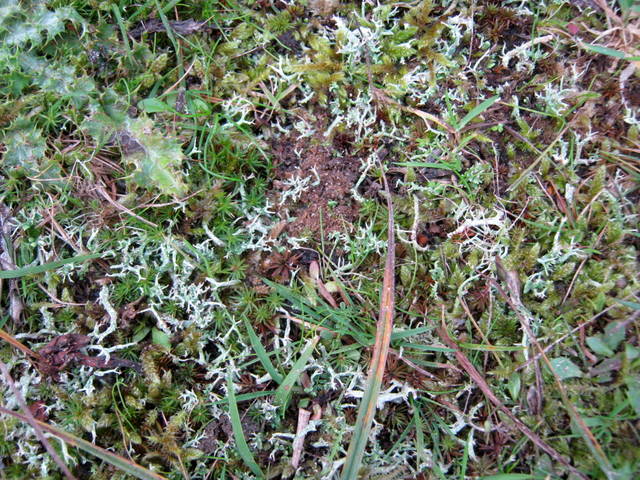
More lichen was growing on the ground amongst the sparse grass and moss.

We saw lots of fungi on our walk but because of the low light many of my photographs didn’t come out very well and had to be erased.

IMG_5854Fungus

Fungus

IMG_5856Reeds

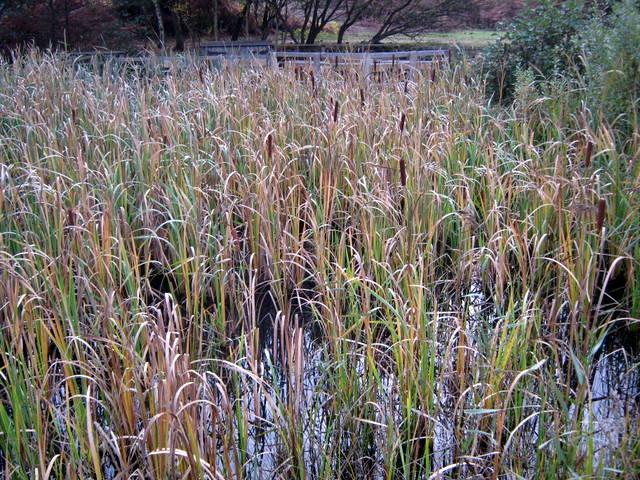
Reeds in the pond near the visitor centre – mainly Great Reedmace/ Bulrush (Typha latifolia)

IMG_5858Chestnut tree

A bright Sweet Chestnut tree (Castanea sativa)

This slideshow requires JavaScript.

IMG_5871The wood

A little pale sunshine filtered down through the trees

IMG_5874Path at Minsmere

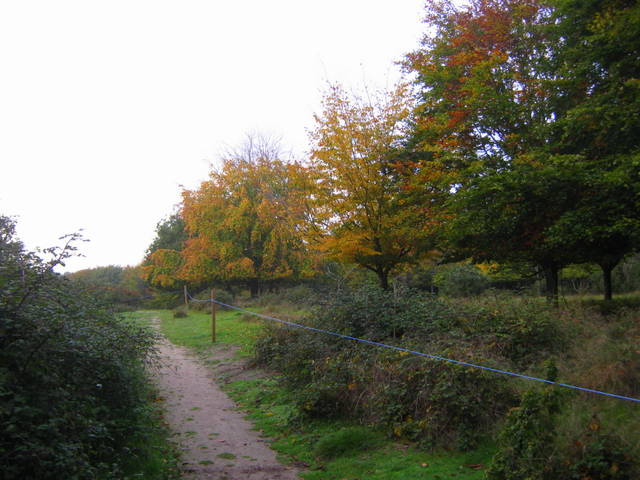
I believe the section they have roped off here is where the Adders (Vipera berus) live.

This slideshow requires JavaScript.

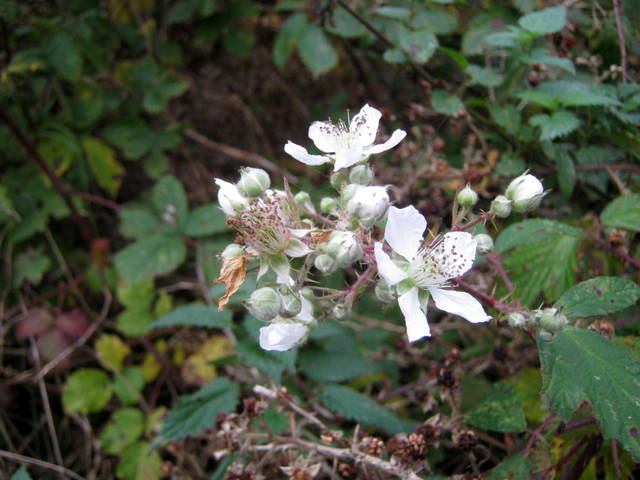
IMG_5869Bramble flowers

We saw plenty of Bramble flowers (Rubus fruticosus agg.)

IMG_5876The wood

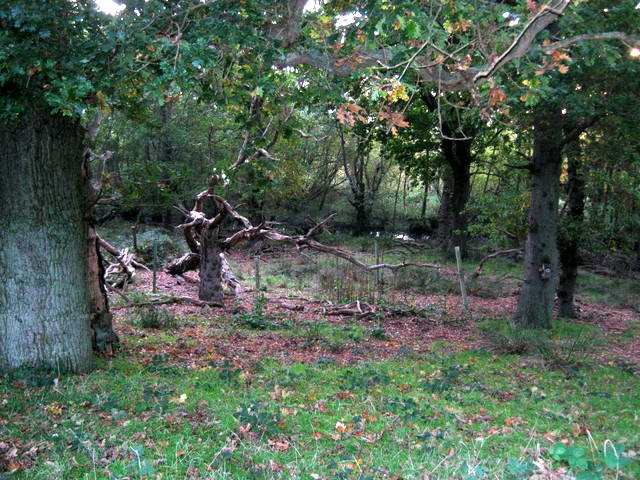
There was dead wood everywhere

IMG_5877Richard and Elinor

Richard and Elinor watching the rabbits on Warren Hill

IMG_5878Warren Hill

Lots of rabbits live here. The birds of prey appreciate this!

IMG_5879Sun through trees

We saw more of the sun as we neared sunset

IMG_5880Minsmere

Sun on the reeds and rushes

IMG_5882Minsmere

Minsmere at sunset

IMG_5883The wood

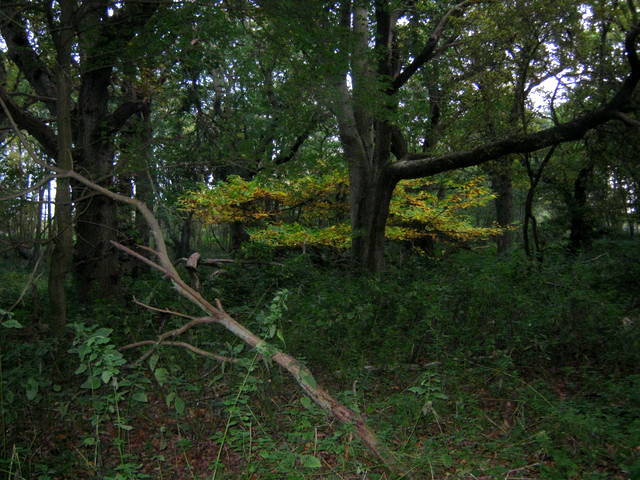
Edge of the wood

IMG_5886Minsmere

Sunset

IMG_5895The wood
IMG_5896The wood
IMG_5897Perhaps Lesser Water-parsnip

I think this may be Lesser Water-parsnip (Berula erecta) but I am probably wrong.

IMG_5898Lesser Water-parsnip

Here it is again showing its leaves

IMG_5900Pond

One of the many ponds

IMG_5901Fern

A fern

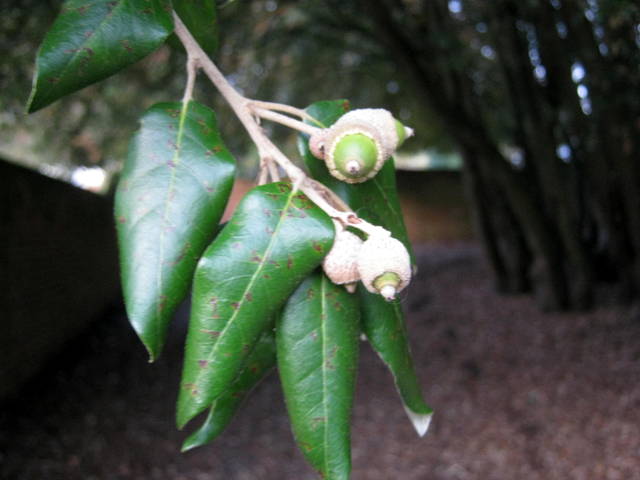
IMG_5903Holm oak

Holm or Evergreen Oak (Quercus ilex)

IMG_5905The wood
IMG_5907The wood
IMG_5909Minsmere

The bracken has turned such a rich colour

IMG_5910The wood

More dead wood

IMG_5914The wood

More colourful bracken

IMG_5915Fungus

The last fungus we saw – in the carpark!

Thanks for visiting!

Share this:

  • Share on X (Opens in new window) X
  • Share on Reddit (Opens in new window) Reddit
  • Share on Pinterest (Opens in new window) Pinterest
  • Share on Facebook (Opens in new window) Facebook
  • Email a link to a friend (Opens in new window) Email
  • Share on Tumblr (Opens in new window) Tumblr
  • Print (Opens in new window) Print
  • Share on Pocket (Opens in new window) Pocket
  • Share on LinkedIn (Opens in new window) LinkedIn
Like Loading...

A Walk on Ramshaw Rocks – Peak District Holiday

26 Mon Oct 2015

Posted by Clare Pooley in Days out, plants, Rural Diary, walking

≈ 30 Comments

Tags

bilberry, church of St Edward the Confessor, cotton grass, heather, Leek, Peak District, Pride and Prejudice, Ramshaw Rocks, rocks, Staffordshire Moorland, walking

Sunday 16th August was Richard’s birthday and we marked it quietly by attending one of the churches in Leek and then having an early lunch at one of our favourite cafés.  My own father died shortly before my birthday five years ago and so I knew a little how Richard was feeling.

The church we attended was St Edward the Confessor and we were comforted by the familiar words of the service and afterwards were made very welcome by members of the congregation.  I mentioned this church in a post I wrote about the visit we made last year to the Peak District.  In that same post is a mention of the favourite café.   We were concerned to see that the café was up for sale.  Would it still be there next time we visited Leek and if it was, would it still provide us with tasty oatcakes?

I didn’t take any photographs of the interior of the church but Richard did with his phone.  The church contains some beautiful embroidery and stained glass.

DSC_0558

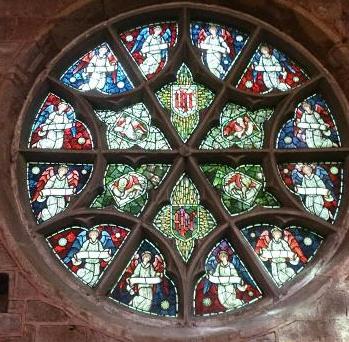
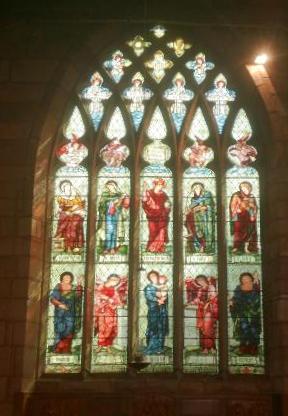
Stained glass in the church of St Edward the Confessor, Leek

DSC_0559

Stained glass window – St Edward the Confessor

I know that one window in the north transept was designed by Edward Burne Jones and made by Morris and Co.  Not having any means of finding out for certain which of these two windows is the window I cannot tag the photo.  (I think it might be the round window).

IMG_5449Hen Cloud

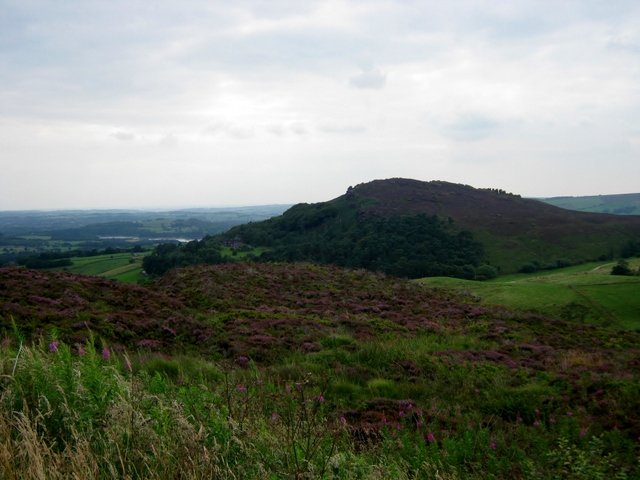
Hen Cloud from Ramshaw Rocks

The following day, we drove the short distance to Ramshaw Rocks as we wanted to walk on them again.  We parked the car by the side of the narrow road and walked up to the first of the rocks – the one we call the ‘Top Hat’ rock.

IMG_5450Top hat rock

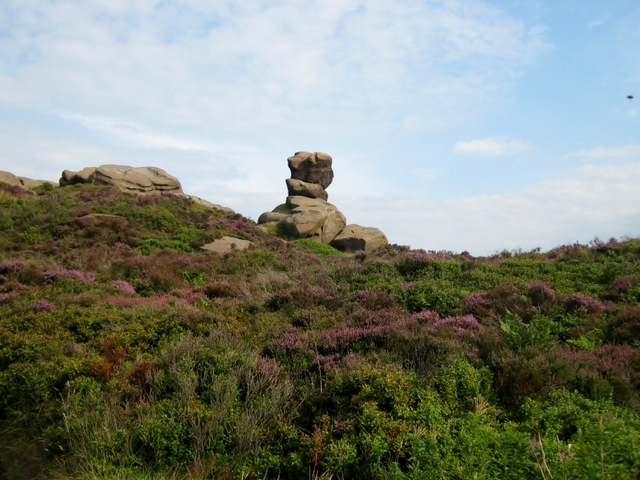
‘Top Hat’ rock. I expect you can’t understand why we call it that!

I can see another photo-bombing bee!

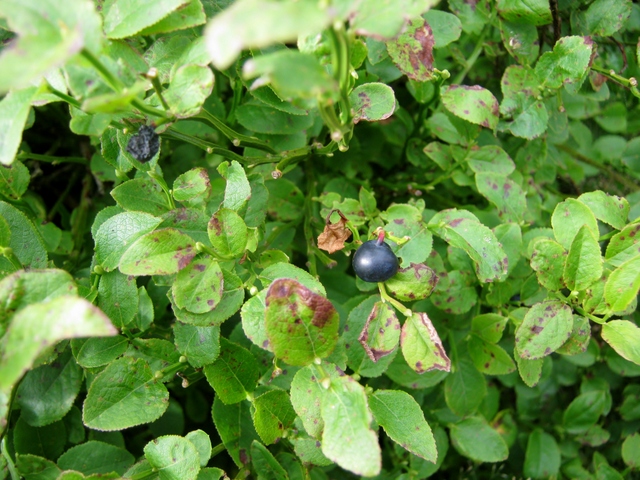
IMG_5451Heather and bilberries

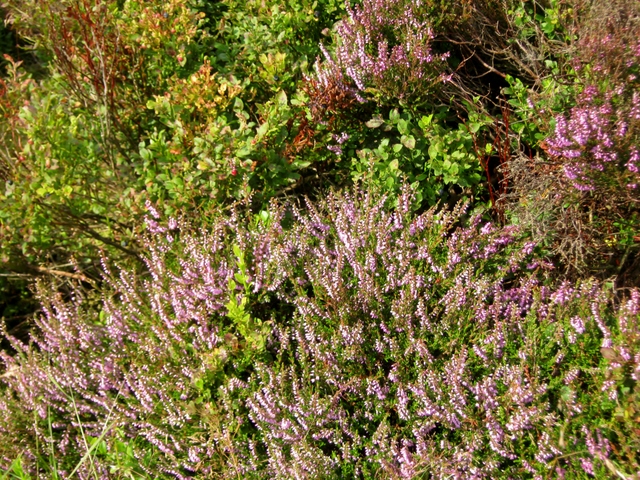
Heather (Calluna vulgaris) and Bilberries (Vaccinium myrtillus)

IMG_5456Bilberry

A sweet and juicy bilberry!

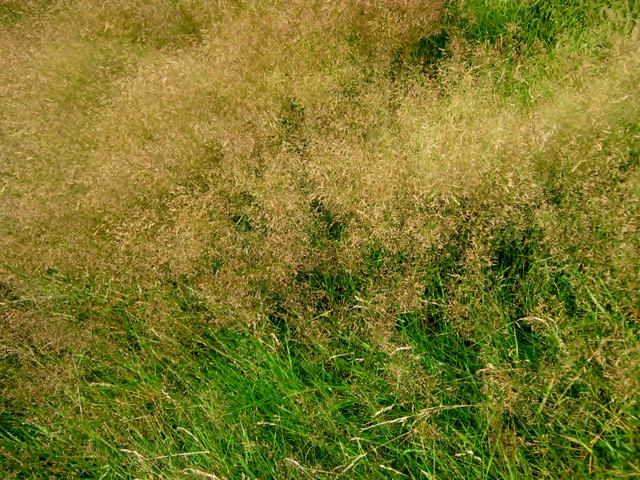
IMG_5452Grass

Beautiful grasses – possibly Tufted Hair-grass (Deschampsia cespitosa)

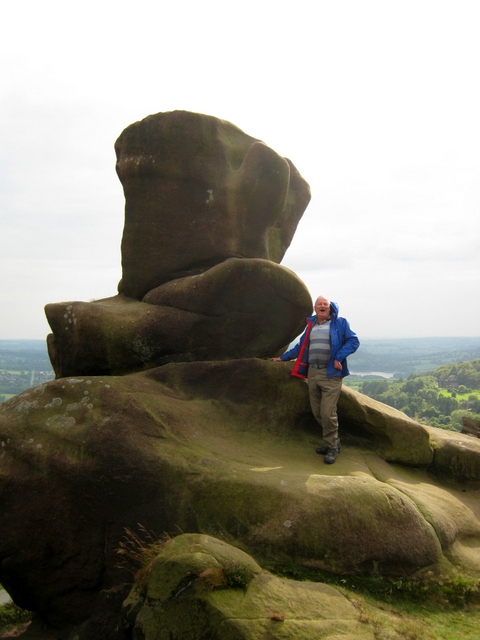
IMG_5454R at top hat rock

Perhaps you see now why we call it the ‘Top Hat’!

This rock may look familiar to some of you.  Perhaps I should give you a clue.  Stick with the link – you will see the rock eventually.  If you haven’t the patience, the rock appears at 4.38 minutes into the clip.

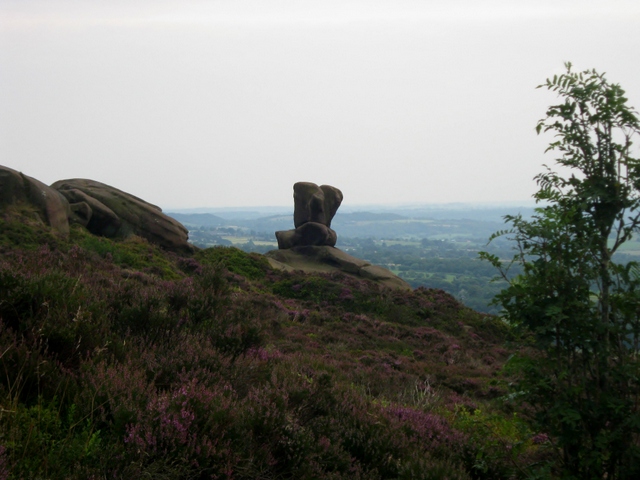
IMG_5495Top hat

This rock can be seen very clearly from the road on your left as you go north along the A53 from Leek to Buxton.

This slideshow requires JavaScript.

The photos in the slideshow are all of the rocks we saw on our walk.

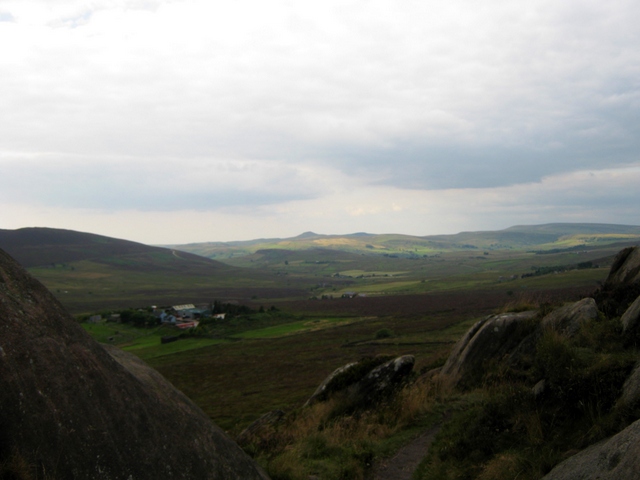
IMG_5459View from RamshawRocks

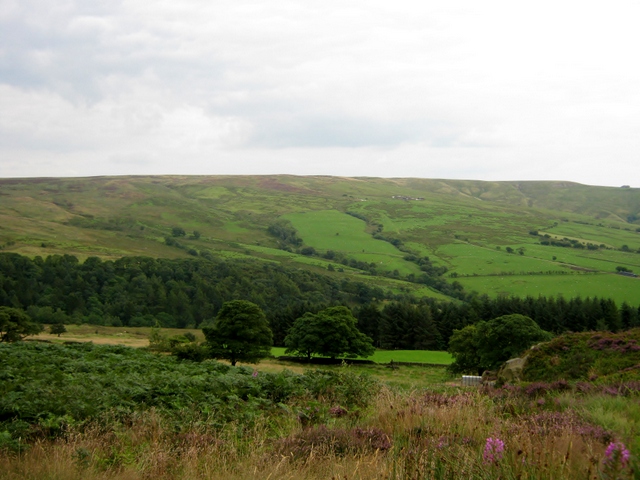
A view of the surrounding countryside from Ramshaw Rocks

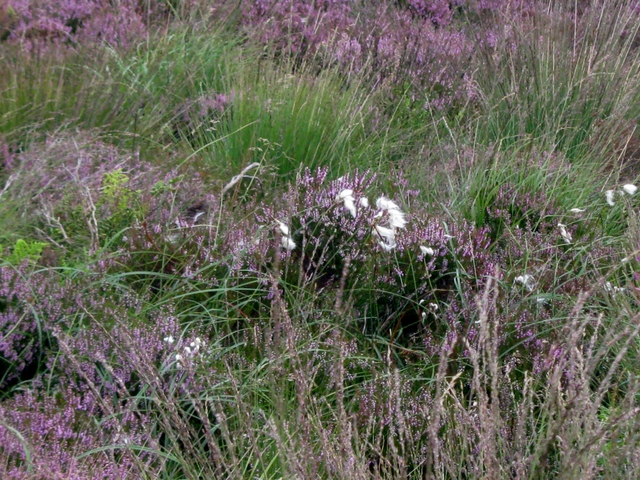
IMG_5461Common Cotton-grass still in flower

I was surprised to see this Common Cotton-grass (Eriophorum angustifolium) still in flower in August

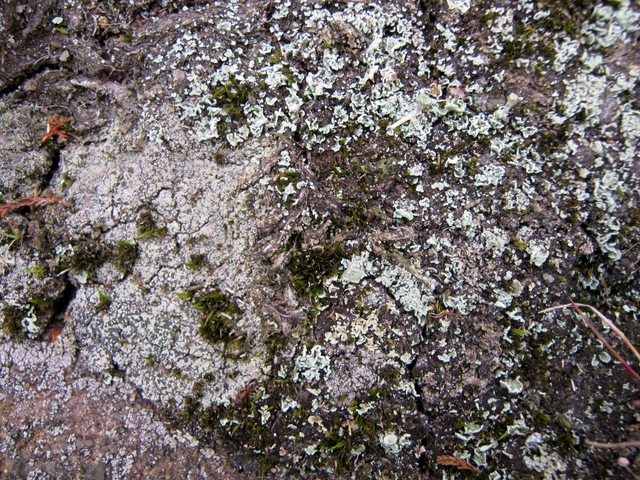
IMG_5462Lichen and moss on rock

Lichen and moss on a rock

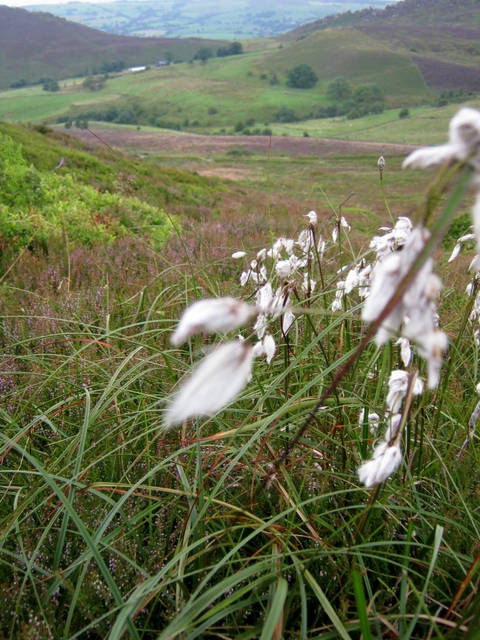
IMG_5467Common Cotton-grass

More Common Cotton-grass

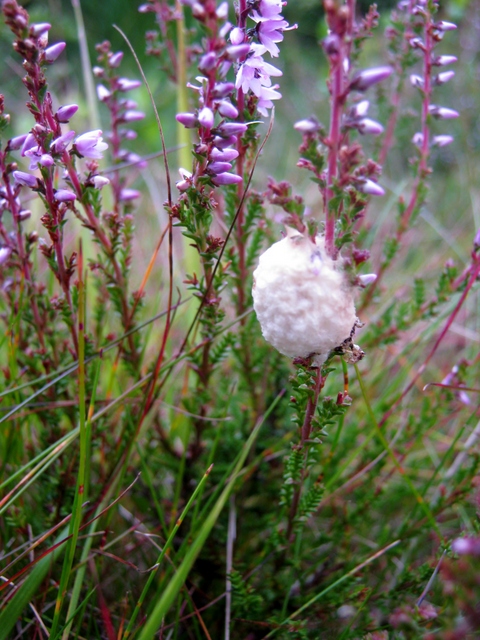
IMG_5468Cocoon on heather

A cocoon on Heather. I don’t know what made the cocoon.

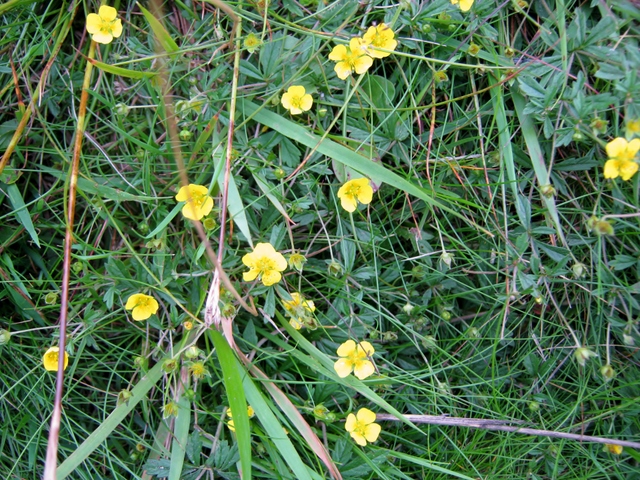
IMG_5471Tormentil

Tormentil (Potentilla erecta)

IMG_5475R climbing

Richard climbing up the hill

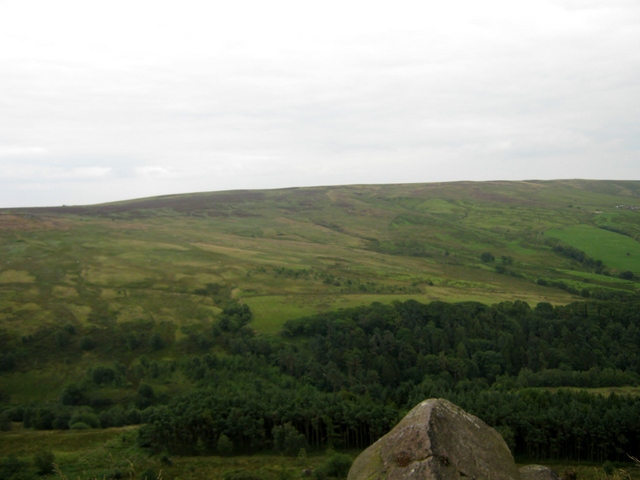
IMG_5476View from R Rocks

A view

IMG_5477View of hills

and another!

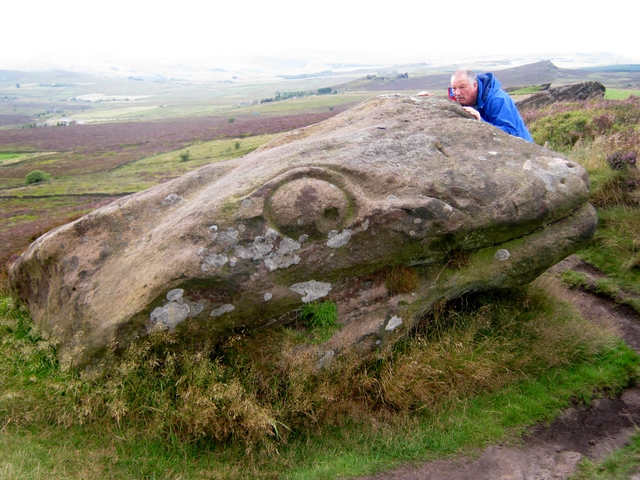
IMG_5479R and carved rock

Richard and the carved boulder

This slideshow requires JavaScript.

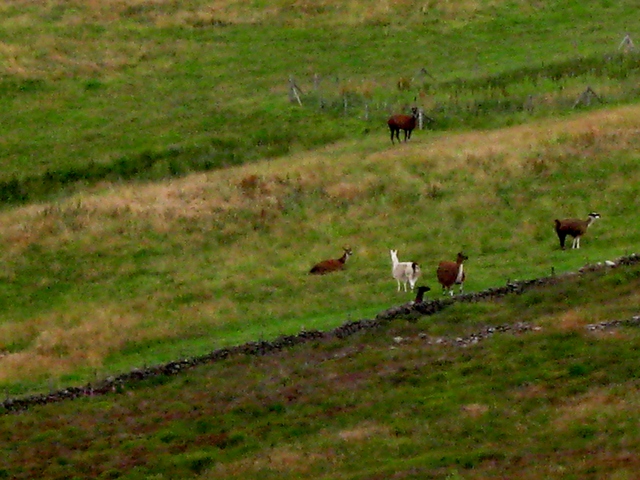
IMG_5463Alpacas

Alpacas

IMG_5488Unknown flower

This is some type of Bedstraw plant. Note the pink spots on the flower buds.

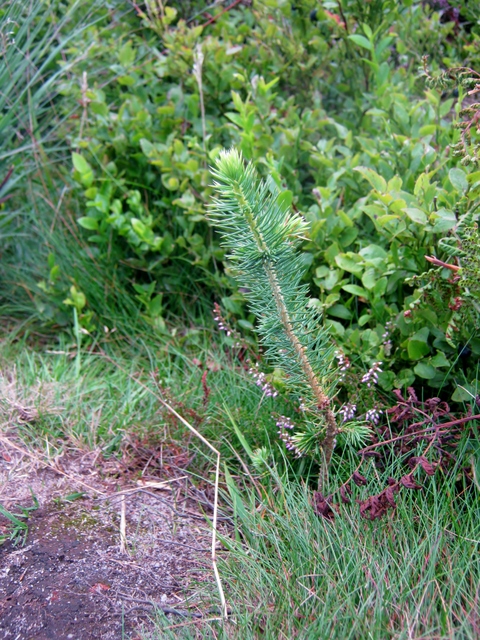
IMG_5493Tiny fir tree

I found this tiny fir tree next to the path.

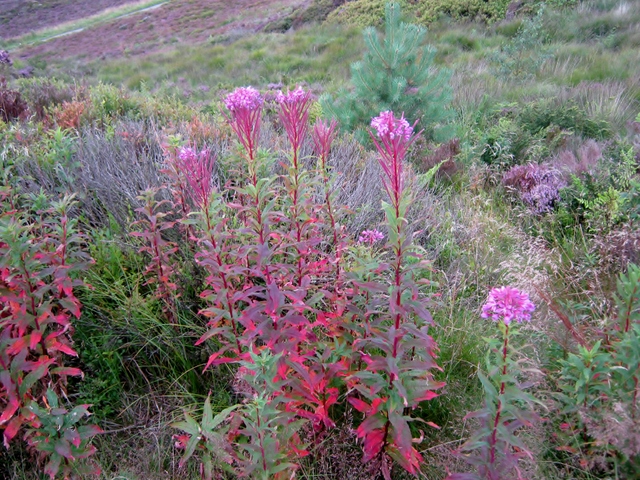
IMG_5494Rosebay-willowherb

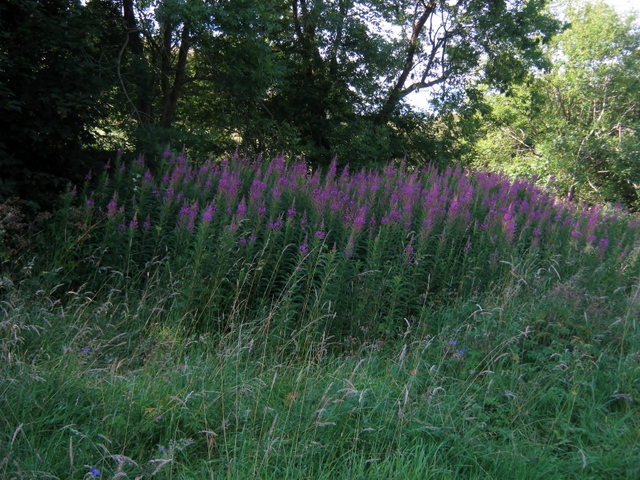
This colourful Rosebay Willowherb (Chamerion angustifolium) caught my eye.

We had by this time walked back to near where we had begun our walk.  We returned to our caravan for our evening meal and a hot drink.

Thanks for visiting!


Share this:

  • Share on X (Opens in new window) X
  • Share on Reddit (Opens in new window) Reddit
  • Share on Pinterest (Opens in new window) Pinterest
  • Share on Facebook (Opens in new window) Facebook
  • Email a link to a friend (Opens in new window) Email
  • Share on Tumblr (Opens in new window) Tumblr
  • Print (Opens in new window) Print
  • Share on Pocket (Opens in new window) Pocket
  • Share on LinkedIn (Opens in new window) LinkedIn
Like Loading...

A Walk in the Peak District.

17 Sat Oct 2015

Posted by Clare Pooley in Days out, Insects, plants, Rural Diary, trees, walking

≈ 45 Comments

Tags

butterfly, caves, Manifold Valley, Peak District, plants, sheep, squash stile, Thor's Cave, walking, Wetton, wild flowers

Not only did we have a week’s holiday in the Lake District this summer but we also went to the Peak District for a week.  I have already told you about the sad start to this break – the death of my mother-in-law on the day of our arrival.  We spent the first full day of our holiday with my brother-in-law but after that there wasn’t anything else to do but wait until we were told by the Coroner that we could arrange the funeral.

We thought we might as well stay in the Peaks and not abandon our holiday.  If Chris (my brother-in-law) needed us we would be close at hand.  We thought we would find comfort in walking in this beautiful part of the country.

After lunch on Saturday 15th August we drove to the village of Wetton in Staffordshire from where we intended to walk along the Manifold Valley.  We drove along a very scenic road en route to Wetton.

IMG_5345The Roaches and Hen Cloud from top road

The Roaches and Hen Cloud (the nearest hill) seen from the road.

IMG_5346View from top road

Another view of The Roaches. The Rocks look like spikes on the spine of a dinosaur.

IMG_5348View from top road

We could just see the Welsh hills on the far horizon beyond the flat Cheshire Plain.

We got to Wetton and found the car park near the centre of the village.  The buildings and houses in the village are mainly made of stone and the church, which was built in the 14th century has an exterior staircase to the belfrey which contains six bells.  The Royal Oak pub, which owns a camping field next to the car park is also the venue for the World Toe Wrestling Championships which began in the 1970’s!

IMG_5349Barn

One of the buildings of Wetton.

IMG_5350Squash stile

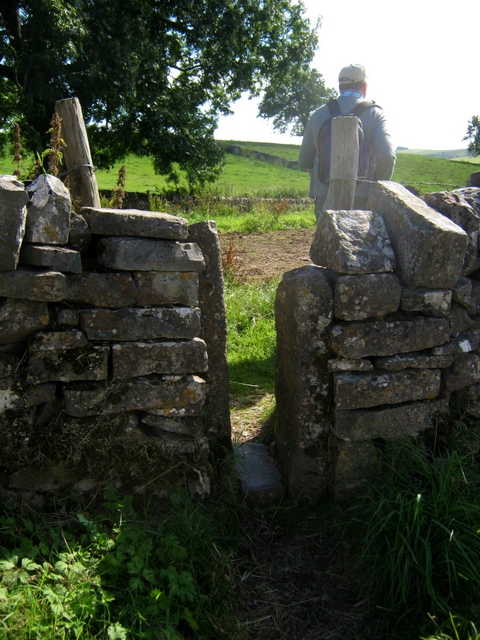
Another of those squash stiles which let tall and/or thin people through but not livestock or short people with generously proportioned legs etc.

IMG_5351R and river valley ahead

Richard and I crossed this field which sloped steeply down into the deep valley of the River Manifold.

IMG_5352Cow pat

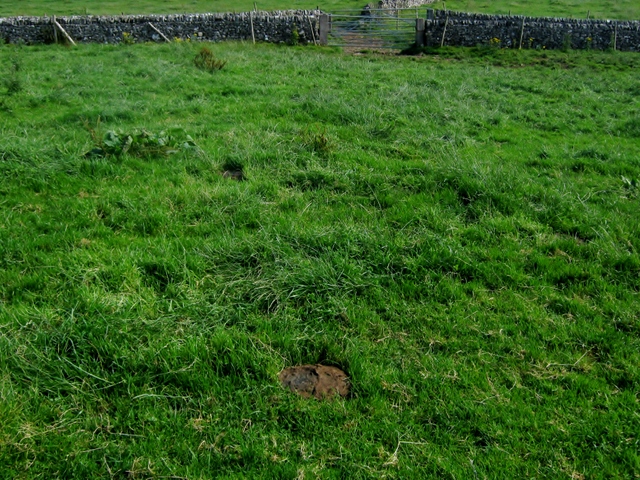
There were many hazards.

IMG_5355Seed-head

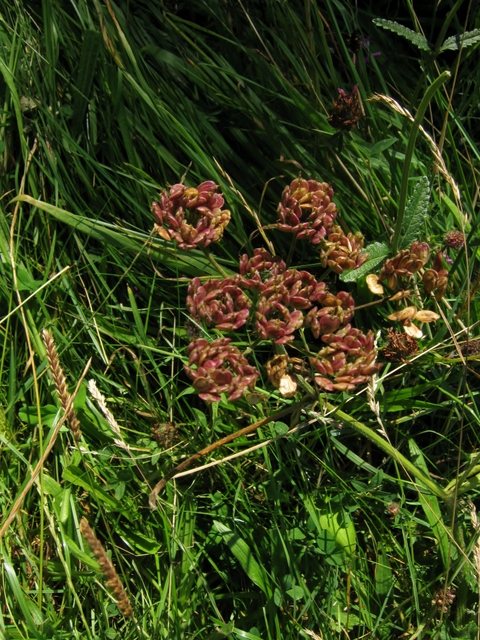
A colourful seed-head – probably Hogweed (Heracleum sphondylium).  We also saw a number of Betony (Stachys officinalis) flowers but none of my photos were any good.

IMG_5354Down to river valley

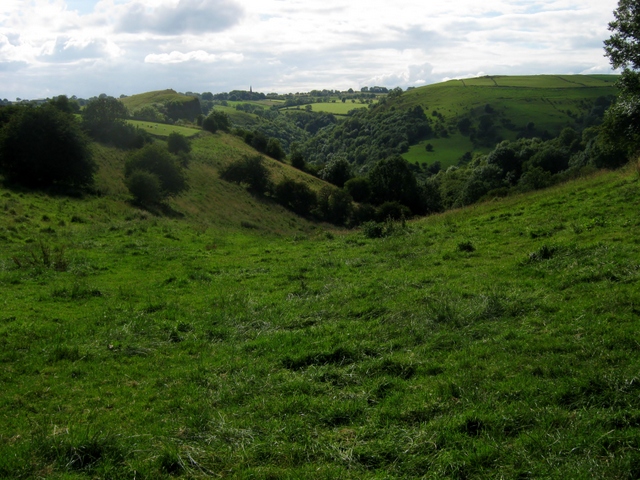
The route down to the river valley

At the bottom of the field we crossed a couple of stiles and entered a wood.

IMG_5358Walk through the wood

Path through the wood

IMG_5359Rhododendron leaves

Lots of invasive Rhododendron seedlings

IMG_5360Steps up through wood

Steps up through the woods

IMG_5362Steps up through wood

Yet more steps! Gasp! Puff!

We were going to see Thor’s Cave.

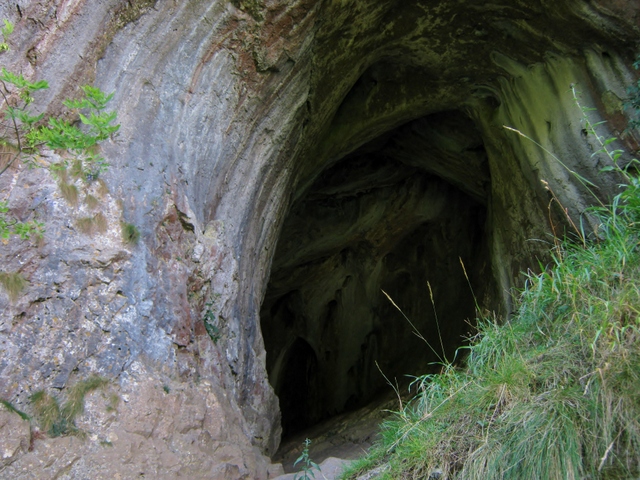
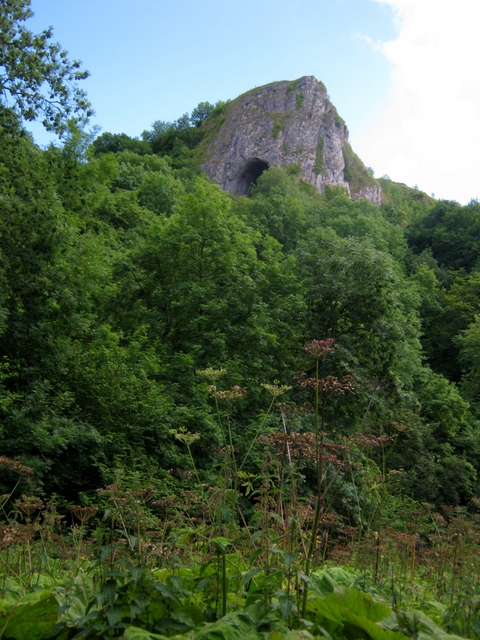
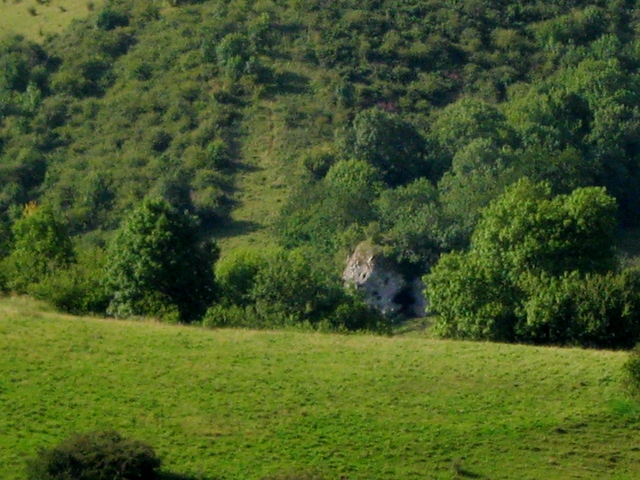
IMG_5365Thor's cave

Thor’s Cave

This is a Karst Cave i.e. it was formed from the dissolution of soluble limestone.  The entrance is just over 18m up on the hillside and the opening is a symmetrical arch, 7.5m wide and 10m high.  I don’t think there is any connection between this cave and the god Thor; the name probably derives from the word ‘tor’ meaning a hill or rocky peak.   I was most disappointed to find that I didn’t have the ability to climb up to the entrance from the path.  I had to wait outside while Richard explored inside.

This slideshow requires JavaScript.

You can see minute-me waving at Richard in one of the photos above.  This will give you some idea of the size of the cave.

IMG_5391Thor's cave

This is what the entrance to the cave looks like from the path below.

While Richard enjoyed himself in the cave, I kept myself busy looking for things to photograph outside.

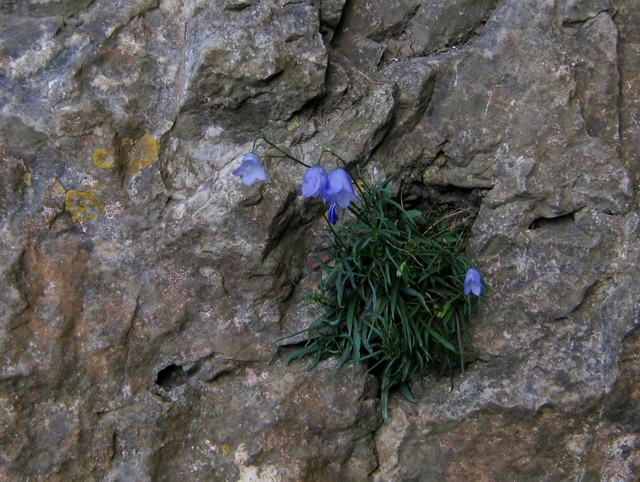
IMG_5377Hare bells (2)

Harebells (Campanula rotundifolia) growing out of a crevice in the stone.

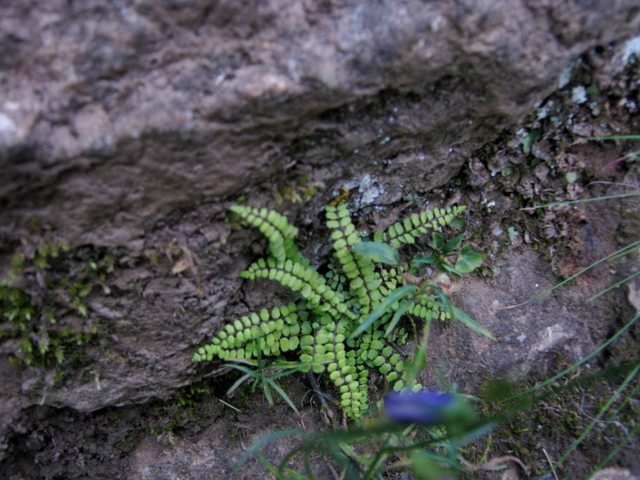
IMG_5380Tiny maidenhair spleenwort

A tiny Maidenhair Spleenwort (Asplenium trichomanes).

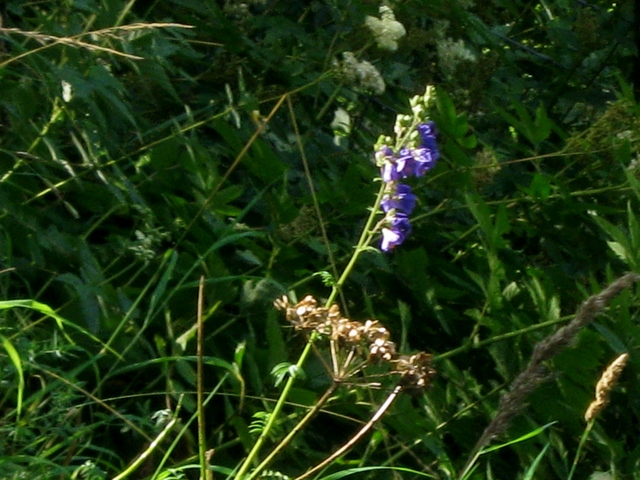
IMG_5382Jacob's Ladder

Jacob’s-ladder (Polemonium caeruleum)

IMG_5383Another cave

I saw another cave entrance below us.

After Richard emerged from the cave we walked back down to the valley-floor.

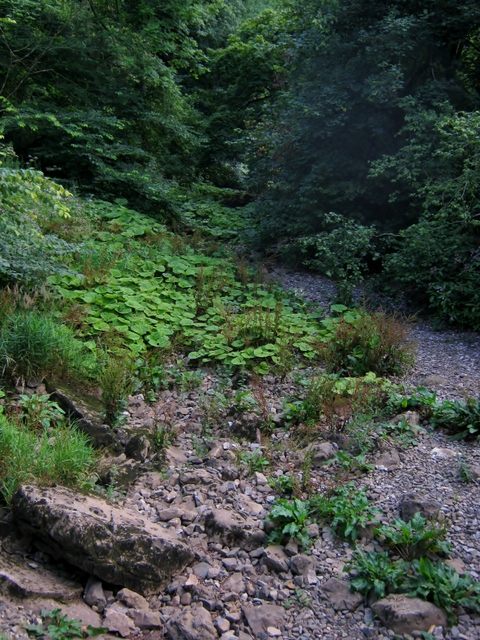
IMG_5387Vegetation in the valley

Lots of different plants grew in the scree and rocks of the river-bed alongside the path. There were many wild raspberry canes with ripe fruit but again my camera failed to focus on them.

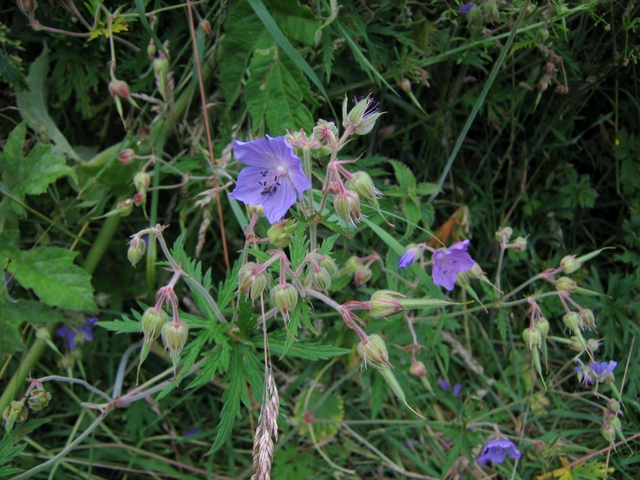
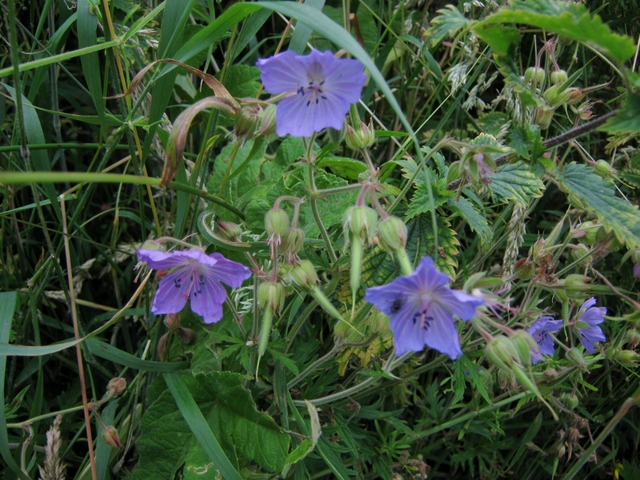
IMG_5392Meadow Crane's-bill

Meadow Crane’s-bill (Geranium pratense) next to the path.

IMG_5393Meadow Crane's-bill

I’m including another photo of these flowers because I like them! You can see that the seed-heads look a little bit like crane’s heads.

IMG_5394Wild Rhubarb or Butterbur

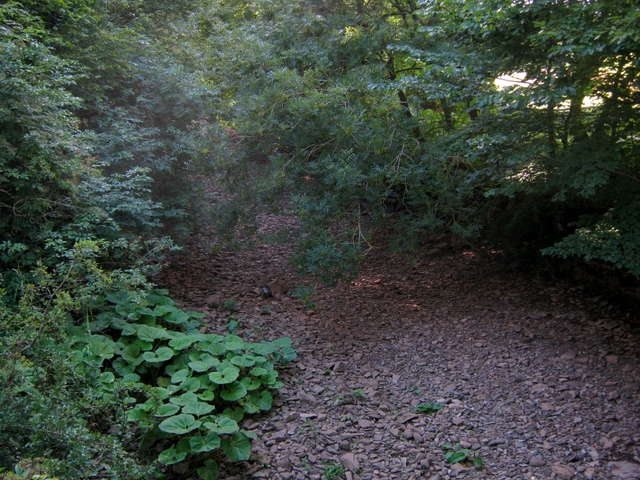
The large leaves of Butterbur (Petasites hybridus). Also known as Wild Rhubarb, the heart-shaped leaves can be up to 1m/3 ft across.

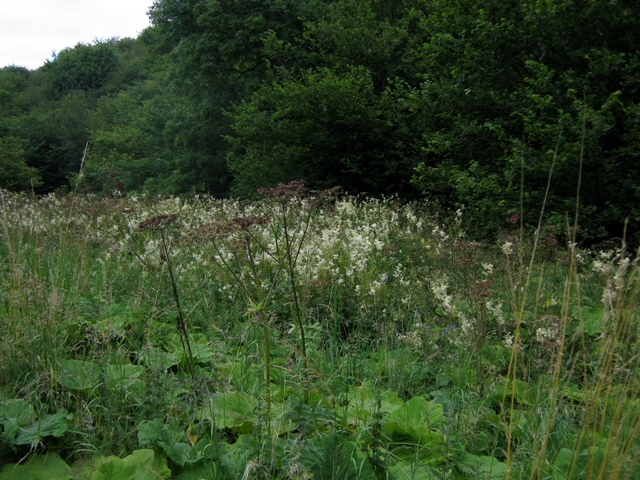
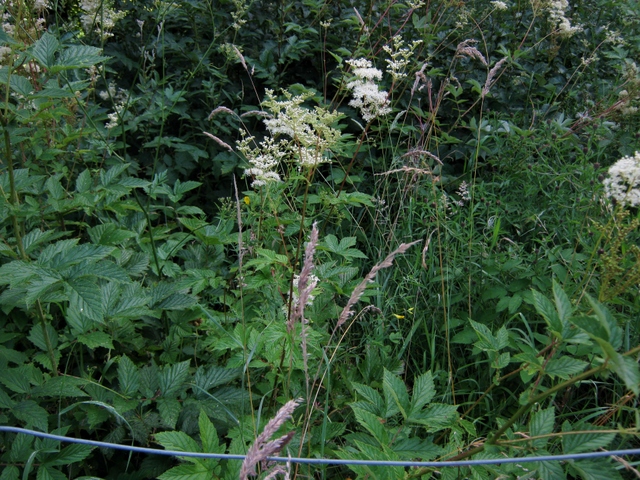
IMG_5395Meadowsweet

This Meadowsweet (Filipendula ulmaria) was so strongly and beautifully  scented!

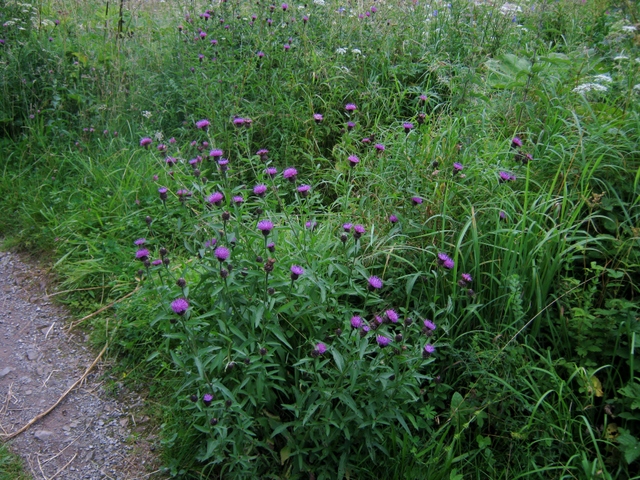
IMG_5396Common Knapweed

Common Knapweed (Centaurea nigra)

Wild flowers
Wild flowers
Wild flowers
Wild flowers
IMG_5399Former railway line

The path we were walking along was the former Leek and Manifold Light Railway line.  There had even been a station at Thor’s Cave!

This also explains all the well-made steps up to the cave.

IMG_5400View of hill from path

View of a hill from the path.

IMG_5401Meadow Vetchling

Meadow Vetchling (Lathyrus pratensis)

IMG_5402Red Campion and Bramble

Red Campion (Silene dioica) and Bramble (Rubus fruticosus agg.)

IMG_5403Meadowsweet

More Meadowsweet.

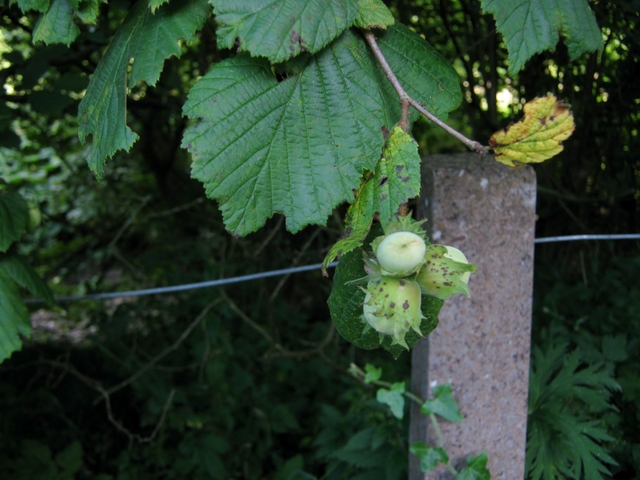
IMG_5404Hazel nuts

Ripening Hazel nuts (Corylus avellana)

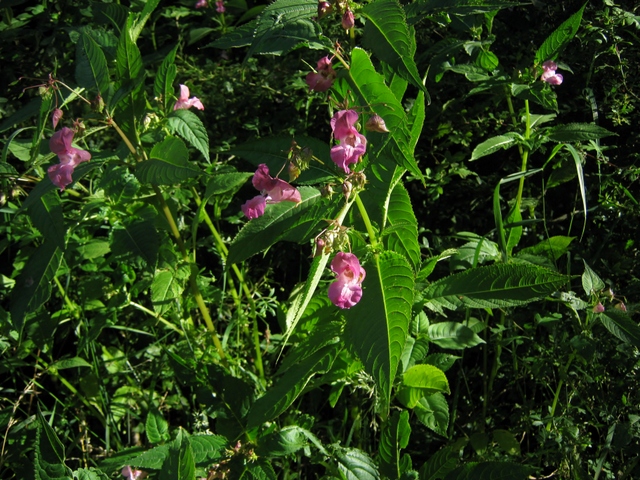
IMG_5405Indian Balsam

The pretty flowers of the terribly invasive Indian Balsam (Impatiens glandulifera)

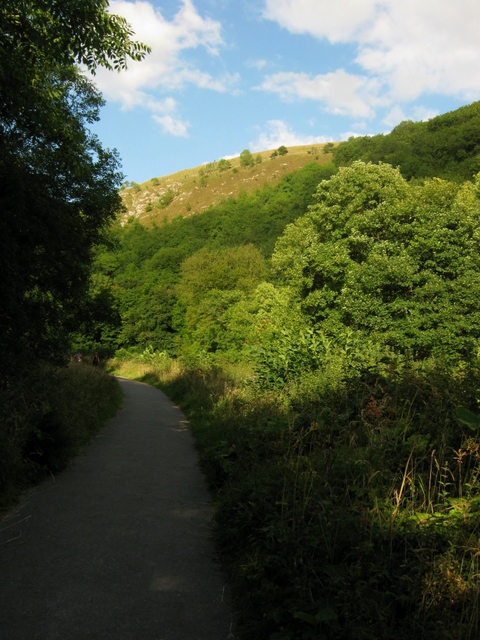
IMG_5406The path

Another view of the path.

IMG_5407Rosebay Willowherb

Lots of Rosebay Willowherb (Chamerion angustifolium)

IMG_5408Dry river-bed

This is the dry river bed of the Manifold.

In anything other than very wet weather the river disappears into swallowholes and flows through caves and subterranean passages and reappears at Ilam further downstream.

IMG_5409Lady's Mantle

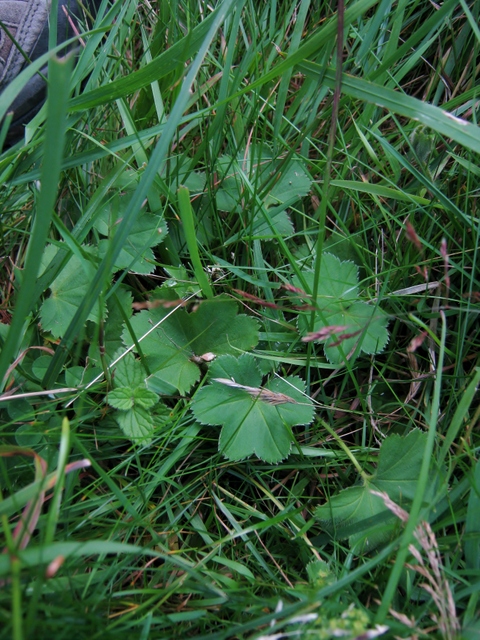
Lady’s-mantle (Alchemilla vulgaris agg.)

IMG_5410Field Scabious

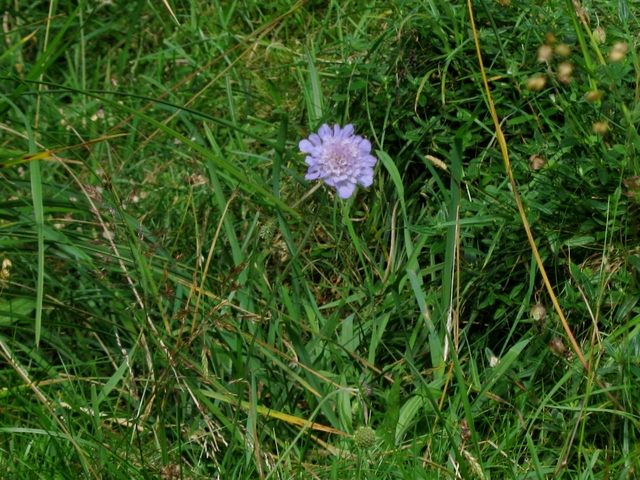
Field Scabious (Knautia arvensis)

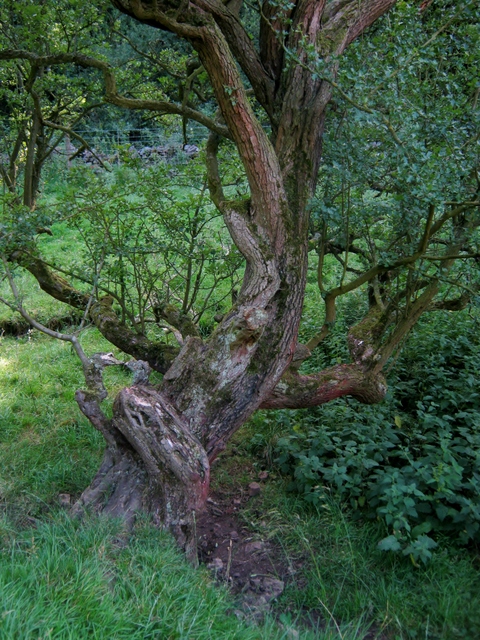
IMG_5416Gnarled tree

A wonderfully gnarled and twisted tree.

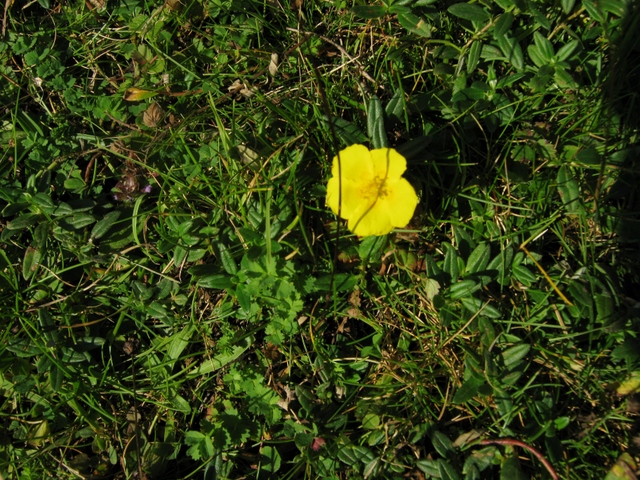
IMG_5417Cinquefoil

Cinquefoil.  I think this is probably Creeping Cinquefoil but the leaves in the photo aren’t quite what I expect from Creeping Cinquefoil.

IMG_5419Hill and valley

Hill and valley.  We had left the old rail-track behind us.

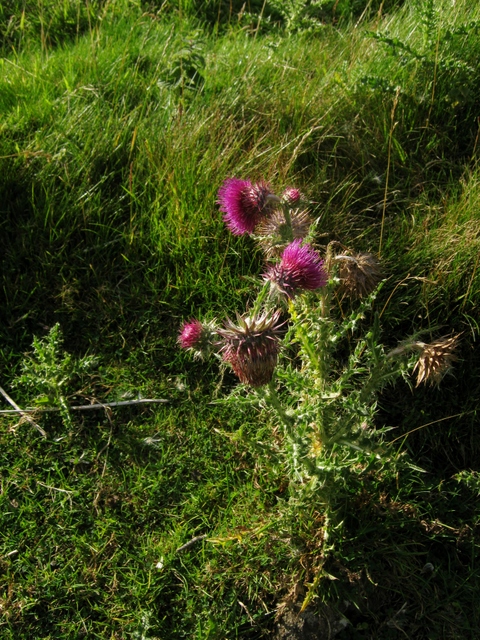
IMG_5420Musk Thistle

Musk Thistle (Carduus nutans) with its drooping flower-heads

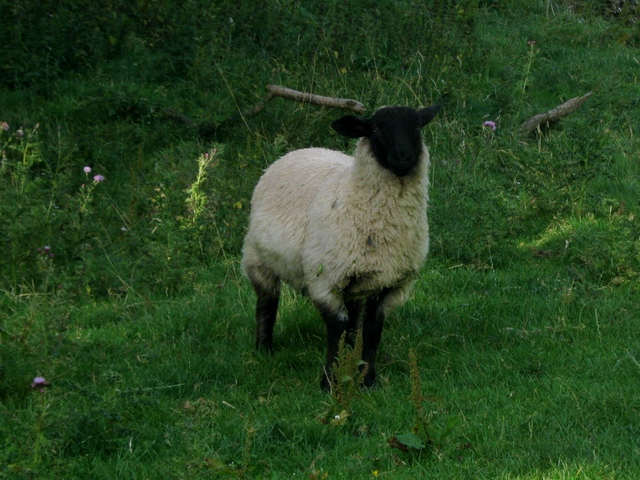
IMG_5422Lamb

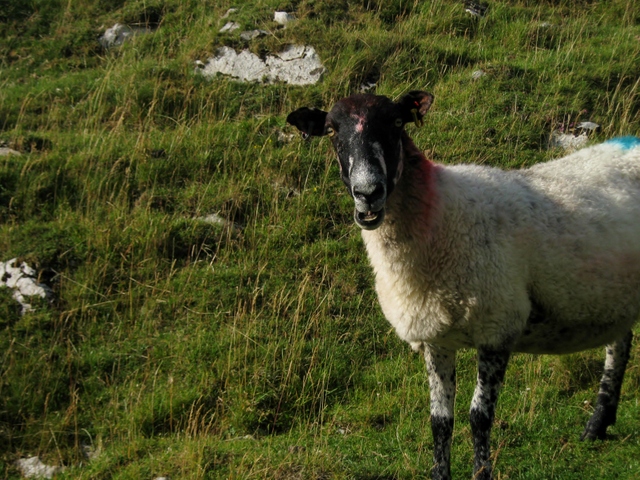
A black-faced lamb

IMG_5423R on our walk

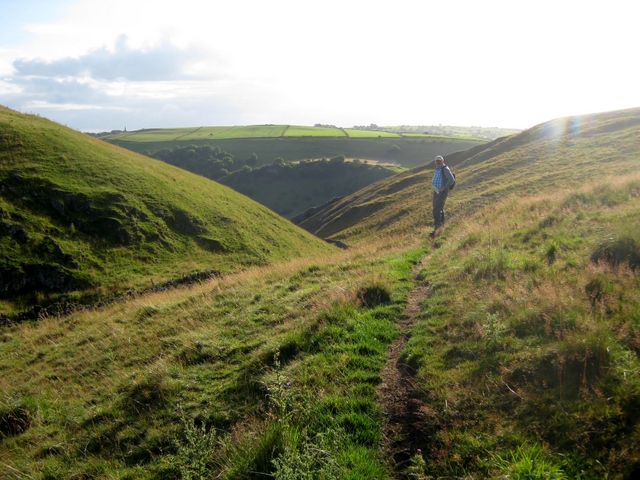
Richard walking along the track

IMG_5425Creeping thistle

Creeping Thistle (Cirsium arvense)

It was about this stage in our walk that we missed a landmark and went up a hill on the wrong side of a wall.

IMG_5426Stream

A stream

IMG_5428Tufted Forget-me-not

Tufted Forget-me-not (Myosotis laxa)

IMG_5429Small Heath

Small Heath butterfly (Coenonympha pamphilus)

IMG_5430Farmhouse

I took a photo of this house little realising that we should have gone past it and then climbed the hill.

IMG_5431Sheep

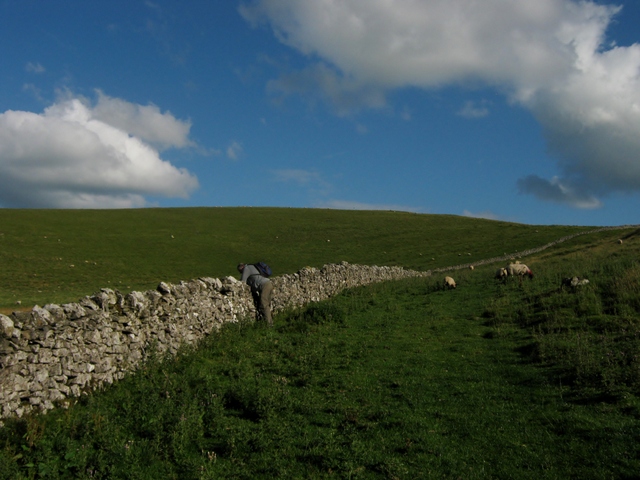
‘You’re on the wrong side of the wall, you fools!’, said the sheep.

IMG_5432Sheep tunnel

I took a photo of this sheep tunnel (note my shadow) little realising we could have used it to get onto the right side of the wall!

IMG_5433Stone wall

The wall. We little realised we could have climbed over it at this point.

View from the hillside
Another view
Another view
Sun setting behind a hill
IMG_5441R on our walk

It was here that it dawned on us we were heading for the wrong valley.

We re-traced our steps right back to the house I had photographed earlier.

IMG_5443Rock Stonecrop

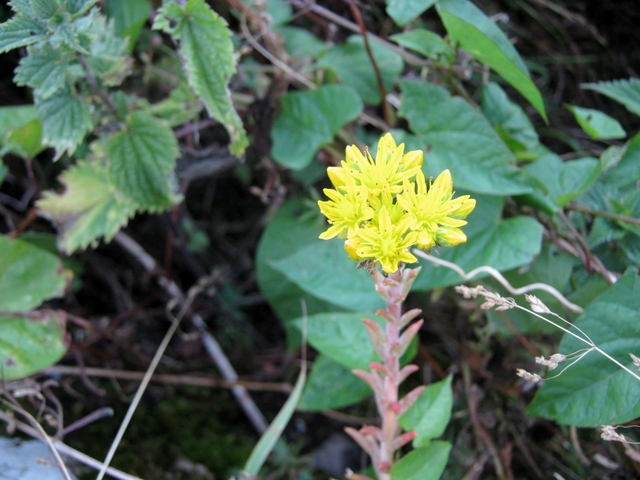
Rock Stonecrop (Sedum forsterianum). This specimen was probably a garden escapee as the plant is only native in the SW of England.

IMG_5445Possibly Bogbean

I am not sure what this plant is. I think it might be Bogbean (Menyanthes trifoliata) but I am not sure. My guide says that the emergent leaves of Bogbean have the texture and appearance of broad bean leaves which I would say these do.  However….

IMG_5448Knotgrass

Knotgrass (Polygonum aviculare)

And that was the last photo I took you’ll be pleased to know.  Only when we got back to the house and saw that the correct path went up the same, long, steep hill that we had just climbed and then come down again, but on the other side of that wall that we realised exactly what we had done and what we still had to do.  I must admit that our hearts sank and we suddenly felt very tired.  We did it though; and got back to the car before the sun set.  We were tempted to have a meal in the pub but thought how late we would get back to our caravan if we did so.  We were very thankful to find the car and then return to the caravan site.

Thanks for visiting!
Apologies for the length of the post.


Share this:

  • Share on X (Opens in new window) X
  • Share on Reddit (Opens in new window) Reddit
  • Share on Pinterest (Opens in new window) Pinterest
  • Share on Facebook (Opens in new window) Facebook
  • Email a link to a friend (Opens in new window) Email
  • Share on Tumblr (Opens in new window) Tumblr
  • Print (Opens in new window) Print
  • Share on Pocket (Opens in new window) Pocket
  • Share on LinkedIn (Opens in new window) LinkedIn
Like Loading...

Autumn in a Suffolk Lane – Part 2

11 Sun Oct 2015

Posted by Clare Pooley in churches, Days out, Gardening, music, plants, Rural Diary, trees

≈ 42 Comments

Tags

Acorn, ash keys, Astrantia, autumn, Bantam Cock, beach, chickens, Chrysanthemum, conker, dogwood, Dunwich Heath, dwarf gorse, eating apples, Elderberries, fungi, gardening, GERANIUM, Grove snail, Hibiscus, Jake Thackray, Knopper gall, leaf colour, Linstead Magna, Linstead Parva, liverwort, Michaelmas Daisy, moorhen, Pyracantha, rough sea, Salvia, silver birch, Suffolk, sunset, Tansy, viola

IMG_5766Beach at Dunwich Heath

The beach at Dunwich Heath.

We visited yet another of our local beaches on a very windy, cool afternoon recently.  We only stayed on the beach for a short while because the wind was so biting; Elinor and I both got earache.

IMG_5767Beach at Dunwich heath

The mist in the distance is sea-spray.

IMG_5768Beach at Dunwich Heath

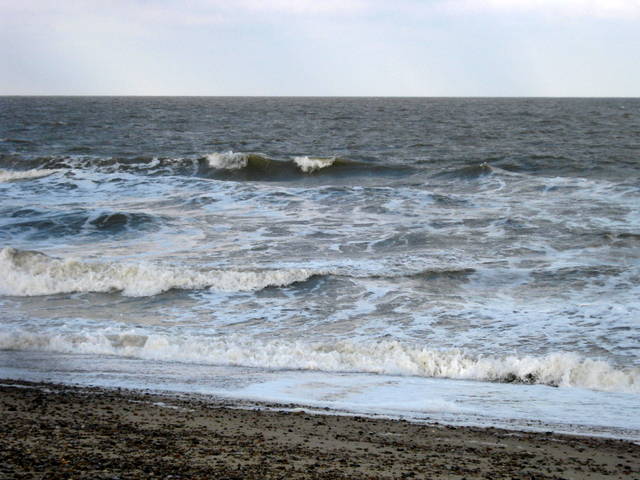
The waves were quite rough but the tide was going out.

IMG_5769Beach at Dunwich Heath

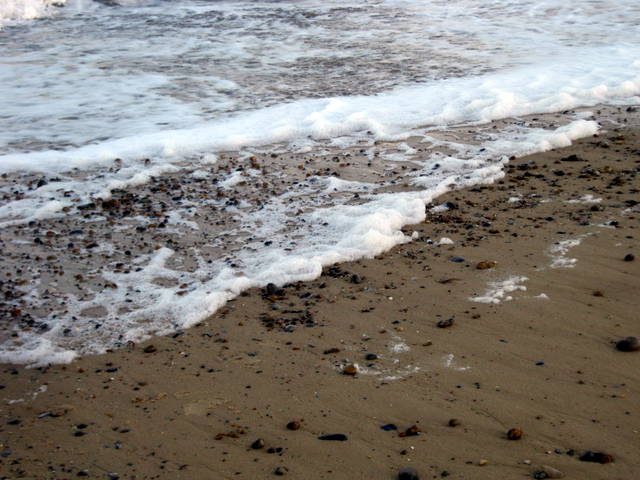
Foam was left on the sand and was blowing about.

IMG_5770Dead fish

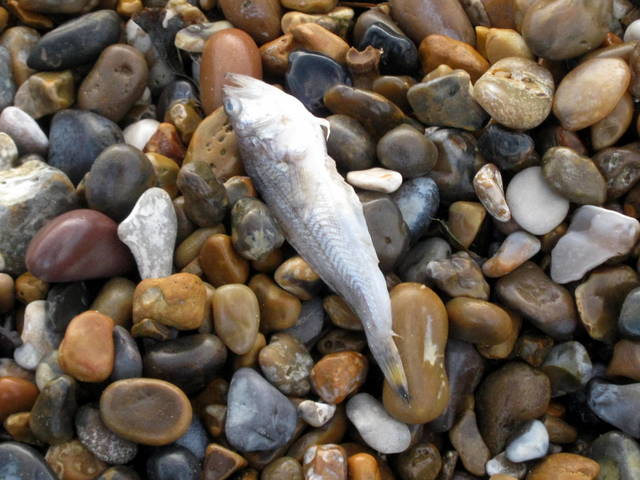
This little fish must have come too close to the shore.

IMG_5771Snail on bracken

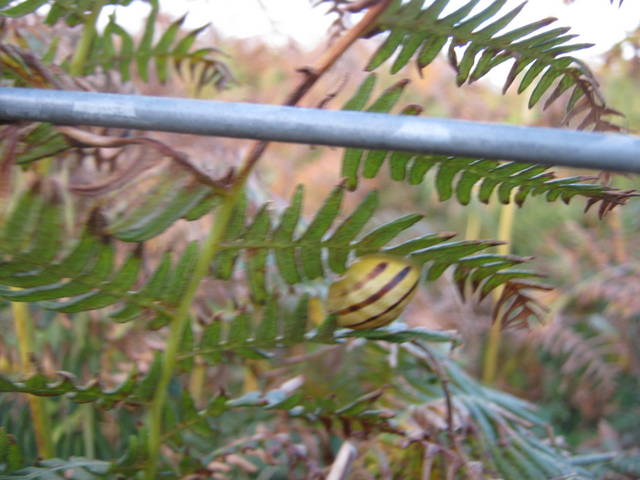
This Grove Snail (Cepaea nemoralis) attached to its bit of bracken was swinging about in the wind.

My ID guide suggests that the Grove Snail “is used to demonstrate the survival of the fittest in evolution, because Thrushes eat the snails which are least well camouflaged against their environment.”

IMG_5772Gorse

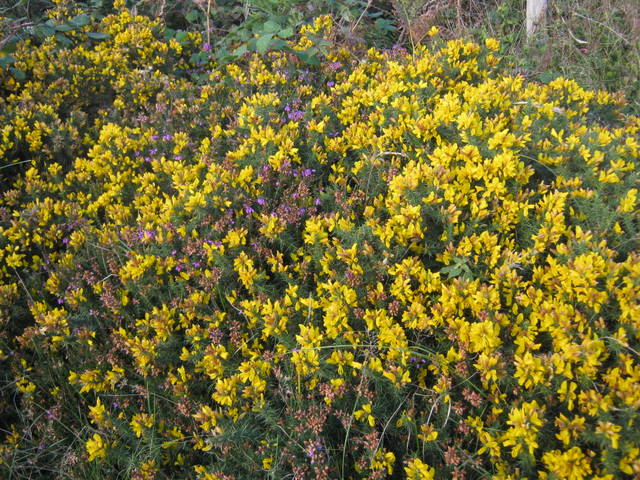
The Heather (Calluna vulgaris) was past its best but the Dwarf Gorse (Ulex minor) was looking wonderful

IMG_5776Sunset

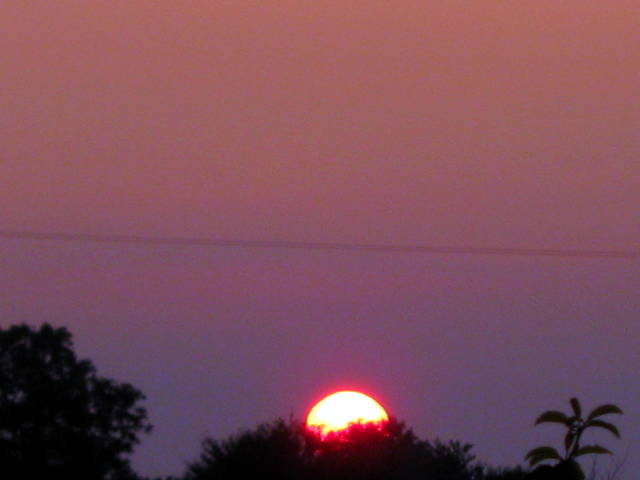
Another sunset.

In a post I wrote a couple of weeks ago I mentioned that the bright yellow of the Perennial Sow-thistle was not common at this time of year.  I will have to eat my words because most of the flowers I have seen since then have been yellow!

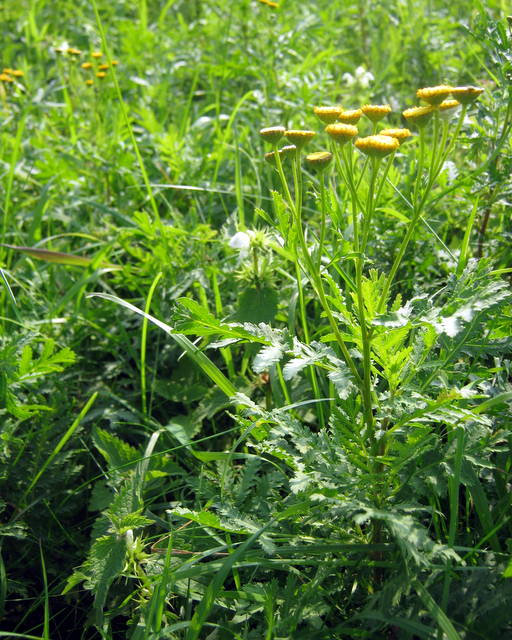
IMG_5778Tansy

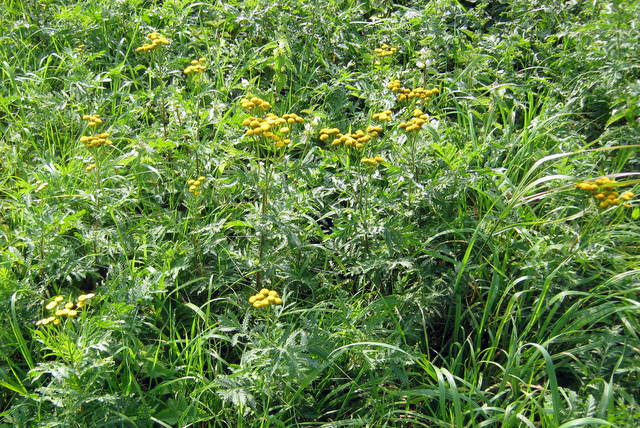
Tansy (Tanacetum vulgare) seen on the roadside between Linstead Magna and the village of Linstead Parva *(see below)

IMG_5779Tansy

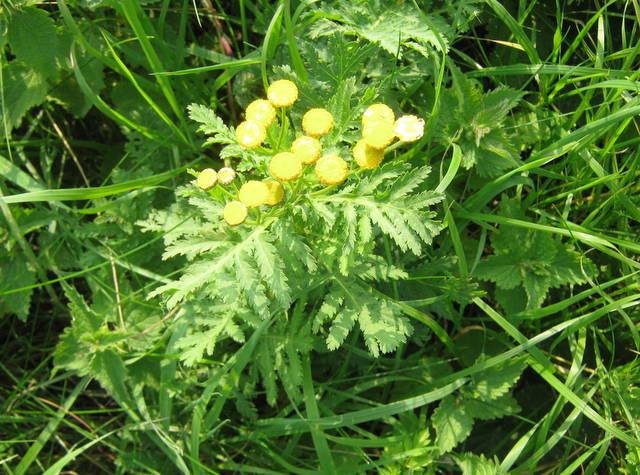
The Tansy has very aromatic leaves and the little button flowerheads are made up of disc florets only.

IMG_5780Tansy

The genus name ‘Tanecetum’ and the name Tansy are both derived from the Greek word for immortality. The plant was believed to give  eternal life to the drinker of an infusion made from it.

Tansy used to be used as a flavouring in food until fairly recently.  Egg dishes especially, were enhanced by the use of finely chopped tansy leaves.  Tansy was also used as an alternative to expensive imported spices such as nutmeg and cinnamon and Tansy Cake at Easter was very popular.  Because of the strength of its scent, Tansy was also used as a repellent, keeping mice from corn and flies from meat.

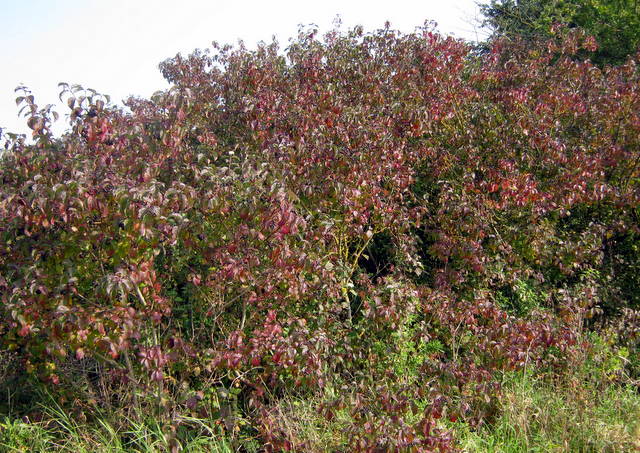
IMG_5781Dogwood

Dogwood (Cornus sanguinea)

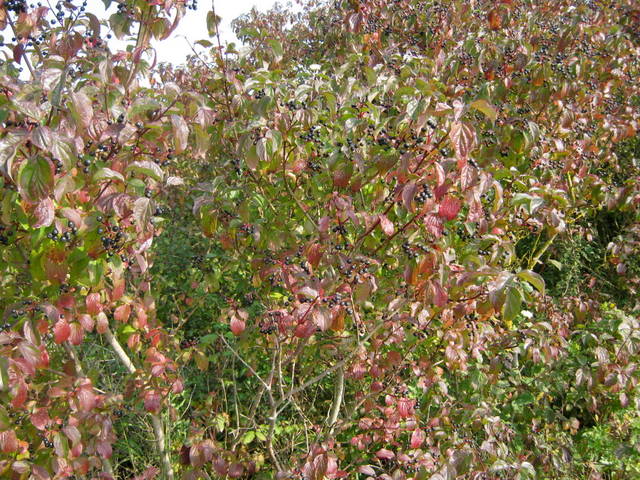
Close to where I photographed the Tansy I found this hedge of Dogwood.  It was covered in large black berries – the largest I have ever seen on a Dogwood – and most of  the leaves had turned a beautiful red.  Dogwood leaves are usually a much darker, duller maroon in Autumn.

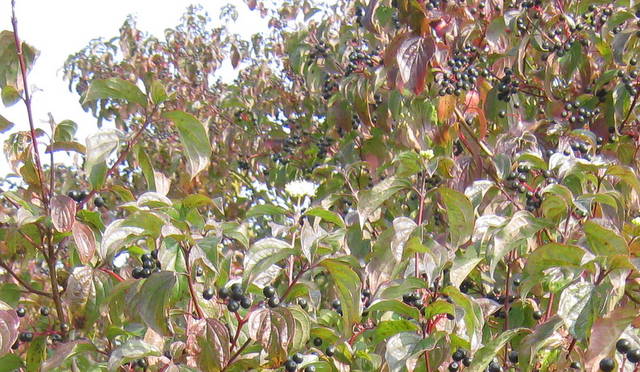
IMG_5782Dogwood

What also surprised me about these Dogwood bushes was seeing flowers in bloom at the same time as the berries and the red leaves.

It isn’t easy to see them in this photo so I cropped it.

IMG_5782Dogwood - Copy

One of the flower-heads is in the centre of this picture.  The couple of weeks of warm and sunny weather we have had recently had fooled the bush into thinking it was spring again.

Richard and I have been working in the garden, getting it ready for winter.  I only seem able to get out there a couple of days a week but I have managed to get quite a lot done.  One of my jobs has been tidying behind the garden shed and round the back of the greenhouse.  Behind the shed was rank with weeds, mainly stinging nettles, which I was able to pull out fairly easily as the soil is quite damp there.  I had stored lots of pots and tubs full of spring bulbs behind the greenhouse so these have come back out to be smartened up and got ready for next spring.  I discovered other flowerpots that should have been emptied and cleaned ages ago.

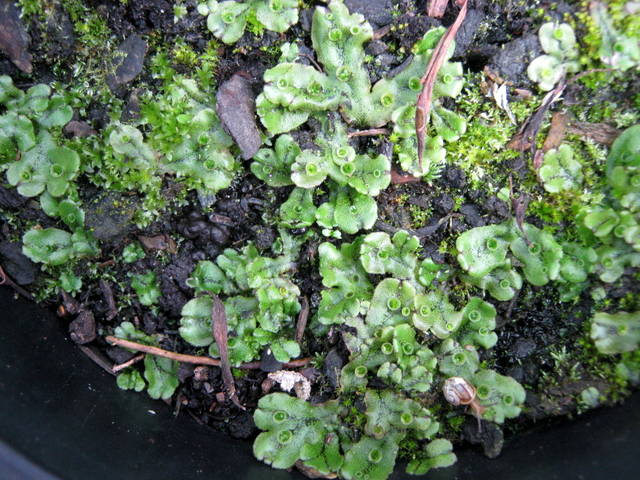
IMG_5783Marchantia polymorpha liverwort with snail

This pot was covered with liverwort Marchantia polymorpha. It has little green cups on the leaf-like structures (thallus). Do you see the baby snail?

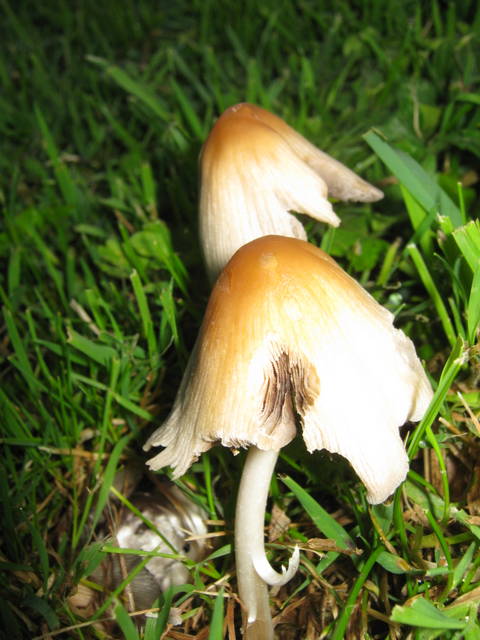
IMG_5818Fungus

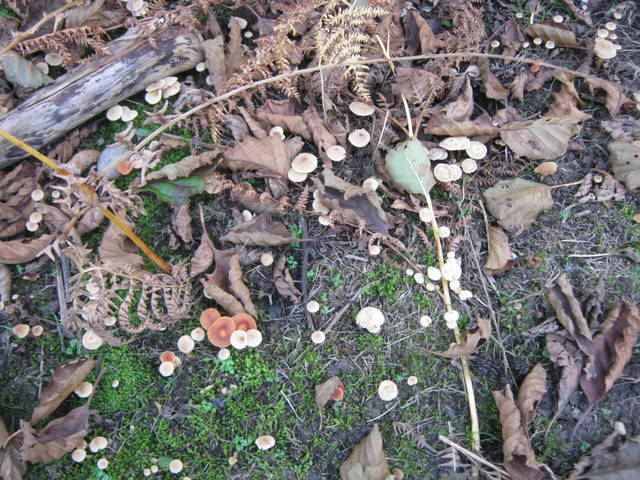
We have a lot of fungus all over the grass in our garden. Nothing exciting or colourful, just brown and cream-coloured toadstools. These had been nibbled by something.

IMG_5814Fungus
IMG_5816Fungus

Two other unidentified types of fungi.

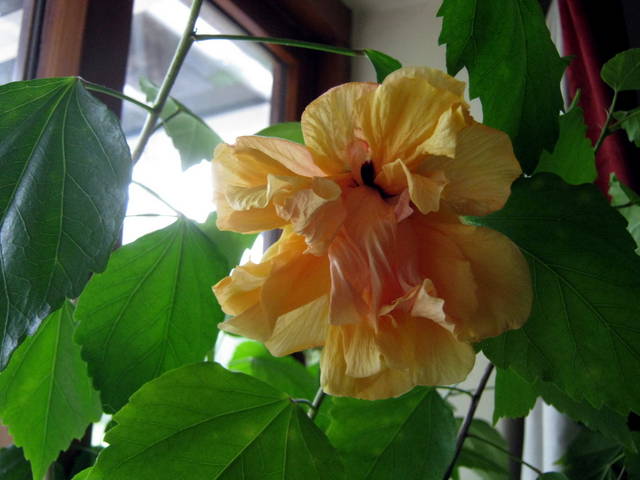
IMG_5786Hibiscus

I have had this Hibiscus for about 26 years. It was a gift from my ex-mother-in-law who brought this with her when she came to see us when Alice was a tiny girl.

I love these double flowers – the peach petals have dark crimson bases.

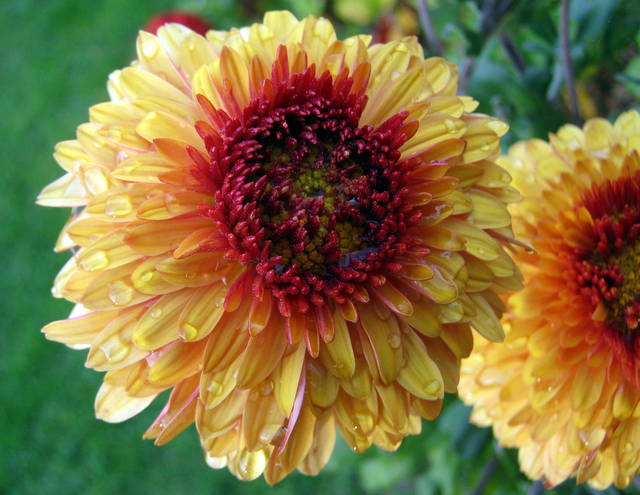
IMG_5788Chrysanthemum

Richard has a new Chrysanthemum flower

IMG_5789Geranium

My Geraniums are still flowering

IMG_5792Viola

I like this pretty Viola

IMG_5799Michaelmas Daisy
IMG_5800Michaelmas Daisy
IMG_5807Michaelmas Daisy

Three different Michaelmas Daisies

IMG_5808Salvia

Salvia

IMG_5811Astrantia

The three ages of Astrantia

IMG_5793Elderberries

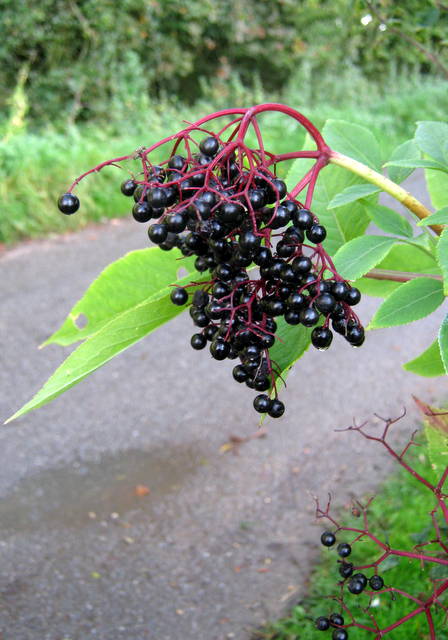
Elderberries from the bush at the end of the drive.

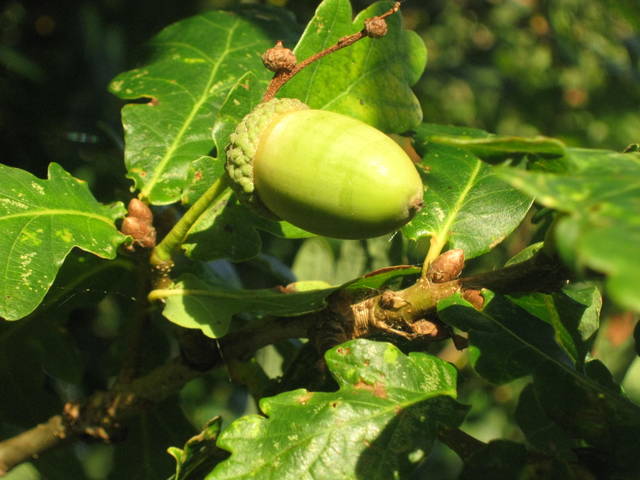
IMG_5805Acorn

Acorn  This is the first time in years that these acorns aren’t affected by Knopper galls.

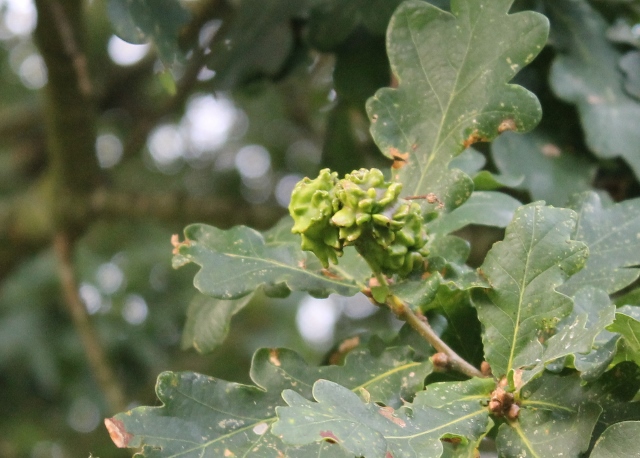
018Acorns with galls (640x458)

This is a photo I took last year of Knopper gall damage on acorns

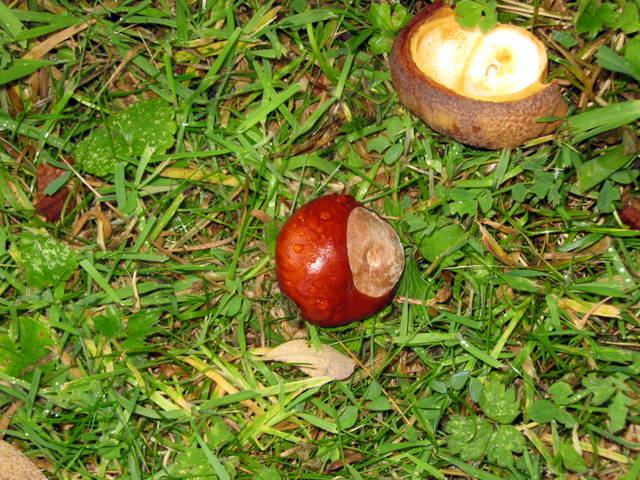
IMG_5806Conker

‘Conker’

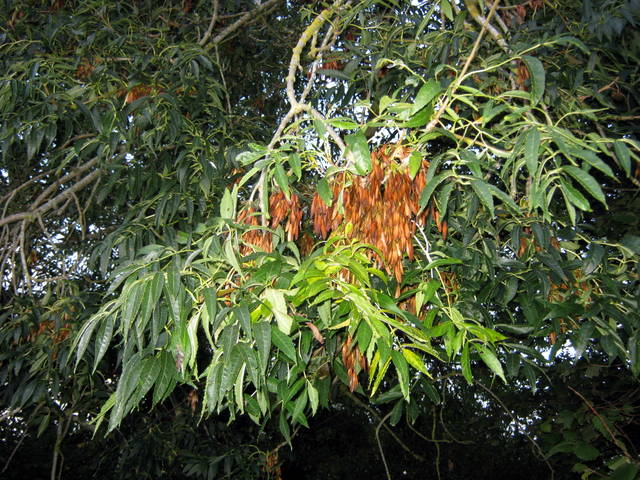
IMG_5815Ash keys

Ash ‘keys’

IMG_5795Autumn colour

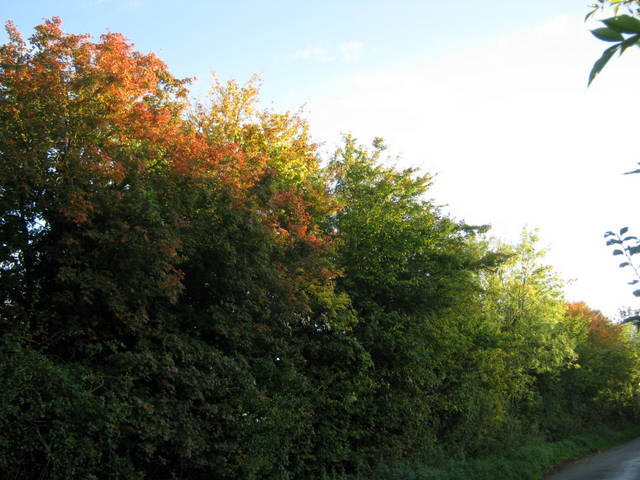
The trees in our lane

IMG_5812Silver birch

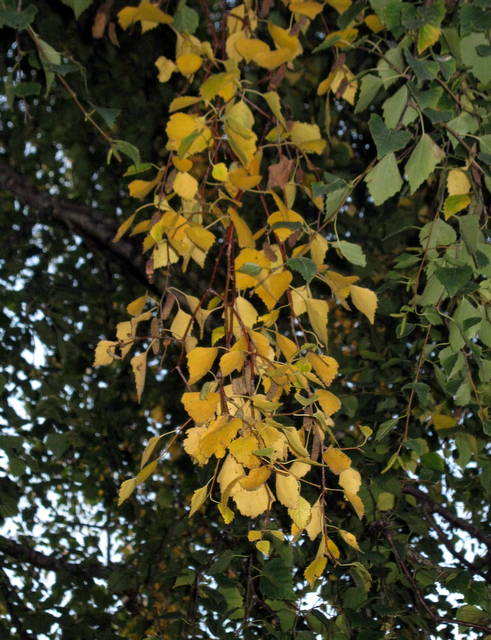
Our Silver Birch is changing colour

IMG_5813Birch leaves

Birch leaves

IMG_5797Pyracantha

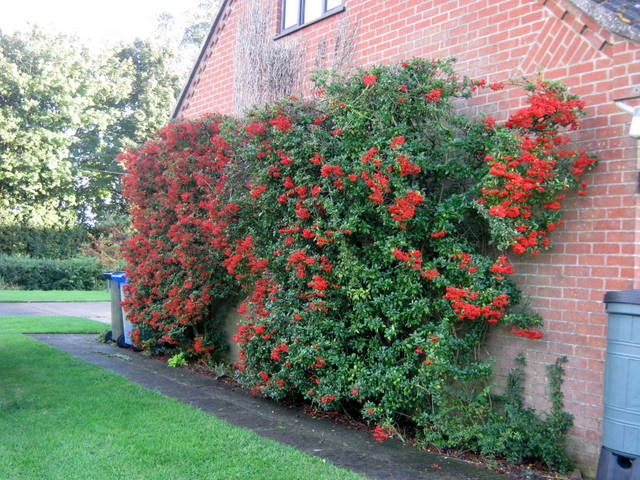
I pruned our Pyracantha recently

IMG_5821Apple tree damage

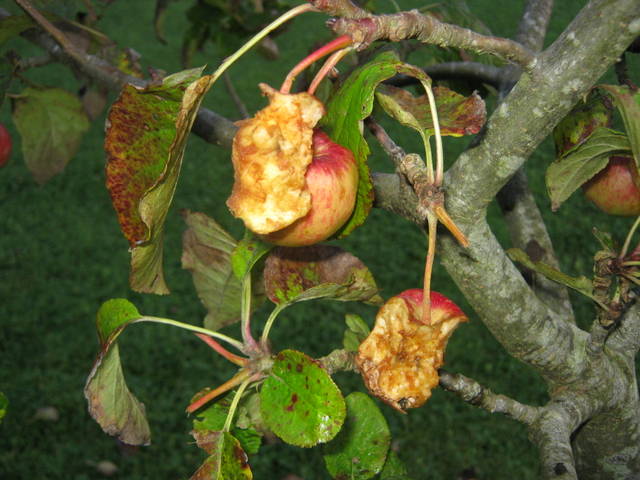
We not only had a lot of aphid damage to our apple trees in the spring and early summer but the apples on this tree are now being eaten by Moorhens!  It is odd seeing water birds wobbling about in the trees gulping down our apples as fast as they can.

We are getting a little tired of next-door’s free-range chickens in our garden all day.  They kick about in the flower beds and damage seedlings; they peck off flowers and generally make a mess of the paths, beds and compost heaps in the garden.  We have spoken to our neighbours about it a few times but they don’t appear to have any intention of keeping their chickens on their own land.  They have a constant supply of chicks too.

Linstead Magna (large/greater Linstead) is now a small collection of houses and farm buildings.  The church no longer exists but I spoke to someone some years ago who remembered the church and used to attend it.  For more information about this church see here.

Linstead Parva (small/lesser Linstead) is a pleasant little village with a pretty church.  In spring the churchyard is covered in snowdrops and other spring flowers.

Thanks for visiting!
Share this:

  • Share on X (Opens in new window) X
  • Share on Reddit (Opens in new window) Reddit
  • Share on Pinterest (Opens in new window) Pinterest
  • Share on Facebook (Opens in new window) Facebook
  • Email a link to a friend (Opens in new window) Email
  • Share on Tumblr (Opens in new window) Tumblr
  • Print (Opens in new window) Print
  • Share on Pocket (Opens in new window) Pocket
  • Share on LinkedIn (Opens in new window) LinkedIn
Like Loading...

A Walk in Whinlatter Forest

05 Mon Oct 2015

Posted by Clare Pooley in Days out, Insects, plants, Rural Diary, walking

≈ 40 Comments

Tags

bolete, butterfly, cat's-ear, Climbing Corydalis, common ragwort, Forestry Commission, Fox-and-cubs, fungus, heather, lady's-mantle, lichen, moss, pixie-cup lichen, ringlet, walking, Whinlatter Forest, wild flowers

Alice came to visit us on the last day of our holiday in the Lake District.  We met her off the train in Penrith at about 10.00 am and took her back to our rented cottage for a cup of tea.  After catching up with all her news we took her to Whinlatter Forest which we had visited briefly earlier in the week, as Elinor wanted to show it to her sister.

IMG_5237Whinlatter Forest

This is another Forestry Commission forest and is mainly planted with non-native trees.

Not only are there a number of tracks through the woods for walking and mountain biking but they also have segways for hire too.  There are trails designed to appeal to small children and zip wires and swinging on ropes for very active people.

We walked.

IMG_5238Whinlatter Forest

Whinlatter Forest

Alice is a fast walker so she and Richard went ahead.  I am forever on the lookout for interesting plants and insects and take lots of photos and Elinor can’t walk fast or far so we both kept together.

IMG_5239Alice and Richard in the forest

Alice and Richard waiting for Elinor and me.

IMG_5240Forest glade

Elinor liked this forest glade.

IMG_5243Bolete fungus perhaps

A Bolete fungus.  I cannot identify this one.

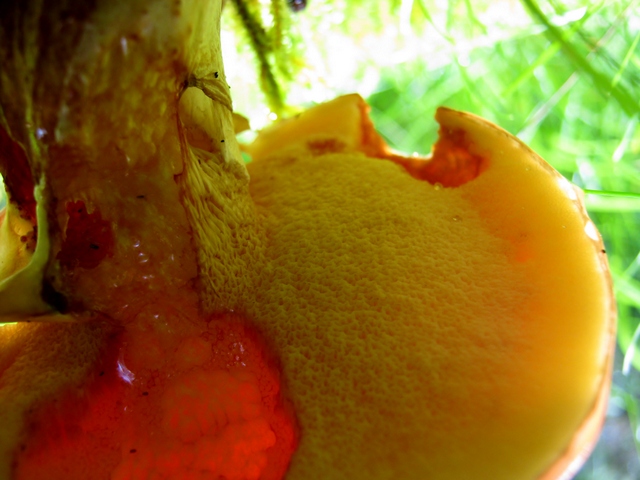
IMG_5244Underside of the Bolete

Looking at the underside of the toadstool.   The photo shows that Boletes do not have gills but spongy tissue with pores in. This fungus has been eaten by something.

IMG_5245Climbing Corydalis

Climbing Corydalis (Ceratocapnos claviculata)  Not a very good picture.

IMG_5247Heather

Heather (Calluna vulgaris) in bud with a faded Cat’s-ear (Hypochaeris radicata)

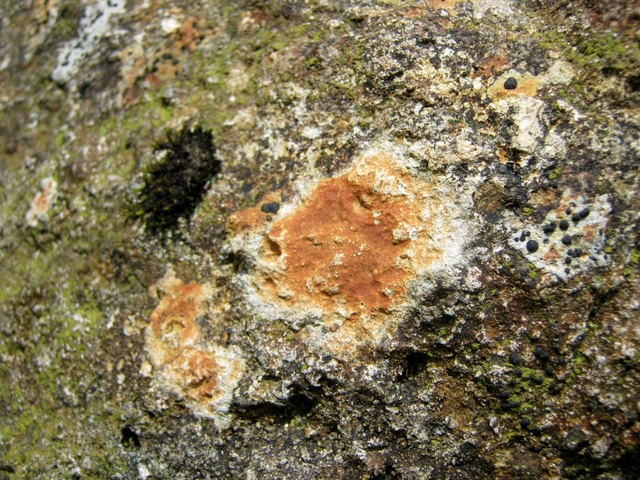
IMG_5249Lichen

Lichen

IMG_5254Fox and cubs

Fox-and-cubs (Pilosella aurantiaca) with yellow Cat’s-ear

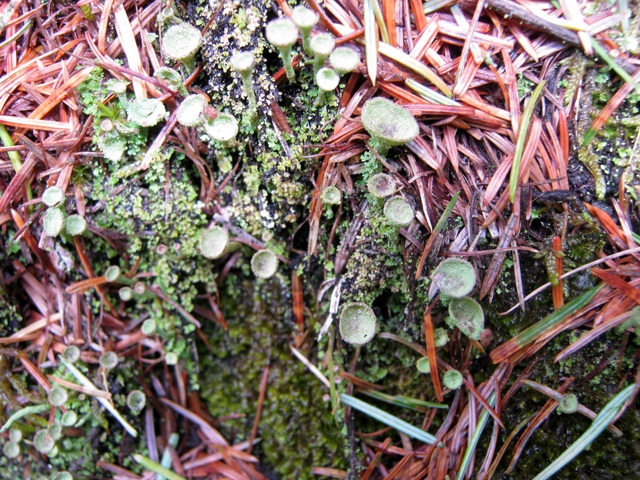
IMG_5250Lichen perhaps Cladonia pyxidata

I believe this lichen is Cladonia pyxidata – Pixie-cup Lichen

You can see how small these little cups are by comparing them with the pine needles next to them.

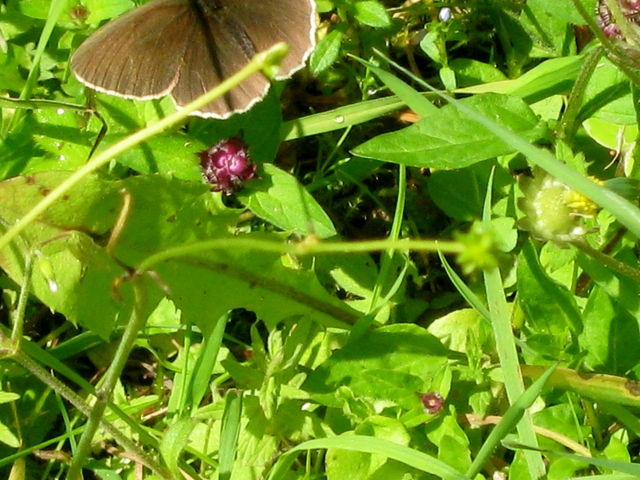
IMG_5251Ringlet perhaps

This butterfly flew next to us for some way along a sunny track. I tried to photograph it countless times and this time thought I had managed it….

The reason I really wanted to get a photograph of it was that I thought it looked like a Ringlet butterfly but they usually have eye-spots on their wings.   I have since done some research and I believe it is likely to be a Ringlet (Aphantopus hyperantus) as sometimes they are seen without eye-spots.  What is confusing is that all references to Ringlets state that they aren’t found in the north-west of England!  I am sending my inadequate photo to ukbutterflies.co.uk to see what they make of it.

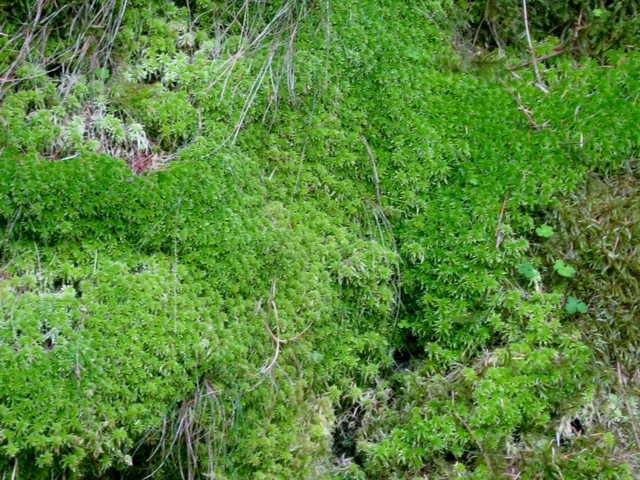
IMG_5252Moss

Yet more moss!

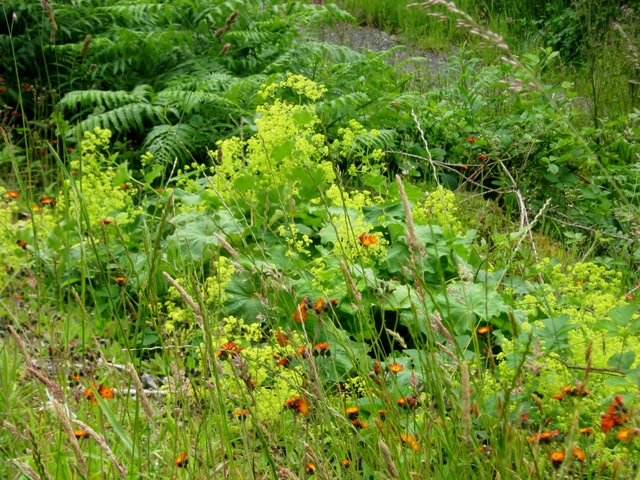
IMG_5256Lady's-mantle

Lady’s-mantle (Alchemilla vulgaris agg) behind more Fox-and-cubs

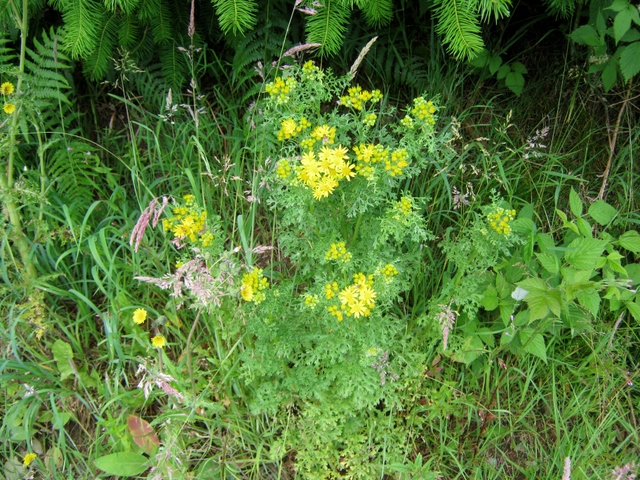
IMG_5258Common Ragwort

Common Ragwort (Senecio jacobaea)

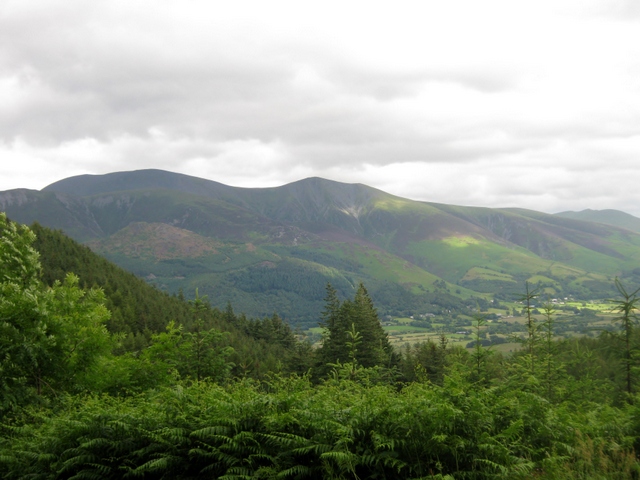
IMG_5255Fell view

View of the surrounding fells (hills)

IMG_5253Skiddaw

This fell is Skiddaw

We returned to the carpark and went into the café and had a drink and a sandwich.  We took Alice back to our cottage for a while until it was time for her to catch her train to Sheffield.  We spent the rest of the day cleaning the cottage and packing for our journey  home the following day.

Thanks for visiting!
 

Share this:

  • Share on X (Opens in new window) X
  • Share on Reddit (Opens in new window) Reddit
  • Share on Pinterest (Opens in new window) Pinterest
  • Share on Facebook (Opens in new window) Facebook
  • Email a link to a friend (Opens in new window) Email
  • Share on Tumblr (Opens in new window) Tumblr
  • Print (Opens in new window) Print
  • Share on Pocket (Opens in new window) Pocket
  • Share on LinkedIn (Opens in new window) LinkedIn
Like Loading...

Dobgill Waterfall

02 Fri Oct 2015

Posted by Clare Pooley in Days out, plants, Rural Diary, walking

≈ 27 Comments

Tags

Dobgill, Dobgill Wood, foxglove, fungus, heath bedstraw, larch trees, liverwort, moss, Phytophthora ramorum disease, tree-felling, walking, waterfall, wood sorrel

After leaving Elinor in the car to rest (see previous post Thirlmere Reservoir) Richard and I began the steep climb up to see the waterfall.

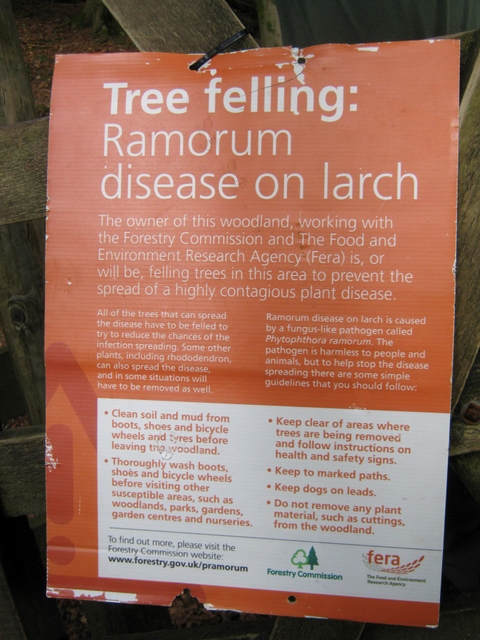
IMG_5210Ramorum sign

The sign that was attached to the gate leading into the upper wood.

This is yet another disease that is killing our trees.  I have found an interesting and informative article on a Forestry Commission site about Ramorum disease and I include it here.  It includes a video in which an expert goes over a diseased tree and points out and explains the symptoms.

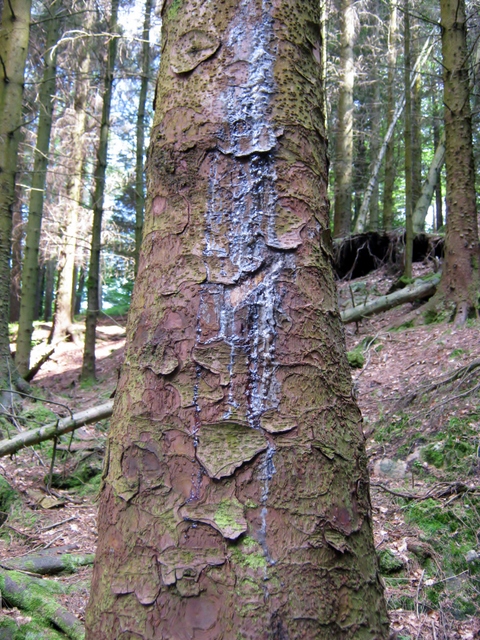
IMG_5211Oozing tree

Almost the first tree I saw showed symptoms of a bleed.

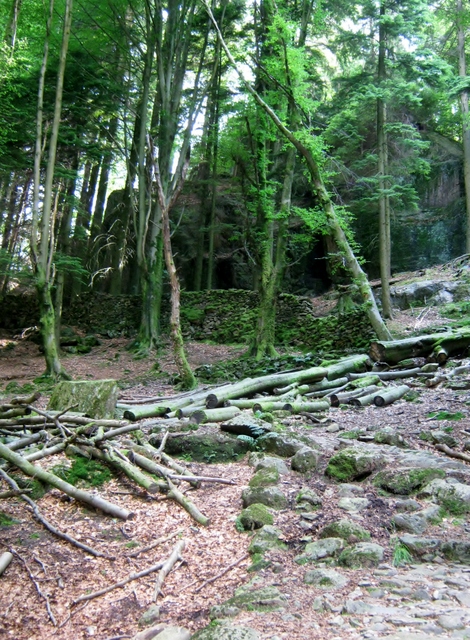
IMG_5212Dobgill wood

Tree-felling in Dobgill wood.

I don’t know why the stone wall was here.  Perhaps it had been constructed before the trees were planted.  Just behind the trees in the photo is a sheer rock face.

IMG_5213Dobgill wood

There was a marked difference between the wood below the car-park near the lake and this part of the higher wood.

IMG_5214Dobgill wood

The trees struggle to grow up between boulders. The native deciduous trees have been left standing.

IMG_5215Chewed fungus

Chewed fungus

IMG_5216Path up through wood

This is the steep stony path we took up through the wood.

IMG_5217Dobgill falls

Dobgill Falls

IMG_5225Dobgill falls

Dobgill Falls

IMG_5227

Dobgill Falls

The climb was very tiring because so steep and rough under-foot and I’m not sure that the falls were really worth the struggle to get to see them.  However, Richard and I were very pleased with ourselves at having managed to get to the top.  After a short rest to get our breath back we began to walk back down the hill.

IMG_5223Heath Bedstraw

Heath Bedstraw (Galium saxatile)

IMG_5224moss

Hypnum cupressiforme moss / Cypress-leaved Plait-moss

I love this moss.  It looks as though it is made from plaited silk.

IMG_5228Wood Sorrel leaves

Wood Sorrel leaves (Oxalis acetosella)

IMG_5230Fungus on dead tree

Fungus (I think) on dead tree

IMG_5234Liverwort

Not a very clear photo of some liverwort

IMG_5236Dobgill wood

Foxgloves (Digitalis purpurea) in Dobgill Wood

I found walking in this upper wood rather a sad experience with disease and death all around.  Because most of the trees in this part of the wood are non-native there are fewer insects, birds, wild flowers and plants than in the lower wood.  Those non-native trees are now being killed by an incurable disease (also known as Sudden Oak Death).  I hope that by destroying these trees the spread of Ramorum can be slowed down and that one day a cure can be discovered.  It would be nice to think that the native trees in the wood that are unaffected might now be able to grow and spread and native wildlife might return.

Thanks for visiting!
 

Share this:

  • Share on X (Opens in new window) X
  • Share on Reddit (Opens in new window) Reddit
  • Share on Pinterest (Opens in new window) Pinterest
  • Share on Facebook (Opens in new window) Facebook
  • Email a link to a friend (Opens in new window) Email
  • Share on Tumblr (Opens in new window) Tumblr
  • Print (Opens in new window) Print
  • Share on Pocket (Opens in new window) Pocket
  • Share on LinkedIn (Opens in new window) LinkedIn
Like Loading...

Thirlmere Reservoir

29 Tue Sep 2015

Posted by Clare Pooley in Days out, Insects, plants, Rural Diary

≈ 38 Comments

Tags

Dobgill Wood, fungus, Helvellyn, insects, moss, plants, slime mould, Thirlmere Reservoir, wild flowers

This post marks the return of posts about our holiday in the Lake District in July.

We spent an afternoon at Thirlmere, a reservoir which was created in 1894 to provide water for the city of Manchester.

IMG_5174Thirlmere

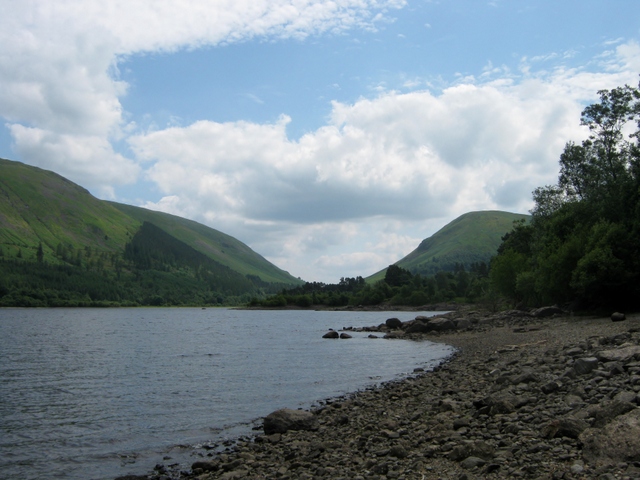
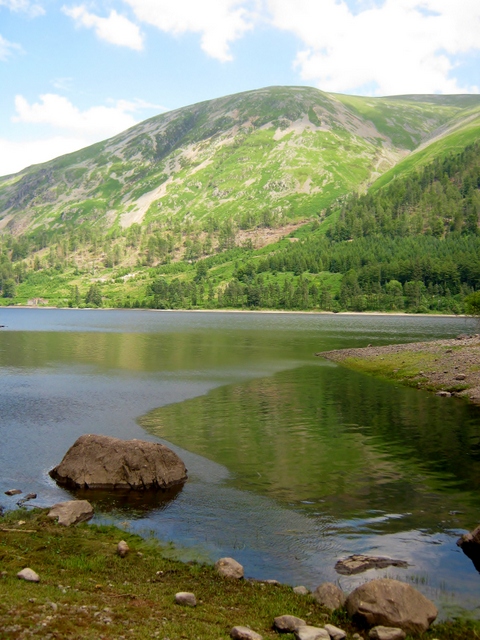
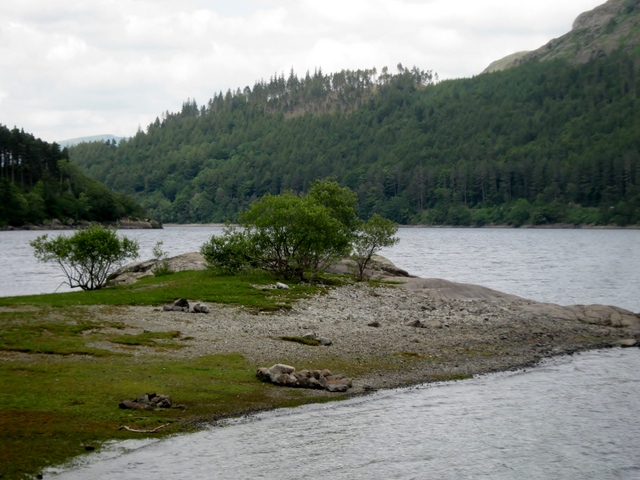
Thirlmere Reservoir. You see here the typical stony, grey edge of a reservoir. I think the fell on the left is Helvellyn.

Thirlmere was originally two smaller lakes and in flooding the valley, the two villages of Amboth and Wythburn were submerged.  Many people protested about the construction of the reservoir, the philanthropist John Ruskin being one of them, but theirs’ was a lost cause.  The citizens of Manchester’s need of fresh water was thought to have been more important than the loss of a couple of villages and a community’s way of life.

IMG_5145Thirlmere reservoir

Thirlmere

Thirlmere is 3.76 miles long and about half a mile wide.  It is surrounded by 2000 acres of coniferous forest, mainly spruce and larch, planted in 1908.  More deciduous, native trees are being planted now.  There was protest at the planting of the forest because the fells were traditionally tree-less and bare.

IMG_5139Woods at Dobgill on banks of Thirlmere

Woods at Dobgill on the banks of Thirlmere.

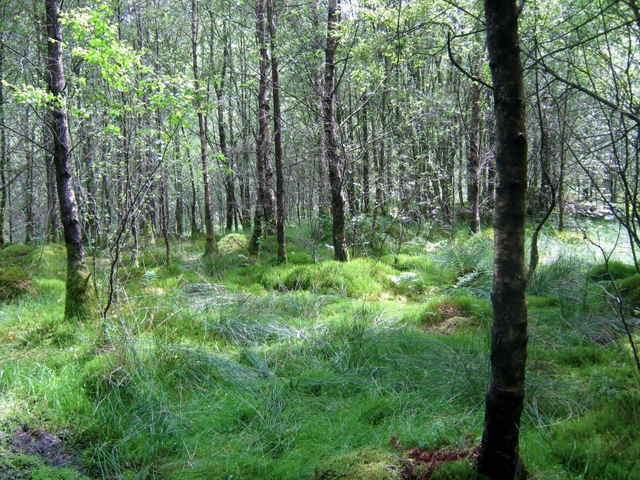
We parked our car in one of the car-parks off the road that skirts the lake and then walked down to the lakeside through a pretty wood.  It was so green and mossy in that wood!

IMG_5141Moss

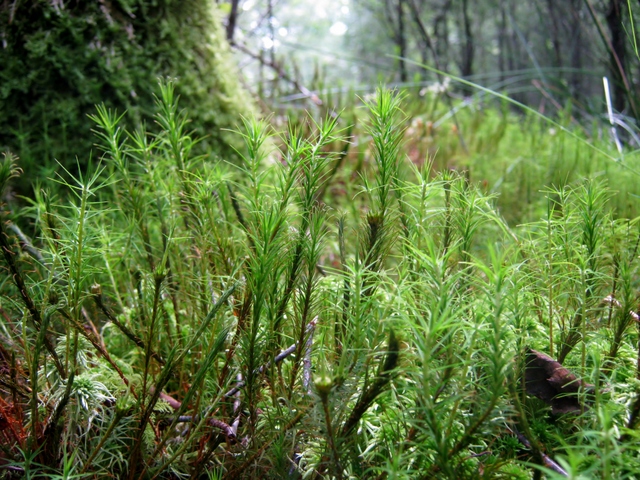
This moss was about 8 inches tall.

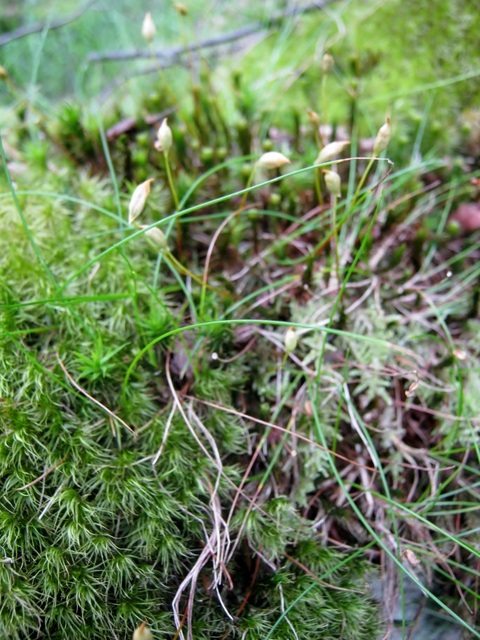
I think the moss may be Polytrichum commune.  I read that it has square capsules with pointed lids.  These capsules can be seen if you look carefully at my photo.

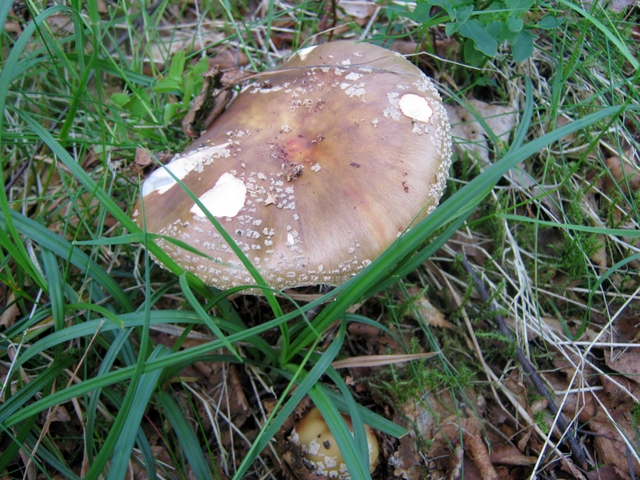
IMG_5142Possibly Amanita

This may be Amanita franchetii

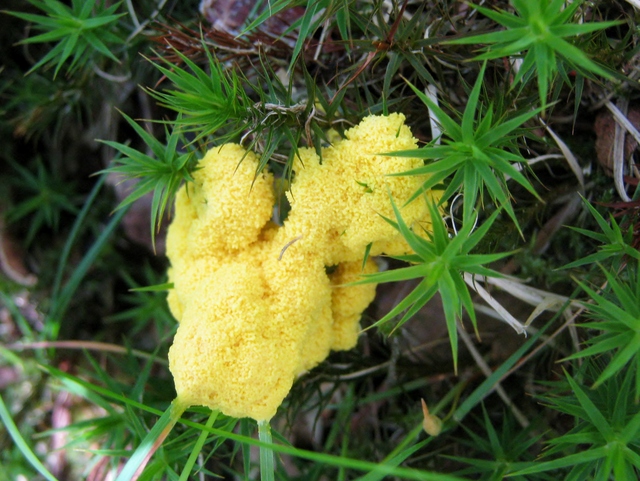
IMG_5144Slime mould

I believe this is a slime mould. It’s bright yellow colour caught my eye.

We soon got to the lake shore where there was a lot more to see.  There were plants living amongst the stones ….

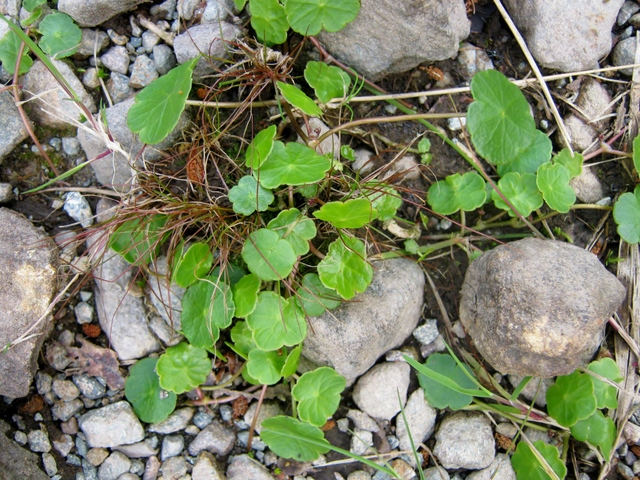
IMG_5146Marsh Pennywort

The leaves of Marsh Pennywort (Hydrocotyle vulgaris).  Marsh Pennywort is an atypical umbellifer.  The flowers are tiny and pale (either green or pink) in small umbels on reddish stems.

…and plants at the edge of the wood.

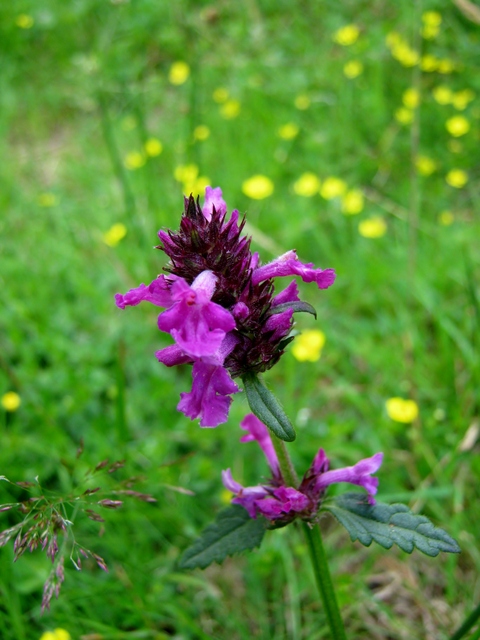
IMG_5148Betony

Betony (Stachys officinalis)

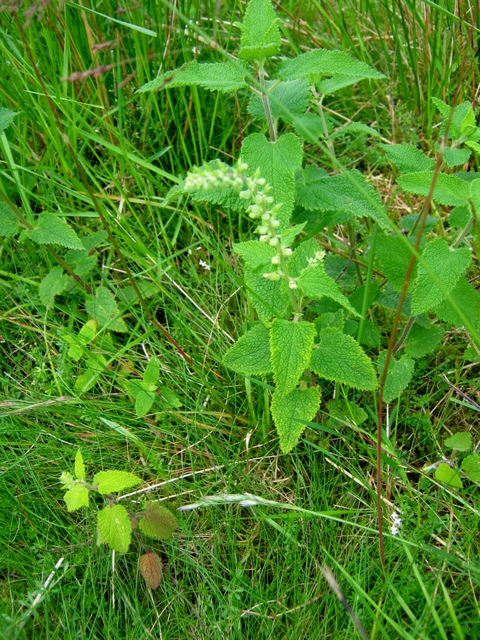
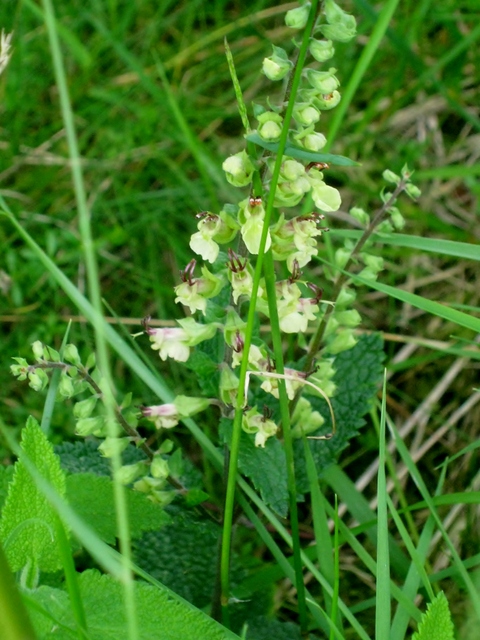
IMG_5152Wood Sage

Wood Sage (Teucrium scorodonia)

This plant tastes and smells like hops and in some areas has been used as a substitute for them.

IMG_5154Wood Sage

Wood Sage

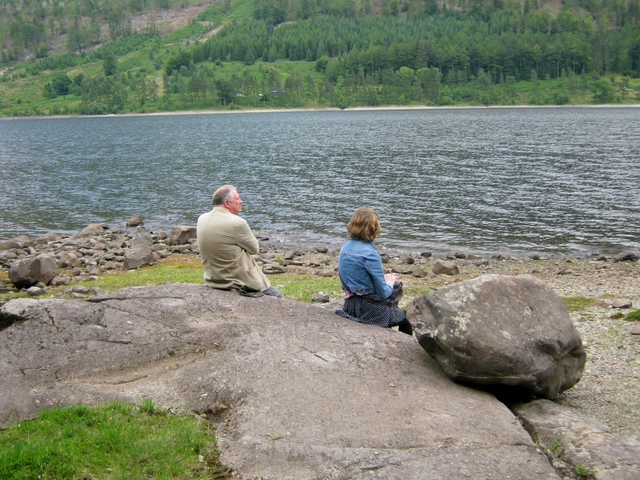
IMG_5158R and E at Thirlmere

Richard and Elinor enjoying the view.

While they sat and relaxed I wandered about looking for plants and other interesting things.

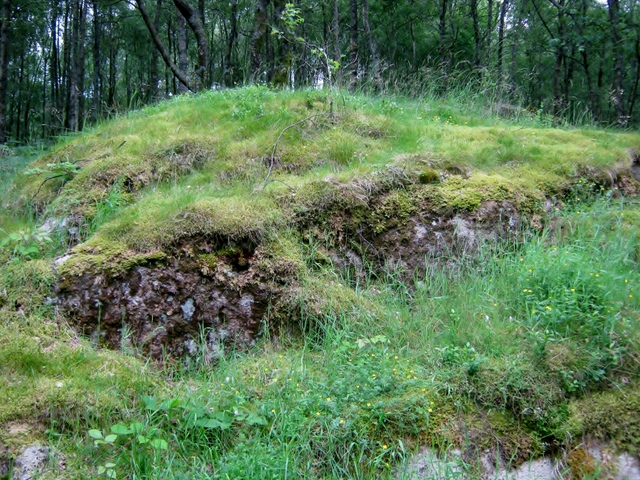
IMG_5159Mossy outcrop

A large mossy hummock or outcrop

This rock was covered with many different types of moss and lichen.

IMG_5156Moss

Moss

IMG_5157Moss

Mosses – the larger one may be Hypnum cupressiforme

IMG_5160Moss

Moss – this one may be Thuidium tamariscinum

IMG_5161Moss

Not a good shot but this moss may be Pseudocleropodium purum

IMG_5162Lichen and moss

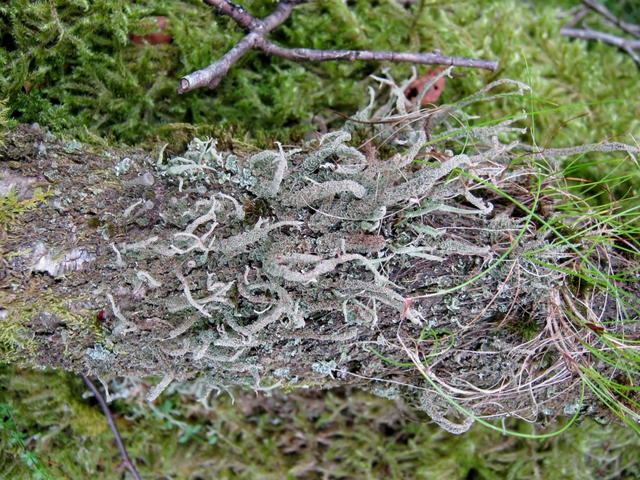
Lichen in amongst the moss.  Not at all sure which this lichen this is!

IMG_5163Mosses

Mosses

IMG_5164Moss

Moss

IMG_5166Moss

Moss

IMG_5167Moss

Yet more mosses!

IMG_5168Lichen

Lichen – for a change!

IMG_5170Moss

Moss

IMG_5172Thirlmere

Thirlmere

IMG_5171Lichen

Lichen with a reddish-brown fruiting body at the bottom right of the picture

IMG_5175Lichen

Lichen

IMG_5176Lichen

Lichen

IMG_5177Lichen

Lichen

IMG_5179Lichen

Lichen

IMG_5178Lichen

Lichen

IMG_5180Fell by Thirlmere

View of a fell from Thirlmere

IMG_5173Marsh Speedwell

Marsh Speedwell (Veronica scutellata)

IMG_5181Water Plantain perhaps

Lesser Water-plantain perhaps? (Baldellia ranunculoides)

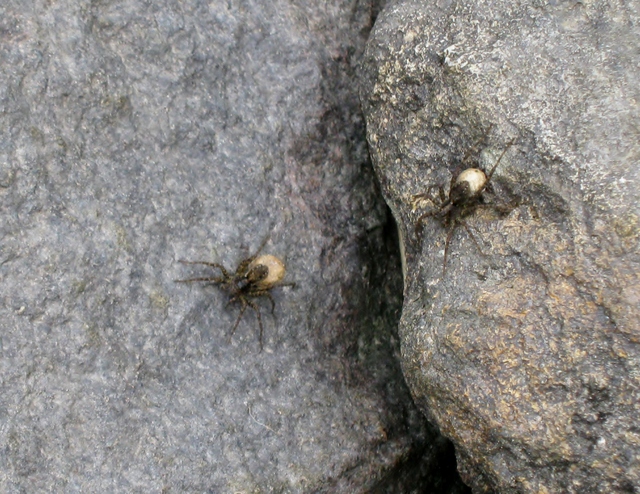
IMG_5187Spiders

These spiders look like Lesser Wolf Spider females carrying their egg sacs

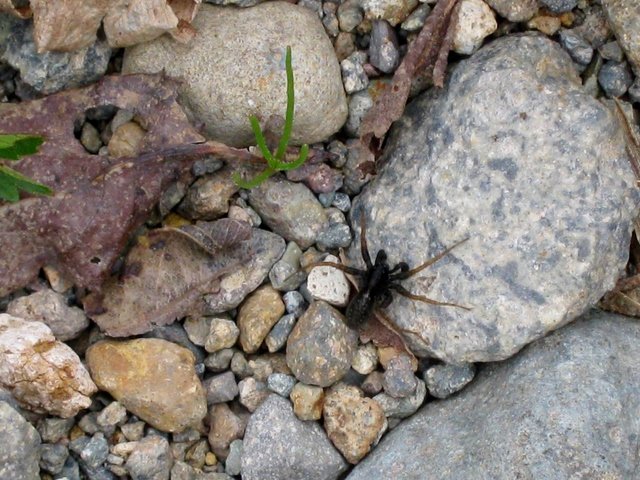
IMG_5188Spider

Another spider

We then walked back up to the car-park but by a different route.

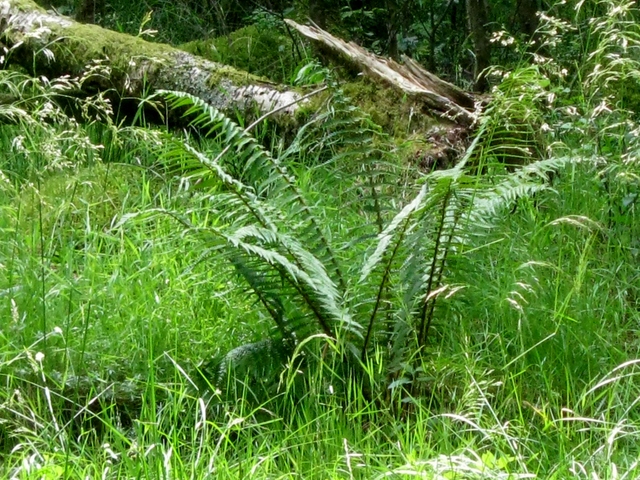
IMG_5190Fern

Possibly a Male Fern (Dryopteris felix-mas)

IMG_5192Fungus on log

Fungus on a dead tree

IMG_5193Mossy wall

A mossy wall

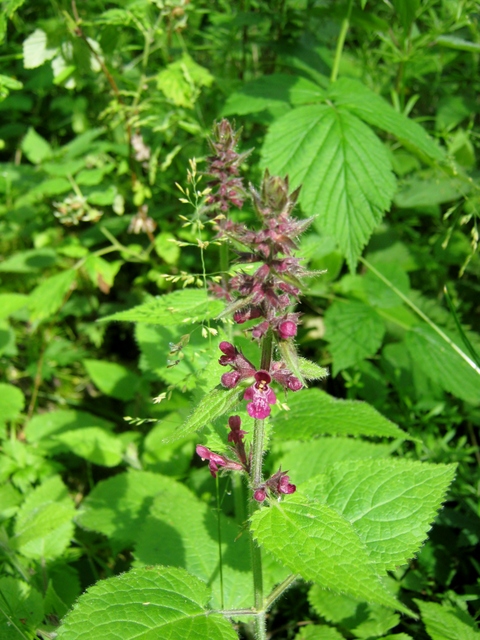
IMG_5194Hedge Woundwort

Hedge Woundwort (Stachys sylvatica)

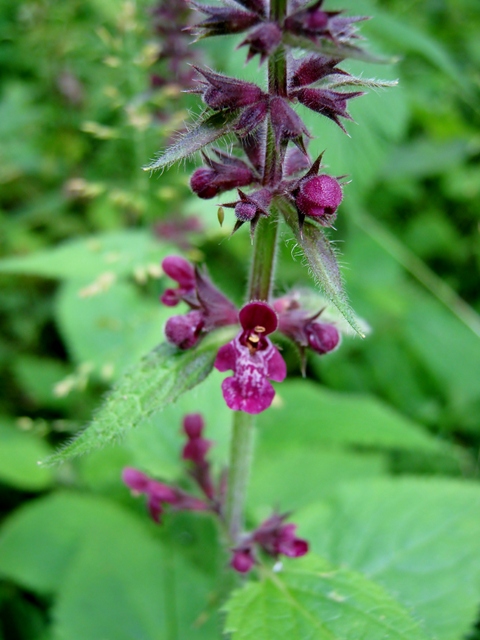
IMG_5196Hedge Woundwort

Hedge Woundwort flowers

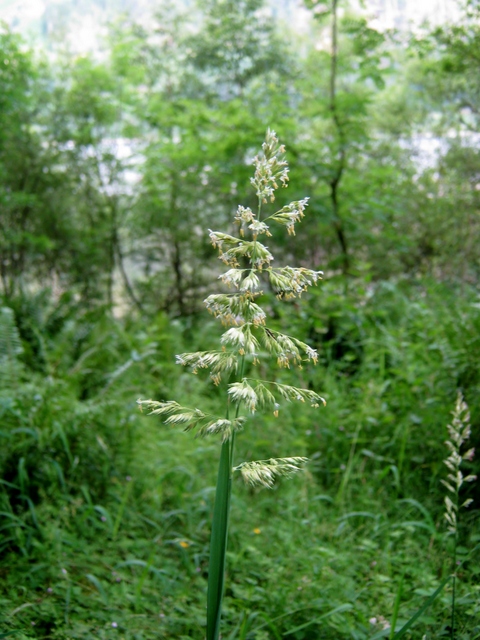
IMG_5197Yorkshire Fog

Yorkshire Fog (Holcus lanatus)

IMG_5198Moss

Moss

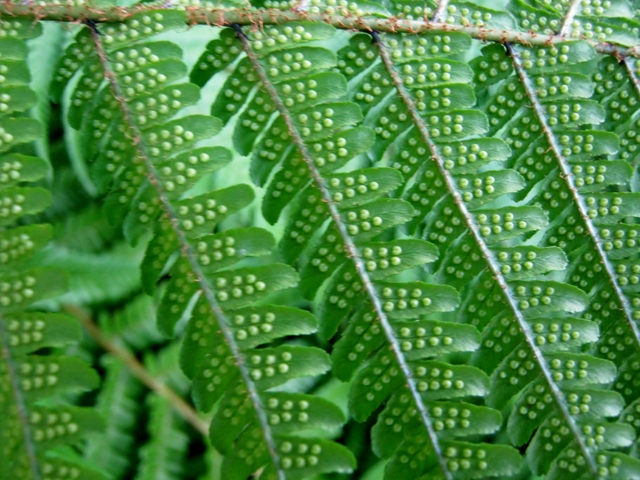
IMG_5202Spores on fern

Spores on fern

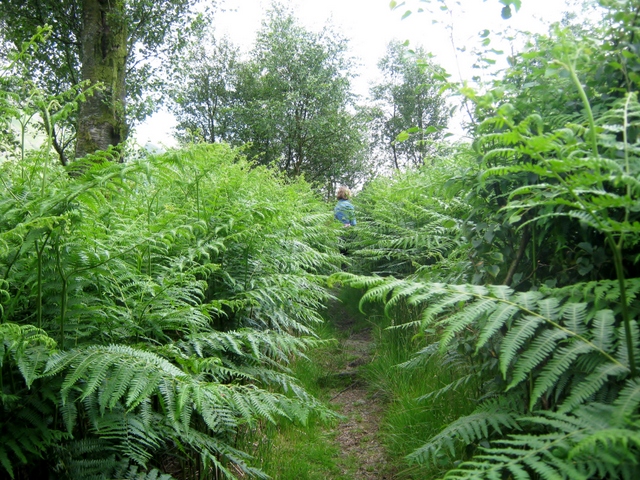
IMG_5205Walking through bracken

Walking through Bracken (Pteridium aquilinum).  Bracken gets very tall – this was over 5.5 feet tall.

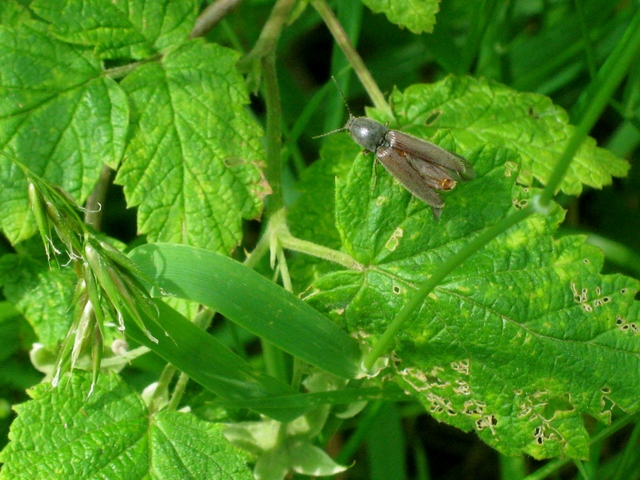
IMG_5204Unknown beetle

I don’t know what this beetle is though it does look a little like a Click Beetle (Athous haemorrhoidalis)

IMG_5206A gill

The Dobgill

IMG_5209Fern

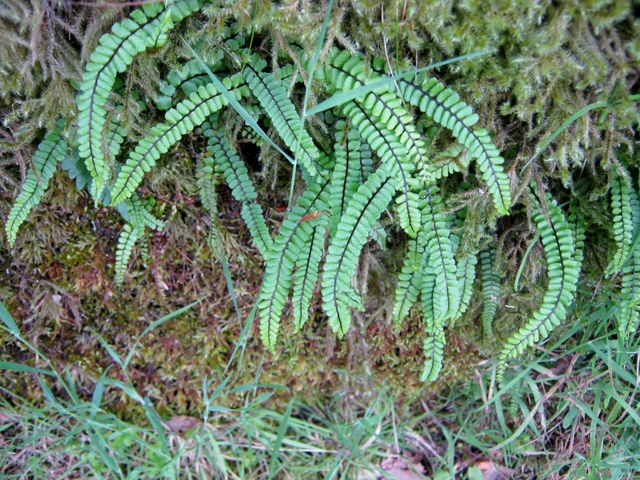
Maidenhair Spleenwort (Asplenium trichomanes)

We returned to the car-park where we left Elinor to rest but Richard and I continued walking as we wanted to see the Dobgill waterfall.  I will include that in a different post.

If anyone sees that I have made any mistakes with my identification I would be really grateful for any corrections.  If anyone can identify any of the organisms I have been unable to name, again, I would be very pleased to know.

Thanks for visiting!


Share this:

  • Share on X (Opens in new window) X
  • Share on Reddit (Opens in new window) Reddit
  • Share on Pinterest (Opens in new window) Pinterest
  • Share on Facebook (Opens in new window) Facebook
  • Email a link to a friend (Opens in new window) Email
  • Share on Tumblr (Opens in new window) Tumblr
  • Print (Opens in new window) Print
  • Share on Pocket (Opens in new window) Pocket
  • Share on LinkedIn (Opens in new window) LinkedIn
Like Loading...

Brancaster Beach

23 Wed Sep 2015

Posted by Clare Pooley in Days out, Rural Diary

≈ 30 Comments

Tags

beach, Brancaster, sand, sand patterns, seaside, seaweed, shells

To mark my birthday I usually ask that we go for a walk together.  The weather at the beginning of September is often warm and hazy and we always see plenty of dragonflies, which pleases me.  This year, to ring the changes, I decided to ask for a family trip to the seaside which was acceded to with enthusiasm.  So much enthusiasm that we went to Dunwich and Southwold as a taster and hors d’oeuvre to the main course.  I then remembered that Mum loves the sea and hasn’t seen it for two or three years and so felt guilty.  I arranged to take her to Dunwich Heath the day after my birthday treat.

I left the choice of beach to Richard as he had kindly offered to drive us there.  He plumped for Brancaster on the north Norfolk coast which is about an hour and three-quarters drive away.  He said we should have lunch in Fakenham on the way and I agreed!

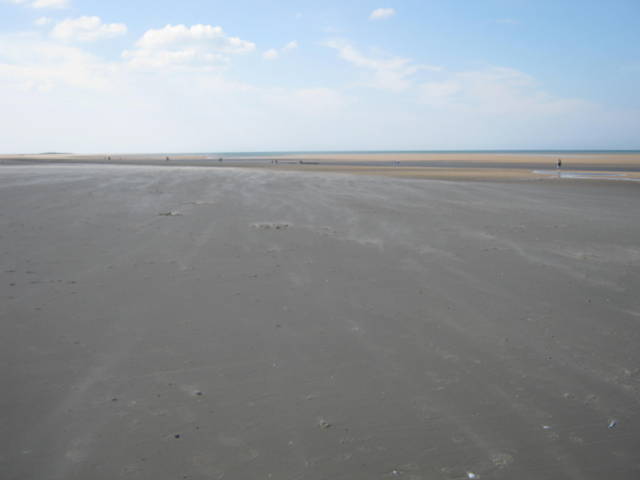
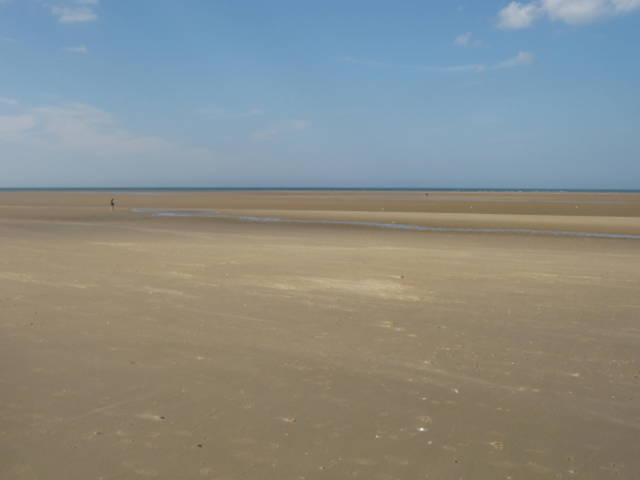
Brancaster Beach

Brancaster Beach

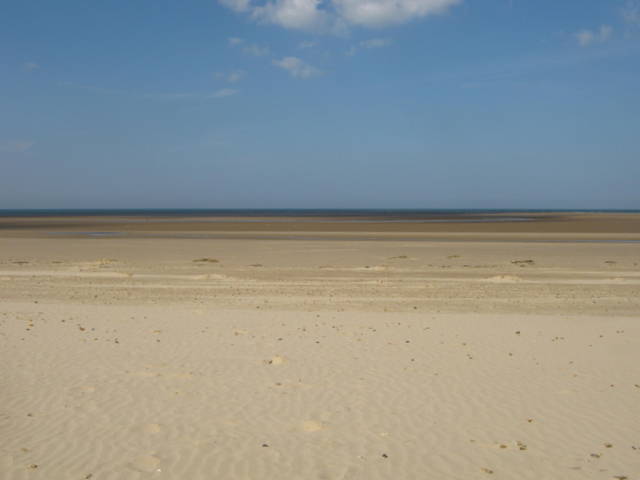
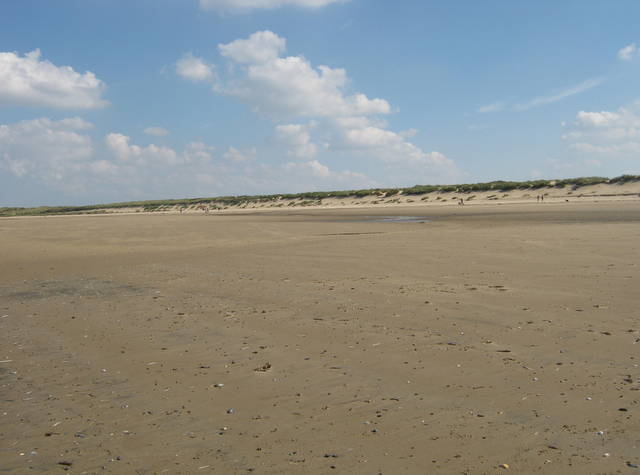
This was our first view of the beach with the sea some distance away.  The sun was shining brightly but there was a strong north-westerly breeze blowing so as usual I was pleased I had brought my jacket.

Brancaster Beach

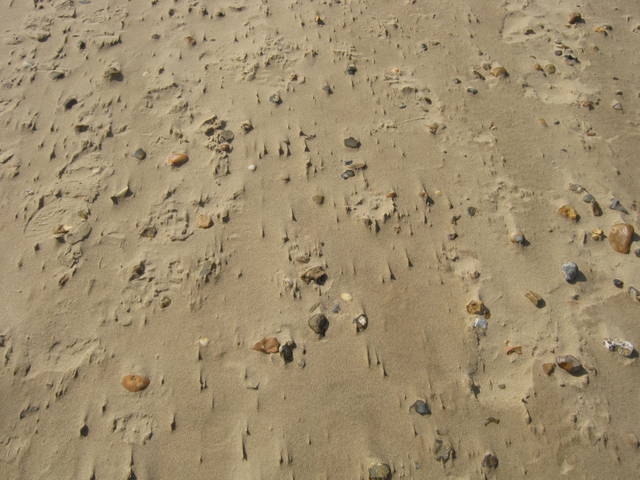
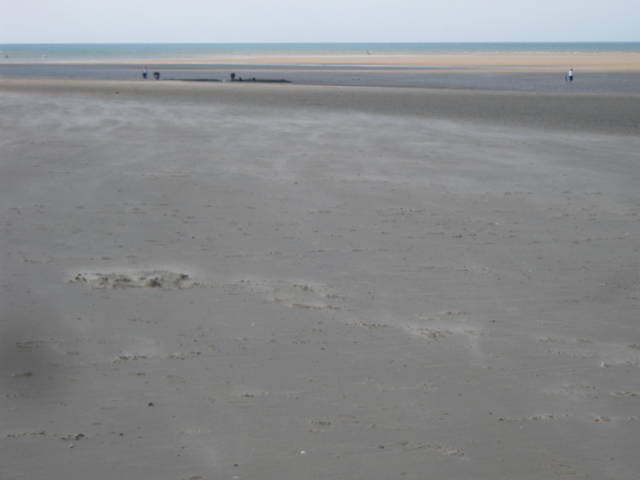
This effect was caused by the wind on the sand.

Brancaster Beach

You can also see the sand blowing across the beach on this picture.

Brancaster Beach

It was a lovely afternoon.

Brancaster Beach

Brancaster Beach

Even when the sun disappeared behind a cloud and the tide began to come in it was still a good afternoon.

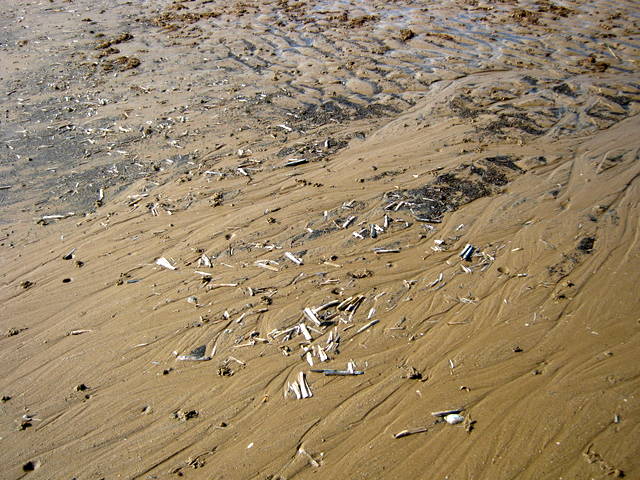
Sand with Worm/Razorshell holes
Worm Casts
Worm Casts
Razor shell and worm casts
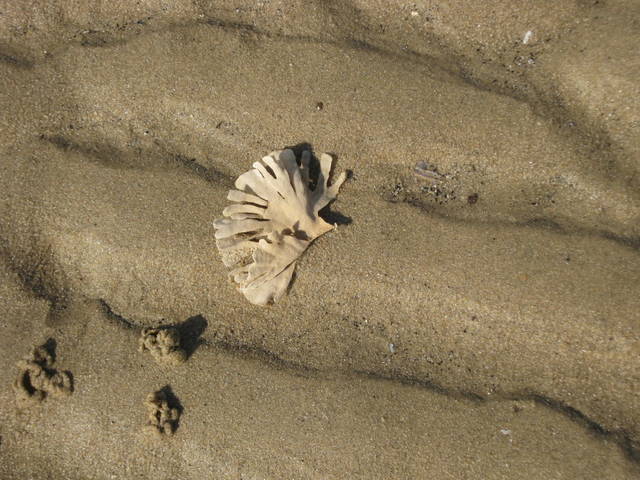
Seaweed - Horn Wrack

Seaweed – Horn Wrack

Sand with crushed shells

Sand with crushed shells

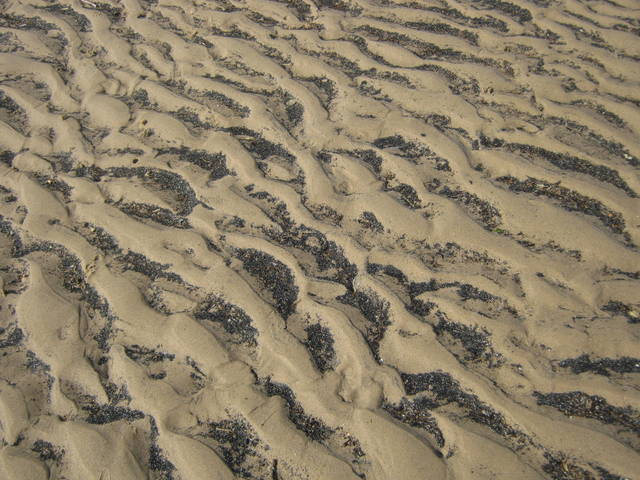
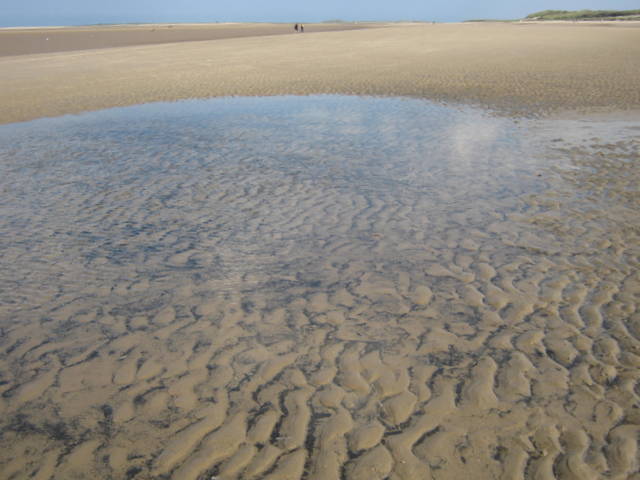
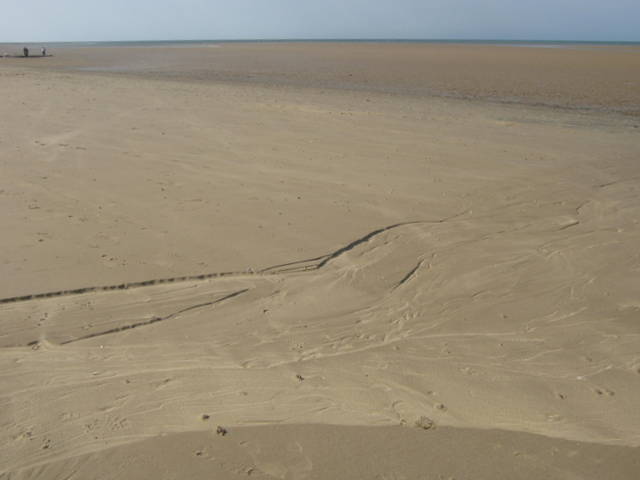
I love the patterns on the sand.

Brancaster Beach

A warm pool in which I saw tiny fish and shrimps.

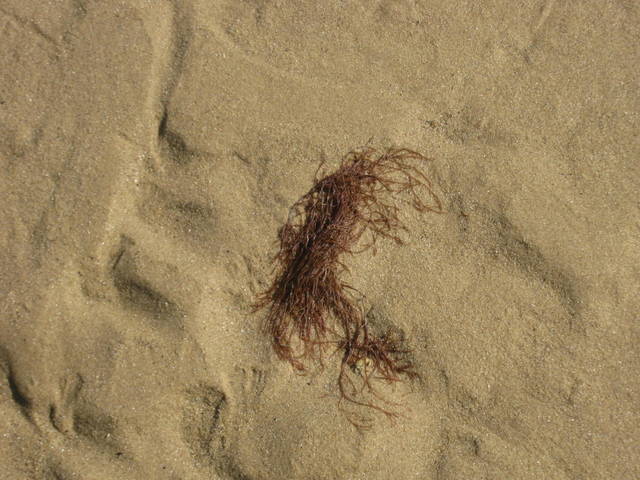
Seaweed -

Seaweed –

Razorshells

Razorshells (Ensis arcuatus)

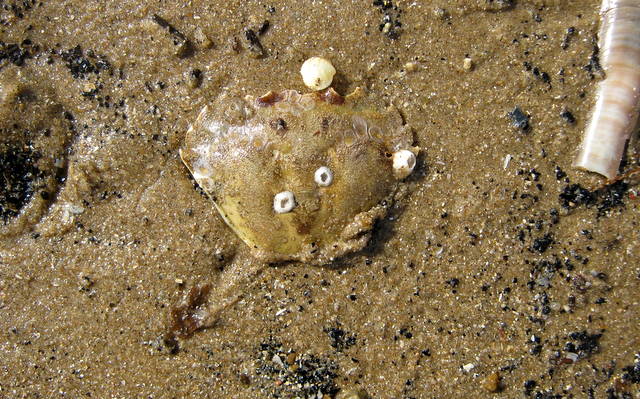
Crab Carapace

Crab Carapace

I wonder if the limpets were living on the crab shell before it died.  The shell at the top of the photo is a cockle shell.

Brancaster Beach

A view of the sand dunes

Brancaster Beach

More sand patterns

Brancaster Beach

Kite surfing

Brancaster Beach

Brancaster Beach with Flock of Birds - Oyster Catchers

A flock of Oyster Catchers (Haematopus ostralegus)

Once the tide starts to turn it is advisable to get as close to the sand dunes as possible as quickly as you can.  The water races in and if you are stranded on a sand bank it is not very pleasant!  There is a ship-wreck on one of the sand banks which attracts a lot of people and the channels of water are warm to paddle in.  It is easy to lose your sense of time here. Three children have died on this beach in the last ten years.

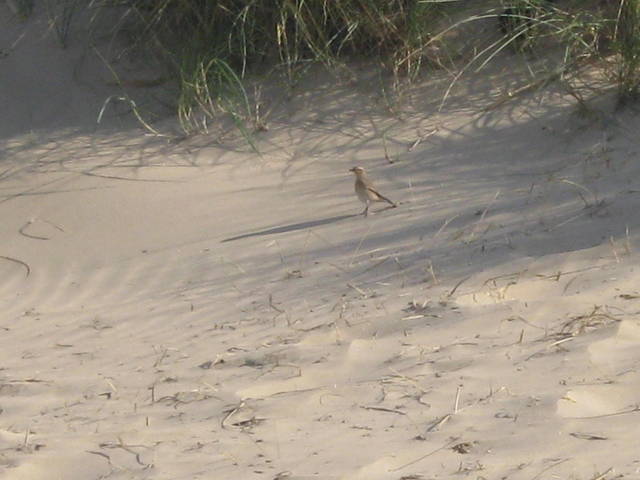
Bird

I cannot identify this bird.  It may be a female wheatear (Oenanthe oenanthe).  It behaved like one, running about on the sand and through the grass catching insects.  I just couldn’t get near enough to it.

Whelk Egg-cases

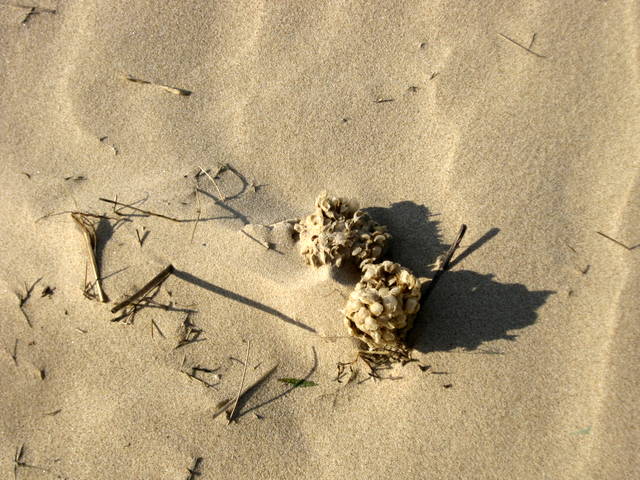
Whelk (Buccinum undatum) Egg-cases

Brancaster Beach

The tide approaching

Sea Buckthorn

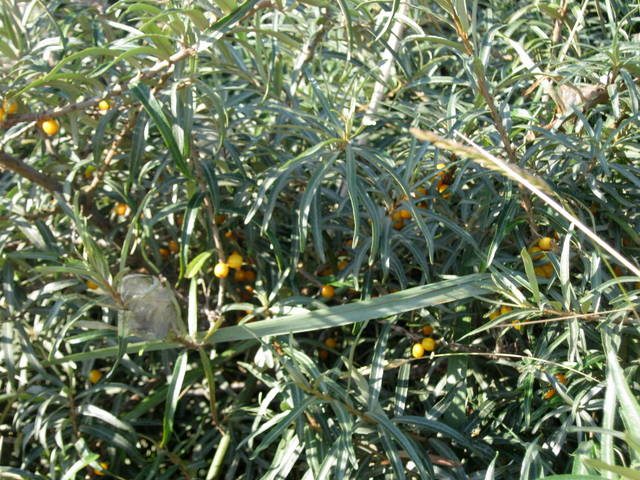
Sea Buckthorn (Hippophae rhamnoides)

I found some Sea Buckthorn with berries.

View Inland from Brancaster Beach

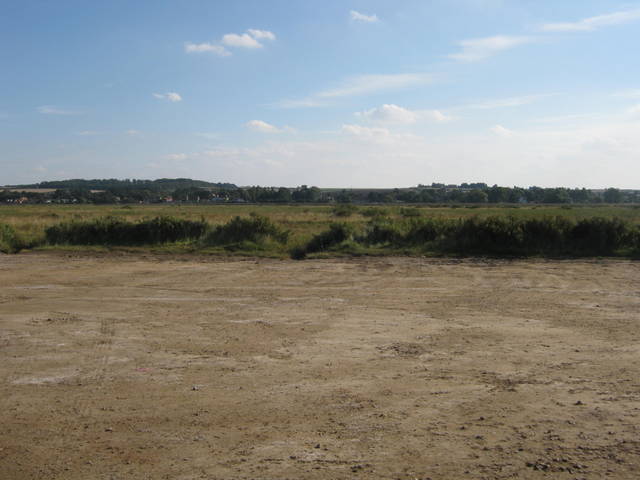
View inland from Brancaster Beach car park

View Inland from Brancaster Beach

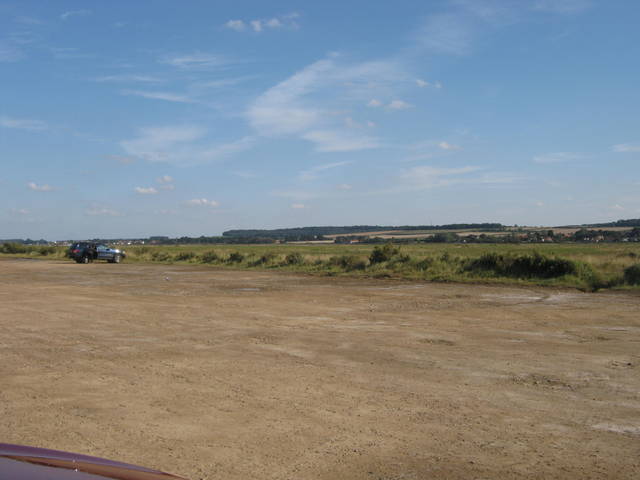
Another view inland

Altogether, a perfect day!

Thanks for visiting!
Share this:

  • Share on X (Opens in new window) X
  • Share on Reddit (Opens in new window) Reddit
  • Share on Pinterest (Opens in new window) Pinterest
  • Share on Facebook (Opens in new window) Facebook
  • Email a link to a friend (Opens in new window) Email
  • Share on Tumblr (Opens in new window) Tumblr
  • Print (Opens in new window) Print
  • Share on Pocket (Opens in new window) Pocket
  • Share on LinkedIn (Opens in new window) LinkedIn
Like Loading...
← Older posts
Newer posts →
Follow A Suffolk Lane on WordPress.com

Enter your email address to follow this blog and receive notifications of new posts by email.

Join 715 other subscribers.

Unknown's avatar

I talk about what it's like living in a quiet part of Suffolk. I am a wife, mother and daughter, a practising Christian and love the natural world that surrounds me. I enjoy my life - most of the time!

My Posts

Jan 2026
M T W T F S S
 1234
567891011
12131415161718
19202122232425
262728293031  
« Dec    

Pages

  • About my Blog
  • GDPR (General Data Protection Regulations) and This Site
  • My Life in a Suffolk Lane

Archives

Blogs I Follow

Unknown's avatar
Unknown's avatar
Unknown's avatar
Unknown's avatar
Unknown's avatar
Unknown's avatar
Unknown's avatar
Unknown's avatar
Unknown's avatar
Unknown's avatar
Unknown's avatar
Unknown's avatar
Unknown's avatar
Unknown's avatar
Unknown's avatar
Unknown's avatar
Unknown's avatar
Unknown's avatar
Unknown's avatar

Posts I Like

  • Unknown's avatar
  • Unknown's avatar
  • Unknown's avatar
  • Unknown's avatar
  • 60onabudget's avatar
  • Unknown's avatar
  • Unknown's avatar
  • Unknown's avatar
  • Unknown's avatar
  • bitaboutbritain's avatar
  • Stephen G. Hipperson's avatar
  • Secret Diary of A Country Vicar's Wife's avatar
  • Unknown's avatar
  • DoF@theinfill's avatar
  • Limentinus's avatar
  • aho's avatar
  • Rich's avatar
  • Unknown's avatar
  • Unknown's avatar
  • Unknown's avatar
  • Unknown's avatar
  • NEERAJ SINGH's avatar
  • quietsolopursuits's avatar
  • Unknown's avatar
  • Luso Loonie — Devin Meireles's avatar
  • John’s Postcards's avatar
  • Unknown's avatar
  • Unknown's avatar
  • Unknown's avatar
  • Andrea Stephenson's avatar
  • Annika Perry's avatar
  • Wayne Wolfson's avatar
  • Unknown's avatar
  • Unknown's avatar
  • Unknown's avatar
  • Unknown's avatar
  • Unknown's avatar
  • Unknown's avatar
  • Unknown's avatar
  • Unknown's avatar
  • Unknown's avatar
  • The Introverted Bookworm's avatar
  • mitchteemley's avatar
  • Martha's avatar
  • Schnippelboy's avatar
  • Unknown's avatar
  • Unknown's avatar
  • Unknown's avatar
  • Bernard Aybout (Virii8)'s avatar
  • Unknown's avatar

amphibians architecture art Arts and Crafts churches cooking Days out domestic animals family fish Folk Traditions Gardening Historic Buildings holidays Insects Landscaping literature music Norwich plants Rural Diary seashore theatre trees Uncategorized walking weather wild animals wild birds wild flowers

Tags

architecture autumn birds blackbird blackthorn Bungay butterfly church clouds common knapweed cow parsley crocus daffodils Diary dogwood family field maple flowers fungus garden gardening geese greylags ground-ivy Halesworth Hawthorn heather holiday Holly Holy Week horse chestnut Hoverfly insects ivy Lake District Lent lesser celandine lichen Lords and Ladies Mallard mallards Minsmere moorhen moss music Norwich Peak District pheasant plants pond ponds primrose primroses Rain rooks Rumburgh Rumburgh Church sheep Sheffield snow snowdrops Southwold spring Suffolk Suffolk Wildlife Trust sunset the Beck trees viburnum bodnantense walking weather wild cherry wild flowers winter-flowering honeysuckle witch-hazel

Meta

  • Create account
  • Log in
  • Entries feed
  • Comments feed
  • WordPress.com

Goodreads

Blog at WordPress.com.

Book Jotter

Reviews, news, features and all things books for passionate readers

Country Life Blog -

A blog about life in the country in the past and present

Matthew Paul: Poetry & Stuff

Poetry and what-not

Schnippelboy

Ein Tagebuch unserer Alltagsküche-Leicht zum Nachkochen

TAMARA JARE

TAMARA JARE Tamara Jare: Contemporary Figurative Painting Oil on Canvas Artist Art Studio

A Taste of Freedom

Documenting a Dream

Country Ways

Rambling Journeys in Britain, Countryside Matters and campaigning for the Right to Roam

The Strawberry Post

Here to Entertain, Educate & Inspire!
a north east ohio garden

an ongoing experiment in the dirt, 35 plus years

naturechirp

Celebrating God's creatures, birds and plants...

Sophie Neville

Writer

Going Batty in Wales

Developing a more sustainable lifestyle in SW Wales

Our Lake District Escapades

Exploring the Lake District and beyond

Short Walks Long Paths

Wandering trails around the coast of Wales

The Biking Gardener

An English persons experience of living and gardening in Ireland

Nan's Farm

A Journal Of Everyday Life

Walk the Old Ways

Rambling Journeys in Britain with John Bainbridge. Fighting for the Right to Roam. Campaigning to Protect Our Countryside.

Writer Side UP!

Waking the Writer Side...and keeping it "Up!"

Meggie's Adventures

Travel, thank you notes and other stories

amusicalifeonplanetearth

Music and the Thoughts It Can Inspire

lovefoundation.co.uk

Traveling Tortuga

Simply Living Well

Pakenham Water Mill

Historic watermill in the beautiful Suffolk countryside

Take It Easy

Retired, not expired: words from the after(work)life. And music. Lots of music!

Secret Diary Of A Country Vicar's Wife

By Olive Oyl

thanksfortheadventureorg.wordpress.com/

The Beat Goes On

#TBGO

Frank Pleszak's Blogs

Twitter: @frankpleszak @PolishIICorps

John Bainbridge Writer

Indie Writer and Publisher

roughwighting

Life in a flash - a bi-weekly storytelling blog

Walking the Old Ways

Rambling in the British Countryside

CapKane

thoughts on social realities

SkyeEnt

Jottings from Skye

jodie richelle

embracing my inner homemaker

Skizzenbuch/Blog

Just another WordPress.com weblog

Have Bag, Will Travel

The Call of the Pen

Flash Fiction, Book Reviews, Devotionals and other things.

John's Postcards

Art in Nature

You dream, I photographe it !

Smile! You’re in Barnier World......

theinfill

the things that come to hand

Dr. Mary Ann Niemczura

Author of "A Past Worth Telling"

Provincial Woman

The Pink Wheelbarrow

Luanne Castle: Poetry and Other Words (and cats!)

Poetry, Other Words, and Cats

The Family Kalamazoo

A genealogical site devoted to the history of the DeKorn and Zuidweg families of Kalamazoo and the Mulder family of Caledonia

everythingchild

The Book Owl

Canberra's Green Spaces

Paul Harley Photographer

  • Subscribe Subscribed
    • A Suffolk Lane
    • Join 715 other subscribers.
    • Already have a WordPress.com account? Log in now.
    • A Suffolk Lane
    • Subscribe Subscribed
    • Sign up
    • Log in
    • Report this content
    • View site in Reader
    • Manage subscriptions
    • Collapse this bar
 

Loading Comments...
 

    Privacy & Cookies: This site uses cookies. By continuing to use this website, you agree to their use.
    To find out more, including how to control cookies, see here: Cookie Policy
    %d