• About my Blog
  • GDPR (General Data Protection Regulations) and This Site
  • My Life in a Suffolk Lane

A Suffolk Lane

~ A diary of my life in rural north Suffolk.

A Suffolk Lane

Category Archives: Gardening

Highlights Part 2

10 Sat Dec 2016

Posted by Clare Pooley in Gardening, Insects, music, plants, Rural Diary, seashore, weather, wild birds, wild flowers

≈ 75 Comments

Tags

'Something in the Way She Moves', alderfly, azure damselfly, cactus flowers, communal mining bee, Early Purple Orchid, echinopsis oxygona, Four-spotted Chaser, greenfinch, highlights, Jacob sheep, lambs, oedemera nobilis, pond water-crowfoot, red campion, Robin, Southwold, Suffolk, The Beatles, the moon, The Saints Benefice in north Suffolk, the sea, thrift

The weather in May was changeable; cold, wet and windy for a few days then a couple of days of warmth and sunshine then back to cool and damp.  The beginning of June wasn’t much different.

These first photos were taken towards the end of May in our garden or within a short walk of home.
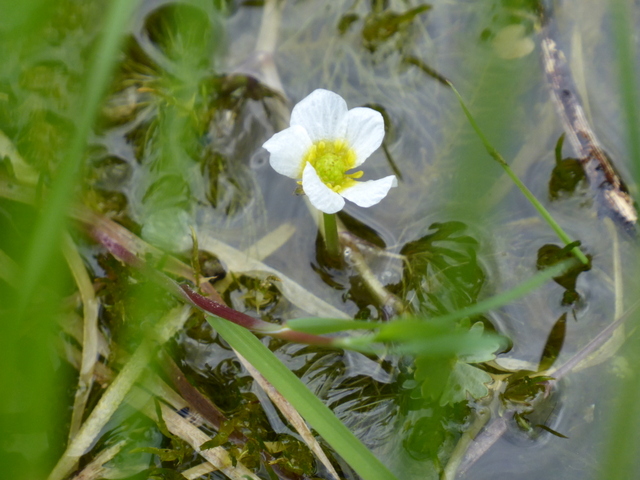
p1000277pond-water-crowfoot

Pond Water-crowfoot (Ranunculus peltatus) has two sorts of leaves; the submerged leaves are thread-like but the floating leaves have rounded lobes. I found this plant in the pond at the front of the house. It is a relative of the buttercup and appeared here for the first time this year.

p1000320alder-fly-001

Alderfly (Sialis lutaria) In this country we have just three species of alderfly and they are virtually indistinguishable from each other. One (this one I believe) favours still or slow-moving water and the other two prefer running water.

Adult alderflies are weak-flying insects and never move far away from water.  The two or three weeks they spend as an adult are almost entirely taken up with looking for a mate.  Most don’t bother feeding but some may nibble a little pollen or algae if they are in need of sustenance.

Mining bee
Mining bee
Mining bee
Mining bee

I think this Mining bee is a Communal mining bee (Andrena scotica).  The females share a tunnel entrance but have separate nests underground.  They prefer slightly open ground and so are often found near paths.  I discovered this one while I was weeding and I think I had probably disturbed her nest.  She was making a lot of noise; I am sure she was very cross!
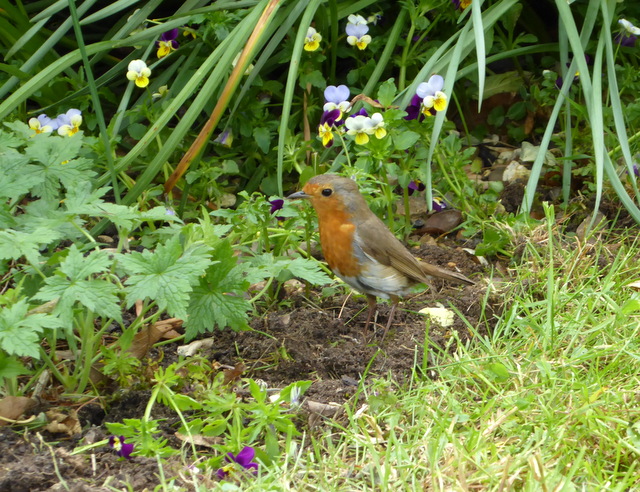
p1000330robin-001

I was being helped in my task by a friendly Robin (Erithacus rubecula)

ooOOoo

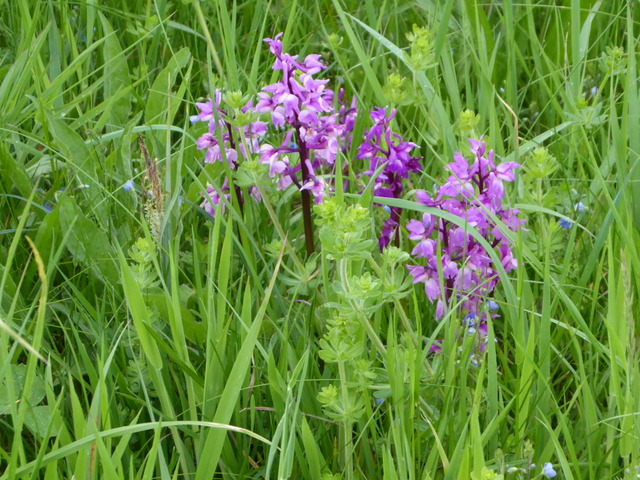
Richard had noticed some orchids on the grass verge of a lane near us so we set off to walk to where they were growing.  I took a couple of photos on the way.
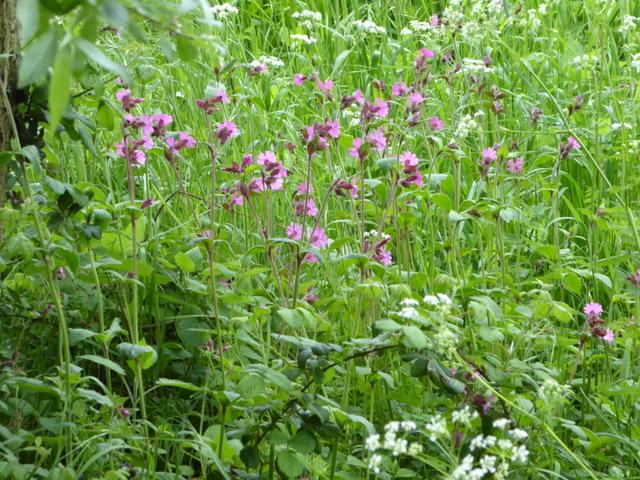
p1000333red-campion

Lots of Red Campion (Silene dioica)

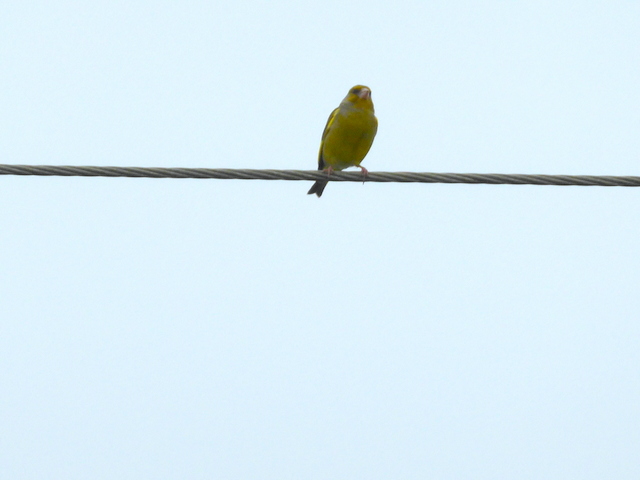
p1000343greenfinch

A Greenfinch (Carduelis chloris). I had to zoom as far as my camera was capable to enable me to get this rather grainy shot.

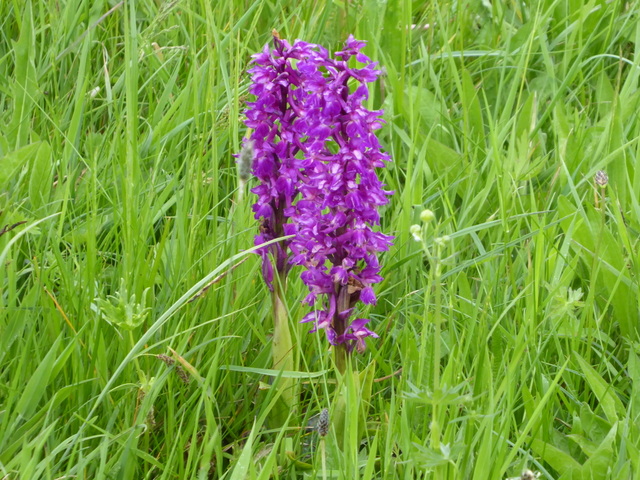
p1000345early-purple-orchid

Early Purple Orchid (Orchis mascula)

p1000346early-purple-orchid

Early Purple Orchid

p1000349early-purple-orchid

Early Purple Orchid

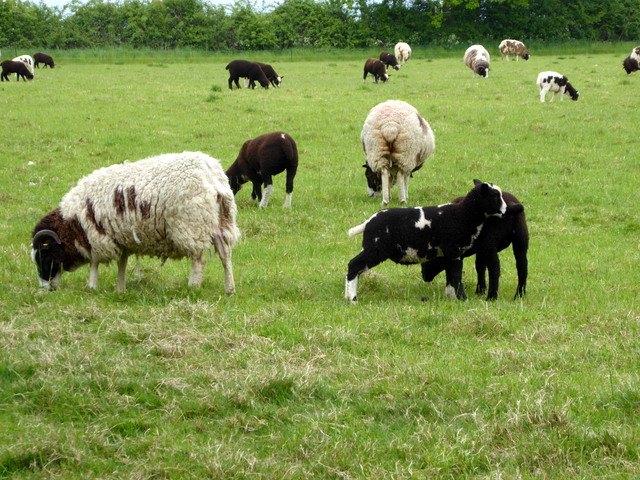
p1000367jacob-sheep

We walked past a field full of Jacob sheep on the way back home
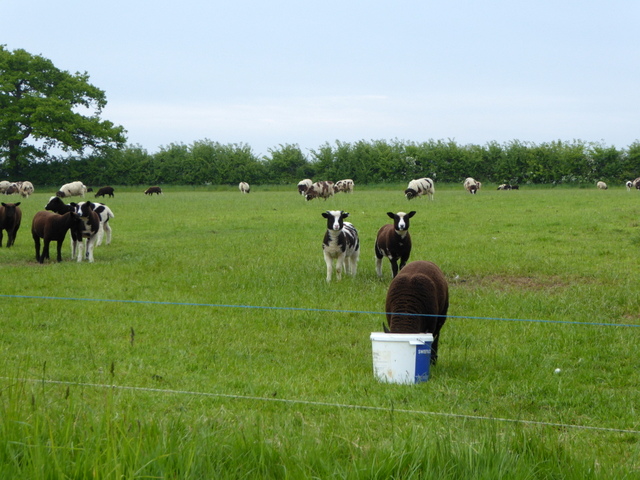
p1000368jacob-sheep

They are more like goats than sheep and the lambs are very endearing and inquisitive.

ooOOoo

At the very end of May we visited one of our local seaside resorts, Southwold, on a very cool and windy day.
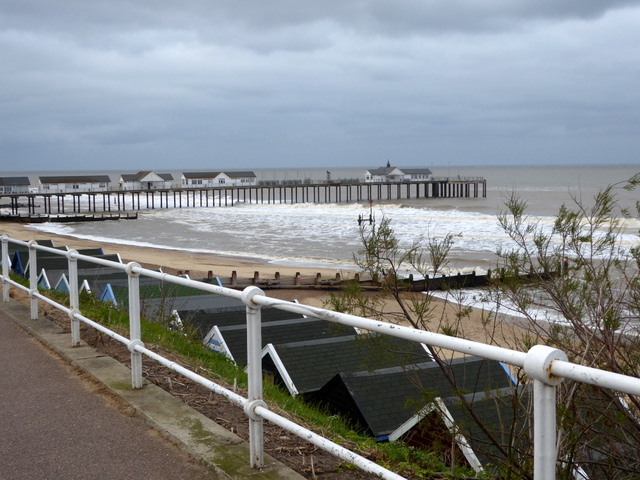
p1000371southwold

Oh we do like to be beside the seaside!
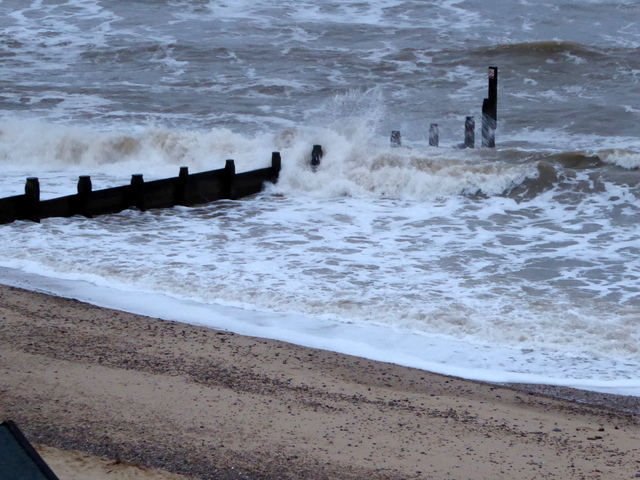
p1000386southwold

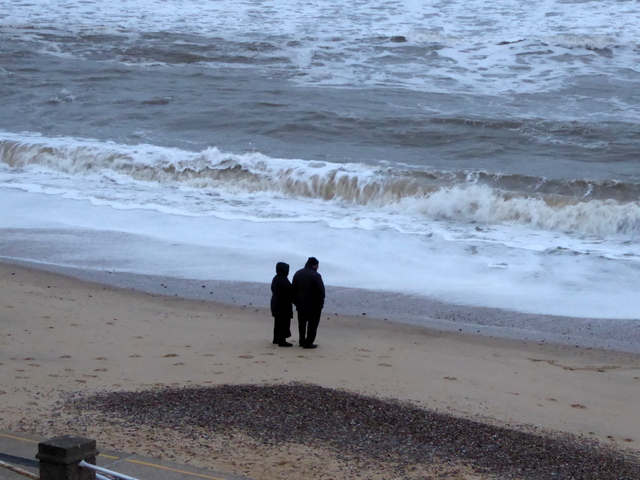
The sea was rough…

p1000387southwold

…but this couple were happy to be there watching the waves together. Note how well wrapped up they were!
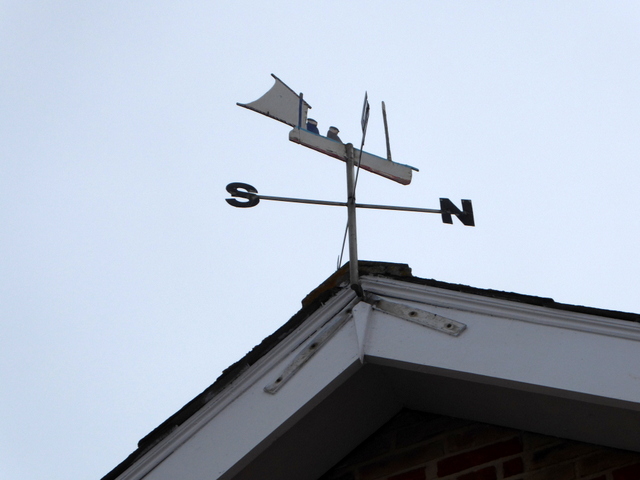
p1000375southwold

I like this weather vane on top of the Southwold Sailor’s Reading Room
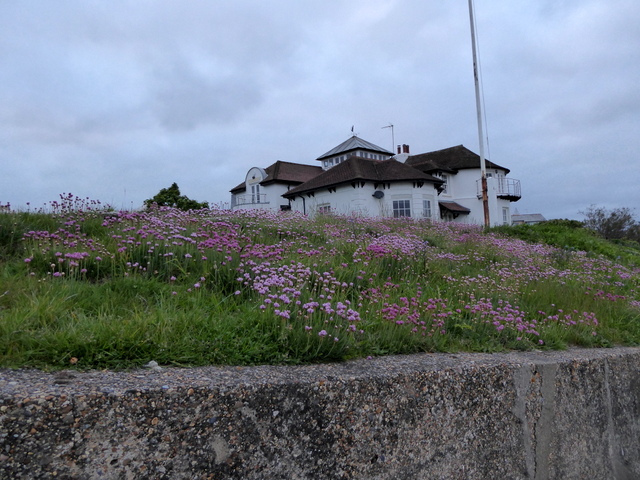
p1000377southwold

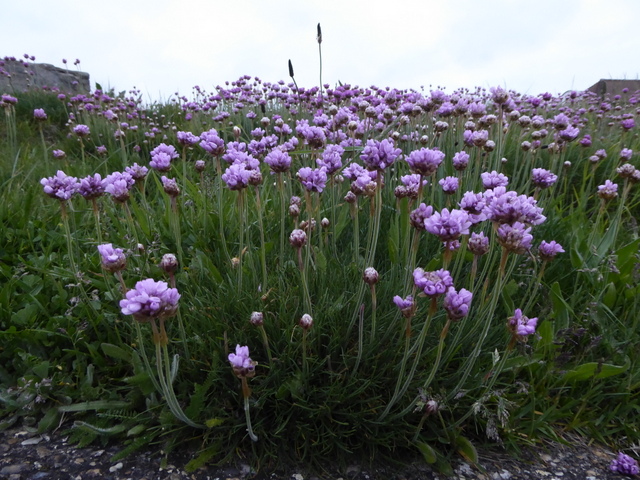
These flowers caught my eye

p1000378southwold

Thrift (Armeria maritima)

ooOOoo

Within a day or so of our trip to Southwold the sun came out again and I was able to find insects to photograph.
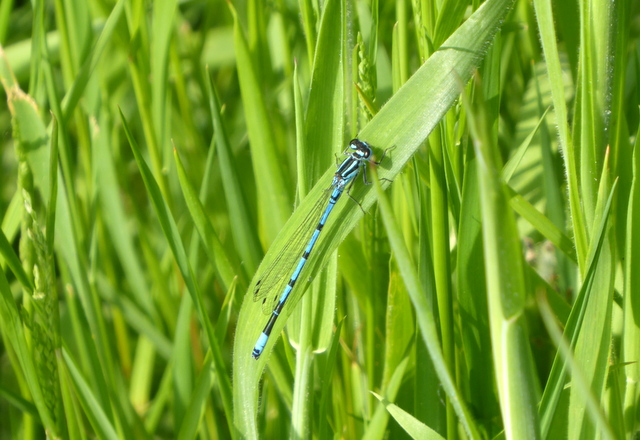
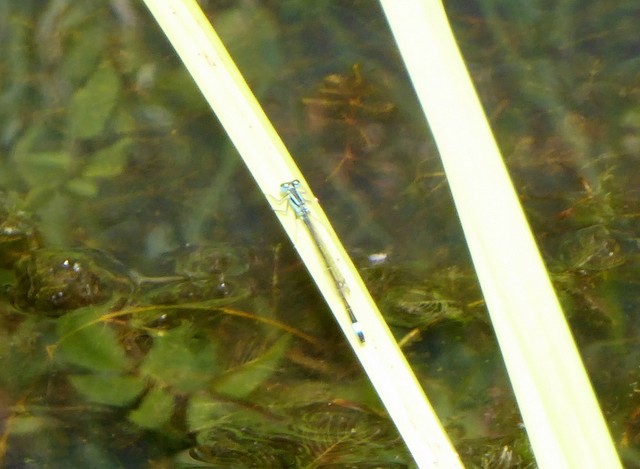
p1000392damselfly

Azure Damselfly (Coenagrion puella)

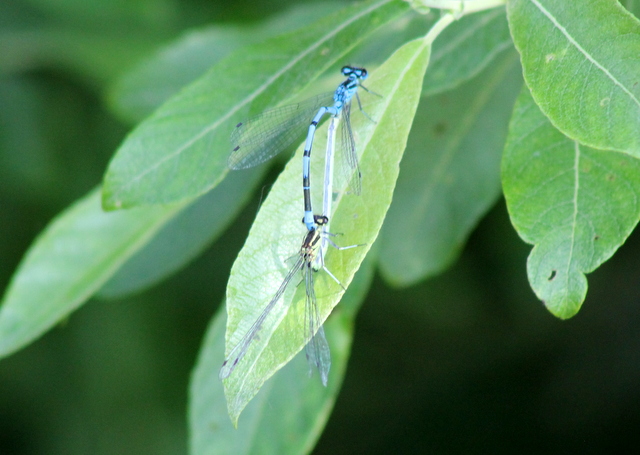
img_2756damselflies

Male and female Azure damselflies

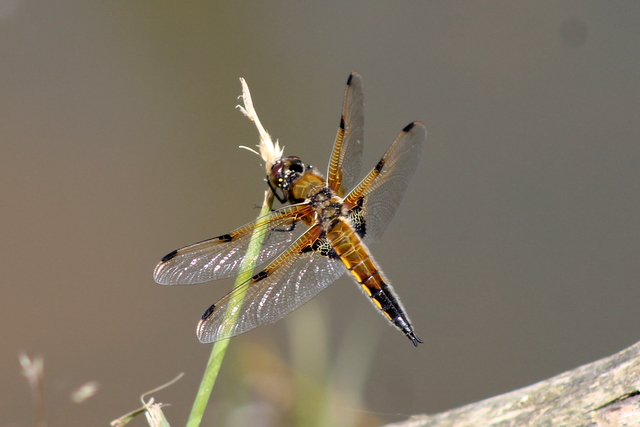
img_2766dragonfly-001

Male Four-spotted Chaser dragonfly (Libellula quadrimaculata)

My field guide says these dragonflies are rather dull but I don’t find them so.
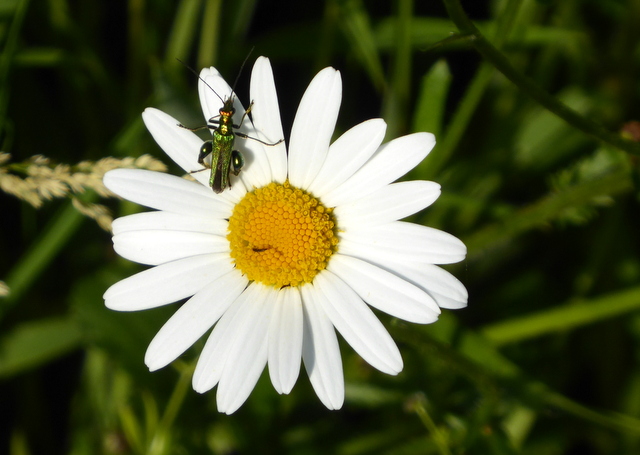
p1000468oedemera-nobilis

Male Oedemera nobilis.  A beetle that feeds on pollen; only the males have the swollen hind-legs.

ooOOoo

Just a few photos I took towards the middle of June.
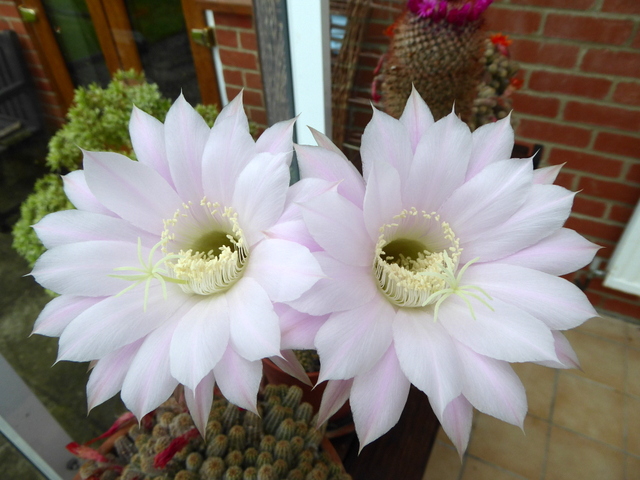
p1000475cactus-flowers

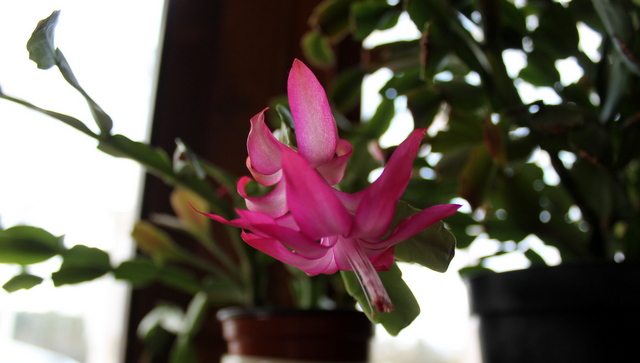
Beautifully scented cactus flowers – Echinopsis oxygona
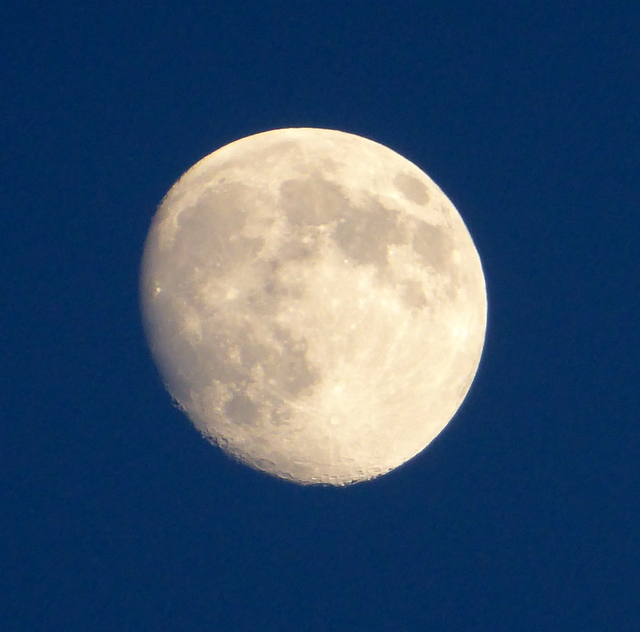
p1000485moon

The moon

And finally a slideshow of a field of Common Poppies (Papaver rhoeas) I saw from the road at Ilketshall St. John this summer.  I wished I could get closer to it!  I think you may also appreciate this link.  It is a wonderful description of where I live and also has praise in it for our Rector who will be retiring next August.

This slideshow requires JavaScript.

My music today is from the Beatles.  Many of you will know why I have chosen this today (though I am a couple of days late as usual!).  I was a student living in Liverpool at the time and heard the news of John’s death as I made my toast for breakfast on the 9th of December.  Thirty-six years ago!  I was surprised later to hear he had been shot on the 8th of December but I had forgotten the time difference.  Listen to the superbly melodic bass playing!

Thanks for visiting!
Share this:

  • Share on X (Opens in new window) X
  • Share on Reddit (Opens in new window) Reddit
  • Share on Pinterest (Opens in new window) Pinterest
  • Share on Facebook (Opens in new window) Facebook
  • Email a link to a friend (Opens in new window) Email
  • Share on Tumblr (Opens in new window) Tumblr
  • Print (Opens in new window) Print
  • Share on LinkedIn (Opens in new window) LinkedIn
Like Loading...

In My Garden Again

28 Wed Sep 2016

Posted by Clare Pooley in Gardening, Insects, music, plants, Rural Diary, trees, wild animals, wild flowers

≈ 75 Comments

Tags

bird's nest, Brown Hare, Brown Hawker dragonfly, comma butterfly, Common Fleabane, Common Hawthorn berries, cooking apples, Crabapples, Creeping Thistle, Fish-hook Cactus, garden, hogweed, Hornet, Hoverfly, leveret, mole hill, moonrise, pears, speckled wood butterfly, Suffolk, sunset, Sweet Pepper, Water Mint, Zinnia

This is another collection of things I’ve seen in my garden or near my home during the past month.  The weather until a few days ago has been wonderful!  Warm, sometimes very hot, mainly dry and sunny; it has been a lovely late summer.

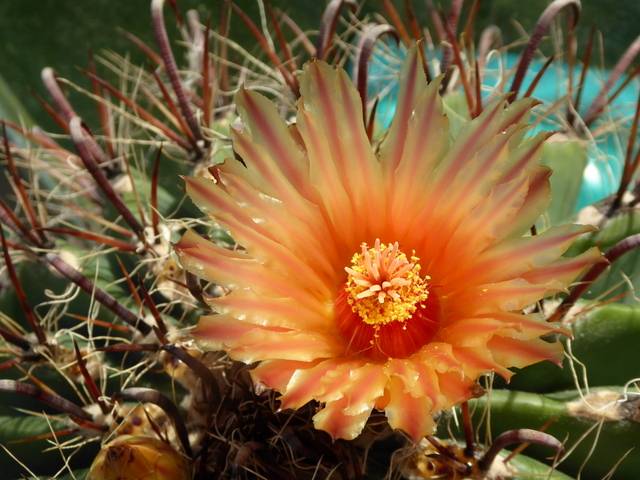
p1010238fish-hook-cactus

Flower on Richard’s Fish-hook Cactus (Ferocactus wislizeni)

This cactus nearly flowered for the first time two years ago but the warm, sunny weather didn’t last long enough and the buds shrivelled.  Last year was too dull and cool so no buds formed at all.  This year however, one of the three buds opened and stayed open for three days.

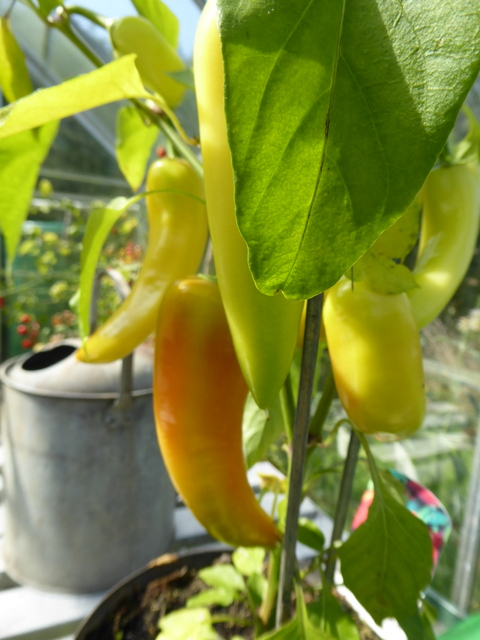
p1010239sweet-peppers

Sweet pepper ‘Sweet Banana’

Richard is growing sweet peppers this year and this is a photo of them when they were just starting to turn red.  Unfortunately, the camera focused on the leaf not the pepper.

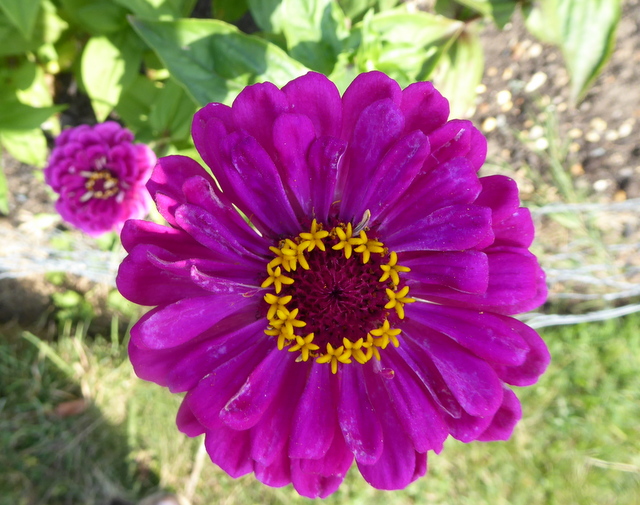
p1010240zinnia

Zinnia flower

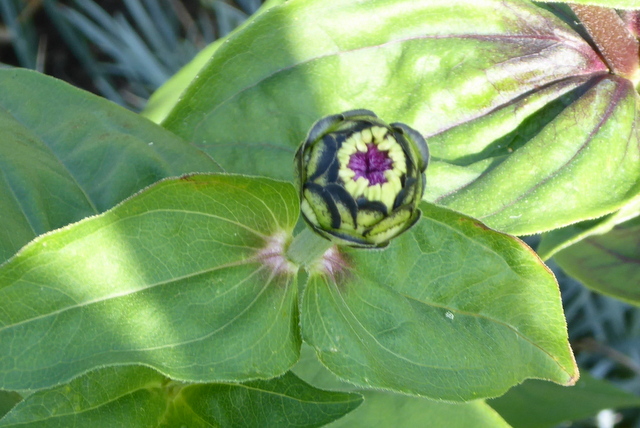
p1010241zinnia-001

Zinnia flower-bud

Richard bought a tray of Zinnia flowers from the garden centre.  They took their time to get established but eventually they got going and have been so bright and cheerful for the past month.

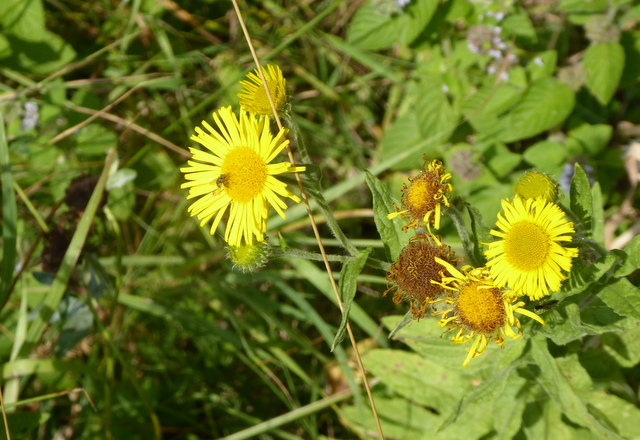
p1010245fleabane

Common Fleabane (Pulicaria dysenteria) has been everywhere I’ve looked this summer but this poor shot is the only photo of it I’ve taken.

For centuries, the leaves of Fleabane were hung in bunches from ceilings or dried and burnt as a fumigant to repel fleas.  Richard Mabey in his ‘Flora Britannica’ says the plant is a relative of the species which supplies the insecticide ‘pyrethrum’.

p1010250hogweed

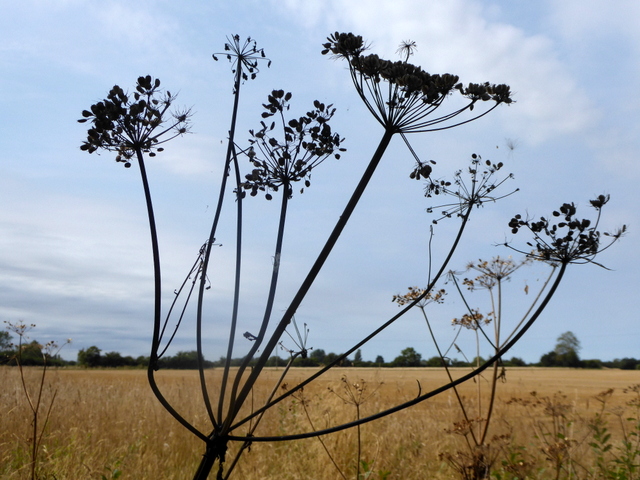
Hogweed (Heracleum sphondylium) seed-heads

p1010246speckled-wood

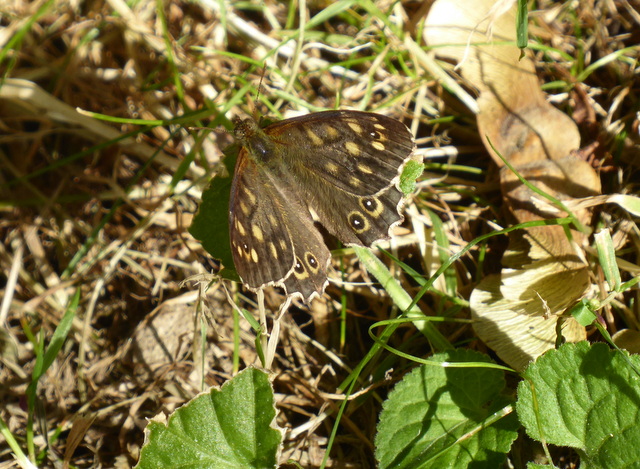
Speckled Wood butterfly (Pararge aegeria)

This is a woodland butterfly and its markings make it difficult to spot in dappled shade.

p1010253comma

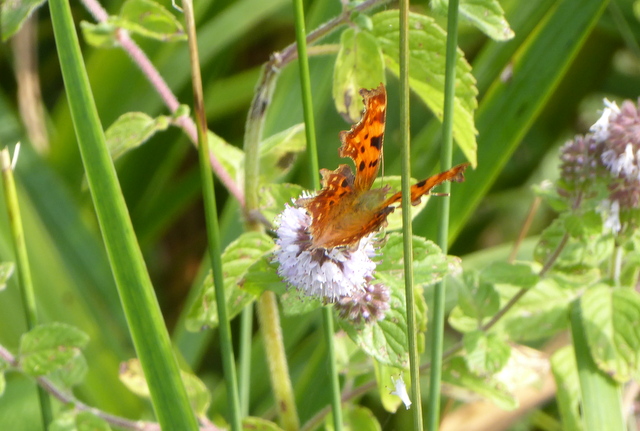
A Comma butterfly (Polygonia c-album) on Water Mint (Mentha aquatica)

p1010248hoverfly-on-creeping-thistle

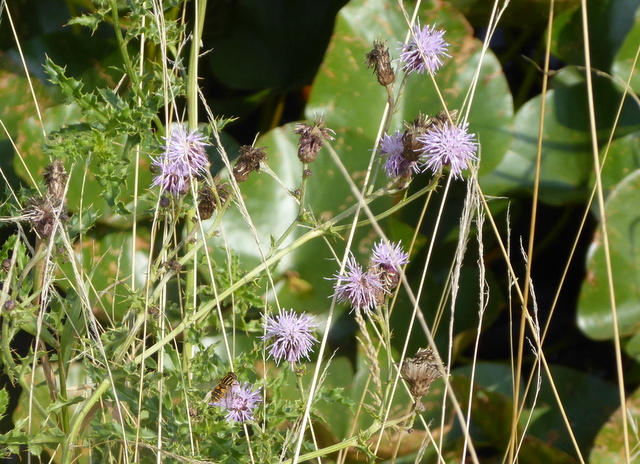
Creeping Thistle (Cirsium arvense) with a Hoverfly (Helophilus pendulus) on the lowest flowerhead

p1010296crabapples

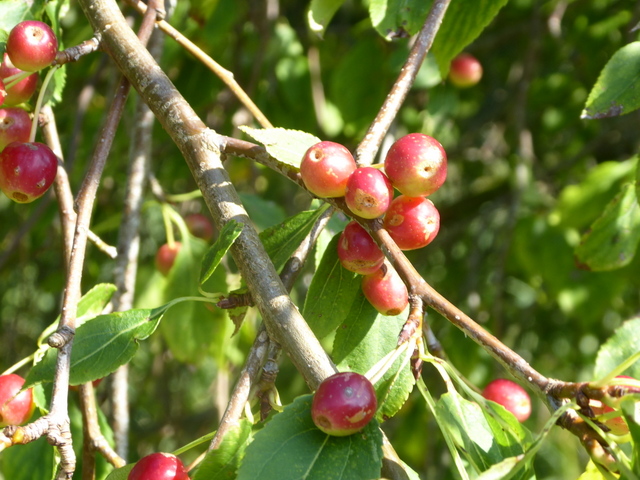
The crabapples on our species crabapple tree look like cherries. Woodpigeons are very fond of them.

p1010298biffin

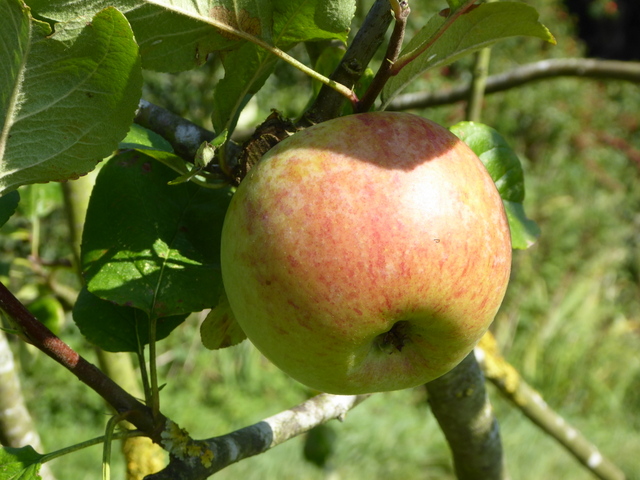
We don’t have many apples this year. This one looks very good – a cooking apple.

p1010301concord

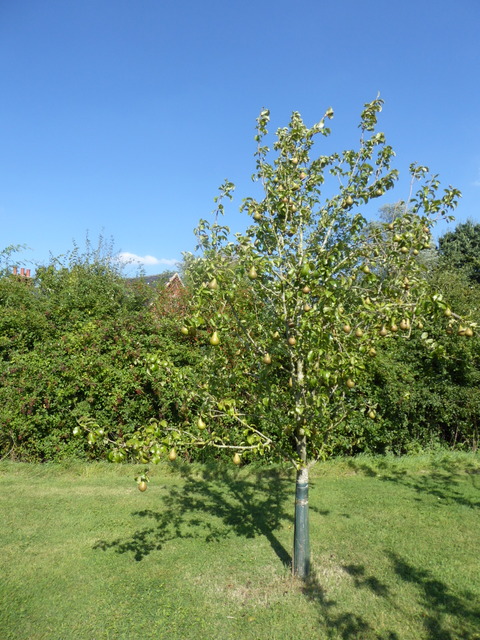
We have what looks like a good crop of pears but sadly many of the fruits are rotting on the tree.

p1010304haws

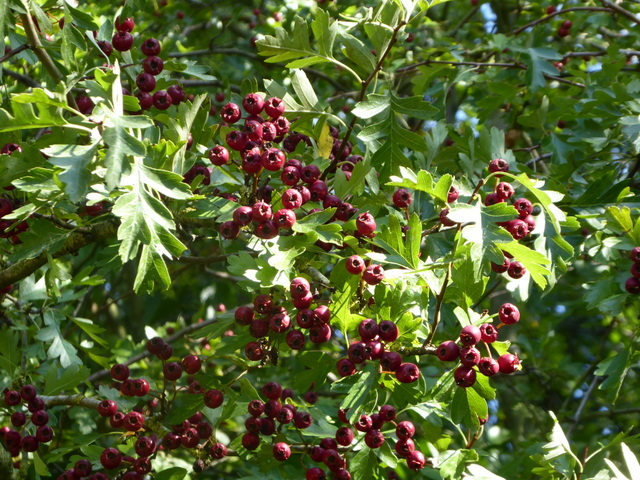
Common Hawthorn berries, known as Haws. (Crataegus monogyna)

The Hawthorns are full of fruit; some people say this means we are to have a hard winter.  I think it means we had good pollination in the spring.

p1010305brown-hawker

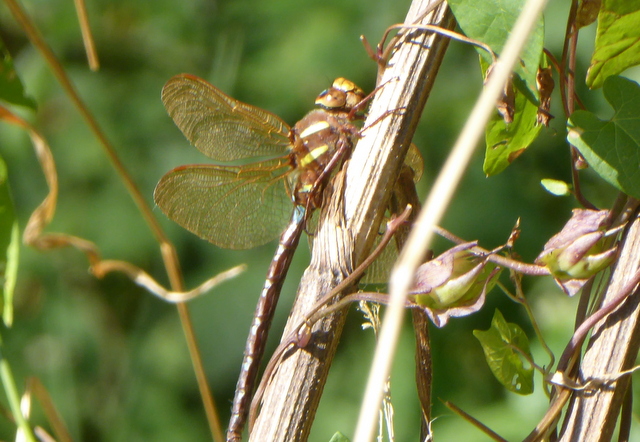
A female Brown Hawker dragonfly (Aeshna grandis)

I took this photo in a hurry as Brown Hawkers are such restless dragonflies and only perch for a few seconds.  I love their amber wings!

p1010324hornet

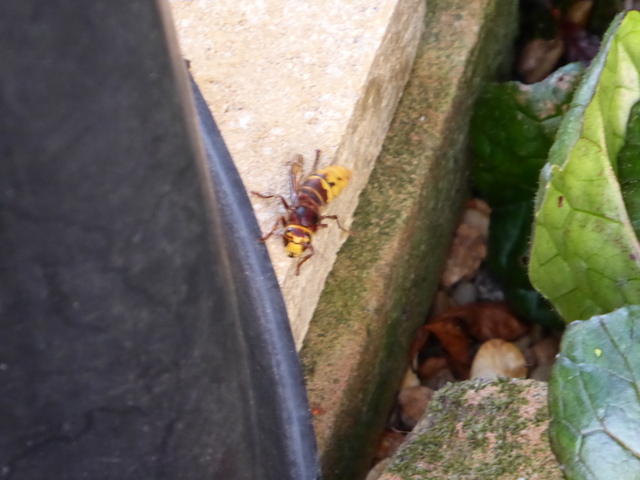
Another poor photo, this time of a Hornet (Vespa crabro)

We have had a Hornets’ nest under the tiles of the garage roof this summer.  They are busy insects and carry on flying until well after sunset, unlike wasps who retire early.  We have also got a wasps’ nest under the house roof tiles near our bedroom window.  I could hear them chewing and munching away through the night when they were first constructing the nest in the early summer.

p1010330mole

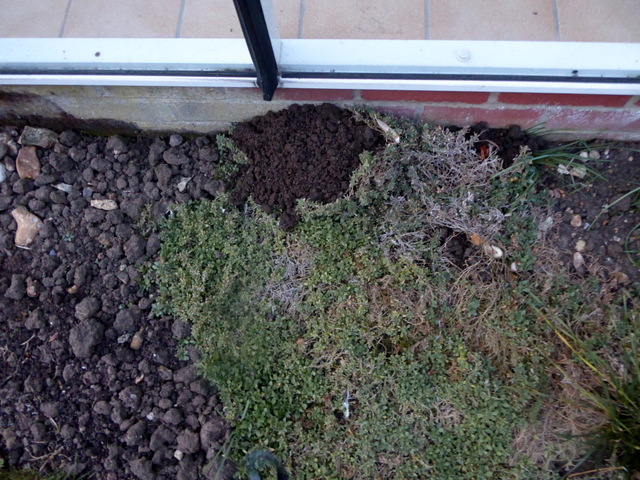
This is a mole hill that appeared in the rather dry border next to the conservatory. The hill got bigger the following day and many spring bulbs were uprooted.

We haven’t had much rain during the past month and the moles are searching for worms.  The worms congregate where there is moisture i.e. in flower-beds (if they are watered) or next to paths or buildings where water runs off into the soil.

p1010326sunset

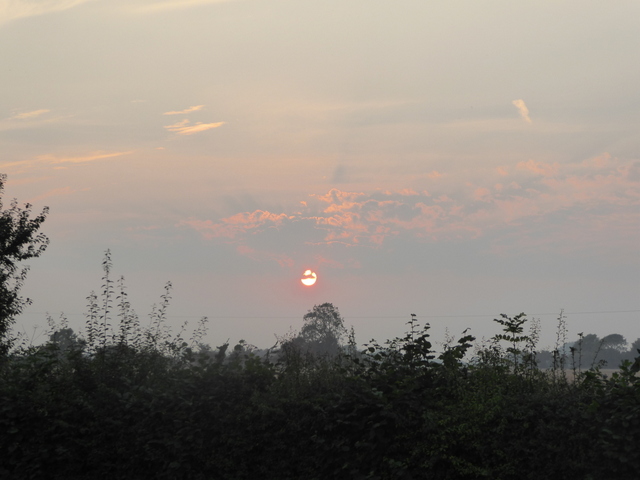
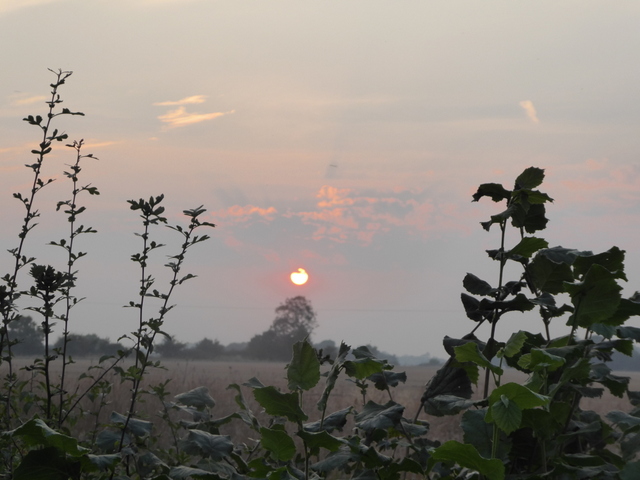
Sunset

p1010327sunset

Sunset

p1010328sunset

Sunset

p1010329sunset

Sunset with mist

And shortly afterwards on the same evening…..

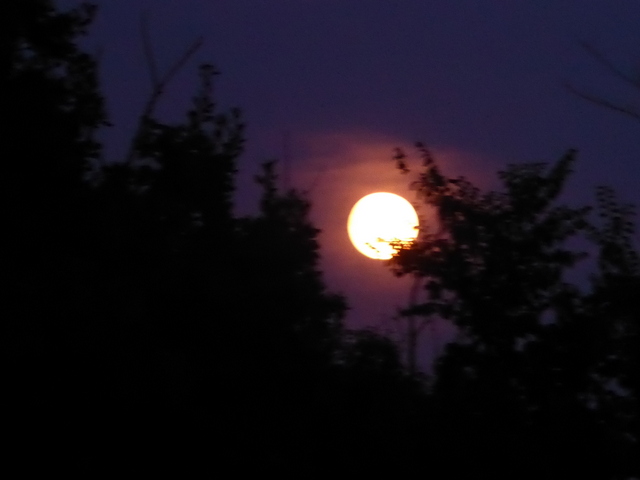
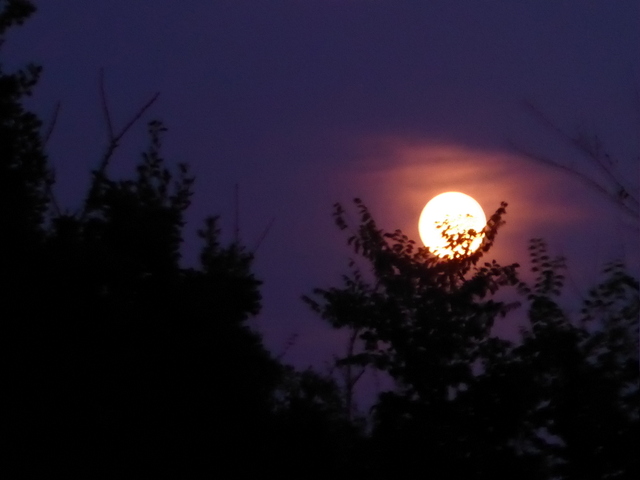
p1010332moon

Moonrise

p1010333moon

Moonrise

We were pleased to welcome a new visitor to our garden; a Leveret, a young Brown Hare (Lepus europaeus)

This slideshow requires JavaScript.

We first noticed it when it was very close to our kitchen window so you see part of the window frame in my photos!  It then moved a little further away and was easier to photograph.

The best time of day to see hares is early morning or at dusk, as during the day they rest in grass, scrubland or in a ploughed furrow.  They crouch low against the ground with their ears laid flat and are well camouflaged.  If they are disturbed they are capable of running very fast – 35 mph/56kph – and run with their black-topped tail held downwards.  They have large staring eyes, large black-tipped ears and powerful hind legs; they are shy and alert creatures.  They typically live in open country, preferring not to live in direct contact with grazing animals and they are unlikely to be found in hayfields.  They eat a wide selection of grasses and plants of open country as well as crops of cereal, clover, alfalfa, beets and potatoes.  In winter a hare will dig for green plants under the snow and will eat buds and bark from bushes and trees, including fruit trees.  They have suffered in areas of intensive farming and where herbicides are regularly used.  Pesticides contaminate their food and may kill leverets.

In March and April hares can be seen leaping and chasing about which gives rise to the saying ‘mad, March Hares’.   They often stand up on their hind legs and box each other; this may be two males vying for social dominance or, as is now thought more likely, a female (Jill) rebuffing a male (Jack).   Leverets are born in the open with a full coat of fur and with their eyes open.  They are born in litters of about three and the mother moves them immediately to another safe place which makes it more difficult for predators to find them.  Each leveret is placed in a ‘form’ – a depression made in long grass – on its own where it lies low waiting for visits from its mother.  This behaviour is very like that of deer.

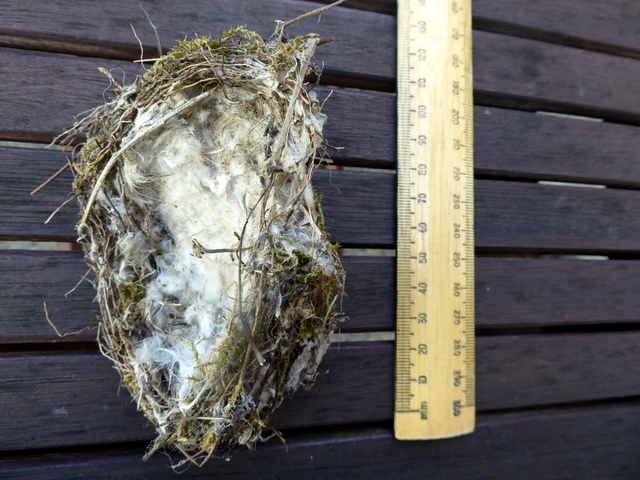
While watering my green beans the other day I noticed some tiny white eggshells lying on the ground and wondered where they could have come from.  Richard looked into the branches of the Laburnum tree above us and saw a tiny nest that I hadn’t been able to see – (I am quite a lot shorter than he is).  It was a windy day and the pieces of shell must have been dislodged by the breeze.  A week later I found the nest on the ground and here is my photograph of it.

p1010346-nest

I do not know what bird built this nest.

As you can see from the photo it is only 11 cm long and about 6 cm wide.  It is made of tiny twigs, grasses, leaves and moss all woven together and is lined with sheep’s wool and white feathers.

And finally, here is my music selection for this post.

Thanks for visiting!

Share this:

  • Share on X (Opens in new window) X
  • Share on Reddit (Opens in new window) Reddit
  • Share on Pinterest (Opens in new window) Pinterest
  • Share on Facebook (Opens in new window) Facebook
  • Email a link to a friend (Opens in new window) Email
  • Share on Tumblr (Opens in new window) Tumblr
  • Print (Opens in new window) Print
  • Share on LinkedIn (Opens in new window) LinkedIn
Like Loading...

In My Garden

18 Sun Sep 2016

Posted by Clare Pooley in Gardening, Insects, plants, Rural Diary, wild flowers

≈ 62 Comments

Tags

Astrantia, Bittersweet, black bryony, Black Spleenwort, blue-tailed damselfly, butterflies, comma, common blue damselfly, Damselfly, Dragonfly, Essex skipper, Field Bindweed, flowers, fruit tree, garden, gatekeeper, Gladiolus, greengage, hedge bindweed, Hyssop, insects, Jacob's Ladder, Lilium longiflorum, peacock butterfly, perennial sow-thistle, Pheasant Berry, plants, rowan, ruddy darter, runner beans, spleenwort, Stargazer Lily, Suffolk, sunset, Swiss Chard, trees, vegetables, wheat, wild flowers, Woody Nightshade

This post is made up of photos of flowers, insects and other things of interest that I saw in my garden during the last couple of weeks of July and the first fortnight in August.  We spent that time catching up with jobs around the house and doing a lot of gardening as the weather was quite good.

It has not been a good year for insects here; an extremely bad one for butterflies in fact, possibly due to the cool, wet spring and early summer we had.  The flowers and plants had a slow start but once the warm weather arrived in mid July they soon caught up.

P1000970Darter

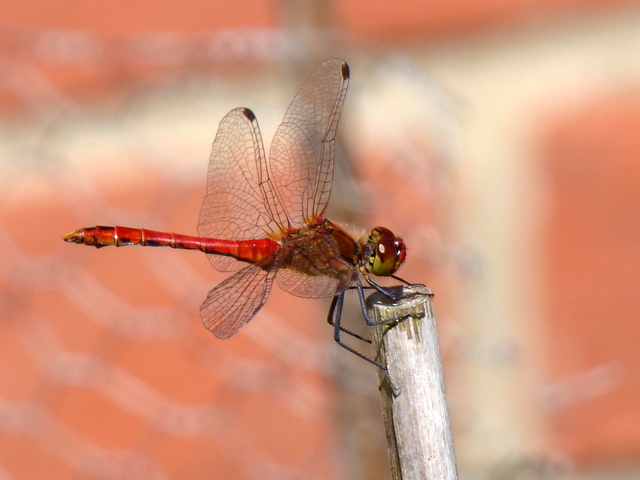
A male Ruddy Darter (Sympetrum sanguineum)

We still had plenty of these small dragonflies in our garden until recently but in July they had just started flying.  They don’t just fly near water but find perches all over the garden from which they ‘dart’ to catch passing prey.  In this photo the dragonfly is on the top of a cane in my flower-border and was happy to let me get very close to him.  Ruddy Darters are the only red dragonflies with totally black legs – they also have a small patch of yellow at the base of the wings.  There are black lines on the upper side of the second- and third-to last segments of the abdomen.  The upper half of the eyes are red-brown and the lower half are green.  The frons (the front of the ‘face’) is red.

P1000974Hyssop

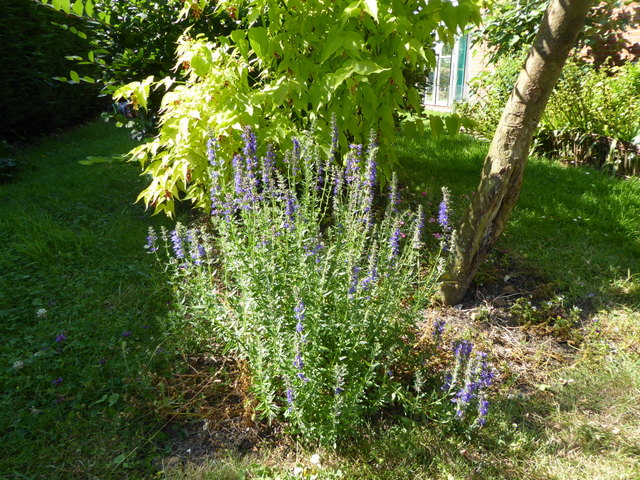
Hyssop (Hyssopus officinalis)

I bought this herb late last summer; it survived the winter very well and has flowered beautifully this year.  It is very popular with the bees and smells good too.

P1000975Swiss Chard

Swiss Chard ‘Bright Lights’ (Beta vulgaris subsp. cicla var. flavescens)

I grew Swiss Chard from seed this year for the first time, mainly because my mother likes it and hasn’t been able to get it for a few of years.  I gave her a few plants and then put some plants into a couple of gaps in my flower-border.  They look beautiful, especially with the sun shining through the colourful stems.  I can’t say the vegetable when eaten has been very popular.  The leaves are like spinach, quickly reducing in size and becoming soft; the stems which I put into the hot water a minute or so before the leaves, have a lovely texture and a very mild taste.  They can be steamed successfully too.  I think it is the mildness that doesn’t appeal – or perhaps the spinach-like leaves.  We love greens in this family and get through large amounts of cabbage, spring-greens, brussels sprouts and broccoli, all of which have fairly powerful flavours.  Perhaps Swiss Chard is too refined for us?

P1000976Skipper

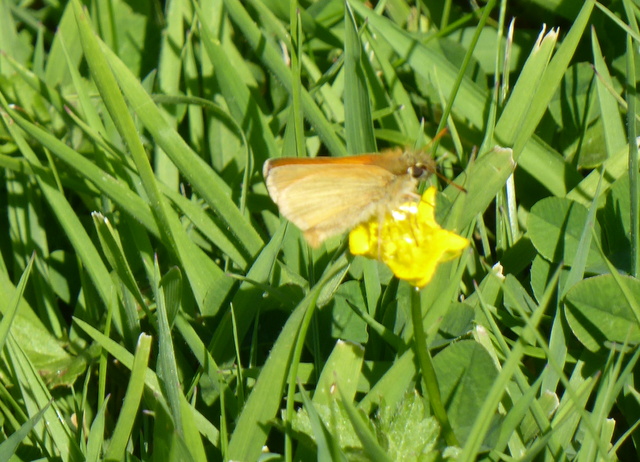
A poor photo of an Essex Skipper butterfly (Thymelicus lineola) sitting on a buttercup flower.

I include this just to prove to myself that we did get a number of skippers in the garden in the summer.  The Essex Skipper is very similar to the Small Skipper but the antennal tip instead of being golden is black underneath, which can just be seen in my photo.

P1000978Greengage

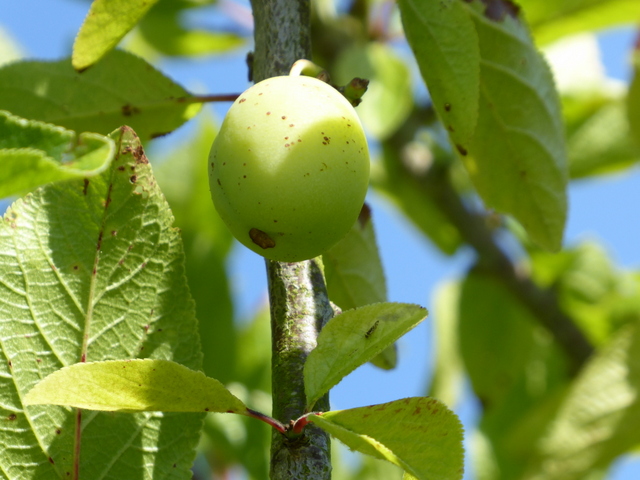
A Greengage (Prunus domestica ssp. italica var. Claudiana)

We bought a young Greengage tree nearly three years ago and this year we got two fruits on it.  We didn’t manage to eat either of them because one or other of our animal, bird or insect visitors got there first.

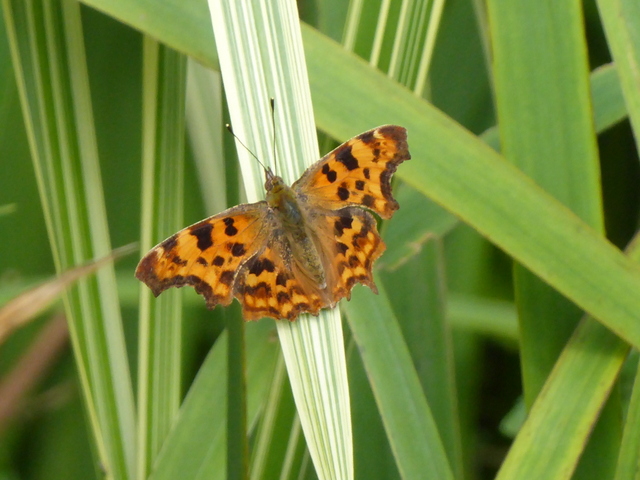
P1000981Comma

A Comma butterfly (Polygonia c-album)

The name ‘Comma’ refers to a white comma mark on the underside of the wings.

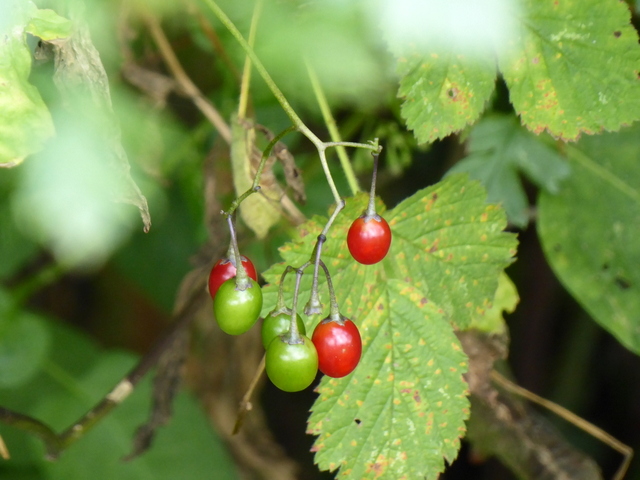
P1000984Woody Nightshade berries

Woody Nightshade/Bittersweet berries (Solanum dulcamara)

This has got everywhere in the garden this year!  I have found it growing in amongst the herbs, up through the Pyracantha and it has taken over the two Cotoneasters that grow next to our gas-tank.  (We are not on mains gas here so have a large butane gas tank near the house).  Bittersweet berries are beautiful and are at their most attractive at this stage when some are still green and they are plump and shiny.

P1000985Blue-tailed Damselfly perhaps

Another poor photograph showing what I believe to be a female Blue-tailed Damselfly (Ischnura elegans)

Another photo that is proof to me that we had these damselflies flying round the pond this summer.

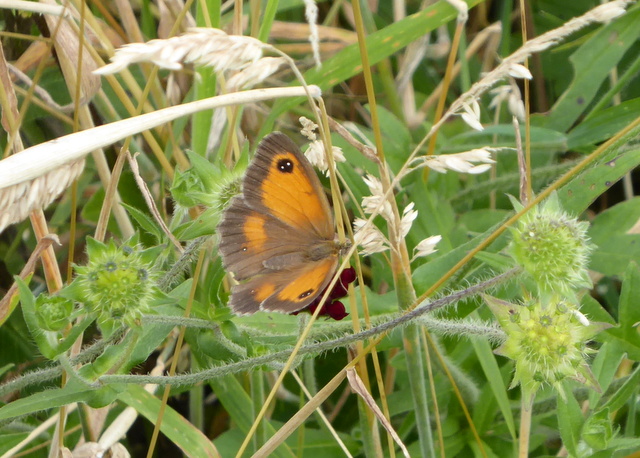
P1000990F Gatekeeper-001

Female Gatekeeper butterfly (Pyronia tithonus)

Male Gatekeepers are territorial and patrol an area of hedgerow often in corners of fields or near gates trying to deter other insects from entering their domains.  The males are smaller and a brighter orange than the females and have a dark patch of scent glands on the fore-wing.

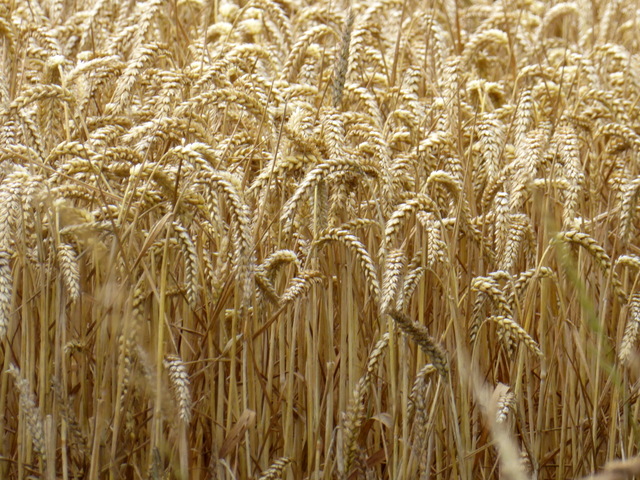
P1000986Ripe wheat

Ripe Wheat (Triticum spp.)

I couldn’t resist taking a photo of the wheat in the field behind our house just before it was harvested this year.

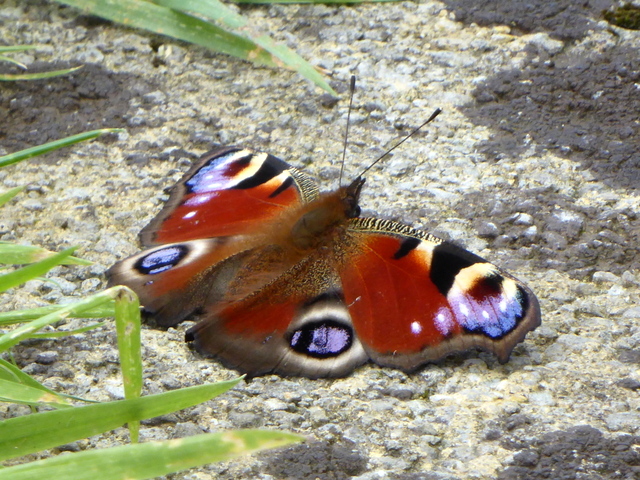
P1000998Peacock butterfly

Peacock butterfly (Inachis io)

This slightly battered Peacock was sunning itself on the path.  They are very hairy-bodied insects and the colours and markings on the wings are beautiful.  I noticed for the first time the lovely tiger-stripe yellow and black ‘shoulders’ on the fore-wing.

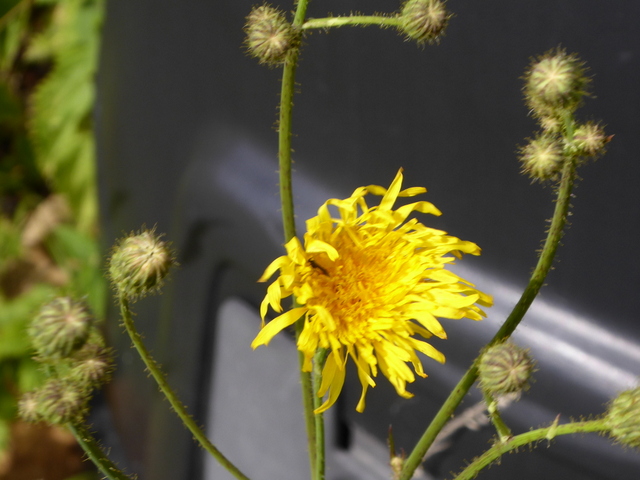
P1010003Perennial Sow-thistle

Perennial Sow-thistle (Sonchus arvensis) This one I discovered growing next to our compost bin.

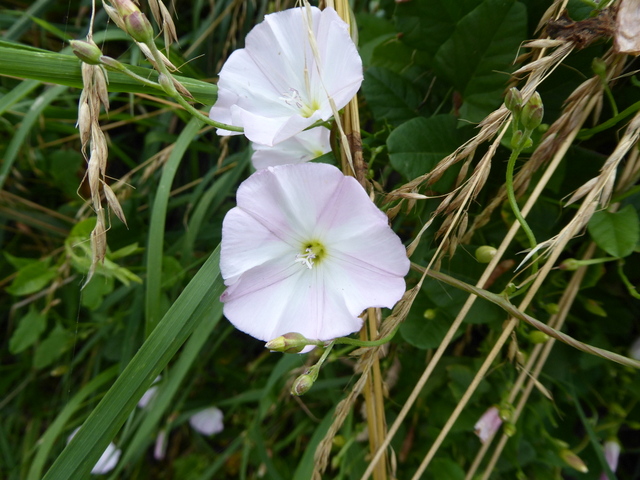
P1010007Field Bindweed

Field Bindweed (Convolvulus arvensis)

The flowers this year are only lightly marked with pink.  They are usually much brighter.

p1010009bumble-bee-hedge-bindweed

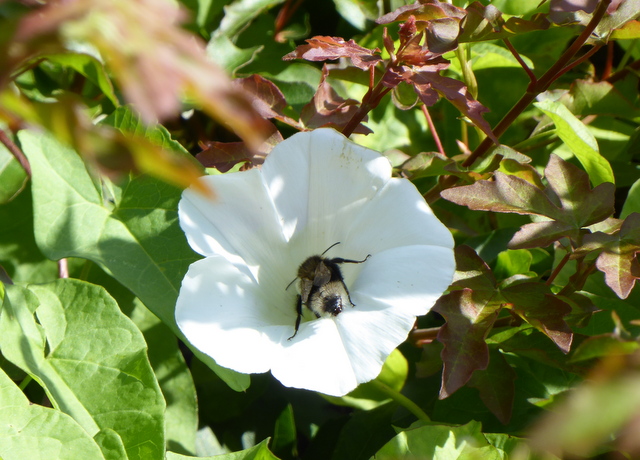
We are lucky (?) to have both Field Bindweed, as in the former photo, and Hedge Bindweed (Calystegia sepium) as here, in our garden. This one was being visited by a bumble bee.

p1010010rowan-berries

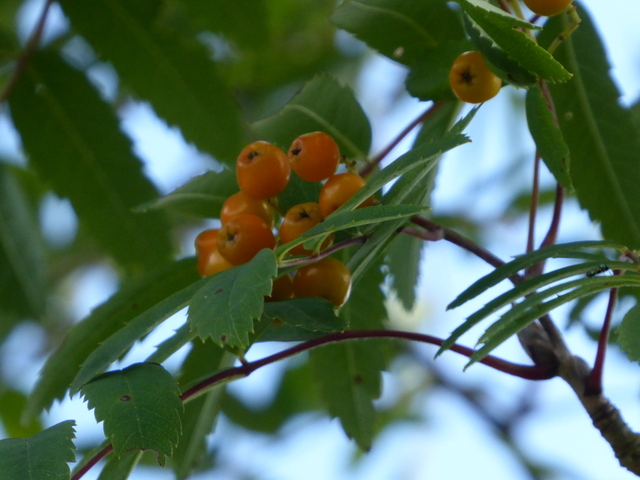
Our young Rowan or Mountain Ash tree (Sorbus aucuparia) had many flowers in the early summer and produced some berries this year. The berries in the photo are not quite ripe yet.  They were eaten by something very quickly once they were red and ripe.

p1010011pheasantberry-flowers

Pheasant Berry (Leycesteria formosa)

I have a pale-leaved Pheasant Berry bush and it has done very well this year, having had enough rain-water at the beginning of the season.  The birds usually enjoy the berries but I’m not sure if the wasps will have left them any!

p1010012lily

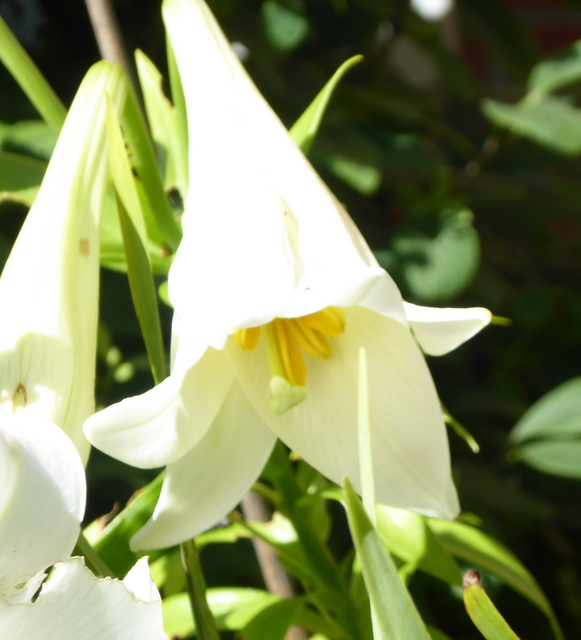
Lilium longiflorum

The white Longiflorum lilies did a little better this year.  I still had some trouble with non-native Red Lily Beetles but the cool wet June meant the flowers were taller and stronger and the beetles didn’t appear until later in the season when the weather improved.  I was as vigilant as I could be, going out checking for beetles at least twice a day and squashing them when I found them.  Unfortunately, nothing could be done while I was away from home so when I returned I soon discovered the horrible grubs eating the plants.  I removed as many as I could and discovered that spraying them regularly with soap was very effective.

p1010014runner-beans

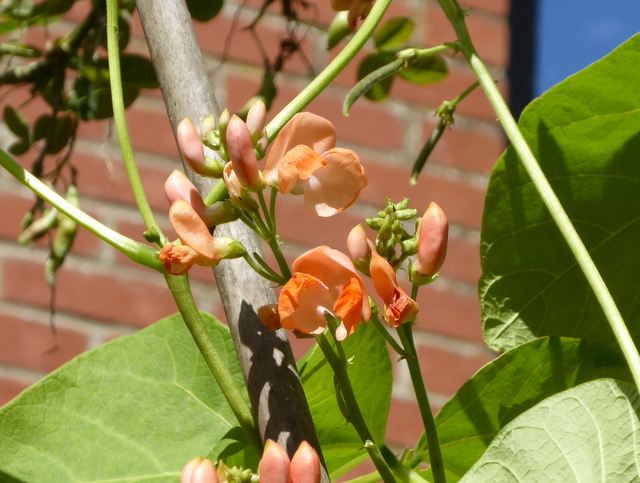
Runner Beans (Phaseolus coccineus) ‘Celebration’

I grew runner beans this year and gave my mother six plants and planted the rest in a gap in my flower border.  They grew up through a laburnum tree and did quite well.  I started them fairly late so they didn’t begin flowering til after mid-summer but the beans develop very quickly and these ones are so sweet and hardly have any ‘strings’.   I love the orange flowers.

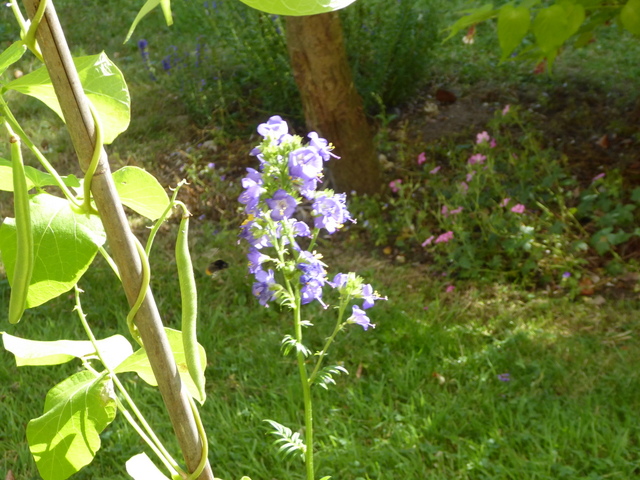
p1010015runner-beans-and-jacobs-ladder

The beans with a Jacob’s Ladder (Polemonium caeruleum) flower-spike and a bumble bee flying towards the Jacob’s Ladder.

p1010016

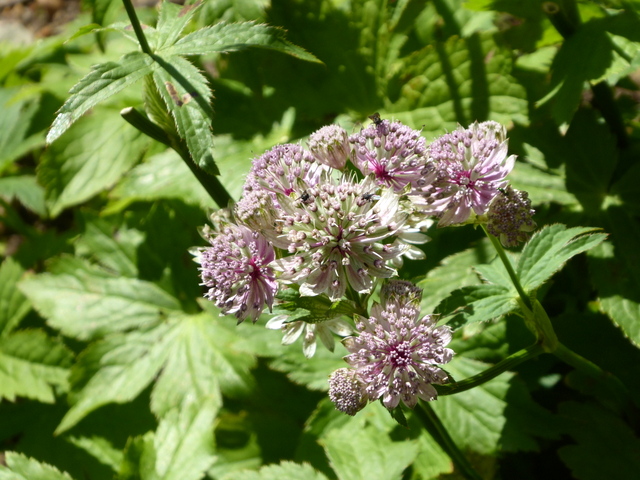
The Astrantia, also known as Masterwort, has done well this year.

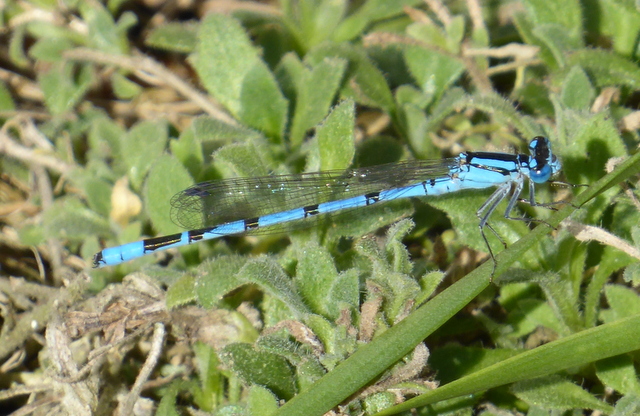
p1010018common-blue-damselfly

A male Common Blue Damselfly (Enallagma cyathigerum)

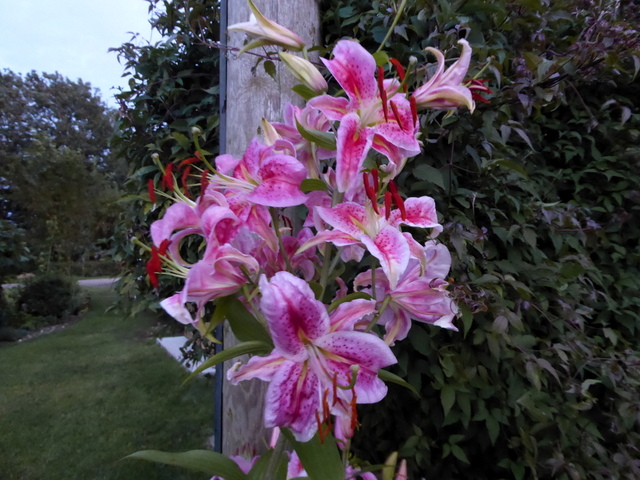
p1010028lilies

This photo of my lilies (Lilium ‘Stargazer’) was taken well after sunset and without a flash.

I wanted to see if there was enough ambient light to take a successful photo of these luminous lilies.

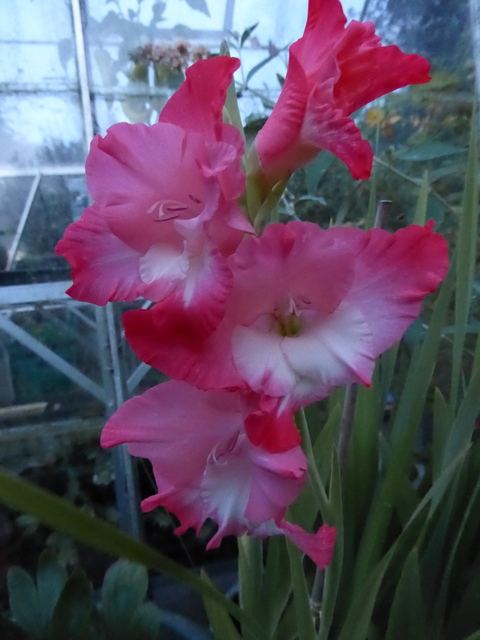
p1010030gladiolus

I then took this photo of a Gladiolus next to the greenhouse

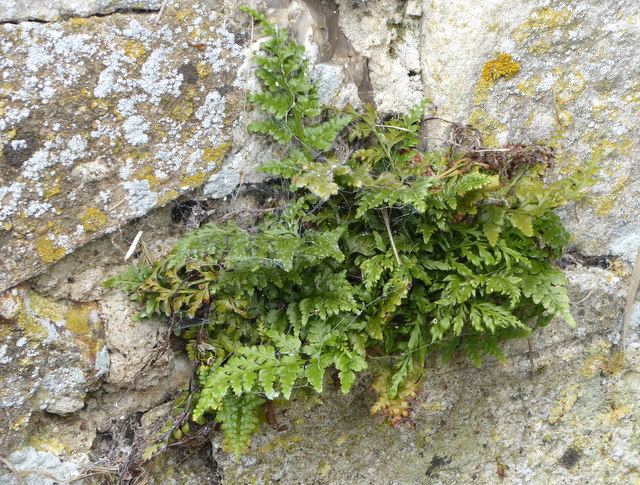
p1010021black-spleenwort

On a church cleaning visit to our church at Rumburgh I noticed this Black Spleenwort (Asplenium adiantum-nigra) growing on the wall.

This plant is mainly found in the west of the country so I was surprised to see it here, almost as far east as one can get.  It loves alkaline soil and here it is growing in the mortar.  A month later and it had gone – removed I presume, in case it caused yet more damage to our poor crumbling church building.

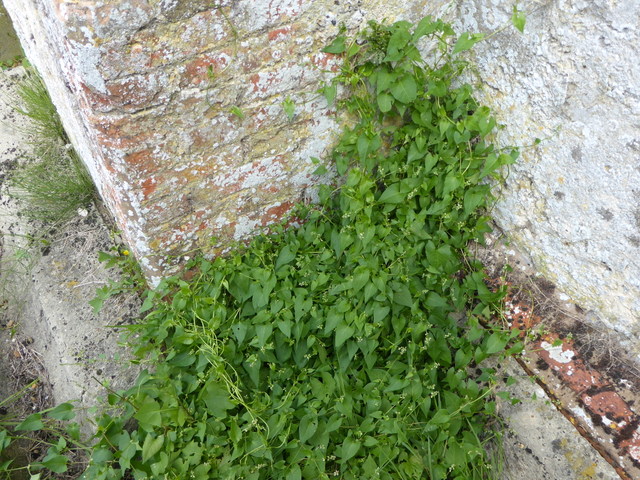
p1010022black-bryony

Just below the spleenwort was this patch of Black Bryony (Tamus communis)

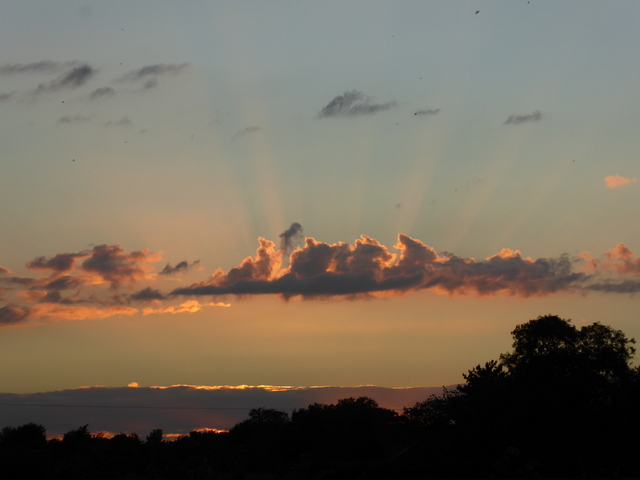
A sunset seen from the back of the house.

p1010020sunset

My music selection today is ‘The Arrival of the Queen of Sheba’ by Handel.

Thanks for visiting!

Share this:

  • Share on X (Opens in new window) X
  • Share on Reddit (Opens in new window) Reddit
  • Share on Pinterest (Opens in new window) Pinterest
  • Share on Facebook (Opens in new window) Facebook
  • Email a link to a friend (Opens in new window) Email
  • Share on Tumblr (Opens in new window) Tumblr
  • Print (Opens in new window) Print
  • Share on LinkedIn (Opens in new window) LinkedIn
Like Loading...

This and That – Part 2

16 Thu Jun 2016

Posted by Clare Pooley in Gardening, Insects, music, plants, Rural Diary, trees

≈ 44 Comments

Tags

Bee, blossom, cow parsley, Crabapples, dandelion, field maple, flowers, gardens, ground-ivy, Hawthorn, horse chestnut, Hoverfly, insects, jonquils, Lady's Smock, Maytime, miniature Tulip, narcissus, pasque flower, Pear, pieris, saxifrage, shrubs, St Mark's fly, Suffolk, trees, wild cherry

This post includes the better photos I took at home during the first half of May.

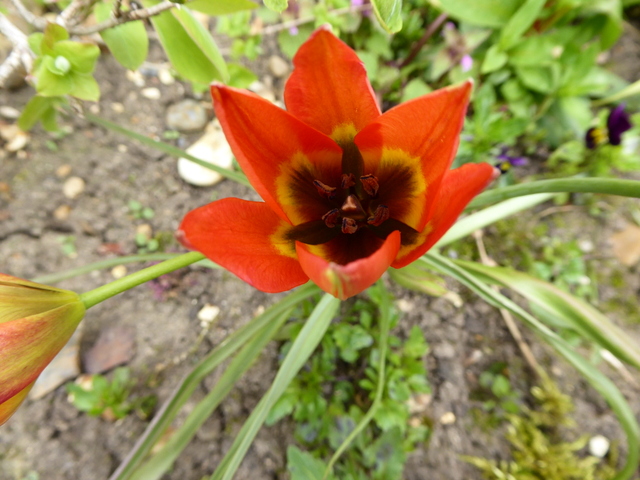
P1000073Miniature Tulip

I have a few miniature scented Tulips. I have no idea what they are called or even when I got them though I think they are about 18 years old. I had a selection of red, orange and yellow ones but all that’s left are the red ones.

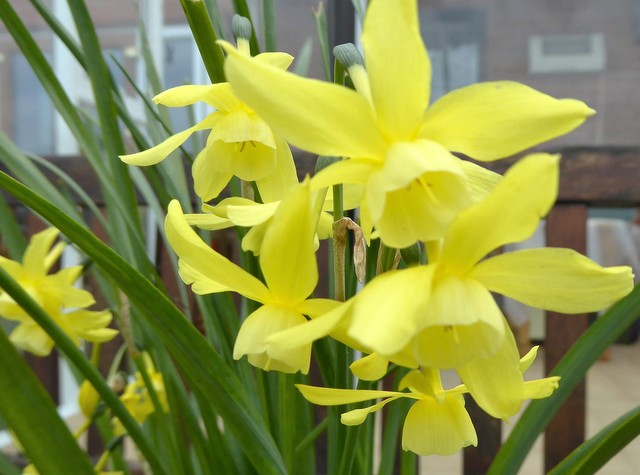
P1000071Jonquils-001

These jonquils are tiny and the flowers bob about on their narrow stems like yellow butterflies. Each flower is only about 2 inches across.

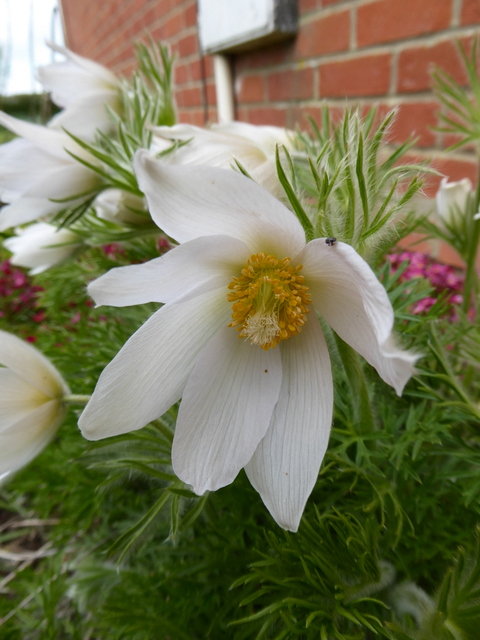
P1000074Pasque flower

The Pasque flowers (Pulsatilla vulgaris ‘Alba’ )in my garden came out well after Easter this year. Not only was Easter early but the weather was cold and the flowers sensibly stayed as buds until the time was right.

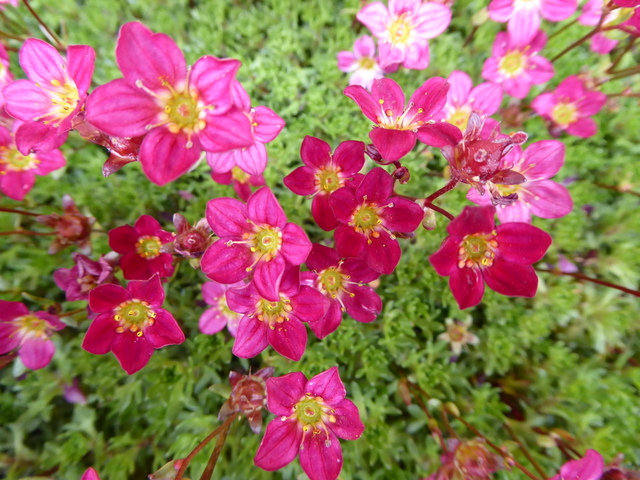
P1000075Saxifrage

I love this pretty pink Saxifrage!

P1000077Wild cherry

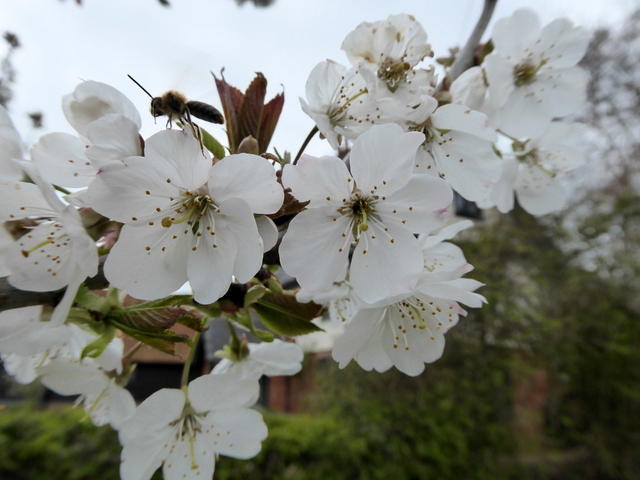
Wild Cherry blossom (Prunus avium) with a visiting bee

P1000076Wild cherry

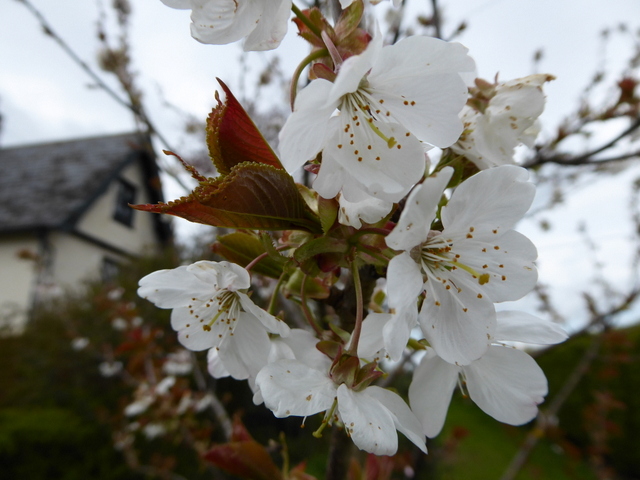
Wild Cherry blossom. I like the green-bronze colour of the new leaves.

P1000080Narcissus

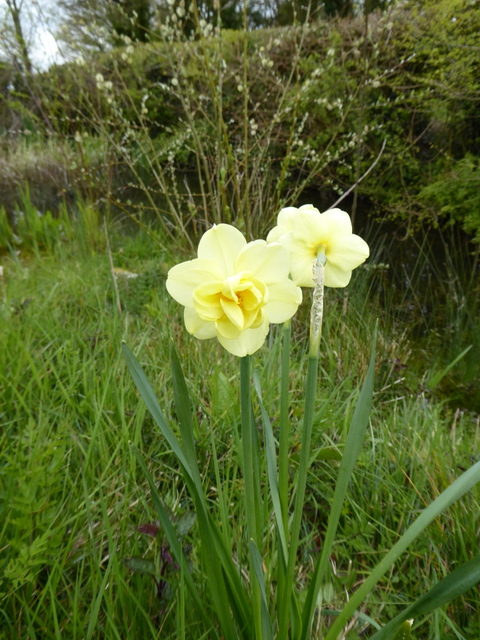
Pale yellow double Narcissus

P1000081Pear

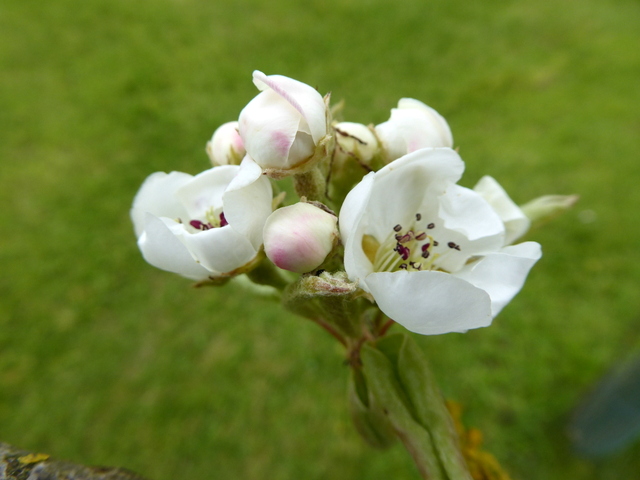
Pear ‘Concorde’ blossom.  This pear is supposed to be a dessert pear but by the time it is soft enough to eat it is already rotting in the centre.  Perhaps our climate isn’t suitable for it?  We harvest the pears before they have started to soften and we cook them or we prepare them for the freezer.

P1000082Pear

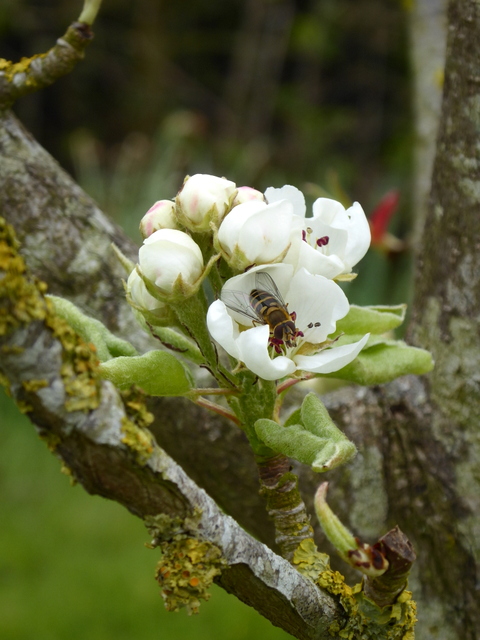
Pear blossom with a visiting Hoverfly.  The lichen is doing quite well too with its orange fruiting bodies.

P1000096St Mark's flies-001

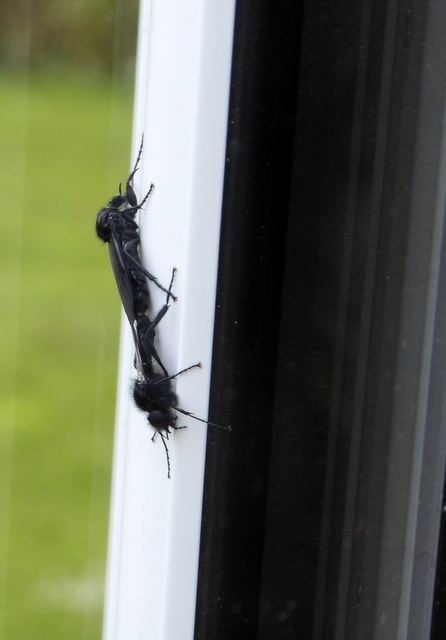
These are St. Mark’s-flies (Bibio marci) doing what flies do in the spring. The female is the upper fly and she has smoky-grey wings and a small head. The lower fly is the male and he has silvery wings and a larger head. Both sexes have spines on their front legs at the tip of the tibia. You can just see this on the female’s front leg. These flies fly weakly and slowly and dangle their legs as though the effort of flying is almost too much for them. They are called St. Mark’s-flies because they usually appear on or around St. Mark’s day which is April 25th.  This photo was taken on 2nd May – it was a cold spring!

P1000104Lady's smock

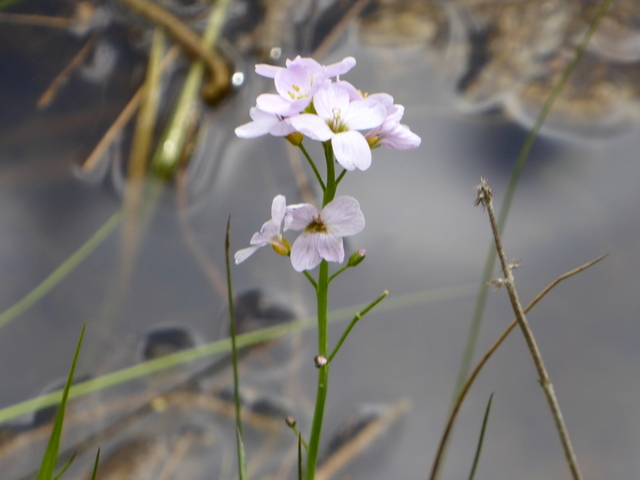
Lady’s-smock or Cuckooflower (Cardamine pratensis) – a member of the cabbage family

P1000106Pieris

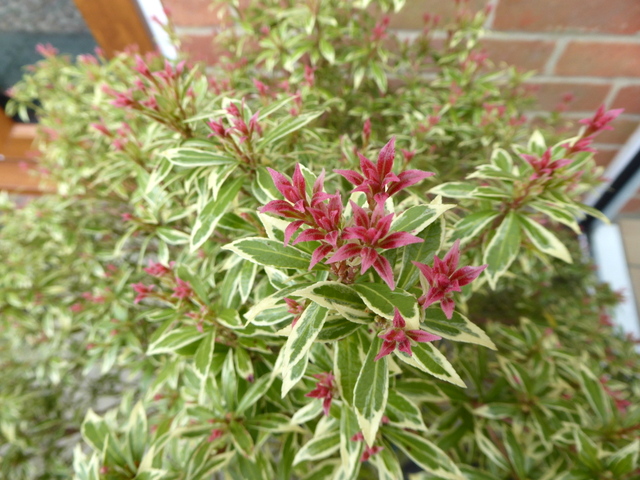
New leaves on my variegated Pieris ‘Forest Flame’

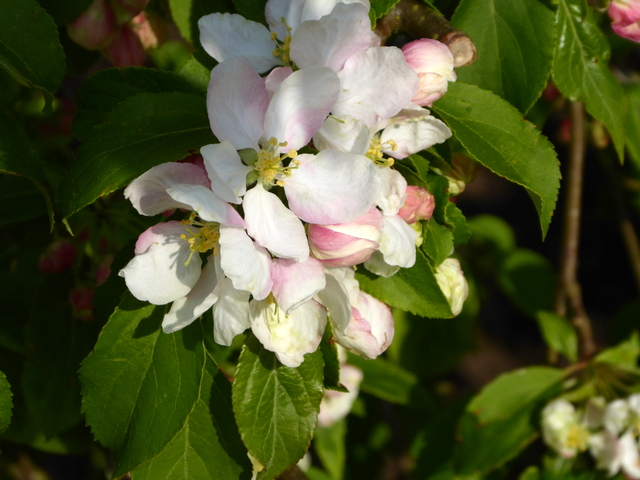
P1000182Crabapple s. blossom

Crabapple species blossom. Standing under this weeping tree I am almost over-powered by the scent of roses and the buzzing of bees.

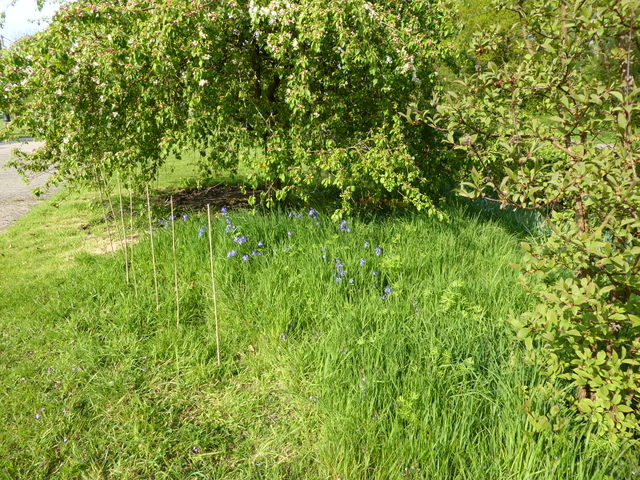
P1000183Bluebells

These are the English Bluebells (Hyacinthoides non-scripta) I am trying to establish next to the weeping crabapple. I have put canes alongside them to remind us not to mow them until the seeds have set and the leaves have died. I am also hoping that the canes will stop the deer from trampling the plants.

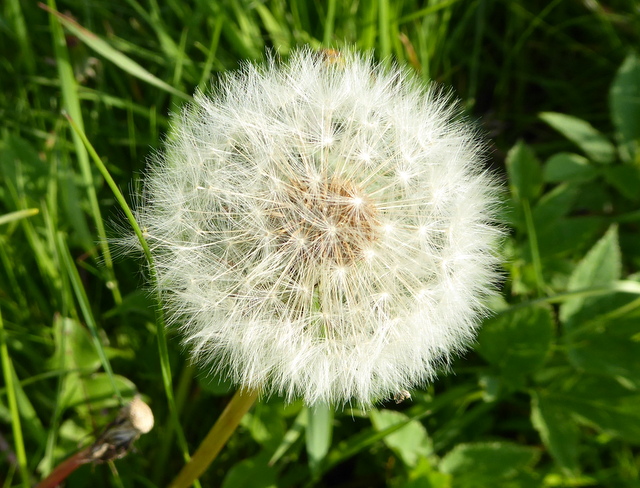
P1000185Dandelion

A beautiful Common Dandelion ‘clock’ (Taraxacum officinale agg.)

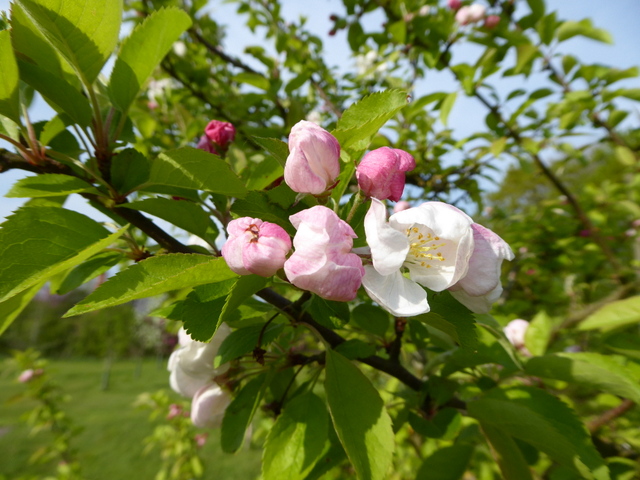
P1000187Crabapple 'Evereste' blossom

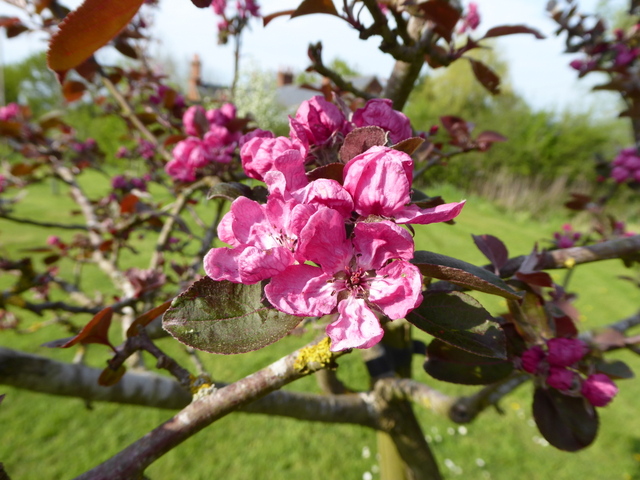
Crabapple ‘Evereste’ blossom

P1000189Crabapple 'Harry Baker' blossom

Crabapple ‘Harry Baker’ blossom

P1000191Ground ivy

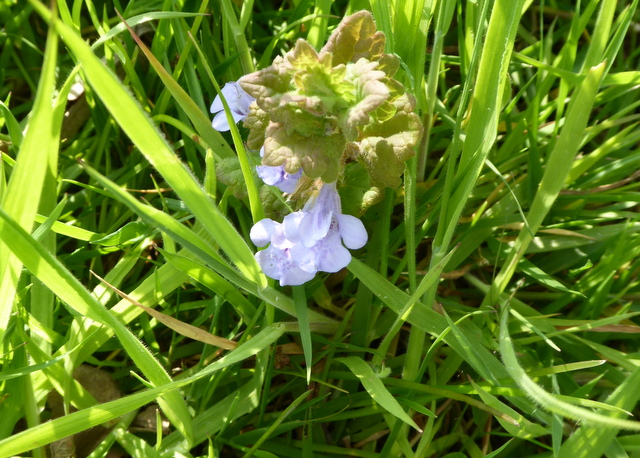
Ground-ivy (Glechoma hederacea)

P1000195Horse chestnut

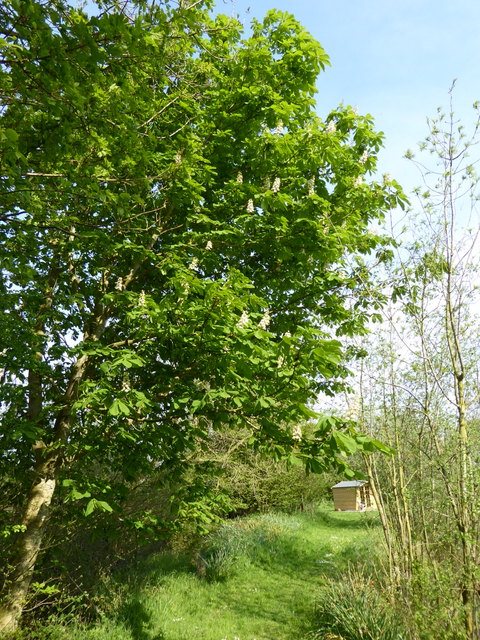
The Horse-chestnut tree (Aesculus hippocastanum) with its flower ‘candles’

P1000197Field maple

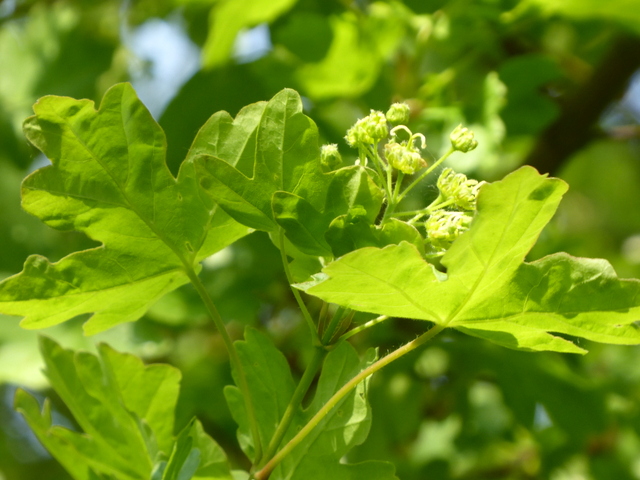
Field Maple flowers (Acer campastre)

P1000199Hawthorn

Common Hawthorn flower buds (Crataegus monogyna)

P1000201Cow parsley

Cow Parsley (Anthriscus sylvestris) (or as it is called here in Suffolk, Sheep’s Parsley) with a fly.  I am very fond of Cow Parsley and the sight of masses of it in flower along the lanes makes me happy.

Here is another song that features a wonderful trombone solo and a fantastic brass riff too!  This is a very old recording and it is also an uncommon arrangement for this song.

Thanks for visiting!

Share this:

  • Share on X (Opens in new window) X
  • Share on Reddit (Opens in new window) Reddit
  • Share on Pinterest (Opens in new window) Pinterest
  • Share on Facebook (Opens in new window) Facebook
  • Email a link to a friend (Opens in new window) Email
  • Share on Tumblr (Opens in new window) Tumblr
  • Print (Opens in new window) Print
  • Share on LinkedIn (Opens in new window) LinkedIn
Like Loading...

This and That – Part 1

03 Fri Jun 2016

Posted by Clare Pooley in Gardening, music, plants, Rural Diary, trees, weather, wild birds

≈ 70 Comments

Tags

amelanchier, blackbird, blackthorn, bluebell, countryside, cowslip, daffodils, English Elm, English Oak, garden, Goat Willow, green woodpecker, greengage, horse chestnut, Lords and Ladies, Marxh-marigold, pheasant, photography, rainbow, Red Deer, shrubs, Snowy Mespil, Suffolk, trees, white dead-nettle, wild cherry, wild flowers

I have taken a number of photographs over the last few weeks but haven’t had the time to write any posts.   Here are a few of the better pictures from April and earlier.

DSCN0205Red deer

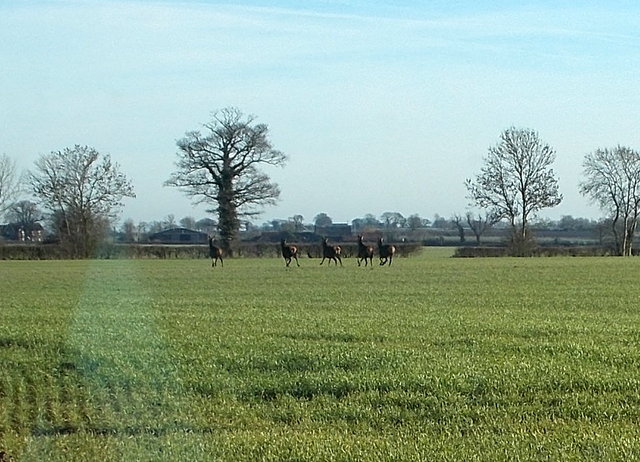
Red Deer (Cervus elaphus)

Back in January I was driving home from shopping when I saw this small group of five Red Deer making their way across a field towards the road.  I had to slow down and then stop because I could see that they were not only made nervous by my car but their usual path was blocked by a fire someone had lit to get rid of brushwood.  They eventually managed to cross the lane a little further along and then carried on their way.  I took a photo of them through the car window and this is the result – heavily cropped.  I had thought that I had missed them and it was only when I eventually looked carefully at the shot on my computer a few weeks ago I realised that they were there!

DSCN0330Pheasants

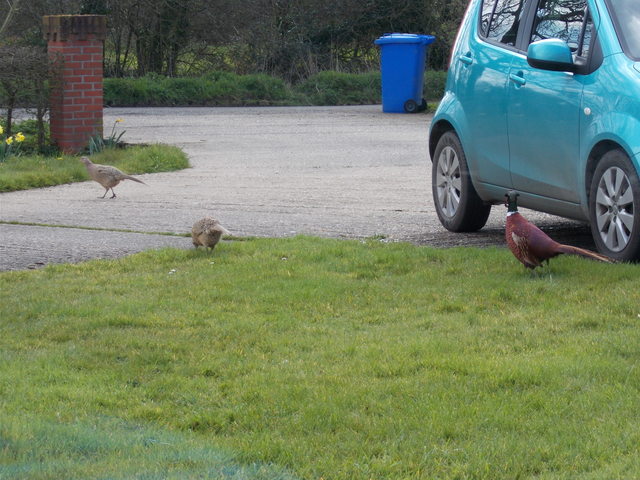
The Pheasant (Phasianus colchicus) family wandering through the garden at the beginning of April.

This is such an untidy photo with the recycling bin out by the roadside and my former car in the way too.  This is another photo taken through glass (the kitchen window this time – you can see a reflection in the bottom left corner of the picture).  We haven’t seen the pheasants for a while now so I presume the females are busy on their nests.

DSCN0342Garden after a storm
DSCN0341Garden after a storm
DSCN0340Garden after a storm

We had a storm with heavy rain and then the sun came out.  It all looked so bright and fresh, so I stood at the front door and took three photos, to the left, straight ahead and to the right.

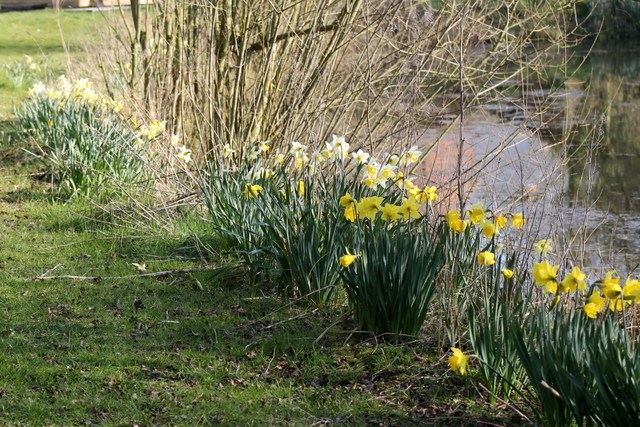
DSCN0344Daffodils in the garden

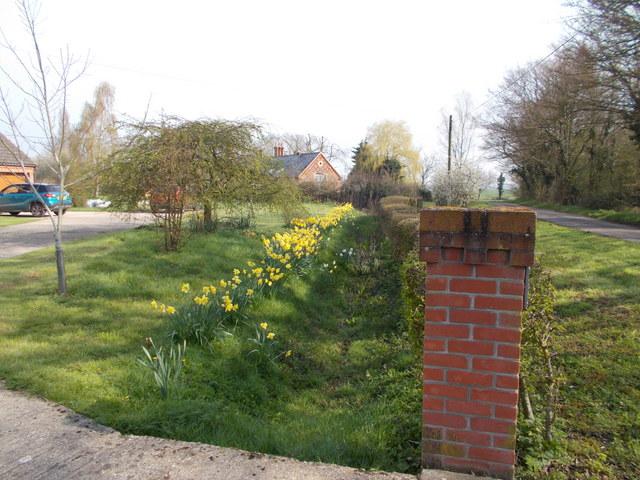
A few days later I stood at the end of the drive and took this photo of the ditch that runs along the edge of the garden. We have daffodils growing all along its length. The lane runs parallel with the front of our property. You can also see my new car in this picture.

DSCN0346Pussy willow

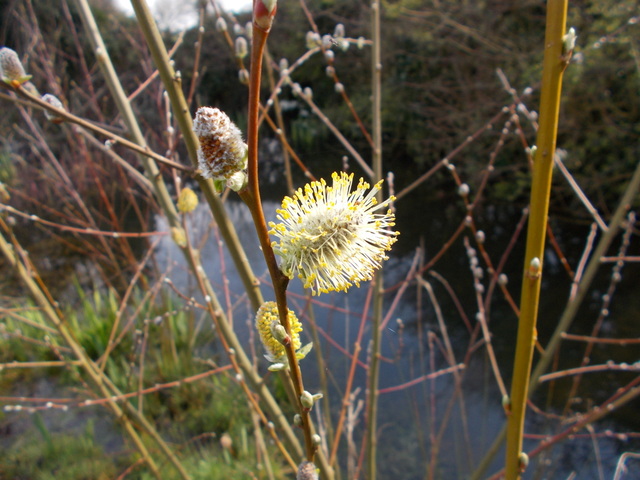
Pussy Willow / Goat Willow (Salix caprea)

DSCN0355Goat willow

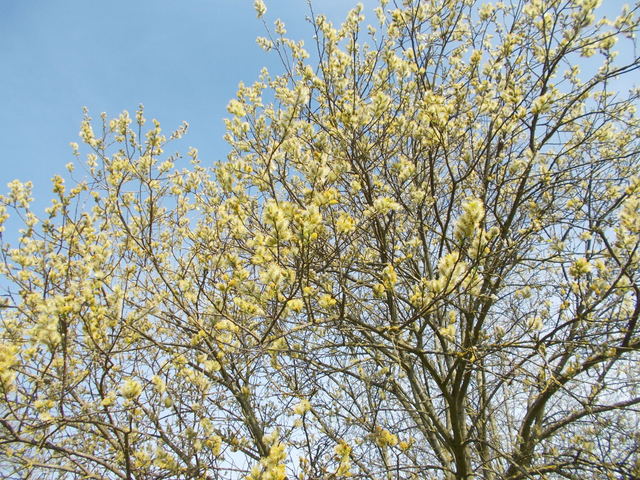
Goat Willow in flower

P1000039Cowslip

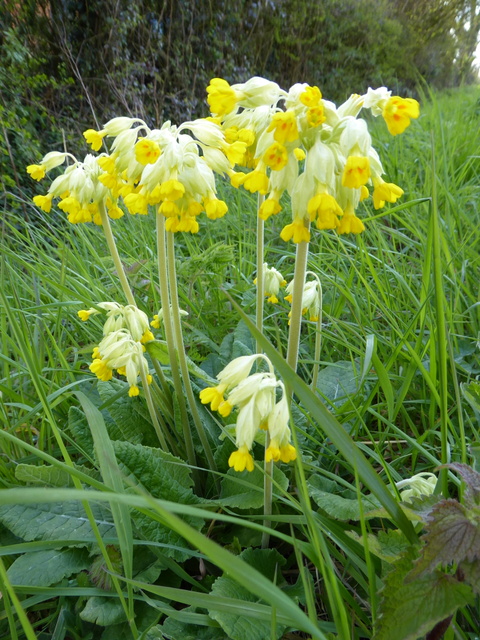
Cowslips (Primula veris)

IMG_1434Stormy sky

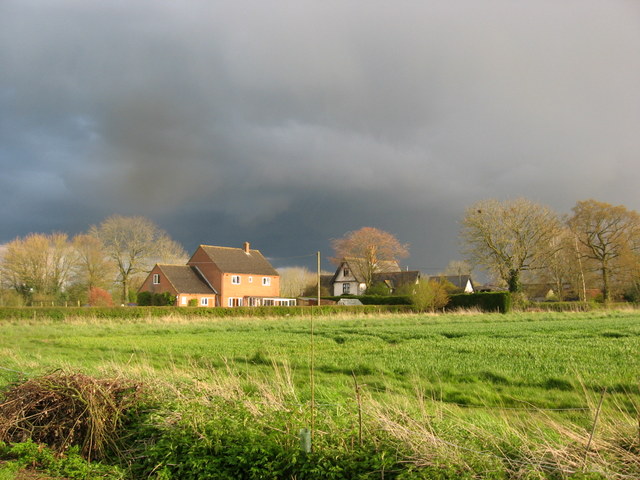
A stormy sky. A photo of our house (and the house next door) taken standing next to our big pond and looking across the corner of the field.

IMG_1435Summerhouse

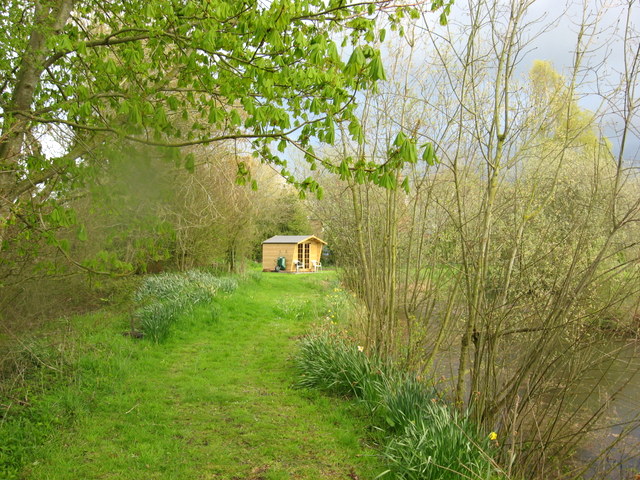
The summerhouse

IMG_2741Green Woodpecker

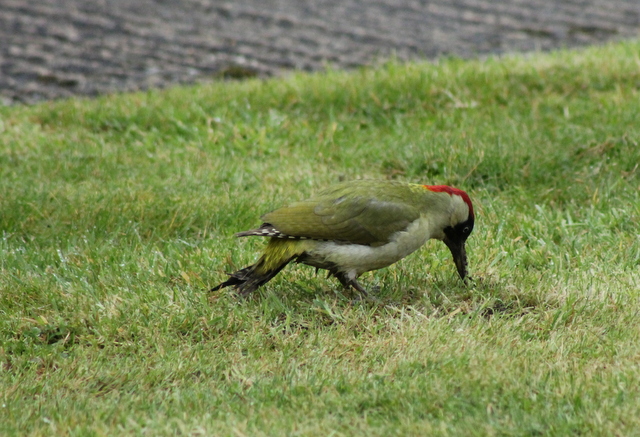
A Green Woodpecker (Picus viridis) looking for ants in the lawn

I was quite pleased with this photo as it showed all the different colours of its feathers, even the black and white spotted feathers under the wings.  This is a female adult as the moustachial feathers are all black.  The male has a crimson centre to the stripe.

IMG_2744Blackbird

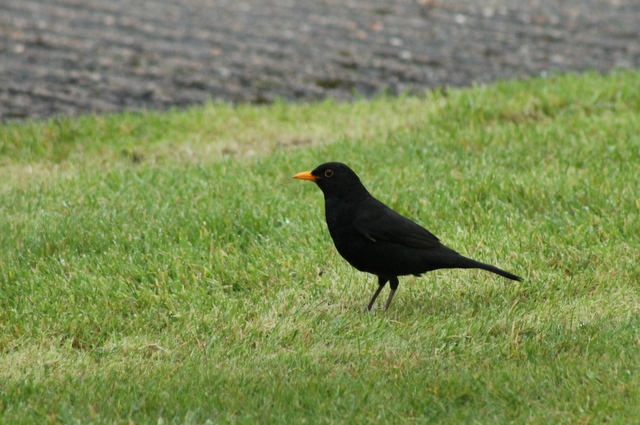
A male Blackbird (Turdus merula) was also on the lawn looking for food.

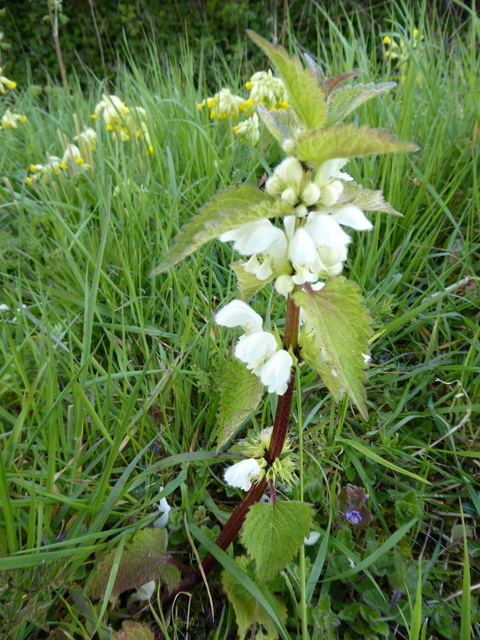
P1000038White deadnettle

White Dead-nettle (Lamium album)

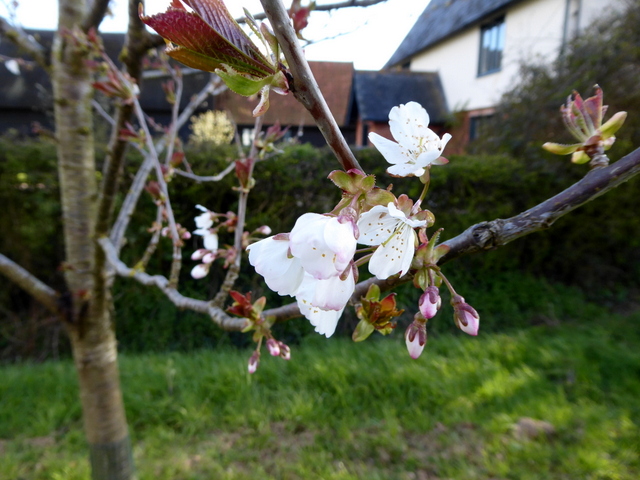
P1000040Wild cherry

Wild Cherry blossom (Prunus avium)

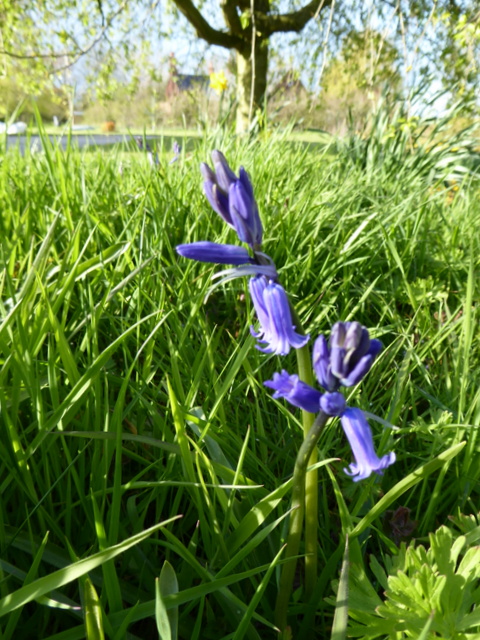
P1000041Bluebell

The first Bluebell (Hyacinthoides non-scripta) flower in our garden this spring

There is nothing quite like the scent of Bluebells.  They are wild hyacinths but don’t have the cloying scent of the garden variety.  There is a sweet freshness that lifts the spirits and is irrevocably linked, to my mind, with birdsong, sunshine after rain and hope.

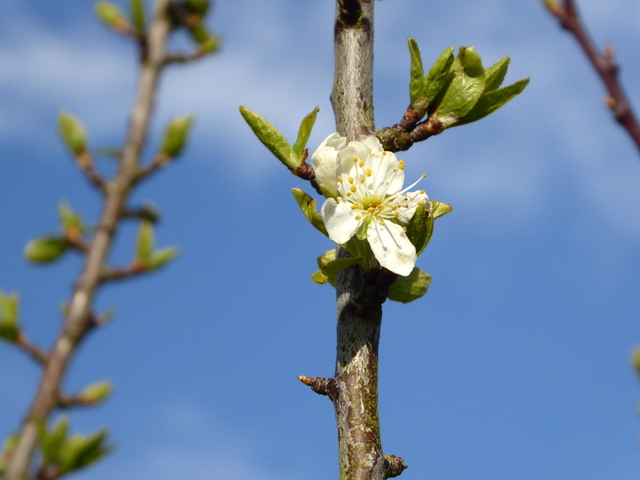
P1000043Greengage

Greengage blossom (Prunus domestica ssp. italica). I hope we have some fruit this year.

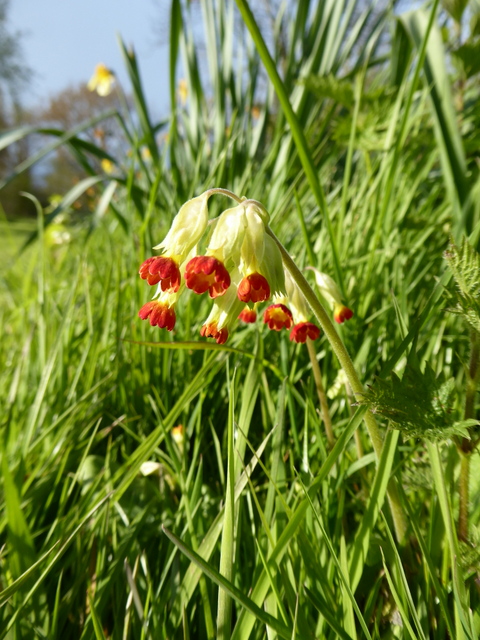
P1000044Cowslip

Some of the Cowslips in our garden are orange and red.

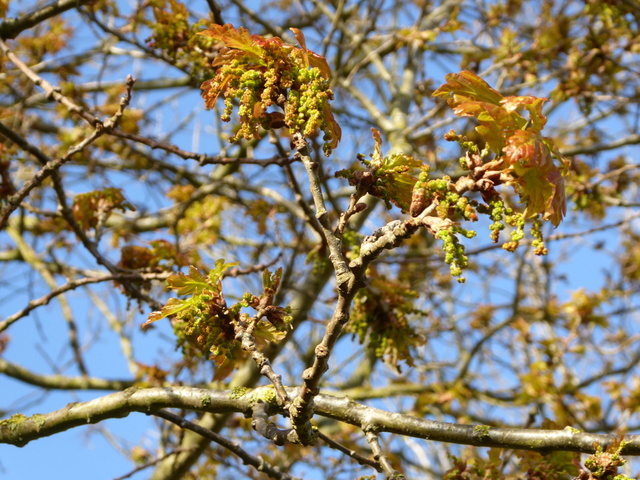
P1000047Oak

Pendunculate / English Oak (Quercus robur). New leaves and flowers (catkins) appear at the same time.

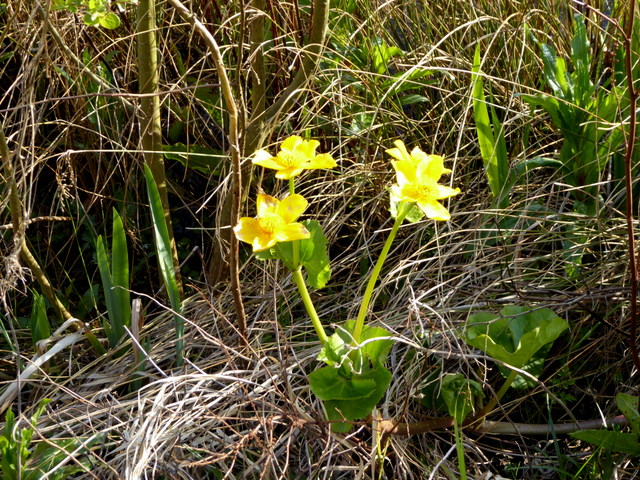
P1000048Marsh marigold

Marsh-marigold (Caltha palustris). I found it impossible to photograph this bright yellow flower well.

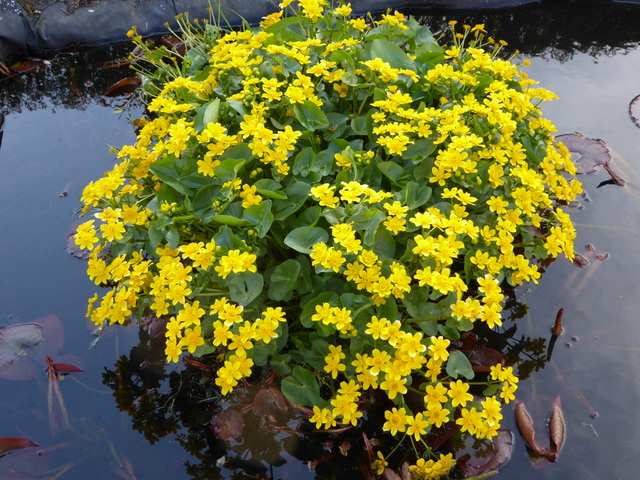
P1000059Marsh marigold

More Marsh-marigold

P1000051Horse chestnut

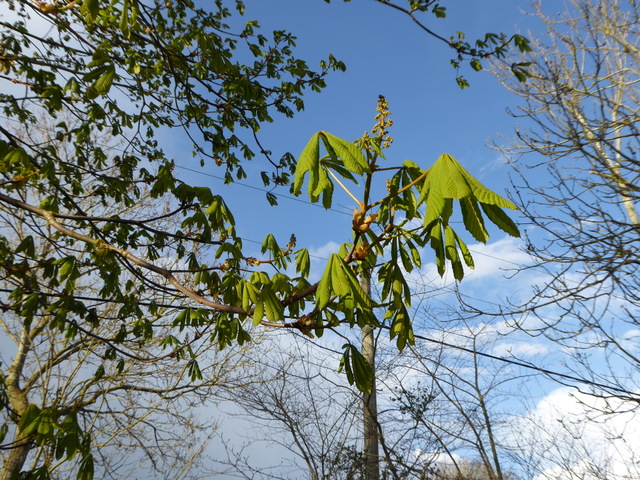
New Horse-chestnut leaves and flower buds (Aesculus hippocastanum)

P1000053Elm

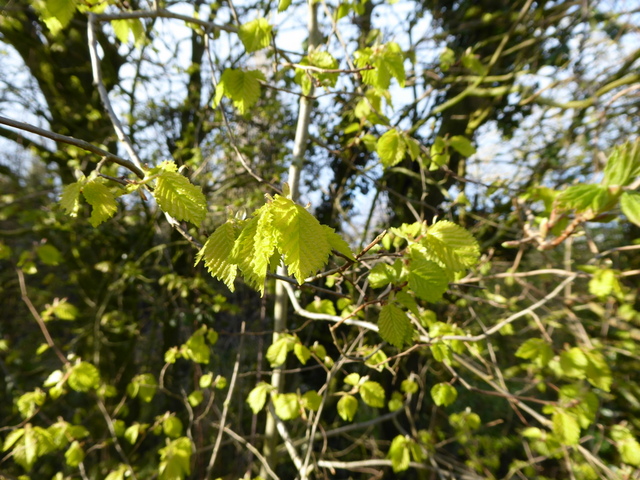
Beautiful new English Elm leaves (Ulmus procera). We have a number of small Elm trees in our garden. Sadly they will only live for a few years before they succumb to Dutch Elm disease.

P1000061Lords and ladies

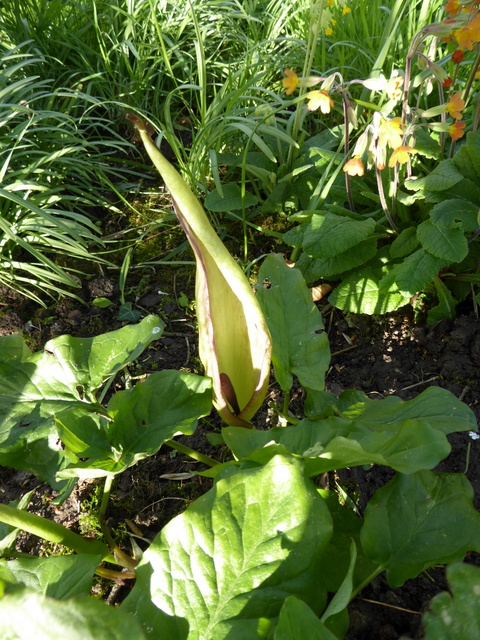
Lords and Ladies / Jack-in-the-pulpit / Cuckoo pint (Arum maculatum).  This plant has many names.   Its arrowhead-shaped leaves are often dark spotted.

P1000063Amelanchier

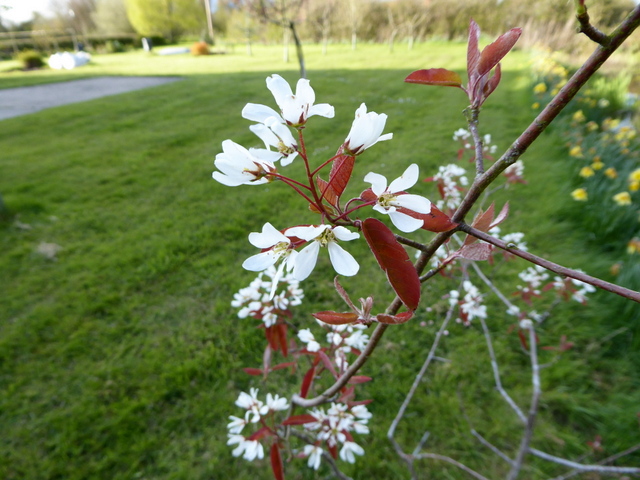
Snowy Mespil (Amelanchier canadensis) blossom

P1000065Blackthorn

Blackthorn blossom (Prunus spinosa). This poor photo is the only image of this year’s blossom I managed to get.

P1000067Rainbow

A rainbow behind the trees

All these photos were taken in April and in my garden, except the first one.

I find I haven’t made a music selection for a while so this post’s choice is ‘Let’s Work Together’ by Canned Heat.  Excellent lyrics, great tune and the best tempo ever!

Thanks for visiting!

Share this:

  • Share on X (Opens in new window) X
  • Share on Reddit (Opens in new window) Reddit
  • Share on Pinterest (Opens in new window) Pinterest
  • Share on Facebook (Opens in new window) Facebook
  • Email a link to a friend (Opens in new window) Email
  • Share on Tumblr (Opens in new window) Tumblr
  • Print (Opens in new window) Print
  • Share on LinkedIn (Opens in new window) LinkedIn
Like Loading...

Spring Days

20 Sun Mar 2016

Posted by Clare Pooley in Gardening, Insects, plants, Rural Diary, weather, wild birds

≈ 53 Comments

Tags

cherry-plum, daffodil, Emmaus, garden improvements, greylag, heron, ladybird, Mallard, new furniture, primrose, rook, rook's nest, spring flowers, sweet violet, wild birds

There isn’t much of interest to report – we have been busy and we are all very tired but there isn’t much to show for it all.

We have had a new suite of furniture delivered for our living room and the old sofas and reclining chair have been donated to Emmaus a charity that helps and supports the homeless.  They have a second-hand retail shop at Ditchingham, a village a few miles to the north of us which is where our furniture was taken.  The new furniture is very different but extremely comfortable.  It is also less bulky than our old furniture so our living room seems a little bigger.

Our old shed has been demolished and we have had a concrete pad laid next to the tool shed where we will put a new potting shed.  Getting rid of the old shed, which really was an eyesore, has opened up the garden at the north side of the house.  Richard has dug over the soil which was underneath the shed and will add organic matter to it to help rejuvenate it.  Eventually, he would like to plant flowering shrubs there.  He has also added compost to and dug over the soil in the vegetable beds.  The potatoes are ready for planting and Richard will begin sowing pea and bean seeds in pots soon.  The weather has been much too cold recently for anything to be planted outside and as we have an unheated greenhouse we daren’t sow seeds there just yet either.

Last week we saw quite a lot of sunshine and even though the wind was from the north-east and very cold everything seemed very spring-like.  This week there has been increasing amounts of cloud and a lot of drizzly rain so with the cold wind it feels like a return of winter.  The daytime temperature has stayed between 5 and 6 degrees C all the week.

I walked round the garden last week and took a few photographs in the sunshine.

IMG_2683Mallard

A Mallard swimming on the big pond

IMG_2691Mallard

Mallard drake

IMG_2685Primroses-001

Primroses in one of the ditches round the garden

IMG_2686Daffodils

Daffodils flowering on the bank of the big pond

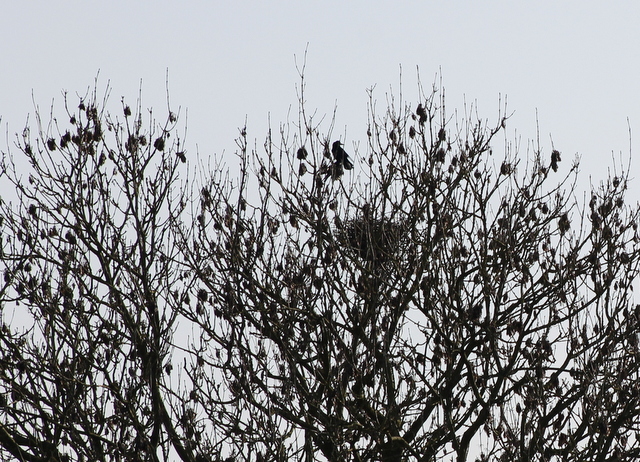
IMG_2687Rook's nest-001

A Rook’s nest being built in the Ash tree.

Greylag pair on the pond
Greylags on the pond

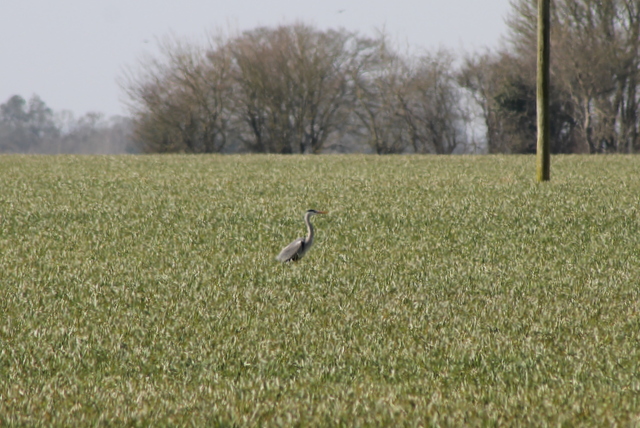
I have seen the heron in the garden a few times.

IMG_2710Heron

I tried to sneak up on the heron as it stood at the side of the pond but it saw me and flew into the field behind our house. This is a poor photo that has been severely cropped.

I found a half-eaten fish on the path round the pond which could have been left there by the heron or by the otter which is causing owners of ponds in our area to wish the otter was living many miles away!

Ladybird
Ladybird
Ladybird
Ladybird
Ladybird
Ladybird
Mallards in the front ditch
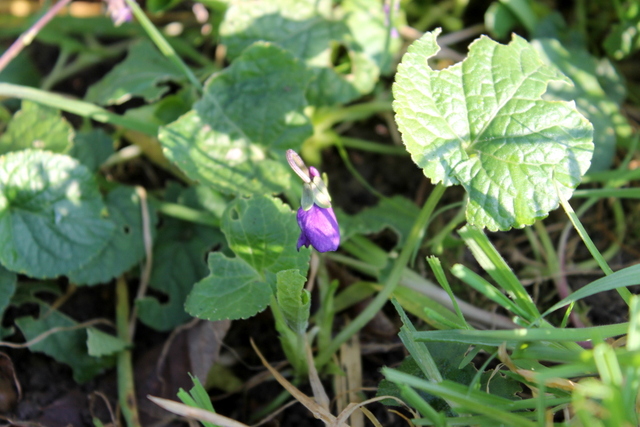
IMG_2701Sweet violet

Sweet violet

IMG_2695Cherry-plum

Cherry-plum


IMG_2696Cherry-plum

Cherry-plum

IMG_2697Cherry-plum

Cherry-plum

My choice of music for this post is Emmanuel Chabrier’s ‘Suite Pastorale’.  As soon as I hear it I think of spring days in the countryside – cool breezes, sparkling streams, flowers and singing birds.  I hope you like the music as much as I do.

Thanks for visiting!

 

Share this:

  • Share on X (Opens in new window) X
  • Share on Reddit (Opens in new window) Reddit
  • Share on Pinterest (Opens in new window) Pinterest
  • Share on Facebook (Opens in new window) Facebook
  • Email a link to a friend (Opens in new window) Email
  • Share on Tumblr (Opens in new window) Tumblr
  • Print (Opens in new window) Print
  • Share on LinkedIn (Opens in new window) LinkedIn
Like Loading...

Garden-work

25 Thu Feb 2016

Posted by Clare Pooley in Gardening, Rural Diary

≈ 45 Comments

Tags

cherry-plum, daffodil, garden, gardening, hawthorn berries, hazel, hellebore, ponds, sheds, spring, summerhouse, witch-hazel

IMG_2640Witch-hazel

Daffodils and crocuses

I managed to do some work in the garden on Sunday; the first time in many weeks that I have spent more than a couple of minutes outside.

Some weeks ago I moved three tubs of spring bulbs – snowdrops with Tete-a-tete daffodils in two tubs and little blue crocuses in the third – from their winter-quarters behind the greenhouse to the front of the house under the kitchen window.  They were ready to bloom and they have brightened up the area near the front door.  On Sunday I moved the rest of the pots and tubs away from the back of the greenhouse either to the front of the house or to the rear near the conservatory.

IMG_2681Daffodil

The area round the greenhouse has become very wet and waterlogged and the pots were sitting in puddles.  Richard and I had a talk about how to solve this problem and I suggested a French drain ( a trench filled with gravel) immediately round the greenhouse and then we discussed again our idea of putting flagstones round the greenhouse to make it nicer to walk on than muddy grass.  We have a plastic compost bin near to the greenhouse and a lidded water-butt behind the greenhouse –  the water-butt will then go on the flags and so will the compost bin.  The water-butt keeps sinking into the ground despite the bricks and flints it is standing on (there must be quite a collection under the water-butt by now).  Also, we often get rats, mice and/or voles getting into the compost bin and having the bin on hard-standing would stop that little game!  They dig tunnels that come up under the bin and then make themselves at home amongst the potato peelings and weeds.

IMG_2675Daffodil

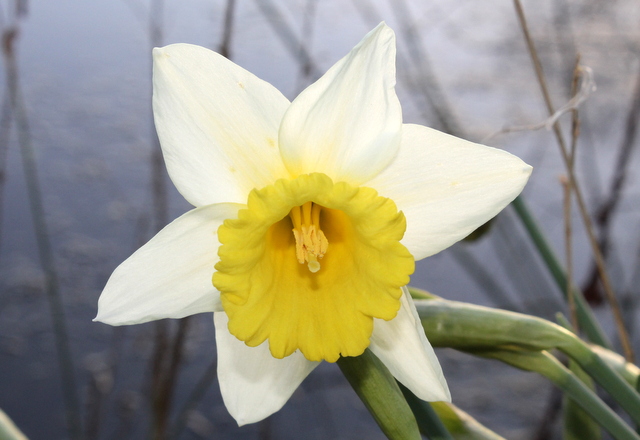
One of the daffodils that have started blooming round the big pond

We also discussed where we would put the new potting shed.  We have a very old tumbledown shed in the middle of the garden.  It is rotting and disintegrating very quickly and we need to replace it and we don’t want to use the same site for the new shed.  We have a very nice tool shed near the greenhouse so the new potting shed with a large window and bench will go next to the tool shed.  This will keep all the out-buildings together in one place and will save us a lot of time walking from one side of the garden to the other.

IMG_2665Witch-hazel

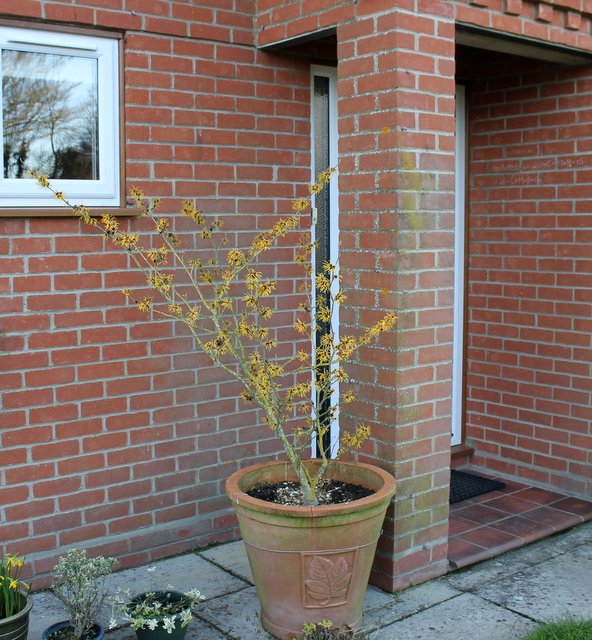
Witch-hazel by our front door

Witch-hazel
Witch-hazel
Witch-hazel
Witch-hazel

I am considering drawing a plan of our garden as it is now and scanning it so that I can include it in this blog.  When we make changes to the garden I can then update the plan.

IMG_2649Summer house

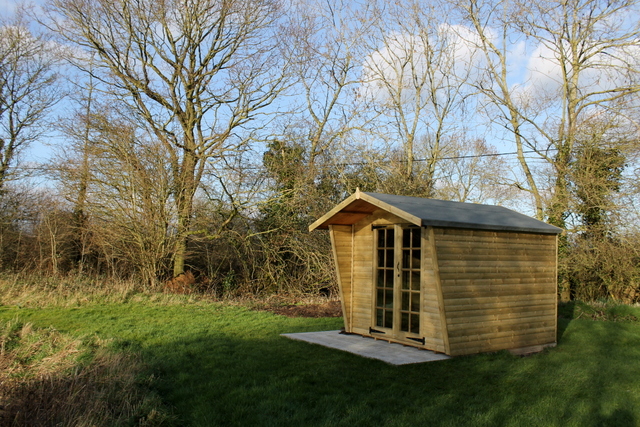
This is our new summer house

I mentioned in a former post that our old summerhouse was demolished and the base was extended in readiness for a replacement.  The new building arrived and was put up during a gale on 8th February and is just what Richard wanted.  He has been enjoying his room with a view and often sits inside it looking out over the big pond.

IMG_2652Hazel

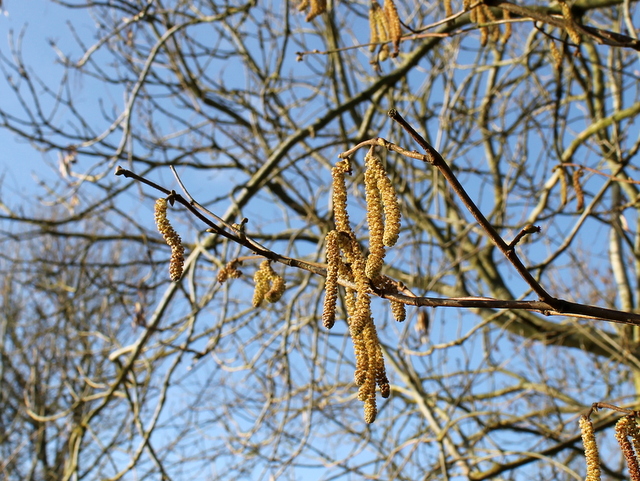
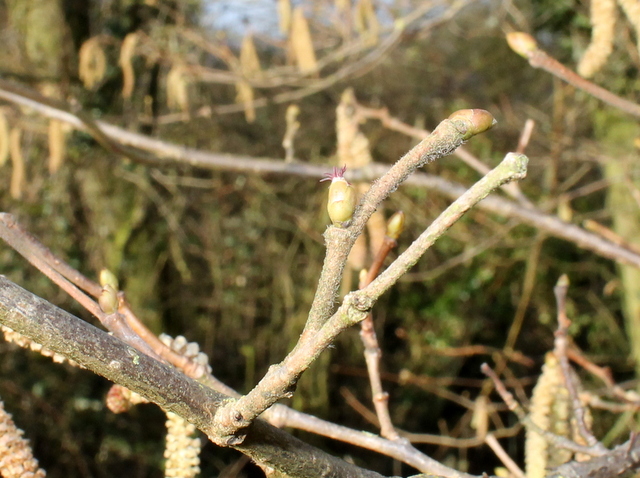
Hazel catkins on one of our Hazel trees

IMG_2650Hazel

A poor photo of a female hazel flower. You can just see the little red tuft at the top of the bud-like object in the centre of the photo

Behind the summerhouse (you can’t see it from the angle the photo was taken from) is our large open compost heap where we put our bulkier garden clippings and waste.  Next door’s chickens are often here turning it over for us and kicking it about and in the summer Richard often finds Grass Snakes sleeping in its warmth.  Richard doesn’t like snakes.

IMG_2657Hawthorn berries

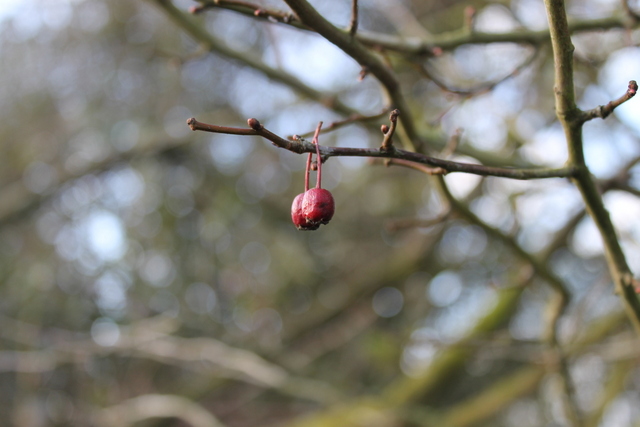
Not all of the Hawthorn berries have been eaten yet. These two had fallen from an overhanging Hawthorn branch above and caught on this Elm twig

I have also mentioned in former posts that the garden is large and is mainly laid to grass.  There are a couple of vegetable beds near the summerhouse and another mixed vegetable and flower bed half way up the garden.  I had started to use this mixed bed when we moved in to this house but I haven’t had the time to do much to it since my father died and Elinor started suffering so badly with anxiety.  Most of my plants there have died and couch grass and ox-eye daisies have taken over.  Richard is using part of the bed for his dahlias and chrysanthemums and there is a rhubarb plant and some blackberry canes there too.

IMG_2659Big pond

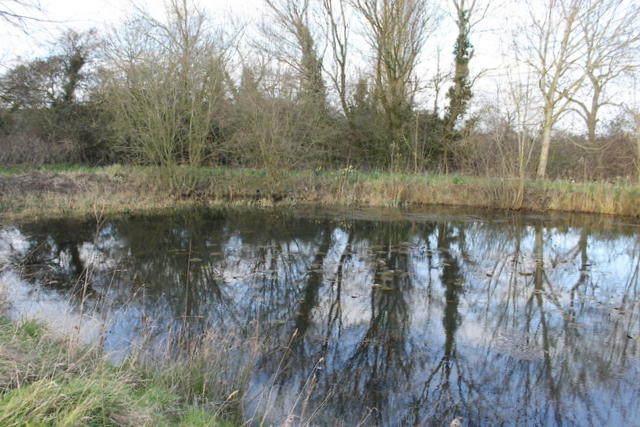
The big pond

IMG_2660Field

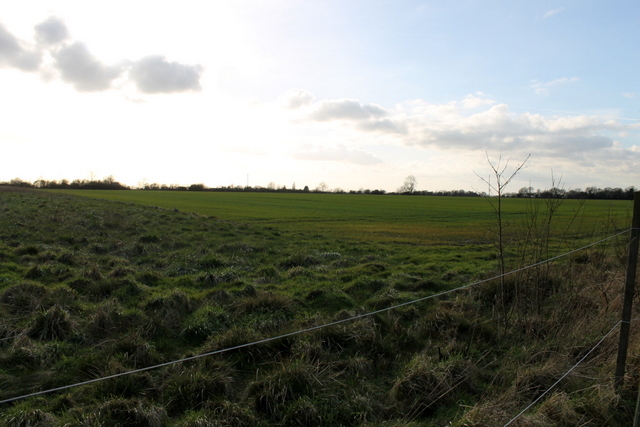
The arable field to the rear of our house

There is an old rose arbour next to the mixed bed and on this side of the arbour Richard has made a flowerbed for his favourite flowers.  He has also started to make a shrubbery fairly near to our septic tank.  We have a large gas tank close to the house and I have made a small flowerbed on the northern side of it and filled it mainly with spring flowers.  I haven’t weeded it recently and this will be a project for the next time I get outside.

This slideshow requires JavaScript.

There are narrow flowerbeds most of the way round the house which I look after and I have also started to landscape the area to the south of the house.  I had made a flowerbed near the hedge at the rear of the house but again, I had to abandon this when Dad died and Elinor started to need more support and I had much less free time.  Many of my plants are in pots and tubs waiting to find a proper home.  I hope to make a gravel garden at the front of the house with paths through it from the front door to the drive way.  I bought the gravel for this project eight years ago!

IMG_2661Hedge

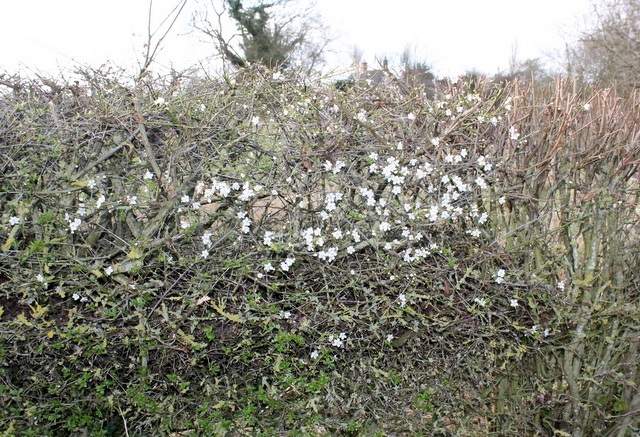
Cherry-plum blossom in our hedge

IMG_2662Cherry plum in hedge

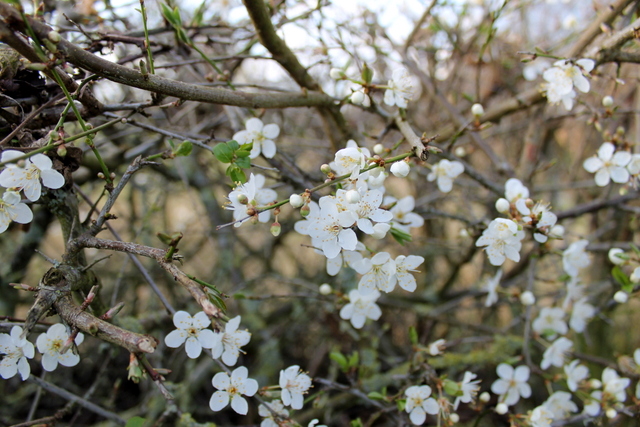
Cherry-plum blossom

Cherry-plum or Myrobalan Plum (Prunus cerasifera) is not a native tree but has become naturalised here and is often found in hedges.  It is often confused with Blackthorn or Sloe (Prunus spinosa) but the Blackthorn flowers open before the leaves come out and the Cherry-plum’s flowers and leaves open at the same time.  The cherry-plum isn’t so spiny as Blackthorn.

IMG_2668Corner pond

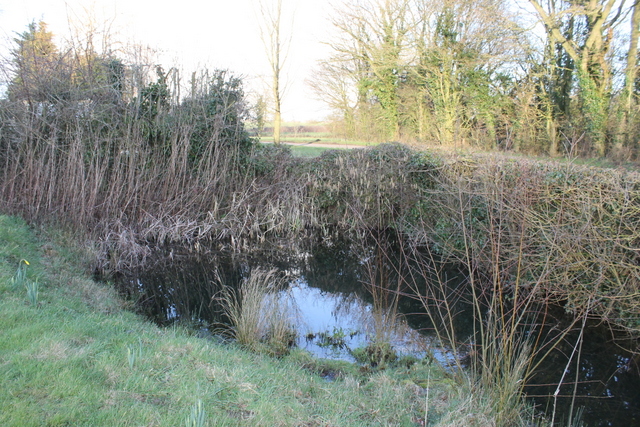
The corner pond at the front of the house.

My music choice today is a song written by B A Robertson and Mike Rutherford shortly after the death of their respective fathers.  It is sung by a favourite singer of mine, Paul  Carrack, whose father died when Paul was eleven years old.  It is a song about the regret we have when we lose a relative and realise all the things we should have said to them when they were alive.  I am so glad I was able to tell my father how much I loved him and appreciated the love he had for me.

Thanks for visiting!
Share this:

  • Share on X (Opens in new window) X
  • Share on Reddit (Opens in new window) Reddit
  • Share on Pinterest (Opens in new window) Pinterest
  • Share on Facebook (Opens in new window) Facebook
  • Email a link to a friend (Opens in new window) Email
  • Share on Tumblr (Opens in new window) Tumblr
  • Print (Opens in new window) Print
  • Share on LinkedIn (Opens in new window) LinkedIn
Like Loading...

Nothing In Particular

02 Tue Feb 2016

Posted by Clare Pooley in churches, family, Gardening, music, plants, Rural Diary

≈ 62 Comments

Tags

'The Company', Agatha Christie, And Then There Were None, Berwang Holiday Music Course, Candlemas, Christmas Cactus, church, family, flowers, funeral, hellebores, house improvements, Kerry Camden, Mozart, phalaenopsis orchid, renovations, Serenade for 13 Winds, snowdrops, wet weather

IMG_2583Snowdrops

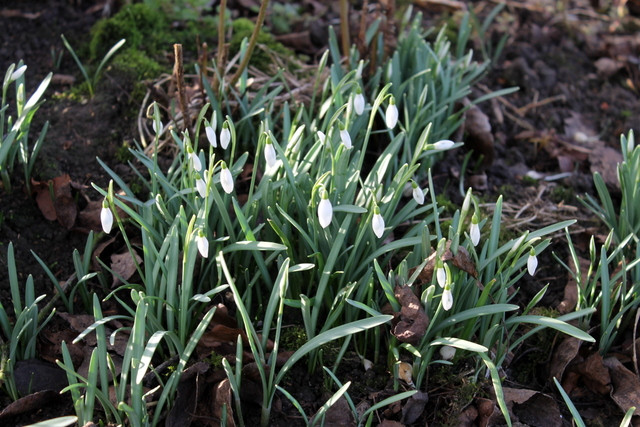
Snowdrops under the crabapple tree

As the title of this post states, this is about nothing in particular.  Since Christmas we, as a family, have been nowhere and have done nothing except the usual chores of housework and shopping and driving – and in Elinor’s case, going to college.  Richard has just returned from three nights away in Manchester staying with his brother and enjoyed a visit to a mining museum and a trip to Bury Market and the East Lancashire Railway.  Elinor and I stayed at home.

IMG_2586Hellebore

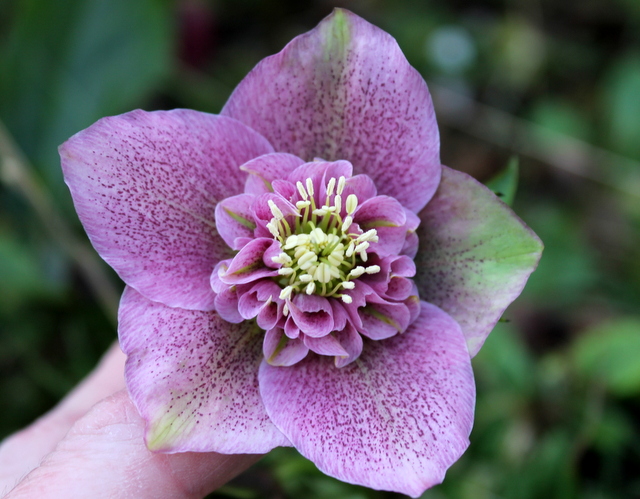
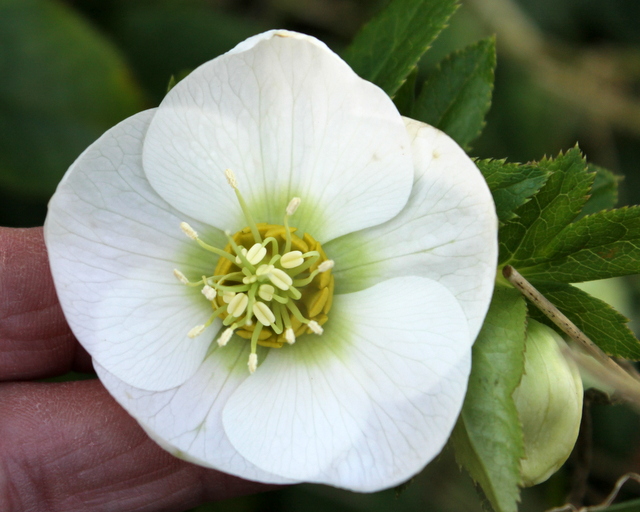
A Hellebore flower

We have found the changeable weather a little trying but fortunately for us we haven’t had to deal with flooding, just lots of deep puddles and mud, mud and yet more mud!  My car was half brown and half blue and the mud had oozed into the car round the doors, so just before he went away Richard hosed it down for me and restored it to its original blue-all-over colour.

IMG_2587Hellebore

Another Hellebore

The next two weeks will be very busy as we are beginning on our house renovations.  The new garage doors were fitted today and most of the windows and doors in the house will be replaced next week.  I am not looking forward to the disruption at all but when it is done the house will be warmer and more secure.

IMG_2594Snowdrop-001

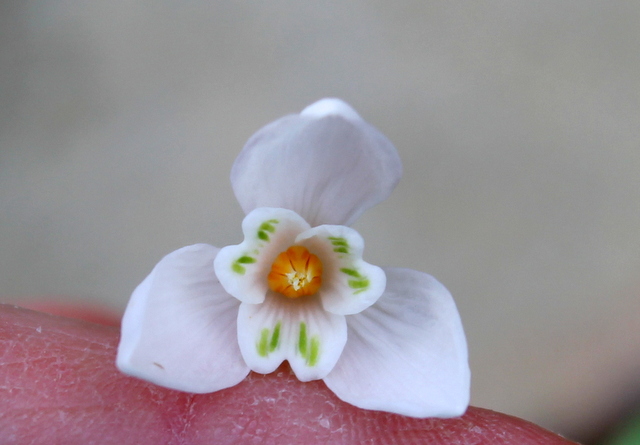
Snowdrop flower. Please excuse the horrible red finger!

One of my aunts died last Sunday 24th January and I will be travelling to Kent with my brother tomorrow for her funeral.  Richard will be staying at home and will be driving Elinor to and from college.  It will be good to see my cousins again despite the sad occasion.   My aunt was my late father’s older sister and she was the last of Dad’s siblings.  I have six first cousins on Dad’s side of the family and I am hoping to see most of them tomorrow.  Andrew (my brother) and I will be meeting up with Francesca (my sister) when we get to the church.

IMG_2602Orchid

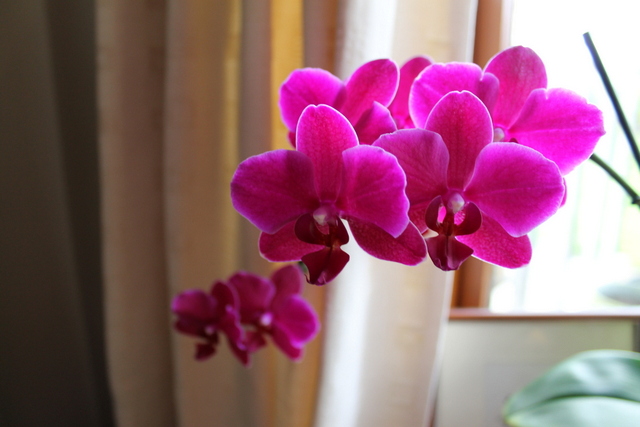
Phalaenopsis Orchid

I am also going to visit Alice in Sheffield on the 12th of February and I will be watching her perform in another play, ‘And Then There Were None’ – an adaptation of the book by Agatha Christie.

Here is the trailer they have made for the play.  I think you will be amused!

IMG_2603Christmas Cactus

All my Christmas Cacti are re-flowering. Perhaps these are now Candlemas Cacti?

It is Candlemas today.  We had a Eucharist service at Rumburgh on Sunday and celebrated the festival early.  At Candlemas we remember three things; the presentation of the child Jesus, Jesus’ first entry into the temple and the Virgin Mary’s purification.  Traditionally, candles are also blessed at Candlemas and Richard our priest gave us two new altar candles.

My choice of music today is Mozart’s Serenade for 13 Winds in B-flat major.  My first introduction to this piece was when I was nearly 14 years of age and I was on a music course in the Austrian Tirol.  I was lucky enough to be given the first (lead) clarinet part and I loved the whole experience – the great responsibility, the team-work, the music itself.  I will never forget that feeling of euphoria as we played through the whole piece together!  As soon as I hear the opening bars of music I am transported back in time to Austria, I am 13 years old and full of hope and excitement.  This was my first ever trip abroad and I and a friend travelled there with our clarinet teacher and Kerry Camden the bassoonist who drove us from London all the way to the Tirol with a stop overnight in the Ardennes.  I had a one-year passport and my parents had given me £15 spending money!

Thanks for visiting!
 

Share this:

  • Share on X (Opens in new window) X
  • Share on Reddit (Opens in new window) Reddit
  • Share on Pinterest (Opens in new window) Pinterest
  • Share on Facebook (Opens in new window) Facebook
  • Email a link to a friend (Opens in new window) Email
  • Share on Tumblr (Opens in new window) Tumblr
  • Print (Opens in new window) Print
  • Share on LinkedIn (Opens in new window) LinkedIn
Like Loading...

November

26 Thu Nov 2015

Posted by Clare Pooley in churches, family, Gardening, music, plants, Rural Diary, theatre, weather

≈ 47 Comments

Tags

Autumn plants, berries, church going, Diary, Don Pasquale by Donizetti, family, flowers, garden work, Glyndebourne Touring Company, house repairs, leaf colour, Open Space Theatre Company, snow, St Michael and All Saints and St Felix church, Suffolk, Uncle Vanya by Chekhov, weather

Red Christmas Cactus
Salmon Christmas Cactus

My point-and-shoot camera stopped working and we didn’t think there was much point in taking it to be repaired.  A replacement probably costs what the repair would have cost – if it could have been repaired – so we ordered a replacement which arrived yesterday. Richard kindly said I could borrow his small camera while we waited for the replacement, but I never used it.  There haven’t been many opportunities for photography during the past week and the camera only took a couple of days to arrive.

IMG_2500Acer

Acer leaves at the beginning of November

After a chilly week or so in October, the weather this month has been fairly warm for the time of year.  We have also had a fair amount of rain.  I have managed to do a little garden-tidying, though as usual, not as much as I need to do or as I would have liked!  There may be a few more days this year when I can finish off the work so I am not too worried.  We had a couple of storms with high winds last week which ripped most of the leaves from the trees and Saturday was cold with wintry showers.

Mahonia this November
Mahonia flowers
Mahonia flowers

We had a gardener/landscaper and his assistant come to do a few jobs that Richard needed help with.  Almost all our hedges have been cut and tidied by them and the front ditch has been strimmed.  The hedges between us and our neighbours on either side of us have been left for now and will be done at a later date.  Both of those hedges (like the front one) are on the far side of deep ditches which are fast filling with very cold water and are difficult to do.

Copper Beech at the beginning of November
Copper Beech in the sun in the middle of the month

Another job the gardener did was to dismantle our old summerhouse and extend the concrete pad on which it stood.  When I say ‘dismantle’ I use the word quite loosely as all he did was lean on it and it fell down.  With the winds that blew last week it probably would have fallen down without anyone’s help.  Richard is still deciding which summerhouse to buy to replace the old one.  We will be able to keep a few things in it that are needed for that end of the garden and Richard will be able to use it as a little home-from-home – a place to escape the hurly-burly of life in the house – a ‘shed’ with a view (of our big pond).  I am sure a comfy chair and coffee-making apparatus will be making their way down the garden and the bell on the wall of the house will be put to good use when summoning him for meals!

Spindle berries beginning to split
Spindle berries
Spindle berries

We got a couple of quotes from local replacement-window firms and have made our choice.  The work to replace almost all the windows in the house, both garage doors and the back door and window in the garage will be done in January.  I just know the weather will be freezing cold when the work’s done and I will have a miserable time of it!  However, it will be worth it in the end as the house will eventually be considerably warmer and our heating bills will be much reduced.

IMG_2508Path round pond

The path round our big pond earlier this month while we still had some leaves on the trees

IMG_2521Reed

A new reed that has appeared next to our large pond this year

Richard spent a couple of days staying with an old friend in Manchester a few weeks ago.  His friend had to retire early through ill health (heart attack) but is much better now and is enjoying not going to work.  Richard came home after a very pleasant break much happier about his own retirement.

IMG_2524Fungus

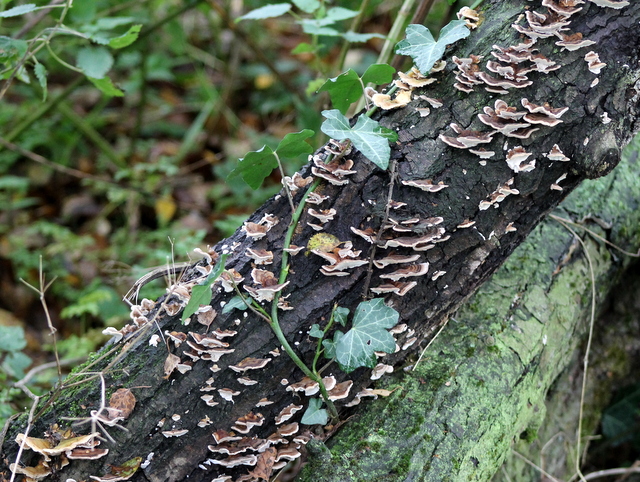
Lots of little bracket fungi found on a dead branch

Richard and I went to the Rectory coffee morning at the beginning of the month and enjoyed seeing all our friends from church.  We came home with cakes, pains aux raisins, marmalade and a book – no prizes in the raffle this time.  This month we also went to the Remembrance Sunday service at St James’ church which was quite moving.  Representatives from all the villages in the benefice read out the names of all the people who lost their lives in some of the wars we have taken part in – the two World Wars as well as the Korean and the Boer Wars.  The American airmen who lost their lives during WW2 and who were stationed at Flixton airfield were also mentioned.

IMG_2514Crabapple

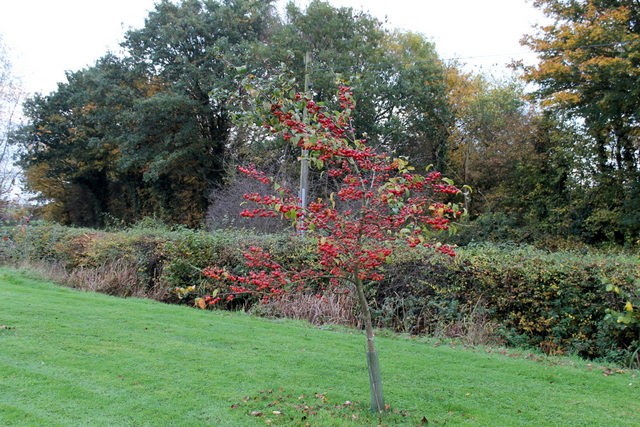
Crabapple ‘Evereste’ covered in fruit . This photo also shows part of the front hedge and ditch before we had them both trimmed and tidied.

Alice came home the Saturday before last and stayed until the following Tuesday.  This was only the second time she has been able to visit this year but we hope to see her at Christmas as well which will be fun!  Mum came to lunch that Sunday and she enjoyed chatting with Alice and catching up with her news.

DSCN0011

The church of St Michael and All Angels

DSCN0007

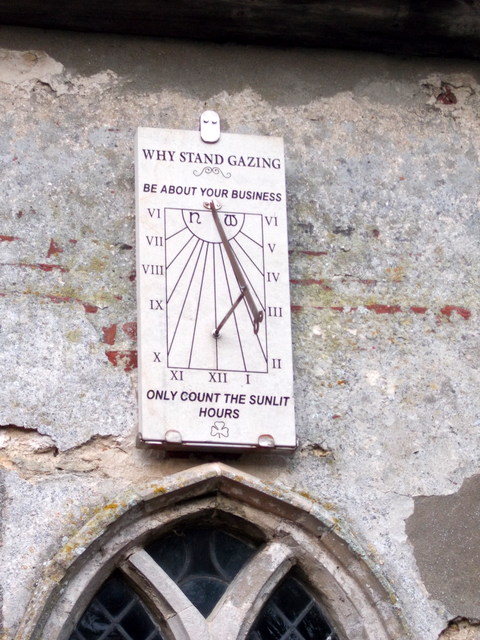
The sundial on St Michael’s wall

DSCN0010

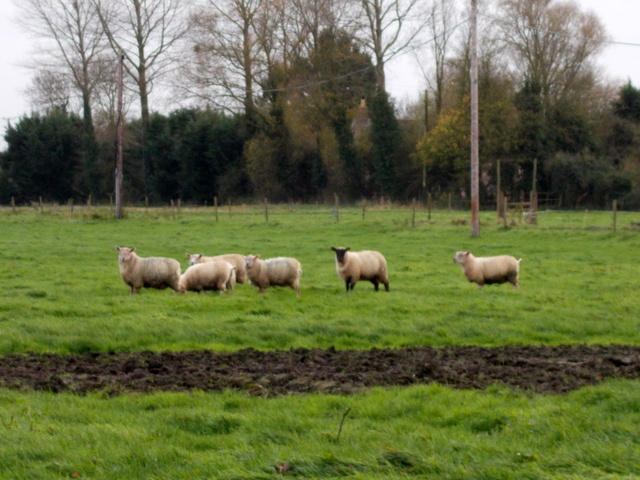
Some of the sheep in the field next to the church.

(The three photos above were all taken with my new camera.  I think I will need to adjust the settings to get clearer pictures.)

Richard and I had been to the 9.30 Morning Prayer service at St Michael’s church the Sunday before last. Maurice, one of our Benefice Elders, took the service and spoke about St Edmund, Suffolk’s Patron Saint whose feast day is the 20th of November.  I had been due to take Mum to her church that day but couldn’t because of lunch-cooking duties.  Instead, I arranged to take Mum to church this Sunday just gone.  It was very icy with snow still on the ground in the morning and we assumed that it would be as bad at Mum’s house and at Eye; Richard said he would drive us in his 4×4.  Unfortunately for Richard, the further inland we got the less snow there was and he found that he needn’t have driven me and Mum after all!  He had to sit through a High Church service at Eye church with bells, incense and a procession to boot, because he had been gallant.  Richard doesn’t like High Church services – his Methodist upbringing revolts against them.  I was brought up going to High Church services and I can worship anywhere really, but do prefer my own local church with my friends and Richard by my side.  I think I’ll be left to drive Mum to church on my own as usual in future, whatever the weather!

These next photos were taken by Richard on his phone on Sunday morning.

View of the garden from the conservatory
The greenhouse seen from the conservatory
The garden on the south side of the house from the conservatory

I went out for the evening twice last week.  On Tuesday evening I took Mum to a performance of the opera ‘Don Pasquale’ by Donizetti.  It was performed by the Glyndebourne Touring Company at the Theatre Royal in Norwich.  We loved it very much indeed.  The singing, the costumes, the orchestra and the stage set were fabulous.  A really enjoyable evening out only spoiled by a gale blowing and making driving and walking difficult – Mum was nearly blown over a couple of times and I had to hold onto her tightly.  Clouds of leaves were swirling about in front of the car and bits of tree were falling onto the road all about us.  As I drove along I was aware of loose branches swinging to and fro just above the car and hoped I could get out of the way before they fell.  Fortunately I got my mother and myself safely to Norwich and then back home again.

IMG_2512Rosehips

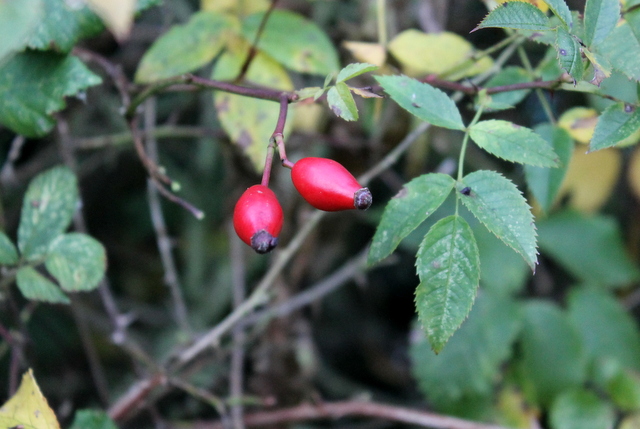
Wild Rosehips in the hedge.

On Saturday night Richard and I went to see ‘Uncle Vanya’ by Chekhov performed by the Open Space Theatre Company at The Cut in Halesworth.  We both enjoyed the play very much which was acted and directed well.  On leaving the theatre we found it had started snowing and as Richard had left his hat in the car he got quite wet and cold on our brisk walk to the carpark.  The snow was falling heavily as we left the town and Richard found it very difficult keeping to the road once we left the street-lights behind.  Most of our lanes have deep ditches running along next to them and there is always the risk of driving into a ditch in the dark.  We were glad to get home again and into the warm.  The snow didn’t last long and by morning most of the roads and paths were mainly clear but icy.

All photos in this post were taken either in our house or in the garden except for the ones of St Michael’s church.

My musical choice is performed by Emeli Sandé and Jules Holland.

Thanks for visiting!
 

Share this:

  • Share on X (Opens in new window) X
  • Share on Reddit (Opens in new window) Reddit
  • Share on Pinterest (Opens in new window) Pinterest
  • Share on Facebook (Opens in new window) Facebook
  • Email a link to a friend (Opens in new window) Email
  • Share on Tumblr (Opens in new window) Tumblr
  • Print (Opens in new window) Print
  • Share on LinkedIn (Opens in new window) LinkedIn
Like Loading...

Autumn in a Suffolk Lane – Part 2

11 Sun Oct 2015

Posted by Clare Pooley in churches, Days out, Gardening, music, plants, Rural Diary, trees

≈ 42 Comments

Tags

Acorn, ash keys, Astrantia, autumn, Bantam Cock, beach, chickens, Chrysanthemum, conker, dogwood, Dunwich Heath, dwarf gorse, eating apples, Elderberries, fungi, gardening, GERANIUM, Grove snail, Hibiscus, Jake Thackray, Knopper gall, leaf colour, Linstead Magna, Linstead Parva, liverwort, Michaelmas Daisy, moorhen, Pyracantha, rough sea, Salvia, silver birch, Suffolk, sunset, Tansy, viola

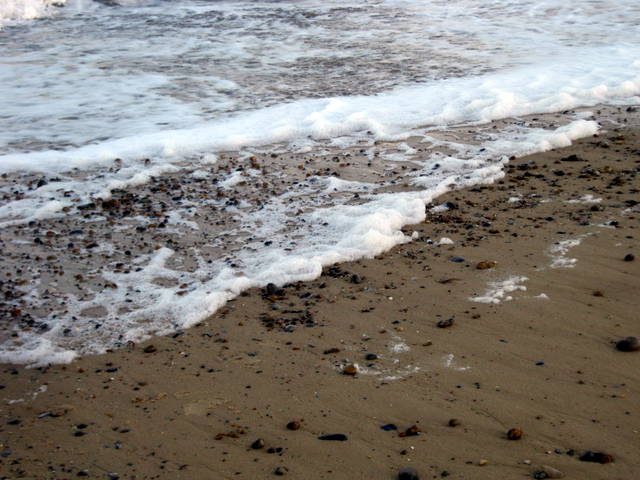
IMG_5766Beach at Dunwich Heath

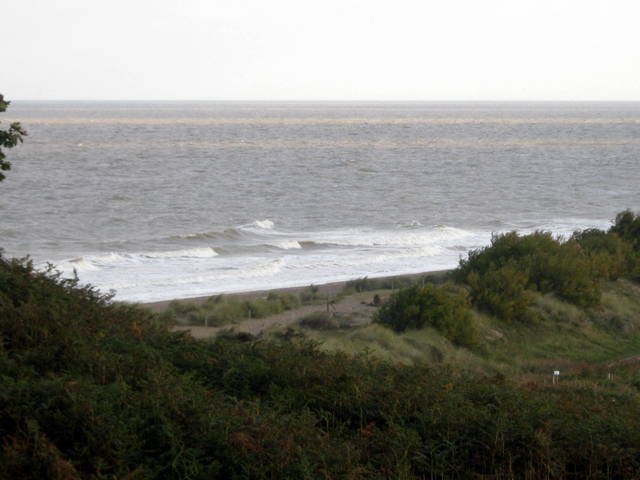
The beach at Dunwich Heath.

We visited yet another of our local beaches on a very windy, cool afternoon recently.  We only stayed on the beach for a short while because the wind was so biting; Elinor and I both got earache.

IMG_5767Beach at Dunwich heath

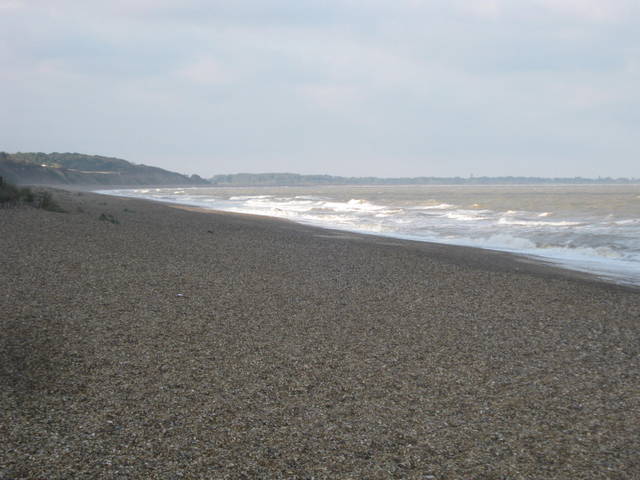
The mist in the distance is sea-spray.

IMG_5768Beach at Dunwich Heath

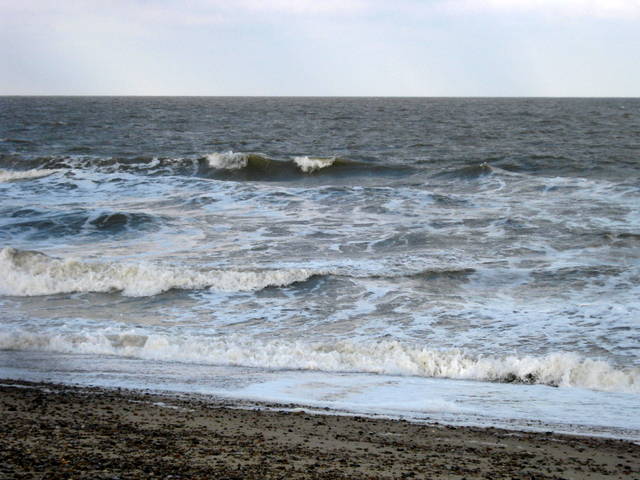
The waves were quite rough but the tide was going out.

IMG_5769Beach at Dunwich Heath

Foam was left on the sand and was blowing about.

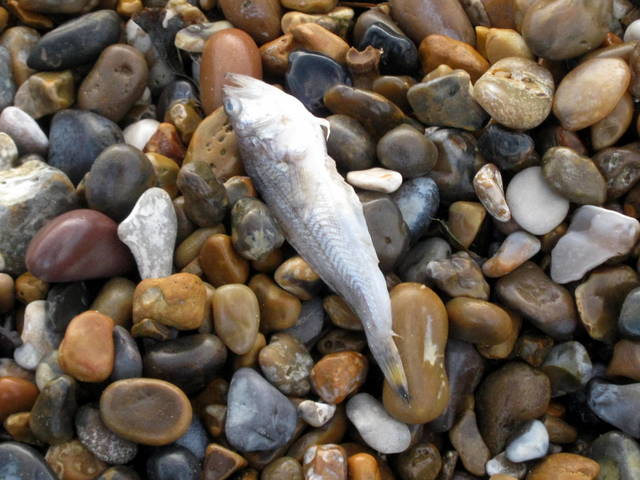
IMG_5770Dead fish

This little fish must have come too close to the shore.

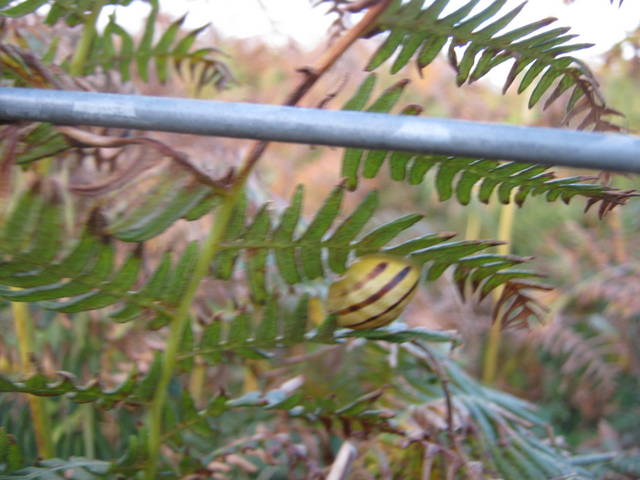
IMG_5771Snail on bracken

This Grove Snail (Cepaea nemoralis) attached to its bit of bracken was swinging about in the wind.

My ID guide suggests that the Grove Snail “is used to demonstrate the survival of the fittest in evolution, because Thrushes eat the snails which are least well camouflaged against their environment.”

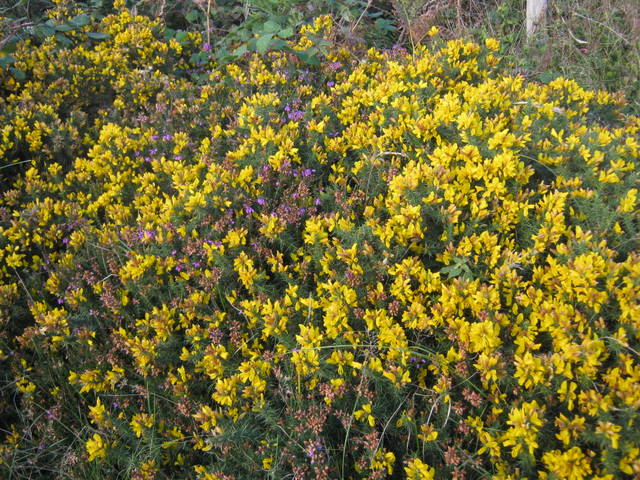
IMG_5772Gorse

The Heather (Calluna vulgaris) was past its best but the Dwarf Gorse (Ulex minor) was looking wonderful

IMG_5776Sunset

Another sunset.

In a post I wrote a couple of weeks ago I mentioned that the bright yellow of the Perennial Sow-thistle was not common at this time of year.  I will have to eat my words because most of the flowers I have seen since then have been yellow!

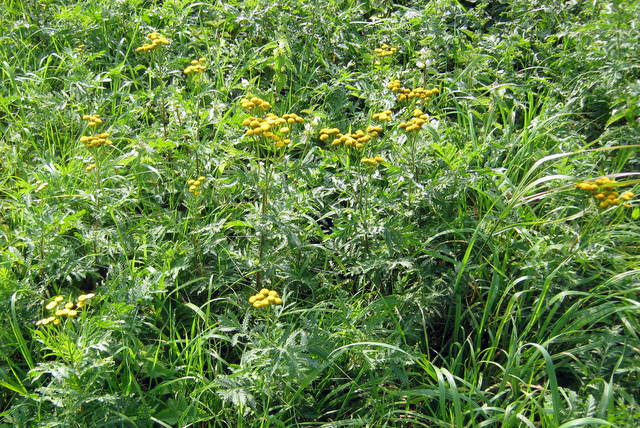
IMG_5778Tansy

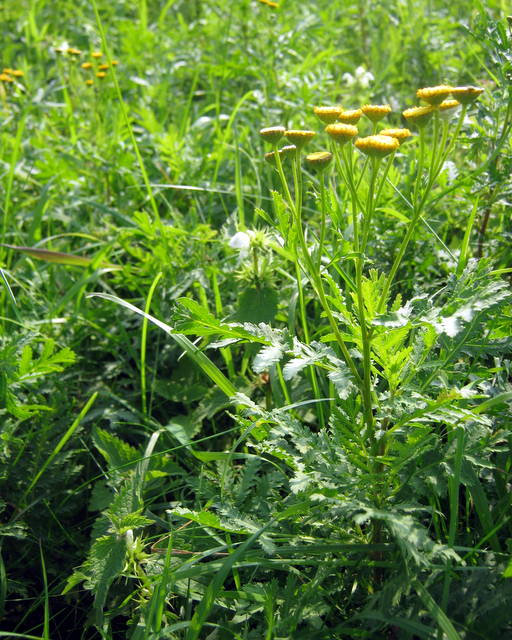
Tansy (Tanacetum vulgare) seen on the roadside between Linstead Magna and the village of Linstead Parva *(see below)

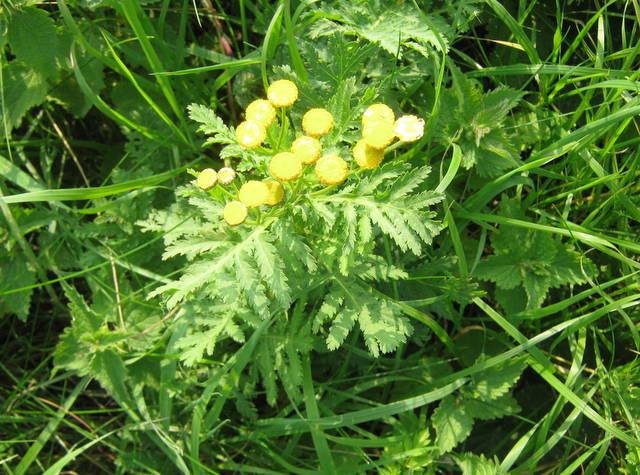
IMG_5779Tansy

The Tansy has very aromatic leaves and the little button flowerheads are made up of disc florets only.

IMG_5780Tansy

The genus name ‘Tanecetum’ and the name Tansy are both derived from the Greek word for immortality. The plant was believed to give  eternal life to the drinker of an infusion made from it.

Tansy used to be used as a flavouring in food until fairly recently.  Egg dishes especially, were enhanced by the use of finely chopped tansy leaves.  Tansy was also used as an alternative to expensive imported spices such as nutmeg and cinnamon and Tansy Cake at Easter was very popular.  Because of the strength of its scent, Tansy was also used as a repellent, keeping mice from corn and flies from meat.

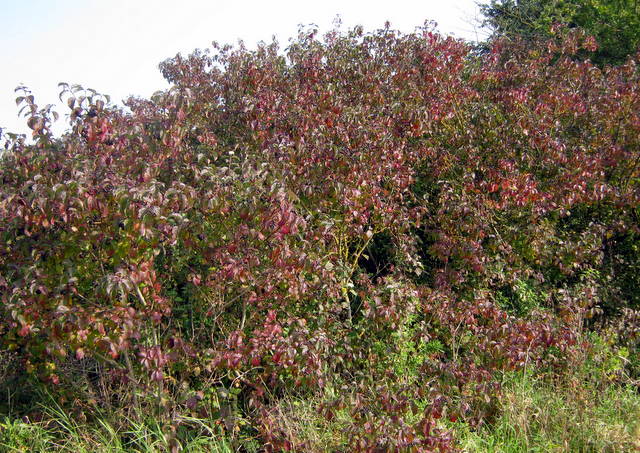
IMG_5781Dogwood

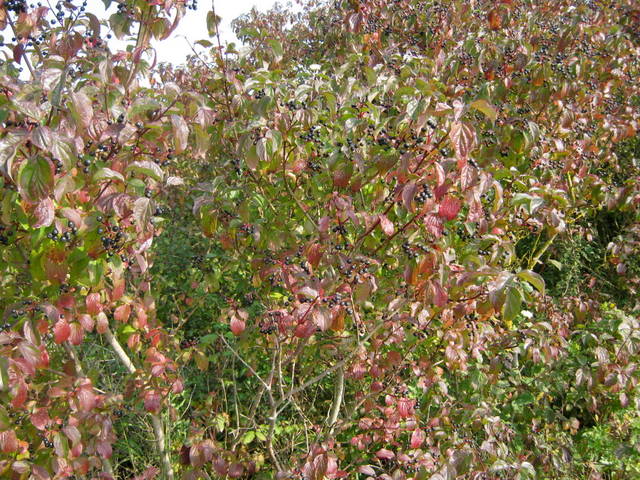
Dogwood (Cornus sanguinea)

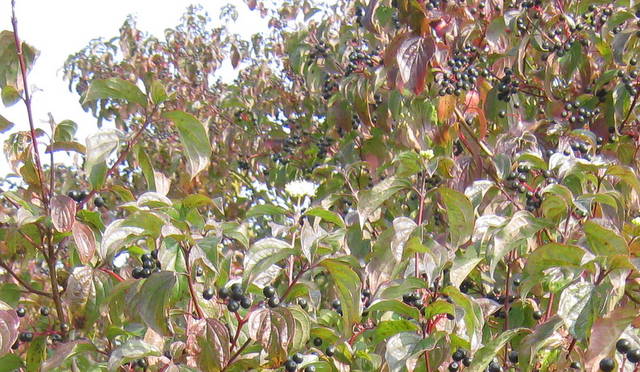
Close to where I photographed the Tansy I found this hedge of Dogwood.  It was covered in large black berries – the largest I have ever seen on a Dogwood – and most of  the leaves had turned a beautiful red.  Dogwood leaves are usually a much darker, duller maroon in Autumn.

IMG_5782Dogwood

What also surprised me about these Dogwood bushes was seeing flowers in bloom at the same time as the berries and the red leaves.

It isn’t easy to see them in this photo so I cropped it.

IMG_5782Dogwood - Copy

One of the flower-heads is in the centre of this picture.  The couple of weeks of warm and sunny weather we have had recently had fooled the bush into thinking it was spring again.

Richard and I have been working in the garden, getting it ready for winter.  I only seem able to get out there a couple of days a week but I have managed to get quite a lot done.  One of my jobs has been tidying behind the garden shed and round the back of the greenhouse.  Behind the shed was rank with weeds, mainly stinging nettles, which I was able to pull out fairly easily as the soil is quite damp there.  I had stored lots of pots and tubs full of spring bulbs behind the greenhouse so these have come back out to be smartened up and got ready for next spring.  I discovered other flowerpots that should have been emptied and cleaned ages ago.

IMG_5783Marchantia polymorpha liverwort with snail

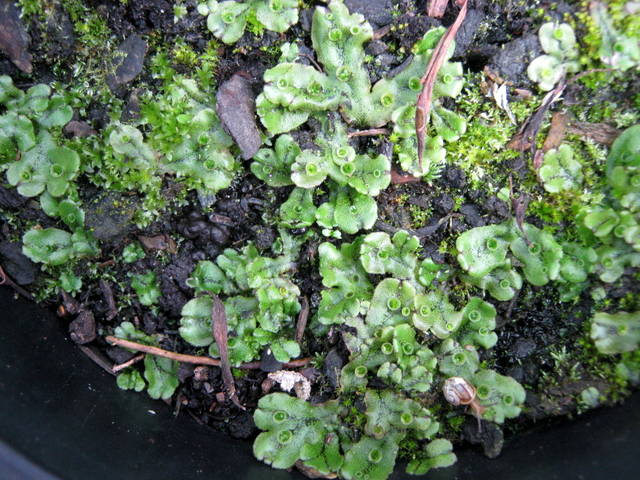
This pot was covered with liverwort Marchantia polymorpha. It has little green cups on the leaf-like structures (thallus). Do you see the baby snail?

IMG_5818Fungus

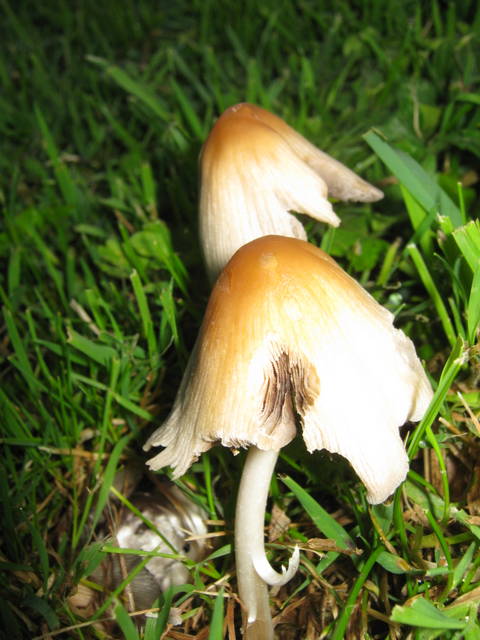
We have a lot of fungus all over the grass in our garden. Nothing exciting or colourful, just brown and cream-coloured toadstools. These had been nibbled by something.

IMG_5814Fungus
IMG_5816Fungus

Two other unidentified types of fungi.

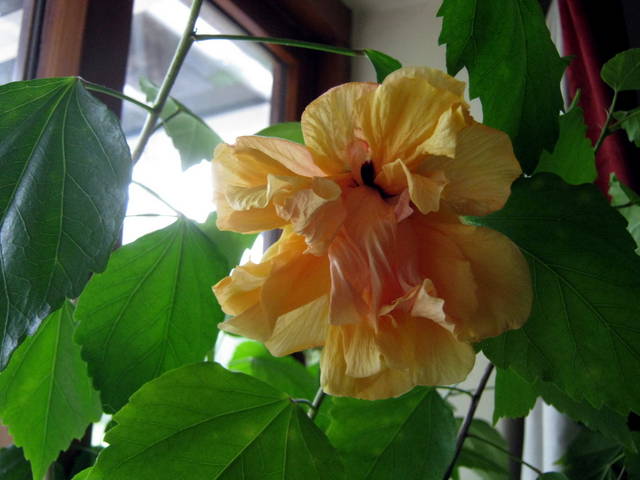
IMG_5786Hibiscus

I have had this Hibiscus for about 26 years. It was a gift from my ex-mother-in-law who brought this with her when she came to see us when Alice was a tiny girl.

I love these double flowers – the peach petals have dark crimson bases.

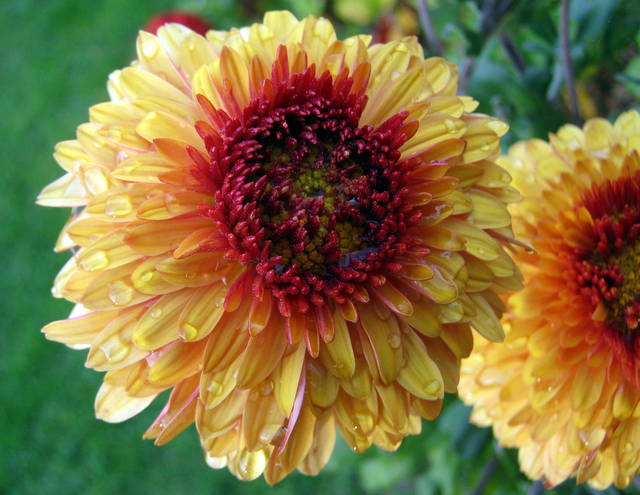
IMG_5788Chrysanthemum

Richard has a new Chrysanthemum flower

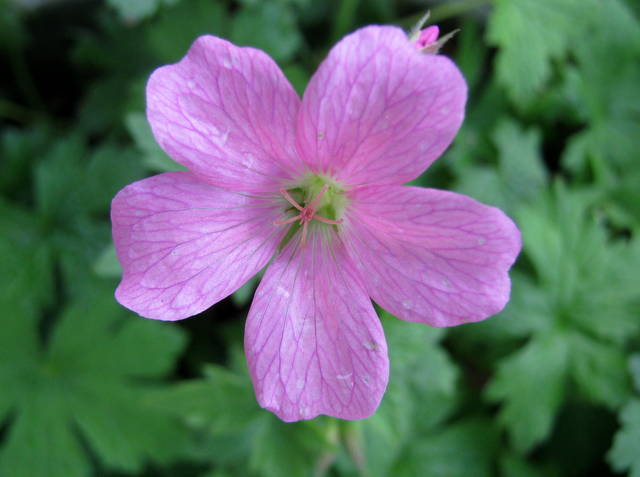
IMG_5789Geranium

My Geraniums are still flowering

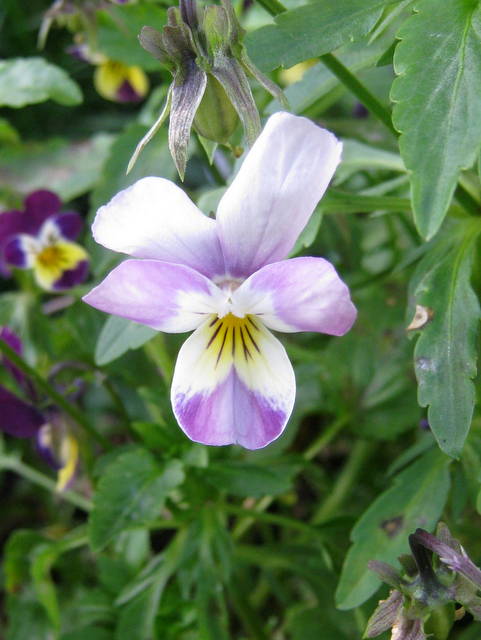
IMG_5792Viola

I like this pretty Viola

IMG_5799Michaelmas Daisy
IMG_5800Michaelmas Daisy
IMG_5807Michaelmas Daisy

Three different Michaelmas Daisies

IMG_5808Salvia

Salvia

IMG_5811Astrantia

The three ages of Astrantia

IMG_5793Elderberries

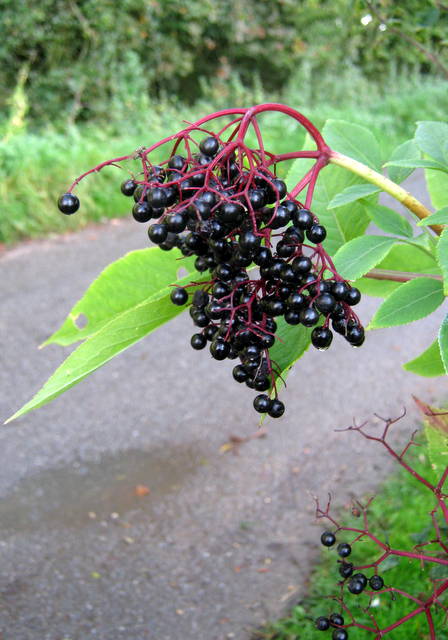
Elderberries from the bush at the end of the drive.

IMG_5805Acorn

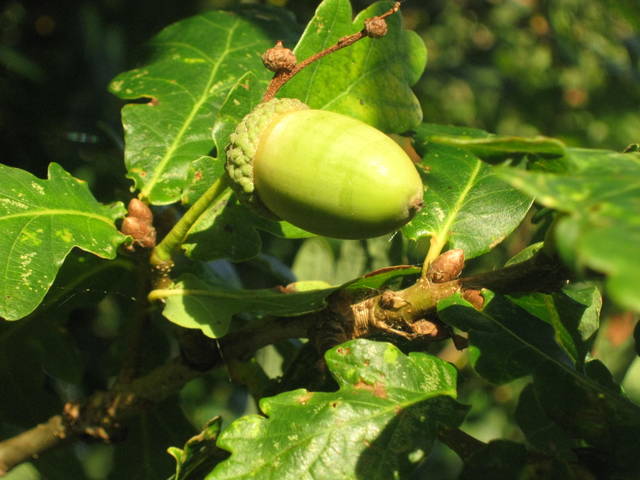
Acorn  This is the first time in years that these acorns aren’t affected by Knopper galls.

018Acorns with galls (640x458)

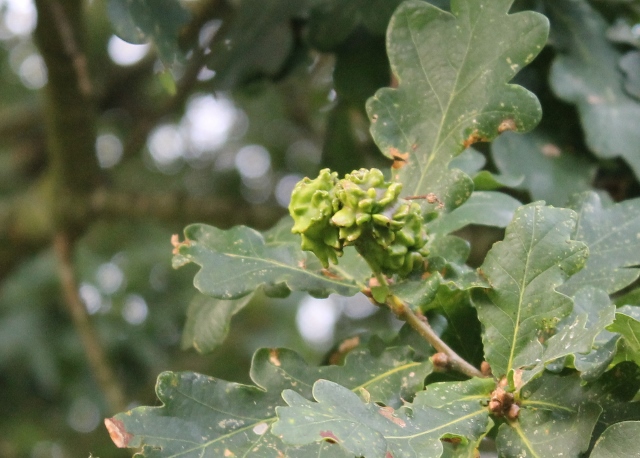
This is a photo I took last year of Knopper gall damage on acorns

IMG_5806Conker

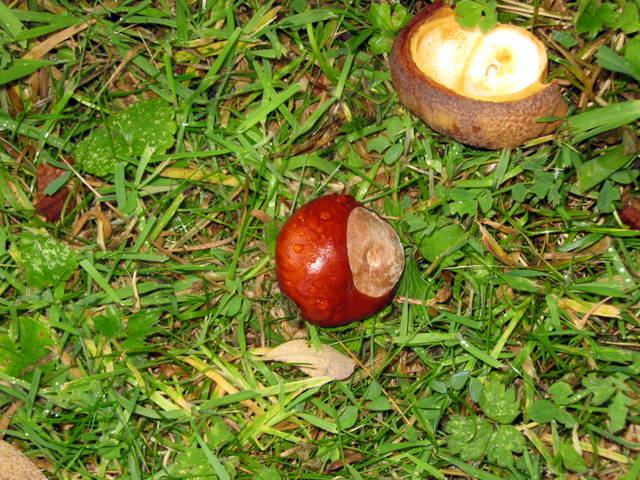
‘Conker’

IMG_5815Ash keys

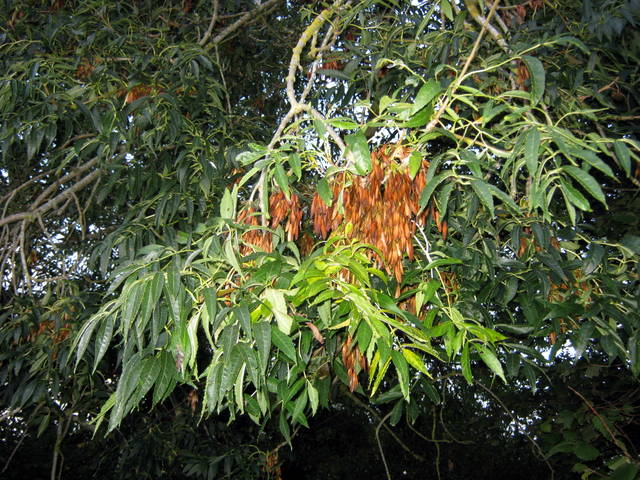
Ash ‘keys’

IMG_5795Autumn colour

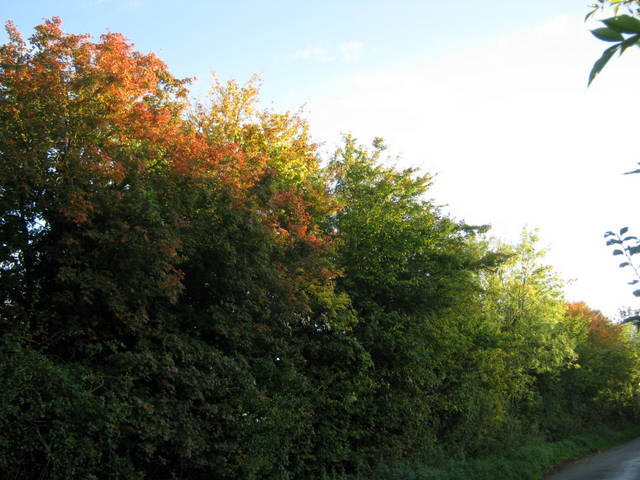
The trees in our lane

IMG_5812Silver birch

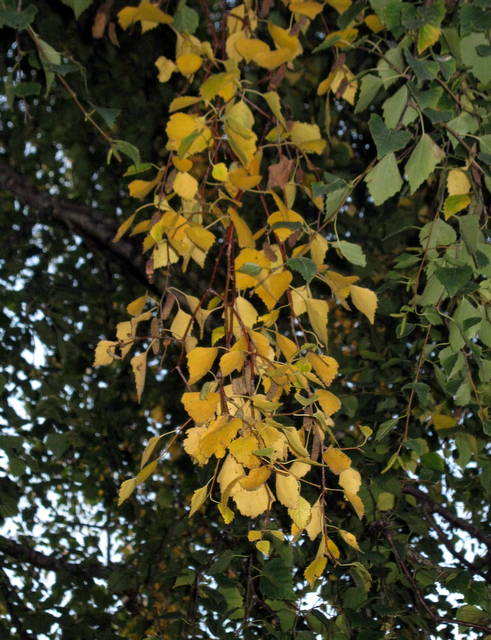
Our Silver Birch is changing colour

IMG_5813Birch leaves

Birch leaves

IMG_5797Pyracantha

I pruned our Pyracantha recently

IMG_5821Apple tree damage

We not only had a lot of aphid damage to our apple trees in the spring and early summer but the apples on this tree are now being eaten by Moorhens!  It is odd seeing water birds wobbling about in the trees gulping down our apples as fast as they can.

We are getting a little tired of next-door’s free-range chickens in our garden all day.  They kick about in the flower beds and damage seedlings; they peck off flowers and generally make a mess of the paths, beds and compost heaps in the garden.  We have spoken to our neighbours about it a few times but they don’t appear to have any intention of keeping their chickens on their own land.  They have a constant supply of chicks too.

Linstead Magna (large/greater Linstead) is now a small collection of houses and farm buildings.  The church no longer exists but I spoke to someone some years ago who remembered the church and used to attend it.  For more information about this church see here.

Linstead Parva (small/lesser Linstead) is a pleasant little village with a pretty church.  In spring the churchyard is covered in snowdrops and other spring flowers.

Thanks for visiting!
Share this:

  • Share on X (Opens in new window) X
  • Share on Reddit (Opens in new window) Reddit
  • Share on Pinterest (Opens in new window) Pinterest
  • Share on Facebook (Opens in new window) Facebook
  • Email a link to a friend (Opens in new window) Email
  • Share on Tumblr (Opens in new window) Tumblr
  • Print (Opens in new window) Print
  • Share on LinkedIn (Opens in new window) LinkedIn
Like Loading...
← Older posts
Newer posts →
Follow A Suffolk Lane on WordPress.com

Enter your email address to follow this blog and receive notifications of new posts by email.

Join 718 other subscribers.

Unknown's avatar

I talk about what it's like living in a quiet part of Suffolk. I am a wife, mother and daughter, a practising Christian and love the natural world that surrounds me. I enjoy my life - most of the time!
My Posts

Mar 2026
M T W T F S S
 1
2345678
9101112131415
16171819202122
23242526272829
3031  
« Feb    

Pages

  • About my Blog
  • GDPR (General Data Protection Regulations) and This Site
  • My Life in a Suffolk Lane

Archives

Blogs I Follow

Unknown's avatar
Unknown's avatar
Unknown's avatar
Unknown's avatar
Unknown's avatar
Unknown's avatar
Unknown's avatar
Unknown's avatar
Unknown's avatar
Unknown's avatar
Unknown's avatar
Unknown's avatar
Unknown's avatar
Unknown's avatar
Unknown's avatar
Unknown's avatar
Unknown's avatar
Unknown's avatar
Unknown's avatar

Posts I Like

  • Unknown's avatar
  • Unknown's avatar
  • Unknown's avatar
  • Unknown's avatar
  • Unknown's avatar
  • thesimlux's avatar
  • Limentinus's avatar
  • Unknown's avatar
  • womanseyeview's avatar
  • Stephen G. Hipperson's avatar
  • Unknown's avatar
  • jonathonbhoyt's avatar
  • Unknown's avatar
  • Unknown's avatar
  • East of Elveden's avatar
  • sopantooth's avatar
  • Talkmore's avatar
  • Unknown's avatar
  • Secret Diary of A Country Vicar's Wife's avatar
  • Unknown's avatar
  • Resa's avatar
  • peytonsview's avatar
  • Unknown's avatar
  • sherijkennedyriverside's avatar
  • Unknown's avatar
  • Unknown's avatar
  • Kathleen's avatar
  • John Hric's avatar
  • Unknown's avatar
  • Unknown's avatar
  • Amin Academy's avatar
  • T Ibara Photo's avatar
  • Unknown's avatar
  • Unknown's avatar
  • Unknown's avatar
  • Unknown's avatar
  • Unknown's avatar
  • Unknown's avatar
  • Unknown's avatar
  • Unknown's avatar
  • Schnippelboy's avatar
  • gederedita's avatar
  • Unknown's avatar
  • Unknown's avatar
  • Unknown's avatar
  • cindy knoke's avatar
  • Unknown's avatar
  • Jack Ronald Cotner's avatar
  • mitchteemley's avatar
  • Unknown's avatar

amphibians architecture art Arts and Crafts churches cooking Days out domestic animals family fish Folk Traditions Gardening Historic Buildings holidays Insects Landscaping literature music Norwich plants Rural Diary seashore theatre trees Uncategorized walking weather wild animals wild birds wild flowers

Tags

architecture autumn birds blackbird blackthorn Bungay butterfly church clouds common knapweed cow parsley crocus daffodils Diary dogwood family field maple flowers fungus garden gardening geese greylags ground-ivy Halesworth Hawthorn heather holiday Holly Holy Week horse chestnut Hoverfly insects ivy Lake District Lent lesser celandine lichen Lords and Ladies Mallard mallards Minsmere moorhen moss music Norwich Peak District pheasant plants pond ponds primrose primroses Rain rooks Rumburgh Rumburgh Church sheep Sheffield snow snowdrops Southwold spring Suffolk Suffolk Wildlife Trust sunset the Beck trees viburnum bodnantense walking weather wild cherry wild flowers winter-flowering honeysuckle witch-hazel

Meta

  • Create account
  • Log in
  • Entries feed
  • Comments feed
  • WordPress.com

Goodreads

Blog at WordPress.com.

Book Jotter

Reviews, news, features and all things books for passionate readers

Country Life Blog -

A blog about life in the country in the past and present

Matthew Paul: Poetry & Stuff

Poetry and what-not

Schnippelboy

Ein Tagebuch unserer Alltagsküche-Leicht zum Nachkochen

TAMARA JARE

Tamara Jare Contemporary Figurative Art – Bold Colors, Resilient Souls

A Taste of Freedom

Documenting a Dream

Country Ways

Rambling Journeys in Britain, Countryside Matters and campaigning for the Right to Roam

The Strawberry Post

Here to Entertain, Educate & Inspire!
a north east ohio garden

an ongoing experiment in the dirt, 35 plus years

naturechirp

Celebrating God's creatures, birds and plants...

Sophie Neville

Writer

Going Batty in Wales

Developing a more sustainable lifestyle in SW Wales

Our Lake District Escapades

Exploring the Lake District and beyond

Short Walks Long Paths

Wandering trails around the coast of Wales

The Biking Gardener

An English persons experience of living and gardening in Ireland

Nan's Farm

A Journal Of Everyday Life

Walk the Old Ways

Rambling Journeys in Britain with John Bainbridge. Fighting for the Right to Roam. Campaigning to Protect Our Countryside.

Writer Side UP!

Waking the Writer Side...and keeping it "Up!"

Meggie's Adventures

Travel, thank you notes and other stories

amusicalifeonplanetearth

Music and the Thoughts It Can Inspire

lovefoundation.co.uk

Traveling Tortuga

Simply Living Well

Pakenham Water Mill

Historic watermill in the beautiful Suffolk countryside

Take It Easy

Retired, not expired: words from the after(work)life. And music. Lots of music!

Secret Diary Of A Country Vicar's Wife

By Olive Oyl

thanksfortheadventureorg.wordpress.com/

The Beat Goes On

#TBGO

Frank Pleszak's Blogs

Twitter: @frankpleszak @PolishIICorps

John Bainbridge Writer

Indie Writer and Publisher

roughwighting

Life in a flash - a bi-weekly storytelling blog

Walking the Old Ways

Rambling in the British Countryside

CapKane

thoughts on social realities

SkyeEnt

Jottings from Skye

jodie richelle

embracing my inner homemaker

Skizzenbuch/Blog

Just another WordPress.com weblog

Have Bag, Will Travel

The Call of the Pen

Flash Fiction, Book Reviews, Devotionals and other things.

John's Postcards

Art in Nature

You dream, I photographe it !

Smile! You’re in Barnier World......

theinfill

the things that come to hand

Dr. Mary Ann Niemczura

Author of "A Past Worth Telling"

Provincial Woman

The Pink Wheelbarrow

Luanne Castle: Poetry and Other Words (and cats!)

Poetry, Other Words, and Cats

The Family Kalamazoo

A genealogical site devoted to the history of the DeKorn and Zuidweg families of Kalamazoo and the Mulder family of Caledonia

everythingchild

The Book Owl

Canberra's Green Spaces

Paul Harley Photographer

  • Subscribe Subscribed
    • A Suffolk Lane
    • Join 718 other subscribers.
    • Already have a WordPress.com account? Log in now.
    • A Suffolk Lane
    • Subscribe Subscribed
    • Sign up
    • Log in
    • Report this content
    • View site in Reader
    • Manage subscriptions
    • Collapse this bar
 

Loading Comments...
 

    Privacy & Cookies: This site uses cookies. By continuing to use this website, you agree to their use.
    To find out more, including how to control cookies, see here: Cookie Policy
    %d