• About my Blog
  • GDPR (General Data Protection Regulations) and This Site
  • My Life in a Suffolk Lane

A Suffolk Lane

~ A diary of my life in rural north Suffolk.

A Suffolk Lane

Category Archives: Gardening

The Young Visitors

18 Wed Jun 2014

Posted by Clare Pooley in Gardening, Rural Diary, wild animals, wild birds

≈ 12 Comments

Tags

hedgehog, lily-pads, mallard duck, mallard ducklings, rooks, sunset, tawny owlets, watering plants, Young birds

Image

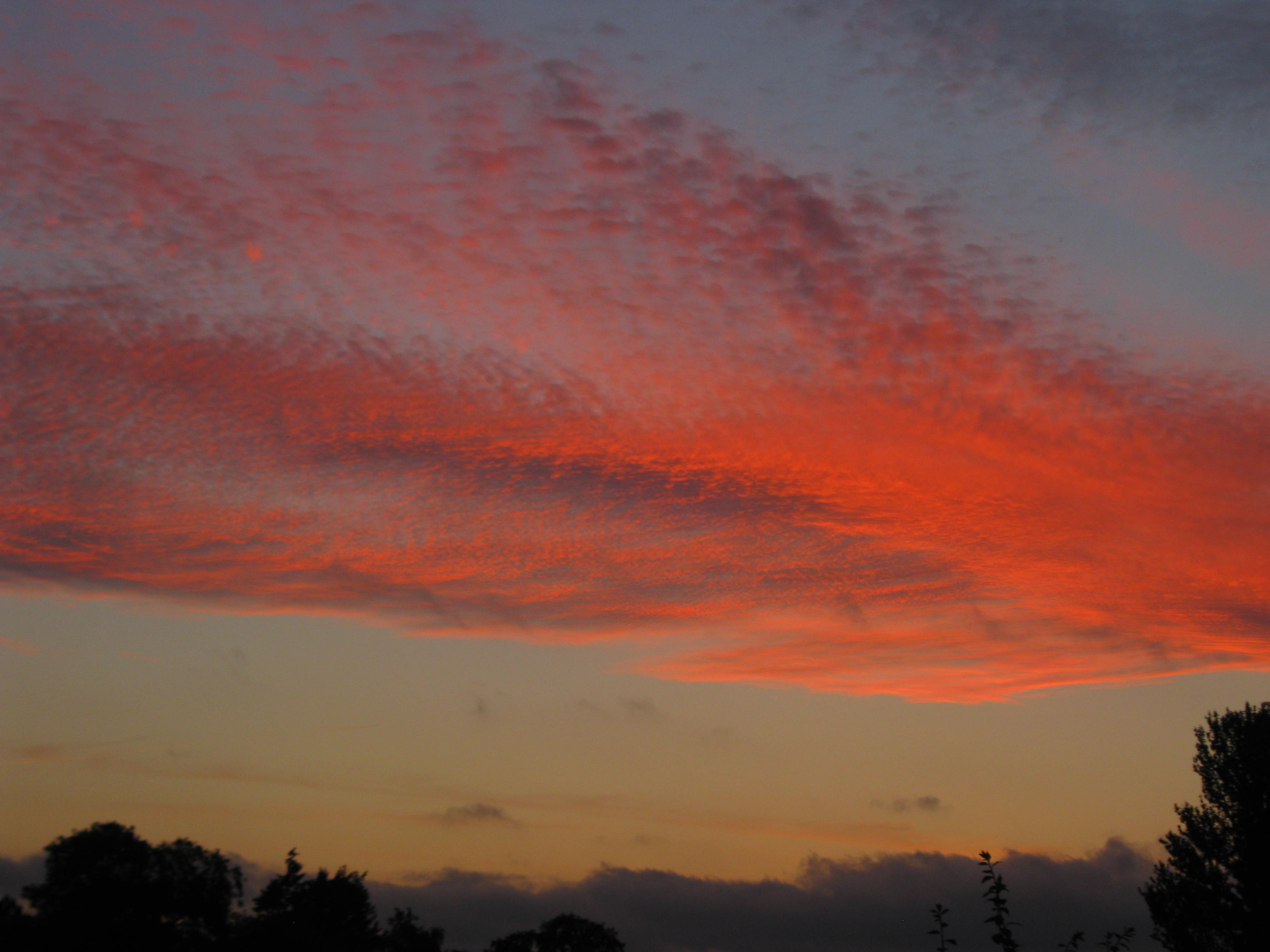
We had a fabulous sunset last night.  After yet another cloudy start to the morning things gradually improved so that by early afternoon it was bright and much warmer than of late, though still with a stiff northerly breeze.  I spent the whole day at home – a real luxury – household chores in the morning and a little gardening in the afternoon.  Because we haven’t had much rain recently I decided to water everything very thoroughly yesterday evening so went outside again after our evening meal.  I started off with lots of watering cans filled from our water-butts which I used in the greenhouse, on plants in tubs in ericaceous soil and on as many of the other plants and flower beds as I could manage.  I then used the hosepipe for the rest of the thirsty plants.  We have a water meter so are careful not to use the garden hose any more than we have to.  We save as much water as we can in water-butts but carrying lots of filled two-gallon cans round the garden is tiring work.

As I watered the plants I listened to the birds calling to each other as they do in the evening.  Gradually the day-time birds fell silent and the night-time sounds began.  One of the sounds we have been listening to for the last couple of weeks is the calling of a couple of Tawny owlets in the trees opposite our house.  It started with just one owl calling on its own but a few days later another one joined in.  They call every few seconds for the whole night from about 8.30pm until dawn the next morning.  They become very noisy every now and then, clamouring and squeaking and I assume that is when they are being fed.   They must be getting quite big by now as their voices are louder and they are moving through the trees.  Sometimes they are near the end of the lane where they started off and sometimes they are in the ash tree opposite our house.  I am used to the noise they make now but at first it was difficult to get to sleep.

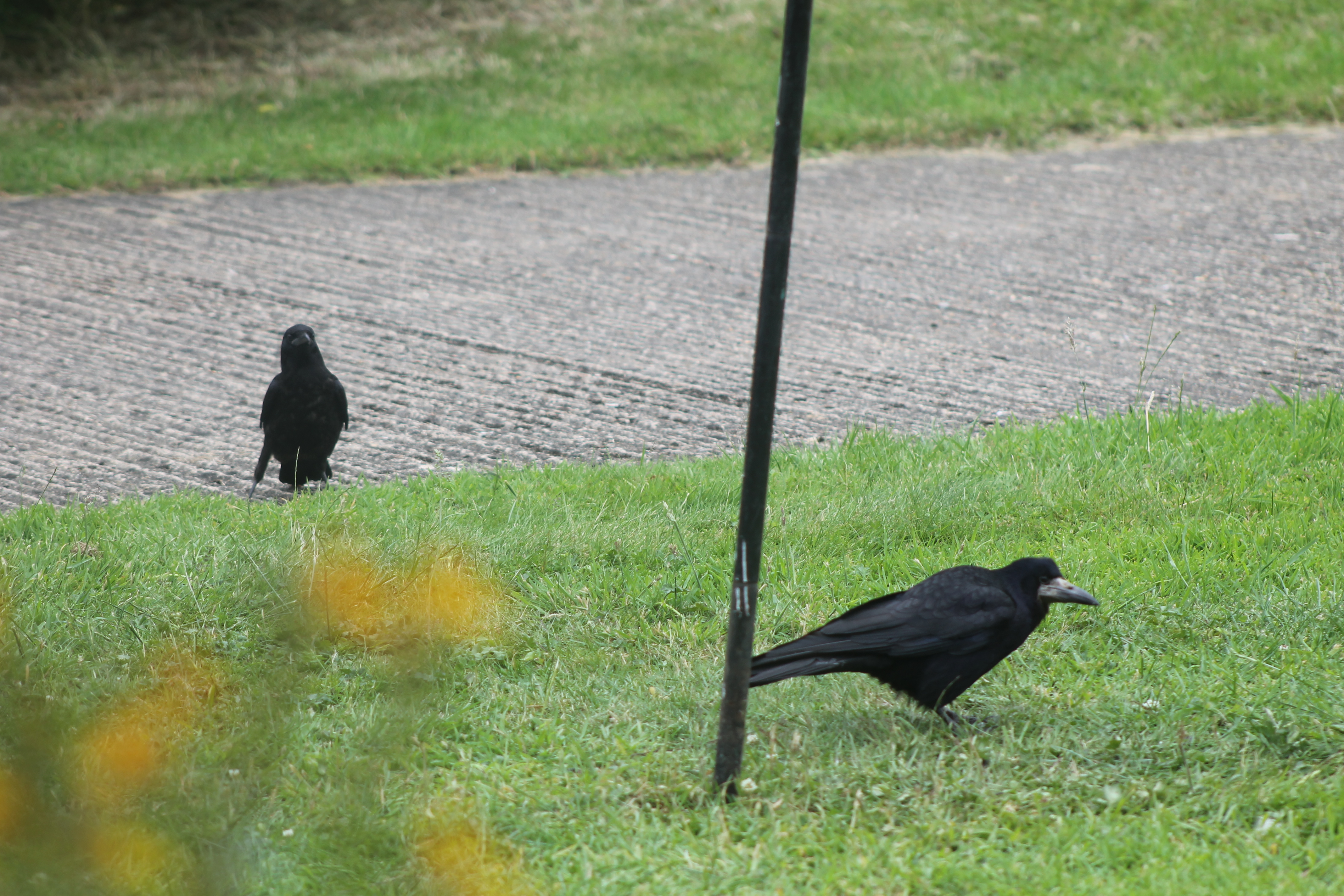
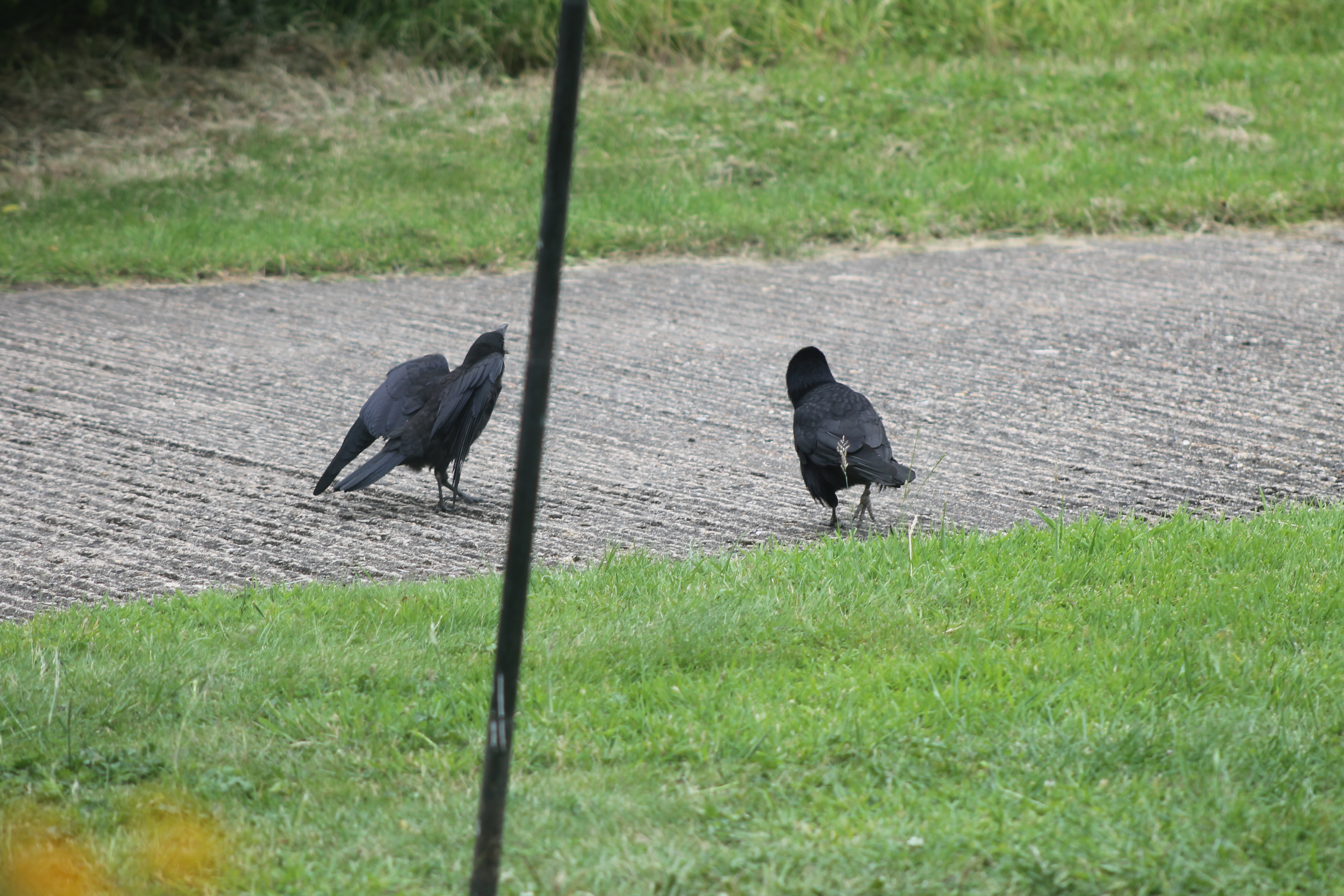
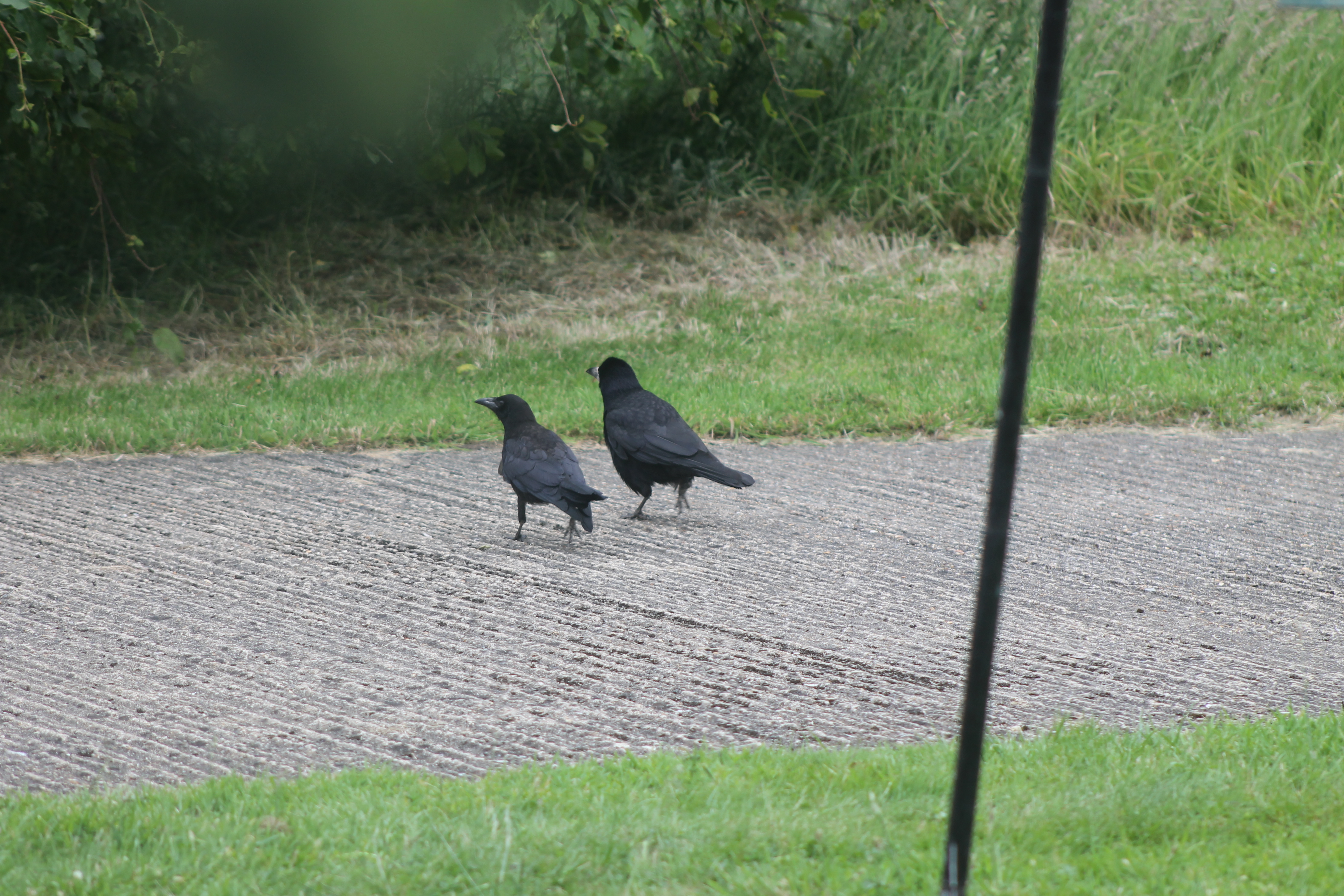
The sunset picture I took yesterday evening was at 9.30pm and it was still light enough for me to see round the garden without a torch at 11pm.  It starts to get light just before 3am and by 3.30am to 4am most of the birds are singing again.  I have to collect all the bird feeders that are near the house if they still have food in them and bring them into the porch or greenhouse.  This is because of the rooks who descend on the feeders at the crack of dawn and have loud arguments among themselves just under our bedroom window.  Unfortunately, we are still being woken by a rook despite there not being any food outside the house (there are other feeders further down the garden that we leave out).  This rook is a young one who doesn’t seem to want to learn to feed itself.  It follows its parent about calling loudly and not watching the adult bird as it shows its fledgling where to find food.

Image

Young rook

Image

Young rook

Image

The fledgling has just noticed its parent has arrived.  The parent hopes it hasn’t been noticed!

Image

The fledgling is calling and fluttering its wings and the parent resignedly goes to join it.

Image

Off they go together to look for food under the tree.  Poor parent rook – all the other rooks’ fledglings have gone off a week or more ago and only this one is left, unable to feed itself.

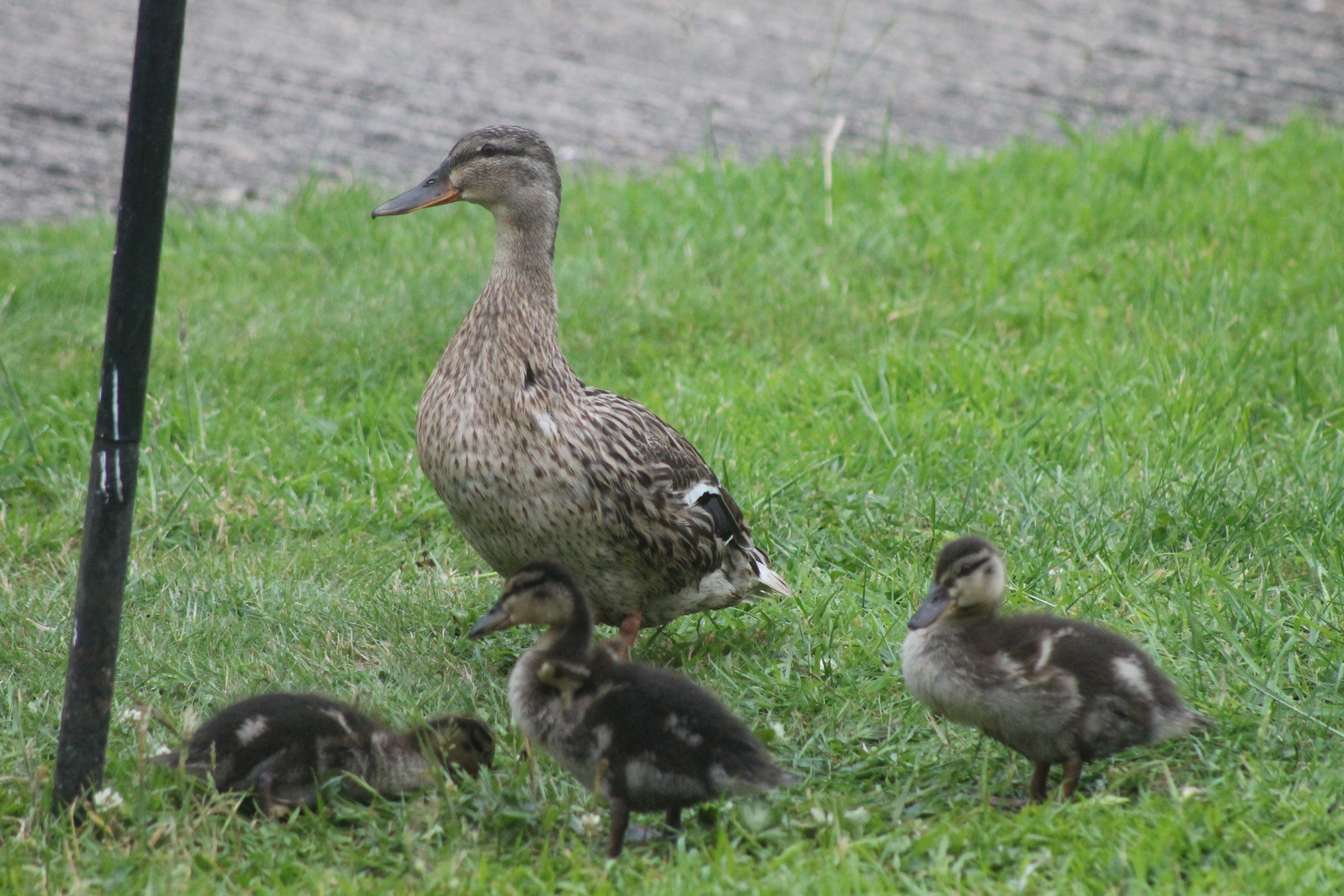
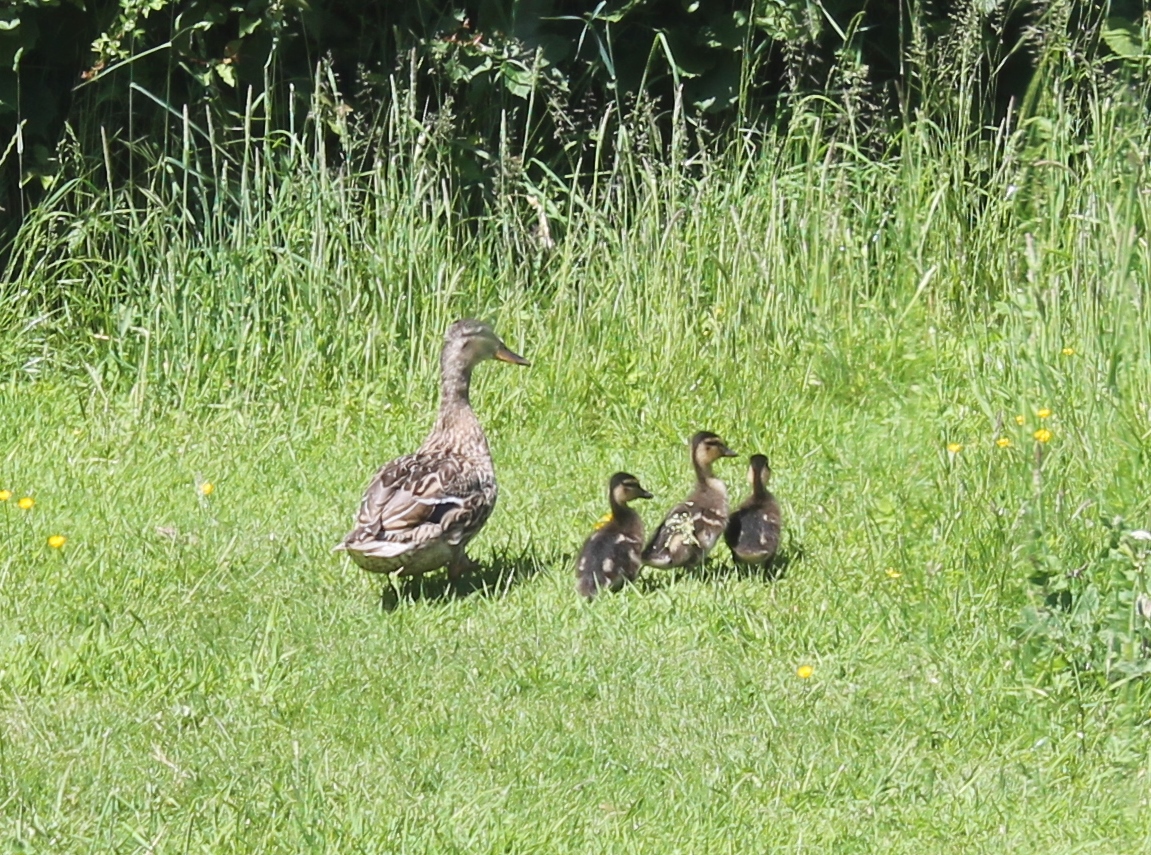
Another young family we have in the garden are three mallard ducklings with their mother.

006Mallard duck with ducklings

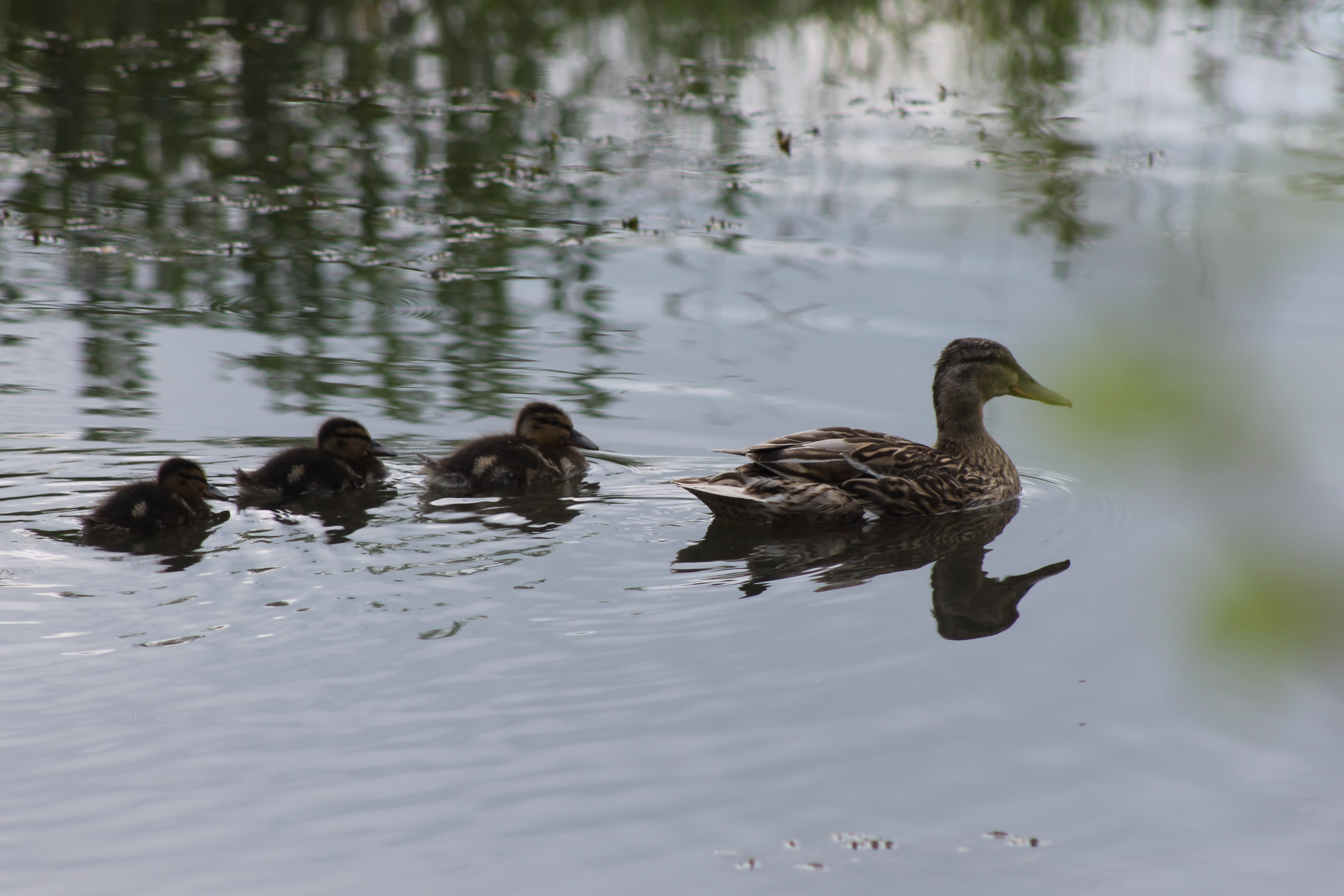
We have been watching this little family grow from tiny little balls of fluff to these young ducks.

026Mallard duck with three ducklings

An over-exposed photo of them on the 9th of June

014Mallard duck with 3 ducklings

And here they are on the 12th of June.

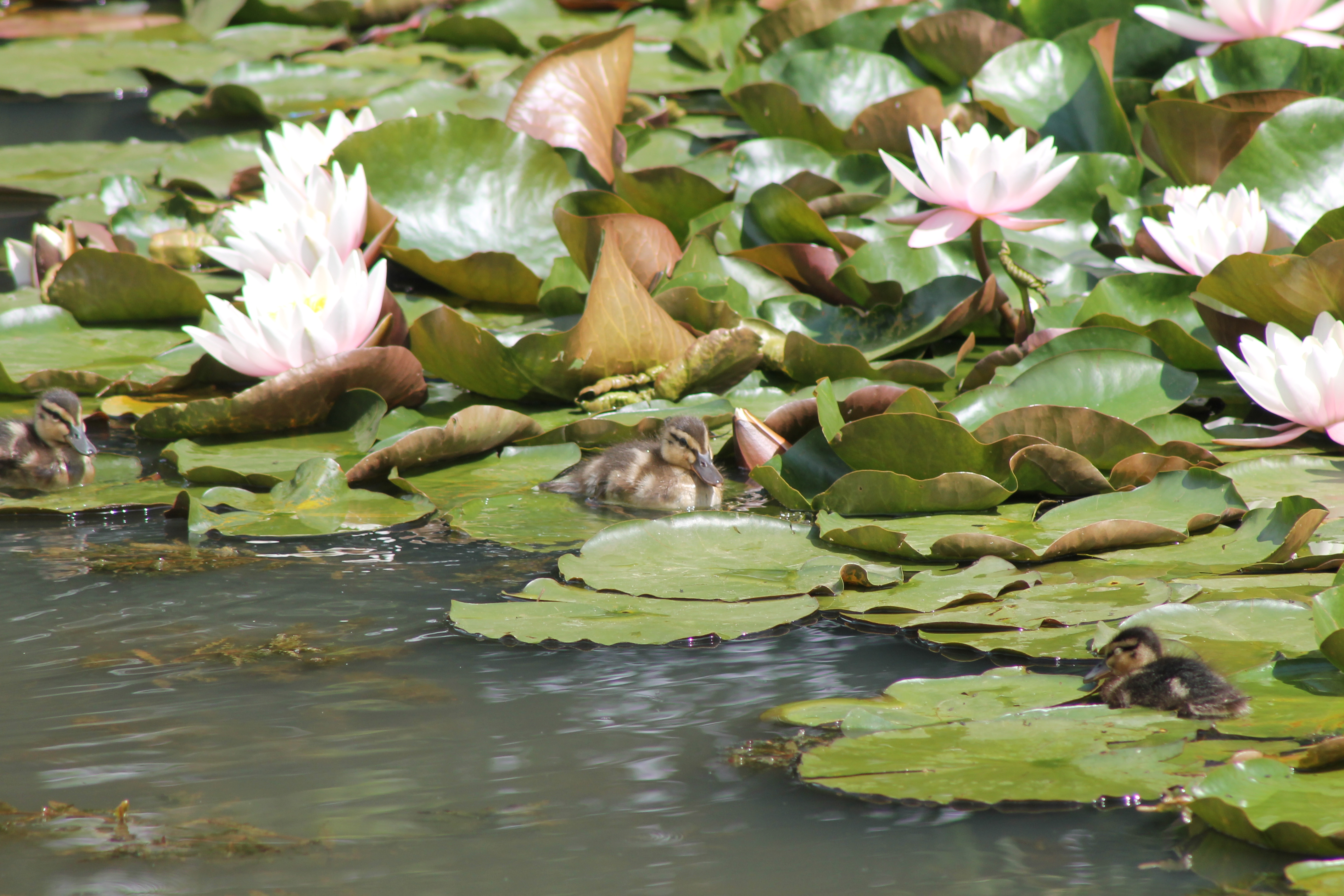
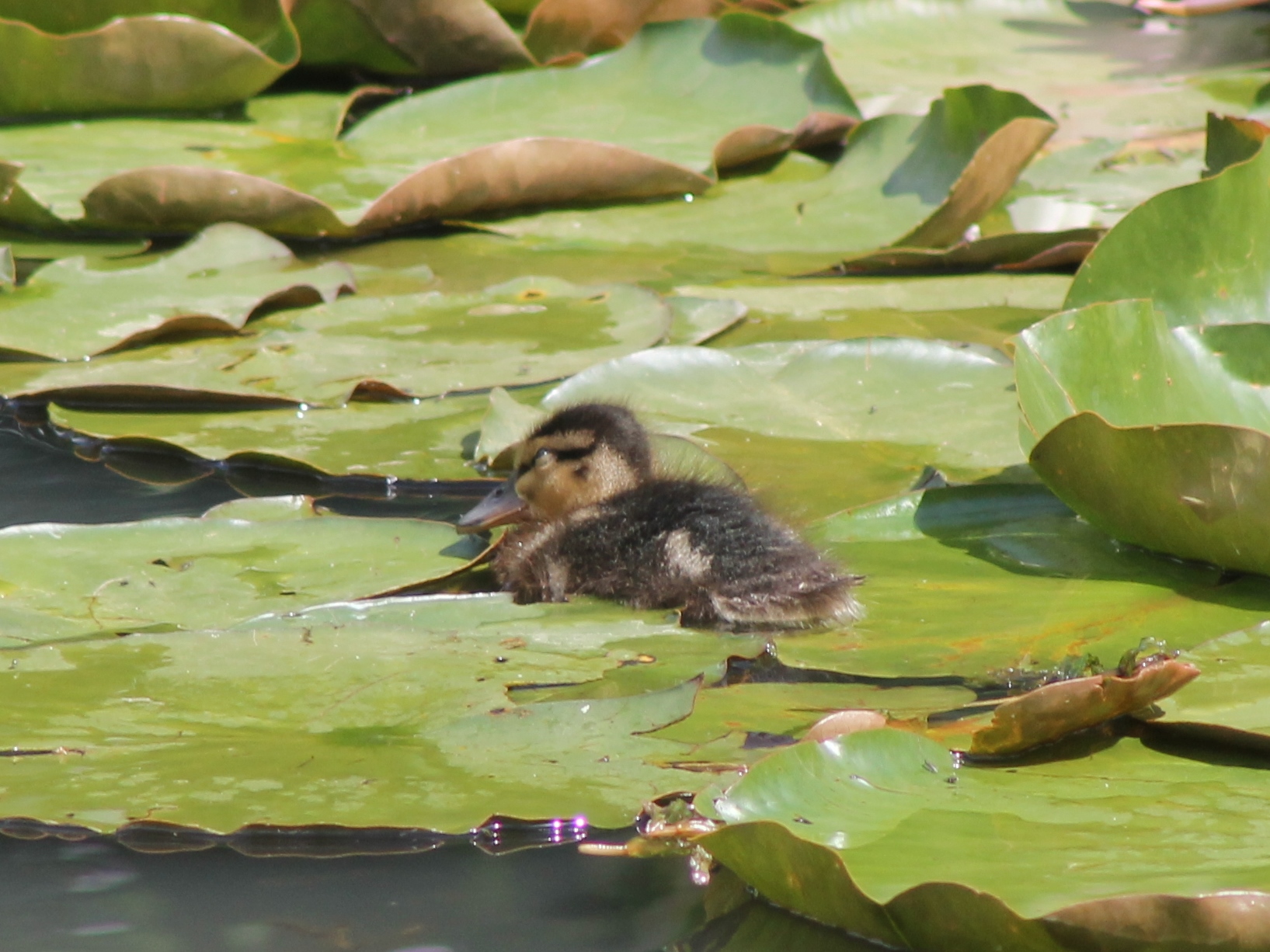
017 Three ducklings resting on lily-pads

Here they are resting on lily-pads.  The smallest one on the right is fast asleep.

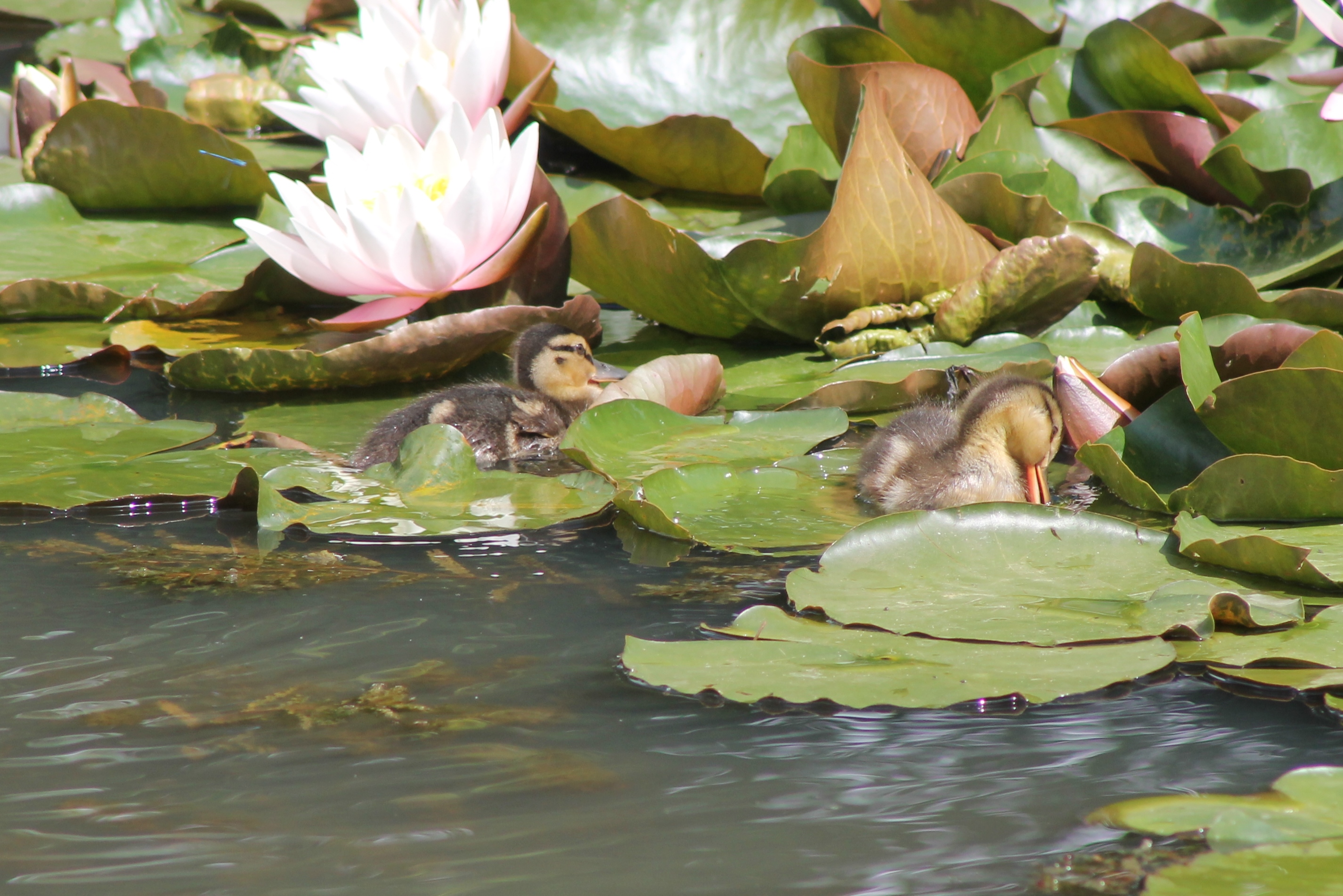
018Two ducklings resting on lily-pads

019Sleeping duckling


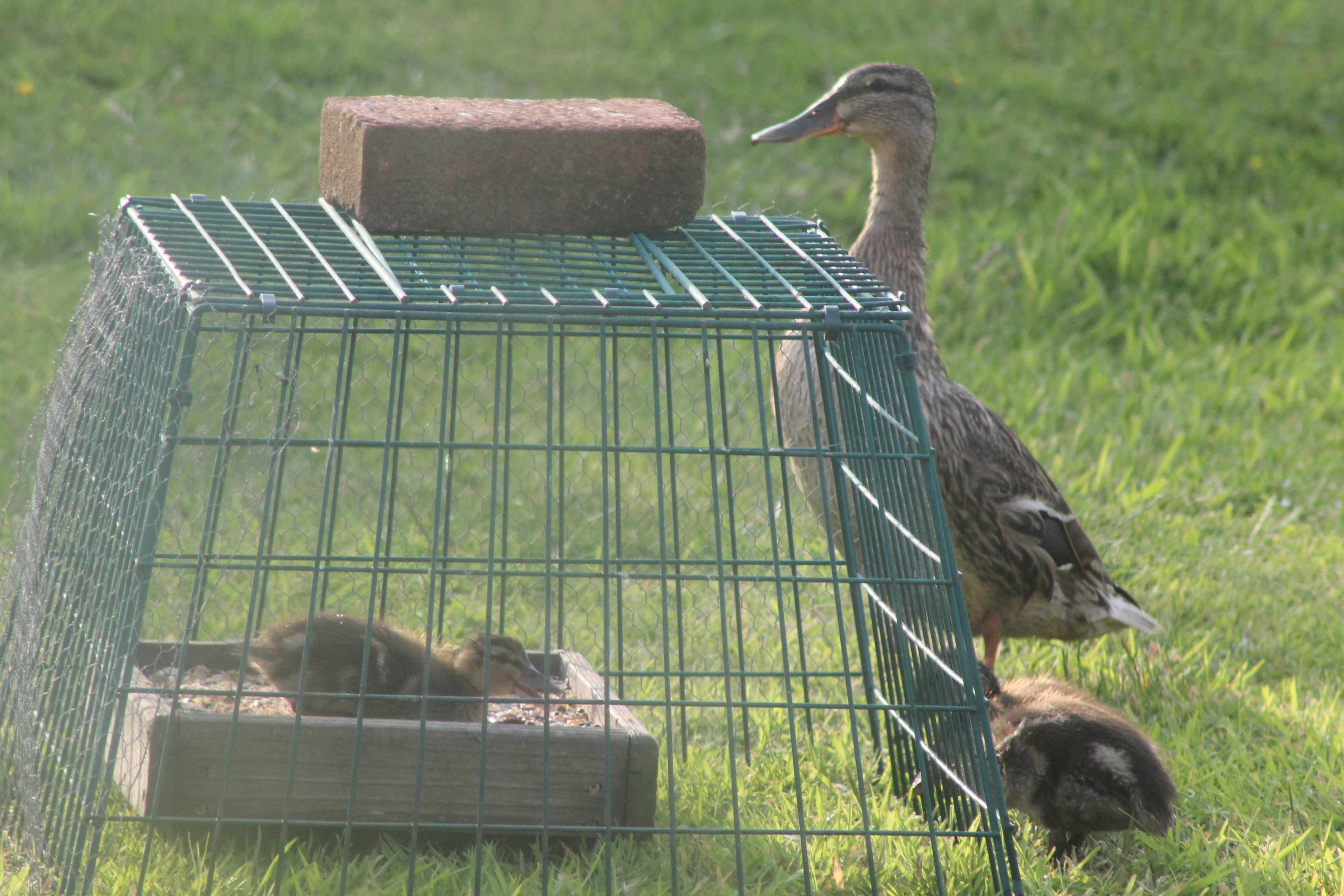
They visited the ground feeder the following day.  Only the smallest one can get through the mesh now.

036Duck and ducklings

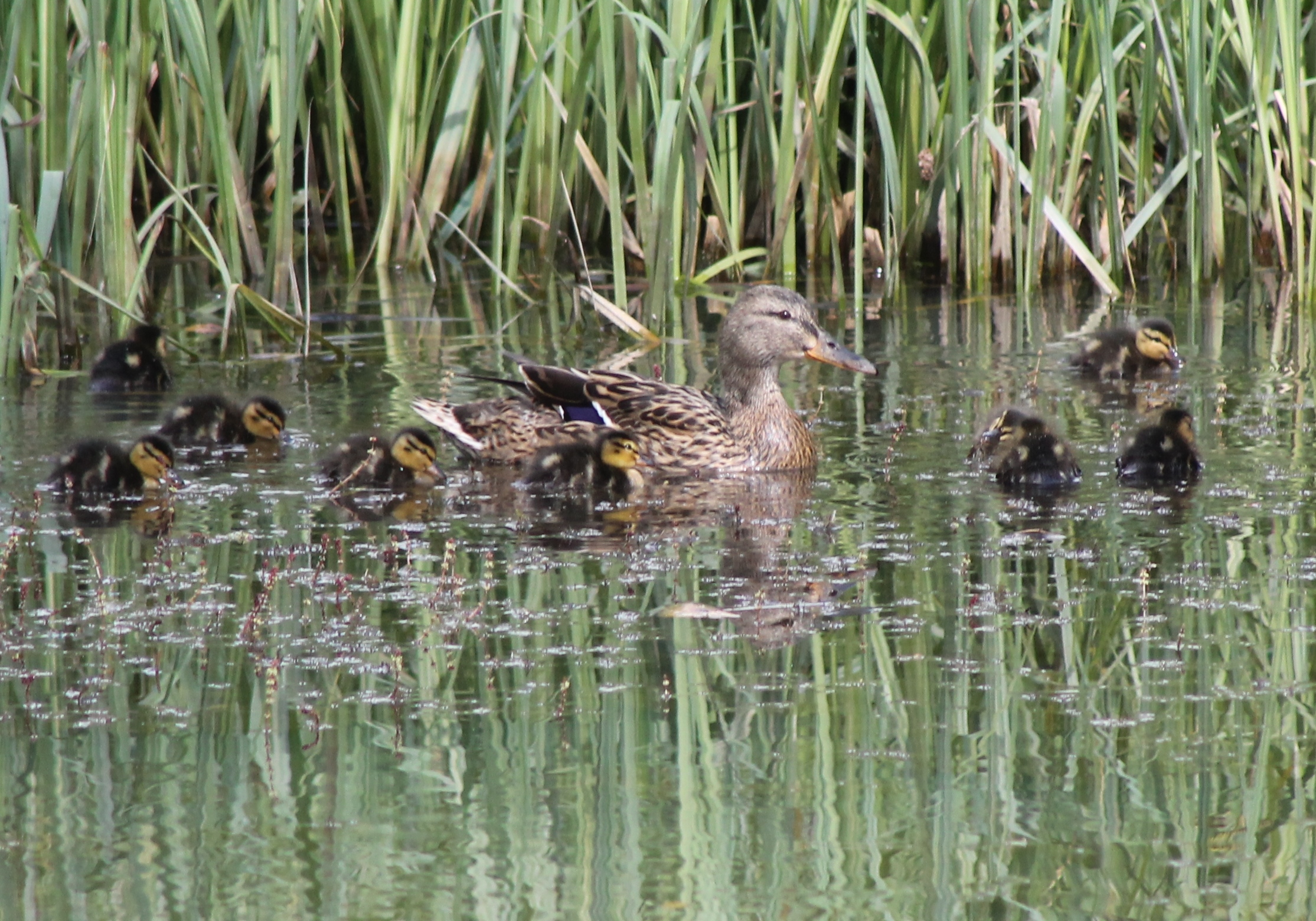
We briefly had another family of mallards that same day.  This time there were eight ducklings.

016Mallard duck with 8 ducklings

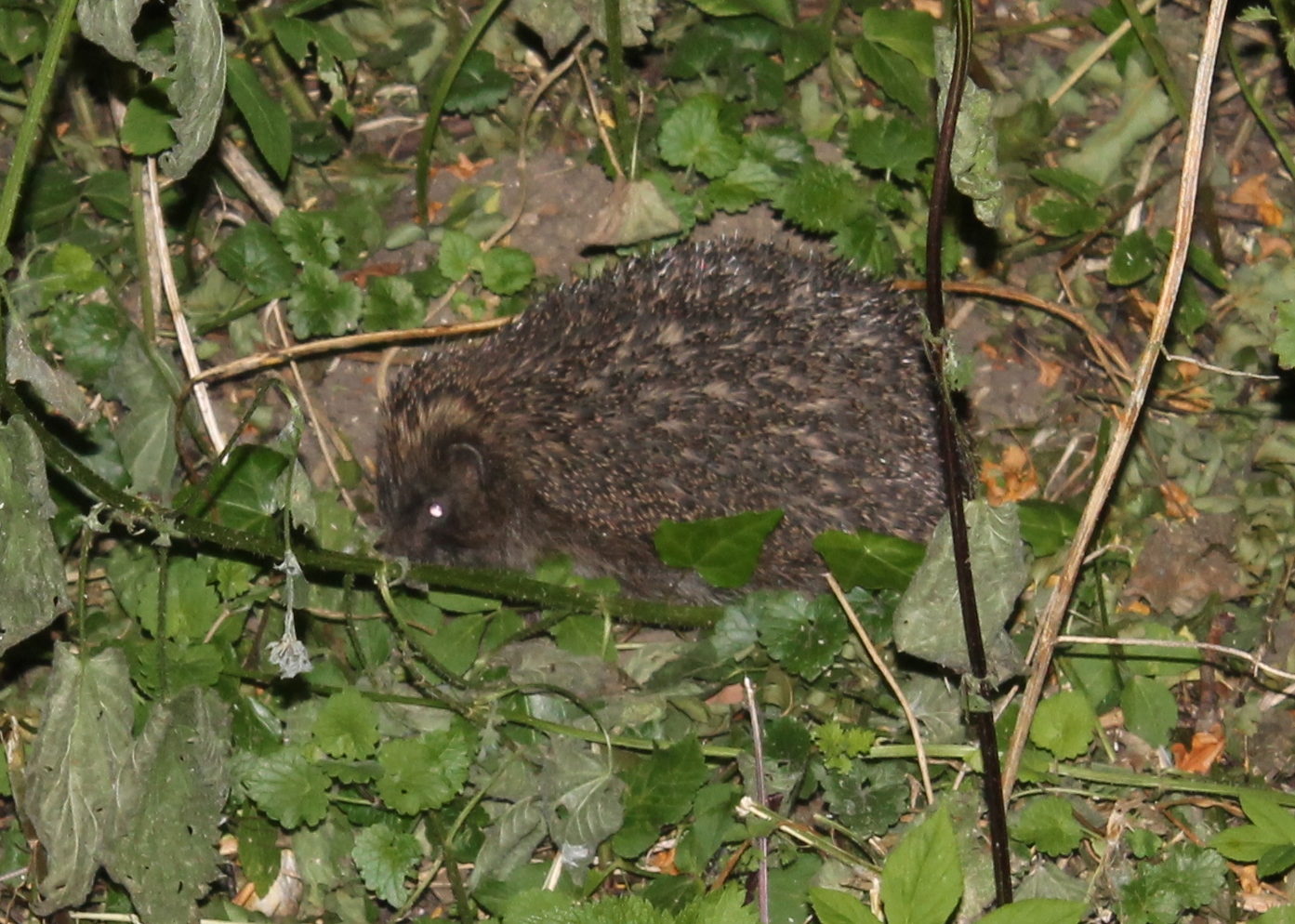
We had another visitor last night but it was an adult this time.009Hedgehog

A hedgehog.

Share this:

  • Share on X (Opens in new window) X
  • Share on Reddit (Opens in new window) Reddit
  • Share on Pinterest (Opens in new window) Pinterest
  • Share on Facebook (Opens in new window) Facebook
  • Email a link to a friend (Opens in new window) Email
  • Share on Tumblr (Opens in new window) Tumblr
  • Print (Opens in new window) Print
  • Share on LinkedIn (Opens in new window) LinkedIn
Like Loading...

The Ugly-Bug Ball

19 Mon May 2014

Posted by Clare Pooley in fish, Gardening, Insects, plants, Rural Diary

≈ 9 Comments

Tags

Bees, Cuckoo-spit, Damselfly, fish, Froghopper, gardening, Green Hairstreak, Hornet, Hoverfly, Lily Beetle, Mimulus, moorhen, yellow iris

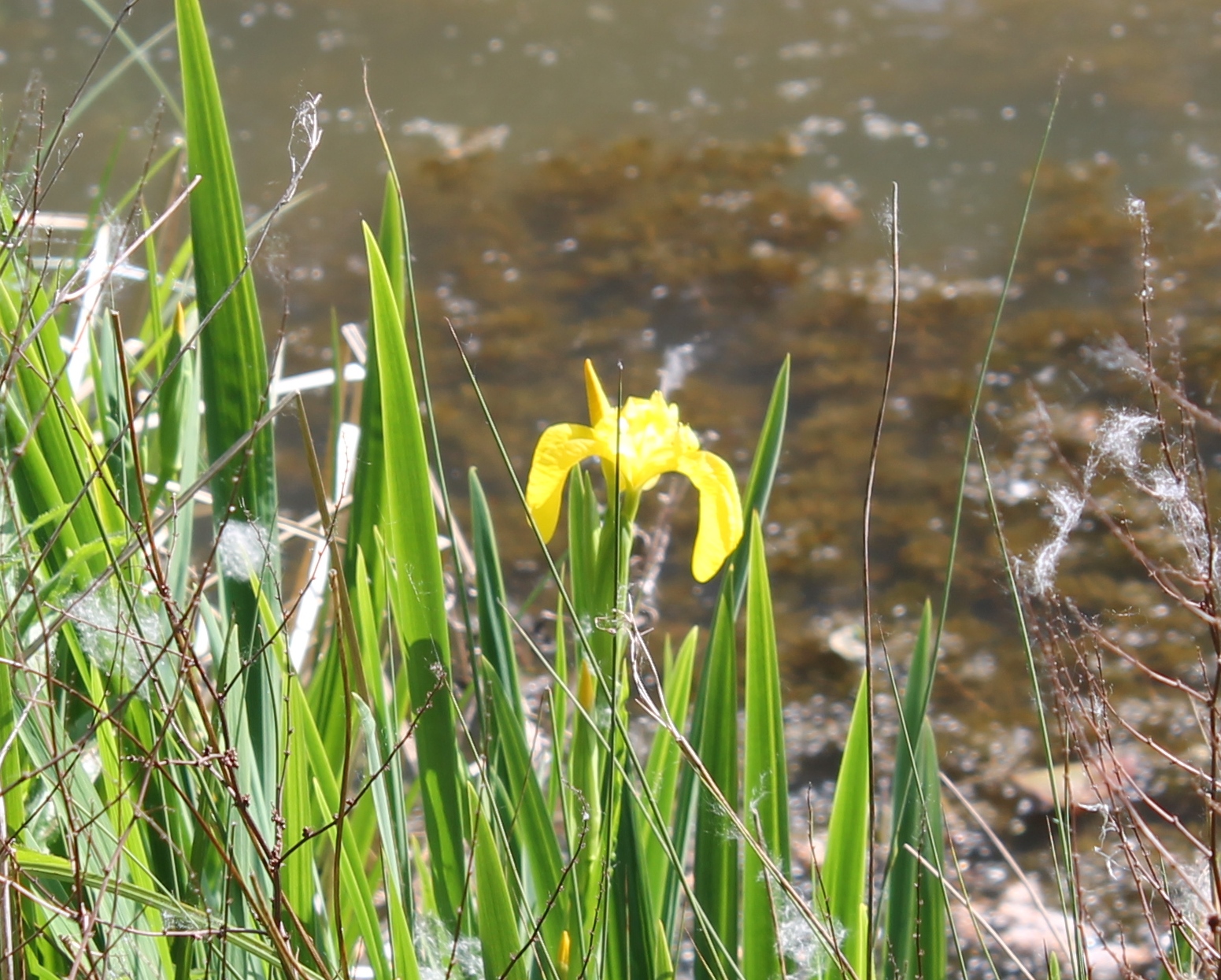
The first Yellow Iris is in flower.

Image

The weather has been warm and sunny for the last four days so I have tried to make the most of it by being outside.  The tubs of spring bulbs needed tidying and getting ready for their long sleep until next year.  I bought some plants for my window boxes a couple of weeks ago and have now planted them up and fixed them under the kitchen and utility room windows at the front of the house. 

Image

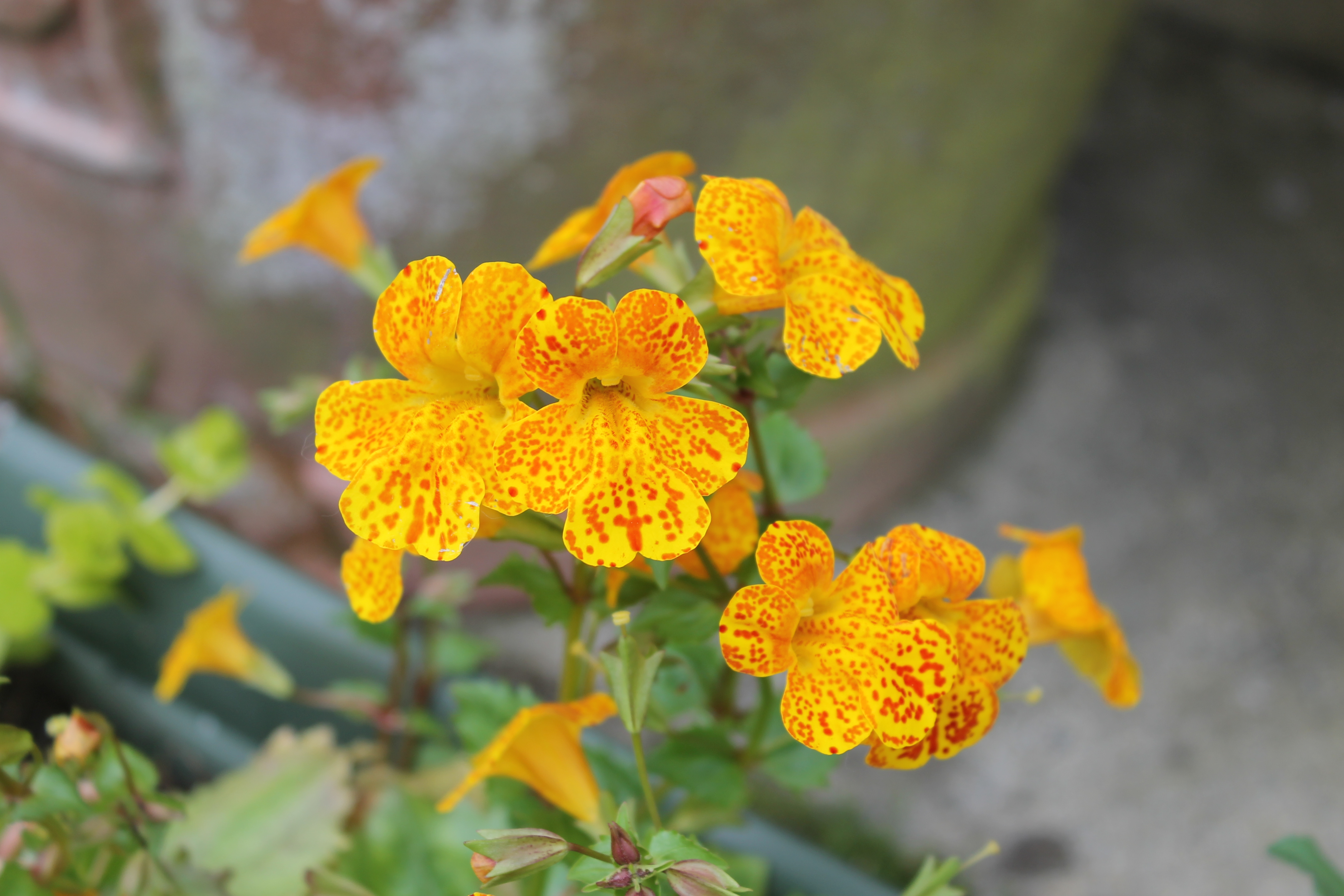
I have put this mimulus in both window boxes

  I also had a few plants that had to be planted out and a few that needed repotting.  I have got other pots of plants that have yet to flower and some more that I’m not sure what to do with, so I’ll feed them all and give them a sort out during the next few days.  I have many more pots of perennials than I would like but until I make a new flower bed or re-instate the one I abandoned after Dad died and all sorts of things went wrong, they’ll have to stay where they are.  I have enjoyed myself very much indeed and wish I could spend all day every day gardening. 

With the warm weather all sorts of  insects good and not so good have arrived.  I have killed five red Lily Beetles so far – such beautiful insects but so destructive.  They and their nasty grubs can destroy a lily plant in a couple of days and not only lilies but fritillaries too.  If they think they are under attack they drop down onto the soil under the plant, red side down and then bury themselves and can’t be found.  I creep up on them and put one hand under the leaf they are on to catch them if they jump and then squash them as quickly as possible.  They do sometimes bite but it’s the last thing they do!

I am hoping that the mild winter we had this year has meant that many more insects have survived.   I can put up with a few more troublesome insects if we have more butterflies and moths, ladybirds and hoverflies, lacewings, crickets and grasshoppers .  The bats flying round the house this evening certainly were catching lots of things to eat.  We have hornets here and they have become noticeable this week with their deep buzzing and their large yellow and brown bodies, flying ponderously about the garden.  They are different in their behaviour to wasps.  They aren’t very intelligent I think, and once in the house have no idea how to get out again.  Wasps are in your face all the time, spoiling for a fight but the hornet is more like a bee, not really interested in us and just wanting to get on with their own business.  I’m not saying they are harmless, far from it;  I wouldn’t mess with a hornet!  We had a hornet’s nest in our old shed a few years ago and as they had positioned it against the door we couldn’t get anything out of the shed until late autumn when they had all perished.  They are attracted to light and will fly towards it at night like moths.  It was so strange to see them crawling up the outside walls of the house trying to get to the outside lights or into bedroom windows.  We have had to learn to keep windows shut when we have the lights on at night.  I would like to get fly-screens fitted to the windows one day.

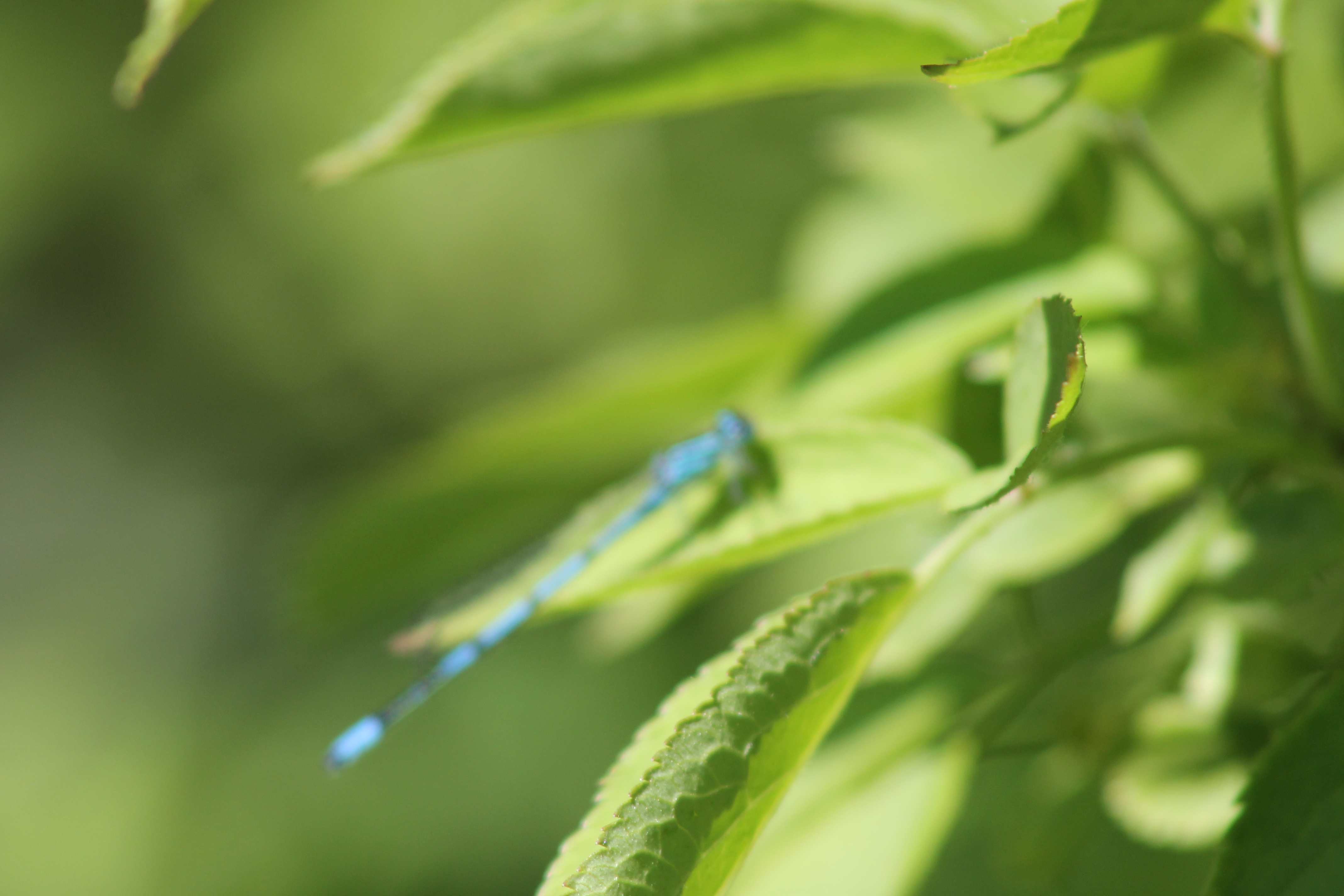
  Today, I saw the first Damselfly I’d seen this year.  Such a thin body, so fragile looking but so beautiful.  The male, a sliver of turquoise and the female a reddish-brown.  I tried to photograph the male but it came out blurred – I’ll try again tomorrow.

Image

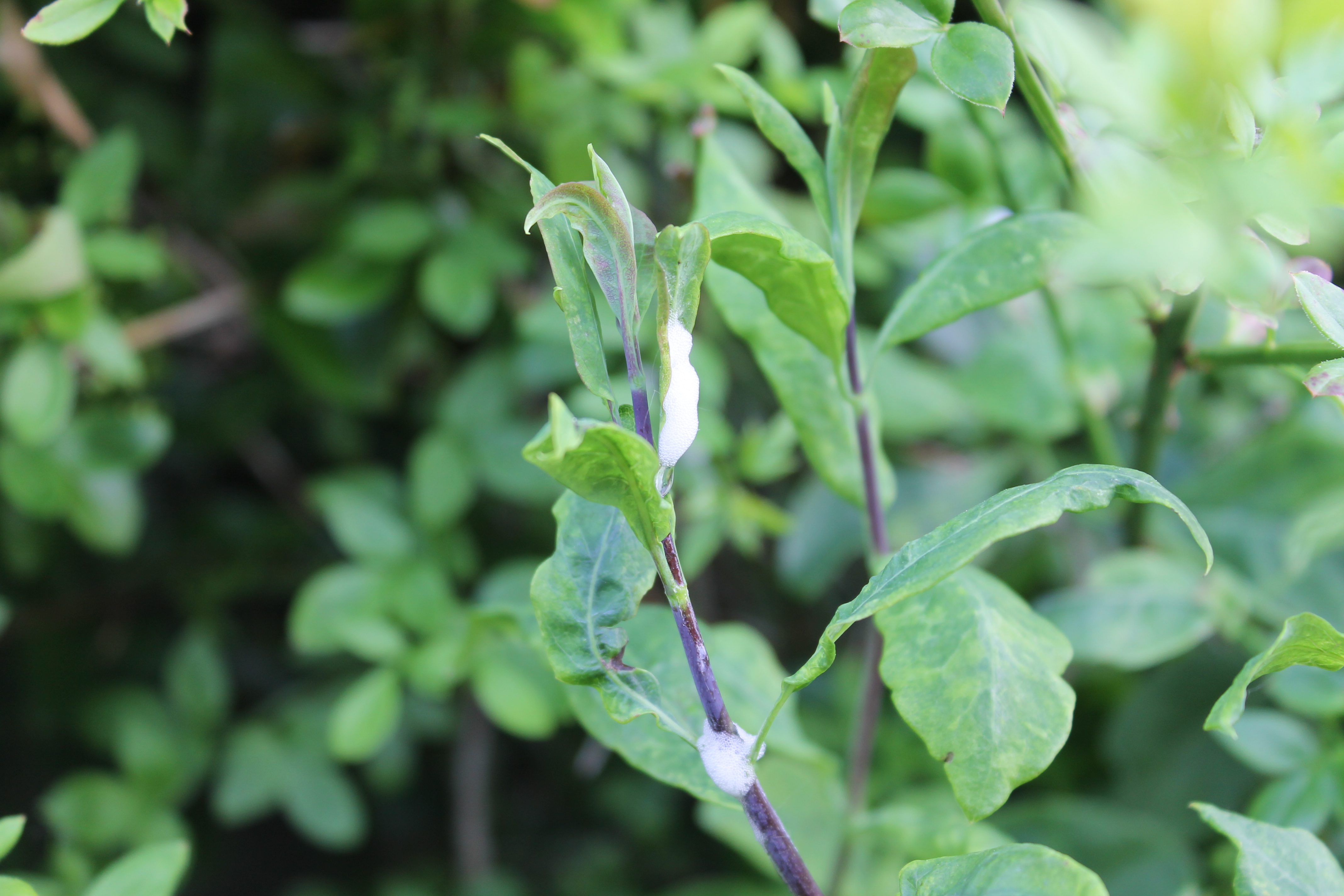
Froghopper larvae are exuding frothy ‘cuckoo-spit’ on all the plants in the garden.

Image

Lots of different bees are flying about.  I noticed bees entering a crack between the mortar and one of our kitchen windows, there are lots of mining bee holes in the dryer flowerbeds and while I was in the conservatory watering R’s cacti today I became aware of a leafcutter bee with its orange underside carrying large pieces of leaf in through the door.  It has made a nest in the soil of one of R’s cacti and was rolling up the bits of leaf and taking them down the hole.

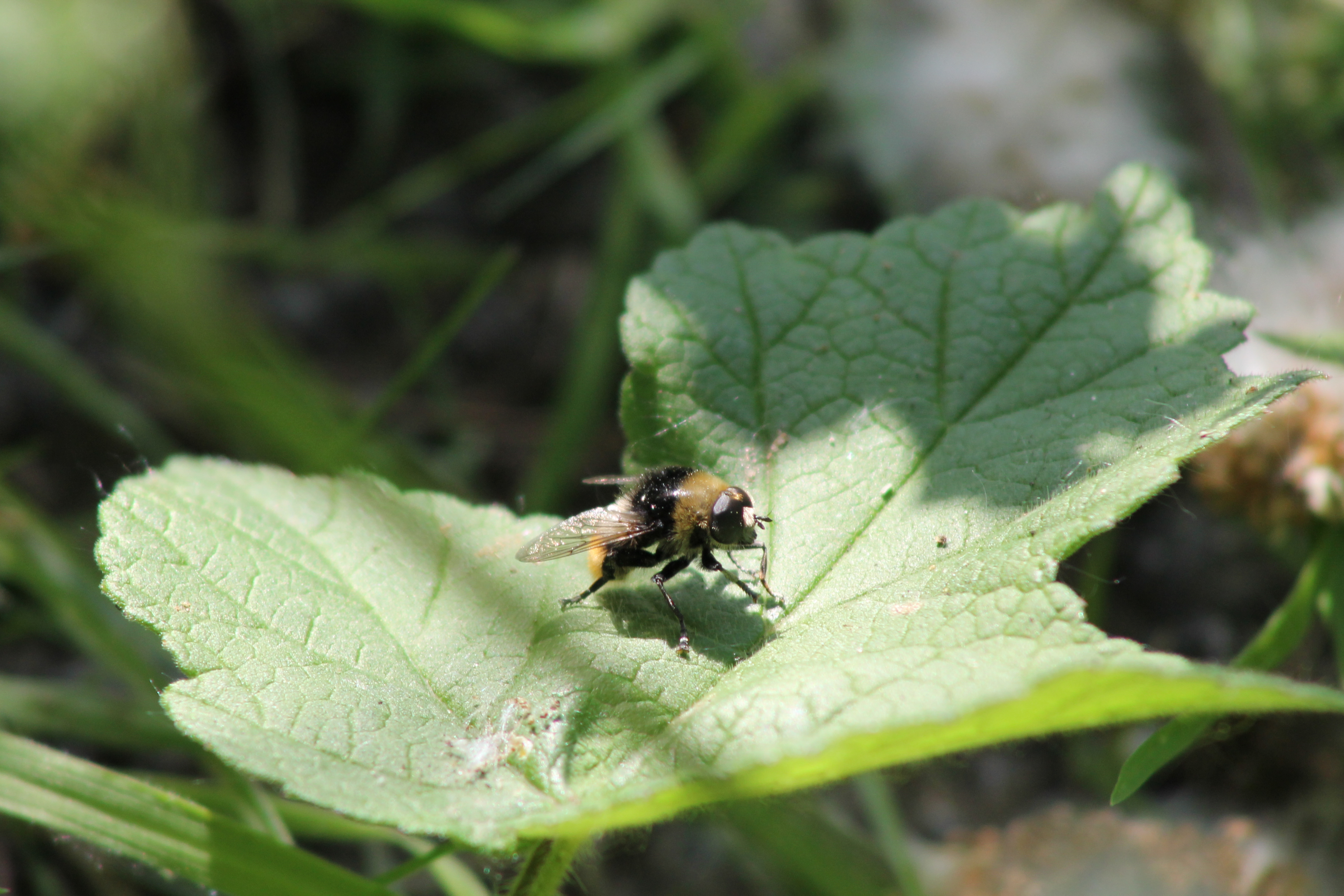
There are many different types of hoverfly about.


Image

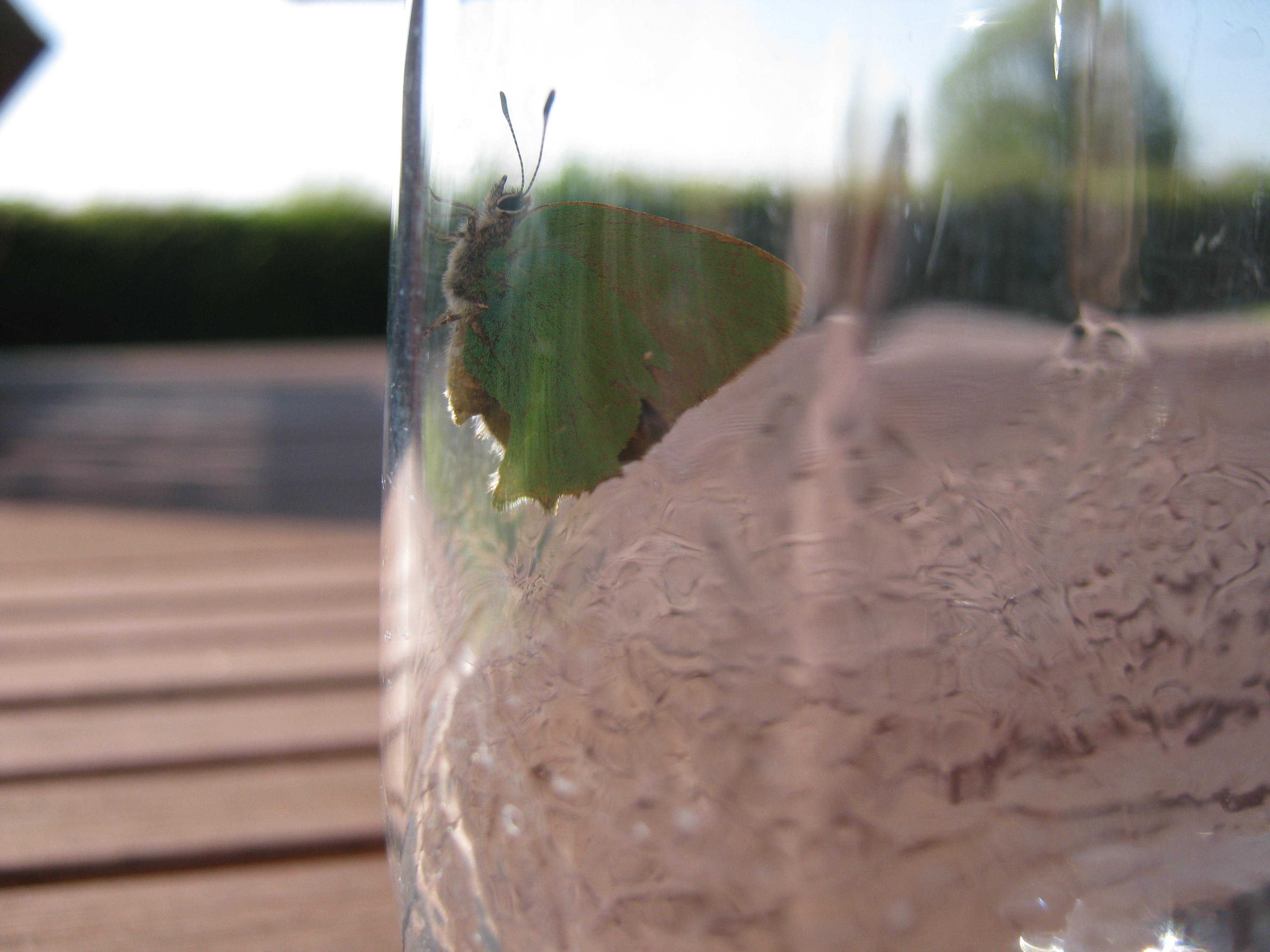
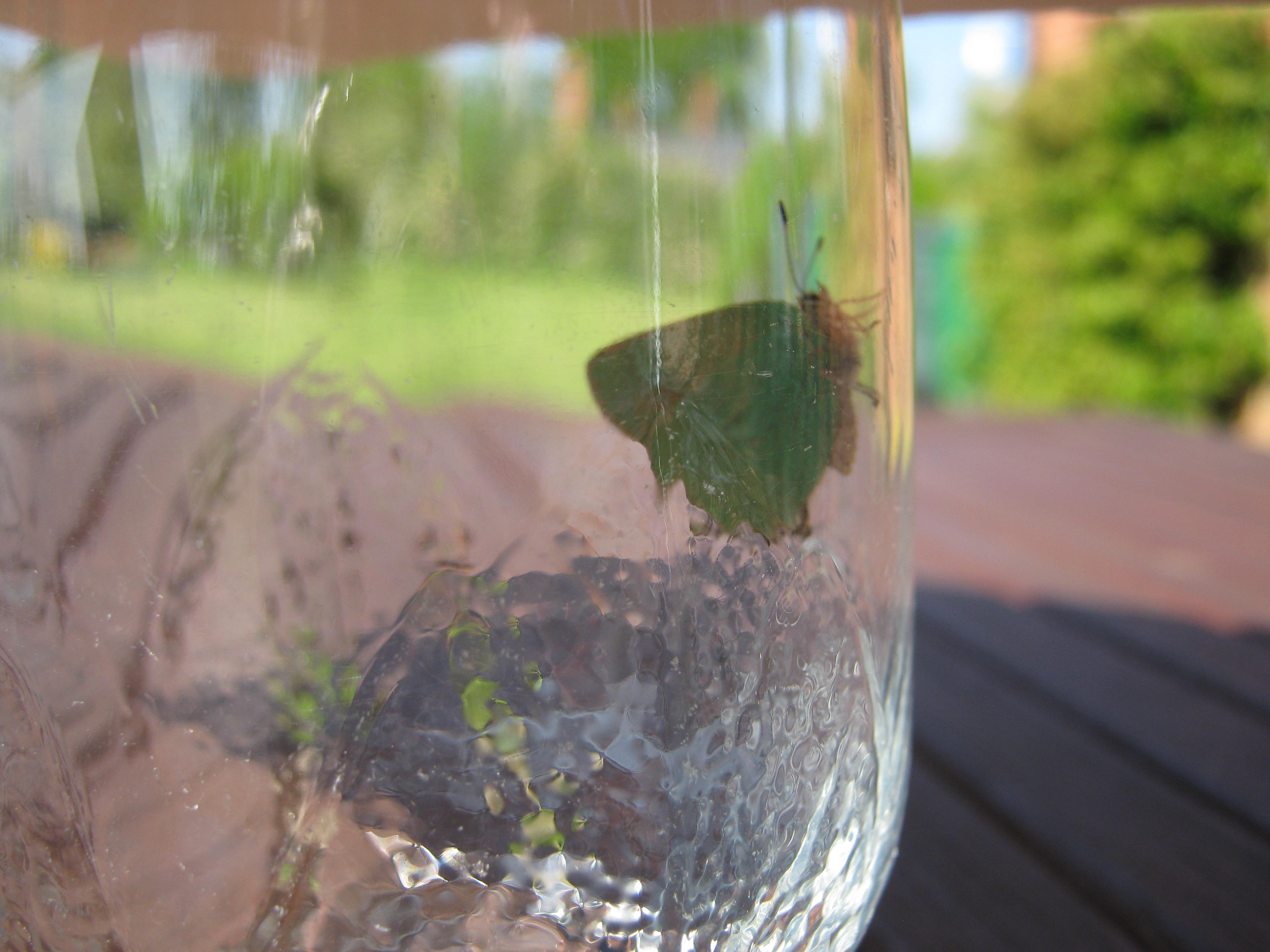
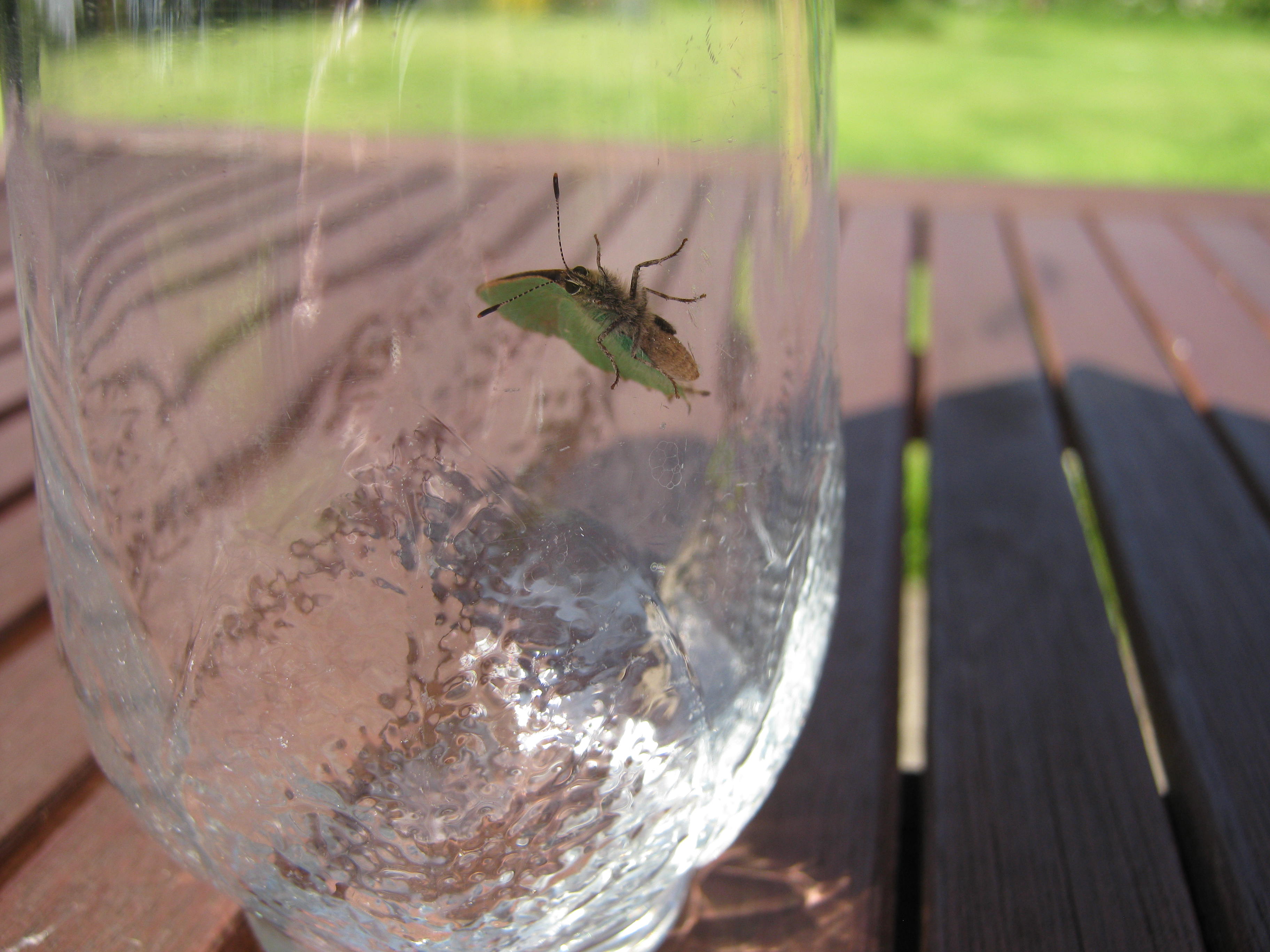
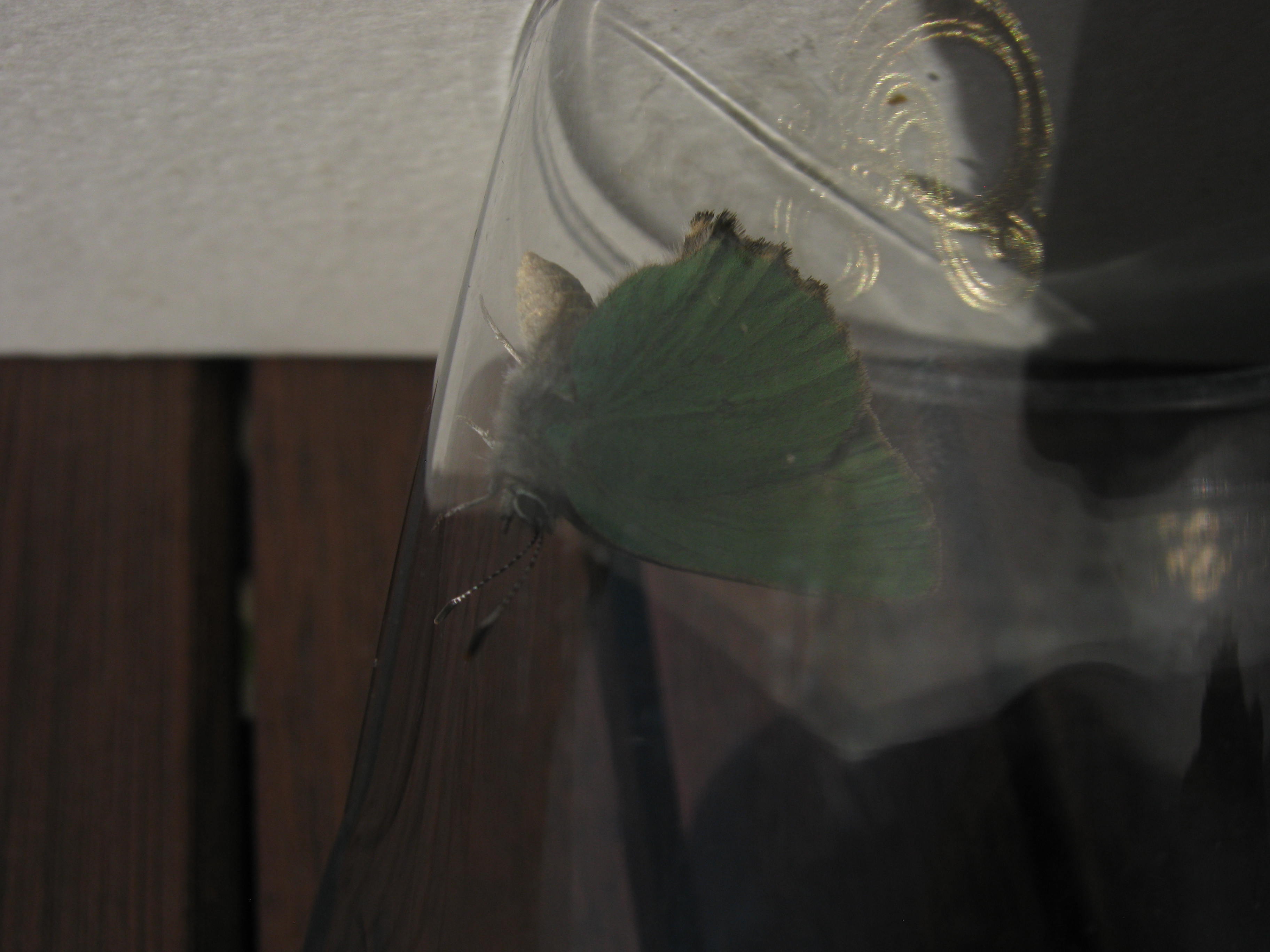
I noticed a little butterfly had got into the conservatory today so went to get a glass and a card as this is the best way of catching insects I know.  The butterfly was a Green Hairstreak and the first one I had ever seen.  The top of their wings is brown but the underside is a brilliant green.  The butterfly kept its wings shut so I could admire the glorious colour.  I tried to photograph it while it was in the glass but it didn’t work out well at all. 

Image  

Image

Image

Image

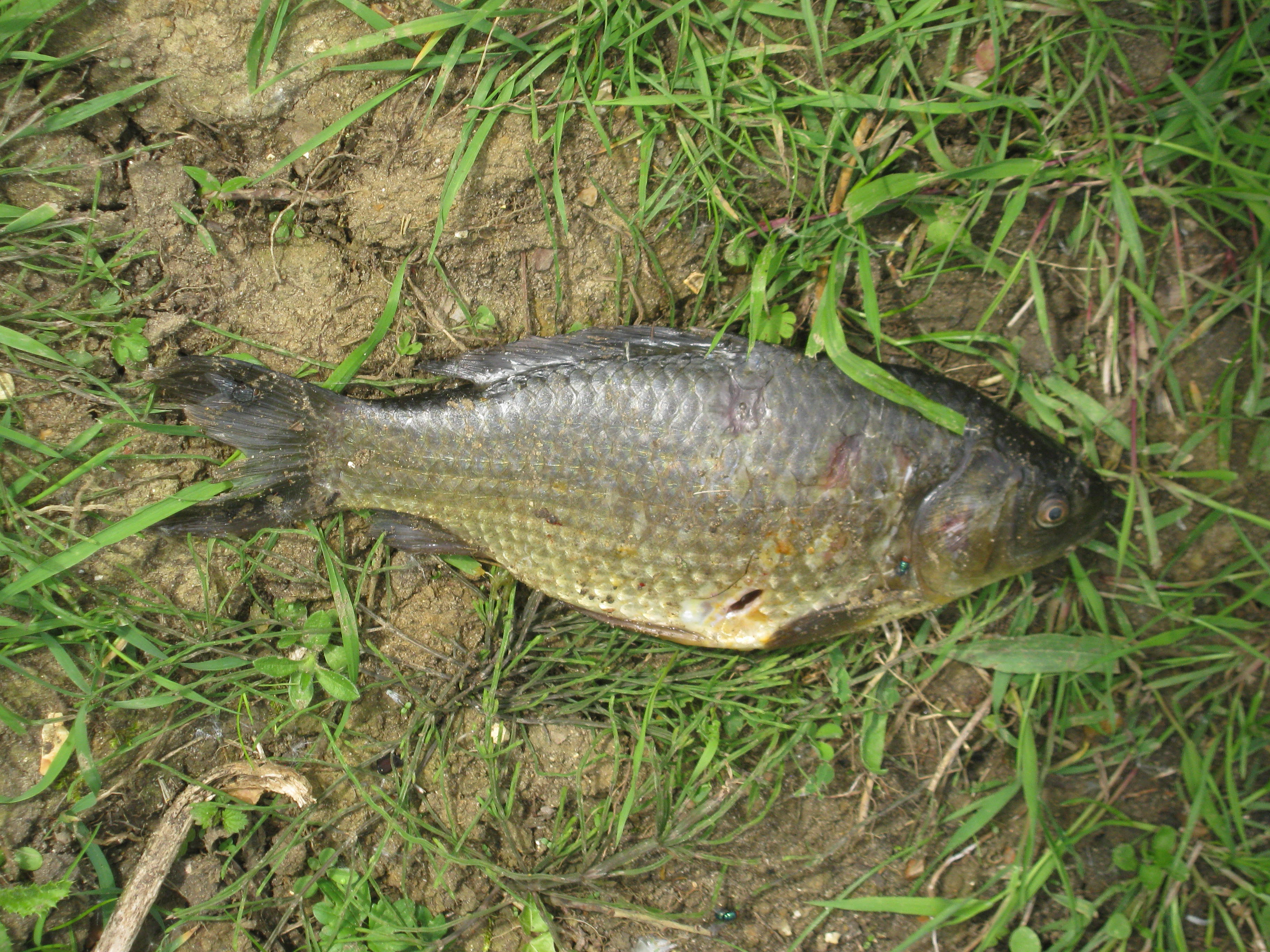
On Friday morning while having a walk aound the garden I came across this on the path…

Image

I couldn’t think how it could have come to be there.  I was also surprised to see such a big fish which had no doubt come from our pond.  Why hadn’t it been eaten?  What had caught it and left it there?  What type of fish is it?  Is it a bream?  It wasn’t until R and I were talking about it when he got home from work that we worked out how it had got there.  It has a stab wound low down on its body and R suggsted that a heron might have inflicted it.  I then remembered that when R had gone down to his vegetable plot near the big pond the night before he had disturbed a heron.

Today while walking round the pond I disturbed a moorhen and her three chicks.  The parent rushed off into the reeds as usual and left the three chicks to find their way back to her as best they could.  As I watched them, one of the chicks started to squeak and looked as though it had caught its foot in something in the water.  I thought this strange so got closer only to see the chick dragged under water and disappear.  What could have done this?  What have we got in the pond that eats baby moorhens?  I thought it might be a pike but R thinks it unlikely that a pike would live in a pond this size.  He thinks it might be a carp.  Has anyone any suggestions?

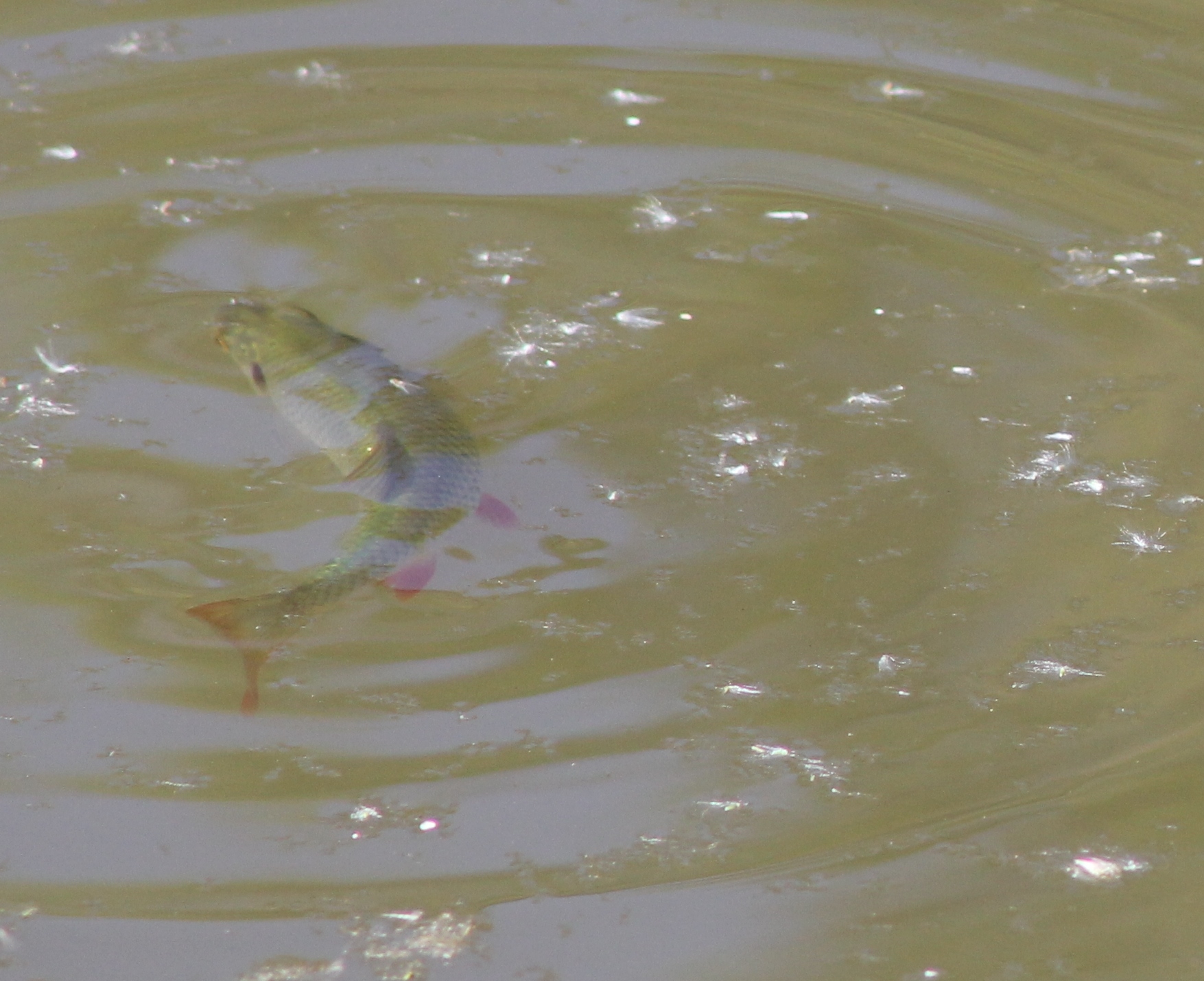
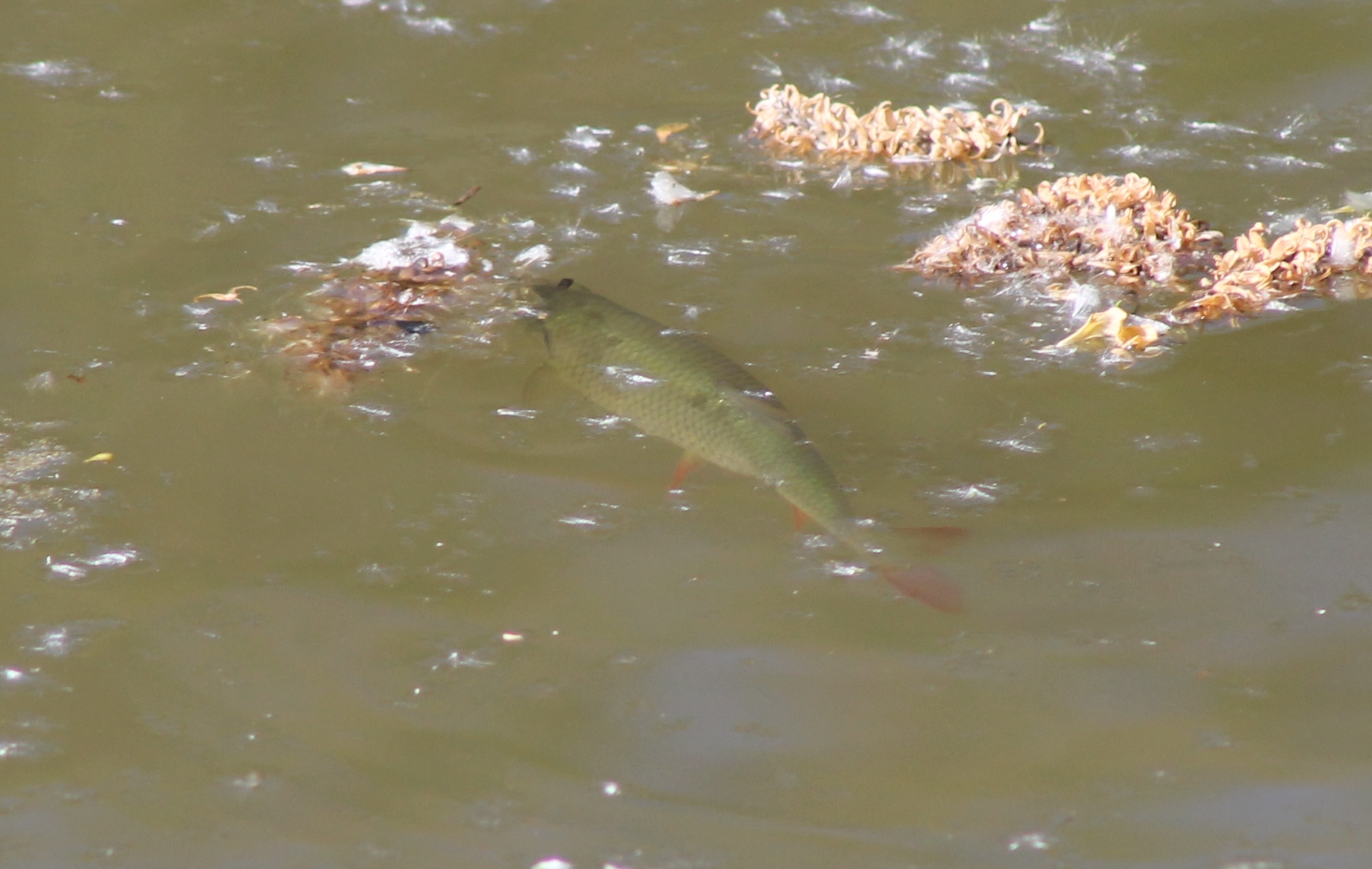
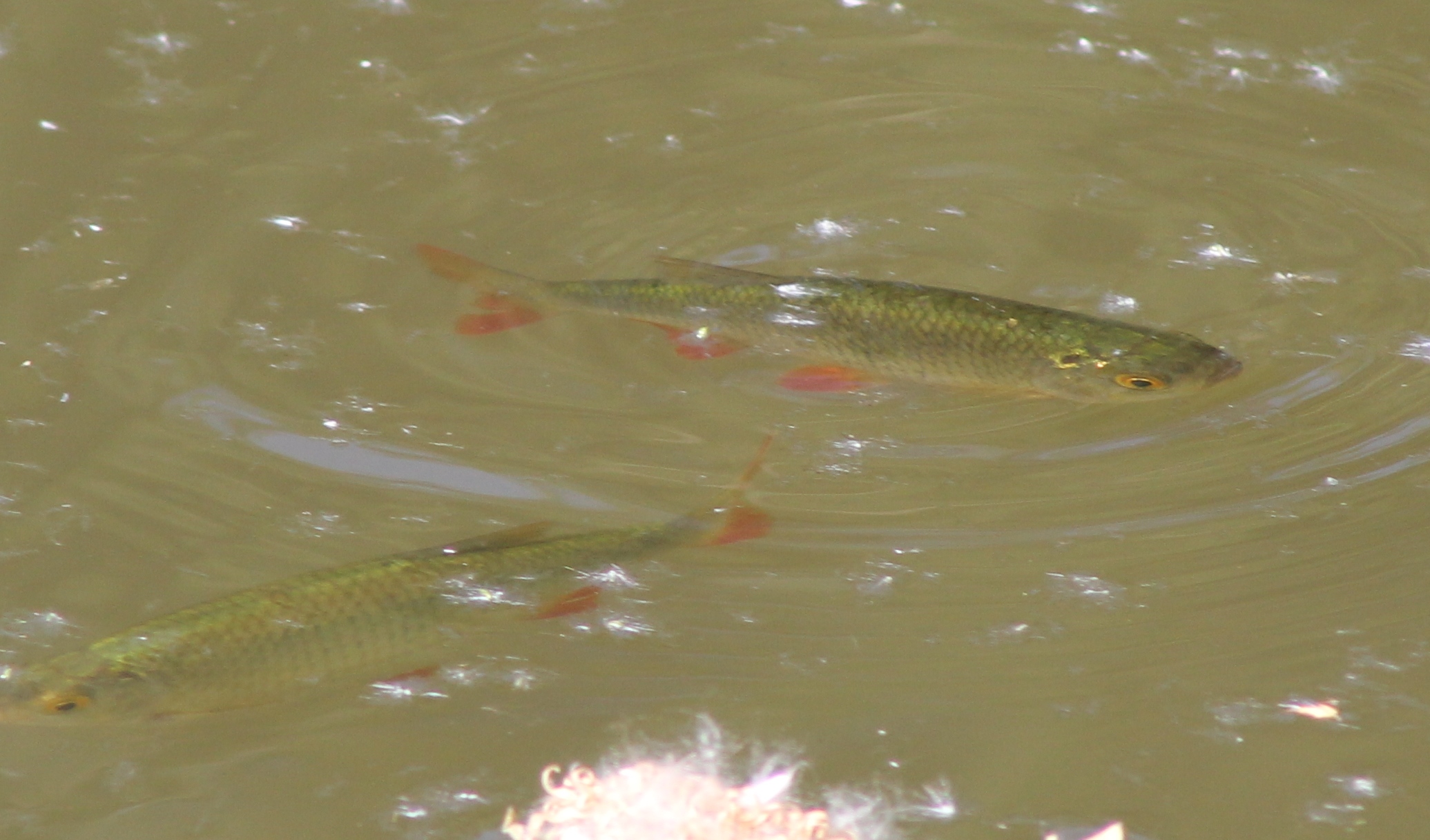
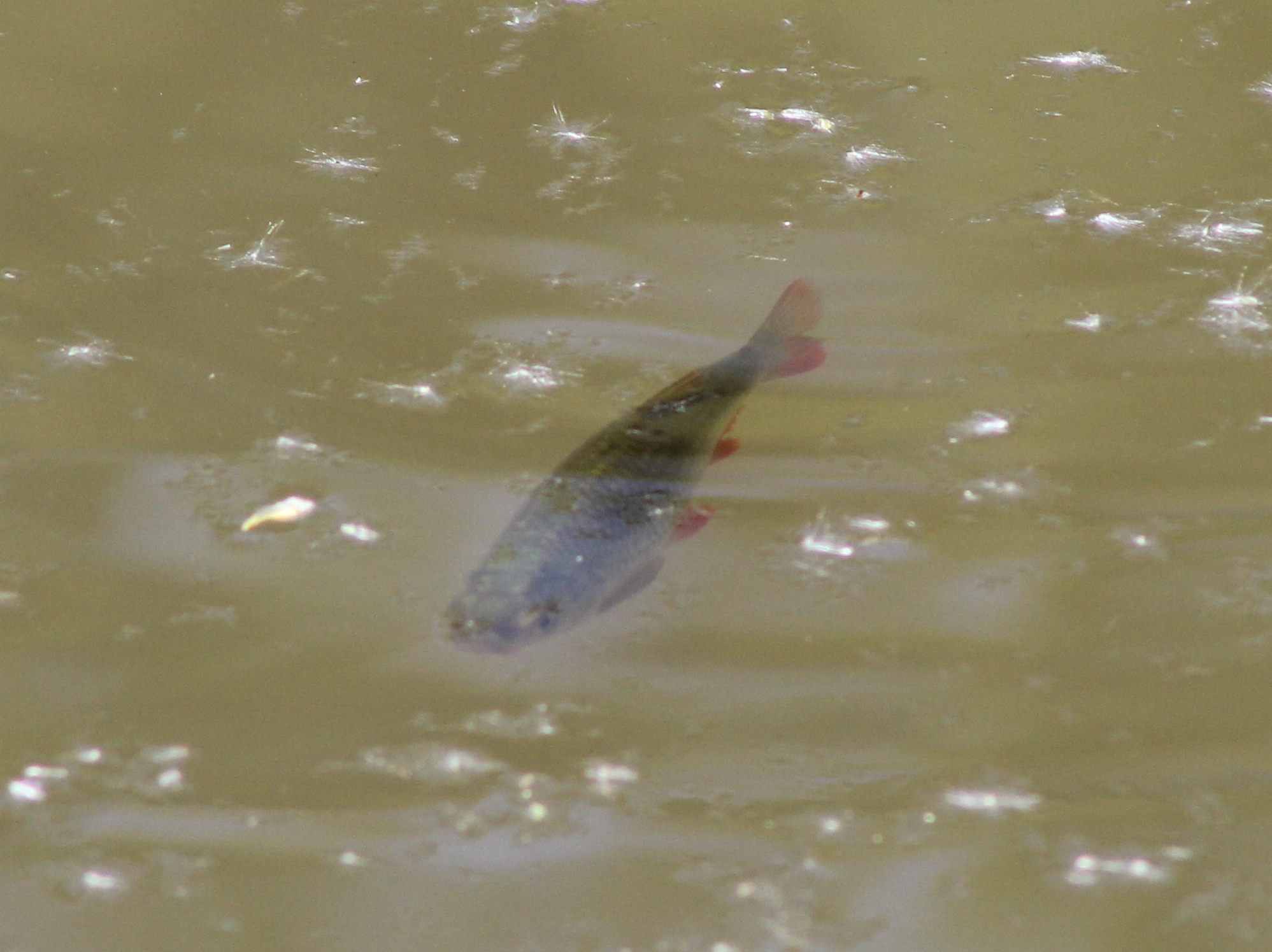
I took a few photographs of the perch (I think) in our pond today.

Image

Image

Image

Image

I’ll finish here tonight and do another post tomorrow when I’ll talk about the birds and flowers I’ve noticed this weekend.


Share this:

  • Share on X (Opens in new window) X
  • Share on Reddit (Opens in new window) Reddit
  • Share on Pinterest (Opens in new window) Pinterest
  • Share on Facebook (Opens in new window) Facebook
  • Email a link to a friend (Opens in new window) Email
  • Share on Tumblr (Opens in new window) Tumblr
  • Print (Opens in new window) Print
  • Share on LinkedIn (Opens in new window) LinkedIn
Like Loading...

A Hotch Potch.

16 Fri May 2014

Posted by Clare Pooley in Gardening, Insects, plants, Rural Diary, trees, wild animals, wild birds

≈ 6 Comments

Tags

Allium, Alpine Pasque Flower, Ant hill, aquilegia, Balm of Gilead, Bee, blackberry, Bramley Apple blossom, Cacti, Cedar of Lebanon, chaffinch, Christmas Cactus, Clematis, Common Sedge, Common Vetch, Cotoneaster, Damson, GERANIUM, Goat Willow seeds, Great Tit, hare, Hawthorn, Holly, House Spider, Japanese Maple, Jay, Knautica, moon, Muntjac, pheasant, Shrub rose Canary Bird, Spindle, stock dove, sunset, thrift, Thyme-leaved Speedwell, Tufted Duck, vegetable garden, Viburnum, White-Shouldered House Moth, winter-flowering honeysuckle, Zebra Spider


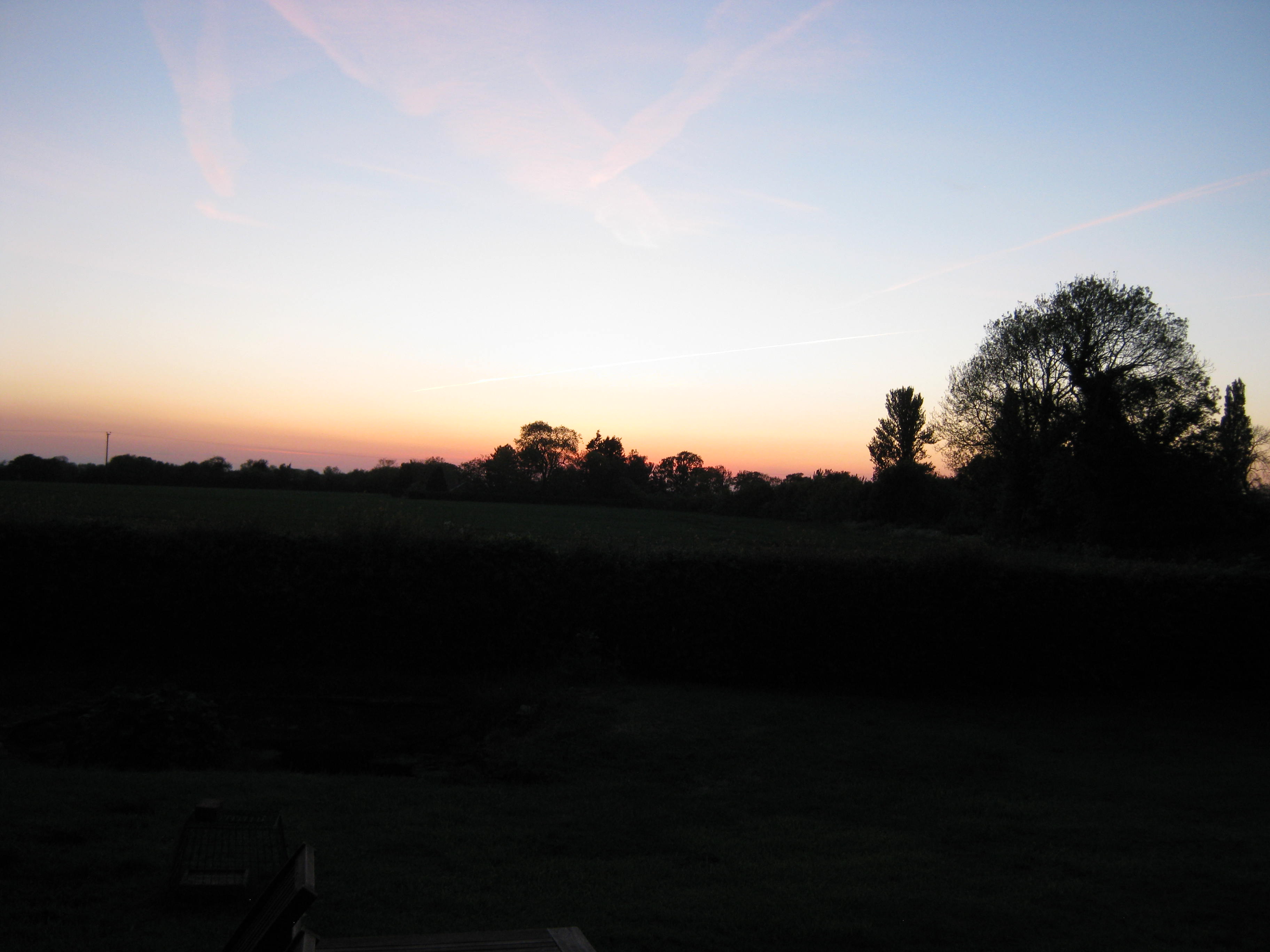
Last evening while I was admiring the pink sunset…..

Image


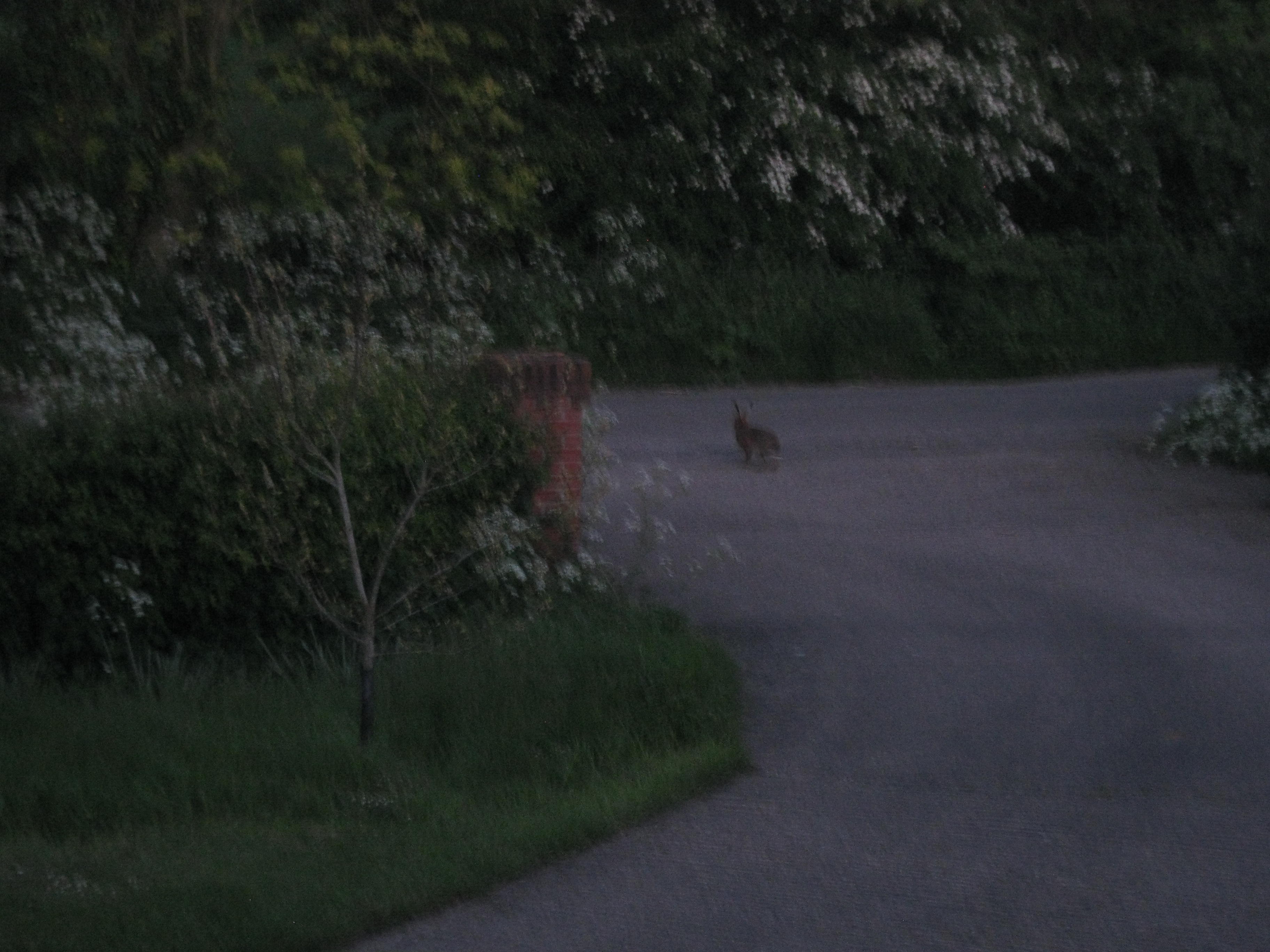
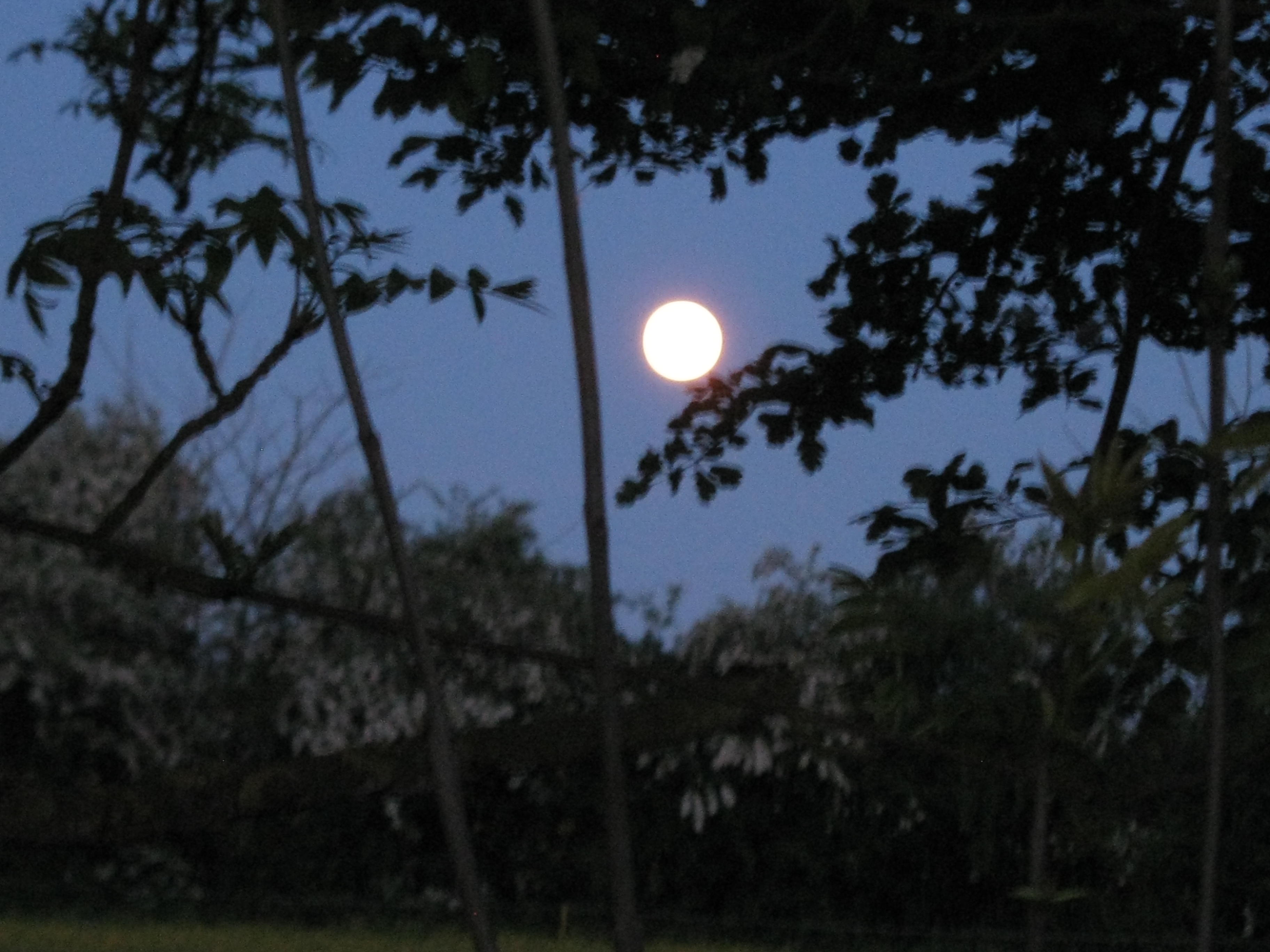
….E was admiring the rising of the moon.  She called to me to come and see it as it was so large and orange.  I joined her at her bedroom window and we watched it slowly slide up the sky behind the trees.  I went into my room hoping to see it more clearly from there and saw below me on the drive, the hare again!  Typically, I had the wrong camera with me, it was too dark and the hare wouldn’t stay and be photographed.

Image

This is the only photo I managed to get.

I went outside into the twilight with little bats flying about the garden and crossed the road and looked at the moon through the hedge.  It wasn’t orange any more but it was still beautiful.

Image

The visit from the hare and the rising moon reminded me that hares are supposed to be magical and people today still take care not to hurt a hare.  One of Mum’s neighbours was new to the area a few years ago and asked another neighbour how he could get rid of the rabbits and hares which were damaging the trees and plants in his garden.  He was told that the rabbits could be shot but ‘we don’t shoot hares in Suffolk’.  In Anglo Saxon mythology, Ostara the goddess of the moon, fertility and Spring was often depicted with hare’s ears or a hare’s head.  Eostre (where we get the word Easter from) was the Celtic version of Ostara and was the goddess associated with the moon, death, redemption and resurrection during the turning of Winter into Spring.  Eostre was a shape-shifter too and took the shape of a hare at each full moon.  Well, well, well!  (I looked all that up using Google!).

Yesterday was a busy one with my usual shopping with Mum and then going to Halesworth to hand in my prescription at the surgery and post a couple of letters.  I got home just after 2.00pm and had some lunch.  The afternoon was spent dusting, vacuuming and doing more mending.  R got home just as I was finishing.  He had had a fraught day at work so after we had had our cup of tea he went into the garden and planted out his peas and beans.  A soothing task which took him over an hour and was all done except the watering-in by the time I had cooked the evening meal.

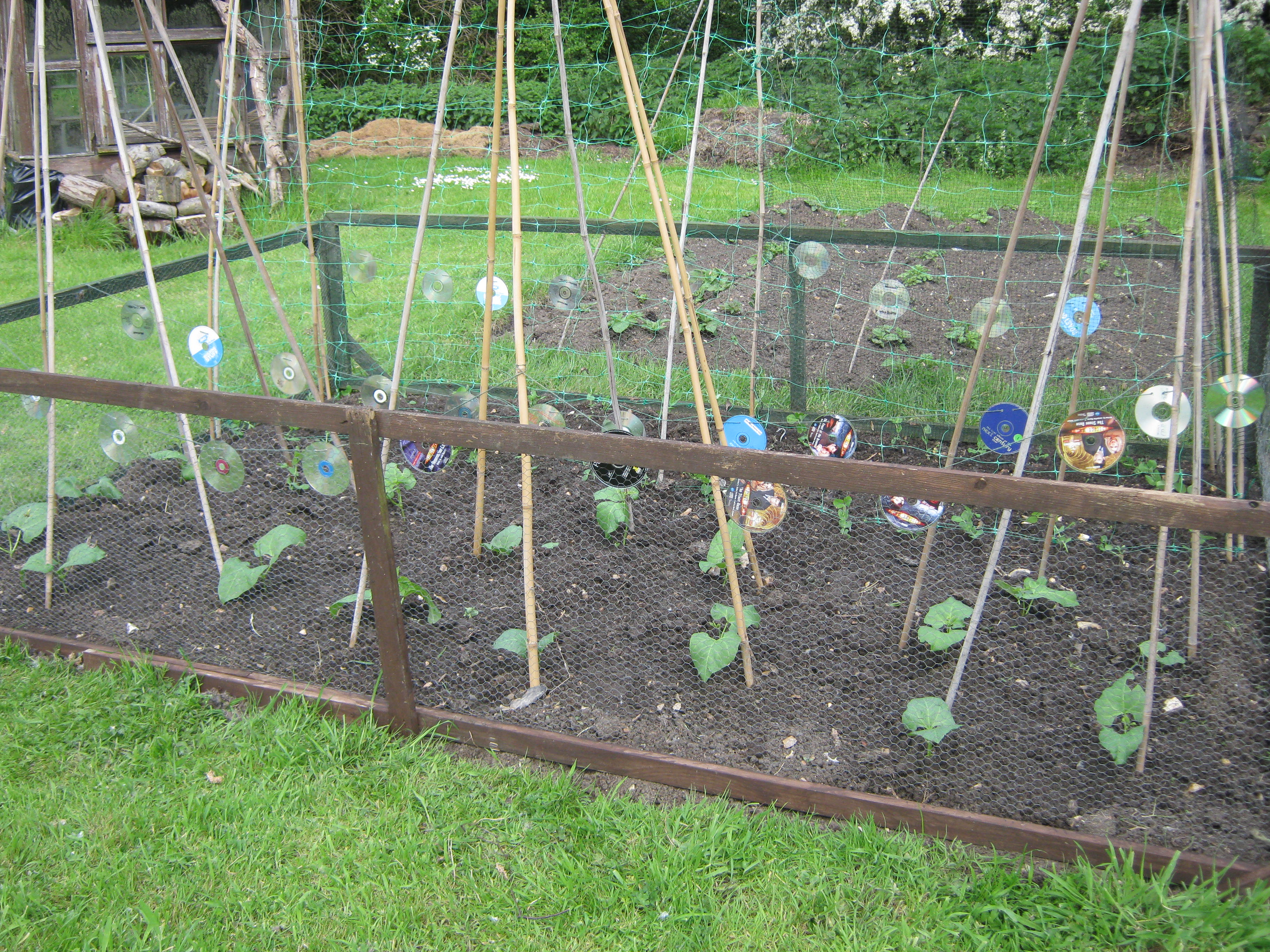
This morning I went out to admire his handiwork.

Image

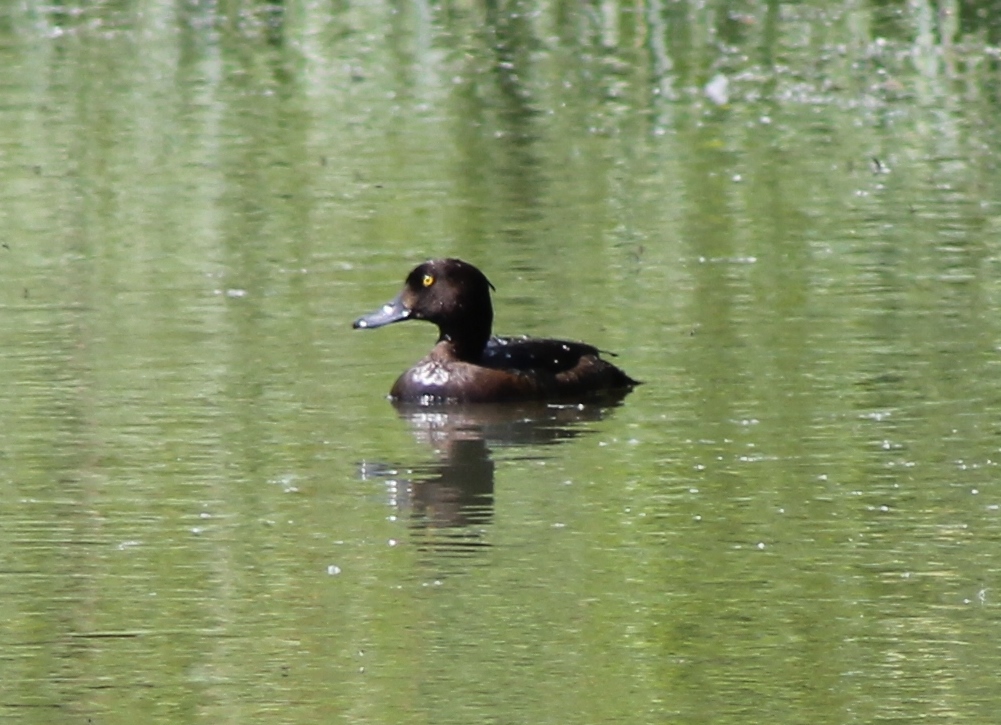
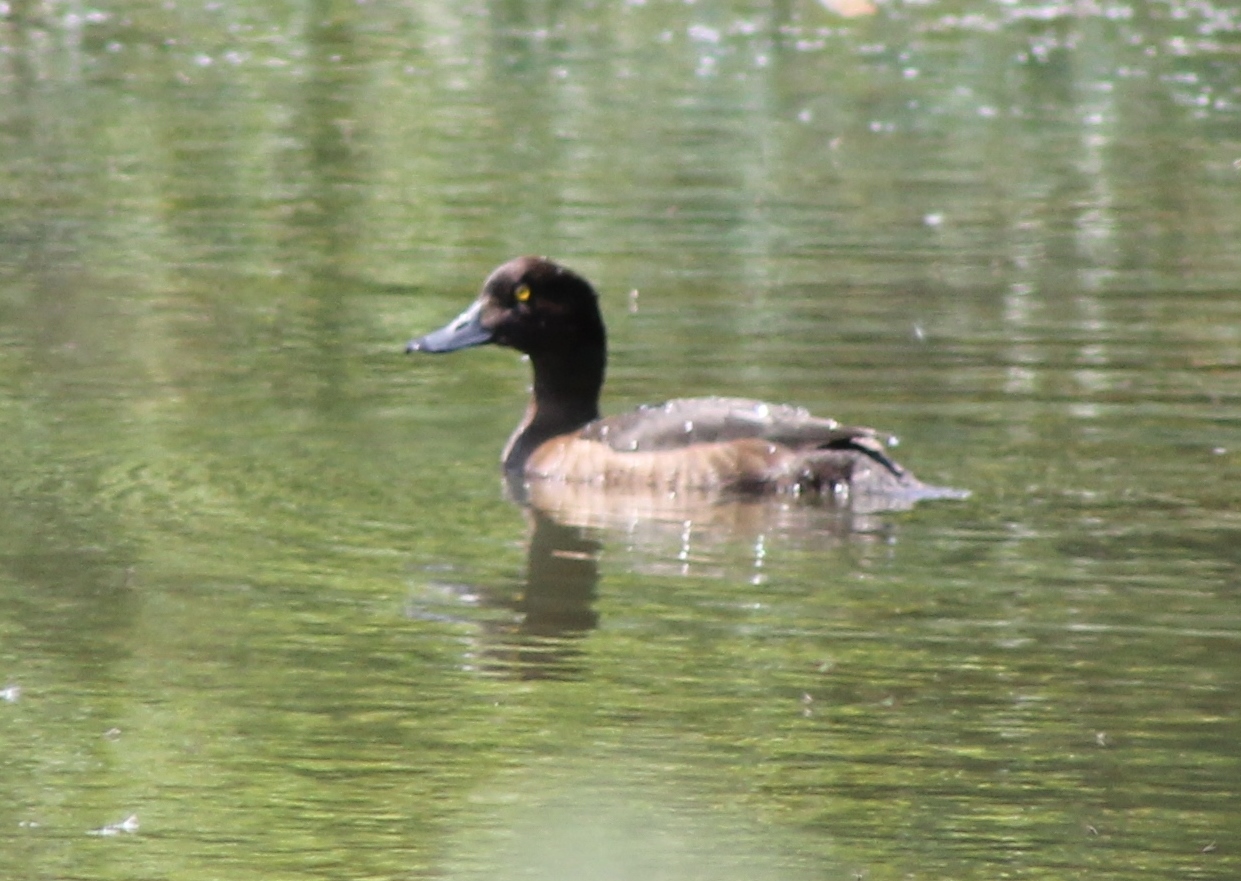
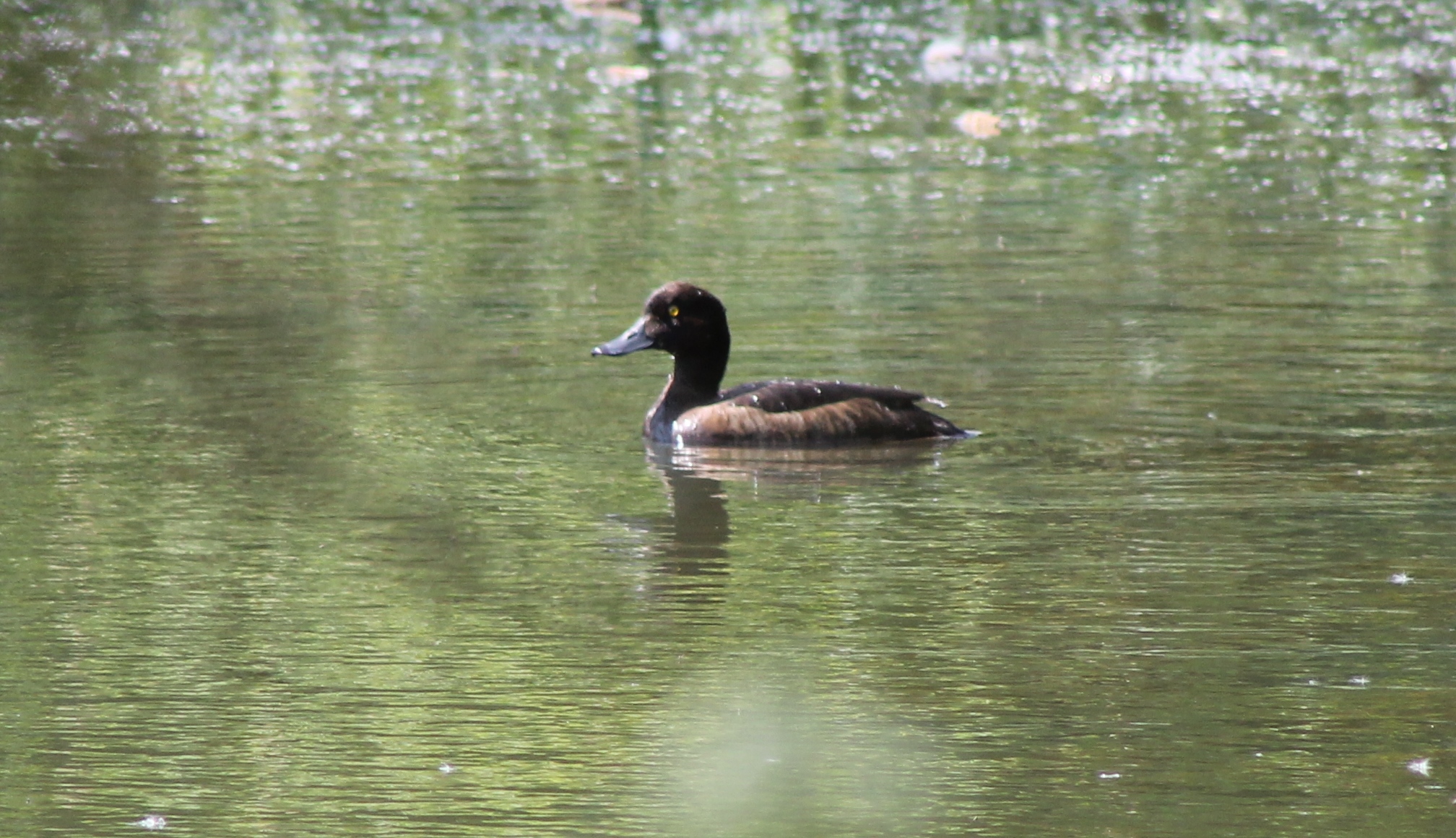
Putting the anti-rabbit/deer/hare/pigeon etc barriers up had taken most of the time yesterday.  We hope they work!  You can see the potatoes coming up in the bed behind the peas and beans.  While I was down at the vegetable patch I had a look at the pond and saw a strange looking duck.  I tried taking its photo with my small camera but wasn’t able to get a clear picture.  I fetched our newer, better camera and tried again.


Image

Image

Image


Image

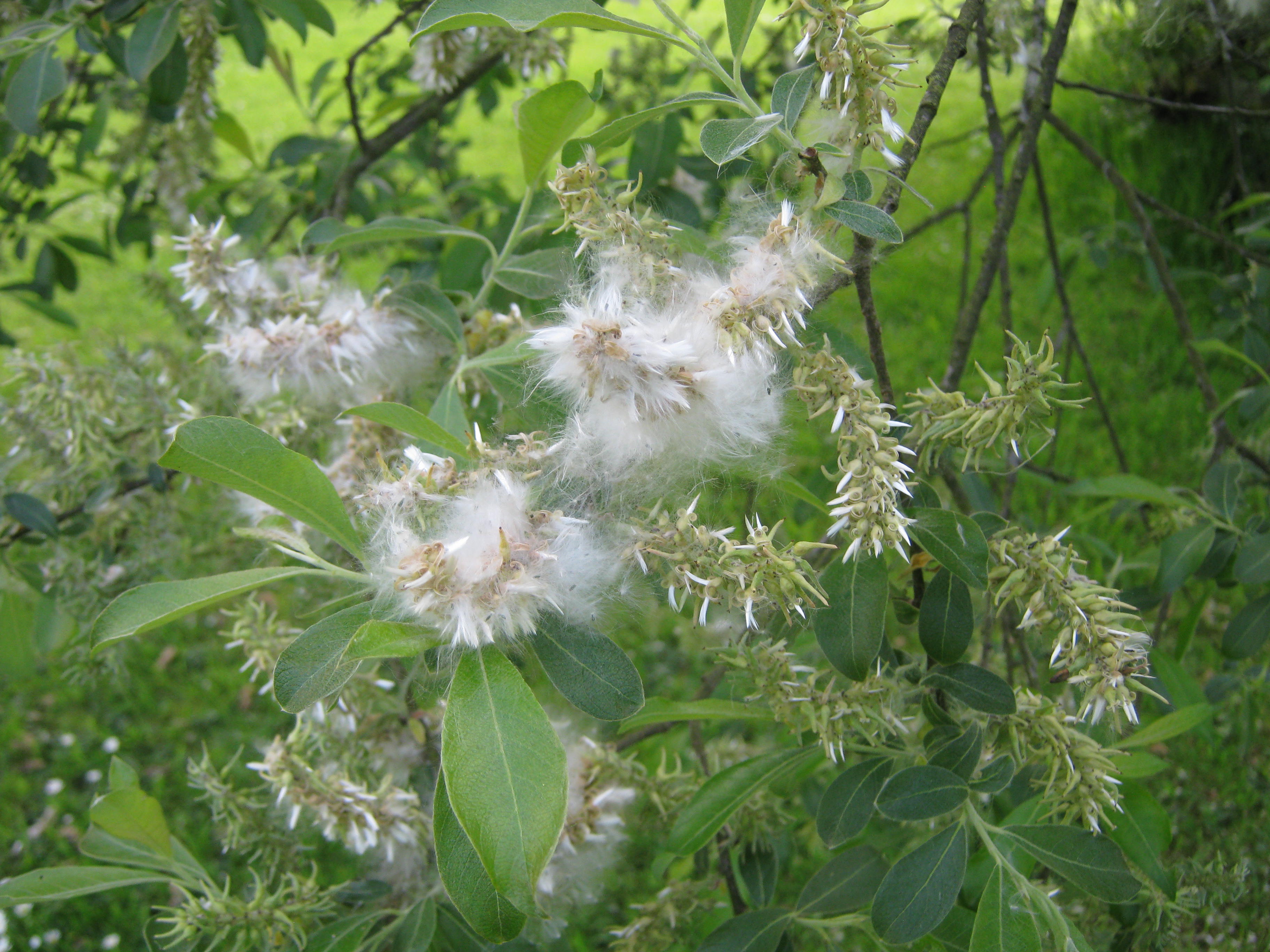
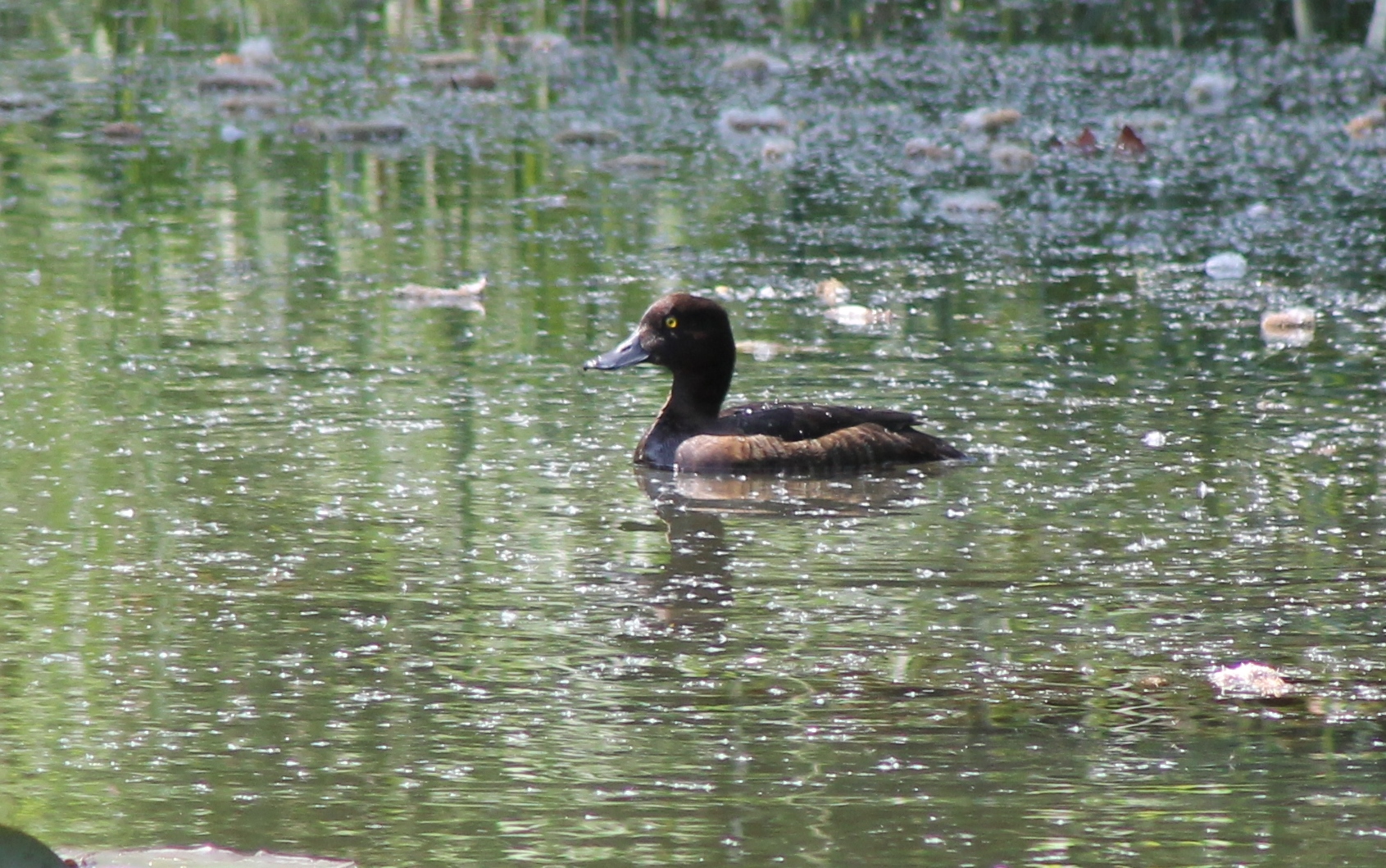
I think this is a female tufted duck who visited to sample the fish in our pond.  I had to crop the photos as I still couldn’t get near enough to the duck.  The pond, as you see, is covered in the fluffy seeds of Goat Willow.  The seeds aren’t only on the pond but are everywhere, floating in the air, covering the grass, coming into the house.

Image

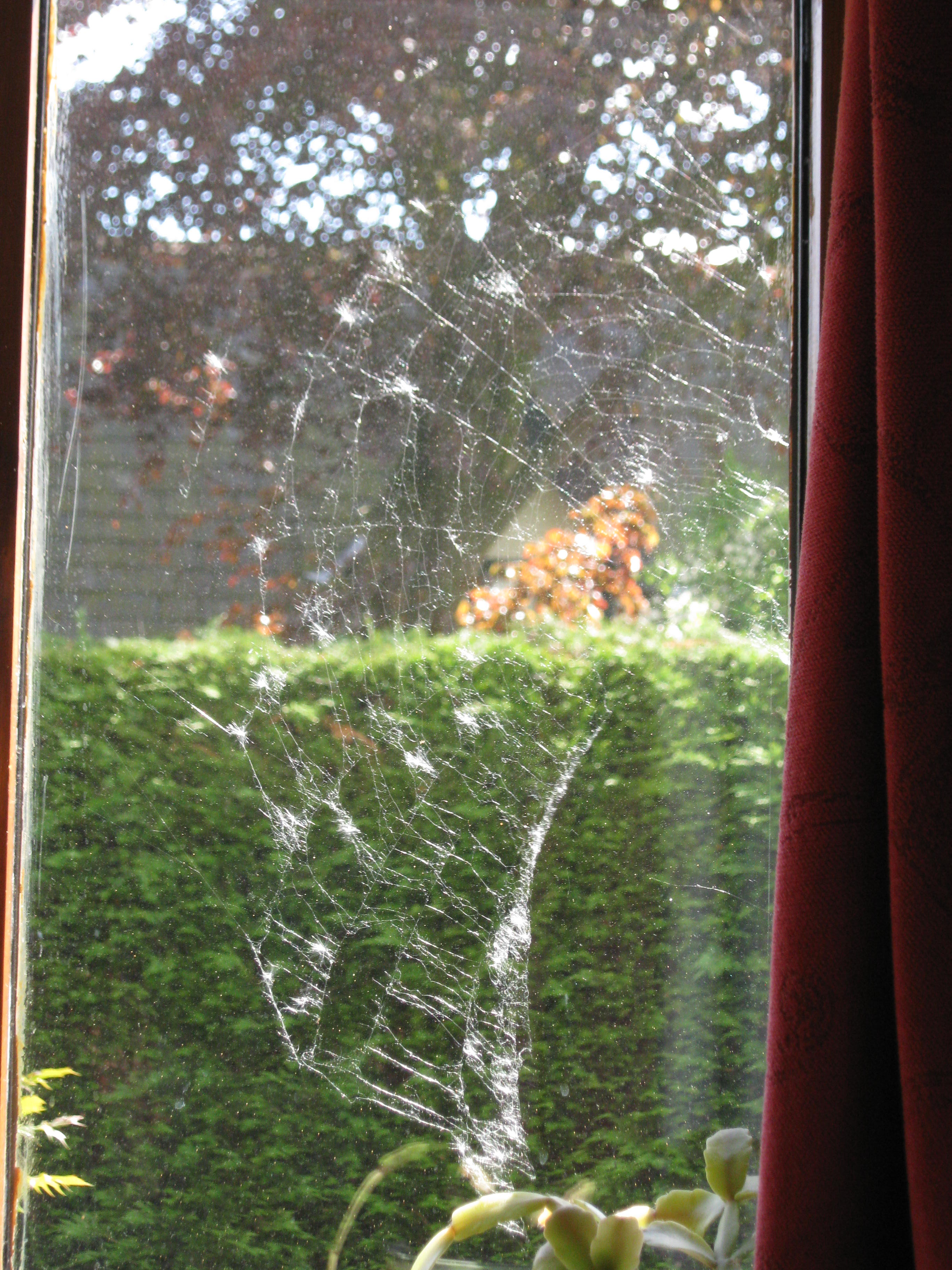
This is a spider’s web I noticed yesterday on the outside of one of our windows.  It is covered with fluffy willow seeds.  Despite my brushing the web away very often the spider insists on making its web just there all the time.

The rest of this post will be a strange selection of photos that I took today and some others that I haven’t been able to put in any of my recent posts.

Image

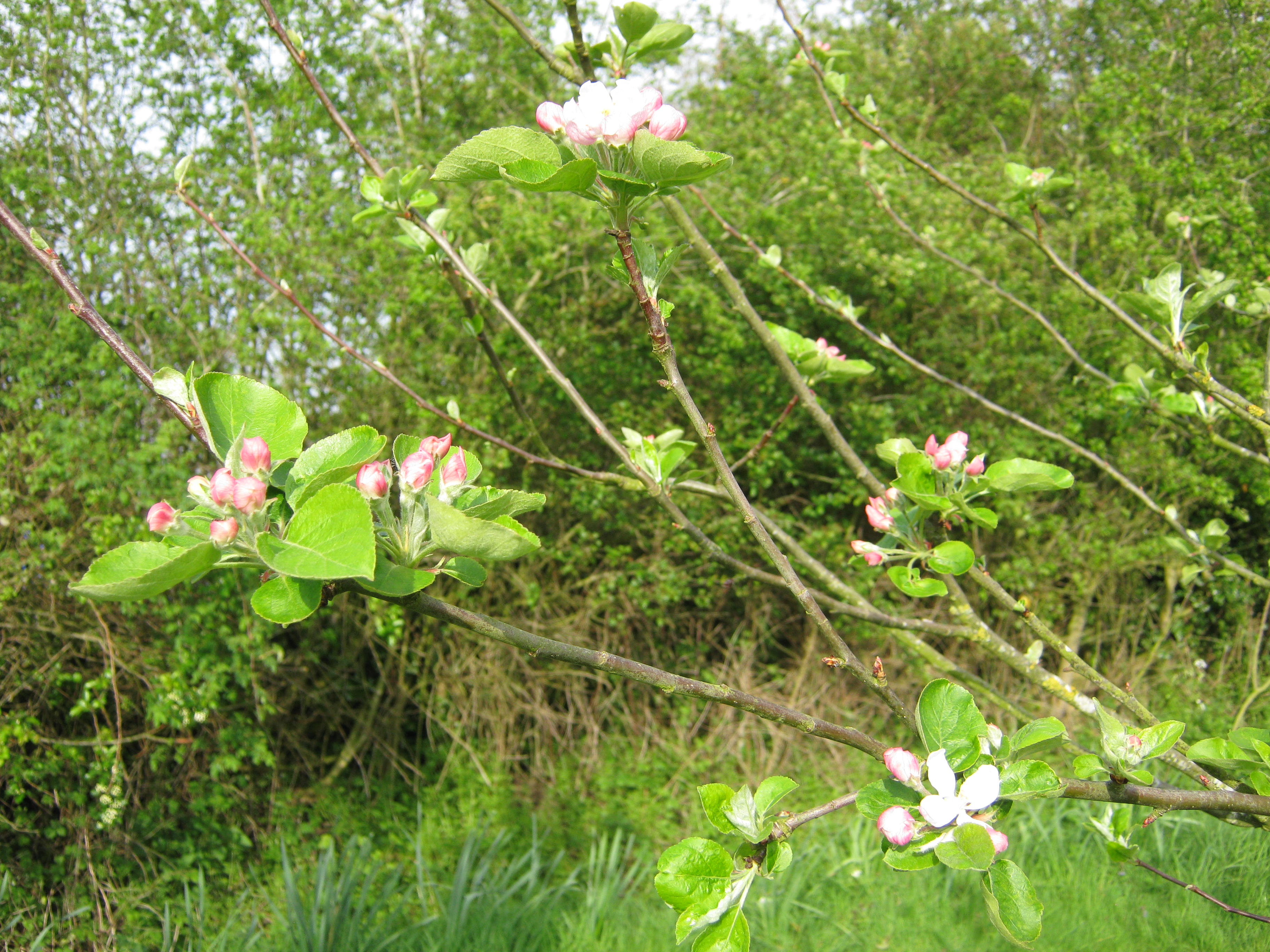
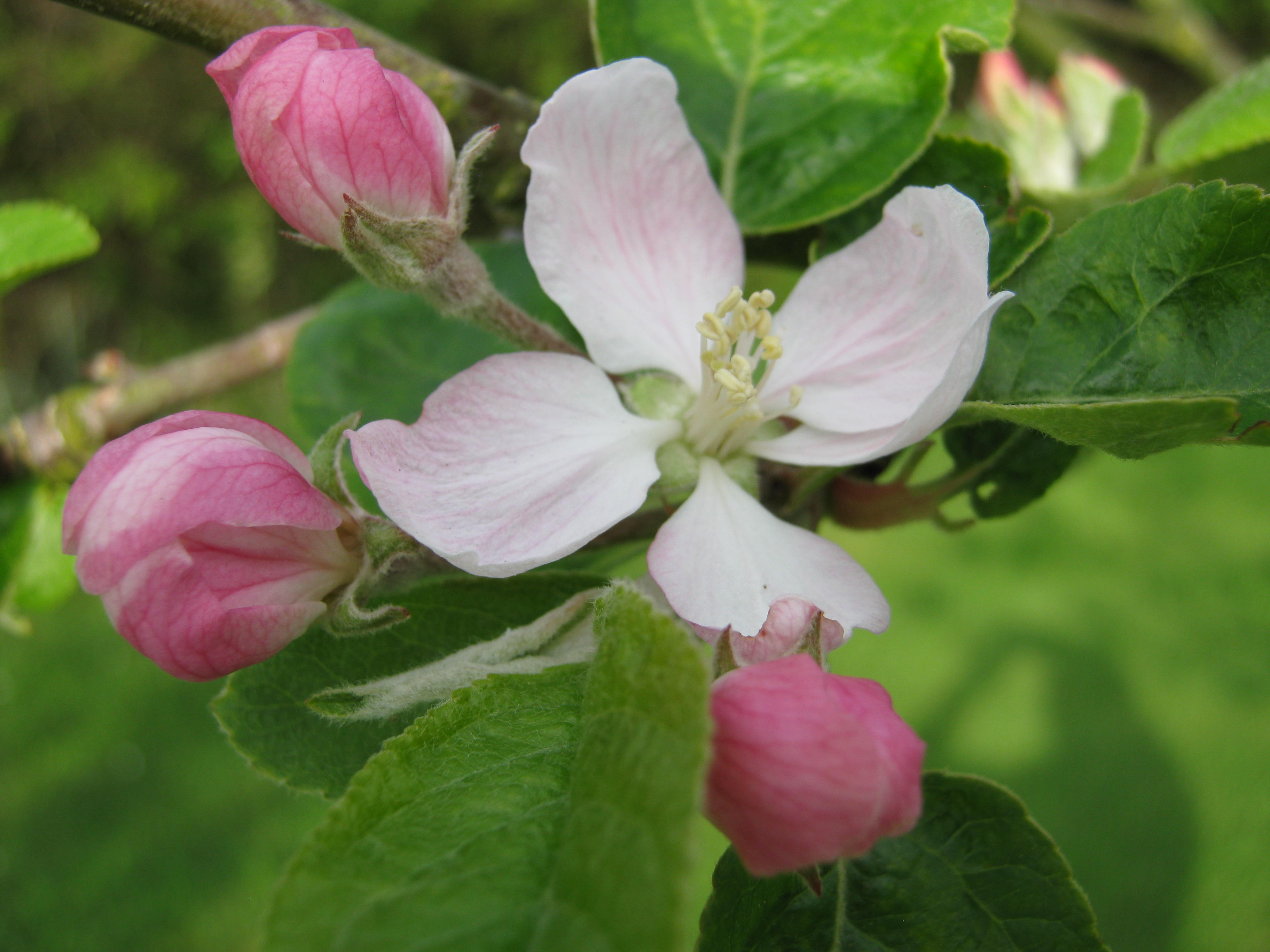
This is a late entry in the apple blossom awards.  We thought the Bramley Apple wasn’t going to flower this year, but we were wrong!

Image

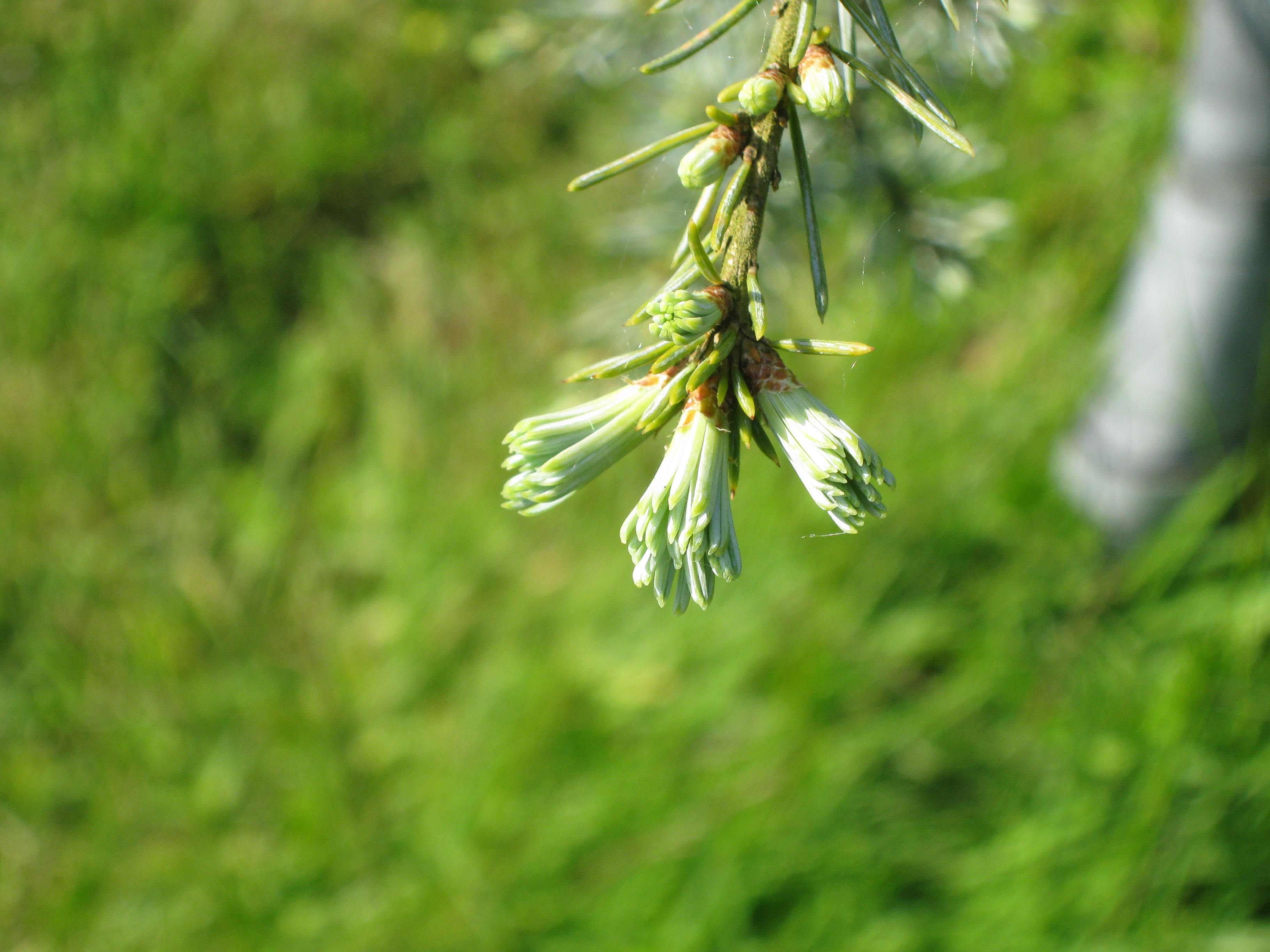
The Cedar of Lebanon has new leaves growing that look like old-fashioned shaving brushes.

Image

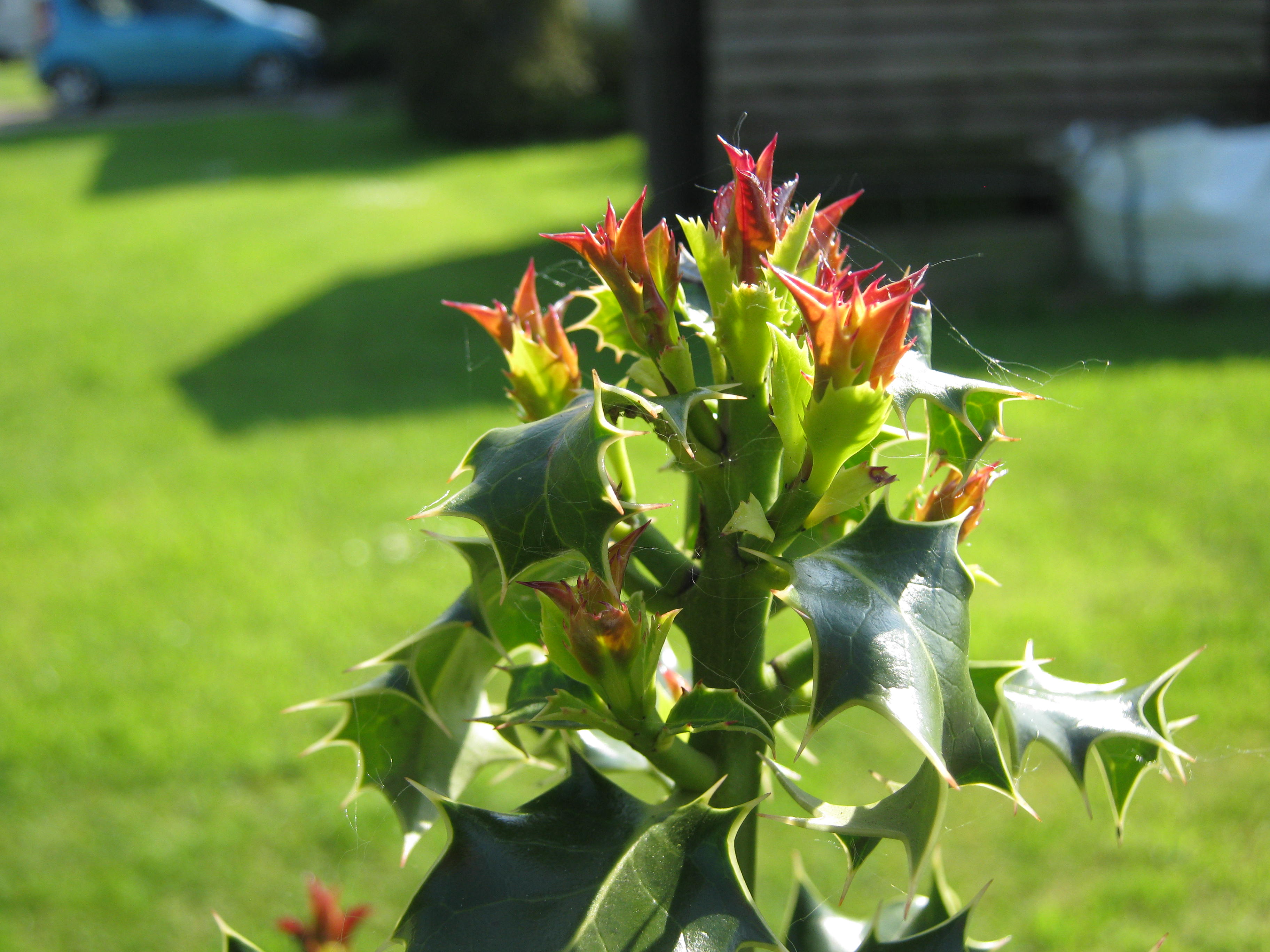
All the hollies have new leaves too.

Image

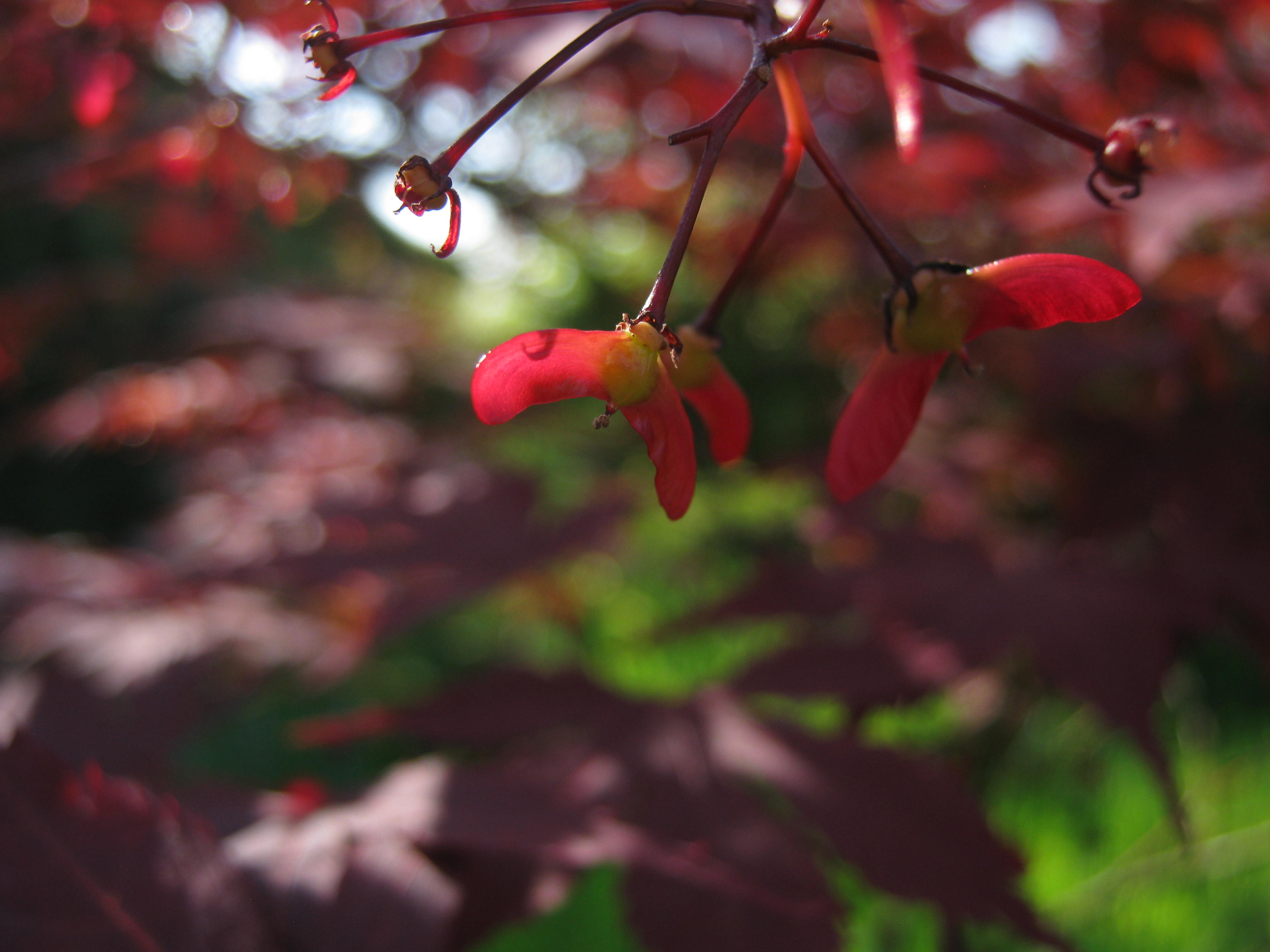
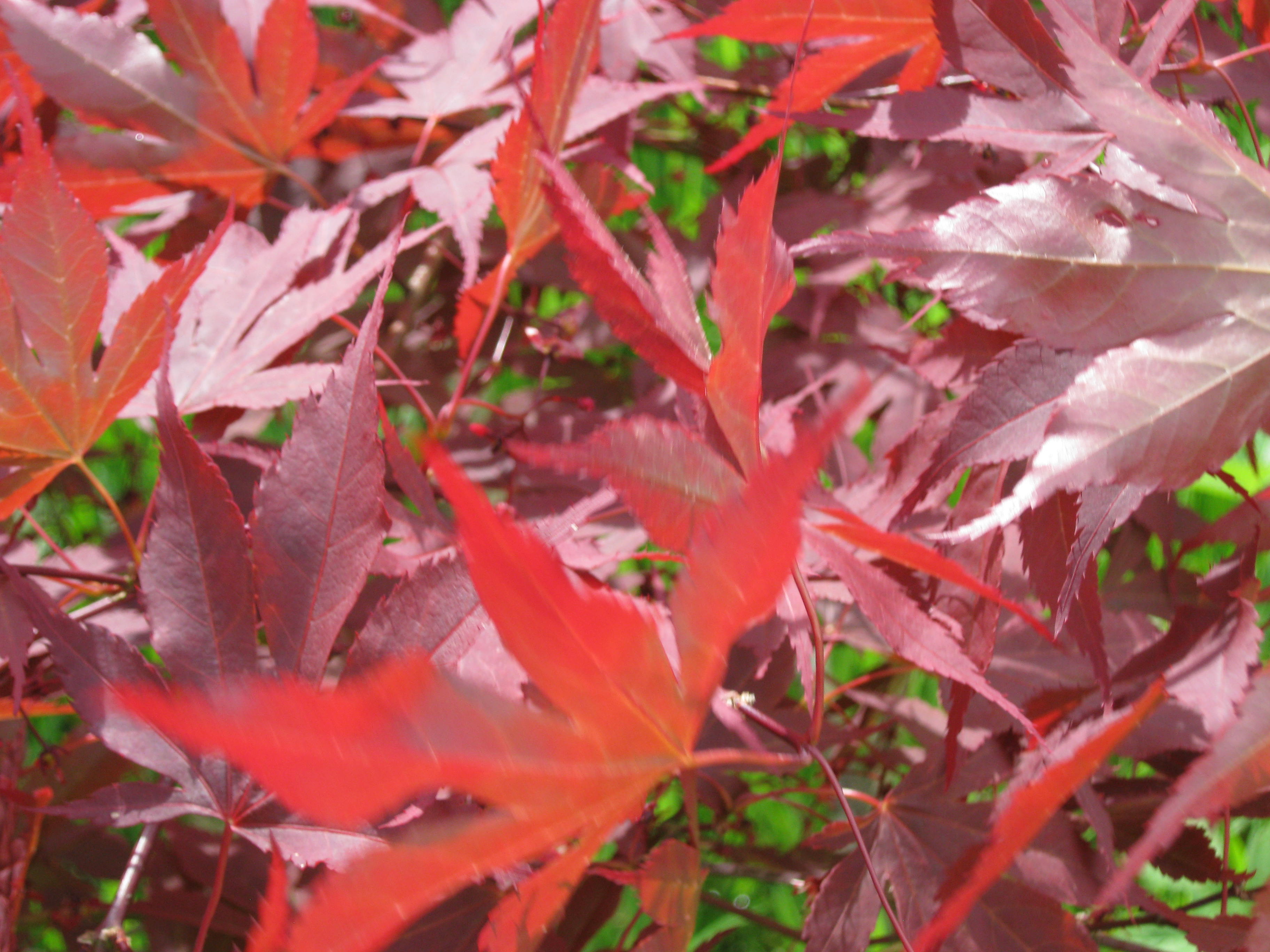
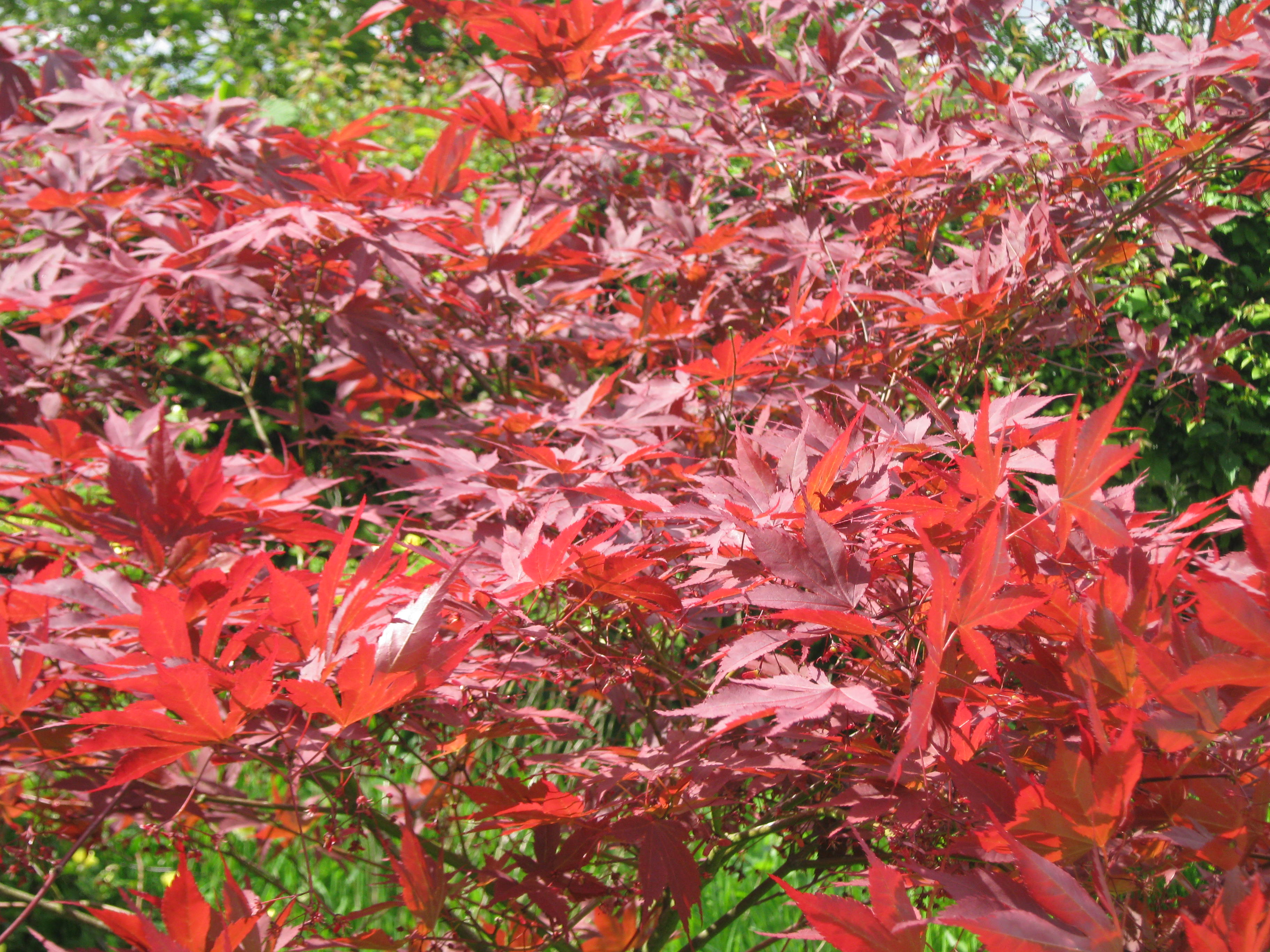
The Japanese Maple has the most beautiful cherry-red seeds.

Image

Image

Image

It has beautiful leaves too that glow in the sunshine.

Image

Image

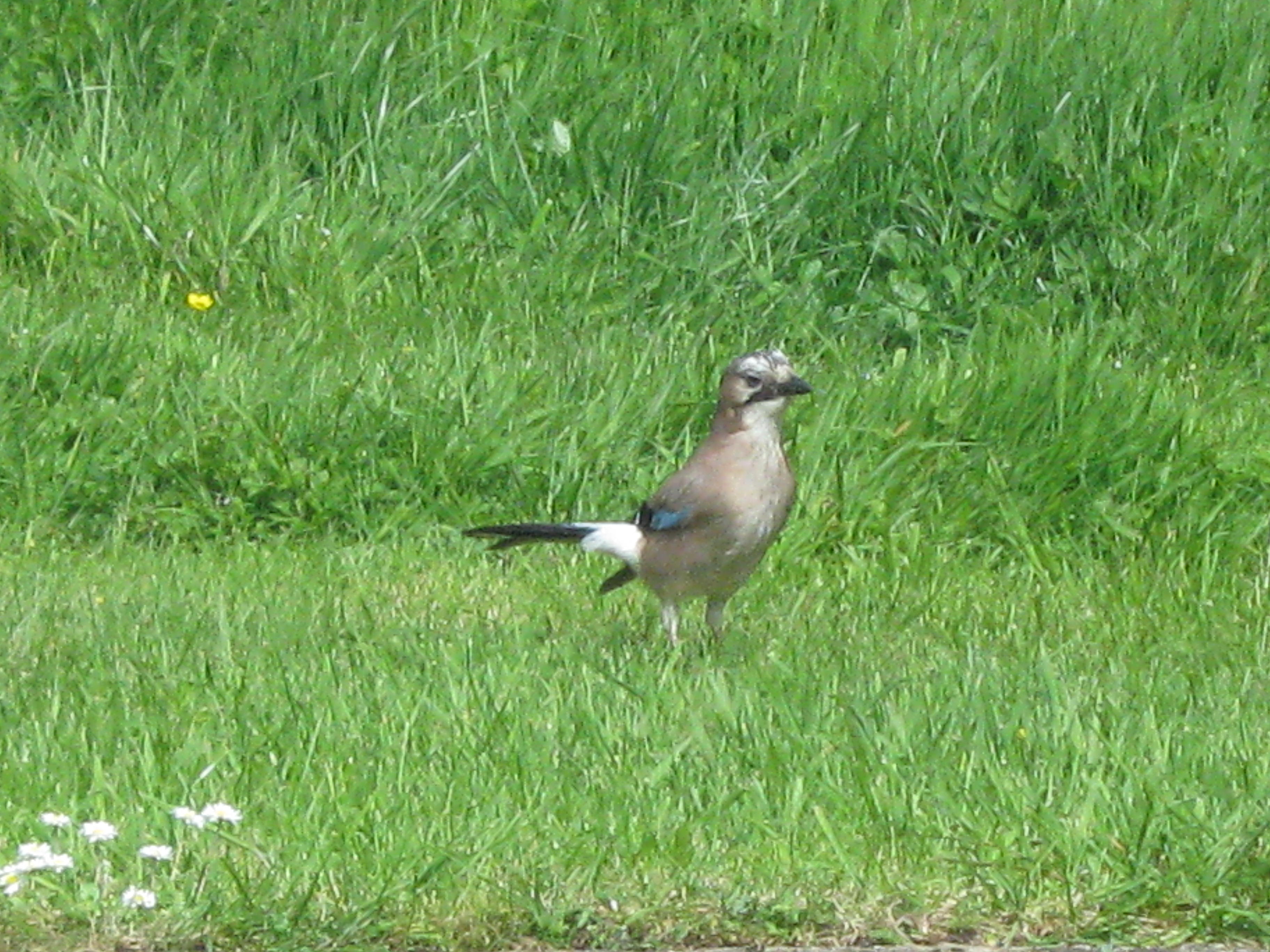
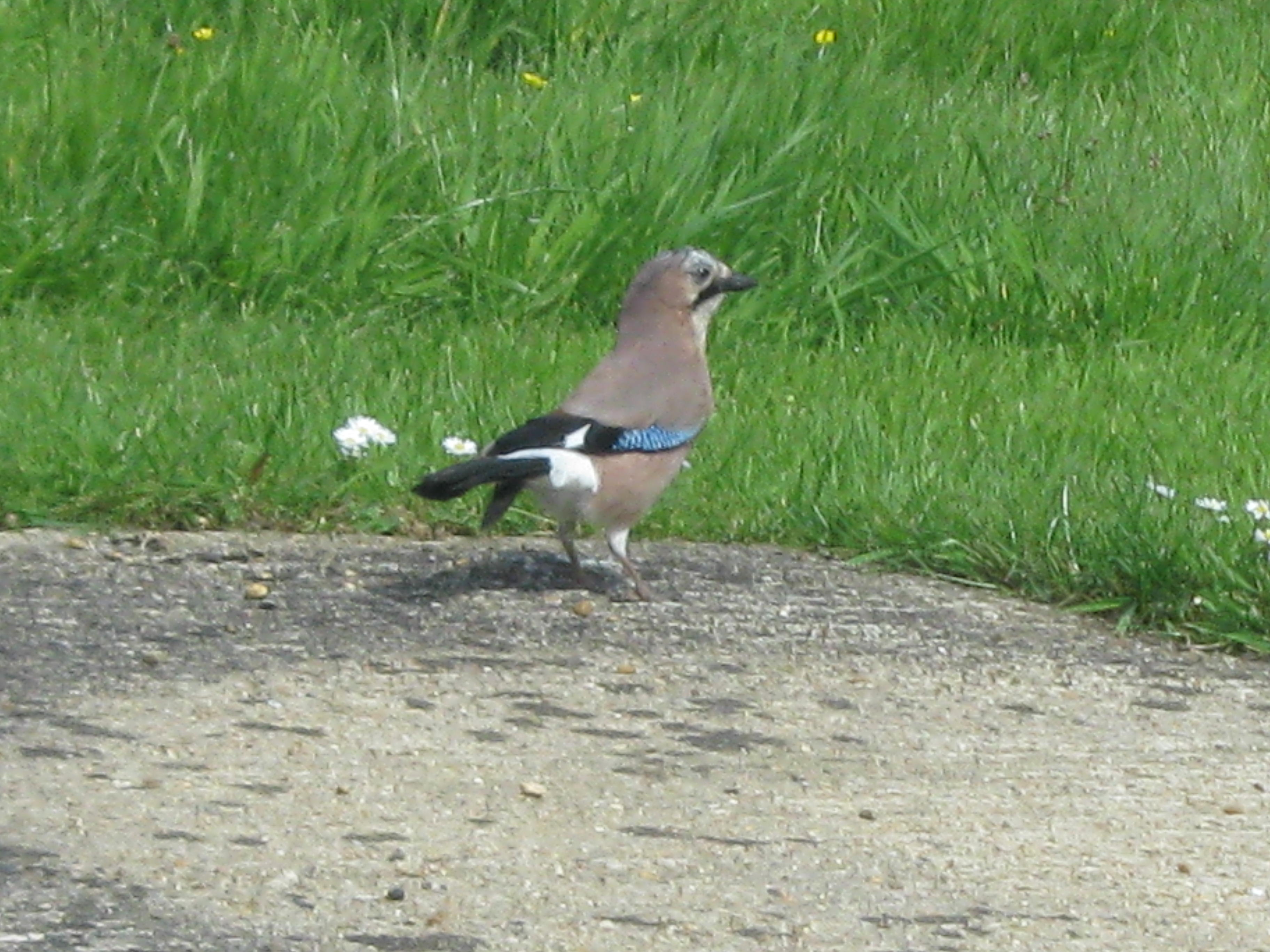
I got home yesterday and saw a Jay in the garden.  I had great difficulty taking these photos from inside the car.

Image

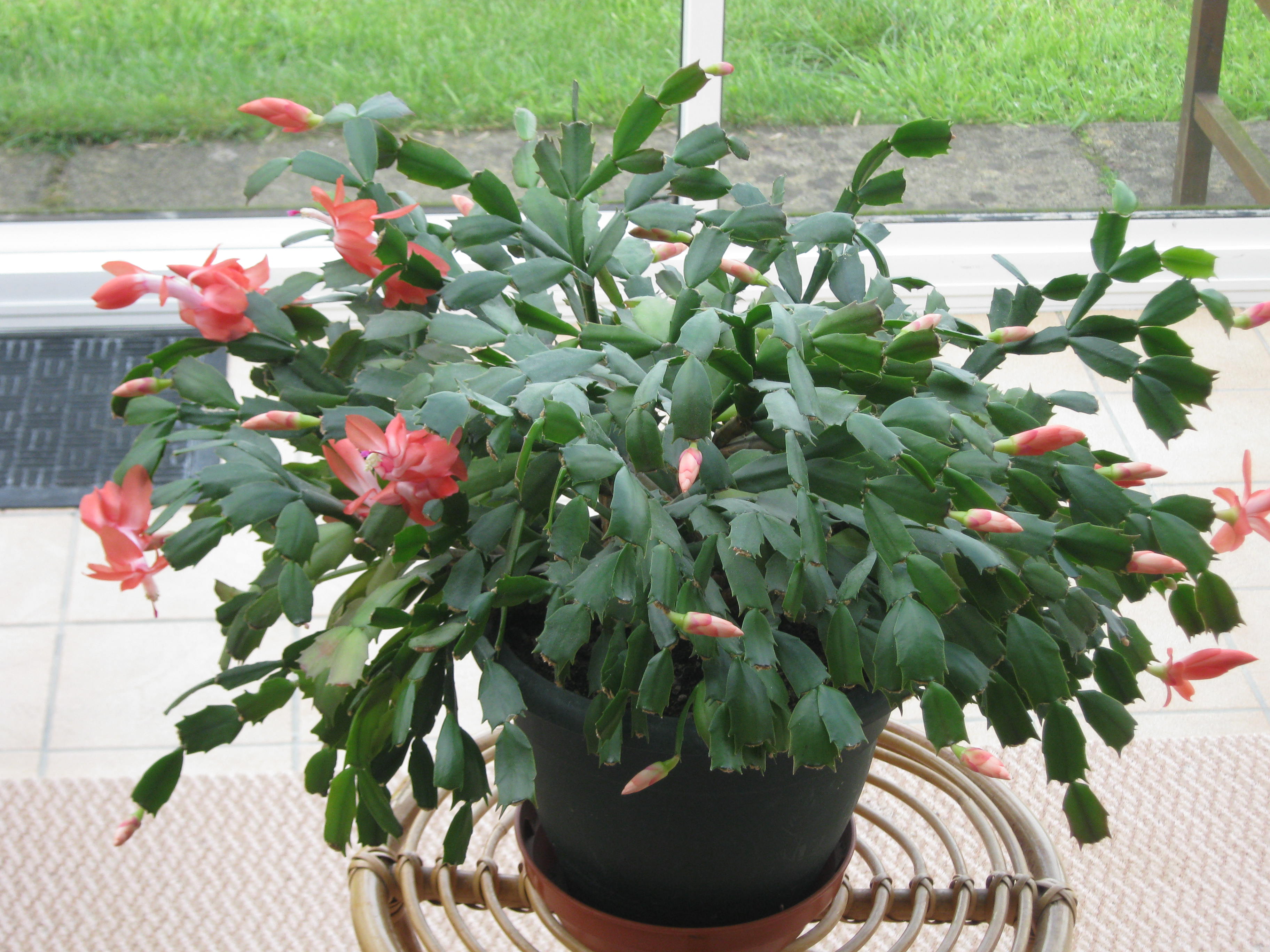
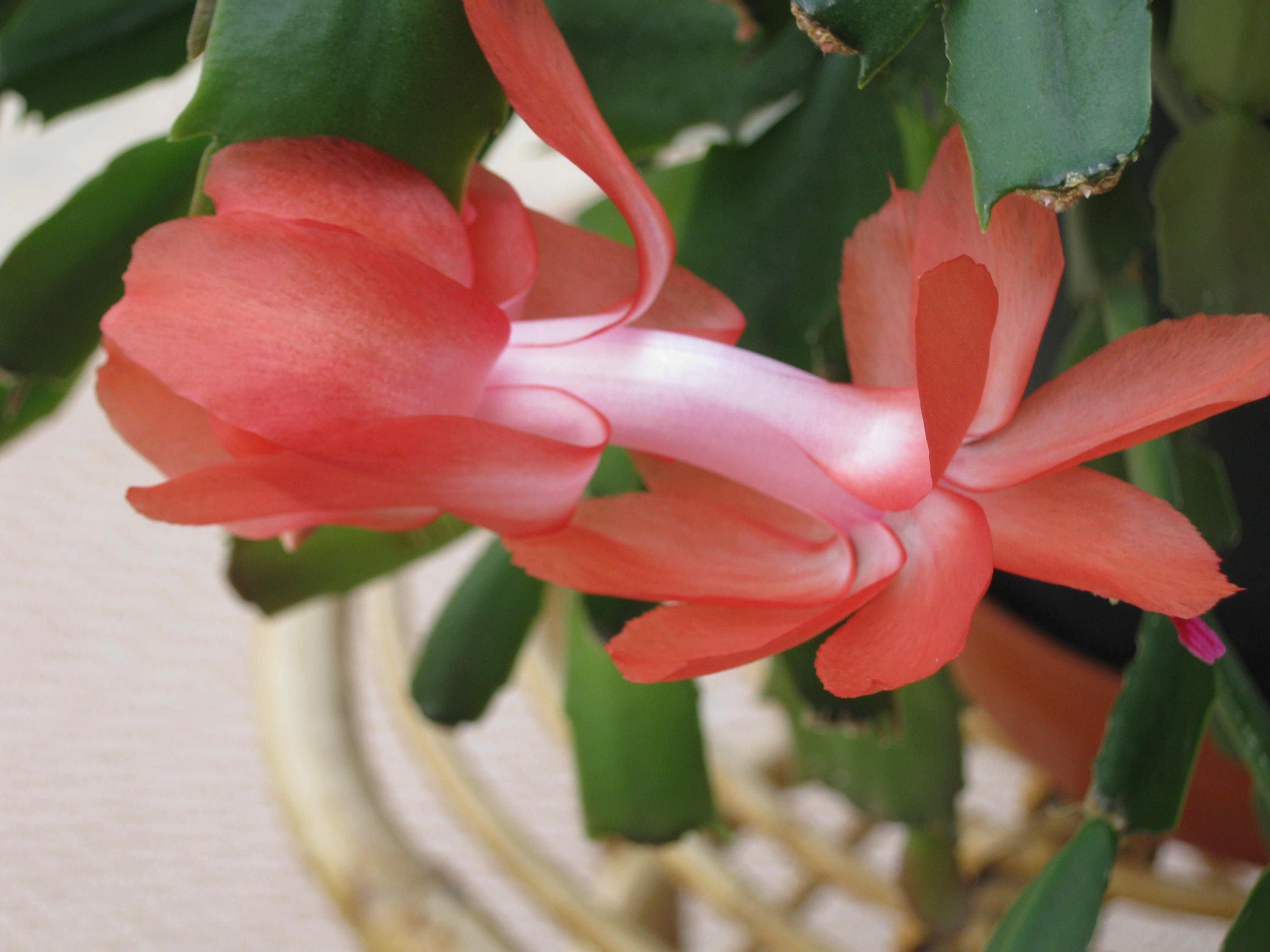
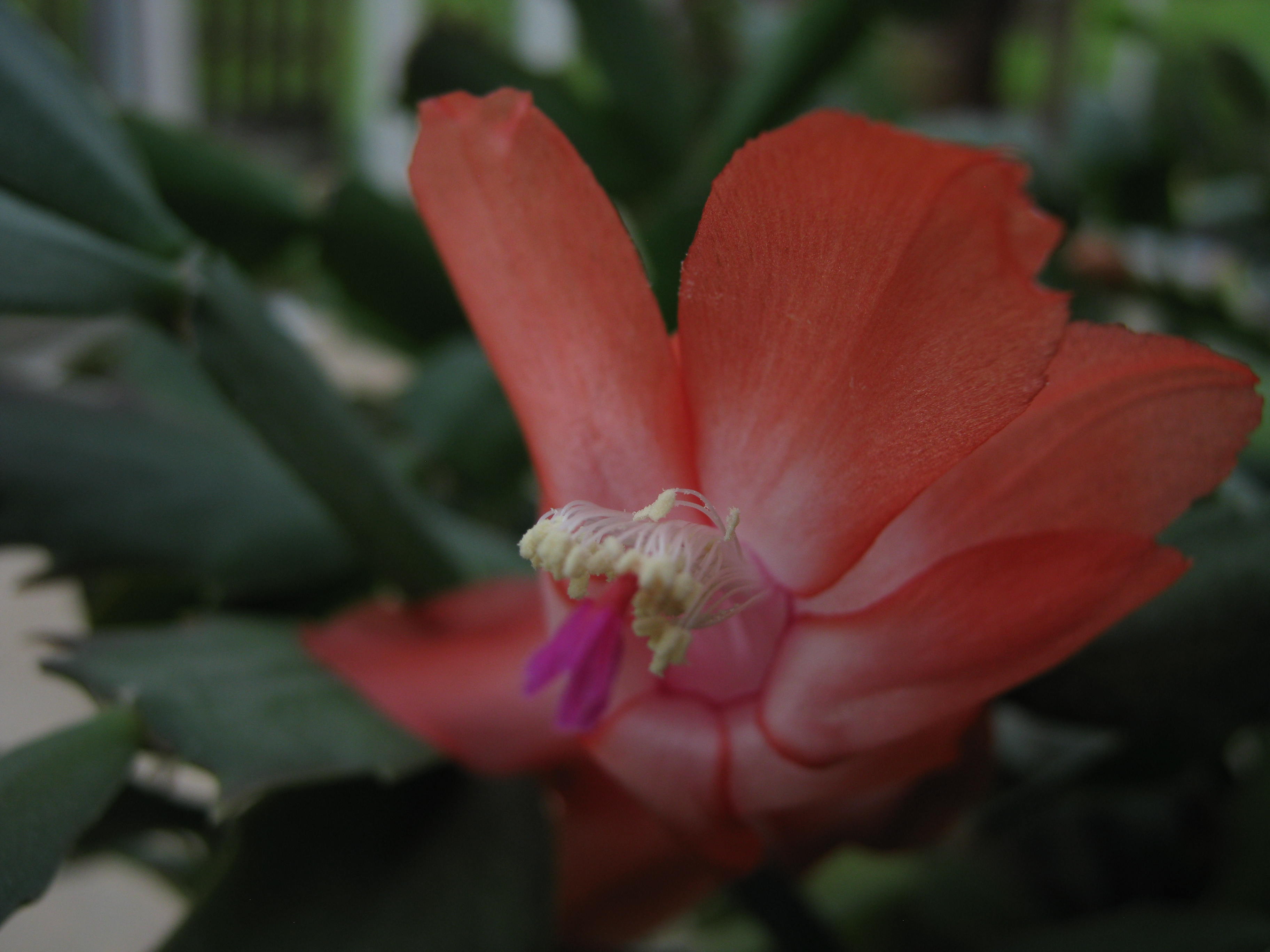
This is one of my Christmas Cacti and it is flowering again for the third time in six months.  It first flowered in November, then in February and now in May.  I think it is very confused!

Image

Image

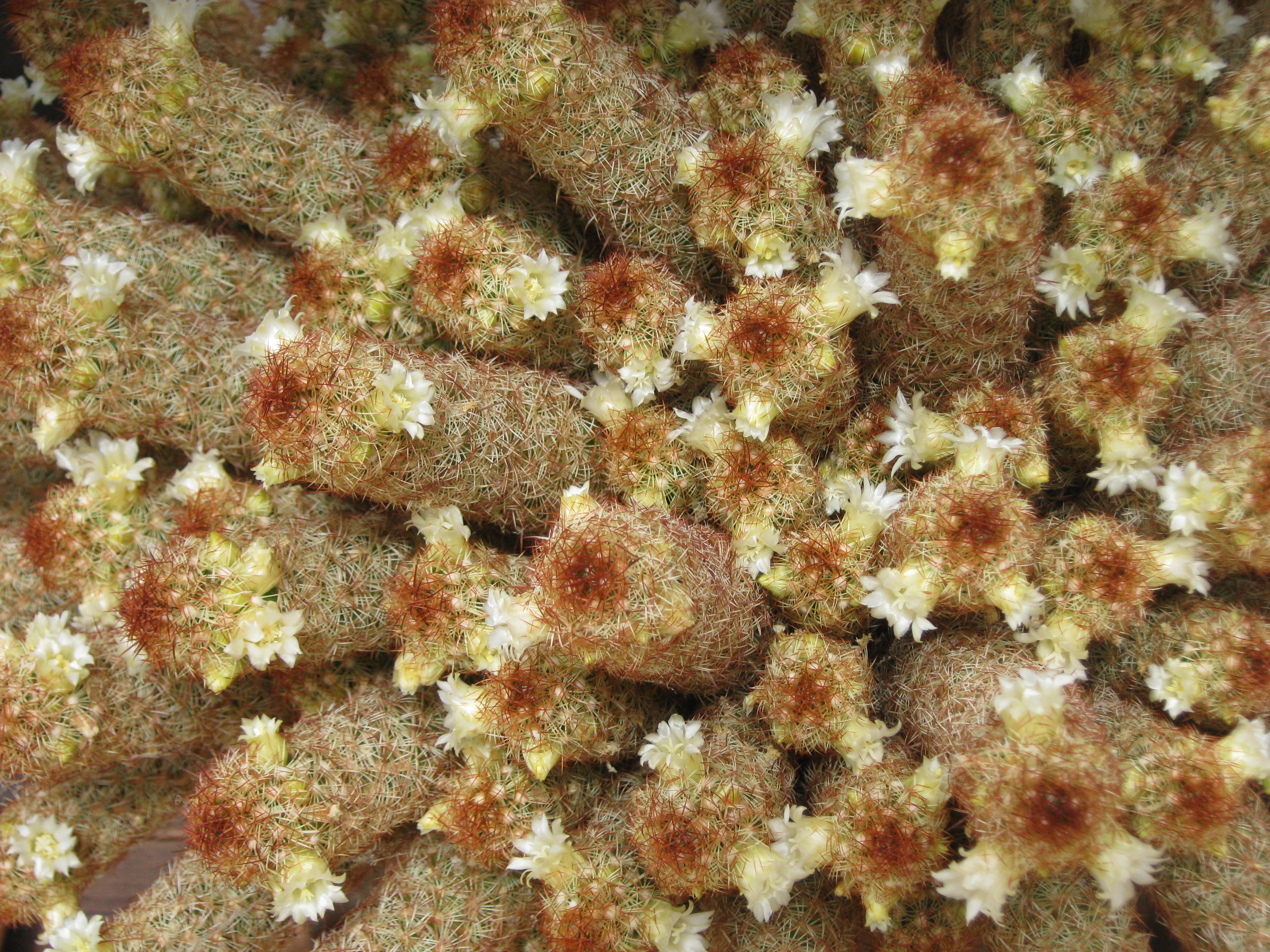
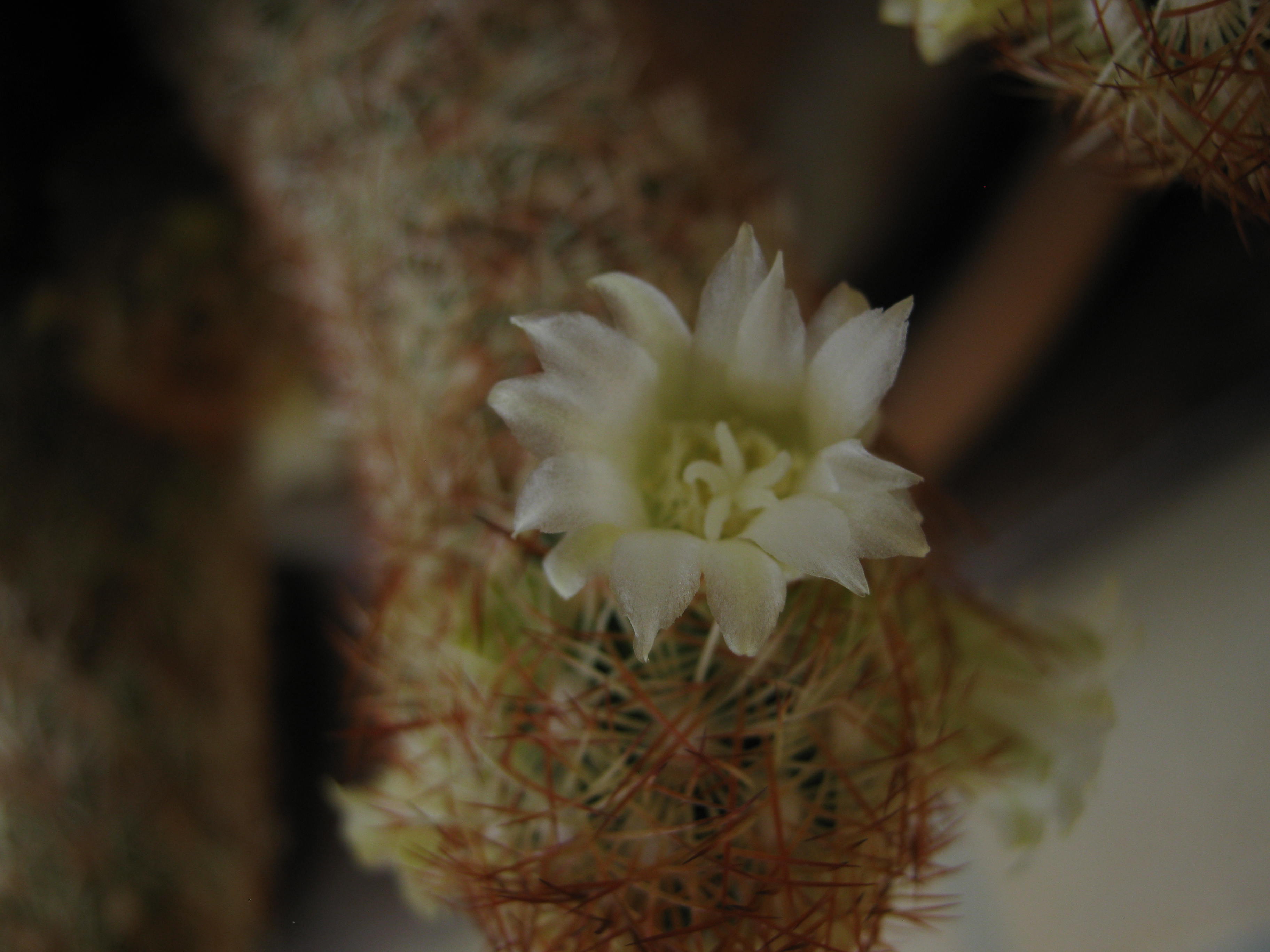
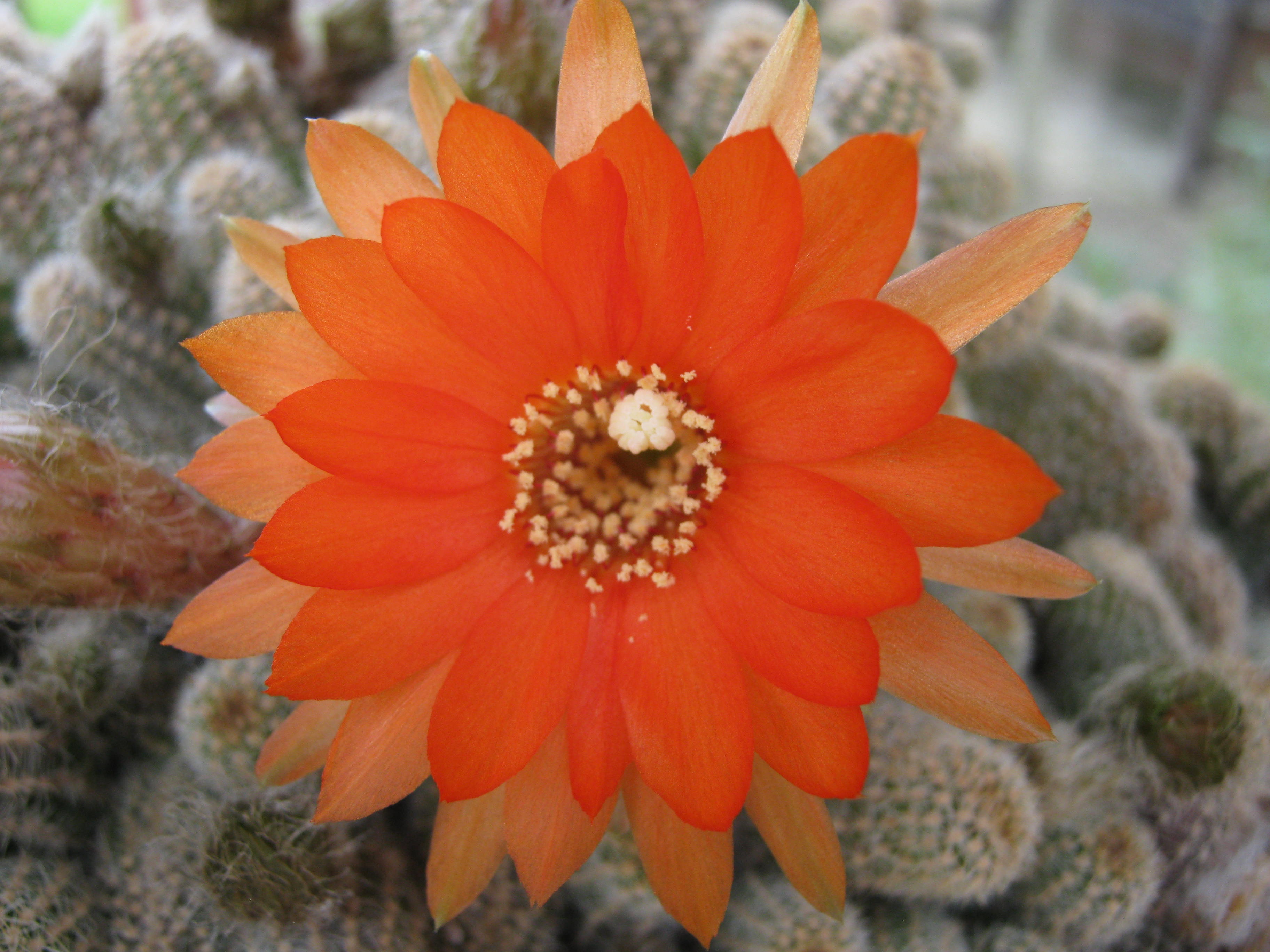
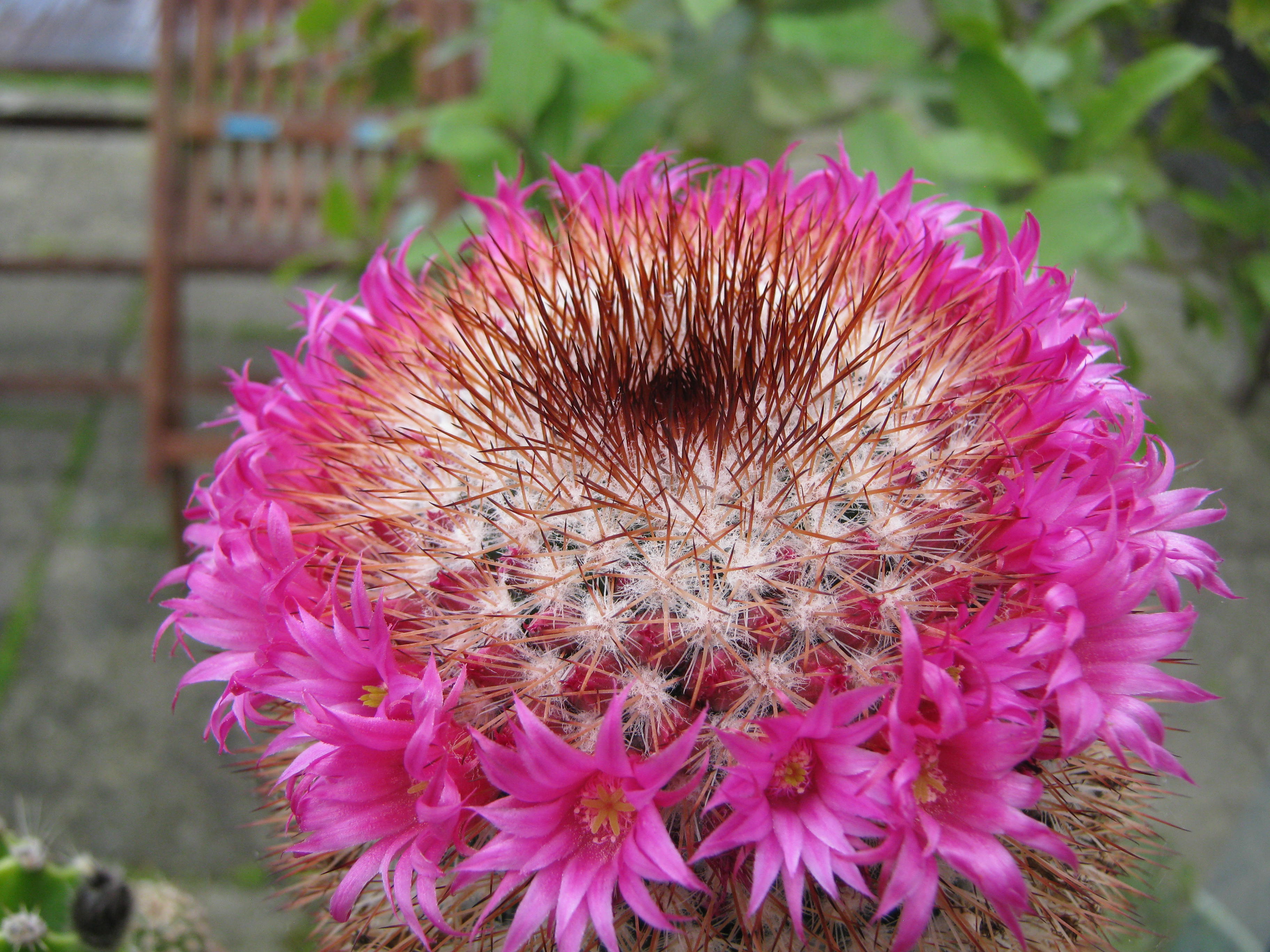
R’s cacti are all coming in to flower too.

Image

Mammalaria

Image

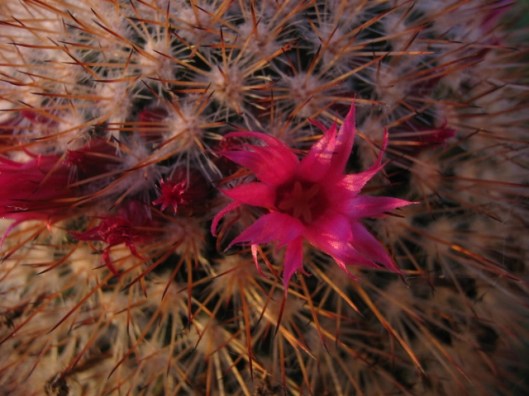
Mammalaria flower


Image


Peanut cactus flower.

Image

I don’t know what this one is called.

Image

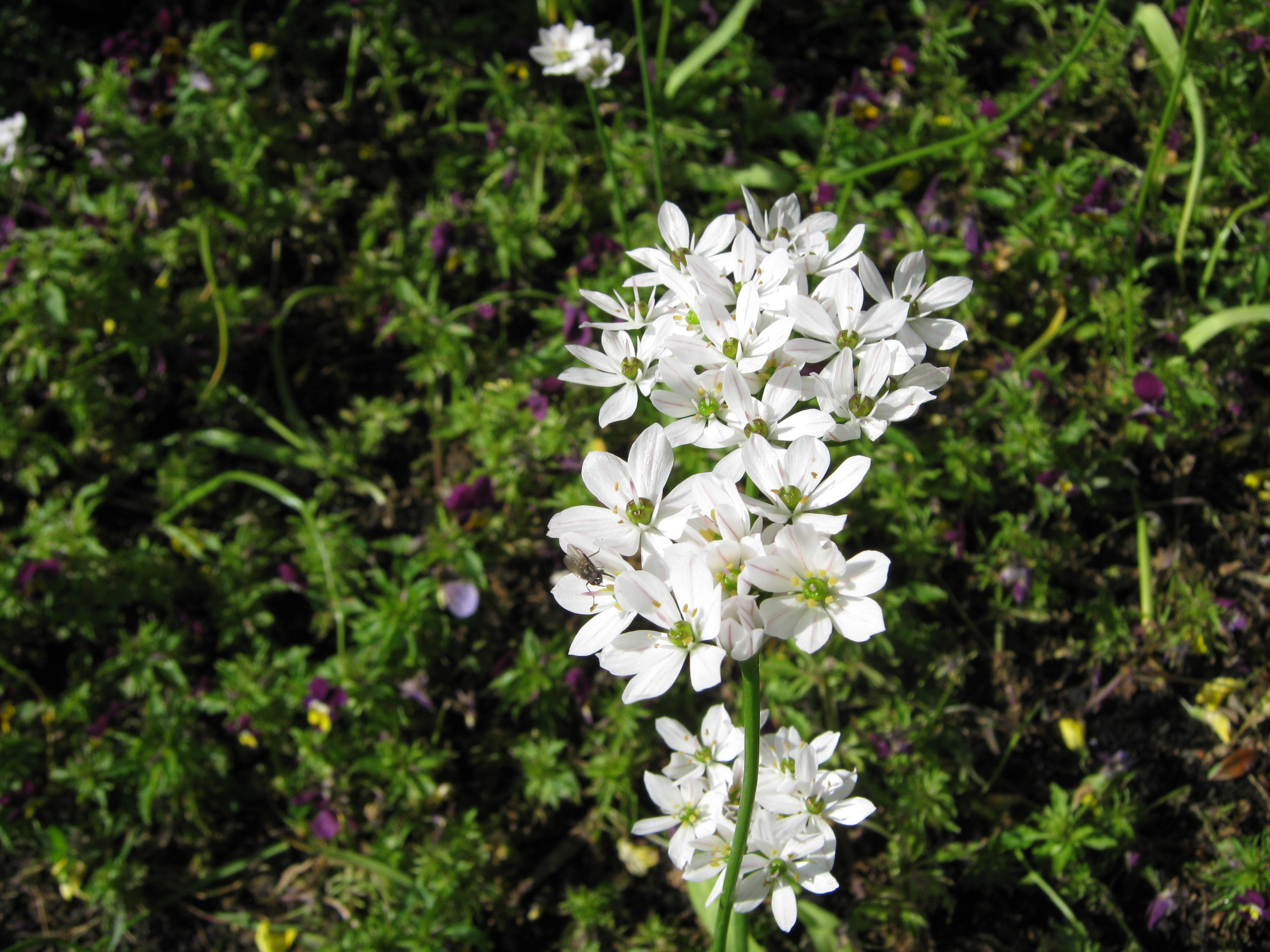
The little white Alliums in the garden are very popular with the bees.  They are under the laburnum trees which are also full of bees and the noise they make is astounding.  I think they sound like cars in a grand prix race – the pitch is almost exactly the same – it’s like listening to a race about a mile away.

Image

The new shoots on the Viburnum Bodnantense are crimson.

Image

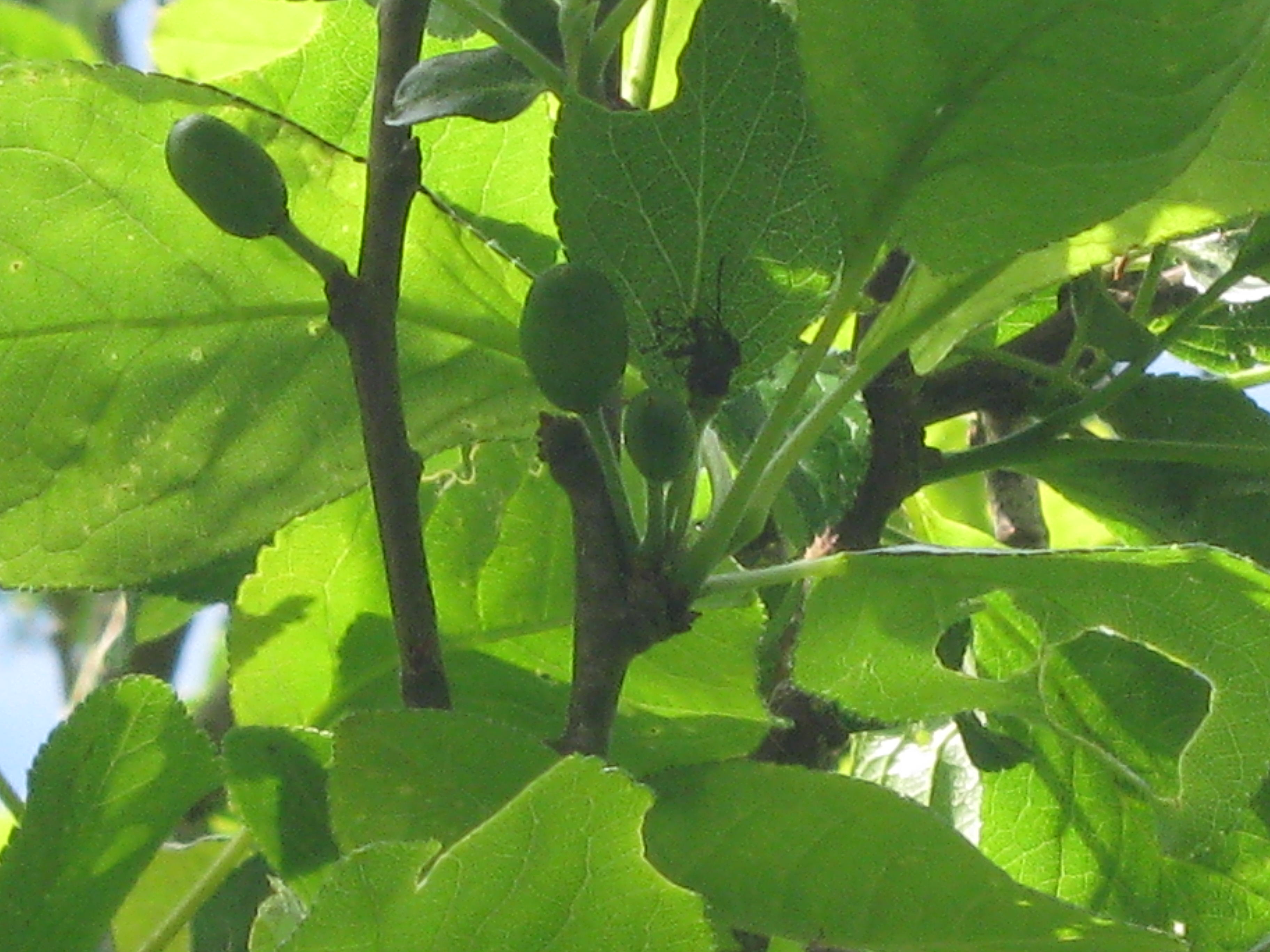
Tiny damsons.

Image

Willow seeds.

Image

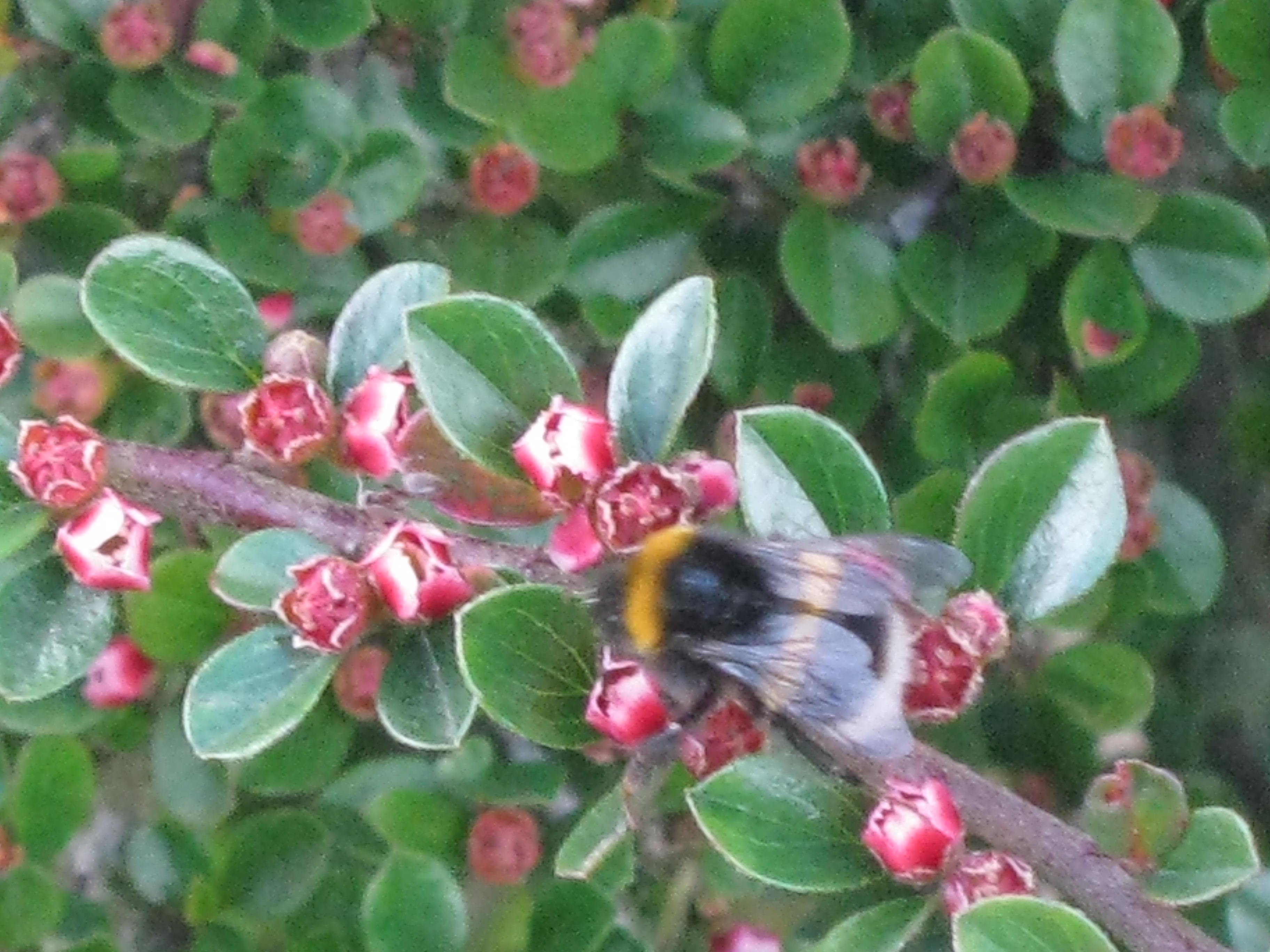
Bee on the cotoneaster horizontalis.

Image

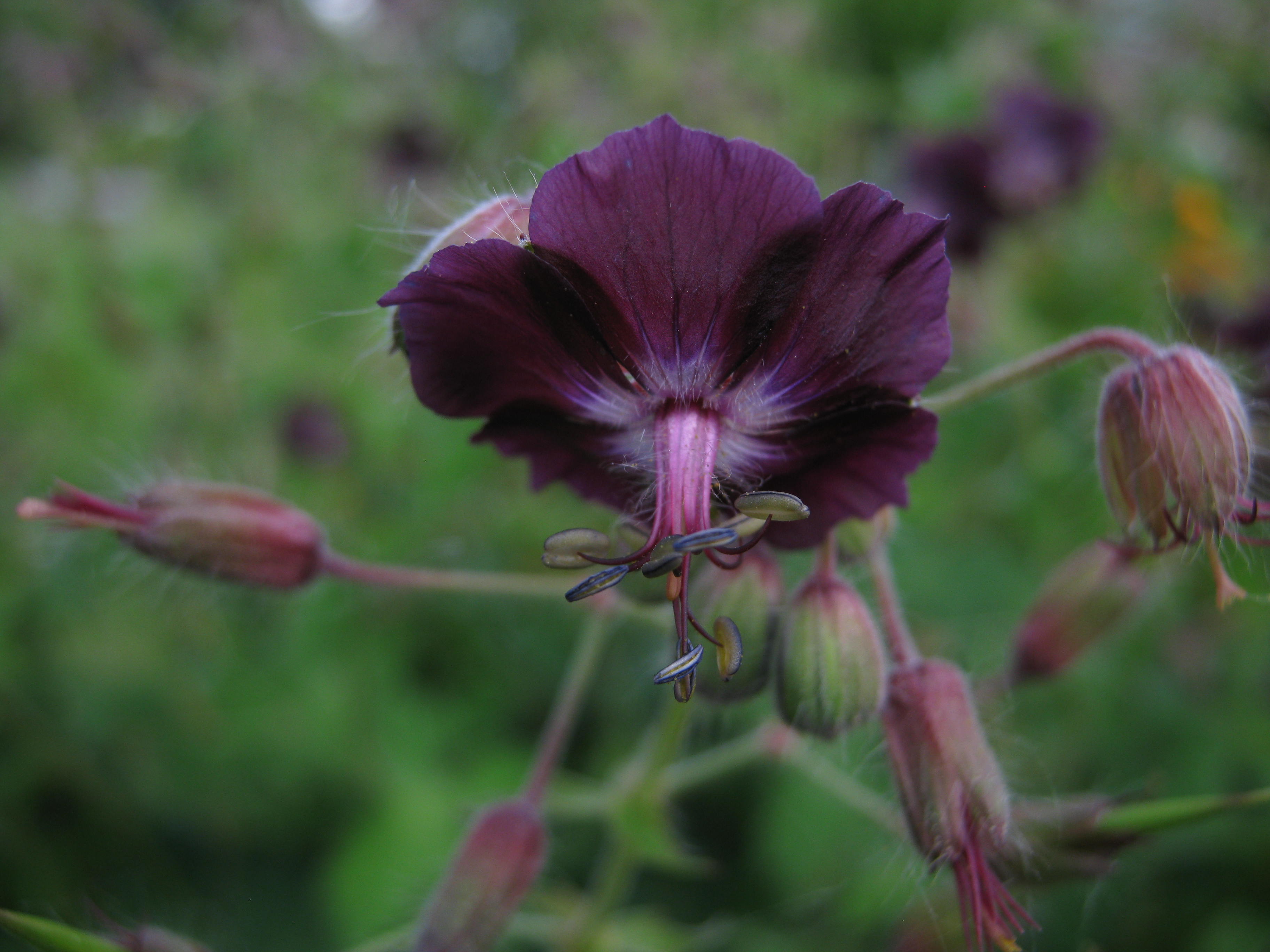
Geranium Phaeum in R’s flowerbed.

Image

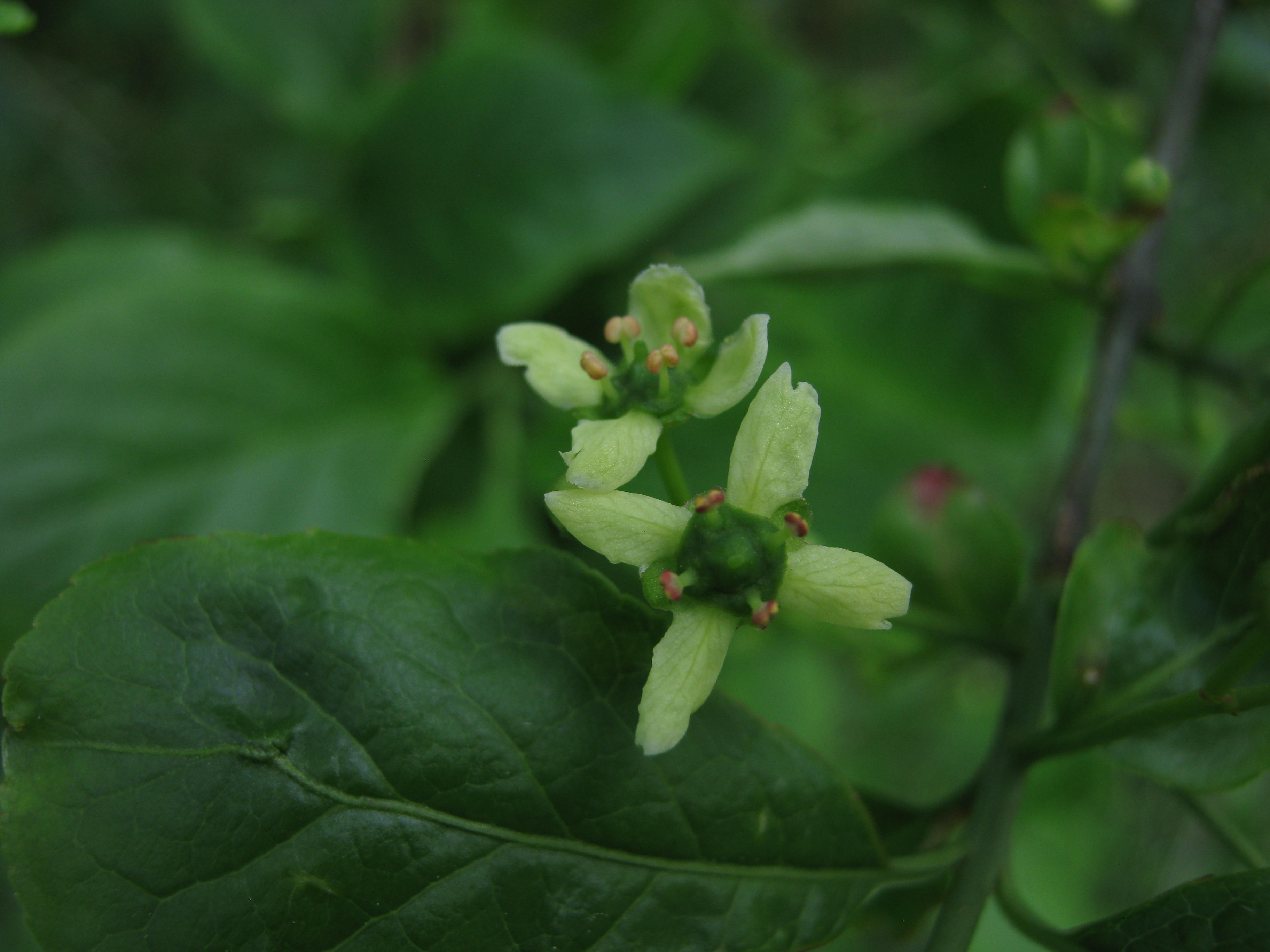
Flowers on the Spindle tree.

Image

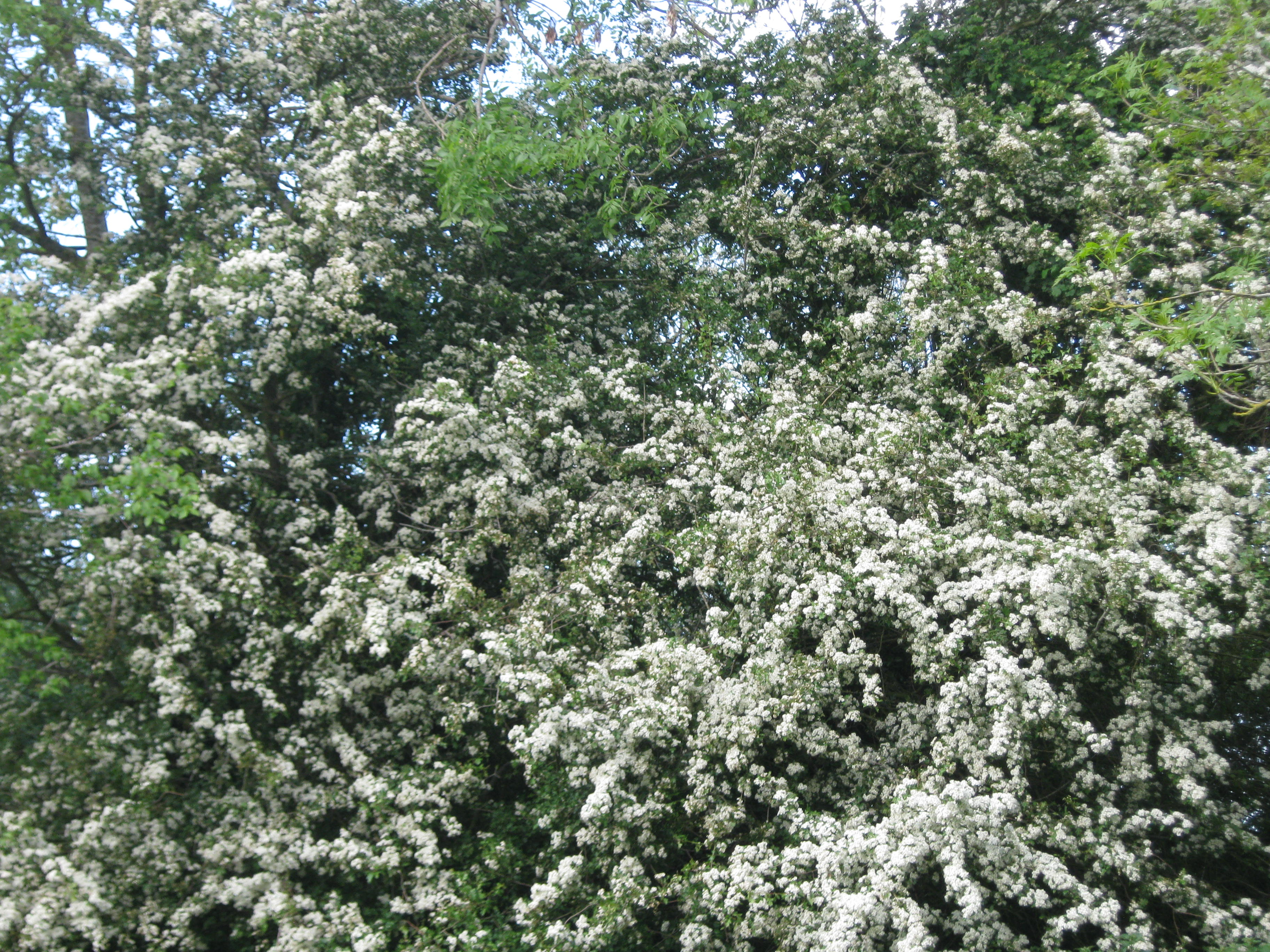
The Hawthorn hedge at the bottom of the garden near the old summerhouse.

Image

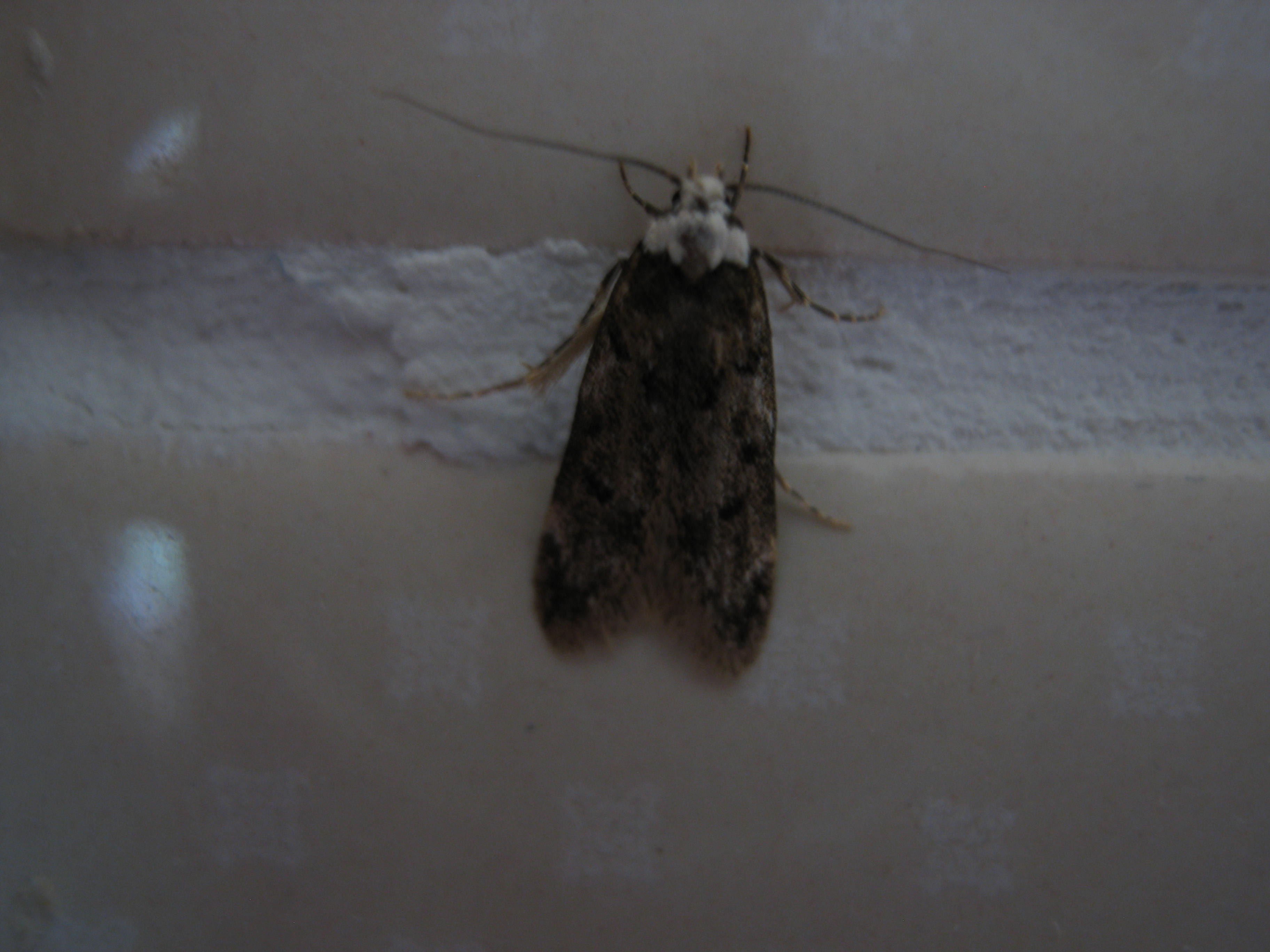
A White-shouldered House Moth

Image

Image

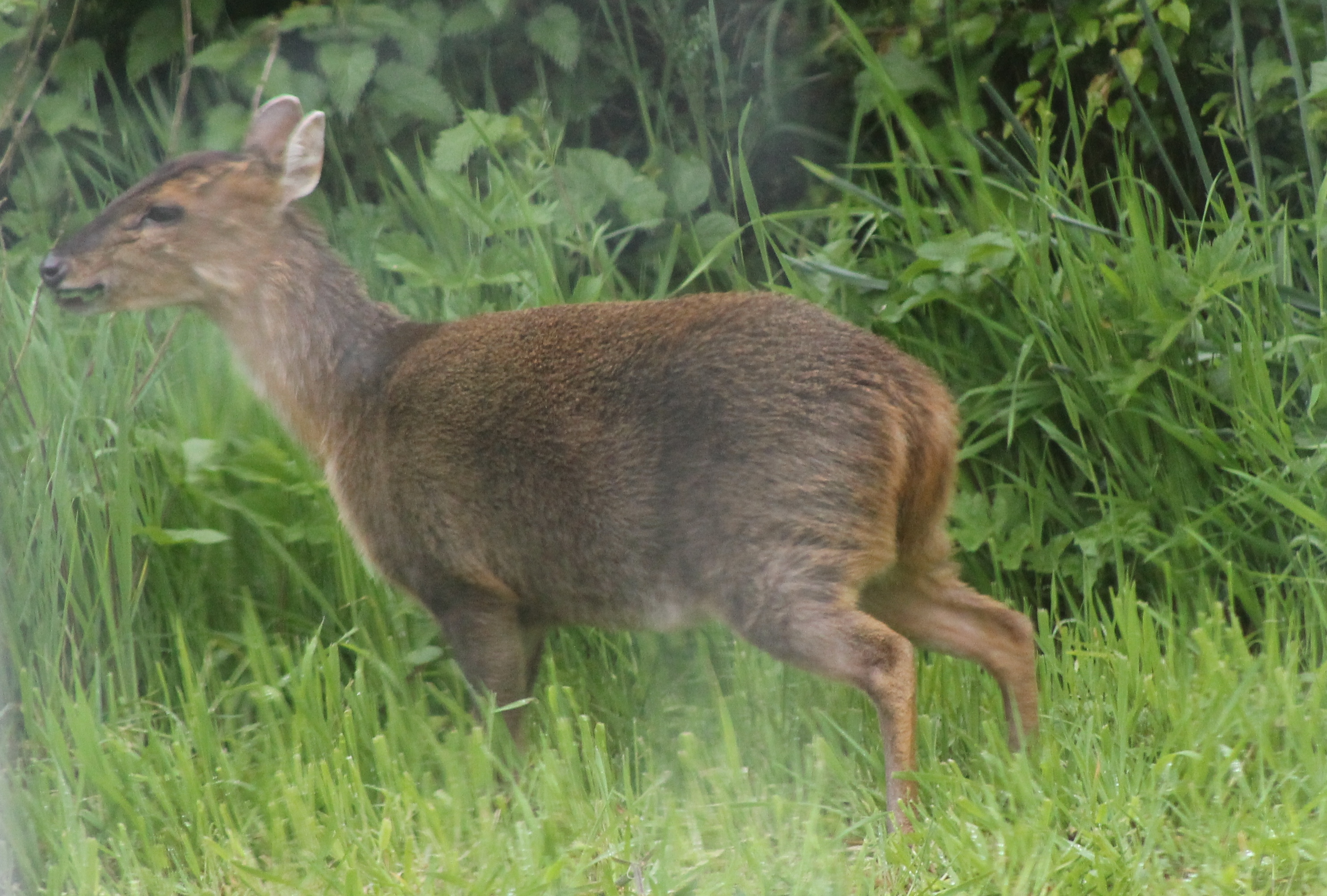
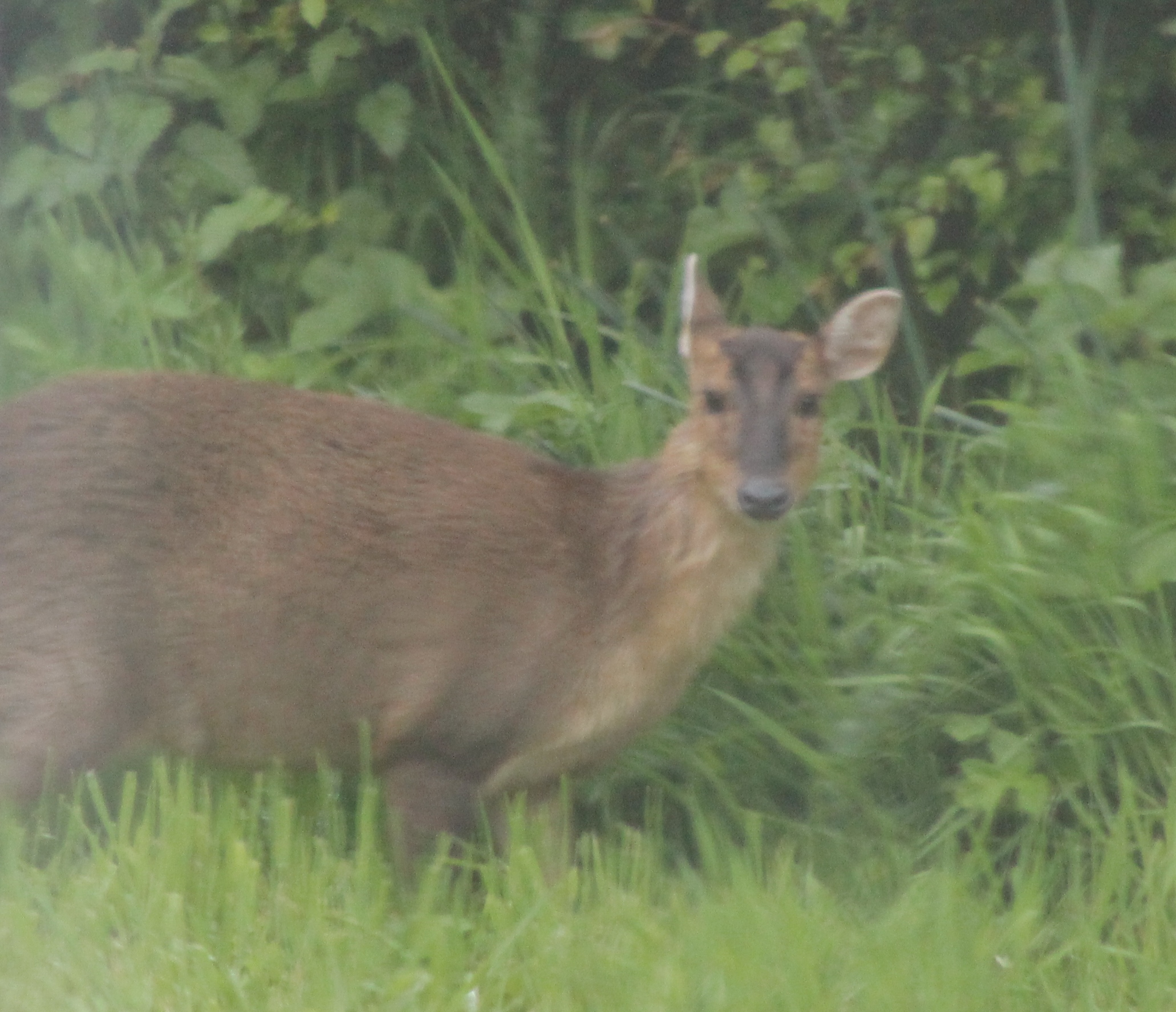
R took these photos of a muntjac deer.

Image

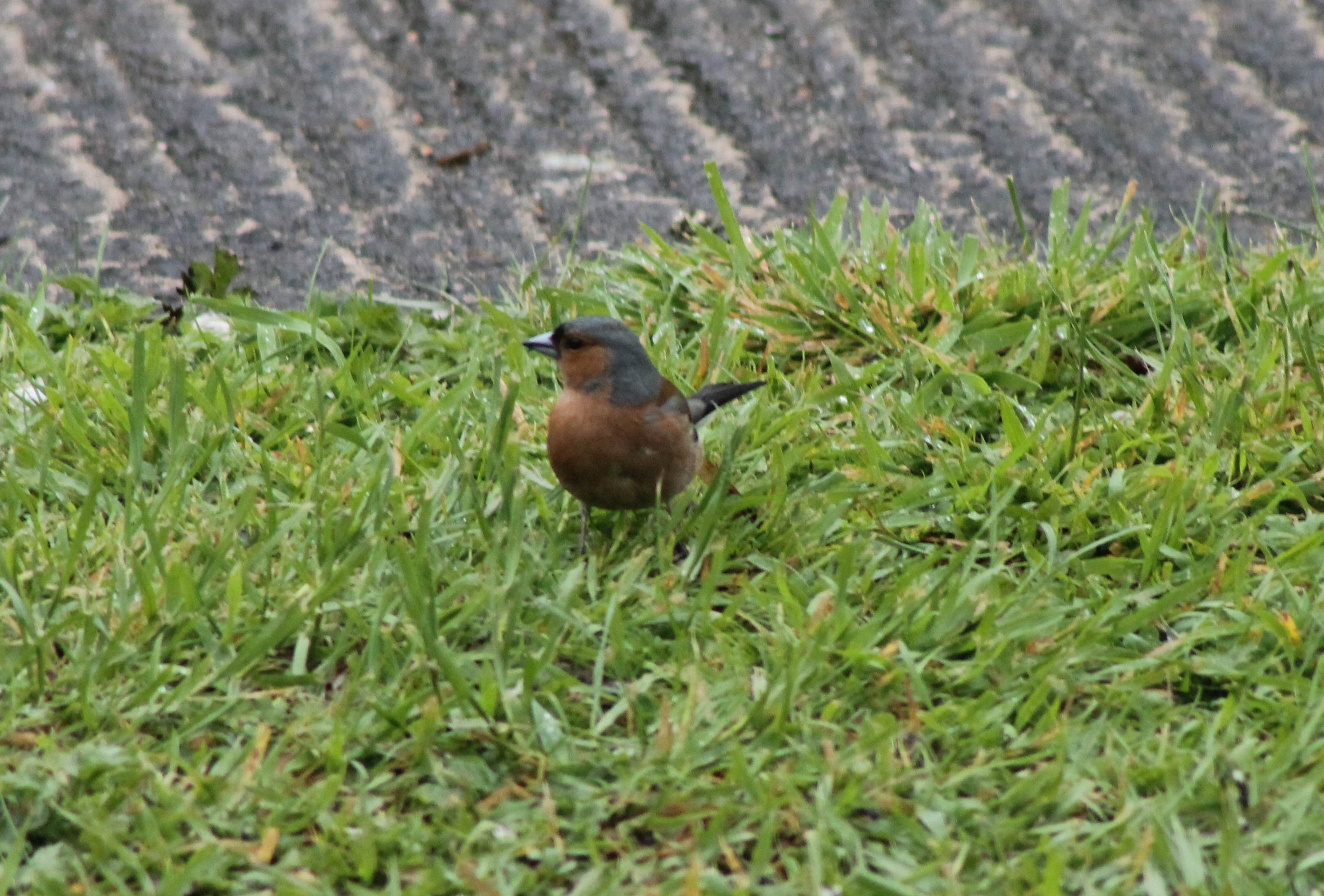
A chaffinch

Image

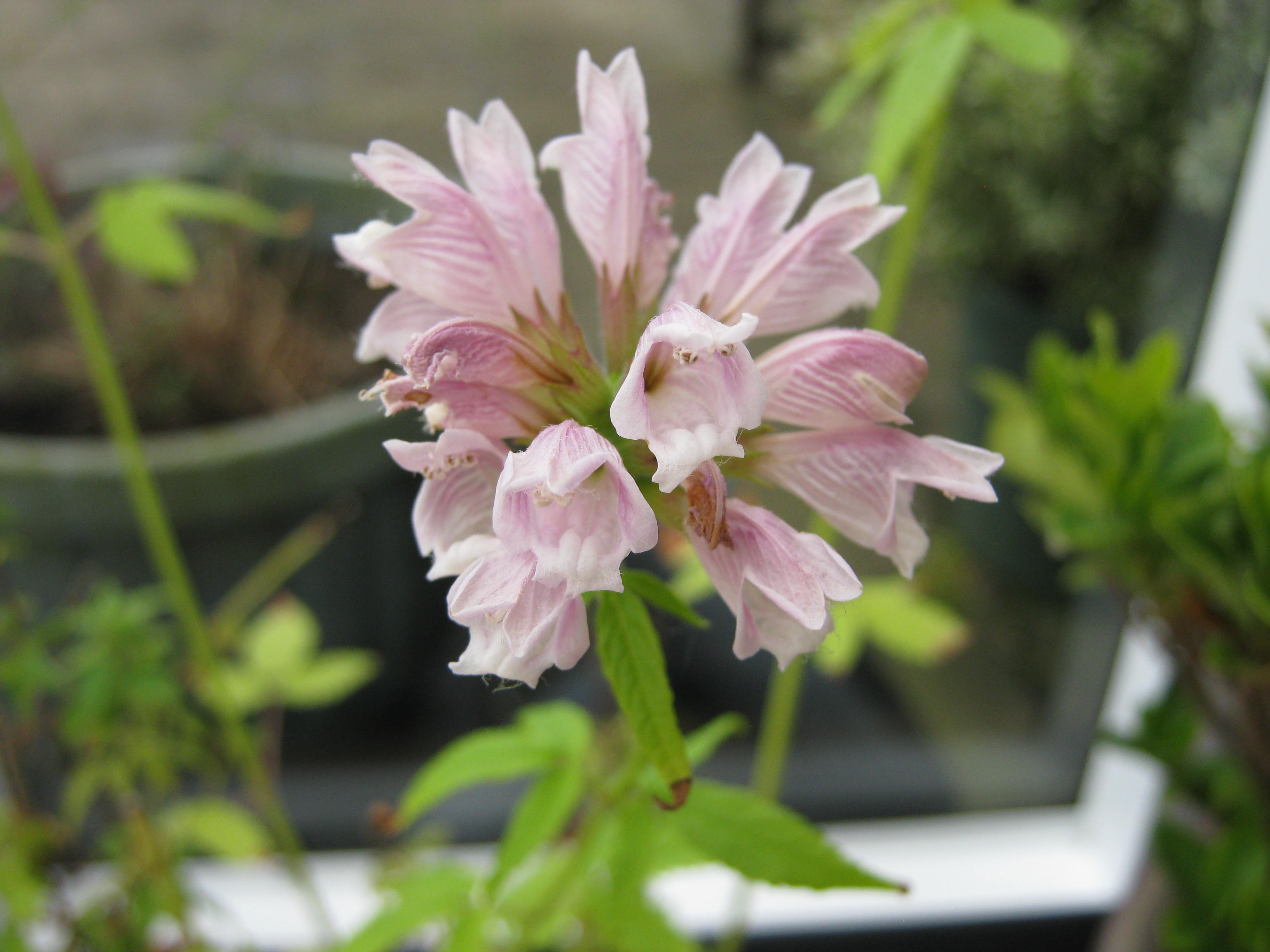
One of my herbs – cedronella canariensis (Balm of Gilead).

Image

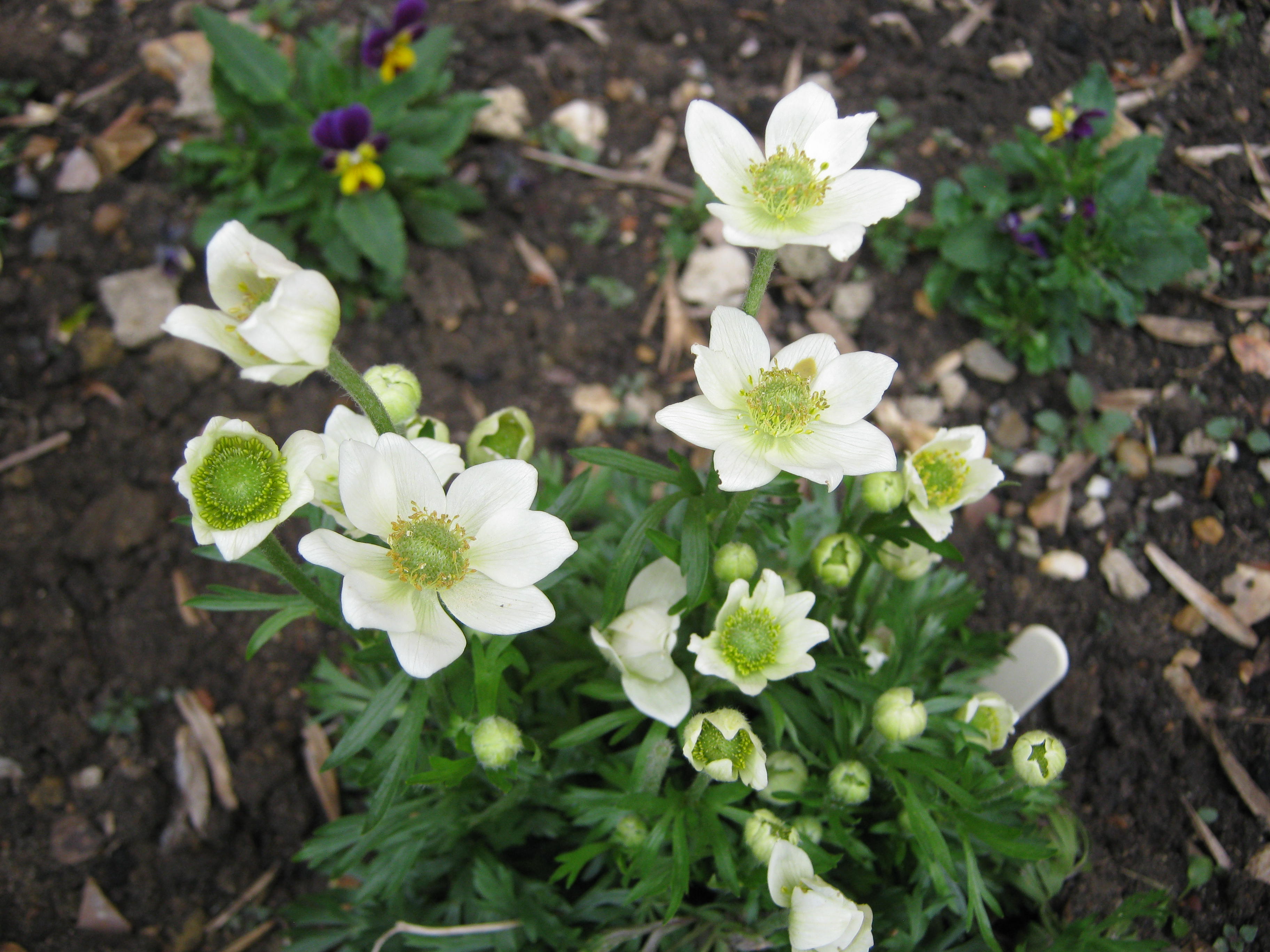
Alpine Pasque Flower

Image

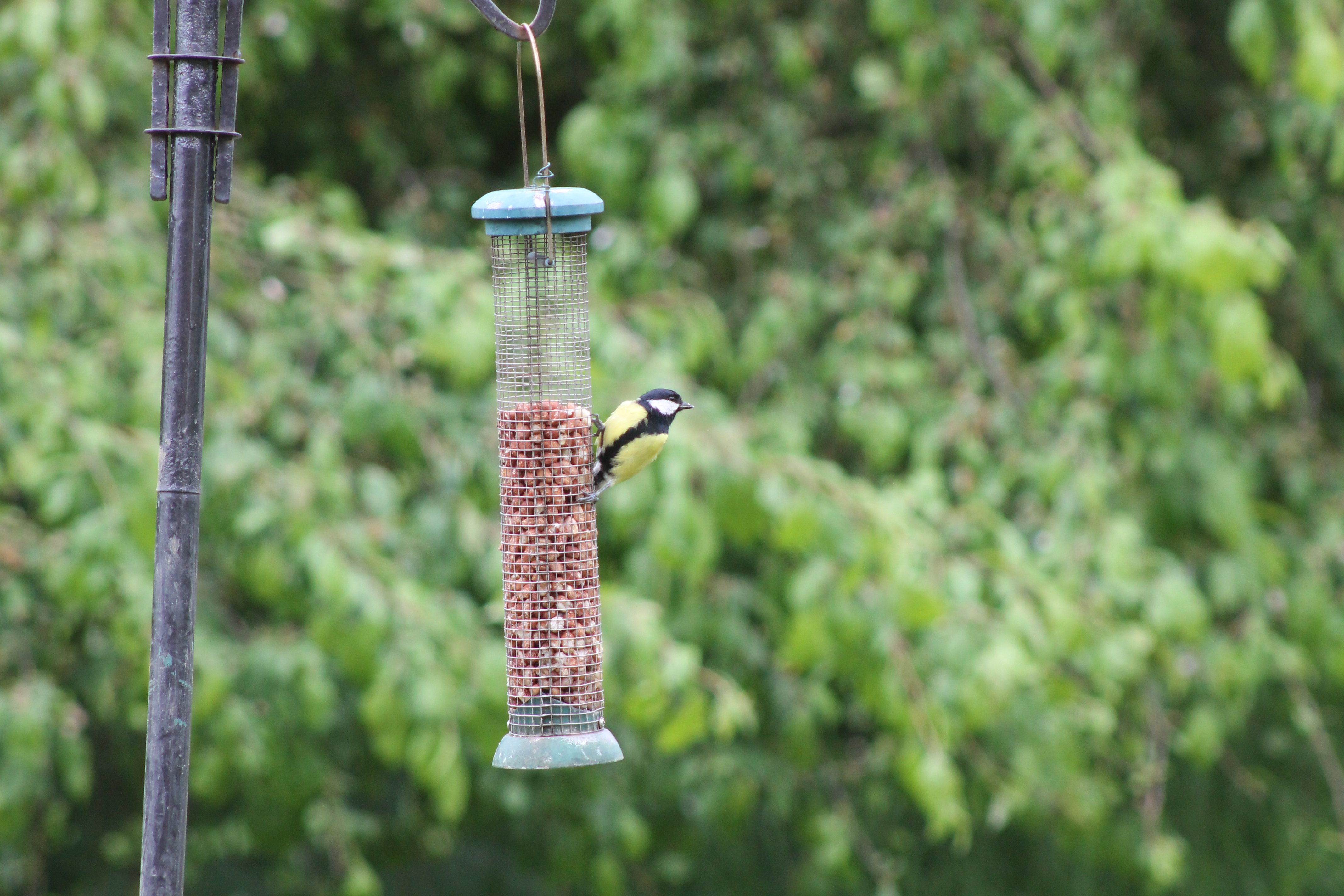
A Great Tit

Image

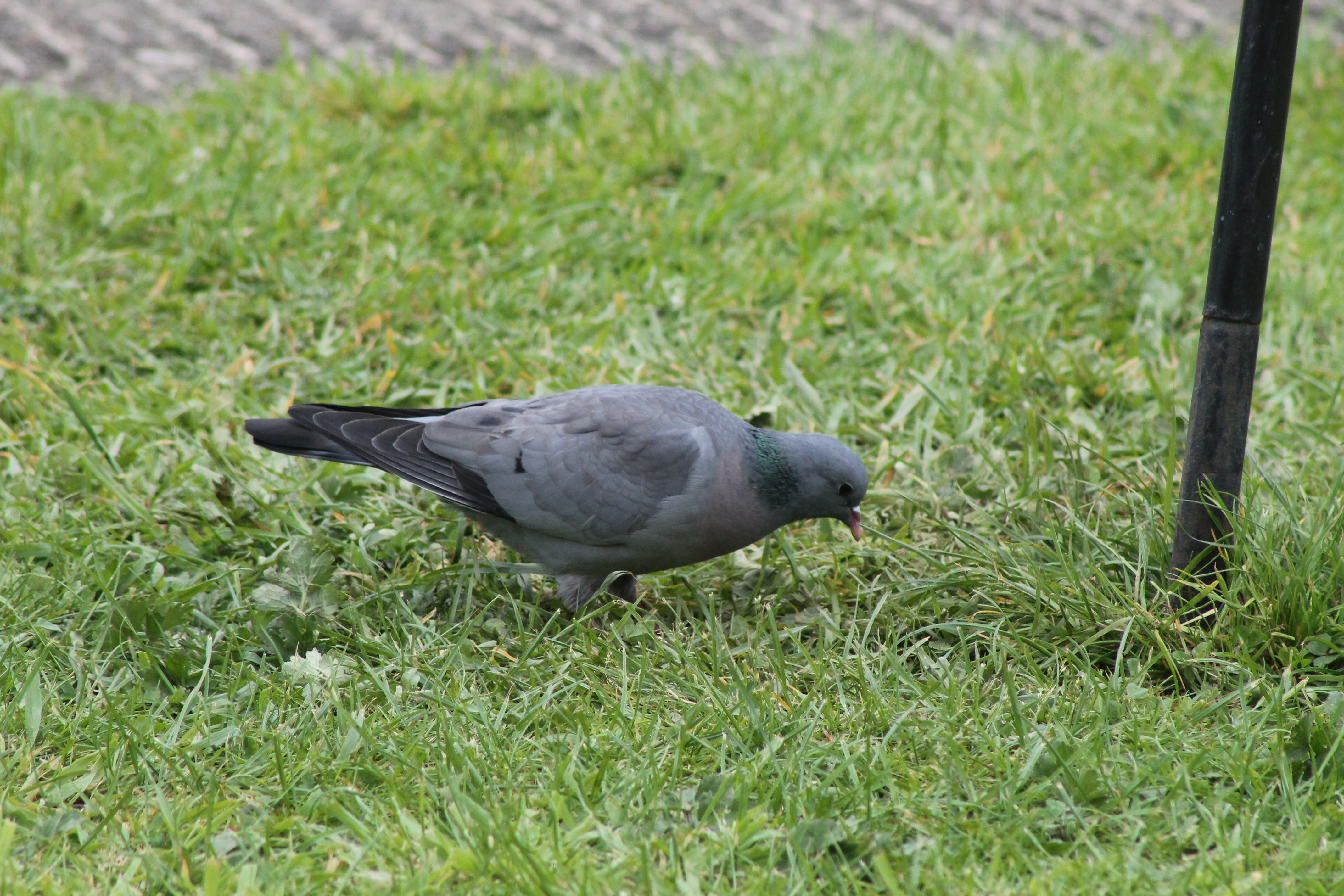
A Stock Dove.

Image

A female Pheasant.

Image

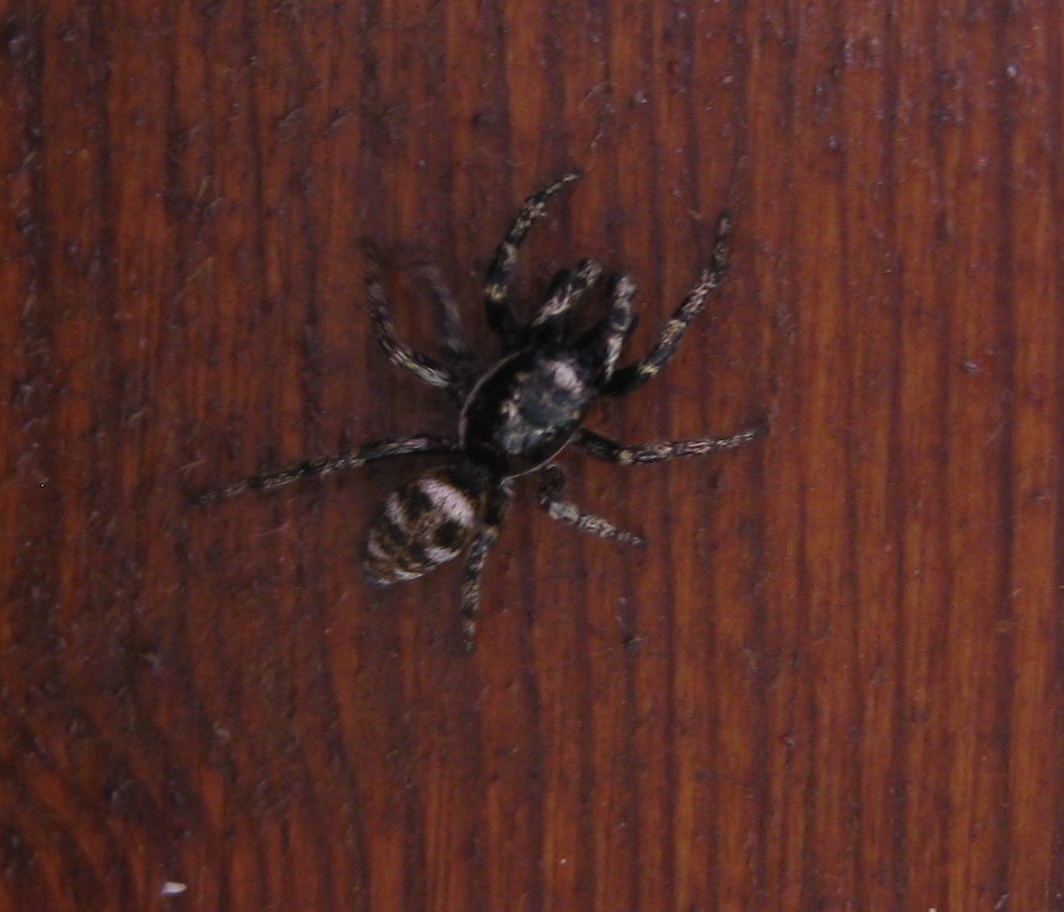
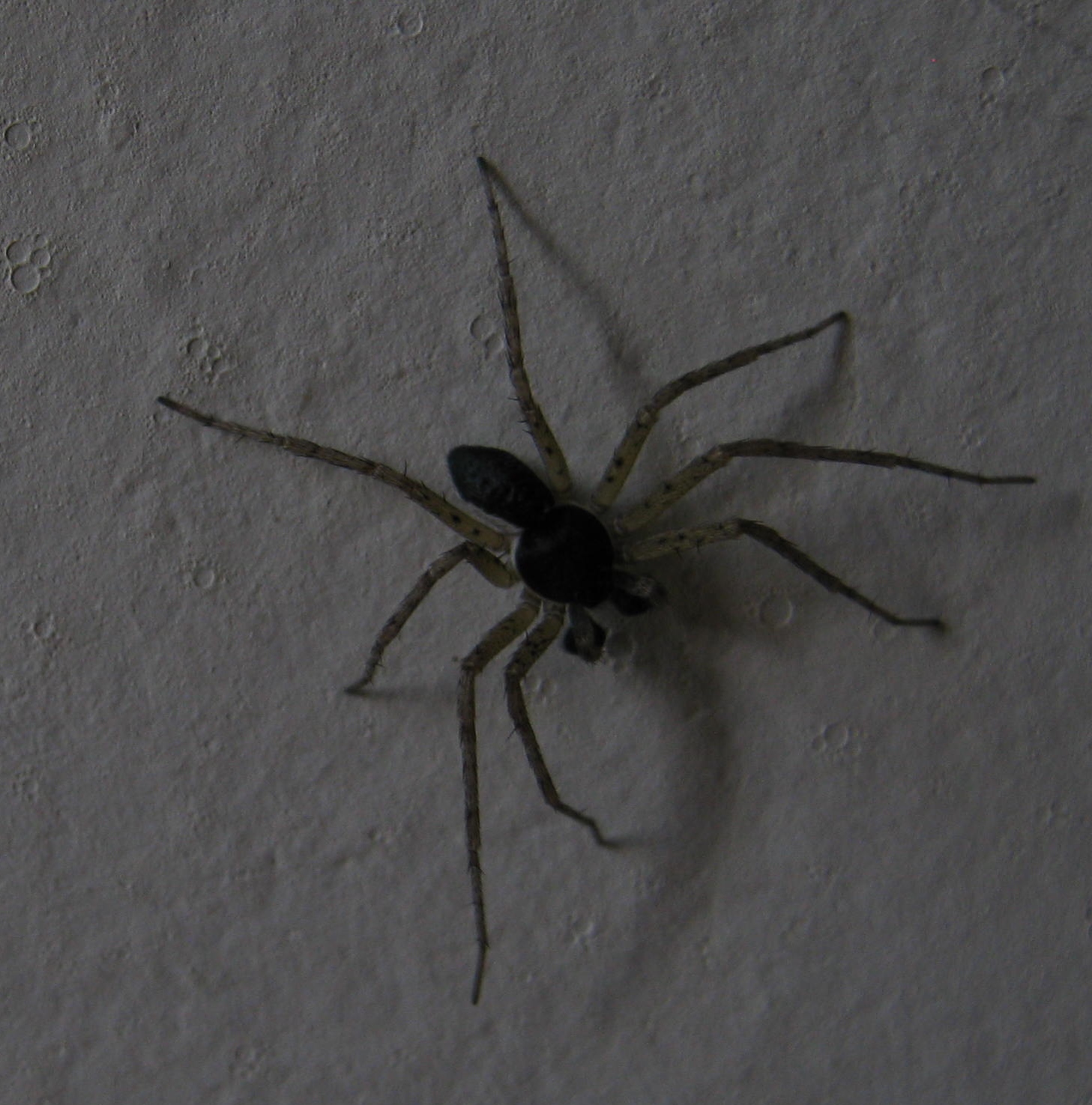
A Zebra Spider.  These spiders are only about 4mm long.  They are jumping spiders and can leap a distance of about 4cm.

Image

A baby House Spider.

Image

Image

Image

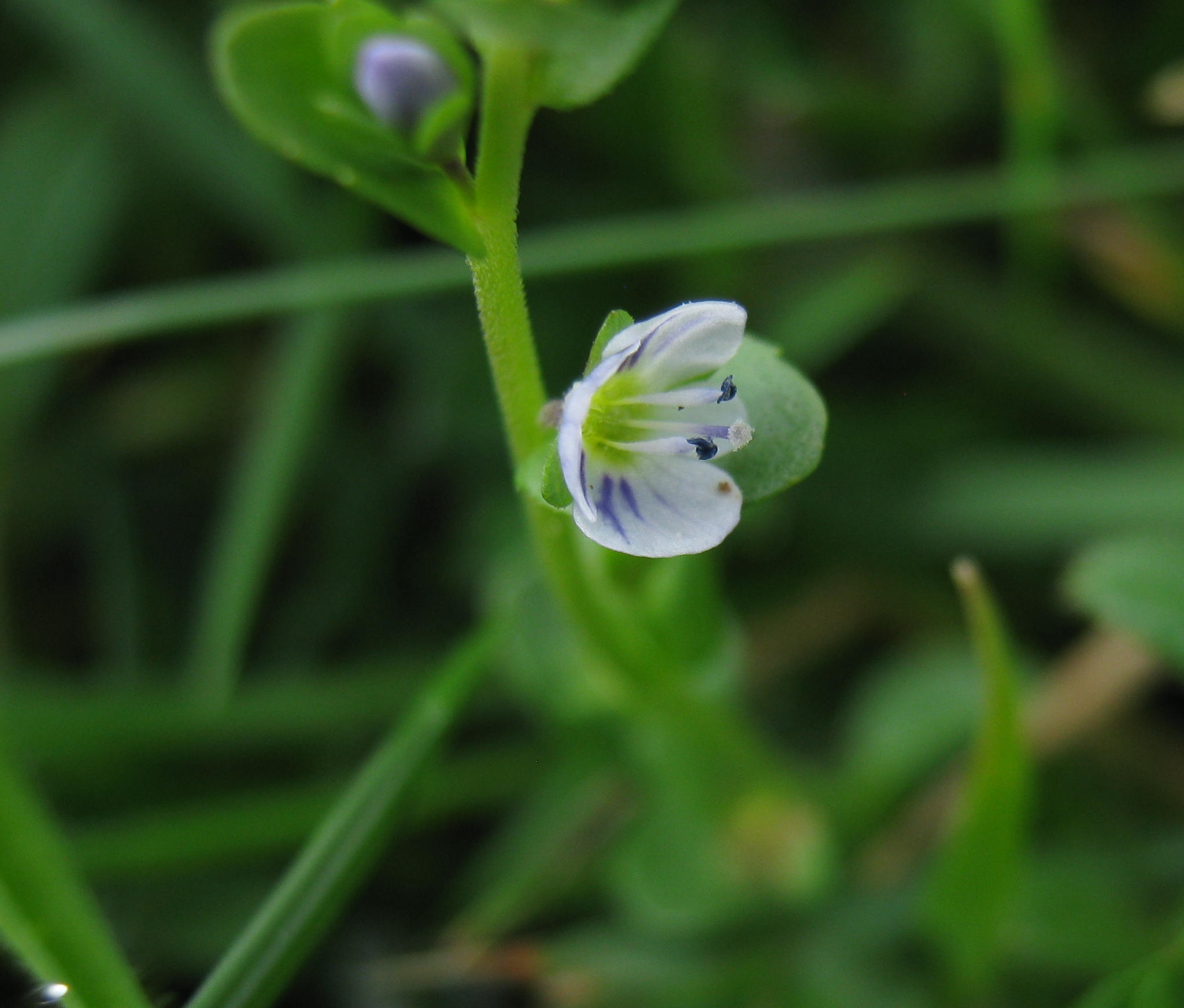
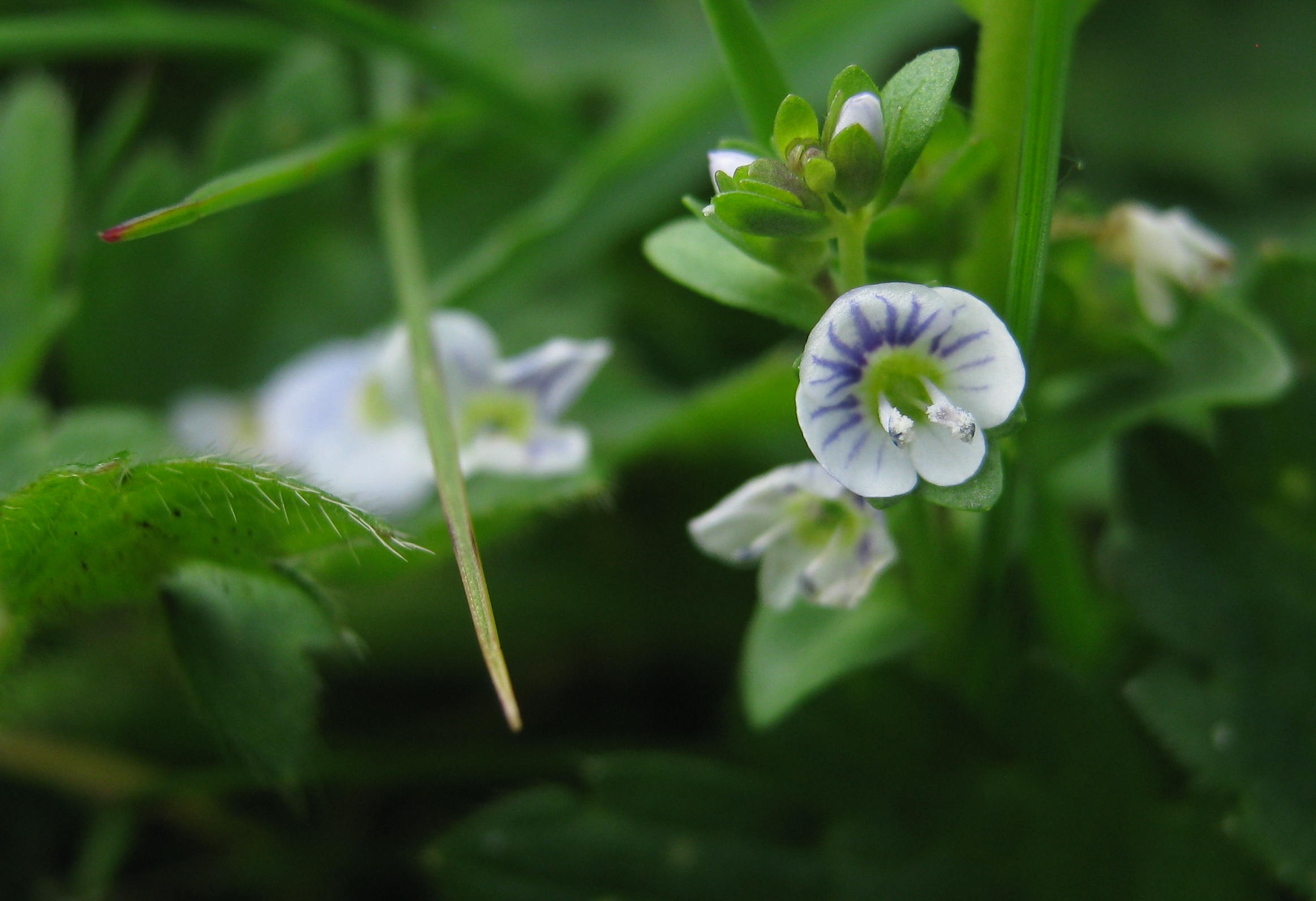
The tiny flowers of Thyme-Leaved Speedwell.

Image

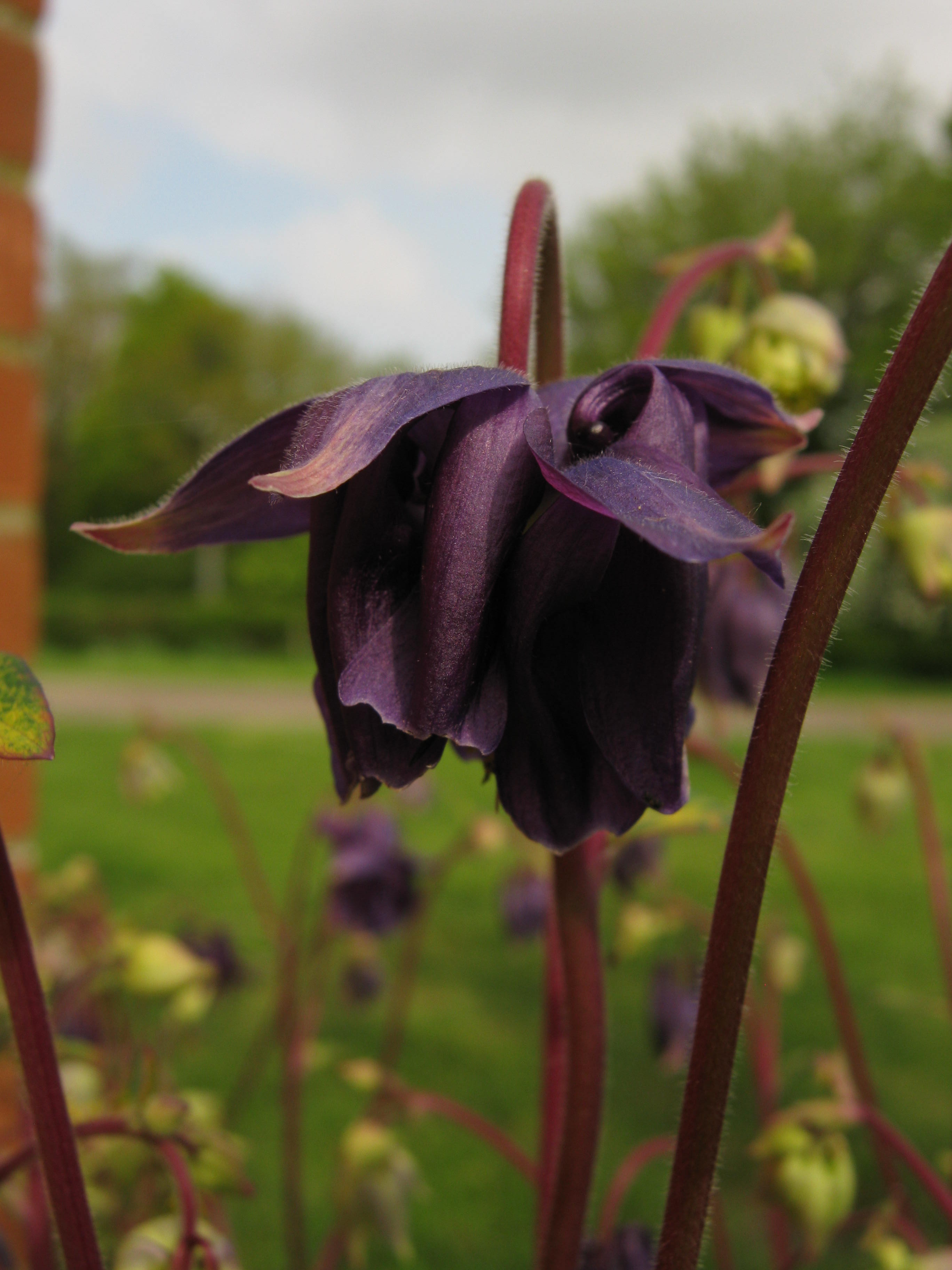
Aquilegia flower

Image

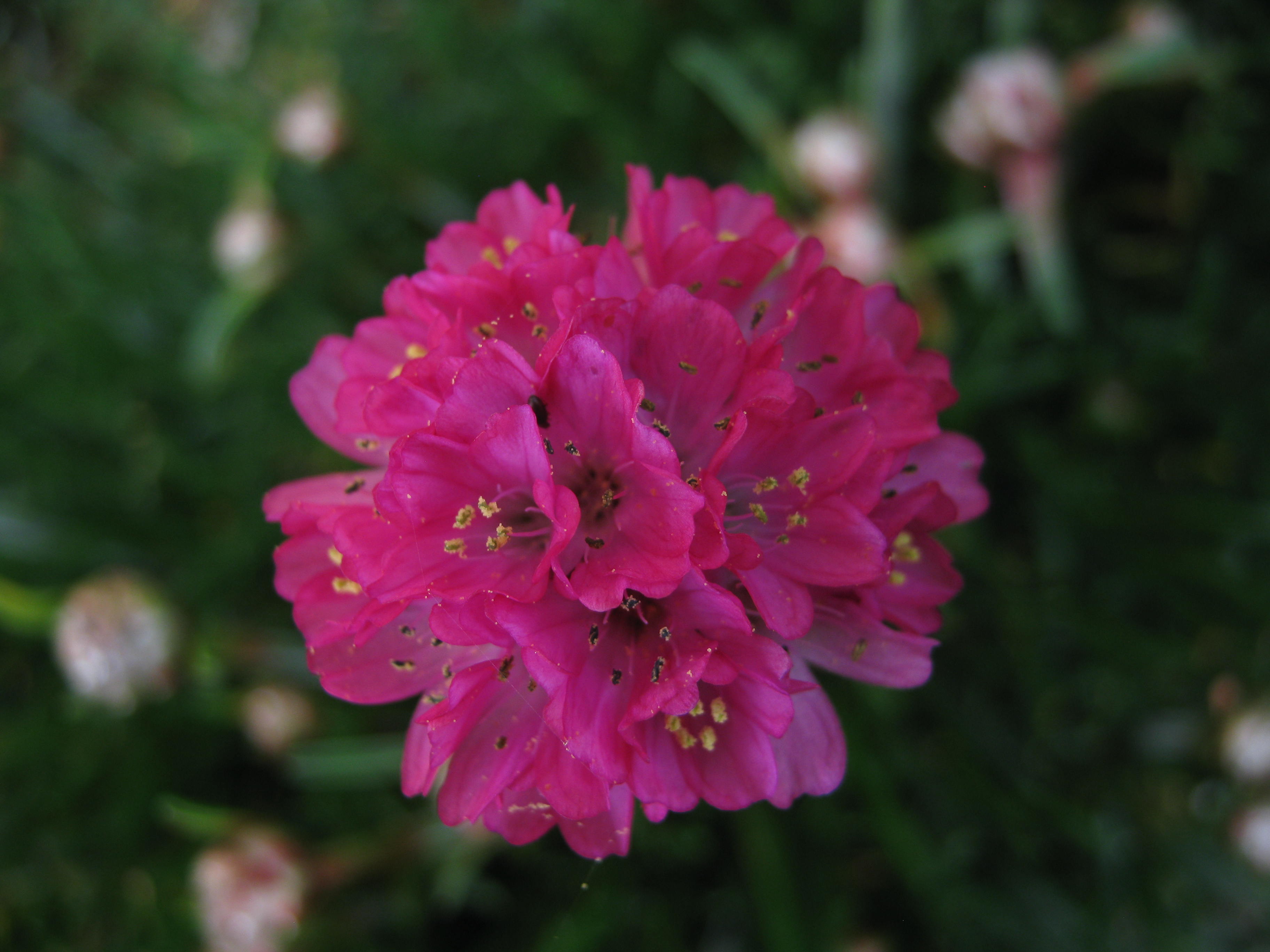
Thrift flower

Image

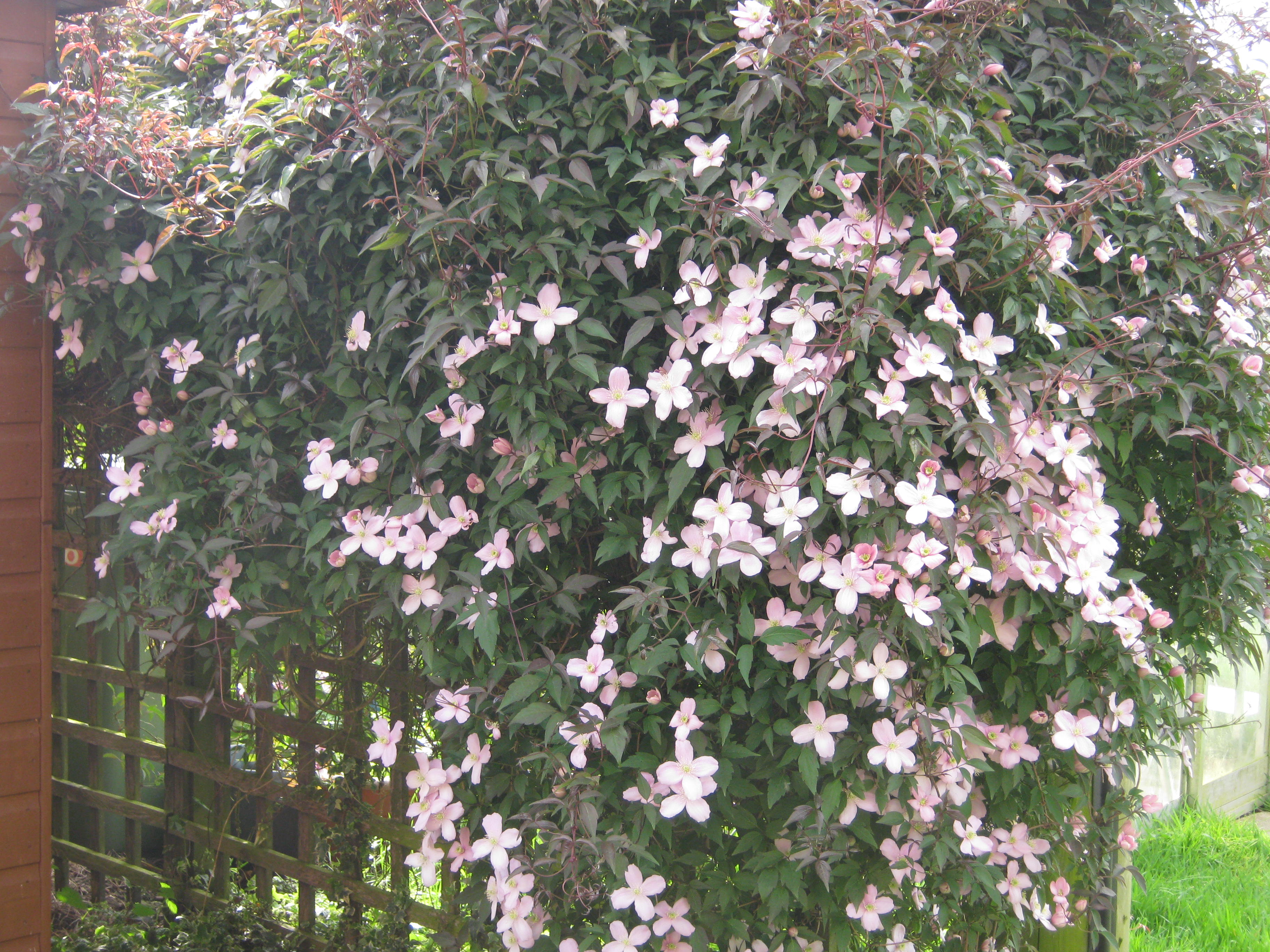
The wonderfully scented Clematis Montana ‘Rubens’

Image

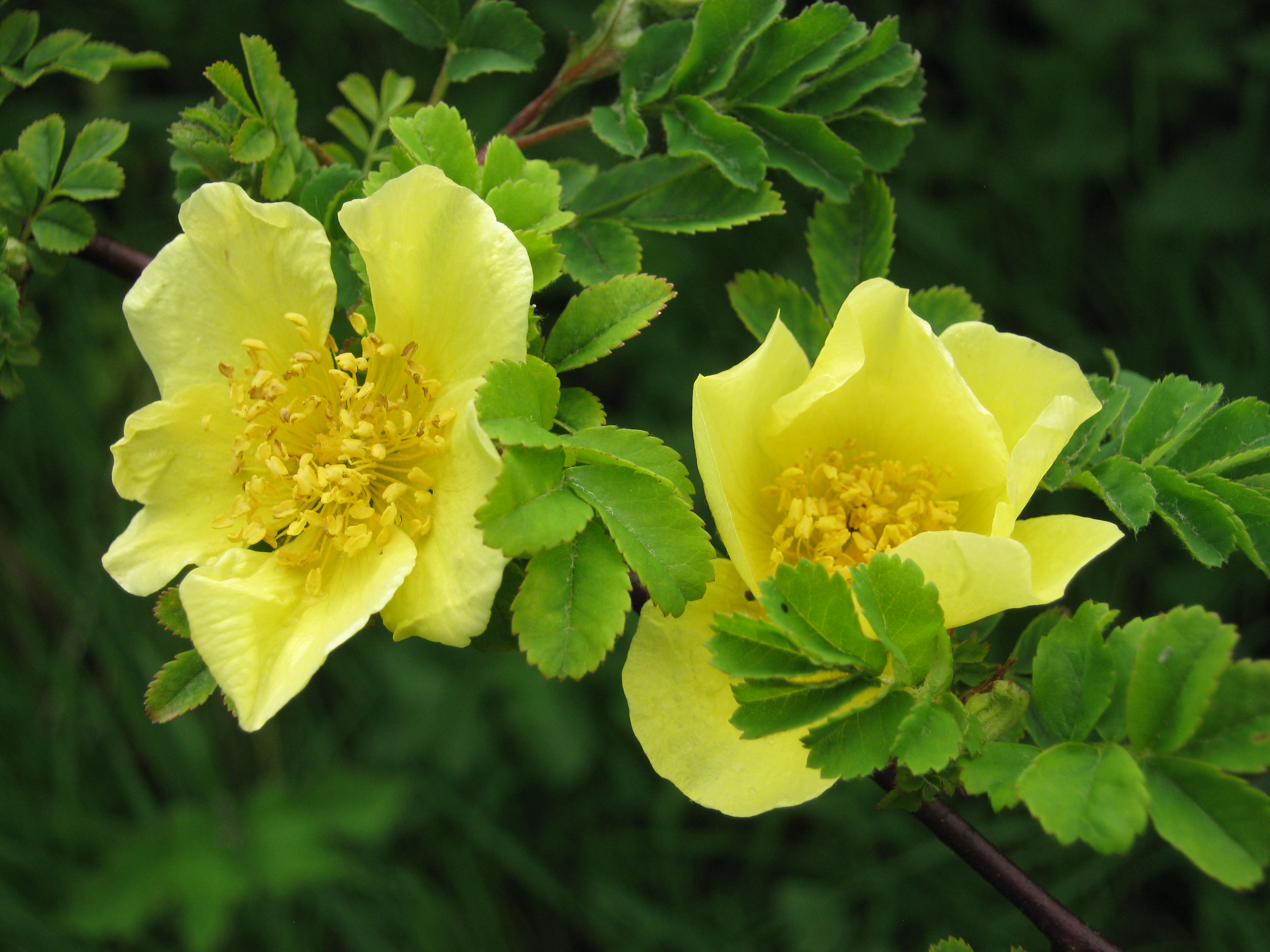
Shrub rose ‘Canary Bird’

Image

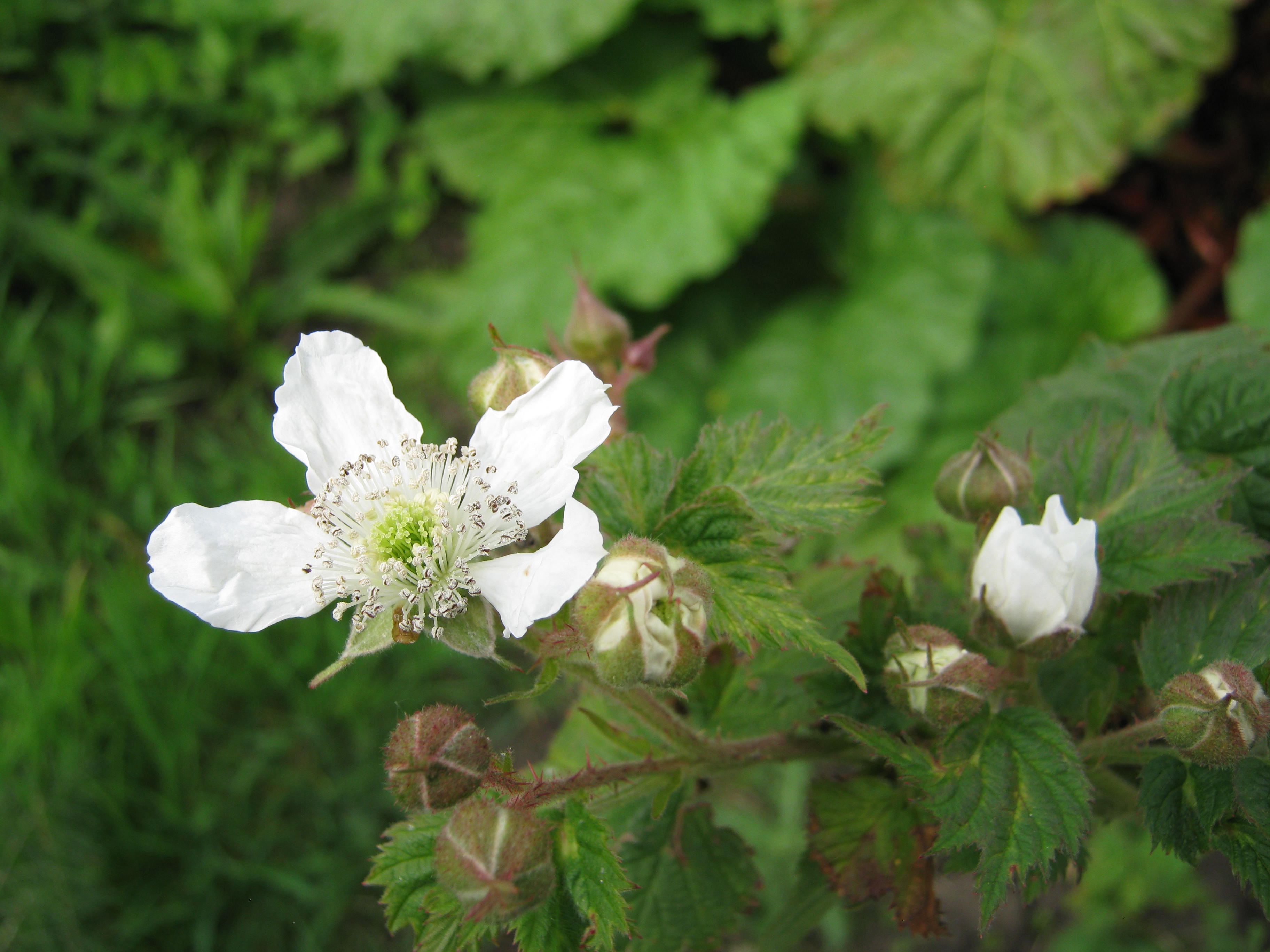
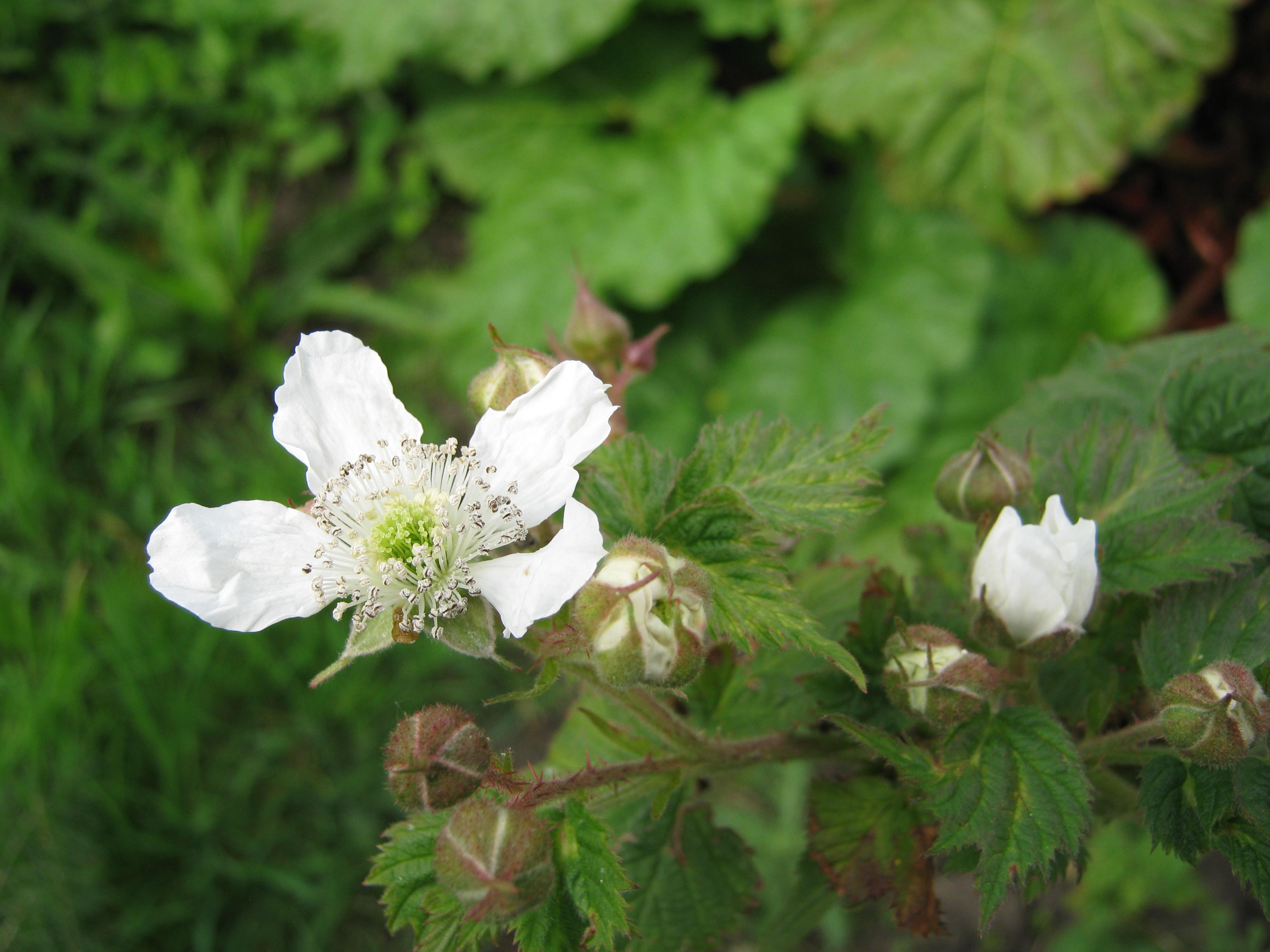
Blackberry flowers

Image

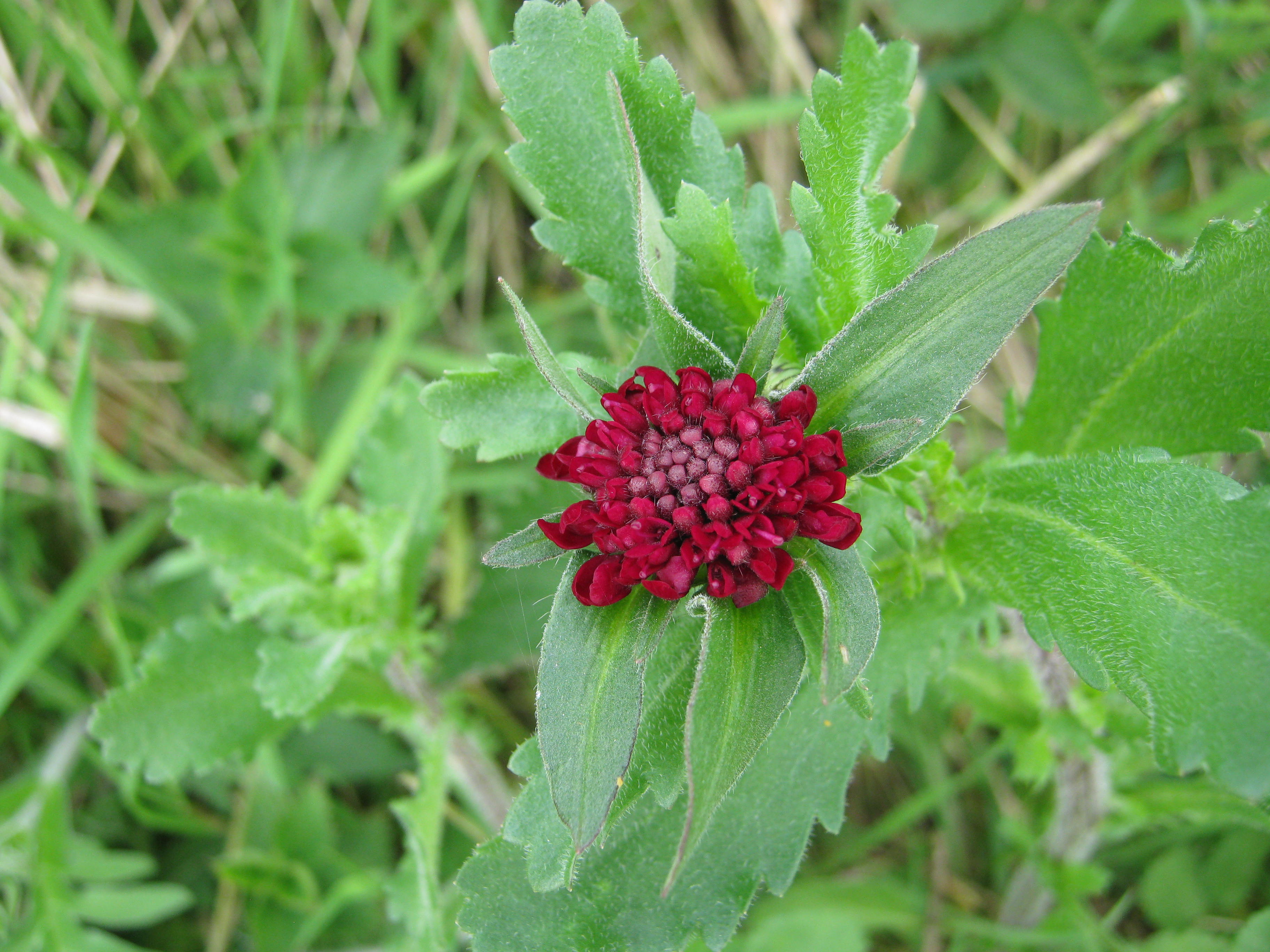
Knautica Macedonica

Image

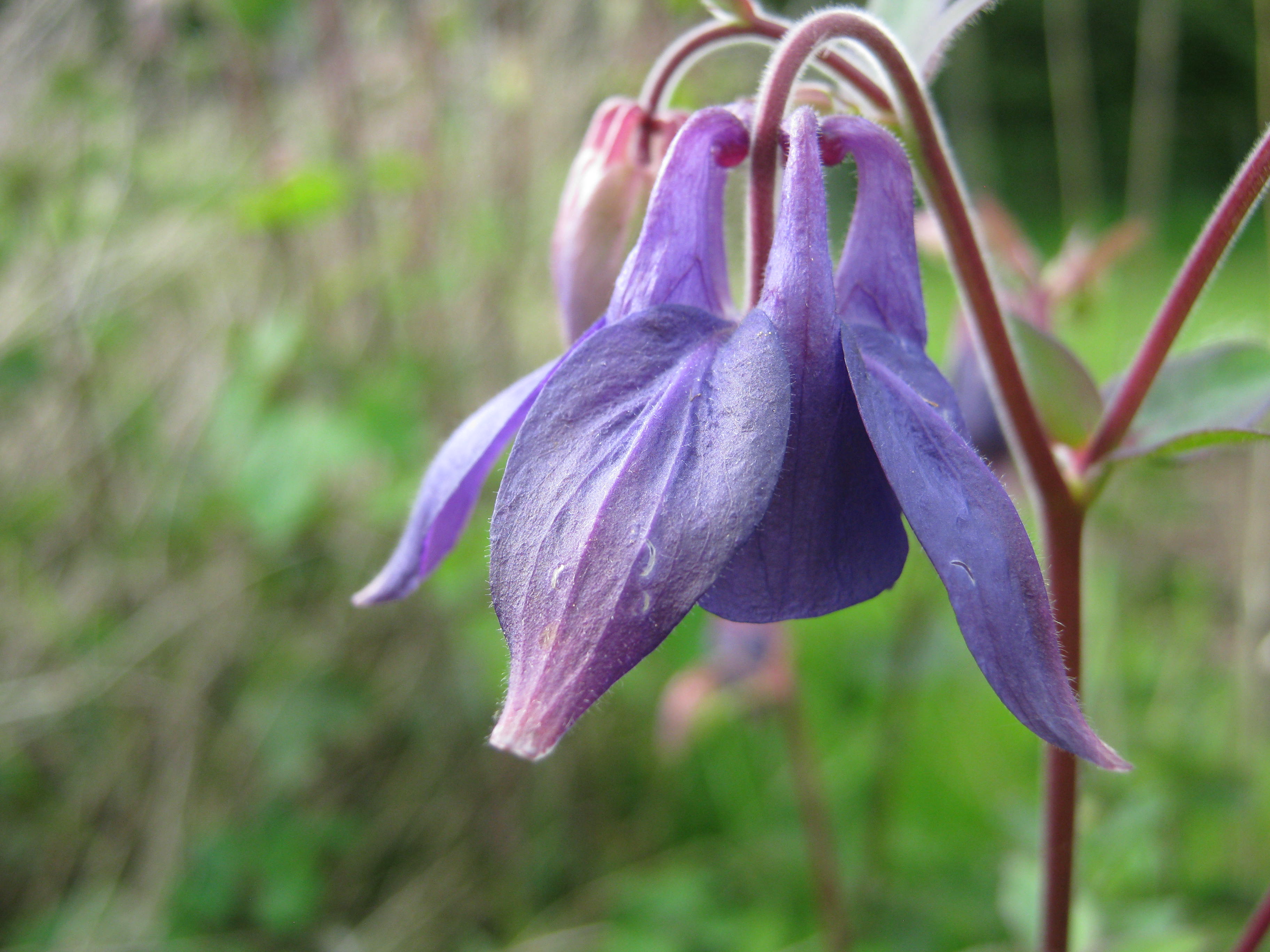
Aquilegia flower

Image

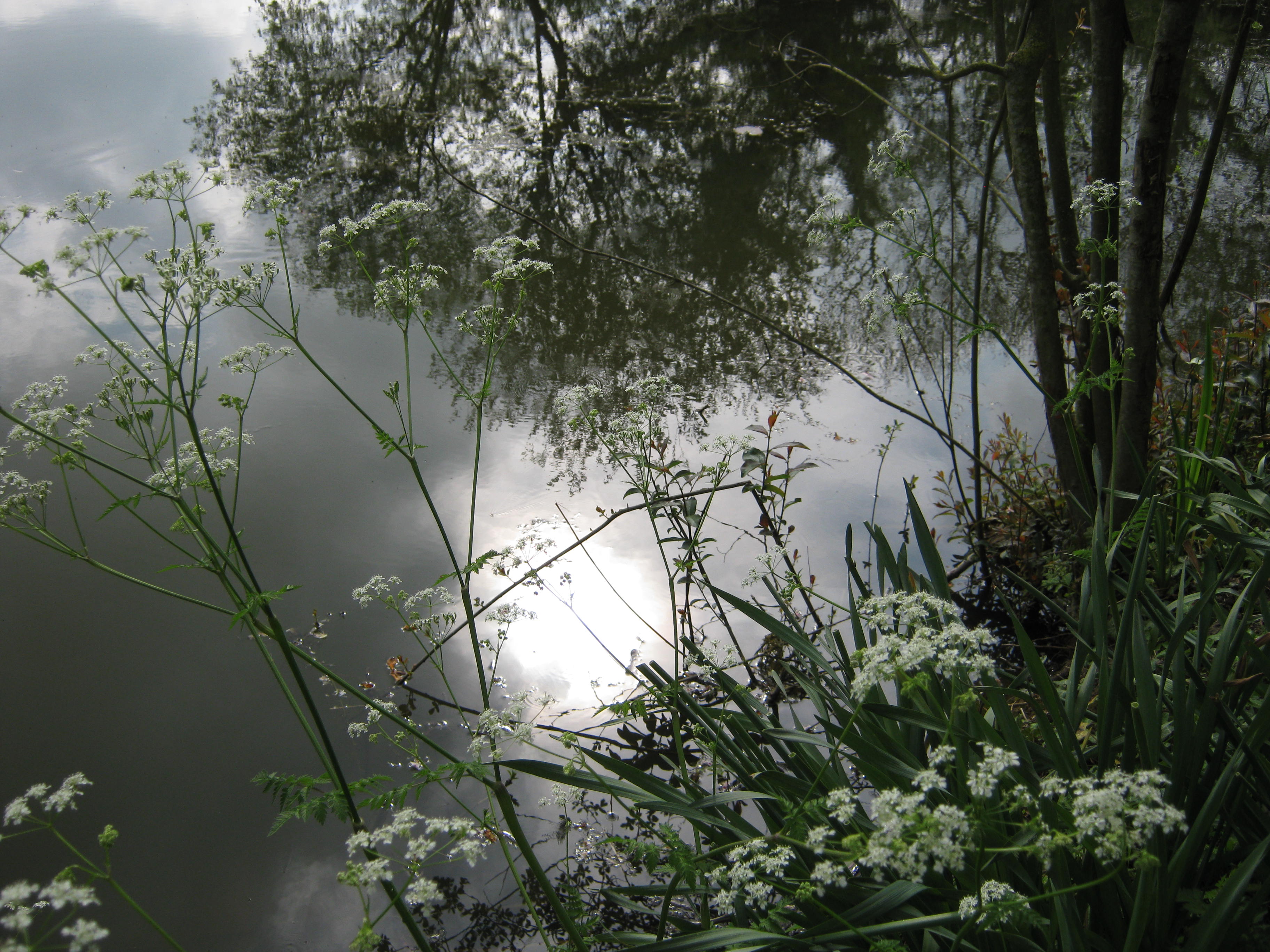
Reflections in the pond

Image

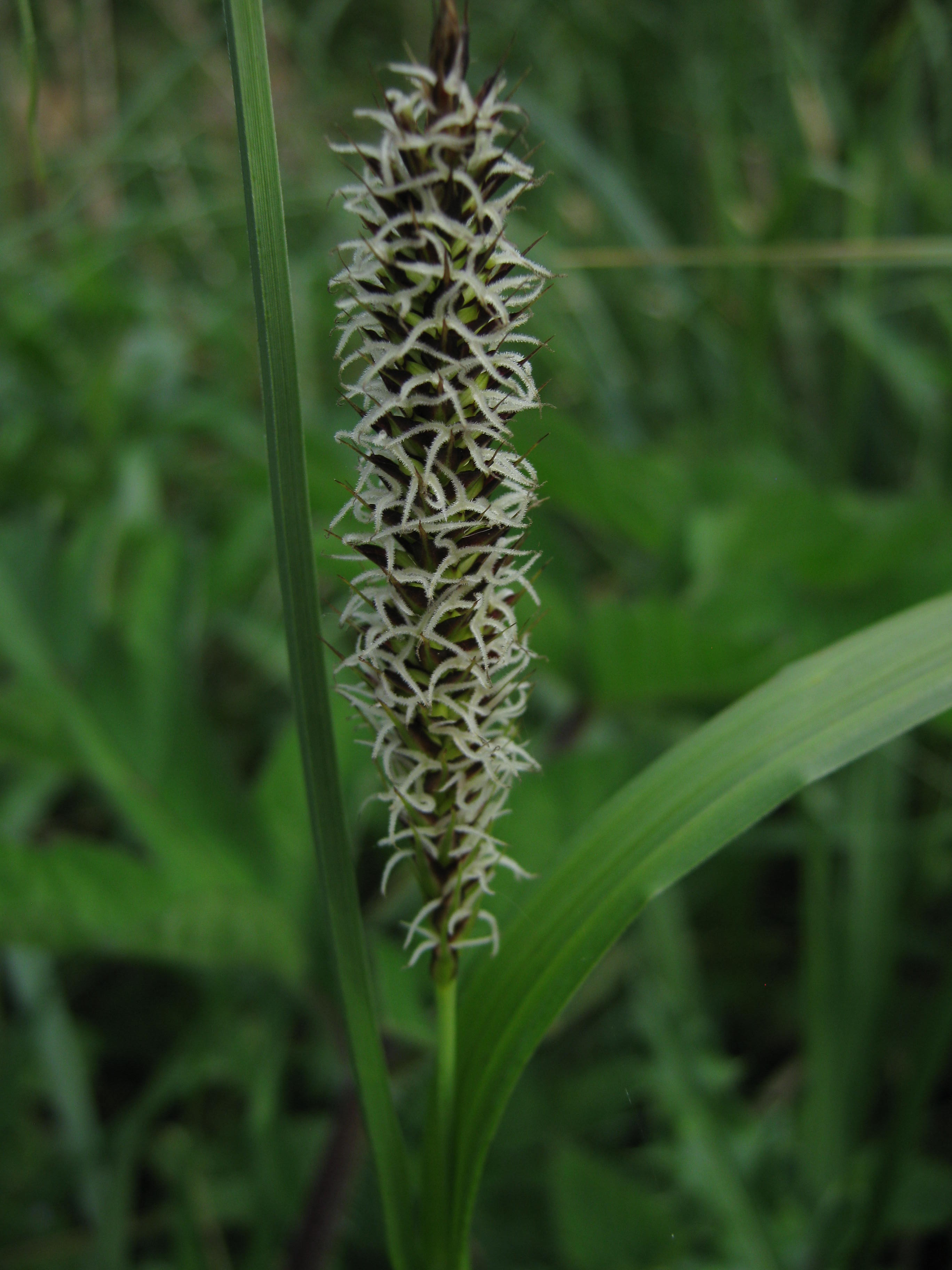
Common sedge

Image

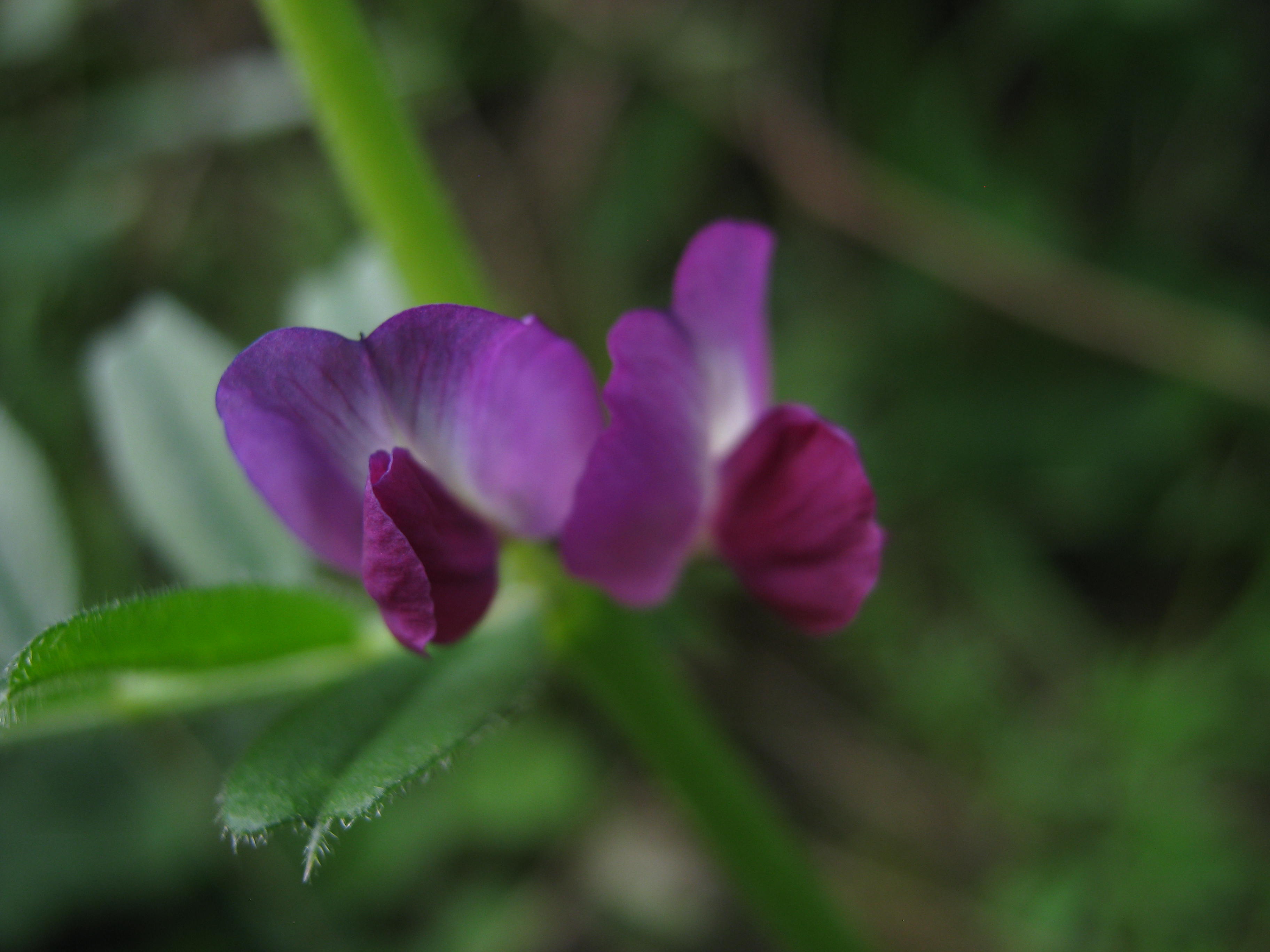
Common Vetch

Image

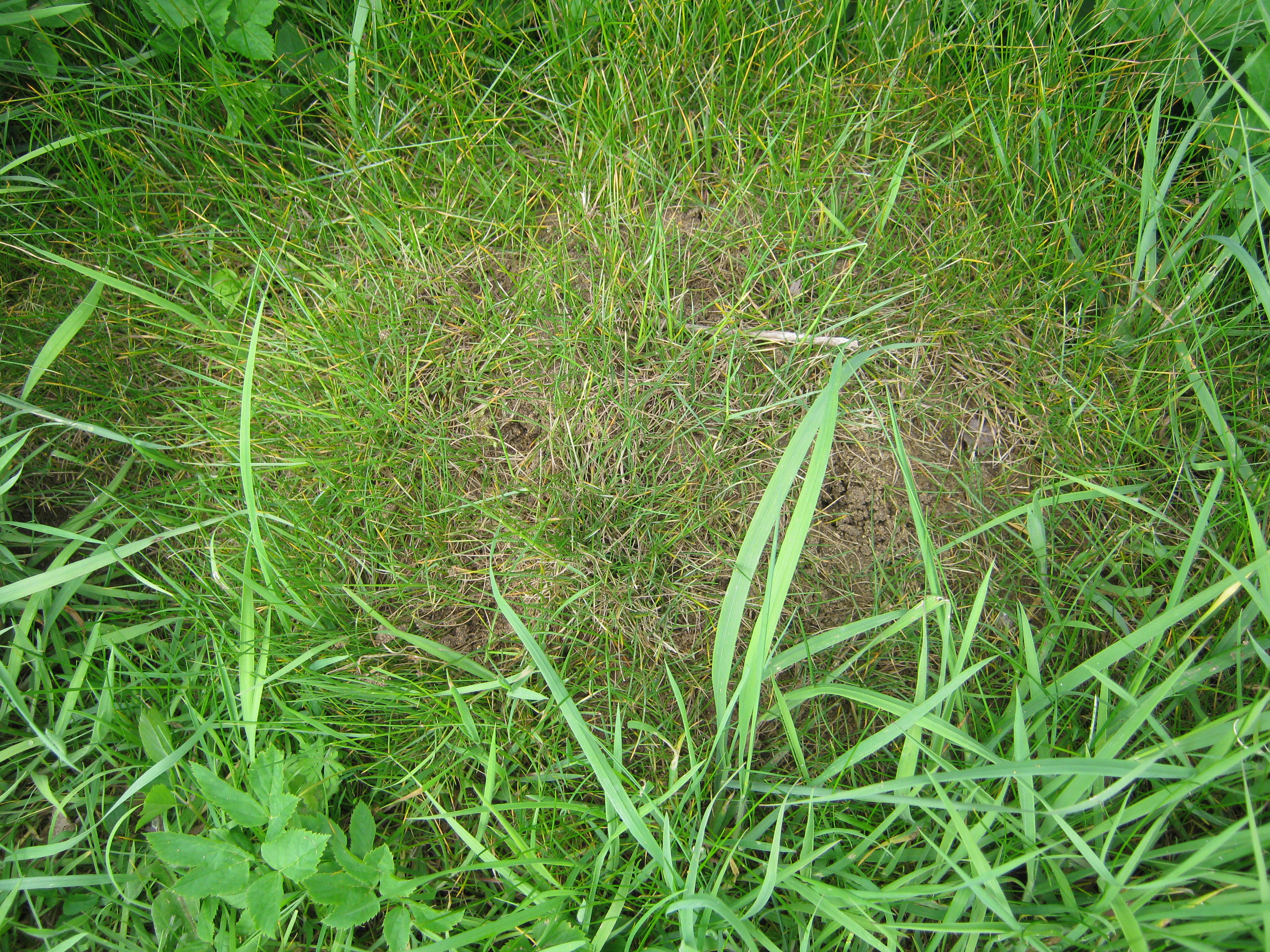
An ant hill


Image

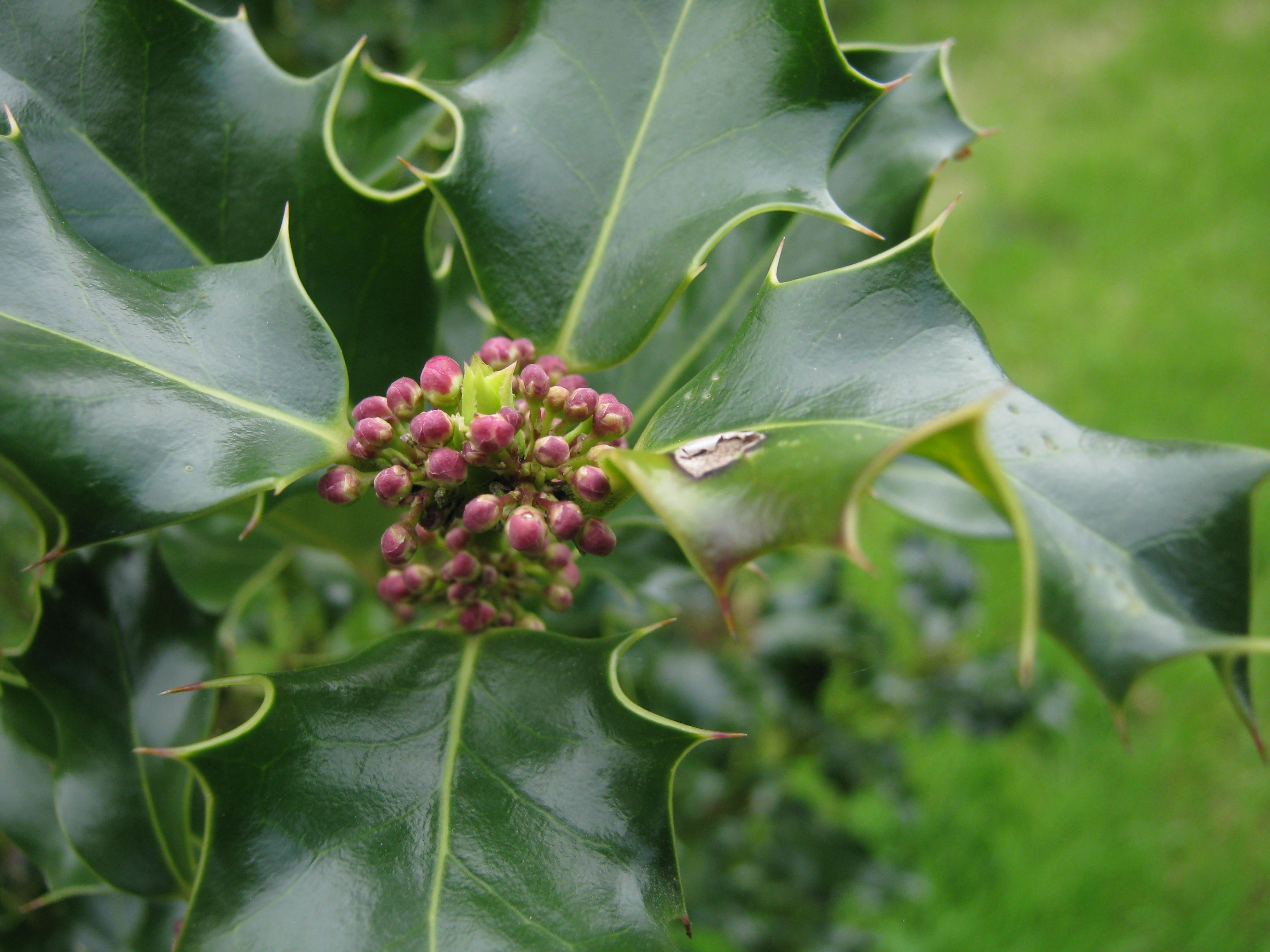
Male Holly flower buds.  We don’t have any female holly bushes so no berries!

Image

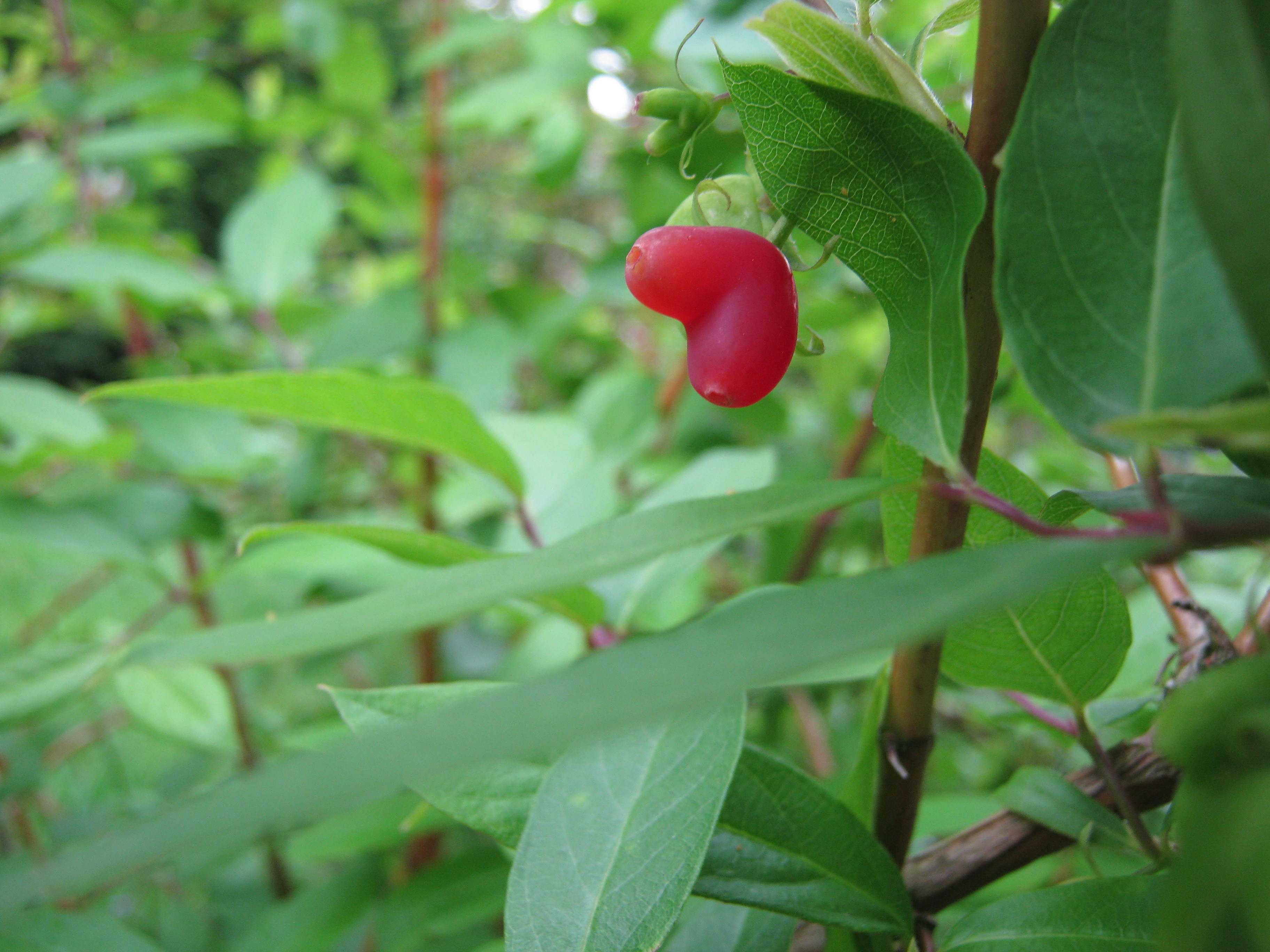
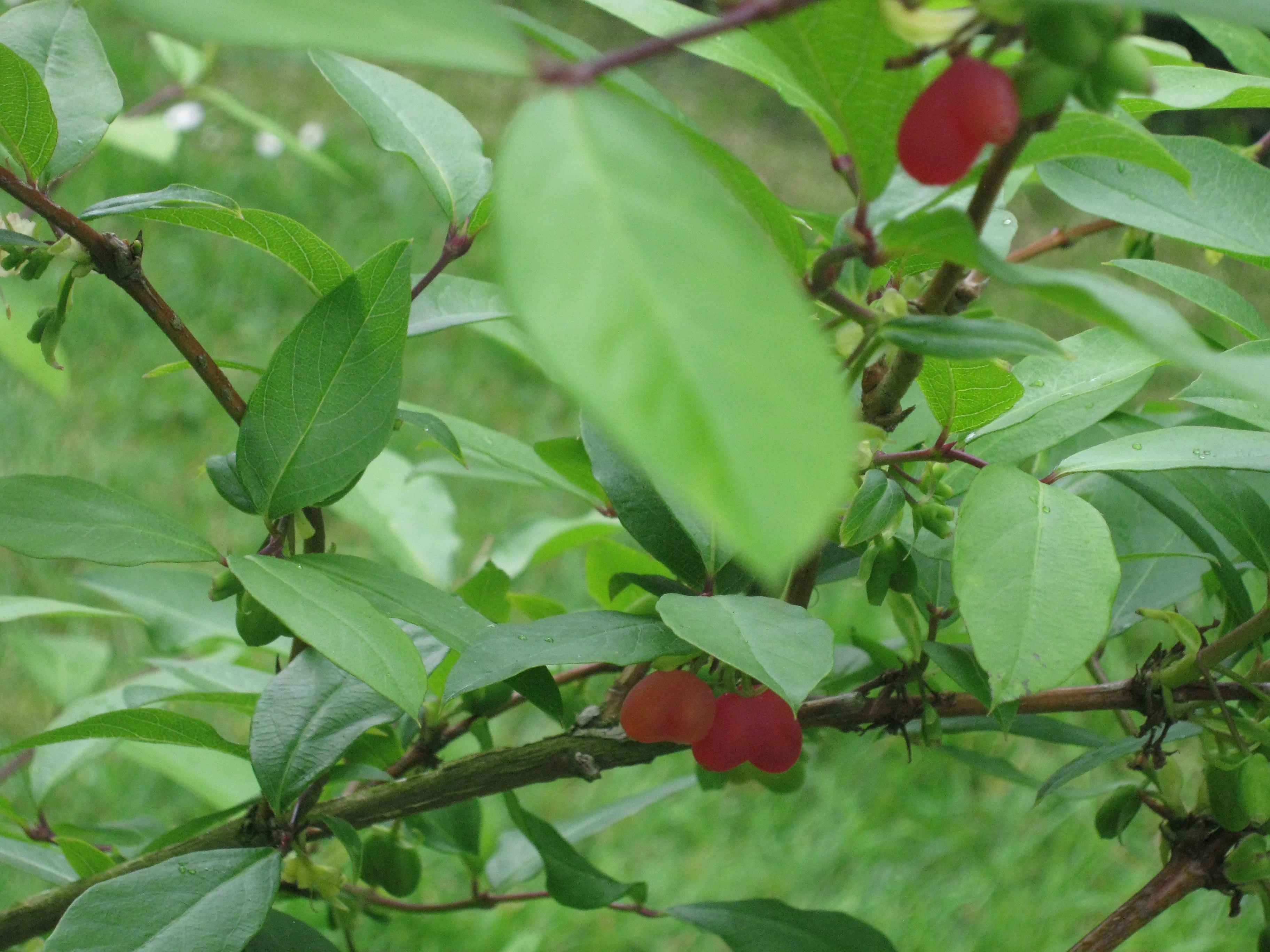
Heart-shaped berries of the Winter-flowering Honeysuckle

Image

These lovely berries don’t last long as the blackbirds find them irresistible.


Share this:

  • Share on X (Opens in new window) X
  • Share on Reddit (Opens in new window) Reddit
  • Share on Pinterest (Opens in new window) Pinterest
  • Share on Facebook (Opens in new window) Facebook
  • Email a link to a friend (Opens in new window) Email
  • Share on Tumblr (Opens in new window) Tumblr
  • Print (Opens in new window) Print
  • Share on LinkedIn (Opens in new window) LinkedIn
Like Loading...

A Wet Day

14 Wed May 2014

Posted by Clare Pooley in churches, Gardening, plants, Rural Diary, trees, wild birds

≈ 6 Comments

Tags

ash die-back, ash tree, calendula, clouds, collared dove, Eye, lupin, moon, Rain, Rumburgh, St Chrysostom's prayer, St Michael and All Saints and St Felix church, St Peter and St Paul's church, yellow iris

The past couple of days have been fairly busy doing mainly mundane chores.  Fortunately, I am feeling much better and have regained what little energy I usually have.

Image

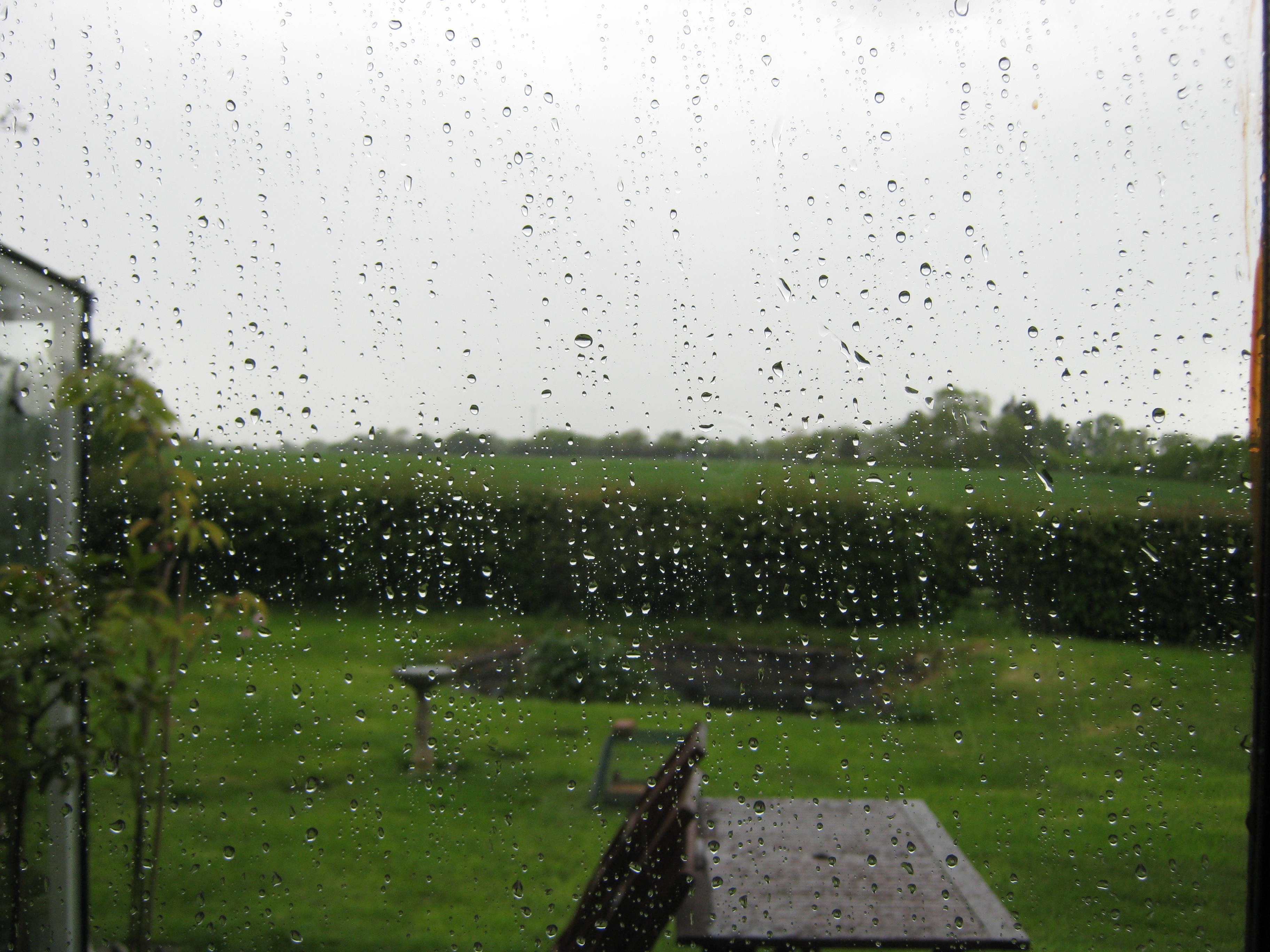
View from our front door on Sunday after one of many showers

I took Mum to church again on Sunday morning.  A windy day with lots of heavy showers.  Her church is currently full of scaffolding and difficult to get around.  Quite a few years ago they bought a new second-hand organ at a bargain price (still many thousands of pounds I believe).   They took out their old one and sold it on but before they could put in the new one somebody thought it might be a good idea to make a Parish Room with a kitchen and toilets too.   This could be done more easily without the organ being in place.  The church is quite a wealthy one but even so, some time was spent fund-raising and then all the architects reports, and surveyors reports and moving of tombs etc took even more time.  Bits of organ pipe and casing were handed out to all and sundry to look after at home as there was no-where to store the new organ in the church.  All money raised was spent on the Parish Room and the church had to make do with a little electric organ.  At last the Parish Room was finished and everyone was pleased with the result.  Saving up for the installation of the organ was resumed and was going very well until the boiler broke down and had to be replaced.  Fortunately, some very generous parishioner kindly paid for a new boiler for the church.  At last, a few weeks ago the installation of the organ began and should be completed in time for the arrival of their new priest in the Autumn.  When I got to church with Mum on Sunday even more scaffolding had been erected as they had decided to investigate a large damp patch that had appeared above the Rood Screen.  They also have a Doom painting up there (covered with whitewash) which they want to look at to see that it isn’t deteriorating too much.

I had lunch when I got home and then spent a quiet afternoon reading, checking e-mails, feeding the birds and preparing the vegetables for our evening meal.  Our church had an Evening Prayer service at 6.30pm and R and I went along at 5.45pm to get everything ready.  It is fortunate that the lovely prayer of St Chrysostom is used during Morning and Evening Prayer, because if it wasn’t one might be tempted to wonder if there was much point in having the service.  There were only five of us there including poor Maurice who had prepared a very thought-provoking homily and led the service so well.

‘Almighty God, who hast given us grace at this time with one accord to make our common supplications unto thee; and dost promise that when two or three are gathered together in thy Name thou wilt grant their requests…’

Monday was another showery day with a few rumbles of thunder as well.  I did a lot of supermarket shopping and washing and other necessary jobs around the house.  I took a few photographs in the garden in-between the showers.

Image

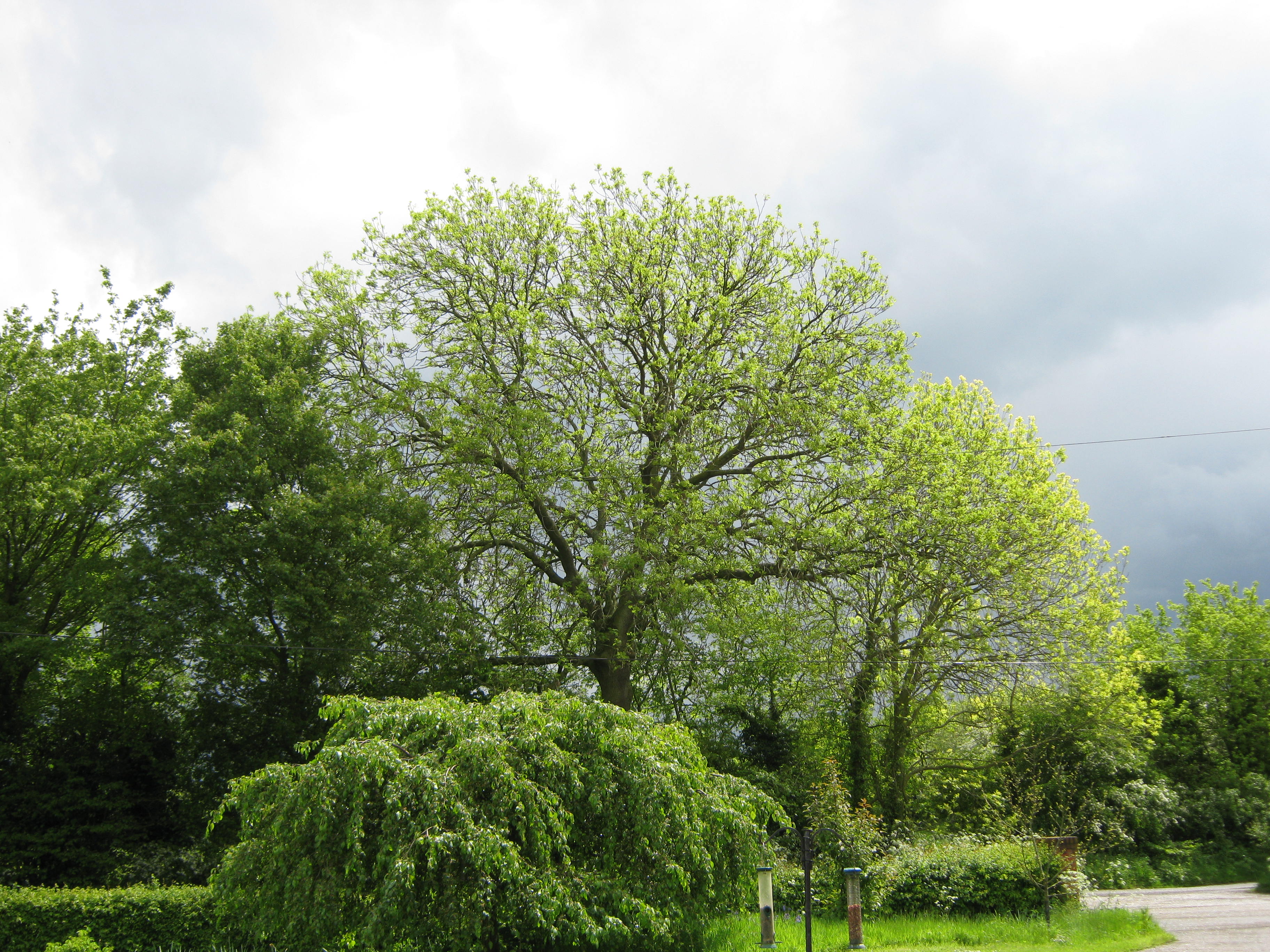
The tallest tree here is a lovely Ash tree. It upsets me to think that it probably will be dead in ten years time because of Ash die-back disease

Image

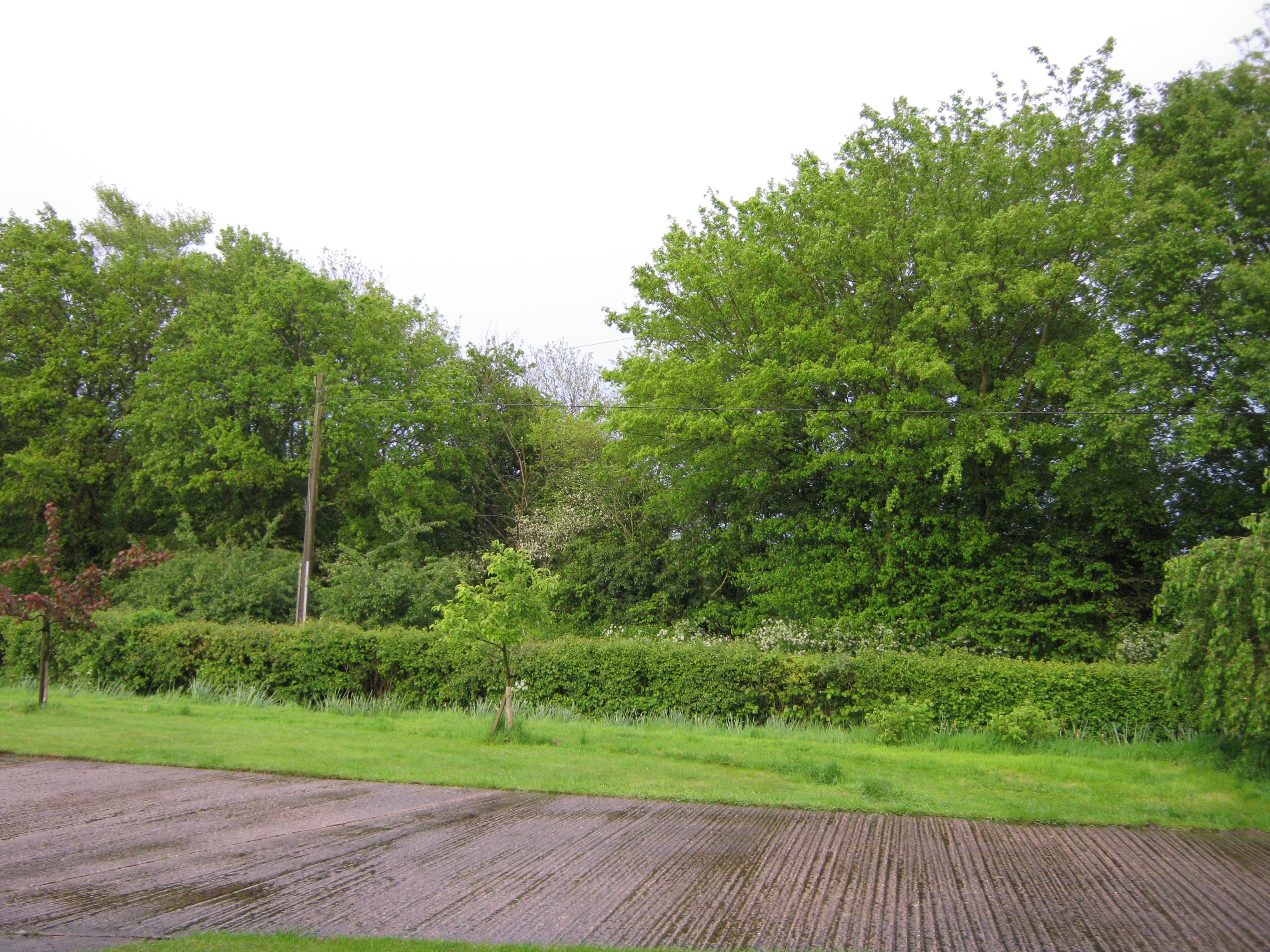
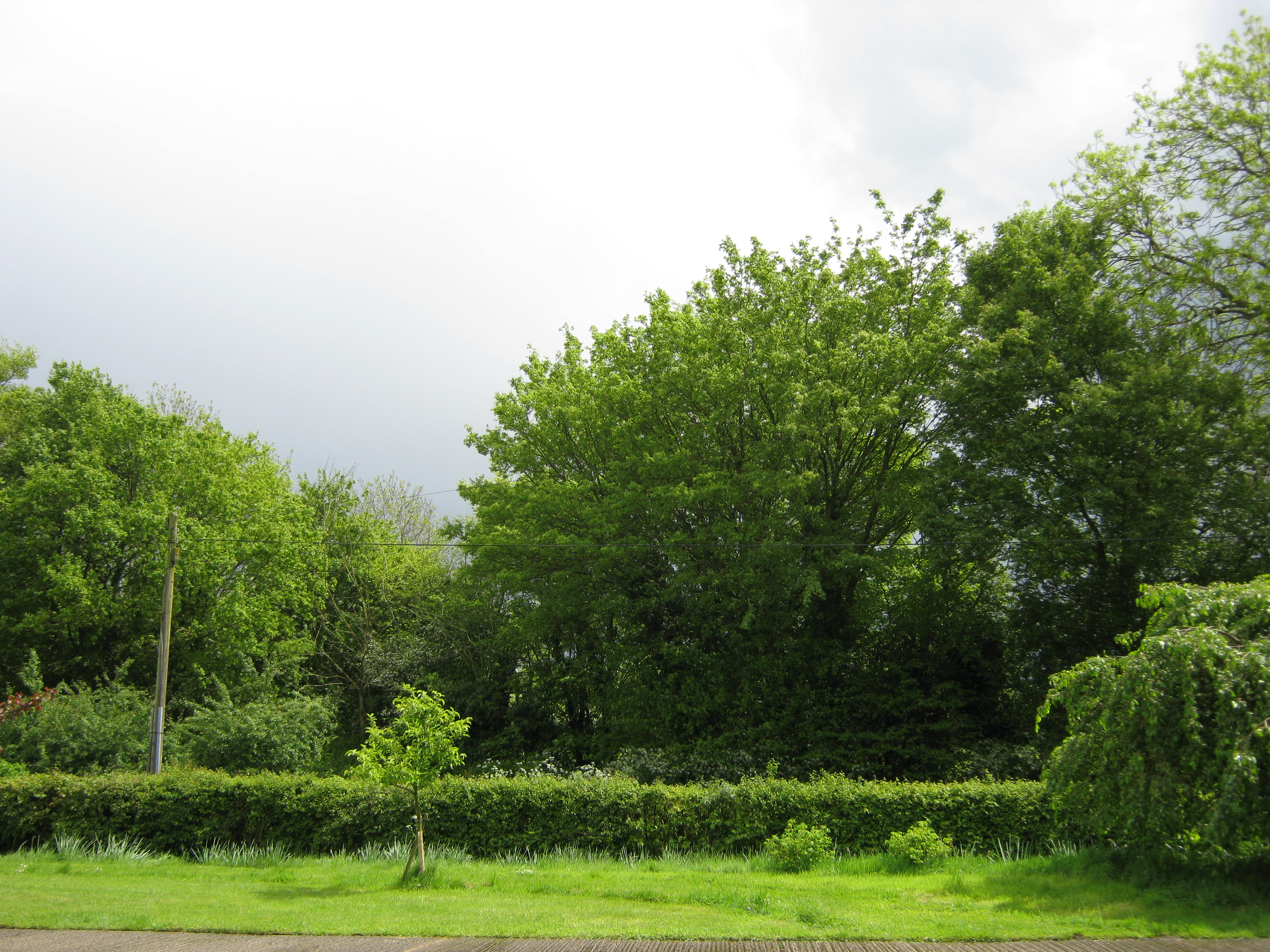
The lane in front of our house is looking particularly green at the moment.

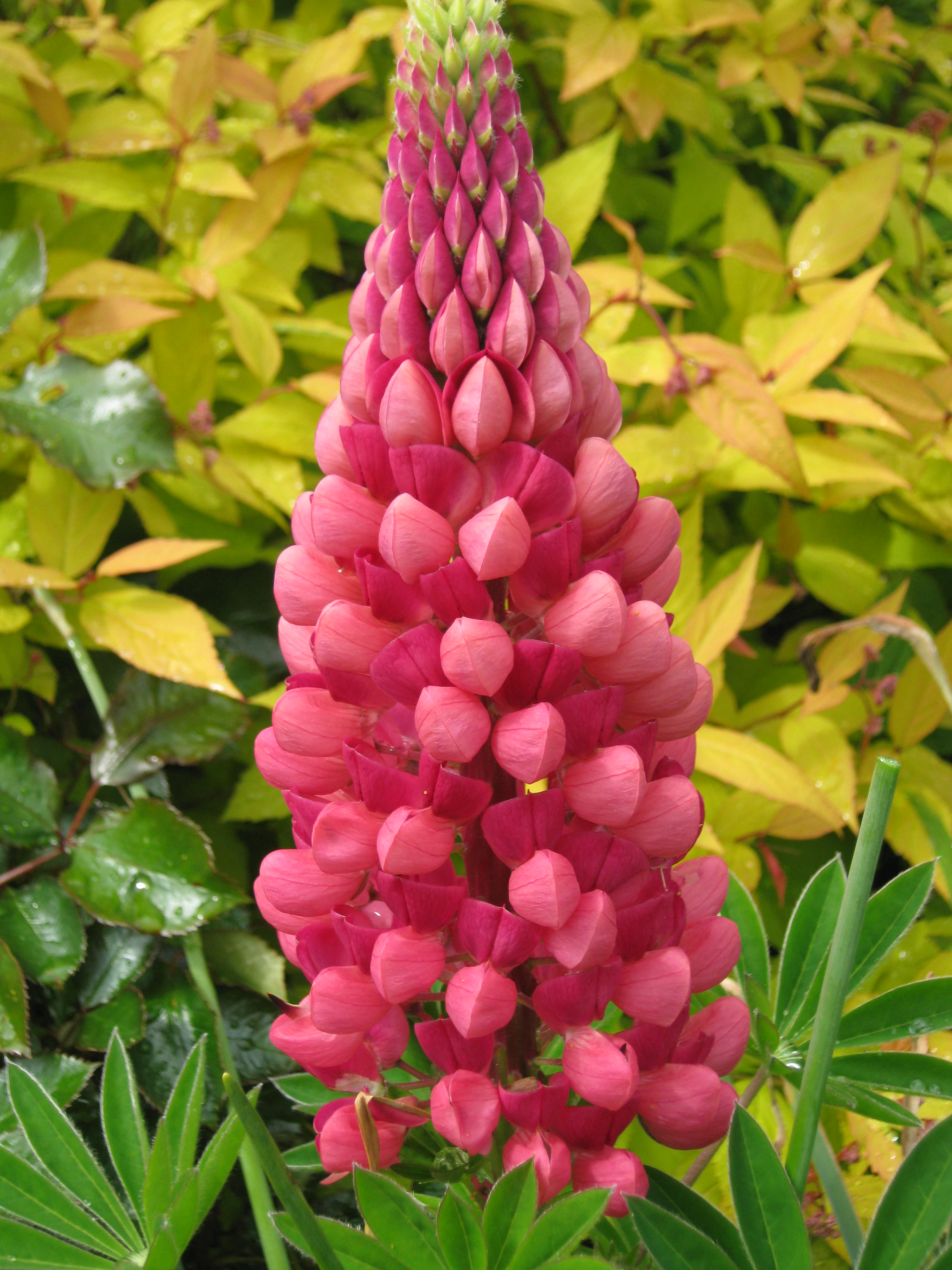
Image

A lupin in R’s flower-bed

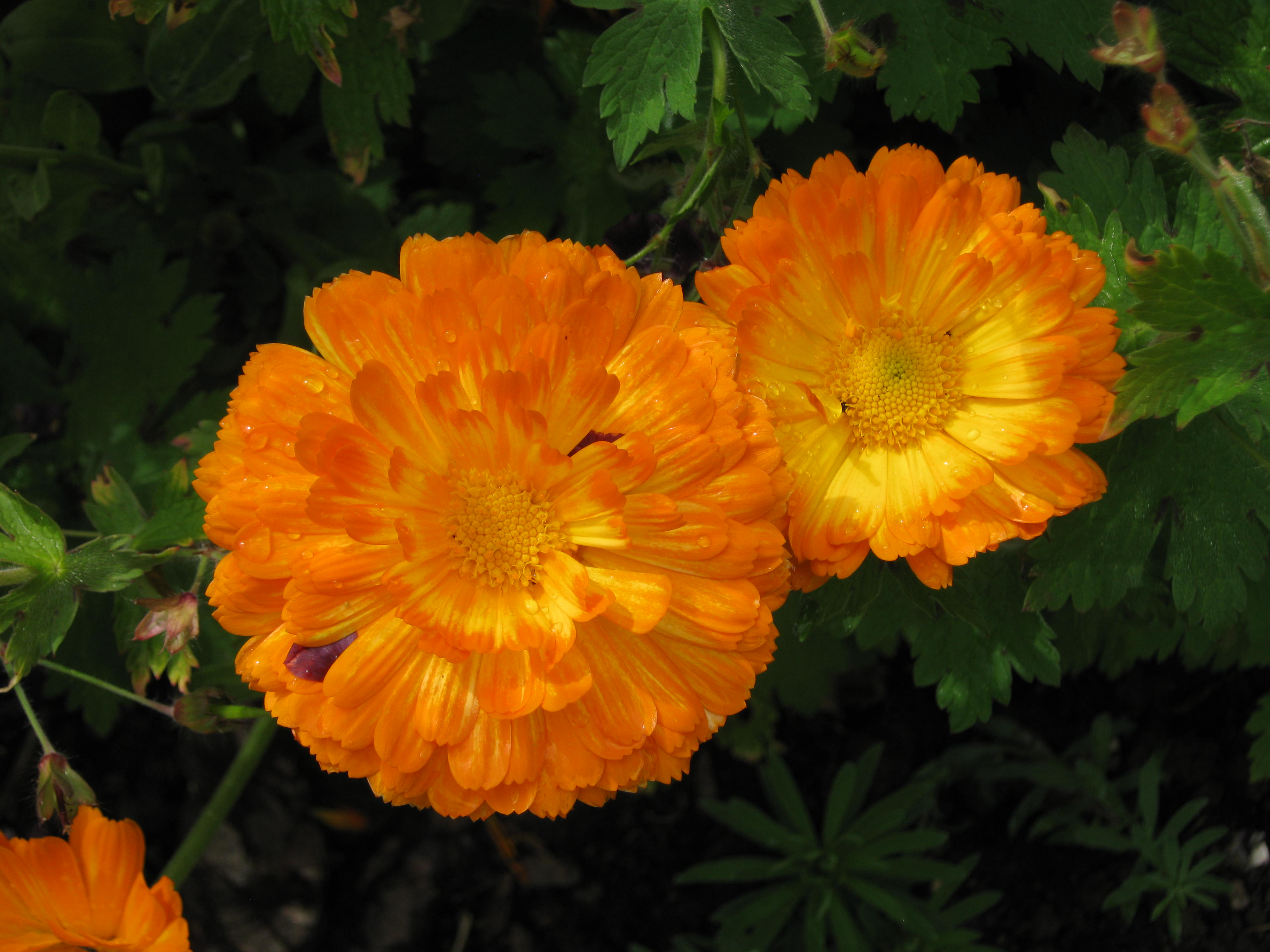
Image

Calendula/Pot Marigold in R’s flowerbed

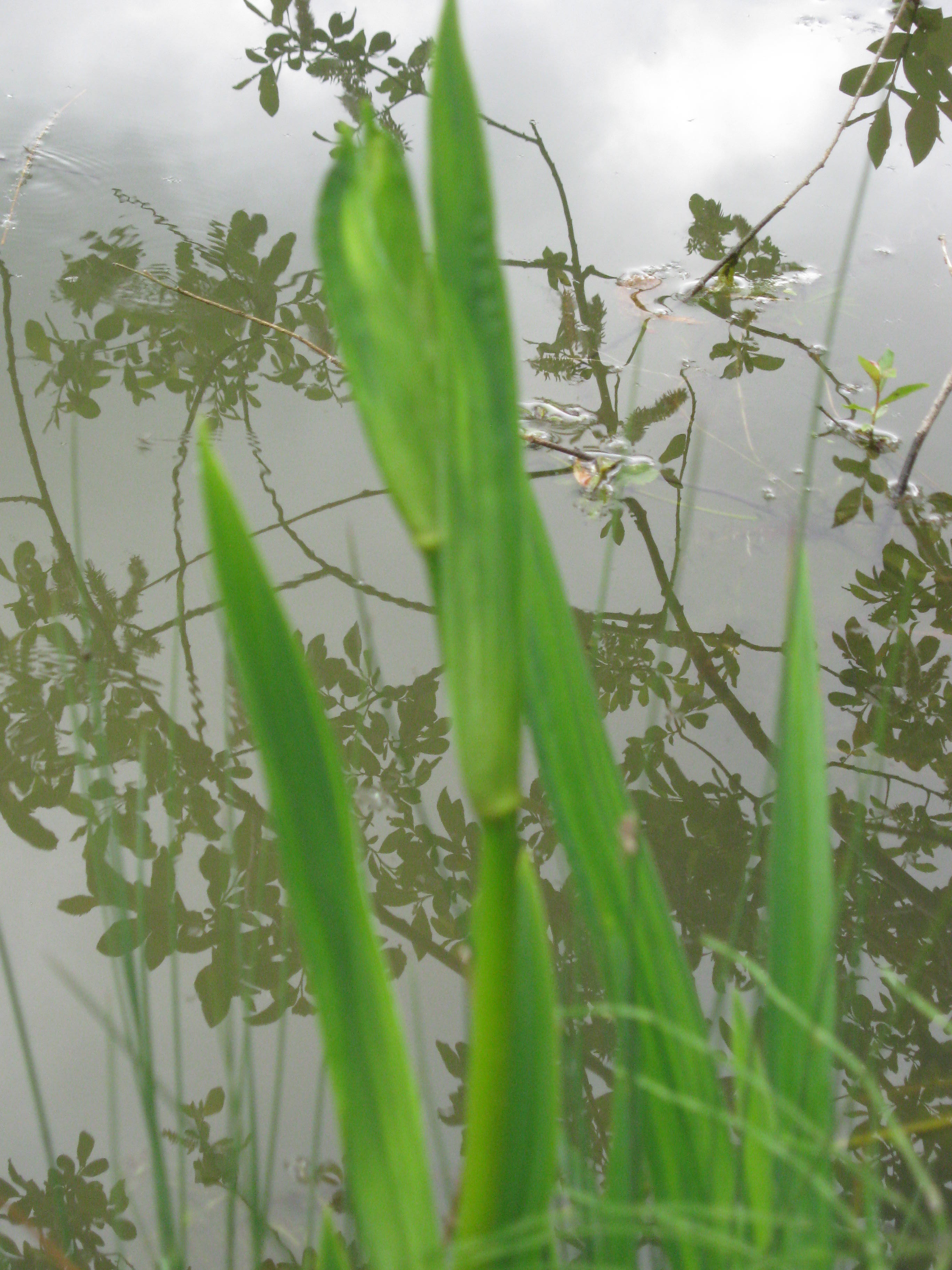
Image

Yellow Iris in bud by the pond

Image

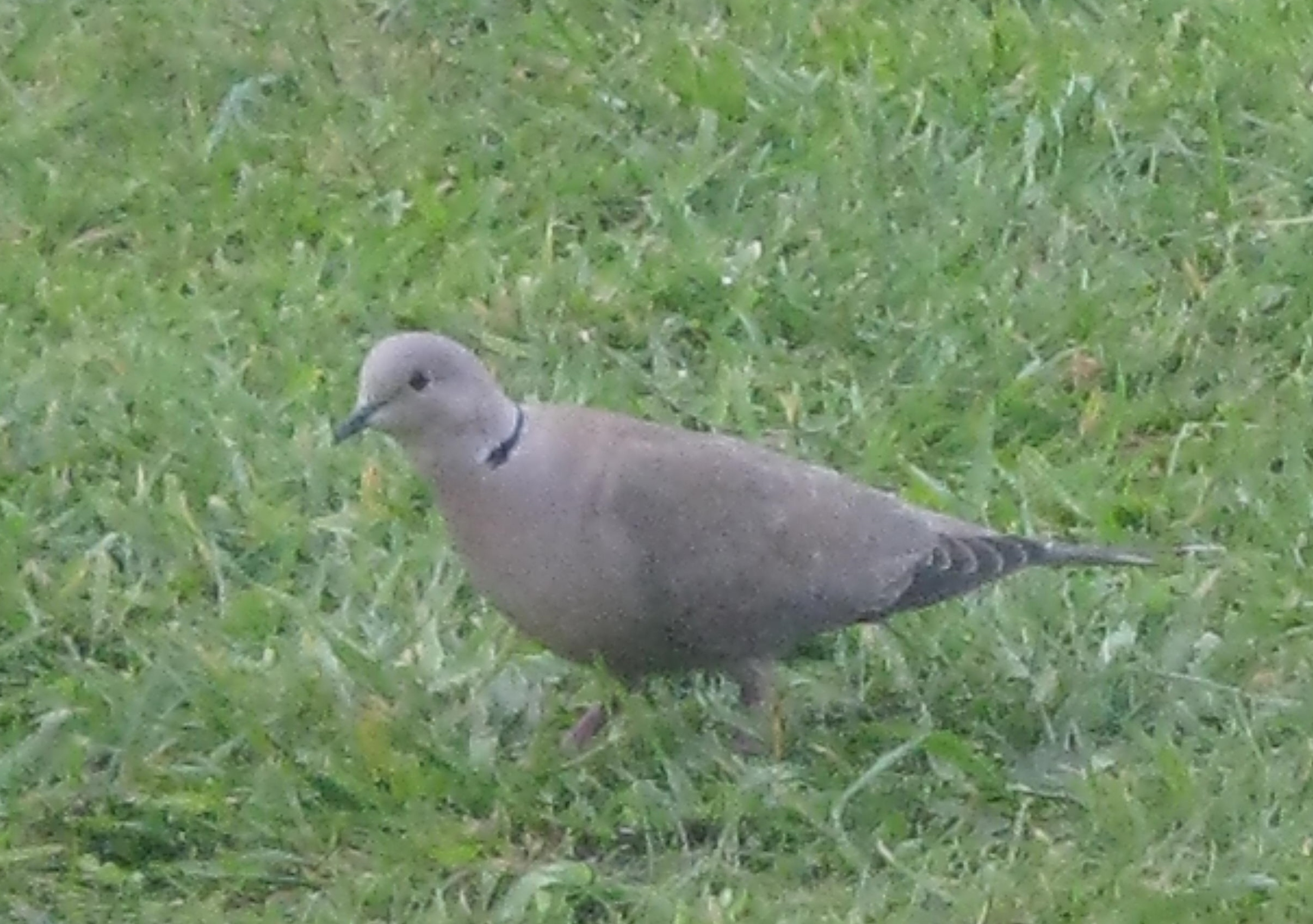
You can tell by the Collared Doves’ blurred feet that it was moving fast and I had difficulty keeping up!

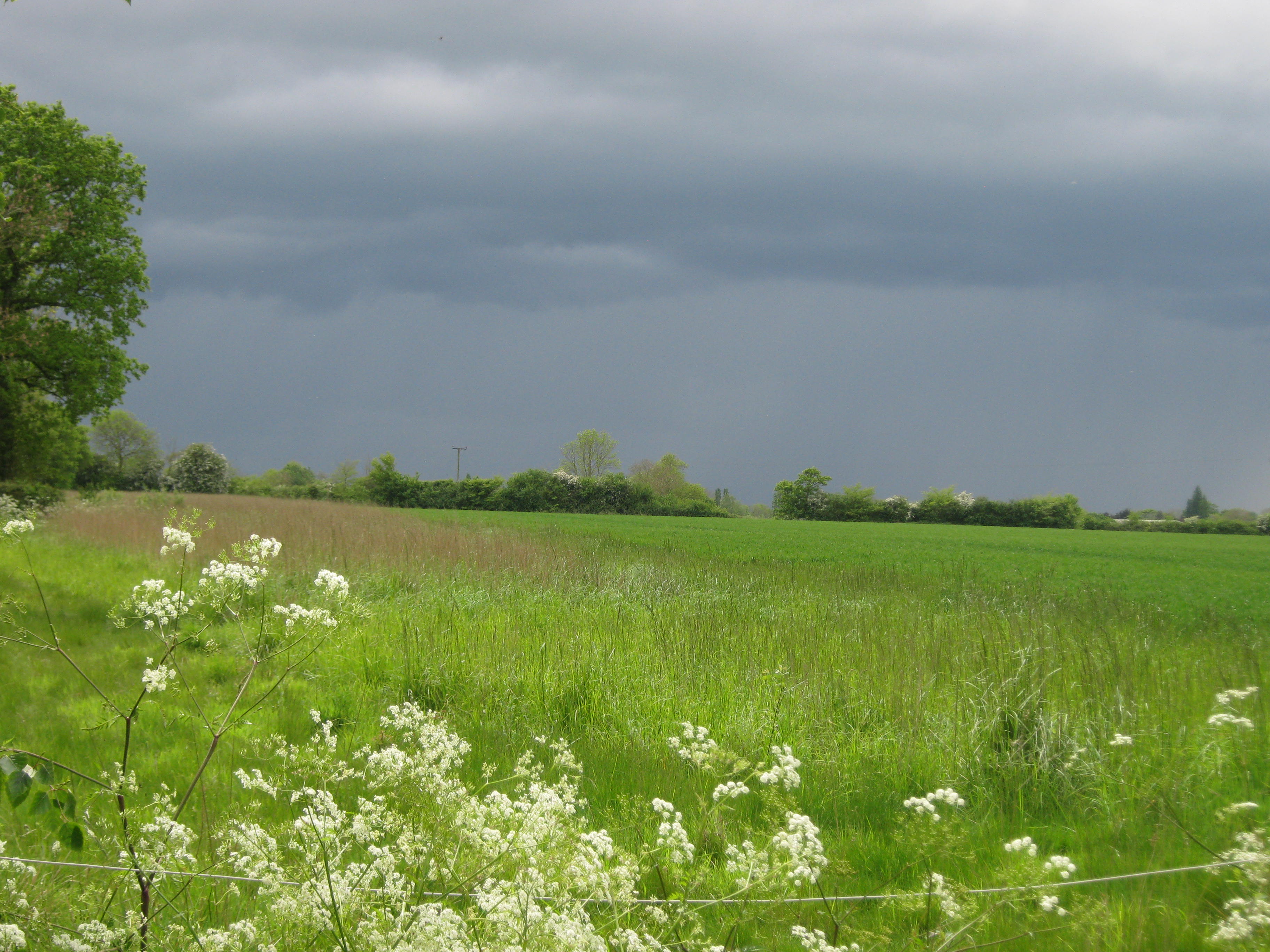
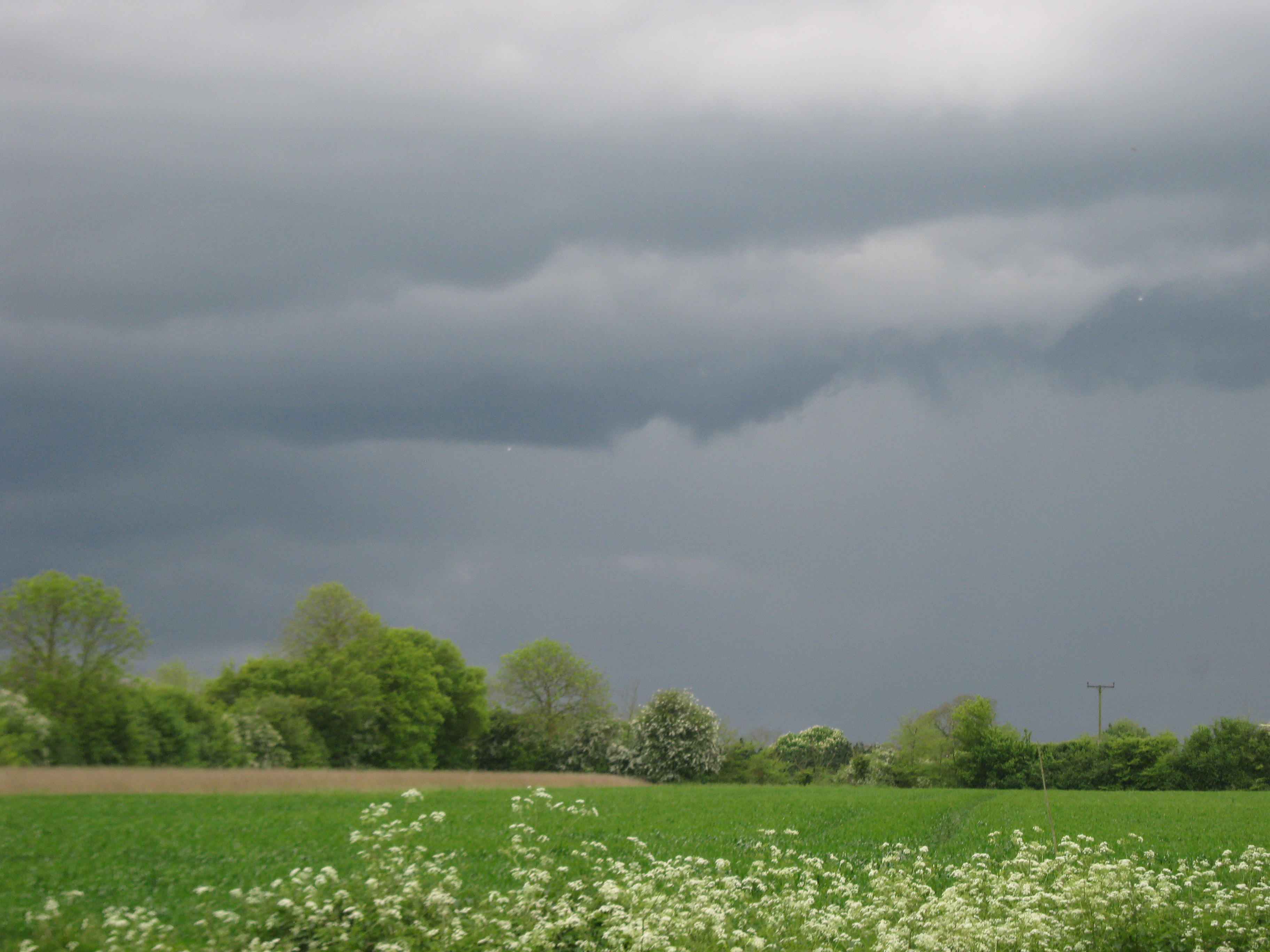
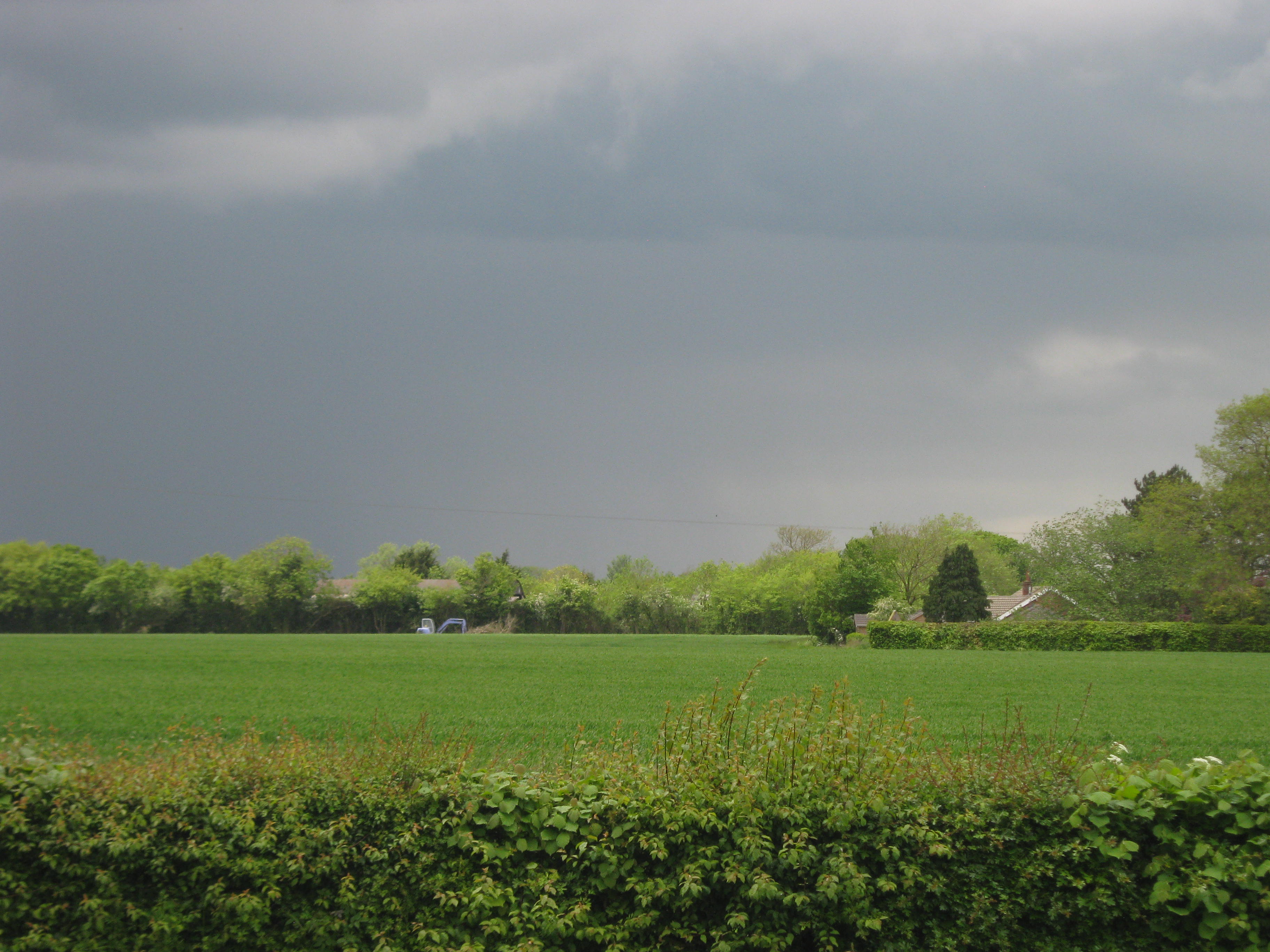
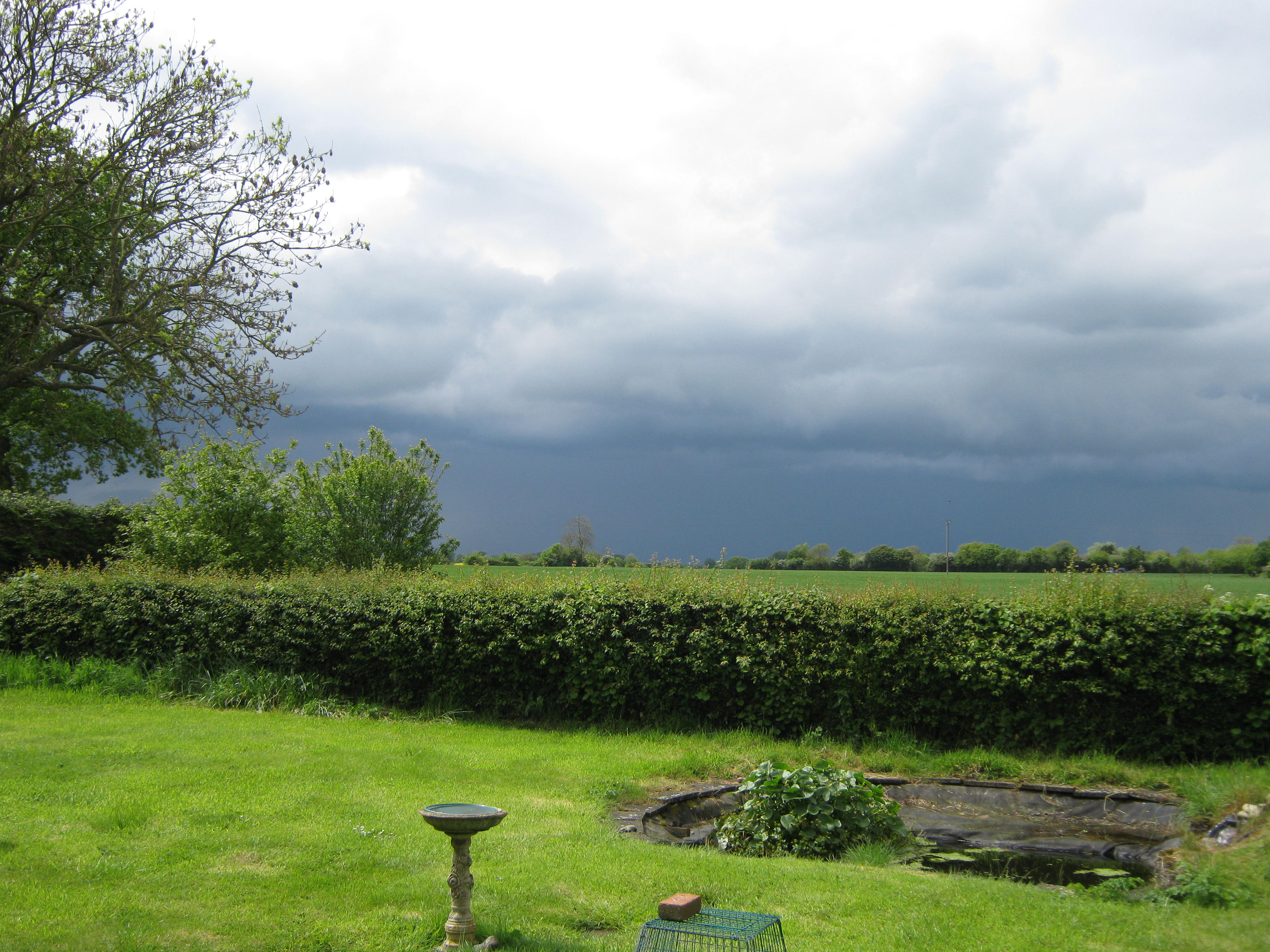
The sky gradually got cloudier and more stormy-looking as the day progressed.


Image


Image


Image

Image

Living in the (fairly) flatlands of East Anglia you can always see what the weather’s going to be like before it gets to you.

Image

Image

This is a plane from one of the local air bases

I was glad I wasn’t flying before the storm.

Image

I got indoors just in time.

(If anyone is wondering why there is a brick on top of the cage over the ground bird feeder, it is to try to stop squirrels lifting up the lid and eating all the bird seed.)

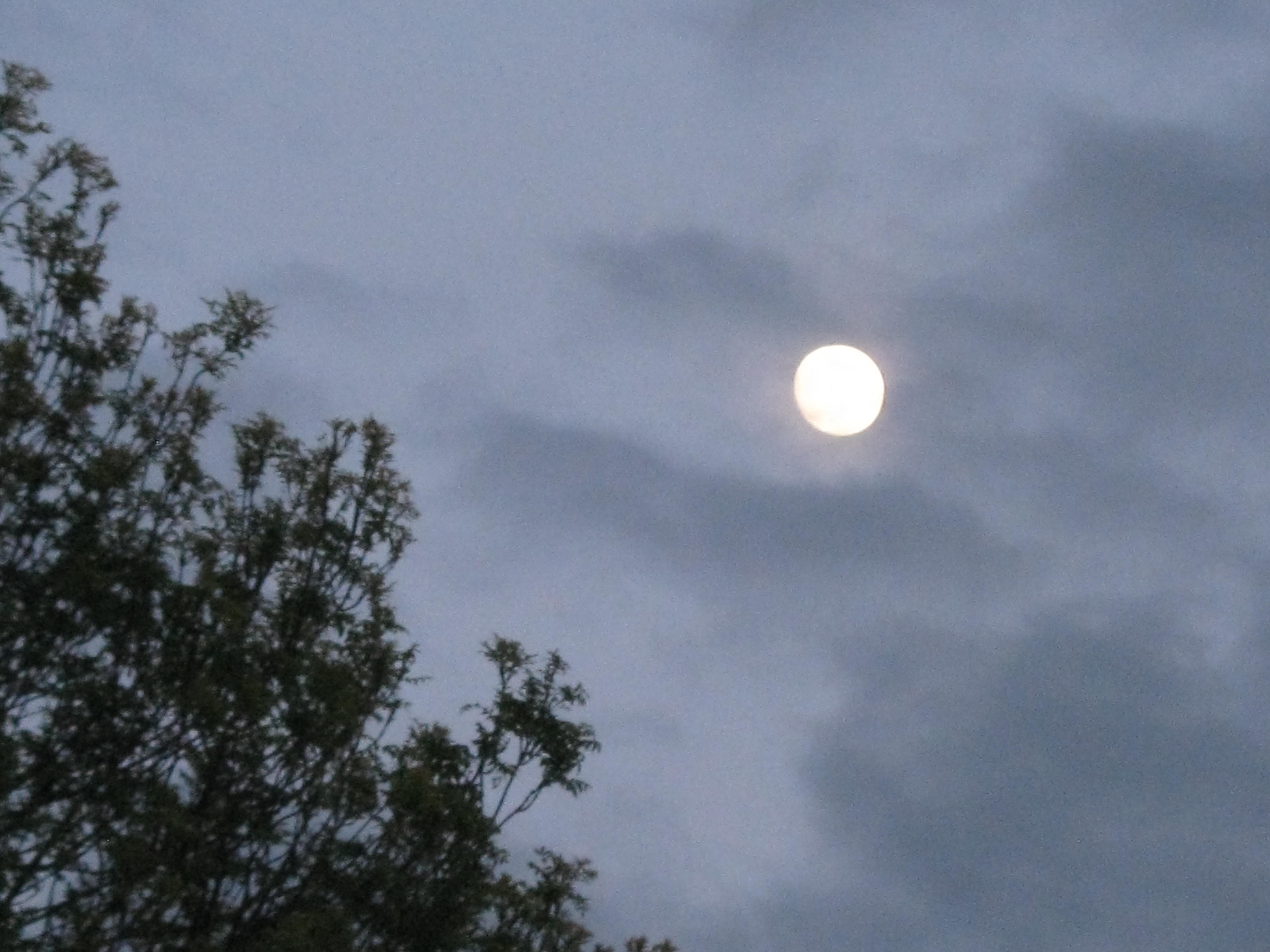
By dusk the rain had stopped and the moon had risen.

Image


Share this:

  • Share on X (Opens in new window) X
  • Share on Reddit (Opens in new window) Reddit
  • Share on Pinterest (Opens in new window) Pinterest
  • Share on Facebook (Opens in new window) Facebook
  • Email a link to a friend (Opens in new window) Email
  • Share on Tumblr (Opens in new window) Tumblr
  • Print (Opens in new window) Print
  • Share on LinkedIn (Opens in new window) LinkedIn
Like Loading...

Fruity Tutti

10 Sat May 2014

Posted by Clare Pooley in cooking, Gardening, Rural Diary, trees

≈ 11 Comments

Tags

apple trees, blackberry canes, crabapple trees, fig tree, Fruit, fruit salad, honey and lemon drink

I have been craving fruit during the past few days; that and yoghurt and ice-cream and hot tea!

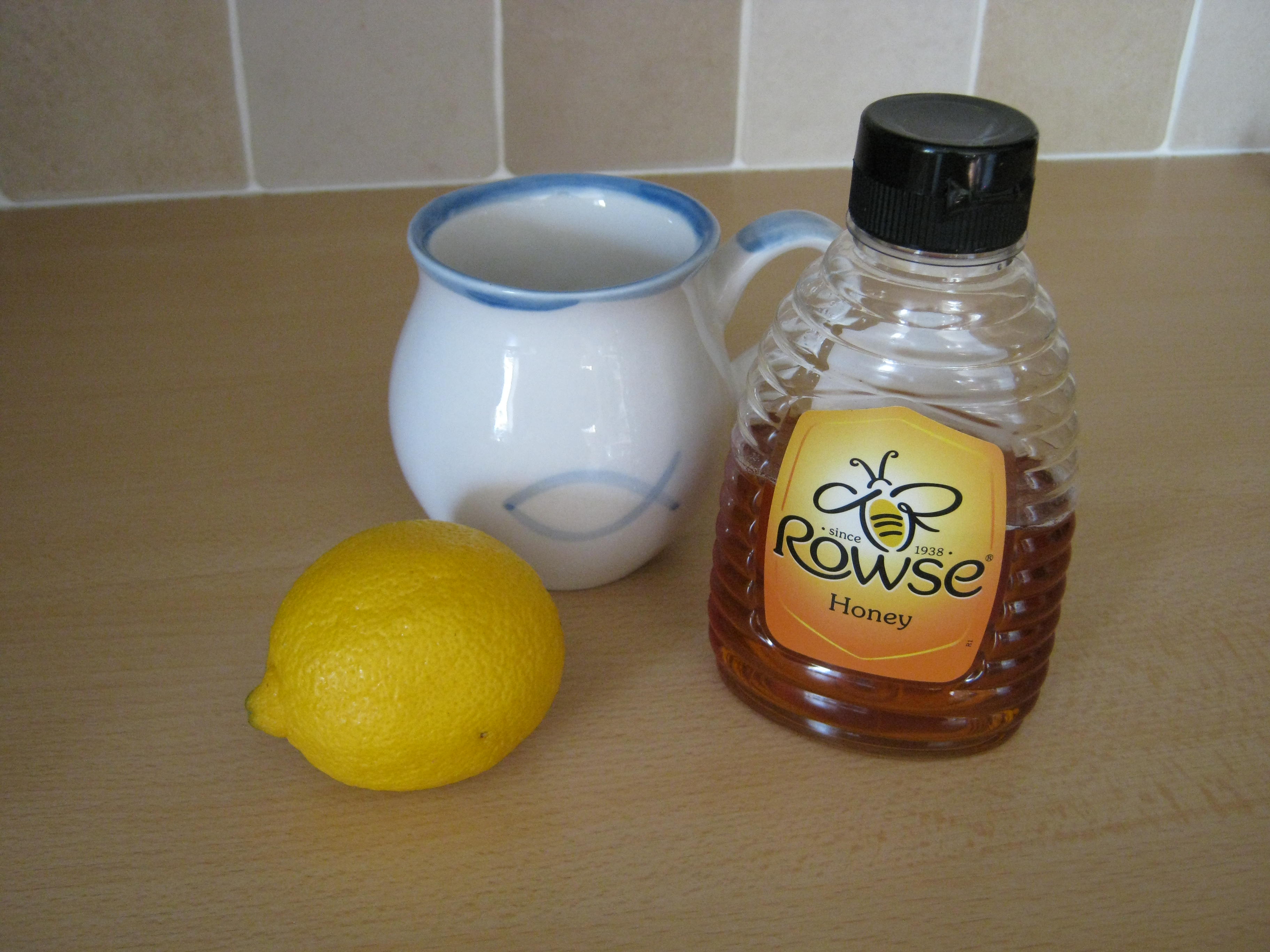
Image

This is my favourite night-time drink when I have a cold.  Hot honey and lemon drink.  The juice of half a lemon mixed with a good sized spoonful of honey and freshly boiled water.  A little sugar sometimes but not always.  R likes to add a tot of whisky with his but I don’t like whisky and prefer the drink non-alcoholic.  The mug was a present from A and is just right for this drink and other herbal teas.  It fits so nicely into my cupped hand!

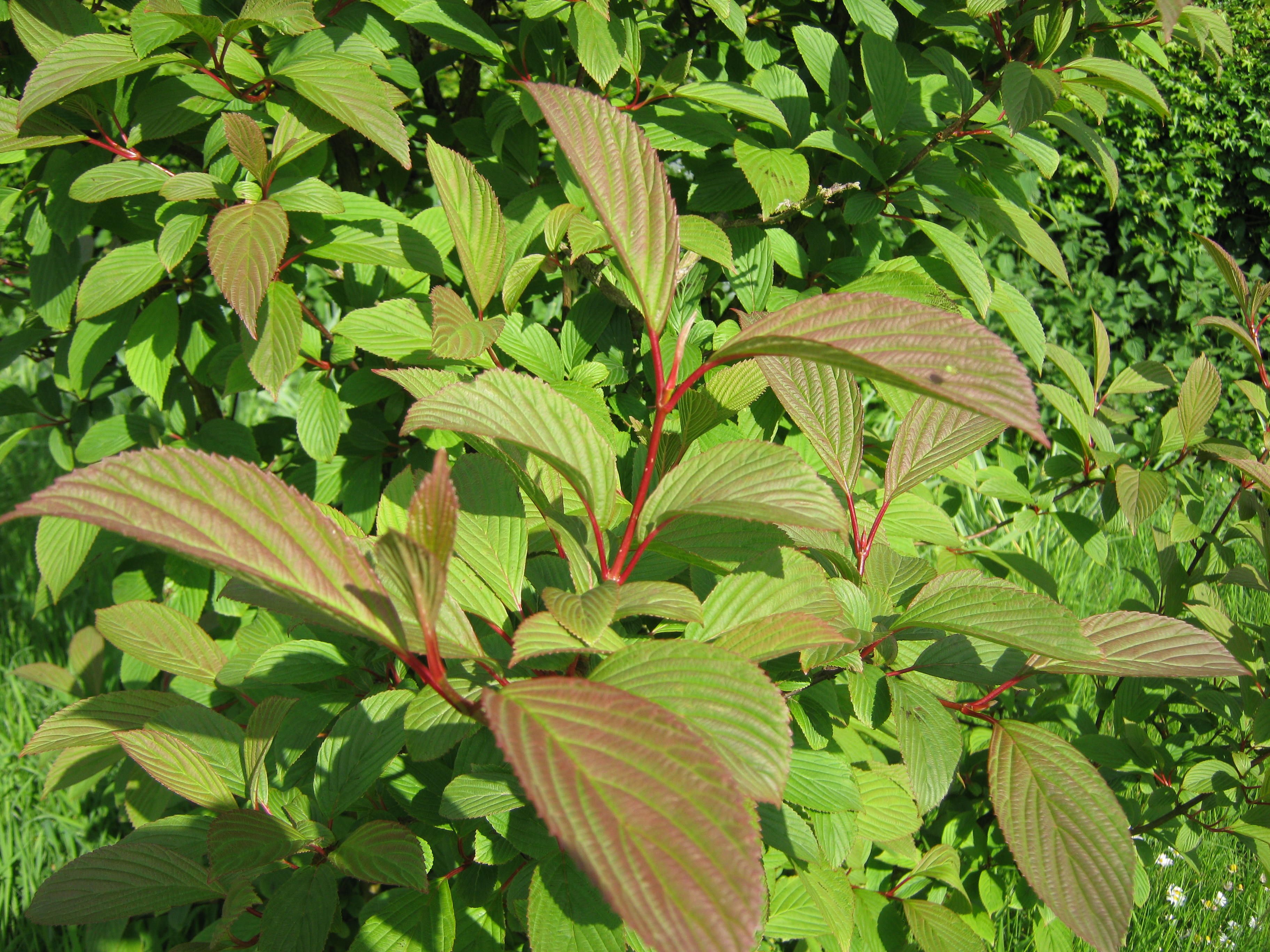
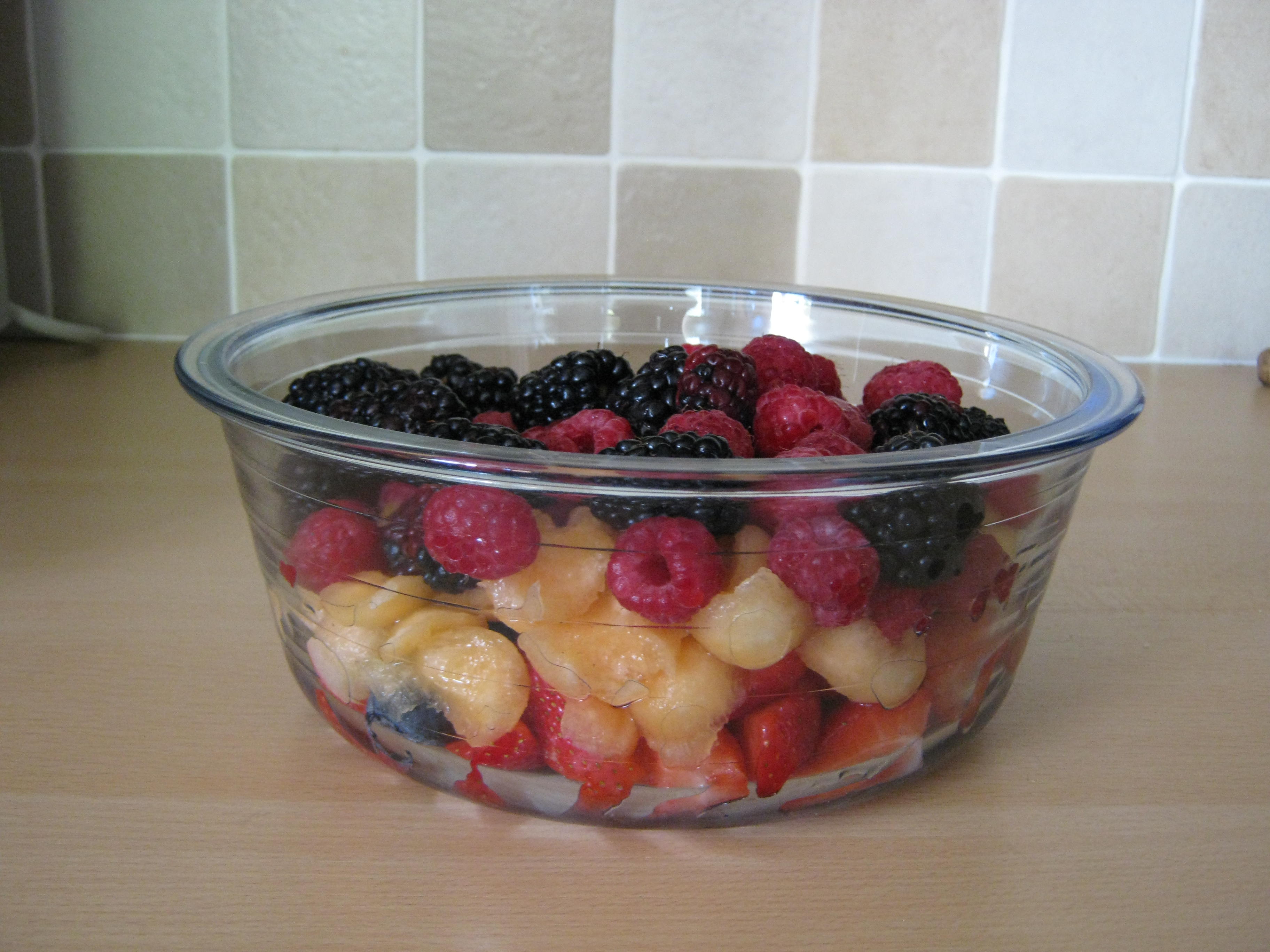
Image

I also made a fruit salad this evening with the first locally (well Norfolk) grown strawberries.  This is so early for strawberries I was expecting them to be either sour or tasteless but they were very good.  The other fruit was imported mainly from Spain – raspberries, blueberries – I can’t remember where the Galia melon was grown and the blackberries came from …… MEXICO?  I do try to buy fruits and vegetables in season and locally grown but I do succumb sometimes and as I said, I really want fruit at the moment.

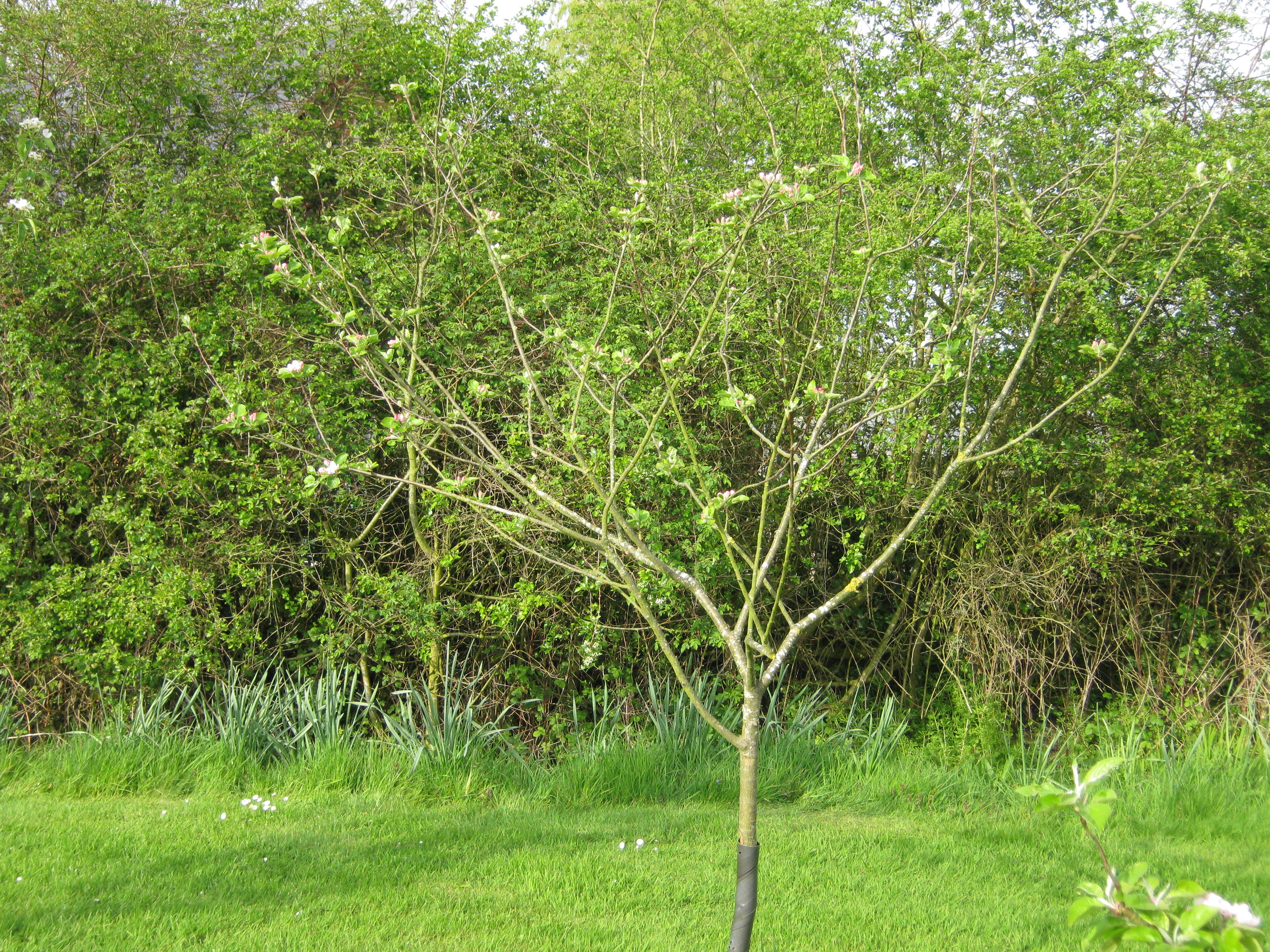
While I am on the subject of fruit I will show some photos of our fruit trees.  These photos have been taken over the past week or two.  I haven’t been out of the house today and photographing would have been difficult anyway because of the wind and regular showers of heavy rain.

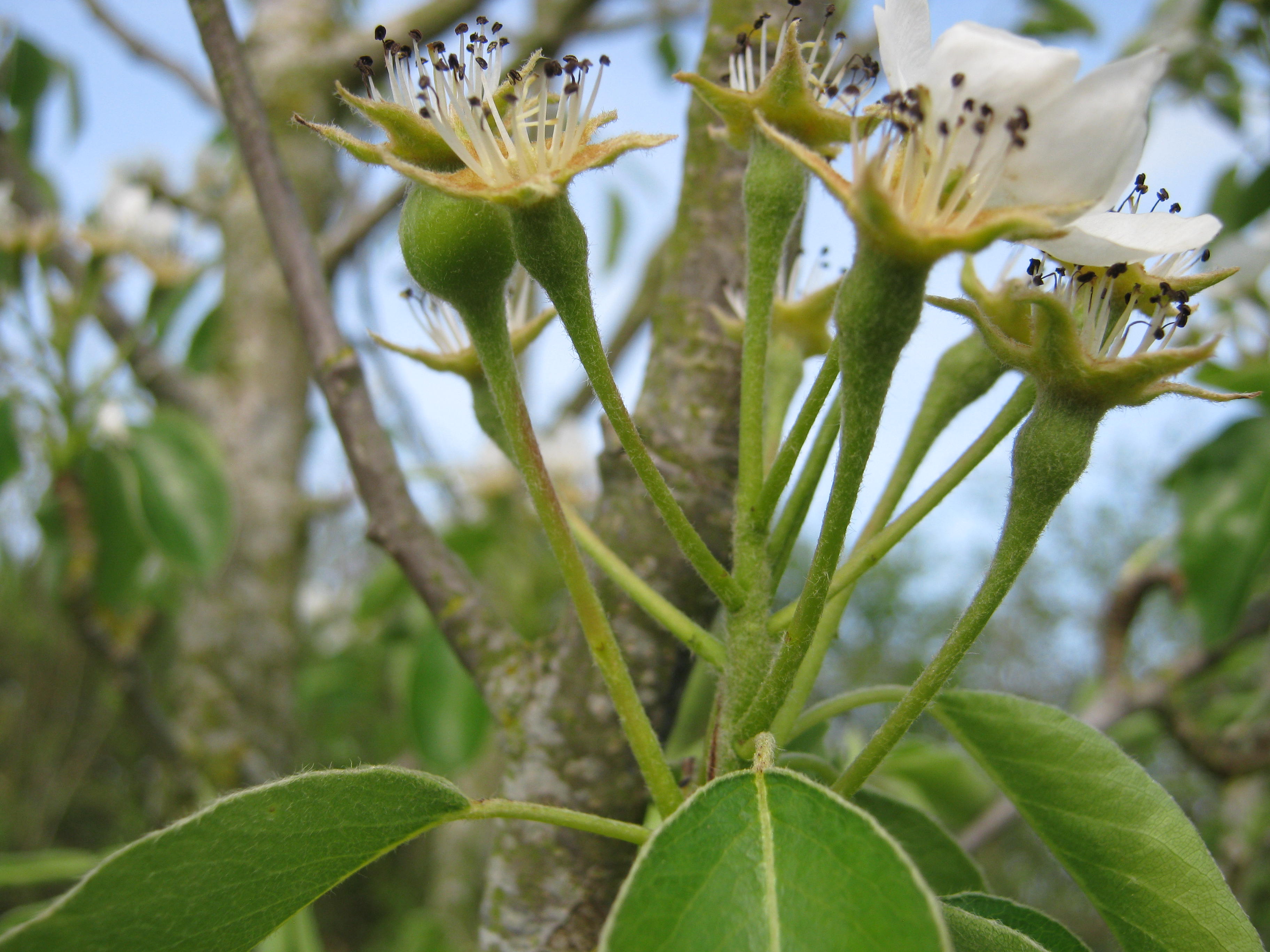
Image

This is our Concord pear tree on 23rd April and as you see the fruit was beginning to set.  I tried taking a picture of the much larger fruit yesterday but I only got blurred images as it was so windy.  We have found that Concord pears are best as cooking pears.  If we wait until they are beginning to soften on the outside they have already started to rot in the middle.  If we try to eat them while they are hard and crunchy they are quite tasteless.  But, if we cook them when hard but ready to be harvested they are wonderful.  My favourite is caramelised pears!

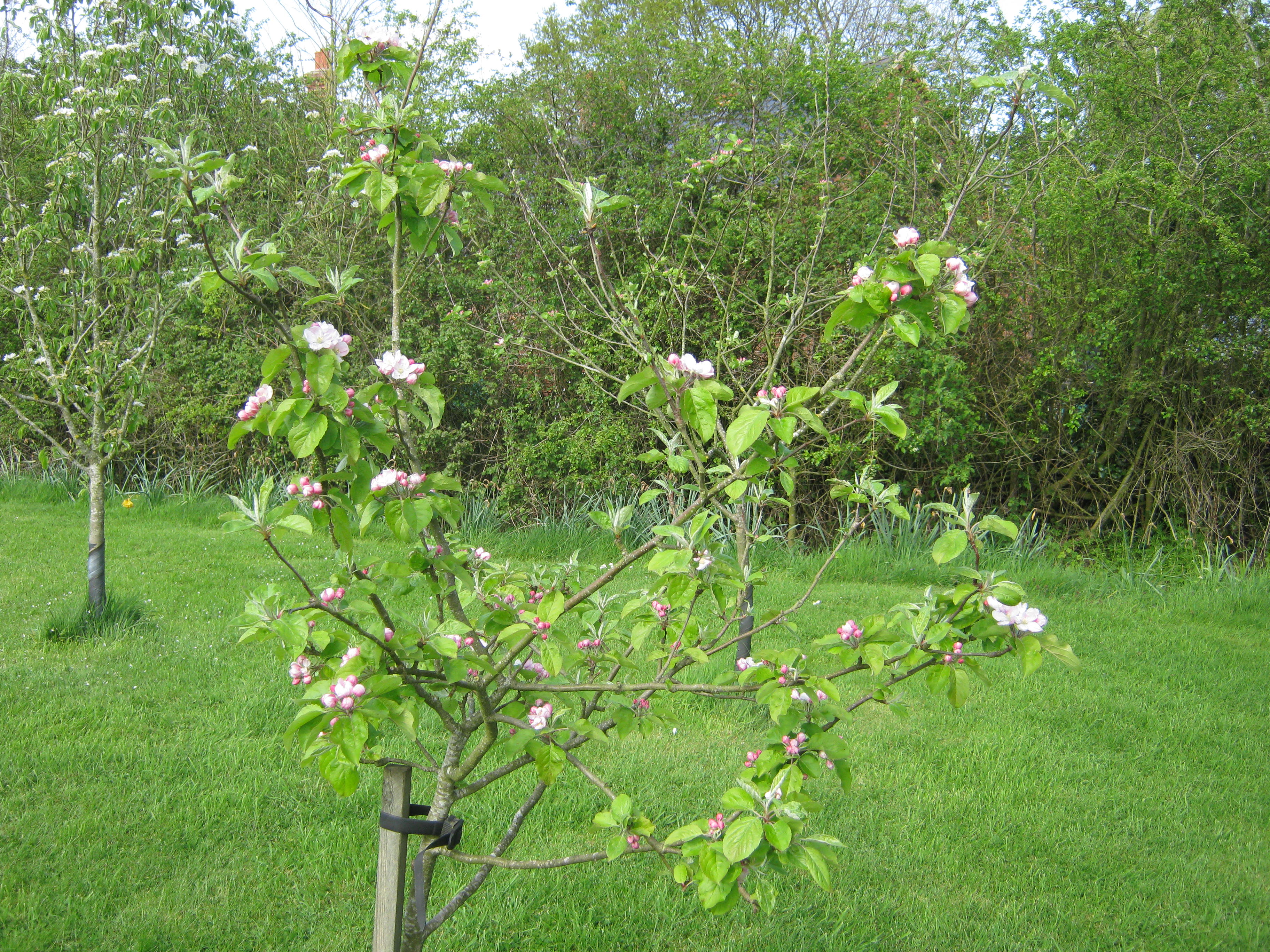
Image

Our Saturn eating apple tree on 23rd April.

Image

Saturn blossom.  The Saturn has now lost all its blossom and the fruit is setting.

Image

Egremont Russet eating apple tree.  Note the attractive chicken wire which protects the tree from deer and rabbits.  This photo also taken on 23rd April.

Image

Egemont Russet blossom.  As I mentioned in an earlier post the apples on this tree are not like true Egremont Russet apples so either we have been mis-sold or we have a tree that has been adapted to suit people that don’t like the look of traditional Russet apples.  I love them with their dull, rough, RUSSET skins.  They are sweet, juicy and crunchy and the skins are not tough; the flesh has a good nutty taste.  One of my favourite apples.

Image

‘Harry Baker’ crab apple tree, 23rd April.  This is the tree that R has tended so carefully and it is now looking so much better and growing upwards now!  You can see from a lot of these photos that the trenches made by the JCB a couple of months ago are still in evidence.  We have contacted the landscaper to ask him to fill in the holes with top-soil and make good.  We are waiting for him to turn up.  Apparently he is on jury service.

Image

‘Harry Baker’ blossom.  The fruits are enormous and make very good crabapple jelly.

Image

‘Evereste’ crabapple tree, 23rd April.  I don’t make crabapple jelly from these fruits though I could easily.  I like to leave them for the birds – blackbirds and fieldfares – who enjoy them after they have been frosted.  Most of the fruits from last year were left on the tree as we didn’t get a hard enough frost this winter to make the fruits palatable for the birds.  There must have been enough food for the birds this winter without them needing these apples.  I had to cut them off the tree as the leaves were coming out and so we have had hardly any blossom this spring.  I am glad to say that, because of this, the tree is at last beginning to grow again.

Image

‘Evereste’ blossom.

Image

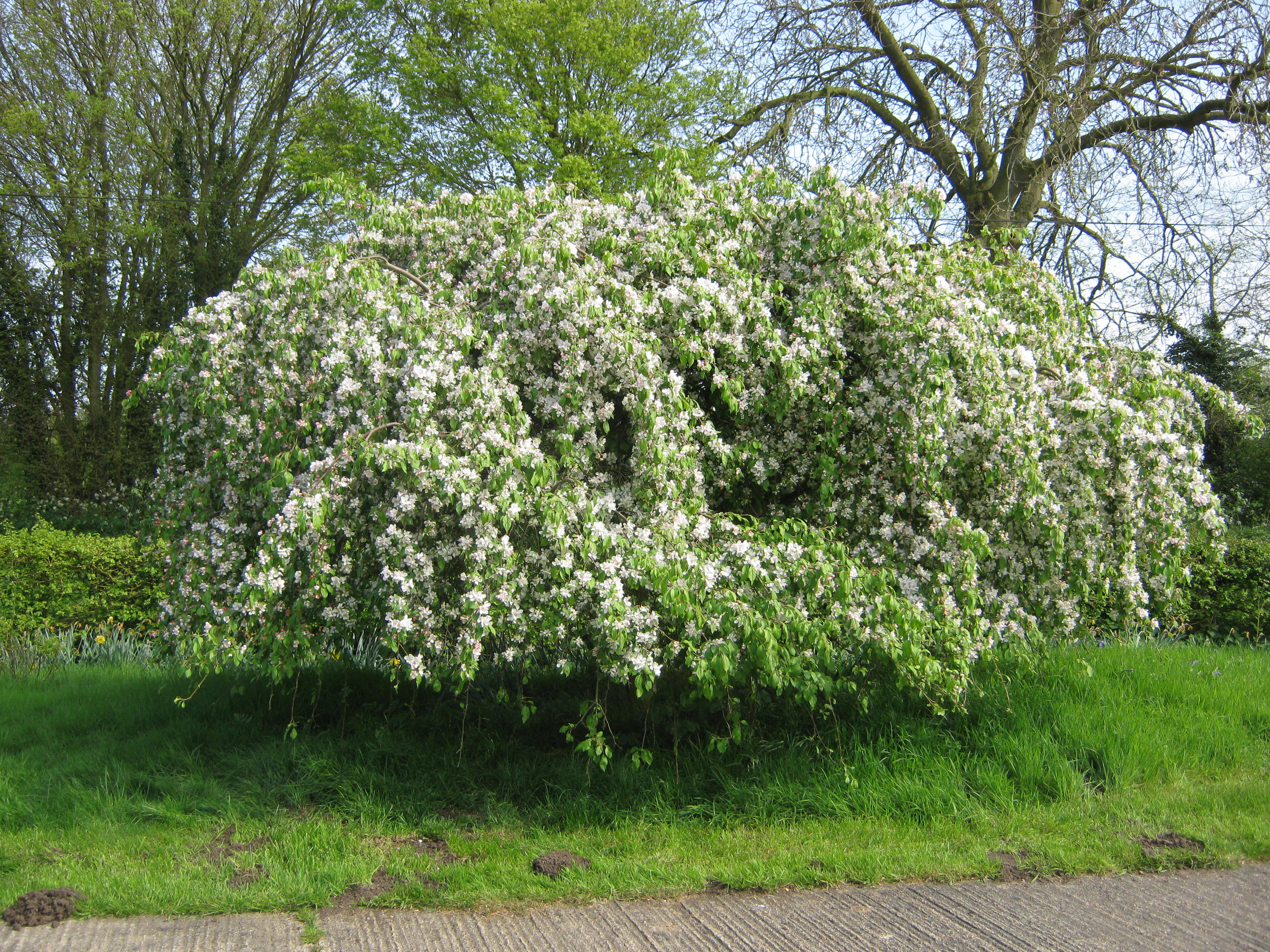
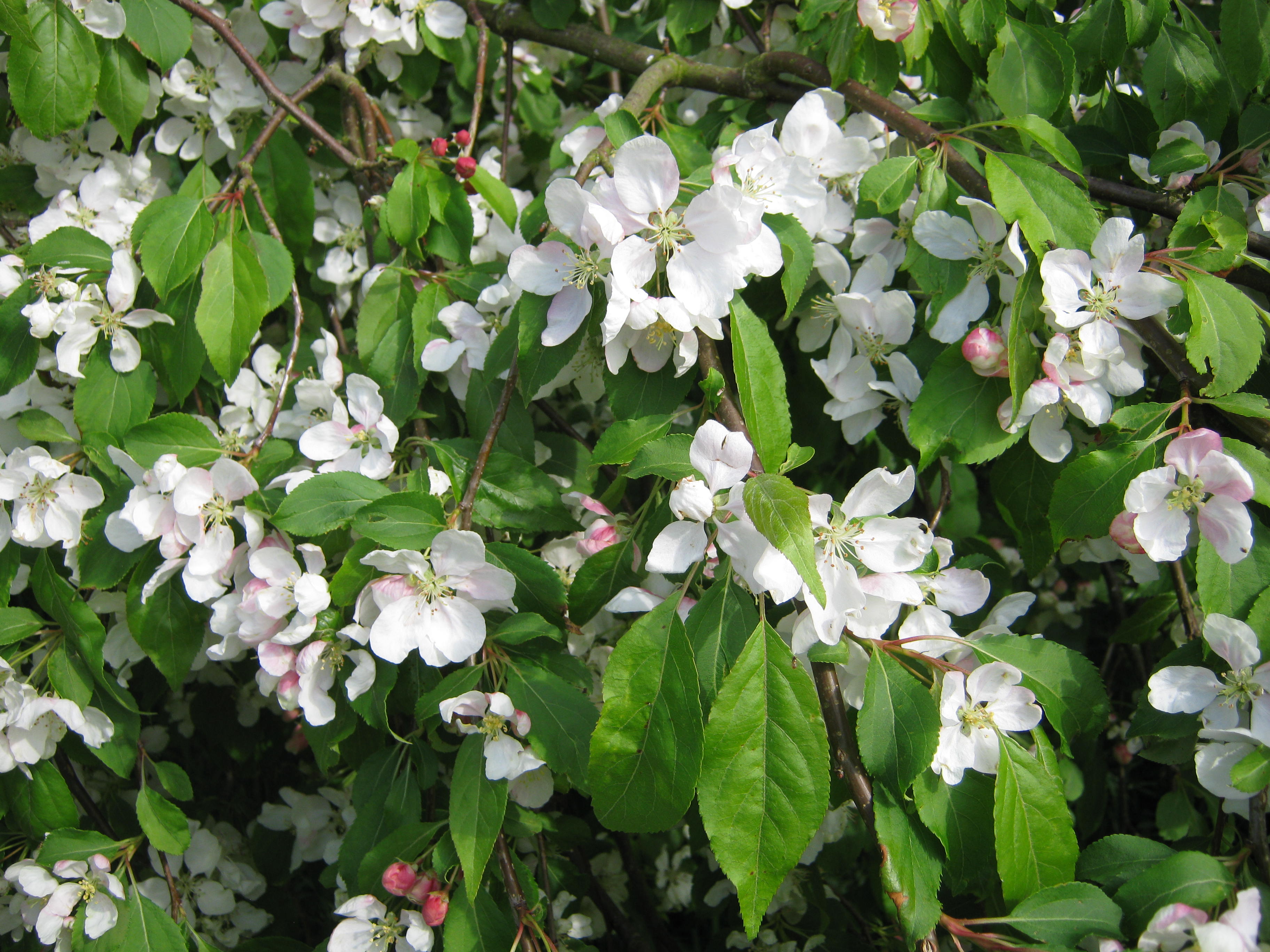
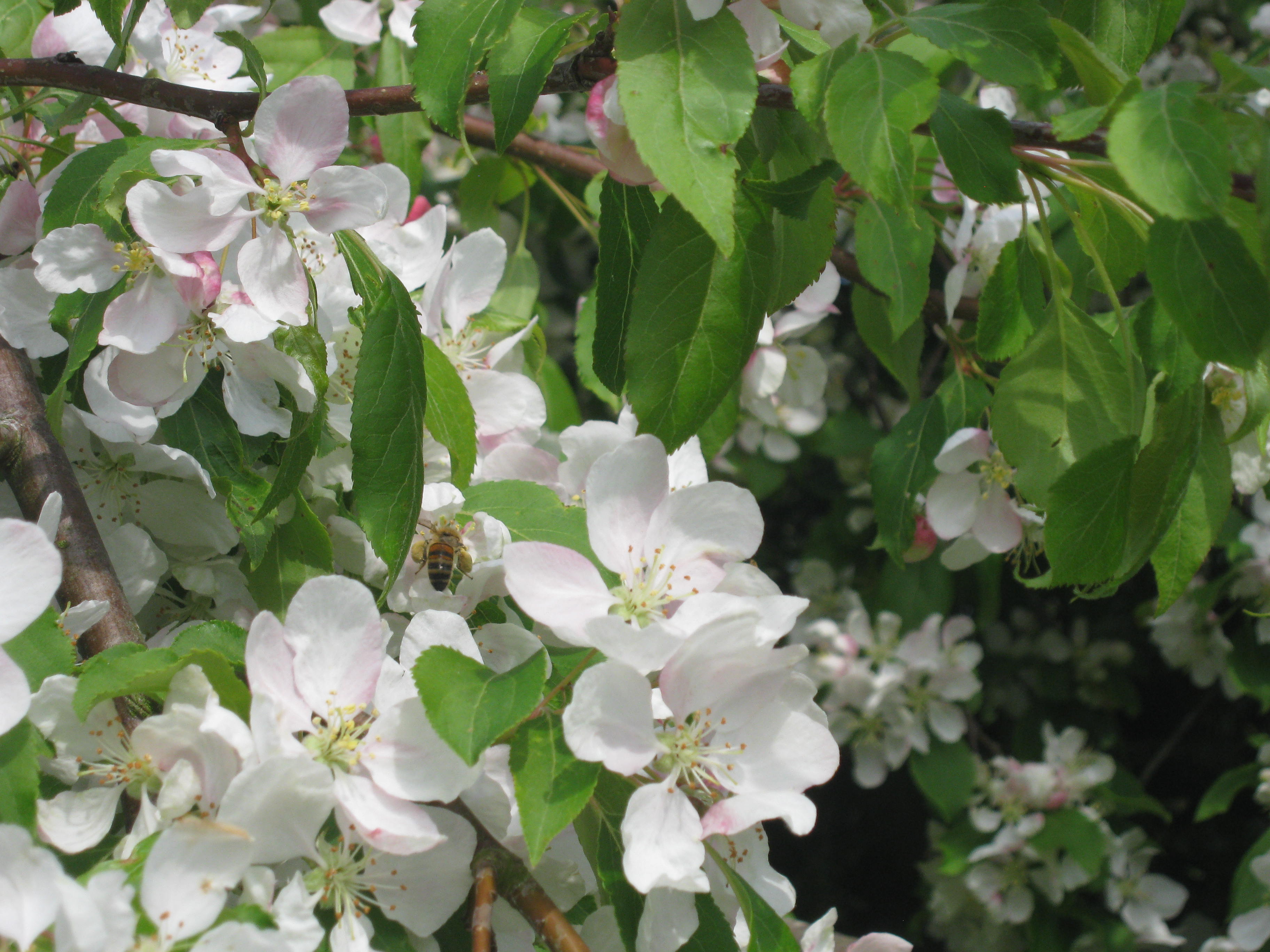
Our weeping species crabapple.  The smell of the blossom was overpowering and when I bent down and went under the tree the buzzing of the many bees enjoying the flowers was very loud.  Mr and Mrs Mole have been working hard on their tunnels under the tree as you can see!

Image

Image

Image

The fruits are very small on this crab tree and are eaten by birds.  I have included this tree because it is so beautiful.  It does have fruit but not fruit that we would want to eat!

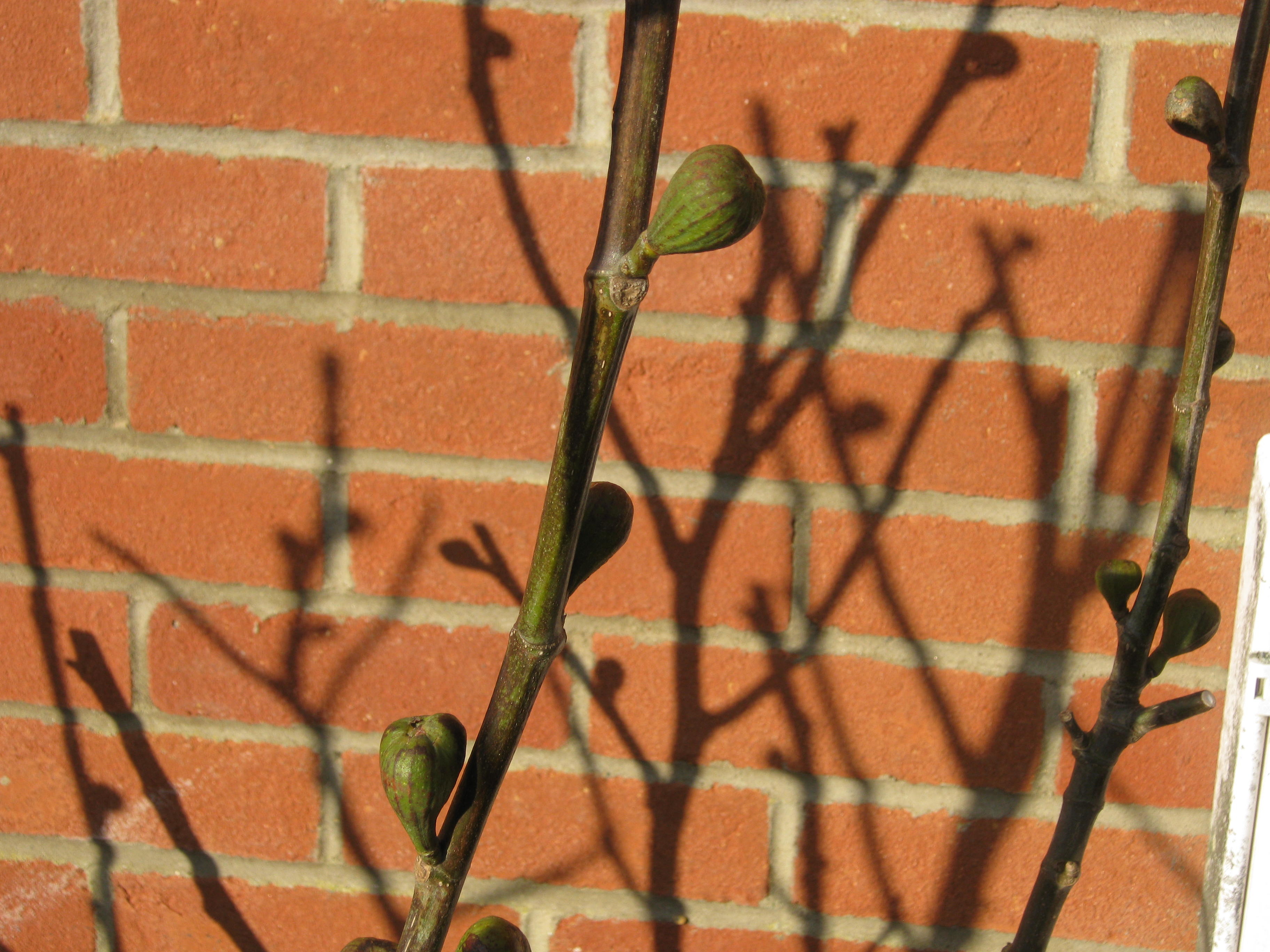
I wanted to take another photo of our Turkey Fig tree yesterday to show the new leaves and the enlarging fruit but the wind prevented me.

Image

This is the photo I posted in March and I will try to take a new photo as soon as I can.  We have a Bramley cooking apple but it has decided not to flower this year.  It is growing well so we are not worried.

Image

This is our ‘Norfolk Biffin’ cooking apple tree.  The tree is also known as a ‘Norfolk Beefing’ and is a heritage tree.  The apples are very large and have a slightly spicy taste when cooked almost as if some nutmeg or cinnamon has been added.  They are apparently very good as dried apples and that is how they were often used in Victorian times.  We hope to get a dryer one day so we can try this out (and so that I can dry some of my herbs too).  Norfolk Biffins are mentioned in Charles Dickens ‘A Christmas Carol’ in Stave Three when Scrooge is out on the streets with the Ghost of Christmas Present.  He talks of them being eaten after dinner and it is true that when left long enough they do become sweet enough to be used as an eating apple.

Image

Image

Biffin blossom.

The greengage tree which is quite new had its first flowers this year – four of them.  We may have fruit but it is hard to say as yet.  The damson/bullace trees have fruit setting on them but whether I will get any before the birds, squirrels, wasps etc. get to them is anyone’s guess.

We have been harvesting our rhubarb for a while now and we are leaving it for the time being to grow more leaves.

Image

The flowers on our blackberry canes.  Last year we were able to have quite a few fruit as there were hardly any wasps about.  Usually the wasps get to them and ruin them no matter how I try to protect them.

Share this:

  • Share on X (Opens in new window) X
  • Share on Reddit (Opens in new window) Reddit
  • Share on Pinterest (Opens in new window) Pinterest
  • Share on Facebook (Opens in new window) Facebook
  • Email a link to a friend (Opens in new window) Email
  • Share on Tumblr (Opens in new window) Tumblr
  • Print (Opens in new window) Print
  • Share on LinkedIn (Opens in new window) LinkedIn
Like Loading...

A Windy Day and a Wet Blanket

09 Fri May 2014

Posted by Clare Pooley in Gardening, plants, Rural Diary, trees, wild birds

≈ 12 Comments

Tags

Escallonia 'Apple Blossom', greylags, laburnum, moorhens, peas, potatoes, runner beans, tomatoes

The day began sparklingly.  Green and blue so intense and raindrops scintillating in the sun and breeze.  I went out into the garden quite early to open the greenhouse and have a wander about.  The wind was picking up and blossom was flying from the trees.  I went back indoors and collected my camera.

The greylags keep paying us flying visits.  The female goes onto the island and sorts over the old nest.  Poor thing !  I wonder what happened while we were away.  Did the eggs hatch out and then did she lose her goslings or did they not hatch at all?  Did something (an otter?) eat the eggs or were they infertile?

Image

Amusingly, while the female was busy on the island the gander was attacked by a moorhen.  Moorhen are quite feisty birds when they want to be and despite being much smaller than the gander, this one made the gander run very fast!  I walked round to the far side of the big pond and could hear moorhen chicks calling but couldn’t see them in the thick reeds.  Moorhens feed their chicks until they are quite big and are very caring parents until they are spooked.  They then run off as fast as their silly feet allow them, leaving the chicks to fend for themselves!  Why?

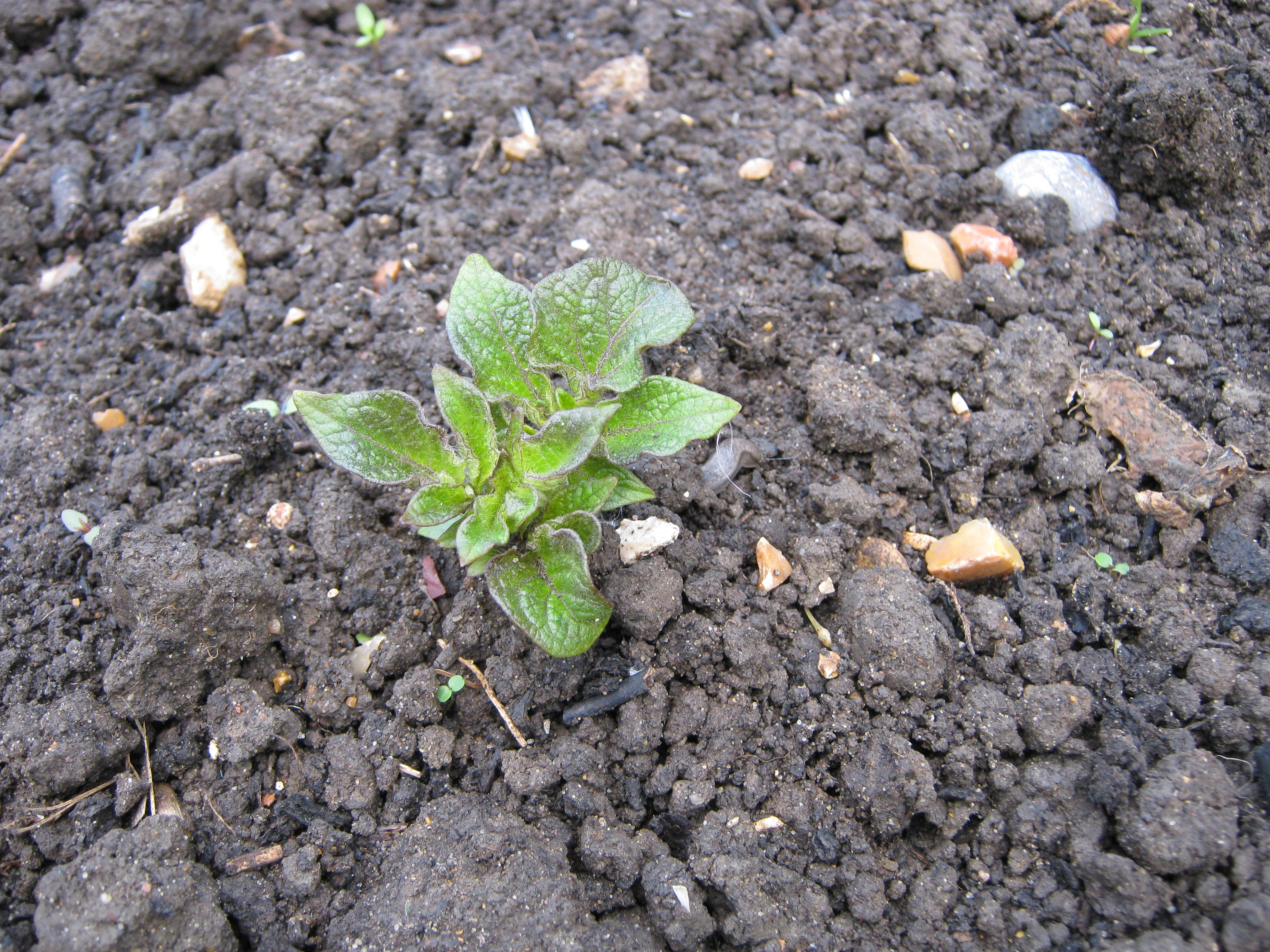
I had a look at R’s vegetable patch and admired the potatoes already coming up.

Image

We are growing two types of potato – white mid-season and red lates.  I like it when R grows potatoes as they store well and I don’t need to buy them from about August until Christmas or later.

Image

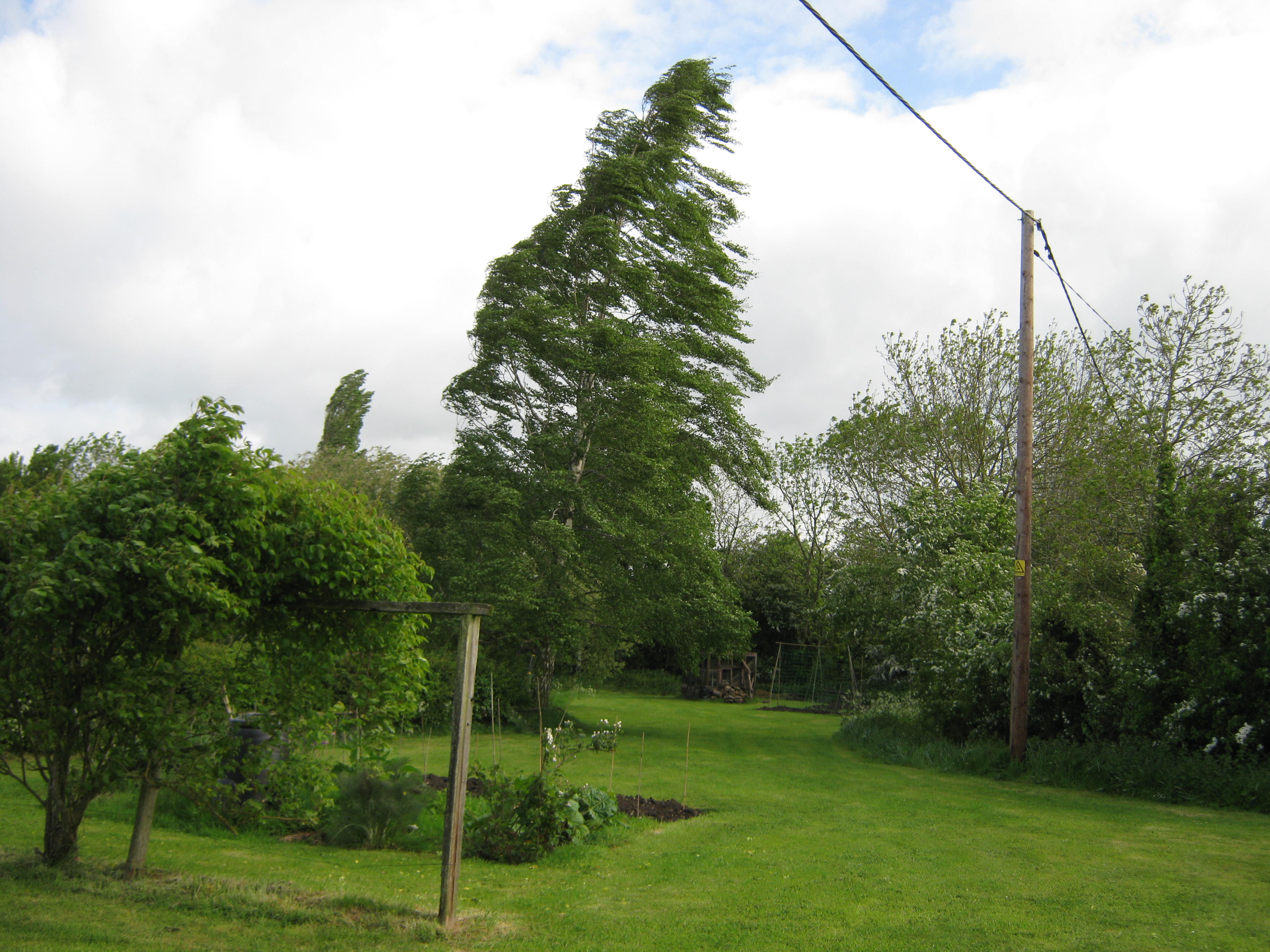
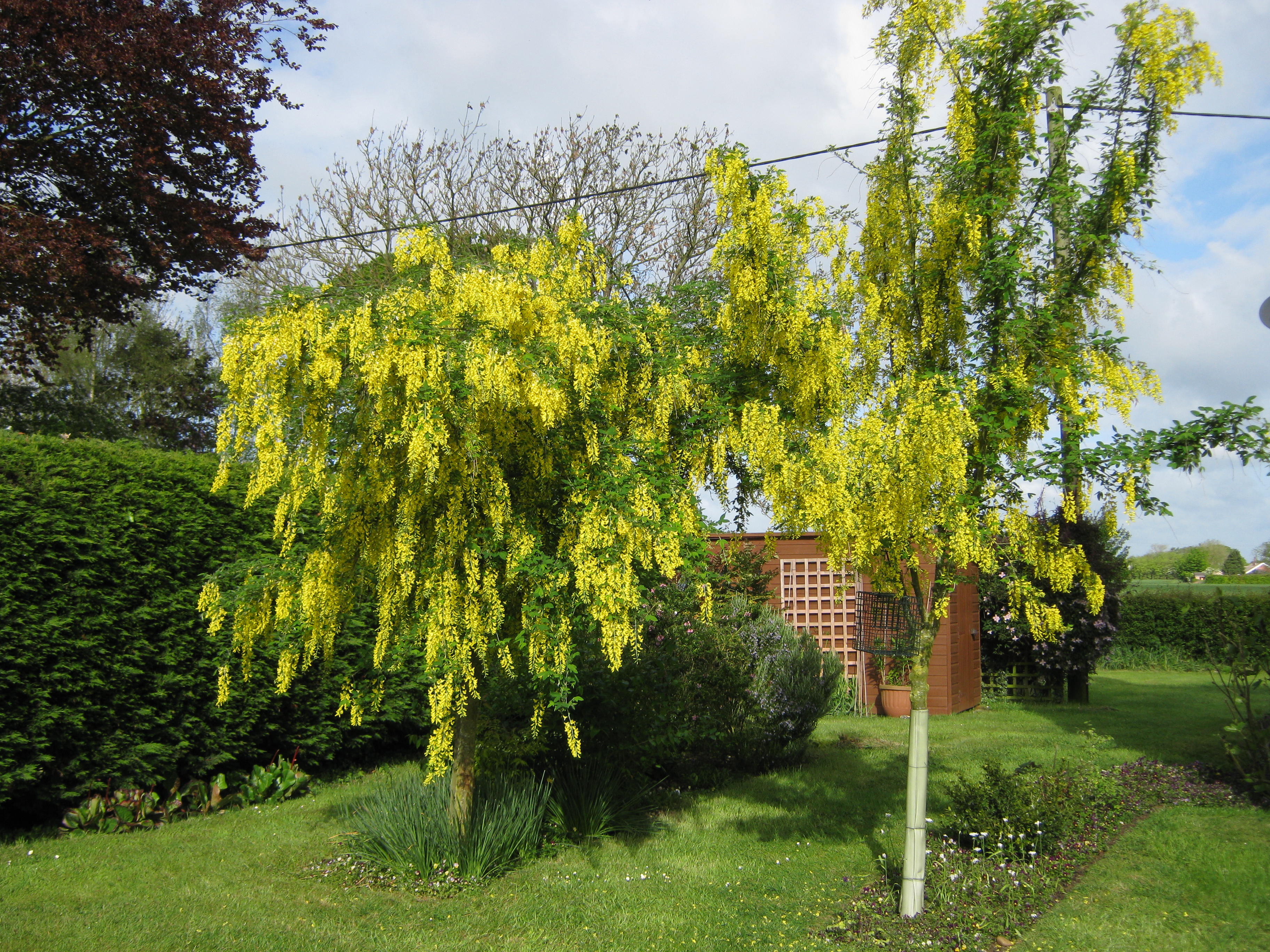
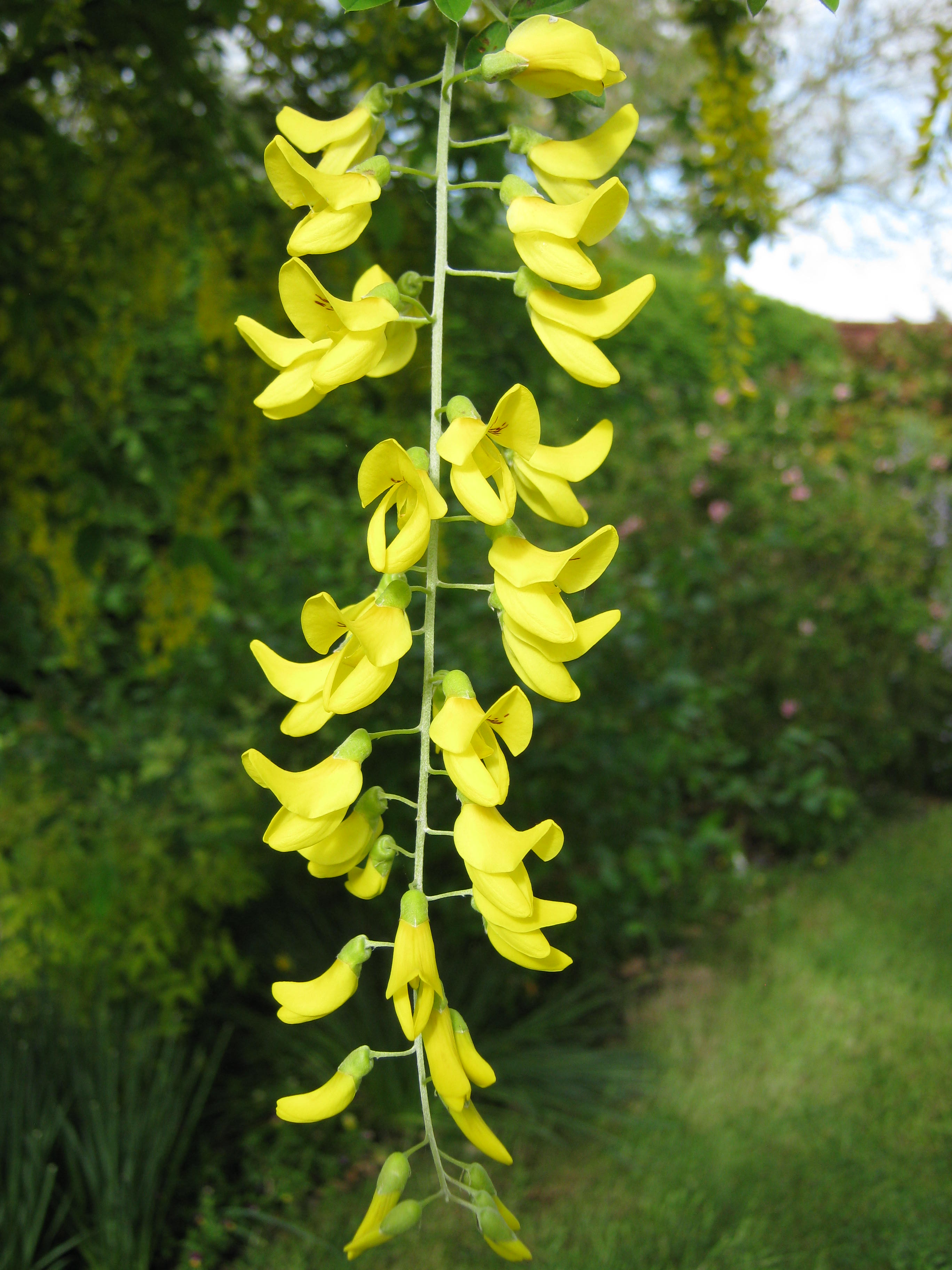
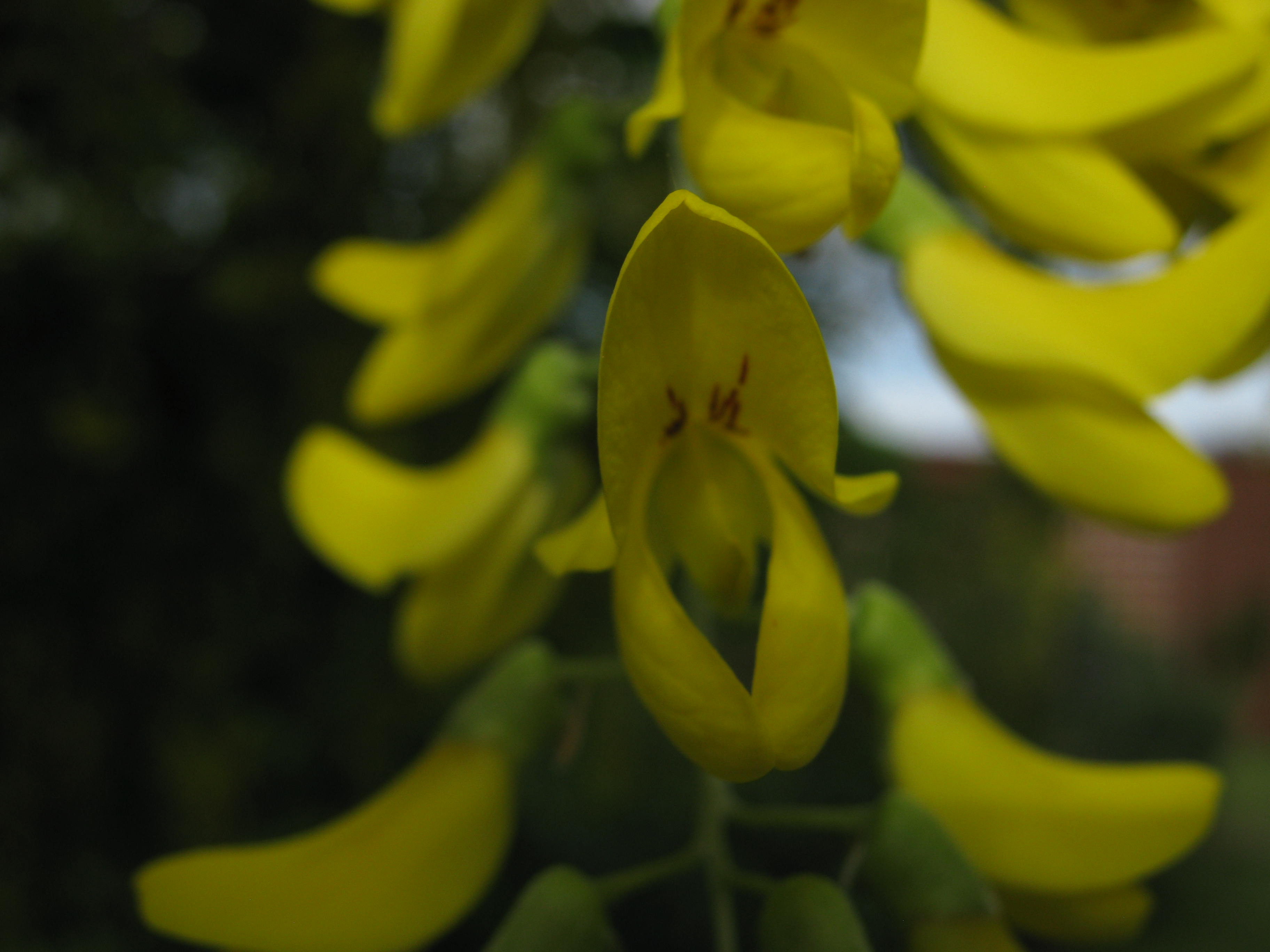
The trees were whipping about in the wind so I thought I’d better take a picture of the laburnums before the wind and rain stripped them of all their flowers.

Image


Image

Image

These laburnum trees were meant to look the same, as I have been hoping to make a little arch with them.  But look at them!  One is squat and spreading outwards and the other is reaching for the skies!  I will still try to make an arch but I don’t think it will end up looking like ‘Homes and Gardens’ material.  They also grew A LOT last year and I didn’t get my act together and do anything with the trees at the right time – oh dear!

Image

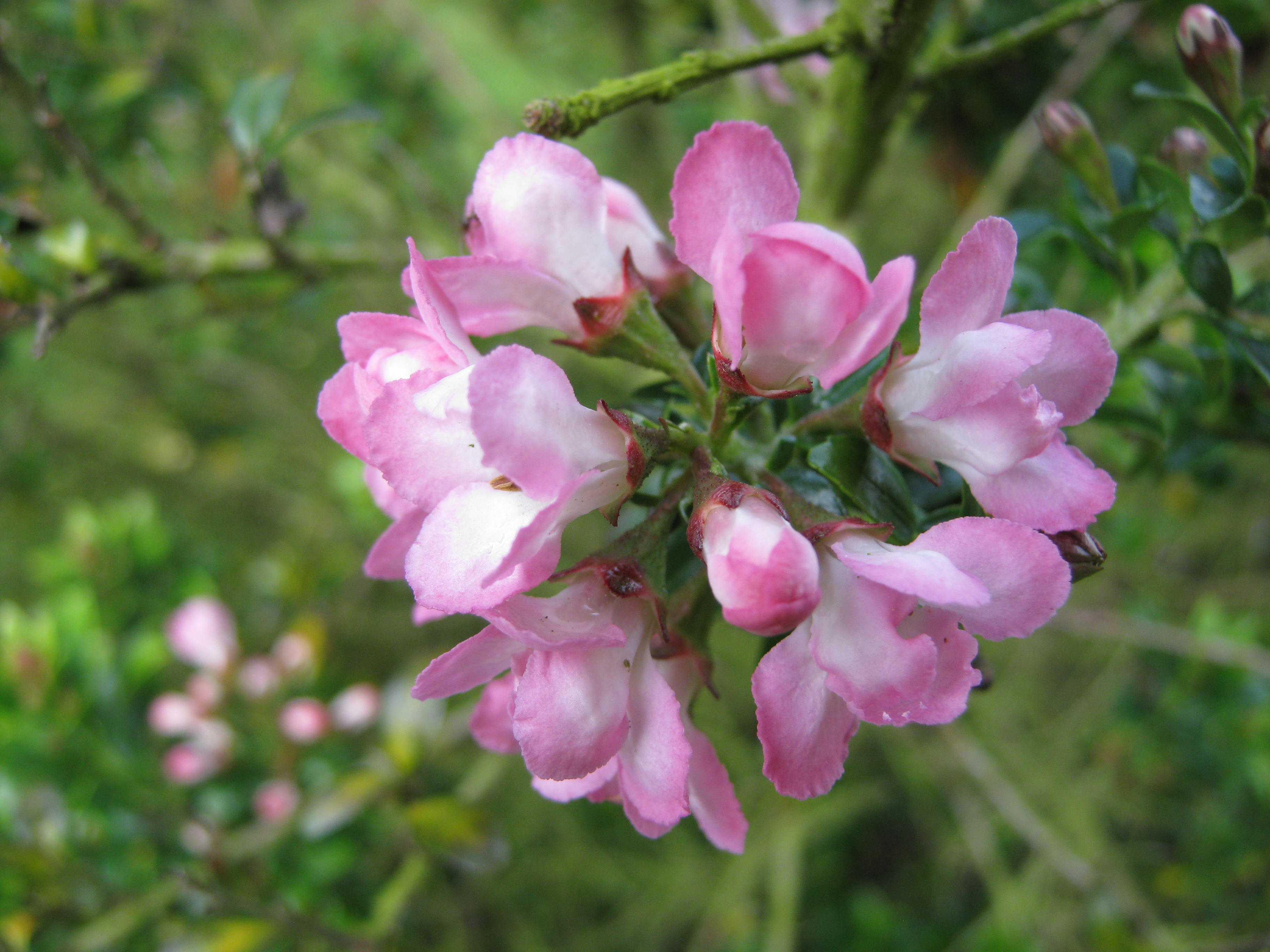
Escallonia ‘Apple Blossom’.  The book I have says this is a dense evergreen shrub.  This one is not at all dense and I’m not sure why not.  Other Escallonias we’ve had in the past have been really good shrubs – good enough for hedging with, but this loses all its leaves in the middle and a number of branches die off after a year or two.  I think I will cut it hard back and see what happens.  It may also need a lot of feeding as the soil it’s in is a little stony.

I went into the greenhouse.

Image

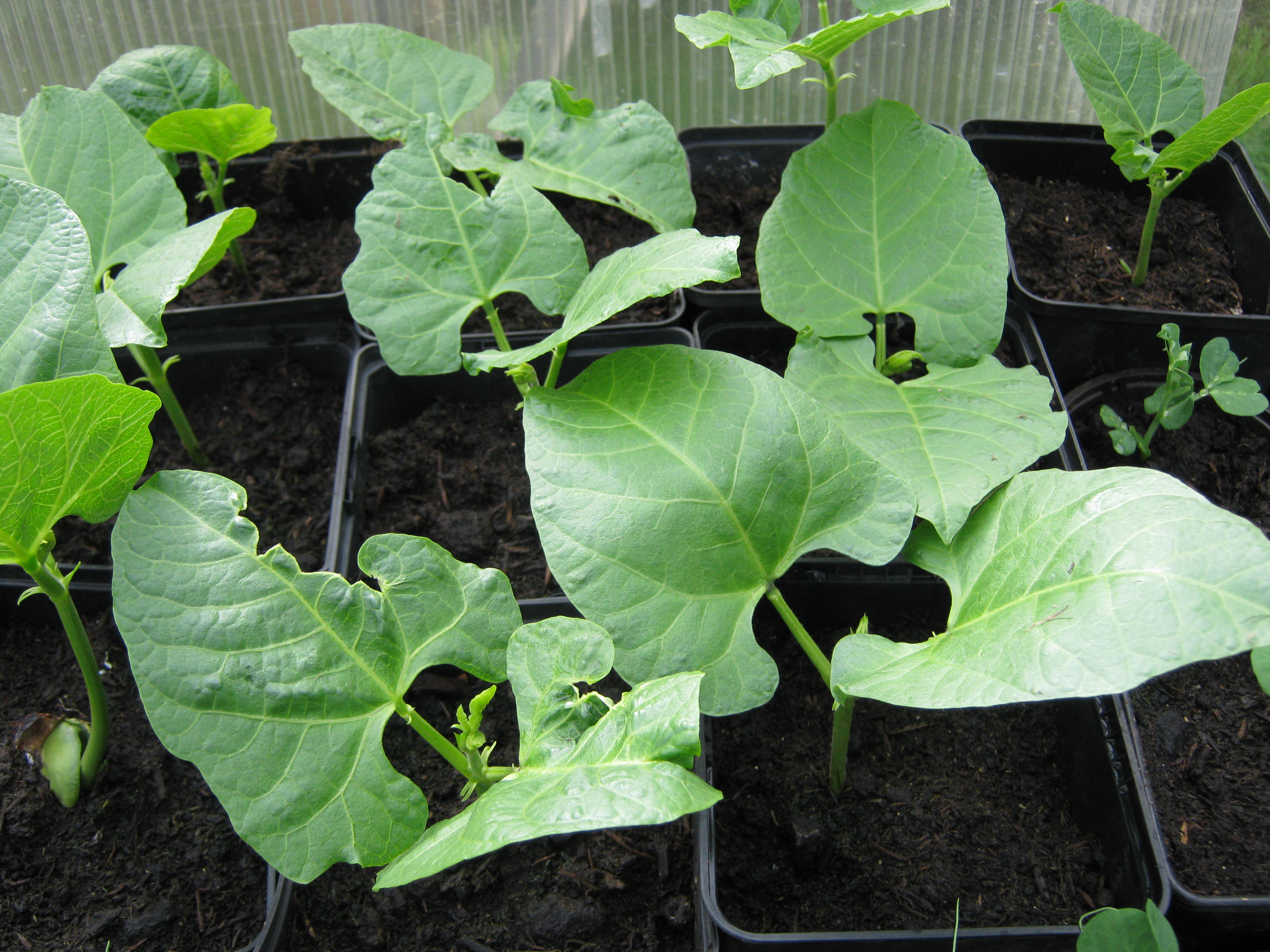
Some of R’s runner bean plants.

Image

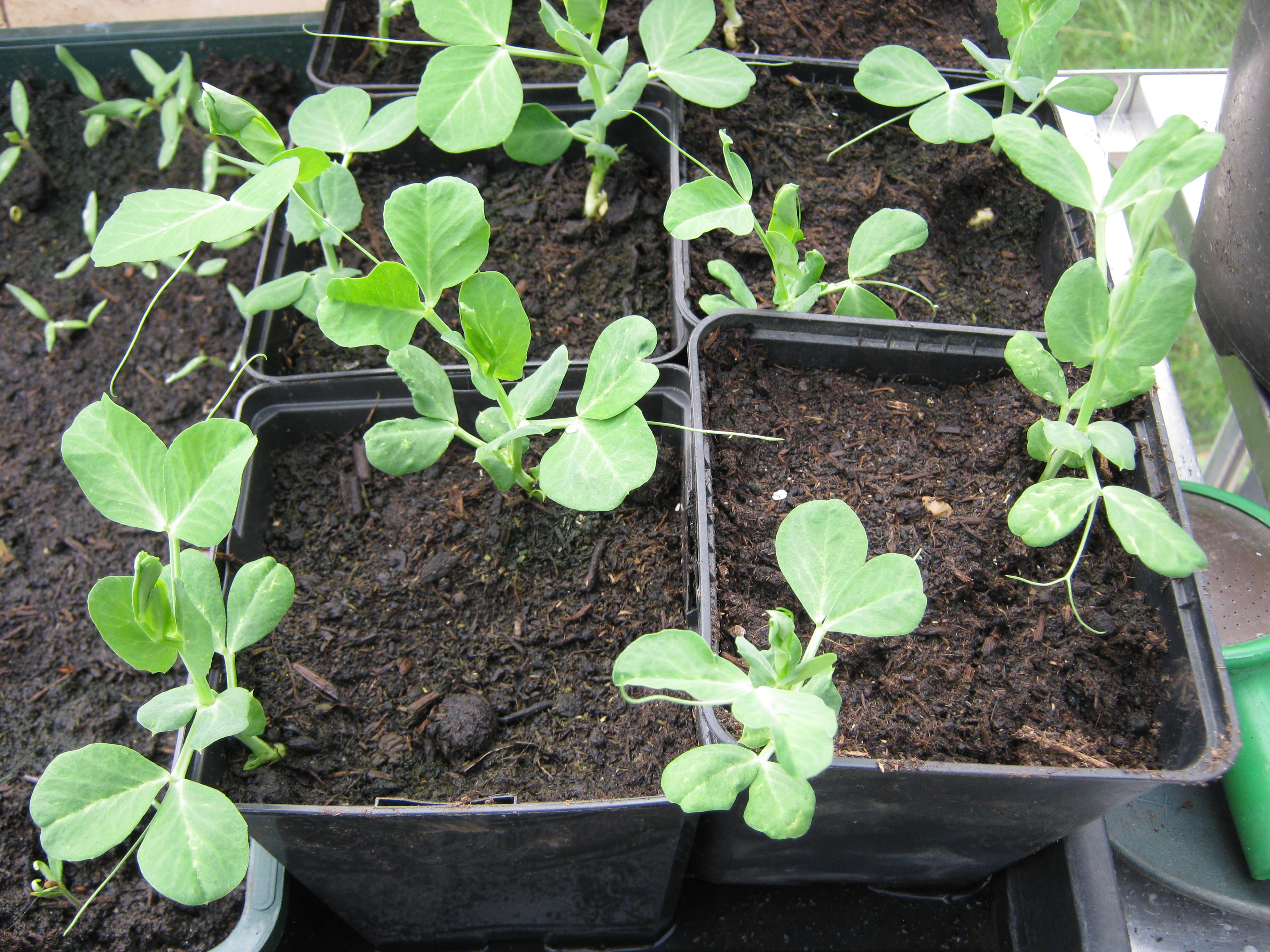
And some of his peas.

Image

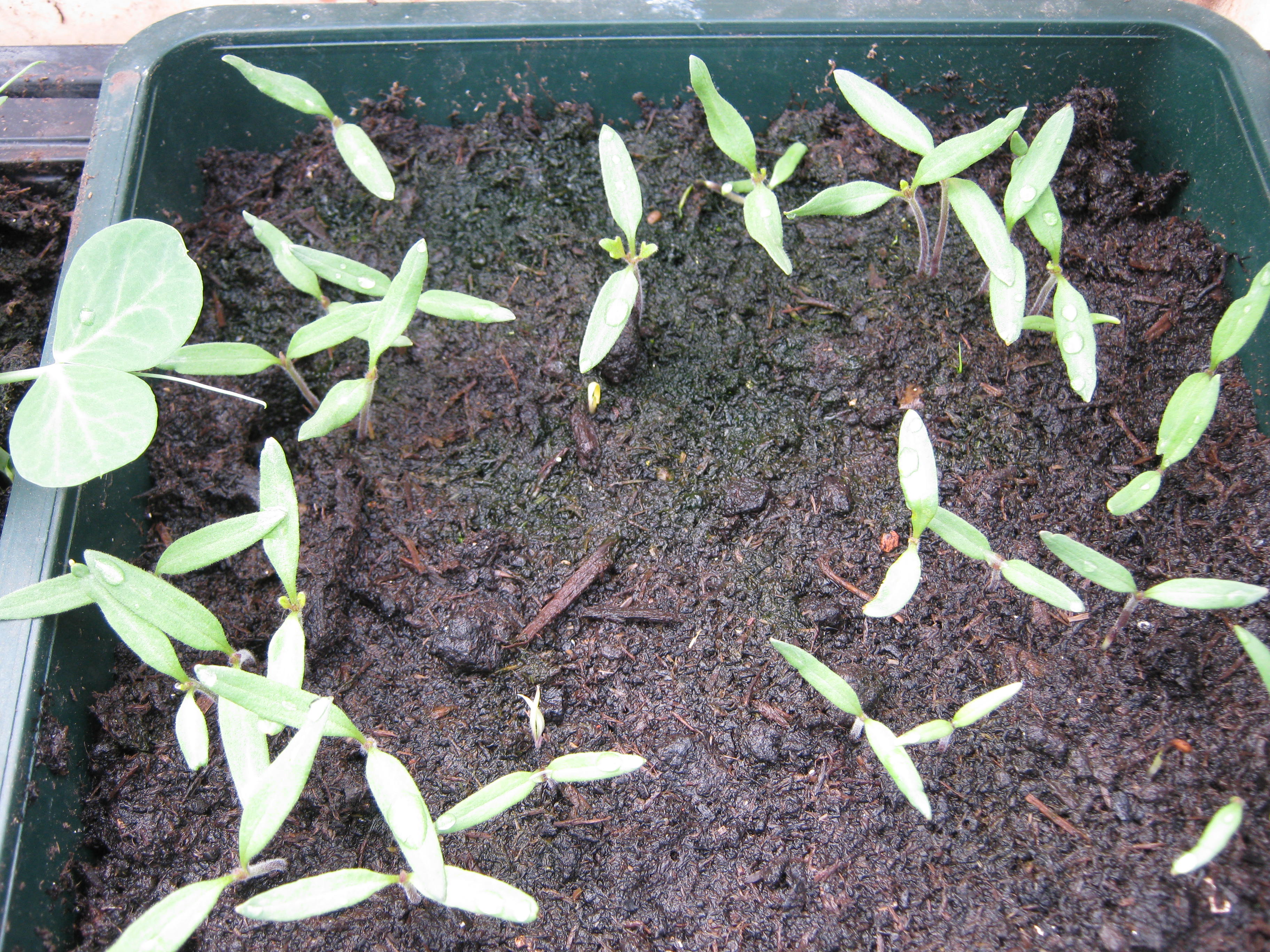
His tomato seedlings are doing well too.

The heavy showers started shortly after I returned to the house and they’ve continued on and off all day.  A couple of times I’ve ventured out only to have to dash back in again, usually from the furthest parts of the garden.

And if you are wondering where the wet blanket comes in – that’s me with my woolly head and deafness, my runny nose and tickly cough.

Share this:

  • Share on X (Opens in new window) X
  • Share on Reddit (Opens in new window) Reddit
  • Share on Pinterest (Opens in new window) Pinterest
  • Share on Facebook (Opens in new window) Facebook
  • Email a link to a friend (Opens in new window) Email
  • Share on Tumblr (Opens in new window) Tumblr
  • Print (Opens in new window) Print
  • Share on LinkedIn (Opens in new window) LinkedIn
Like Loading...

The Archdeacon’s Visitation.

08 Thu May 2014

Posted by Clare Pooley in amphibians, churches, Gardening, plants, Rural Diary, trees, Uncategorized, wild birds

≈ 6 Comments

Tags

aquilegia, Archdeacon's Visitation, Easter cactus, Halesworth, hare, lilac, newts, rowan, St Mary's church, woodpigeon

I am amazed at how lucky we were with the weather on Monday!  Since then the weather has been ‘changeable’ as the forecasters say. Tuesday had showers in the morning but a sunny, breezy afternoon, Wednesday had light showers in the early morning, a very fine middle of the day and then heavy showers from late afternoon onwards and today, well, yuk! is all I can say.  Light showers this morning, heavy showers by midday and persistent rain this afternoon and evening.  What makes it worse is that I have a nasty cold in the head.  I had hoped to go with R to the Archdeacon’s Visitation service at St Mary’s church in Halesworth this evening but E needed to see her doctor and the only available appointment time was 6.30pm.  I drove her home afterwards and saw R driving past us in the opposite direction on his way to the service and there wasn’t enough time for me to drop E at home and join him.  And anyway, I think I’m better off at home not spreading germs about.

An Archdeacon’s visitation, as far as I understand it, is when all the Churchwardens (R is a Churchwarden) in the Deanery get together for a special service once a year with all their priests and the Archdeacon.  They hand in their annual reports and accounts if they haven’t already done it on-line and also their Declaration.  Churchwardens are supposed to serve for six years at most, I think, and then a new one is voted in.  However, it usually is a case of ‘once a Churchwarden always a Churchwarden’, as no-one wants the job.  The Churchwardens are ‘sworn in’, for want of a proper phrase at this special service and take their oaths to do their duty.  A few hymns are sung and this sounds lovely as only large churches are chosen for this service and they are always full.  The Archdeacon has his or her say and maybe some of the priests will give a talk too.  This year there will be an extra item.  Our Rector and the priest in the Benefice next to ours will be licensed to each others Benefice.  This will mean that they will be able to serve in each others Benefice without having to get special permission each time from the Bishop.  Our Rector looks after a Benefice of eleven churches with a couple of retired priests, one Reader and two Elders to help him.  The priest in the Benefice next to ours looks after three churches one of which is in a town.  It will make life much easier for our Rector especially, once this is done.  Our Rector is due to retire in a very few years and we don’t know if we will get another priest to replace him.  We think there will be a lot of changes and not for the better and our priests are preparing the ground for us.  To add insult to injury we haven’t even got a Bishop at the moment and haven’t had for some time!

I wanted to go to the service, not only to support R and our church but to go into St Mary’s church again.  When I first moved to Suffolk in 1988 I lived in Halesworth and attended St Marys.  I was made very welcome at the church and made a number of friends.  I also met R there and he asked me out while drinking coffee after a Sunday service.  We had our Marriage Blessing Service there too.  R has just returned and tells me the service went well and the refreshments afterwards were very good.

I have been able to take a few photos round the garden during the past few days.

Image

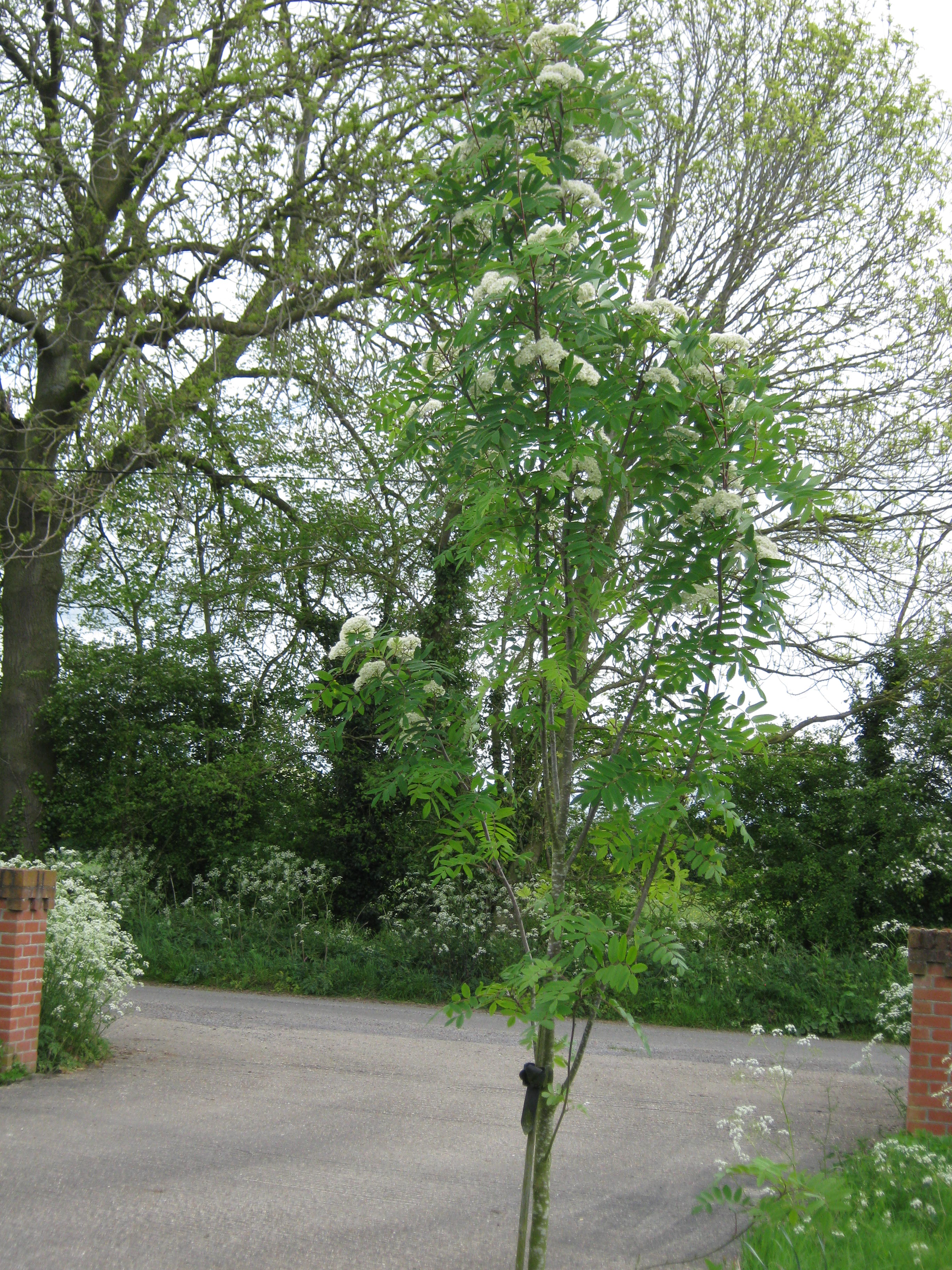
Our Rowan or Mountain Ash tree is flowering.  It has grown well in the last couple of years and this is the best it’s ever looked.

Image

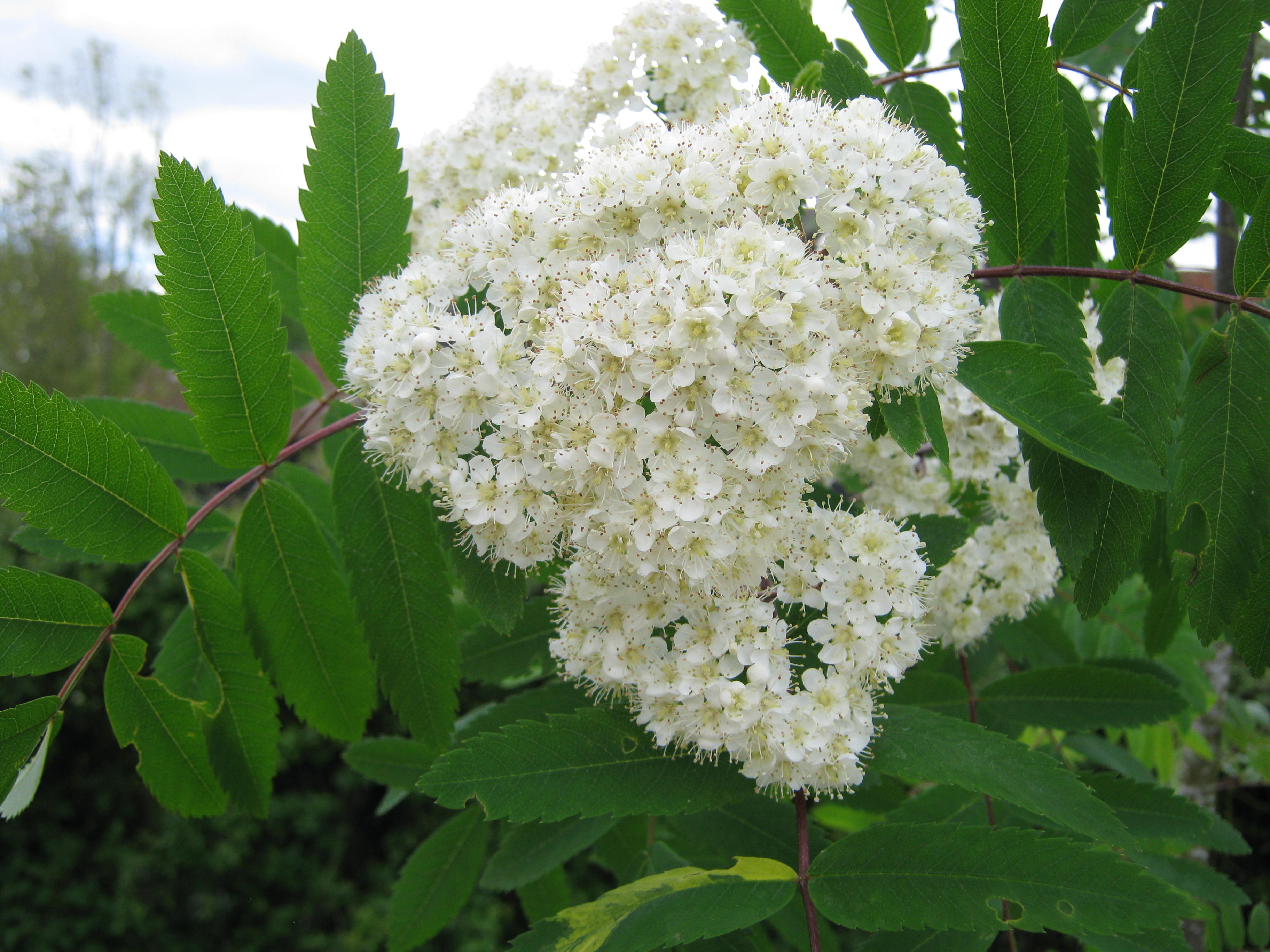
Rowan blossom.

Image

Rowan blossom.

Image


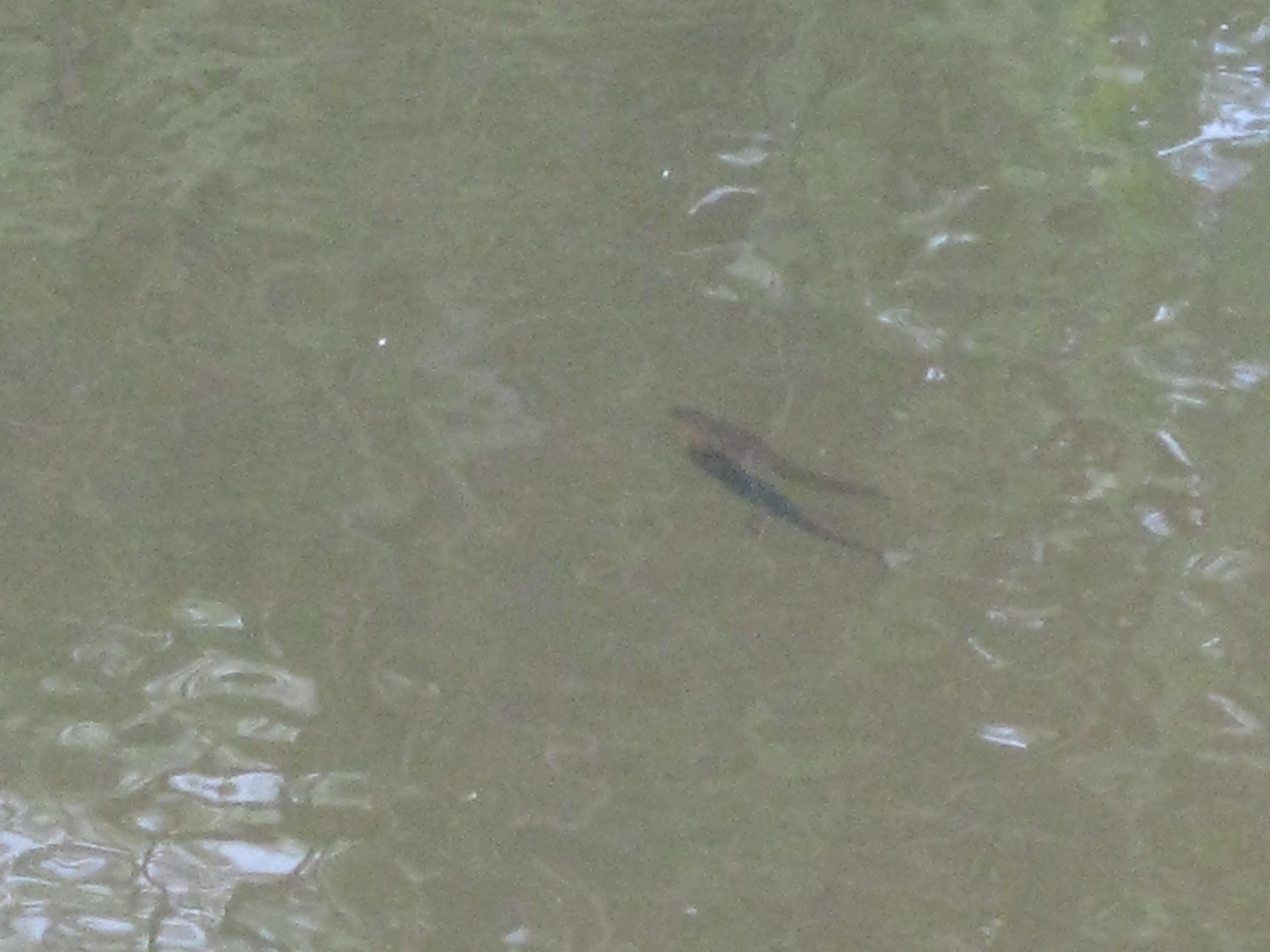
A very poor photo of the newts in our front pond.

Image

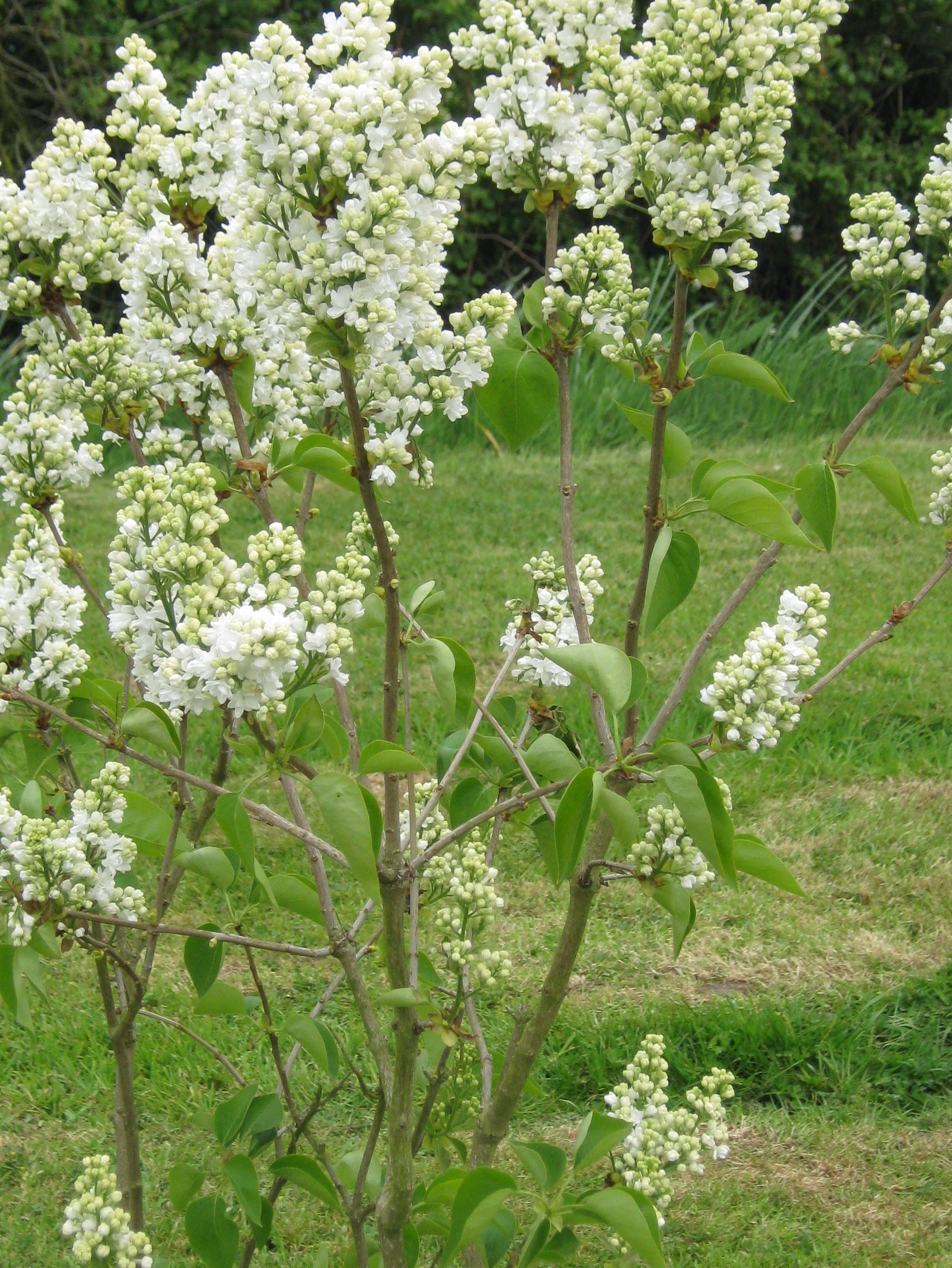
White lilac.

Image

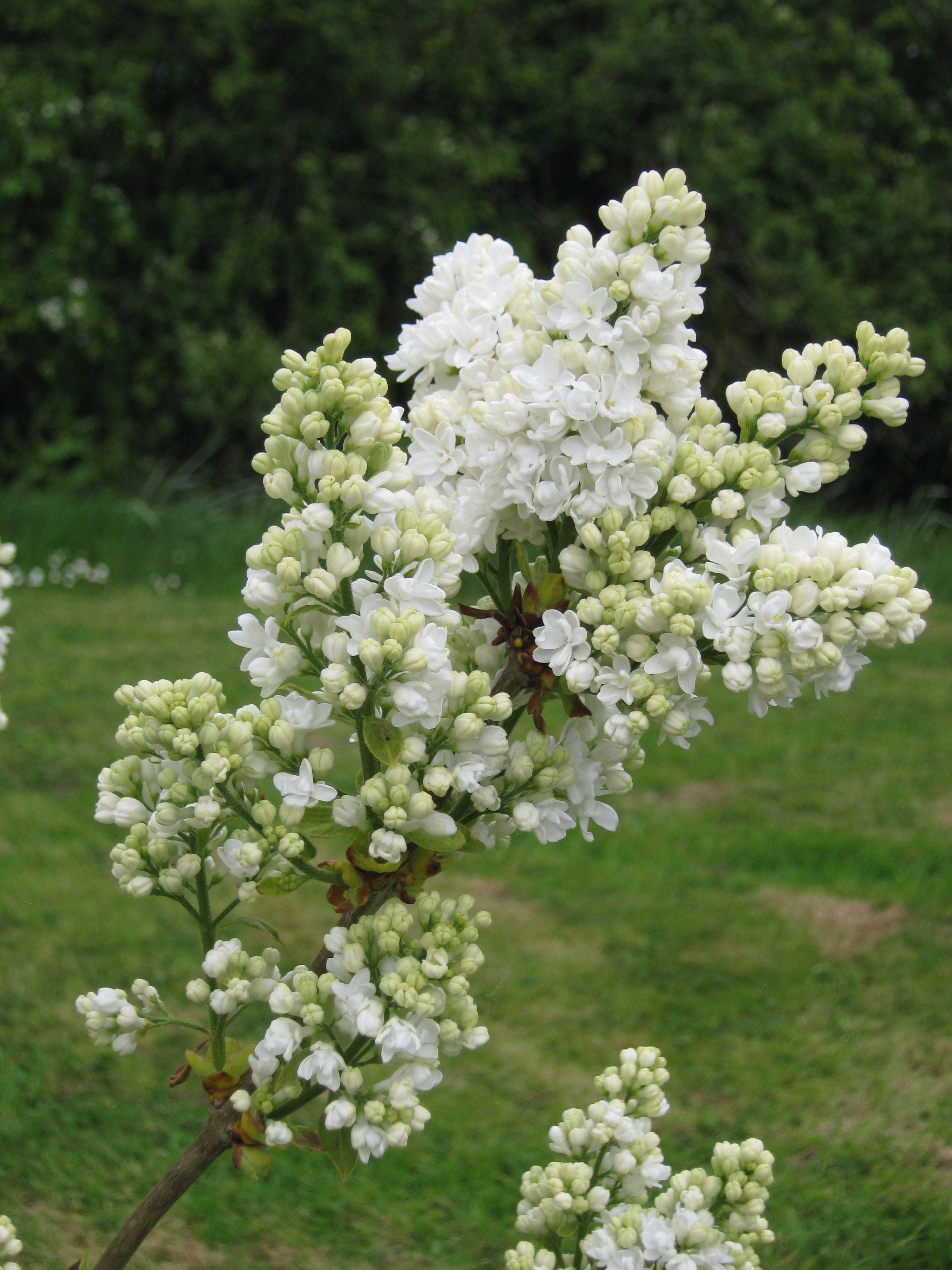
White lilac blossom.

Image

White lilac blossom.

Image

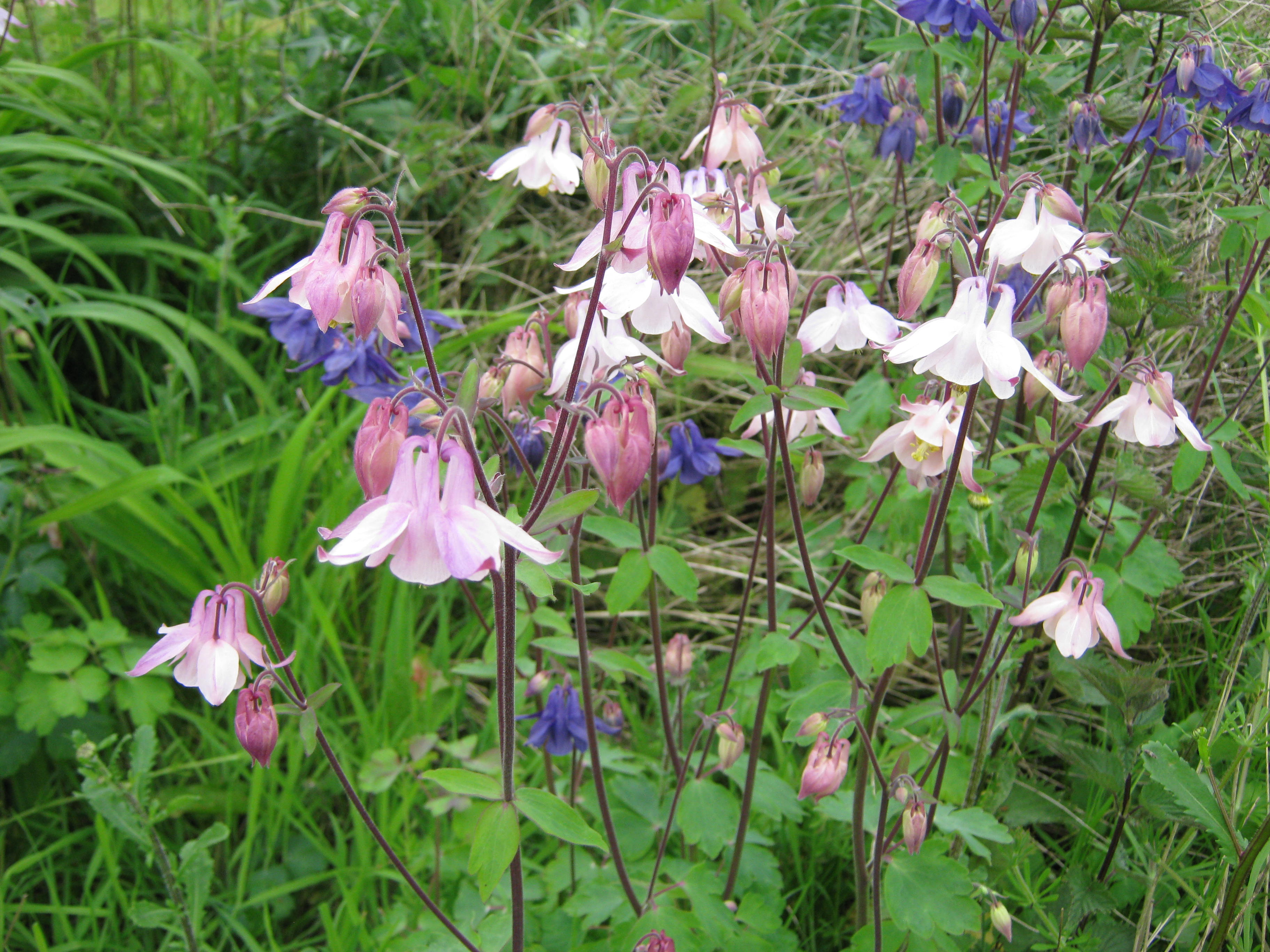
Pink and purple aquilegias.

Image

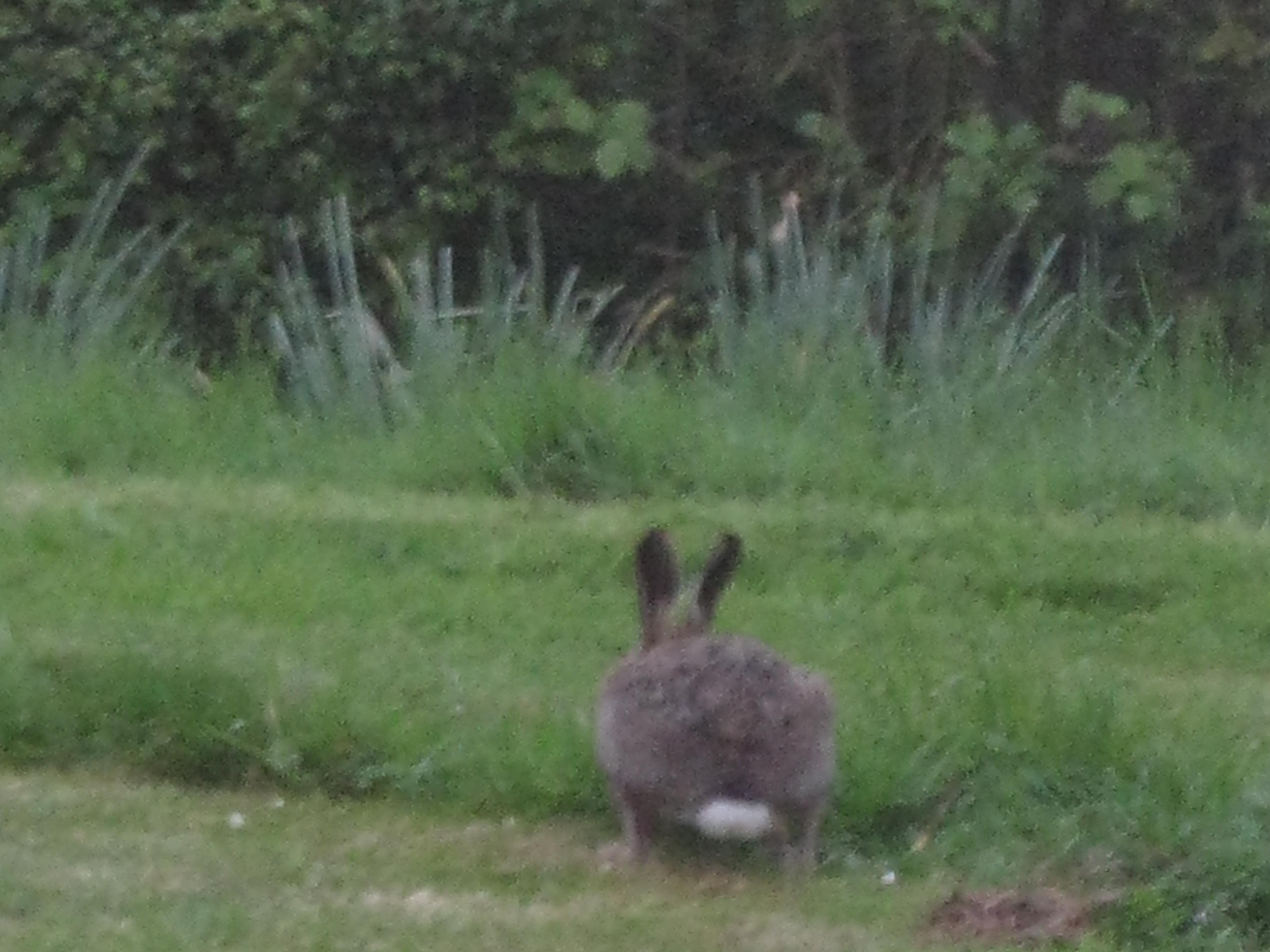
This the best photo I have of the hare that has been visiting our garden recently.  Back view only!

Image

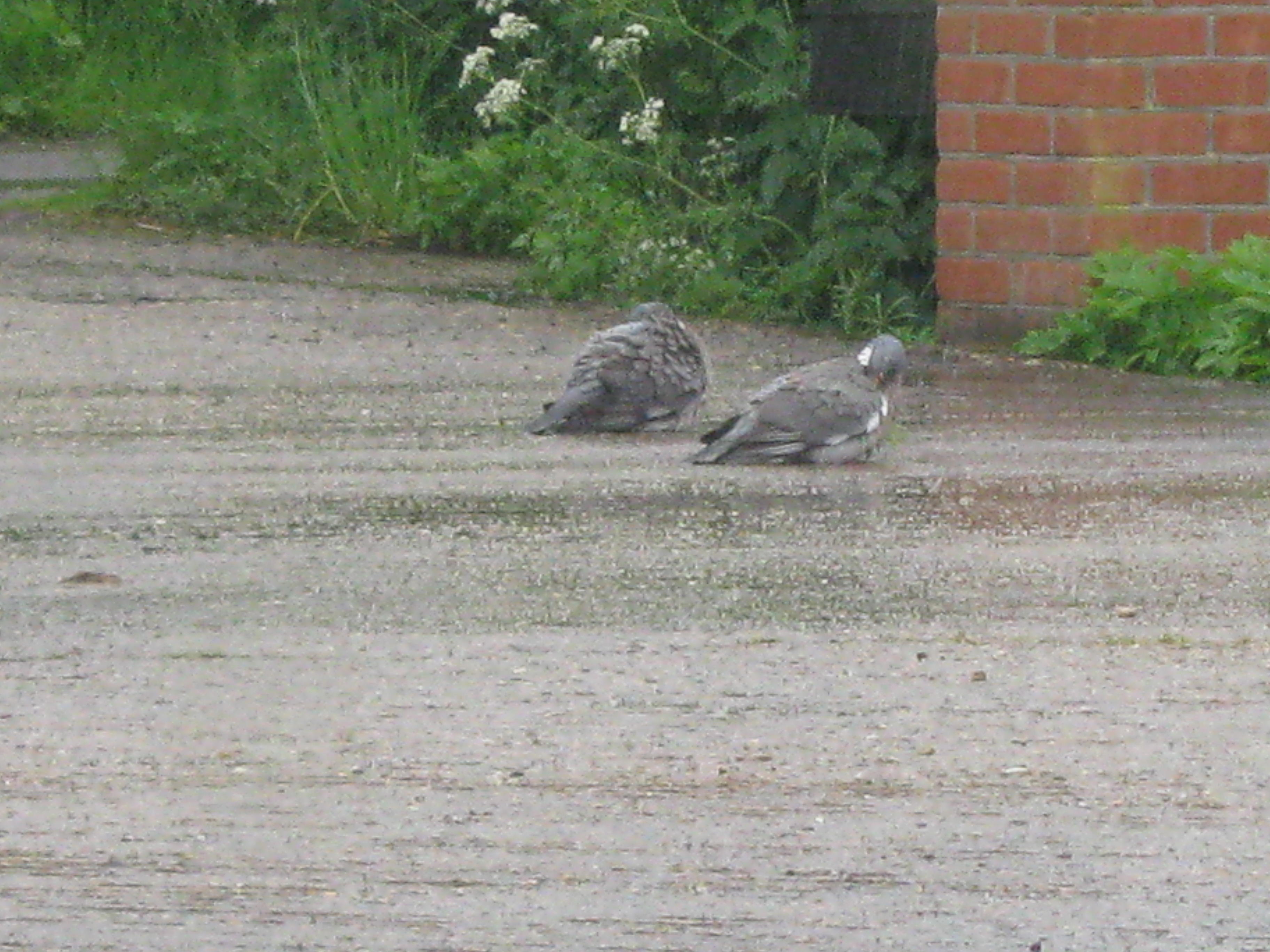
Woodpigeons having a bath in a puddle in our drive earlier today.

Image

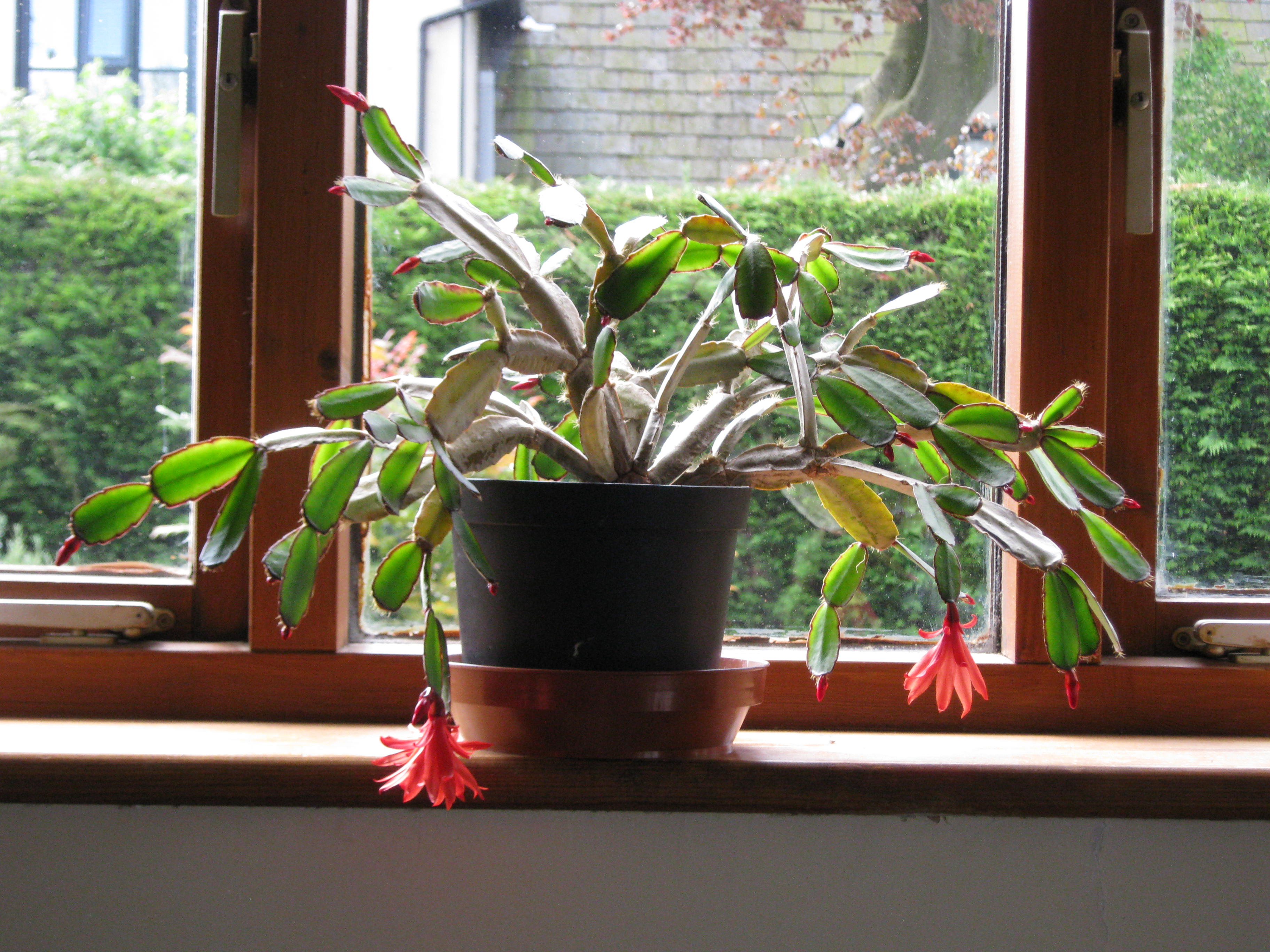
Indoors now.  This is my Easter cactus which is just coming into flower.  Unlike Christmas cacti these flowers shut during the afternoon and re-open next morning.

Image

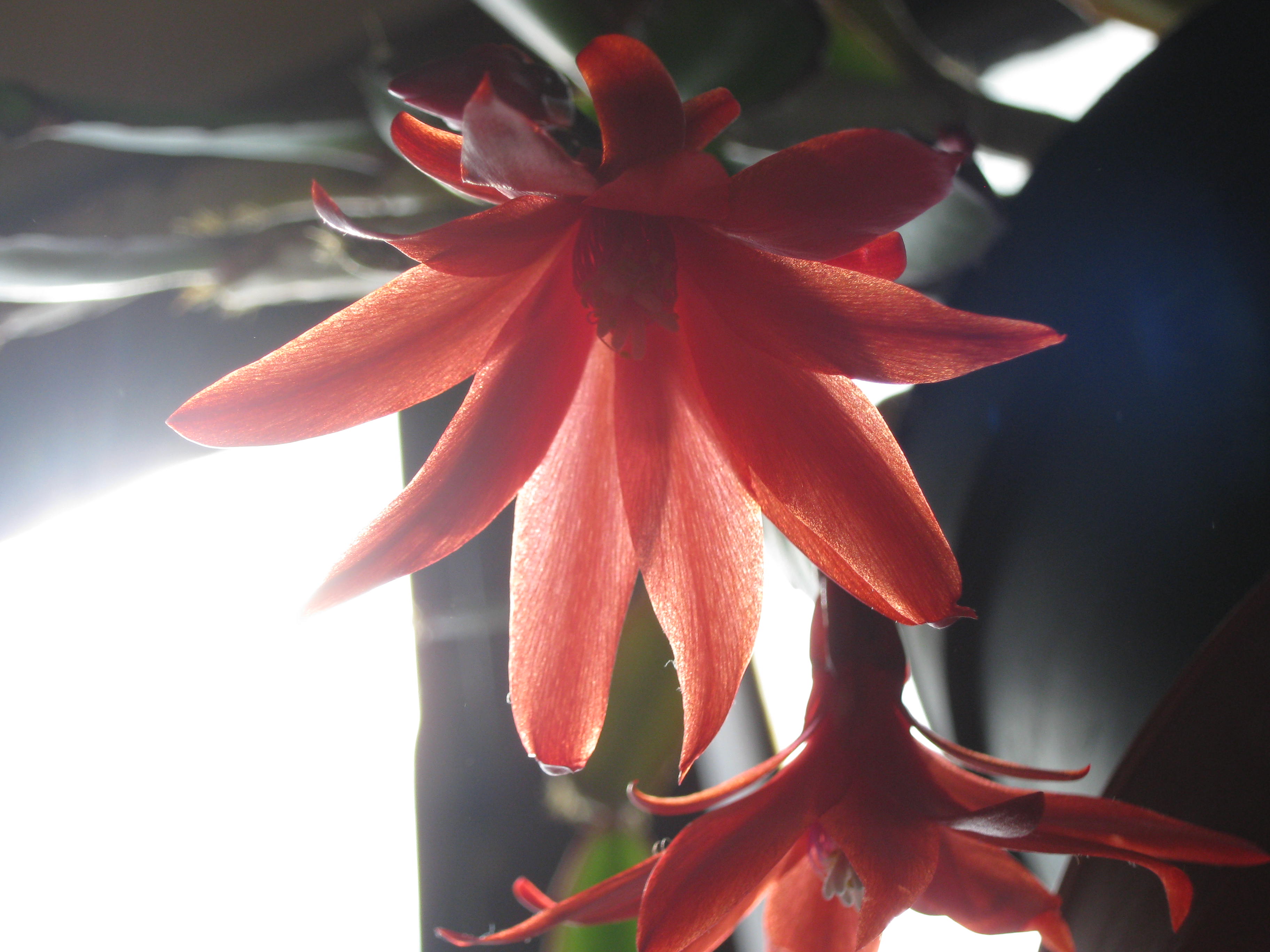
Easter cactus flowers.

Image

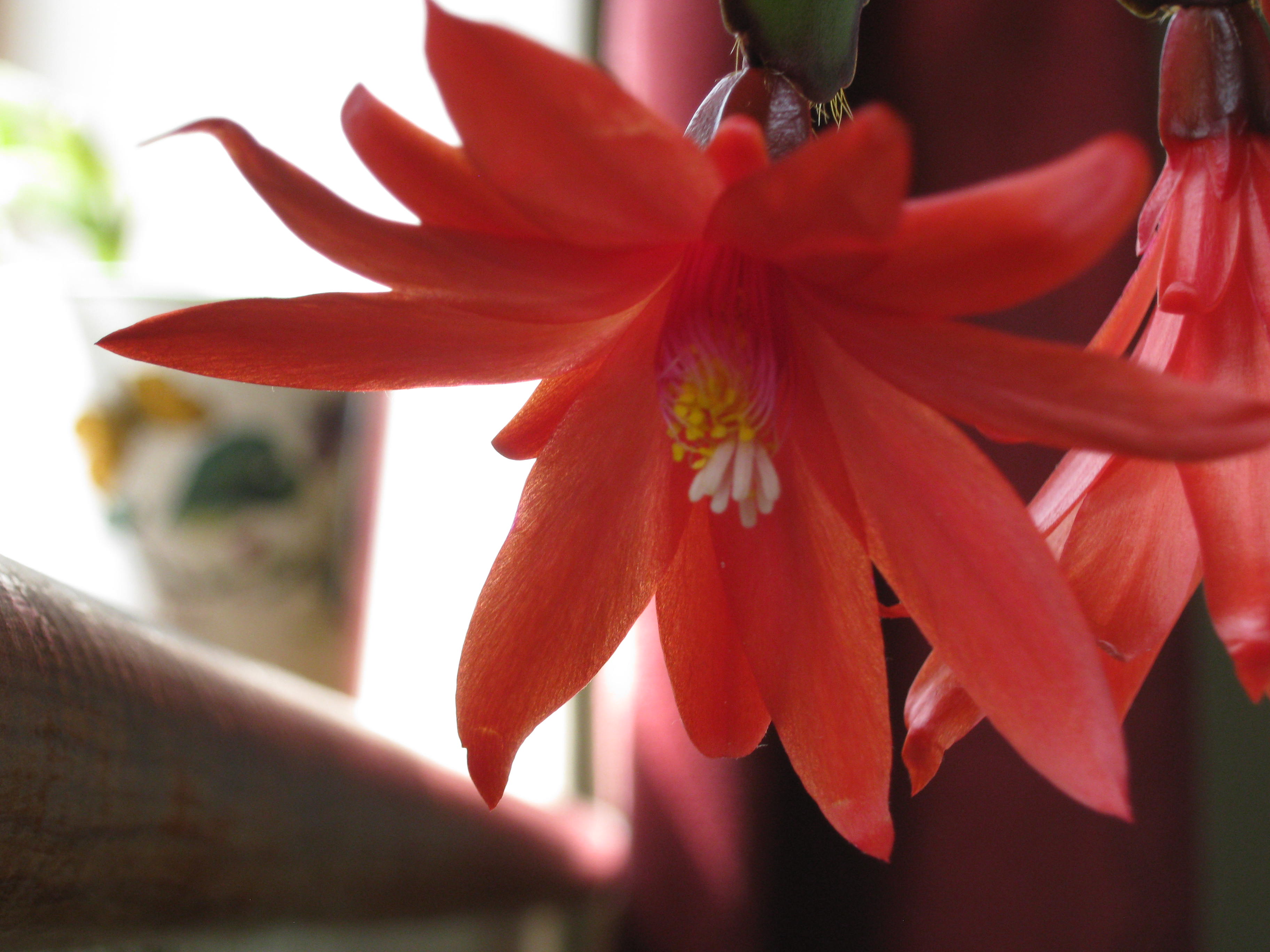
Easter cactus flowers.

Share this:

  • Share on X (Opens in new window) X
  • Share on Reddit (Opens in new window) Reddit
  • Share on Pinterest (Opens in new window) Pinterest
  • Share on Facebook (Opens in new window) Facebook
  • Email a link to a friend (Opens in new window) Email
  • Share on Tumblr (Opens in new window) Tumblr
  • Print (Opens in new window) Print
  • Share on LinkedIn (Opens in new window) LinkedIn
Like Loading...

Catching Up

15 Tue Apr 2014

Posted by Clare Pooley in churches, Gardening, Insects, plants, Rural Diary, trees, wild animals, wild birds

≈ 7 Comments

Tags

amelanchier, bluebell, cow parsley, cuckoo flower, early spotted orchid, fruit trees, garlic mustard, greylags, Holy Week, honesty, mallards, marsh marigold, pasque flower, rooks, St Lawrence, St Mary Homersfield, stock dove, thrift, tulip, wood pigeon

We spent last week, 5th to 12th April, away in the Lake District staying in a rented cottage with no phone signal and no internet.  As I don’t have a smart phone I wasn’t able to send or receive messages or post anything on my blog.  It is very nice to be away from home and duty and all other pressures but there is so much catching up to do on one’s return!   Lots of e-mails, lots of interesting posts to read and such a lot of housework!!  As I am still working my way through two weeks worth of washing and ironing I don’t envisage that this post will be very long – but I may be fooling myself and will ramble on at length as usual!

It took us five and a half hours to get home which wasn’t at all bad as it had taken us over seven hours to get there on the 5th.  The roads were dry and it was cool and cloudy – ideal driving conditions.  We unpacked and had a hot drink and phoned our mothers.  R’s mum was fine but was worried about her new home help who will be coming to her twice a week.  Her old help recently retired and mother-in-law doesn’t want or like change.  It doesn’t seem fair that at 88 years of age she has to constantly make concessions and put up with unwelcome changes and interference in her way of life.  But, if she wants to stay in her own home for as long as possible, that is what she has to do.  My mother seemed fine and had had a visit from my brother, who lives in Surrey, on Friday which had pleased her very much.  She had not been able to go to church the previous Sunday so my brother was the only person she had seen and spoken to since I had taken her out the Wednesday before that.  Nine days with only her cat to talk to!  I arranged with her that I would take her to church on Sunday as I knew she wouldn’t want to miss the Palm Sunday service.

R and I then did a tour of the garden and there were some pleasures and a few disappointments.  The most noticeable thing was that the goose was no longer on her nest but there was no sign of any goslings.  What had happened while we were away?  Had the goslings hatched out and subsequently died?  Had all the eggs been infertile?  In which case wouldn’t we be able to see them still on the nest on the island?  Had the goslings hatched out and then been taken off somewhere else after a couple of days?  When we first lived in this house that is what the pair of geese did then but after three years they began to stay until the goslings fledged.  We had a change of geese nesting on the island last year after a bit of a battle between two or three ganders, so perhaps the new pair don’t feel this is a suitable place to bring up their young.  There is still hardly any grass round the pond and we have got rid of all the willow cover on the bank which might be another reason why they didn’t stay.  We had no goslings last year either, but we put that down to the terrible weather in the spring and also the goose wasn’t good at sitting on her nest.  The goose this year was very good on the nest and only left it twice a day for very short periods and always covered the eggs well with down.  We will never know what happened but I would like to think that one year we will get goslings in our garden again.

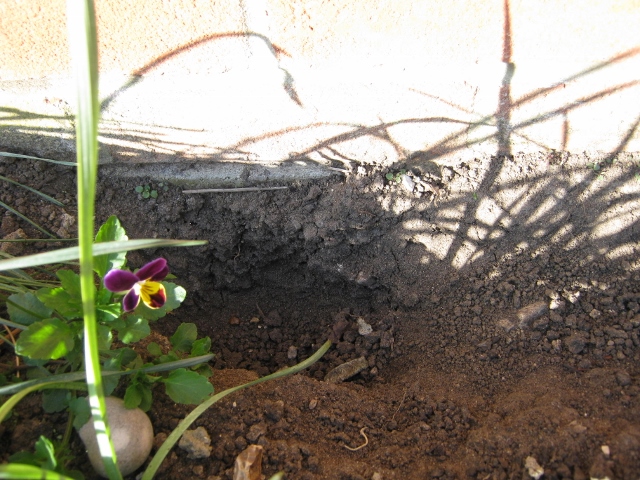
A lot of damage had been done by rabbits.  A hole had been dug at the back of my border against the house.
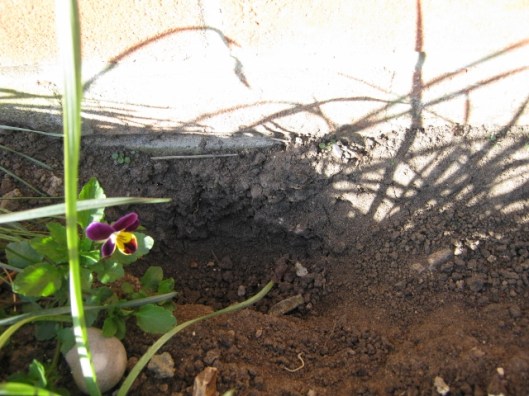
027Hole dug by rabbit (640x480)

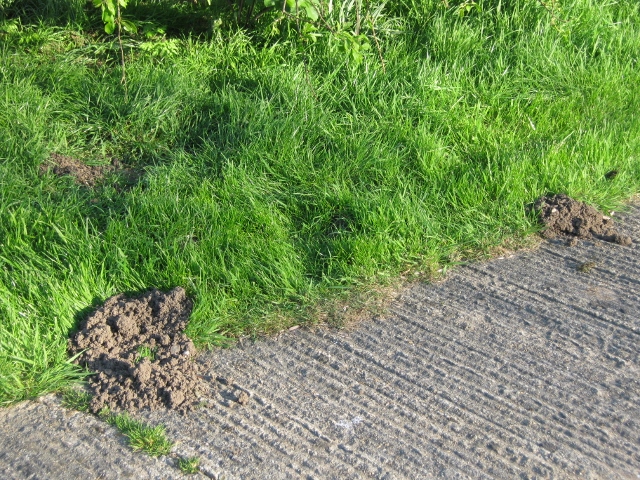
A number of my plants had been eaten – probably by rabbits perhaps by deer.  We did find a dead, fully grown rabbit near R’s flowerbed.  It had been dead for a couple of days and R couldn’t see any obvious reason why it had died.  No scavenger had fancied eating it either.  Moles had been making lots of molehills.
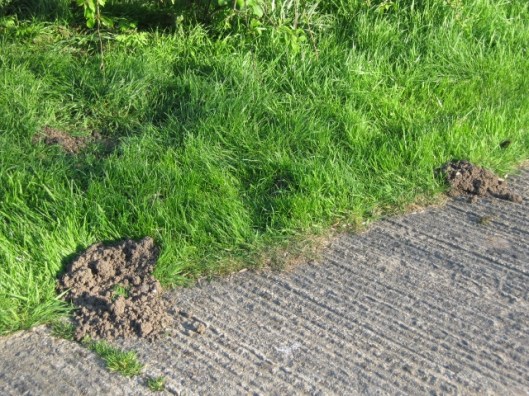
005Mole hills (640x480)

A blackbird had been killed and plucked next to the greenhouse.  I have seen a female sparrowhawk flying about a lot since our return, strafing the small birds with fear, so I suspect her or her mate were responsible for the blackbird’s demise.

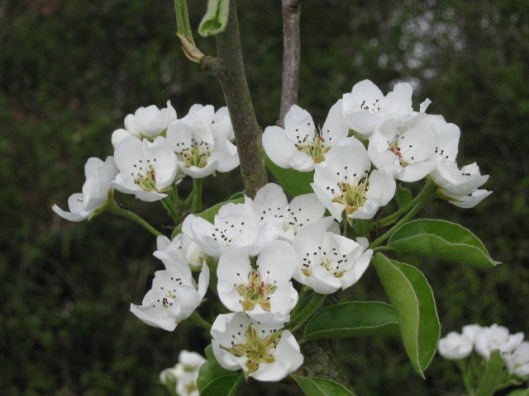
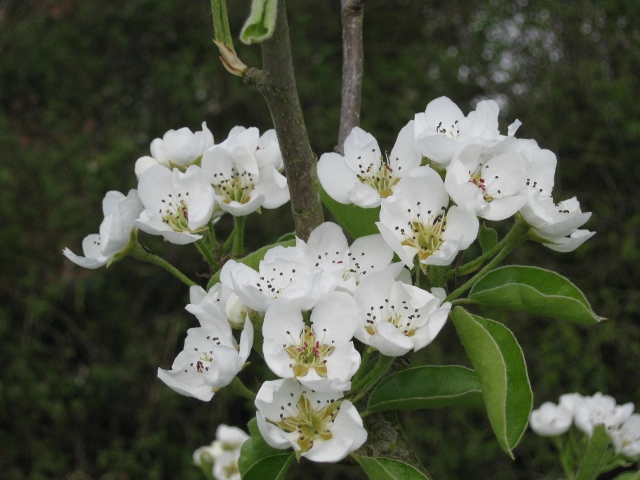
We were pleased to see that the pear tree was in full blossom.
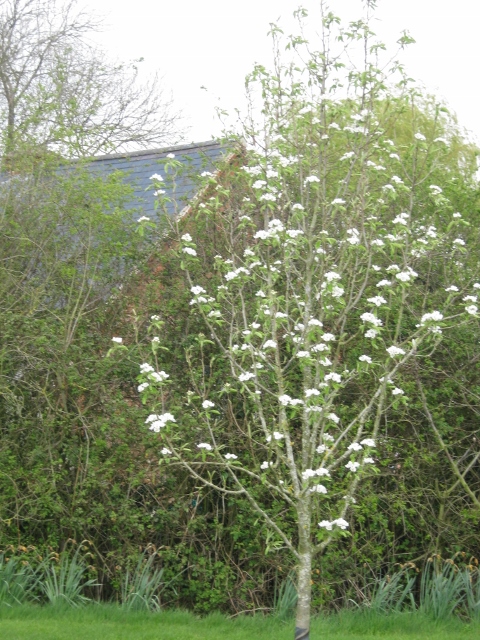
004Pear tree (480x640) 006Pear blossom (640x480)

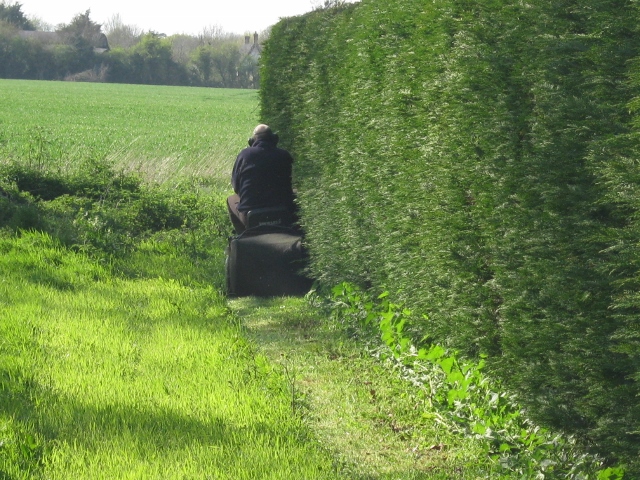
The greengage and the bullaces had lost nearly all their petals and we hope that we may have a little fruit.  The bird cherries were still in full blossom.  R decided that he ought to start on the mowing.  We have well over an acre of garden and most of it is grass so we have a tractor mower.  It is some years old now and makes R infuriated when it keeps blocking up – I think we will be getting a newer better model soon and then I will see R in his element again, racing round the garden, weaving in and out the trees just like at Le Mans!
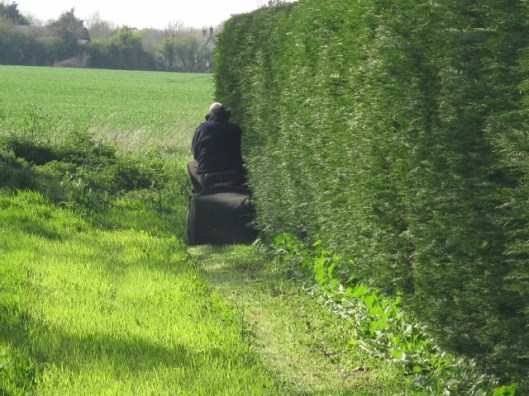
019R mowing grass (640x480)

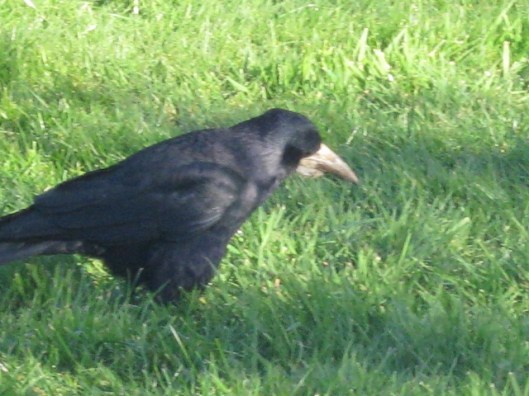
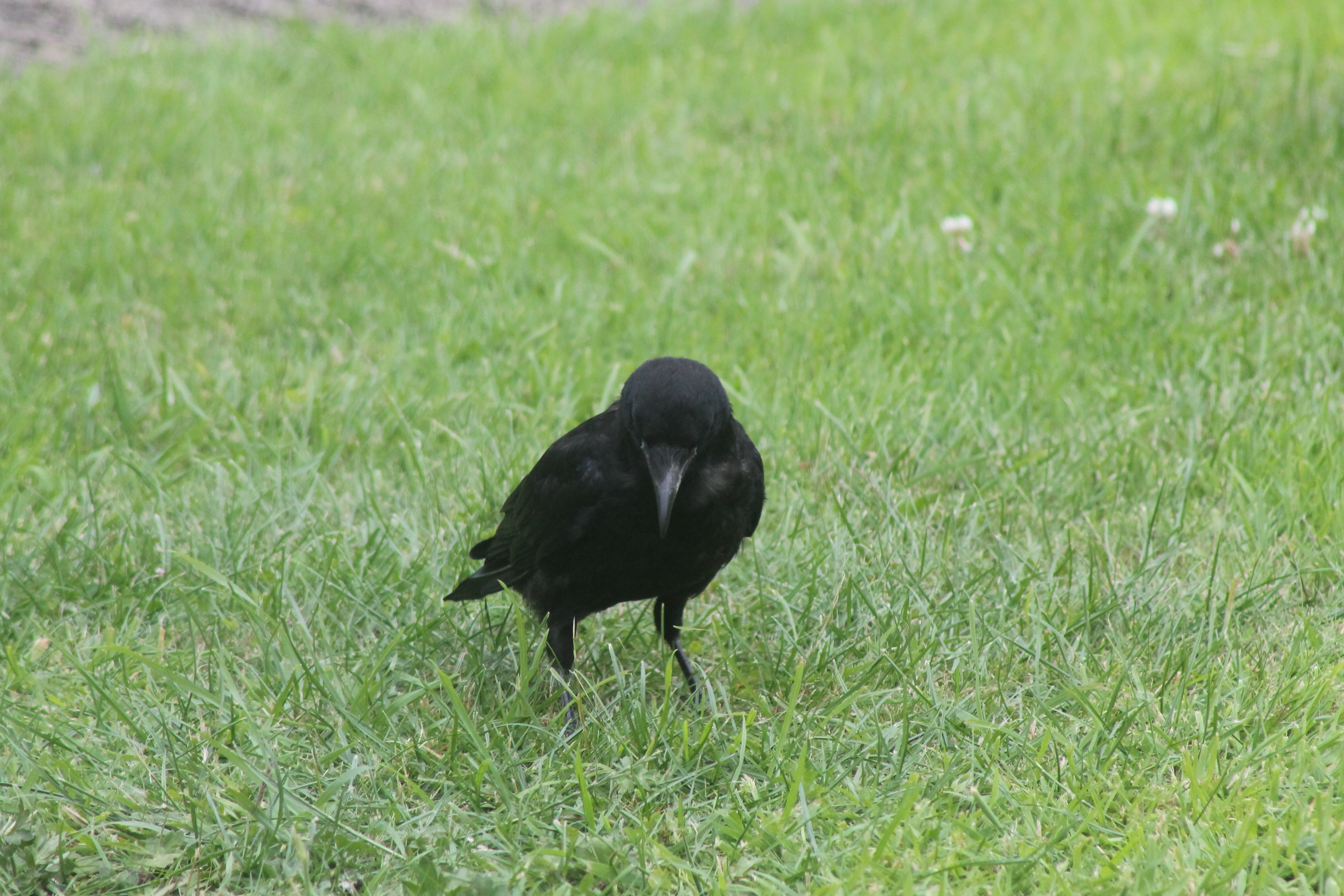
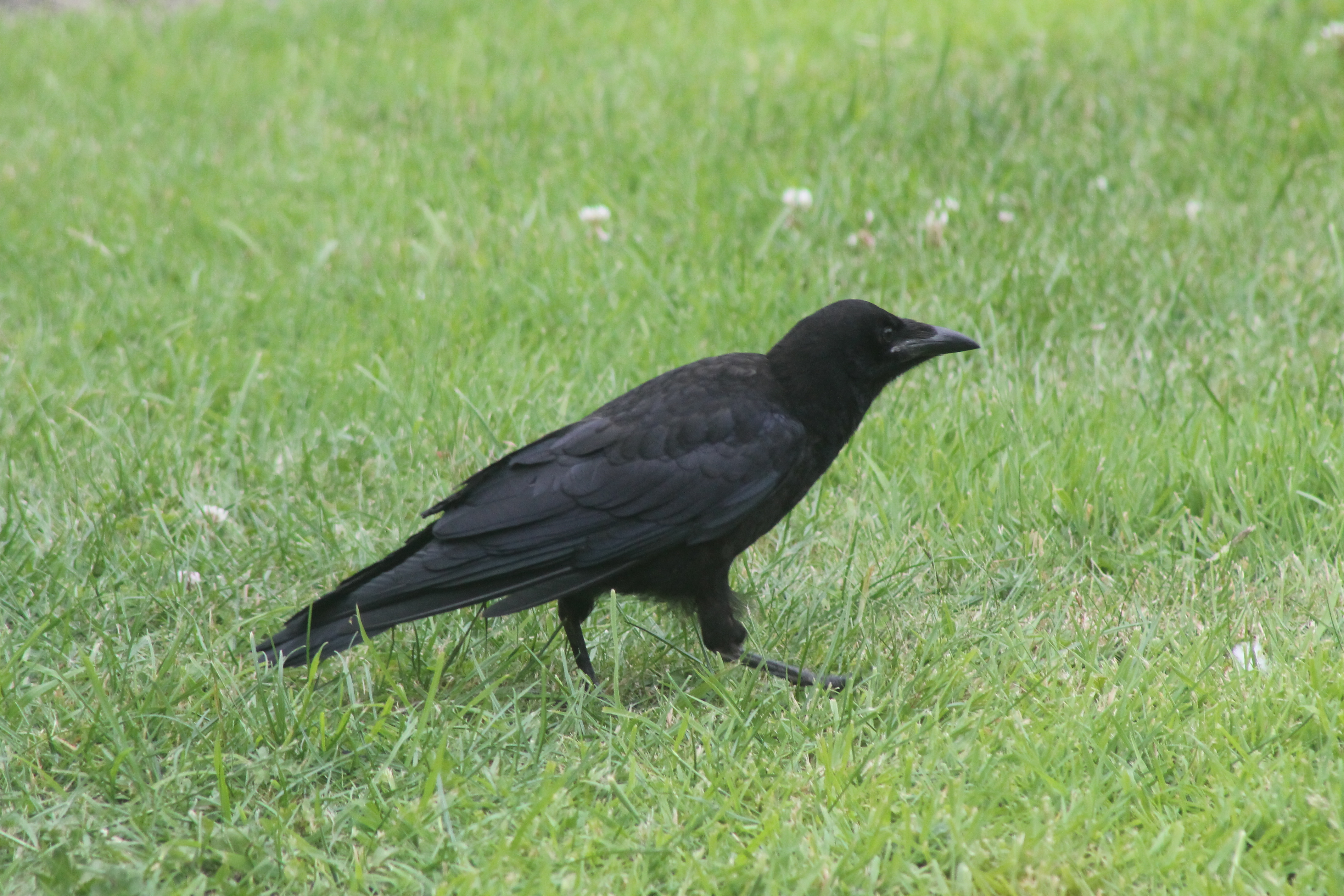
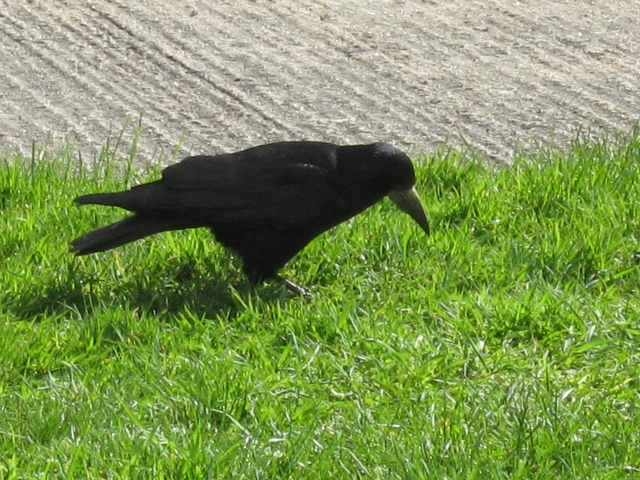
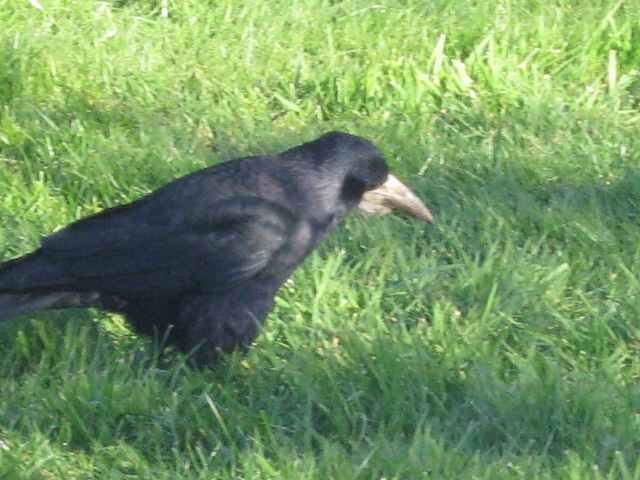
The rook chicks have hatched out in the rookery as I can hear them squeaking and squawking all day.  Here is a rook looking for tasty morsels.  Notice its glossy black feathers and feathered breeches.  I have included the second photo even though it is blurred as you can see the shape of the beak and the bald scaly skin at the front of the face.  The older the rook, the balder the face.
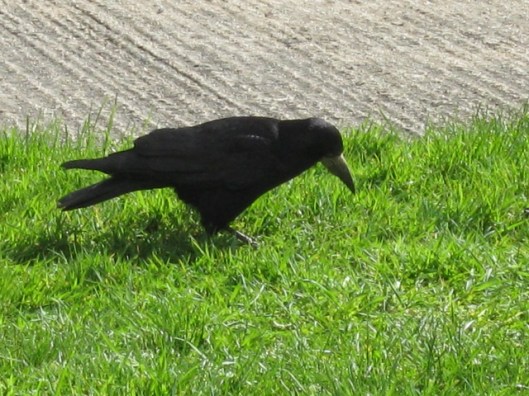
001Rook (640x480) 004Rook showing beak (640x480)

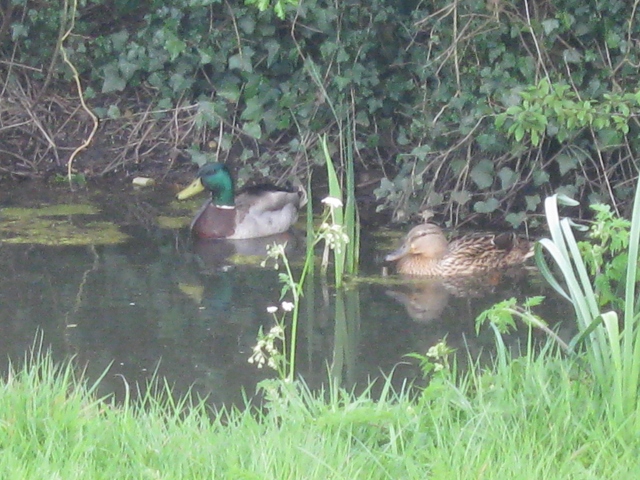
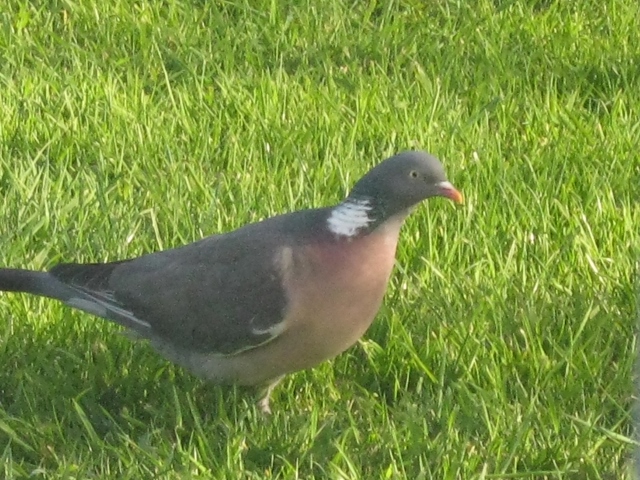
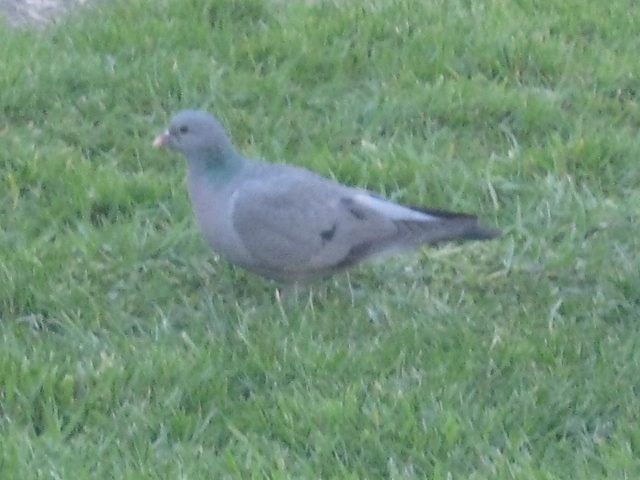
The duck and drake mallard are still happy in the pond at the front of the house.  A couple of common crows are also nesting in the trees on the opposite side of the lane.  Wood pigeons abound and so do Stock Doves.
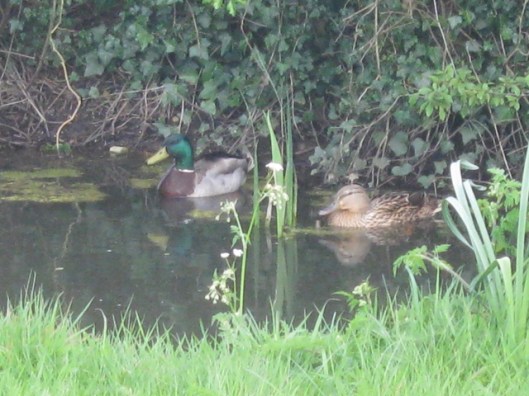
003Duck and drake mallard (640x480)

Duck and drake Mallard

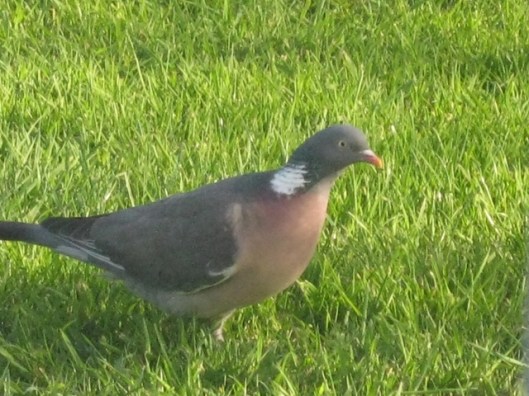
003Wood pigeon (640x480)

Wood Pigeon

009Stock dove (640x480)

Stock Dove

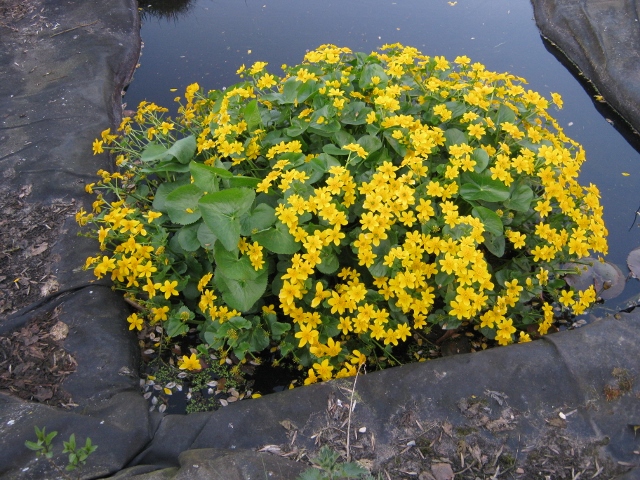
The marsh marigold in the big pond is flowering well.  The flowers are more than two inches across.
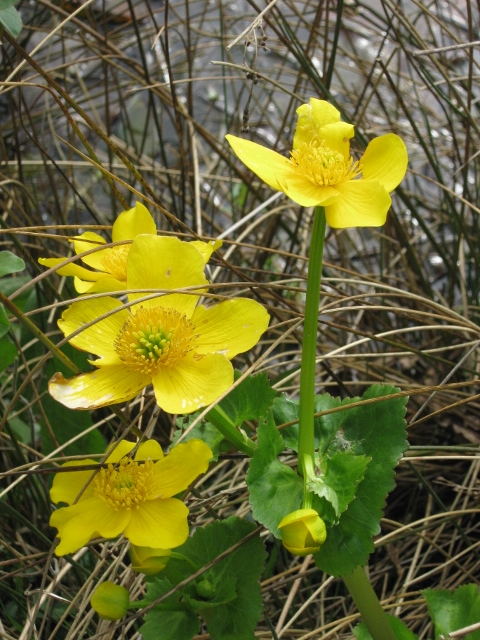
008Marsh marigold (480x640)

The marsh marigold in the little pond is flowering well too.
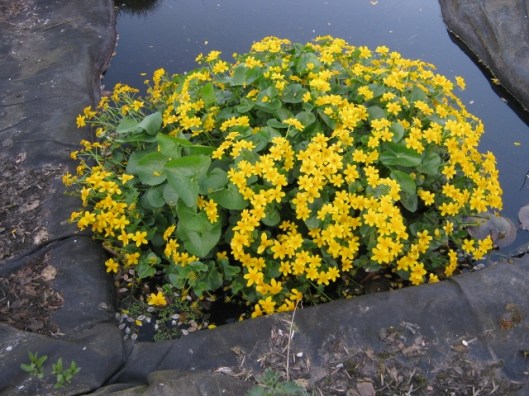
006Marsh marigold in small pond (640x480)

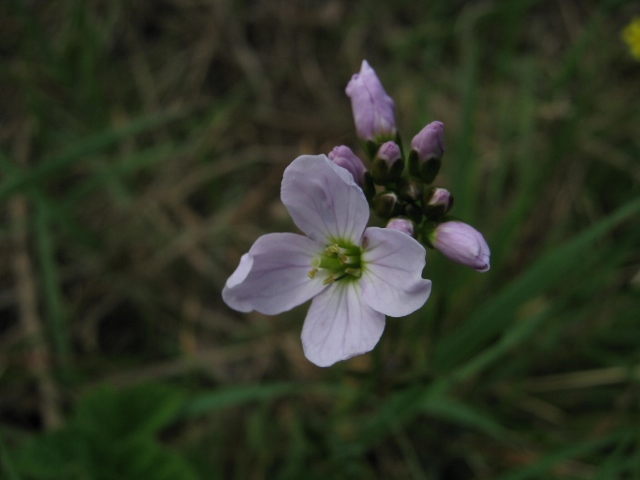
I have found a cuckoo flower by the big pond.  This flower belongs to the cabbage family but is much nicer than cabbage.  John Gerard, the 16th century herbalist said this pretty flower was called cuckoo flower because it blooms ‘for the most part in April and May, when the cuckoo begins to sing her pleasant note without stammering’.
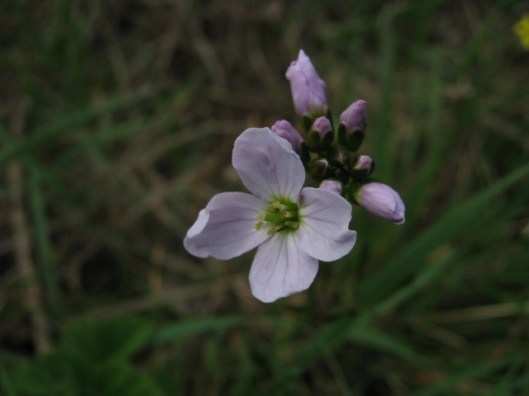
007Cuckoo flower (640x480)

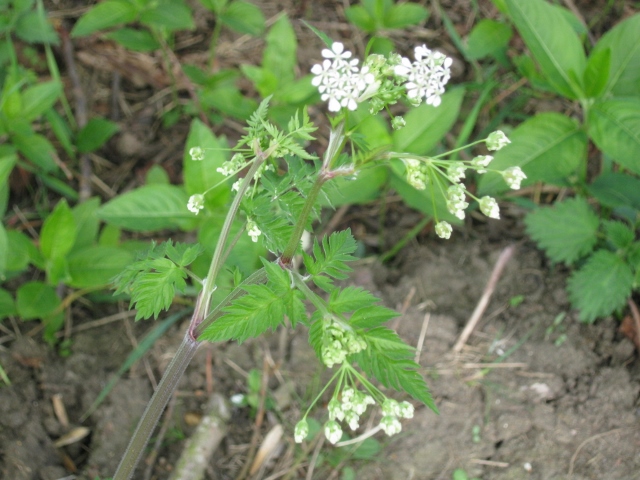
Cow Parsley is coming into flower.  In East Anglia it is called Sheep’s Parsley as well, because in olden times this area was a wool producing part of the country.  Another name for it is Queen Anne’s Lace which is a lovely name and describes the frothy whiteness of large quantities of the plant along the hedgerows.
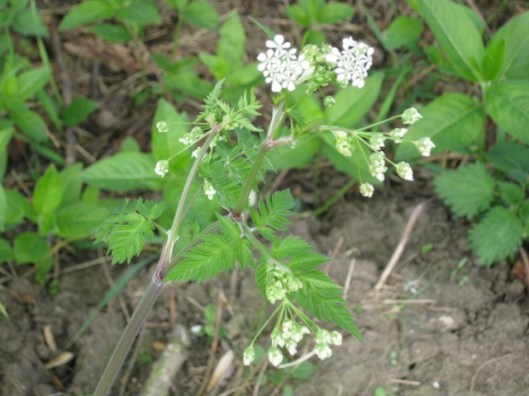
011Cow Parsley (640x480)

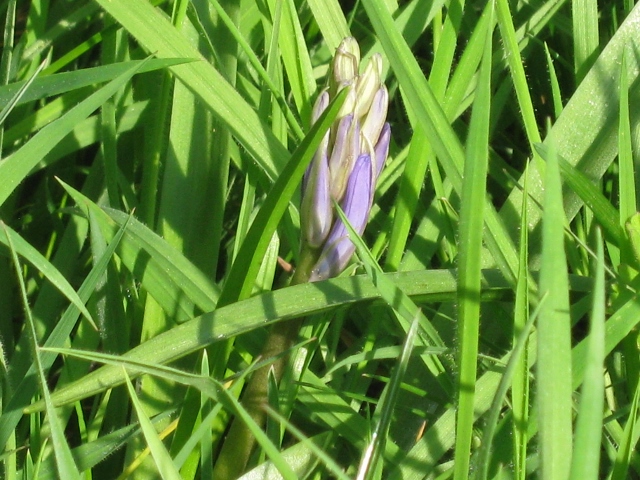
Bluebell spikes are just appearing under the crabtree at the front of the house.
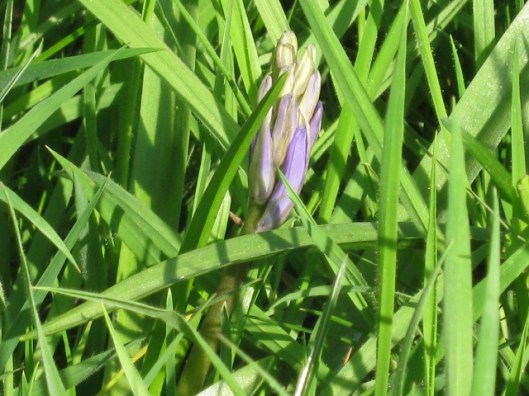
012Bluebell (640x480)

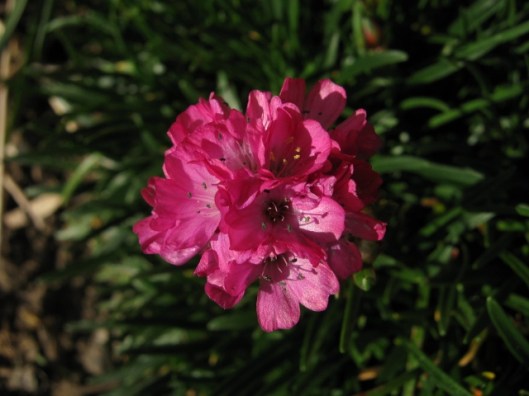
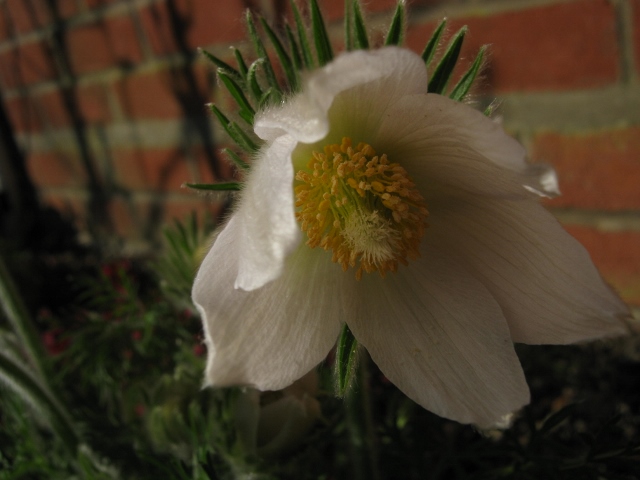
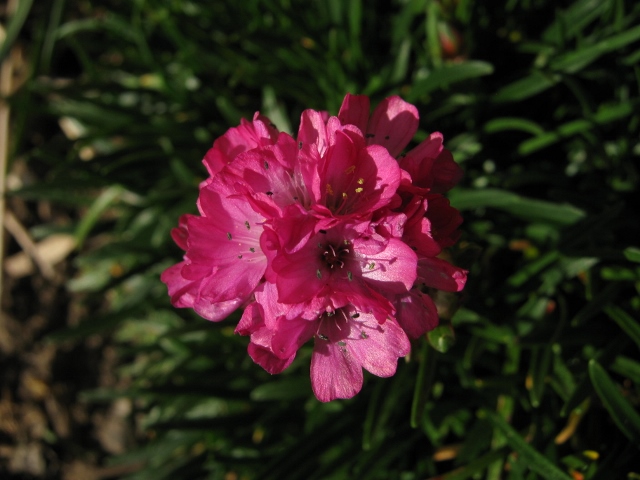
The crabapples are also coming into flower.  Pasque flowers and Thrift are blooming in my flowerbed.
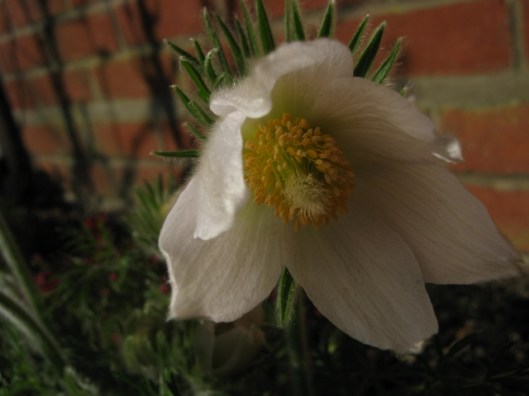
021Pasque flower (640x480) 024Thrift (640x480)

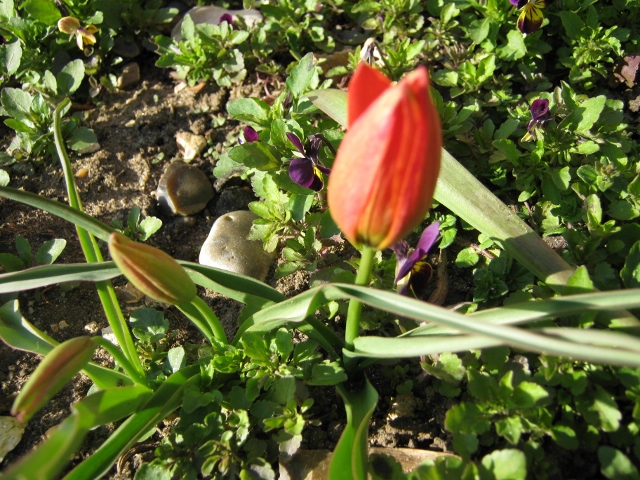
As are miniature scented tulips.  I used to have more colours than this orangey-red but they have gradually disappeared over the years.
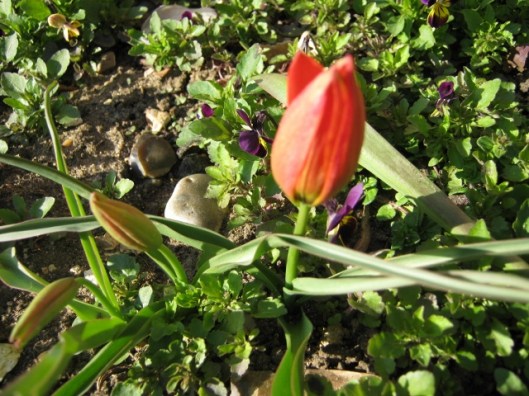
026Miniature scented tulip (640x480)

The Amelanchier is in flower.  It was planted in the garden a few years ago but then got damaged so I dug it up and I’ve tended it in a tub.  It will no longer grow to be a tree as I had hoped but will look alright as a shrub.  Once it has stopped flowering I will plant it out in the garden again.
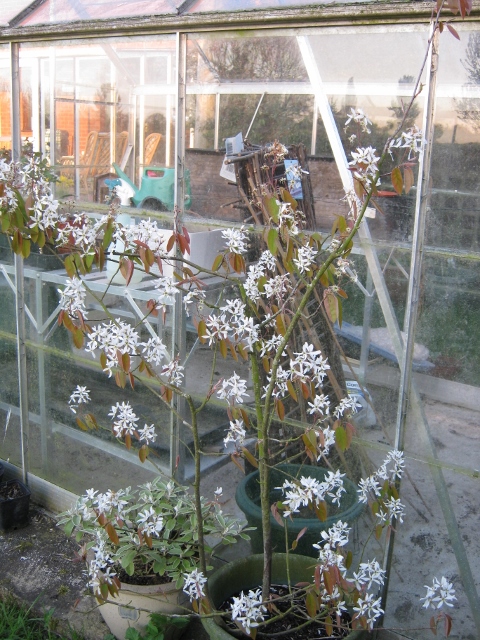
 

007Amelanchier (480x640)

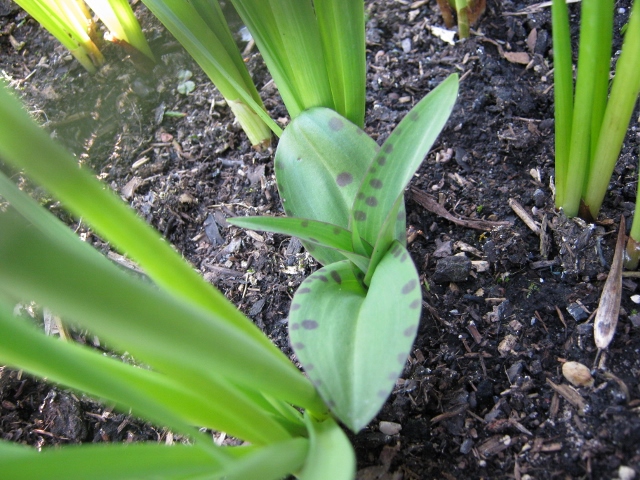
An Early Spotted Orchid is coming up in one of the tubs containing jonquils.  We are fortunate to have a lot of these orchids in our garden and they like seeding themselves in flower tubs.
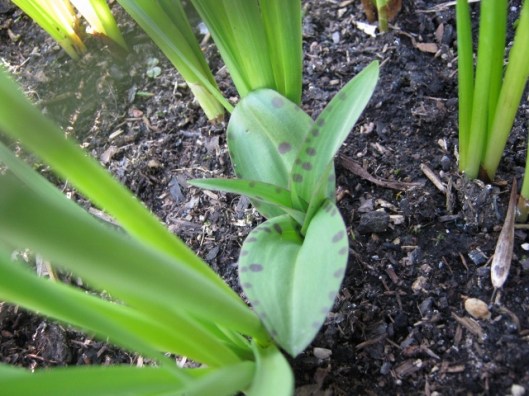
025Orchid coming up in tub of jonquils (640x480)

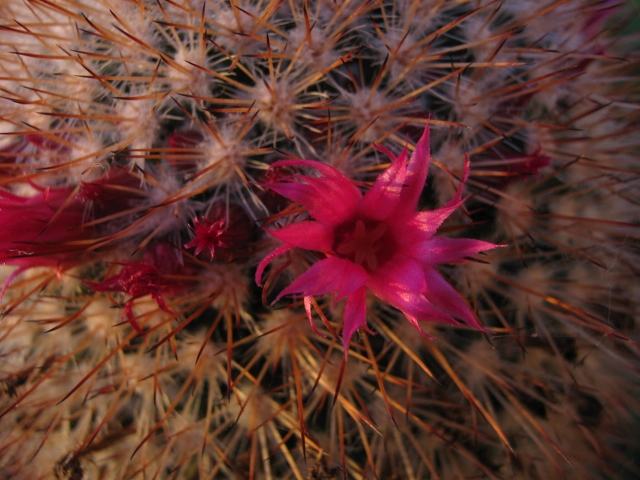
One of R’s cacti is in flower in the conservatory.
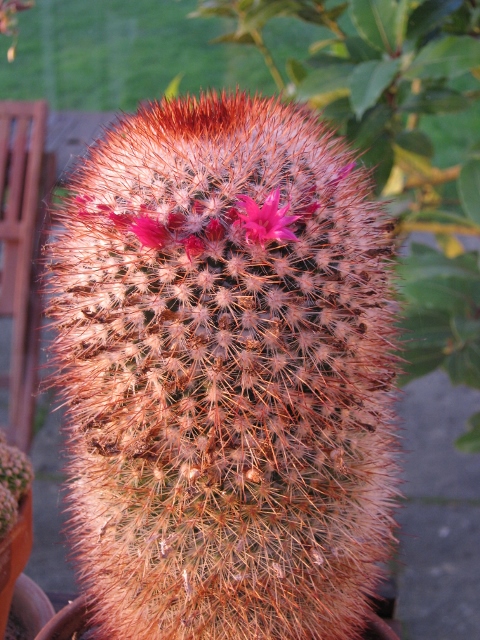
039Cactus in flower (480x640) 040Cactus flower (640x480)

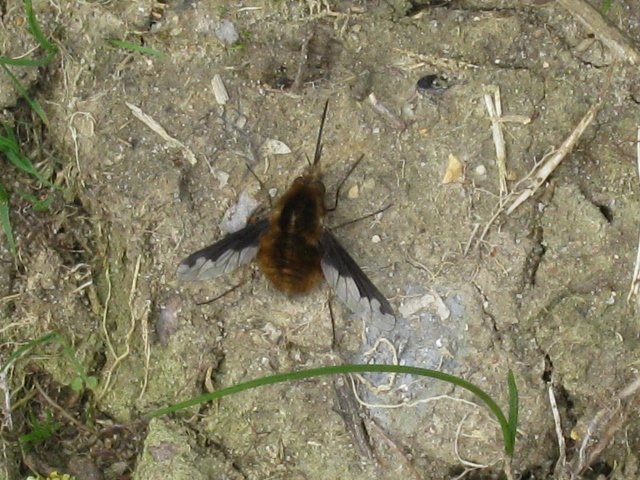
This is a Bee-fly.  It is harmless to humans despite the nasty looking proboscis.  Its larvae live as parasitoids in the nests of mining bees.
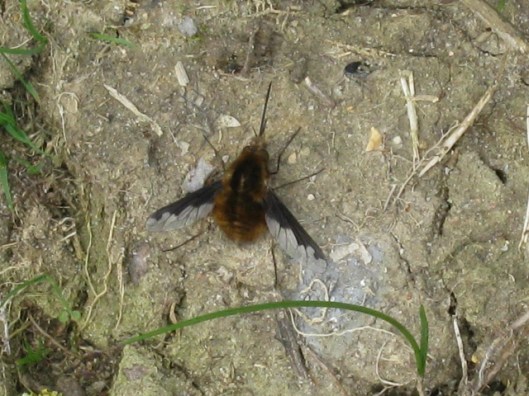
009Bee-fly (640x480) (2)

In driving about during the past few days I have noticed Alexanders and Stitchwort in flower in the hedgerows.  I have also seen Orange-tip butterflies flying.  The food for their caterpillars is Garlic Mustard, another member of the cabbage family and the only one to smell of garlic.
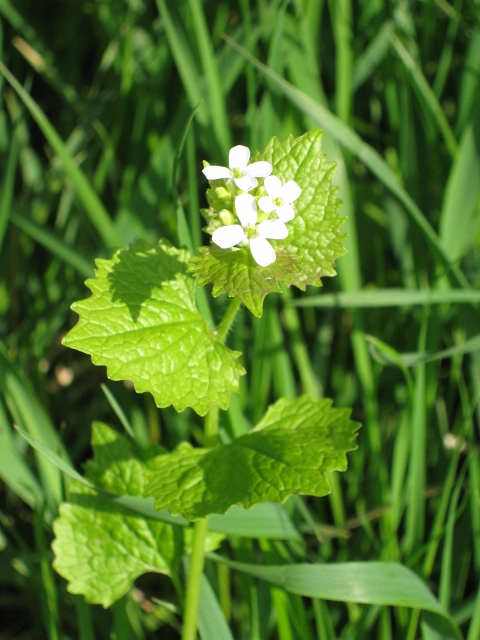
013Garlic Mustard (480x640)

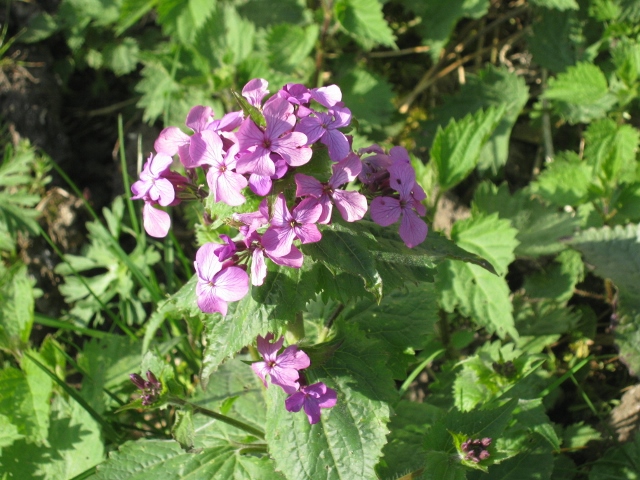
I found some perennial Honesty at the entrance to one of the farm yards down our lane.

015Perennial honesty (640x480)

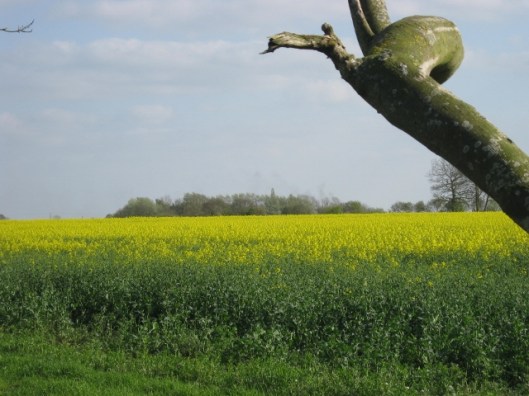
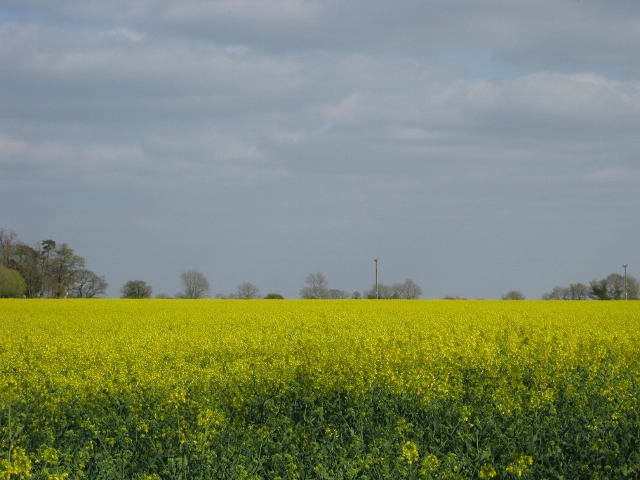
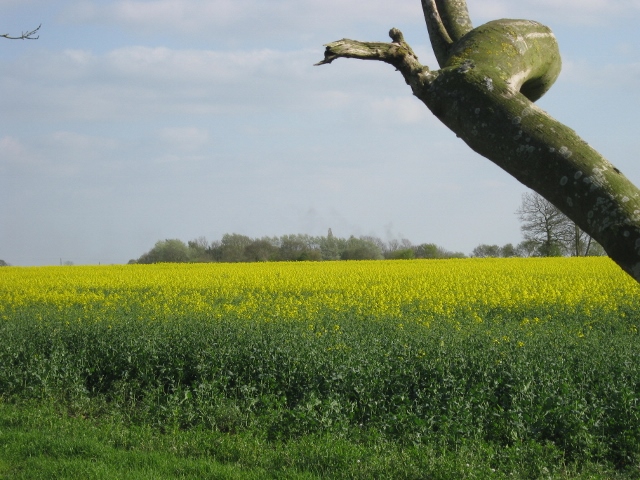
Oil-seed Rape is everywhere this year and is in flower at the moment.  We are surrounded by it.  We see it to the left of us…
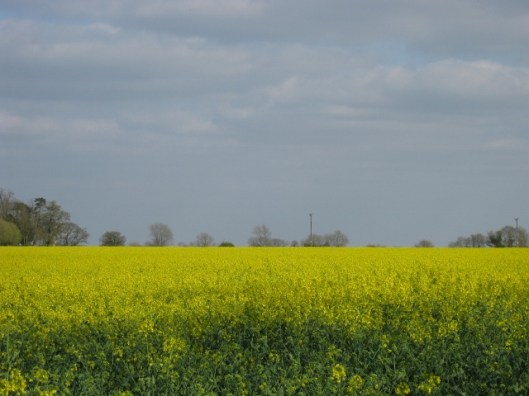
017Oil-seed rape field to the left (640x480)

and to the right.

016Oil-seed rape field to the right (640x480)

It has a strong distinctive smell both when in flower and when left to set seed.  I don’t like it very much and it gives me hay-fever.

It is now Holy Week and we start, on Palm Sunday, by celebrating Jesus’ triumphal entry into Jerusalem on a donkey.  At Mum’s church we gathered in the church-yard and processed into church carrying our palm crosses.  Mum and I enjoyed the service, both having a bit of a cry during a favourite hymn.  Poor R went to St John’s church on his own but met our friends there.  I went to Compline on my own on Monday night as R had a migraine.  (I had woken with a migraine myself early on Sunday morning!).  The service was at St Lawrence church but sadly there were only four of us there.  As I drove to the church the sun was setting on one side  and the almost full moon was rising on the other side of me.  The church door was left open during the service and even though the church is up a lane off quite a well-used road the sounds of the few cars driving along it at 8pm faded away and the silence enveloped us.  Now and then we heard the evening warning calls of blackbirds and robins but most of the time it was absolutely quiet.  St Lawrence church is built on an ancient site.  The Romans had a building yard there, I think, and a Roman carved face is set into the wall of the church.  The road from which the lane to St Lawrence church turns off is called Stone Street and is a Roman road.  If one comes from Halesworth it is known as the Bungay Straight and if one comes from Bungay it is known as the Halesworth Straight.  On my way home the sky was apricot on the horizon where the sun had disappeared.  Above that the colours changed from yellow to turquoise to dusky blue and the enormous moon was shining brightly.  I saw a couple of hares and some tiny rabbits, only about four inches long – probably on their first night above ground.

Tonight R and I went to Compline at St Mary’s Church at Homersfield.  Another lovely church which has been in danger of closing for some time.  There were eight of us there tonight and the church was lit by lamps and candles as there was no electric light.

As I thought it would, this post has got to be a long one again and I haven’t done all the housework I should have!
Share this:

  • Share on X (Opens in new window) X
  • Share on Reddit (Opens in new window) Reddit
  • Share on Pinterest (Opens in new window) Pinterest
  • Share on Facebook (Opens in new window) Facebook
  • Email a link to a friend (Opens in new window) Email
  • Share on Tumblr (Opens in new window) Tumblr
  • Print (Opens in new window) Print
  • Share on LinkedIn (Opens in new window) LinkedIn
Like Loading...

Pollution and Other Matters

03 Thu Apr 2014

Posted by Clare Pooley in Gardening, plants, Rural Diary, trees, Uncategorized, wild birds

≈ 2 Comments

Tags

amelanchier, belemnite, blackbird, Blue Tit, claypipe, Garden Warbler, ground-ivy, Jacob's Sheep, jonquils, Mistle Thrush, pollution, rhubarb, tulip, violets, woodpecker feather

The warmer weather that was forecast certainly arrived bringing with it hazy sky – and pollution.  Everything outside was covered with a coating of fine yellow dust – from the Sahara Desert – and this was especially noticeable on our cars.  Here in East Anglia our air isn’t as pure as we would like.  As we live in the countryside many people think that the air is fresh and clean here; but they would be wrong.  The prevailing wind from the south-west brings pollution from London and winds from the south-east bring pollution from the Continent – mainland Europe.  The cleanest air is on winds from the north-east but that is also the coldest!  East Anglia is a mainly agricultural area with plenty of agricultural vehicles and large trucks delivering feed, grain and other supplies on the narrow lanes.  The farmers use herbicides and insecticides and the crops are sprayed at least two or three times a year.  Because there is very little public transport we all have to drive everywhere that is too far to walk or cycle.  R and I are fortunate to live in an area where the local farmers are trying to make the land better for wildlife.  Wide strips of land are left fallow around each field with the hope that wild flowers will colonise them and animals and birds will find more food and shelter there.

Since coming to live in Suffolk twenty-six years ago I have developed asthma, hay-fever and other allergies that I didn’t have in south-east London and Kent.  R also has hay-fever and E has asthma.  This morning both R and I woke feeling quite unwell with headache, sore throat and other hay-fever symptoms.  Fortunately we always have a stock of anti-histamine tablets in the house!
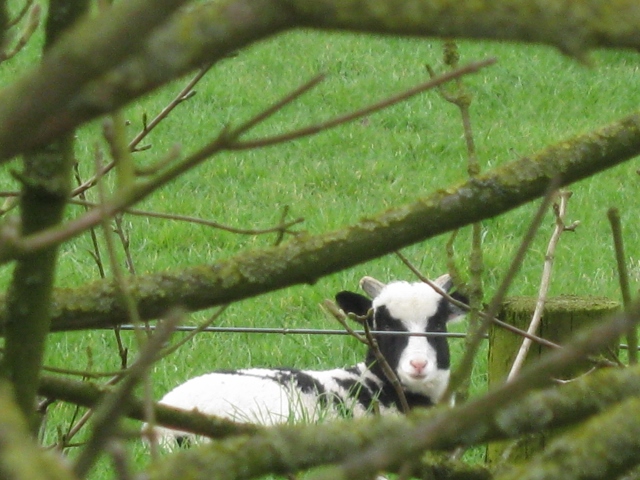
Yesterday, after getting home from taking Mum out, I had a letter to post so walked down the lane to the postbox.  I was hoping to see the Jacob’s sheep in a field close to us as I had heard them arrive there on Monday.  They always bleat a lot when they are in a new field but soon settle down and if I hadn’t heard them arrive I wouldn’t have known they were there.  It was quite difficult to see the sheep and lambs as the hedge is high and thick but I managed a couple of photos.


004Jacob ewes & lambs (640x480)

Jacob ewes and lambs

003Jacob lamb (640x480)

Jacob lamb

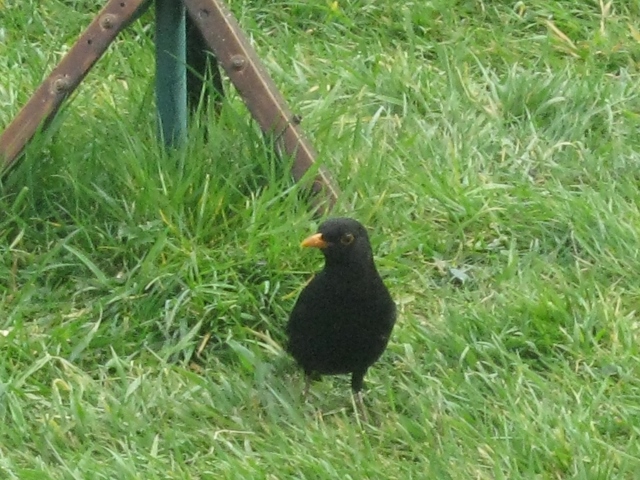
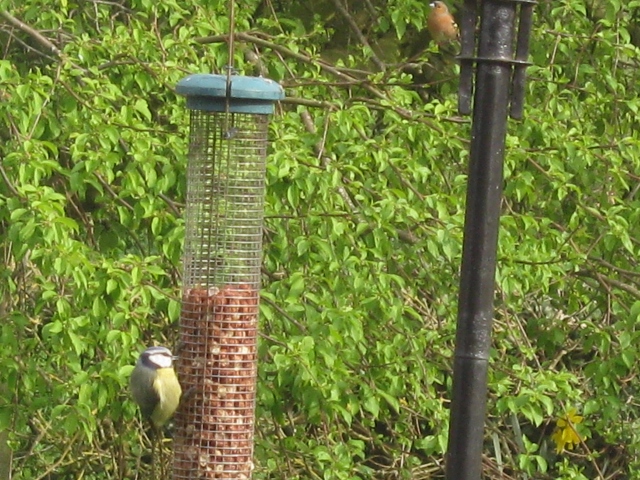
I then took a few more pictures of the garden, fed the birds and watered the tubs of flowers.  More and more birds are singing and the dawn chorus is getting louder and louder.  Yesterday I woke to hear what I thought was a Garden Warbler, our second summer visitor, singing in a tree across the lane.  As I was still sleepy I wasn’t sure whether it was a Garden Warbler or a Blackcap, the songs being quite similar, but having heard it again today I am sure it is a Garden Warbler.  We do get both birds here in the summer but the song I heard yesterday and today was definitely the faster more garbled song of the Garden Warbler.  The Song Thrush has been singing all day, every day for some time now and yesterday he was joined by the Mistle Thrush.  We now have a wonderful chorus of birds in the garden – too many to mention without it becoming a long and boring list.  Here is a photo of a male Blackbird and a Blue Tit on the peanut feeder.

008Blackbird (640x480)

Blackbird

009Bluetit on feeder (640x480)

Bluetit on the peanut feeder. A Chaffinch is in the tree at the back.


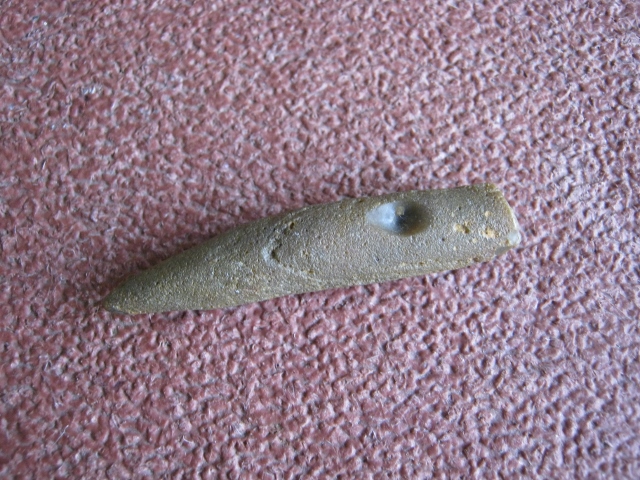
Today I took some more photos of the garden and also of some objects I have found in the garden.  The belemnite I found in my herb garden on Monday.  I remember finding lots of these when on holiday with A when she was little at Charmouth on the Dorset coast.  They are fossils of squid-like creatures.

010Belemnite (640x480)


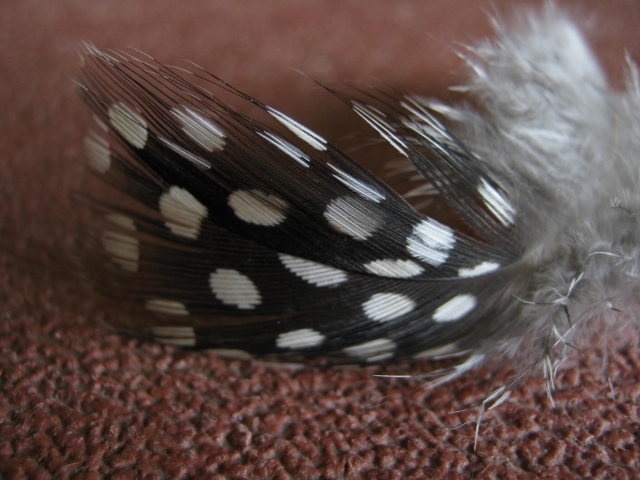
The feather I found a couple of weeks ago.  No doubt from a Greater Spotted Woodpecker.

012Spotted feather (640x480)


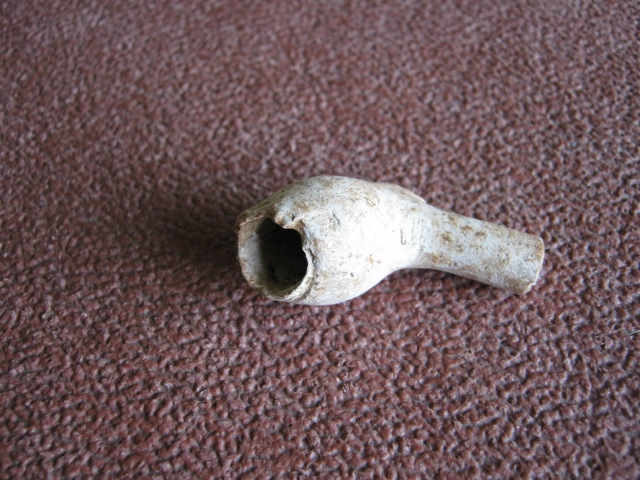
The broken old clay pipe I also found in my herb garden but about five years ago.  I can’t bear to get rid of it!
013Clay pipe (640x480)


The rest of the photos are of plants, flowers and trees.

White violets in the grass verge near my mother’s cottage.

001White violets (480x640)


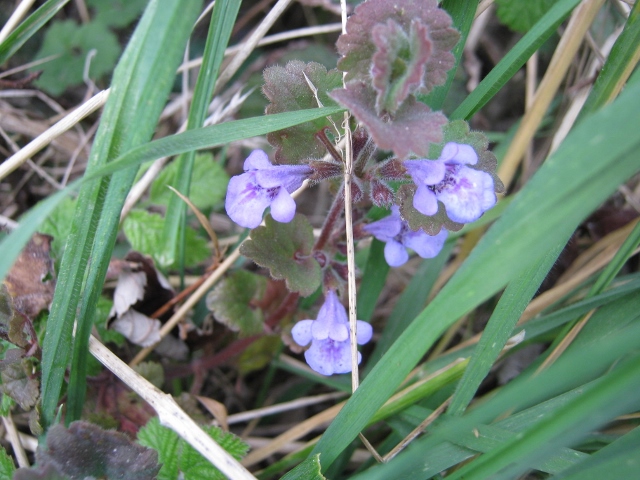
Ground ivy.  This is an evergreen wild plant and if the leaves are bruised they smell minty.  Also known as Alehoof, the leaves used to be added to ale during brewing to clear the fermenting liquid and sharpen the flavour.  Even after hops were introduced to England in the 16th century liquor flavoured with ground-ivy was still made and sold for a time.  Another name for ground-ivy is gill and a drink called gill tea was made by infusing the leaves with boiling water and adding honey.  This was supposed to alleviate coughs and other chest disorders and was still being sold by street vendors in London in the 19th century.   Culpepper says ‘The juice dropped into the ear doth wonderfully help the noise and singing of them, and helpeth the hearing which is decayed.’

006Ground ivy (640x480)


Some jonquils.

014Jonquils (640x480) 023Jonquil (640x480)


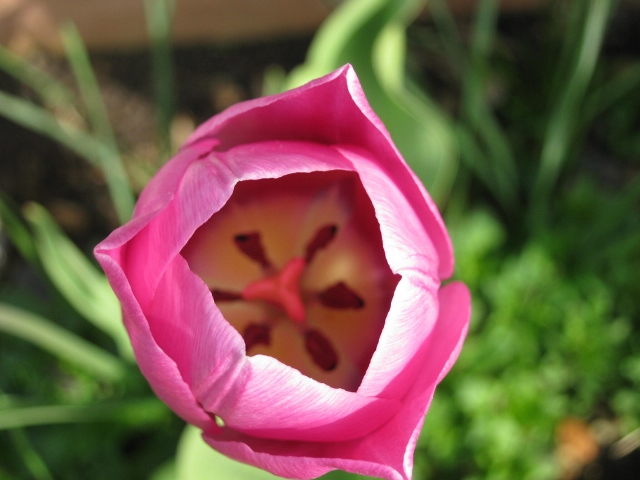
A pink tulip.

022Pink tulip (640x480)


Rhubarb!

024Rhubarb (640x480)


The Amelanchier is just coming into flower.

025Amelanchier (640x480)


R and I discovered another goose nest in the undergrowth on the other side of the pond yesterday.  Unfortunately, today the goose was no longer there and all the eggs gone.  The good thing about nesting on the little island is that foxes and other predators cannot get to you so easily.  The bad thing about our island is that it isn’t big enough for more than one goose nest.

Share this:

  • Share on X (Opens in new window) X
  • Share on Reddit (Opens in new window) Reddit
  • Share on Pinterest (Opens in new window) Pinterest
  • Share on Facebook (Opens in new window) Facebook
  • Email a link to a friend (Opens in new window) Email
  • Share on Tumblr (Opens in new window) Tumblr
  • Print (Opens in new window) Print
  • Share on LinkedIn (Opens in new window) LinkedIn
Like Loading...

Monday’s Garden

31 Mon Mar 2014

Posted by Clare Pooley in amphibians, churches, cooking, Gardening, Insects, plants, Rural Diary, trees

≈ 4 Comments

Tags

blackthorn, bullace, cowslip, daffodils, Elmer Fudd, fritillaries, greengage, jonquils, ladybird, lathyrus, Mothering Sunday, pieris, primulas, rabbits, saxifrage, simnel cake, wild cherry


I must admit to having an Elmer Fudd moment this morning.  I went to have a look at the cowslip/primula plants I had transplanted last weekend and to my horror I saw that all the flowers and buds had been eaten on almost all the plants.  I suspect some wascally wabbit!  I will now not know until next spring which of the plants are normal cowslips to be planted at the top of the ditch and which are the different ones to be grown on elsewhere.

Image

Very strange weather today.  It was quite warm – in fact it got to 18 degrees centigrade but we only got a little sunshine at midday and then a few showers of rain during the afternoon.  Quite humid all day and extremely cloudy this afternoon.   I walked round the garden checking on the bird feeders and looking to see what plants had started to grow or flower since Saturday.  I hadn’t been able to get into the garden at all yesterday as I had been busy cooking lunch after coming home from church and then entertaining Mum all the afternoon.  We had had a good Mothering Sunday service at church and all the women had been presented with little posies of flowers.  The Rector looked wonderful in his rose coloured chasuble but sneakily removed it before I could photograph him!

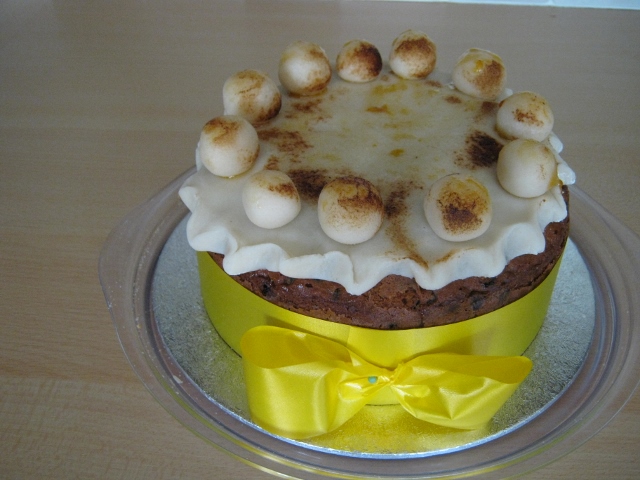
My eldest daughter A had sent me a card which had arrived in the post on Saturday and she telephoned me when I got back from church.  E gave me a card and two stoneware pots for the garden.  Mum arrived bringing with her an apple pie and a simnel cake.  My mother will be 84 in a couple of weeks time and can hardly see but she still manages to bake and garden and run her house with no help at all.

Mum’s simnel cake.

001Simnel cake 2014 (640x480)


The goose is still sitting on her nest on the island.  She probably only has another week or so to go until her eggs hatch and then we’ll see how many goslings there are.  While I walked round the pond I heard not only frogs croaking but also what I assume to be toads as well.  We do get toads in the garden but I’ve never noticed them in the pond before.  I also saw flower buds on the marsh marigold in the big pond that has never flowered before as well.  I was really quite pleased about this as the pond has looked so awful since we had the work done to remove most of the willow scrub.  What willows we have left are full of pussy willow flowers and alive with so many bees.

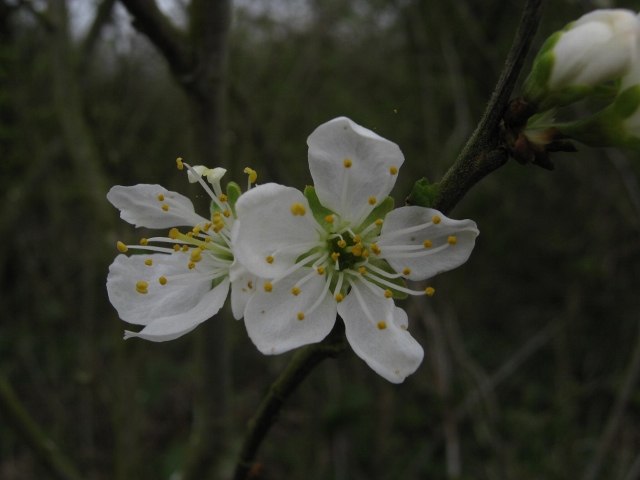
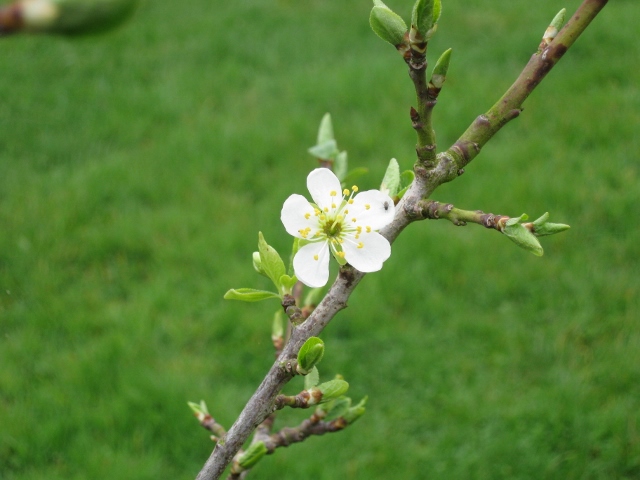
The wild damson or bullace tree is in flower.

003Damson or bullace flowers (640x480)

037Damson or bullace flowers (480x640)

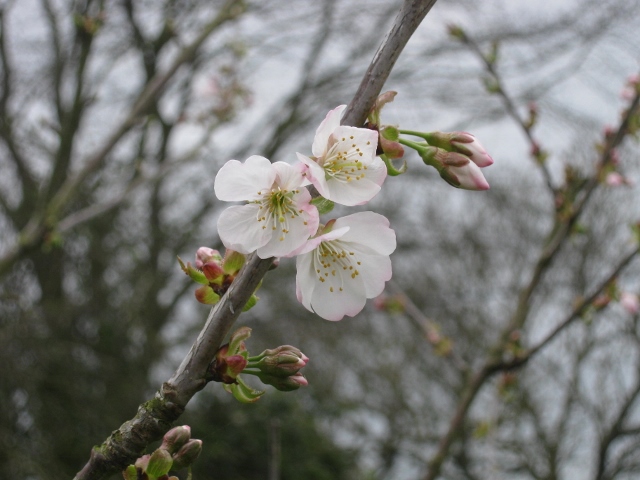
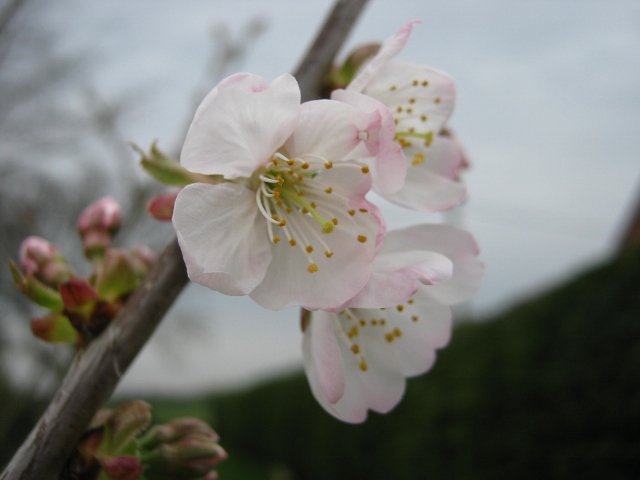
The wild or bird cherry is also just coming into flower too.

019Wild or bird cherry (640x480)

022Wild or bird cherry (640x480)

Our greengage tree has its first flowers.  We planted it the autumn before last and it didn’t flower at all last year but grew very well.  My mother-in-law had asked us if we would grow one as she likes greengages so we got it especially for her and we call it Joyce (her name).

031Greengage flower (640x480)

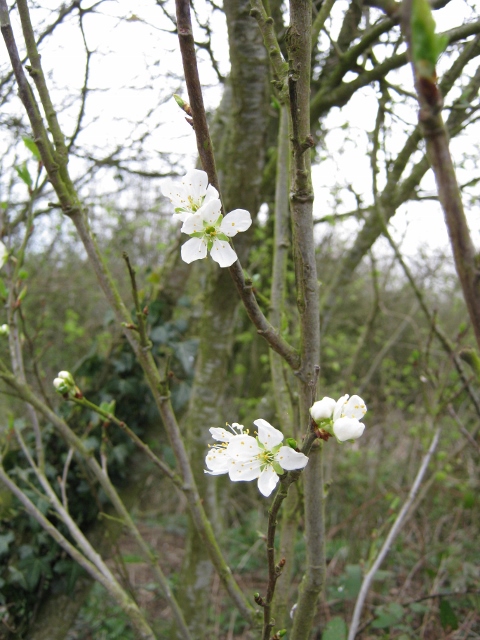
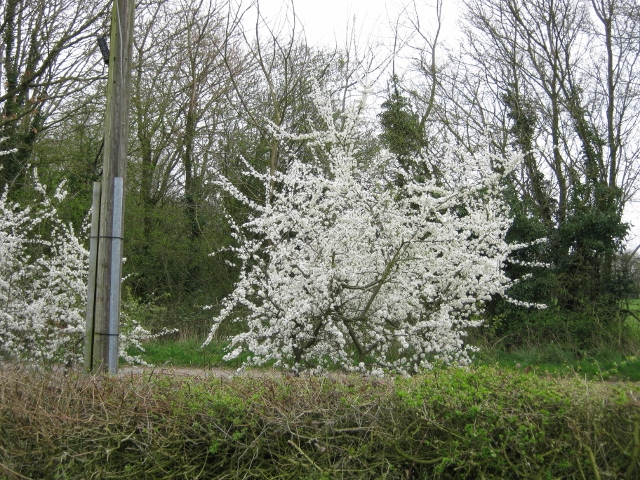
The blackthorn at the front of the house is now in full flower.  The tree at the back of the house has finished flowering and the tree by the front gate hasn’t started to flower yet.  The front of the house is colder than the back and the gate is coldest and shadiest of all.

027Blackthorn at front of house (640x480)

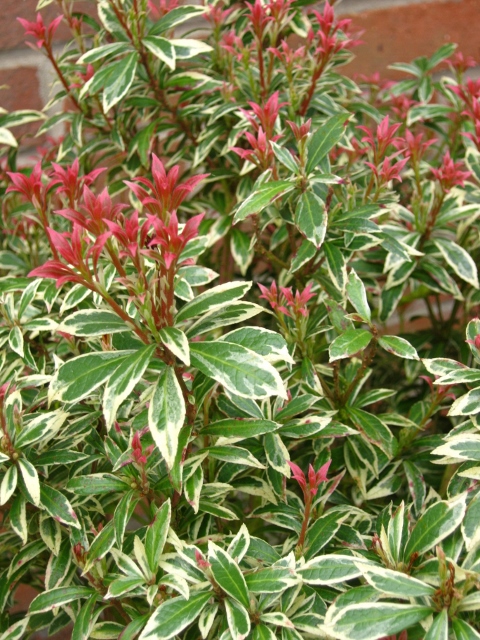
My pieris ‘Forest Flame’ has new leaves on it.

005Pieris 'Forest Flame' (480x640)

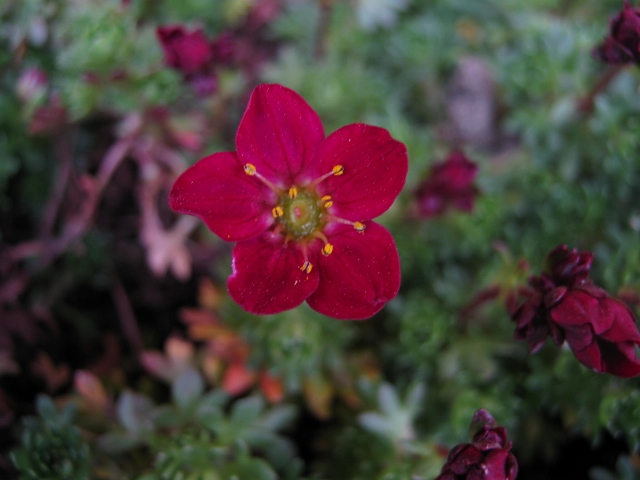
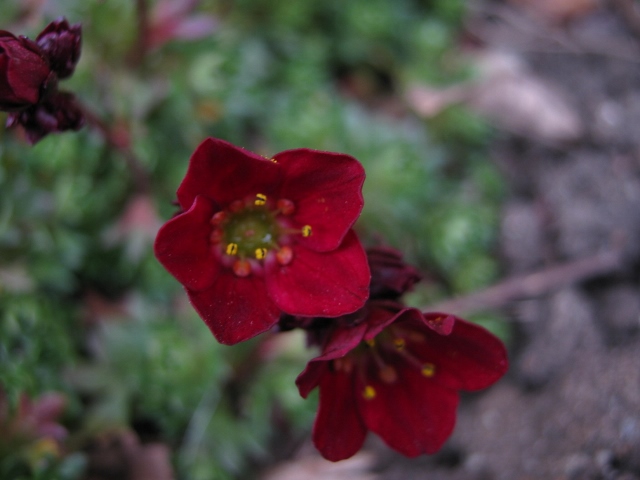
The saxifrage has started to flower.

008Saxifrage flower (640x480)

009Saxifrage flowers (640x480)

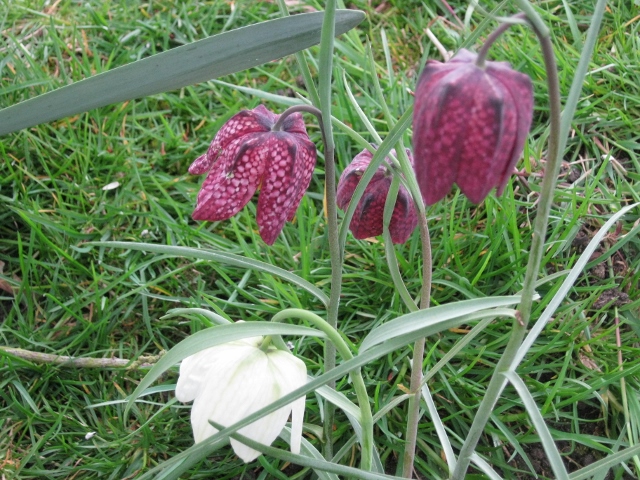
The new Frittilaries under the crabapple are flowering.  I am pleased to see that there is a white one.

023Frittilaries (640x480)

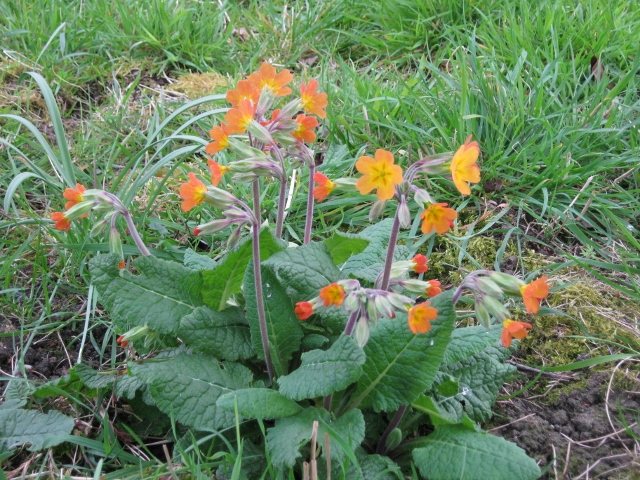
Primulas.

024Primulas (640x480)

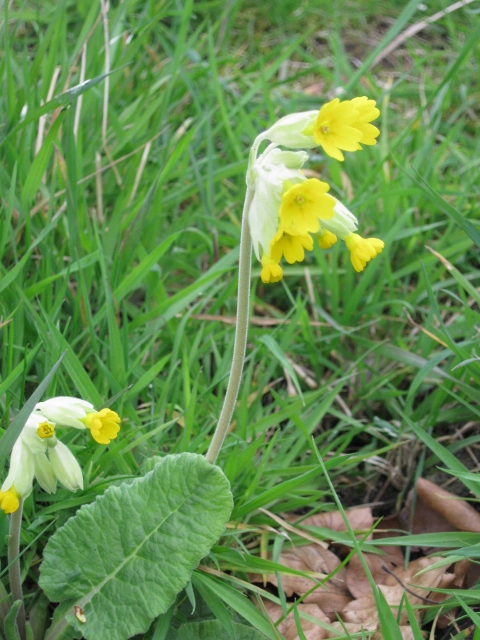
Cowslip.

025Cowslip (480x640)

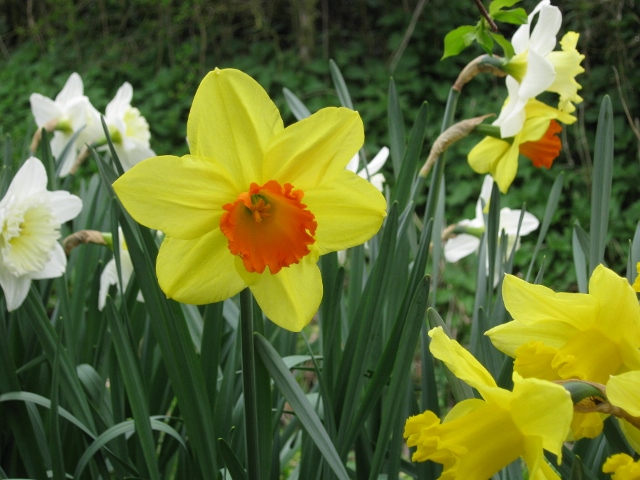
Daffodils at the front of the house at the edge of the ditch.

026Daffodils (640x480)

A seven-spot ladybird on a daffodil.  A lot of our daffodils suffered in the hail and rain we had last Wednesday and they also have to put up with all sorts of wild fowl trampling over them.

028Seven spot ladybird on daffodil (640x480)

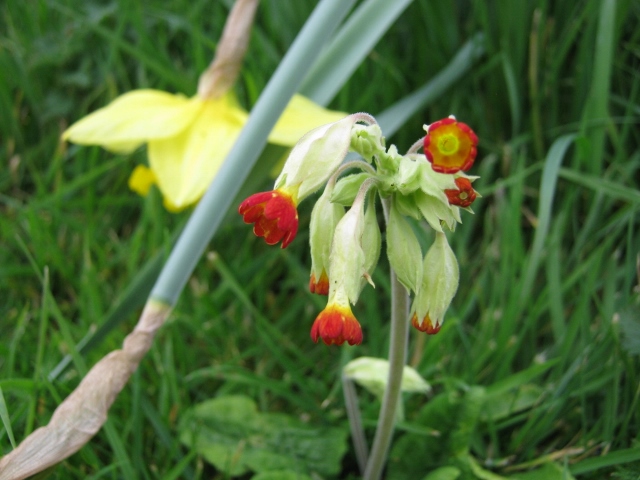
An orange-red cowslip.

036Orange-red cowslip (640x480)

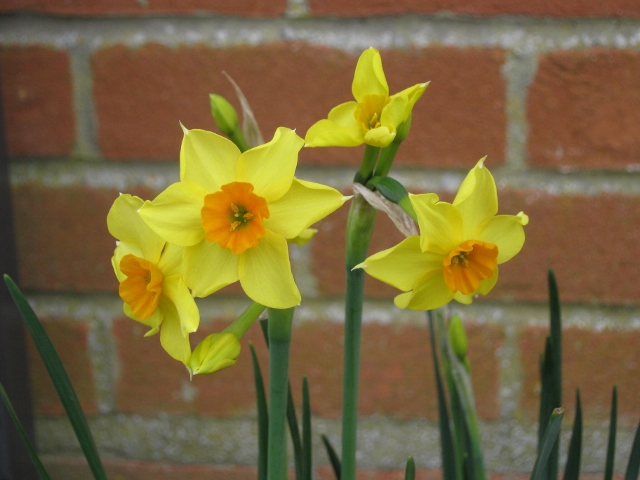
Jonquils.

039Jonquils (640x480)

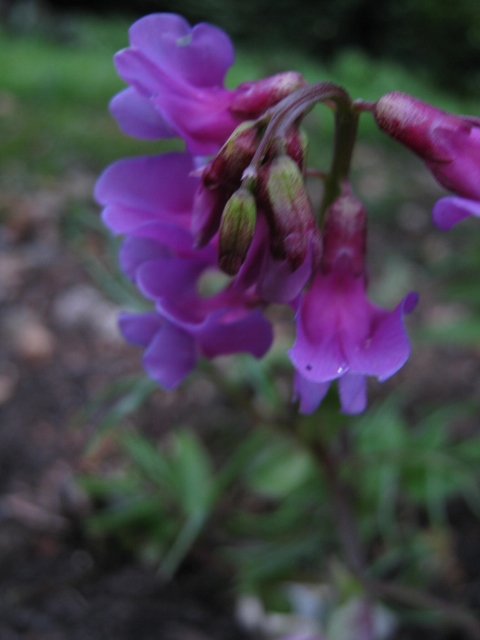
Lathyrus vernus ‘Spring Beauty’.  This is an ornamental vetch – a member of the pea family.

040Lathyrus vernus 'Spring Beauty' (480x640)

Share this:

  • Share on X (Opens in new window) X
  • Share on Reddit (Opens in new window) Reddit
  • Share on Pinterest (Opens in new window) Pinterest
  • Share on Facebook (Opens in new window) Facebook
  • Email a link to a friend (Opens in new window) Email
  • Share on Tumblr (Opens in new window) Tumblr
  • Print (Opens in new window) Print
  • Share on LinkedIn (Opens in new window) LinkedIn
Like Loading...
← Older posts
Newer posts →
Follow A Suffolk Lane on WordPress.com

Enter your email address to follow this blog and receive notifications of new posts by email.

Join 718 other subscribers.

Unknown's avatar

I talk about what it's like living in a quiet part of Suffolk. I am a wife, mother and daughter, a practising Christian and love the natural world that surrounds me. I enjoy my life - most of the time!
My Posts

Mar 2026
M T W T F S S
 1
2345678
9101112131415
16171819202122
23242526272829
3031  
« Feb    

Pages

  • About my Blog
  • GDPR (General Data Protection Regulations) and This Site
  • My Life in a Suffolk Lane

Archives

Blogs I Follow

Unknown's avatar
Unknown's avatar
Unknown's avatar
Unknown's avatar
Unknown's avatar
Unknown's avatar
Unknown's avatar
Unknown's avatar
Unknown's avatar
Unknown's avatar
Unknown's avatar
Unknown's avatar
Unknown's avatar
Unknown's avatar
Unknown's avatar
Unknown's avatar
Unknown's avatar
Unknown's avatar
Unknown's avatar

Posts I Like

  • Unknown's avatar
  • womanseyeview's avatar
  • wholelottarosie's avatar
  • Gallivanta's avatar
  • Unknown's avatar
  • Unknown's avatar
  • Unknown's avatar
  • Unknown's avatar
  • Unknown's avatar
  • T Ibara Photo's avatar
  • sopantooth's avatar
  • Unknown's avatar
  • Unknown's avatar
  • Matthew Paul's avatar
  • clivebennett796's avatar
  • Unknown's avatar
  • gederedita's avatar
  • Unknown's avatar
  • Unknown's avatar
  • Kathleen's avatar
  • Unknown's avatar
  • Unknown's avatar
  • Unknown's avatar
  • Unknown's avatar
  • Sarah curran's avatar
  • Unknown's avatar
  • Julian Summerhayes's avatar
  • Unknown's avatar
  • thebikinggardener's avatar
  • thesimlux's avatar
  • Unknown's avatar
  • Jack Ronald Cotner's avatar
  • Unknown's avatar
  • Unknown's avatar
  • East of Elveden's avatar
  • Unknown's avatar
  • John’s Postcards's avatar
  • Unknown's avatar
  • Unknown's avatar
  • Unknown's avatar
  • Unknown's avatar
  • Unknown's avatar
  • Unknown's avatar
  • TravelingTortuga's avatar
  • Talkmore's avatar
  • martzkvi's avatar
  • Unknown's avatar
  • sherijkennedyriverside's avatar
  • Mélodie's avatar
  • Unknown's avatar

amphibians architecture art Arts and Crafts churches cooking Days out domestic animals family fish Folk Traditions Gardening Historic Buildings holidays Insects Landscaping literature music Norwich plants Rural Diary seashore theatre trees Uncategorized walking weather wild animals wild birds wild flowers

Tags

architecture autumn birds blackbird blackthorn Bungay butterfly church clouds common knapweed cow parsley crocus daffodils Diary dogwood family field maple flowers fungus garden gardening geese greylags ground-ivy Halesworth Hawthorn heather holiday Holly Holy Week horse chestnut Hoverfly insects ivy Lake District Lent lesser celandine lichen Lords and Ladies Mallard mallards Minsmere moorhen moss music Norwich Peak District pheasant plants pond ponds primrose primroses Rain rooks Rumburgh Rumburgh Church sheep Sheffield snow snowdrops Southwold spring Suffolk Suffolk Wildlife Trust sunset the Beck trees viburnum bodnantense walking weather wild cherry wild flowers winter-flowering honeysuckle witch-hazel

Meta

  • Create account
  • Log in
  • Entries feed
  • Comments feed
  • WordPress.com

Goodreads

Blog at WordPress.com.

Book Jotter

Reviews, news, features and all things books for passionate readers

Country Life Blog -

A blog about life in the country in the past and present

Matthew Paul: Poetry & Stuff

Poetry and what-not

Schnippelboy

Ein Tagebuch unserer Alltagsküche-Leicht zum Nachkochen

TAMARA JARE

Tamara Jare Contemporary Figurative Art – Bold Colors, Resilient Souls

A Taste of Freedom

Documenting a Dream

Country Ways

Rambling Journeys in Britain, Countryside Matters and campaigning for the Right to Roam

The Strawberry Post

Here to Entertain, Educate & Inspire!
a north east ohio garden

an ongoing experiment in the dirt, 35 plus years

naturechirp

Celebrating God's creatures, birds and plants...

Sophie Neville

Writer

Going Batty in Wales

Developing a more sustainable lifestyle in SW Wales

Our Lake District Escapades

Exploring the Lake District and beyond

Short Walks Long Paths

Wandering trails around the coast of Wales

The Biking Gardener

An English persons experience of living and gardening in Ireland

Nan's Farm

A Journal Of Everyday Life

Walk the Old Ways

Rambling Journeys in Britain with John Bainbridge. Fighting for the Right to Roam. Campaigning to Protect Our Countryside.

Writer Side UP!

Waking the Writer Side...and keeping it "Up!"

Meggie's Adventures

Travel, thank you notes and other stories

amusicalifeonplanetearth

Music and the Thoughts It Can Inspire

lovefoundation.co.uk

Traveling Tortuga

Simply Living Well

Pakenham Water Mill

Historic watermill in the beautiful Suffolk countryside

Take It Easy

Retired, not expired: words from the after(work)life. And music. Lots of music!

Secret Diary Of A Country Vicar's Wife

By Olive Oyl

thanksfortheadventureorg.wordpress.com/

The Beat Goes On

#TBGO

Frank Pleszak's Blogs

Twitter: @frankpleszak @PolishIICorps

John Bainbridge Writer

Indie Writer and Publisher

roughwighting

Life in a flash - a bi-weekly storytelling blog

Walking the Old Ways

Rambling in the British Countryside

CapKane

thoughts on social realities

SkyeEnt

Jottings from Skye

jodie richelle

embracing my inner homemaker

Skizzenbuch/Blog

Just another WordPress.com weblog

Have Bag, Will Travel

The Call of the Pen

Flash Fiction, Book Reviews, Devotionals and other things.

John's Postcards

Art in Nature

You dream, I photographe it !

Smile! You’re in Barnier World......

theinfill

the things that come to hand

Dr. Mary Ann Niemczura

Author of "A Past Worth Telling"

Provincial Woman

The Pink Wheelbarrow

Luanne Castle: Poetry and Other Words (and cats!)

Poetry, Other Words, and Cats

The Family Kalamazoo

A genealogical site devoted to the history of the DeKorn and Zuidweg families of Kalamazoo and the Mulder family of Caledonia

everythingchild

The Book Owl

Canberra's Green Spaces

Paul Harley Photographer

  • Subscribe Subscribed
    • A Suffolk Lane
    • Join 718 other subscribers.
    • Already have a WordPress.com account? Log in now.
    • A Suffolk Lane
    • Subscribe Subscribed
    • Sign up
    • Log in
    • Report this content
    • View site in Reader
    • Manage subscriptions
    • Collapse this bar
 

Loading Comments...
 

    Privacy & Cookies: This site uses cookies. By continuing to use this website, you agree to their use.
    To find out more, including how to control cookies, see here: Cookie Policy
    %d