• About my Blog
  • GDPR (General Data Protection Regulations) and This Site
  • My Life in a Suffolk Lane

A Suffolk Lane

~ A diary of my life in rural north Suffolk.

A Suffolk Lane

Category Archives: Insects

More Visitors to my Garden

01 Sun Feb 2015

Posted by Clare Pooley in amphibians, Insects, Rural Diary, wild animals

≈ 38 Comments

Tags

bumble bee, Damselfly, Dragonfly, frog, pond skater, Rabbit, squirrel, Suffolk, summer

This is a post title I have used before and a very useful one it is too!

I have been going through the photographs I took last year in my garden and have found a few that I didn’t post for one reason or another.  Some of them are ok and some of them are definitely not but I will include a few of the latter as a record to myself of what I saw.  I won’t bore you with all the shots at once but will split them up into digestible portions.

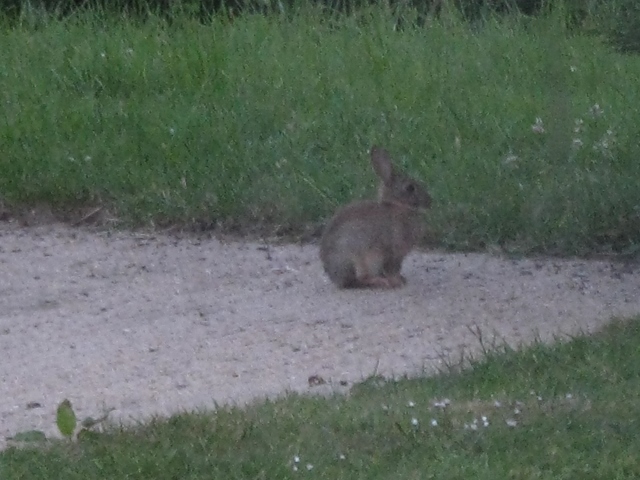
016Young rabbit (640x480)

A young Rabbit (Oryctolagus cuniculus) photographed one evening in June

I veer about in my attitude towards rabbits.  When I see rabbit kittens and young rabbits like this one I am full of love towards them.  How sweet they are!  I once looked out of an upstairs window early one morning and saw a couple of adult rabbits with a tiny rabbit kitten.  The adults were watching the baby and eating grass now and then while the kitten was exploring and skittering about, having fun.  It then ran up to the adults and rolled on its back just in front of them.  One of the adults nuzzled its head against the baby.  It all looked so peaceful.

I don’t feel quite the same about rabbits when I find large holes dug in the flower bed or bark chewed off my favourite trees and shrubs.  I am grateful for the control exerted on our rabbit population by stoats.

While hanging washing out on the line one summer a young rabbit ran past me.  I could tell from the way it ran that it was distressed and wasn’t sure where to go.  It headed for one of our vegetable plots.  I then saw the cause of the rabbit’s fear;  a stoat appeared round the corner of the house and well, skipped past me and made straight for the vegetable patch.  I couldn’t bear to watch any more so I went back indoors.  We haven’t seen any stoats in the garden for a couple of years – but we haven’t had too many rabbits either!

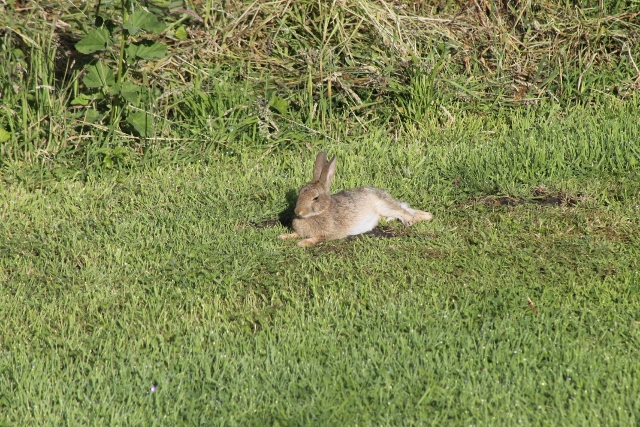
098Sleeping rabbit (640x427)

A sun-bathing, dozing rabbit seen one morning in late June

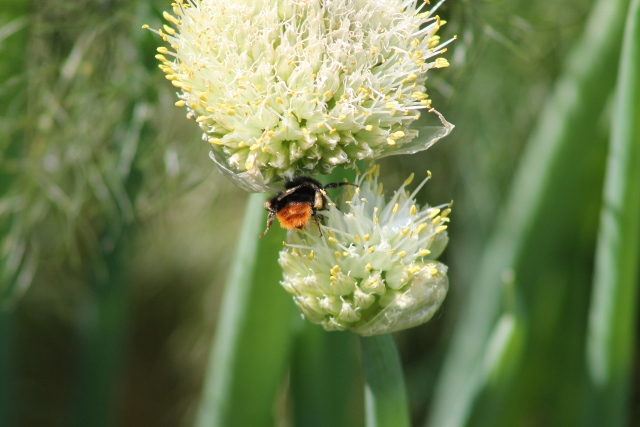
026Tawny Mining Bee on Welsh Onion (640x427)

This is (I think) a Red-tailed Bumble Bee (Bombus lapidarius) on a Welsh Onion flower.

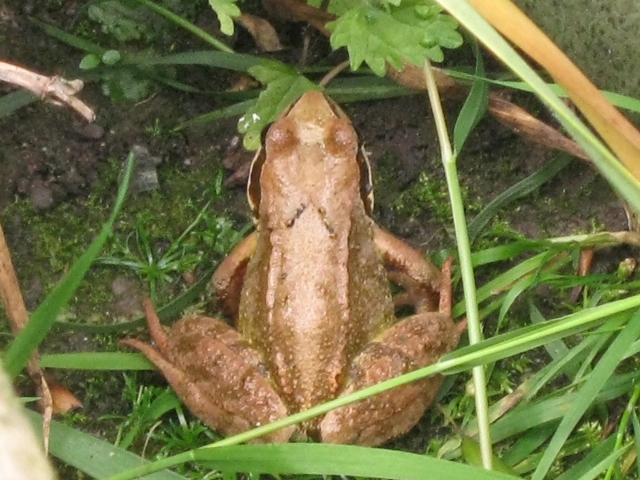
003Common frog (640x480)

A Common Frog (Rana temporaria)

This frog would not turn round so I could only photograph its back.  Common Frogs can be found in shades of yellow, orange, red, green, brown and even blue and usually have dark spots and markings on them.  They also have a dark patch behind the eye.

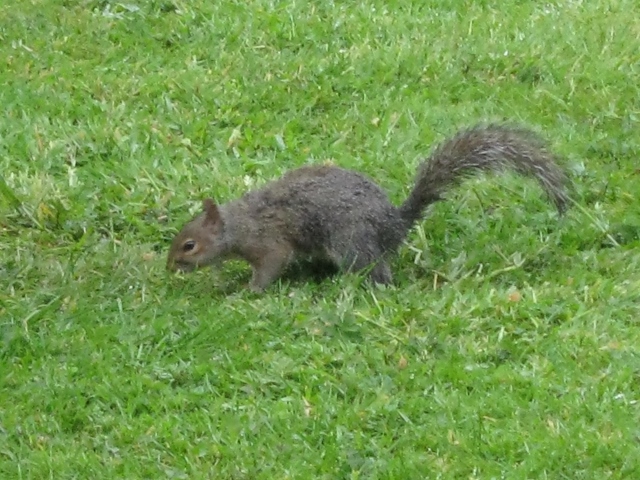
001Grey squirrel (640x480)

A Grey Squirrel (Sciurus carolinensis)  This one is very thin!

Grey Squirrels were introduced into this country in the mid-19th century but didn’t become established here until the beginning of the 20th century after many releases.


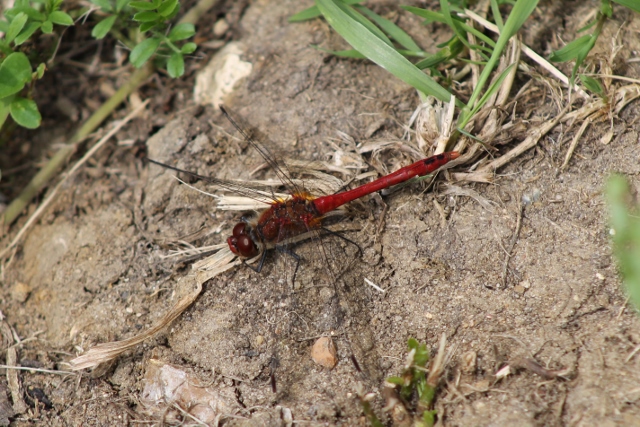
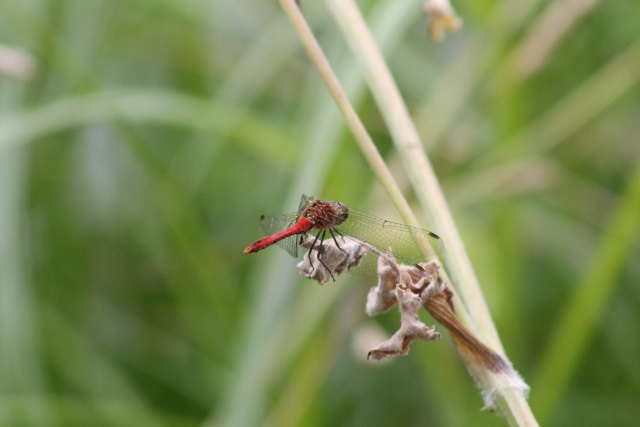
005Ruddy darter (640x427) (2)

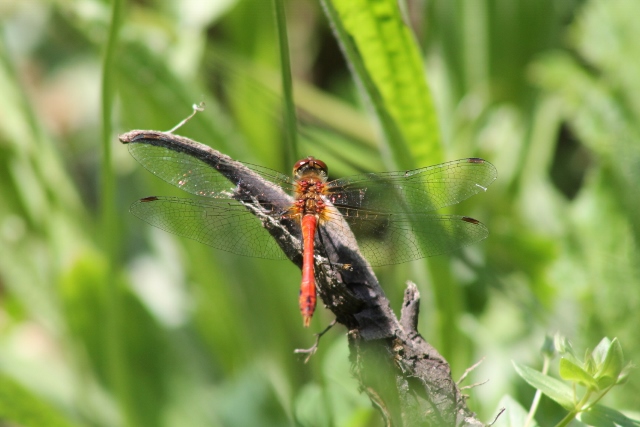
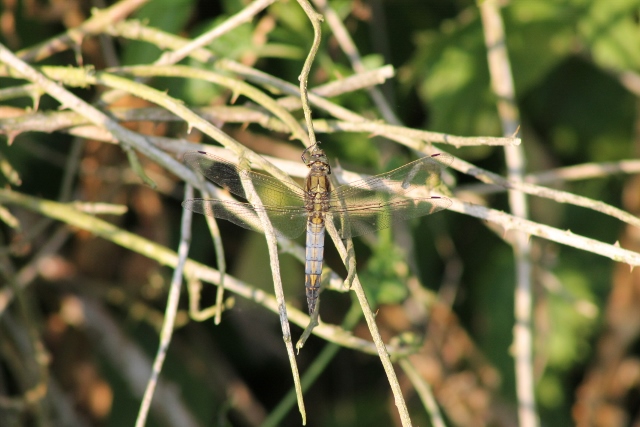
Ruddy Darter dragonfly; male ( Sympetrum sanguineum )

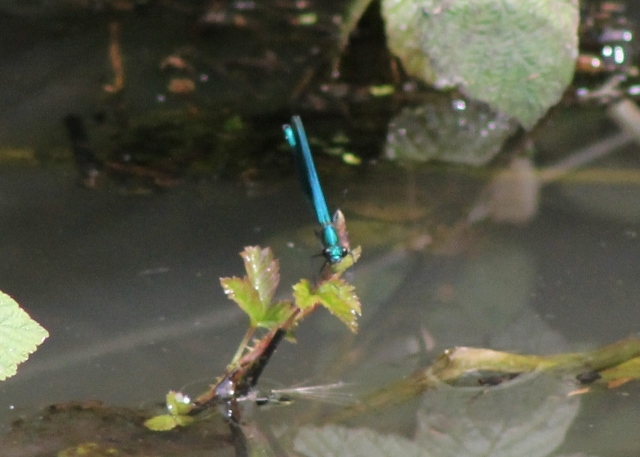
036Banded demoiselle (640x457)

Banded Demoiselle damselfly; male


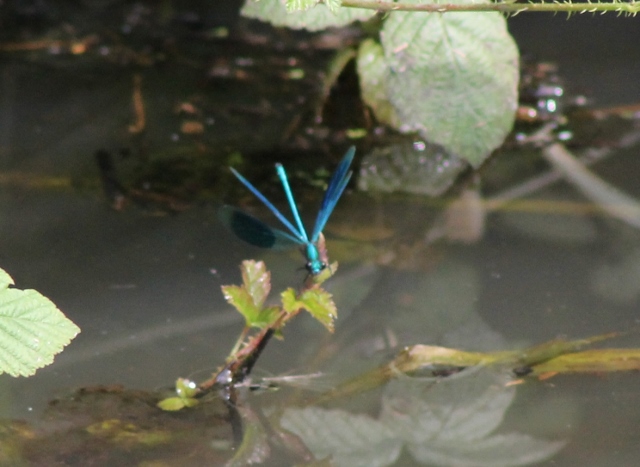
037Banded demoiselle (640x467)

This is a little out of focus but you can still see the dark iridescent band on this male’s wing

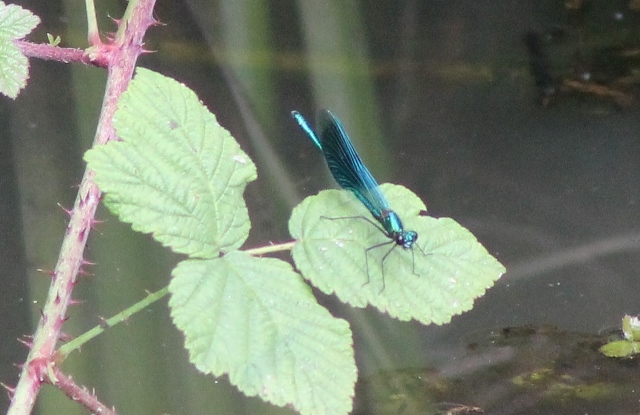
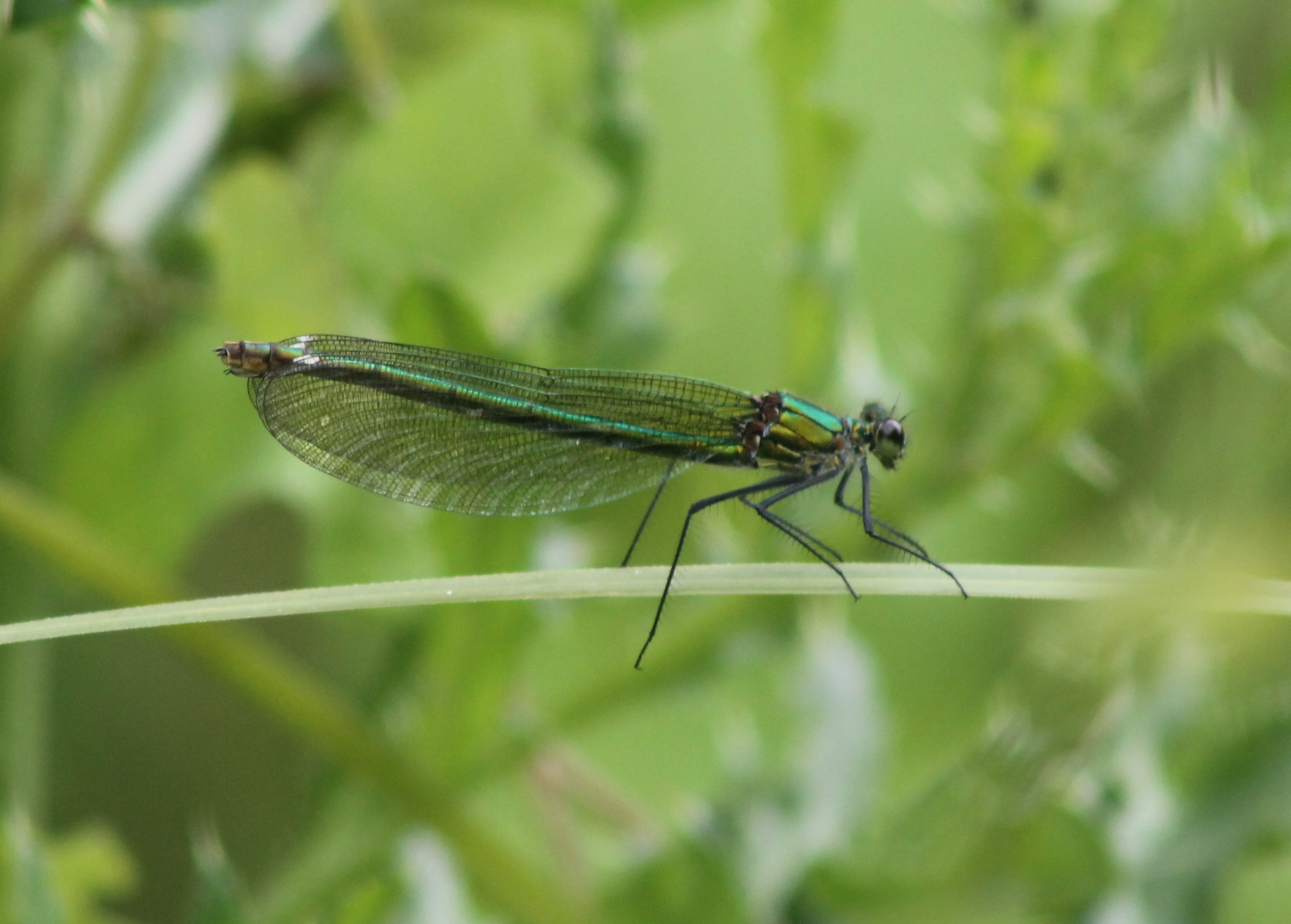
044Banded demoiselle (640x415)

These beautiful damselflies are quite large and flutter their wings more as a butterfly does


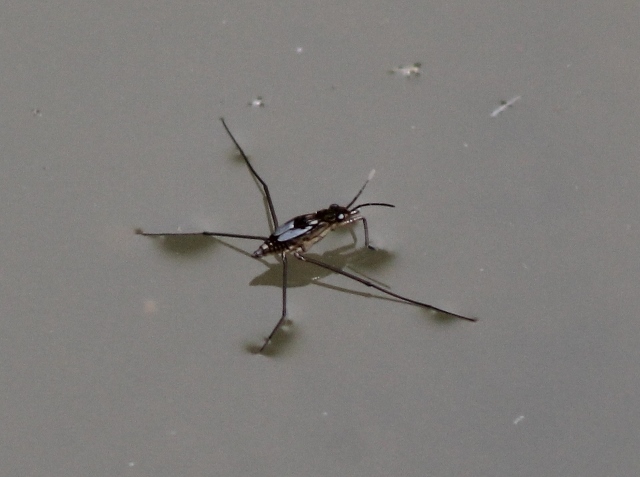
039Pond skater (640x477)

Pond Skater ( Gerris lacustris )

They use their short front legs to capture prey that has fallen onto the surface of the water.

That’s it for now.


Share this:

  • Share on X (Opens in new window) X
  • Share on Reddit (Opens in new window) Reddit
  • Share on Pinterest (Opens in new window) Pinterest
  • Share on Facebook (Opens in new window) Facebook
  • Email a link to a friend (Opens in new window) Email
  • Share on Tumblr (Opens in new window) Tumblr
  • Print (Opens in new window) Print
  • Share on Pocket (Opens in new window) Pocket
  • Share on LinkedIn (Opens in new window) LinkedIn
Like Loading...

Wild Flowers in my Garden

02 Sun Nov 2014

Posted by Clare Pooley in Insects, plants, Rural Diary, trees

≈ 16 Comments

Tags

berries, fruits, Late summer, Suffolk, wild flowers

This post will include wild flowers I saw and photographed during August and September.  Because of other duties, I haven’t taken many photographs since the beginning of September.  There were plenty of flowers about (and still are because of the unseasonably warm weather we have been experiencing) but most of them stayed unphotographed.  I have also included some berries, seeds and fruits as many of them were ripening fast during August.
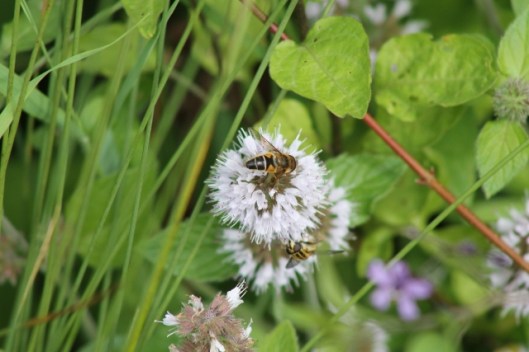
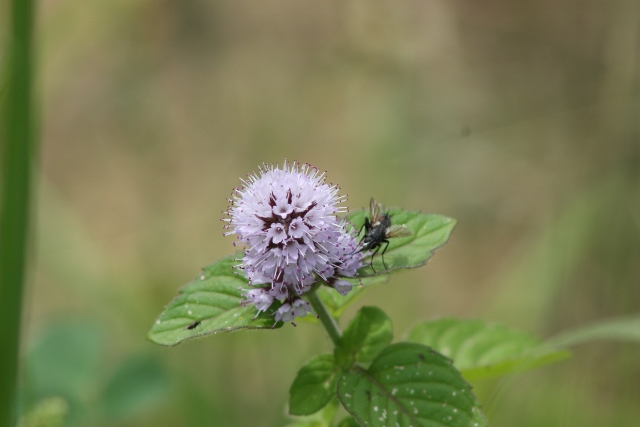
006Water mint flower with fly (640x427)

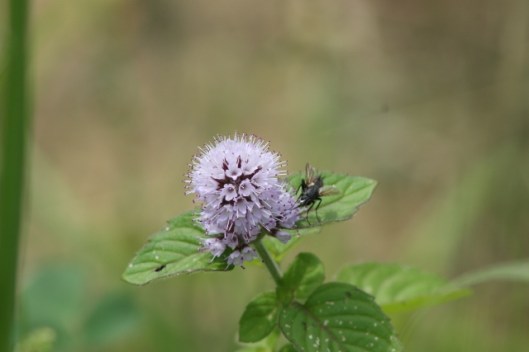
The Water Mint (Mentha aquatica) is very popular with all the insects
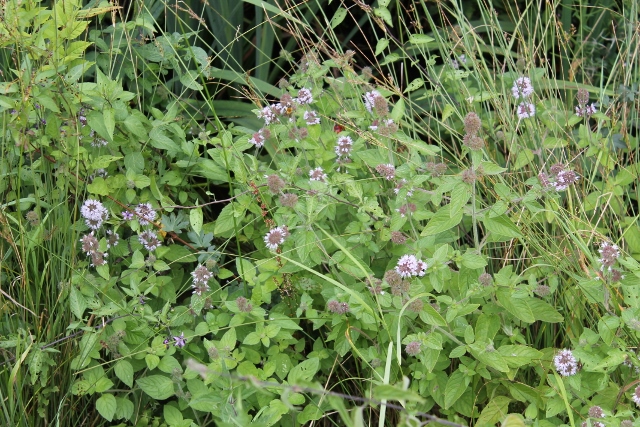
004Watermint (640x427)

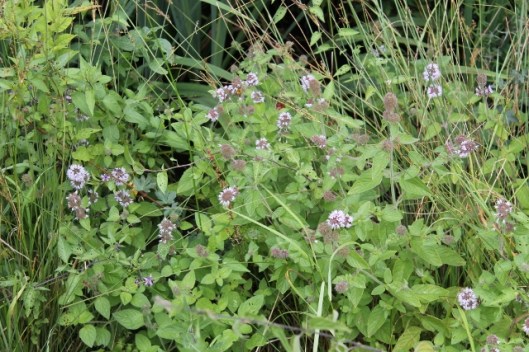
Water mint growing in our ditch

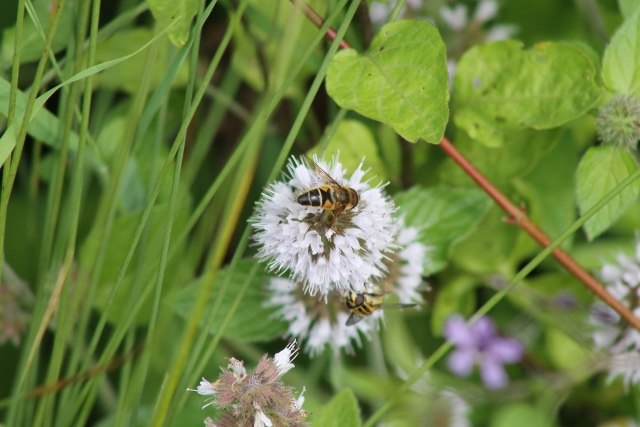
020Watermint with hoverflies (640x427)

Two types of hoverfly on the mint flowers.

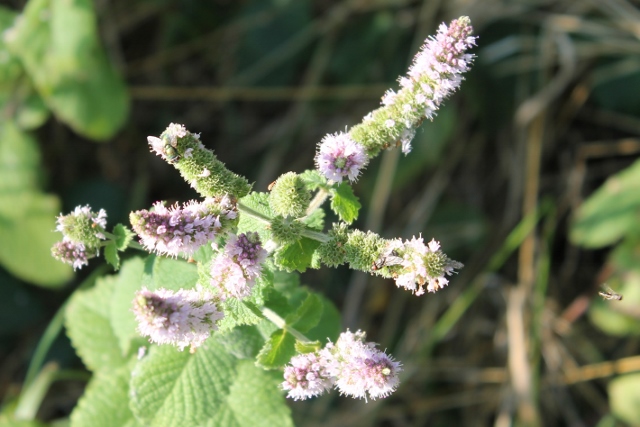
021Flies on mint (640x427) (2)

There are a few flies on these mint flower spikes too but they are well camouflaged.  I like the little fly on the right zooming off somewhere.

Peppermint (Mentha x piperata) is is a hybrid between Spear Mint/Garden Mint (Mentha Spicata) and Water Mint.

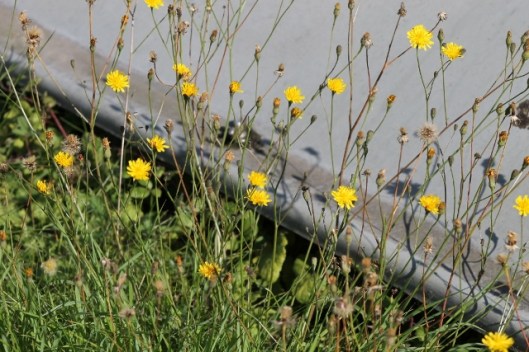
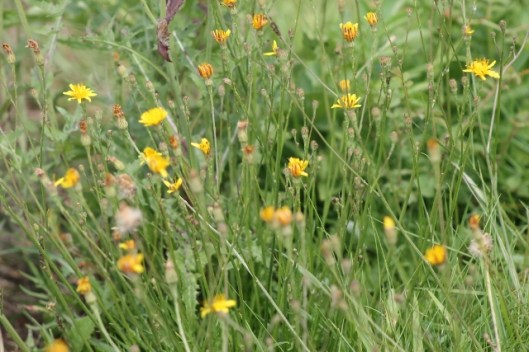
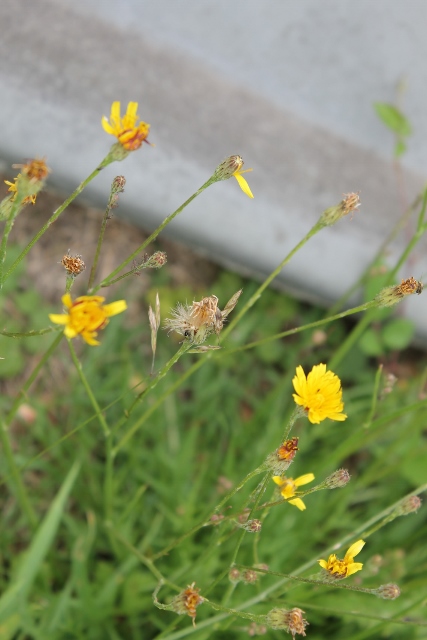
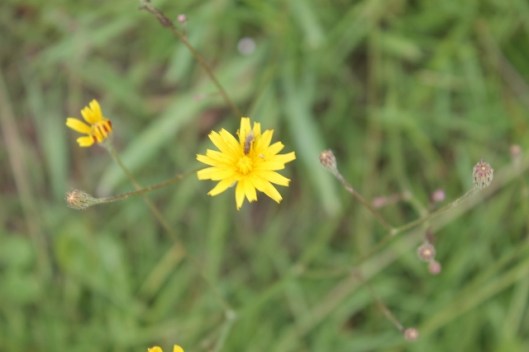
The next plant is I think, Cat’s-ear (Hypochaeris radicata) but there are a couple of features that make me feel unsure.
026Cat's-ear (640x427)

Cat’s-ear

The leaves at the bottom of the photo look too spiky to be Cat’s-ear.  Perhaps the leaves belong to a different plant?  Why do I never remember to take pictures of the whole plant?!
 

027Cat's-ear (427x640)

Cat’s-ear

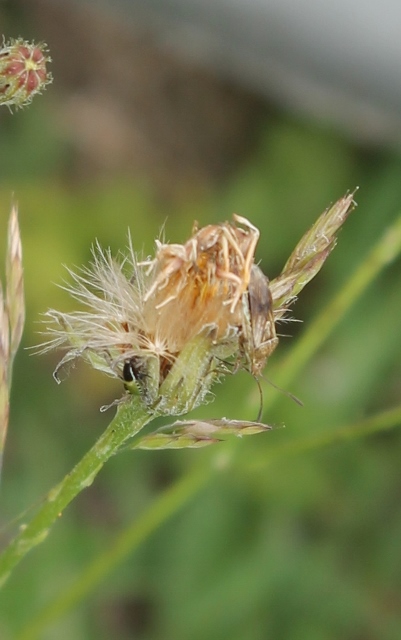
The next photo is a crop of the one above and shows a couple of insects on the seed-head that I had no idea were there when I took the photo.
027Cat's-ear (401x640)

There is (what I think is) a mature Green Shield Bug (Palomena prasina) on the right and down on the left is a little green and black insect – a Green Shield Bug nymph, 4th instar.

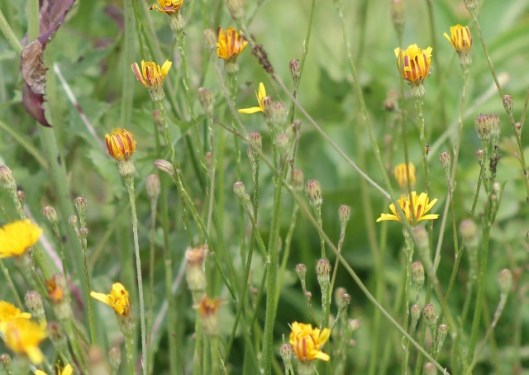
The main reason I have been in doubt is the colour of the outer florets.  They are such a dark orange-red that I thought at first it might be Beaked Hawk’s-beard but I’m sure it isn’t that.
028Cat's-ear with fly (640x427)

Cat’s-ear

011Possibly hawksbeard (640x427)

Cat’s-ear

026Cat's-ear (640x454)

And this is a cropped photo showing the red outer florets more clearly

What makes me think that it is Cat’s-ear is the presence of the scale-like bracts on the stem.

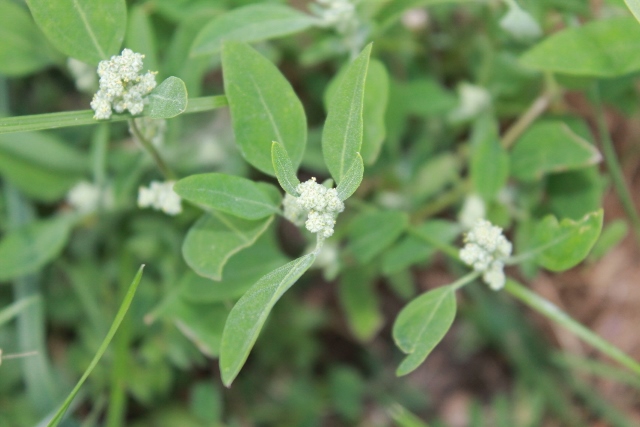
This next plant is called Fat-hen (Chenopodium album).  It is a very common annual plant of arable land.
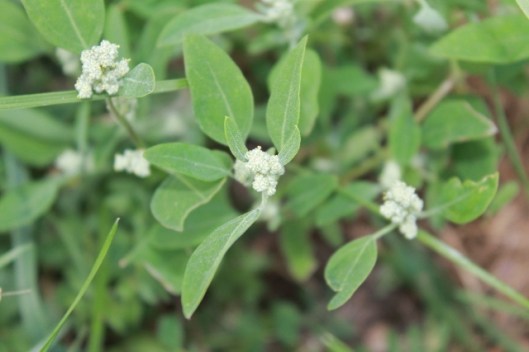
011Fat hen (640x427)

Fat-hen

Fat-hen is a wild spinach and its use in Britain as a food has been traced back to the Bronze Age.
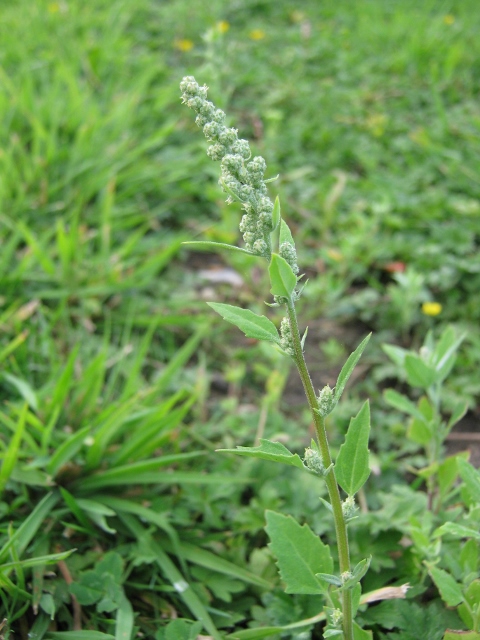
015Fat Hen (480x640)

Fat-hen

It can grow up to a metre in height.
012Tiny forget-me-not (640x427)

This is such a tiny-flowered forget-me-not.

The flowers are only about 2 or 3 mm across.
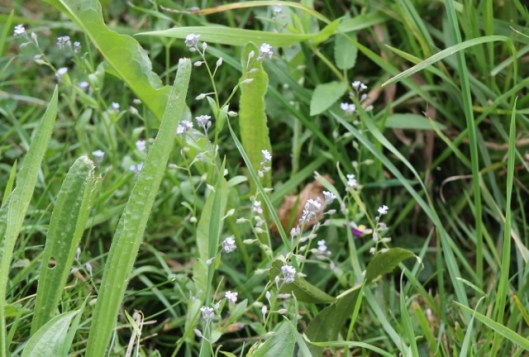
014Changing forget-me-not (640x432)

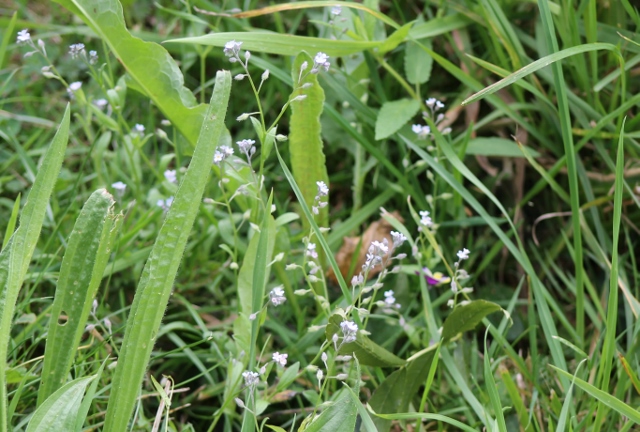
It is called Changing Forget-me-not (Mysotis discolor)

The flowers start off a yellowish colour but soon change to blue.
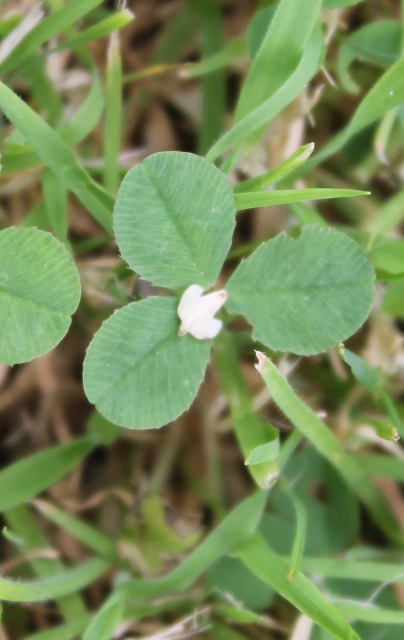
011Birch scale on clover leaf (404x640)

A Silver Birch (Betula pendula) scale which had landed on a clover leaf.

A scale is a sort of ‘spacer’ between the miniscule seeds of the birch when they are in the catkin.
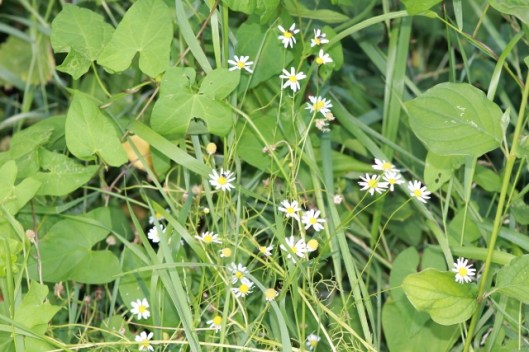
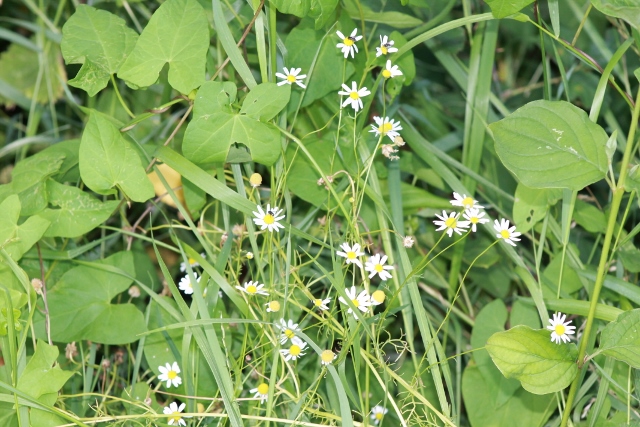
005Mayweed (640x427)

Scentless Mayweed (Tripleurospermum inodorum) continued to flower.
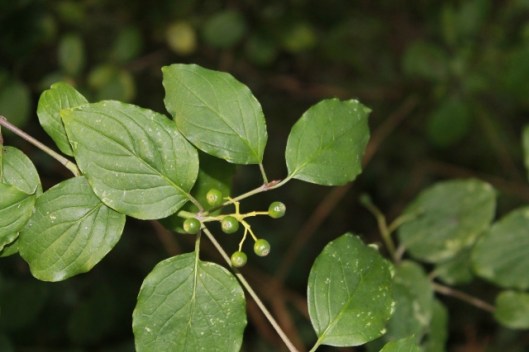
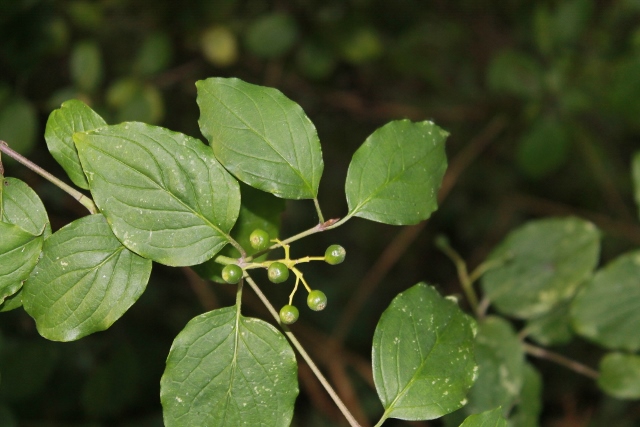
010Dogwood berries (640x427)

Dogwood berries had formed and were beginning to ripen.

There were plenty of grasses to photograph.

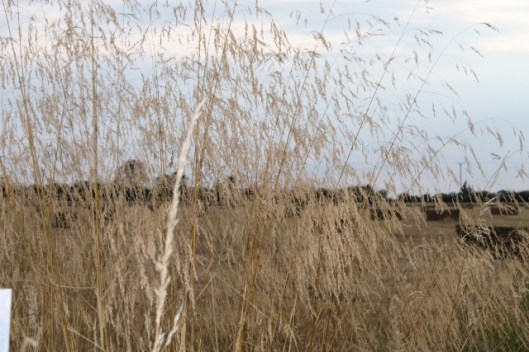
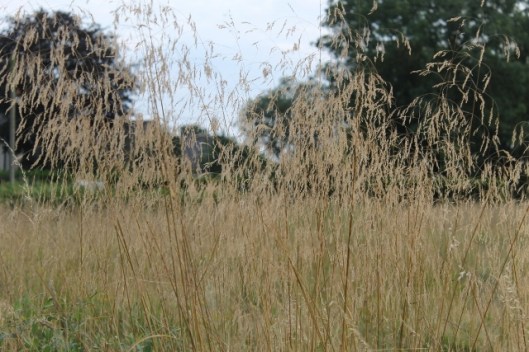
Tufted Hair-grass
Tufted Hair-grass
Tufted Hair-grass

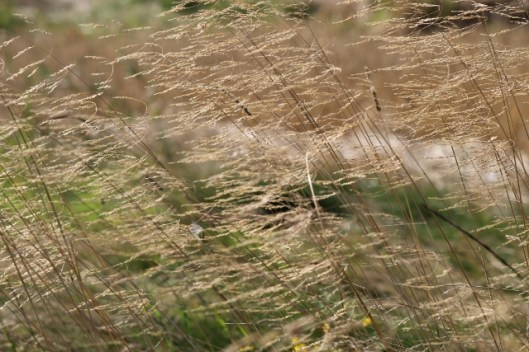
Tufted Hair-grass (Deschampsia cespitosa) grows to about 1.5 metres in height and I think it a really beautiful grass – lovely enough to have in the flower border.  It is a clump-forming perennial and quite easy to keep under control.
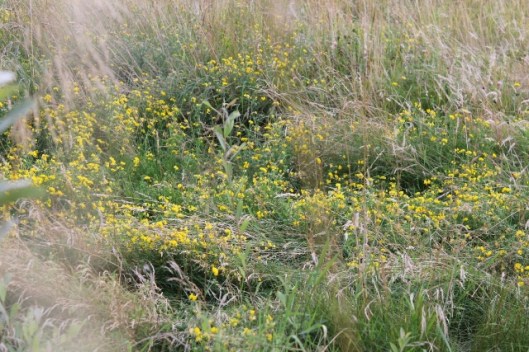
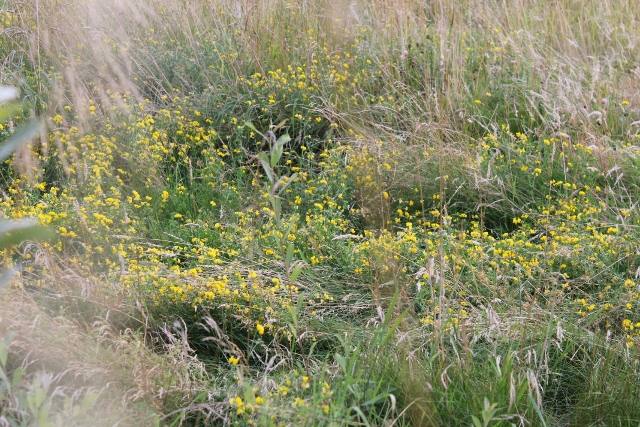
016Bird's-foot Trefoil (640x427)

Carpets of Bird’s-foot Trefoil on the un-ploughed strip of land round the field behind our house.

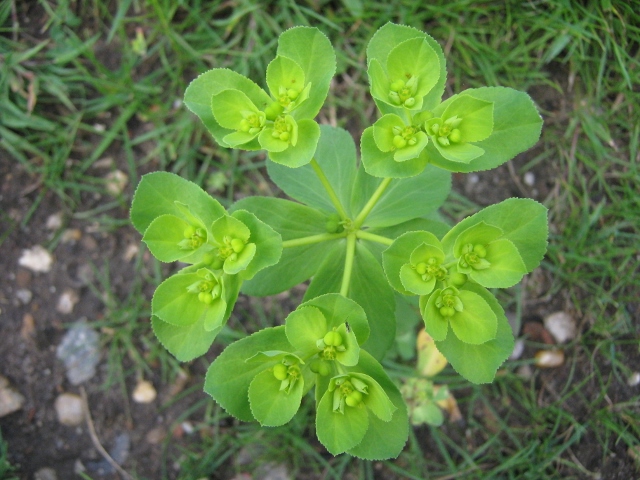
014Sun Spurge (640x480)

Sun Spurge (Euphorbia helioscopia)

The Sun Spurge has sweet-scented, kidney-shaped lobes on its petal-less flowers which attract insect pollinators.  When the Sun Spurge’s seed capsule is ripe it bursts open with an audible crack and the seeds are fired off in all directions.  There are three seeds in separate compartments and they have a fleshy appendage that contains an oil that ants find irresistible.  They collect the seeds and carry them off even further.   Ants usually only eat the oily part and leave the rest of the seed to germinate.

The Euphorbia genus was named after a man called Euphorbus, physician to King Juba of Mauritania in the 1st century AD, who is said to have used the plant medicinally in North Africa.  The species name ‘helioscopia’ derives from two Greek words which together mean ‘look at the sun’.  This probably refers to the flat-topped head of flowers which spreads out to be fully exposed to the sun.

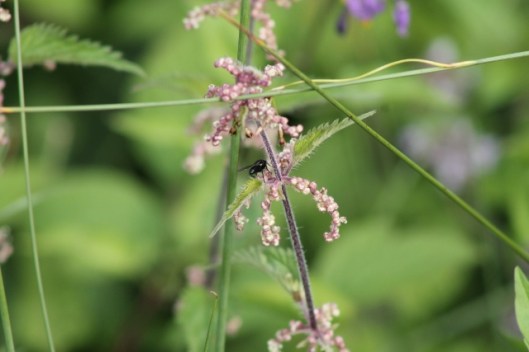
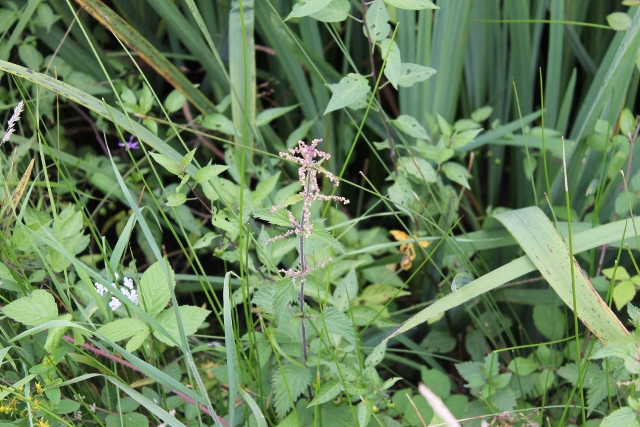
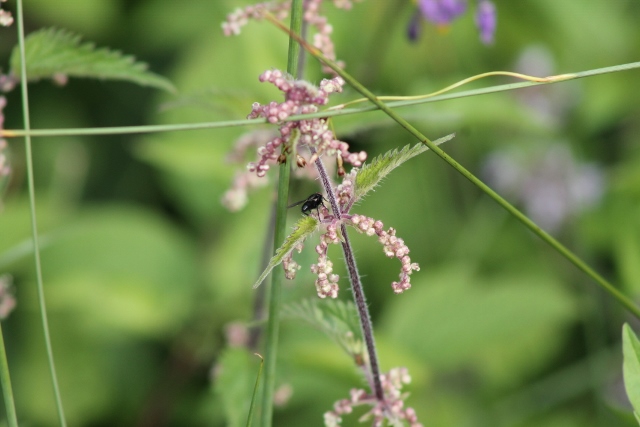
I found a few Stinging Nettles (Urtica dioica) with pink flowers.
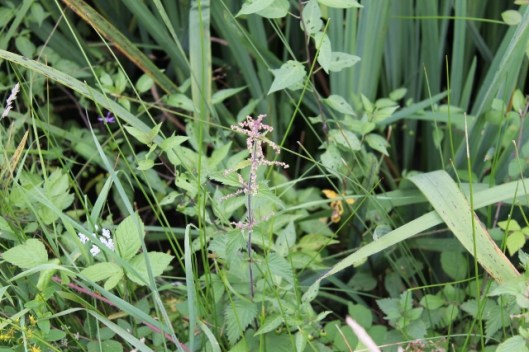
005Stinging nettle with pink flowers (640x427)

Stinging Nettle

022Nettle with black fly (640x427)

Stinging Nettle

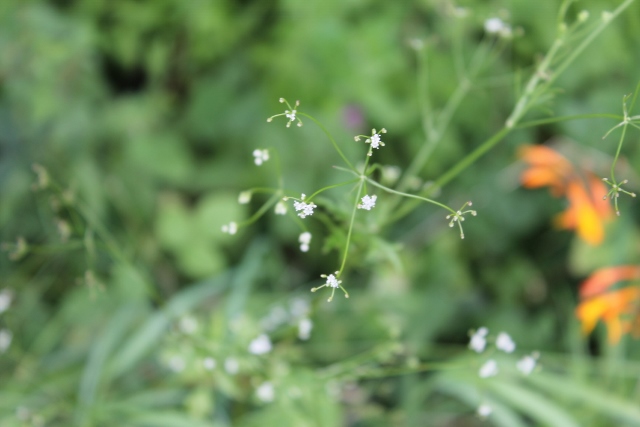
009Parsley water dropwort (640x427)

Parsley Water-dropwort (Oenanthe lachenalii) just coming into flower

I found this growing in our ditch at the front of the house.  This isn’t poisonous but it looks quite similar to Hemlock so it is best left alone.  It can be distinguished from Hemlock by its long narrow leaflets and greyish colour.  Hemlock (Conium maculatum) has wedge-shaped leaves and is a deeper green;  it has a foetid smell and purple-blotched stem.

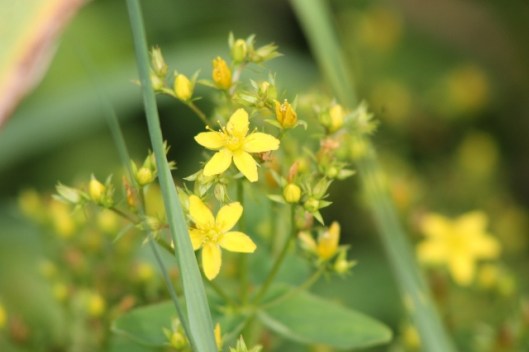
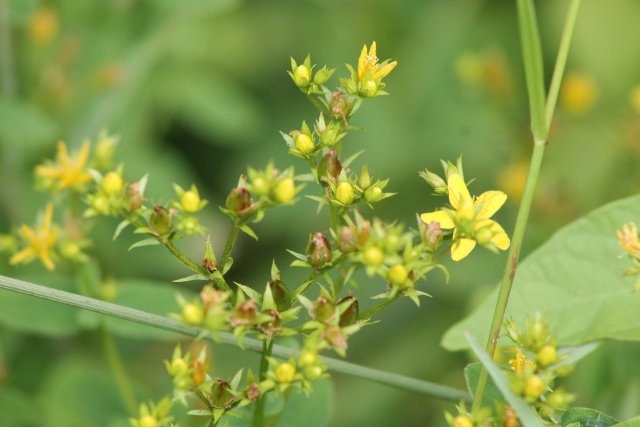
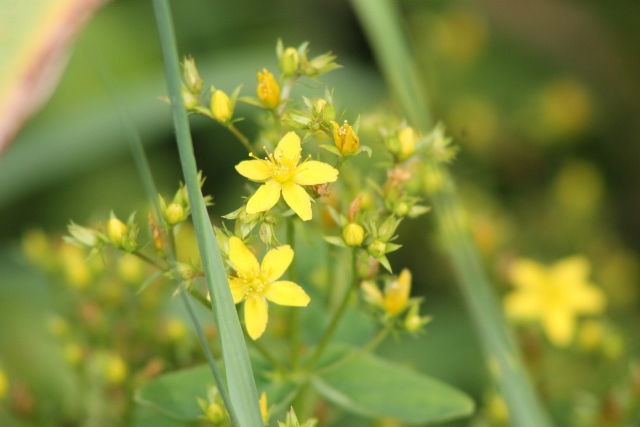
We also have a lot of St John’s-wort growing in the same ditch.  I think it might be Square-stalked St John’s-wort (Hypericum tetrapterum).
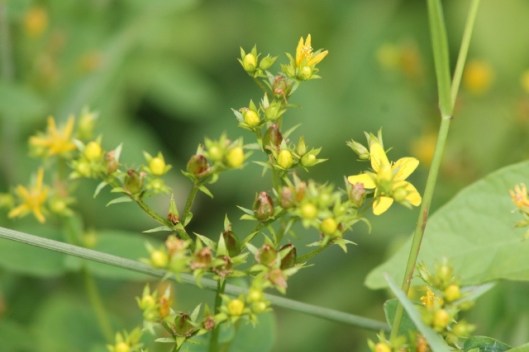
018St John's-wort (640x427)

Square-stalked St John’s-wort

019St John's-wort (640x427)

Square-stalked St John’s-wort

This St John’s-wort has a winged square stem.  I don’t think that is a good explanation but a photo of a cross-section of the stem would show the corners  drawn out into thin flaps.
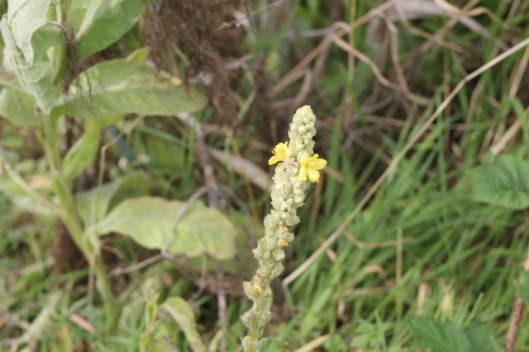
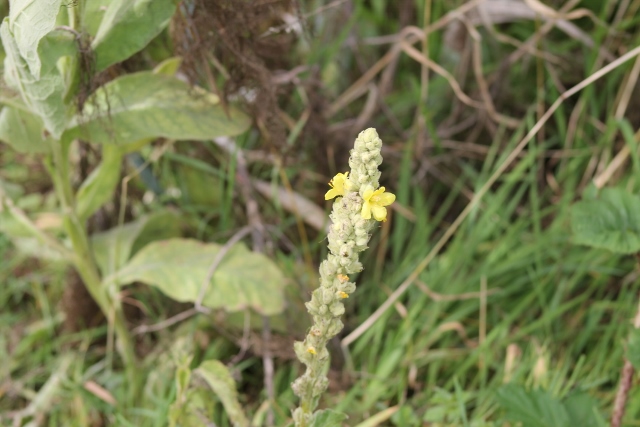
026Mullein (640x427)

I didn’t find this rather stunted Great Mullein (Verbascum thapsus) until most of its flowers had disappeared.
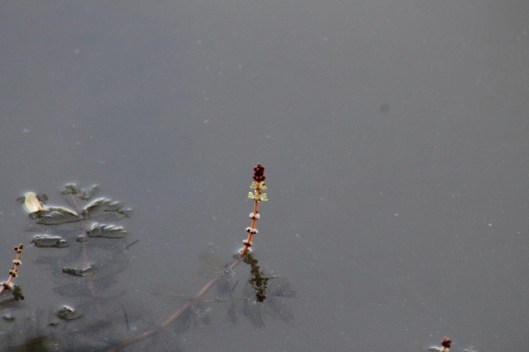
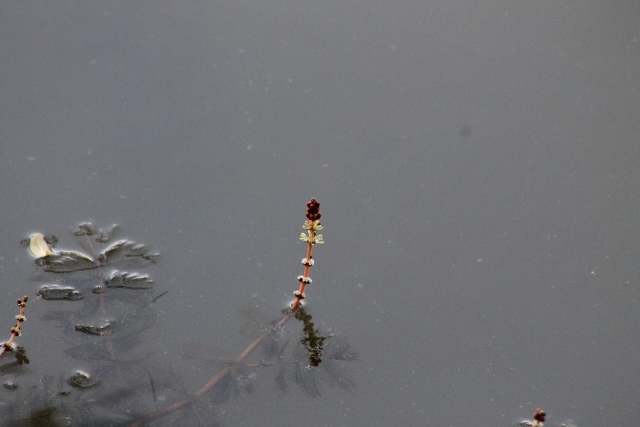
018Spiked water-milfoil (640x427)

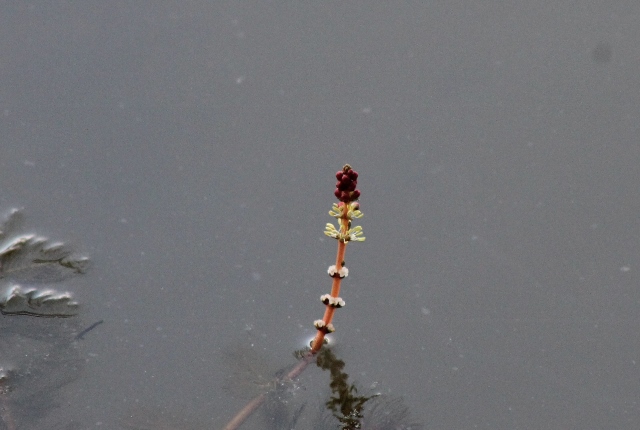
This is Spiked Water-milfoil (Myriophyllum spicatum) in our pond
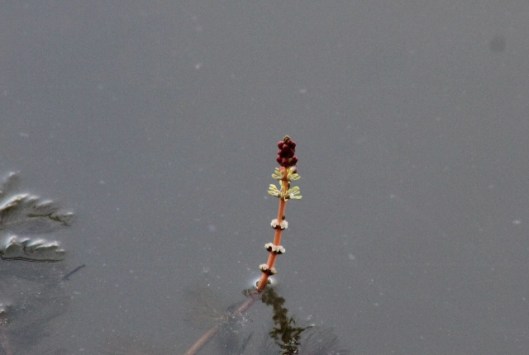


018Spiked water-milfoil (640x430)

I have cropped the photo above as this shows the red fruits a little more clearly. Not a good image, I know.

The spikes of this milfoil rise above the water and in mid-summer have tiny red flowers on them – the lower flowers female and the upper male.  The feathery leaves are below the surface and are in whorls.

This is a native plant and is not invasive here but I read that it is causing real problems in Canada and the States.  We have similar problems with Parrots Feather (Myriophyllum aquaticum) from South America.  There are such dangers in introducing wildlife from other countries.
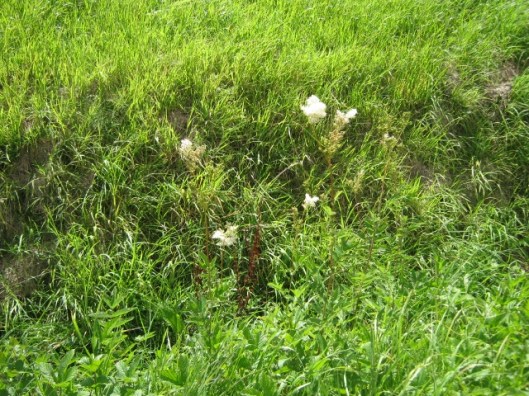
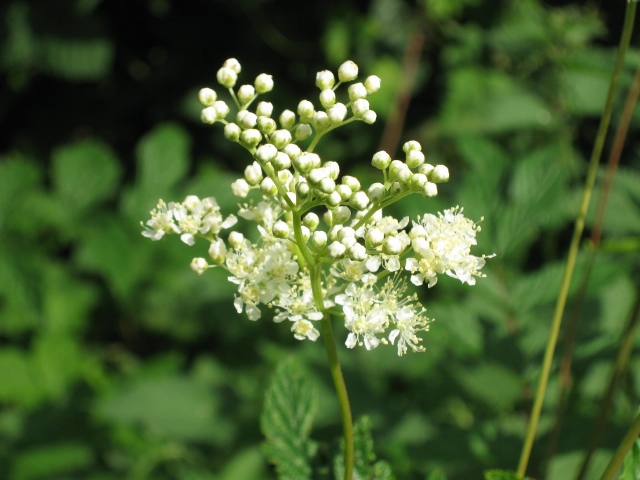
001Meadowsweet (640x480)

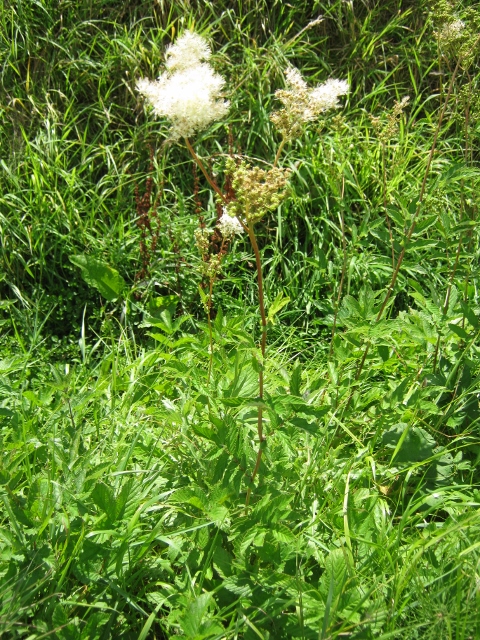
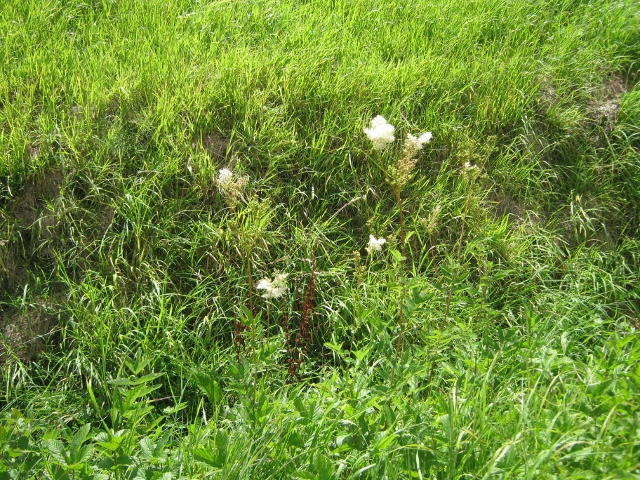
This is Meadowsweet (Filipendula ulmaria) growing in a ditch on my route to my mother’s house

I found the fuzzy, creamy-white sprays of flowers very difficult to photograph.  They are very sweet-smelling – like almond blossom.  The plant belongs to the rose family.
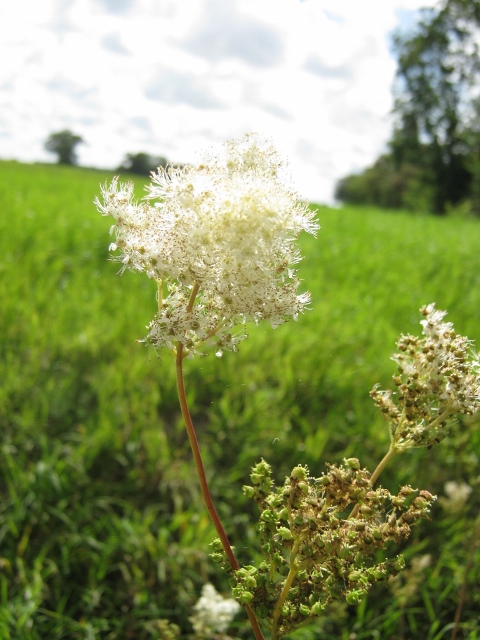
002Meadowsweet (480x640)

Meadowsweet

003Meadowsweet (480x640)

Meadowsweet. The leaves have three to five pairs of oval leaflets with smaller leaflets between
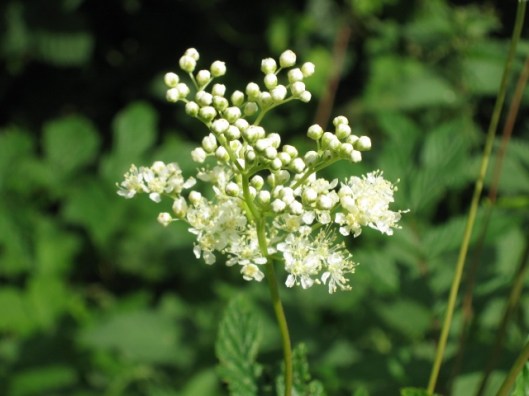
002Meadowsweet (640x480)

Meadowsweet

025Rose hips (640x427)

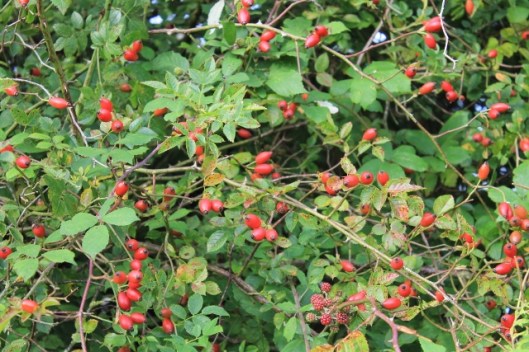
Rosehips (Rosa canina) in our hedge

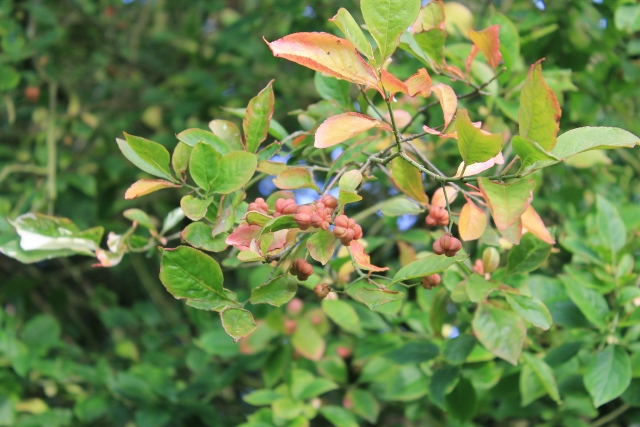
026Spindle berries (640x427)

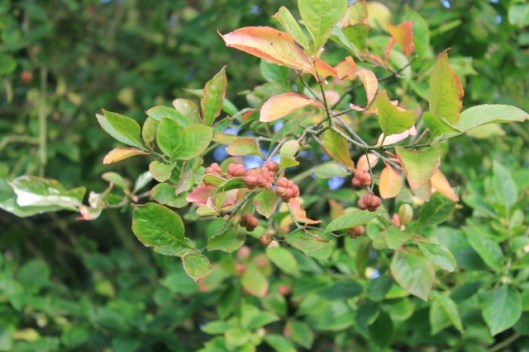
Spindle berries (Euonymus europaeus) maturing in our hedge
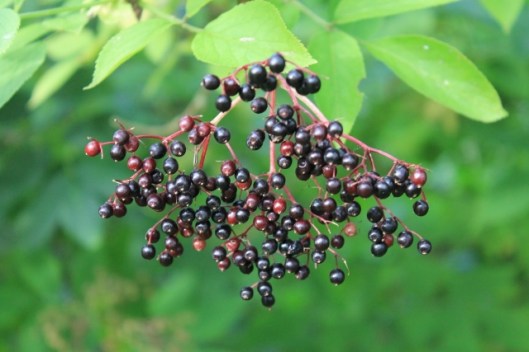
 

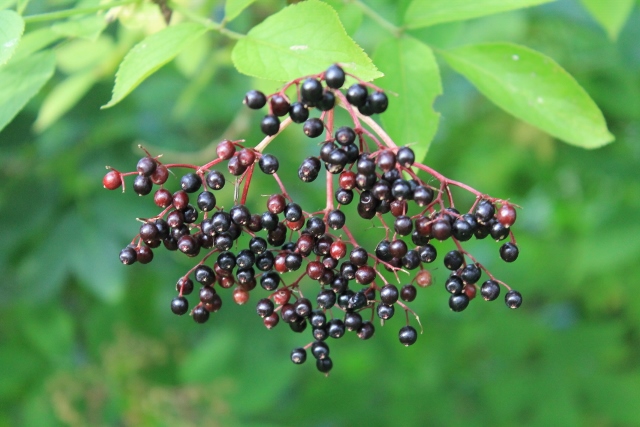
027Elderberries (640x427)

Elderberries (Sambucus nigra) in our garden
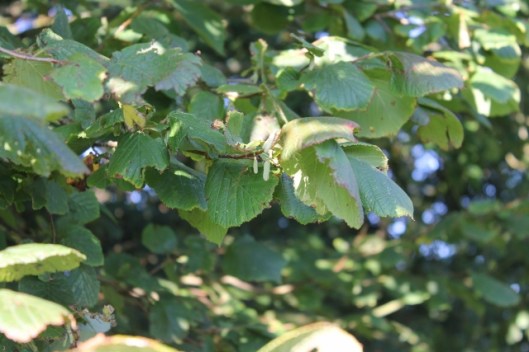
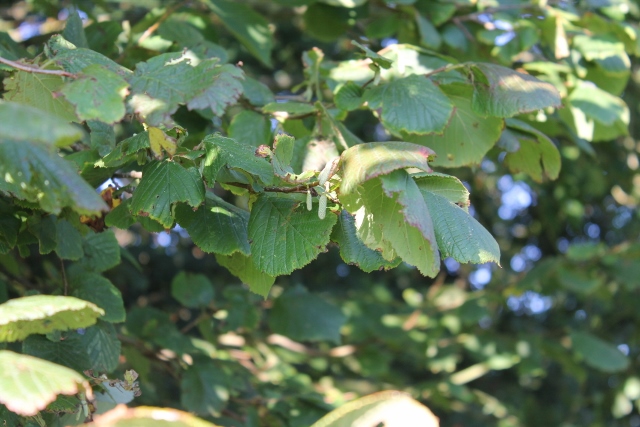
022New catkins on Hazel (640x427)

New catkins forming on the Hazel trees (Corylus avellana) in early September

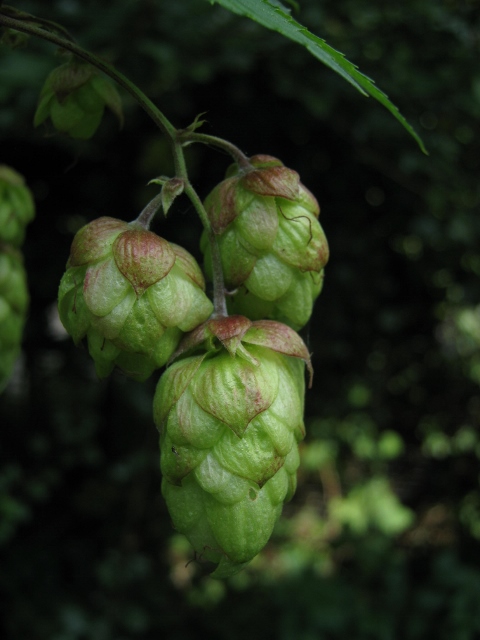
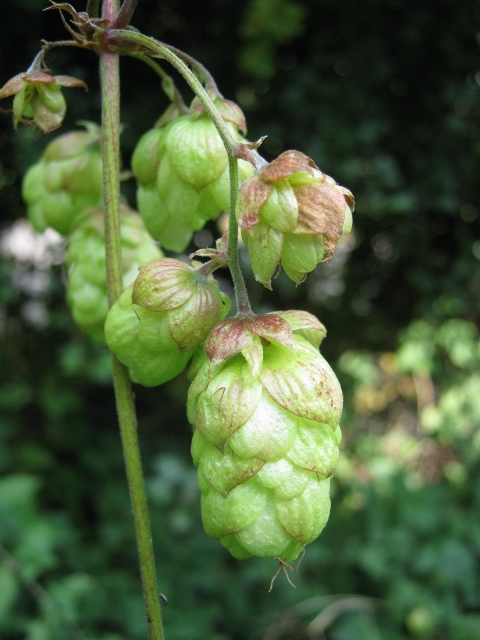
Finally, some photographs of Wild Hop (Humulus lupulus) growing in the hedge in my mother’s garden.
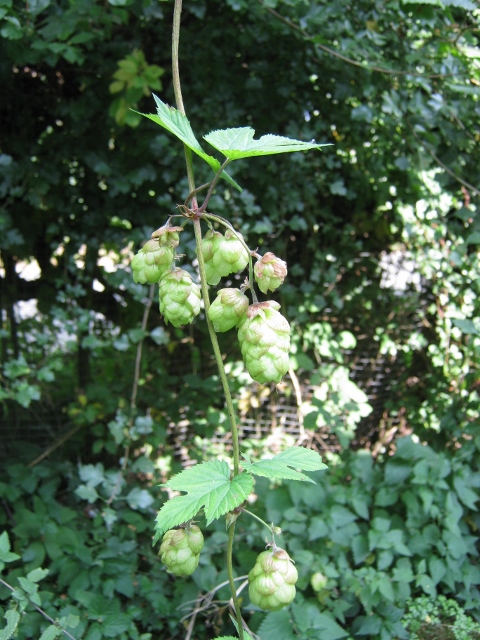
005Wild hops (480x640)

Hop vine

006Hops (480x640)

Hop fruits

007Hops (480x640)

Hop fruits

This year, a local brewery asked people to donate the hops growing in their hedges so they could make a special wild hop beer.  Mum didn’t donate hers as she doesn’t have that many and we didn’t hear about this until after the event.  My husband comes out in a nasty rash if he touches hop leaves.  Fortunately for him he gets no rash when he drinks beer.
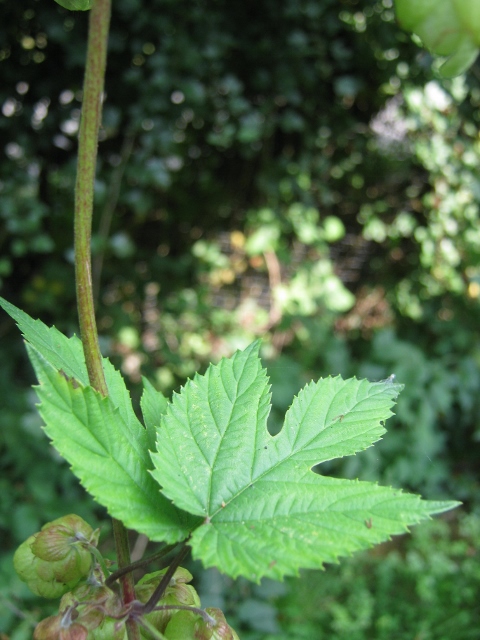
008Hop leaves (480x640)

Hop leaves

Thank-you for reading this post!


Share this:

  • Share on X (Opens in new window) X
  • Share on Reddit (Opens in new window) Reddit
  • Share on Pinterest (Opens in new window) Pinterest
  • Share on Facebook (Opens in new window) Facebook
  • Email a link to a friend (Opens in new window) Email
  • Share on Tumblr (Opens in new window) Tumblr
  • Print (Opens in new window) Print
  • Share on Pocket (Opens in new window) Pocket
  • Share on LinkedIn (Opens in new window) LinkedIn
Like Loading...

Dunwich Flora

12 Fri Sep 2014

Posted by Clare Pooley in Insects, plants, Rural Diary

≈ 18 Comments

Tags

asters, Bird's-foot Trefoil, boat winches, common green grasshopper, common restharrow, dock, Dunwich beach, fish-and-chip café, Going to college, hare's-foot clover, harrowing, hop trefoil, humming-bird hawkmoth, parsley water-dropwort, prickly sow-thistle, sea campion, sea mayweed, shingle, yellow horned poppy

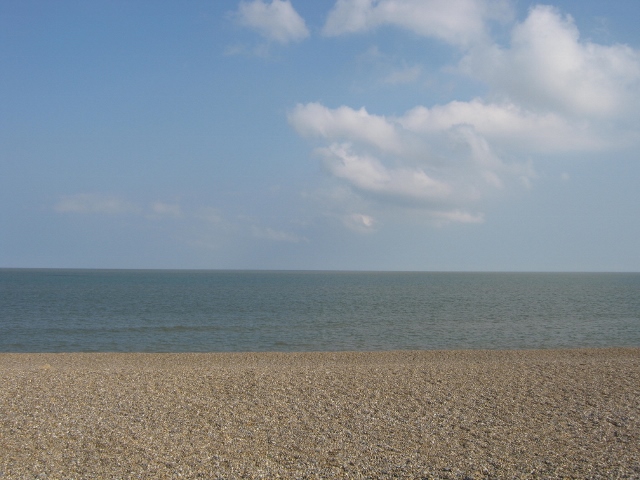
Monday was a strange and busy day.  I was up much earlier than of late – 6.20 am to be precise so that I could wake E at 6.30.  It was her first day at City College Norwich and to get there on time we needed to leave home at 7.30.  R was travelling to Scotland later in the day and we wouldn’t be seeing him until Thursday.  He went into work for a few hours and then drove to Norwich airport to get a flight to Edinburgh where he got a hire car so he could drive to his hotel in Dunbar. E had three hours of English and then I would be collecting her again at 12 midday.  We got to the college through fairly heavy rush-hour traffic with twenty minutes to spare before her lesson started.  I dropped her off and then returned back home to continue with the washing which I had already started.  Home at 9.15, rushed about a bit, back in the car at 11.15 and was outside the college again just before midday.  E was already outside as her tutor had let them out a little early.  Thankfully, she had enjoyed herself and had met up with the Irish girl she had met on her ‘taster day’ last week.  They had joined up with another couple of girls and had got on very well in their twenty minute break.  We stopped off in Bungay on the way home so that I could buy birdseed for my mother and some art equipment for E.  This resulted in my purse being quite a few pounds lighter by the time we got back in the car.  This college business is very expensive! After lunch I realised that I needed some groceries and also had to collect my medication so got back in the car.  It was a lovely afternoon and after I had finished in town and as I was in need of a little quiet reflection time, I drove to Dunwich beach adding another eighteen or so miles to my driving tally for the day. The light was perfect, the breeze light and the air warm and balmy.  I walked on the beach for a while looking at the sea.  My small point-and-shoot camera doesn’t do justice to the colour of the sea which was true aqua-marine and much greener than in the photo. 004Dunwich Beach (640x480) After wandering about on the shingle for a while I then decided to go a little further inland and look at the plants and flowers.  The shingle rises up from the waters edge and then flattens out for a couple of yards.  This is good to walk along when it isn’t too windy as it provides a good view seaward and landward. Beyond this ridge it then descends quite sharply to a lower sheltered area of sand and gravel which then becomes marshland and then woodland.  As the shingle gets further from the sea it supports some hardy plants like Sea-kale (Crambe maritima) and Yellow Horned-poppy (Glaucium flavum).  I was too late to be able to photograph the poppy flowers but the clumps of leaves were everywhere.

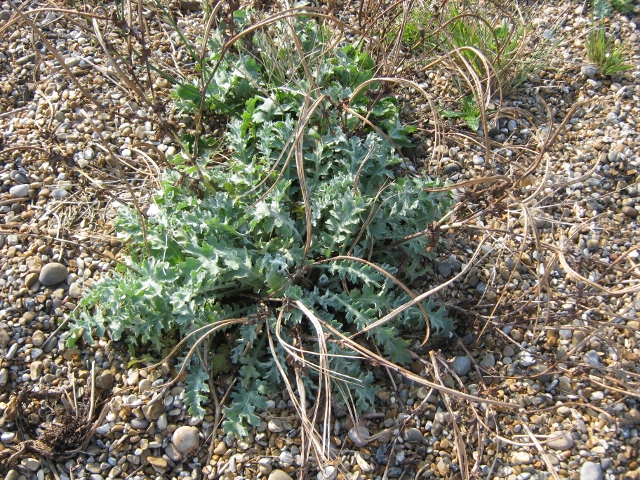
005Yellow Horned Poppy leaves (640x480)

Leaves of Yellow Horned-poppy (Glaucium flavum)

All parts of Horned-poppy are poisonous and if they are eaten can affect the brain.  One of my plant reference books quotes from old records a strange story from 1698 concerning the Horned-poppy.  ‘A man made himself a pie of horned poppy roots under the impression that they were the roots of sea holly.  After eating the pie he became delirious and fancied that his white porcelain chamber pot was solid gold.  He broke the pot into bits in the belief that he owned a great treasure’.

Once down off the shingle bank there were many plants to look at.

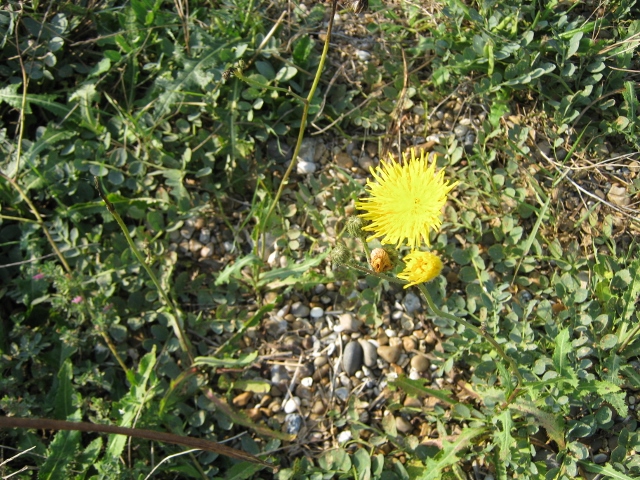
006Prickly Sow-Thistle (640x480)

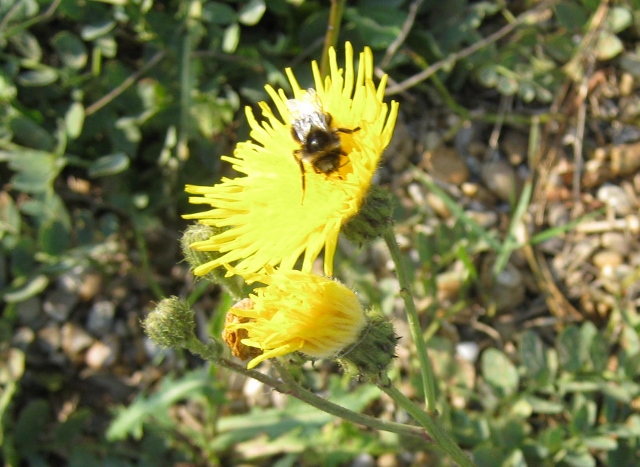
Prickly Sow-thistle (Sonchus asper)

007Bee on Prickly Sow-Thistle (640x467)

A bee on Prickly Sow-thistle

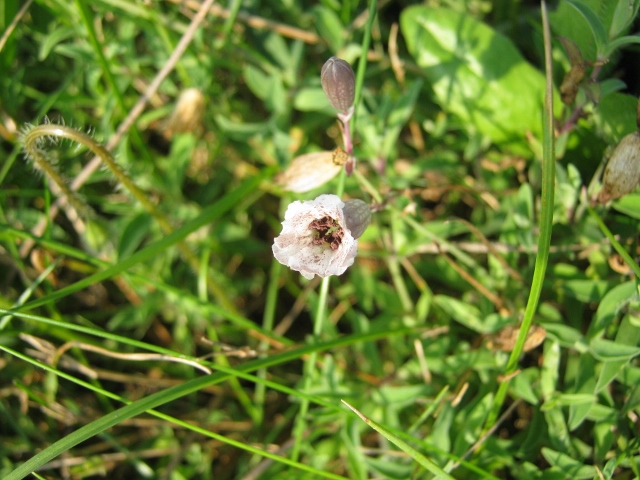
008Sea Campion (640x480)

Sea Campion (Silene uniflora)

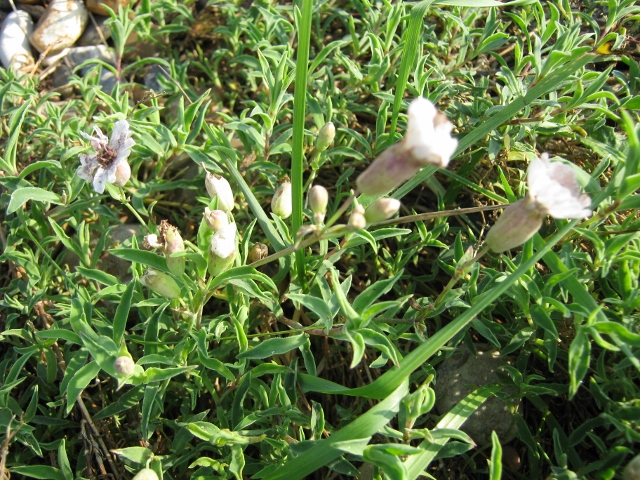
011Sea Campion (640x480)

Not a brilliant photo I know, but it shows clearly the similarity between it and Bladder Campion (Silene vulgaris) with the swollen calyx and also shows the grey-green, fleshy almost waxy leaves.

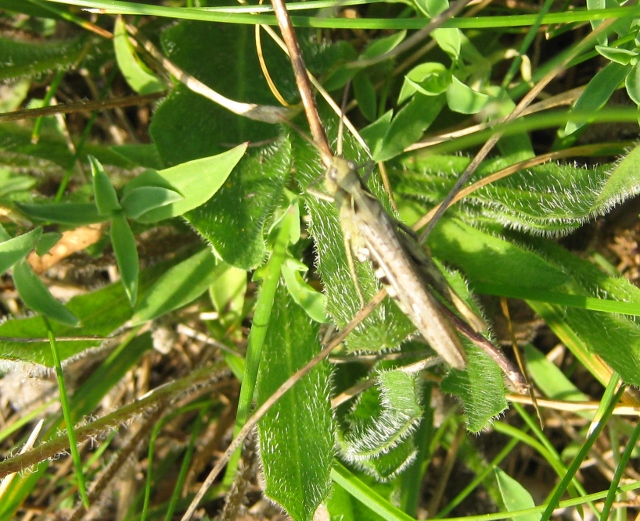
009Grasshopper (640x521)

Probably a male Common Green Grasshopper (Omocestus viridulus)

As I walked, grasshoppers were leaping out of the way; there were so many of them.  I tried to photograph one but the shot was not successful.  I was wishing I had brought our better camera with me.

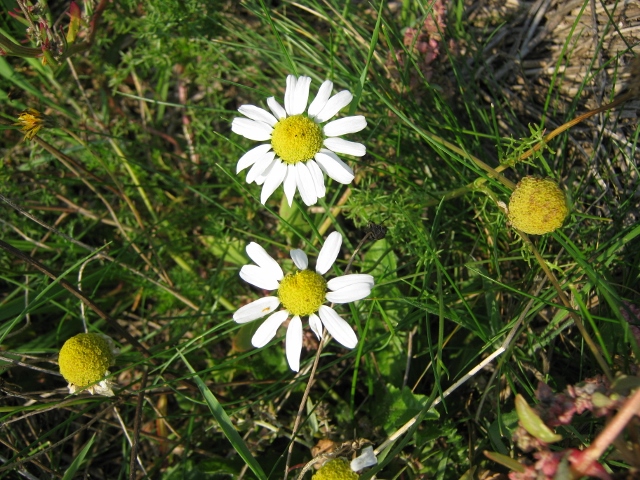
010Sea Mayweed (640x480)

Sea Mayweed (Tripleurospermum maritimum)

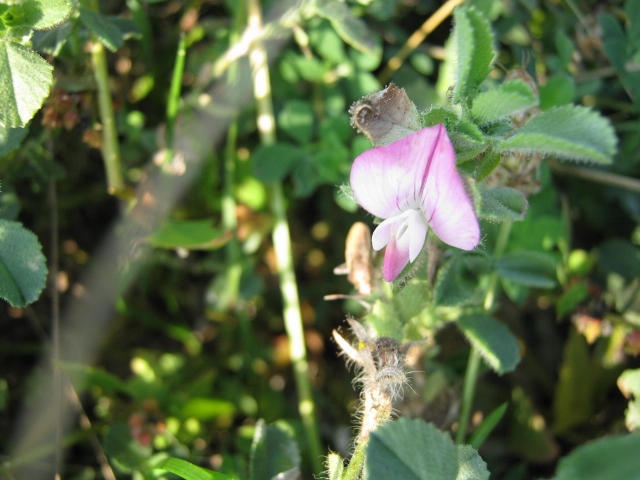
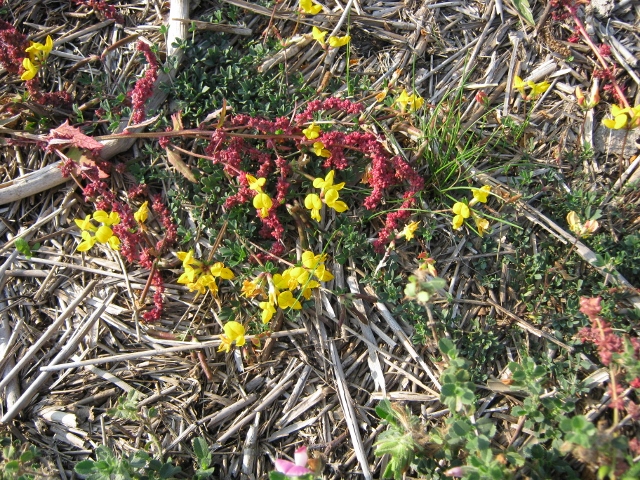
013Common Restharrow (640x480)

Common Restharrow (Ononis repens)

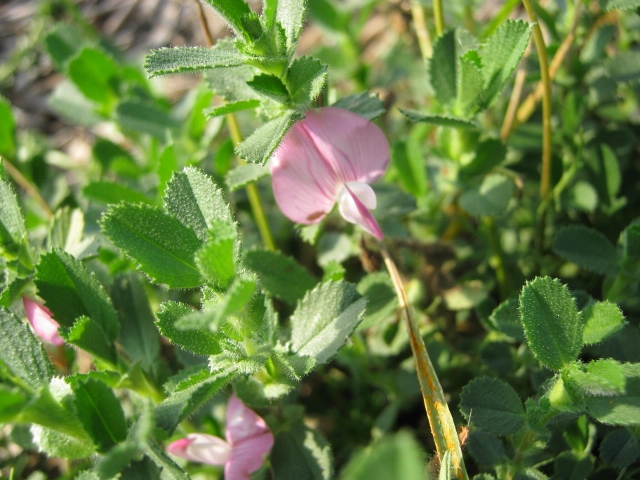
016Common Restharrow (640x480)

Common Restharrow

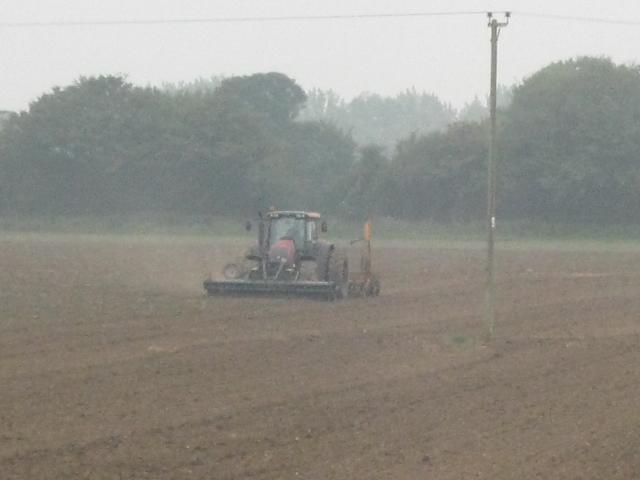
This is a very pretty pea flower though, as its name suggests, it wasn’t popular with ploughmen as it has deep roots and matted stems that root as it trails along the ground.  It also taints milk if eaten by cattle.  The leaves when crushed smell a bit like goats do – not nice!  Children in the north of Britain in the past dug up the roots of Restharrow and chewed them like liquorice – another name for this plant is wild liquorice.   The leaves are a little sticky to the touch and have an attractive crimped edge to them. As an aside, while I am typing this (Thursday lunchtime) the field at the back of our house is being harrowed.  I don’t think the large machines of today are much hindered by plants anymore. 002Harrowing (640x480) The weather today is gloomy and misty, as you can see.

014Bird's-foot Trefoil with Dock seed-head (640x480)

Common Bird’s-foot Trefoil (Lotus corniculatus) with Dock seed-head (Rumex obustifolius)

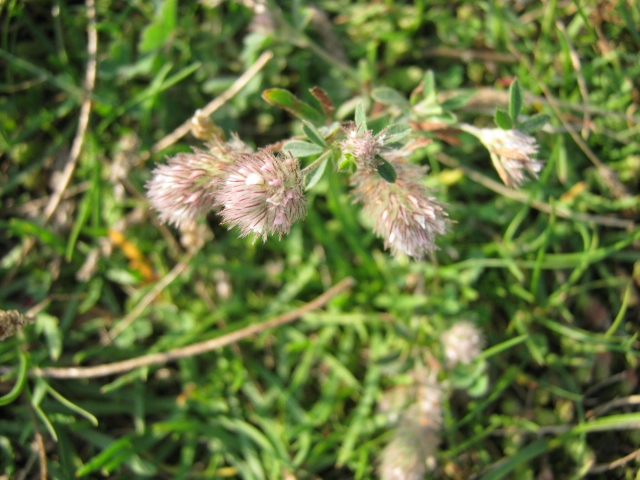
017Hare's-foot Clover (640x480)

Hare’s-foot Clover (Trifolium arvense)

I love this little plant!  The flowers are so soft and furry and tinged with pink.
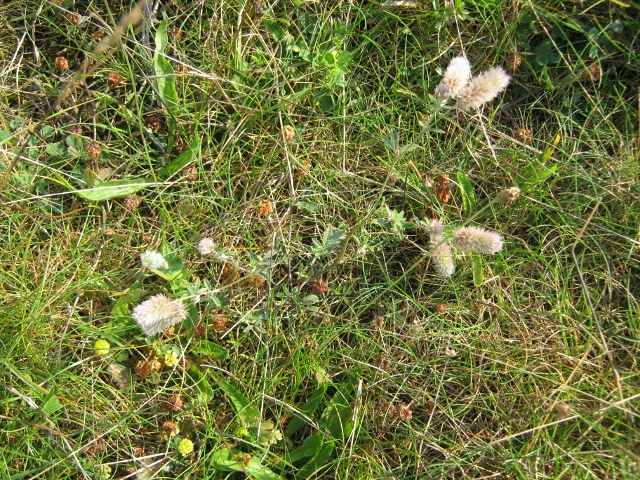
021Hare's-foot Clover with Hop Trefoil (640x480)

Here it is again, growing with Hop Trefoil (Trifolium campestre)

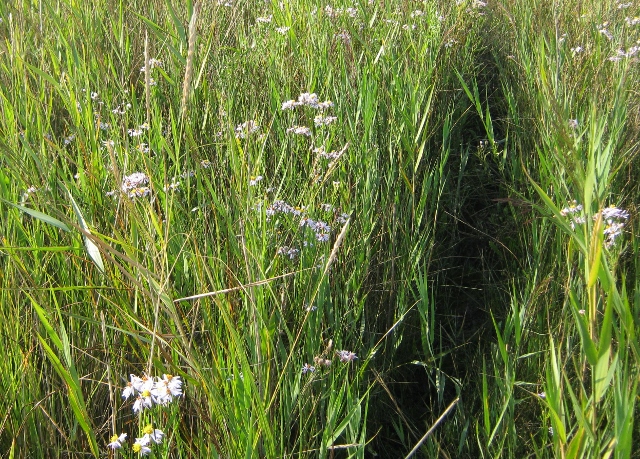
018Michaelmas Daisies or Sea Asters (640x459)

These are either naturalised Michaelmas Daisies (Aster sp.)  or Sea Asters (Aster tripolium).  I cannot identify them properly.

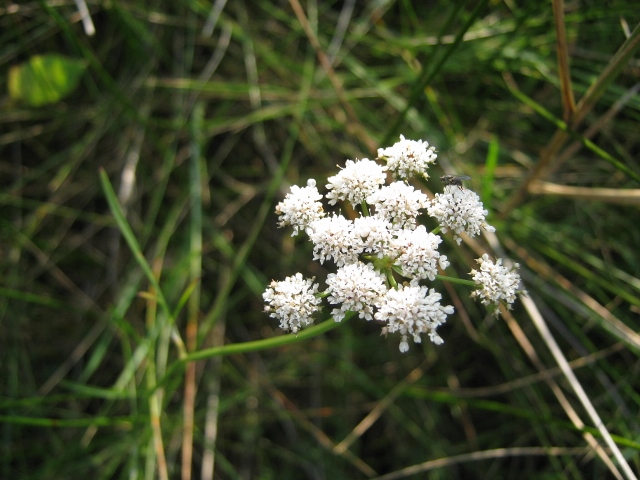
019Parsley Water-Dropwort (640x480)

Parsley Water-Dropwort (Oenanthe lachenalii)

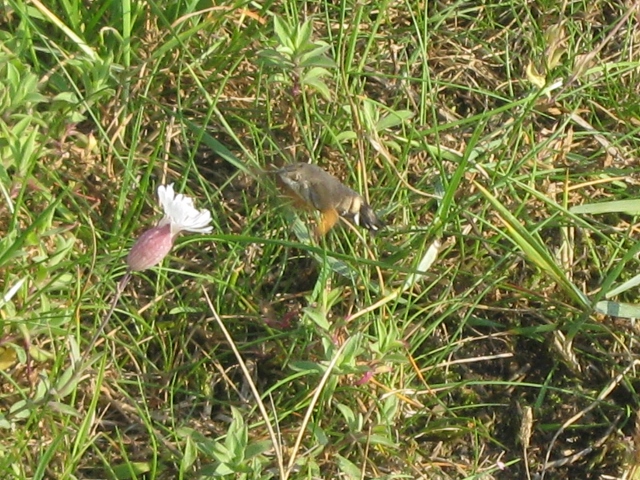
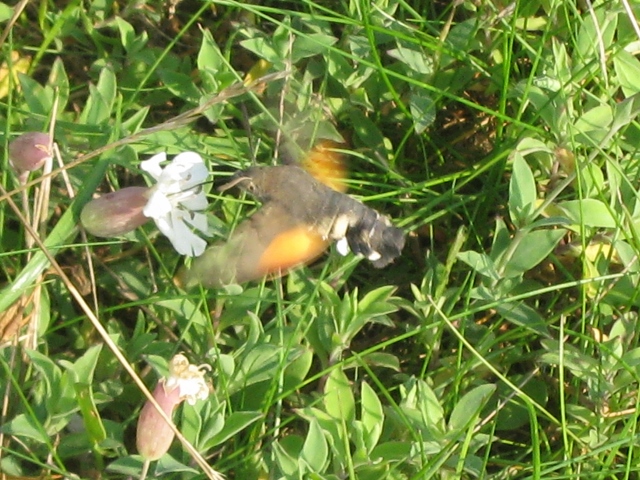
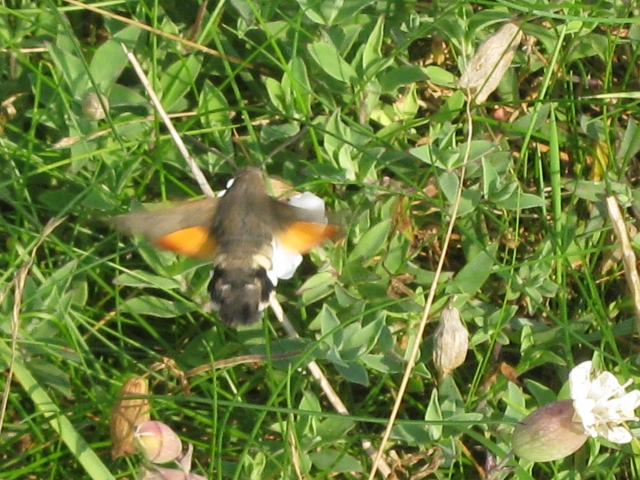
The next series of photographs are terrible but with only my small camera with me I couldn’t do any better.  They are of a Humming-bird Hawkmoth (Macroglossum stellatarum) which flies very fast and to the naked eye usually looks like a blur anyway.

025Humming-bird Hawkmoth (640x480)

Humming-bird Hawkmoth with Sea Campion

026Humming-bird Hawkmoth (640x480)

Humming-bird Hawkmoth with Sea Campion

028Humming-bird Hawkmoth (640x480)

Humming-bird Hawkmoth with Sea Campion

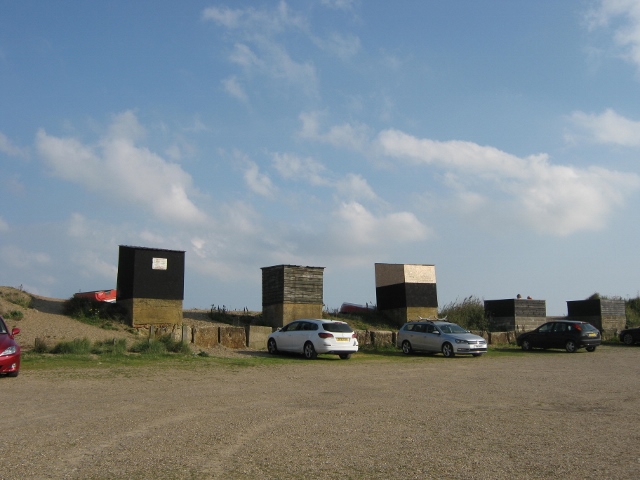
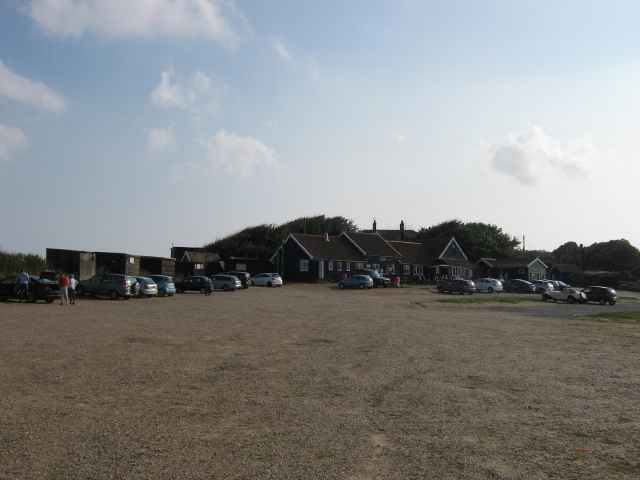
I decided it was time to return home and just took two more pictures, this time of the car-park.

029Hoist sheds on Dunwich Beach (640x480)

These little wooden shacks contain winching gear to enable the fishermen to pull their boats up the steep shingle beach

030Fish and chip café (640x480)

This is a fish-and-chip café that is so popular that in the summer, coach parties of visitors come to savour its delights

I am finishing this post off on Friday evening.  E has managed to attend college every day this week and though it has not all been at all easy for her she has kept going and has enjoyed a lot of it.  I am exhausted from all the driving I have done and my feet and ankles are very painful.  It has been worth it and I am so pleased with my daughter and very proud of her.

Share this:

  • Share on X (Opens in new window) X
  • Share on Reddit (Opens in new window) Reddit
  • Share on Pinterest (Opens in new window) Pinterest
  • Share on Facebook (Opens in new window) Facebook
  • Email a link to a friend (Opens in new window) Email
  • Share on Tumblr (Opens in new window) Tumblr
  • Print (Opens in new window) Print
  • Share on Pocket (Opens in new window) Pocket
  • Share on LinkedIn (Opens in new window) LinkedIn
Like Loading...

A Suffolk Garden in July – Insects Part 2

17 Sun Aug 2014

Posted by Clare Pooley in Insects, Rural Diary

≈ 22 Comments

Tags

Black-tailed Skimmer, Broad-bodied Chaser, comma, common blue damselfly, common darter, emperor dragonfly, Four-spotted Chaser, gatekeeper, greenbottle, House Spider, insects, Large Skipper, large white butterfly, leopard slug, meadow brown, micro moth, red admiral, robber fly, Roesel's bush-cricket, ruddy darter, small white butterfly, Suffolk

At last, I am now ready to finish showing you all the insects I saw last month.  As with Part 1 of this post, all the insects shown here were photographed in my garden unless otherwise stated.

For most of the month the garden was full of these dragonflies –

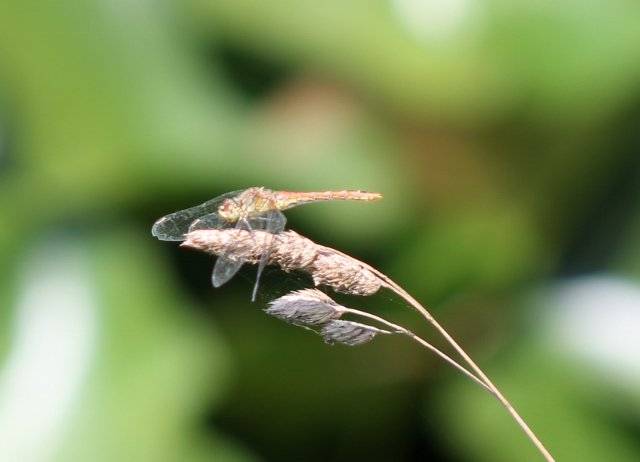
047Ruddy Darter (640x427)

Ruddy Darter

003Ruddy darter (640x427)

Ruddy Darter

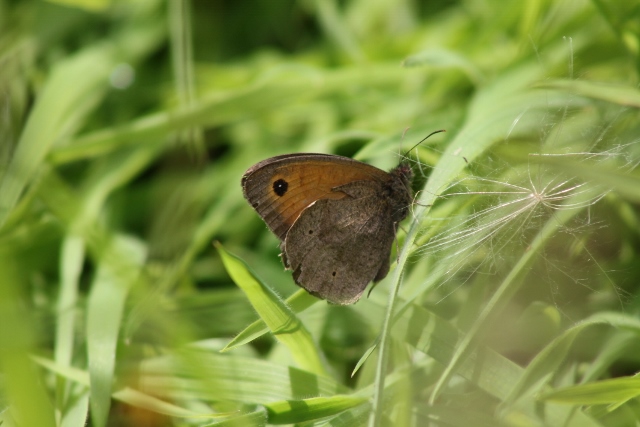
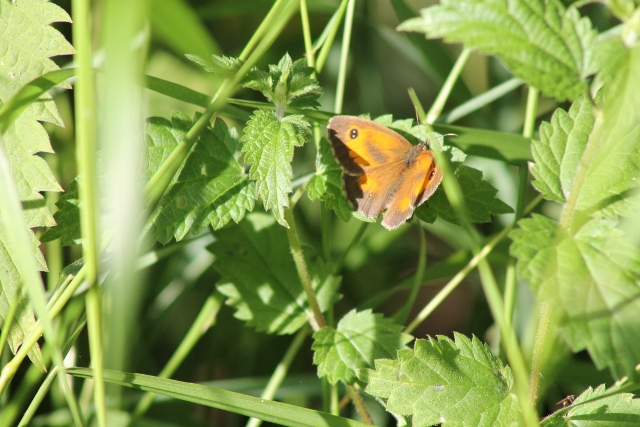
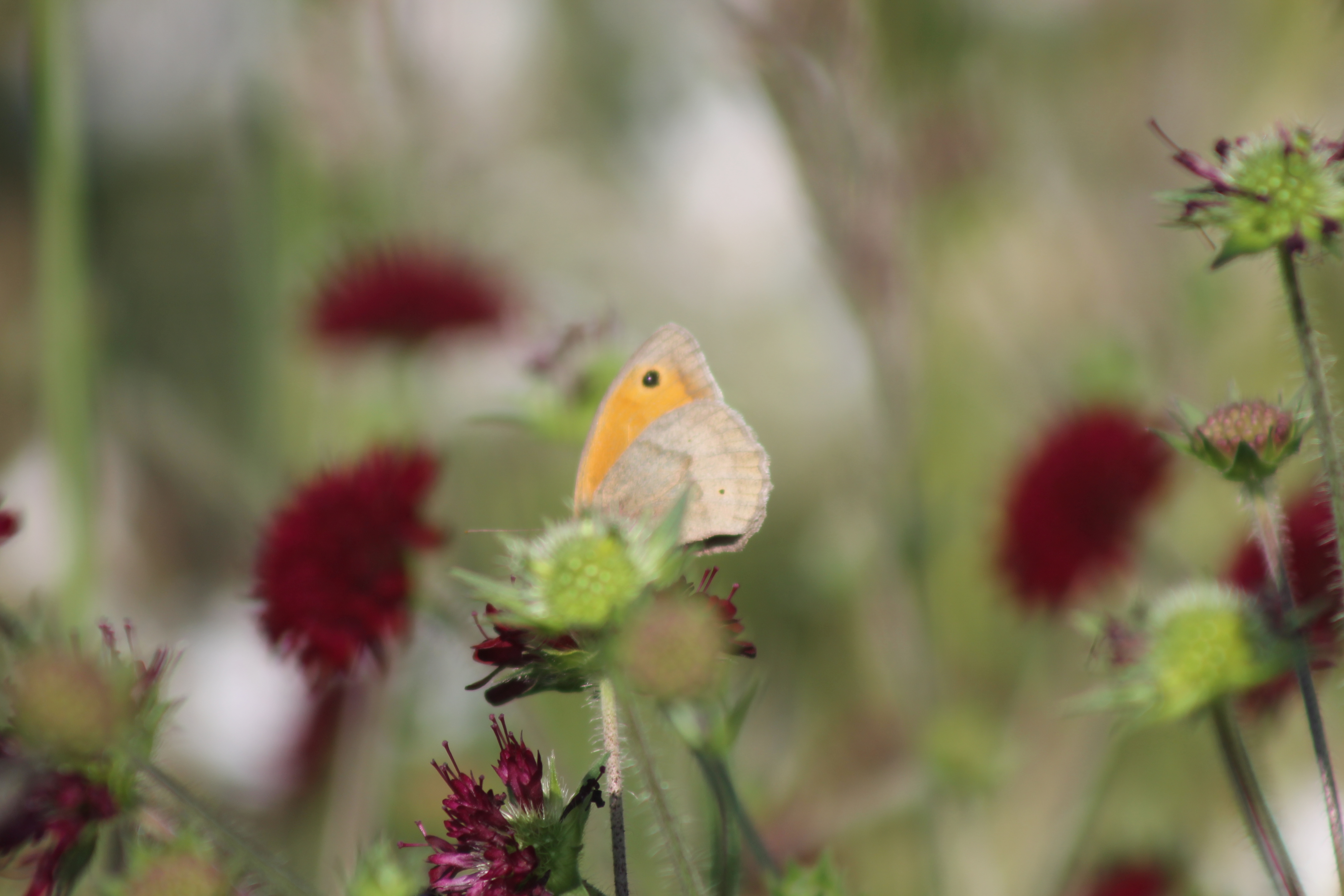
Female Meadow Brown butterflies are brighter than the males which often have no orange on them at all.  There were plenty of Meadow Brown butterflies but I never managed to get a clear photo of one with its wings open.  This photo will have to do.

048Meadow Brown (640x427)

Meadow Brown

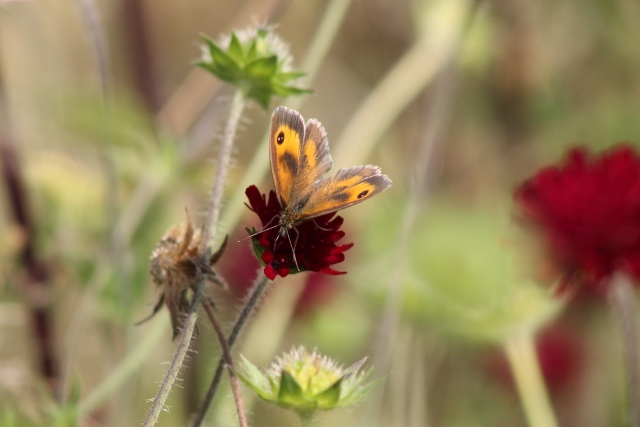
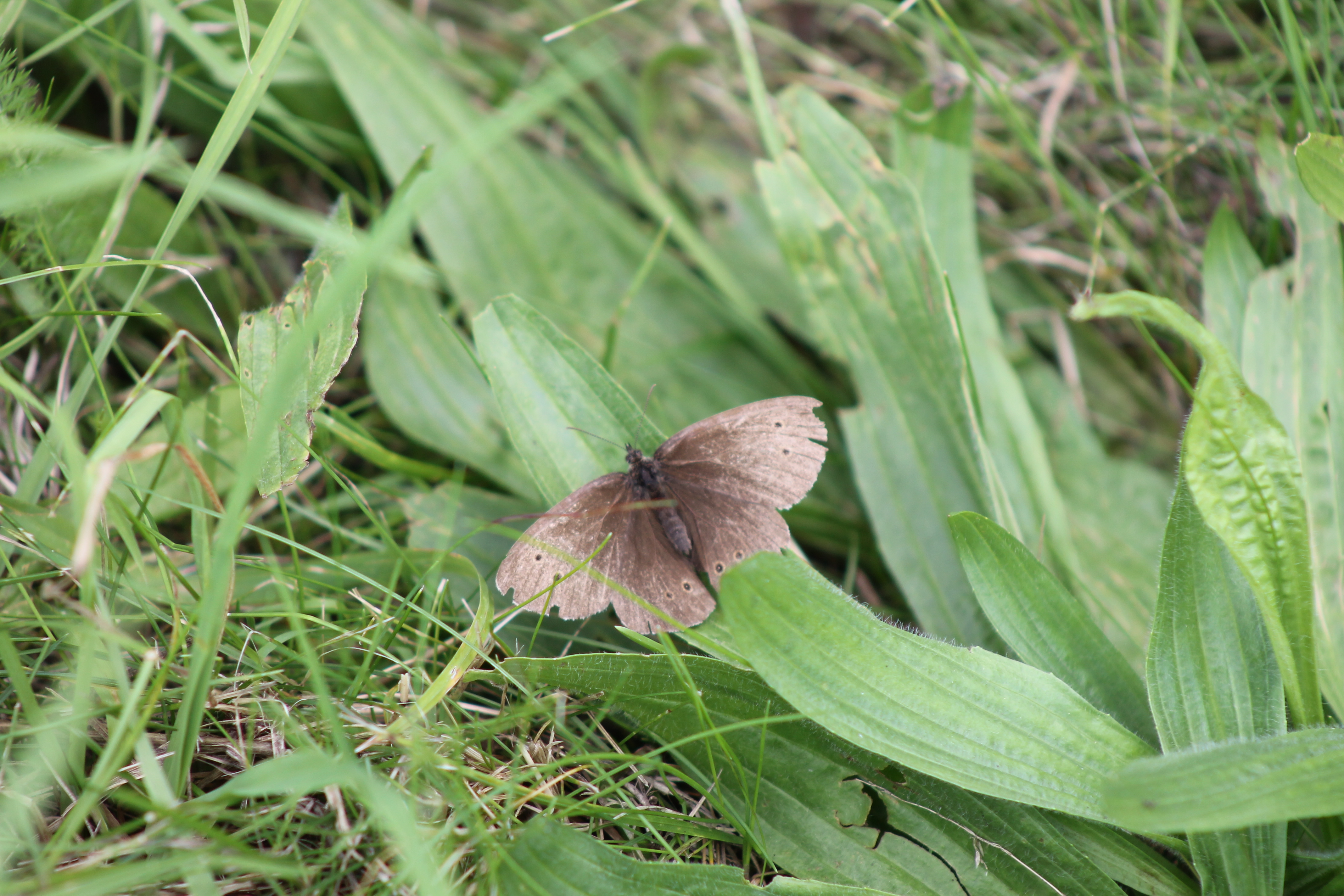
With its wings closed, the Gatekeeper butterfly can be confused with the Meadow Brown.

056Gatekeeper on scabious (640x427)

Male Gatekeeper on Scabious flower

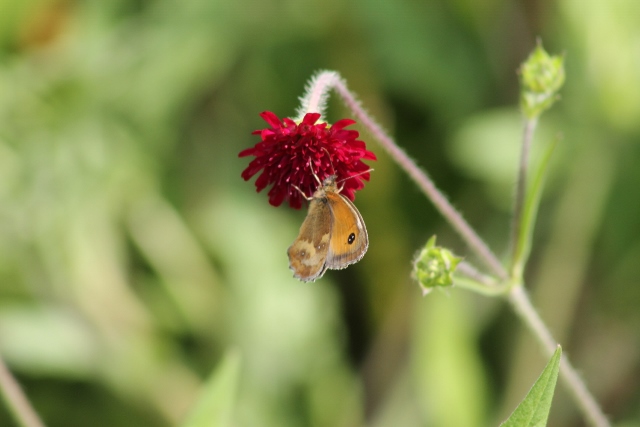
The main difference between the two butterflies is the Gatekeeper has two white spots in the eye on the fore-wing but the Meadow Brown has only one.  The underside of the Gatekeeper’s hind-wing is slightly more patterned.

057Gatekeeper on scabious (640x427)

Gatekeeper on Scabious flower

The Gatekeeper is more orange than the Meadow Brown.  The male Gatekeeper has a central patch of dark scent scales that is lacking in the female.  Gatekeepers are very territorial and patrol their home patch, a gateway or stretch of hedgerow, seeing off any rivals.

006Gatekeeper (640x427)

Male Gatekeeper on Common Nettle

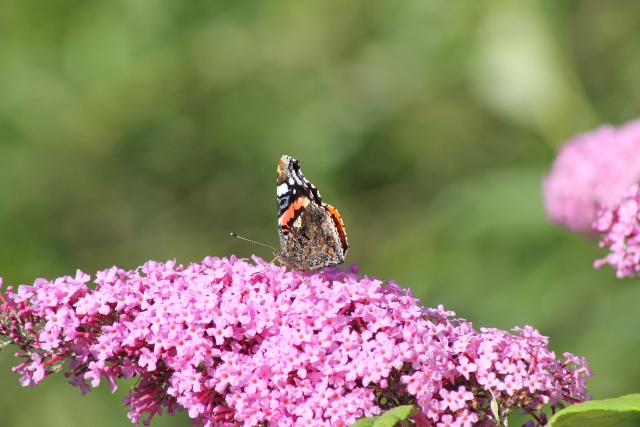
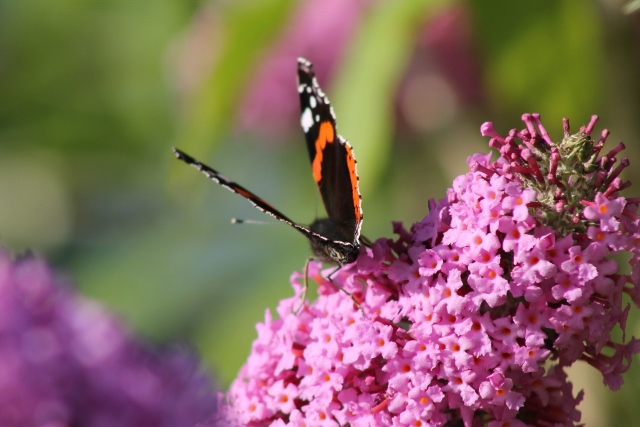
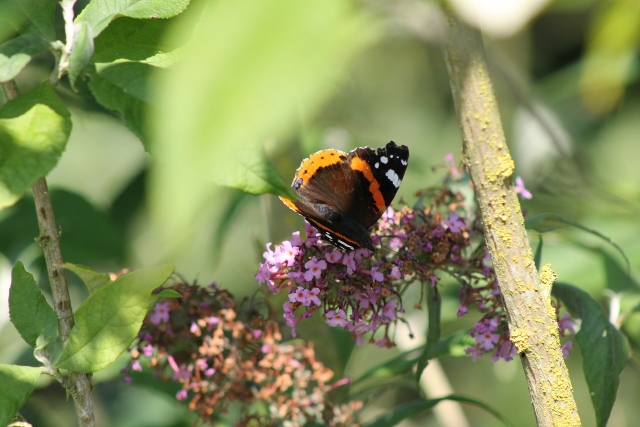
A Red Admiral butterfly is, like the Meadow Brown, difficult to photograph with its wings open.

014Red Admiral (640x427)

Red Admiral on Buddleia

021Red Admiral (640x427)

Red Admiral on Buddleia

018Red admiral (640x427)

Red Admiral on Buddleia

At this time of year the garden is always full of Small and Large White butterflies.   Fortunately for us, we don’t often grow brassicas and my lovely blue Chicory, which the caterpillars of both white butterflies found tasty, died a while ago.

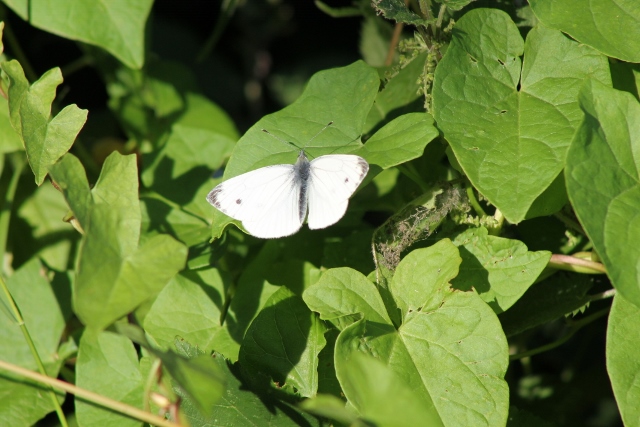
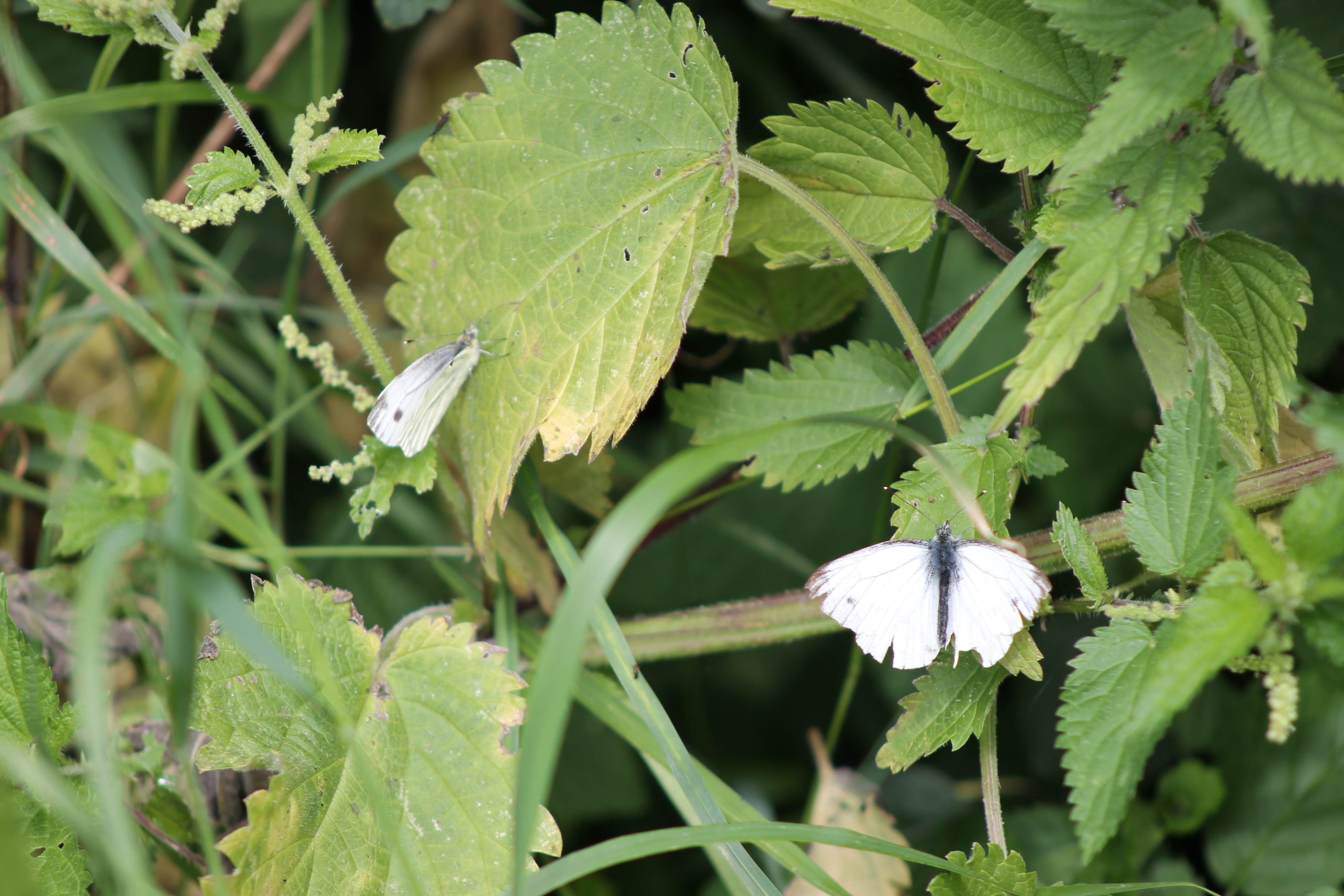
008MSmall White (640x427)

I think this is a Male Small White butterfly

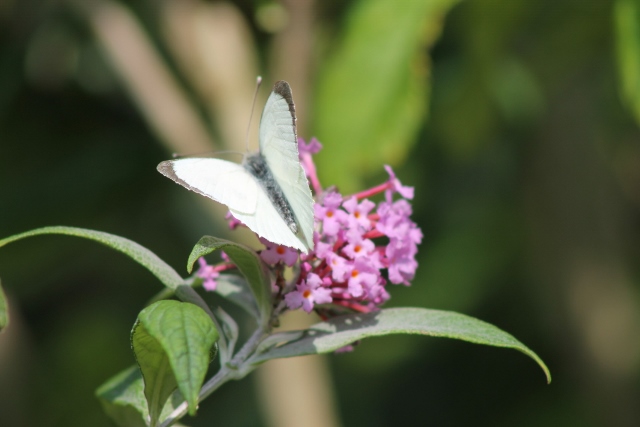
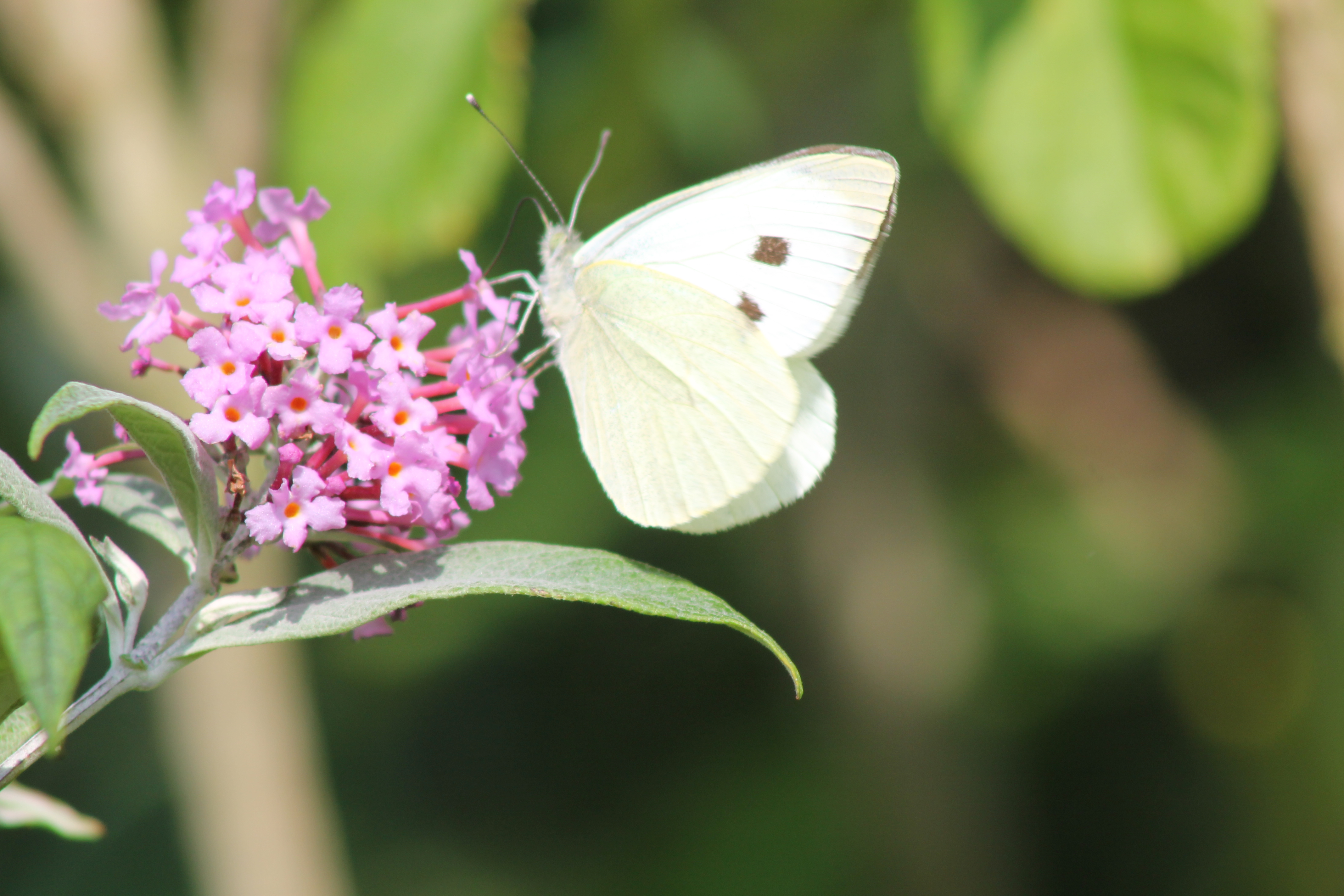
008White butterfly on buddleja (640x427)

I think this is a male Large White butterfly

I often have difficulty telling the difference between the two whites.  The black patch on the Large White extends from the wing-tip to at least halfway along the outer edge of the wing but on the Small White it is less dense and doesn’t extend as far.  The female Large White has two black spots on the upper and underside of the forewing.  The male Large White has two black spots on the underside of the forewing only and none on the upperside.  The female Small White has two black spots on the upperside only of the forewing but the male only has one spot which is often faint or even missing.  This is what confuses me!  I’m glad that they  aren’t confused.
There were still plenty of Skipper butterflies during the second half of the month.

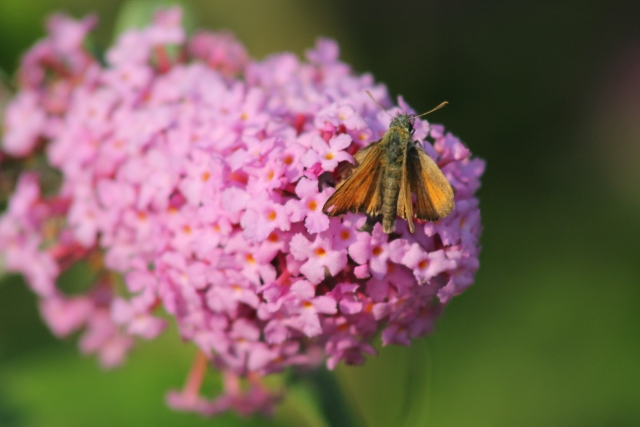
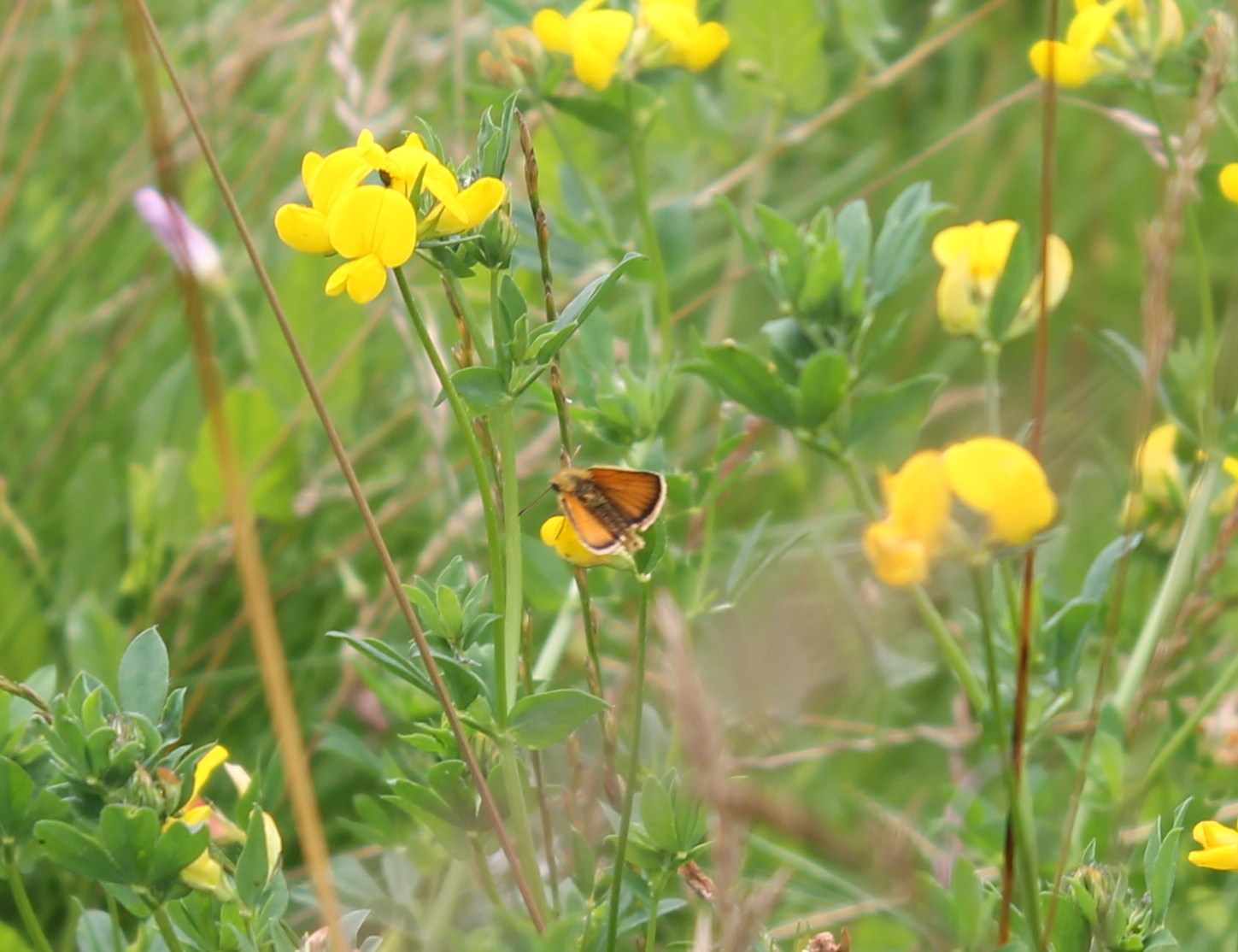
038f Large Skipper (640x427)

Large Skipper on Buddleia

I think this may be a photo of a female as I don’t think I can see any scent glands.

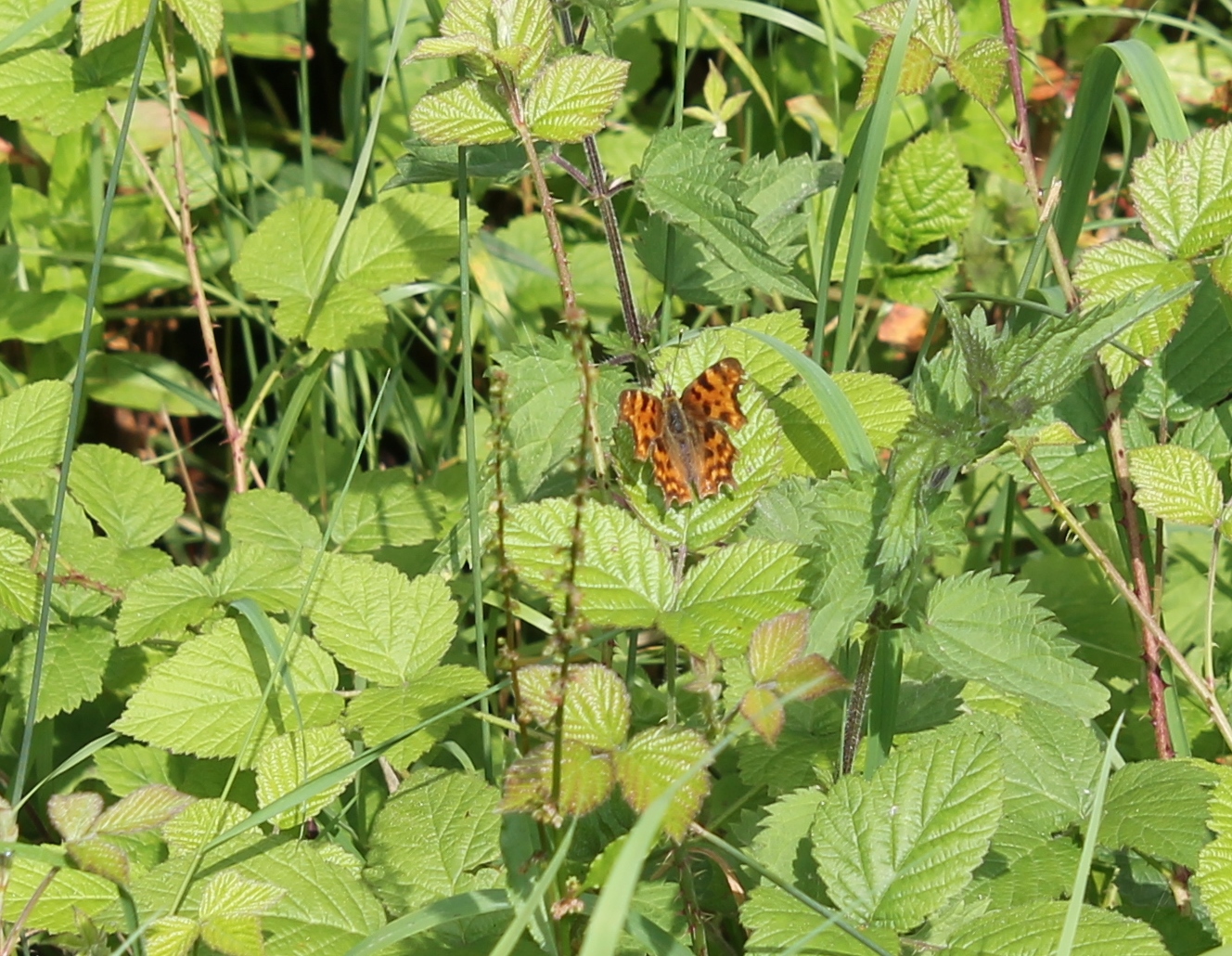
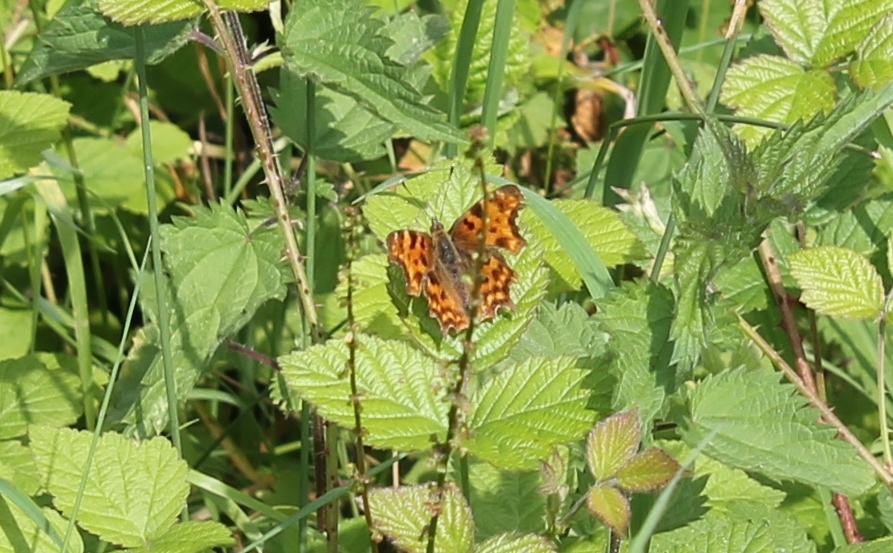
037Comma (640x427)

A Comma butterfly

These are so named because of a white comma-shaped mark on the underside of its wing.

Dragonflies continued to fly around the garden.

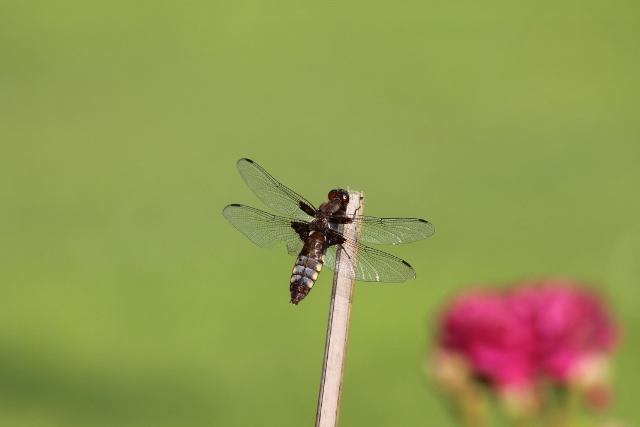
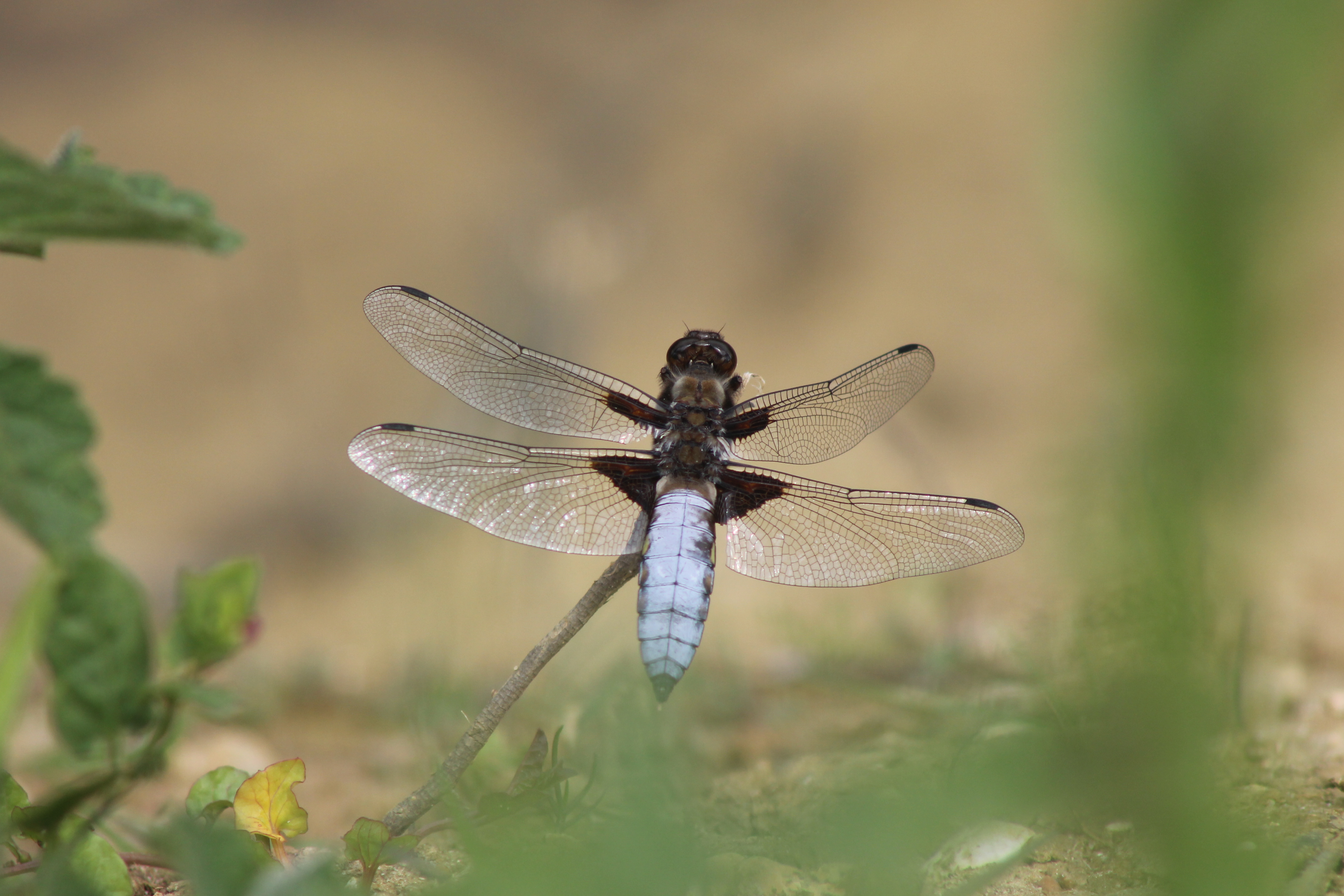
032Broad-bodied chaser (640x427)

Broad-bodied Chaser

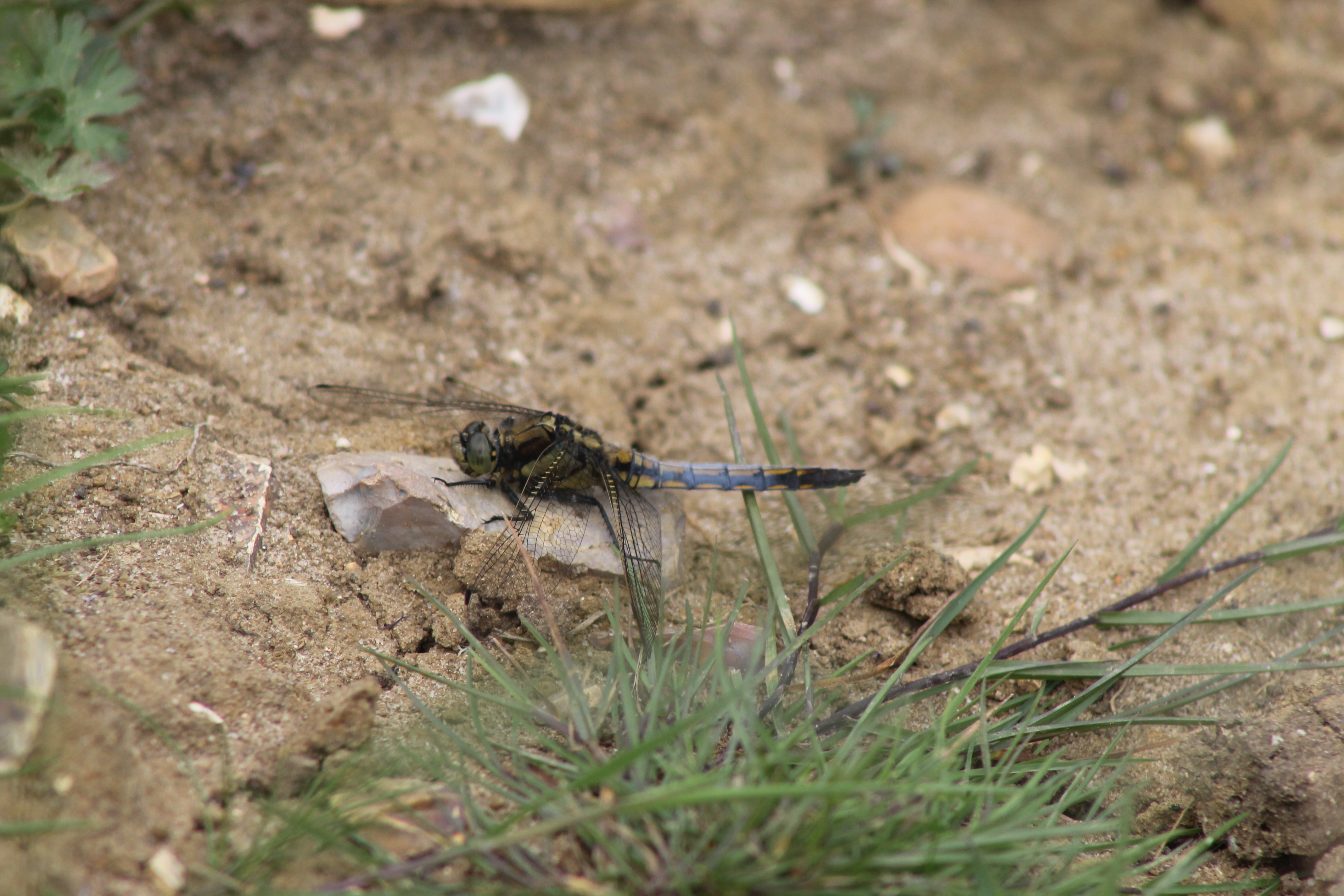
036Possibly immature m. Black-tailed skimmer (640x427)

This may be an immature male Black-tailed Skimmer

003Damselfly (640x434)

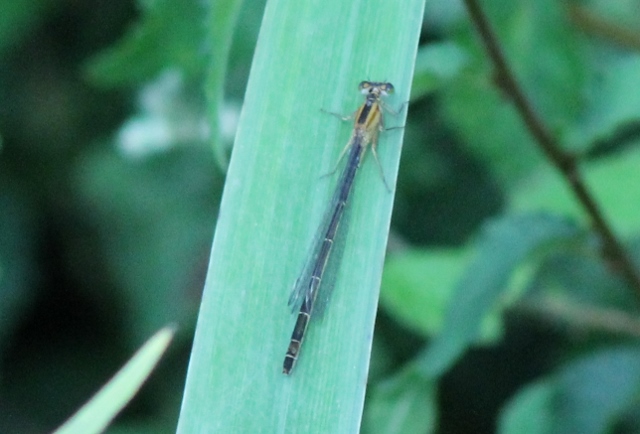
A female Common Blue Damselfly

Not a very good photo, but I haven’t been able to get any other pictures of females.

007Four spotted chaser (640x440)

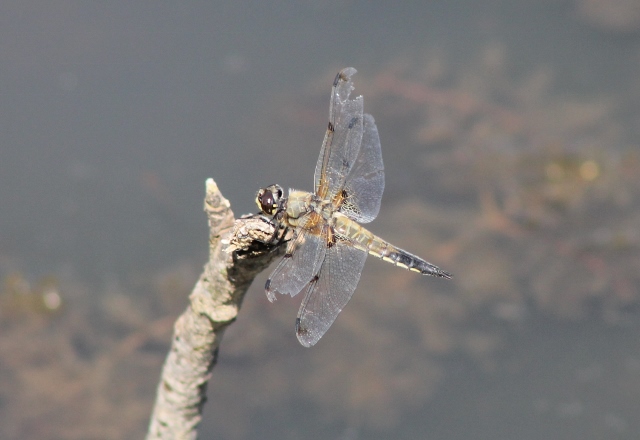
A Four-spotted Chaser

011Male emperor dragonfly (640x426)

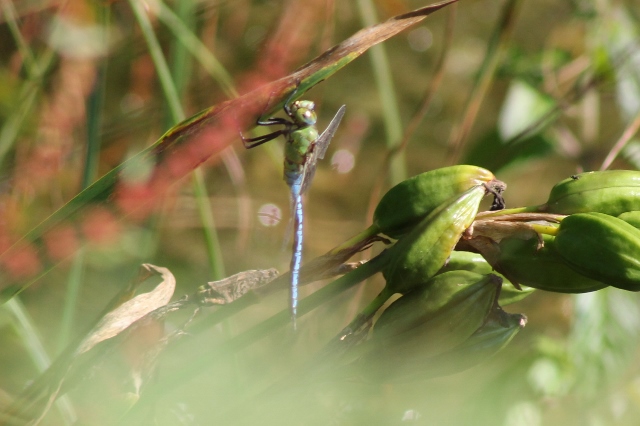
A male Emperor Dragonfly

As you can see from the poor photo, I had great difficulty in getting a picture of this dragonfly.  The male is very large and powerful and this was the only time I saw it at rest.  I had to lean far out over the edge of the pond and I was frightened I would over-balance and fall in the water.  It hardly ever left the pond unlike other dragonflies that search for prey along the hedge and up into the trees.

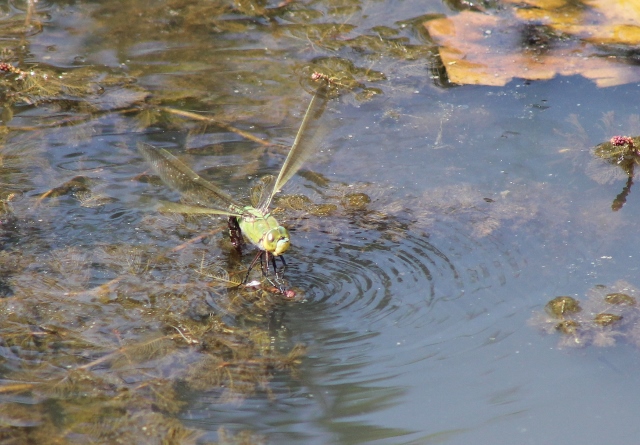
014Female emperor dragonfly (640x445)

Female Emperor Dragonfly laying eggs

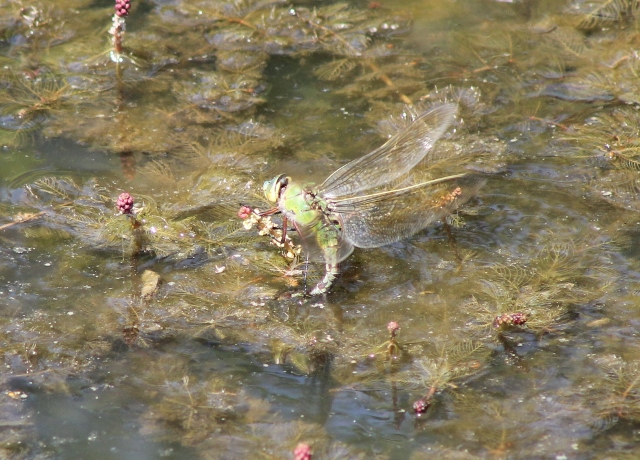
015Female emperor dragonfly (640x460)

Female Emperor Dragonfly laying eggs

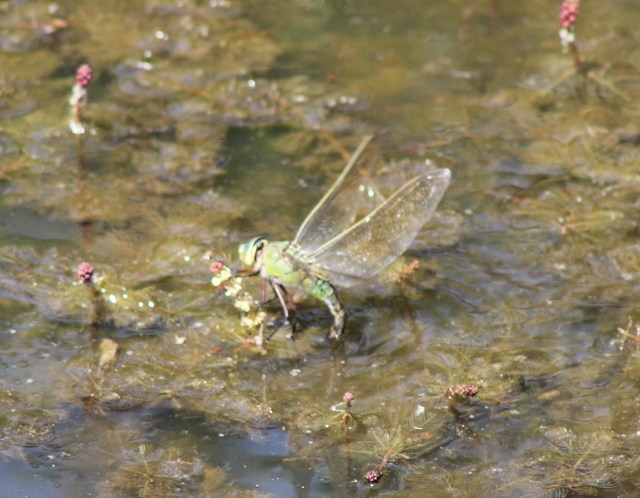
016Female emperor dragonfly (640x498)

Female Emperor Dragonfly laying eggs

The female is larger than the male and is mainly green and brown.  The male has a glorious bright blue abdomen.

017Common darter (640x462)

A male Common Darter

These dragonflies are a paler red than the Ruddy Darter and the abdomen isn’t as constricted near the front.  The females are a yellowish brown.  In both sexes the legs are brown or black with a yellow stripe down the outside.

I have not been able to take many photos of moths this year.

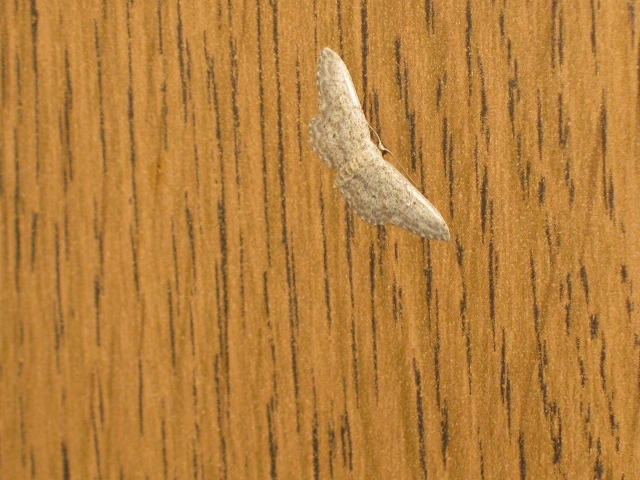
003Micro moth (640x480)

Unidentified micro moth

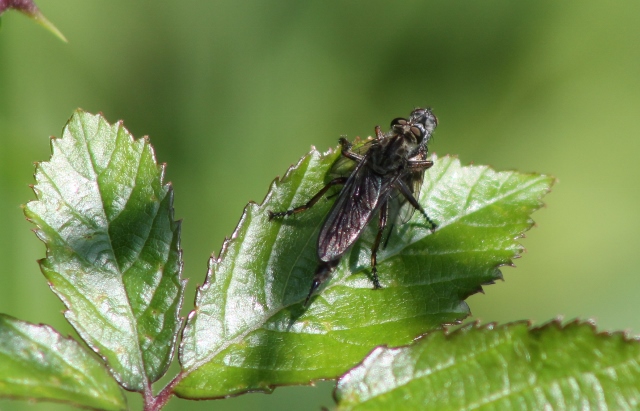
006Robber Fly with victim (640x411)

A Robber Fly (not sure which one) with a victim in its grasp

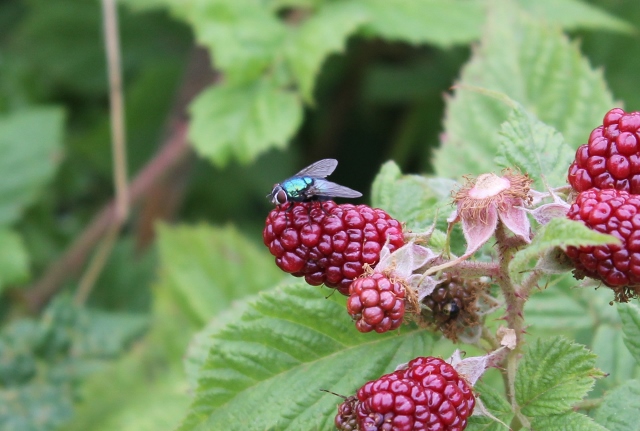
009Greenbottle on unripe blackberry (640x431)

Greenbottle on unripe blackberry

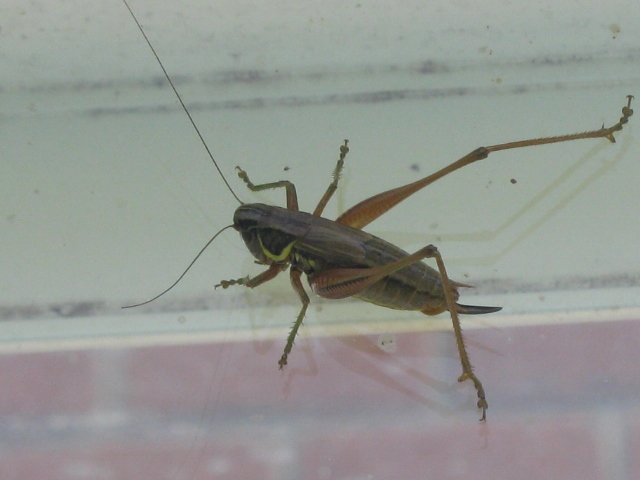
030Cricket (640x480)

A female Roesel’s Bush-Cricket

I saw this climbing up the side of the conservatory.

And I saw this inside the garage one evening….

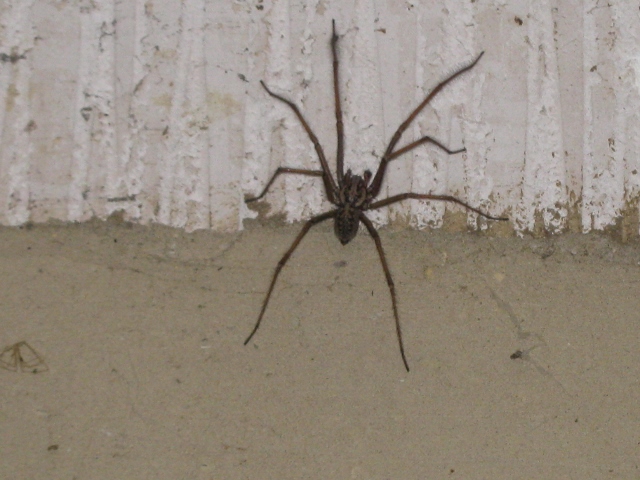
010Spider (640x480)

This House Spider was as big as my hand

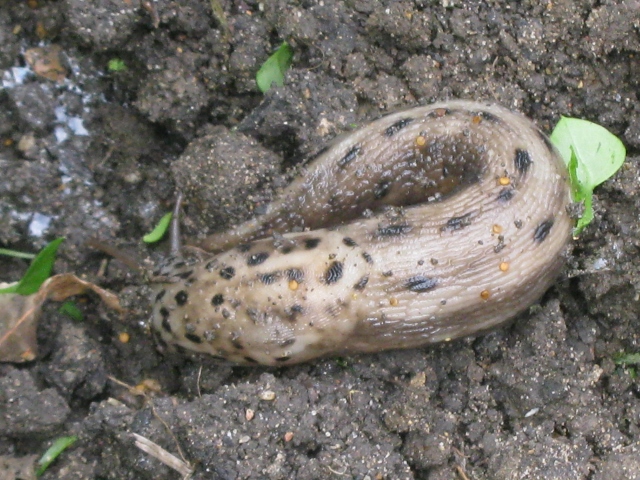
The last creature in this post, like the spider, isn’t an insect and isn’t at all attractive.  In fact it looks quite horrific but, before you rush off for your gun or other means of disposing of nasty things, stop!!  This isn’t a garden foe it is a friend.  Here it is –

002Leopard slug (640x480)

A Leopard Slug

These slugs when fully grown are about 7″ long.  They don’t damage healthy living plants but eat fungi, rotting plants and other slugs, especially those ones that do so much damage.   They have to stay damp to breathe so live in dark, damp places especially piles of rotting logs.  They can live for several years.  Like other slugs and snails they are hermaphrodites but need to mate with another individual.  To mate they climb a tree or other structure and then hang entwined from a branch on a thick strand of mucus.  Both slugs then lay eggs in damp places.  A dark horse among slugs, then.  Who would have thought it!
 

Share this:

  • Share on X (Opens in new window) X
  • Share on Reddit (Opens in new window) Reddit
  • Share on Pinterest (Opens in new window) Pinterest
  • Share on Facebook (Opens in new window) Facebook
  • Email a link to a friend (Opens in new window) Email
  • Share on Tumblr (Opens in new window) Tumblr
  • Print (Opens in new window) Print
  • Share on Pocket (Opens in new window) Pocket
  • Share on LinkedIn (Opens in new window) LinkedIn
Like Loading...

Cloud Chasing

12 Tue Aug 2014

Posted by Clare Pooley in cooking, Insects, plants, Rural Diary, trees, Uncategorized, walking, weather

≈ 10 Comments

Tags

Bertha, black bryony, blue flax, bread-making, clouds, clover, fields, fleabane, gates, grasses, great black slug, greenbottle, hen and chicks, Kestrel potatoes, marsh ragwort, phacelia, Rain, red bartsia, René Magritte, rice, the Beck, thunder, tub-thumping priest, walking, wild radish, willow, wind

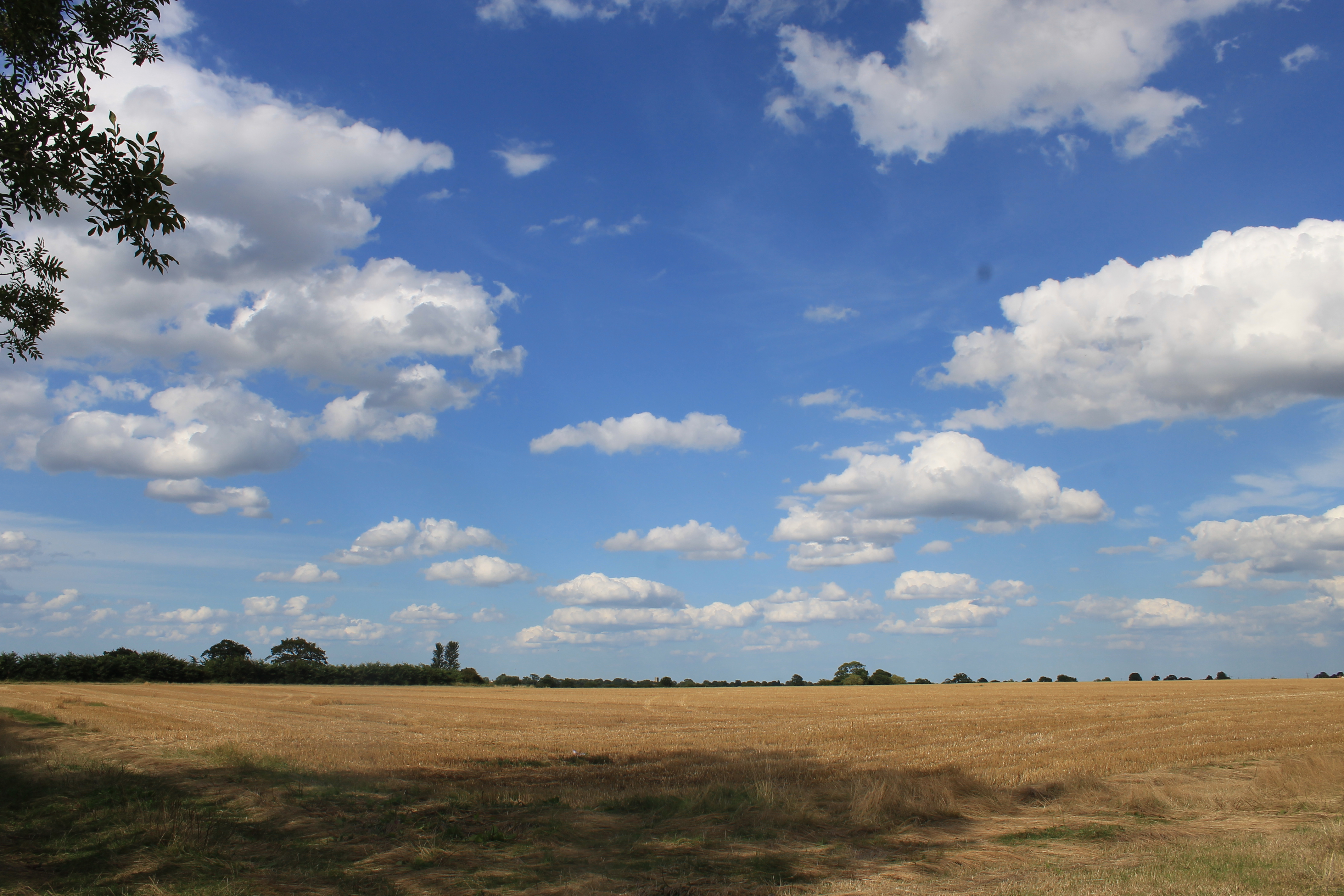
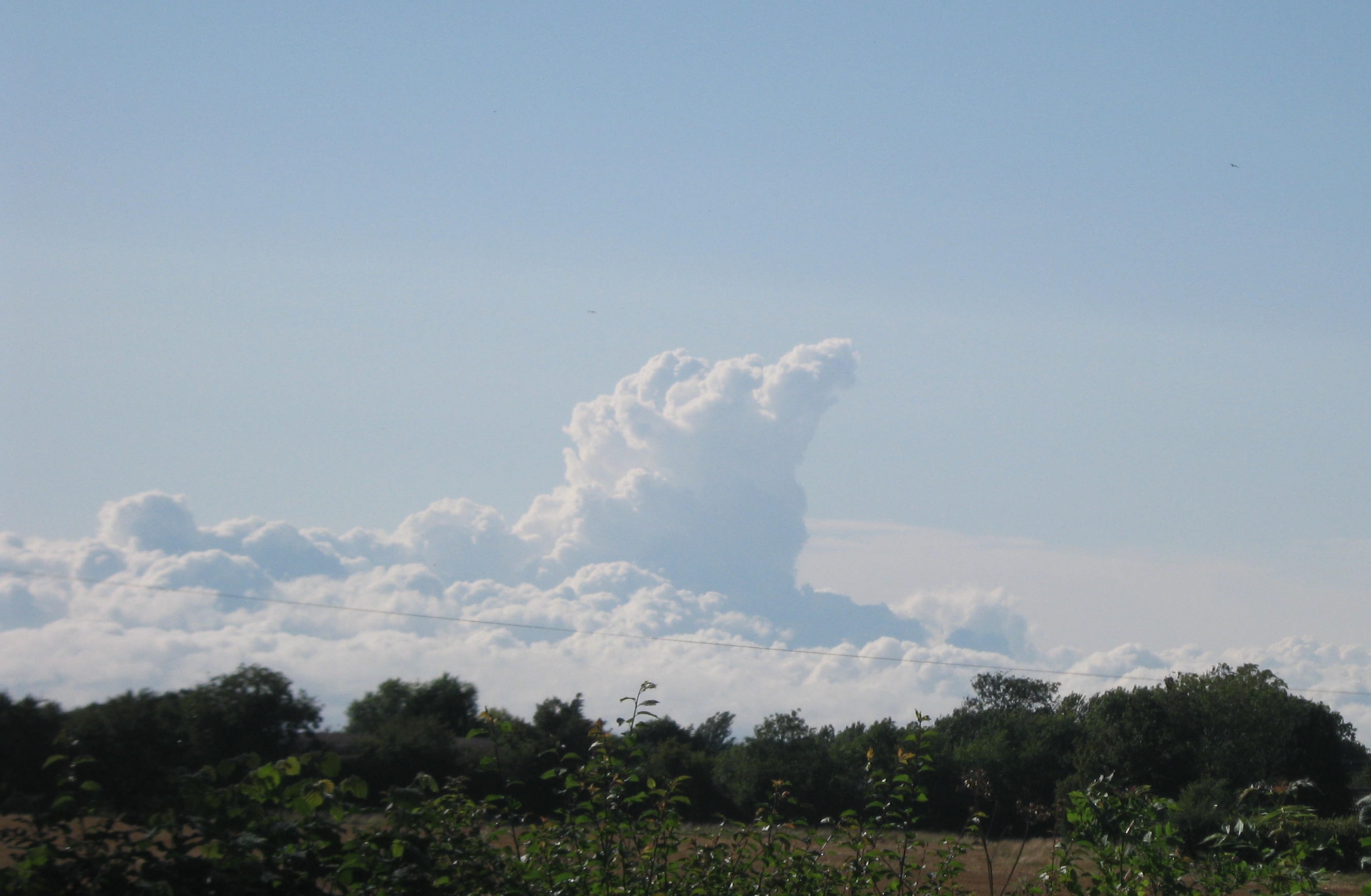
I had hoped to be able to stay at home on Saturday as the weather was so nice.  However, when I took a loaf out of our breadmaker and saw that, for the second time in a row, the bread hadn’t risen very much I realised that one of two things had happened.  I knew that I hadn’t made a mistake when measuring out the ingredients or when setting the programme.  The problem was either a faulty batch of yeast or, even worse, a faulty breadmaker.  I went into Halesworth and bought a very nice looking loaf from the health food/delicatessen shop as well as some new yeast.  I had been experimenting with a different brand-name dried yeast and thought that that may have been the problem so I bought some of the old tried-and-tested yeast.  While in town I also got some more vegetables and a couple of newspapers – The Saturday Times so that R could do the crossword (most of the rest of the newspaper usually goes straight into the re-cycling bin) and a Beccles and Bungay Journal.  This had a very nice account of our Requiem Eucharist last Sunday with a photograph and also a double-page centre-spread featuring Dolly and her memories of living in a village which is doubly thankful, in that all its people going off to war in both the Great and the Second World War came back safely. As I drove home I noticed such wonderful clouds in the sky!  The wind was picking up already so I decided to trot back down the lane and photograph them before checking round the garden to make sure all was well battened down and tied up before the high winds that had been forecast arrived. 002Clouds One of my favourite artists is René Magritte who painted clouds like these.
0421-4

La grande famille Series 1 Lithography by René Magritte

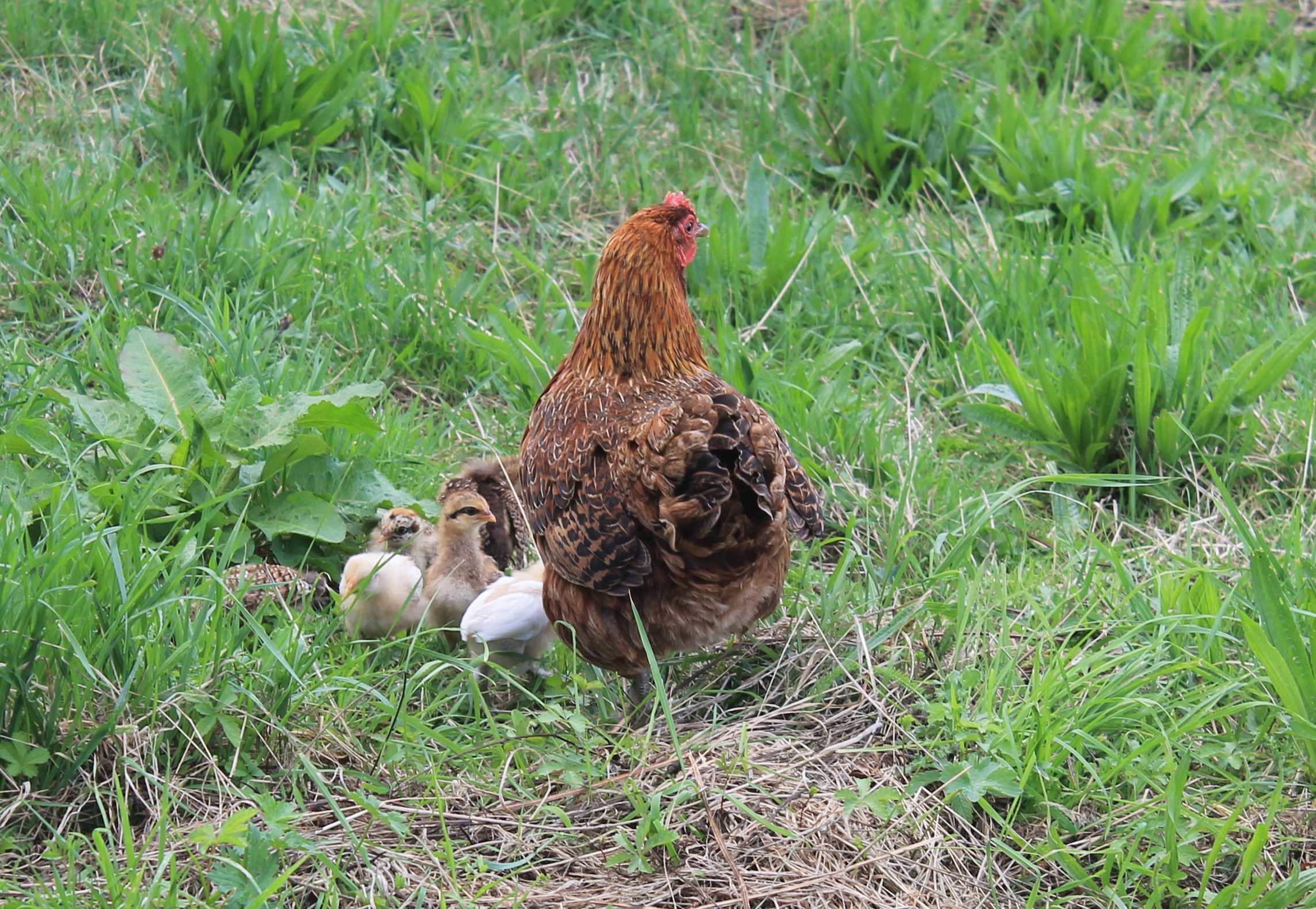
I also saw that one of next-door’s chickens had had some chicks and was taking them for a walk on the grass verge of the lane.

001Hen with chicks

There are six chicks there somewhere!

R was mowing the grass when I got home and he also made sure everything was ready for the storm so I didn’t have to.  What a kind man! We had some very heavy rain and thunder over-night and while we were in church on Sunday morning the rain came on again with more thunder.  The Rector is currently having a well-deserved, two-week break from us so the service was taken by a retired clergyman who lives in our benefice and is a great friend of ours.  The bible readings for the day were very apt – the earthquake, wind and fire from which God was absent and then the quiet whisper that was God, and the story of the disciples being tossed about in the boat on the lake and Jesus walking on water to join them and calming the storm.  I was waiting for a stormy sermon and got one though not quite the one I expected.  In fact, we all got a lecture about the current terrible situation in Gaza.  We were told that a lot of what is going on there was our (the British) fault and that we cannot wash our hands of it.  The priest even struck the edge of the pulpit with his hand!  Twice!  Our Rector might grumble and nag but I cannot remember him ever beating up the pulpit during a sermon! 006Clouds I think we have been lucky and haven’t had such bad weather as others around the country.  The rain didn’t last that long really and by mid afternoon the sun was coming out.  It was, and still is very blustery but the wind hasn’t been as damaging as we thought it would be.  We have lost a few apples and pears from our trees and some of the plants look a little sorry for themselves but on the whole, nothing to worry about. Once we saw that the rain had stopped, R and I decided to go out for a walk.  We chose one of our walks across the fields.

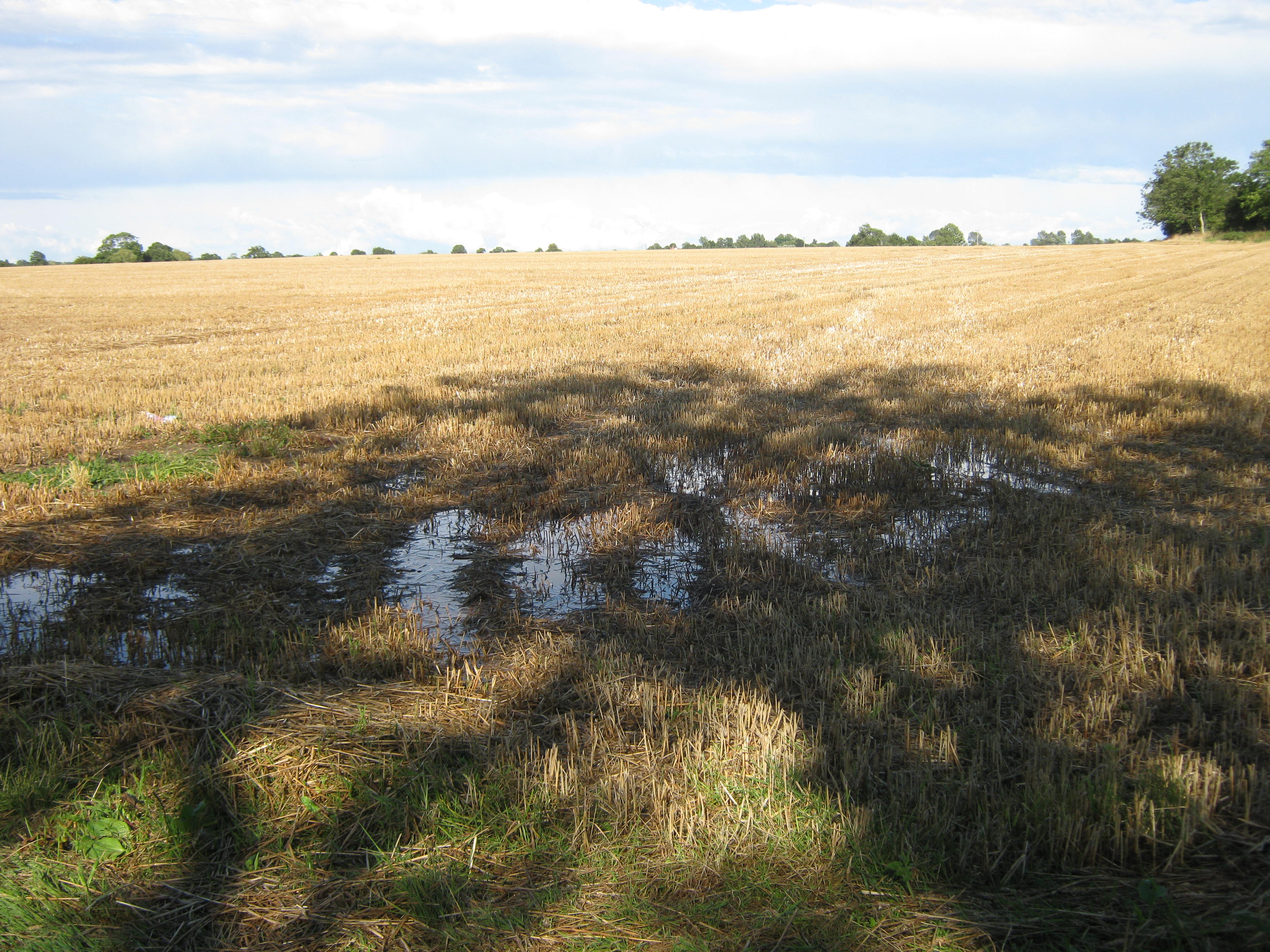
010Puddles in field

Evidence of recent rainfall

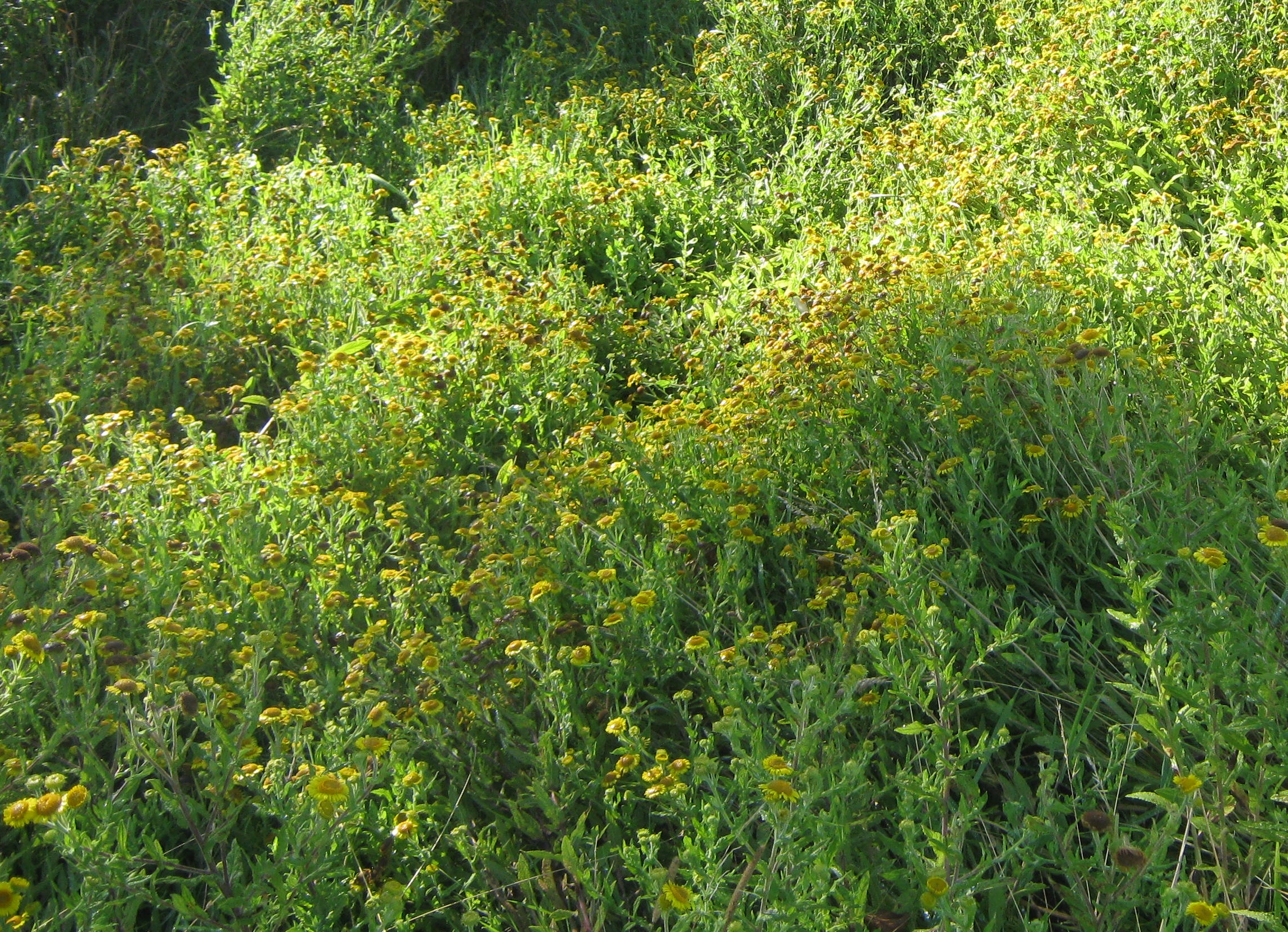
Before we had walked more than a few steps along the path we saw such a mass of fleabane! 015Fleabane

009Fleabane

Pulicaria dysenterica – Common Fleabane

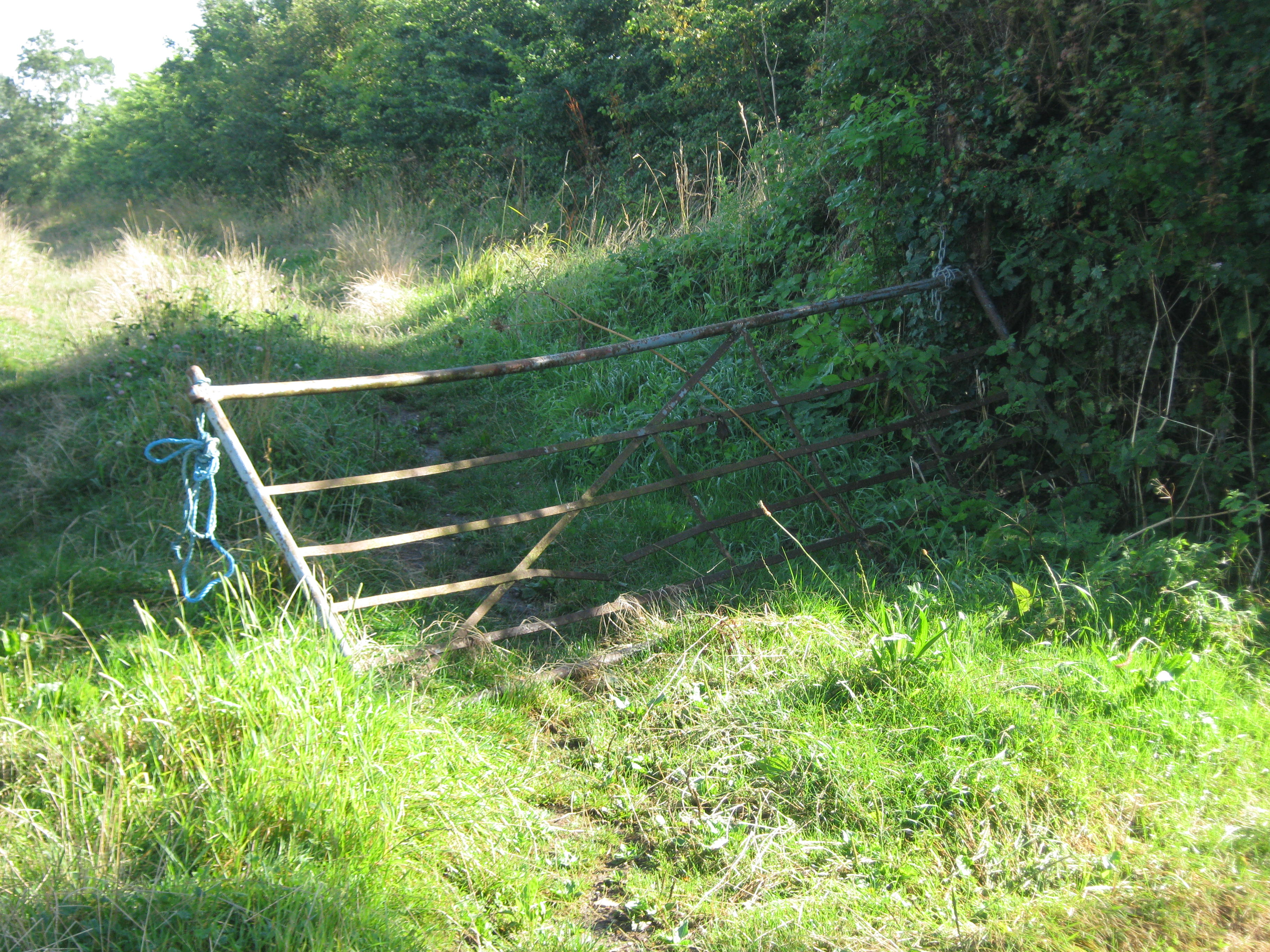
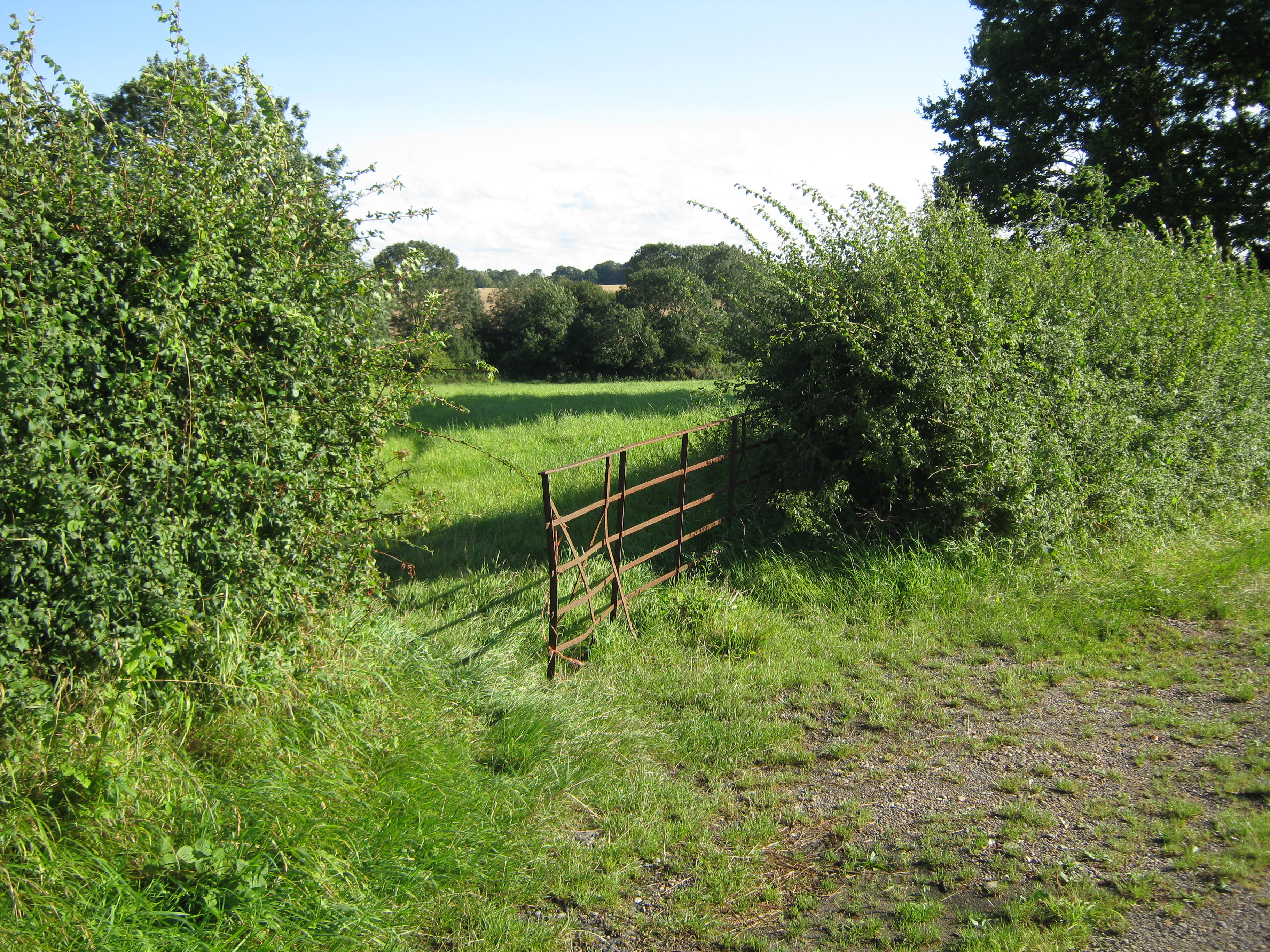
‘Pulicaria’ refers to the plant’s power against fleas (pulex = Latin for flea) and ‘dysenterica’ recalls a time when fleabane was used as a medicine against dysentery.  When dried and burned, the leaves of fleabane were said to give off a vapour which drove fleas away so the plant was highly prized when houses were plagued with them.  The plants were used in an unburned state as an insecticide too.  Culpeper, the 17th century herbalist, didn’t think much of the flower itself – ‘an ill-looking weed’, ‘the flowers are a dirty yellow’, but he commended its effectiveness against insects.  ‘The smell is supposed delightful to insects and the juice destructive to them, for they never leave it til the season of their deaths’. 014Fallen gate I believe I have photographed this gate before.  It is in an even worse state than the last time we were here.

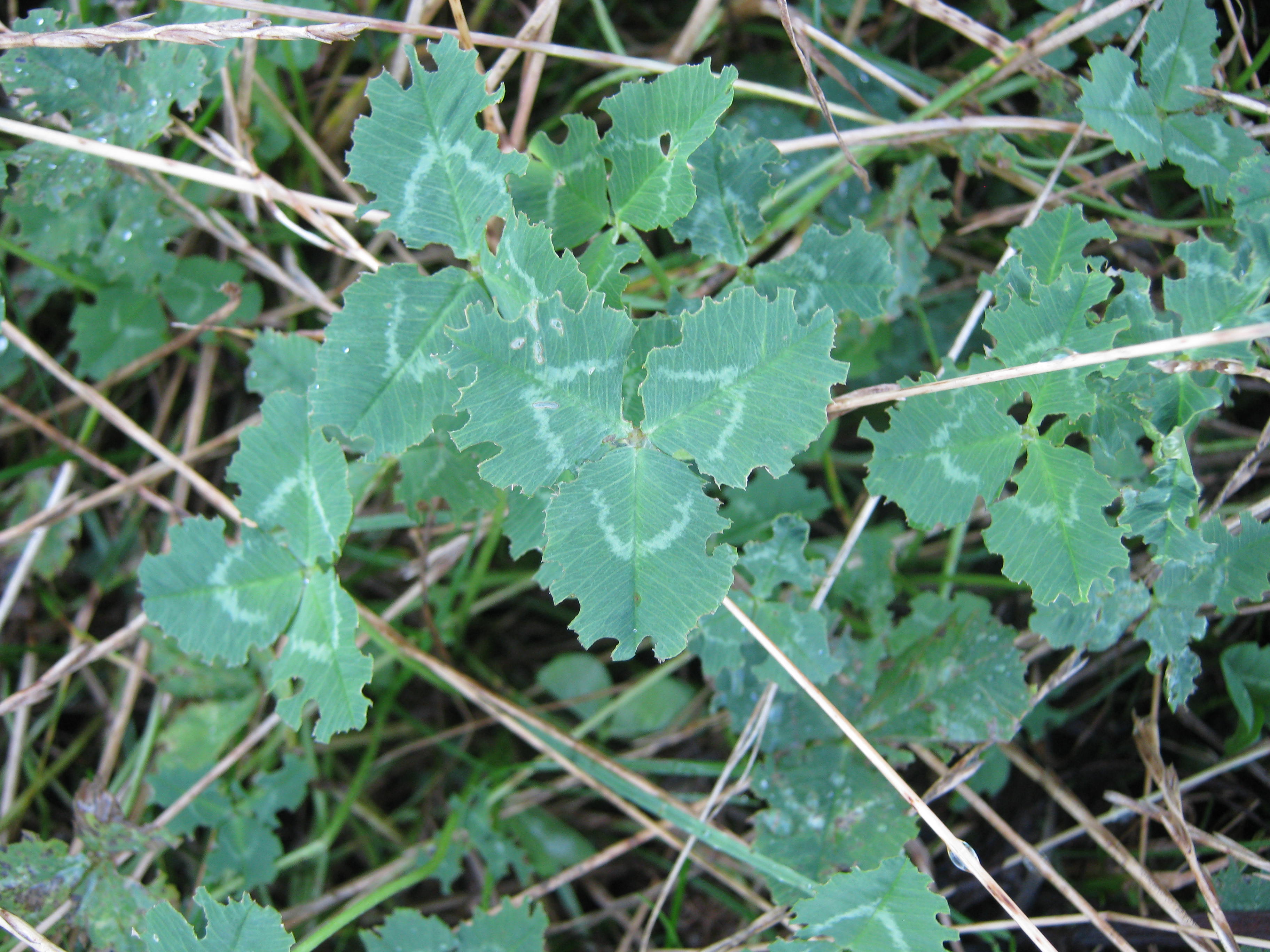
018Eaten clover leaves

Something has been eating this clover in a crimping style.

R and I were quite surprised to see that the normally fallow field was full of plants and flowers.  We haven’t been this way for some weeks.

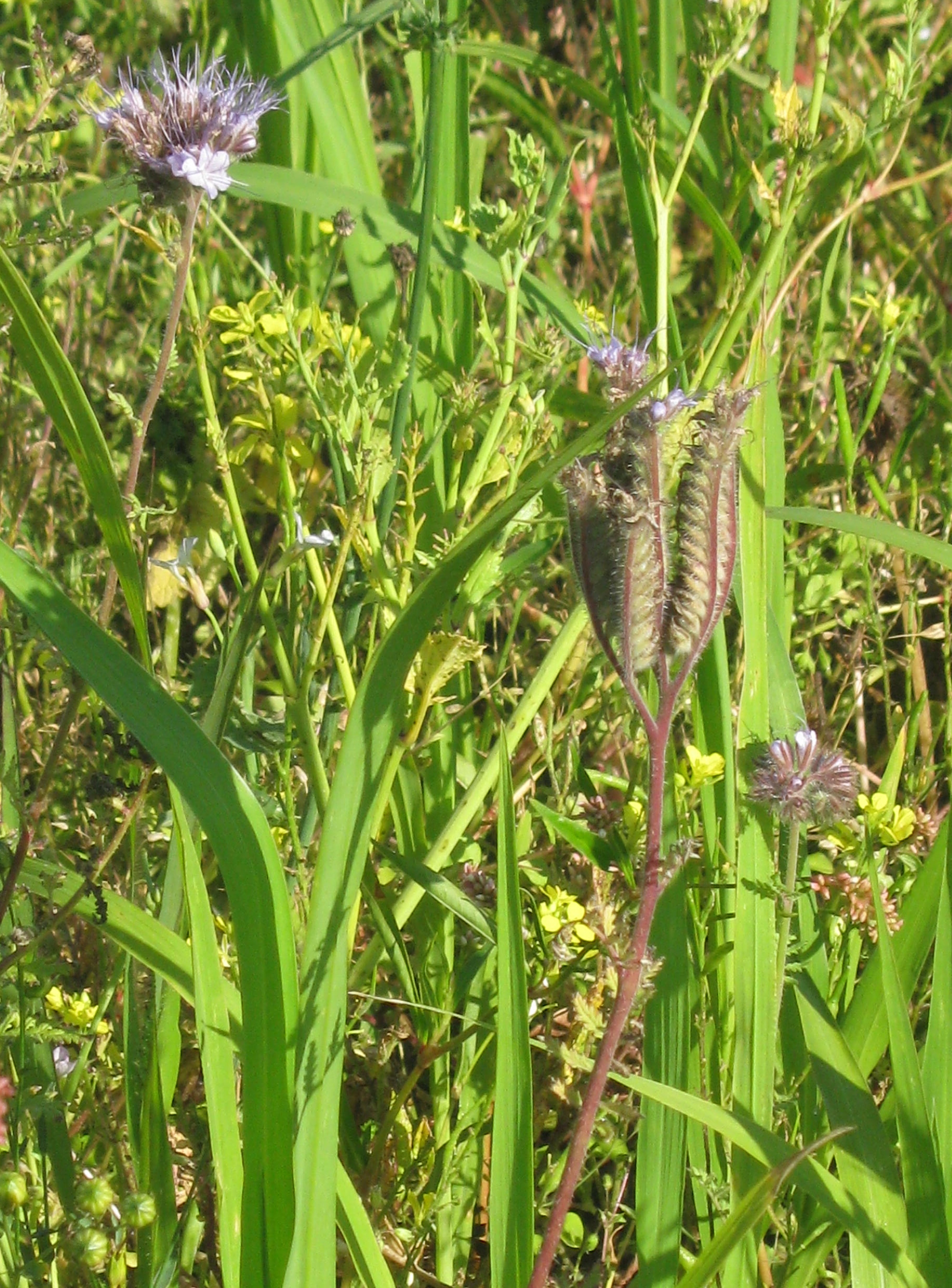
022Phacelia & other flowers

Wild flower seeds appear to have been sown here – not all native.

The purple flower, Phacelia tanacetifolia or scorpion weed, is often grown as a green compost but is dug in before it flowers.  It is also grown as a butterfly and insect magnet as the flowers are full of nectar.  It is not a native plant.  I spotted all sorts of plants that I recognised, for example…

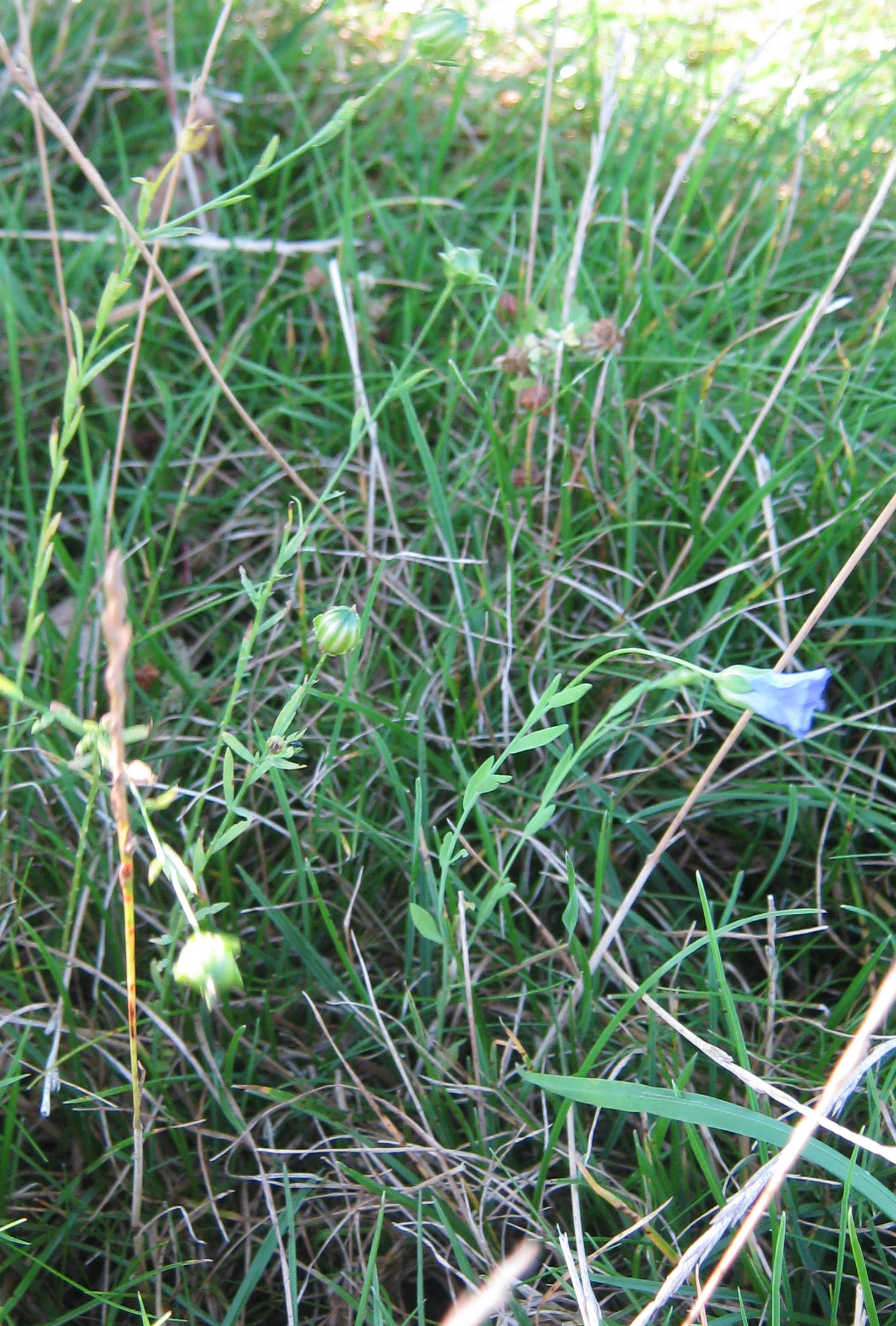
031Blue flax

Blue flax

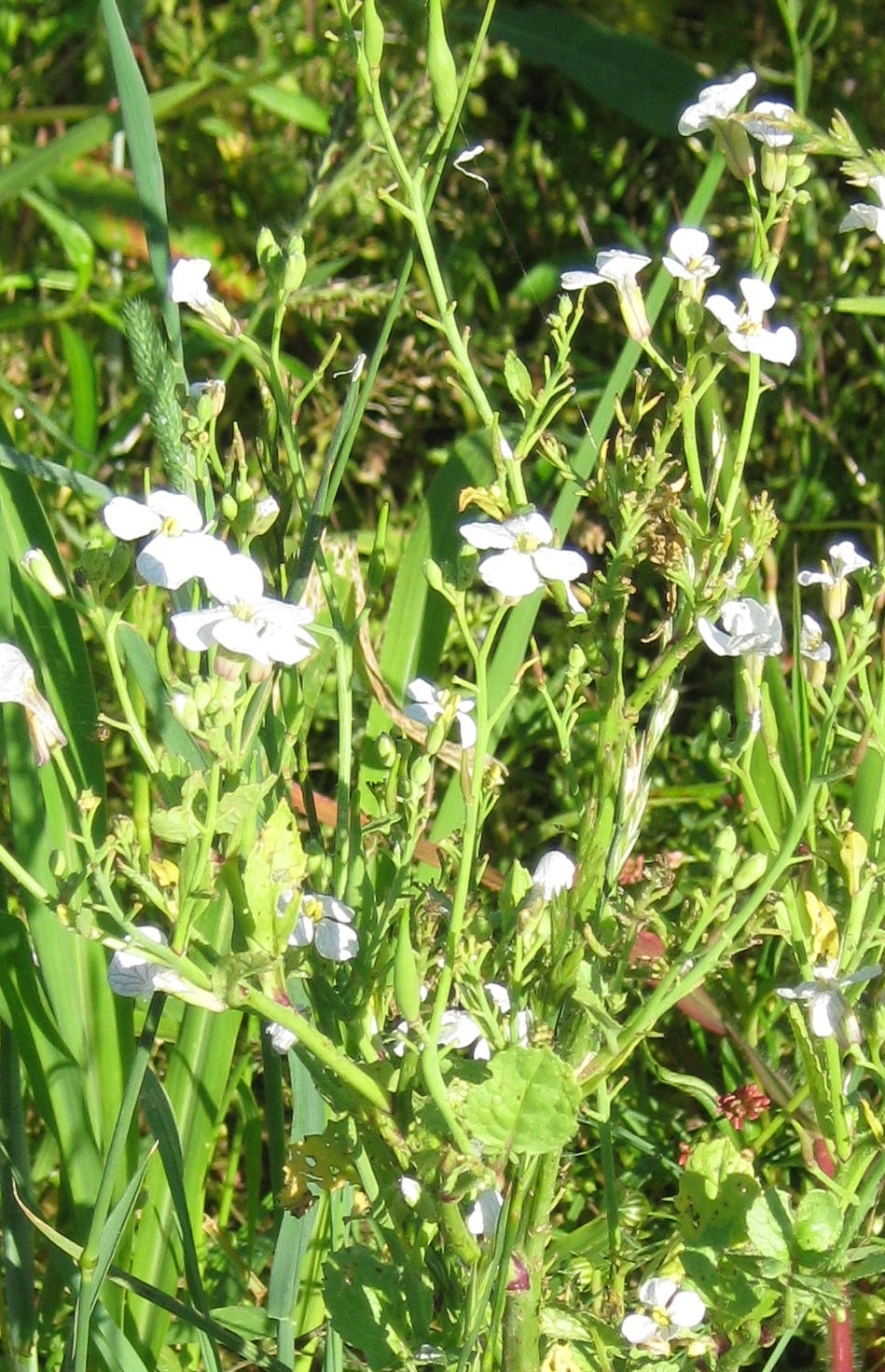
025poss wild radish

I think this may be wild radish

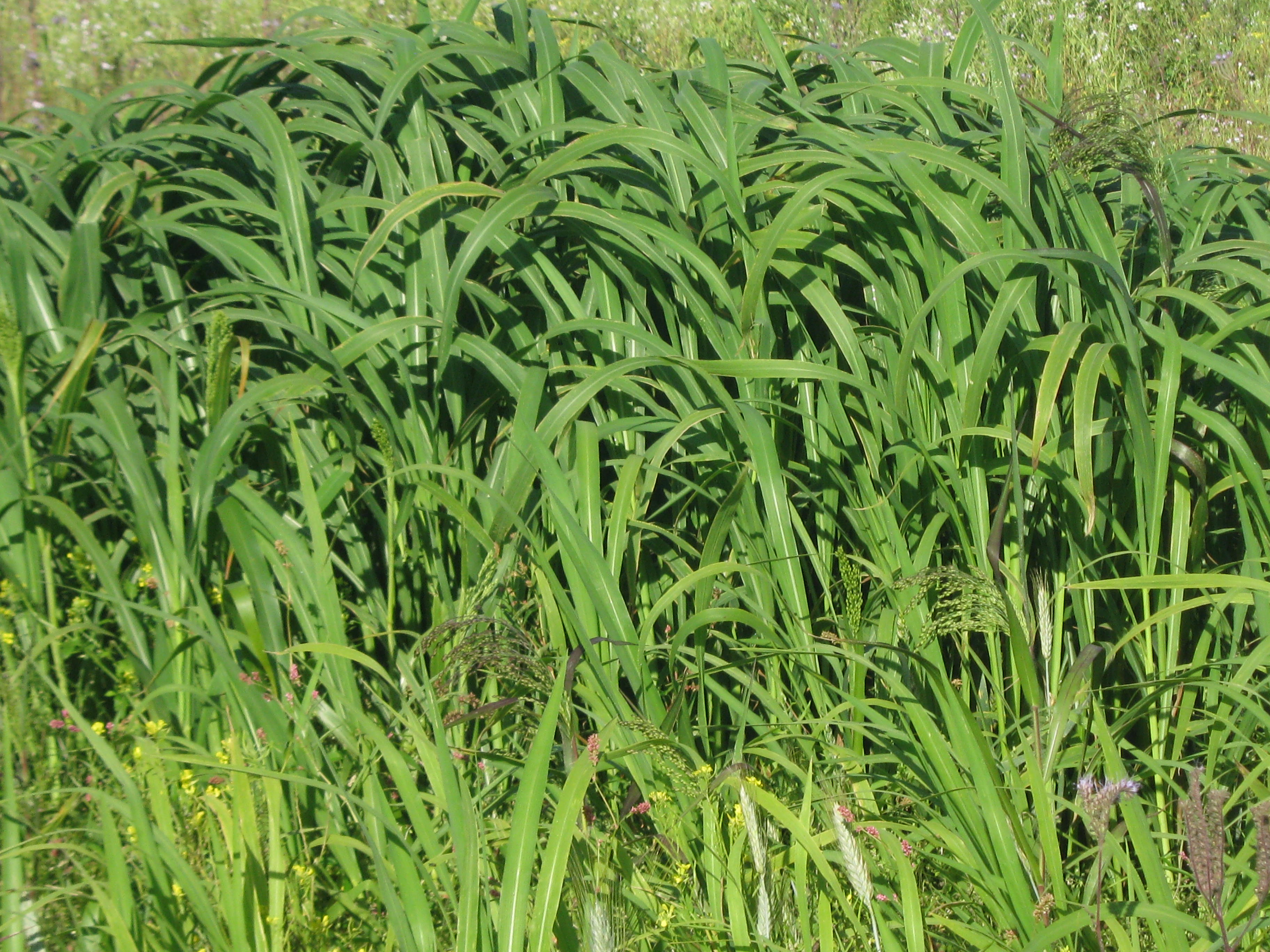
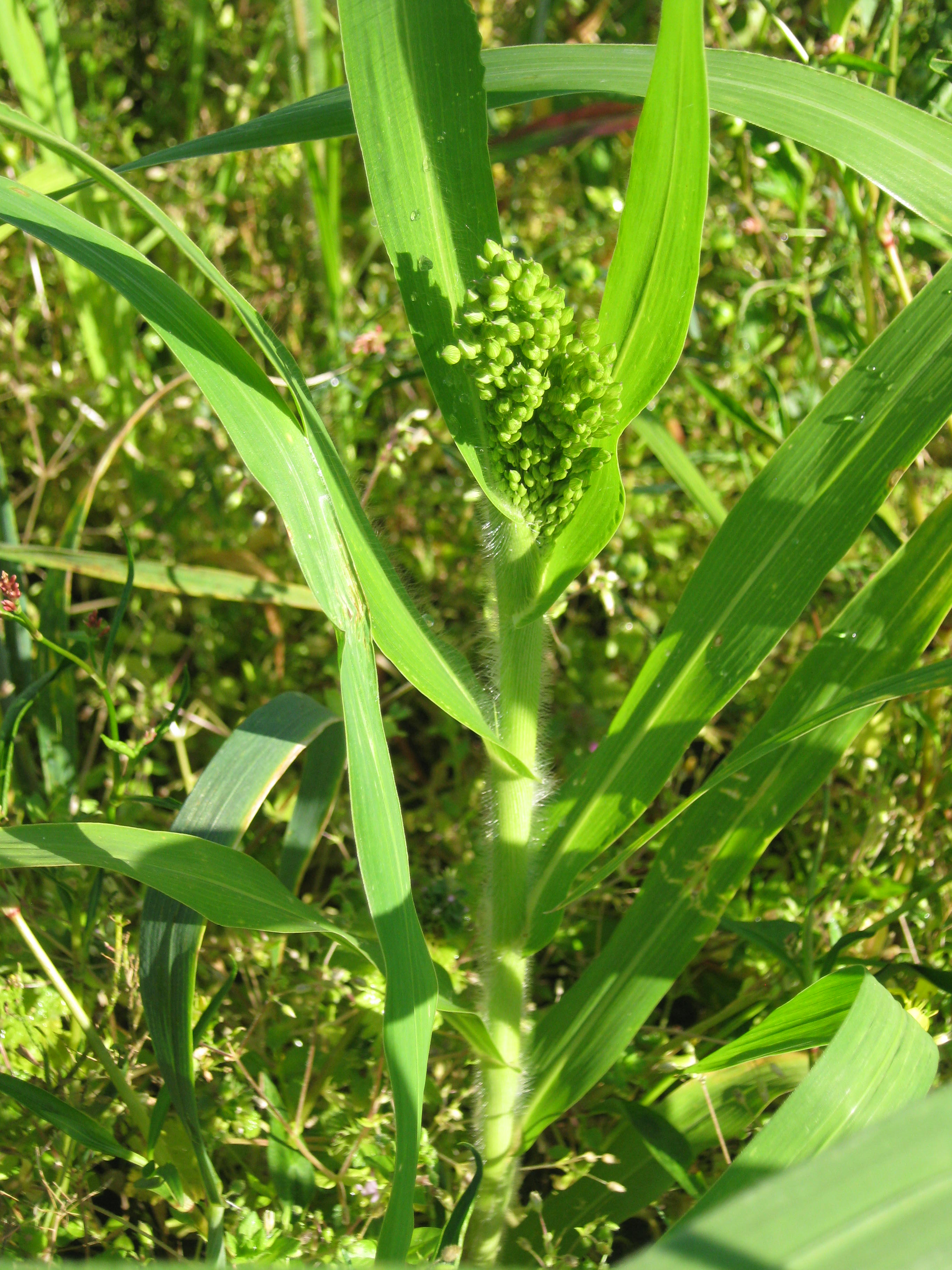
It also appeared as if a trial crop had been planted here.  We did not recognise it at all.  After some research I have decided that it may be rice.  The kind of rice – arborio – that is grown in northern Italy.

021poss rice

Is this rice?

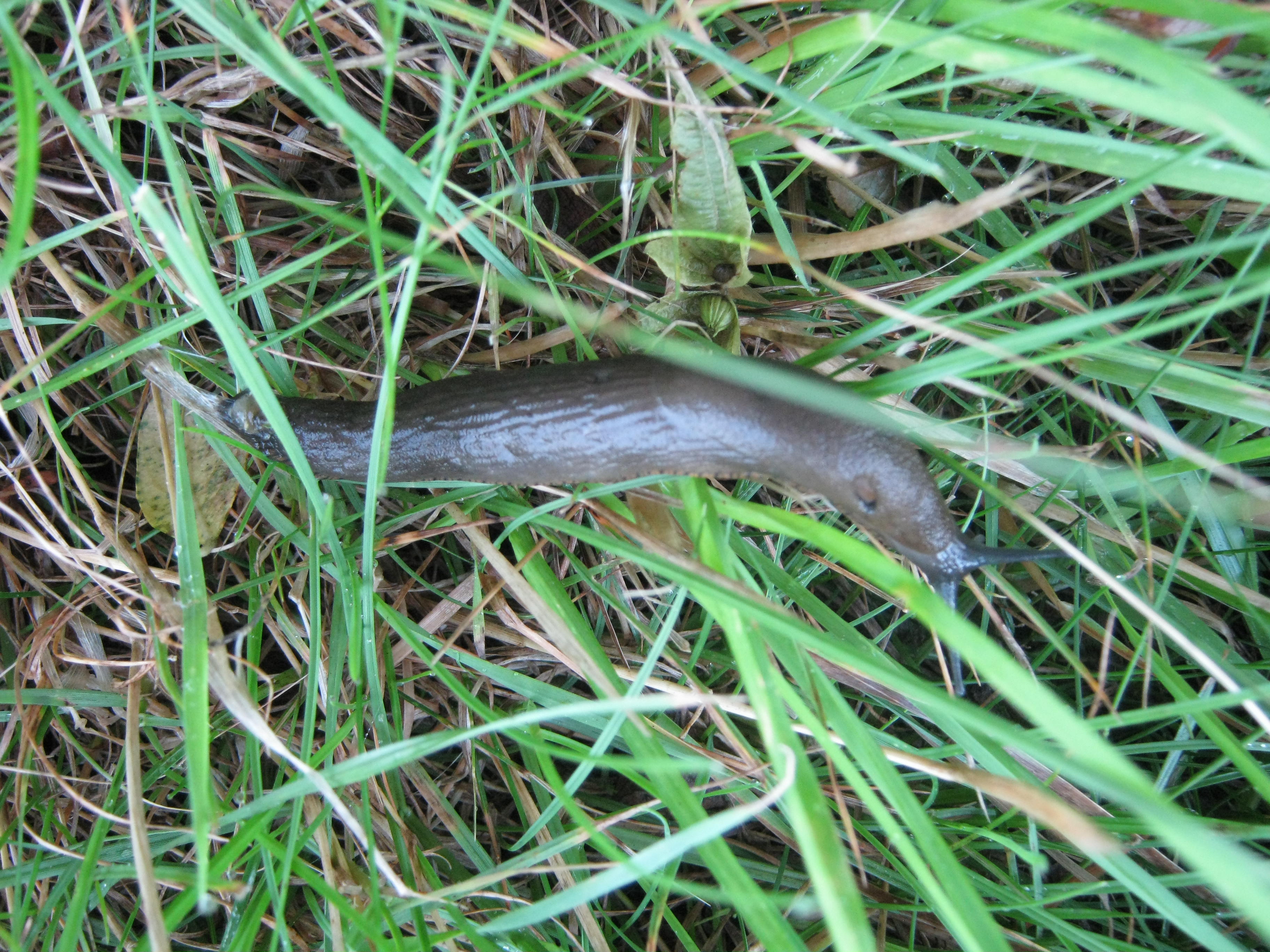
027poss rice 028poss rice I think it looks very much like it.  Can anyone confirm this for me, please? Near to the hedge we found some red bartsia but my photo is very poor as you will see. 013oof Red Bartsia I also found some ragwort which I think may be marsh ragwort. 017poss marsh ragwort We walked past another field of dried peas and continued to admire the enormous clouds on the horizon. 035Clouds We were now approaching the Beck and we could hear all the ditches and little streams that join it gurgling and bubbling. 037Great Black Slug We saw this Great Black Slug in the damp grass.

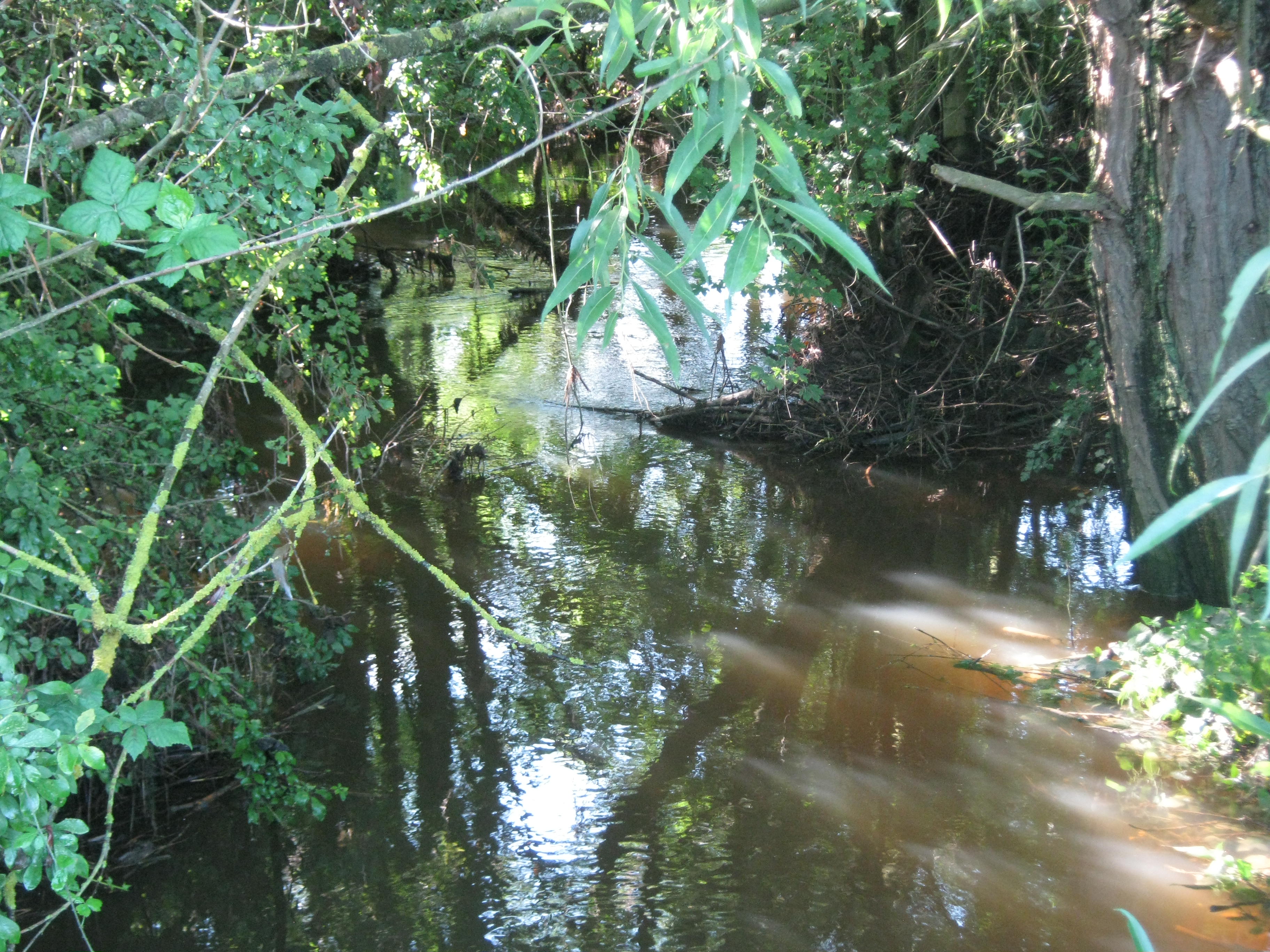
039The Beck

The Beck was flowing very fast

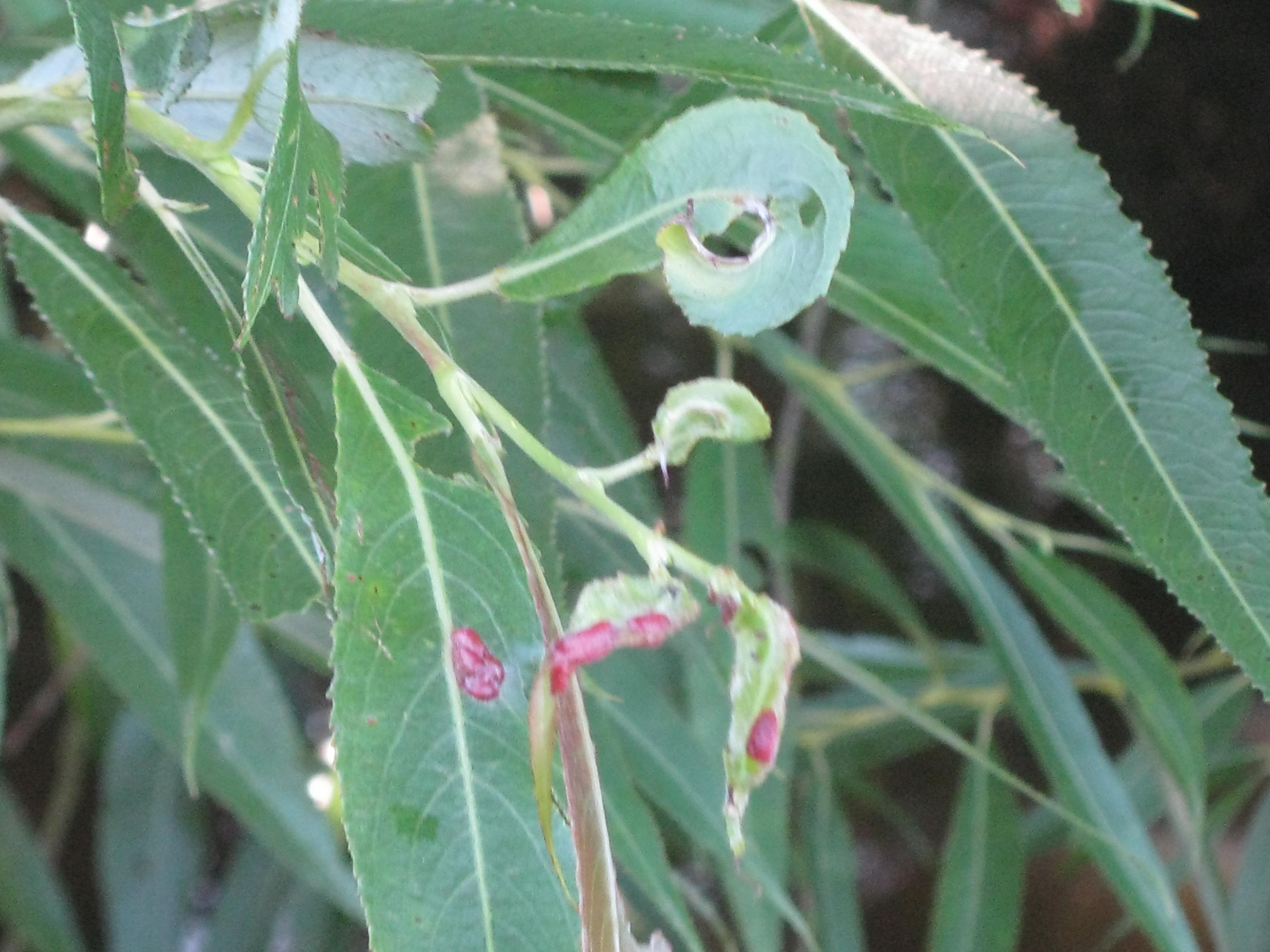
040Willow leaves

This willow has galls on it and one of its leaves is very distorted

We decided to walk a little further to the top of the hill and look at the view from there.

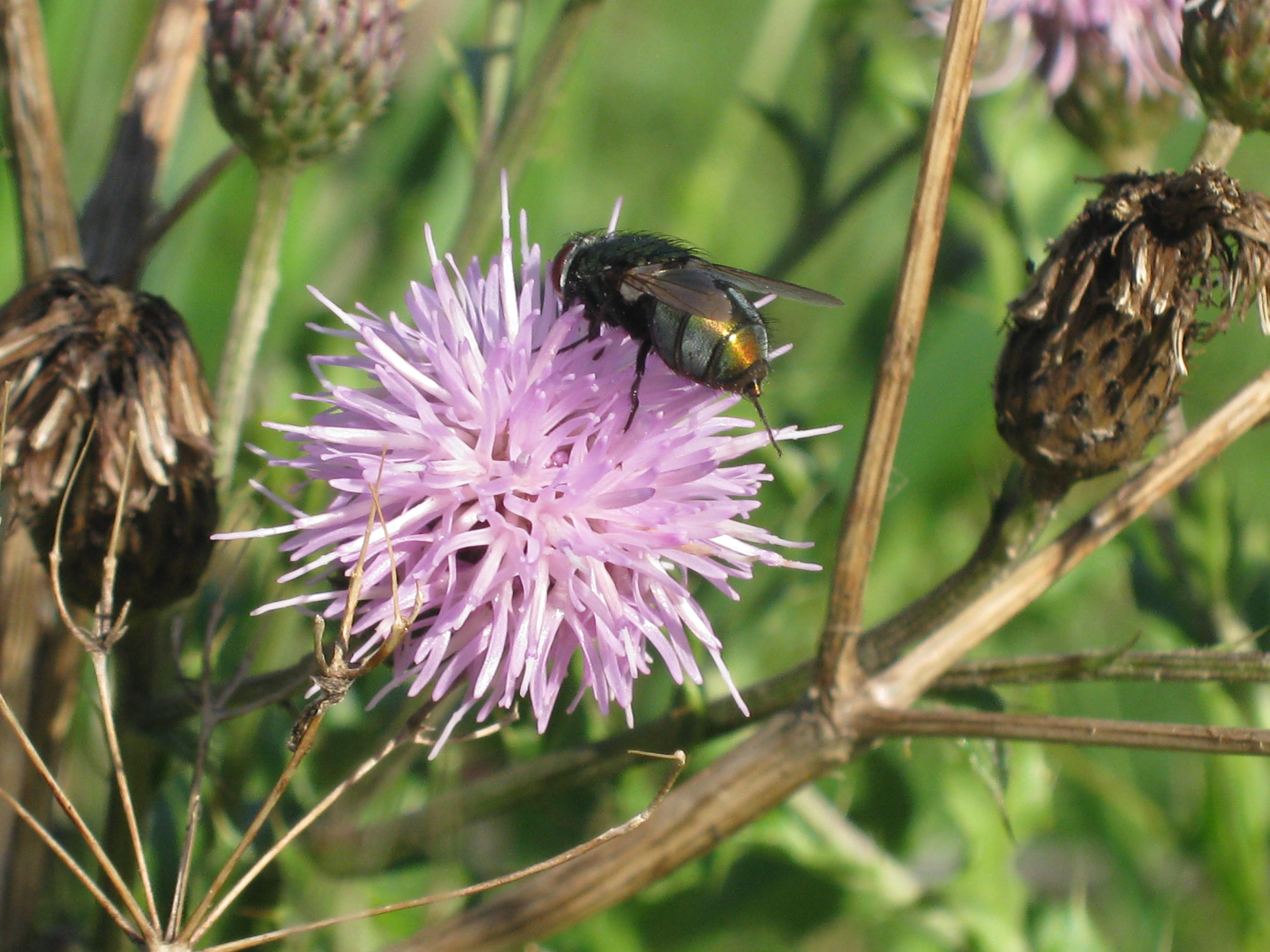
041Greenbottle

Greenbottle flies develop a coppery tinge with age

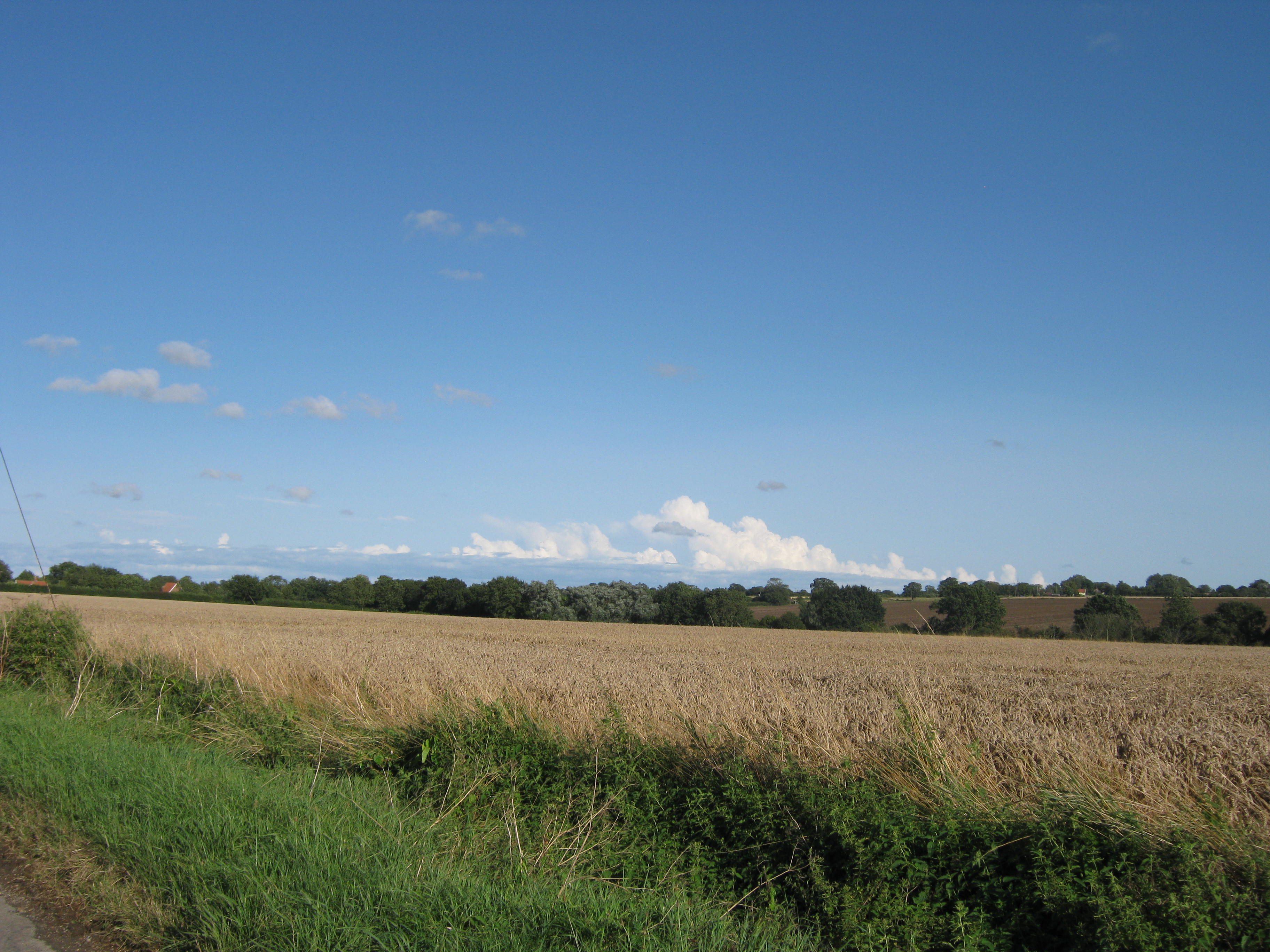
043View of field

One of our favourite views

047Signpost

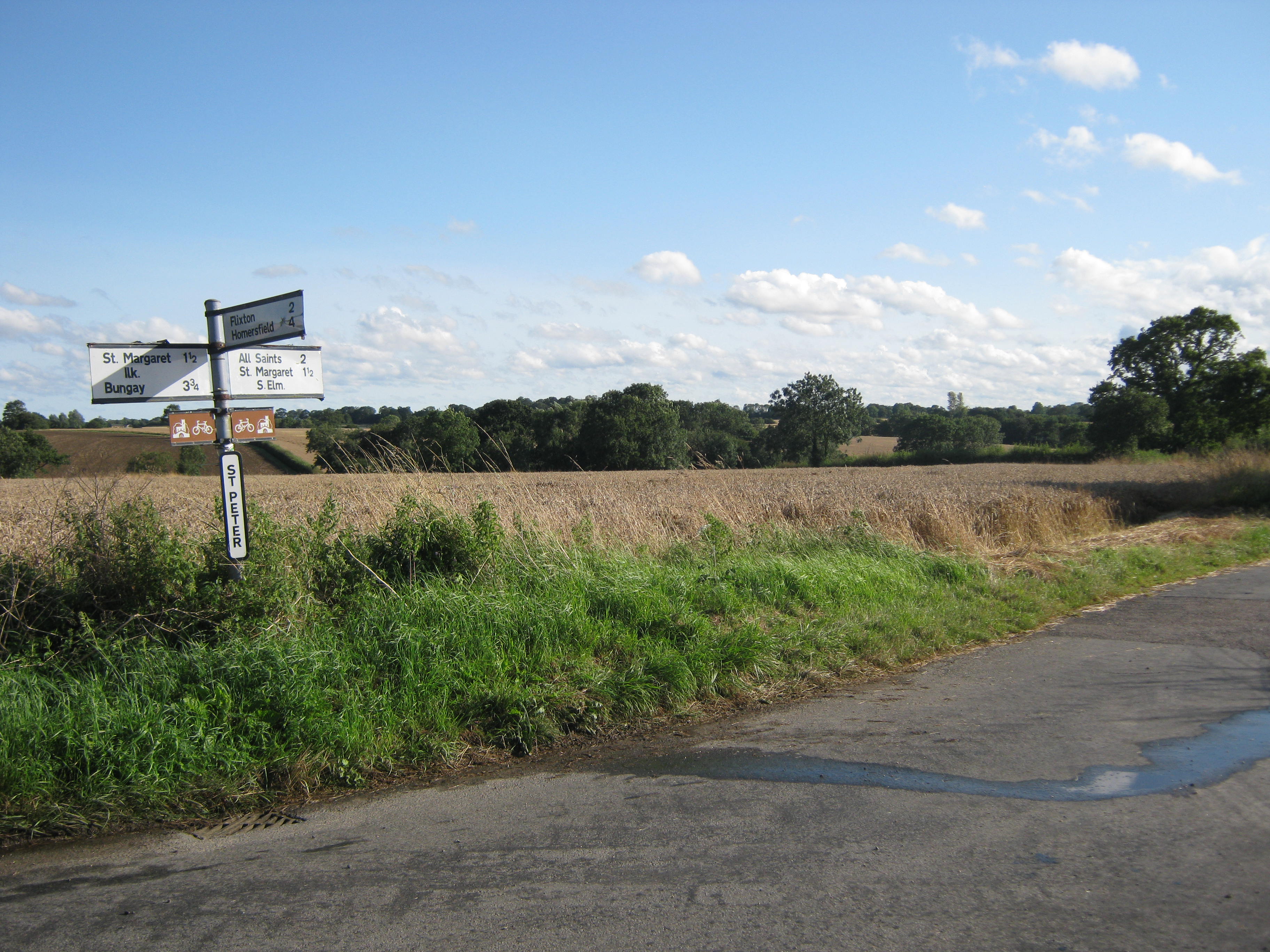
The road junction at the top of the hill

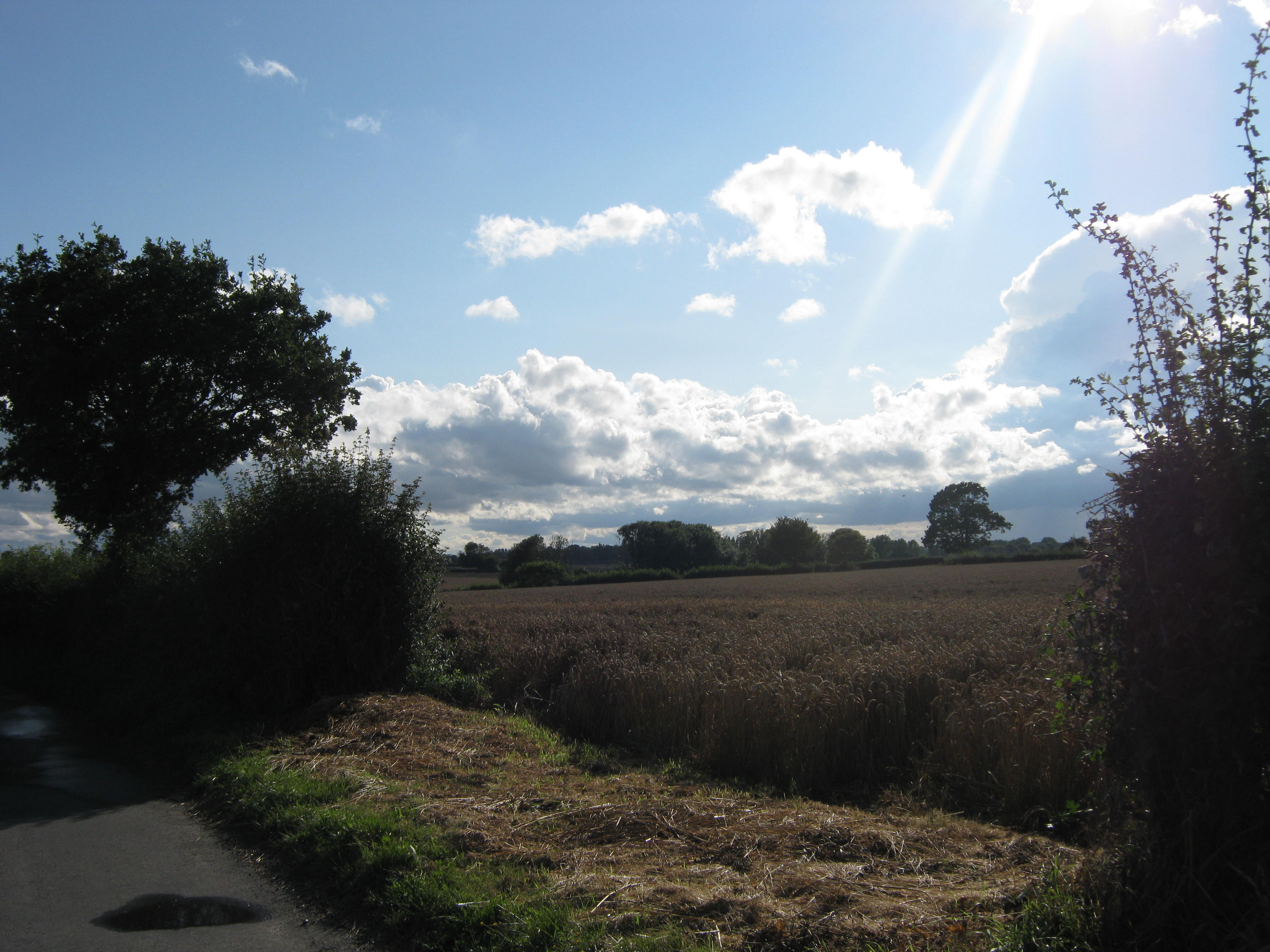
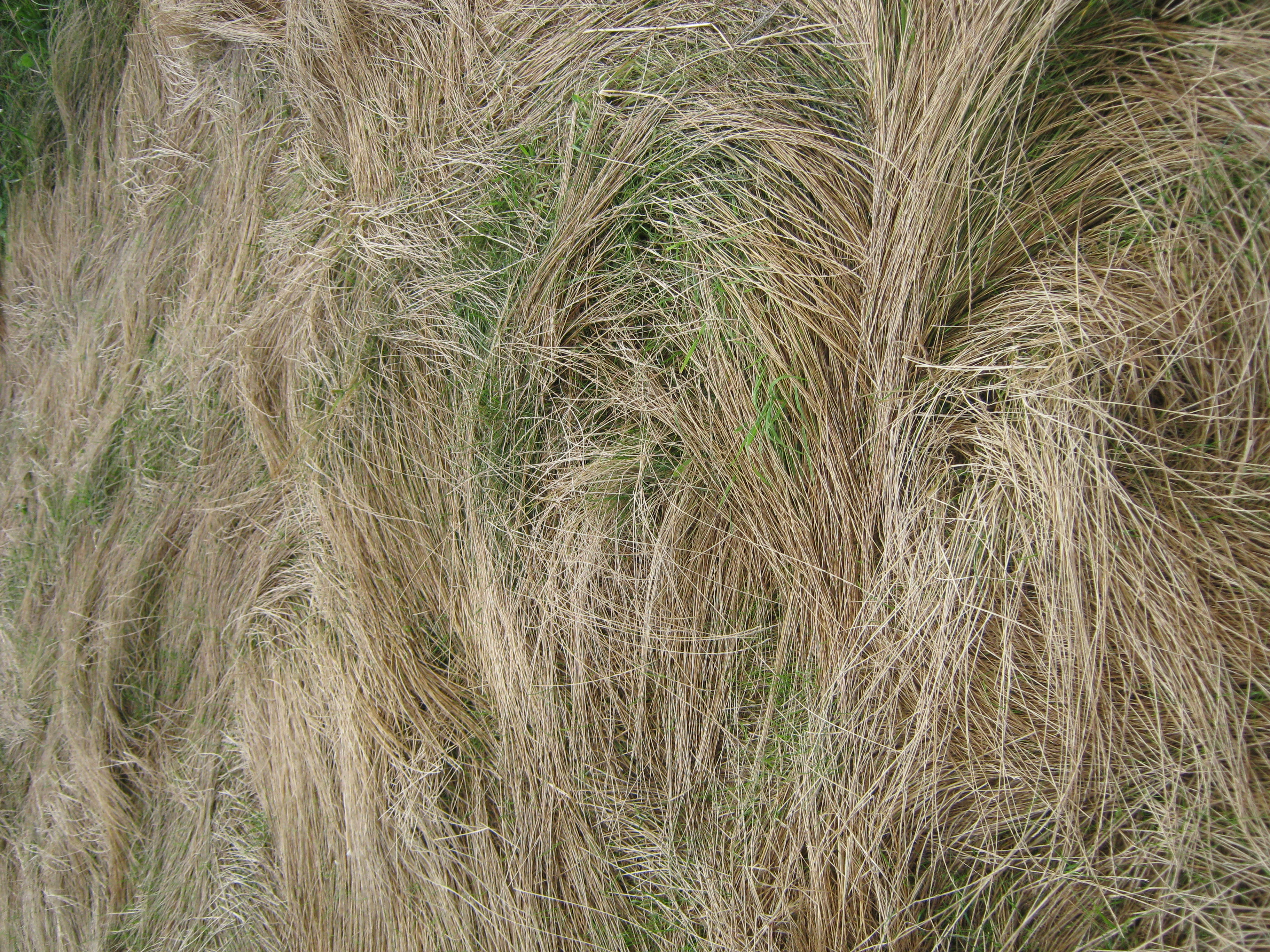
048View and clouds After all the humid weather recently it was lovely at the top of the hill with the strong wind blowing. 050Clouds   051Clouds   It looked as if we might have some more rain so we headed back down the hill. 055Black bryony On the way I noticed some shiny Black Bryony leaves in the hedgerow. 056Field, gate, clouds Another view of a field, a gate and some clouds. 060Dark clouds   The wind and rain had made patterns with the dried grasses. 061Wind-blown grass shapes We got home and I started preparing the evening meal.  I used some of our home-grown Kestrel potatoes which are very tasty indeed.

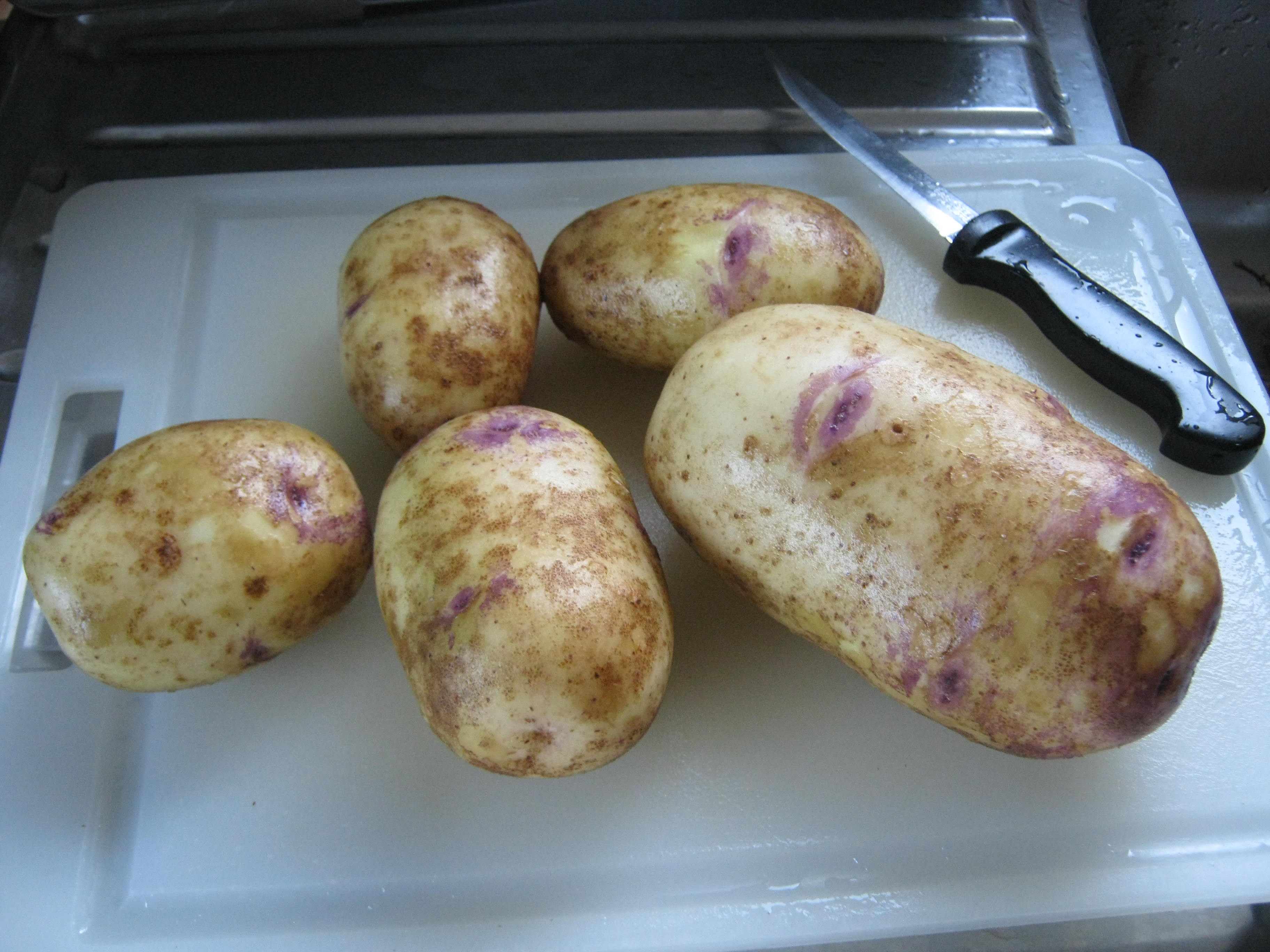
064Kestrel  pototoes

Purple patterned potatoes

In fact, the clouds passed us by without shedding a drop of rain.  The skies cleared by nightfall and we were able to see the enormous full moon as it rose and then a couple of shooting stars as well.  A beautiful end to the weekend.

Share this:

  • Share on X (Opens in new window) X
  • Share on Reddit (Opens in new window) Reddit
  • Share on Pinterest (Opens in new window) Pinterest
  • Share on Facebook (Opens in new window) Facebook
  • Email a link to a friend (Opens in new window) Email
  • Share on Tumblr (Opens in new window) Tumblr
  • Print (Opens in new window) Print
  • Share on Pocket (Opens in new window) Pocket
  • Share on LinkedIn (Opens in new window) LinkedIn
Like Loading...

A Suffolk Garden in July – Insects Part 1

08 Fri Aug 2014

Posted by Clare Pooley in Insects, plants, Rural Diary

≈ 14 Comments

Tags

azure damselfly, blackfly aphid, blue-tailed damselfly, brown hawker, burnet moth, buttercup, comma butterfly, Essex skipper, feverfew, greenbottle, helicopter, ichneumon wasp, insects, July, meadow brown butterfly, migrant hawker, oedemea nobilis, peacock butterfly, Red Lily Beetle grub, rhagonycha fulva, Ringlet butterfly, robber fly' bindweed, ruddy darter, sawfly, small skipper, Small Tortoiseshell, small wolf spider, speckled wood butterfly, spotted crane fly, Suffolk, white butterfly

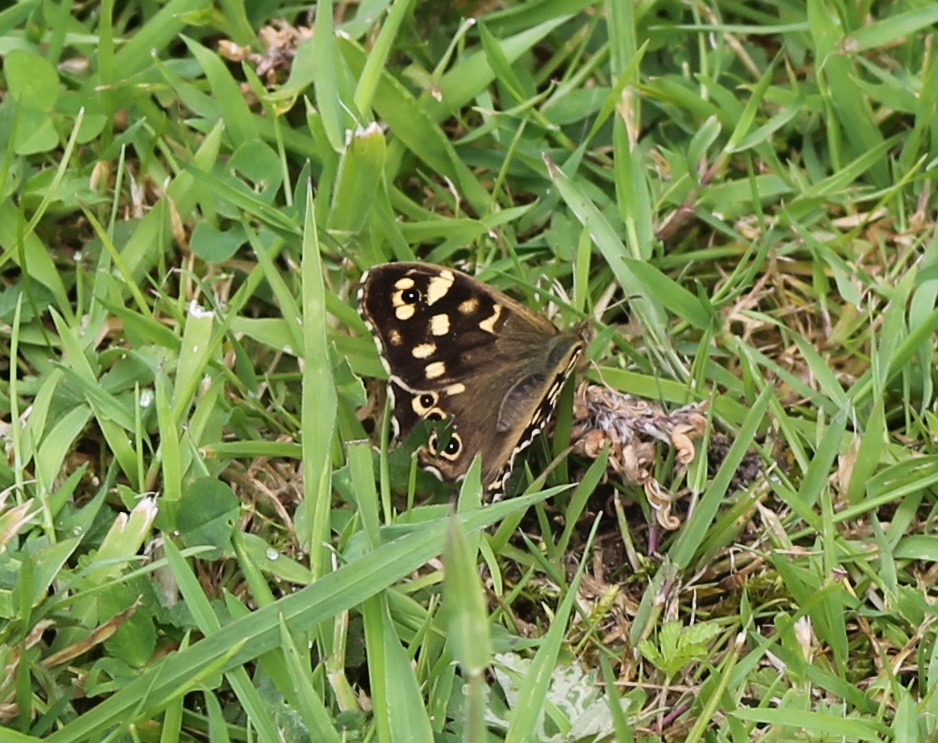
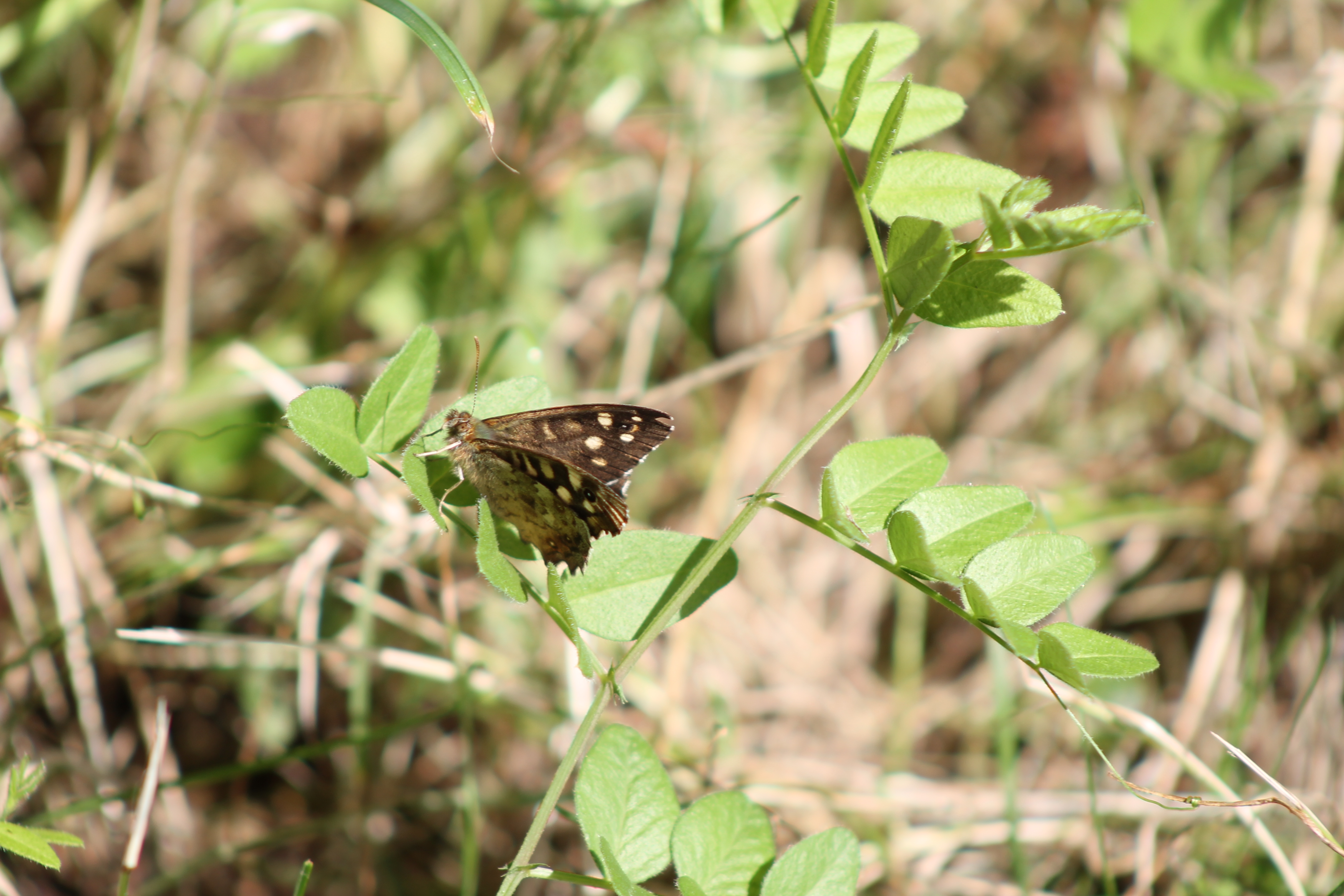
006Speckled Wood butterfly

A Speckled Wood butterfly

I realise that we are now a week into August but better late than never.  There were so many different insects about last month that I will have to make more than one post to cover them.  I have also included some photos of insects that I saw during June most of which were still about in July.  I will list the insects in the order in which I saw them or was able to photograph them.  I am not including the dragonfly, damselfly and butterfly photos that I have already posted but I may include different photos of the same type of insect.

The Speckled Wood shown above had a little bit of its wing missing but was quite a bright, new-looking insect.  The next photo is of something none of us want in our gardens.

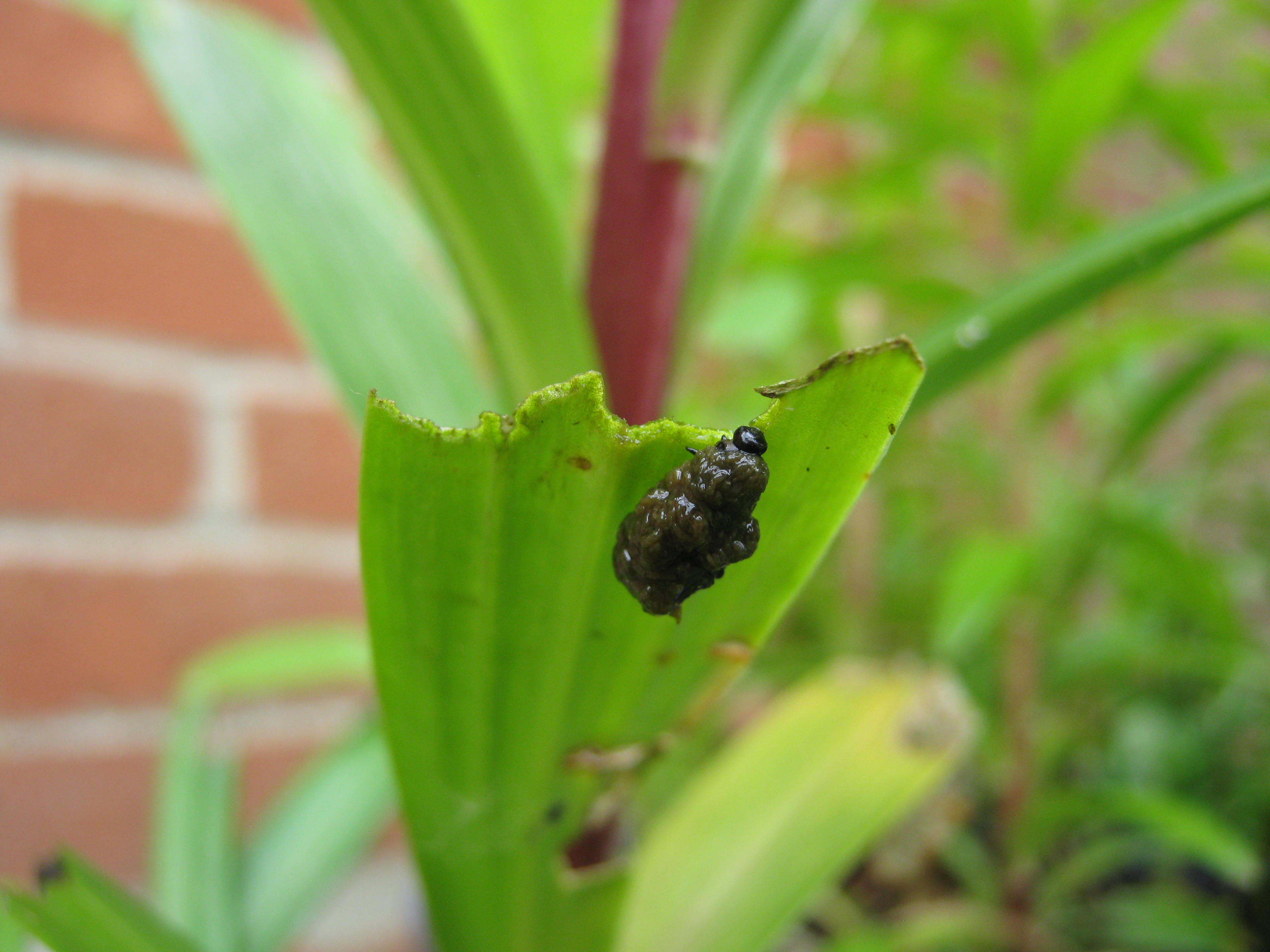
014Red Lily beetle grub

A Red Lily Beetle grub – yeuch!

These nasties chomp their way through lilies and fritillaries and do it very quickly too.  They cover themselves in their own excrement.

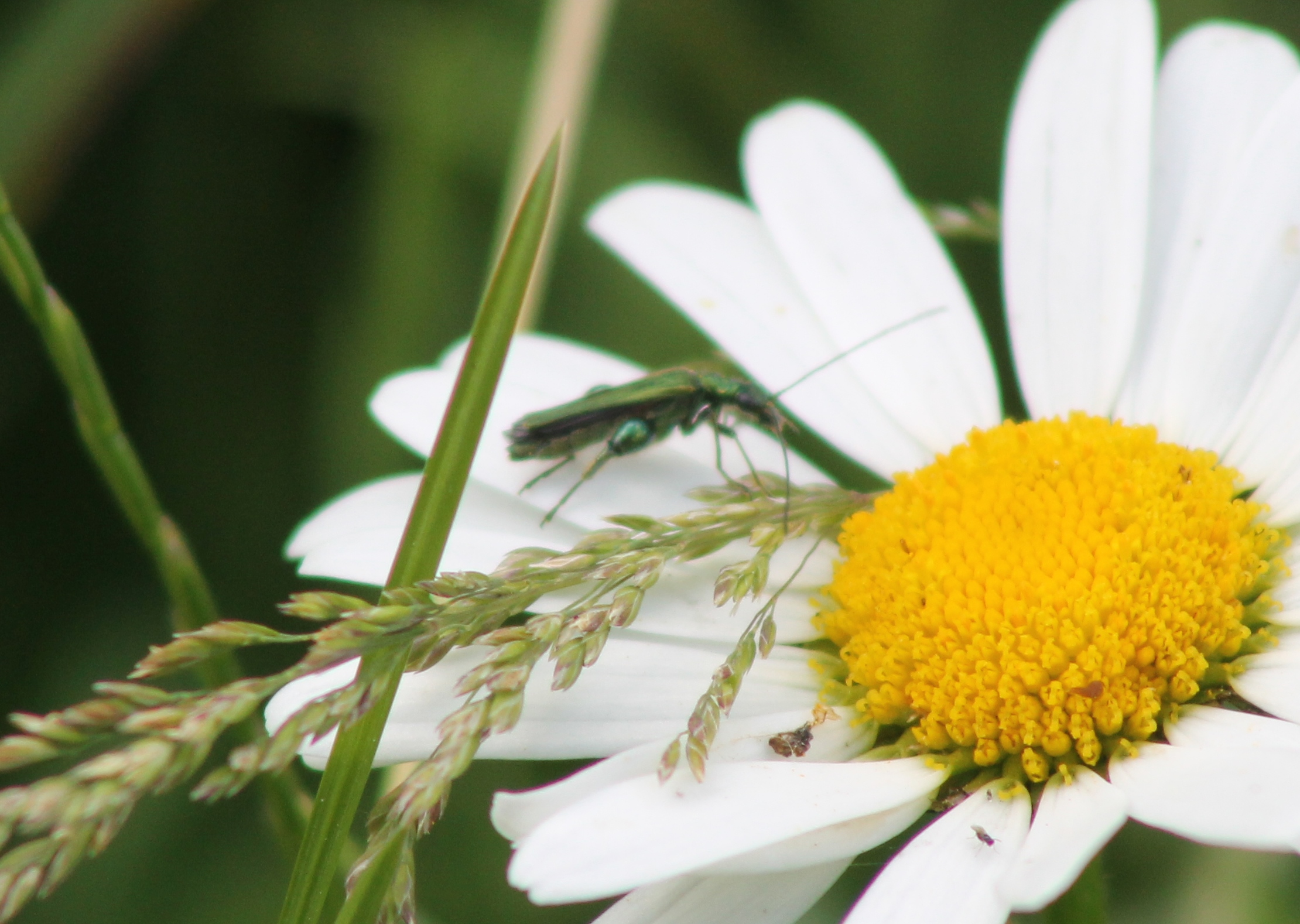
021Male oedemea nobilis

A male Oedemera nobilis – only the males have the swollen hind-legs. They feed on pollen and this one is eyeing up his next meal

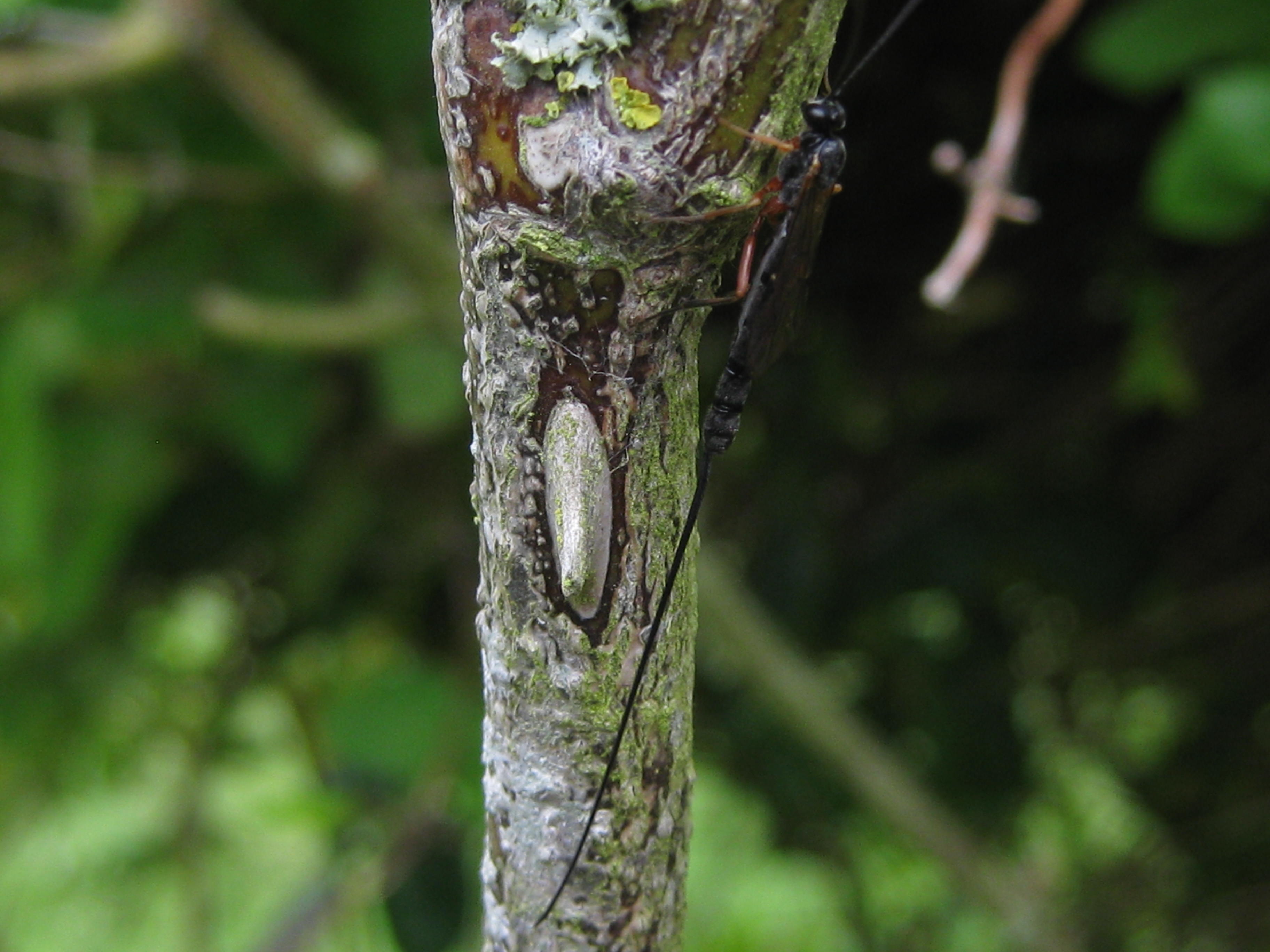
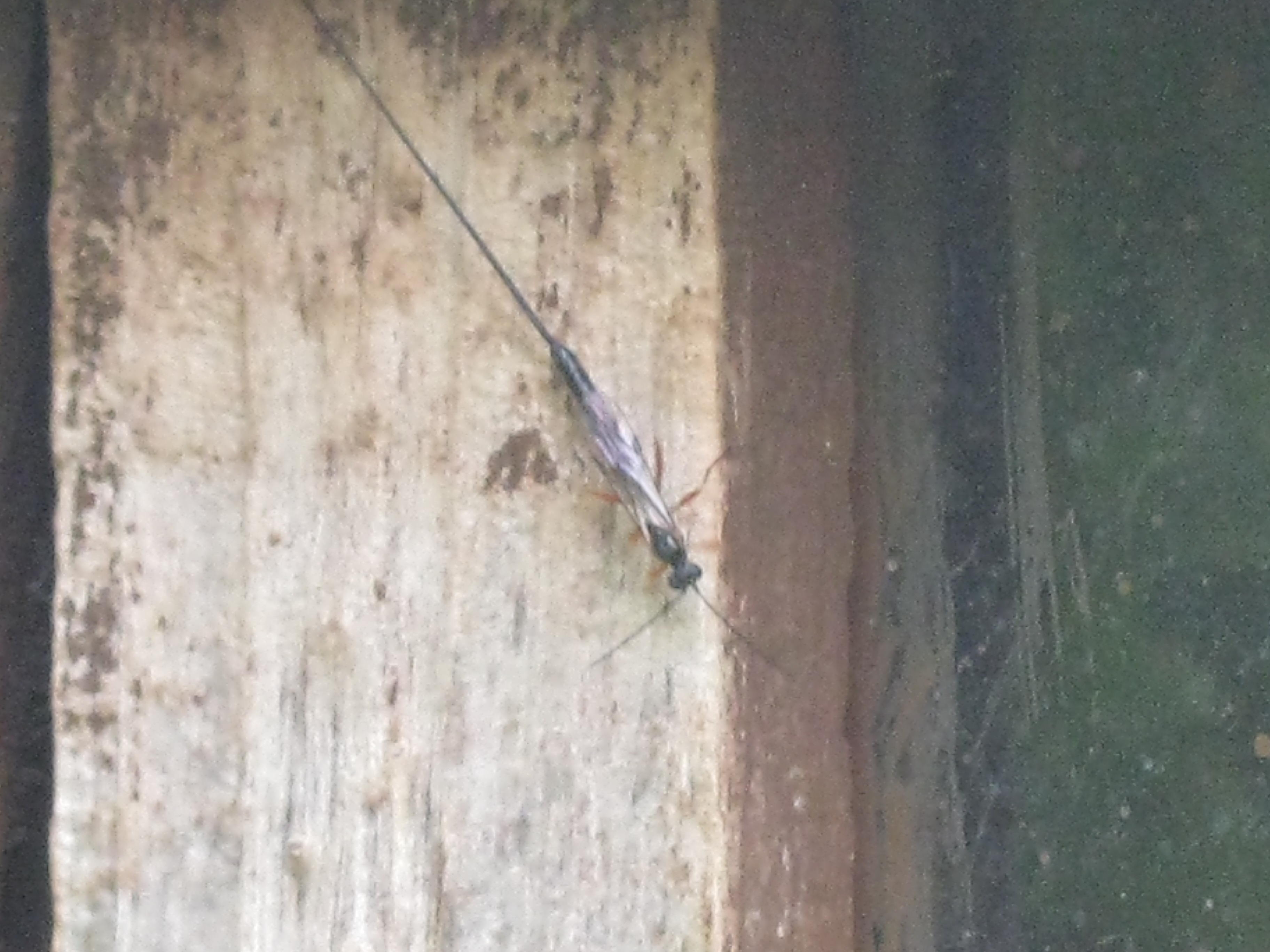
The next two photos are of the same unidentified insect and the photos aren’t that clear either.   Ichneumon wasp or sawfly?002Ichneumon wasp probably

003Ichneumon wasp probably

Note the extremely long ovipositor!

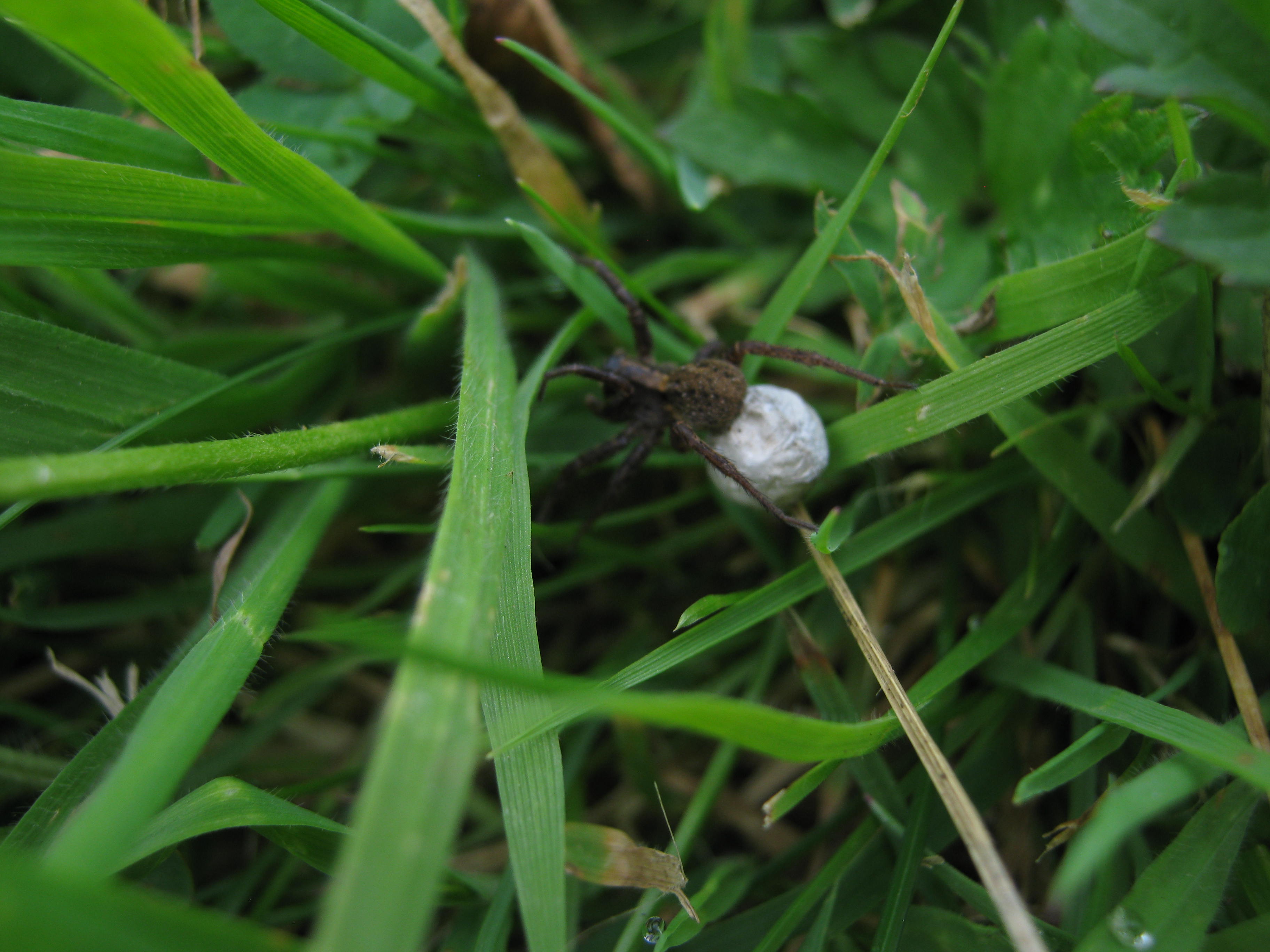
005Small wolf spider

A Small Wolf Spider carrying its eggs in a silk ball

I realise that spiders aren’t insects but I’m still including this one here nevertheless.  Because these spiders do not make webs and live a nomadic life, the female has to carry her eggs around with her.  Some wolf spiders even carry their spiderlings about with them too.  When the spiderlings are due to hatch, the female spins a large ‘nursery web’ in the vegetation and puts the egg sac there.  Wolf spiders run down their prey like their namesakes.

006Greenbottle

Greenbottle

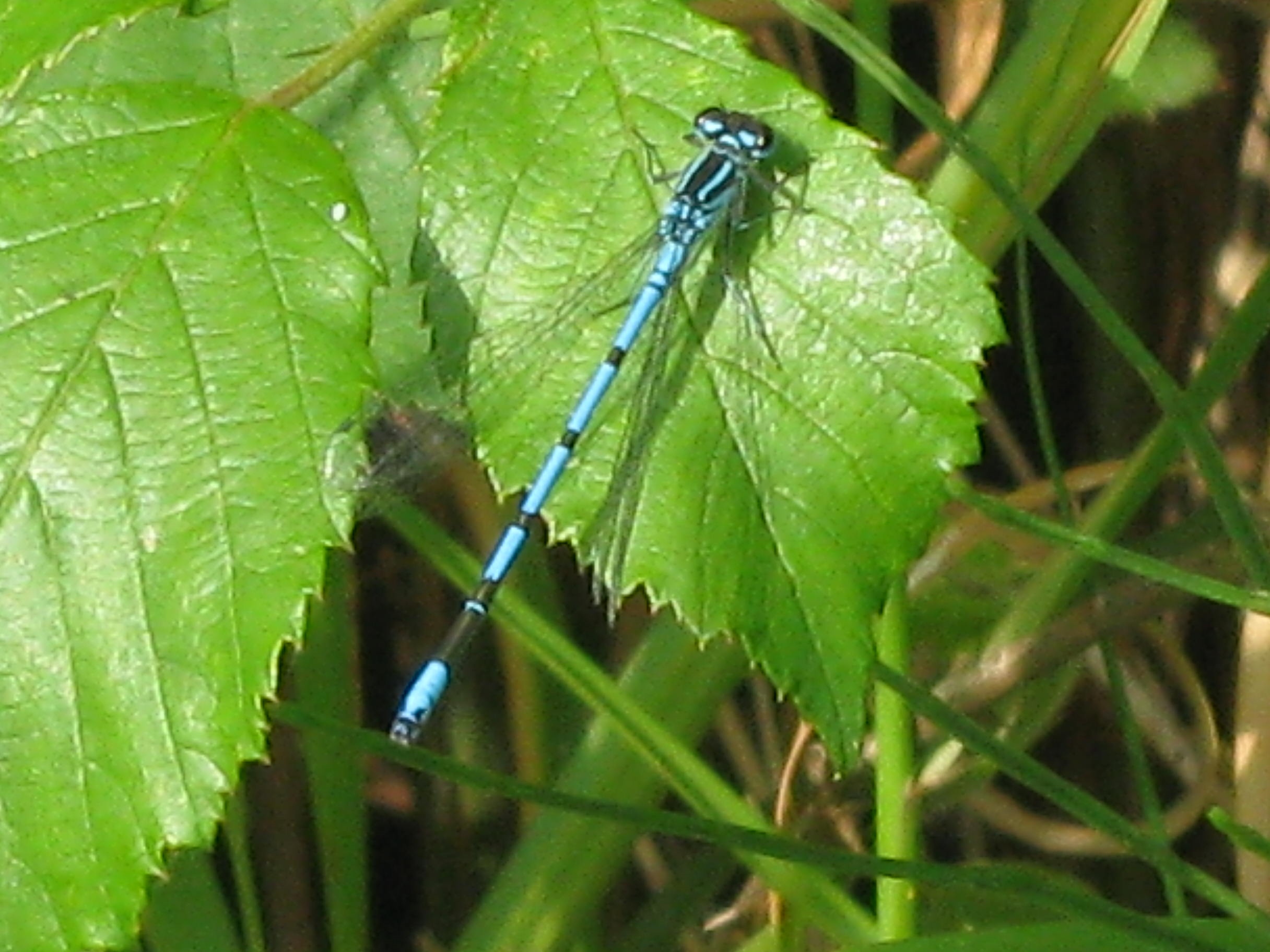
027Azure damselfly

Azure Damselfly

028Azure damselfly

Azure Damselfly

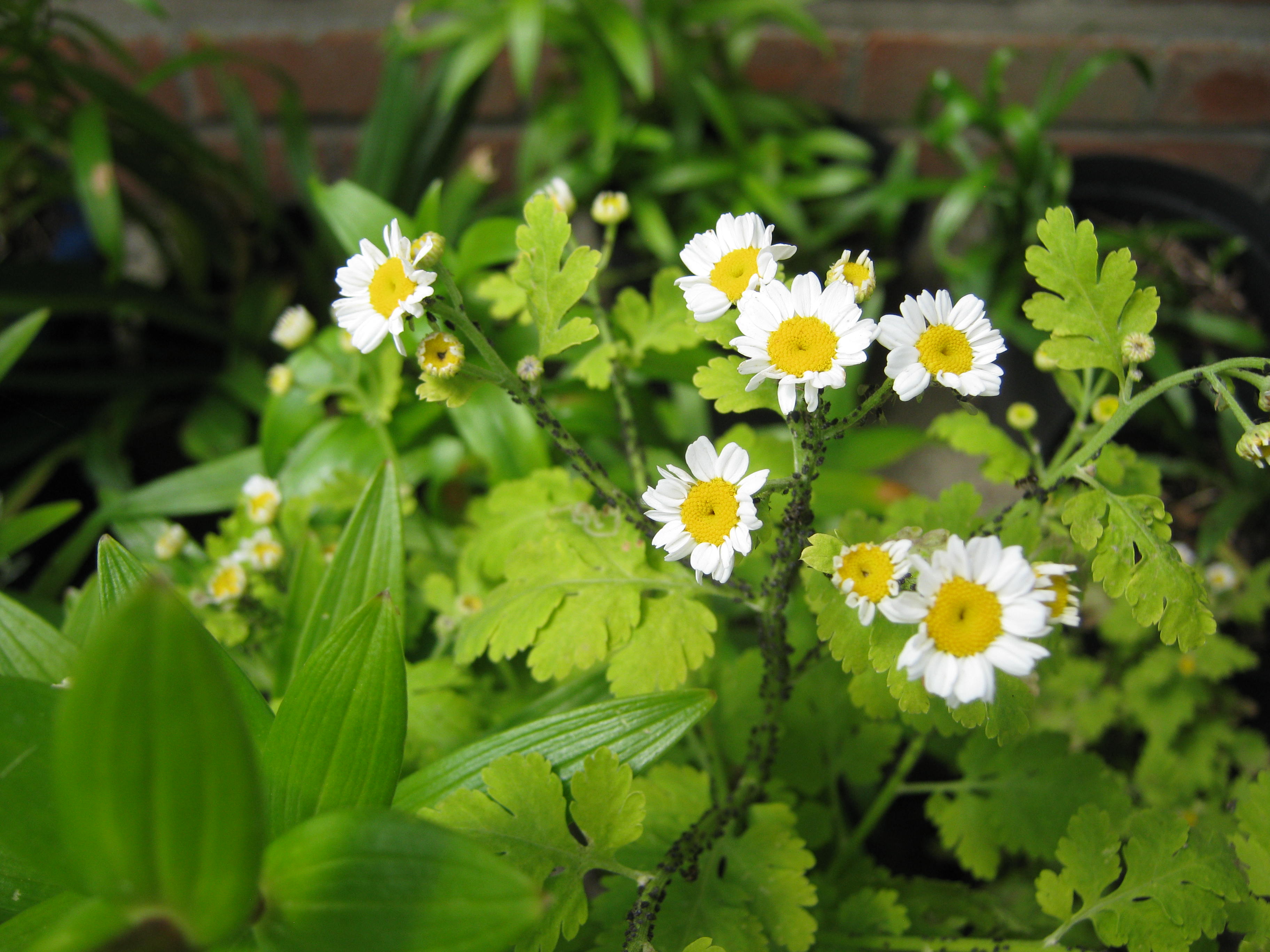
Here are some more little insects that gardeners could do without.  This photo also shows how good feverfew is at attracting them.

022Feverfew with blackfly

Blackfly aphids on Feverfew

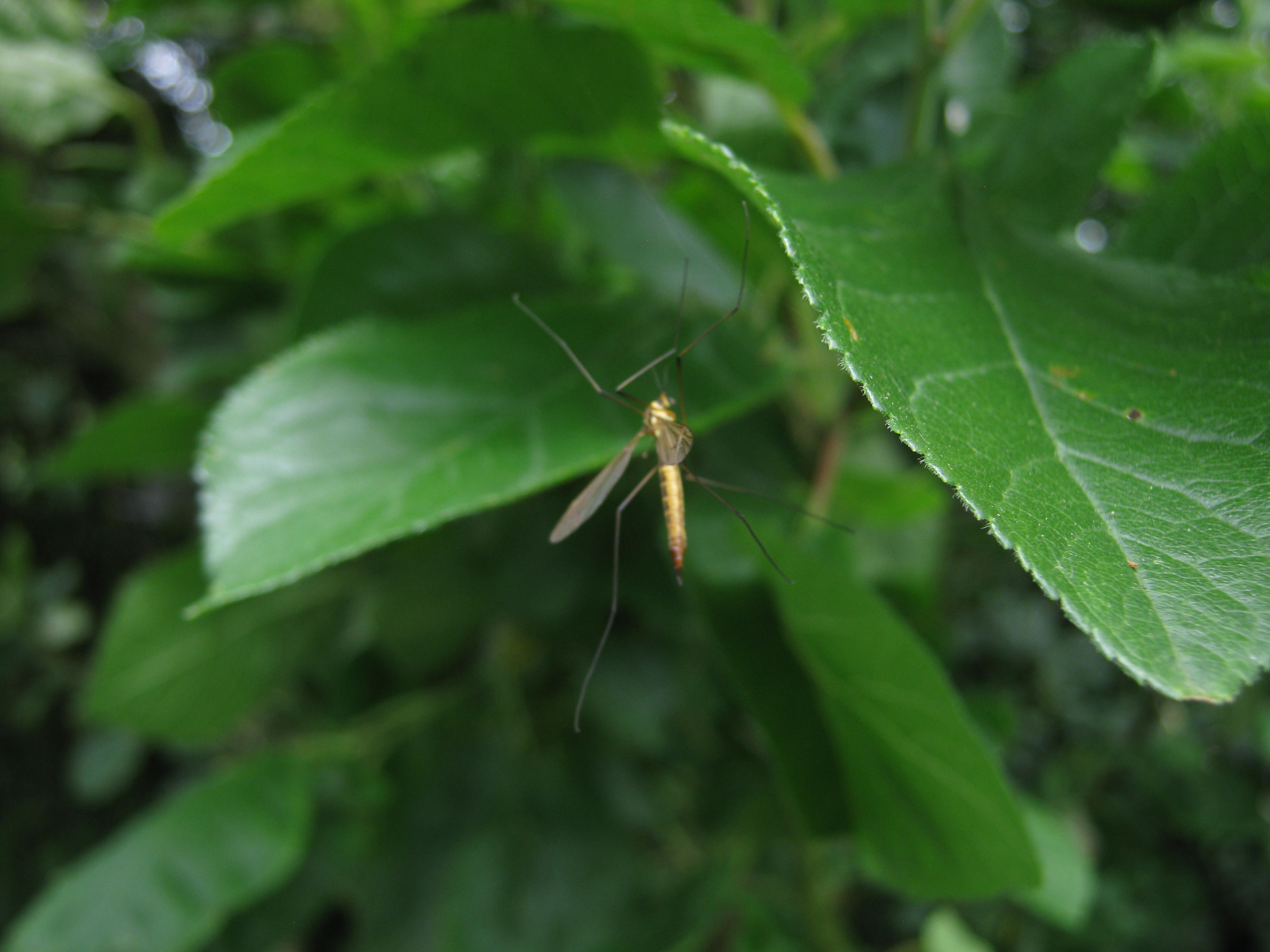
048Spotted cranefly

Spotted Cranefly

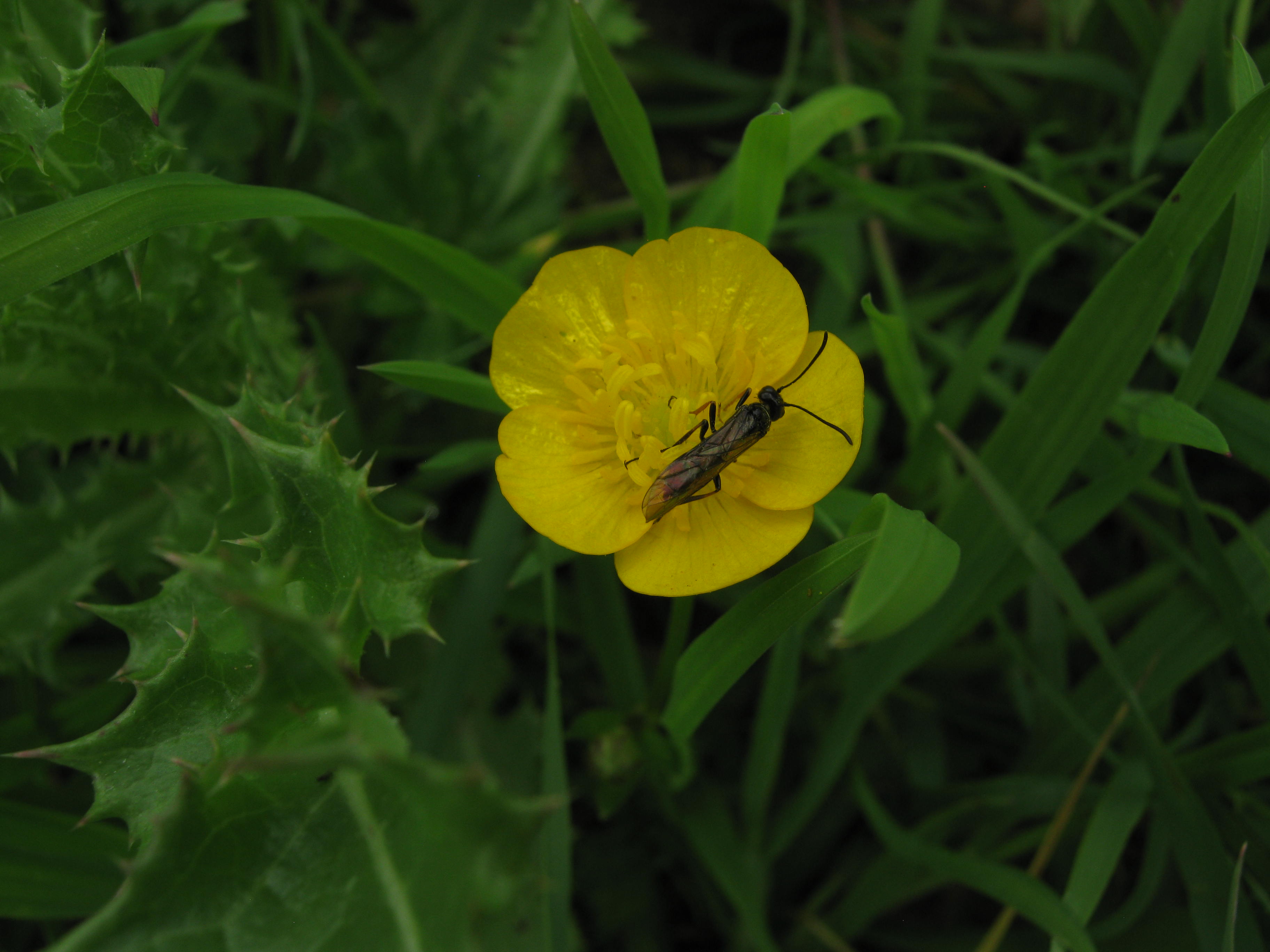
058Buttercup with beetle

Unidentified insect (sawfly?) on a buttercup

067Small tortoiseshell sipping nectar

Tortoiseshell butterfly sipping nectar

015Meadow brown butterfly

A Meadow Brown butterfly on a very windy day

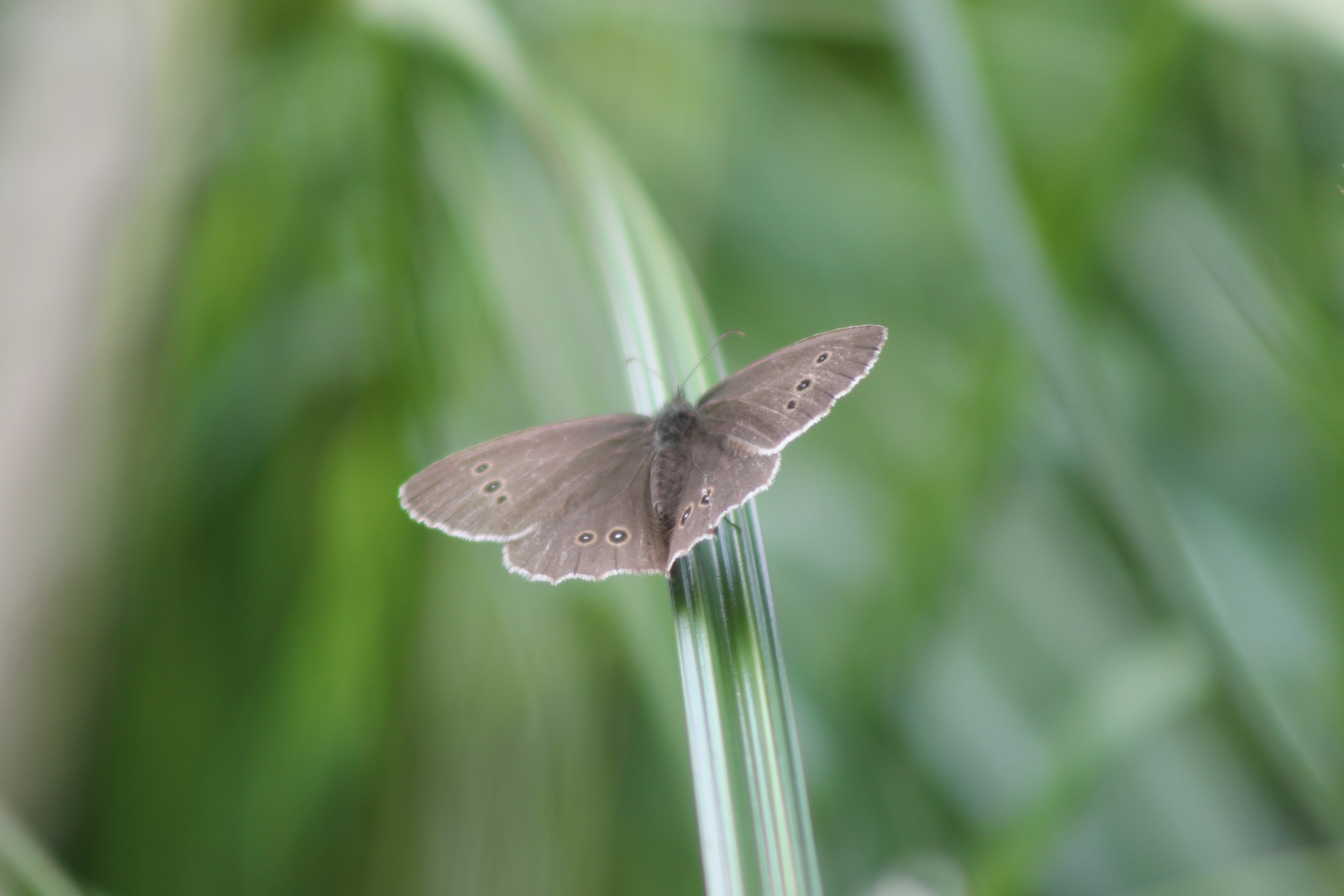
005Ringlet

A Ringlet butterfly on another windy day

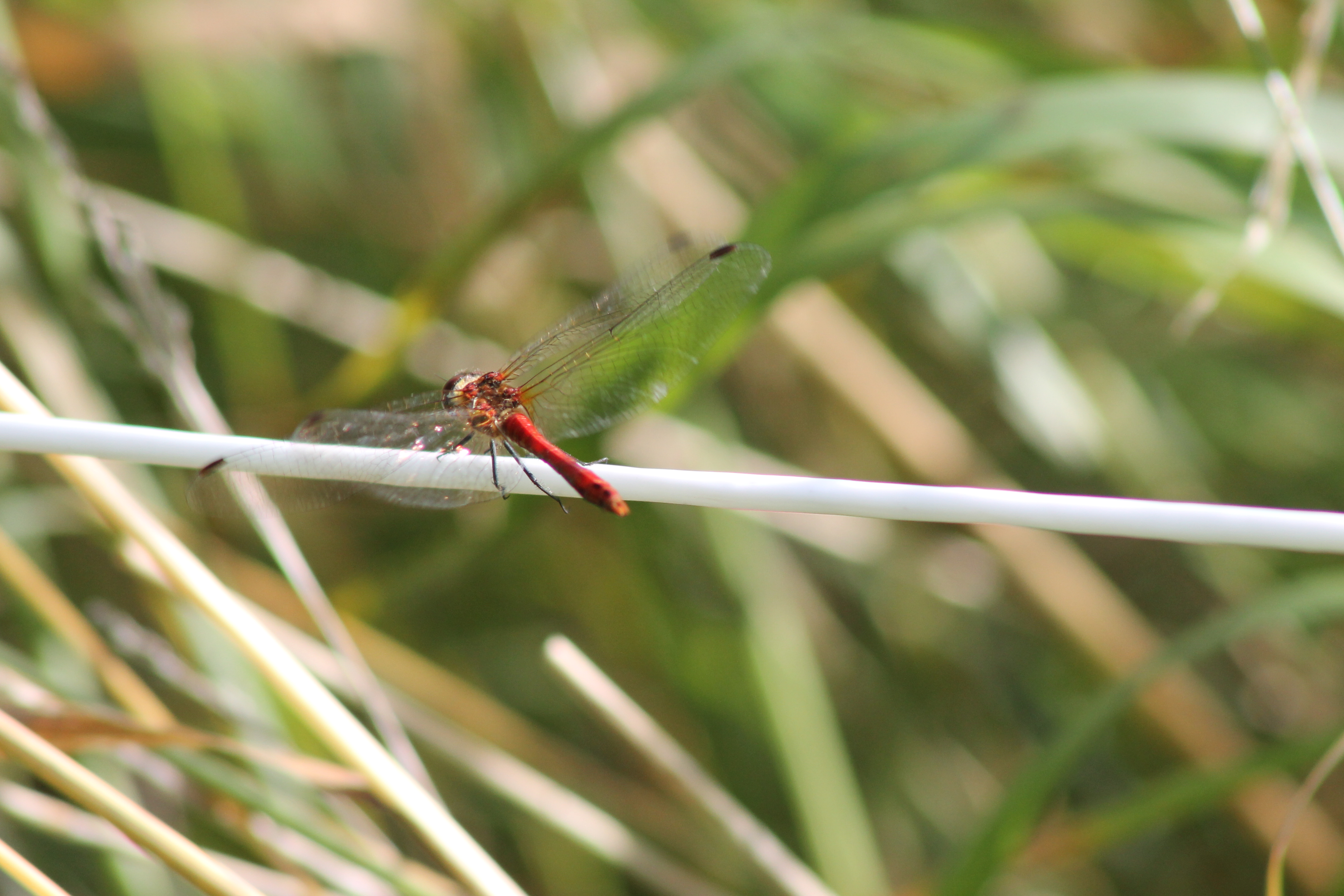
009Ruddy darter

A Ruddy Darter dragonfly

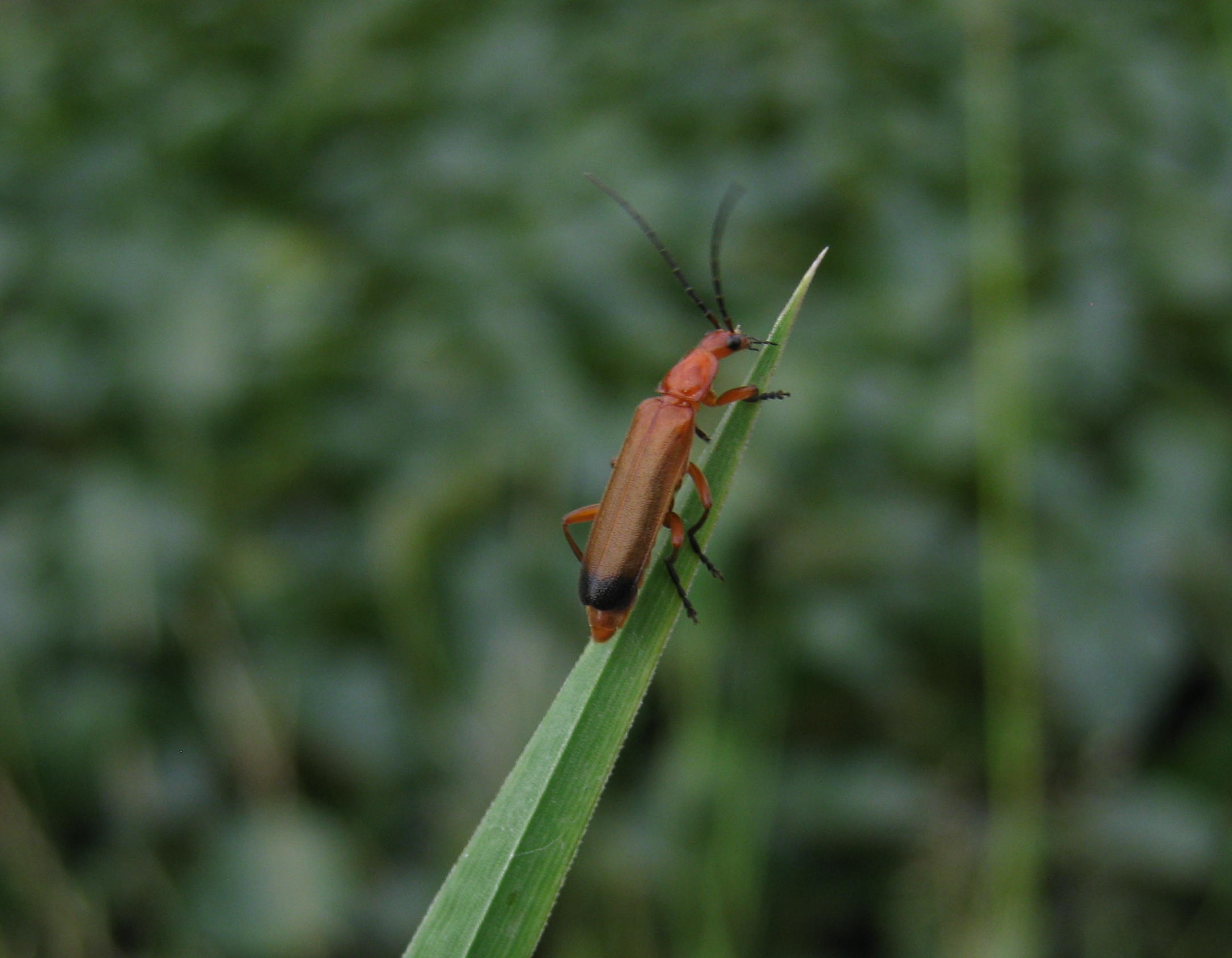
001Rhagonycha fulva

Rhagonycha fulva I thought at first that this was a Cardinal Beetle but they have different antennae and are much redder.

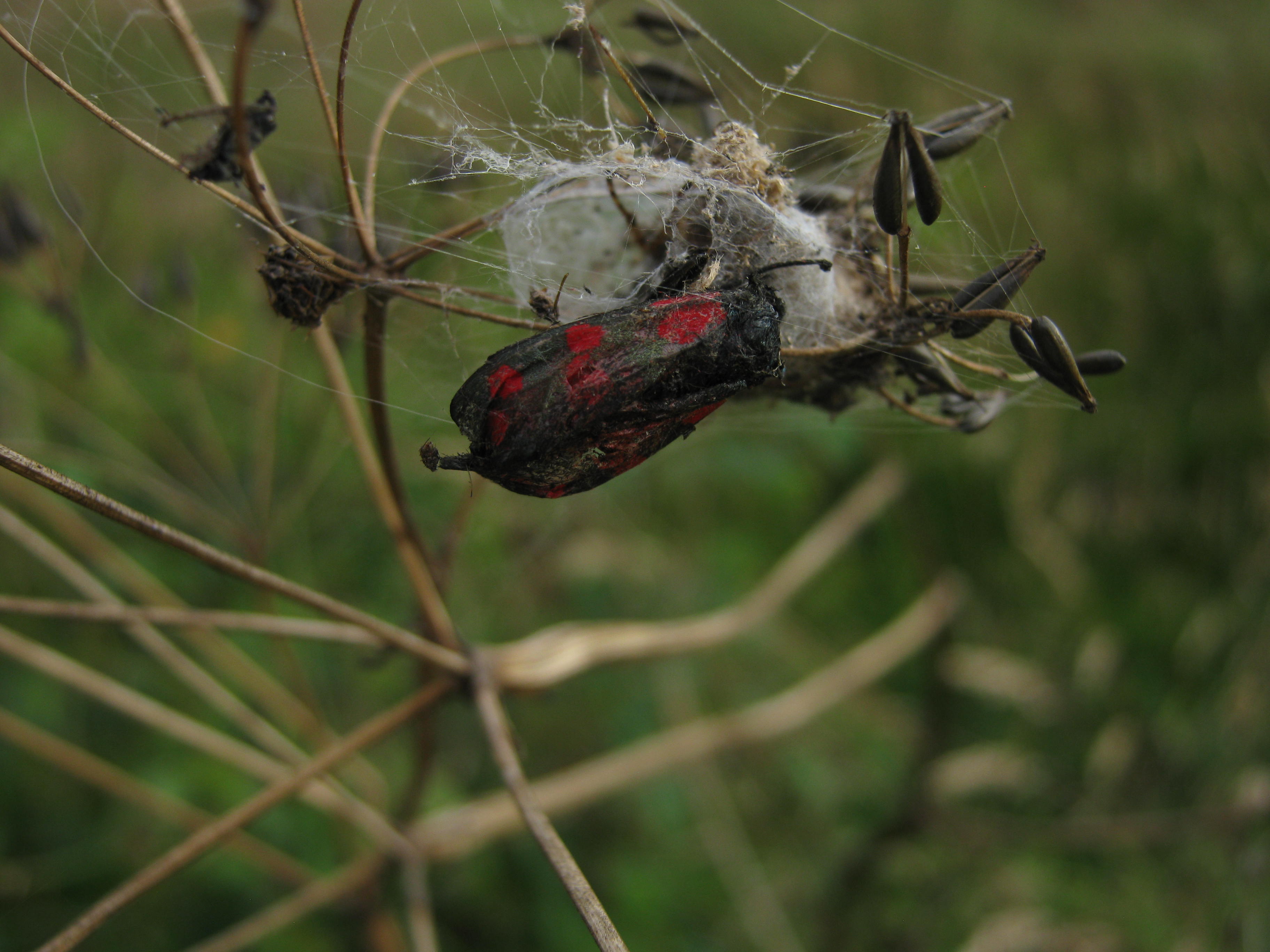
002Burnet moth caught in web

A Burnet Moth caught in a spider’s web

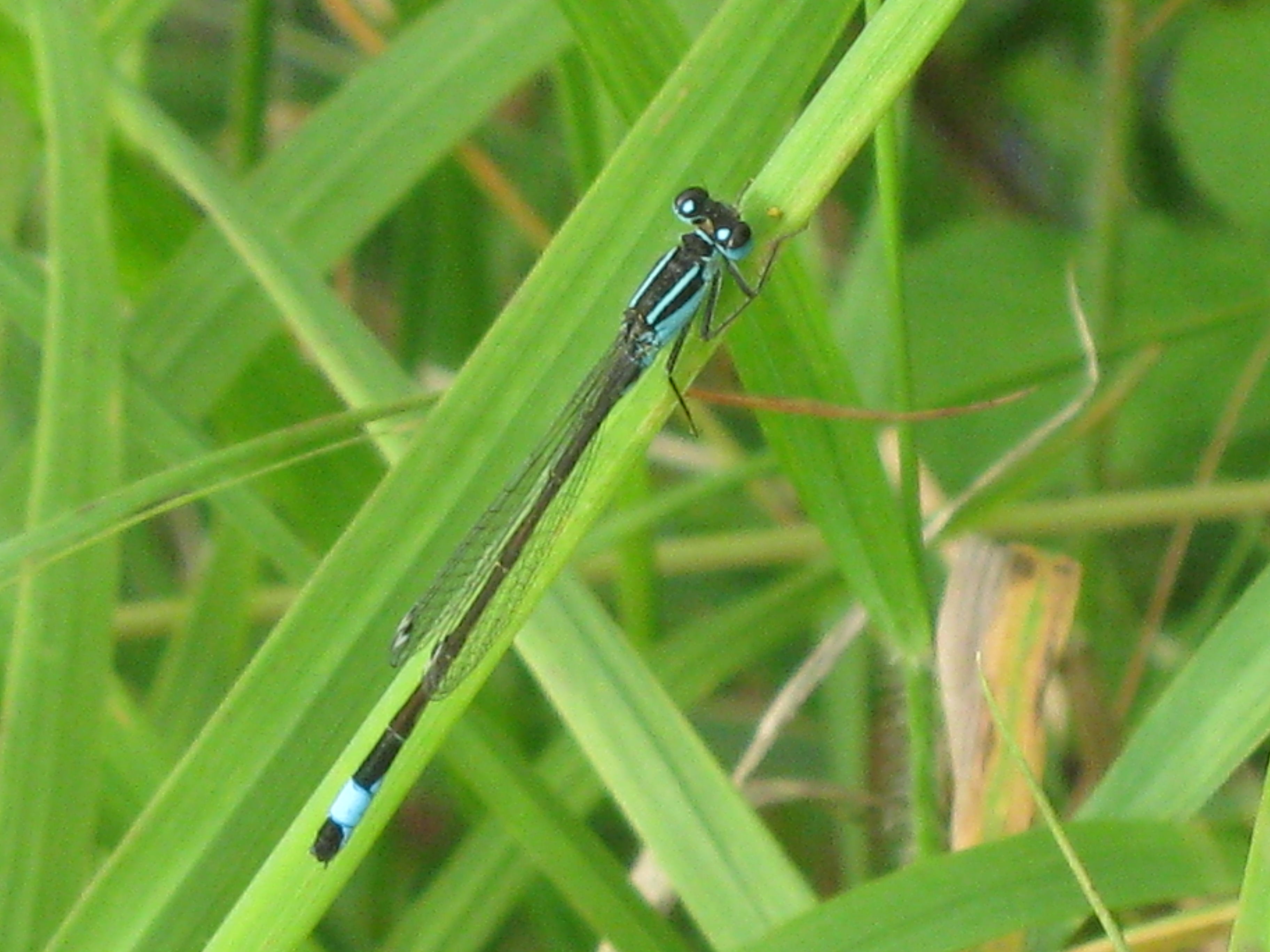
006Blue-tailed damselfly

A Blue-tailed Damselfly

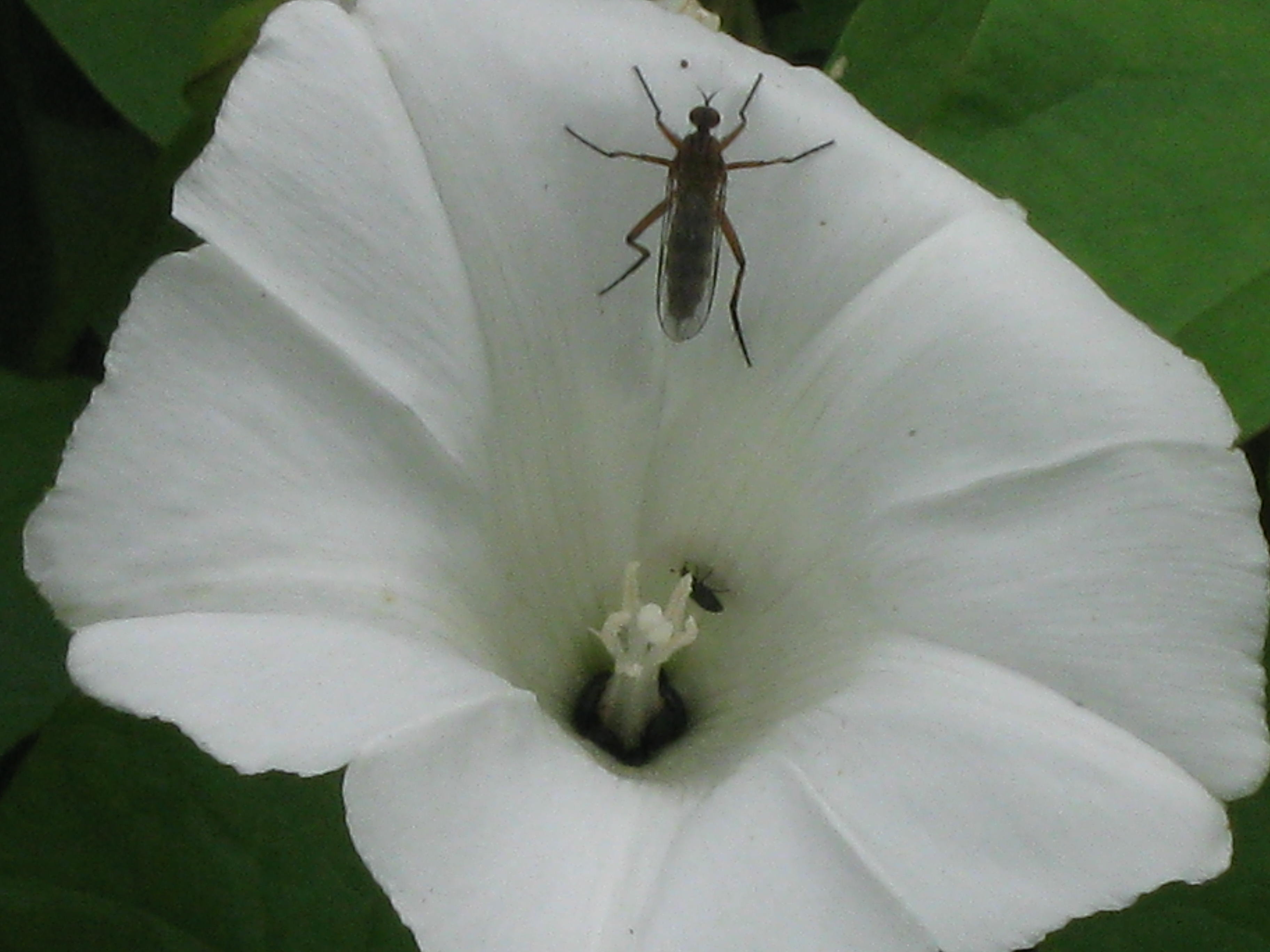
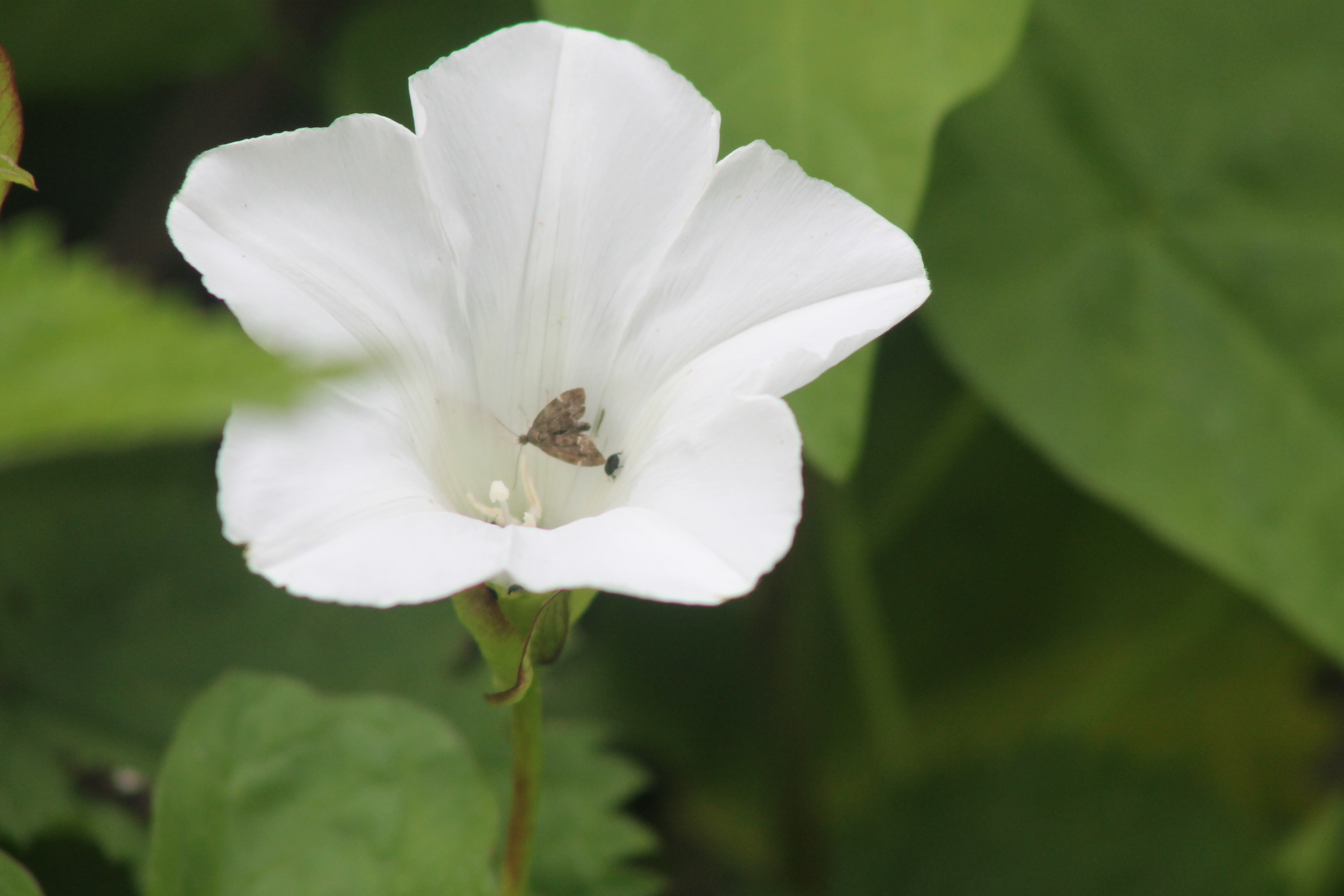
009Bindweed flower with unidentified fly and pollen beetle

An unidentified fly (robber fly?) on a bindweed flower

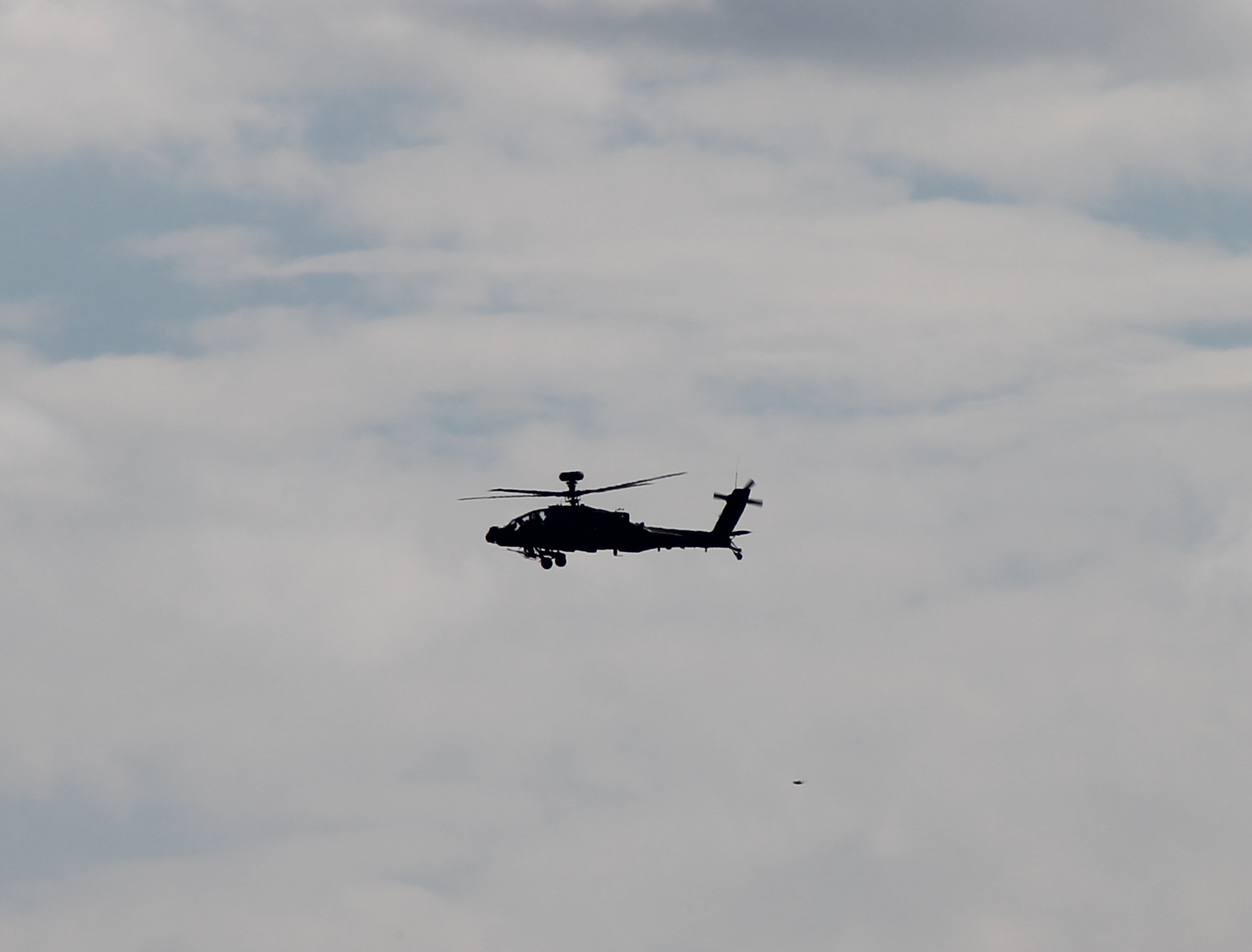
020Helicopter

A military helicopter It looks like an insect!

033Ruddy darter

Another photo of a Ruddy darter

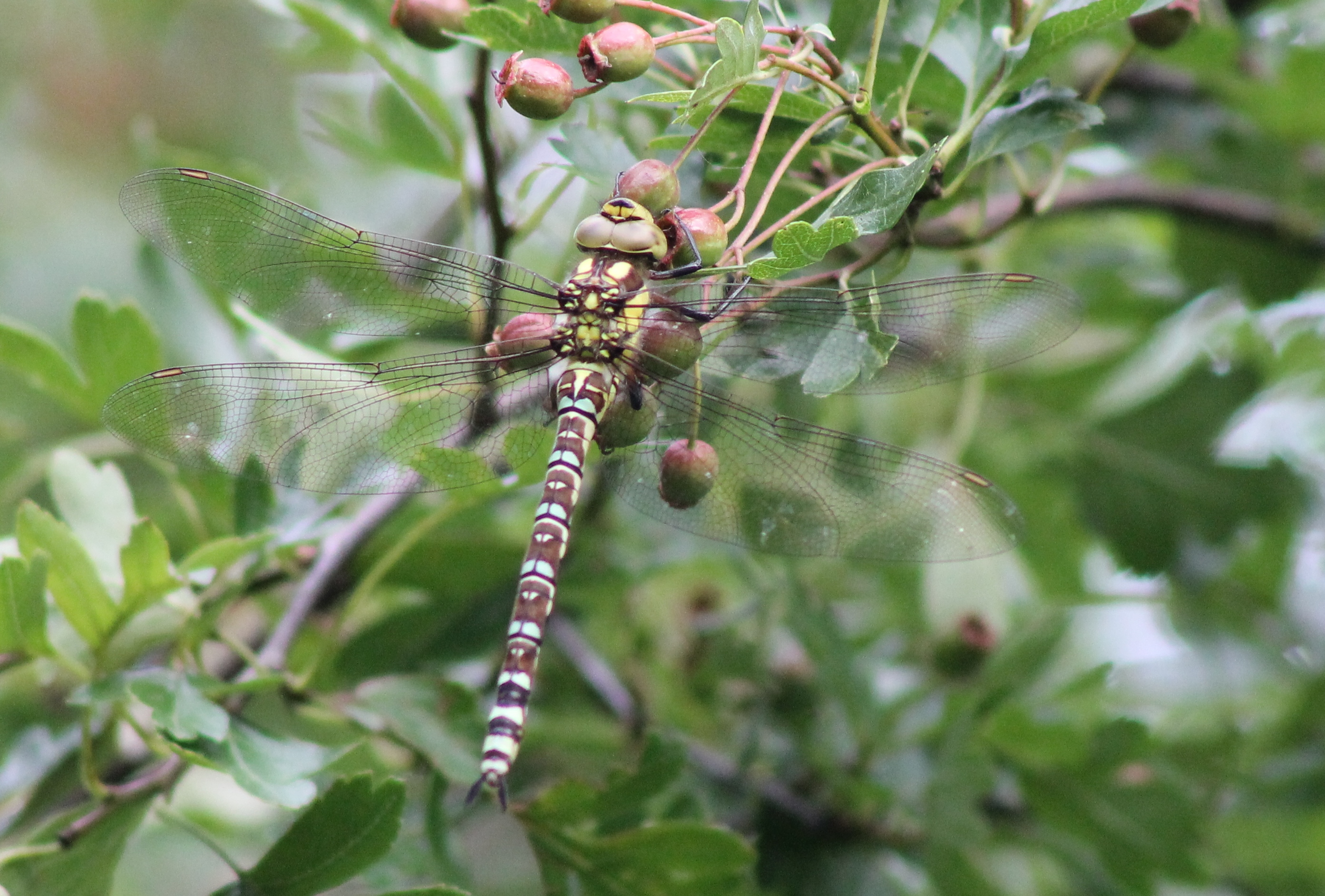
058Migrant hawker

A Migrant Hawker dragonfly


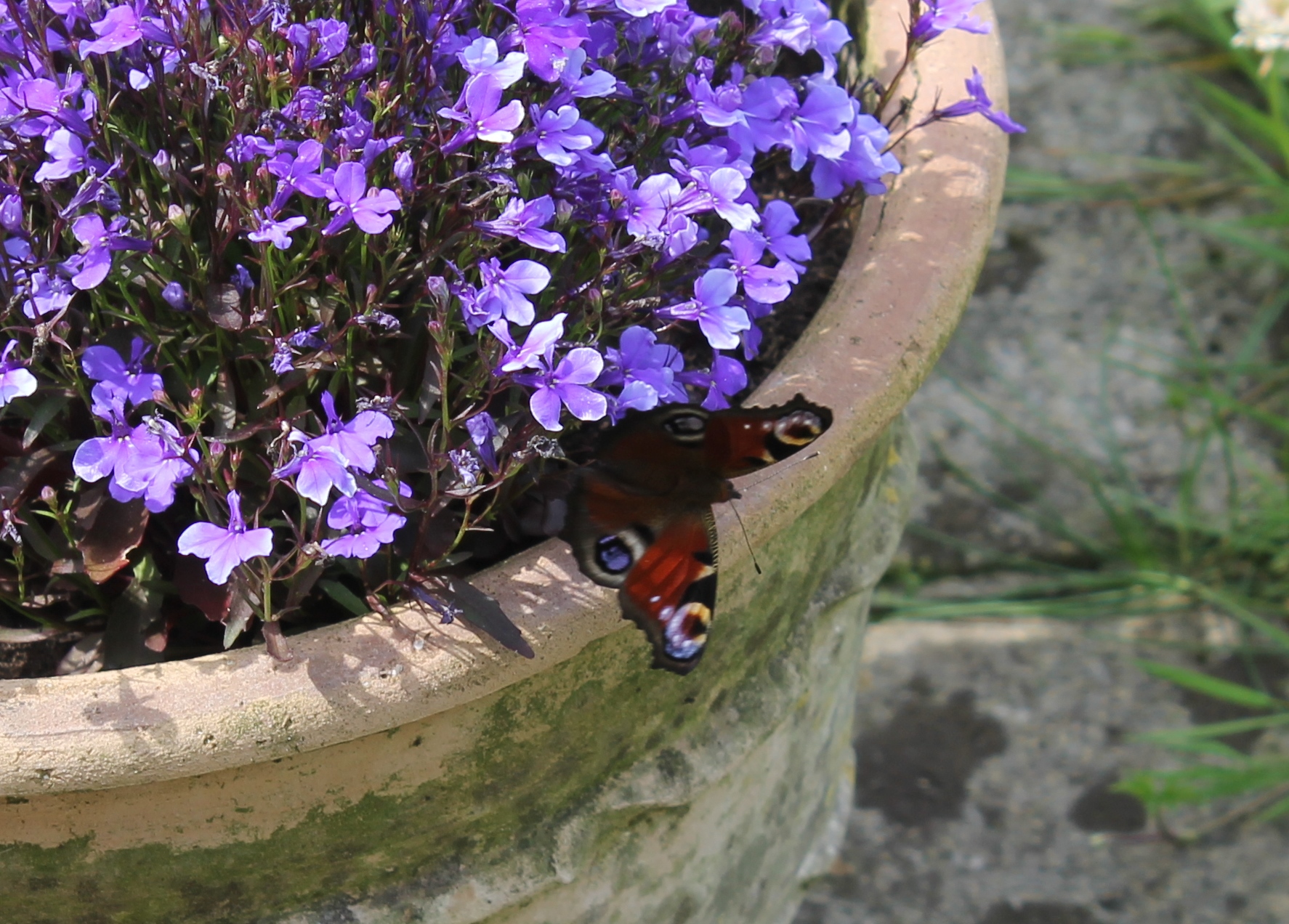
011Peacock butterfly on lobelia

Peacock butterfly on lobelia

028Small or Essex Skipper on Common Bird's Foot Trefoil

Small or Essex Skipper on Common Bird’s-foot-trefoil

The Small and the Essex Skipper butterflies are very similar.  The difference is that the Essex Skipper is greyer underneath and its antennal tip is black underneath.  I don’t think I will ever be able to tell the difference.

034Comma on bramble

Comma butterfly

033Comma on bramble

Comma butterfly

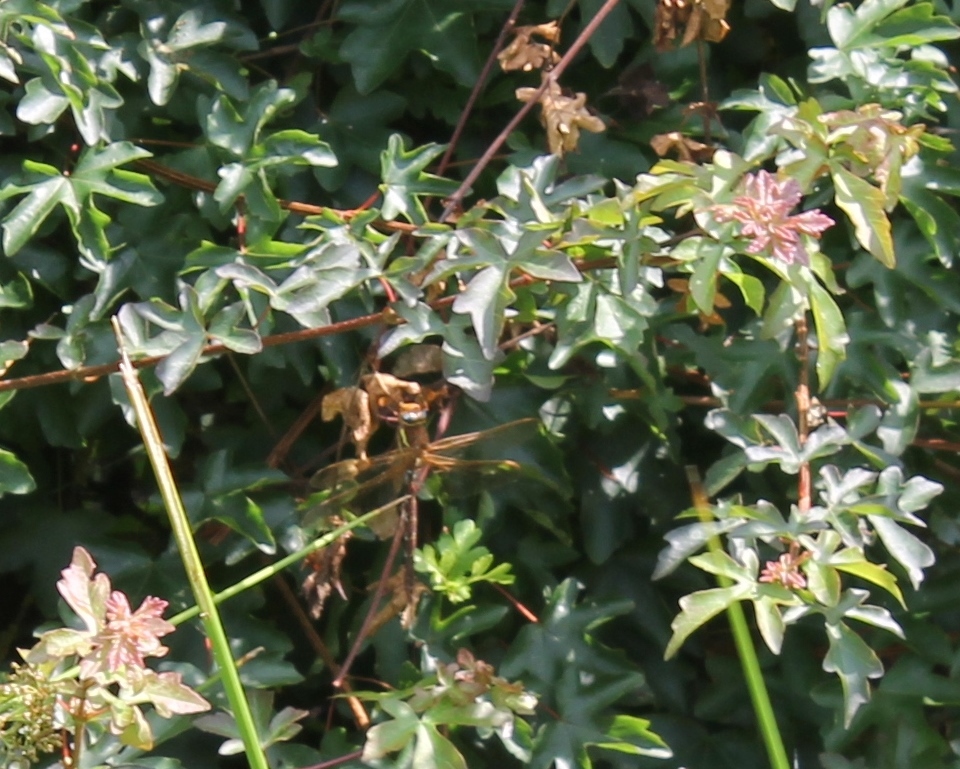
042Dragonfly

Spot the dragonfly! I think this is a Brown Hawker

045White butterfly on bramble

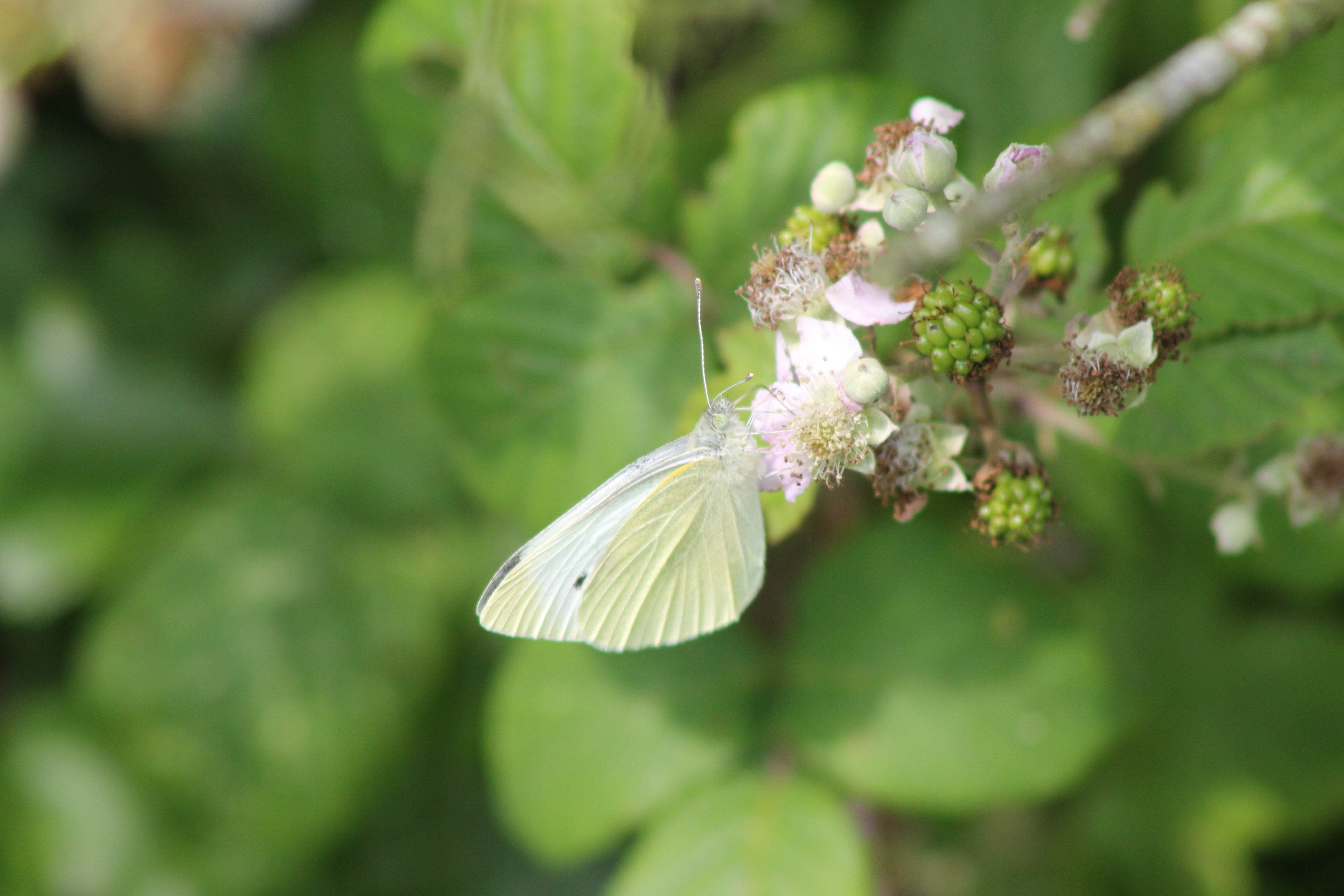
An unidentified white Butterfly. I am having a lot of trouble identifying the white buttterflies

There will be more insects in the next post.

Share this:

  • Share on X (Opens in new window) X
  • Share on Reddit (Opens in new window) Reddit
  • Share on Pinterest (Opens in new window) Pinterest
  • Share on Facebook (Opens in new window) Facebook
  • Email a link to a friend (Opens in new window) Email
  • Share on Tumblr (Opens in new window) Tumblr
  • Print (Opens in new window) Print
  • Share on Pocket (Opens in new window) Pocket
  • Share on LinkedIn (Opens in new window) LinkedIn
Like Loading...

High Summer Walk 2

06 Wed Aug 2014

Posted by Clare Pooley in Insects, plants, Rural Diary, trees, walking, weather

≈ 12 Comments

Tags

Bird's-foot Trefoil, bramble, bulrush, cardinal beetle, cat's-ear, common knapweed, cuckoo bee, dewberry, greater plantain, hazelnuts, hedge bedstraw, hemp-agrimony, Hoverfly, meadow brown butterfly, poppy, robin's pincushion, rowan, small white butterfly, spear thistle, speckled wood butterfly, straw baling, the Beck, the Washes

Before I continue my walk, I’ll update you on the local harvest scene.  Yesterday, all the farms here were extremely busy working on the fields because rain was forecast for today.  I was listening to combine harvesters working well into the small hours.  I think the last tractor to roar past our house with its laden trailer of grain was at about 2.00 a.m.  The rain duly came just a few hours later and this morning was very wet.  On my way to collect Mum for our weekly shopping trip I had to slow the car to a crawl with the wipers going very fast as I couldn’t see the road because of the torrents.  There were some very deep puddles and water was bubbling up from the drains in the villages we passed through.  I was about to say that this afternoon has been dry and bright when I heard that familiar pitter-patter of rain on the leaves outside and had to rush outside and close the garden shed.

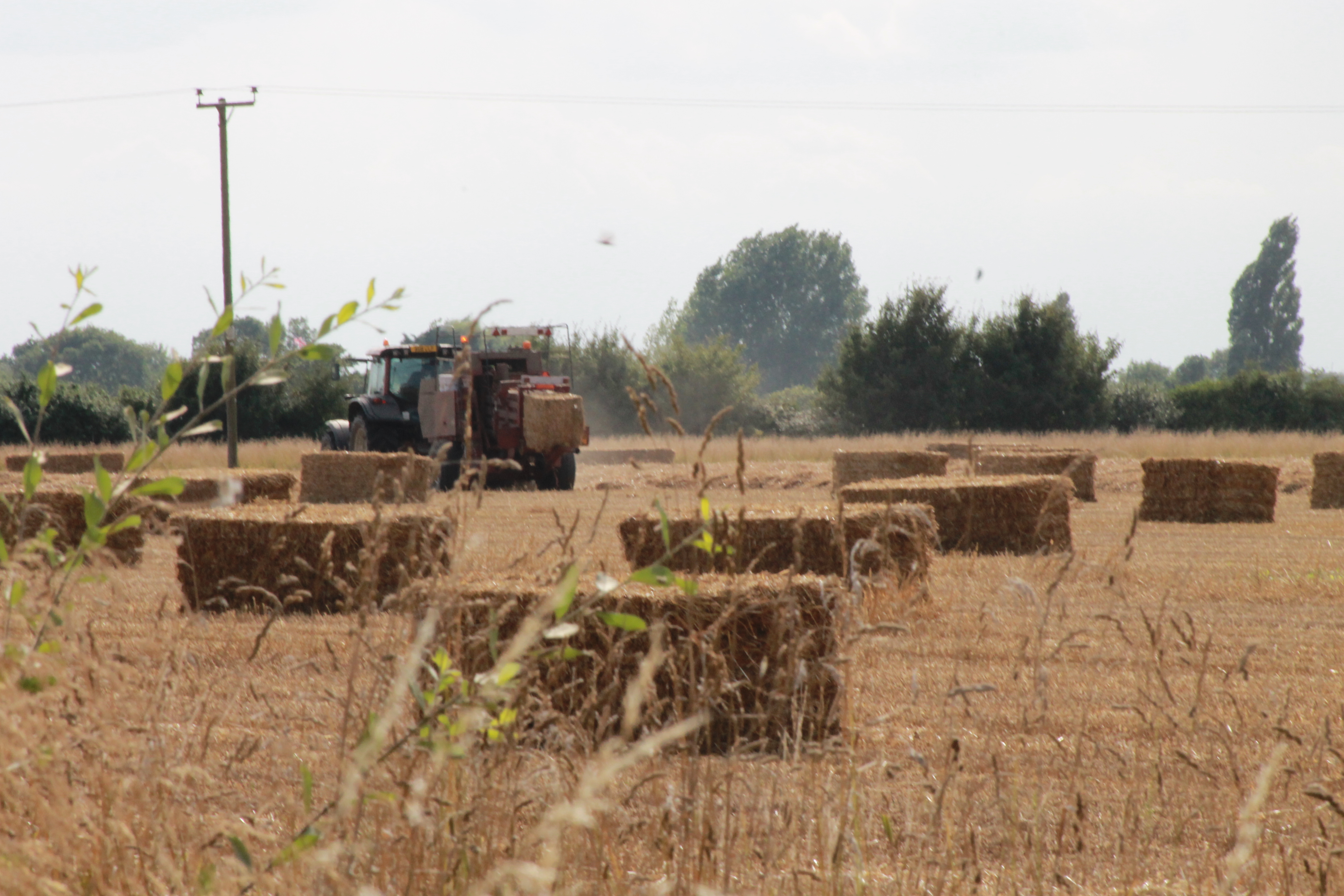
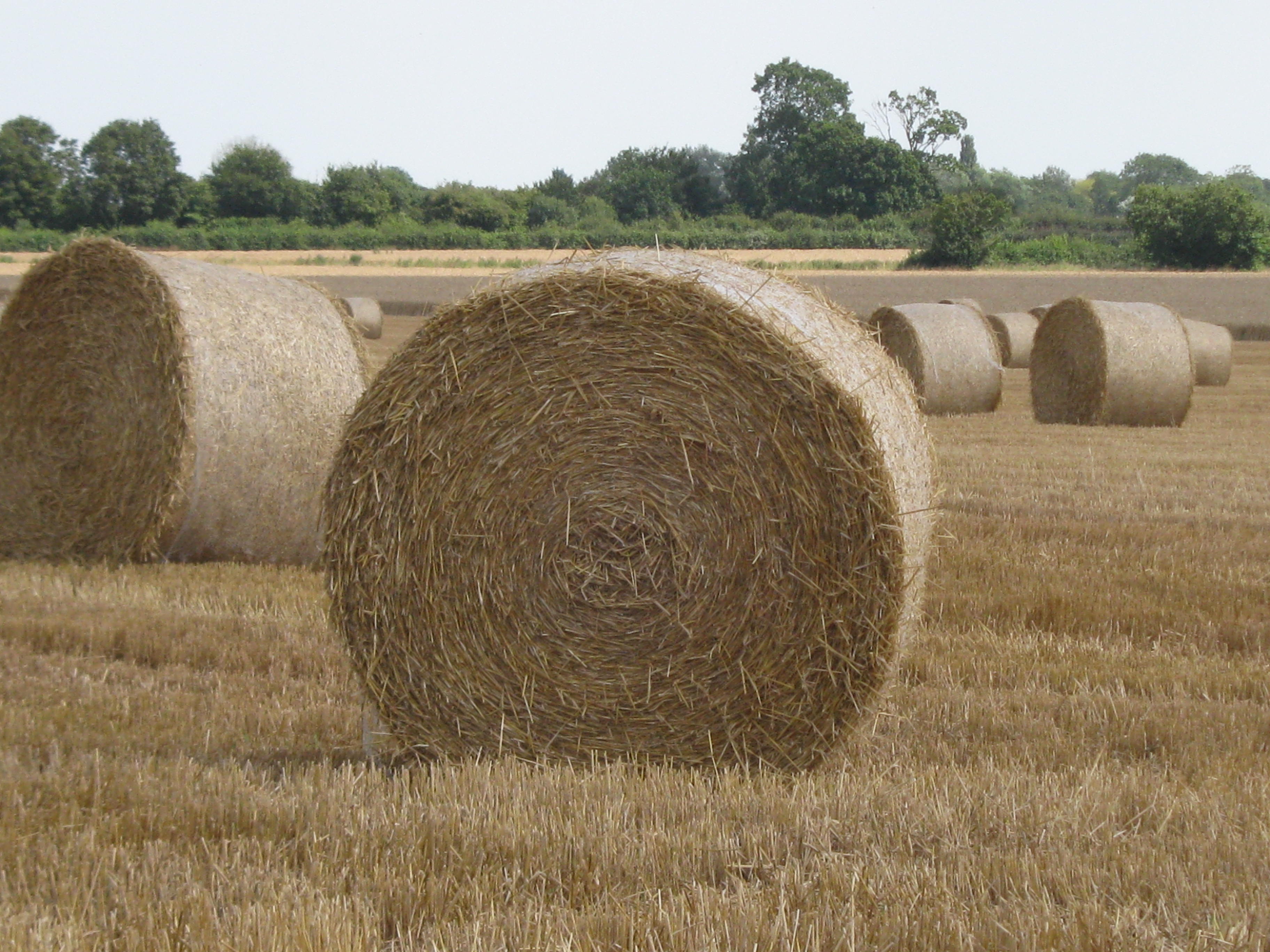
002Straw baling

Straw baling yesterday.

The tractor pulls a baling machine up and down the field which sucks up the straw and packs it into bales which emerge from the back of the machine and are then tossed onto the field.

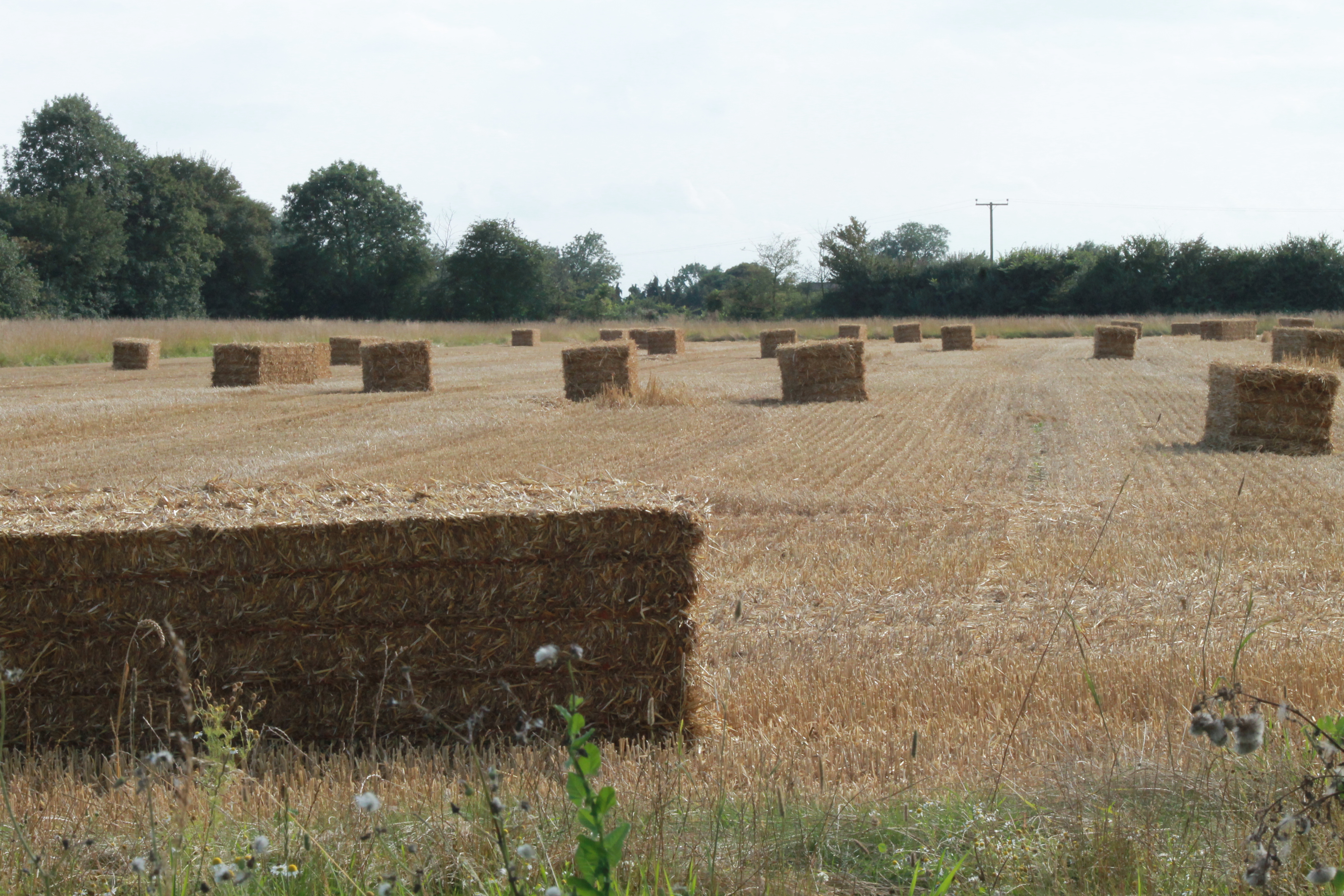
006Straw bales

The finished job

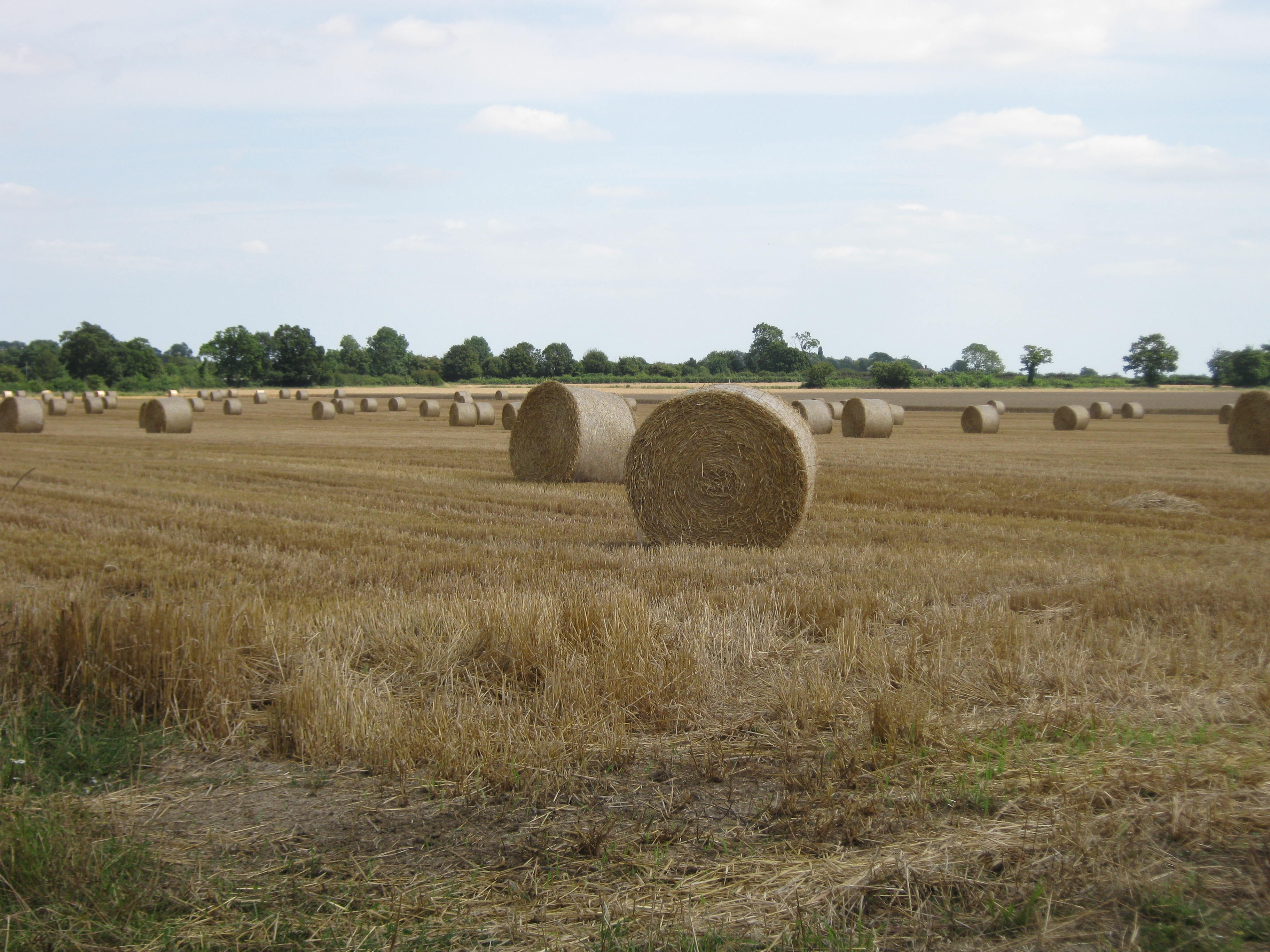
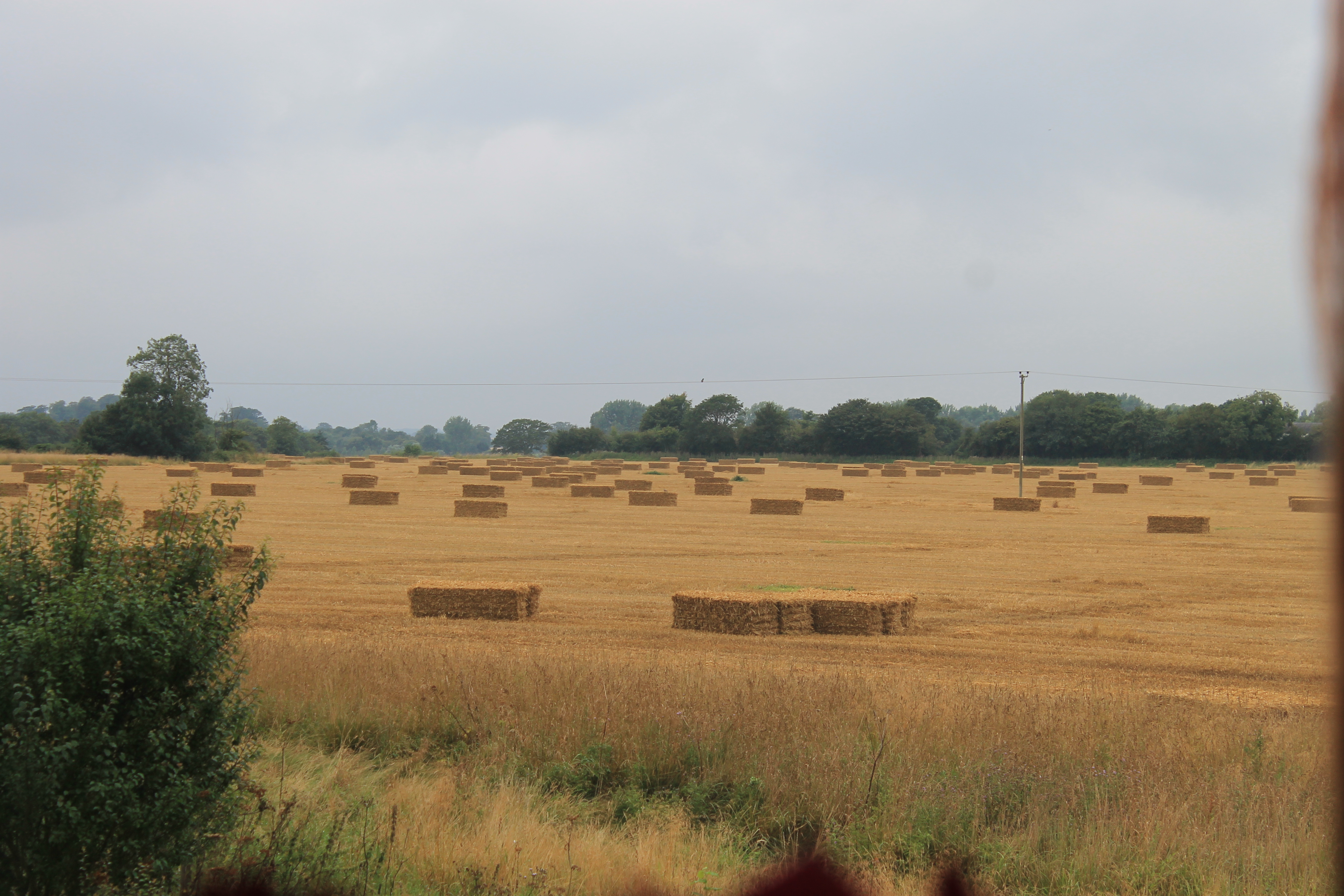
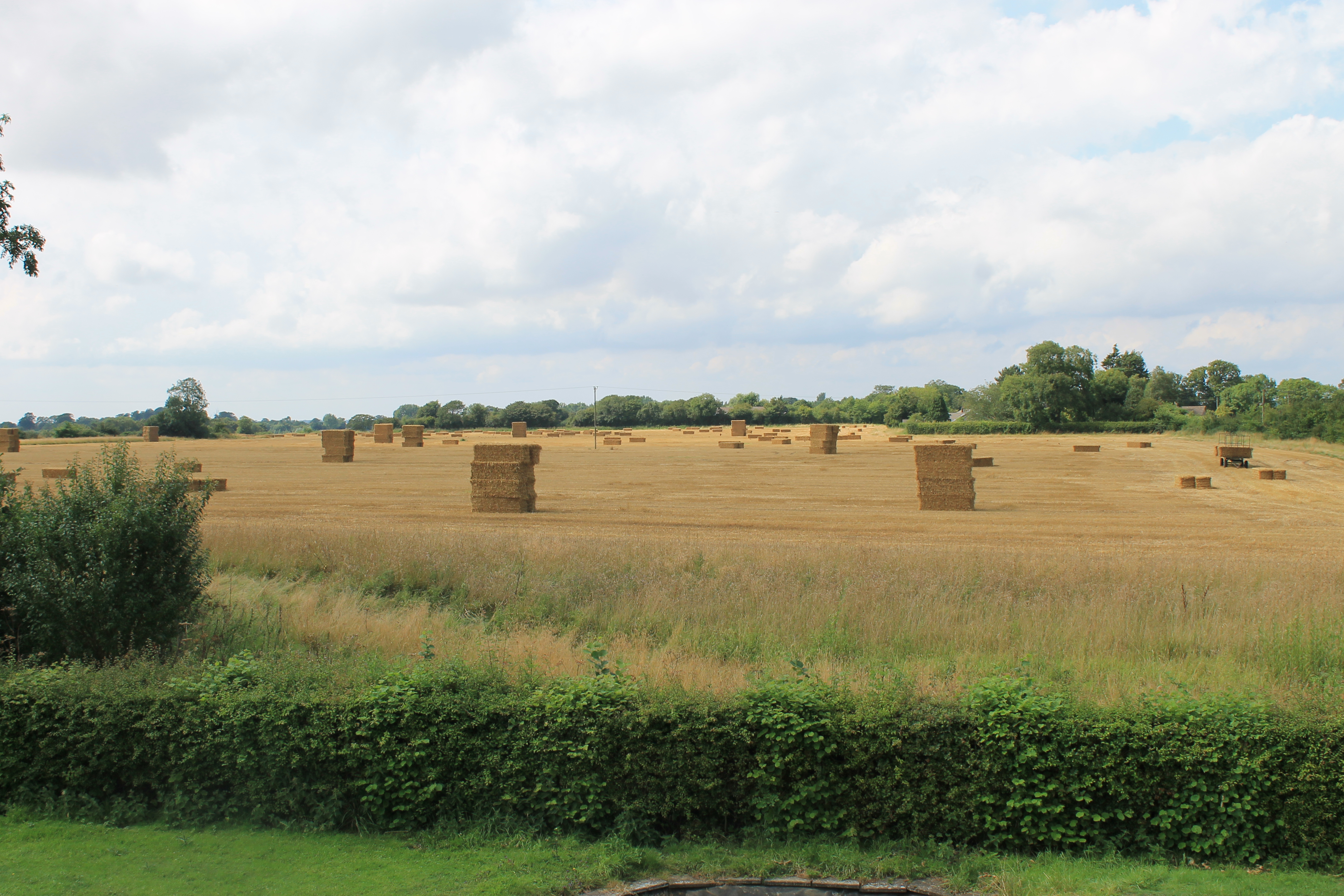
Last week I took a couple of photos of a field at the other end of our lane.  The farmer there was using a different type of baler. 010Straw bales 011Straw bales

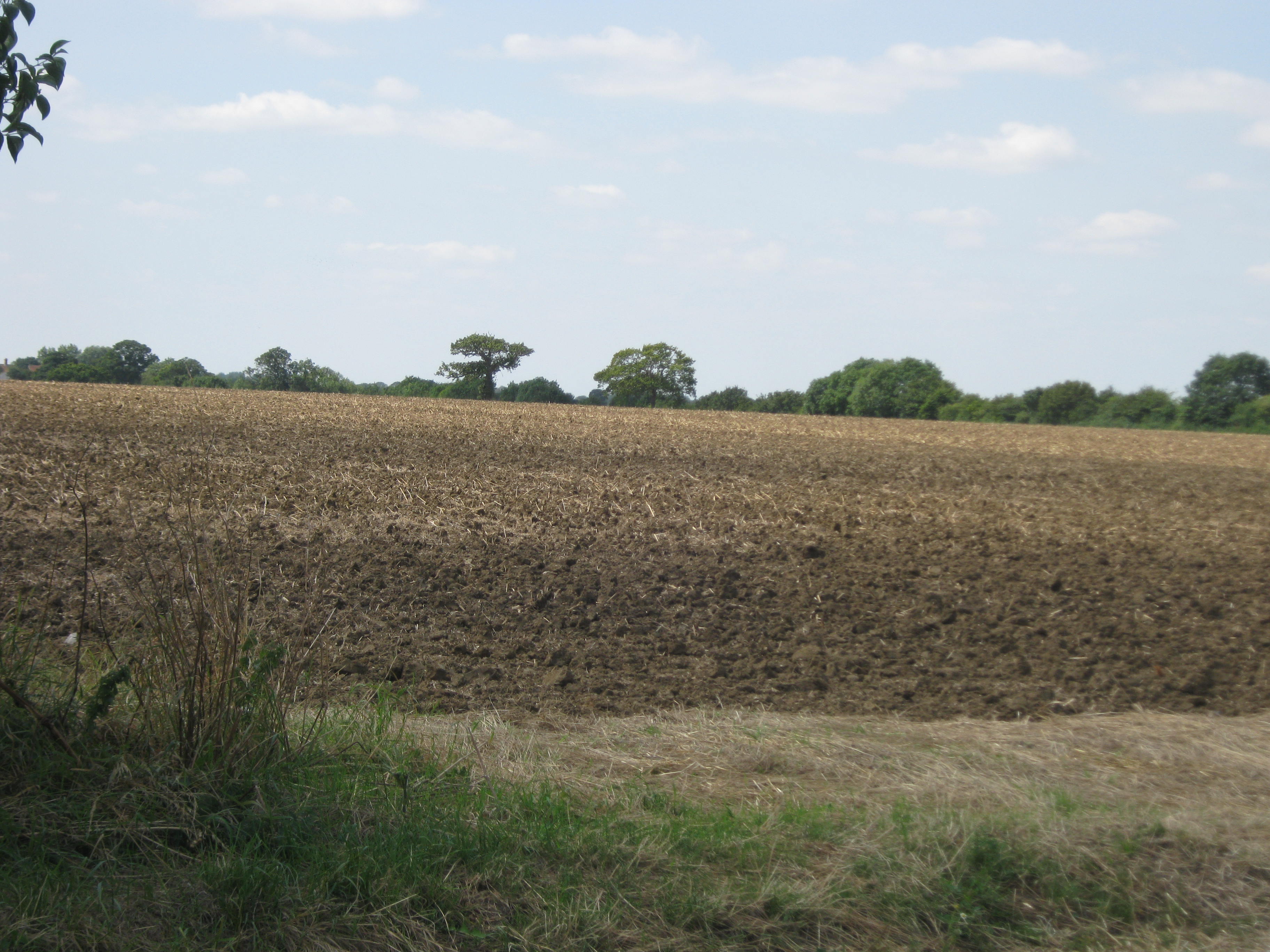
012Ploughed field

I noticed that the field on the other side of the lane had had its first plough

This morning, before I went out, the field at the back looked like this – 001Straw bales a.m. and when I got home, it looked like this – 004Straw bales p.m. So, some progress had been made despite the wet weather.

Back to my walk …

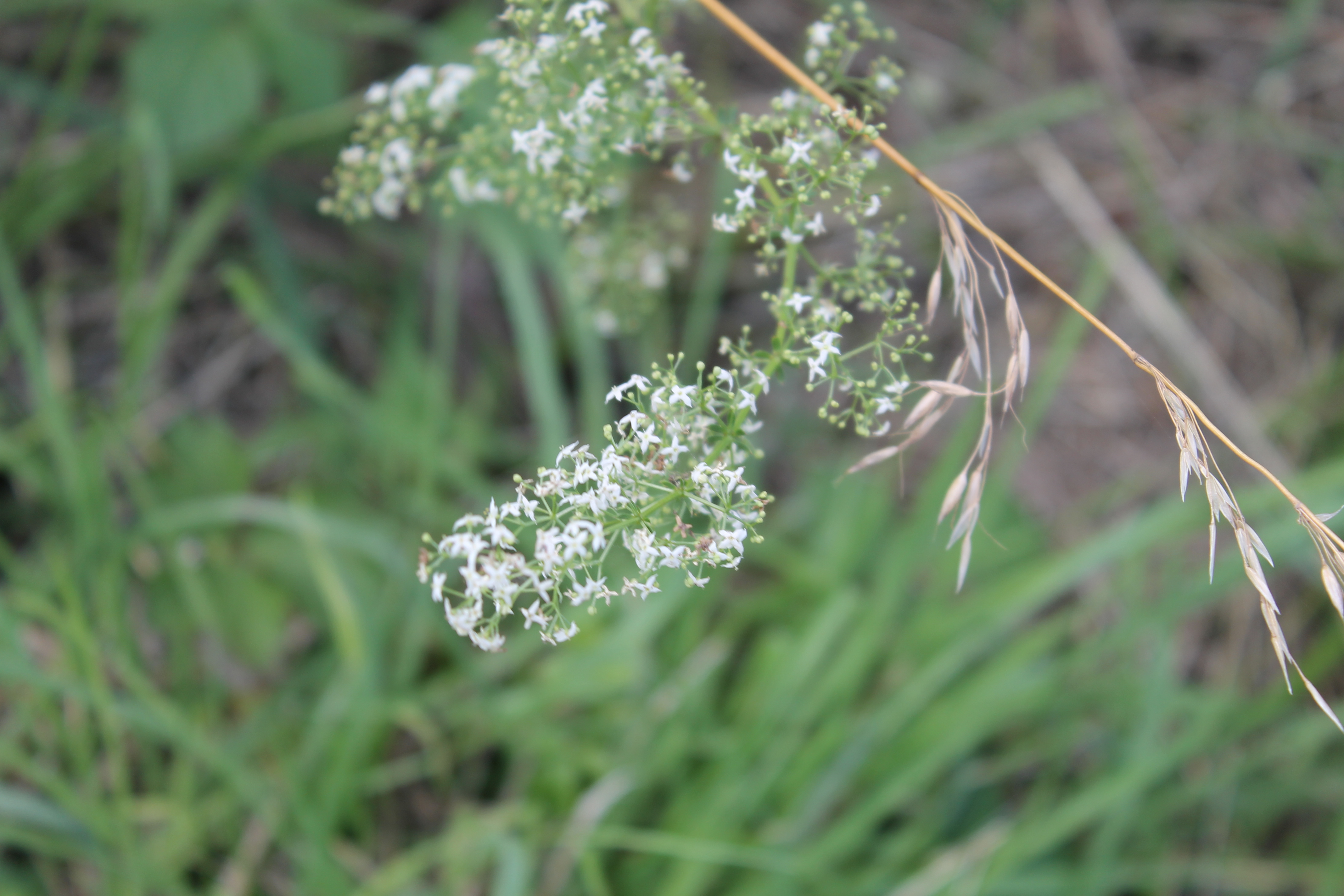
The Hedge Bedstraw is still in flower. 051Bedstraw

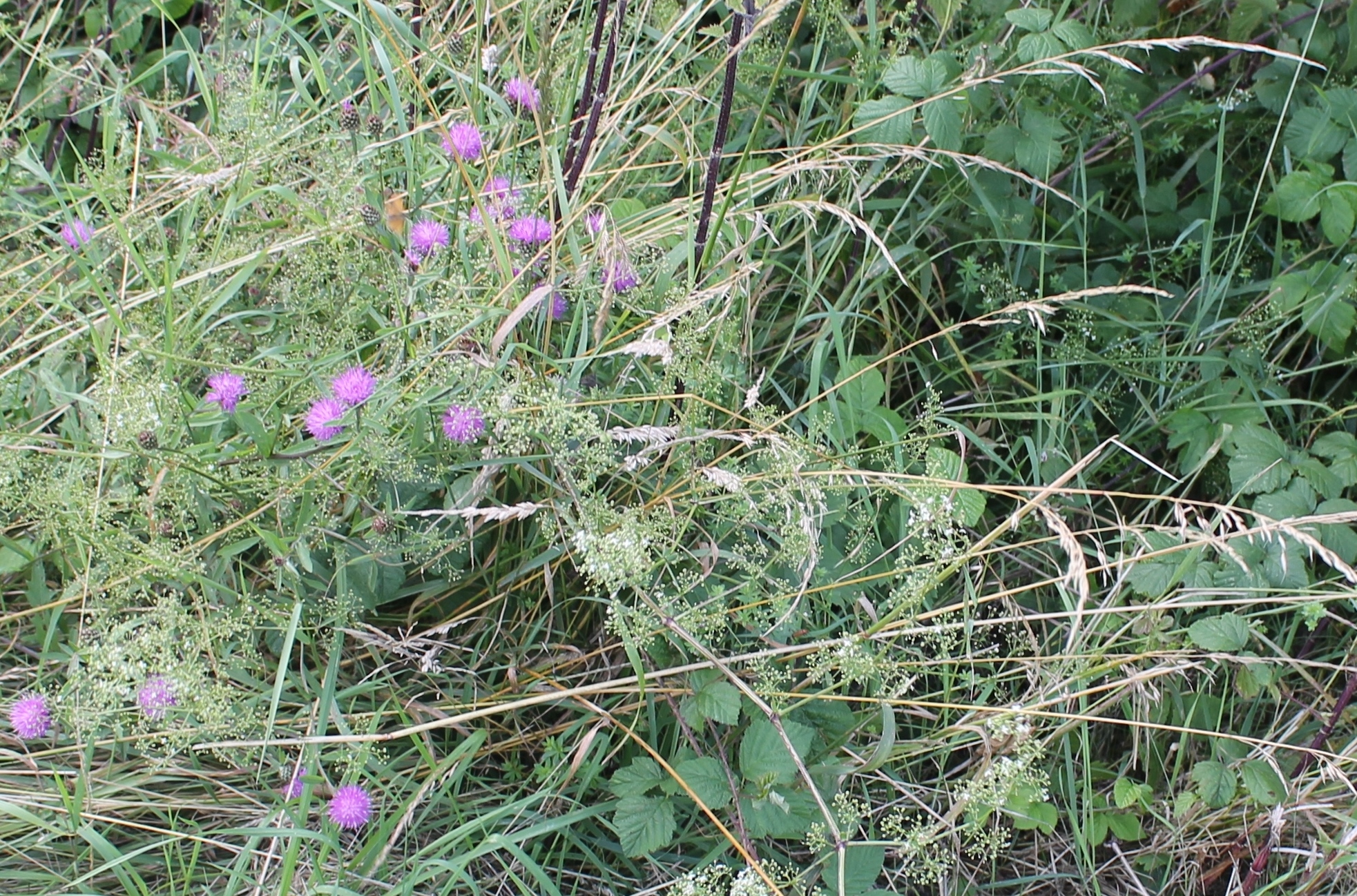
052Knapweed and bedstraw

Bedstraw and Common Knapweed

The Washes were showing signs that we had had a lot of rain recently.  The road here often floods as it is next to the Beck and in a little valley. 046The washes 062The washes   The Beck was flowing quite nicely but was very overgrown and difficult to see.

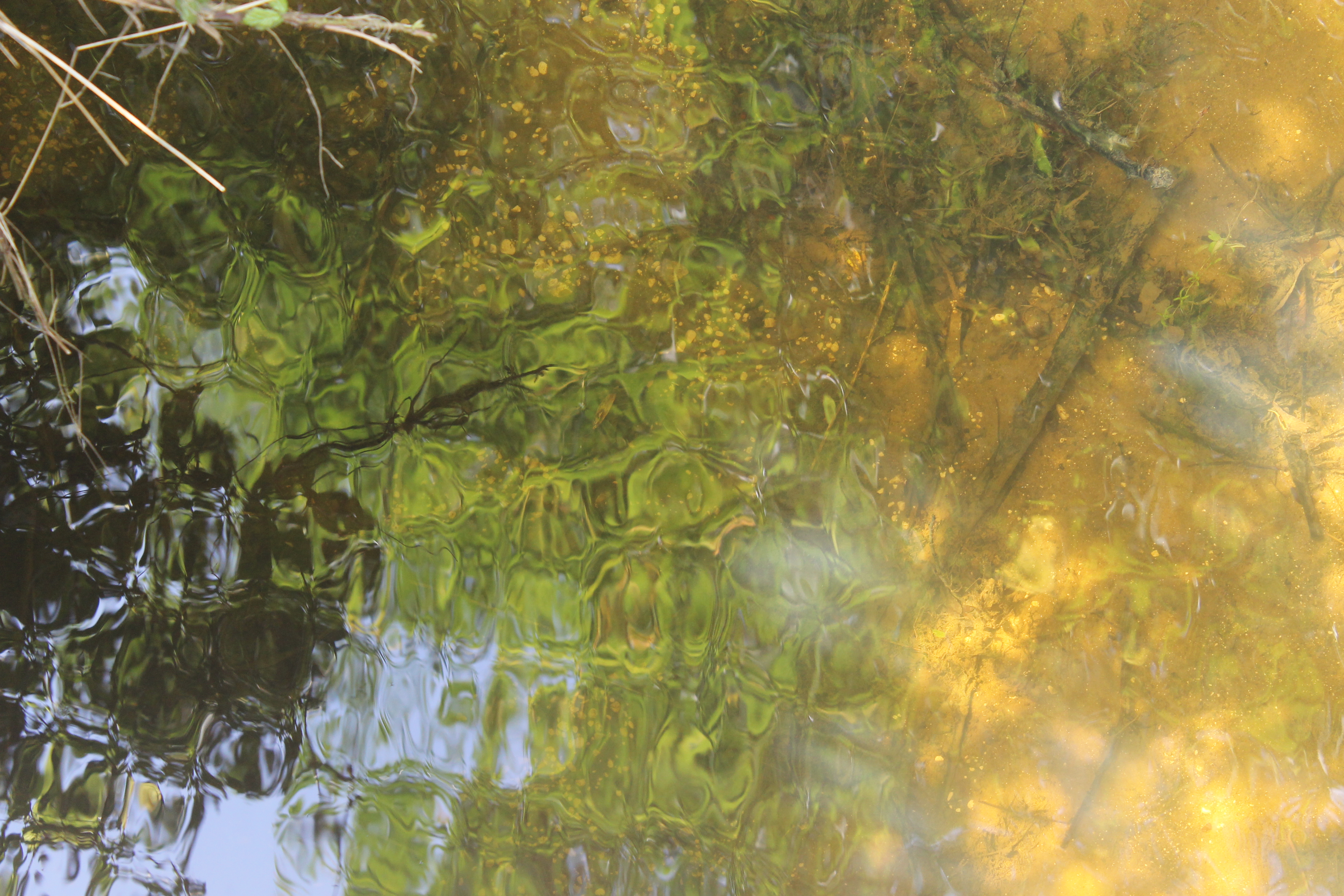
066The Beck - reflection

Reflections in the Beck

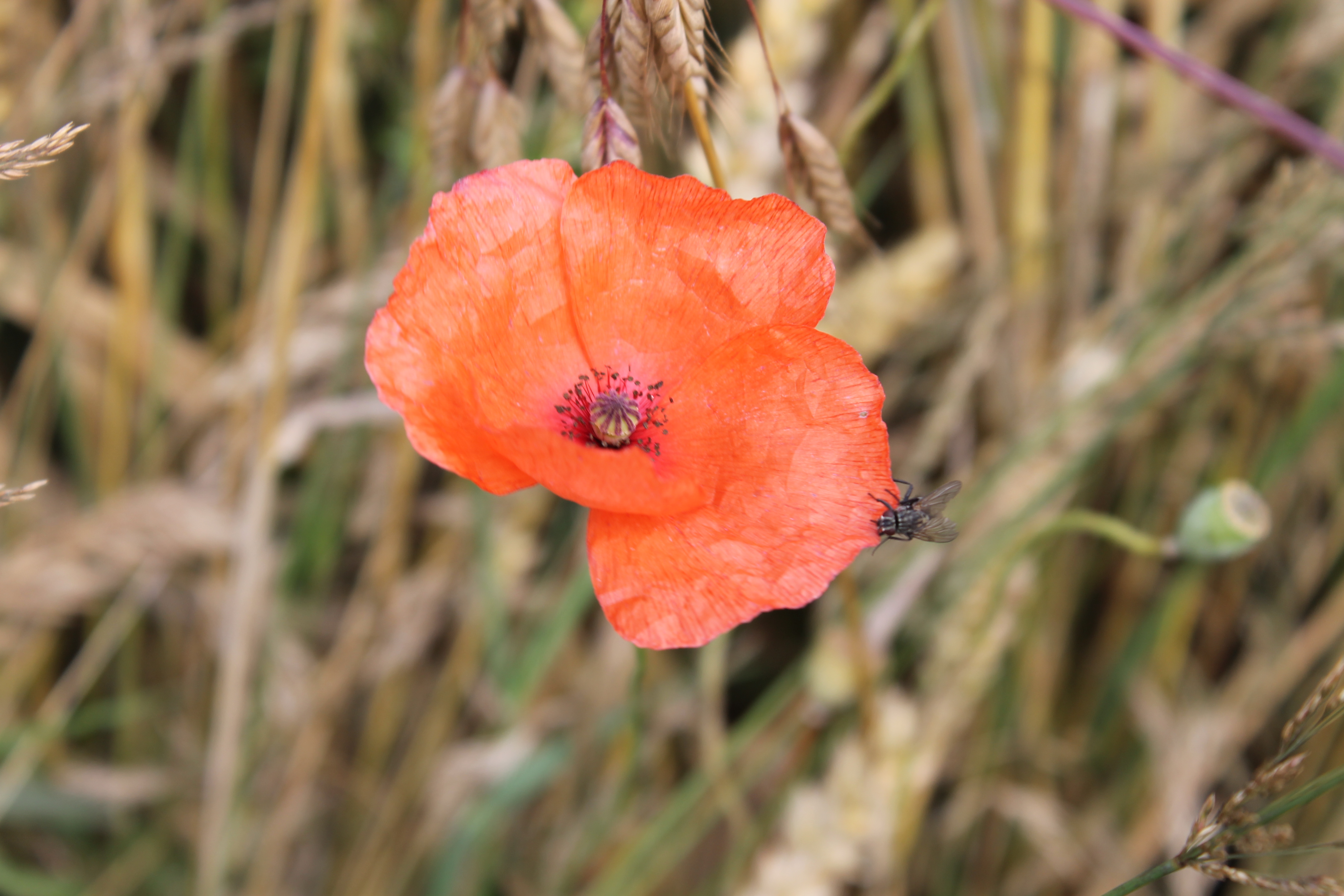
058Poppy

Common Poppy

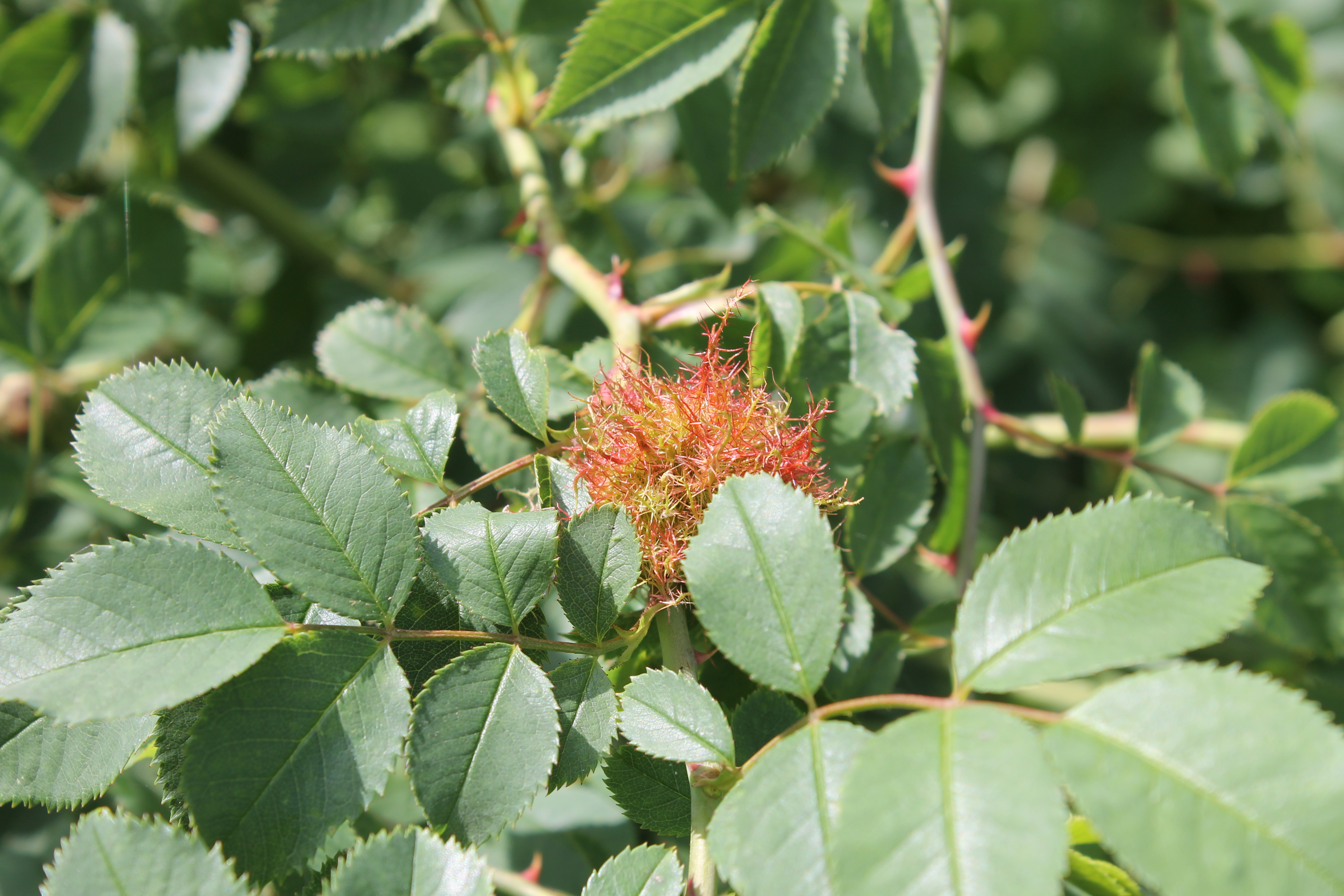
064Robin's pincushion

A ‘Robin’s Pincushion’ – a gall on wild rose plants

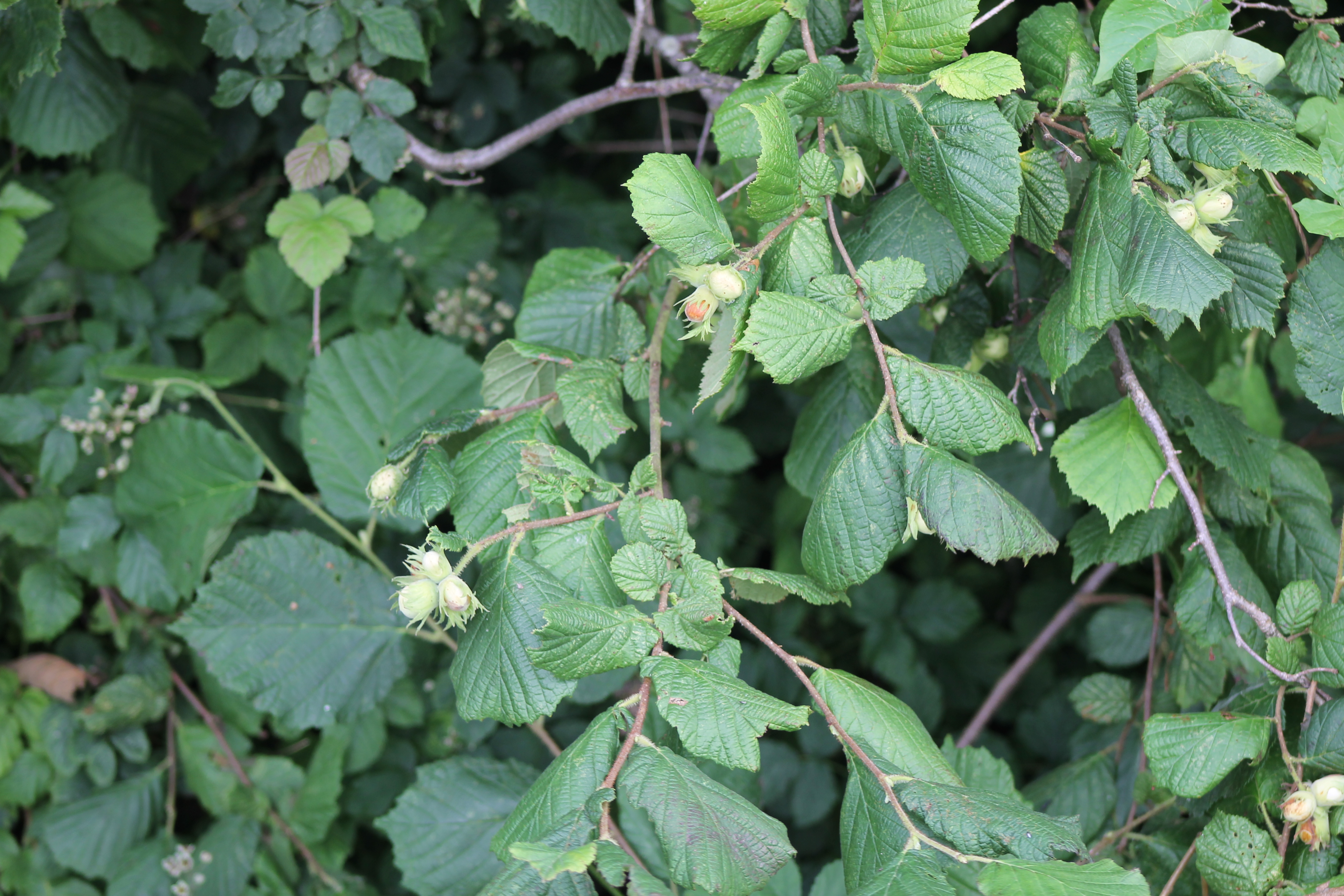
071Hazelnuts

The hazelnuts in the hedgerow are ripening

073Greater plantain

Greater Plantain

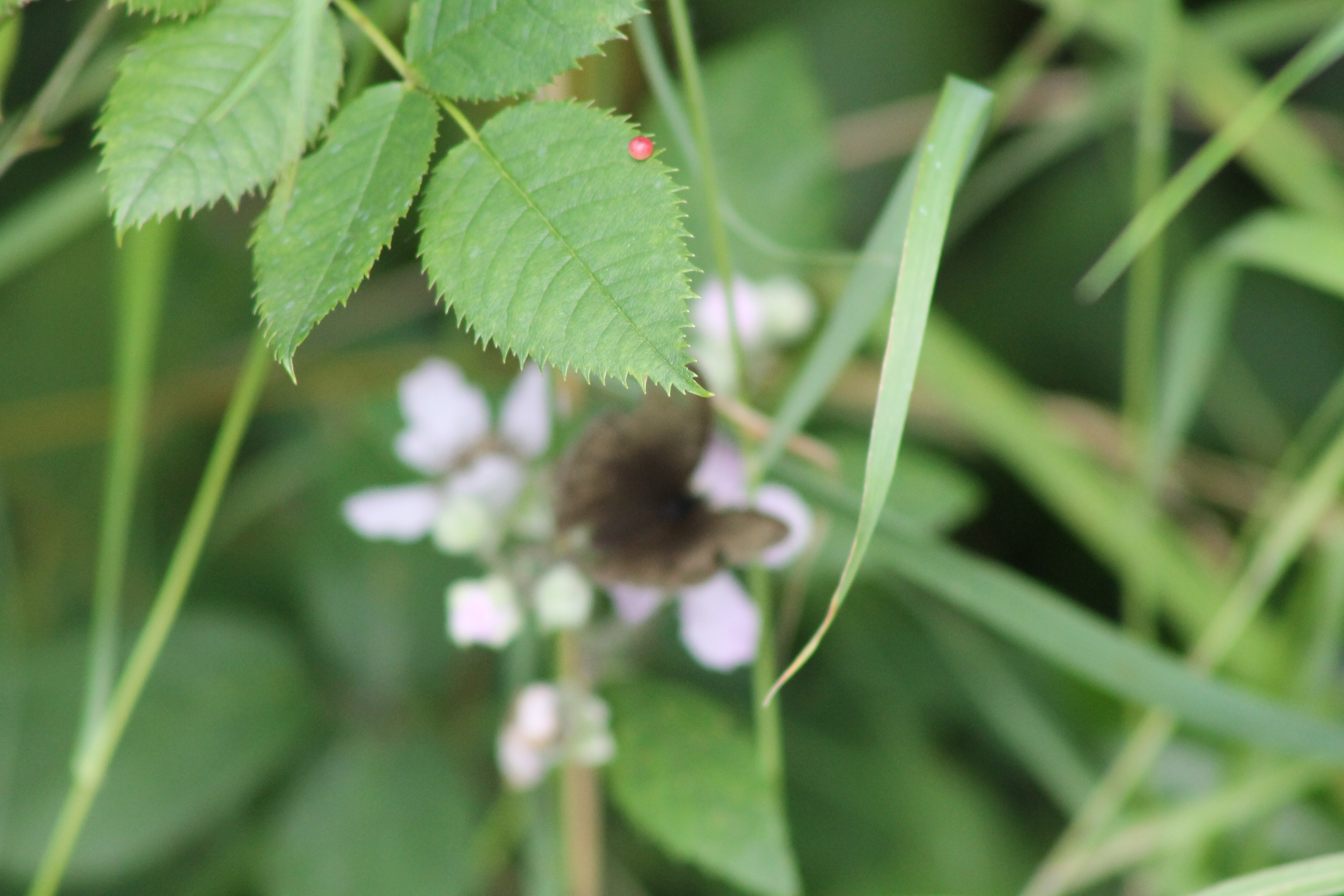
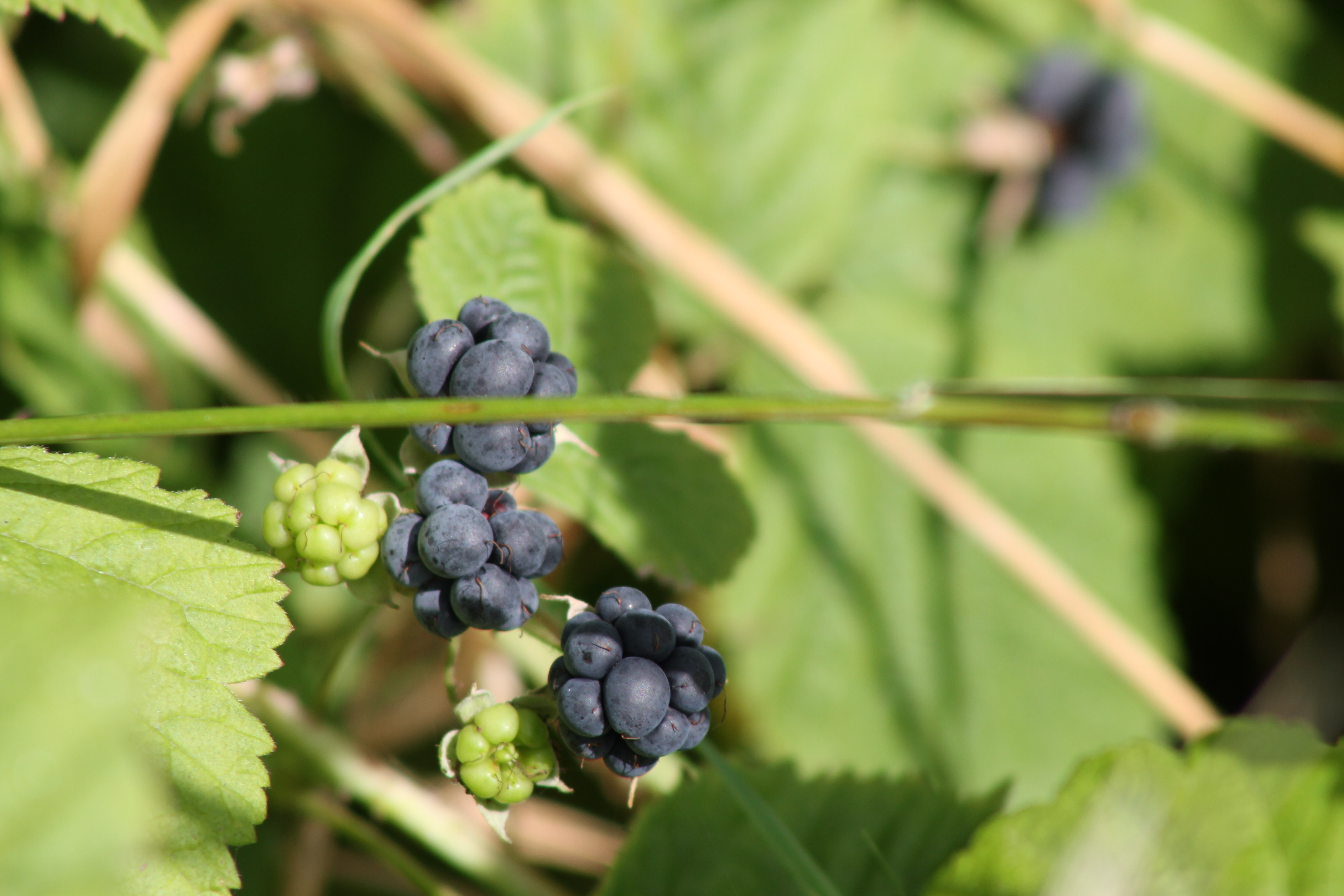
People with lawns do not like either the Greater or the Hoary Plantain as they are very persistent and can survive crushing and tearing.  New growth comes from the base of the plant.  Birds love the seeds and when caged birds as pets were more popular, people used to gather the dried seed-heads for them.  Another name for this plantain is Rat’s Tail. 084Male meadow brown & strange red ball on leaf I tried many times, unsuccessfully, to photograph this male Meadow Brown butterfly but the camera was having none of it and kept focusing on the rose leaf.  So, I have gone with it because of the little red ball on the leaf.  Is this another type of gall or is it the very first stage of a Robin’s Pincushion? I was looking at all the brambles in the hedge and noticed these – 086Dewberries They are dewberries – a relative of the bramble/blackberry.  The flowers are larger and the fruits too, which have a bloom to them.  The leaves have three leaflets.

088Bramble

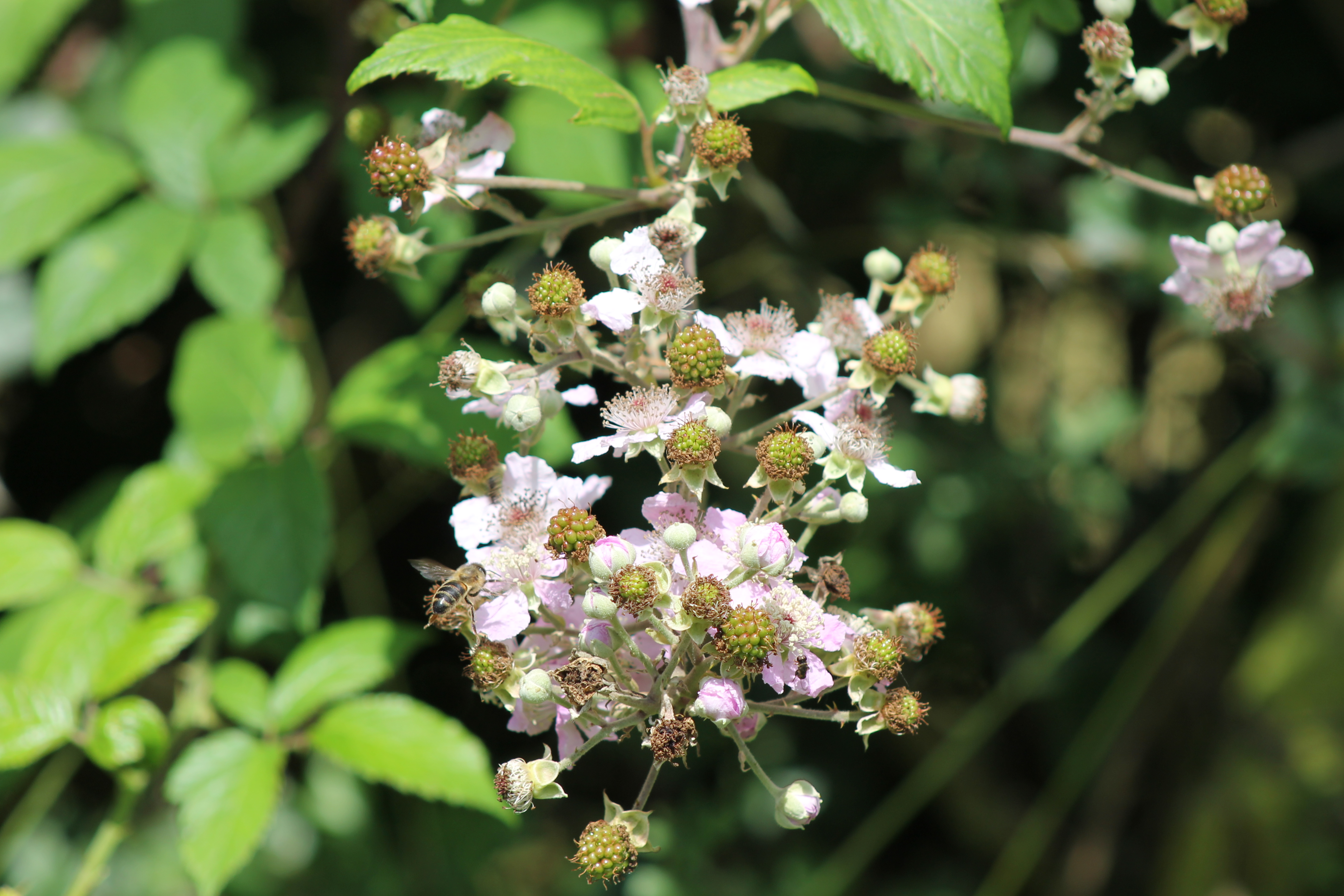
Here is bramble with a visiting bee

091Rowan

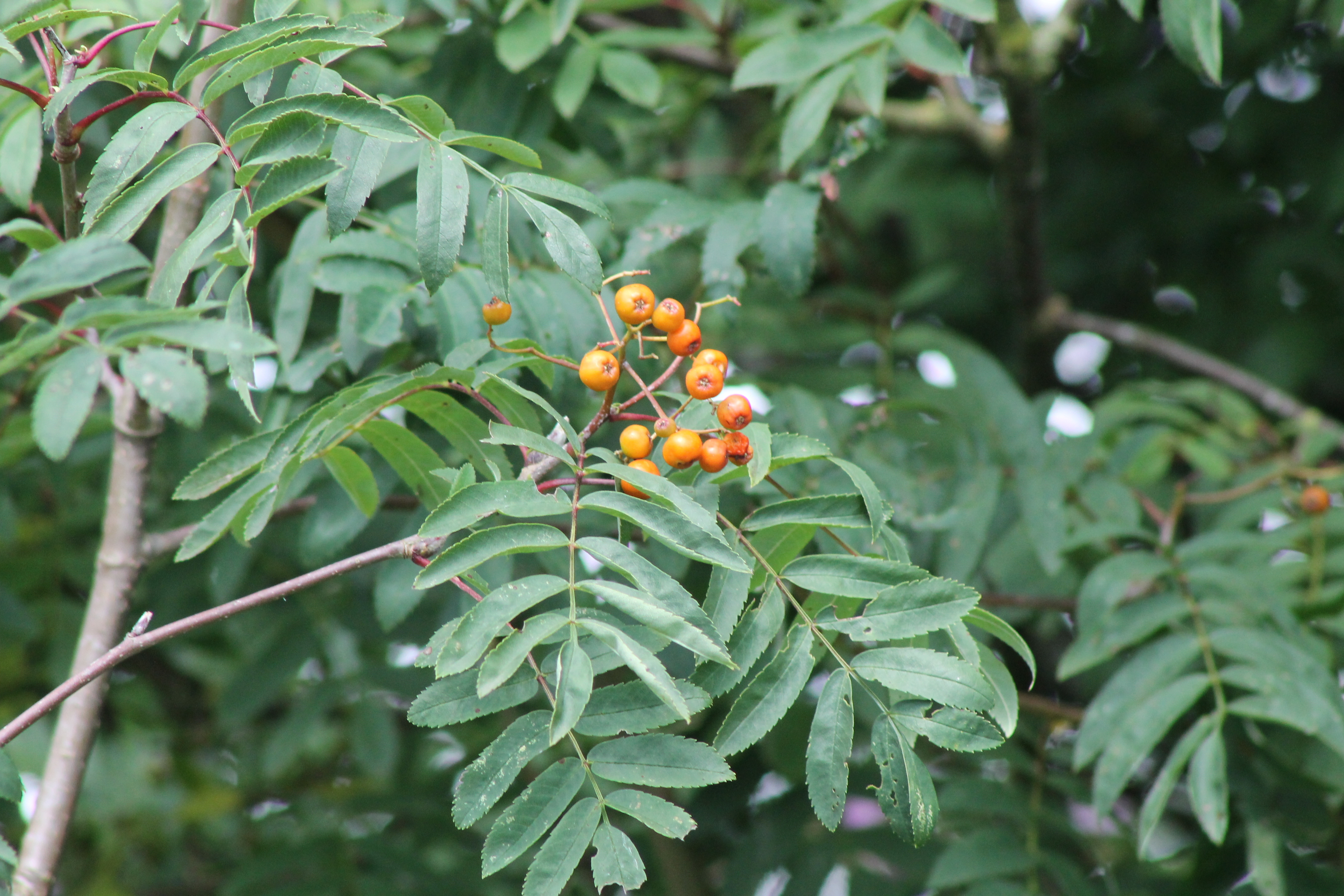
Rowan or Mountain Ash berries – a sign of the approach of autumn

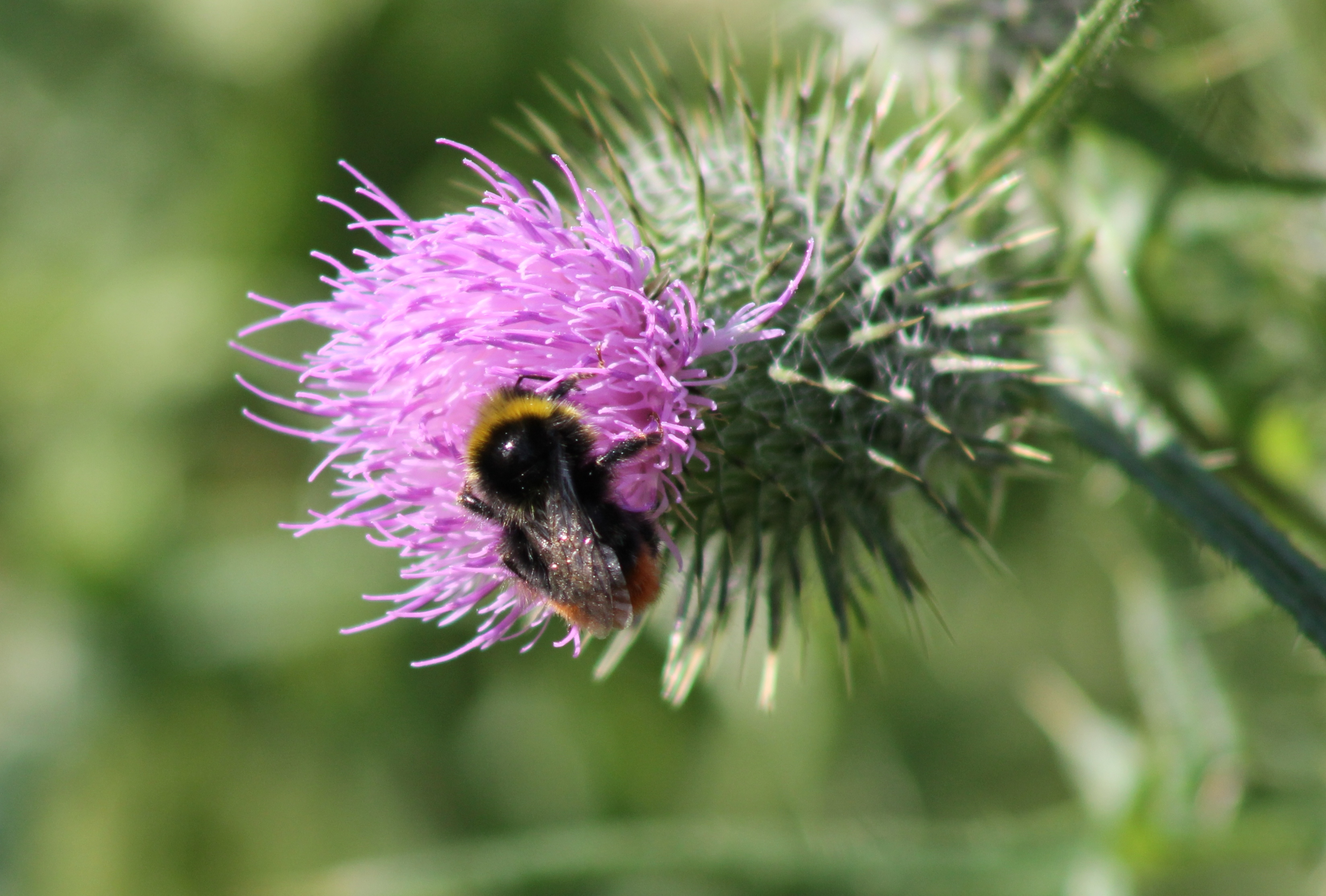
092Bees on thistle

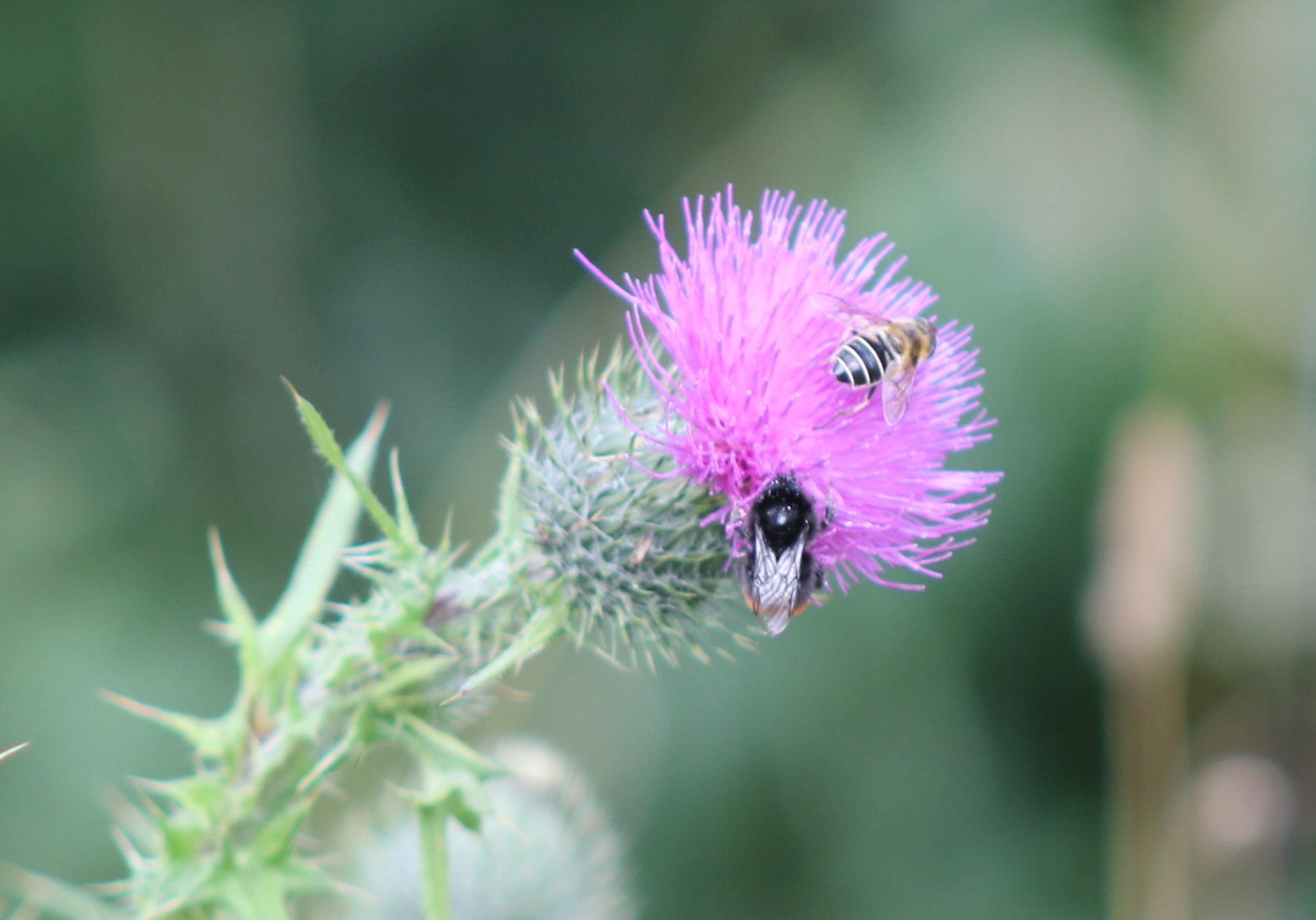
A Spear Thistle with a Cuckoo Bee (L) and a Hoverfly (R)

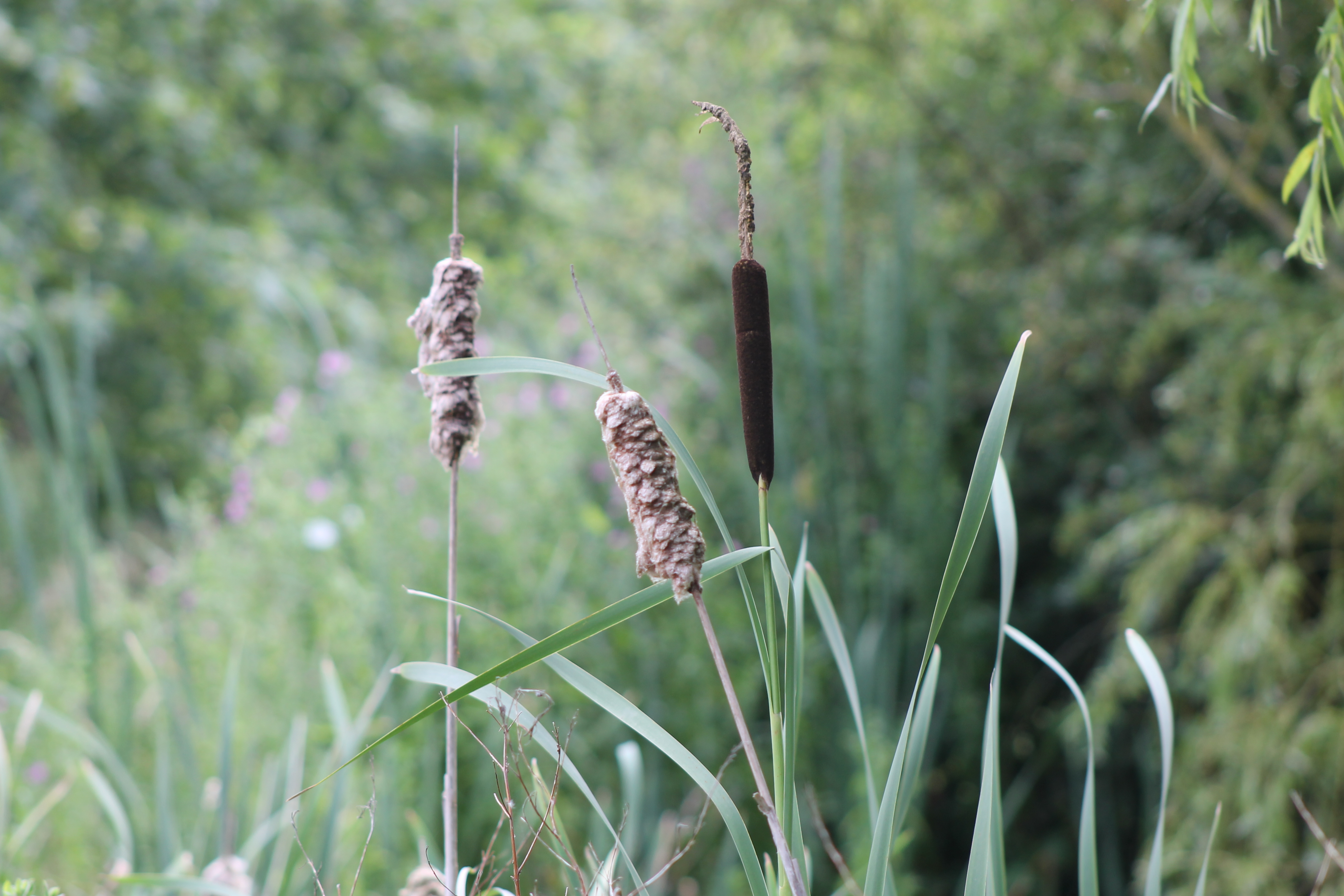
094Bulrush This is the Great Reedmace or as it is now known, the Bulrush.  Sir Lawrence Alma-Tadema painted ‘Moses in the Bulrushes’ and showed the baby in amongst a clump of Reedmaces.  Since then the Reedmace has been known as the Bulrush.  The brown sausage-like part of the flower is female and the narrow spire at the top is male.  In the Lesser Bulrush there is a gap between the female and male parts of the flower.

095Greater bird's foot trefoil

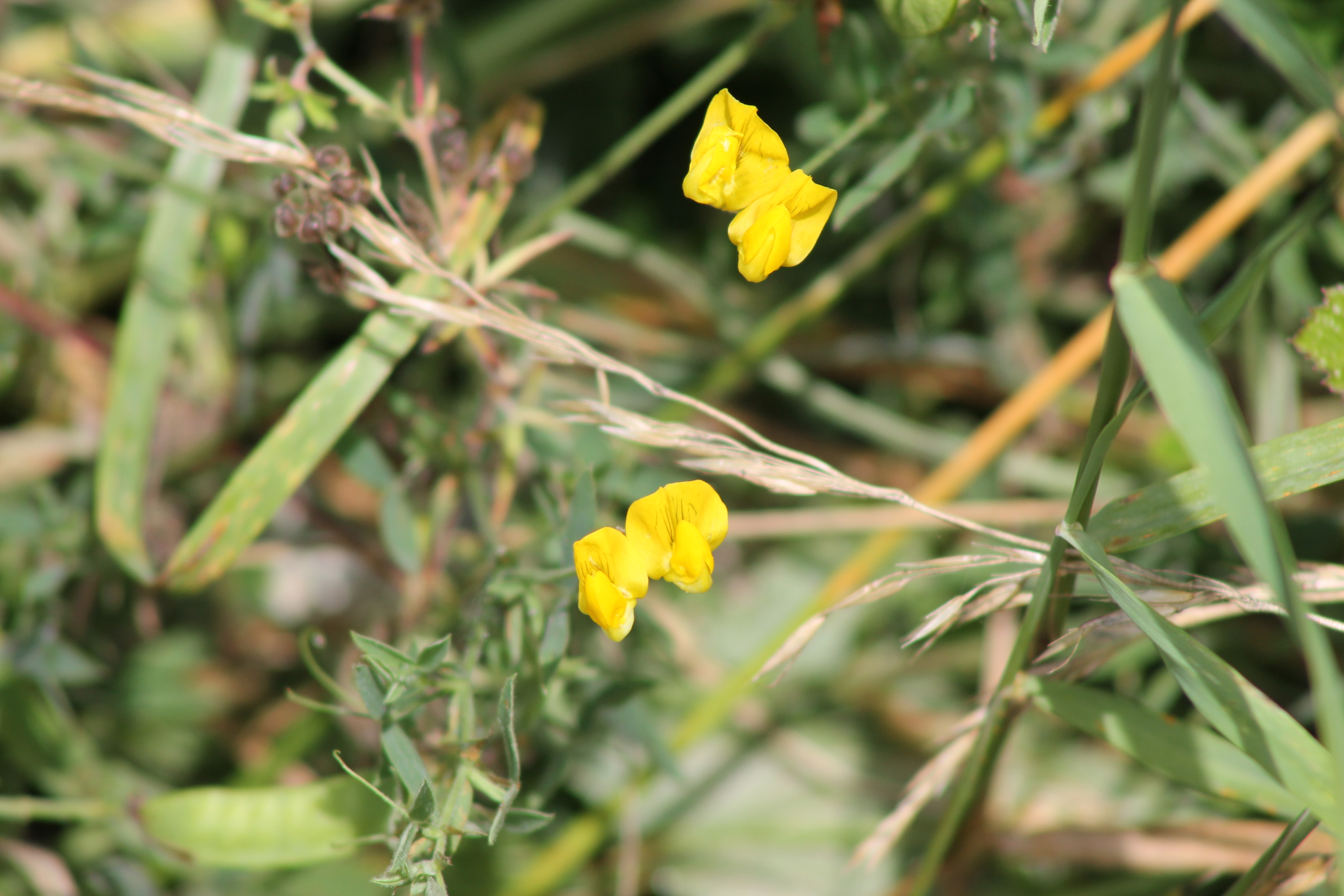
I think this is Greater Bird’s-foot-trefoil. The flower stalks were very long.

079Two white butterflies

Two white butterflies – I think they are both Small Whites but as they were both battered and faded I can’t be sure

097Speckled wood

A Speckled Wood butterfly

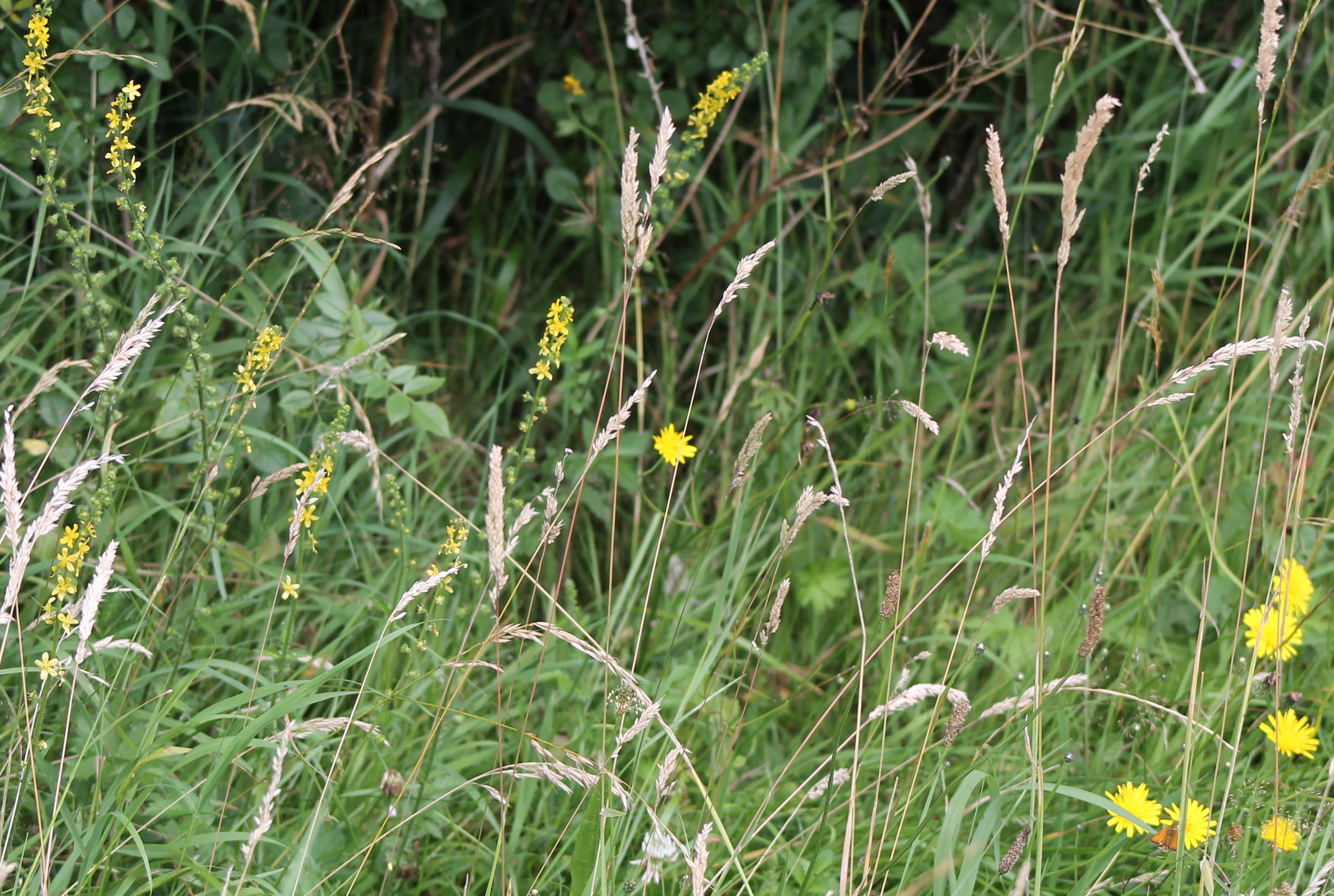
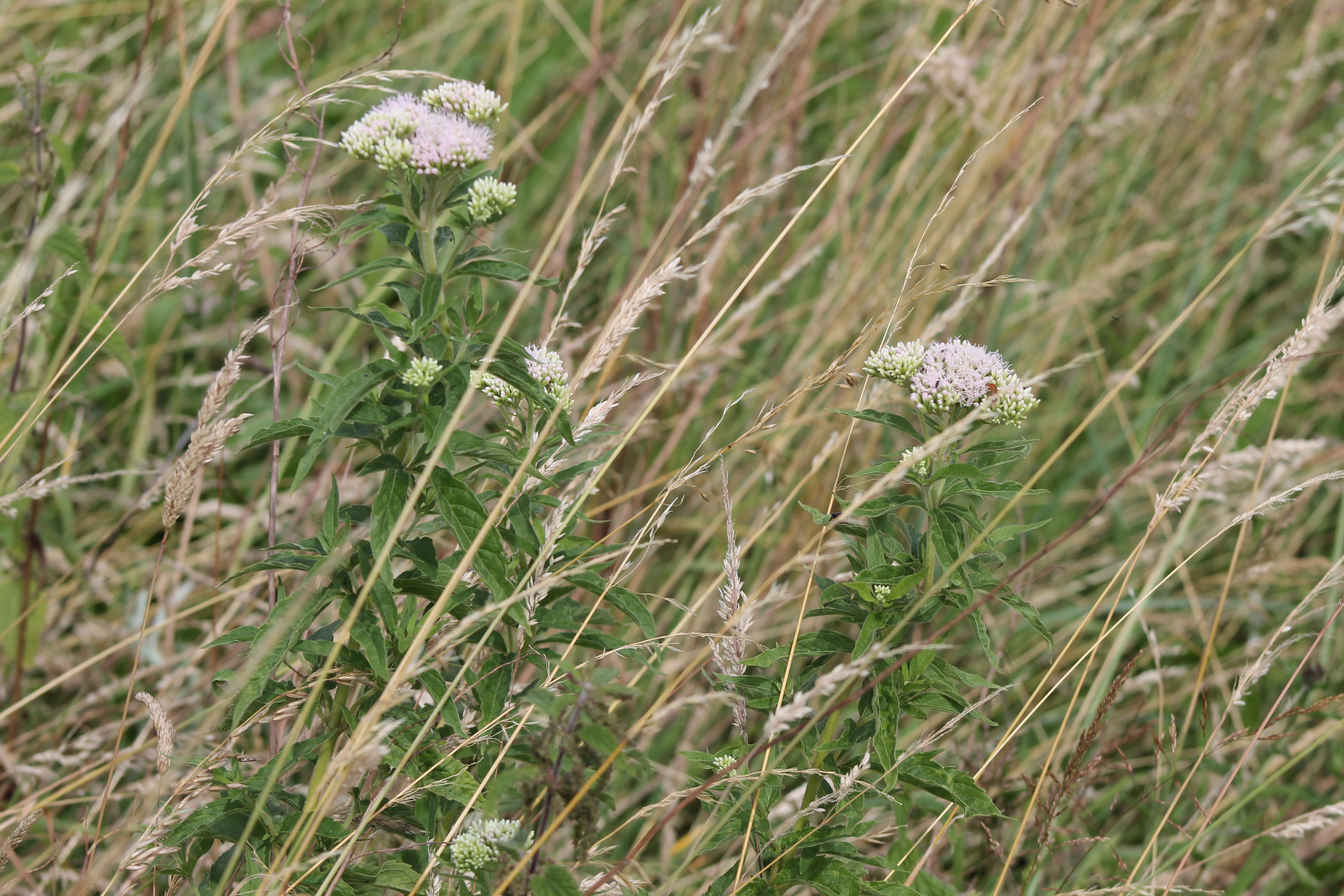
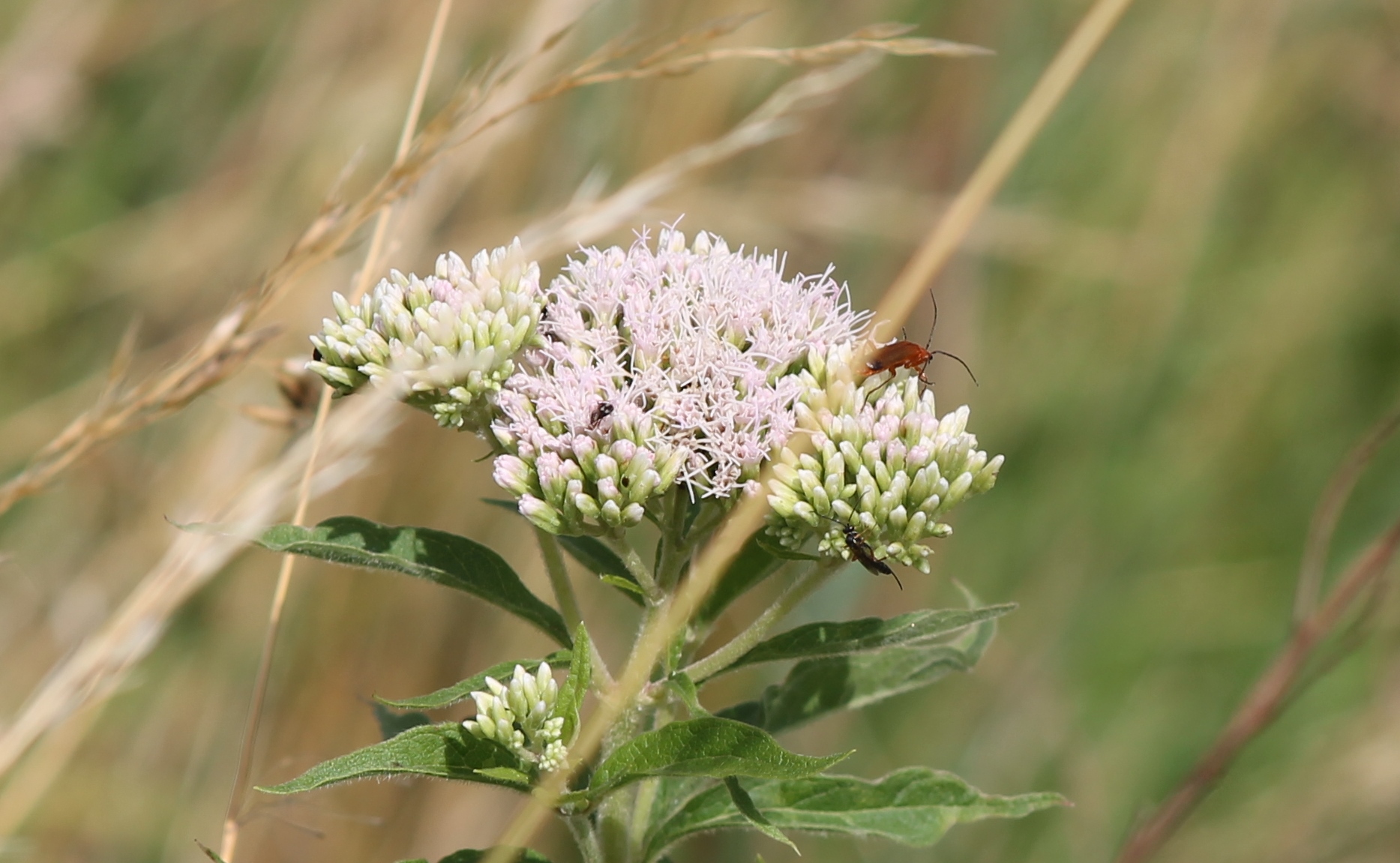
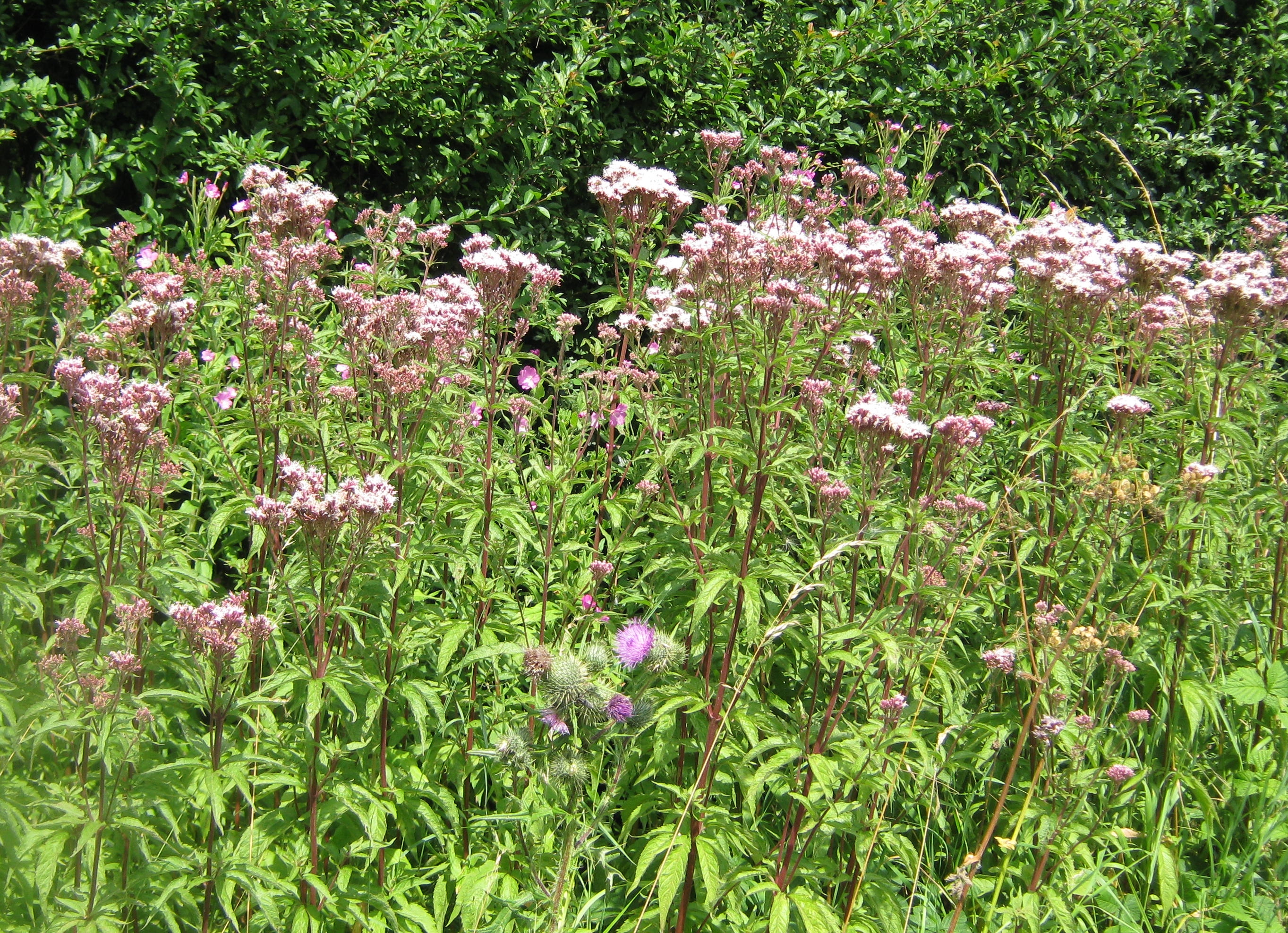
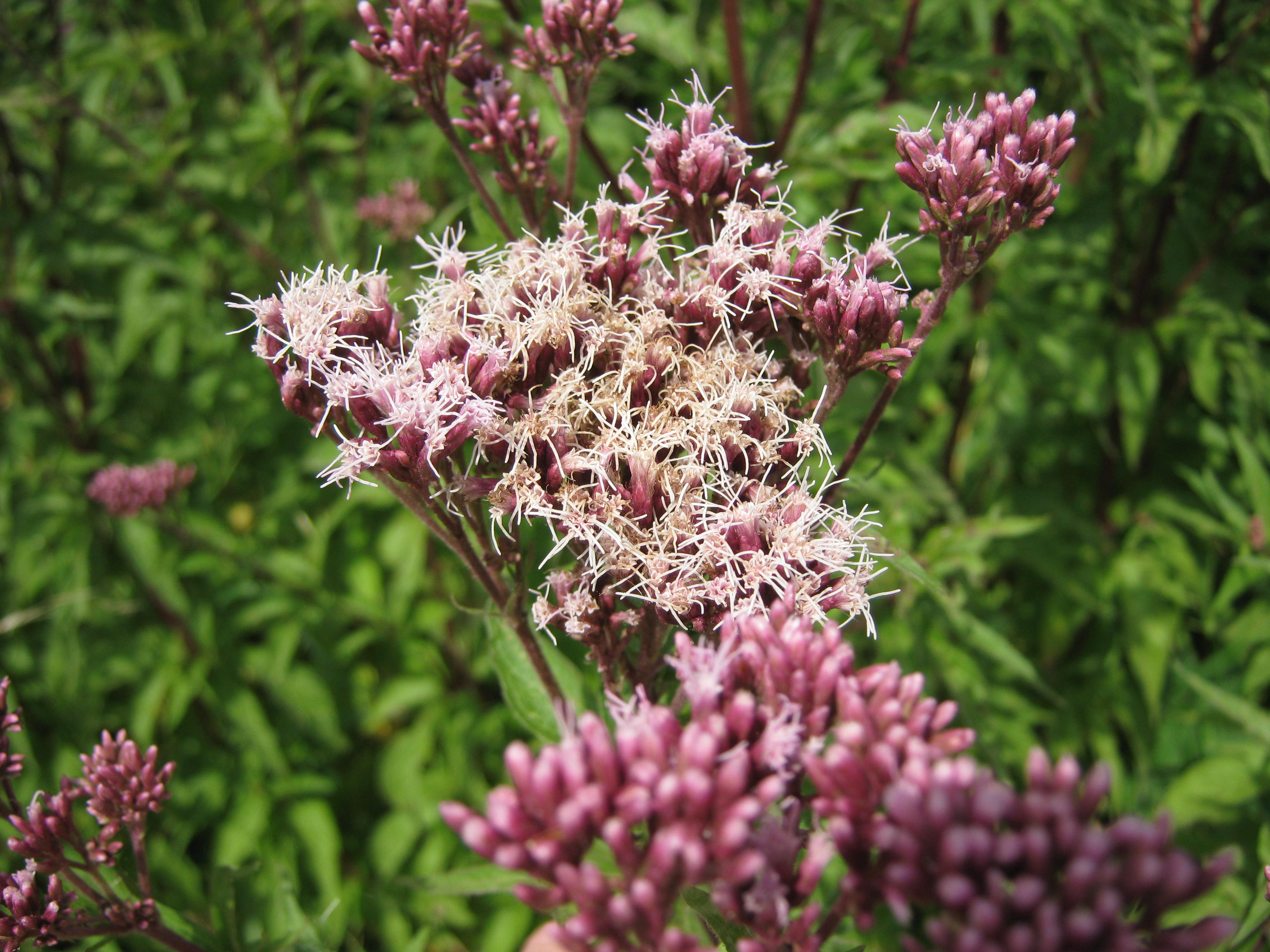
099Cat's ear and agrimony Cat’s-ear and Agrimony 100Hemp agrimony Hemp-agrimony.  This is a member of the daisy family – Agrimony is a member of the rose family.  Early herbalists wrongly classed this plant with true Agrimony.  The leaves of this plant look like cannabis leaves hence the ‘hemp’. 101Hemp agrimony with cardinal beetle and a sawfly Cardinal Beetle and a saw-fly visiting the Hemp-agrimony I was going to return to the Hemp-agrimony a few days later to look at it again once the flowers had all come out.  Unfortunately, the common was mown the next day and all the flowers had gone.  The following photos are of a large clump of them that I see on my way to my mother’s house. 008Hemp agrimony They are tall plants – about 4-5 feet tall – and I think they look beautiful. 009Hemp agrimony   The walk I took was only about a mile in length – I was pleasantly surprised to find so many things to look at in such a small area.

Share this:

  • Share on X (Opens in new window) X
  • Share on Reddit (Opens in new window) Reddit
  • Share on Pinterest (Opens in new window) Pinterest
  • Share on Facebook (Opens in new window) Facebook
  • Email a link to a friend (Opens in new window) Email
  • Share on Tumblr (Opens in new window) Tumblr
  • Print (Opens in new window) Print
  • Share on Pocket (Opens in new window) Pocket
  • Share on LinkedIn (Opens in new window) LinkedIn
Like Loading...

High Summer Walk Part 1

06 Wed Aug 2014

Posted by Clare Pooley in Insects, plants, Rural Diary, walking, weather

≈ 4 Comments

Tags

agrimony, bindweed, common knapweed, common ragwort, Gatekeeper butterfly, hoary plantain, hogweed, hop trefoil, oil-seed rape, peas, pineapple weed, ploughing, poppy, Ringlet butterfly, seagulls, silverweed, thatched barn, thrips, thunder-flies, walking

I had been shopping in Norwich with E two weeks ago and the weather had just changed for the better.  We had had a lot of very humid weather, with heavy rain and thunder and lightening.  We had had the usual accompaniment to humid weather of flying and swarming ants and thunder-flies.  These are tiny little thrips with feathery wings; a millimetre long and thread-thin.  They get everywhere – in your ears and eyes, up your nose, in your hair, crawling on your skin until you feel like screaming. They come in the house and die in heaps on every surface; they even get behind the glass in your picture frames.  And then, after a storm at the weekend, we woke on the Monday to fresh air, warm sunshine and a gentle breeze. As we were driving home I had such a longing to be out of doors, walking in the fields that instead of having lunch I found the camera and my hat and went off down the lane.  The verge at the side of our lane had just been cut but there were still a few flowers hanging on there.

001Bindweed

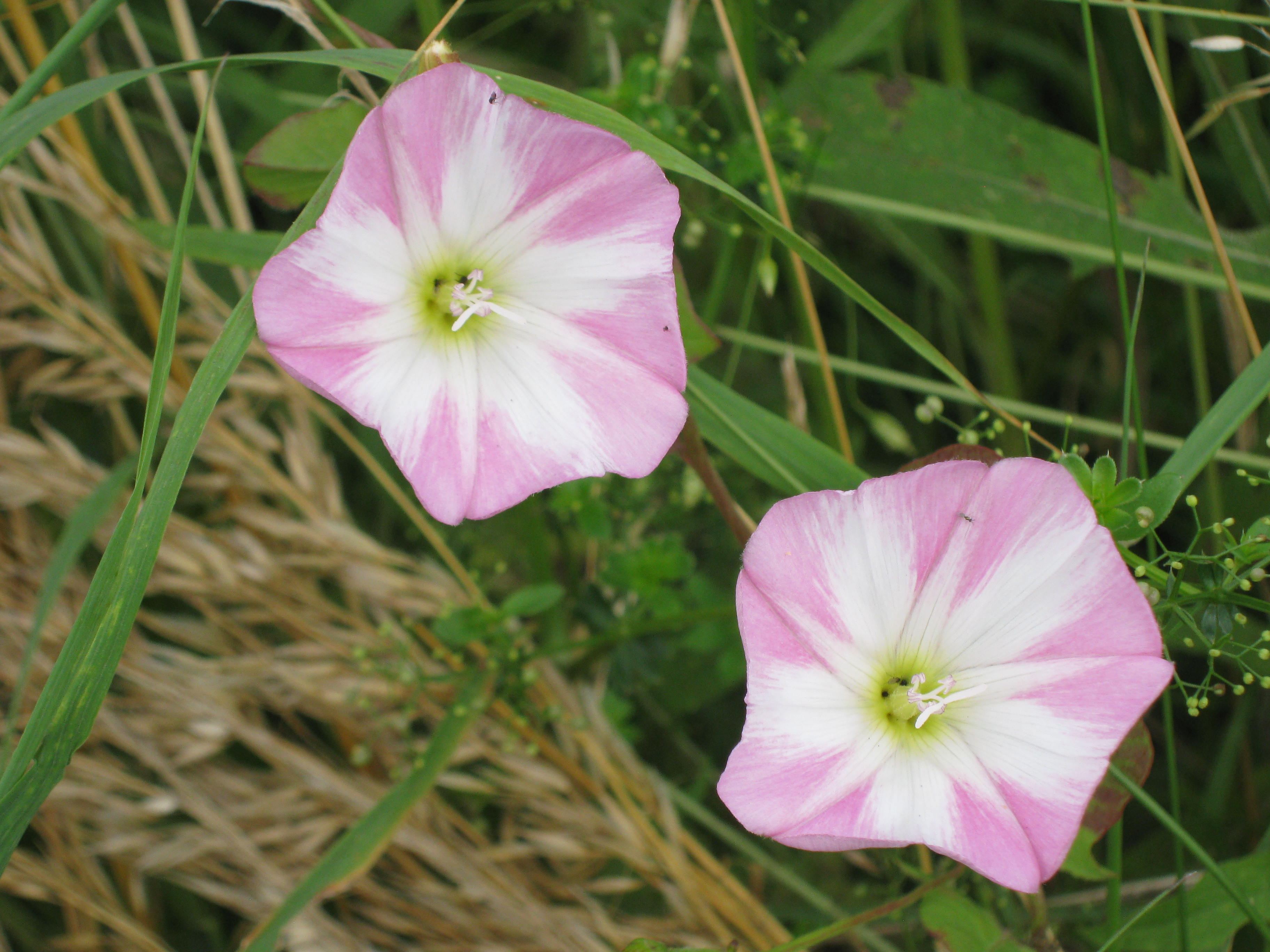
Beautiful pink and white bindweed.  The flowers are almond scented.

The harvesting had begun.

003Stubble field

Oil-seed rape stubble.

The stubble is almost a foot high and so hard and sharp like knives; it is almost impossible to walk through.

017View

You can see for miles from here

018View with UFO

There is a UFO in this shot. Is it a bird?  Is it a plane? No!  It’s…. you tell me!

004Ploughing

Ploughing had started in one of the fields.  Seagulls love to follow the plough as it turns up lots of worms and grubs.  Black-headed, herring and lesser black-backed gulls.

007Ringlet

A rather tired and tatty ringlet butterfly

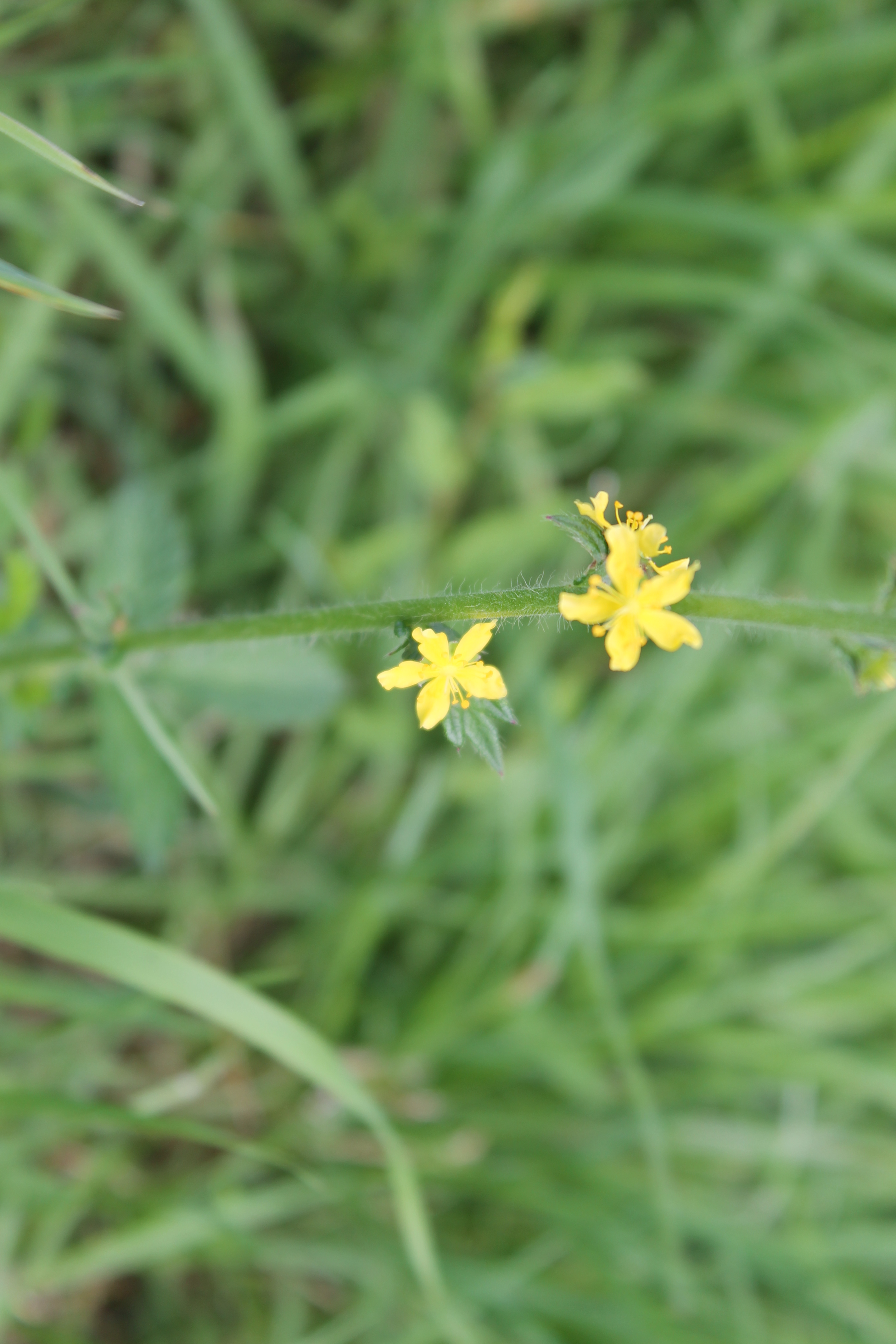
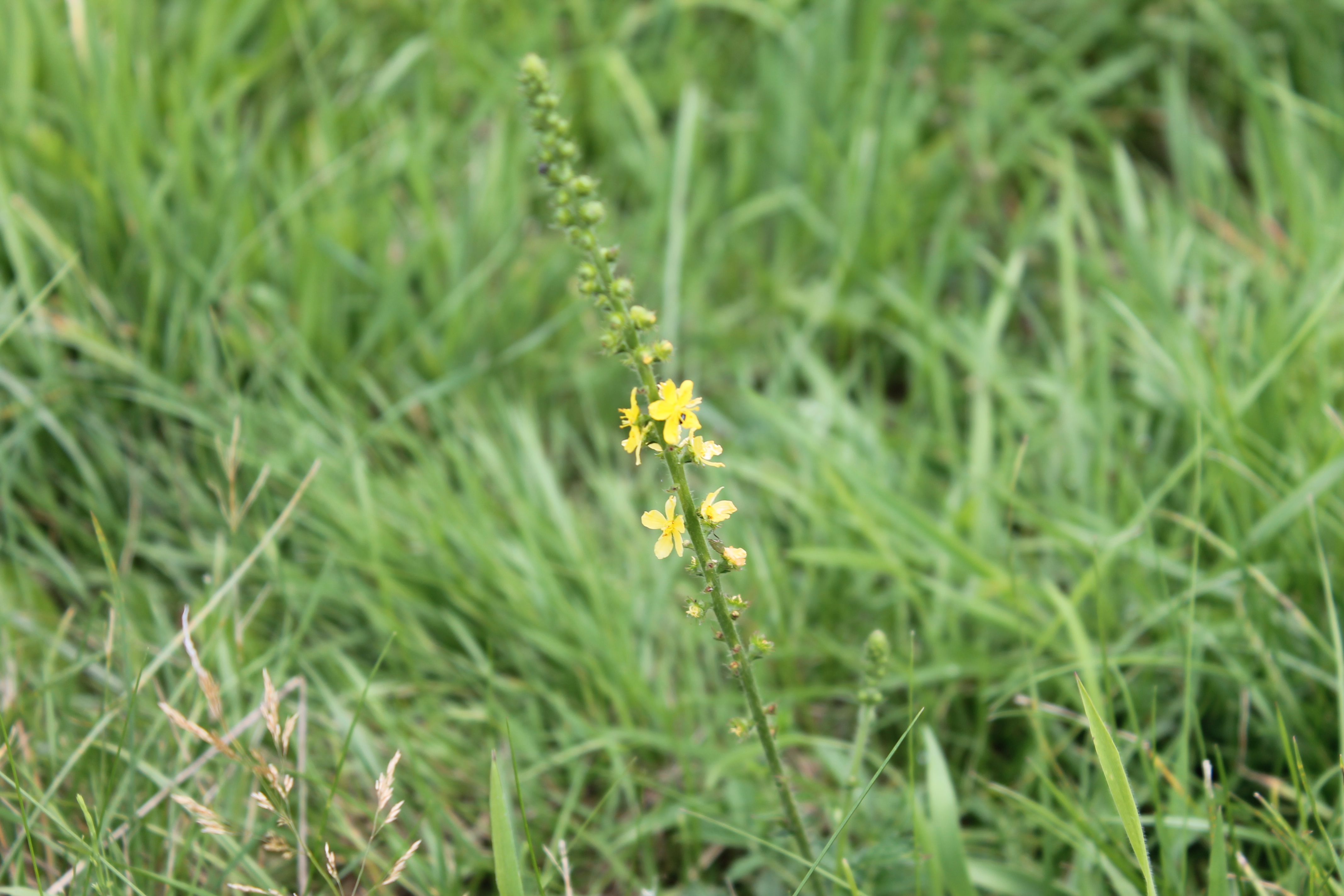
012Agrimony 009Agrimony This is agrimony and there has been a lot of this about this year.  Apparently it has a scent reminiscent of apricots; I haven’t noticed this but then I don’t have a very good sense of smell – at least not for nice smells!  The ancients found this a very versatile plant as it was held to be a remedy against snake-bite, poor sight, loss of memory and liver complaints.

011Silverweed leaves

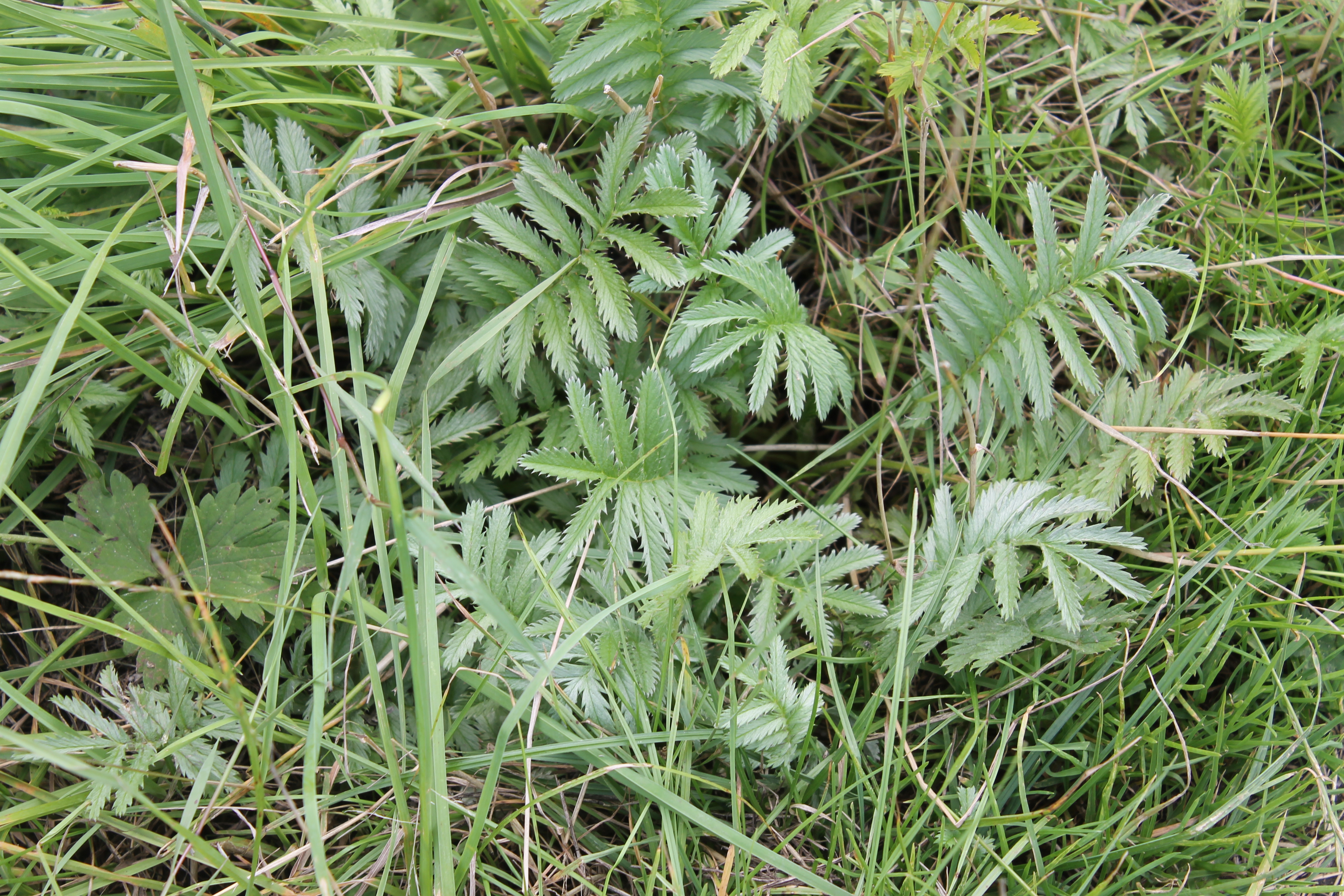
Silverweed leaves. Potentilla anserina

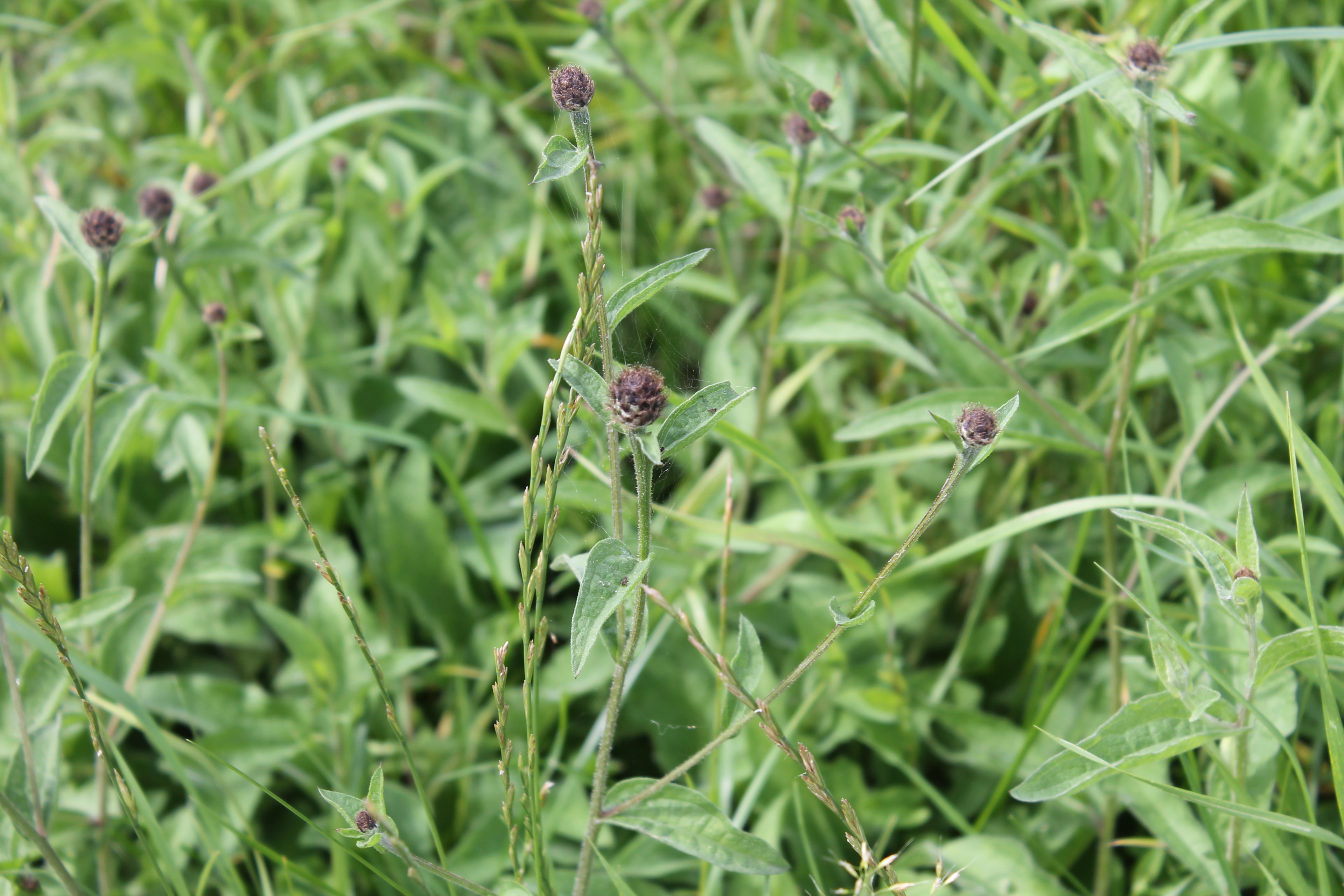
016Common Knapweed buds

Common Knapweed buds. These plants have been flowering for many weeks now; and for many to come if these buds are anything to go by.  Also known as Hardheads.

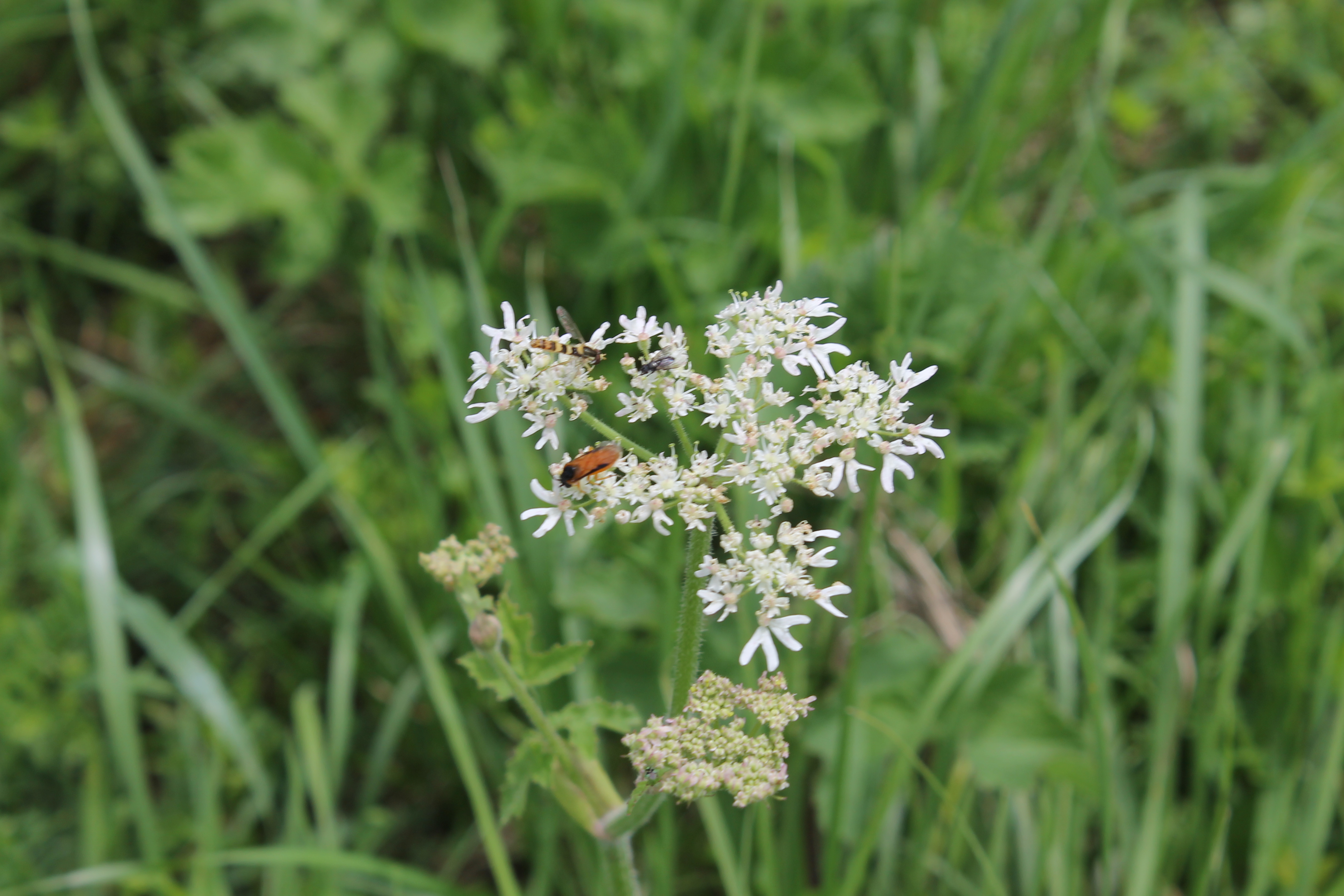
019Hogweed with insects

We have had lots of hogweed too

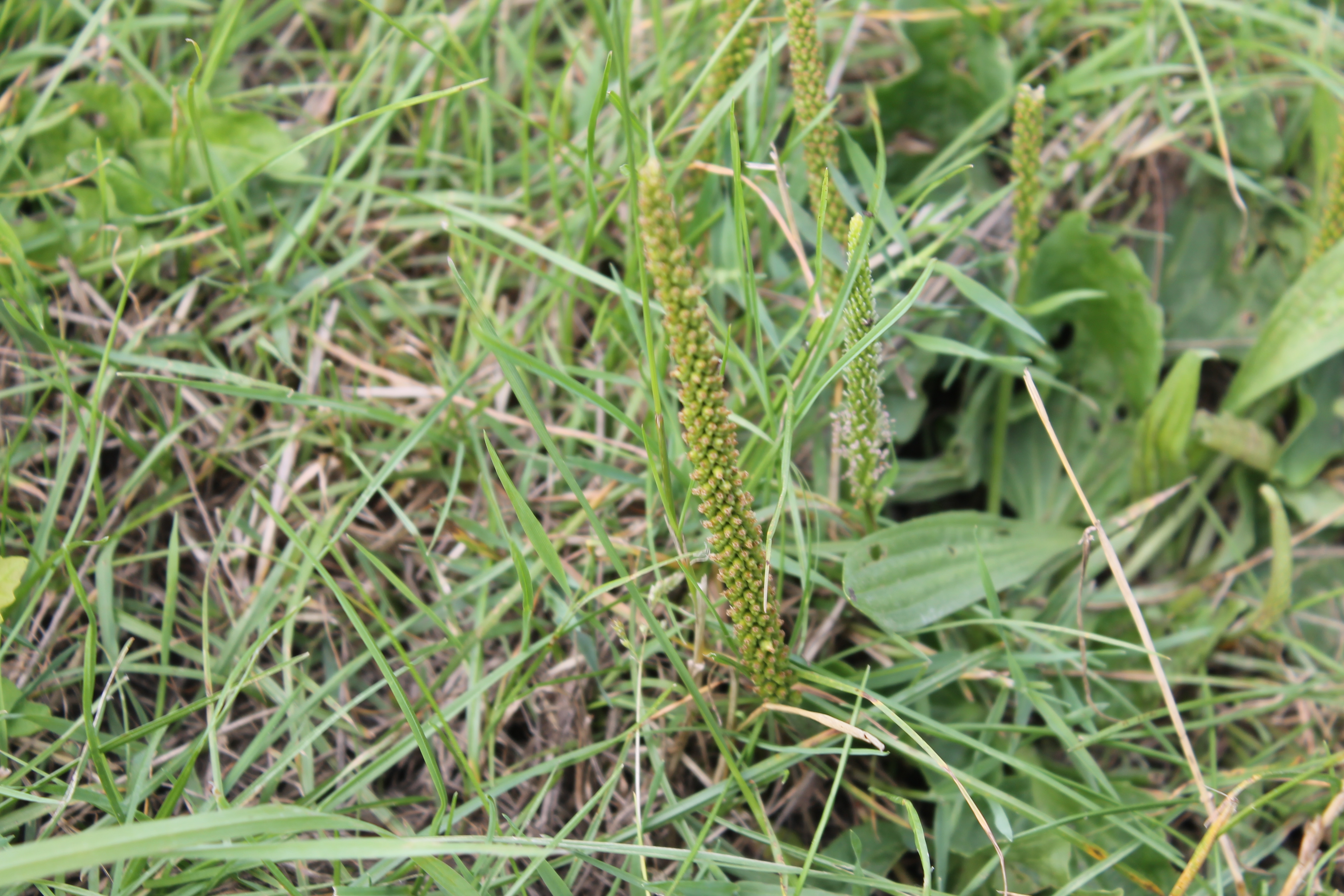
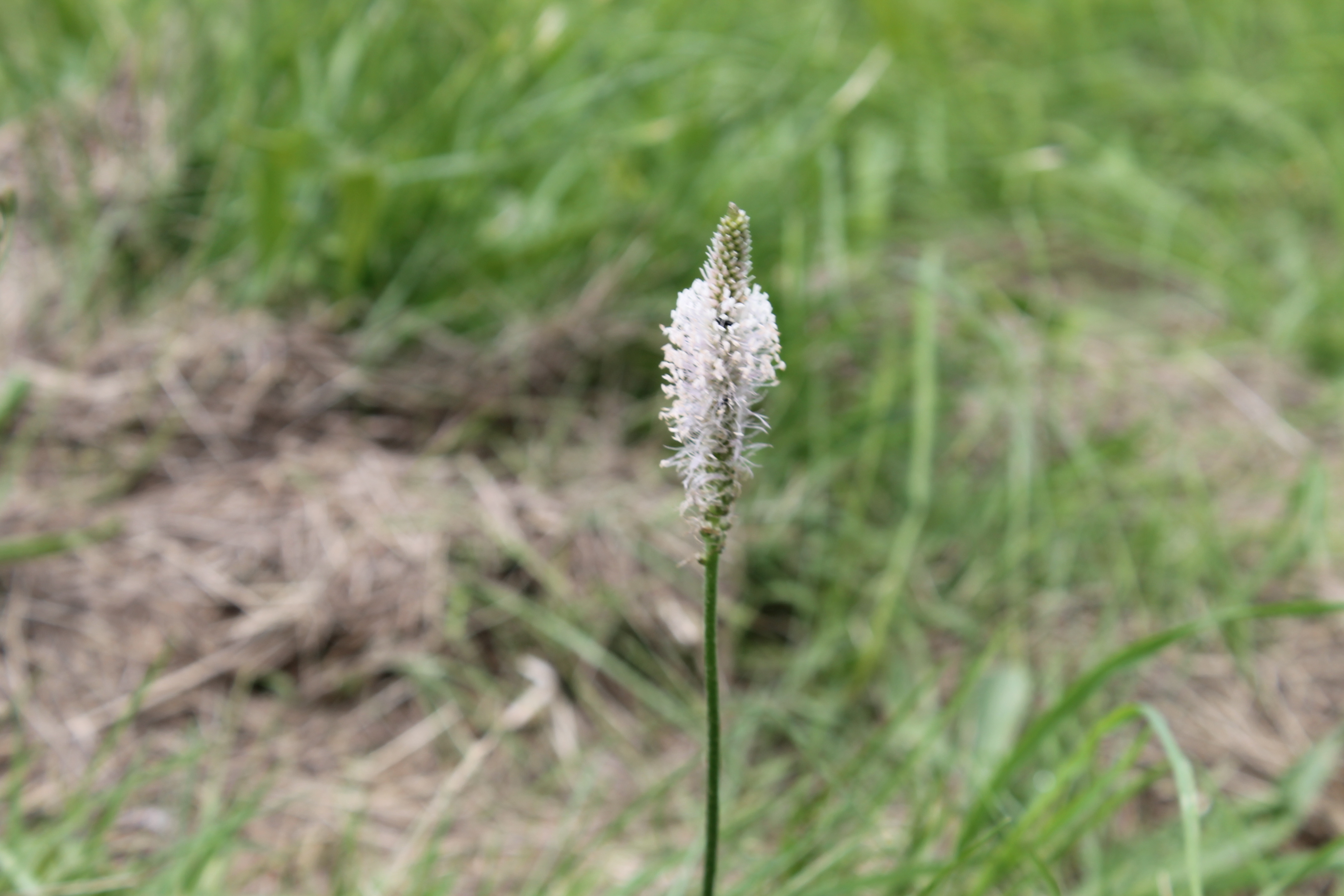
020Hoary plantain

Hoary plantain. This is an unusual plantain in that it produces a delicate scent which attracts bees and other insects.  All other British plantains are wind pollinated.

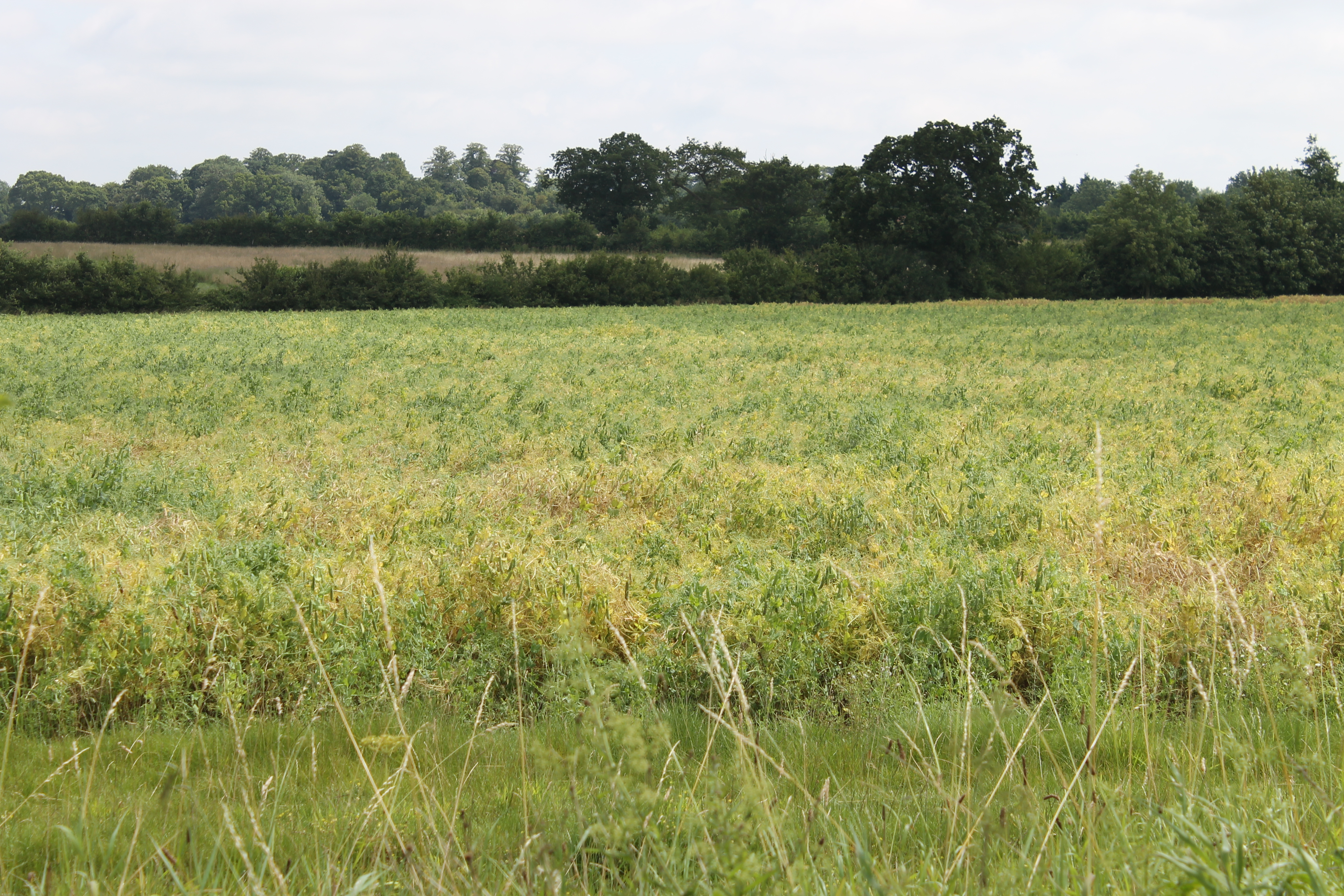
021Field of peas

A field of peas.

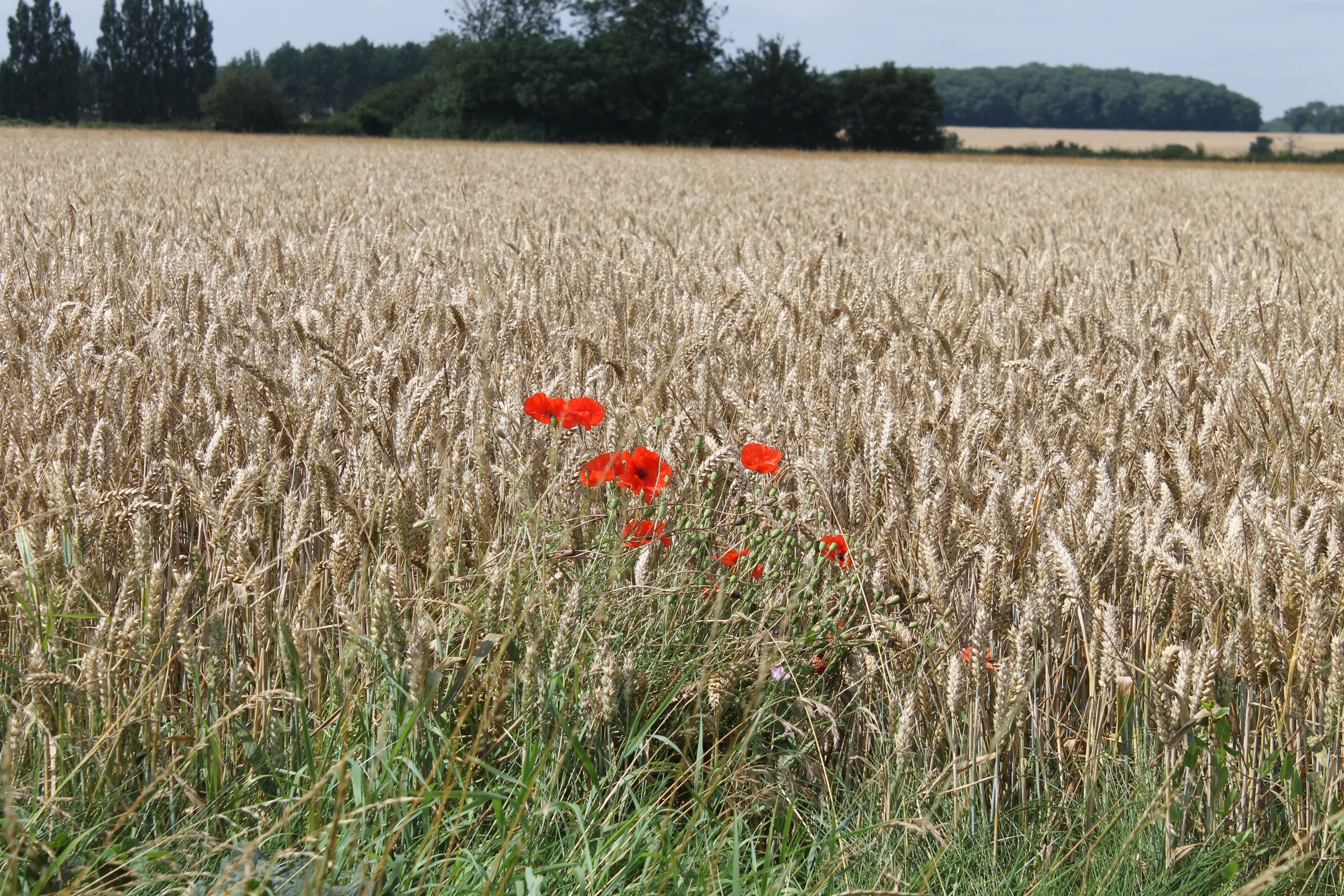
For many years, peas were grown everywhere in this part of Suffolk as there was a frozen food factory in Lowestoft on the coast.  We were all used to the enormous pea harvesters and the smell of burnt peas wafting on the air.  Then the factory was closed.  Many people were made redundant and the farmers here had to find a different crop to grow and had to sell their harvesters.  In recent years peas have started to be grown again.  Some farmers are working together as a collective, sharing harvesters and have found other customers for their peas.  This field is being left until the peas have dried.  I don’t know if the plants will just be dug into the soil as a source of nitrogen or if the plants are used for animal feed or the dried peas sold to a processing factory.  Perhaps someone can tell me. 027Poppies in the wheat Red is so difficult to photograph.  This photo looks as though I’ve done some careless ‘photoshopping’. 029Poppies in the wheat You will recognise this photo from my previous post.  This works better as the poppies take up more of the photo but they still don’t look ‘real’.

030Snail on a seedhead

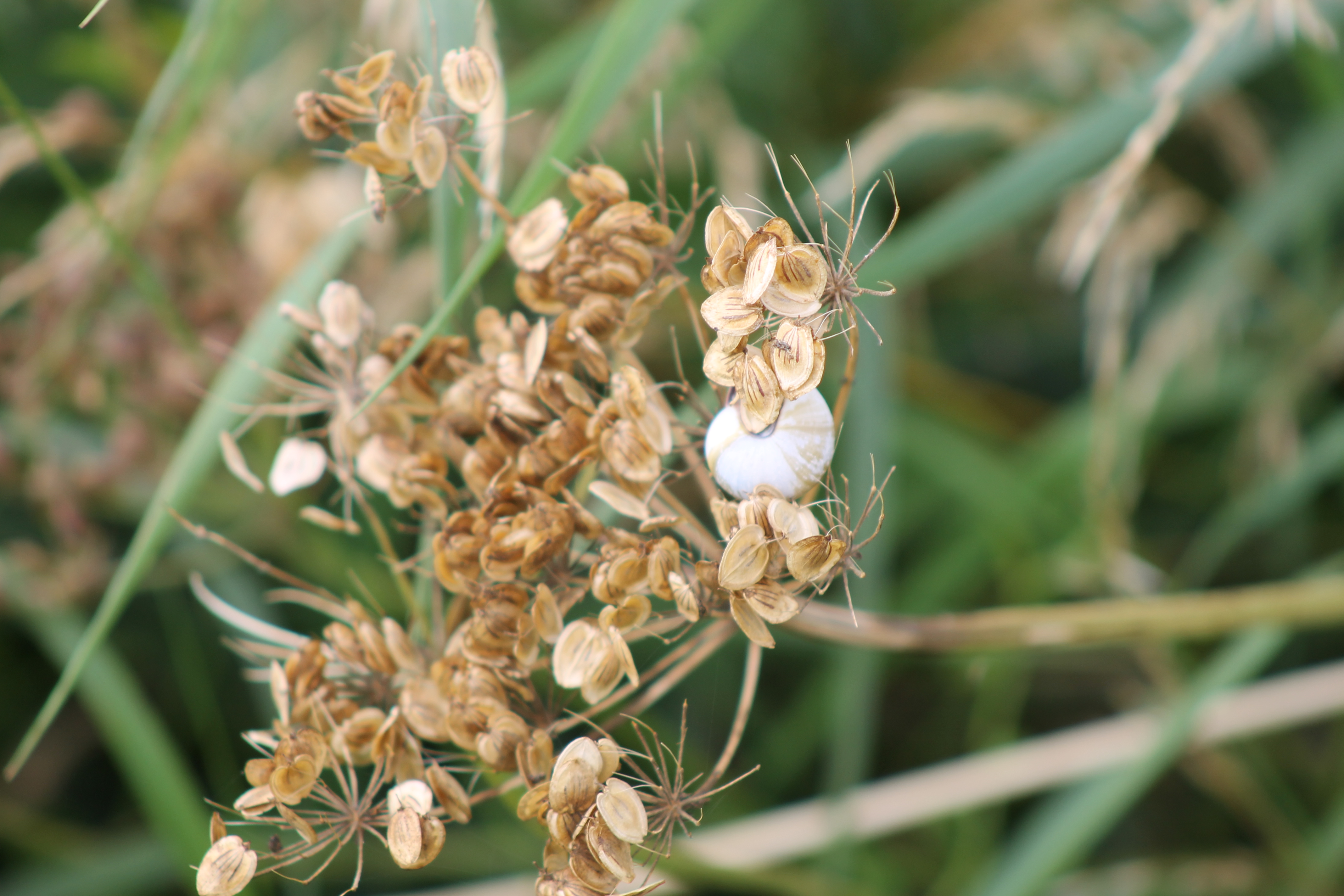
A snail hiding in a hogweed seedhead

037Gatekeeper (f)

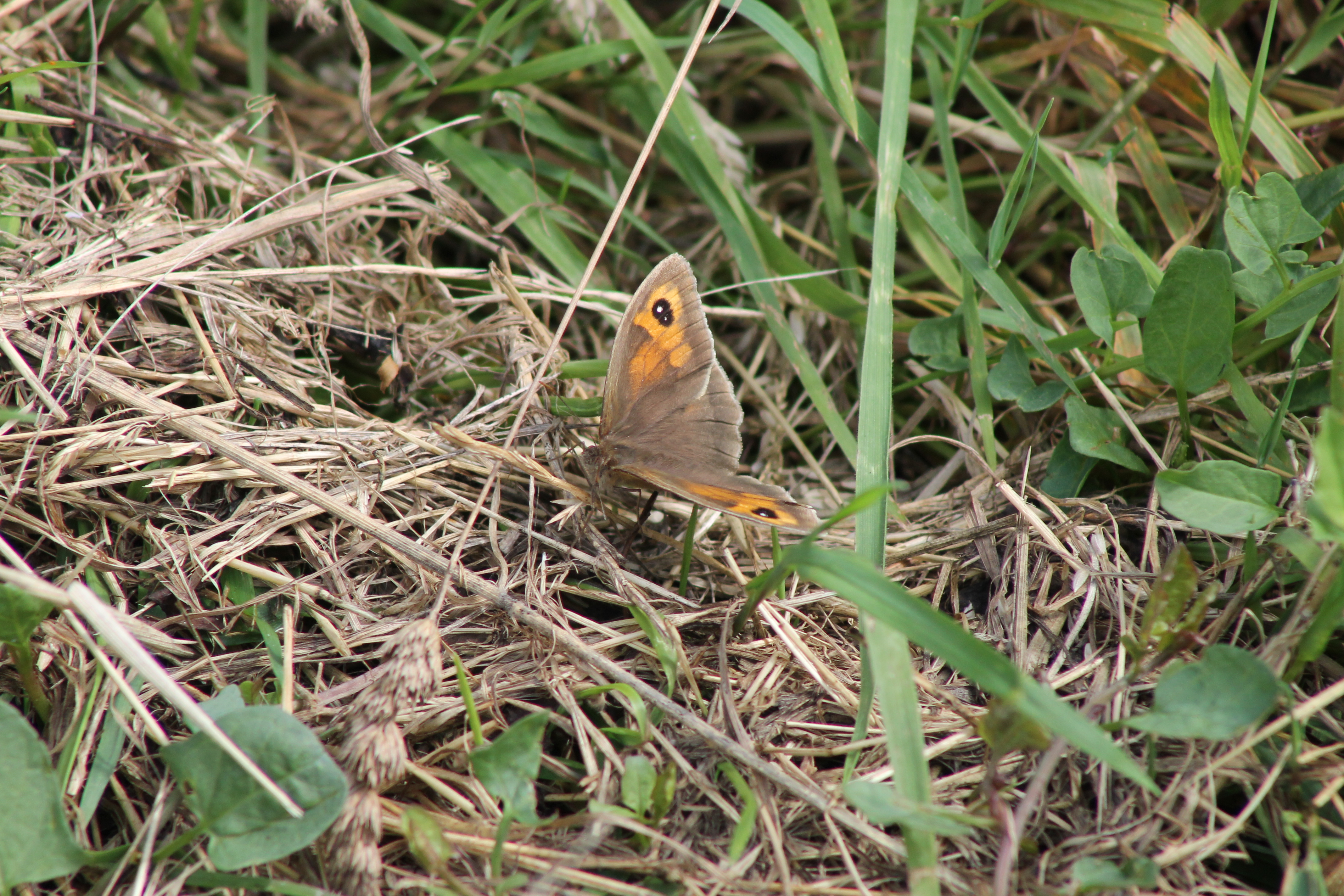
A female Gatekeeper butterfly

038Thatched barn

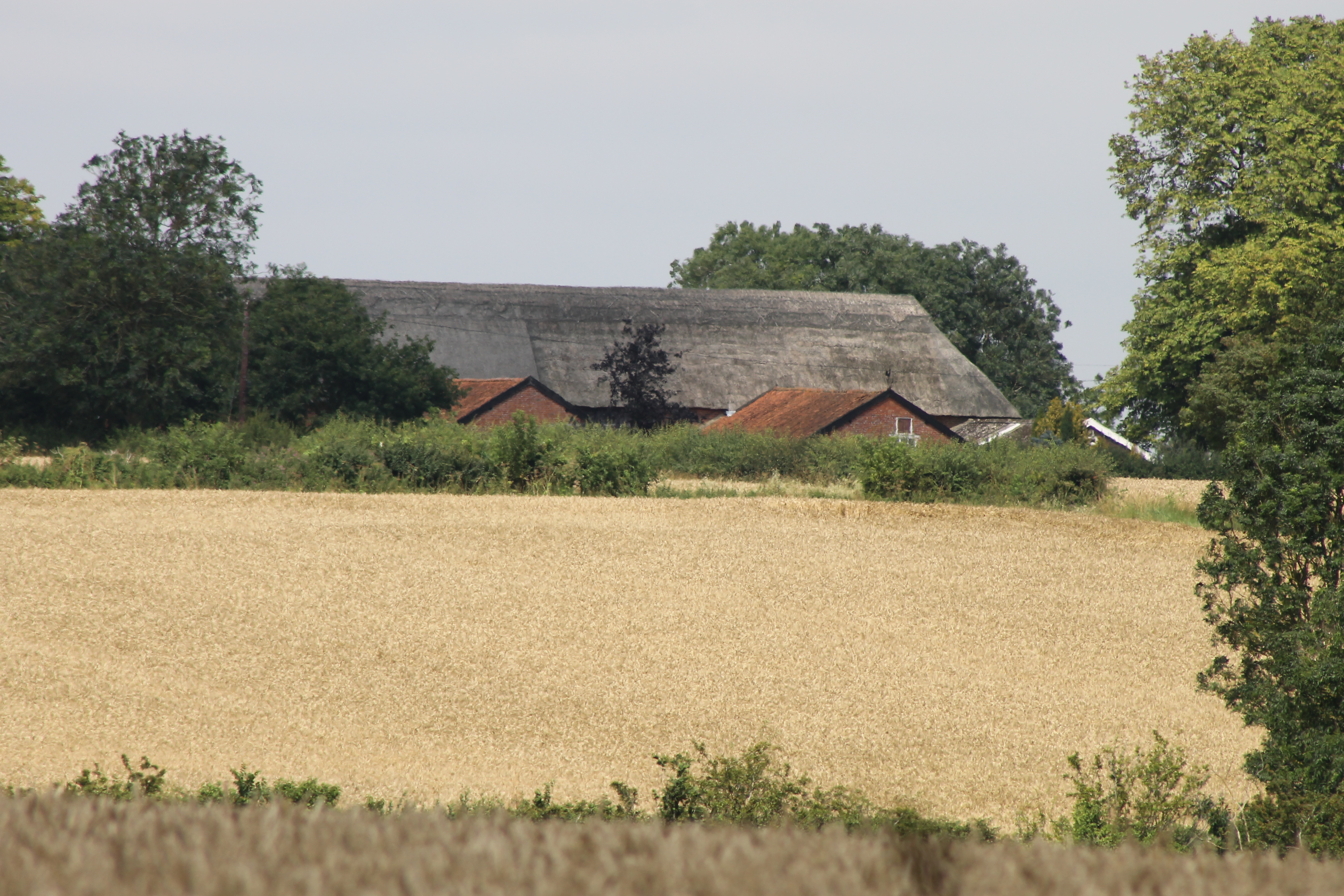
An enormous thatched barn

040Hop trefoil 041Hop Trefoil This is hop trefoil.  The stems are downy and the seed-heads are covered with dead petals making them look like hops.

There was a lot pink and yellow.


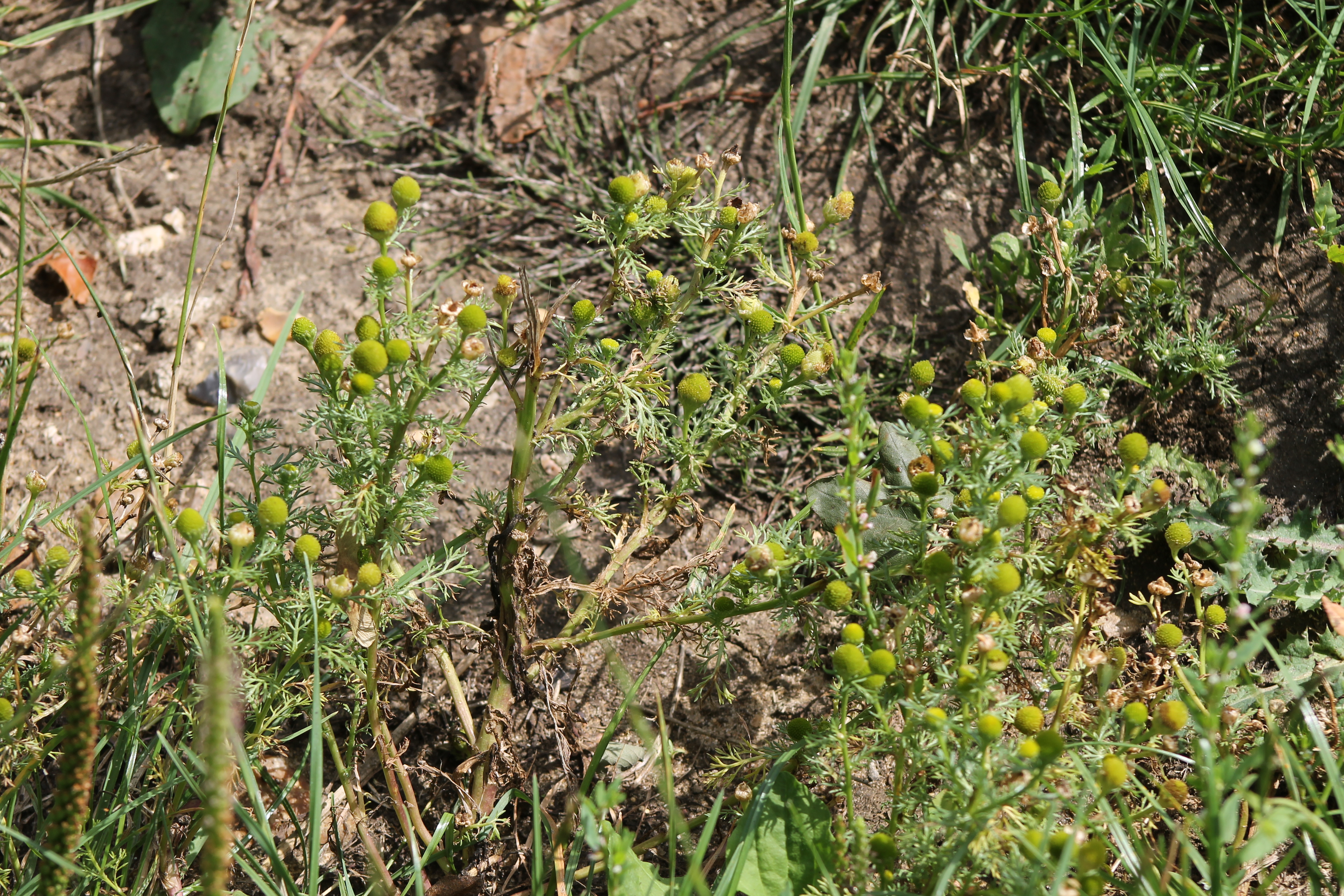
043Pineapple weed

Pineapple Mayweed

This smells of pineapple when crushed.

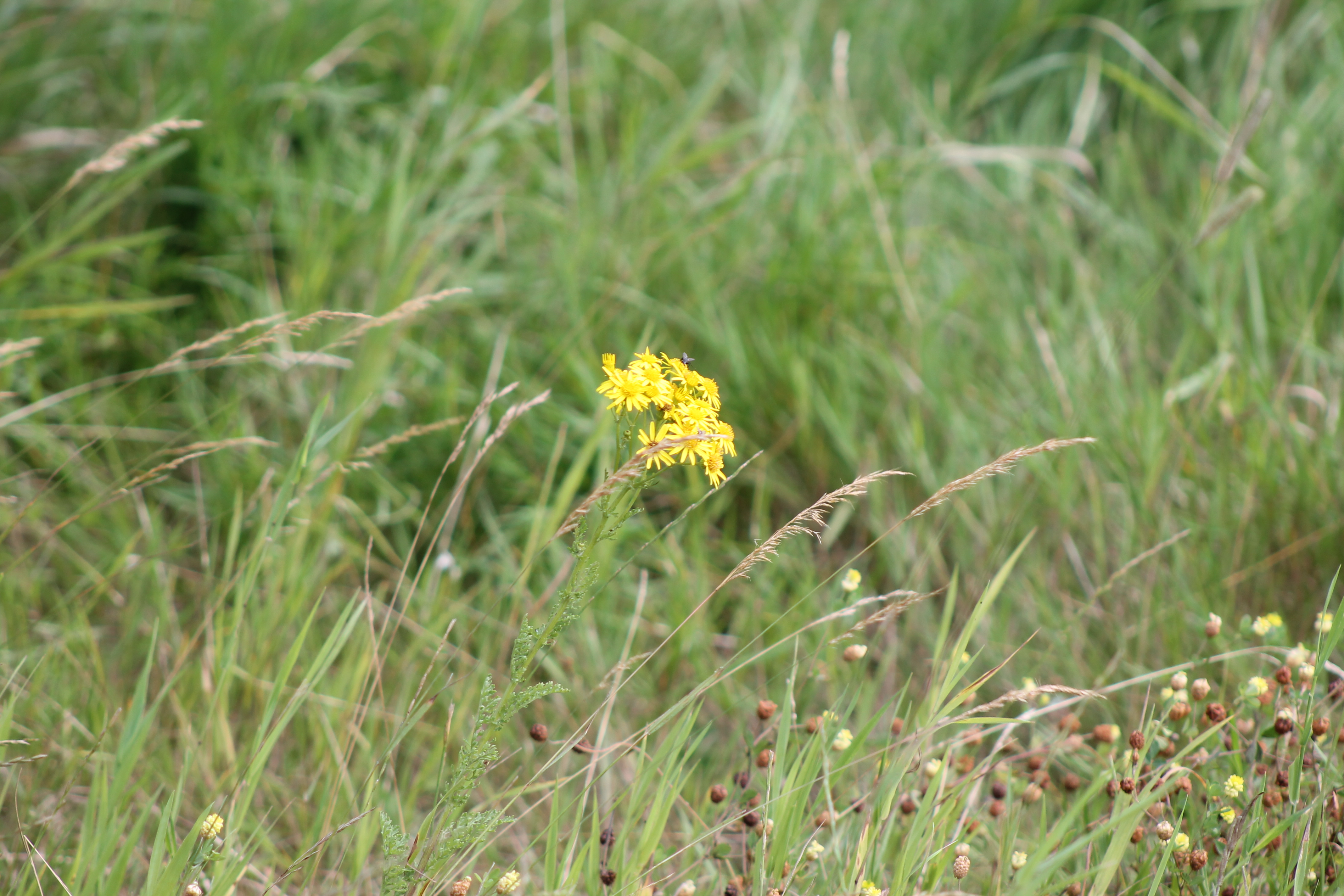
044Common ragwort

This is Common Ragwort, a poisonous plant and the food plant of the Cinnabar Moth caterpillar.

I will continue this walk in Part 2.

Share this:

  • Share on X (Opens in new window) X
  • Share on Reddit (Opens in new window) Reddit
  • Share on Pinterest (Opens in new window) Pinterest
  • Share on Facebook (Opens in new window) Facebook
  • Email a link to a friend (Opens in new window) Email
  • Share on Tumblr (Opens in new window) Tumblr
  • Print (Opens in new window) Print
  • Share on Pocket (Opens in new window) Pocket
  • Share on LinkedIn (Opens in new window) LinkedIn
Like Loading...

Snoopy vs the Red Baron

24 Thu Jul 2014

Posted by Clare Pooley in Insects, plants, Rural Diary, Uncategorized, wild birds

≈ 9 Comments

I am still having trouble posting on my blog.  I had almost finished one last night and had worked for well over an hour on it when it just disappeared and all that was saved was the title.  A total waste of time!  I could have been doing something useful like the ironing and it makes me feel so frustrated.

So, here we go again.


007White butterfly on buddleja

Large White butterfly on Buddleia

We woke on Monday to a bright and breezy day with all the humidity gone.  I was able to dry my towels and all my other washing too.  The window cleaner arrived and gave all the glass a bit of sparkle.  I got through all my household chores and did some shopping in Halesworth too.


012Bumble bee on thistle

Cuckoo Bee on Spear Thistle

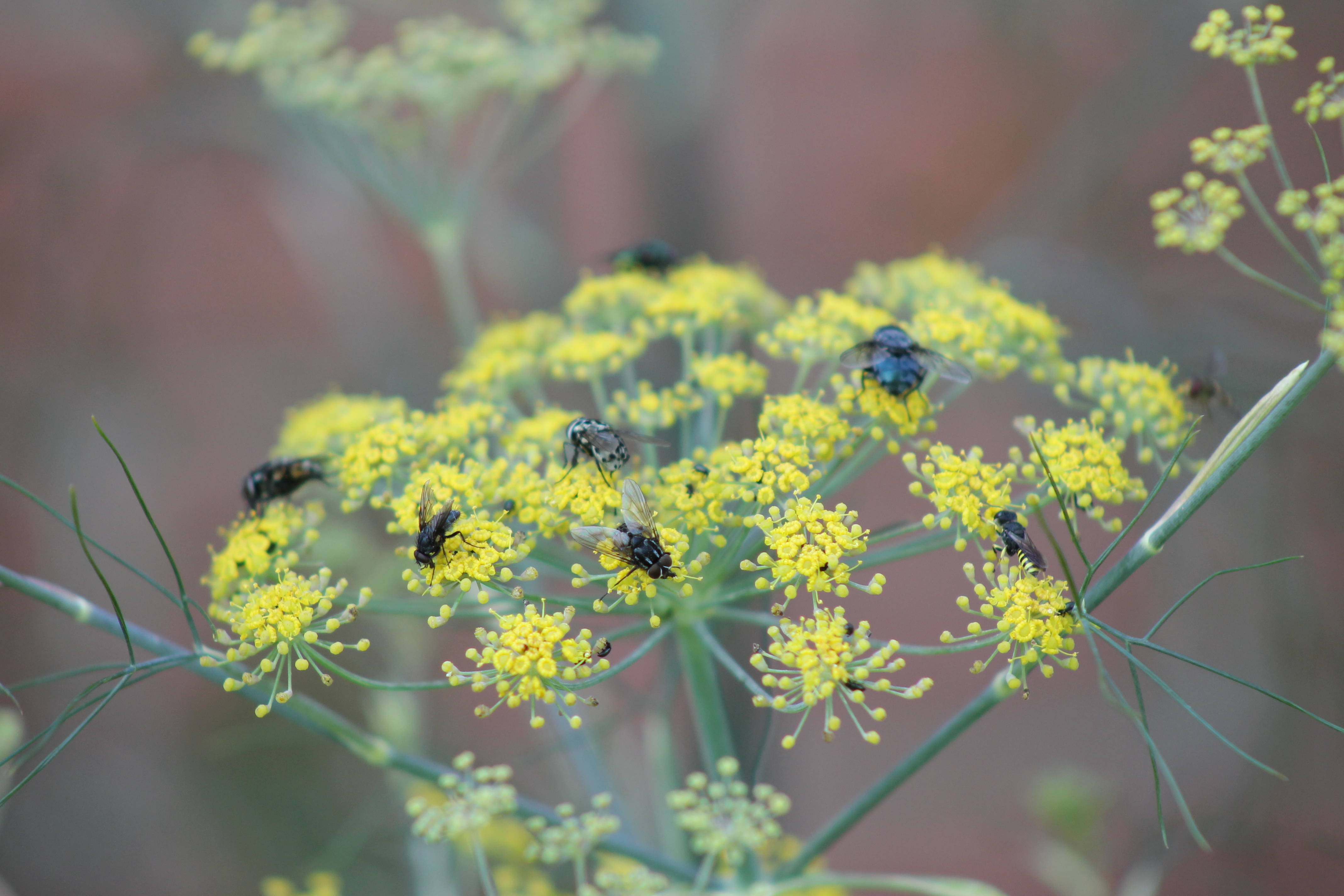
During the afternoon I wandered round the garden to see what there was to see.  I discovered a wasps’ nest under the garage roof tiles.  The wasps are quite small – they appear smaller than common wasps – but I could be mistaken.  If they cause us a lot of trouble they will have to go but they are such useful creatures I would rather leave them be.  They feed their young on chewed up insects including all the garden pests and flies that get into the house.  The also appear to love fennel nectar and pollinate my fennel plants.  Last year we hardly had any wasps at all and I had no fennel seeds.

018Flies on fennel

Flies all over the bronze fennel flower-head

Some of the insects I saw were a little the worse for wear.

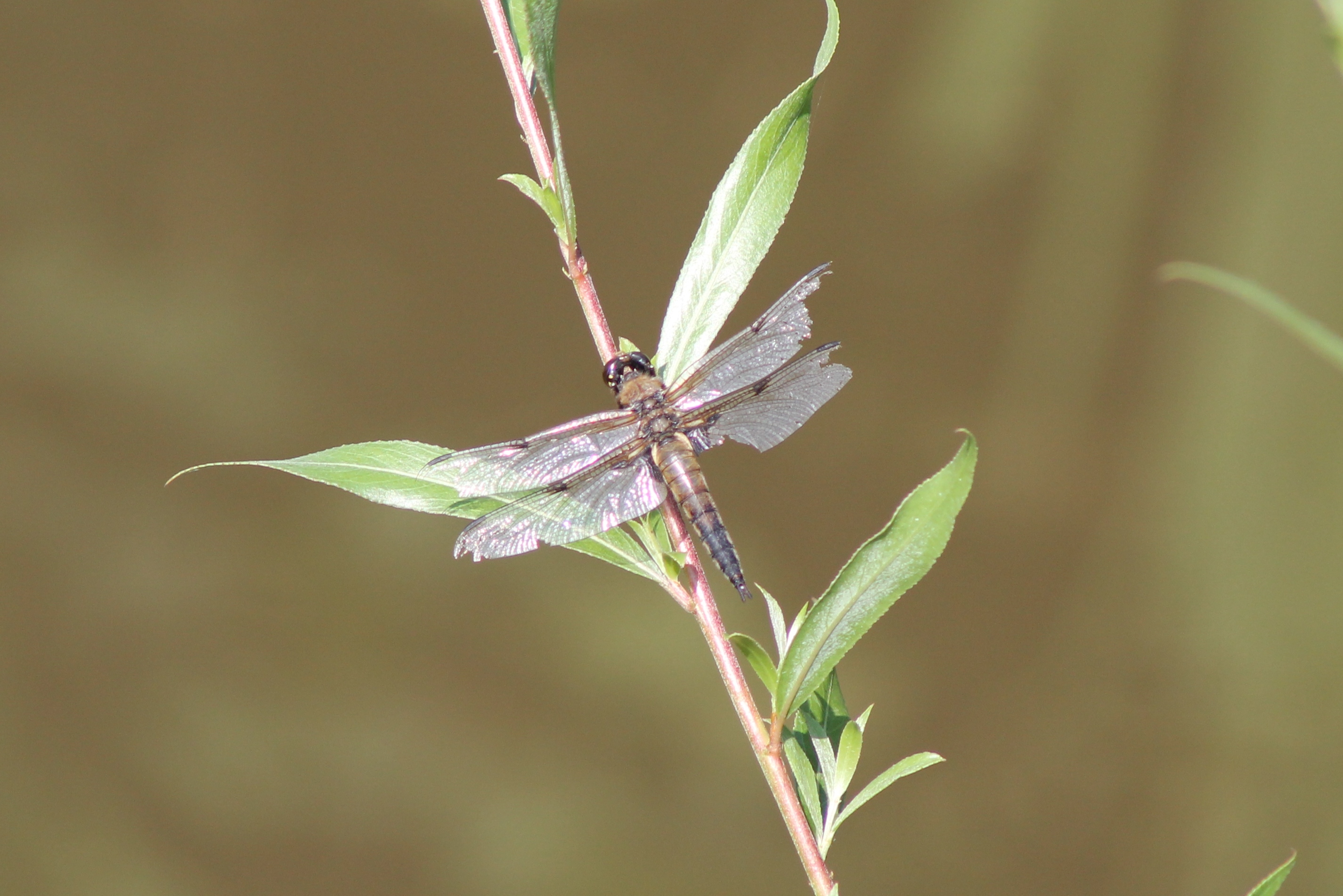
015Dragonfly

Four-spotted Chaser on Willow

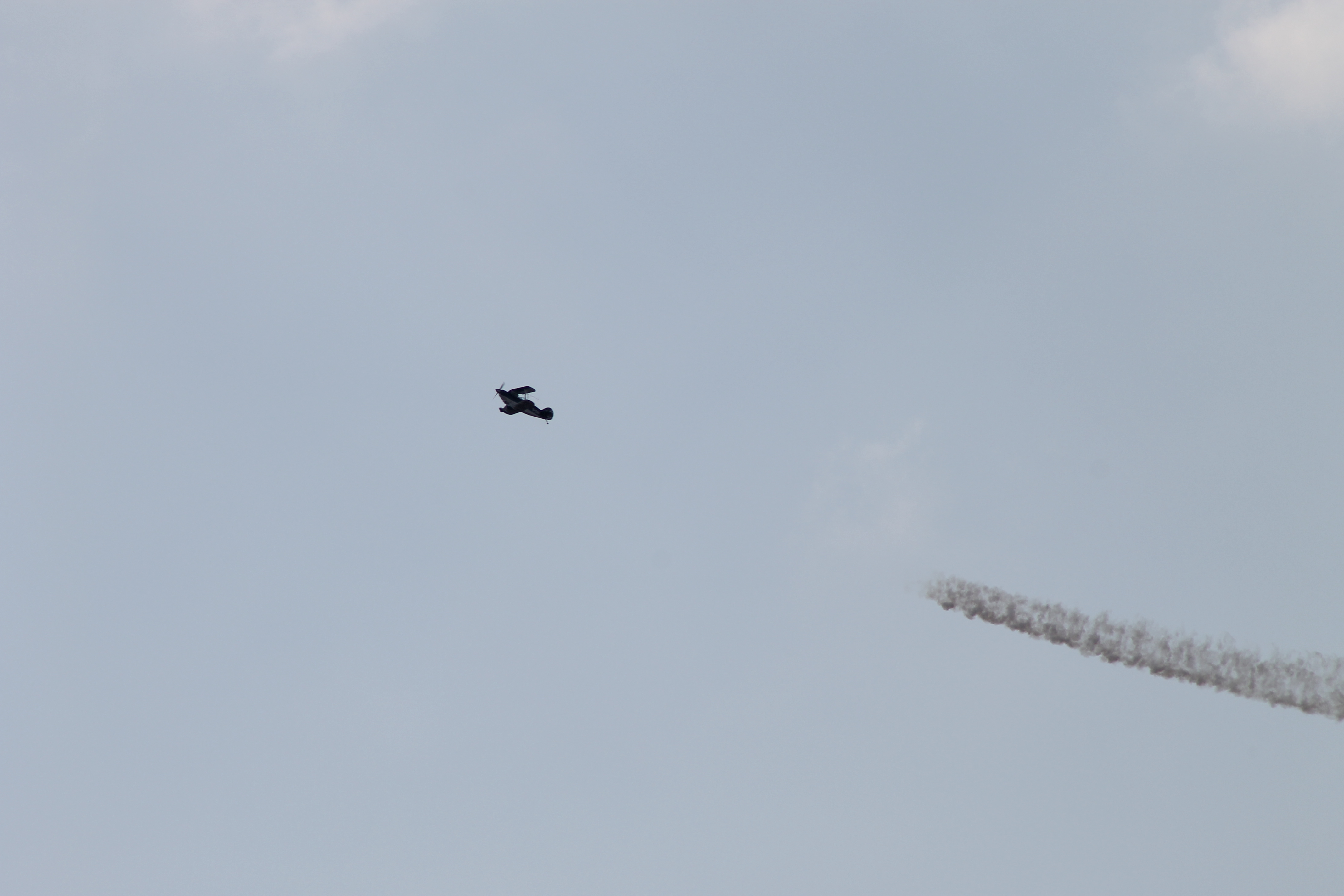
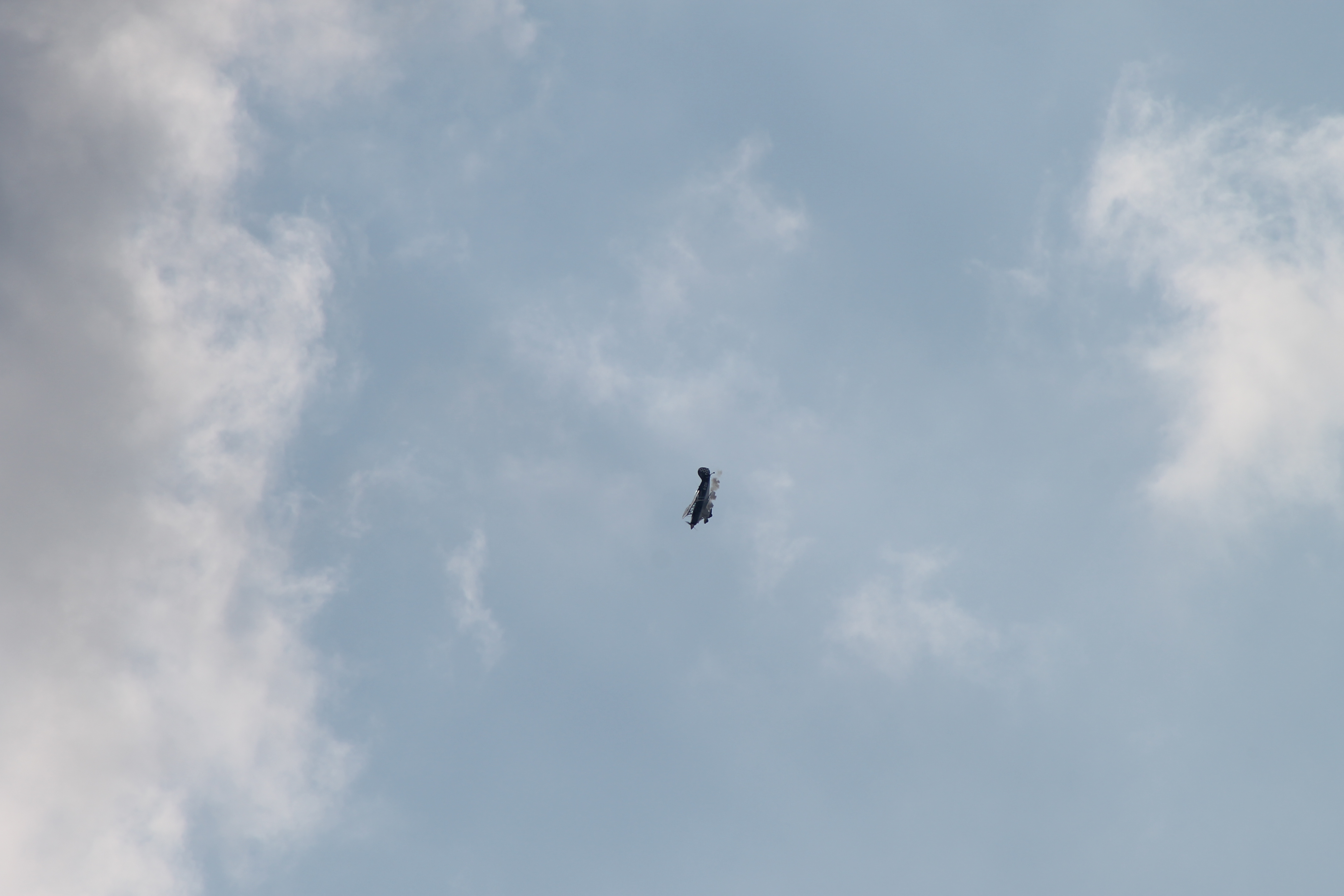
While hanging out the last lot of washing I heard what sounded like an old-fashioned plane approaching.  In fact it was two bi-planes.  I don’t know if they were just flying for fun or if they were rehearsing for an air show or a World War I commemoration display but they were ace fliers and I enjoyed watching them very much.  They weren’t flying original bi-planes but modern equivalents.

026Bi-planes

030Bi-plane

048Bi-plane

They then started practising loop-the-loops.

031Bi-plane with smoke-trail

032Bi-plane with smoke-trail

033Bi-plane with smoke-trail

034Bi-plane with smoke-trail

035Bi-plane with smoke-trail

036Bi-plane

His friend wasn’t going to be outdone and did a few loop-the-loops of his own.  I couldn’t see him quite so clearly.

037Bi-plane with smoke-trail

038Bi-plane with smoke-trail

039Bi-plane with smoke-trail

047Bi-plane

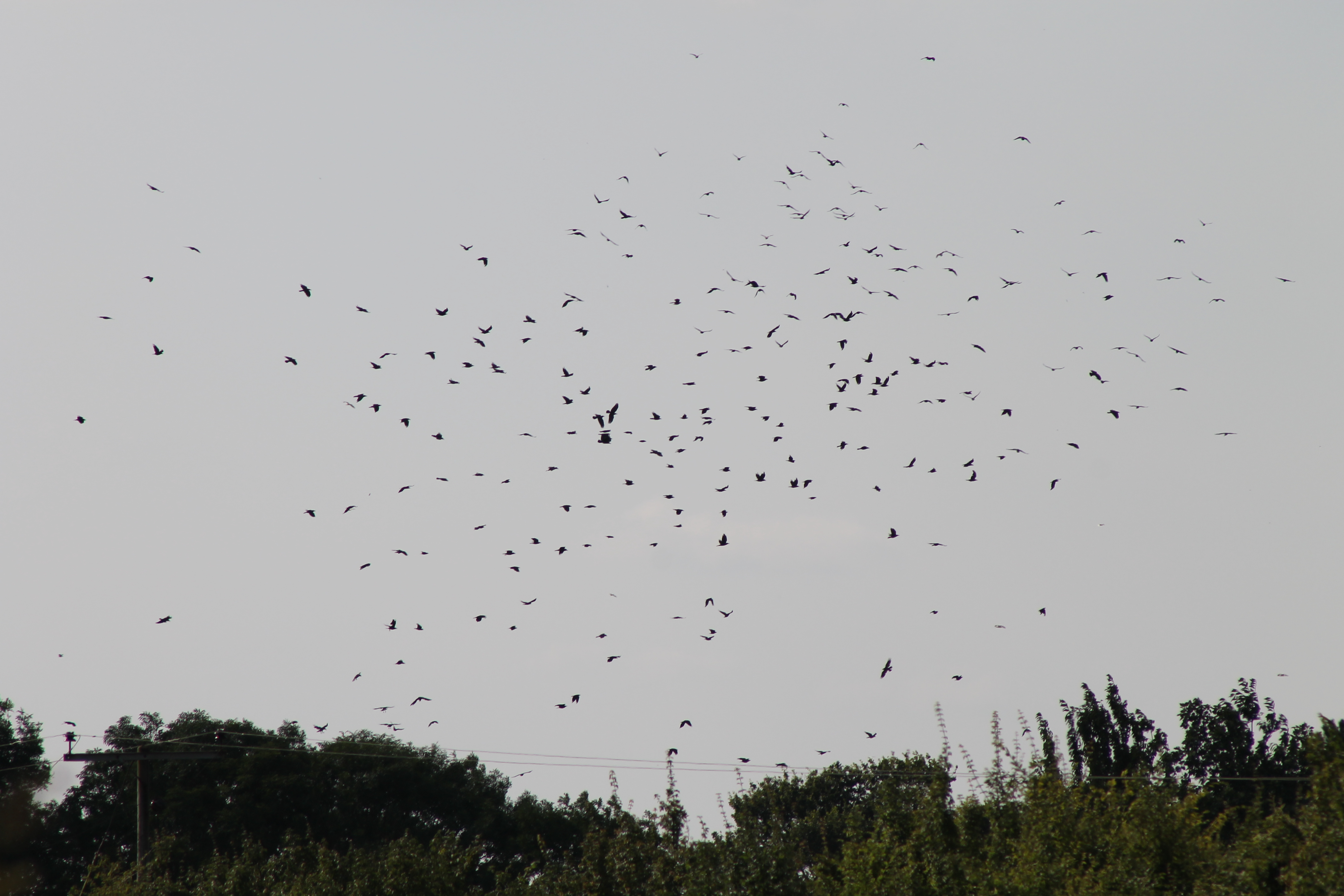
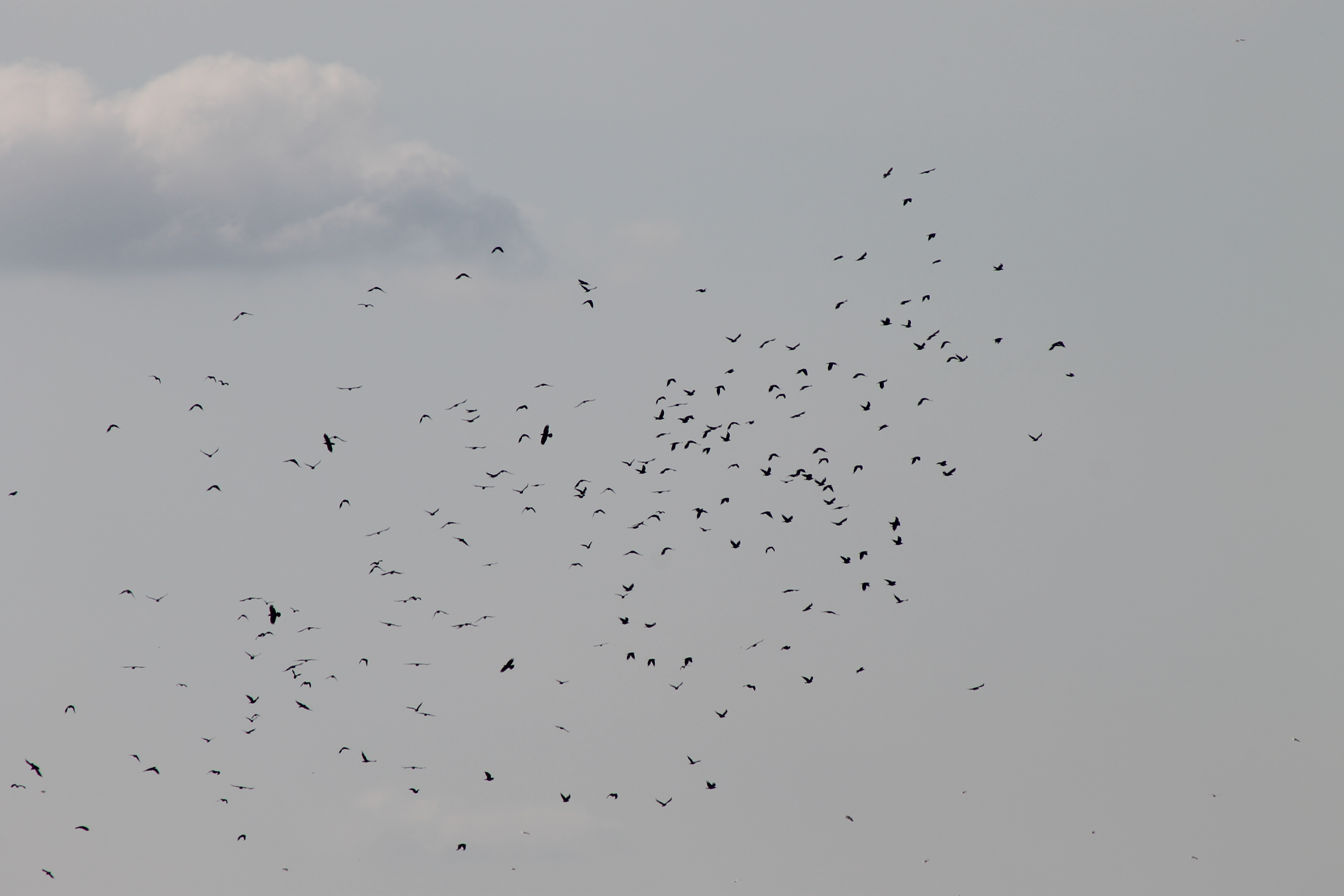
I was really impressed!  Strangely, I wasn’t alone in being excited by this display.  While all this was going on I became aware of a lot of noise coming from the St Margaret’s rookery.  The rooks had all gathered together and suddenly flew up into the sky and performed a display of their own!  Normally they only display first thing in the morning and last thing at night just before roosting.  They fly up into the sky together, circling round and round and getting higher and higher , calling to each other and chasing and weaving through the melée.  Suddenly, of one accord, they plummet down into their roost, reeds, scrubland or the tree canopy.  This is what they did on Monday afternoon.  They must have thought the planes were strange birds.

040Rooks

041Rooks

 I was disappointed not to be able to photo their descent into the tree tops.  I find birds constantly amazing!


Share this:

  • Share on X (Opens in new window) X
  • Share on Reddit (Opens in new window) Reddit
  • Share on Pinterest (Opens in new window) Pinterest
  • Share on Facebook (Opens in new window) Facebook
  • Email a link to a friend (Opens in new window) Email
  • Share on Tumblr (Opens in new window) Tumblr
  • Print (Opens in new window) Print
  • Share on Pocket (Opens in new window) Pocket
  • Share on LinkedIn (Opens in new window) LinkedIn
Like Loading...

Here be Dragons!

24 Tue Jun 2014

Posted by Clare Pooley in churches, Insects, music, plants, Rural Diary, Uncategorized

≈ 19 Comments

Tags

Aldeburgh Festival, Banded Demoiselle, Black-tailed Skimmer, bouquet, Broad-bodied Chaser, butterflies, damselflies, dentist, dragonflies, Four-spotted Chaser, Greater Bindweed, Hedge Brown, Ian Bostridge, Large Skipper, lavender, moths, Schubert's 'Winterreise', Six-spot Burnet, Small Tortoiseshell, Snape Maltings, Suffolk Punch, The Man of Mode by George Etherege, Thomas Ades, wedding, wedding anniversary


Image

Four-spotted Chaser

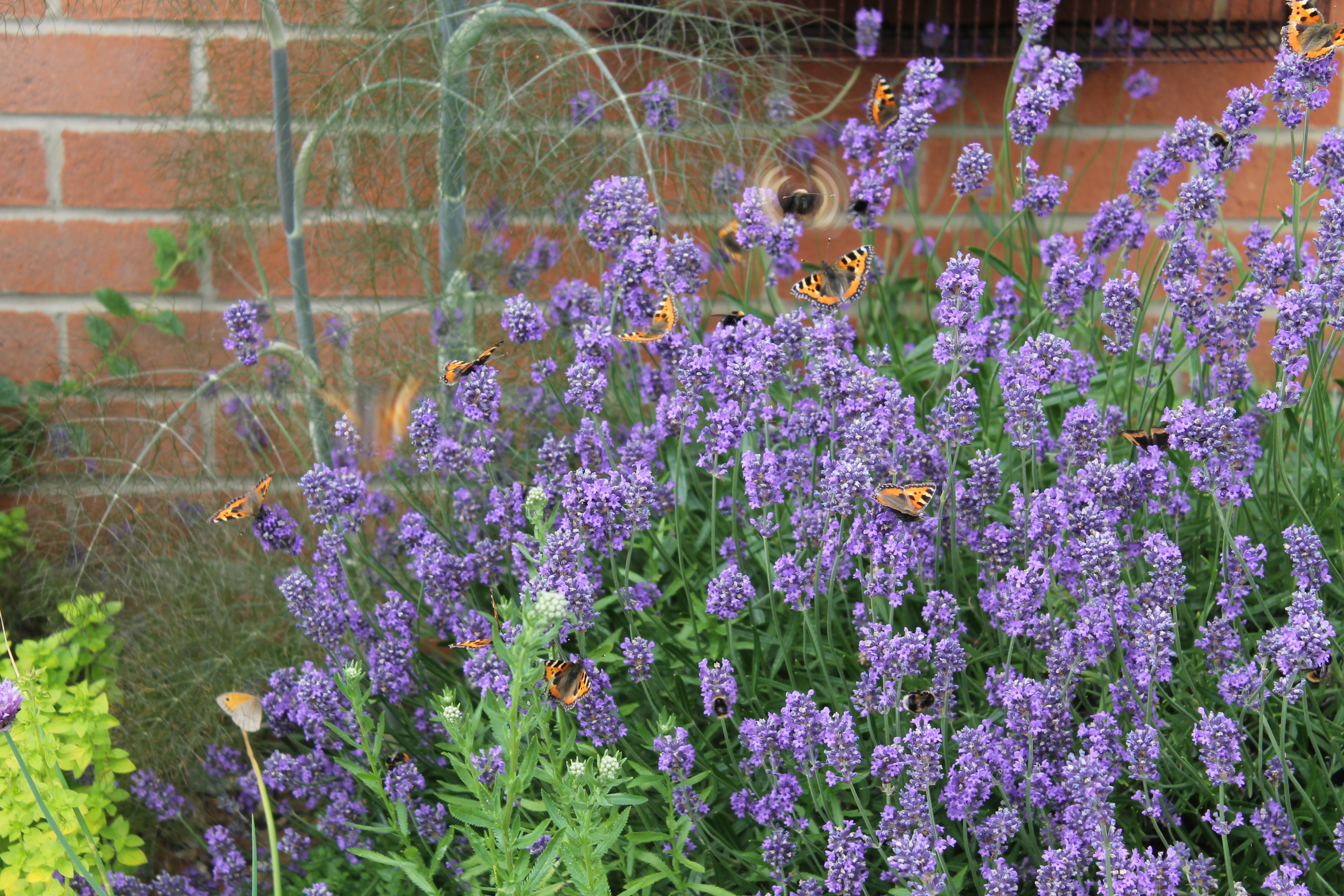
Our garden is full of dragonflies and damselflies.

Most of the UK was basking in warm sunshine last week; Suffolk was one of the areas which wasn’t.  We spent most of the time under a thick pall of cloud.  There was a strong northerly breeze and some rain, though not much; certainly not enough.  The butterflies and dragonflies only flew when a watery sun appeared through a crack in the cloud, which wasn’t often.  The highest temperature I recorded was 16 degrees centigrade.  The weather started to improve towards the end of the week with the wind changing direction from northerly to a warmer south-westerly.  The clouds then began to disperse.  The weekend was really quite fine and Monday morning was too.  Unfortunately, we had a couple of heavy showers of rain in the afternoon and more of the same overnight.  Today started with thick mist and then it wasn’t too bad until this afternoon when we have had torrential rain and thunder storms.  At least today we have had a good amount of rain which has freshened things up nicely.

Image

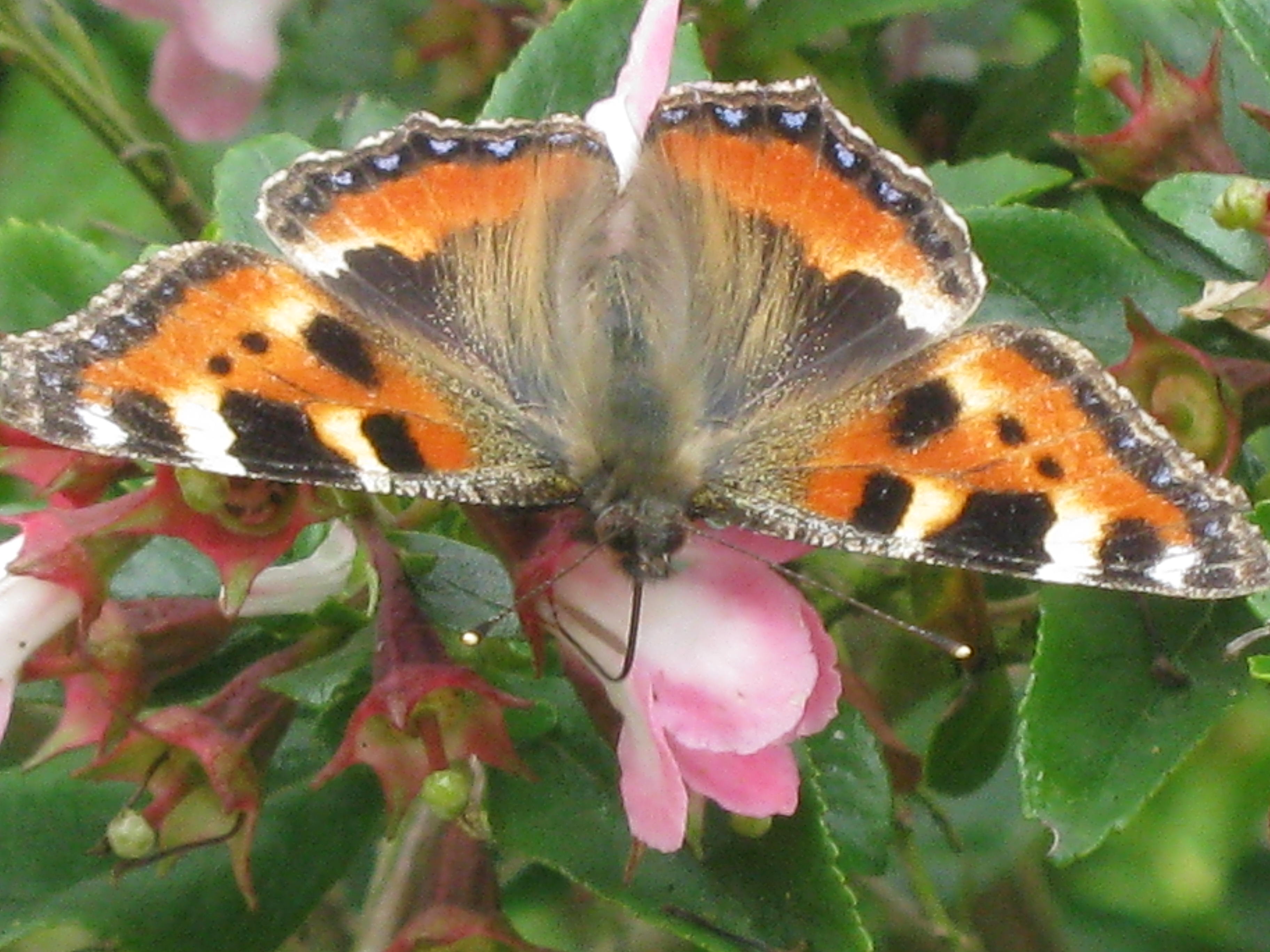
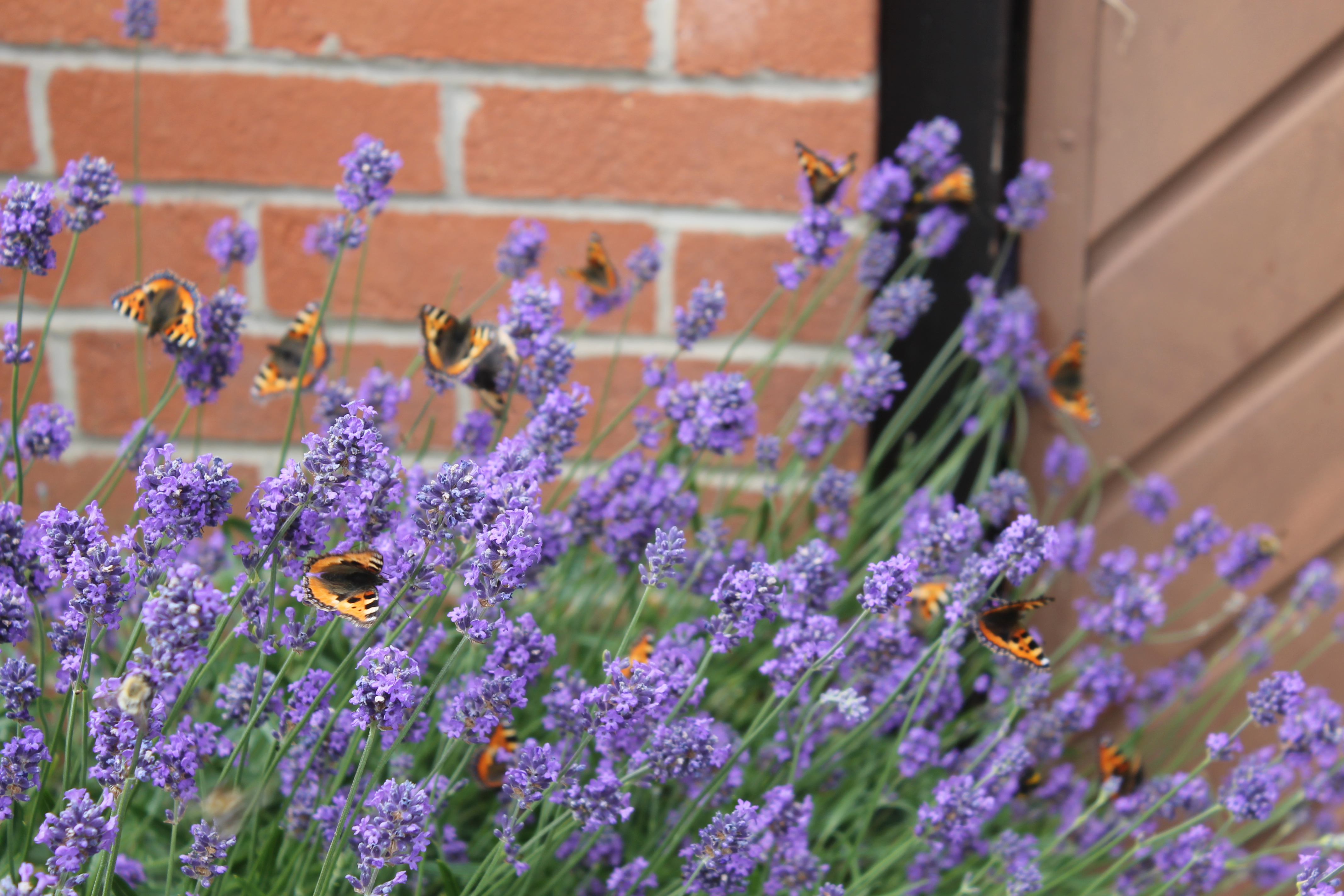
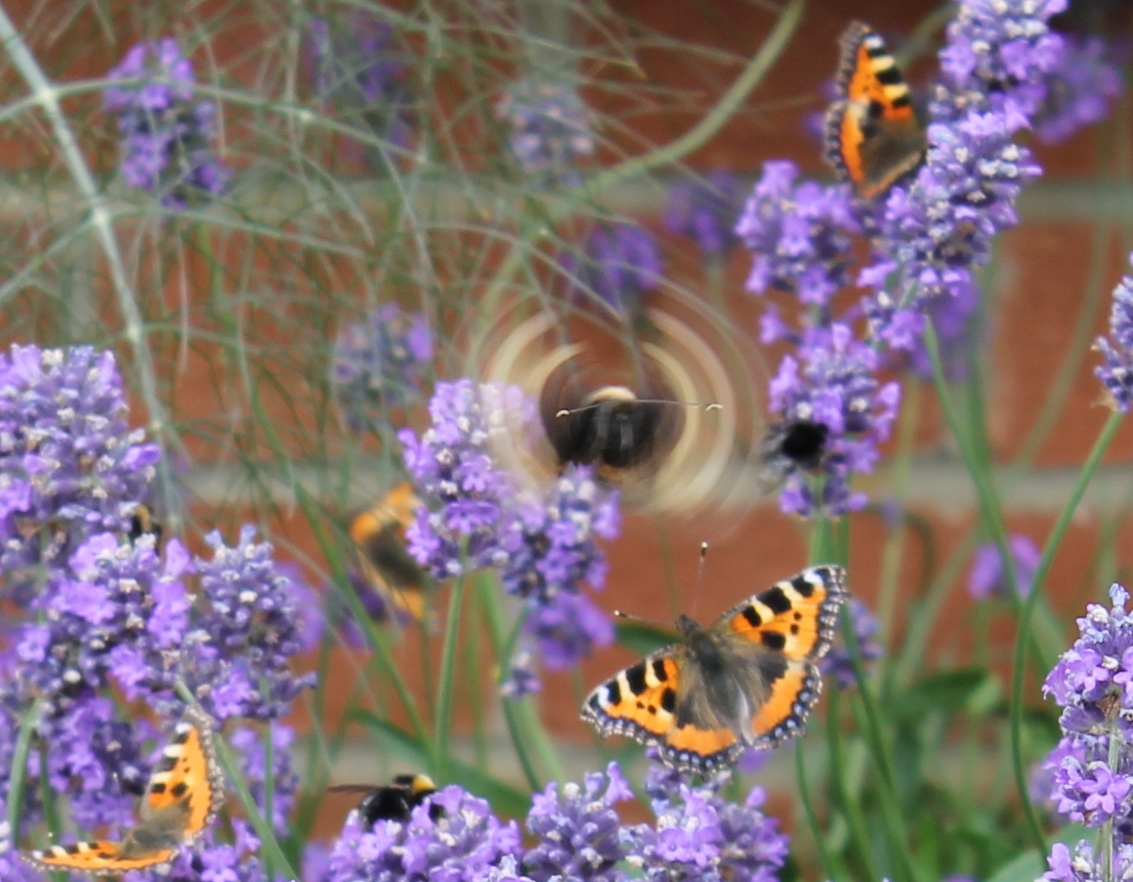
Lavender covered in butterflies (mainly Small Tortoiseshells)

Monday 16th was cool and showery and I had to visit the dentist because of a painful tooth.  I had made the appointment a week before when my tooth had been aching for some days.  It continued to hurt until a couple of days before the appointment and then suddenly felt better.  I thought I’d better keep the appointment just in case there was really a problem.  My dentist did her best to find something wrong with my tooth – she x-rayed it and bruised my gum with the x-ray plate.  She poked and prodded it very hard a number of times with that sharp spiky thing dentists use.  She gripped it very hard between finger and thumb and tried to wriggle it and pull it out.  She hit it hard a few times with a blunt metal object but fortunately for me there didn’t appear to be anything wrong.  I left the surgery feeling as though someone had punched me in the face.

Tuesday 17th was a much better day – some sunshine and a strong breeze which dried my washing.

Wednesday 18th was another busy shopping day – firstly with Mum who hadn’t been feeling too well and then some shopping for us. I also collected a quantity of medication from the doctors’ surgery.  Wednesday was also our 20th wedding anniversary and R was due home from working in Gloucestershire that evening.  Quite often he is away from home on our anniversary but this year was nicely different.  He brought me home a bouquet of flowers which was very kind and thoughtful of him.

Image

In recent years we haven’t bought each other gifts but have gone somewhere nice together – a stately home, a beautiful garden – or we have bought something we both wanted – a garden bench, a favourite film to watch together.  This year R suggested we go out for a meal to the place we went to on our first date.  Of course I agreed.  We decided not to go out on the anniversary itself as R would have spent some hours driving and would be tired (as he was).  We booked a table for Friday evening and invited E to come with us.  She is the daughter of our marriage and should therefore be with us to celebrate.  She agreed to come too.

Thursday 19th, Corpus Christi, and though there was a service at church at 9.00a.m. I wasn’t able to go as E had an interview that morning at City College Norwich.  Surprisingly, E was fairly calm and even managed to eat some breakfast before we set off.  I parked in the city centre again and we walked to the college from there as before.  By the time we got to the college E was starting to feel very apprehensive and when I left her outside the interview room she was very frightened and extremely pale.

She re-appeared an hour and a half later having had an interview and done a short maths and English test.  I was so proud of her and pleased that she had been able to go through with the interview and test.

E has had many problems to deal with in her seventeen years.  She has scoliosis (curvature of the spine) and has had problems with her feet.  Both of these problems are now well under control but getting help initially was very difficult.  E had to contend with a lot of bullying at school too.  Always of a nervous disposition and insecure she developed chronic anxiety which brought on panic attacks.  She was helped extremely well in her Middle School but when she went up to High School the problem got so bad that eventually she was unable to attend school and wasn’t able to take her GCSE exams last summer.  Eventually we found a really good therapist who taught her how to control her anxiety.  She still has a long way to go but she has started to make a life for herself.  The City College has a course for young people who have had interrupted education and they know exactly how to treat these young people with kindness and understanding.  Their dignity is preserved and they are not made to feel guilty or odd.  You can understand now why I was so proud of my dear daughter.

R and I spent an hour or so cleaning the church again that evening.  There was to be a large wedding there on Saturday and the florist was coming to decorate the church on Friday so we had to do the cleaning first.  We decided to buy take-away fish and chips for our evening meal to save having to cook.  A real treat!

Friday 20th was a brighter day and got gradually warmer until the afternoon was quite summery.  I had a blood test in the morning then did yet more shopping.  The afternoon was spent doing housework – very tedious.  Our anniversary meal was very pleasant.  The inn looks very different from how it was when R and I went there in January 1993.  A large dining area with plenty of glass in the roof and large floor to ceiling glass windows has been added on at the back.

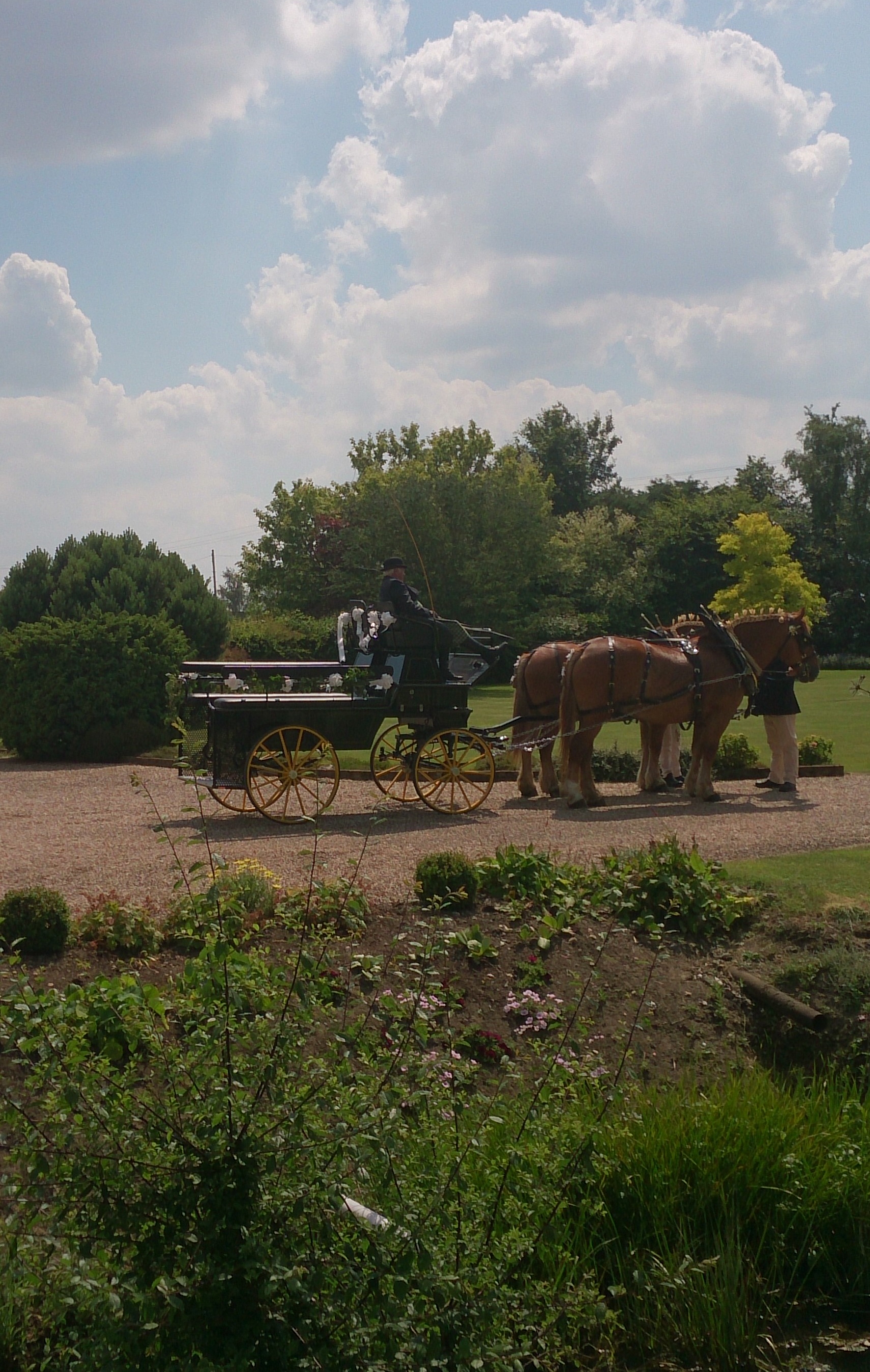
Saturday 21st.  A lovely summers day at last.  We were so pleased for the couple getting married today.  I went to collect some supplies from the chemist and R did some gardening – mainly hedge-cutting – and then went off on his bike to perform his Church Warden duties at the wedding.   The bride had arrived in an open carriage drawn by two Suffolk Punch horses.

Image

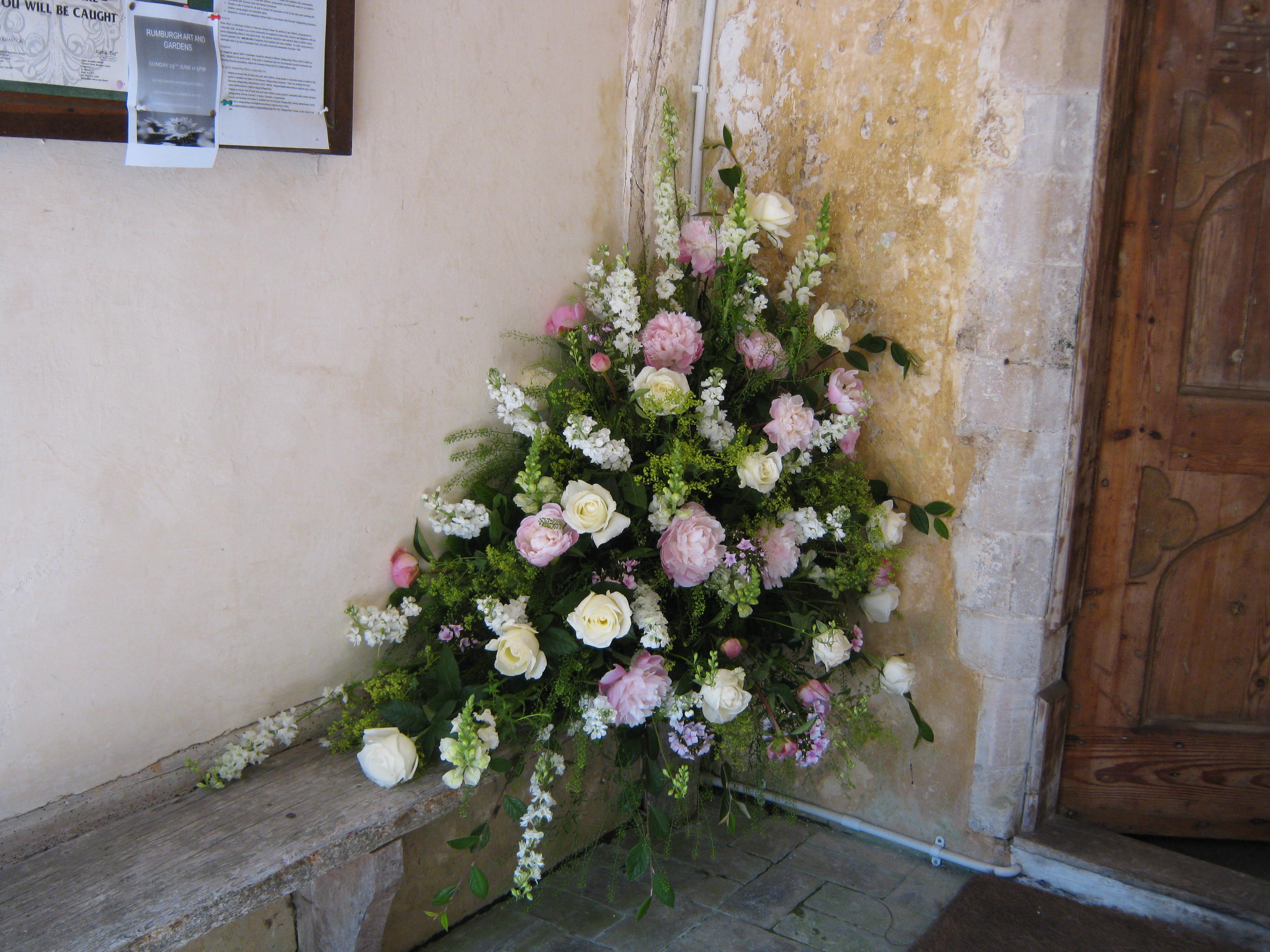
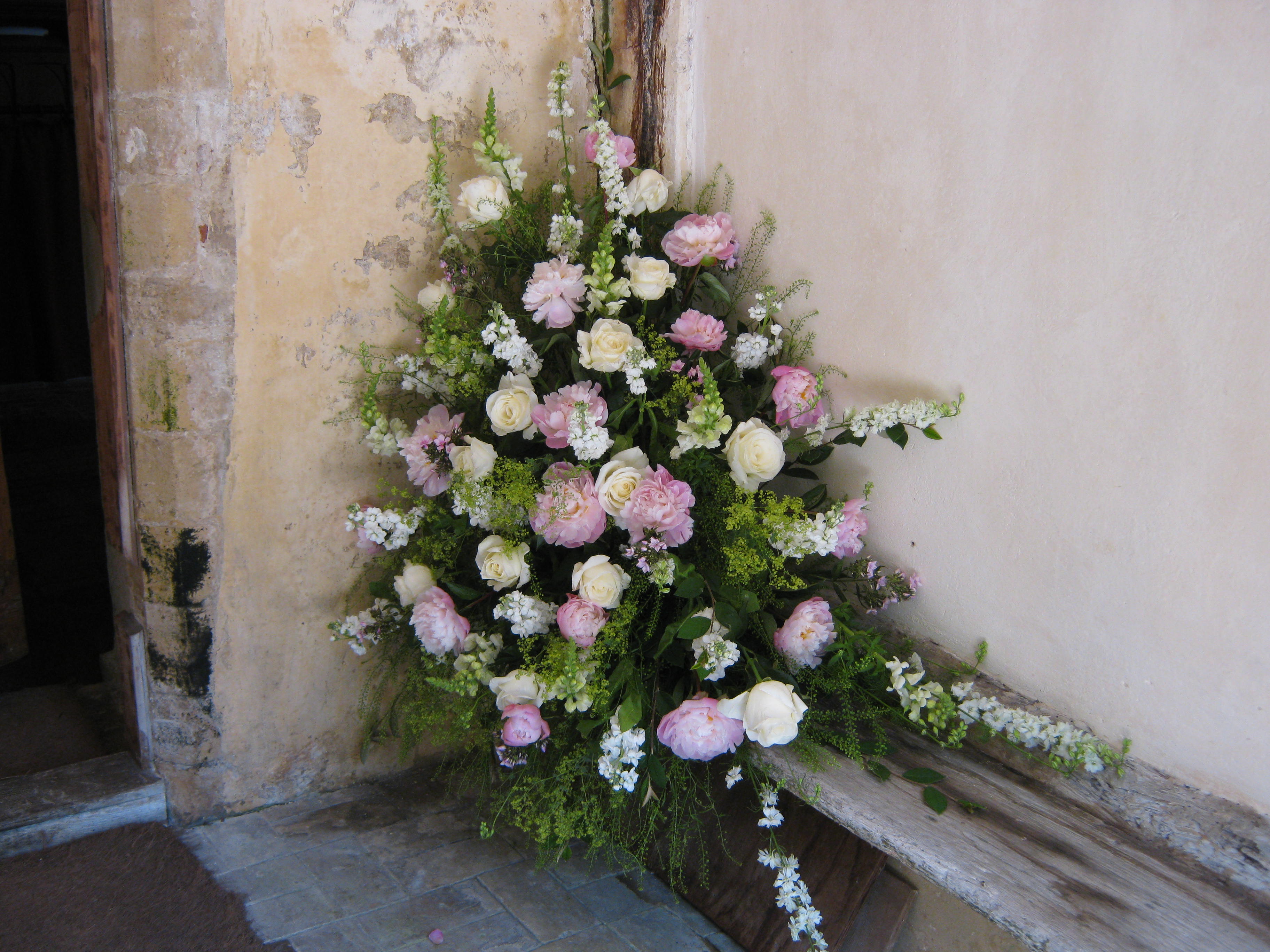
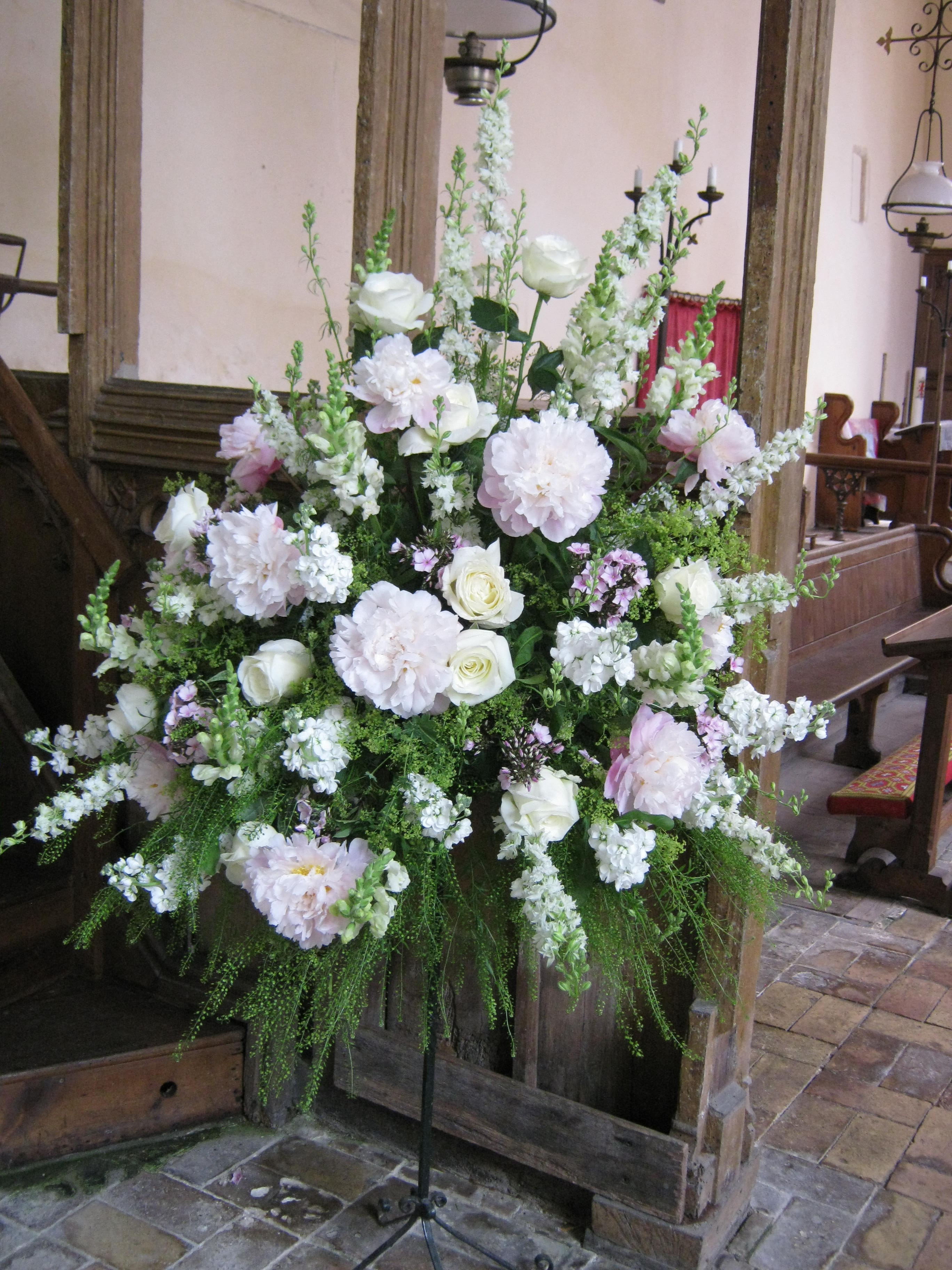
The church had been beautifully decorated with flowers.

Image

Image

Image

Sunday 22nd was another fine day and R and I went to church at St. James’ church.  I cooked our main meal as soon as we got home instead of in the evening as we usually do.  This was because I was going with my mother to a concert at Snape Maltings in Aldeburgh.  The Aldeburgh Festival is taking place at the moment and this year is its 67th since it was started by the composer Benjamin Britten and his partner Peter Pears.

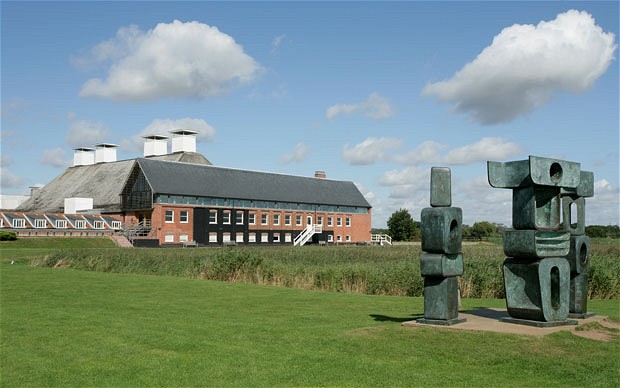
Snape

Snape Maltings. Photo courtesy of The Daily Telegraph

Tickets for concerts at Snape are not that expensive but it is almost impossible to get them.  If one has enough money to be able to afford to become a Friend of Snape,  and the cheapest annual payment to become a Friend is £300, one can buy tickets earlier by weeks than the hoi-polloi like me.  All the best tickets are snapped up very quickly and us poor commoners are left with the crumbs.  I have decided to pay £15 a year so that I am e-mailed the programme of concerts.  This means I get to see the list of concerts a day before the people who receive the programme by post.  £15 for an e-mail!!

The concert that Mum and I attended was very good and I feel very lucky to have been there.  Ian Bostridge, tenor, accompanied by Thomas Ades on the piano performed Schubert’s song cycle ‘Winterreise’.  We have been to hear both these wonderful musicians before so knew that we were going to have a good concert.  I studied ‘Winterreise at school and grew to love it then so was really looking forward to the evening.  The concert started at 8.00p.m. and the whole cycle was sung without an interval.  We set off for home just after sunset and were home before dark.

Monday23rd was a busy day with lots of washing and shopping.

I took Mum out shopping today instead of on Wednesday as I am going to see A in Sheffield tomorrow and will be staying there for two nights, coming back home on Friday.  A is performing in another play and I am looking forward to seeing her in it.  I decided it might be nice to stay in Sheffield a little longer than usual as I would like to see the Botanical Garden which A says is very pleasant.  I might also do a little shopping!  A is still trying to finish her PhD but everything seems to be conspiring against her.  She recently had a fall and broke one of her fingers which has not made her PhD typing marathon easy.  She is unemployed again and has no income which is very worrying for her.  The play she will be performing in is ‘The Man of Mode’, a Restoration comedy written by George Etherege.

275px-George_Etherege_The_Man_of_Mode_frontspiece_1676

As I said at the beginning of this post, the garden is full of dragonflies and damselflies.  The garden is also full of Small Tortoiseshell butterflies especially, and a few other butterflies and insects.

010Skipper

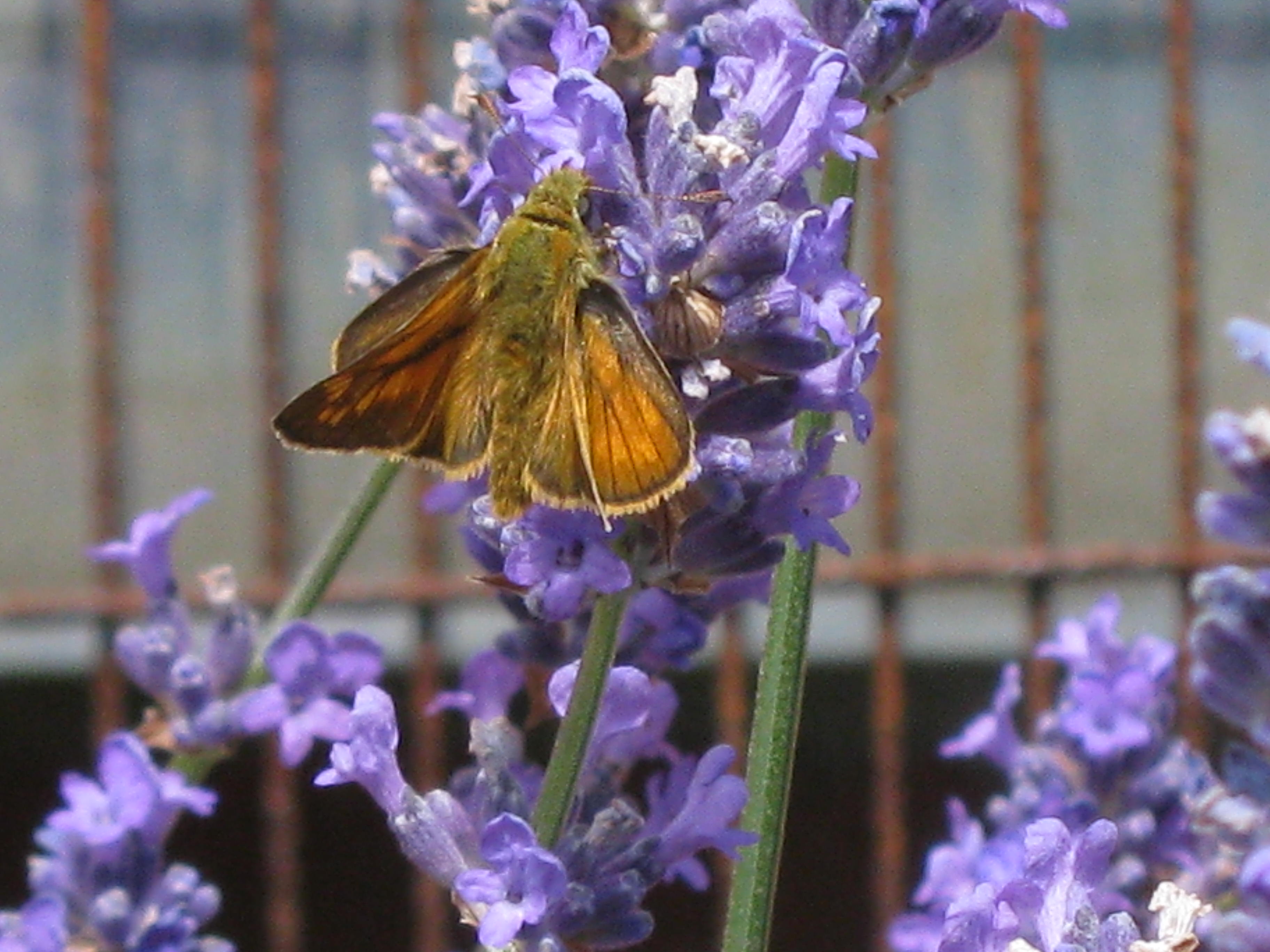
Skipper butterfly

I think this is a Large Skipper.

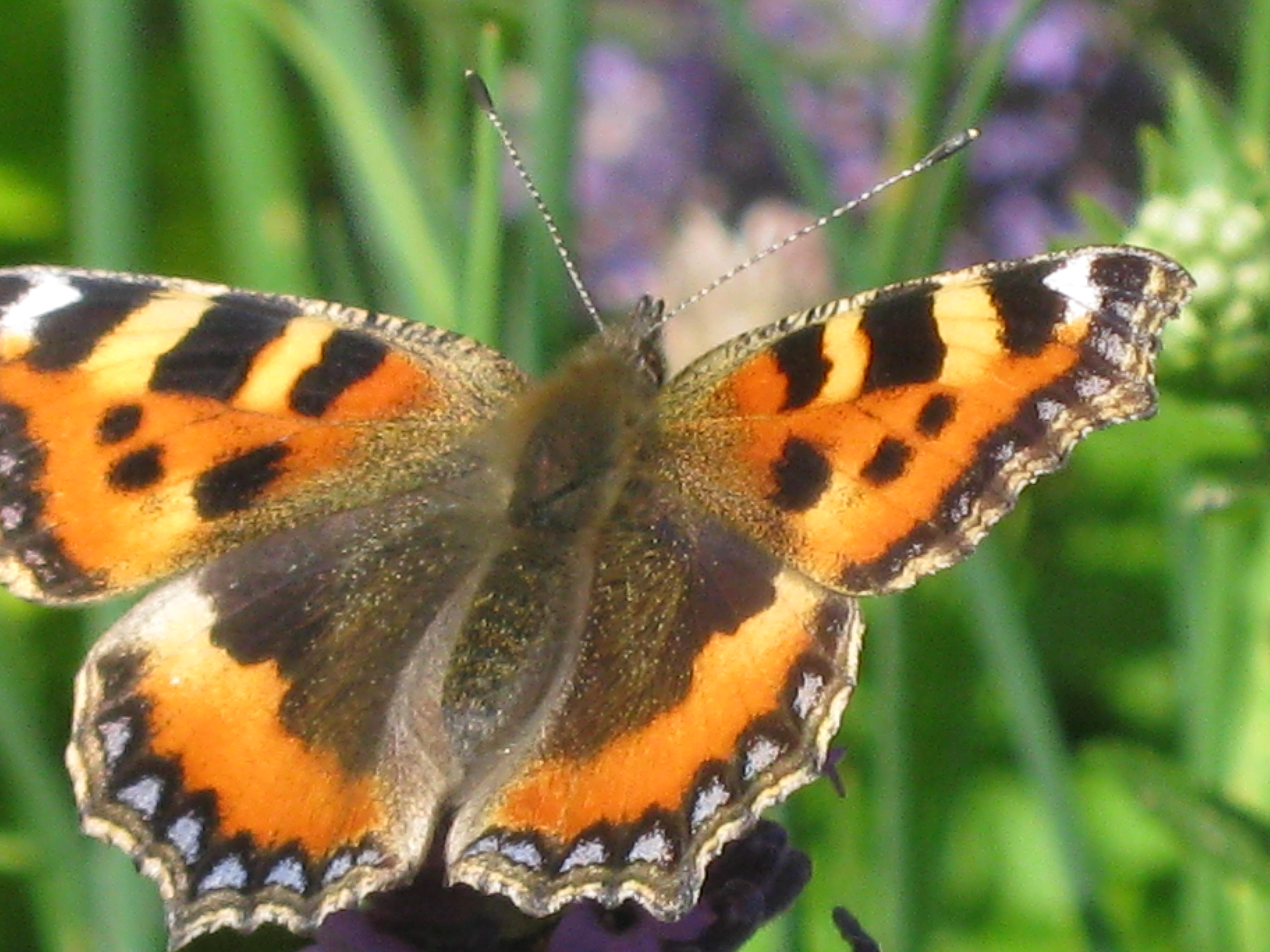
011Tortoiseshell

Small Tortoiseshell

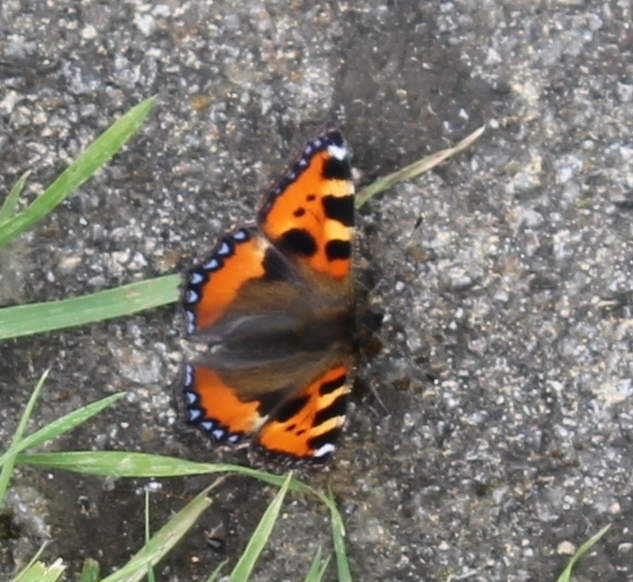
070Tortoiseshell butterfly

Small Tortoiseshell

I have included two photos of these butterflies to show the difference between a newly emerged butterfly and one that has been flying for a few days.  The second one is so bright!

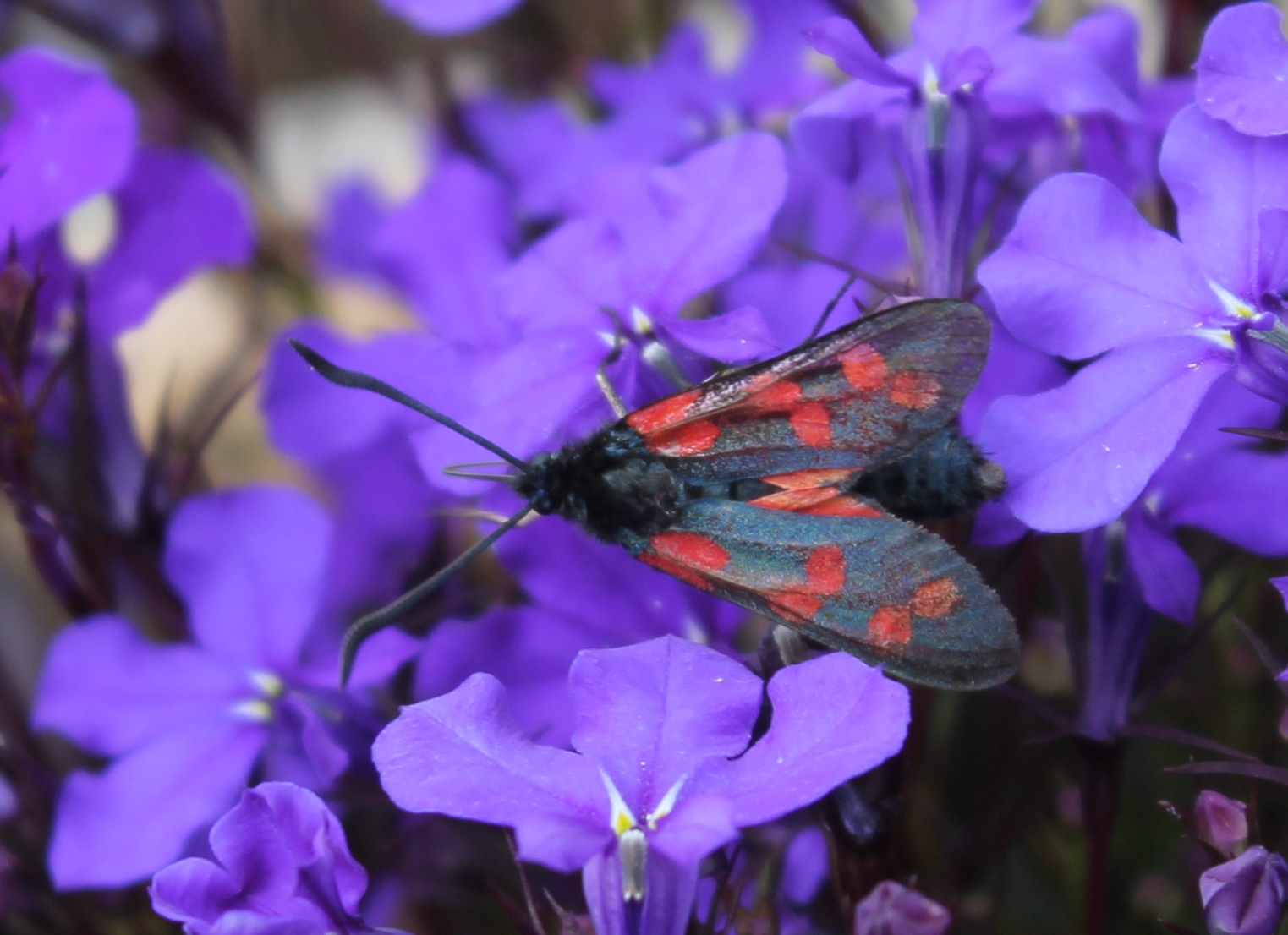
002Six-spot Burnet on lobelia

Six-spot Burnet moth on lobelia

050Dragonfly

Dragonfly

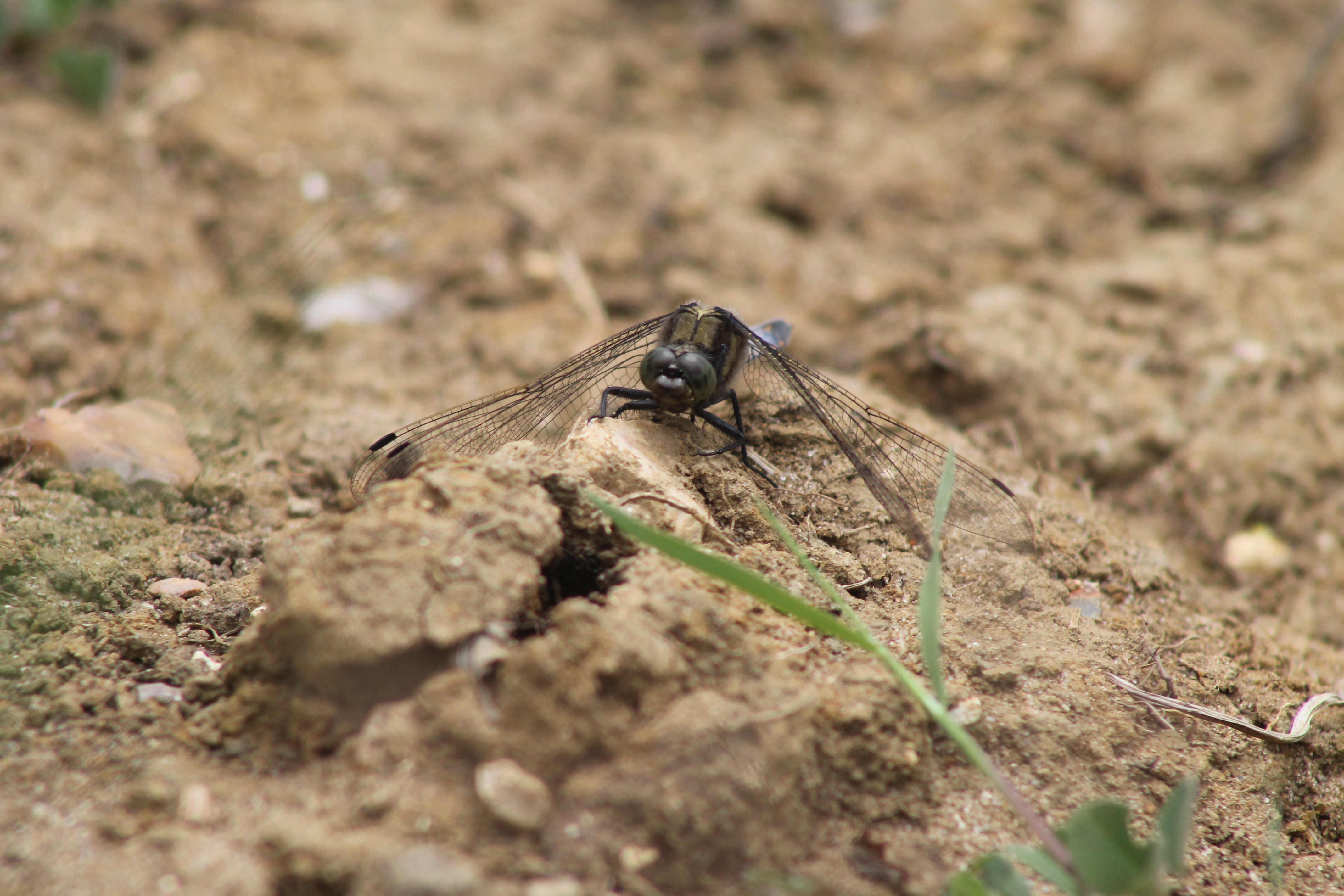
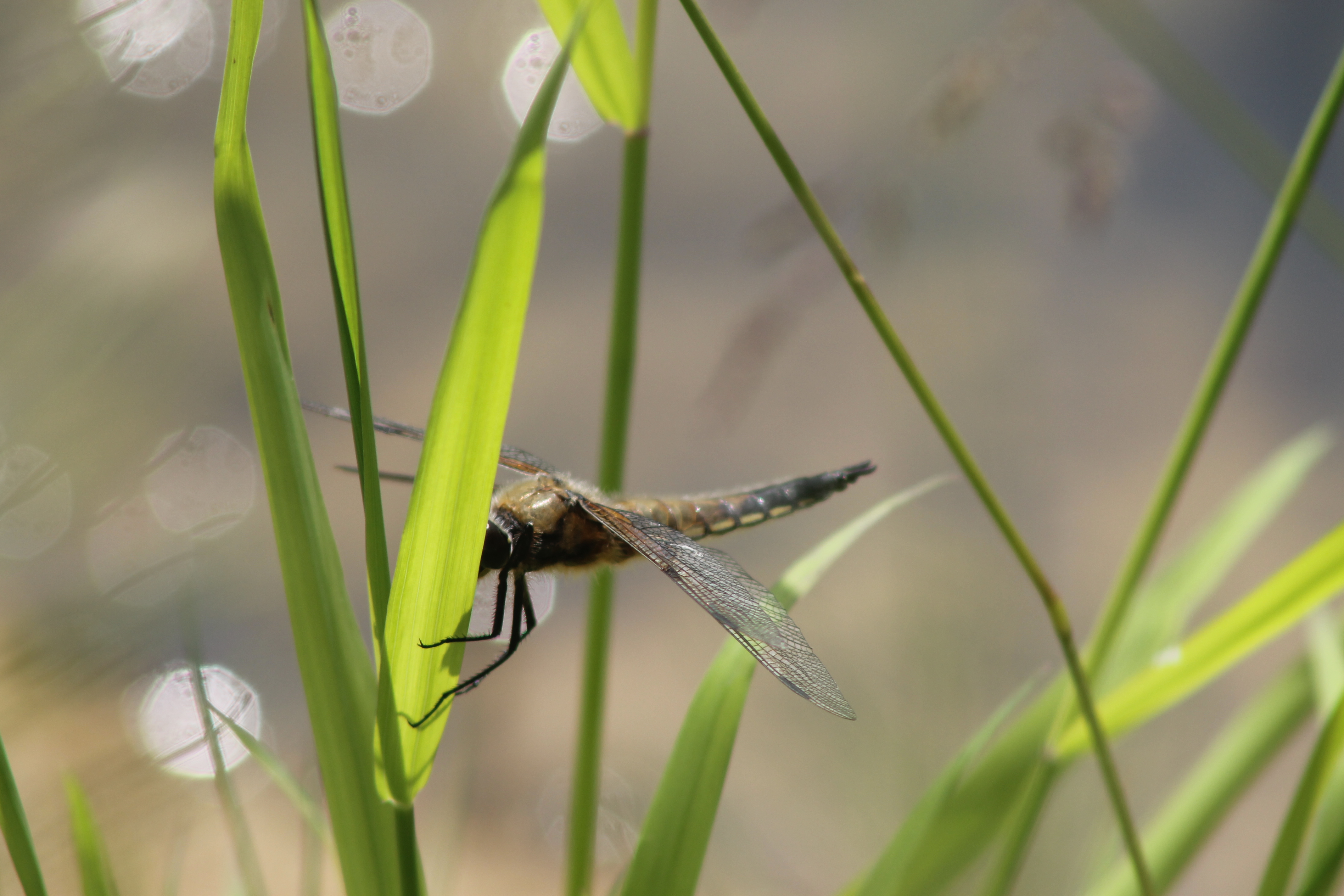
051Four-spotted chaser

Four-spotted Chaser

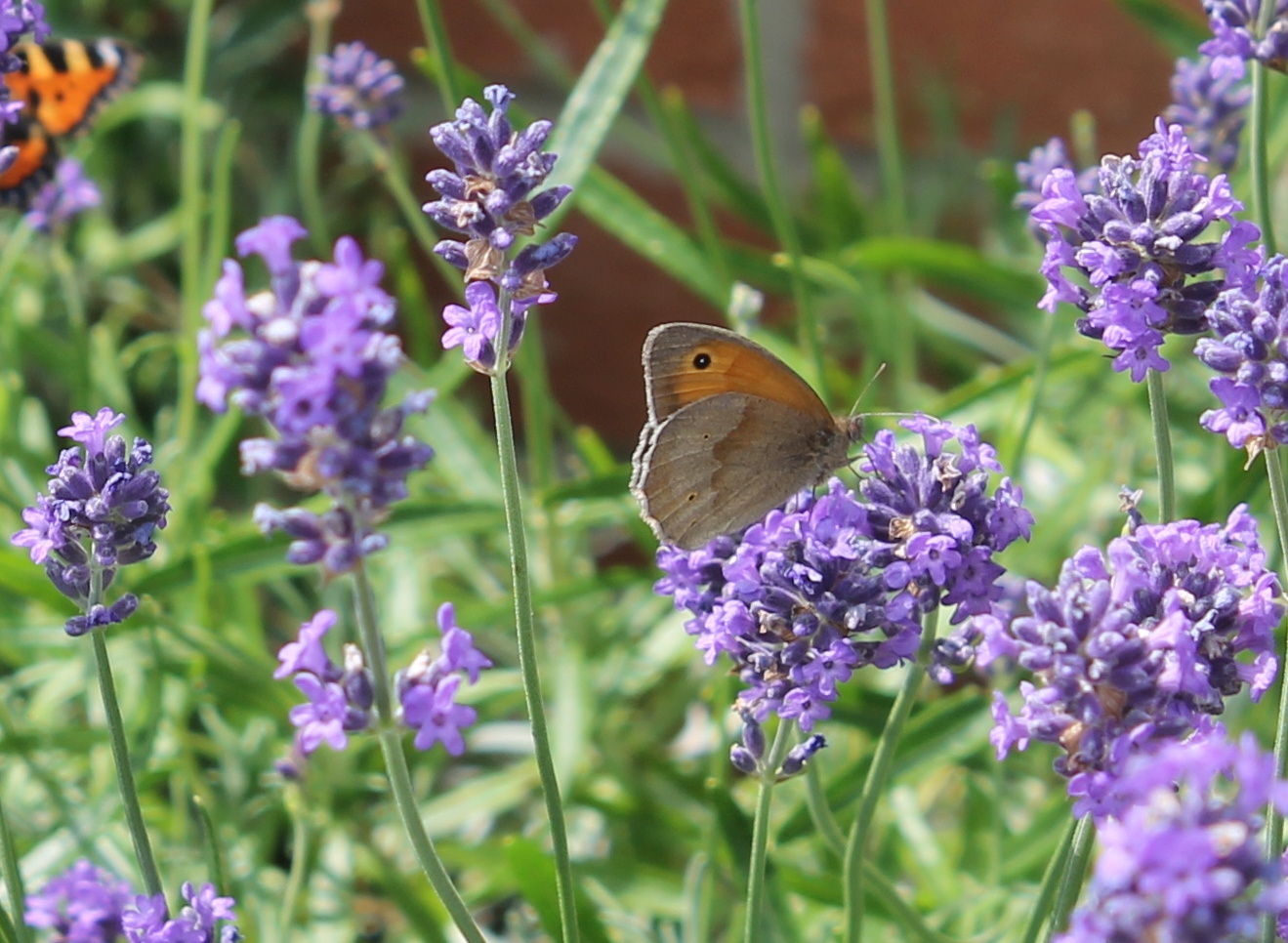
045LLavender with butterflies

Meadow Brown butterfly

056Female banded demoiselle

Female Banded Demoiselle

057Greater bindweed flower with pollen beetle and micro moth

Greater Bindweed flower with unidentified micro-moth and pollen beetle

The Greater Bindweed flower is the largest of our native flowers.

058Male broad-bodied chaser

Male Broad-bodied Chaser

060Male black-tailed skimmer

Male Black-tailed Skimmer

The last photos I am including are of Small Tortoiseshells again.

069Lavender with butterflies (cartoon) (2)

The reason I am including this photo is because…..

069Lavender with butterflies (cartoon)

….of this!!

Share this:

  • Share on X (Opens in new window) X
  • Share on Reddit (Opens in new window) Reddit
  • Share on Pinterest (Opens in new window) Pinterest
  • Share on Facebook (Opens in new window) Facebook
  • Email a link to a friend (Opens in new window) Email
  • Share on Tumblr (Opens in new window) Tumblr
  • Print (Opens in new window) Print
  • Share on Pocket (Opens in new window) Pocket
  • Share on LinkedIn (Opens in new window) LinkedIn
Like Loading...
← Older posts
Newer posts →
Follow A Suffolk Lane on WordPress.com

Enter your email address to follow this blog and receive notifications of new posts by email.

Join 715 other subscribers.

Unknown's avatar

I talk about what it's like living in a quiet part of Suffolk. I am a wife, mother and daughter, a practising Christian and love the natural world that surrounds me. I enjoy my life - most of the time!

My Posts

Jan 2026
M T W T F S S
 1234
567891011
12131415161718
19202122232425
262728293031  
« Dec    

Pages

  • About my Blog
  • GDPR (General Data Protection Regulations) and This Site
  • My Life in a Suffolk Lane

Archives

Blogs I Follow

Unknown's avatar
Unknown's avatar
Unknown's avatar
Unknown's avatar
Unknown's avatar
Unknown's avatar
Unknown's avatar
Unknown's avatar
Unknown's avatar
Unknown's avatar
Unknown's avatar
Unknown's avatar
Unknown's avatar
Unknown's avatar
Unknown's avatar
Unknown's avatar
Unknown's avatar
Unknown's avatar
Unknown's avatar

Posts I Like

  • Jack Ronald Cotner's avatar
  • Unknown's avatar
  • Mélodie's avatar
  • Unknown's avatar
  • Unknown's avatar
  • womanseyeview's avatar
  • Unknown's avatar
  • Stephen G. Hipperson's avatar
  • clivebennett796's avatar
  • Talkmore's avatar
  • bitaboutbritain's avatar
  • mitchteemley's avatar
  • sherijkennedyriverside's avatar
  • Bernard Aybout (Virii8)'s avatar
  • Unknown's avatar
  • Unknown's avatar
  • Luso Loonie — Devin Meireles's avatar
  • Unknown's avatar
  • Unknown's avatar
  • Unknown's avatar
  • Unknown's avatar
  • Unknown's avatar
  • Unknown's avatar
  • Unknown's avatar
  • Limentinus's avatar
  • Unknown's avatar
  • Unknown's avatar
  • Matthew Paul's avatar
  • Unknown's avatar
  • sopantooth's avatar
  • Unknown's avatar
  • Unknown's avatar
  • Unknown's avatar
  • NEERAJ SINGH's avatar
  • martzkvi's avatar
  • The Introverted Bookworm's avatar
  • Unknown's avatar
  • Unknown's avatar
  • Martha's avatar
  • (Kitty) Cat Strawberry - Meow!'s avatar
  • Unknown's avatar
  • aho's avatar
  • Carolina Cuisine Network's avatar
  • Unknown's avatar
  • Annika Perry's avatar
  • santable's avatar
  • quietsolopursuits's avatar
  • Unknown's avatar
  • Kathleen's avatar
  • JAM's avatar

amphibians architecture art Arts and Crafts churches cooking Days out domestic animals family fish Folk Traditions Gardening Historic Buildings holidays Insects Landscaping literature music Norwich plants Rural Diary seashore theatre trees Uncategorized walking weather wild animals wild birds wild flowers

Tags

architecture autumn birds blackbird blackthorn Bungay butterfly church clouds common knapweed cow parsley crocus daffodils Diary dogwood family field maple flowers fungus garden gardening geese greylags ground-ivy Halesworth Hawthorn heather holiday Holly Holy Week horse chestnut Hoverfly insects ivy Lake District Lent lesser celandine lichen Lords and Ladies Mallard mallards Minsmere moorhen moss music Norwich Peak District pheasant plants pond ponds primrose primroses Rain rooks Rumburgh Rumburgh Church sheep Sheffield snow snowdrops Southwold spring Suffolk Suffolk Wildlife Trust sunset the Beck trees viburnum bodnantense walking weather wild cherry wild flowers winter-flowering honeysuckle witch-hazel

Meta

  • Create account
  • Log in
  • Entries feed
  • Comments feed
  • WordPress.com

Goodreads

Blog at WordPress.com.

Book Jotter

Reviews, news, features and all things books for passionate readers

Country Life Blog -

A blog about life in the country in the past and present

Matthew Paul: Poetry & Stuff

Poetry and what-not

Schnippelboy

Ein Tagebuch unserer Alltagsküche-Leicht zum Nachkochen

TAMARA JARE

Tamara Jare Contemporary Figurative Art – Bold Colors, Resilient Souls

A Taste of Freedom

Documenting a Dream

Country Ways

Rambling Journeys in Britain, Countryside Matters and campaigning for the Right to Roam

The Strawberry Post

Here to Entertain, Educate & Inspire!

a north east ohio garden

an ongoing experiment in the dirt, 35 plus years

naturechirp

Celebrating God's creatures, birds and plants...

Sophie Neville

Writer

Going Batty in Wales

Developing a more sustainable lifestyle in SW Wales

Our Lake District Escapades

Exploring the Lake District and beyond

Short Walks Long Paths

Wandering trails around the coast of Wales

The Biking Gardener

An English persons experience of living and gardening in Ireland

Nan's Farm

A Journal Of Everyday Life

Walk the Old Ways

Rambling Journeys in Britain with John Bainbridge. Fighting for the Right to Roam. Campaigning to Protect Our Countryside.

Writer Side UP!

Waking the Writer Side...and keeping it "Up!"

Meggie's Adventures

Travel, thank you notes and other stories

amusicalifeonplanetearth

Music and the Thoughts It Can Inspire

lovefoundation.co.uk

Traveling Tortuga

Simply Living Well

Pakenham Water Mill

Historic watermill in the beautiful Suffolk countryside

Take It Easy

Retired, not expired: words from the after(work)life. And music. Lots of music!

Secret Diary Of A Country Vicar's Wife

By Olive Oyl

thanksfortheadventureorg.wordpress.com/

The Beat Goes On

#TBGO

Frank Pleszak's Blogs

Twitter: @frankpleszak @PolishIICorps

John Bainbridge Writer

Indie Writer and Publisher

roughwighting

Life in a flash - a bi-weekly storytelling blog

Walking the Old Ways

Rambling in the British Countryside

CapKane

thoughts on social realities

SkyeEnt

Jottings from Skye

jodie richelle

embracing my inner homemaker

Skizzenbuch/Blog

Just another WordPress.com weblog

Have Bag, Will Travel

The Call of the Pen

Flash Fiction, Book Reviews, Devotionals and other things.

John's Postcards

Art in Nature

You dream, I photographe it !

Smile! You’re in Barnier World......

theinfill

the things that come to hand

Dr. Mary Ann Niemczura

Author of "A Past Worth Telling"

Provincial Woman

The Pink Wheelbarrow

Luanne Castle: Poetry and Other Words (and cats!)

Poetry, Other Words, and Cats

The Family Kalamazoo

A genealogical site devoted to the history of the DeKorn and Zuidweg families of Kalamazoo and the Mulder family of Caledonia

everythingchild

The Book Owl

Canberra's Green Spaces

Paul Harley Photographer

  • Subscribe Subscribed
    • A Suffolk Lane
    • Join 715 other subscribers.
    • Already have a WordPress.com account? Log in now.
    • A Suffolk Lane
    • Subscribe Subscribed
    • Sign up
    • Log in
    • Report this content
    • View site in Reader
    • Manage subscriptions
    • Collapse this bar
 

Loading Comments...
 

    Privacy & Cookies: This site uses cookies. By continuing to use this website, you agree to their use.
    To find out more, including how to control cookies, see here: Cookie Policy
    %d