• About my Blog
  • GDPR (General Data Protection Regulations) and This Site
  • My Life in a Suffolk Lane

A Suffolk Lane

~ A diary of my life in rural north Suffolk.

A Suffolk Lane

Category Archives: Insects

Trinity Sunday and Father’s Day

17 Tue Jun 2014

Posted by Clare Pooley in churches, Insects, plants, trees, Uncategorized, walking

≈ 12 Comments

Tags

19th century, acanthus, altar, bedstraw, church architecture, common knapweed, corn dolly cross, cypress, Easter Sepulchre, Father's Day, font, greater knapweed, hardheads, hedge bindweed, hedge mustard, hogweed, Hoverfly, jack-go-to-bed-at-noon, kneelers, meadow vetchling, medieval, mosquito, needlework, Norman, parvise, pyramidal orchid, Rood loft stairs, rood screen, St Margaret South Elmham, Trinity Sunday, tutsan, village sign, village stocks, yarrow

Image

This is R’s Father’s Day present from E.  This is the third year she has got him the Tour de France premium pack and I am sure he is really happy with it.  He cycles whenever he can and has enjoyed watching the Tour for many years.

It was also Trinity Sunday on Sunday, the day on which we have to consider God as Father, Son and Holy Spirit.  Many people have difficulty with this concept but I have never found it difficult to understand that God is one god but has three parts or roles; though of course my ability to express this is woefully inadequate.   I can accept this without having to question it.  I can accept that God is Father (the Creator) and that God is Son (Jesus, who lived on earth experiencing everything that a human could ever experience and who died for us) and that God is Holy Spirit (the Comforter, our strength when we are in need).  I think we are all different things to different people and have to behave differently depending on what is needed of us but at the same time we are still the same person, so we have an idea of where to start from when considering the Trinity of God.  A human father has many other roles as well as being a father – son, husband, wage-earner, jack-of-all-trades.  I hope all fathers were made to feel appreciated on Sunday.

The Trinity Sunday service was at St Margaret South Elmham church which is close enough for us to walk to which R and I really enjoy.  The weather was cloudy and cool again but we were fortunate in that it didn’t rain while we were going to and coming from church.  I saw a number of interesting plants on our walk and took a couple of photos on the way home.  After doing a few chores after lunch I decided to walk back to St Margaret’s and take some more pictures and include some of the pretty church too.  The light was bad and it rained a little while I was out so some of the photos didn’t come out at all well.  The interior of the church was too dark for some of my shots and even with the flash most didn’t come out.  I did have enough fairly good pictures though, to give you an idea of what I saw.  I am indebted to the history of the church leaflet I bought at the church for some of the information below.
Image

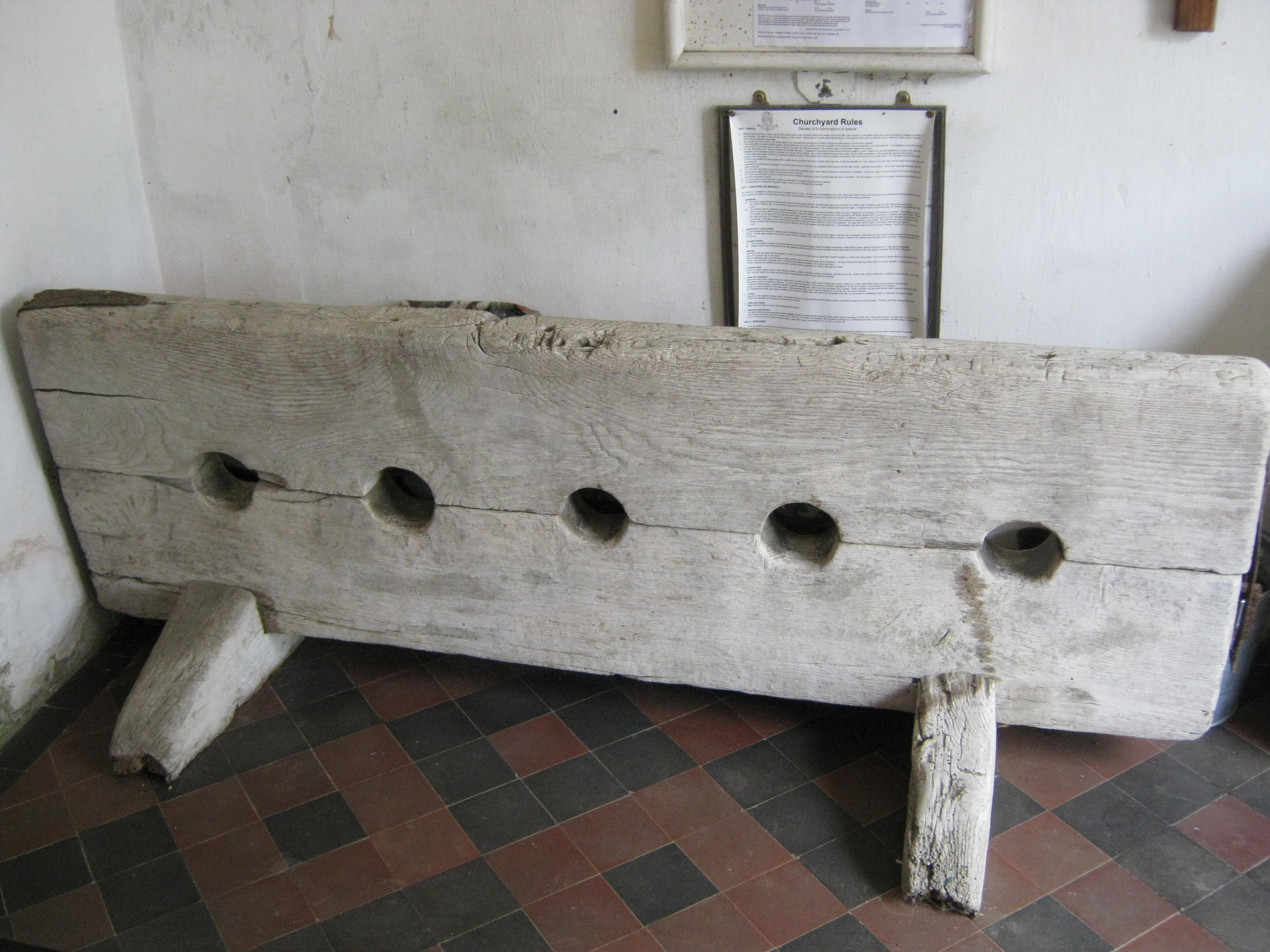
The old village stocks which are kept in the porch.

Image

The beautiful South Door with the Norman archway. The stonework is at least 800 years old.

The porch has a room above it, a parvise or priest’s room but it is not normally open to the public.  Parvise means ‘paradise’ but I doubt whether it is like paradise up there!  The books and documents belonging to the church used to be kept in a parvise and sometimes the priest used to live there.  Some of these rooms in other churches are made into little chapels for private prayer.
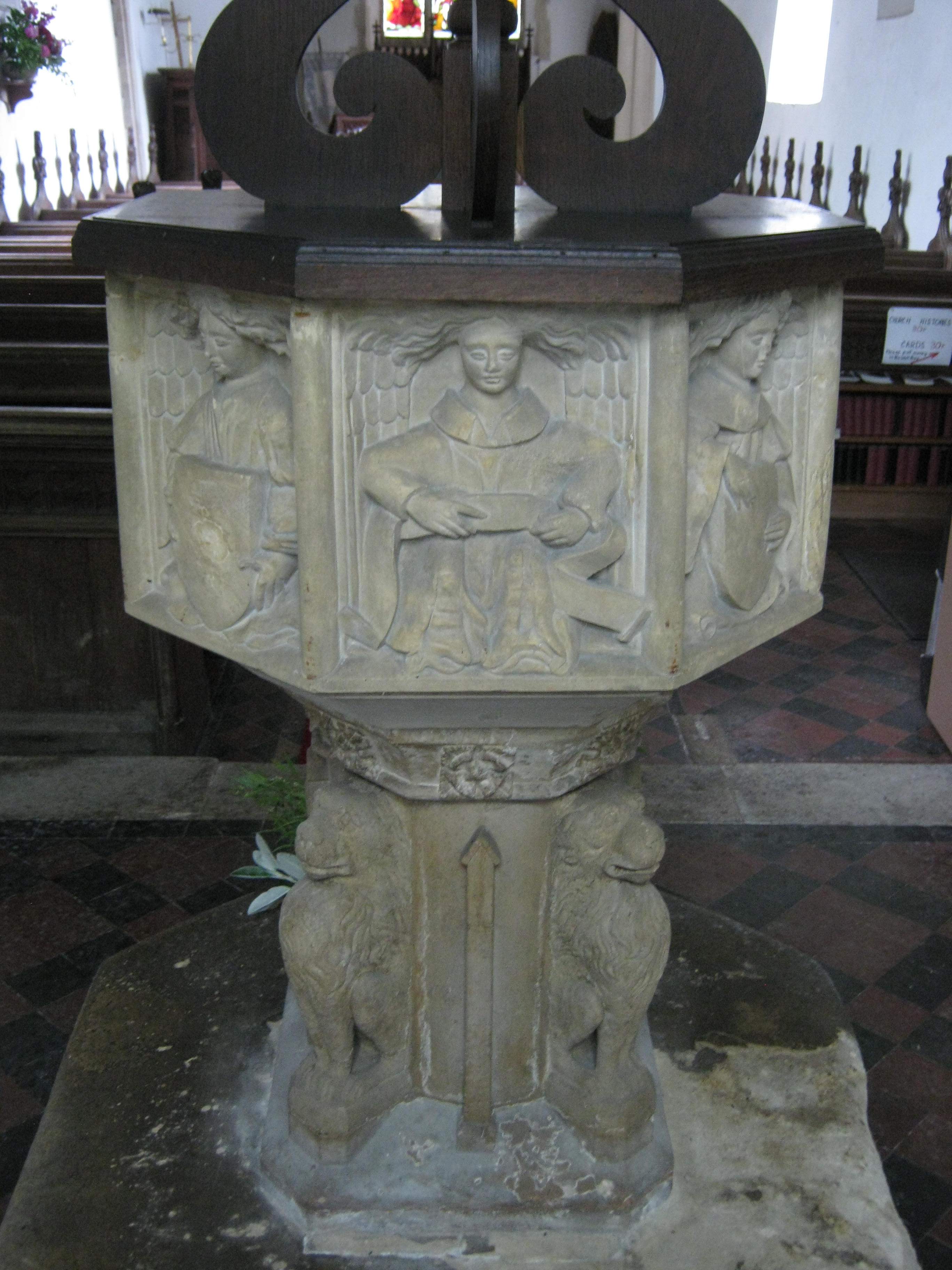
Image

The 15th century font.

The font is of a design which is common in East Anglia.  It is octagonal and the symbols of the four Evangelists alternating with angels bearing shields are round the bowl.  There are lions round the stem of the font, too.
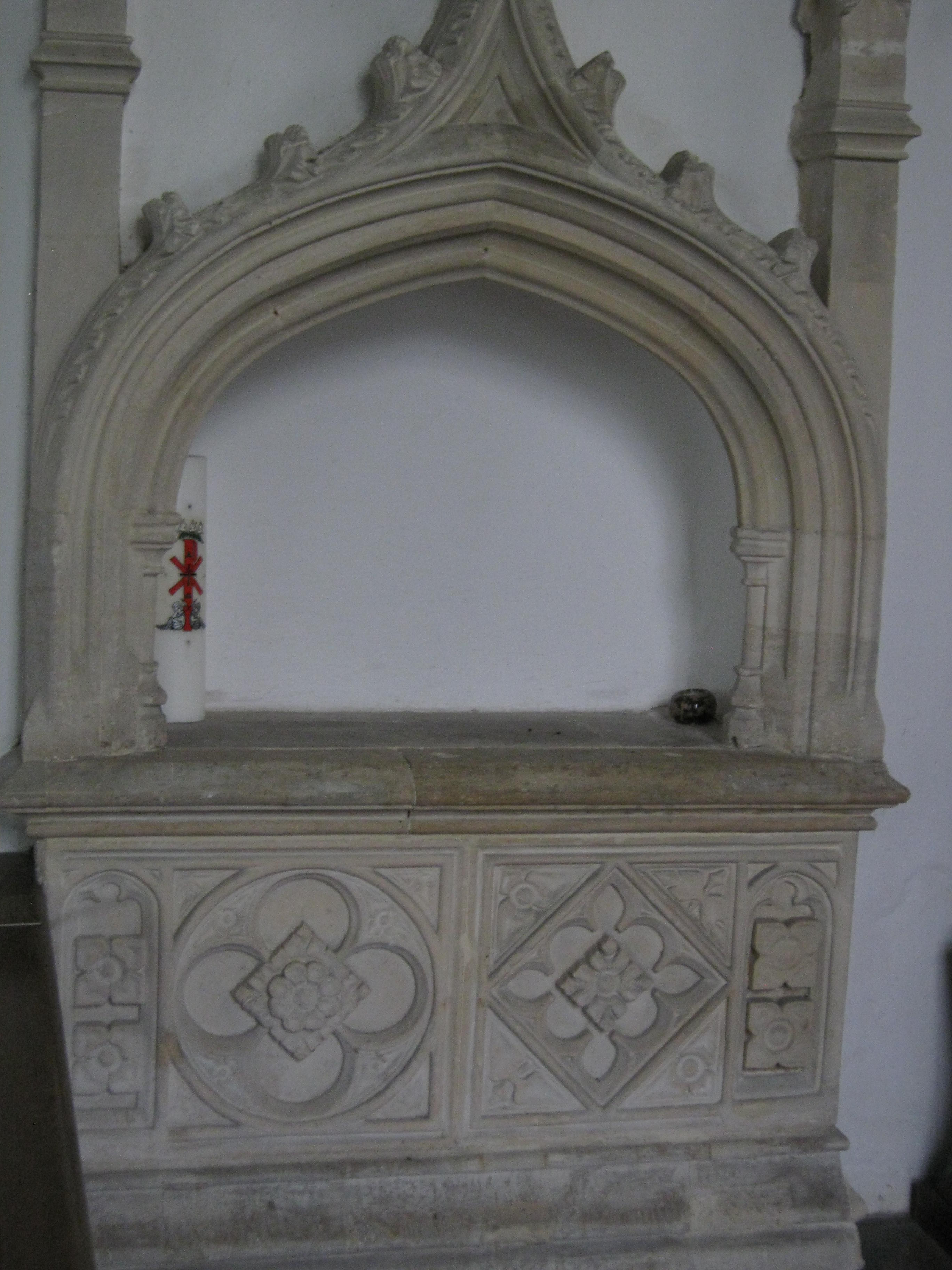
Image

The Easter Sepulchre.

I was unable to get all of the medieval sepulchre in;  there are a couple of pinnacles and a finial above it.  This is where some of the consecrated bread from the Mass was placed on Good Friday and then brought back to the altar on Easter Day which symbolised Jesus’ burial in the tomb and then resurrection.
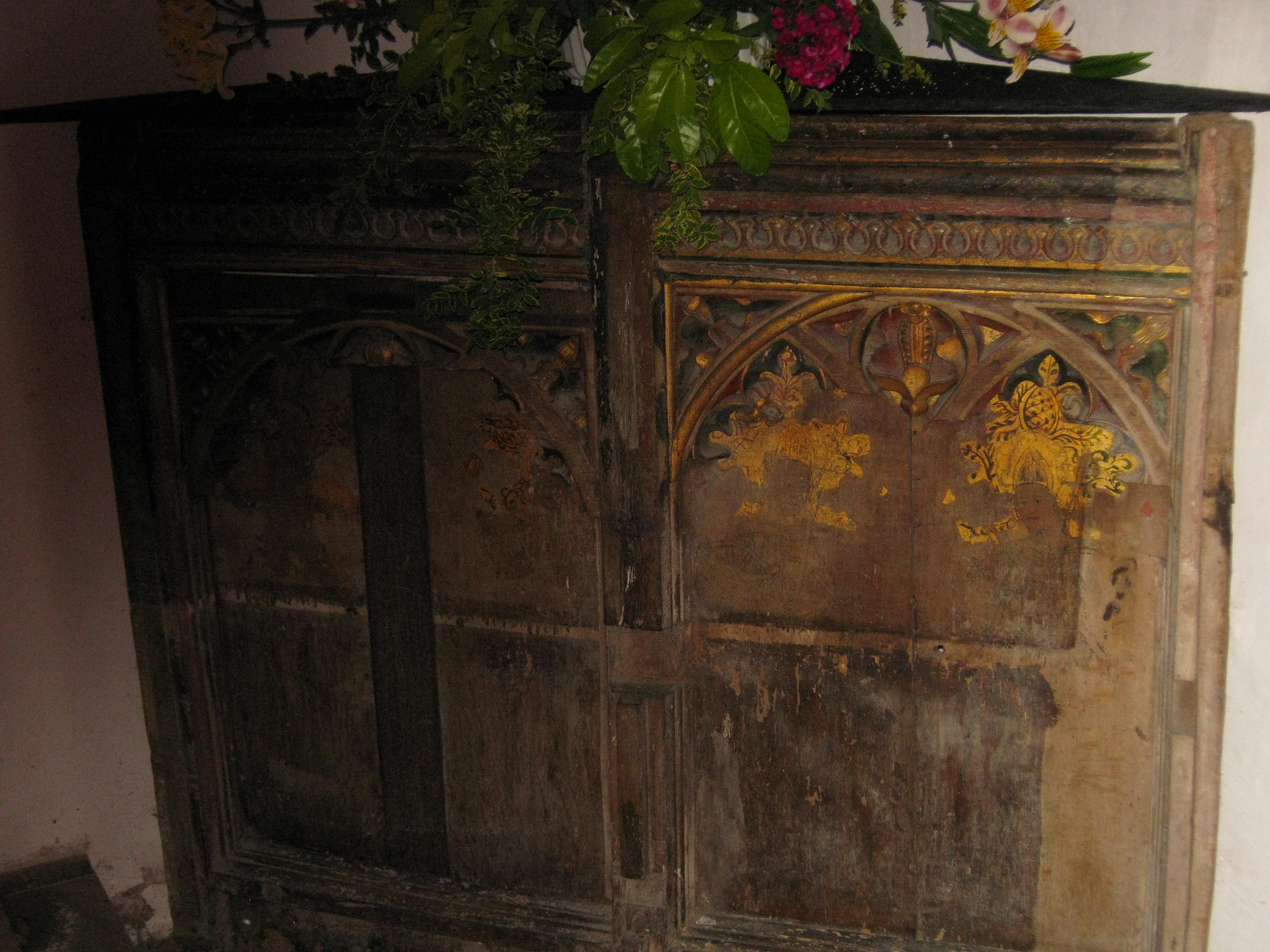
Image

Panels from the base of the former rood screen.

These old medieval panels are not in a good condition but you can just see remnants of the paintings that once covered them.  In my photograph you can’t see the one on the left, thought to be St Hubert but you can see the ones on the right who are probably bishops.

Image

The 19th century altar

Beautiful needlework

These are just a few examples of the many lovely kneelers in this church.  The photos are worth zooming in on!
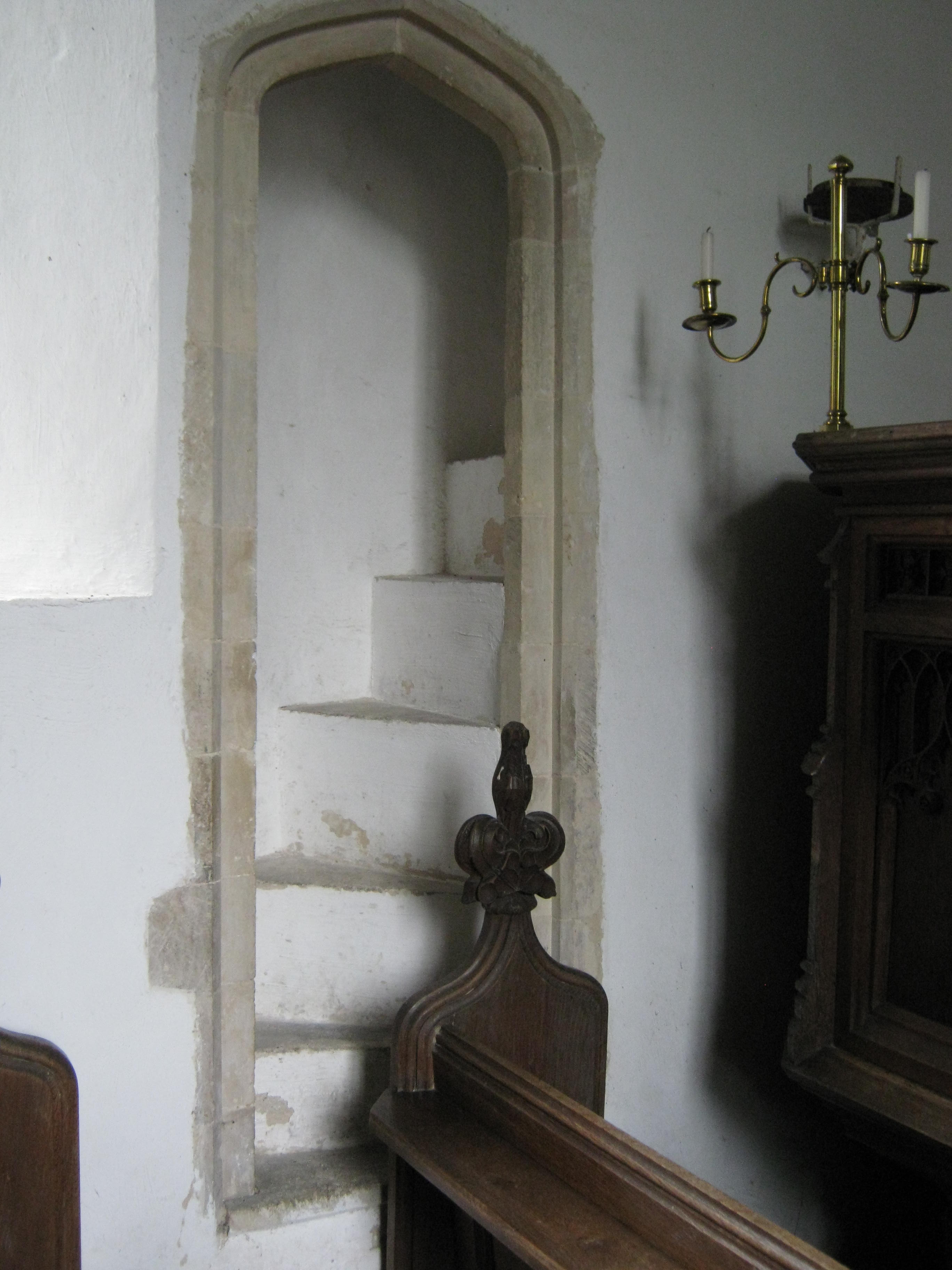
Image

The tiny narrow rood loft stairs.

The stairs enabled the priest to get to the top of the Rood Screen where lots of candles were lit.
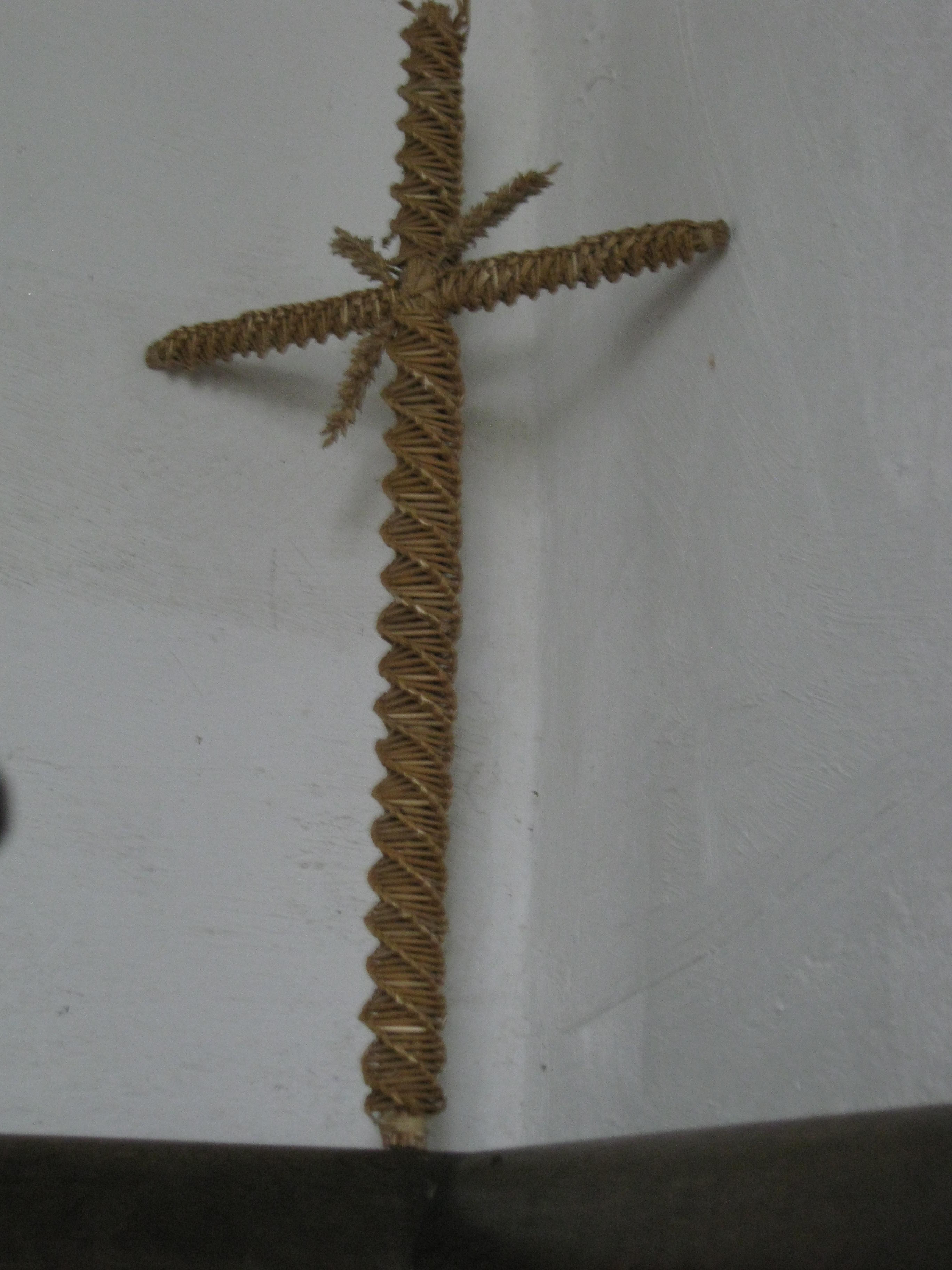
Image

A corn dolly cross behind the pulpit

I saw many pretty flowers on my walk to St Margarets and some less pretty but equally noteworthy.
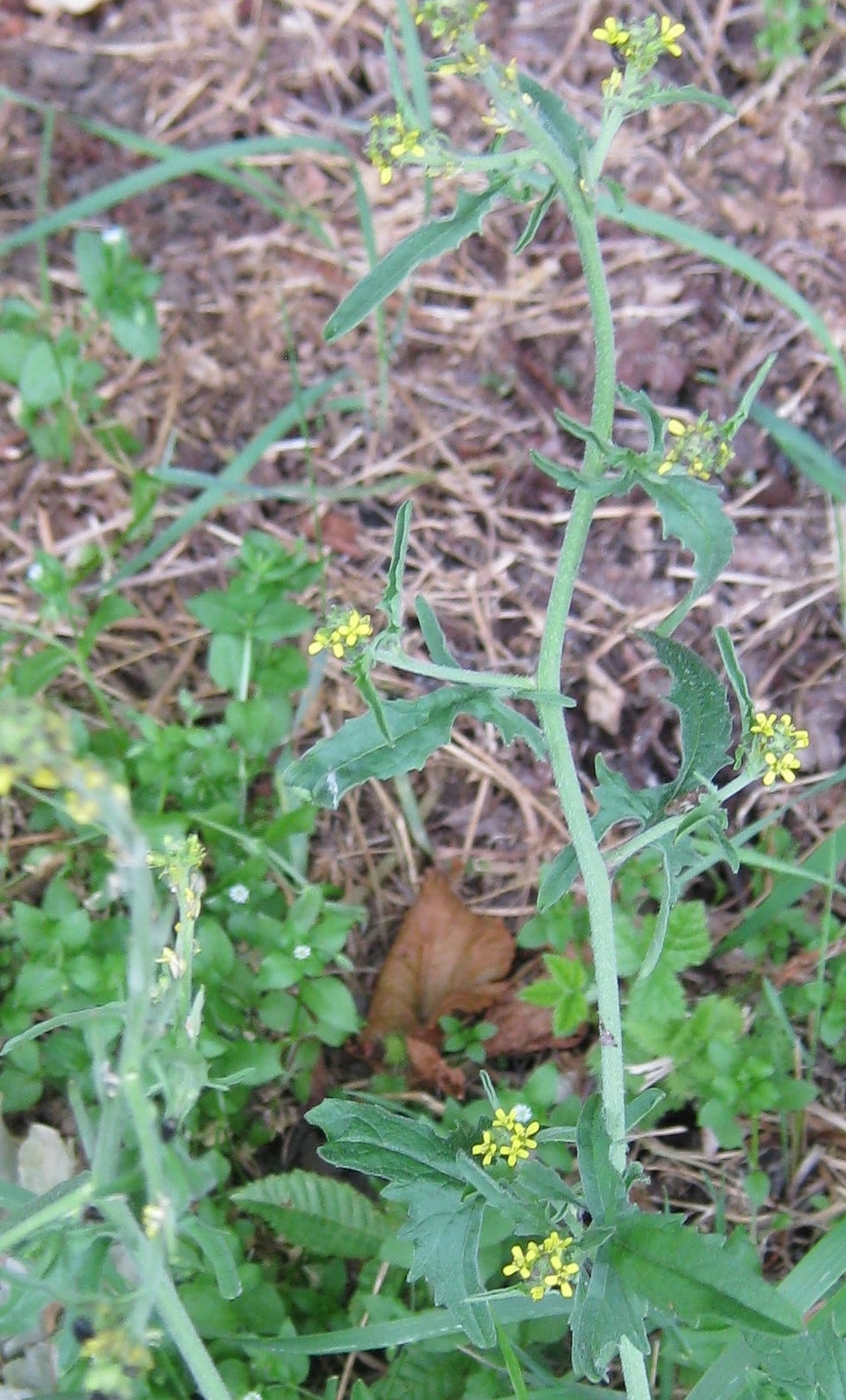
001Hedge Mustard

Hedge Mustard

This plant is recognised by its branches which protrude almost at right-angles to the stem.  The French used to use an infusion of this plant as a gargle and to improve their vocal performance.  The pungent taste of the concoction was improved by adding liquorice or scented honey.  The British were not so keen and used the plant to make a sauce to be served with salt fish.  The sap was mixed into a syrup with honey or treacle as a cure for asthma.
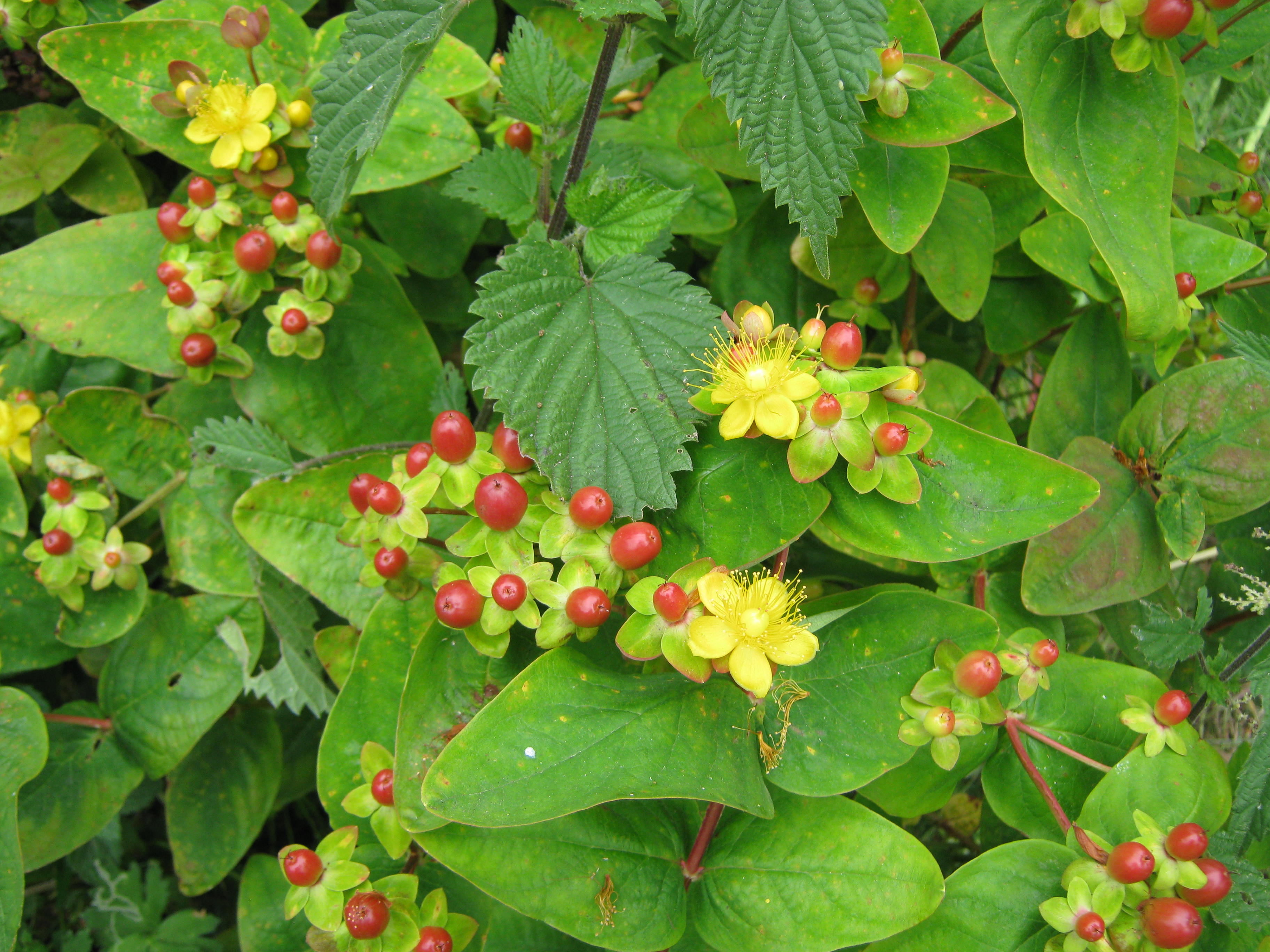
002Tutsan

Tutsan

Another plant with antiseptic properties, the leaves of tutsan were laid across flesh wounds to help heal them.  Tutsan derives its name from the Anglo-Norman word ‘tutsaine’ (toute-saine in French) meaning ‘all-wholesome’ or ‘all-healthy’.  When fresh, the leaves have no particular smell, but a day or so after drying and for four years or so afterwards they emit a subtle, pleasant odour.  This is likened by some to that of ambergris so tutsan is known by some people as sweet amber.  Richard Mabey in ‘Flora Britannica’ says the leaves have ‘an evocative, fugitive scent, reminiscent of cigar boxes and candied fruit’.  I wonder if this helps anyone imagine what it smells like?  Its dried leaves have been used as scented book-marks, particularly in prayer books and Bibles.
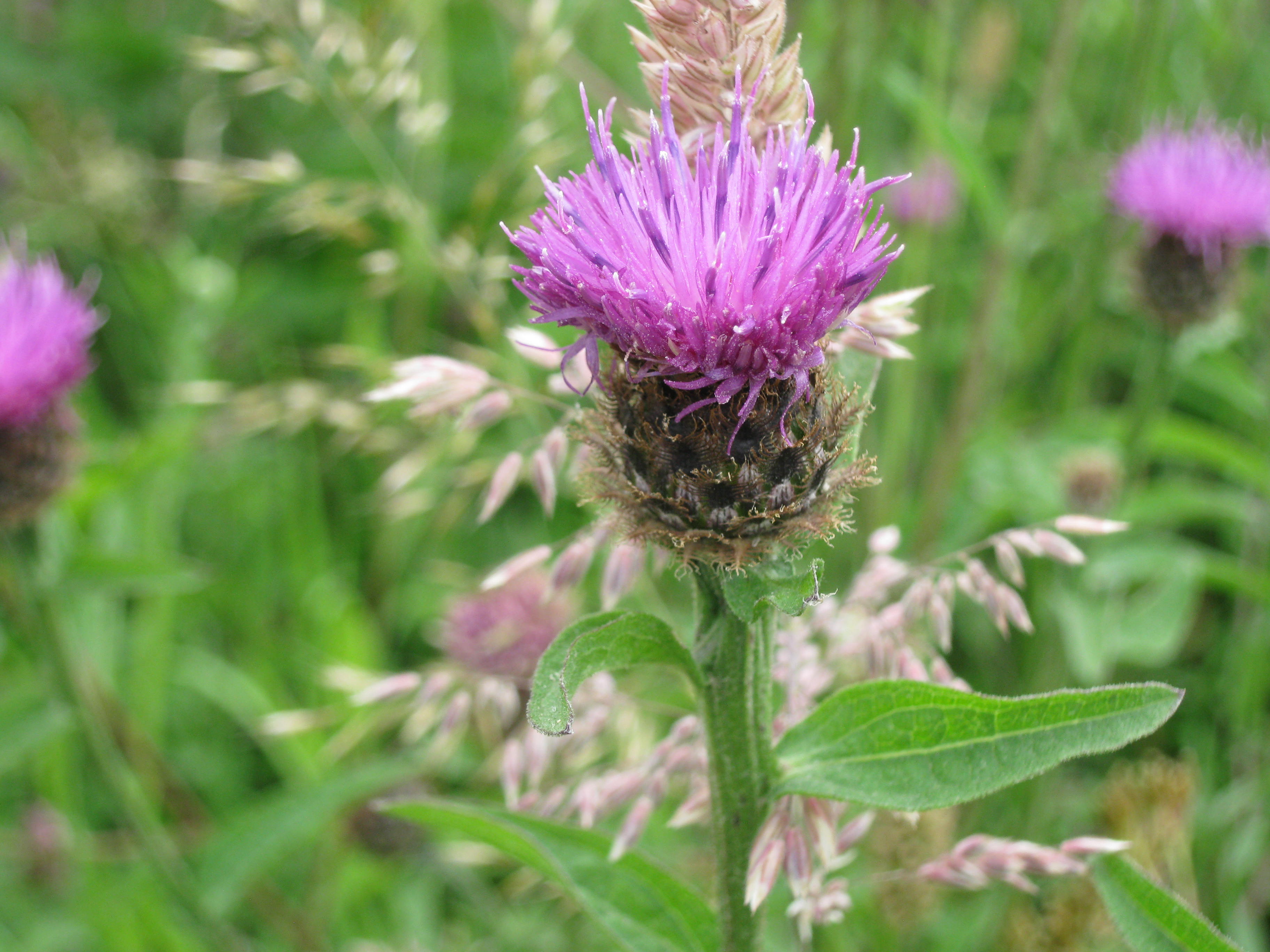
012Common Knapweed

Common Knapweed or Hardheads

004Common Knapweed

Common Knapweed

011Common Knapweed

Common Knapweed

According to folklore this flower can be used to foretell a girl’s future.  She must pick the expanded florets off the flower-head and then put the remainder of the flower in her blouse.  After an hour she must take it out and examine it; if the previously unexpanded florets have now blossomed it means that the man she will marry is shortly coming her way.

006Yarrow

Yarrow

Achilles was said to have cured wounds made by iron weapons by using yarrow.  The Anglo-Saxons believed yarrow could purge and heal such wounds when pounded with grease.  It was used to drive away evil and sickness, to increase physical attractiveness and to protect people from being hurt by the opposite sex.  In a Gaelic chant a woman says: ‘I will pick the green yarrow that my figure may be fuller….. that my voice will be sweeter….. that my lips will be like the juice of the strawberry…. I shall wound every man, but no man shall harm me.’  Scary!!
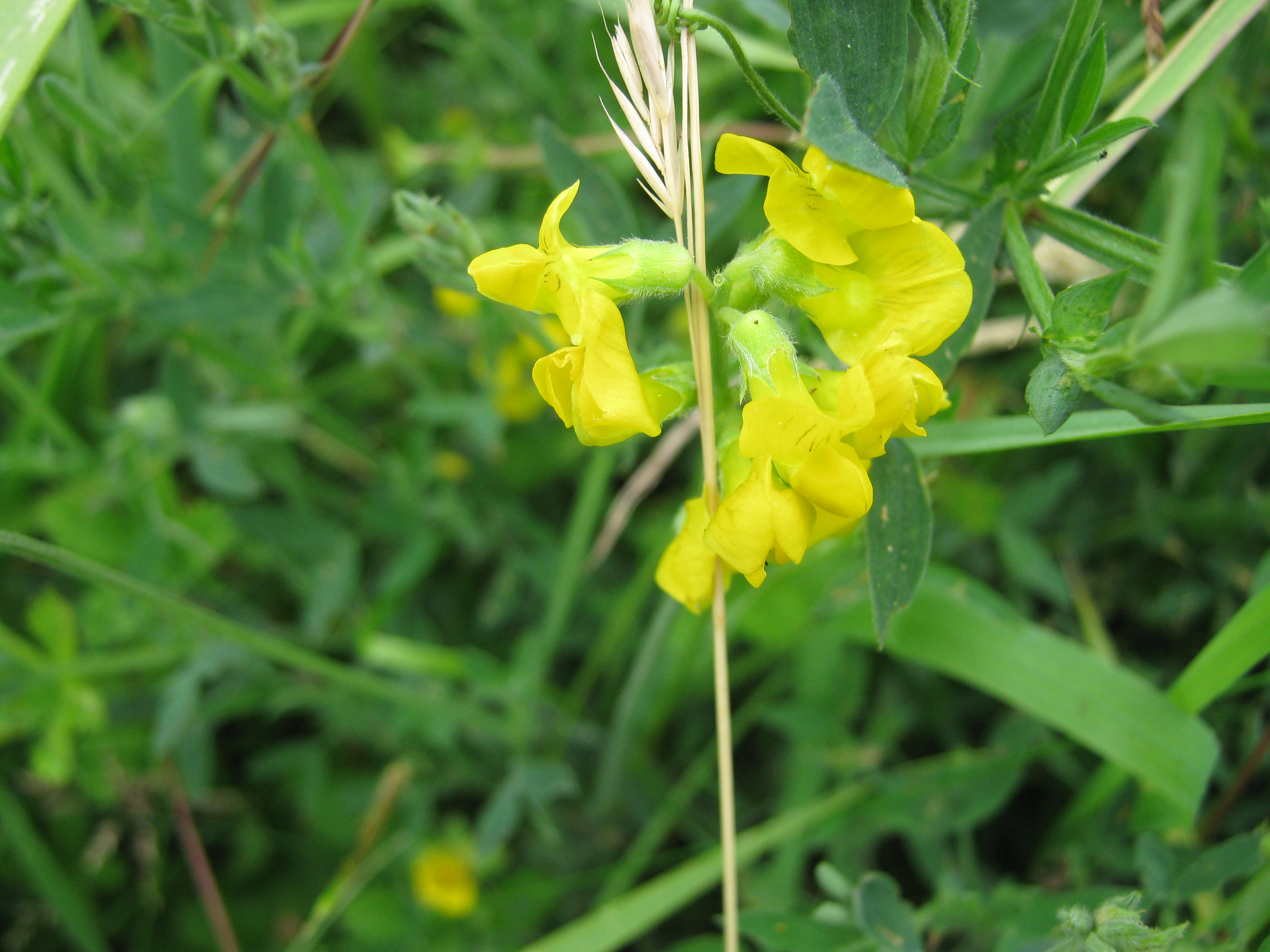
003Meadow Vetchling

Meadow Vetchling

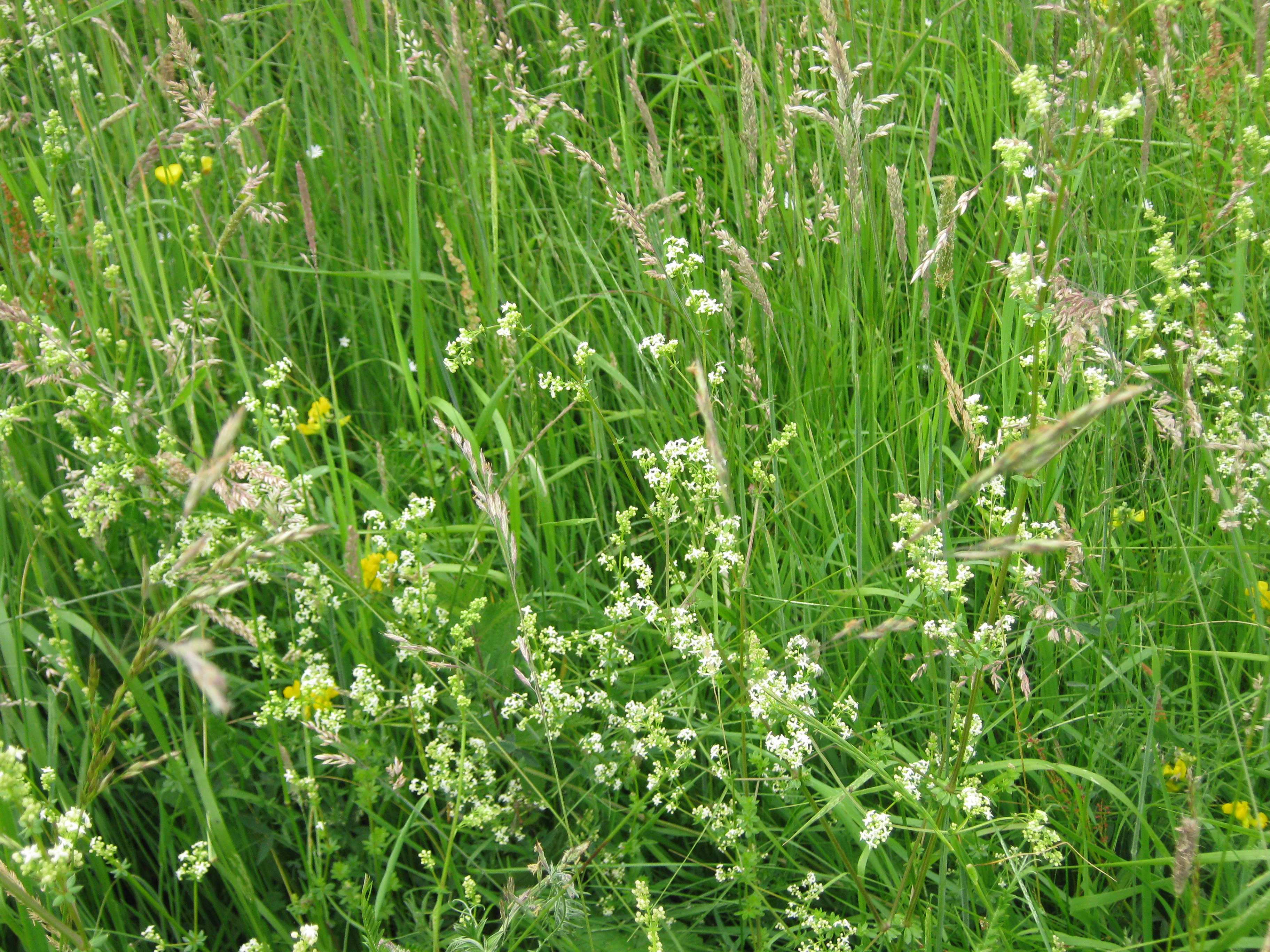
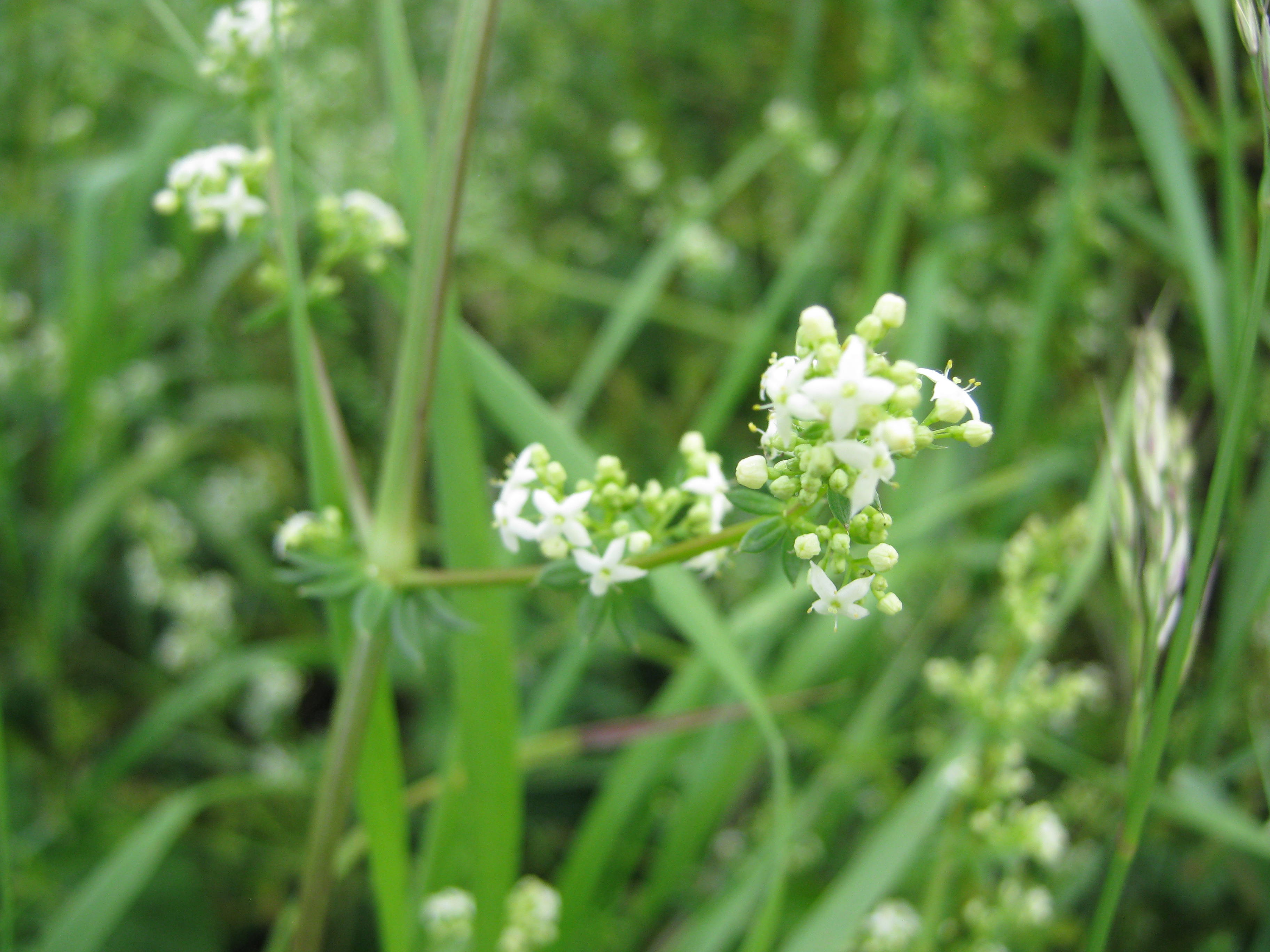
017Common Marsh Bedstraw

Bedstraw

063Common Marsh Bedstraw

Bedstraw

I cannot decide whether this is Common Marsh Bedstraw or Hedge Bedstraw.  It is probably Common Marsh Bedstraw and was used to stuff mattresses with.
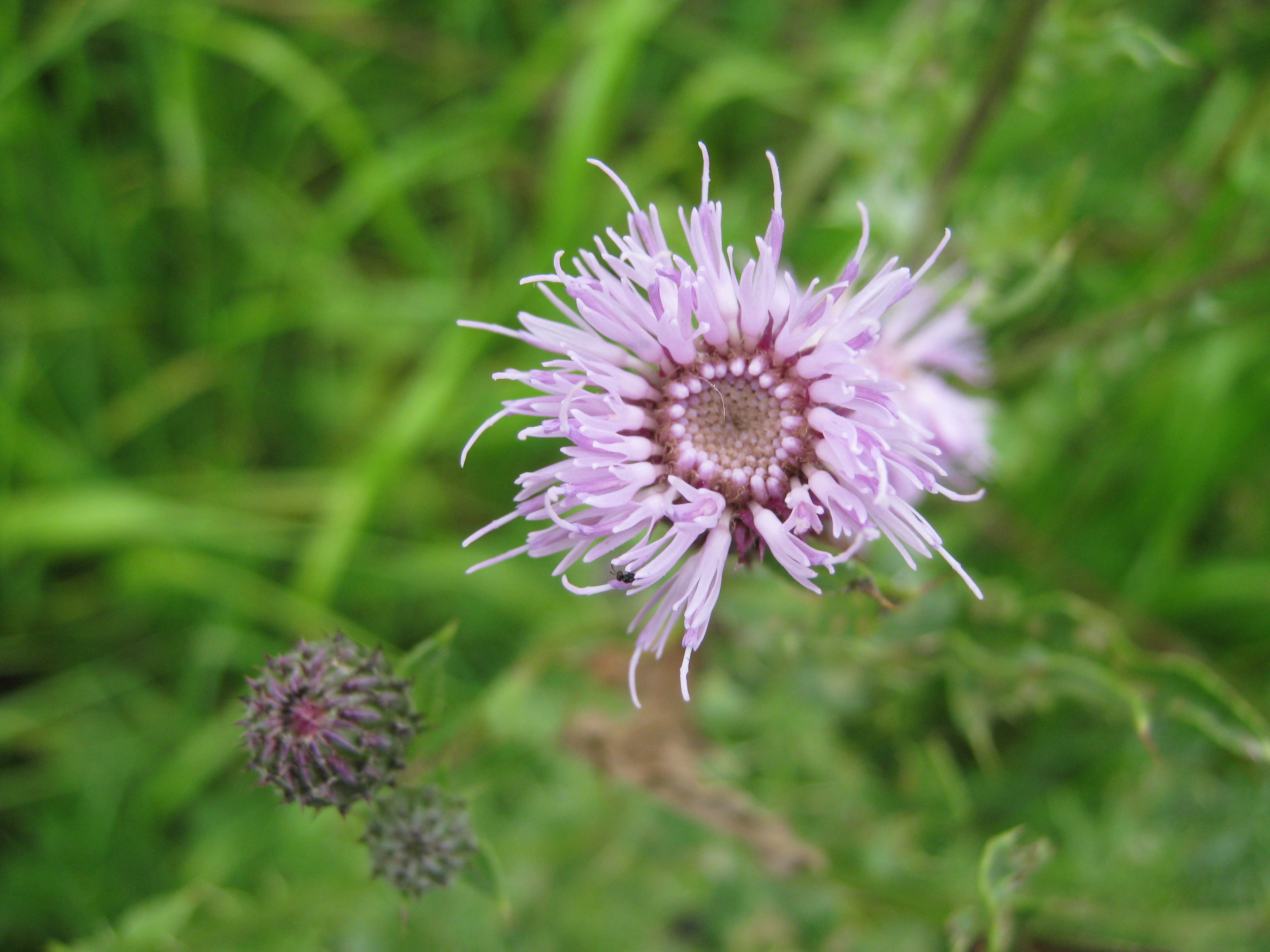
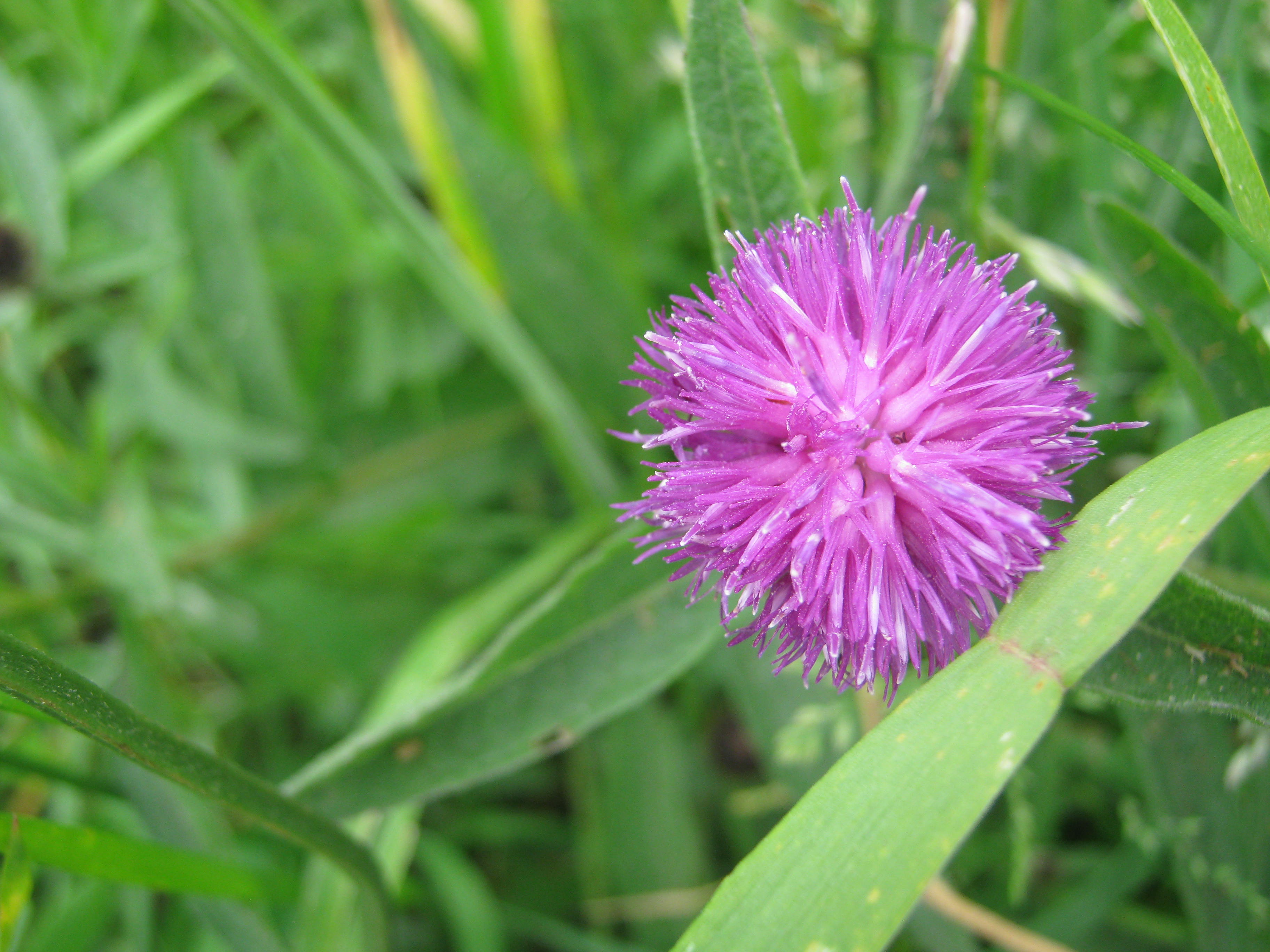
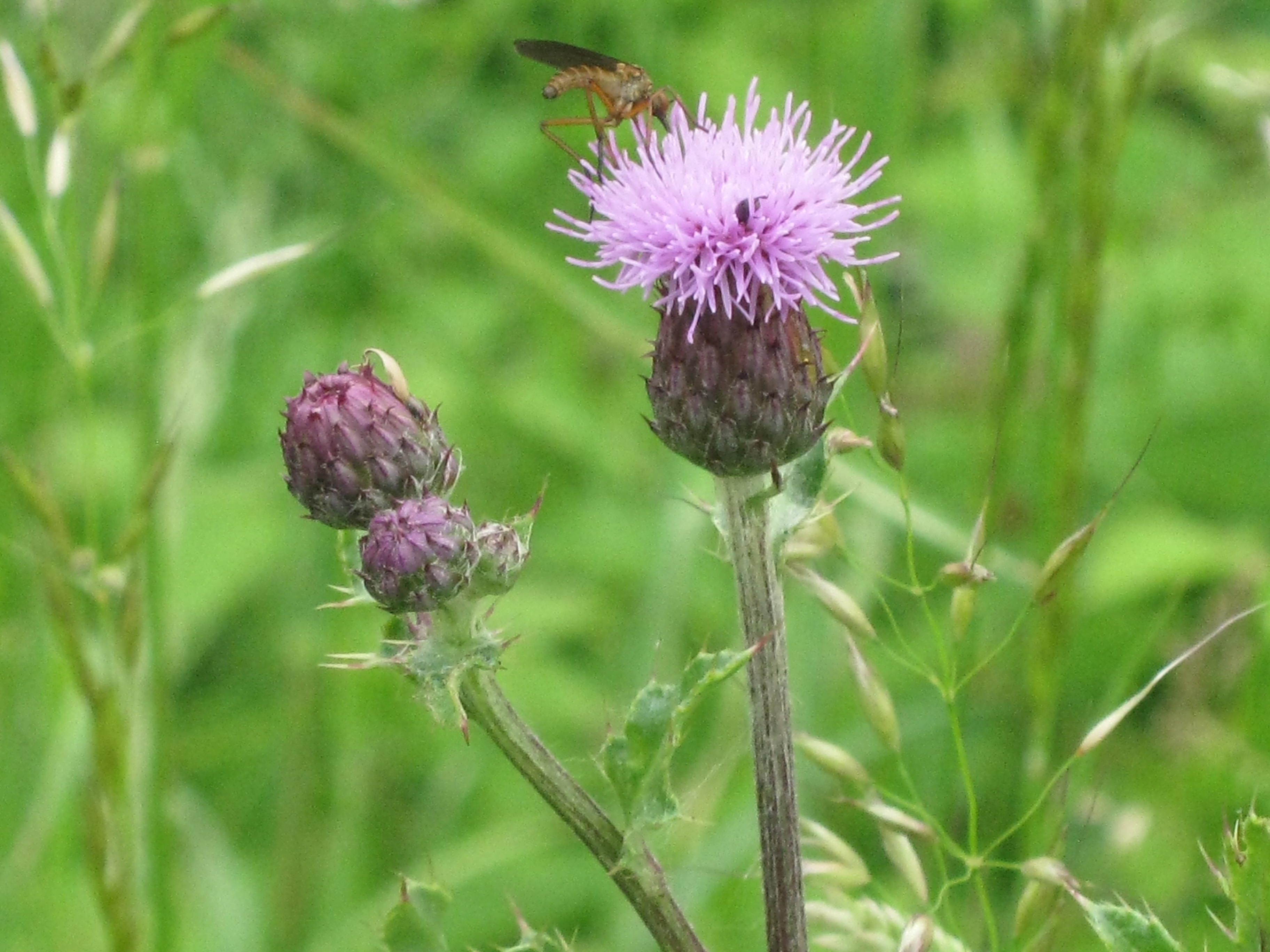
022Greater Knapweed

Greater Knapweed

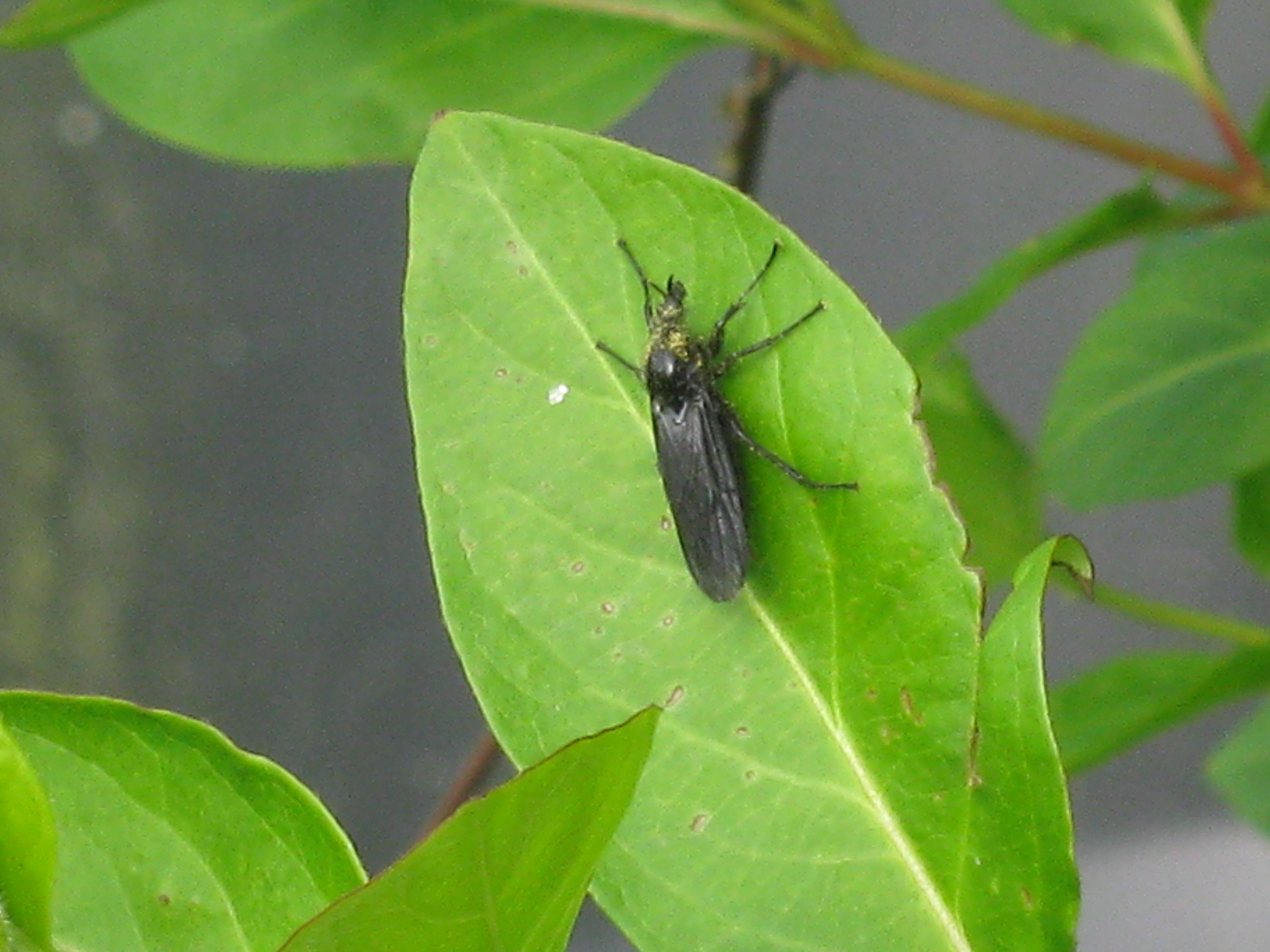
027Greater Knapweed with mosquito

Greater Knapweed with visiting mosquito

This plant and common Knapweed are very similar but this is the larger plant and has more thistle-like leaves.  Also the outer row of florets are larger than the rest and more spreading.  The bracts under the flower-head are slightly different too.  For many years this plant was used to treat wounds, ruptures, bruises, sores, scabs and sore throats.
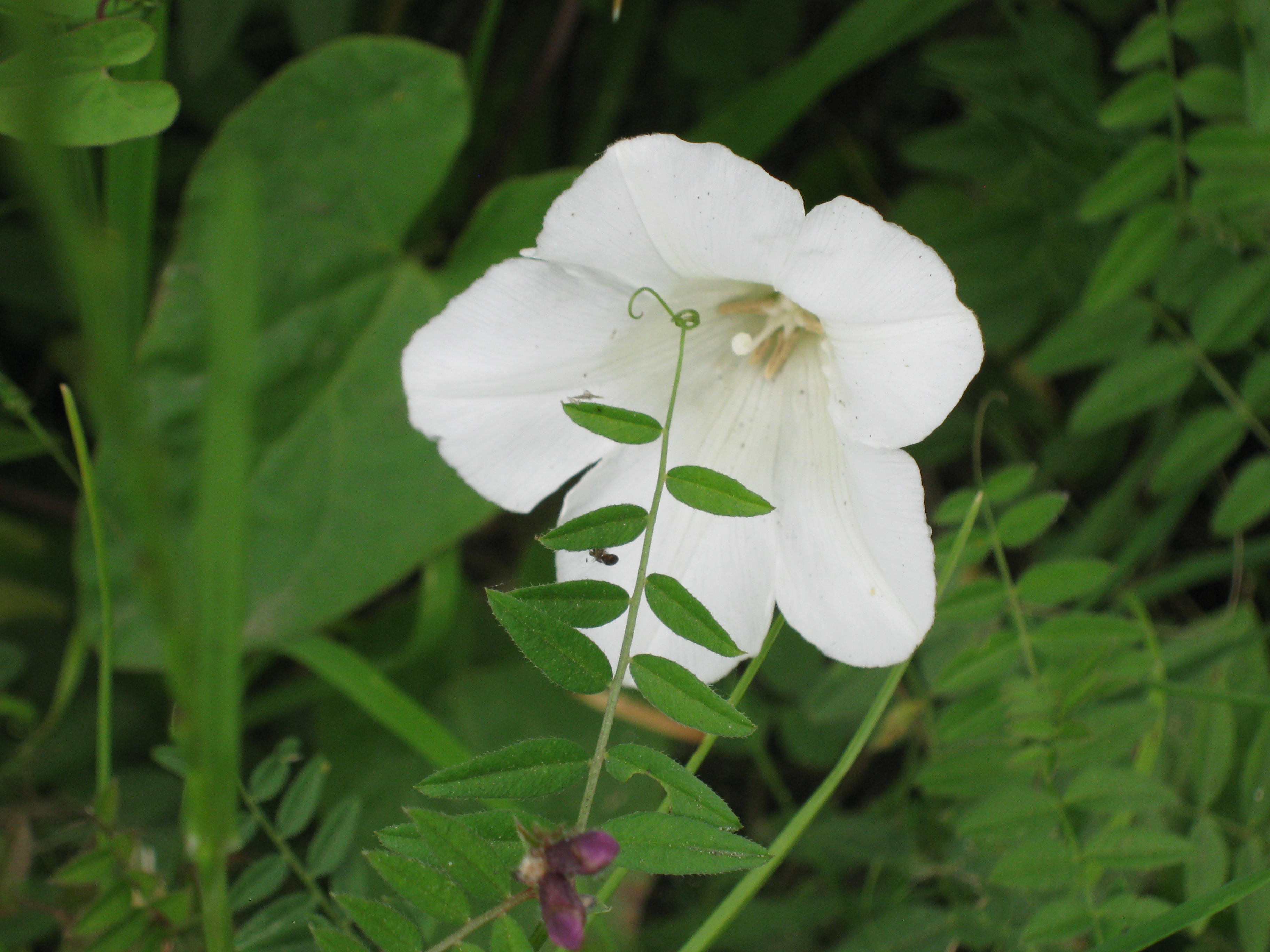
023Hedge Bindweed

Hedge Bindweed

These beautiful white flowers glow in the dusk and the flowers stay open into the night, sometimes all night if there is a moon.  They attract the convolvulus hawk moth which has a long enough tongue to extract the nectar at the base of the flower and the moth pollinates the flower at the same time.
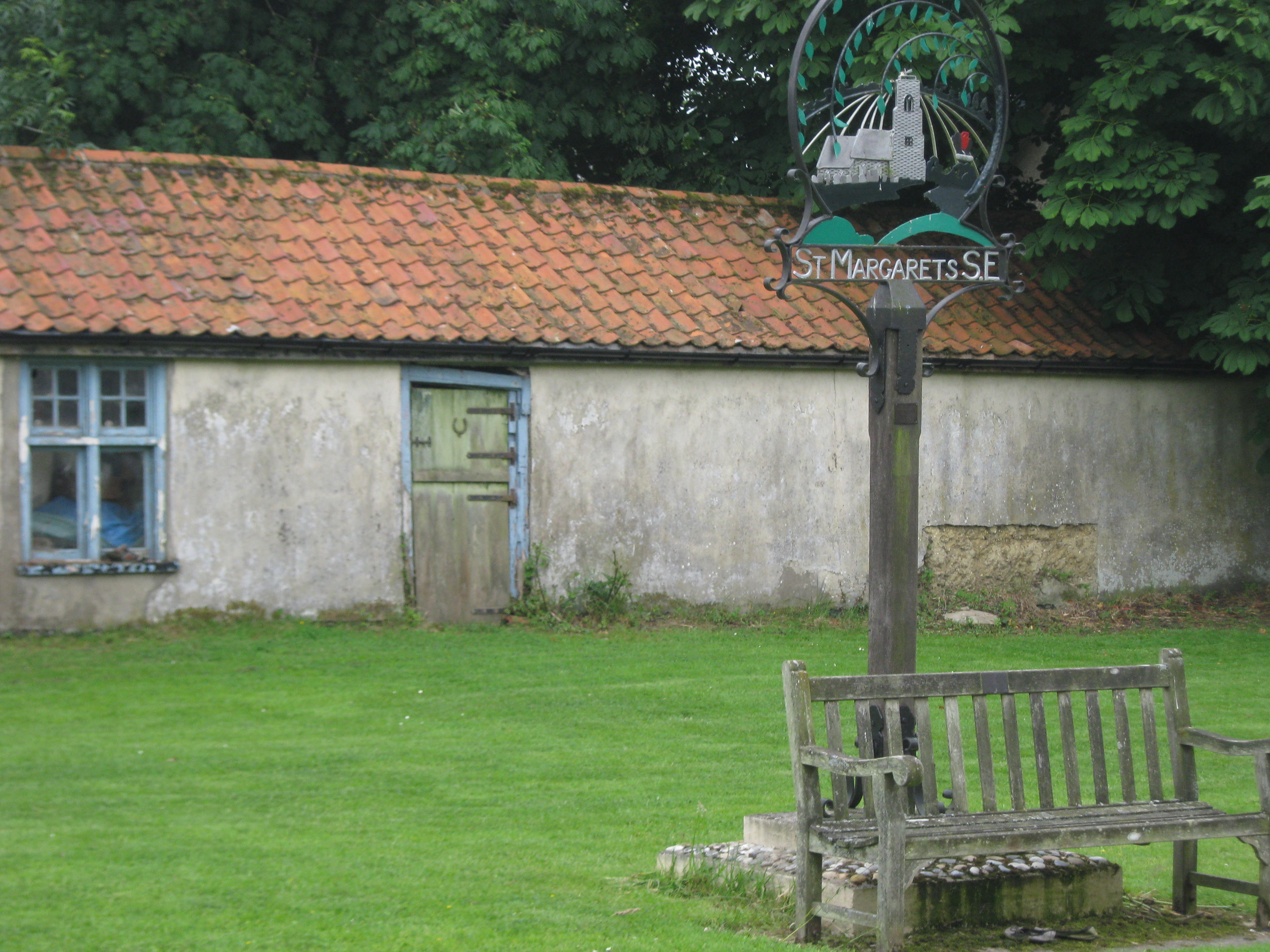
031St Margaret's village sign

St Margaret’s village sign

This is on the village green.  The old building behind looks as though it used to be the forge.
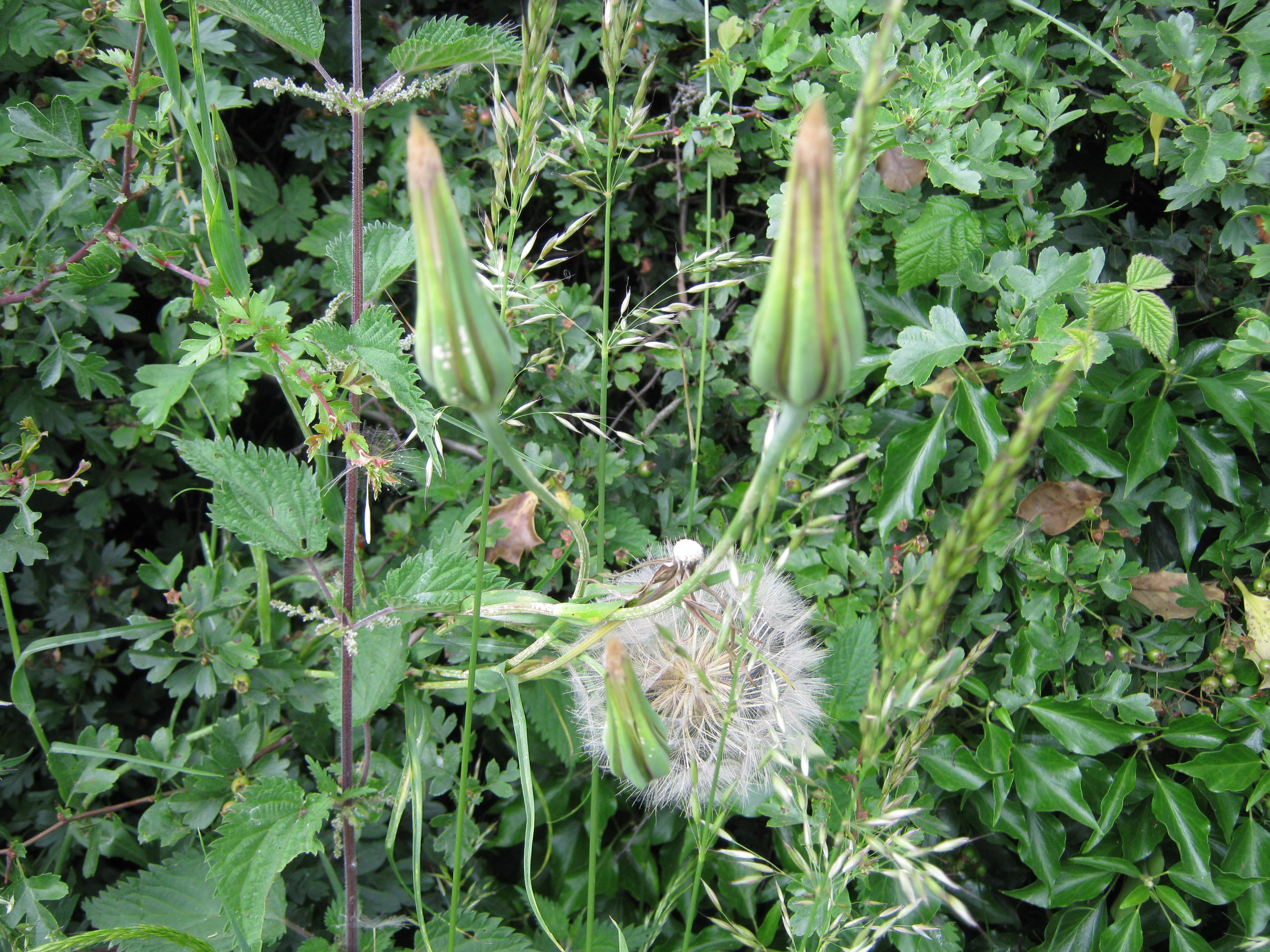
025Jack-go-to-bed-at-noon

Jack-go-to-bed-at-noon

And it had already gone before I found it!  I will see if I can take a photo of its large dandelion-like flowers one morning.  It also has enormous ‘clocks’ of downy seeds.  The long tap-roots are sweet-tasting like parsnips when cooked.
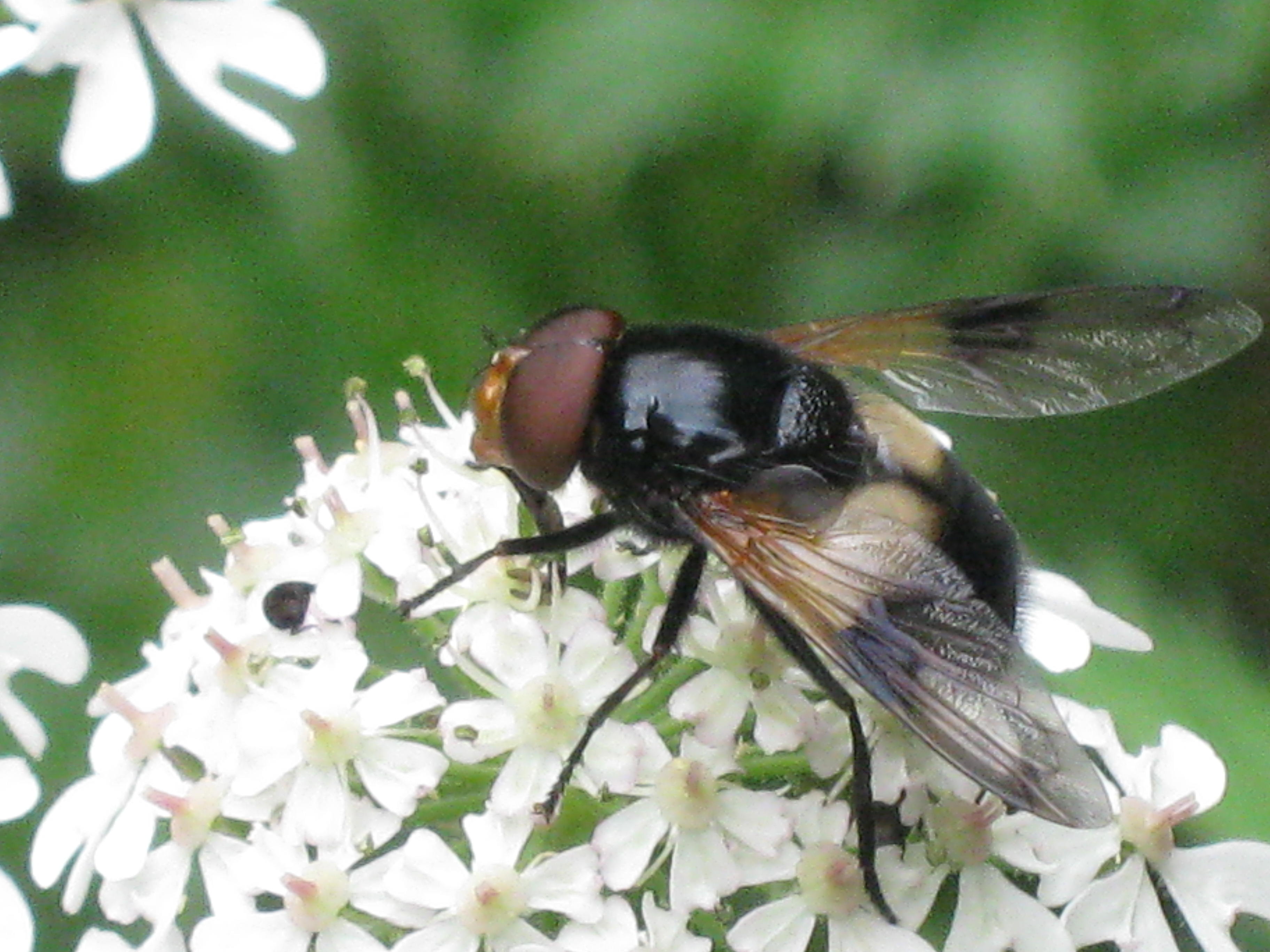
029Hoverfly on hogweed

A hoverfly on hogweed

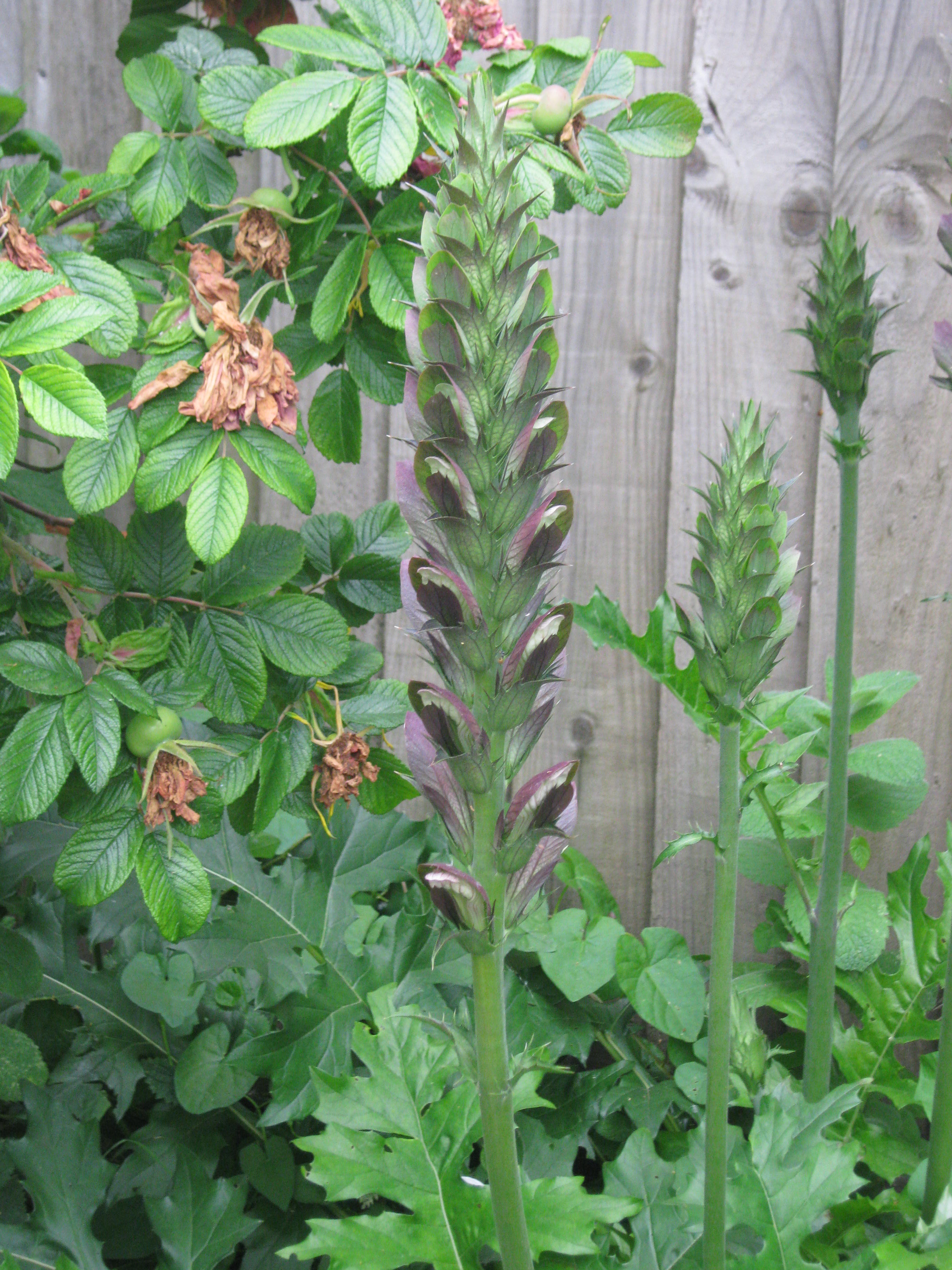
032Acanthus

Acanthus

An acanthus plant by someone’s garden fence.
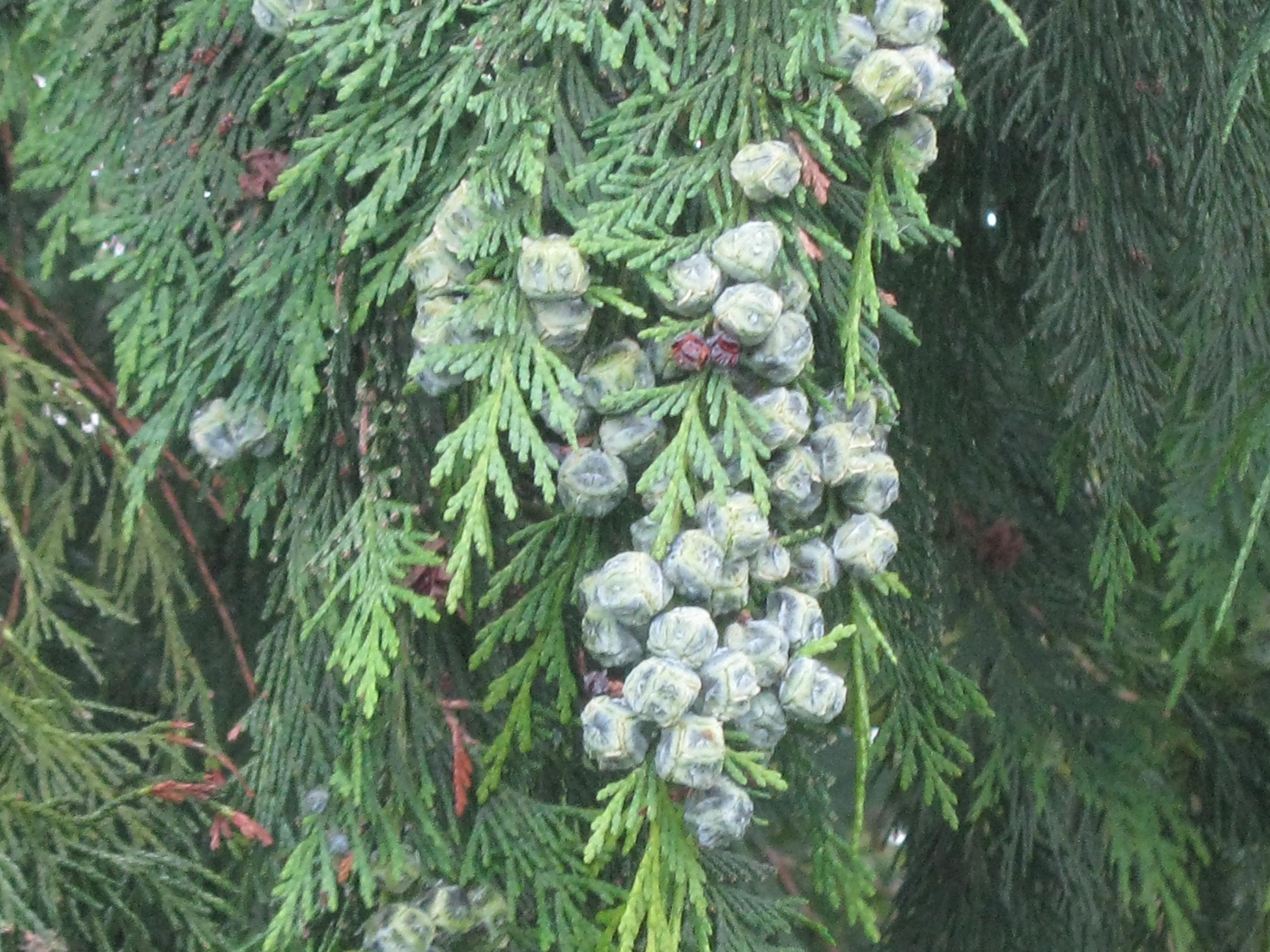
064Cypress

Cypress with cones

Not a very clear photo I’m afraid.

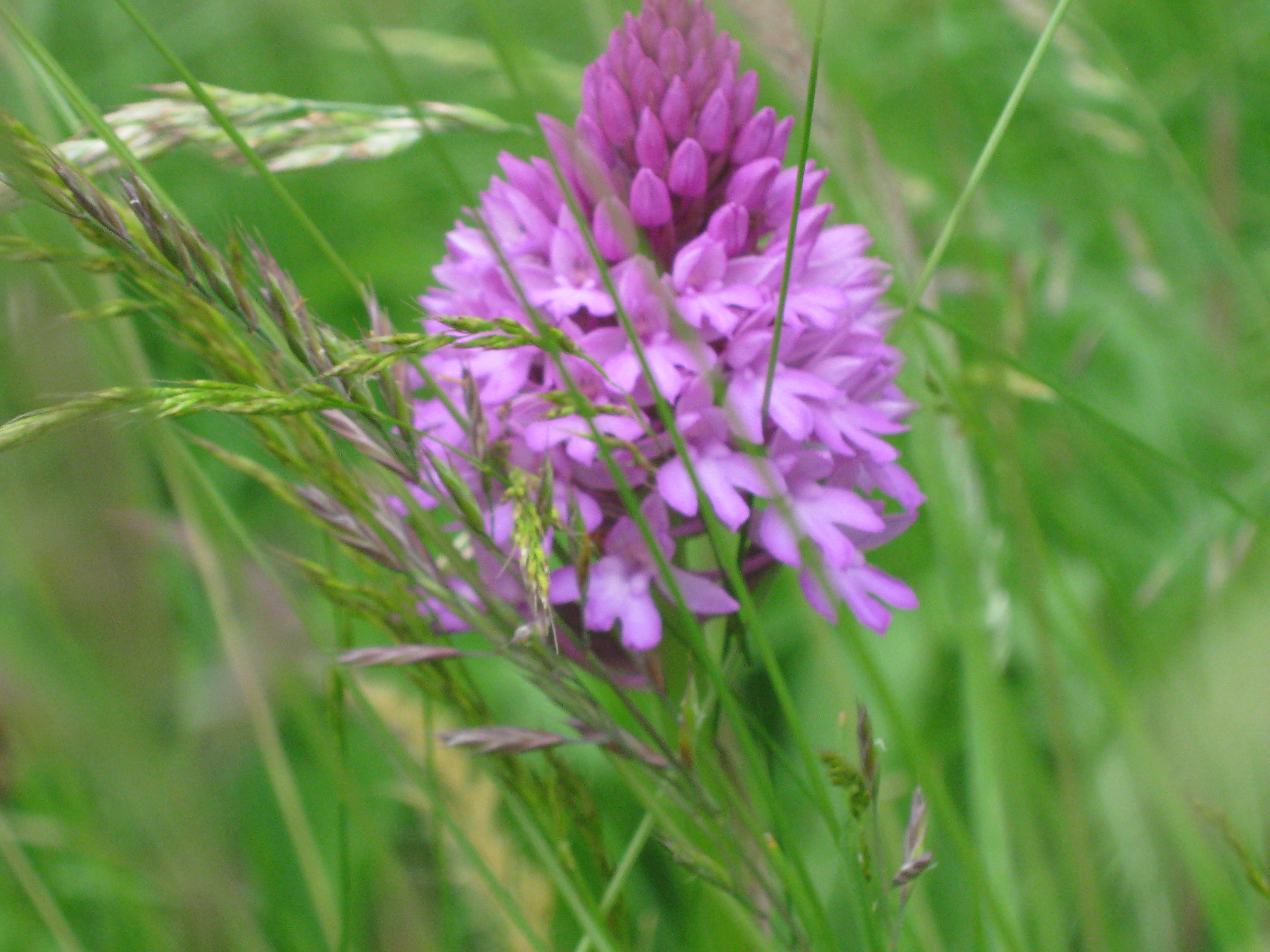
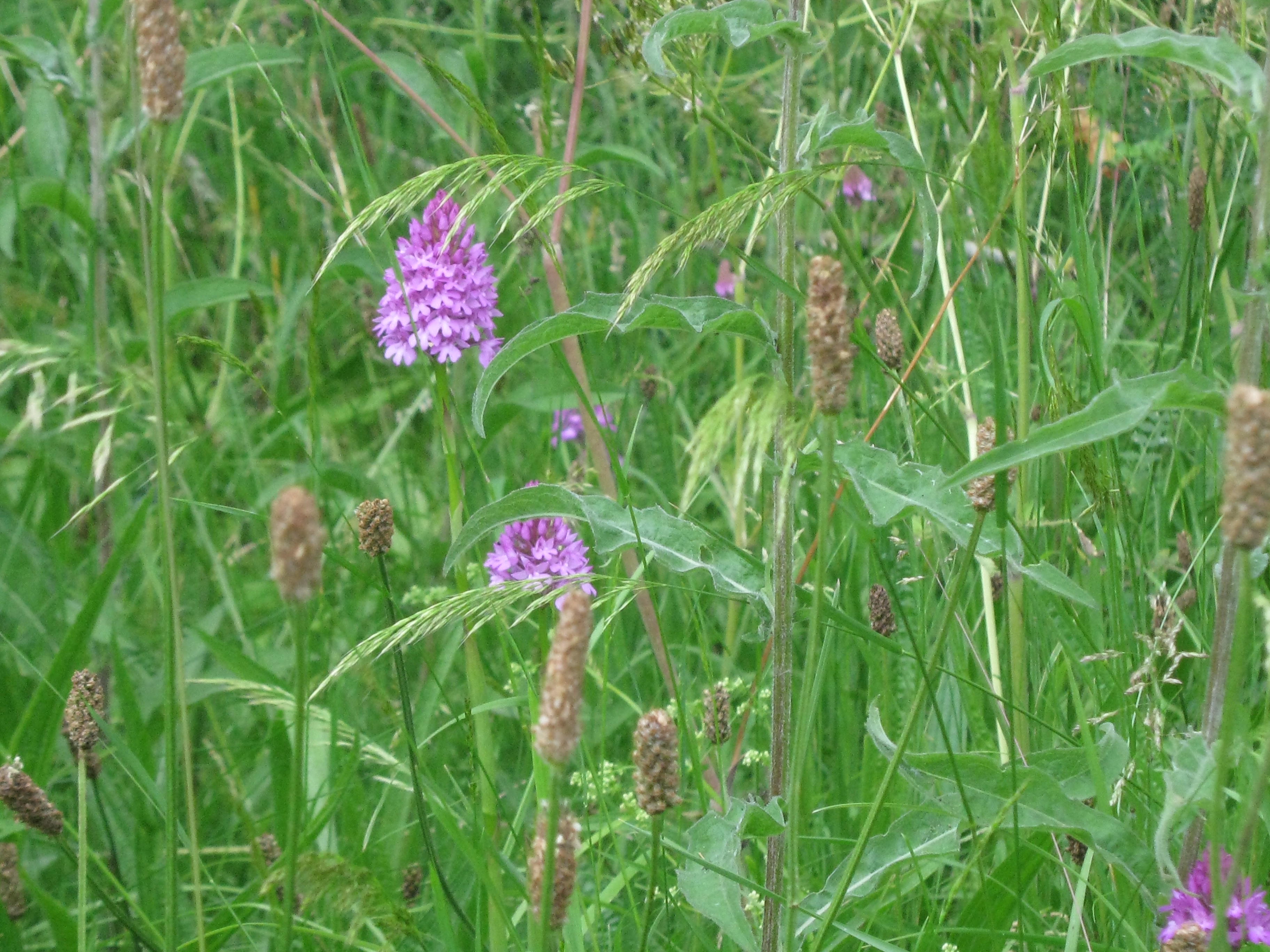
Lastly, a few photos of some Pyramidal Orchids.
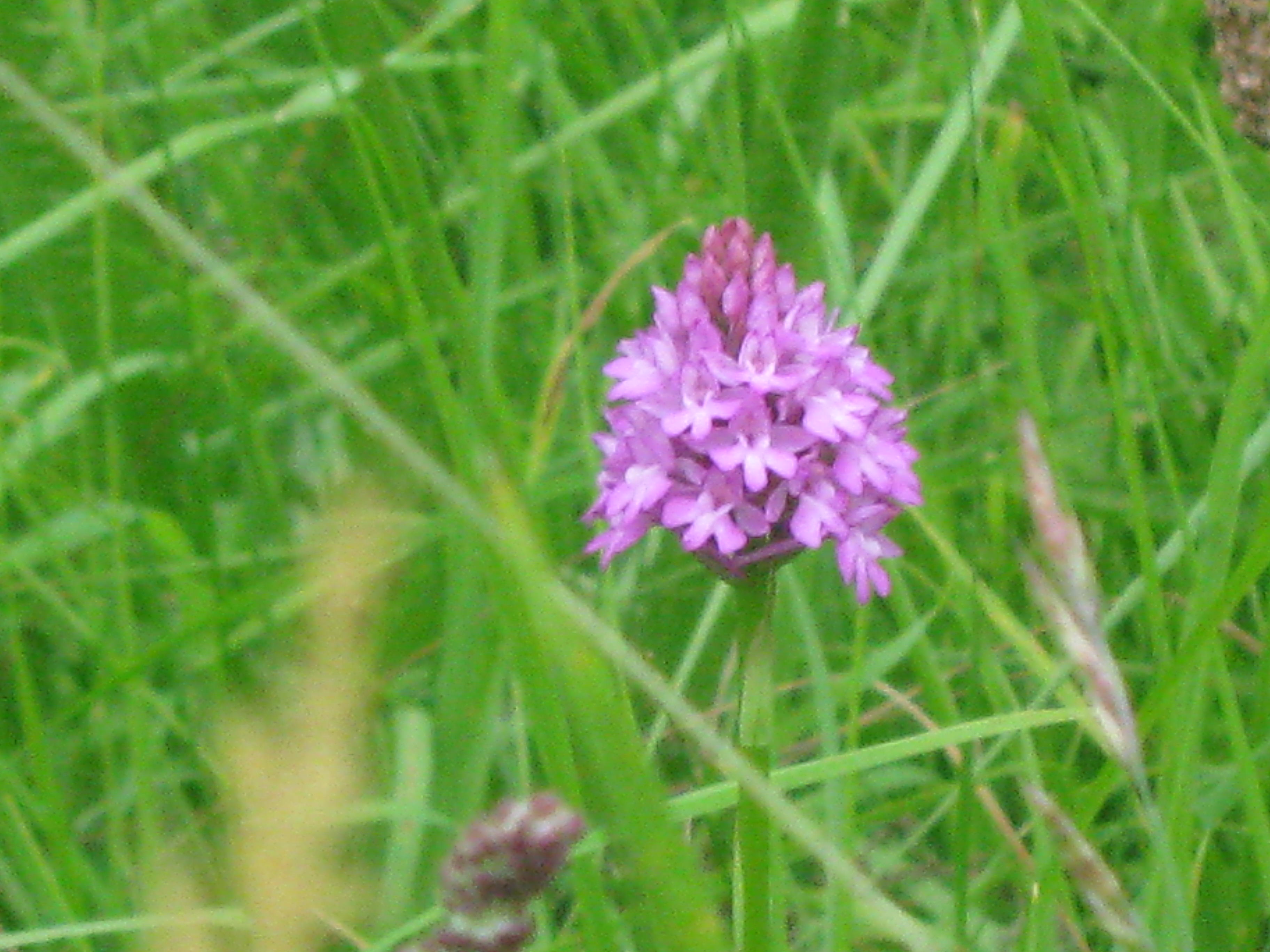
041Pyramidal orchid

042Pyramidal orchid

045Pyramidal orchid and other flowers

Share this:

  • Share on X (Opens in new window) X
  • Share on Reddit (Opens in new window) Reddit
  • Share on Pinterest (Opens in new window) Pinterest
  • Share on Facebook (Opens in new window) Facebook
  • Email a link to a friend (Opens in new window) Email
  • Share on Tumblr (Opens in new window) Tumblr
  • Print (Opens in new window) Print
  • Share on Pocket (Opens in new window) Pocket
  • Share on LinkedIn (Opens in new window) LinkedIn
Like Loading...

A Pleasing Day. 10th June 2014

11 Wed Jun 2014

Posted by Clare Pooley in Insects, plants, Rural Diary, Uncategorized, wild birds

≈ 12 Comments

Tags

annual meadow-grass, banded demoiselle damselfly, bee orchid, black medick, cock's-foot grass, creeping tormentil, fly-past, pale persicaria, redshank, scarlet pimpernel, scentless mayweed, Trooping the Colour, wren

It was another beautiful sunny day yesterday.  We are fortunate to live in the driest part of the British Isles (apparently drier than Jerusalem!) and while the rest of the country have had showers and rain during the past few days we have only had a short sprinkle of rain at about 10pm on Monday night.  I decided to spend the morning at home getting on with chores – mainly washing, which dried quickly on the line.  I had spent some time the evening before watering all the plants in tubs, new plants in the flower-beds and all the plants in the green-house, so everything looked bright and green and healthy.

As well as household chores I spent some time walking round the garden slowly looking for anything new which had appeared in the last few days.  I have been so busy recently I hadn’t had time to do this for days.  I was pleasantly surprised at what I found.

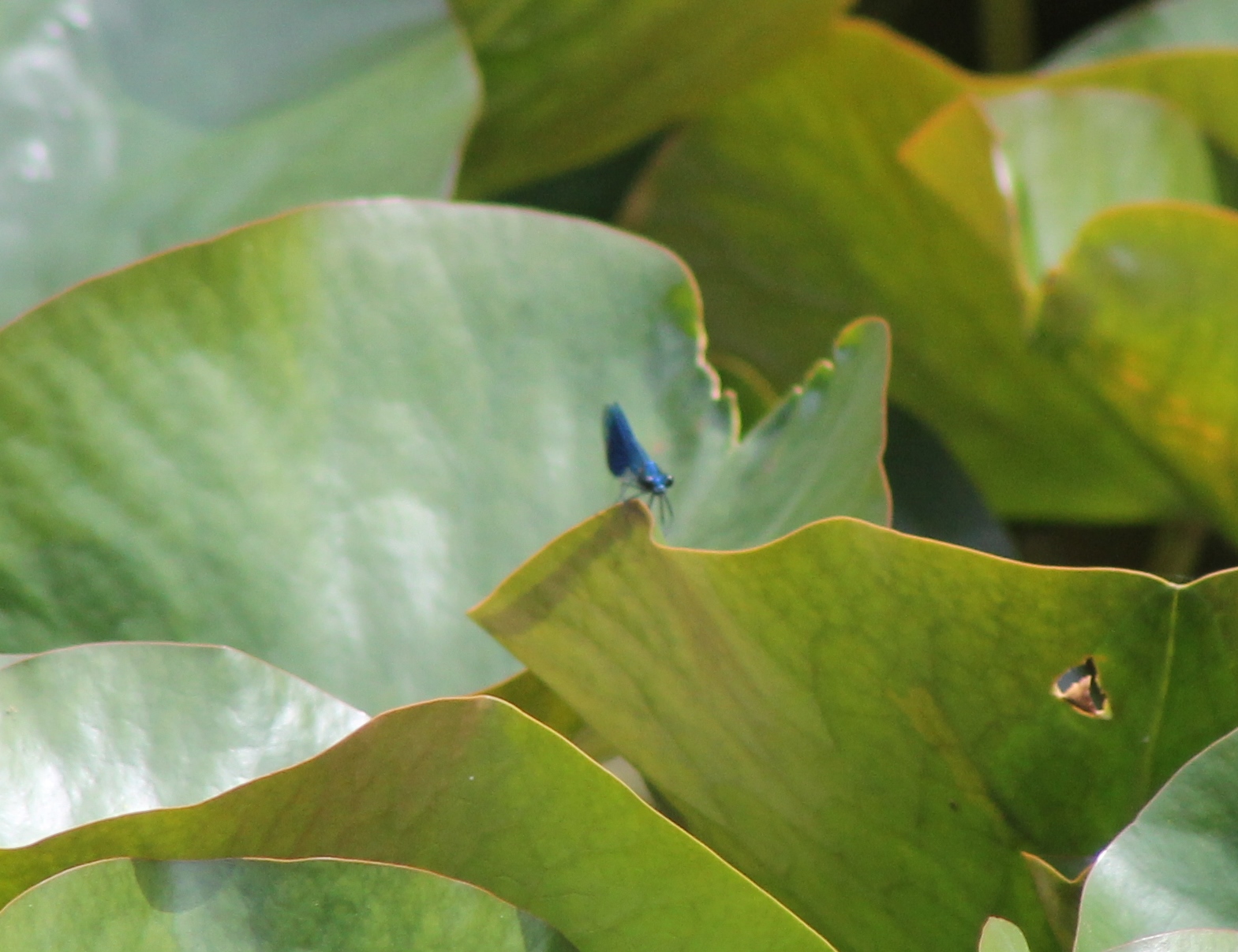
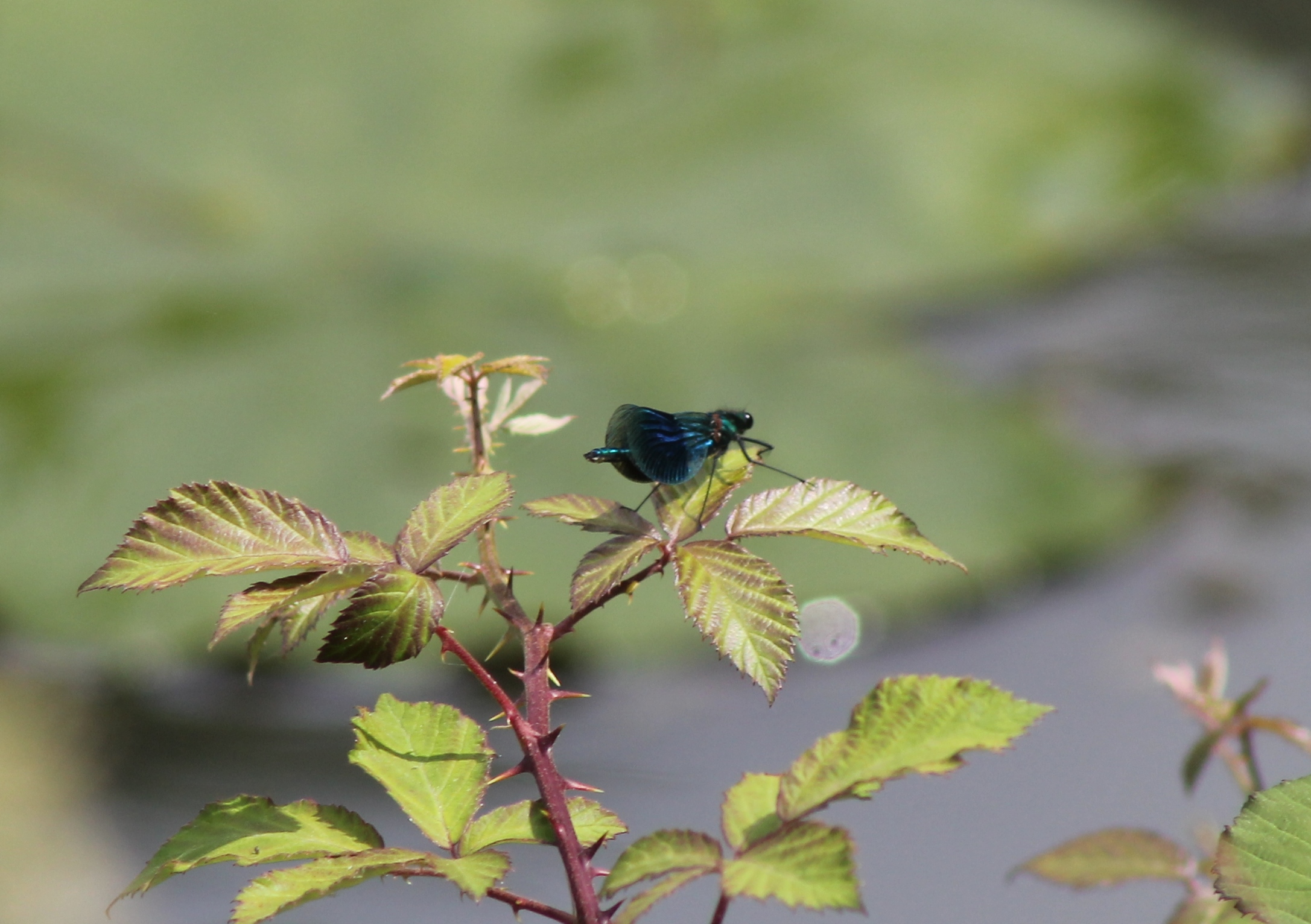
I walked down to the big pond to start with and watched lots of dragonflies and damselflies flitting about over the surface of the water.  I tried to photograph them but without success – they flew too fast for me to catch them in flight and none of them seemed to settle for a second.  I was excited to see a Banded Demoiselle Damselfly.  I had seen one last year for a few seconds near the pond, but today I watched this one flying about for some time.  I was anxious in case the dragonflies caught it, and though they attempted it a few times they didn’t manage to do it while I was there.  In spite of the Demoiselle flying slowly and weakly (it flutters and flaps its wings like a large butterfly) I couldn’t catch it with the camera until it settled firstly on a lily-pad…

032Banded Demoiselle Damselfly

Banded Demoiselle Damselfly

and then on a bramble.

033Banded Demoiselle Damselfly

Banded Demoiselle Damselfly

The photos aren’t as clear as I would like but you can see the shiny blue body of the insect and the dark band across its wings, which is also a dark blue.

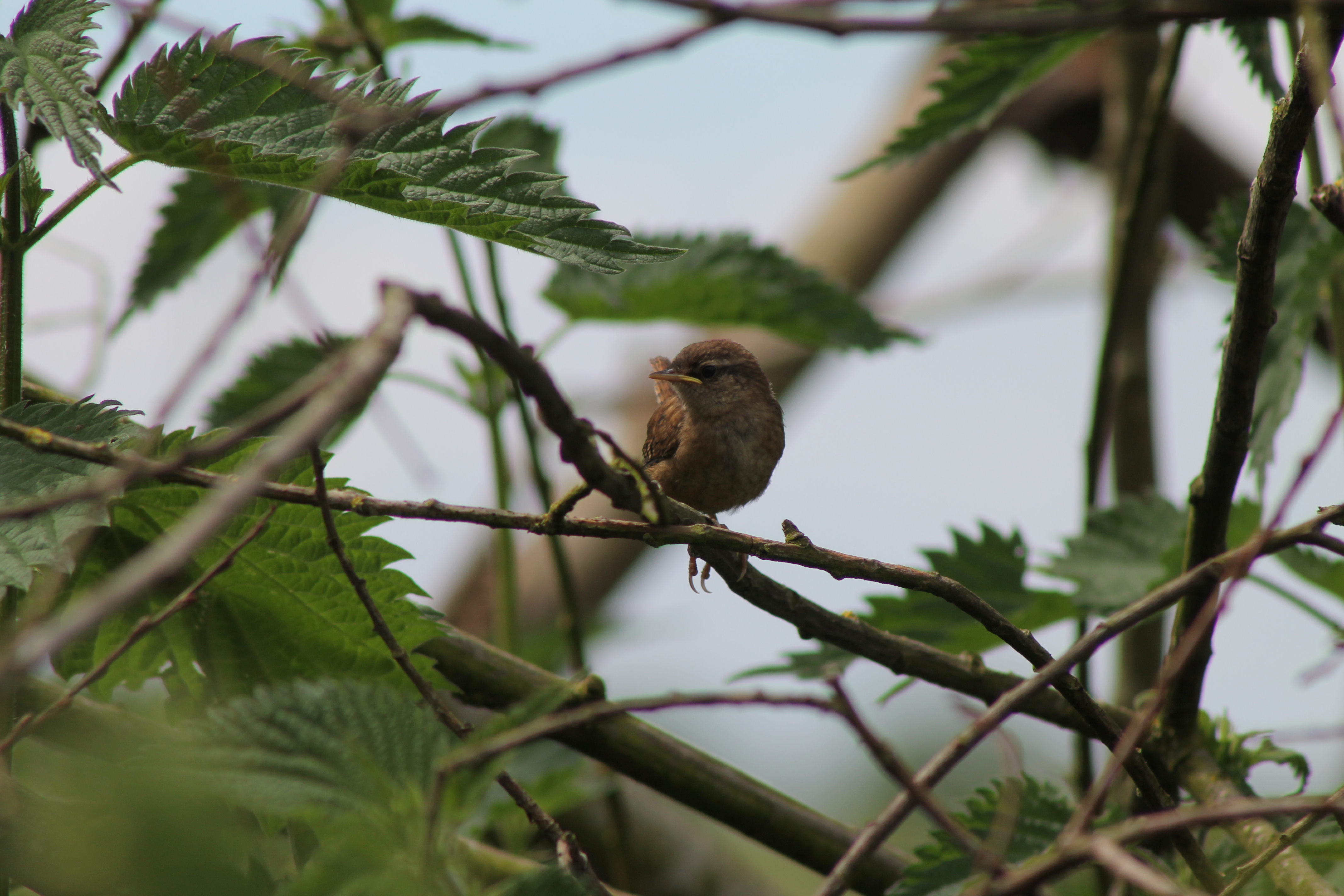
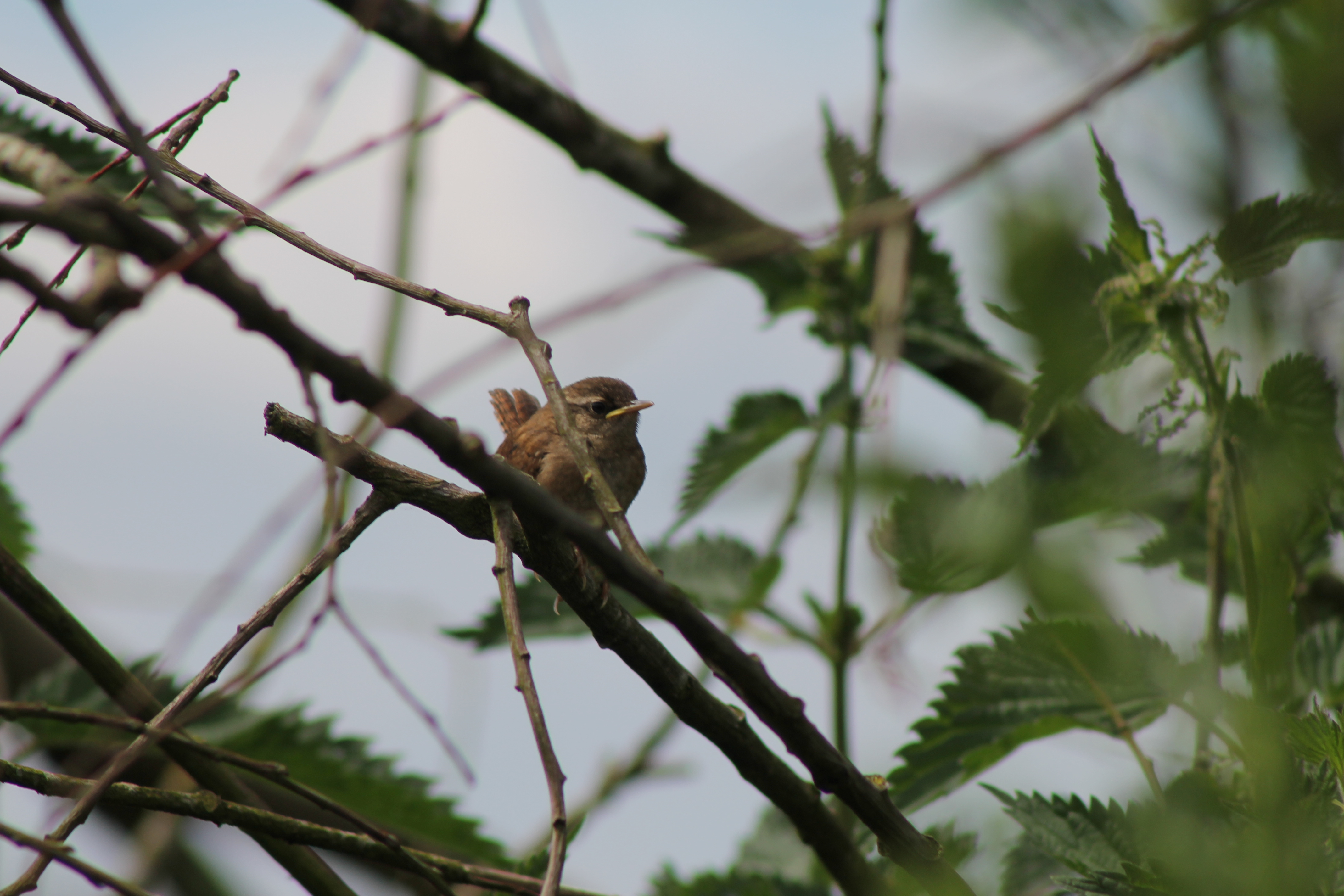
I then became aware that I had disturbed a wren who was making alarm calls.

029Wren

Wren

030Wren

Wren

I soon left the wren alone and concentrated on looking for wild flowers.

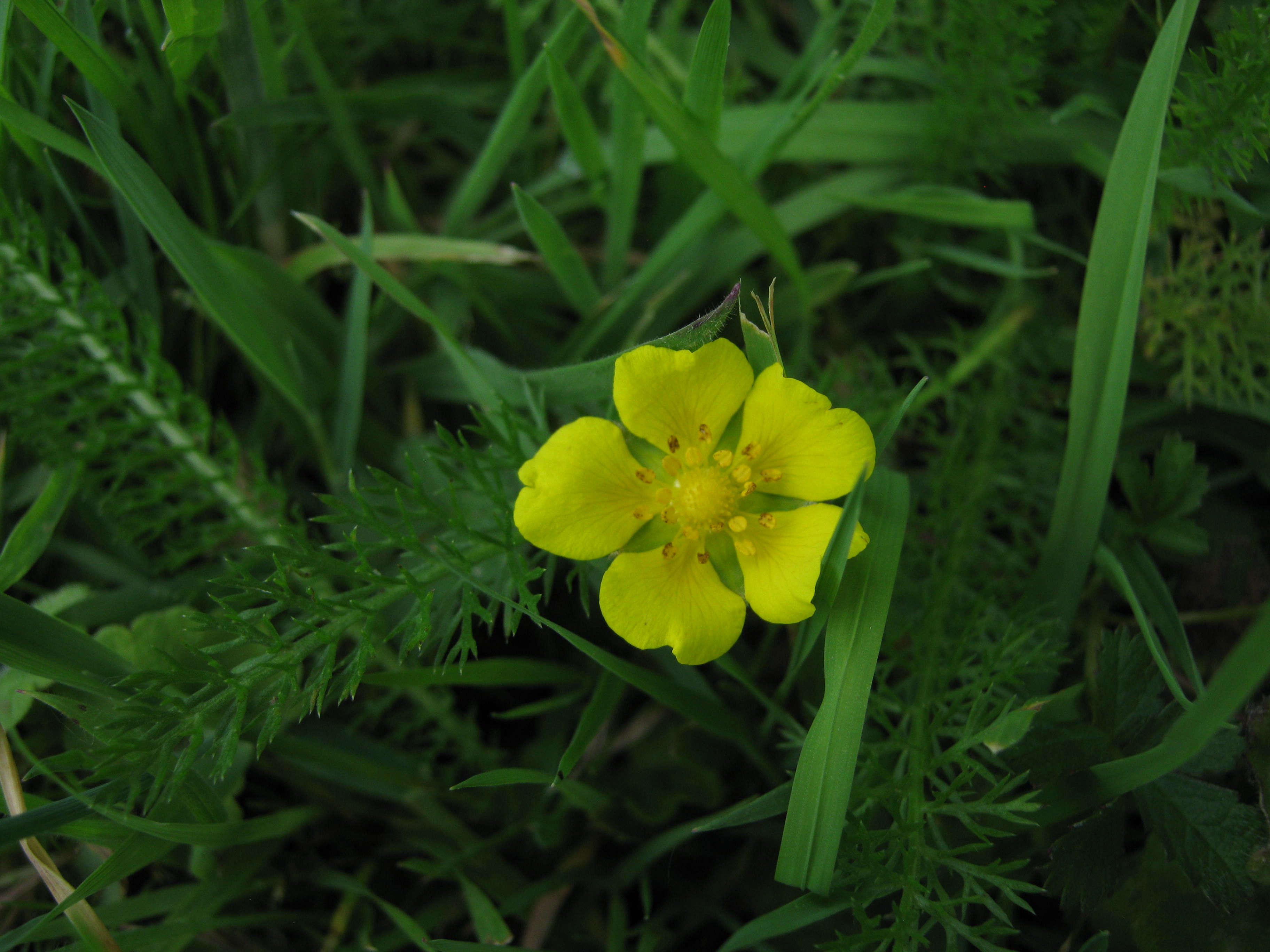
003Creeping Tormentil

Creeping Tormentil

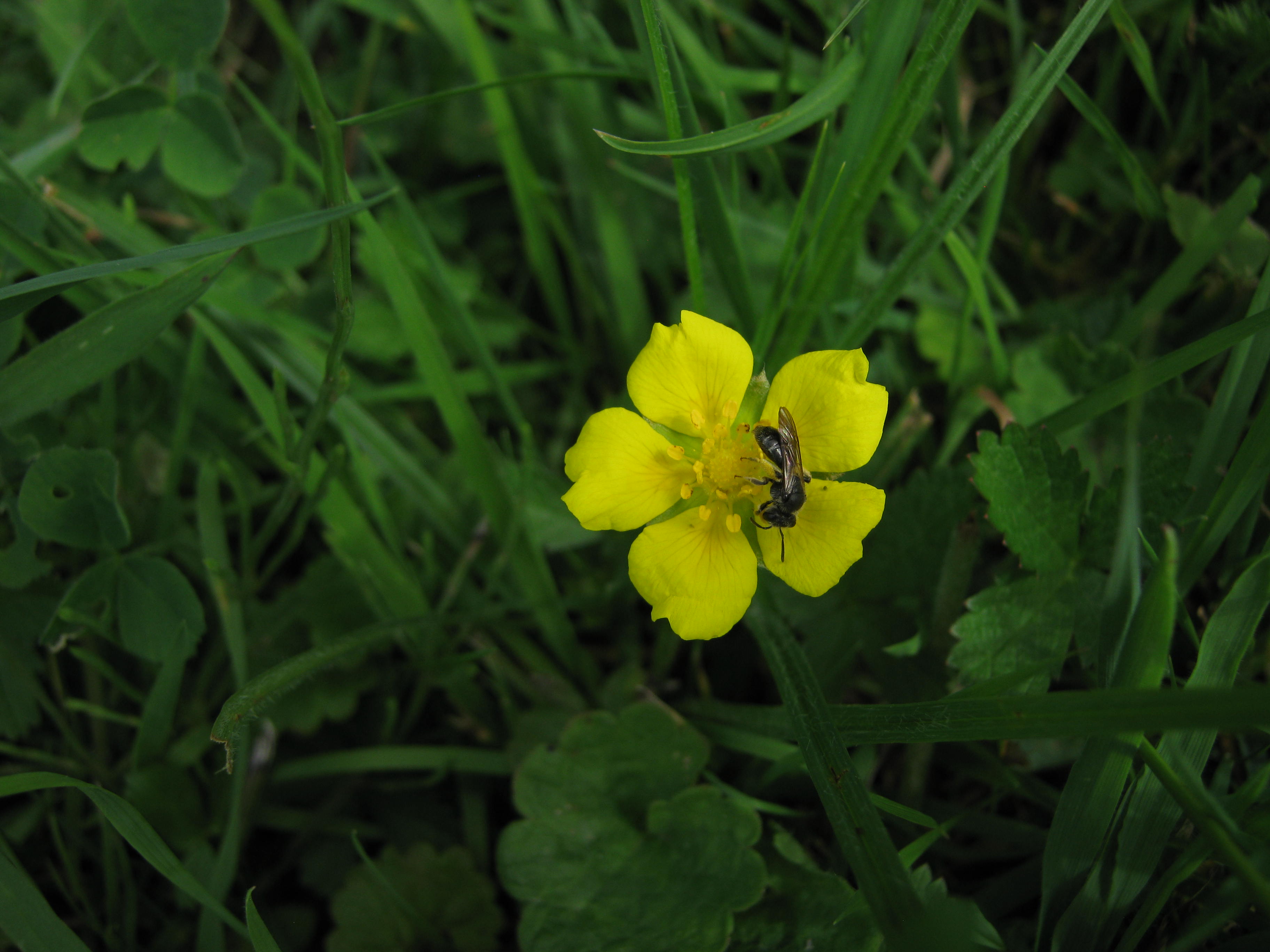
002Creeping Tormentil with tiny bee

Creeping Tormentil with tiny black bee

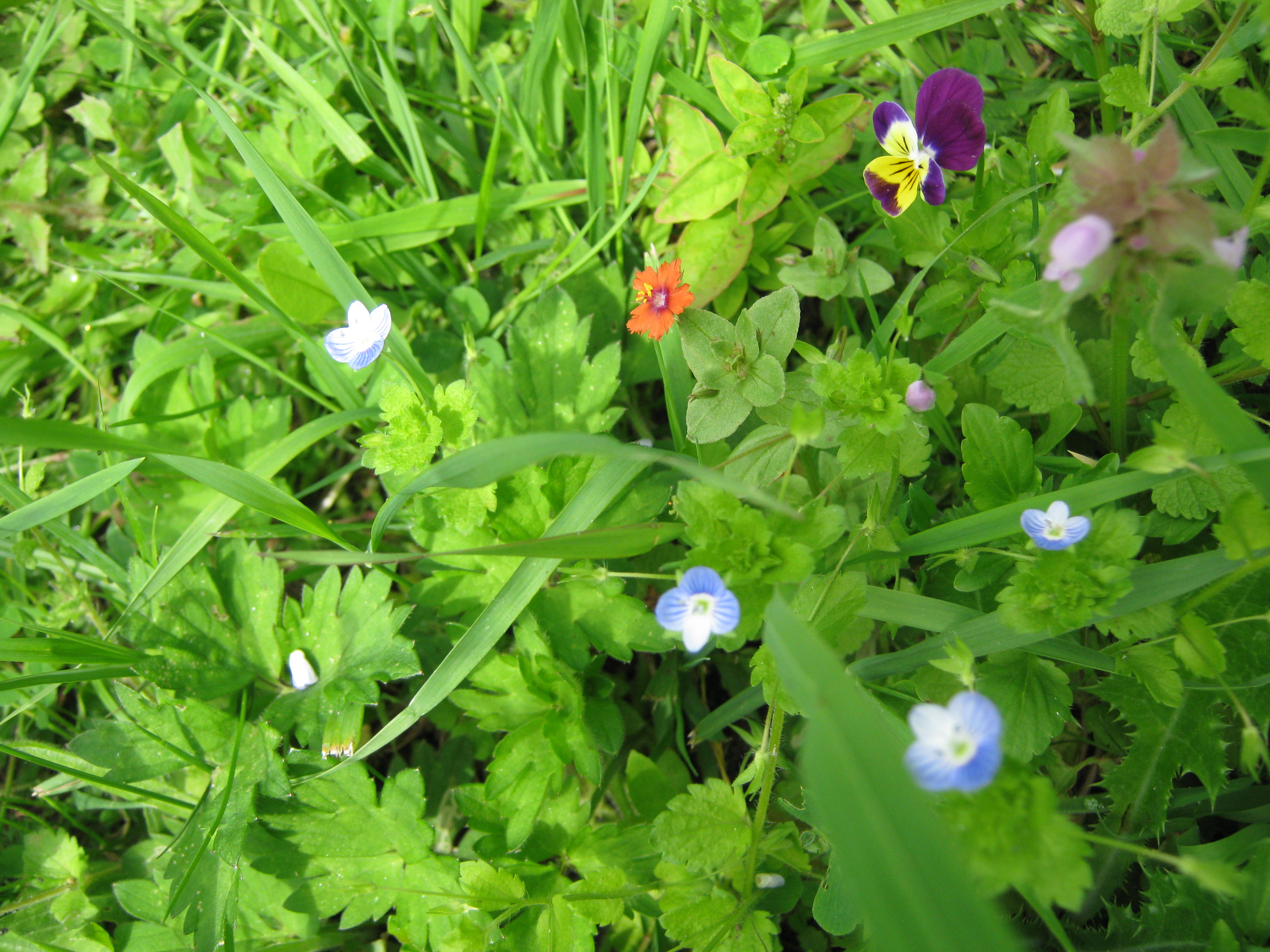
I found a nice collection of flowers growing together.

005Wild flowers - speedwell, heartsease, scarlet pimpernel & red deadnettle

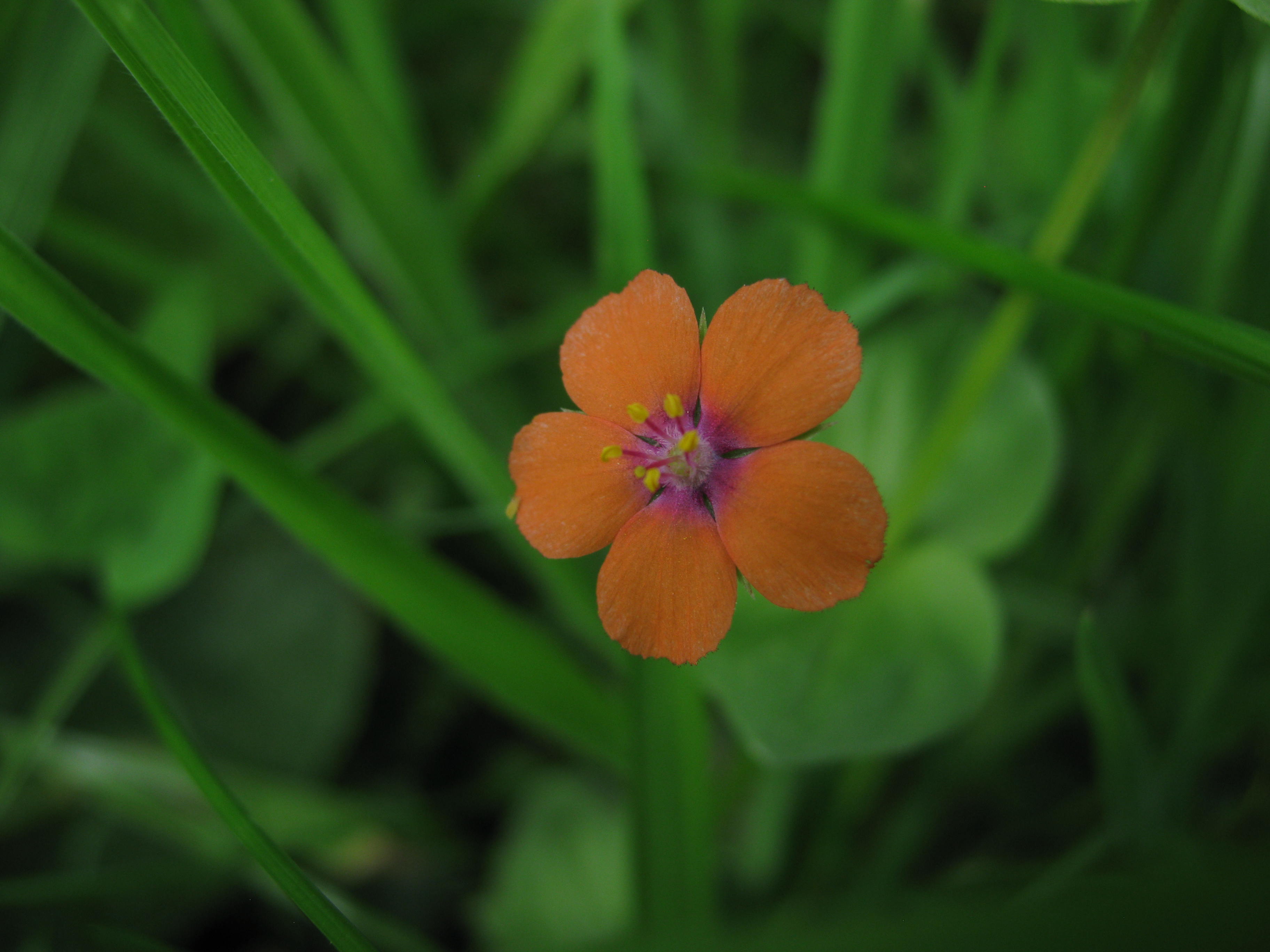
Speedwell, hearts-ease, scarlet pimpernel and red dead-nettle.

Scarlet Pimpernels are quite beautiful when looked at closely.  They are very common little flowers but only open their petals between 8a.m. and 3p.m. and never open on dull or wet days.  They can sometimes have blue, lilac, pink or white flowers and sometimes have a mixture of colours on an individual plant.  The plant has many names in Britain – ‘change-of-the-weather’, ‘poor man’s weatherglass’ and ‘shepherd’s sundial’ being a few.

008Scarlet Pimpernel

Scarlet Pimpernel

The next plant is one I am forever pulling out of my flower-beds.  It is extremely persistent!
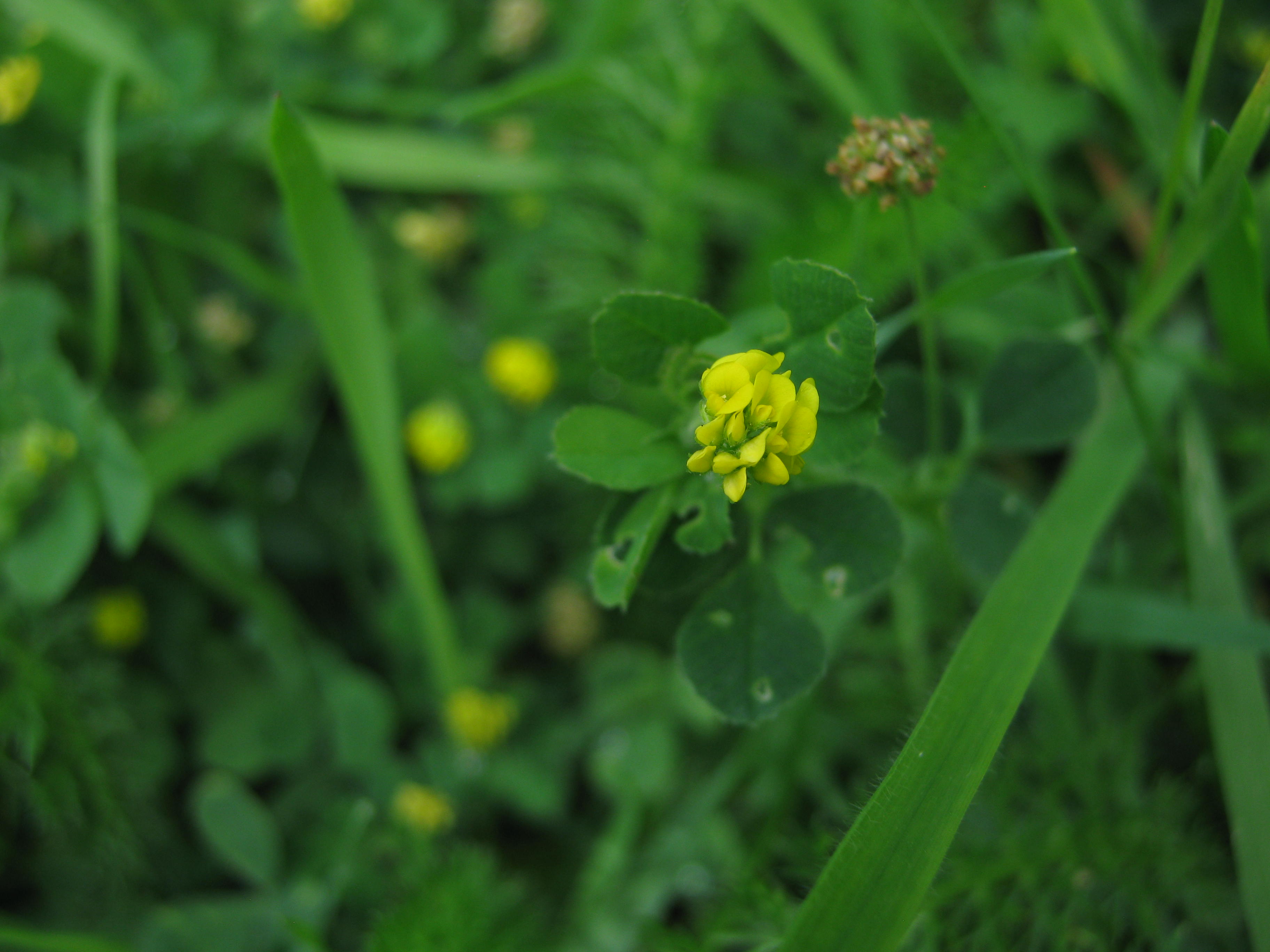
006Black Medick

Black Medick

The name of this plant has nothing to do with medicine but means the ‘plant of the Medes’.  It is still cultivated as animal fodder in some European countries and is one of the plants sold on St Patrick’s Day as shamrock.  Other plants which have claims to be shamrock are hop trefoil, white clover and wood sorrel.

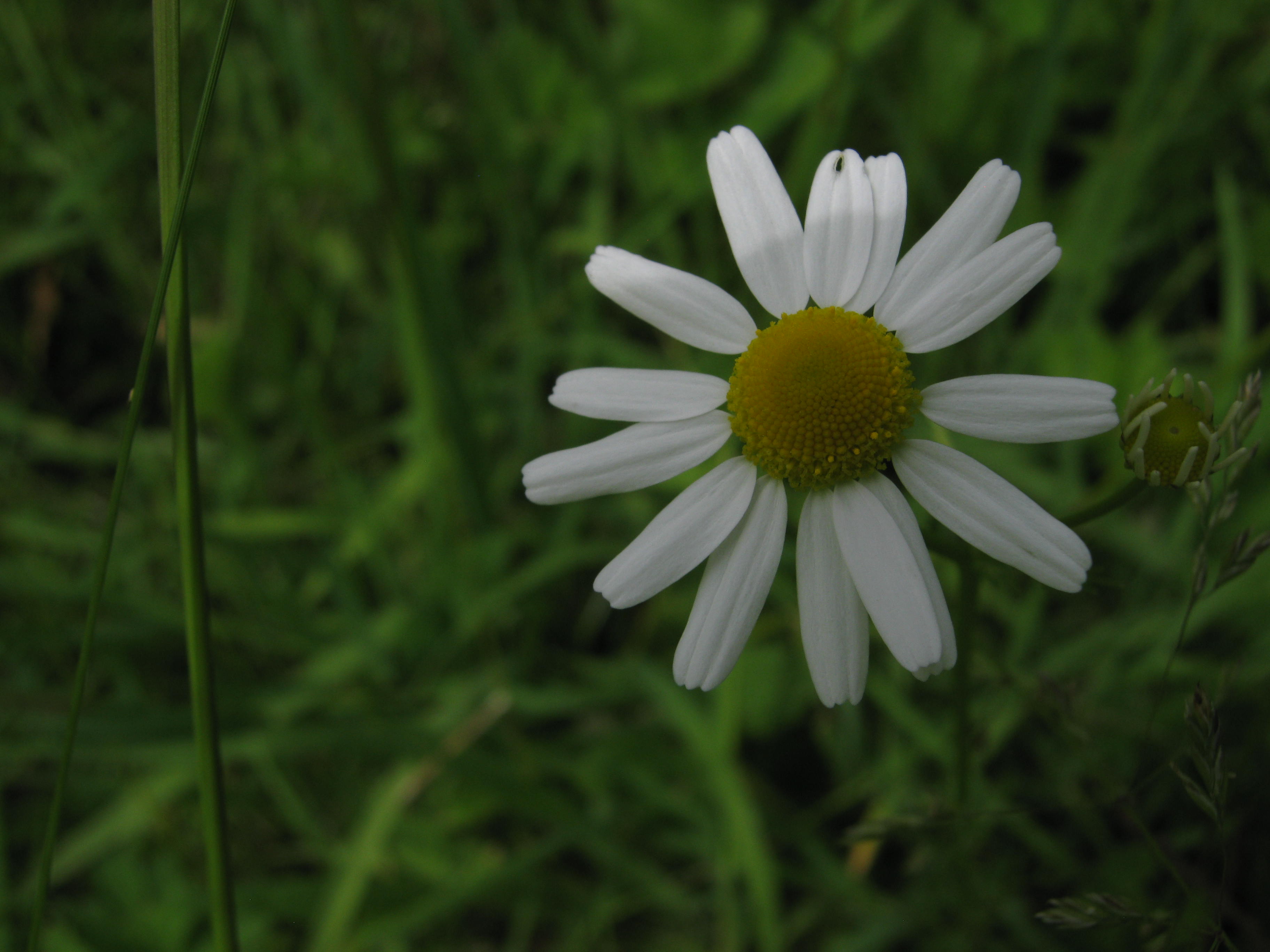
009Scented Mayweed

Scentless Mayweed

Scentless Mayweed usually flowers in July but this year everything is flowering early.  The name mayweed has nothing to do with the month of May but comes from the Old English word for a maiden and refers to the use once made of the plant for the treatment of female complaints.
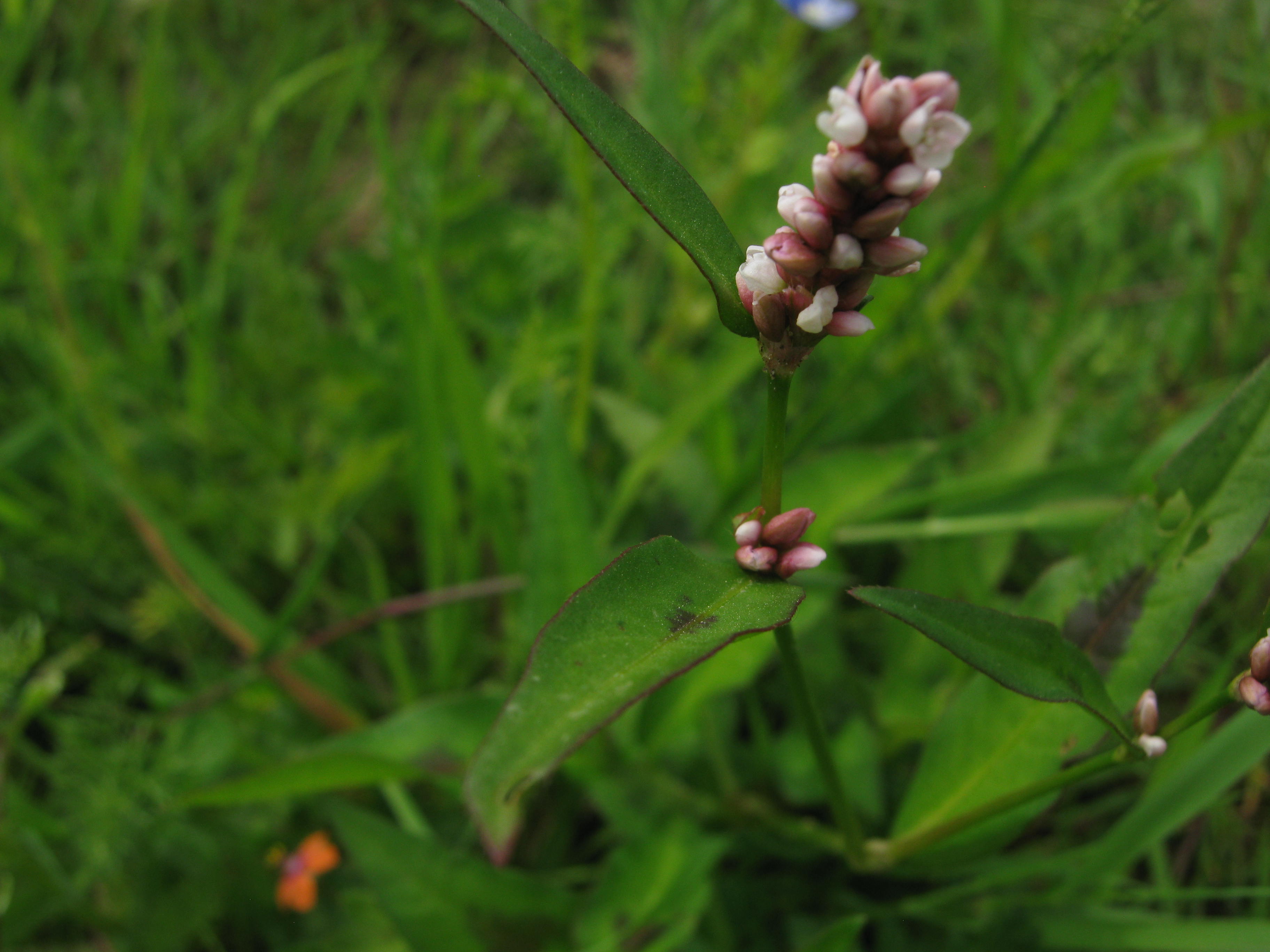
011Pale Persicaria

Redshank

A member of the dock family – one of the knot-grasses

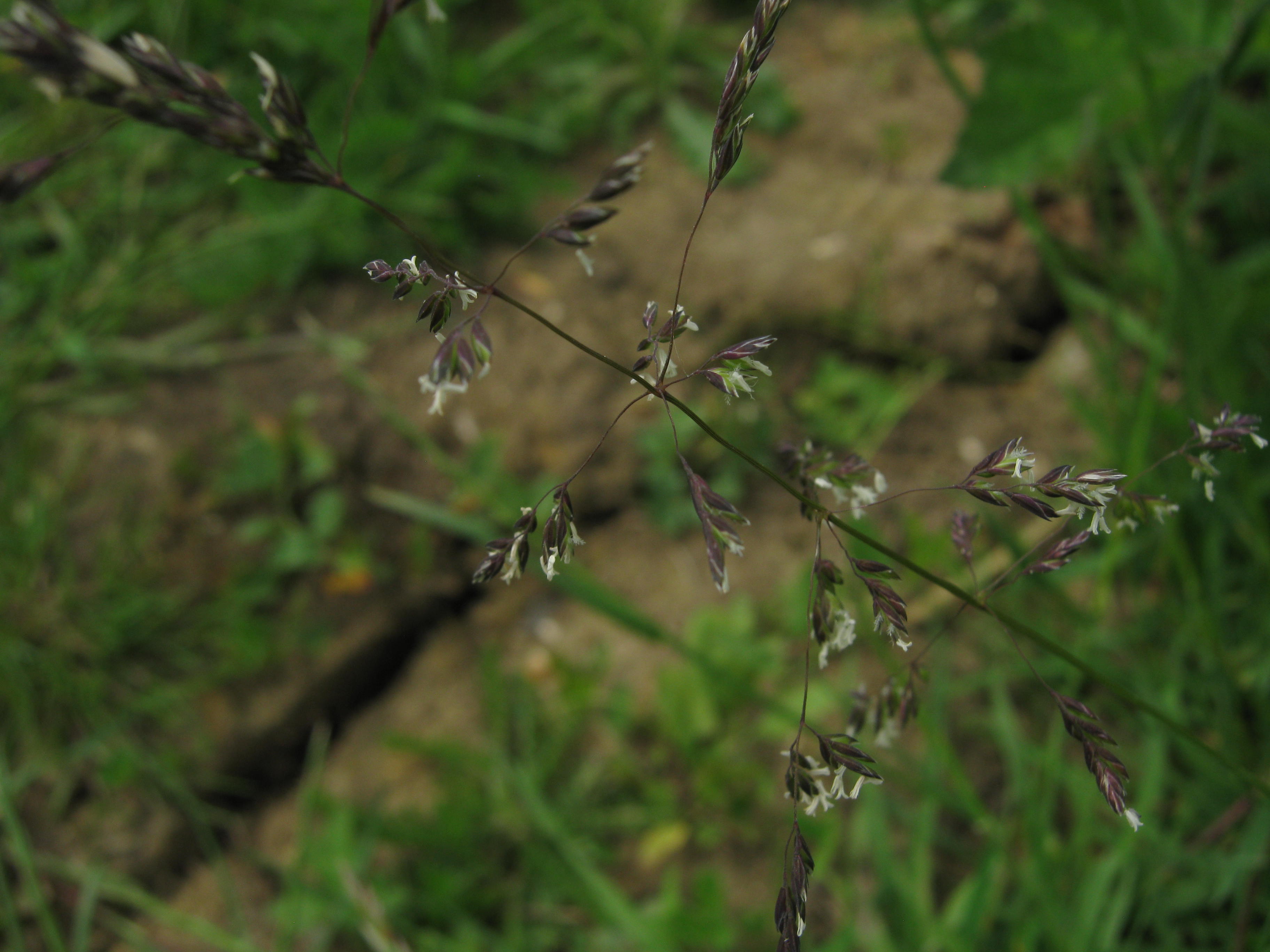
013Annual Meadow-grass

Annual Meadow-grass

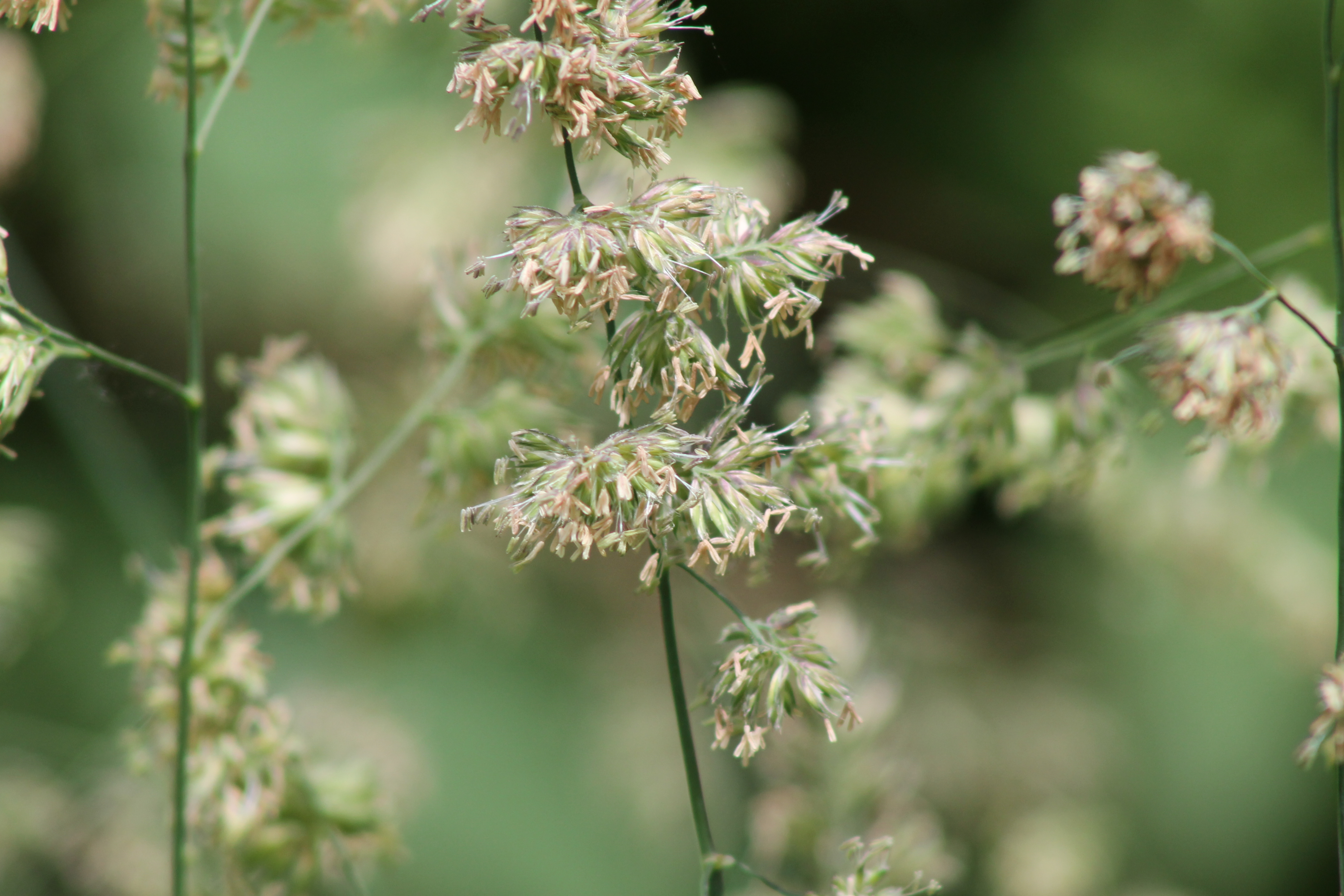
024Cock's Foot

Cock’s Foot grass

The Trooping of the Colour to celebrate the Queen’s Official Birthday takes place this coming Saturday.  There is always a fly-past and during the week before the celebration there is a rehearsal of this which goes directly over our house.  Not all the planes and formations take part in the rehearsal and unfortunately this year there were fewer than usual.
056Fly past

058Fly past

059Fly past

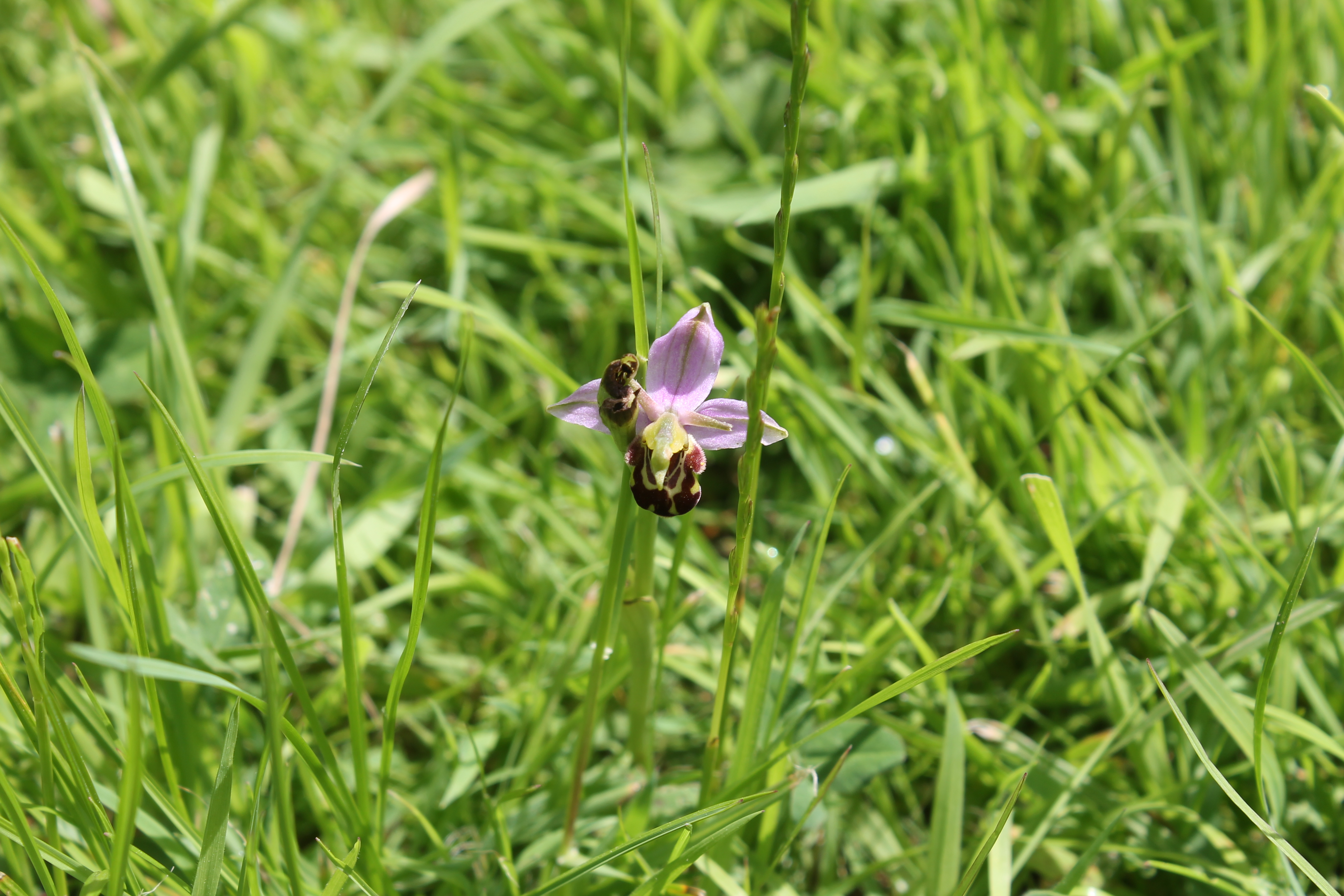
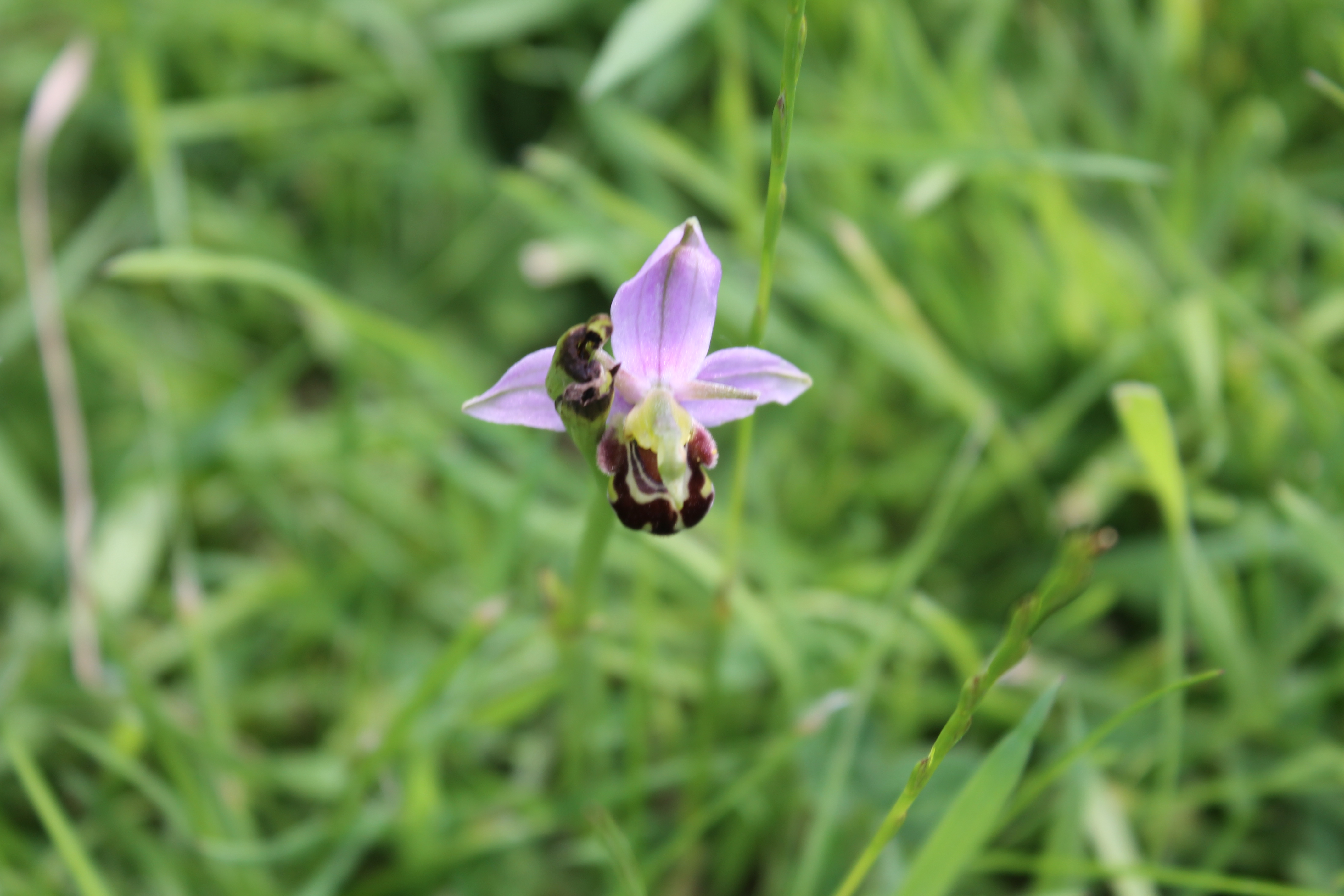
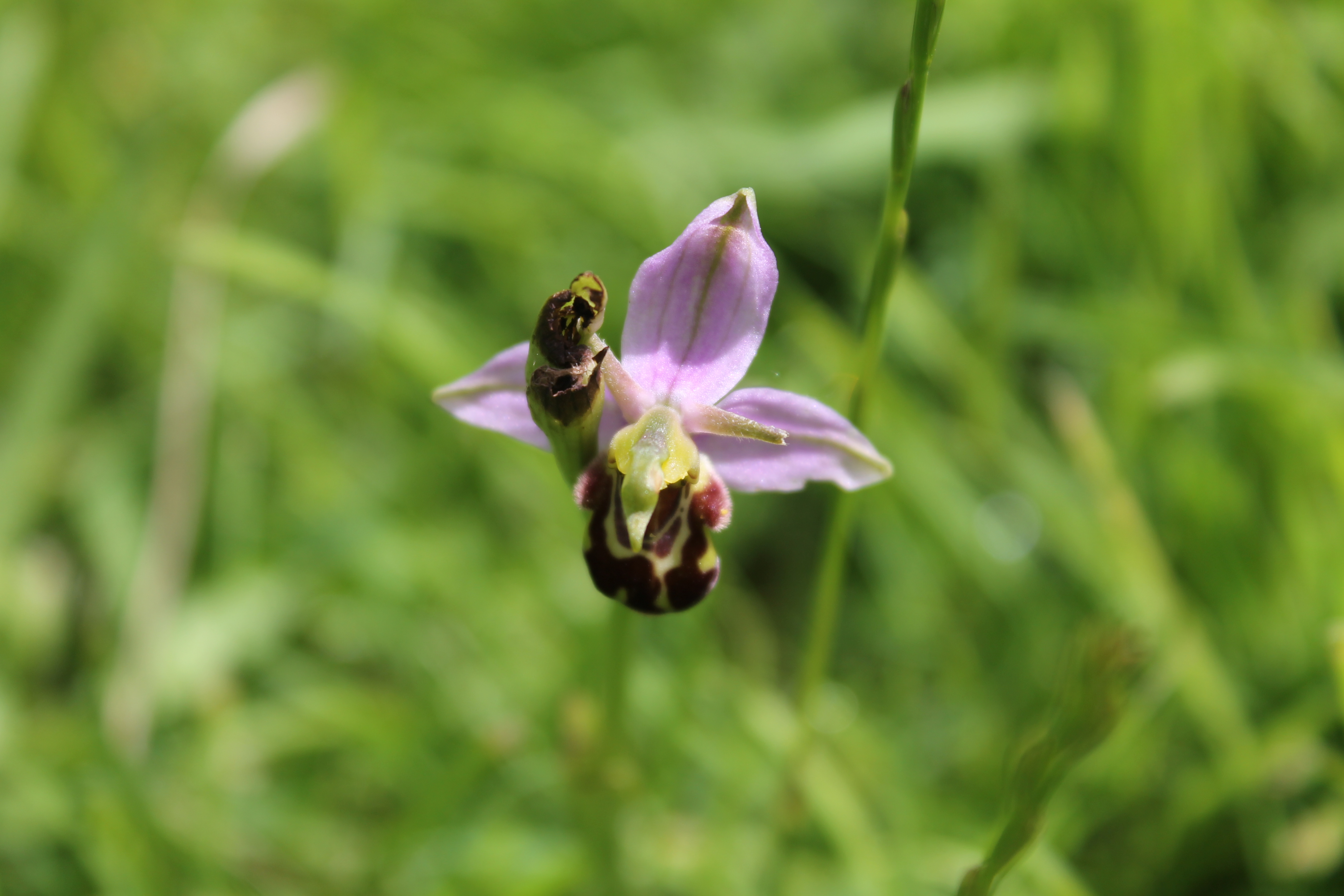
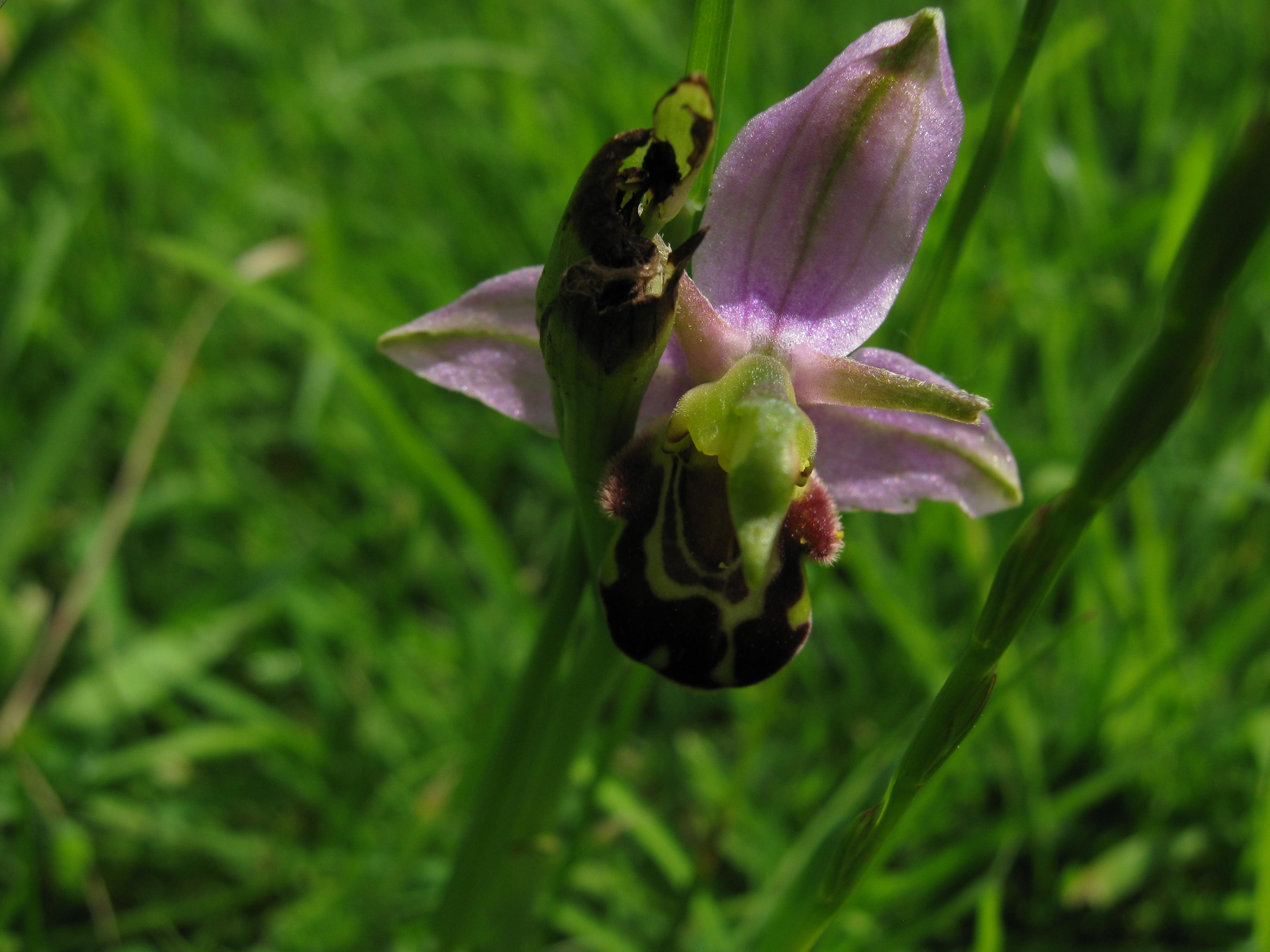
The final photographs in this post are of a special flower I found yesterday – a Bee Orchid.

034Bee Orchid

037Bee Orchid

035Bee Orchid 035Bee Orchid

018Bee Orchid


Share this:

  • Share on X (Opens in new window) X
  • Share on Reddit (Opens in new window) Reddit
  • Share on Pinterest (Opens in new window) Pinterest
  • Share on Facebook (Opens in new window) Facebook
  • Email a link to a friend (Opens in new window) Email
  • Share on Tumblr (Opens in new window) Tumblr
  • Print (Opens in new window) Print
  • Share on Pocket (Opens in new window) Pocket
  • Share on LinkedIn (Opens in new window) LinkedIn
Like Loading...

A Miscellany Part 1

30 Fri May 2014

Posted by Clare Pooley in churches, Insects, Rural Diary, Uncategorized, wild birds

≈ 8 Comments

Tags

Bee, Damselfly, Dragonfly, Flesh Fly, Franciscans, House Martin, house sparrow, Robin, Santiago de Compostella, smoke, Swallow, Thurifer, white doves

I usually take a number of photos of the things I see each day but don’t manage to include them in a post.  This post is a mixture of those photos, a few memories of my father and a mention of a couple of things I have done during the last two weeks.

The weather during the last few days has been pants (to use one of R’s expressions).  When it hasn’t been raining it has been very dull and chilly, and with a strong easterly wind blowing it hasn’t been pleasant out-of-doors.  I have a slight cough as well and no energy: this post will have photos I took when the weather was better.  The children are on their half-term holiday this week.  They can’t be having much fun unless their parents have taken them abroad.  As I look out of the window this morning there is a steady drizzle falling and I am not looking forward to going out to feed the birds.
R spent a couple of days in Manchester the weekend before last.  His poor Mum is finding it very difficult getting used to having more carers coming into her home.  She feels as though her life is now out of her own control and is quite depressed.  She knows she needs the help and is pleased to be able to stay in her own home but all the same….  R was able to give her a hug and some sympathy.  His brother is doing all the duties I do with my own mother plus some, and is finding it all extremely trying, so R got a couple of rants from him too.  R feels bad that he can’t help more but I think he does very well considering he has a full time job with lots of travelling away from home.  He phones his Mum regularly and is in constant touch with his brother.  He visits every month or two and provides equipment and other financial aid.  R went on the train so wasn’t able to drive them about when he was in Manchester but they did have an enjoyable walk in the local park in the sunshine.  The sun shone brightly and it was very warm so my mother-in-law was cheered by the flowers, the other people in the park, the ice-cream R bought and the coffee in an outside café sitting in her wheelchair under a tree.

After dropping R off at Diss station on the Sunday to get the train to Manchester, I drove back to Fressingfield to pick up Mum and took her to church in Eye.  I do spend quite a lot of my time in the car it seems!  The retired priest who has been looking after Eye church had just returned from a pilgrimage to Santiago de Compostella and spoke movingly about his experiences.  He started walking from the border between Portugal and Spain with crowds of other people from all nations and walked about twelve miles a day through beautiful countryside.  He said he was fortunate to have his luggage sent on each day to the next hotel and only needed to carry a few necessaries with him.  Many of the other pilgrims had to carry all their belongings with them in large packs and either camped or stayed in hostels along the route.  Poor man!  He retired and moved to this area to be near his family and almost as soon as he arrived he was asked to look after churches in two different benefices and has therefore worked an extra year already with lots of driving to do.  He decided to go on the pilgrimage (organised by the diocese to celebrate its centenary) before he realised he’d be so busy at home.  He also directed our attention to the scaffolding in the church across the whole Rood Screen.  He said it was ‘Holy Scaffolding’ – there to remind us of the scaffolding God provides for us in our journey through life – the props and supports He gives us out of love.  Being in Eye church always reminds me of my father as there is so much that he made there.  He was a cabinet maker and above all loved working in churches.  He left school at the age of fourteen and became an apprentice to a joiner/cabinet maker.  His parents were too poor to allow him the luxury of staying on at school.  He had to do his National Service in the RAF and hated it and shortly after leaving he decided he would become a friar.  He joined the Friary at Hillfield near Cerne Abbas in Dorset and was known as Brother Dunstan.  He was also known as the laughing friar as he was always cheerful.  He worked as a joiner/cabinet maker while there and also ran the local scouts.  He eventually started to have doubts about whether he should stay in the friary as I think his parents put a lot of pressure on him to leave.  They thought it strange for a young man to stay celibate and not to marry and have children.  He left while he was still a novice friar but always hankered after the life he had led there.  He certainly never gave up his vow of poverty – we were always poor and Mum is still struggling to find money to look after her house from her own small pension.  We often visited the Friary when I and my brother and sister were small and loved these jolly, kind men who played games with us and were so happy.  We went to the seaside once taking one of Dad’s friends who rolled up his habit and paddled in the sea much to everyone’s amusement.  We often had friars staying at our house when I was young; one I remember who thundered about in his sandals and got up noisily very early in the morning.  One day we got up to find water and blood all over the bathroom and no sign of the friar.  He had fallen over while getting out of the bath, cut his head badly and taken himself off to the local hospital.  By the time Dad had died only one of his old friends was left and he kindly came and spoke at Dad’s funeral  Mum loves being in Eye church too, as she likes to see all Dad’s things about her (he never had much time or money for improving his home so there are few pieces of his furniture there!).  Both my mother and mother-in-law find great comfort from their religion.  I try my best to get Mum to her own church where she is so happy.  It is unfortunate that there are not enough people in her church willing or able to give her a lift as I miss going to my own church with R.  Mother-in-law is more unfortunate than Mum in that her own church has changed so much and has side-lined all the elderly members in favour of its younger ones and has virtually stopped using the set services.  Even if she could get a regular lift from someone who could manage the wheelchair she wouldn’t come away from church feeling refreshed and comforted.  I think rural churches like mine appreciate their elderly members more than town churches do – I don’t think the churches in the country would exist at all without all the old stalwarts!
Another conversation R and I had before he went off to Manchester recalled my father.  R was saying the containers he has for screws and nails and such like are starting to fall apart and he was wondering what he could replace them with.  He said his father used to use old tobacco tins, St Bruno ones, and I said that was what my father used too but his ones were Balkan Sobranie.  My father began smoking at the age of fourteen when he started work and continued until shortly before his death from lung cancer four years ago.  He preferred smoking a pipe and my memories of him are with a pipe in his mouth working in his workshop or sitting in his garden in the evening.  He was a careless smoker, throwing matches about and leaving smouldering pipes in places he shouldn’t, including the back pocket of his trousers.  You can imagine the damage done to trousers, underpants and flesh that ensued.  I am amazed he didn’t set fire to his workshop too with all the heaps of wood shavings and sawdust about.  He was never happier than when enveloped in a cloud of smoke.  His pipe or cigarettes of course, and then bonfires were a favourite with him too.  His excitement on finding that a fire was still alight next morning!  He loved a good blaze and couldn’t be done with an incinerator.  He got through tons of firewood and coal in the house.  He was given the job of thurifer at Eye church.  The thurifer is the person who swings the thurible or censer full of smoking incense during the service and he was very good at it.  I remember my mother telling me of an incident one Palm Sunday when they were to process through the town from the Town Hall or the school, I can’t remember which, to the church.  They all started to sing the processional hymn, my father began swinging the thurible and next minute the fire alarm started wailing!

I had been thinking how fortunate I was to have four different types of warbler singing in my garden, Blackcap, Chiff-chaff, Garden Warbler and Willow Warbler and another one, the Lesser Whitethroat, singing in hedgerows four minutes walk away when all of a sudden they all stopped a week ago.  I hear the Garden Warbler and the Chiff-chaff every now and again but the others have gone or just stopped singing.  Ah well, it was very good while it lasted.  I heard a Turtle Dove briefly last Wednesday but it didn’t stay around.  I don’t know that it is warm enough for Turtle Doves at the moment.  I can only remember them singing on warm and/or sunny days or is that my memory playing tricks on me?  We have lots of other birds about with their fledglings demanding to be fed.  The woodpeckers are so grubby looking from their constant feeding of young in the hole in their tree.  Instead of white markings they have beige feathers now.  As I type I can see a large group of young greenfinches on the telephone cable fluttering their wings while the parent birds stuff food into each one in turn.

Image

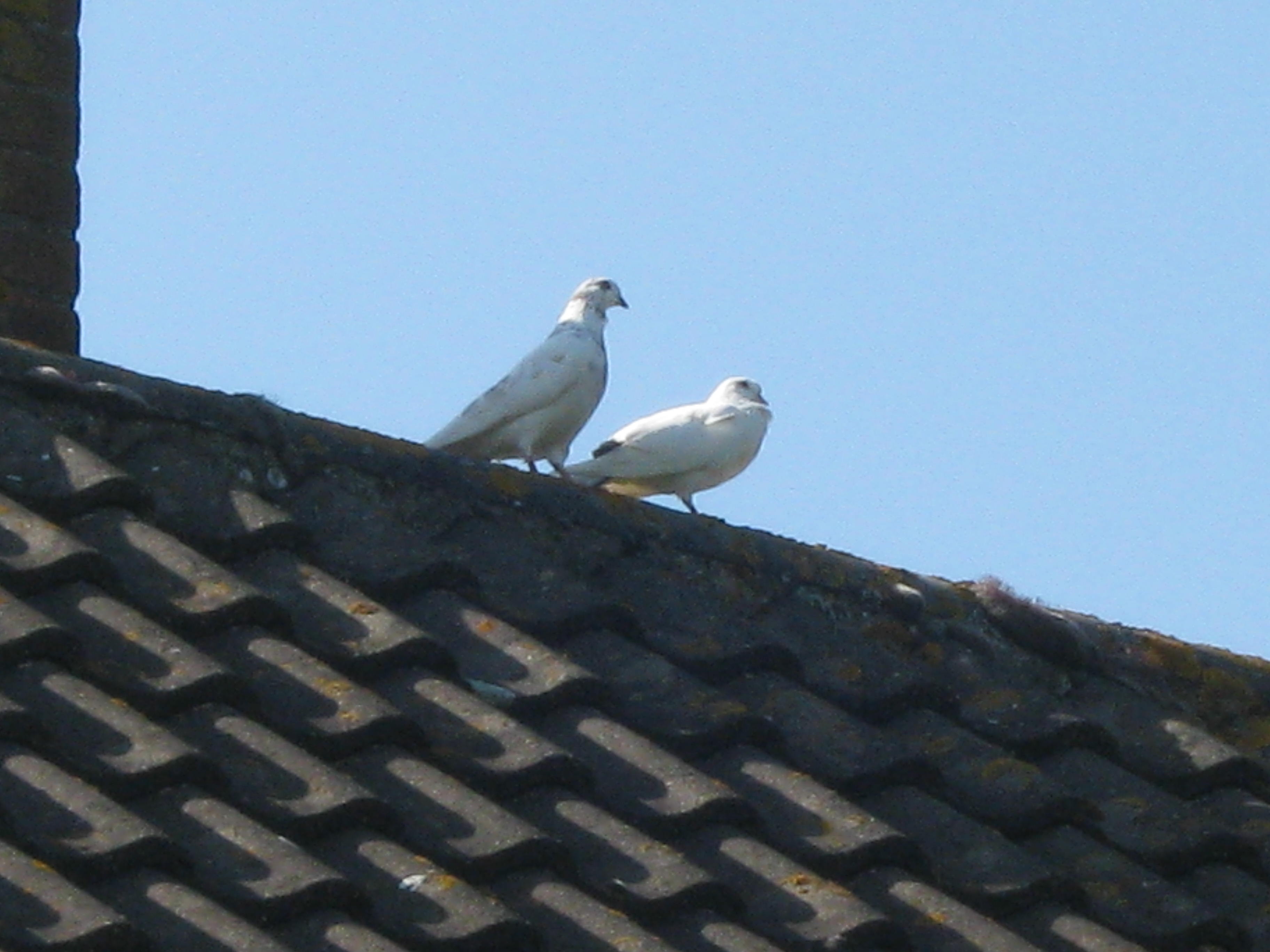
White doves visiting our garden

What a wonderful thing it must be to own some doves!  You provide them with a dovecot and pamper them to your heart’s content.  You don’t need to feed them much as all you do is let them fly off each morning to gorge themselves, with other pigeons and doves, on farmers’ crops and other peoples’ peas and beans and bird-table food!

004Male House Sparrow

A male House Sparrow

Image

Image

Image

Image

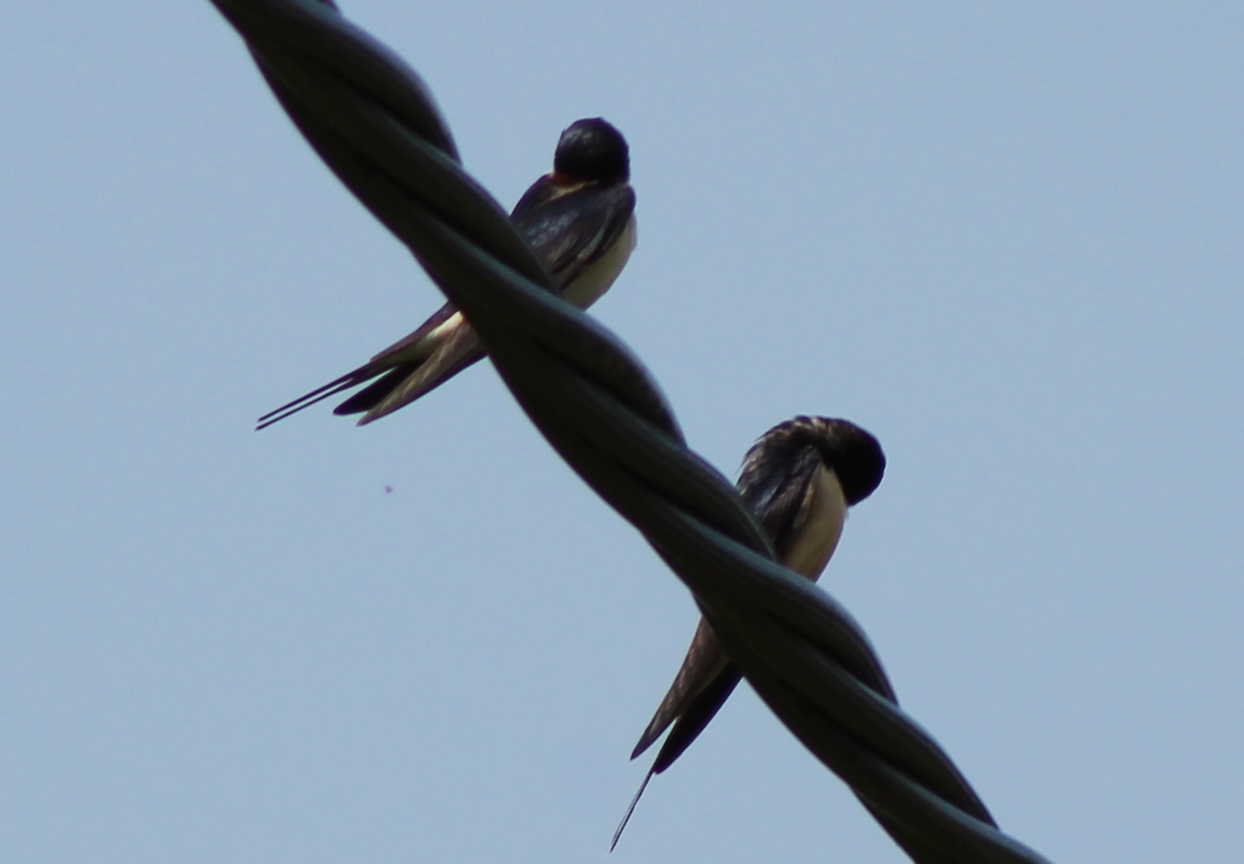
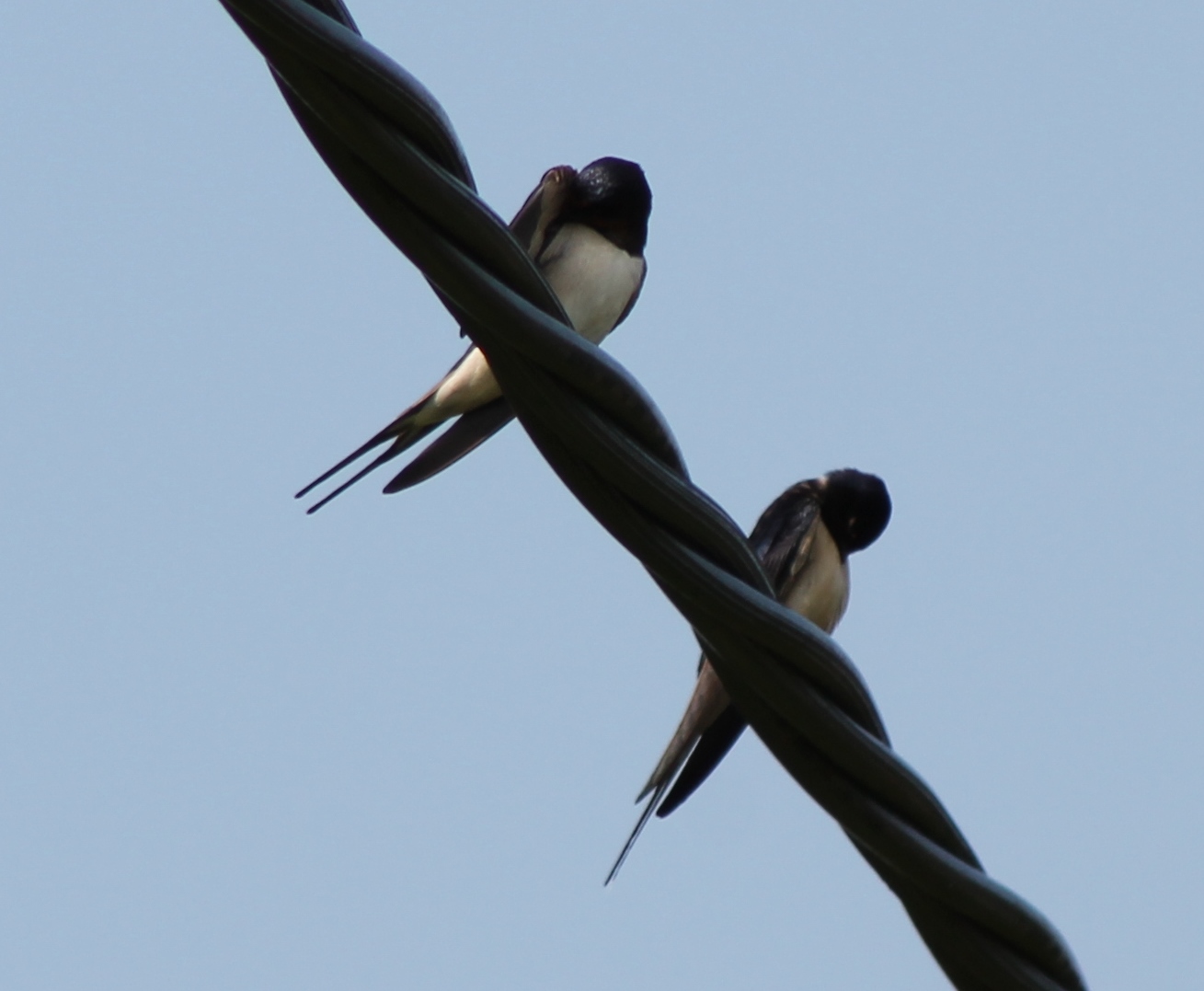
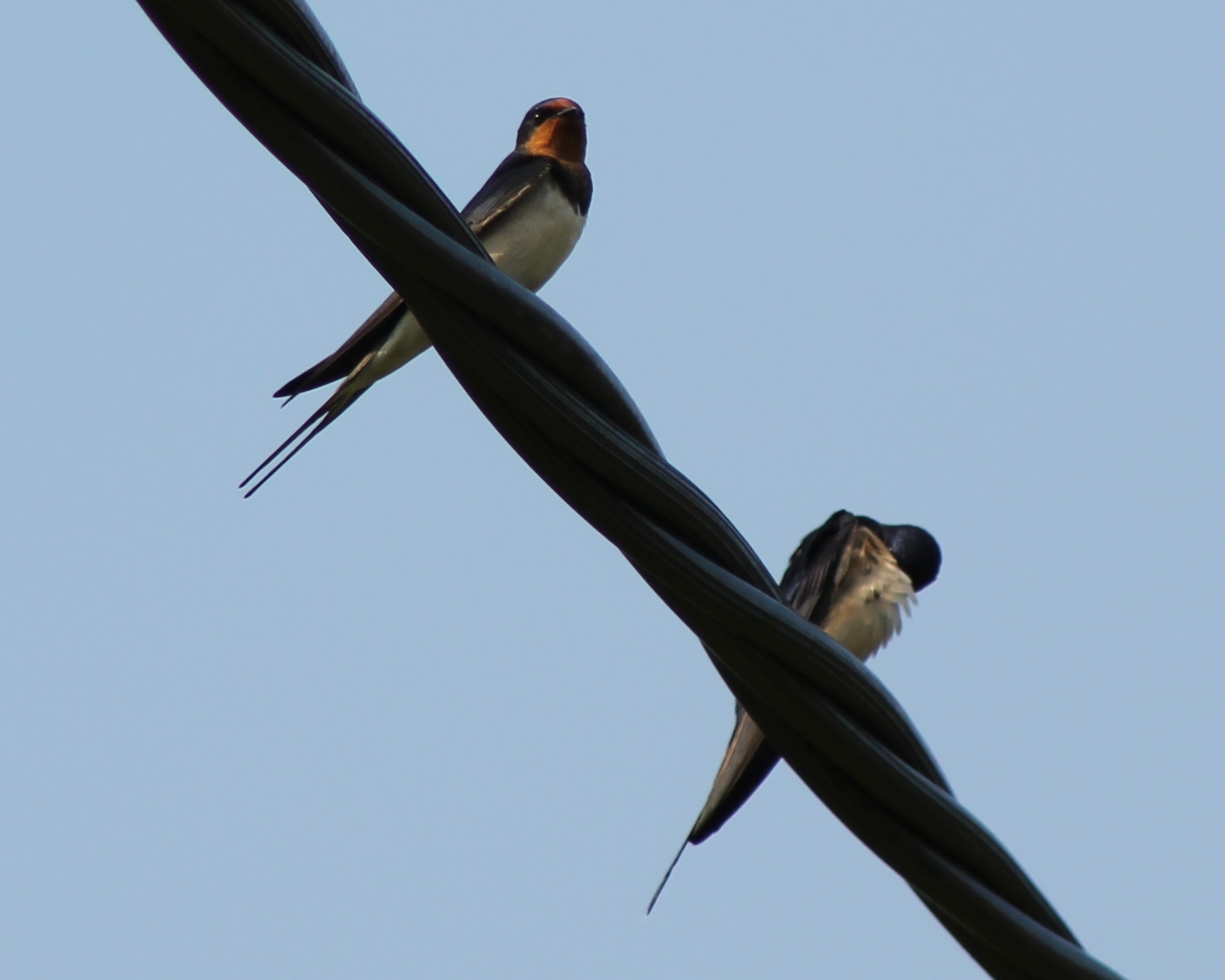
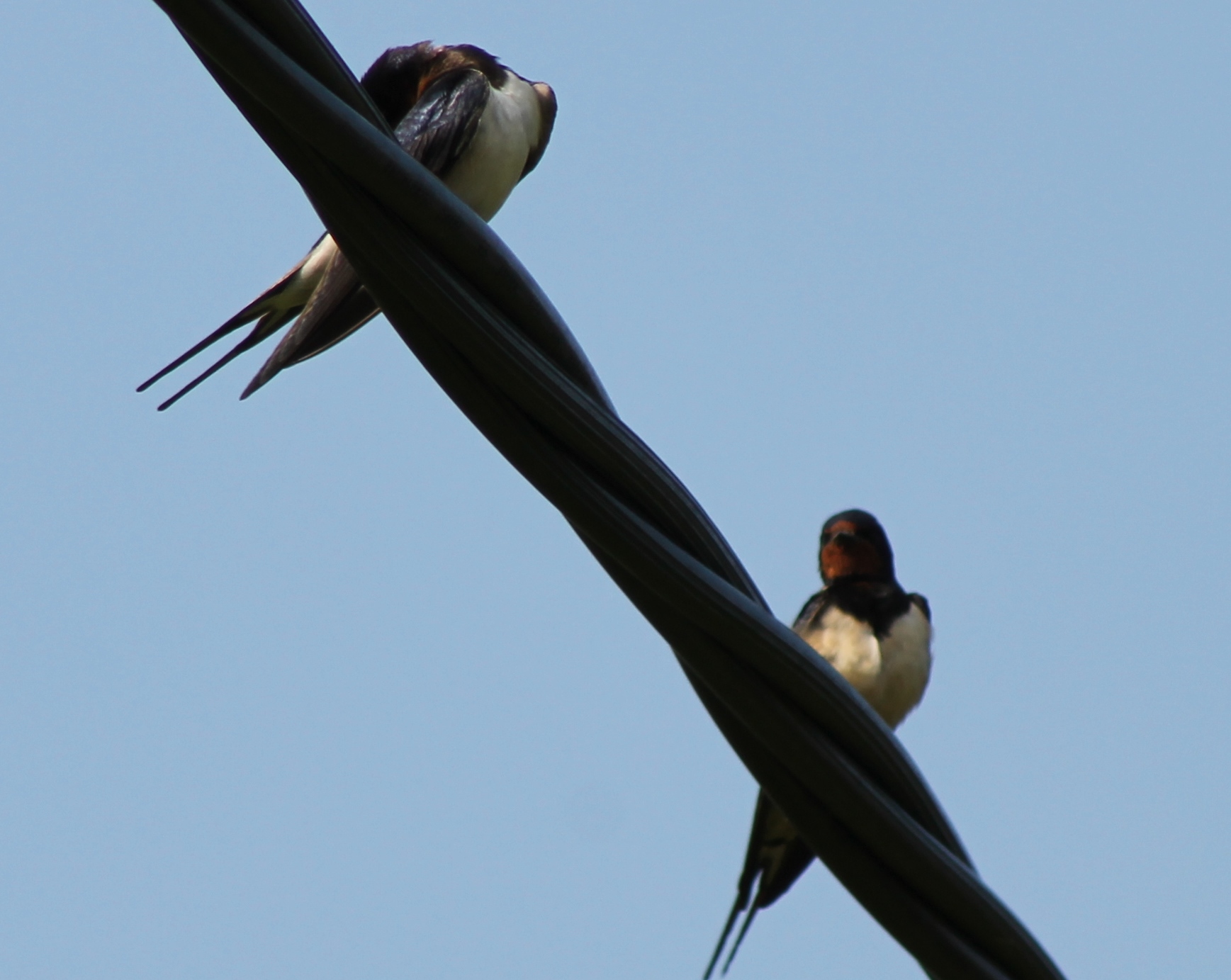
Swallows on the electric cable.

Image

Image

Image

Image

Image

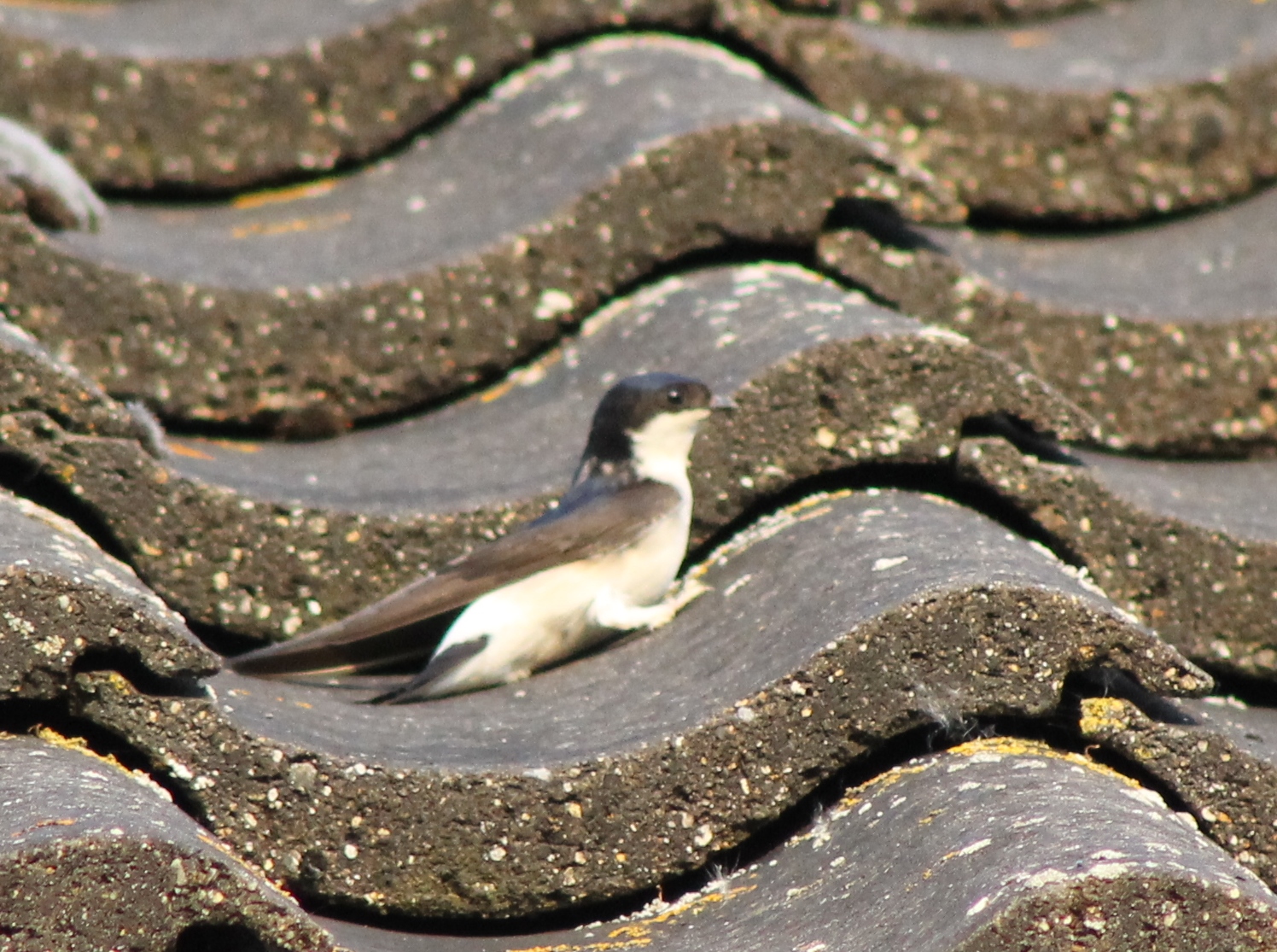
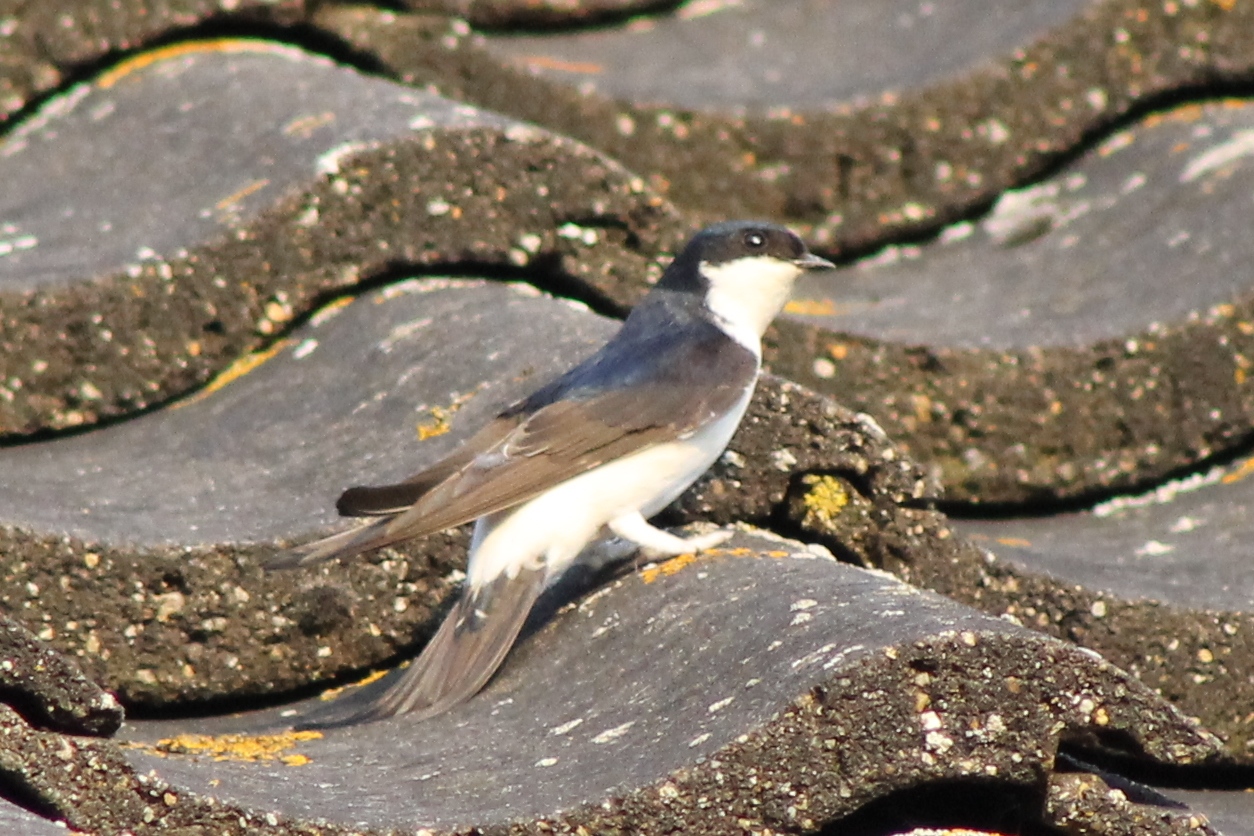
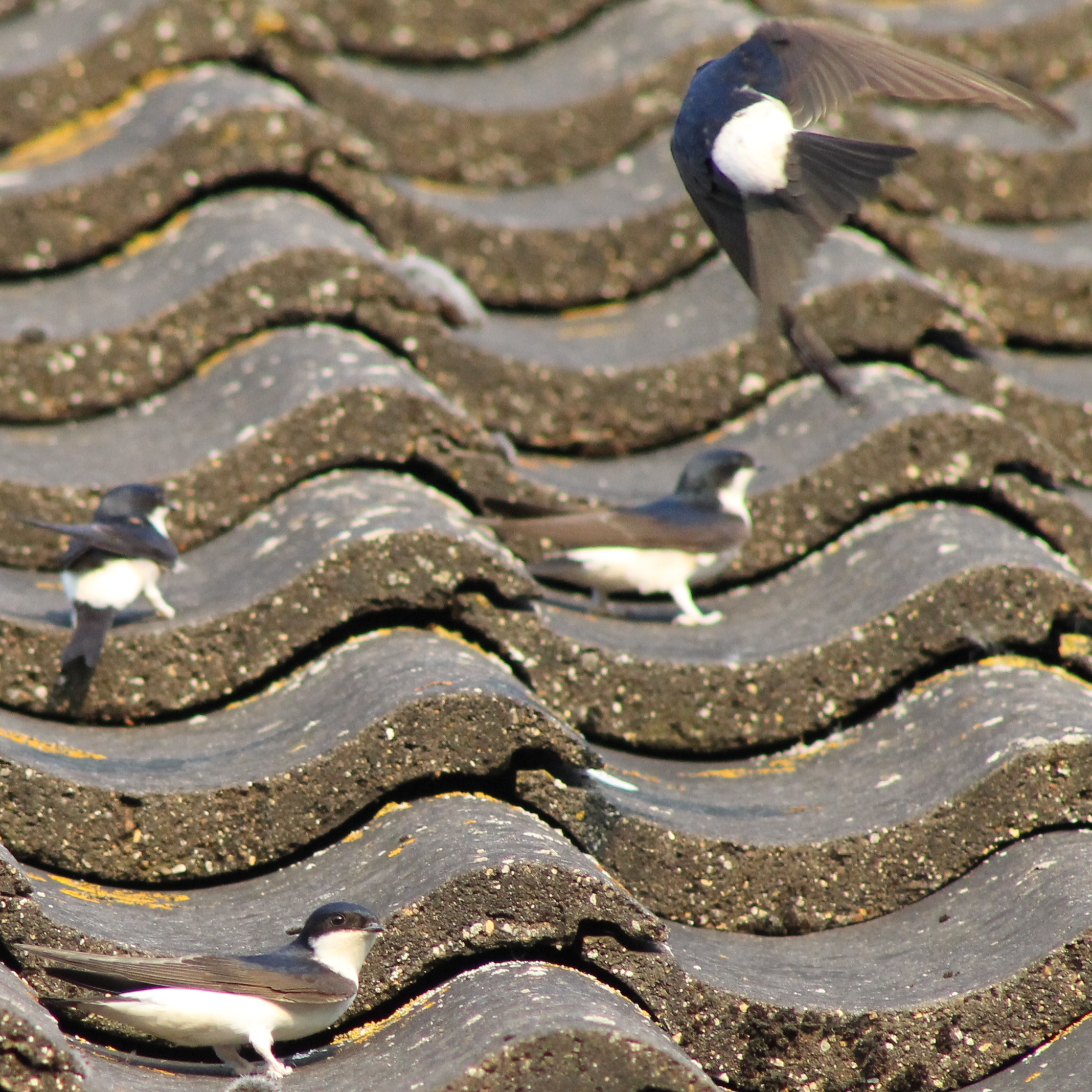
House Martins on our roof.  They land in large groups and sun themselves and then fly off and return quickly- flitting about.  Their song reminds me of budgerigars.

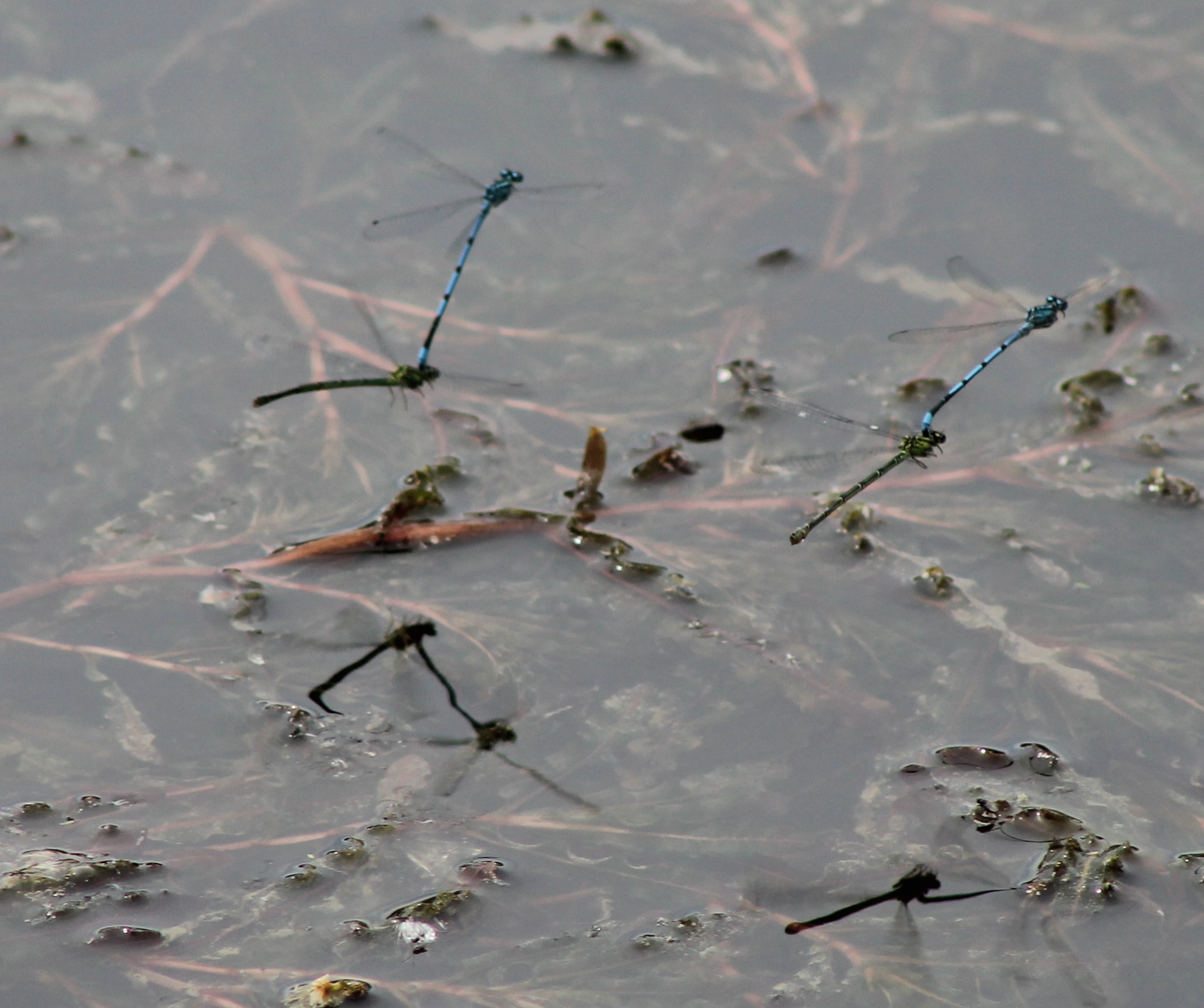
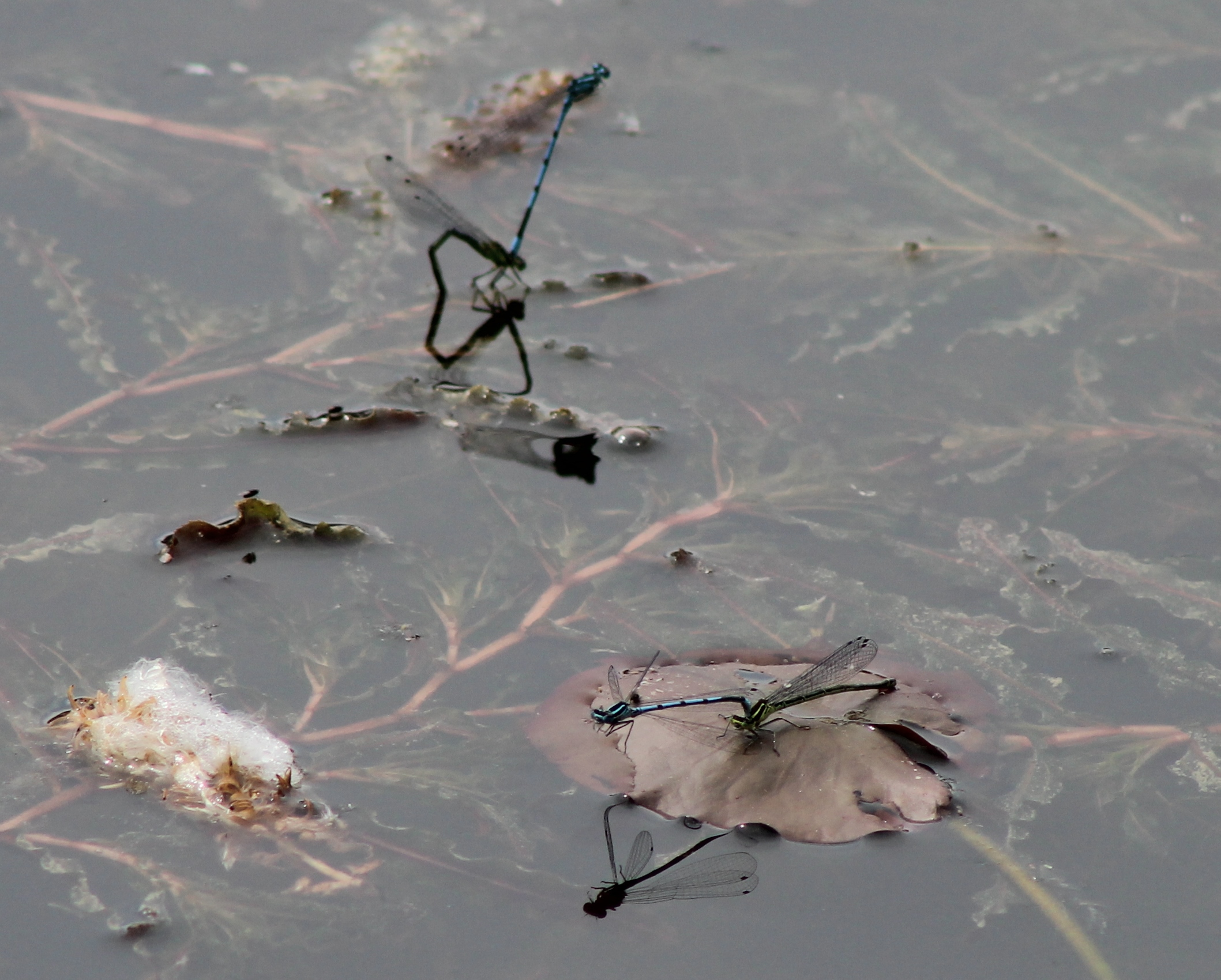
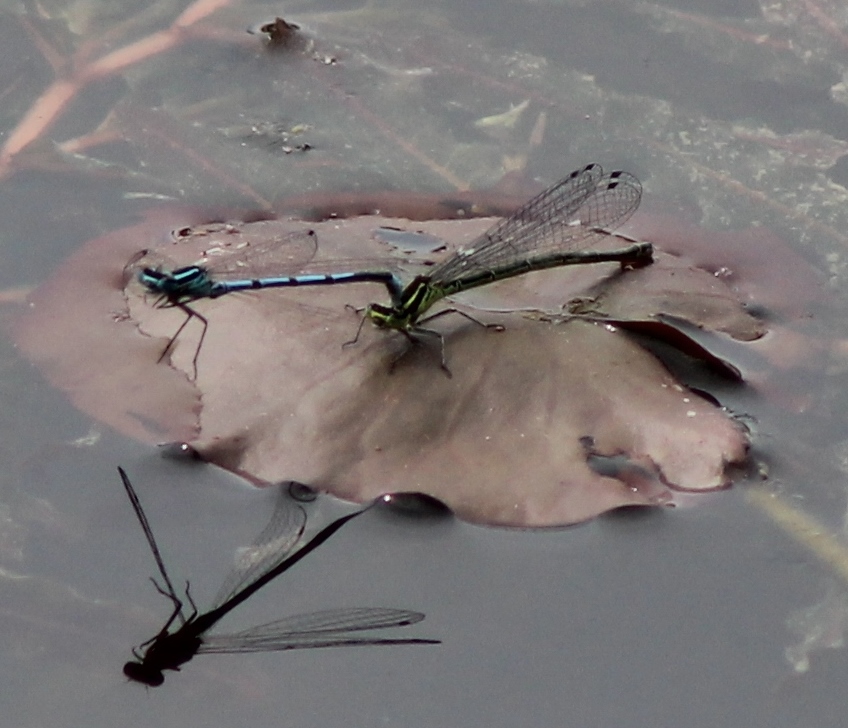
In a post last week I included a blurred photo of a damselfly.  I managed to take a few more pictures last week before they all disappeared.  The red females went before I could photograph them but a different type of damselfly arrived with green and brown females and these are my photos.

Image

Image

Image

021Damselflies

020Damselflies

The damselflies have all gone now but I managed to photograph a dragonfly which had just emerged from the pond at the front of the house and was drying its wings.

Image

A Black-tailed Skimmer

029Dragonfly M Black-Tailed Skimmer

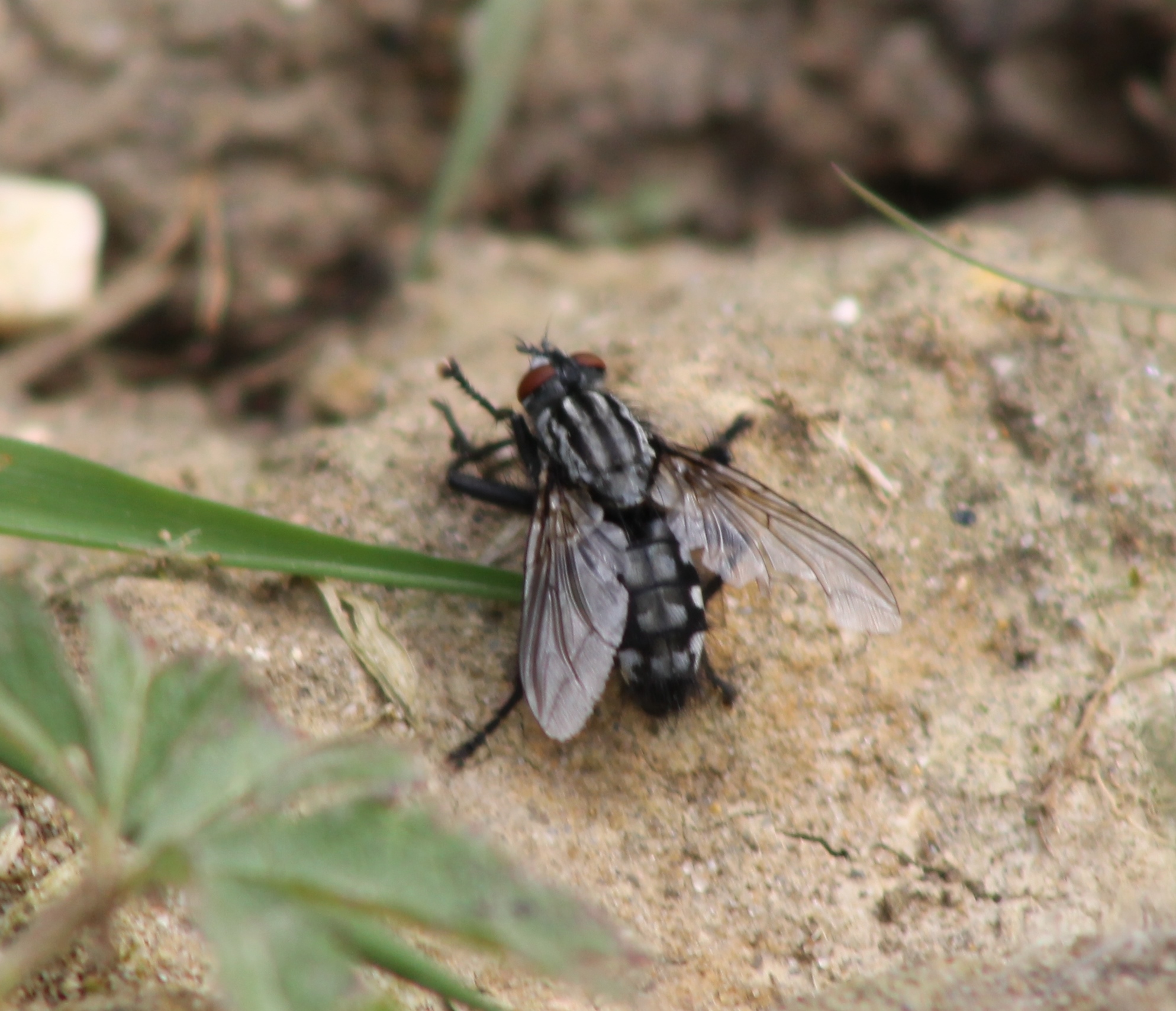
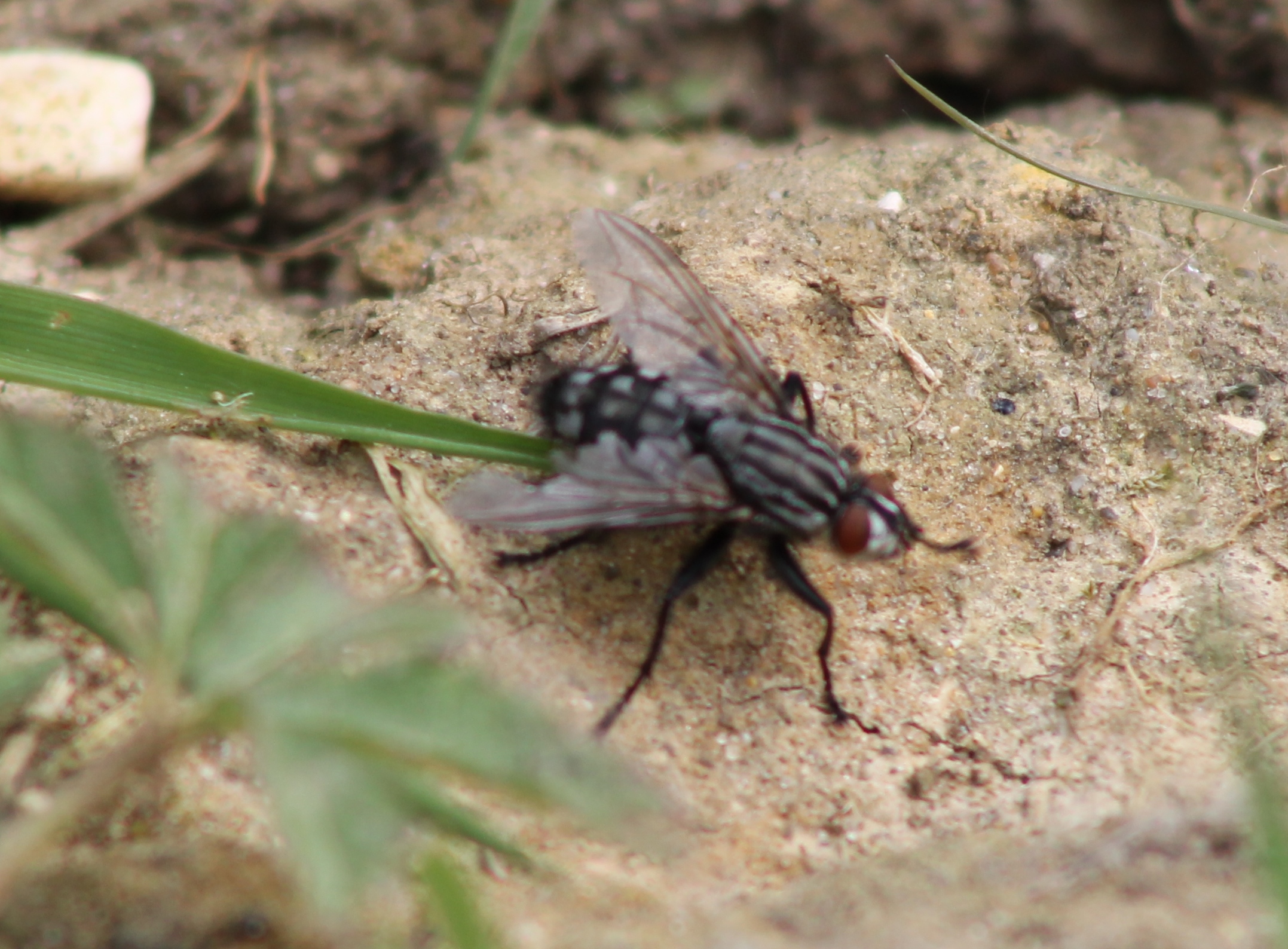
Another not so pleasant insect I saw in the garden last week was a Flesh Fly.

Image

Image

Image

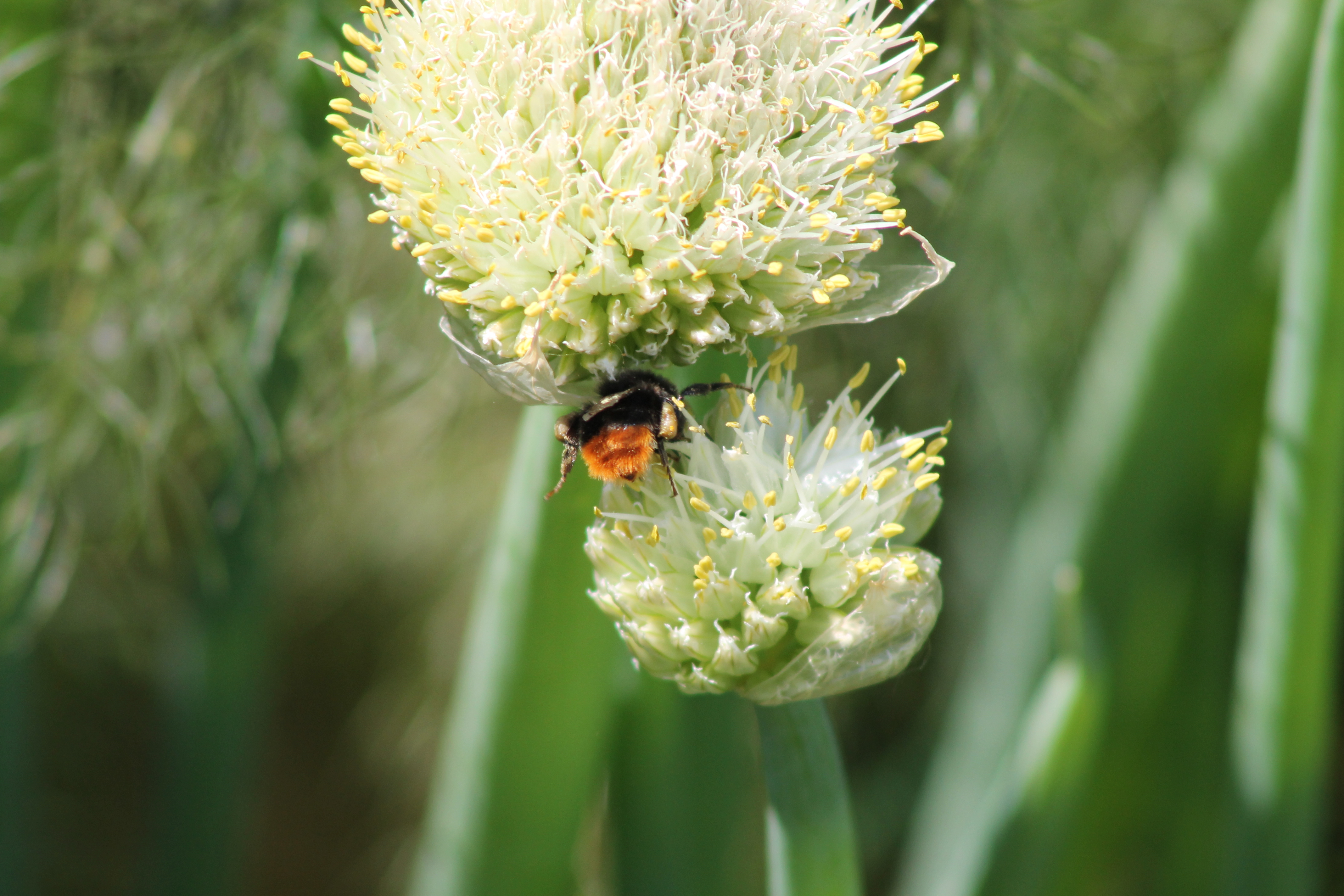
A tiny bee on a Welsh Onion flower.

In the second part of this post I will include the flower photos I have taken recently.


Share this:

  • Share on X (Opens in new window) X
  • Share on Reddit (Opens in new window) Reddit
  • Share on Pinterest (Opens in new window) Pinterest
  • Share on Facebook (Opens in new window) Facebook
  • Email a link to a friend (Opens in new window) Email
  • Share on Tumblr (Opens in new window) Tumblr
  • Print (Opens in new window) Print
  • Share on Pocket (Opens in new window) Pocket
  • Share on LinkedIn (Opens in new window) LinkedIn
Like Loading...

A Cactus Flower

21 Wed May 2014

Posted by Clare Pooley in Insects, plants, Rural Diary, Uncategorized

≈ 3 Comments

Tags

Barrel cactus, flower, leaf-cutter bee burrow, scent

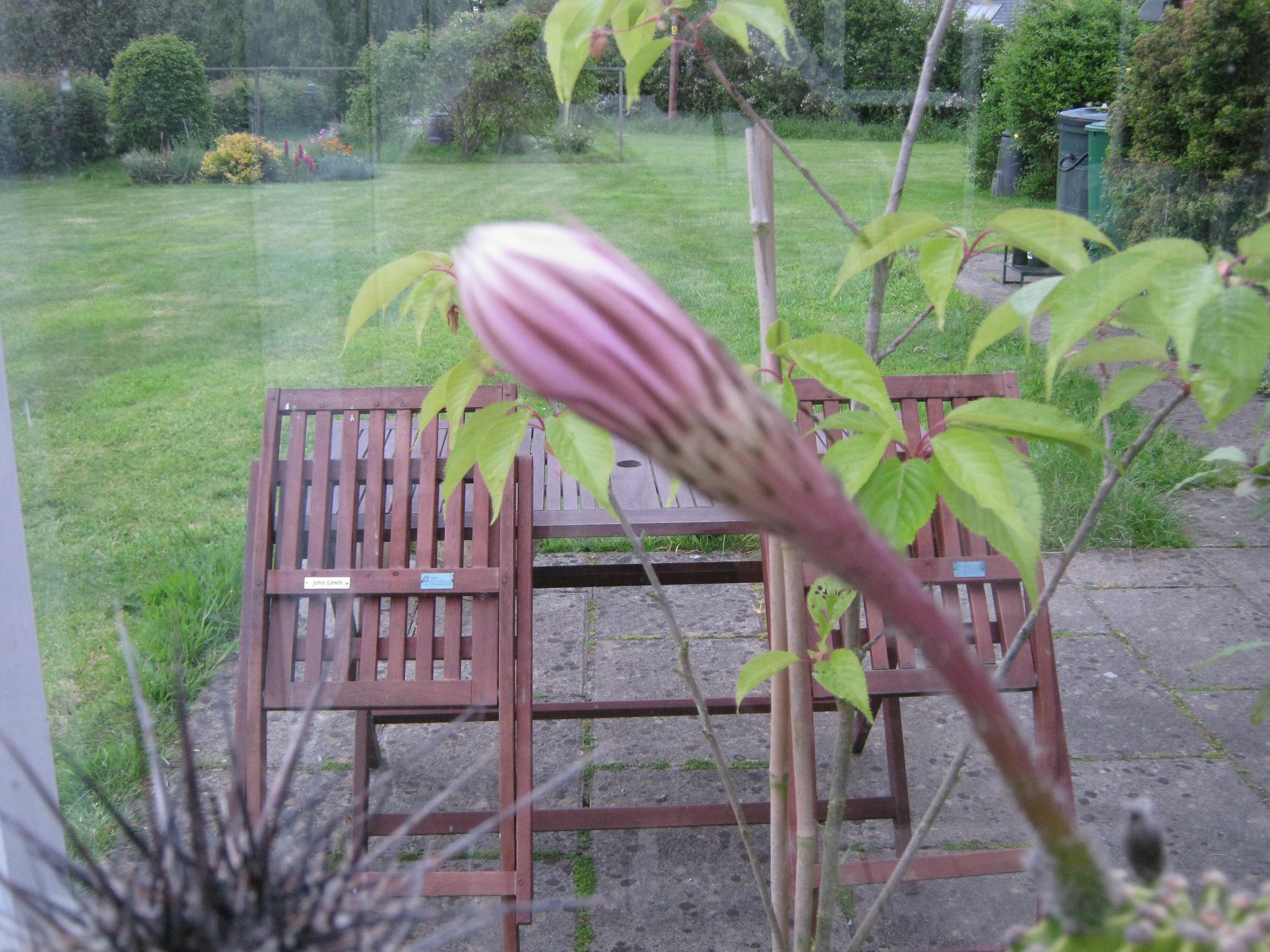
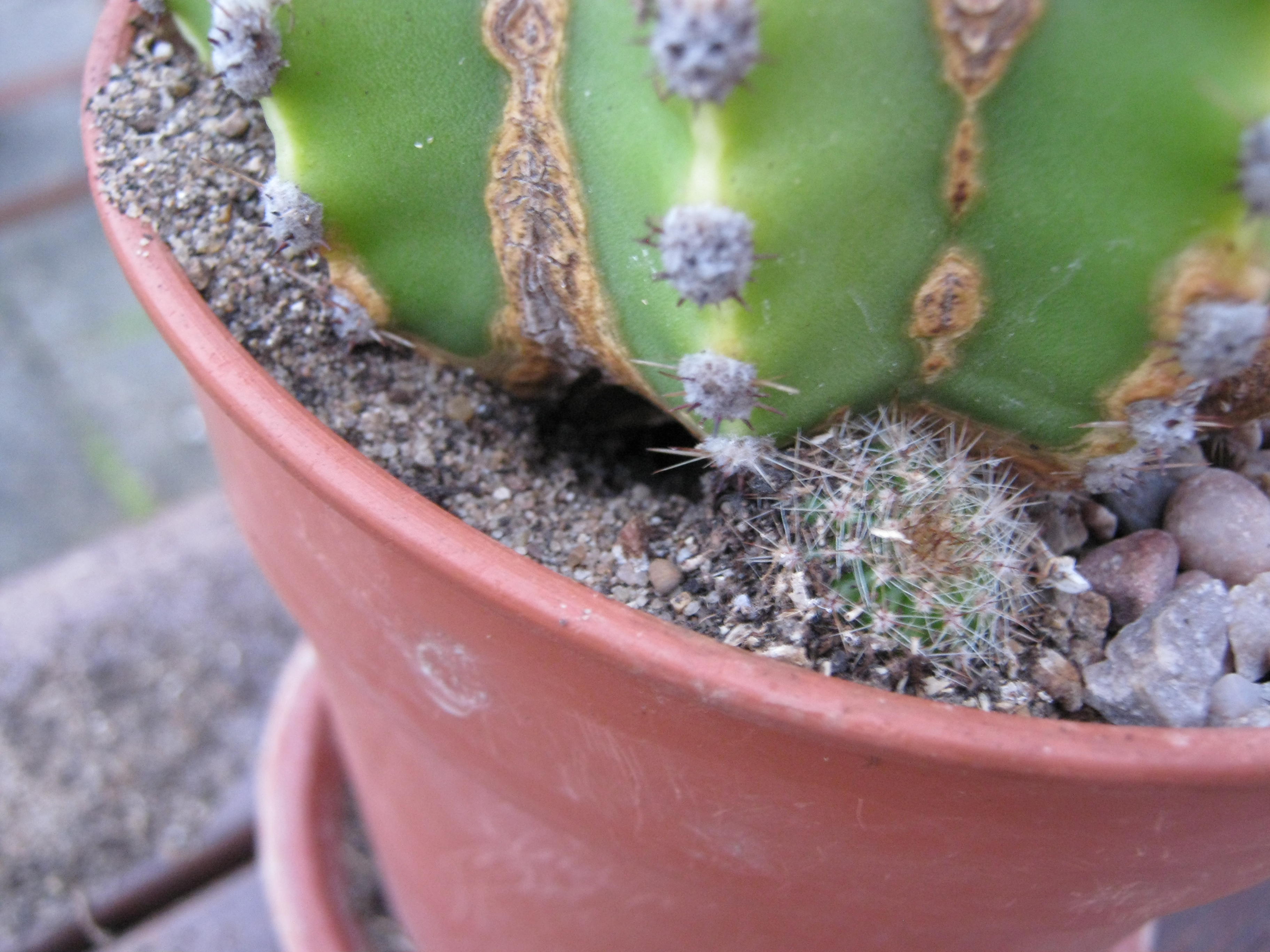
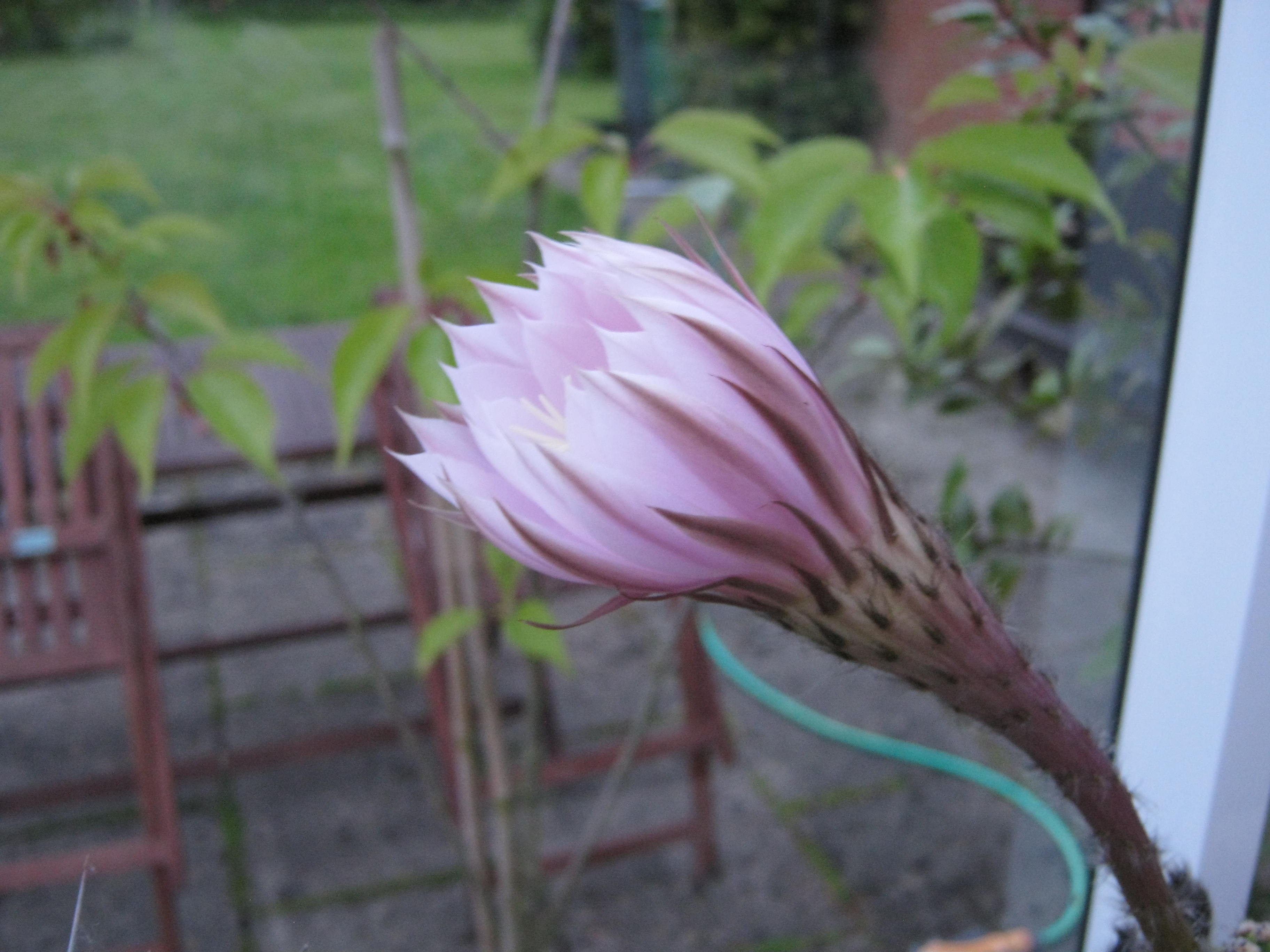
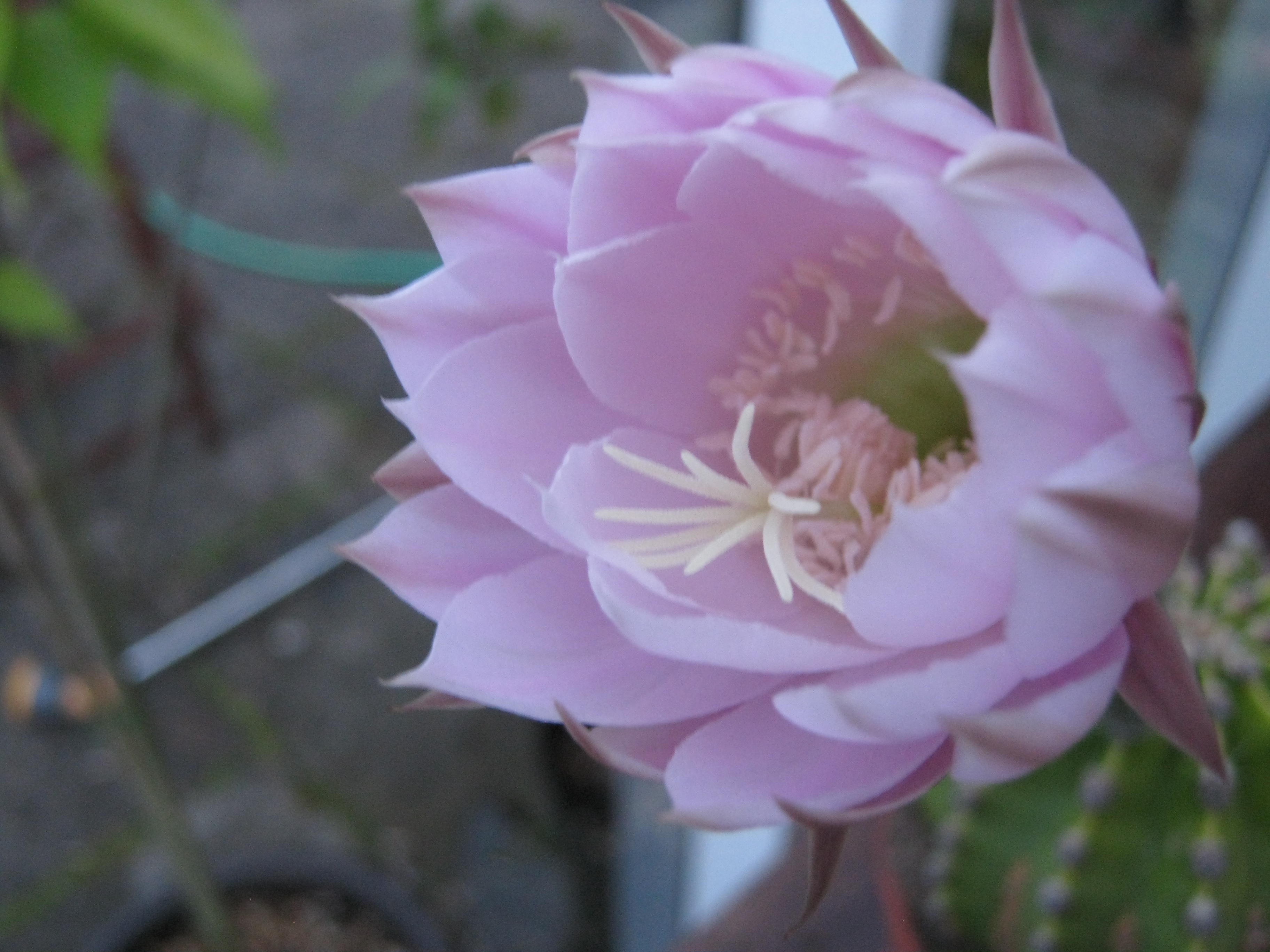
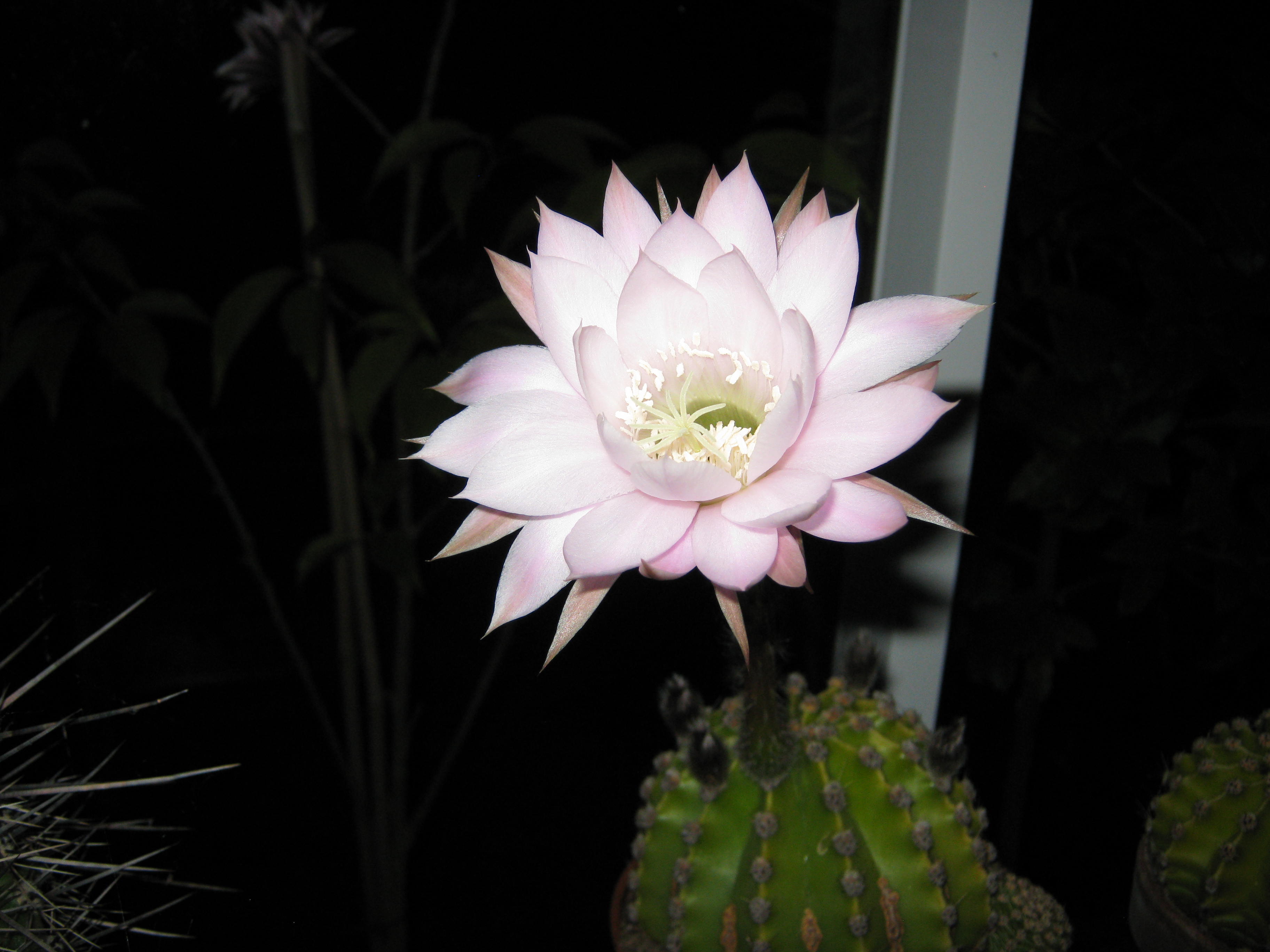
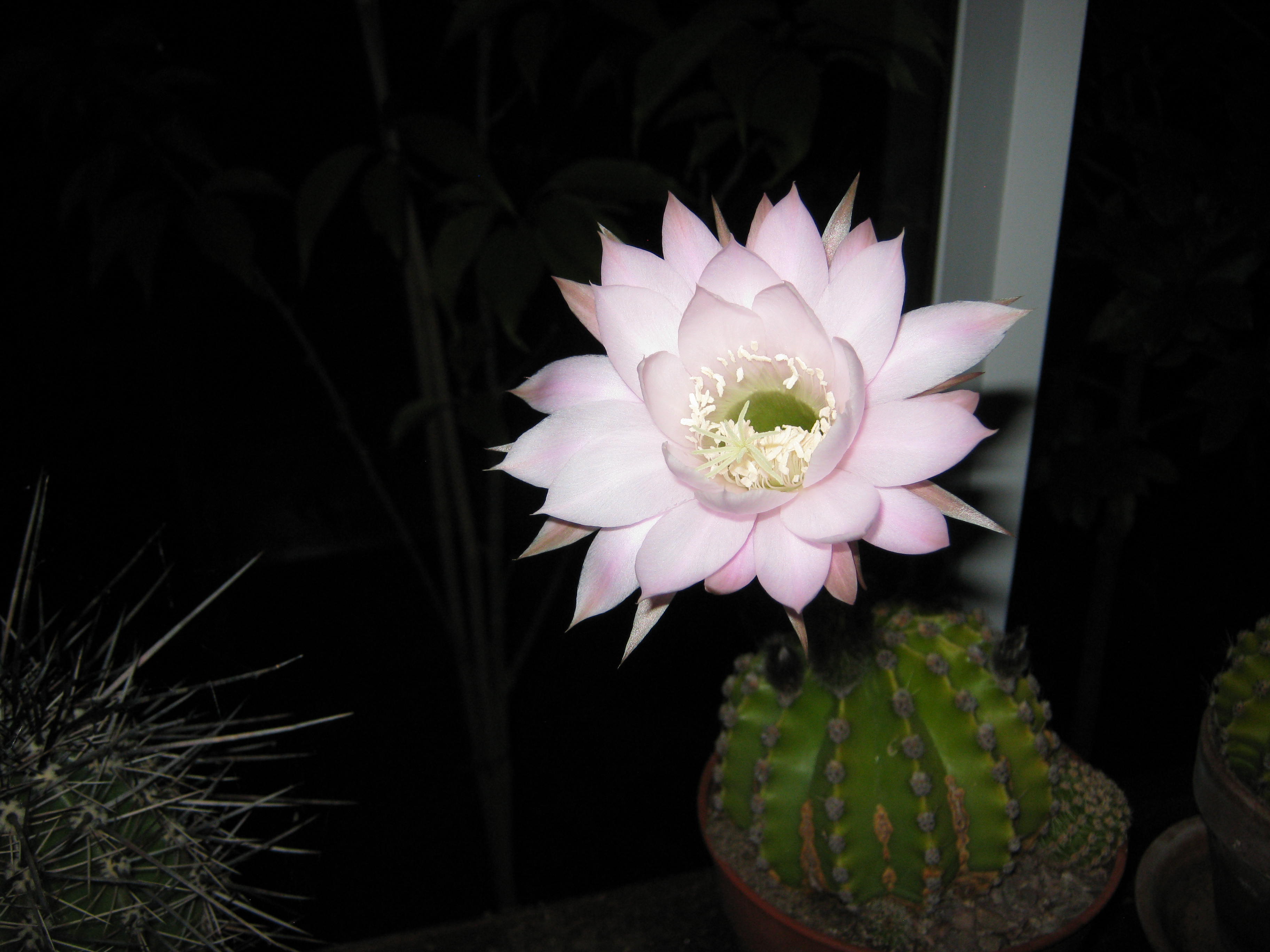
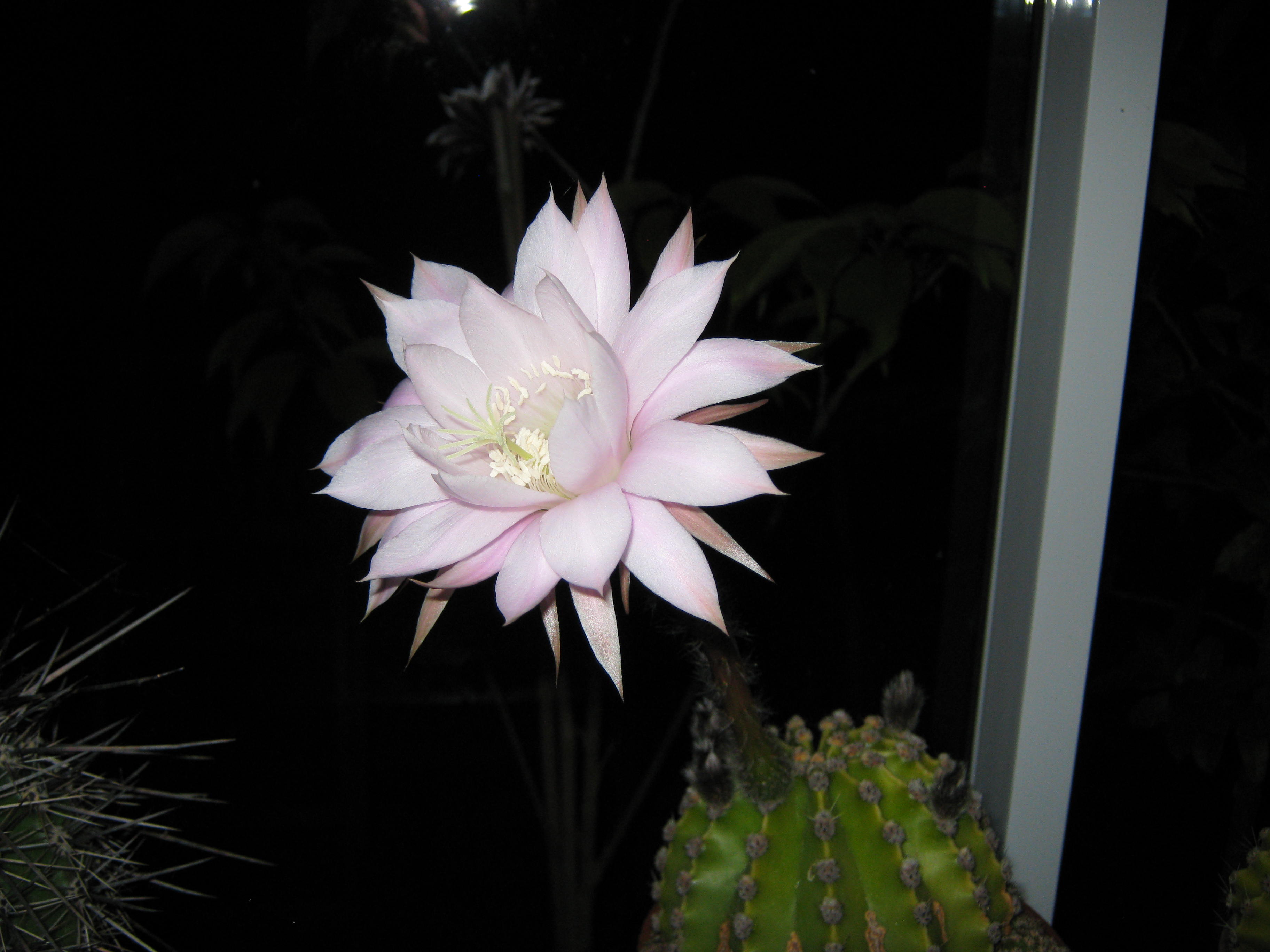
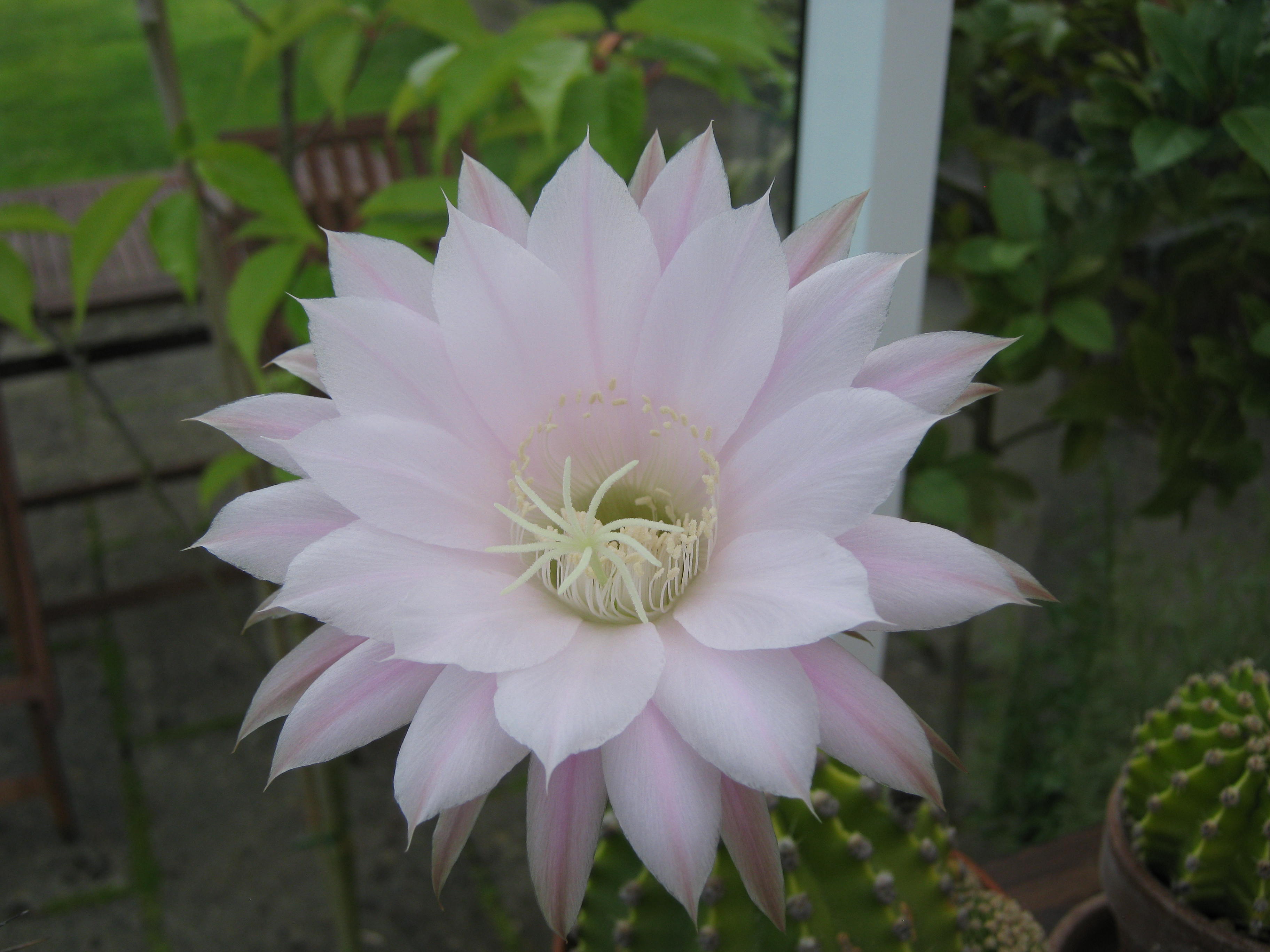
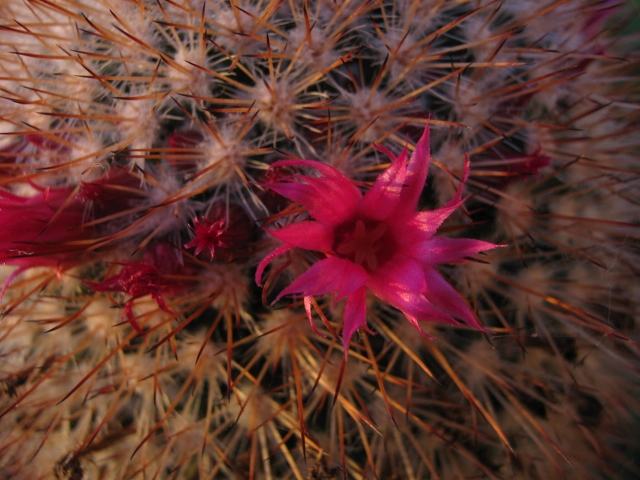
One of R’s barrel cacti has flowered.  Cacti are very spiny and for most of the year are quite boring, to tell the truth.  However, all the prickles are worth it for one of these flowers.  They start to open at sunset and last for just over twenty-four hours.  The scent is heady and sweet.  The only difficulty I had with this flower was that it was on the cactus whose pot had been taken over by the leaf-cutter bee.  The bee had thrown out a lot of the gritty soil the cactus is planted in and had dug a deep burrow under the plant.  Whenever I got near to try to photograph the flower I was rushed at by the bee very threateningly.  I haven’t been able to smell the flower because of that bee!  R wants to re-pot the cactus after it has flowered so the bee’s efforts will be in vain I think!


Image

The cactus flower-bud early evening yesterday 20.05.14

Image

Image

The bee’s little burrow

Image

Image

Image

Image

Image

Image

The cactus flower this morning 21.05.14


Share this:

  • Share on X (Opens in new window) X
  • Share on Reddit (Opens in new window) Reddit
  • Share on Pinterest (Opens in new window) Pinterest
  • Share on Facebook (Opens in new window) Facebook
  • Email a link to a friend (Opens in new window) Email
  • Share on Tumblr (Opens in new window) Tumblr
  • Print (Opens in new window) Print
  • Share on Pocket (Opens in new window) Pocket
  • Share on LinkedIn (Opens in new window) LinkedIn
Like Loading...

The Ugly-Bug Ball

19 Mon May 2014

Posted by Clare Pooley in fish, Gardening, Insects, plants, Rural Diary

≈ 9 Comments

Tags

Bees, Cuckoo-spit, Damselfly, fish, Froghopper, gardening, Green Hairstreak, Hornet, Hoverfly, Lily Beetle, Mimulus, moorhen, yellow iris

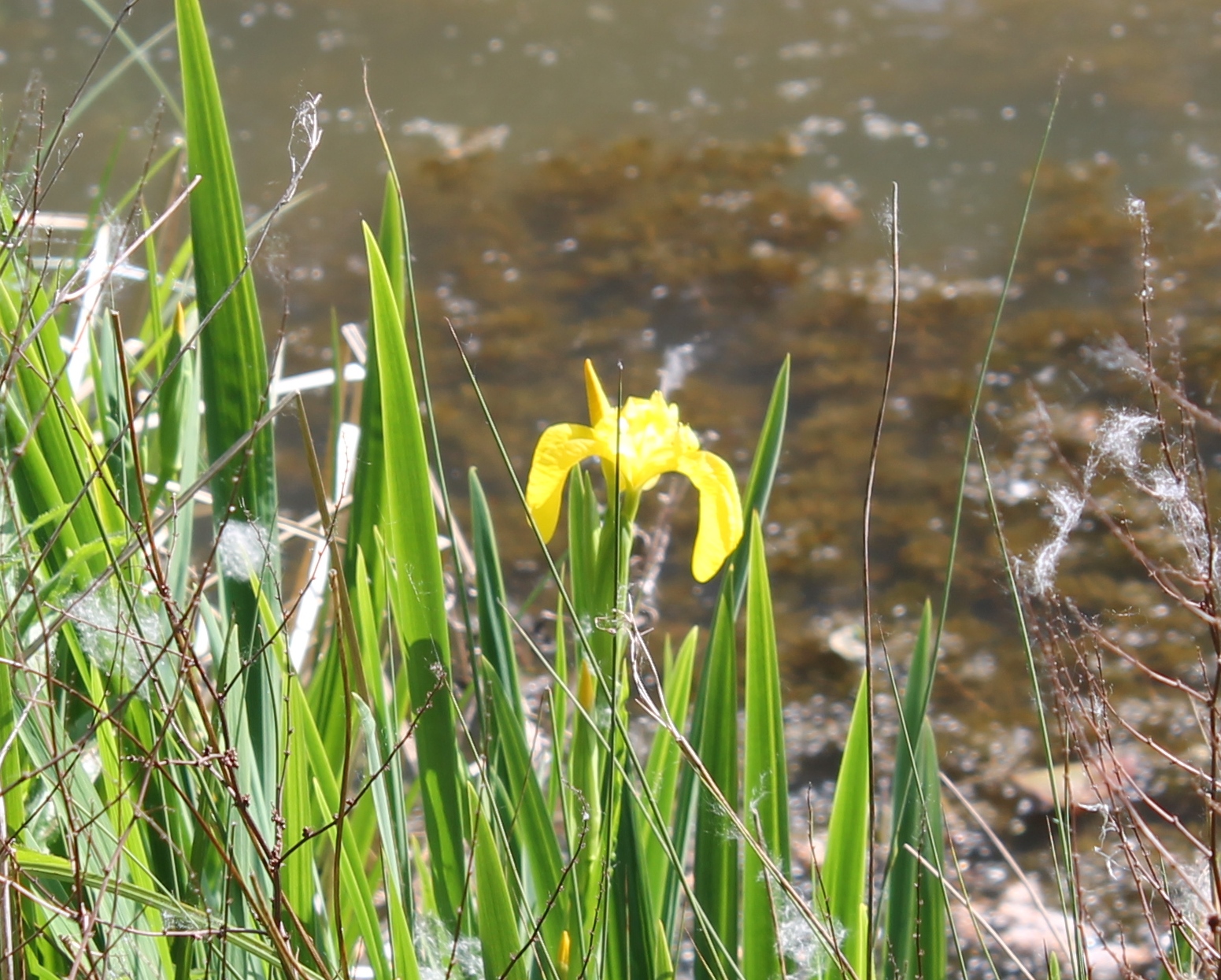
The first Yellow Iris is in flower.

Image

The weather has been warm and sunny for the last four days so I have tried to make the most of it by being outside.  The tubs of spring bulbs needed tidying and getting ready for their long sleep until next year.  I bought some plants for my window boxes a couple of weeks ago and have now planted them up and fixed them under the kitchen and utility room windows at the front of the house. 

Image

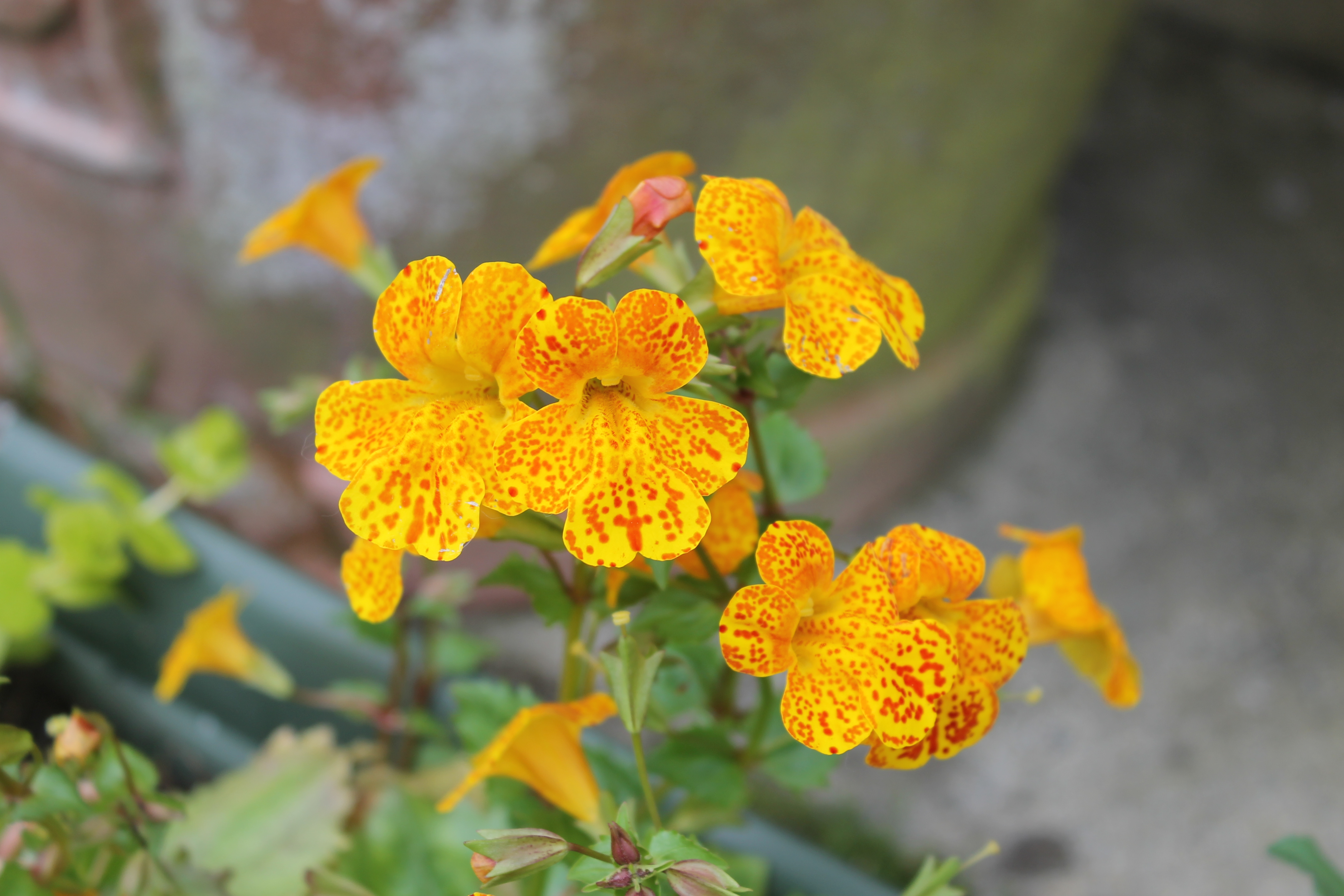
I have put this mimulus in both window boxes

  I also had a few plants that had to be planted out and a few that needed repotting.  I have got other pots of plants that have yet to flower and some more that I’m not sure what to do with, so I’ll feed them all and give them a sort out during the next few days.  I have many more pots of perennials than I would like but until I make a new flower bed or re-instate the one I abandoned after Dad died and all sorts of things went wrong, they’ll have to stay where they are.  I have enjoyed myself very much indeed and wish I could spend all day every day gardening. 

With the warm weather all sorts of  insects good and not so good have arrived.  I have killed five red Lily Beetles so far – such beautiful insects but so destructive.  They and their nasty grubs can destroy a lily plant in a couple of days and not only lilies but fritillaries too.  If they think they are under attack they drop down onto the soil under the plant, red side down and then bury themselves and can’t be found.  I creep up on them and put one hand under the leaf they are on to catch them if they jump and then squash them as quickly as possible.  They do sometimes bite but it’s the last thing they do!

I am hoping that the mild winter we had this year has meant that many more insects have survived.   I can put up with a few more troublesome insects if we have more butterflies and moths, ladybirds and hoverflies, lacewings, crickets and grasshoppers .  The bats flying round the house this evening certainly were catching lots of things to eat.  We have hornets here and they have become noticeable this week with their deep buzzing and their large yellow and brown bodies, flying ponderously about the garden.  They are different in their behaviour to wasps.  They aren’t very intelligent I think, and once in the house have no idea how to get out again.  Wasps are in your face all the time, spoiling for a fight but the hornet is more like a bee, not really interested in us and just wanting to get on with their own business.  I’m not saying they are harmless, far from it;  I wouldn’t mess with a hornet!  We had a hornet’s nest in our old shed a few years ago and as they had positioned it against the door we couldn’t get anything out of the shed until late autumn when they had all perished.  They are attracted to light and will fly towards it at night like moths.  It was so strange to see them crawling up the outside walls of the house trying to get to the outside lights or into bedroom windows.  We have had to learn to keep windows shut when we have the lights on at night.  I would like to get fly-screens fitted to the windows one day.

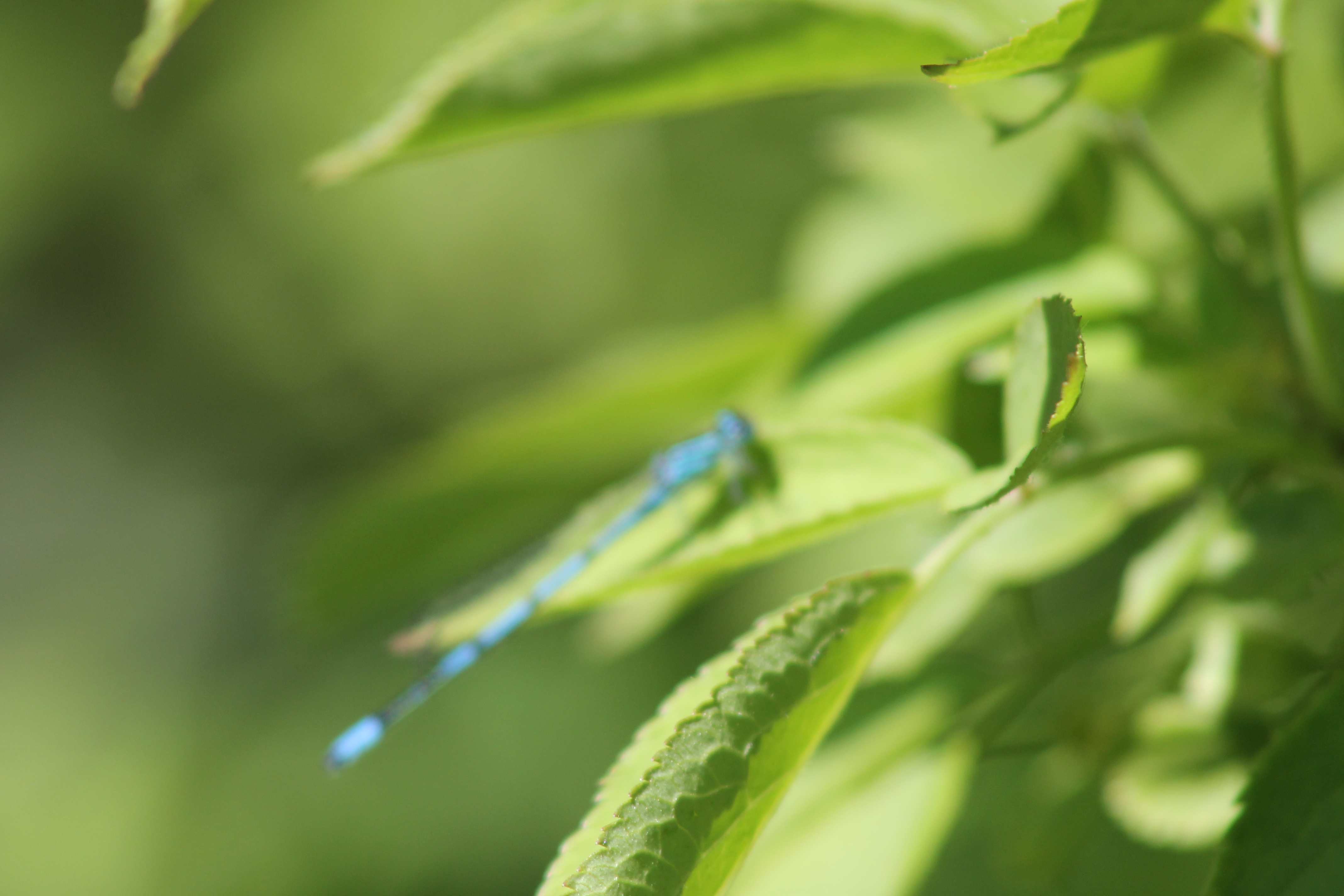
  Today, I saw the first Damselfly I’d seen this year.  Such a thin body, so fragile looking but so beautiful.  The male, a sliver of turquoise and the female a reddish-brown.  I tried to photograph the male but it came out blurred – I’ll try again tomorrow.

Image

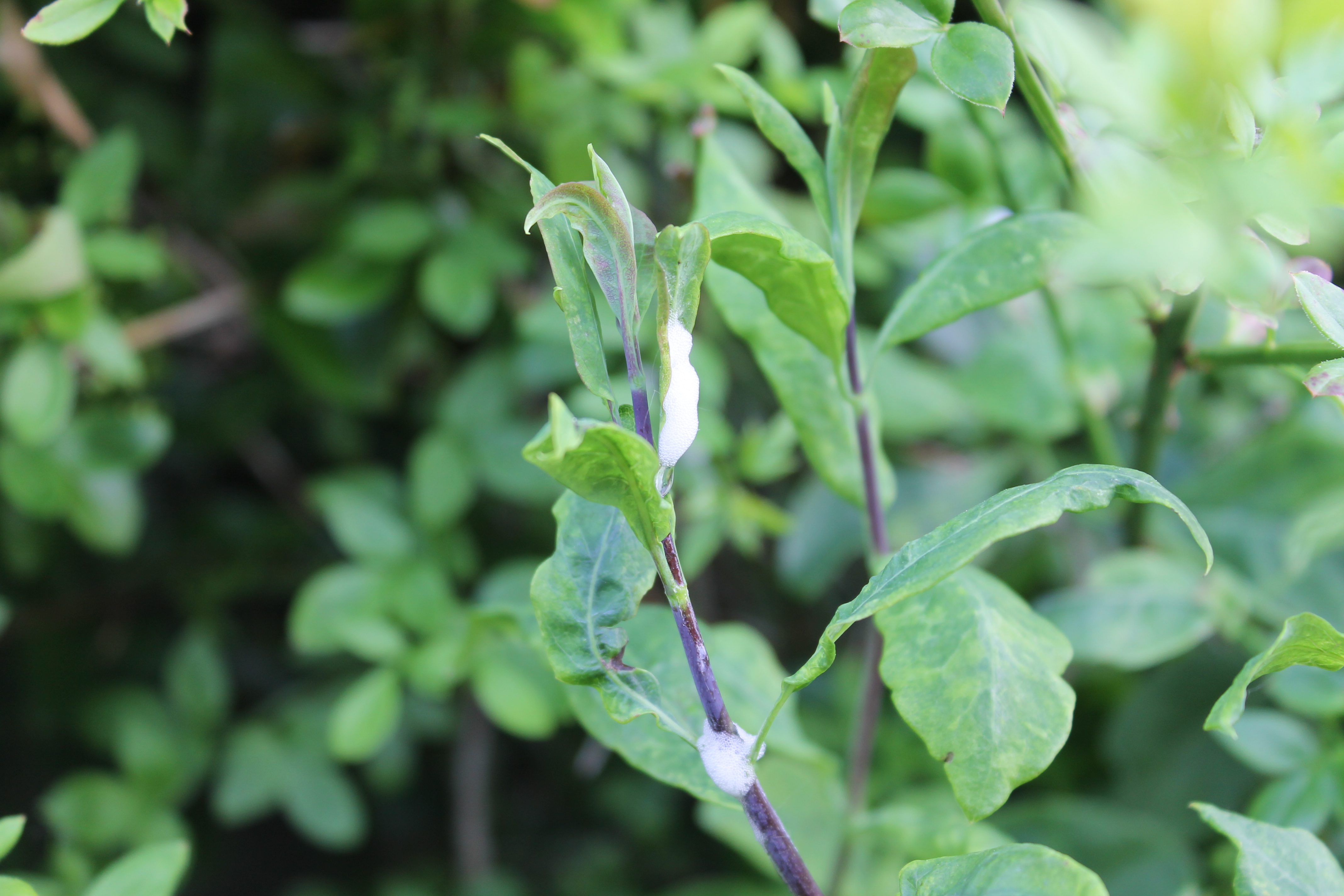
Froghopper larvae are exuding frothy ‘cuckoo-spit’ on all the plants in the garden.

Image

Lots of different bees are flying about.  I noticed bees entering a crack between the mortar and one of our kitchen windows, there are lots of mining bee holes in the dryer flowerbeds and while I was in the conservatory watering R’s cacti today I became aware of a leafcutter bee with its orange underside carrying large pieces of leaf in through the door.  It has made a nest in the soil of one of R’s cacti and was rolling up the bits of leaf and taking them down the hole.

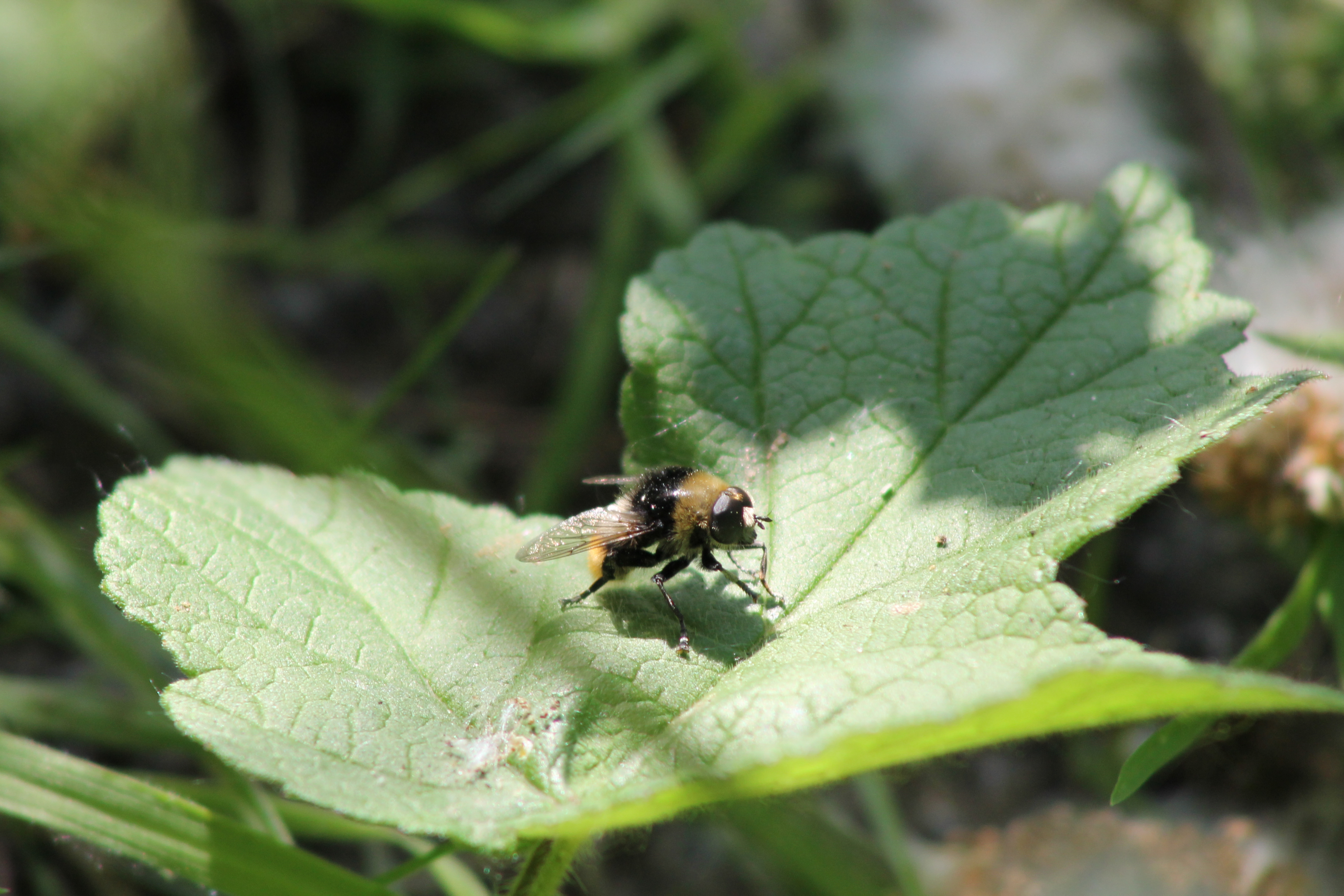
There are many different types of hoverfly about.


Image

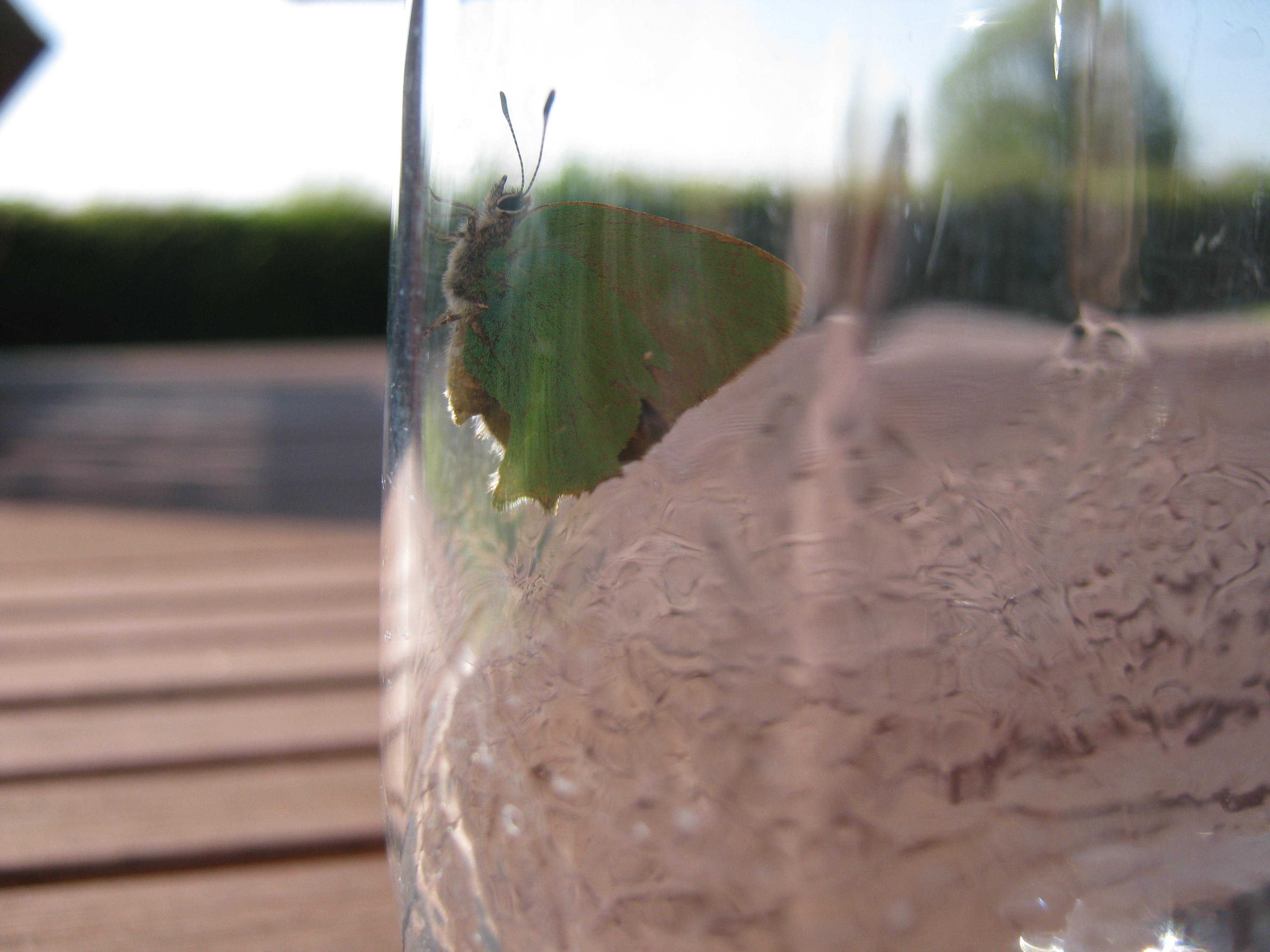
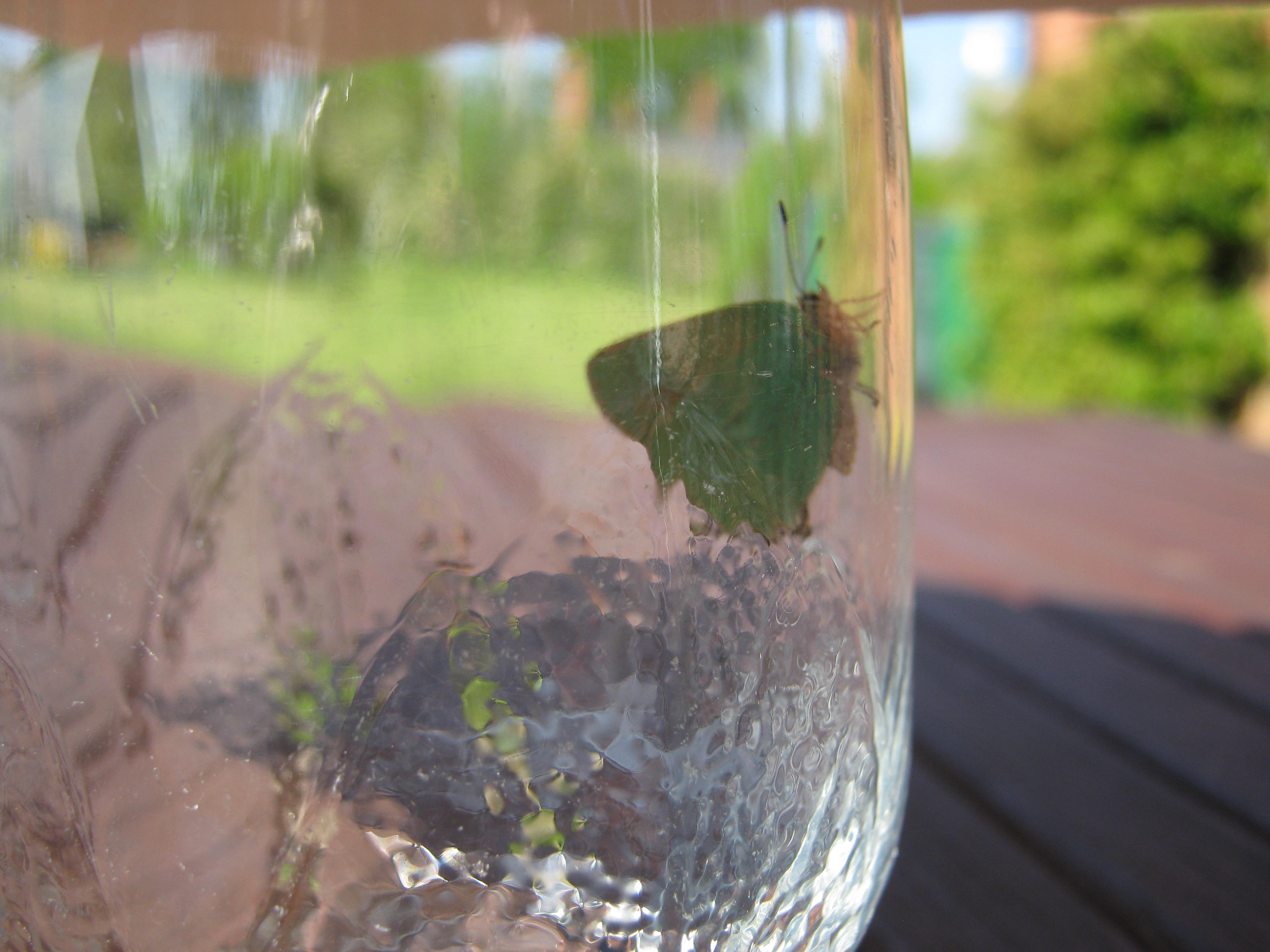
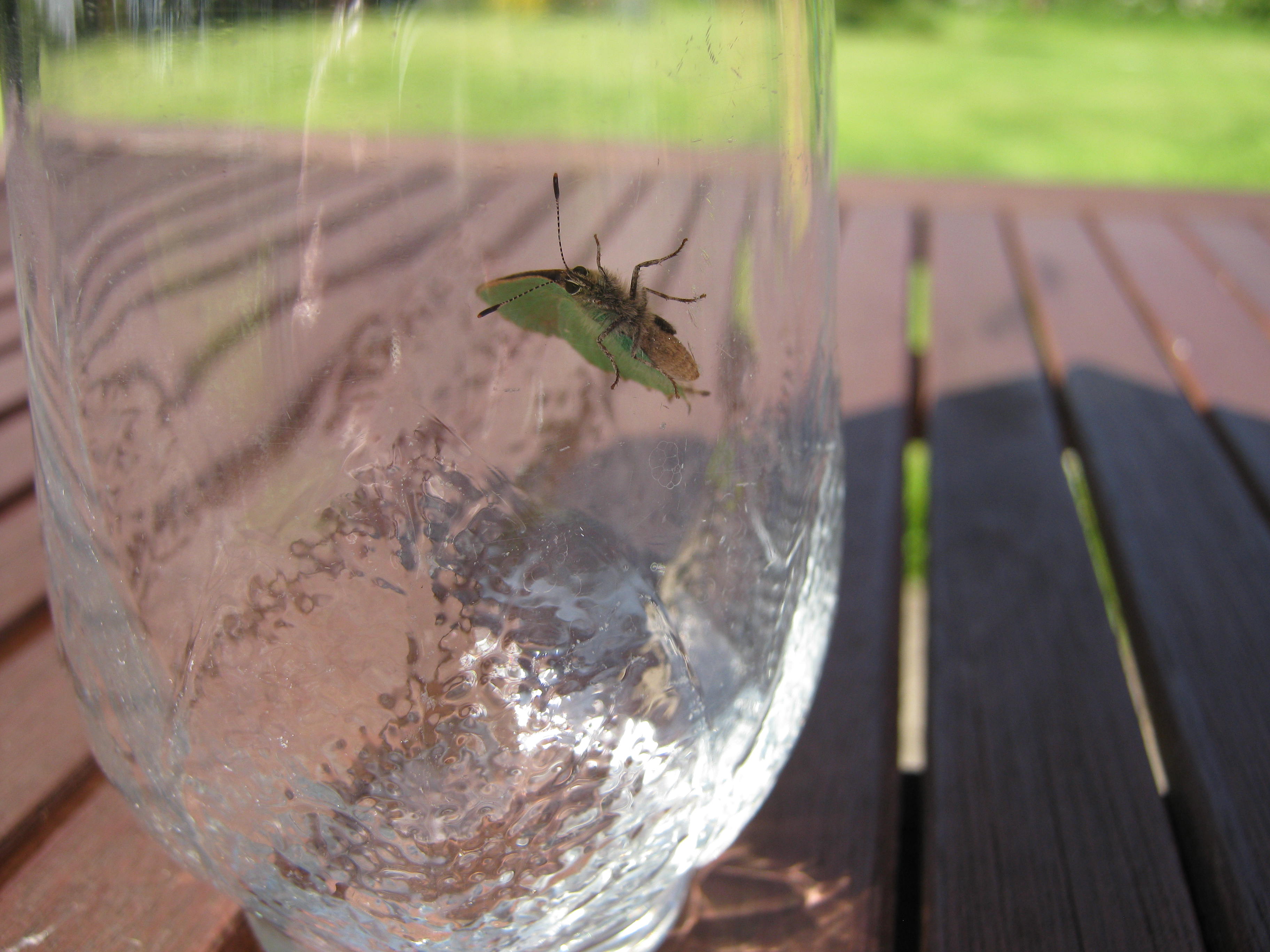
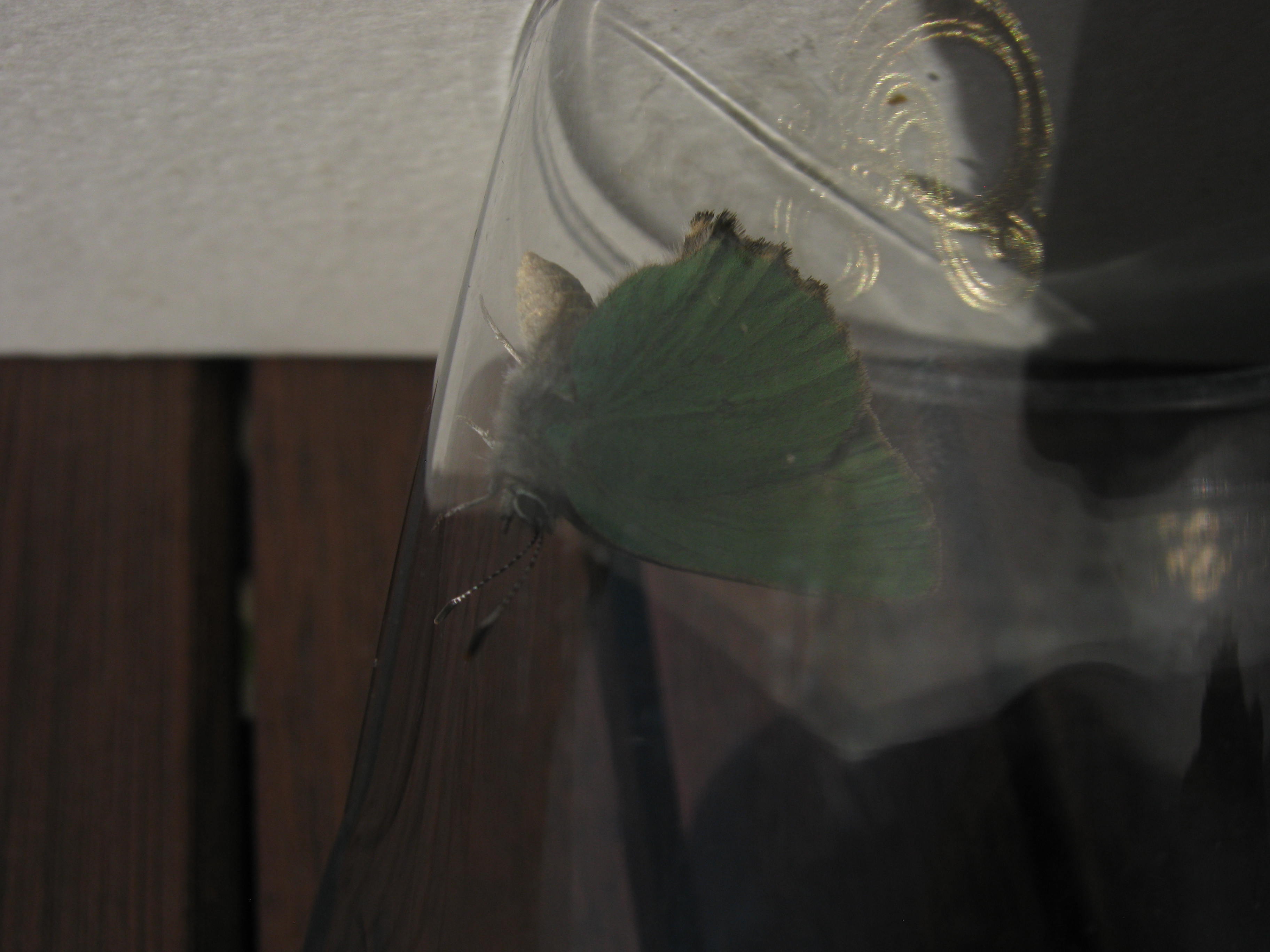
I noticed a little butterfly had got into the conservatory today so went to get a glass and a card as this is the best way of catching insects I know.  The butterfly was a Green Hairstreak and the first one I had ever seen.  The top of their wings is brown but the underside is a brilliant green.  The butterfly kept its wings shut so I could admire the glorious colour.  I tried to photograph it while it was in the glass but it didn’t work out well at all. 

Image  

Image

Image

Image

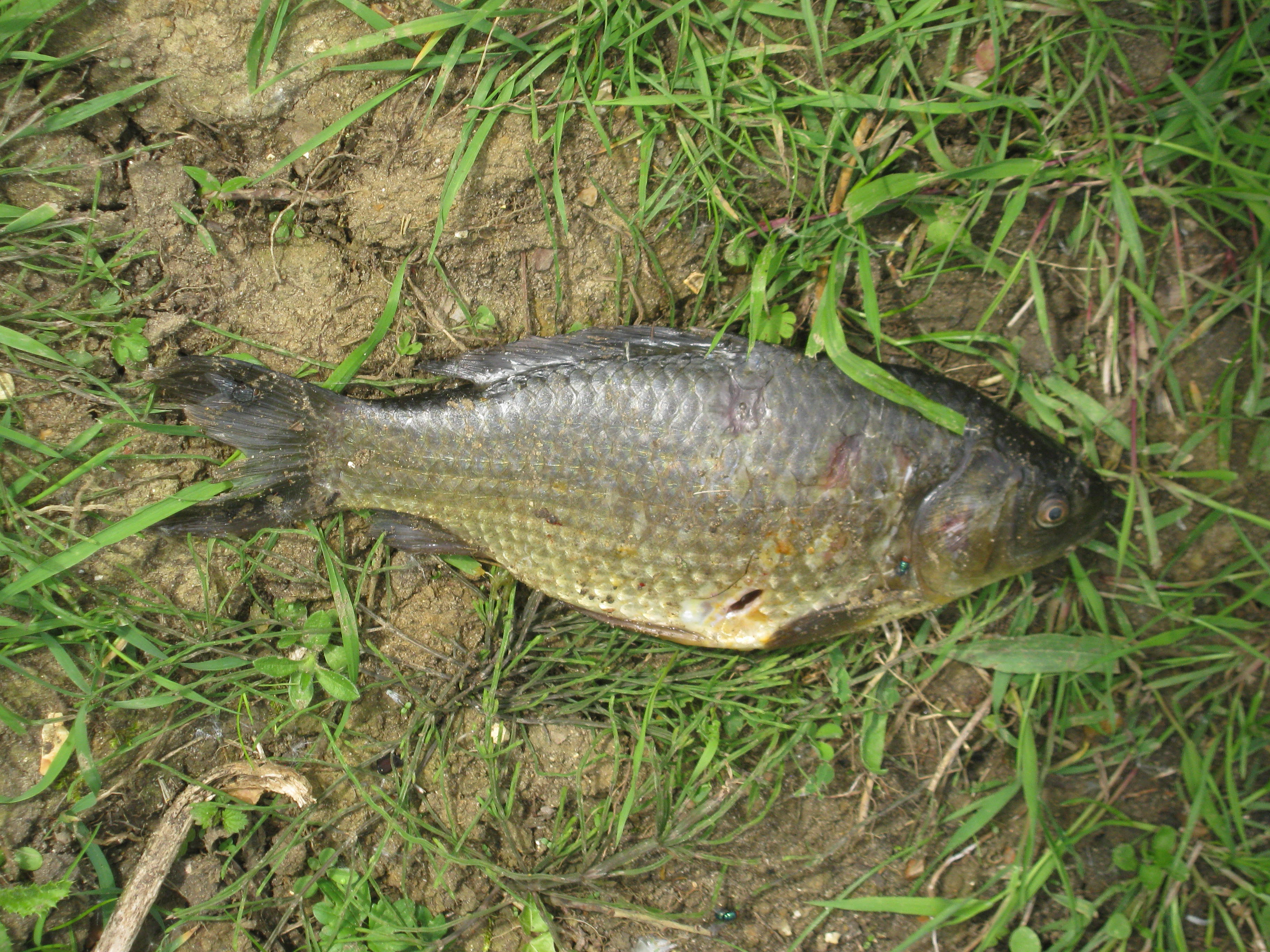
On Friday morning while having a walk aound the garden I came across this on the path…

Image

I couldn’t think how it could have come to be there.  I was also surprised to see such a big fish which had no doubt come from our pond.  Why hadn’t it been eaten?  What had caught it and left it there?  What type of fish is it?  Is it a bream?  It wasn’t until R and I were talking about it when he got home from work that we worked out how it had got there.  It has a stab wound low down on its body and R suggsted that a heron might have inflicted it.  I then remembered that when R had gone down to his vegetable plot near the big pond the night before he had disturbed a heron.

Today while walking round the pond I disturbed a moorhen and her three chicks.  The parent rushed off into the reeds as usual and left the three chicks to find their way back to her as best they could.  As I watched them, one of the chicks started to squeak and looked as though it had caught its foot in something in the water.  I thought this strange so got closer only to see the chick dragged under water and disappear.  What could have done this?  What have we got in the pond that eats baby moorhens?  I thought it might be a pike but R thinks it unlikely that a pike would live in a pond this size.  He thinks it might be a carp.  Has anyone any suggestions?

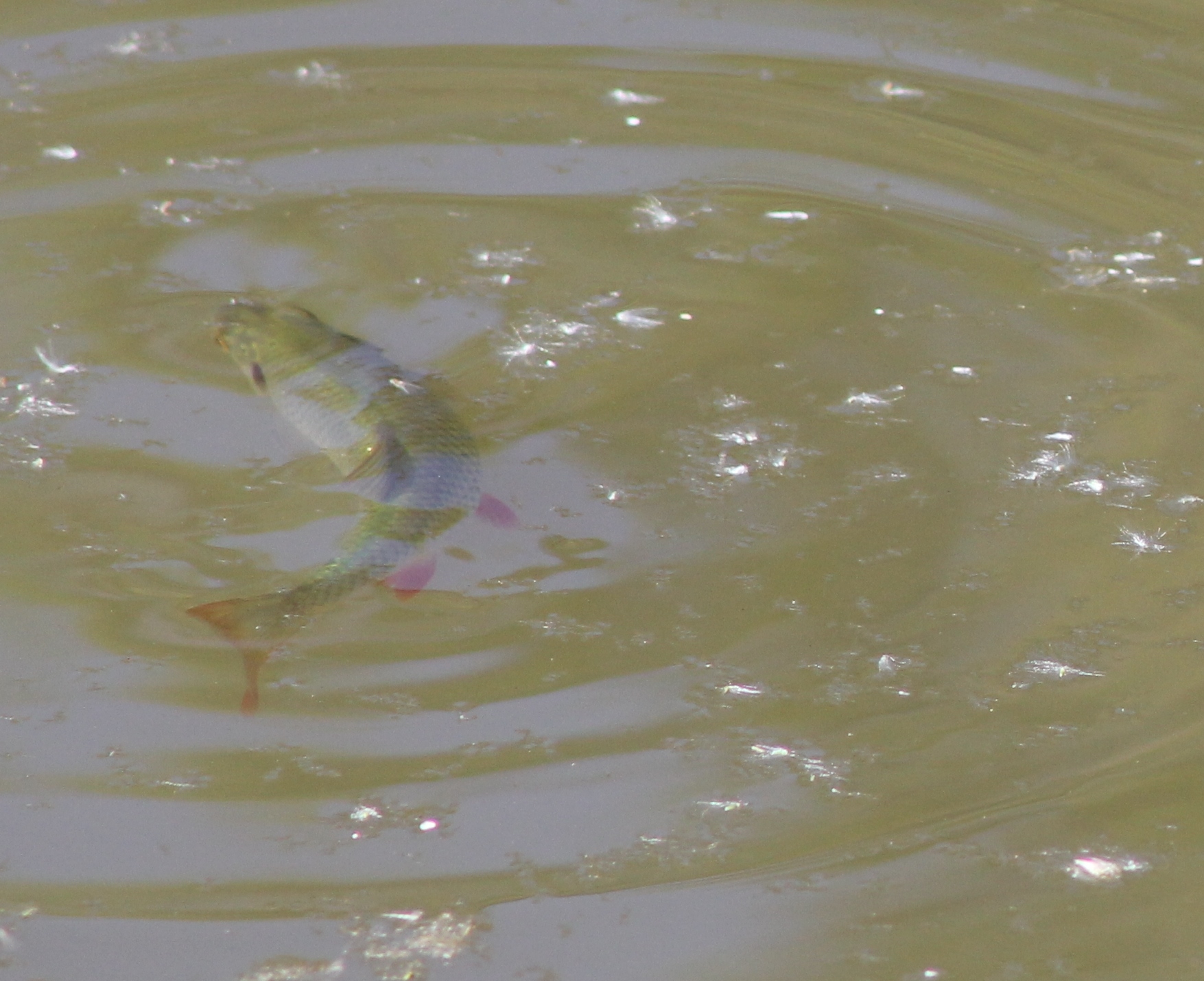
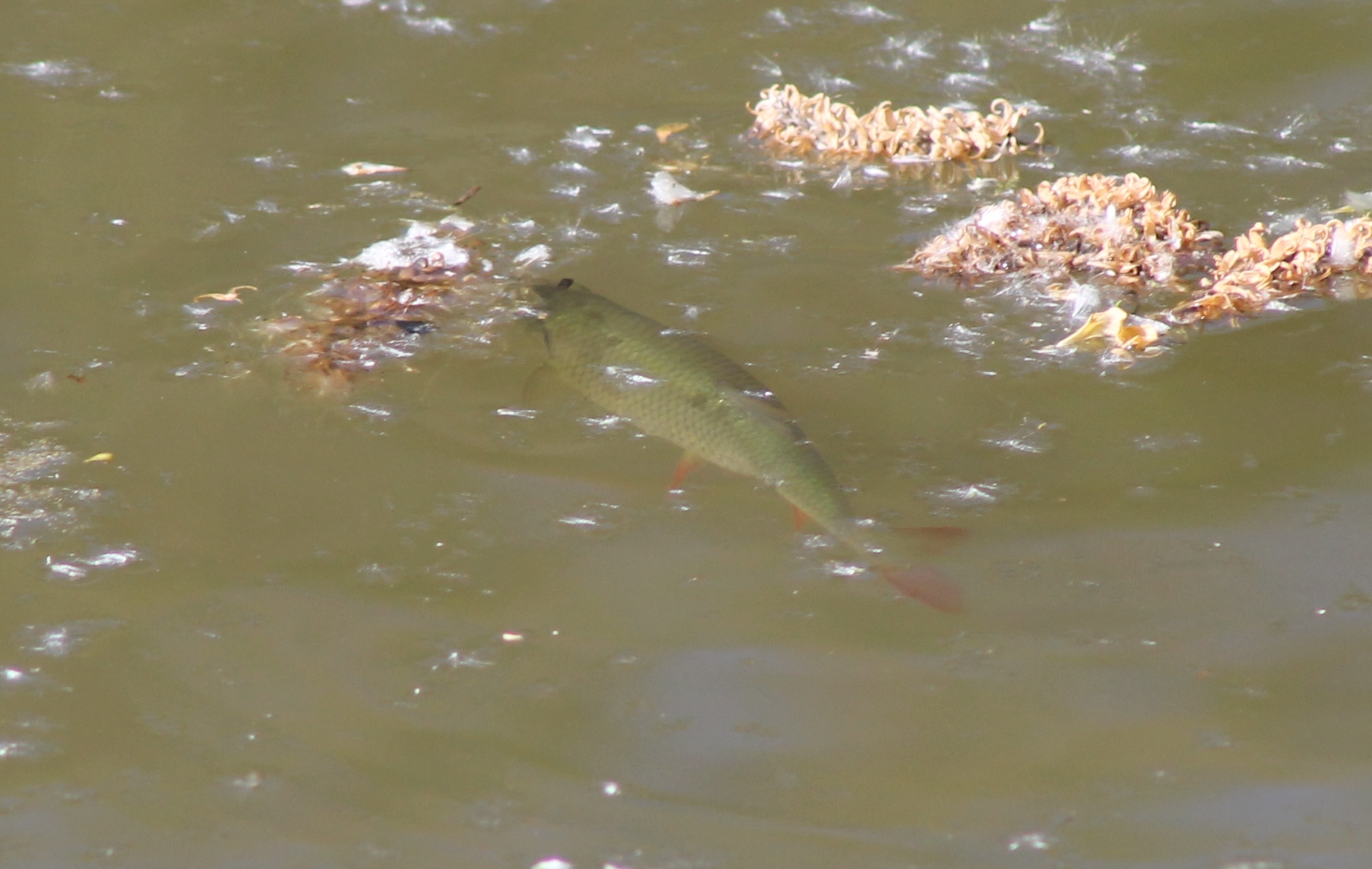
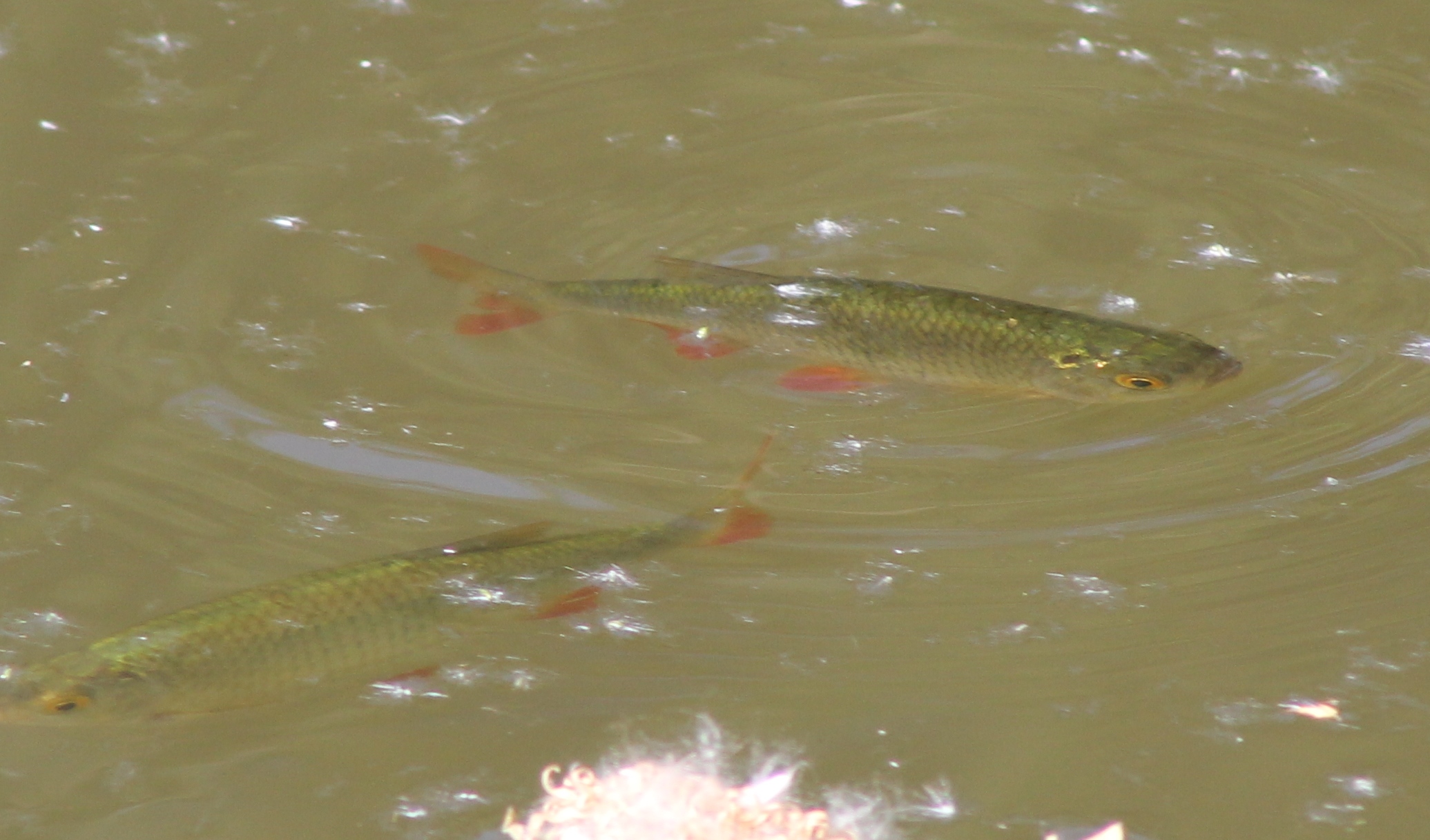
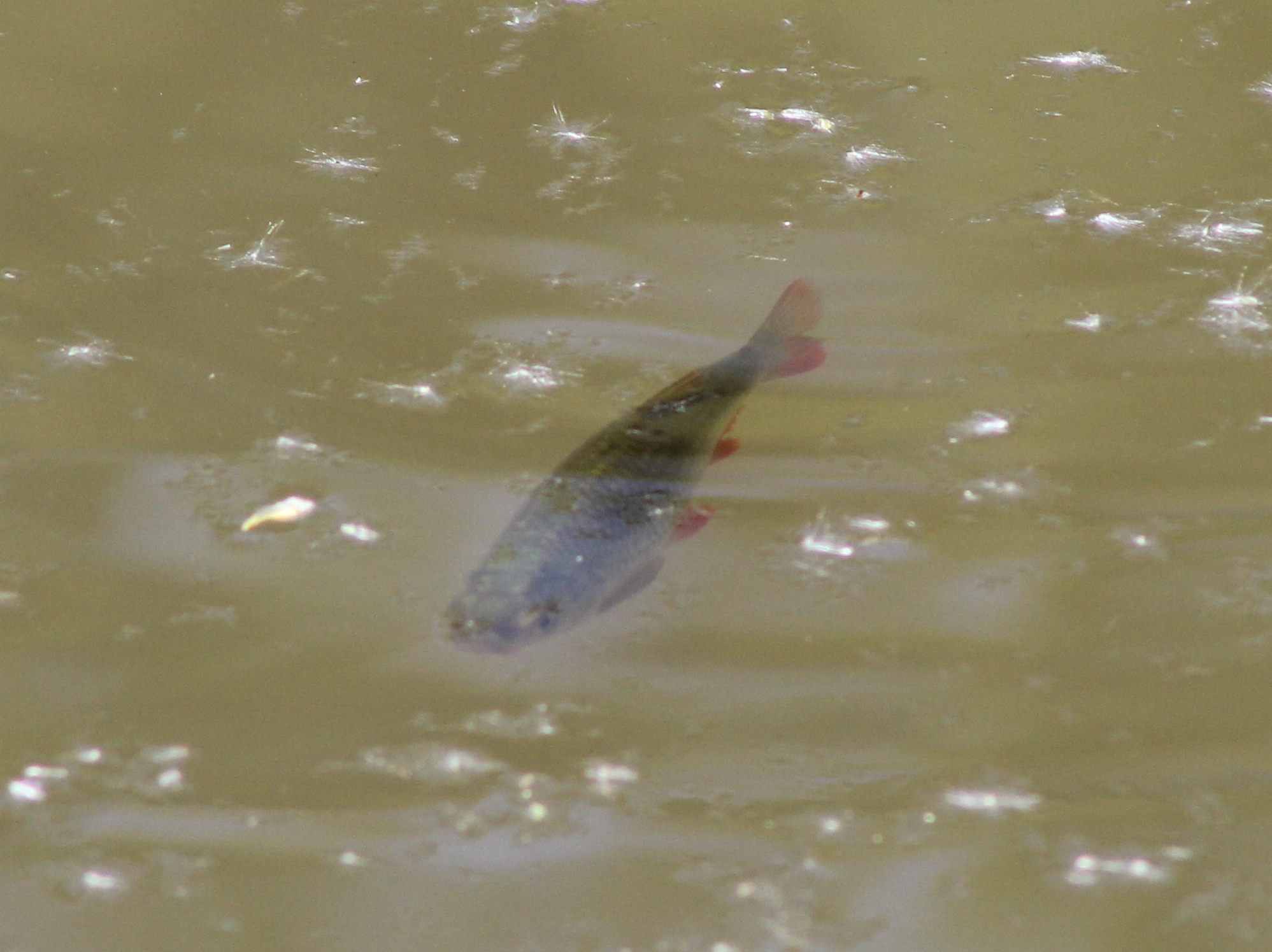
I took a few photographs of the perch (I think) in our pond today.

Image

Image

Image

Image

I’ll finish here tonight and do another post tomorrow when I’ll talk about the birds and flowers I’ve noticed this weekend.


Share this:

  • Share on X (Opens in new window) X
  • Share on Reddit (Opens in new window) Reddit
  • Share on Pinterest (Opens in new window) Pinterest
  • Share on Facebook (Opens in new window) Facebook
  • Email a link to a friend (Opens in new window) Email
  • Share on Tumblr (Opens in new window) Tumblr
  • Print (Opens in new window) Print
  • Share on Pocket (Opens in new window) Pocket
  • Share on LinkedIn (Opens in new window) LinkedIn
Like Loading...

A Hotch Potch.

16 Fri May 2014

Posted by Clare Pooley in Gardening, Insects, plants, Rural Diary, trees, wild animals, wild birds

≈ 6 Comments

Tags

Allium, Alpine Pasque Flower, Ant hill, aquilegia, Balm of Gilead, Bee, blackberry, Bramley Apple blossom, Cacti, Cedar of Lebanon, chaffinch, Christmas Cactus, Clematis, Common Sedge, Common Vetch, Cotoneaster, Damson, GERANIUM, Goat Willow seeds, Great Tit, hare, Hawthorn, Holly, House Spider, Japanese Maple, Jay, Knautica, moon, Muntjac, pheasant, Shrub rose Canary Bird, Spindle, stock dove, sunset, thrift, Thyme-leaved Speedwell, Tufted Duck, vegetable garden, Viburnum, White-Shouldered House Moth, winter-flowering honeysuckle, Zebra Spider


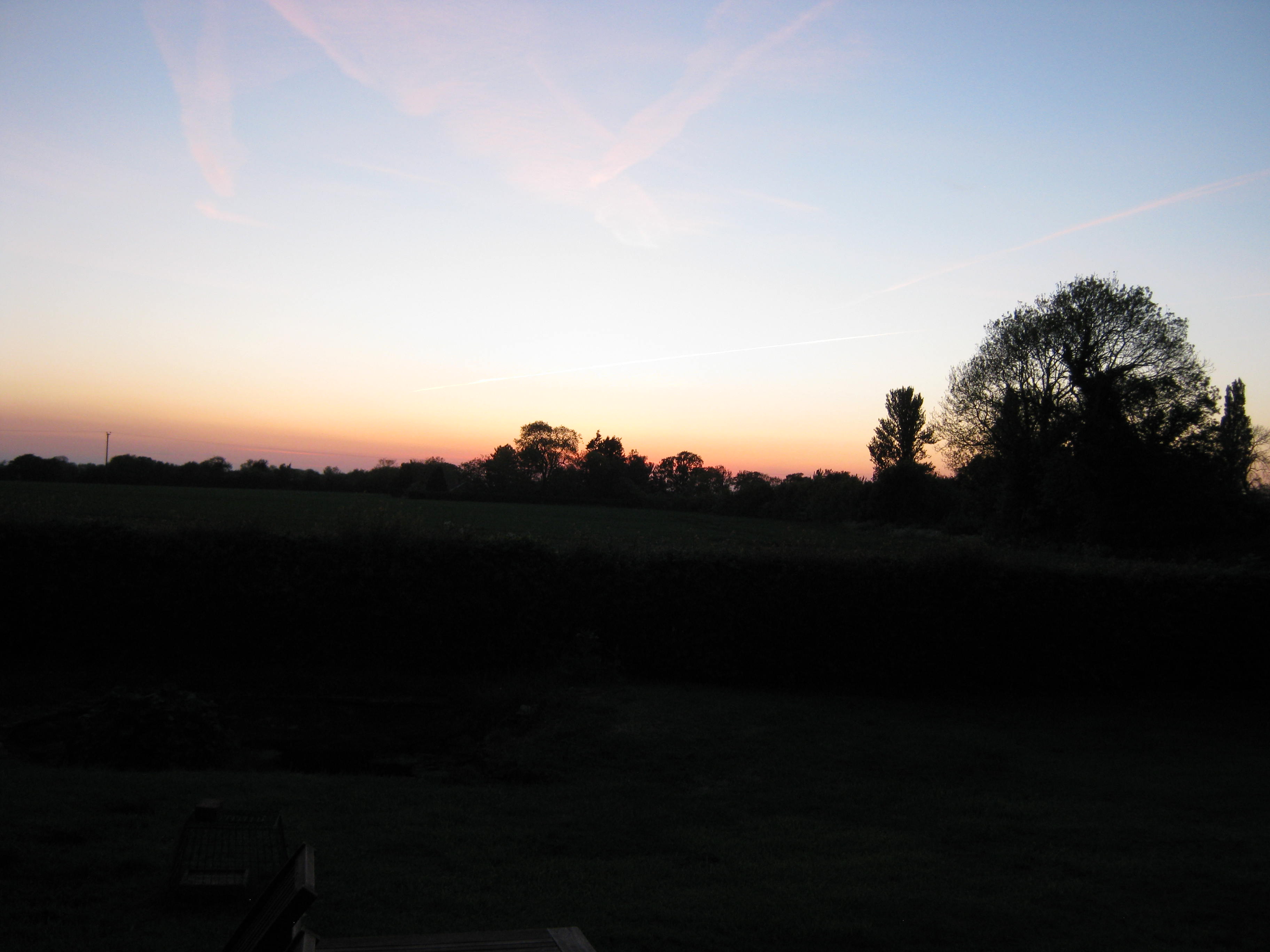
Last evening while I was admiring the pink sunset…..

Image


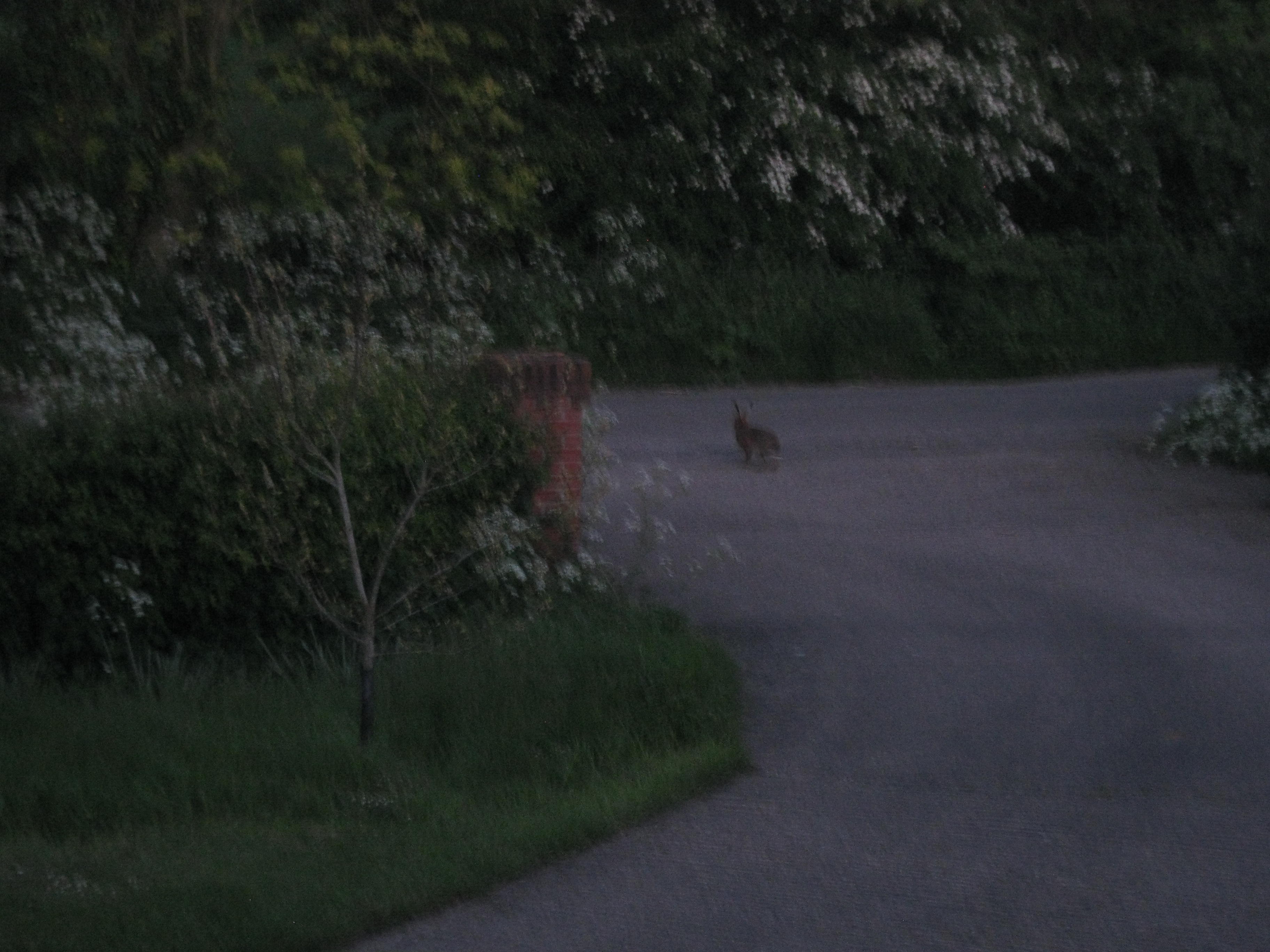
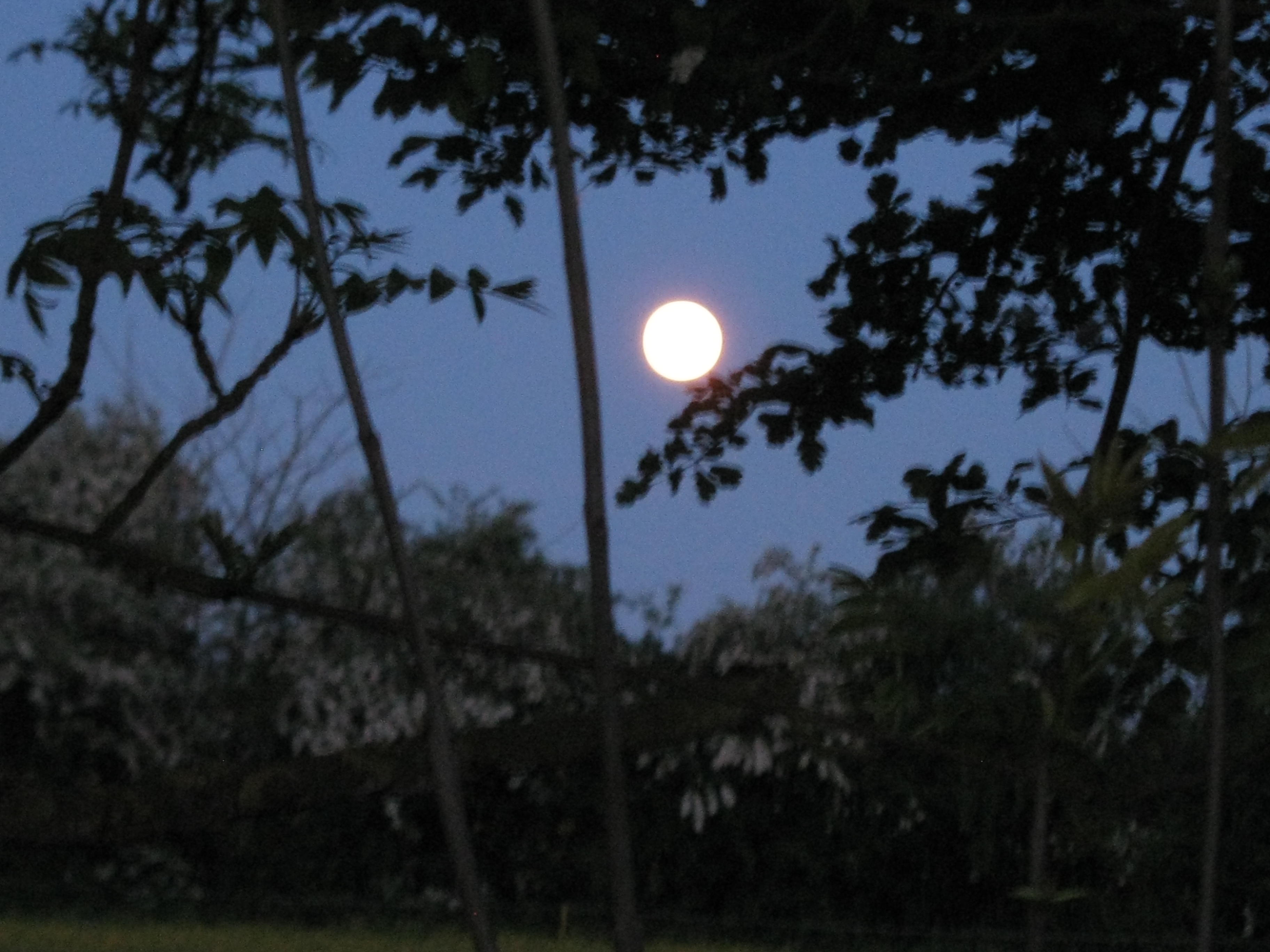
….E was admiring the rising of the moon.  She called to me to come and see it as it was so large and orange.  I joined her at her bedroom window and we watched it slowly slide up the sky behind the trees.  I went into my room hoping to see it more clearly from there and saw below me on the drive, the hare again!  Typically, I had the wrong camera with me, it was too dark and the hare wouldn’t stay and be photographed.

Image

This is the only photo I managed to get.

I went outside into the twilight with little bats flying about the garden and crossed the road and looked at the moon through the hedge.  It wasn’t orange any more but it was still beautiful.

Image

The visit from the hare and the rising moon reminded me that hares are supposed to be magical and people today still take care not to hurt a hare.  One of Mum’s neighbours was new to the area a few years ago and asked another neighbour how he could get rid of the rabbits and hares which were damaging the trees and plants in his garden.  He was told that the rabbits could be shot but ‘we don’t shoot hares in Suffolk’.  In Anglo Saxon mythology, Ostara the goddess of the moon, fertility and Spring was often depicted with hare’s ears or a hare’s head.  Eostre (where we get the word Easter from) was the Celtic version of Ostara and was the goddess associated with the moon, death, redemption and resurrection during the turning of Winter into Spring.  Eostre was a shape-shifter too and took the shape of a hare at each full moon.  Well, well, well!  (I looked all that up using Google!).

Yesterday was a busy one with my usual shopping with Mum and then going to Halesworth to hand in my prescription at the surgery and post a couple of letters.  I got home just after 2.00pm and had some lunch.  The afternoon was spent dusting, vacuuming and doing more mending.  R got home just as I was finishing.  He had had a fraught day at work so after we had had our cup of tea he went into the garden and planted out his peas and beans.  A soothing task which took him over an hour and was all done except the watering-in by the time I had cooked the evening meal.

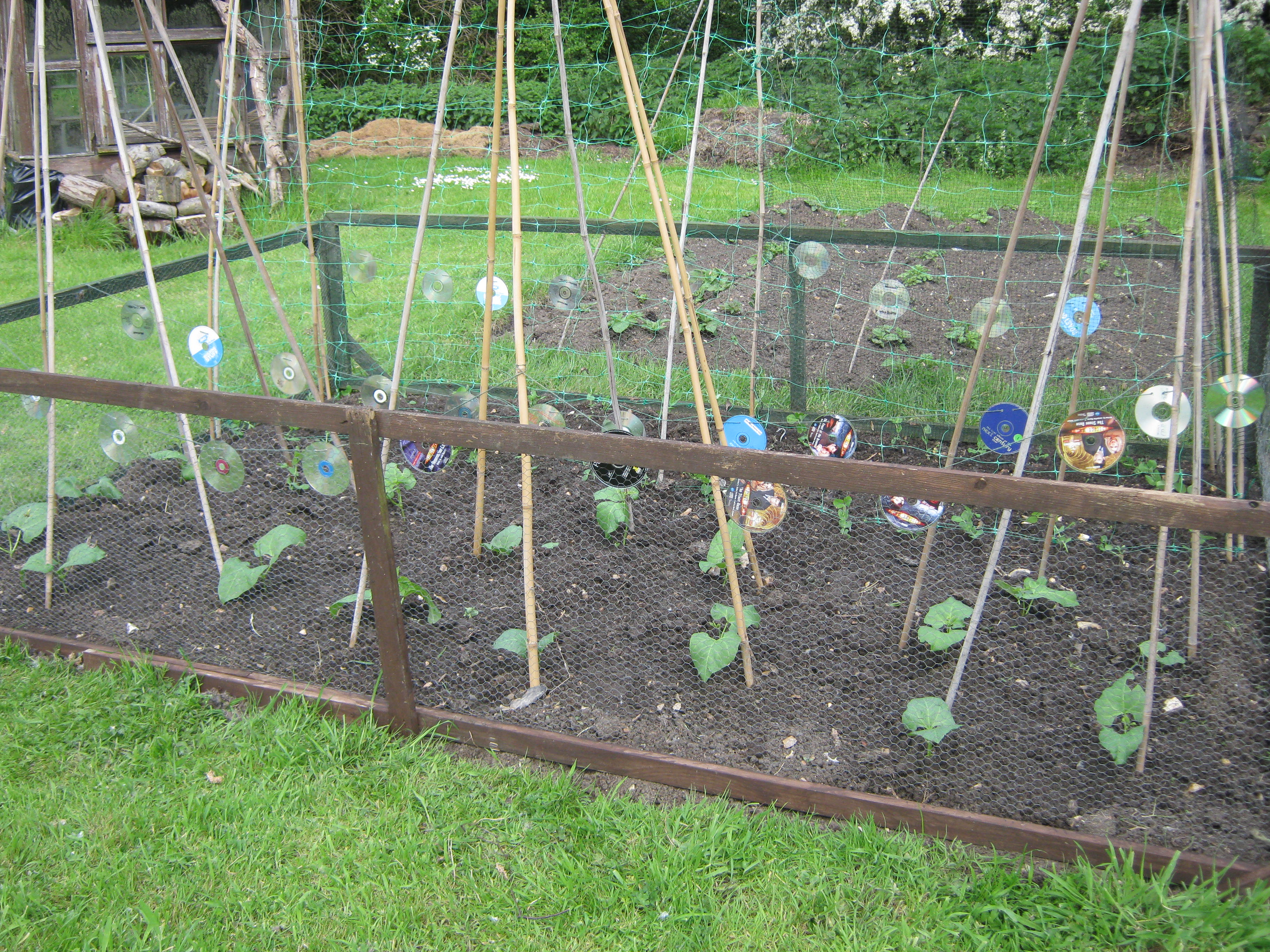
This morning I went out to admire his handiwork.

Image

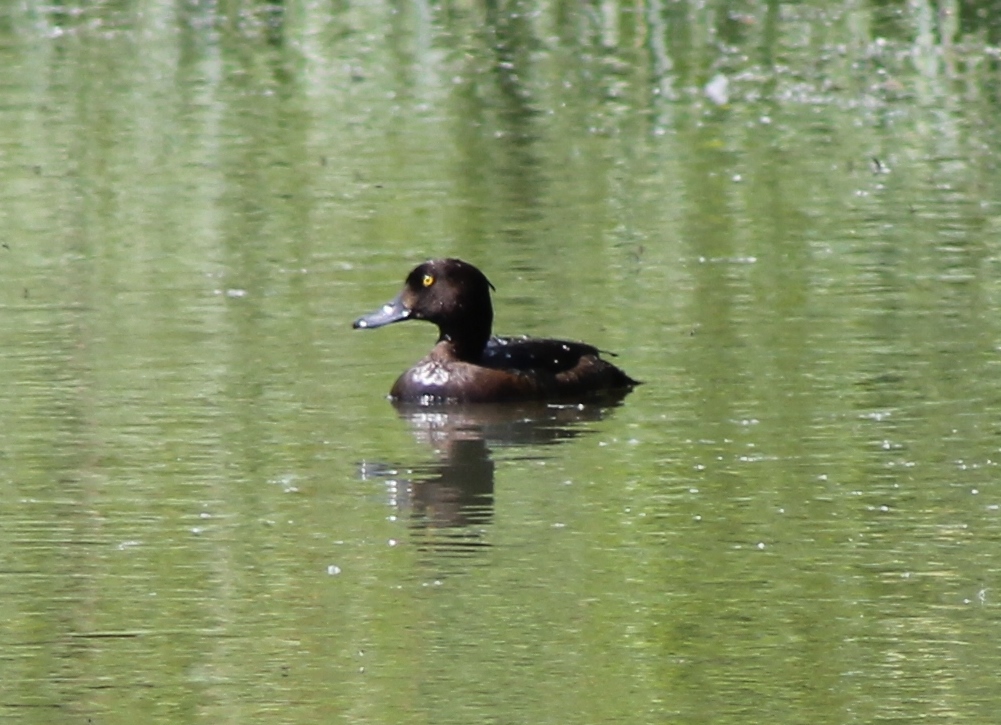
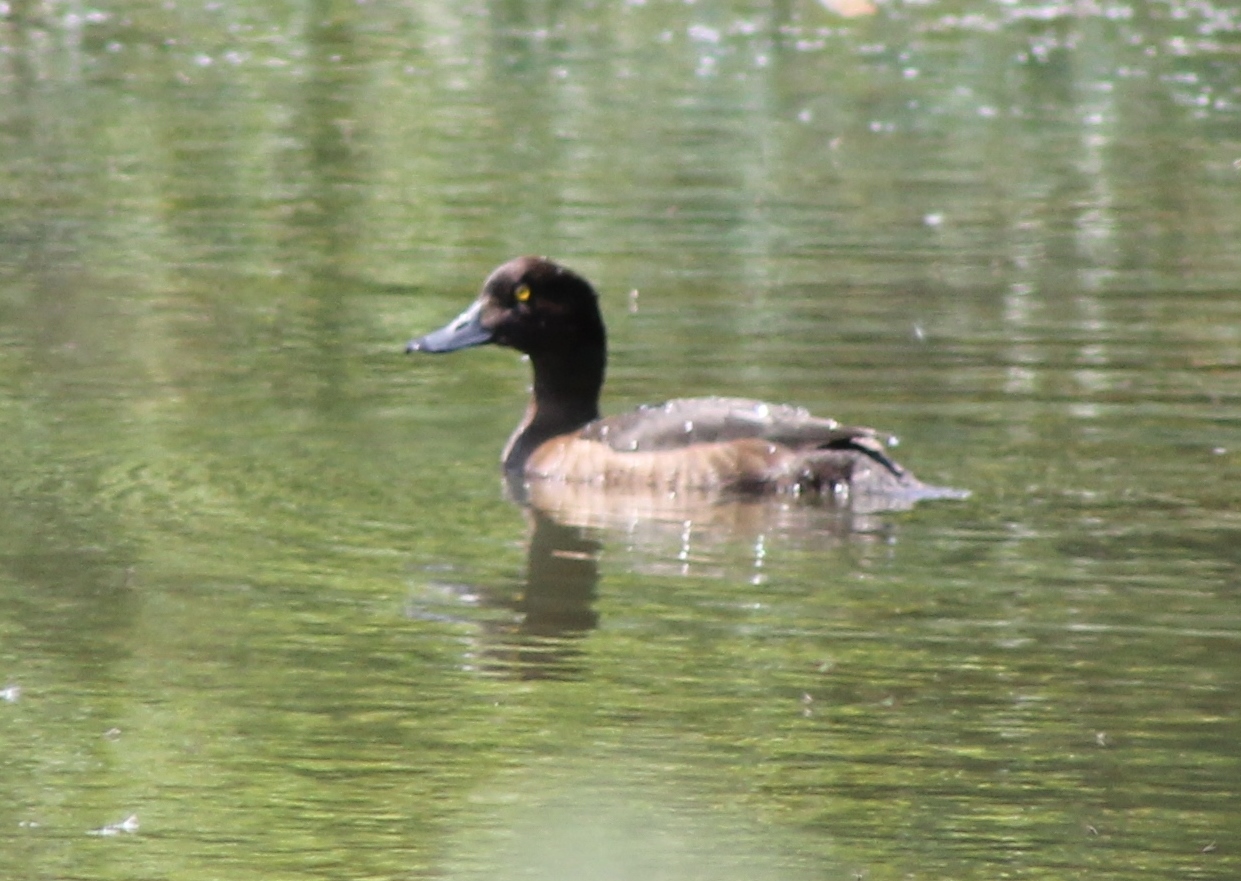
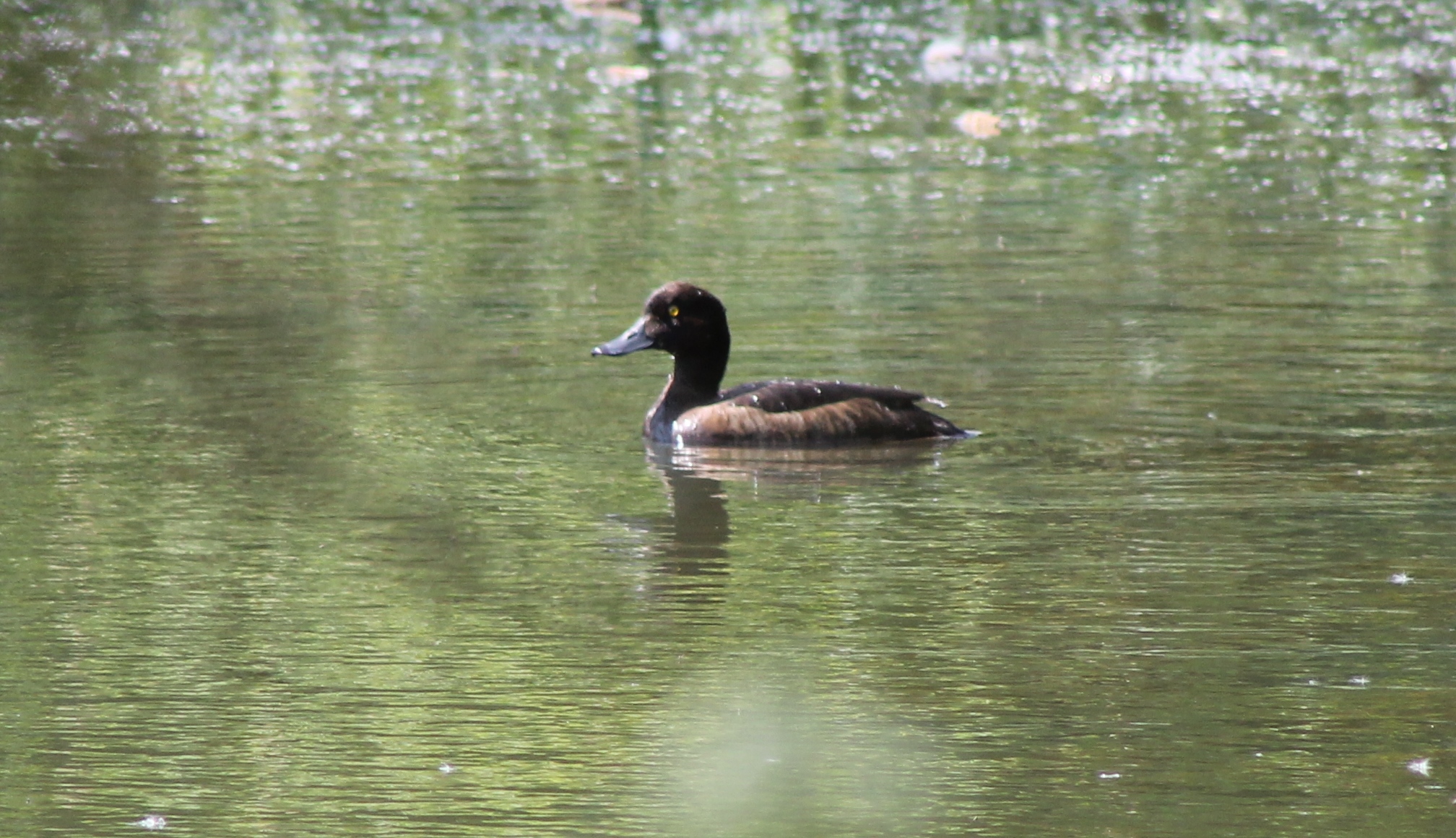
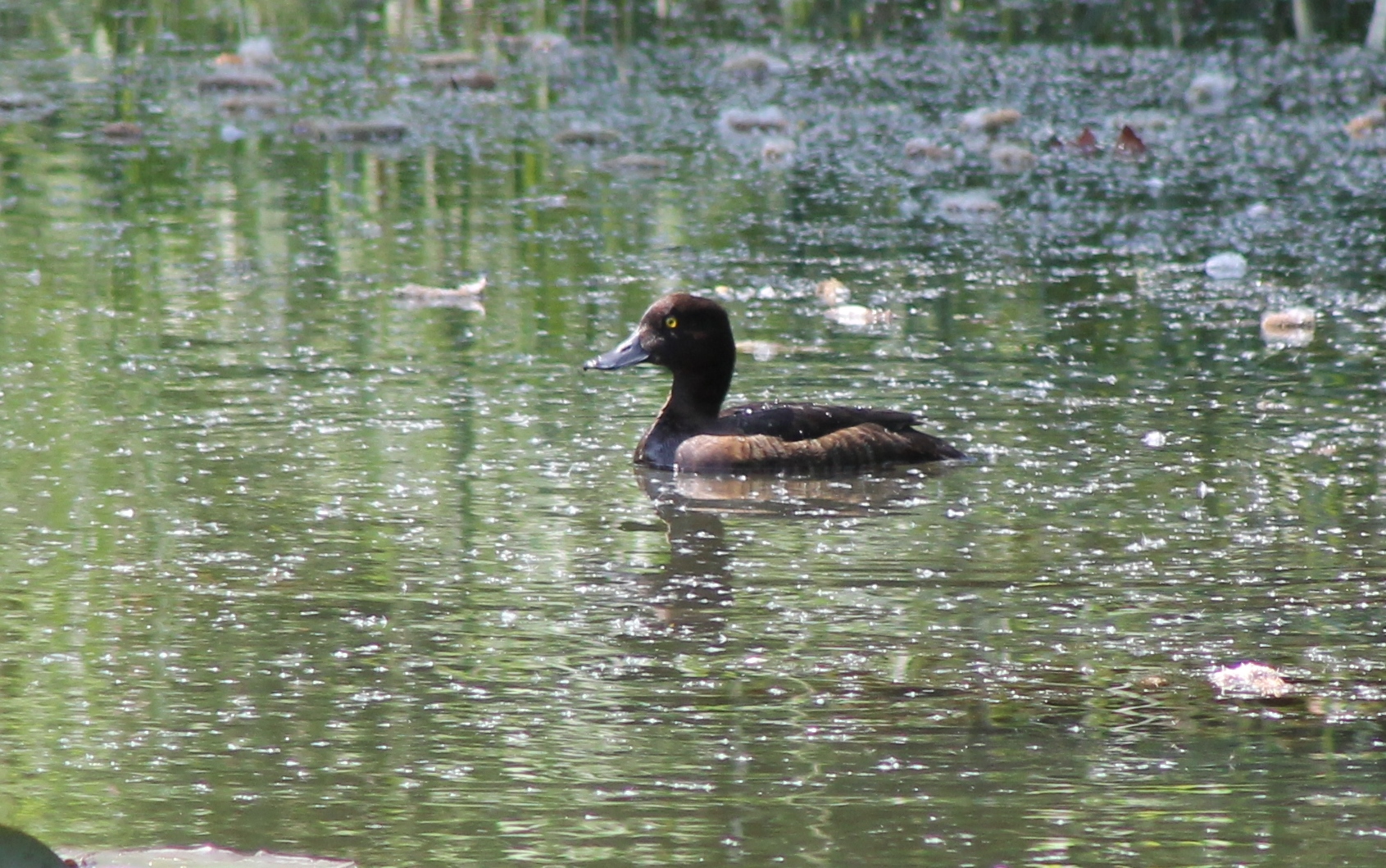
Putting the anti-rabbit/deer/hare/pigeon etc barriers up had taken most of the time yesterday.  We hope they work!  You can see the potatoes coming up in the bed behind the peas and beans.  While I was down at the vegetable patch I had a look at the pond and saw a strange looking duck.  I tried taking its photo with my small camera but wasn’t able to get a clear picture.  I fetched our newer, better camera and tried again.


Image

Image

Image


Image

I think this is a female tufted duck who visited to sample the fish in our pond.  I had to crop the photos as I still couldn’t get near enough to the duck.  The pond, as you see, is covered in the fluffy seeds of Goat Willow.  The seeds aren’t only on the pond but are everywhere, floating in the air, covering the grass, coming into the house.

Image

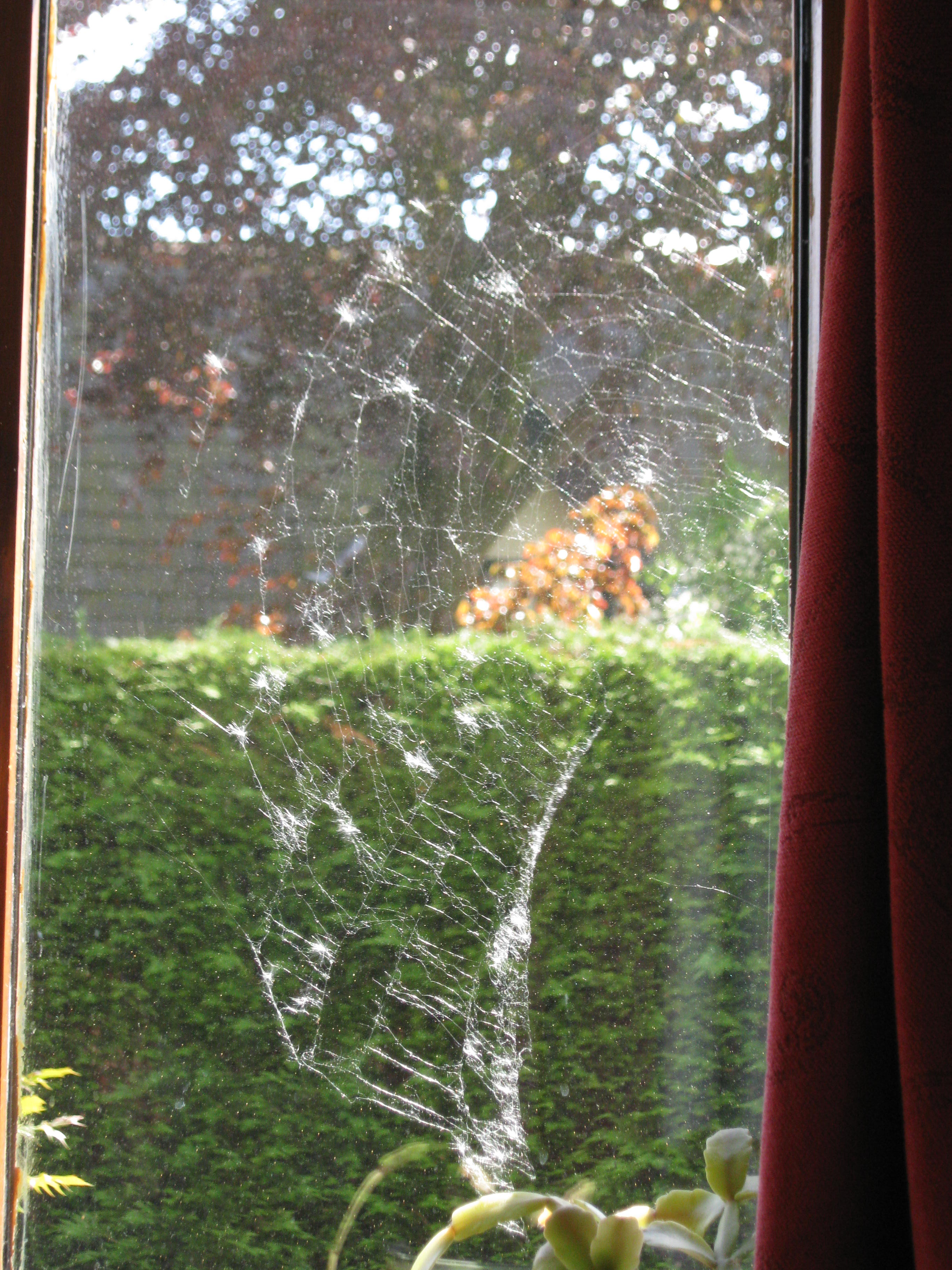
This is a spider’s web I noticed yesterday on the outside of one of our windows.  It is covered with fluffy willow seeds.  Despite my brushing the web away very often the spider insists on making its web just there all the time.

The rest of this post will be a strange selection of photos that I took today and some others that I haven’t been able to put in any of my recent posts.

Image

This is a late entry in the apple blossom awards.  We thought the Bramley Apple wasn’t going to flower this year, but we were wrong!

Image

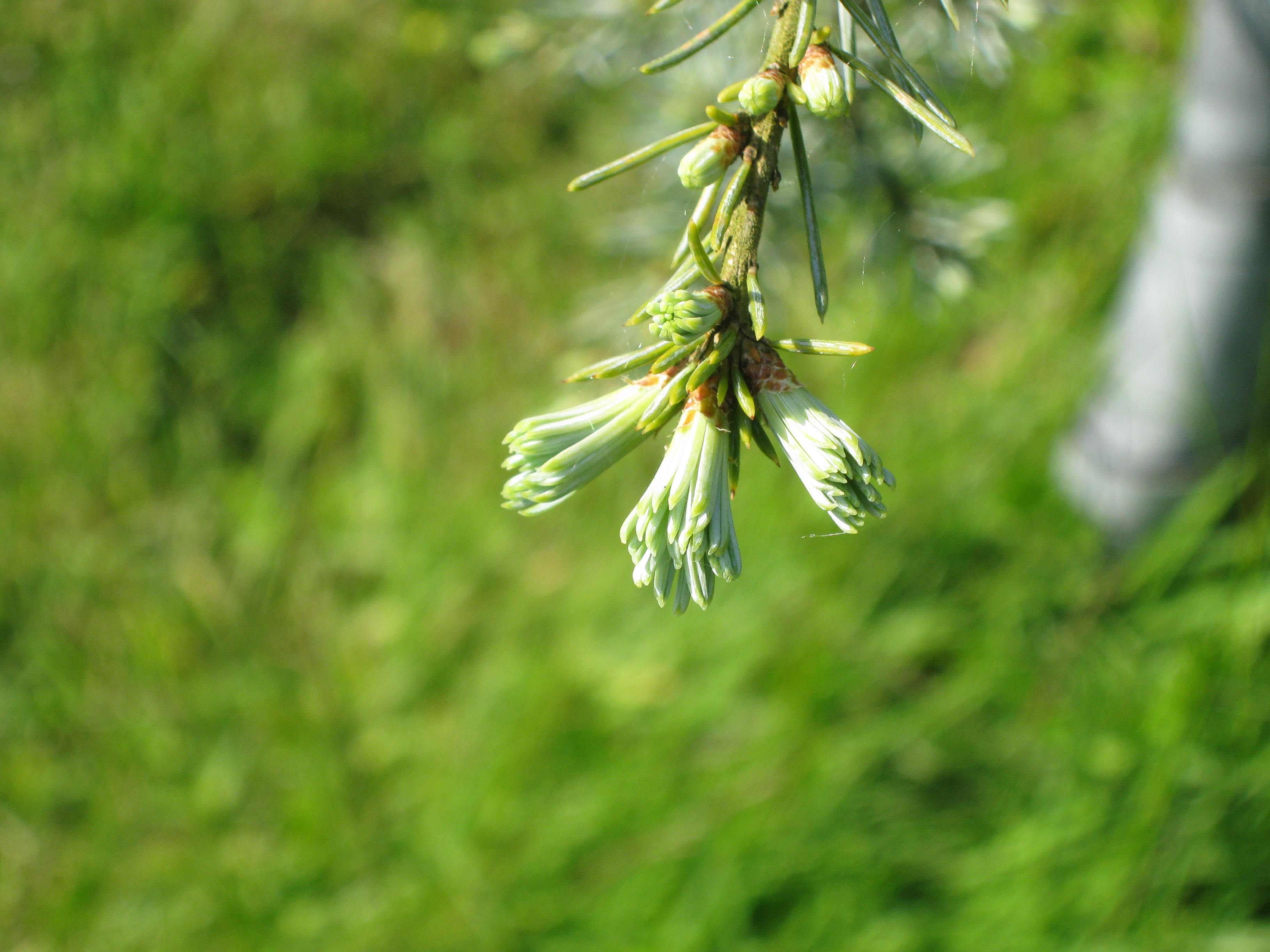
The Cedar of Lebanon has new leaves growing that look like old-fashioned shaving brushes.

Image

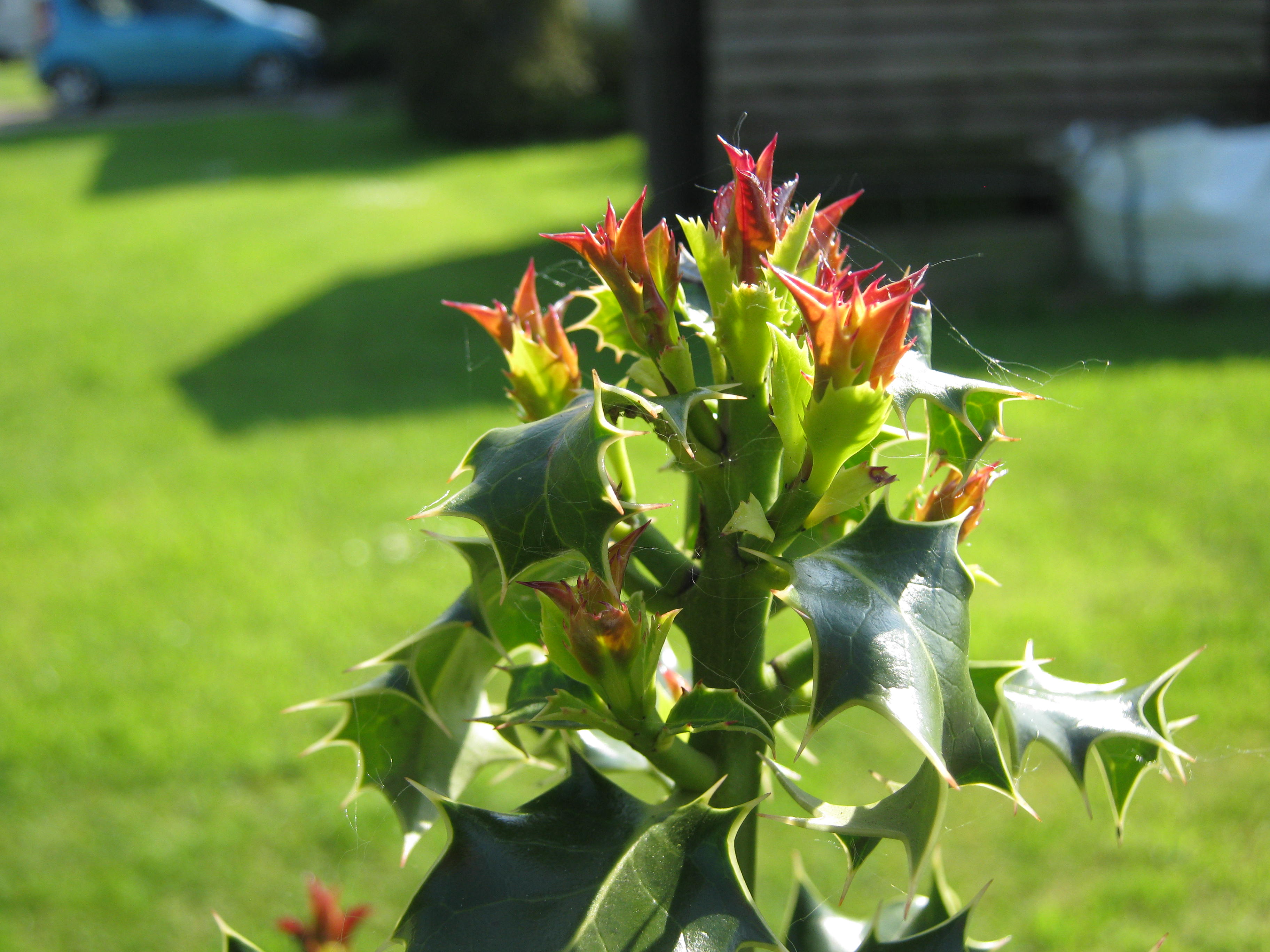
All the hollies have new leaves too.

Image

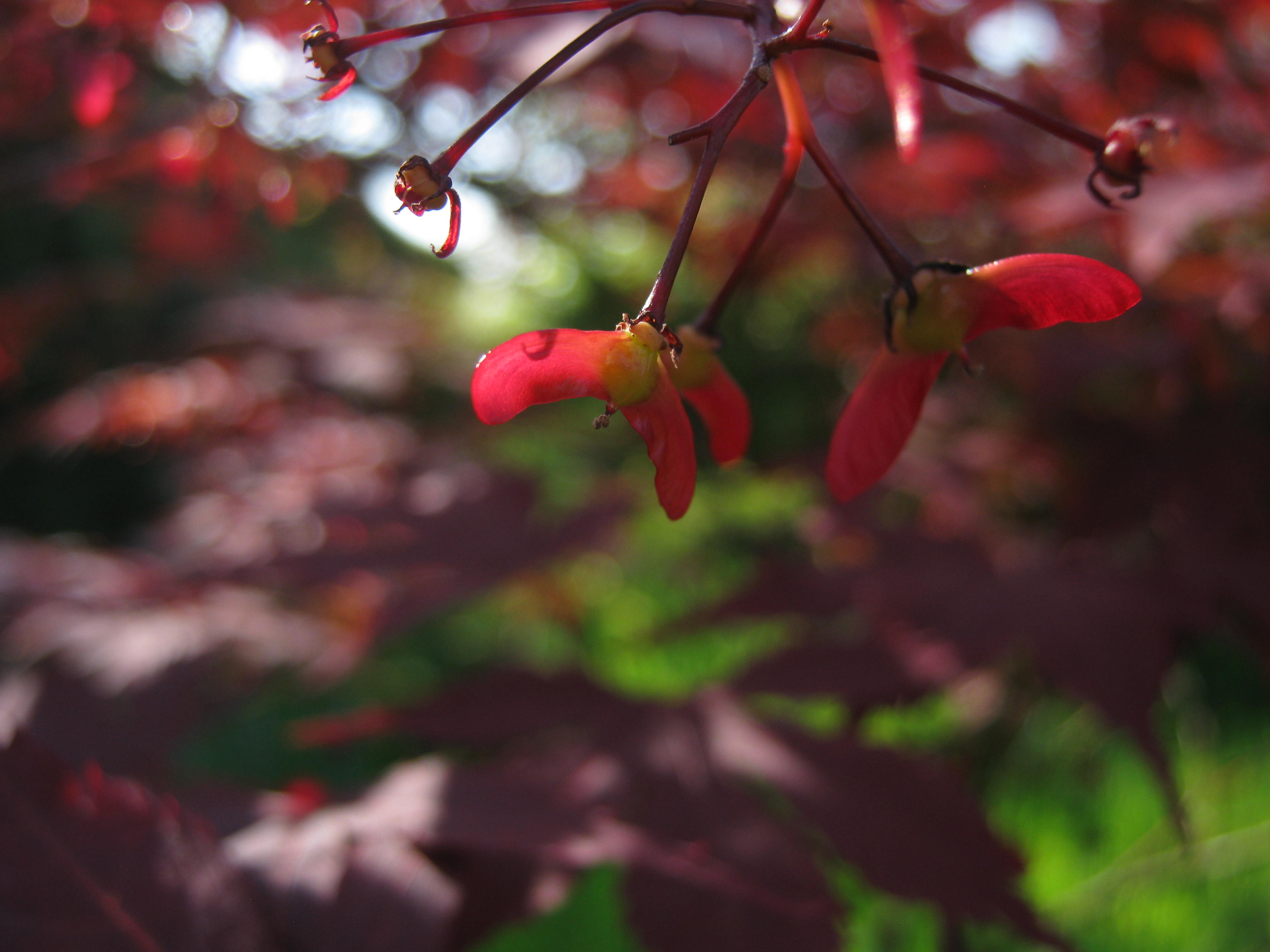
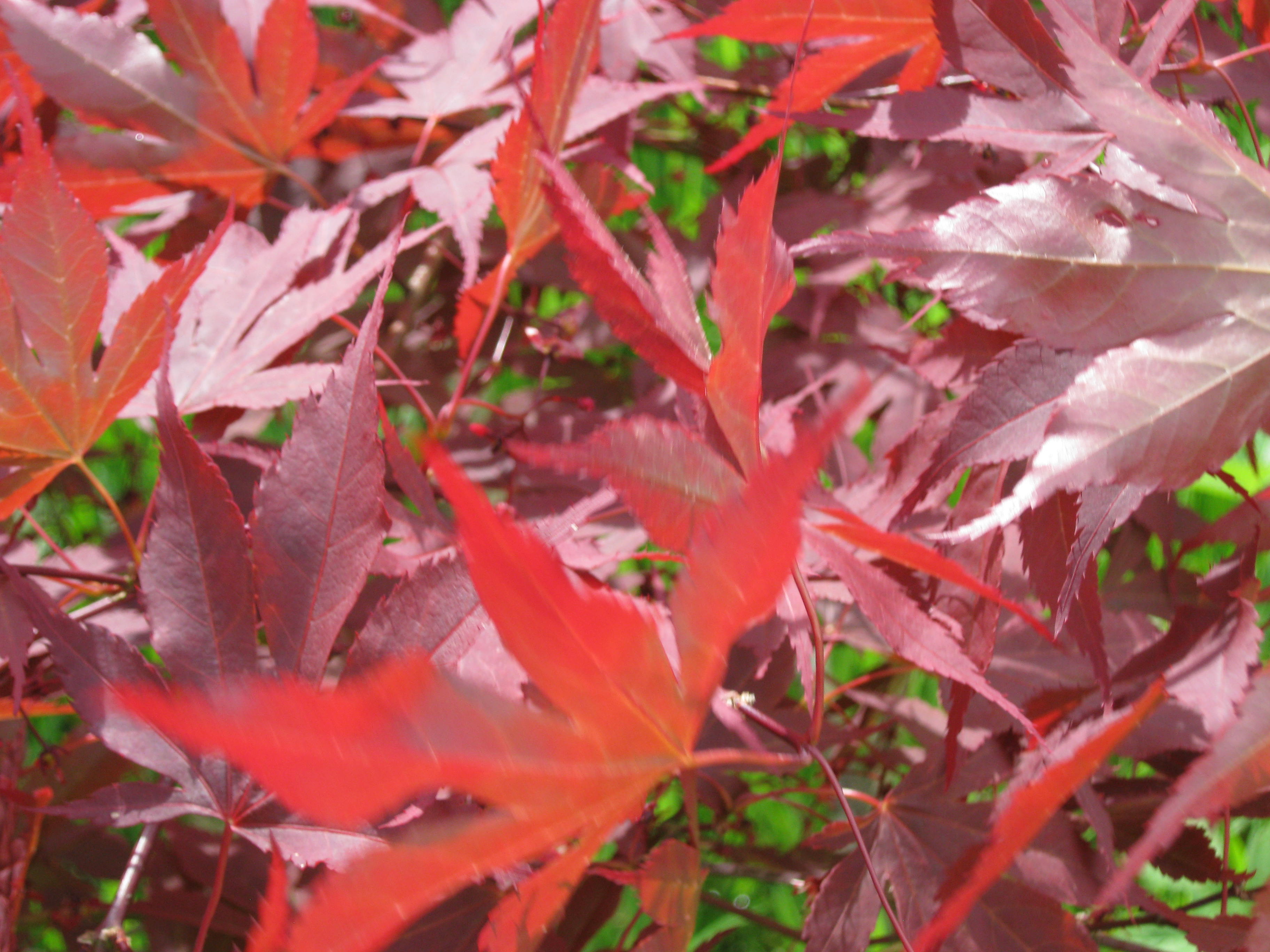
The Japanese Maple has the most beautiful cherry-red seeds.

Image

Image

Image

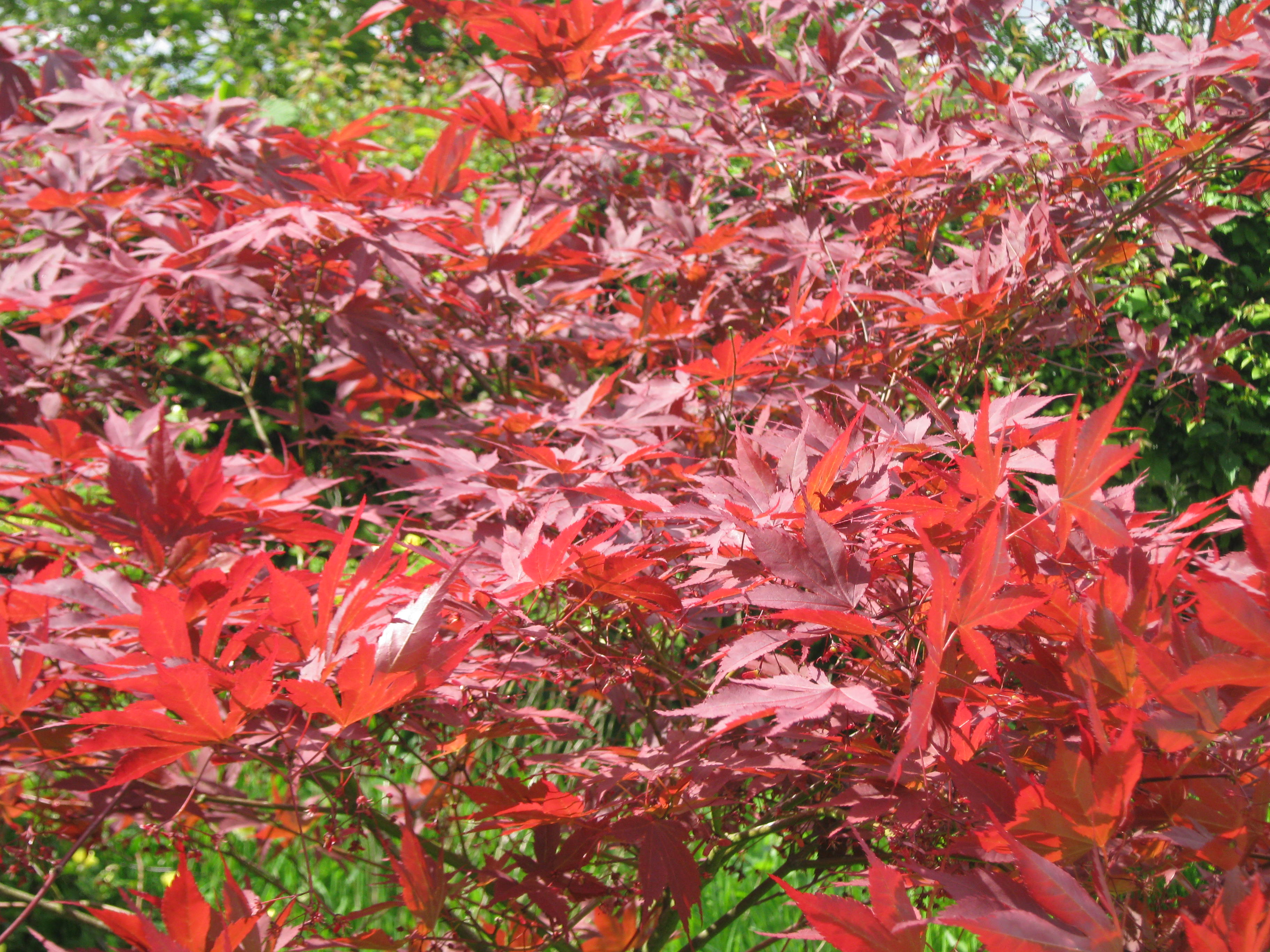
It has beautiful leaves too that glow in the sunshine.

Image

Image

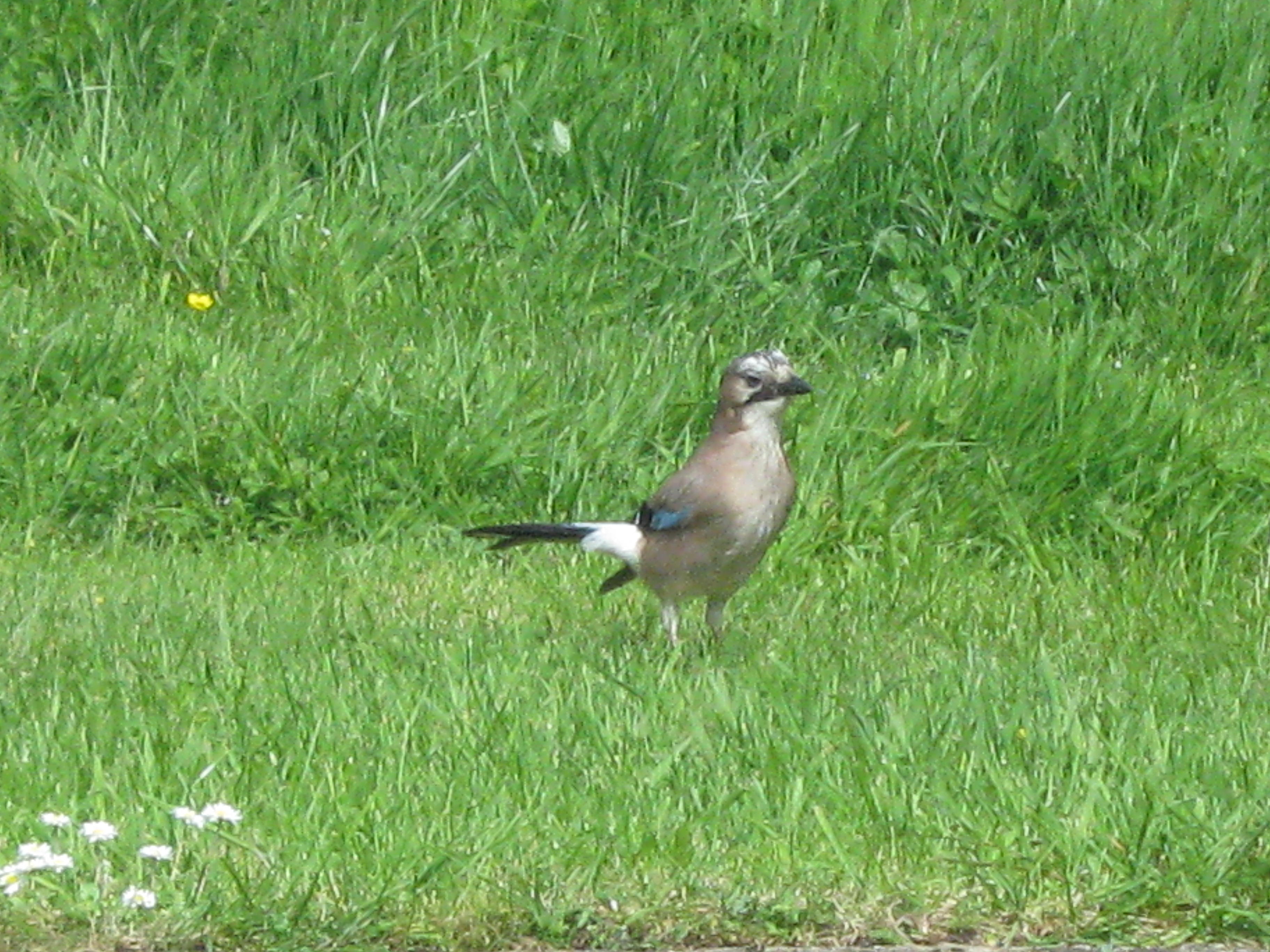
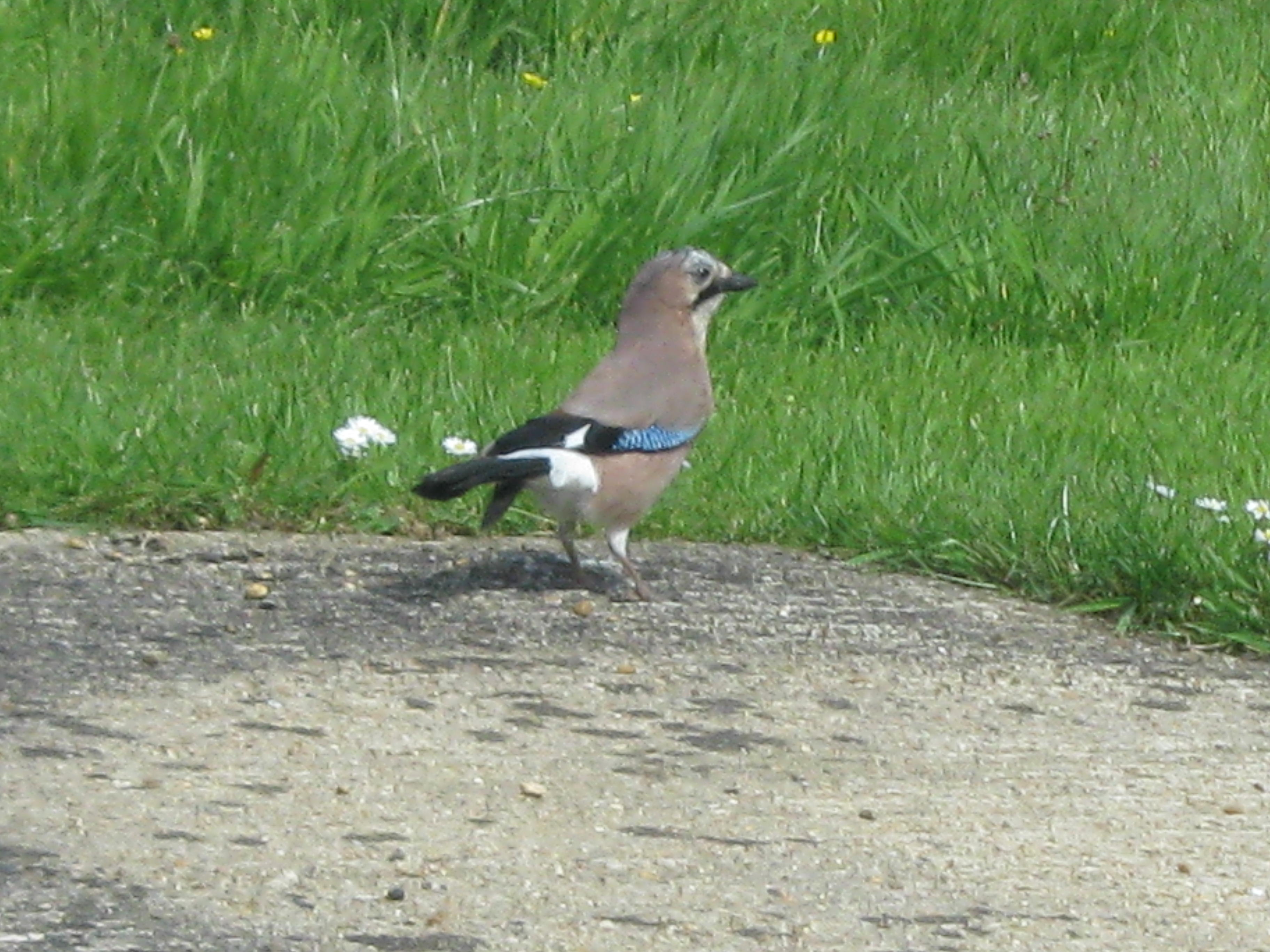
I got home yesterday and saw a Jay in the garden.  I had great difficulty taking these photos from inside the car.

Image

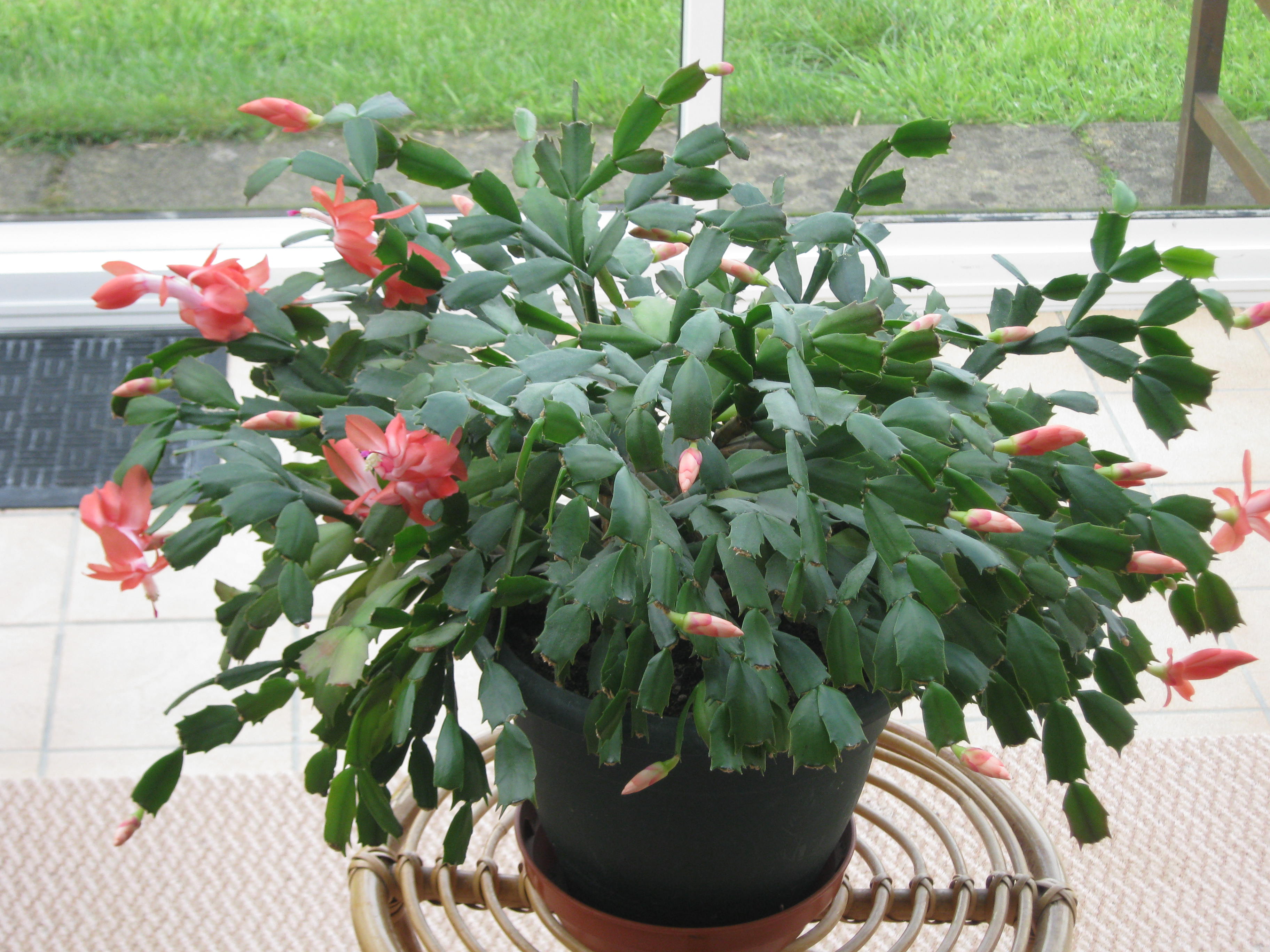
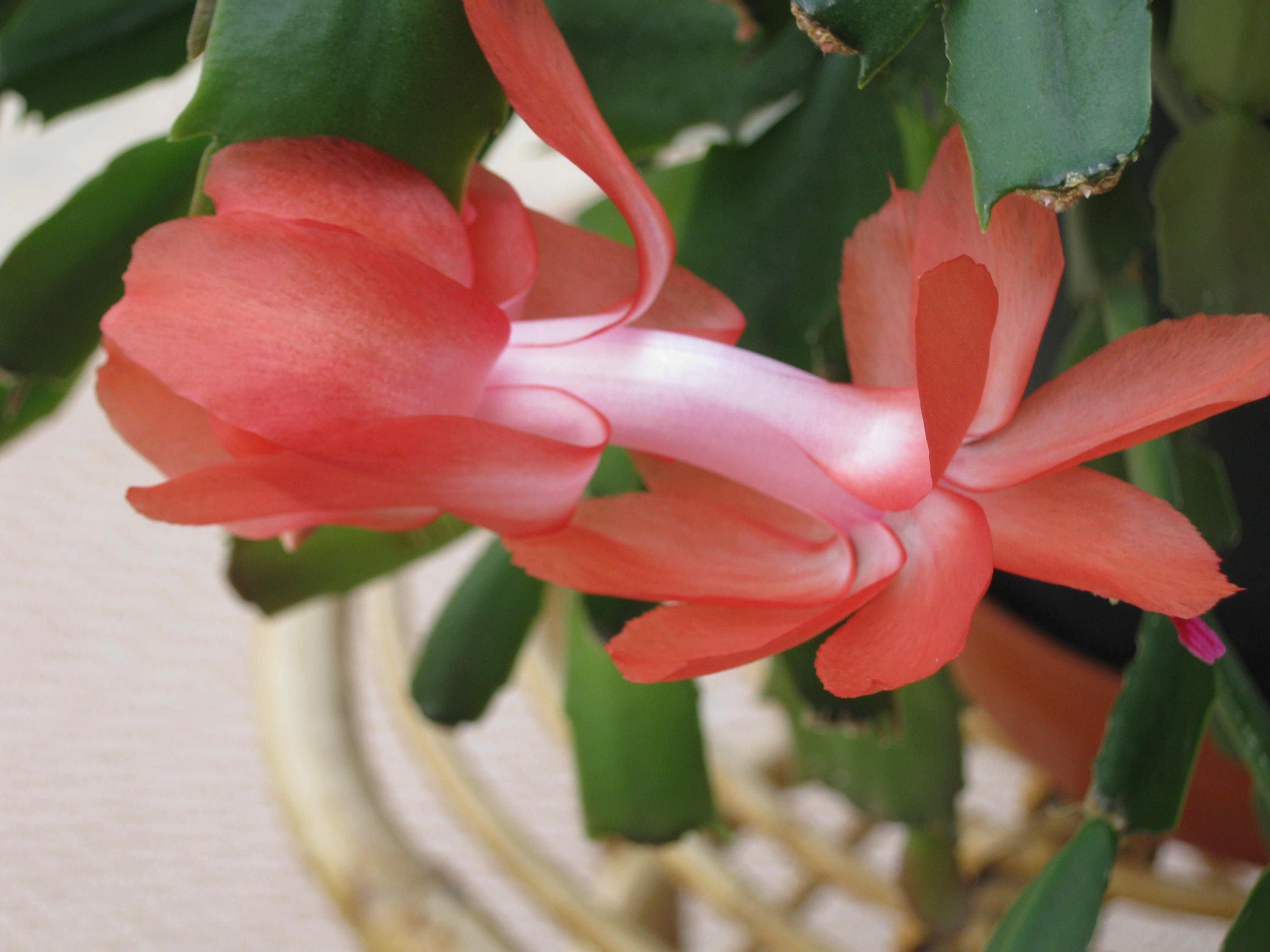
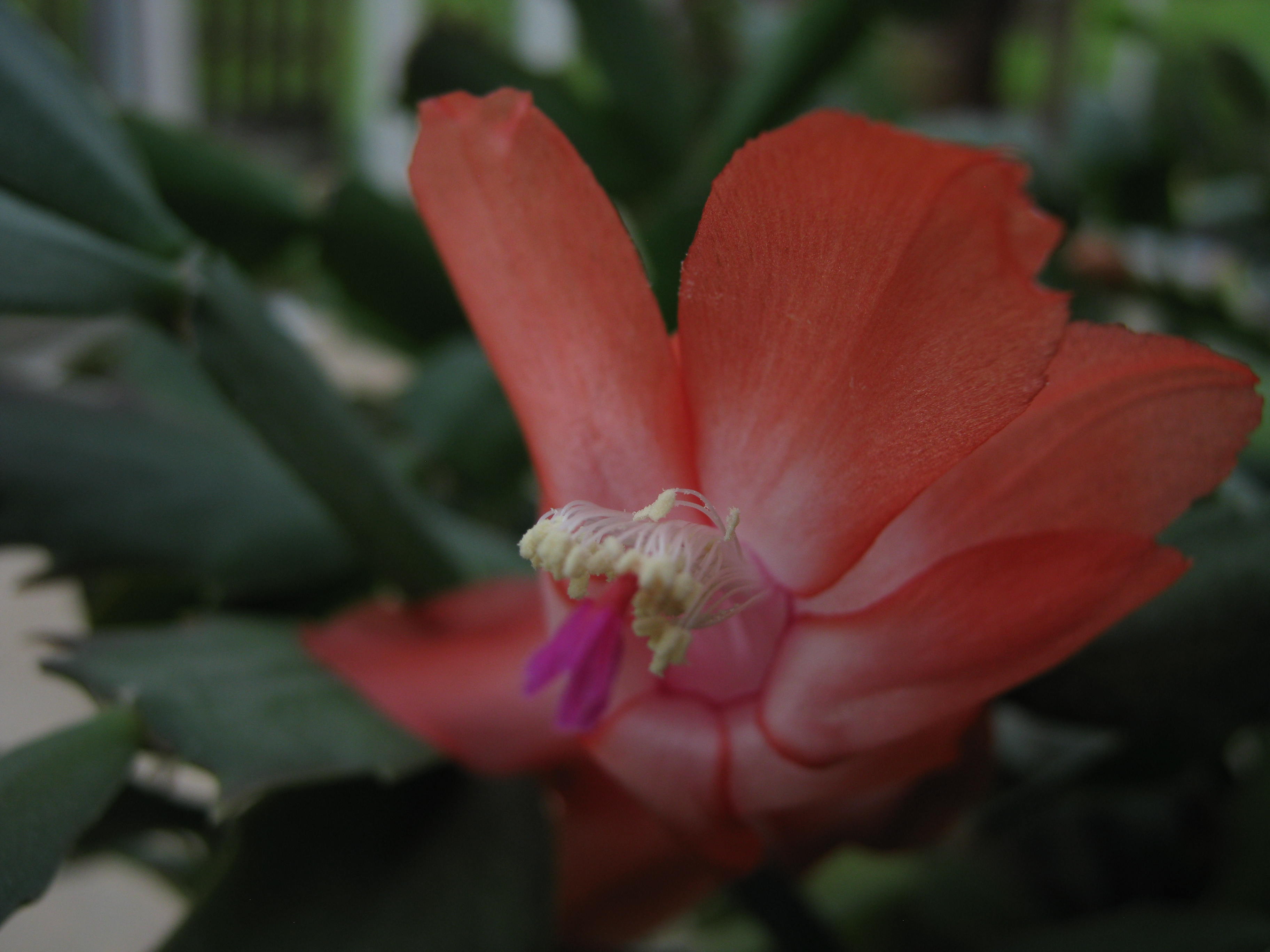
This is one of my Christmas Cacti and it is flowering again for the third time in six months.  It first flowered in November, then in February and now in May.  I think it is very confused!

Image

Image

R’s cacti are all coming in to flower too.

Image

Mammalaria

Image

Mammalaria flower


Image


Peanut cactus flower.

Image

I don’t know what this one is called.

Image

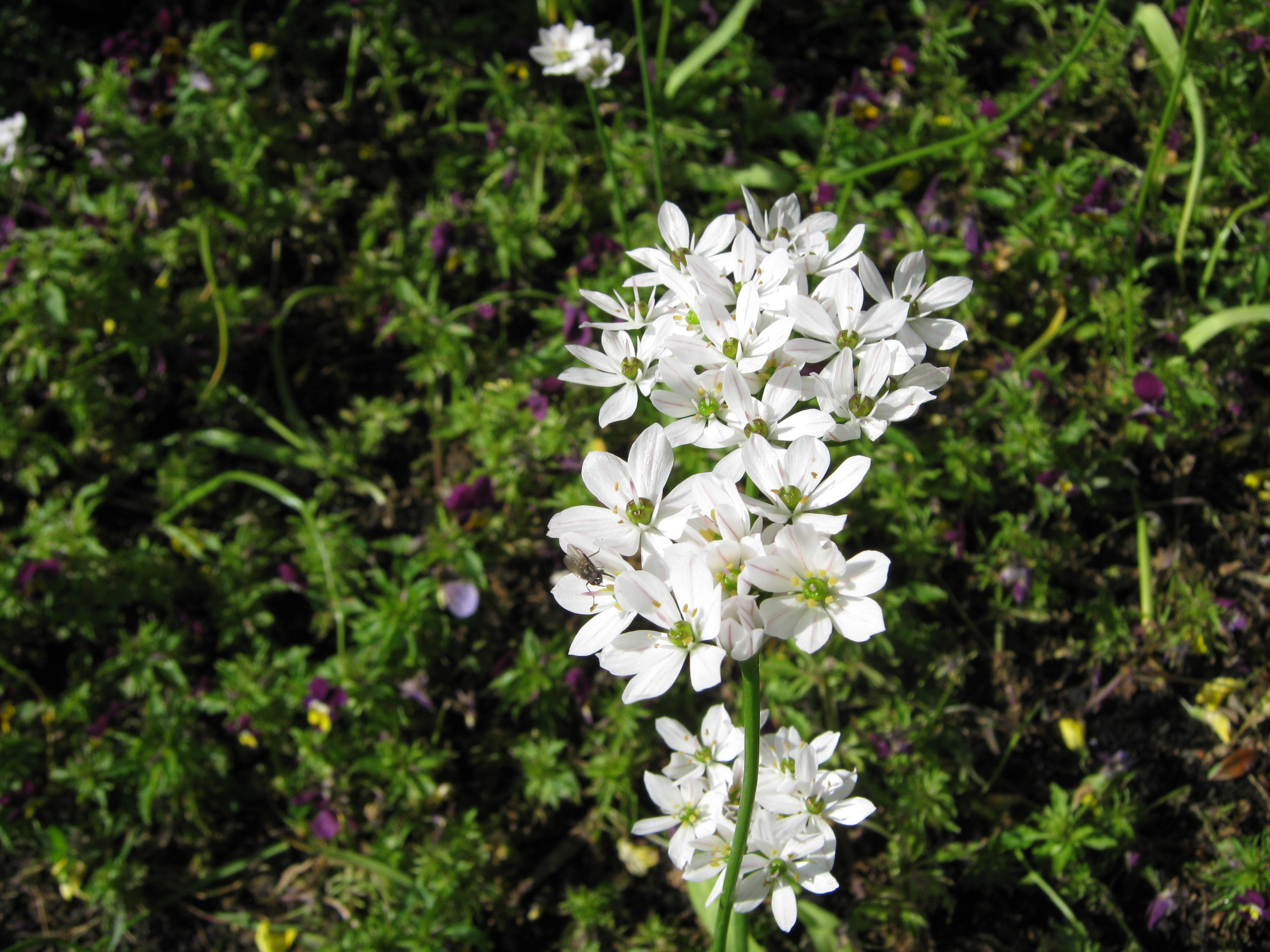
The little white Alliums in the garden are very popular with the bees.  They are under the laburnum trees which are also full of bees and the noise they make is astounding.  I think they sound like cars in a grand prix race – the pitch is almost exactly the same – it’s like listening to a race about a mile away.

Image

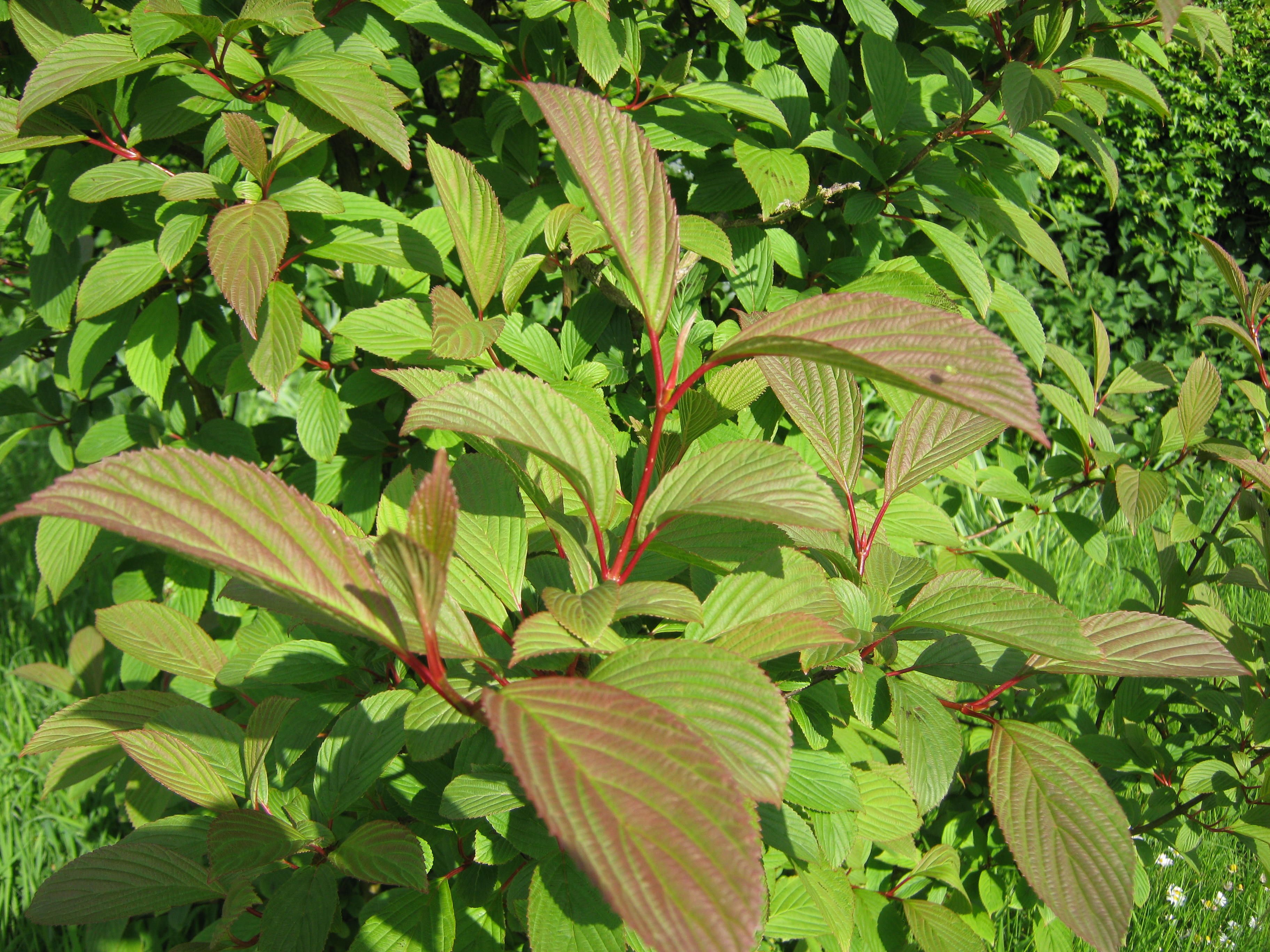
The new shoots on the Viburnum Bodnantense are crimson.

Image

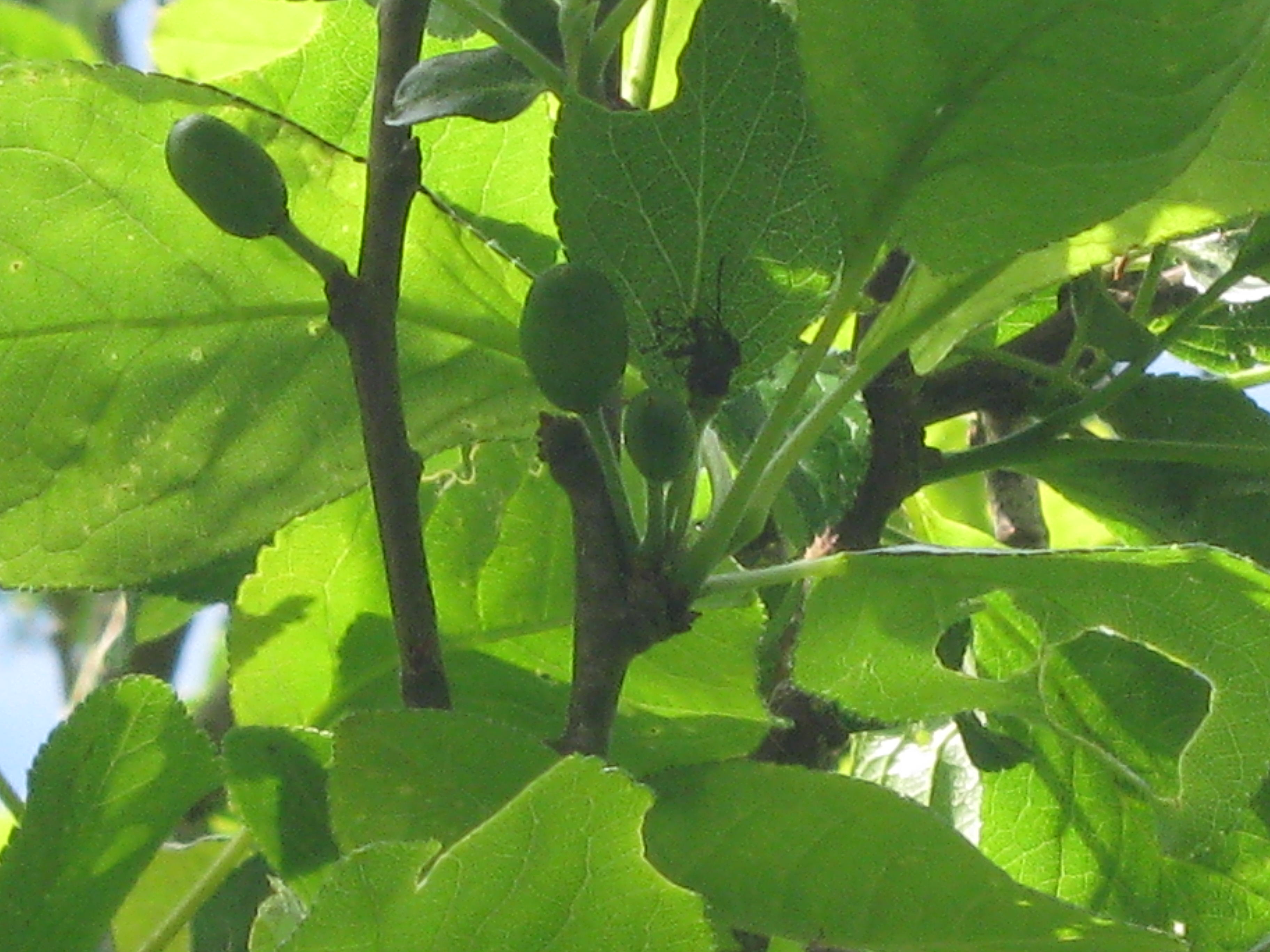
Tiny damsons.

Image

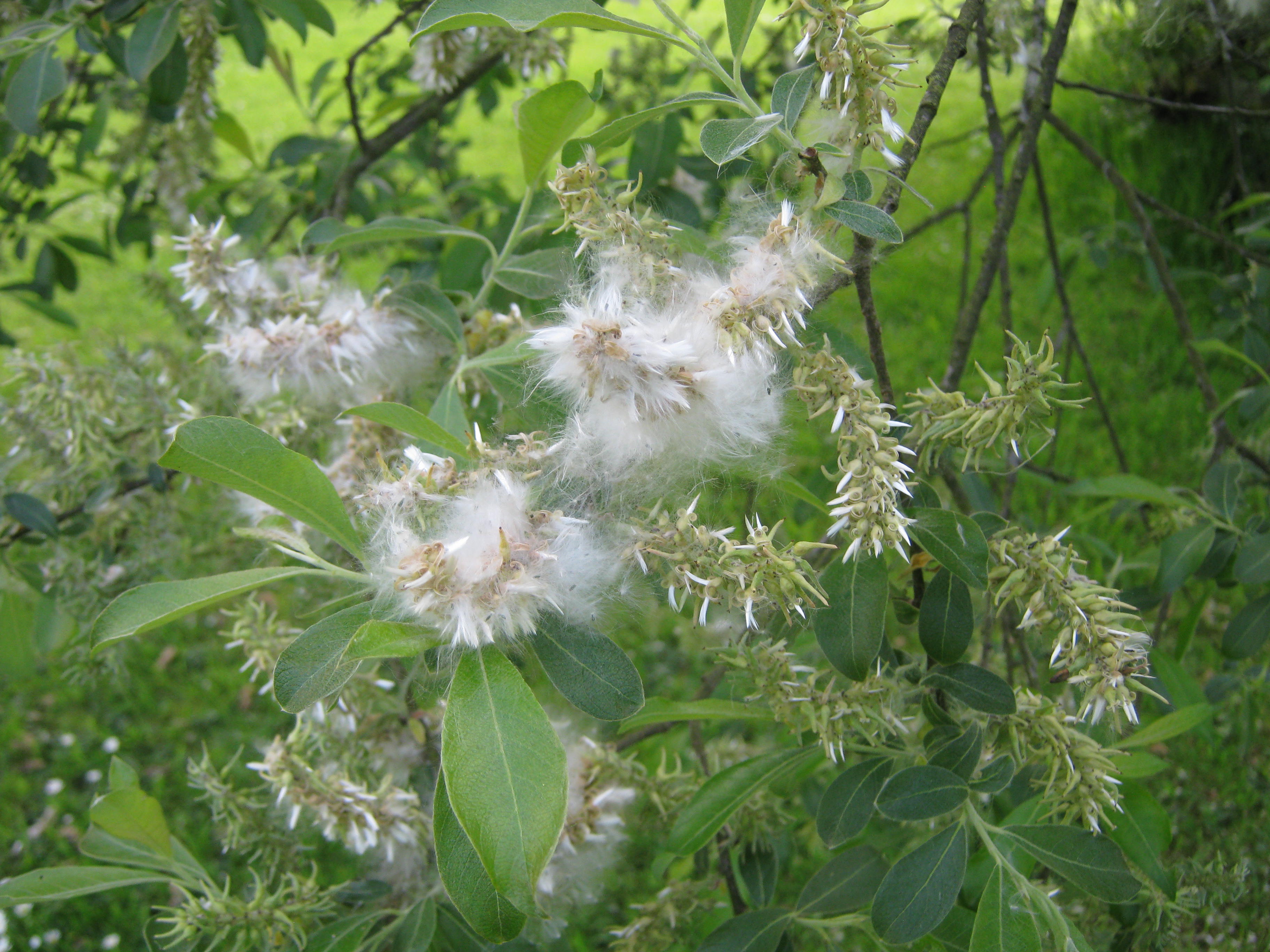
Willow seeds.

Image

Bee on the cotoneaster horizontalis.

Image

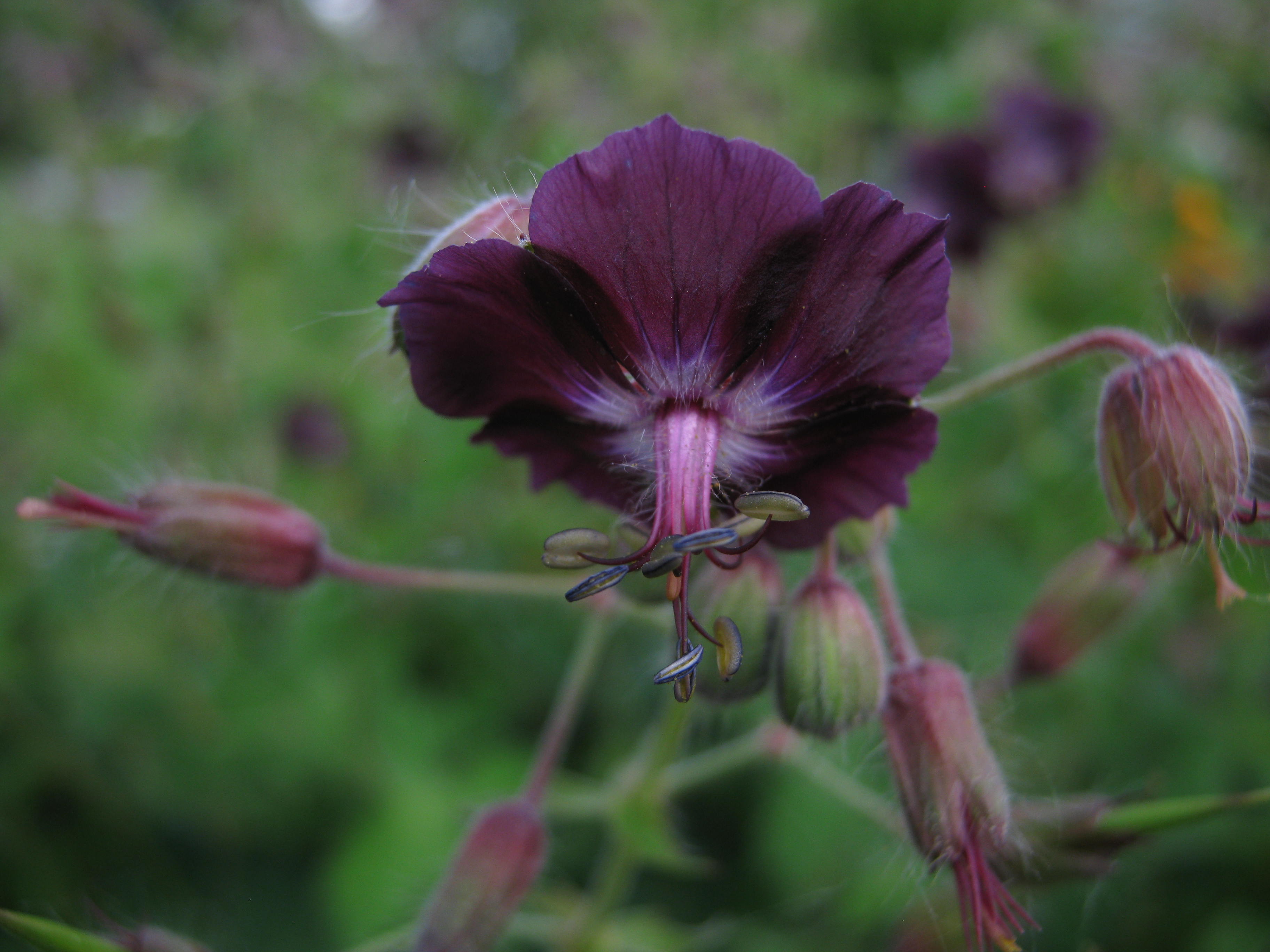
Geranium Phaeum in R’s flowerbed.

Image

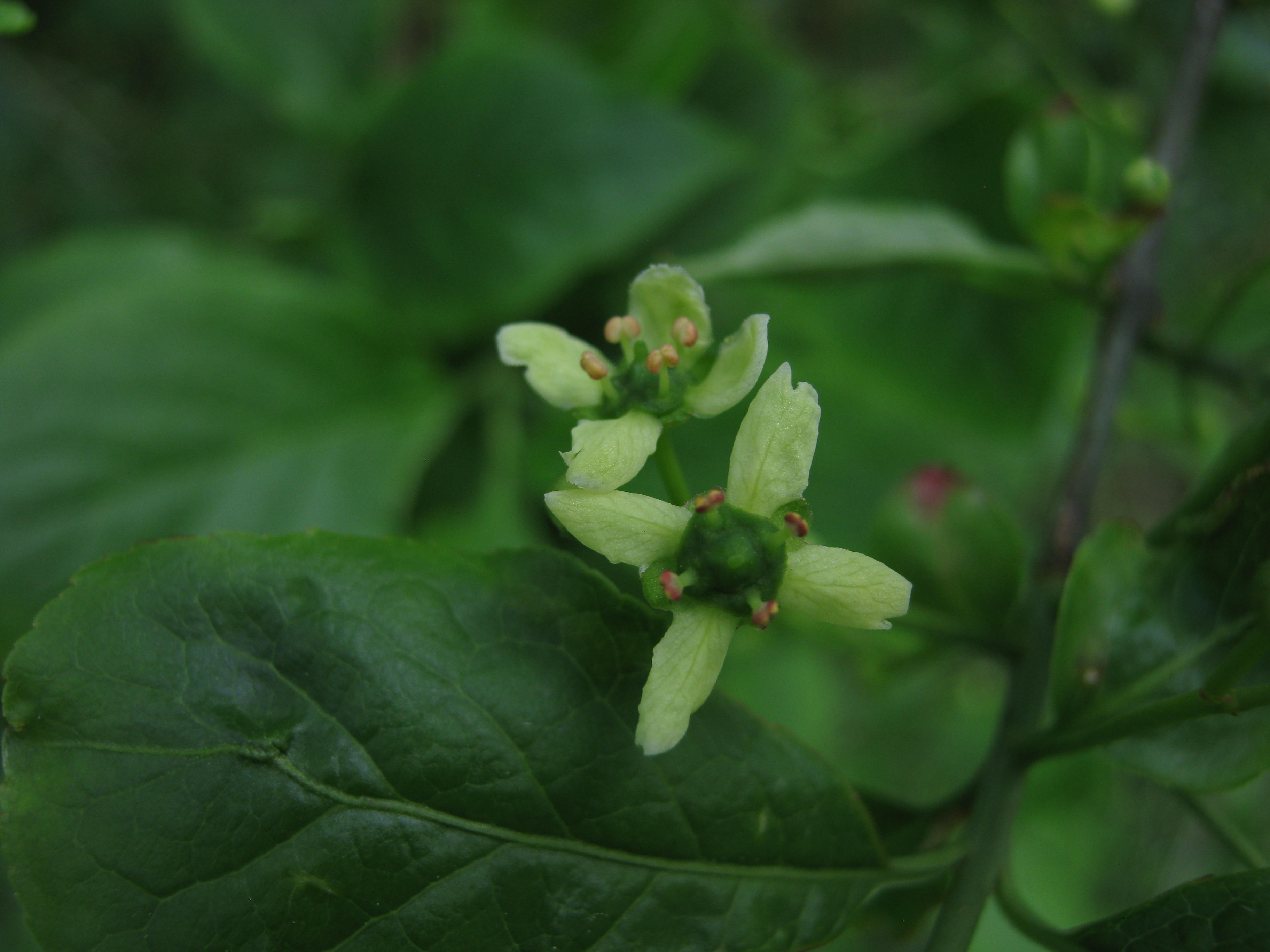
Flowers on the Spindle tree.

Image

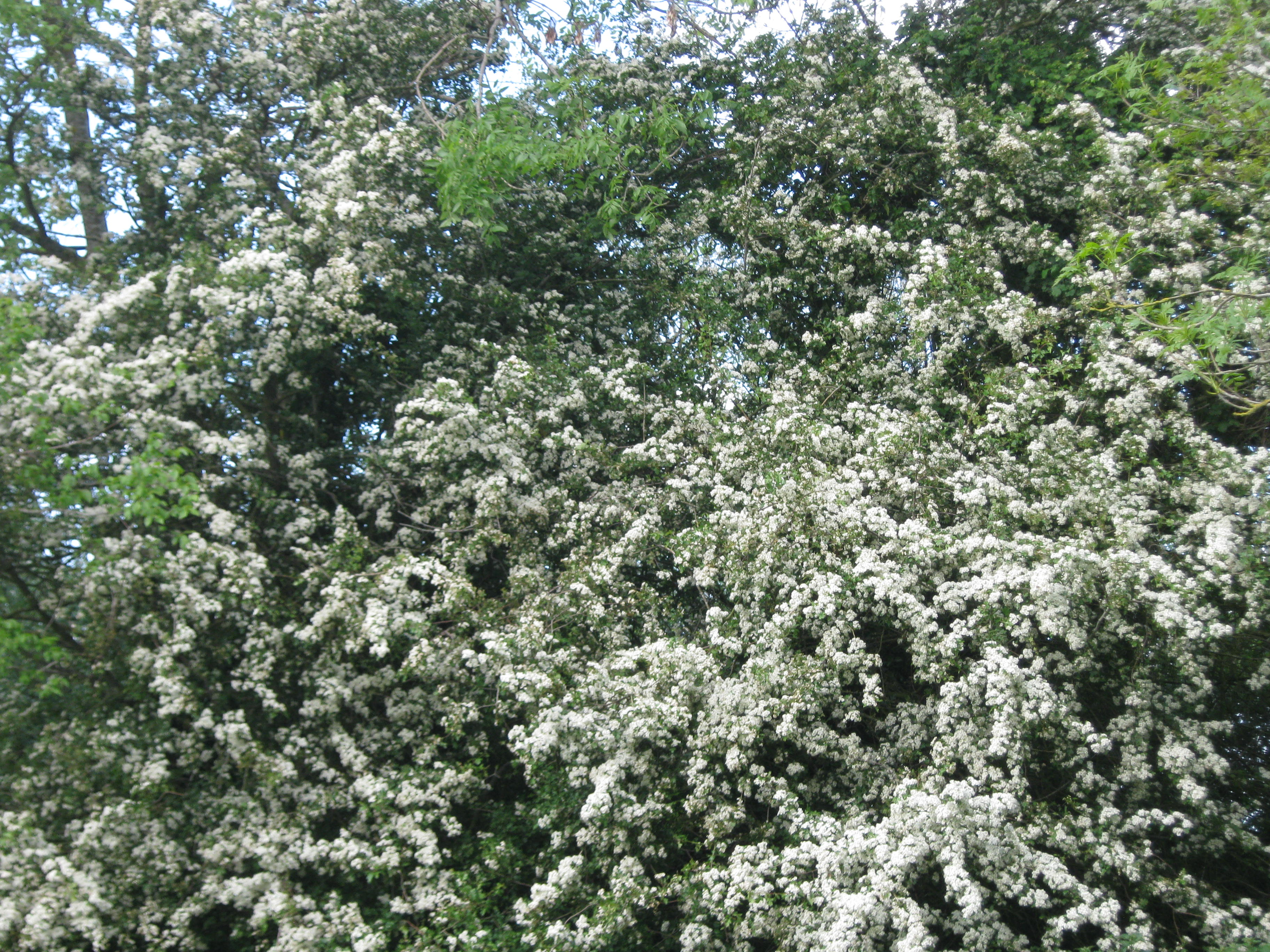
The Hawthorn hedge at the bottom of the garden near the old summerhouse.

Image

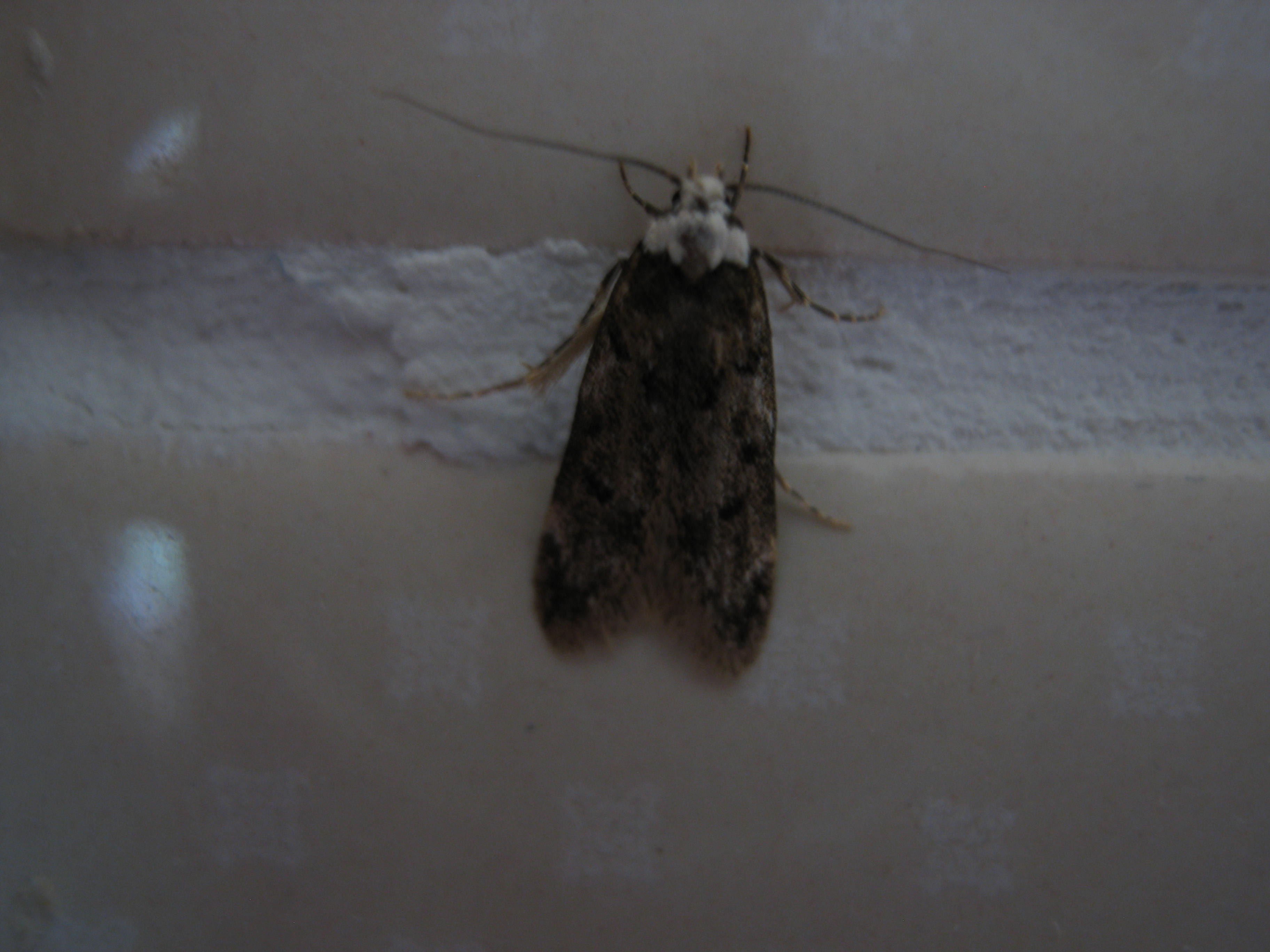
A White-shouldered House Moth

Image

Image

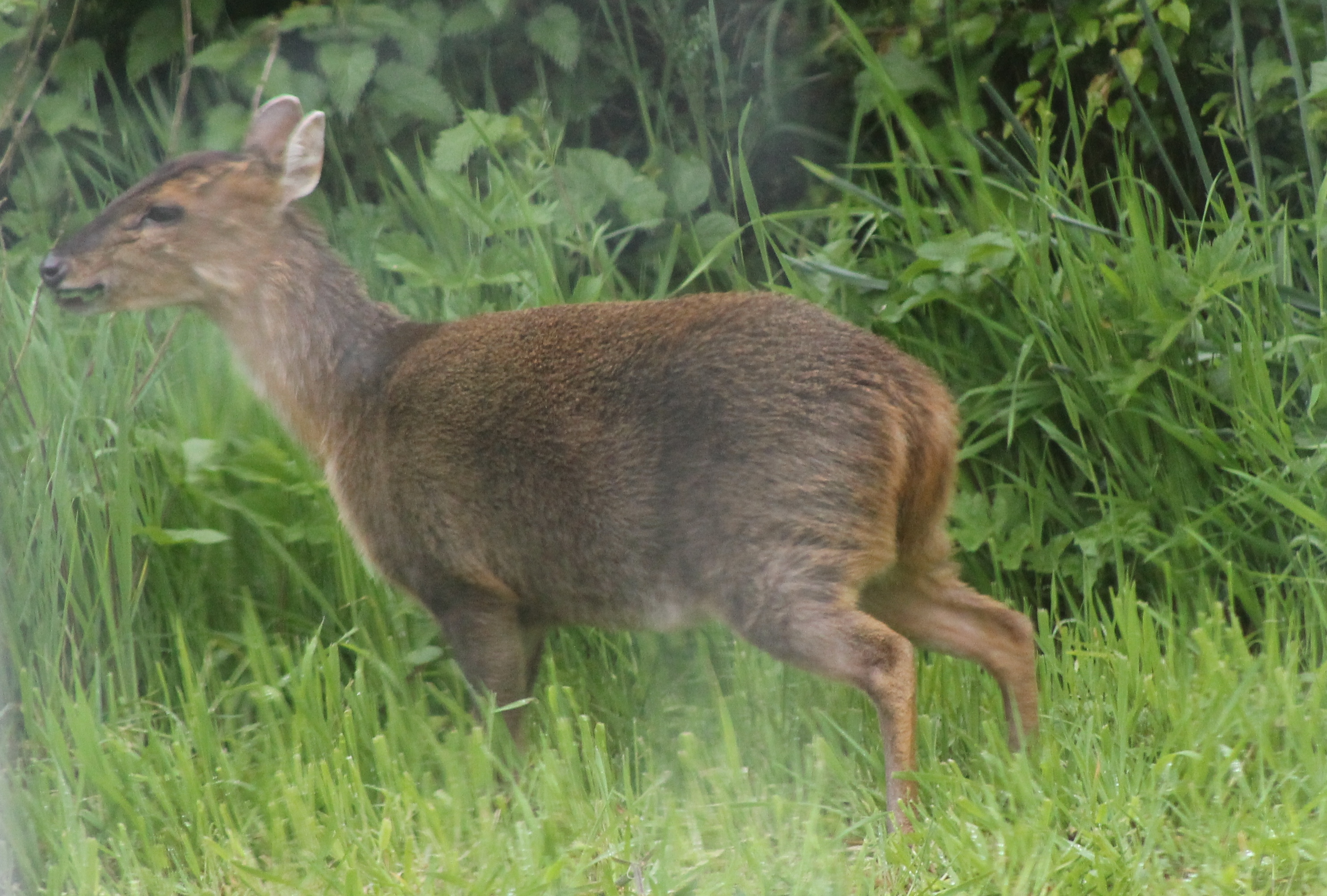
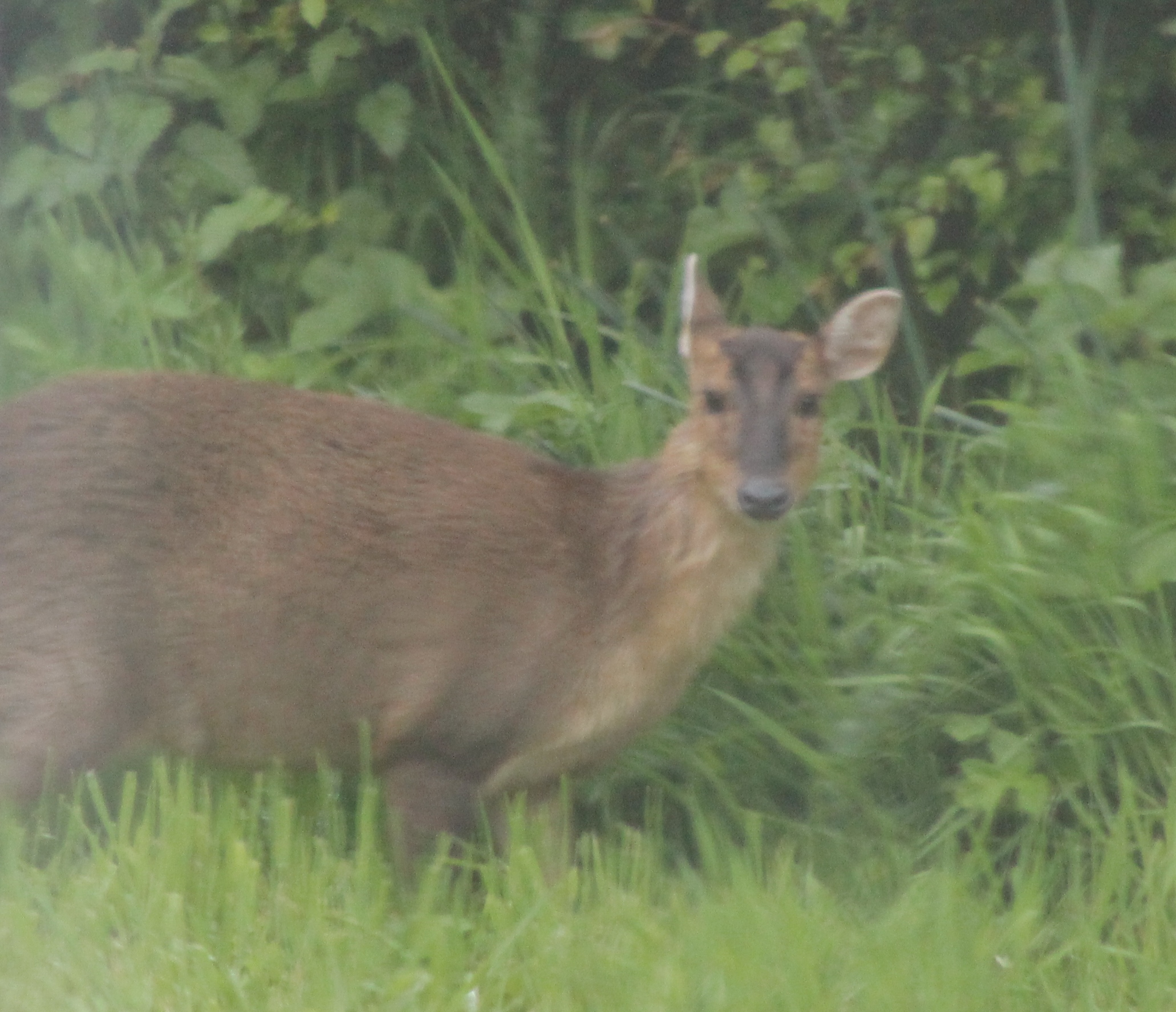
R took these photos of a muntjac deer.

Image

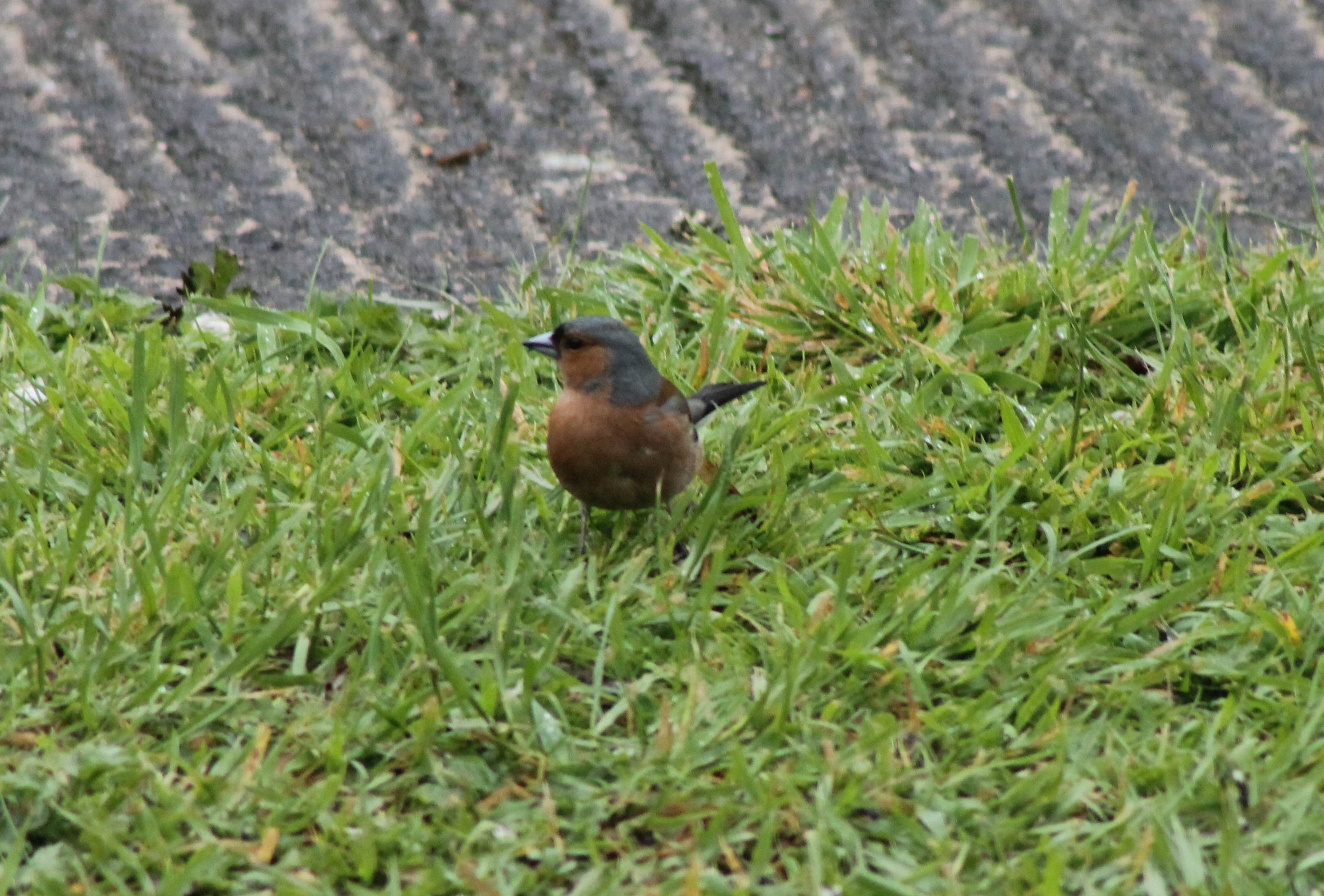
A chaffinch

Image

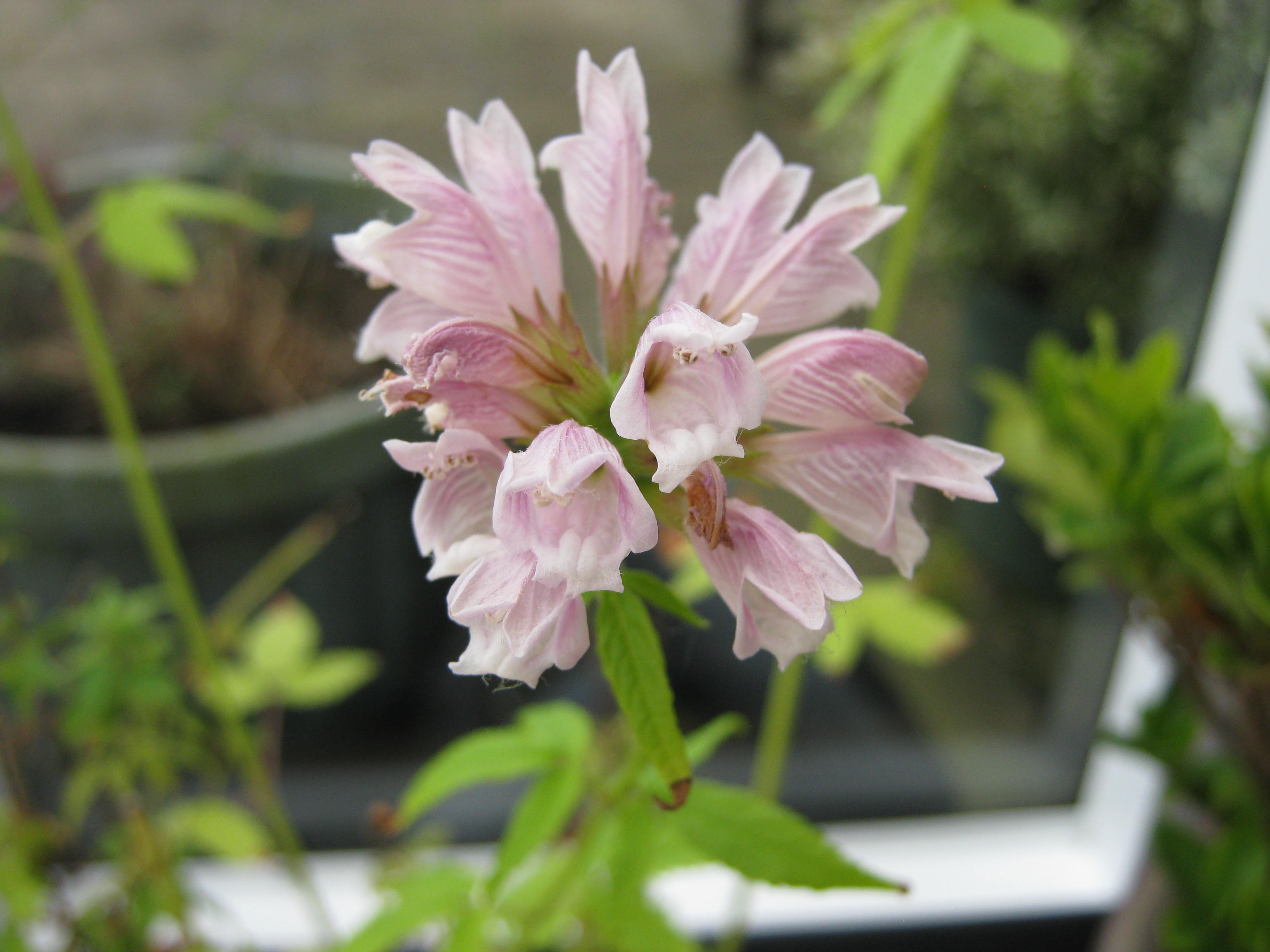
One of my herbs – cedronella canariensis (Balm of Gilead).

Image

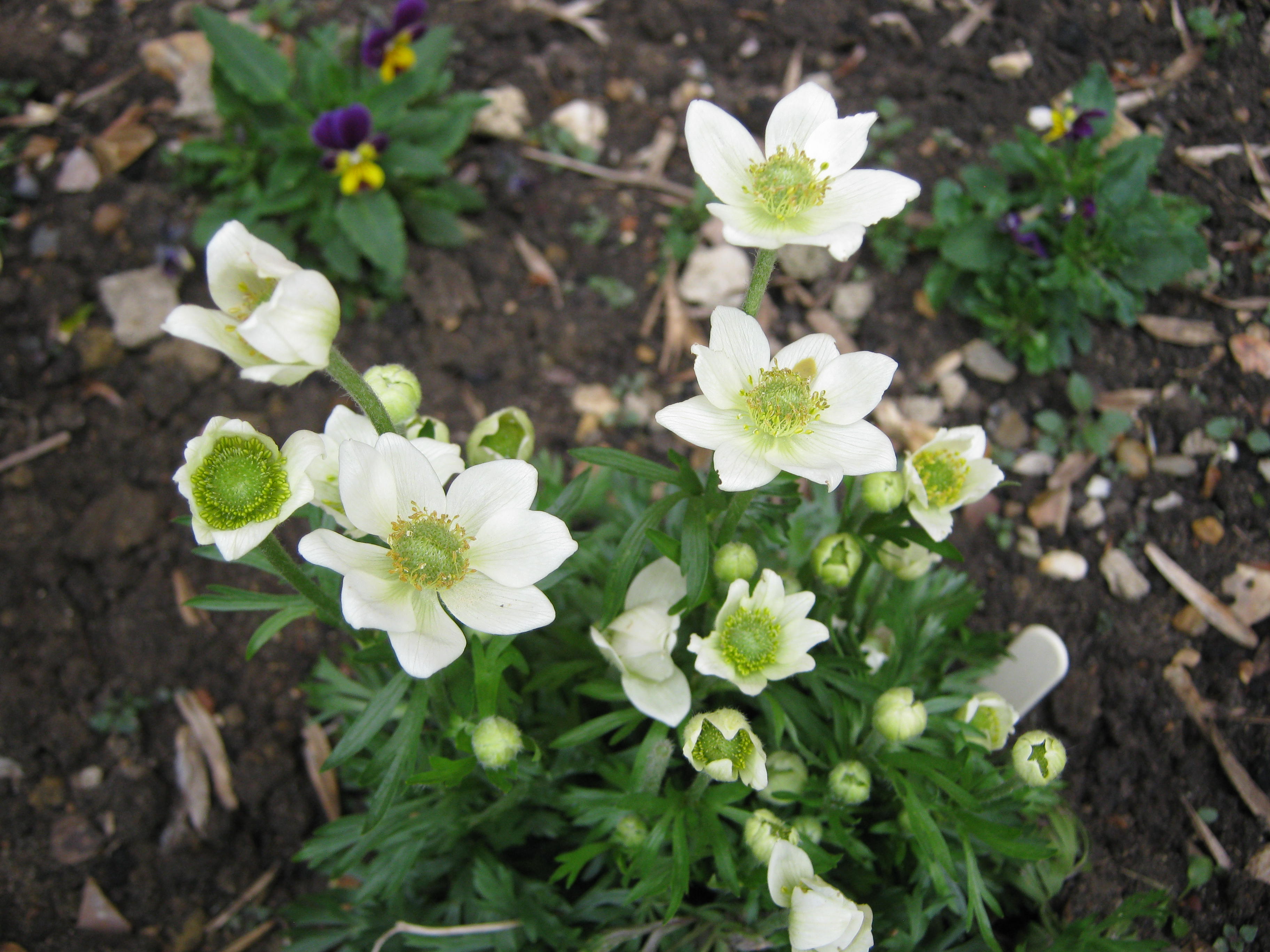
Alpine Pasque Flower

Image

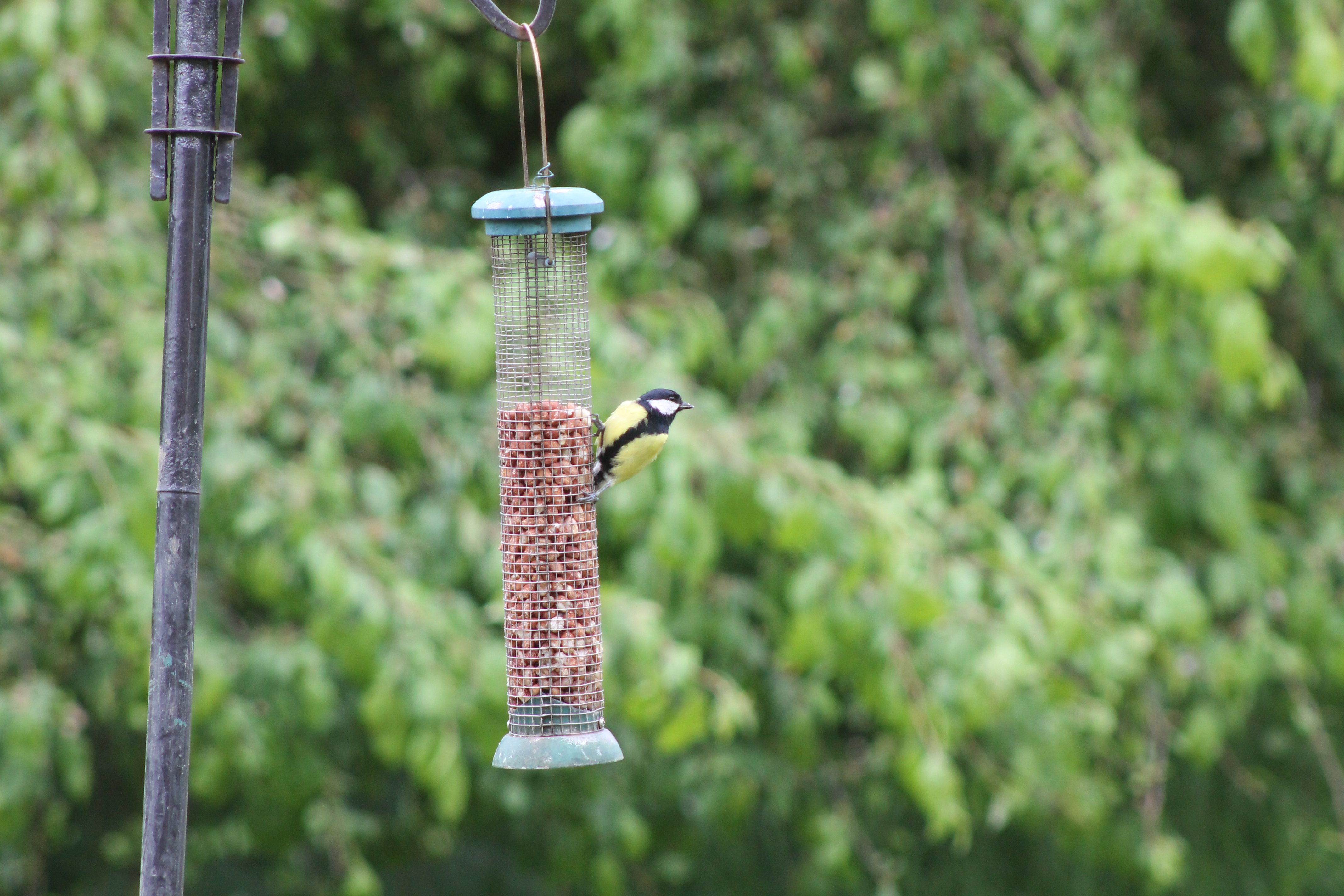
A Great Tit

Image

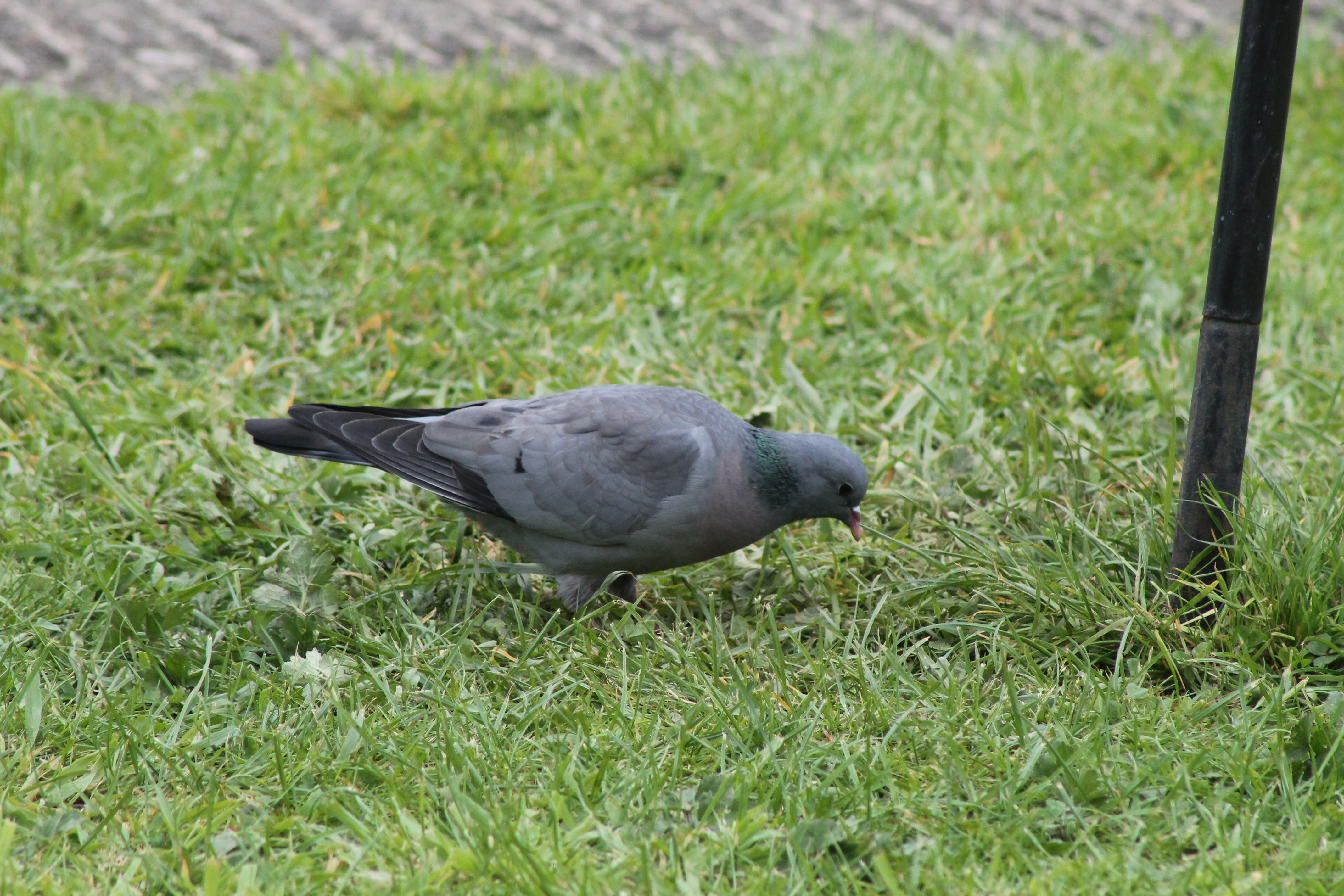
A Stock Dove.

Image

A female Pheasant.

Image

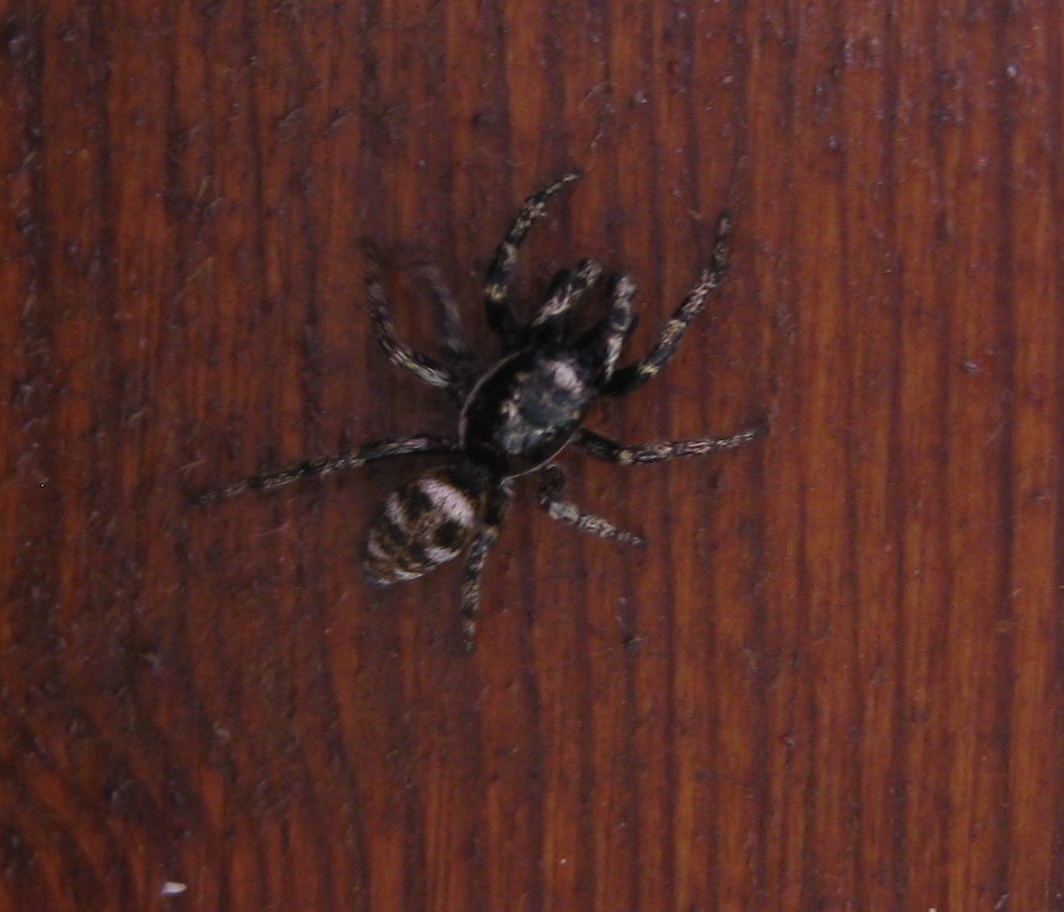
A Zebra Spider.  These spiders are only about 4mm long.  They are jumping spiders and can leap a distance of about 4cm.

Image

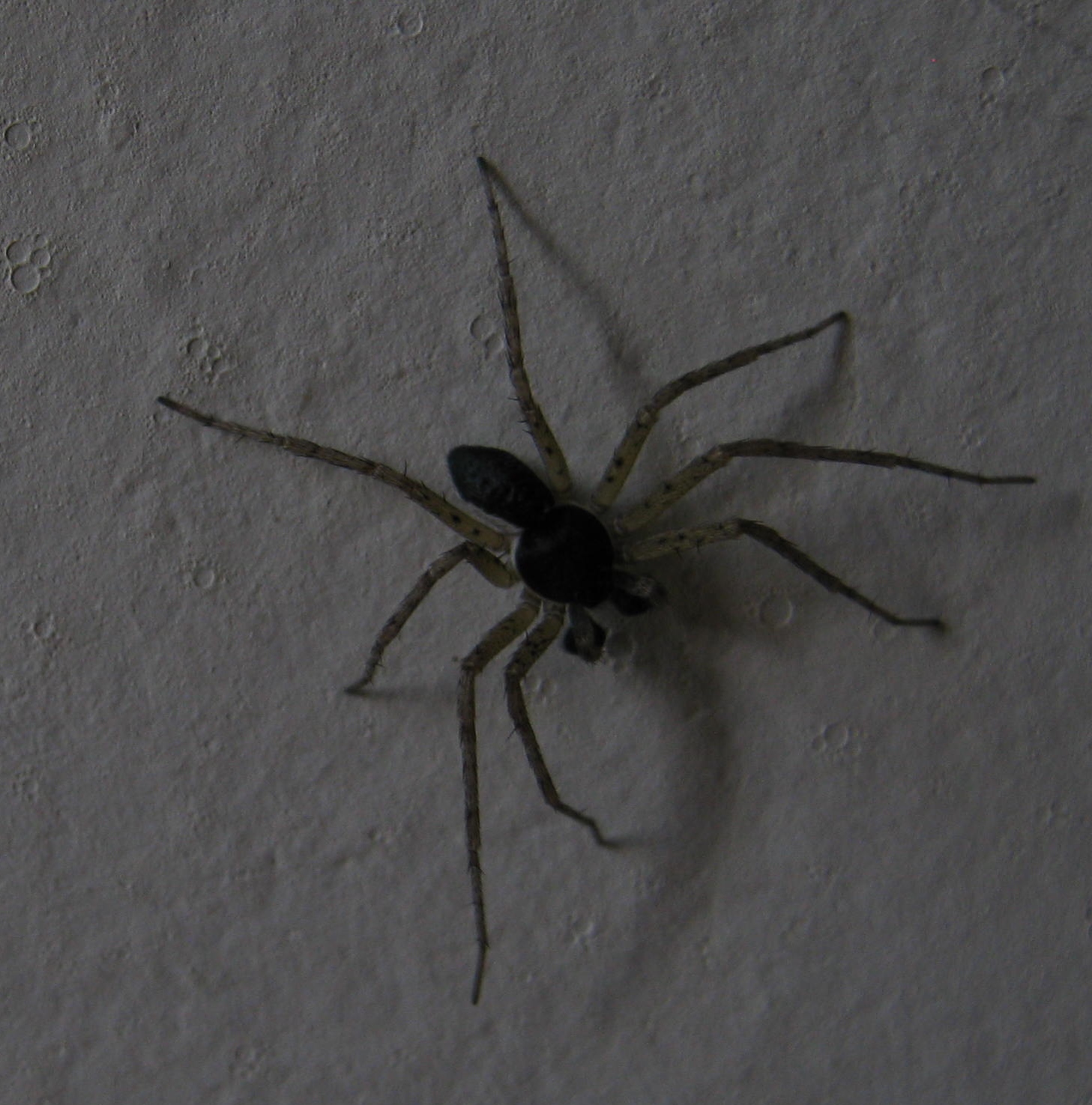
A baby House Spider.

Image

Image

Image

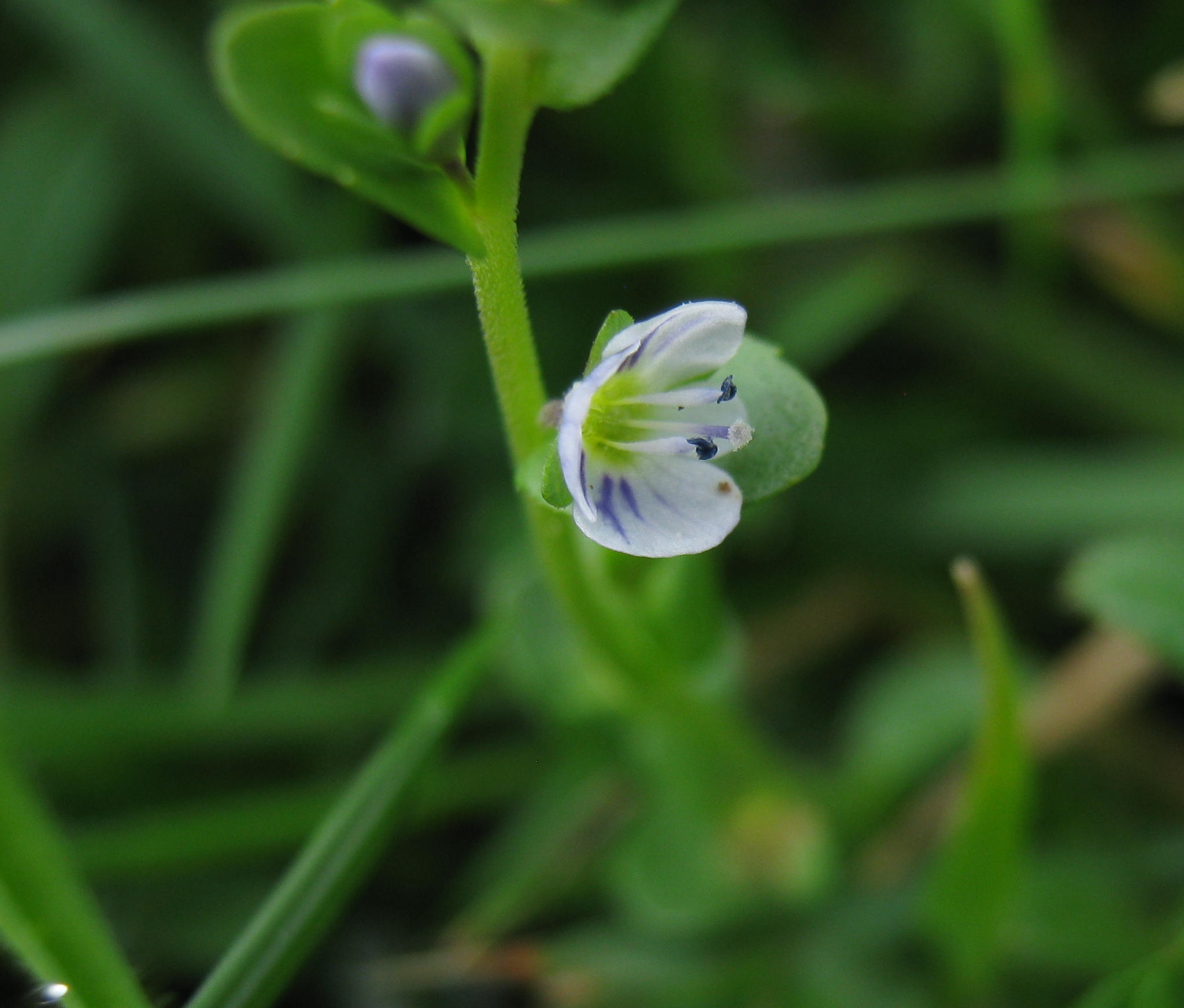
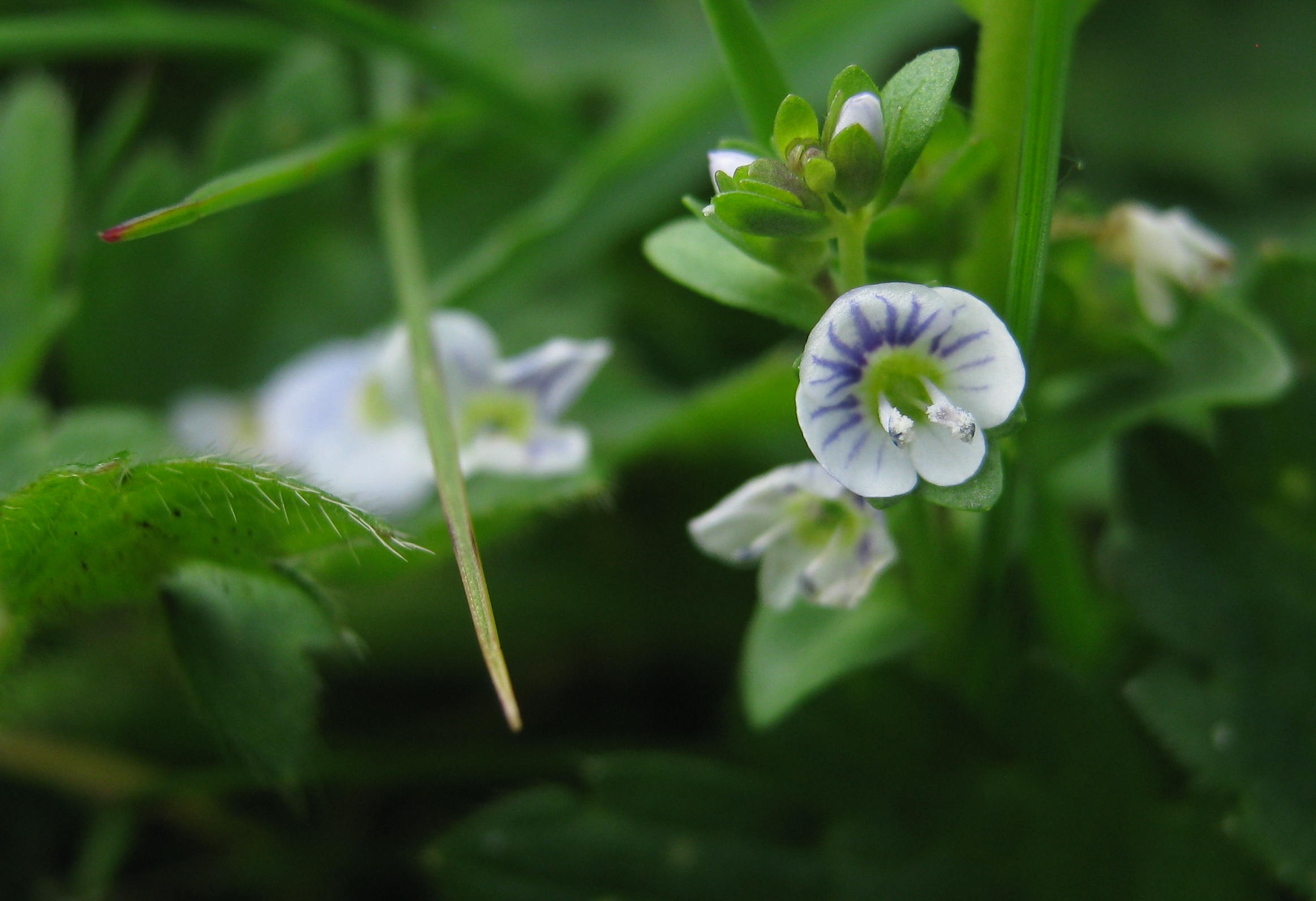
The tiny flowers of Thyme-Leaved Speedwell.

Image

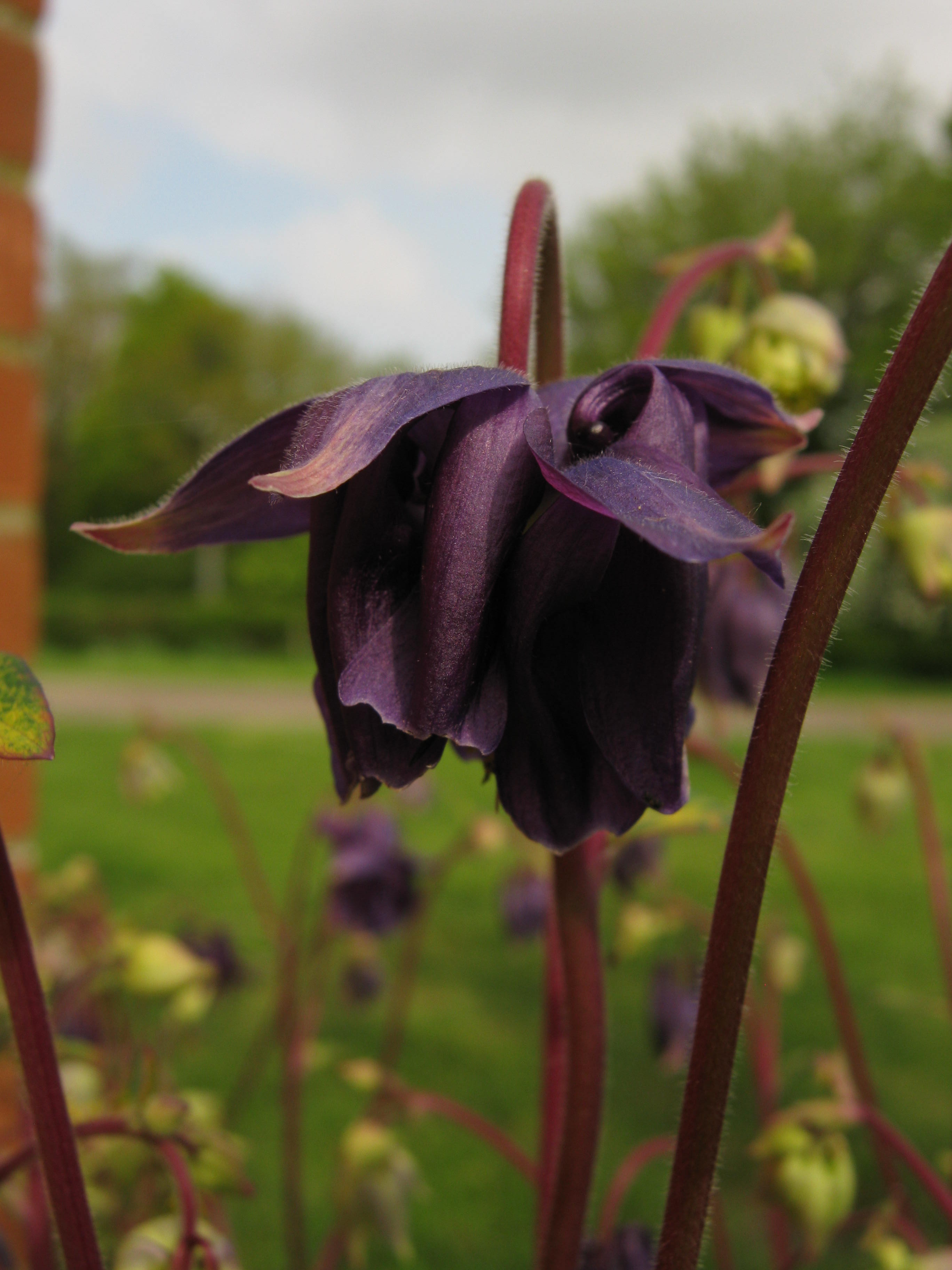
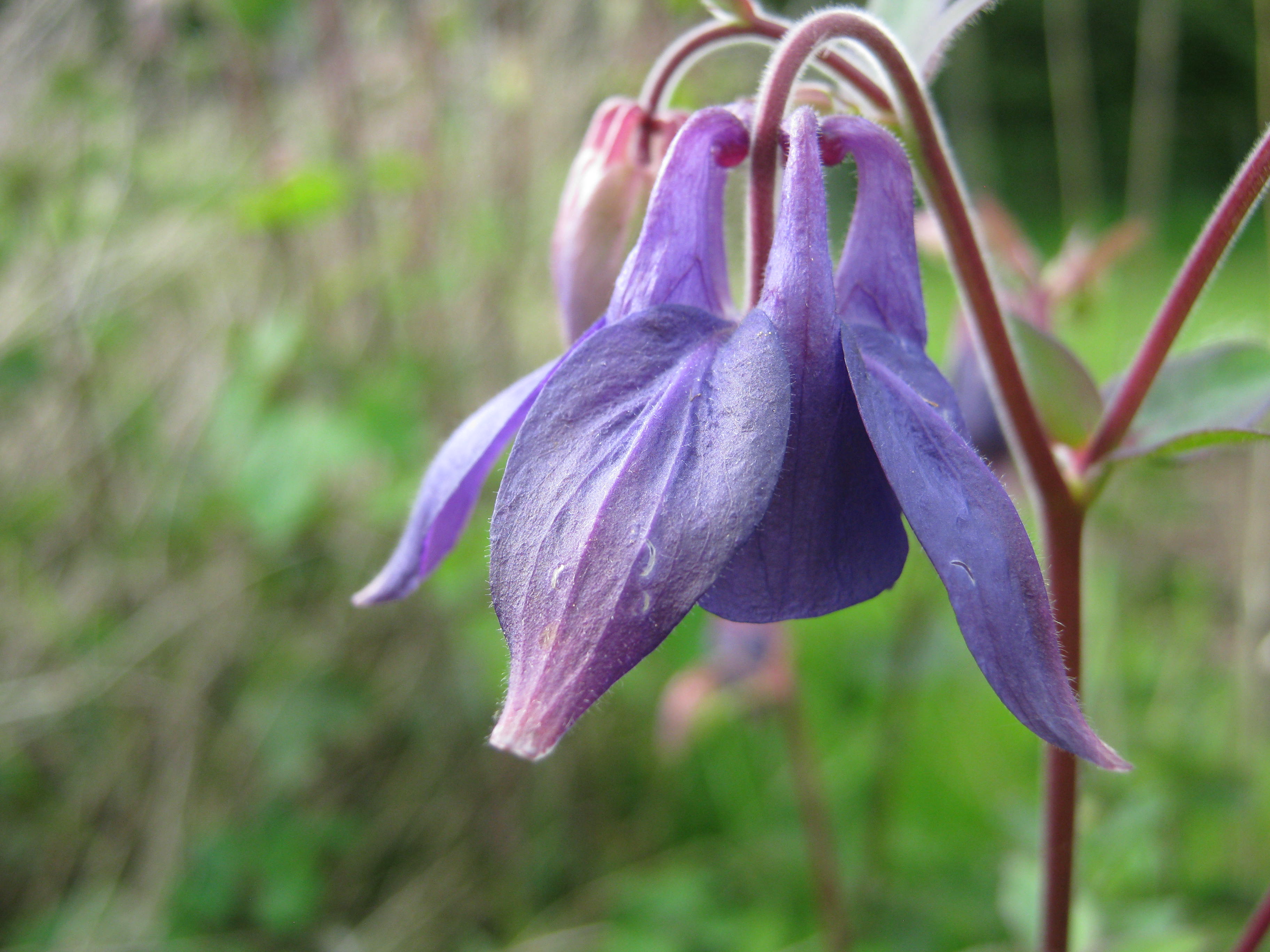
Aquilegia flower

Image

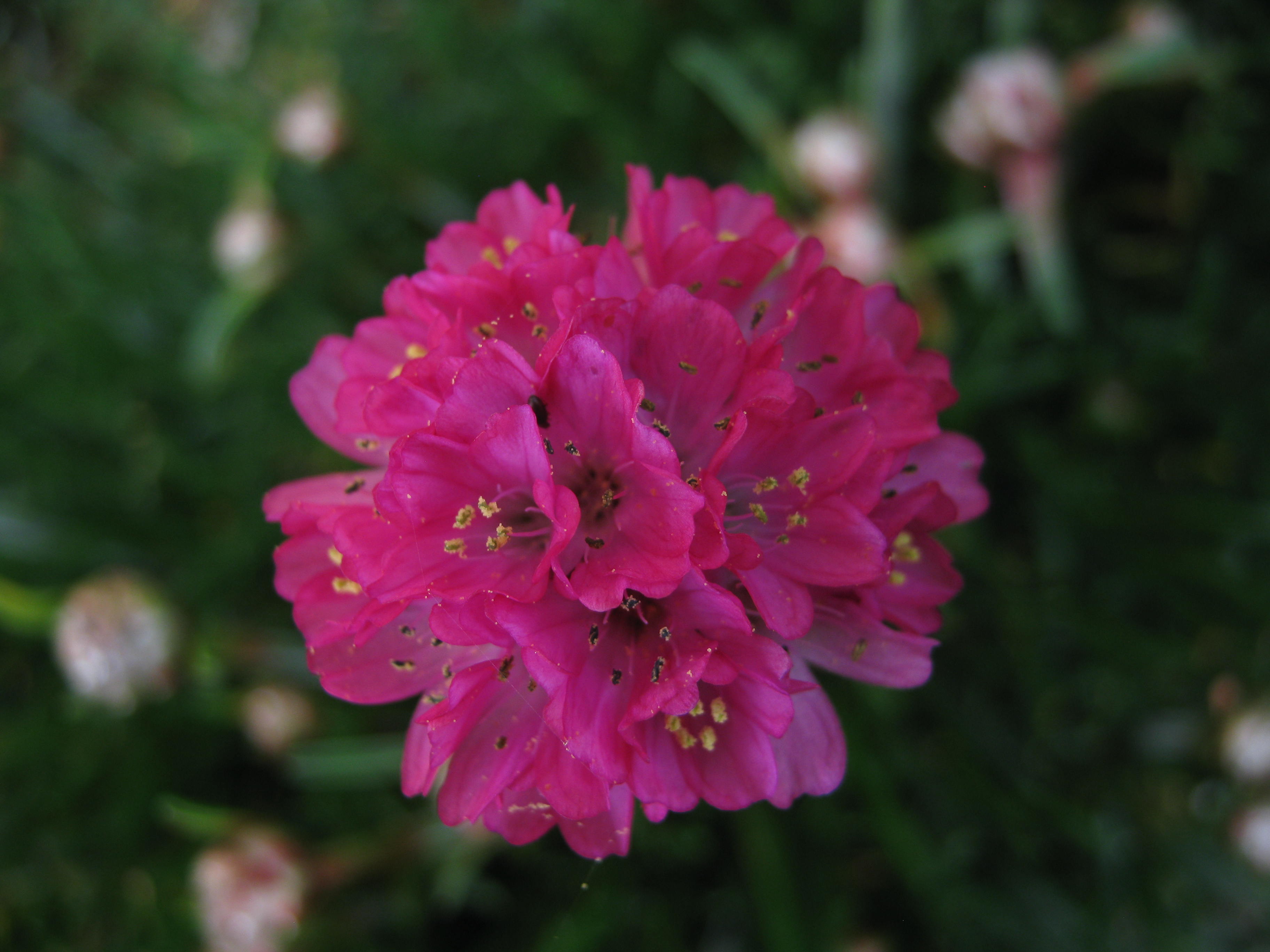
Thrift flower

Image

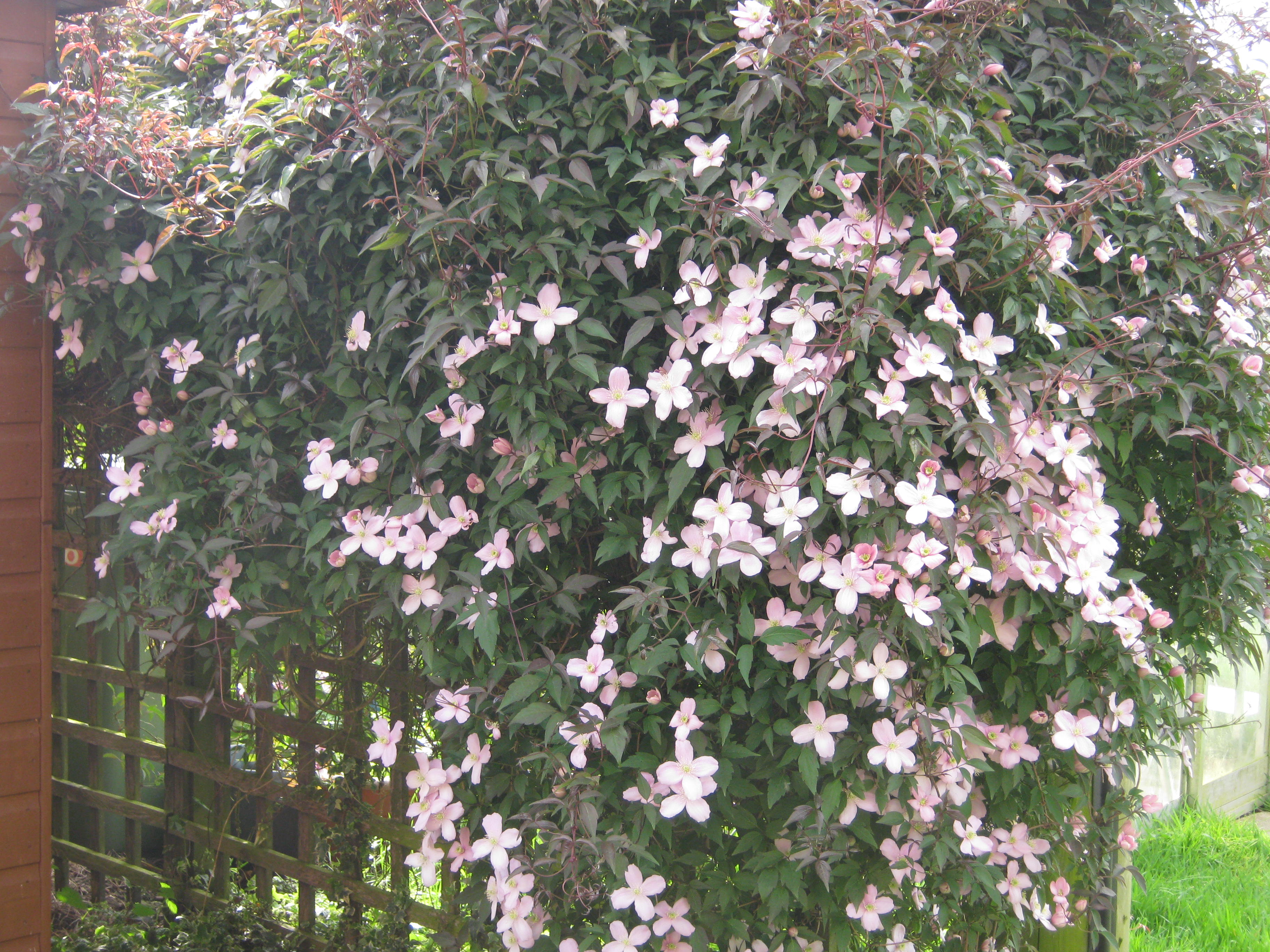
The wonderfully scented Clematis Montana ‘Rubens’

Image

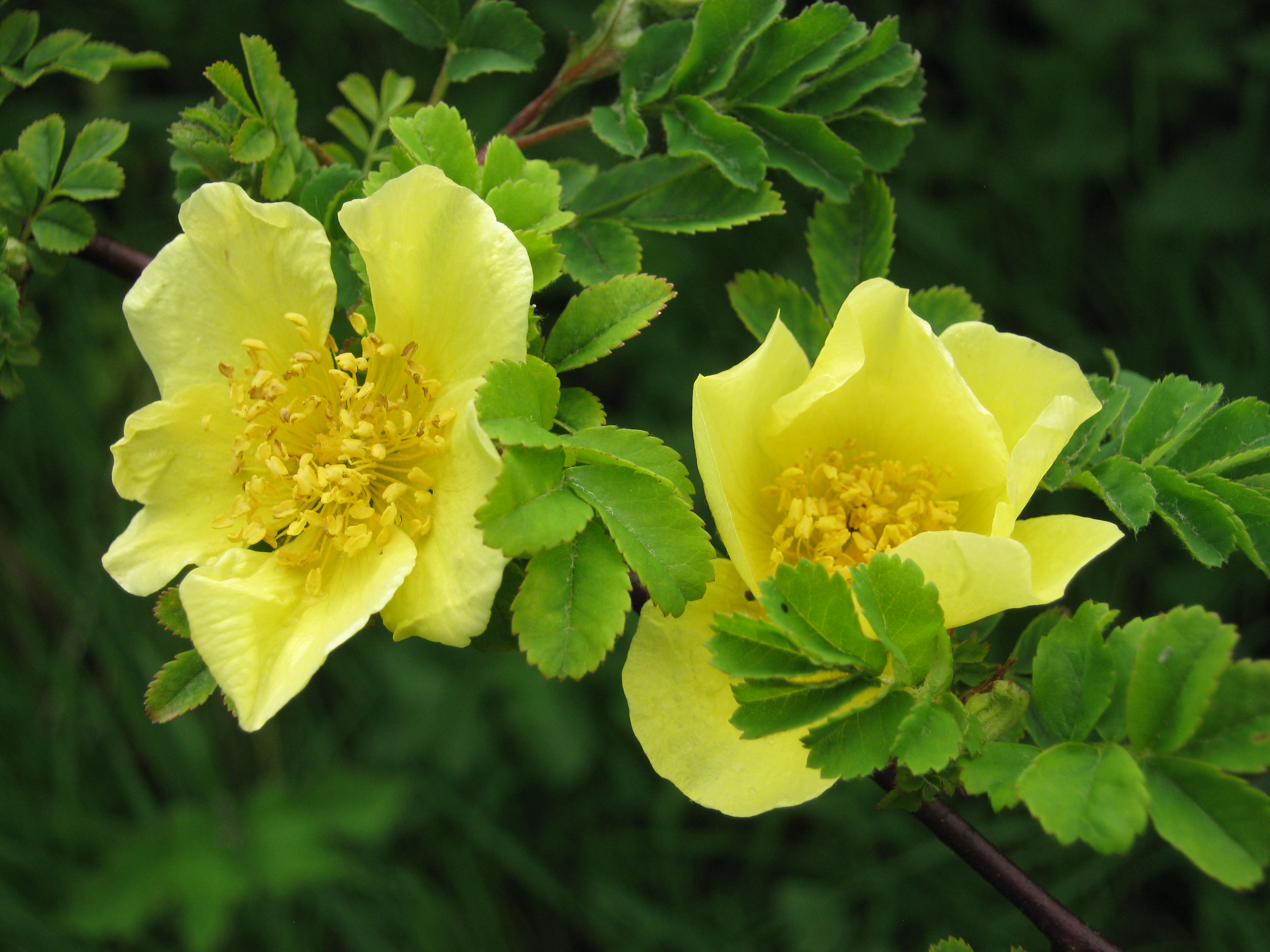
Shrub rose ‘Canary Bird’

Image

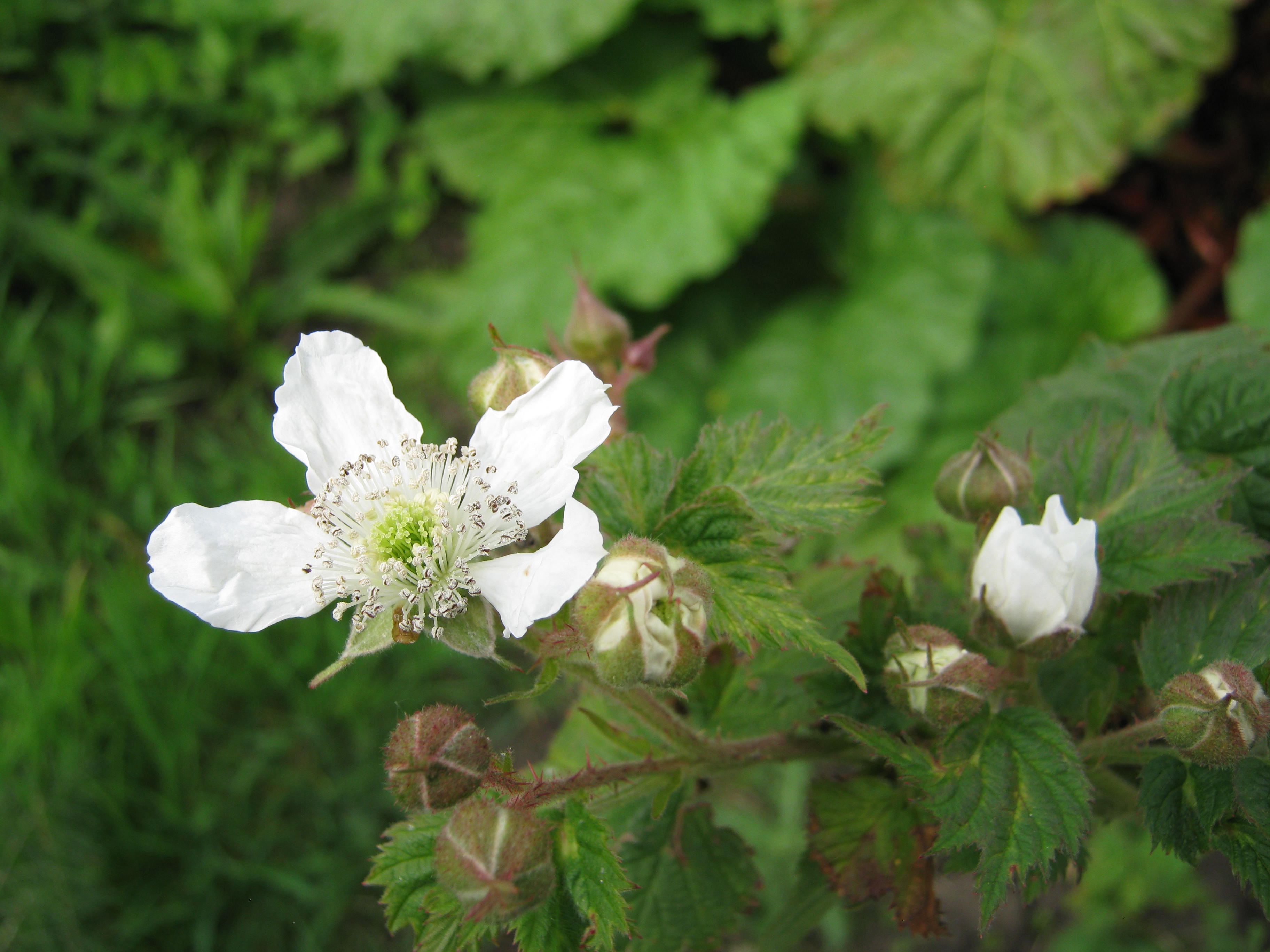
Blackberry flowers

Image

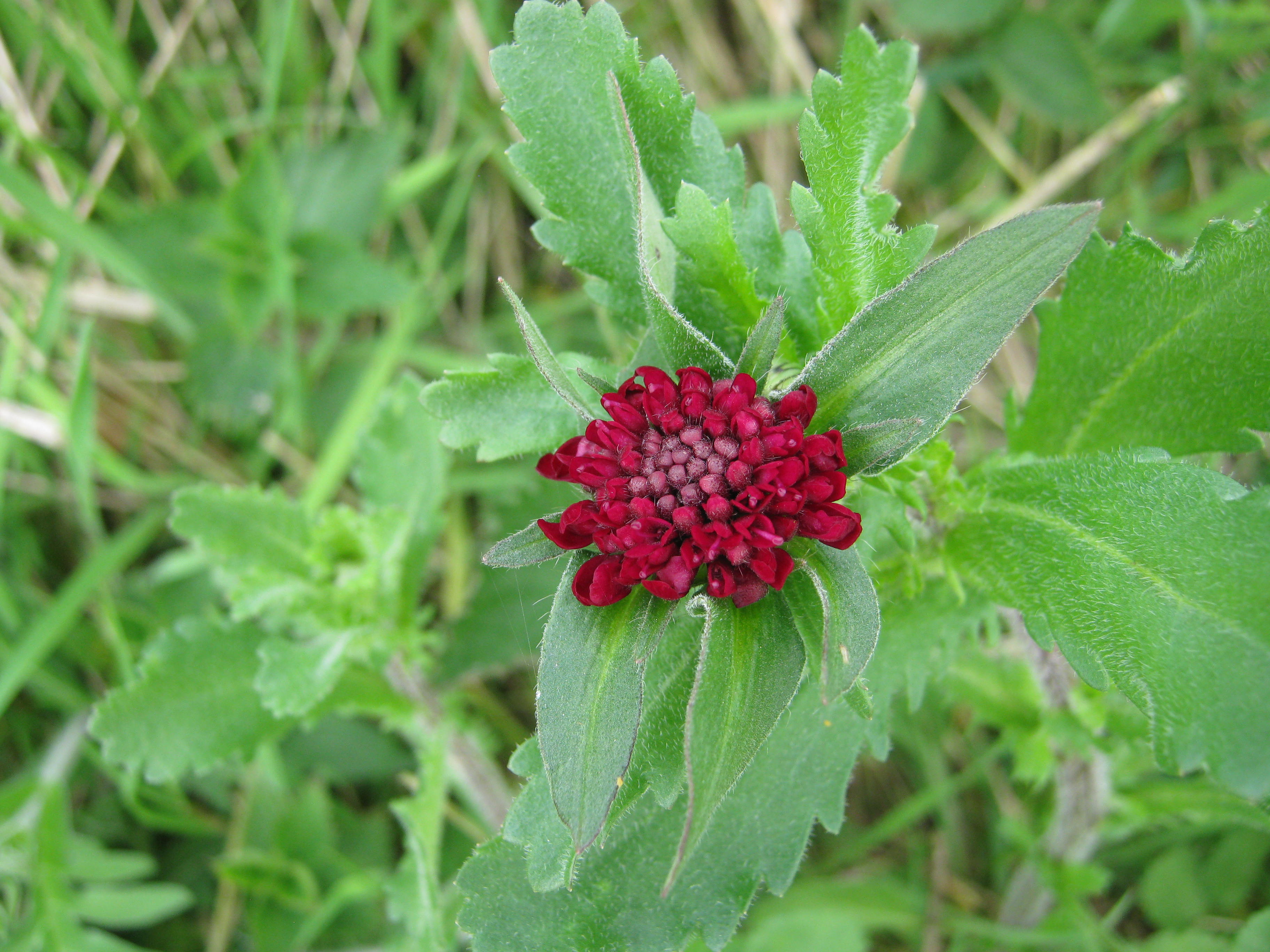
Knautica Macedonica

Image

Aquilegia flower

Image

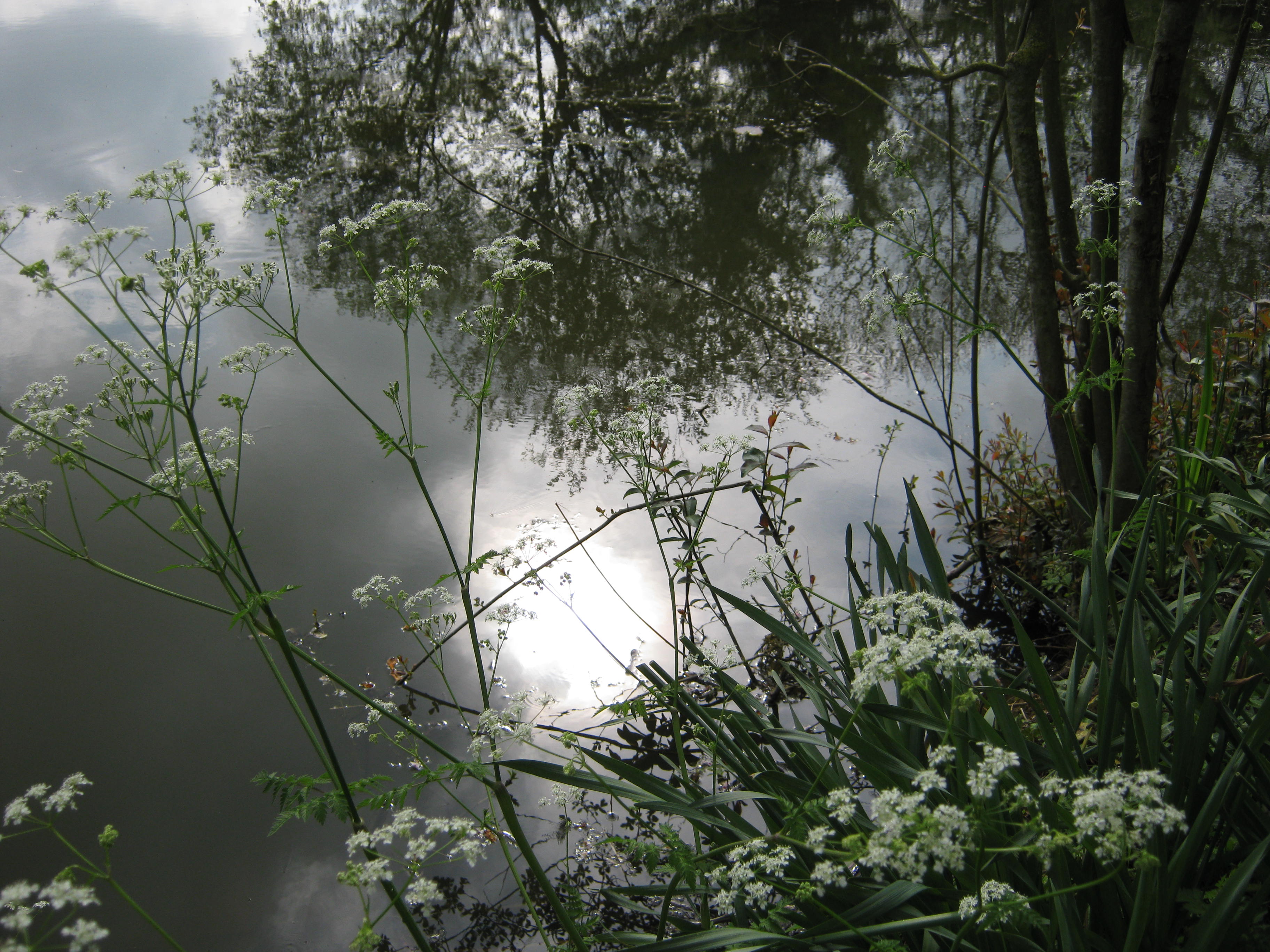
Reflections in the pond

Image

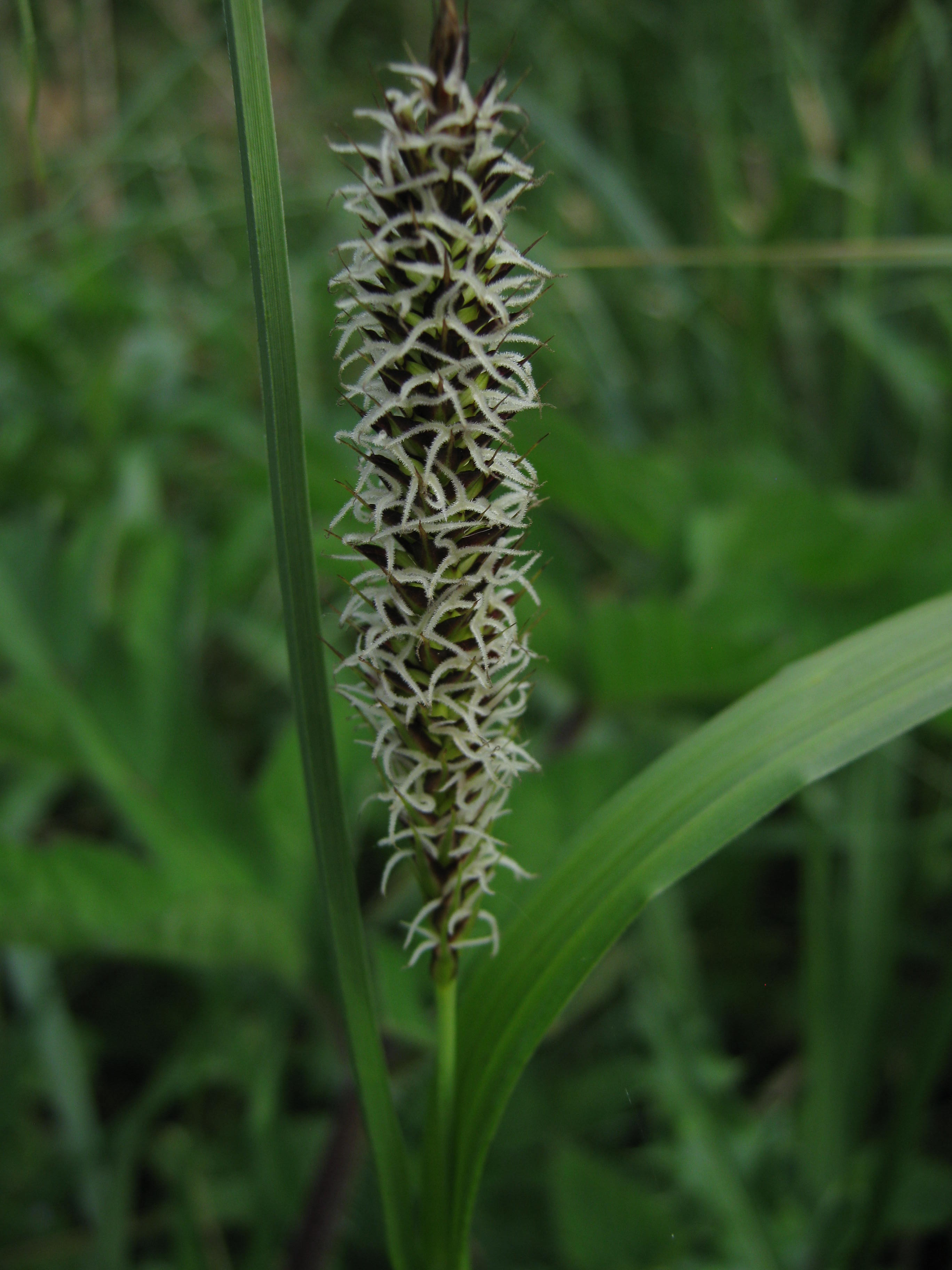
Common sedge

Image

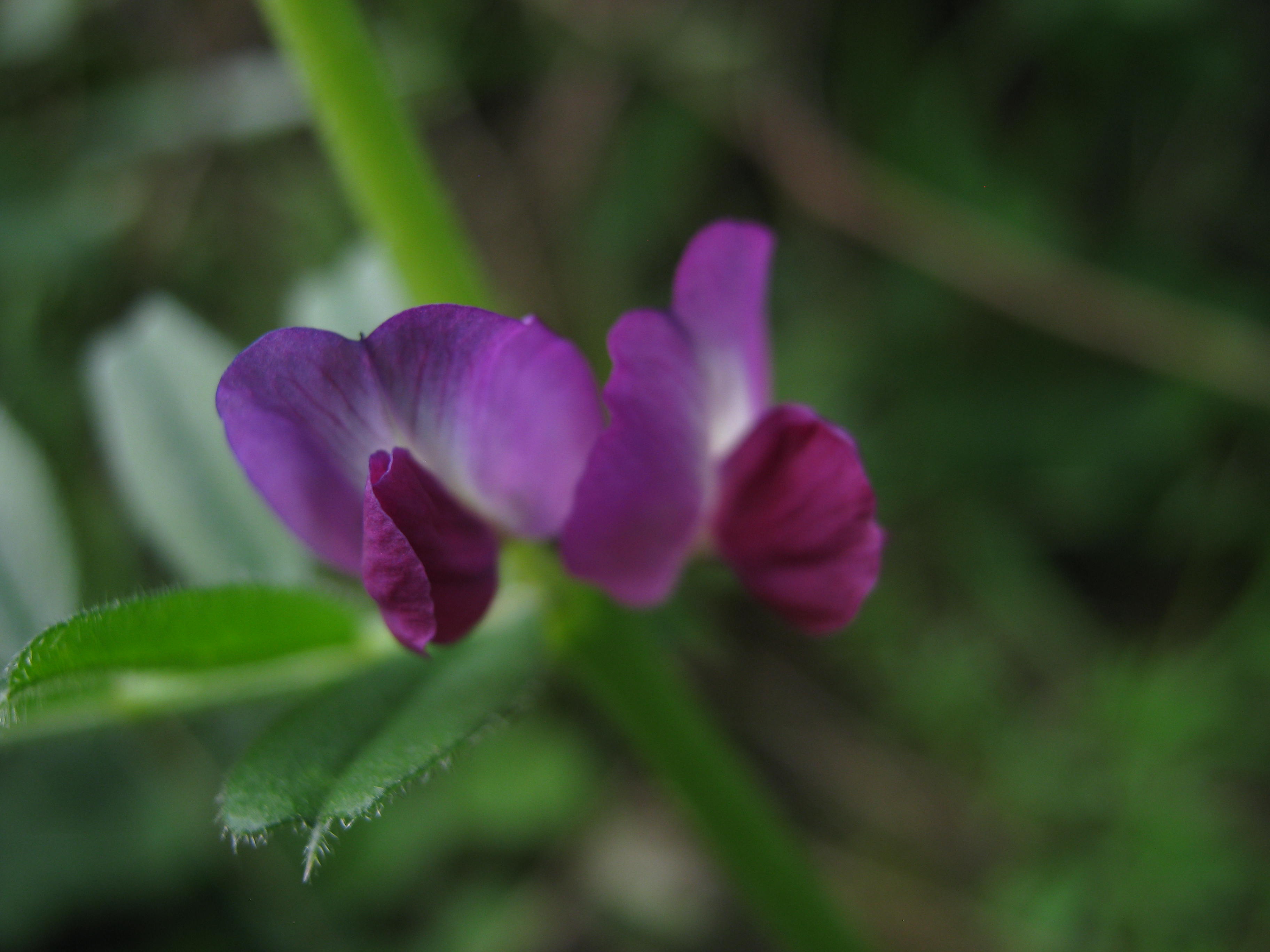
Common Vetch

Image

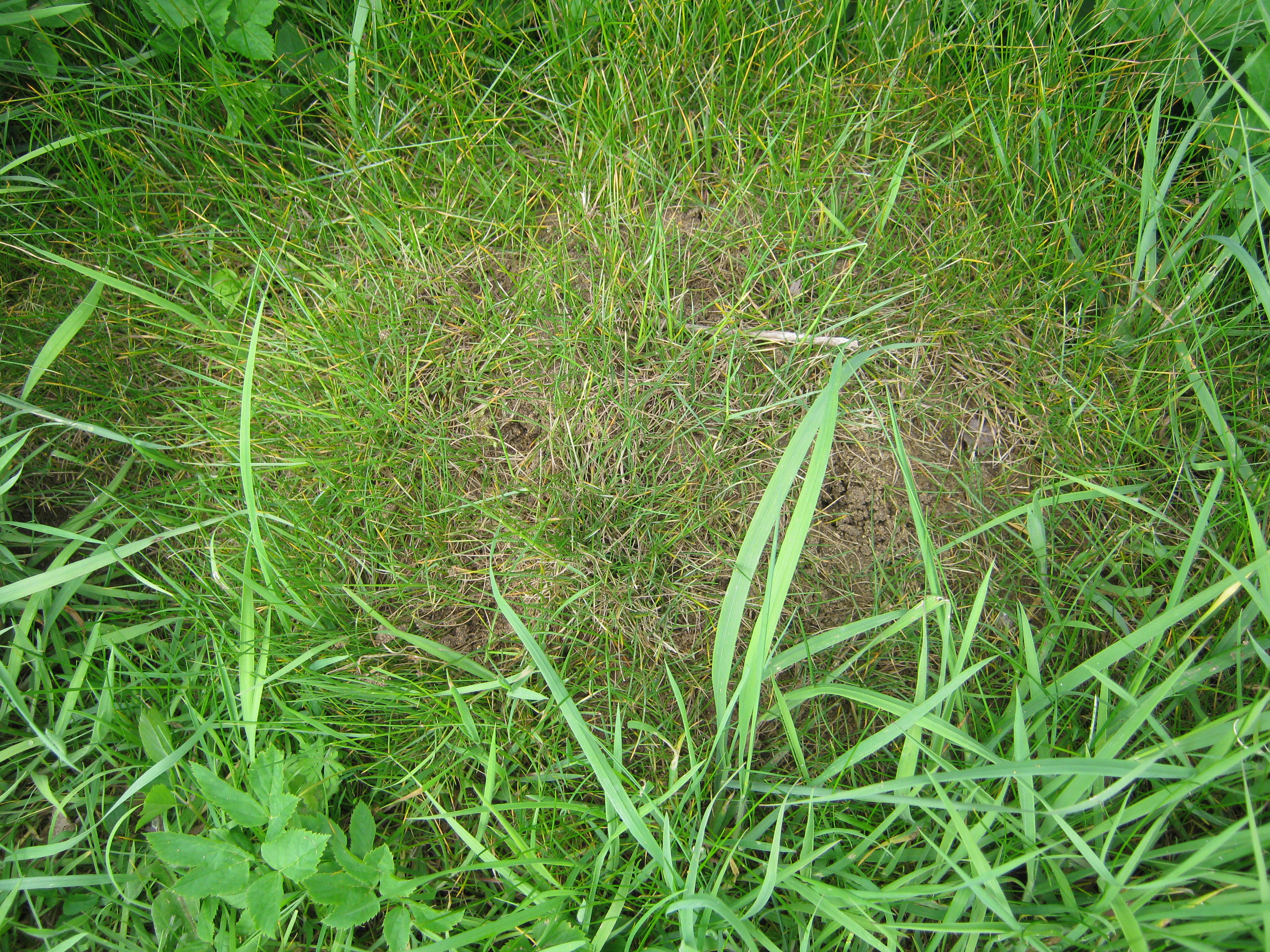
An ant hill


Image

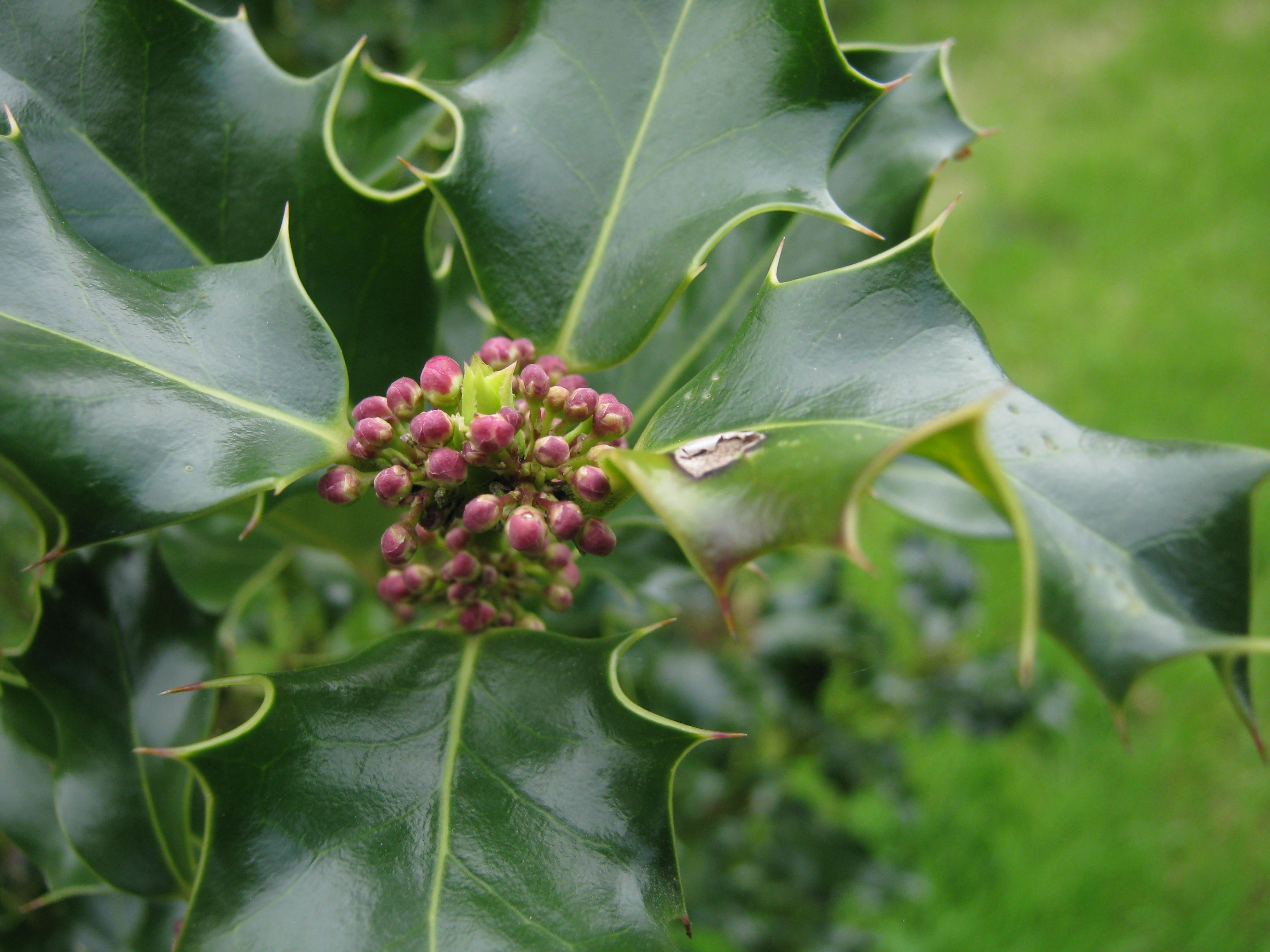
Male Holly flower buds.  We don’t have any female holly bushes so no berries!

Image

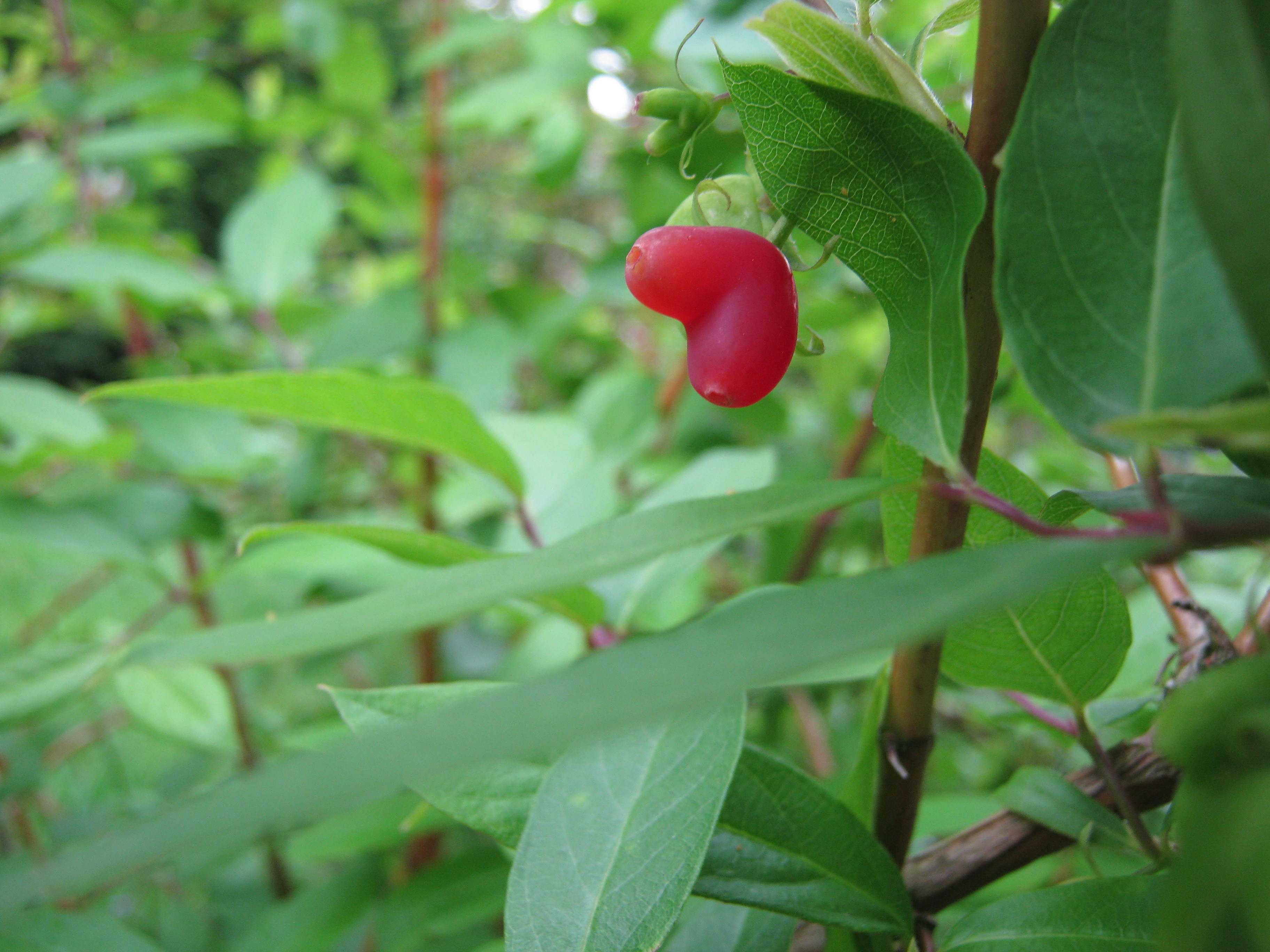
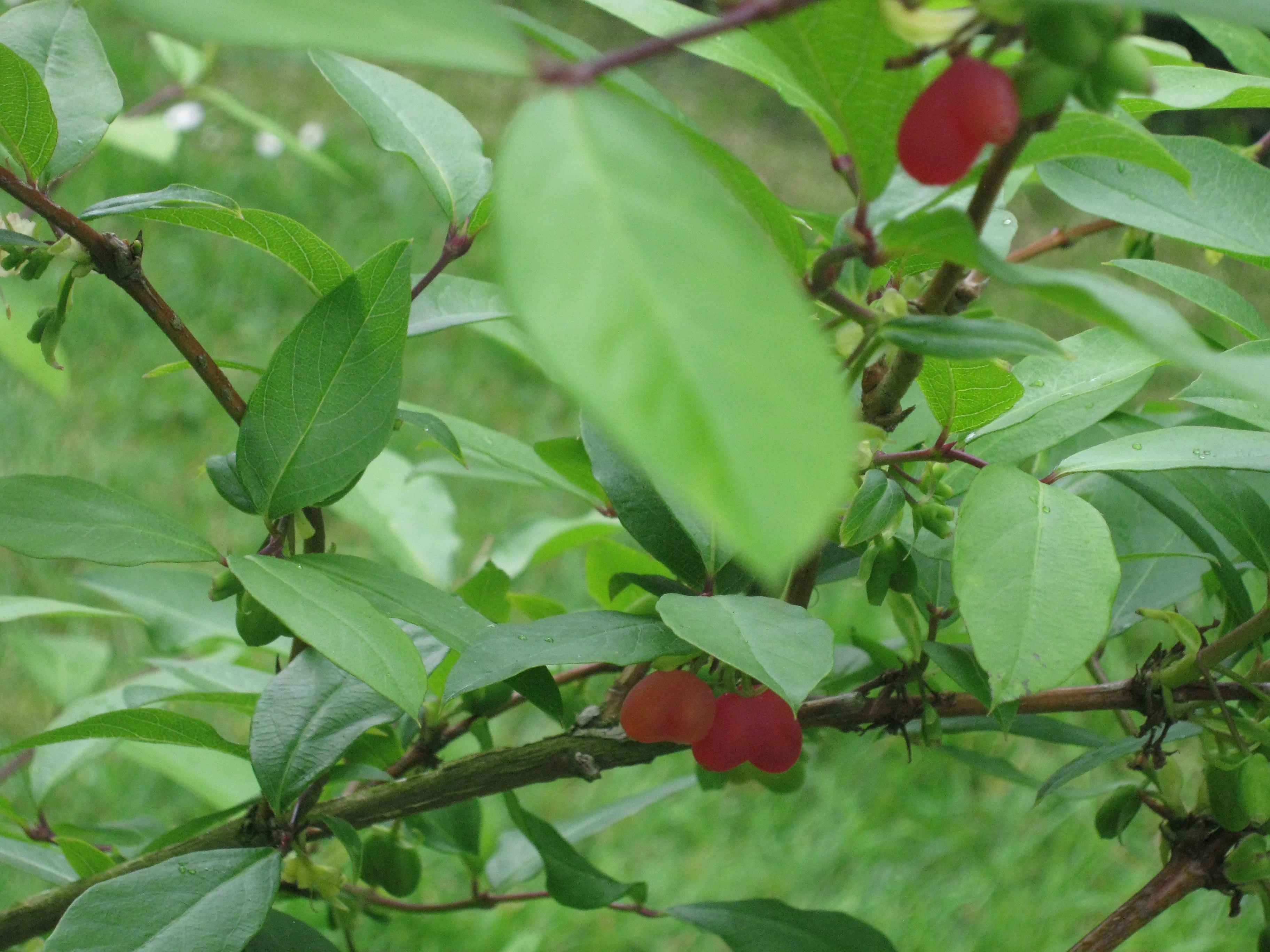
Heart-shaped berries of the Winter-flowering Honeysuckle

Image

These lovely berries don’t last long as the blackbirds find them irresistible.


Share this:

  • Share on X (Opens in new window) X
  • Share on Reddit (Opens in new window) Reddit
  • Share on Pinterest (Opens in new window) Pinterest
  • Share on Facebook (Opens in new window) Facebook
  • Email a link to a friend (Opens in new window) Email
  • Share on Tumblr (Opens in new window) Tumblr
  • Print (Opens in new window) Print
  • Share on Pocket (Opens in new window) Pocket
  • Share on LinkedIn (Opens in new window) LinkedIn
Like Loading...

A Walking Week Part One

05 Mon May 2014

Posted by Clare Pooley in domestic animals, fish, Insects, plants, Rural Diary, trees, Uncategorized, walking, wild birds

≈ 7 Comments

Tags

Adrian Bell, bird-scarer cannon, Blue Tit, buttercup, comfrey, cow parsley, cows, cut-leaved crane's-bill, daisy, fairy ring, field maple, fish, Germander Speedwell, goosegrass, great yellow-cress, greater spotted woodpecker, Greater Stitchwort, greefinch, Hawthorn, Herb-Robert, Lords and Ladies, May, orange-tip butterfly, perch, pineapple weed, pond, red campion, ribwort, sheep, St Mark's fly, stinging nettle, wedding ring, wild rose

I have managed to do a little walking this week and have enjoyed it very much.  Monday and Tuesday’s walking was mainly round the shops so doesn’t count as enjoyable walking.  For some stupid reason I mistook the time of E’s hair appointment and we arrived in Halesworth an hour early on Monday.  E kindly said she was happy to wait for an hour at the hairdressers but I thought she might go mad with boredom so we did the supermarket shopping and then I got more petrol for the car.  She then went for her hair appointment and while she was there I called in at the jewellers to see if anything can be done to my wedding ring to stop it cutting into my finger.  Twenty years ago we hadn’t thought that my ring would wear away so quickly.  Apparently, we chose the wrong ring – a 9 carat D-profile ring – and should have had a round-profile ring and something of a better quality.  Well, too late now!  This is my wedding ring, bought for me by my husband and blessed at our Marriage Blessing Service.  We weren’t able to be married in church as we had both been married before, but we had a beautiful Blessing Service after our Registry Office wedding.  The jeweller said either we could buy a new ring or have my one built up which would cost the same as a new ring.  A dilemma which we are still thinking about.

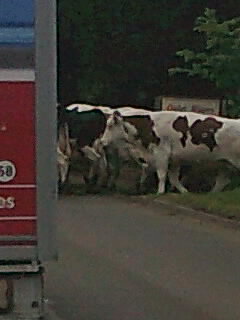
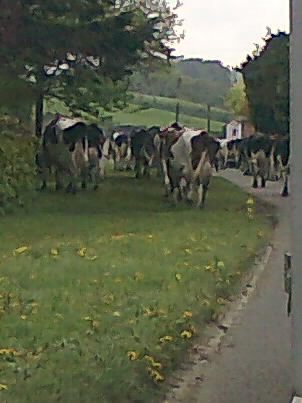
Both Monday and Tuesday were mainly cloudy days and no good for drying washing outside so I decorated the inside of the house with wet clothes.  I had more shopping to do in Bungay so drove there on Tuesday afternoon and I made my purchases.  On the way home I got stuck in a traffic jam!  This is quite out of the ordinary, living where we live.  The vehicle in front of me was a supermarket delivery van and not much holds them up usually!  I couldn’t see what the problem was as these vans are quite wide, so I edged round a bit and saw….

Image   Image

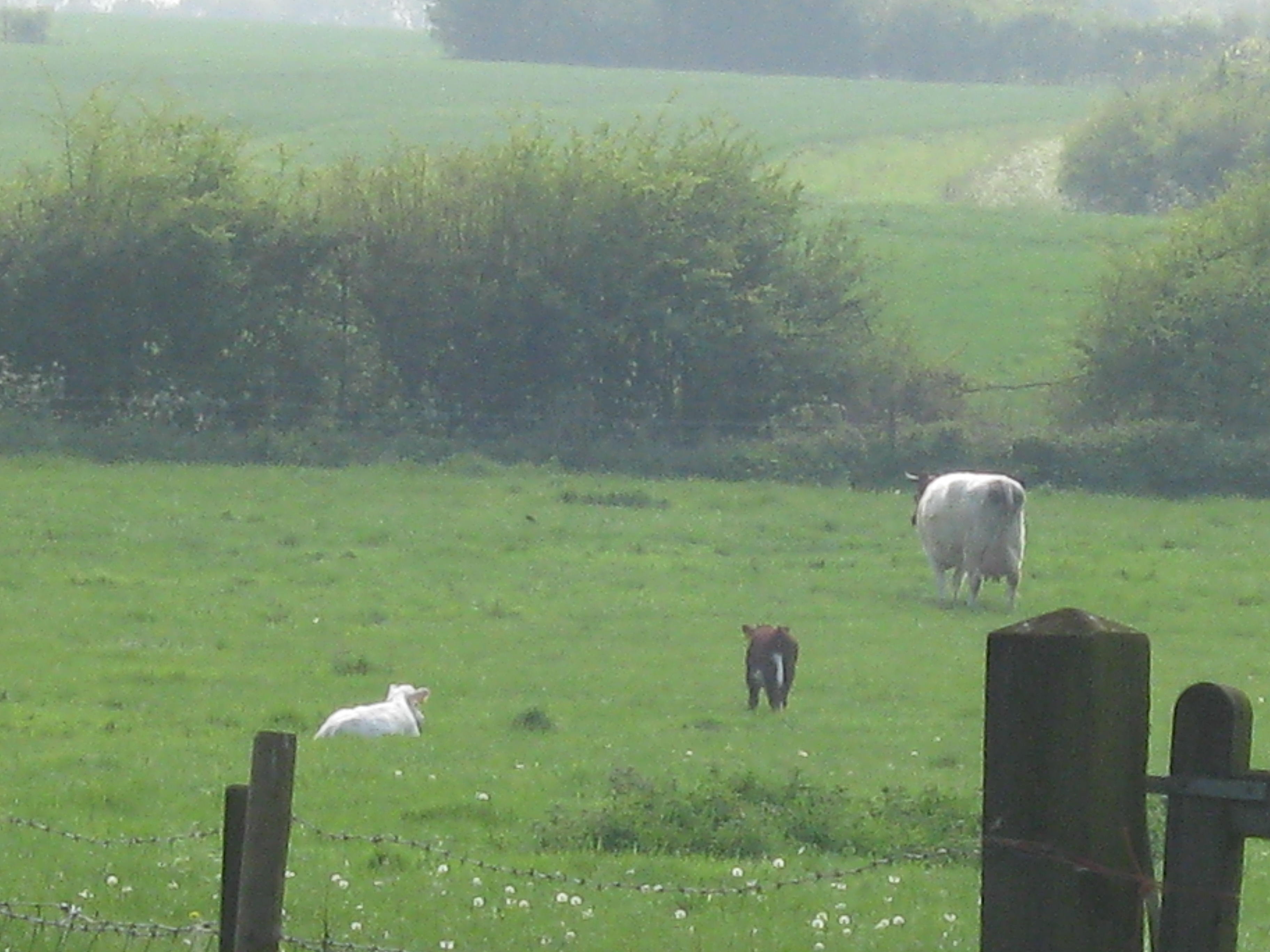
The cows took their time to leave their field and amble down the road to the farmyard.  The stockman had a busy time trying to get the cows out of people’s gardens where there were lots of interesting plants and trees to eat.  I took the photos with my phone and then enlarged the pictures so the quality isn’t that good.

E asked if we could watch a DVD together during the evening which I thought would be nice but no-one thought to tell my eyes to watch too.  As soon as I sat down they became extremely heavy and so I dozed most of the way through the film to the disapproval of my daughter.  This is not the first time I have done this.

Wednesday is ‘shopping with mother’ day which went very well as Mum was on top form and we had a real laugh together.  The weather on Wednesday was lovely too – a hazy start and then lots of sunshine.  When I had had some lunch at home I decided to walk down the lane to take advantage of the bright weather and to see what was to be seen.

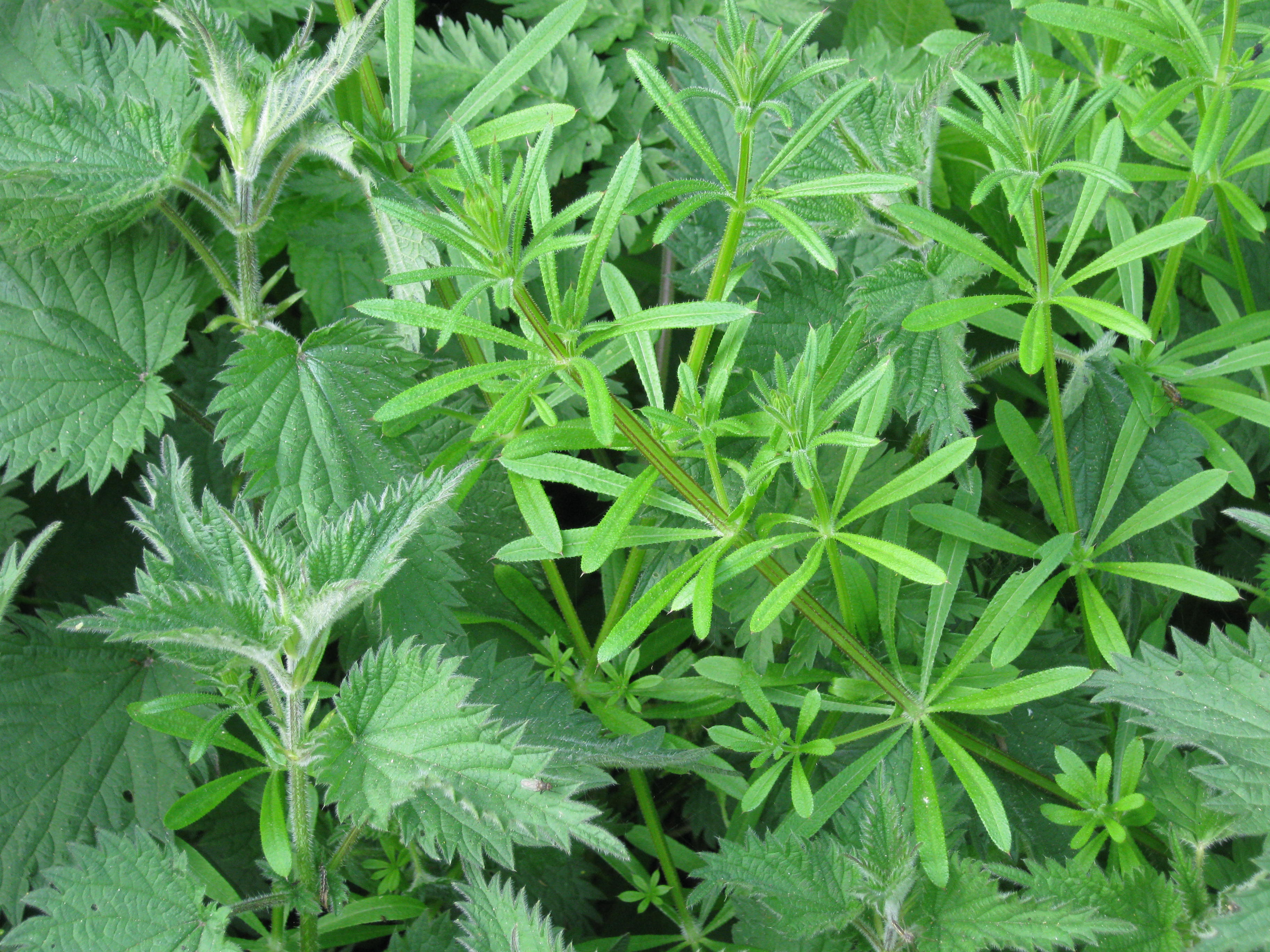
Image

Lots of stinging nettles and goosegrass.  Goosegrass is a relative of coffee and quinine and has many medicinal uses.  At one time the seeds were roasted and used as a coffee substitute and apparently the young shoots are edible and can be cooked in soups as a vegetable.  All I know about it is that if I touch it, it brings me out in a rash!  The seeds are hooked and stick to hair and clothes – hence the plant’s other name of Cleavers.

Stinging Nettles are very useful, if painful plants too.  They can be used for making cloth, food and medicine.  My plant book says that the Roman belief that stinging nettles cured rheumatism still persists in Britain.  I can say that there is some truth in this as when I am stung on my hands my rheumatic joints there become less painful.  I can’t say I would care to roll about in them unclothed as some people recommend!

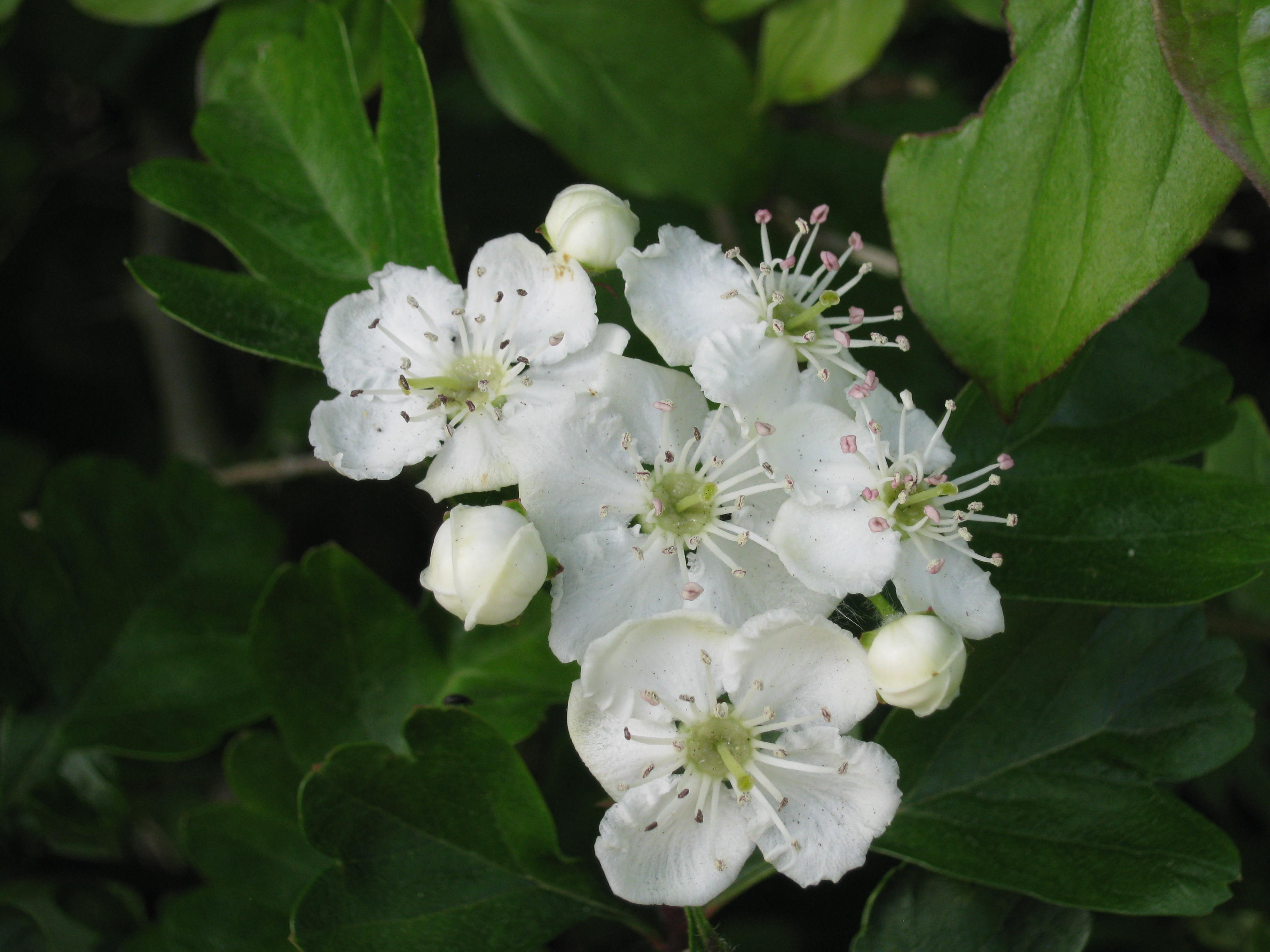
Image

These are Hawthorn flowers – May blossom.  ‘Ne’er cast a clout til May be out’ – either don’t leave off your winter clothes until the end of the month of May, or, don’t leave off your winter clothes until the May blossom is on the trees.

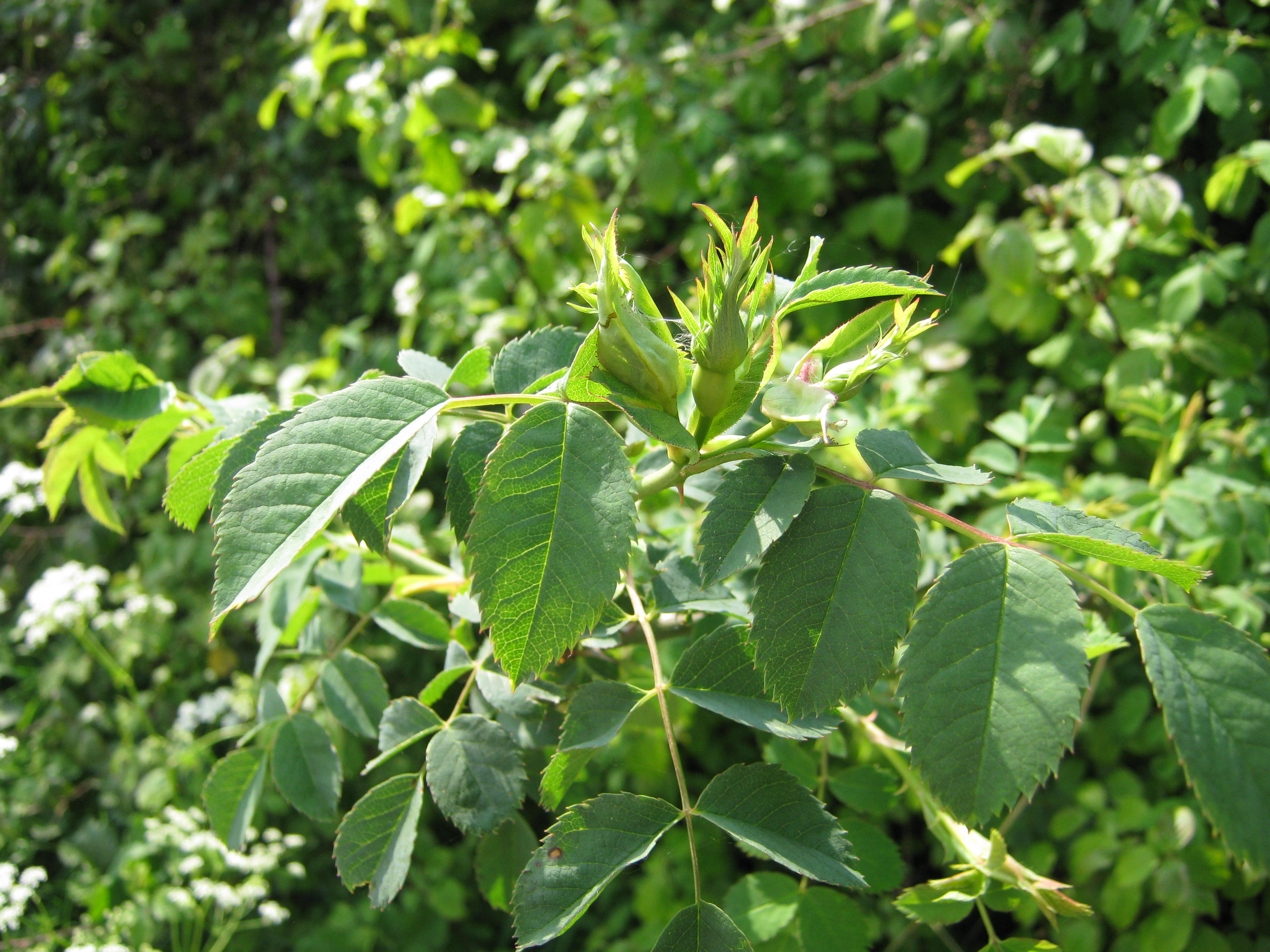
Image

This is the wild rose and already there are large flower buds as you can see.  This is early, as the rose usually flowers at the end of May and into June.

Image

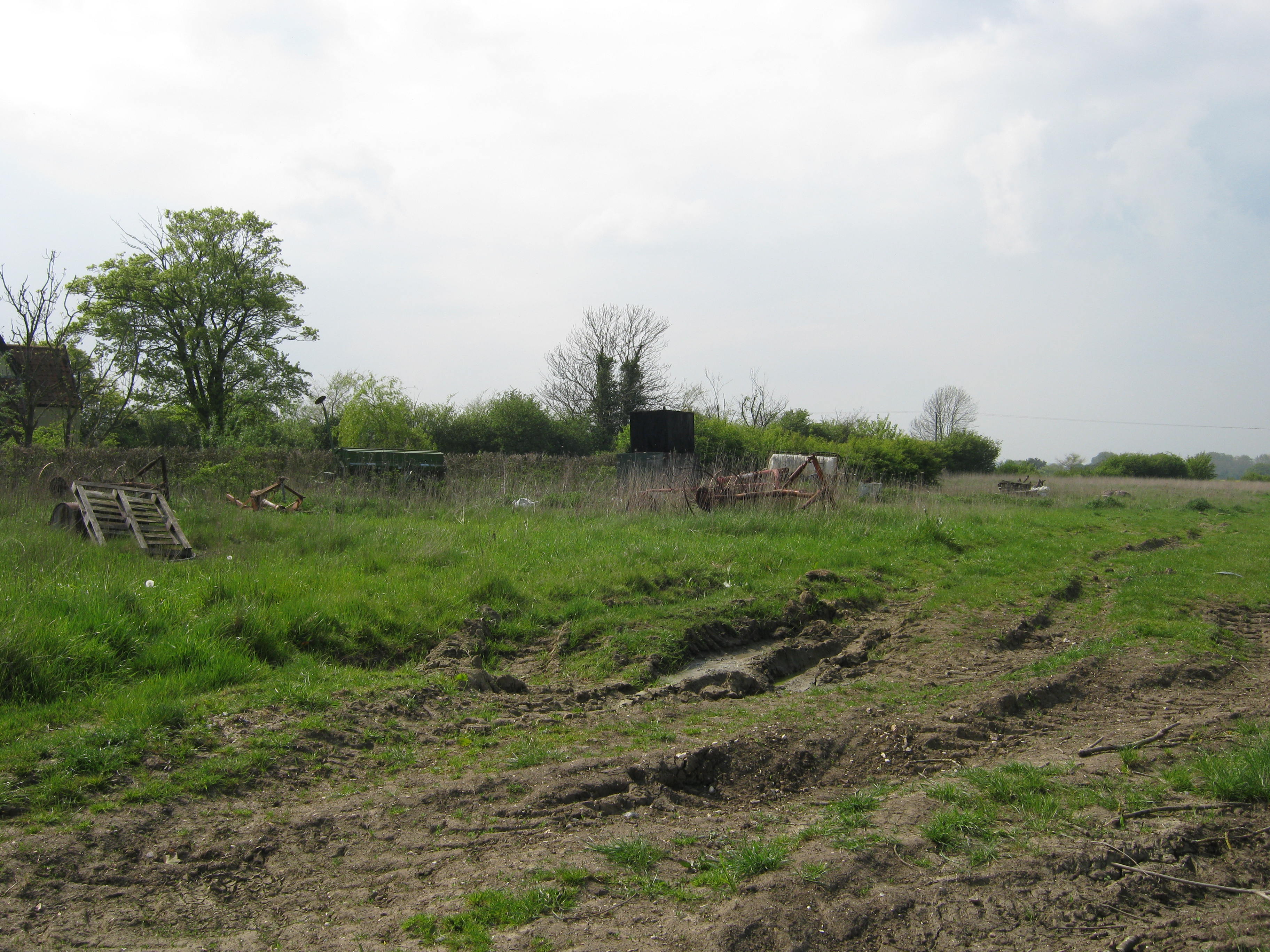
A fine crop of old equipment and other rubbish in this field.  At the beginning of Adrian Bell’s book ‘Corduroy’ he talks of the Suffolk farmers’ habit of leaving implements in corners of fields or yards covered in nettles until they are needed for some particular function.  They are then returned ‘to some out-of-the-way corner, to be a sleeping Gulliver for the grass again’.

Image

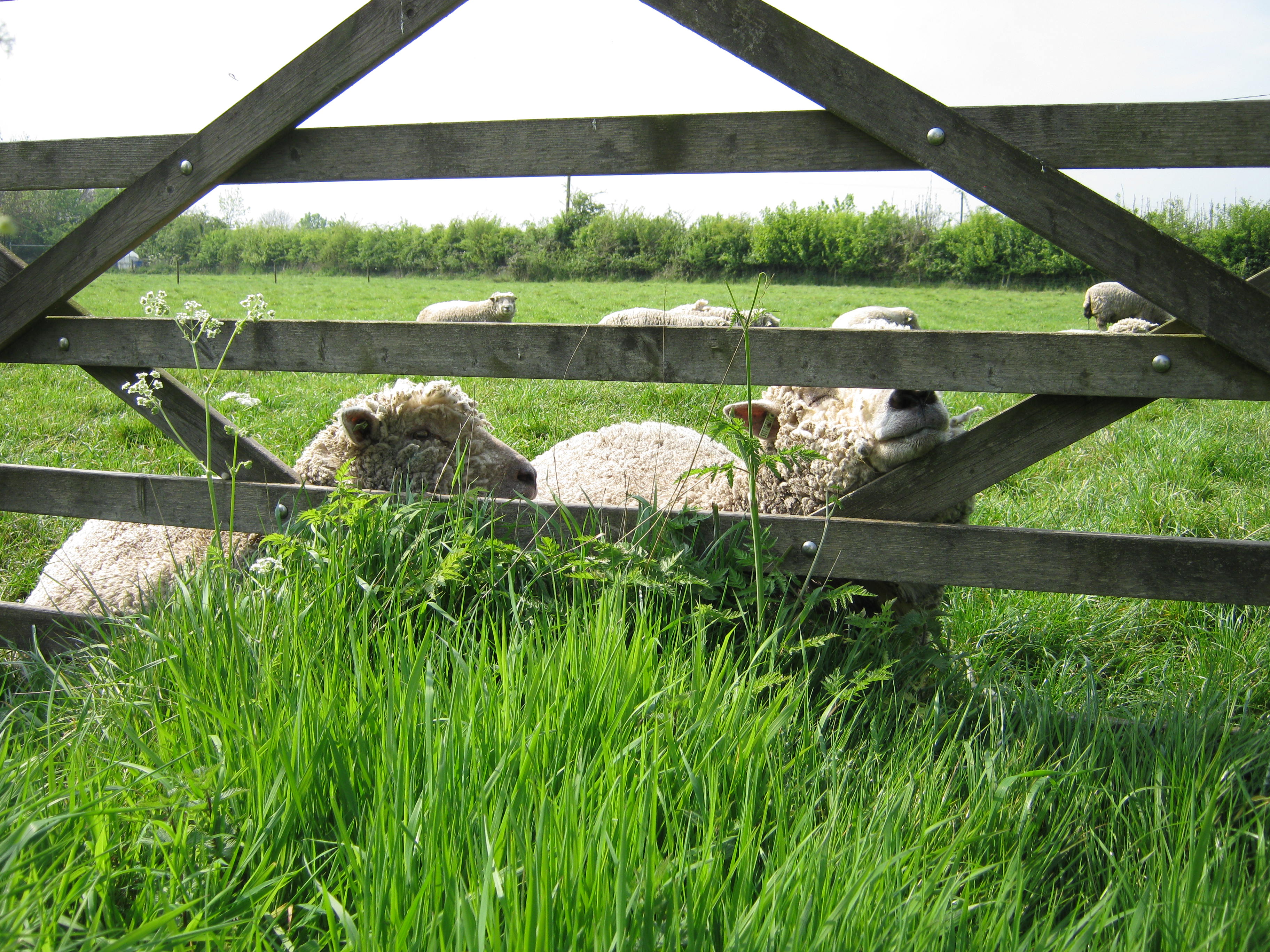
These are the boys – male sheep, tups.  A bit stinky – sleeping and snoring in the sun.  Wandering about having something to eat now and then – not a care in the world.

Image


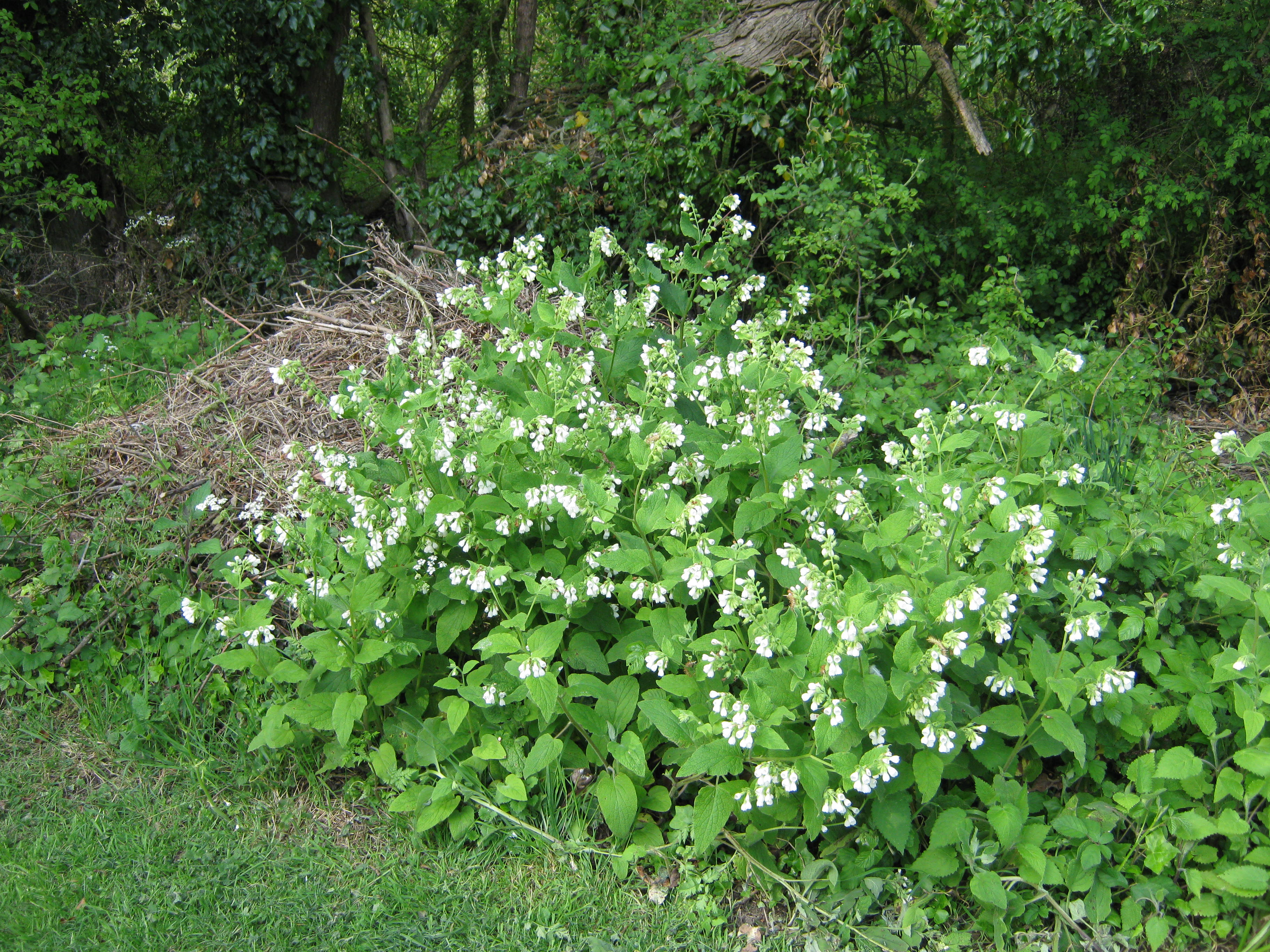
Common comfrey.  In medieval times the roots of this plant were dug up in the spring and grated to produce a sludge which was packed round broken limbs.  It hardened to a consistency similar to that of Plaster of Paris.

Image

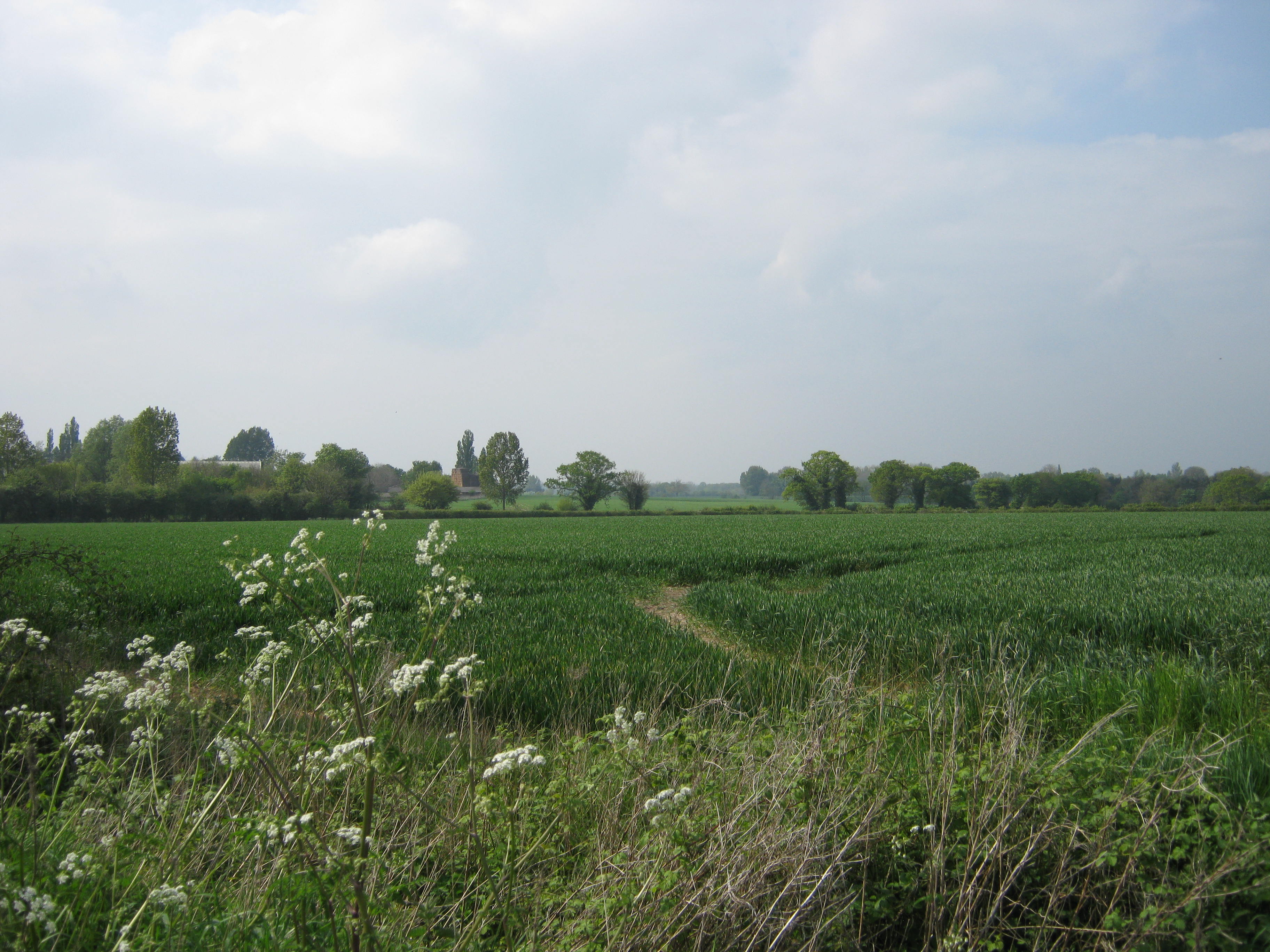
A view over the fields.

Image

Cut-leaved Crane’s-bill.

Image

Great Yellow-cress.

Image

The lane.

Image

Herb-Robert.  In the Middle Ages they believed that a plant showed how it could be used through its colour or shape – the doctrine of signatures.  This plant turns a fiery red in autumn so they thought it should be used in the treatment of blood disorders.  It has a strange odour and in some places it is known as ‘Stinking Bob’.

Image

Daisies.

Image

Daisies and Germander Speedwell.

Image

Greater Stitchwort.

Image

A Buttercup.

Image

Pineapple Weed.

Image

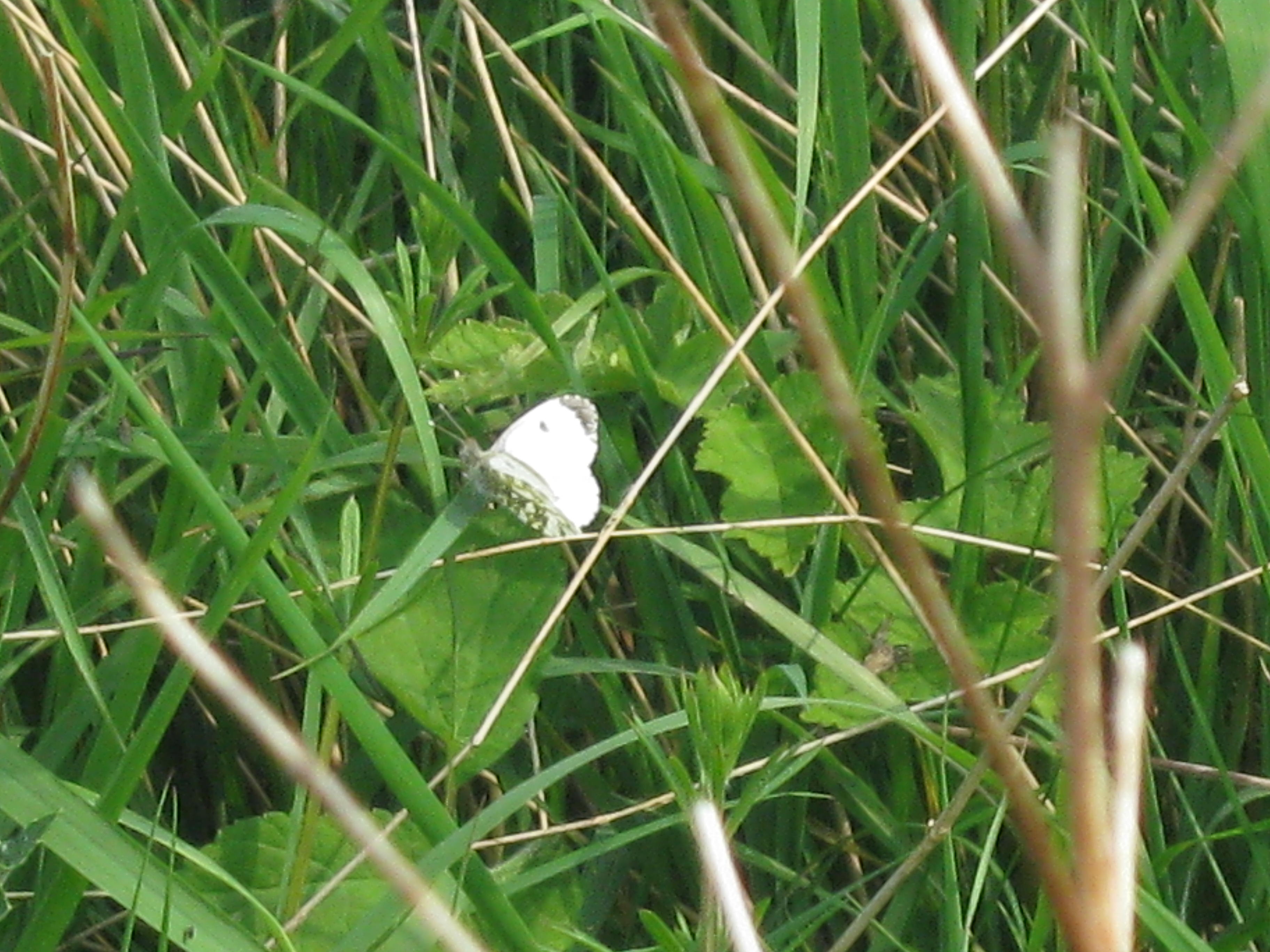
A female orange-tip butterfly.  Note the lovely green-marbled underwing.

Image

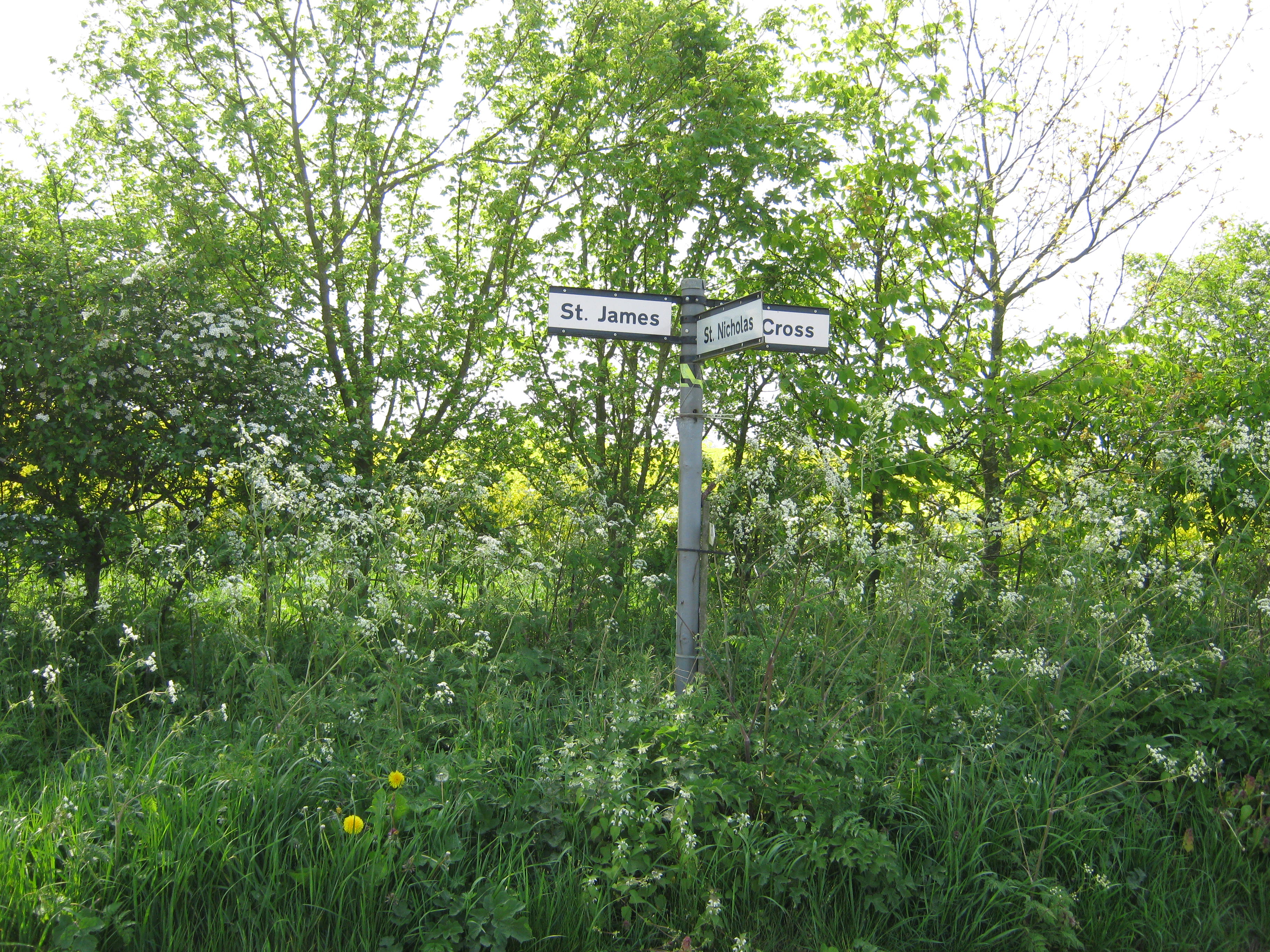
The signpost at the end of our lane.

Image

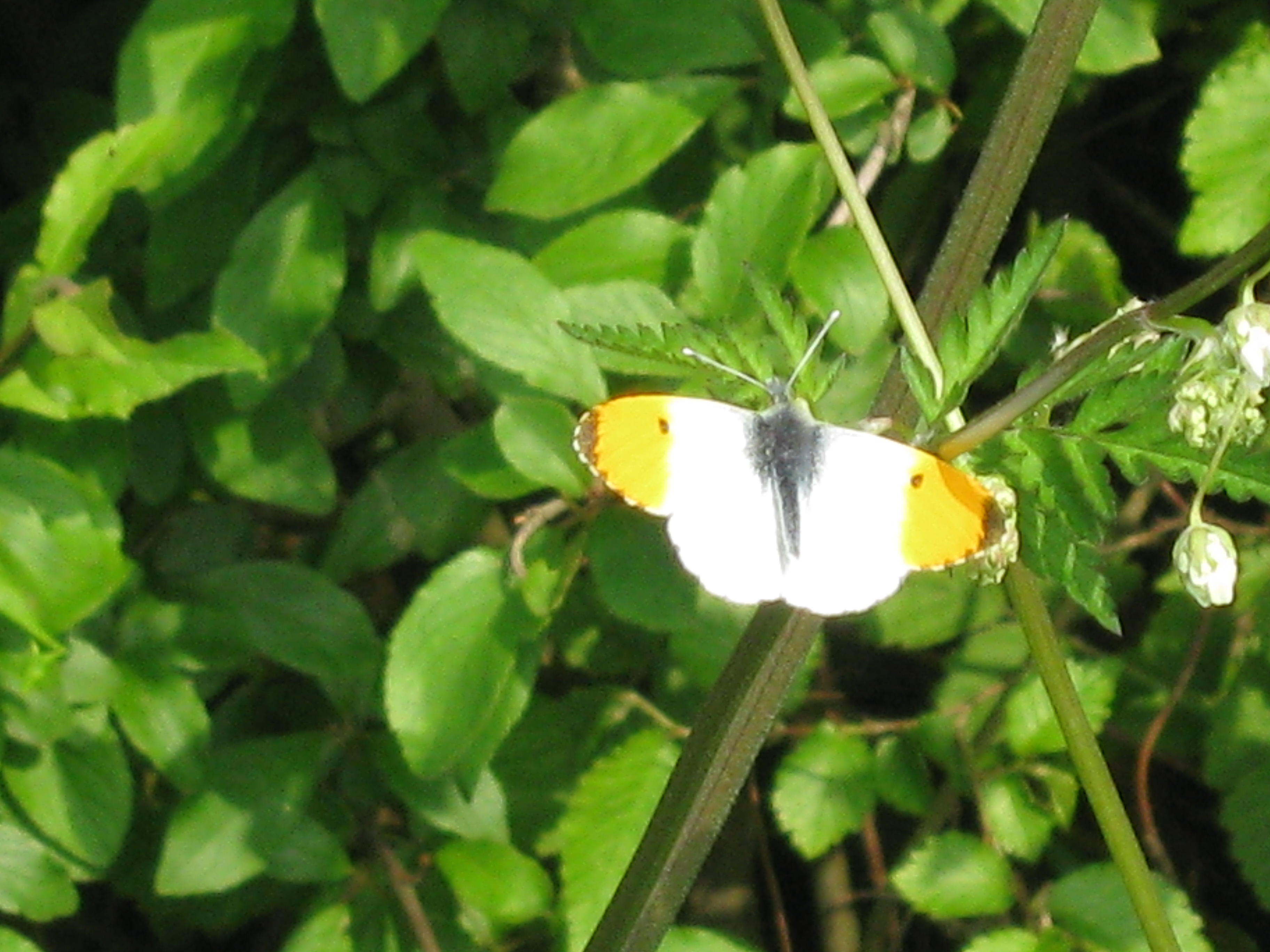
A male orange-tip butterfly.  I have been trying for over a week to photograph these fast flying butterflies!

Image

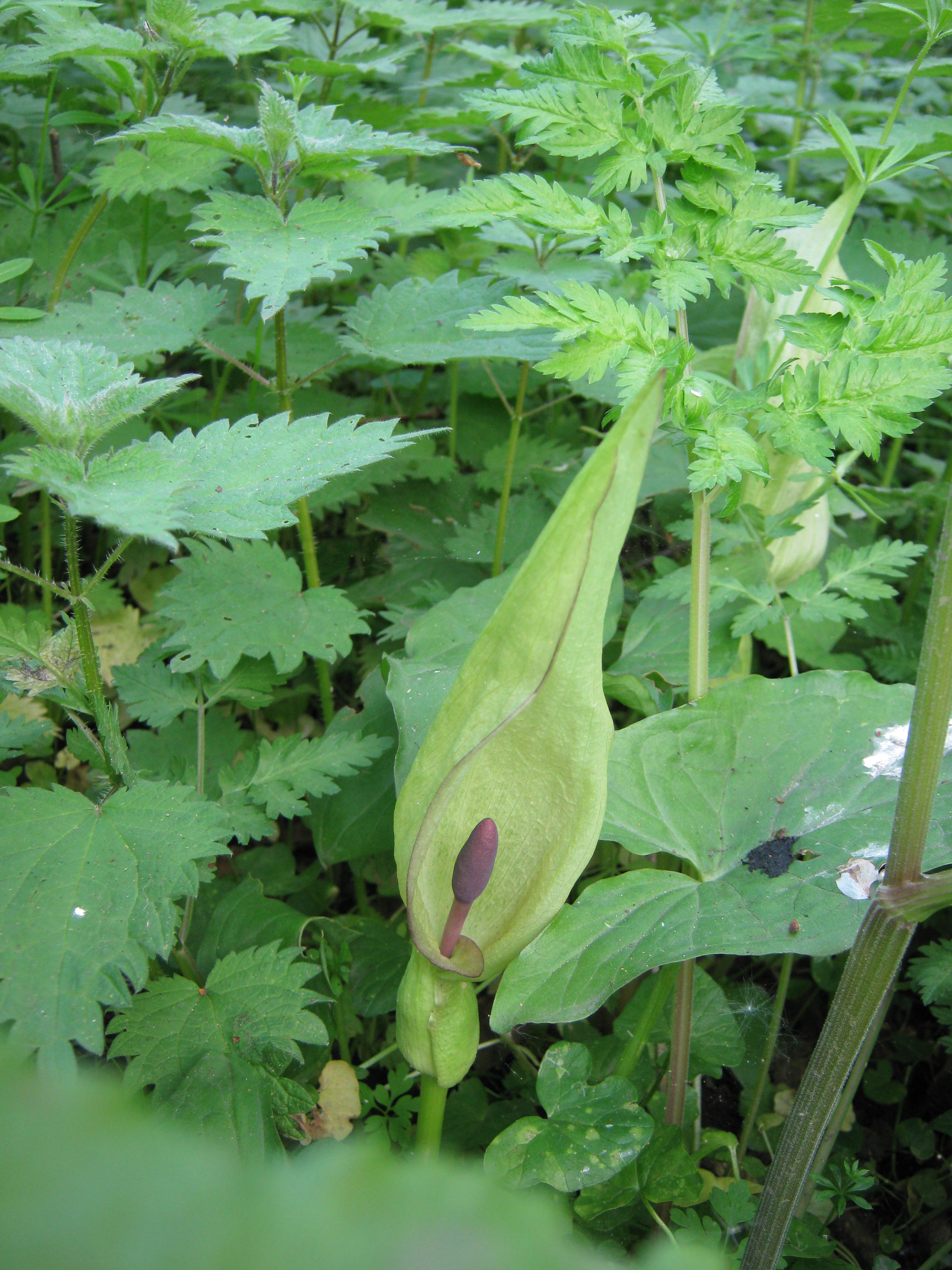
Lords and Ladies.  This is specially for Heather!  At last these strange plants are flowering here.  I have some in my garden but they are hidden by tall grass and difficult to photograph.

Image

Cow and calves.

Image

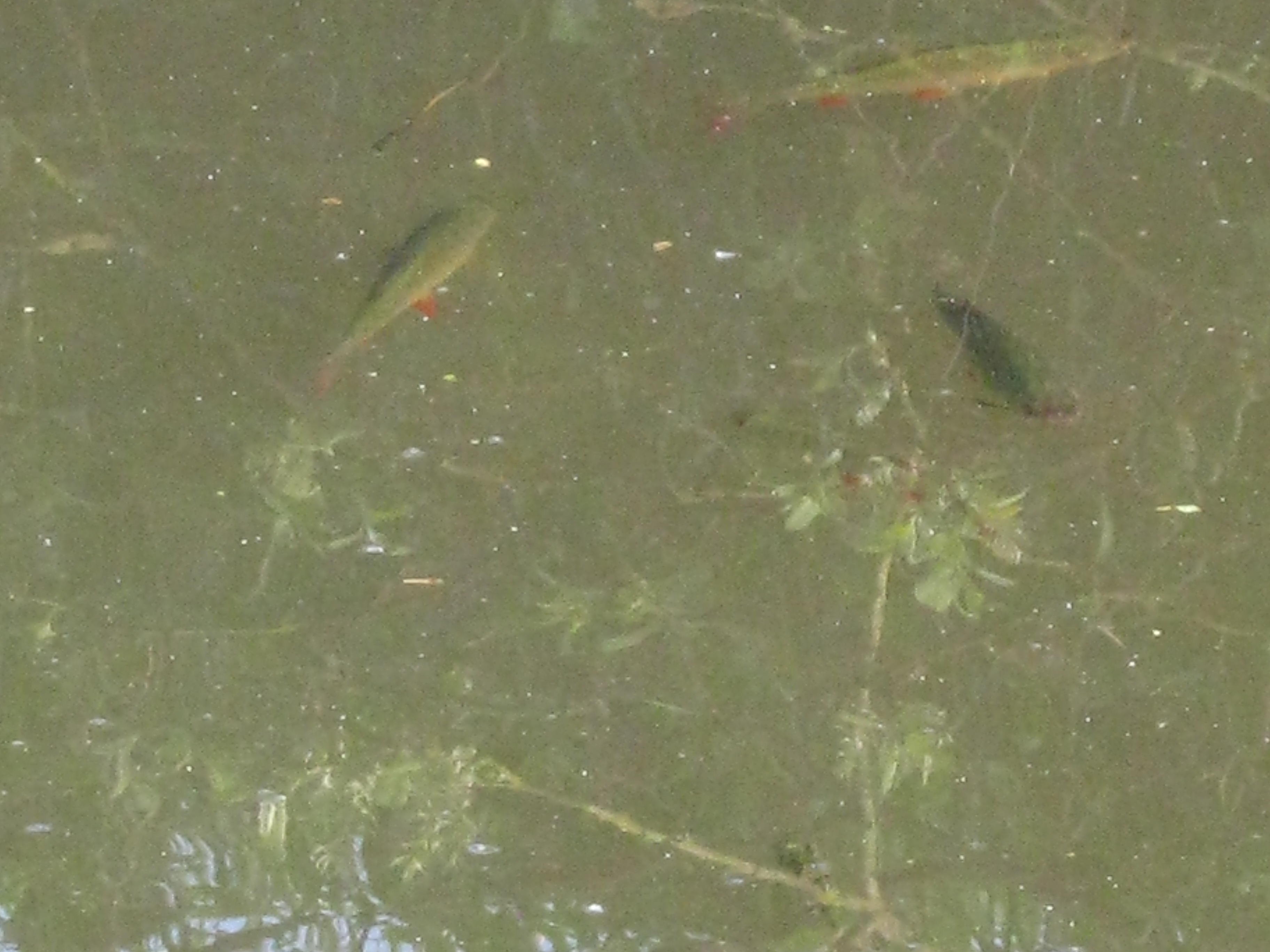
This is the pond at the side of the lane.  I’m not sure what the fish are – perhaps perch? – but we have the same fish in our big pond.

Image

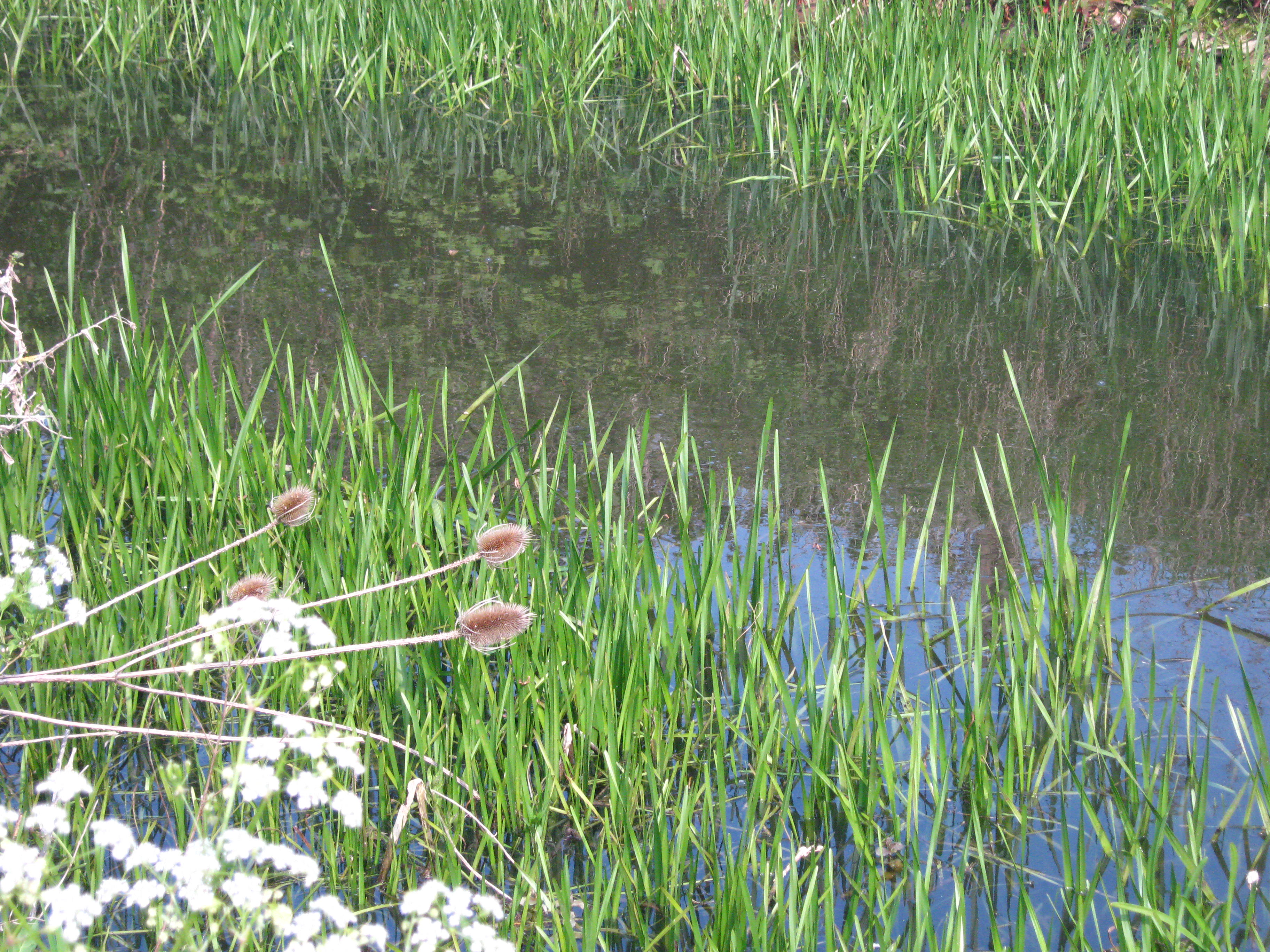
The pond next to the lane.

Image

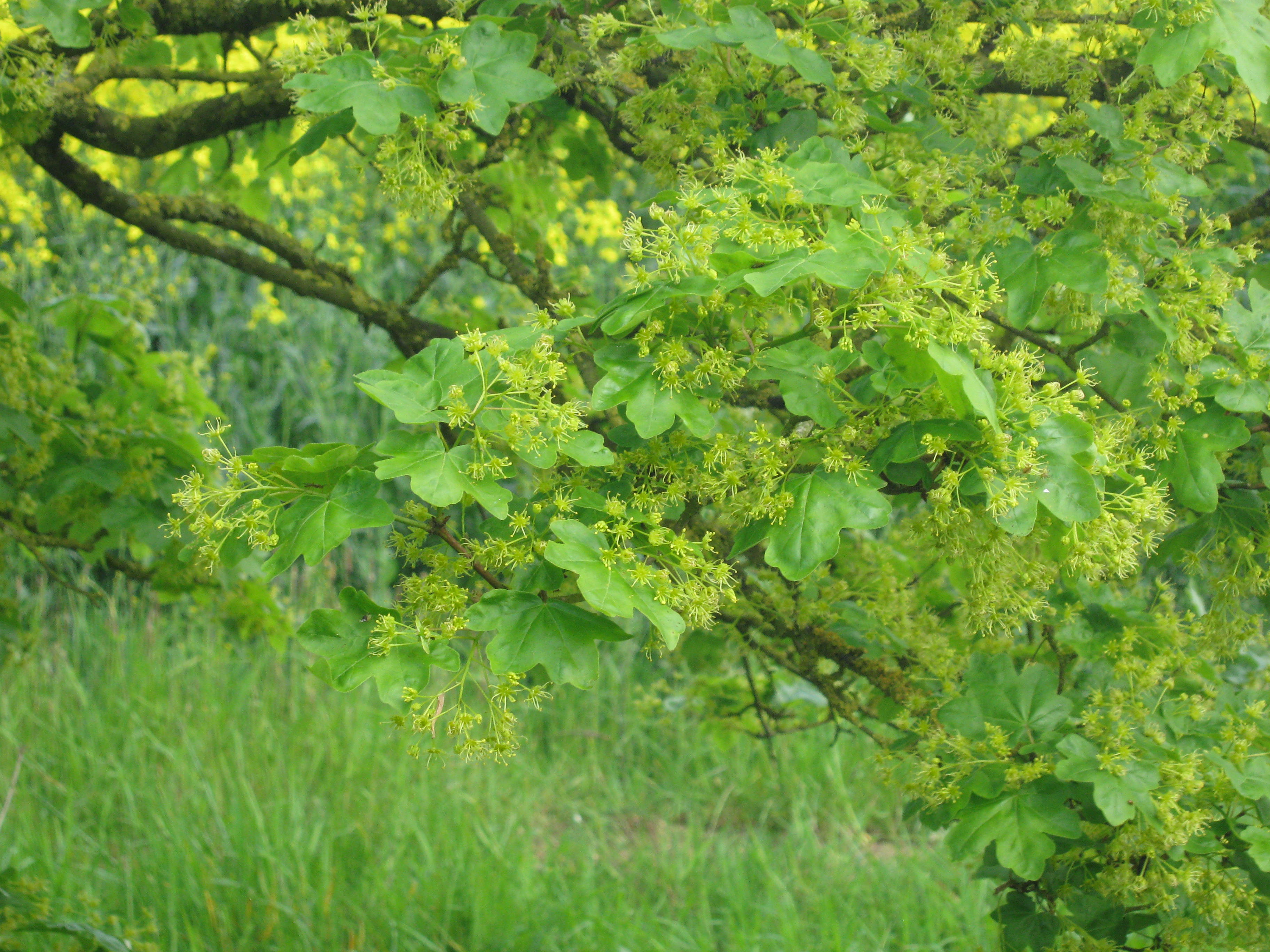
Field maple leaves and flowers.

Image

A St Mark’s fly.  They usually appear about the same time of year as the Feast of St Mark – 25th April.

R and I went out for a walk across the fields when he returned home from his trip to Gloucestershire that evening.

Image

Red Campion and cow-parsley growing at the end of our lane.

Image

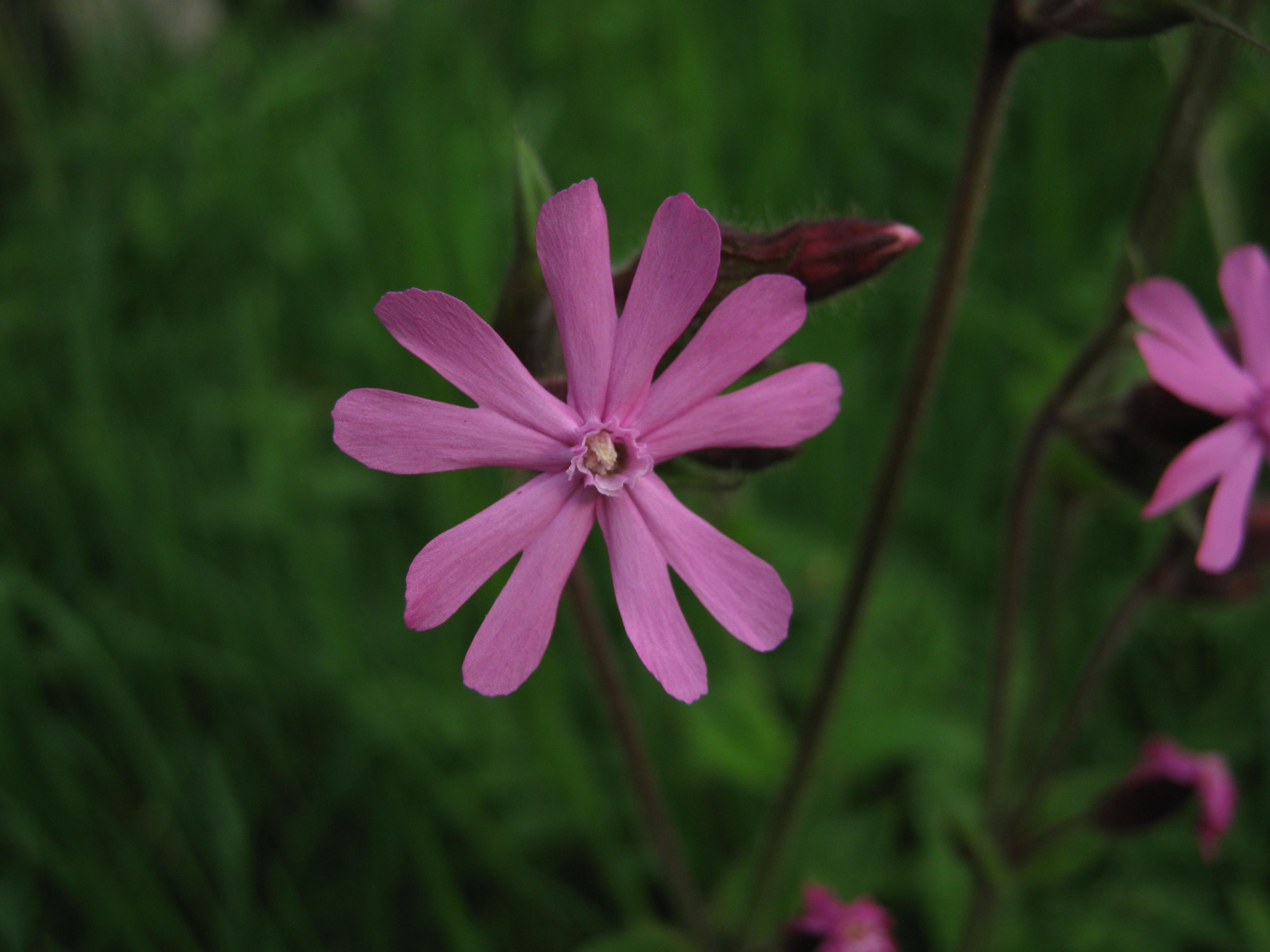
A Red Campion flower.

Image

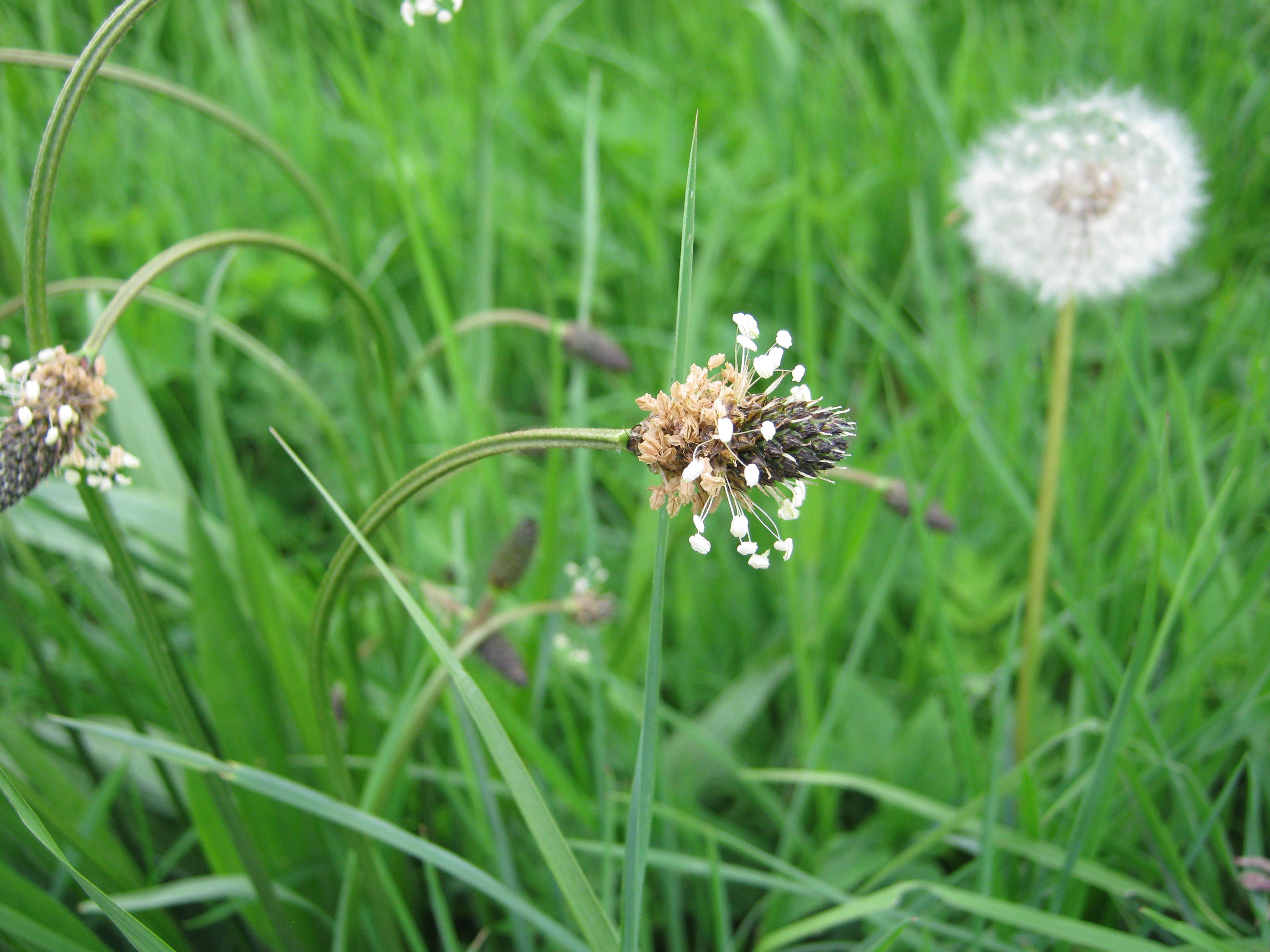
Ribwort flowers – Turkish Caps,

Image

A ‘fairy ring’ caused by toadstools.

Image

A bird-scarer cannon.

Image

More stitchwort.

Image

St Peter’s Washes.

I’ll end with some photos of birds seen in my garden during the past week.

Image

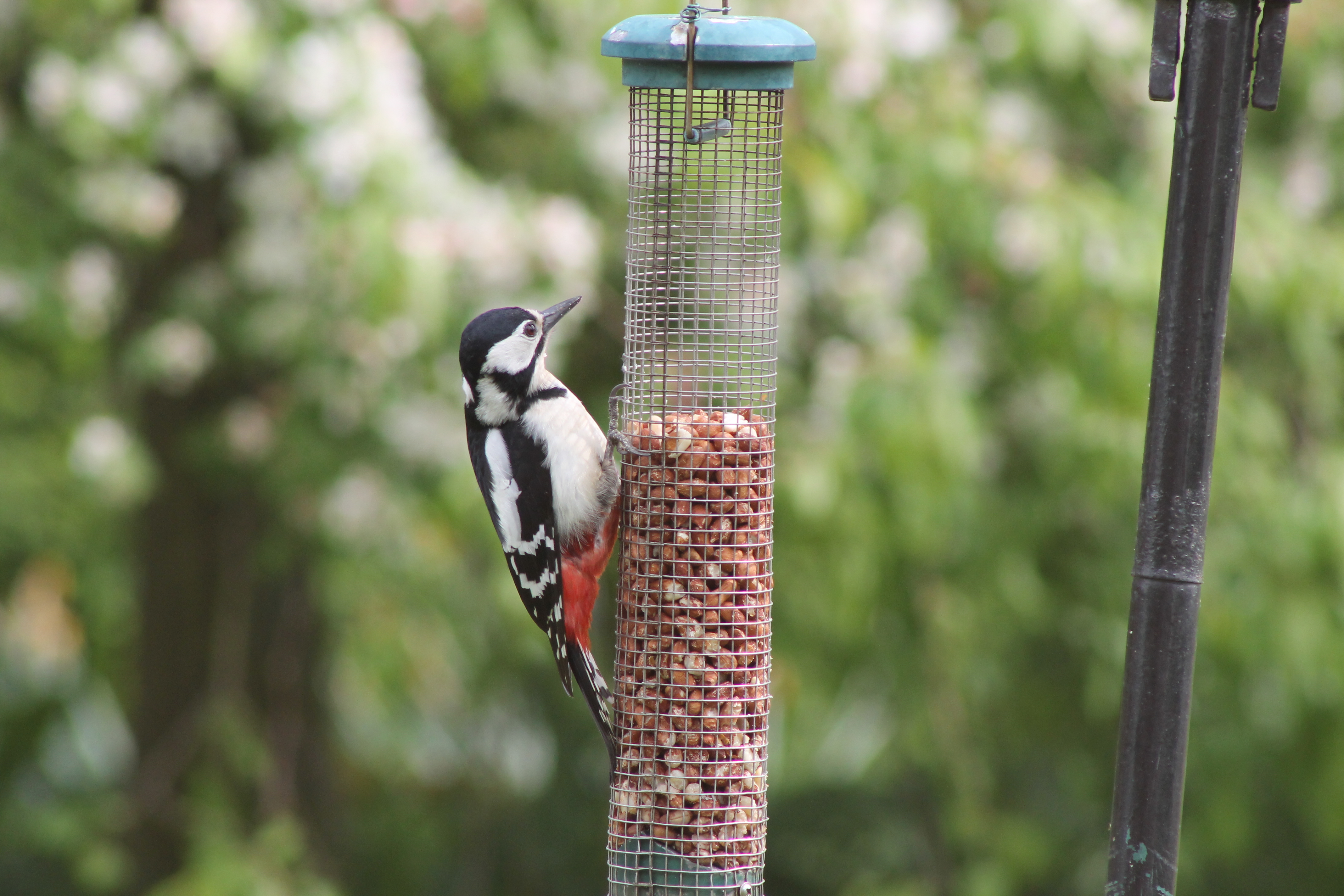
A female Greater-Spotted Woodpecker.

Image

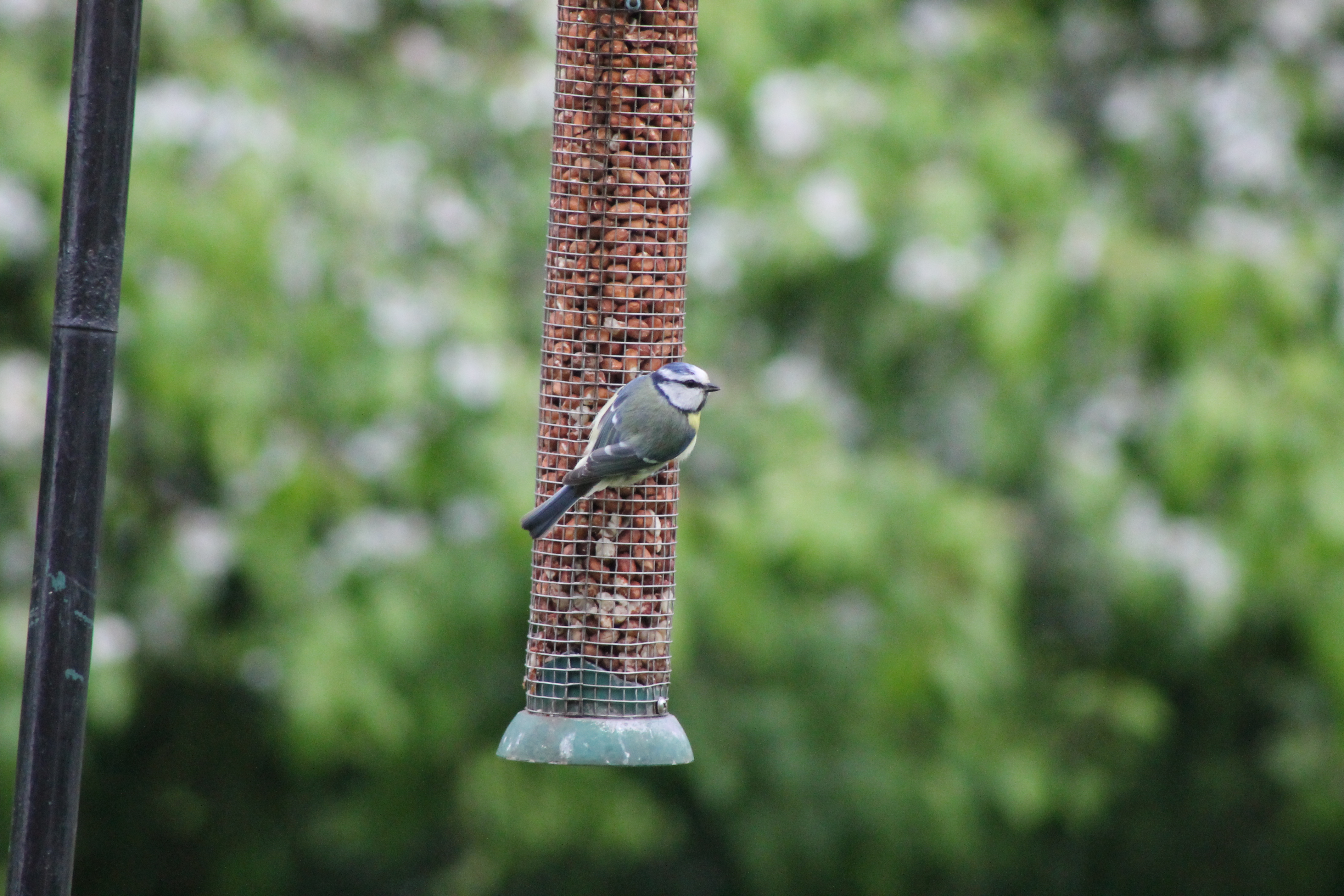
A bluetit.

Image

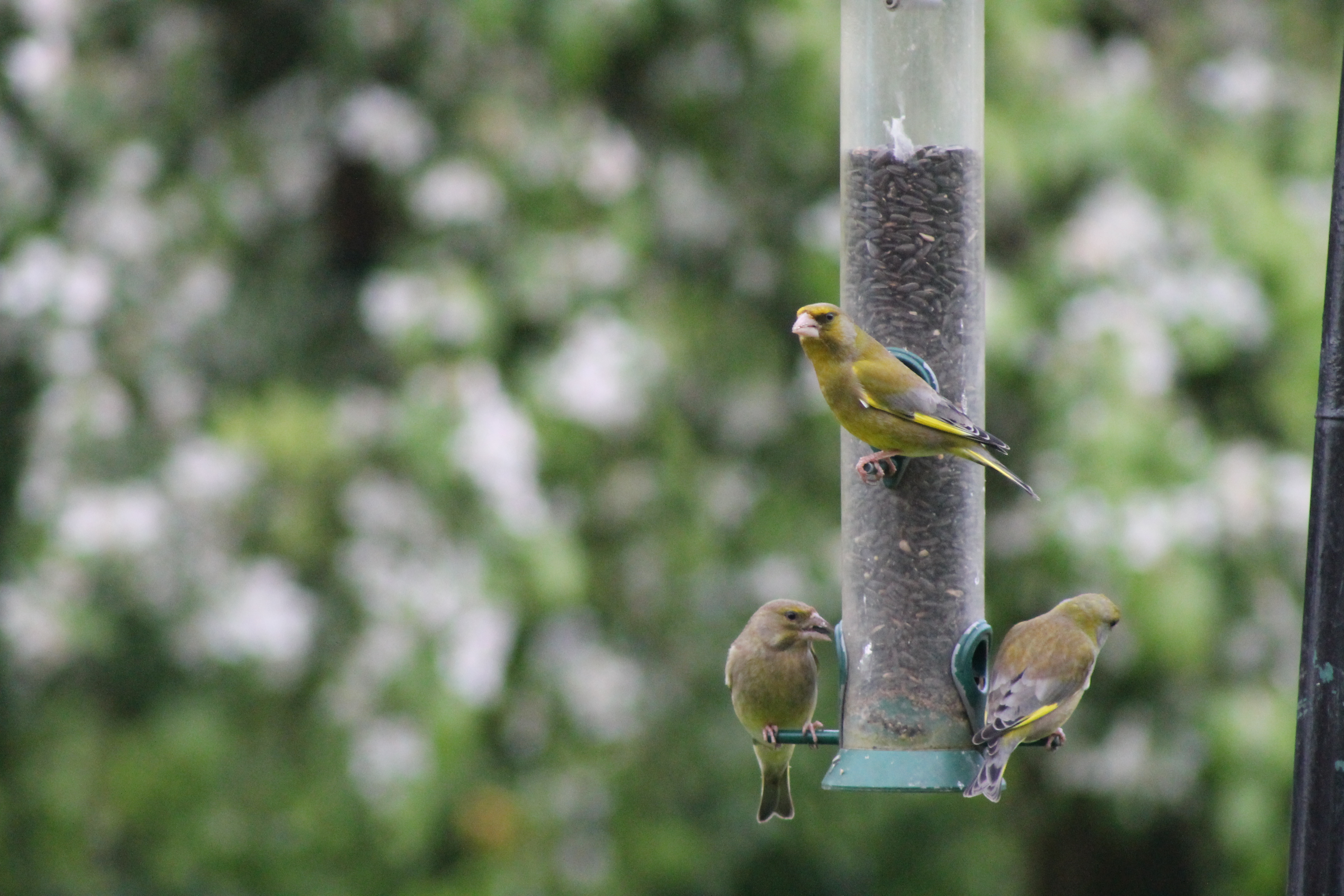
Male and female Greenfinches

Share this:

  • Share on X (Opens in new window) X
  • Share on Reddit (Opens in new window) Reddit
  • Share on Pinterest (Opens in new window) Pinterest
  • Share on Facebook (Opens in new window) Facebook
  • Email a link to a friend (Opens in new window) Email
  • Share on Tumblr (Opens in new window) Tumblr
  • Print (Opens in new window) Print
  • Share on Pocket (Opens in new window) Pocket
  • Share on LinkedIn (Opens in new window) LinkedIn
Like Loading...

Catching Up

15 Tue Apr 2014

Posted by Clare Pooley in churches, Gardening, Insects, plants, Rural Diary, trees, wild animals, wild birds

≈ 7 Comments

Tags

amelanchier, bluebell, cow parsley, cuckoo flower, early spotted orchid, fruit trees, garlic mustard, greylags, Holy Week, honesty, mallards, marsh marigold, pasque flower, rooks, St Lawrence, St Mary Homersfield, stock dove, thrift, tulip, wood pigeon

We spent last week, 5th to 12th April, away in the Lake District staying in a rented cottage with no phone signal and no internet.  As I don’t have a smart phone I wasn’t able to send or receive messages or post anything on my blog.  It is very nice to be away from home and duty and all other pressures but there is so much catching up to do on one’s return!   Lots of e-mails, lots of interesting posts to read and such a lot of housework!!  As I am still working my way through two weeks worth of washing and ironing I don’t envisage that this post will be very long – but I may be fooling myself and will ramble on at length as usual!

It took us five and a half hours to get home which wasn’t at all bad as it had taken us over seven hours to get there on the 5th.  The roads were dry and it was cool and cloudy – ideal driving conditions.  We unpacked and had a hot drink and phoned our mothers.  R’s mum was fine but was worried about her new home help who will be coming to her twice a week.  Her old help recently retired and mother-in-law doesn’t want or like change.  It doesn’t seem fair that at 88 years of age she has to constantly make concessions and put up with unwelcome changes and interference in her way of life.  But, if she wants to stay in her own home for as long as possible, that is what she has to do.  My mother seemed fine and had had a visit from my brother, who lives in Surrey, on Friday which had pleased her very much.  She had not been able to go to church the previous Sunday so my brother was the only person she had seen and spoken to since I had taken her out the Wednesday before that.  Nine days with only her cat to talk to!  I arranged with her that I would take her to church on Sunday as I knew she wouldn’t want to miss the Palm Sunday service.

R and I then did a tour of the garden and there were some pleasures and a few disappointments.  The most noticeable thing was that the goose was no longer on her nest but there was no sign of any goslings.  What had happened while we were away?  Had the goslings hatched out and subsequently died?  Had all the eggs been infertile?  In which case wouldn’t we be able to see them still on the nest on the island?  Had the goslings hatched out and then been taken off somewhere else after a couple of days?  When we first lived in this house that is what the pair of geese did then but after three years they began to stay until the goslings fledged.  We had a change of geese nesting on the island last year after a bit of a battle between two or three ganders, so perhaps the new pair don’t feel this is a suitable place to bring up their young.  There is still hardly any grass round the pond and we have got rid of all the willow cover on the bank which might be another reason why they didn’t stay.  We had no goslings last year either, but we put that down to the terrible weather in the spring and also the goose wasn’t good at sitting on her nest.  The goose this year was very good on the nest and only left it twice a day for very short periods and always covered the eggs well with down.  We will never know what happened but I would like to think that one year we will get goslings in our garden again.

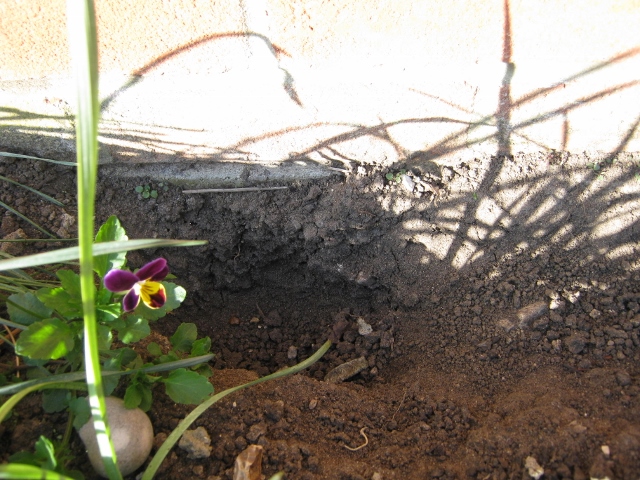
A lot of damage had been done by rabbits.  A hole had been dug at the back of my border against the house.

027Hole dug by rabbit (640x480)

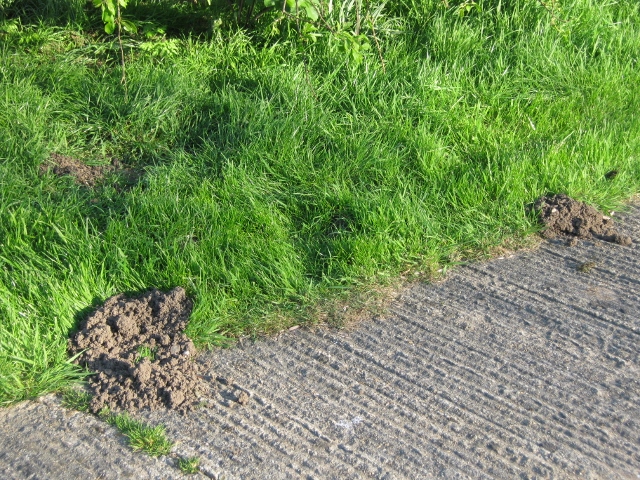
A number of my plants had been eaten – probably by rabbits perhaps by deer.  We did find a dead, fully grown rabbit near R’s flowerbed.  It had been dead for a couple of days and R couldn’t see any obvious reason why it had died.  No scavenger had fancied eating it either.  Moles had been making lots of molehills.

005Mole hills (640x480)

A blackbird had been killed and plucked next to the greenhouse.  I have seen a female sparrowhawk flying about a lot since our return, strafing the small birds with fear, so I suspect her or her mate were responsible for the blackbird’s demise.

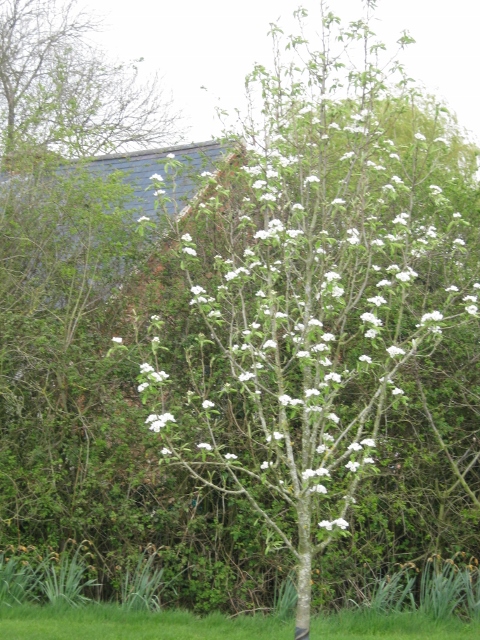
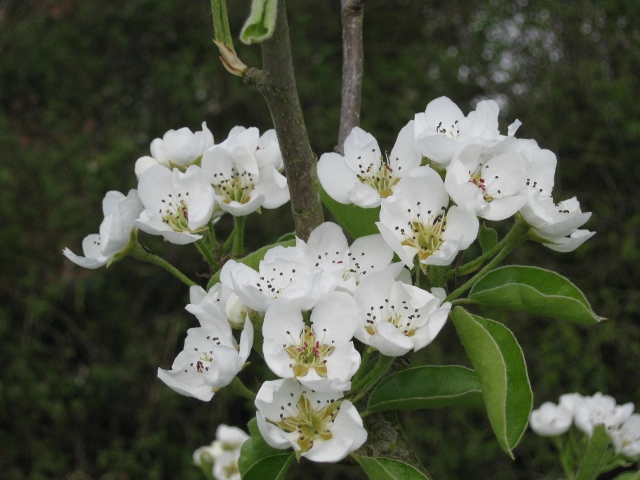
We were pleased to see that the pear tree was in full blossom.

004Pear tree (480x640) 006Pear blossom (640x480)

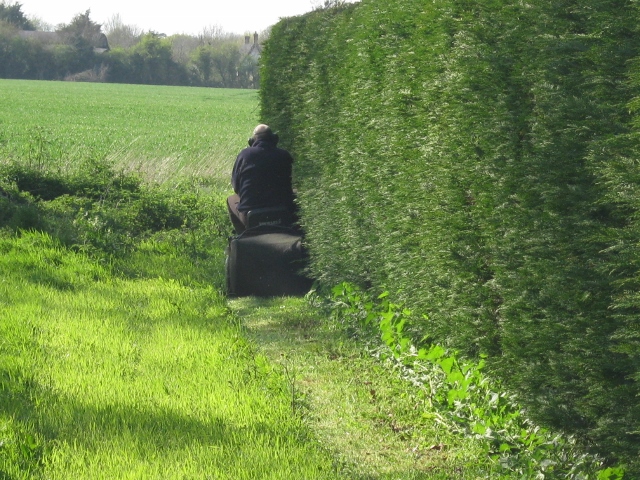
The greengage and the bullaces had lost nearly all their petals and we hope that we may have a little fruit.  The bird cherries were still in full blossom.  R decided that he ought to start on the mowing.  We have well over an acre of garden and most of it is grass so we have a tractor mower.  It is some years old now and makes R infuriated when it keeps blocking up – I think we will be getting a newer better model soon and then I will see R in his element again, racing round the garden, weaving in and out the trees just like at Le Mans!

019R mowing grass (640x480)

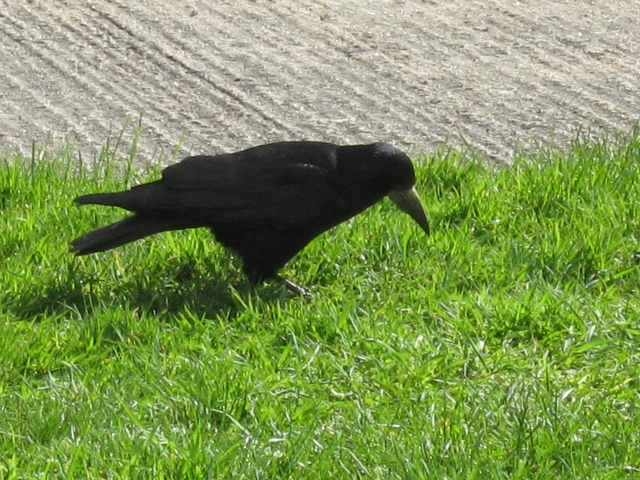
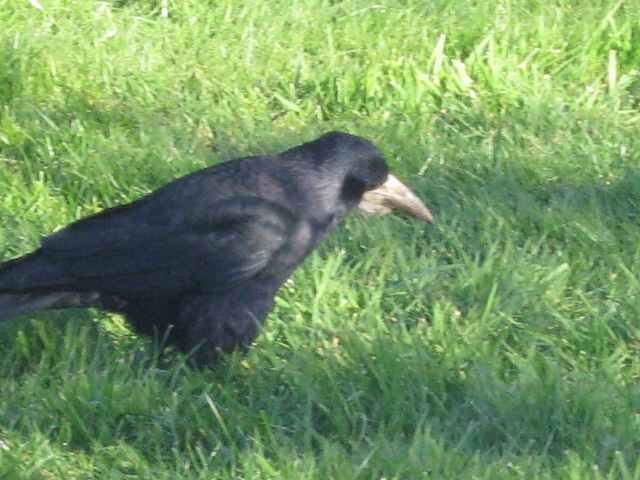
The rook chicks have hatched out in the rookery as I can hear them squeaking and squawking all day.  Here is a rook looking for tasty morsels.  Notice its glossy black feathers and feathered breeches.  I have included the second photo even though it is blurred as you can see the shape of the beak and the bald scaly skin at the front of the face.  The older the rook, the balder the face.

001Rook (640x480) 004Rook showing beak (640x480)

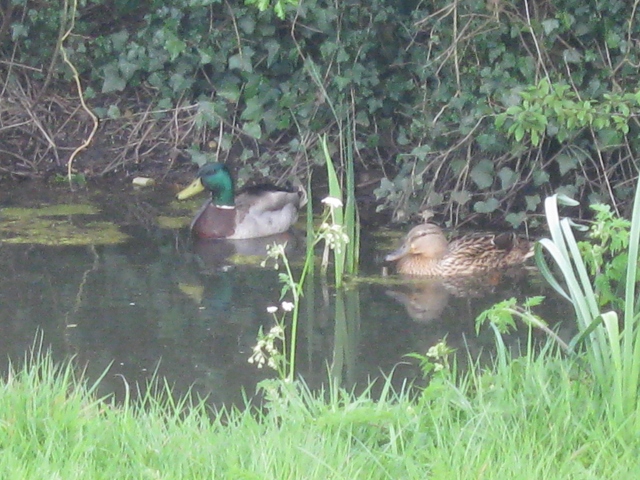
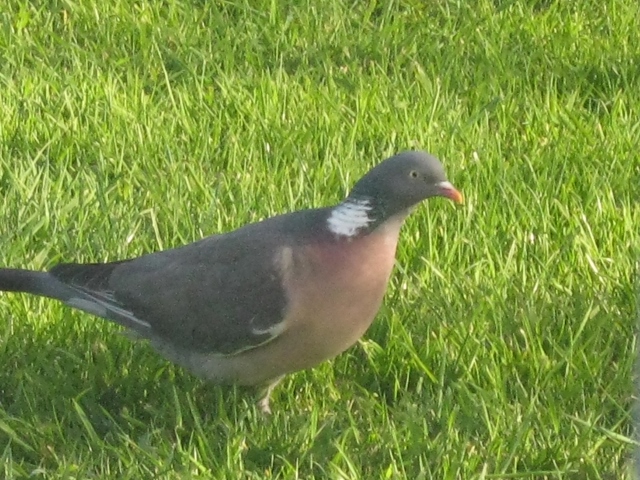
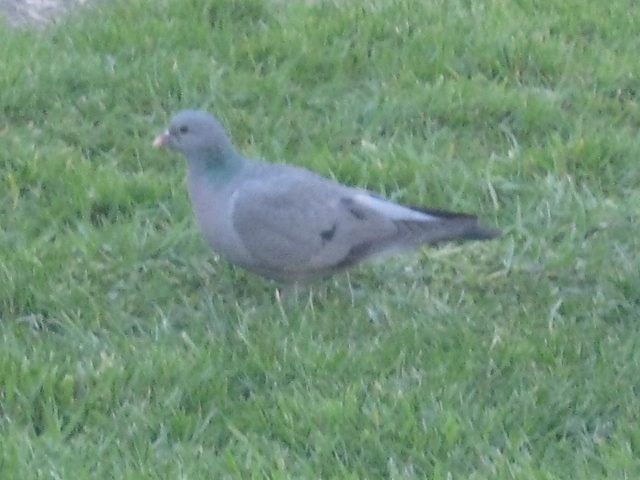
The duck and drake mallard are still happy in the pond at the front of the house.  A couple of common crows are also nesting in the trees on the opposite side of the lane.  Wood pigeons abound and so do Stock Doves.

003Duck and drake mallard (640x480)

Duck and drake Mallard

003Wood pigeon (640x480)

Wood Pigeon

009Stock dove (640x480)

Stock Dove

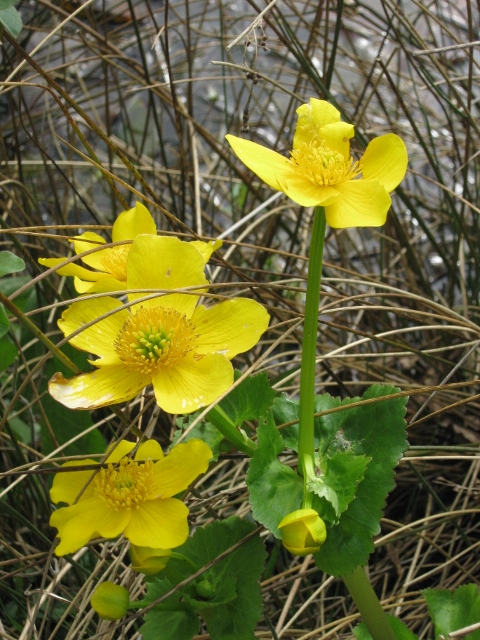
The marsh marigold in the big pond is flowering well.  The flowers are more than two inches across.

008Marsh marigold (480x640)

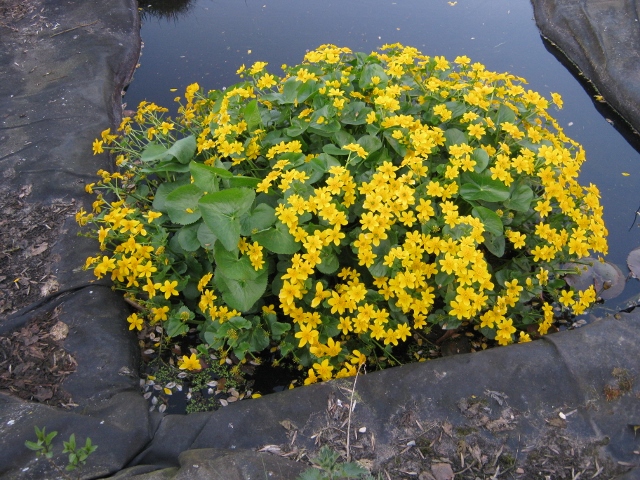
The marsh marigold in the little pond is flowering well too.

006Marsh marigold in small pond (640x480)

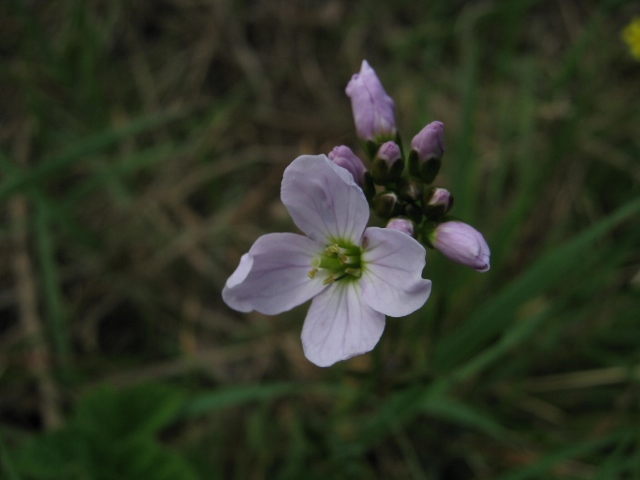
I have found a cuckoo flower by the big pond.  This flower belongs to the cabbage family but is much nicer than cabbage.  John Gerard, the 16th century herbalist said this pretty flower was called cuckoo flower because it blooms ‘for the most part in April and May, when the cuckoo begins to sing her pleasant note without stammering’.

007Cuckoo flower (640x480)

Cow Parsley is coming into flower.  In East Anglia it is called Sheep’s Parsley as well, because in olden times this area was a wool producing part of the country.  Another name for it is Queen Anne’s Lace which is a lovely name and describes the frothy whiteness of large quantities of the plant along the hedgerows.

011Cow Parsley (640x480)

Bluebell spikes are just appearing under the crabtree at the front of the house.

012Bluebell (640x480)

The crabapples are also coming into flower.  Pasque flowers and Thrift are blooming in my flowerbed.

021Pasque flower (640x480) 024Thrift (640x480)

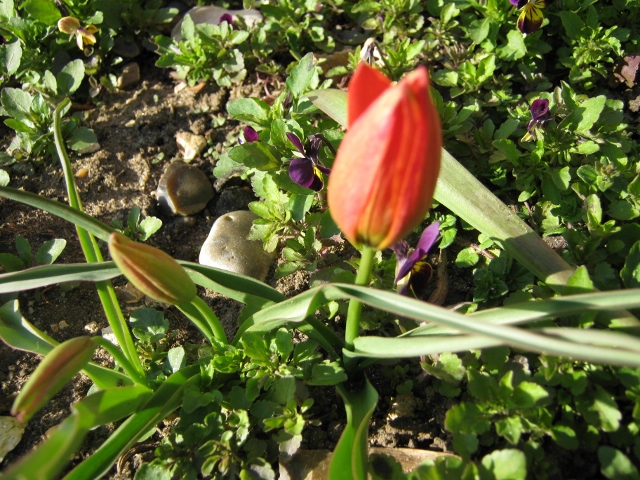
As are miniature scented tulips.  I used to have more colours than this orangey-red but they have gradually disappeared over the years.

026Miniature scented tulip (640x480)

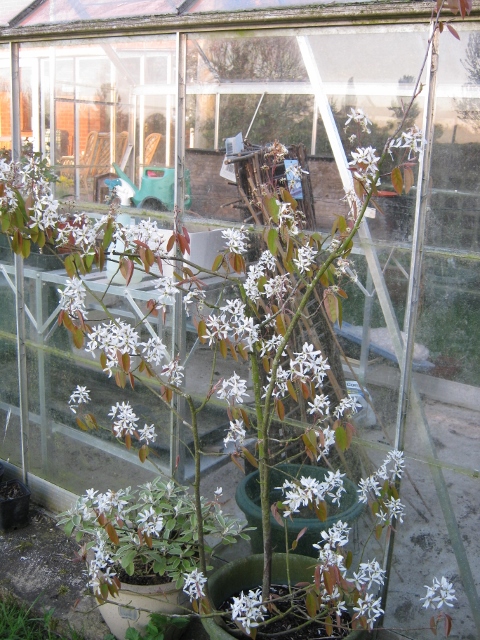
The Amelanchier is in flower.  It was planted in the garden a few years ago but then got damaged so I dug it up and I’ve tended it in a tub.  It will no longer grow to be a tree as I had hoped but will look alright as a shrub.  Once it has stopped flowering I will plant it out in the garden again.


007Amelanchier (480x640)

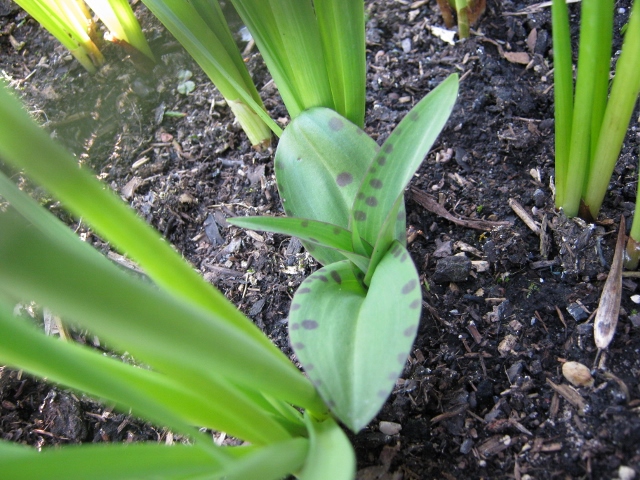
An Early Spotted Orchid is coming up in one of the tubs containing jonquils.  We are fortunate to have a lot of these orchids in our garden and they like seeding themselves in flower tubs.

025Orchid coming up in tub of jonquils (640x480)

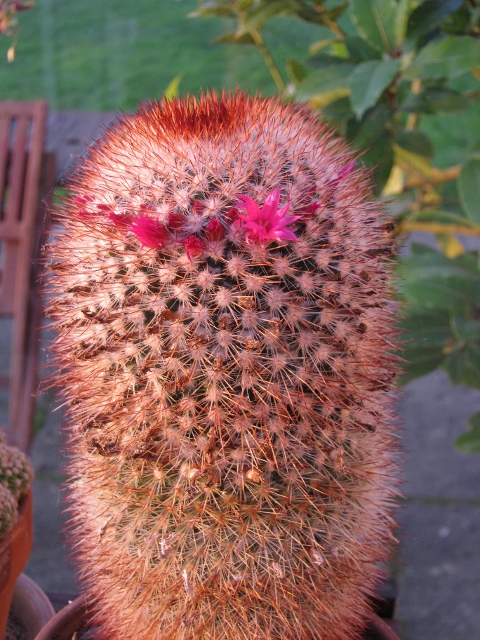
One of R’s cacti is in flower in the conservatory.

039Cactus in flower (480x640) 040Cactus flower (640x480)

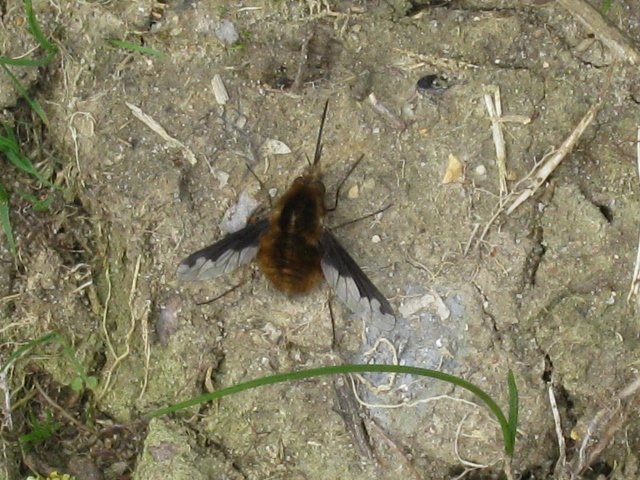
This is a Bee-fly.  It is harmless to humans despite the nasty looking proboscis.  Its larvae live as parasitoids in the nests of mining bees.

009Bee-fly (640x480) (2)

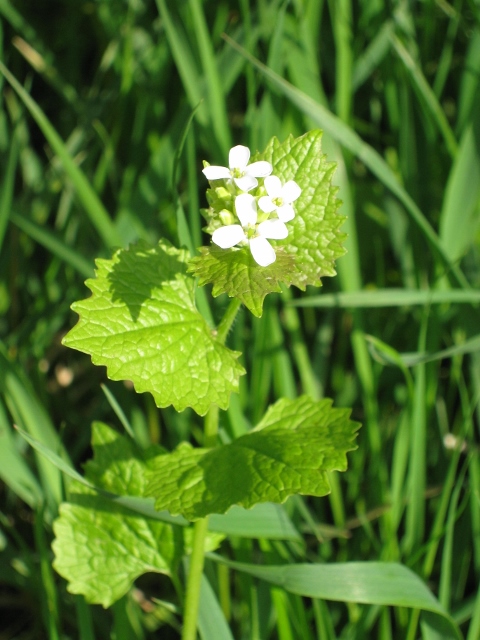
In driving about during the past few days I have noticed Alexanders and Stitchwort in flower in the hedgerows.  I have also seen Orange-tip butterflies flying.  The food for their caterpillars is Garlic Mustard, another member of the cabbage family and the only one to smell of garlic.

013Garlic Mustard (480x640)

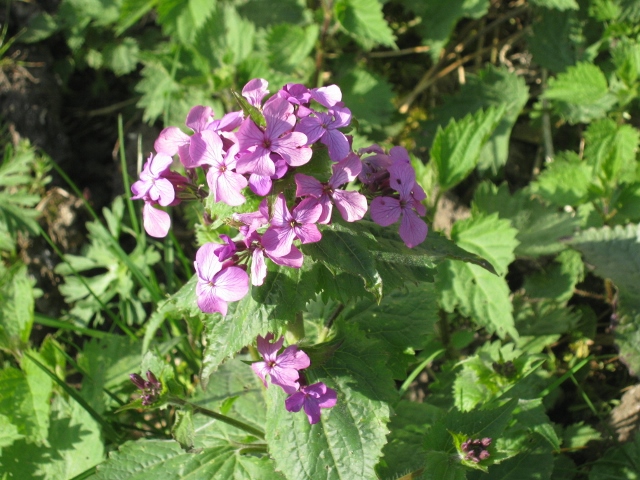
I found some perennial Honesty at the entrance to one of the farm yards down our lane.

015Perennial honesty (640x480)

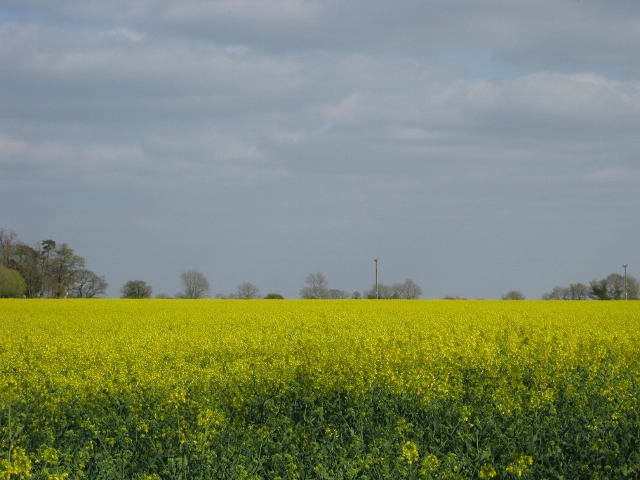
Oil-seed Rape is everywhere this year and is in flower at the moment.  We are surrounded by it.  We see it to the left of us…

017Oil-seed rape field to the left (640x480)

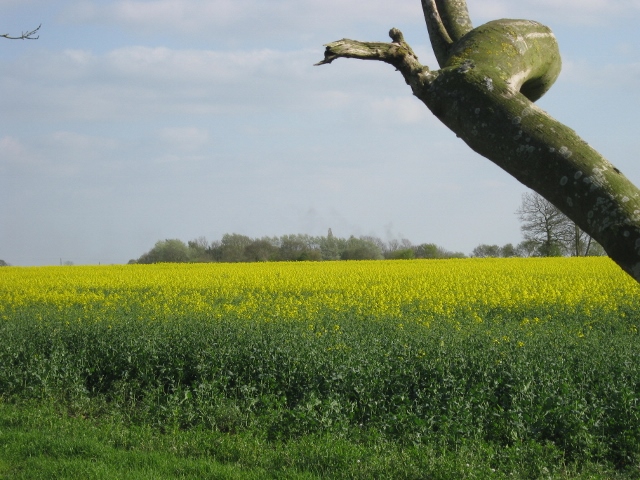
and to the right.

016Oil-seed rape field to the right (640x480)

It has a strong distinctive smell both when in flower and when left to set seed.  I don’t like it very much and it gives me hay-fever.

It is now Holy Week and we start, on Palm Sunday, by celebrating Jesus’ triumphal entry into Jerusalem on a donkey.  At Mum’s church we gathered in the church-yard and processed into church carrying our palm crosses.  Mum and I enjoyed the service, both having a bit of a cry during a favourite hymn.  Poor R went to St John’s church on his own but met our friends there.  I went to Compline on my own on Monday night as R had a migraine.  (I had woken with a migraine myself early on Sunday morning!).  The service was at St Lawrence church but sadly there were only four of us there.  As I drove to the church the sun was setting on one side  and the almost full moon was rising on the other side of me.  The church door was left open during the service and even though the church is up a lane off quite a well-used road the sounds of the few cars driving along it at 8pm faded away and the silence enveloped us.  Now and then we heard the evening warning calls of blackbirds and robins but most of the time it was absolutely quiet.  St Lawrence church is built on an ancient site.  The Romans had a building yard there, I think, and a Roman carved face is set into the wall of the church.  The road from which the lane to St Lawrence church turns off is called Stone Street and is a Roman road.  If one comes from Halesworth it is known as the Bungay Straight and if one comes from Bungay it is known as the Halesworth Straight.  On my way home the sky was apricot on the horizon where the sun had disappeared.  Above that the colours changed from yellow to turquoise to dusky blue and the enormous moon was shining brightly.  I saw a couple of hares and some tiny rabbits, only about four inches long – probably on their first night above ground.

Tonight R and I went to Compline at St Mary’s Church at Homersfield.  Another lovely church which has been in danger of closing for some time.  There were eight of us there tonight and the church was lit by lamps and candles as there was no electric light.

As I thought it would, this post has got to be a long one again and I haven’t done all the housework I should have!

Share this:

  • Share on X (Opens in new window) X
  • Share on Reddit (Opens in new window) Reddit
  • Share on Pinterest (Opens in new window) Pinterest
  • Share on Facebook (Opens in new window) Facebook
  • Email a link to a friend (Opens in new window) Email
  • Share on Tumblr (Opens in new window) Tumblr
  • Print (Opens in new window) Print
  • Share on Pocket (Opens in new window) Pocket
  • Share on LinkedIn (Opens in new window) LinkedIn
Like Loading...

Monday’s Garden

31 Mon Mar 2014

Posted by Clare Pooley in amphibians, churches, cooking, Gardening, Insects, plants, Rural Diary, trees

≈ 4 Comments

Tags

blackthorn, bullace, cowslip, daffodils, Elmer Fudd, fritillaries, greengage, jonquils, ladybird, lathyrus, Mothering Sunday, pieris, primulas, rabbits, saxifrage, simnel cake, wild cherry


I must admit to having an Elmer Fudd moment this morning.  I went to have a look at the cowslip/primula plants I had transplanted last weekend and to my horror I saw that all the flowers and buds had been eaten on almost all the plants.  I suspect some wascally wabbit!  I will now not know until next spring which of the plants are normal cowslips to be planted at the top of the ditch and which are the different ones to be grown on elsewhere.

Image

Very strange weather today.  It was quite warm – in fact it got to 18 degrees centigrade but we only got a little sunshine at midday and then a few showers of rain during the afternoon.  Quite humid all day and extremely cloudy this afternoon.   I walked round the garden checking on the bird feeders and looking to see what plants had started to grow or flower since Saturday.  I hadn’t been able to get into the garden at all yesterday as I had been busy cooking lunch after coming home from church and then entertaining Mum all the afternoon.  We had had a good Mothering Sunday service at church and all the women had been presented with little posies of flowers.  The Rector looked wonderful in his rose coloured chasuble but sneakily removed it before I could photograph him!

My eldest daughter A had sent me a card which had arrived in the post on Saturday and she telephoned me when I got back from church.  E gave me a card and two stoneware pots for the garden.  Mum arrived bringing with her an apple pie and a simnel cake.  My mother will be 84 in a couple of weeks time and can hardly see but she still manages to bake and garden and run her house with no help at all.

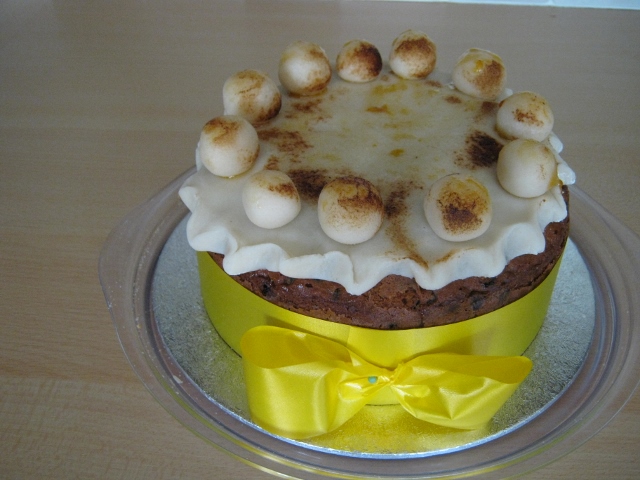
Mum’s simnel cake.

001Simnel cake 2014 (640x480)


The goose is still sitting on her nest on the island.  She probably only has another week or so to go until her eggs hatch and then we’ll see how many goslings there are.  While I walked round the pond I heard not only frogs croaking but also what I assume to be toads as well.  We do get toads in the garden but I’ve never noticed them in the pond before.  I also saw flower buds on the marsh marigold in the big pond that has never flowered before as well.  I was really quite pleased about this as the pond has looked so awful since we had the work done to remove most of the willow scrub.  What willows we have left are full of pussy willow flowers and alive with so many bees.

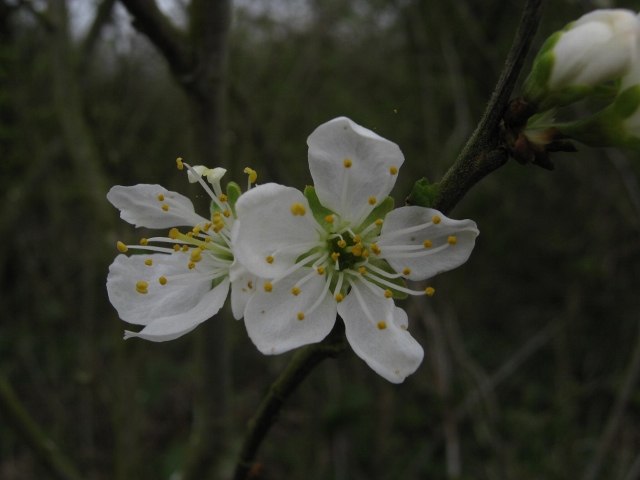
The wild damson or bullace tree is in flower.

003Damson or bullace flowers (640x480)

037Damson or bullace flowers (480x640)

The wild or bird cherry is also just coming into flower too.

019Wild or bird cherry (640x480)

022Wild or bird cherry (640x480)

Our greengage tree has its first flowers.  We planted it the autumn before last and it didn’t flower at all last year but grew very well.  My mother-in-law had asked us if we would grow one as she likes greengages so we got it especially for her and we call it Joyce (her name).

031Greengage flower (640x480)

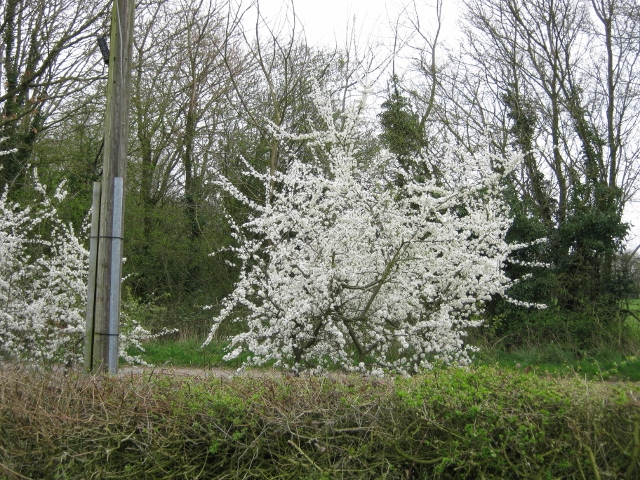
The blackthorn at the front of the house is now in full flower.  The tree at the back of the house has finished flowering and the tree by the front gate hasn’t started to flower yet.  The front of the house is colder than the back and the gate is coldest and shadiest of all.

027Blackthorn at front of house (640x480)

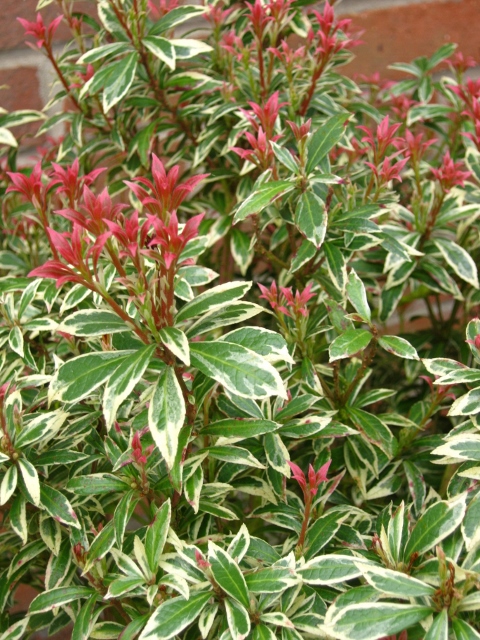
My pieris ‘Forest Flame’ has new leaves on it.

005Pieris 'Forest Flame' (480x640)

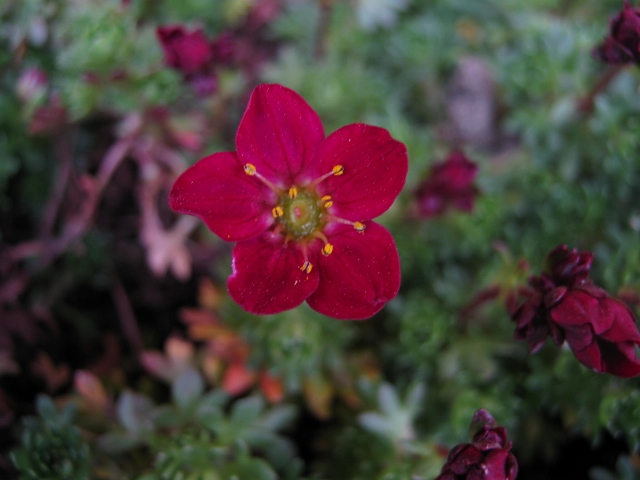
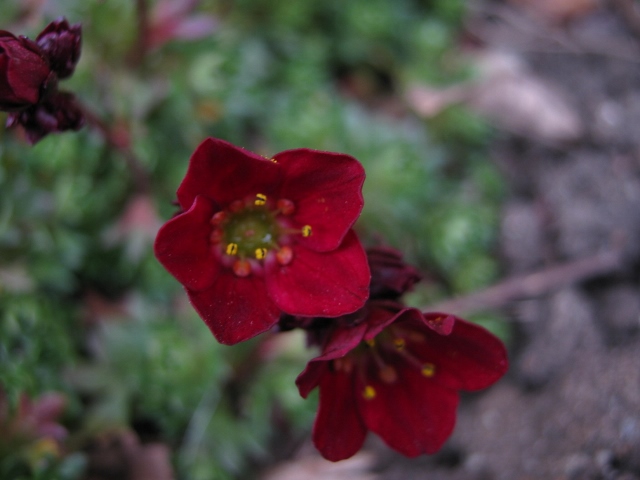
The saxifrage has started to flower.

008Saxifrage flower (640x480)

009Saxifrage flowers (640x480)

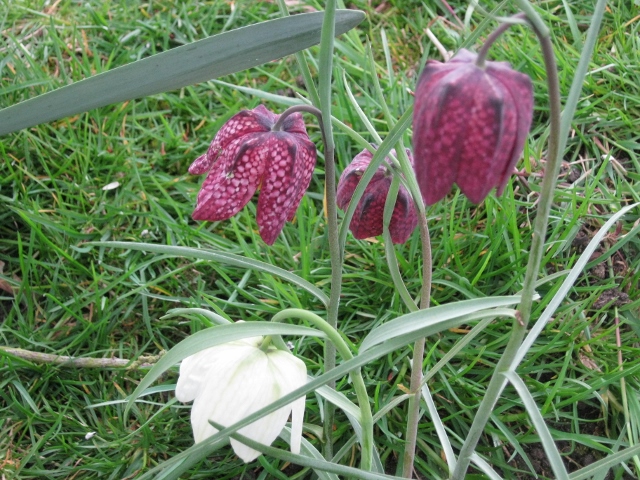
The new Frittilaries under the crabapple are flowering.  I am pleased to see that there is a white one.

023Frittilaries (640x480)

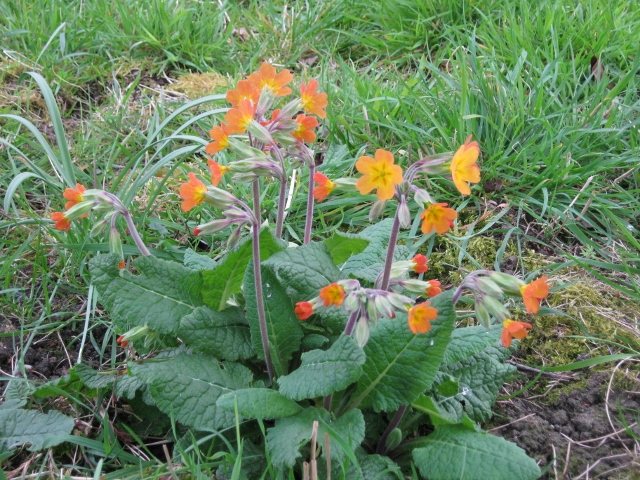
Primulas.

024Primulas (640x480)

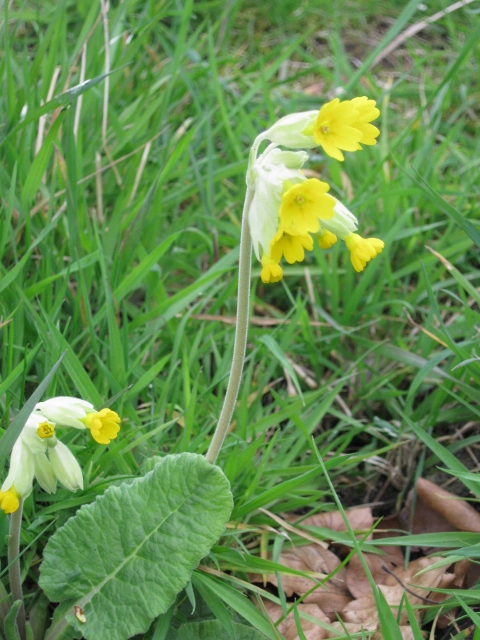
Cowslip.

025Cowslip (480x640)

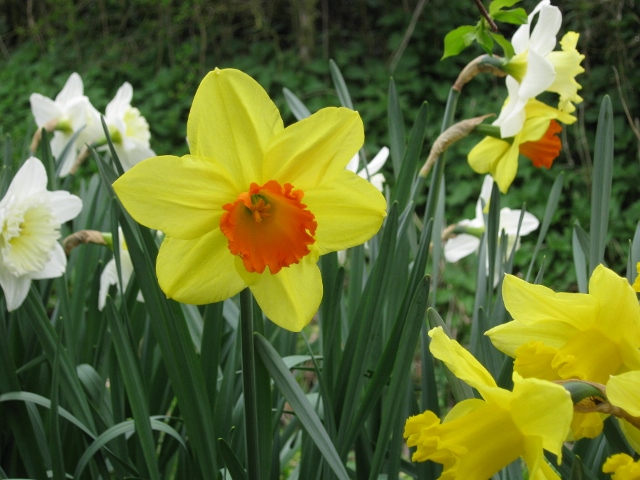
Daffodils at the front of the house at the edge of the ditch.

026Daffodils (640x480)

A seven-spot ladybird on a daffodil.  A lot of our daffodils suffered in the hail and rain we had last Wednesday and they also have to put up with all sorts of wild fowl trampling over them.

028Seven spot ladybird on daffodil (640x480)

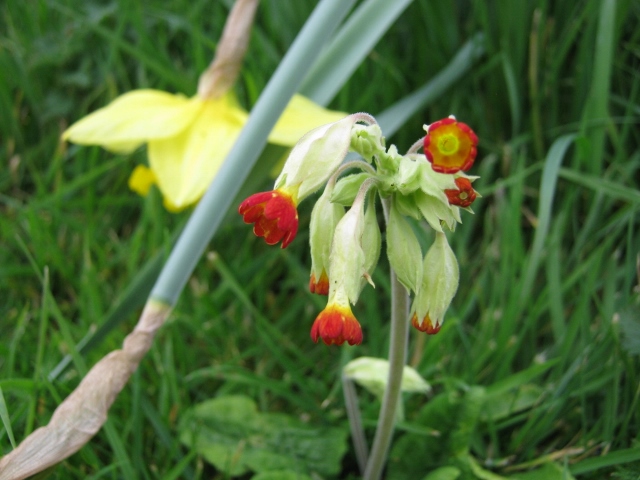
An orange-red cowslip.

036Orange-red cowslip (640x480)

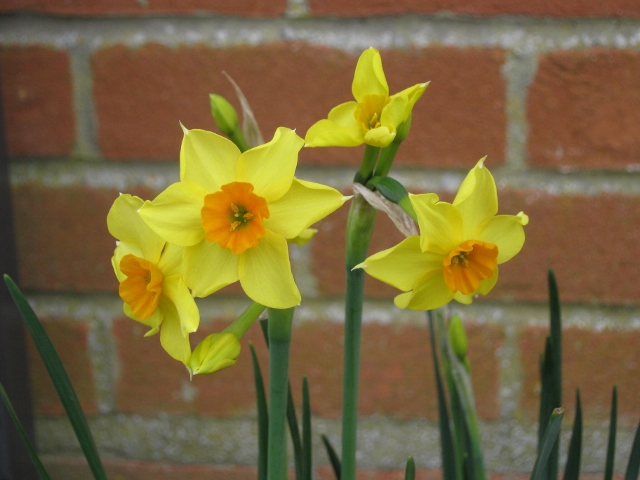
Jonquils.

039Jonquils (640x480)

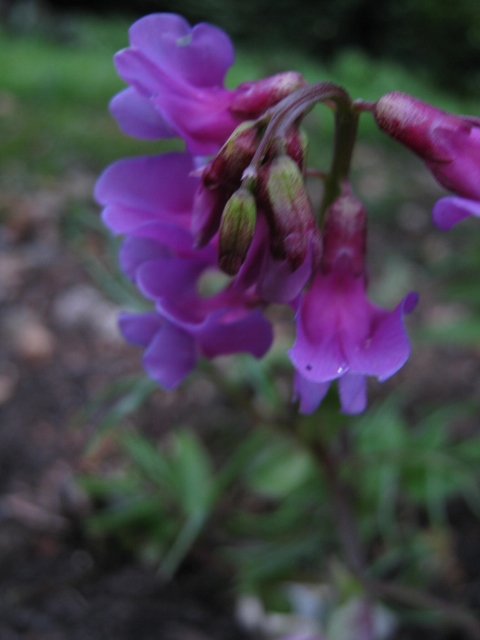
Lathyrus vernus ‘Spring Beauty’.  This is an ornamental vetch – a member of the pea family.

040Lathyrus vernus 'Spring Beauty' (480x640)

Share this:

  • Share on X (Opens in new window) X
  • Share on Reddit (Opens in new window) Reddit
  • Share on Pinterest (Opens in new window) Pinterest
  • Share on Facebook (Opens in new window) Facebook
  • Email a link to a friend (Opens in new window) Email
  • Share on Tumblr (Opens in new window) Tumblr
  • Print (Opens in new window) Print
  • Share on Pocket (Opens in new window) Pocket
  • Share on LinkedIn (Opens in new window) LinkedIn
Like Loading...

Wild Flowers? or Weeds?

20 Thu Mar 2014

Posted by Clare Pooley in Gardening, Insects, plants, Rural Diary, Uncategorized, wild birds

≈ Leave a comment

Tags

bumble bees, chickweed, dog violet, flints, greylag, marsh marigold, narcissus, red dead-nettle, sunset, sweet violet, weeds, white dead-nettle, wildflower

Our garden is too large for us to keep every part of it neat and well manicured and I wouldn’t like it half so well if it was.  I love gardening – digging, weeding, tending plants, but there is always risk, responsibility and pressure to do things properly and at the right time.  The wild, untamed, untidy parts of the garden are just pure pleasure to me.  I have no yearning to tidy them though I realise that some management is necessary which is why we had the work done to the big pond a few weeks ago.  The ‘weeds’ I assiduously pull out of my flower beds I love to look at in the wild garden.  Flowers at this time of the year are a wonderful source of nectar for insects, especially bumble bees, just out of hibernation.

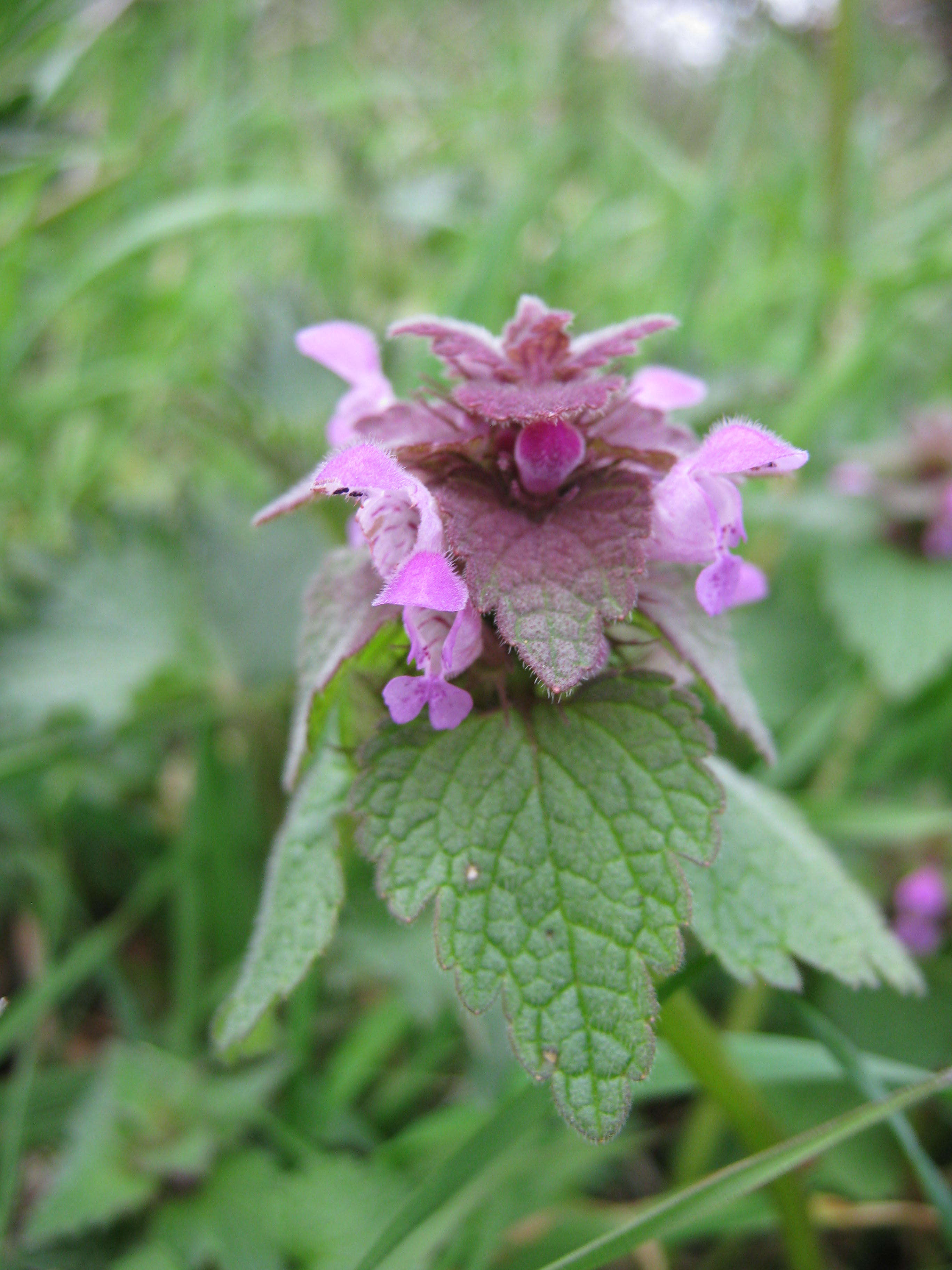
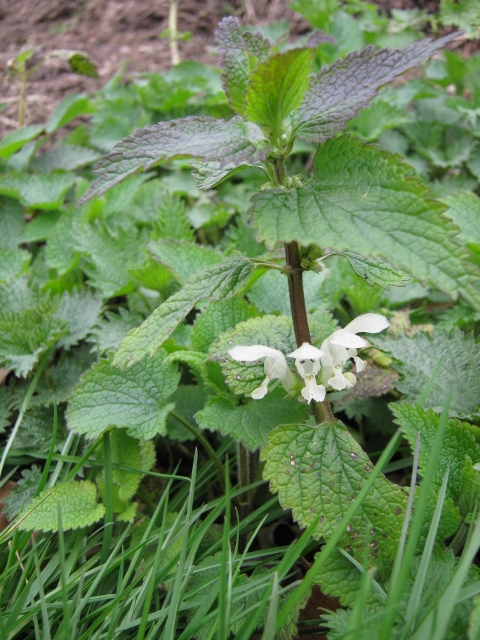
The red dead-nettle, Lamium, a member of the mint family, grows all over our garden and is a very common plant in Britain and flowers for most of the year.  Both it and the white dead-nettle were boiled and used as pot-herbs and as pig-swill in the past.  They had many medicinal uses, most notably against the ‘King’s Evil’ – scrofula, a type of tuberculosis that caused skin eruptions.  Culpepper says ‘The herb bruised and with salt and vinegar and hog’s-grease laid upon a hard tumour or swelling, or that vulgarly called the king’s-evil, do help to dissolve or discuss them’.  It also ‘makes the heart merry, drives away melancholy, quickens the spirits’.  If you look at the photo below carefully you will be able to see the dark anthers under the hooded upper lip and the darker purple markings on the lower notched lip.

003Red dead nettle


The white dead-nettle’s flowers are bigger than the red’s.  It relies on bumble bees to pollinate it’s flowers and they (the flowers) are custom made for bees.  The lower lip is a landing stage for the bee and has two small lateral lobes and a notched middle lobe.  The anthers are black and are under the hooded upper lip.  As the bee enters the flower seeking the nectar the top of it’s abdomen brushes the stamens and gets covered in pollen which is then transferred to the style of the next flower it visits.

005White dead nettle (480x640)


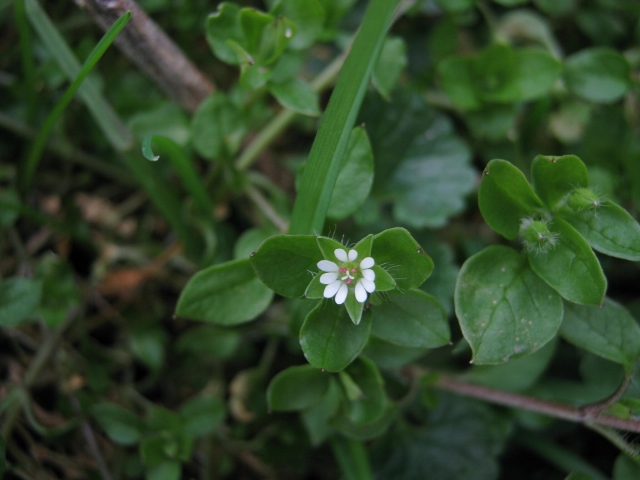
We don’t have as much chickweed in this garden as in other gardens we have had probably because we get so many ducks, geese and chickens passing through.  They love the plant, which can also be eaten by humans as a salad vegetable.  The flowers are so small that most people hardly notice them but looked at closely they are quite lovely.  The botanical name is Stellaria, little star, and the name is quite apt.  The styles are white and the stamens are such a pretty pink.  Chickweed is a member of the pink family.  It has a single line of hairs which run the whole length of the stem and if a drop of dew lands on the plant it runs down the stem by way of the hairs until it gets to a pair of leaves.  Here some of the water is absorbed by the hairs and the rest carries on down the stem to the next pair of leaves and so on.  This water is reserved in the plant in case of drought.  It flowers almost all year round and is widespread and prolific, which is why most gardeners hate it!

006Chickweed (640x480)


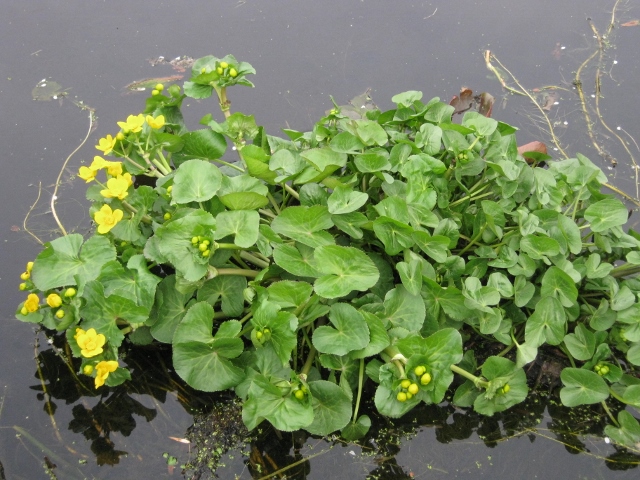
This marsh-marigold plant is in our small pond and is the only decent plant in there.  It flowers and flowers and looks so bright and cheerful.  We have another plant in the big pond but I have never seen any flowers on that.  I also discovered a very small plant in the ditch by the big pond with much smaller flowers.  I posted a photo of it a few days ago.  Another name for marsh-marigold is Kingcup and according to one of my flower books this is derived from the Old English ‘cop’ meaning button or stud such as kings once wore.  Apparently, farmers in many parts of the British Isles, used to hang marsh-marigolds over the byres of their cattle on May Day to protect them from the evil doings of fairies and witches.

008Marsh-marigold (640x480)


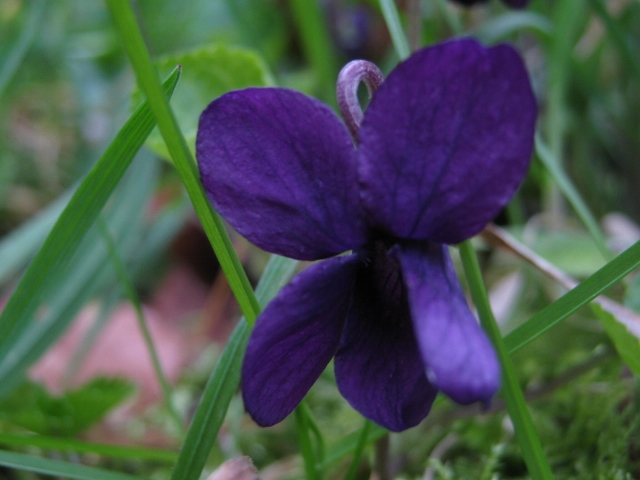
We not only have dog violet in our garden but also sweet violet which is the only violet flower to be scented.  In olden times they were strewn on the floor to sweeten the air.  Their scent is lost almost as soon as it is noticed and this is because the flower produces a substance called ionine as well as the scent.  Ionine dulls the sense of smell so that not only does the violet’s scent disappear but any other odours too.  Clever!  In the verge near to my mother’s cottage are many white violets which are very pretty.

011Sweet violet (640x480)


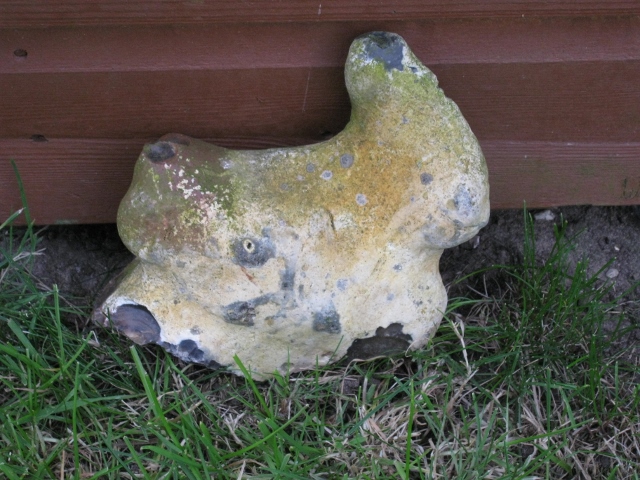
Our garden is full of flints and some of them are enormous.  Trying to make new flowerbeds has taken so much time and energy as these great stones have to be levered out all the time and more and more keep appearing.  I quite understand the old folk thinking that stones grew in the soil.  This is our Lindt flint as we think it looks like a Lindt chocolate rabbit.

012Lindt flint (640x480)


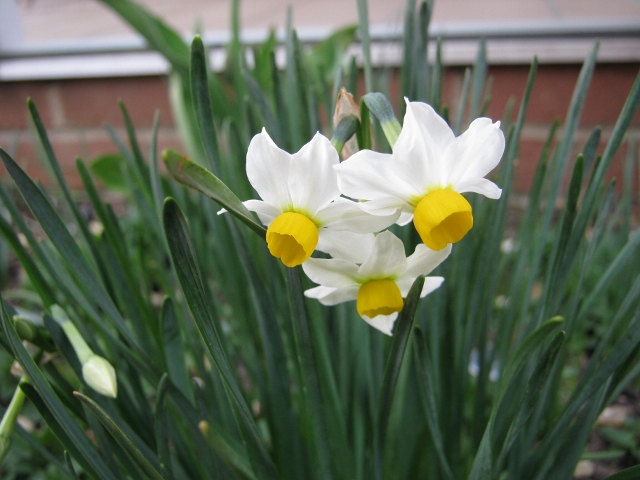
A pretty narcissus has just flowered.

013Narcissus (640x480)


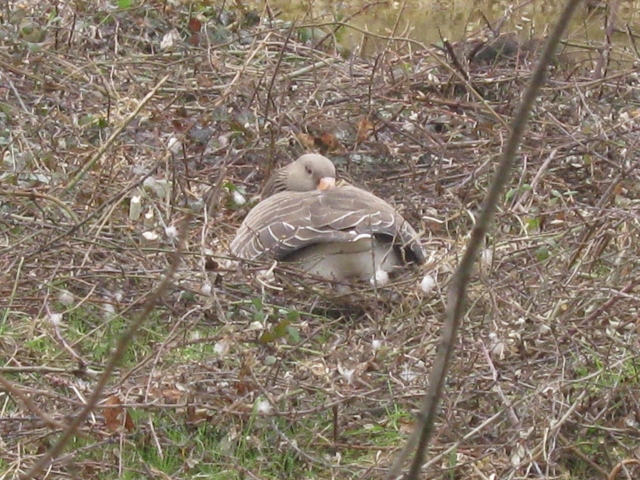
The dear goose sleeping on her nest.

002Sleeping goose on nest (640x480)


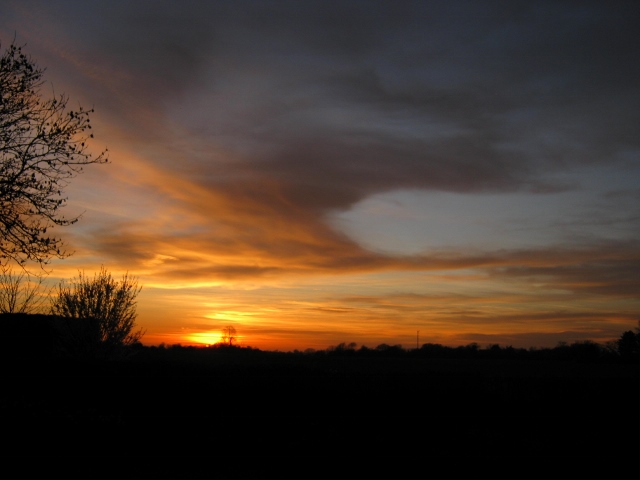
And lastly a few pictures of last night’s sunset.

014Sunset (640x480)

015Sunset (640x480)

016Sunset (640x480)


Share this:

  • Share on X (Opens in new window) X
  • Share on Reddit (Opens in new window) Reddit
  • Share on Pinterest (Opens in new window) Pinterest
  • Share on Facebook (Opens in new window) Facebook
  • Email a link to a friend (Opens in new window) Email
  • Share on Tumblr (Opens in new window) Tumblr
  • Print (Opens in new window) Print
  • Share on Pocket (Opens in new window) Pocket
  • Share on LinkedIn (Opens in new window) LinkedIn
Like Loading...
← Older posts
Newer posts →
Follow A Suffolk Lane on WordPress.com

Enter your email address to follow this blog and receive notifications of new posts by email.

Join 715 other subscribers.

Unknown's avatar

I talk about what it's like living in a quiet part of Suffolk. I am a wife, mother and daughter, a practising Christian and love the natural world that surrounds me. I enjoy my life - most of the time!

My Posts

Jan 2026
M T W T F S S
 1234
567891011
12131415161718
19202122232425
262728293031  
« Dec    

Pages

  • About my Blog
  • GDPR (General Data Protection Regulations) and This Site
  • My Life in a Suffolk Lane

Archives

Blogs I Follow

Unknown's avatar
Unknown's avatar
Unknown's avatar
Unknown's avatar
Unknown's avatar
Unknown's avatar
Unknown's avatar
Unknown's avatar
Unknown's avatar
Unknown's avatar
Unknown's avatar
Unknown's avatar
Unknown's avatar
Unknown's avatar
Unknown's avatar
Unknown's avatar
Unknown's avatar
Unknown's avatar
Unknown's avatar

Posts I Like

  • Ari's avatar
  • Unknown's avatar
  • John’s Postcards's avatar
  • Unknown's avatar
  • Unknown's avatar
  • Rich's avatar
  • aho's avatar
  • Unknown's avatar
  • clivebennett796's avatar
  • Unknown's avatar
  • Yeah, Another Blogger's avatar
  • Unknown's avatar
  • Unknown's avatar
  • trulymebeingme's avatar
  • Unknown's avatar
  • Unknown's avatar
  • Annika Perry's avatar
  • Unknown's avatar
  • Dad's avatar
  • Unknown's avatar
  • Maikhel's avatar
  • Unknown's avatar
  • Unknown's avatar
  • Unknown's avatar
  • NEERAJ SINGH's avatar
  • Unknown's avatar
  • CJ's avatar
  • Unknown's avatar
  • M T McGuire's avatar
  • Unknown's avatar
  • Unknown's avatar
  • Kathleen's avatar
  • sopantooth's avatar
  • JAM's avatar
  • Unknown's avatar
  • Unknown's avatar
  • Andrea Stephenson's avatar
  • Secret Diary of A Country Vicar's Wife's avatar
  • Unknown's avatar
  • Unknown's avatar
  • Unknown's avatar
  • Unknown's avatar
  • thesimlux's avatar
  • Unknown's avatar
  • Unknown's avatar
  • Unknown's avatar
  • The Introverted Bookworm's avatar
  • Unknown's avatar
  • Unknown's avatar
  • Unknown's avatar

amphibians architecture art Arts and Crafts churches cooking Days out domestic animals family fish Folk Traditions Gardening Historic Buildings holidays Insects Landscaping literature music Norwich plants Rural Diary seashore theatre trees Uncategorized walking weather wild animals wild birds wild flowers

Tags

architecture autumn birds blackbird blackthorn Bungay butterfly church clouds common knapweed cow parsley crocus daffodils Diary dogwood family field maple flowers fungus garden gardening geese greylags ground-ivy Halesworth Hawthorn heather holiday Holly Holy Week horse chestnut Hoverfly insects ivy Lake District Lent lesser celandine lichen Lords and Ladies Mallard mallards Minsmere moorhen moss music Norwich Peak District pheasant plants pond ponds primrose primroses Rain rooks Rumburgh Rumburgh Church sheep Sheffield snow snowdrops Southwold spring Suffolk Suffolk Wildlife Trust sunset the Beck trees viburnum bodnantense walking weather wild cherry wild flowers winter-flowering honeysuckle witch-hazel

Meta

  • Create account
  • Log in
  • Entries feed
  • Comments feed
  • WordPress.com

Goodreads

Blog at WordPress.com.

Book Jotter

Reviews, news, features and all things books for passionate readers

Country Life Blog -

A blog about life in the country in the past and present

Matthew Paul: Poetry & Stuff

Poetry and what-not

Schnippelboy

Ein Tagebuch unserer Alltagsküche-Leicht zum Nachkochen

TAMARA JARE

Tamara Jare Contemporary Figurative Art – Bold Colors, Resilient Souls

A Taste of Freedom

Documenting a Dream

Country Ways

Rambling Journeys in Britain, Countryside Matters and campaigning for the Right to Roam

The Strawberry Post

Here to Entertain, Educate & Inspire!

a north east ohio garden

an ongoing experiment in the dirt, 35 plus years

naturechirp

Celebrating God's creatures, birds and plants...

Sophie Neville

Writer

Going Batty in Wales

Developing a more sustainable lifestyle in SW Wales

Our Lake District Escapades

Exploring the Lake District and beyond

Short Walks Long Paths

Wandering trails around the coast of Wales

The Biking Gardener

An English persons experience of living and gardening in Ireland

Nan's Farm

A Journal Of Everyday Life

Walk the Old Ways

Rambling Journeys in Britain with John Bainbridge. Fighting for the Right to Roam. Campaigning to Protect Our Countryside.

Writer Side UP!

Waking the Writer Side...and keeping it "Up!"

Meggie's Adventures

Travel, thank you notes and other stories

amusicalifeonplanetearth

Music and the Thoughts It Can Inspire

lovefoundation.co.uk

Traveling Tortuga

Simply Living Well

Pakenham Water Mill

Historic watermill in the beautiful Suffolk countryside

Take It Easy

Retired, not expired: words from the after(work)life. And music. Lots of music!

Secret Diary Of A Country Vicar's Wife

By Olive Oyl

thanksfortheadventureorg.wordpress.com/

The Beat Goes On

#TBGO

Frank Pleszak's Blogs

Twitter: @frankpleszak @PolishIICorps

John Bainbridge Writer

Indie Writer and Publisher

roughwighting

Life in a flash - a bi-weekly storytelling blog

Walking the Old Ways

Rambling in the British Countryside

CapKane

thoughts on social realities

SkyeEnt

Jottings from Skye

jodie richelle

embracing my inner homemaker

Skizzenbuch/Blog

Just another WordPress.com weblog

Have Bag, Will Travel

The Call of the Pen

Flash Fiction, Book Reviews, Devotionals and other things.

John's Postcards

Art in Nature

You dream, I photographe it !

Smile! You’re in Barnier World......

theinfill

the things that come to hand

Dr. Mary Ann Niemczura

Author of "A Past Worth Telling"

Provincial Woman

The Pink Wheelbarrow

Luanne Castle: Poetry and Other Words (and cats!)

Poetry, Other Words, and Cats

The Family Kalamazoo

A genealogical site devoted to the history of the DeKorn and Zuidweg families of Kalamazoo and the Mulder family of Caledonia

everythingchild

The Book Owl

Canberra's Green Spaces

Paul Harley Photographer

  • Subscribe Subscribed
    • A Suffolk Lane
    • Join 715 other subscribers.
    • Already have a WordPress.com account? Log in now.
    • A Suffolk Lane
    • Subscribe Subscribed
    • Sign up
    • Log in
    • Report this content
    • View site in Reader
    • Manage subscriptions
    • Collapse this bar
 

Loading Comments...
 

    Privacy & Cookies: This site uses cookies. By continuing to use this website, you agree to their use.
    To find out more, including how to control cookies, see here: Cookie Policy
    %d