• About my Blog
  • GDPR (General Data Protection Regulations) and This Site
  • My Life in a Suffolk Lane

A Suffolk Lane

~ A diary of my life in rural north Suffolk.

A Suffolk Lane

Category Archives: plants

High Summer Walk Part 1

06 Wed Aug 2014

Posted by Clare Pooley in Insects, plants, Rural Diary, walking, weather

≈ 4 Comments

Tags

agrimony, bindweed, common knapweed, common ragwort, Gatekeeper butterfly, hoary plantain, hogweed, hop trefoil, oil-seed rape, peas, pineapple weed, ploughing, poppy, Ringlet butterfly, seagulls, silverweed, thatched barn, thrips, thunder-flies, walking

I had been shopping in Norwich with E two weeks ago and the weather had just changed for the better.  We had had a lot of very humid weather, with heavy rain and thunder and lightening.  We had had the usual accompaniment to humid weather of flying and swarming ants and thunder-flies.  These are tiny little thrips with feathery wings; a millimetre long and thread-thin.  They get everywhere – in your ears and eyes, up your nose, in your hair, crawling on your skin until you feel like screaming. They come in the house and die in heaps on every surface; they even get behind the glass in your picture frames.  And then, after a storm at the weekend, we woke on the Monday to fresh air, warm sunshine and a gentle breeze. As we were driving home I had such a longing to be out of doors, walking in the fields that instead of having lunch I found the camera and my hat and went off down the lane.  The verge at the side of our lane had just been cut but there were still a few flowers hanging on there.

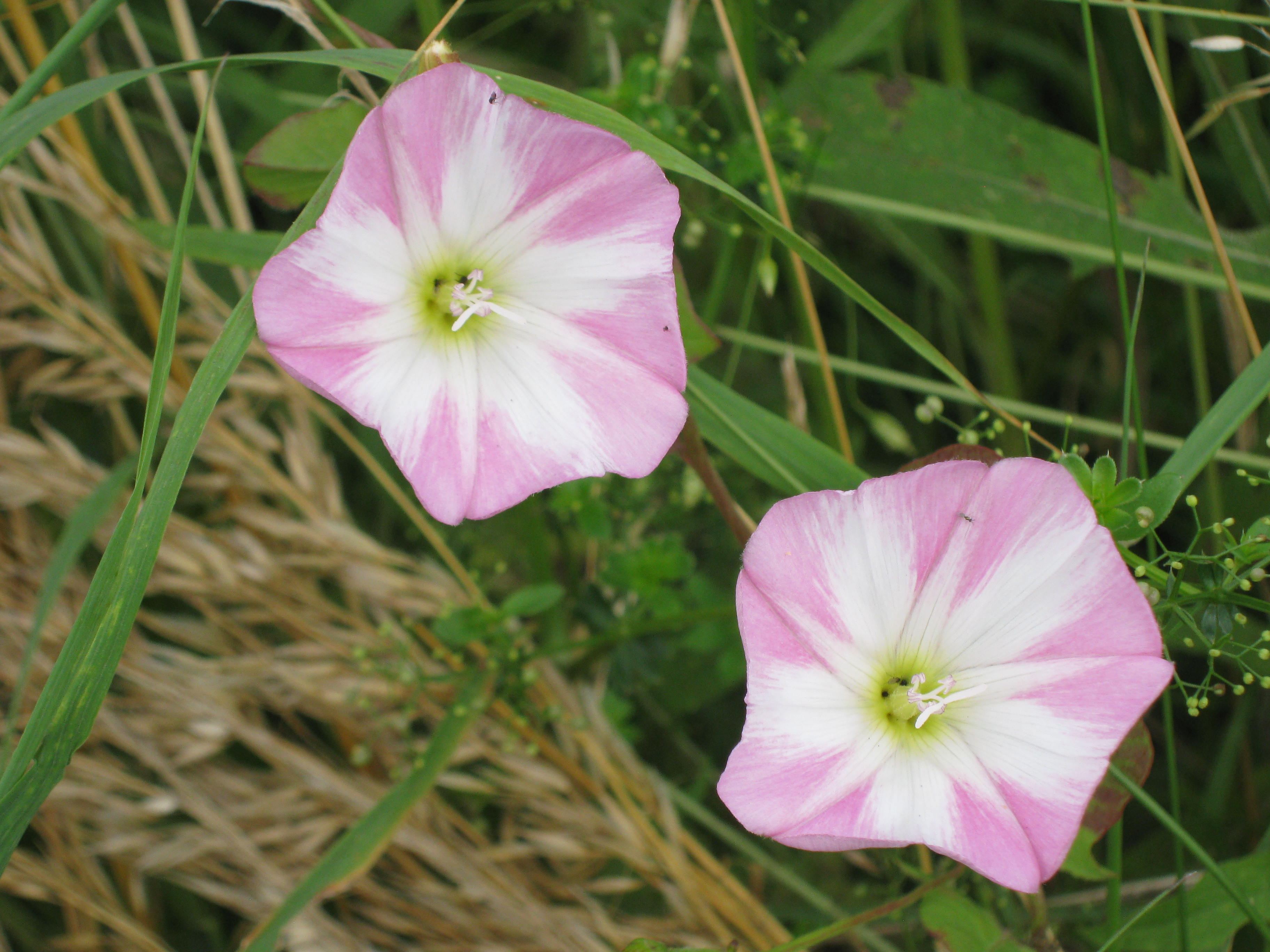
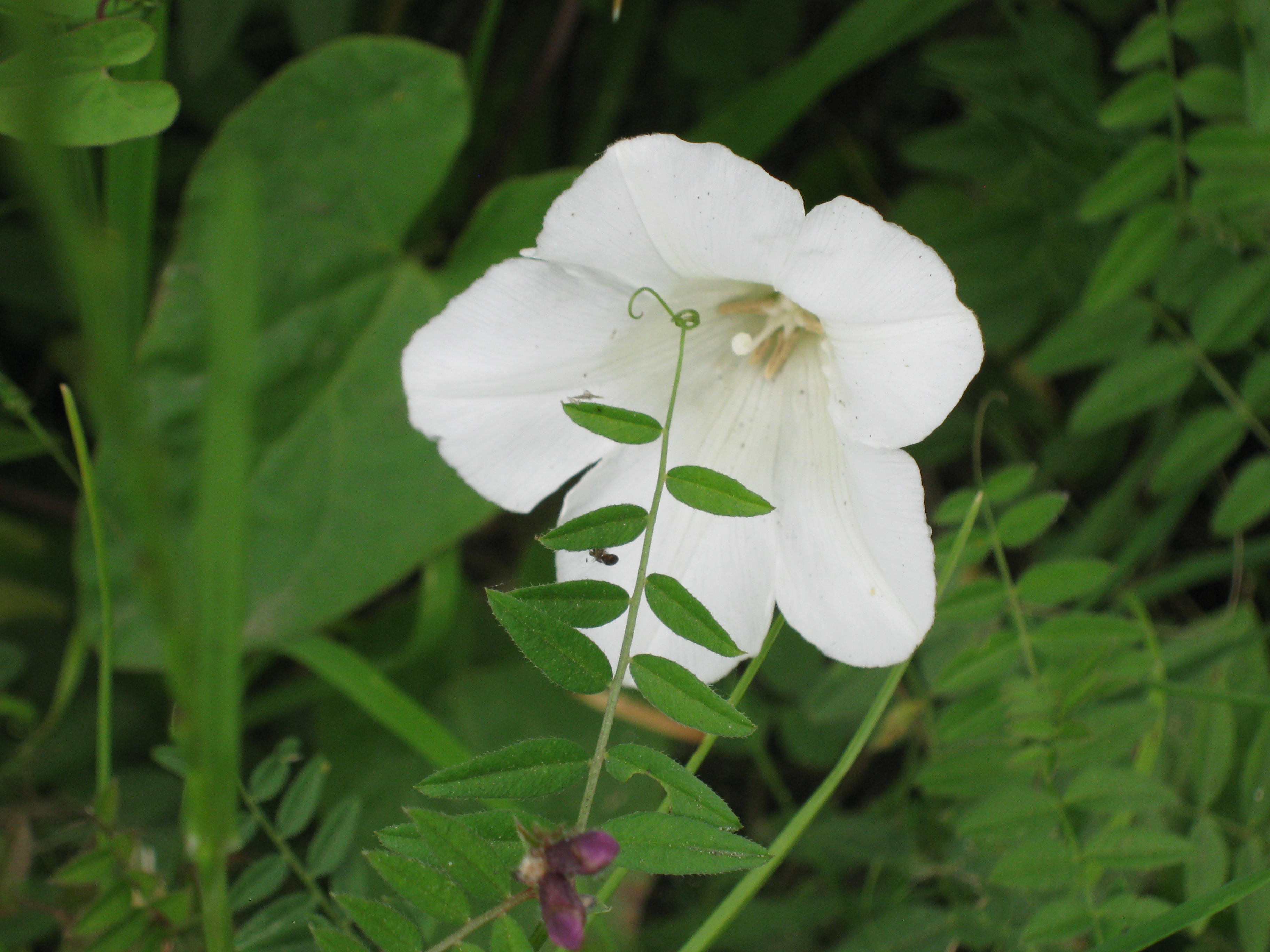
001Bindweed

Beautiful pink and white bindweed.  The flowers are almond scented.

The harvesting had begun.

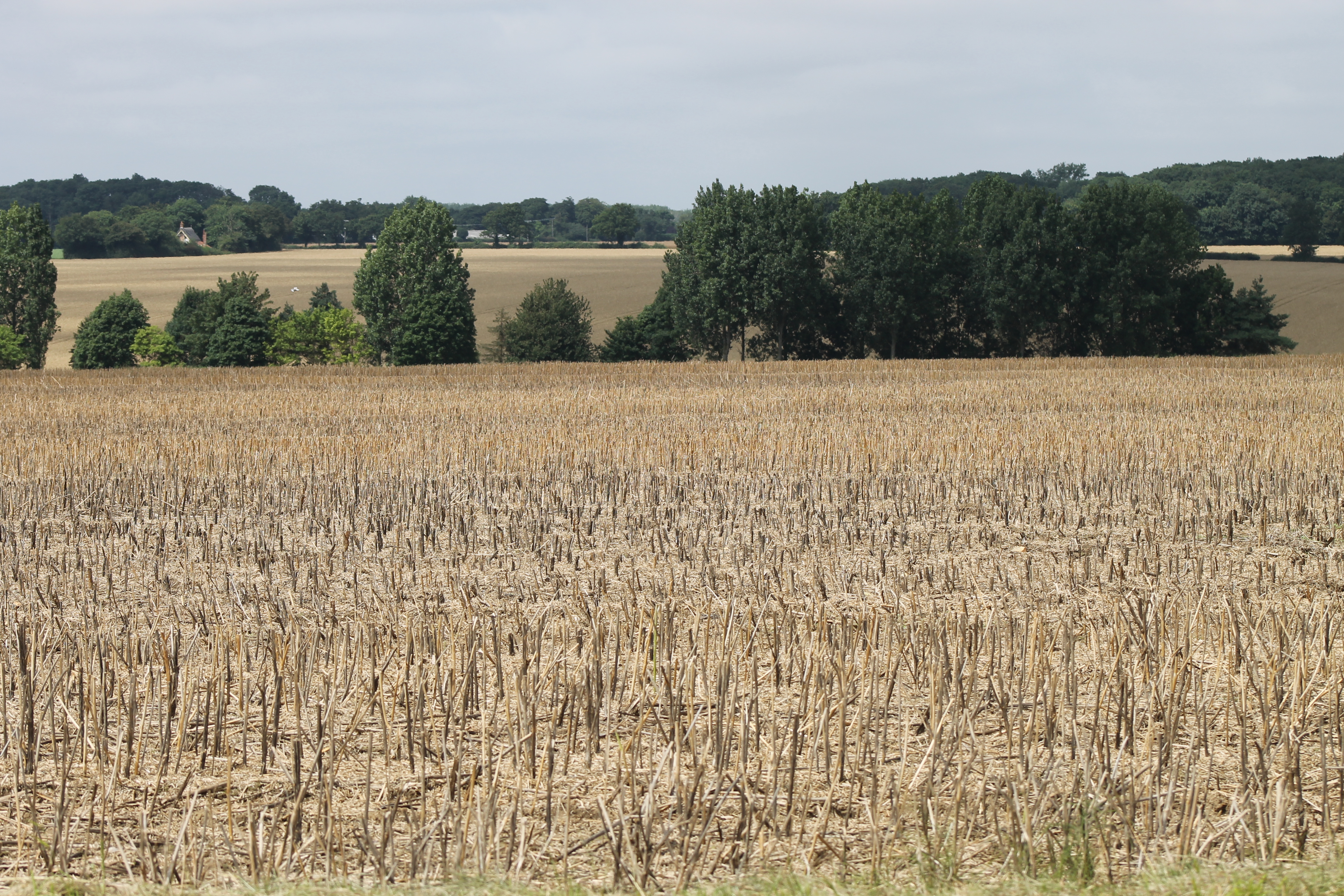
003Stubble field

Oil-seed rape stubble.

The stubble is almost a foot high and so hard and sharp like knives; it is almost impossible to walk through.

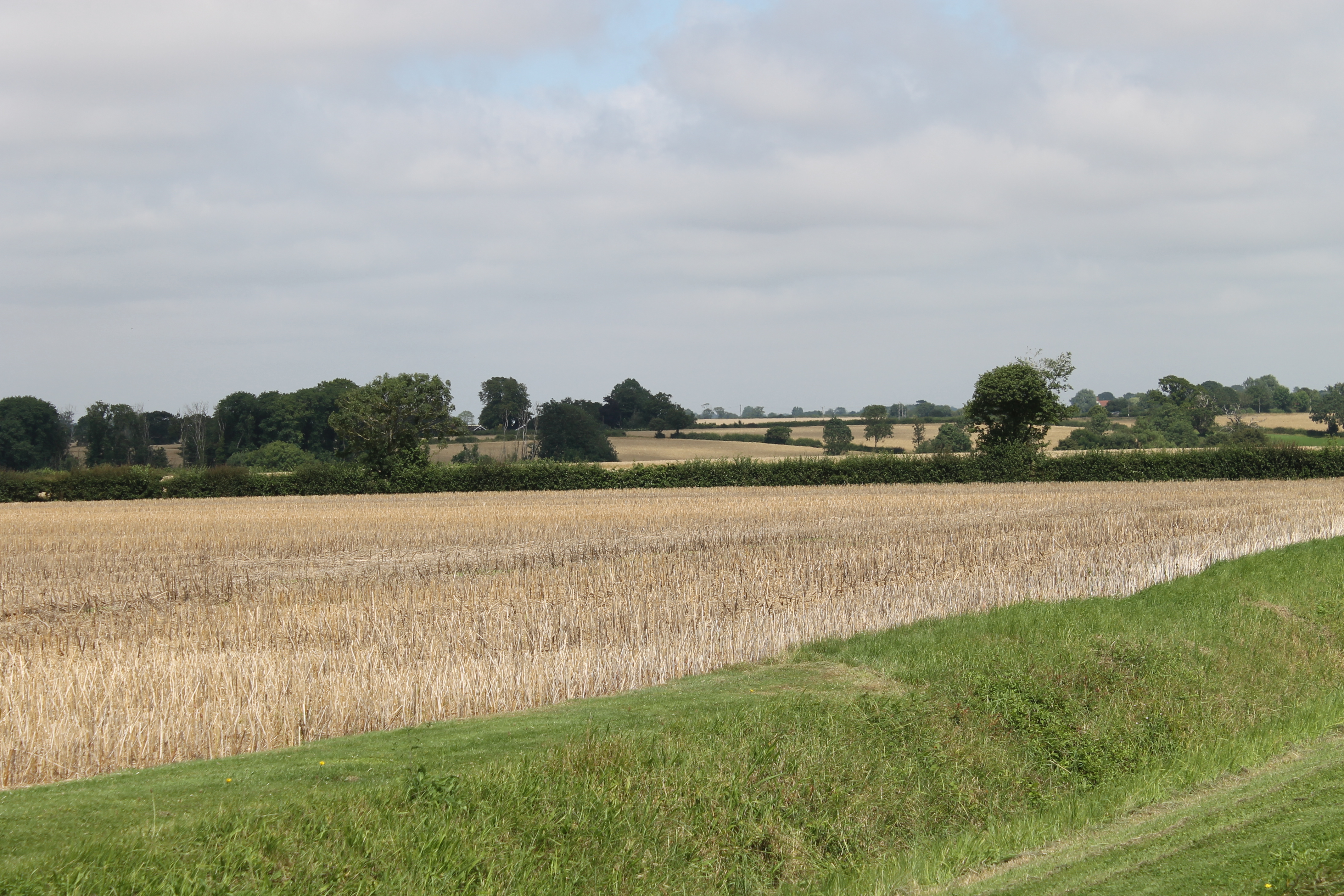
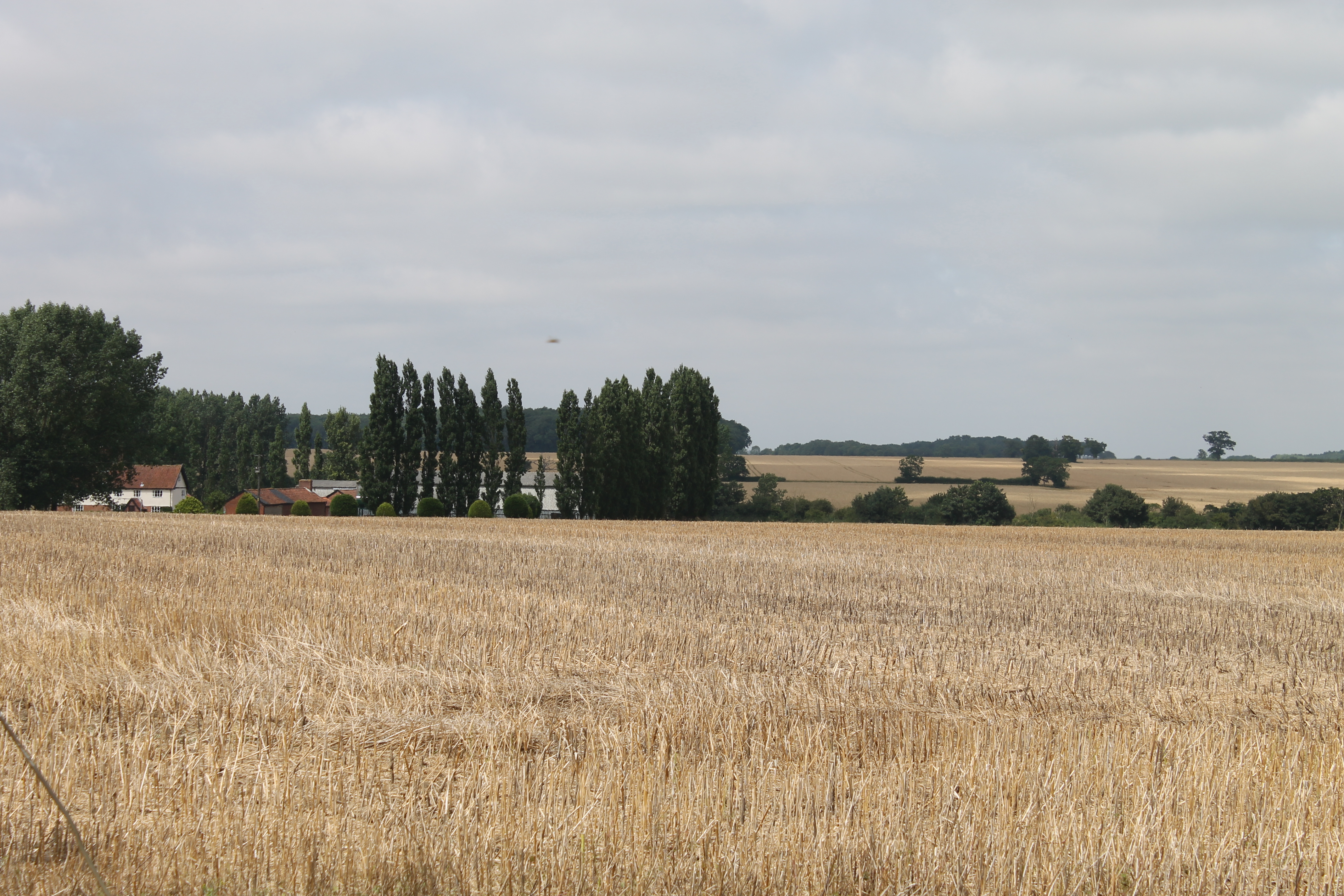
017View

You can see for miles from here

018View with UFO

There is a UFO in this shot. Is it a bird?  Is it a plane? No!  It’s…. you tell me!

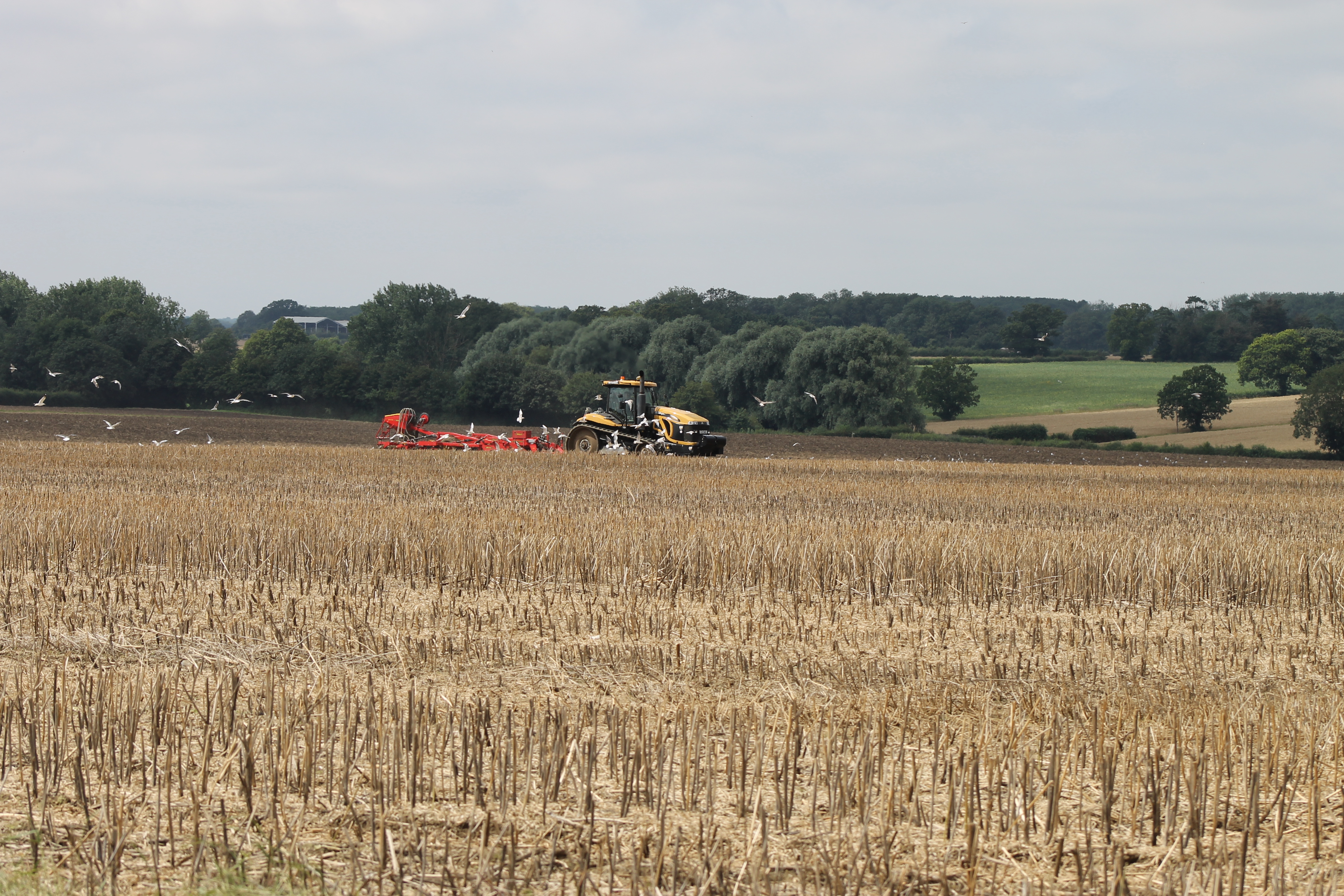
004Ploughing

Ploughing had started in one of the fields.  Seagulls love to follow the plough as it turns up lots of worms and grubs.  Black-headed, herring and lesser black-backed gulls.

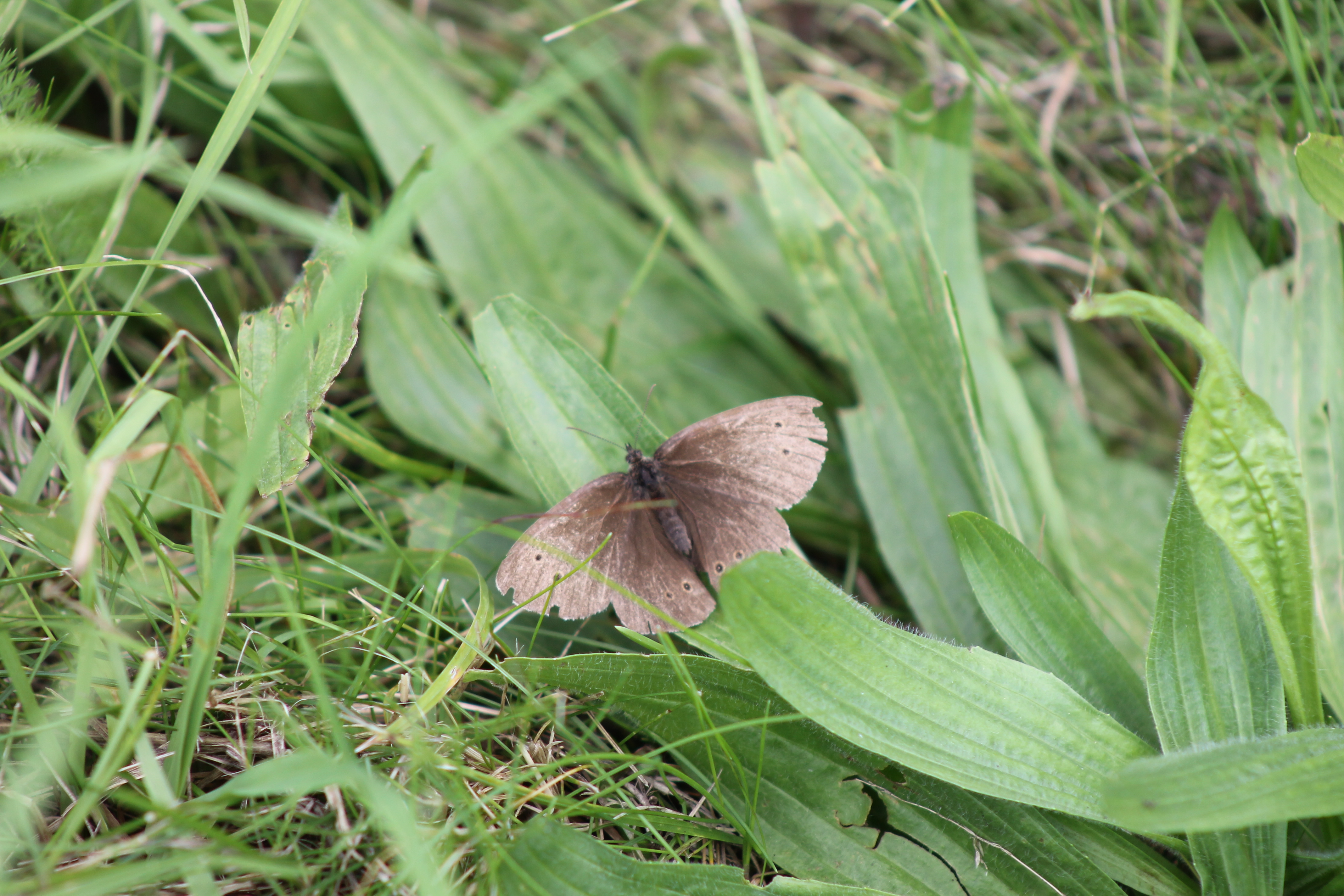
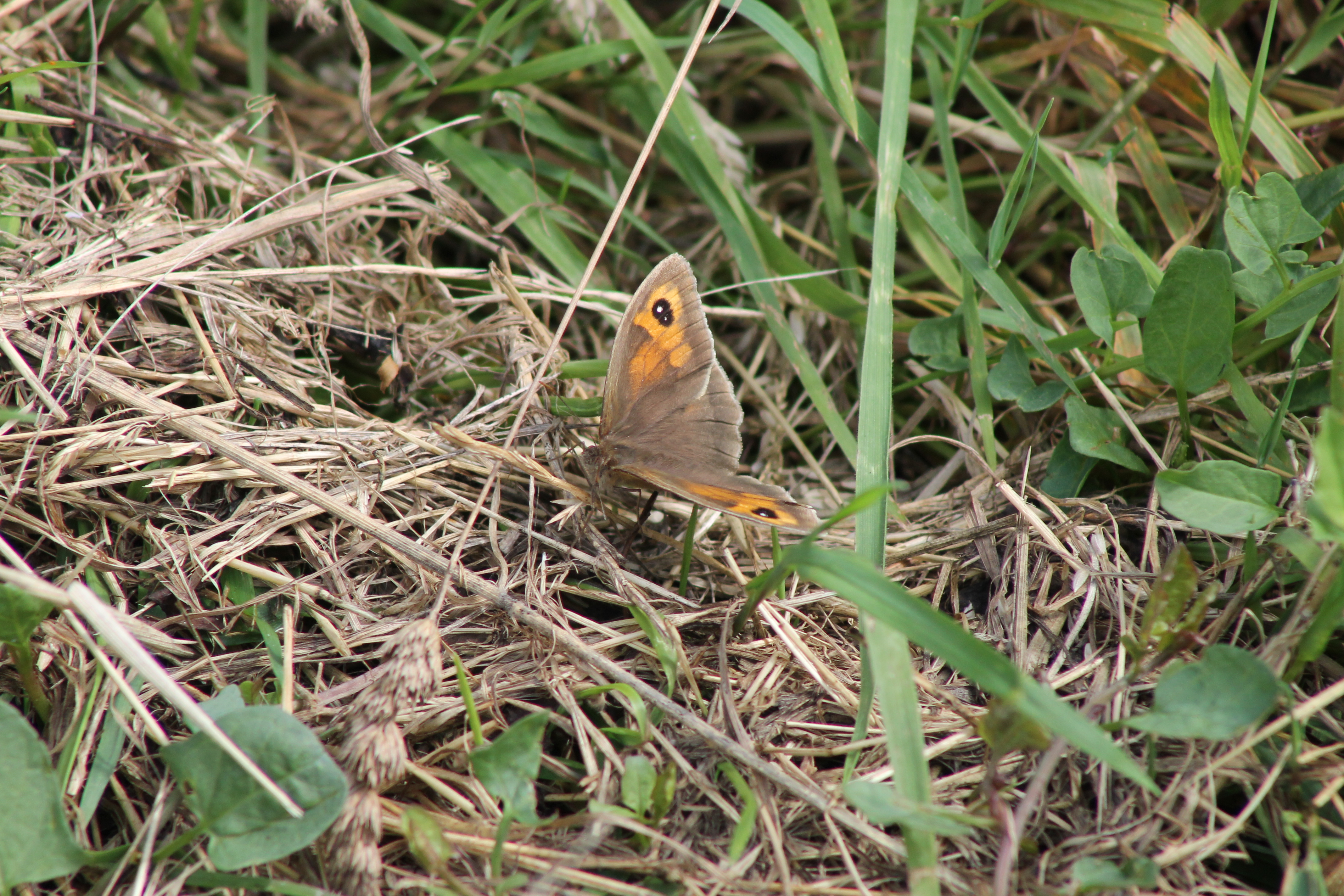
007Ringlet

A rather tired and tatty ringlet butterfly

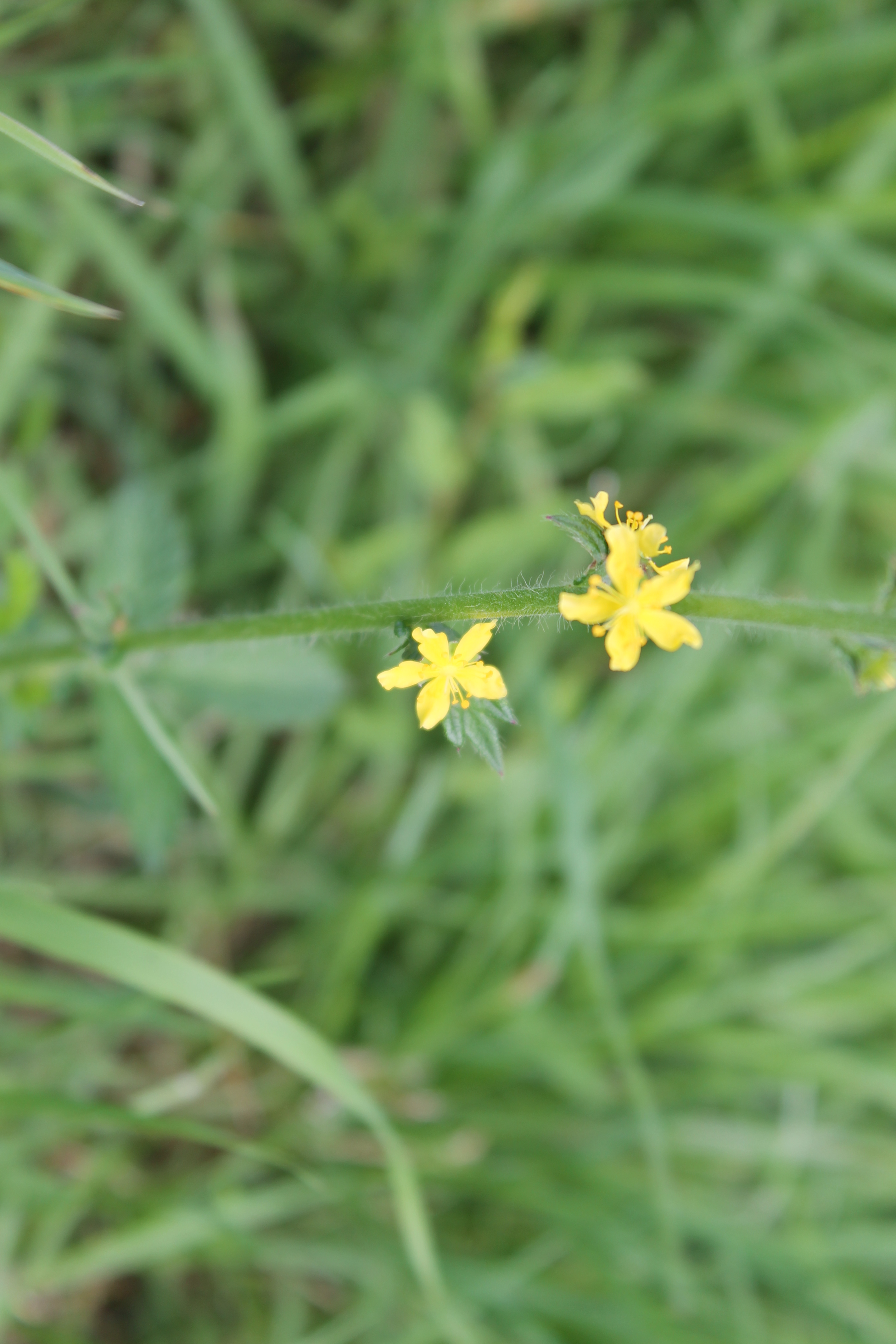
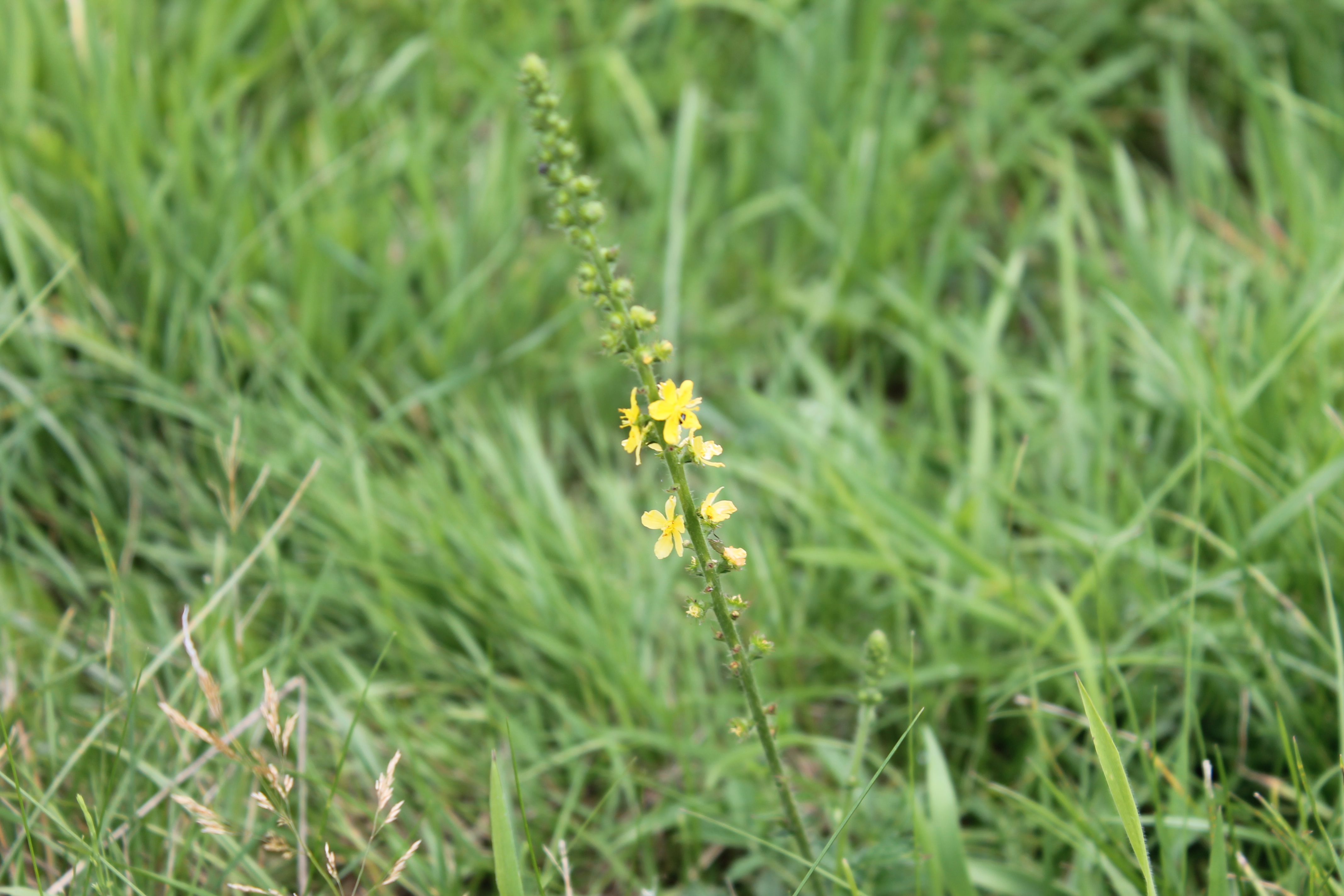
012Agrimony 009Agrimony This is agrimony and there has been a lot of this about this year.  Apparently it has a scent reminiscent of apricots; I haven’t noticed this but then I don’t have a very good sense of smell – at least not for nice smells!  The ancients found this a very versatile plant as it was held to be a remedy against snake-bite, poor sight, loss of memory and liver complaints.

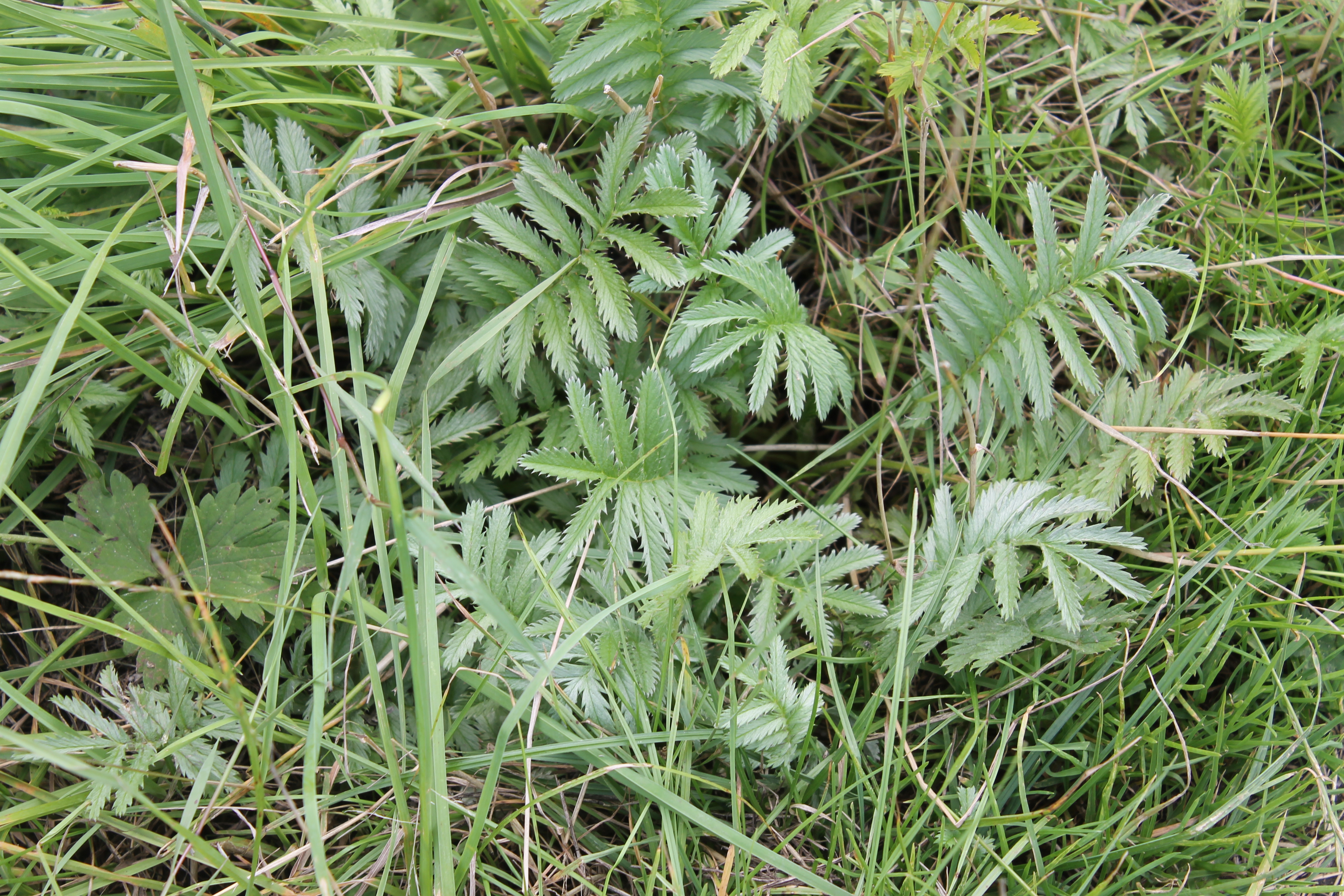
011Silverweed leaves

Silverweed leaves. Potentilla anserina

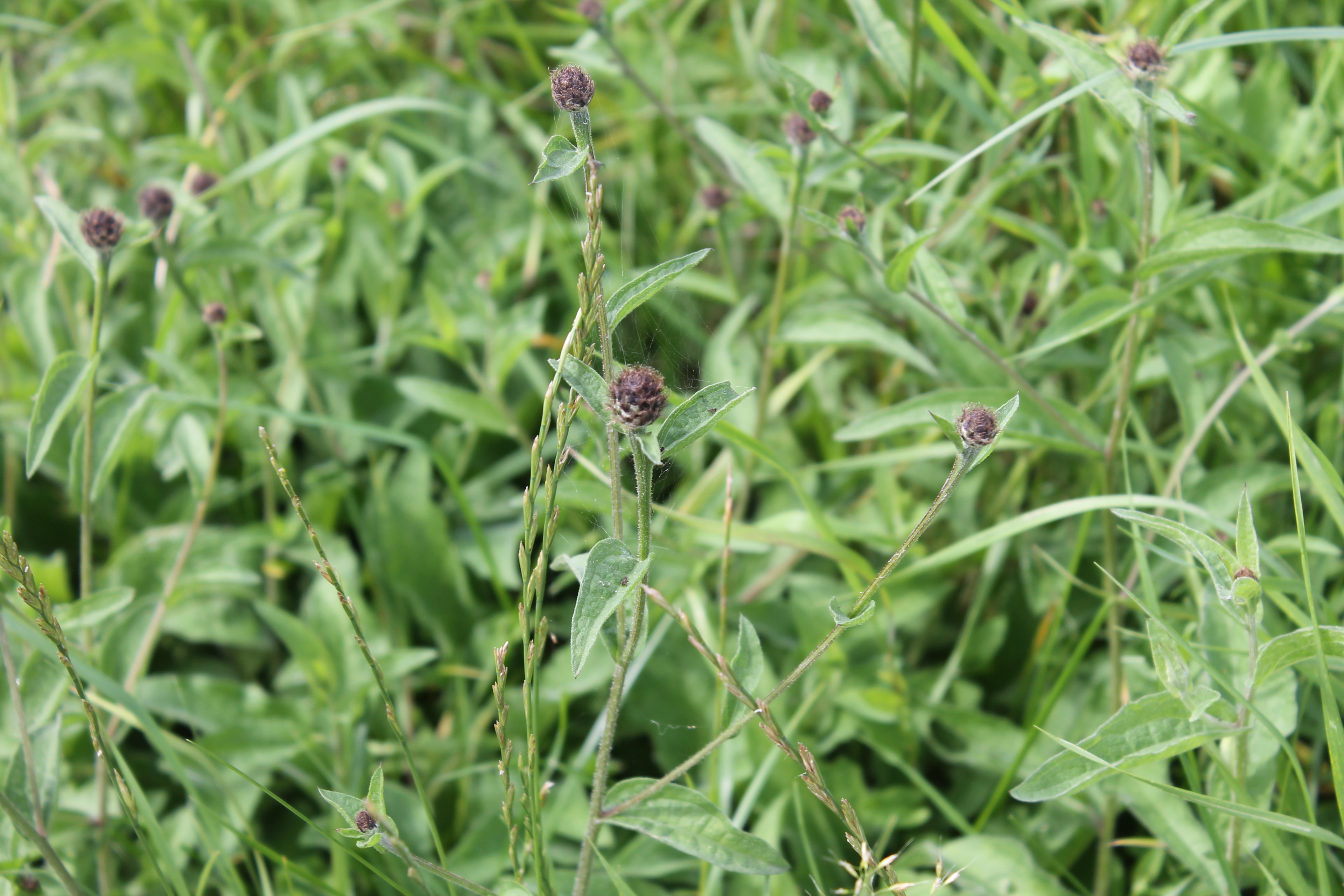
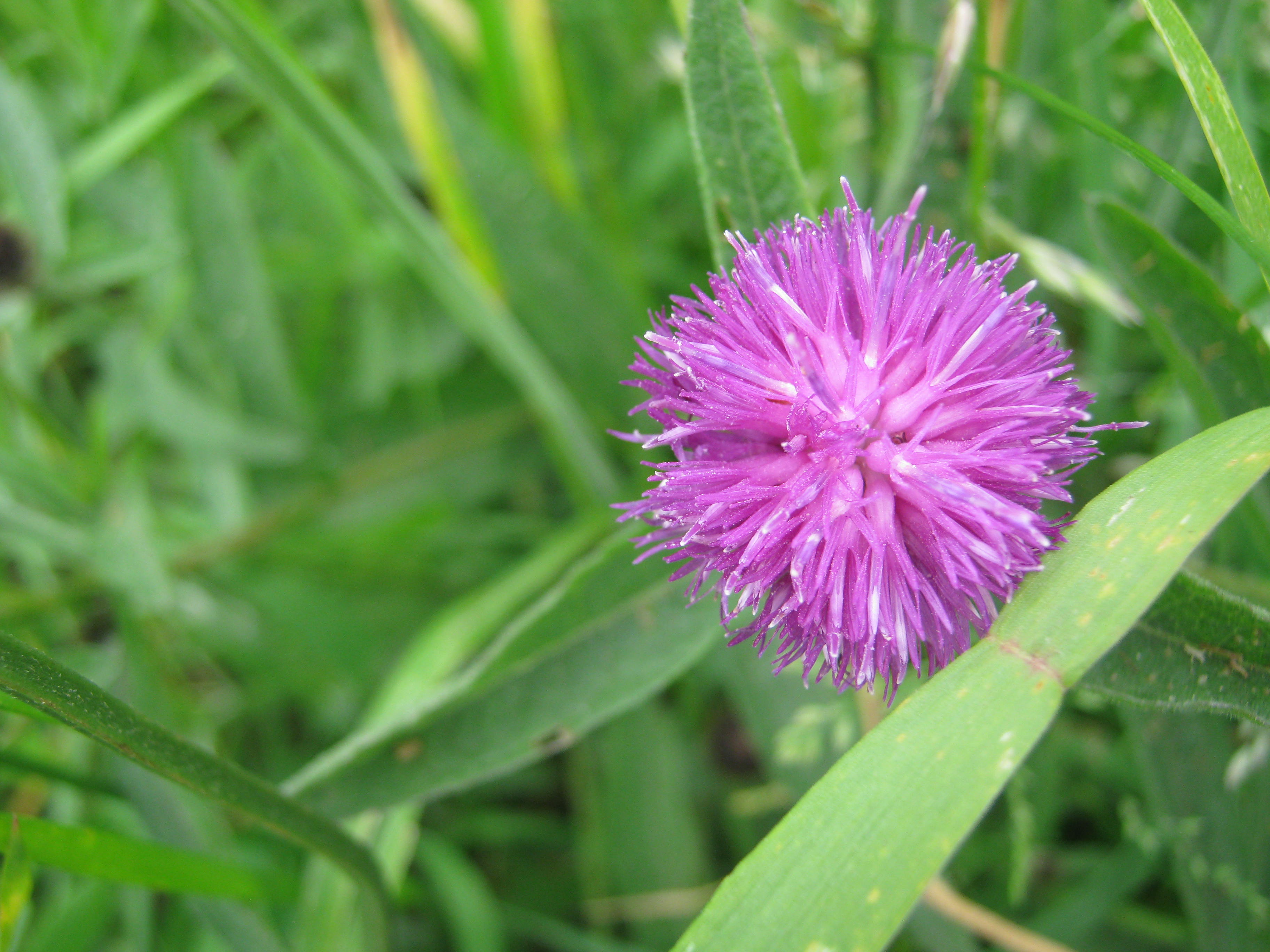
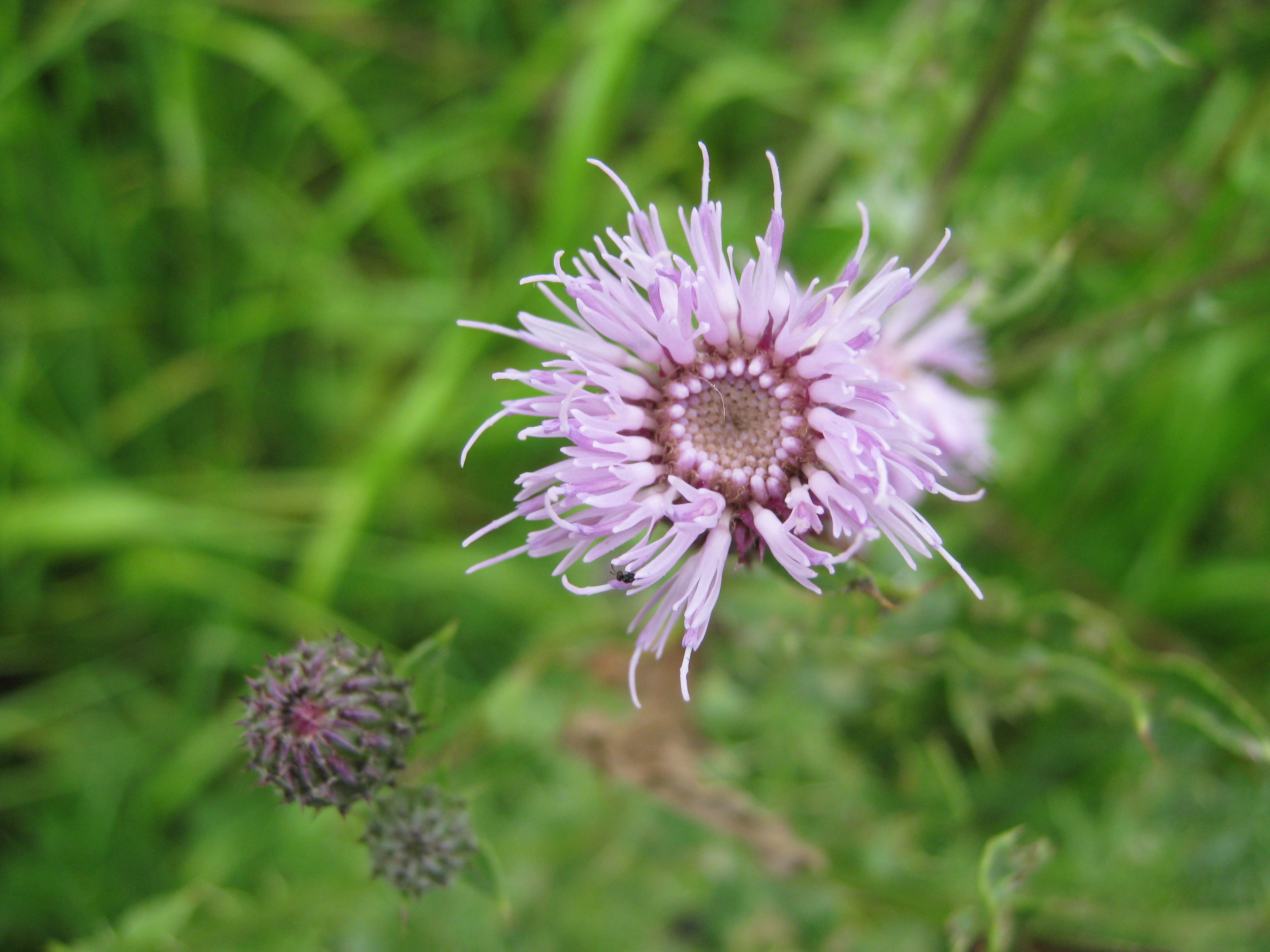
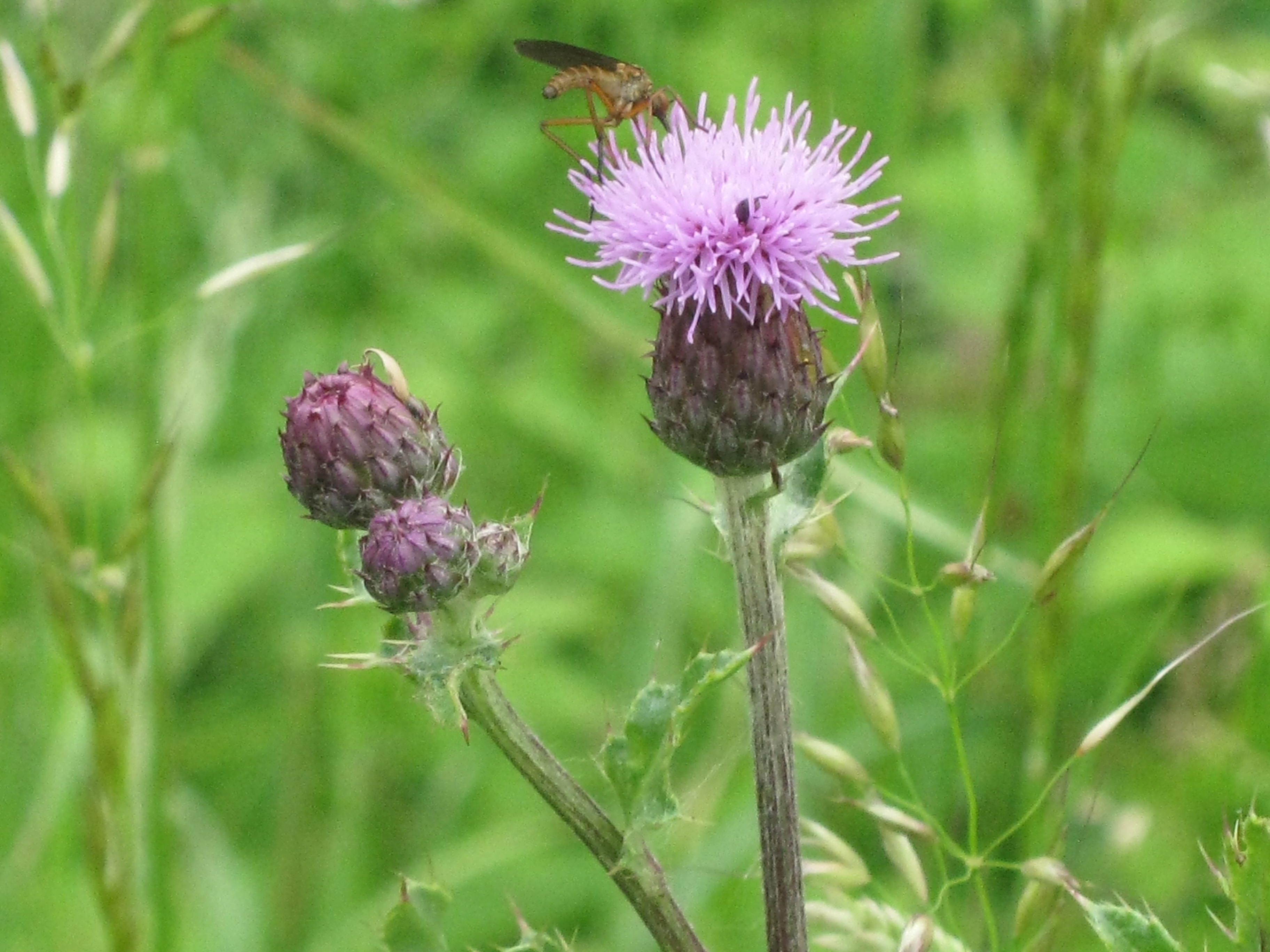
016Common Knapweed buds

Common Knapweed buds. These plants have been flowering for many weeks now; and for many to come if these buds are anything to go by.  Also known as Hardheads.

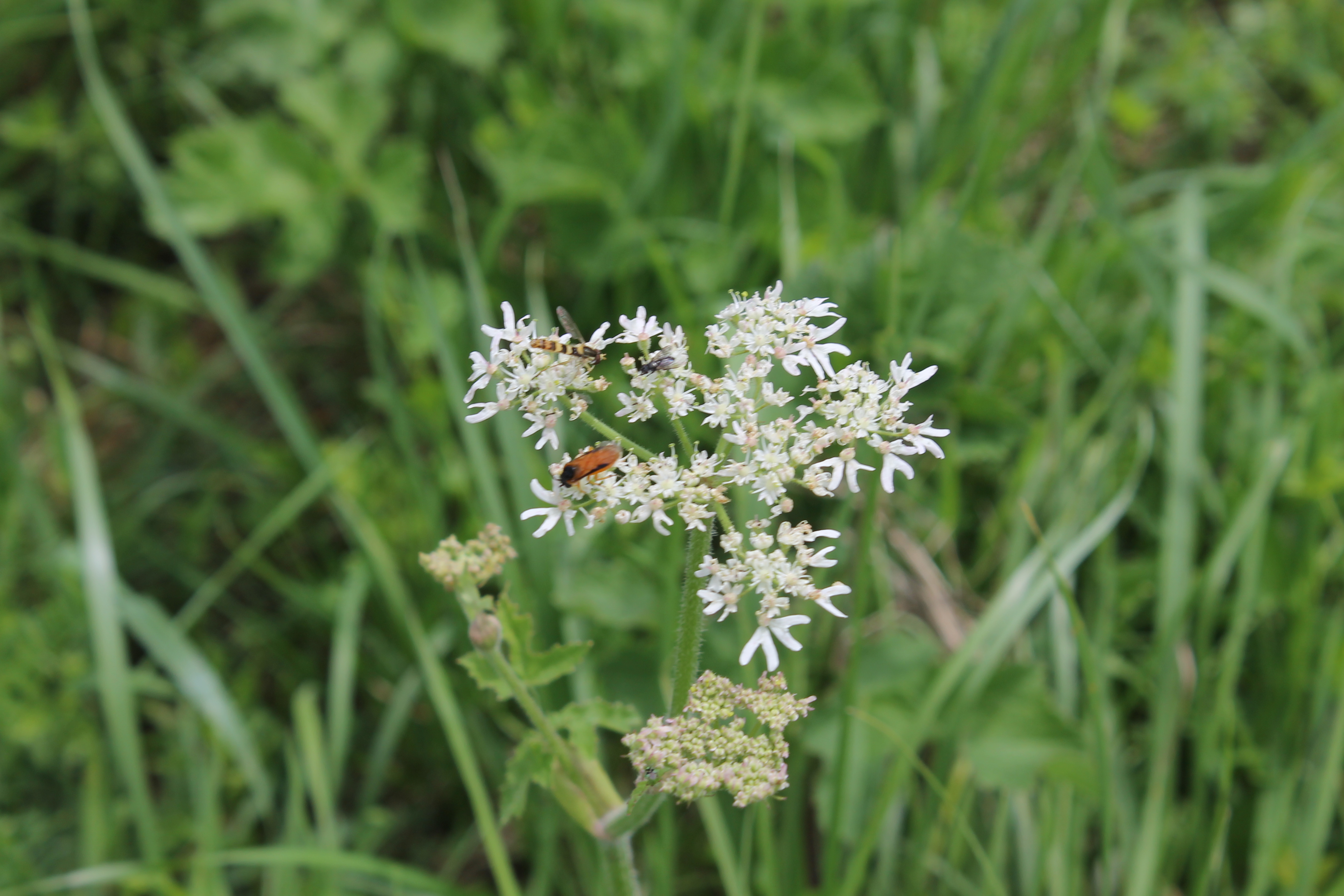
019Hogweed with insects

We have had lots of hogweed too

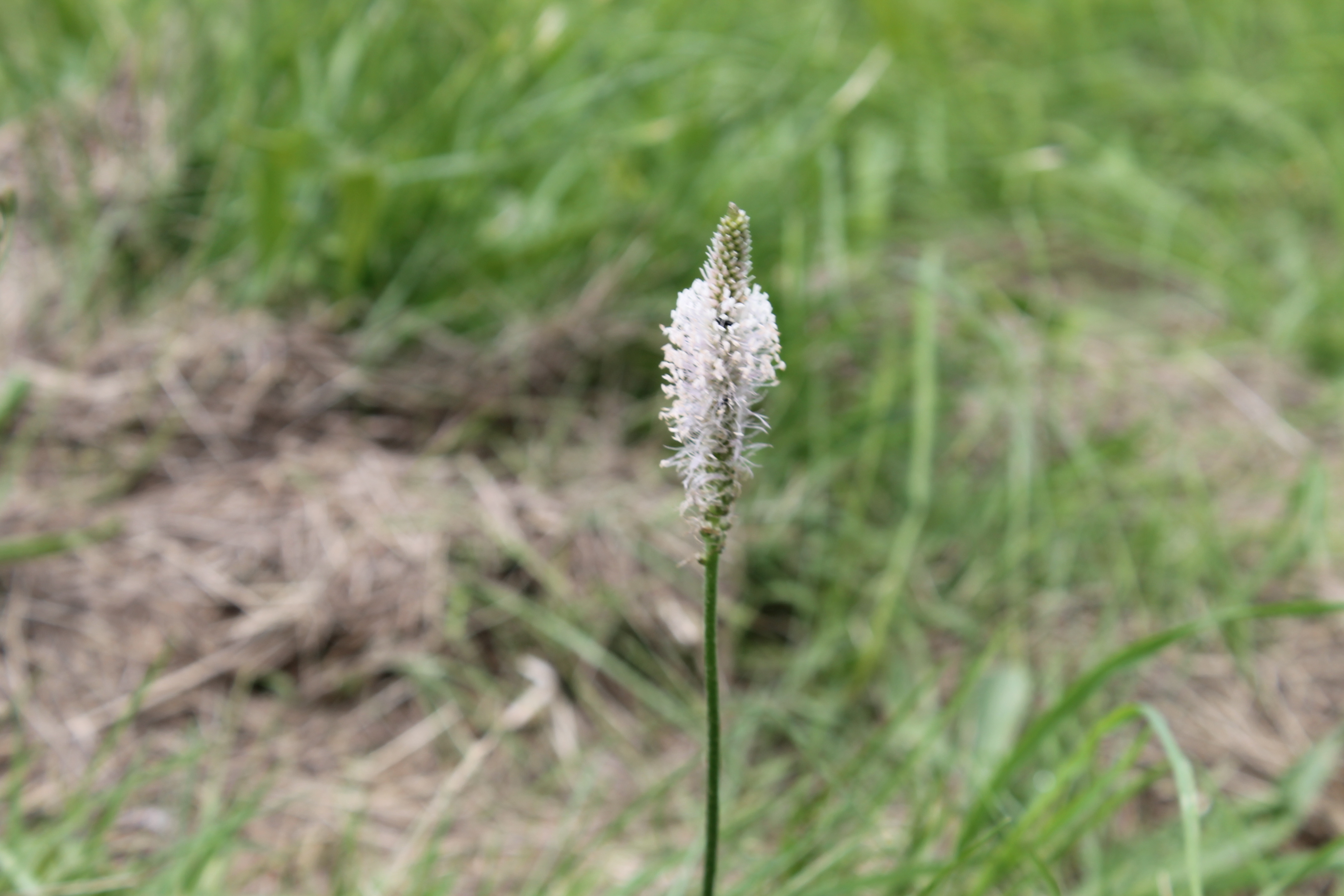
020Hoary plantain

Hoary plantain. This is an unusual plantain in that it produces a delicate scent which attracts bees and other insects.  All other British plantains are wind pollinated.

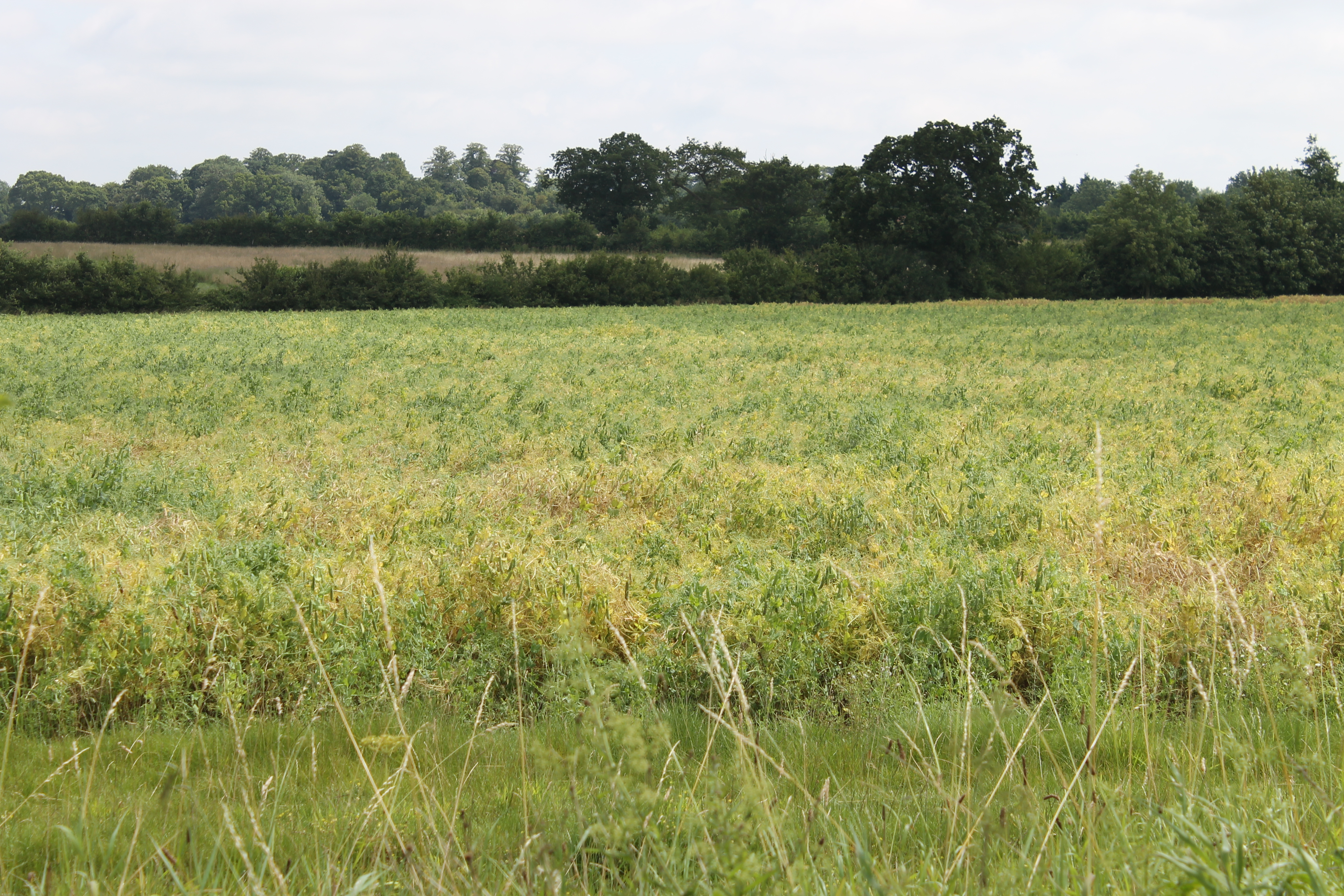
021Field of peas

A field of peas.

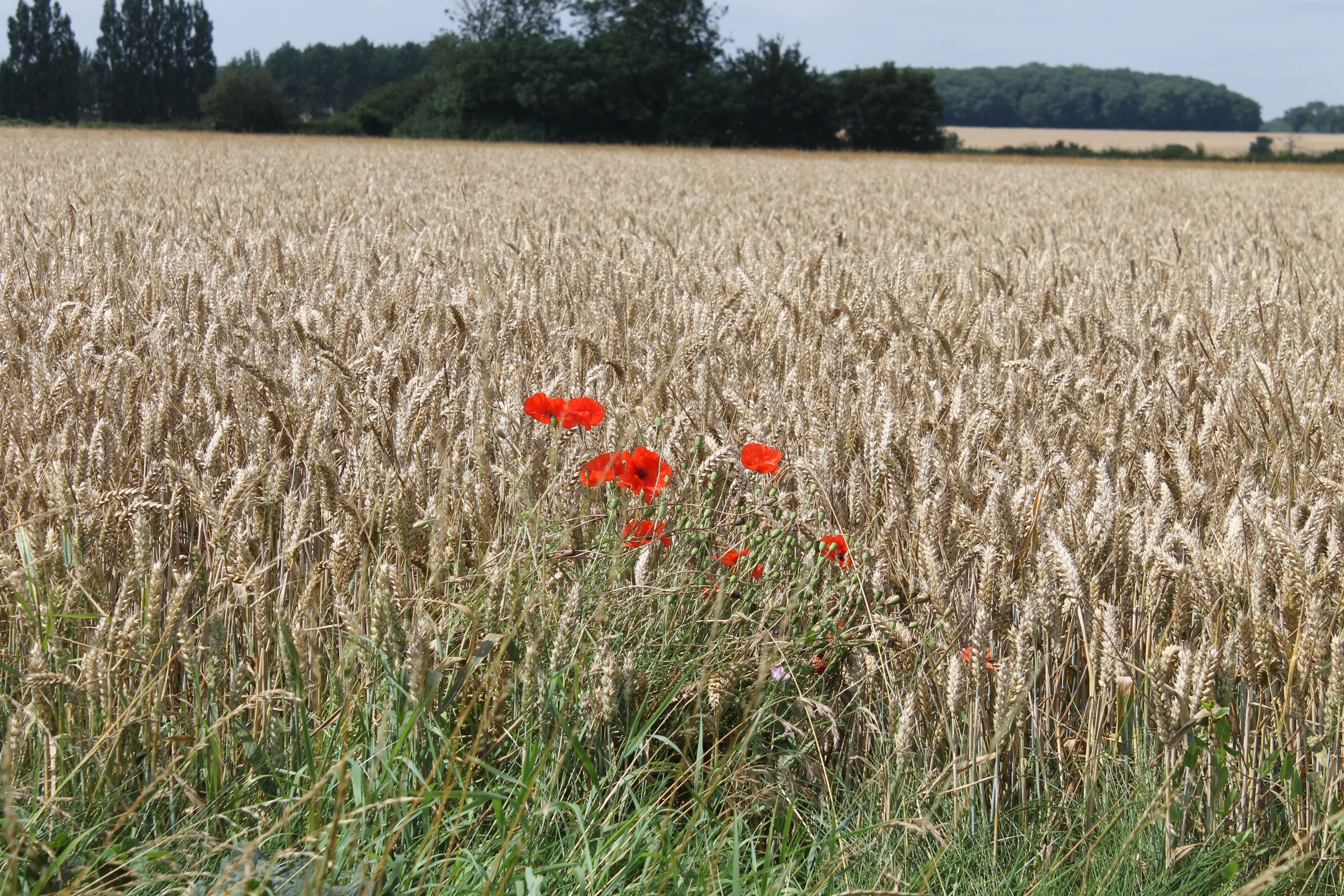
For many years, peas were grown everywhere in this part of Suffolk as there was a frozen food factory in Lowestoft on the coast.  We were all used to the enormous pea harvesters and the smell of burnt peas wafting on the air.  Then the factory was closed.  Many people were made redundant and the farmers here had to find a different crop to grow and had to sell their harvesters.  In recent years peas have started to be grown again.  Some farmers are working together as a collective, sharing harvesters and have found other customers for their peas.  This field is being left until the peas have dried.  I don’t know if the plants will just be dug into the soil as a source of nitrogen or if the plants are used for animal feed or the dried peas sold to a processing factory.  Perhaps someone can tell me. 027Poppies in the wheat Red is so difficult to photograph.  This photo looks as though I’ve done some careless ‘photoshopping’. 029Poppies in the wheat You will recognise this photo from my previous post.  This works better as the poppies take up more of the photo but they still don’t look ‘real’.

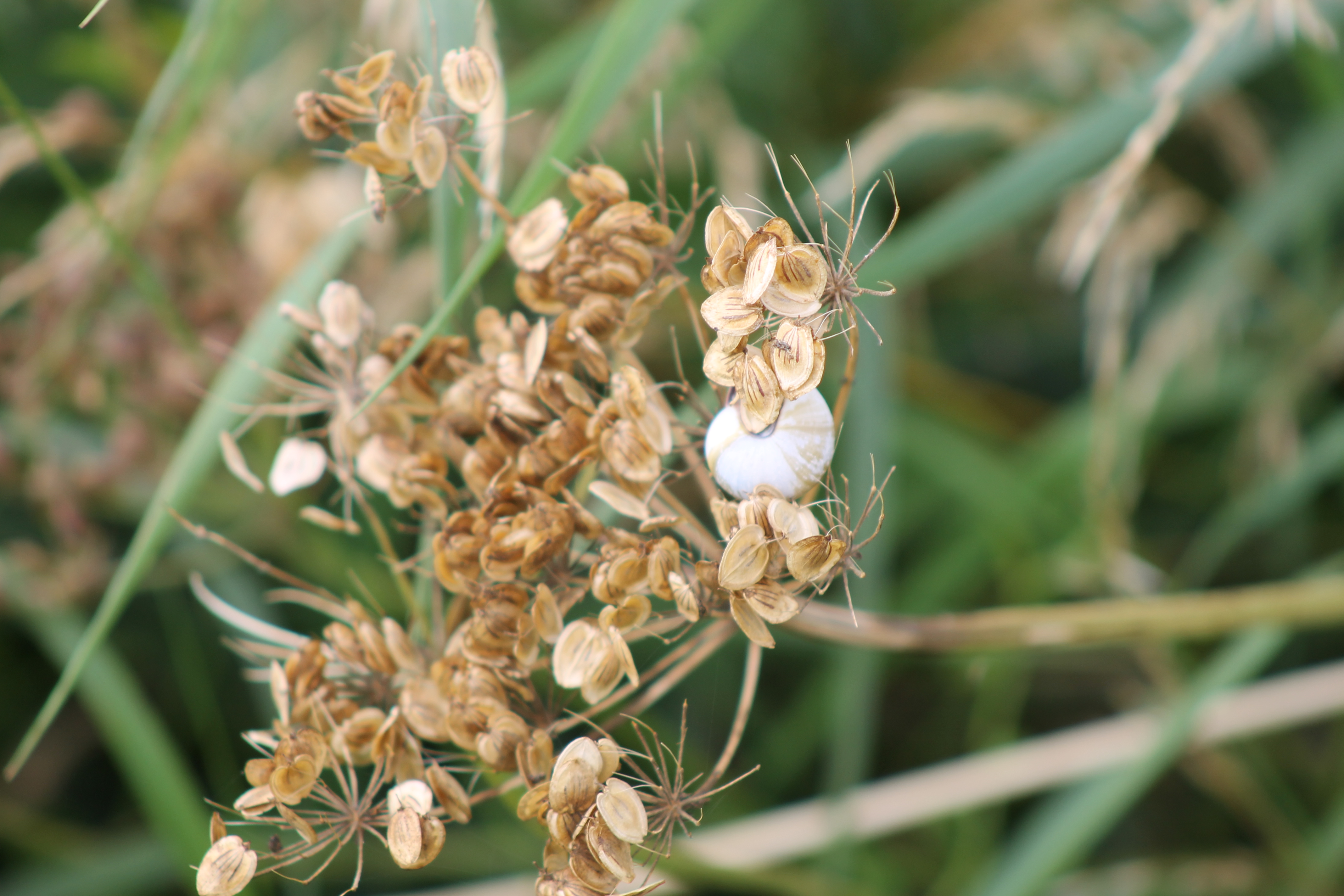
030Snail on a seedhead

A snail hiding in a hogweed seedhead

037Gatekeeper (f)

A female Gatekeeper butterfly

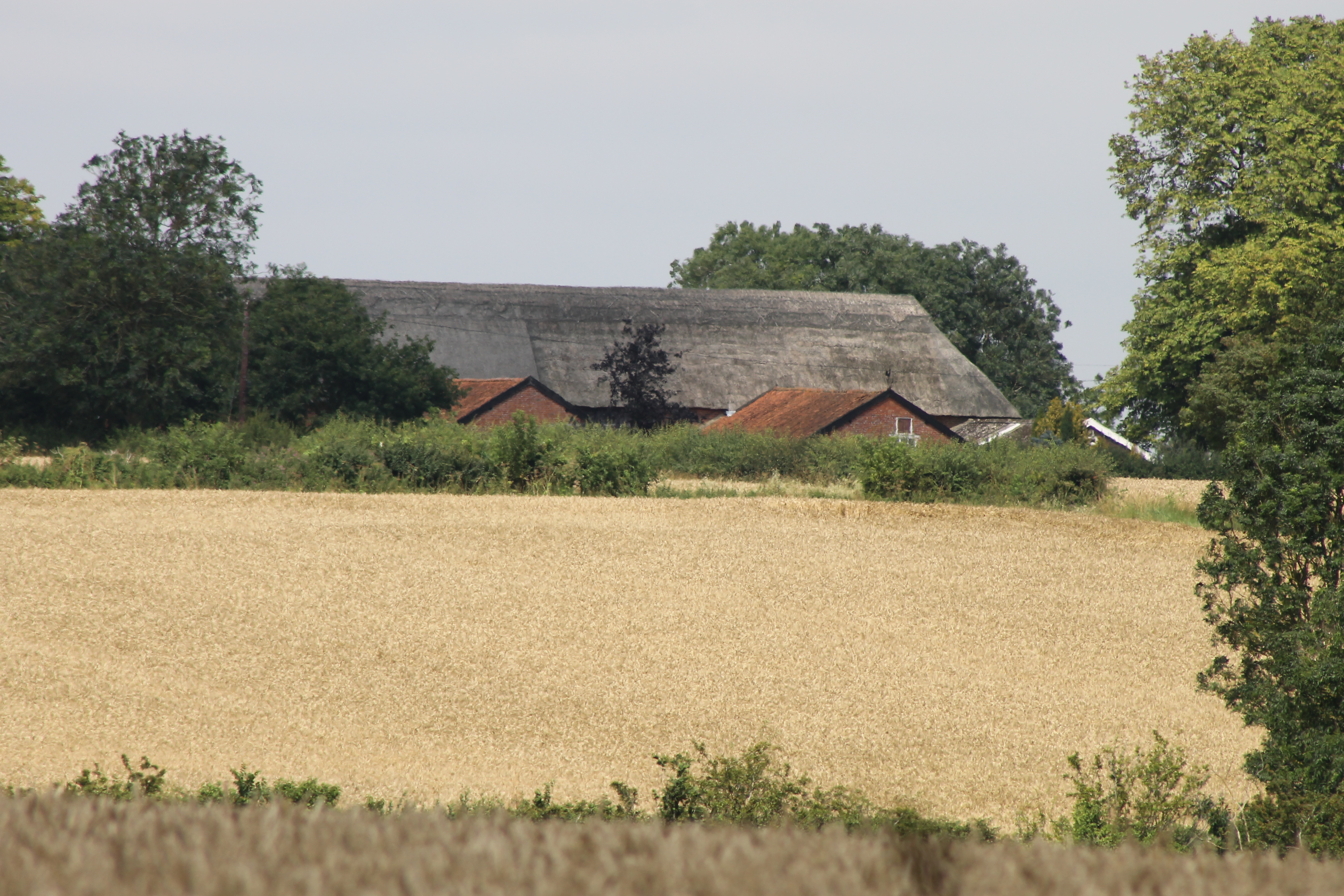
038Thatched barn

An enormous thatched barn

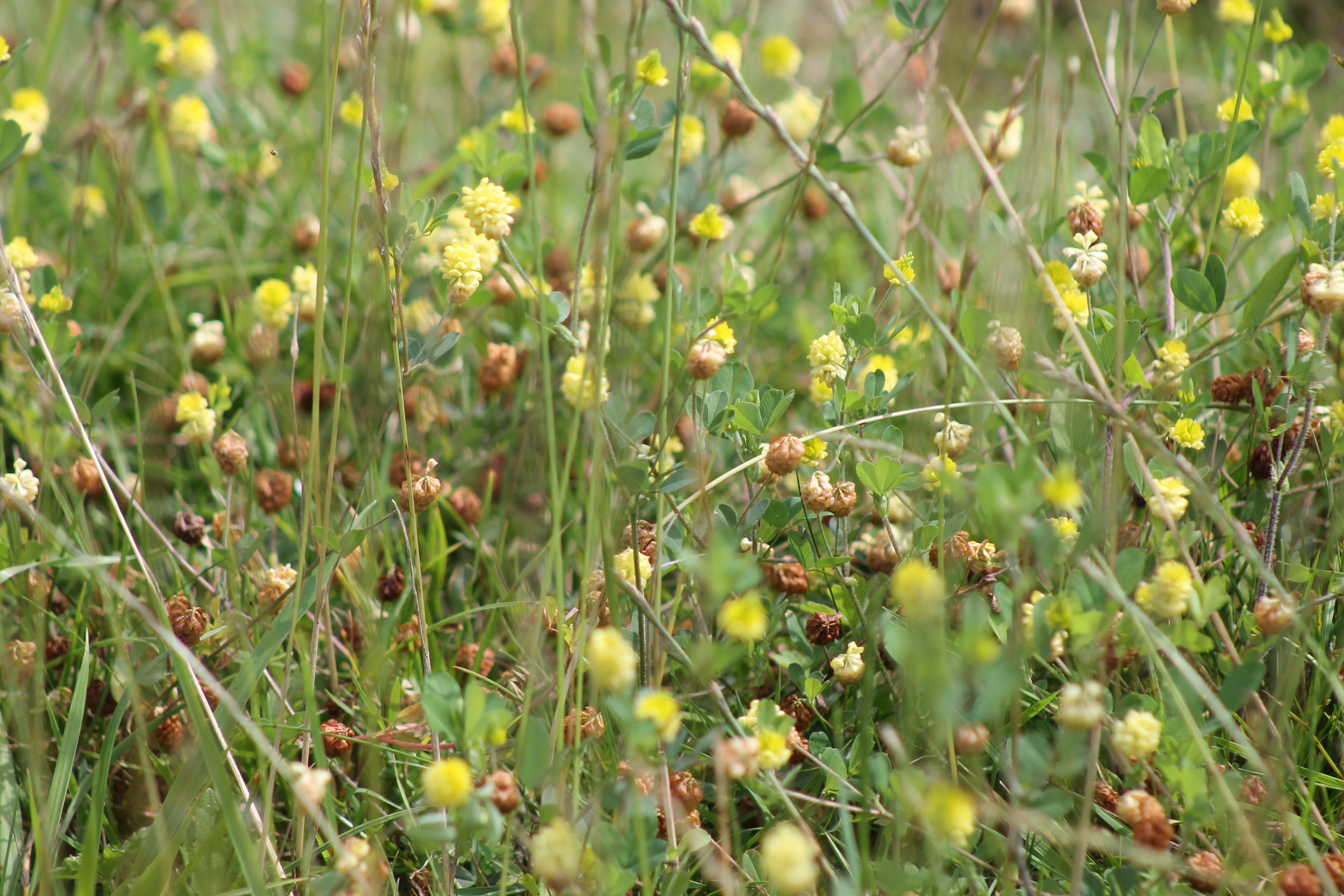
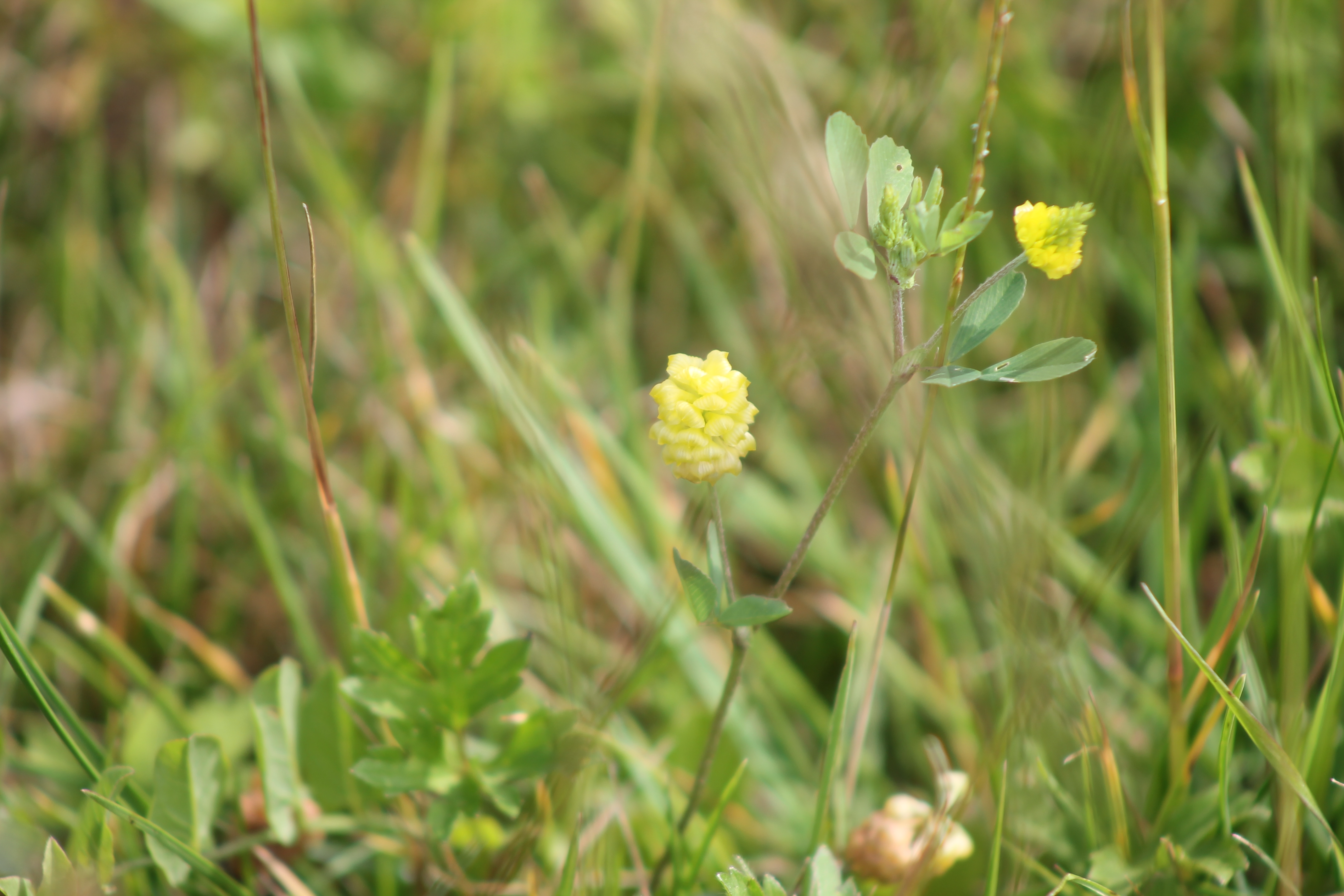
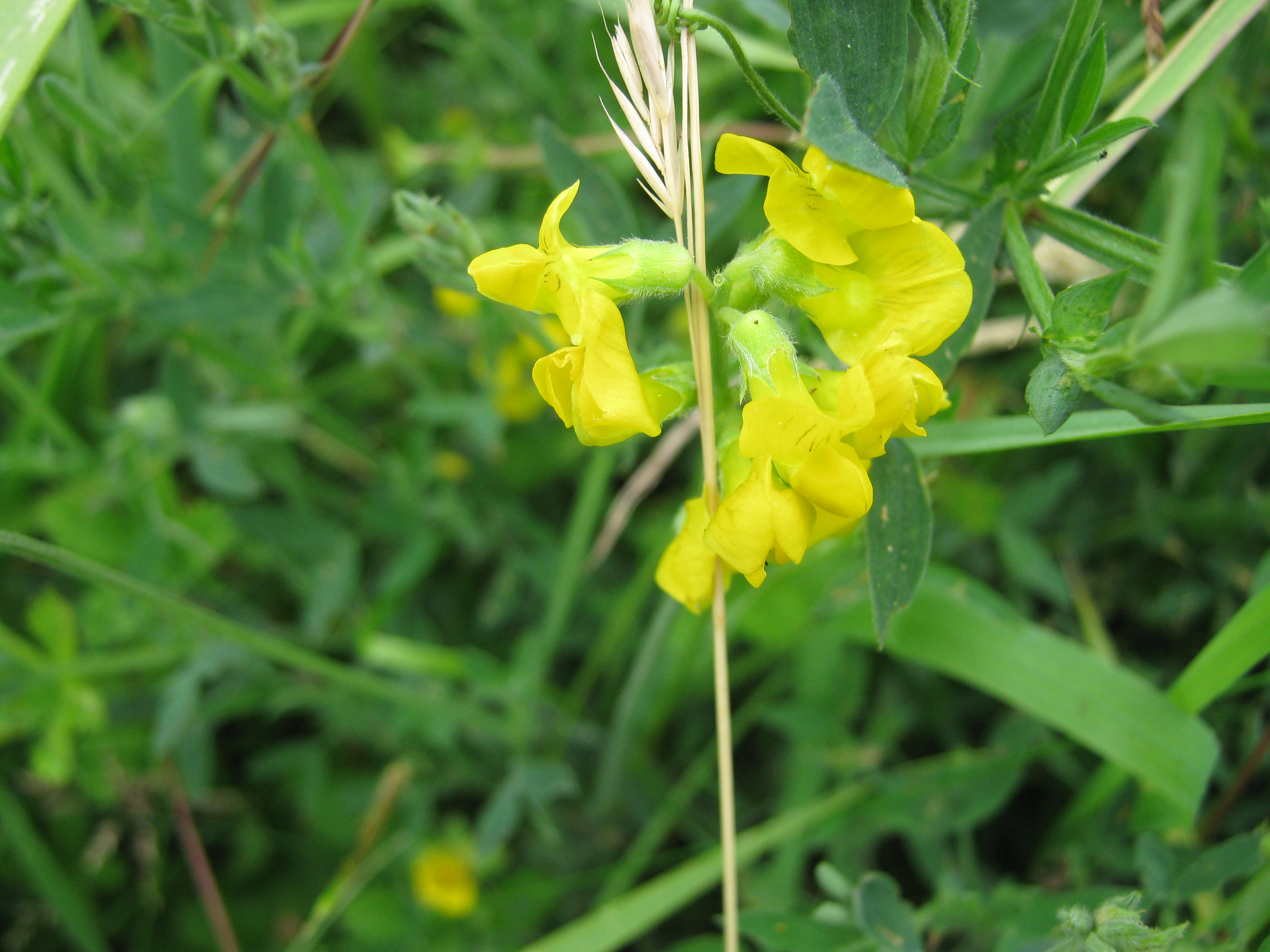
040Hop trefoil 041Hop Trefoil This is hop trefoil.  The stems are downy and the seed-heads are covered with dead petals making them look like hops.

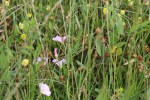
There was a lot pink and yellow.


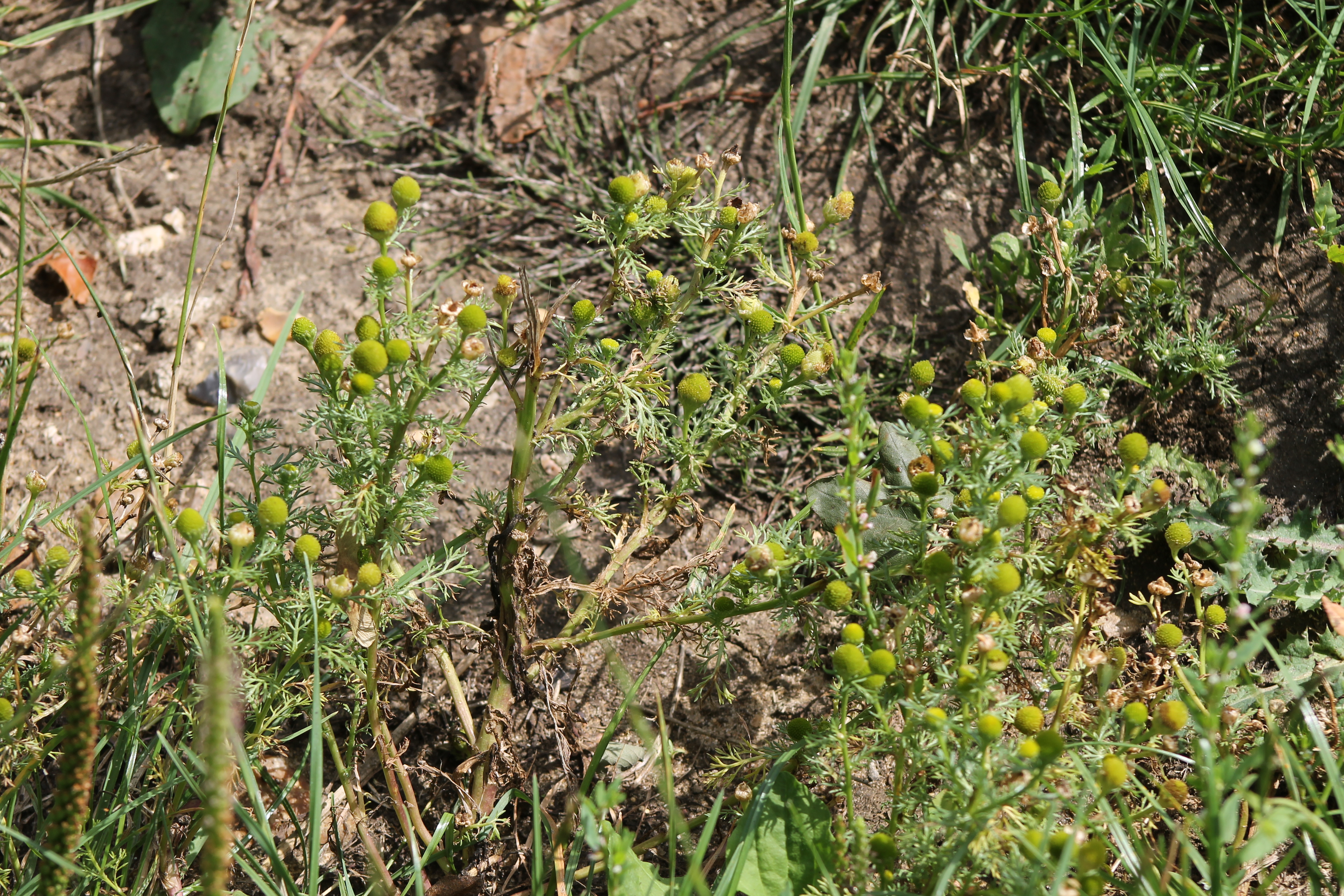
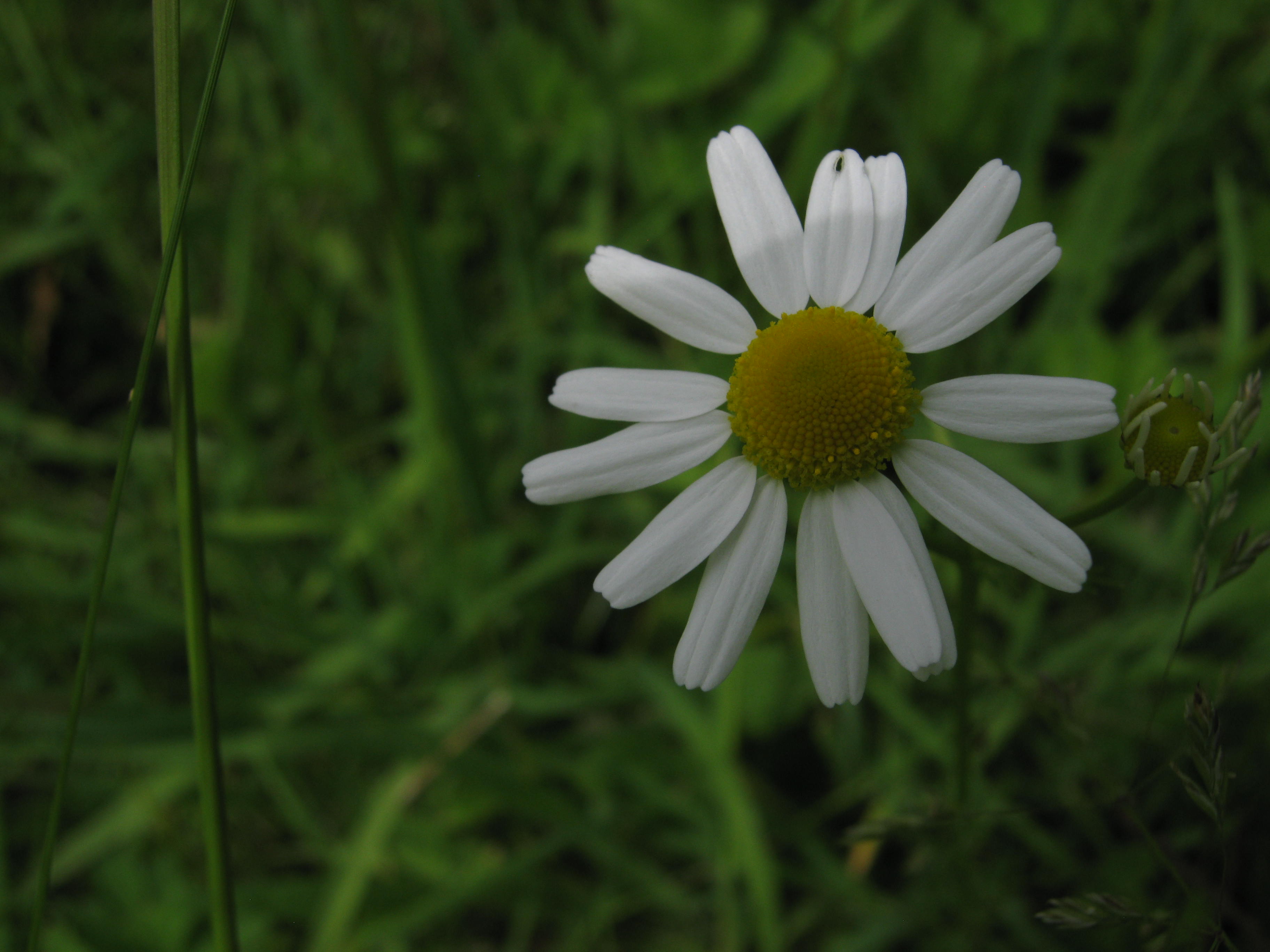
043Pineapple weed

Pineapple Mayweed

This smells of pineapple when crushed.

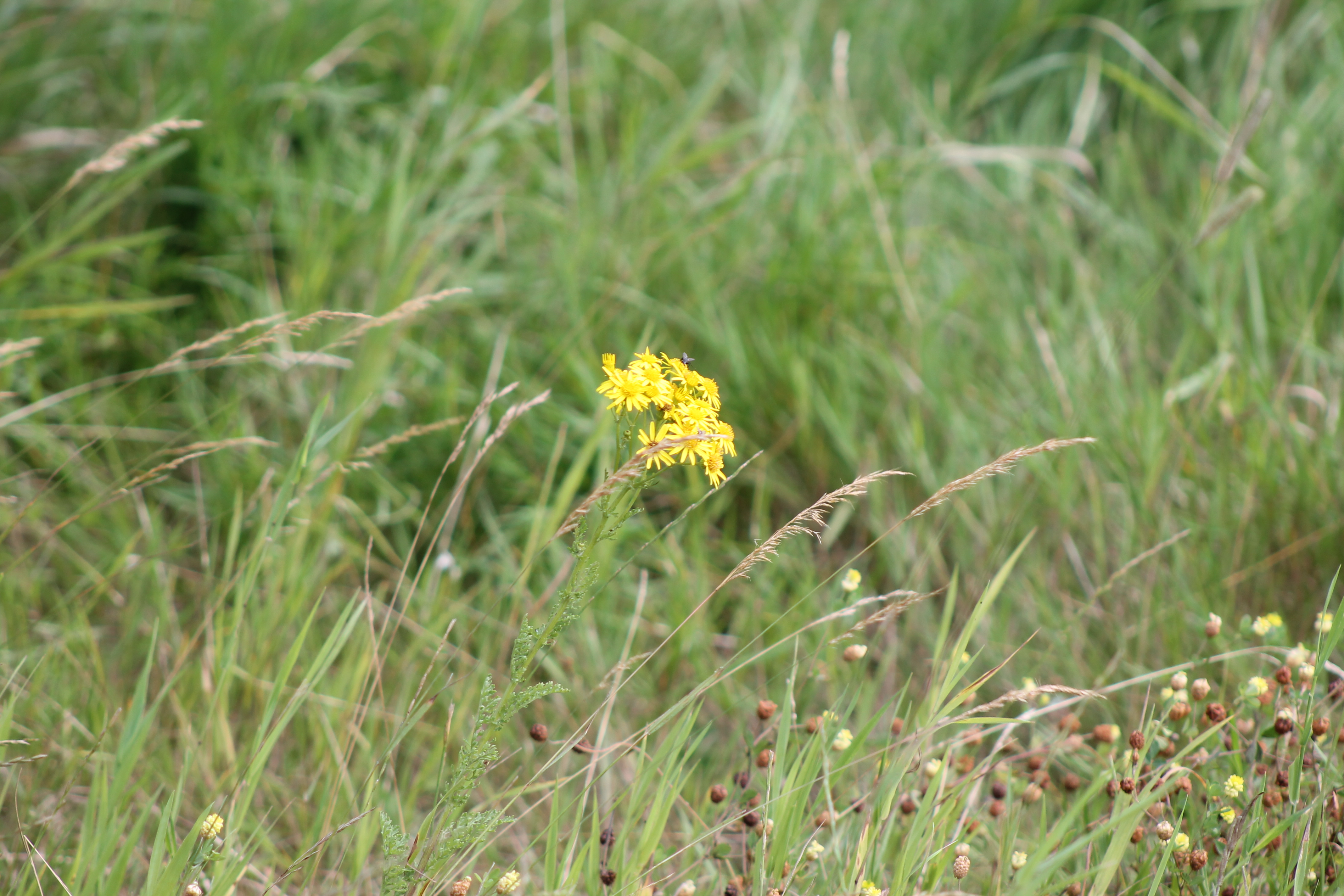
044Common ragwort

This is Common Ragwort, a poisonous plant and the food plant of the Cinnabar Moth caterpillar.

I will continue this walk in Part 2.

Share this:

  • Share on X (Opens in new window) X
  • Share on Reddit (Opens in new window) Reddit
  • Share on Pinterest (Opens in new window) Pinterest
  • Share on Facebook (Opens in new window) Facebook
  • Email a link to a friend (Opens in new window) Email
  • Share on Tumblr (Opens in new window) Tumblr
  • Print (Opens in new window) Print
  • Share on Pocket (Opens in new window) Pocket
  • Share on LinkedIn (Opens in new window) LinkedIn
Like Loading...

Red is the Colour

03 Sun Aug 2014

Posted by Clare Pooley in Gardening, plants, Rural Diary, Uncategorized

≈ 13 Comments

I have noticed that there is beginning to be quite a lot of red in the garden.  This post is a collection of photos taken in the last couple of weeks.

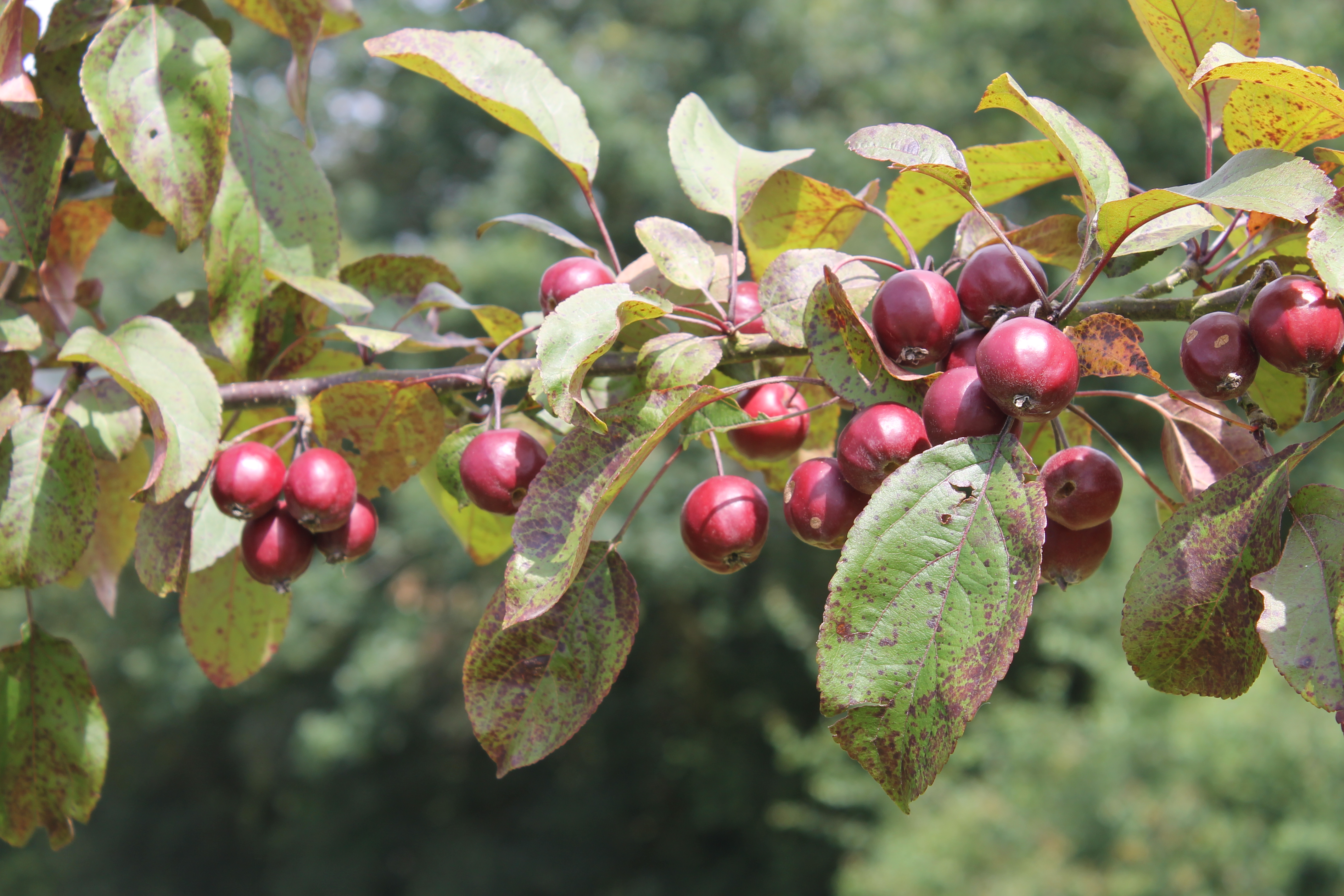
041Harry Baker crabapples

‘Harry Baker’ crabapples

001Acer leaves

Acer leaves

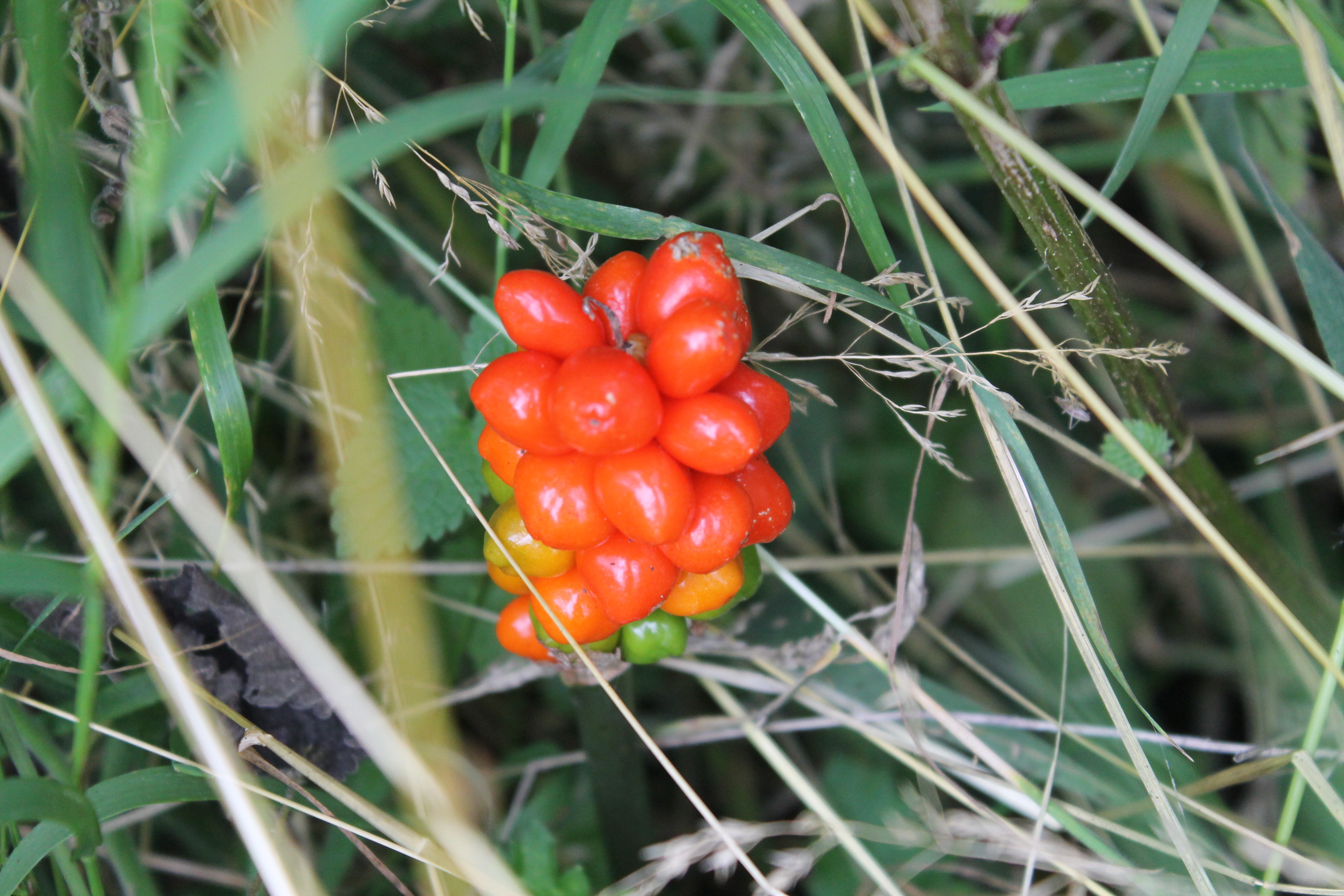
008Lords and Ladies berries

Cuckoo Pint or Lords and Ladies berries

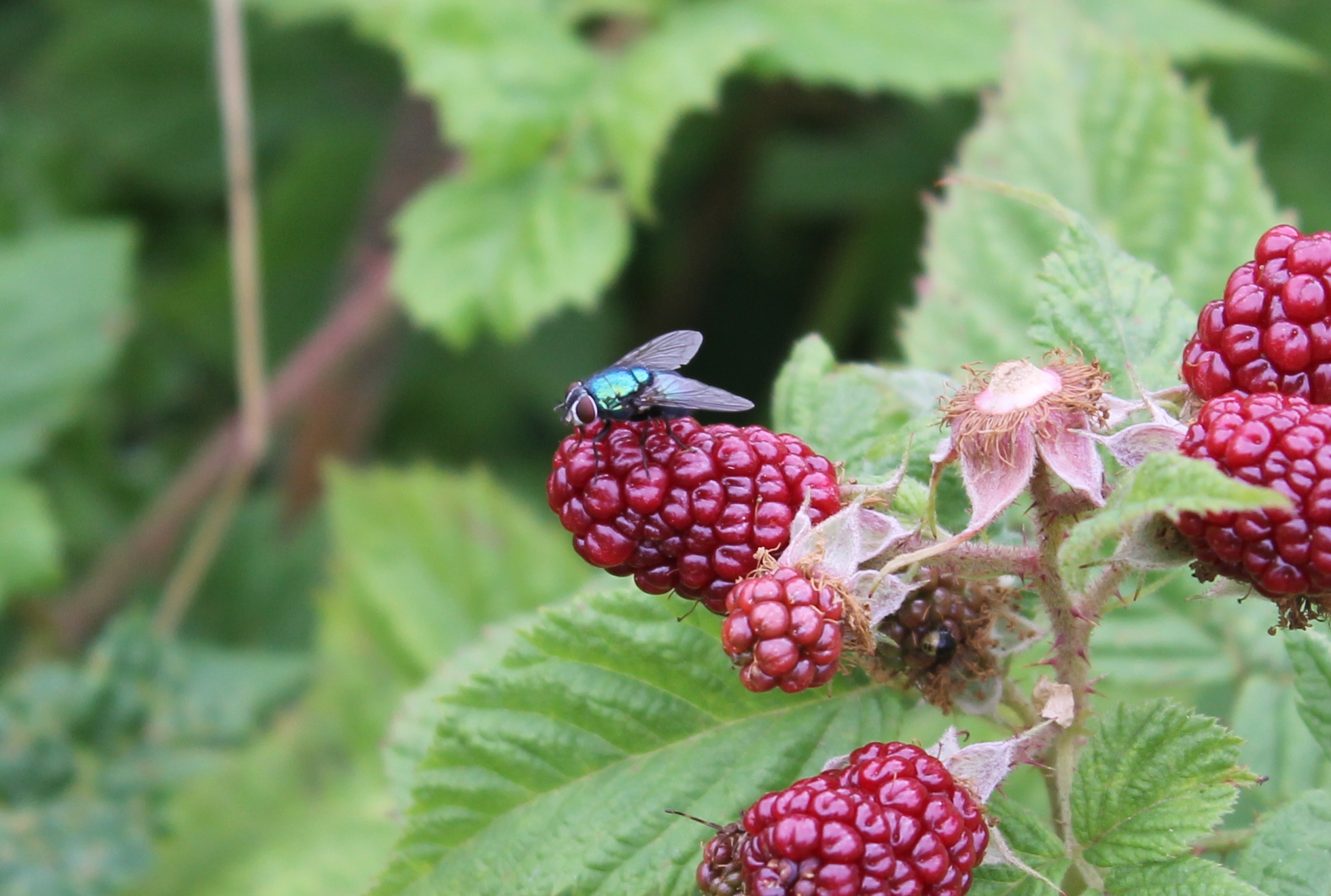
009Greenbottle on unripe blackberry

Greenbottle on unripe blackberry

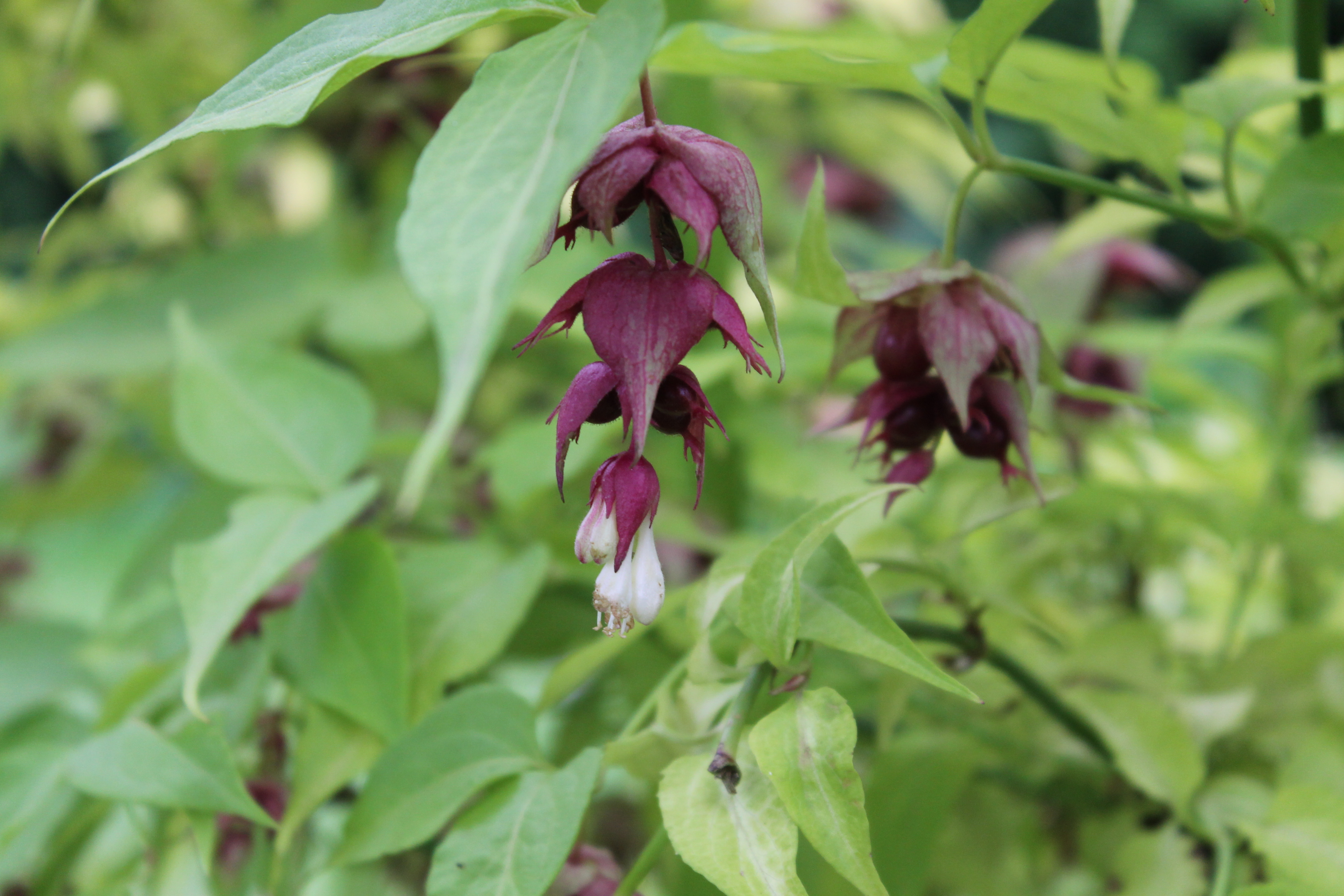
012Pheasantberry flowers

Bracts on Leycesteria or Pheasant Berry bush

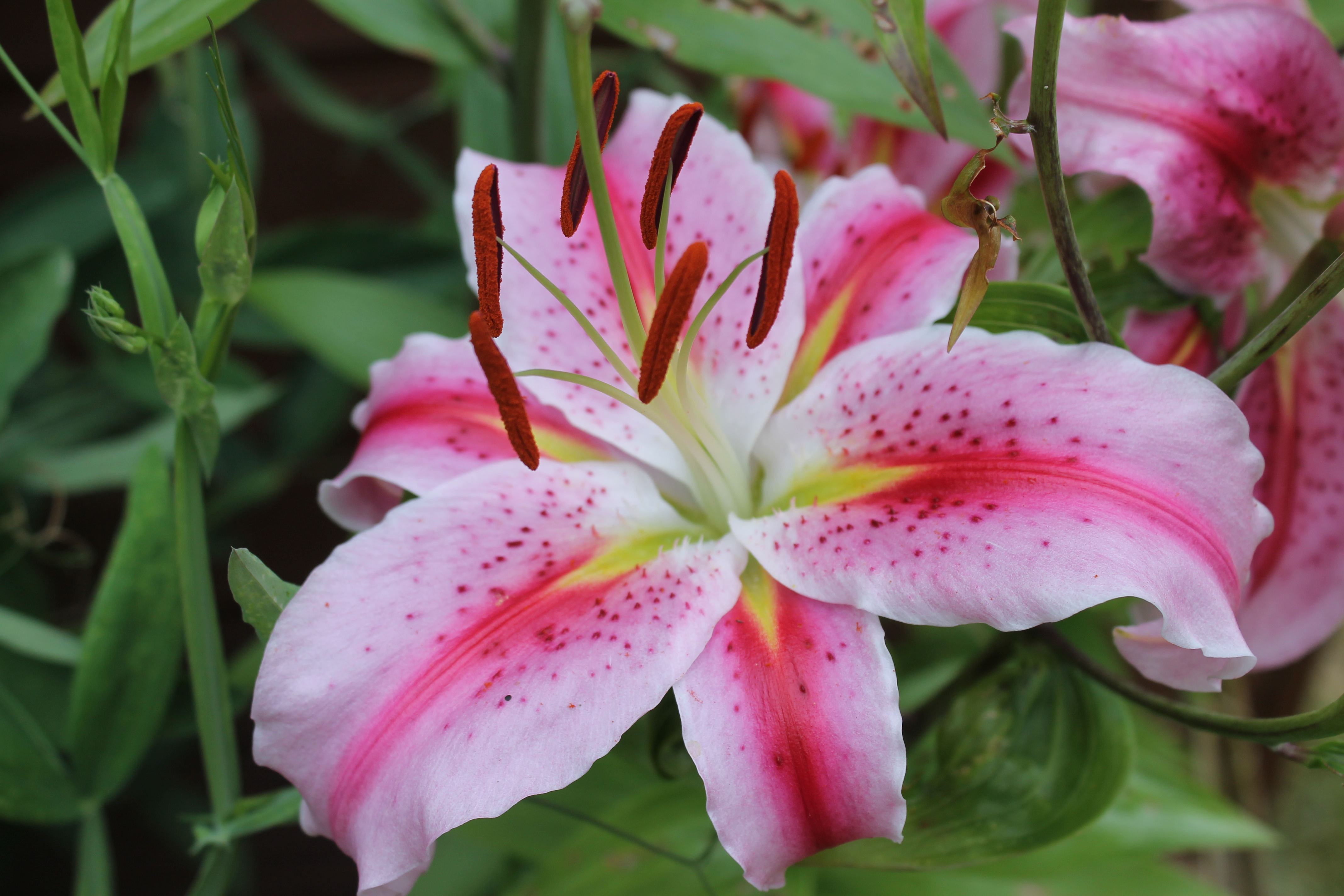
018Stargazer lily

‘Stargazer’ lily

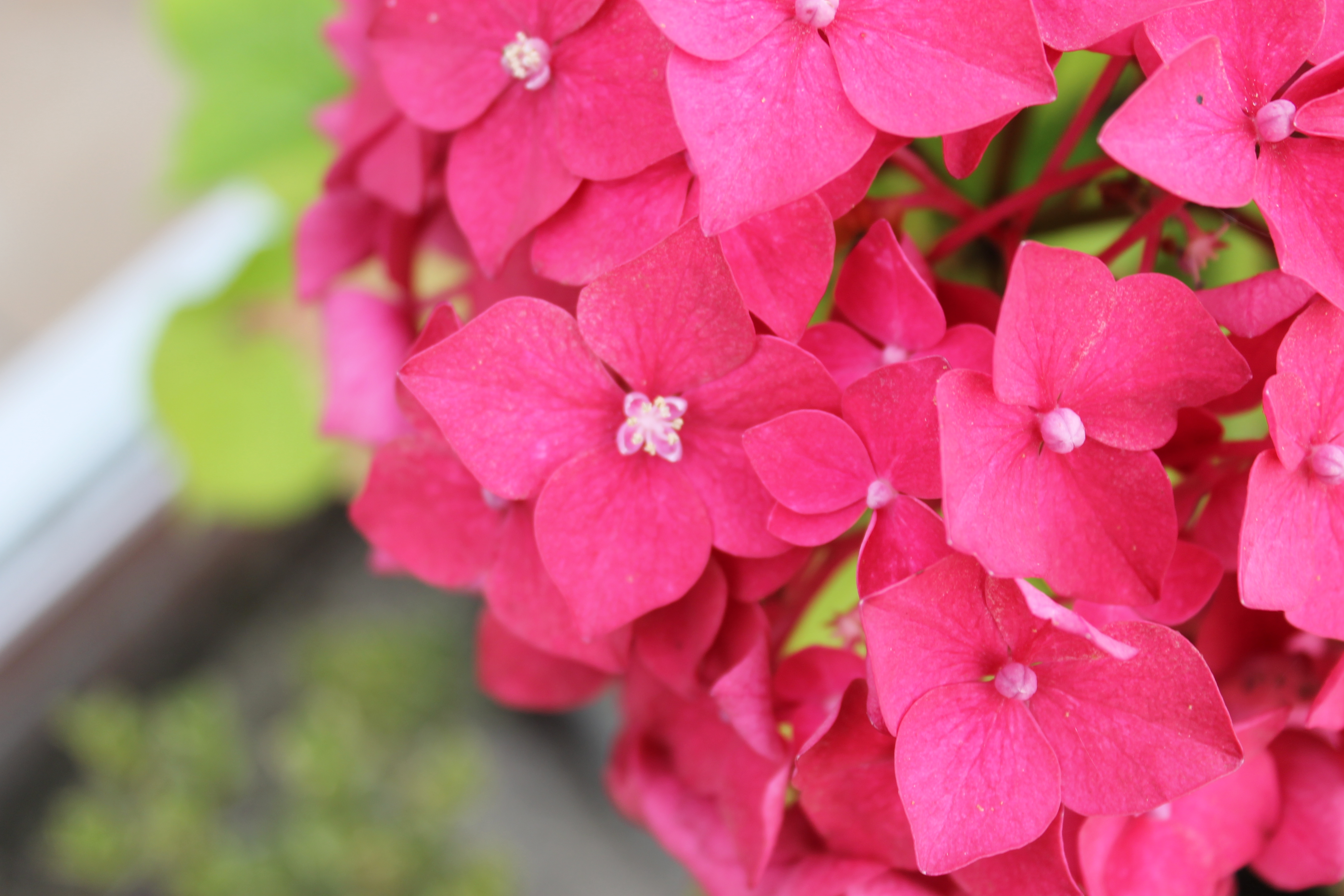
020Hydrangea flower

Hydrangea flower-head

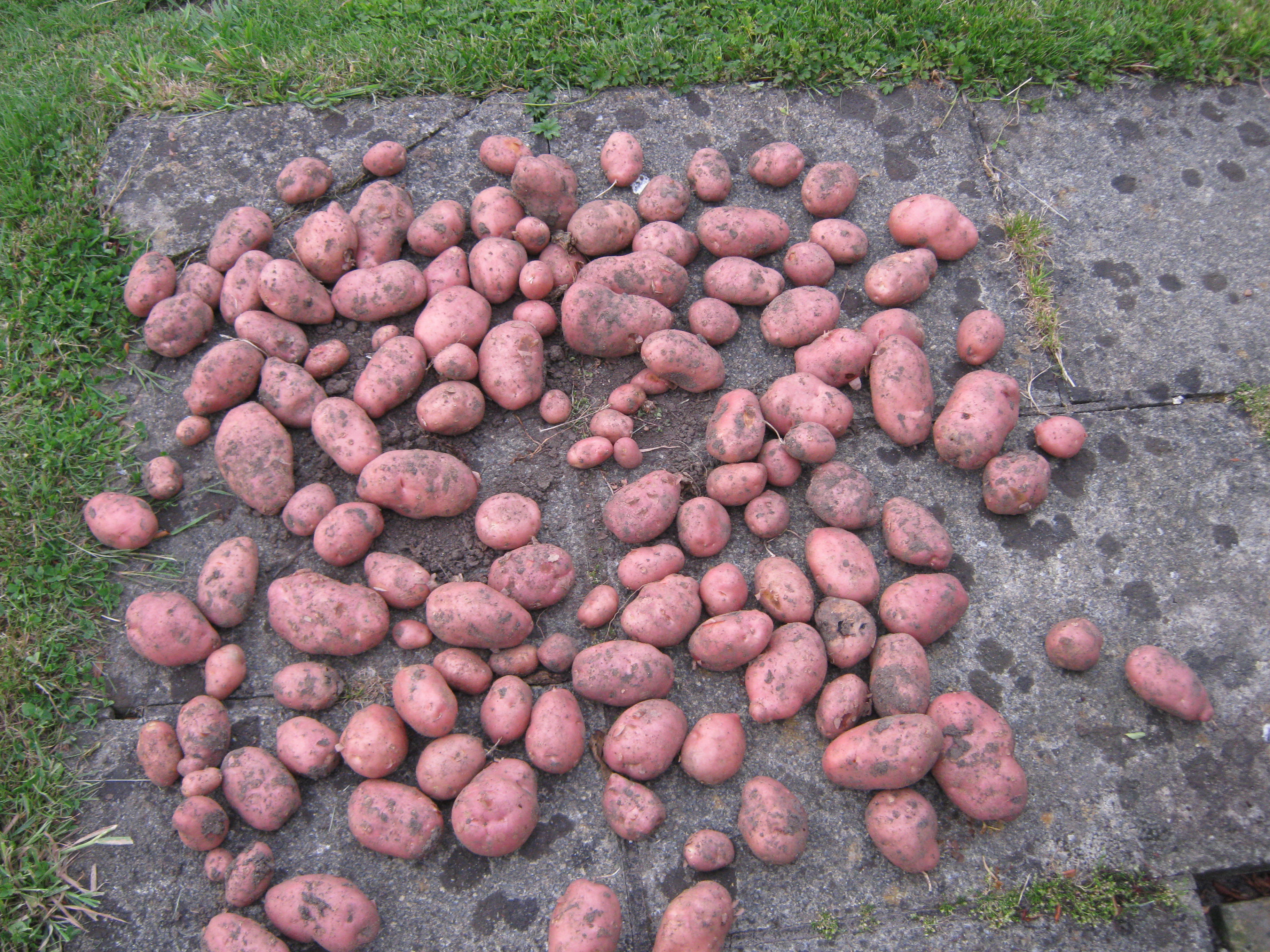
004Desirée potatoes

Desirée potatoes

002Pink water lily

Pink water lily


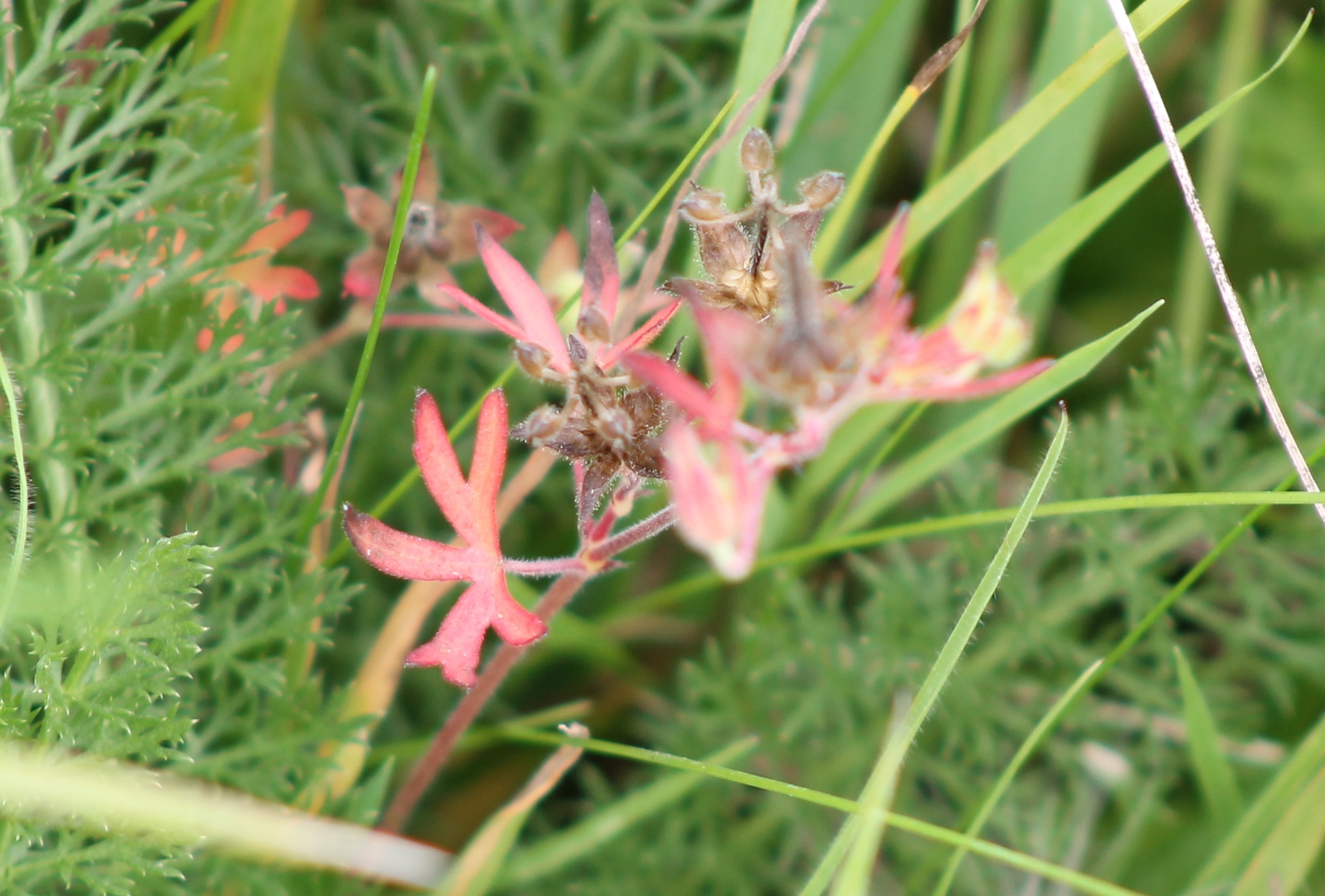
008Pink Herb Robert leaves

Pink Herb Robert leaves

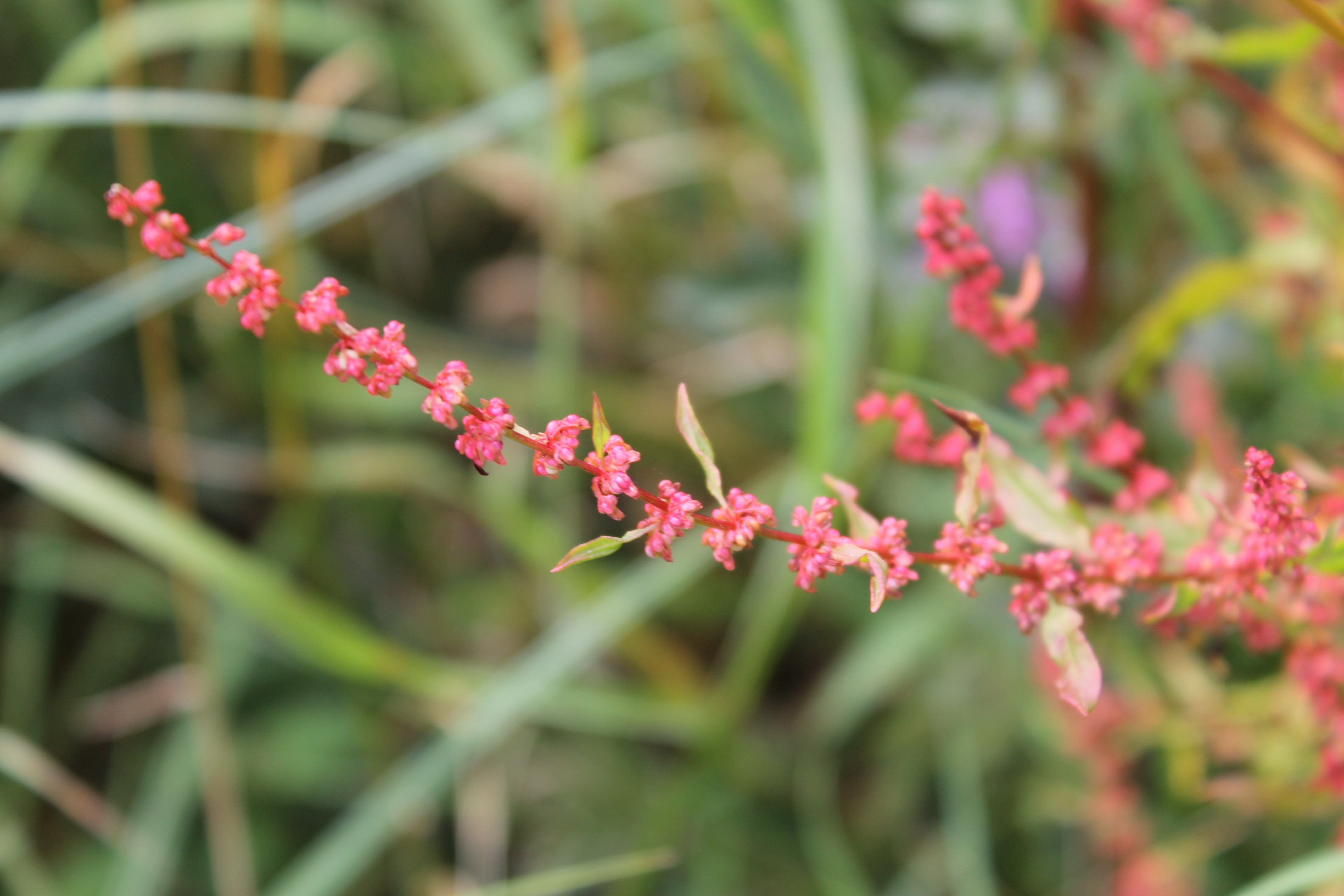
013Red dock seeds

Dock seedhead

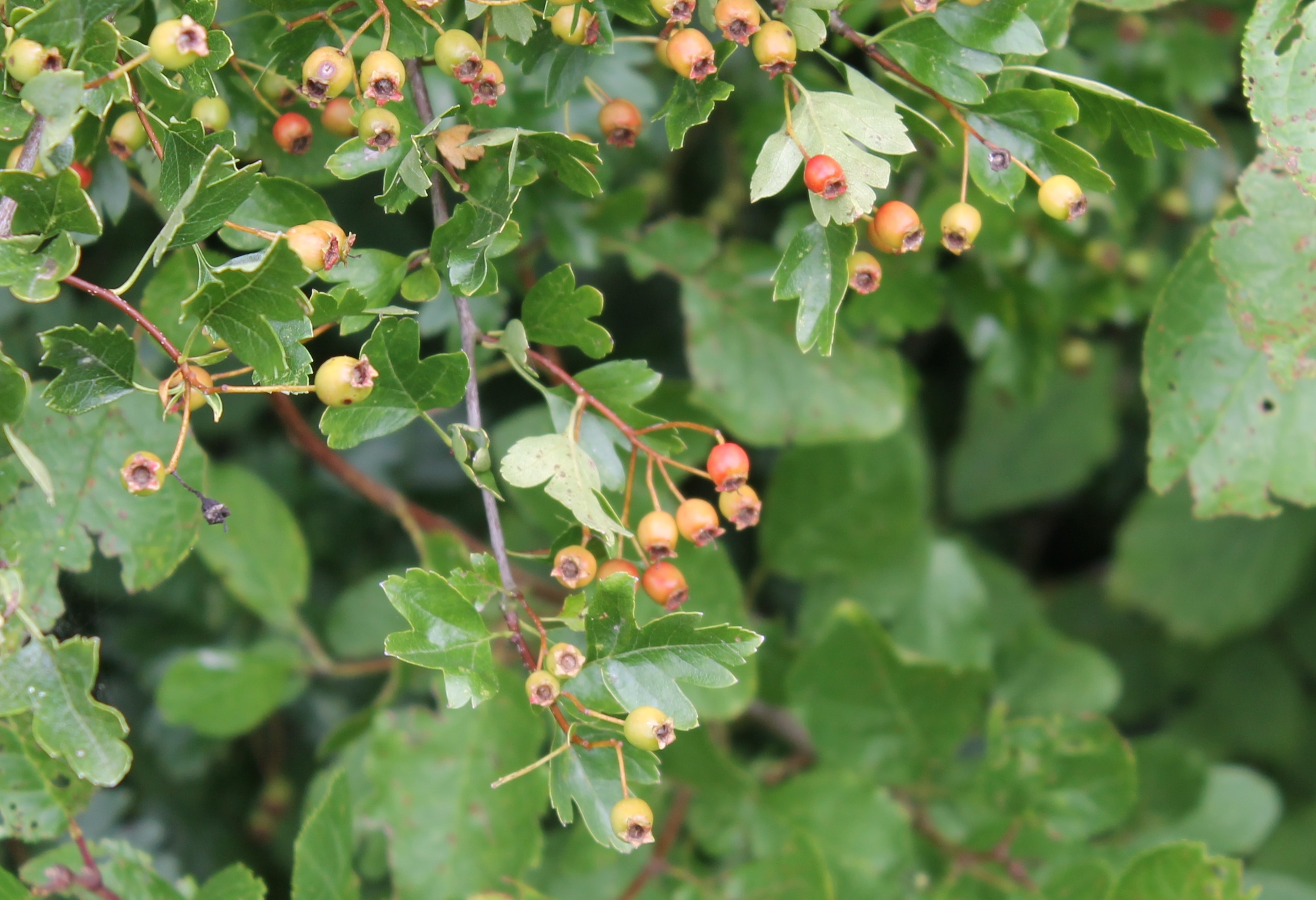
018Haws

Ripening haws

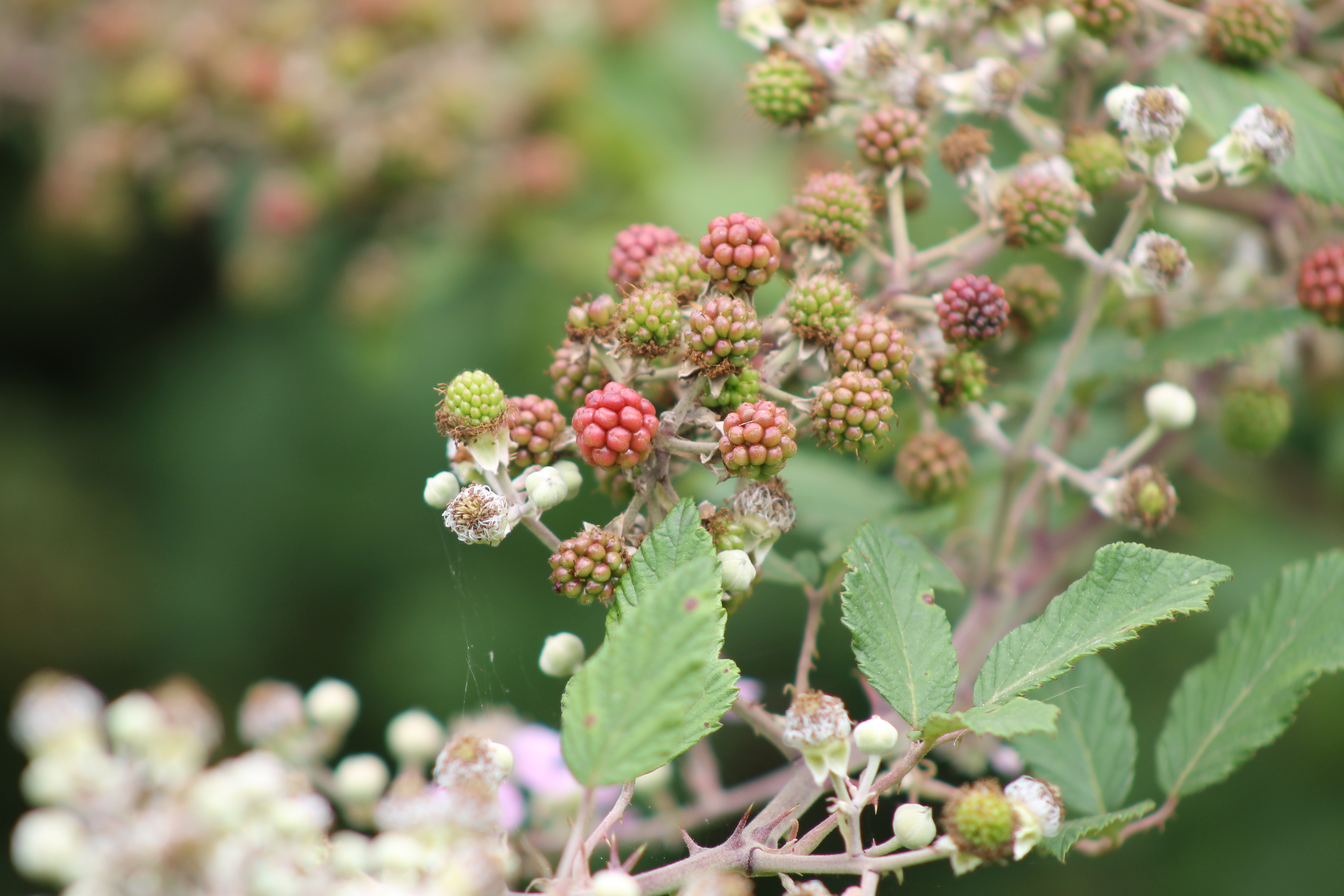
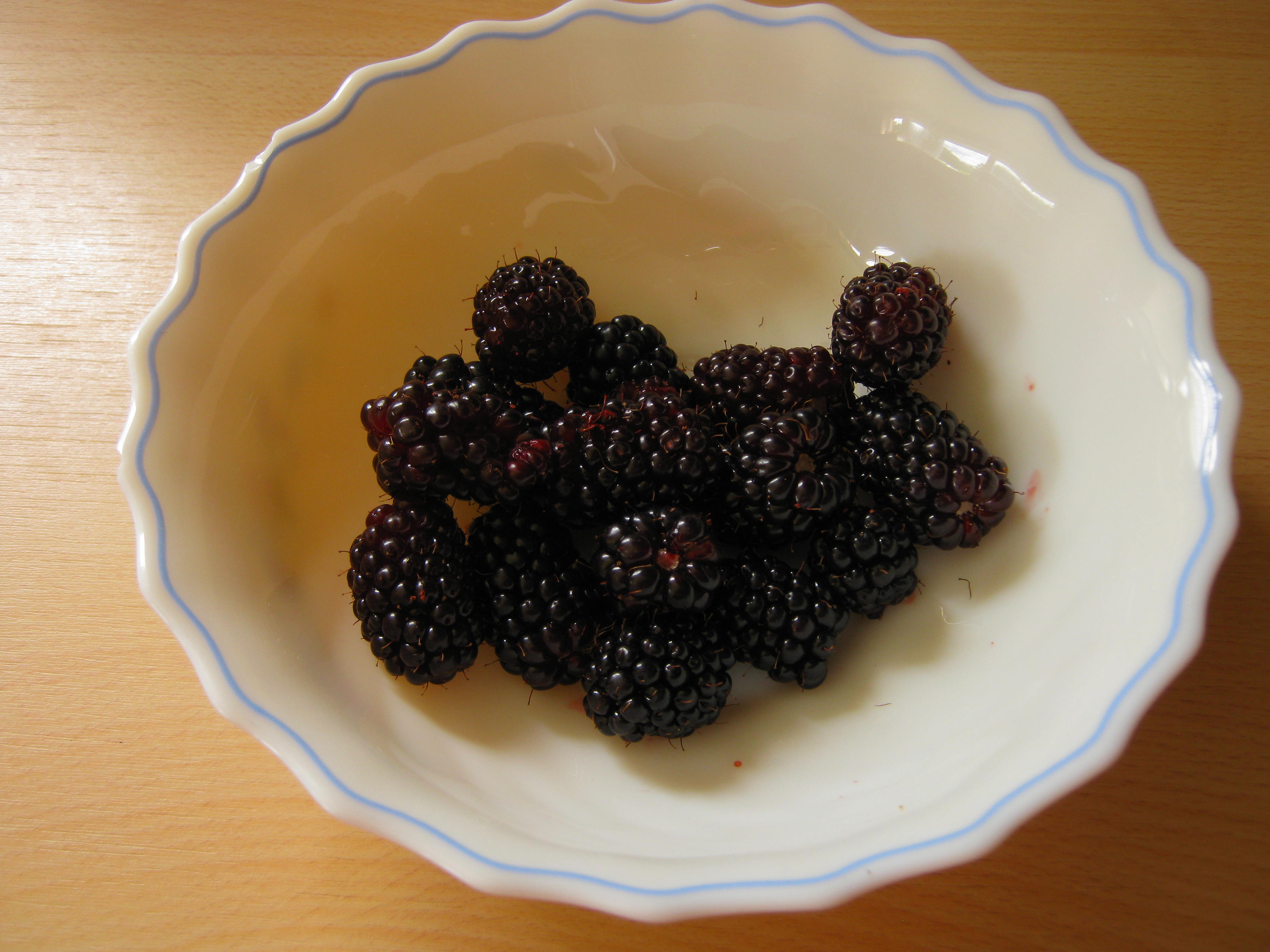
020Brambles

Ripening brambles

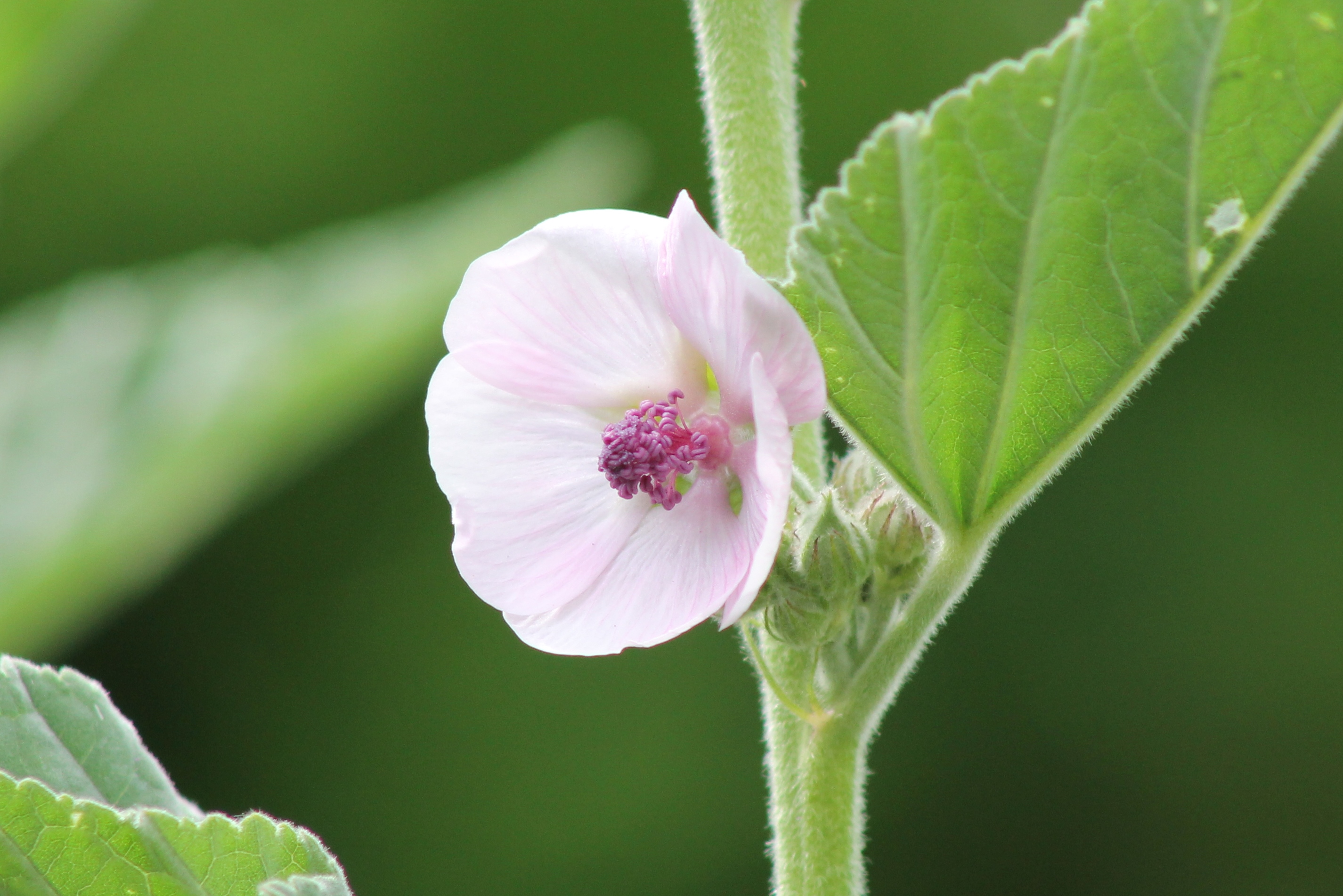
024Marshmallow

Marshmallow flower

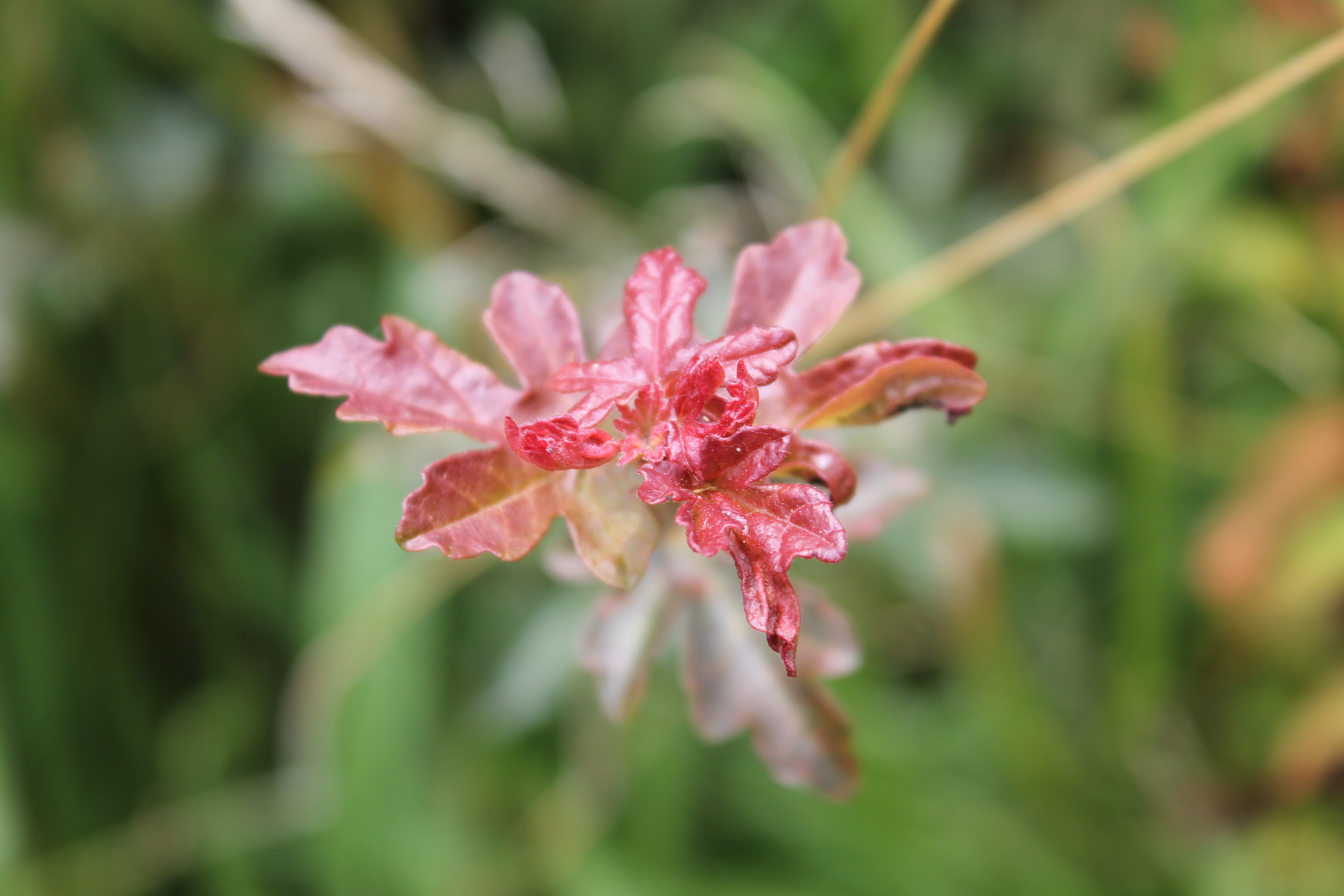
014New red hawthorn leaves

New Hawthorn leaves

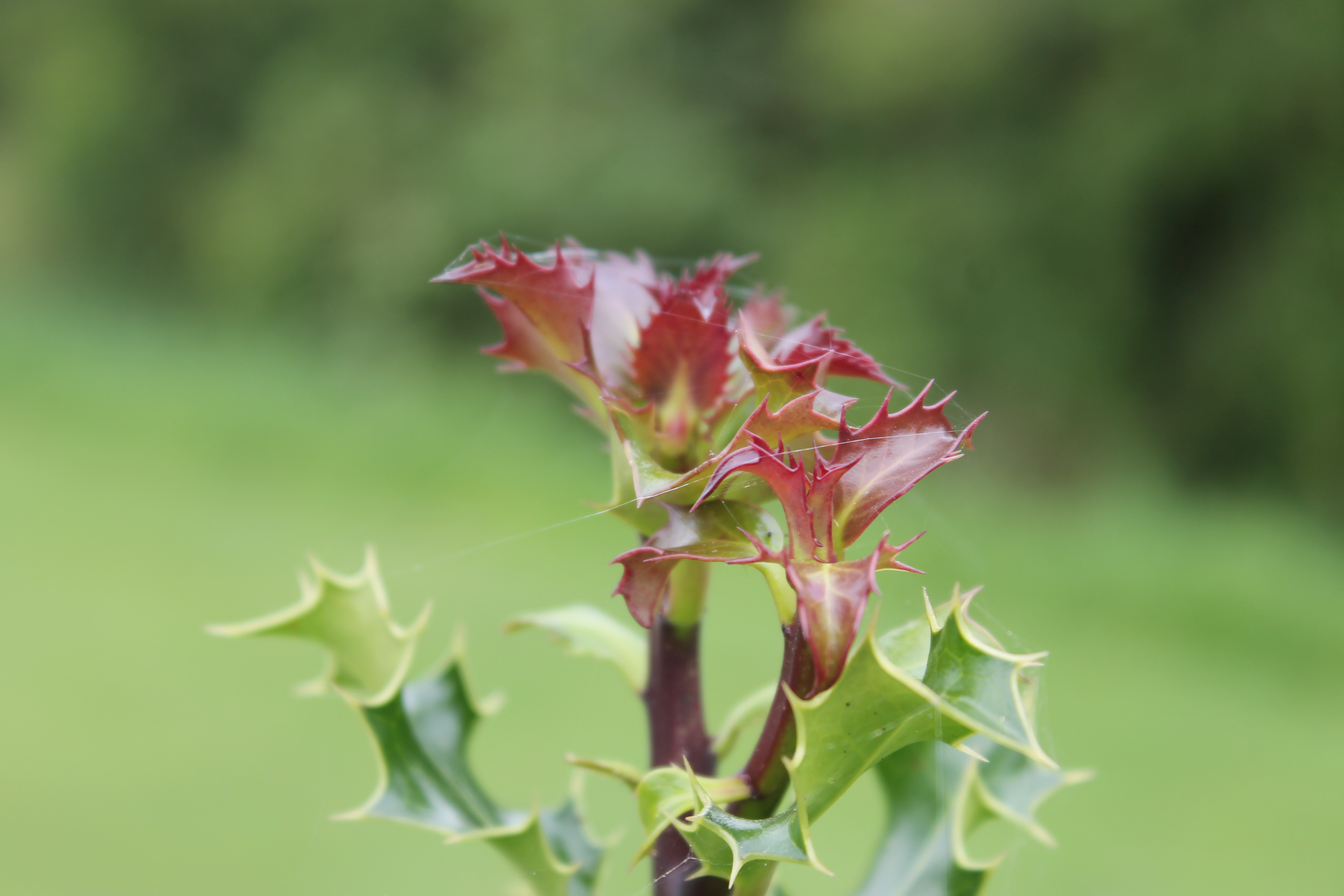
029New holly leaves

New Holly leaves

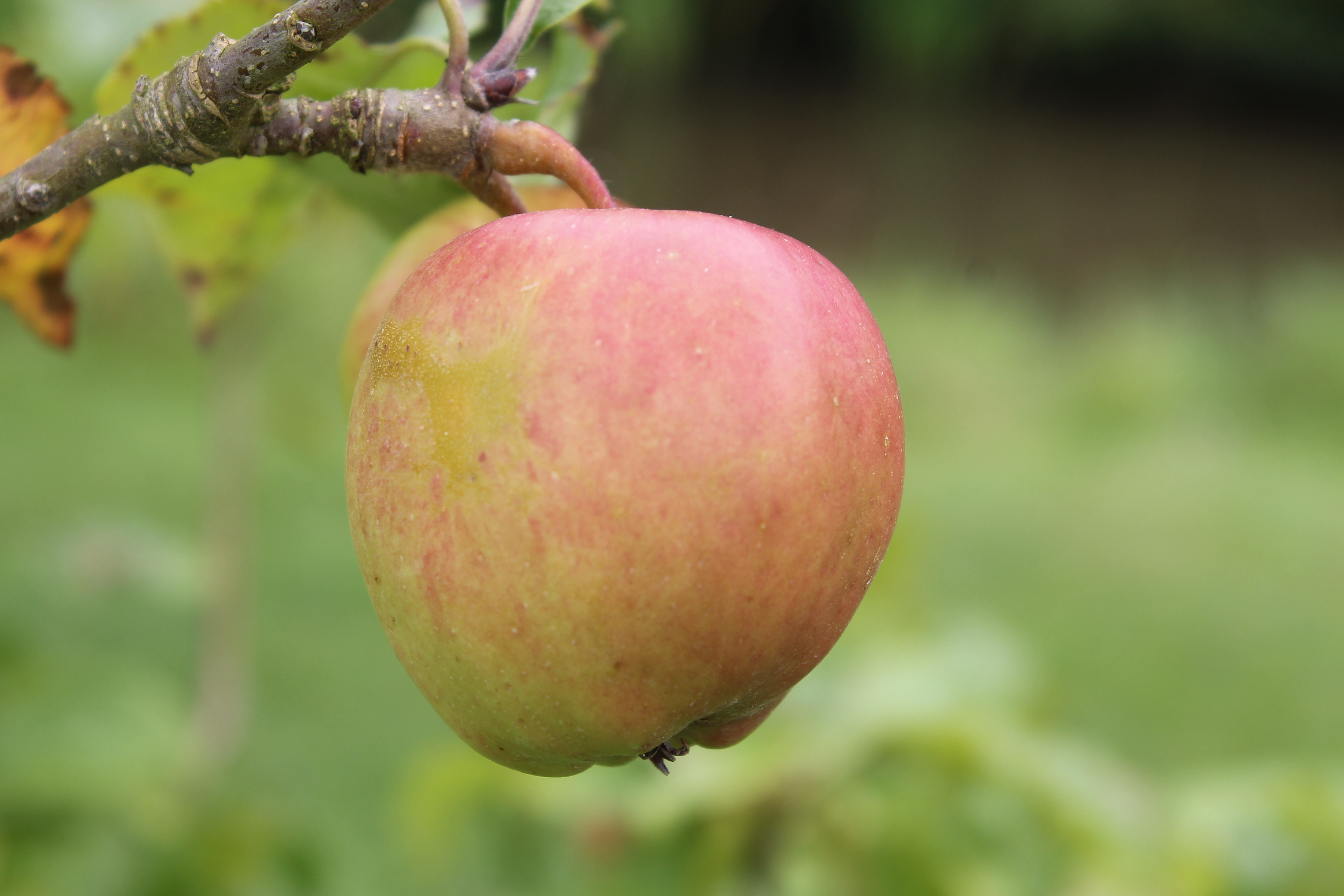
030Saturne

Saturne apple

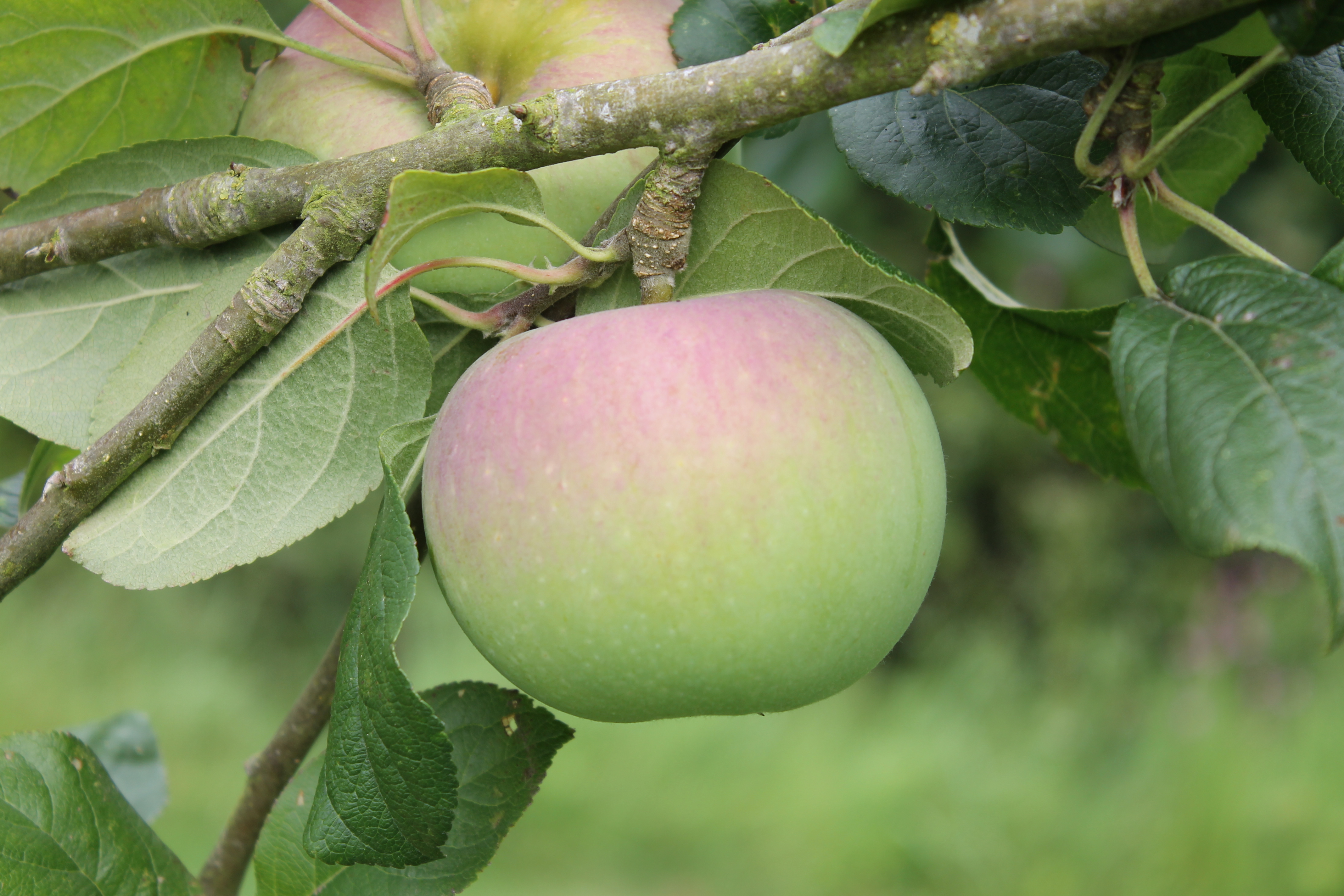
031Biffin

Norfolk Biffin apple

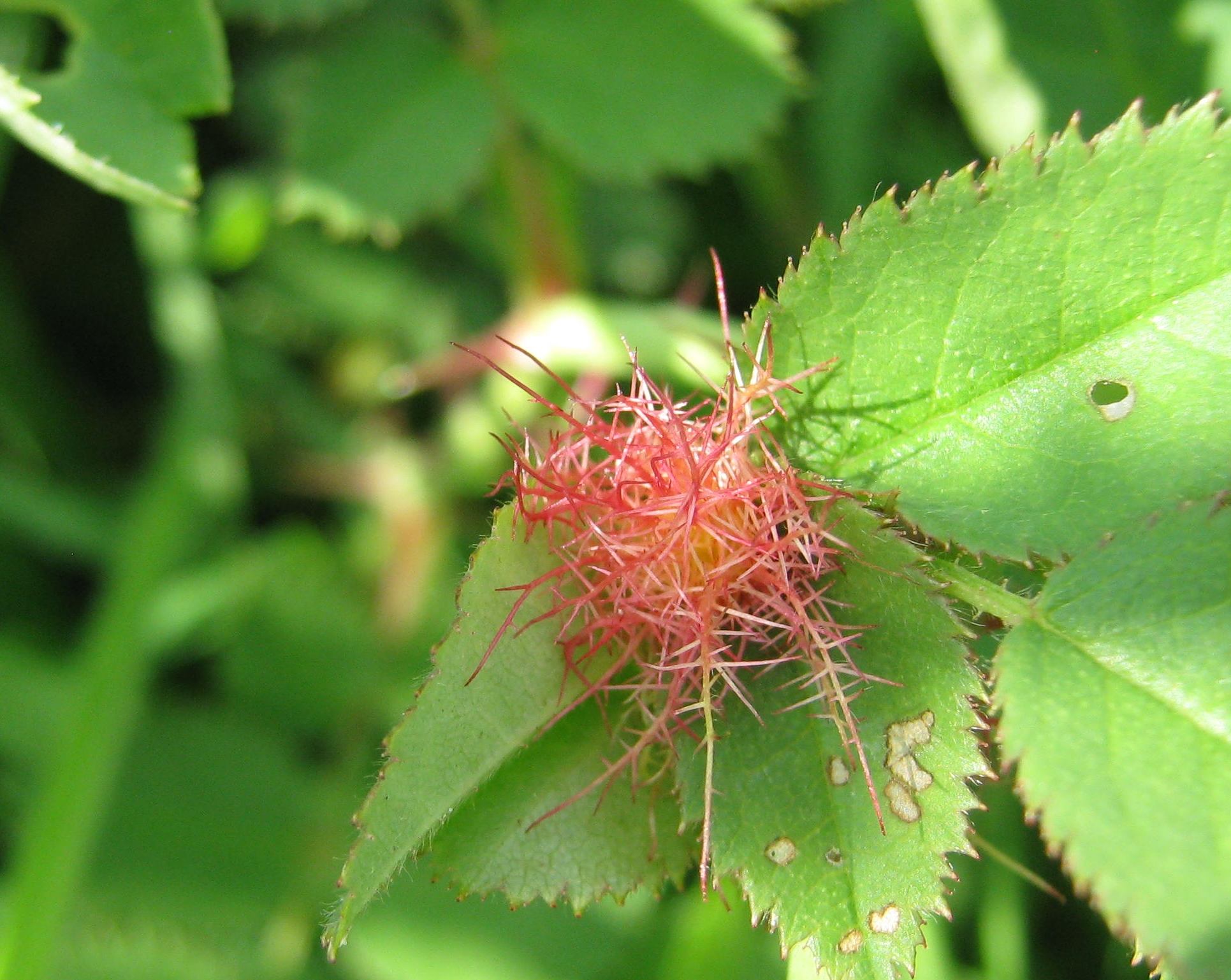
064Tiny robin's pincushion

Tiny Robin’s Pincushion on wild rose

Share this:

  • Share on X (Opens in new window) X
  • Share on Reddit (Opens in new window) Reddit
  • Share on Pinterest (Opens in new window) Pinterest
  • Share on Facebook (Opens in new window) Facebook
  • Email a link to a friend (Opens in new window) Email
  • Share on Tumblr (Opens in new window) Tumblr
  • Print (Opens in new window) Print
  • Share on Pocket (Opens in new window) Pocket
  • Share on LinkedIn (Opens in new window) LinkedIn
Like Loading...

A Suffolk Garden in July – Cultivated Flowers, Fruit and Vegetables

25 Fri Jul 2014

Posted by Clare Pooley in Gardening, plants, Rural Diary, trees, Uncategorized

≈ 14 Comments

Tags

Asian lily, begonia, blackberries, borage, college acceptance, dahlia, English mace, erodium chrysanthemum, fennel, fruit trees, fuchsia, hydrangea, mint, morning glory, peas, rose, runner beans, sempervivum, untidy garden, water lily

003Wild flowers

We returned on 9th July from our short holiday to find a very over-grown garden.  I must admit to loving the green lushness of the garden when it hasn’t been tended lately.  There is so much to be seen – wild flowers (or weeds if you prefer), insects, birds and wild animals have had the place to themselves for a while and have made themselves comfortably at home.

016Pond through grass

As soon as I could, I went out for a quick tour of the garden.  There had been a lot of wind and rain so the garden flowers were a little battered.  R’s dahlias had grown very tall during our absence and a couple had lost a stem or two.  R quickly did some tidying up and we admired the blooms on plants, some of which were already over five foot tall.


The runner beans were doing very well and we were able to start harvesting them a few days later.  I read fairly recently that when runner beans were first introduced to this country it was as ornamental plants; no-one thought to eat the beans themselves for some time.  Many people say they don’t like runner beans but I am sure this is because they have eaten old and woody beans, and I don’t blame them!  Horrible!  The beans have to be picked before they get too big and should be eaten straight away.  Our first beans were very juicy but didn’t have much flavour, probably because we hadn’t had much sunshine.  The ones we have eaten most recently which have had the benefit of a little sunshine have tasted much better.  


The peas were ready to pick too and were the best peas we had tasted in a long time.  They have all been eaten now!


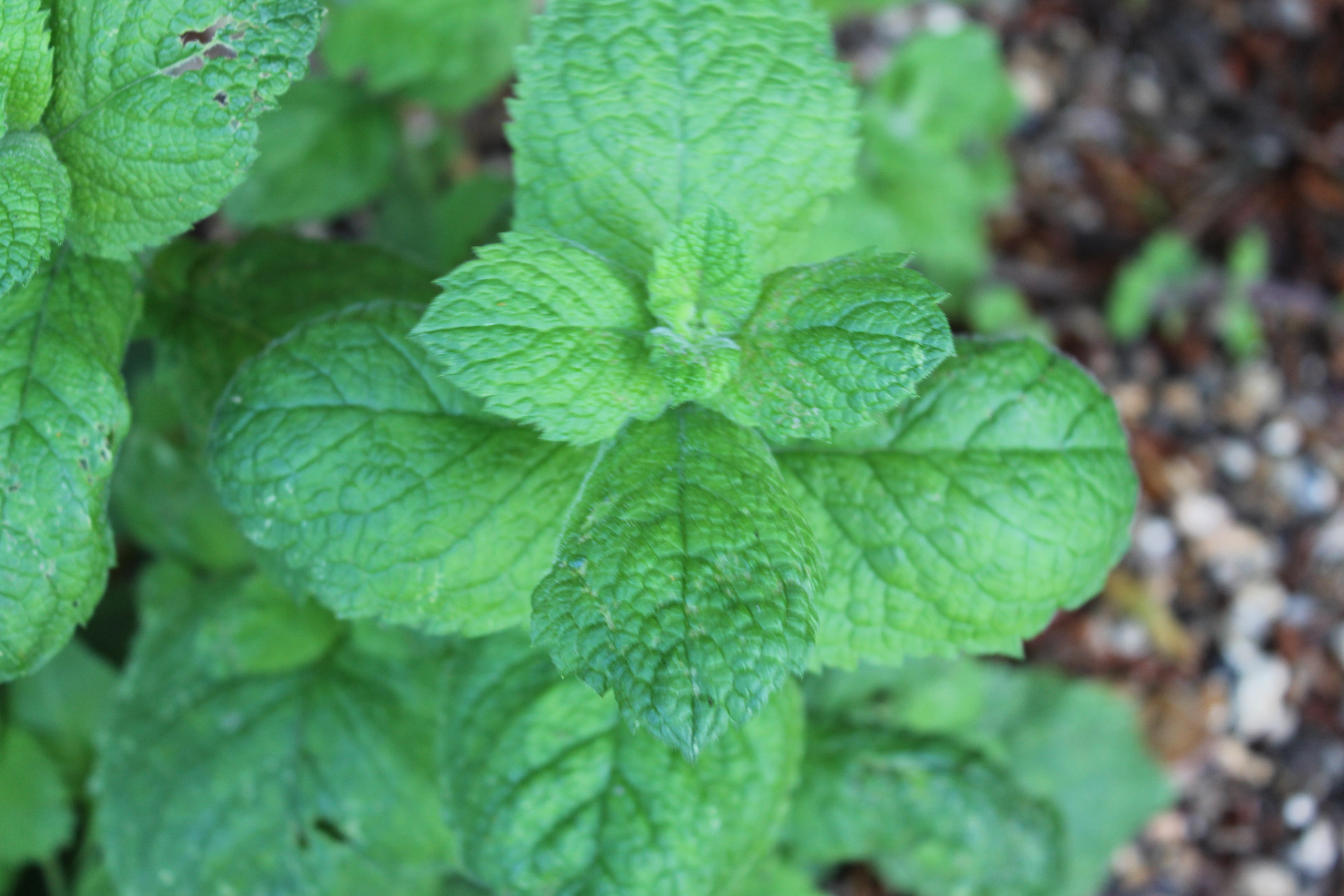
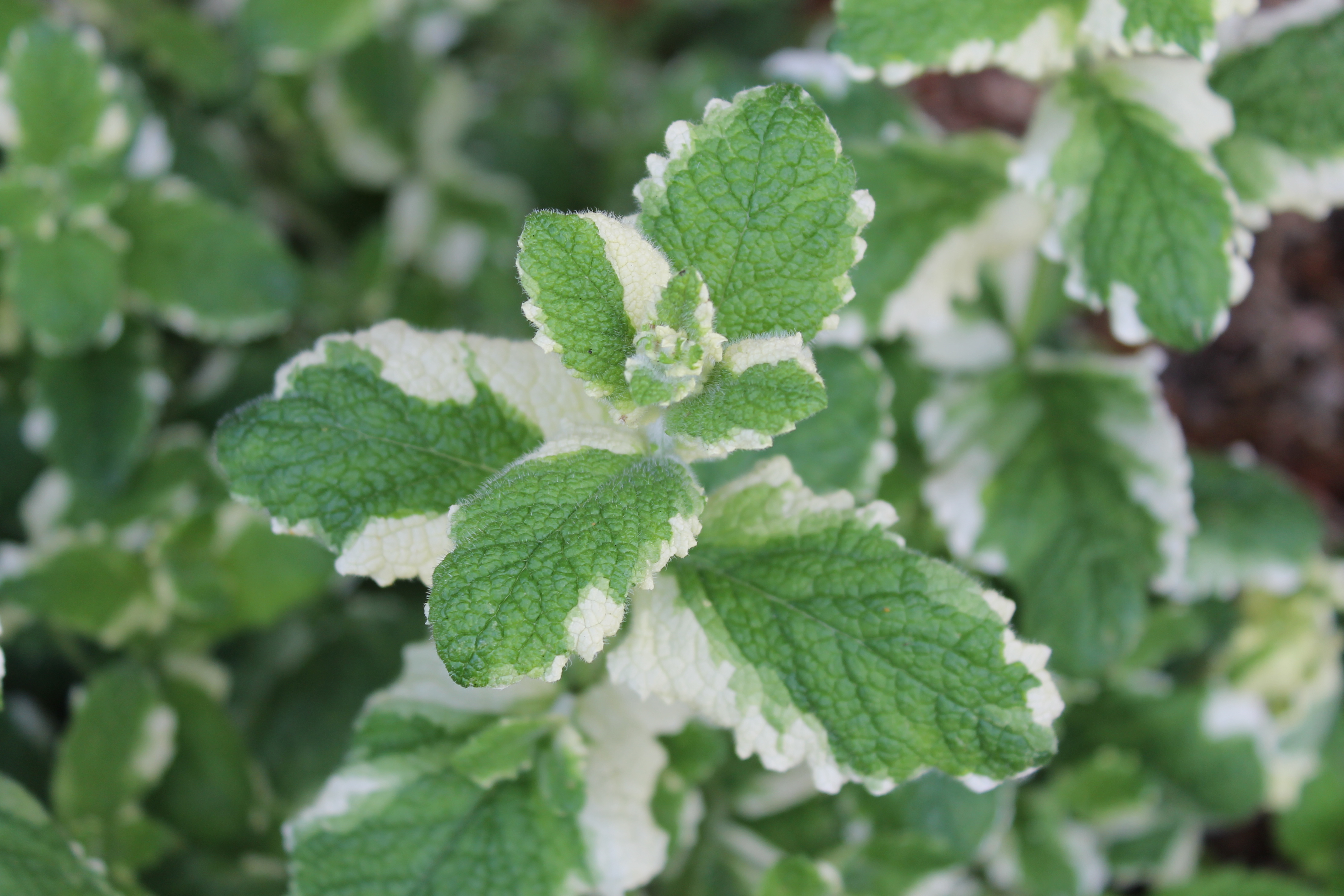
Because of the rain, the mint had grown very well.

041Variegated Apple mint

Variegated apple mint

042Mum's mint

This is a lovely mint grown from a rooted cutting Mum gave me. She has always had it in her garden and doesn’t know what type it is.

Just before we went away the blackberries had started to ripen.  We picked a few and took them away with us and delicious they were too.

007Blackberries

Unfortunately, while we were away quite a few were lost to the bad weather, birds, mice, wasps etc.  They have only recently started cropping again and they are soooo good!

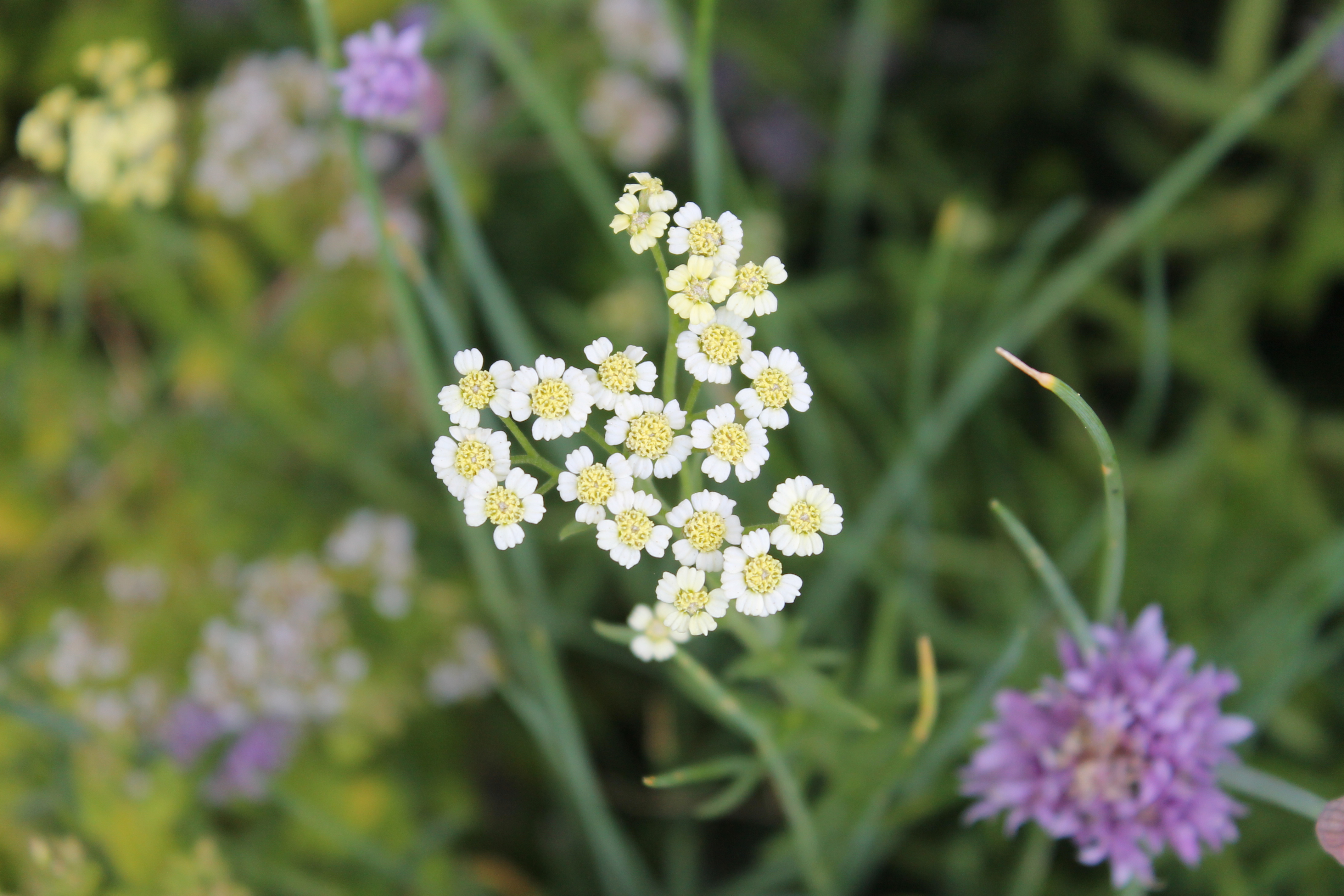
045English mace

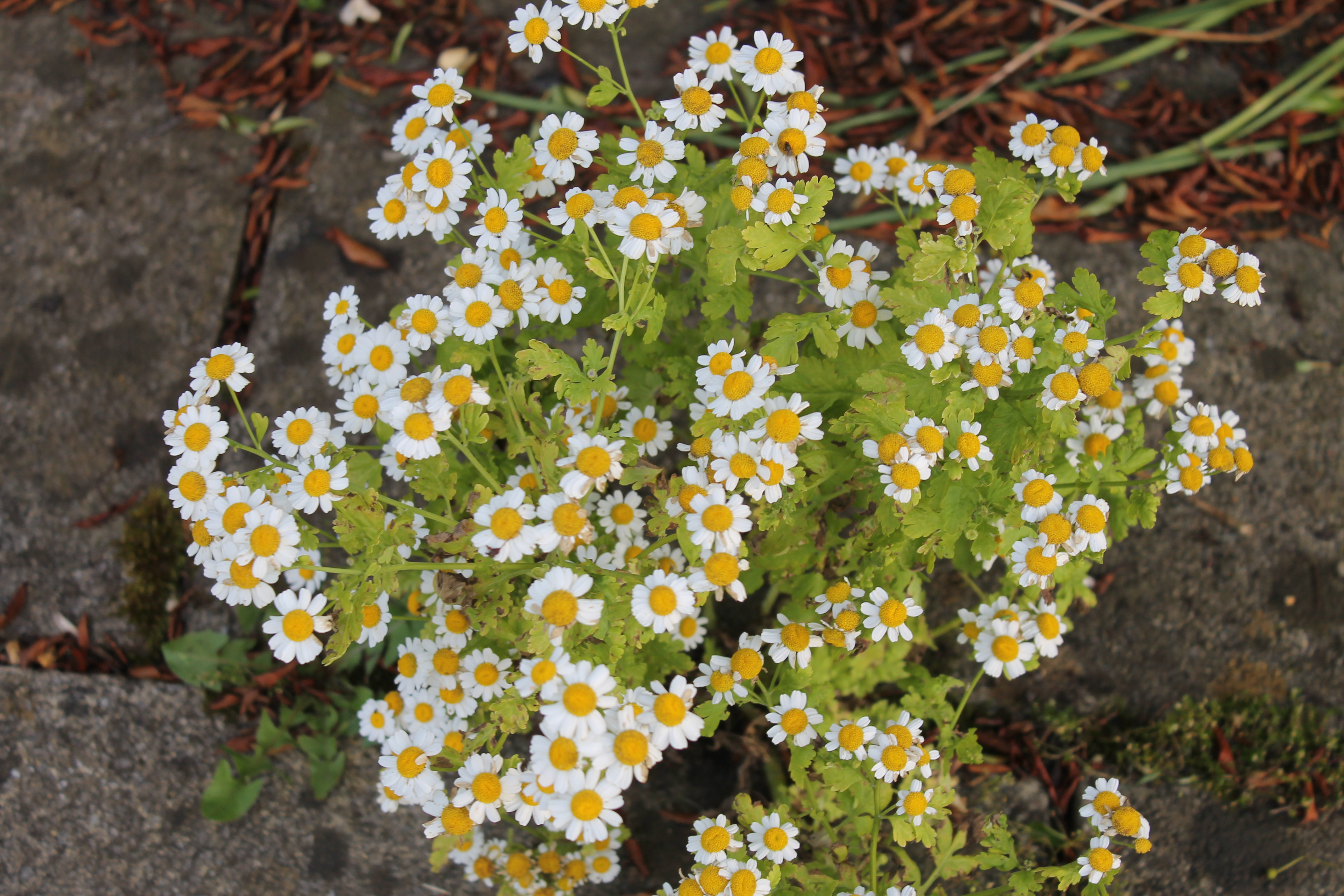
This is English Mace, achillea ageratum, and as you can see it is a member of the same family as Yarrow.  The leaves actually do taste mildly of mace, the outside shell of nutmeg.  The leaves can be made into a tea or just added as they are to culinary dishes.043Feverfew

This is feverfew, another one of my herbs.  I bought one small plant a number of years ago and its seeds have spread all over the garden.  This one I found growing in a crack in the path.  The insects love it especially black-fly so it is useful as a companion plant attracting good insects and also keeping black-fly off broad beans etc.  

Feverfew is a febrifuge; it induces perspiration which lowers the temperature in fevers.  It is a useful herb to use during childbirth as it regulates contractions and recently has been found as an effective remedy for headaches and migraine.  A tincture can be made from the leaves and then applied locally to relieve the pain and irritation of insect bites.  The tincture can be made into a lotion by adding it to distilled water.  This can be applied to the body as protection against attack by flying insects.  A wonder-herb!  It does smell a bit odd though!

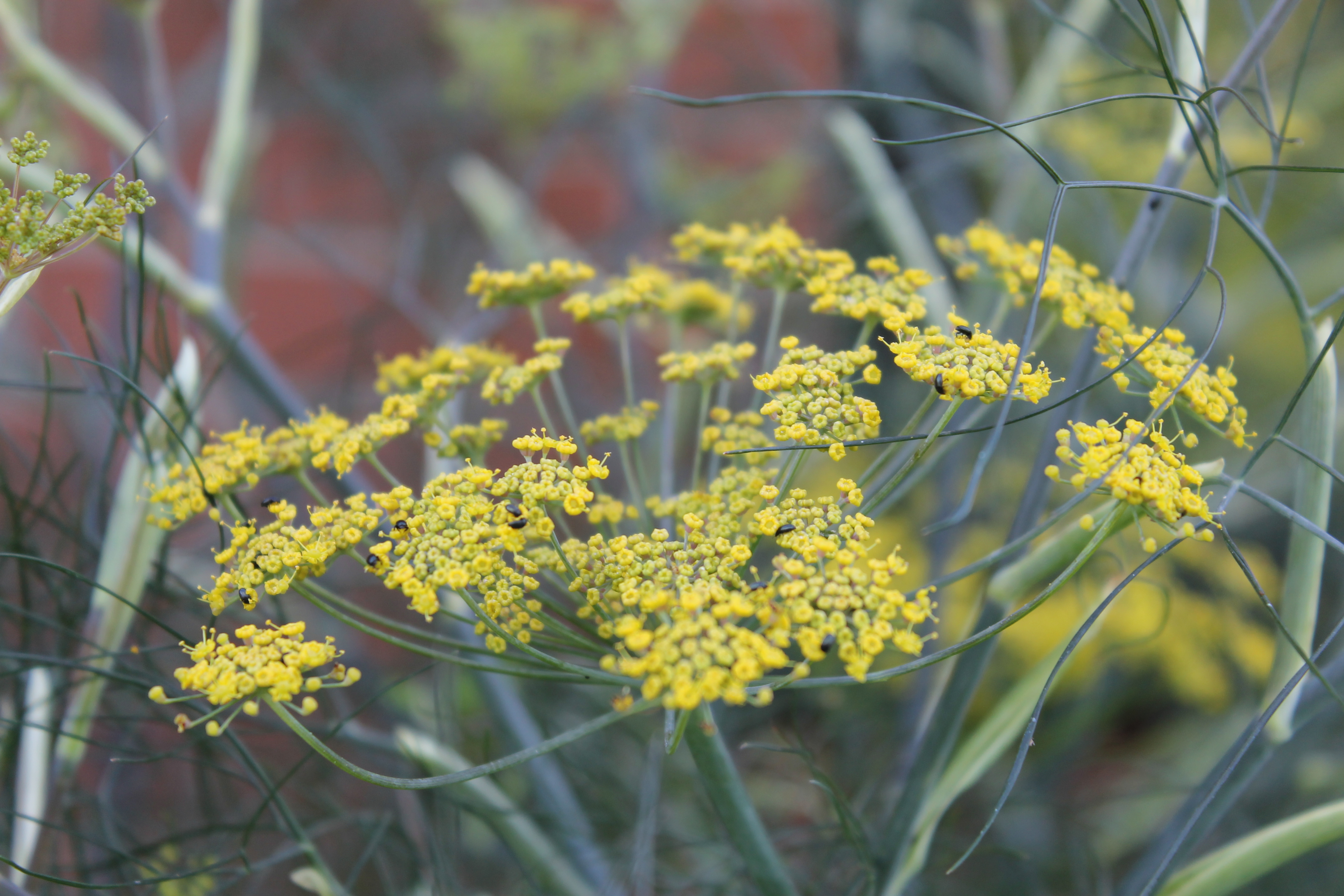
046Bronze fennel flowers

My bronze fennel I have already spoken about in a previous post.  I love the aniseed smell which pervades the front of the house on rather damp evenings.  It is a useful flavouring herb for use in cooking but also the seeds can be eaten to ease indigestion and disperse wind/gas etc.  Usually fennel grows to a height of about 4ft but the one growing at the front of the house is over 6ft tall.

051Borage

I found this self-seeded borage plant near the hedge

023Water lily

A shiny white water lily

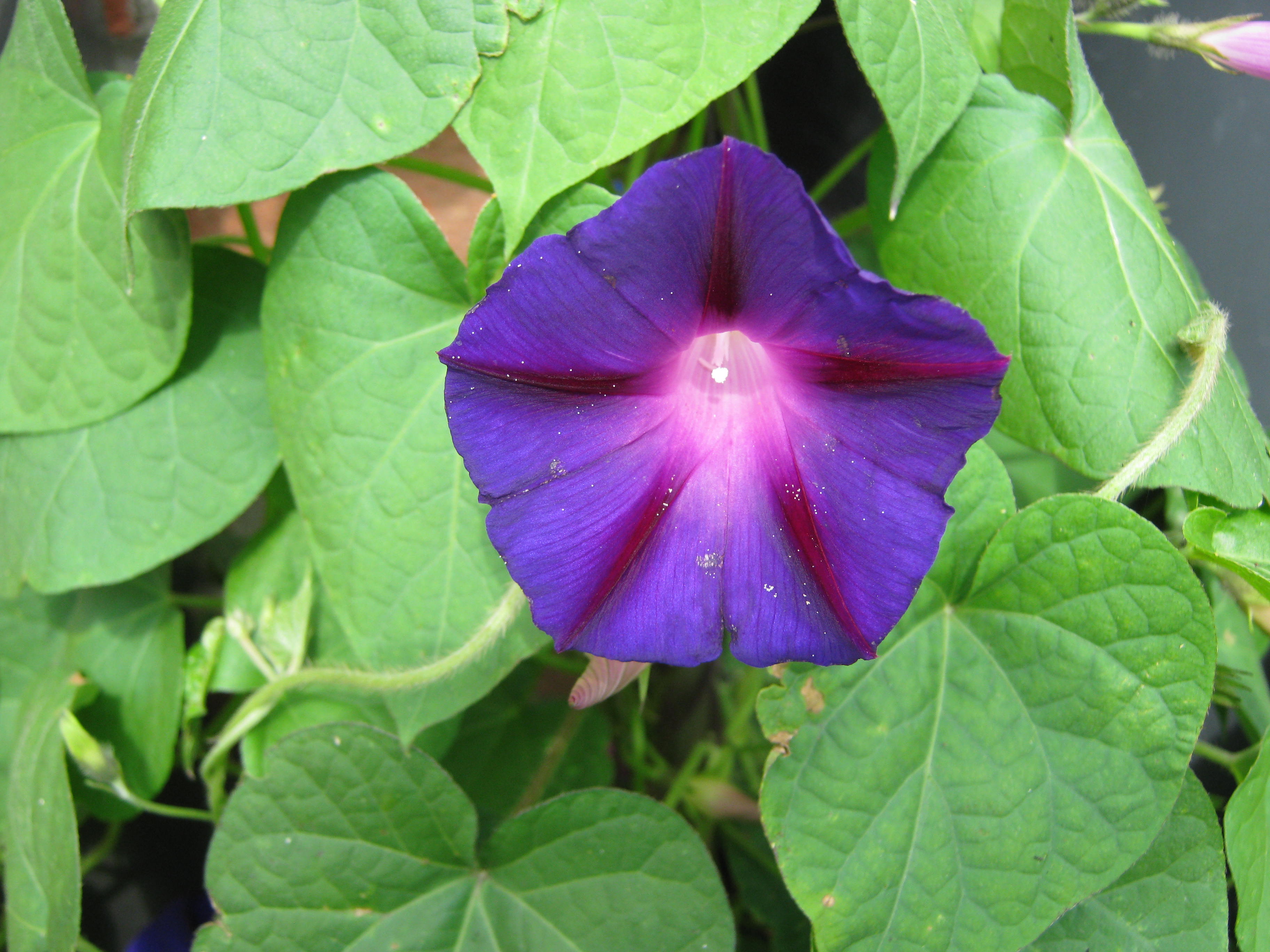
007Morning glory

Purple Morning Glory

I had such difficulty getting the original seeds to germinate in a heated seed-tray as recommended on the seed packet.  If I had known that I would still be benefitting from self-seeded plants seven years later I wouldn’t have worried and just chucked the lot out on the gravel round the garage.  The seeds survive through extremely cold winters with rain, ice and snow.  Admittedly I planted the first young plants up against the house and in very well-drained soil.

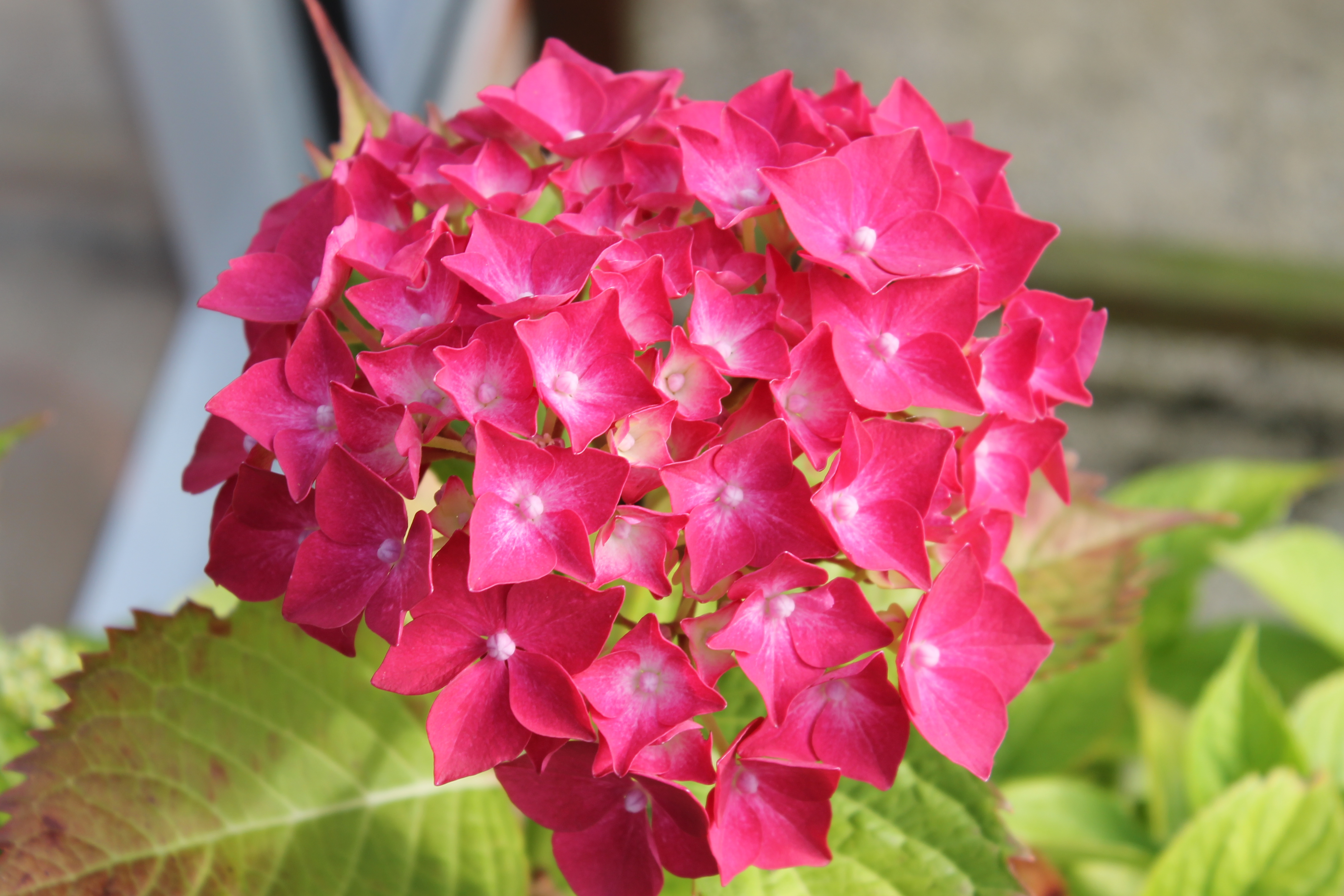
051Hydrangea

This Hydrangea has a strong pink colour

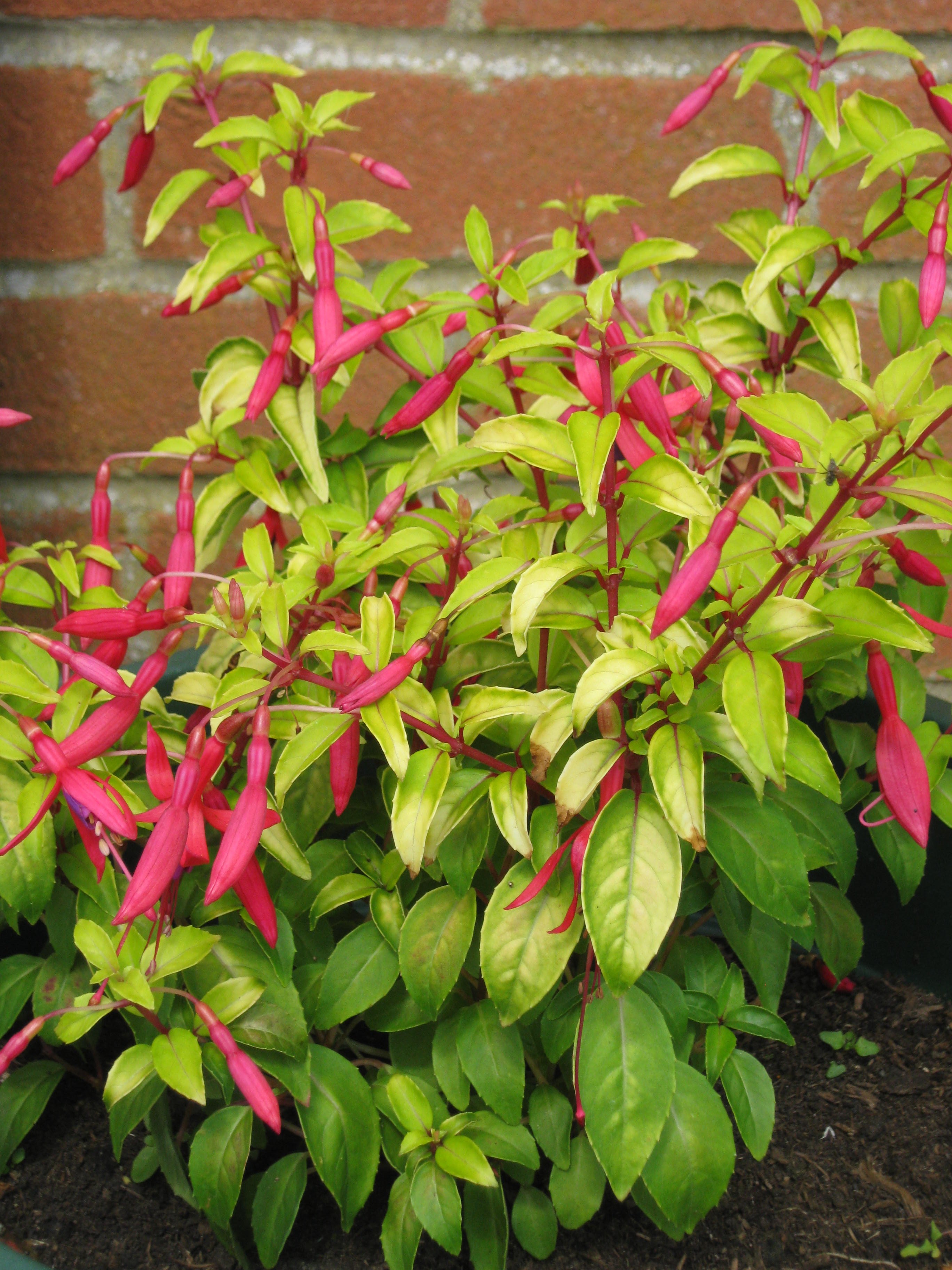
008Fuschia

A newly purchased fuchsia was doing very well.

All our fuchsias died in the severe winter of 2012-13.  After a year without them I felt the need of another plant.  This is one I have had before.  It is fairly hardy and it is easy to take cuttings from.

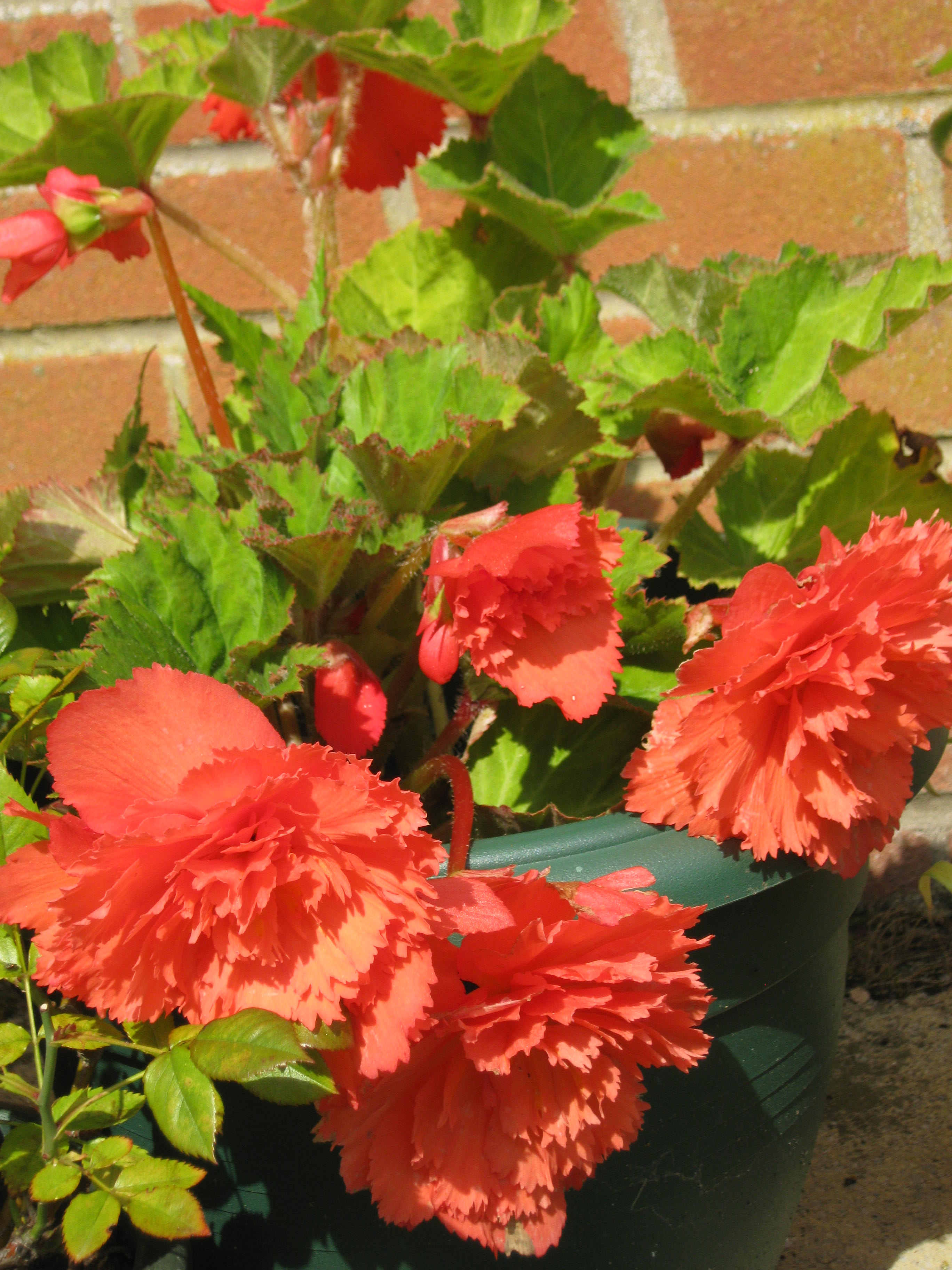
009Begonia

I didn’t think I liked begonias until E bought me this one last year.

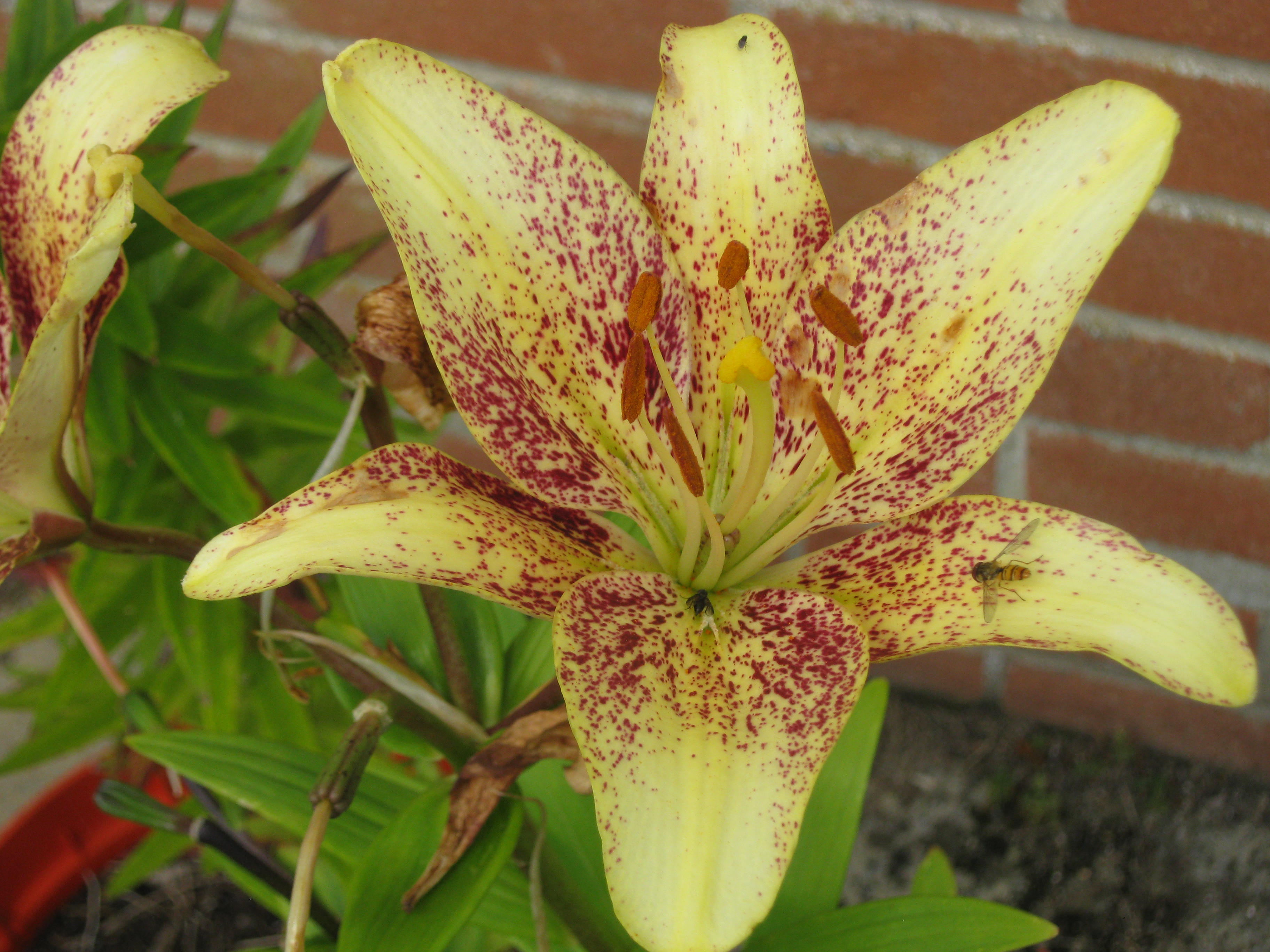
010Lily

A new Asian lily was flowering

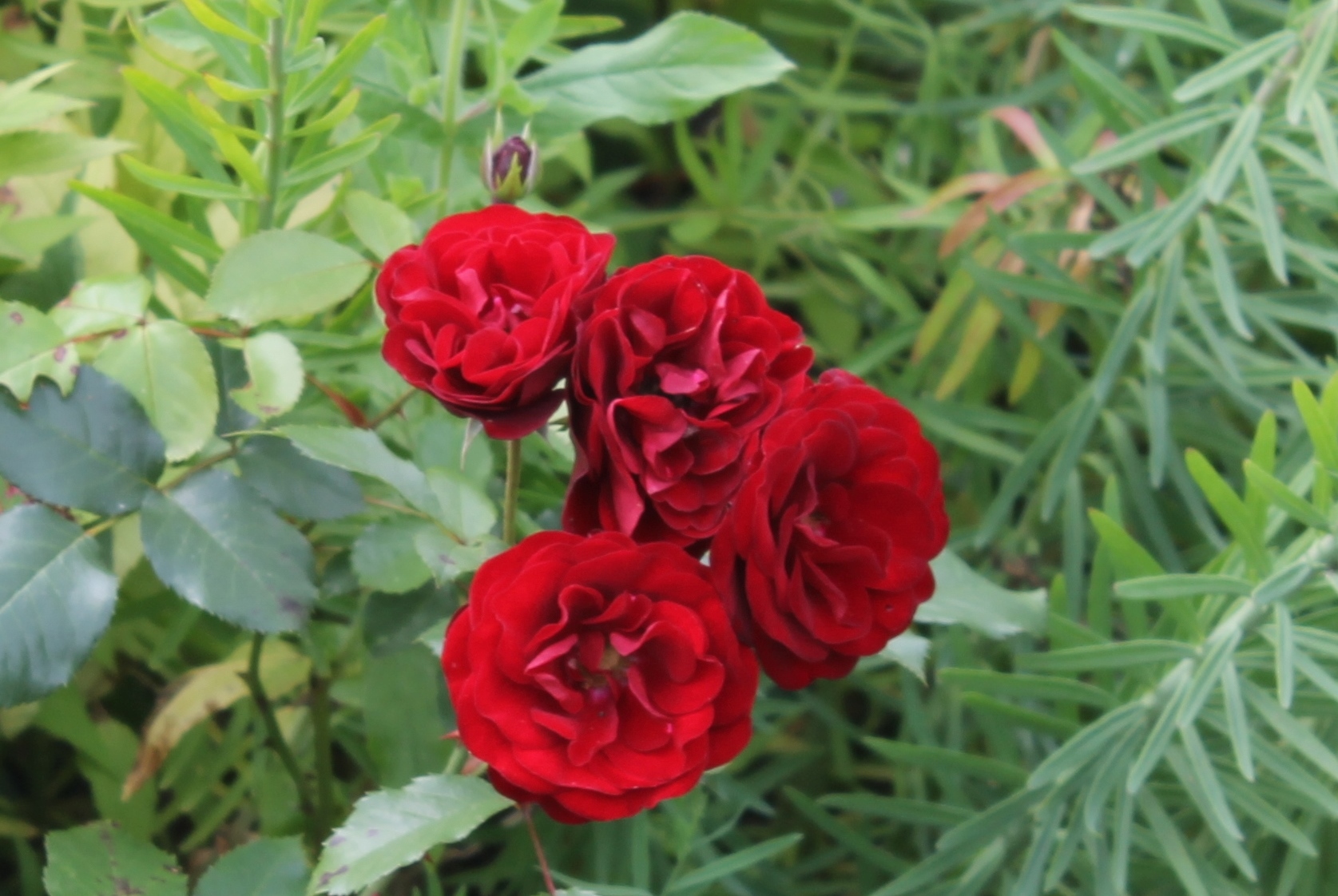
015Rose

Some beautiful deep-red roses were flowering in R’s border

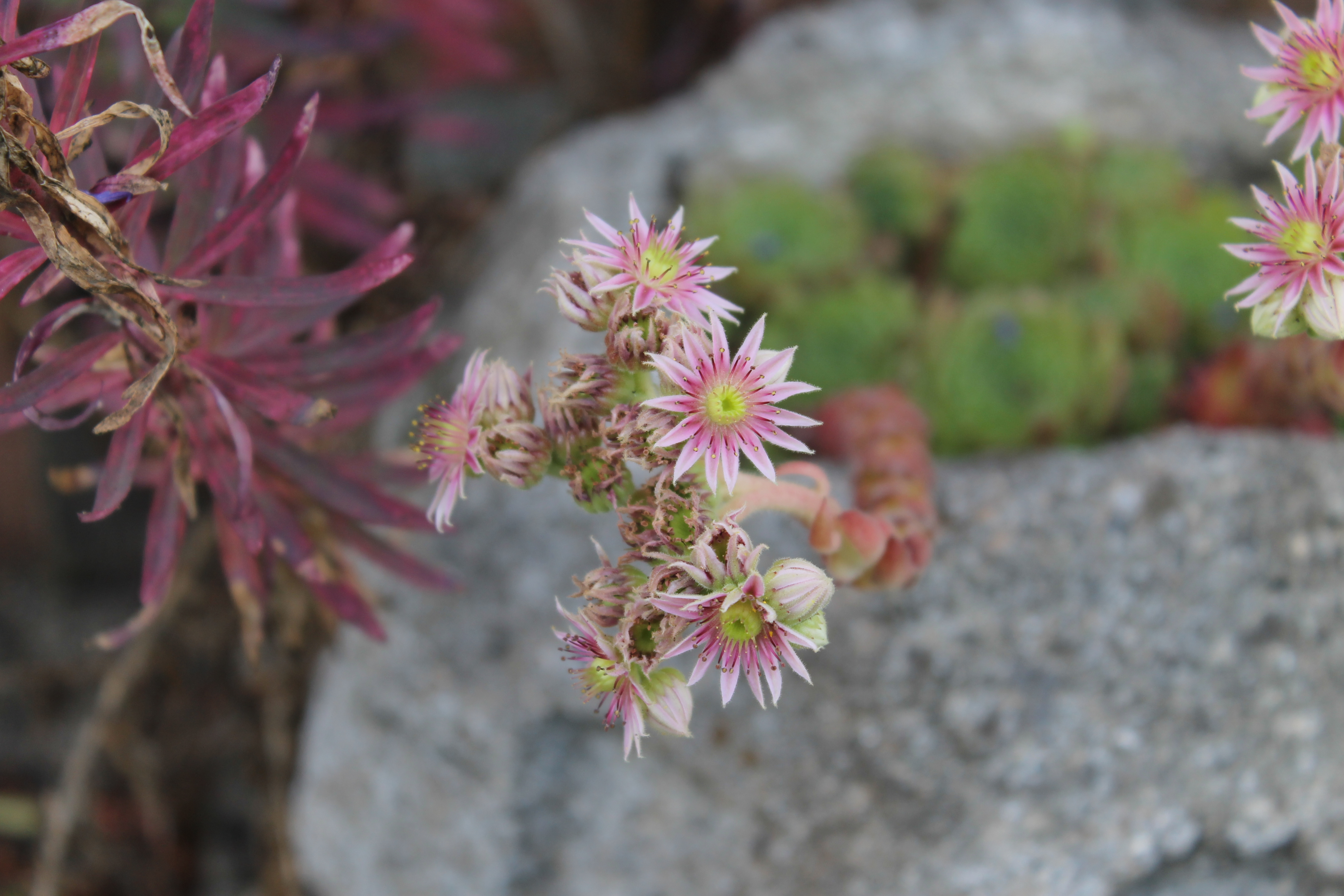
044Sempervivum - house leek

Pretty pink and green flowers of the sempervivum or houseleek were already past their best

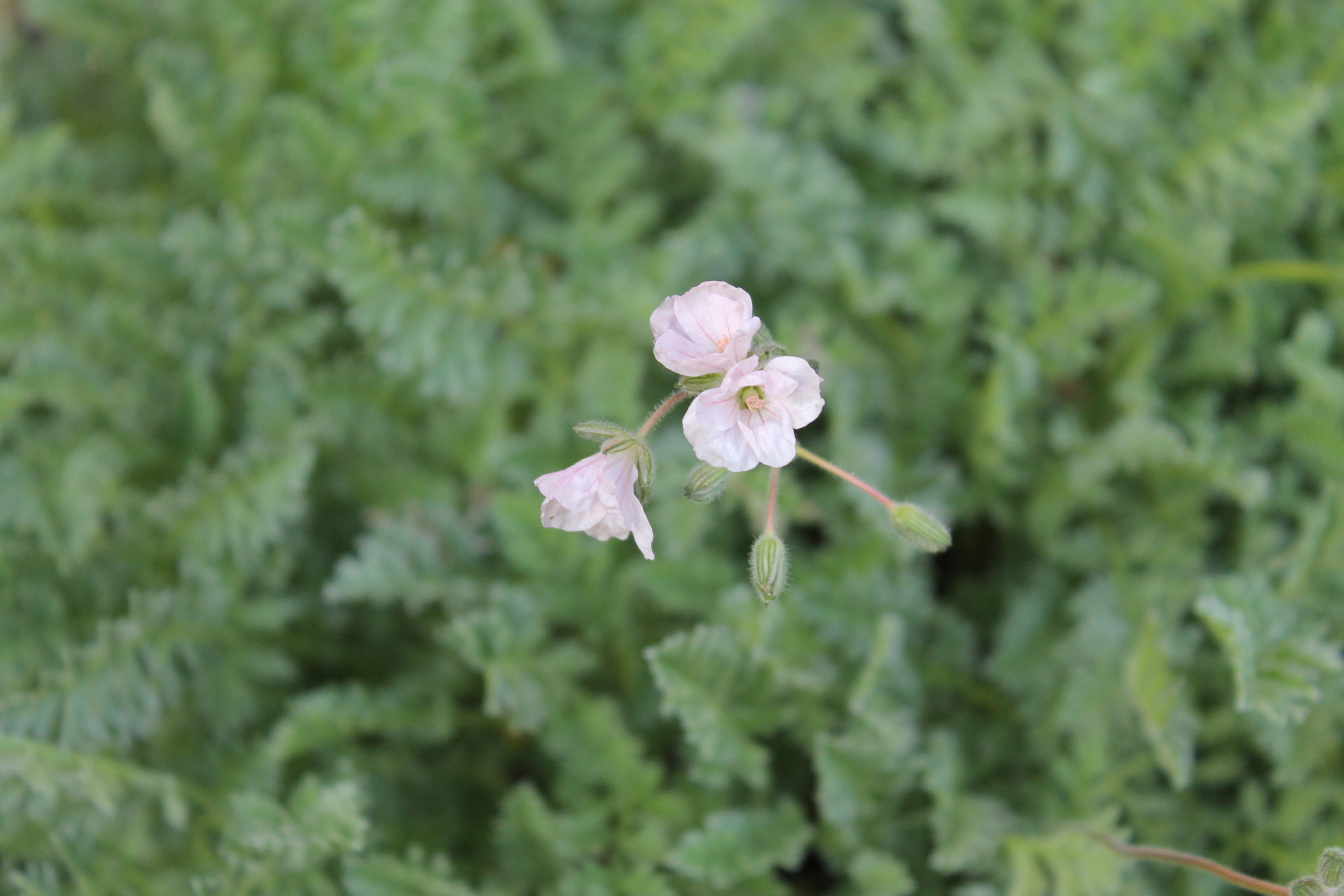
048Erodium chrysanthemum

The delicate flowers of erodium chrysanthemum were just beginning to flower

All the fruit trees, the apples, crab-apples, pear, damson and hazelnut were doing very well and the fruits were swelling.  We hadn’t lost many in the June drop.

We were all very pleased on our return to get a letter telling E that she had been accepted at City College Norwich and would be starting there in September.  She is so relieved and believes she will be getting her life back again now.  We sincerely hope and pray she will.


Share this:

  • Share on X (Opens in new window) X
  • Share on Reddit (Opens in new window) Reddit
  • Share on Pinterest (Opens in new window) Pinterest
  • Share on Facebook (Opens in new window) Facebook
  • Email a link to a friend (Opens in new window) Email
  • Share on Tumblr (Opens in new window) Tumblr
  • Print (Opens in new window) Print
  • Share on Pocket (Opens in new window) Pocket
  • Share on LinkedIn (Opens in new window) LinkedIn
Like Loading...

Snoopy vs the Red Baron

24 Thu Jul 2014

Posted by Clare Pooley in Insects, plants, Rural Diary, Uncategorized, wild birds

≈ 9 Comments

I am still having trouble posting on my blog.  I had almost finished one last night and had worked for well over an hour on it when it just disappeared and all that was saved was the title.  A total waste of time!  I could have been doing something useful like the ironing and it makes me feel so frustrated.

So, here we go again.


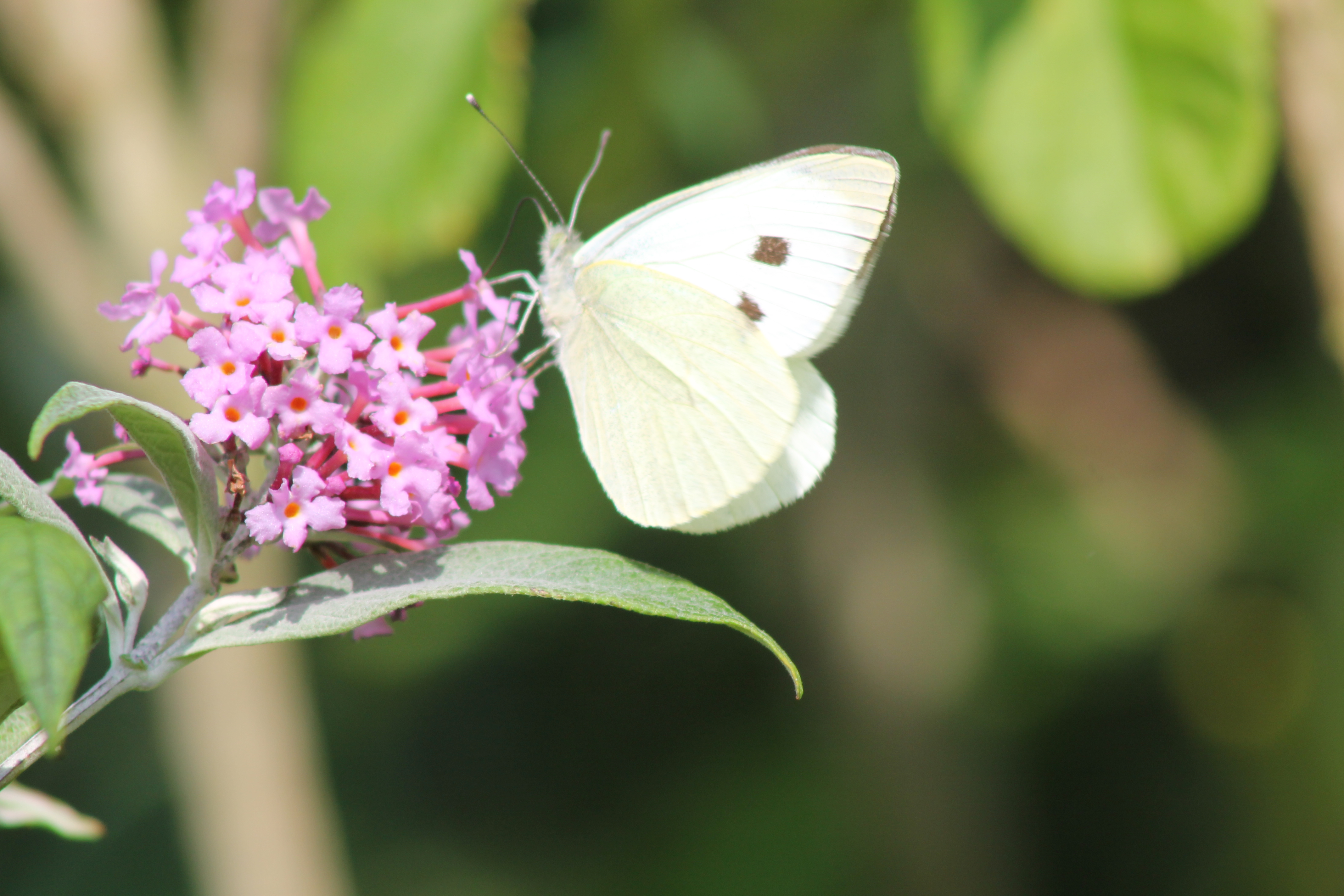
007White butterfly on buddleja

Large White butterfly on Buddleia

We woke on Monday to a bright and breezy day with all the humidity gone.  I was able to dry my towels and all my other washing too.  The window cleaner arrived and gave all the glass a bit of sparkle.  I got through all my household chores and did some shopping in Halesworth too.


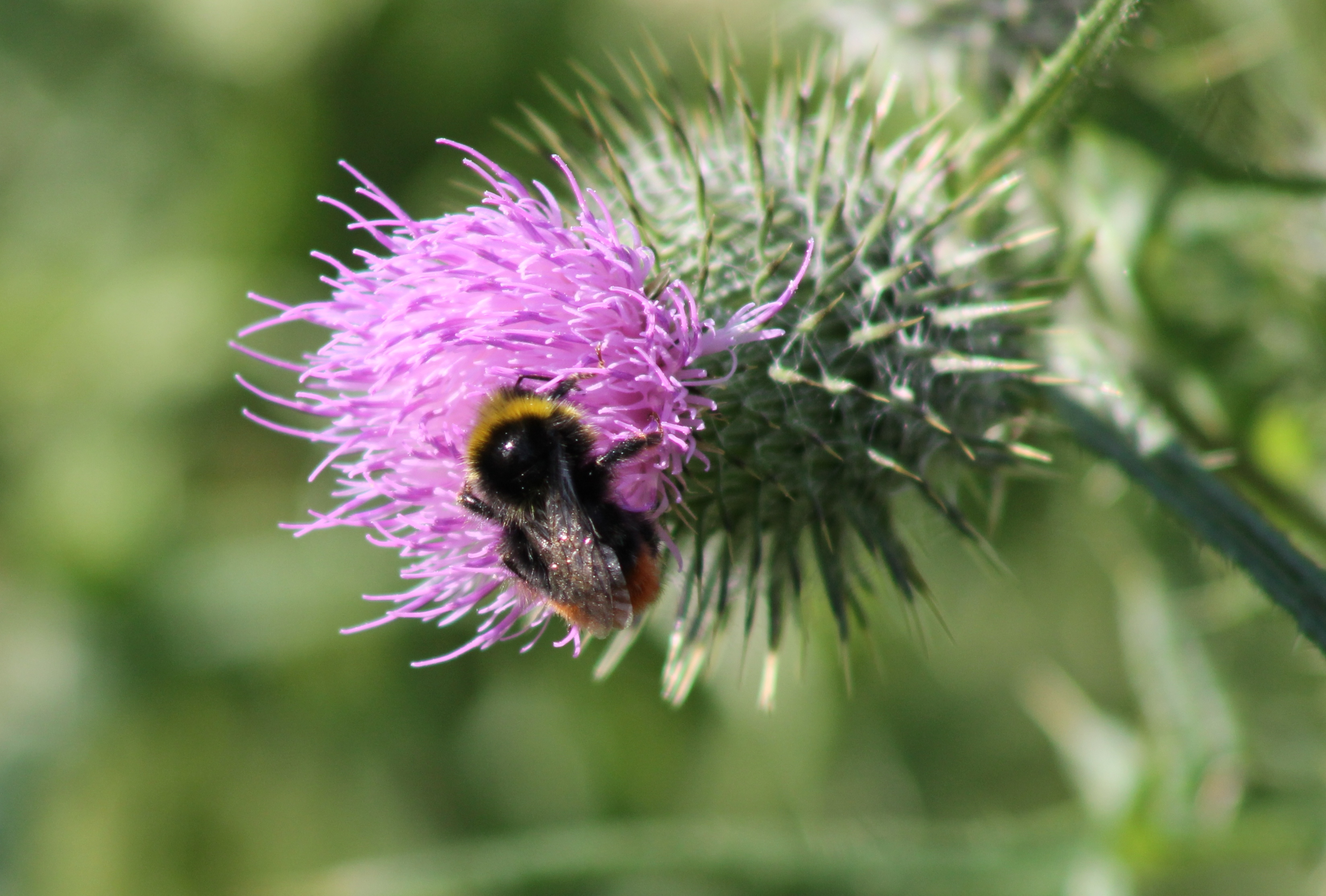
012Bumble bee on thistle

Cuckoo Bee on Spear Thistle

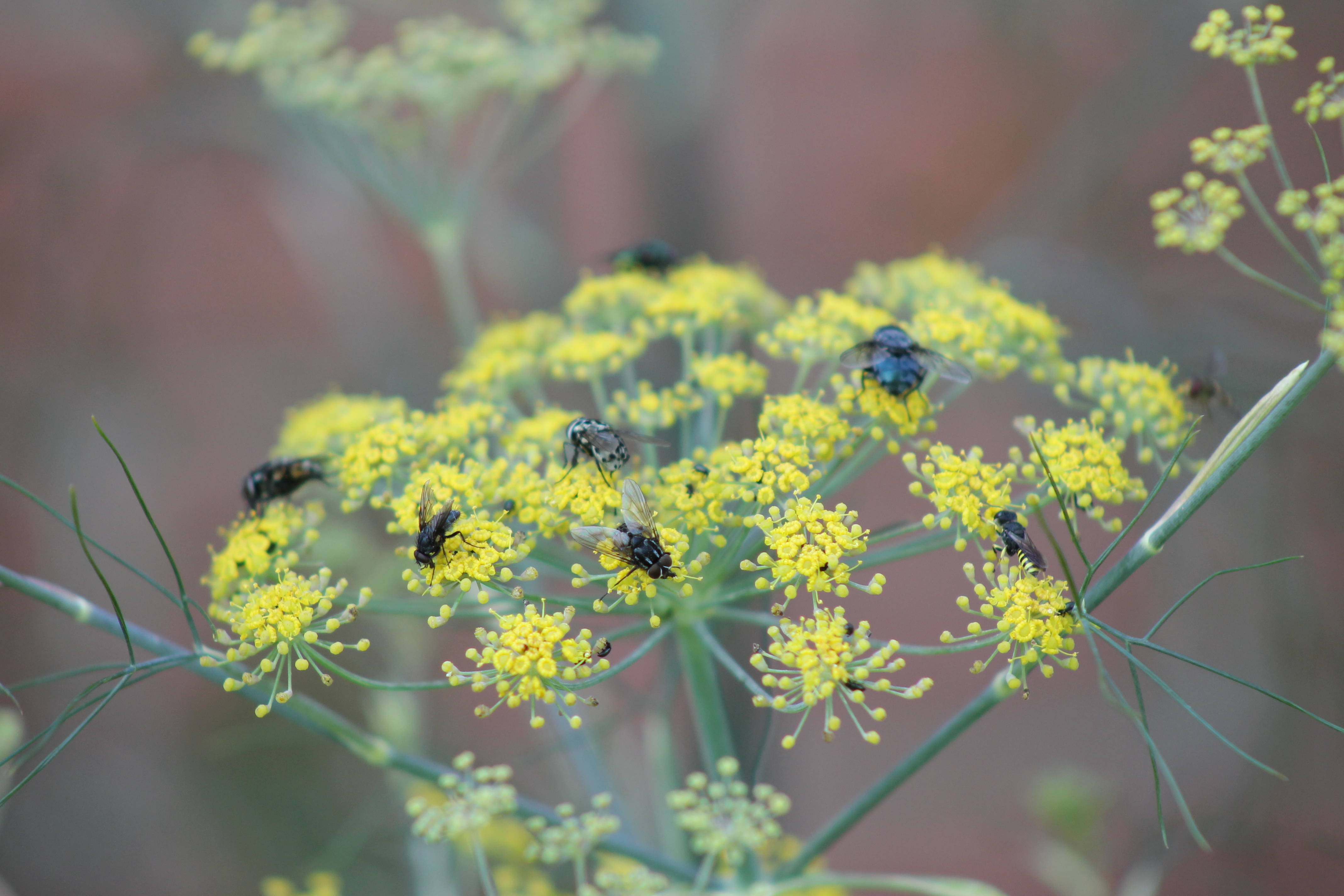
During the afternoon I wandered round the garden to see what there was to see.  I discovered a wasps’ nest under the garage roof tiles.  The wasps are quite small – they appear smaller than common wasps – but I could be mistaken.  If they cause us a lot of trouble they will have to go but they are such useful creatures I would rather leave them be.  They feed their young on chewed up insects including all the garden pests and flies that get into the house.  The also appear to love fennel nectar and pollinate my fennel plants.  Last year we hardly had any wasps at all and I had no fennel seeds.

018Flies on fennel

Flies all over the bronze fennel flower-head

Some of the insects I saw were a little the worse for wear.

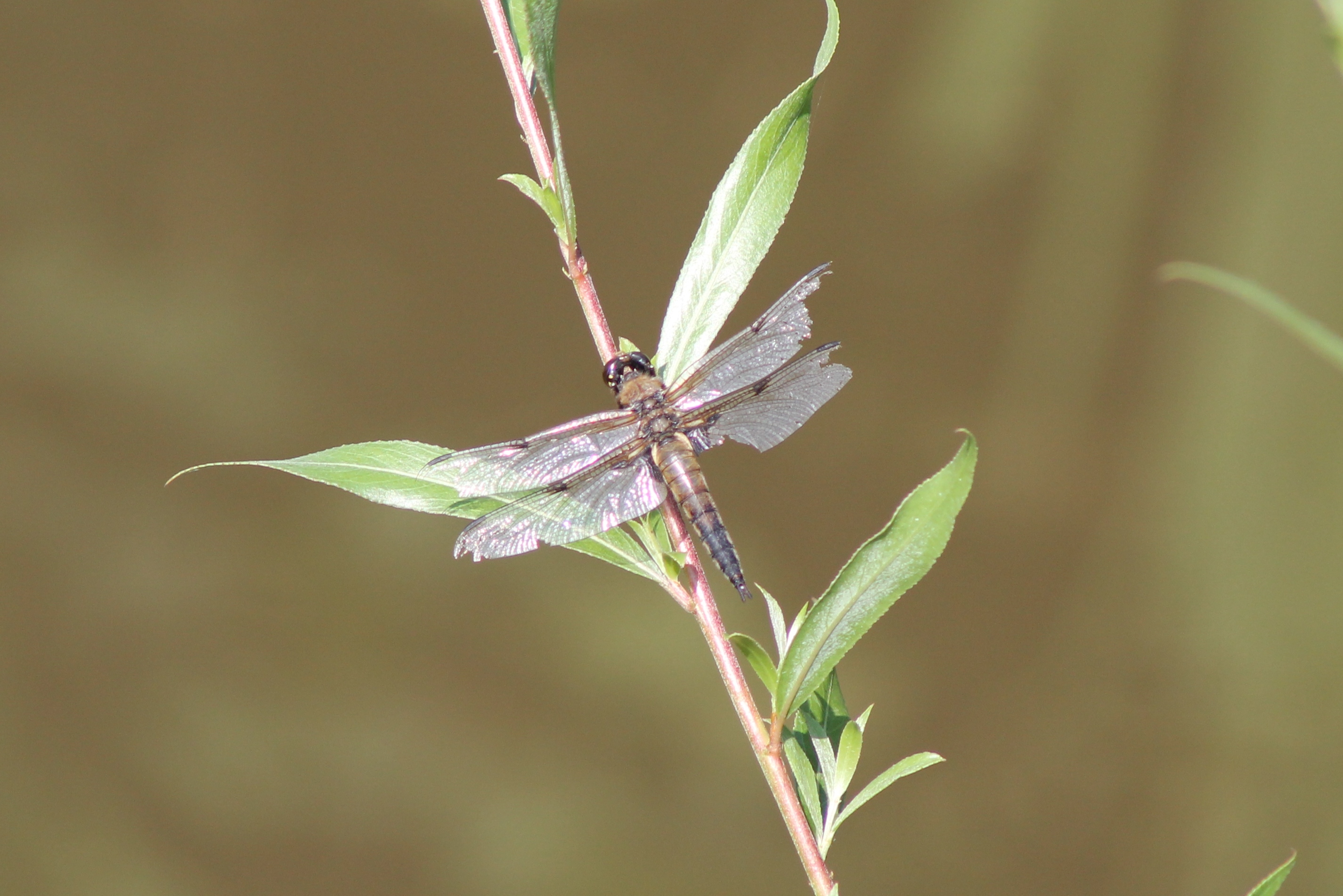
015Dragonfly

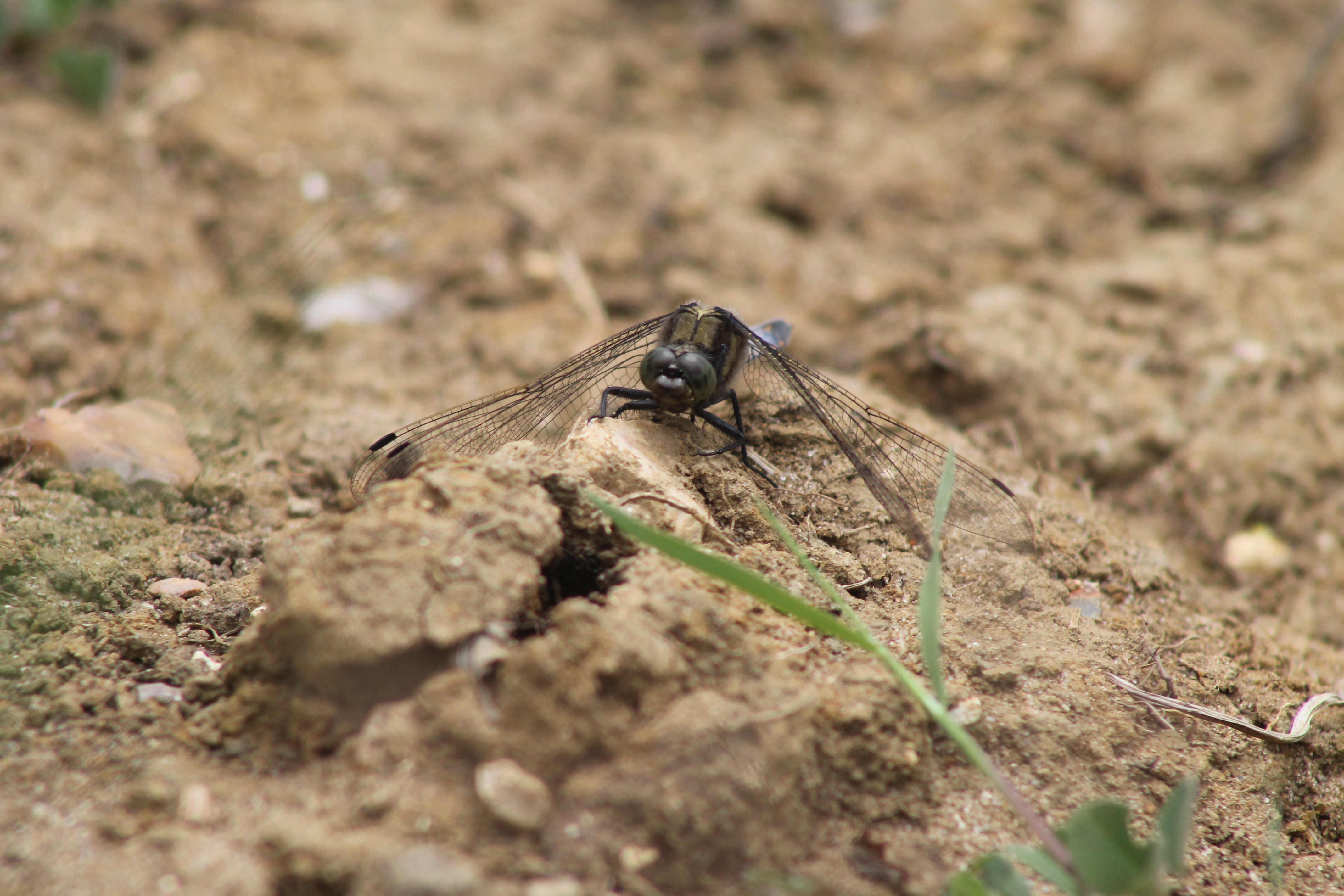
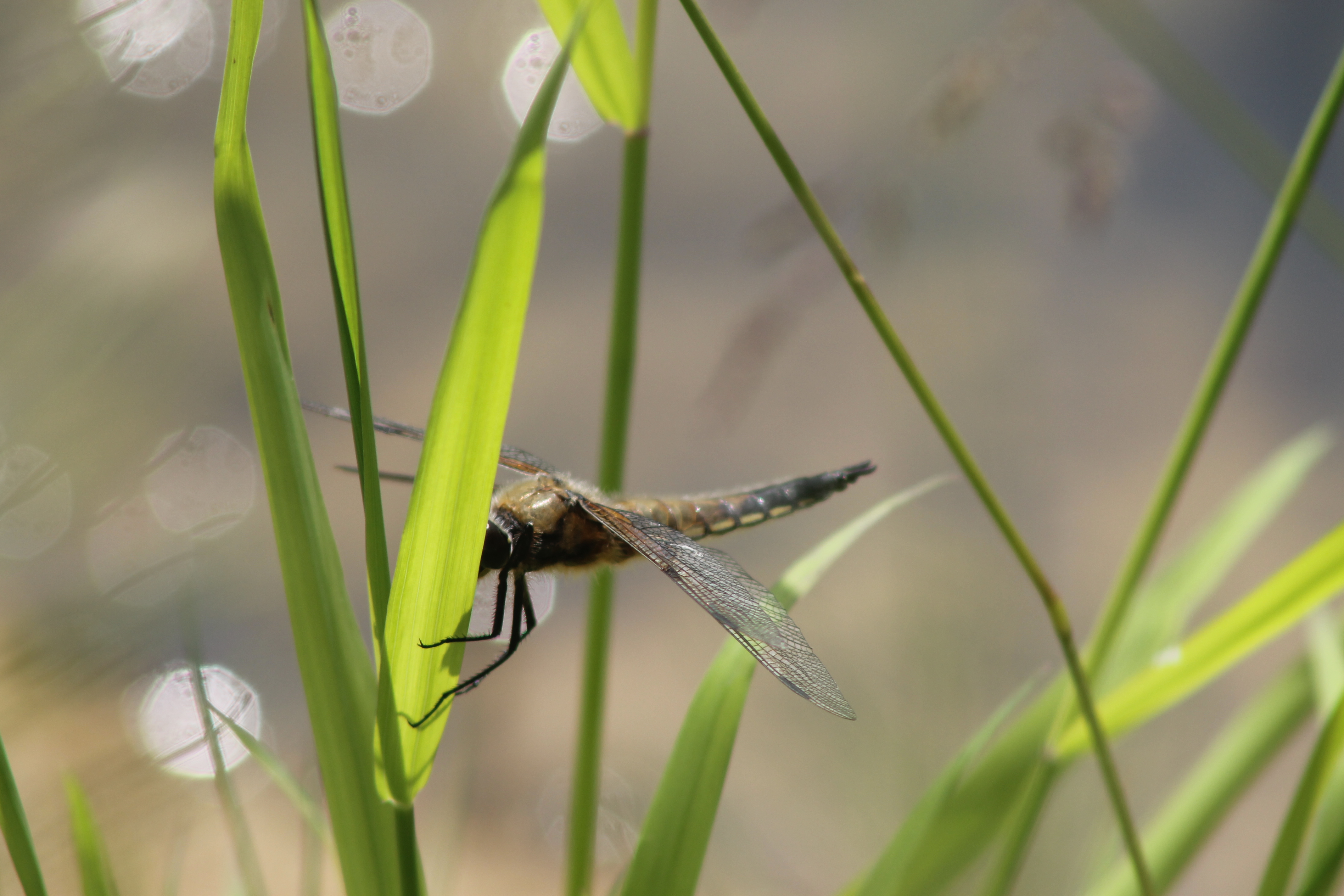
Four-spotted Chaser on Willow

While hanging out the last lot of washing I heard what sounded like an old-fashioned plane approaching.  In fact it was two bi-planes.  I don’t know if they were just flying for fun or if they were rehearsing for an air show or a World War I commemoration display but they were ace fliers and I enjoyed watching them very much.  They weren’t flying original bi-planes but modern equivalents.

026Bi-planes

030Bi-plane

048Bi-plane

They then started practising loop-the-loops.

031Bi-plane with smoke-trail

032Bi-plane with smoke-trail

033Bi-plane with smoke-trail

034Bi-plane with smoke-trail

035Bi-plane with smoke-trail

036Bi-plane

His friend wasn’t going to be outdone and did a few loop-the-loops of his own.  I couldn’t see him quite so clearly.

037Bi-plane with smoke-trail

038Bi-plane with smoke-trail

039Bi-plane with smoke-trail

047Bi-plane

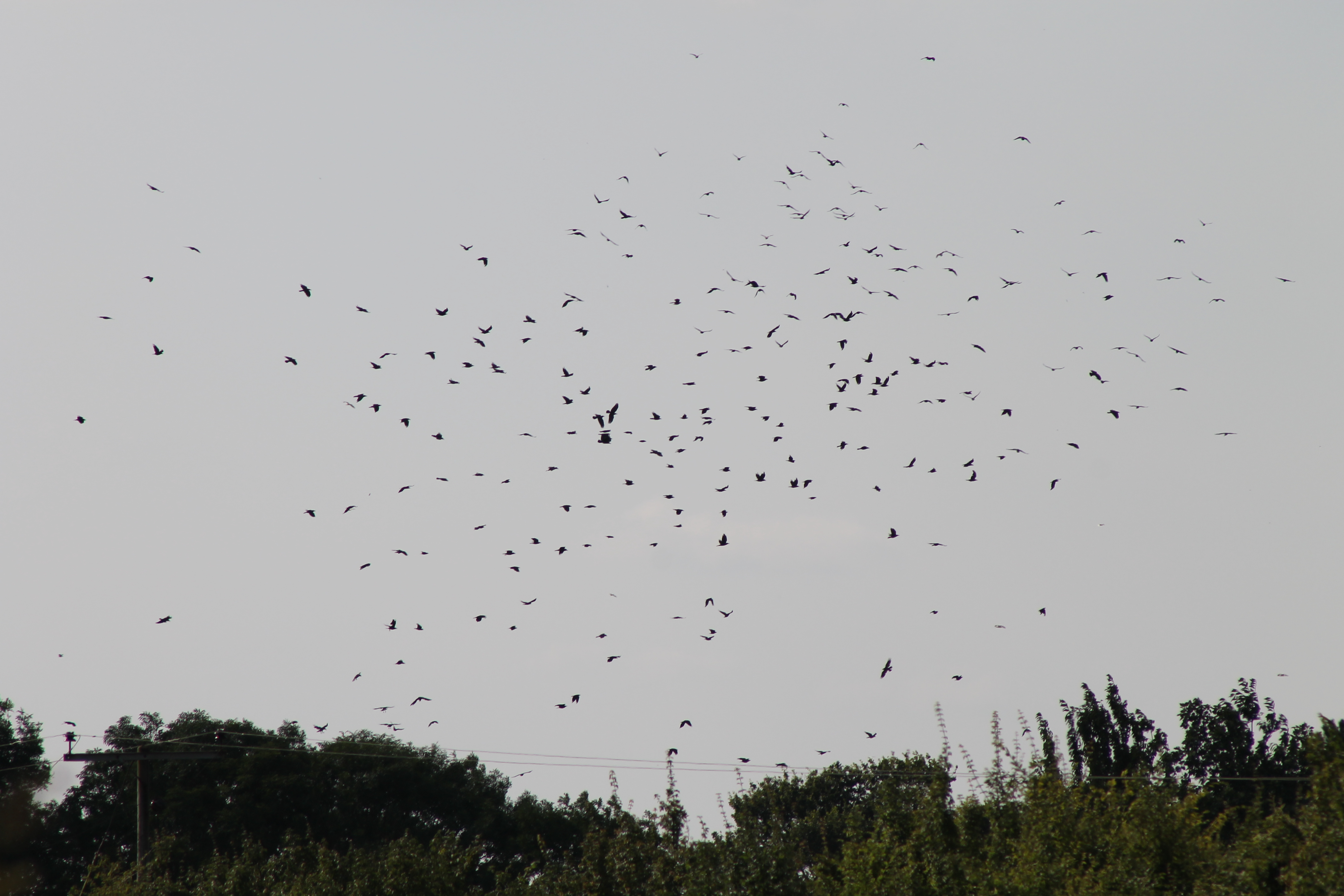
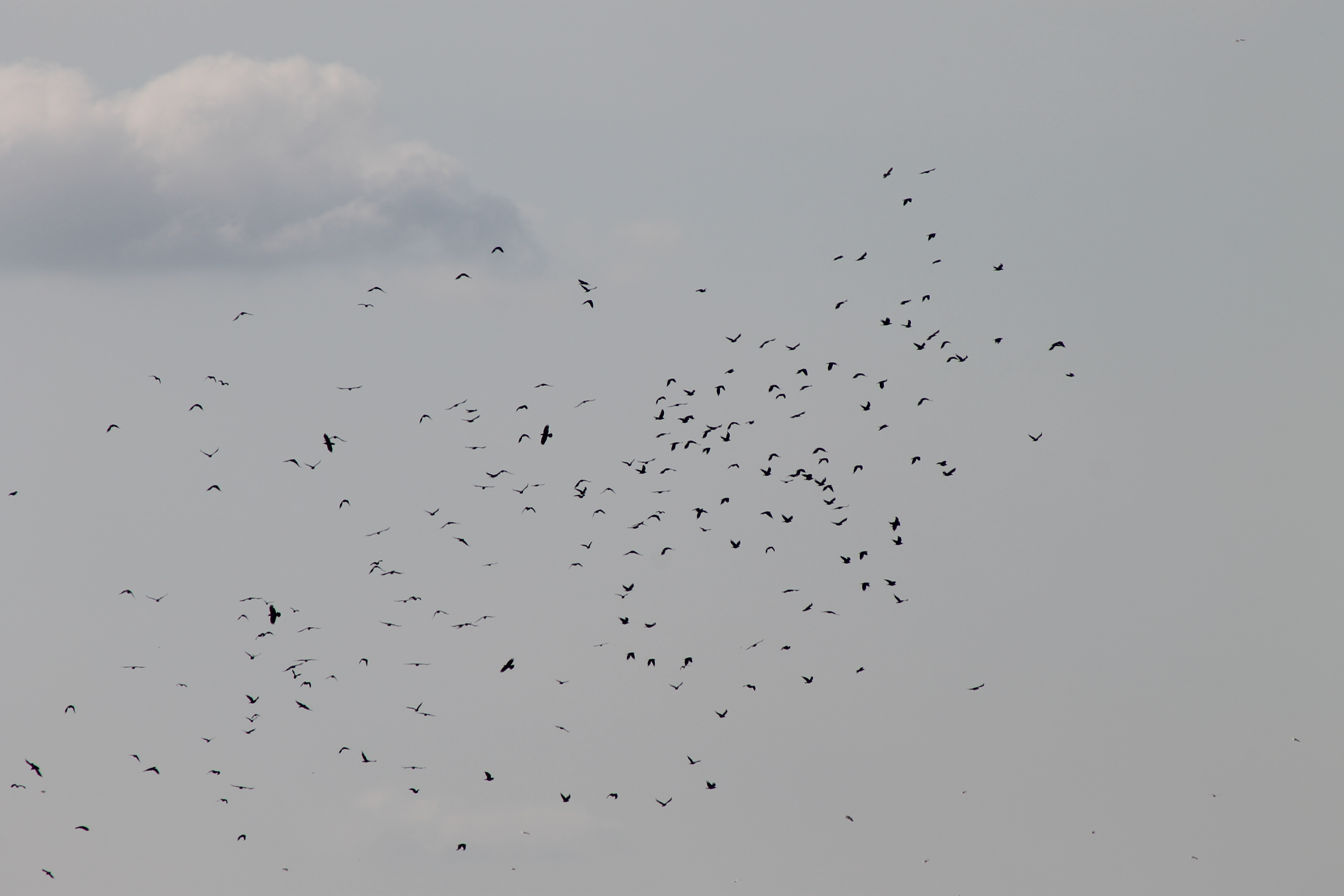
I was really impressed!  Strangely, I wasn’t alone in being excited by this display.  While all this was going on I became aware of a lot of noise coming from the St Margaret’s rookery.  The rooks had all gathered together and suddenly flew up into the sky and performed a display of their own!  Normally they only display first thing in the morning and last thing at night just before roosting.  They fly up into the sky together, circling round and round and getting higher and higher , calling to each other and chasing and weaving through the melée.  Suddenly, of one accord, they plummet down into their roost, reeds, scrubland or the tree canopy.  This is what they did on Monday afternoon.  They must have thought the planes were strange birds.

040Rooks

041Rooks

 I was disappointed not to be able to photo their descent into the tree tops.  I find birds constantly amazing!


Share this:

  • Share on X (Opens in new window) X
  • Share on Reddit (Opens in new window) Reddit
  • Share on Pinterest (Opens in new window) Pinterest
  • Share on Facebook (Opens in new window) Facebook
  • Email a link to a friend (Opens in new window) Email
  • Share on Tumblr (Opens in new window) Tumblr
  • Print (Opens in new window) Print
  • Share on Pocket (Opens in new window) Pocket
  • Share on LinkedIn (Opens in new window) LinkedIn
Like Loading...

A Visit to Sheffield

10 Thu Jul 2014

Posted by Clare Pooley in churches, plants, Rural Diary, trees, Uncategorized

≈ 14 Comments

Tags

'The Company', abutilon, architecture, Botanical Gardens, canna, chapels, copper beech, Drama Studio, Ely Cathedral, eringium, George Etherege, HMS Sheffield, Man of Mode, memorial, Mrs Loveit, pavilions, pelargonium, review, Sheffield, Sheffield cathedral, Sheffield Star, Tour de France, water feature, Windy wet weather

We were away from home on holiday from Tuesday 1st July until Wednesday 9th July.  As we neared home on Wednesday the weather deteriorated – the sun disappeared, the wind picked up and the temperature dropped.  While we had been away the weather at home had been quite warm with a little sun but a lot of cloud according to my mother.  I took Mum out shopping yesterday and we were fortunate to be able to do it in the dry.  Shortly after getting home at 2.00pm the heavens opened and it rained for hours with some thunder and lightning.  I went for my monthly blood test this morning and chatted to my friend who is the phlebotomist at the medical centre.  Her daughter and my younger daughter E are the same age and were friends when E was able to go to school.  The Sixth Form Centre that Katrina attends was flooded yesterday and the roof was blown off the maths block so Katrina was enjoying a day off school.  My friend keeps horses and a tree had blown down in her paddock yesterday too.  The weather is quite autumnal at present.
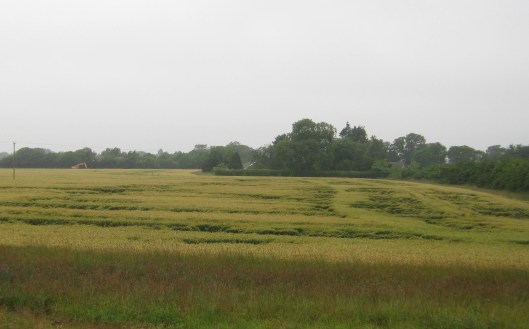
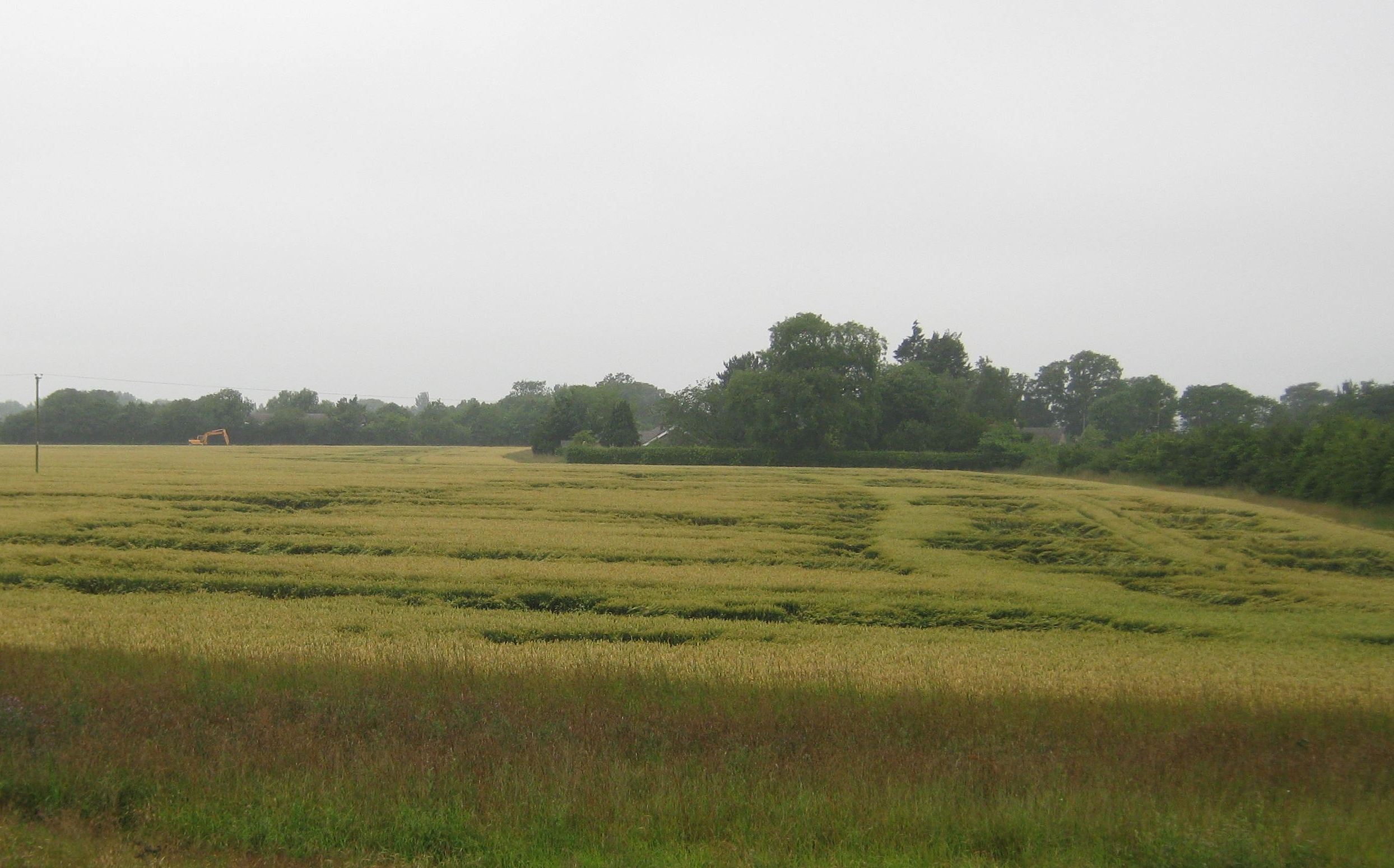
001Wheat field

Wheat field behind our house

The wind and rain has done considerable damage to the fields of crops in the area.  Please note the overwhelming grey sky!

My last post ended with me about to visit my eldest daughter in Sheffield to watch her perform in George Etherege’s play ‘Man of Mode’.  The few times I have visited her I have only stayed for one night so this time I booked two nights in a hotel and hoped I would be less rushed and tired and would be able to see more of my daughter and more of the city as well.

The journey was virtually uneventful and there were no delays.  The air conditioning wasn’t working on the train and I was amused by a young man becoming hot and somewhat bothered trying to force open a locked window.  The conductor eventually wandered through the carriage and asked if we would like the window opened.  We were very pleased to see him open it with a key  – fresh air is a wonderful thing!
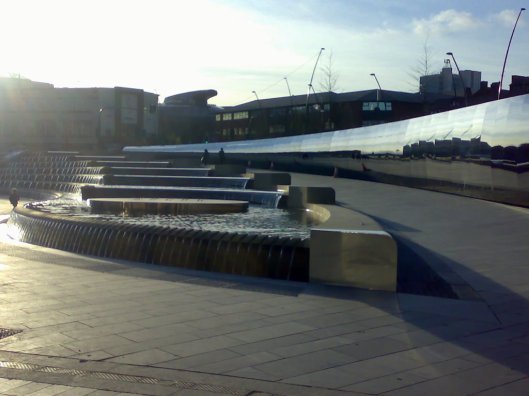
1479224Sheffield station approach

The approach to Sheffield station seen from the station  Google image

I have had to supplement my photos with some from the internet as not all of mine came out well.

I decided to walk to my hotel in the city centre as it was a fine afternoon and made myself a refreshing cup of tea.  After a short rest I went out shopping and bought some food for our early evening meal and took a taxi to A’s house. The taxi driver was friendly and told me all about his daughters and what he planned to have for his evening meal.  He was just about to finish work for the day.  I had arranged with A that she would be standing at the end of her driveway as I probably wouldn’t recognise her house.  I pointed her out to the taxi driver who waved at her.  He was surprised that she didn’t wave back but of course I told him she had been brought up well and didn’t wave to strange men in cars.

A made us a cup of tea and then we ate our meal and I enjoyed our chat.  I walked with her to the Drama Studio and while she got changed ready for the performance I waited outside for the doors to open.  I had plenty of time to re-acquaint myself with the view from the top of the steps.
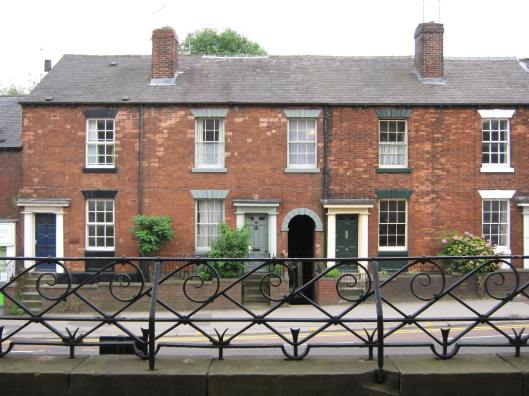
019View from steps

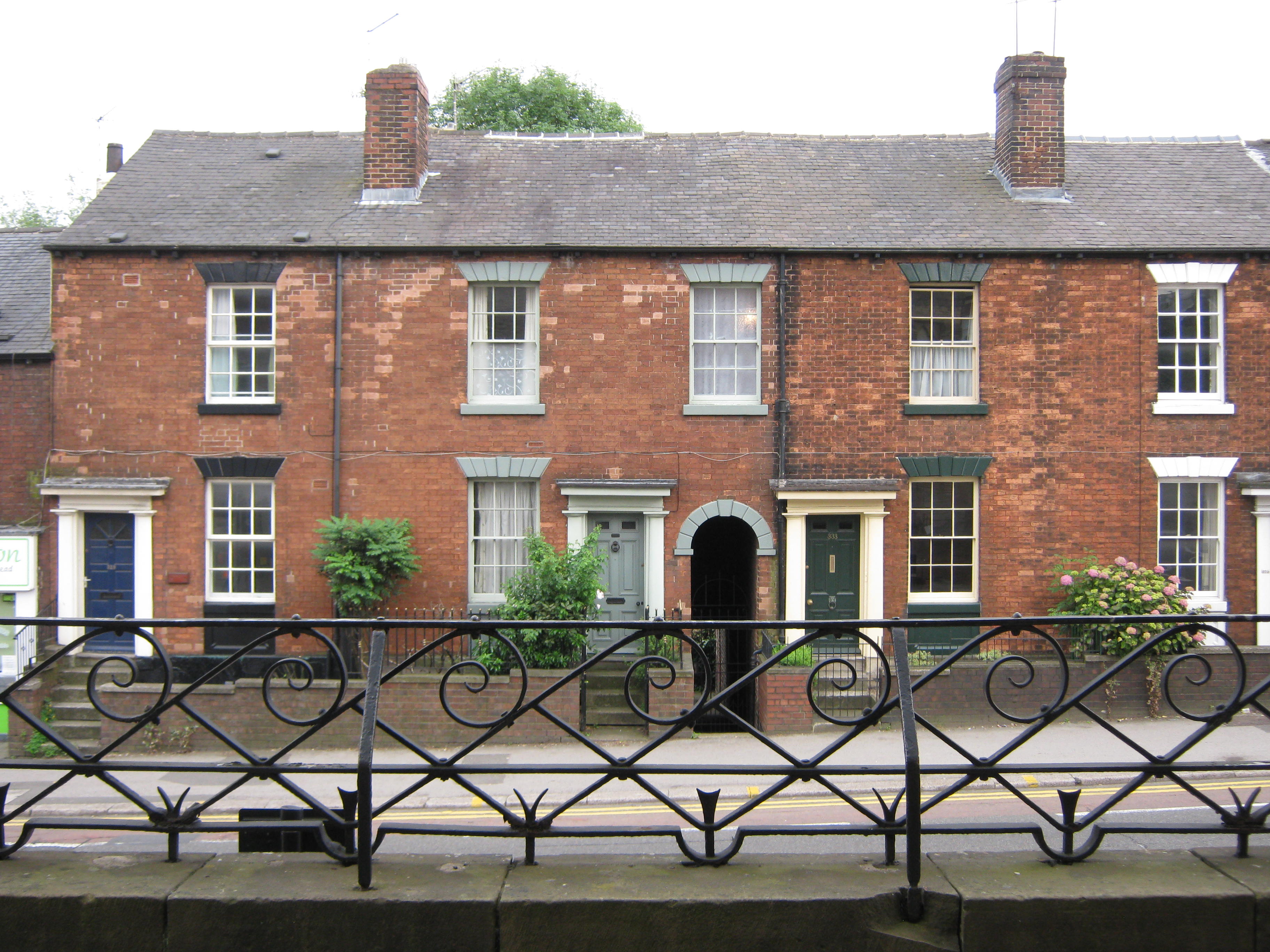
Houses opposite the studios

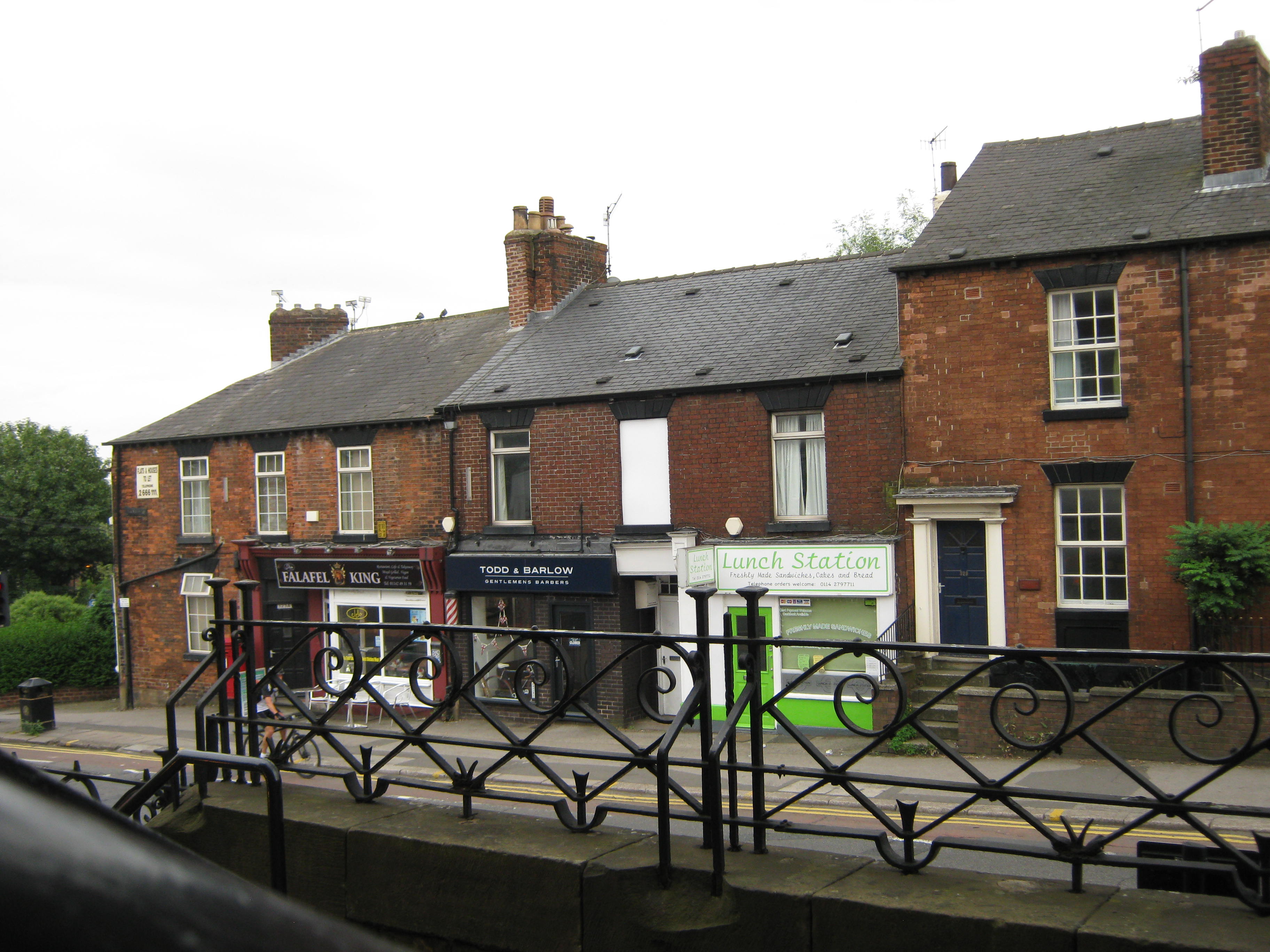
018View from steps

Shops opposite the studios

I had plenty of time to stare at the door too…..

016Drama studio entrance

The entrance to the drama studios

and at some of the carved detail.

017Detail on entrance

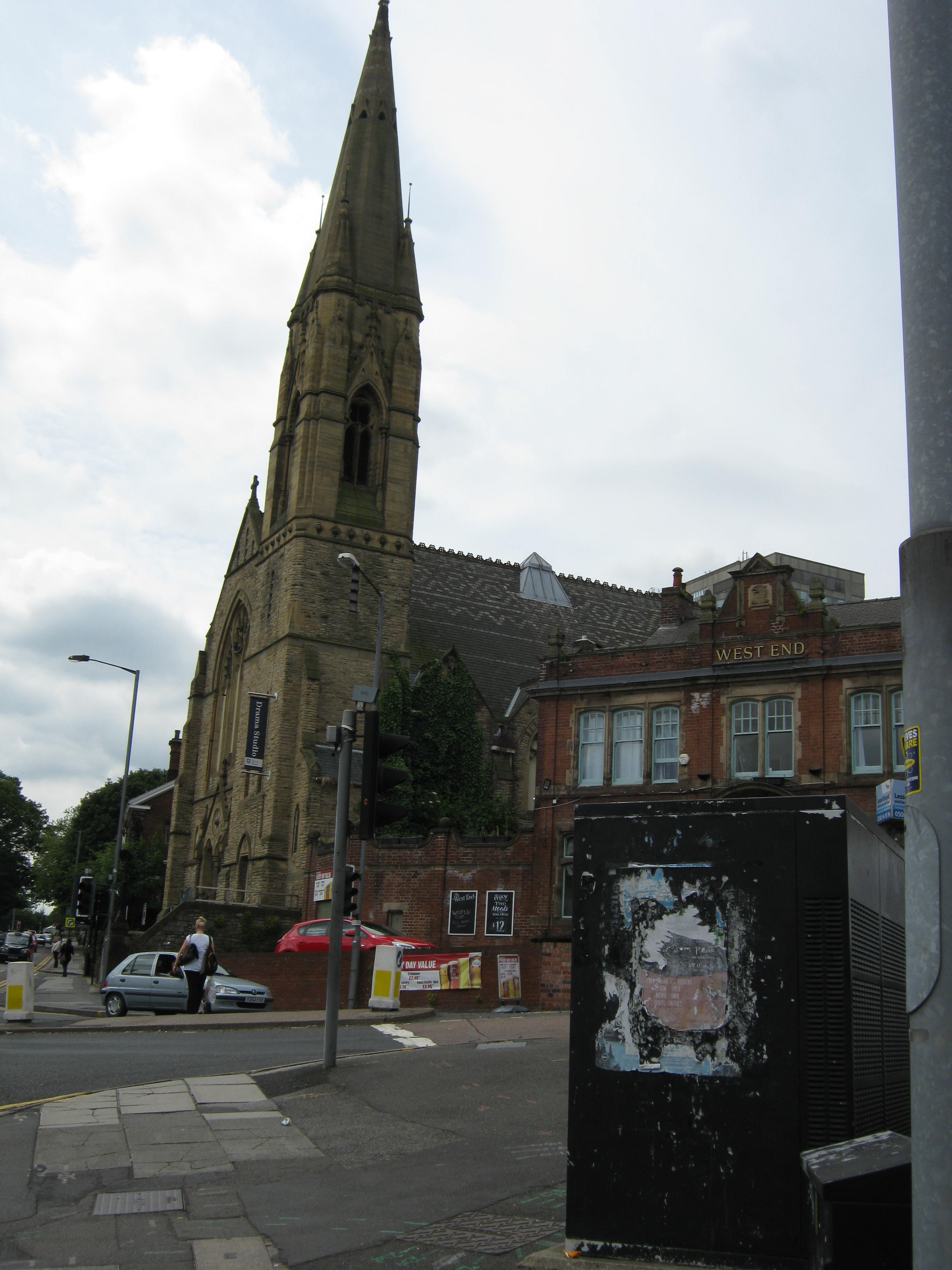
I took a photograph of the studios the next day and looking at the resultant picture I see that either I wasn’t standing up straight or the building is leaning backwards.
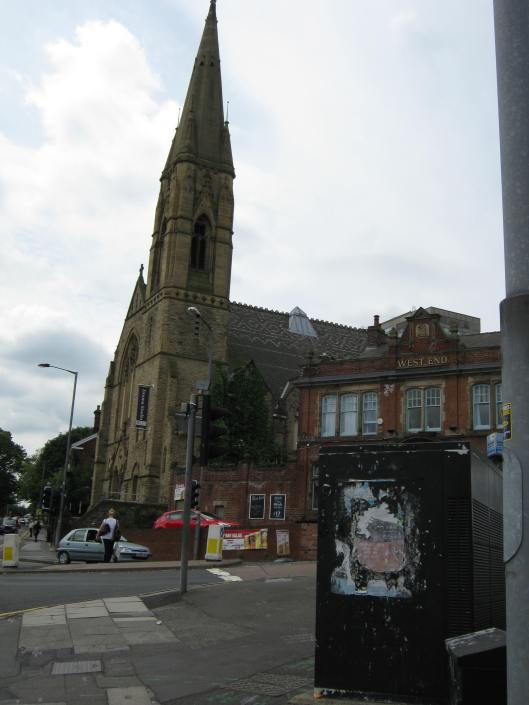
051Drama studios

Drama Studios

I think it was me!

The building looks like a former church and from a photograph on display inside, I found that it had been used at one time as a synagogue.

I enjoyed the play immensely and was sorry that there were so few people in the audience.  A played the part of Mrs Loveit, a spurned mistress –  a jealous, bitter woman out for revenge.

unnamed unnamedd

These are photos of A taken by a friend in the dressing room.  They do not quite show how beautiful she is or how good she looked in her costume.

I waited for her afterwards and we walked back to my hotel together and had a drink in the bar before she got the bus back to her house.

The next day we met mid-morning and she took me to see the Cathedral.
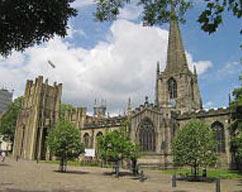
sheffield cathedral

Sheffield Cathedral Google images

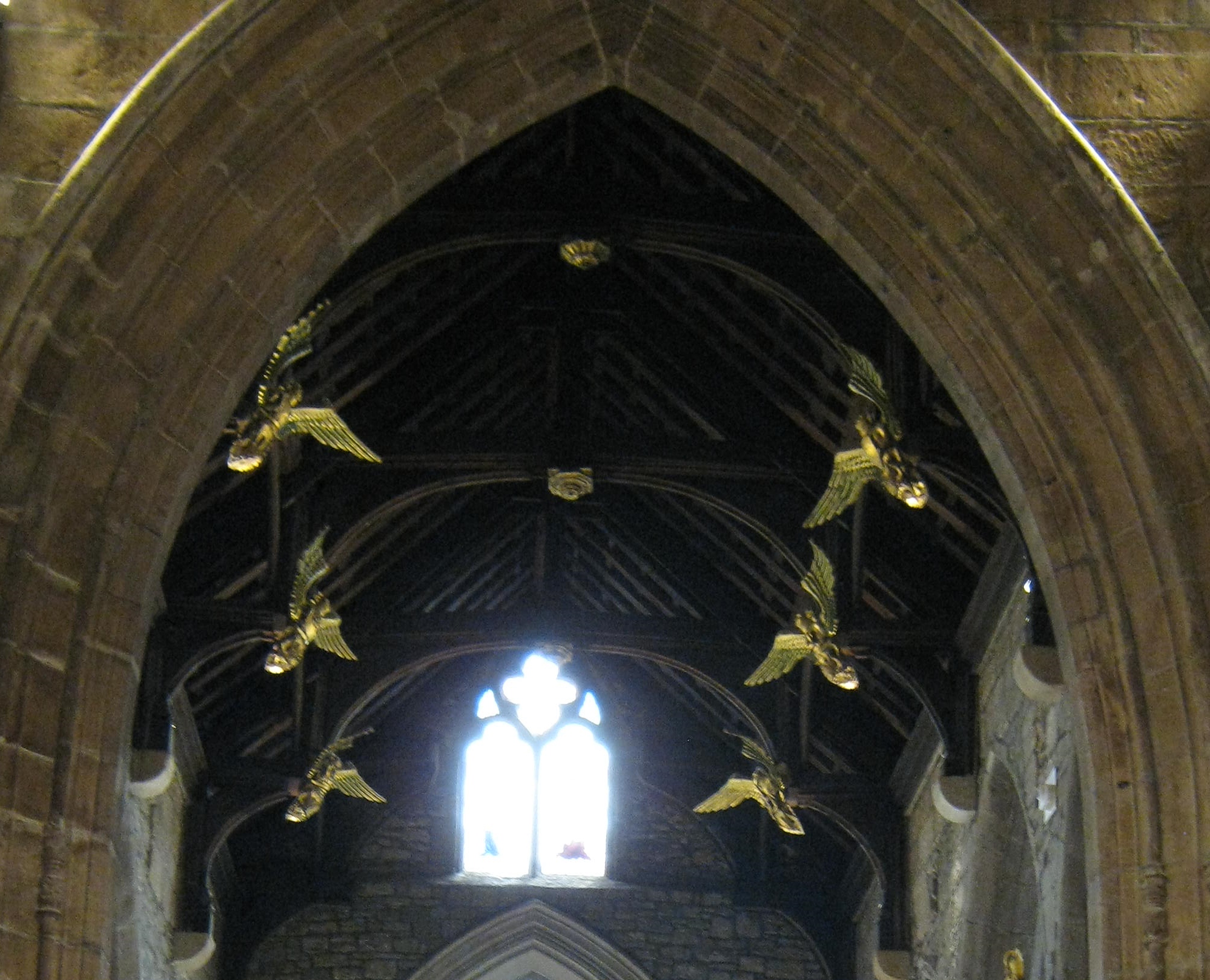
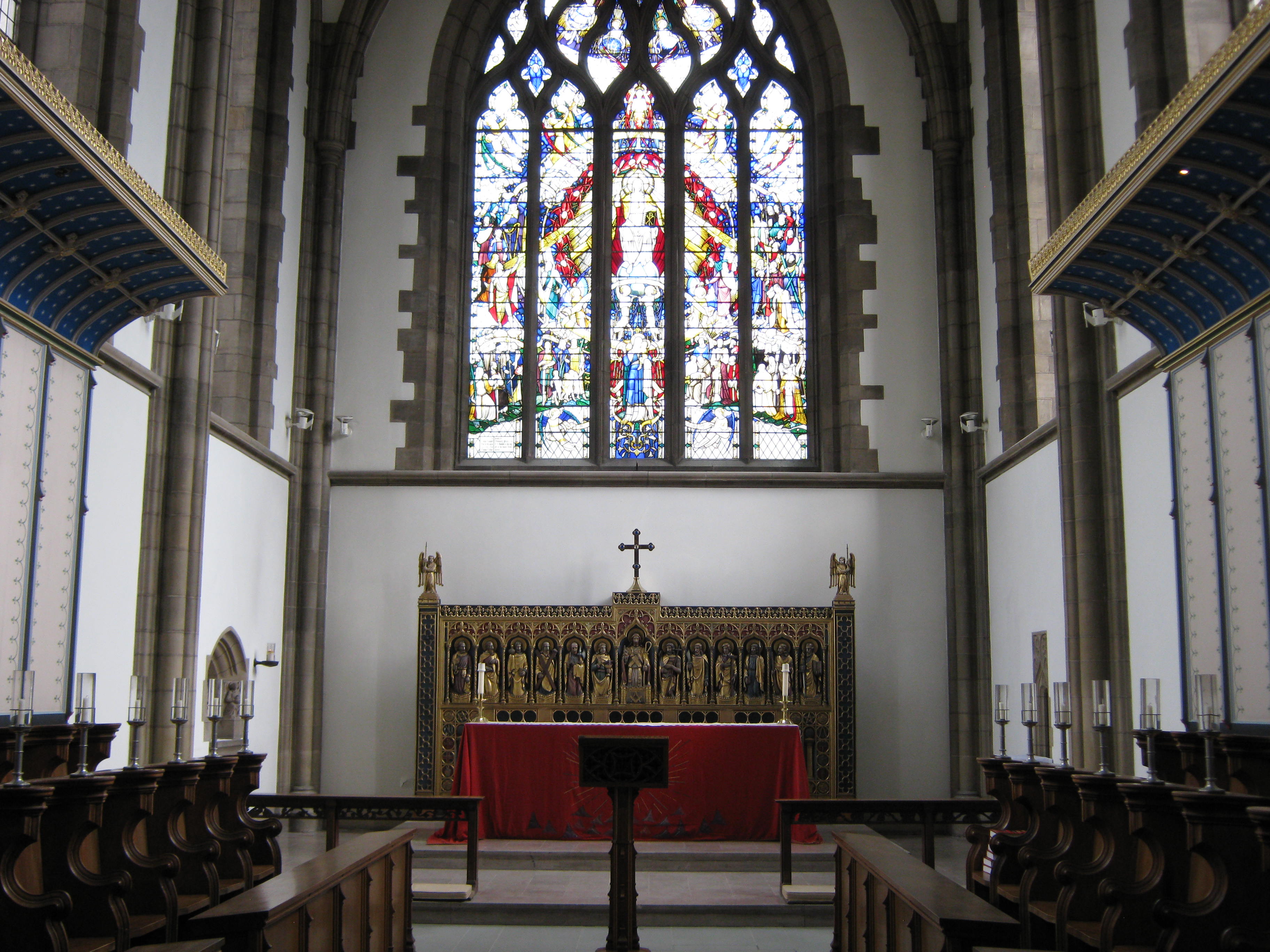
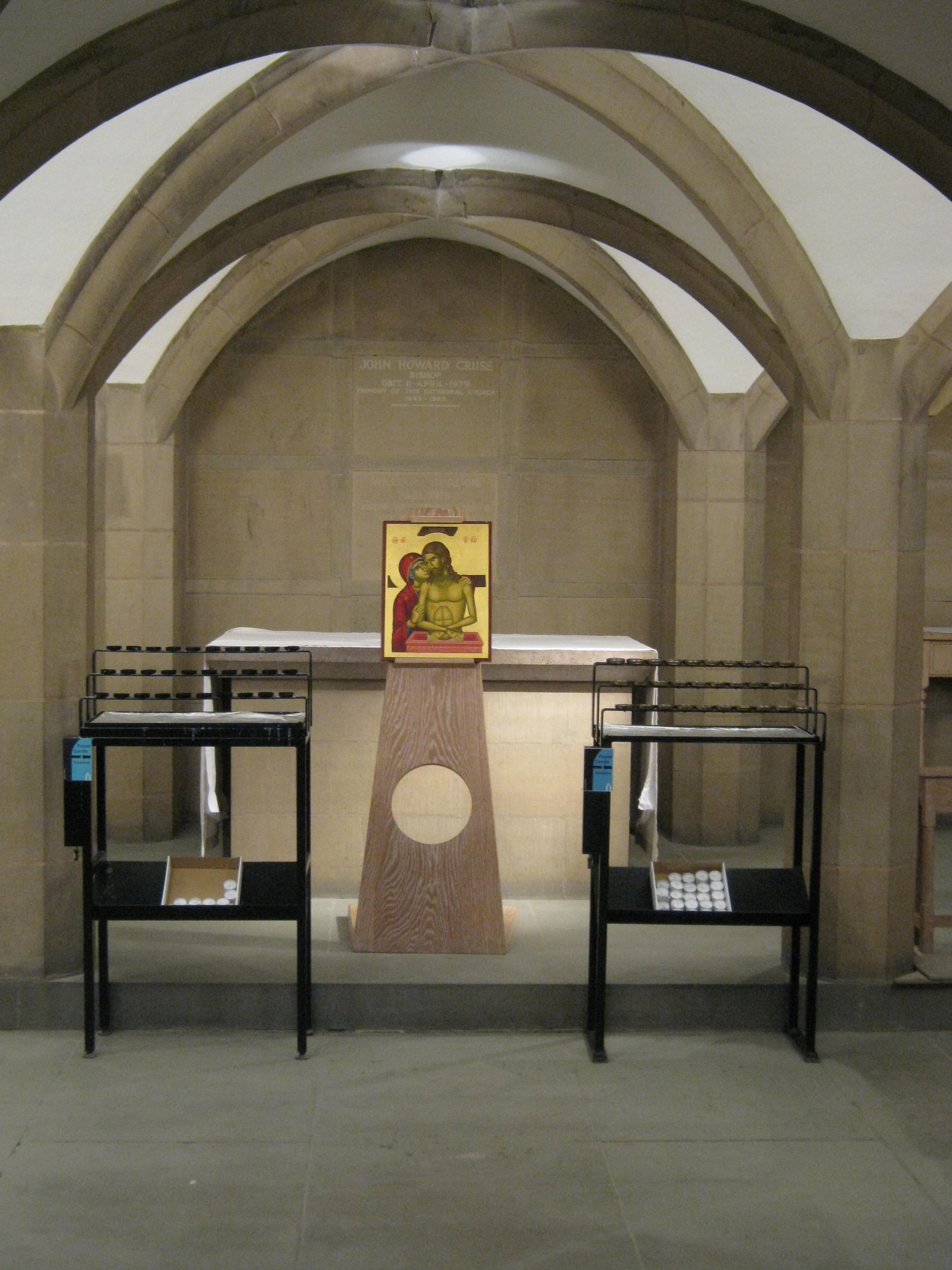
It was formerly a parish church dedicated to St Peter and St Paul but was made a cathedral one hundred years ago in 1914.  There has been a church on the site for a thousand years but the oldest part of the present building dates from 1430.  Chapels were added over the years – for example in 1520 the 4th Earl of Shrewsbury built the Shrewsbury Chapel where he and his two wives have their tomb and there is a grand monument to the 6th Earl who was guardian to Mary Queen of Scots when she was imprisoned in Sheffield  from 1570-1584.
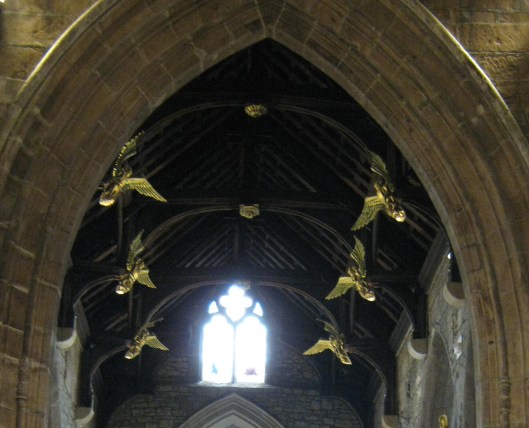
020Sheffield cathedral chancel

Chancel ceiling with golden angels

021Ceiling

Another ceiling


But by the 19th century it had also become very dilapidated.  A diarist of the time said that the church was ‘one of the most gloomy places of worship in the kingdom.’  This is no surprise as Sheffield is also known as ‘Steel City’ and in the 19th century the place was full of steel and iron foundries with furnaces blazing all day and night.  The dirt, soot and smoke must have been terrible.   The nave had to be demolished and rebuilt, the church was enlarged and the interior was modernised.

022Banners

Ancient banners hanging in one of the chapels

024Statue

Memorial


This lovely statue is a memorial to commemorate the special relationship between the city of Sheffield and ships of the Royal Navy bearing the city’s name.  It was placed in the cathedral on 17th April 2000 by His Royal Highness the Duke of York CVO ADC.  It is a tribute to all those who gave their lives in the service of their country.  British people remember that HMS Sheffield, a 4,100 tonne destroyer with a crew of 300 on board was hit by an Argentinian Exocet missile on 4th May 1982.  Twenty died and twenty-six suffered blast and burn injuries.  It was the first ship to be lost in enemy action since the Second World War.  Prince Andrew took part in the Falklands War.

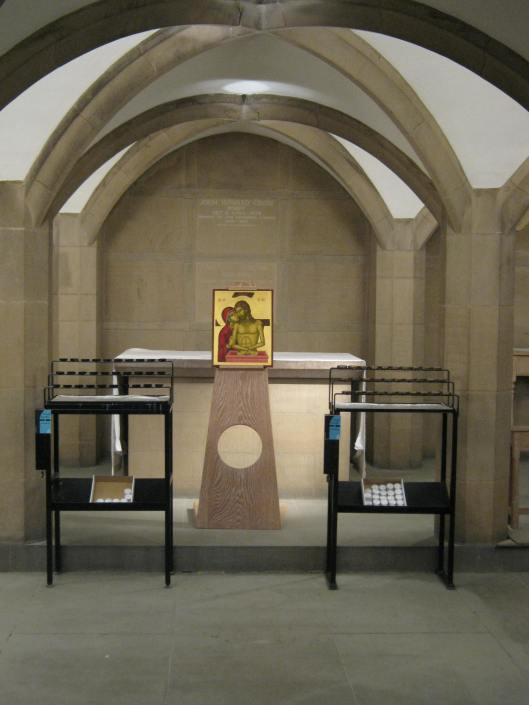
027Chapel

A Chapel

031Chapel

A Chapel

The church was made a cathedral when the new diocese of Sheffield was formed.  Yet more plans were made to enlarge the cathedral but only some of the building works were carried out.  In the early 1960s more extensions were made including the narthex entrance and the west end was extended with a lantern tower.  The latter was repaired and new glass put in in 1998-1999.  Work is continuing to this day.

034The lantern

The Lantern

After admiring the Cathedral we walked up through the city to the Botanical Gardens  This was originally laid out in 1836 in the ‘Gardenesque’ style which featured winding paths and scattered plantings among tree-planted mounds.  The Gardens are listed by English Heritage as a Grade II site of special historic and architectural interest.  A major restoration programme was completed in 2005.
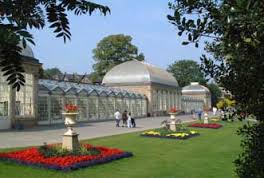
images Sheffield Botanical Gardens

Sheffield Botanical Gardens Google images

We wandered about the grounds admiring the plants and sat for a while on a bench.  I didn’t manage to take many photos unfortunately as both A and I were bothered by sore feet!
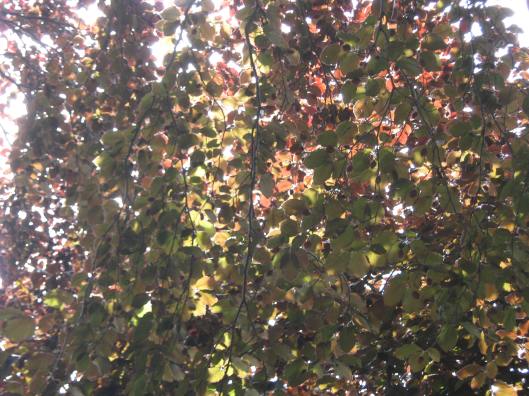
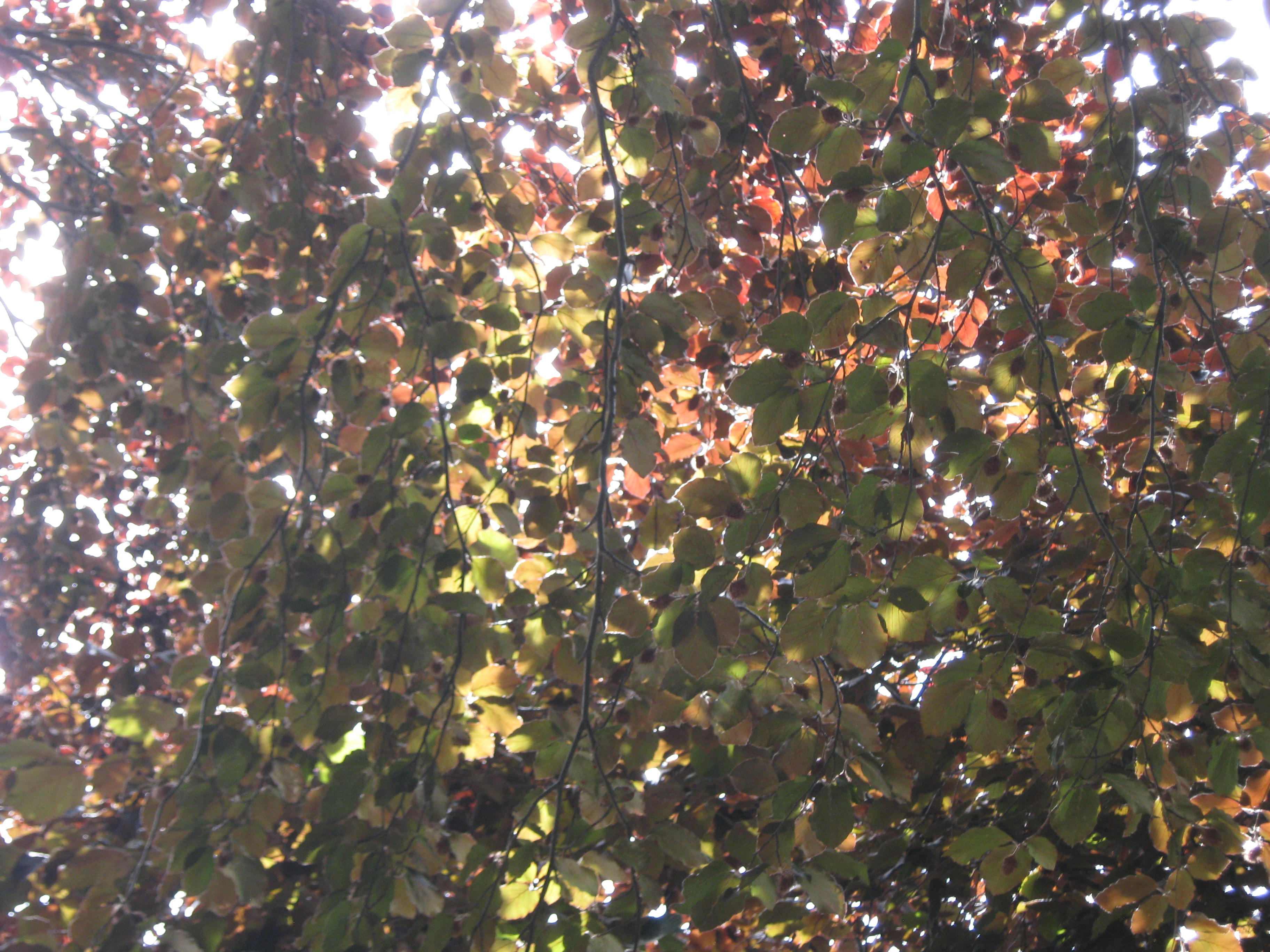
036Copper beech leaves (2)

Copper Beech leaves

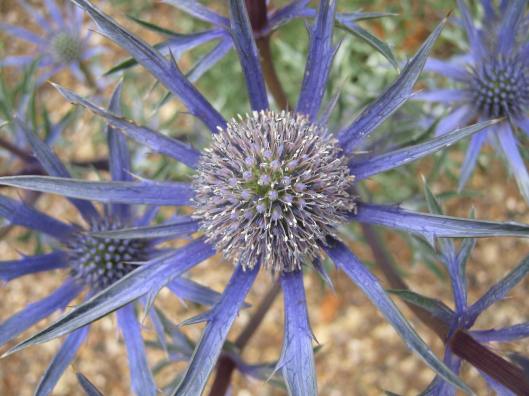
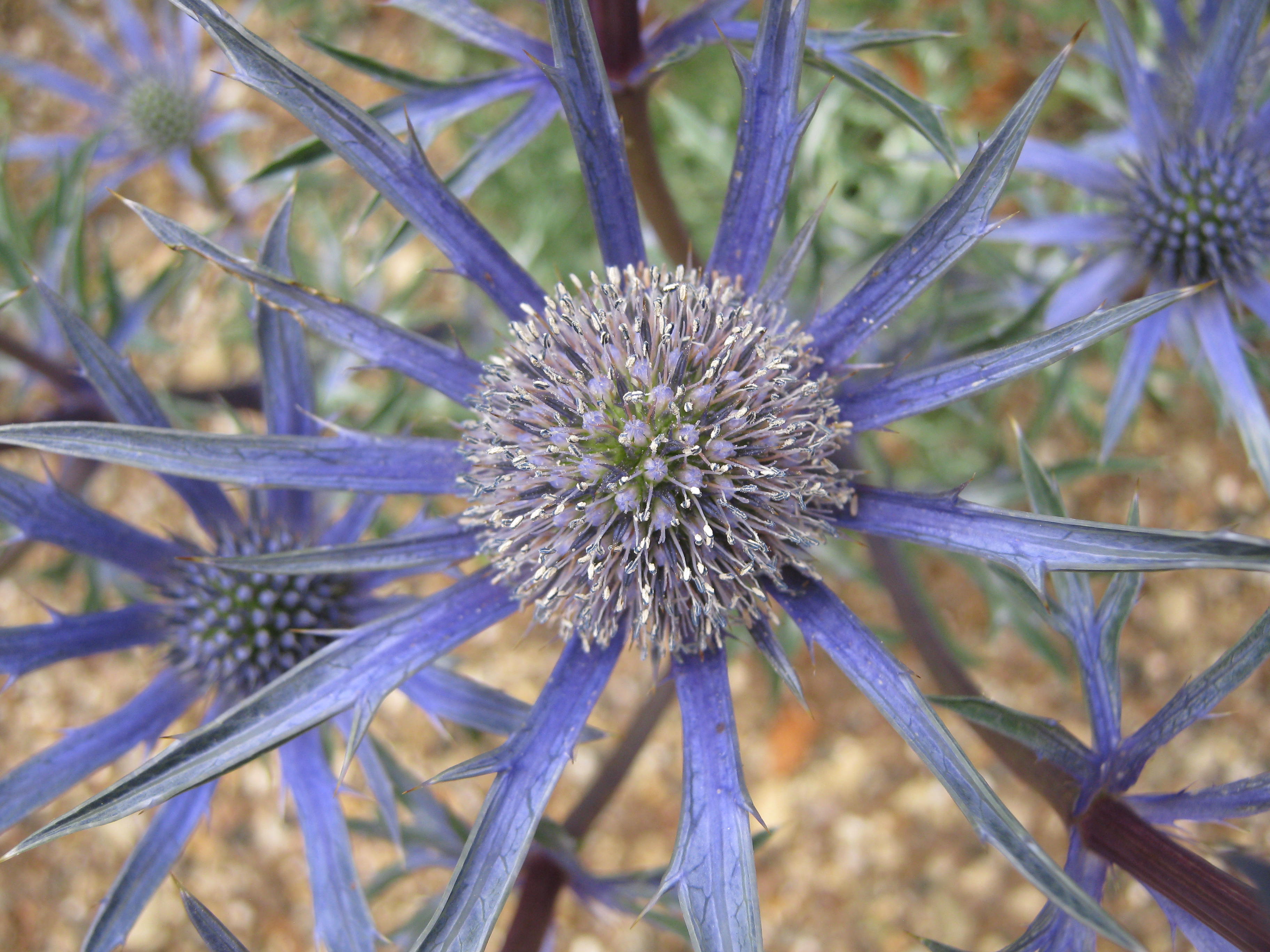
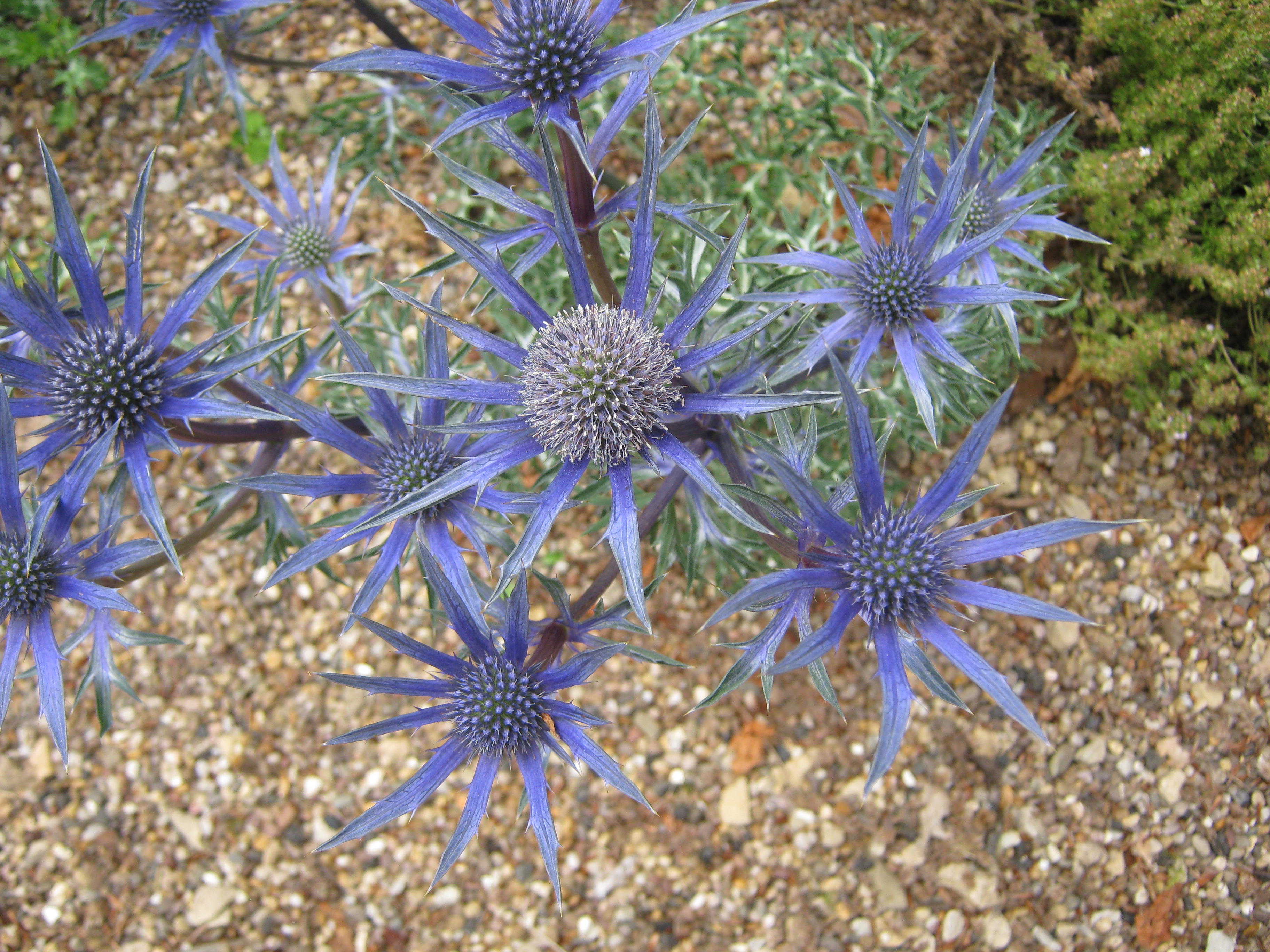
039Eringium

Eringium

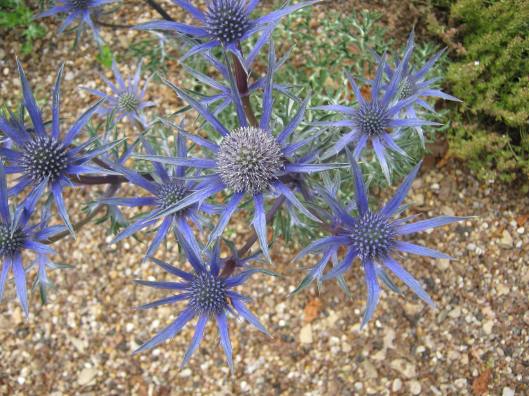
037Eringium

Eringium

040Glass house clock

A modern clock on the glass pavilion

The pavilions contain plants from the temperate regions of the world.  They are 90 metres long and contain thousands of panes of hand-blown glass.
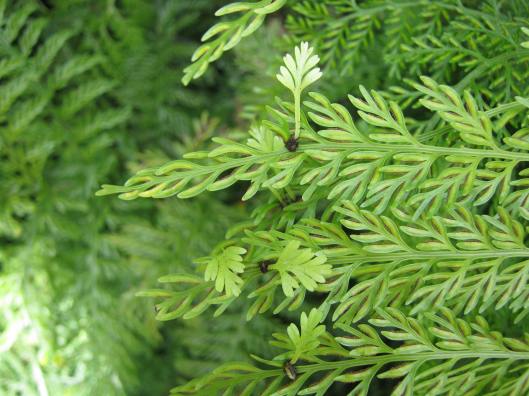
045New plants on old

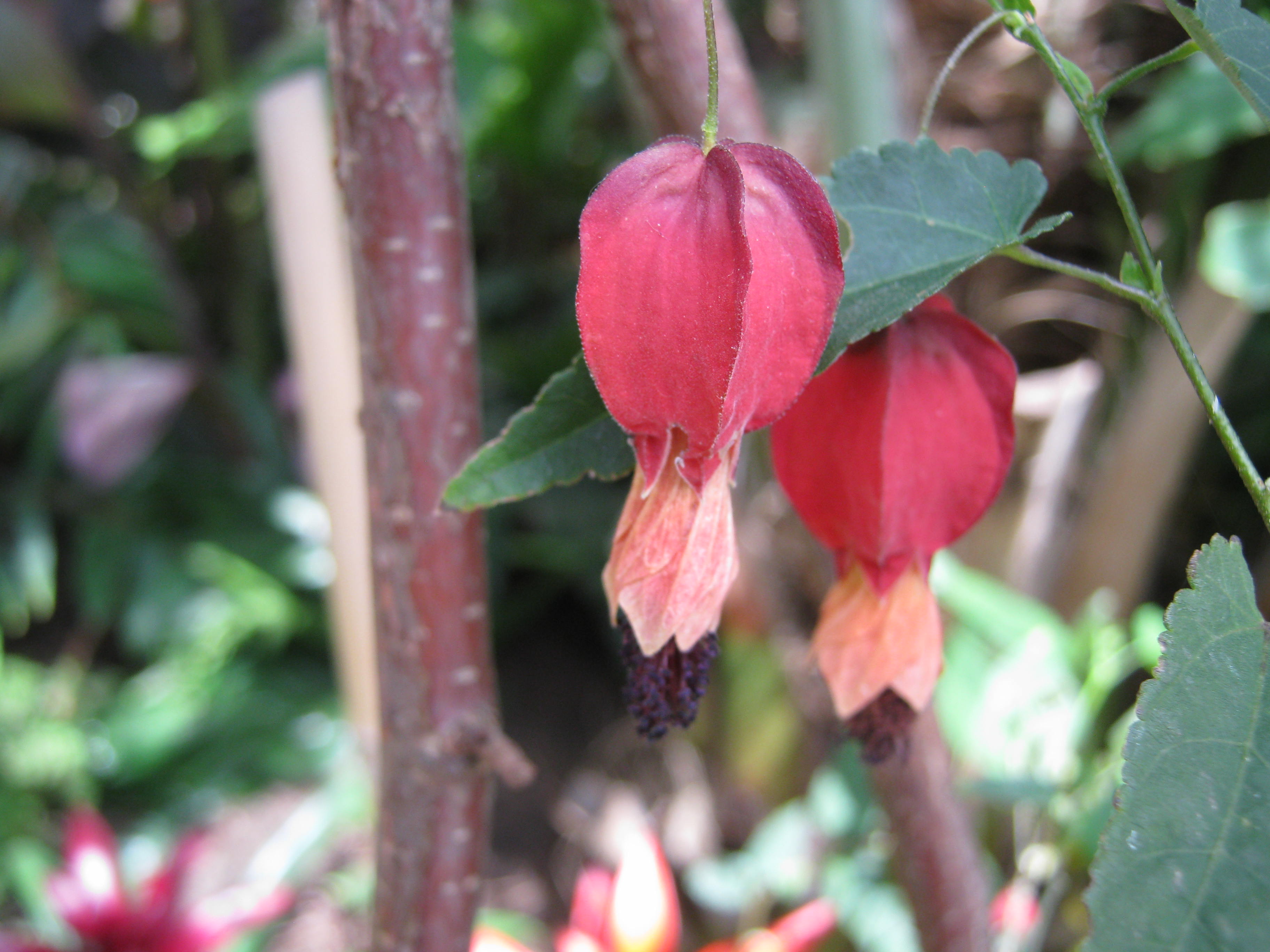
046Arbutus

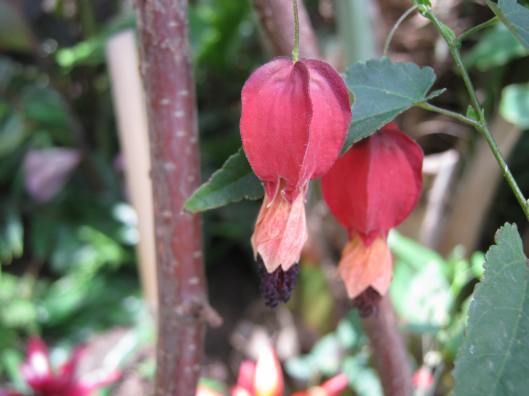
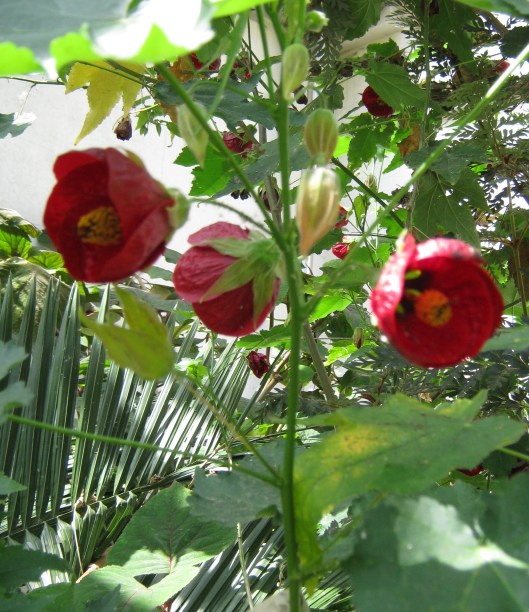
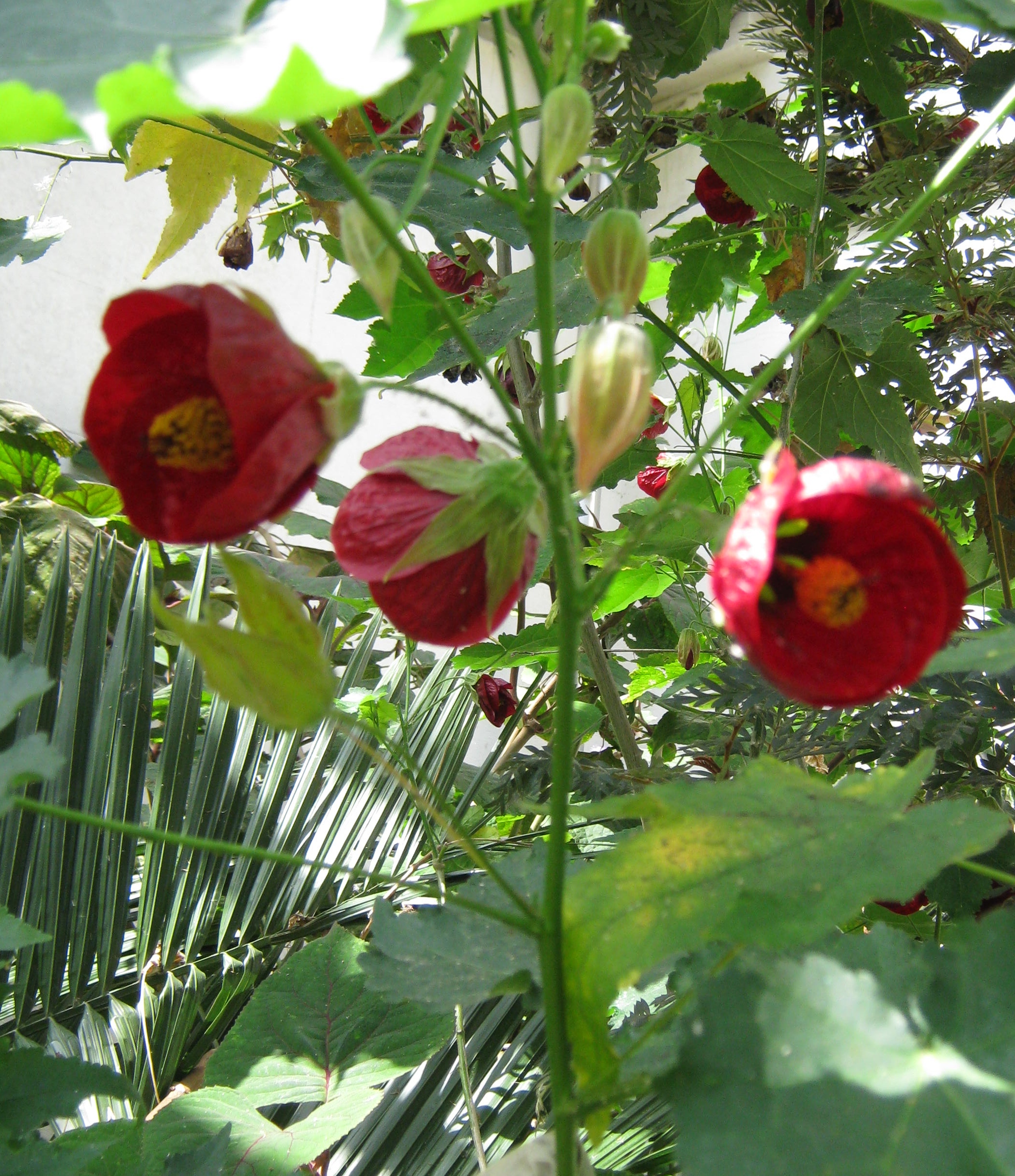
Abutilon

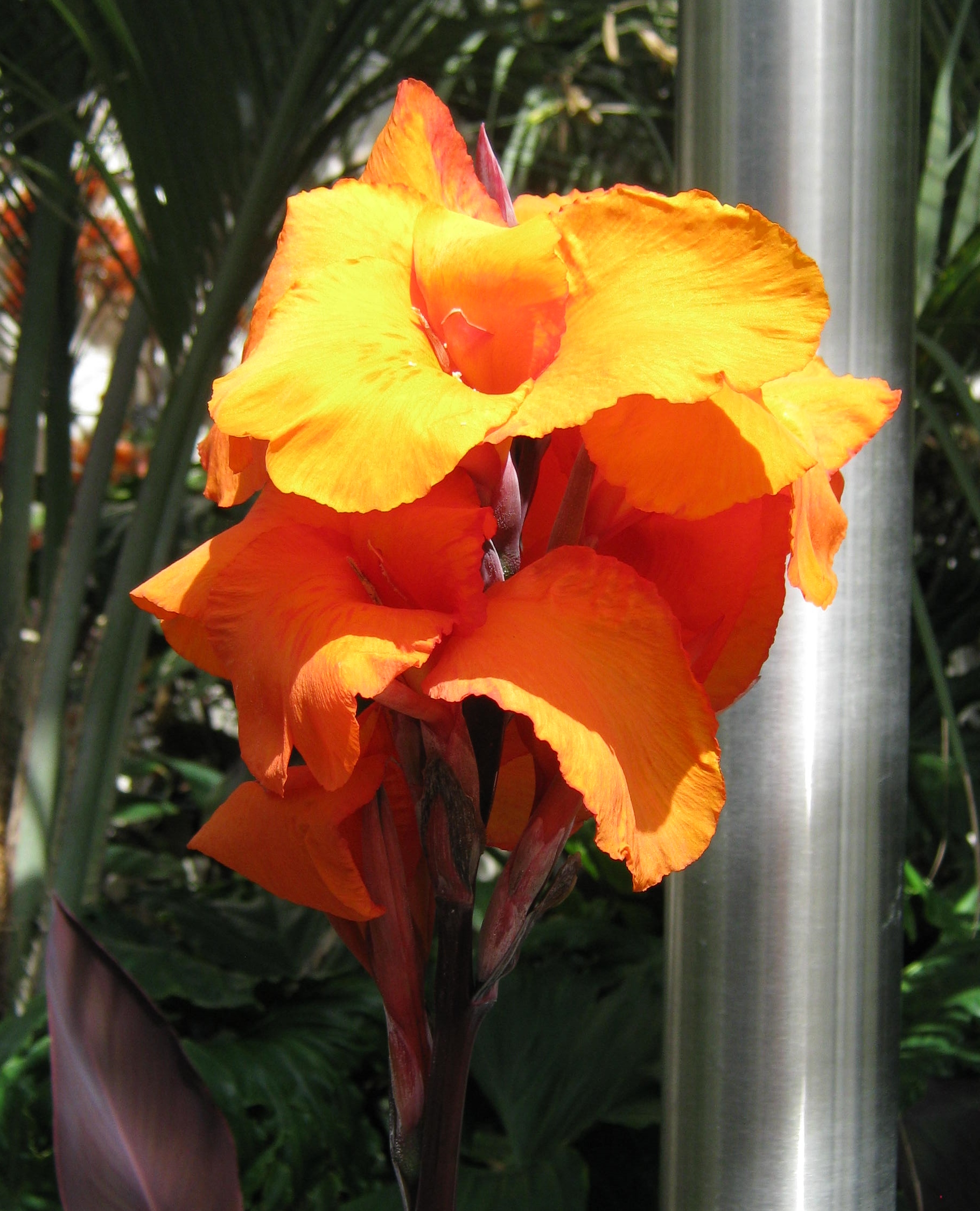
047Canna

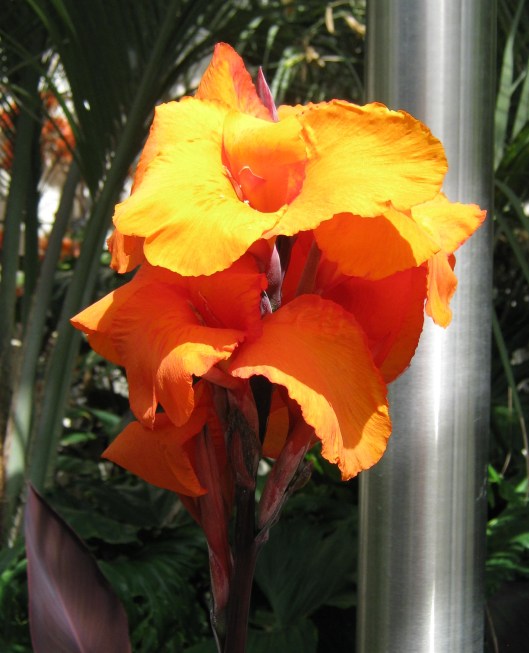
Canna

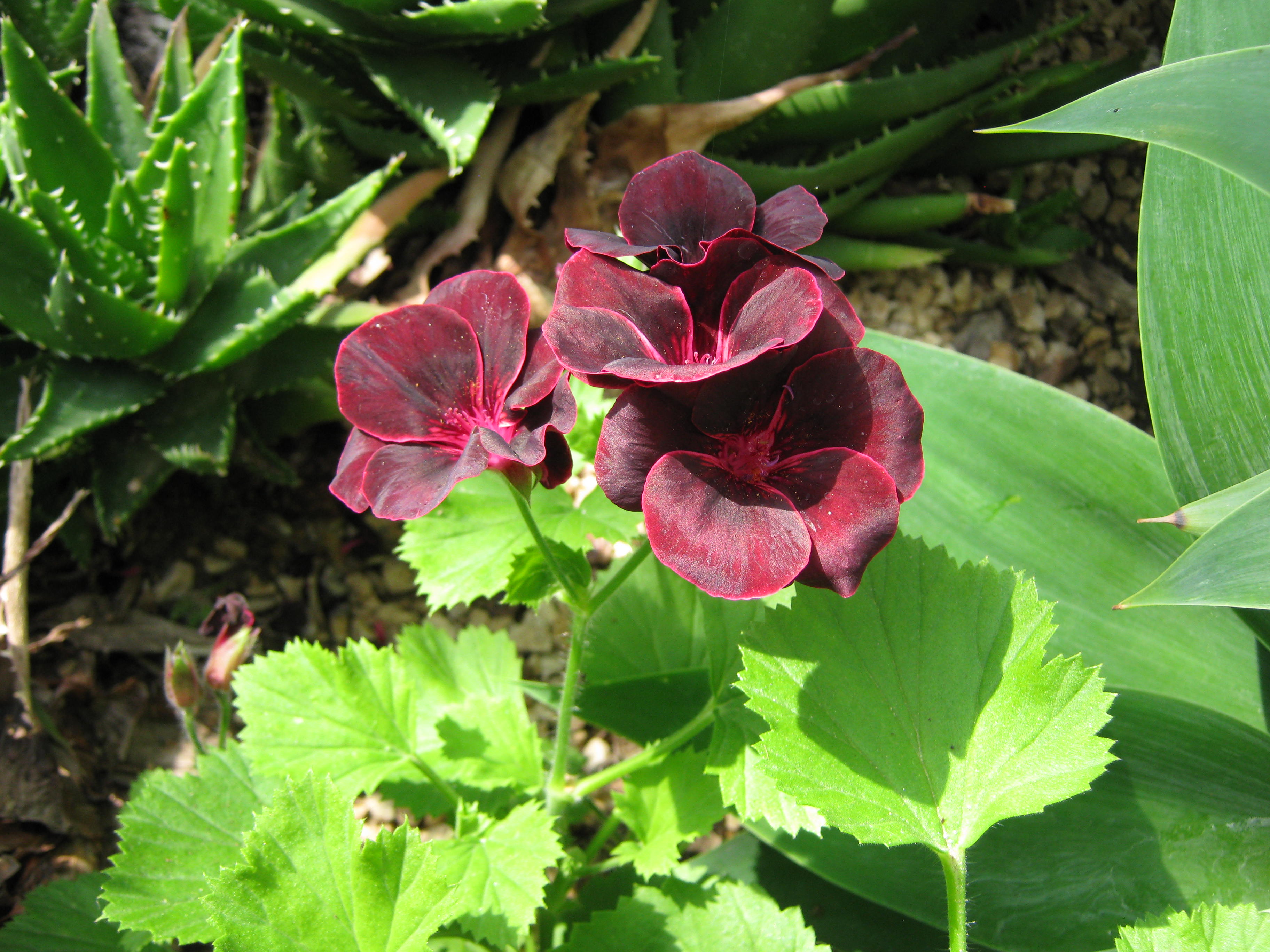
050Pelargonium

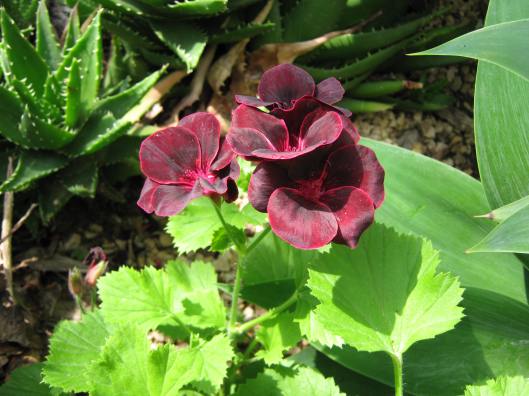
Pelargonium

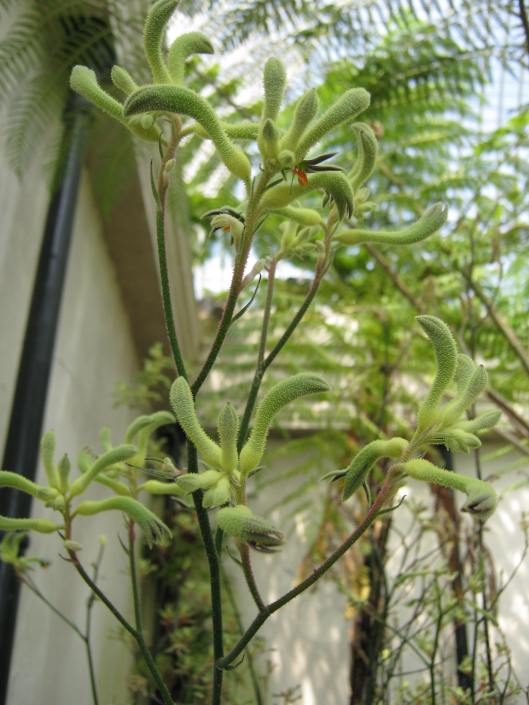
043Unknown

048Unknown

Abutilon

We had lunch – a cream tea (scone, jam, clotted cream, cup of tea) in the restaurant and then went our separate ways – A back to her house to do some more writing and me to traipse all the way back to my hotel for another rest and then more shopping for food.

I decided to walk back to A’s house instead of taking the bus or going by taxi but half way there I almost regretted my decision as it was all uphill, quite warm and my shopping was heavy.  However, I managed it and felt very pleased with myself once I had got my breath back.  We ate together as we had done the day before and again I walked to the Studio with her and waited outside  for the doors to open.  There was a larger audience this evening and I enjoyed the performance as much as I had done the evening before.  I met A after the performance and said good-bye to her there as she was seeing friends after the show.  I walked back to my hotel quite exhausted having walked some miles in the past couple of days.  It had rained while we had been in the theatre but stayed dry for my walk back to the city centre.
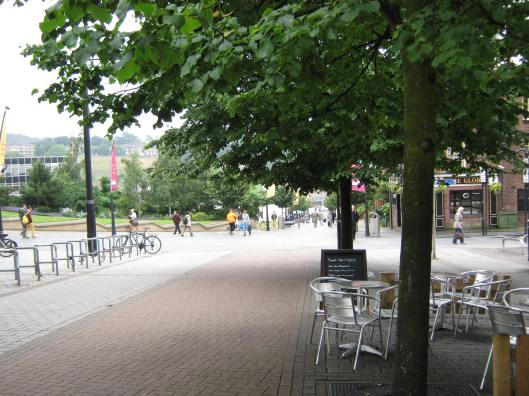
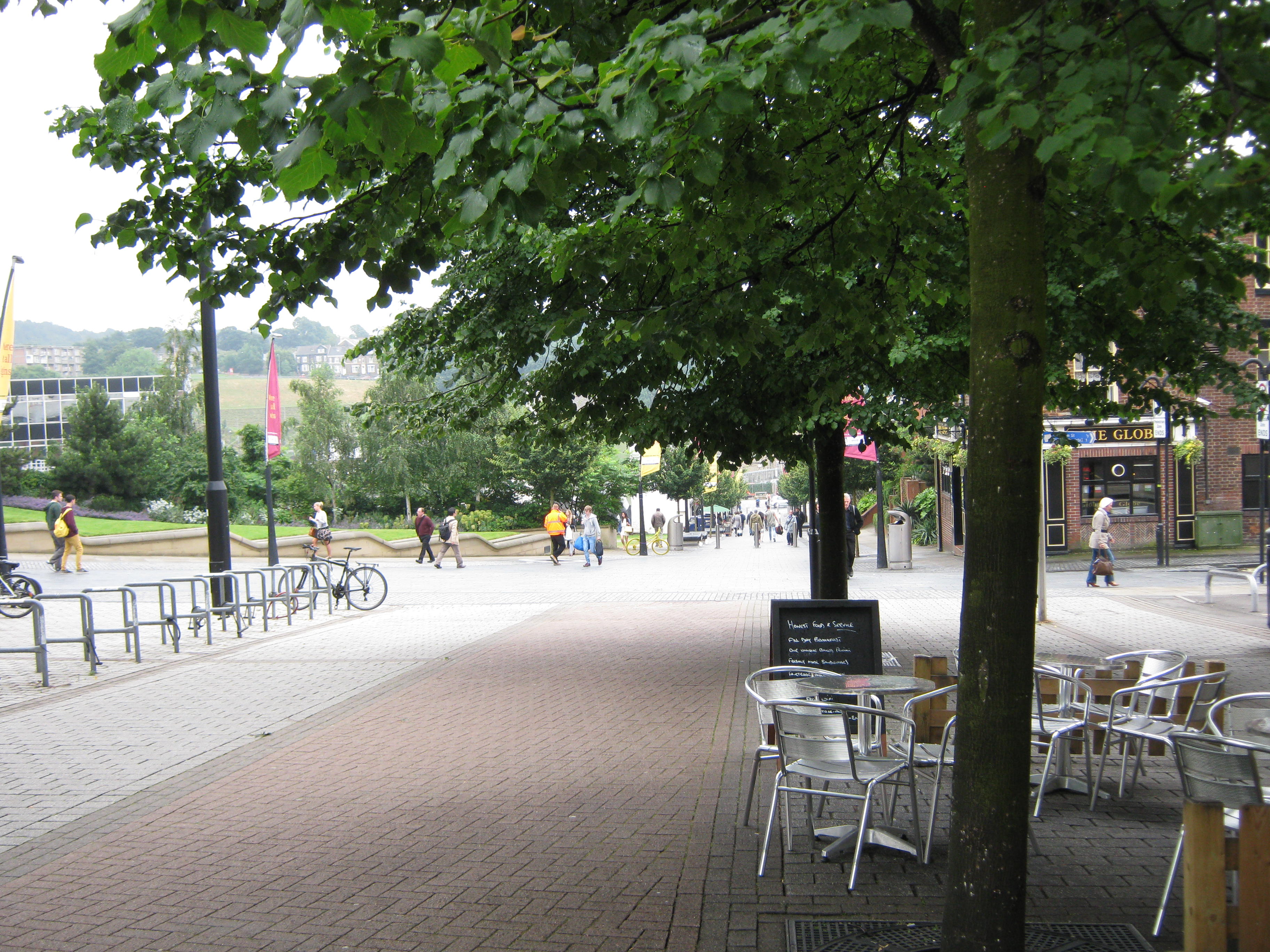
053Steep hill down to station

Steep hill down to the station

The following morning I returned to the railway station.  Sheffield was getting itself ready for the Tour de France with banners and posters everywhere.

052Welcome to Sheffield

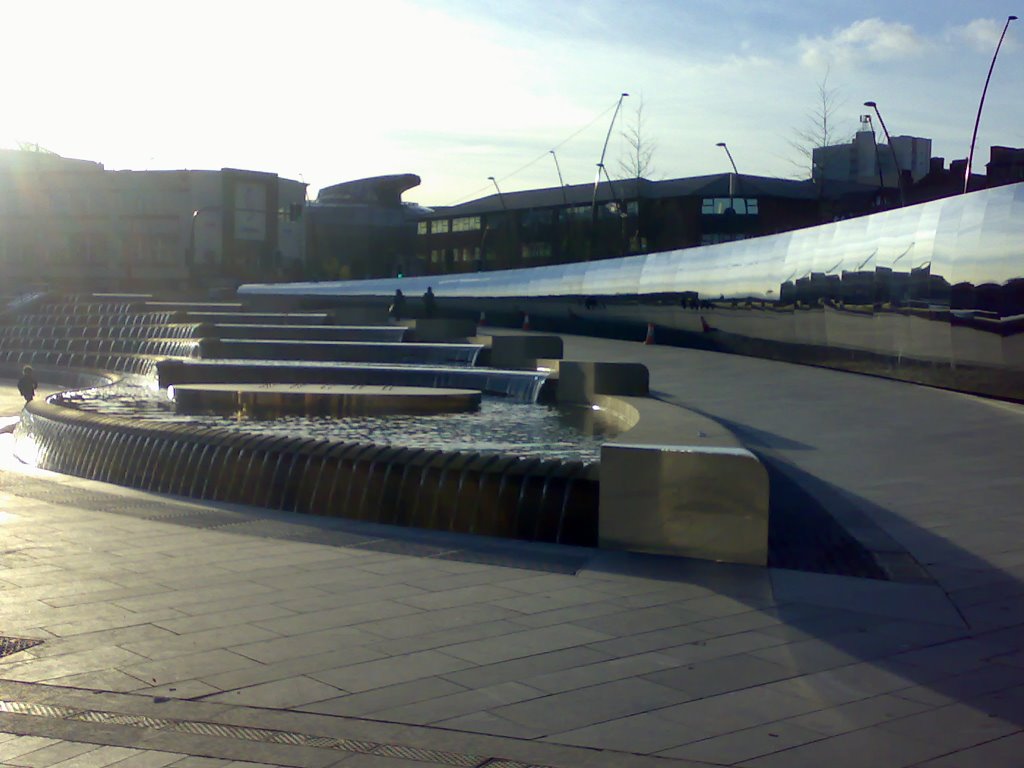
The water feature outside the station didn’t look so attractive on a cloudy day.

055Water feature

056Water feature

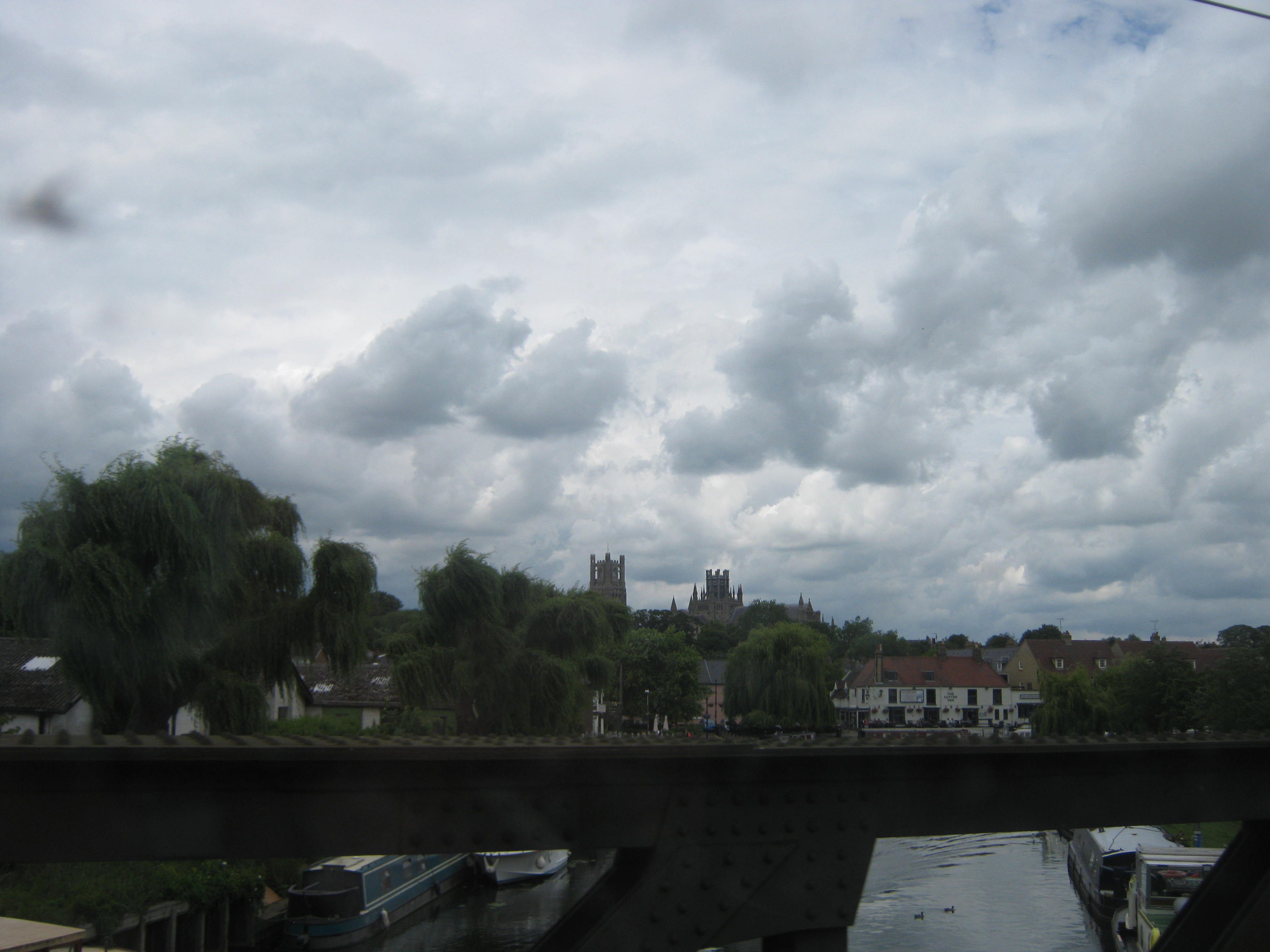
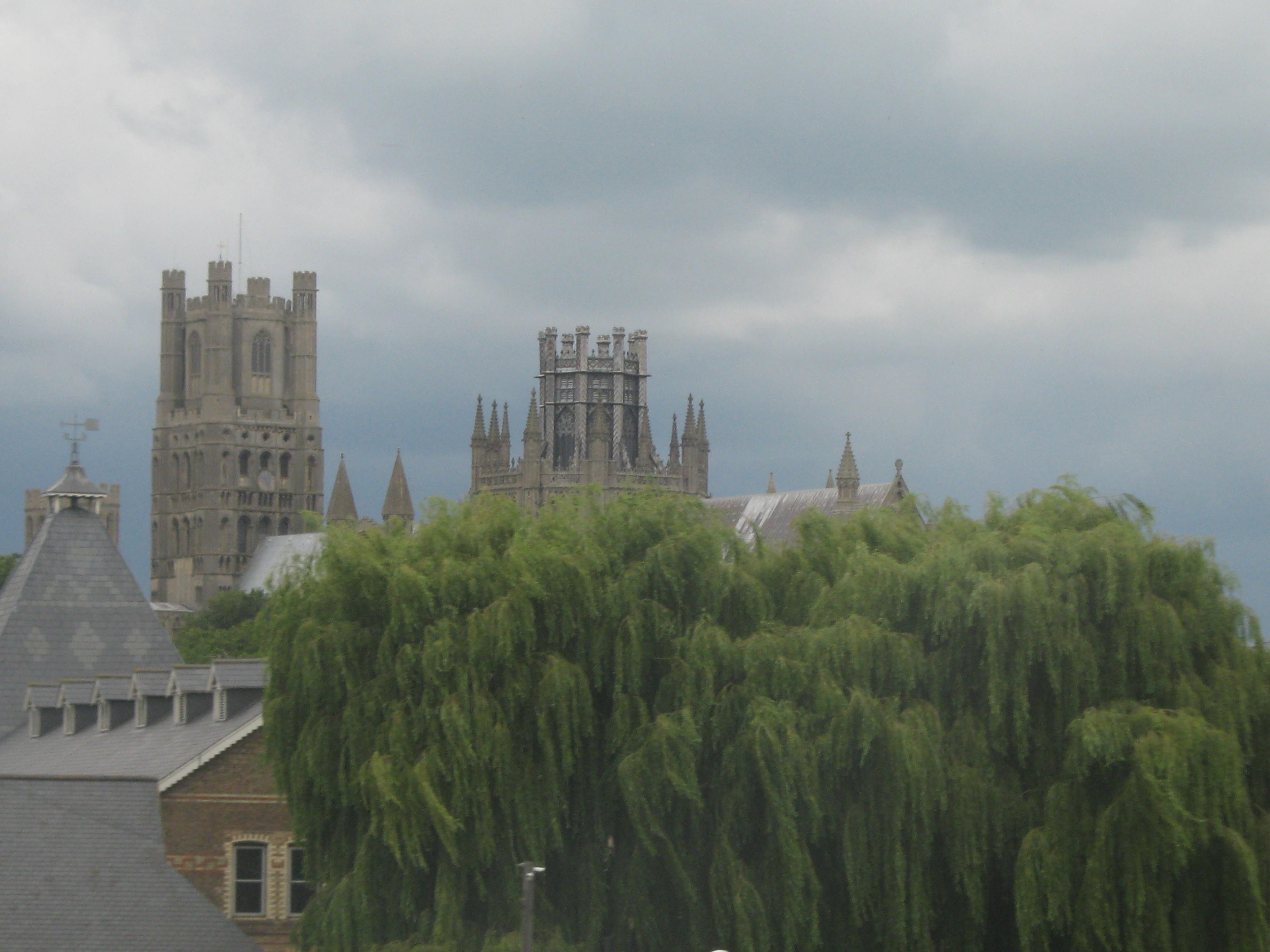
The train journey home went quite quickly and I enjoyed it more as I had a window seat this time.  We passed through lots of showers of rain and I managed to take a photo of Ely Cathedral as we pulled out of the station.
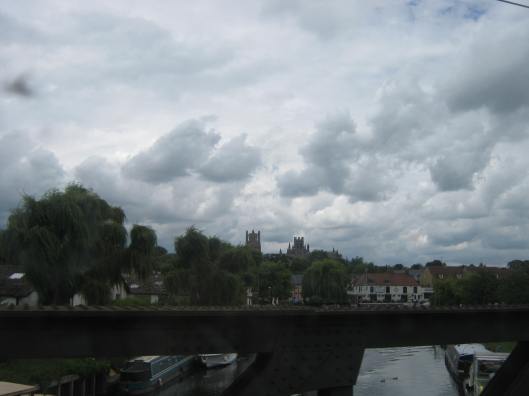
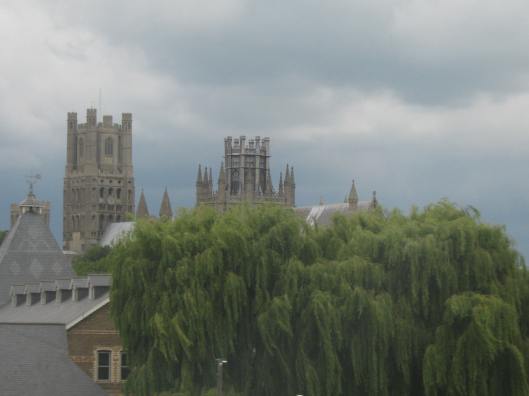
063Ely cathedral

066Ely cathedral

It is easier to see in the winter when the trees are bare!

A told me her play had been reviewed in the Sheffield Star so I looked it up on the internet.  A was described as ‘the excellent A S’ – but I could have told them that!

 

Share this:

  • Share on X (Opens in new window) X
  • Share on Reddit (Opens in new window) Reddit
  • Share on Pinterest (Opens in new window) Pinterest
  • Share on Facebook (Opens in new window) Facebook
  • Email a link to a friend (Opens in new window) Email
  • Share on Tumblr (Opens in new window) Tumblr
  • Print (Opens in new window) Print
  • Share on Pocket (Opens in new window) Pocket
  • Share on LinkedIn (Opens in new window) LinkedIn
Like Loading...

Here be Dragons!

24 Tue Jun 2014

Posted by Clare Pooley in churches, Insects, music, plants, Rural Diary, Uncategorized

≈ 19 Comments

Tags

Aldeburgh Festival, Banded Demoiselle, Black-tailed Skimmer, bouquet, Broad-bodied Chaser, butterflies, damselflies, dentist, dragonflies, Four-spotted Chaser, Greater Bindweed, Hedge Brown, Ian Bostridge, Large Skipper, lavender, moths, Schubert's 'Winterreise', Six-spot Burnet, Small Tortoiseshell, Snape Maltings, Suffolk Punch, The Man of Mode by George Etherege, Thomas Ades, wedding, wedding anniversary


Image

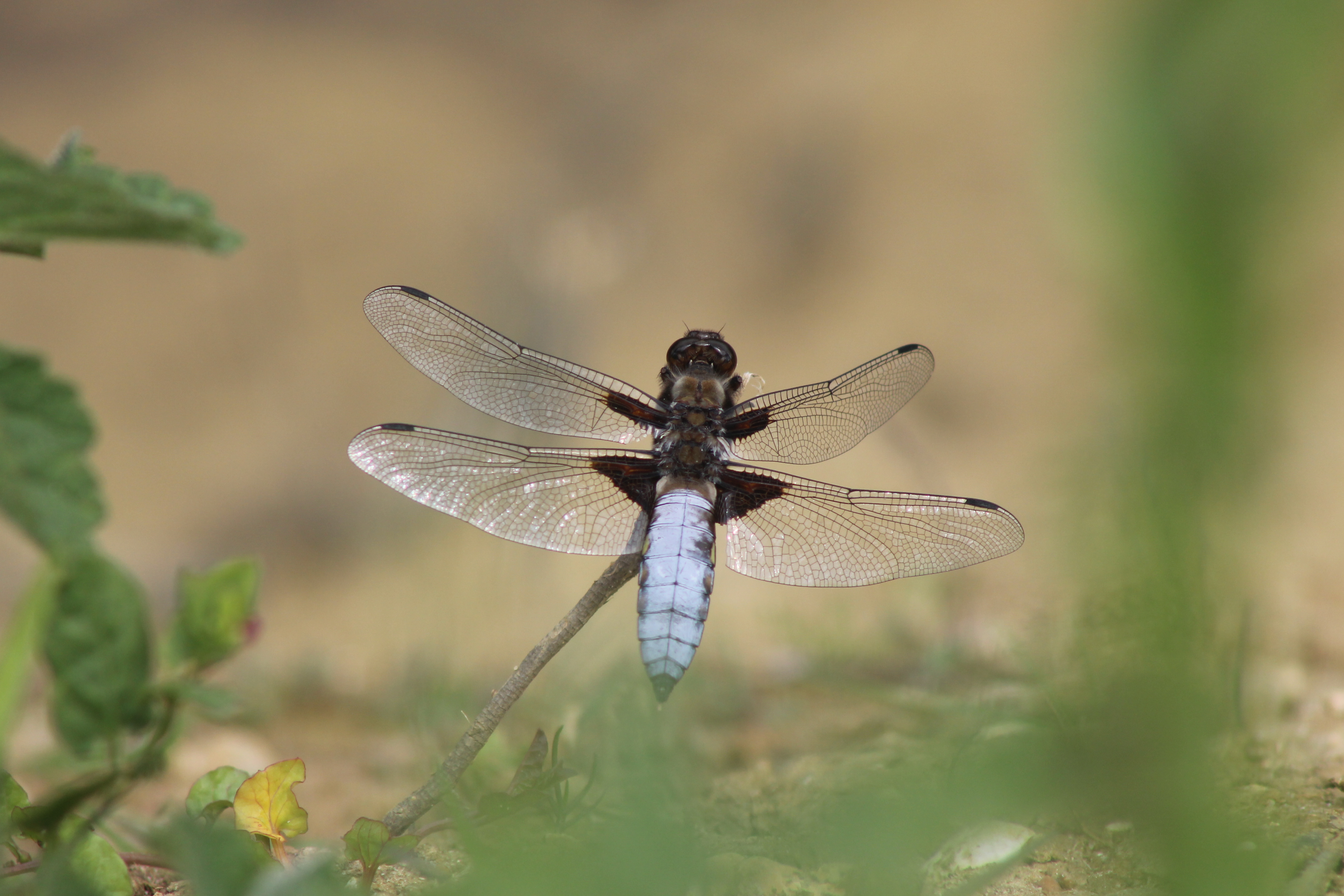
Four-spotted Chaser

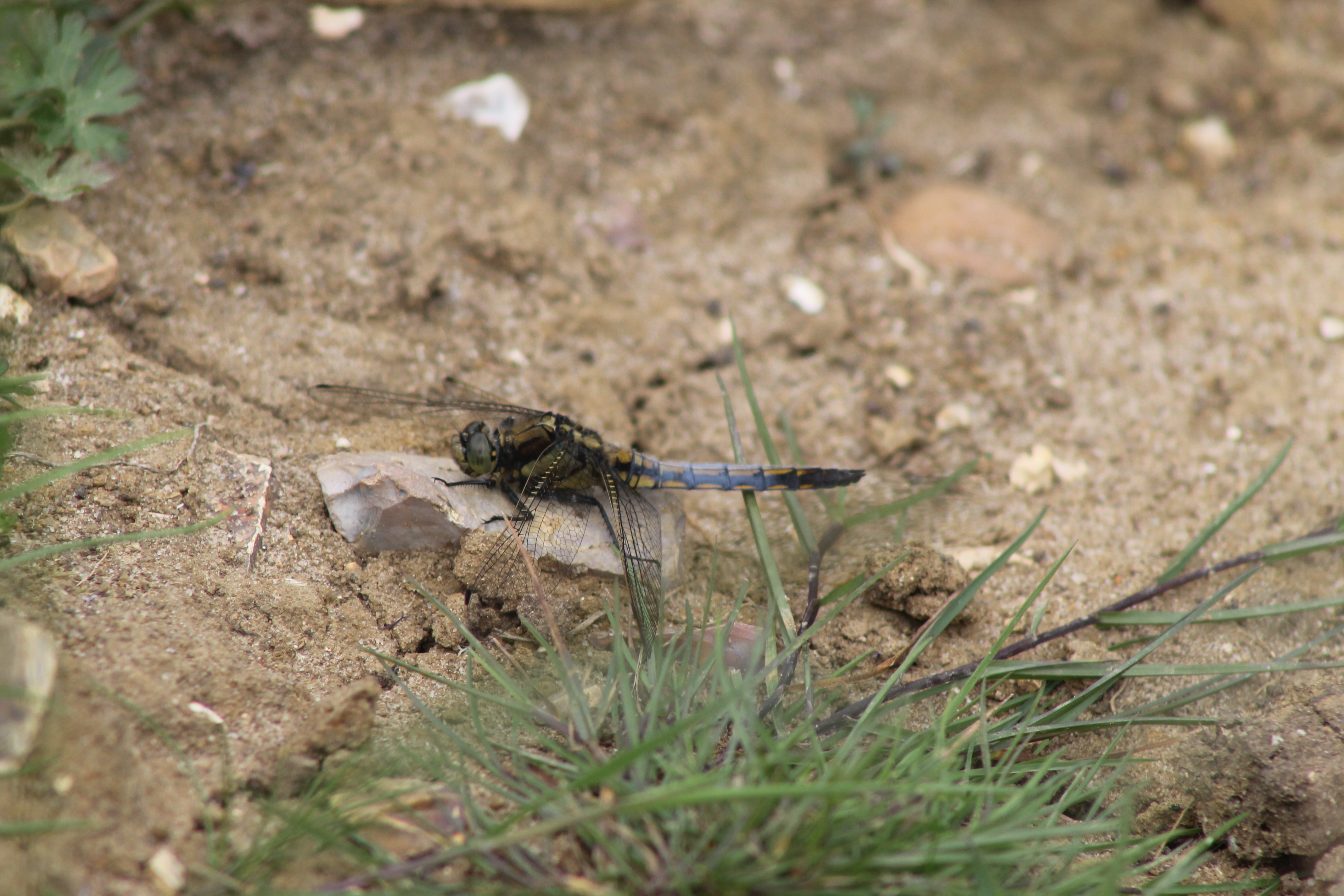
Our garden is full of dragonflies and damselflies.

Most of the UK was basking in warm sunshine last week; Suffolk was one of the areas which wasn’t.  We spent most of the time under a thick pall of cloud.  There was a strong northerly breeze and some rain, though not much; certainly not enough.  The butterflies and dragonflies only flew when a watery sun appeared through a crack in the cloud, which wasn’t often.  The highest temperature I recorded was 16 degrees centigrade.  The weather started to improve towards the end of the week with the wind changing direction from northerly to a warmer south-westerly.  The clouds then began to disperse.  The weekend was really quite fine and Monday morning was too.  Unfortunately, we had a couple of heavy showers of rain in the afternoon and more of the same overnight.  Today started with thick mist and then it wasn’t too bad until this afternoon when we have had torrential rain and thunder storms.  At least today we have had a good amount of rain which has freshened things up nicely.

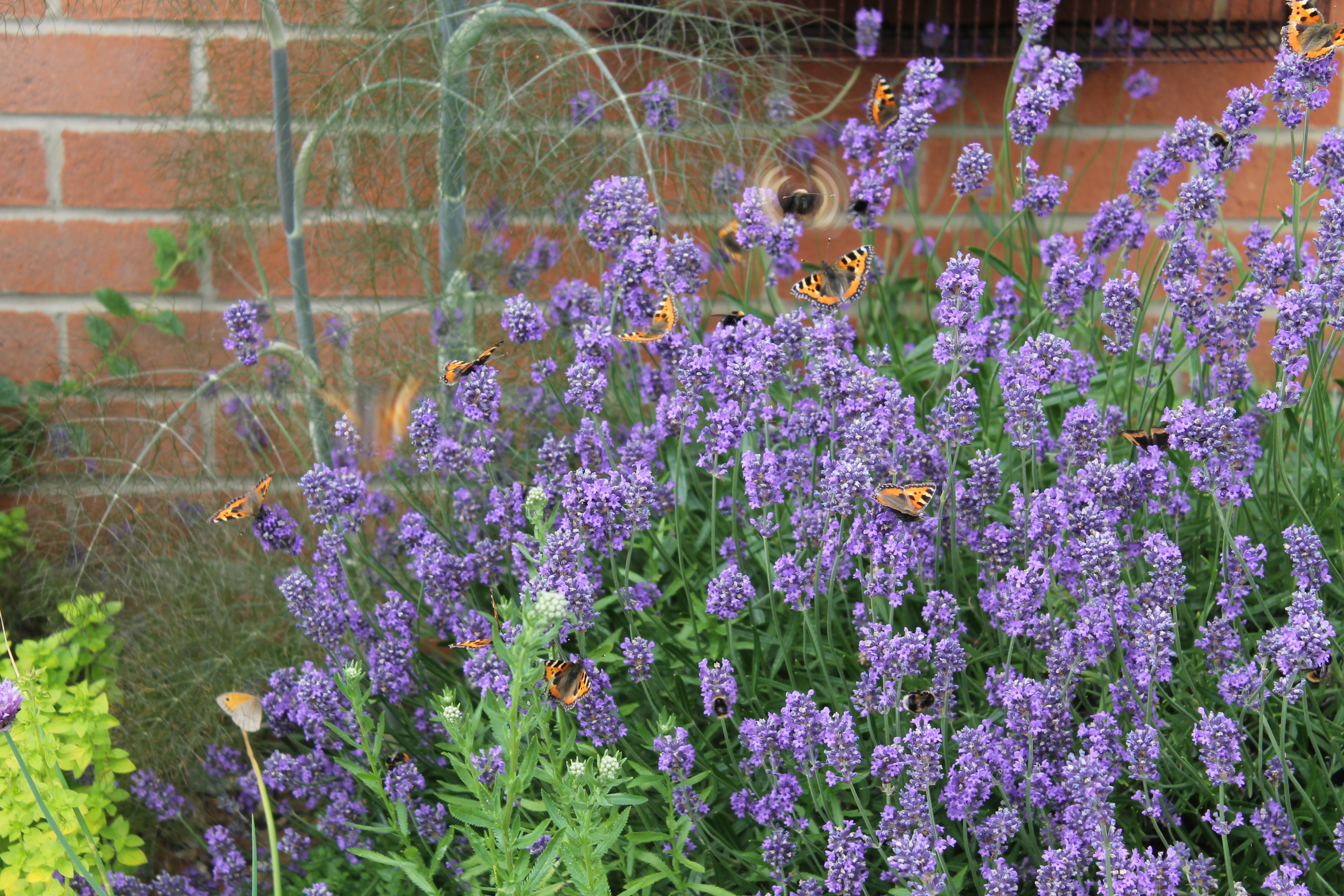
Image

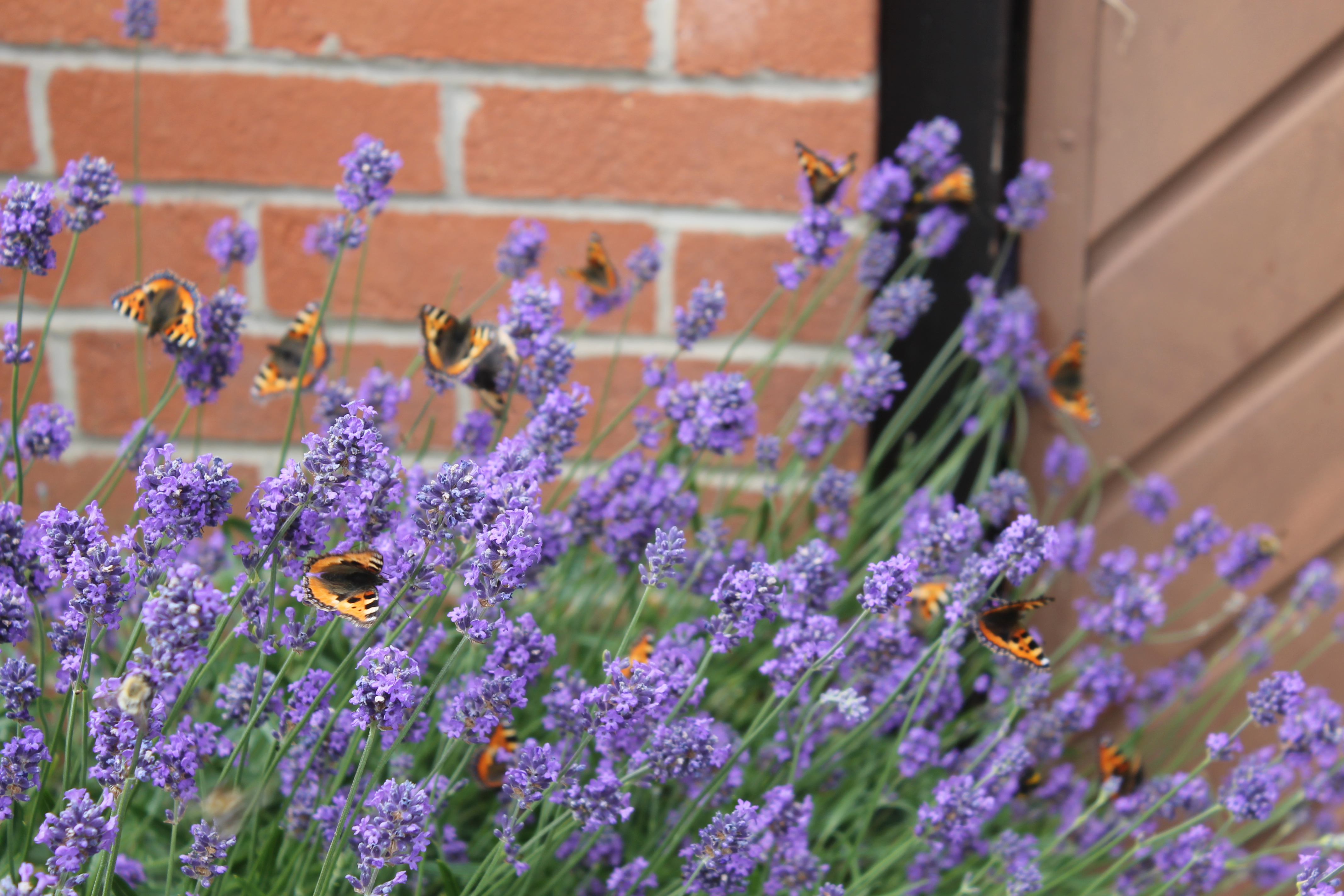
Lavender covered in butterflies (mainly Small Tortoiseshells)

Monday 16th was cool and showery and I had to visit the dentist because of a painful tooth.  I had made the appointment a week before when my tooth had been aching for some days.  It continued to hurt until a couple of days before the appointment and then suddenly felt better.  I thought I’d better keep the appointment just in case there was really a problem.  My dentist did her best to find something wrong with my tooth – she x-rayed it and bruised my gum with the x-ray plate.  She poked and prodded it very hard a number of times with that sharp spiky thing dentists use.  She gripped it very hard between finger and thumb and tried to wriggle it and pull it out.  She hit it hard a few times with a blunt metal object but fortunately for me there didn’t appear to be anything wrong.  I left the surgery feeling as though someone had punched me in the face.

Tuesday 17th was a much better day – some sunshine and a strong breeze which dried my washing.

Wednesday 18th was another busy shopping day – firstly with Mum who hadn’t been feeling too well and then some shopping for us. I also collected a quantity of medication from the doctors’ surgery.  Wednesday was also our 20th wedding anniversary and R was due home from working in Gloucestershire that evening.  Quite often he is away from home on our anniversary but this year was nicely different.  He brought me home a bouquet of flowers which was very kind and thoughtful of him.

Image

In recent years we haven’t bought each other gifts but have gone somewhere nice together – a stately home, a beautiful garden – or we have bought something we both wanted – a garden bench, a favourite film to watch together.  This year R suggested we go out for a meal to the place we went to on our first date.  Of course I agreed.  We decided not to go out on the anniversary itself as R would have spent some hours driving and would be tired (as he was).  We booked a table for Friday evening and invited E to come with us.  She is the daughter of our marriage and should therefore be with us to celebrate.  She agreed to come too.

Thursday 19th, Corpus Christi, and though there was a service at church at 9.00a.m. I wasn’t able to go as E had an interview that morning at City College Norwich.  Surprisingly, E was fairly calm and even managed to eat some breakfast before we set off.  I parked in the city centre again and we walked to the college from there as before.  By the time we got to the college E was starting to feel very apprehensive and when I left her outside the interview room she was very frightened and extremely pale.

She re-appeared an hour and a half later having had an interview and done a short maths and English test.  I was so proud of her and pleased that she had been able to go through with the interview and test.

E has had many problems to deal with in her seventeen years.  She has scoliosis (curvature of the spine) and has had problems with her feet.  Both of these problems are now well under control but getting help initially was very difficult.  E had to contend with a lot of bullying at school too.  Always of a nervous disposition and insecure she developed chronic anxiety which brought on panic attacks.  She was helped extremely well in her Middle School but when she went up to High School the problem got so bad that eventually she was unable to attend school and wasn’t able to take her GCSE exams last summer.  Eventually we found a really good therapist who taught her how to control her anxiety.  She still has a long way to go but she has started to make a life for herself.  The City College has a course for young people who have had interrupted education and they know exactly how to treat these young people with kindness and understanding.  Their dignity is preserved and they are not made to feel guilty or odd.  You can understand now why I was so proud of my dear daughter.

R and I spent an hour or so cleaning the church again that evening.  There was to be a large wedding there on Saturday and the florist was coming to decorate the church on Friday so we had to do the cleaning first.  We decided to buy take-away fish and chips for our evening meal to save having to cook.  A real treat!

Friday 20th was a brighter day and got gradually warmer until the afternoon was quite summery.  I had a blood test in the morning then did yet more shopping.  The afternoon was spent doing housework – very tedious.  Our anniversary meal was very pleasant.  The inn looks very different from how it was when R and I went there in January 1993.  A large dining area with plenty of glass in the roof and large floor to ceiling glass windows has been added on at the back.

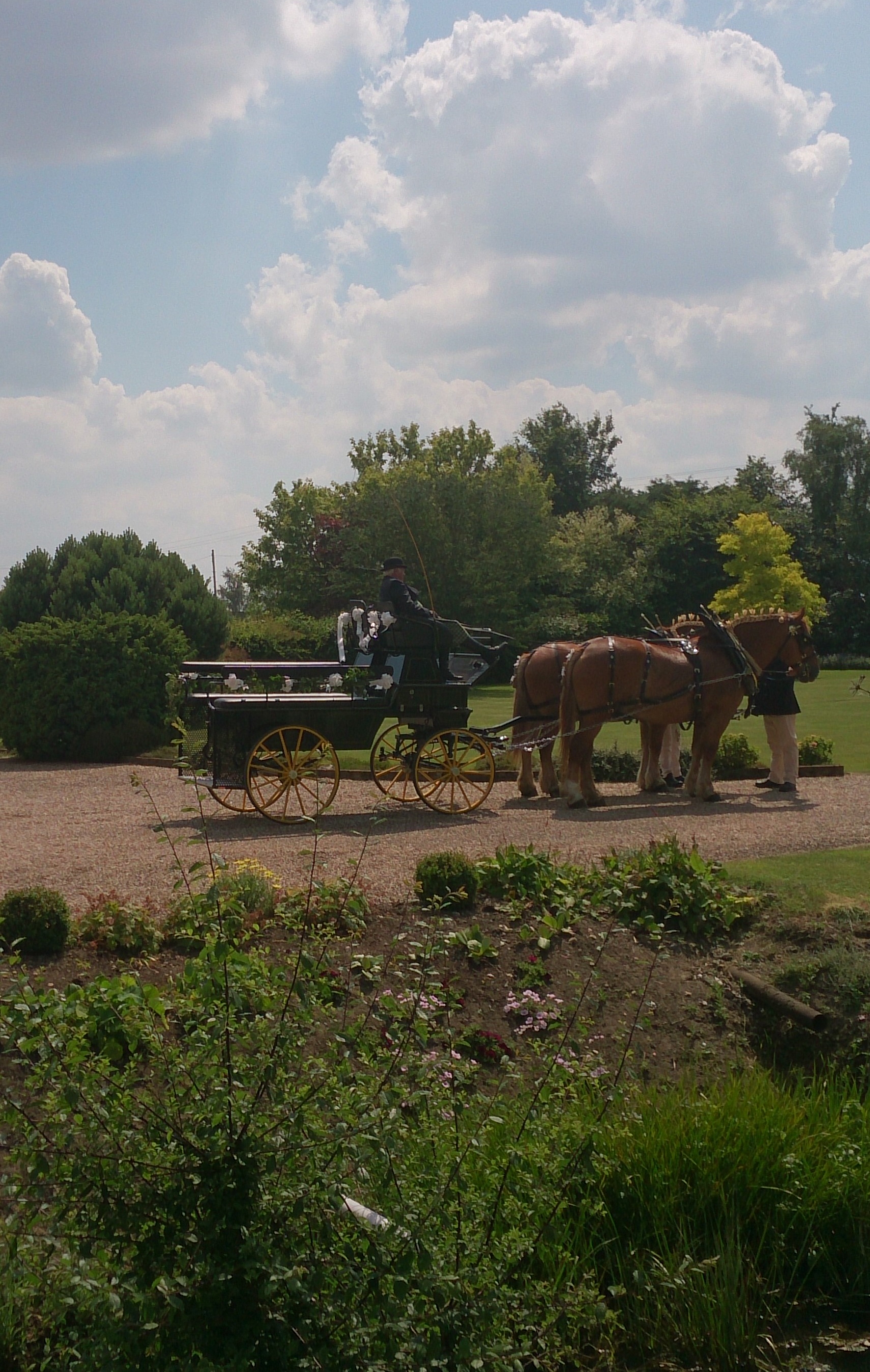
Saturday 21st.  A lovely summers day at last.  We were so pleased for the couple getting married today.  I went to collect some supplies from the chemist and R did some gardening – mainly hedge-cutting – and then went off on his bike to perform his Church Warden duties at the wedding.   The bride had arrived in an open carriage drawn by two Suffolk Punch horses.

Image

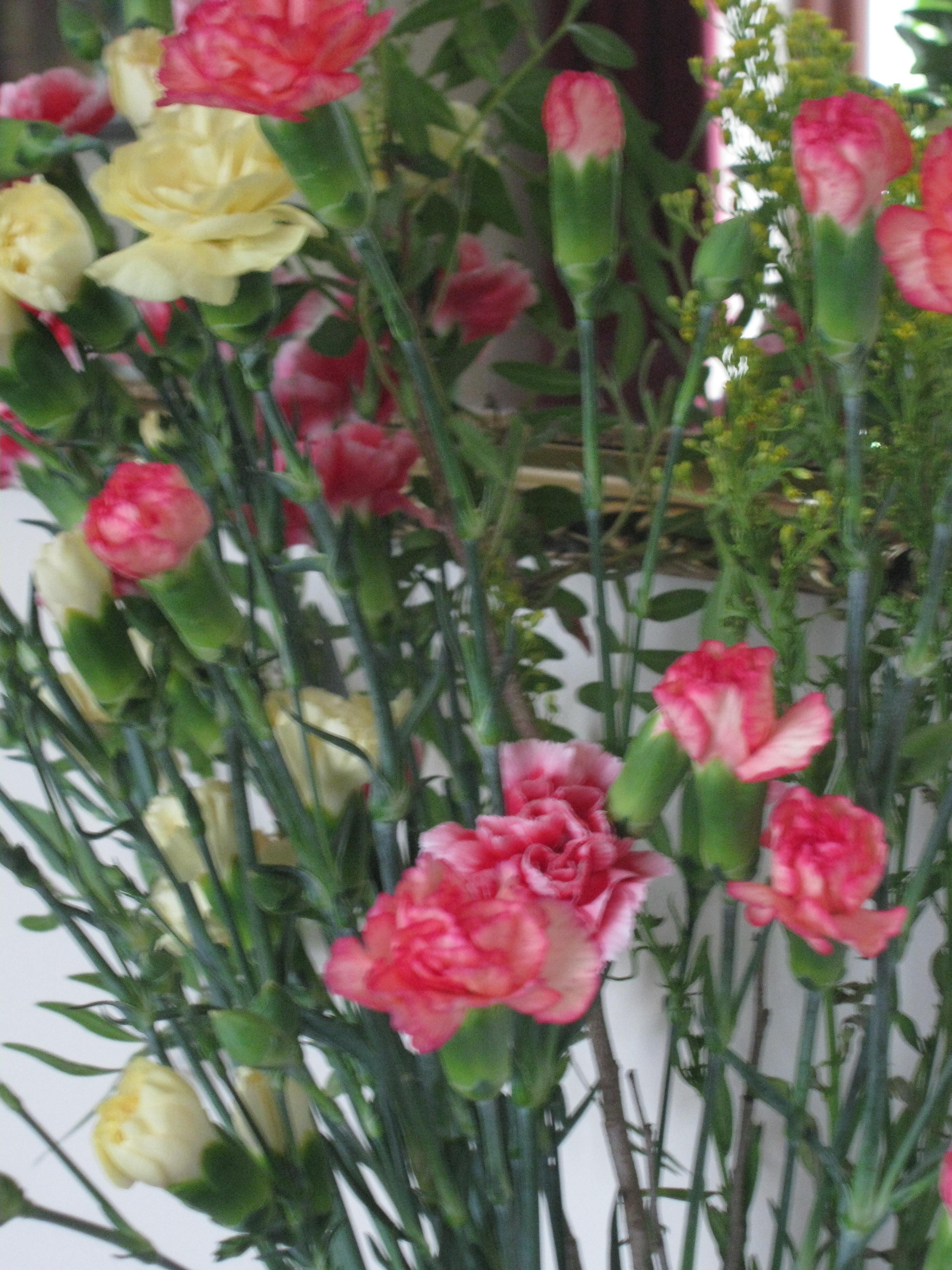
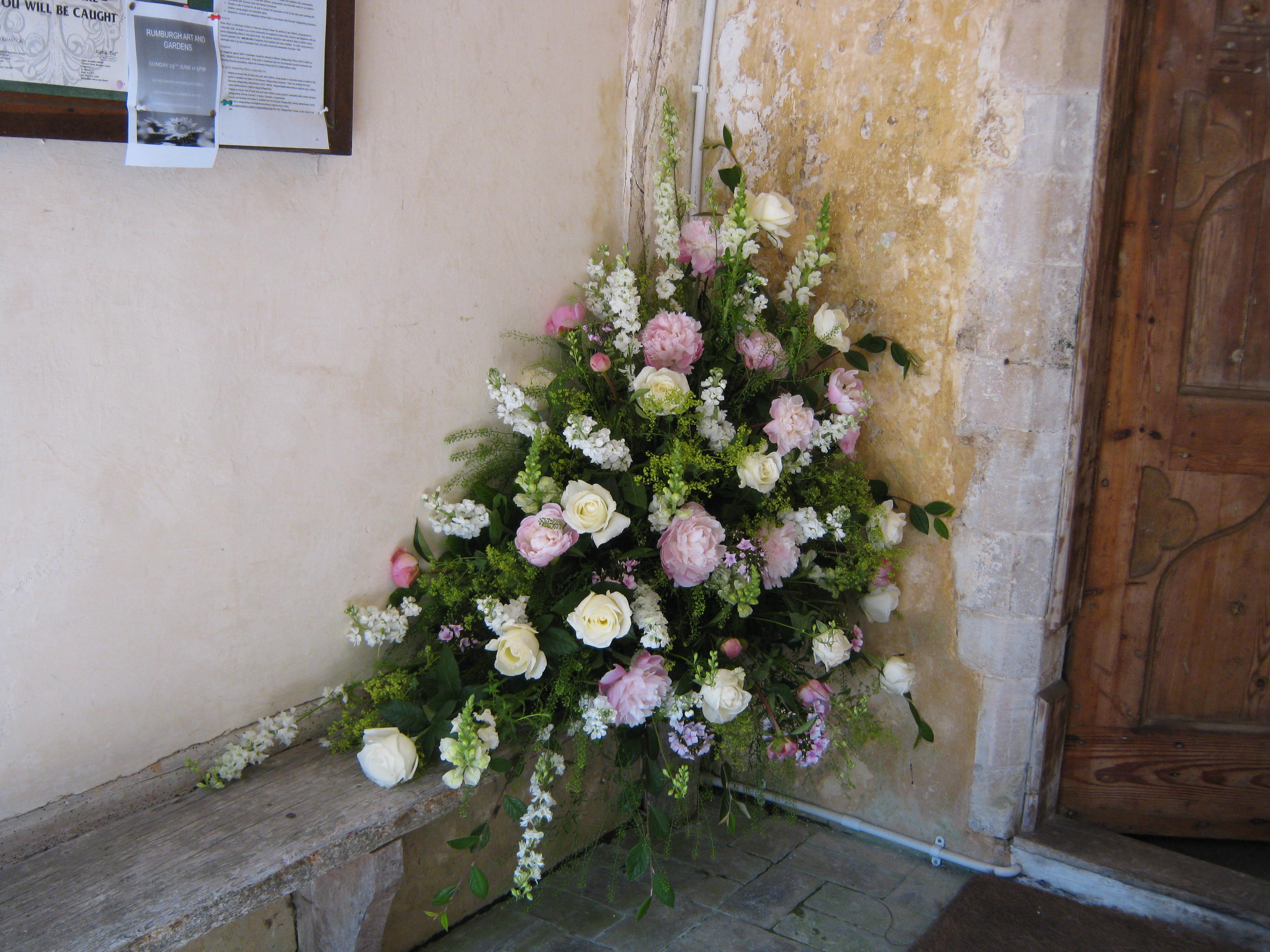
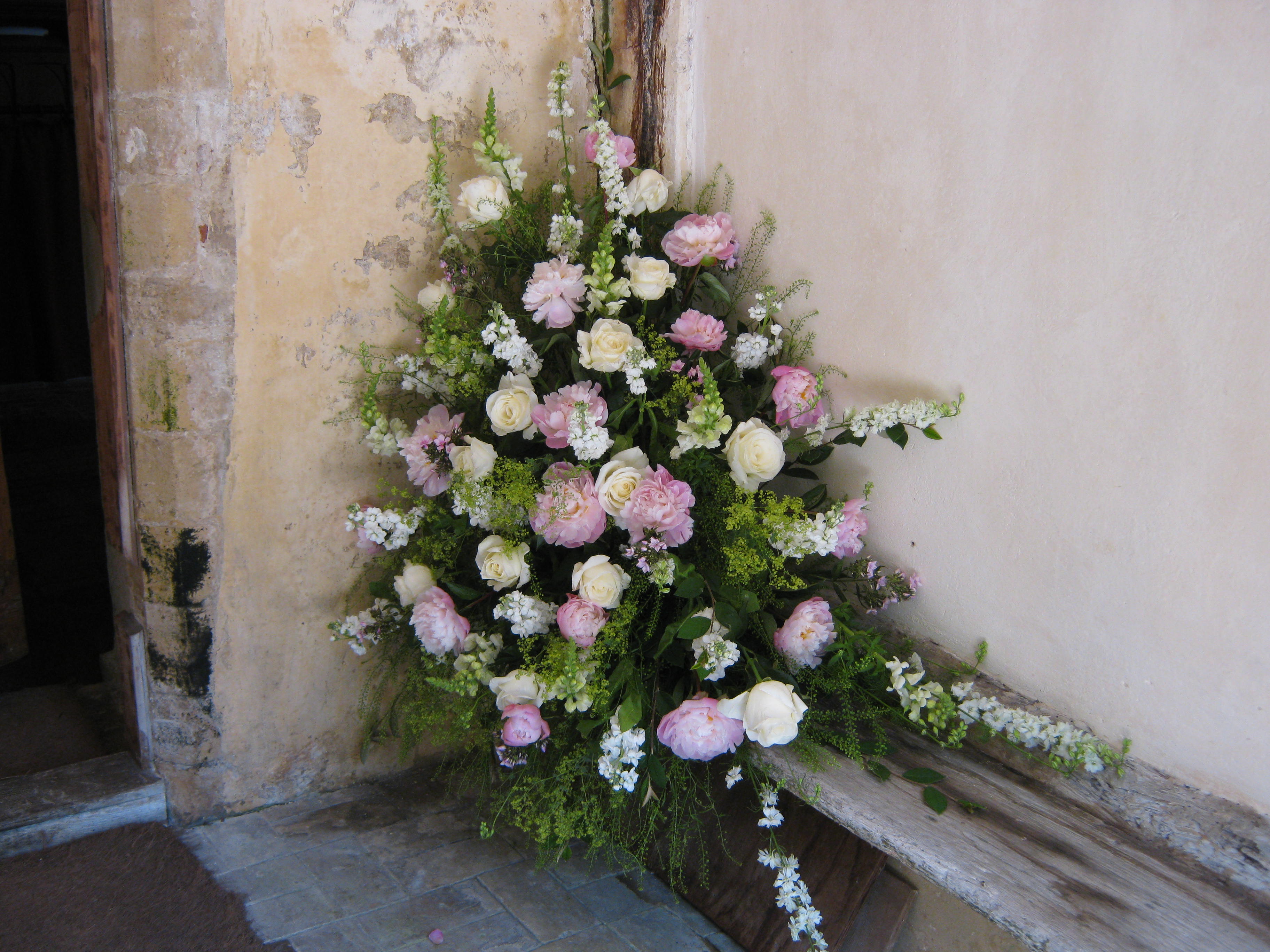
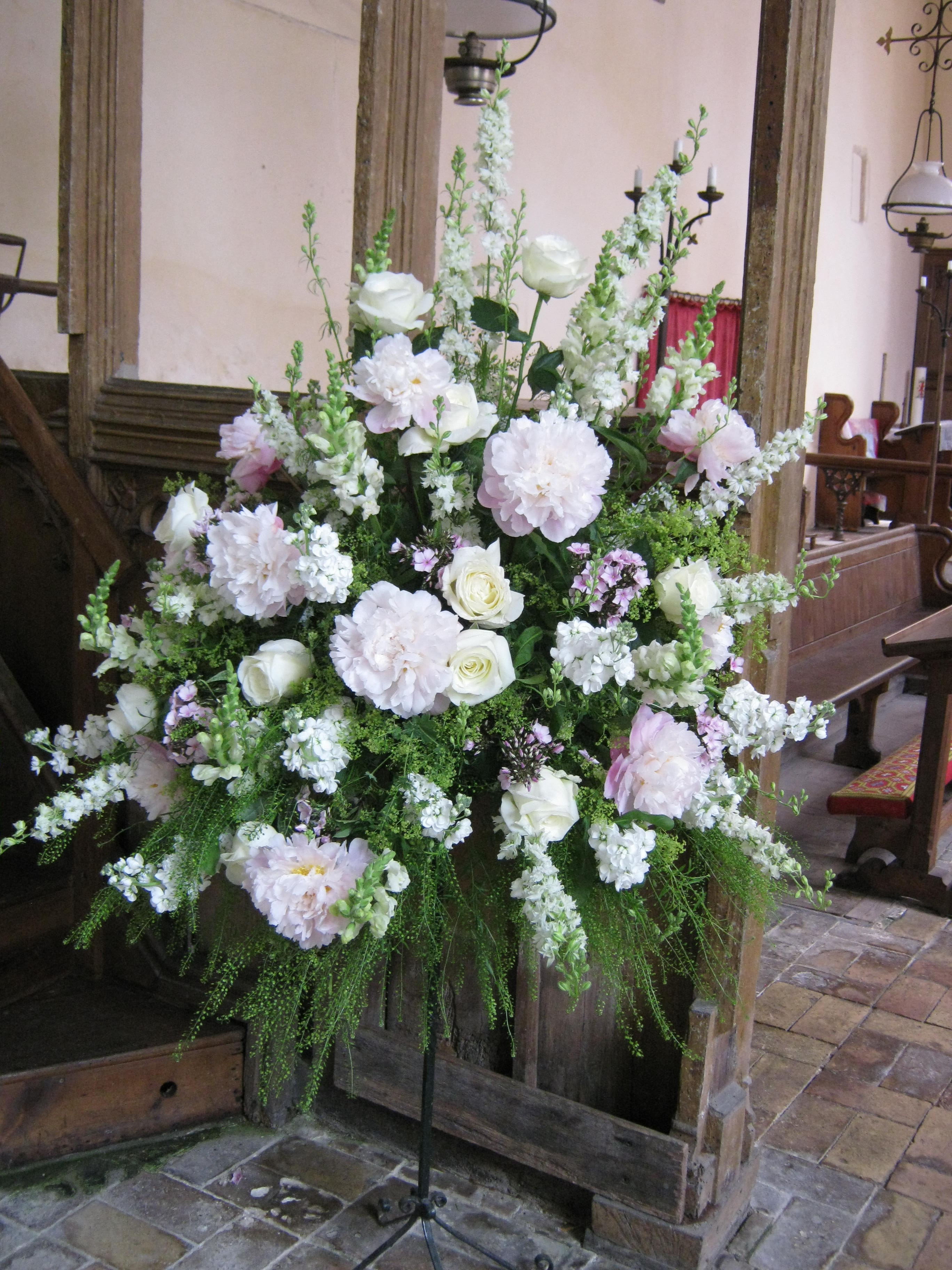
The church had been beautifully decorated with flowers.

Image

Image

Image

Sunday 22nd was another fine day and R and I went to church at St. James’ church.  I cooked our main meal as soon as we got home instead of in the evening as we usually do.  This was because I was going with my mother to a concert at Snape Maltings in Aldeburgh.  The Aldeburgh Festival is taking place at the moment and this year is its 67th since it was started by the composer Benjamin Britten and his partner Peter Pears.

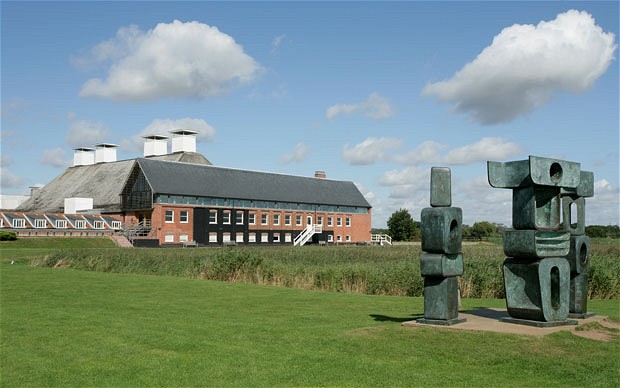
Snape

Snape Maltings. Photo courtesy of The Daily Telegraph

Tickets for concerts at Snape are not that expensive but it is almost impossible to get them.  If one has enough money to be able to afford to become a Friend of Snape,  and the cheapest annual payment to become a Friend is £300, one can buy tickets earlier by weeks than the hoi-polloi like me.  All the best tickets are snapped up very quickly and us poor commoners are left with the crumbs.  I have decided to pay £15 a year so that I am e-mailed the programme of concerts.  This means I get to see the list of concerts a day before the people who receive the programme by post.  £15 for an e-mail!!

The concert that Mum and I attended was very good and I feel very lucky to have been there.  Ian Bostridge, tenor, accompanied by Thomas Ades on the piano performed Schubert’s song cycle ‘Winterreise’.  We have been to hear both these wonderful musicians before so knew that we were going to have a good concert.  I studied ‘Winterreise at school and grew to love it then so was really looking forward to the evening.  The concert started at 8.00p.m. and the whole cycle was sung without an interval.  We set off for home just after sunset and were home before dark.

Monday23rd was a busy day with lots of washing and shopping.

I took Mum out shopping today instead of on Wednesday as I am going to see A in Sheffield tomorrow and will be staying there for two nights, coming back home on Friday.  A is performing in another play and I am looking forward to seeing her in it.  I decided it might be nice to stay in Sheffield a little longer than usual as I would like to see the Botanical Garden which A says is very pleasant.  I might also do a little shopping!  A is still trying to finish her PhD but everything seems to be conspiring against her.  She recently had a fall and broke one of her fingers which has not made her PhD typing marathon easy.  She is unemployed again and has no income which is very worrying for her.  The play she will be performing in is ‘The Man of Mode’, a Restoration comedy written by George Etherege.

275px-George_Etherege_The_Man_of_Mode_frontspiece_1676

As I said at the beginning of this post, the garden is full of dragonflies and damselflies.  The garden is also full of Small Tortoiseshell butterflies especially, and a few other butterflies and insects.

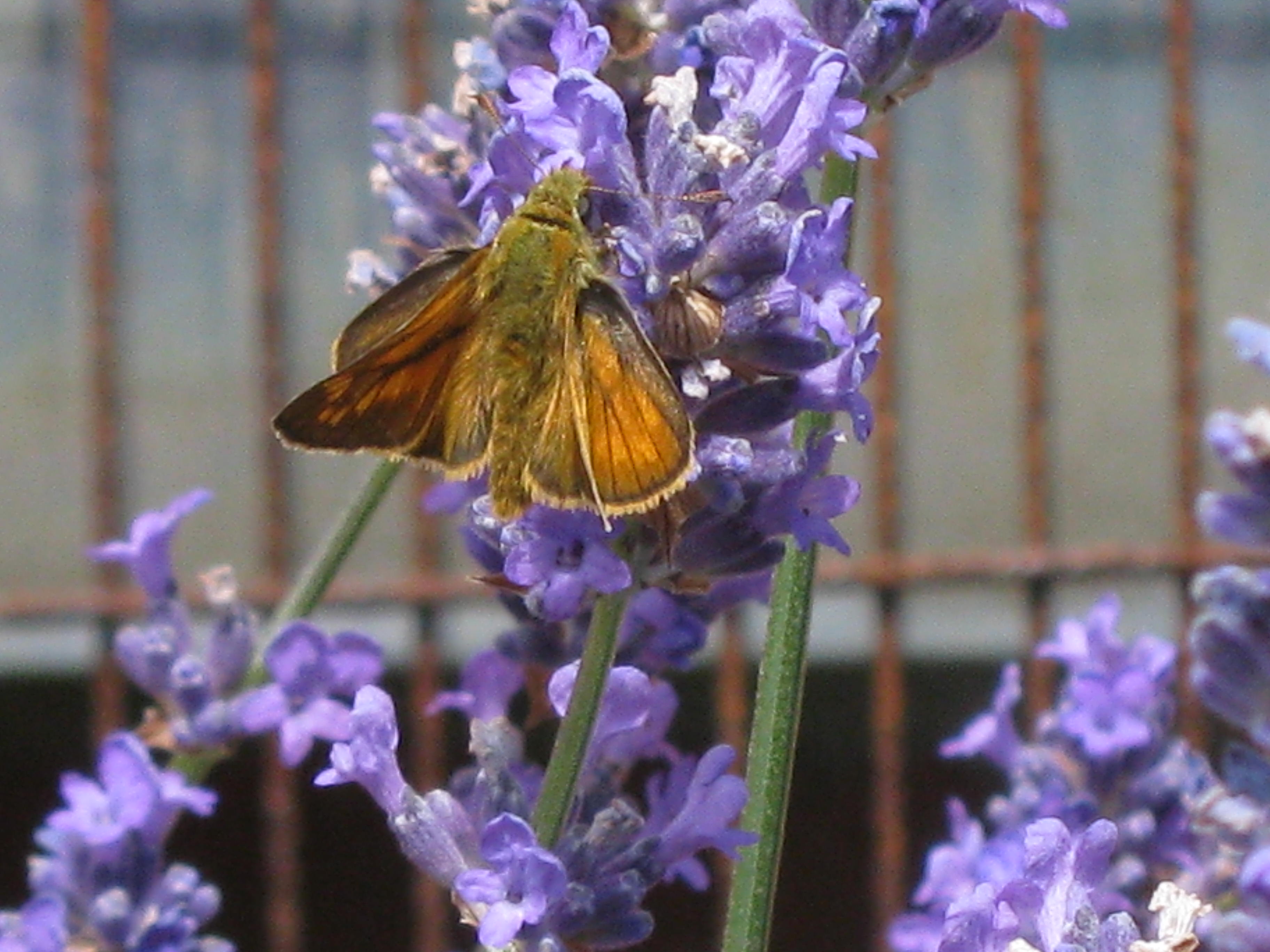
010Skipper

Skipper butterfly

I think this is a Large Skipper.

011Tortoiseshell

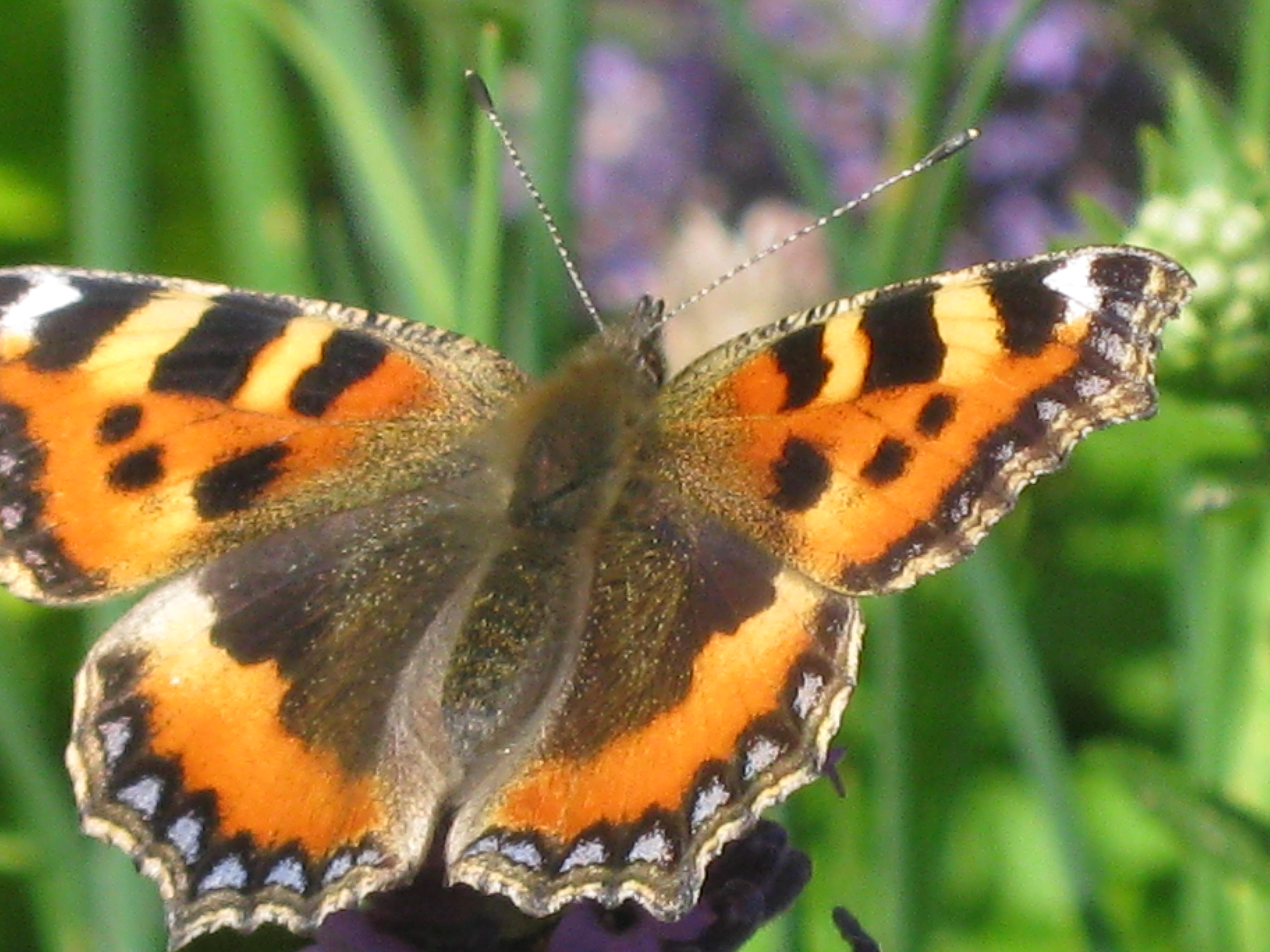
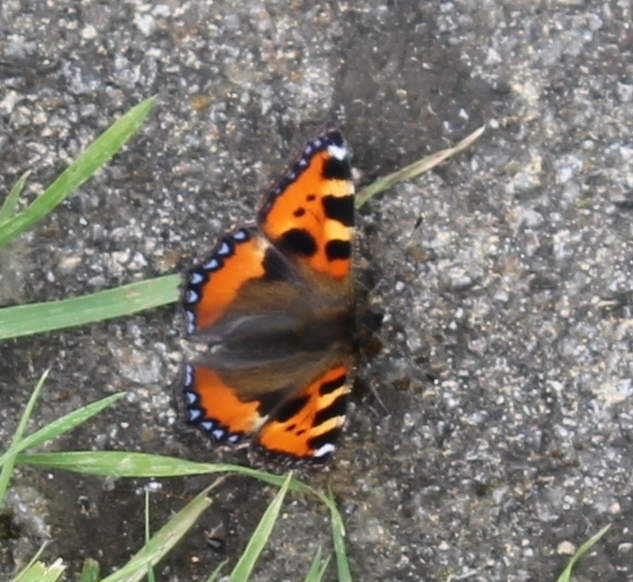
Small Tortoiseshell

070Tortoiseshell butterfly

Small Tortoiseshell

I have included two photos of these butterflies to show the difference between a newly emerged butterfly and one that has been flying for a few days.  The second one is so bright!

002Six-spot Burnet on lobelia

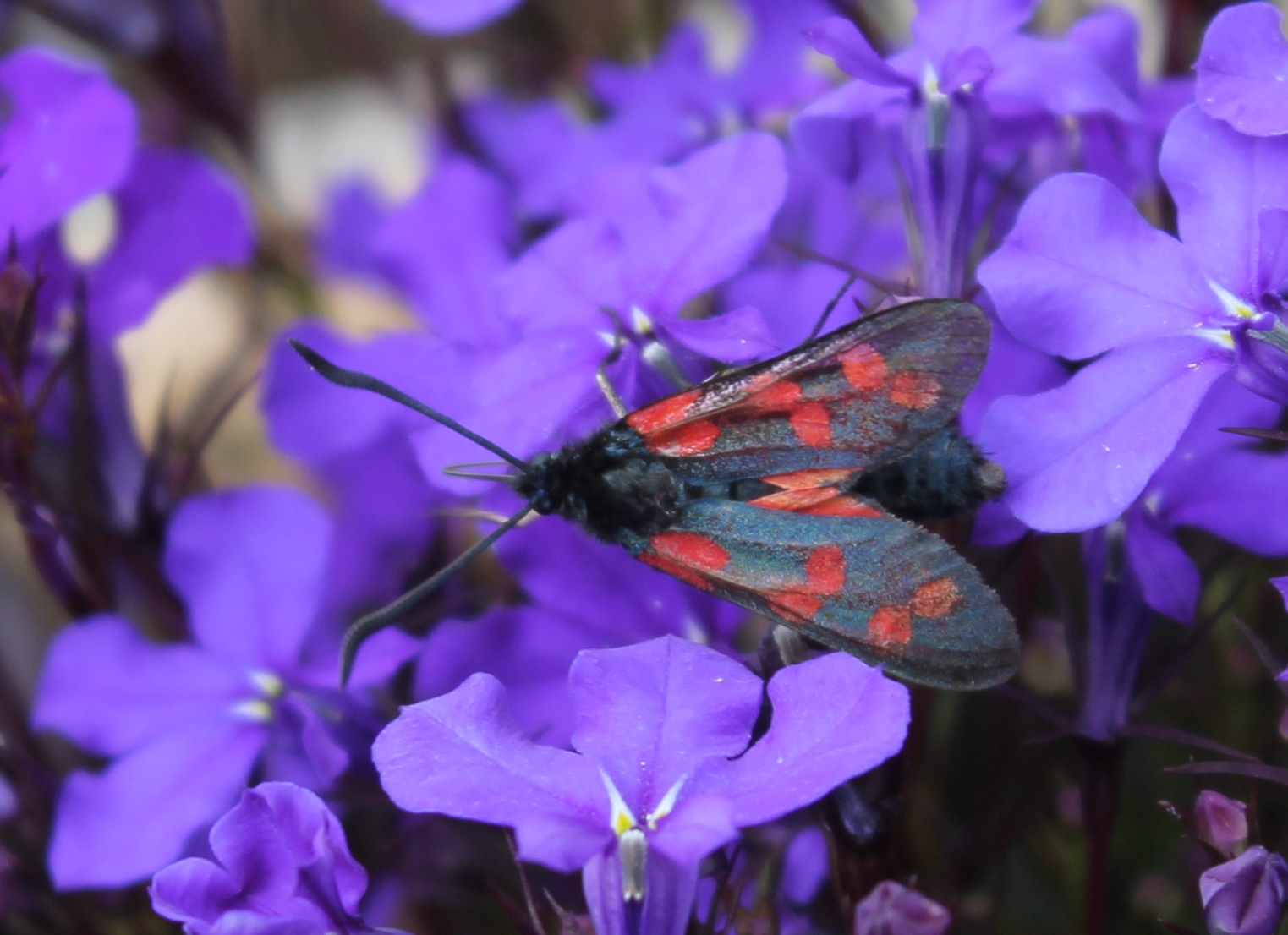
Six-spot Burnet moth on lobelia

050Dragonfly

Dragonfly

051Four-spotted chaser

Four-spotted Chaser

045LLavender with butterflies

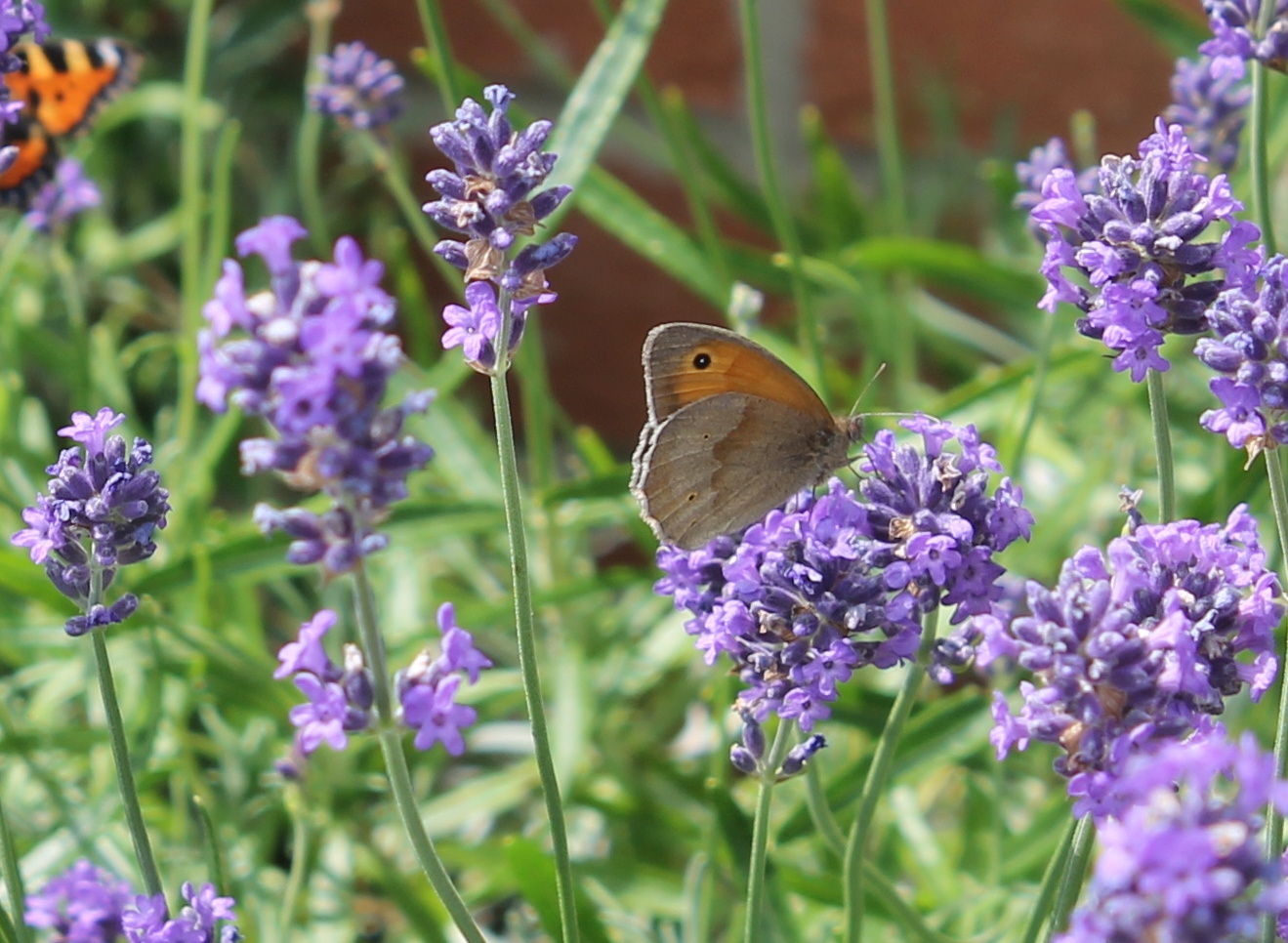
Meadow Brown butterfly

056Female banded demoiselle

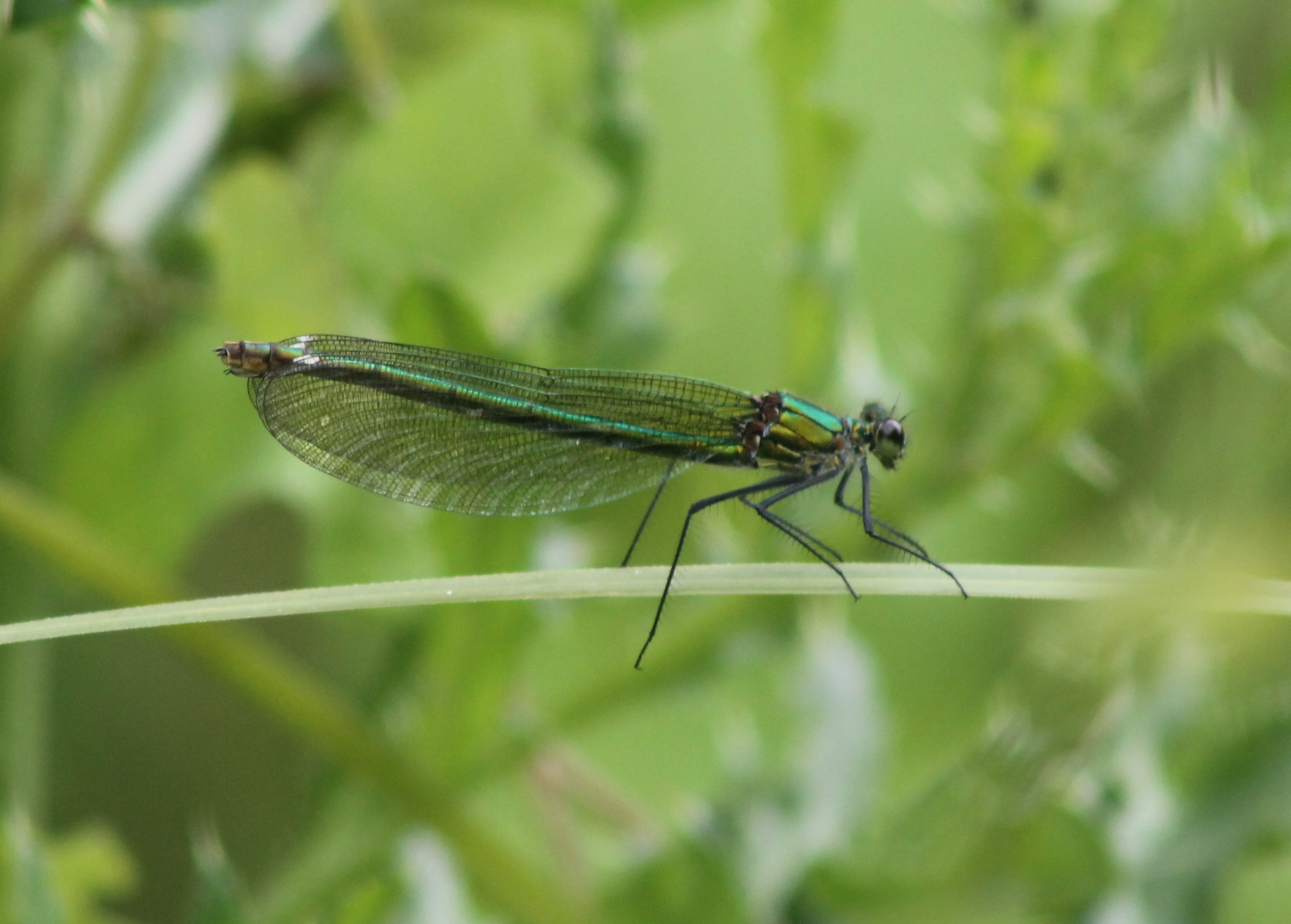
Female Banded Demoiselle

057Greater bindweed flower with pollen beetle and micro moth

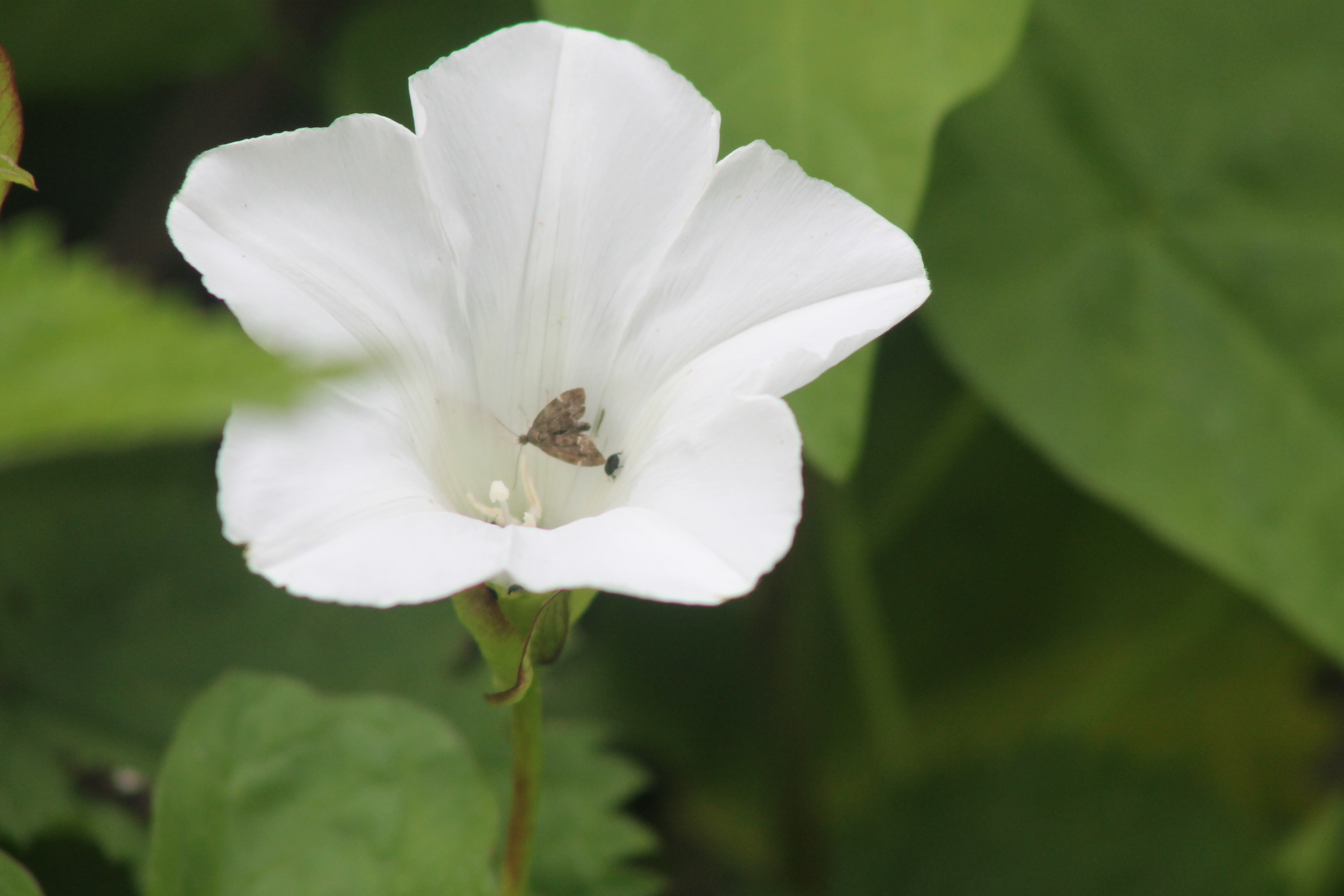
Greater Bindweed flower with unidentified micro-moth and pollen beetle

The Greater Bindweed flower is the largest of our native flowers.

058Male broad-bodied chaser

Male Broad-bodied Chaser

060Male black-tailed skimmer

Male Black-tailed Skimmer

The last photos I am including are of Small Tortoiseshells again.

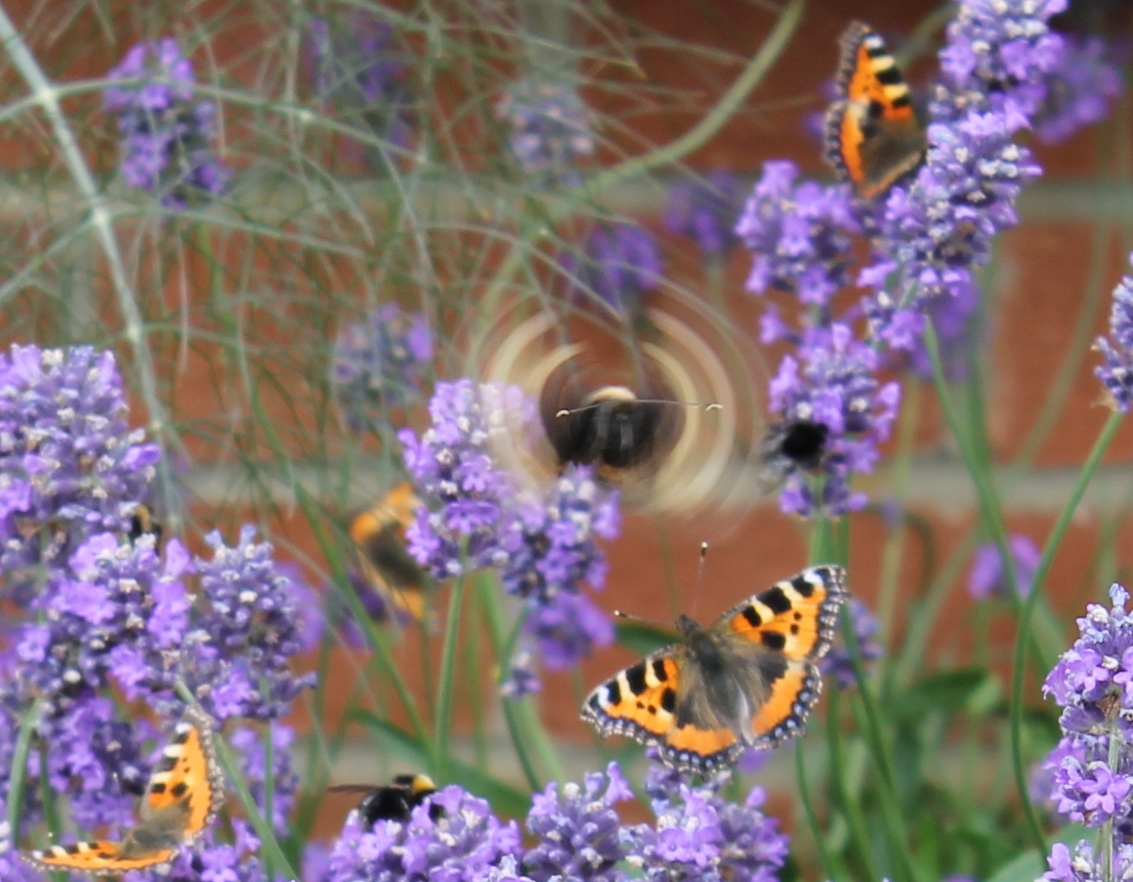
069Lavender with butterflies (cartoon) (2)

The reason I am including this photo is because…..

069Lavender with butterflies (cartoon)

….of this!!

Share this:

  • Share on X (Opens in new window) X
  • Share on Reddit (Opens in new window) Reddit
  • Share on Pinterest (Opens in new window) Pinterest
  • Share on Facebook (Opens in new window) Facebook
  • Email a link to a friend (Opens in new window) Email
  • Share on Tumblr (Opens in new window) Tumblr
  • Print (Opens in new window) Print
  • Share on Pocket (Opens in new window) Pocket
  • Share on LinkedIn (Opens in new window) LinkedIn
Like Loading...

Trinity Sunday and Father’s Day

17 Tue Jun 2014

Posted by Clare Pooley in churches, Insects, plants, trees, Uncategorized, walking

≈ 12 Comments

Tags

19th century, acanthus, altar, bedstraw, church architecture, common knapweed, corn dolly cross, cypress, Easter Sepulchre, Father's Day, font, greater knapweed, hardheads, hedge bindweed, hedge mustard, hogweed, Hoverfly, jack-go-to-bed-at-noon, kneelers, meadow vetchling, medieval, mosquito, needlework, Norman, parvise, pyramidal orchid, Rood loft stairs, rood screen, St Margaret South Elmham, Trinity Sunday, tutsan, village sign, village stocks, yarrow

Image

This is R’s Father’s Day present from E.  This is the third year she has got him the Tour de France premium pack and I am sure he is really happy with it.  He cycles whenever he can and has enjoyed watching the Tour for many years.

It was also Trinity Sunday on Sunday, the day on which we have to consider God as Father, Son and Holy Spirit.  Many people have difficulty with this concept but I have never found it difficult to understand that God is one god but has three parts or roles; though of course my ability to express this is woefully inadequate.   I can accept this without having to question it.  I can accept that God is Father (the Creator) and that God is Son (Jesus, who lived on earth experiencing everything that a human could ever experience and who died for us) and that God is Holy Spirit (the Comforter, our strength when we are in need).  I think we are all different things to different people and have to behave differently depending on what is needed of us but at the same time we are still the same person, so we have an idea of where to start from when considering the Trinity of God.  A human father has many other roles as well as being a father – son, husband, wage-earner, jack-of-all-trades.  I hope all fathers were made to feel appreciated on Sunday.

The Trinity Sunday service was at St Margaret South Elmham church which is close enough for us to walk to which R and I really enjoy.  The weather was cloudy and cool again but we were fortunate in that it didn’t rain while we were going to and coming from church.  I saw a number of interesting plants on our walk and took a couple of photos on the way home.  After doing a few chores after lunch I decided to walk back to St Margaret’s and take some more pictures and include some of the pretty church too.  The light was bad and it rained a little while I was out so some of the photos didn’t come out at all well.  The interior of the church was too dark for some of my shots and even with the flash most didn’t come out.  I did have enough fairly good pictures though, to give you an idea of what I saw.  I am indebted to the history of the church leaflet I bought at the church for some of the information below.

Image

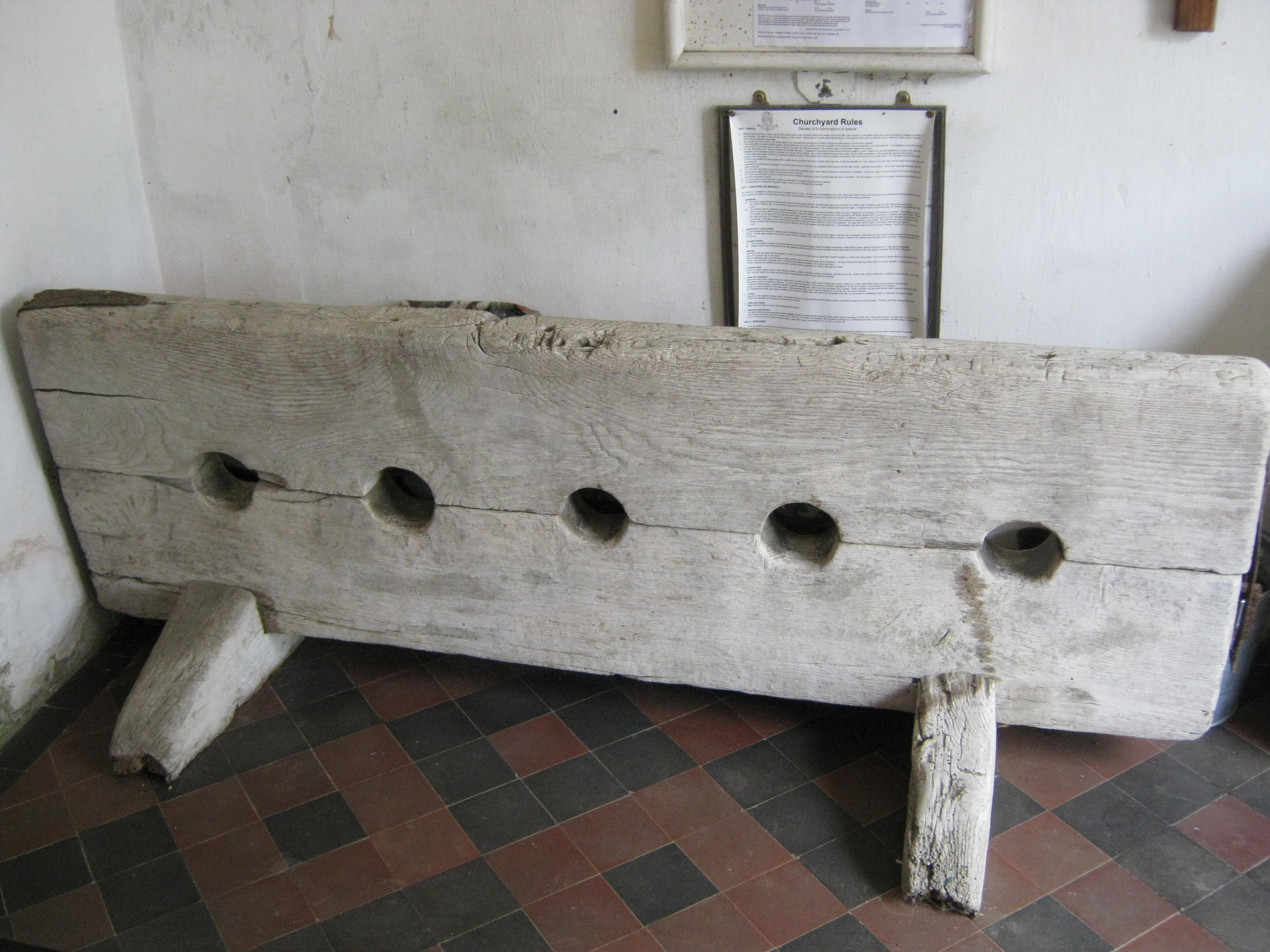
The old village stocks which are kept in the porch.

Image

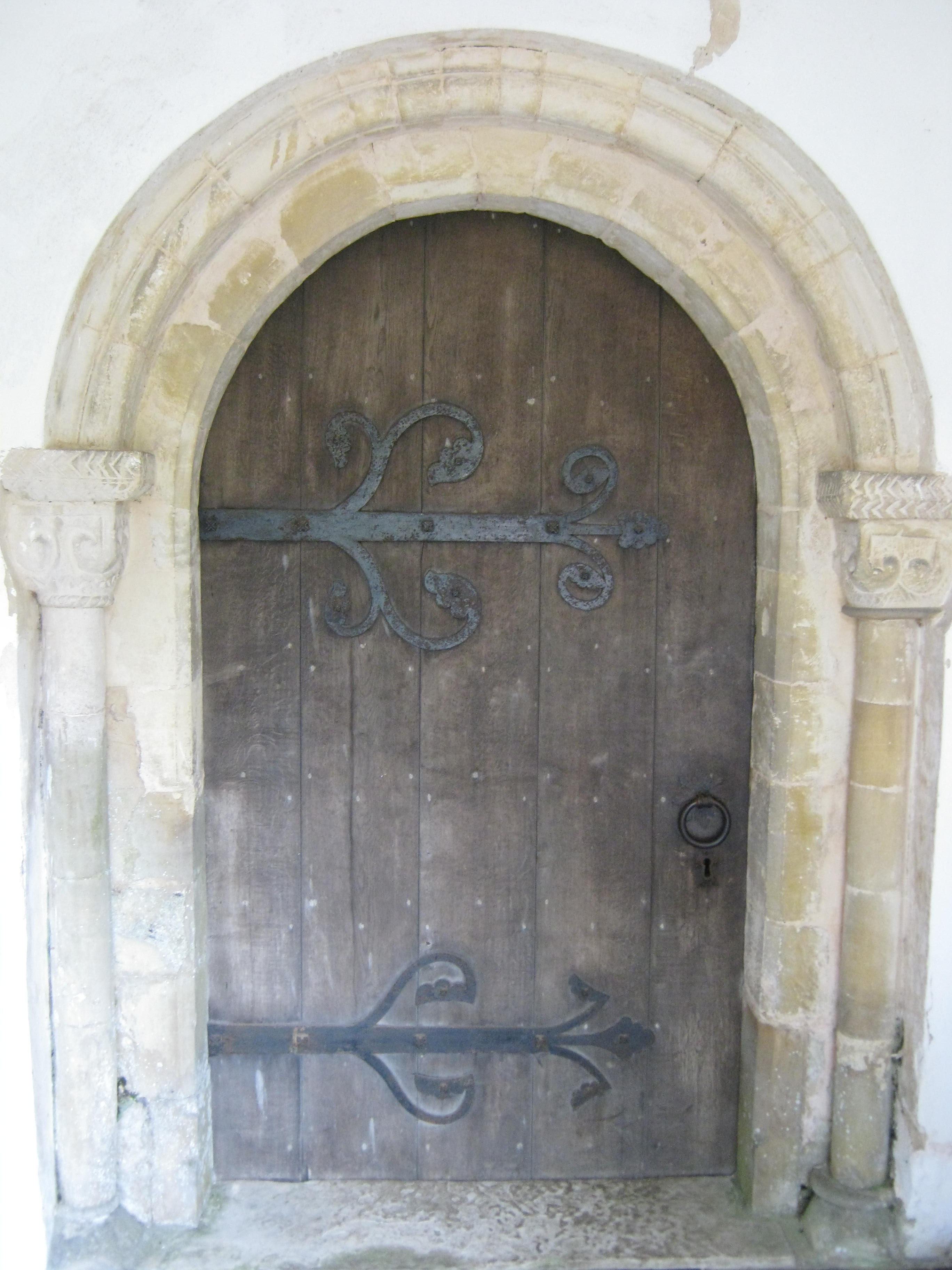
The beautiful South Door with the Norman archway. The stonework is at least 800 years old.

The porch has a room above it, a parvise or priest’s room but it is not normally open to the public.  Parvise means ‘paradise’ but I doubt whether it is like paradise up there!  The books and documents belonging to the church used to be kept in a parvise and sometimes the priest used to live there.  Some of these rooms in other churches are made into little chapels for private prayer.

Image

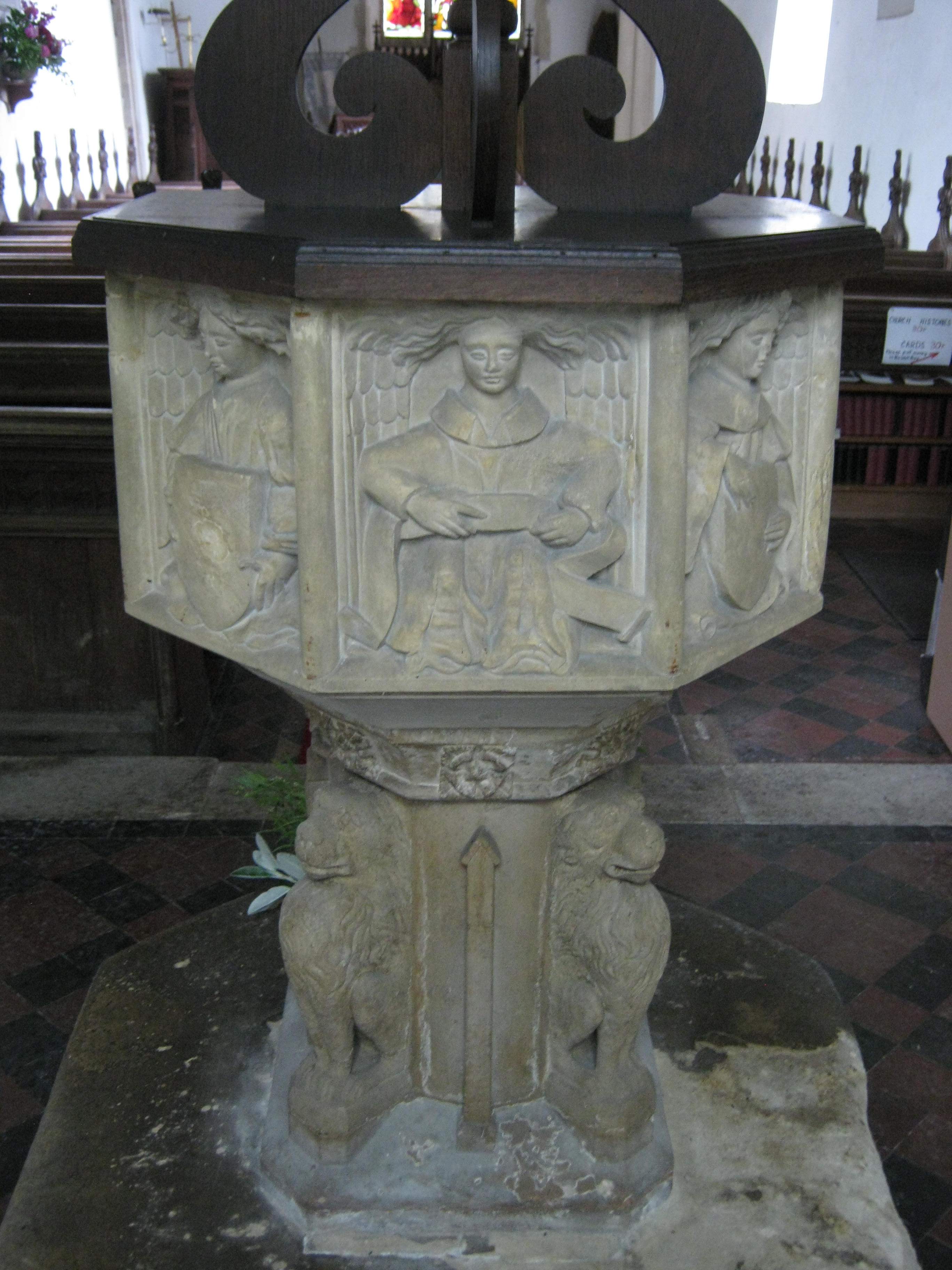
The 15th century font.

The font is of a design which is common in East Anglia.  It is octagonal and the symbols of the four Evangelists alternating with angels bearing shields are round the bowl.  There are lions round the stem of the font, too.

Image

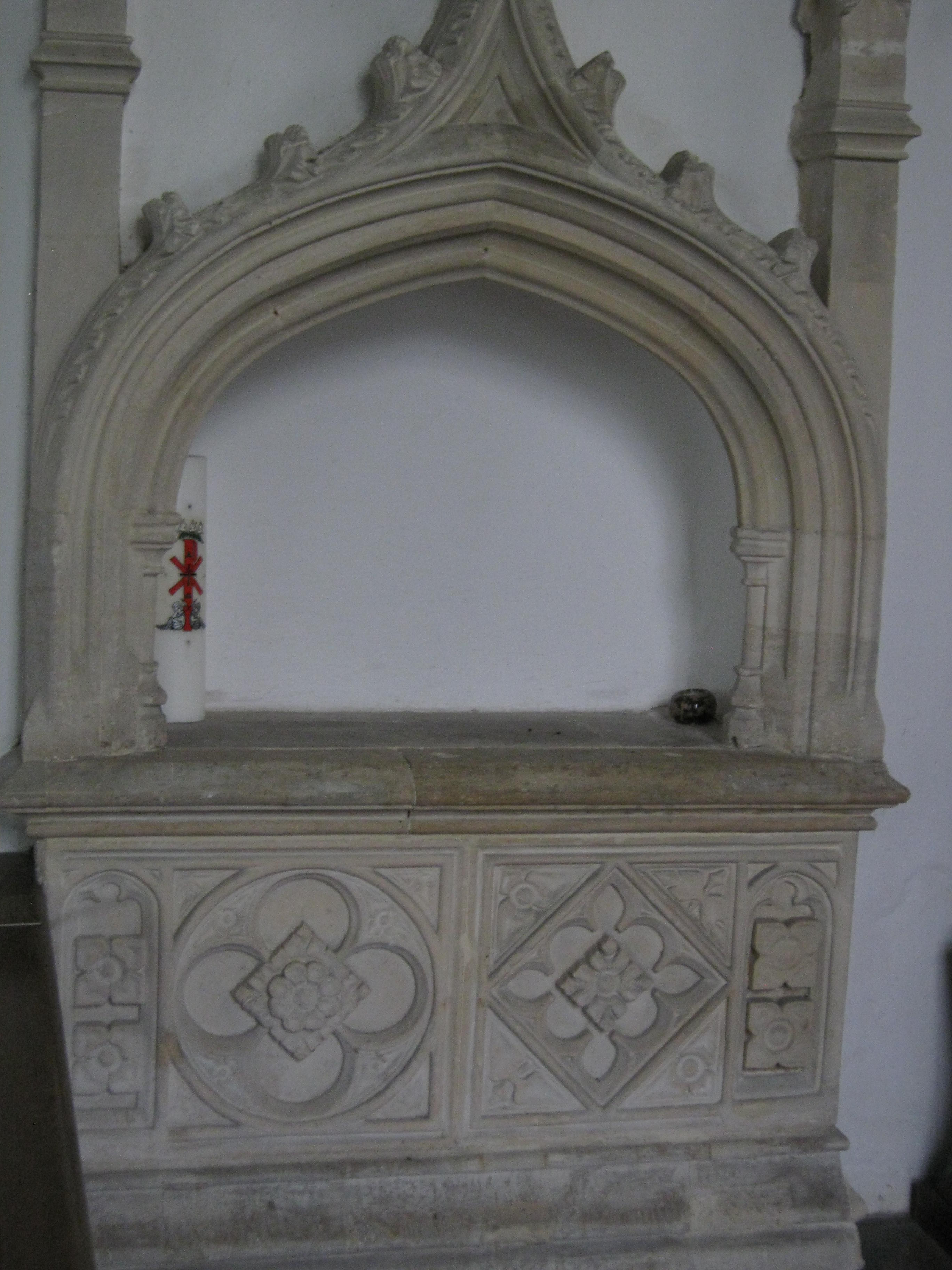
The Easter Sepulchre.

I was unable to get all of the medieval sepulchre in;  there are a couple of pinnacles and a finial above it.  This is where some of the consecrated bread from the Mass was placed on Good Friday and then brought back to the altar on Easter Day which symbolised Jesus’ burial in the tomb and then resurrection.

Image

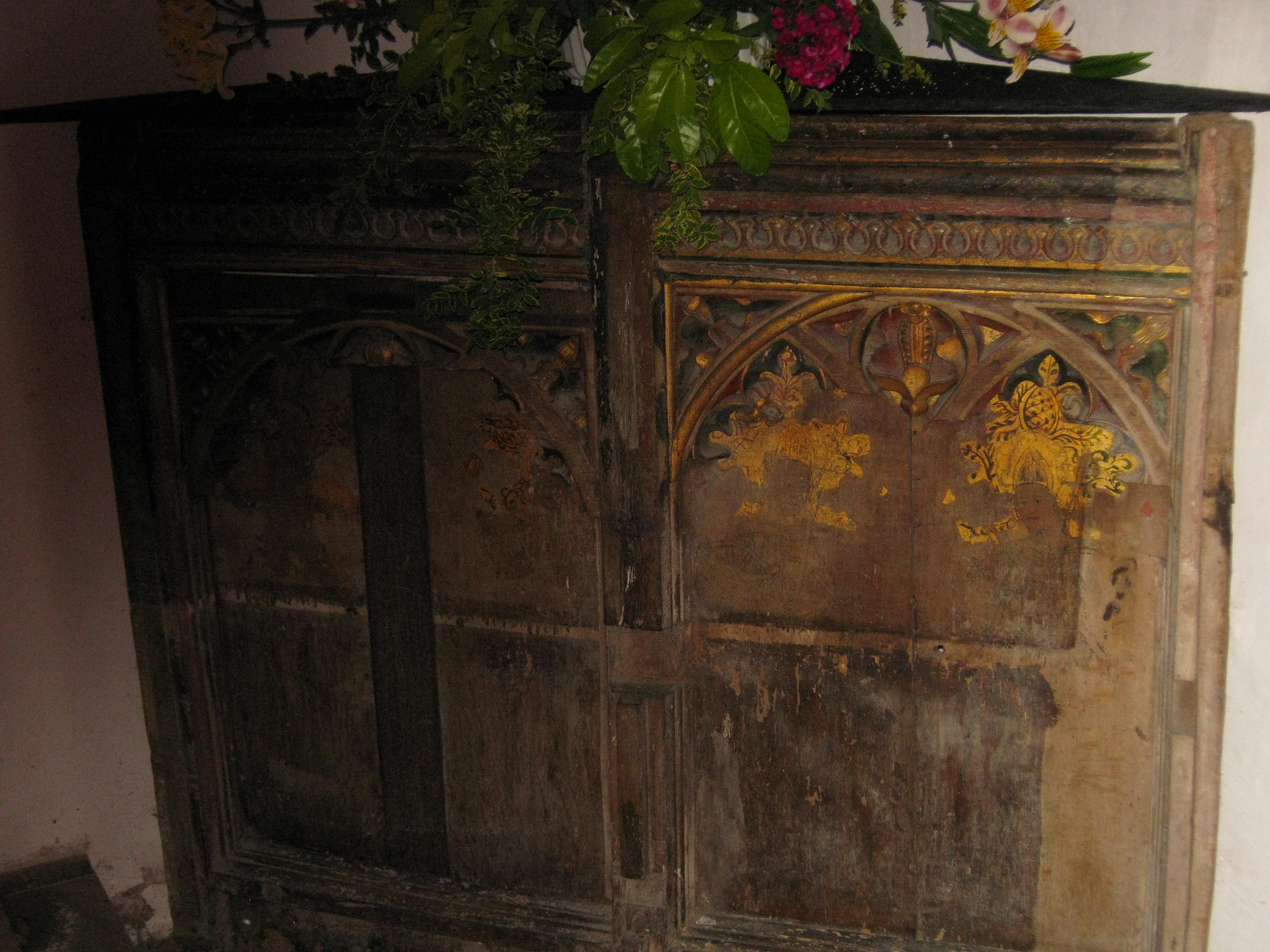
Panels from the base of the former rood screen.

These old medieval panels are not in a good condition but you can just see remnants of the paintings that once covered them.  In my photograph you can’t see the one on the left, thought to be St Hubert but you can see the ones on the right who are probably bishops.
Image

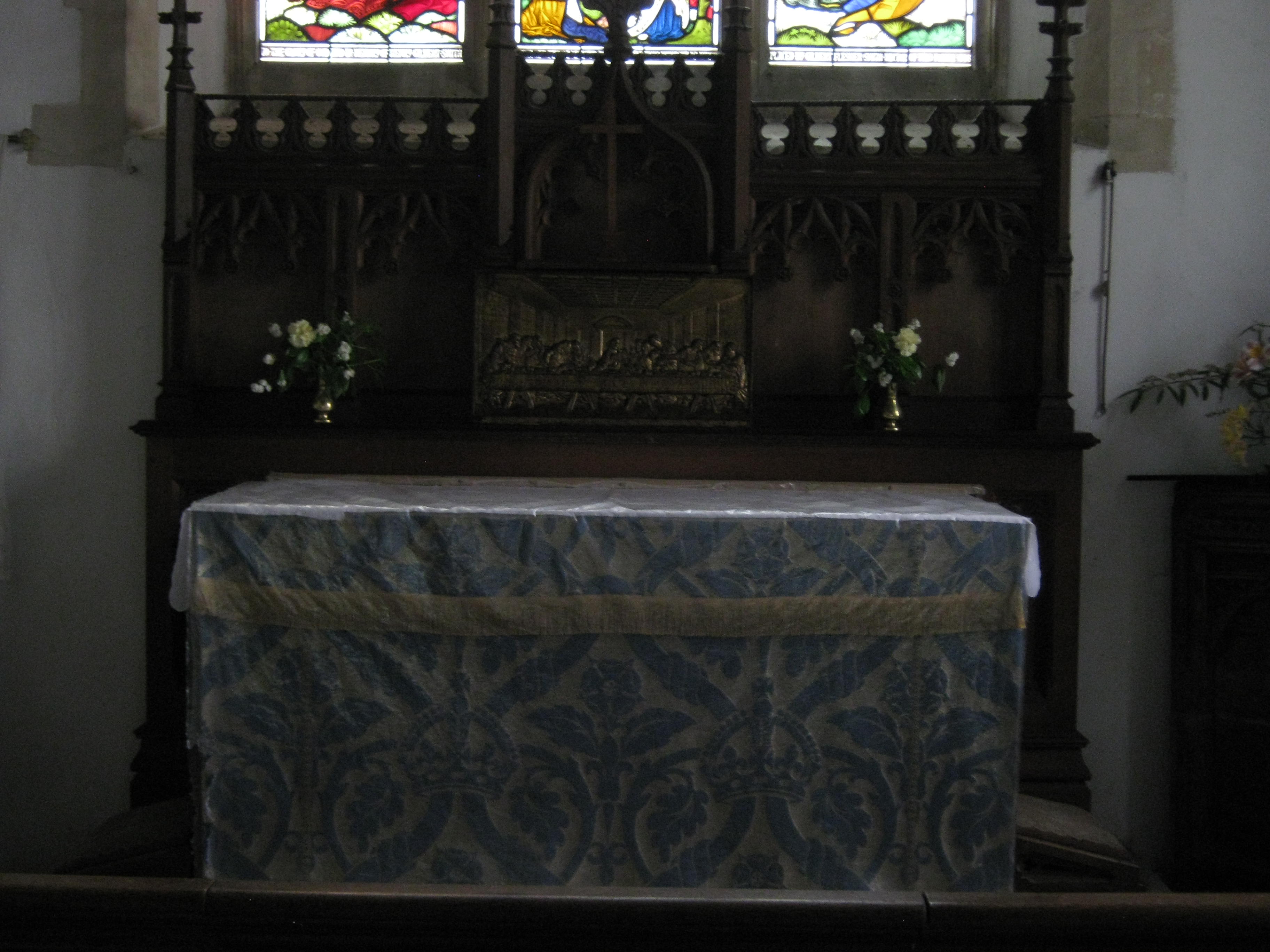
The 19th century altar

Beautiful needlework

These are just a few examples of the many lovely kneelers in this church.  The photos are worth zooming in on!

Image

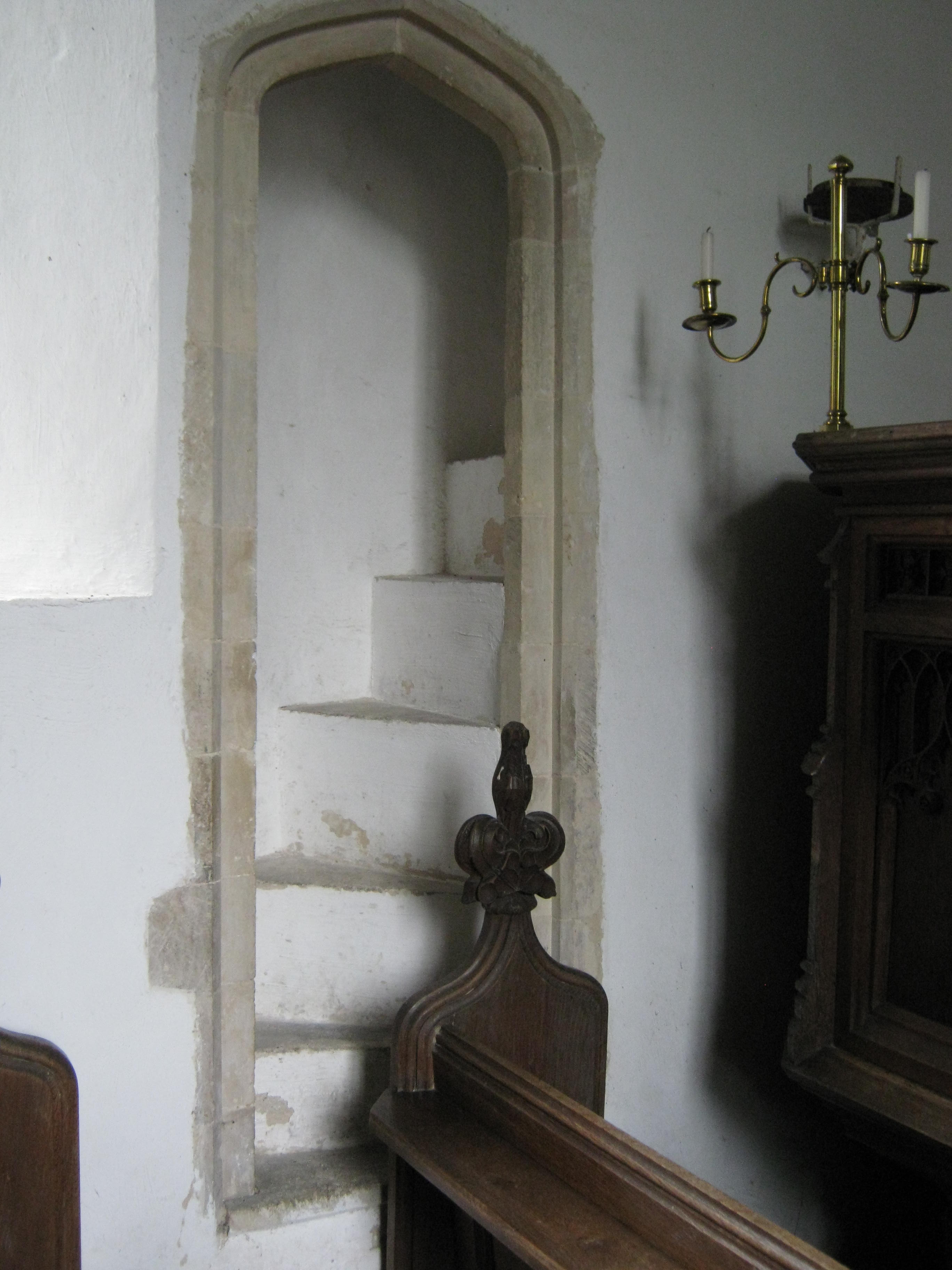
The tiny narrow rood loft stairs.

The stairs enabled the priest to get to the top of the Rood Screen where lots of candles were lit.
Image

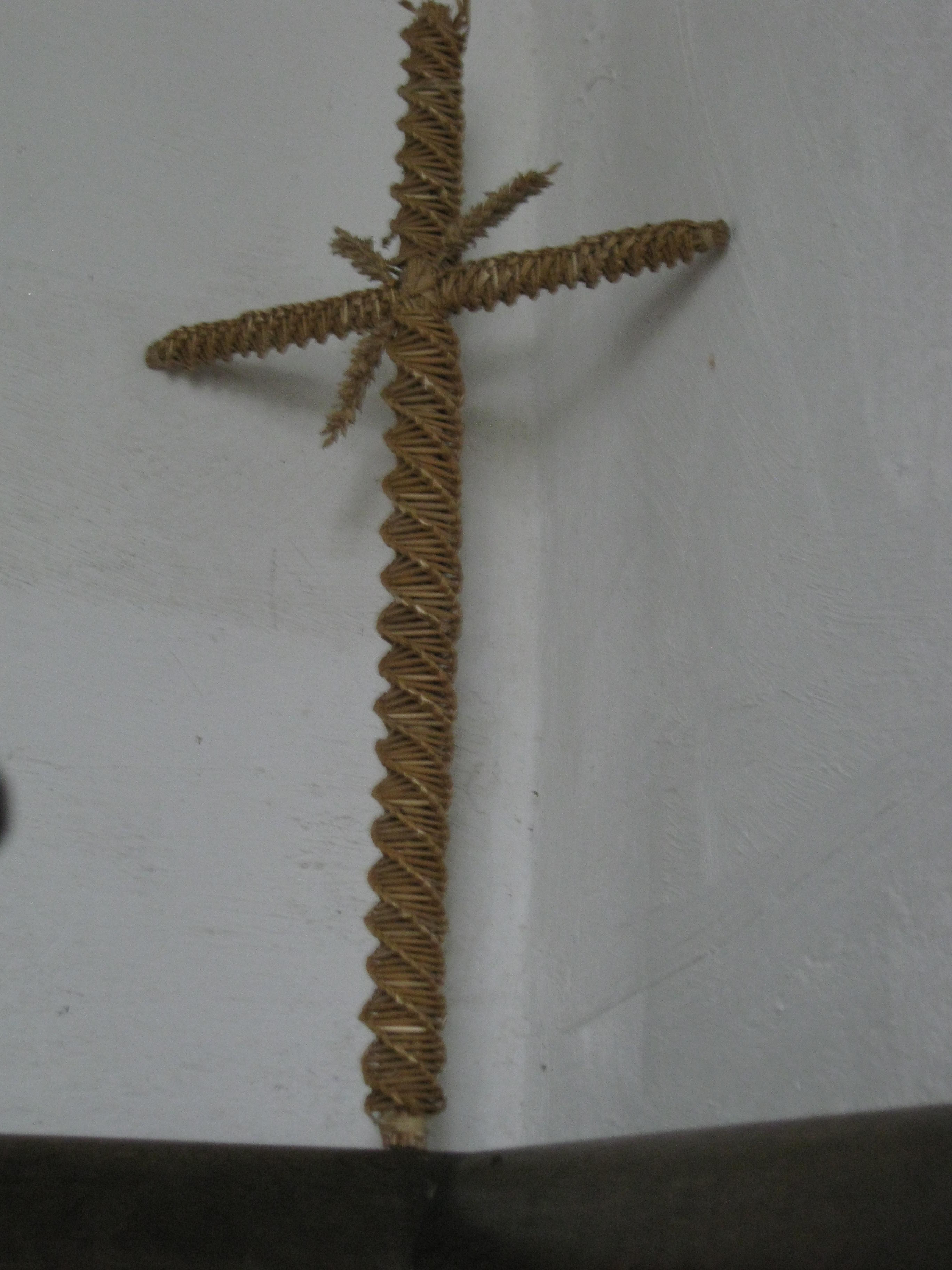
A corn dolly cross behind the pulpit

I saw many pretty flowers on my walk to St Margarets and some less pretty but equally noteworthy.

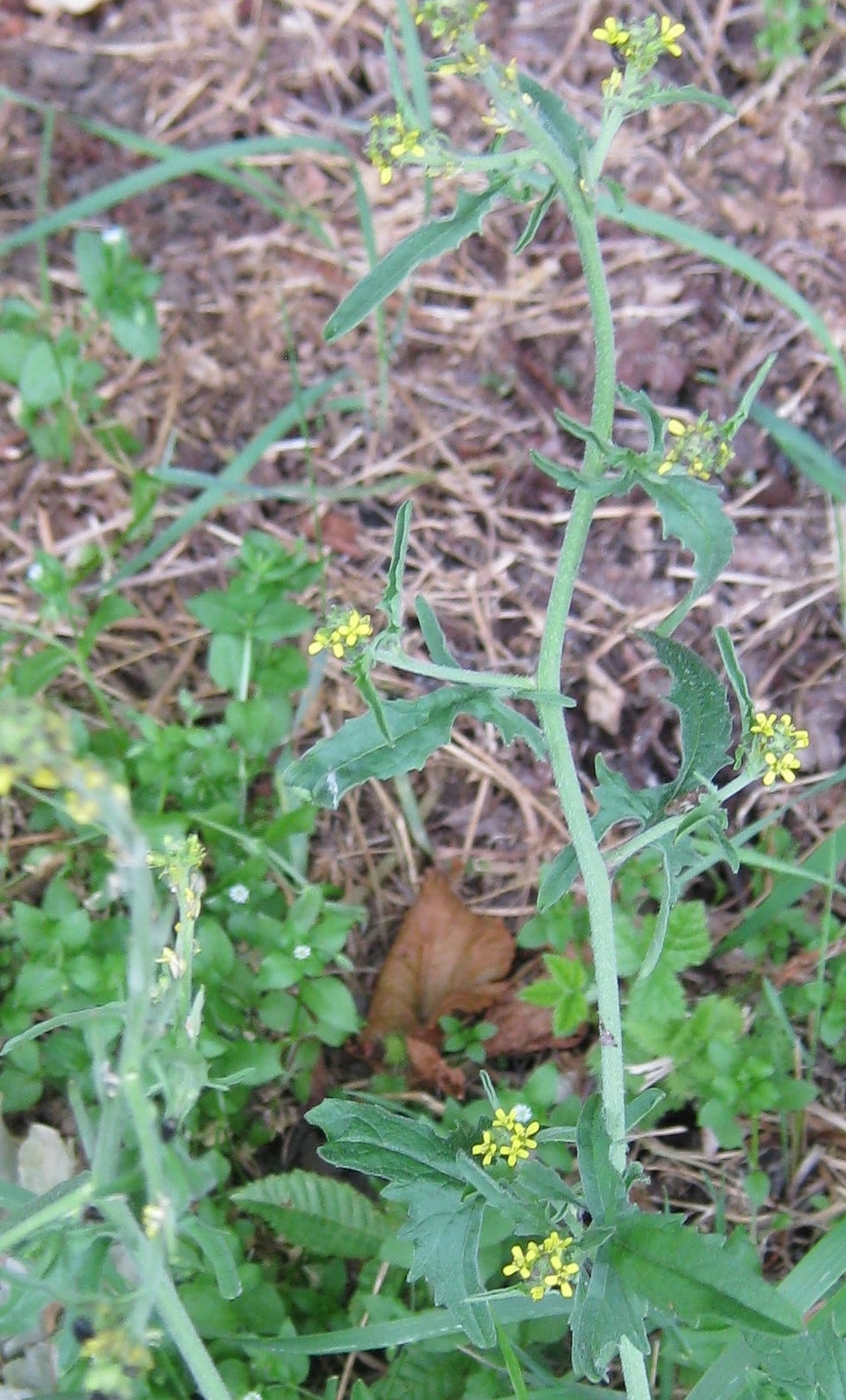
001Hedge Mustard

Hedge Mustard

This plant is recognised by its branches which protrude almost at right-angles to the stem.  The French used to use an infusion of this plant as a gargle and to improve their vocal performance.  The pungent taste of the concoction was improved by adding liquorice or scented honey.  The British were not so keen and used the plant to make a sauce to be served with salt fish.  The sap was mixed into a syrup with honey or treacle as a cure for asthma.

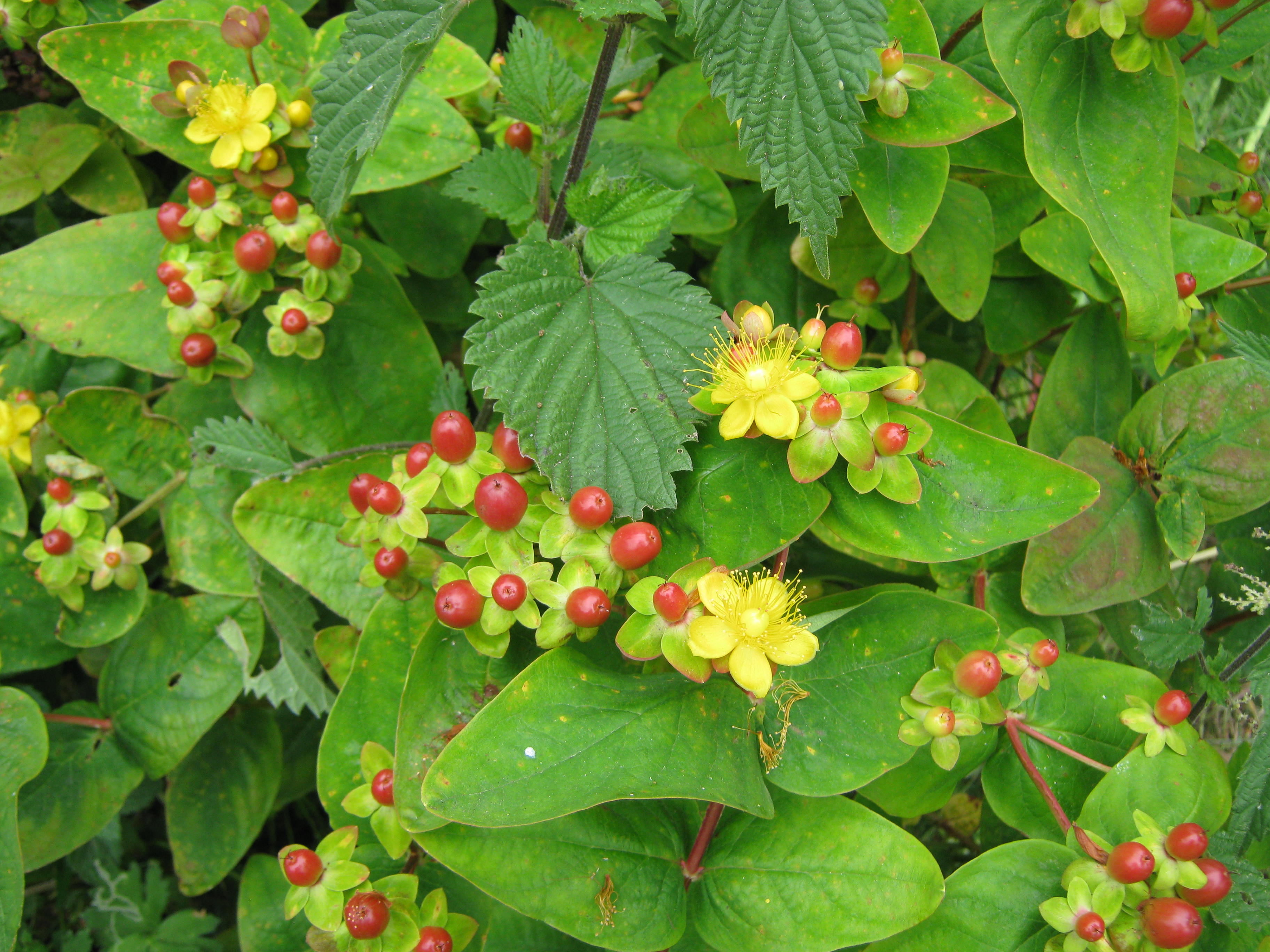
002Tutsan

Tutsan

Another plant with antiseptic properties, the leaves of tutsan were laid across flesh wounds to help heal them.  Tutsan derives its name from the Anglo-Norman word ‘tutsaine’ (toute-saine in French) meaning ‘all-wholesome’ or ‘all-healthy’.  When fresh, the leaves have no particular smell, but a day or so after drying and for four years or so afterwards they emit a subtle, pleasant odour.  This is likened by some to that of ambergris so tutsan is known by some people as sweet amber.  Richard Mabey in ‘Flora Britannica’ says the leaves have ‘an evocative, fugitive scent, reminiscent of cigar boxes and candied fruit’.  I wonder if this helps anyone imagine what it smells like?  Its dried leaves have been used as scented book-marks, particularly in prayer books and Bibles.
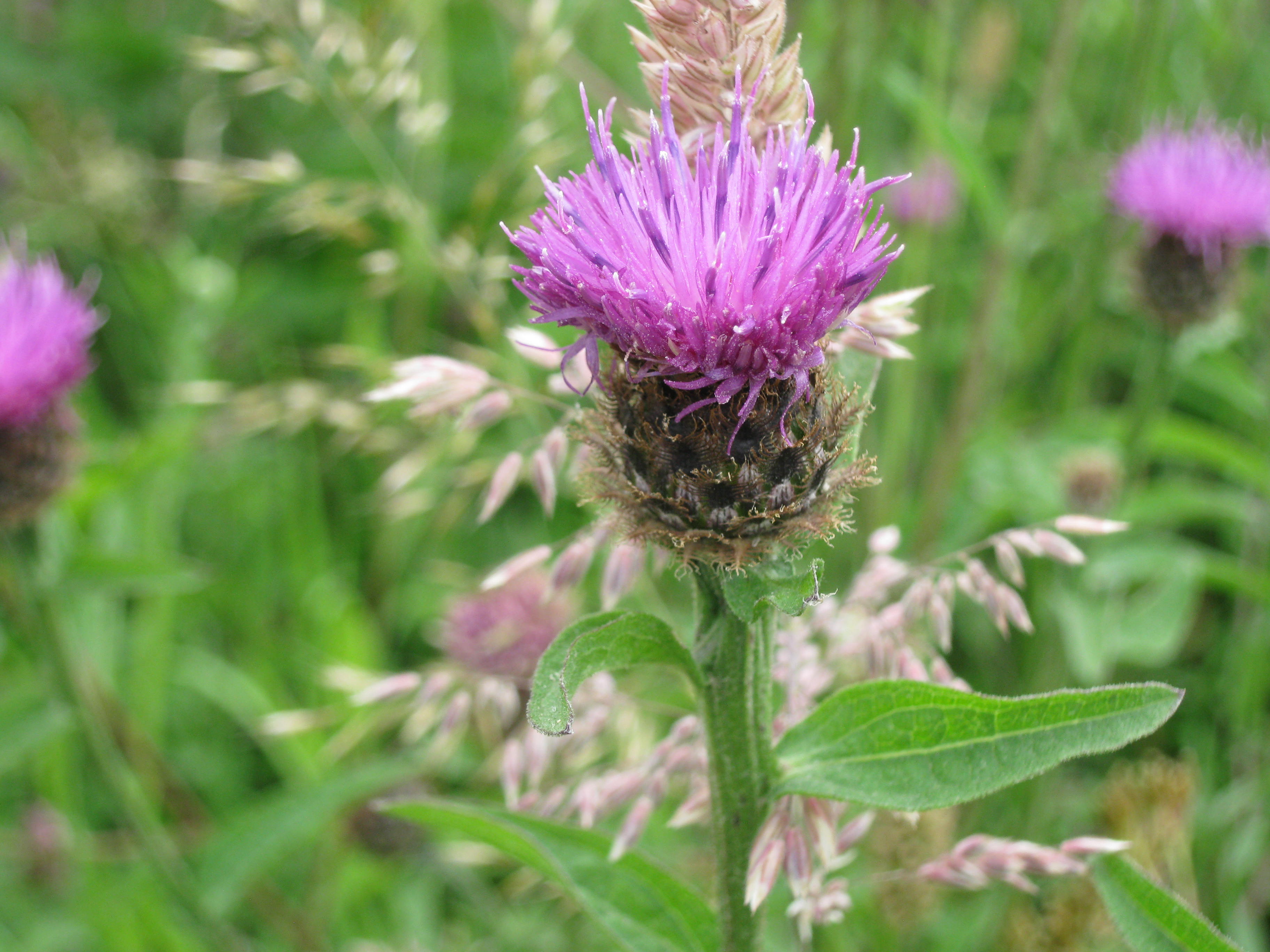
012Common Knapweed

Common Knapweed or Hardheads

004Common Knapweed

Common Knapweed

011Common Knapweed

Common Knapweed

According to folklore this flower can be used to foretell a girl’s future.  She must pick the expanded florets off the flower-head and then put the remainder of the flower in her blouse.  After an hour she must take it out and examine it; if the previously unexpanded florets have now blossomed it means that the man she will marry is shortly coming her way.
006Yarrow

Yarrow

Achilles was said to have cured wounds made by iron weapons by using yarrow.  The Anglo-Saxons believed yarrow could purge and heal such wounds when pounded with grease.  It was used to drive away evil and sickness, to increase physical attractiveness and to protect people from being hurt by the opposite sex.  In a Gaelic chant a woman says: ‘I will pick the green yarrow that my figure may be fuller….. that my voice will be sweeter….. that my lips will be like the juice of the strawberry…. I shall wound every man, but no man shall harm me.’  Scary!!

003Meadow Vetchling

Meadow Vetchling

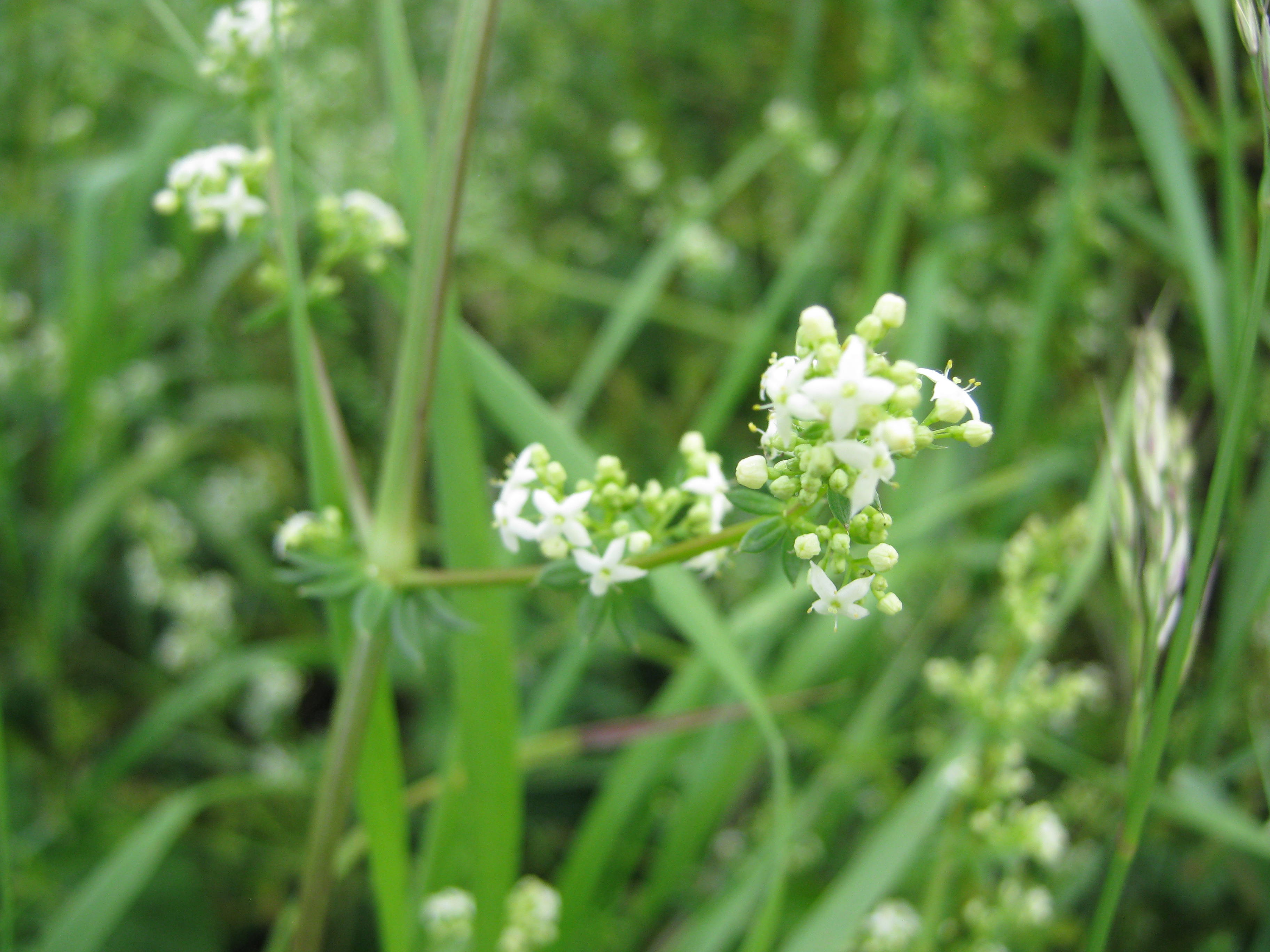
017Common Marsh Bedstraw

Bedstraw

063Common Marsh Bedstraw

Bedstraw

I cannot decide whether this is Common Marsh Bedstraw or Hedge Bedstraw.  It is probably Common Marsh Bedstraw and was used to stuff mattresses with.

022Greater Knapweed

Greater Knapweed

027Greater Knapweed with mosquito

Greater Knapweed with visiting mosquito

This plant and common Knapweed are very similar but this is the larger plant and has more thistle-like leaves.  Also the outer row of florets are larger than the rest and more spreading.  The bracts under the flower-head are slightly different too.  For many years this plant was used to treat wounds, ruptures, bruises, sores, scabs and sore throats.

023Hedge Bindweed

Hedge Bindweed

These beautiful white flowers glow in the dusk and the flowers stay open into the night, sometimes all night if there is a moon.  They attract the convolvulus hawk moth which has a long enough tongue to extract the nectar at the base of the flower and the moth pollinates the flower at the same time.

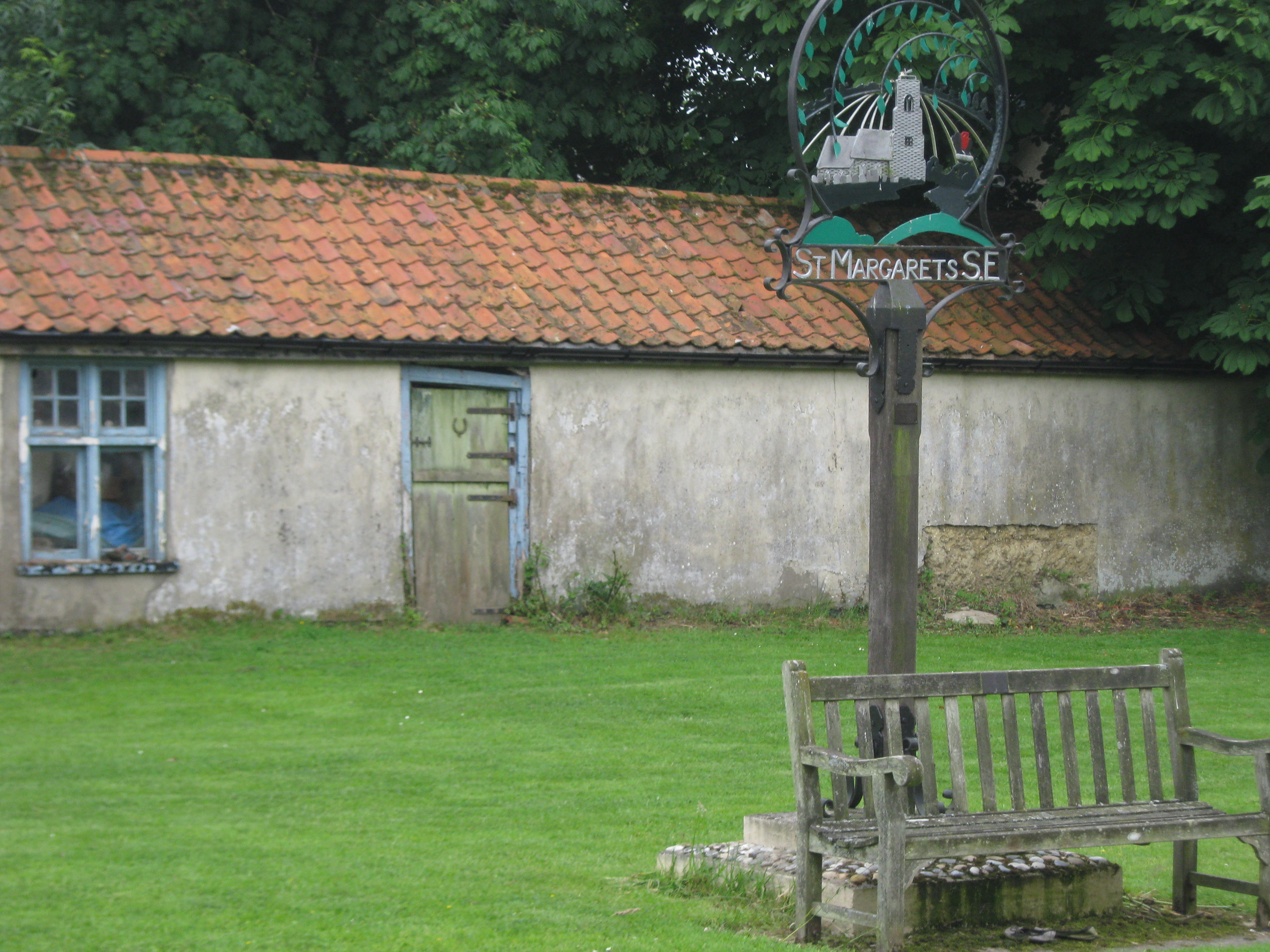
031St Margaret's village sign

St Margaret’s village sign

This is on the village green.  The old building behind looks as though it used to be the forge.

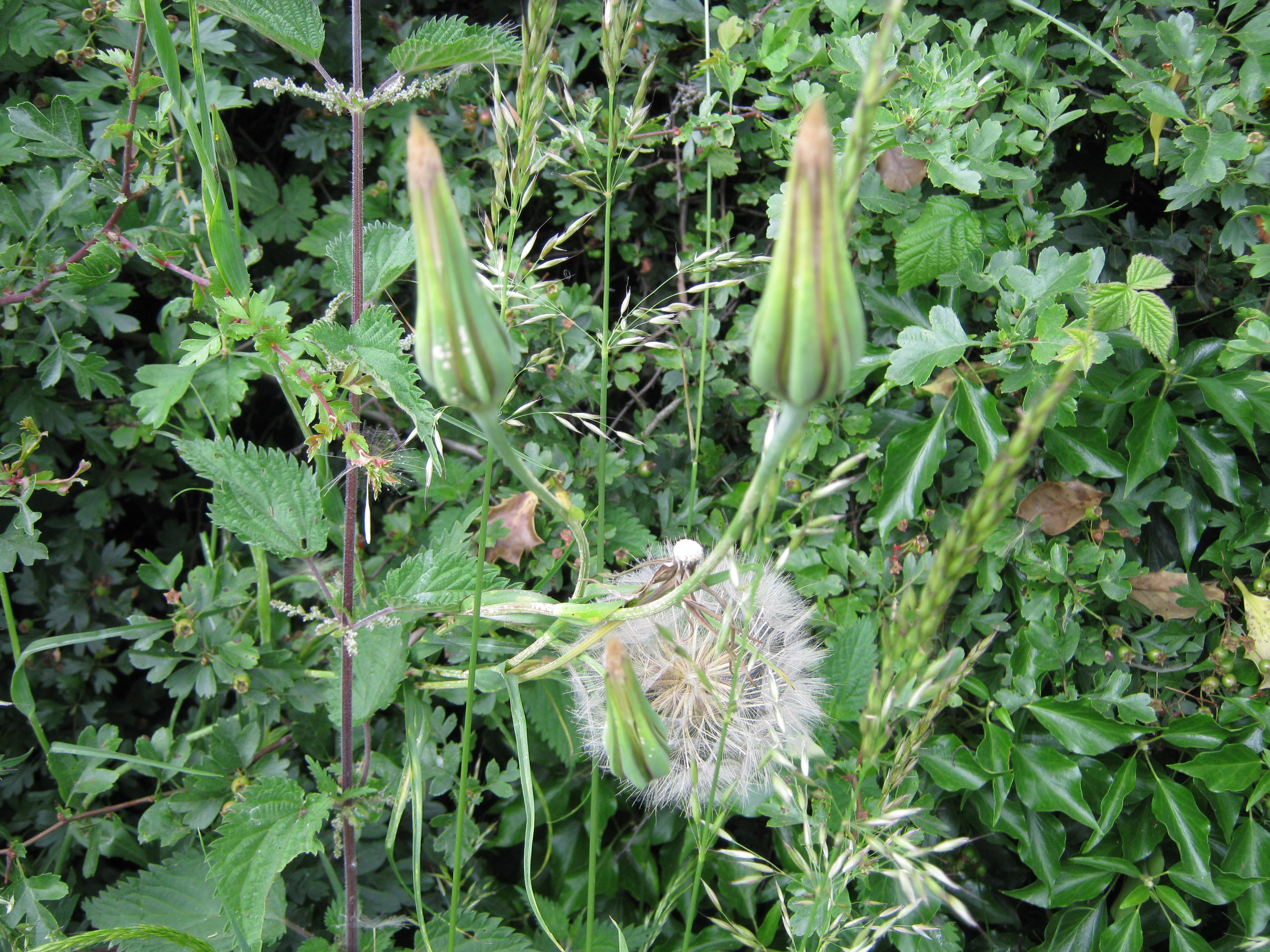
025Jack-go-to-bed-at-noon

Jack-go-to-bed-at-noon

And it had already gone before I found it!  I will see if I can take a photo of its large dandelion-like flowers one morning.  It also has enormous ‘clocks’ of downy seeds.  The long tap-roots are sweet-tasting like parsnips when cooked.

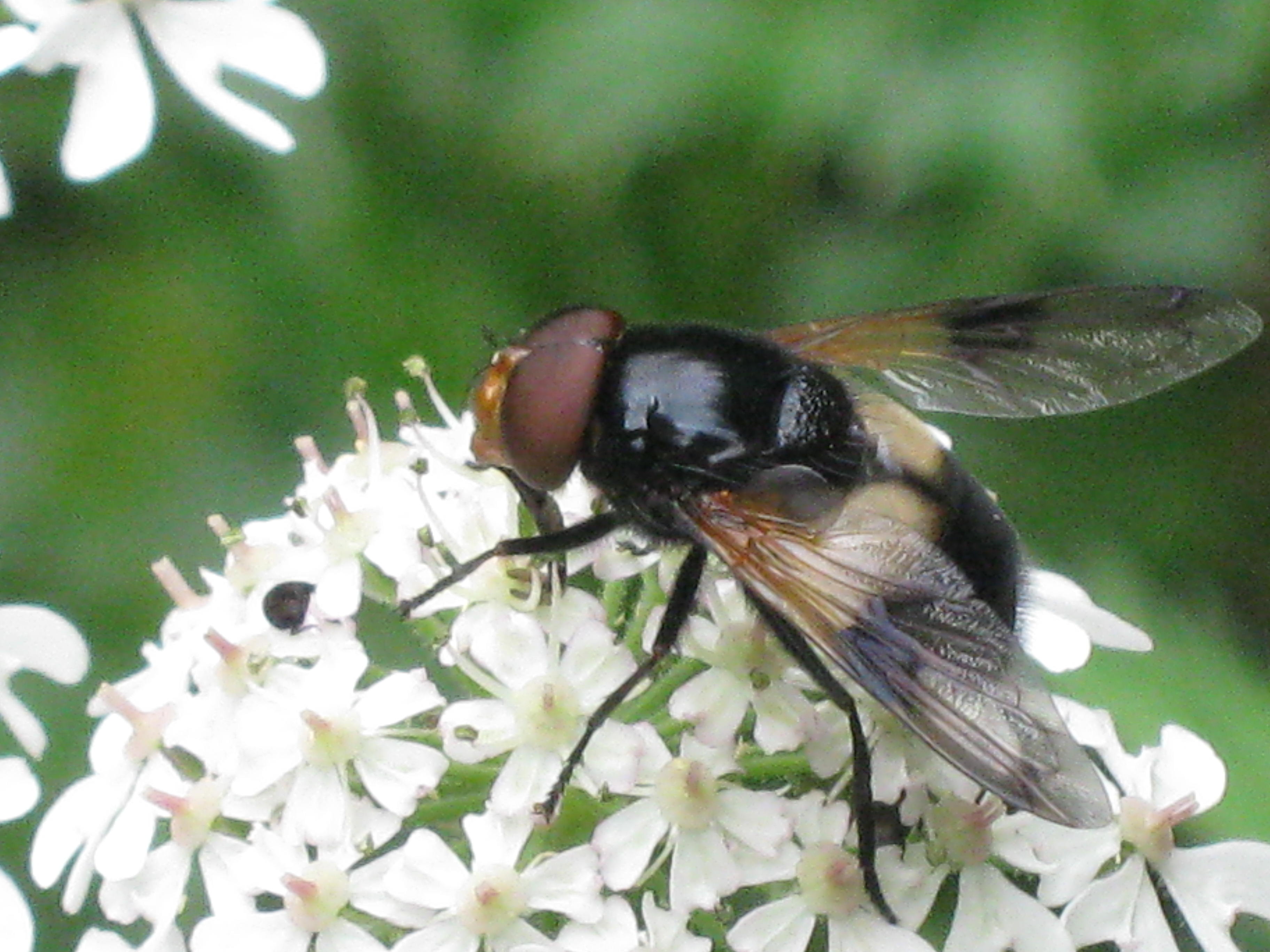
029Hoverfly on hogweed

A hoverfly on hogweed

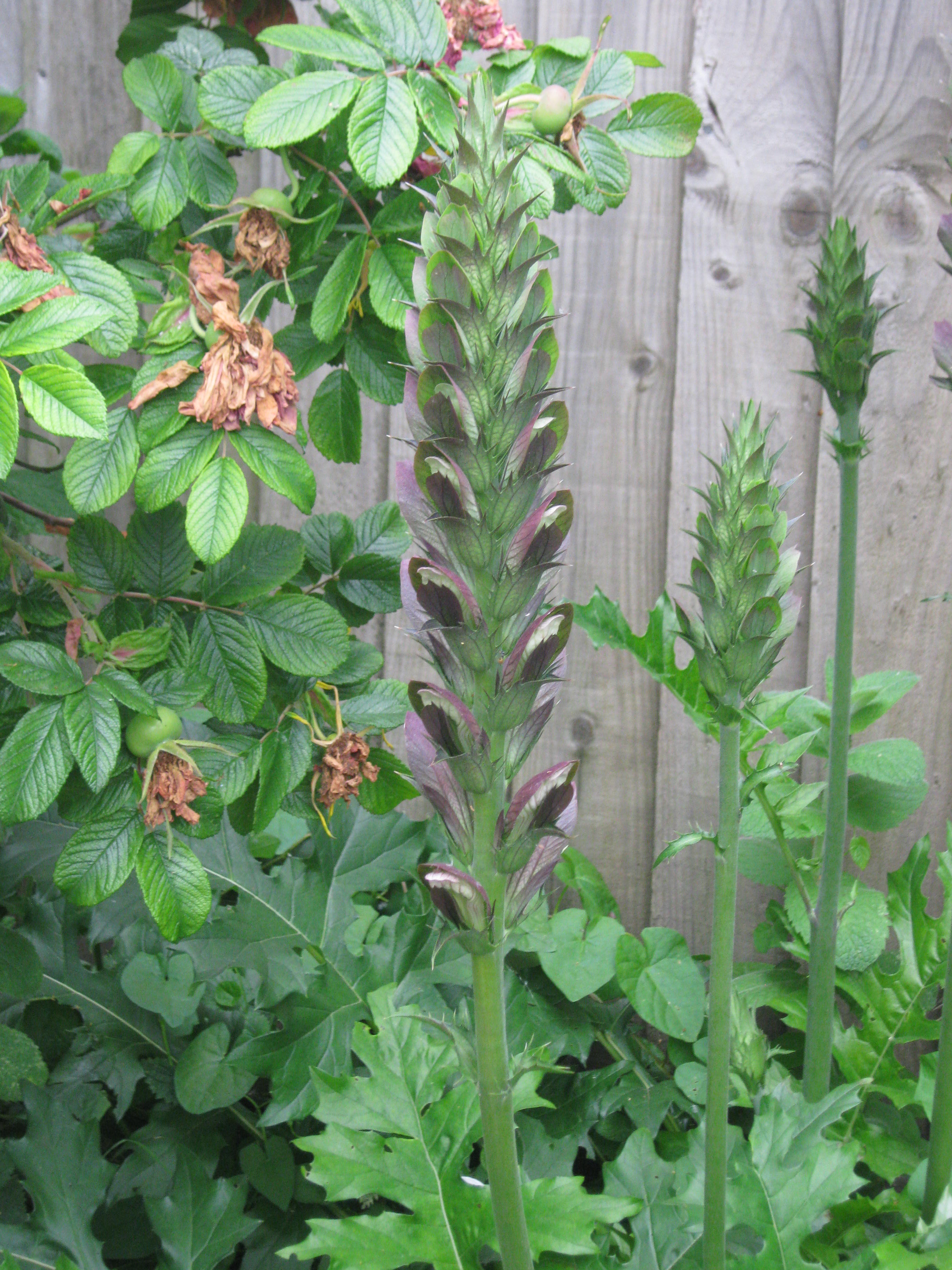
032Acanthus

Acanthus

An acanthus plant by someone’s garden fence.

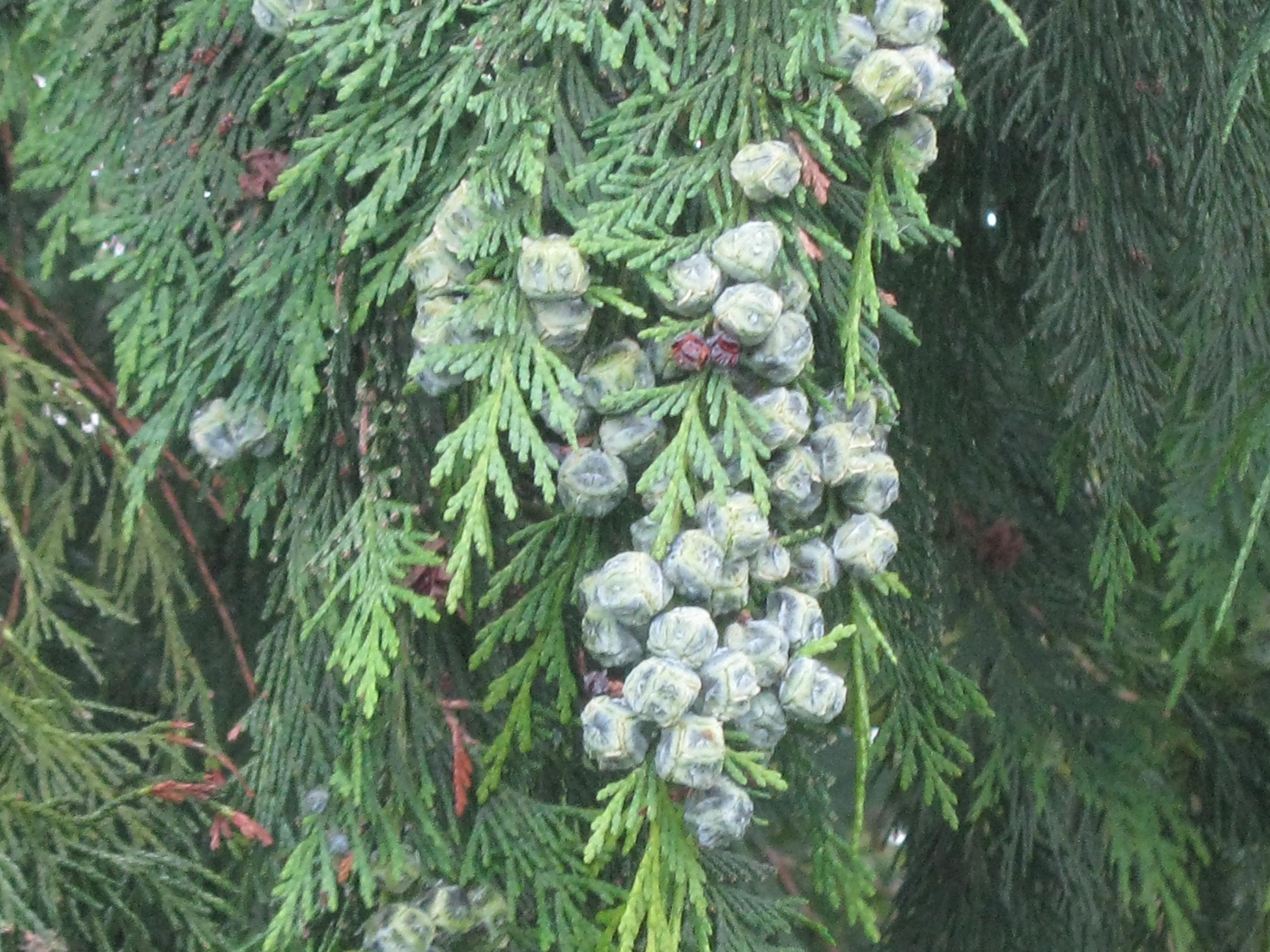
064Cypress

Cypress with cones

Not a very clear photo I’m afraid.

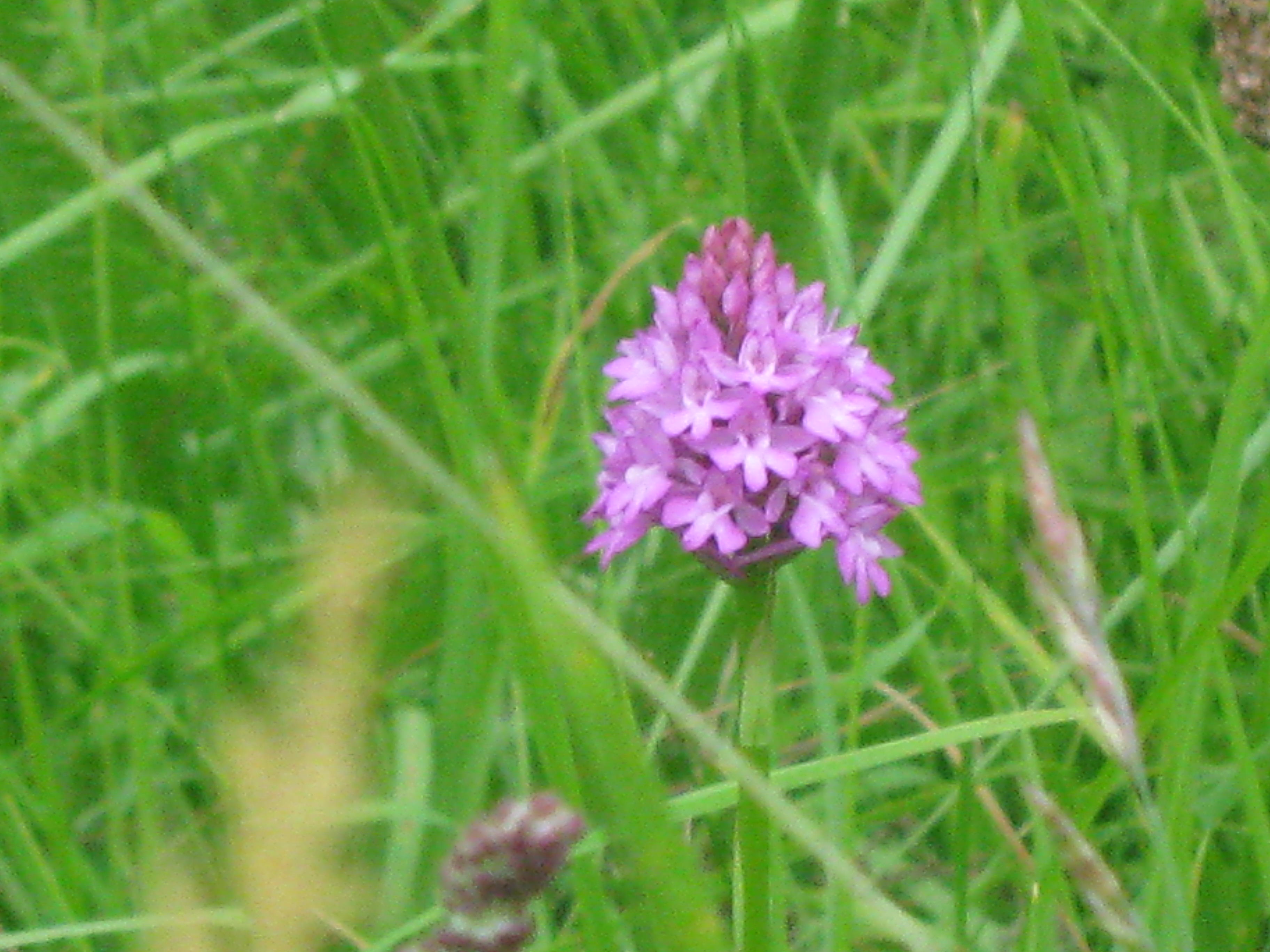
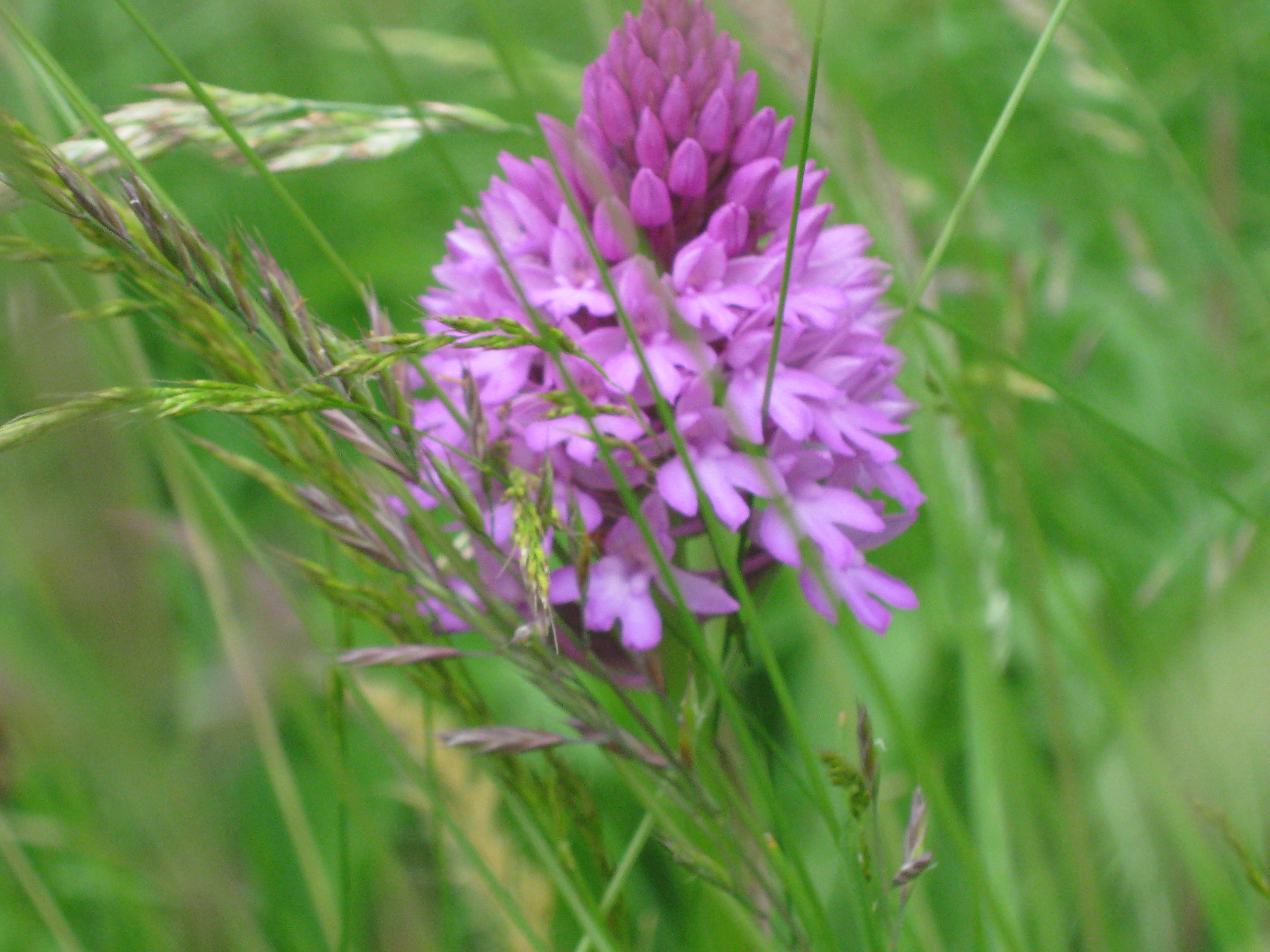
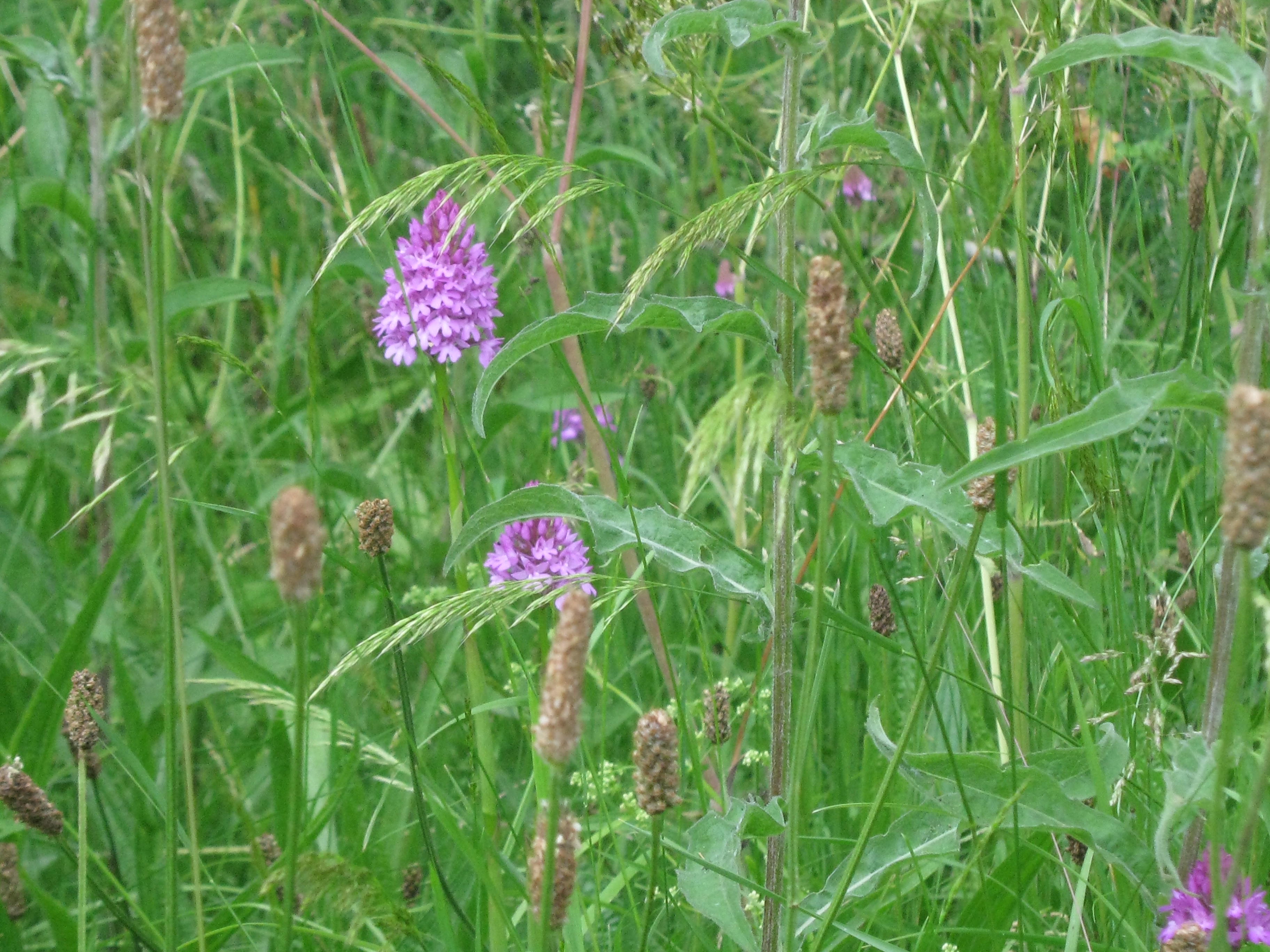
Lastly, a few photos of some Pyramidal Orchids.

041Pyramidal orchid

042Pyramidal orchid

045Pyramidal orchid and other flowers

Share this:

  • Share on X (Opens in new window) X
  • Share on Reddit (Opens in new window) Reddit
  • Share on Pinterest (Opens in new window) Pinterest
  • Share on Facebook (Opens in new window) Facebook
  • Email a link to a friend (Opens in new window) Email
  • Share on Tumblr (Opens in new window) Tumblr
  • Print (Opens in new window) Print
  • Share on Pocket (Opens in new window) Pocket
  • Share on LinkedIn (Opens in new window) LinkedIn
Like Loading...

Miscellany Part 2

15 Sun Jun 2014

Posted by Clare Pooley in churches, Landscaping, plants, Rural Diary, trees, Uncategorized, walking

≈ 6 Comments

Tags

barley, church cleaning, churchyard, coffin bier, electrical repairs, flowers, grasses, guelder rose, hedge woundwort, Klargester septic tank, landscaping, LED lights, lesser tortoiseshell butterfly, memorial stone, micro moth, ox-eye daisies, pond, Rumburgh Church, St Michael's water tower, St Peter's church, walking, wheat

I cannot believe how quickly this year is speeding by!  I always think at the beginning of spring that this year I will definitely make a better job of the gardening and I will have the time to do all the things I need to do around the house.  I always forget that as spring flows into summer the amount of jobs that need doing multiply and multiply and here I am left far behind yet again.  I forget how much time I have to spend away from the house driving about the countryside and this year I have had extra places to go.  Mum now has monthly check-ups at the hospital in Norwich to make sure her eyes are still free of macular degeneration.  My younger daughter E is hoping to go to City College Norwich in the autumn so we have had a number of visits there over the past few weeks, getting to know the place and some of the people there.

We have had a visit from the electrician who has done some work for us.  We had spoken to him a few weeks ago asking him to replace our kitchen under-cupboard lights which were very old and becoming faulty.  We also needed a new box cover for the electrics for our Klargester septic tank.  The old box cover had rusted away some years ago and we have had an upside-down plastic bin over the top since then!  We also need a lot of re-wiring done and some outside lights replacing.  The weekend before last R and I were woken in the middle of the night by a roaring noise in the house.  For some time we couldn’t think what it was and where the noise was coming from but eventually I realised it was something to do with the electric immersion heater which I switched off immediately.  (We use our immersion heater during the summer to heat our water; during the winter we use a gas boiler for water and central heating and this is fuelled by propane gas which is enormously expensive.  We are not on mains gas and as we often have power cuts it is better not to have everything powered by electricity.  We switch the immersion heater on over-night as electricity is cheaper then.)  The thermostat had gone faulty and the water was boiling.  The hot tank was emptying and the cold water tank and expansion tank were full of hot water – the house was turning into a kettle.  I wonder if steam was rising out of the roof?  If it had been left on much longer the tank would have exploded.  I phoned the electrician and asked him to add a new thermostat to his list of jobs to do.  When he visited last week he put in new kitchen lights for us….

010New kitchen lights

A thin strip of LED lights only a centimetre wide – such bright lights!

he replaced the septic tank electric box cover…..

015Septic tank with new box

The septic tank with the electric box wearing its attractive new cover.

and fitted a new thermostat to our immersion heater.  He will be coming again soon to do the rewiring and fitting new outside lights.

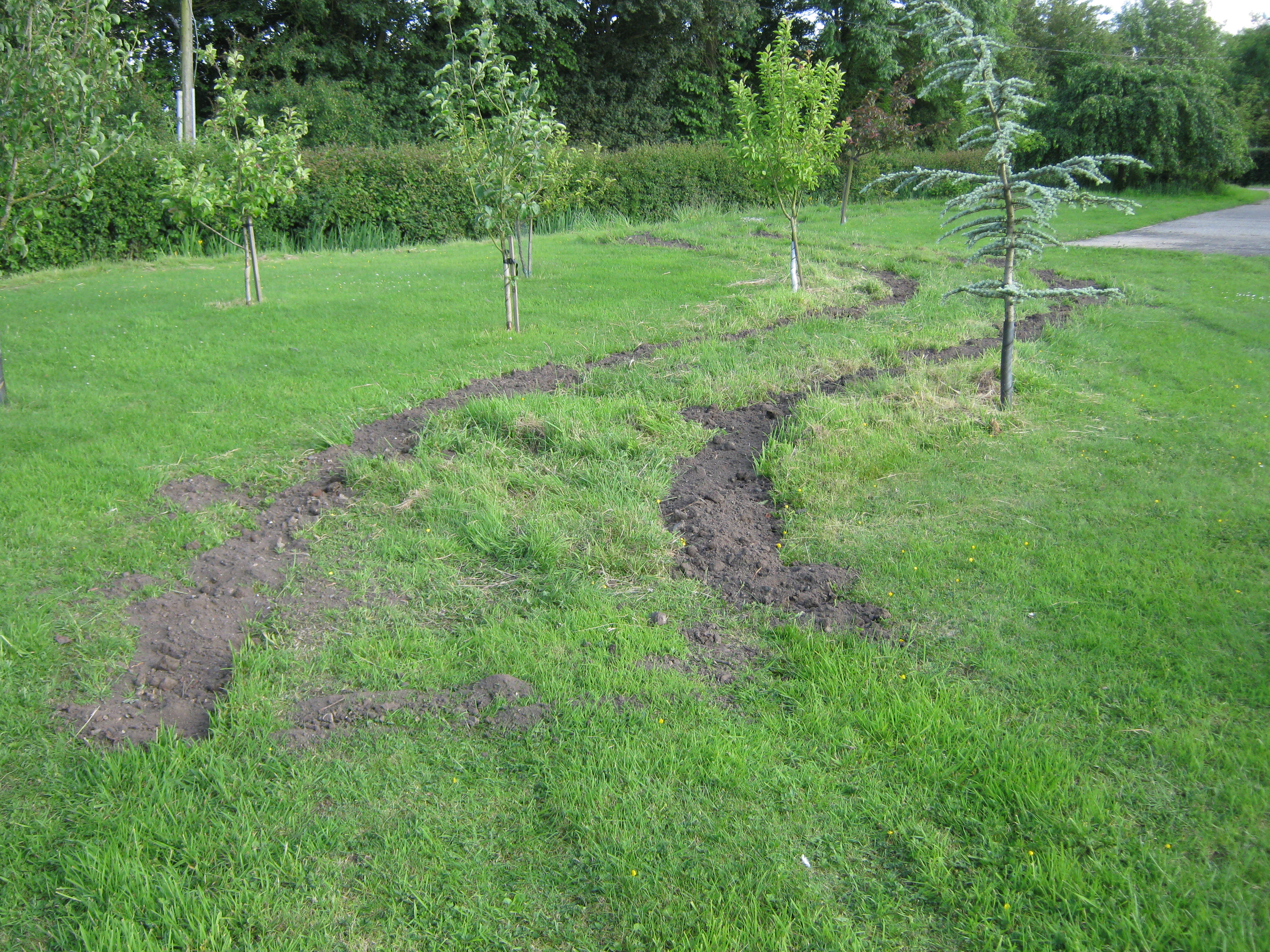
The landscaper who had worked on our big pond in February also visited our house on the same day as the electrician and filled in all the ruts the JCB had made in the lawn with top-soil.  R is very pleased that this has been done at last.  He has seeded it all and we are now waiting for the grass to regrow.

021Filled-in ruts

The ruts nicely filled-in at last.

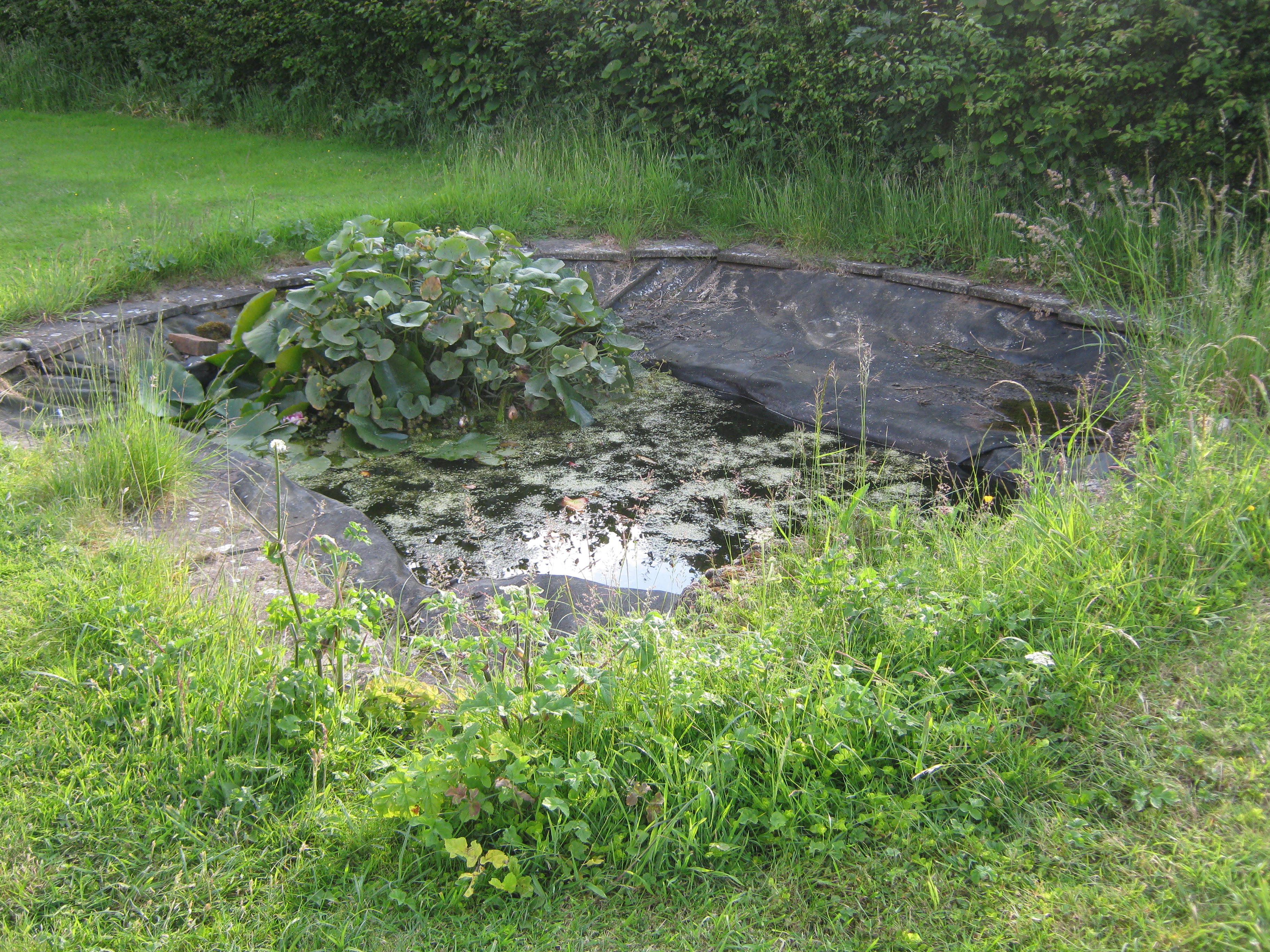
While he was at our house we asked the landscaper to look at our small pond and let us know how it can be improved.  We don’t want the pond quite so close to the hedge, the liner needs replacing and I would like a boggy area at the side of the pond where I can plant iris, lobelia  and other marsh plants.

011Small pond

The small pond in desperate need of improvement

The last couple of weeks I haven’t had to take Mum to church.  She has been taken by a young man from her church who lives in Harleston.  He works abroad, especially in Asia and the far East, for much of the year as a film director.  When he returns home from his high-powered meetings and filming in India and China he resumes his more important job of taking old ladies to church and being bossed about by them.  Well, what else has he to do except a bit of script writing!  I am really very grateful to him.  He stays in this country until September and that is probably when I’ll have to resume my duties again.

Meanwhile, I have enjoyed two weeks of going to church with my husband.  It is our month for cleaning Rumburgh church and when we went in last week we were amazed at how dirty it was.  The church had had a few visitors who had left some rubbish about and there was dirt which had been trodden in on shoes.  The main mess had been caused by our resident bats.  It took us about two-and-a -half hours to clean up the worst of the mess.  I think that during the summer when we have more visitors and when the bats are active the church should be cleaned more than once a month but some of the people on our rota will only come in once a month or only if we have a service in the church and of course we don’t have services every week in our church.  I also find that some of our cleaners will concentrate on the entrance to the church and will often ignore the Sanctuary at the East end of the church where the altar is.

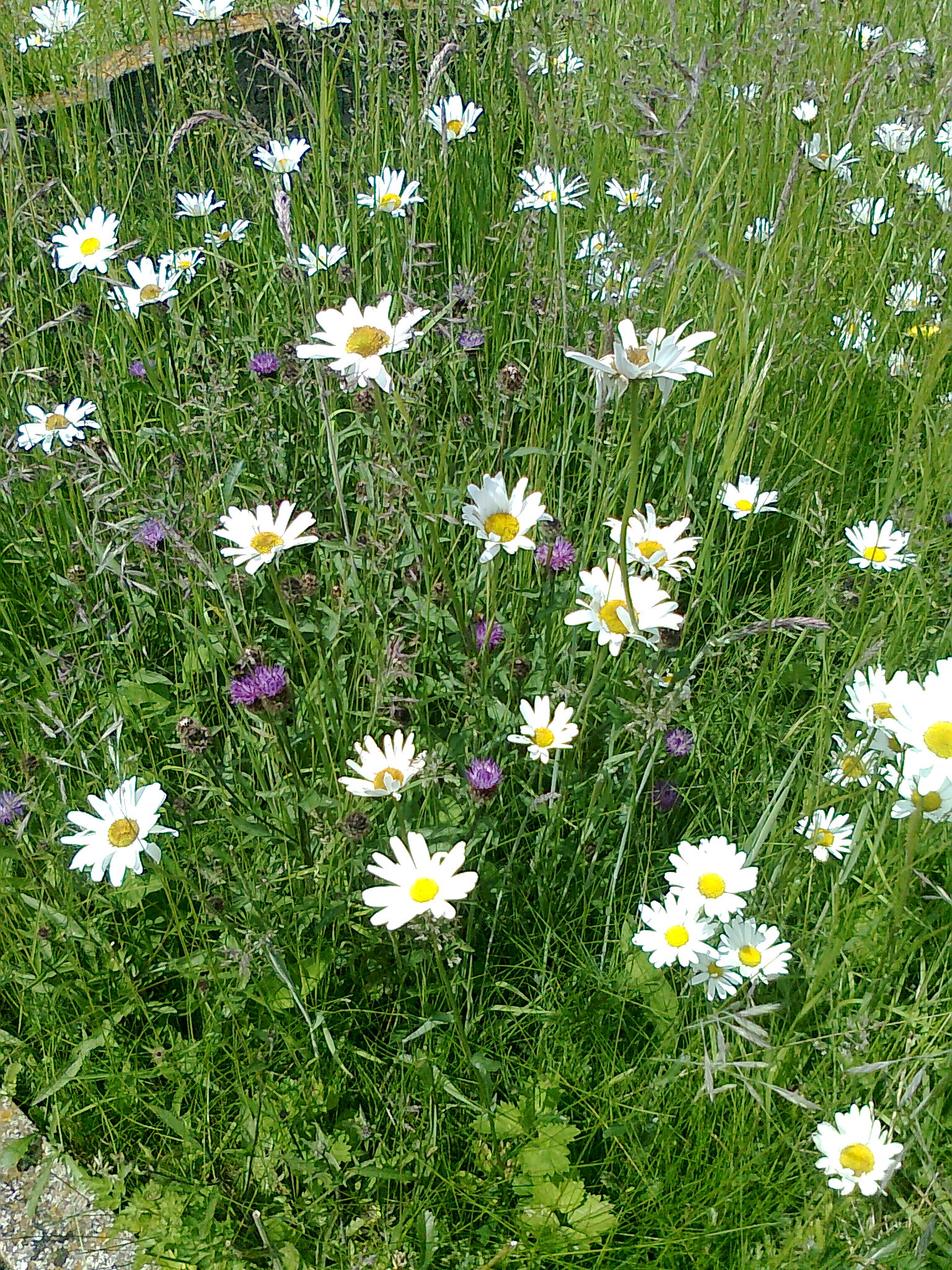
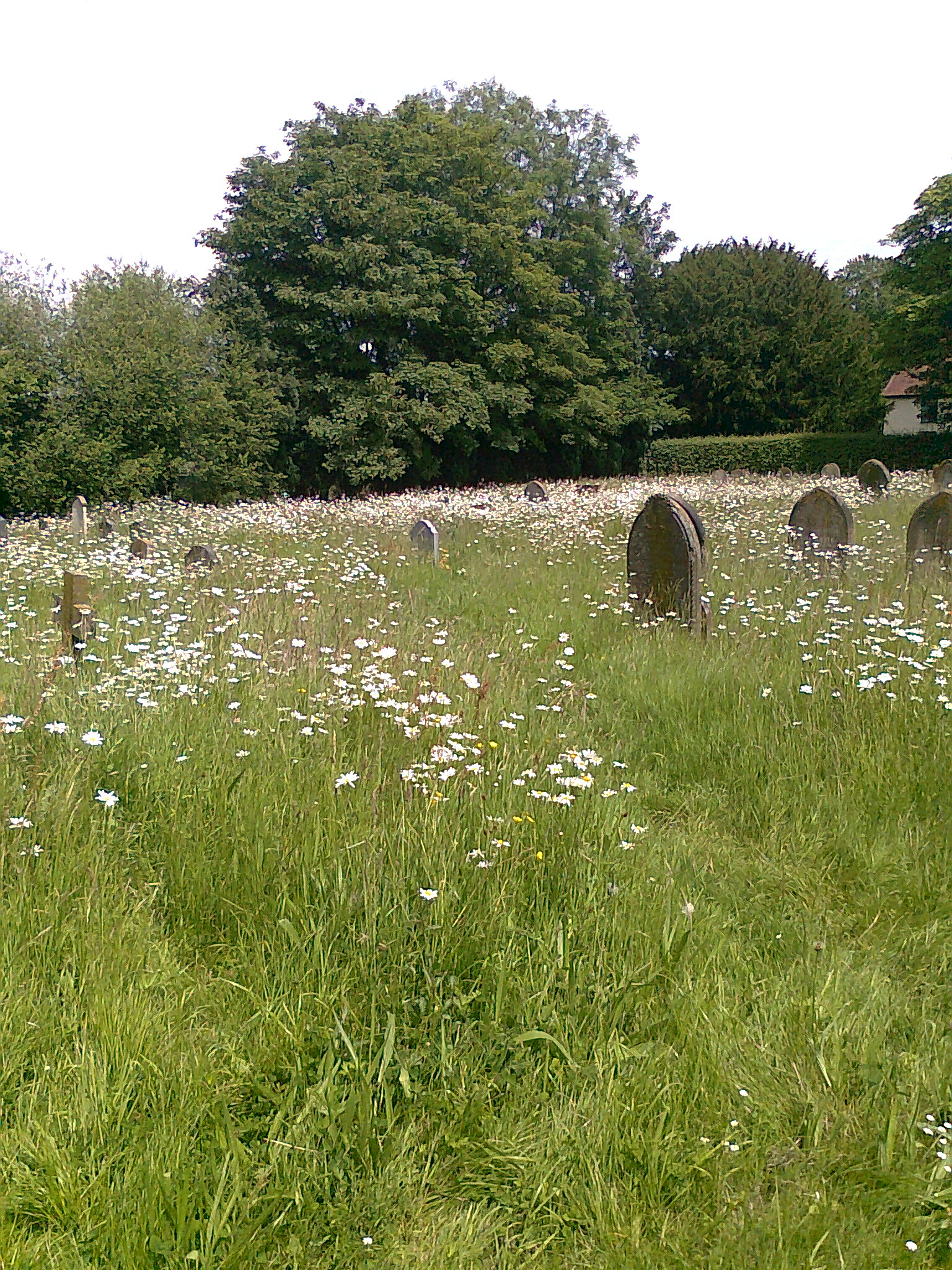
052Wild flowers in churchyard

Wild flowers in Rumburgh churchyard

054Ox-eye Daisies in churchyard

Ox-eye daisies in Rumburgh churchyard

039Altar flowers

A beautiful flower arrangement on the altar

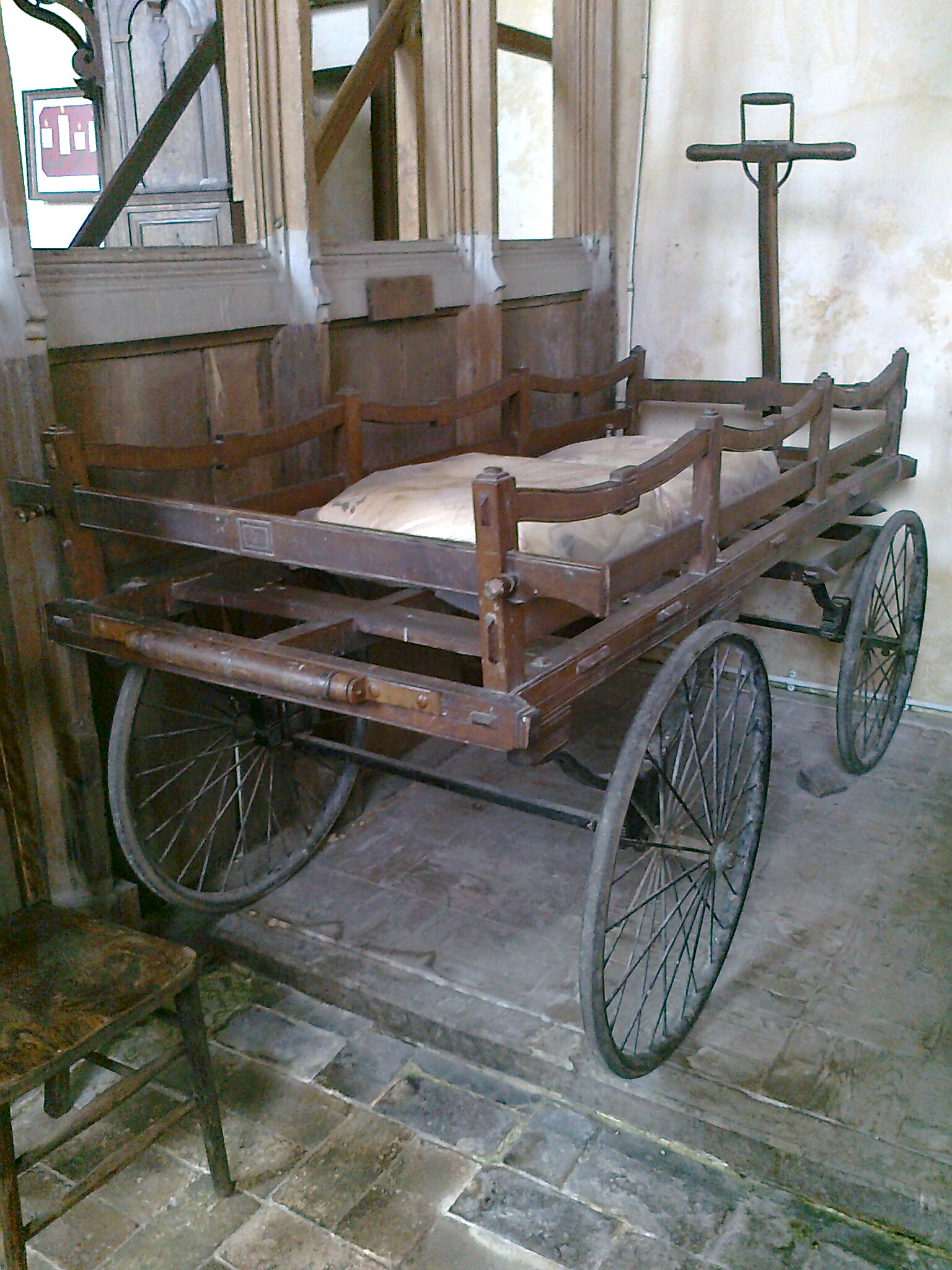
044Coffin Bier

The old coffin bier in the church

040Grave memorial Eliz Davy

Memorial stone in the aisle

R and I went for another of our walks across the fields a week or so ago.  We didn’t intend to go far as we were both tired.

002View across fields

A view across the fields

042Path at edge of field

The path at the edge of the field

003Hedge Woundwort

Hedge Woundwort

Hedge Woundwort is in flower everywhere we look at the moment.  This plant has been used since the times of the ancient Greeks to stem bleeding and treat wounds.  Poultices, ointments and infusions were made with the leaves and the flowers made into conserves.  It has been proved that the volatile oil contained in this plant does have antiseptic qualities.

004Micro Moth

An, as yet, unidentified micro moth

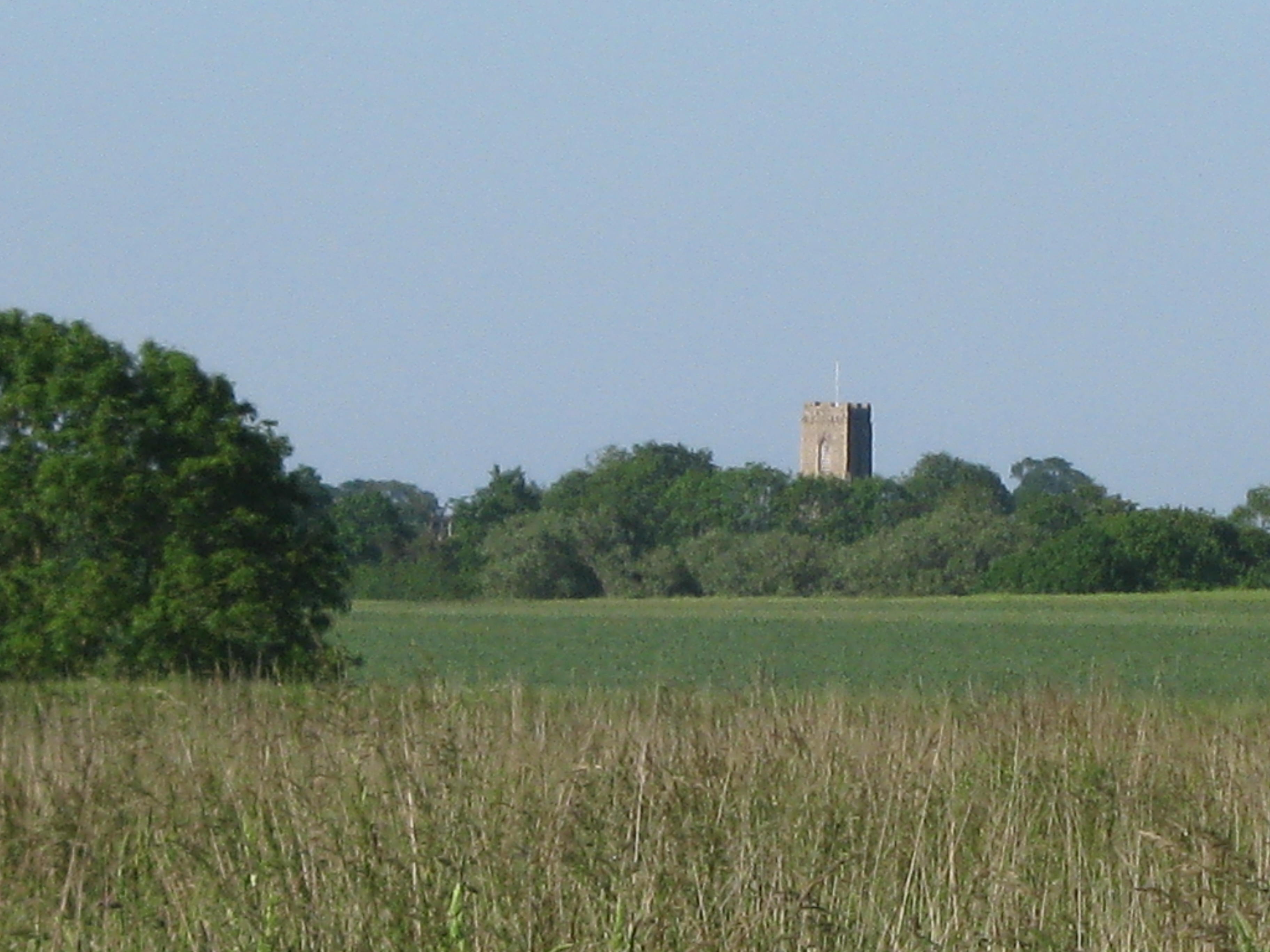
006St Peters church over fields

St Peter’s church

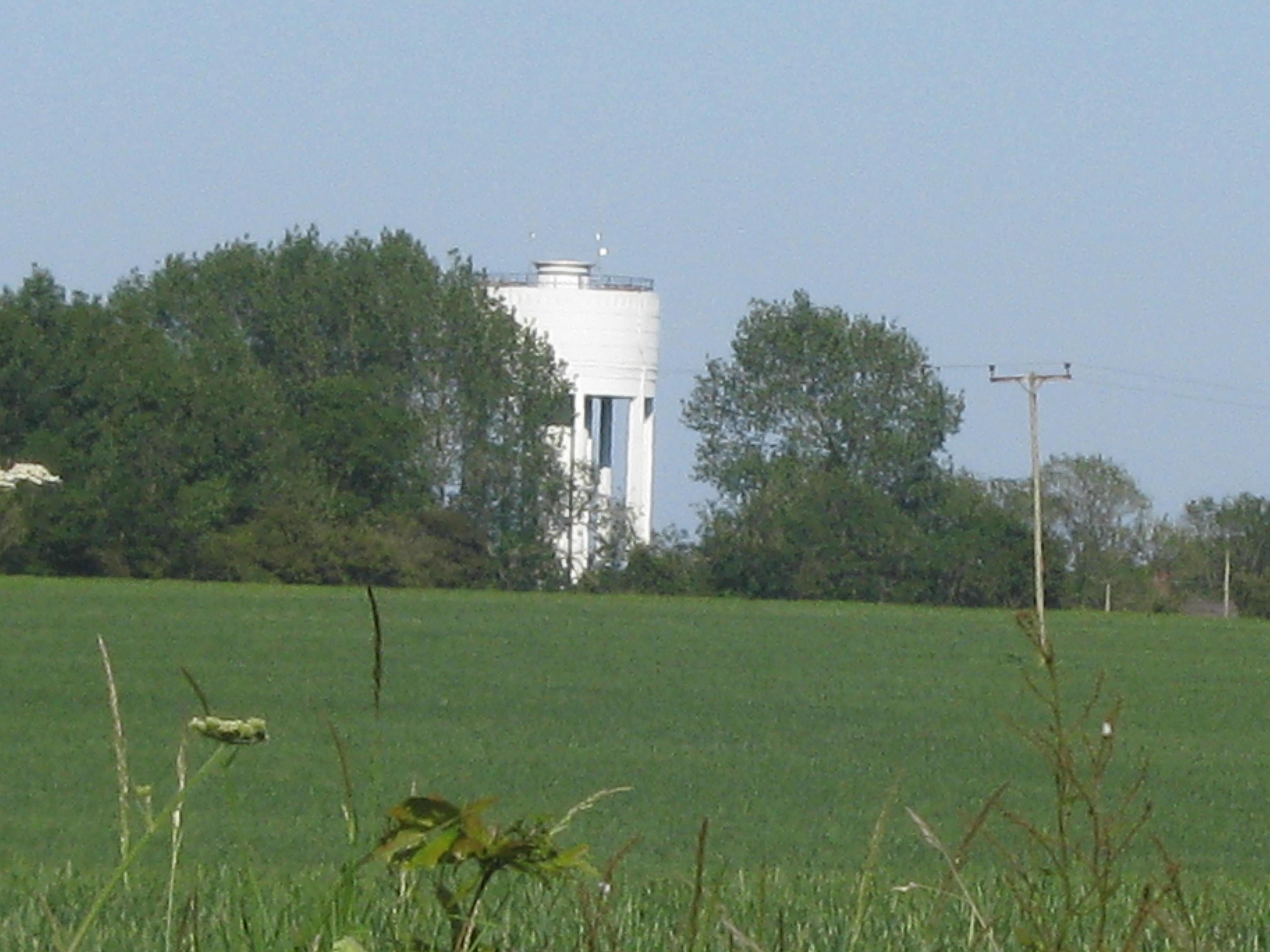
011Water Tower at St Michaels

Water tower at St Michaels

Most of the water in East Anglia comes from springs and artesian wells and is very ‘hard’ water.  We all suffer from lime-scale in our homes and all those who can afford one get a water-softener.  I love the taste of our water and when and if we get a water-softener I would have to have a tap for un-softened water.

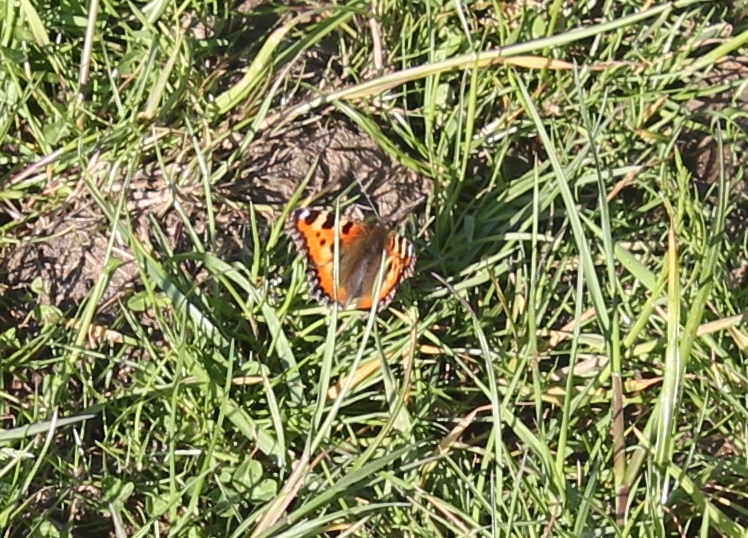
044Lesser Tortoiseshell butterfly

A Lesser Tortoiseshell butterfly

We saw this butterfly sunning itself on the path.

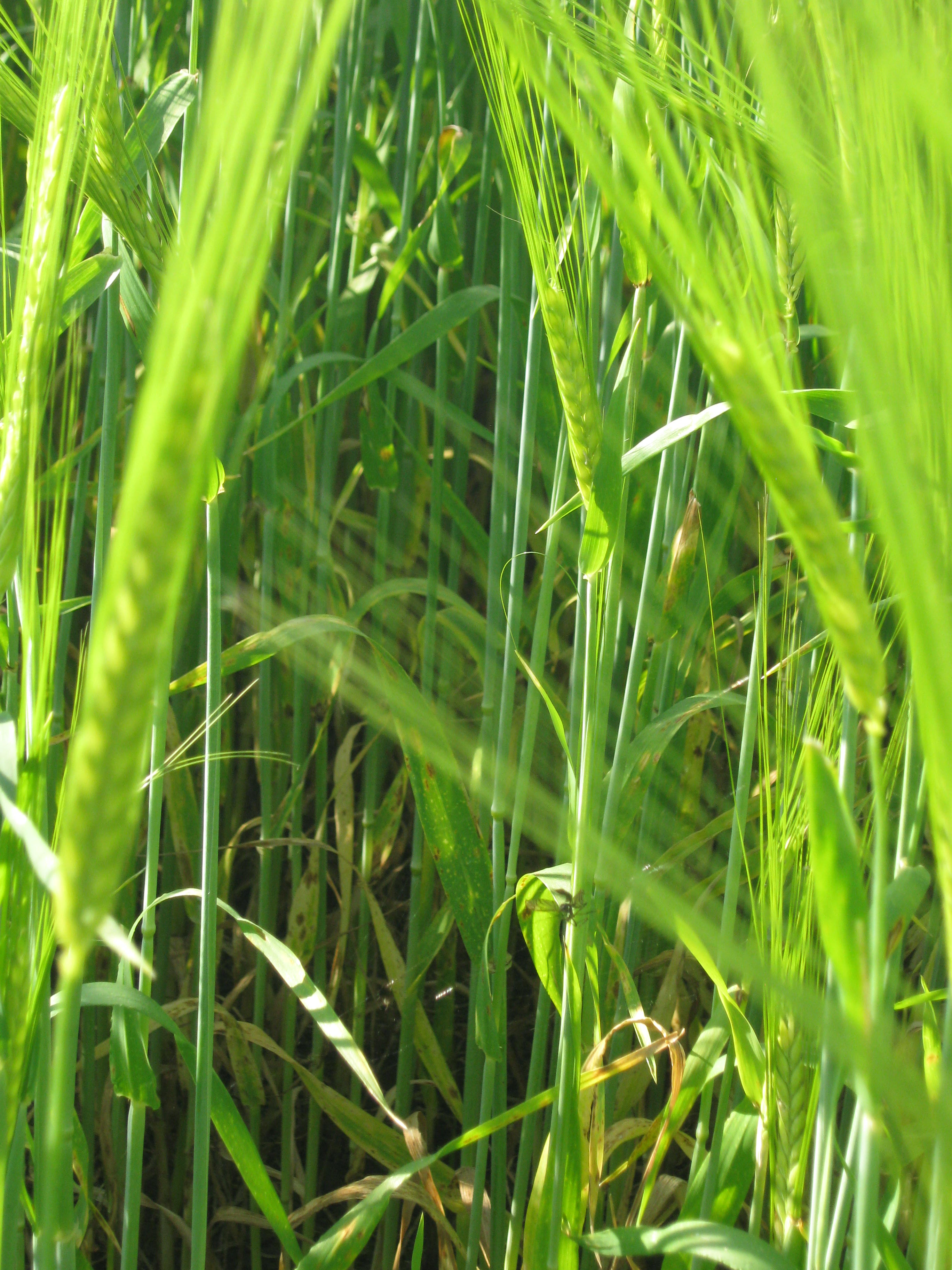
We also saw the crops ripening…..

046Barley

047Barley

010Barley

Barley.

014Ripening wheat

015Wheat

Wheat

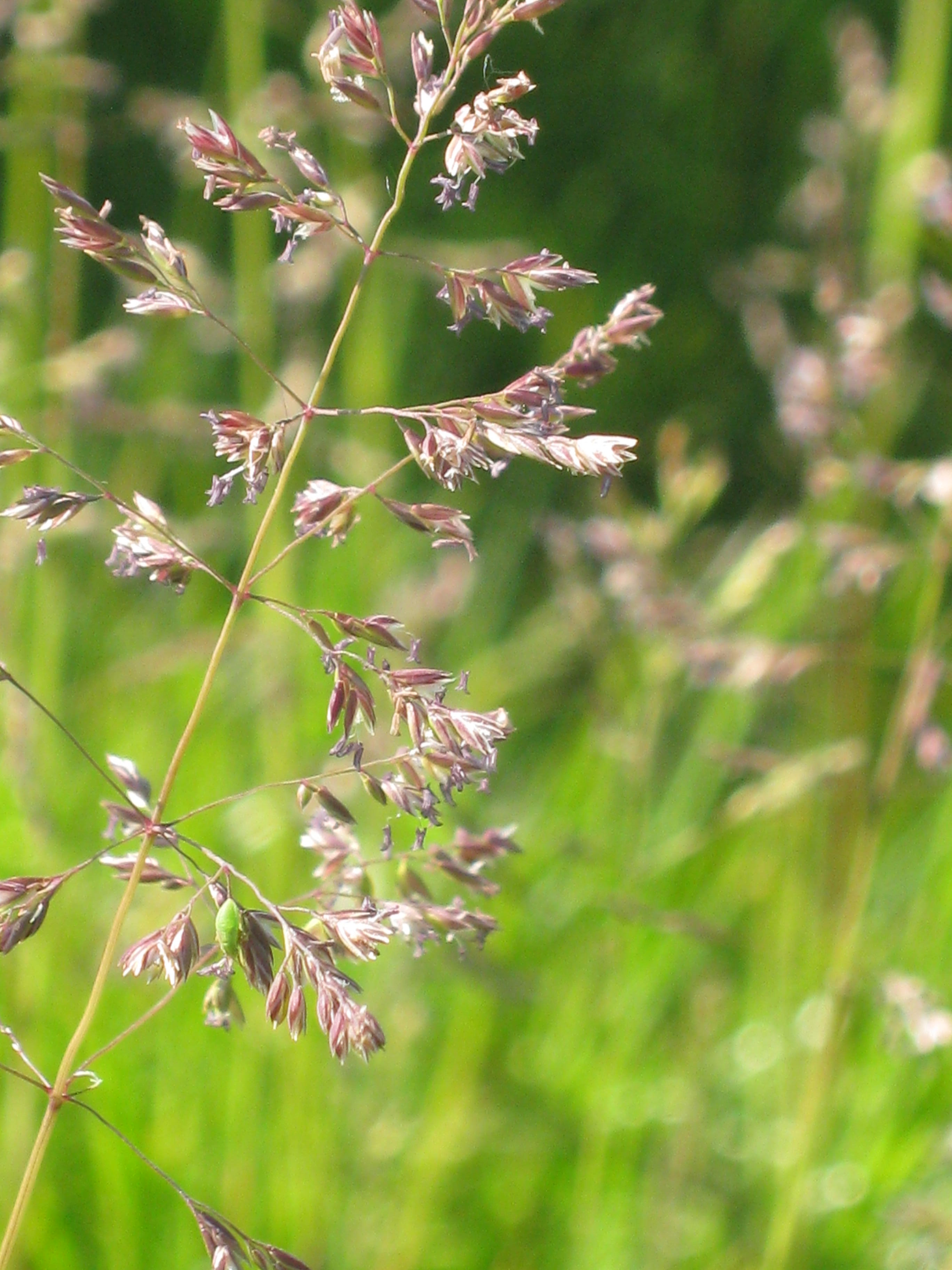
We saw other grasses too

013Grasses

012Grasses

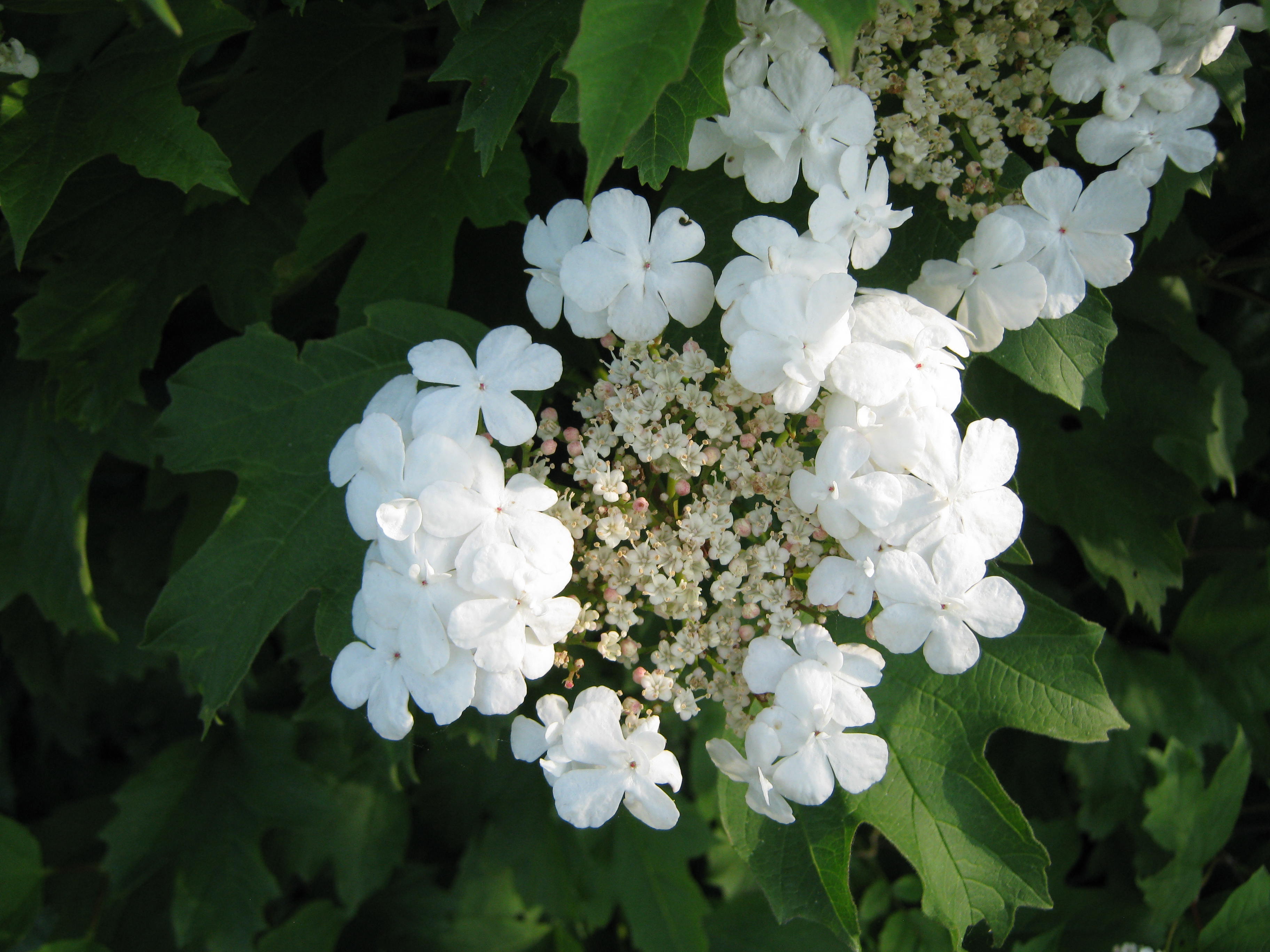
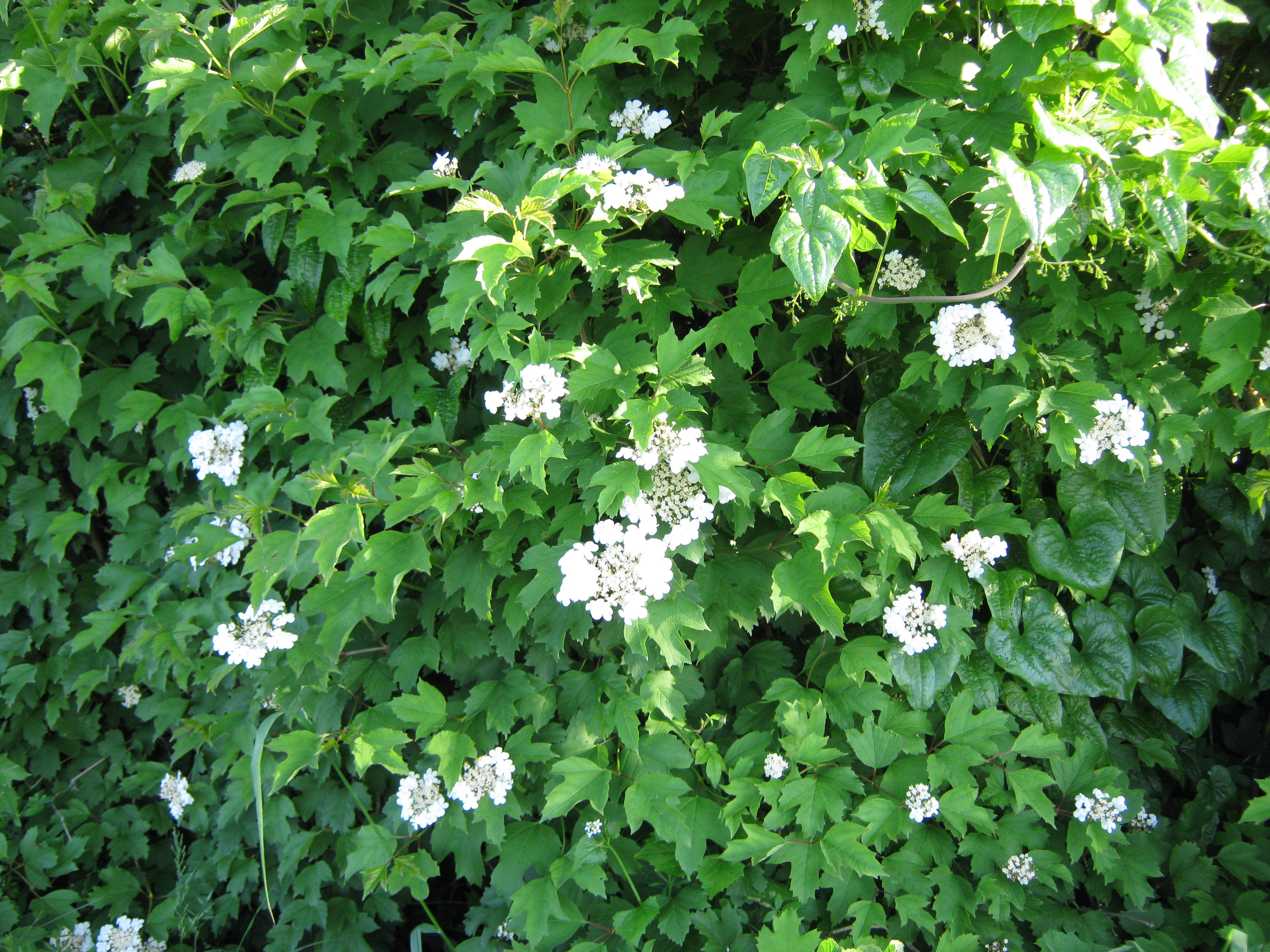
And a beautiful Guelder Rose.

019Guelder rose flower

018Guelder rose

I think I would love to have one of these in my garden!

The walk took longer than we thought it would because there was a path diversion which we took but after struggling through nettles and thistles and head-high grasses we had to turn back as the path hadn’t been cleared.

R has spent all this past week away, firstly in Gloucestershire and then he travelled to Lancashire for a couple of days.  He returned home on Friday having called in on his mother and spent the night with his brother in Manchester.  E and I had spent the day without electricity as there was a planned power cut to enable the electricity company to do repairs.  It is difficult to find things to do these days which doesn’t involve the use of electricity.  We managed however, and it is a good opportunity to have silence in the house with no humming fridges and freezers, no radios and TVs.  The only worry I had during the six-and-a-half hours was whether the food was still alright in the fridge and freezers.  It was a very warm day!  As it turned out, all was well.

Share this:

  • Share on X (Opens in new window) X
  • Share on Reddit (Opens in new window) Reddit
  • Share on Pinterest (Opens in new window) Pinterest
  • Share on Facebook (Opens in new window) Facebook
  • Email a link to a friend (Opens in new window) Email
  • Share on Tumblr (Opens in new window) Tumblr
  • Print (Opens in new window) Print
  • Share on Pocket (Opens in new window) Pocket
  • Share on LinkedIn (Opens in new window) LinkedIn
Like Loading...

A Pleasing Day. 10th June 2014

11 Wed Jun 2014

Posted by Clare Pooley in Insects, plants, Rural Diary, Uncategorized, wild birds

≈ 12 Comments

Tags

annual meadow-grass, banded demoiselle damselfly, bee orchid, black medick, cock's-foot grass, creeping tormentil, fly-past, pale persicaria, redshank, scarlet pimpernel, scentless mayweed, Trooping the Colour, wren

It was another beautiful sunny day yesterday.  We are fortunate to live in the driest part of the British Isles (apparently drier than Jerusalem!) and while the rest of the country have had showers and rain during the past few days we have only had a short sprinkle of rain at about 10pm on Monday night.  I decided to spend the morning at home getting on with chores – mainly washing, which dried quickly on the line.  I had spent some time the evening before watering all the plants in tubs, new plants in the flower-beds and all the plants in the green-house, so everything looked bright and green and healthy.

As well as household chores I spent some time walking round the garden slowly looking for anything new which had appeared in the last few days.  I have been so busy recently I hadn’t had time to do this for days.  I was pleasantly surprised at what I found.

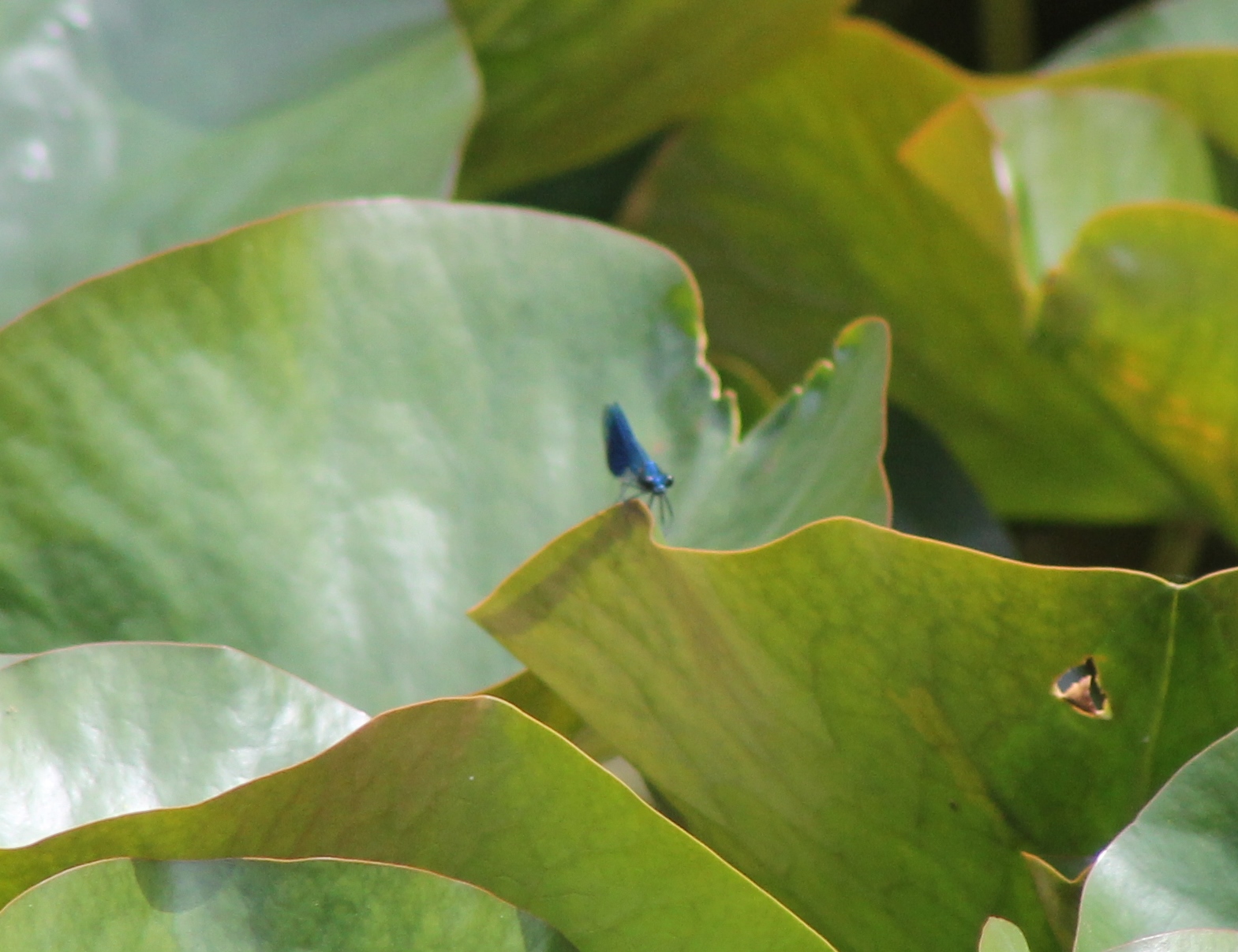
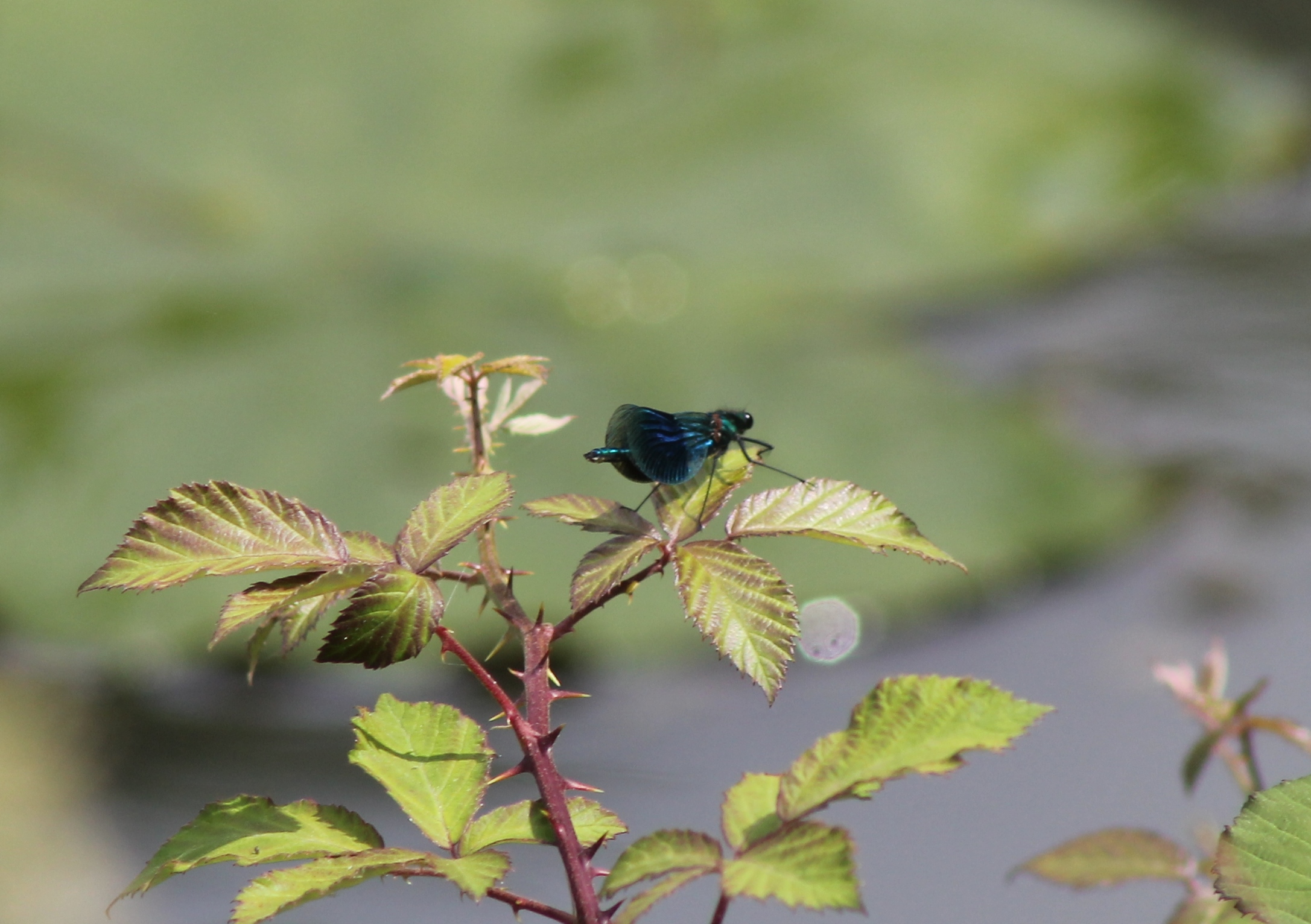
I walked down to the big pond to start with and watched lots of dragonflies and damselflies flitting about over the surface of the water.  I tried to photograph them but without success – they flew too fast for me to catch them in flight and none of them seemed to settle for a second.  I was excited to see a Banded Demoiselle Damselfly.  I had seen one last year for a few seconds near the pond, but today I watched this one flying about for some time.  I was anxious in case the dragonflies caught it, and though they attempted it a few times they didn’t manage to do it while I was there.  In spite of the Demoiselle flying slowly and weakly (it flutters and flaps its wings like a large butterfly) I couldn’t catch it with the camera until it settled firstly on a lily-pad…

032Banded Demoiselle Damselfly

Banded Demoiselle Damselfly

and then on a bramble.

033Banded Demoiselle Damselfly

Banded Demoiselle Damselfly

The photos aren’t as clear as I would like but you can see the shiny blue body of the insect and the dark band across its wings, which is also a dark blue.

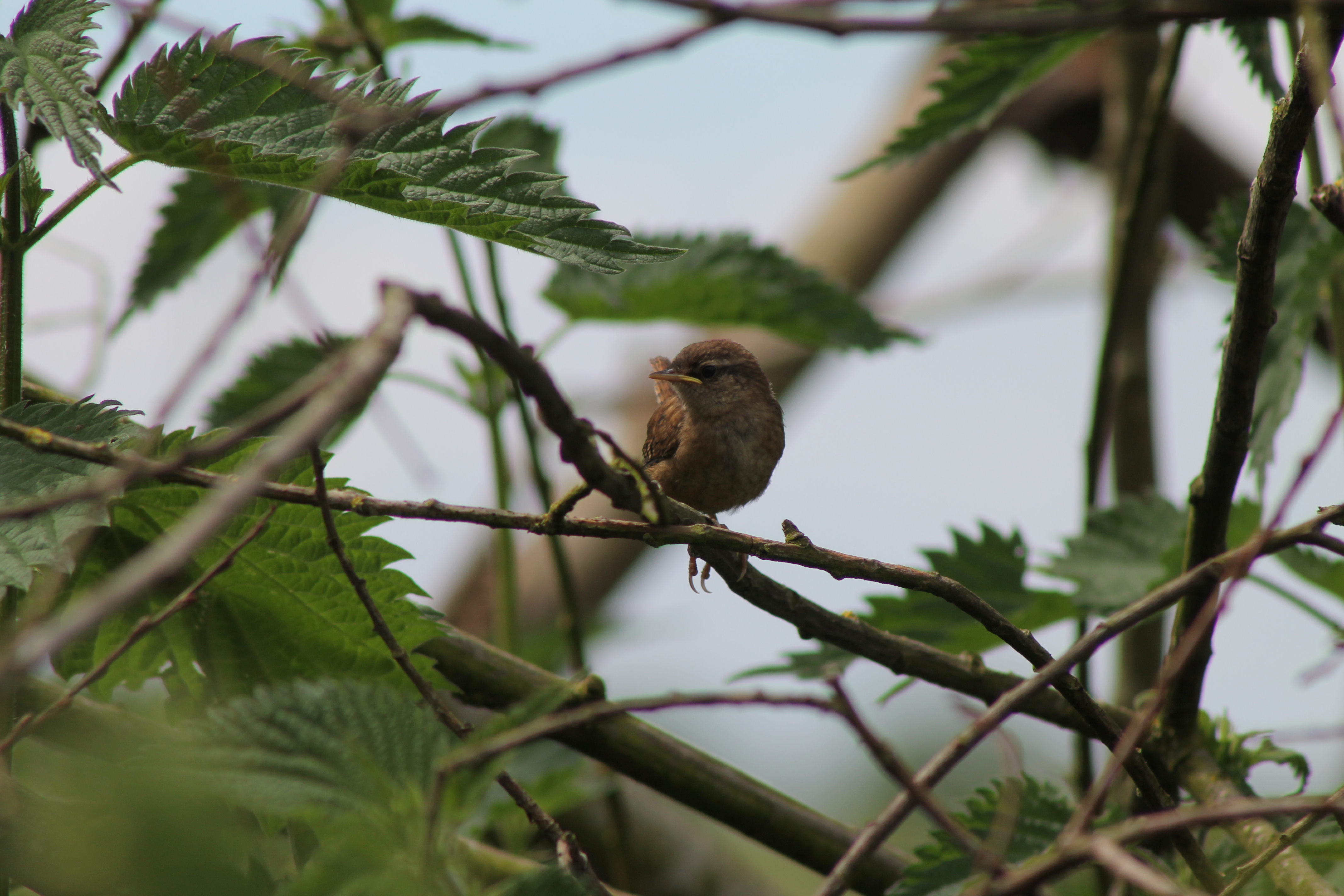
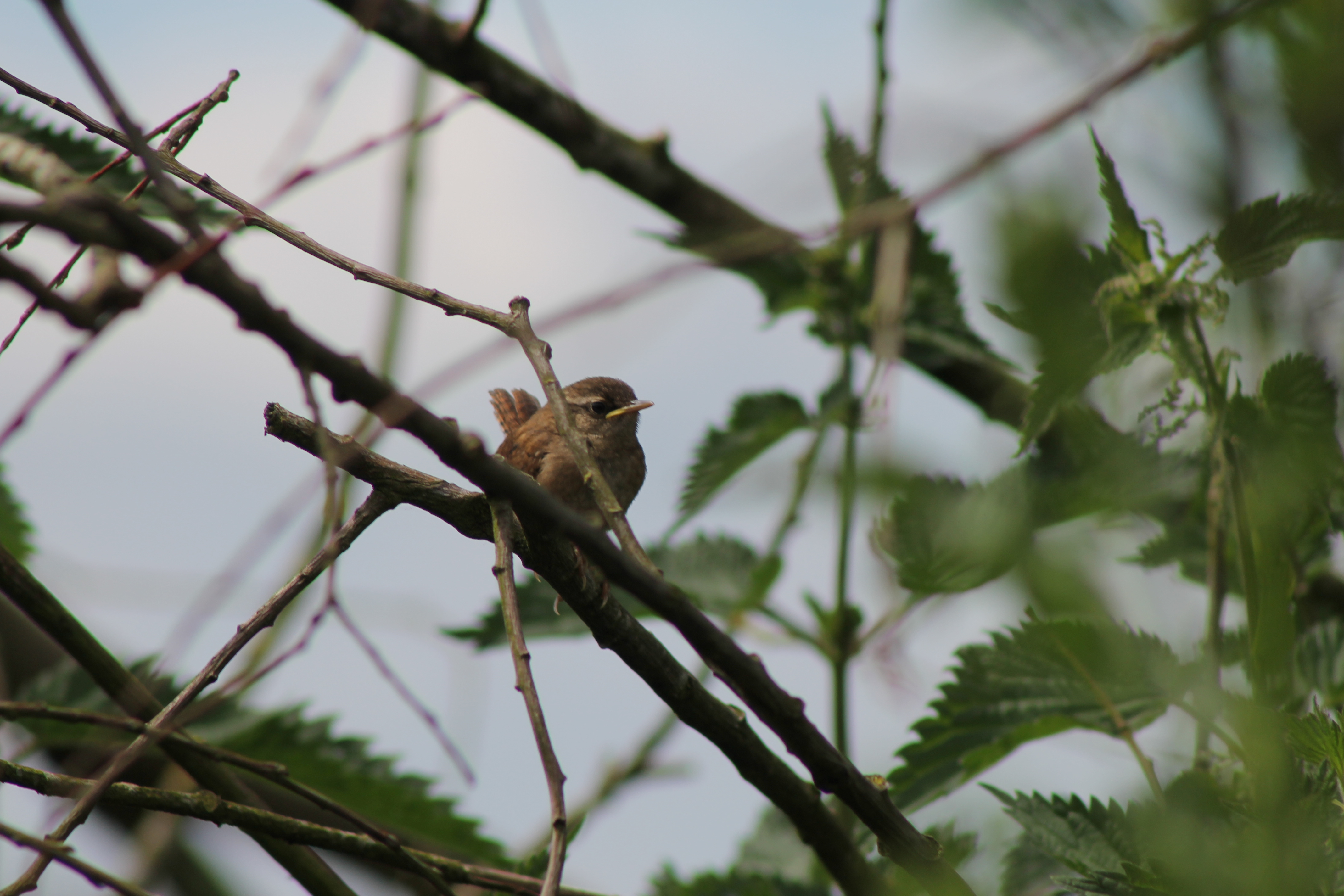
I then became aware that I had disturbed a wren who was making alarm calls.

029Wren

Wren

030Wren

Wren

I soon left the wren alone and concentrated on looking for wild flowers.

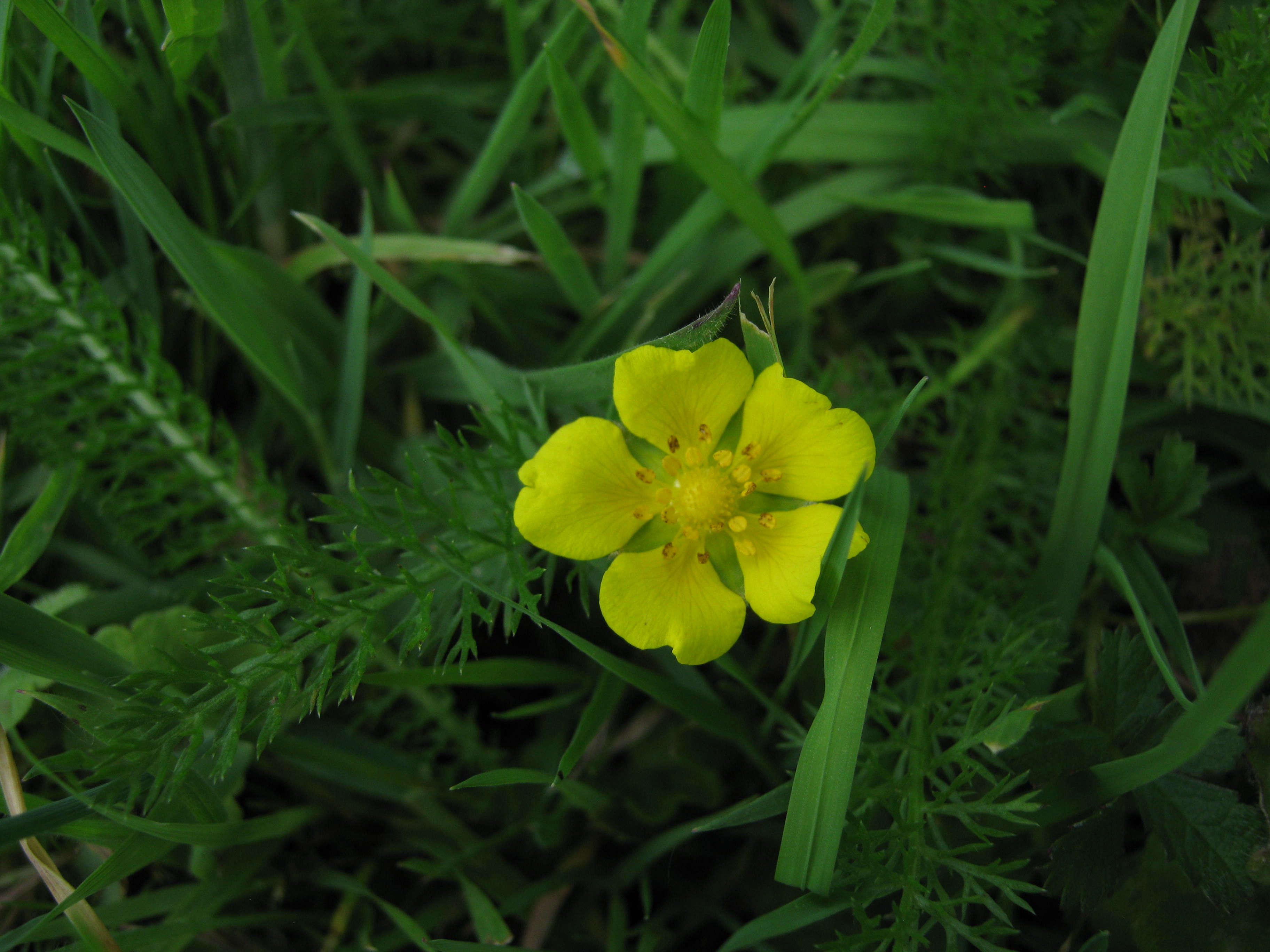
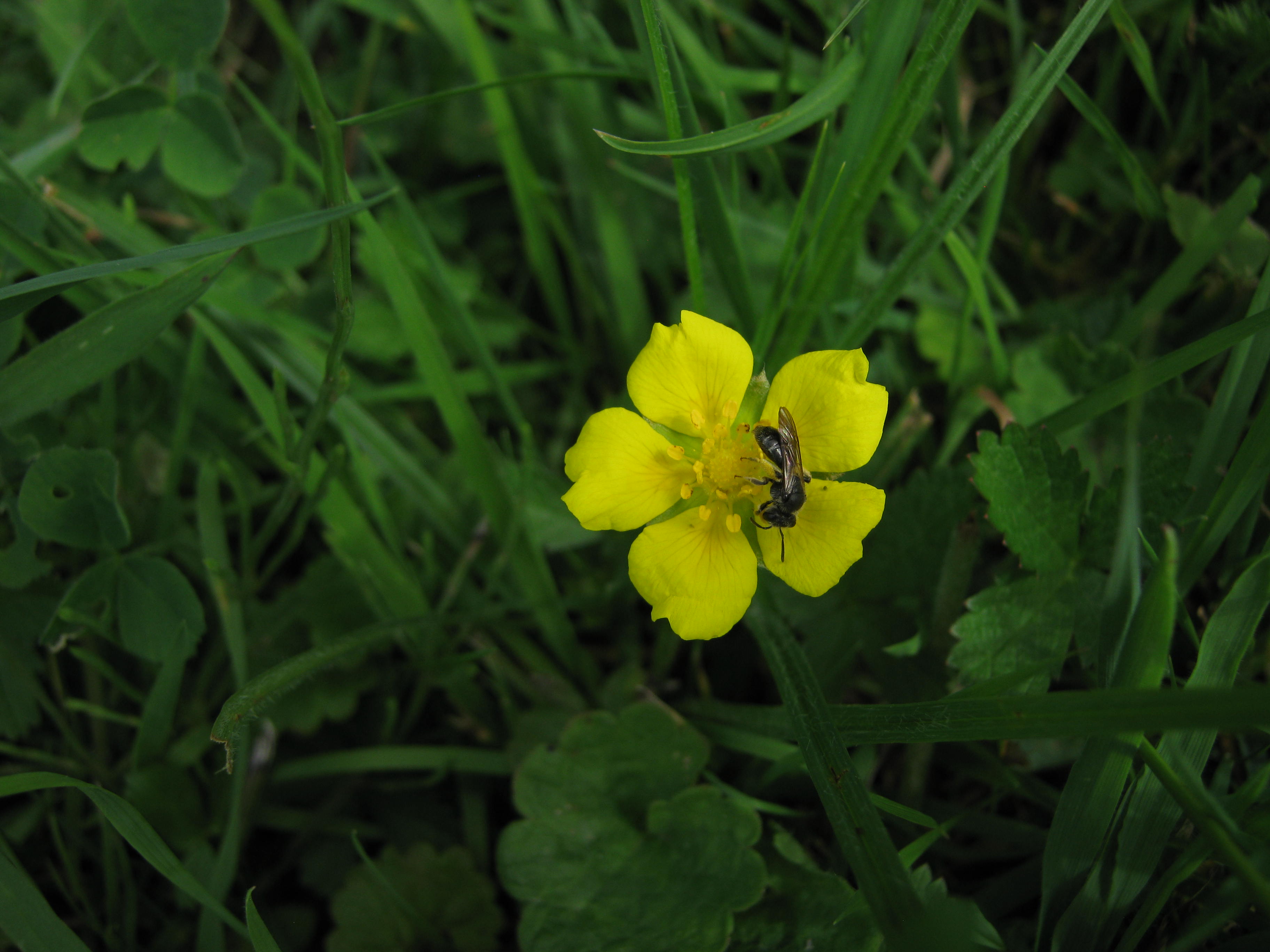
003Creeping Tormentil

Creeping Tormentil

002Creeping Tormentil with tiny bee

Creeping Tormentil with tiny black bee

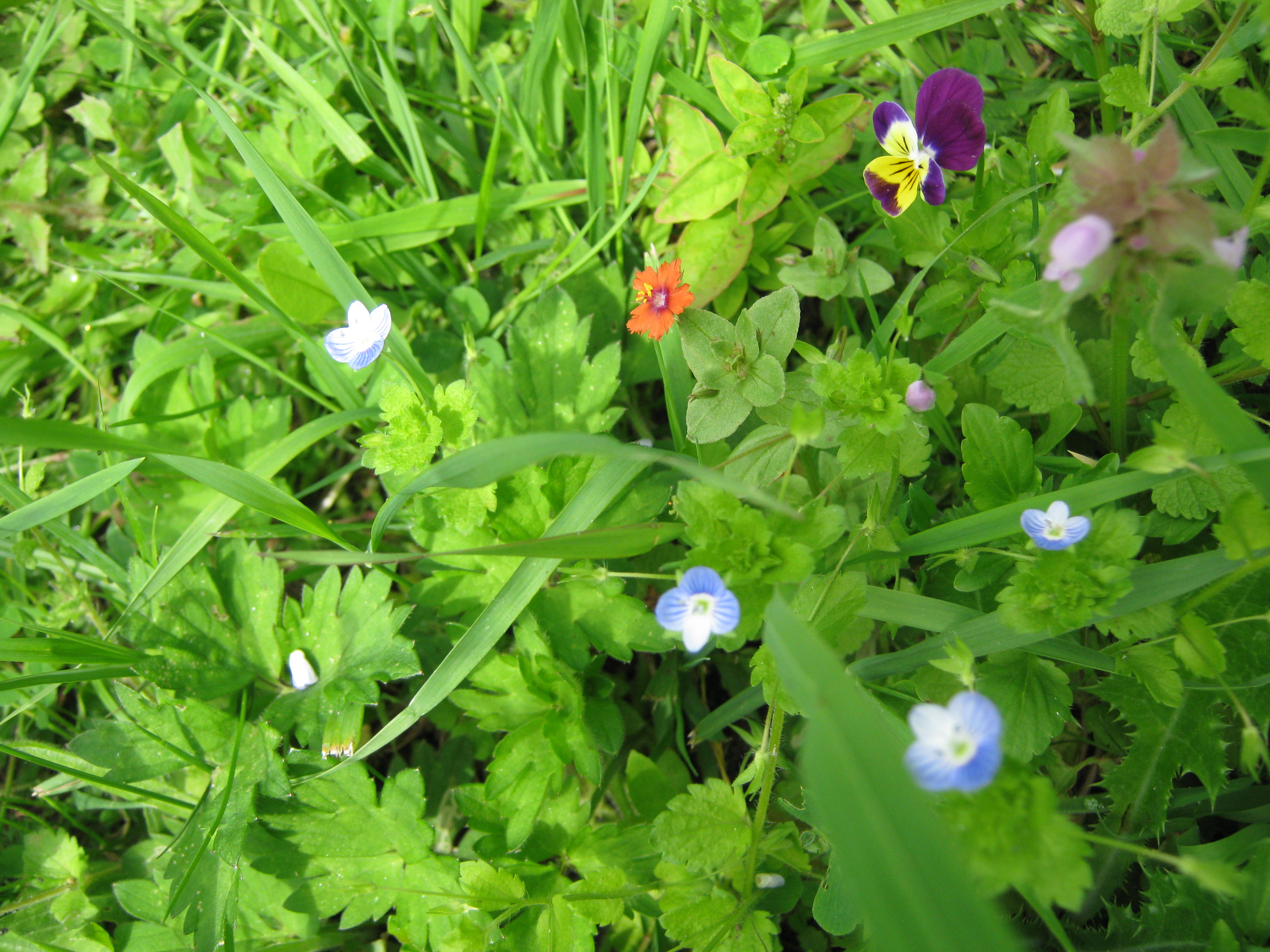
I found a nice collection of flowers growing together.

005Wild flowers - speedwell, heartsease, scarlet pimpernel & red deadnettle

Speedwell, hearts-ease, scarlet pimpernel and red dead-nettle.

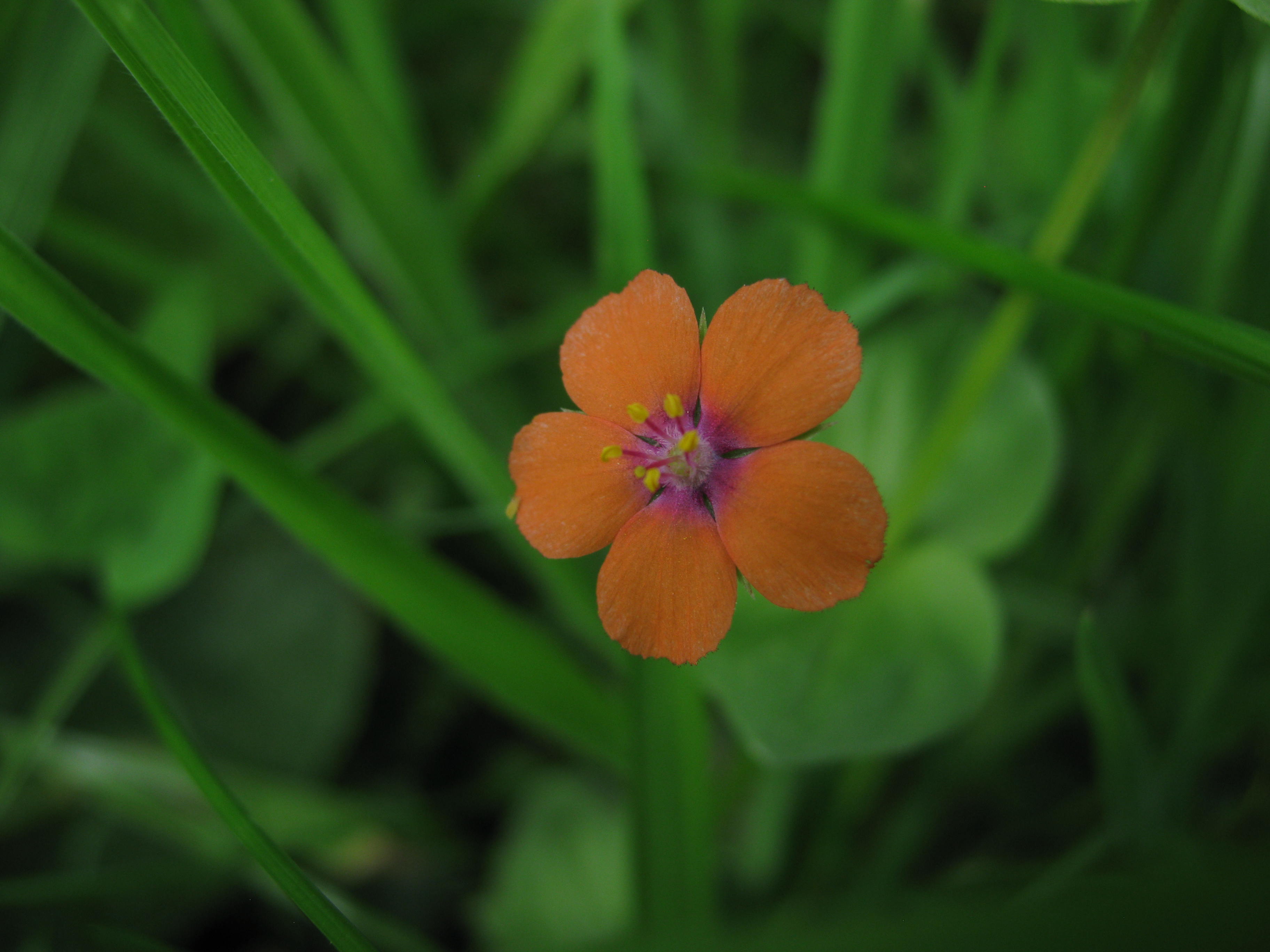
Scarlet Pimpernels are quite beautiful when looked at closely.  They are very common little flowers but only open their petals between 8a.m. and 3p.m. and never open on dull or wet days.  They can sometimes have blue, lilac, pink or white flowers and sometimes have a mixture of colours on an individual plant.  The plant has many names in Britain – ‘change-of-the-weather’, ‘poor man’s weatherglass’ and ‘shepherd’s sundial’ being a few.

008Scarlet Pimpernel

Scarlet Pimpernel

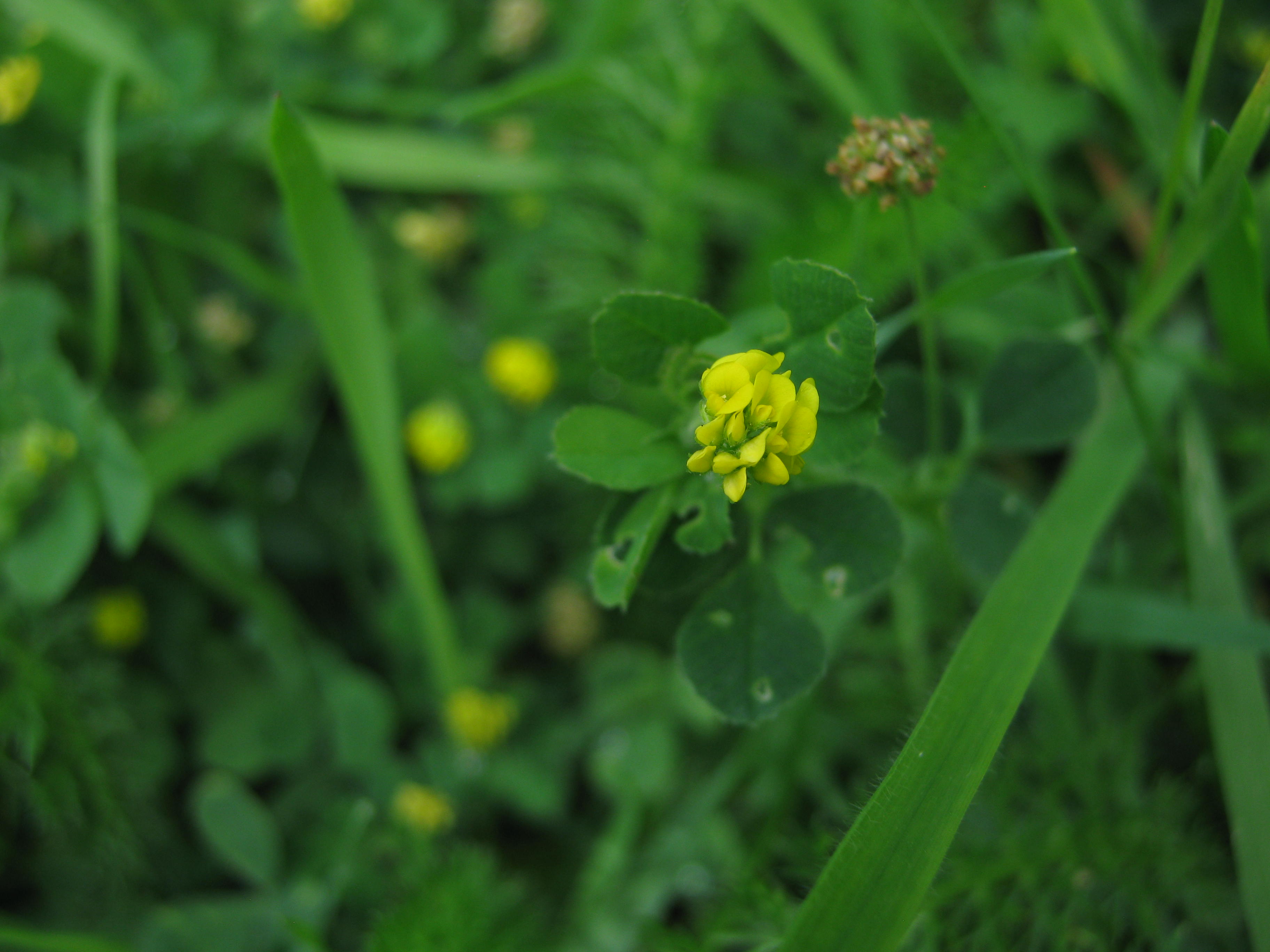
The next plant is one I am forever pulling out of my flower-beds.  It is extremely persistent!

006Black Medick

Black Medick

The name of this plant has nothing to do with medicine but means the ‘plant of the Medes’.  It is still cultivated as animal fodder in some European countries and is one of the plants sold on St Patrick’s Day as shamrock.  Other plants which have claims to be shamrock are hop trefoil, white clover and wood sorrel.

009Scented Mayweed

Scentless Mayweed

Scentless Mayweed usually flowers in July but this year everything is flowering early.  The name mayweed has nothing to do with the month of May but comes from the Old English word for a maiden and refers to the use once made of the plant for the treatment of female complaints.

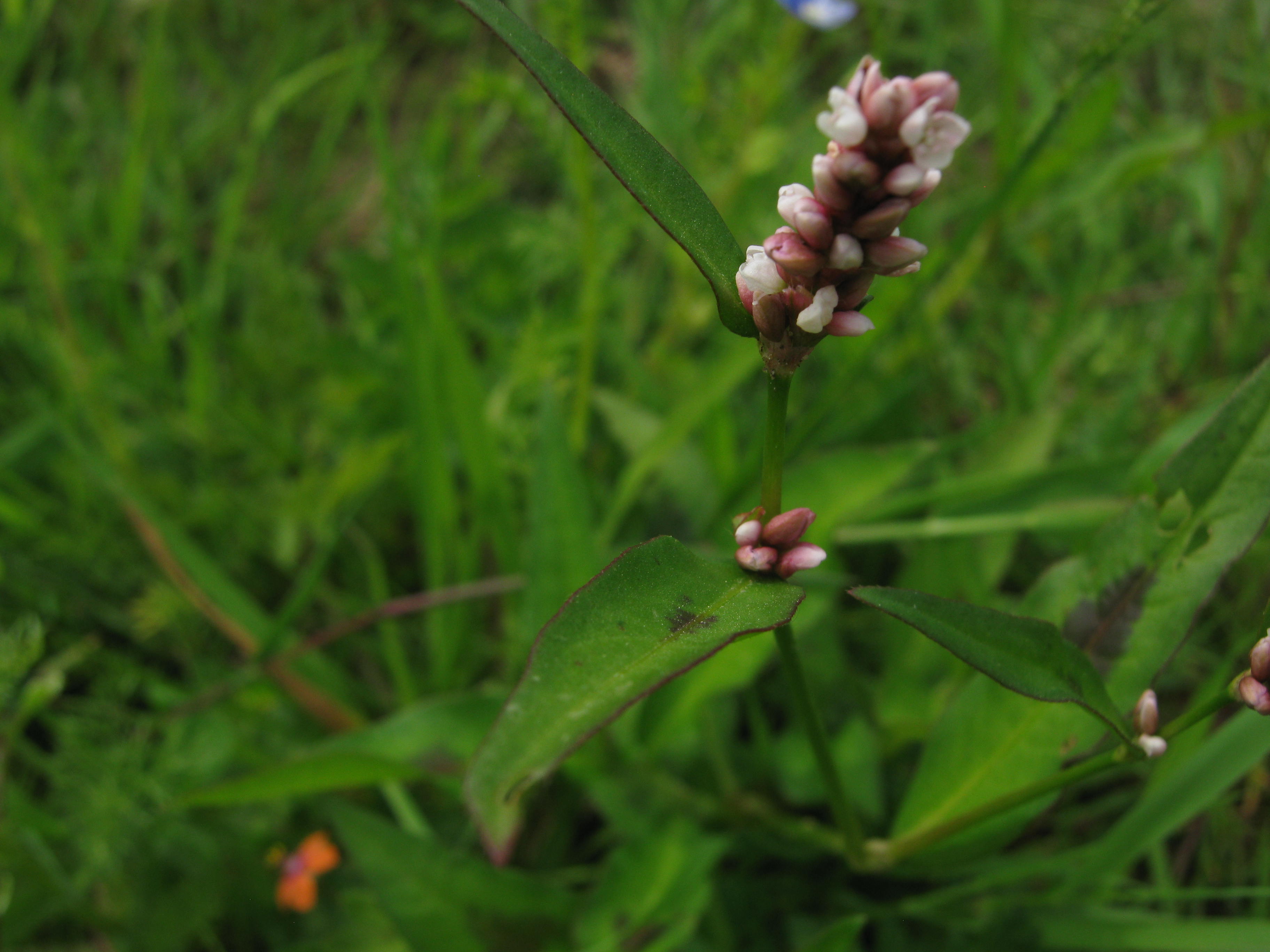
011Pale Persicaria

Redshank

A member of the dock family – one of the knot-grasses

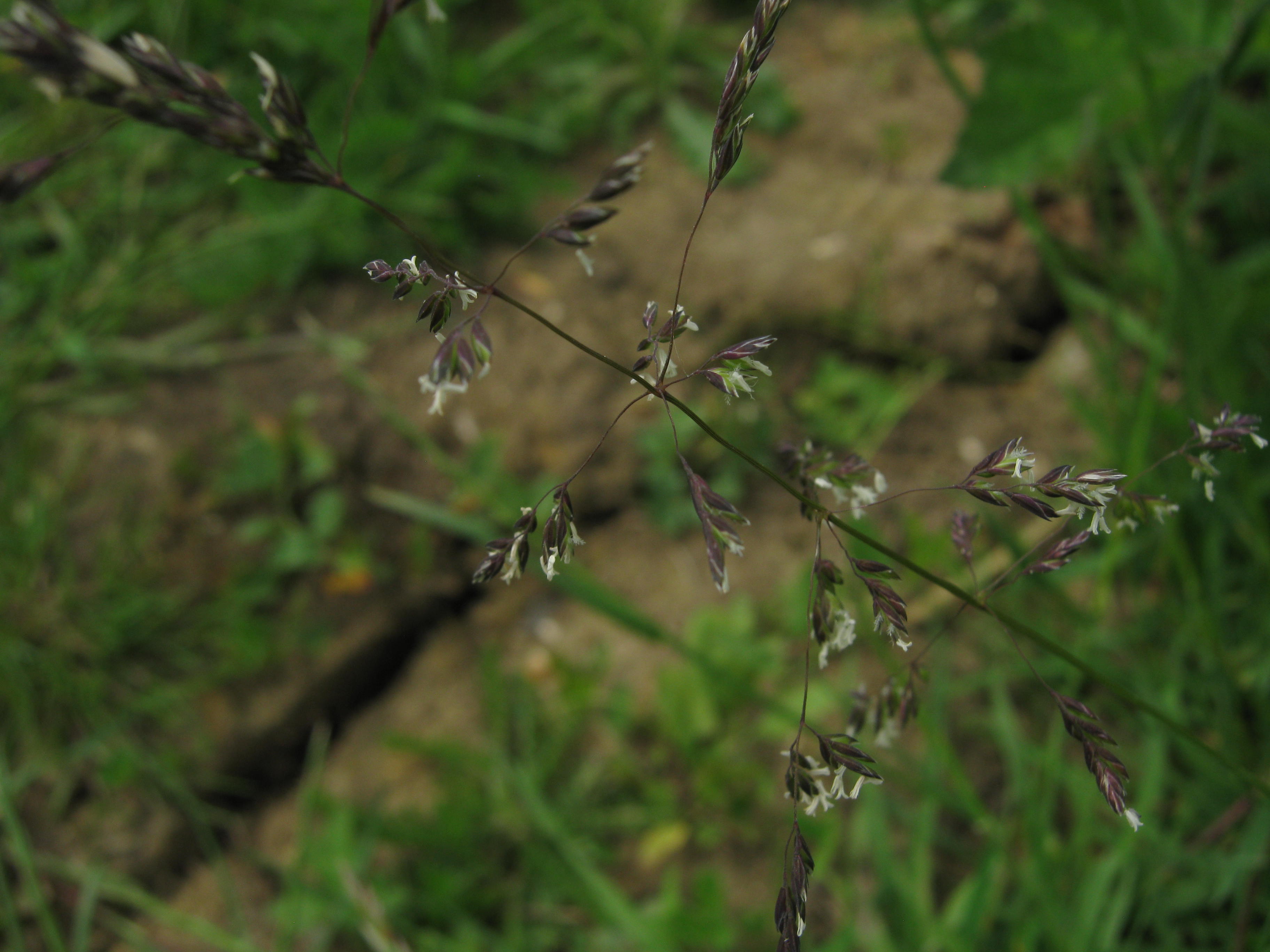
013Annual Meadow-grass

Annual Meadow-grass

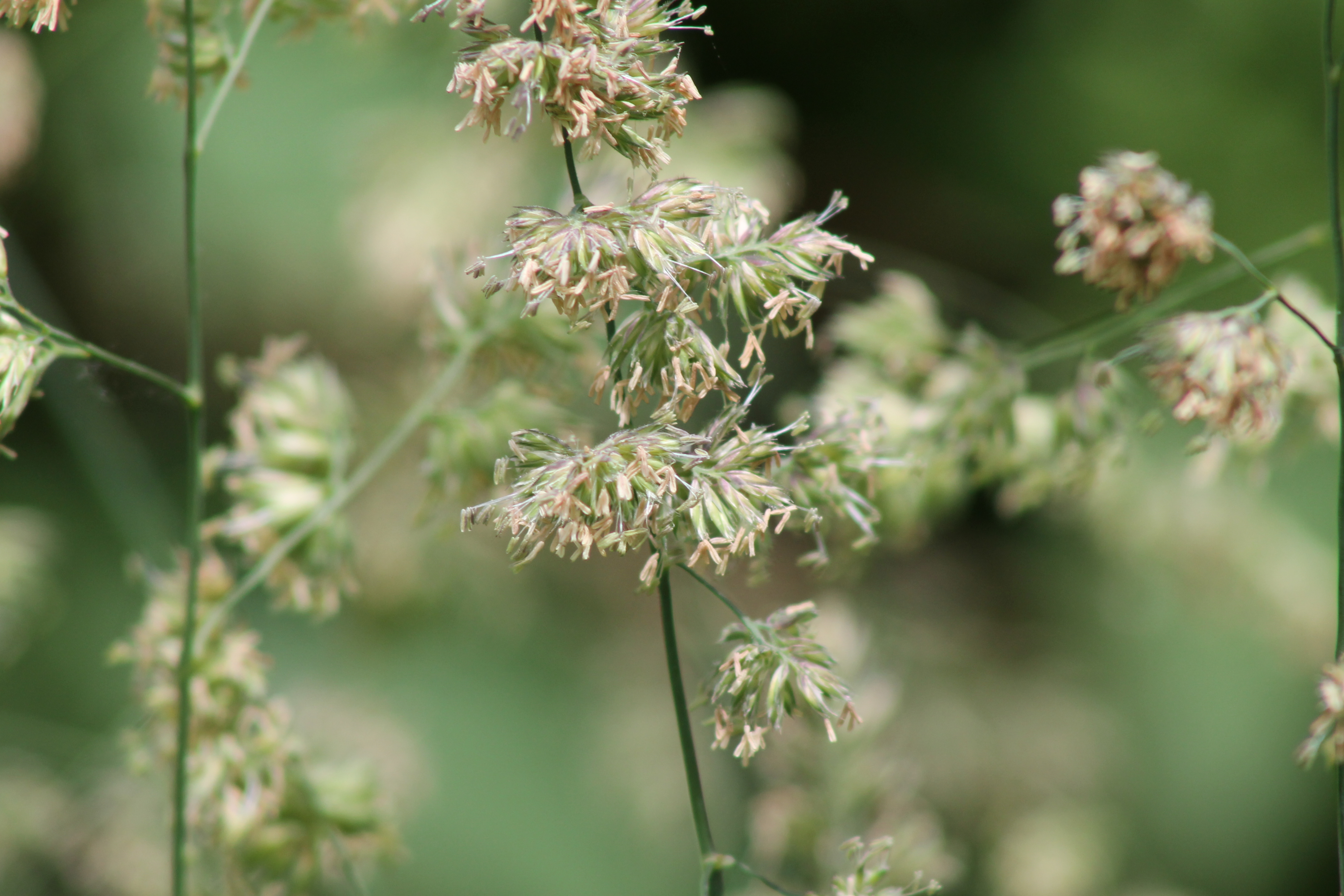
024Cock's Foot

Cock’s Foot grass

The Trooping of the Colour to celebrate the Queen’s Official Birthday takes place this coming Saturday.  There is always a fly-past and during the week before the celebration there is a rehearsal of this which goes directly over our house.  Not all the planes and formations take part in the rehearsal and unfortunately this year there were fewer than usual.

056Fly past

058Fly past

059Fly past

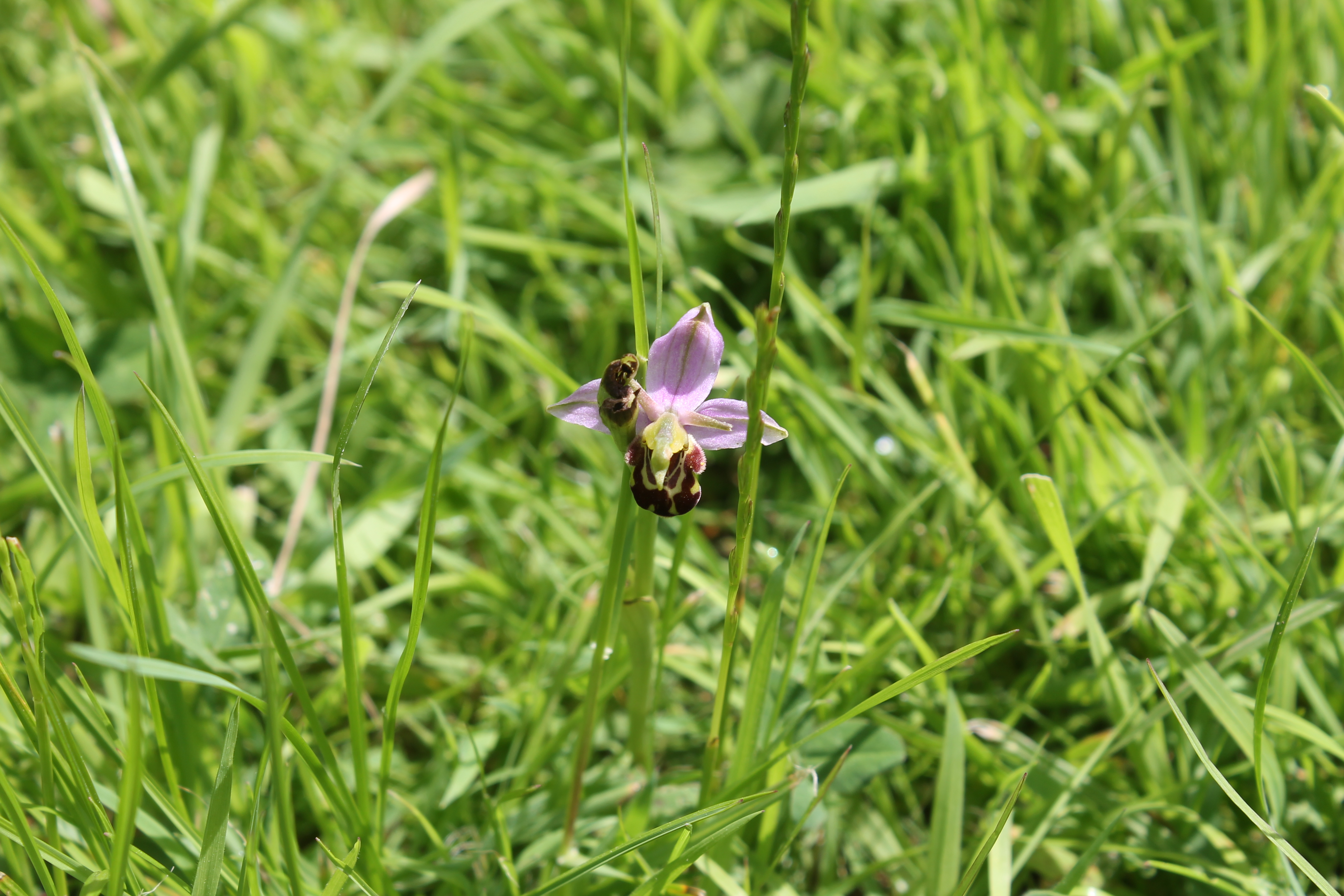
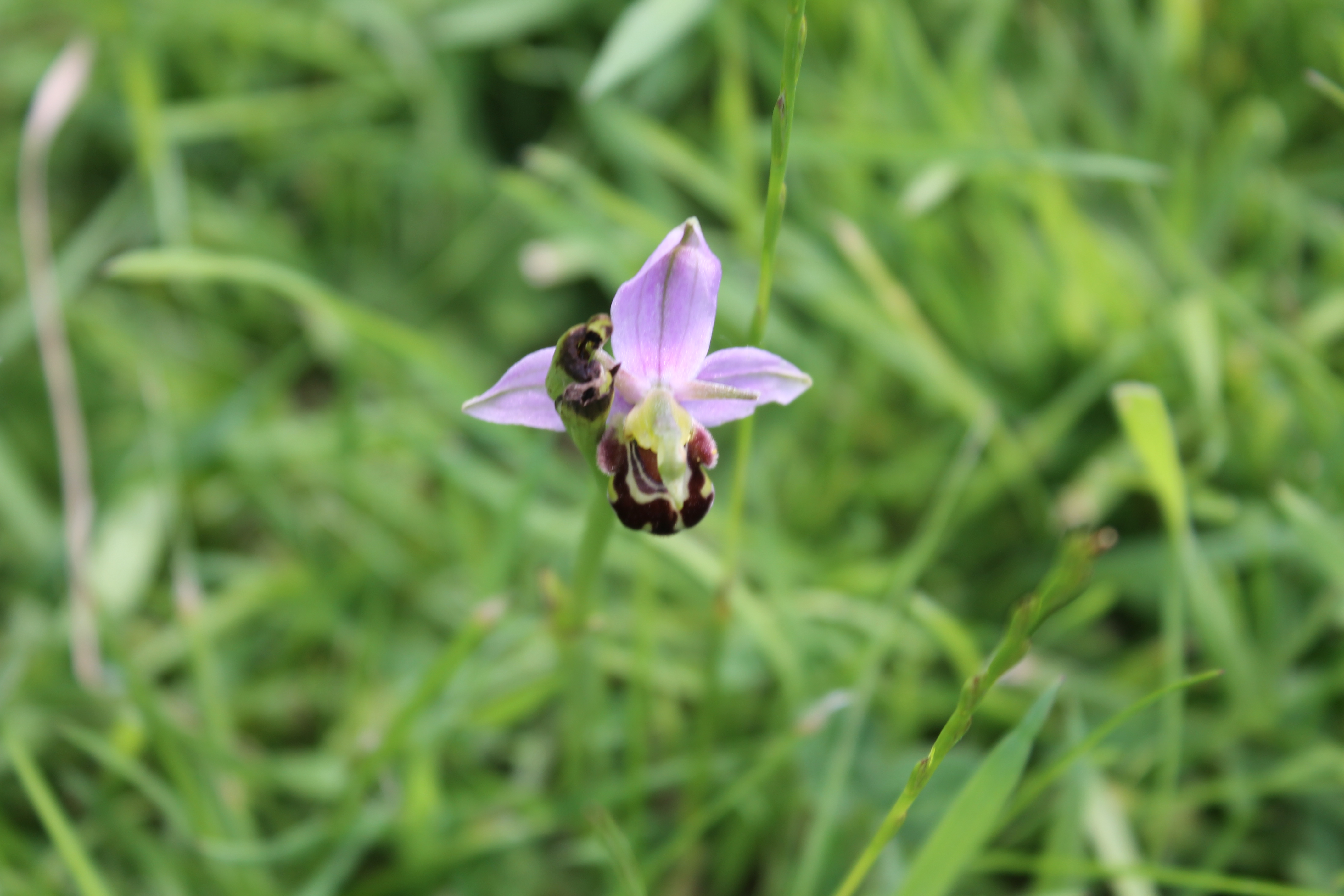
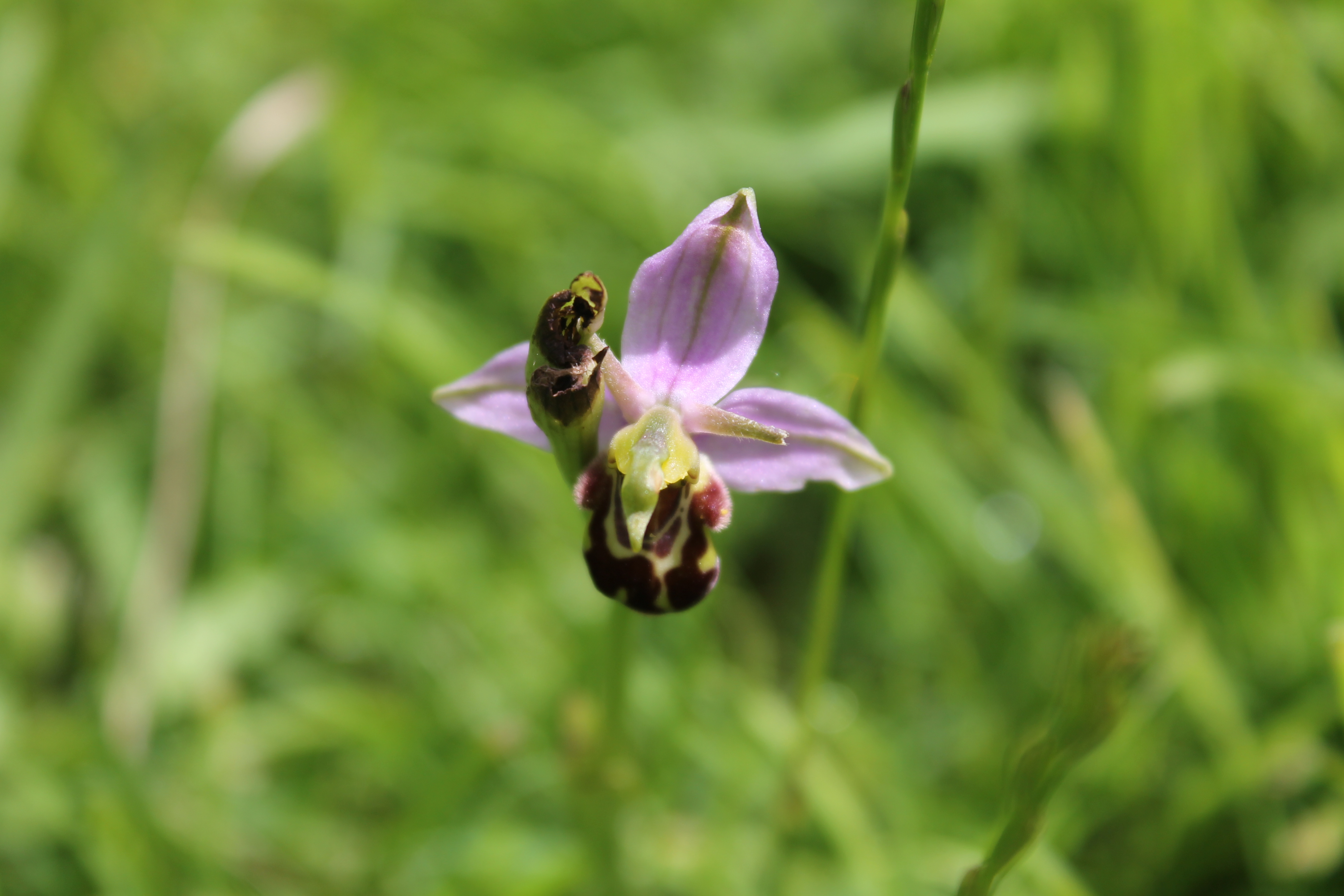
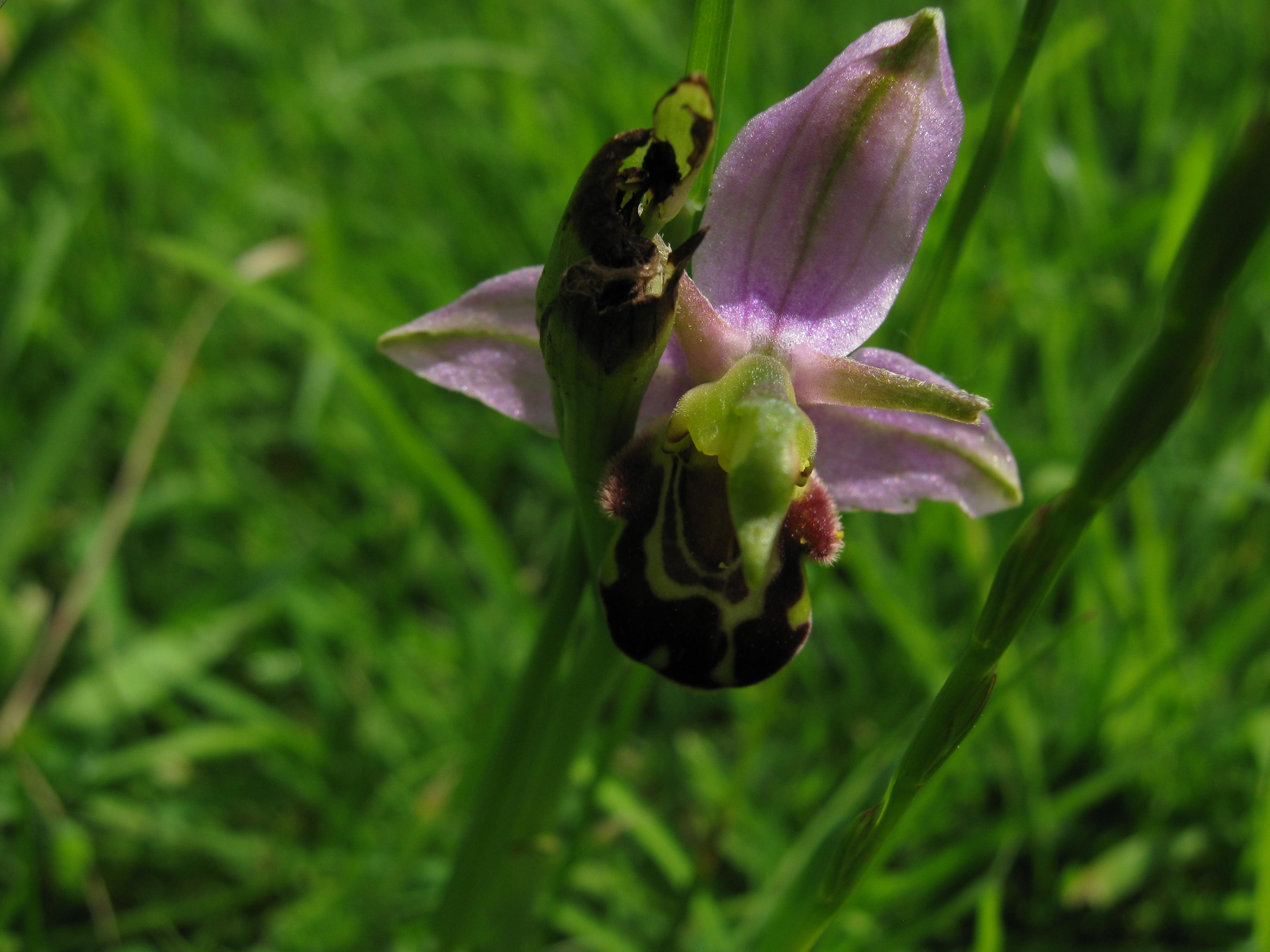
The final photographs in this post are of a special flower I found yesterday – a Bee Orchid.

034Bee Orchid

037Bee Orchid

035Bee Orchid 035Bee Orchid

018Bee Orchid


Share this:

  • Share on X (Opens in new window) X
  • Share on Reddit (Opens in new window) Reddit
  • Share on Pinterest (Opens in new window) Pinterest
  • Share on Facebook (Opens in new window) Facebook
  • Email a link to a friend (Opens in new window) Email
  • Share on Tumblr (Opens in new window) Tumblr
  • Print (Opens in new window) Print
  • Share on Pocket (Opens in new window) Pocket
  • Share on LinkedIn (Opens in new window) LinkedIn
Like Loading...

Water, Water Everywhere.

28 Wed May 2014

Posted by Clare Pooley in plants, Rural Diary, trees, Uncategorized

≈ 10 Comments

Tags

Bell Inn, bird feeding, Broads, Chandlery, dogwood, Fritton, Fritton Decoy, Great Yarmouth, grey squirrel, Haddiscoe, pill box, Rain, St Olaves, Toft Monks, Waveney, windmill, Yare, yellow iris

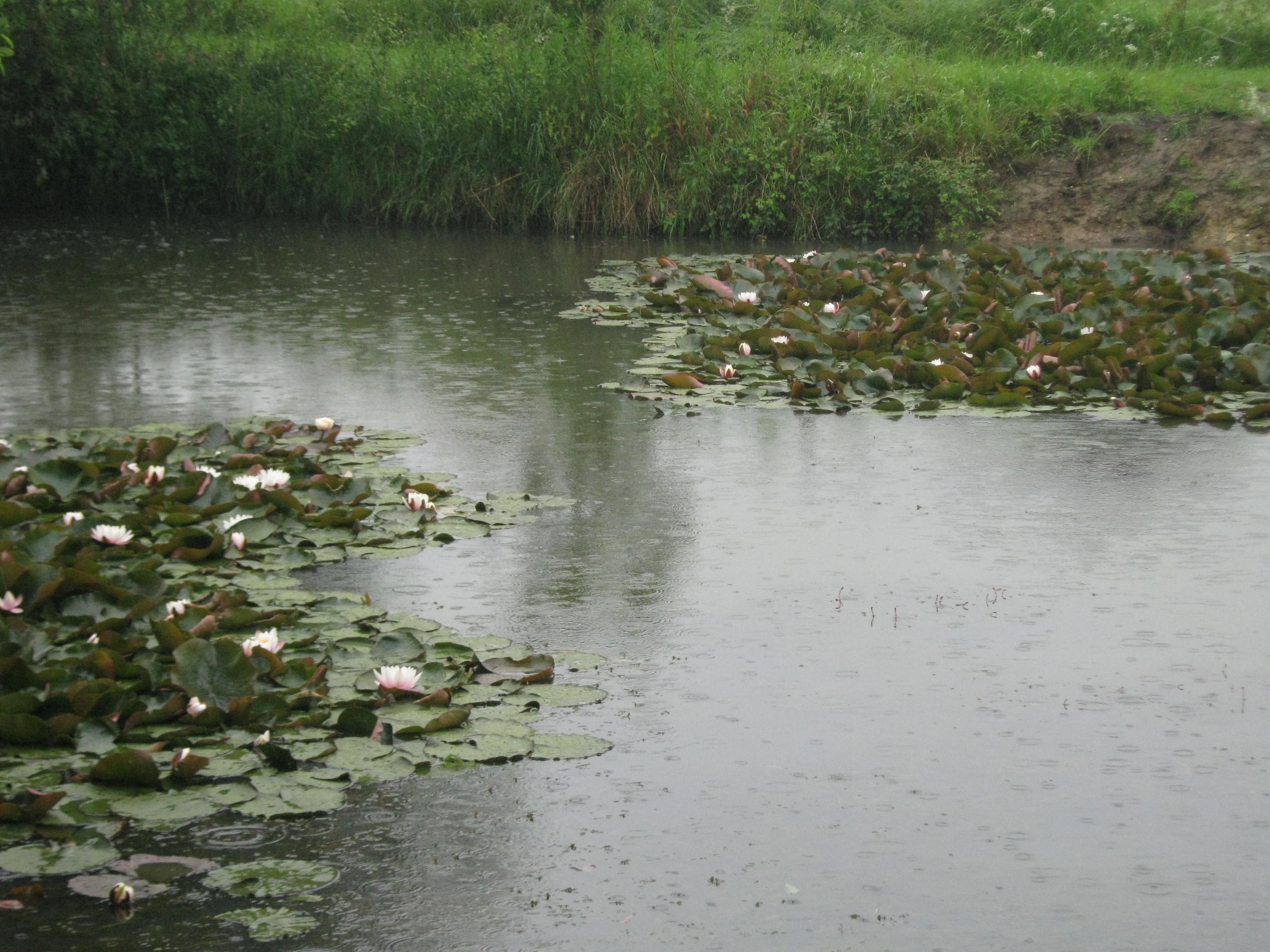
Image

We have had a very wet day indeed today.  This is our pond this afternoon with rain-drops stippling its surface.  I spent most of the morning away from home visiting the surgery then shopping in Halesworth and then in Bungay.  This afternoon was spent doing household chores and then getting soaked to the skin in the garden.  I have planted some runner beans for my mother.  She said she wanted ten plants so I planted ten in pots a week ago and nine have come up.  This afternoon I planted three more which will give her a couple of spares in case she gets slug damage after planting out.  I then went round the garden checking on the bird feeders.  I have been cleaning and disinfecting all the feeders during the past week; waiting until each one empties and then bringing it in.  In that way I don’t have too many to do in one go and the birds still have food to eat outside.  I have twelve feeders around the garden as well as a couple of bird tables and a ground feeder.  The birds are very hungry and the food is disappearing extremely fast.  The feeders have to be heavy-duty ones as our garden is quite exposed and the wind is strong enough to blow them down very often.  The rooks also cause damage by swinging on the feeders and shaking the seed out for their friends waiting below.  In this rainy weather they cover the feeders with thick mud off their feet too.  Squirrels are a real nuisance and can pull a feeder apart very quickly.  I always use metal, never plastic, feeders now and try to make it difficult for the squirrel by putting extra wire round the lids and attaching them more securely.  I always regret this when I have to re-fill the feeders and especially when I have to take them  apart for cleaning as it takes so long to do.  I also saw a mouse in one of my squirrel-proof feeders the other day.  When I went out this afternoon I found two of my peanut feeders had been taken apart and all the peanuts eaten.  One part of one of the feeders is missing so I’m glad I ordered a new one at the weekend.


Image

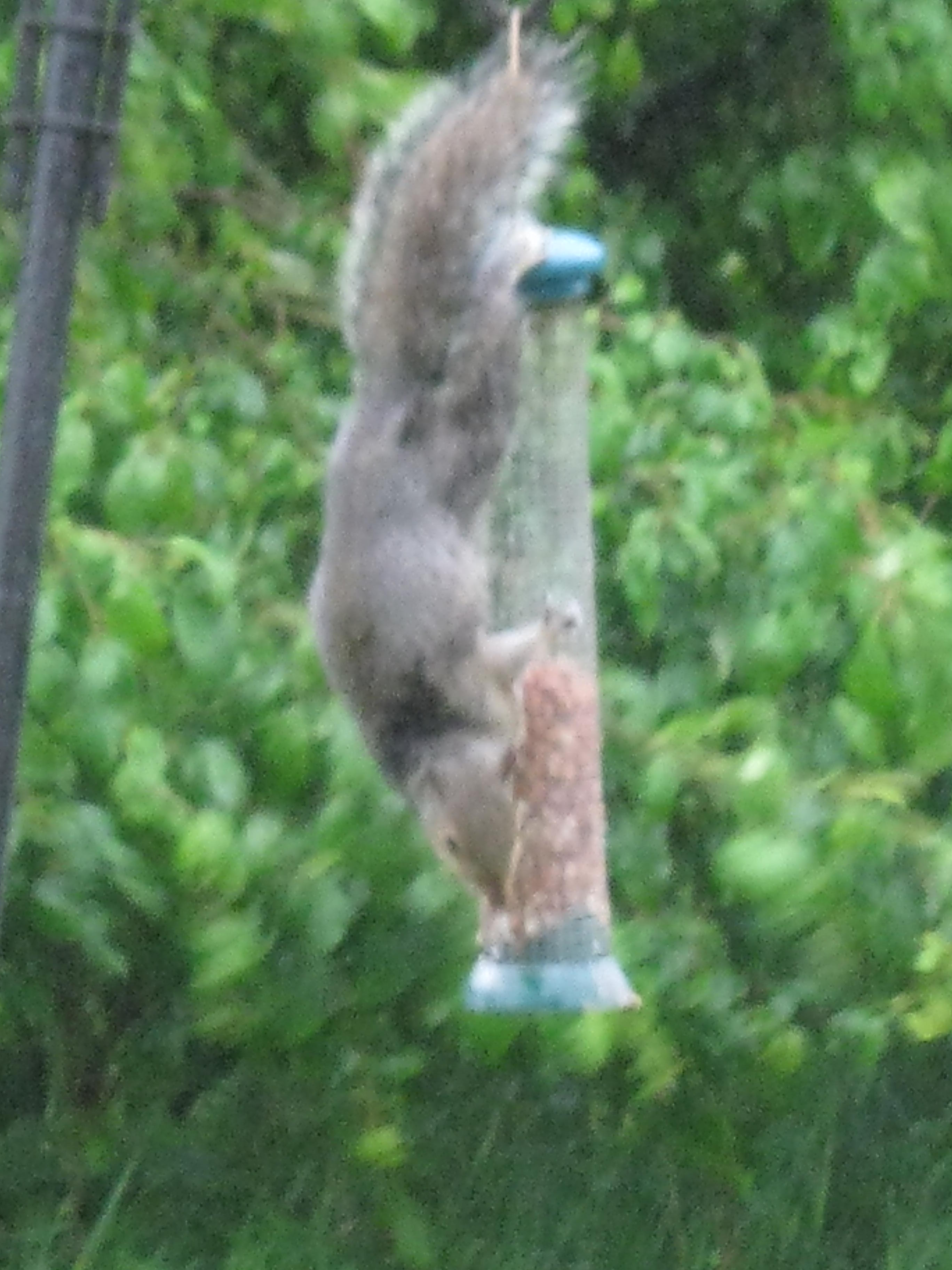
A blurred picture of my squirrel visitor. Wind and rain didn’t help with the clarity of the photo.

I managed to take a couple more photos before going indoors to change out of my wet clothes.

Image

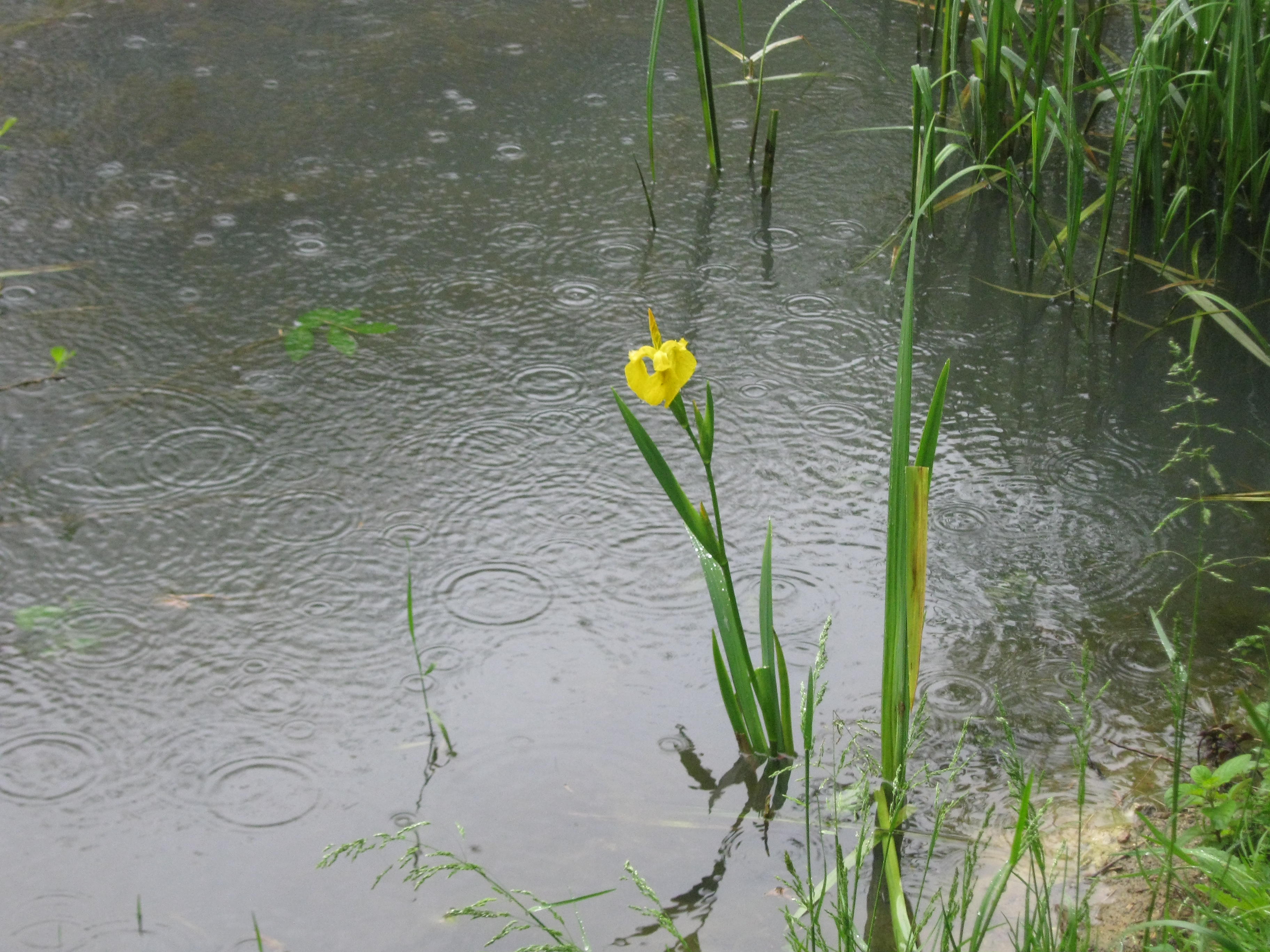
Another name for the yellow flag iris is the Sword Flag as its leaves are shaped like a sword and are also sharp enough to cut you.

Image

The Dogwood is about to flower.  New stems are dark red and many people cut dogwood back hard just to get the bright coloured stems in early spring.  The dogwood’s leaves change to a rich claret in the autumn and are one of the first trees to change colour.  The berries are a shiny black and are very bitter.  It is called ‘Dog’ wood because ‘dags’ used to be made from its wood.  Dags are butcher’s skewers.

Last week E not only had to go to the Norfolk and Norwich Hospital on Friday but she also had to go to the Northgate Hospital in Great Yarmouth on Wednesday.  As R was off work all week he kindly offered to drive us there.  It was one of those grey, fairly still days – not cold but not particularly warm either.  The route we take goes through a couple of villages with Viking names – Toft Monks (Toft = curtilage or homestead in old Scandinavian.  It was known as Toft when the Domesday Book was written, only getting the Monks bit when the village was taken into the possession of the Norman Abbey of Préaux in the 12thC) – Haddiscoe (wood of a man called Haddr or Haddi).  We then go over a very high bridge spanning not only the River Waveney but also a canal cut from here to Reedham a village on the River Yare a little to the north.  This is the start of the Norfolk Broads, a large area of marshy reedbeds intersected by canals, rivers and broads (lakes).  A half mile further on is another little bridge which only allows one lane of traffic over it.  This is at St Olaves, named after the priory that was here.

Image

We then drove through Fritton which has a Country Park with leisure activities – boating, fishing, walking.   Also a horse and donkey sanctuary called Redwings.  It was a popular place to visit by wild fowlers – people who enjoyed shooting ducks and other water birds.  The pub is called the Decoy and the water here, which is a tributary to the Waveney, is called the Fritton Decoy.

We got to Great Yarmouth and E saw her specialist. We then went home.  Because I wasn’t driving I was able to look about me as we drove along.  Great Yarmouth is not a pretty town.  It has a beach, a dock area and associated industries but it is also very run-down and there is high unemployment and poverty here.  We saw an apologetic bus.  A very rare creature.

Image

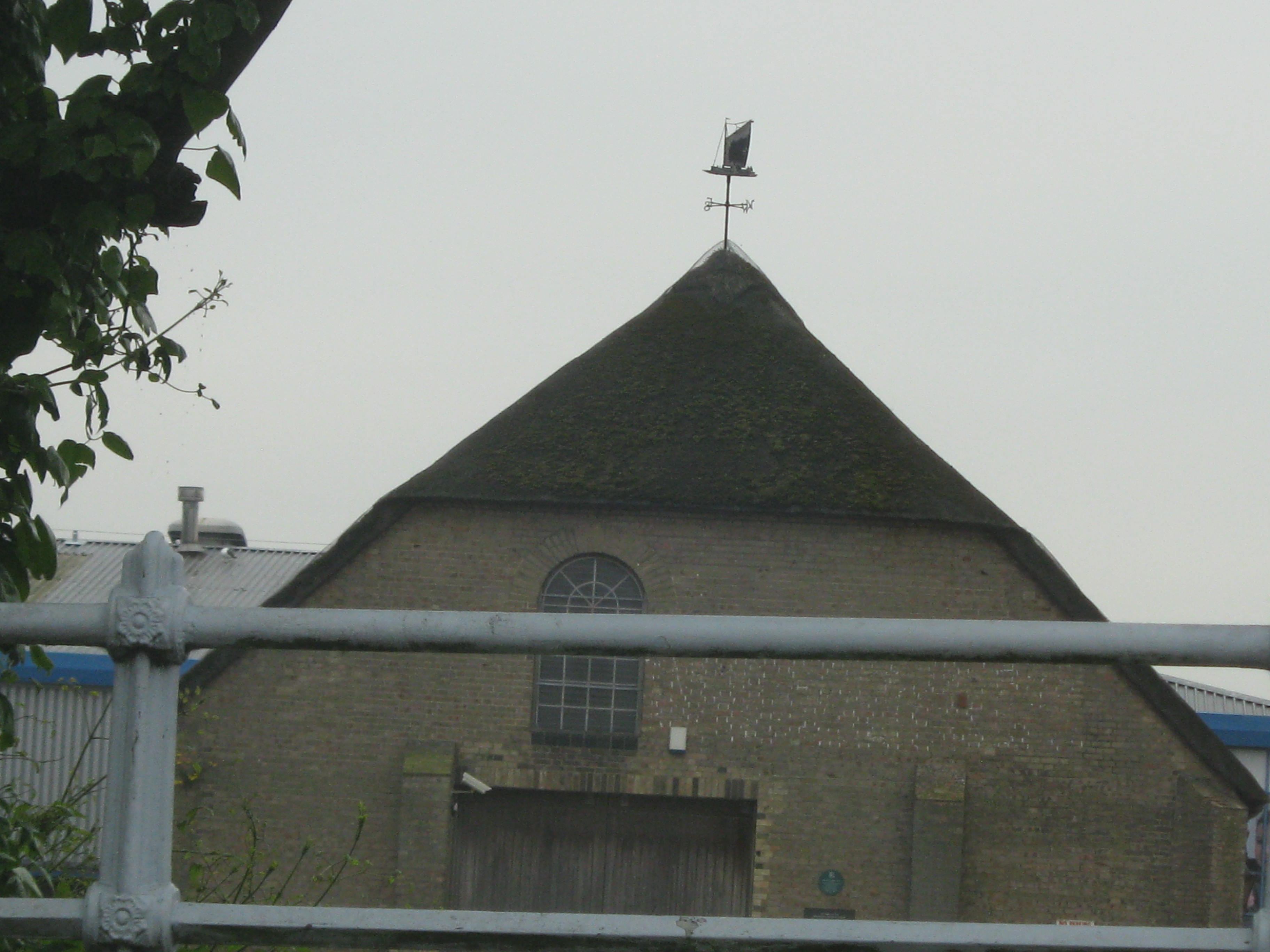
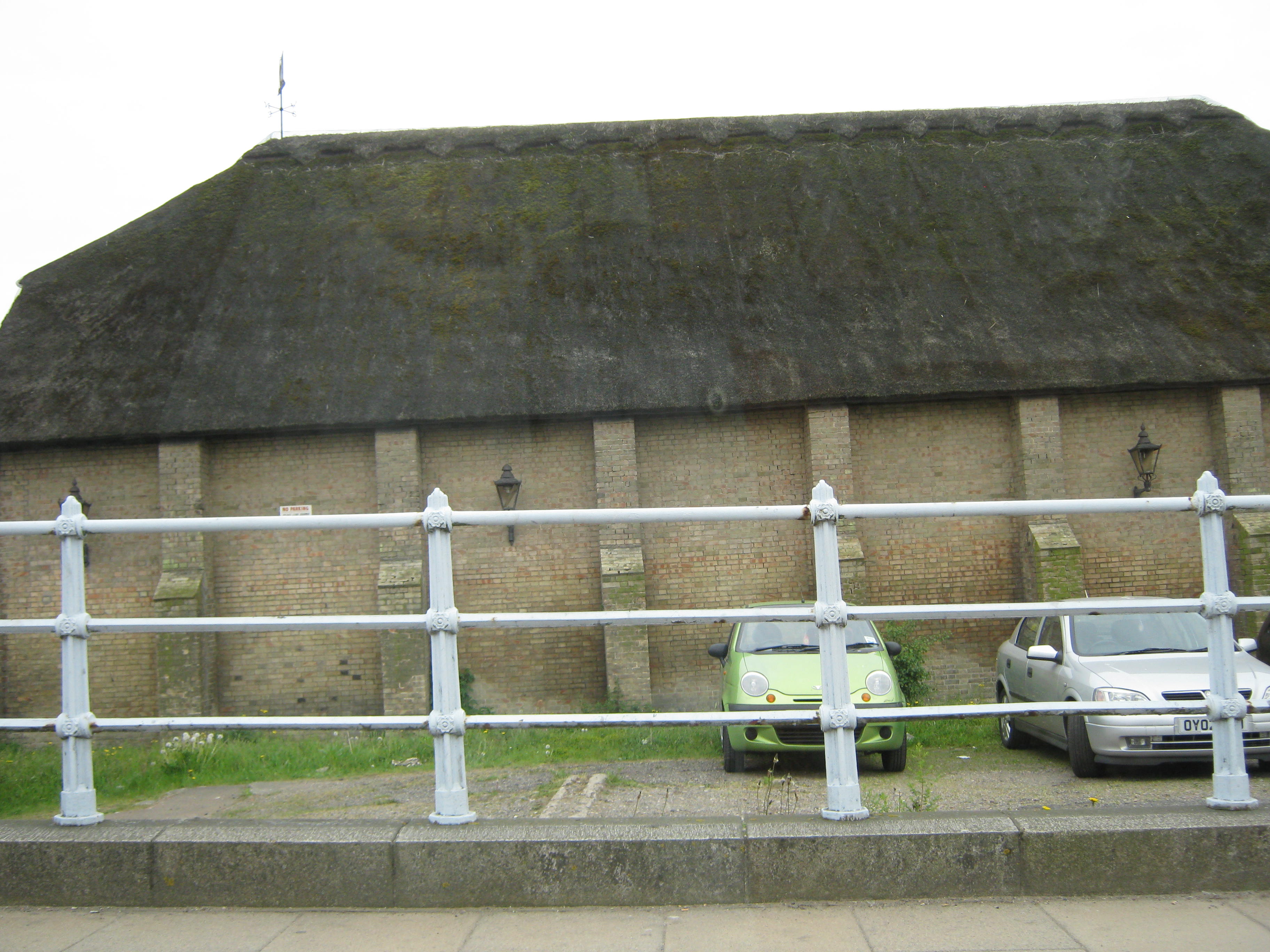
One thing I did notice while we were queuing at traffic lights before crossing over the bridge over Breydon Water was this building below.

Image

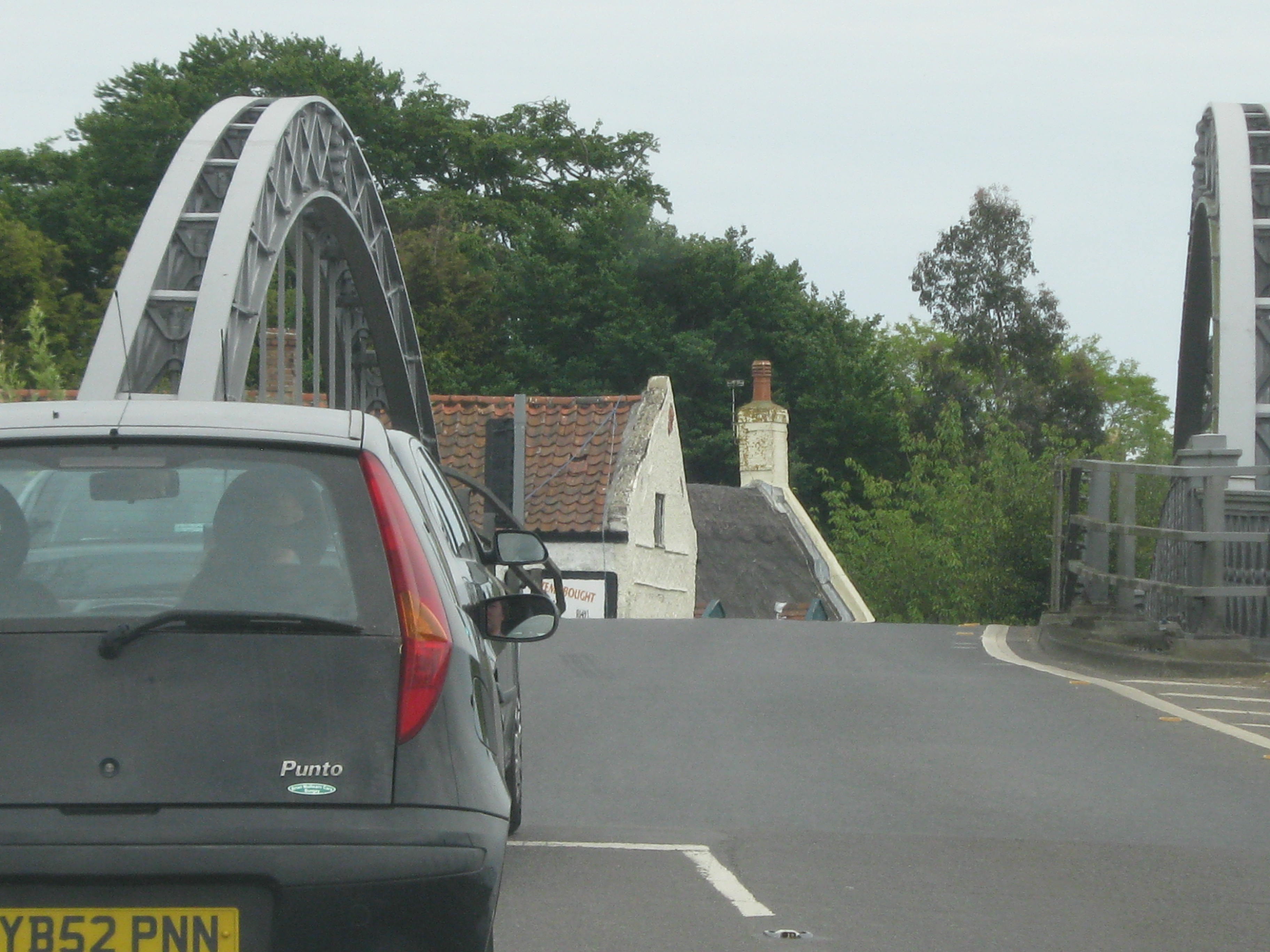
It was enormous with a thatched roof and an attractive weather-vane.  I don’t know what it is/was and need to find out somehow.  There is a blue plaque next to those great doors that will give a clue.  The iron railings on the bridge are quite nice too.

Image

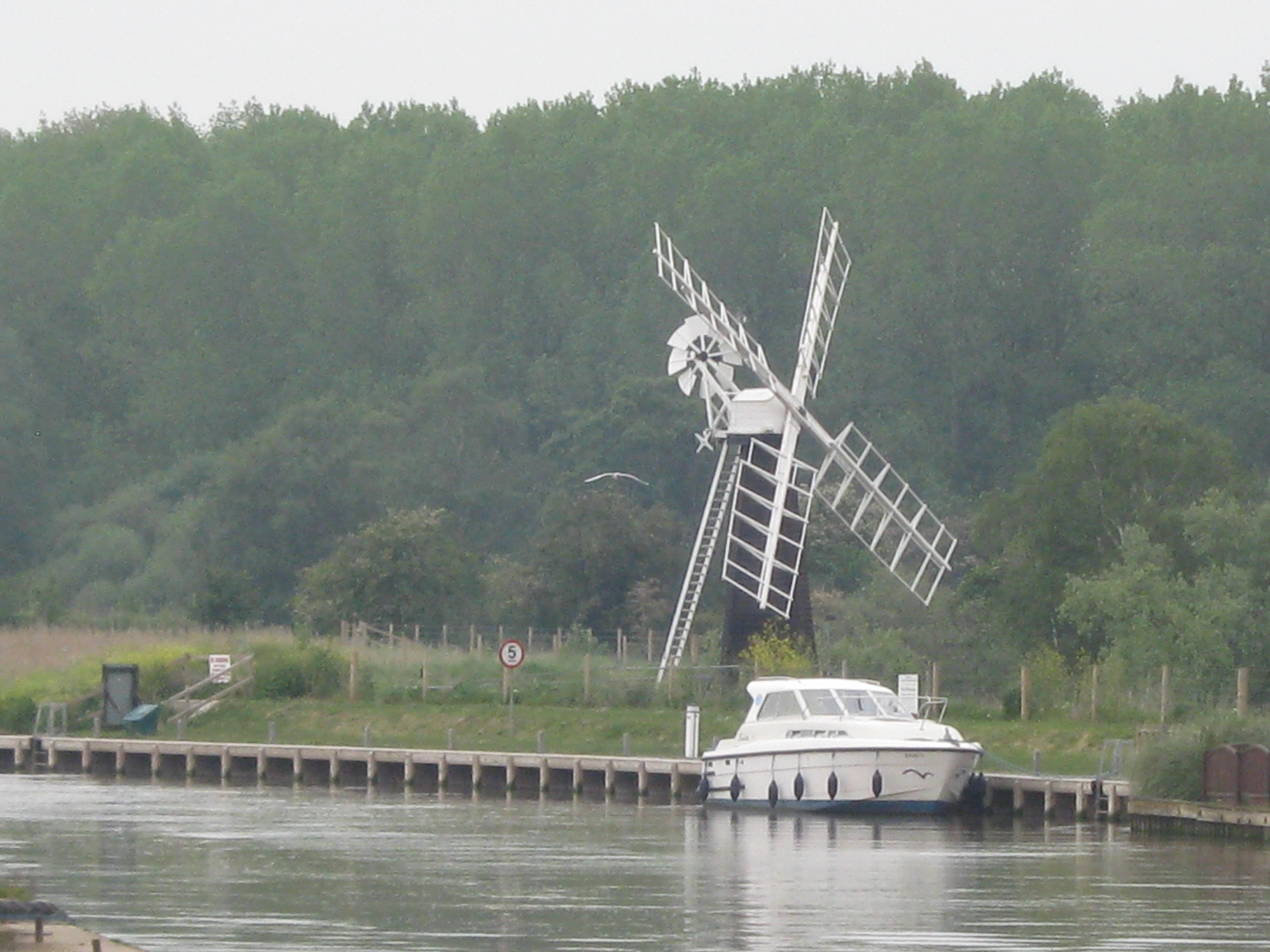
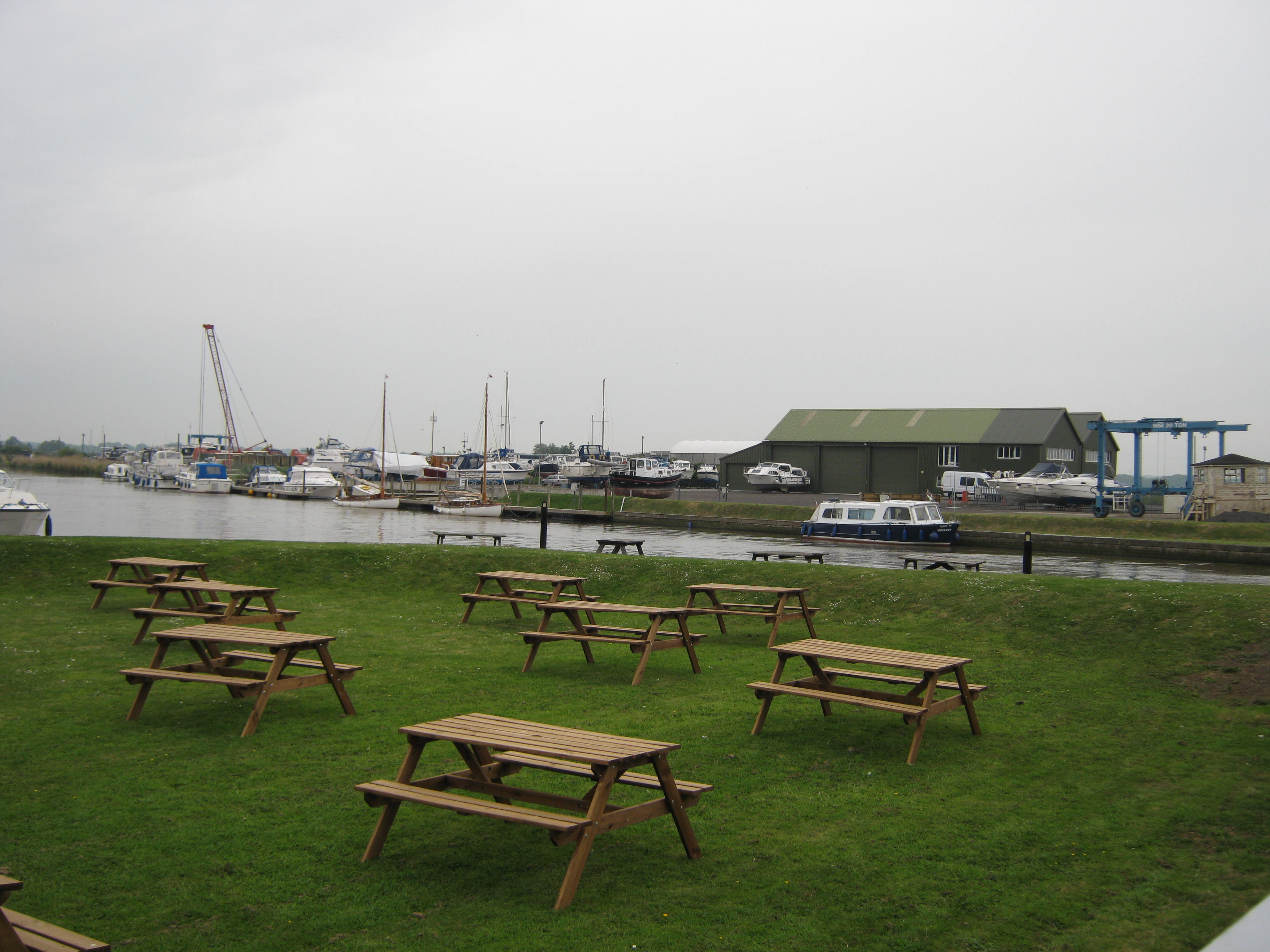
We decided to stop at St Olaves to look at the Fritton Decoy and the buildings there.

Image

A windmill at the side of the water.

Image

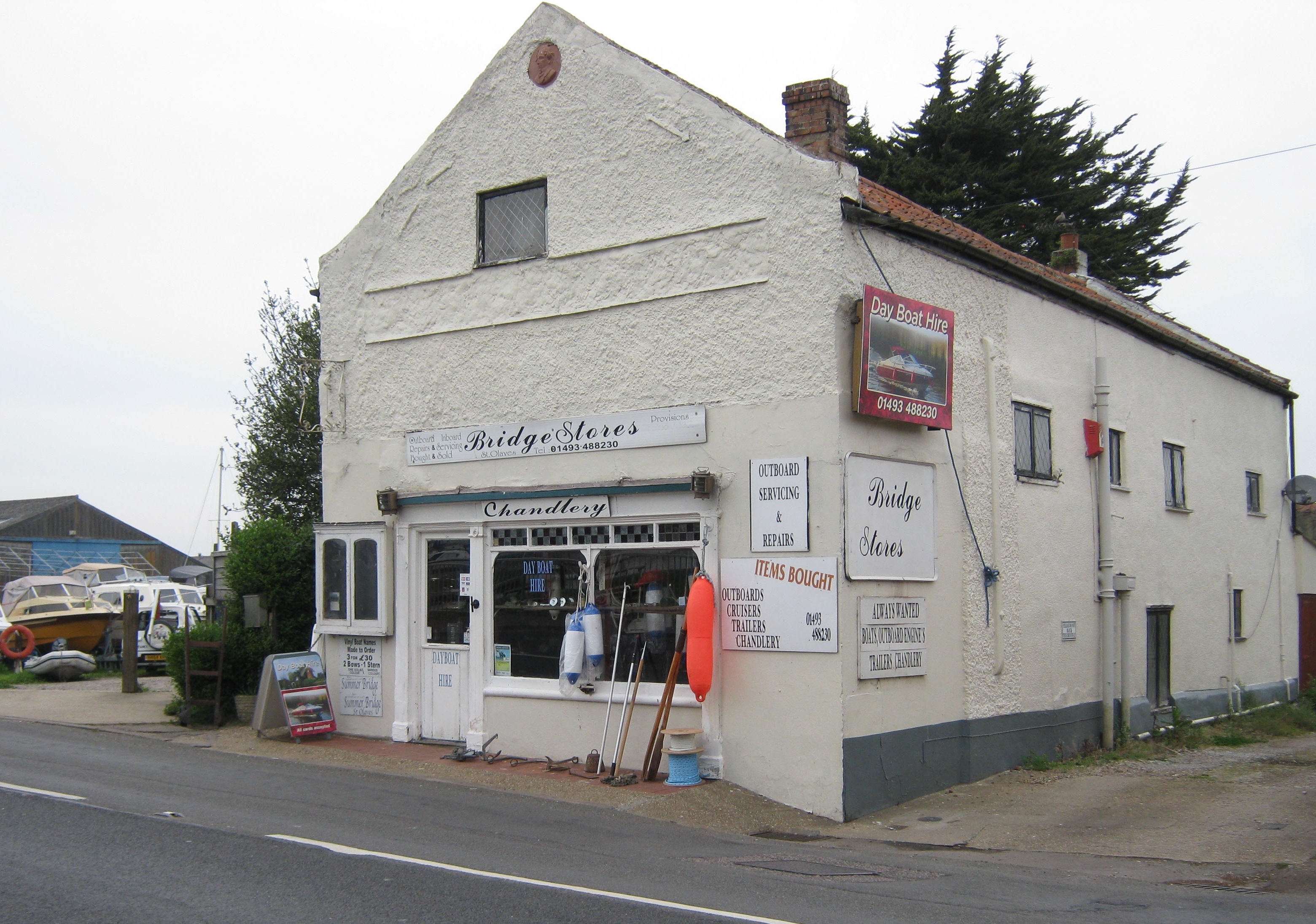
The Chandlery sells everything you might need on your boat while travelling on the Broads or down any of the rivers and out to sea.  You can also hire boats and equipment here.

Image

The ancient Bell Inn with its beautiful brickwork on the opposite side of the road to the Chandlery.

Image

The garden at the back of the inn.

Image

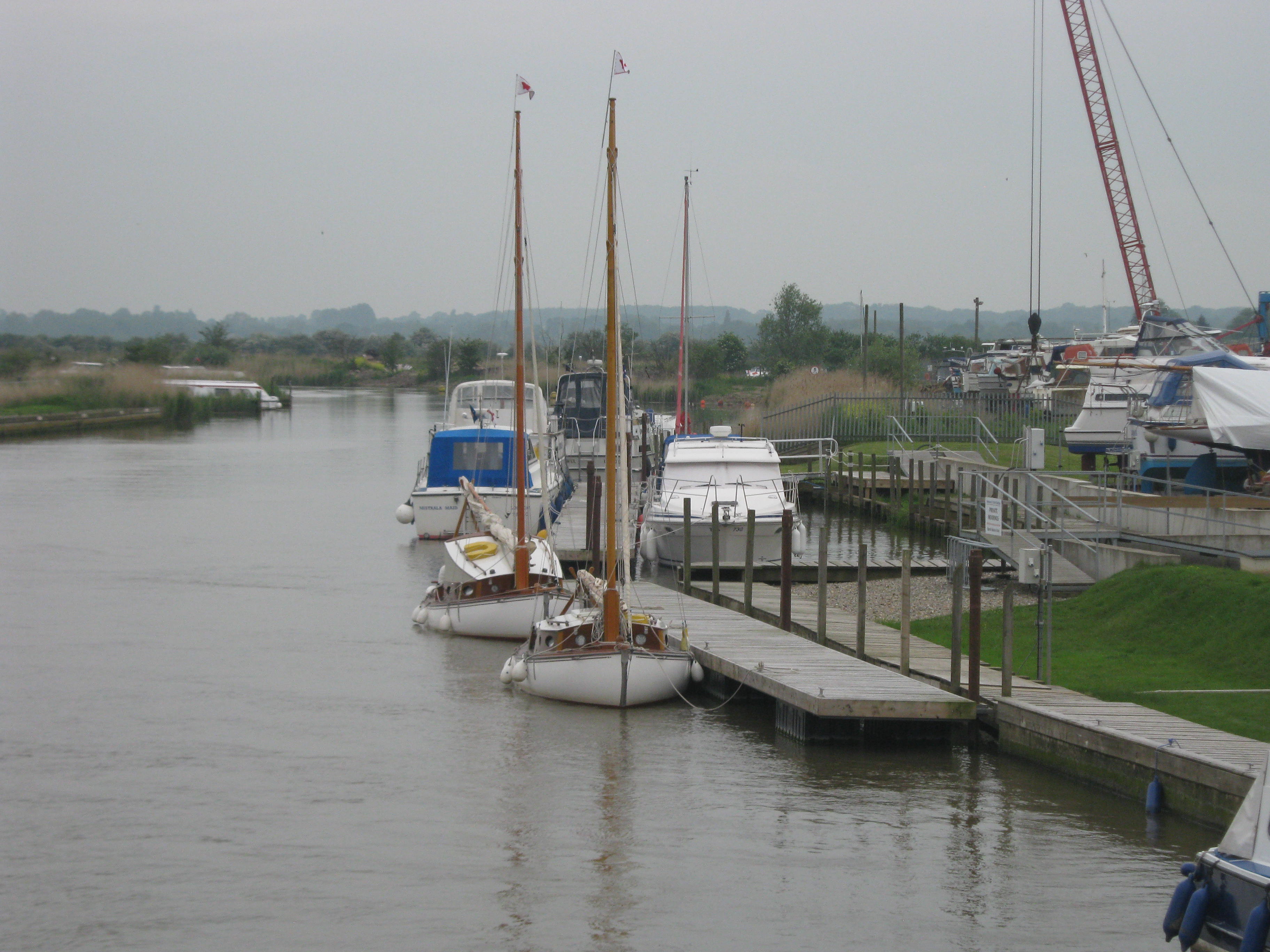
A view of the Fritton Decoy and the boats moored there.

Image

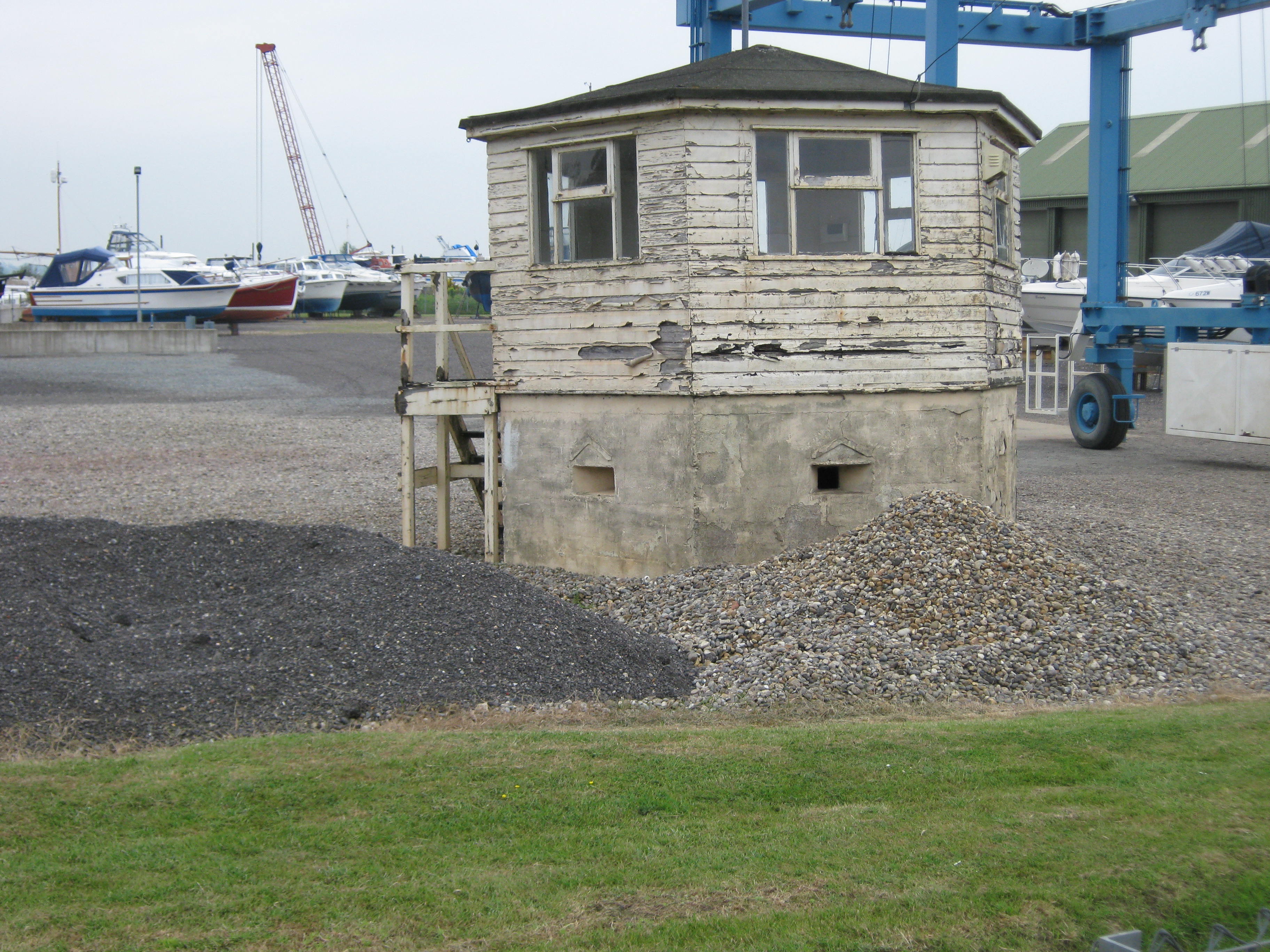
The building in this yard is a Pill Box and is another relic from the Second World War.  This one has had a shed built on the top of it at some stage.  Pill boxes are dug-in guard posts with loopholes through which to fire weapons.  They were called Pill Boxes because they looked like old-fashioned pill boxes!  According to the website I checked everything against they had a ‘trenchfiring step to protect against small arms fire and grenades and were raised to improve the field of fire’.  Well, there you are; now you know.  About 28,000 pill boxes and other hardened field fortifications were constructed in 1940 as part of British anti-invasion preparations of World War 2 and about 6,500 still survive.  There is one on the edge of the field in Mill Lane near us.  It is still known as the Searchlight because of the searchlight that was used there during the war.  East Anglia was full of airfields during the war – RAF and USAF – so there was always the danger of bombing raids.  The airfield runways are still marked out in the middle of farms and common land.

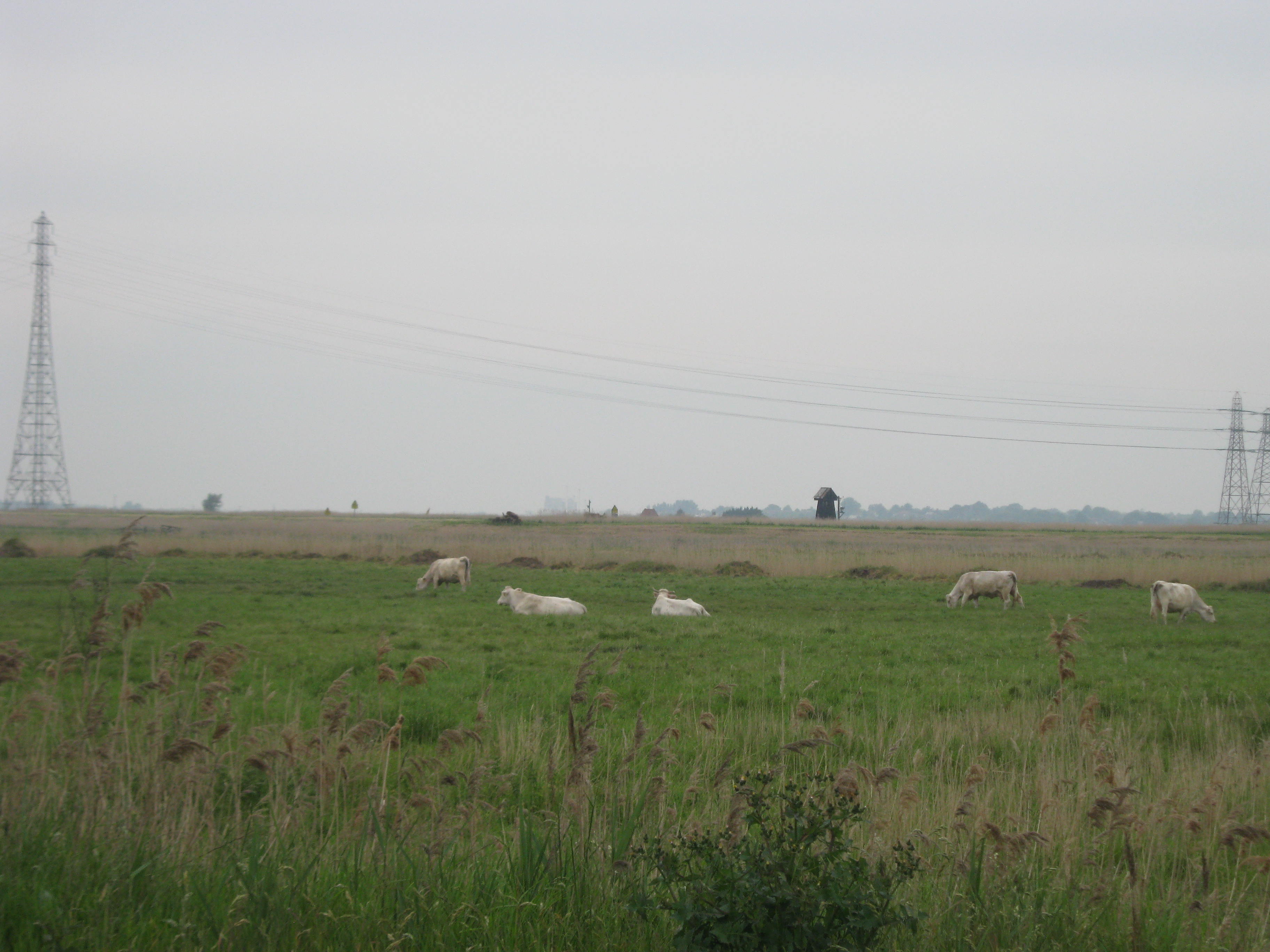
I’ll end this post with a view over the marshes at St Olaves.


Image

Share this:

  • Share on X (Opens in new window) X
  • Share on Reddit (Opens in new window) Reddit
  • Share on Pinterest (Opens in new window) Pinterest
  • Share on Facebook (Opens in new window) Facebook
  • Email a link to a friend (Opens in new window) Email
  • Share on Tumblr (Opens in new window) Tumblr
  • Print (Opens in new window) Print
  • Share on Pocket (Opens in new window) Pocket
  • Share on LinkedIn (Opens in new window) LinkedIn
Like Loading...
← Older posts
Newer posts →
Follow A Suffolk Lane on WordPress.com

Enter your email address to follow this blog and receive notifications of new posts by email.

Join 715 other subscribers.

Unknown's avatar

I talk about what it's like living in a quiet part of Suffolk. I am a wife, mother and daughter, a practising Christian and love the natural world that surrounds me. I enjoy my life - most of the time!

My Posts

Jan 2026
M T W T F S S
 1234
567891011
12131415161718
19202122232425
262728293031  
« Dec    

Pages

  • About my Blog
  • GDPR (General Data Protection Regulations) and This Site
  • My Life in a Suffolk Lane

Archives

Blogs I Follow

Unknown's avatar
Unknown's avatar
Unknown's avatar
Unknown's avatar
Unknown's avatar
Unknown's avatar
Unknown's avatar
Unknown's avatar
Unknown's avatar
Unknown's avatar
Unknown's avatar
Unknown's avatar
Unknown's avatar
Unknown's avatar
Unknown's avatar
Unknown's avatar
Unknown's avatar
Unknown's avatar
Unknown's avatar

Posts I Like

  • Jack Ronald Cotner's avatar
  • Unknown's avatar
  • Mélodie's avatar
  • Unknown's avatar
  • Unknown's avatar
  • womanseyeview's avatar
  • Unknown's avatar
  • Stephen G. Hipperson's avatar
  • clivebennett796's avatar
  • Talkmore's avatar
  • bitaboutbritain's avatar
  • mitchteemley's avatar
  • sherijkennedyriverside's avatar
  • Bernard Aybout (Virii8)'s avatar
  • Unknown's avatar
  • Unknown's avatar
  • Luso Loonie — Devin Meireles's avatar
  • Unknown's avatar
  • Unknown's avatar
  • Unknown's avatar
  • Unknown's avatar
  • Unknown's avatar
  • Unknown's avatar
  • Unknown's avatar
  • Limentinus's avatar
  • Unknown's avatar
  • Unknown's avatar
  • Matthew Paul's avatar
  • Unknown's avatar
  • sopantooth's avatar
  • Unknown's avatar
  • Unknown's avatar
  • Unknown's avatar
  • NEERAJ SINGH's avatar
  • martzkvi's avatar
  • The Introverted Bookworm's avatar
  • Unknown's avatar
  • Unknown's avatar
  • Martha's avatar
  • (Kitty) Cat Strawberry - Meow!'s avatar
  • Unknown's avatar
  • aho's avatar
  • Carolina Cuisine Network's avatar
  • Unknown's avatar
  • Annika Perry's avatar
  • santable's avatar
  • quietsolopursuits's avatar
  • Unknown's avatar
  • Kathleen's avatar
  • JAM's avatar

amphibians architecture art Arts and Crafts churches cooking Days out domestic animals family fish Folk Traditions Gardening Historic Buildings holidays Insects Landscaping literature music Norwich plants Rural Diary seashore theatre trees Uncategorized walking weather wild animals wild birds wild flowers

Tags

architecture autumn birds blackbird blackthorn Bungay butterfly church clouds common knapweed cow parsley crocus daffodils Diary dogwood family field maple flowers fungus garden gardening geese greylags ground-ivy Halesworth Hawthorn heather holiday Holly Holy Week horse chestnut Hoverfly insects ivy Lake District Lent lesser celandine lichen Lords and Ladies Mallard mallards Minsmere moorhen moss music Norwich Peak District pheasant plants pond ponds primrose primroses Rain rooks Rumburgh Rumburgh Church sheep Sheffield snow snowdrops Southwold spring Suffolk Suffolk Wildlife Trust sunset the Beck trees viburnum bodnantense walking weather wild cherry wild flowers winter-flowering honeysuckle witch-hazel

Meta

  • Create account
  • Log in
  • Entries feed
  • Comments feed
  • WordPress.com

Goodreads

Blog at WordPress.com.

Book Jotter

Reviews, news, features and all things books for passionate readers

Country Life Blog -

A blog about life in the country in the past and present

Matthew Paul: Poetry & Stuff

Poetry and what-not

Schnippelboy

Ein Tagebuch unserer Alltagsküche-Leicht zum Nachkochen

TAMARA JARE

Tamara Jare Contemporary Figurative Art – Bold Colors, Resilient Souls

A Taste of Freedom

Documenting a Dream

Country Ways

Rambling Journeys in Britain, Countryside Matters and campaigning for the Right to Roam

The Strawberry Post

Here to Entertain, Educate & Inspire!

a north east ohio garden

an ongoing experiment in the dirt, 35 plus years

naturechirp

Celebrating God's creatures, birds and plants...

Sophie Neville

Writer

Going Batty in Wales

Developing a more sustainable lifestyle in SW Wales

Our Lake District Escapades

Exploring the Lake District and beyond

Short Walks Long Paths

Wandering trails around the coast of Wales

The Biking Gardener

An English persons experience of living and gardening in Ireland

Nan's Farm

A Journal Of Everyday Life

Walk the Old Ways

Rambling Journeys in Britain with John Bainbridge. Fighting for the Right to Roam. Campaigning to Protect Our Countryside.

Writer Side UP!

Waking the Writer Side...and keeping it "Up!"

Meggie's Adventures

Travel, thank you notes and other stories

amusicalifeonplanetearth

Music and the Thoughts It Can Inspire

lovefoundation.co.uk

Traveling Tortuga

Simply Living Well

Pakenham Water Mill

Historic watermill in the beautiful Suffolk countryside

Take It Easy

Retired, not expired: words from the after(work)life. And music. Lots of music!

Secret Diary Of A Country Vicar's Wife

By Olive Oyl

thanksfortheadventureorg.wordpress.com/

The Beat Goes On

#TBGO

Frank Pleszak's Blogs

Twitter: @frankpleszak @PolishIICorps

John Bainbridge Writer

Indie Writer and Publisher

roughwighting

Life in a flash - a bi-weekly storytelling blog

Walking the Old Ways

Rambling in the British Countryside

CapKane

thoughts on social realities

SkyeEnt

Jottings from Skye

jodie richelle

embracing my inner homemaker

Skizzenbuch/Blog

Just another WordPress.com weblog

Have Bag, Will Travel

The Call of the Pen

Flash Fiction, Book Reviews, Devotionals and other things.

John's Postcards

Art in Nature

You dream, I photographe it !

Smile! You’re in Barnier World......

theinfill

the things that come to hand

Dr. Mary Ann Niemczura

Author of "A Past Worth Telling"

Provincial Woman

The Pink Wheelbarrow

Luanne Castle: Poetry and Other Words (and cats!)

Poetry, Other Words, and Cats

The Family Kalamazoo

A genealogical site devoted to the history of the DeKorn and Zuidweg families of Kalamazoo and the Mulder family of Caledonia

everythingchild

The Book Owl

Canberra's Green Spaces

Paul Harley Photographer

  • Subscribe Subscribed
    • A Suffolk Lane
    • Join 715 other subscribers.
    • Already have a WordPress.com account? Log in now.
    • A Suffolk Lane
    • Subscribe Subscribed
    • Sign up
    • Log in
    • Report this content
    • View site in Reader
    • Manage subscriptions
    • Collapse this bar
 

Loading Comments...
 

    Privacy & Cookies: This site uses cookies. By continuing to use this website, you agree to their use.
    To find out more, including how to control cookies, see here: Cookie Policy
    %d