• About my Blog
  • GDPR (General Data Protection Regulations) and This Site
  • My Life in a Suffolk Lane

A Suffolk Lane

~ A diary of my life in rural north Suffolk.

A Suffolk Lane

Category Archives: plants

A Walk in Whinlatter Forest

05 Mon Oct 2015

Posted by Clare Pooley in Days out, Insects, plants, Rural Diary, walking

≈ 40 Comments

Tags

bolete, butterfly, cat's-ear, Climbing Corydalis, common ragwort, Forestry Commission, Fox-and-cubs, fungus, heather, lady's-mantle, lichen, moss, pixie-cup lichen, ringlet, walking, Whinlatter Forest, wild flowers

Alice came to visit us on the last day of our holiday in the Lake District.  We met her off the train in Penrith at about 10.00 am and took her back to our rented cottage for a cup of tea.  After catching up with all her news we took her to Whinlatter Forest which we had visited briefly earlier in the week, as Elinor wanted to show it to her sister.

IMG_5237Whinlatter Forest

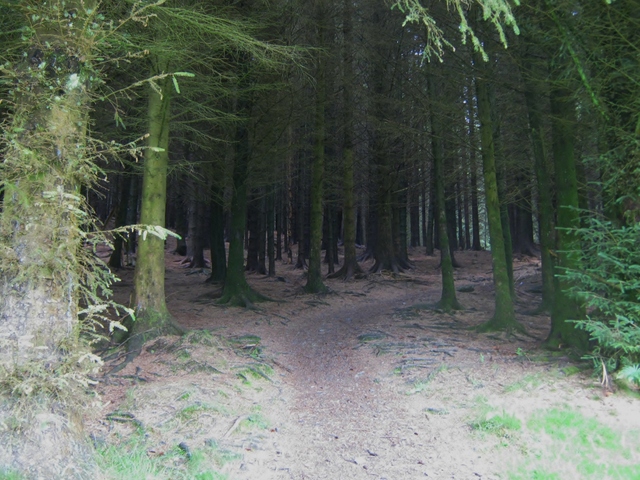
This is another Forestry Commission forest and is mainly planted with non-native trees.

Not only are there a number of tracks through the woods for walking and mountain biking but they also have segways for hire too.  There are trails designed to appeal to small children and zip wires and swinging on ropes for very active people.

We walked.

IMG_5238Whinlatter Forest

Whinlatter Forest

Alice is a fast walker so she and Richard went ahead.  I am forever on the lookout for interesting plants and insects and take lots of photos and Elinor can’t walk fast or far so we both kept together.

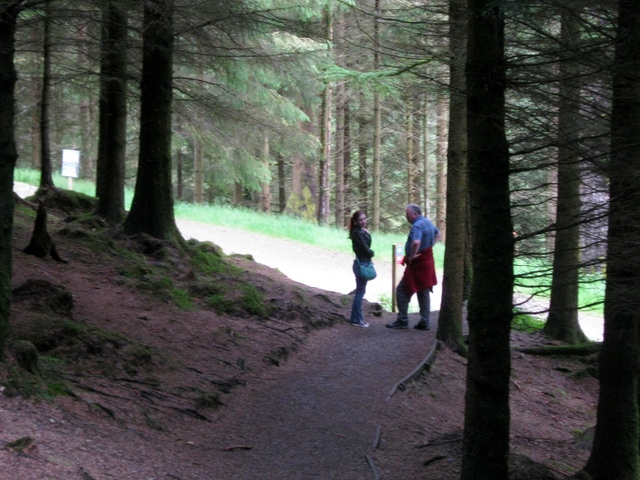
IMG_5239Alice and Richard in the forest

Alice and Richard waiting for Elinor and me.

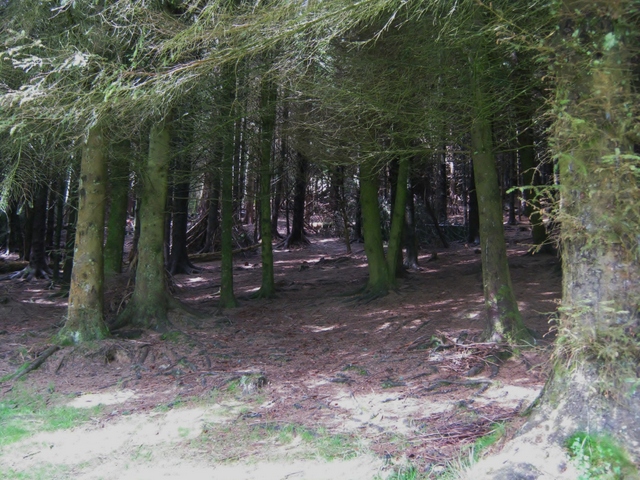
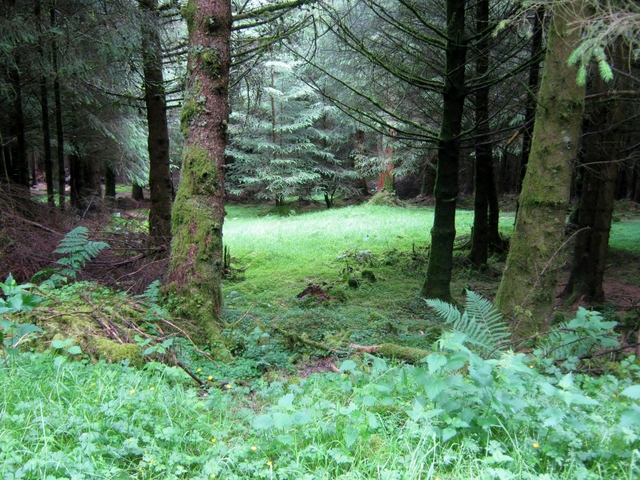
IMG_5240Forest glade

Elinor liked this forest glade.

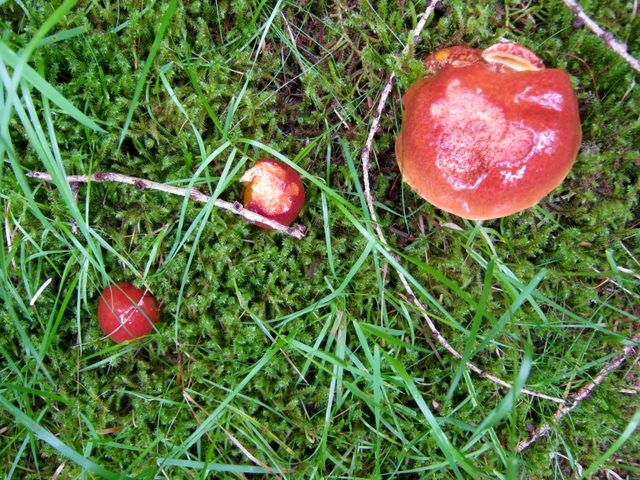
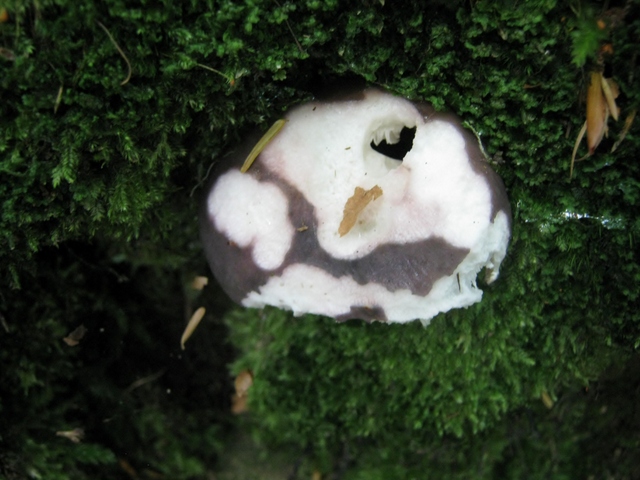
IMG_5243Bolete fungus perhaps

A Bolete fungus.  I cannot identify this one.

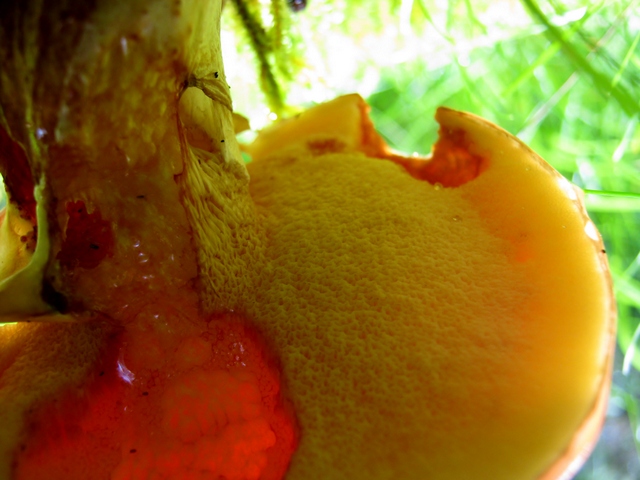
IMG_5244Underside of the Bolete

Looking at the underside of the toadstool.   The photo shows that Boletes do not have gills but spongy tissue with pores in. This fungus has been eaten by something.

IMG_5245Climbing Corydalis

Climbing Corydalis (Ceratocapnos claviculata)  Not a very good picture.

IMG_5247Heather

Heather (Calluna vulgaris) in bud with a faded Cat’s-ear (Hypochaeris radicata)

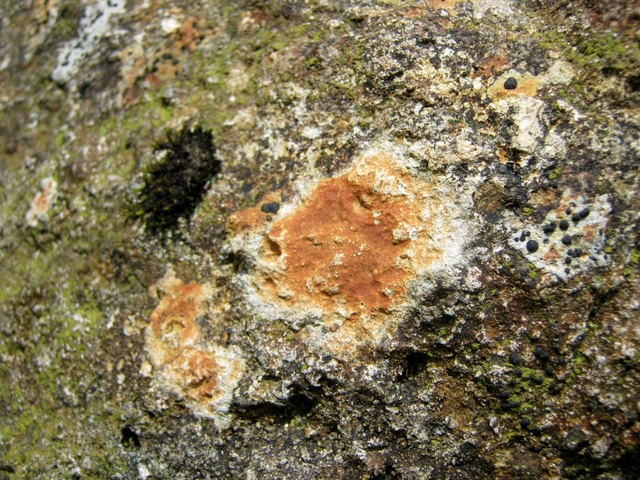
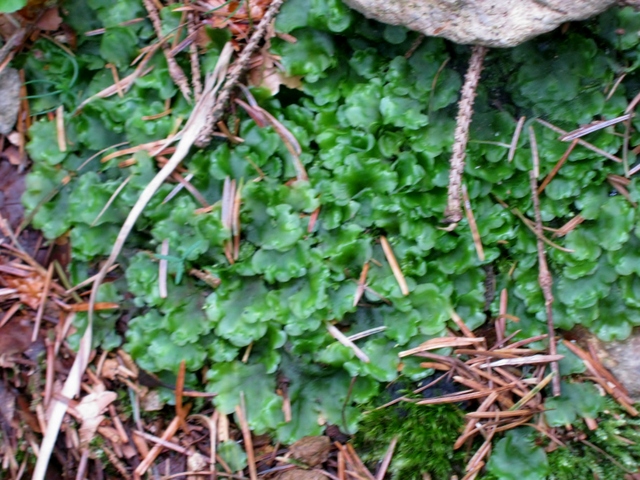
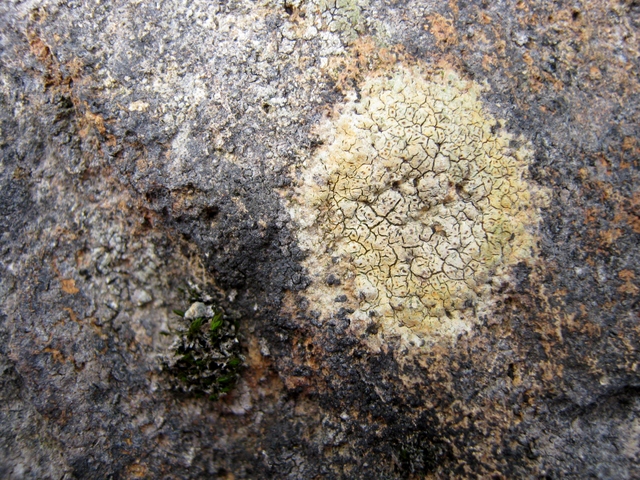
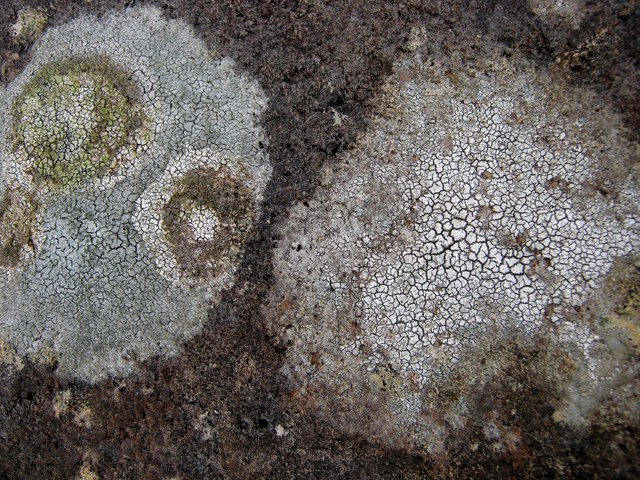
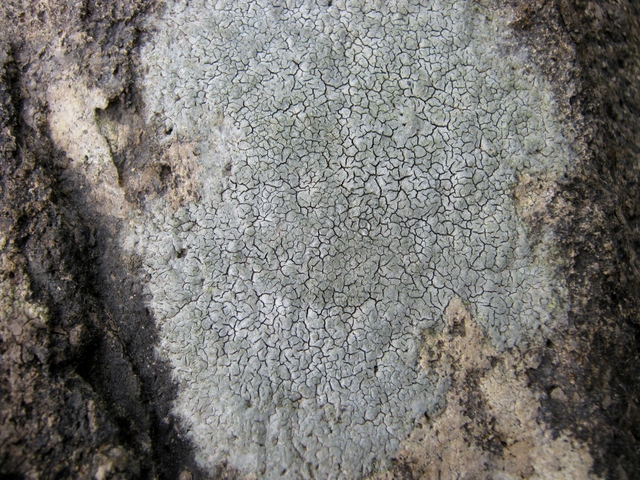
IMG_5249Lichen

Lichen

IMG_5254Fox and cubs

Fox-and-cubs (Pilosella aurantiaca) with yellow Cat’s-ear

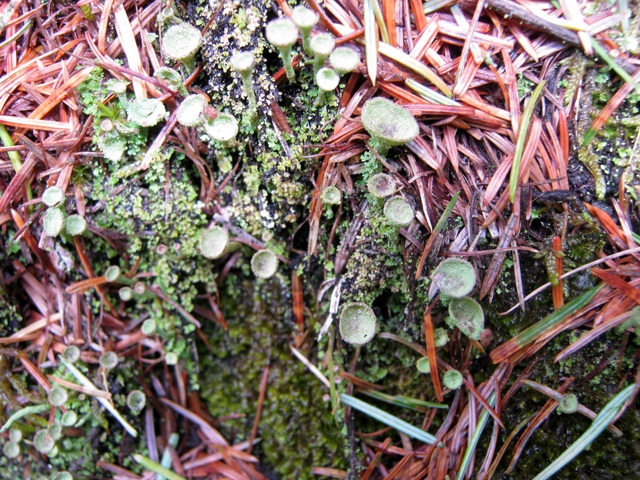
IMG_5250Lichen perhaps Cladonia pyxidata

I believe this lichen is Cladonia pyxidata – Pixie-cup Lichen

You can see how small these little cups are by comparing them with the pine needles next to them.

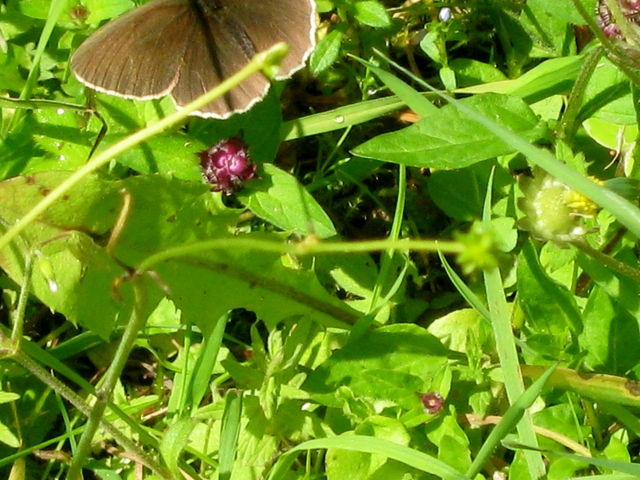
IMG_5251Ringlet perhaps

This butterfly flew next to us for some way along a sunny track. I tried to photograph it countless times and this time thought I had managed it….

The reason I really wanted to get a photograph of it was that I thought it looked like a Ringlet butterfly but they usually have eye-spots on their wings.   I have since done some research and I believe it is likely to be a Ringlet (Aphantopus hyperantus) as sometimes they are seen without eye-spots.  What is confusing is that all references to Ringlets state that they aren’t found in the north-west of England!  I am sending my inadequate photo to ukbutterflies.co.uk to see what they make of it.

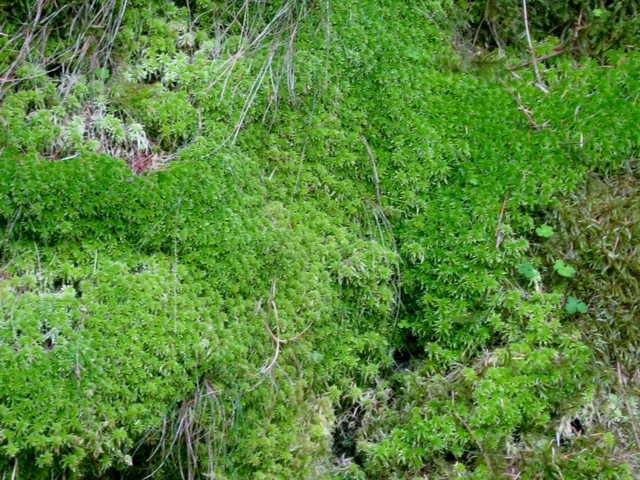
IMG_5252Moss

Yet more moss!

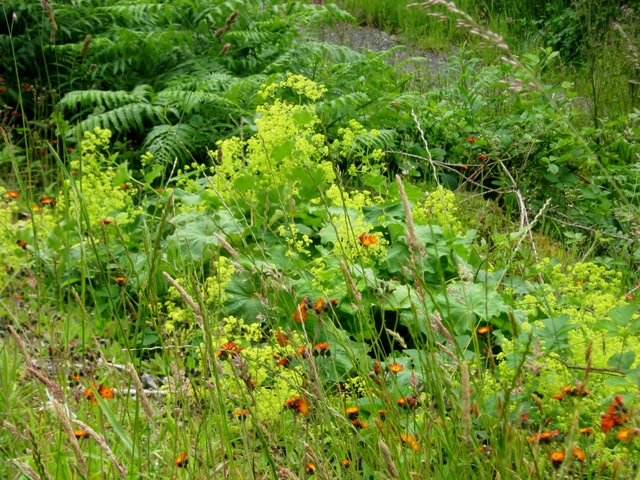
IMG_5256Lady's-mantle

Lady’s-mantle (Alchemilla vulgaris agg) behind more Fox-and-cubs

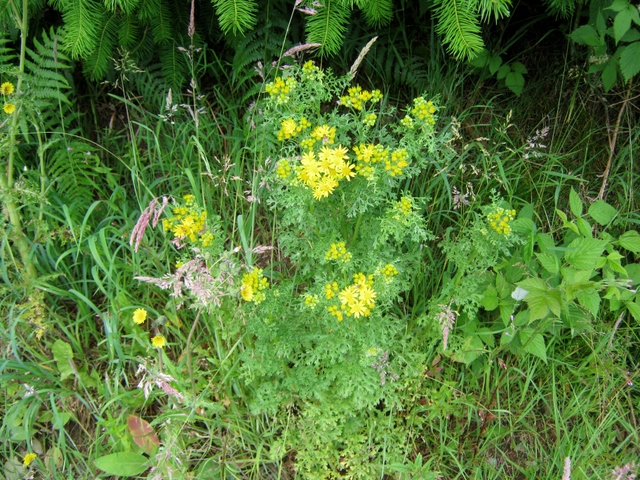
IMG_5258Common Ragwort

Common Ragwort (Senecio jacobaea)

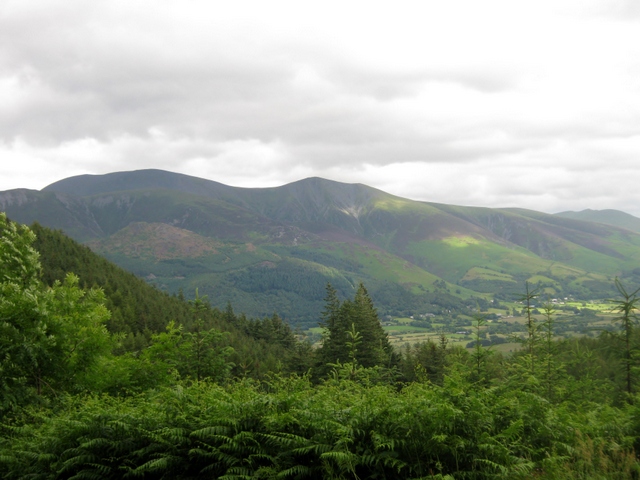
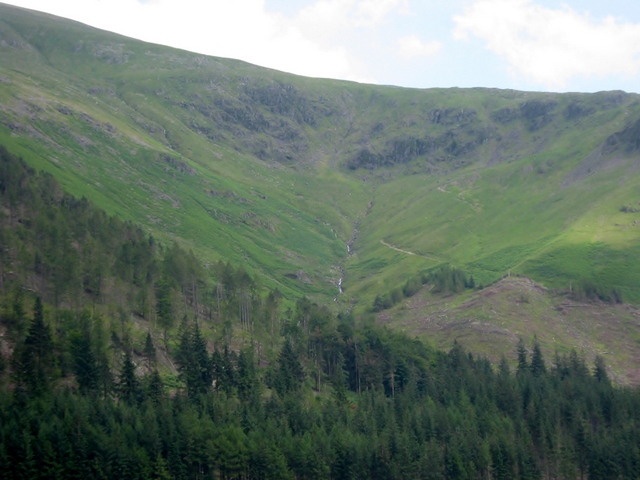
IMG_5255Fell view

View of the surrounding fells (hills)

IMG_5253Skiddaw

This fell is Skiddaw

We returned to the carpark and went into the café and had a drink and a sandwich.  We took Alice back to our cottage for a while until it was time for her to catch her train to Sheffield.  We spent the rest of the day cleaning the cottage and packing for our journey  home the following day.

Thanks for visiting!


Share this:

  • Share on X (Opens in new window) X
  • Share on Reddit (Opens in new window) Reddit
  • Share on Pinterest (Opens in new window) Pinterest
  • Share on Facebook (Opens in new window) Facebook
  • Email a link to a friend (Opens in new window) Email
  • Share on Tumblr (Opens in new window) Tumblr
  • Print (Opens in new window) Print
  • Share on Pocket (Opens in new window) Pocket
  • Share on LinkedIn (Opens in new window) LinkedIn
Like Loading...

Dobgill Waterfall

02 Fri Oct 2015

Posted by Clare Pooley in Days out, plants, Rural Diary, walking

≈ 27 Comments

Tags

Dobgill, Dobgill Wood, foxglove, fungus, heath bedstraw, larch trees, liverwort, moss, Phytophthora ramorum disease, tree-felling, walking, waterfall, wood sorrel

After leaving Elinor in the car to rest (see previous post Thirlmere Reservoir) Richard and I began the steep climb up to see the waterfall.

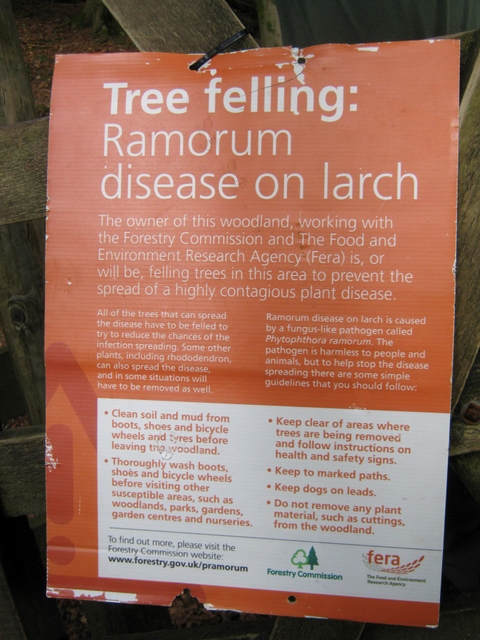
IMG_5210Ramorum sign

The sign that was attached to the gate leading into the upper wood.

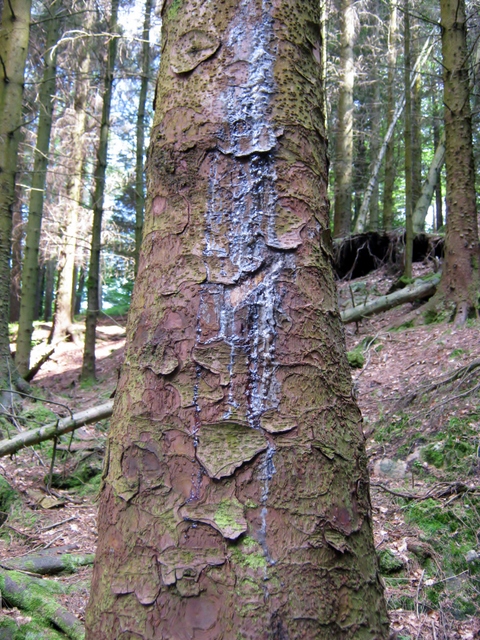
This is yet another disease that is killing our trees.  I have found an interesting and informative article on a Forestry Commission site about Ramorum disease and I include it here.  It includes a video in which an expert goes over a diseased tree and points out and explains the symptoms.

IMG_5211Oozing tree

Almost the first tree I saw showed symptoms of a bleed.

IMG_5212Dobgill wood

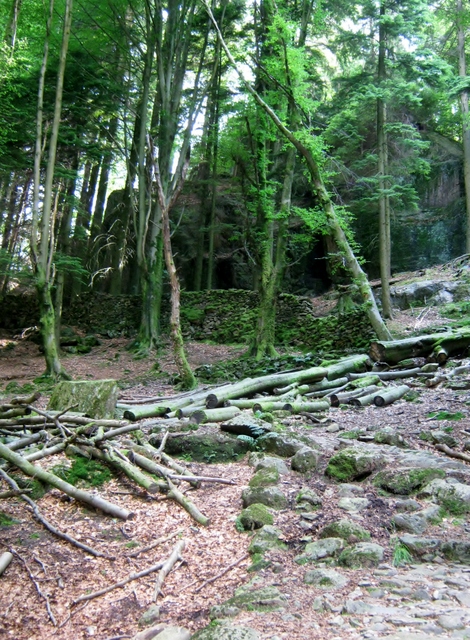
Tree-felling in Dobgill wood.

I don’t know why the stone wall was here.  Perhaps it had been constructed before the trees were planted.  Just behind the trees in the photo is a sheer rock face.

IMG_5213Dobgill wood

There was a marked difference between the wood below the car-park near the lake and this part of the higher wood.

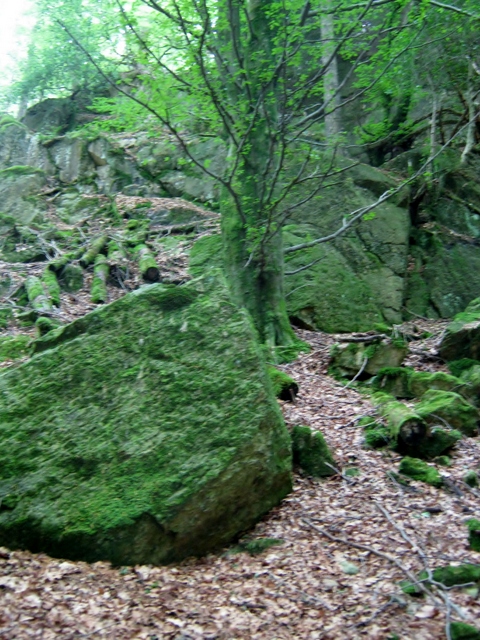
IMG_5214Dobgill wood

The trees struggle to grow up between boulders. The native deciduous trees have been left standing.

IMG_5215Chewed fungus

Chewed fungus

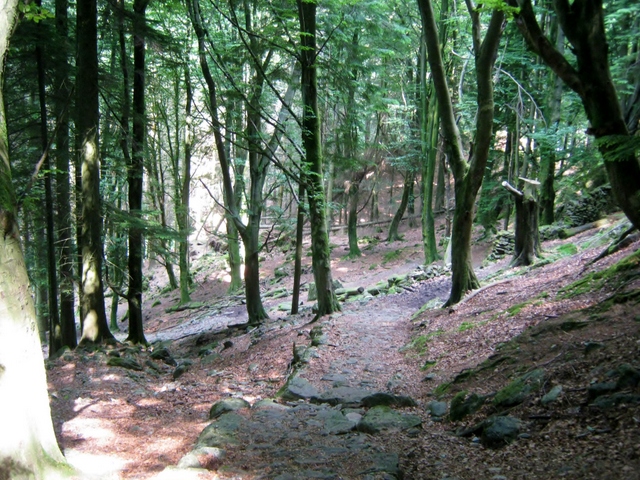
IMG_5216Path up through wood

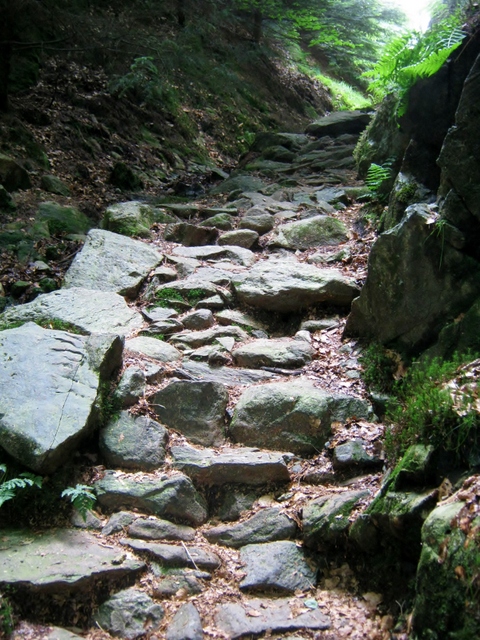
This is the steep stony path we took up through the wood.

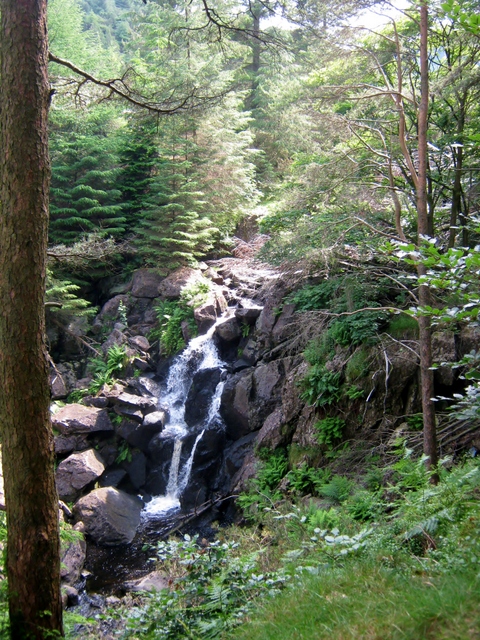
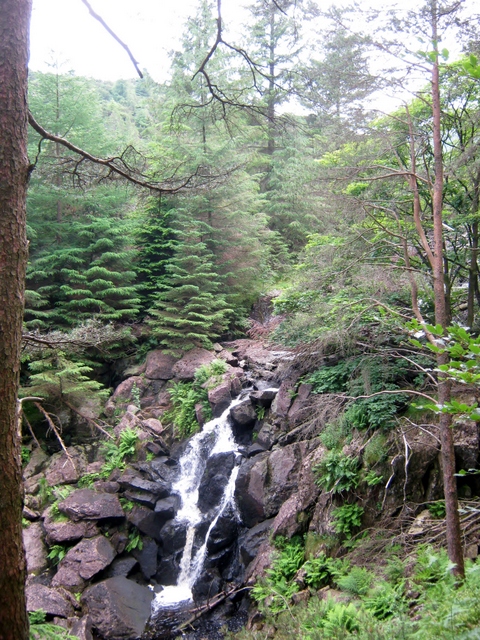
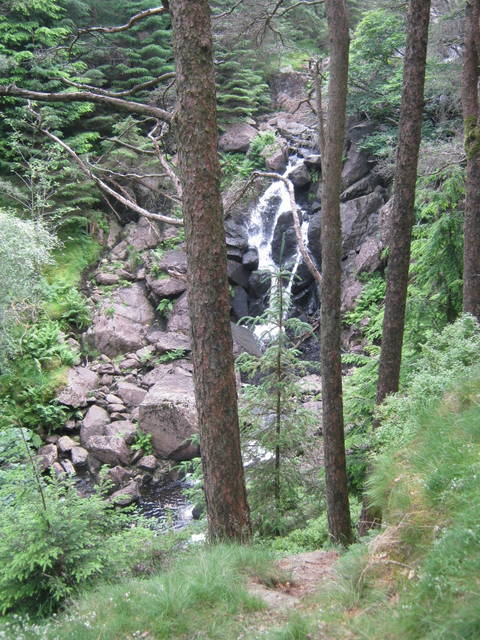
IMG_5217Dobgill falls

Dobgill Falls

IMG_5225Dobgill falls

Dobgill Falls

IMG_5227

Dobgill Falls

The climb was very tiring because so steep and rough under-foot and I’m not sure that the falls were really worth the struggle to get to see them.  However, Richard and I were very pleased with ourselves at having managed to get to the top.  After a short rest to get our breath back we began to walk back down the hill.

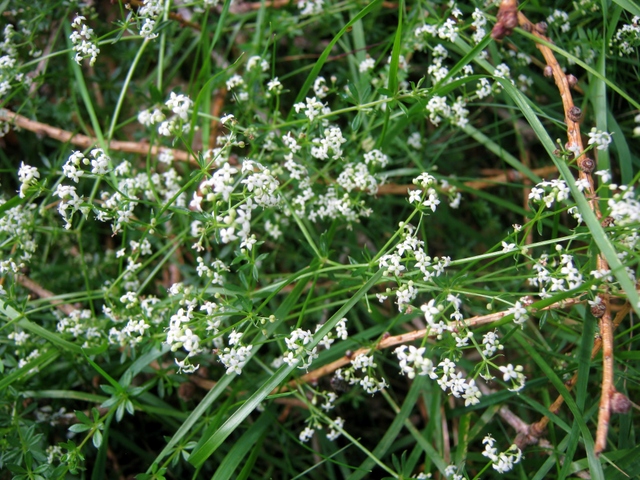
IMG_5223Heath Bedstraw

Heath Bedstraw (Galium saxatile)

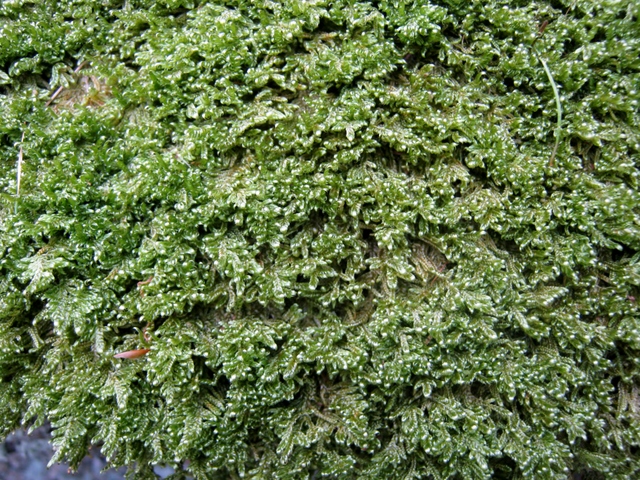
IMG_5224moss

Hypnum cupressiforme moss / Cypress-leaved Plait-moss

I love this moss.  It looks as though it is made from plaited silk.

IMG_5228Wood Sorrel leaves

Wood Sorrel leaves (Oxalis acetosella)

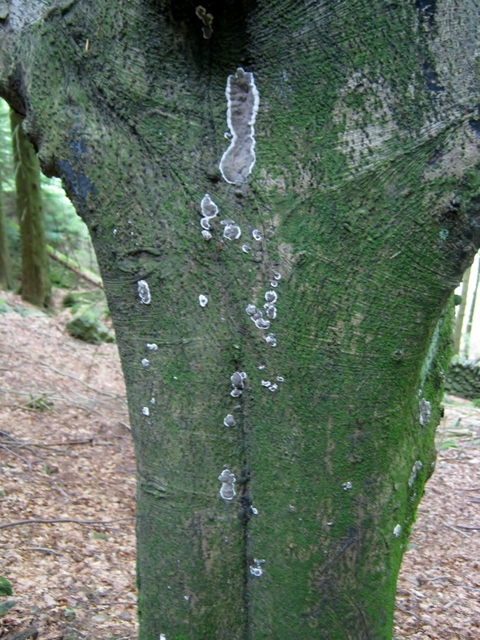
IMG_5230Fungus on dead tree

Fungus (I think) on dead tree

IMG_5234Liverwort

Not a very clear photo of some liverwort

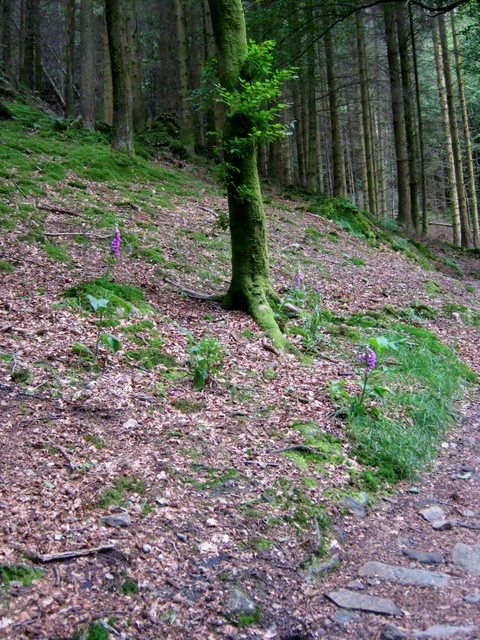
IMG_5236Dobgill wood

Foxgloves (Digitalis purpurea) in Dobgill Wood

I found walking in this upper wood rather a sad experience with disease and death all around.  Because most of the trees in this part of the wood are non-native there are fewer insects, birds, wild flowers and plants than in the lower wood.  Those non-native trees are now being killed by an incurable disease (also known as Sudden Oak Death).  I hope that by destroying these trees the spread of Ramorum can be slowed down and that one day a cure can be discovered.  It would be nice to think that the native trees in the wood that are unaffected might now be able to grow and spread and native wildlife might return.

Thanks for visiting!


Share this:

  • Share on X (Opens in new window) X
  • Share on Reddit (Opens in new window) Reddit
  • Share on Pinterest (Opens in new window) Pinterest
  • Share on Facebook (Opens in new window) Facebook
  • Email a link to a friend (Opens in new window) Email
  • Share on Tumblr (Opens in new window) Tumblr
  • Print (Opens in new window) Print
  • Share on Pocket (Opens in new window) Pocket
  • Share on LinkedIn (Opens in new window) LinkedIn
Like Loading...

Thirlmere Reservoir

29 Tue Sep 2015

Posted by Clare Pooley in Days out, Insects, plants, Rural Diary

≈ 38 Comments

Tags

Dobgill Wood, fungus, Helvellyn, insects, moss, plants, slime mould, Thirlmere Reservoir, wild flowers

This post marks the return of posts about our holiday in the Lake District in July.

We spent an afternoon at Thirlmere, a reservoir which was created in 1894 to provide water for the city of Manchester.

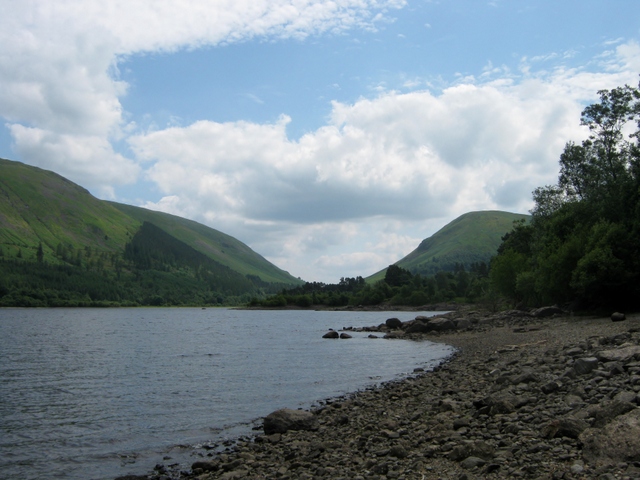
IMG_5174Thirlmere

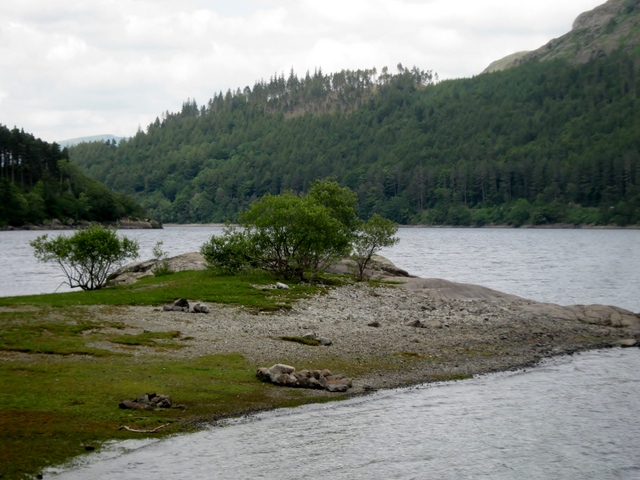
Thirlmere Reservoir. You see here the typical stony, grey edge of a reservoir. I think the fell on the left is Helvellyn.

Thirlmere was originally two smaller lakes and in flooding the valley, the two villages of Amboth and Wythburn were submerged.  Many people protested about the construction of the reservoir, the philanthropist John Ruskin being one of them, but theirs’ was a lost cause.  The citizens of Manchester’s need of fresh water was thought to have been more important than the loss of a couple of villages and a community’s way of life.

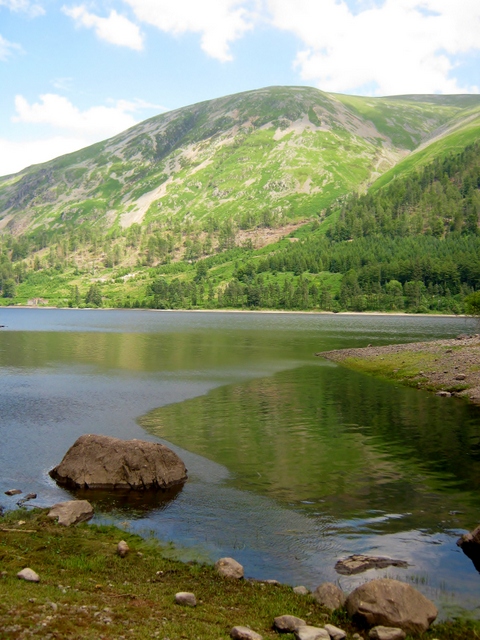
IMG_5145Thirlmere reservoir

Thirlmere

Thirlmere is 3.76 miles long and about half a mile wide.  It is surrounded by 2000 acres of coniferous forest, mainly spruce and larch, planted in 1908.  More deciduous, native trees are being planted now.  There was protest at the planting of the forest because the fells were traditionally tree-less and bare.

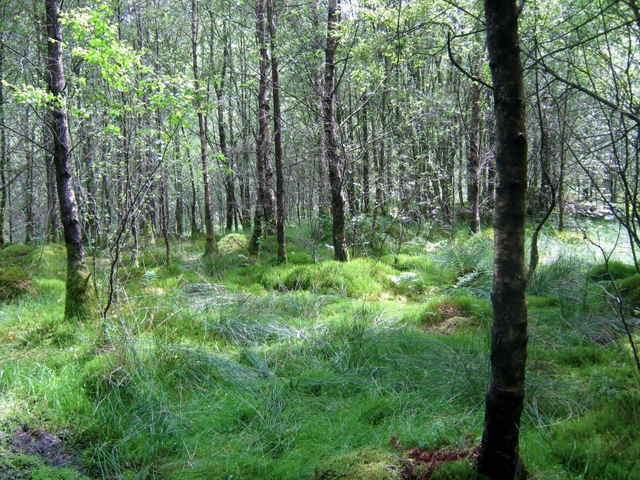
IMG_5139Woods at Dobgill on banks of Thirlmere

Woods at Dobgill on the banks of Thirlmere.

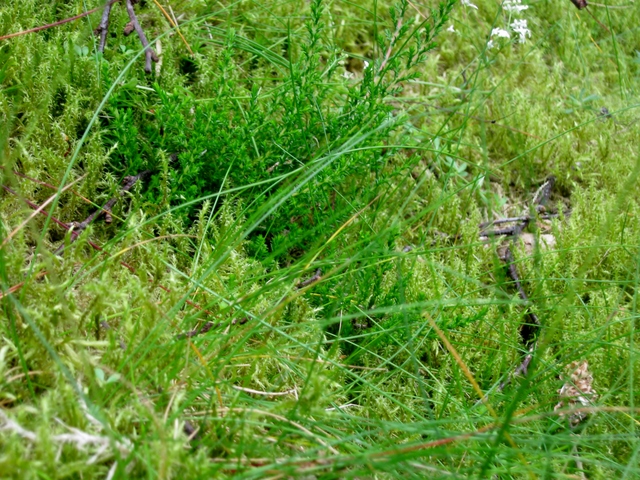
We parked our car in one of the car-parks off the road that skirts the lake and then walked down to the lakeside through a pretty wood.  It was so green and mossy in that wood!

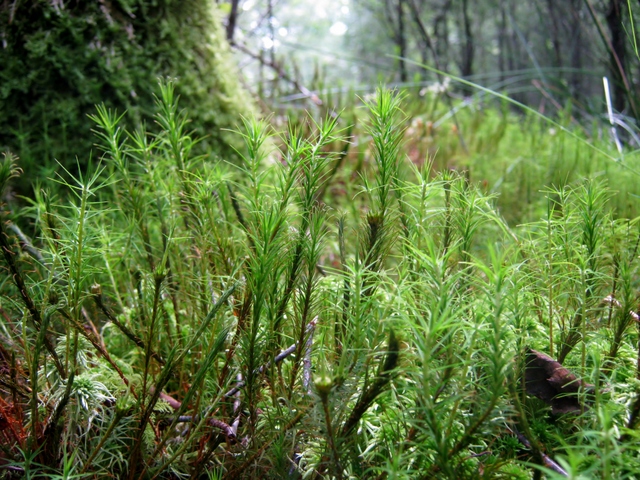
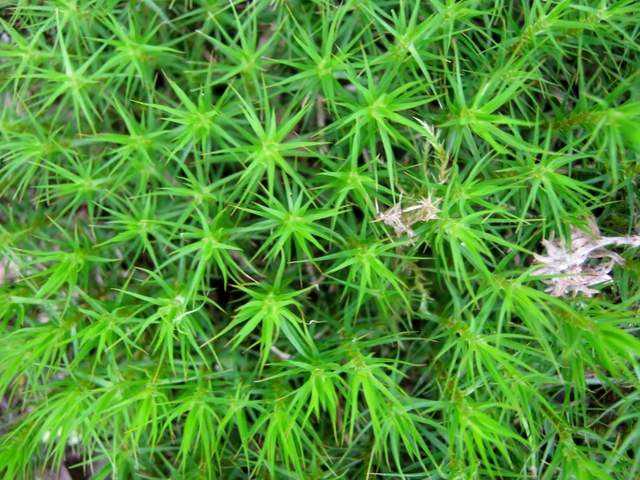
IMG_5141Moss

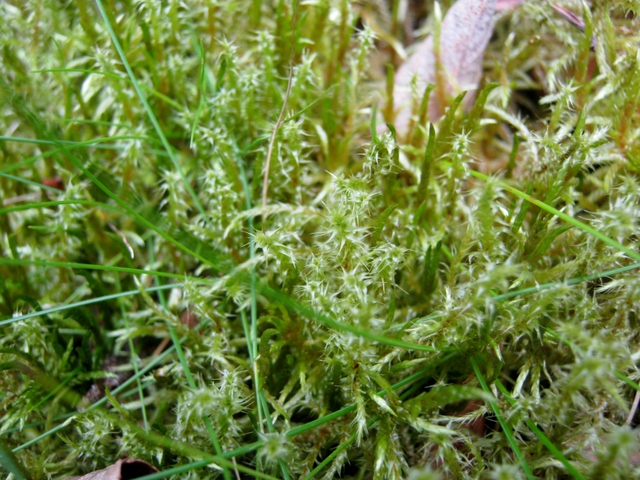
This moss was about 8 inches tall.

I think the moss may be Polytrichum commune.  I read that it has square capsules with pointed lids.  These capsules can be seen if you look carefully at my photo.

IMG_5142Possibly Amanita

This may be Amanita franchetii

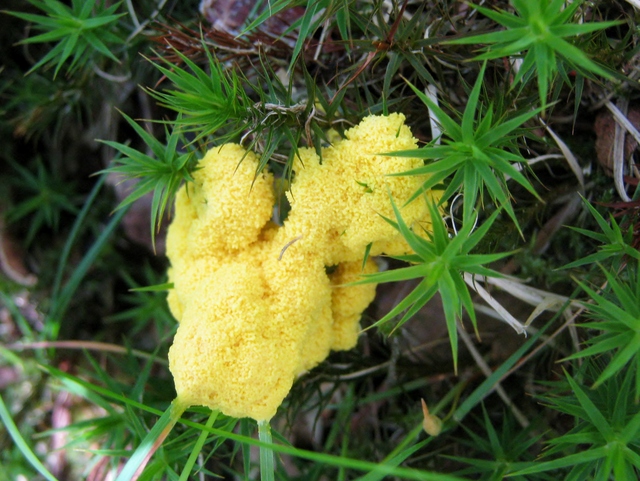
IMG_5144Slime mould

I believe this is a slime mould. It’s bright yellow colour caught my eye.

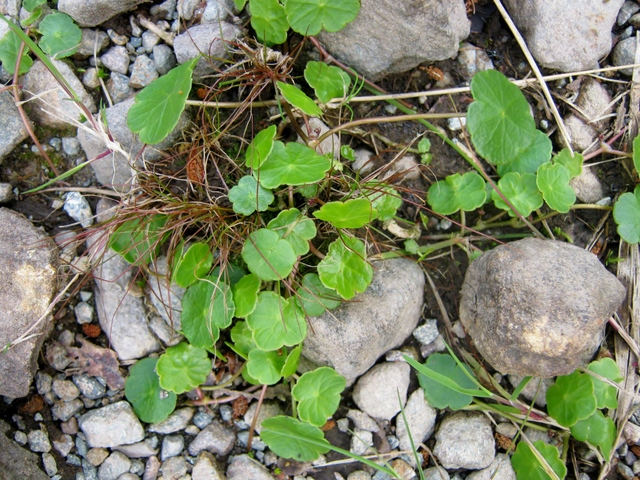
We soon got to the lake shore where there was a lot more to see.  There were plants living amongst the stones ….

IMG_5146Marsh Pennywort

The leaves of Marsh Pennywort (Hydrocotyle vulgaris).  Marsh Pennywort is an atypical umbellifer.  The flowers are tiny and pale (either green or pink) in small umbels on reddish stems.

…and plants at the edge of the wood.

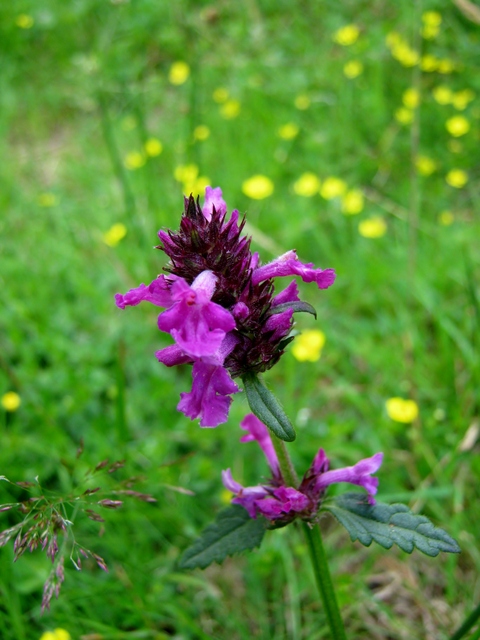
IMG_5148Betony

Betony (Stachys officinalis)

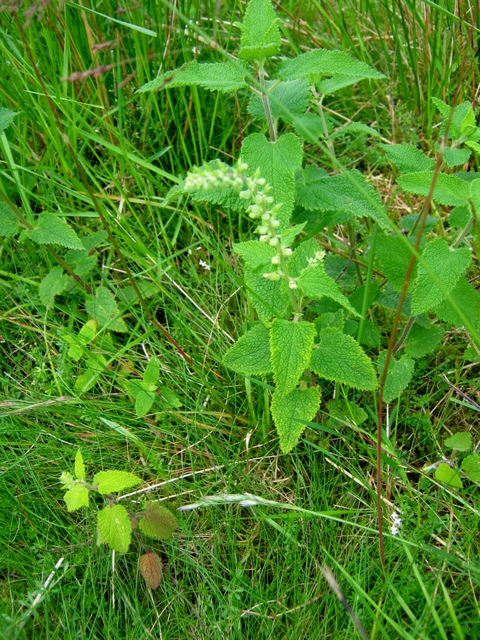
IMG_5152Wood Sage

Wood Sage (Teucrium scorodonia)

This plant tastes and smells like hops and in some areas has been used as a substitute for them.

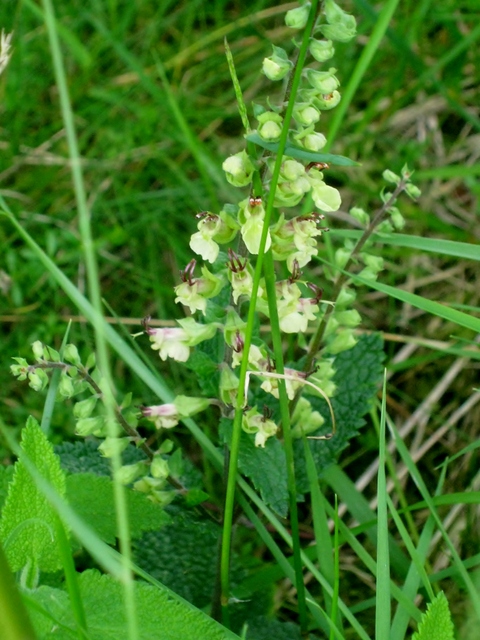
IMG_5154Wood Sage

Wood Sage

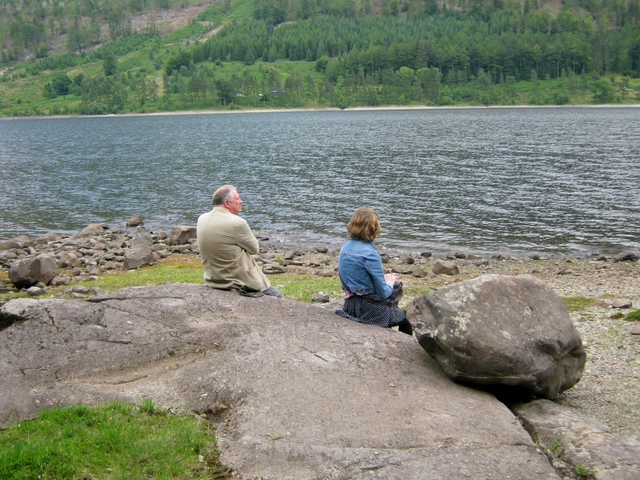
IMG_5158R and E at Thirlmere

Richard and Elinor enjoying the view.

While they sat and relaxed I wandered about looking for plants and other interesting things.

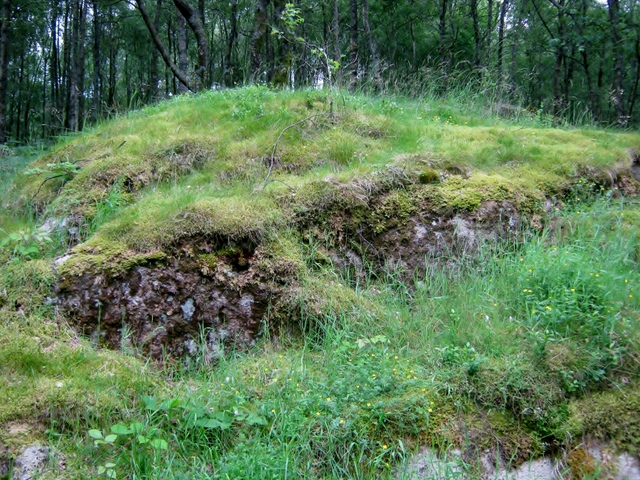
IMG_5159Mossy outcrop

A large mossy hummock or outcrop

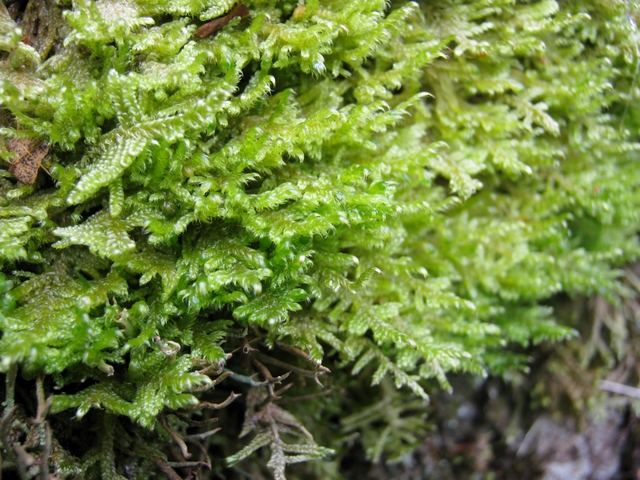
This rock was covered with many different types of moss and lichen.

IMG_5156Moss

Moss

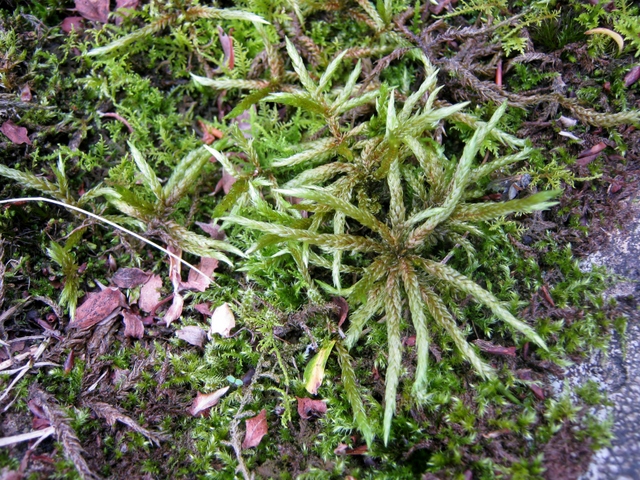
IMG_5157Moss

Mosses – the larger one may be Hypnum cupressiforme

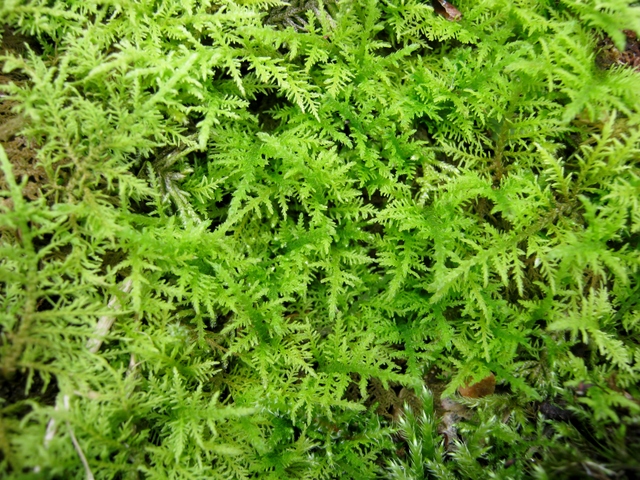
IMG_5160Moss

Moss – this one may be Thuidium tamariscinum

IMG_5161Moss

Not a good shot but this moss may be Pseudocleropodium purum

IMG_5162Lichen and moss

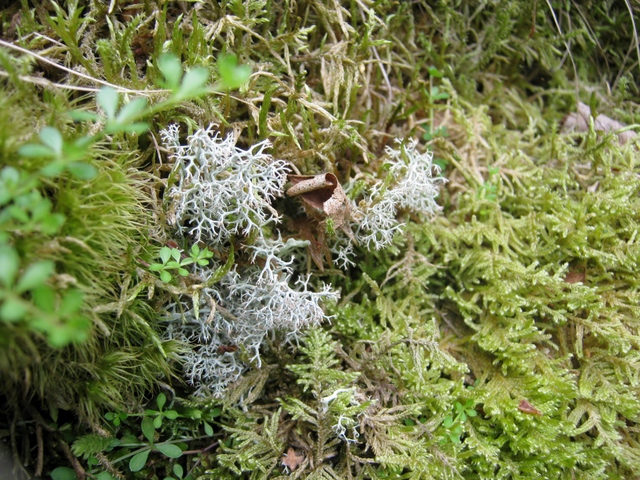
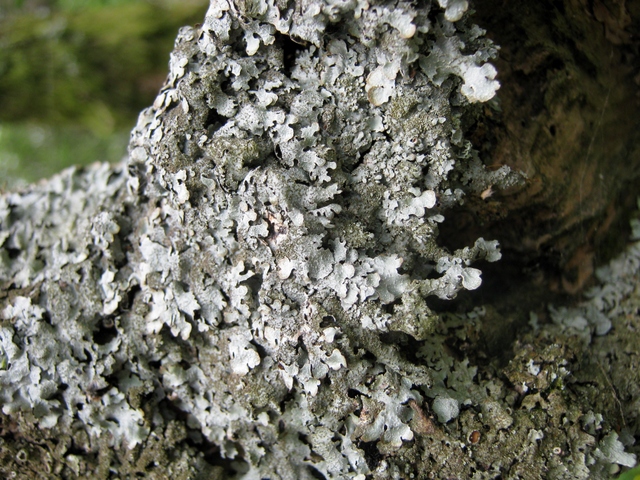
Lichen in amongst the moss.  Not at all sure which this lichen this is!

IMG_5163Mosses

Mosses

IMG_5164Moss

Moss

IMG_5166Moss

Moss

IMG_5167Moss

Yet more mosses!

IMG_5168Lichen

Lichen – for a change!

IMG_5170Moss

Moss

IMG_5172Thirlmere

Thirlmere

IMG_5171Lichen

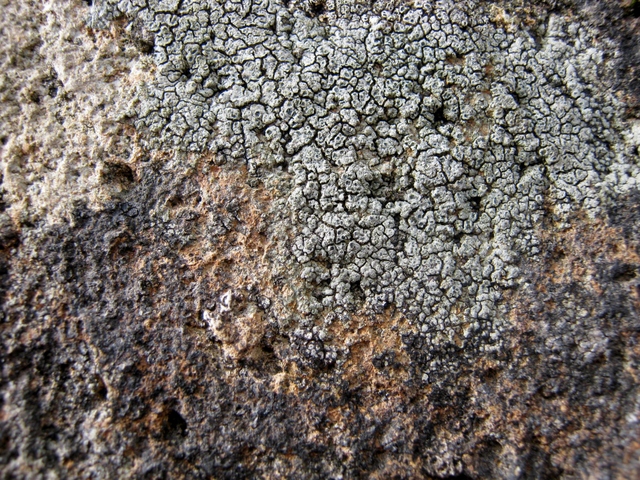
Lichen with a reddish-brown fruiting body at the bottom right of the picture

IMG_5175Lichen

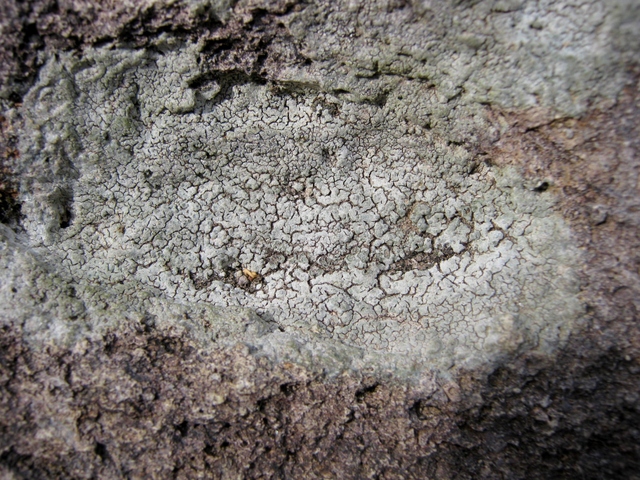
Lichen

IMG_5176Lichen

Lichen

IMG_5177Lichen

Lichen

IMG_5179Lichen

Lichen

IMG_5178Lichen

Lichen

IMG_5180Fell by Thirlmere

View of a fell from Thirlmere

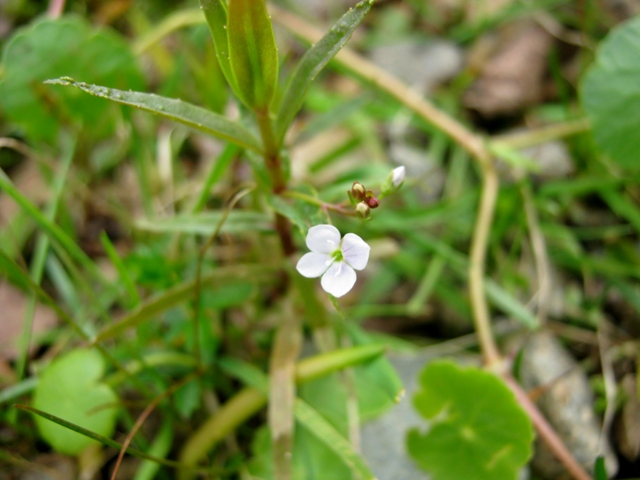
IMG_5173Marsh Speedwell

Marsh Speedwell (Veronica scutellata)

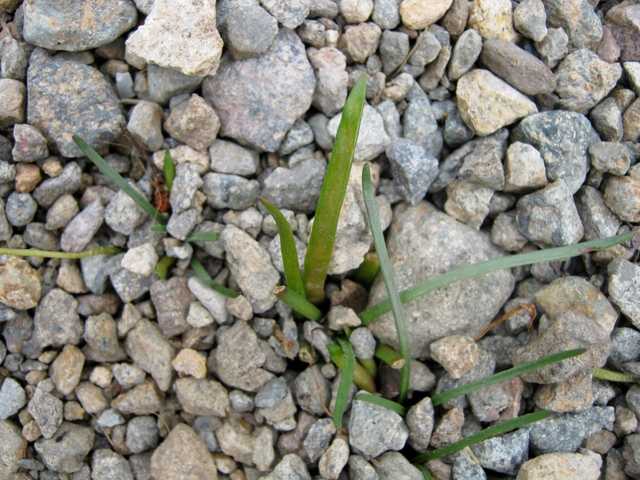
IMG_5181Water Plantain perhaps

Lesser Water-plantain perhaps? (Baldellia ranunculoides)

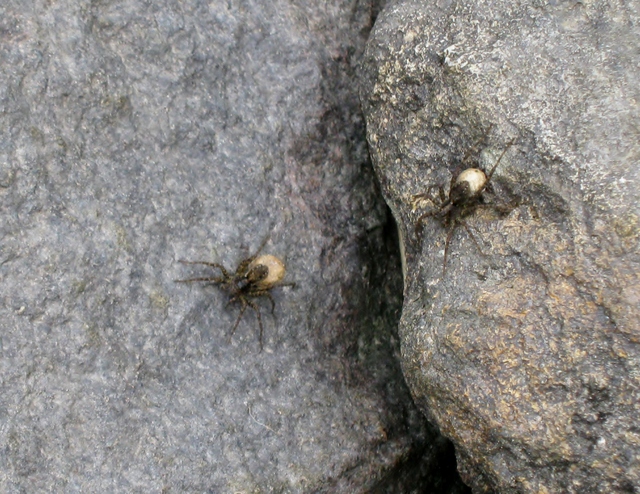
IMG_5187Spiders

These spiders look like Lesser Wolf Spider females carrying their egg sacs

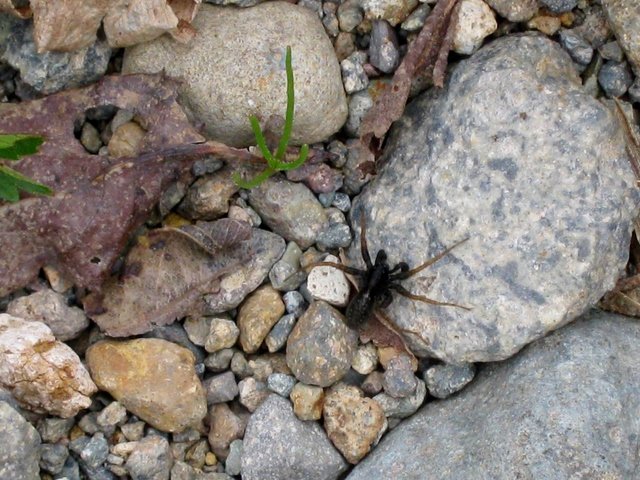
IMG_5188Spider

Another spider

We then walked back up to the car-park but by a different route.

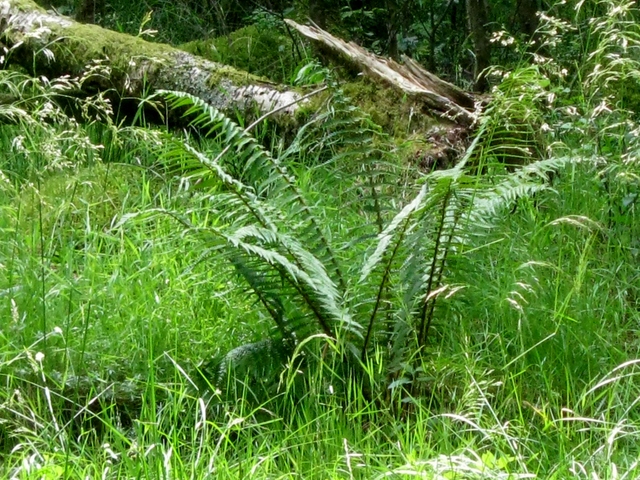
IMG_5190Fern

Possibly a Male Fern (Dryopteris felix-mas)

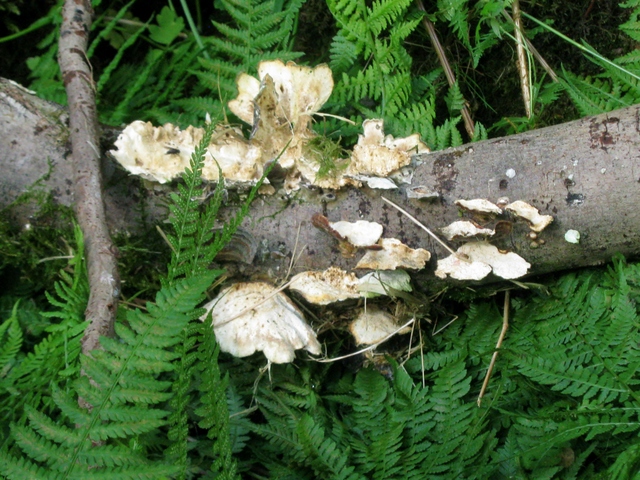
IMG_5192Fungus on log

Fungus on a dead tree

IMG_5193Mossy wall

A mossy wall

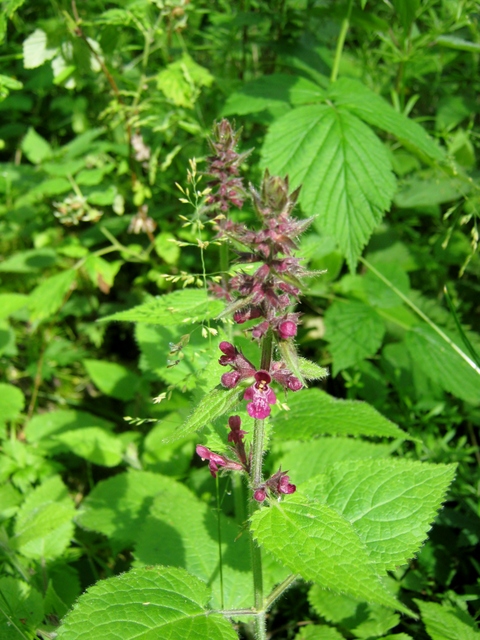
IMG_5194Hedge Woundwort

Hedge Woundwort (Stachys sylvatica)

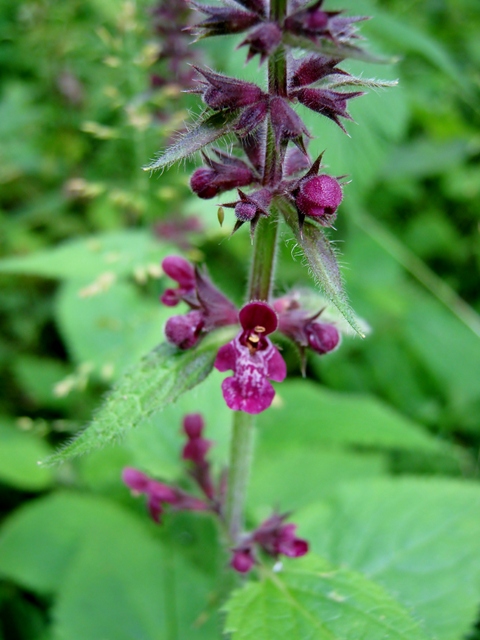
IMG_5196Hedge Woundwort

Hedge Woundwort flowers

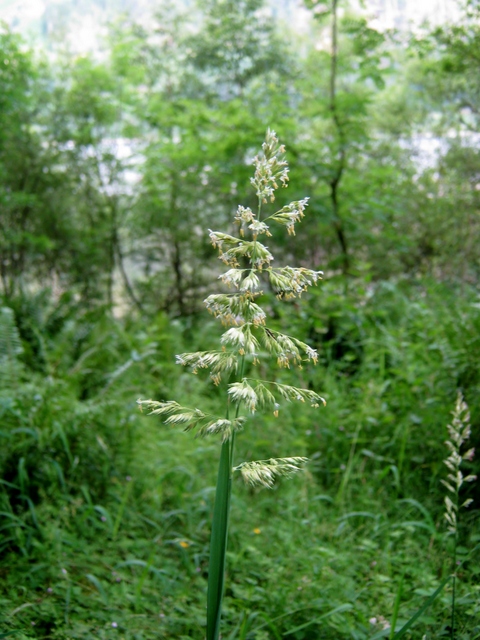
IMG_5197Yorkshire Fog

Yorkshire Fog (Holcus lanatus)

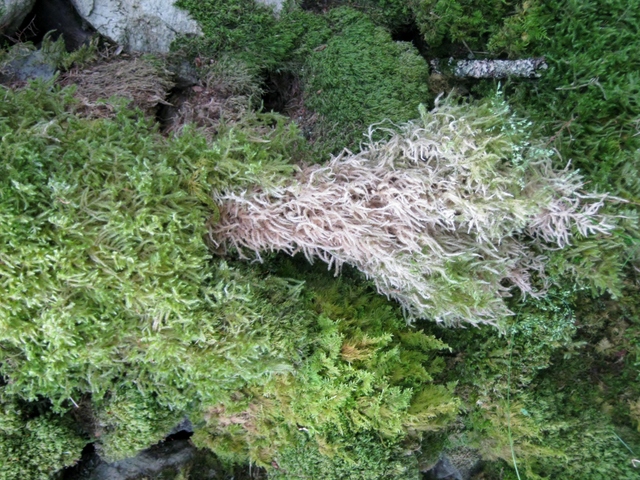
IMG_5198Moss

Moss

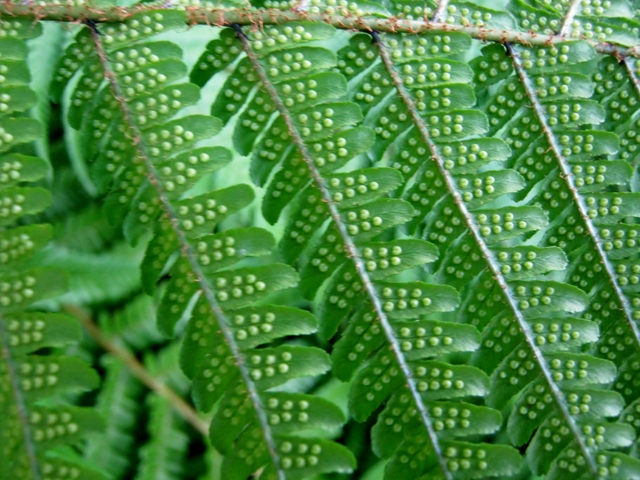
IMG_5202Spores on fern

Spores on fern

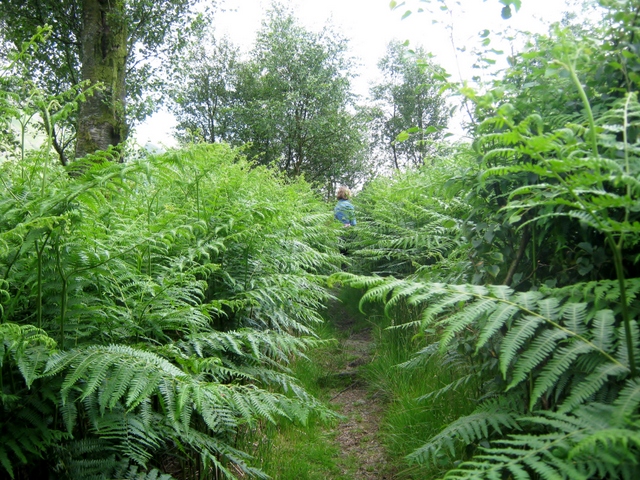
IMG_5205Walking through bracken

Walking through Bracken (Pteridium aquilinum).  Bracken gets very tall – this was over 5.5 feet tall.

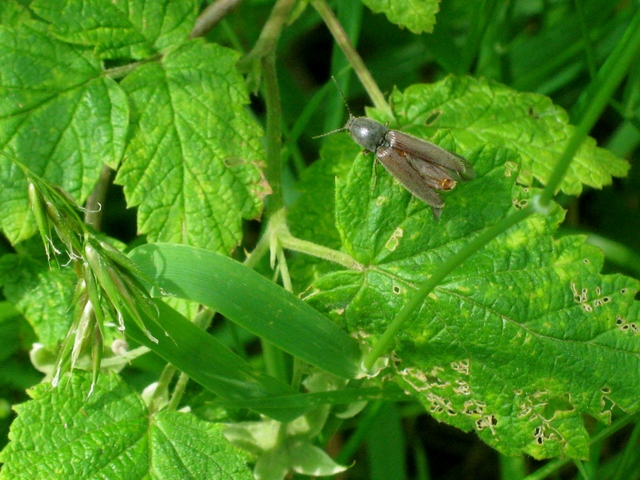
IMG_5204Unknown beetle

I don’t know what this beetle is though it does look a little like a Click Beetle (Athous haemorrhoidalis)

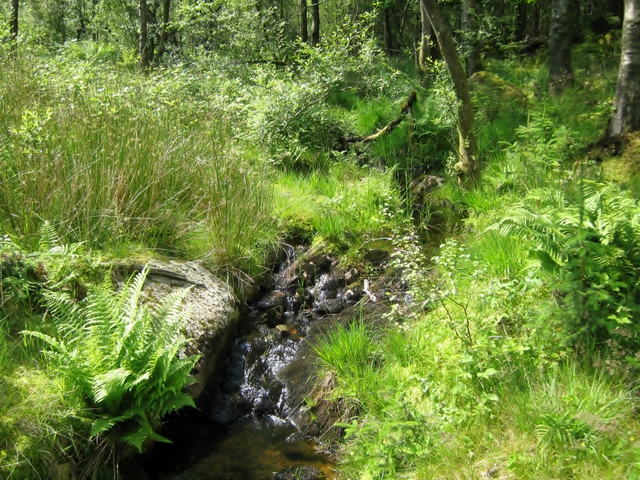
IMG_5206A gill

The Dobgill

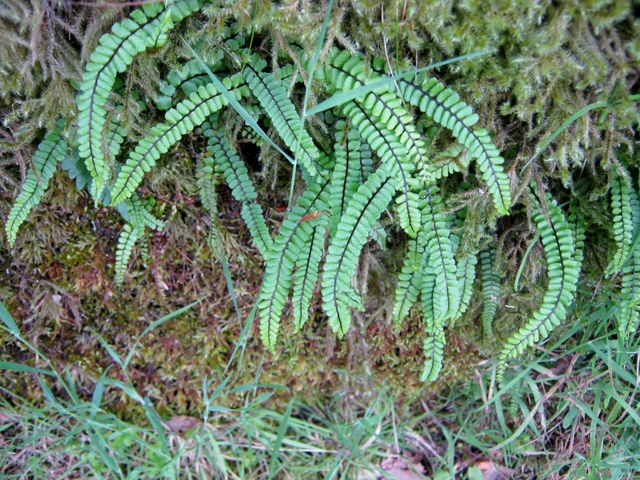
IMG_5209Fern

Maidenhair Spleenwort (Asplenium trichomanes)

We returned to the car-park where we left Elinor to rest but Richard and I continued walking as we wanted to see the Dobgill waterfall.  I will include that in a different post.

If anyone sees that I have made any mistakes with my identification I would be really grateful for any corrections.  If anyone can identify any of the organisms I have been unable to name, again, I would be very pleased to know.

Thanks for visiting!


Share this:

  • Share on X (Opens in new window) X
  • Share on Reddit (Opens in new window) Reddit
  • Share on Pinterest (Opens in new window) Pinterest
  • Share on Facebook (Opens in new window) Facebook
  • Email a link to a friend (Opens in new window) Email
  • Share on Tumblr (Opens in new window) Tumblr
  • Print (Opens in new window) Print
  • Share on Pocket (Opens in new window) Pocket
  • Share on LinkedIn (Opens in new window) LinkedIn
Like Loading...

September’s End

25 Fri Sep 2015

Posted by Clare Pooley in amphibians, family, Insects, music, plants, Rural Diary, trees

≈ 32 Comments

Tags

autumn, berries, buzzard, common lizard, crane fly, family, flowers, Fruit, fruit trees, fungus, garden flowers, greater celandine, wasp nest, wild flowers

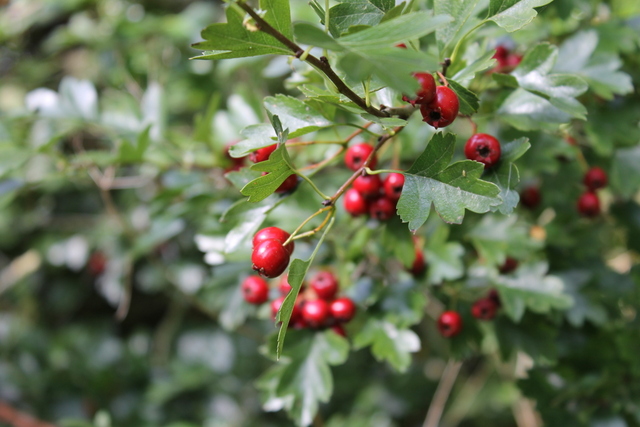
IMG_2485Hawthorn

Common Hawthorn (Crataegus monogyna)

We have had some very cool nights already and lots of rain.  Autumn has arrived!  The nights are drawing in and when I get up just after six o’clock in the morning on Mondays and Fridays I have to wait for well over half an hour before the sun rises.

Chrysanthemum
Chrysanthemum
Chrysanthemum
Chrysanthemum
Chrysanthemum
Chrysanthemum
Chrysanthemum
Chrysanthemum

I have no news to give you about Alice – I haven’t spoken to her for about a fortnight so I assume she is busy and coping alright.

Morning Glory
Morning Glory
Dahlia
Dahlia
Dahlia
Dahlia

To our surprise, the day after I mentioned in this blog that it would take weeks for probate to be granted, it was granted!  Richard has spent two days in Manchester with his brother sorting out all their mother’s finances.  They also went to a place that Joyce was fond of and scattered her ashes.  Richard was hoping to spend three days with Chris and wanted to travel up in his new car but unfortunately his windscreen was hit by a stone chipping last week which left a four inch crack and it needs replacing!  The insurance company is sending someone to our house to carry out the replacement today (which is when Richard had hoped to return home).  He came home yesterday instead (Thursday).  He will have to go back to Manchester in a couple of weeks to finish going through all Joyce’s belongings and deciding what to do with them – a very difficult business.

Dog-rose-hips (Rosa canina)
Blackberries (Rubus fruticosus agg.)
Pyracantha berries
Pyracantha berries
Cotoneaster berries
Cotoneaster berries
Black Bryony (Tamus communis) growing through Cotoneaster horizontalis
Cotoneaster horizontalis

Elinor has almost completed two weeks at college, is working hard and her tutors are very pleased with her.  She is enjoying the course but finds the social side of college life very tricky.  She is very insecure and worries all the time that she is saying or doing the wrong thing.  She has also been badly affected by her grandmother’s death and funeral.  She is afraid of going to sleep in case she doesn’t wake up again and she is frightened of being left alone both now and in the future.

Eating apples 'Saturne'
Eating apples ‘Saturne’
Pears 'Concorde'
Pears ‘Concorde’
Figs 'Brown Turkey'
Figs ‘Brown Turkey’
Crabapple 'Evereste'
Crabapple ‘Evereste’
Crabapple 'Harry Baker'
Crabapple ‘Harry Baker’
Crabapple
Crabapple

I have been busy in the house and with my mother; Richard has had a lot to do in the garden and has also been arranging our finances now that he has retired.  We have had no time for a walk recently and in fact have done very few walks together during the whole year.  We hope that in the next week or so things will have calmed down and we will be able to find time to go out together.

Chinese Lanterns (Physalis alkekengi)
Japanese Ornamental Cherry 'Fragrant Cloud'
Japanese Ornamental Cherry ‘Fragrant Cloud’
Acer palmatum 'Atropurpureum'
Acer palmatum ‘Atropurpureum’
Spindle (Euonymous europaeus)
Hazel new catkins (Corylus avellana)
Elder (Sambucus nigra)
Fungus
Fungus
Fungus
Fungus
Fungus
Fungus

The photographs in this post were mainly done during one afternoon this week.

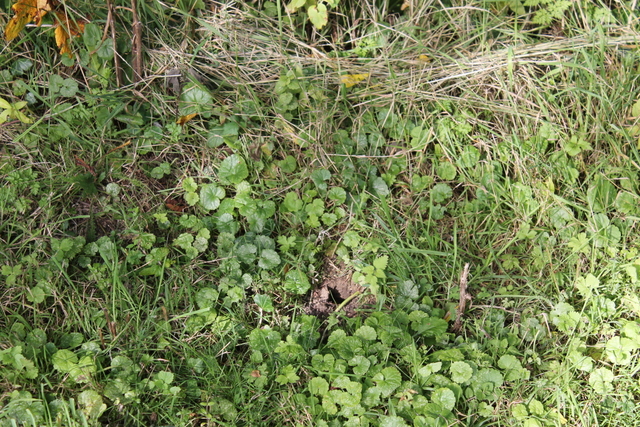
IMG_2479Entrance to wasp nest

This is the entrance to one of the three wasp nests we have in our garden. They took over an old mouse or vole hole.

IMG_2487Crane fly

Crane fly (Tipula paludosa)

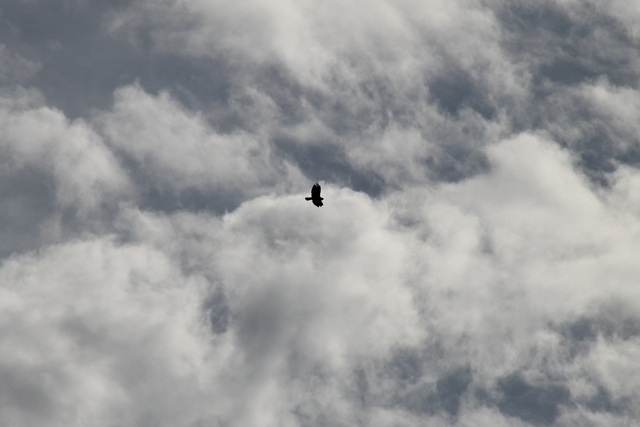
IMG_2494Buzzard

Buzzard (Buteo buteo)

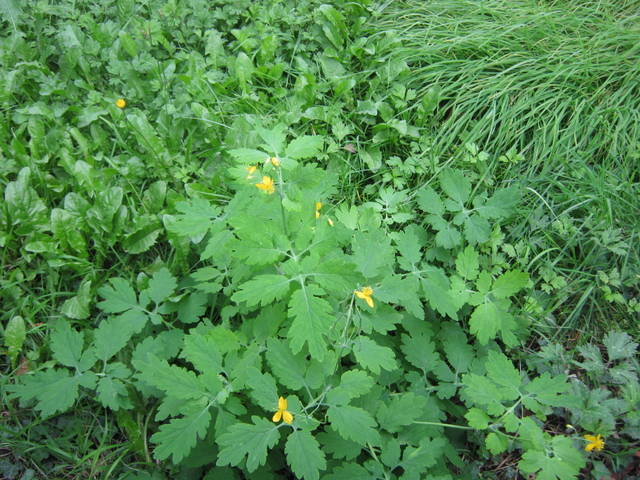
Greater Celandine

Greater Celandine (Chelidonium majus)

I saw this plant just inside the stone wall that surrounds St Mary’s church in Bungay.

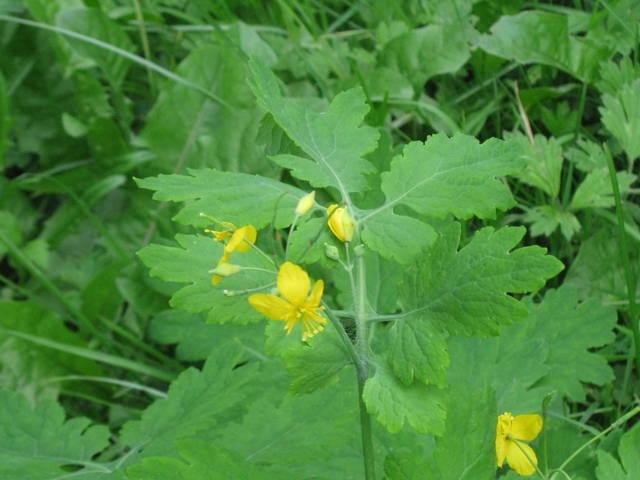
Greater Celandine

Greater Celandine

This plant is no relation to the Lesser Celandine we see in the springtime.  It is a type of poppy, similar to the Yellow Horned-poppy I found on Dunwich beach a few weeks ago.  Its orange-coloured sap has been used in Asia for burning away warts and corns since the beginning of Chinese civilisation.  This caustic liquid was also used to remove soreness and cloudiness from the eyes!  It uses an oil gland on its seeds to ensure they are taken a distance away.  Ants feed on the oil and then carry the seed off.

Juvenile Common Lizard

Juvenile Common Lizard

For the second week running, I discovered something hiding under our wheelie-bin.  Obviously, rubbish bins are the go-to shelter for small creatures.

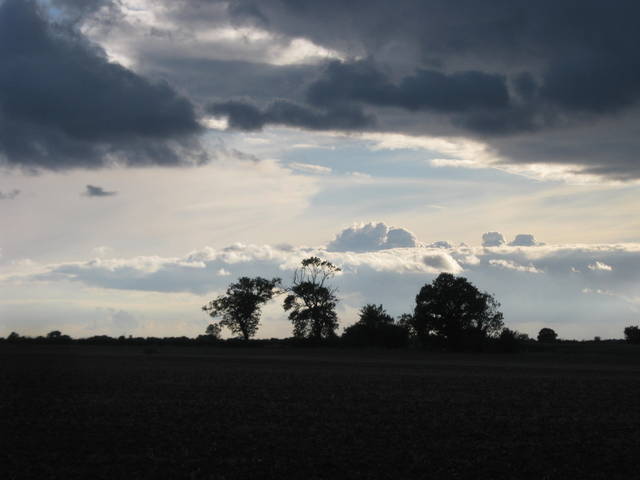
IMG_5734Clouds

Elinor and I admired these clouds as we neared home the other day.

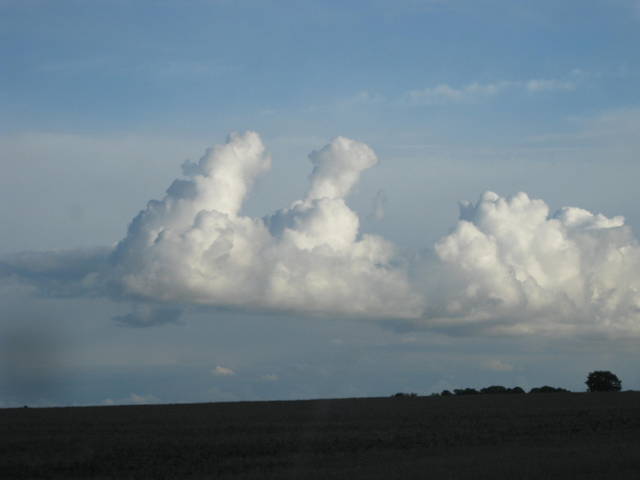
IMG_5736Clouds

We turned to our left and saw these!

The following song is dedicated to Elinor.

Thanks for visiting!

Share this:

  • Share on X (Opens in new window) X
  • Share on Reddit (Opens in new window) Reddit
  • Share on Pinterest (Opens in new window) Pinterest
  • Share on Facebook (Opens in new window) Facebook
  • Email a link to a friend (Opens in new window) Email
  • Share on Tumblr (Opens in new window) Tumblr
  • Print (Opens in new window) Print
  • Share on Pocket (Opens in new window) Pocket
  • Share on LinkedIn (Opens in new window) LinkedIn
Like Loading...

Thank-you!

18 Fri Sep 2015

Posted by Clare Pooley in amphibians, family, music, plants, Rural Diary

≈ 34 Comments

Tags

art work, cimbidium orchid, common toadflax, Diary, family, great crested newt, music, perennial sow-thistle, pop-up picture, thank-you

I would like to say a big thank-you to all of you who responded so kindly to the news of my mother-in-law’s death.  I was quite moved by all your comments and I have duly passed them on to Richard who also sends his thanks.

Chris and Richard cannot do anything now until probate is granted and that may not take place for some months as there is a queue.  We will probably meet up with the family in Manchester as usual just before Christmas and have a meal together in memory of Joyce.

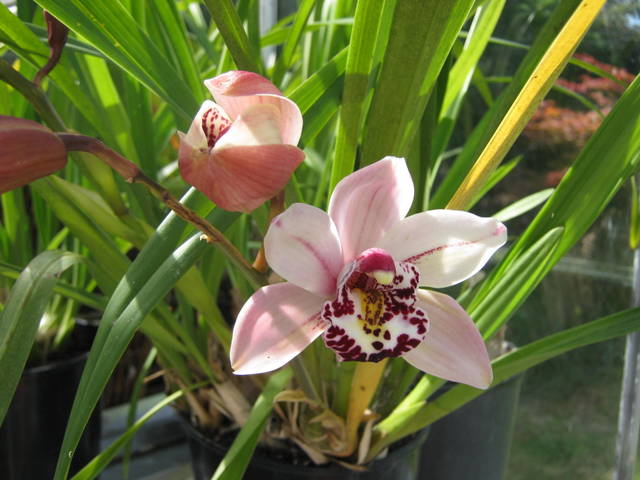
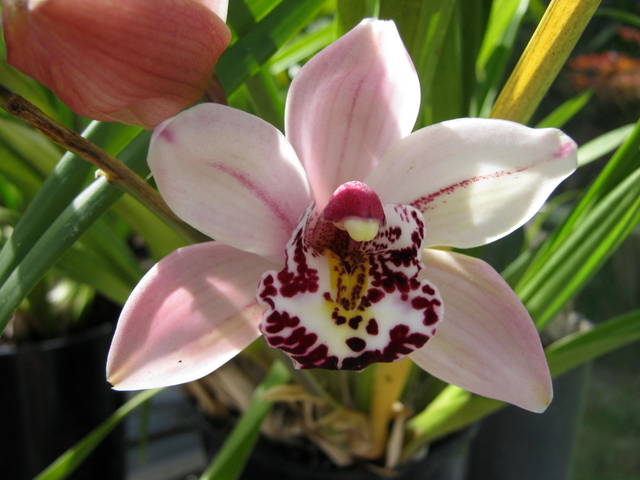
Cymbidium Orchid

Cymbidium Orchid.  I repotted this Cymbidium many years ago when it became terribly pot-bound and split it into about six new plants.  I gave away two and kept four and this one plant has decided to flower again at last.

Cymbidium Orchid

Cymbidium Orchid.  The flowers are so exotic!

Richard is slowly getting used to being retired – a difficult thing to do after having worked continuously for many decades.  He has taken possession of his new car, done a fair amount of work in the garden and he is taking turns with me driving Elinor to college.

Elinor is coming to the end of her first week back at college.  She is finding it all quite challenging but so far has coped bravely with all the changes to her routine.

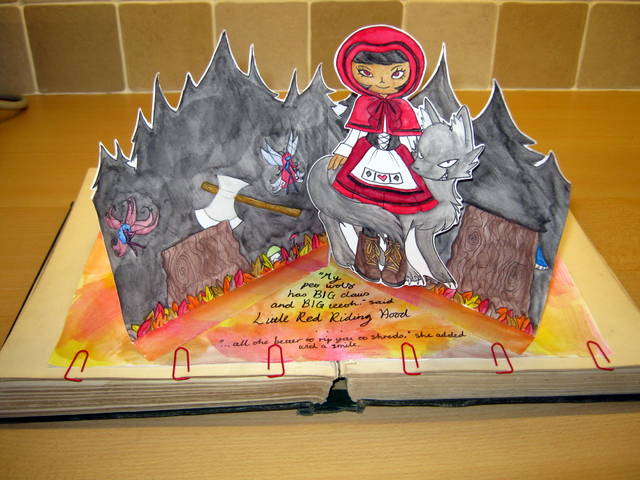
Elinor's Art

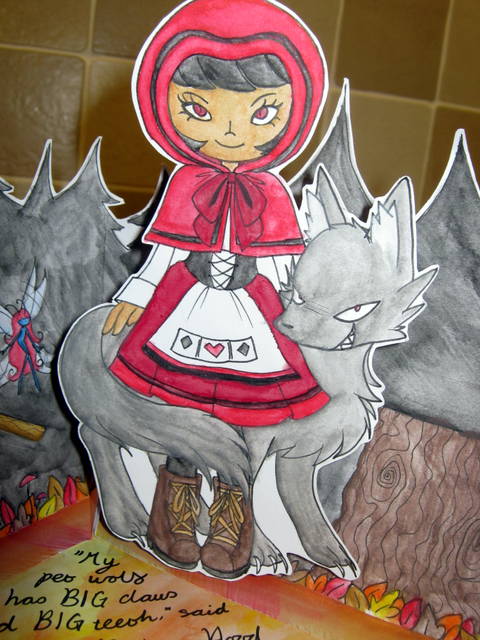
Elinor’s Art.  When Elinor attended her enrollment day she was asked to produce a piece of art work that gave some idea of what she was like or what kind of things she liked.  She loves fairy tales, myths and legends.

Elinor's Art

Elinor’s Art.  The students were supposed to find an old book and use it in the project – either cutting it up or sticking things in it.  Elinor couldn’t damage a book even an old already-damaged one, so she inserted her pop-up picture into a book of myths with paper-clips.

I am trying to get on with the back-log of household chores I should have been doing through the summer.  I had had such plans, but somehow the time slipped away and I still have two freezers to defrost and lots of cupboards to sort out.  Having two one-week holidays to prepare for and then get over is definitely more work than a two-week break!

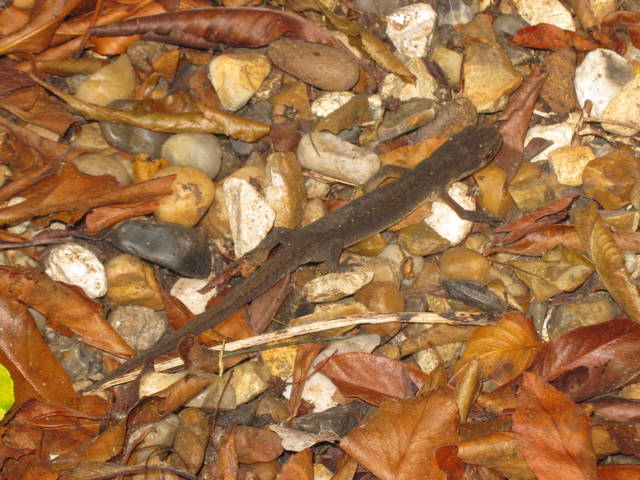
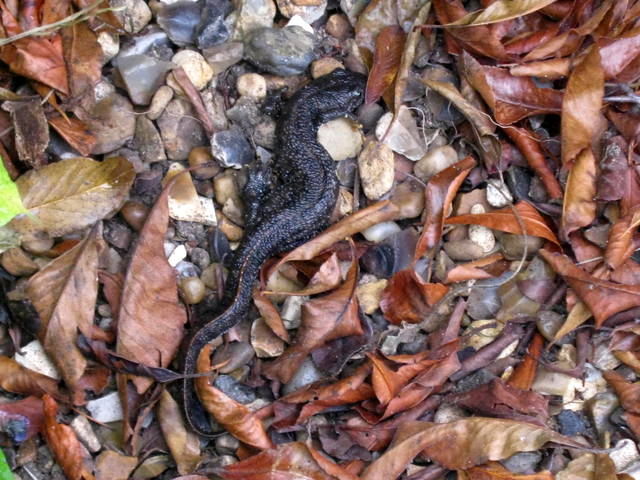
Great Crested Newt perhaps

Great Crested Newt? (Triturus cristatus)  

When I moved my wheelie-bin full of rubbish from it’s spot near the house in order to take it to the end of the drive for emptying, I saw this creature had been hiding underneath.  It obligingly waited while I ran into the house to collect my camera.  Great Crested Newts are a protected species throughout Europe as they are becoming quite rare through loss of habitat.  If this is a Great Crested ( or Great Northern or Warty) Newt, and I suspect that it is, we will have to be very careful how and when we do any pond maintenance.

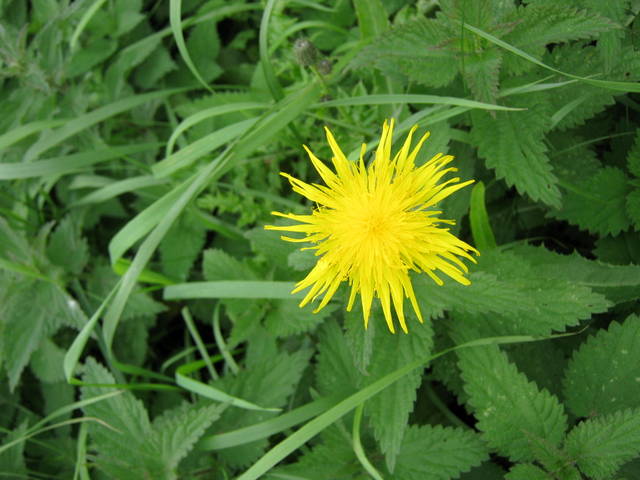
Perennial Sow-thistle

Perennial Sow-thistle (Sonchus arvensis)

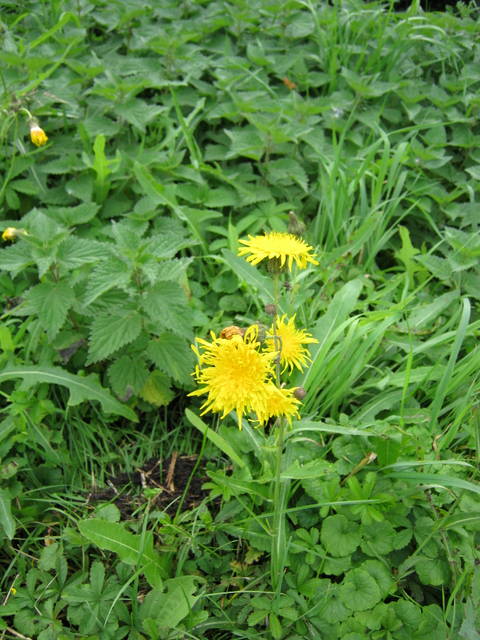
I have been seeing a lot of these big shaggy flowers as I drive about the countryside.  The flowers are about 4 or 5 cms across and are such a bright cheerful yellow – not a common colour at this time of year.  They are large plants and can grow to about 2 metres in height.

Perennial Sow-thistle

Perennial Sow-thistle

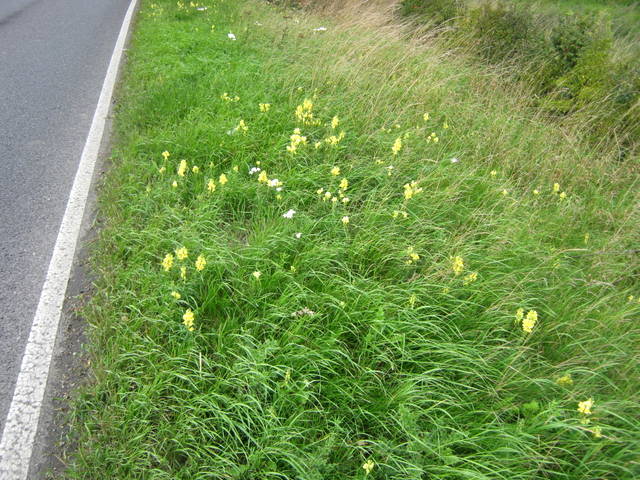
Common Toadflax with Yarrow

Common Toadflax (Linaria vulgaris) with Yarrow (Achillea millefolium)

This is a verge by the side of a fairly busy road on the way to Norwich.  I saw a lot of these little yellow Toadflax last year but never managed to photograph them.  I was determined to get a photograph of them this year and parked off the road and walked back to see this group, dodging fast-moving articulated lorries as I went.

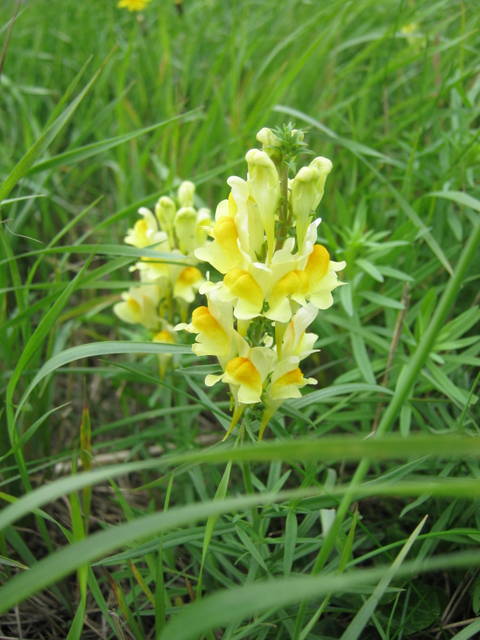
Common Toadflax

Common Toadflax

I hope you agree with me that it was worth the trouble I took to get this photograph.  I think these little flowers are really special.  They are little yellow snapdragons and can grow to about 50 cms in height.

Before I finish I thought I’d let you know that I will be adding a little music now and then to my posts.  It will be up to you if you choose to sample my choices; they will be quite varied and you may find something you like!

Thanks for visiting!


Share this:

  • Share on X (Opens in new window) X
  • Share on Reddit (Opens in new window) Reddit
  • Share on Pinterest (Opens in new window) Pinterest
  • Share on Facebook (Opens in new window) Facebook
  • Email a link to a friend (Opens in new window) Email
  • Share on Tumblr (Opens in new window) Tumblr
  • Print (Opens in new window) Print
  • Share on Pocket (Opens in new window) Pocket
  • Share on LinkedIn (Opens in new window) LinkedIn
Like Loading...

Oh I Do Like To Be Beside The Seaside

17 Thu Sep 2015

Posted by Clare Pooley in Days out, plants, Rural Diary, wild birds

≈ 34 Comments

Tags

beach huts, beach shop, cannon.Battle of Sole Bay, community radio station, flowers, fungus, GunHill, herring gull, high tide, lichen, life guards, pier, promenade, sand dunes, sea, seaside, shrubs, Southwold, Southwold & Walberswick ferry, Suffolk

My last but one post featured a walk we took on Dunwich beach.  This post is about a walk at Southwold.

As most people who live near the sea know, the best time to visit the beach is after the end of the school holidays.  There are fewer visitors and there’s a greater chance of finding somewhere to park your car.  The sea is warmer than at the beginning of summer and with luck the weather is good too.

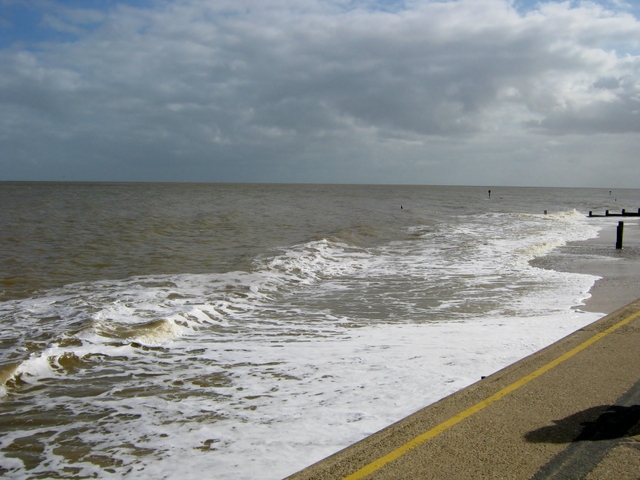
We have been having fairly changeable weather this summer so when we saw that the weather was bright and breezy the other Saturday afternoon we decided to make the most of it and go to Southwold.  When we arrived we saw that the tide was right in and the northerly wind was causing the sea to be quite lively.

High Tide

High Tide

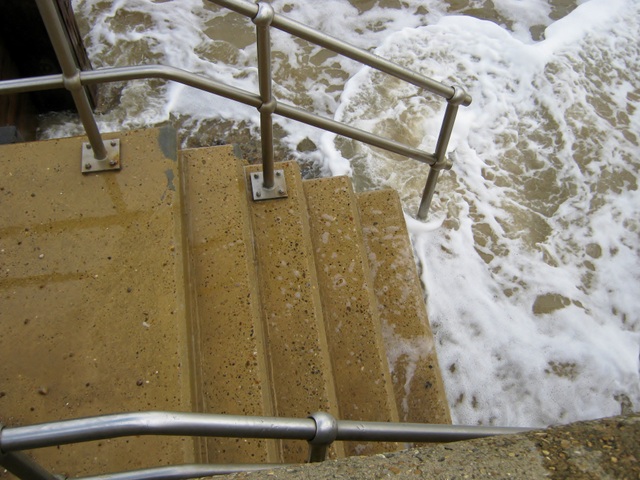
The waves were rolling in round the base of the steps that go down to the sand so we couldn’t get onto the beach just yet.

High Tide

Stairway to the sea

We walked along the promenade while the tide started to recede.

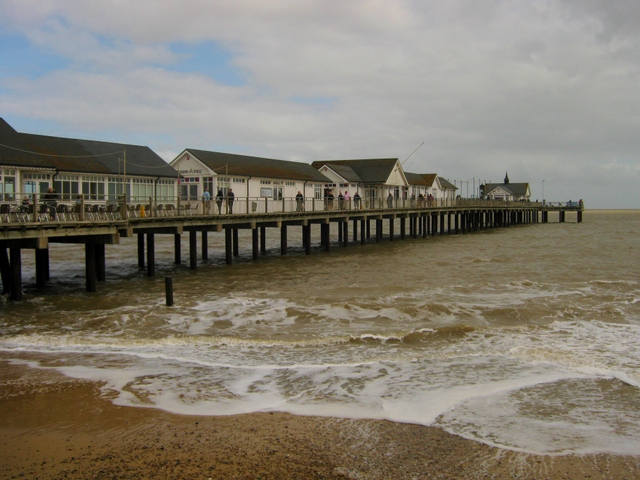
Southwold Pier

Southwold Pier

As I mentioned in a former post about Southwold, the pier was restored a few years ago.  It is fun to walk out there when the tide is in and see the waves splashing just under your feet.  There are places to sit and watch the waves and there are places to buy food and drink and shelter from the wind.  The end of the pier is very popular with fishermen.  This is a link to the Pier Cam which will show you a little of what we like to see.  There isn’t much to see at night except the lighthouse flashing but during the day-time it’s quite interesting and you get to find out what the temperature is on the coast too.  Don’t forget the time difference if you live overseas!

End of the Pier

End of the Pier

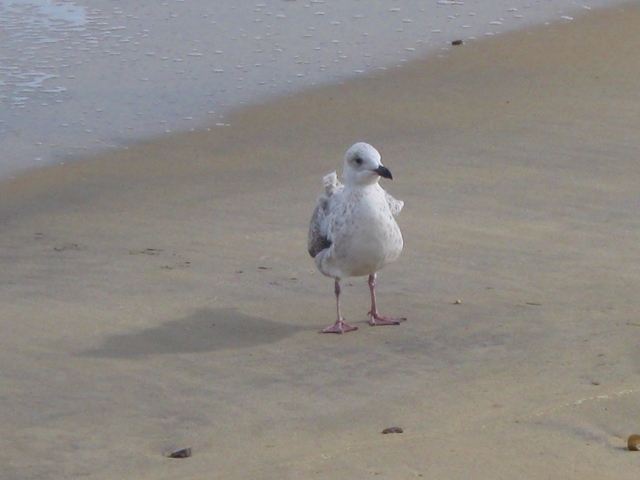
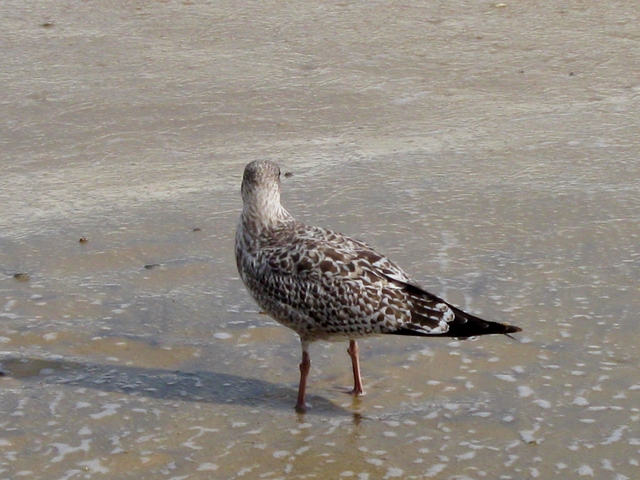
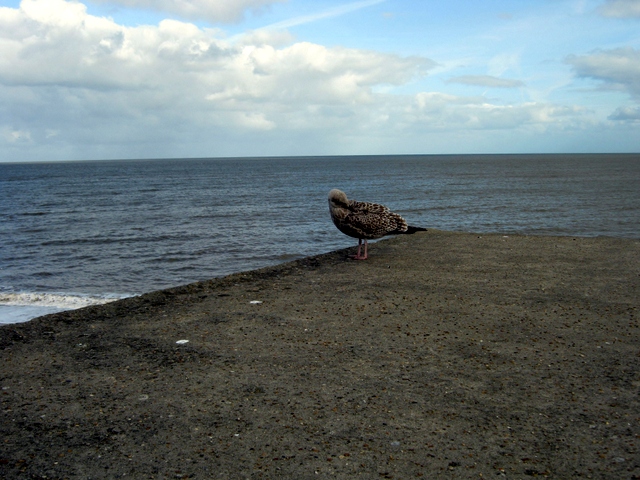
There seemed to be a number of young Herring Gulls about. (Larus argentatus)

Immature Herring Gull

Immature Herring Gull

Immature Herring Gull

Immature Herring Gull

Immature Herring Gull

Immature Herring Gull

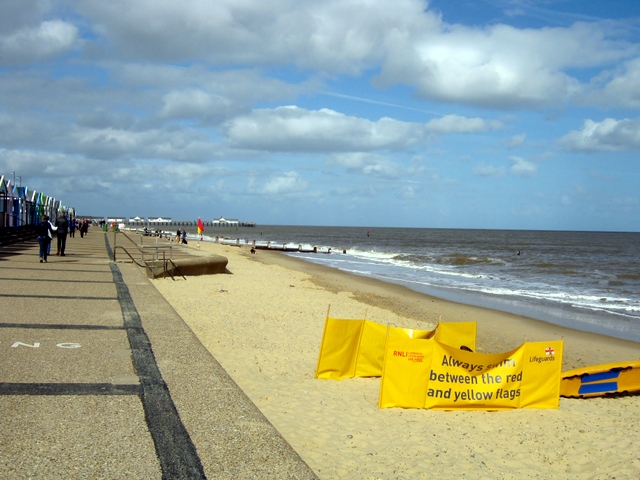
It was a really pleasant walk along the front with other promenaders.  As the sand started to appear people ventured onto the beach and the life guards marked out the safe bathing areas.  Huddled in coats and blankets, the beach hut owners were sitting with the doors opened as they read or drank hot tea or coffee.

Beach Shop

Beach Shop

Southwold Beach

Southwold Beach

Southwold Beach

Southwold Beach

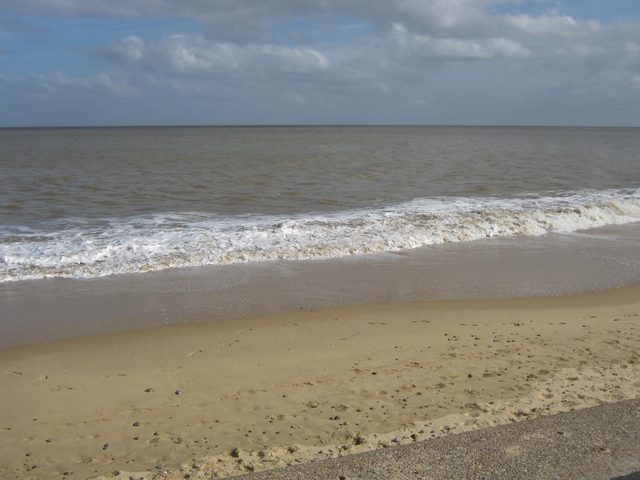
Elinor bewails the fact that our sea isn’t blue.  The North Sea is not deep and the sand on the sea-floor gets churned up especially in stormy weather.  Our sea is brown most of the time.

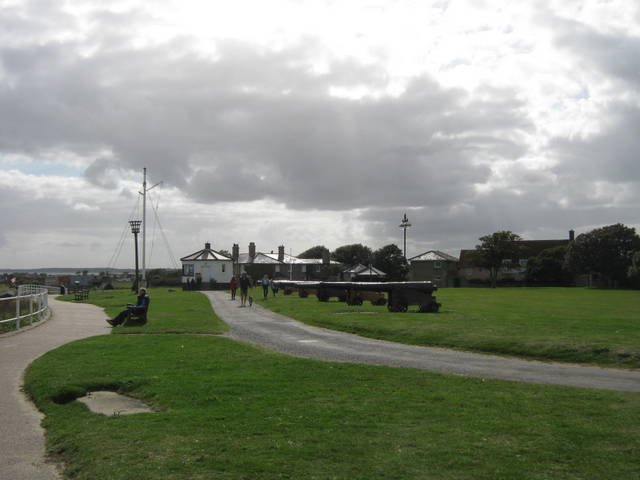
At the end of the prom. the path goes up the slope to Gun Hill.

Gun Hill

Gun Hill

On the 28th May 1672 a famous sea battle was fought just off-shore from Southwold.  This was the Battle of Sole Bay when the English and French fleets clashed with the Dutch fleet.  It was the first naval battle of the 3rd Anglo-Dutch War and ended with a tactically indecisive result though a strategic Dutch victory.  The English and French fleets combined had a total of 71 warships and the Dutch had 61 vessels and the total number of men taking part was said to have been 50,000.  There was great loss of life.  James, Duke of York the brother of King Charles II was Admiral of the English Fleet and took up residence for the duration of the battle in Sutherland House in the town.

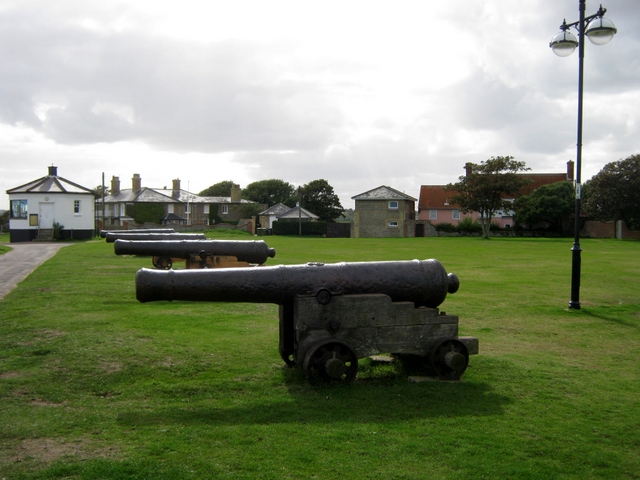
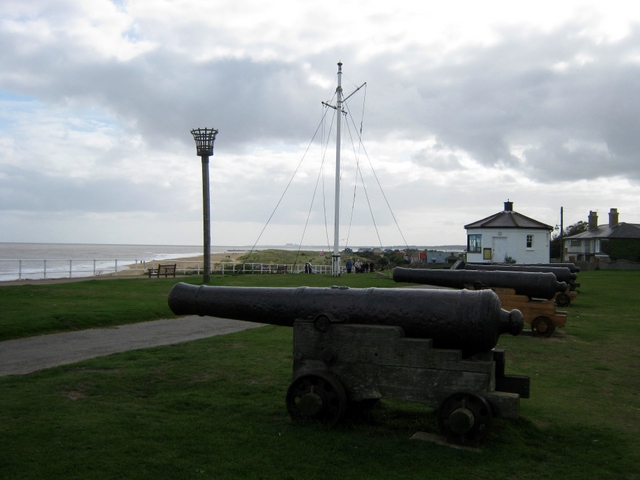
IMG_5627Cannon on Gun Hill

Cannon on Gun Hill

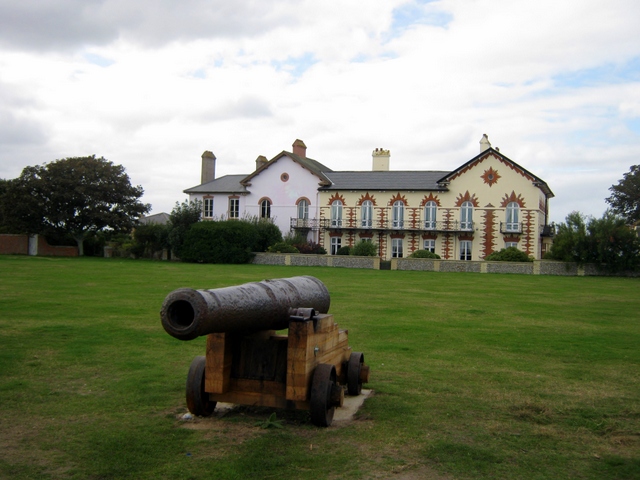
There are six 18lb cannon on the green and were given to the town in 1746 by The Royal Armouries as protection to shipping against raids.

Gun Hill

Gun Hill

Their last known firing was in 1842 to celebrate the then Prince of Wales birthday.  Southwold was bombed during the First World War because the German army considered that Southwold might be a fortified place because they had seen the cannon.  The cannon were buried for safety during the Second World War!

Cannon

Cannon

Cannon

Cannon

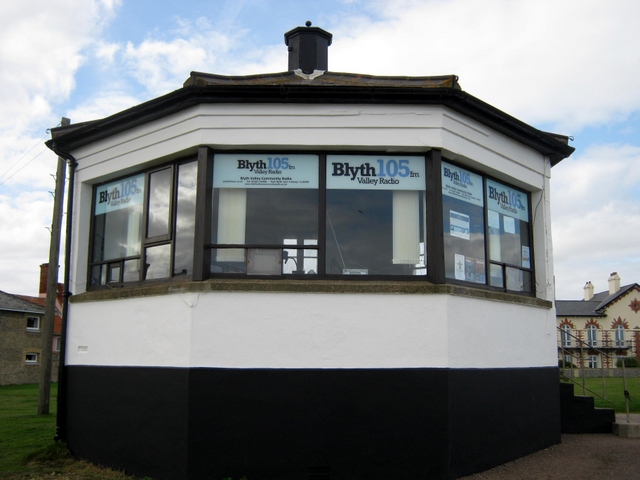
Another feature of Gun Hill is the radio station building.

Community Radio Station

Community Radio Station in the Casino

The primary radio transmitting studio is located in an old WWII bunker in the grounds of St Felix School Reydon, a village next to Southwold but further inland.

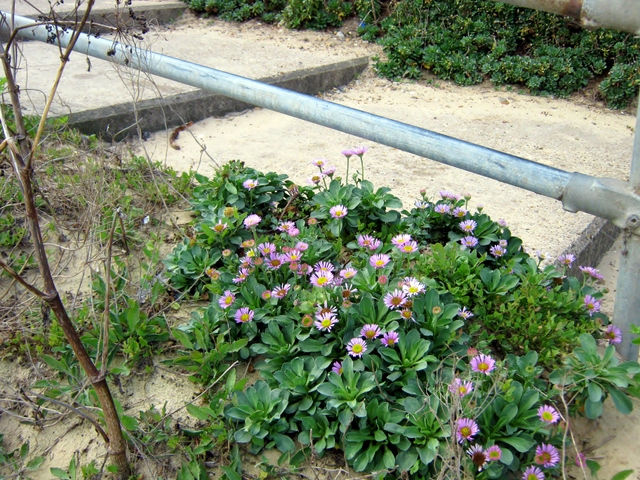
Erigeron glauca

Erigeron glauca

A few naturalised garden plants thrive on the slopes up from the beach.

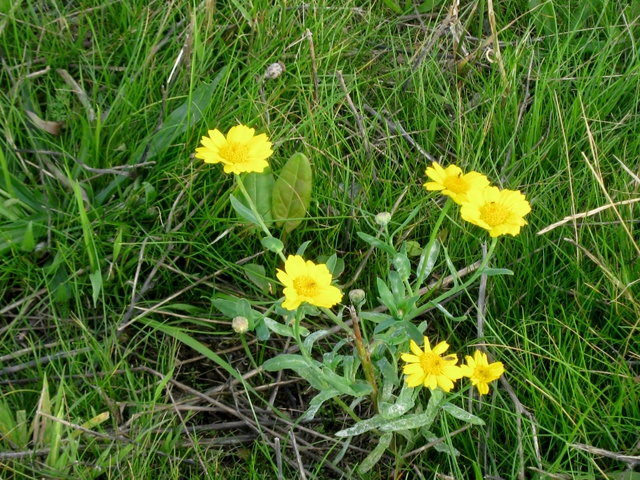
Unknown Yellow Daisy

Unknown Yellow Daisy

I don’t know what this flower is; I see it is suffering from mildew!

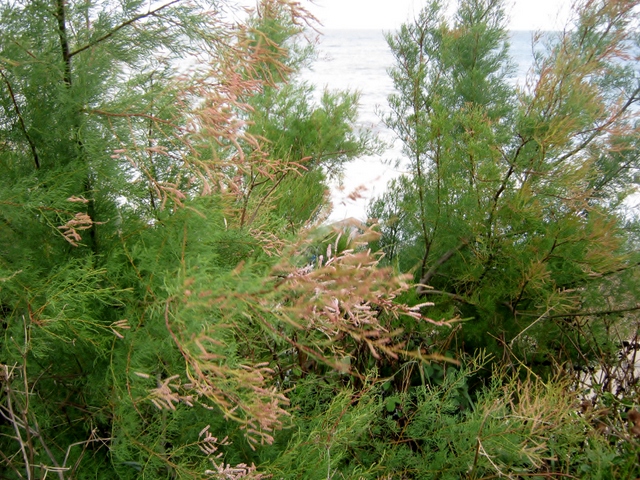
Tamerix

FrenchTamerisk (Tamarix gallica)

These plants are often planted for soil stabilisation or to act as a wind-break.  They aren’t native but have been established here for a long time and do very well on the coast.

Beach Huts

Beach Huts

There are beach huts all the length of the sea-front.

Gun Hill Beach Café

Gun Hill Beach Café

This is one of the two kiosks that sell food and drink.

Looking Towards Walberswick

Looking Towards Walberswick

Walberswick is the seaside village next to Southwold going south down the coast.  The two places are separated by the River Blyth as it flows out to sea.  There is a ferry operating during the summer months.

Looking Towards Walberswick

Looking Towards Walberswick

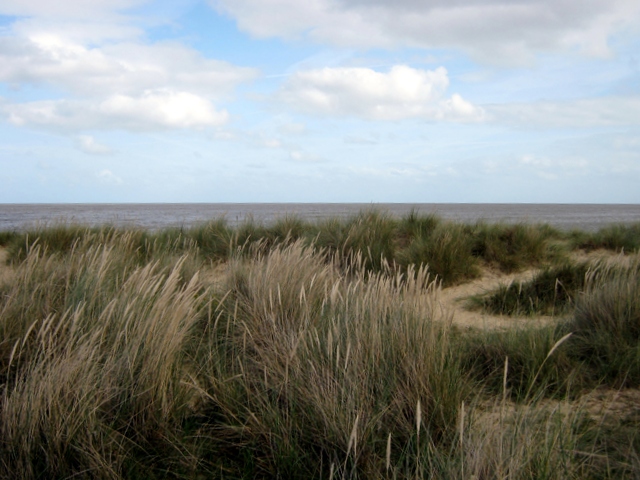
Sand Dunes

Sand Dunes

We thought we might walk through the sand dunes to the ferry.

Sand Dunes

Sand Dunes

The Marram Grass (Ammophila arenaria) was bending in the strong wind.

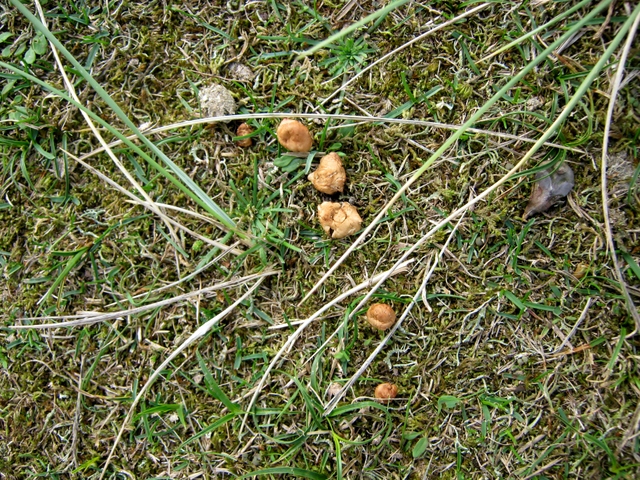
Fairy-ring Champignons

Fairy-ring Champignons (Marasmius oreades)

I found a rather shrivelled fairy-ring.

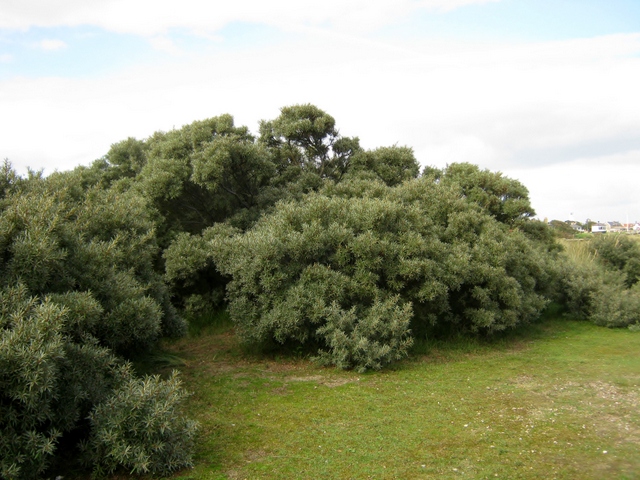
Sea Buckthorn

Sea-Buckthorn (Hippophae rhamnoides)

The tree is small and suckers easily.  It has thorny twigs that have silvery scales that rub off.  The bark is fissured and peeling.

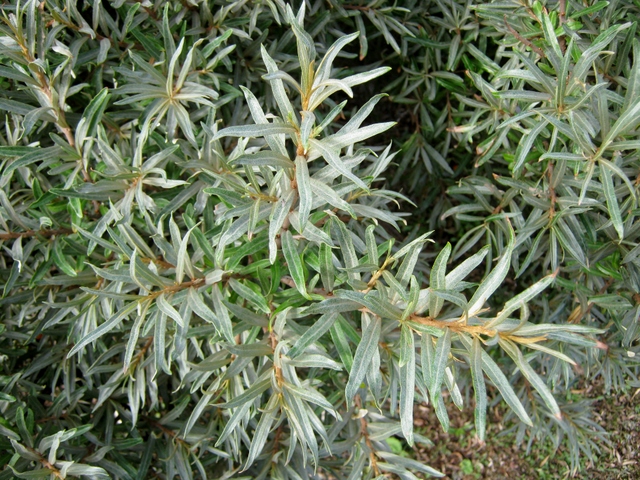
Sea Buckthorn

Sea-Buckthorn

The leaves are long and thin with silvery scales on them.  I couldn’t see any fruits on these trees so they were probably male trees.

Camp Site

Camp Site

There is a camp-site on the outskirts of the town.

We almost got to the River Blyth but Elinor began to get a back-ache and we had to turn round and make our way back to Southwold.

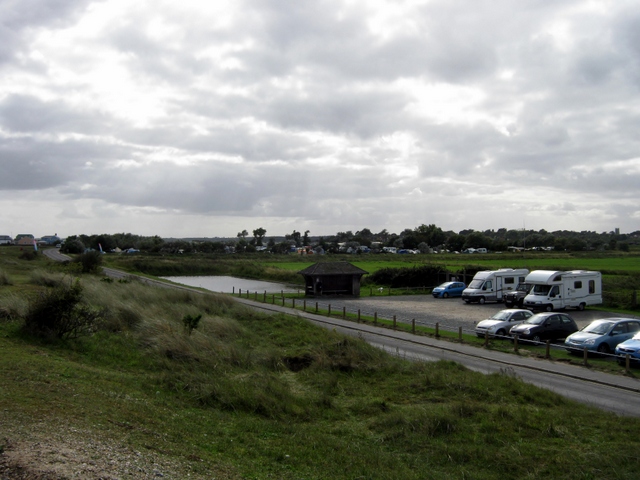
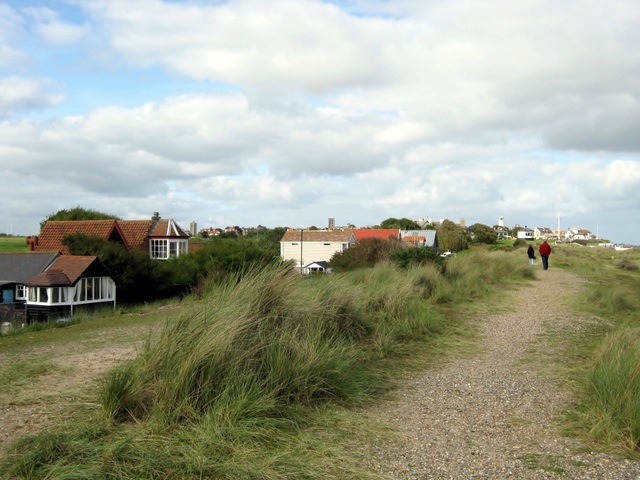
Towards Southwold

Towards Southwold

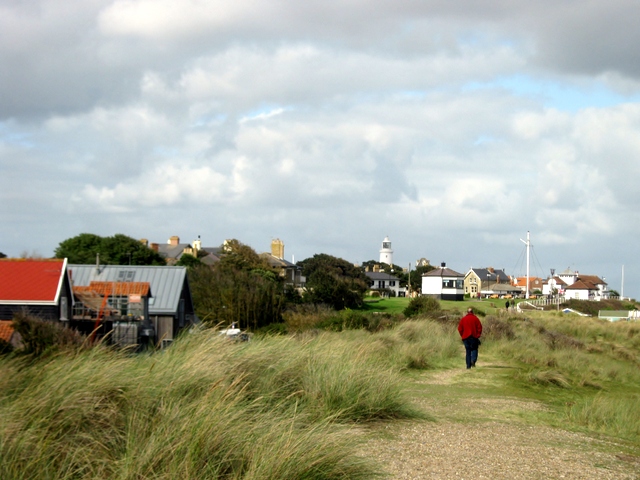
As well as the lighthouse you can see the tower of St Edmund’s church and the water tower.

Towards Southwold

Towards Southwold

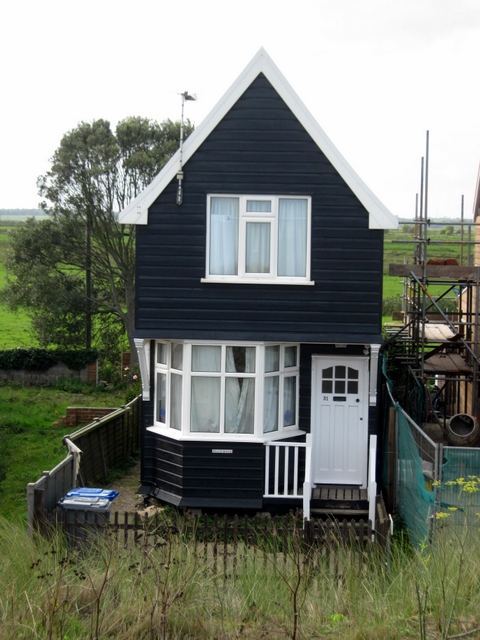
Tiny House

Tiny House

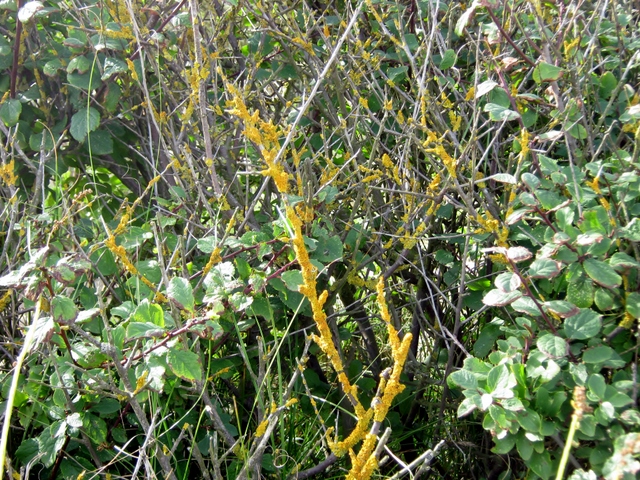
Lichen

Lichen

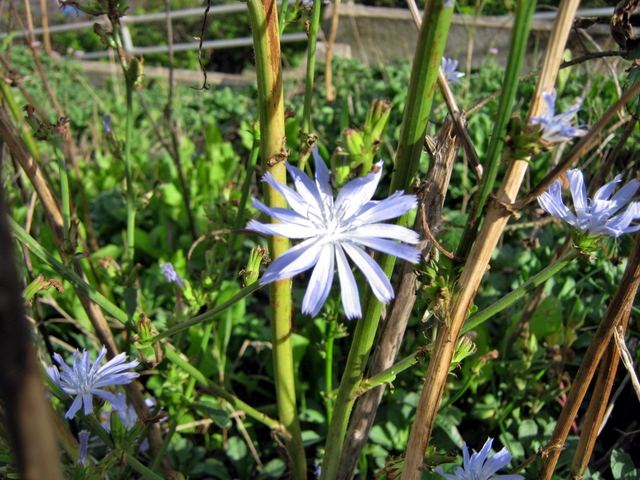
Chickory

Chicory (Chicorium intybus)

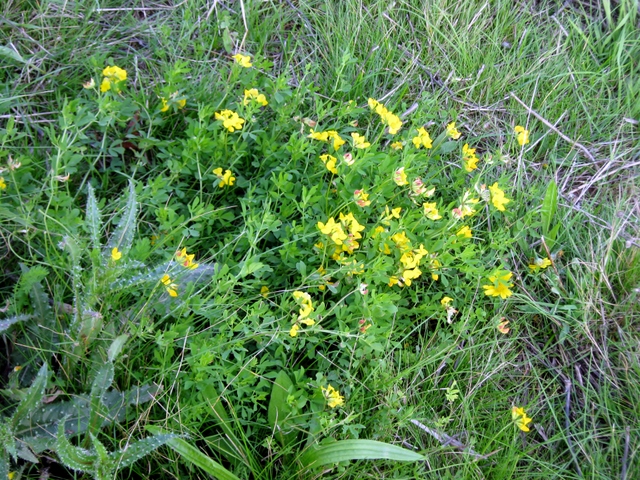
Common Bird's-foot Trefoil

Common Bird’s-foot Trefoil (Lotus corniculatus)

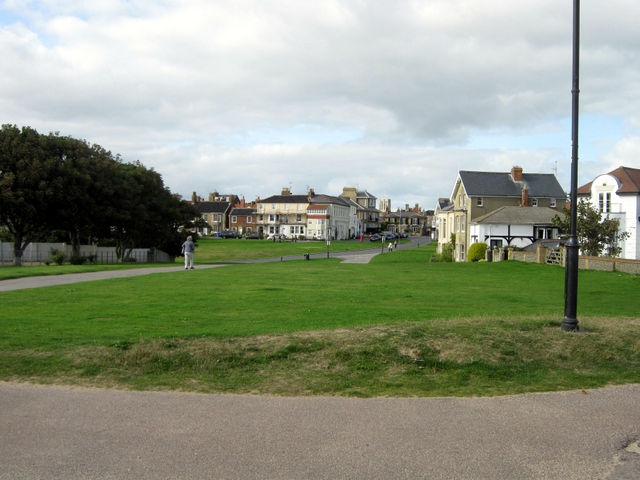
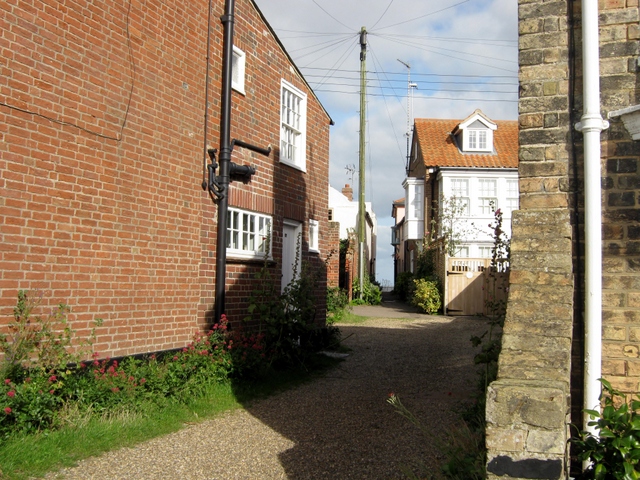
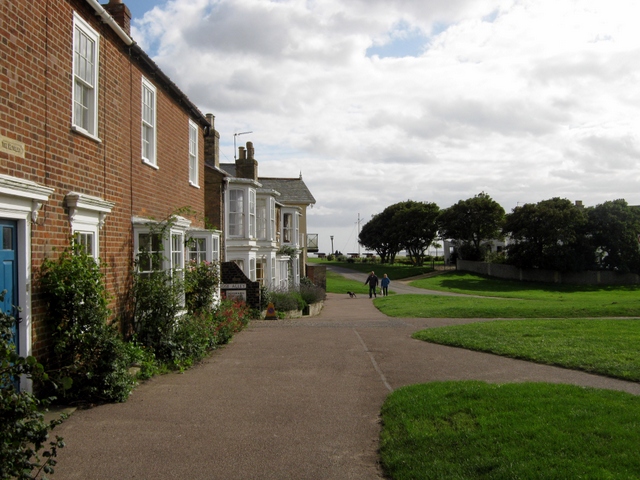
Southwold

Southwold with one of it’s many greens.

Southwold

Southwold

Southwold

Southwold

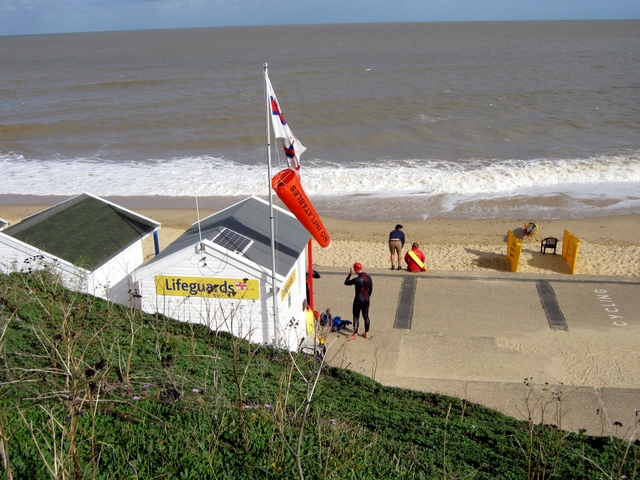
Lifeguards

Lifeguards

Southwold Beach

Southwold Beach

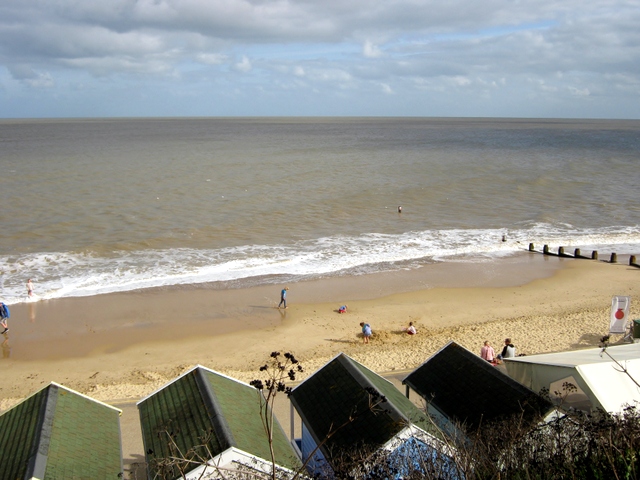
Sea at Southwold

Sea at Southwold

Southwold

Southwold

Southwold

Southwold

Southwold

Southwold

Here we were approaching the pier again and the car park beyond it.  You can also see the two-storey pavillion building at the end of the pier built in 1936.

I hope you have enjoyed this visit to Southwold.

Thanks for visiting!


Share this:

  • Share on X (Opens in new window) X
  • Share on Reddit (Opens in new window) Reddit
  • Share on Pinterest (Opens in new window) Pinterest
  • Share on Facebook (Opens in new window) Facebook
  • Email a link to a friend (Opens in new window) Email
  • Share on Tumblr (Opens in new window) Tumblr
  • Print (Opens in new window) Print
  • Share on Pocket (Opens in new window) Pocket
  • Share on LinkedIn (Opens in new window) LinkedIn
Like Loading...

Endings and Changes

04 Fri Sep 2015

Posted by Clare Pooley in Days out, family, Insects, music, plants, Rural Diary, wild birds

≈ 55 Comments

Tags

family, family life, friends, insects, seashore, wild flowers

This is another diary post.  Before I write anymore accounts of days out and holidays I really ought to tell you about a few things that have been happening lately.

Self-seeded Viola
Self-seeded Viola
Self-seeded Viola
Self-seeded Viola

The saddest event of all is that my mother-in-law died on Thursday 13th August.  She had been in very poor health for some time and had had to move into a nursing home a few months ago.  This made her unhappy but she knew that she was incapable of living on her own any more and was doing her best to come to terms with the changes this entailed.  My brother-in-law had visited her during the afternoon of the day she died and hadn’t been home long when he got a call from the nursing home telling him she had collapsed and the ambulance had been called for.  He telephoned us and said he had been told that there wasn’t much hope that she would survive and we were to prepare for the worst.  He phoned us again a few minutes later to say she had died.

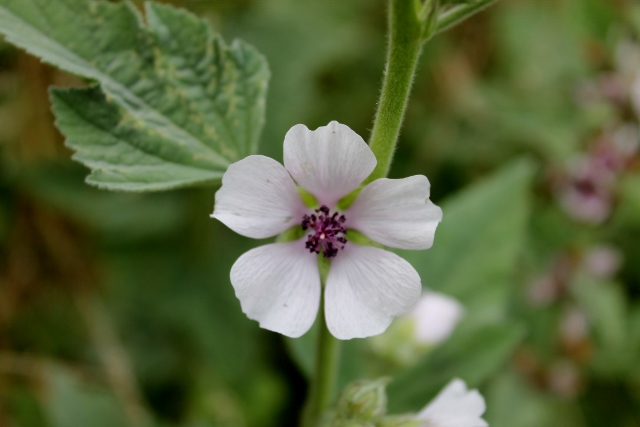
IMG_2433Marsh Mallow (640x427)

Marsh Mallow (Althaea officinalis)

The strange thing was that we were only an hour or so away from Manchester (where my husband’s family live) when Chris phoned us.  Thursday 13th August was the day we travelled to the Peak District with our caravan to spend a week there on holiday and with the hope of visiting Mum-in-law.  We had set up the caravan where we usually stay in Leek, Staffordshire and put up the awning on the side of the van already.  We had then driven to Sheffield (about an hour’s journey) to take Elinor to stay with Alice for the week.  Alice had given us a cup of tea and we had left the girls there together and were driving back to Leek.  We had almost got to Buxton when Chris’s call came through.

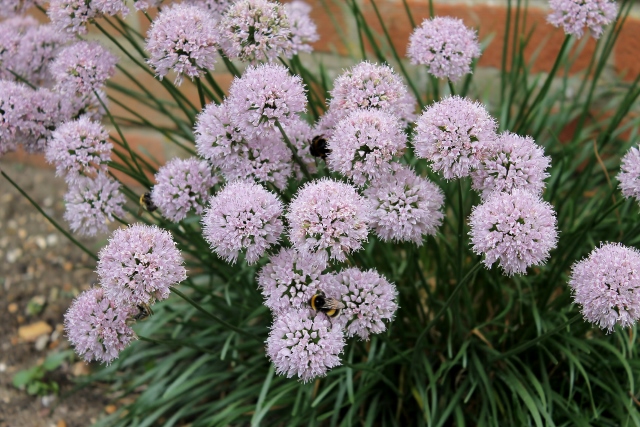
IMG_2439Allium with bees (640x427)

Alpine Allium with bees

We went to Manchester the next morning.  The rain, which had started when we got to Sheffield the night before, was still coming down so the roads were very wet and some were flooded.  We went to Chris’s house and spent some time talking to him and his partner Annie and then went out to have some lunch together in a pub.  During the afternoon we went to Joyce’s (Mum-in-law’s) nursing home and sorted out all her belongings, taking some away with us but donating all of her clothes and a lot of her equipment and wheel-chair to the nursing home.  They were pleased to accept all we could give them as there are many old people in homes who have no relations to get them clothes and other necessaries.

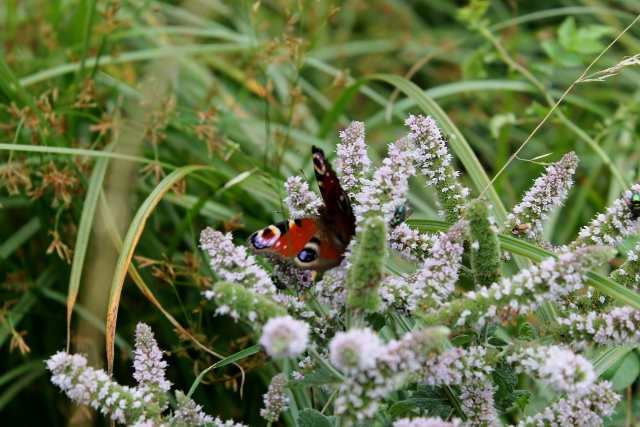
IMG_2450Peacock on mint (640x427)

Peacock butterfly (Inachis io) on Water Mint flowers (Mentha aquatica)

The Coroner couldn’t establish a cause of death despite a post mortem and there have been a number of tests done and an inquest has been held.  All extremely painful for my husband and his brother.  Eventually the date for the funeral was set and it duly took place yesterday 2nd September.  There was a large turn-out of family and friends and all went smoothly and we hope Joyce would have approved.  Richard had the difficult task of writing the eulogy which he delivered with dignity.  The wake was in the upper rooms of a nearby pub and that was a success too.

IMG_5588Female Gatekeeper (640x480)

Female Gatekeeper butterfly (Pyronia tithonus) on Marjoram (Origanum majorana)

Our holiday was a weird one to say the least!  Richard’s 62nd birthday was on Sunday 16th August so we went to a church in Leek and said more prayers for Joyce and then went to a café for brunch.  There wasn’t much else we could do.  We met Alice and Elinor in Bakewell on Tuesday 18th August and told them the sad news.

This was one of Joyce’s favourite pieces of music.

A lot of our time has been spent (as usual) in keeping appointments with doctors, with physiotherapists and at hospital.  Not a week goes by, it seems, without one or other of us having to go to see some specialist or another!  Elinor went to her yearly appointment with the physiotherapist and was told she needed to do more calf-stretching exercises.  I’m not sure that she has done anything about it yet!  Richard went to the hospital for yet another MRI brain scan but won’t hear the results until he sees the specialist in a few weeks.  He also went to the eye clinic and all seems okay.  I took my Mum to her eye clinic again last week and she had to return there on Tuesday for another eye injection.  I went to the Rheumatology clinic for a check-up and it seems I am in a medically-induced remission.  My blood tests show excellent results and I have lost all the fluid on my finger joints.  The nurse suggested I give up one of my drugs for a month to see if it made any difference to the problem I have in my throat.  It hasn’t made any difference at all, so I’m back on the drug and my GP at my local surgery has asked the Ear, Nose and Throat clinic to give me an appointment so they can investigate further.

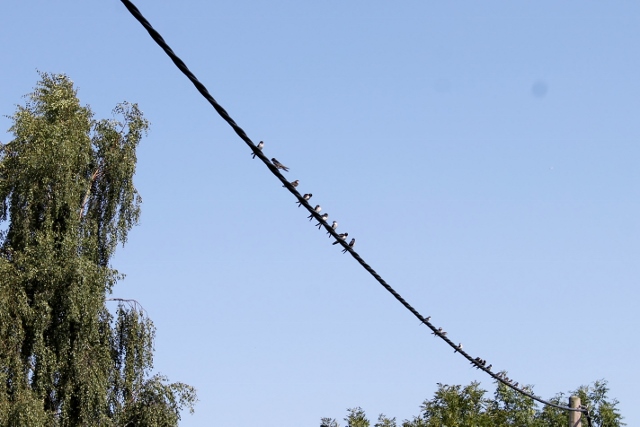
IMG_2410Swallows and Martins on cable (2) (640x427)

Swallows (Hirundo rustica) and House Martins (Delichon urbica) on electric power cable

Alice works part-time in the University library in Sheffield and some months ago went to a number of internal job interviews.  She desperately needs a full-time job, preferably one in which she can use her librarianship skills instead of filling shelves and moving crates of books about as she is doing at the moment.  She was disappointed to hear that though she had been offered a job one grade higher than the one she was doing, it was still a part-time job and as the hours were fewer she would be earning less money.  After a lot of thought she decided to accept the job and after some discussion with her supervisor she has been given a few more hours and is earning slightly more money than in her last position.  She moved house at the weekend and she is now sharing with a few other people (one of them a friend of hers) and will be paying less rent.  This will be a Good Thing!  She has finished the corrections and amendments to her PhD and has handed it back in to have it read through again.  When that’s done she will have to get it printed – not just one copy but several – which will be yet another expense for her.  We will then hear when she will receive her Doctorate which we all hope to attend if possible.  She had her 30th birthday on the 24th July and her friends got together and arranged a Haunted Sheffield Tour for her to go on which she found great fun.

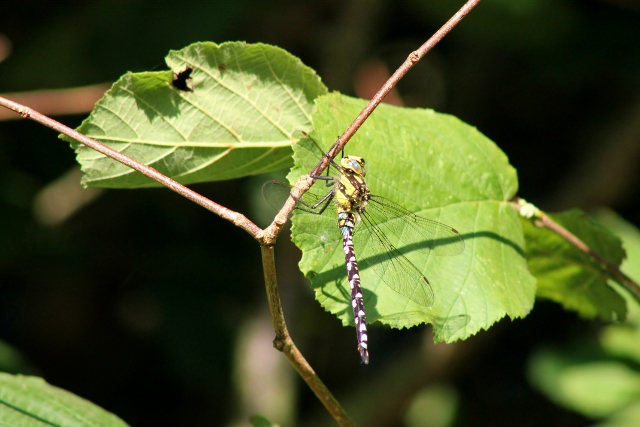
IMG_2415Southern Hawker (640x427)

Southern Hawker dragonfly (Aeshna cyanea)

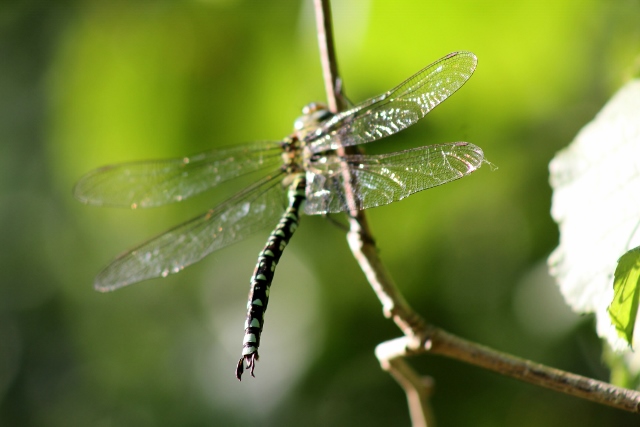
IMG_2421Southern Hawker (640x427)

Southern Hawker dragonfly

Elinor wasn’t able to go into college to collect her GCSE results as we were still away in the Peak District so she got the results in the post.  She didn’t do as well as she had hoped but she passed three out of the four exams she took.  She got a D in Maths so she will have to re-take that exam next year.  She got an A in Psychology but only Cs in English and Art.  We are pleased that she managed to do as well as this because she missed two whole years of school and at one stage we didn’t think she’d ever be able to get any qualifications at all.  The college have found that the grades the students got this year were generally much lower than expected.  I don’t know if this is the fault of the college or if the marking was stricter than usual.   She went into college last Wednesday for her enrolment and was disappointed to find she can’t take the Graphic Art course she wanted to do because of her failed Maths exam.  She will do a years Art and Design course and re-take her Maths and then she will decide what she does next.  The Graphic Design tutors say that they will assess her work after six weeks this term with a view to moving her onto the Graphic Design course if she is doing very well.

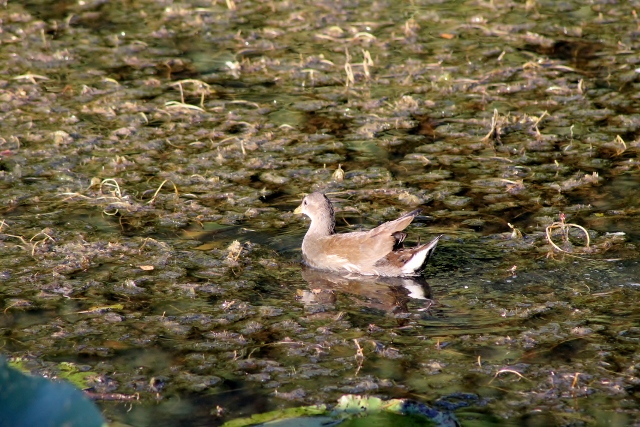
IMG_2425Young Moorhen (640x427)

Young Moorhen (Gallinula chloropus)

Richard has now retired.  His final week at work was last week and he had a good send-off from his colleagues.  He will be giving back his fleet car tomorrow and has ordered a new car of his own which will be delivered in just over a week’s time.  He hasn’t had time to appreciate the fact of his retirement yet.  He still has a number of things to sort out with his brother with regard to his mother.  Once that has been done he will relax a little and then begin to feel retired.

I spent a lovely day in Norwich with my dear friend Wendy.  We met at school 45 years ago!  Her husband was working in this area for a few days so she joined him and took the opportunity to visit former neighbours of theirs and to see me.  Fortunately the weather was fine and we were able to find somewhere to sit outside and have coffee and a long chat.

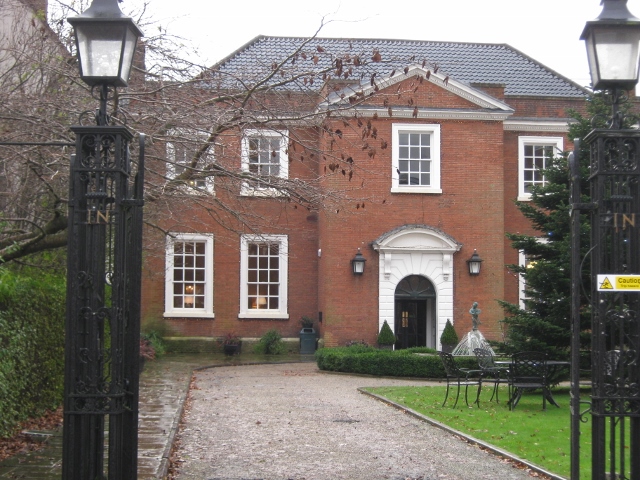
007Restaurant (640x480)

A photo of the Assembly Rooms where we sat outside and had coffee. This photo was taken last December – the garden was much brighter and greener when we were there a few weeks ago!

We then went to have a look at the Roman Catholic Cathedral which is an enormous building and has many fine features.  I’ll probably make a post about it sometime soon.  We walked from there to the Plantation Garden.  We had a lovely lunch together and I then walked back with her to her hotel.  In thinking about this special day I am amazed to realise that I cannot remember the last time I spent a day out with her or in fact with any friend.  I very, very occasionally meet someone for coffee or lunch or I visit Wendy’s house in company with my family but a whole day away from home with a friend enjoying myself…. no, I can’t recall anything since I was in my early twenties!

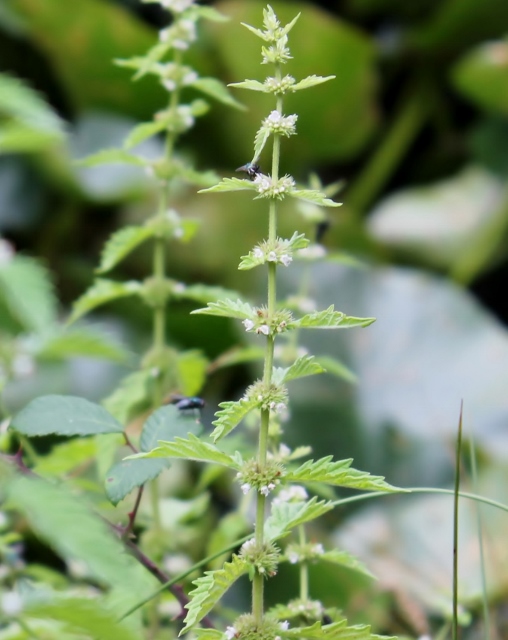
IMG_2442Gipsywort and sedge (2) (508x640)

Gipsywort (Lycopus europaeus)

I always look forward to having my piano tuned each year.  Kimble Reynolds is a very skillful man who not only tunes pianos but can also build, restore and repair them.  He has a piano gallery in Blundeston in Suffolk and has recently invented a way of teaching people how to read music which doesn’t entail having to learn the names of the notes.  His invention is called Noterettes.  He is a lovely man and I enjoy talking to him and we spend most of his visit laughing together.

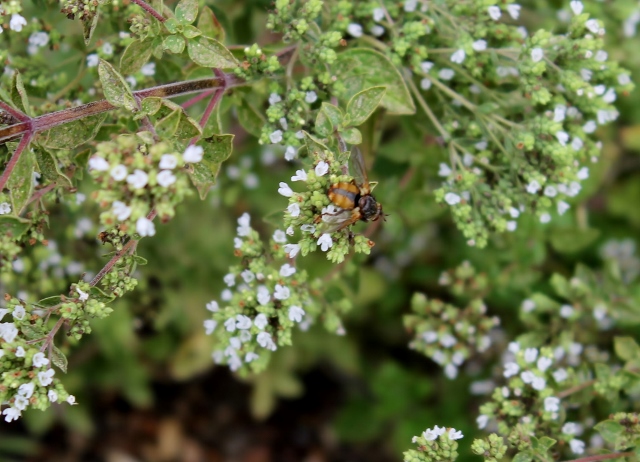
IMG_2440Fly on Marjoram (2) (640x462)

Fly ( possibly Tachina fera) on Marjoram

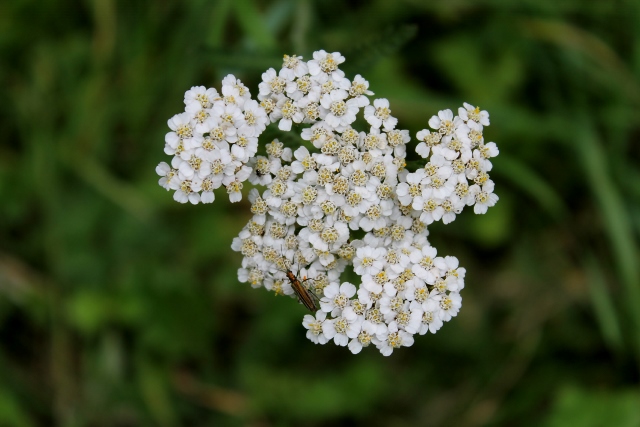
IMG_2444Yarrow and bug or beetle (640x427)

Yarrow (Achillea millefolium) with unknown bug

IMG_2445Ragwort with Hoverfly Sphaerophoria scripta (640x427)

Common Ragwort (Senecio jacobaea) with Hoverfly (Sphaerophoria scripta) and another unknown insect

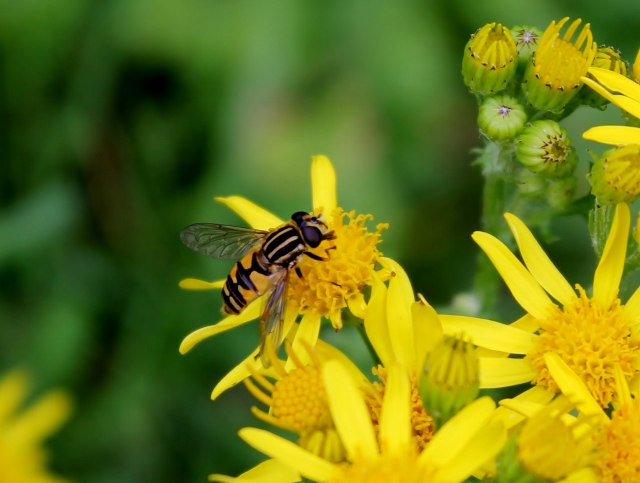
IMG_2446Ragwort with hoverfly Helophilus (2) (640x483)

Common Ragwort with Hoverfly (Helophilus pendulus) also known as the Footballer Hoverfly because of the striped thorax which looks like a football jersey

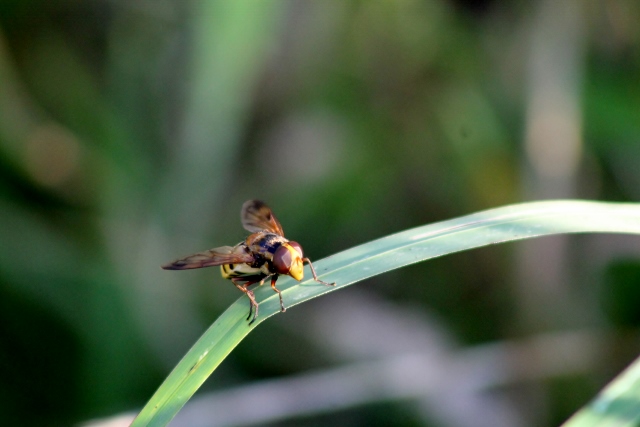
IMG_2428Hoverfly (640x427)

I cannot identify this Hoverfly

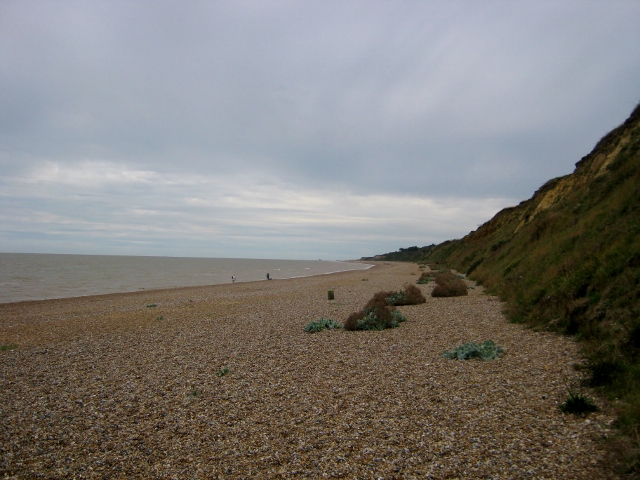
With all the upheaval of Joyce’s death and Richard’s retirement, we haven’t had time for much gardening or walking locally.  We managed to visit Dunwich beach for an hour on Saturday.  We bought some chips from the fish and chip restaurant in the beach car-park and then walked on the beach.  The weather was quite over-cast and there was a very strong wind blowing but it was good to be away from the house for a while.

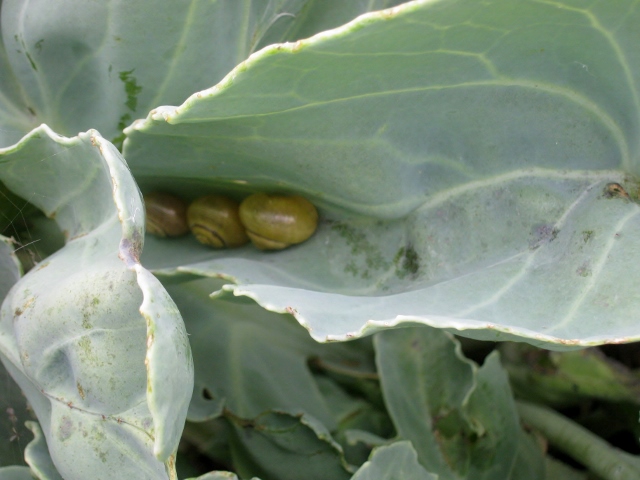
IMG_5591Snails in Sea Kale leaf (640x480)

Sea Kale leaf (Crambe maritima) with sheltering snails

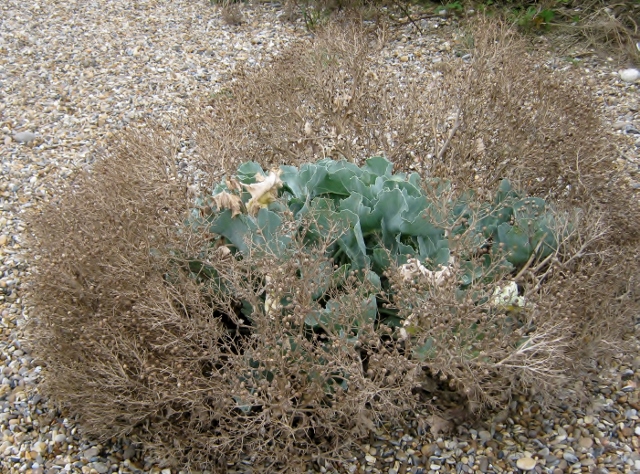
IMG_5592Sea Kale gone to seed (640x474)

Sea Kale with seed heads

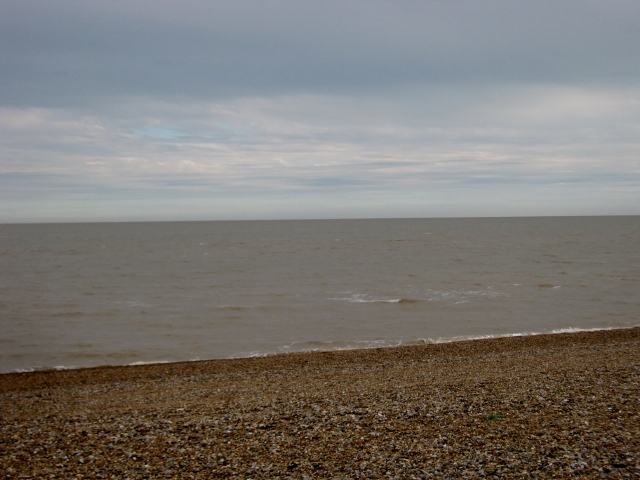
IMG_5593Dunwich beach (640x480)

Dunwich beach

IMG_5594Dunwich beach (640x480)

Dunwich beach

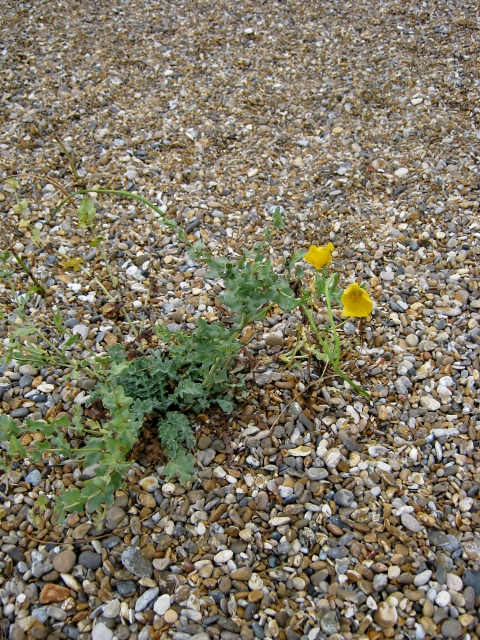
IMG_5595Yellow Horned-poppy (480x640)

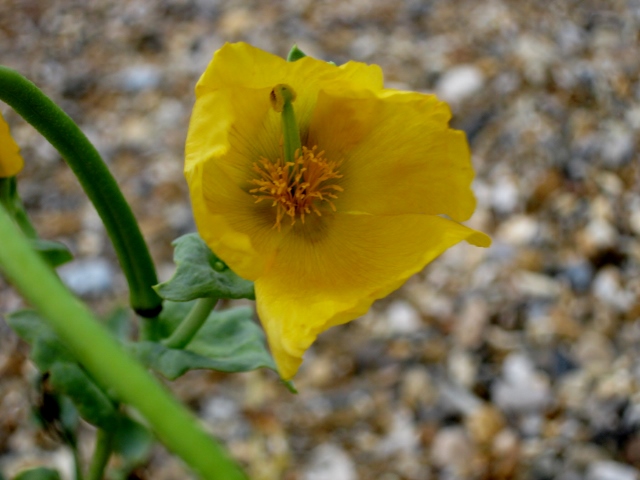
Yellow Horned-poppy (Glaucium flavum)

IMG_5596Yellow Horned-poppy (640x480)

Yellow Horned-poppy

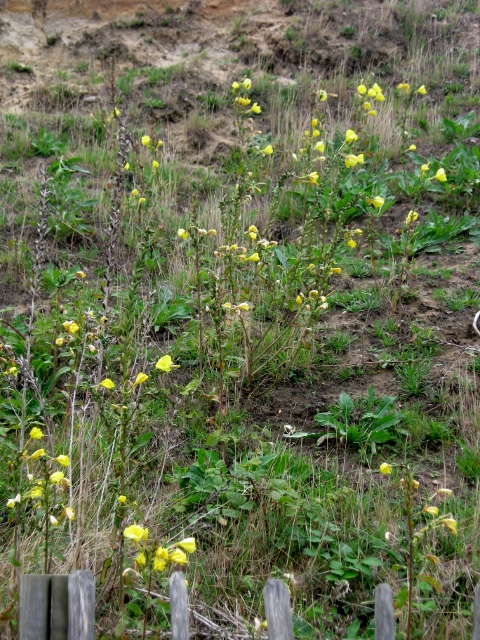
IMG_5600Evening Primrose plants (480x640)

Common Evening Primroses (Oenothera biennis)  Introduced and naturalised, these plants like to live on waste ground on poor soil; they only open on dull days or in the evening.  I see them on railway sidings quite often.  These particular plants have spread along the base of the crumbling cliff.

IMG_5603Common Mallow (640x480)

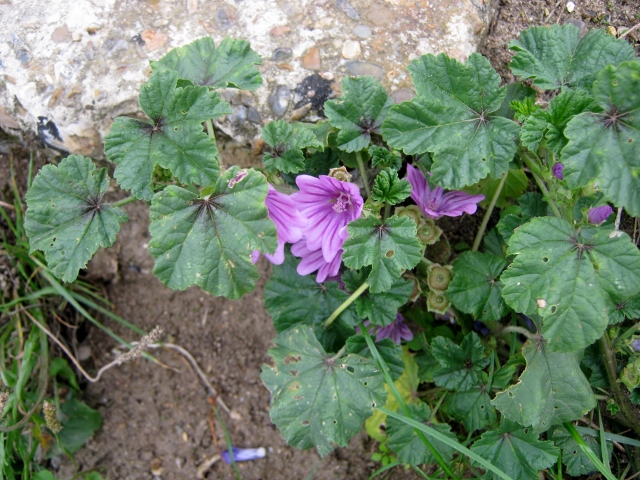
Common Mallow (Malva sylvestris) This plant was on the path from the car-park to the beach but at this time of year Mallows are seen everywhere in East Anglia. The round fruits that you can see just right of centre are called ‘cheeses’ and contain many nutlets.

IMG_5604Sunset (640x480)

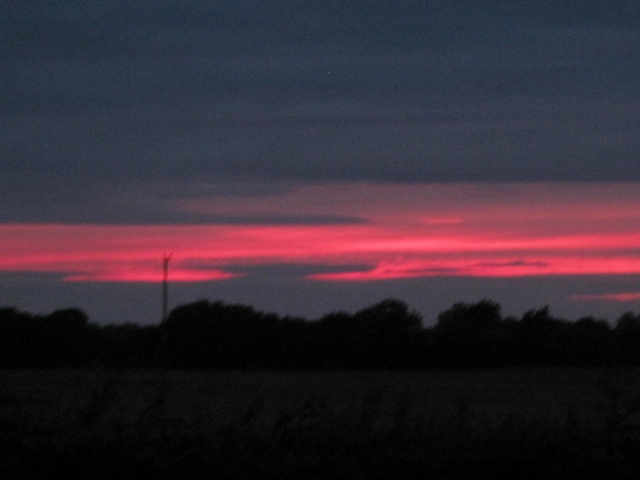
Out of focus photograph of the sunset that evening during a rain shower.

Thanks for visiting!

Share this:

  • Share on X (Opens in new window) X
  • Share on Reddit (Opens in new window) Reddit
  • Share on Pinterest (Opens in new window) Pinterest
  • Share on Facebook (Opens in new window) Facebook
  • Email a link to a friend (Opens in new window) Email
  • Share on Tumblr (Opens in new window) Tumblr
  • Print (Opens in new window) Print
  • Share on Pocket (Opens in new window) Pocket
  • Share on LinkedIn (Opens in new window) LinkedIn
Like Loading...

Derwentwater and Ashness Bridge

18 Tue Aug 2015

Posted by Clare Pooley in Days out, plants, Rural Diary, walking

≈ 32 Comments

Tags

Ashness Bridge, Derwentwater, Keswick, Lake District, Skiddaw, St Swithin's Day, wild flowers

For our wedding in 1994 we were given a gift of place mats and coasters by one of Richard’s friends.  The mats were decorated with paintings of Lake District attractions – Beatrix Potter’s cottage, The Bridge House at Ambleside and so on.  One of the pictures was a really attractive painting of Ashness Bridge, and for some time we had no idea where it could be found.  Before we left home we decided that as we were staying near Derwentwater, we ought to include it on one of our trips.

The day was bright and sunny and as it was St Swithin’s Day we hoped it would stay dry.  We thought we would take the ferry round Derwentwater from Keswick to Ashness Gate, the stop nearest to Ashness Bridge and then walk up to the bridge.

IMG_5090Derwentwater (640x473)

The views of the surrounding hills look wonderful from the boat

The woodlands here are mainly of oak.  These ‘Atlantic Oakwoods’ are an example of temperate rainforest.

IMG_5091Derwentwater (640x478)

I love looking at cloud shadows sliding over the hills

The ferry was crowded with walkers and other tourists like us, so it wasn’t too easy to take photos.

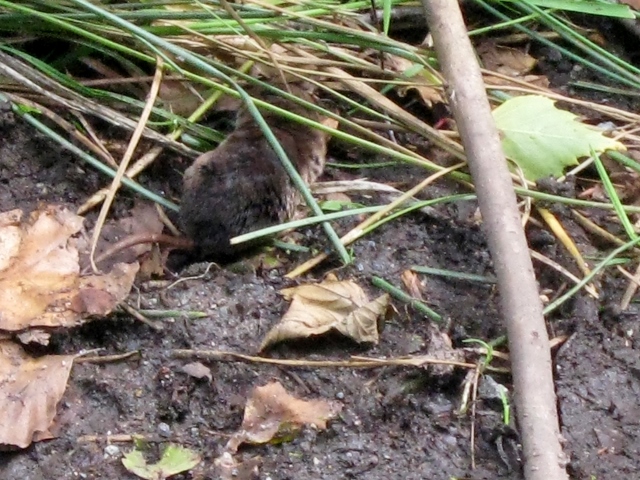
We got off the boat and began the steep walk up the lane to the bridge.  I saw a shrew running about at the side of the road and tried to take its picture but it wouldn’t show its face with the long snout.

IMG_5093Shrew (640x480)

Shy shrew

I saw a few wildflowers by the roadside.

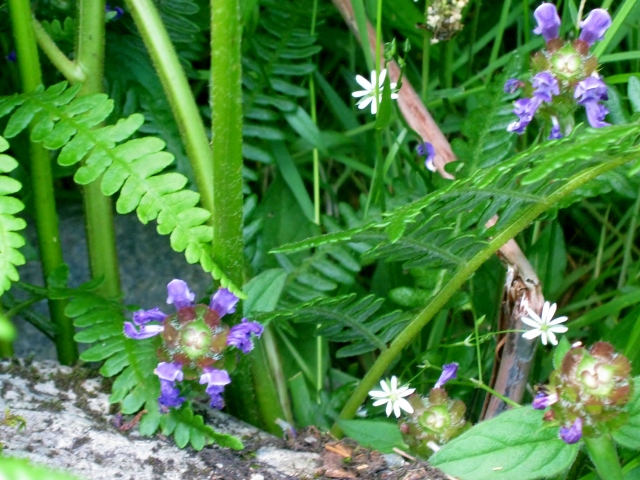
IMG_5094Self-heal and Lesser Stitchwort (640x480)

Self-heal (purple) (Prunella vulgaris) and Lesser Stitchwort (white) (Stellaria graminea) with Bracken (Pteridium aquilinum) also known as Brake Fern

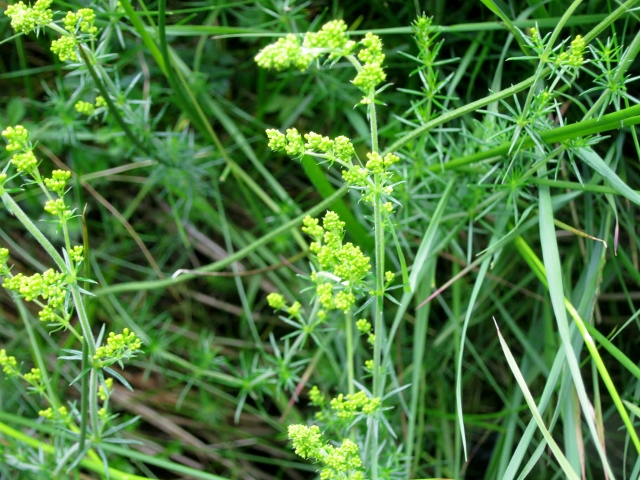
IMG_5096Lady's Bedstraw (640x480)

Lady’s Bedstraw (Galium verum)

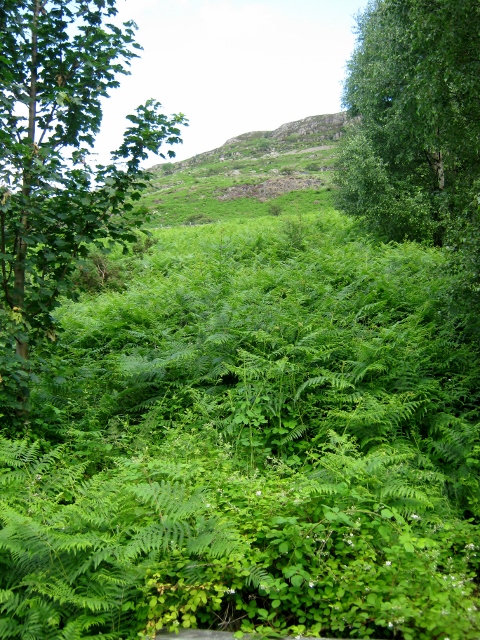
IMG_5097View up fell at Ashness (480x640)

Looking up the hill from the path

After quite a long steep climb we left the road and carried on up a pathway and eventually got to the bridge.  It is a very popular attraction and again, trying to get a picture of the bridge without lots of people in the way was hard.

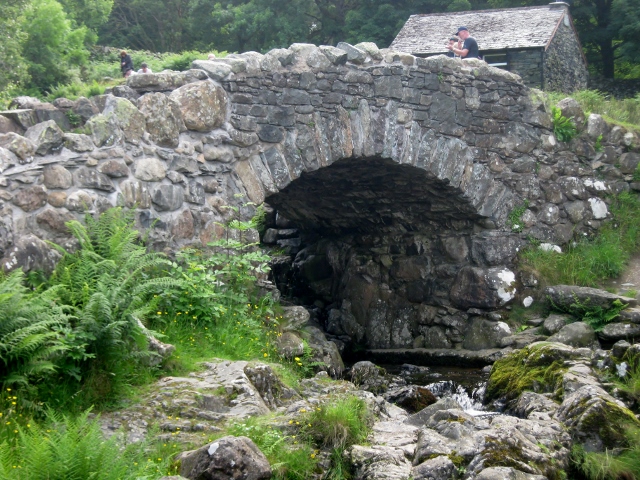
IMG_5099Ashness Bridge (640x480)

Ashness Bridge

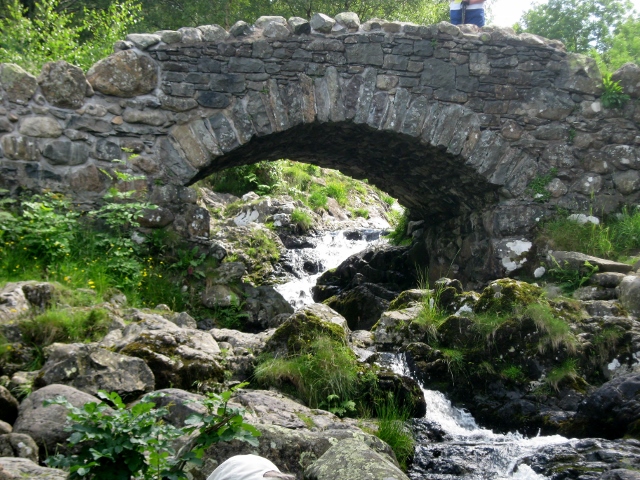
This is an old pack-horse bridge which enables the road to cross Barrow Beck, the stream that joins Derwentwater at the foot of the hill.

IMG_5105Ashness Bridge (640x480)

These old bridges are beautiful as well as being very useful. The skill of the bridge builder is apparent from this photo – each stone being placed so carefully, one next to the other.

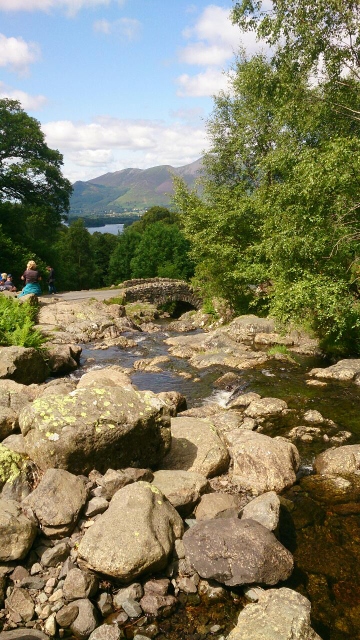
DSC_0538 (360x640)

Richard took this photo from further upstream. Derwentwater can be seen in the distance

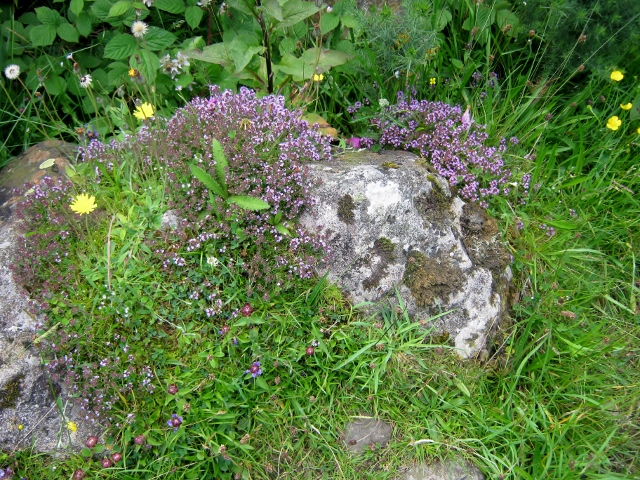
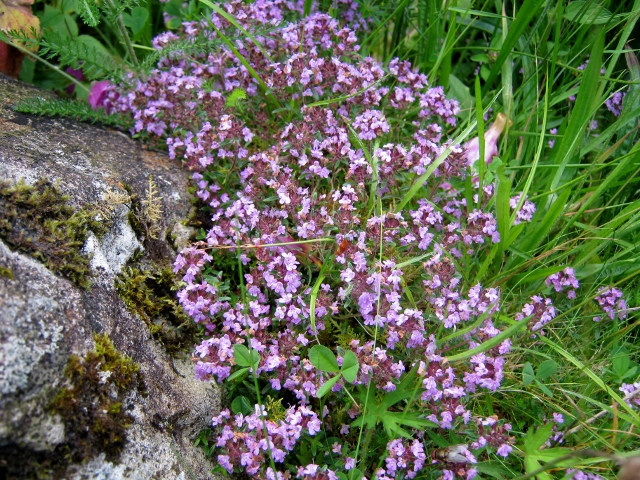
IMG_5100Wild Thyme (640x480)

I found some Wild Thyme (Thymus serpyllum) growing by the stream

IMG_5101Wild Thyme (640x480)

It’s scent was wonderful!

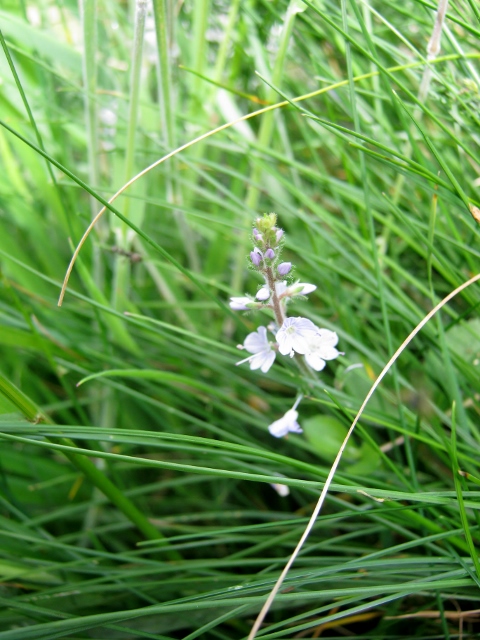
IMG_5110Blue Water-speedwell (480x640)

I also found some Blue Water-speedwell (Veronica anagallis-aquatica)

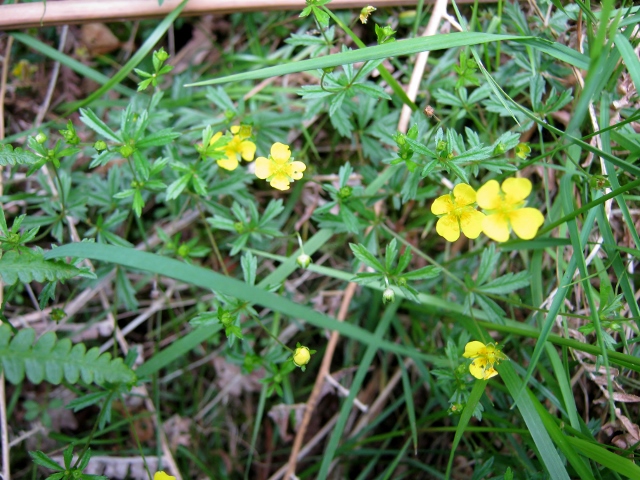
IMG_5112Tormentil (640x480)

Tormentil (Potentilla erecta)

We walked back down the hill and caught the ferry back to Keswick.

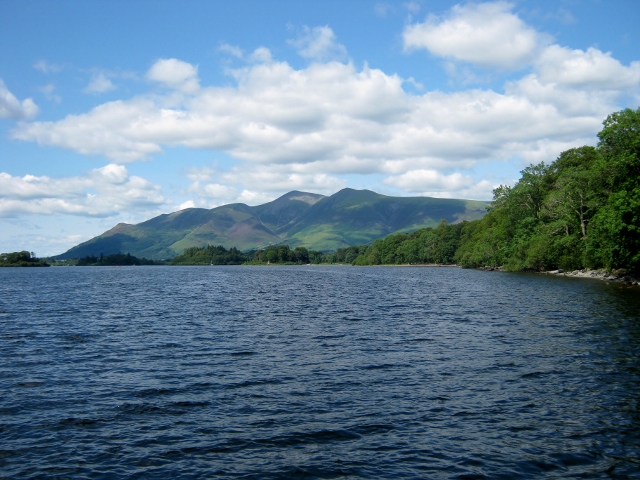
IMG_5113Derwentwater (640x480)

Derwentwater with Skiddaw in the background.

Thanks for visiting!

Share this:

  • Share on X (Opens in new window) X
  • Share on Reddit (Opens in new window) Reddit
  • Share on Pinterest (Opens in new window) Pinterest
  • Share on Facebook (Opens in new window) Facebook
  • Email a link to a friend (Opens in new window) Email
  • Share on Tumblr (Opens in new window) Tumblr
  • Print (Opens in new window) Print
  • Share on Pocket (Opens in new window) Pocket
  • Share on LinkedIn (Opens in new window) LinkedIn
Like Loading...

The Cumbrian Coast

12 Wed Aug 2015

Posted by Clare Pooley in Days out, plants, Rural Diary

≈ 27 Comments

Tags

coastline, Cockermouth, Crested Dog's-tail, holiday, Lake District, Perennial Rye-grass, R Cocker, R Derwent, Silloth, Solway Firth, Whinlatter Forest

We thought we might go to the coast as the weather was fine on the Tuesday of our holiday.  We by-passed Keswick and took the road to Maryport, a town on the coast.  Our road followed the western shore of Bassenthwaite Lake and then through the town of Cockermouth.  We drove to Maryport and then up the coast road to Silloth.  This map will show you the Lake District area, its main towns and will also show how close to Scotland it is.

IMG_5077Silloth (640x476)

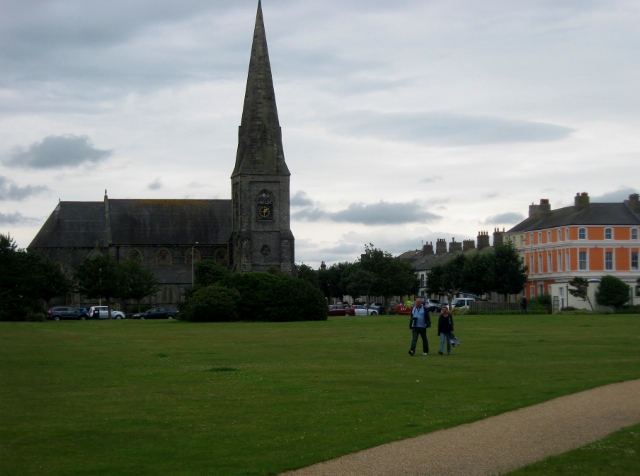
Silloth church from the Green

We wandered round Silloth; it was very quiet and there wasn’t too much to see though it has some attractive buildings and the roads are wide and straight.  The area between the main road and the coast line had been made into a park some while ago and I read that it has recently had lottery funding to add to its amenities and refurbish existing ones.

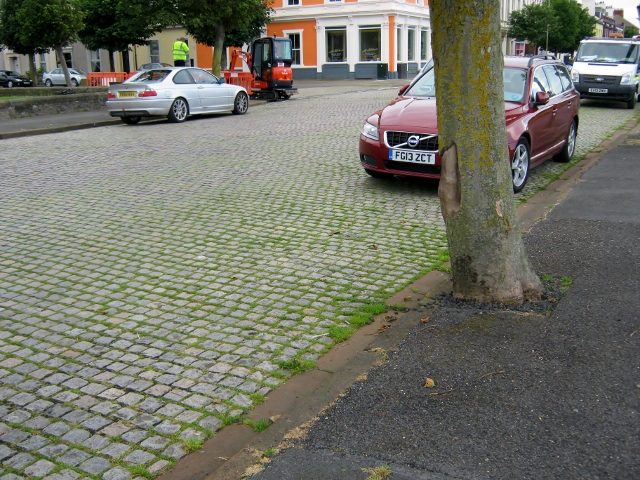
IMG_5078Silloth (640x480)

You can tell how quiet it is by the grass growing in-between the cobbles

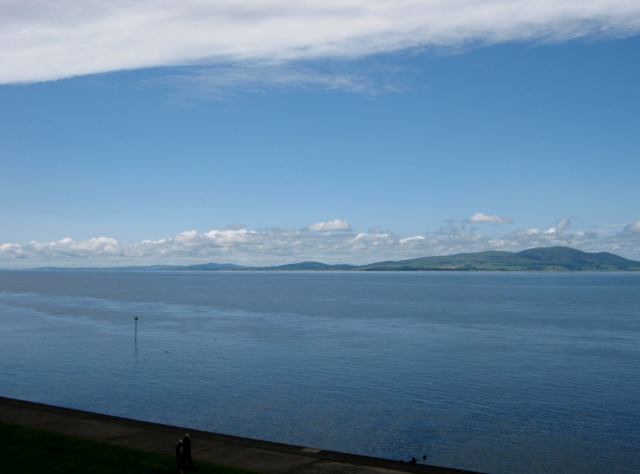
IMG_5072Solway Firth (640x474)

Looking north-west across the Solway Firth

We walked across the green towards the sea and climbed up to the Pagoda which is a shelter with a wonderful view.  It looked like the sun was shining in Scotland.

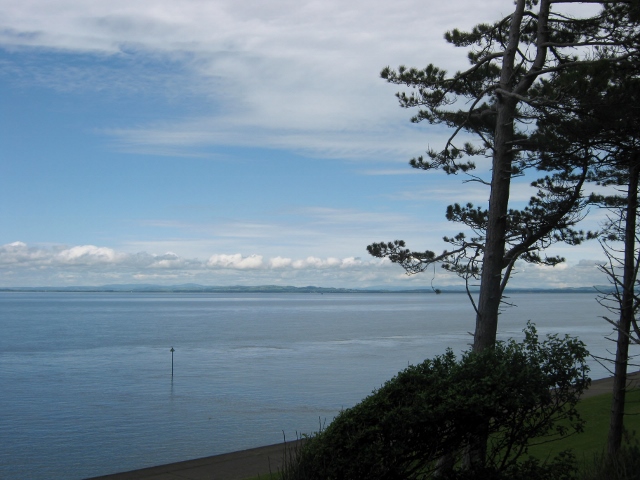
IMG_5073Solway Firth (640x480)

Looking north-east across the Solway Firth

Standing there, I was reminded of the lovely pictures I had seen taken from the opposite side of the Firth.  I was looking towards the land of the  ‘Tootlepedals’.  This is one of my favourite blogs; a daily insight into what it’s like to live in the Scottish Borders.  Interesting, funny and full of fabulous photos;  Mr T likes alliteration!

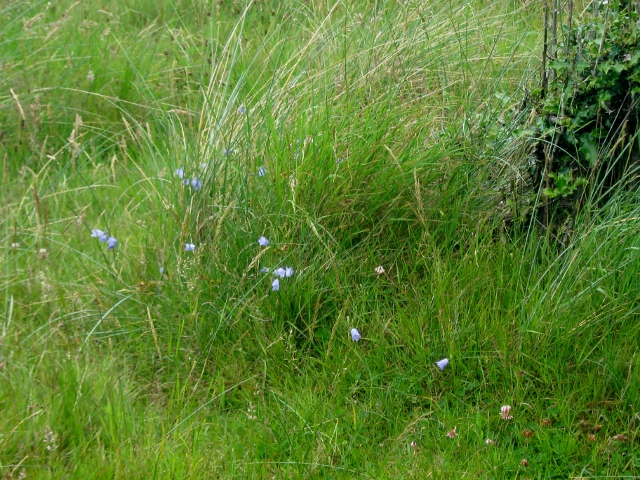
IMG_5074Hare Bells (640x480)

I found some Harebells (Campanula rotundifolia) on the slope up to the Pagoda

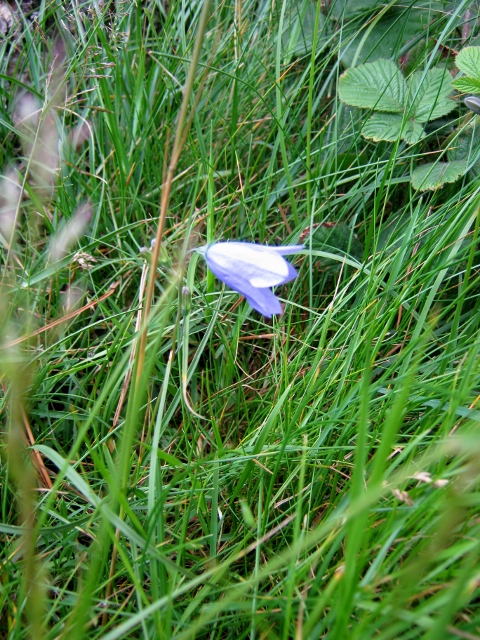
IMG_5075Hare Bell (480x640)

They are delicate, azure-blue bells.

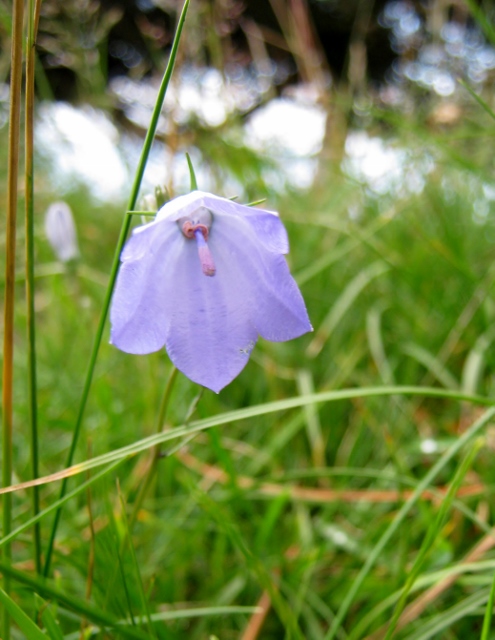
IMG_5076Hare Bell (495x640)

I even managed to photograph inside the flower bell

We decided to return to Cockermouth and have some lunch.

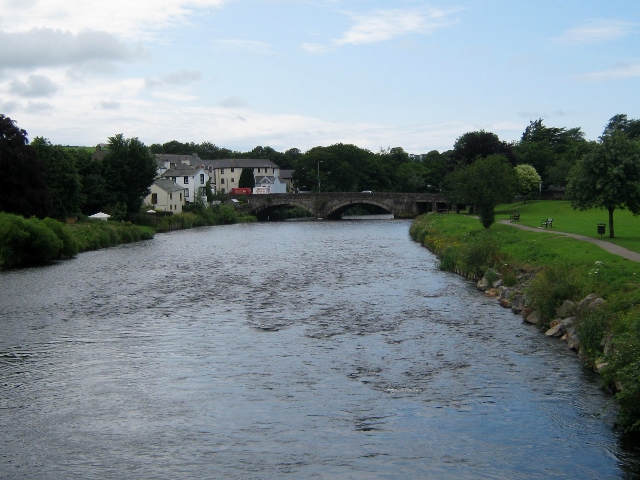
IMG_5079R Cocker (640x480)

The River Derwent

Three famous men were born in or near Cockermouth and all were born within a few years of each other.  The first was Fletcher Christian (Mutiny on the Bounty) who was born a mile from Cockermouth in Eaglesfield in 1764.  The second was John Dalton, a brilliant scientist and the originator of the Atomic Theory.  He also was born in Eaglesfield in 1766.  The third was William Wordsworth, born in Cockermouth in 1770.

IMG_5080R Derwent (640x480)

The River Derwent looking upstream.  The River Cocker joins the Derwent here and in the photo is coming in from the right.

In November 2009 both rivers broke their banks and the town was severely flooded.  The army was called in and assisted the townsfolk for three days until the water began to recede.  Most of the shops, pubs and restaurants in the town centre were wrecked and there was much destruction elsewhere.

IMG_5081Whinlatter (640x480)

Whinlatter Forest with views of the fells

On our way home we drove a different route over the pass at Whinlatter.  We called in at the forest visitor-centre and took a short walk in the forest.  As it is Forestry Commission land and the trees are non-native, there was not much wildlife to be seen.

IMG_5088Hoverfly on Crested Dog's-tail (640x480)

A hoverfly on Crested Dog’s-tail (Cynosurus cristatus)

IMG_5082Fir cones (640x480)

A good crop of cones

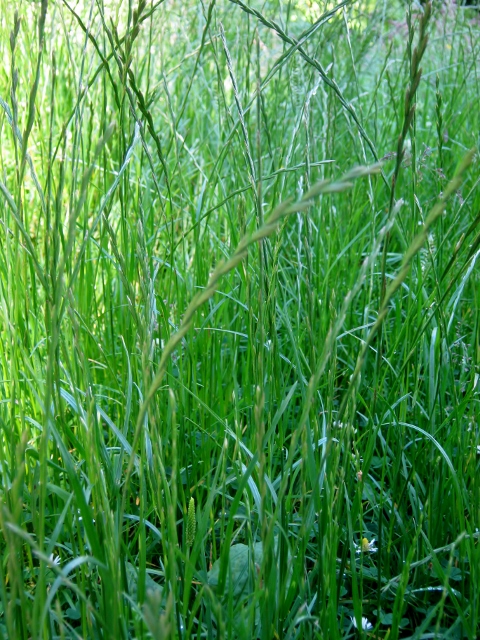
IMG_5083Perennial Rye-grass (480x640)

Perennial Rye-grass (Lolium perenne)

Thank’s for visiting!

Share this:

  • Share on X (Opens in new window) X
  • Share on Reddit (Opens in new window) Reddit
  • Share on Pinterest (Opens in new window) Pinterest
  • Share on Facebook (Opens in new window) Facebook
  • Email a link to a friend (Opens in new window) Email
  • Share on Tumblr (Opens in new window) Tumblr
  • Print (Opens in new window) Print
  • Share on Pocket (Opens in new window) Pocket
  • Share on LinkedIn (Opens in new window) LinkedIn
Like Loading...

A Little Bit of This and a Little Bit of That

09 Sun Aug 2015

Posted by Clare Pooley in family, Insects, plants, Rural Diary, trees

≈ 31 Comments

Tags

'The Company', beetles, clouds, cream tea, Fruit, harvesting, insects, Lilium longiflorum, moths, purple beans, Sheffield, Suffolk, sunset, The Man in the Iron Mask, trees, wild flowers

I haven’t published a diary post lately so this is a short resumé of my activities over the past month or so.

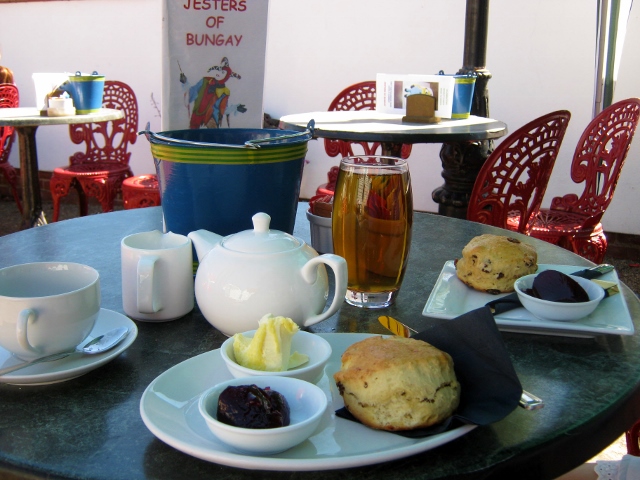
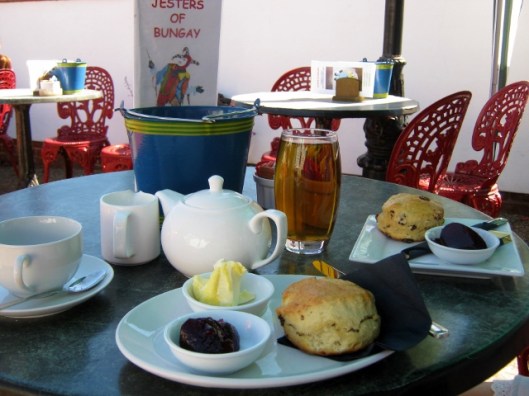
To start things off I have a photo of a cream tea that Elinor and I enjoyed while out shopping in Bungay before our holiday.
IMG_4905Cream tea (640x480)

A very brightly-coloured café called ‘Jesters’ at the entrance to Bungay castle. We were going to walk round what is left of the castle when I remembered in time that I had only allowed myself an hour’s parking . The cream and jam scones were yummy!

Elinor and I went by train to Sheffield on the 2nd of July to visit my elder daughter, Alice.  The day was hot and the journey quite uncomfortable as the carriage we were in on the train from Norwich to Sheffield had faulty air-conditioning.  The ticket collector handed out bottles of water to anyone who wanted some.  We had noticed large quantities of water bottles in the waiting room at Diss Station as well, with a notice saying any customer could help themselves to water if they needed it.

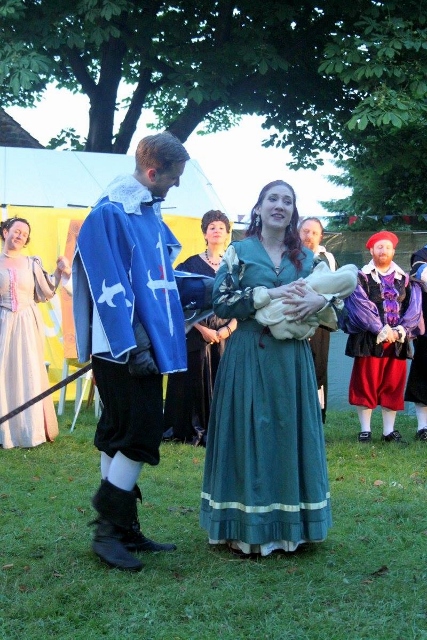
We were travelling to Sheffield in order to watch Alice perform in ‘The Man in the Iron Mask’ by Alexandre Dumas.  We then stayed the night with her in her single room.  It was snug to say the least, but lovely to be all together again.

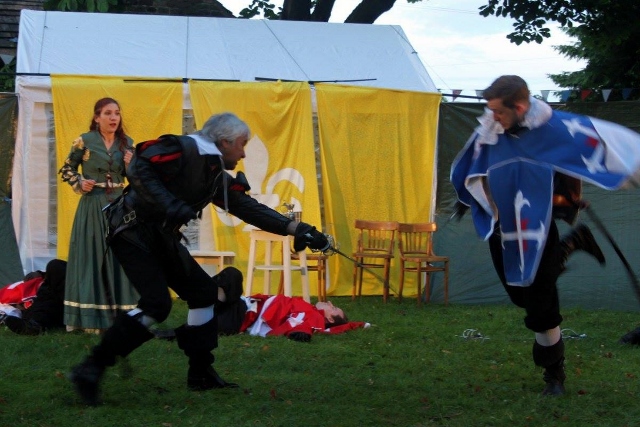
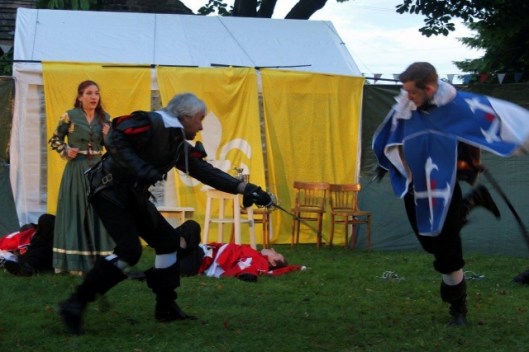
These are some photos of her that I have ‘borrowed’ from her drama group’s Facebook page.
11258095_10204761757547885_1220536374365931542_o (640x427)

Alice (in the green dress) played the part of Constance, D’Artagnan’s wife. She is watching D’Artagnan (on the right) fighting his foe.

The man on the left is an expert in weapons and fighting and has an armoury at his home.  He taught all the cast how to fence and fight.  It all looked very real.
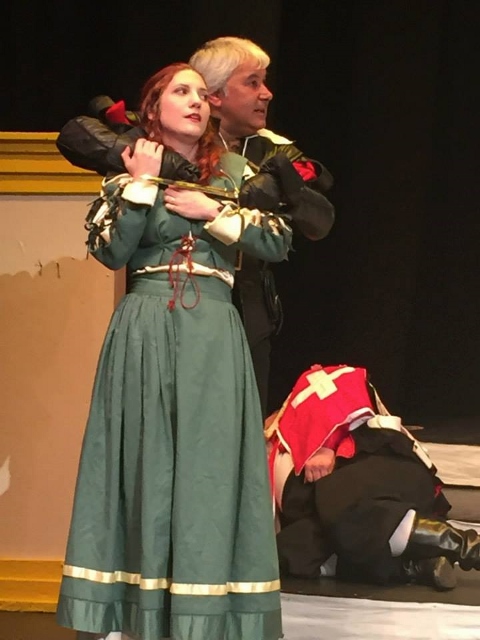
11665579_10155721644210524_7162535900042599508_n (480x640)

I thought Alice did very well especially as she had to wear a costume which gave her a terrible rash for which she needed medical treatment.

11200774_10155721643400524_4718516296672381910_n (640x480)

‘All for one and one for all!’

11741103_10204761762748015_1710620135797317354_o (427x640)

Dumas will be spinning in his grave at their version of his very sad and doom-laden book. It was a brilliant, funny, well-acted and well-choreographed play with a happy ending.

As we were waiting for our train back home the next morning I saw and heard the piano in the concourse being played.  The piano is there for anyone’s use at any time.

IMG_4906Pianist on Sheffield station (640x477)

This young man played well.

Unluckily for me and Elinor, the carriage we were in on our return journey also had no air-conditioning.  This time there was no free water but we were able to leave the carriage at Nottingham (I think) and get into another carriage with AC that they had attached to the train.

The following week was busy with preparations for our holiday.  Elinor’s laptop stopped working and had to be taken in for repair.  She worried that it might not be repaired in time for her to use on holiday.  She used my lap-top all week.  We were able to collect her’s on Friday :).  I shopped with Mum on Tuesday and made sure she’d be alright for food and other necessaries while we were away.  My friend Heather came to lunch on Wednesday and we had an enjoyable time chatting about friends and family.  She gave me a book – Janet Marsh’s ‘Nature Diary’.  Such a thoughtful present.  I had an appointment at Norfolk and Norwich Hospital for a rheumatoid arthritis check-up on Friday – the day before going away.

We were surprised to find on our return from holiday on the 18th July that the field of barley behind our house had still not been harvested.  The weather at home had been warm and quite dry while we had dripped and shivered on holiday.  We did get a superb sunset to welcome us back.

IMG_2389Sunset 18 - 07 (640x427)
IMG_2390Sunset (640x427)
IMG_2391Sunset (640x427)

We had another busy week catching up on household and gardening chores and I had two weeks’ worth of washing and ironing to do.  On the Monday I had to take Mum to the hospital for her regular eye check which went very well.  I collected her shopping list as I would be doing her shopping for her that week.  When I got home I started to make a loaf of bread and discovered I hadn’t enough yeast so had to go out again.  I bought some other groceries as well as the yeast and was on my way home when I got a flat tyre.  I managed to get the car into the town central carpark and got the spare tyre out but couldn’t work out how to remove the jack from the car!  Shameful!  I’m also not strong enough to take the wheel off anyway so had to phone Richard who had just sat down with a drink.  While I was waiting for Richard to come and rescue me I got two offers of help from kind gentlemen who saw my pancake-flat tyre.  The age of chivalry is not dead!  The tyre had a rip in it and a couple of nails too.

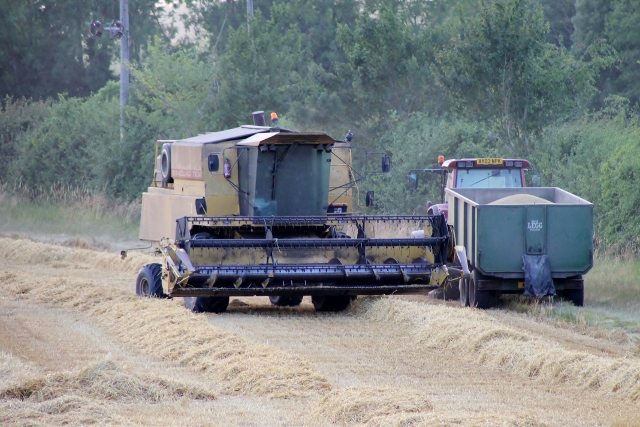
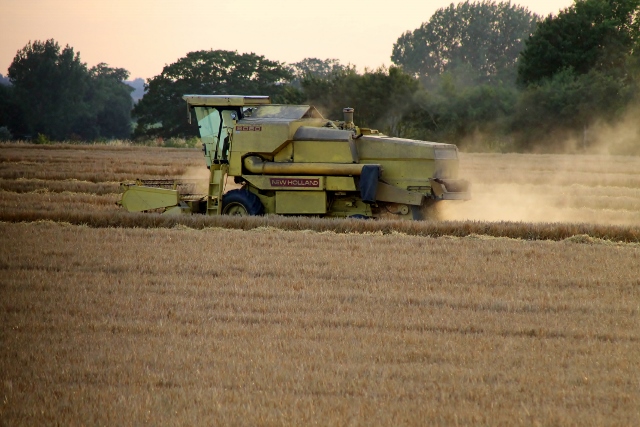
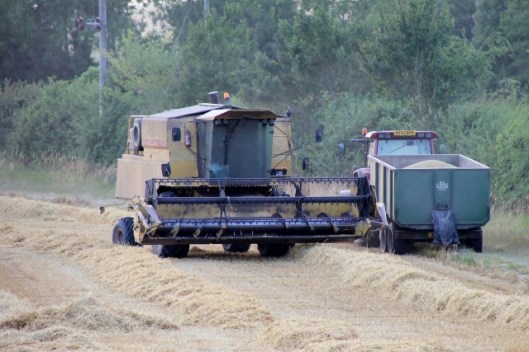
The next day they began harvesting the barley field.
IMG_2392Barley harvest (640x427)

This combine had just off-loaded its grain into the waiting tractor trailer.
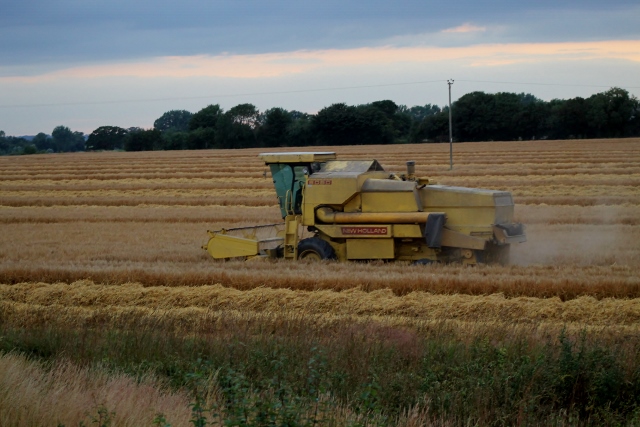
IMG_2394Barley harvest (640x427)

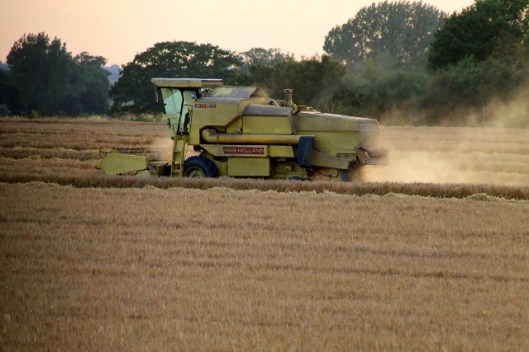
The harvesting wasn’t started until late in the day and continued until quite late in the evening.

The countryside at harvest-time is a very noisy, dusty, dirty place to be.  It proves at this time of year to be very industrial.  Our houses and cars get covered in a thick pall of dust and bits of straw.  We all start wheezing and coughing and anyone with allergies or asthma has problems with their health.  There is a constant roaring and whining of engines as the combines trawl up and down the fields all day and most of the night too and the tractors with full trailers of grain are driven at break-neck speed along our narrow lanes to the silos and barns at the farms.  Woe betide anyone or any creature who gets in their way!
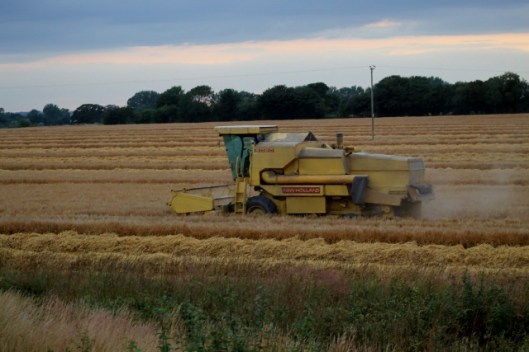
IMG_2395Barley harvest (640x427)

The barley field was only half finished that evening and the combine went off to another field to work on that. Both fields were left with strips of uncut grain.

I am not sure why they left both fields like this.  Bad weather was forecast and duly arrived a couple of days later.  Perhaps less damage is caused by wind and rain when the crop is in strips.
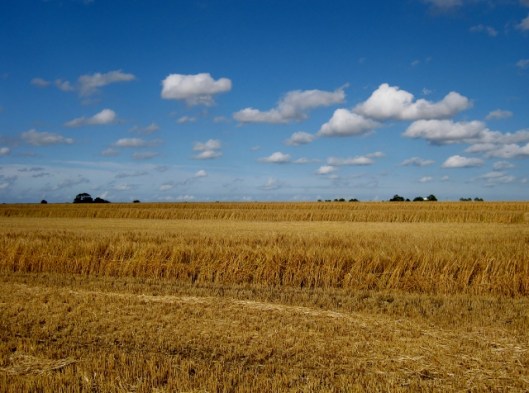
IMG_5290View across field (640x476)

This is a photo of the other field our local farmer cut in strips. We took this picture while on a walk nearly two weeks ago.  The fields were both finished last week – almost a month since they had begun.

This was the first walk we had taken from home in months.

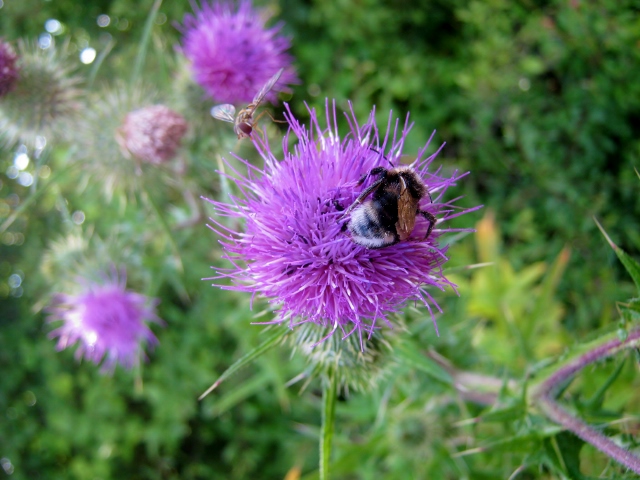
IMG_5294Bee and hoverfly on Spear Thistle (640x480)

A bee and a hoverfly enjoying the nectar of a Spear Thistle (Cirsium vulgare)
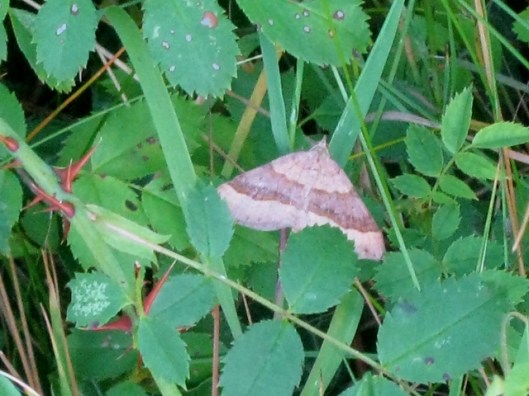
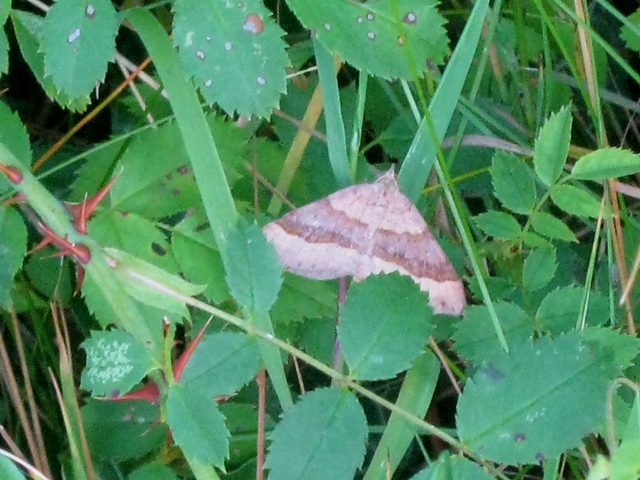
IMG_5295Moth Shaded Broad Bar perhaps (640x480)

I disturbed this moth as I walked through the long grass. I think it may be a Shaded Broad Bar moth (Scotopteryx chenopodiata)
IMG_5297Common Fleabane (640x480)

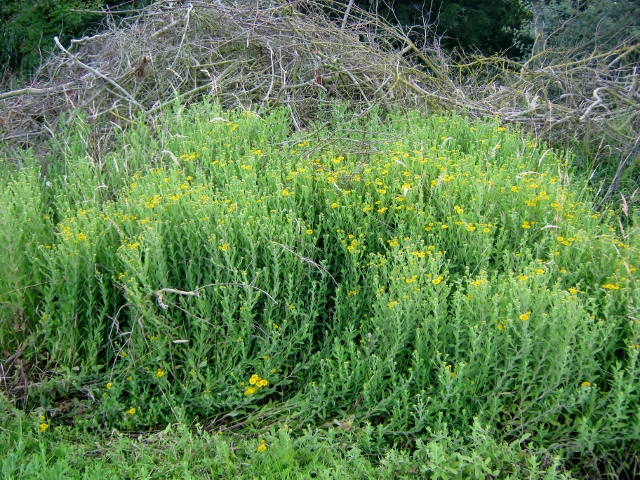
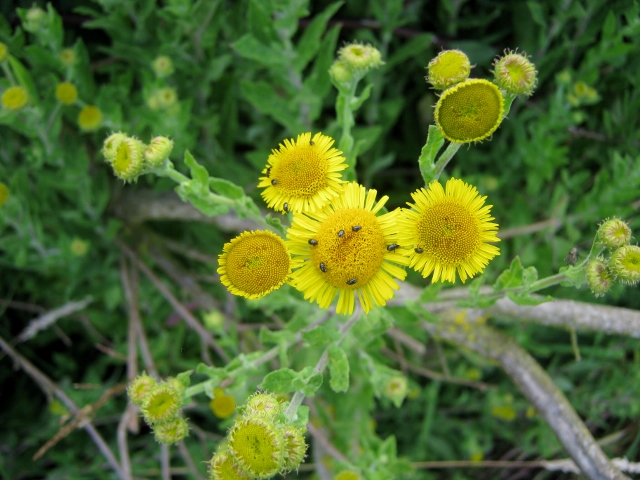
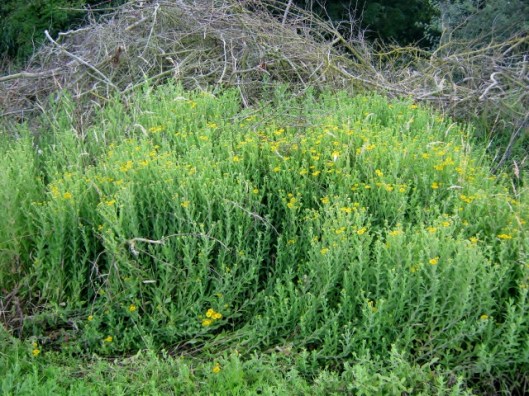
I remembered seeing a large patch of Common Fleabane (Pulicaria dysenterica) in the corner of a field last year. It was still there though a large heap of prunings had been left there earlier in the year
IMG_5296Common Fleabane with pollen beetles (640x480)

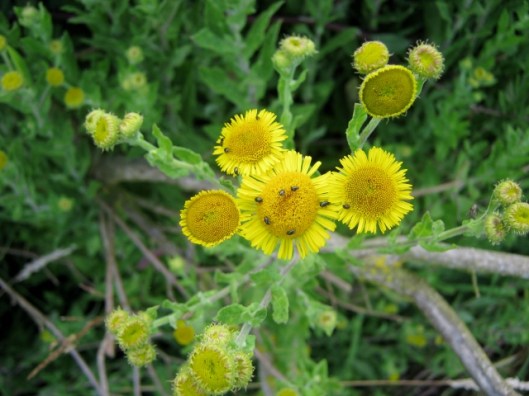
Fleabane with Pollen Beetles (Meligethes aeneus)
IMG_5298Field Maple (640x480)

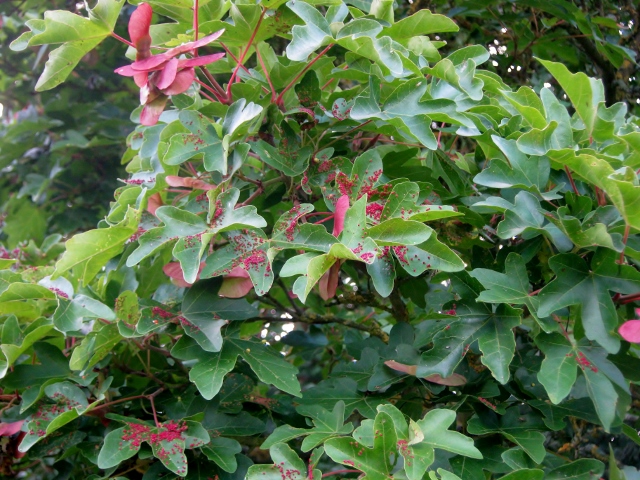
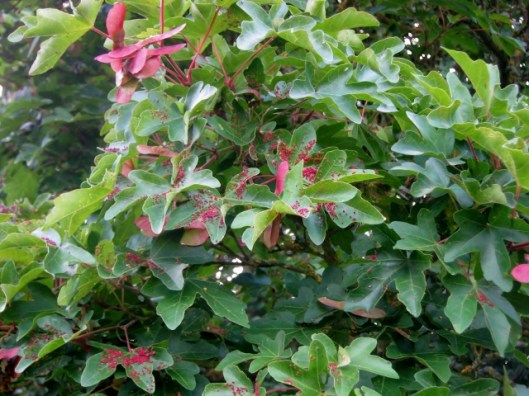
The Field Maple(Acer campestre) was looking bright, not only with its new ruby-coloured winged-fruits and leaf stalks but also with the crimson galls on many of its leaves. These galls are small red pustules probably produced by the mite Aceria myriadium.
IMG_5300New oak leaves (640x480)

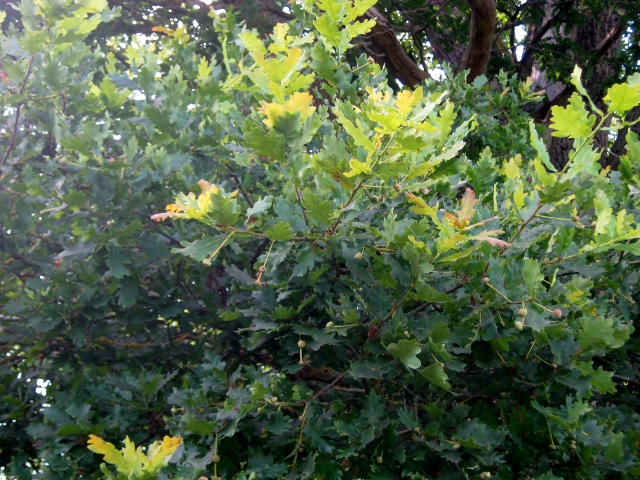
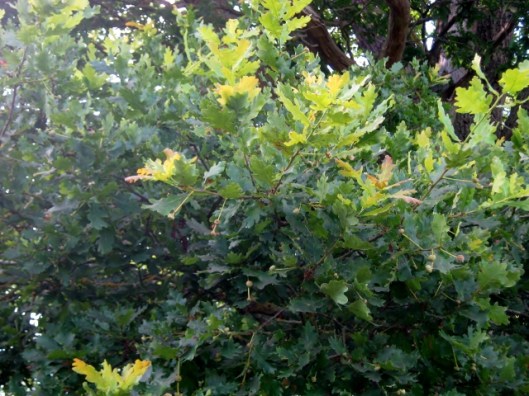
New Pedunculate (or English) Oak leaves (Quercus robur) shining in the afternoon sun. There are also tiny acorns on long stalks to be seen.

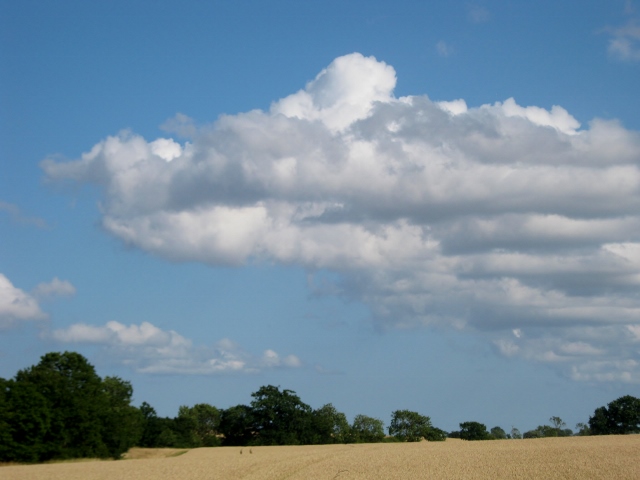
IMG_5303Clouds (640x480)

Interesting cloud formation.

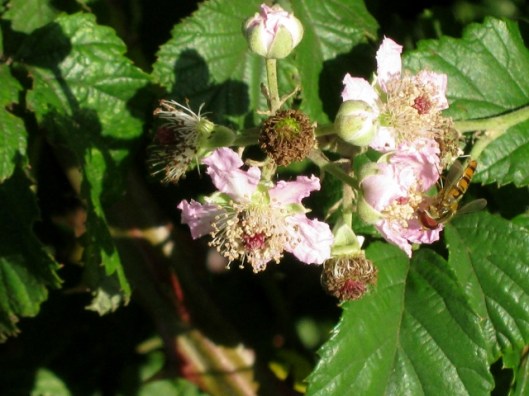
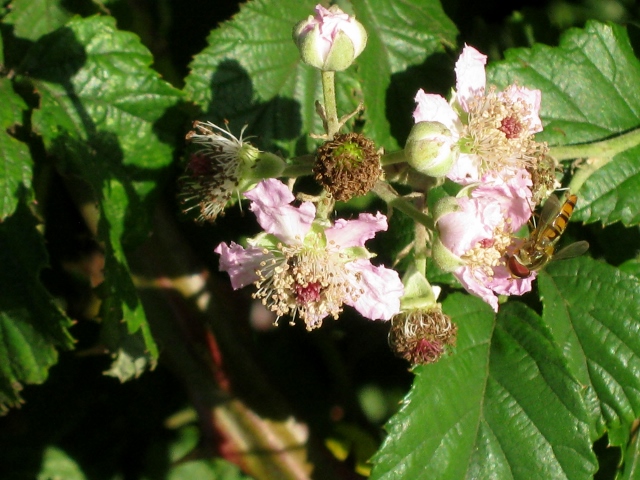
IMG_5307Hoverfly on bramble flowers (640x480)

A hoverfly on Bramble (Rubus fruticosus agg. ) flowers
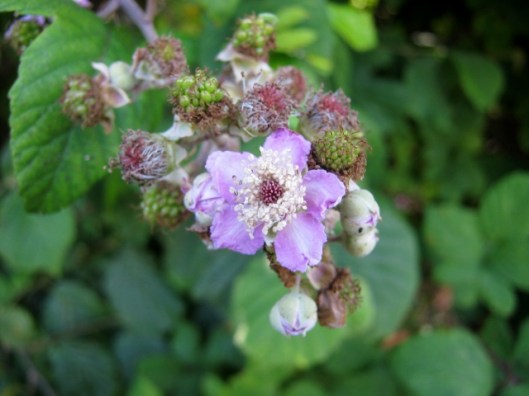
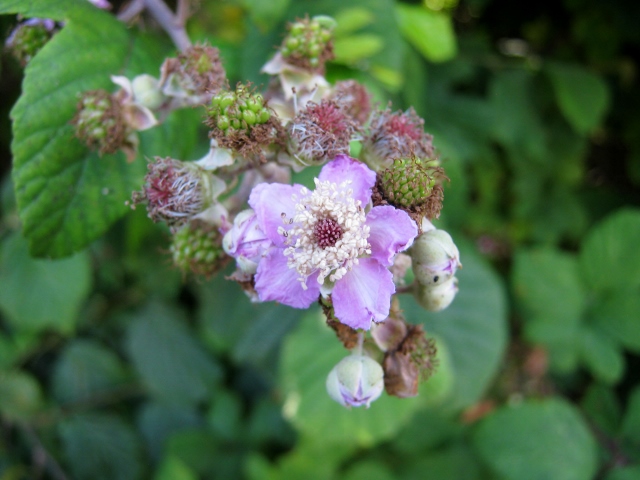
IMG_5309Bramble (640x480)

Bramble flowers are very attractive and blackberries go so well in pies and crumbles!
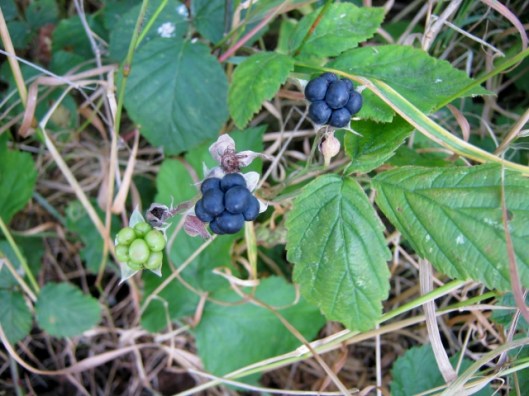
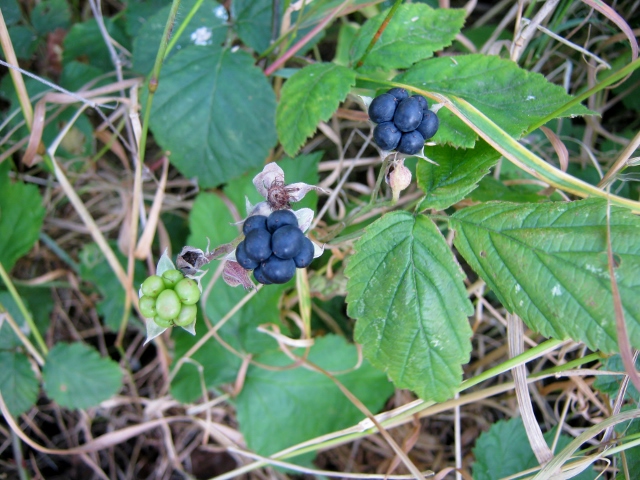
IMG_5308Dewberry (640x480)

I saw my first Dewberry (Rubus caesius) last year and was worried I wouldn’t find one this year because of all the hedging and ditching that was done in the spring. I eventually found a small plant under a hedge.
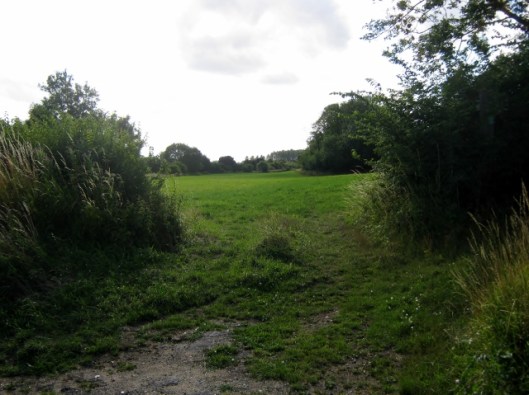
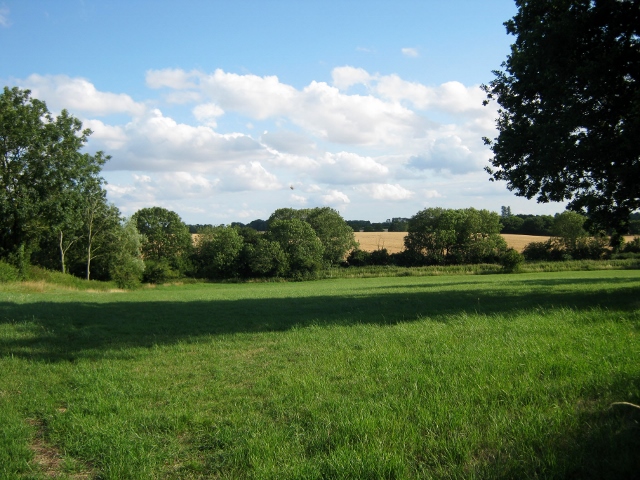
IMG_5310Field view (640x479)

Richard and I like this view across a field
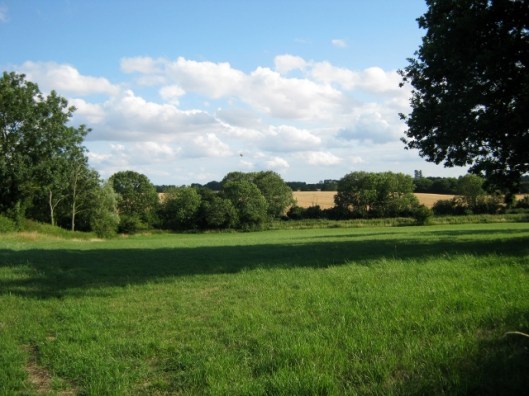
IMG_5312Field view photo-bombed by fly (640x480)

This is another view we like and I’m sure my regular readers recognise it.

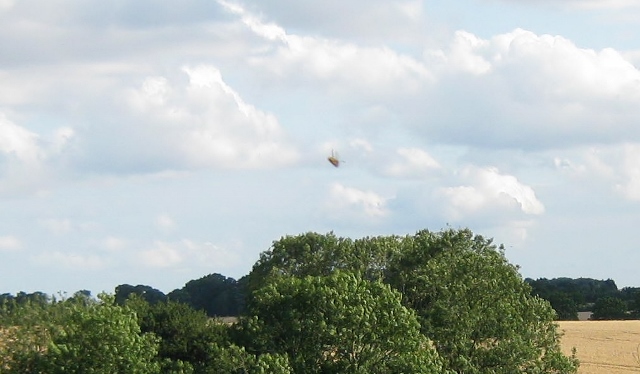
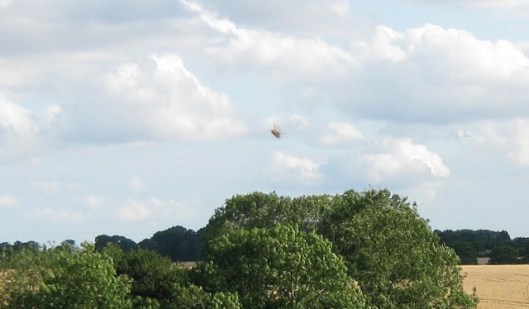
When I checked my photos on my return home I was dismayed to see the spot just above the trees at the centre of the photo.  However, when I cropped the photo…
IMG_5312Field view photo-bombed by fly (2) (640x374)

Cheeky!

…I realised a bee had photobombed my picture!
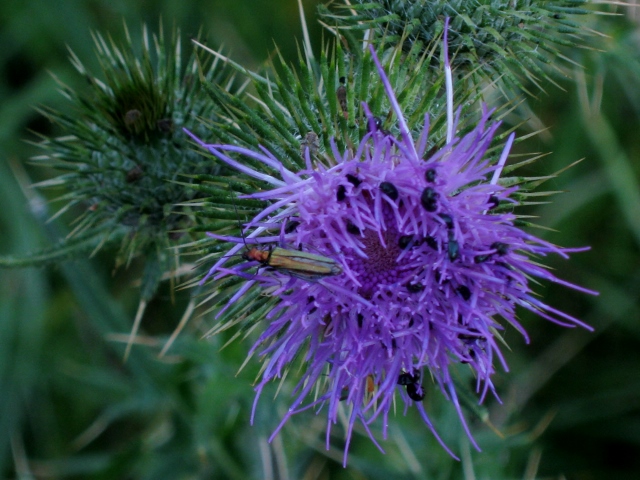
IMG_5317Oedemeridae beetle perhaps Ischnomera sanguinicollis (640x480)

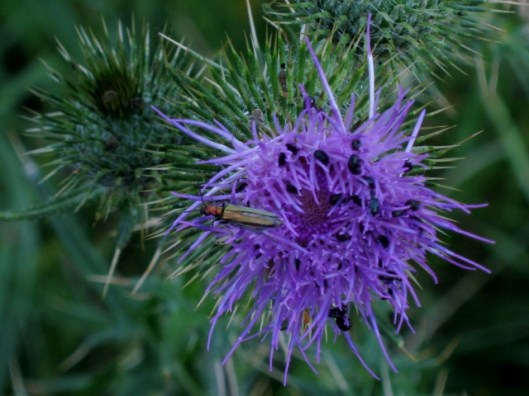
An Oedemeridae beetle, perhaps Ischnomera sanguinicollis on a Spear Thistle flower with lots more Pollen Beetles.
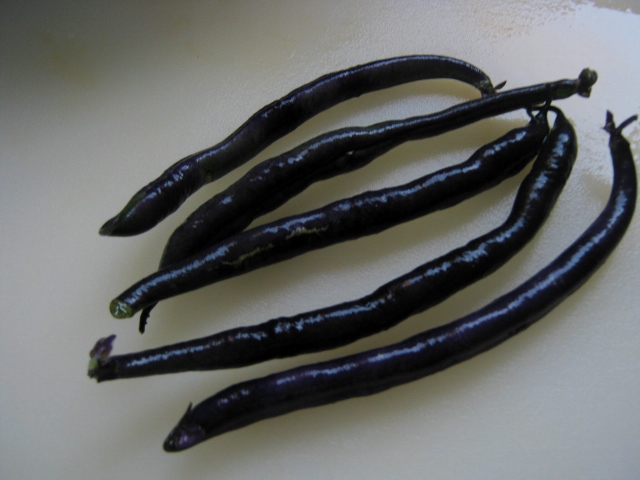
IMG_5322Purple beans (640x480)

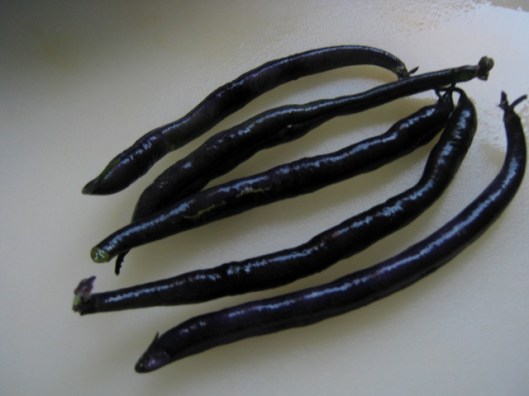
We have had our first harvest of purple beans.

These beans sadly lose their purple colour when cooked and end up a rather dull green.  They taste very nice and they have appreciated growing in the cooler summer.
IMG_5321Purple beans and spring greens (480x640)

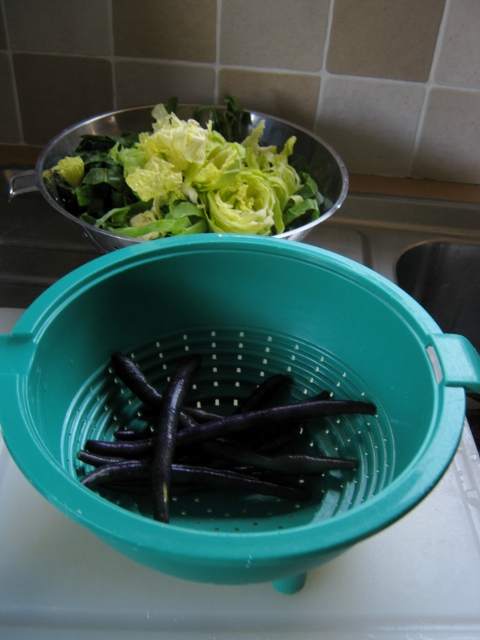
French beans are so quick and easy to prepare and taste wonderful straight from the garden.

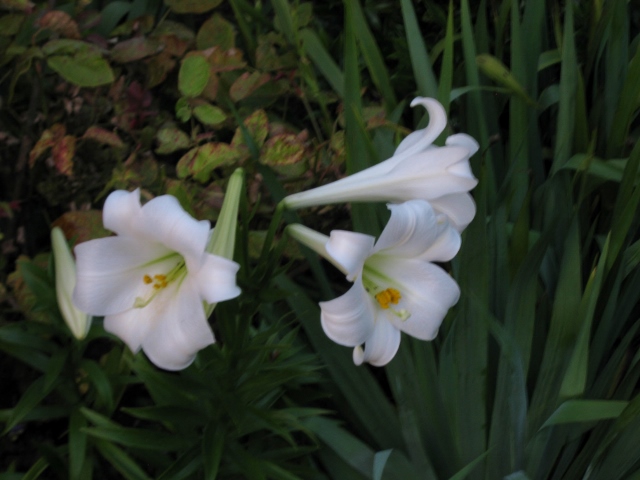
IMG_5330White lilies (640x480)

My white lilies (Lilium longiflorum) are flowering in the garden. This photo was taken at dusk.
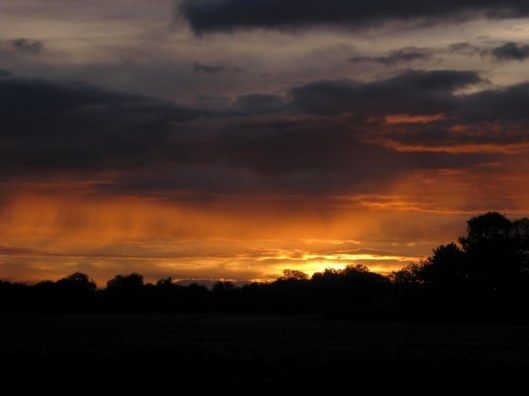
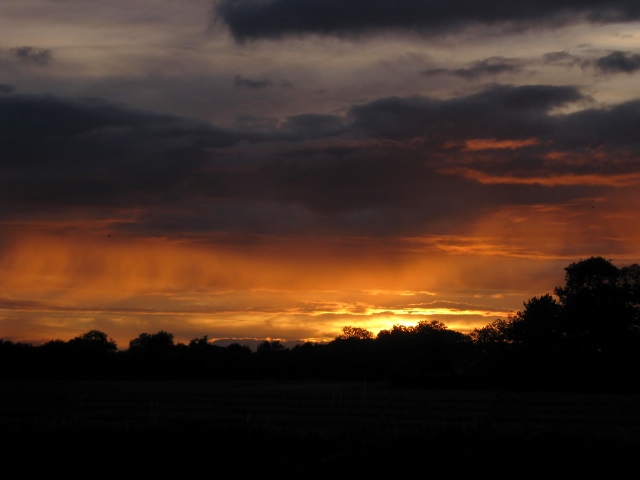
IMG_5323Rain at sunset (640x480)

Another sunset – this time with an added rain shower

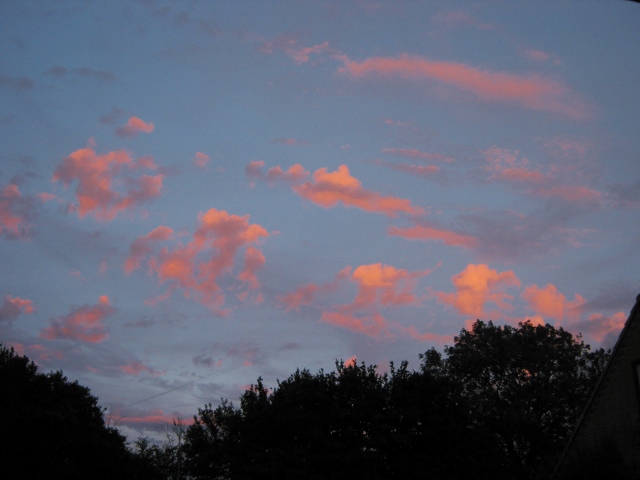
The rain soon cleared away and as I turned back toward the house I saw the sky to the East was lovely too.
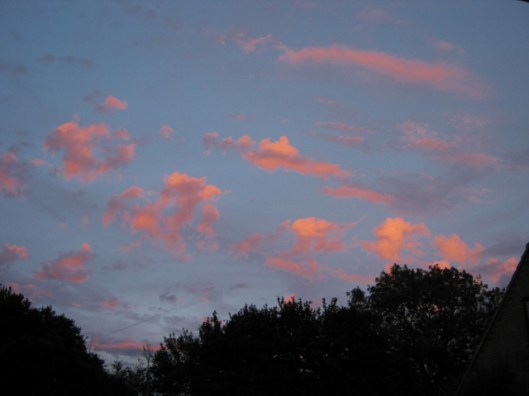
IMG_5335Pink clouds at sunset (640x480)

Pretty pink clouds!

Thanks for visiting!
 

Share this:

  • Share on X (Opens in new window) X
  • Share on Reddit (Opens in new window) Reddit
  • Share on Pinterest (Opens in new window) Pinterest
  • Share on Facebook (Opens in new window) Facebook
  • Email a link to a friend (Opens in new window) Email
  • Share on Tumblr (Opens in new window) Tumblr
  • Print (Opens in new window) Print
  • Share on Pocket (Opens in new window) Pocket
  • Share on LinkedIn (Opens in new window) LinkedIn
Like Loading...
← Older posts
Newer posts →
Follow A Suffolk Lane on WordPress.com

Enter your email address to follow this blog and receive notifications of new posts by email.

Join 715 other subscribers.

Unknown's avatar

I talk about what it's like living in a quiet part of Suffolk. I am a wife, mother and daughter, a practising Christian and love the natural world that surrounds me. I enjoy my life - most of the time!
My Posts

Jan 2026
M T W T F S S
 1234
567891011
12131415161718
19202122232425
262728293031  
« Dec    

Pages

  • About my Blog
  • GDPR (General Data Protection Regulations) and This Site
  • My Life in a Suffolk Lane

Archives

Blogs I Follow

Unknown's avatar
Unknown's avatar
Unknown's avatar
Unknown's avatar
Unknown's avatar
Unknown's avatar
Unknown's avatar
Unknown's avatar
Unknown's avatar
Unknown's avatar
Unknown's avatar
Unknown's avatar
Unknown's avatar
Unknown's avatar
Unknown's avatar
Unknown's avatar
Unknown's avatar
Unknown's avatar
Unknown's avatar

Posts I Like

  • Unknown's avatar
  • Unknown's avatar
  • clivebennett796's avatar
  • Unknown's avatar
  • Unknown's avatar
  • Unknown's avatar
  • santable's avatar
  • JAM's avatar
  • Unknown's avatar
  • Unknown's avatar
  • Unknown's avatar
  • Unknown's avatar
  • Unknown's avatar
  • Talkmore's avatar
  • Unknown's avatar
  • Limentinus's avatar
  • Unknown's avatar
  • Unknown's avatar
  • Unknown's avatar
  • Secret Diary of A Country Vicar's Wife's avatar
  • Unknown's avatar
  • Unknown's avatar
  • sherijkennedyriverside's avatar
  • Unknown's avatar
  • Unknown's avatar
  • Unknown's avatar
  • Unknown's avatar
  • aho's avatar
  • Unknown's avatar
  • Annika Perry's avatar
  • Martha's avatar
  • Matthew Paul's avatar
  • Unknown's avatar
  • sopantooth's avatar
  • gederedita's avatar
  • 60onabudget's avatar
  • Sarah curran's avatar
  • Pilgrim's Pondering Ministry's avatar
  • quietsolopursuits's avatar
  • Unknown's avatar
  • trulymebeingme's avatar
  • Unknown's avatar
  • Unknown's avatar
  • Unknown's avatar
  • Unknown's avatar
  • Unknown's avatar
  • womanseyeview's avatar
  • Unknown's avatar
  • Unknown's avatar
  • Unknown's avatar

amphibians architecture art Arts and Crafts churches cooking Days out domestic animals family fish Folk Traditions Gardening Historic Buildings holidays Insects Landscaping literature music Norwich plants Rural Diary seashore theatre trees Uncategorized walking weather wild animals wild birds wild flowers

Tags

architecture autumn birds blackbird blackthorn Bungay butterfly church clouds common knapweed cow parsley crocus daffodils Diary dogwood family field maple flowers fungus garden gardening geese greylags ground-ivy Halesworth Hawthorn heather holiday Holly Holy Week horse chestnut Hoverfly insects ivy Lake District Lent lesser celandine lichen Lords and Ladies Mallard mallards Minsmere moorhen moss music Norwich Peak District pheasant plants pond ponds primrose primroses Rain rooks Rumburgh Rumburgh Church sheep Sheffield snow snowdrops Southwold spring Suffolk Suffolk Wildlife Trust sunset the Beck trees viburnum bodnantense walking weather wild cherry wild flowers winter-flowering honeysuckle witch-hazel

Meta

  • Create account
  • Log in
  • Entries feed
  • Comments feed
  • WordPress.com

Goodreads

Blog at WordPress.com.

Book Jotter

Reviews, news, features and all things books for passionate readers

Country Life Blog -

A blog about life in the country in the past and present

Matthew Paul: Poetry & Stuff

Poetry and what-not

Schnippelboy

Ein Tagebuch unserer Alltagsküche-Leicht zum Nachkochen

TAMARA JARE

TAMARA JARE Tamara Jare: Contemporary Figurative Painting Oil on Canvas Artist Art Studio

A Taste of Freedom

Documenting a Dream

Country Ways

Rambling Journeys in Britain, Countryside Matters and campaigning for the Right to Roam

The Strawberry Post

Here to Entertain, Educate & Inspire!

a north east ohio garden

an ongoing experiment in the dirt, 35 plus years

naturechirp

Celebrating God's creatures, birds and plants...

Sophie Neville

Writer

Going Batty in Wales

Developing a more sustainable lifestyle in SW Wales

Our Lake District Escapades

Exploring the Lake District and beyond

Short Walks Long Paths

Wandering trails around the coast of Wales

The Biking Gardener

An English persons experience of living and gardening in Ireland

Nan's Farm

A Journal Of Everyday Life

Walk the Old Ways

Rambling Journeys in Britain with John Bainbridge. Fighting for the Right to Roam. Campaigning to Protect Our Countryside.

Writer Side UP!

Waking the Writer Side...and keeping it "Up!"

Meggie's Adventures

Travel, thank you notes and other stories

amusicalifeonplanetearth

Music and the Thoughts It Can Inspire

lovefoundation.co.uk

Traveling Tortuga

Simply Living Well

Pakenham Water Mill

Historic watermill in the beautiful Suffolk countryside

Take It Easy

Retired, not expired: words from the after(work)life. And music. Lots of music!

Secret Diary Of A Country Vicar's Wife

By Olive Oyl

thanksfortheadventureorg.wordpress.com/

The Beat Goes On

#TBGO

Frank Pleszak's Blogs

Twitter: @frankpleszak @PolishIICorps

John Bainbridge Writer

Indie Writer and Publisher

roughwighting

Life in a flash - a bi-weekly storytelling blog

Walking the Old Ways

Rambling in the British Countryside

CapKane

thoughts on social realities

SkyeEnt

Jottings from Skye

jodie richelle

embracing my inner homemaker

Skizzenbuch/Blog

Just another WordPress.com weblog

Have Bag, Will Travel

The Call of the Pen

Flash Fiction, Book Reviews, Devotionals and other things.

John's Postcards

Art in Nature

You dream, I photographe it !

Smile! You’re in Barnier World......

theinfill

the things that come to hand

Dr. Mary Ann Niemczura

Author of "A Past Worth Telling"

Provincial Woman

The Pink Wheelbarrow

Luanne Castle: Poetry and Other Words (and cats!)

Poetry, Other Words, and Cats

The Family Kalamazoo

A genealogical site devoted to the history of the DeKorn and Zuidweg families of Kalamazoo and the Mulder family of Caledonia

everythingchild

The Book Owl

Canberra's Green Spaces

Paul Harley Photographer

  • Subscribe Subscribed
    • A Suffolk Lane
    • Join 715 other subscribers.
    • Already have a WordPress.com account? Log in now.
    • A Suffolk Lane
    • Subscribe Subscribed
    • Sign up
    • Log in
    • Report this content
    • View site in Reader
    • Manage subscriptions
    • Collapse this bar
 

Loading Comments...
 

    Privacy & Cookies: This site uses cookies. By continuing to use this website, you agree to their use.
    To find out more, including how to control cookies, see here: Cookie Policy
    %d