• About my Blog
  • GDPR (General Data Protection Regulations) and This Site
  • My Life in a Suffolk Lane

A Suffolk Lane

~ A diary of my life in rural north Suffolk.

A Suffolk Lane

Category Archives: plants

Keswick and an Evening Walk

03 Mon Aug 2015

Posted by Clare Pooley in Days out, plants, Rural Diary, walking, weather, wild birds

≈ 33 Comments

Tags

clouds, Derwent Water, flowers, geese, holiday, Keswick, Lake District

Our second day in the Lakes was cooler and rainier than the first.  Again, we left it until after midday before we left our cottage and this time went to the nearest town – Keswick.

Fortunately, the rain left off for the first part of the afternoon so walking round the town was fine.
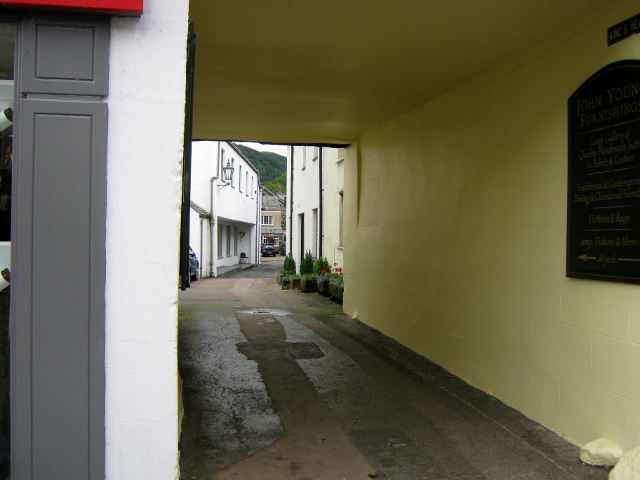
IMG_5041Alleyway in Keswick (640x480)

An interesting alleyway in Keswick

I had never been to this town before and Richard hadn’t visited for many years.  I loved it!  It has lots of interesting shops and plenty going on but it isn’t as packed with tourists as Ambleside is.

We bought gifts from the shop below for my mother and our next-door neighbour (who watered our tomatoes) and also a jar of marmalade as Elinor wanted some. My blogging friend Rachel, formerly of ‘Could Do Worse’ visits the Lakes every year and when I saw this shop I thought of her.

IMG_5042Chocolate shop in Keswick (640x480)

The Chocolate Shop

Here is what Rachel had to say about it last year.  She did three or four great posts from the Lakes last year and you’ll find them just before and just after the post I’ve given you a link to.  She has recently started a new blog called The Patch Out Back – do give her a visit.
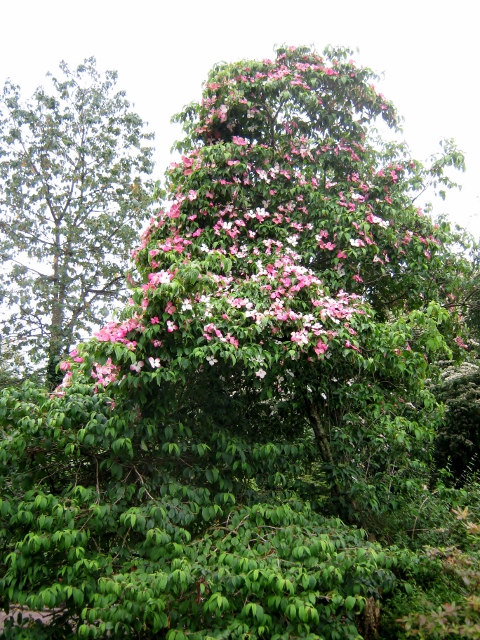
IMG_5043Tree in park (480x640)

A pretty tree in the park.

After wandering round for a while, and Elinor sampling some of the best chips she had ever tasted from The Old Keswickian, we agreed we’d like to see the lake.  To get to Derwent Water from the centre of the town you walk through an underpass and alongside part of the town park which is where I took the above photo.
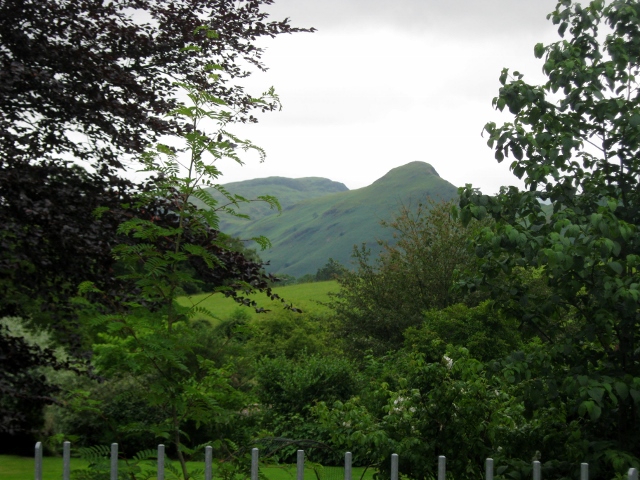
IMG_5044View of fells from Keswick (640x480)

From the path we could see the fells that surround the town
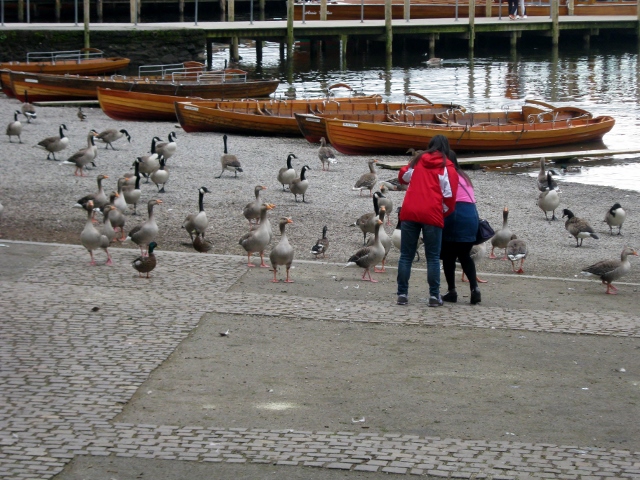
IMG_5045Geese at lakeside (640x480)

Lots of very friendly Greylags and Canada Geese wait to be fed by anyone foolhardy enough to buy packets of goose-food from the shop.
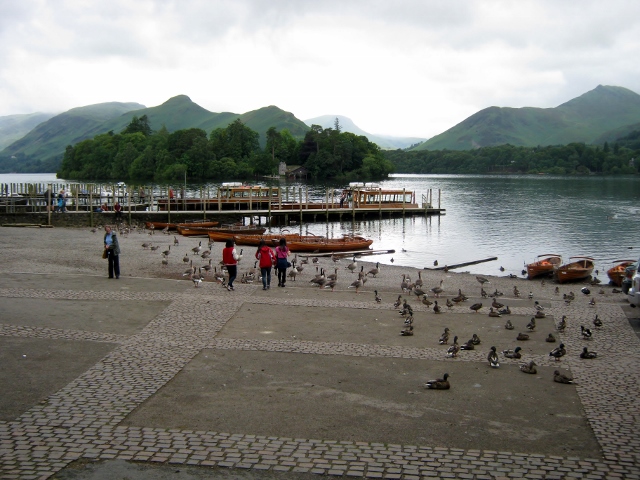
IMG_5046Derwent water (640x480)

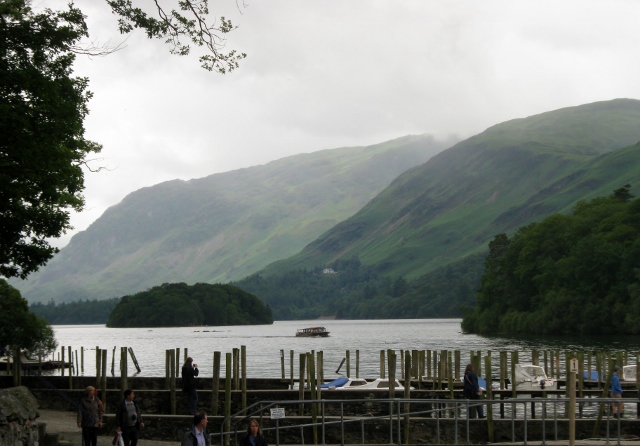
This is Derwent Water

IMG_5047Derwentwater (640x446)

Derwent Water

IMG_5049Derwentwater (640x439)

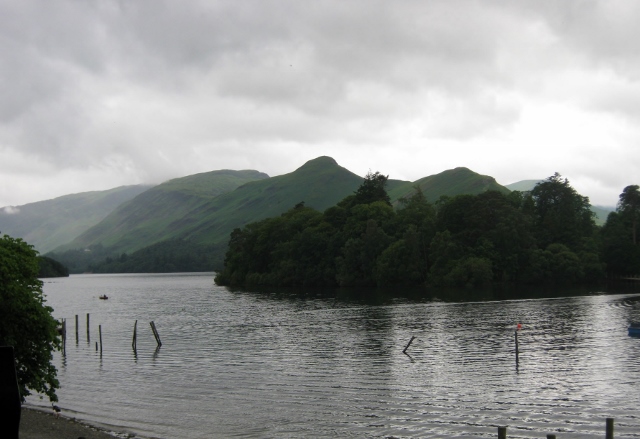
As you can see, it was a very cloudy day.
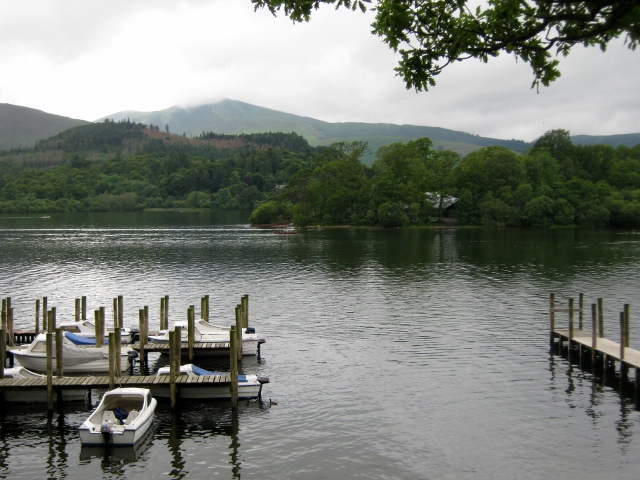
IMG_5050Derwentwater (640x480)

The lake has four islands on it and one of them is just opposite the ferry landing stage near where we were standing.
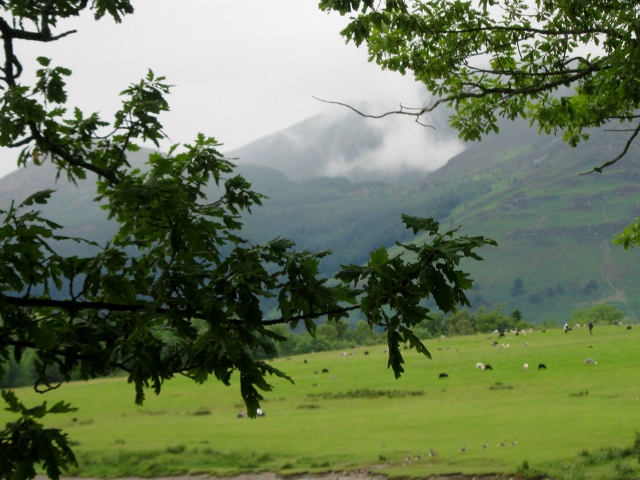
IMG_5051Fells by Derwentwater (640x480)

The clouds began to drift lower and we knew it would rain again soon.
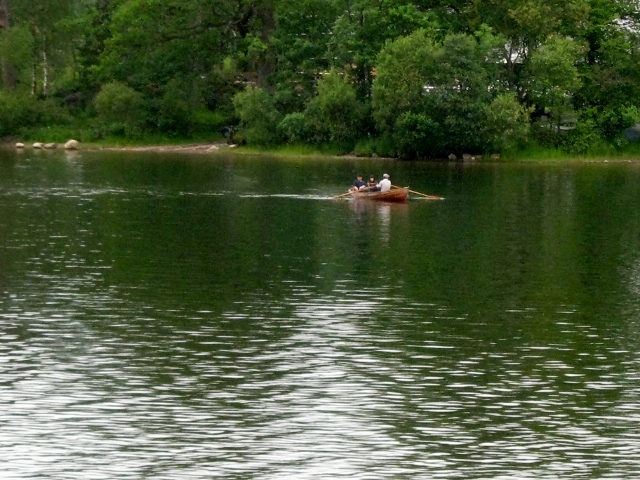
IMG_5053Derwentwater (640x480)

It was nice to watch people rowing on the lake
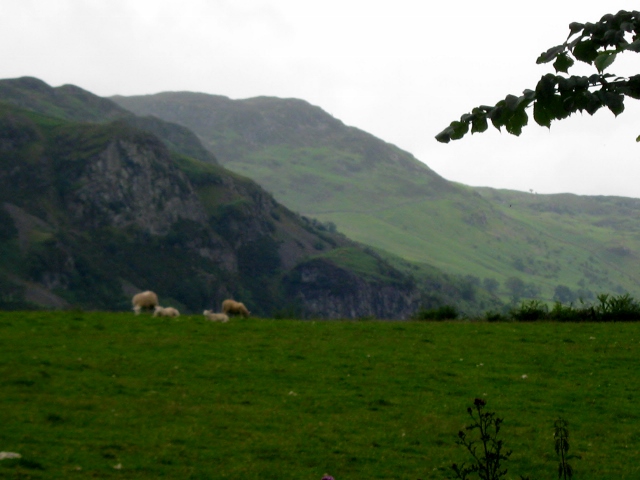
IMG_5056Fells next to Derwentwater (640x480)

Fells near the lake

IMG_5057Woman with Poodle (640x480)

We found this lady and her Poodle most amusing.

She got to the shore-side and took the dog’s lead off and replaced it with a long rope.  The dog was very excited and was barking loudly and shrilly.  It galloped into the water and splashed about, snapping at the water (I can’t imagine how many pints of lake water it drank).  The woman was having to hold very tight on the end of the rope especially when the dog saw a large flotilla of geese come into view.
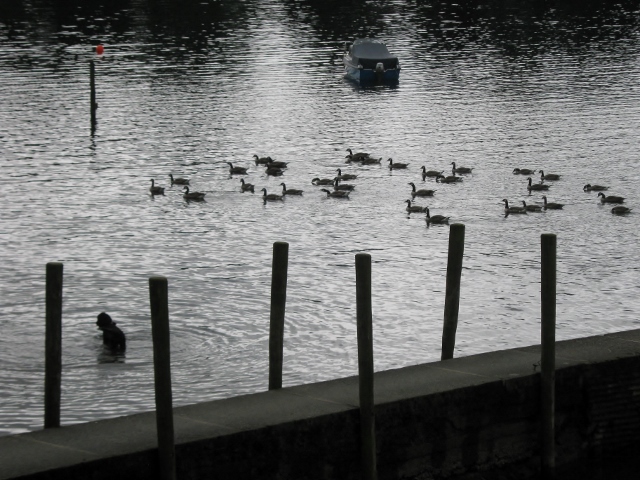
IMG_5058Poodle with geese (640x480)

The geese remained out of reach, to the poodle’s disappointment.

IMG_5055Common Vetch (480x640)

I saw some attractive Bush Vetch (Vicia sepium) near the lake.

As it started to rain again we made our way back to the car and then drove back to the cottage.

After our evening meal, Richard and I went for a walk down the lane our cottage was in.
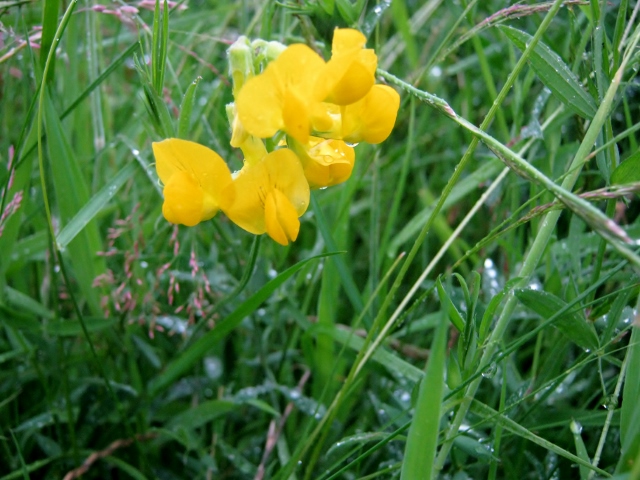
IMG_5059Greater Bird's-foot Trefoil (640x480)

The first plant I saw was Greater Bird’s-foot Trefoil (Lotus pedunculatus)
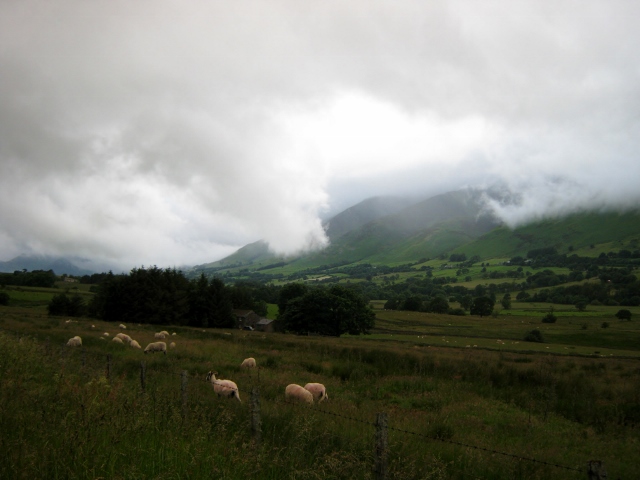
IMG_5060Low cloud (640x480)

The cloud was low and everything was very wet but the fine rain soon stopped.
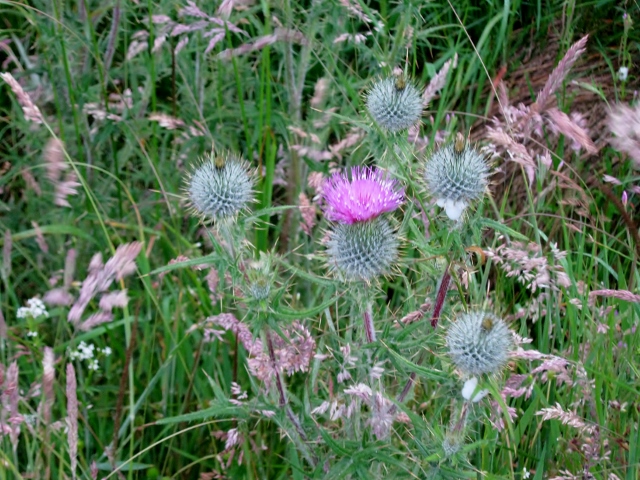
IMG_5061Spear Thistle (640x480)

Spear Thistle (Cirsium vulgare) was everywhere – (as it is here at home)
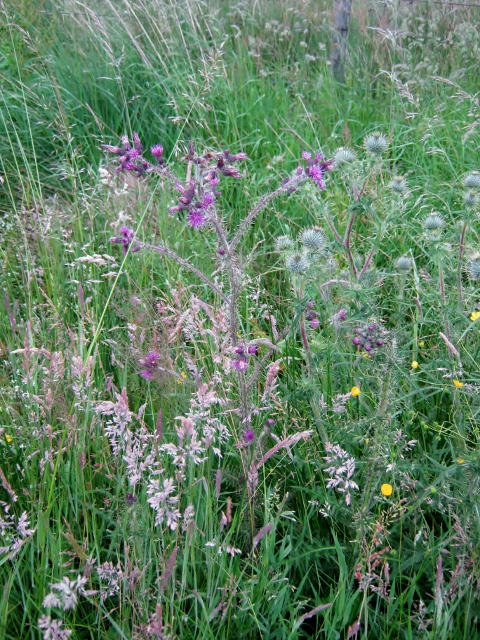
IMG_5063Marsh and Spear Thistle (480x640)

Marsh Thistle (Cirsium palustre) has smaller flower-heads and they are grouped together at the end of the stems. (A Spear Thistle is behind it)
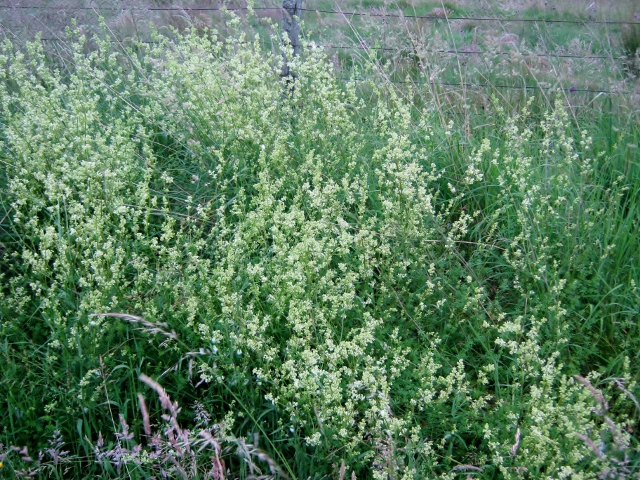
IMG_5065Heath Bedstraw (640x480)

Masses of Heath Bedstraw (Galium saxatile)
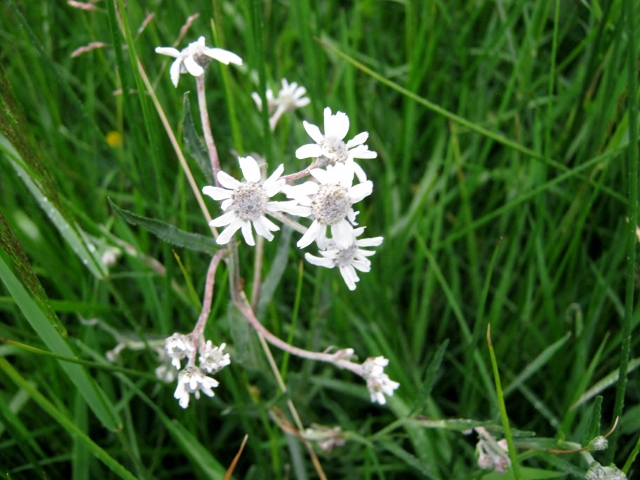
IMG_5069Sneezewort (640x480)

Sneezewort (Achillea ptarmica)

Sneezewort’s name ptarmica comes from the Greek word ptarmos which, surprisingly, means ‘sneezing’.  The plant looks grey and in the bad light that evening the flowers seemed almost luminous.  The upper stems are downy and the flower-heads are made up of white ray florets and greenish-white disc florets (though in this photo they look grey).  The leaves, which are hot to the taste, used to be used in salads.  In the Middle Ages Sneezewort was used to alleviate toothache.  Sufferers held the roots in their mouths which helped the toothache by ‘evacuating the rheum’ according to Nicholas Culpeper.  I can’t imagine how sneezing would help anyone with bad toothache!  Culpeper recommends sneezewort for people with stuffy heads.  The powder of the herb was ‘stuffed up the nose..’ which caused sneezing and ‘cleanses the head’.  Explosive!

IMG_5070Low Cloud (640x480)

More low cloud

We walked almost to the end of the lane but as it was getting quite dark we turned round, retraced our steps and returned to our cottage.

Thanks for visiting!
 

Share this:

  • Share on X (Opens in new window) X
  • Share on Reddit (Opens in new window) Reddit
  • Share on Pinterest (Opens in new window) Pinterest
  • Share on Facebook (Opens in new window) Facebook
  • Email a link to a friend (Opens in new window) Email
  • Share on Tumblr (Opens in new window) Tumblr
  • Print (Opens in new window) Print
  • Share on Pocket (Opens in new window) Pocket
  • Share on LinkedIn (Opens in new window) LinkedIn
Like Loading...

July (mainly) in Suffolk

30 Thu Jul 2015

Posted by Clare Pooley in Gardening, Insects, plants, Rural Diary, wild birds

≈ 35 Comments

Tags

birds, butterflies, caterpillar, danselfly, dragonflies, flies, garden, garden flowers, green woodpecker, herbs, hoverflies, insects, moths, Suffolk, wild flowers

This post is made up of photos of things I’ve seen in my garden during the last month.  The first few shots were taken during the last two days in June (I did say ‘mainly’!), when the weather suddenly got much warmer and the sun appeared.  Summer arrived and we all felt much better!

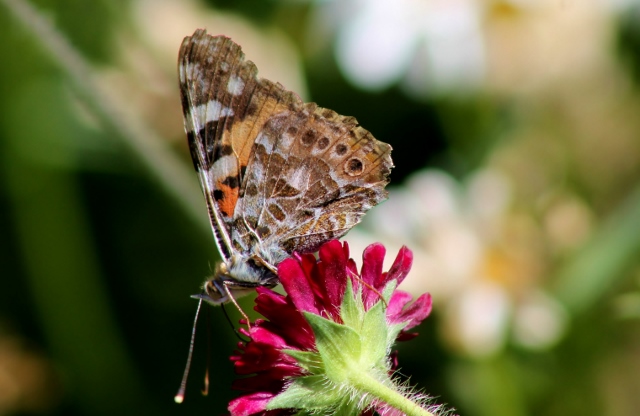
IMG_2329Painted Lady on scabious (2) (640x416)

Painted Lady butterfly (Vanessa cardui) on a scabious flower

IMG_2333Dog Rose (2) (640x434)

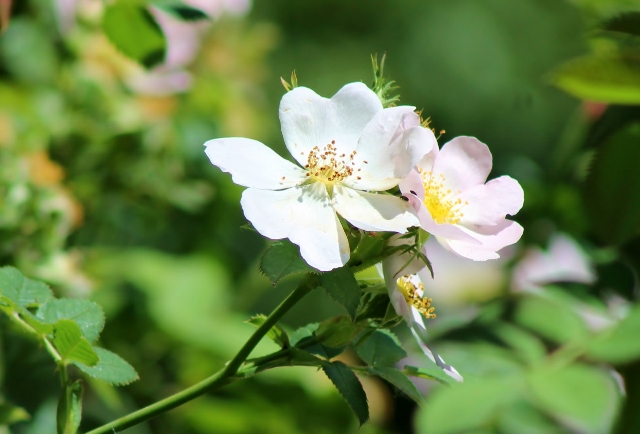
Dog Rose flowers (Rosa canina) next to the big pond

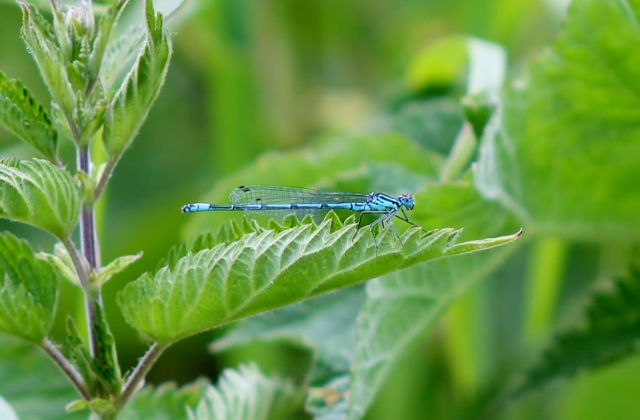
IMG_2335Common Blue Damselfly (640x423)

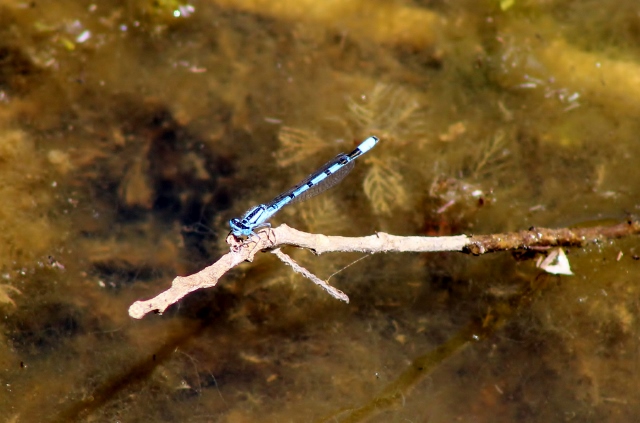
Male Common Blue damselfly (Enallagma cyathigerum)

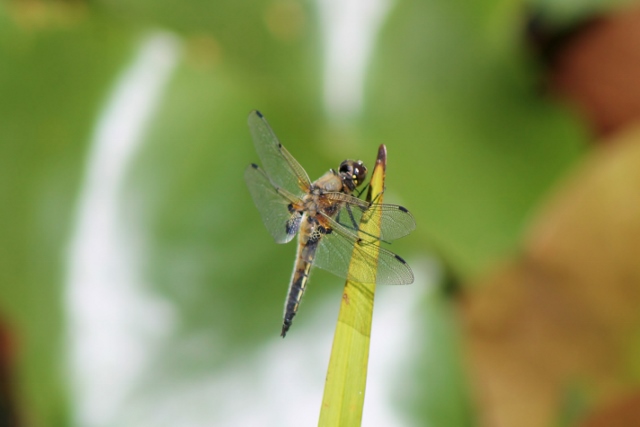
IMG_2341Four-spotted chaser (640x427)

Four-spotted Chaser dragonfly (Libellula quadrimaculata)

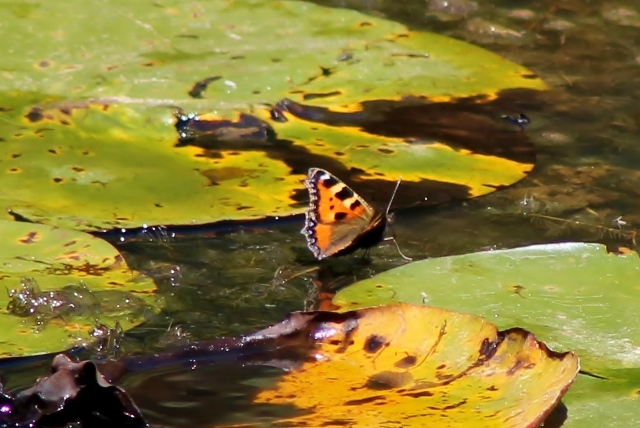
IMG_2340Small Tortoiseshell on pond (2) (640x428)

Small Tortoiseshell butterfly (Aglais urticae) on big pond

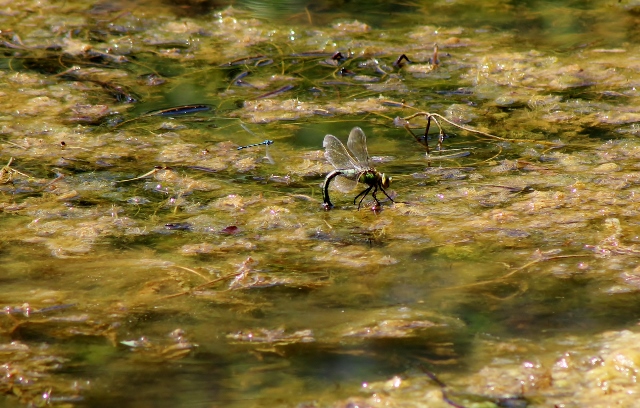
IMG_2348Female Emperor Dragonfly (640x408)

Female Emperor dragonfly (Anax imperator) laying eggs on the big pond

We have Ground Elder in our garden.  I wish we didn’t but there is little chance of us ever getting rid of it here so we will have to try to weaken it and stop it from spreading further.  It is in the ditch between us and the school house next door and also in the ditches at the front of the house and under the hedge.  It is trying to spread into the lawn at the front but we strim and mow as much as possible and try to stop it from flowering.  We often fail in this.

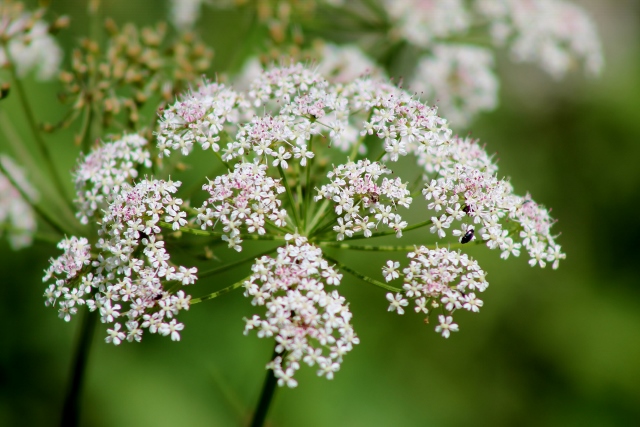
IMG_2350Ground Elder (640x427)

Ground Elder flower! As you see it is a pretty umbellifer with slightly pink buds.

I eradicated it from a former garden by digging it out over a period of a few years.  It was in a flower bed so therefore easier to deal with.

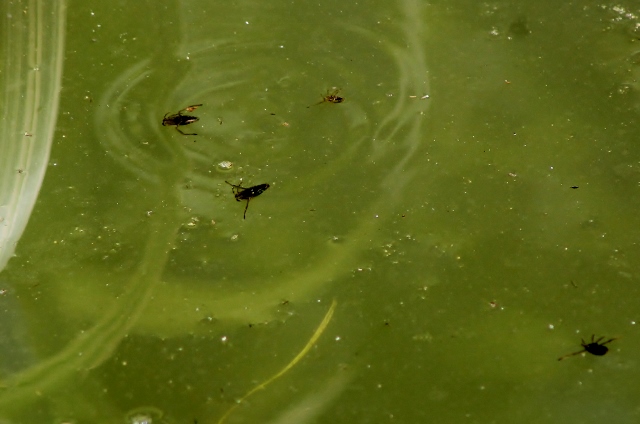
IMG_2351 (2).jpgCommon Backswimmers (640x424)

Common Backswimmers (Notonecta glauca) in the front pond. This pond completely dried up while we were away on holiday but is starting to fill again because of the torrents of rain we’ve had during the past week or two.

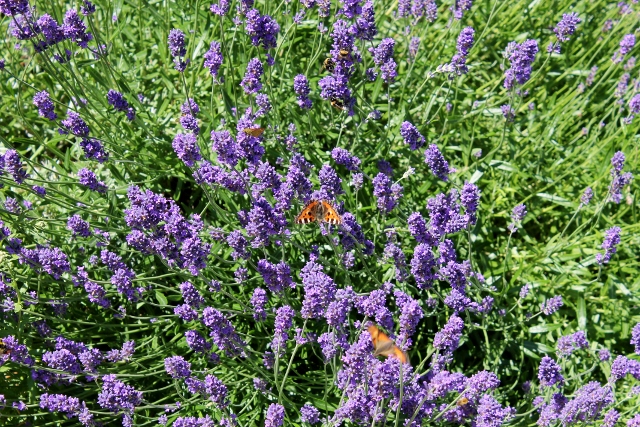
IMG_2359Insects on lavender (640x427)

Insects on Lavender ‘Hidcote’. There haven’t been as many insects this year as last, but the lavender attracted quite few while it flowered. It is a fabulous insect magnet!

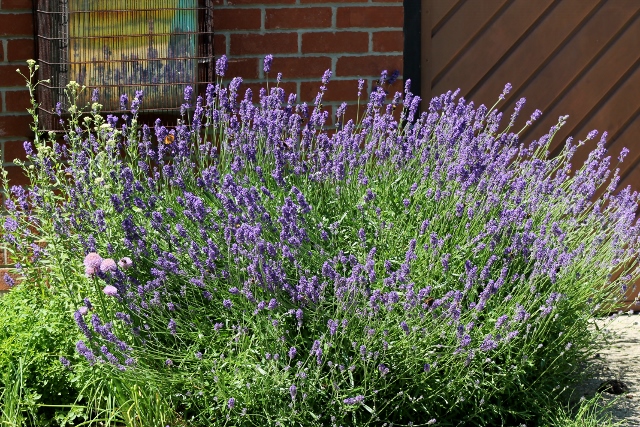
IMG_2354Lavender (640x427)

Lavender growing at the front of our house

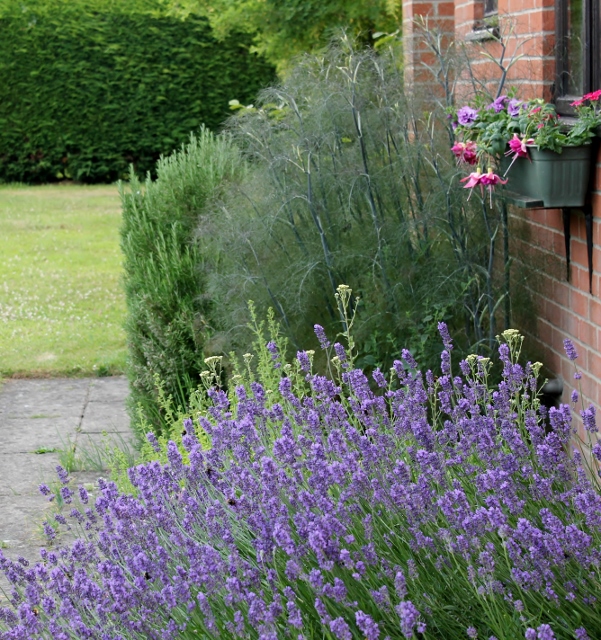
IMG_2373Herb garden (601x640)

My herb garden

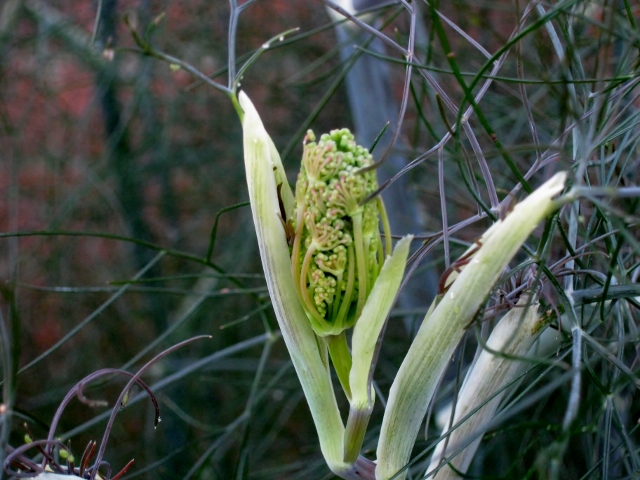
IMG_4908Bronze Fennel flower bud (640x480)

Bronze Fennel flower bud. When we returned form our week away all the leaves on the fennel had died and the flowers were drooping. I watered the herbs and then the rains and cool weather returned; the fennel is still alive (it has an enormous tap root) but no leaves at all for now. The flowers are fine and are being enjoyed by wasps and hoverflies.  A neighbour came in to water the plants in the greenhouse while we were away (tomatoes mainly) but we couldn’t expect him to water all our plants – that would be asking much too much!

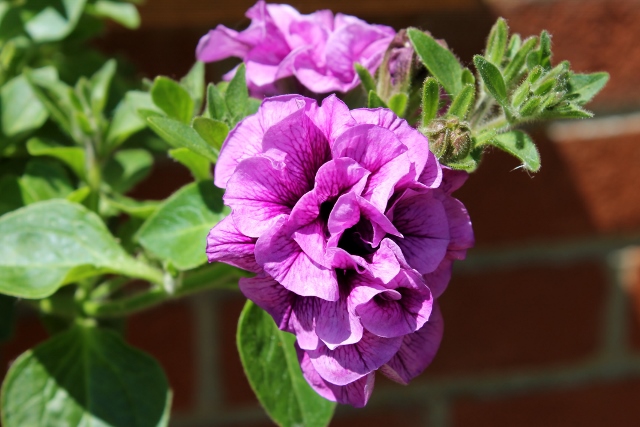
IMG_2355Tumbelina Petunia (640x427)

A pretty Tumbelina Petunia in the window box.  It has a lovely gentle scent.

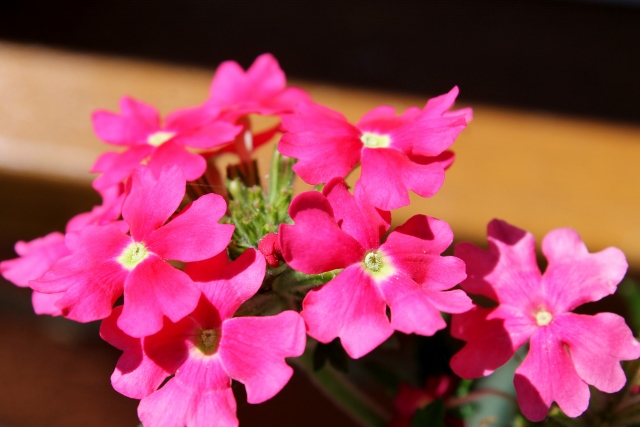
IMG_2356Verbena (640x427)

A very bright pink Verbena in the window box with the petunia. The hoverflies love it very much. I wish it was scented.

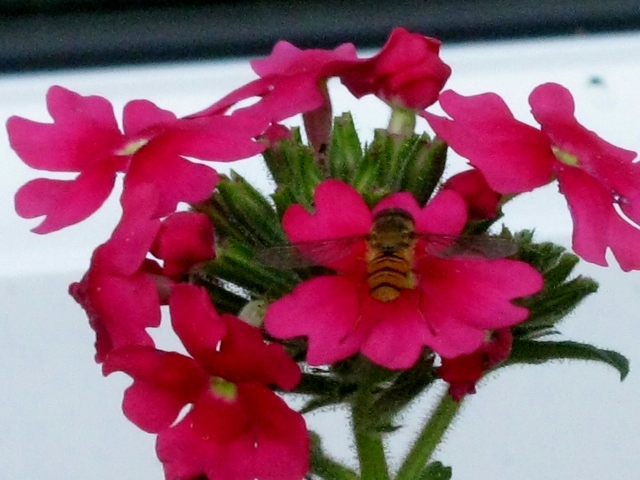
IMG_4917Hoverfly Episyrphus balteatus on verbena (640x480)

Hoverfly Episyrphus balteatus (I think!) on verbena

IMG_4926Hoverfly on Fuchsia (640x480)

A hoverfly on the Fuschia that is also in the window box. This photo was taken after we had begun to have rain at last after a long dry spell.

IMG_4923Spider on fuchsia (640x480)

A beautiful, tiny green spider on the fuschia. I think this is a Green Orb-weaver (Araniella curcurbitina).

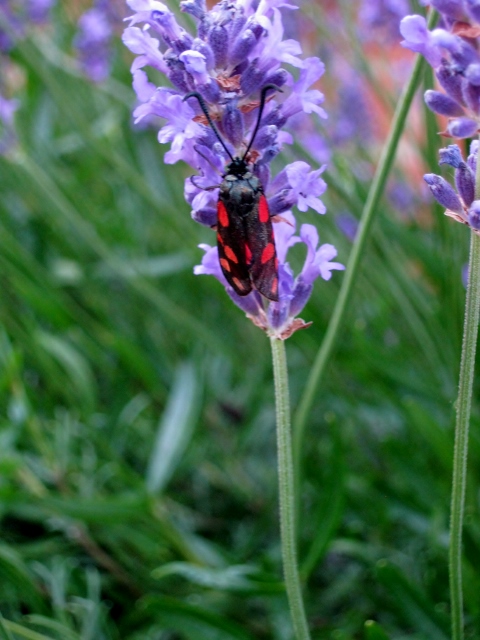
IMG_4915Six-spot Burnet (480x640)

A Six-spot Burnet moth (Zygaena filipendulae) on lavender

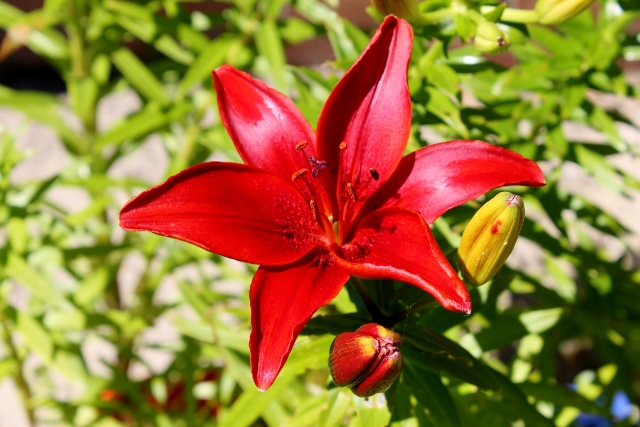
IMG_2358Lily (640x427)

One of my unscented Asian lilies.

IMG_2369Sisyrinchium striatum (2) (640x427)

Sisyrinchium striatum. These put on a good show this year. Many years ago I had these growing in my garden and loved them as they seemed to go with all the flowers in the border. We moved to Somerset for 18 months and then moved here in 2006. Three years ago I found a seedling sisyrinchium in the garden which appeared from nowhere.  I potted it up and grew it on; it flowered the following year and I let it go to seed. I sprinkled the seed on my border and last year I found lots of plants growing which flowered beautifully this year. Free flowers!

IMG_2370Viola (2) (640x419)

A pretty Viola. These seed themselves all over the garden.

IMG_2376Rosa Mundi (640x427)

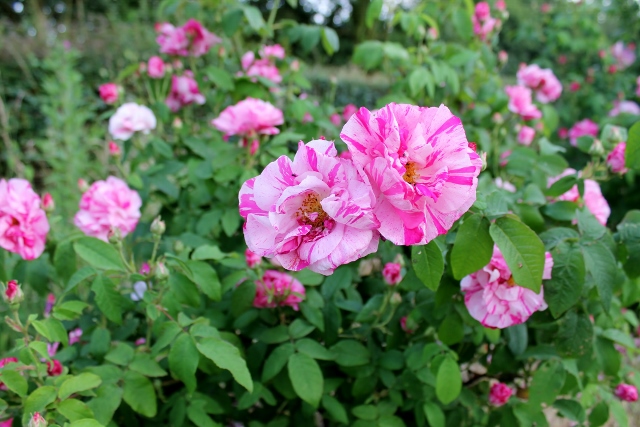
I have two Rosa Mundi bushes ( a gift from Richard) and they both flowered well this year. It is sad that they have such a short flowering period but it is worth having them for their pretty, painted petals.

IMG_2378Perennial Sweet Pea (640x427)

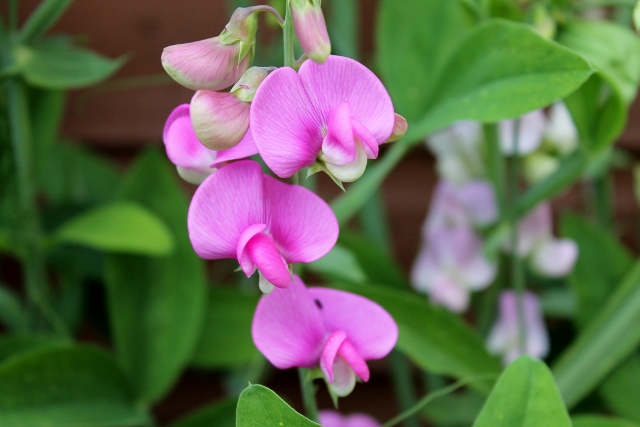
Perennial Sweet Pea

IMG_2379Scabious (640x427)

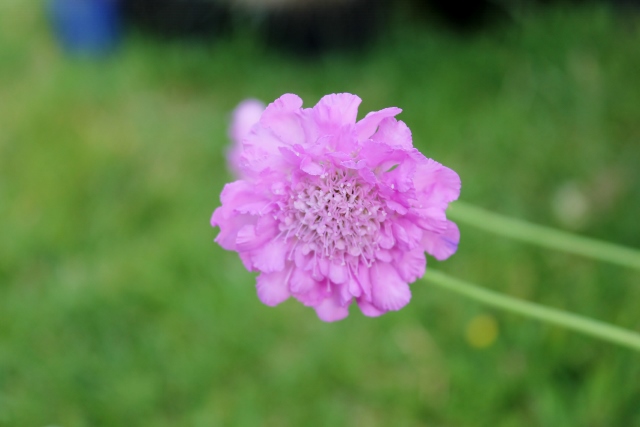
Scabious flower

IMG_2382Rose (640x427)

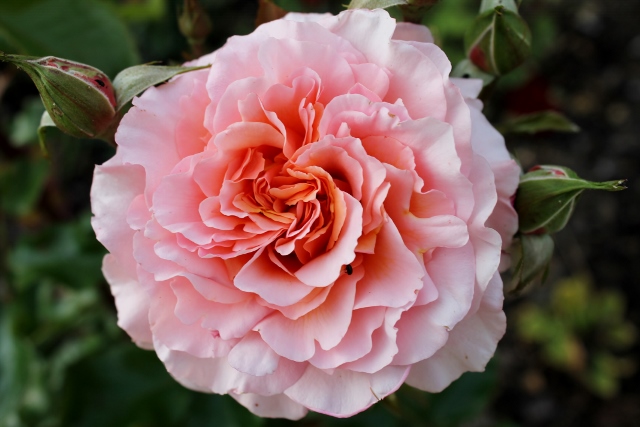
A pretty rose from Richard’s border

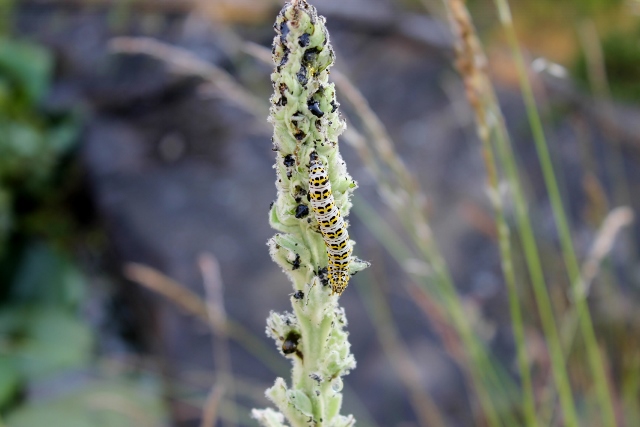
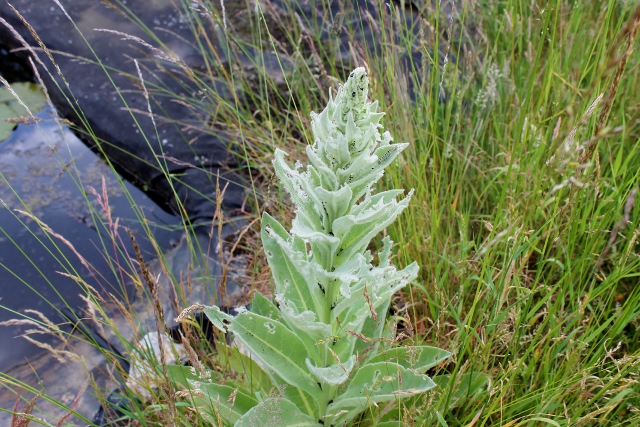
In a former post I posted a photo of a mullein flower infested with Mullein moth caterpillars.  Here is another photo taken a week or so later when the grubs were much bigger.

IMG_2380Mullein (640x427)

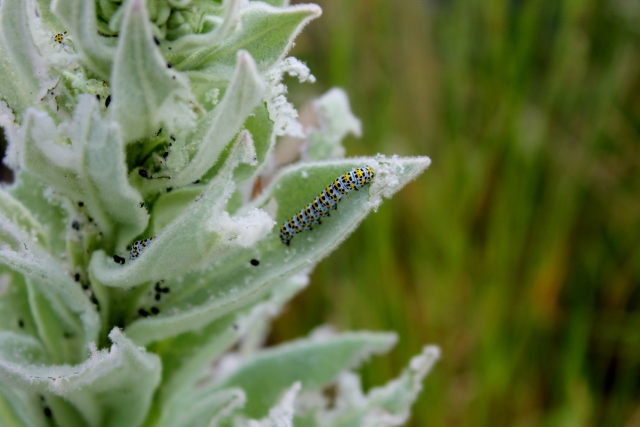
Mullein Moth caterpillar (Shargacucullia verbasci) on what was left of a Mullein flower spike

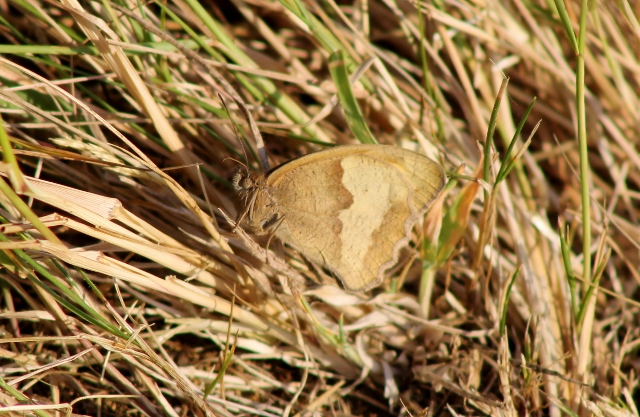
IMG_2386 (2)Meadow Brown (640x417)

A Meadow Brown butterfly (Maniola jurtina). Wonderful camouflage!

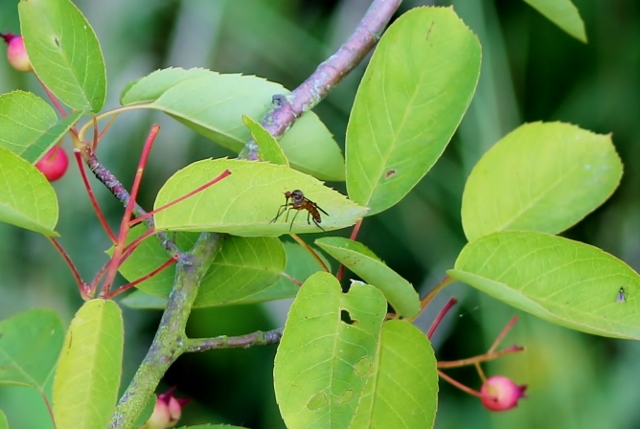
IMG_2387Fly on Amelanchier (2) (640x429)

A fly on the Amelanchier tree. I cannot identify this one properly though it looks a little like Empis digramma, a fly which hunts other flies in long grass and other lush vegetation and spears them with its proboscis.

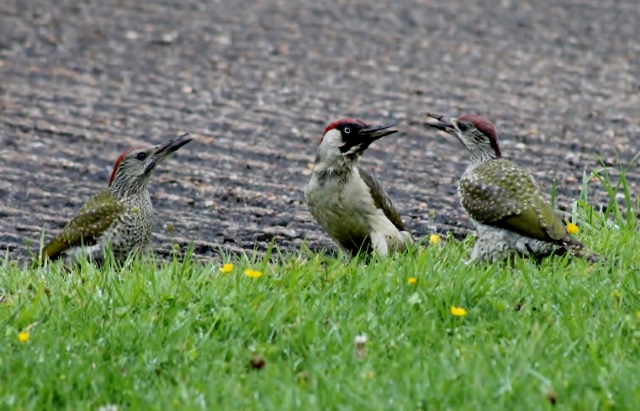
IMG_2404Adult and fledgling Green Woodpeckers (2) (640x411)

I took this photo of the Green Woodpecker (Picus viridis) and its 2 fledglings this evening. The adult was trying to teach its young how to find ant’s eggs.

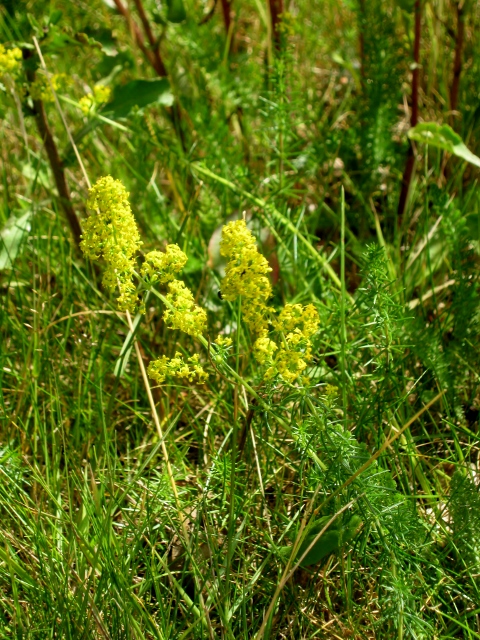
This last photo wasn’t taken in my garden but in the grounds of the Norfolk and Norwich Hospital where I had to go for a check-up on the day before we went on holiday.  I didn’t know what else to do with it!

IMG_4929Lady's Bedstraw (480x640)

Lady’s Bedstraw (Galium verum)

Thank’s for visiting!


Share this:

  • Share on X (Opens in new window) X
  • Share on Reddit (Opens in new window) Reddit
  • Share on Pinterest (Opens in new window) Pinterest
  • Share on Facebook (Opens in new window) Facebook
  • Email a link to a friend (Opens in new window) Email
  • Share on Tumblr (Opens in new window) Tumblr
  • Print (Opens in new window) Print
  • Share on Pocket (Opens in new window) Pocket
  • Share on LinkedIn (Opens in new window) LinkedIn
Like Loading...

Aira Force – Lake District Holiday

28 Tue Jul 2015

Posted by Clare Pooley in Days out, plants, Rural Diary, walking

≈ 29 Comments

Tags

Aira Force, arboretum, beck, cascade, fells, fungi, Lake District, lichen, liverwort, moss, plants, pool, Ullswater, waterfall, wish tree

We had a slow start to our first day in the Lake District.  We were tired after our long journey of the day before and the weather wasn’t good enough that morning to tempt us out early.  By midday however, the rain had stopped and the clouds had lifted and we thought we would have a short excursion to Ullswater and look at Aira Force.

Ullswater is the second largest lake in the Lake District and last Easter we took a boat trip on it.  I wrote about our Lakes holiday last year but unfortunately that post has gone missing.  I have been sent copies of my missing posts by my friend Heather (thank-you Heather!) but haven’t yet copied them back into my blog.  (Unfortunately, all your wonderful comments have gone for good 😦 ).

Aira Force is a waterfall situated in woodland on the northern shore of the lake and is now in the care of the National Trust.

After a short drive we found the National Trust car park and then started to walk up through woodland towards the force.

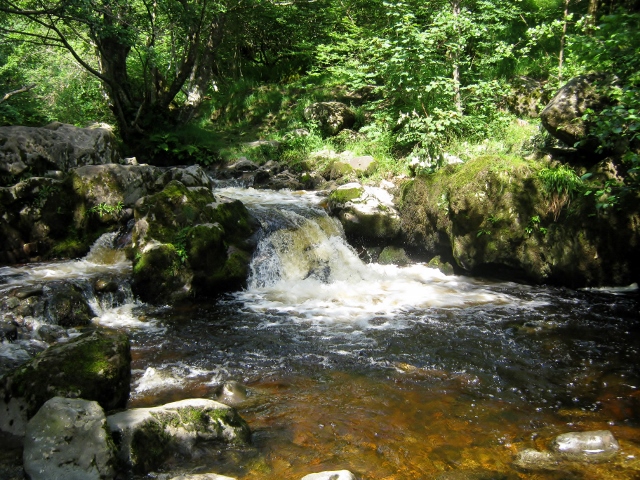
IMG_4934Aira Force (640x480)

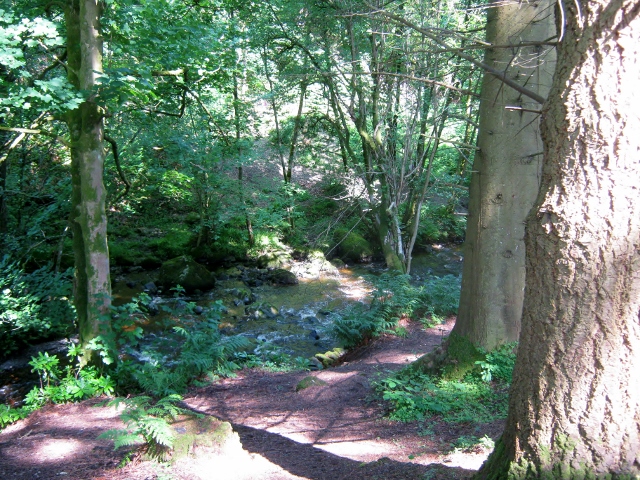
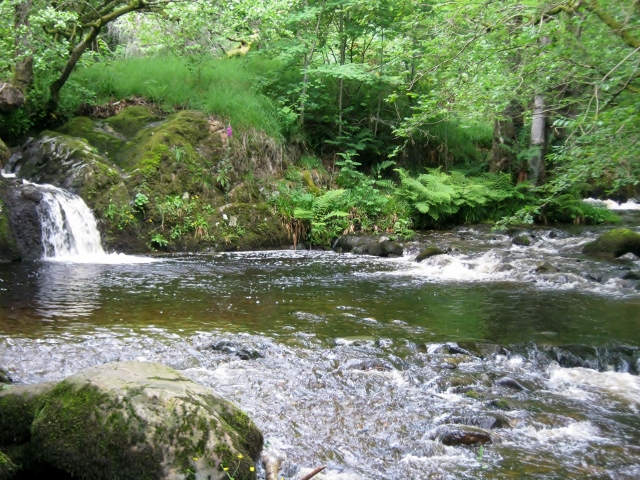
Not easy to see, but this is the Aira Beck as it flows through woodland at the bottom of the hill. It will shortly enter the lake.

IMG_4935At Aira Force (480x640)

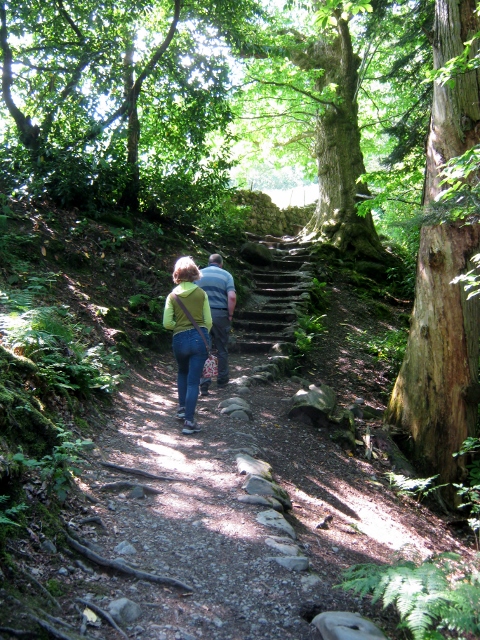
Richard and Elinor walking ahead of me up the path.

This area was once owned by the Howard family who still live in Greystoke Castle near by.  In the 18th century they renovated an old hunting lodge (a former pele tower) and created a sporting estate around it.  They landscaped the area around the force, planting over half a million native and non-native trees.  They made paths and bridges through the woodland and used the place as a pleasure garden.

IMG_5007The path (480x640)

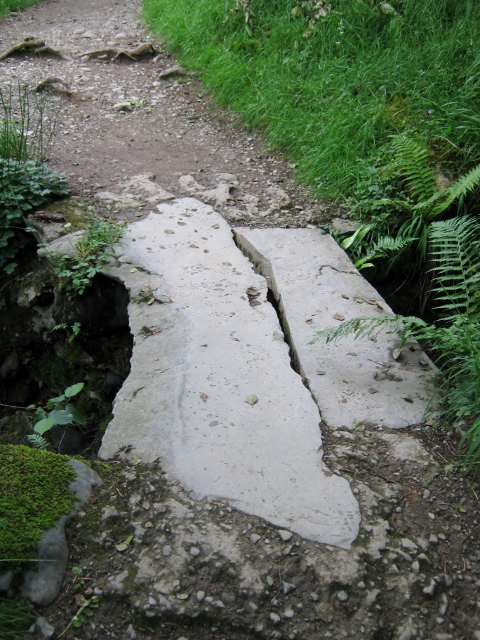
Stone slabs used as a bridge across a streamlet

IMG_4974Aira Force (480x640)

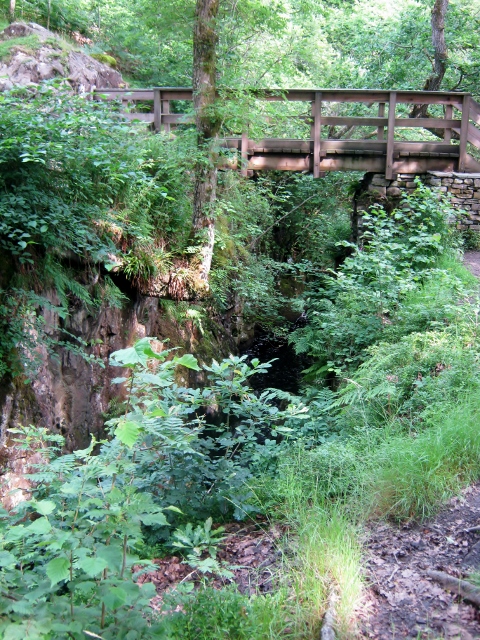
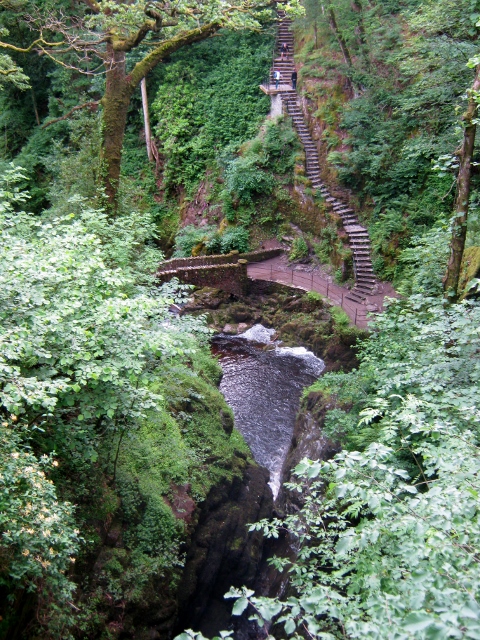
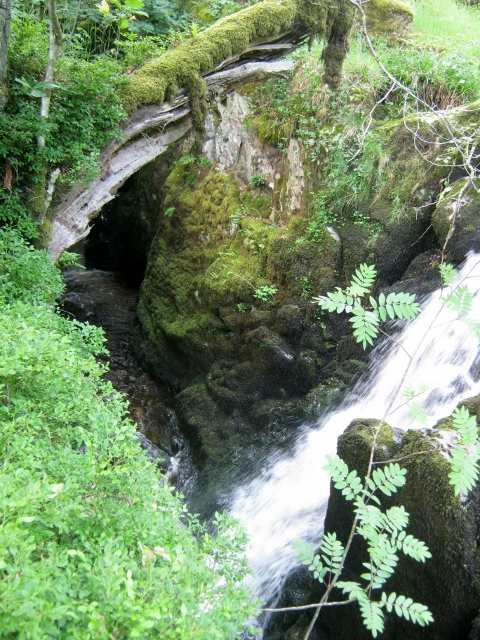
Wooden bridge over a narrow chasm

IMG_5017Aira Force (480x640)

Steps and viewing platforms. We didn’t go down the steps as Elinor finds them difficult to manage.

IMG_4936Aira Force

Typically for me, the one shot I wanted to come out clearly, clearly hasn’t! I haven’t down-sized this one in an effort to make it look a little better. I only had my little camera with me and the sunlight was causing such a glare too. That’s probably enough excuses.

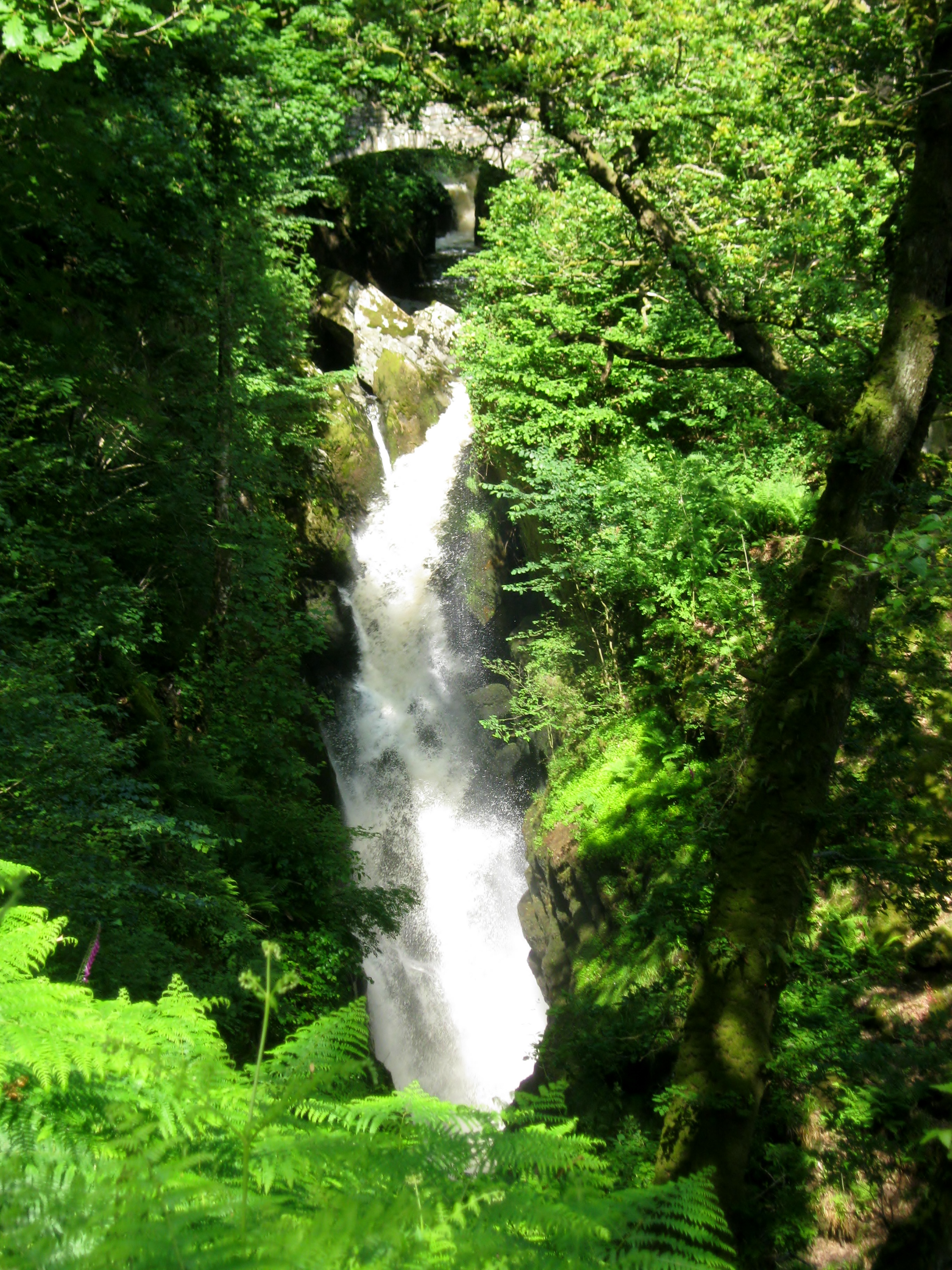
The main force drops about 70′ from below a footbridge.

IMG_4942Aira Force (480x640)

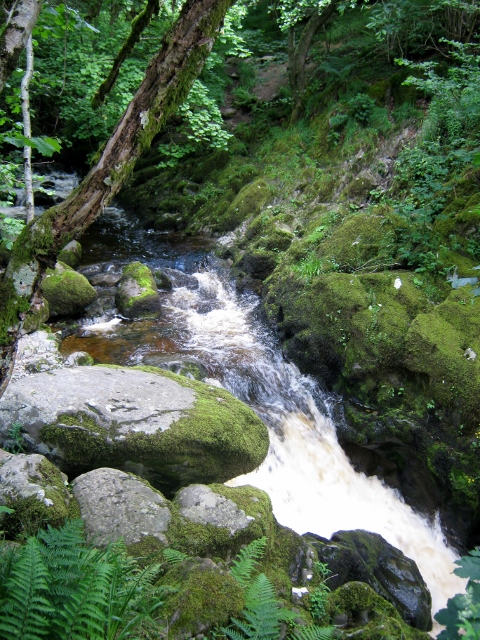
Further up in the woods are smaller cascades.

IMG_4943Aira Force (640x480)

The sound of the falling and rushing water was glorious.

IMG_4949Aira Force (640x480)
IMG_4950Aira Force (640x480)
IMG_4951Aira Force (640x480)
IMG_4953Aira Force (640x480)

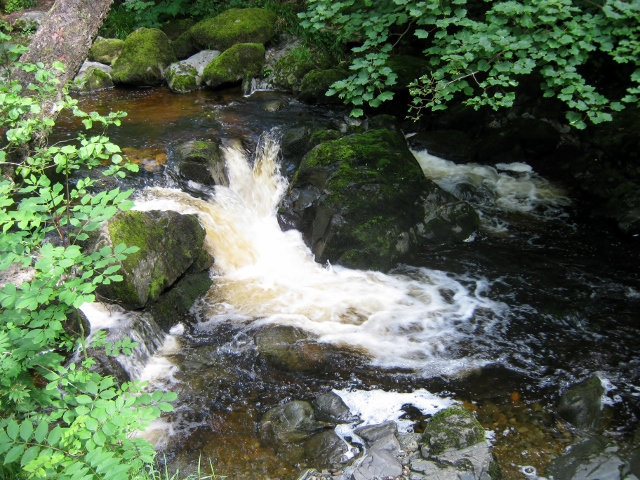
This pool was good to sit next to.

IMG_4952Aira Force (640x480)

IMG_4958Aira Force (640x480)

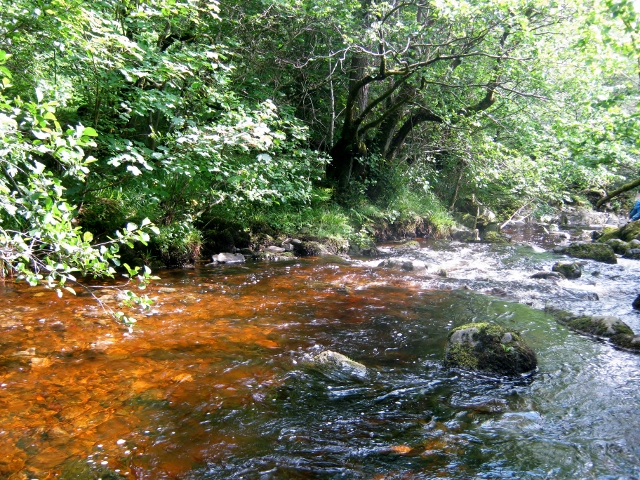
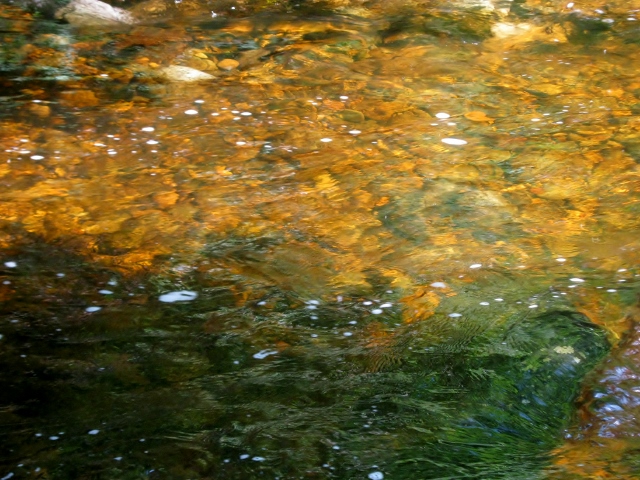
The water is amber-coloured.

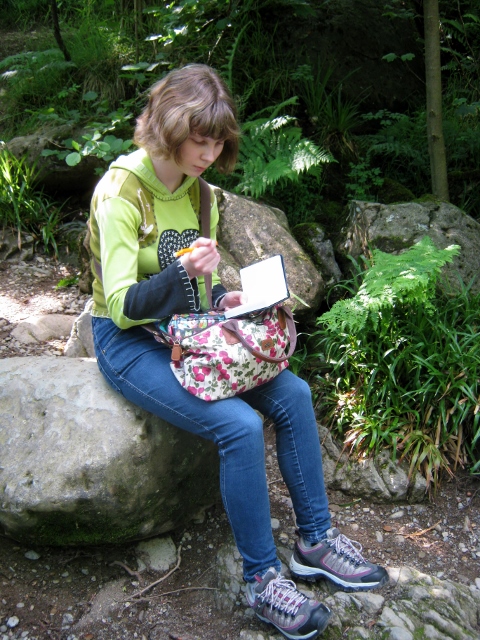
IMG_4955Elinor sketching (480x640)

Elinor did some sketching while we were there.

IMG_4983Aira Force (640x480)

This was my favourite place along the beck

IMG_4973Aira Force (480x640)

There was thick moss everywhere….

IMG_4945Moss (640x480)
IMG_4948Moss (640x480)
IMG_5005Liverwort and moss (640x480)
IMG_5009Liverwort(640x480)

…and liverwort too.

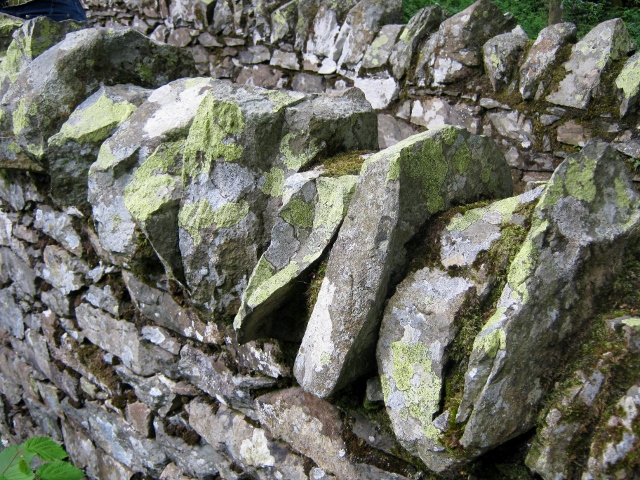
IMG_5012Stone parapet (640x480)

A stone parapet to a bridge was covered in lichen.

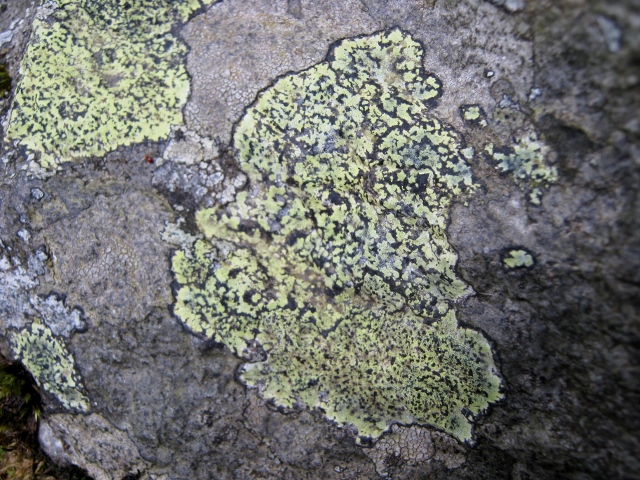
IMG_5011Map Lichen perhaps (640x480)

I think this may be Map Lichen (Rhizocarpon geographicum).

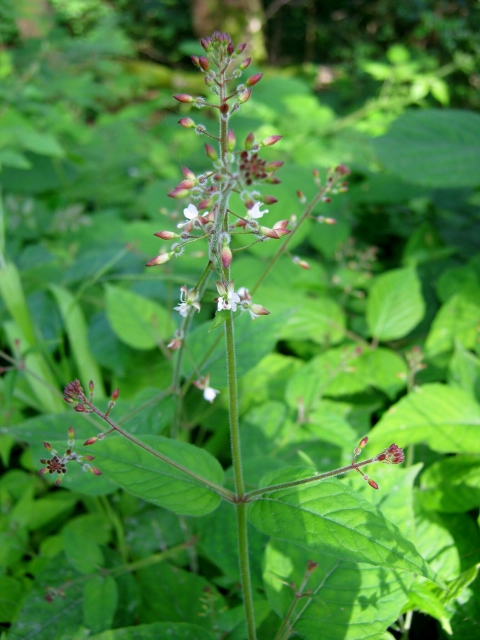
IMG_4937Enchanter's Nightshade (480x640)

Enchanter’s Nightshade (Circaea lutetiana) grew everywhere.

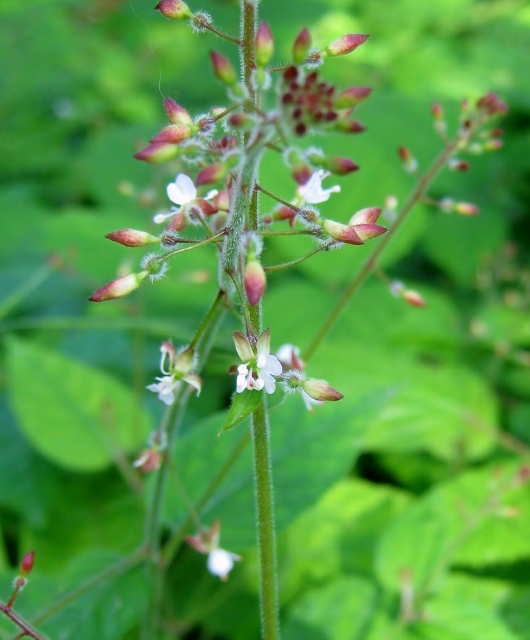
IMG_4937Enchanter's Nightshade (2) (530x640)

It has tiny flowers which produce burs once pollinated.

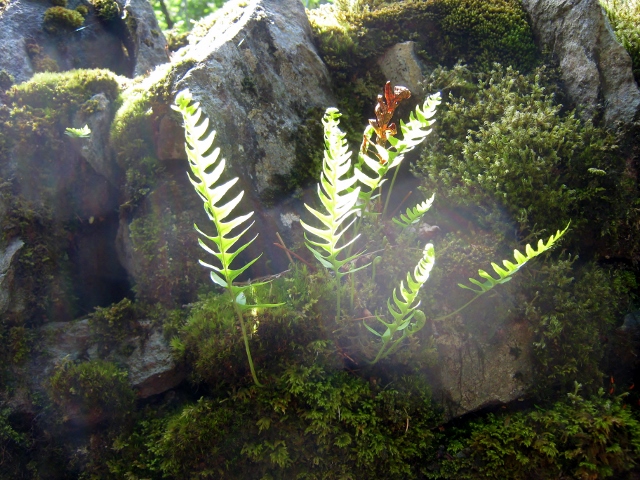
IMG_4944Bracken (640x480)

Bracken and ferns were growing alongside our path. I like the way the sunlight caught this fern.

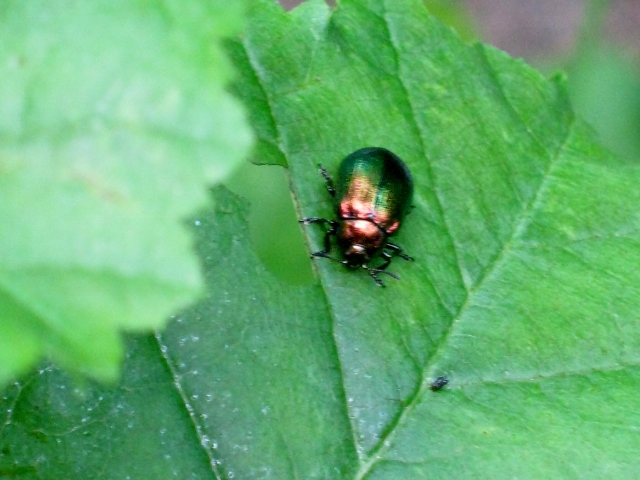
IMG_4960Chrysolina beetle (640x480)

A Chrysolina beetle of some sort.

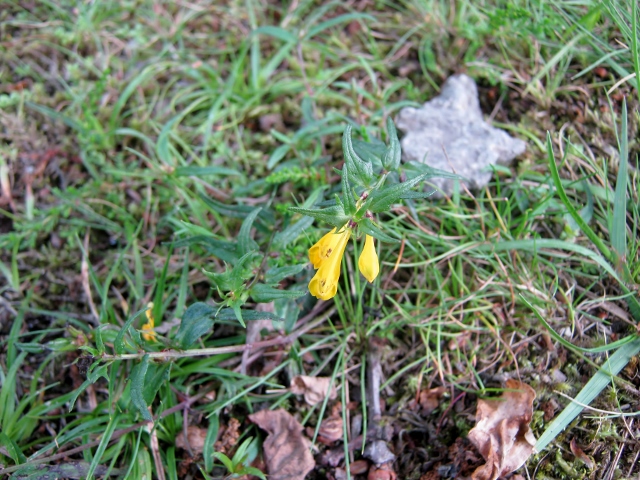
IMG_4970Common Cow-wheat (640x480)

A flower I had never seen before – Common Cow-wheat (Melampyrum pratense)

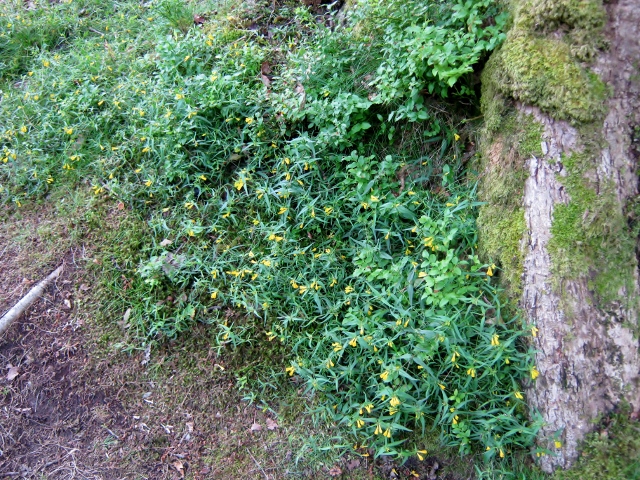
IMG_4972Common Cow-wheat (640x480)

There was rather a lot of it!

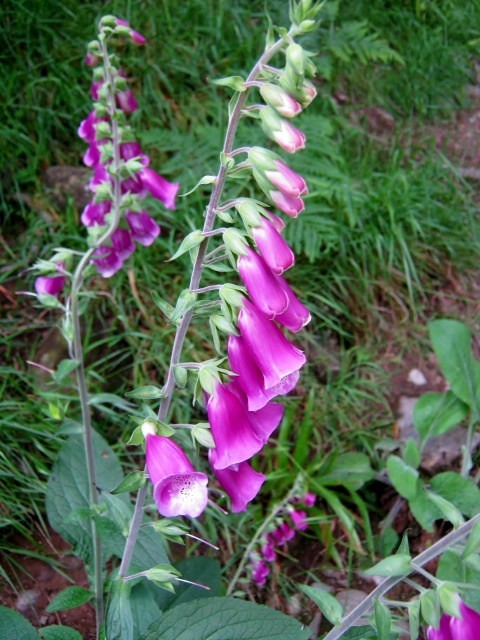
IMG_4980Foxgloves (480x640)

Foxgloves (Digitalis purpurea)

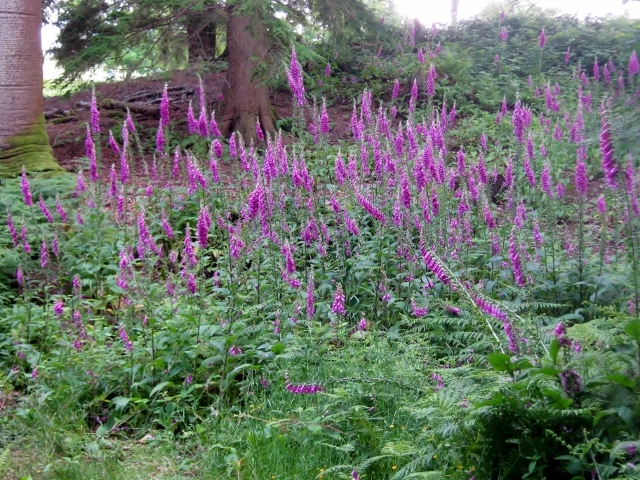
IMG_5028Foxgloves (640x480)

A bank of foxgloves

IMG_4986Common Valerian (640x480)

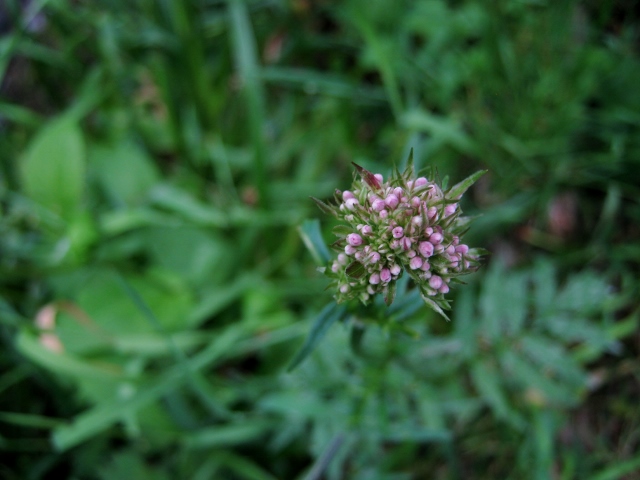
Common Valerian in bud (Valeriana officinalis)

IMG_5038Common Valerian (640x480)

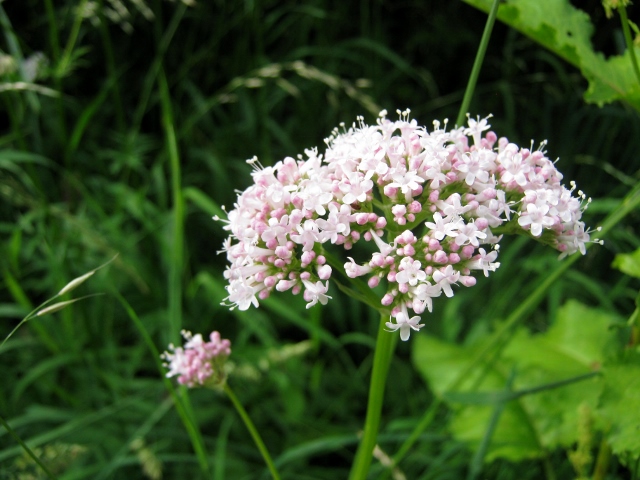
Common Valerian in flower

IMG_4998St John's-wort (640x480)

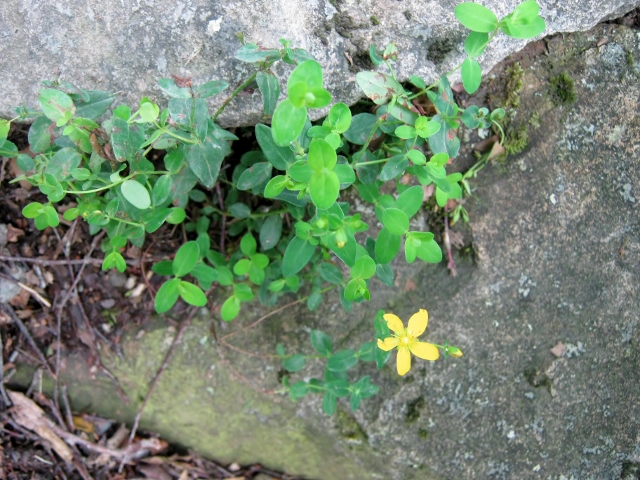
I thought this might be Trailing St John’s-wort (Hypericum humifusum) but the ID description tells me the leaves should have translucent dots and I didn’t see any dots.

IMG_5018Woodruff perhaps (640x480)

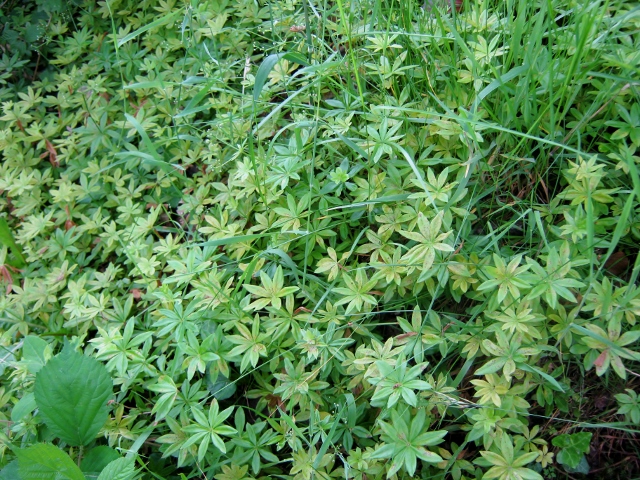
I think these are Woodruff leaves (Galium odoratum)

I saw so many different plants and flowers, grasses and sedges, many of which I have included in posts from home so haven’t included them here, but some I still have no idea what they are despite researching for some time.

IMG_4968Unknown (640x480)

This plant for example! (The tri-foliate leaf near my hand was not part of the plant).

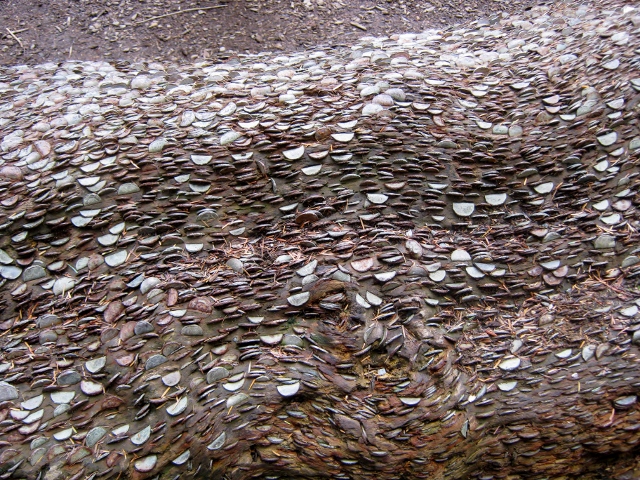
IMG_5022Coins in log (640x480)

On our way back from the waterfall we found this fallen log covered in coins.

This is a ‘Wish Tree’.  People hammer coins into it with a stone from the site and hope that their wish comes true.  We didn’t have any wishes and anyway, I was more interested in the fungi growing on the log.

This slideshow requires JavaScript.

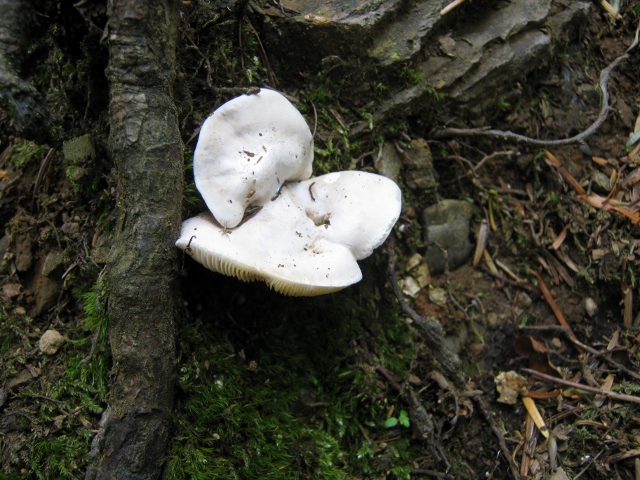
I saw another fungus growing at the base of a tree.

IMG_5021Fungus (640x480)

If anyone can suggest what this or any of the other fungi are I would be very grateful.

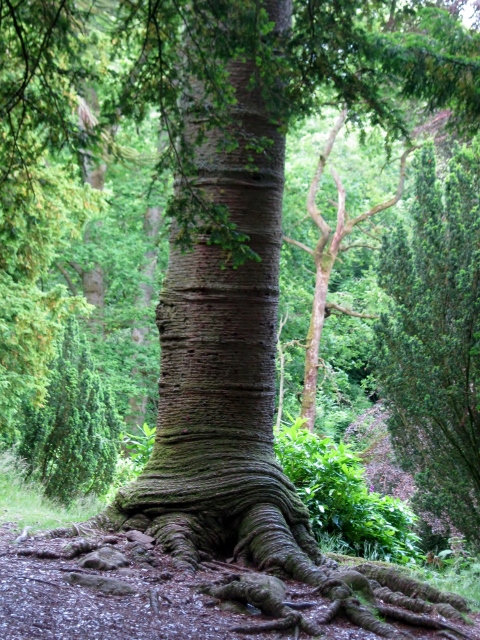
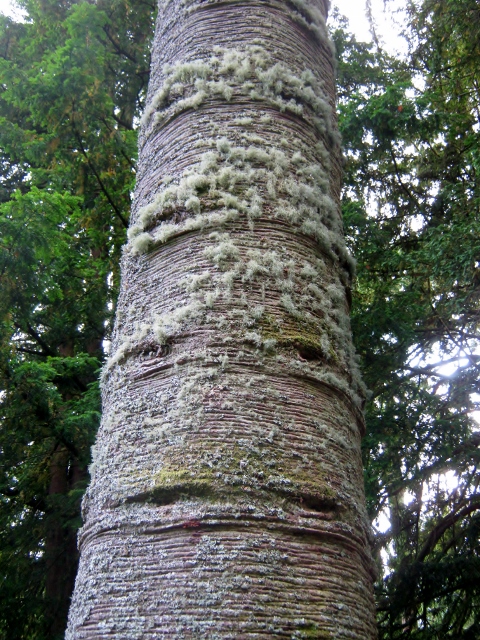
Near to the car park we found the Arboretum that the Howard family had planted in 1846.  They planted over 200 specimen conifers (firs, pines, spruces and cedars) from all over the world.  Apparently there is a Sitka Spruce (Picea sitchensis) that is now 118′ tall though I didn’t see it.  What I did see was a Monkey Puzzle tree (Araucaria araucana) that looked like it’s bark was sliding down like a baggy sock.

IMG_5029Monkey Puzzle tree (480x640)

I used to see Monkey Puzzles all over the place where I grew up. Trees that had been planted in the 19th century in parks and gardens were fully mature when I was a girl in the 60’s and 70’s. I don’t ever remember looking at them closely so I don’t know if this is what all their trunks look like.

IMG_5031Moss and lichen on Monkey Puzzle (480x640)

Moss and lichen were growing on one side of the trunk.

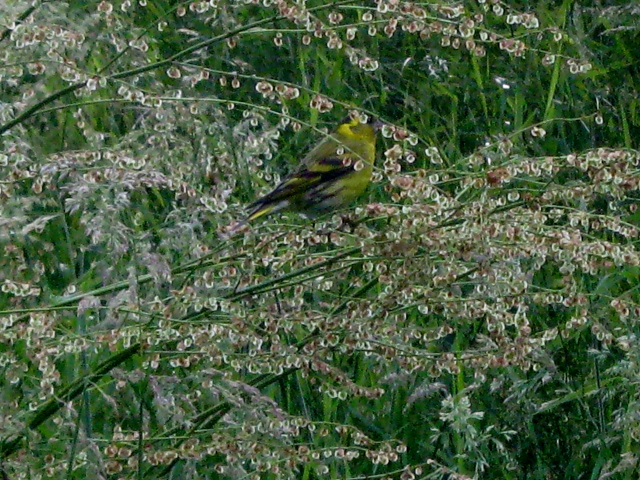
IMG_5033Siskin (640x480)

I saw a Siskin (Carduelis spinus) hiding in a plant I was wanting to get closer to but didn’t because of the Siskin!

I took a couple of pictures of the fells as we returned to the car.

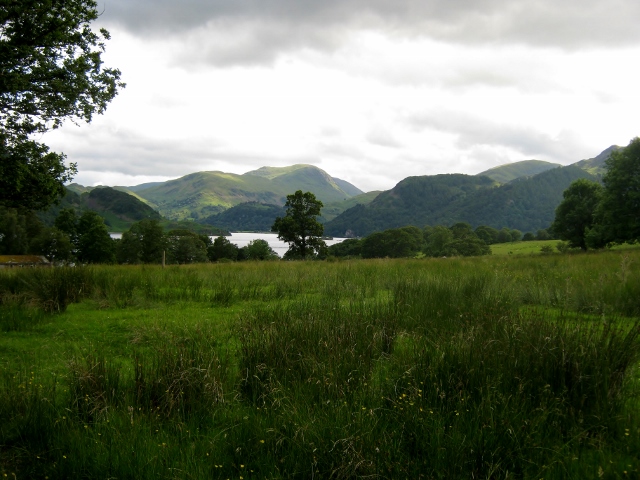
IMG_5034Ullswater (640x480)

Ullswater in the distance.

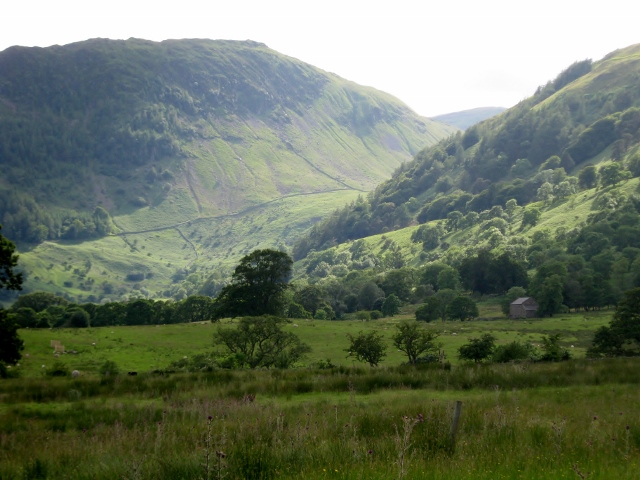
IMG_5035Fells near Ullswater (640x480)

I would love to be able to walk up one of these before I get too old!

Thanks for visiting!

Share this:

  • Share on X (Opens in new window) X
  • Share on Reddit (Opens in new window) Reddit
  • Share on Pinterest (Opens in new window) Pinterest
  • Share on Facebook (Opens in new window) Facebook
  • Email a link to a friend (Opens in new window) Email
  • Share on Tumblr (Opens in new window) Tumblr
  • Print (Opens in new window) Print
  • Share on Pocket (Opens in new window) Pocket
  • Share on LinkedIn (Opens in new window) LinkedIn
Like Loading...

Wyken Hall Gardens

21 Tue Jul 2015

Posted by Clare Pooley in Days out, Gardening, plants, Rural Diary

≈ 30 Comments

Tags

Elizabethan house, garden rooms, Suffolk, Wyken Hall Gardens

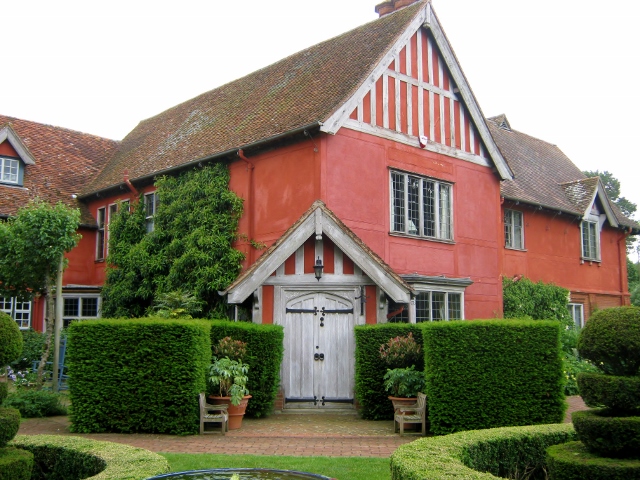
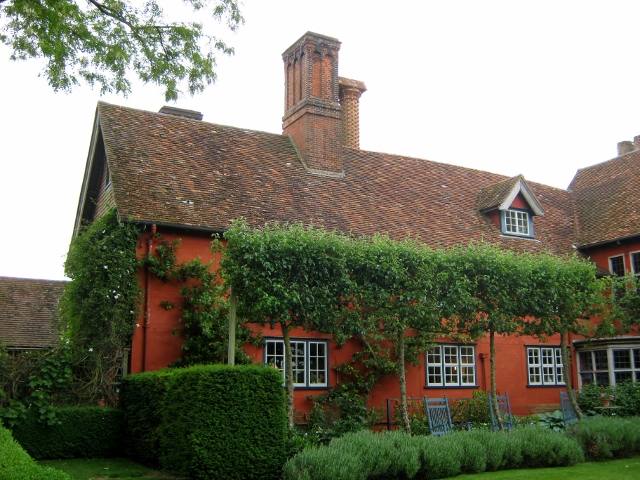
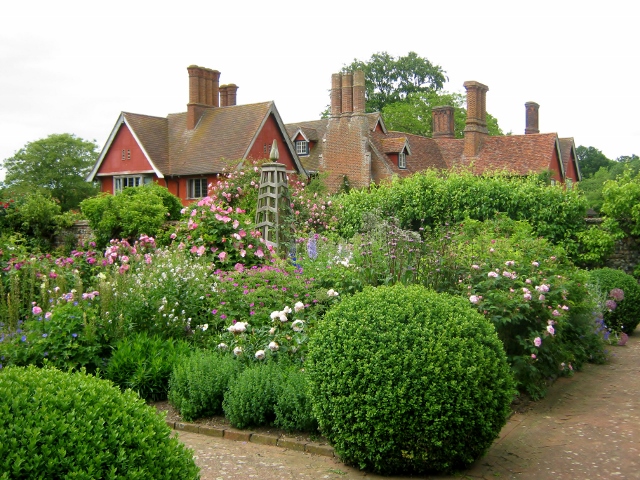
IMG_4848Wyken Hall (640x480)

Wyken Hall

On 19th June Richard, Elinor and I visited Wyken Hall Gardens in Suffolk.  This visit was to celebrate our 21st wedding anniversary of the day before.  We never buy each other gifts on our anniversary unless there is something we both would like to have for the house or the garden, for example.  We usually plan an outing to a place we’d like to see or we go out for a meal.  This year we decided on a trip to Wyken Hall Gardens.

IMG_4835Wyken Hall (640x480)

Wyken Hall

Wyken Hall is an Elizabethan manor house owned by Sir Kenneth and Lady Carla Carlisle.  The house itself isn’t open to the public but the 4 acre gardens are.  The house dates from 1570 with additions being made to it in 1630 and 1680 and then major works were carried out in 1920.

IMG_4833Wyken Hall (640x480)

Lady Carlisle comes from the USA and she designed this area to look like a southern veranda. She brought 5 rocking chairs over from Mississippi and then the row of Spartan apple trees were espaliered high so as not to obscure the view from the house.

The Royal Horticultural Society (RHS) says it is one of the best modern private gardens in the country.

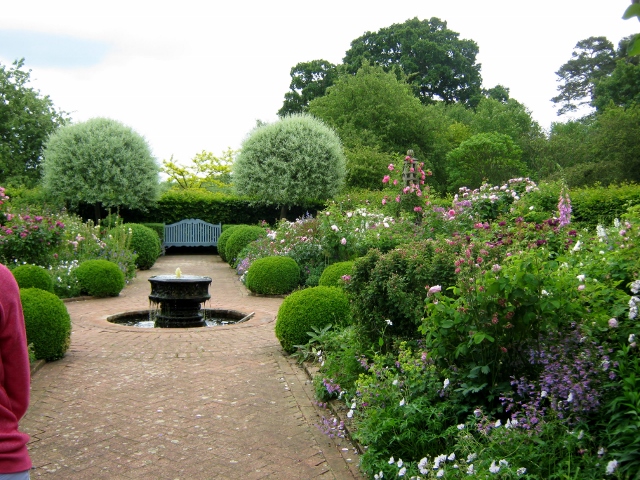
IMG_4852Wyken Hall garden (640x480)

The Rose Garden

Lord Carlisle began work on the garden in the late 70’s and created the Rose Garden, the Winter Garden and the other garden rooms near the house.  More work was done after his marriage in 1986.

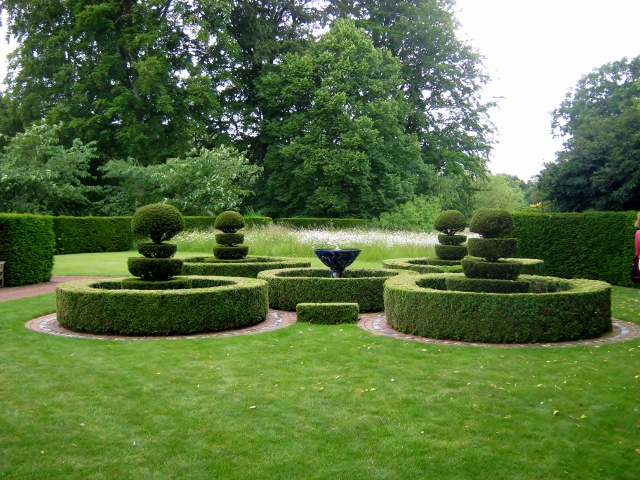
IMG_4832Quincunx Wyken Hall (640x480)

The Quincunx – five equal interlocking circles – inspired by a design for a herb garden by Gertrude Jekyll.

New gardens are continually being created.

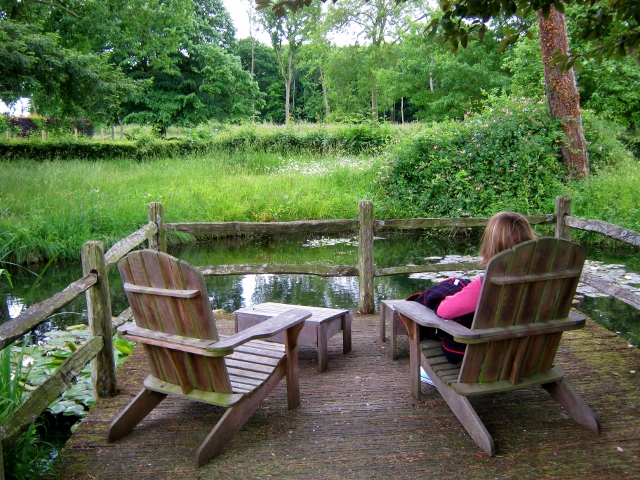
IMG_4860WykenHall garden (640x480)

The new garden pond with oak pier. The owners hope that soon the chestnut fencing will be covered with white wisteria.

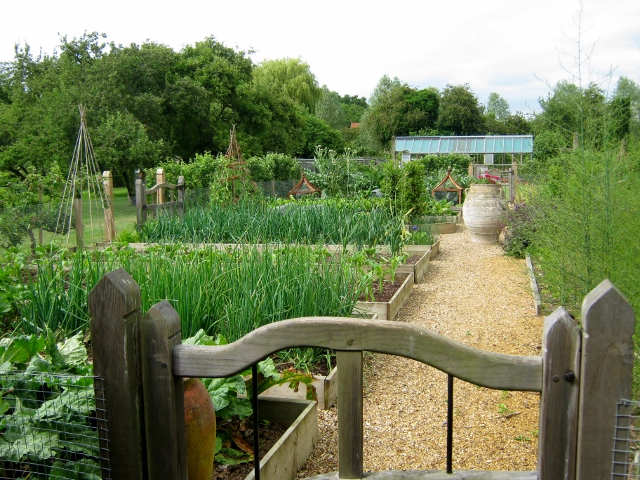
When Lord Carlisle began work on the garden it already had a structure of flint walls and many fine old trees.  Hornbeam and yew hedges divide the garden into its different rooms.  There is a copper-beech maze and a nuttery; a herb garden, a knot garden and an ‘edible’ garden; wildflower meadows and a traditional English kitchen garden.   Many of the old-style gardens complement the Elizabethan house.

IMG_4863Wyken Hall (640x480)

View of the house from the Rose Garden

As well as the garden, the Carlisles own Wyken Wood, which is ancient woodland, a large modern farm and a 7 acre vineyard.  A large medieval barn has been converted into a country store (which sells exclusive goods) a restaurant and café.  As well as different wines they also produce ale from their own barley.

IMG_4837Wyken Hall garden (640x479)

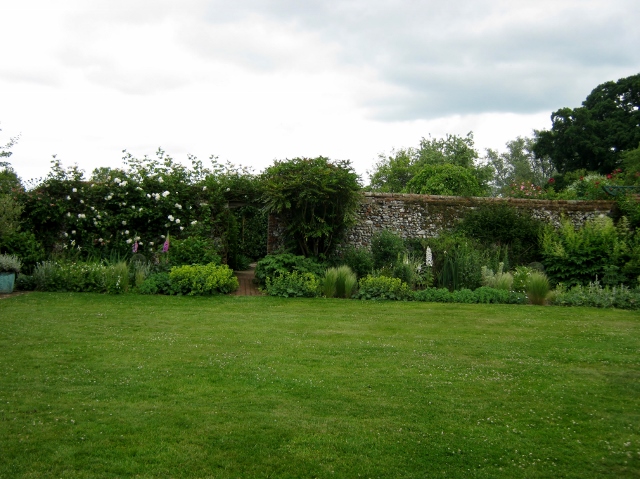
A flower border sheltered by a flint wall in which there is an inviting archway to gardens beyond.

IMG_4846Wyken Hall garden (480x640)

Steps cut into the turf (foreground) and the path through the winter garden

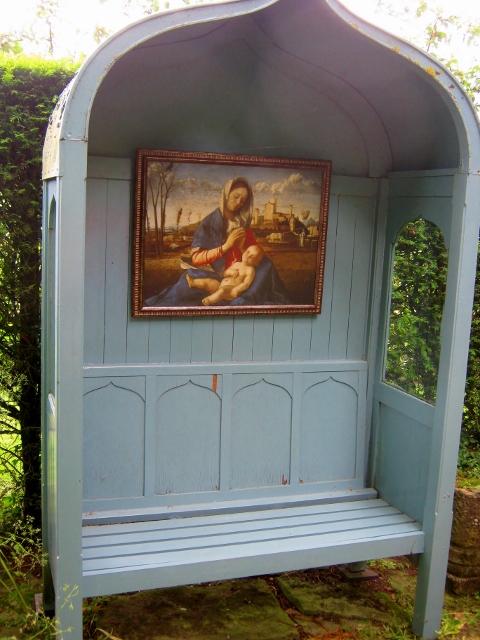
IMG_4841Bellini Bus Stop (480x640)

The ‘Bellini Bus Stop’ – a covered seat in the winter garden

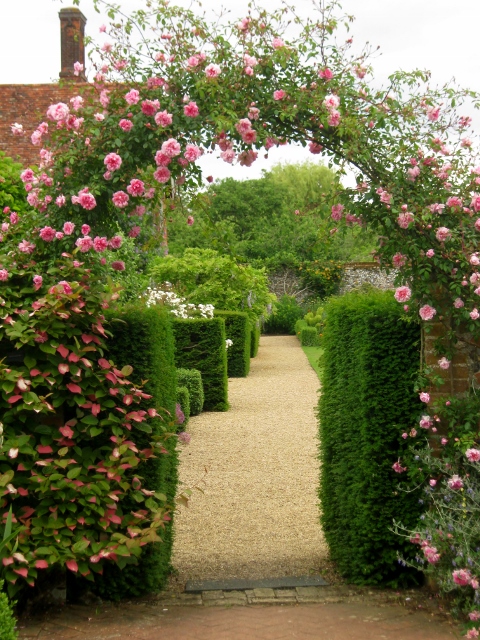
IMG_4858Wyken Hall garden (480x640)

A very pretty arch with an interesting variety of plants round it.

IMG_4873Wyken Hall garden (640x480)

The kitchen garden

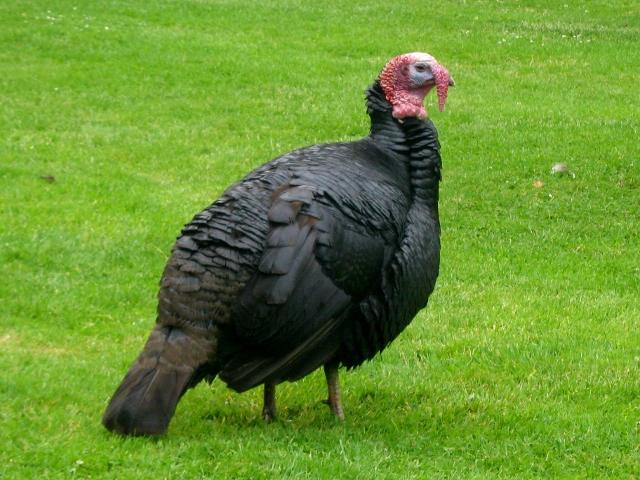
IMG_4881Turkey (640x480)

A supercilious-looking turkey

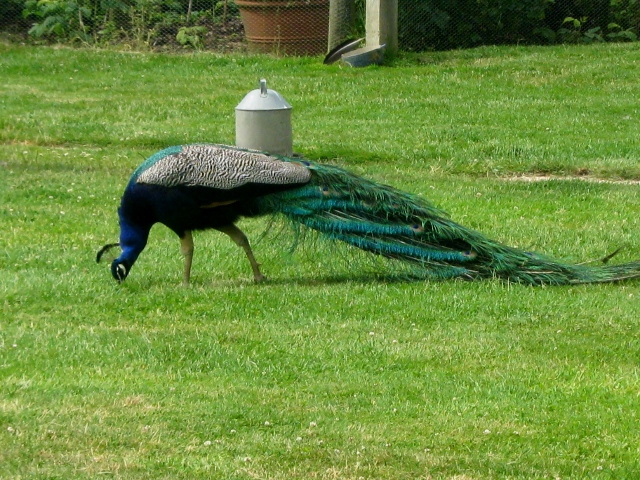
IMG_4874Wyken Hall garden (640x480)

A peacock

This slideshow requires JavaScript.

A slideshow of photos of some of the lovely plants and flowers we saw.

This slideshow requires JavaScript.

A slideshow of the plants in the Red Hot Border.

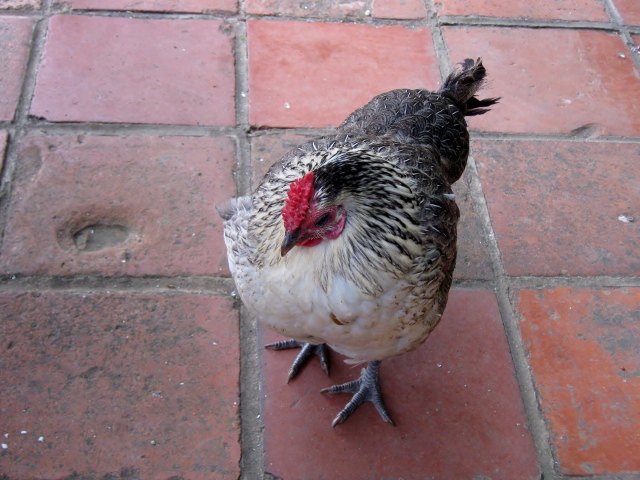
IMG_4890Hen (640x480)

This little hen came and stood under our table outside the café and begged for crumbs. She was given quite a lot of Elinor’s expensive scone!

We had a very enjoyable afternoon at a most beautiful and immaculate garden.

Thanks for visiting!
Share this:

  • Share on X (Opens in new window) X
  • Share on Reddit (Opens in new window) Reddit
  • Share on Pinterest (Opens in new window) Pinterest
  • Share on Facebook (Opens in new window) Facebook
  • Email a link to a friend (Opens in new window) Email
  • Share on Tumblr (Opens in new window) Tumblr
  • Print (Opens in new window) Print
  • Share on Pocket (Opens in new window) Pocket
  • Share on LinkedIn (Opens in new window) LinkedIn
Like Loading...

Quiet Sunday

01 Wed Jul 2015

Posted by Clare Pooley in churches, Gardening, Insects, plants, Rural Diary, wild birds

≈ 36 Comments

Tags

Bees, Cotoneaster, gardening, Great Mullein, Mullein Moth larva, purple toadflax, recording of Turtle Dove song, scabious, St Michael and St Felix Church Rumburgh, Suffolk, sunset, The Vapourer Moth larva, Turtle Dove


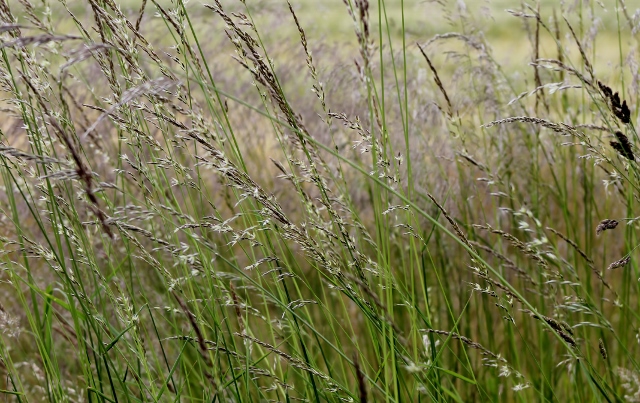
IMG_2312Grasses (640x403)

Grasses growing round the edge of the field behind our house.

I have been doing a lot of gardening recently.  Not the gentle-dead-heading, touch-of-light-weeding type of gardening but lots of digging – which always involves extracting large flint boulders from clay soil, lots of watering – carrying heavy watering cans round our large garden and lots of grass-cutting – I do most of this with shears.  We have a large area of grass which is planted up with spring bulbs.  There are a few trees planted there as well and the ground is very uneven.  I think that it was originally a spoil heap from when the house was built; it also slopes quite steeply down to the ditch at the front of the house.  We leave cutting the grass until the bulb leaves have died back which means it is left until June by which time it is looking quite unkempt.  The ground is much too uneven for the tractor mower and because of the trees it is a very difficult area for Richard to do (he is 6′ 3″ tall).  I am a foot shorter in height than he is, so I do this part of the garden.  I can’t use the strimmer as it is too heavy for me so I cut the 3′ high grass with shears.  We bought a scythe but somehow we can’t get it to sharpen.  I like using shears as I can see what I am doing and I don’t cut the wrong things down as I might if I could use the strimmer.  A strimmer makes such a mess; shears are tidy.  Once I have cut the grass to a manageable length I then rake it up into a number of enormous heaps and then transport it to the other end of the garden in a wheelbarrow and put it on the grass heap.  I then use the electric mower and cut the grass even shorter.

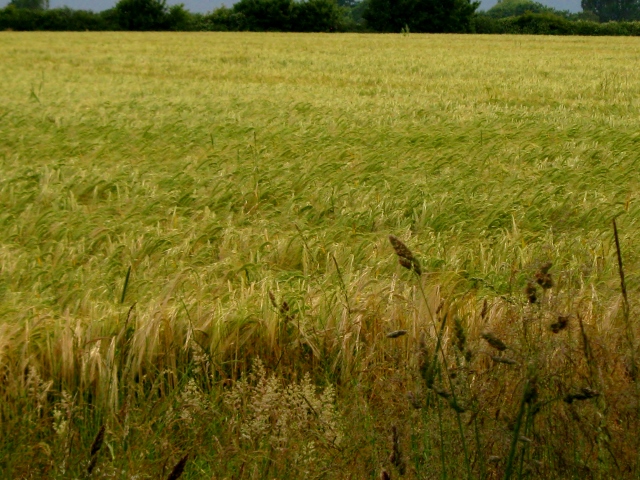
IMG_4893Field of barley (640x480)

The field of barley behind our house.

As  a result of this work I am extremely achy and stiff but I have developed some good muscles in my arms and shoulders!  I was glad we had a little rain on Sunday so I excused myself from working outside.  I read my book, talked with my husband and daughter and generally had a relaxing day.

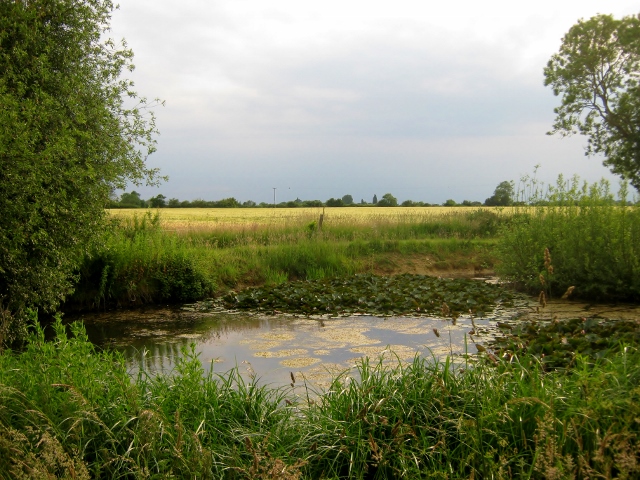
IMG_4891View across pond to field (640x480)

View across the pond to the field beyond.

We had an Evening Prayer service at St Michael and St Felix Church in Rumburgh where Richard is one of the church wardens.  We left home at 5.45 pm to make sure the church was tidy and ready for the service.  There had been a big wedding there on Saturday so the church is full of beautiful flowers.

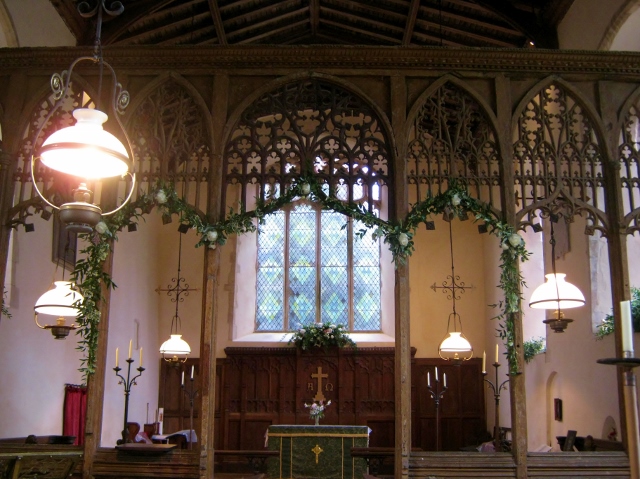
IMG_4895Rood screen (640x479)

The decorated Rood Screen. This is very pretty but it would be better if people didn’t decorate it as the screen is hundreds of years old and falling apart.

IMG_4897Pew ends (480x640)

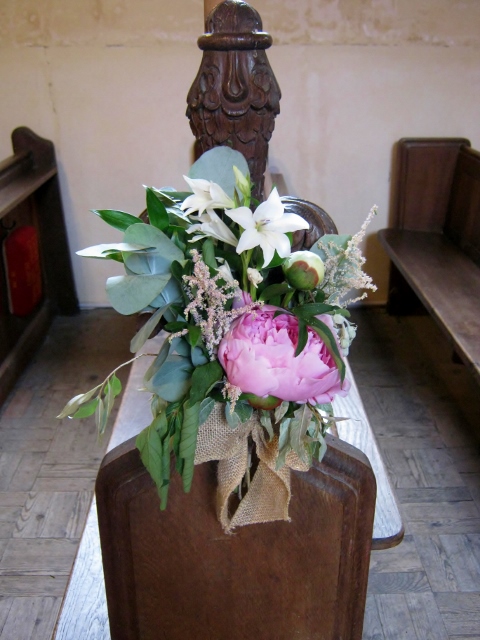
Posies on the pew ends. I think the top of the poppyhead (the carved pew end) looks like a clown with a bowler hat.

Flowers at the East Window
Flowers round the Font
Flowers in the porch

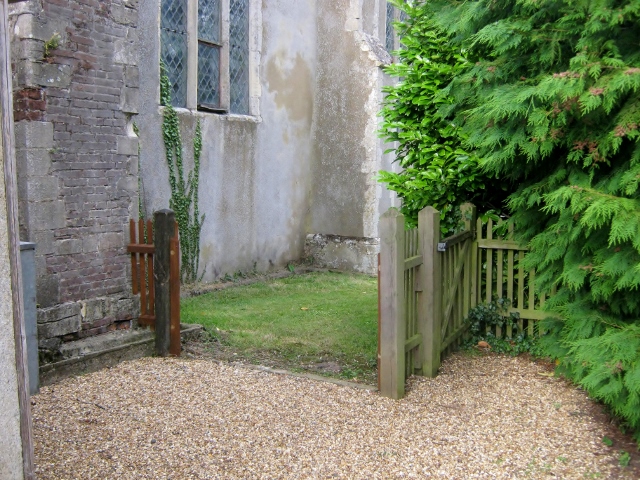
The path has been regravelled and the fence panel at the side of the church has been repaired.

IMG_4904Side of church (640x480)

Fresh gravel and new fence panel.

The bride’s family live at the farm which surrounds the church and the church is in their back garden.  I have never walked all round my church because that would mean walking through someone else’s property.  However, it is so nice to have kind people who decorate our church and repair our fence and path because their daughter wanted to get married in the church!

Our evening service was taken by Maurice and we concentrated on the Trinity.  It was a pleasant, peaceful and thoughtful service.

I’ll use the rest of the post to show you a few more things I’ve seen on my travels and in the garden recently.

IMG_2323Damaged Great Mullein (640x427)

This is a Great Mullein (Verbascum thapsus) and I noticed the other day that it was looking a little ragged.

IMG_2324Mullein Moth larva (640x427)

This is one of the culprits – a Mullein Moth larva (Shargacucullia verbasci). The plant was covered in the caterpillars which will probably eat most of the plant and leave a blackened stump.

I had noticed that a few of my plants and tree seedlings had been damaged and on Sunday I found a few of the caterpillars that were responsible.

IMG_2327The Vapourer larva (640x427)

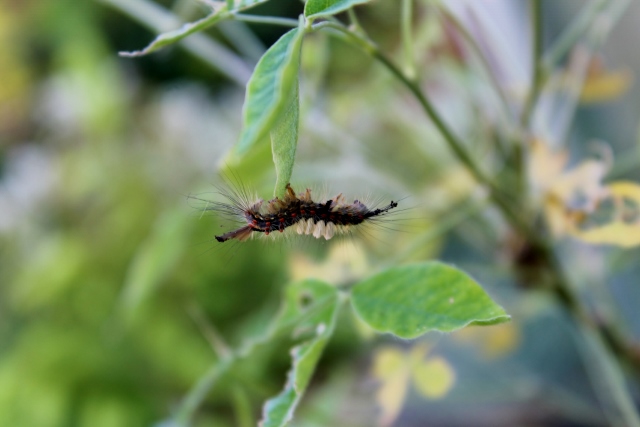
This is a Vapourer Moth larva (Orgyia antiqua), and it is eating a Laburnum seedling.

The Vapourer is often found in towns and often defoliates street trees.  I’ve never seen it in our garden before – perhaps they found their way here on a plant from the garden centre in town.  Vapourers are tussock moths which are all rather hairy.  The Vapourer female moth doesn’t have functional wings and will stay close to her cocoon after hatching out.  The Vapourer larva, along with other members of the Tussock Moth family, has tufts or tussocks of often colourful hairs (the Vapourer’s are yellow).  The hairs on adults and larva are usually barbed which makes them unpleasant and painful to handle.

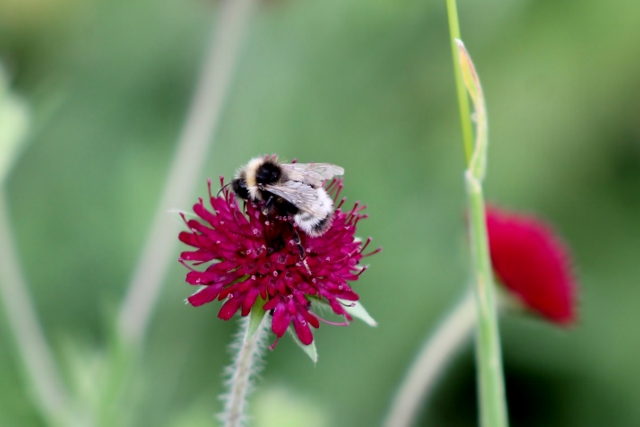
IMG_2313Bee on scabious (640x427)

A bee on a scabious flower.

I am not very good at identifying bees.  I never seem to notice or photograph the key feature mentioned in the ID guide.  The bee above could be a cuckoo bee.

I try to grow as many plants as possible that are liked by bees and other insects.

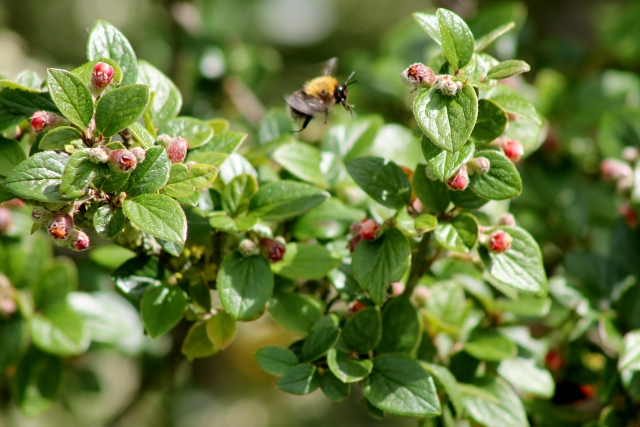
IMG_2320Bee on Cotoneaster (640x427)

Bee on Cotoneaster.

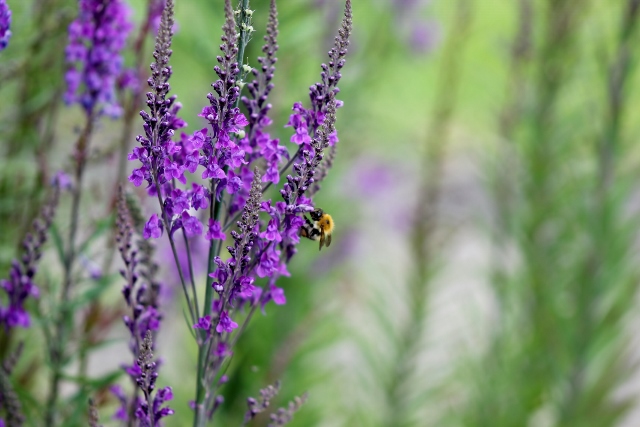
IMG_2321Bee on Purple Toadflax (640x427)

Bee on Purple Toadflax.

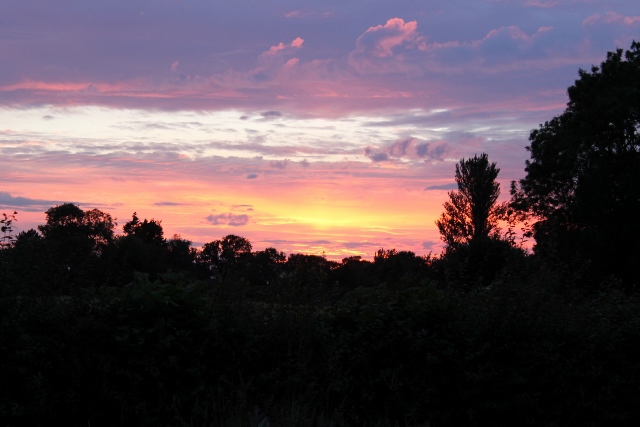
IMG_2304Sunset (640x427)

A rather lovely sunset I saw last week.

Lastly, I have another video to share with you but it isn’t the video that’s important just the soundtrack.  I would like you to ignore the video!  It’s rubbish!  I was taking photos in the garden next to the pond, when the Turtle Dove started singing.  I switched the camera to film so I could record the song and vaguely pointed the camera in the direction of the pond.  The video is very shaky as I didn’t have a tripod with me.  I only managed to record a very short part of the song.  It is quite a quiet purring sound and the other birds in the garden were singing very loudly!

Thanks for visiting!
Share this:

  • Share on X (Opens in new window) X
  • Share on Reddit (Opens in new window) Reddit
  • Share on Pinterest (Opens in new window) Pinterest
  • Share on Facebook (Opens in new window) Facebook
  • Email a link to a friend (Opens in new window) Email
  • Share on Tumblr (Opens in new window) Tumblr
  • Print (Opens in new window) Print
  • Share on Pocket (Opens in new window) Pocket
  • Share on LinkedIn (Opens in new window) LinkedIn
Like Loading...

June Flowers and Insects

27 Sat Jun 2015

Posted by Clare Pooley in Insects, plants, Rural Diary, trees, weather

≈ 39 Comments

Tags

azure damselfly, Bittersweet, Black-tailed Skimmer, blue-tailed damselfly, common knapweed, Common Marsh-bedstraw, Common Sorrel, Creeping Cinquefoil, Cyperus Sedge, damselflies, dogwood, dragonflies, Elder, Four-spotted Chaser, garden, greenbottle, Hoverfly, insects, Meadow Buttercup, Oxeye Daisy, pond, Pyracantha, Suffolk, White Water Lily, wild flowers, yellow iris, Yorkshire Fog

Until this week we have had a very cool summer indeed which has meant that there have been very few insects about.  The common garden pests, greenfly and blackfly for example, seem to cope with chilly weather but the insects that eat them don’t!  Some of the flowers are continuing to flower a little late but a few are flowering at about their usual time which has made for unusual combinations.

IMG_4808All Saint's Common (640x480)

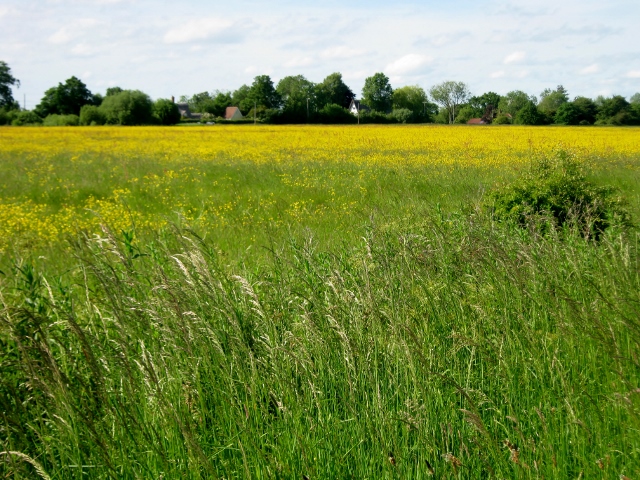
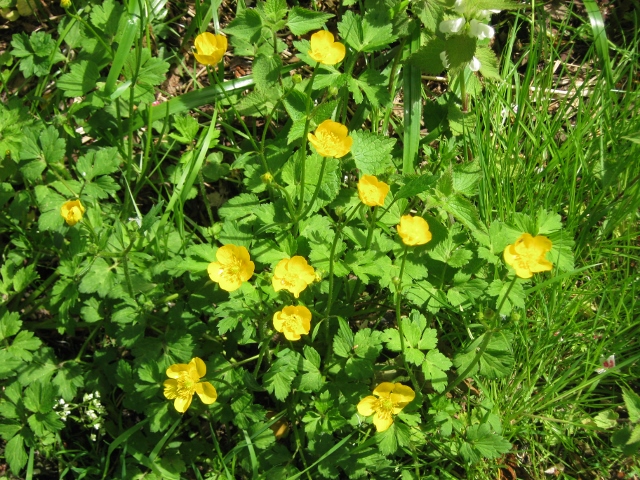
Meadow Buttercups (Ranunculus acris) on All Saints’ Common

We have a number of ‘commons’ here in East Anglia.  A common is an area of land either owned by a group of people or one person but it can be used by the general public in certain ways such as walking your dog or playing sport.  Some commons and village greens have ‘rights of common’ where it is possible to graze livestock on the land.  If you want to use the common for anything other than walking on it or having a picnic, (for instance, if you wanted to camp there), you’d have to ask permission of the land owner.

IMG_4831All Saint's Common (640x480)

This is another view of the common showing one of the unusual flower combinations.  This didn’t come out as well as I’d have liked.

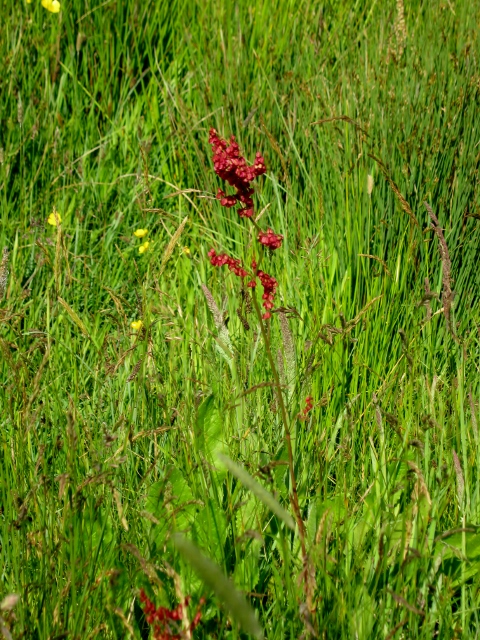
The Common Sorrel is flowering at the same time as the buttercups and for a while it looked as though the field was alight with red flames above the yellow.

IMG_4814Common Sorrel (480x640)

Common Sorrel (Rumex acetosa)

IMG_4807Common Knapweed (640x480)

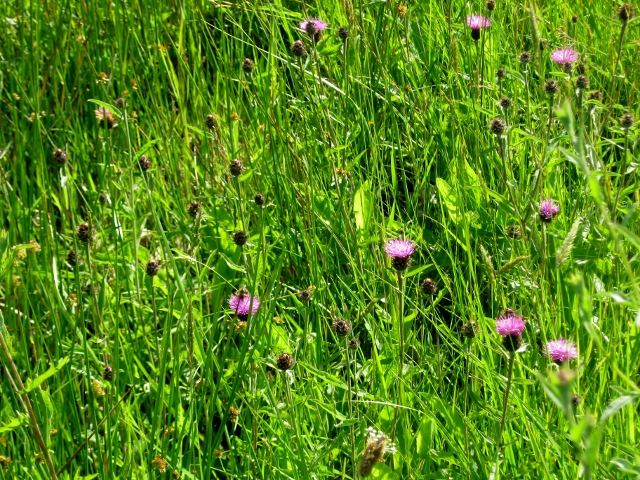
Common Knapweed (Centaurea nigra) is also in flower on the common.

IMG_4810Possibly Yorkshire Fog (2) (510x640)

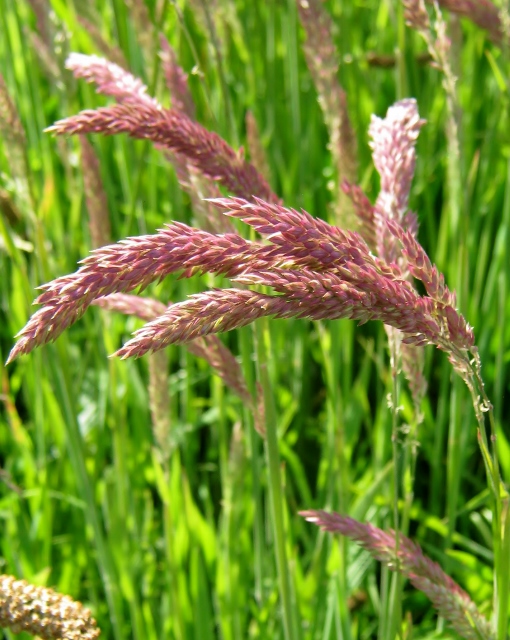
As is Yorkshire Fog (Holcus lanatus)

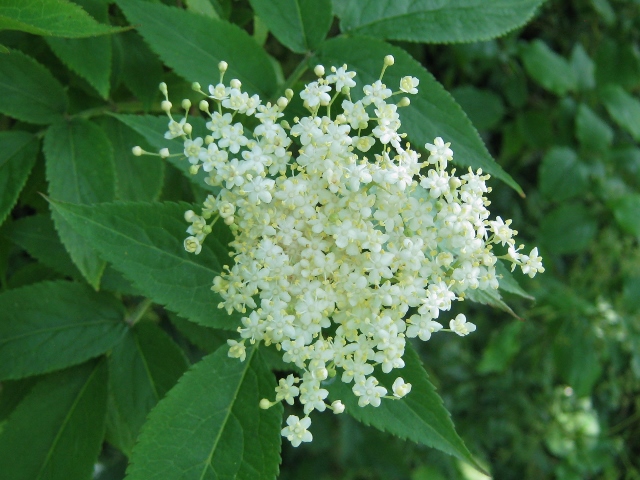
IMG_4819Elderflower (640x480)

The Elder (Sambucus nigra) is in flower.

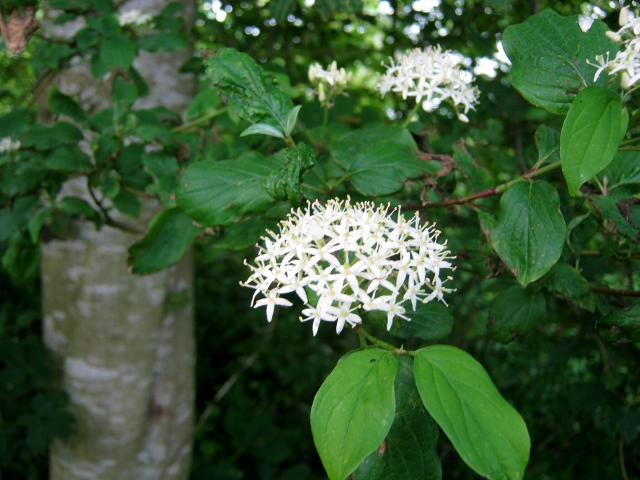
IMG_4892Dogwood (640x480)

The Dogwood (Cornus sanguinea) is in flower too.

Many people dislike the scent of the Elderflower; they describe it as smelling of ‘cats’.  It isn’t a pleasant smell but it is preferable to the smell of Dogwood flowers!

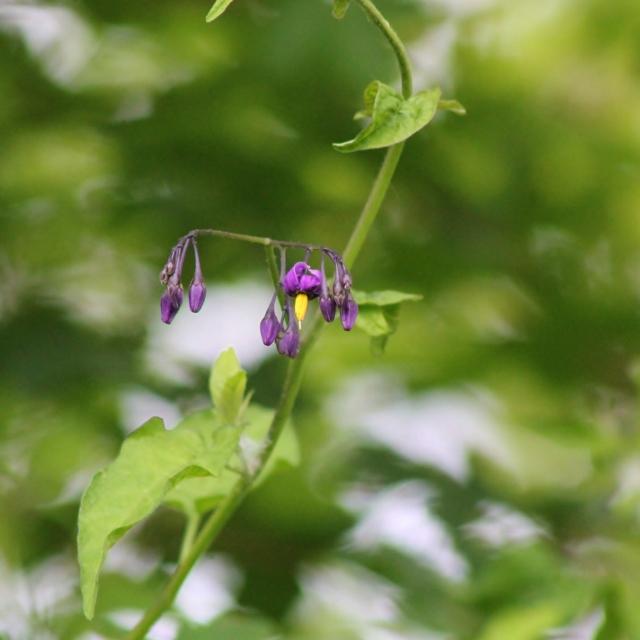
IMG_2269Bittersweet (2) (640x640)

Bittersweet (Solanum dulcamara), also known as Woody Nightshade, is flowering in the hedgerows.

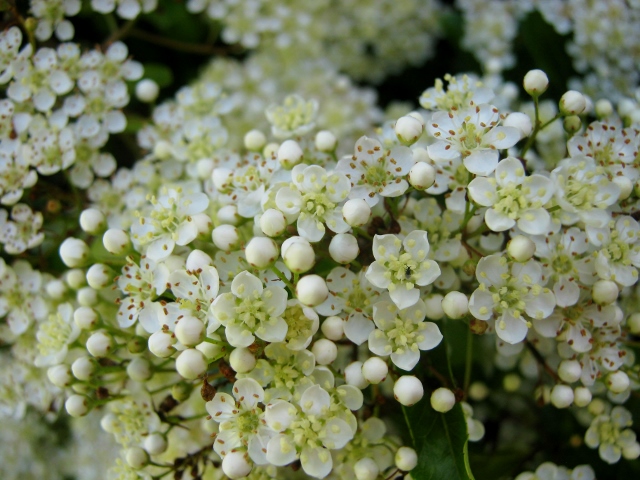
IMG_4828Pyracantha (640x480)

The Pyracantha in our garden is covered in blossom. This is another plant with a strange scent but the bees love it!

IMG_4822Cyperus sedge (640x480)

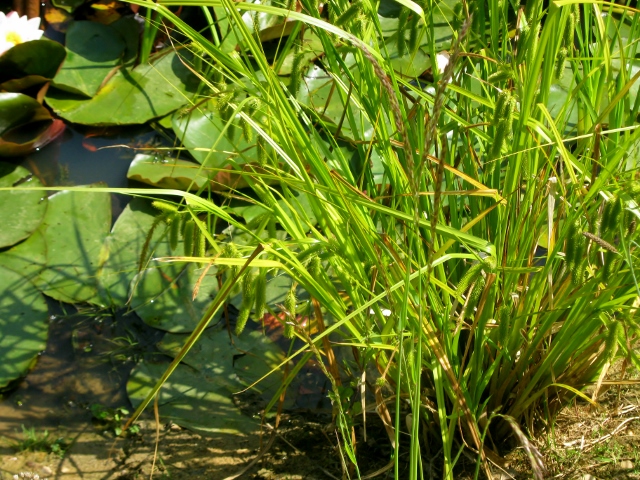
I discovered a new plant at the edge of our big pond the other day – a Cyperus Sedge (Carex pseudocyperus), also known as Hop Sedge.

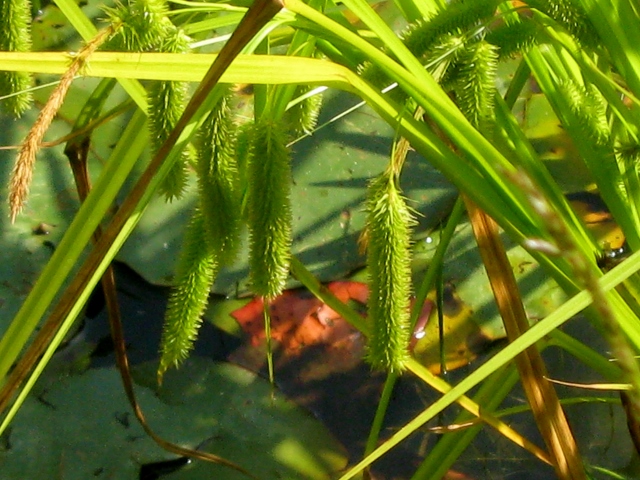
The plant is quite large and must, I suppose, have been there last year without me seeing it.  Its leaves are strap-like, similar to Iris leaves, so I might have thought it was an Iris.  The flowers are unmistakable though.

IMG_4823Cyperus Sedge (640x480)

The flowers are pendulous, like catkins.

IMG_2268Yellow Iris (633x640)

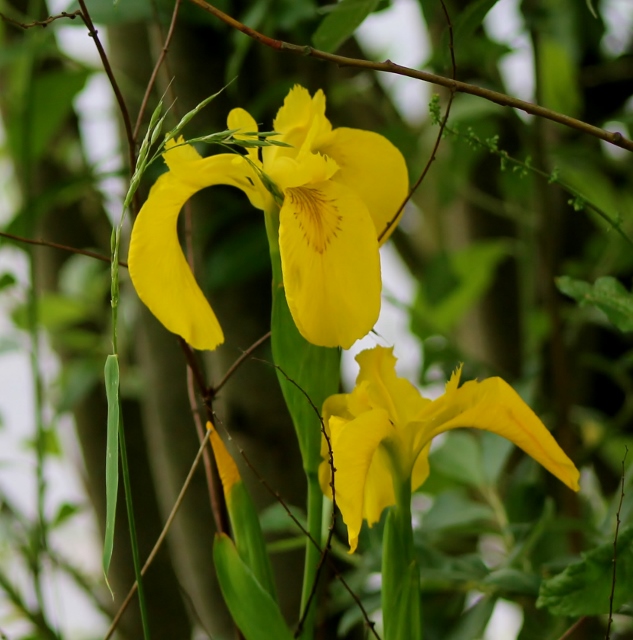
Yellow Iris (Iris pseudacorus)

IMG_2302Common Marsh-bedstraw (640x427)

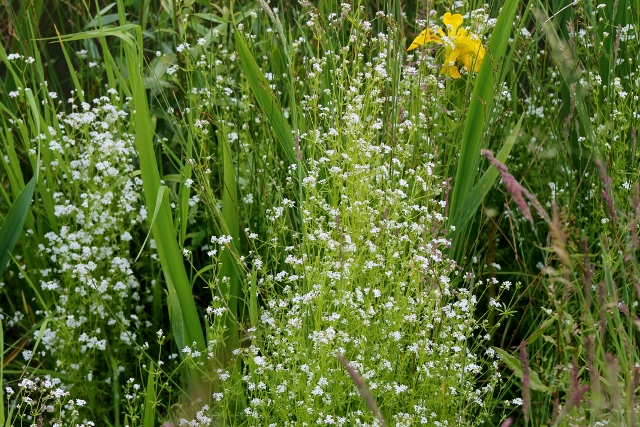
Another new plant to our garden is this Common Marsh-bedstraw (Galium palustre) growing by our corner pond.

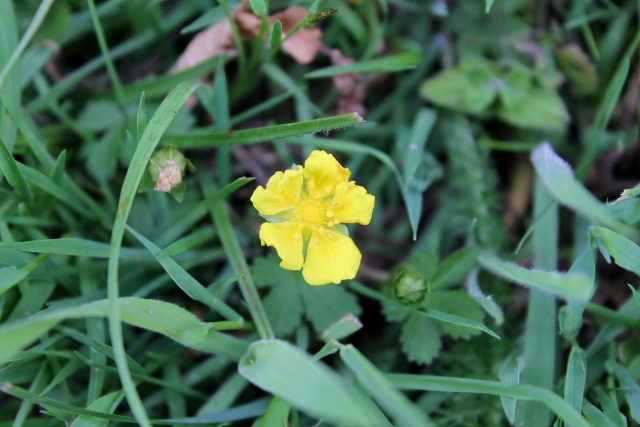
IMG_2277Creeping Cinquefoil (640x427)

One of my favourite flowers is this little one – Creeping Cinquefoil (Potentilla reptans). Its petals are heart-shaped and such a pretty shade of yellow. The creeping refers to its trailing stems that root at the nodes as it grows.

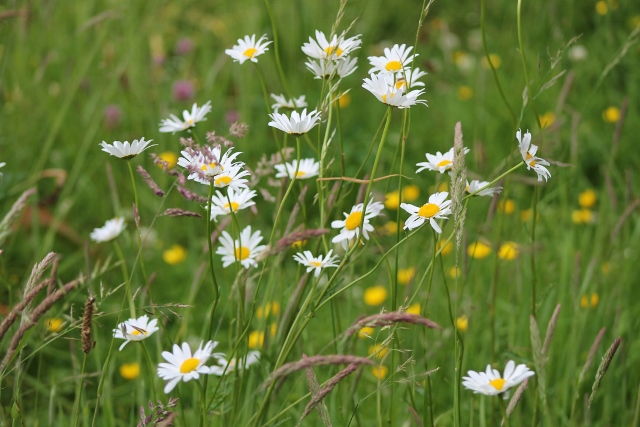
IMG_2279Ox-eye Daisies (640x427)

I love Oxeye Daisies (Leucanthemum vulgare) too.

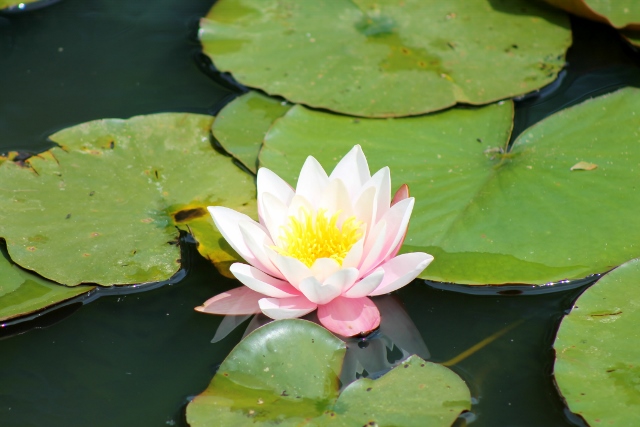
IMG_2289Water Lily (640x427)

A White Water-lily (Nymphaea alba) on our big pond.

Elinor saw the Kingfisher at the pond a couple of days ago and since yesterday we have  all heard the purring of a Turtle-dove in the trees round the pond.  The temperature has risen to 25 degrees Centigrade and I think it has been too cold up til now for the Turtle-dove.

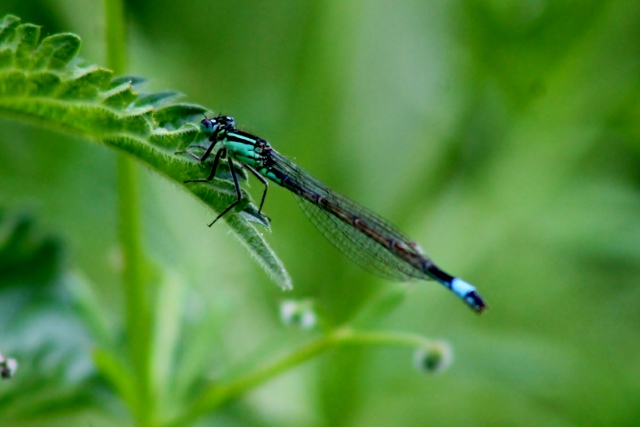
IMG_2270Female Blue-tailed Damselfly (2) (640x427)

Female Blue-tailed Damselfly (Ischnura elegans)

IMG_2276 (2)Male Blue-tailed Damselfly (640x445)

Male Blue-tailed Damselfly (Ischnura elegans)

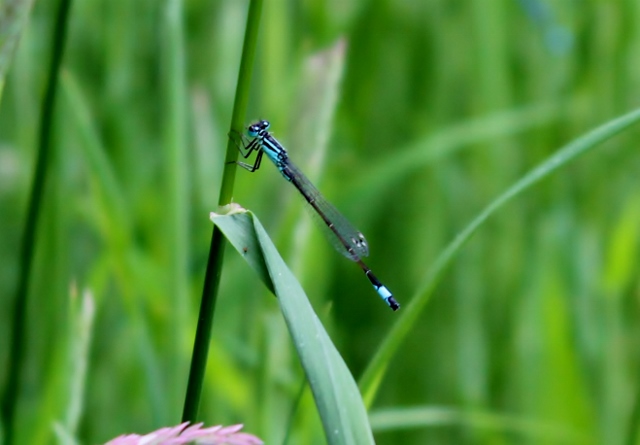
IMG_2271Male Azure Damselfly (2) (640x420)

Male Azure Damselfly (Coenagrion puella)

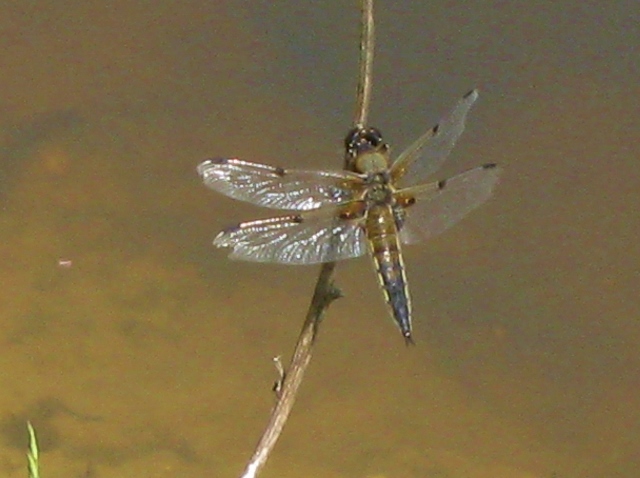
IMG_4824Male Four-spotted Chaser (640x478)

I believe this is a male Four-spotted Chaser (Libellula quadrimaculata)

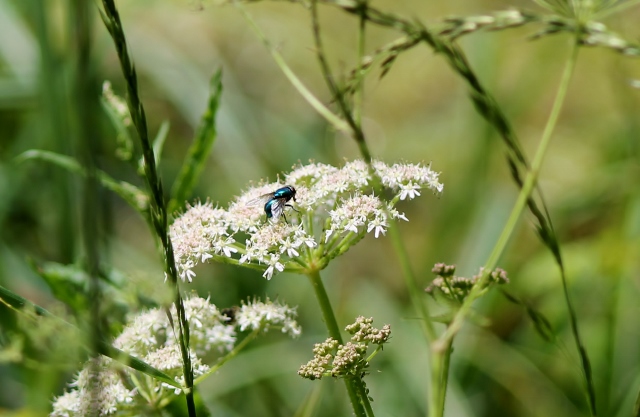
IMG_2283Greenbottle on Hogweed (2) (640x417)

Greenbottle (Lucilia caesar) on Hogweed (Heracleum sphondylium)

IMG_2294Helophilus pendulus Hoverfly (640x472)

A brightly-patterned Hoverfly (Helophilus pendulus)

IMG_2298Male Black-tailed Skimmer (640x485)

Male Black-tailed Skimmer (Orthetrum cancellatum)

I hope to see some more insects now the weather has warmed up.

Thank-you for visiting!
Share this:

  • Share on X (Opens in new window) X
  • Share on Reddit (Opens in new window) Reddit
  • Share on Pinterest (Opens in new window) Pinterest
  • Share on Facebook (Opens in new window) Facebook
  • Email a link to a friend (Opens in new window) Email
  • Share on Tumblr (Opens in new window) Tumblr
  • Print (Opens in new window) Print
  • Share on Pocket (Opens in new window) Pocket
  • Share on LinkedIn (Opens in new window) LinkedIn
Like Loading...

A Visit to the Plantation Garden.

11 Thu Jun 2015

Posted by Clare Pooley in Gardening, Norwich, plants, Rural Diary, trees

≈ 44 Comments

Tags

Gothic style, Henry Trevor, Norwich, ornamentation, Plantation Garden

053Plantation Grden (640x480)

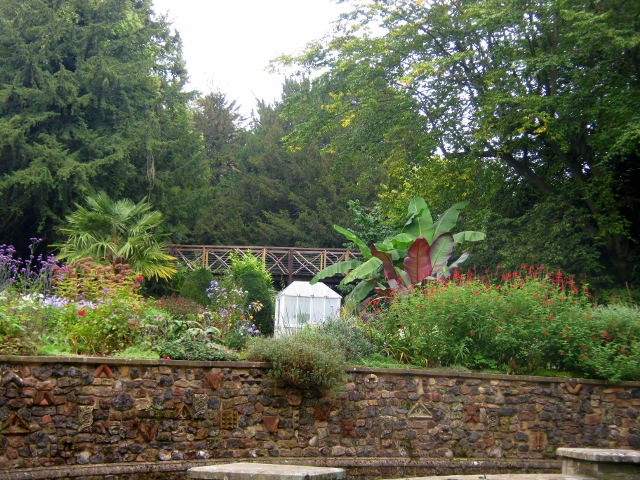
View of the garden looking south.

At the end of September last year, Elinor and I visited the Plantation Garden in Norwich.  Elinor had missed a visit to the garden with her Art class because she hadn’t been well, so we decided we’d go there and have a look for ourselves.  It is a Grade II English Heritage registered garden nearly 3 acres in size.

105Plantation Garden (640x480)

View of the garden from the top of the terrace looking north.

For many years the place where the garden is was an industrial site.  Hundreds of years ago, tunnels were dug into the side of the hills to extract flints that were used to build the city.  (One of these tunnels was accidentally discovered by a bus when it fell down it in 1984!).  The chalk surrounding the flint was gradually dug out to make lime for mortar and agricultural purposes.  Eventually a deep quarry was formed.

060Plantation Garden (640x480)

Looking North towards the Rustic Bridge.

In 1855 the Trustees of the Preachers’ Charity who have owned the land since 1613, decided to convert its use from industrial to residential.  The man who had been running his business as a builder/bricklayer/lime burner at the quarry site was (I presume) asked to move out and Henry Trevor moved in.  Trevor was a prosperous upholsterer and cabinet maker who was also an enthusiastic gardener.  When he took out the lease for the site he said he was eager to build a fine house and garden in ‘this deep dell’.

052 (640x427)Plantation Garden

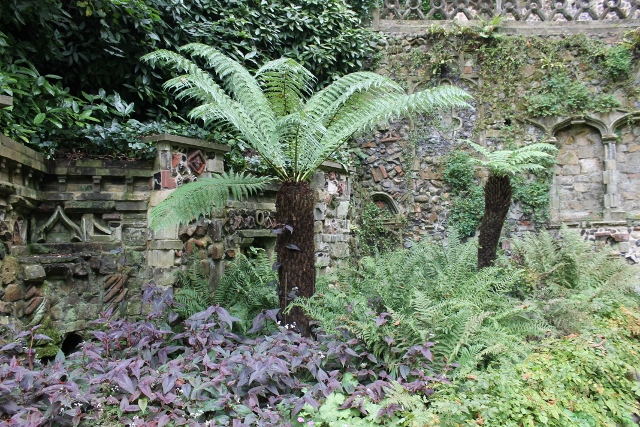
This shows some of the decoration on the walls.

Trevor bought the decorative materials for the hard structure of his garden from Gunton Brothers, a brickworks at Costessey (pronounced Cozzey) just to the west of Norwich, who made ornamental windows, chimneys and patterned bricks and sent them all over the country.  Henry Trevor used these bricks (and other Gunton materials) most imaginatively along with material he found on the site and material acquired elsewhere such as natural and knapped flints, plain bricks, carrstone and clinker from local gas works and kilns.  The Gothic Revival style was very popular at the time (1857) and this ‘medieval’ style was Trevor’s favourite.

118Plantation Garden (640x480)

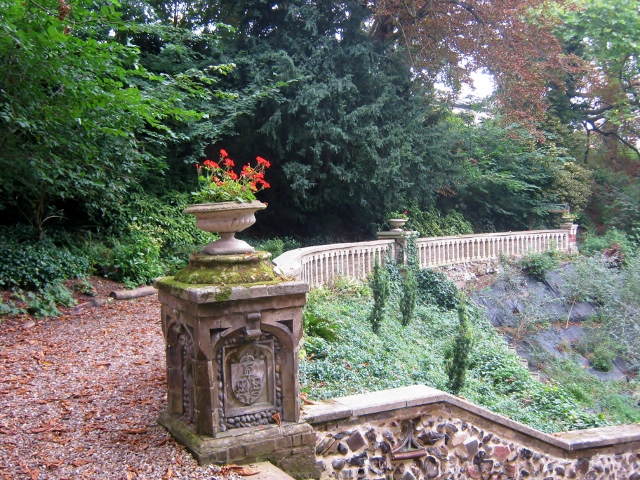
Top of the terrace at the southern end of the garden.

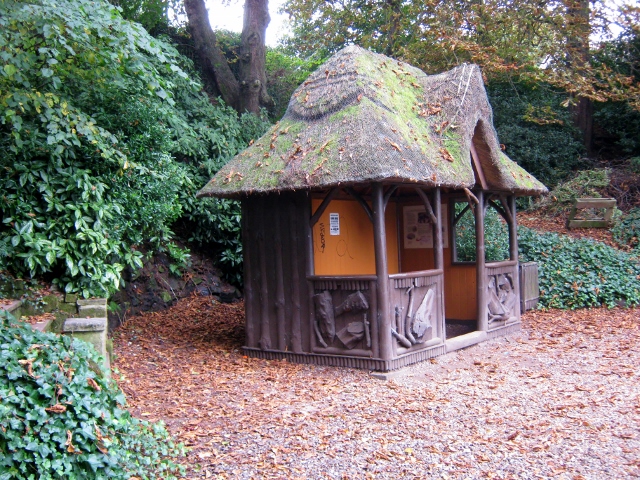
Trevor decided on the ‘Italianate’ style for the steep southern wall of the quarry.  He constructed flights of steps, balustrades and pedestals with urns on them.  He included a little rusticity and built a summerhouse on the top terrace to balance the rustic bridge at the north end of the garden.

117Plantation Garden (640x480)

The rustic summerhouse.

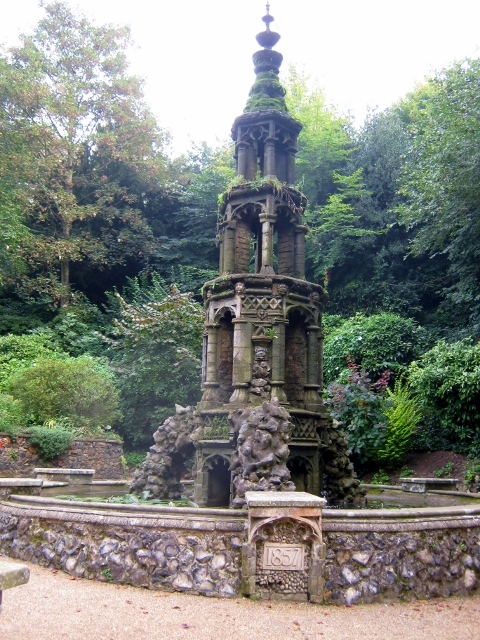
His tour de force is the Gothic fountain in the centre of the garden.

056Plantation Garden (480x640)

Gothic fountain.  The white moulded brick Trevor used weathers to look like stone.

Rock works were also fashionable at the time so Trevor included a 30-metre-long one in his garden.  He planned to plant the steep sides of the quarry with trees and with evergreen shrubs as an understorey.  To do this he must have created planting holes and brought in soil to fill them.  The planting is now over-mature and many of the original trees have died, but there are still some of the original 19th century plants and trees in the garden.

The Plantation Garden Preservation Trust is trying to raise funds to restore the many paths and steps all over the plot which enabled all Trevor’s guests and friends to view his garden from different levels.  He loved nothing better than having visitors and regularly opened the garden to the public.

This slideshow requires JavaScript.

The garden is being restored very carefully and the planting schemes are lovely and in keeping with the history of the site.  I haven’t included many of the plants I saw there as I have concentrated on the original architecture in this post.  It is a very strange place and some of the ornamentation is a little over-fussy for my taste but it is also a beautiful garden and so peaceful and remote from the city though sited in its heart.

I obtained most of the details included in this post from information boards placed round the garden.  I am very grateful to the PGPT for supplying this information.

I have included a link here.

Thank-you for visiting!
Share this:

  • Share on X (Opens in new window) X
  • Share on Reddit (Opens in new window) Reddit
  • Share on Pinterest (Opens in new window) Pinterest
  • Share on Facebook (Opens in new window) Facebook
  • Email a link to a friend (Opens in new window) Email
  • Share on Tumblr (Opens in new window) Tumblr
  • Print (Opens in new window) Print
  • Share on Pocket (Opens in new window) Pocket
  • Share on LinkedIn (Opens in new window) LinkedIn
Like Loading...

Minsmere – 8th May 2015

31 Sun May 2015

Posted by Clare Pooley in plants, Rural Diary, trees, walking, wild birds

≈ 37 Comments

Tags

BBC Spring Watch, black slugs, blackcap, bluebells, Common Vetch, crabapple, Minsmere, oak, oak moss, ponds, red campion, RSPB, Suffolk, woods

Elinor took her Art exam over two days at the beginning of May and on the Friday of that week she and I decided we’d go to the RSPB (Royal Society for the Protection of Birds) reserve at Minsmere for a relaxing walk.  Richard was away in Manchester visiting his mother and brother and helping his brother clear his Mum’s house before putting it on the market.

We go to Minsmere very often and know all the walks.  Elinor decided she wanted to walk through the woods instead of going to the shore.  I was hoping to hear a Cuckoo and a Nightingale.  We had a drink and a cake in the café before we set off.

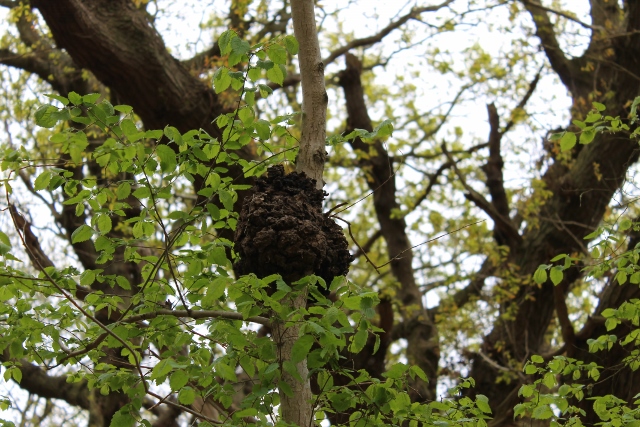
IMG_2203Something on Birch tree Minsmere (640x427)

The first thing we saw was this and I have no idea what it is. Is it a canker, a fungus or is it a nest of some sort? It is on a Birch tree.

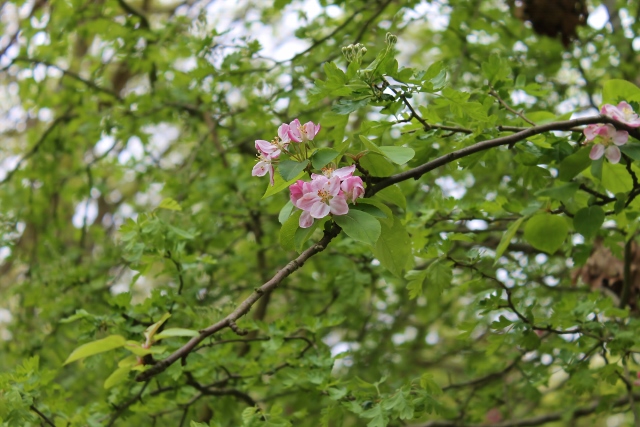
IMG_2204Crabapple perhaps (640x427)

We saw this very pretty Crabapple blossom.

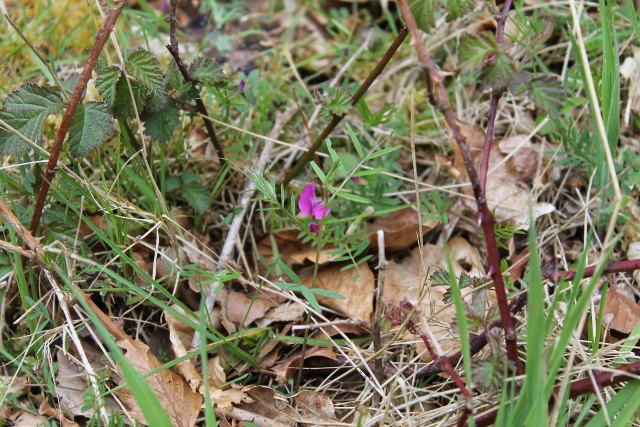
IMG_2205Common vetch (640x427)

This is Common Vetch (Vicia sativa)

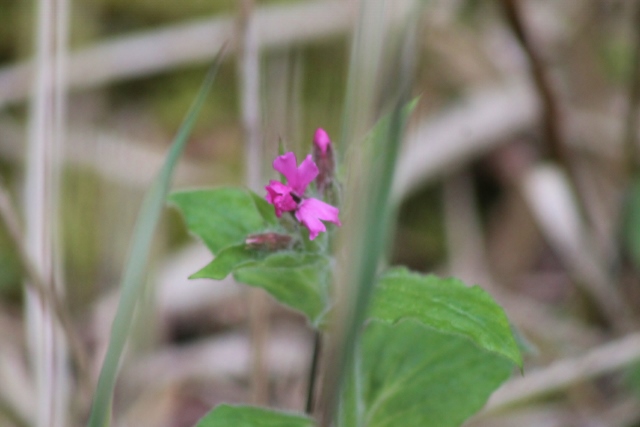
IMG_2212Red Campion (640x427)

Red Campion (Silene dioica). The wind was blowing quite hard and I found it difficult to get anything in focus.

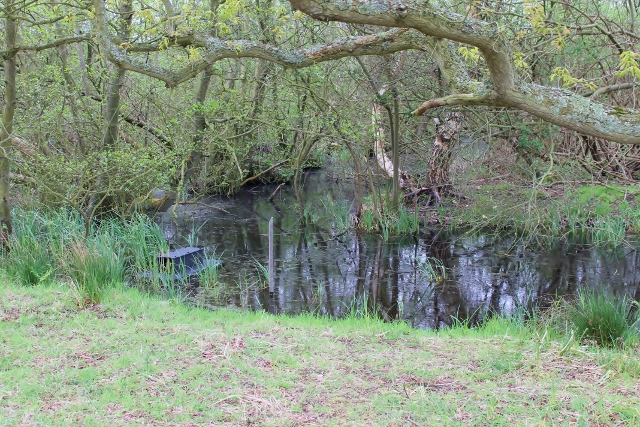
IMG_2206Pond (640x427)

And this is one of the many ponds at Minsmere.

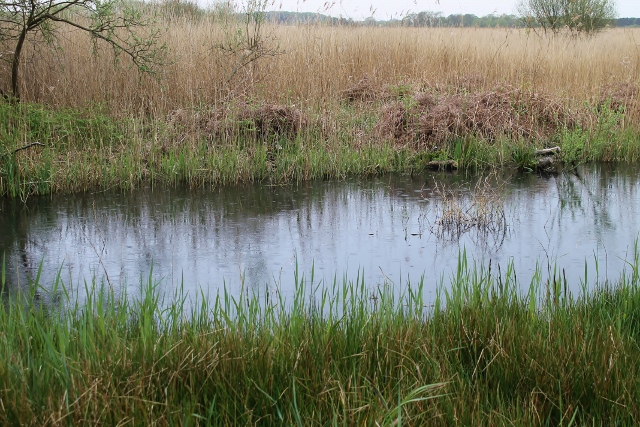
IMG_2207Pond (640x427)

Another pond.

The weather, which had been quite pleasant in the morning, quickly deteriorated  once we began our walk.  It got quite cold and then a drizzly rain started as you can see by the raindrops on the pond above.  Any hopes of hearing a Cuckoo or a Nightingale evaporated away.

There are Adders (Vipera berus) living on the reserve and we had been hoping to see them.  We were told by another visitor that they were sleeping out in the open but unfortunately, by the time we arrived at the area where they are to be found, the rain had started and very sensibly they had gone under cover.  The area is fenced off for their and our protection.  They are Britain’s only venomous snake.

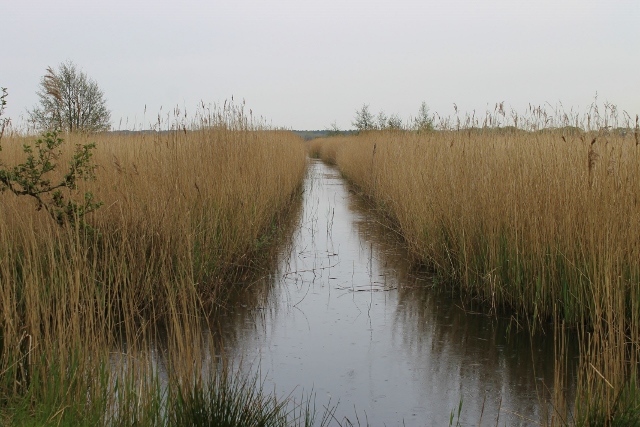
IMG_2208Reeds and water (640x427)

Reeds and water. We could hear Bitterns (Botaurus stellaris) booming in the reeds but we didn’t see any water fowl at all.

IMG_2209Oak moss (640x427)

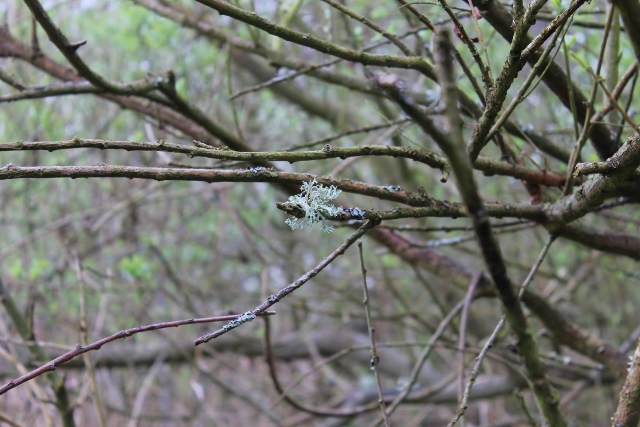
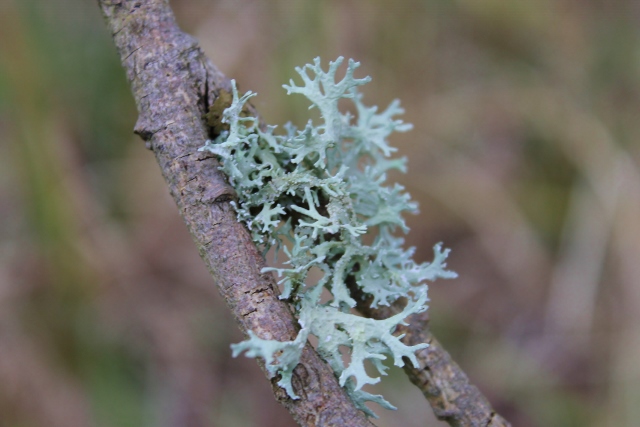
There was plenty of Oak Moss (Evernia prunastri) to be seen.

IMG_2211Oak moss (640x427)

It is very attractive with its flat, curled branches. It isn’t moss at all but is in fact a lichenised fungus.

Air quality in the East of England isn’t as good as in the West of the country because the prevailing wind blows across the country, including London, before it gets to us.  We are pleased when we find any kind of lichen as they are often indicators of clean air.

IMG_2210Slugs on dandelion (640x427)

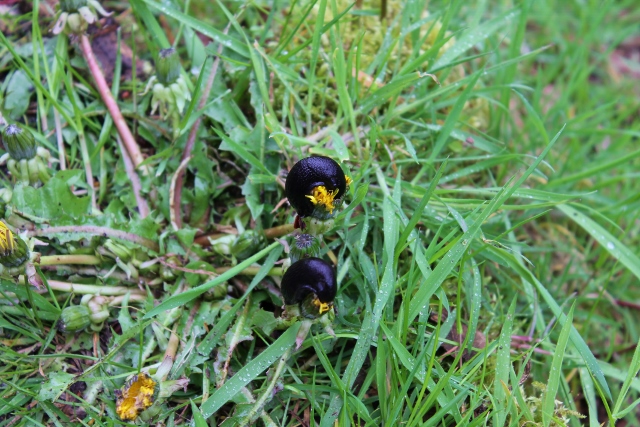
This dandelion plant had a couple of slug visitors.

IMG_2218White bluebell (640x427)

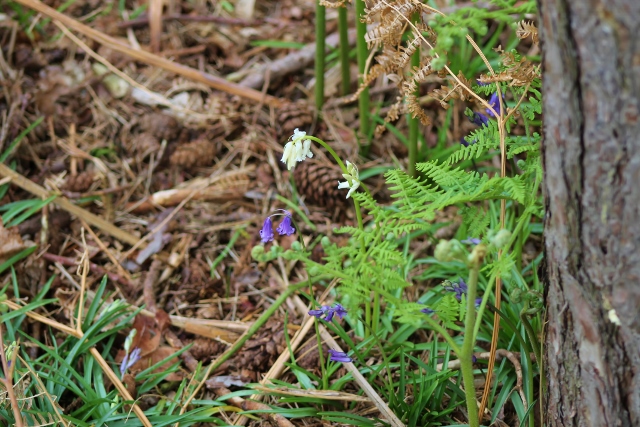
We saw very many white bluebells in the wood

IMG_2223Oak tree (640x427)

An Oak tree (Quercus robur) with new leaves and flowers.

IMG_2221Building for the BBC (640x427)

This is the building that was constructed last year for the BBC Spring Watch team. This is as near as us members of the hoi polloi can get to it. The BBC are currently filming at Minsmere though they weren’t when Elinor and I visited.

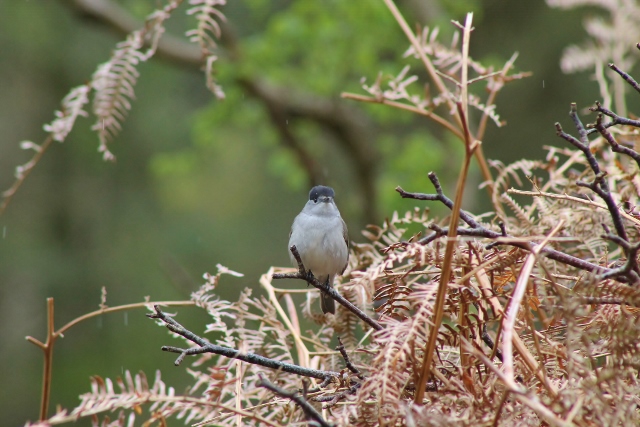
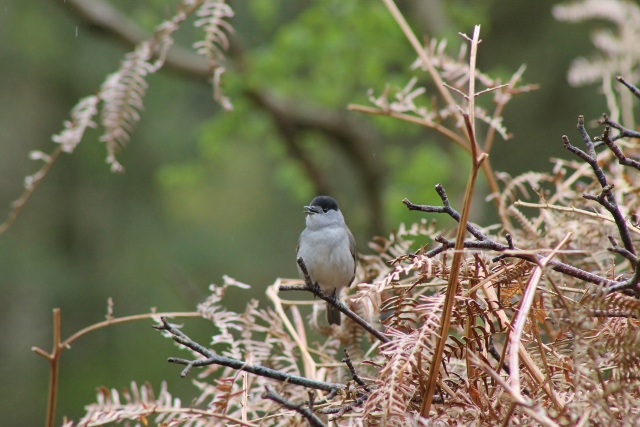
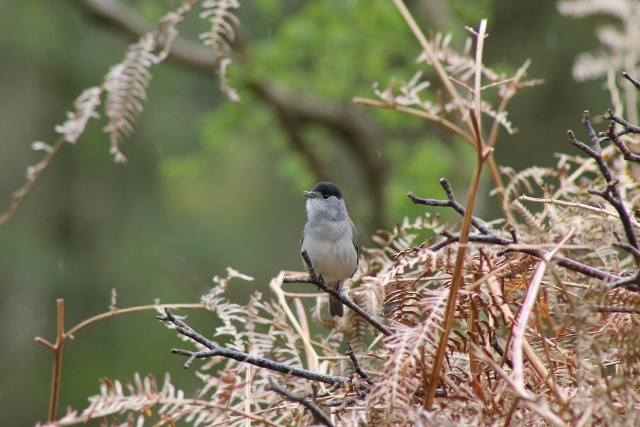
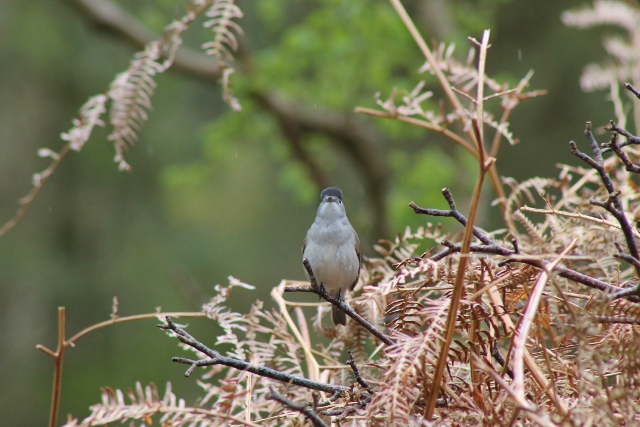
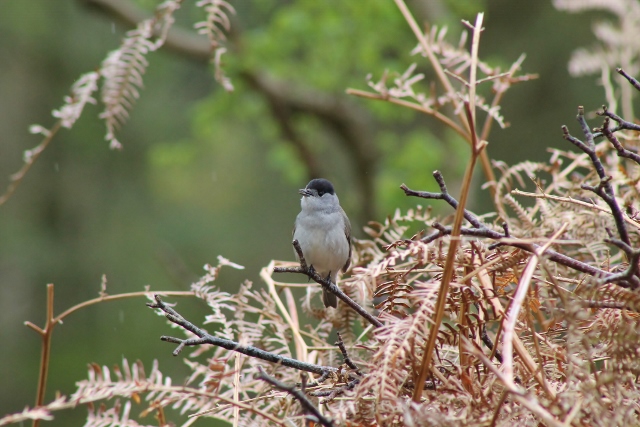
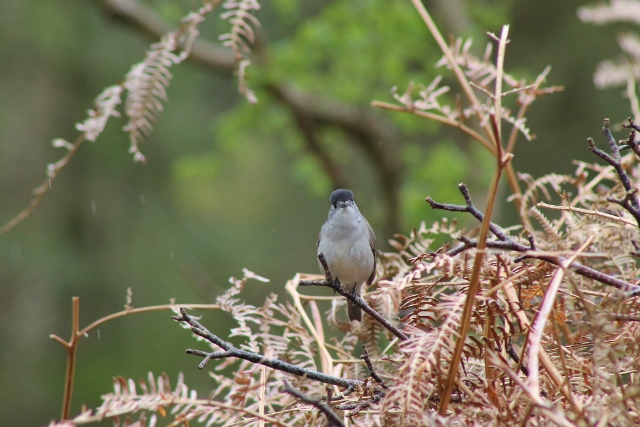
The next six photographs are of a male Blackcap (Sylvia atricapilla) that I found singing next to the path.  The photos are not cropped.  This warbler didn’t appear to be at all nervous and at each pause in his song he seemed to look at me to judge my reaction!  He filled his throat with air and used it like the bag on a bag-pipe to sing.

IMG_2224Blackcap (640x427)

IMG_2225Blackcap (640x427)

IMG_2226Blackcap (640x427)

IMG_2227Blackcap (640x427)

IMG_2228Blackcap (640x427)

IMG_2229Blackcap (640x427)

I was very pleased to get these pictures.

Thank-you for visiting!
Share this:

  • Share on X (Opens in new window) X
  • Share on Reddit (Opens in new window) Reddit
  • Share on Pinterest (Opens in new window) Pinterest
  • Share on Facebook (Opens in new window) Facebook
  • Email a link to a friend (Opens in new window) Email
  • Share on Tumblr (Opens in new window) Tumblr
  • Print (Opens in new window) Print
  • Share on Pocket (Opens in new window) Pocket
  • Share on LinkedIn (Opens in new window) LinkedIn
Like Loading...

A Visit to Captain’s Wood – 4th May 2015

29 Fri May 2015

Posted by Clare Pooley in plants, Rural Diary, trees, walking

≈ 24 Comments

Tags

Alexanders, bluebells, Captain's Wood, Climbing Corydalis, coppice, foxglove, Suffolk, Suffolk Wildlife Trust, veteran Oaks, wild cherry, wood sorrel, woods

Captain’s Wood is owned by Suffolk Wildlife Trust and is found next to the village of Sudbourne which lies south of where we live, about 40 minutes drive away.  The morning had been beautiful and bright but by early afternoon the skies were beginning to cloud over and by the time we got to the wood the sun wasn’t shining much at all.

This was the first time we had visited the wood.  We had heard that the bluebells there were wonderful and hoped that we would see some.  We parked the car in a small car-park a few hundred metres from the entrance to the wood and walked down the lane towards it.

IMG_4571Alexanders (640x480)

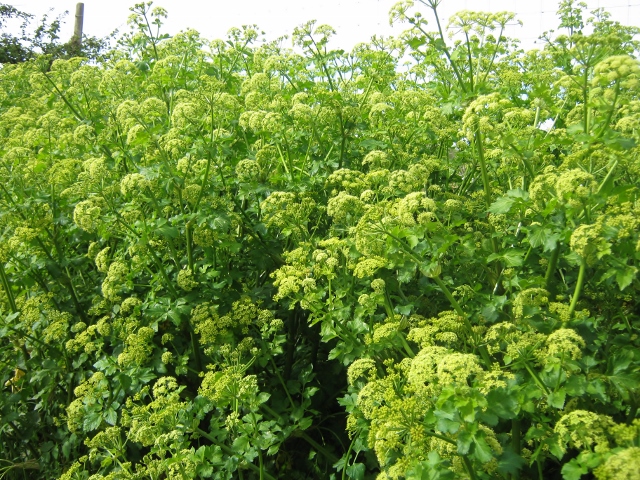
Both sides of the lane were covered in Alexanders (Smyrnium olusatrum) which had been in full sun all the morning and as a consequence were giving off a perfume redolent of rotting spinach!

IMG_4572 (640x480)

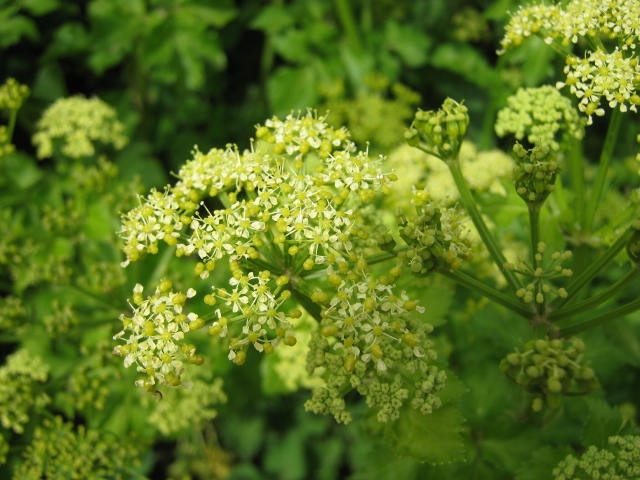
Alexanders is a very attractive umbellifer and until recently has only been found within a few miles of the coast. I am not sure why, but in the last couple of years it has spread very quickly further inland and I have seen it in Norwich this spring for the first time.

I remember including it in one of my posts last year but can’t remember which so I’ll repeat what I said then.  The name Alexanders refers to its origins as a herb of Macedonia (Alexander the Great’s country of birth). Its black seeds were sold in the 17th century under the name of Macedonian Parsley and Nicholas Culpeper the herbalist noted that among other things, Alexanders could cure not only flatulence but snake bite!  The whole of the plant is edible and the generic name Smyrnium refers to its myrrh-like taste.

We walked along a short entrance path between gardens towards the wood.

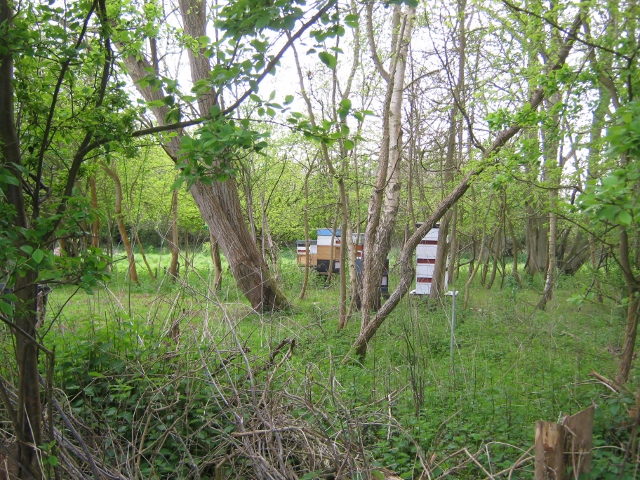
IMG_4573Bee hives (640x480)

Bee hives in someone’s garden

The first part of the wood we walked through didn’t really look like a wood.

IMG_4574Captain's Wood (640x480)
IMG_4575Captain's Wood (640x480)

This is newly acquired land consisting of 17 acres of small fields, scrub and a little area of woodland in-between the village and Captain’s Wood proper.  This land has not been farmed for many years and was largely left fallow.  Part of the land stays wet for most of the year and apparently has Marsh Orchids and other wetland plants growing there.

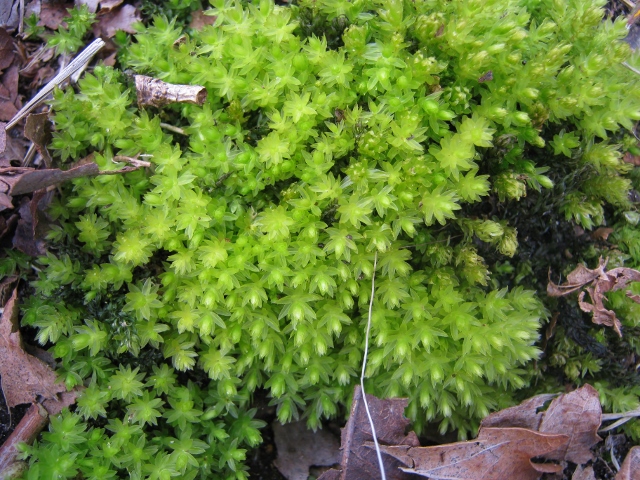
IMG_4576Moss (640x480)

On entering the wood I saw this beautiful moss.

IMG_4577Captain's Wood (640x480)

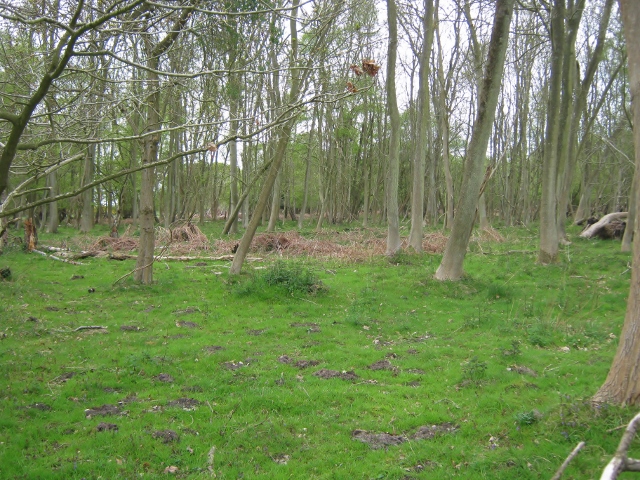
Most of the wood looks like this.

Captain’s Wood consists of mainly open woodland with Oak and Birch.  There is a large stand of Hazel, clumps of mature Scots Pine and lines of planted Sweet Chestnut.  Herds of deer roam at large through the wood and seven different types of bat live here.

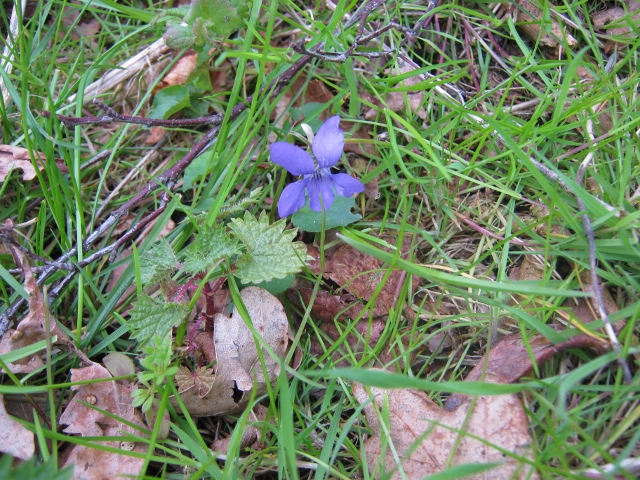
IMG_4578Violet (640x480)

There were a few Violets on the woodland floor. I didn’t check to see which violet this was but I think it may be Sweet Violet (Viola odorata)

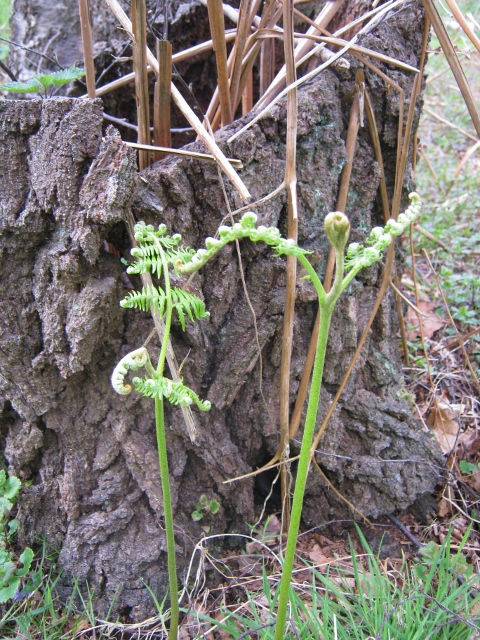
IMG_4579New bracken (480x640)

New bracken.

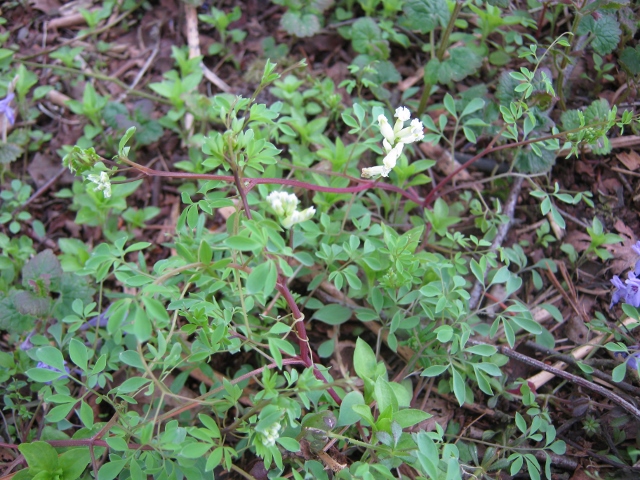
IMG_4580Climbing Corydalis (640x480)

Climbing Corydalis (Ceratocapnos claviculata)

Bartholomew of Glanville was an English friar living in the 13th century.  He wrote an encyclopaedia of natural history and in it he said that, despite its ‘horrible savour’, the roots of this plant could be made into a potion for dispelling melancholy.  Later on Climbing Corydalis became known as a cure for intestinal diseases.  This plant, along with fumitories, has flowers that resemble clovers and vetches though with fewer petals.  The flower’s peculiar shape has been likened to the head of a crested lark; hence the name ‘corydalis’.

IMG_4581Wild Cherry (640x480)

Wild Cherry (Prunus avium)

IMG_4585Foxglove (640x480)

The Foxgloves (Digitalis purpurea) were growing well.

IMG_4586Woodland floor (640x480)

Woodland floor under the pine trees.

IMG_4588Witch's broom (640x480)

A ‘Witch’s Broom’ in a Birch tree.

These ‘Witch’s Brooms’ are caused by a type of parasitic fungus which induces galls in its host.

Bracket fungus
Bracket fungus
Bracket fungus
Bracket fungus
IMG_4591Oak tree (480x640)

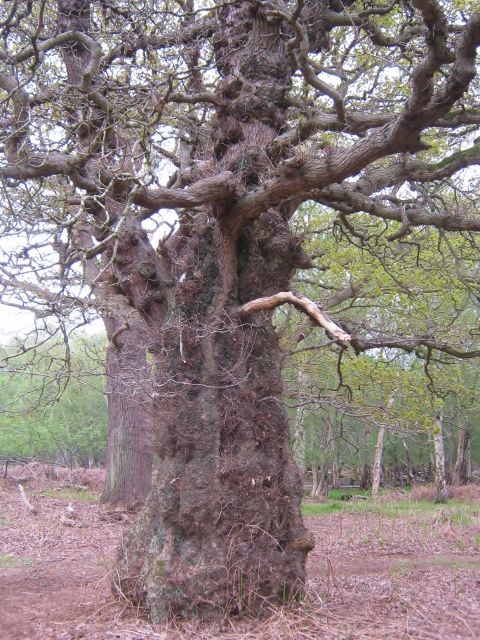
One of the veteran Oak trees in the wood.

IMG_4592Lichen-covered trunk (640x480)

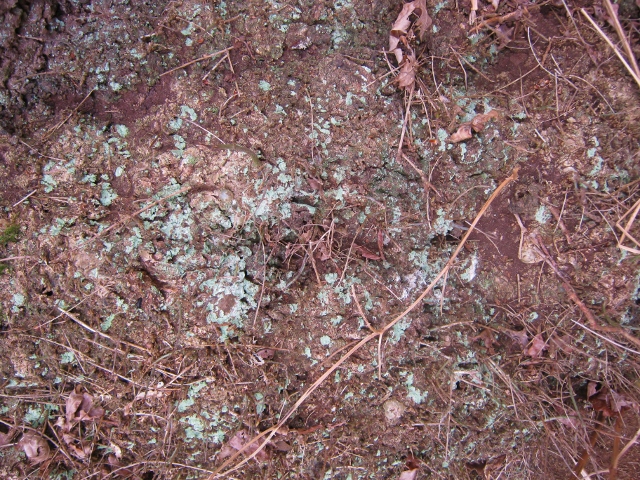
A close-up of the lichen-covered trunk of the Oak tree. A lot of the bark has disappeared and it no longer looks like a tree trunk anymore.

These veteran trees support many different species of fungi and invertebrates that are dependent on the slowly rotting heartwood of the tree.  Most notable is the Oak Polypore fungus which is known from only six other sites in Britain.  The Oak Polypore fruits for only a very short time in the summer.

IMG_4623Oak (640x480)

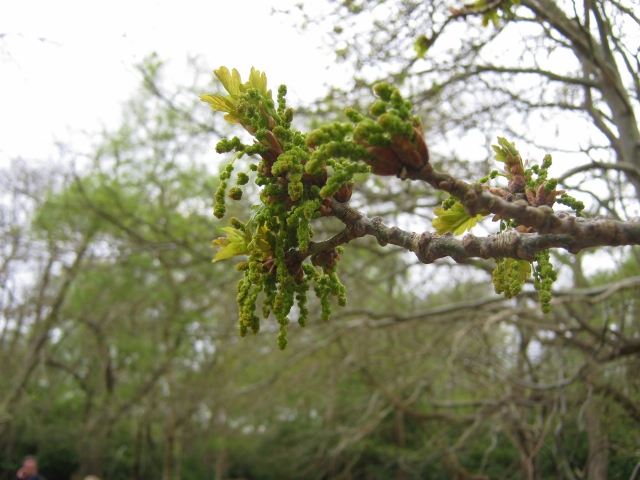
New Oak leaves and flowers

IMG_4593Pond (640x480)

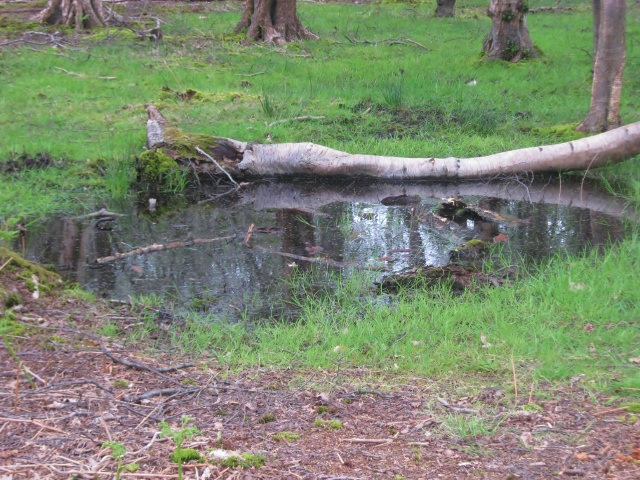
One of the several ponds in the wood

IMG_4608Wood Sorrel (640x480)

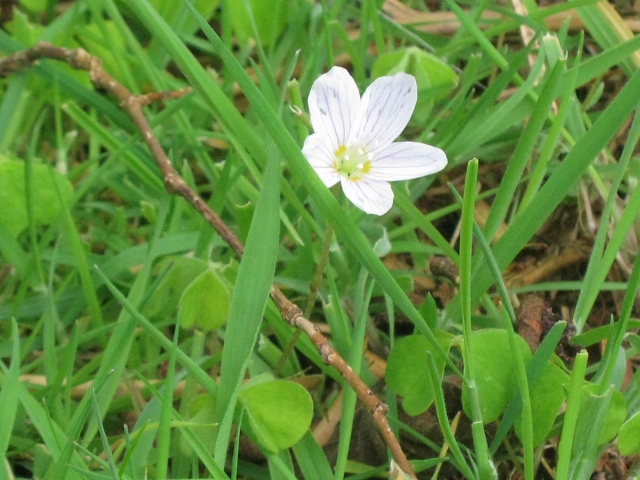
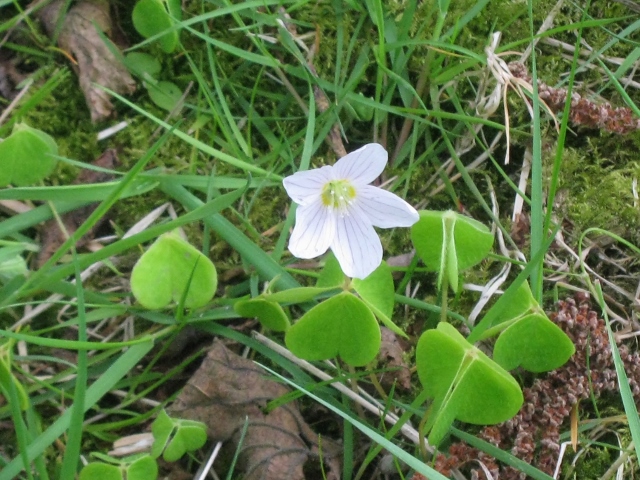
Wood Sorrel (Oxalis acetosella). A flower which indicates ancient, undisturbed woodland and hedges. The petals are white or pink with lilac veins.

IMG_4610Wood Sorrel (640x480)

Wood Sorrel

IMG_4626Beech (480x640)

A Beech tree (Fagus sylvatica) coming into leaf

IMG_4597Green river of Dog's Mercury (640x480)

This bright green, running like a river through the woods is Dog’s Mercury(Mercurialis perennis)

IMG_4611A  coppiced tree (640x480)

A coppice stool. The wood from the coppice is harvested every few years. New shoots are protected from deer and then left to grow until they are ready to be cut again.

At last we reached the part of the wood where the bluebells were, but found we were just a little too early to see them at their best.

IMG_4604Bluebells (480x640)

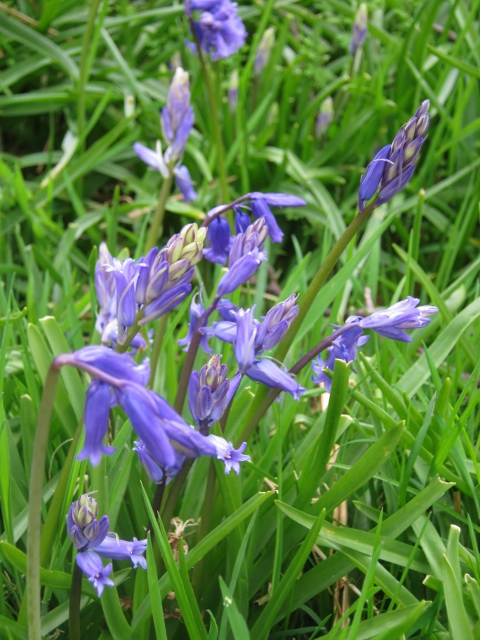
Bluebells (Hyacinthoides non-scripta)

IMG_4612White Bluebell (640x480)

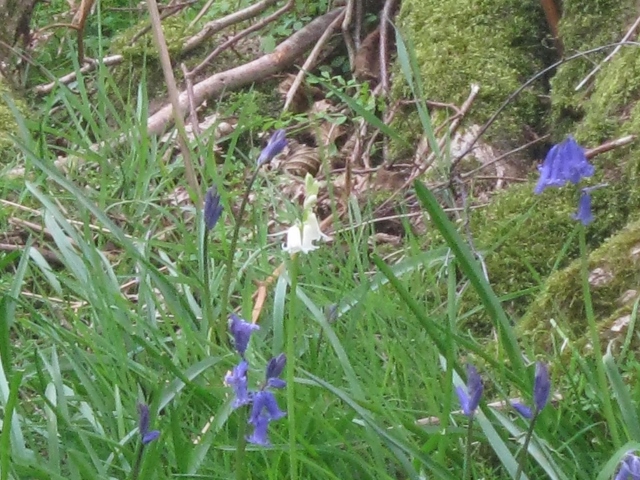
There were a number of white bluebells.

IMG_4594Bluebells (640x480)

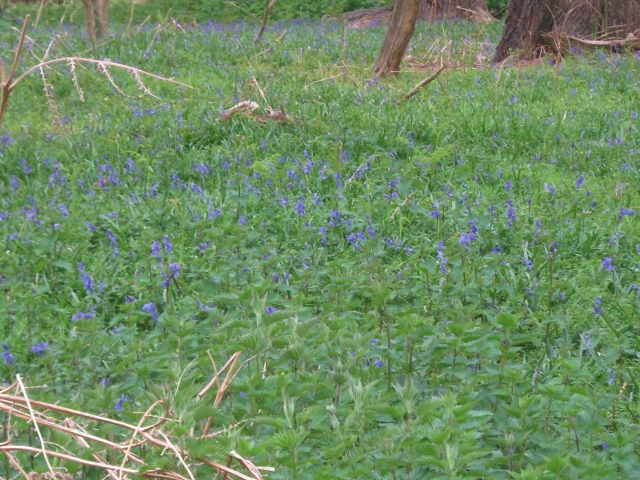
Bluebell potential was good….

IMG_4599Bluebells (640x480) (2) IMG_4600Bluebells (640x480) IMG_4601Bluebells (480x640) IMG_4605Bluebells (640x480) IMG_4606Bluebells (640x480)

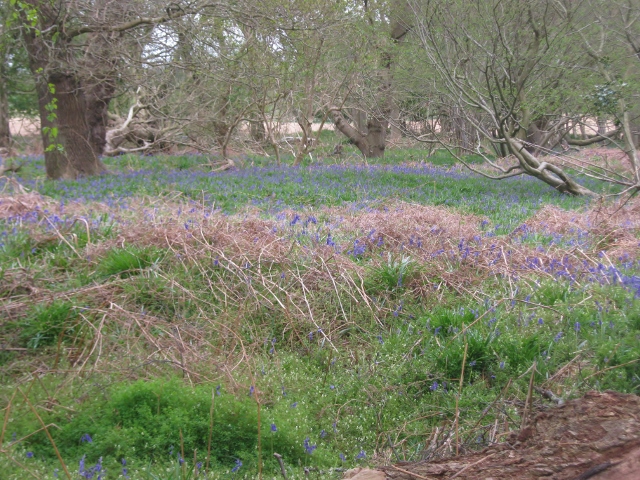
….but if we had visited a week later it would have looked heavenly.   Unfortunately, a week later we were doing other things.

We got back to the car and discovered we had a puncture.  Richard tried to change the tyre himself but we were unable to get the tyre off.  We had to call a rescue company and after just under an hour’s wait the mechanic arrived.  He managed to remove the tyre by sitting on the ground and kicking it with his left then right boot alternately.

Captain’s Wood is somewhere we would visit again.  It has plenty of plants and a variety of trees.  The walk through the wood would be pleasurable at any time of the year.

Thank-you for visiting!
Share this:

  • Share on X (Opens in new window) X
  • Share on Reddit (Opens in new window) Reddit
  • Share on Pinterest (Opens in new window) Pinterest
  • Share on Facebook (Opens in new window) Facebook
  • Email a link to a friend (Opens in new window) Email
  • Share on Tumblr (Opens in new window) Tumblr
  • Print (Opens in new window) Print
  • Share on Pocket (Opens in new window) Pocket
  • Share on LinkedIn (Opens in new window) LinkedIn
Like Loading...

May’s End – Part 2

26 Tue May 2015

Posted by Clare Pooley in plants, Rural Diary, trees, wild animals

≈ 37 Comments

Tags

Brown Hare, Bugle, Common Comfrey, cow parsley, Creeping Buttercup, Dandelion clock, field maple, garlic mustard, Greater Stitchwort, ground-ivy, Hawthorn, Hedgerow Crane's-bill, Herb-Robert, Meadow Buttercup, orange-tip butterfly, red campion, rowan, Suffolk, trees, Tufted Forget-me-not, wild flowers, Wood Avens

This post will be featuring the wild life photographs I have taken away from home, either on short walks to the postbox for example, or when I have stopped the car having seen something special.

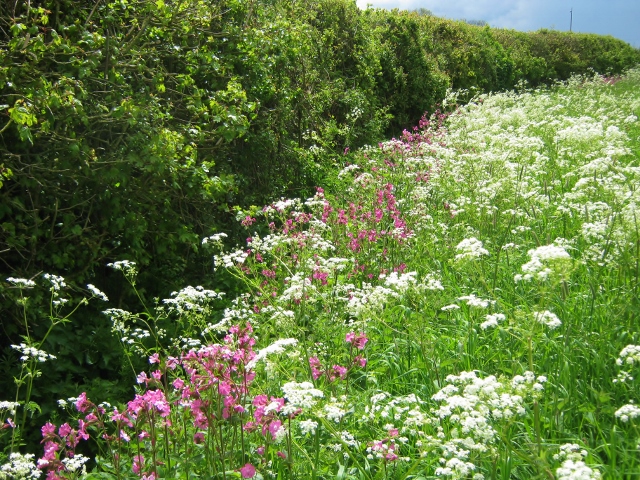
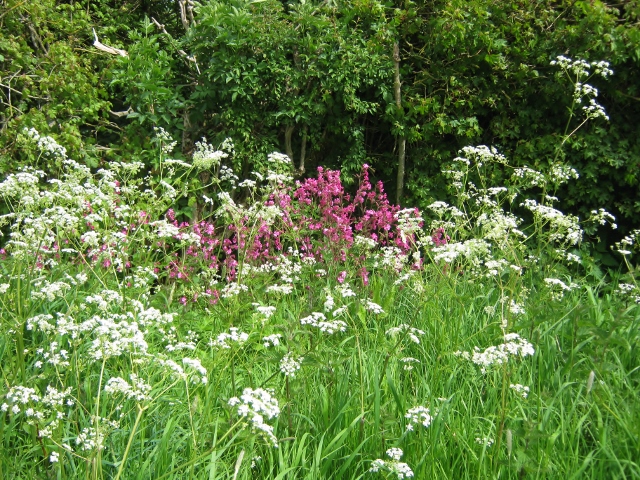
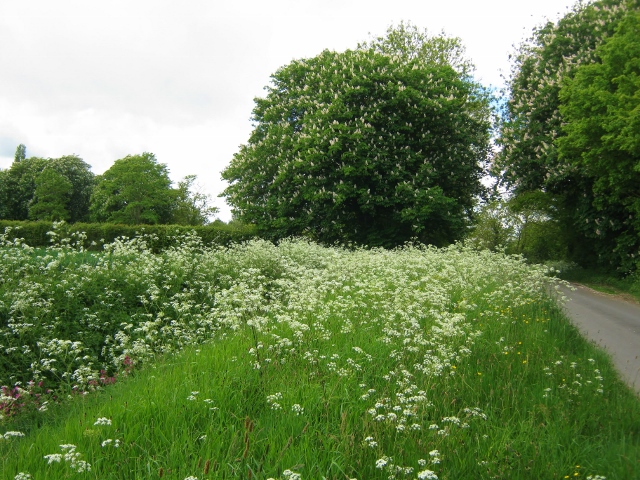
The Cow Parsley has been spectacular this year and especially so on the lane I drive down on my way to Norwich each day via Bungay.  I was glad I took the following photos a couple of weeks ago as the road is now closed for road works and I hate to think what has happened to all these lovely flowers.

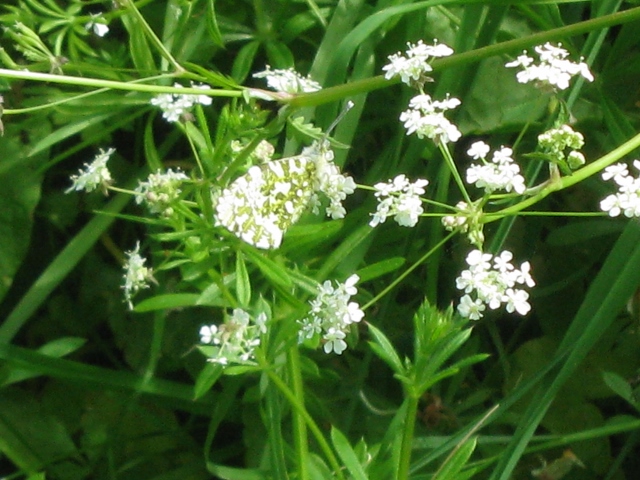
IMG_4679Cow Parsley and Red Campion (640x480)

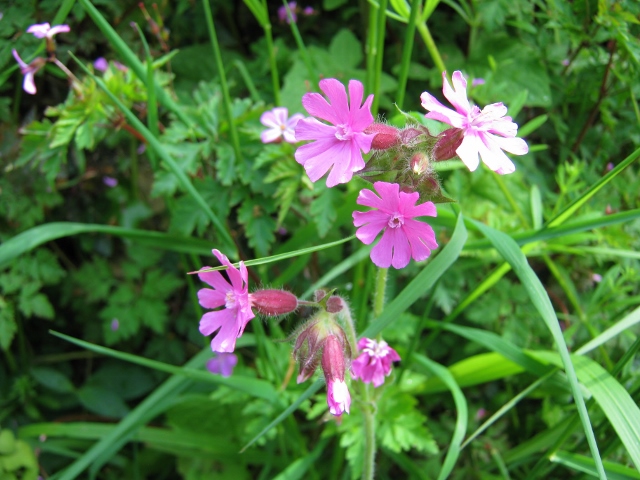
Cow Parsley (Anthriscus sylvestris) and Red Campion (Silene dioica)

The Red Campion has never been better in all the time we have lived here too.

IMG_4677Cow Parsley and Red Campion (640x480)

Cow Parsley and Red Campion

IMG_4691Red Campion (640x480)

Red Campion

Male and female flowers are borne on separate plants.

IMG_4681Greater Stitchwort (640x480)

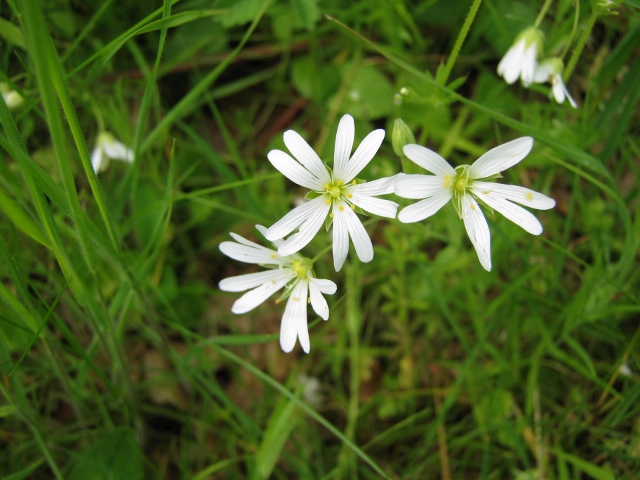
Greater Stitchwort (Stellaria holostea)

This plant is a member of the Pink family and is a shade lover.  It shines luminously in the twilight.  Its stems are very weak and need the support of other plants to gain any height.  The stems snap easily too, and according to the ancient ‘doctrine of signatures’ this means that the plant was thought to be able to help heal broken bones.  The Greek words for whole ‘holos’ and bone ‘osteon’ are incorporated in the botanical name.  The common name of Stitchwort refers not to mending but to another kind of stitch – the horrible pain in the side and similar ailments.  A preparation of stitchwort and acorns taken in wine was a standard remedy.  Stitchwort was regarded, at one time, along with White Campion and Field Poppy, as a ‘thunder flower’ – the picking of which provoked thunder and lightening.

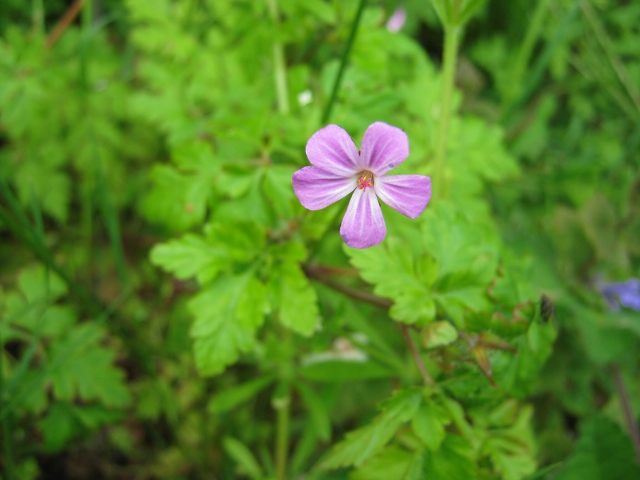
IMG_4682Herb-robert (640x480)

Herb-Robert (Geranium robertianum)

Herb-Robert has orange pollen.

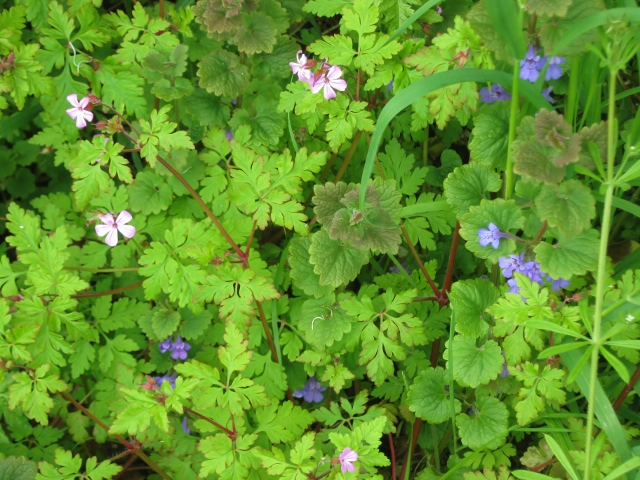
IMG_4685Herb-robert and Ground-ivy (640x480)

Herb-Robert with Ground-ivy (Glechoma hederacea)

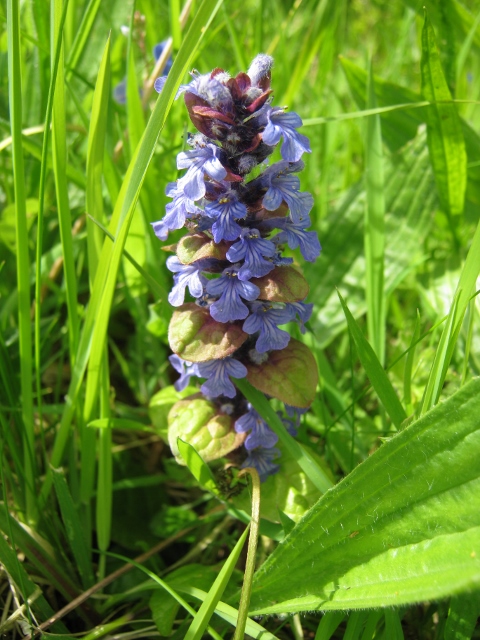
IMG_4688Bugle (480x640)

Bugle (Ajuga reptans) seems to be growing everywhere this year too. I don’t remember seeing any at all last year.

Bugle was thought of as a cure-all by medieval herbalists.  It healed all kinds of wounds, thrusts and stabs, as well as ulcers and broken bones.  It was also highly recommended for delirium tremens brought on by too much alcohol.  It has been called one of the mildest and best narcotics in the world.  The Latin name Ajuga and the common name Bugle appear to be corruptions of one or more of the plants earlier names of ‘abuga’, ‘abija’ and ‘bugula’.

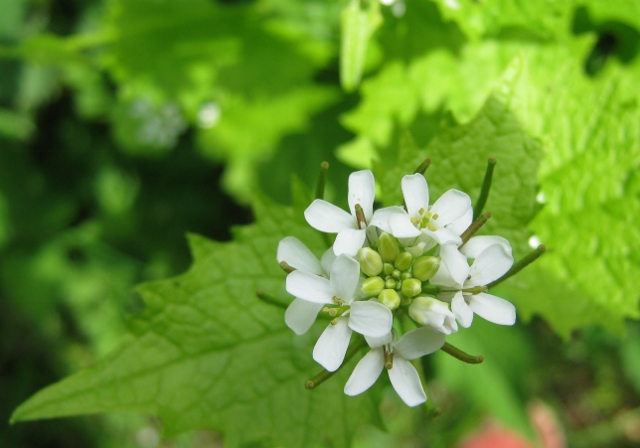
IMG_4693Garlic Mustard (640x448)

Jack-by-the-Hedge or Garlic Mustard (Alliaria petiolata)

This is the only British member of the cabbage family to smell very strongly of garlic.  The smell of the small white flowers isn’t particularly pleasant but it attracts midges and hoverflies.  The plant is self-pollinating.  In June the pale green caterpillars of the Orange-tip butterfly can be seen feeding on the long green seed pods from which they are almost indistinguishable.

IMG_4695Orange Tip on Cow Parsley (640x480)

This is a photo of an Orange-tip butterfly feeding on the nectar from Cow Parsley. The camouflage is very good!

IMG_4696Creeping Buttercup (640x480)

Creeping Buttercup (Ranunculus repens)

This plant spreads very quickly with long-rooted runners.

IMG_4697Field with buttercups (640x480)

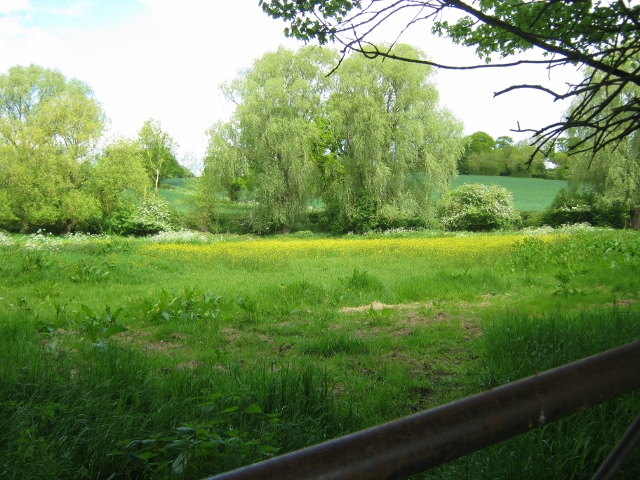
This is one of the fields next to the lane I drive down every day. It has a lot of buttercups in it (probably Meadow Buttercup (Ranunculus acris) )

IMG_4698View from lane (640x480)

Another view from the lane.

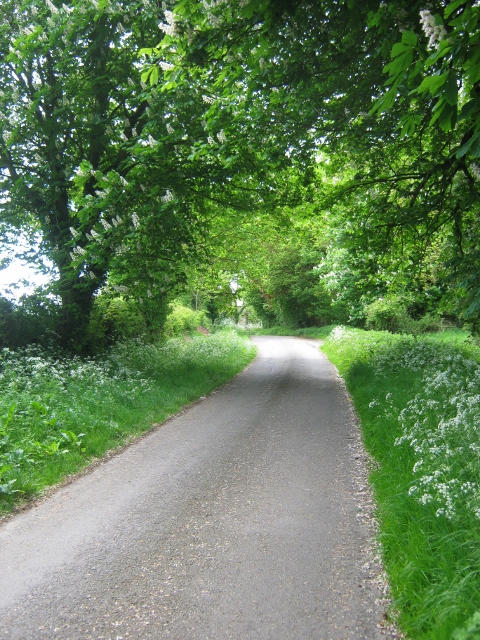
IMG_4699Lane (640x480)

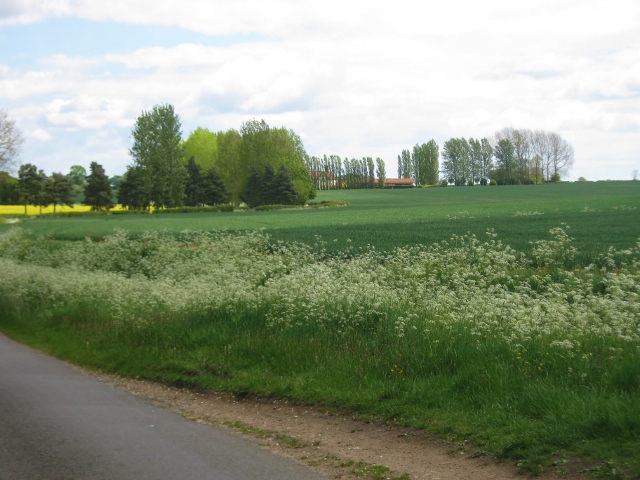
This shows the mass of Cow Parsley on the verge of the lane with two grand-looking Horse-chestnut trees (Aesculus hippocastanum) on the corner.

IMG_4703Dandelion clock (2) (640x488)

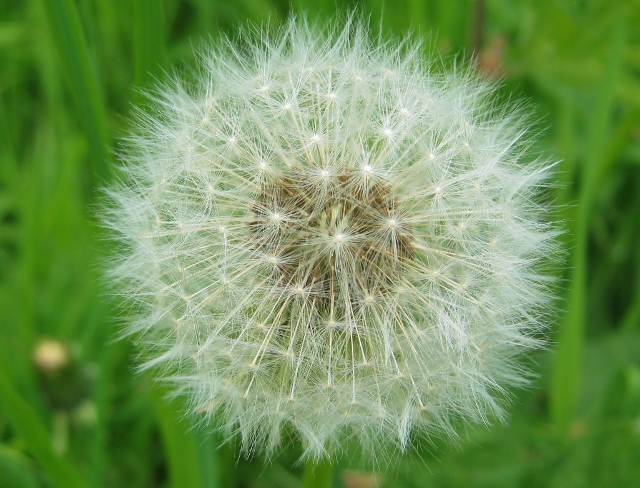
Common Dandelion (Taraxacum officinale agg. ) fruit or ‘clock’. 

IMG_4704Herb Bennet (640x480)

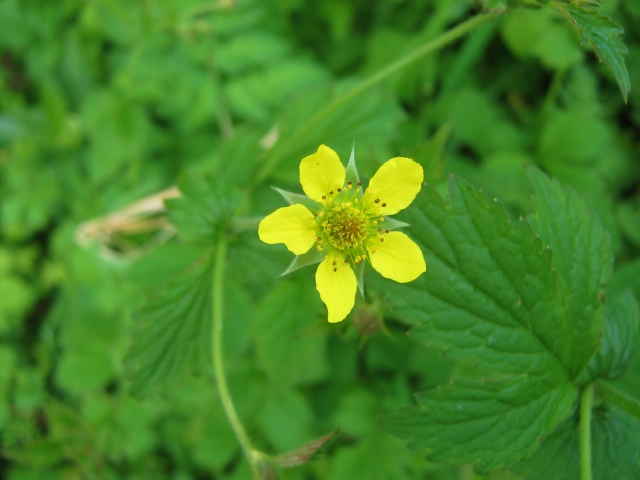
Wood Avens or Herb Bennet (Geum urbanum)

IMG_4705Forget-me-not (640x480)

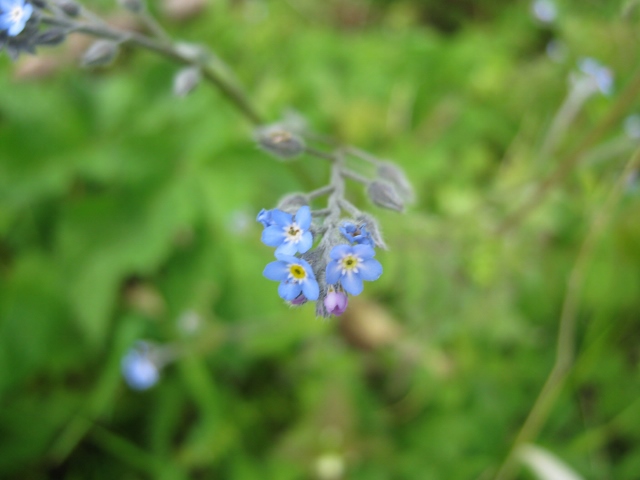
I think this may be Tufted Forget-me-not (Myosotis laxa)

IMG_4707Lane (480x640)

This is the lane as it goes up a gentle rise towards St Margaret’s church.

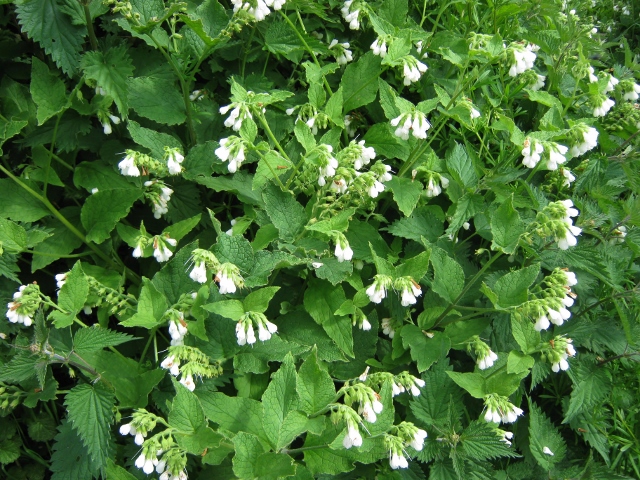
IMG_4729Common Comfrey (640x480)

Common Comfrey (Symphytum officinale)

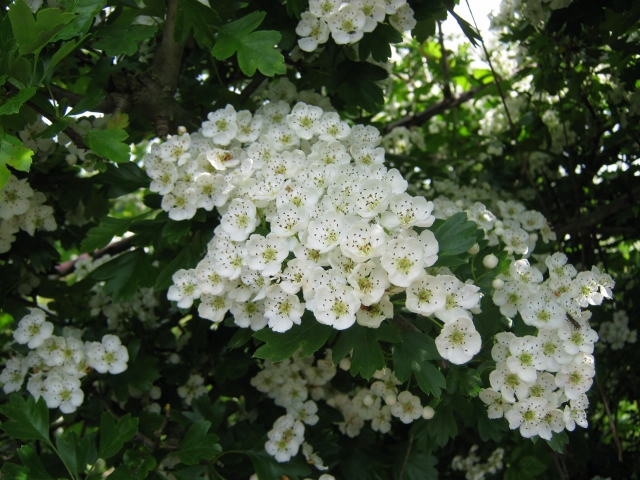
IMG_4730Hawthorn (640x480)

Common Hawthorn (Crataegus monogyna)

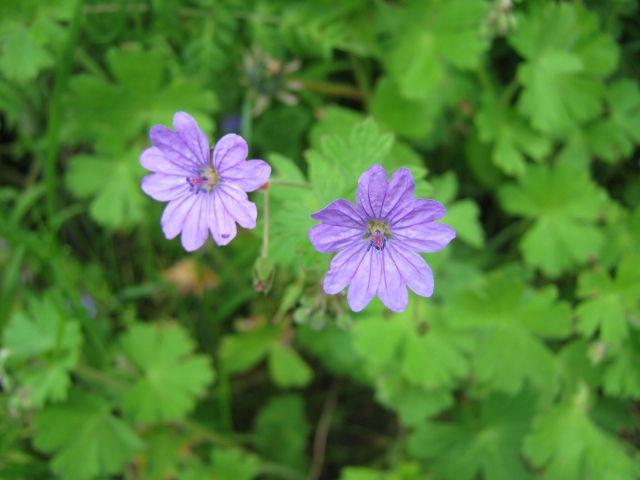
IMG_4732Hedgerow Crane's-bill (640x480)

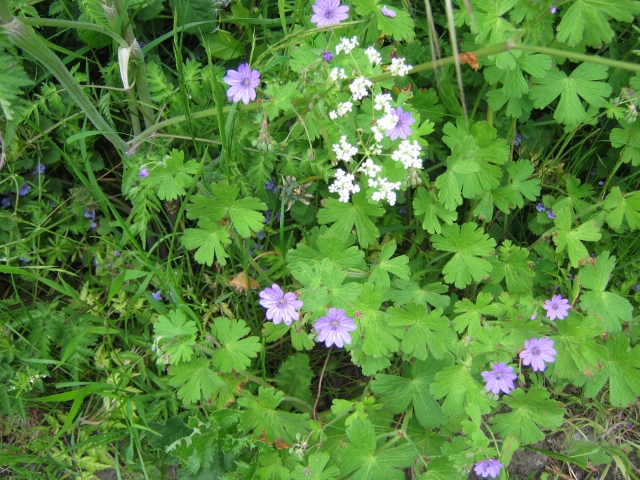
Hedgerow Crane’s-bill (Geranium pyrenaicum)

IMG_4731Wild flowers (640x480)

Hedgerow Crane’s-bill with Cow Parsley and Ground-ivy

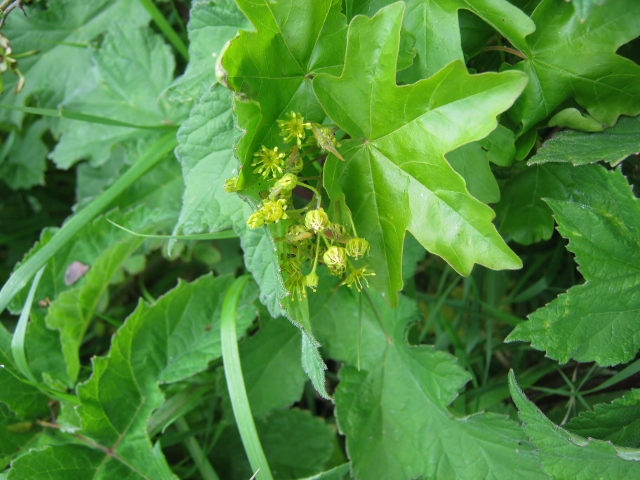
IMG_4733Field Maple (640x480)

Field Maple (Acer campastre) flowers.

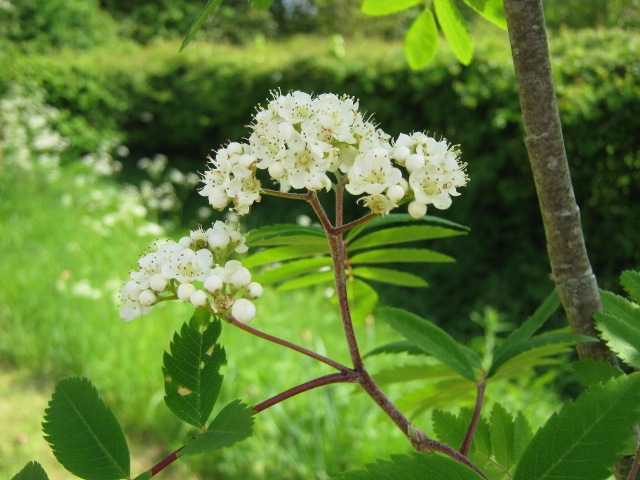
IMG_4736Rowan (640x480)

Rowan or Mountain Ash (Sorbus aucuparia). This is a photo I forgot to include in Part 1 as this is a tree in our garden.

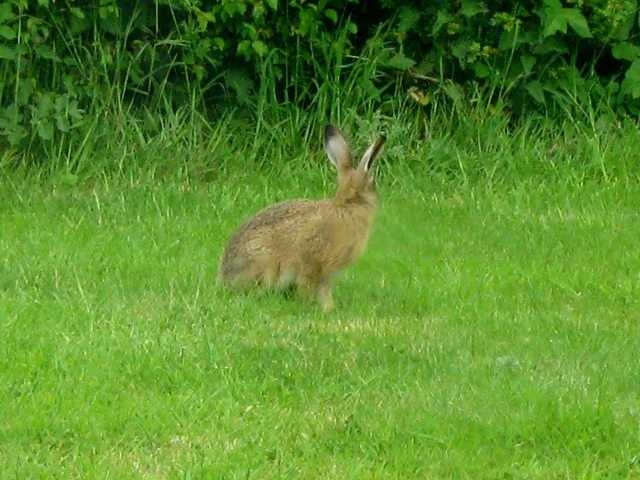
Lastly, I include a couple of photos (not good) of a young Hare, or Leveret (as young Hares are called) that I saw in our garden yesterday.  It was very curious, investigating everything.  It kept on the move all the time, which made photographing it very difficult, suddenly racing off in one direction only to come racing back again next minute.  It appeared to run for the joy of running!

IMG_4777Leveret (640x480) IMG_4778Leveret (640x480)

Thank-you for visiting!
Share this:

  • Share on X (Opens in new window) X
  • Share on Reddit (Opens in new window) Reddit
  • Share on Pinterest (Opens in new window) Pinterest
  • Share on Facebook (Opens in new window) Facebook
  • Email a link to a friend (Opens in new window) Email
  • Share on Tumblr (Opens in new window) Tumblr
  • Print (Opens in new window) Print
  • Share on Pocket (Opens in new window) Pocket
  • Share on LinkedIn (Opens in new window) LinkedIn
Like Loading...
← Older posts
Newer posts →
Follow A Suffolk Lane on WordPress.com

Enter your email address to follow this blog and receive notifications of new posts by email.

Join 715 other subscribers.

Unknown's avatar

I talk about what it's like living in a quiet part of Suffolk. I am a wife, mother and daughter, a practising Christian and love the natural world that surrounds me. I enjoy my life - most of the time!

My Posts

Jan 2026
M T W T F S S
 1234
567891011
12131415161718
19202122232425
262728293031  
« Dec    

Pages

  • About my Blog
  • GDPR (General Data Protection Regulations) and This Site
  • My Life in a Suffolk Lane

Archives

Blogs I Follow

Unknown's avatar
Unknown's avatar
Unknown's avatar
Unknown's avatar
Unknown's avatar
Unknown's avatar
Unknown's avatar
Unknown's avatar
Unknown's avatar
Unknown's avatar
Unknown's avatar
Unknown's avatar
Unknown's avatar
Unknown's avatar
Unknown's avatar
Unknown's avatar
Unknown's avatar
Unknown's avatar
Unknown's avatar

Posts I Like

  • Unknown's avatar
  • Unknown's avatar
  • Wayne Wolfson's avatar
  • Martha's avatar
  • Unknown's avatar
  • 60onabudget's avatar
  • Unknown's avatar
  • thesimlux's avatar
  • Ari's avatar
  • Unknown's avatar
  • Unknown's avatar
  • Unknown's avatar
  • Unknown's avatar
  • santable's avatar
  • Unknown's avatar
  • CJ's avatar
  • Unknown's avatar
  • Unknown's avatar
  • Unknown's avatar
  • Unknown's avatar
  • Unknown's avatar
  • Unknown's avatar
  • Unknown's avatar
  • Unknown's avatar
  • Unknown's avatar
  • mitchteemley's avatar
  • Unknown's avatar
  • John’s Postcards's avatar
  • Sarah curran's avatar
  • JAM's avatar
  • Matthew Paul's avatar
  • M T McGuire's avatar
  • Schnippelboy's avatar
  • Unknown's avatar
  • Luso Loonie — Devin Meireles's avatar
  • Bernard Aybout (Virii8)'s avatar
  • Unknown's avatar
  • Unknown's avatar
  • Unknown's avatar
  • Yeah, Another Blogger's avatar
  • Unknown's avatar
  • Unknown's avatar
  • bitaboutbritain's avatar
  • Unknown's avatar
  • Unknown's avatar
  • Unknown's avatar
  • Talkmore's avatar
  • Unknown's avatar
  • Unknown's avatar
  • sopantooth's avatar

amphibians architecture art Arts and Crafts churches cooking Days out domestic animals family fish Folk Traditions Gardening Historic Buildings holidays Insects Landscaping literature music Norwich plants Rural Diary seashore theatre trees Uncategorized walking weather wild animals wild birds wild flowers

Tags

architecture autumn birds blackbird blackthorn Bungay butterfly church clouds common knapweed cow parsley crocus daffodils Diary dogwood family field maple flowers fungus garden gardening geese greylags ground-ivy Halesworth Hawthorn heather holiday Holly Holy Week horse chestnut Hoverfly insects ivy Lake District Lent lesser celandine lichen Lords and Ladies Mallard mallards Minsmere moorhen moss music Norwich Peak District pheasant plants pond ponds primrose primroses Rain rooks Rumburgh Rumburgh Church sheep Sheffield snow snowdrops Southwold spring Suffolk Suffolk Wildlife Trust sunset the Beck trees viburnum bodnantense walking weather wild cherry wild flowers winter-flowering honeysuckle witch-hazel

Meta

  • Create account
  • Log in
  • Entries feed
  • Comments feed
  • WordPress.com

Goodreads

Blog at WordPress.com.

Book Jotter

Reviews, news, features and all things books for passionate readers

Country Life Blog -

A blog about life in the country in the past and present

Matthew Paul: Poetry & Stuff

Poetry and what-not

Schnippelboy

Ein Tagebuch unserer Alltagsküche-Leicht zum Nachkochen

TAMARA JARE

TAMARA JARE Tamara Jare: Contemporary Figurative Painting Oil on Canvas Artist Art Studio

A Taste of Freedom

Documenting a Dream

Country Ways

Rambling Journeys in Britain, Countryside Matters and campaigning for the Right to Roam

The Strawberry Post

Here to Entertain, Educate & Inspire!
a north east ohio garden

an ongoing experiment in the dirt, 35 plus years

naturechirp

Celebrating God's creatures, birds and plants...

Sophie Neville

Writer

Going Batty in Wales

Developing a more sustainable lifestyle in SW Wales

Our Lake District Escapades

Exploring the Lake District and beyond

Short Walks Long Paths

Wandering trails around the coast of Wales

The Biking Gardener

An English persons experience of living and gardening in Ireland

Nan's Farm

A Journal Of Everyday Life

Walk the Old Ways

Rambling Journeys in Britain with John Bainbridge. Fighting for the Right to Roam. Campaigning to Protect Our Countryside.

Writer Side UP!

Waking the Writer Side...and keeping it "Up!"

Meggie's Adventures

Travel, thank you notes and other stories

amusicalifeonplanetearth

Music and the Thoughts It Can Inspire

lovefoundation.co.uk

Traveling Tortuga

Simply Living Well

Pakenham Water Mill

Historic watermill in the beautiful Suffolk countryside

Take It Easy

Retired, not expired: words from the after(work)life. And music. Lots of music!

Secret Diary Of A Country Vicar's Wife

By Olive Oyl

thanksfortheadventureorg.wordpress.com/

The Beat Goes On

#TBGO

Frank Pleszak's Blogs

Twitter: @frankpleszak @PolishIICorps

John Bainbridge Writer

Indie Writer and Publisher

roughwighting

Life in a flash - a bi-weekly storytelling blog

Walking the Old Ways

Rambling in the British Countryside

CapKane

thoughts on social realities

SkyeEnt

Jottings from Skye

jodie richelle

embracing my inner homemaker

Skizzenbuch/Blog

Just another WordPress.com weblog

Have Bag, Will Travel

The Call of the Pen

Flash Fiction, Book Reviews, Devotionals and other things.

John's Postcards

Art in Nature

You dream, I photographe it !

Smile! You’re in Barnier World......

theinfill

the things that come to hand

Dr. Mary Ann Niemczura

Author of "A Past Worth Telling"

Provincial Woman

The Pink Wheelbarrow

Luanne Castle: Poetry and Other Words (and cats!)

Poetry, Other Words, and Cats

The Family Kalamazoo

A genealogical site devoted to the history of the DeKorn and Zuidweg families of Kalamazoo and the Mulder family of Caledonia

everythingchild

The Book Owl

Canberra's Green Spaces

Paul Harley Photographer

  • Subscribe Subscribed
    • A Suffolk Lane
    • Join 715 other subscribers.
    • Already have a WordPress.com account? Log in now.
    • A Suffolk Lane
    • Subscribe Subscribed
    • Sign up
    • Log in
    • Report this content
    • View site in Reader
    • Manage subscriptions
    • Collapse this bar
 

Loading Comments...
 

    Privacy & Cookies: This site uses cookies. By continuing to use this website, you agree to their use.
    To find out more, including how to control cookies, see here: Cookie Policy
    %d