• About my Blog
  • GDPR (General Data Protection Regulations) and This Site
  • My Life in a Suffolk Lane

A Suffolk Lane

~ A diary of my life in rural north Suffolk.

A Suffolk Lane

Category Archives: trees

A Walking Week Part One

05 Mon May 2014

Posted by Clare Pooley in domestic animals, fish, Insects, plants, Rural Diary, trees, Uncategorized, walking, wild birds

≈ 7 Comments

Tags

Adrian Bell, bird-scarer cannon, Blue Tit, buttercup, comfrey, cow parsley, cows, cut-leaved crane's-bill, daisy, fairy ring, field maple, fish, Germander Speedwell, goosegrass, great yellow-cress, greater spotted woodpecker, Greater Stitchwort, greefinch, Hawthorn, Herb-Robert, Lords and Ladies, May, orange-tip butterfly, perch, pineapple weed, pond, red campion, ribwort, sheep, St Mark's fly, stinging nettle, wedding ring, wild rose

I have managed to do a little walking this week and have enjoyed it very much.  Monday and Tuesday’s walking was mainly round the shops so doesn’t count as enjoyable walking.  For some stupid reason I mistook the time of E’s hair appointment and we arrived in Halesworth an hour early on Monday.  E kindly said she was happy to wait for an hour at the hairdressers but I thought she might go mad with boredom so we did the supermarket shopping and then I got more petrol for the car.  She then went for her hair appointment and while she was there I called in at the jewellers to see if anything can be done to my wedding ring to stop it cutting into my finger.  Twenty years ago we hadn’t thought that my ring would wear away so quickly.  Apparently, we chose the wrong ring – a 9 carat D-profile ring – and should have had a round-profile ring and something of a better quality.  Well, too late now!  This is my wedding ring, bought for me by my husband and blessed at our Marriage Blessing Service.  We weren’t able to be married in church as we had both been married before, but we had a beautiful Blessing Service after our Registry Office wedding.  The jeweller said either we could buy a new ring or have my one built up which would cost the same as a new ring.  A dilemma which we are still thinking about.

Both Monday and Tuesday were mainly cloudy days and no good for drying washing outside so I decorated the inside of the house with wet clothes.  I had more shopping to do in Bungay so drove there on Tuesday afternoon and I made my purchases.  On the way home I got stuck in a traffic jam!  This is quite out of the ordinary, living where we live.  The vehicle in front of me was a supermarket delivery van and not much holds them up usually!  I couldn’t see what the problem was as these vans are quite wide, so I edged round a bit and saw….
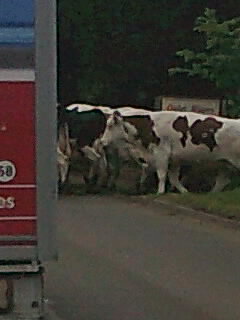
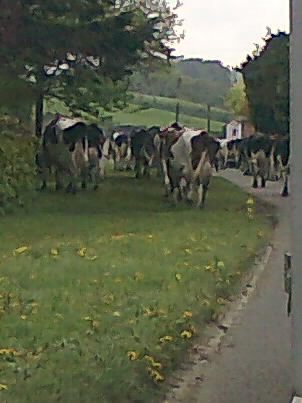
Image   Image

The cows took their time to leave their field and amble down the road to the farmyard.  The stockman had a busy time trying to get the cows out of people’s gardens where there were lots of interesting plants and trees to eat.  I took the photos with my phone and then enlarged the pictures so the quality isn’t that good.

E asked if we could watch a DVD together during the evening which I thought would be nice but no-one thought to tell my eyes to watch too.  As soon as I sat down they became extremely heavy and so I dozed most of the way through the film to the disapproval of my daughter.  This is not the first time I have done this.

Wednesday is ‘shopping with mother’ day which went very well as Mum was on top form and we had a real laugh together.  The weather on Wednesday was lovely too – a hazy start and then lots of sunshine.  When I had had some lunch at home I decided to walk down the lane to take advantage of the bright weather and to see what was to be seen.
Image

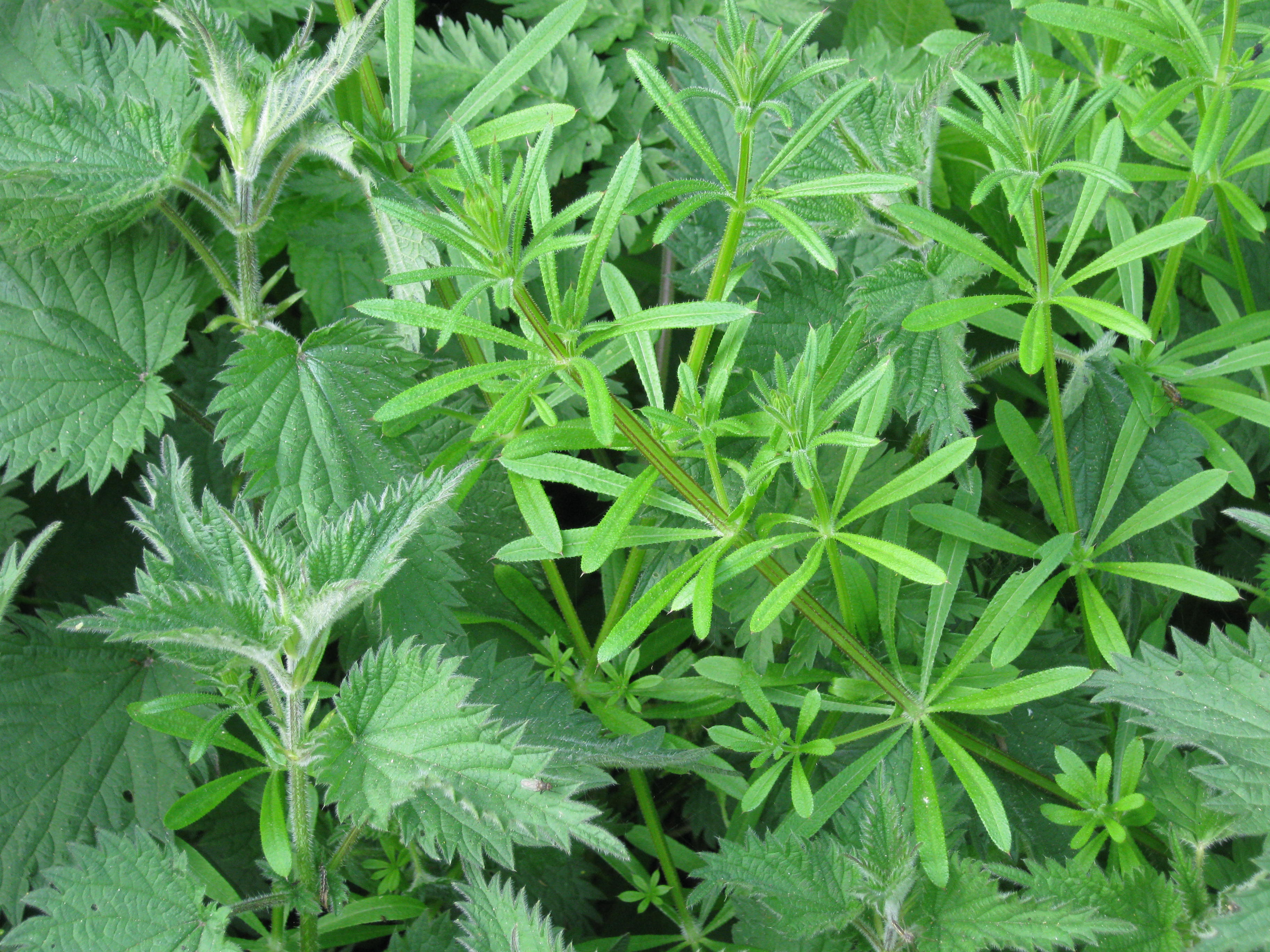
Lots of stinging nettles and goosegrass.  Goosegrass is a relative of coffee and quinine and has many medicinal uses.  At one time the seeds were roasted and used as a coffee substitute and apparently the young shoots are edible and can be cooked in soups as a vegetable.  All I know about it is that if I touch it, it brings me out in a rash!  The seeds are hooked and stick to hair and clothes – hence the plant’s other name of Cleavers.

Stinging Nettles are very useful, if painful plants too.  They can be used for making cloth, food and medicine.  My plant book says that the Roman belief that stinging nettles cured rheumatism still persists in Britain.  I can say that there is some truth in this as when I am stung on my hands my rheumatic joints there become less painful.  I can’t say I would care to roll about in them unclothed as some people recommend!
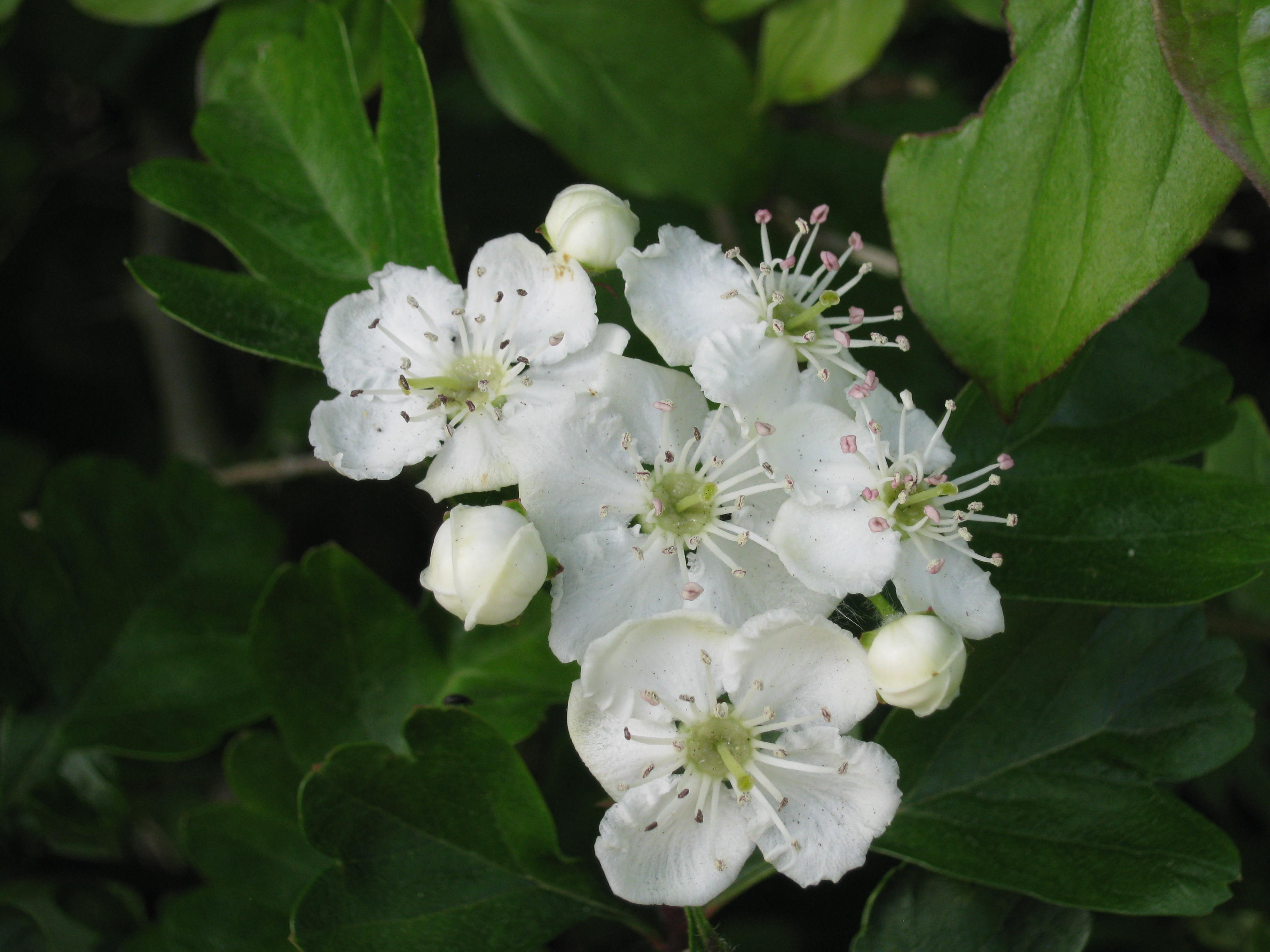
Image

These are Hawthorn flowers – May blossom.  ‘Ne’er cast a clout til May be out’ – either don’t leave off your winter clothes until the end of the month of May, or, don’t leave off your winter clothes until the May blossom is on the trees.
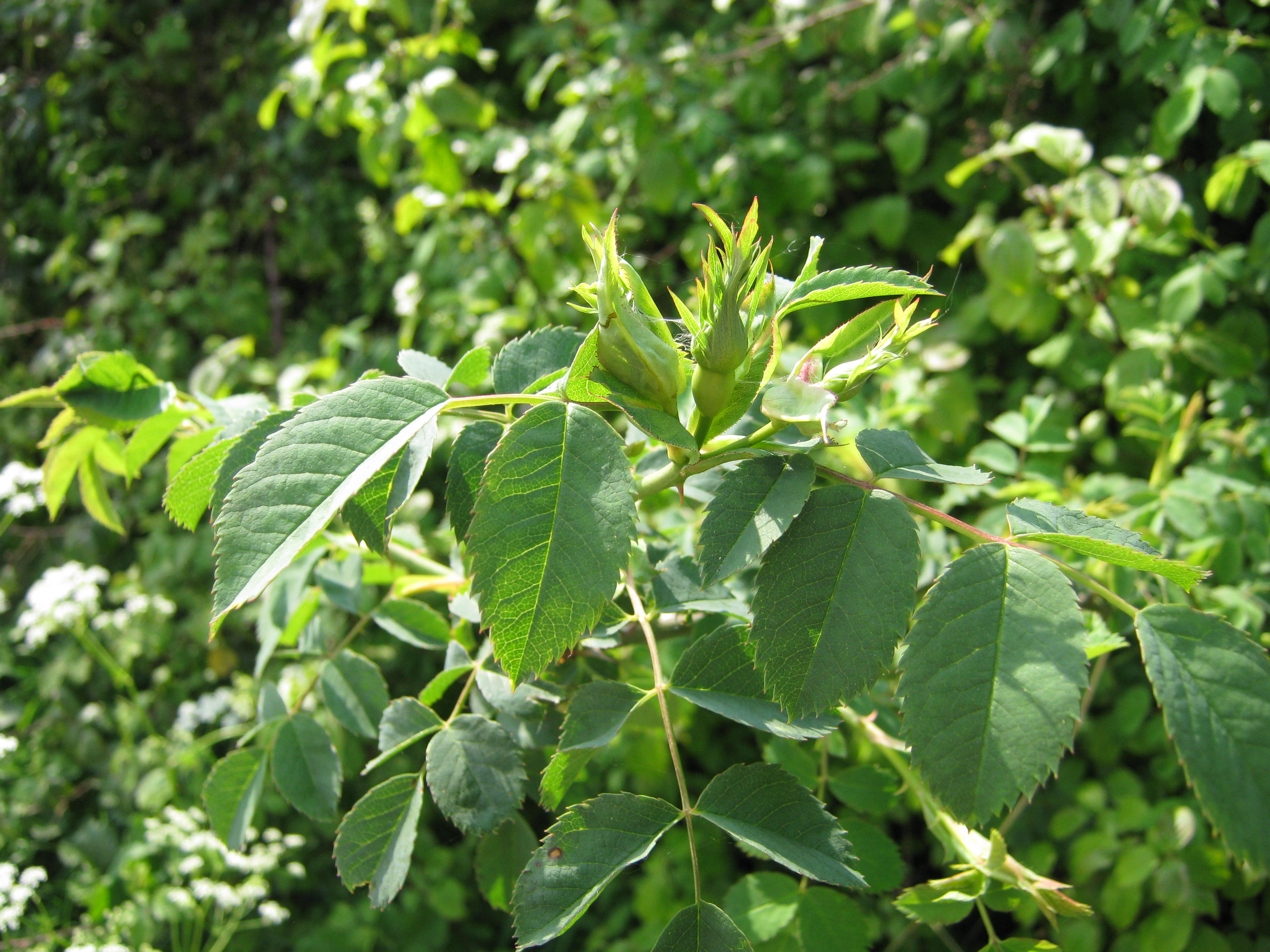
Image

This is the wild rose and already there are large flower buds as you can see.  This is early, as the rose usually flowers at the end of May and into June.
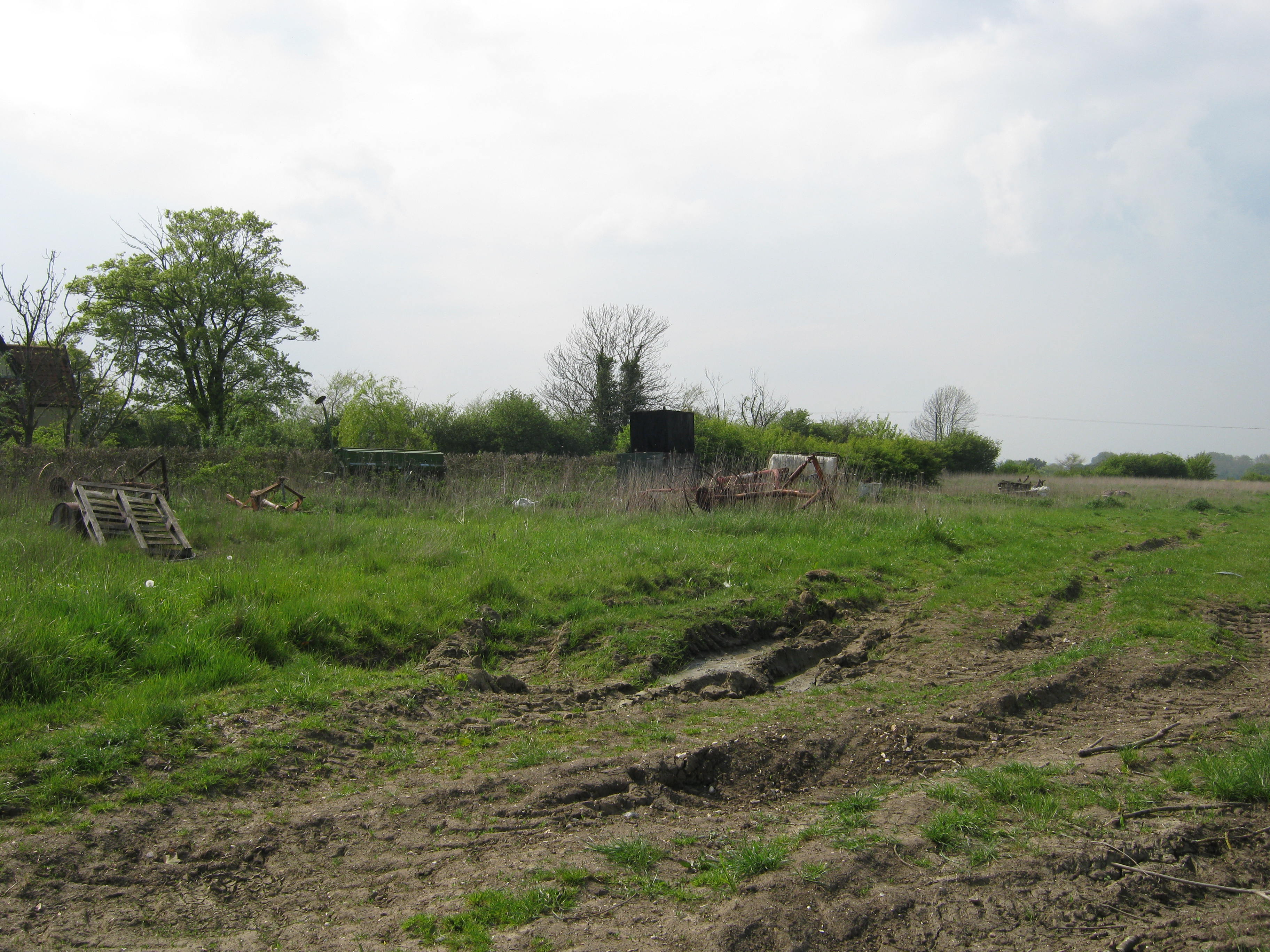
Image

A fine crop of old equipment and other rubbish in this field.  At the beginning of Adrian Bell’s book ‘Corduroy’ he talks of the Suffolk farmers’ habit of leaving implements in corners of fields or yards covered in nettles until they are needed for some particular function.  They are then returned ‘to some out-of-the-way corner, to be a sleeping Gulliver for the grass again’.
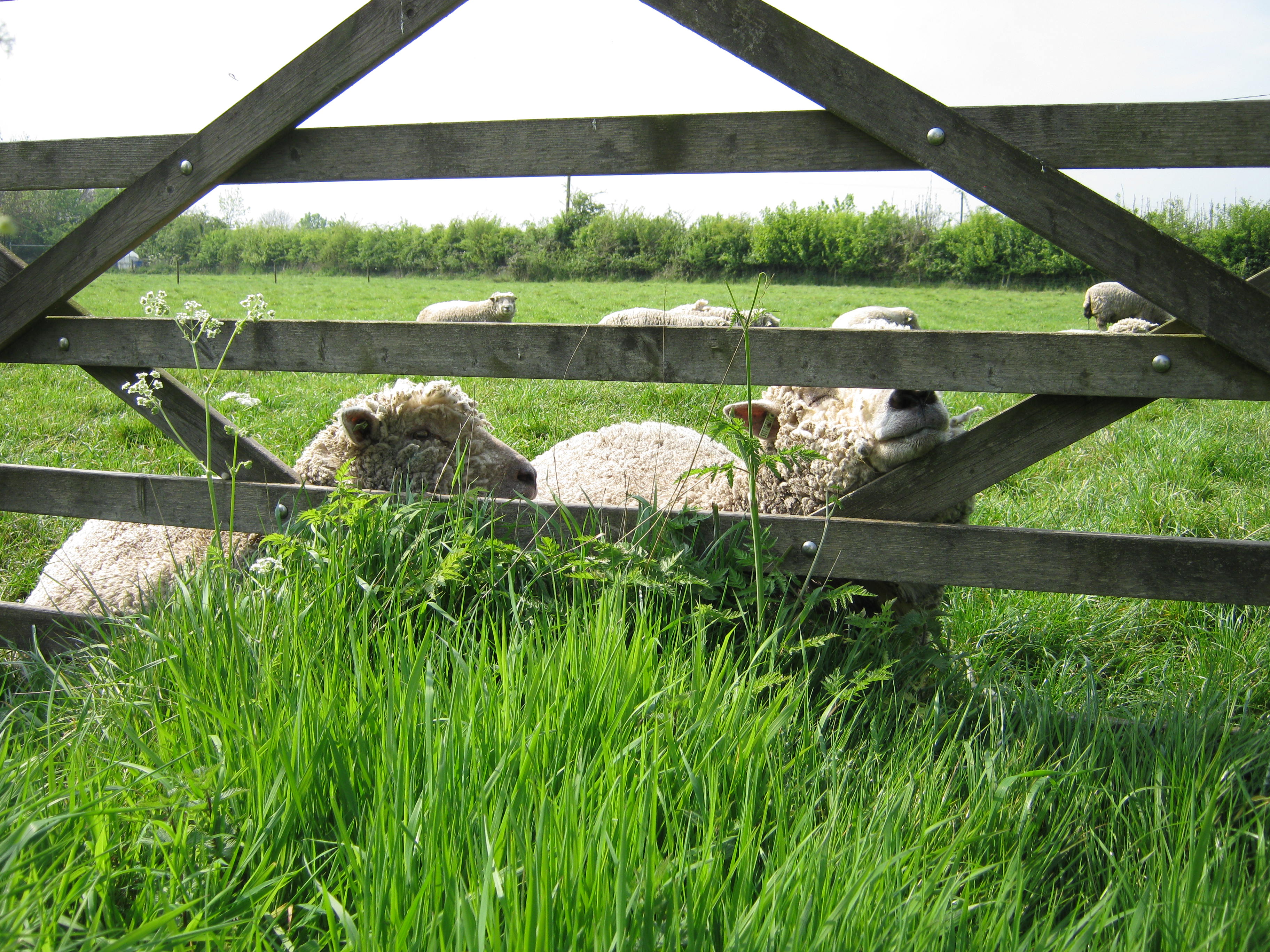
Image

These are the boys – male sheep, tups.  A bit stinky – sleeping and snoring in the sun.  Wandering about having something to eat now and then – not a care in the world.
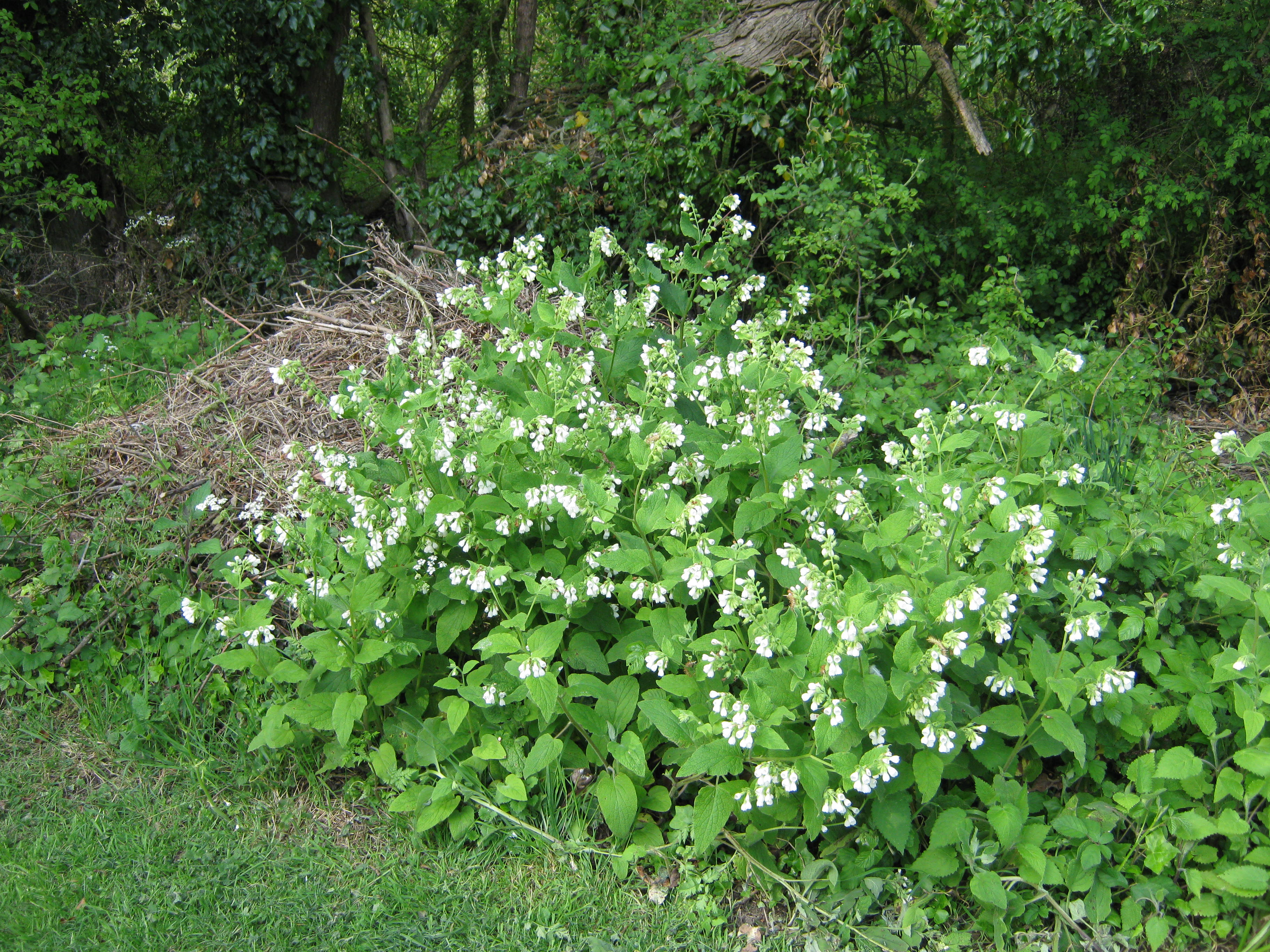
Image


Common comfrey.  In medieval times the roots of this plant were dug up in the spring and grated to produce a sludge which was packed round broken limbs.  It hardened to a consistency similar to that of Plaster of Paris.
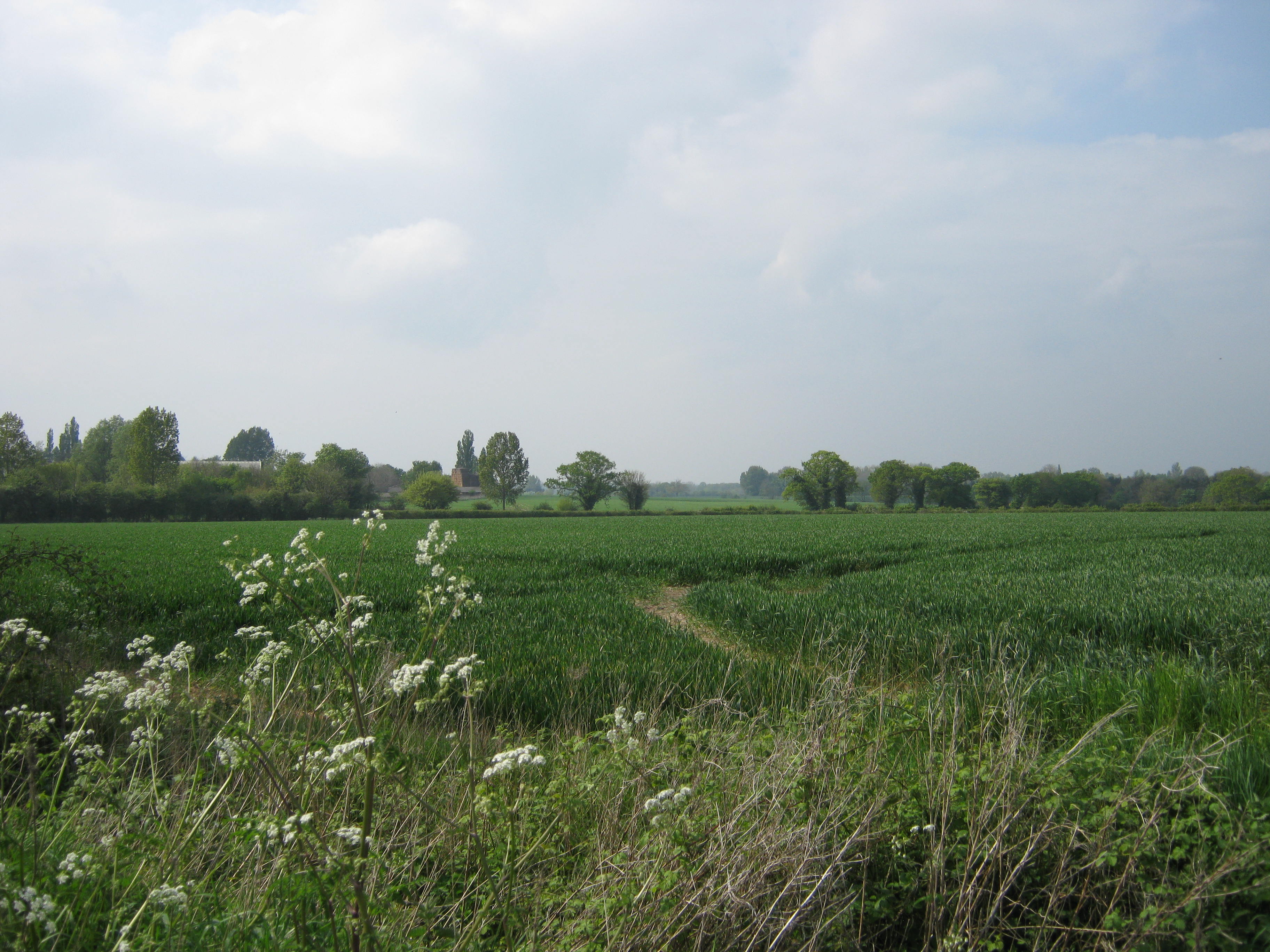
Image

A view over the fields.

Image

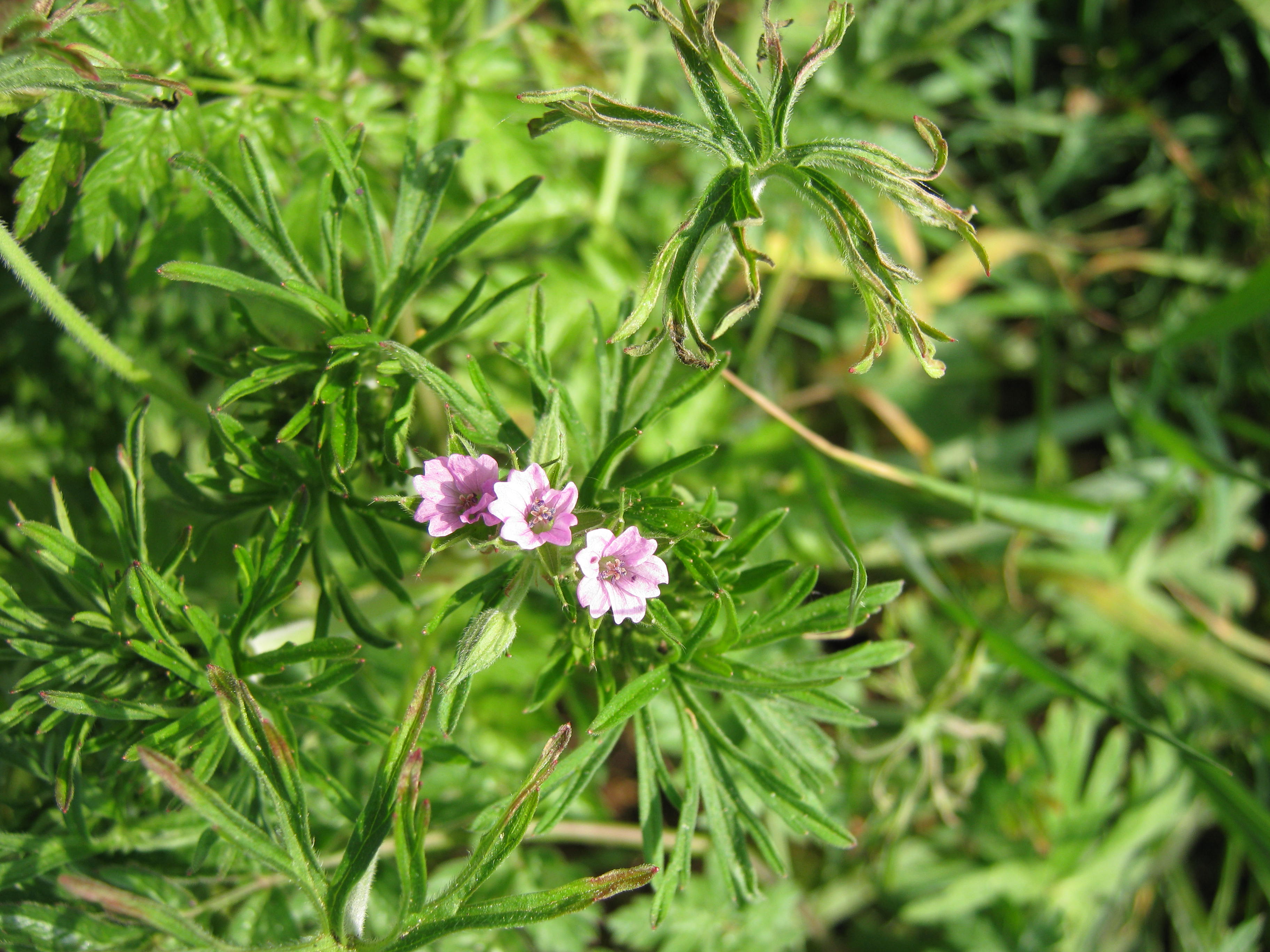
Cut-leaved Crane’s-bill.

Image

Great Yellow-cress.

Image

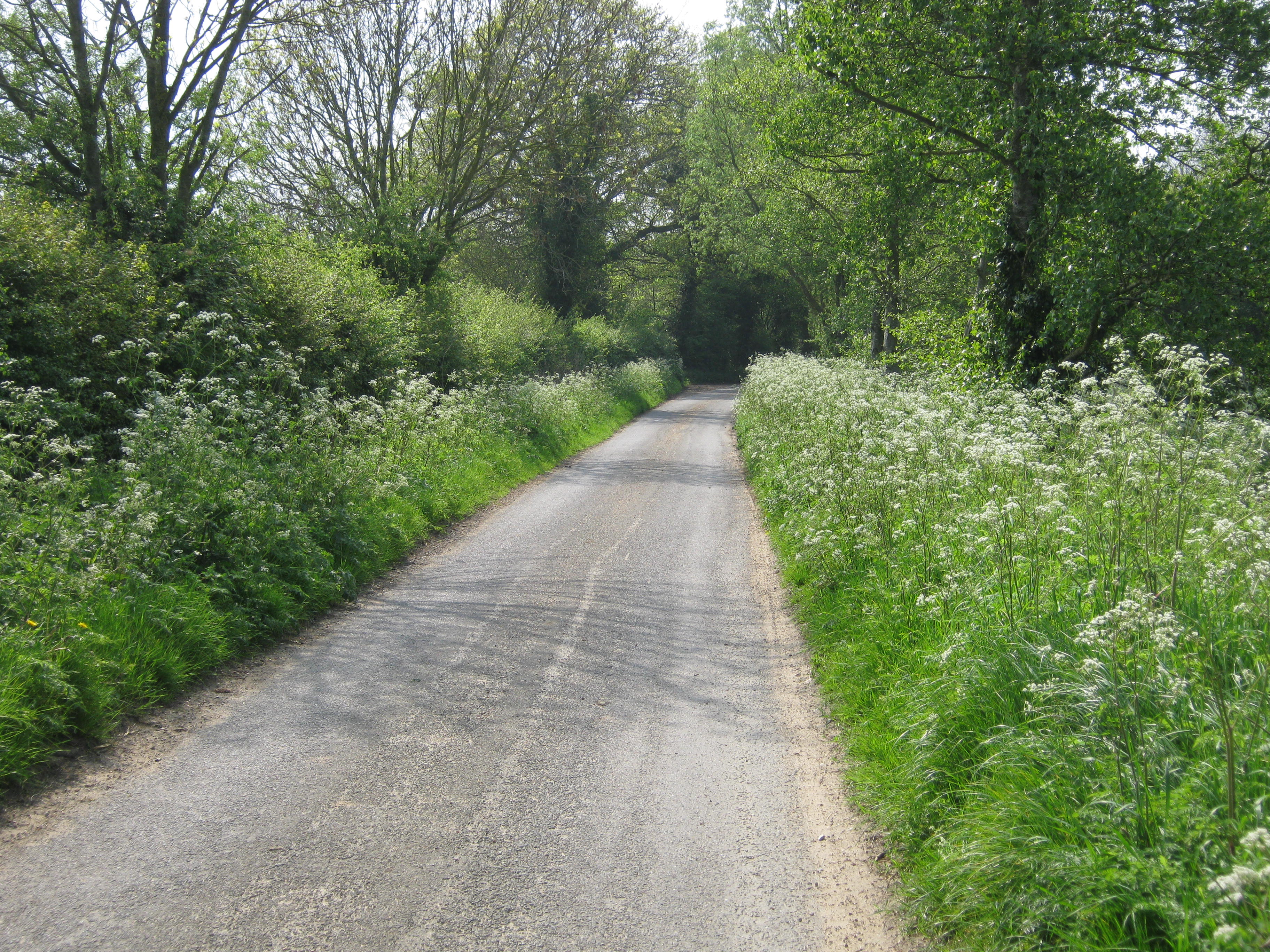
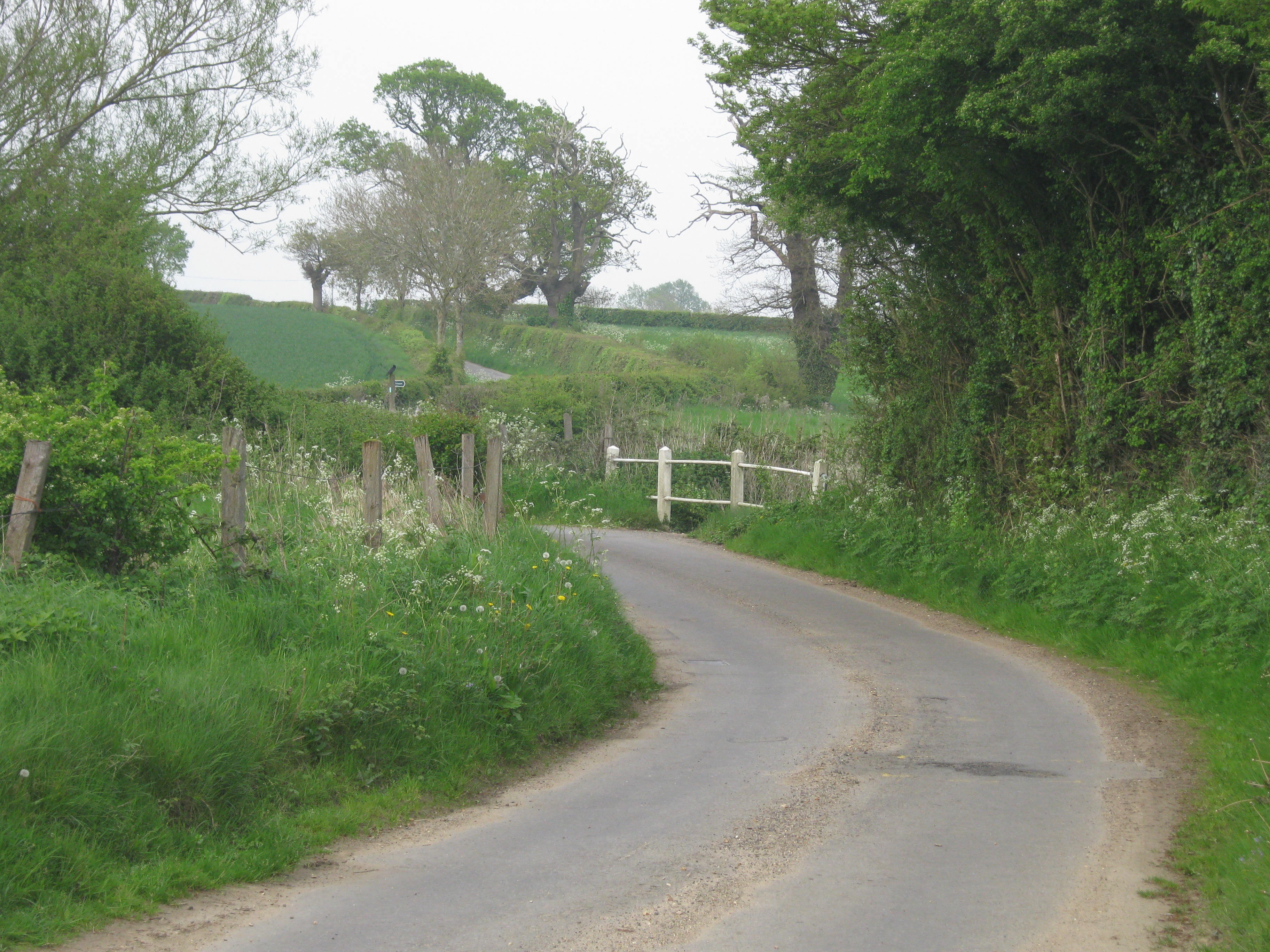
The lane.

Image

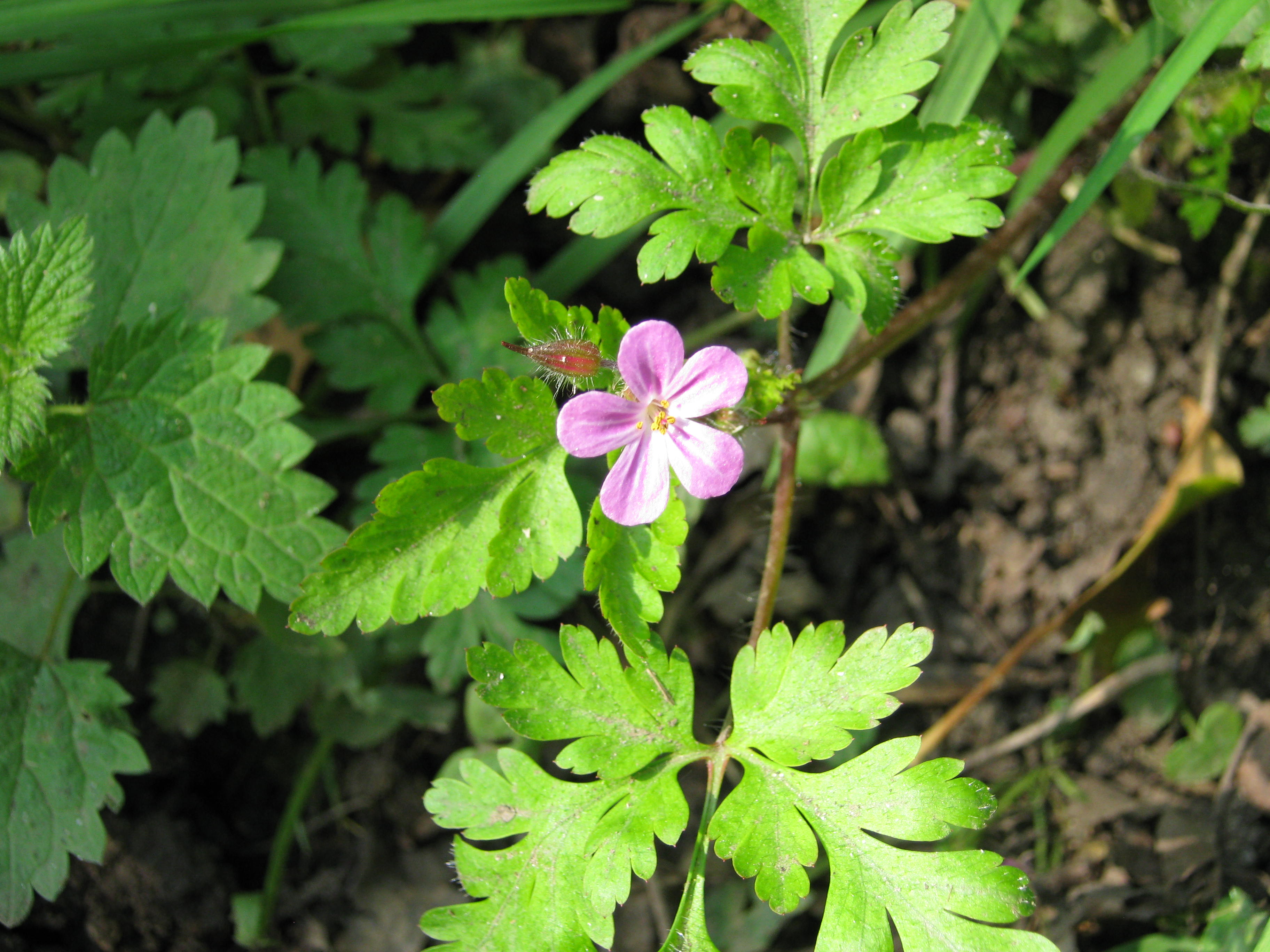
Herb-Robert.  In the Middle Ages they believed that a plant showed how it could be used through its colour or shape – the doctrine of signatures.  This plant turns a fiery red in autumn so they thought it should be used in the treatment of blood disorders.  It has a strange odour and in some places it is known as ‘Stinking Bob’.
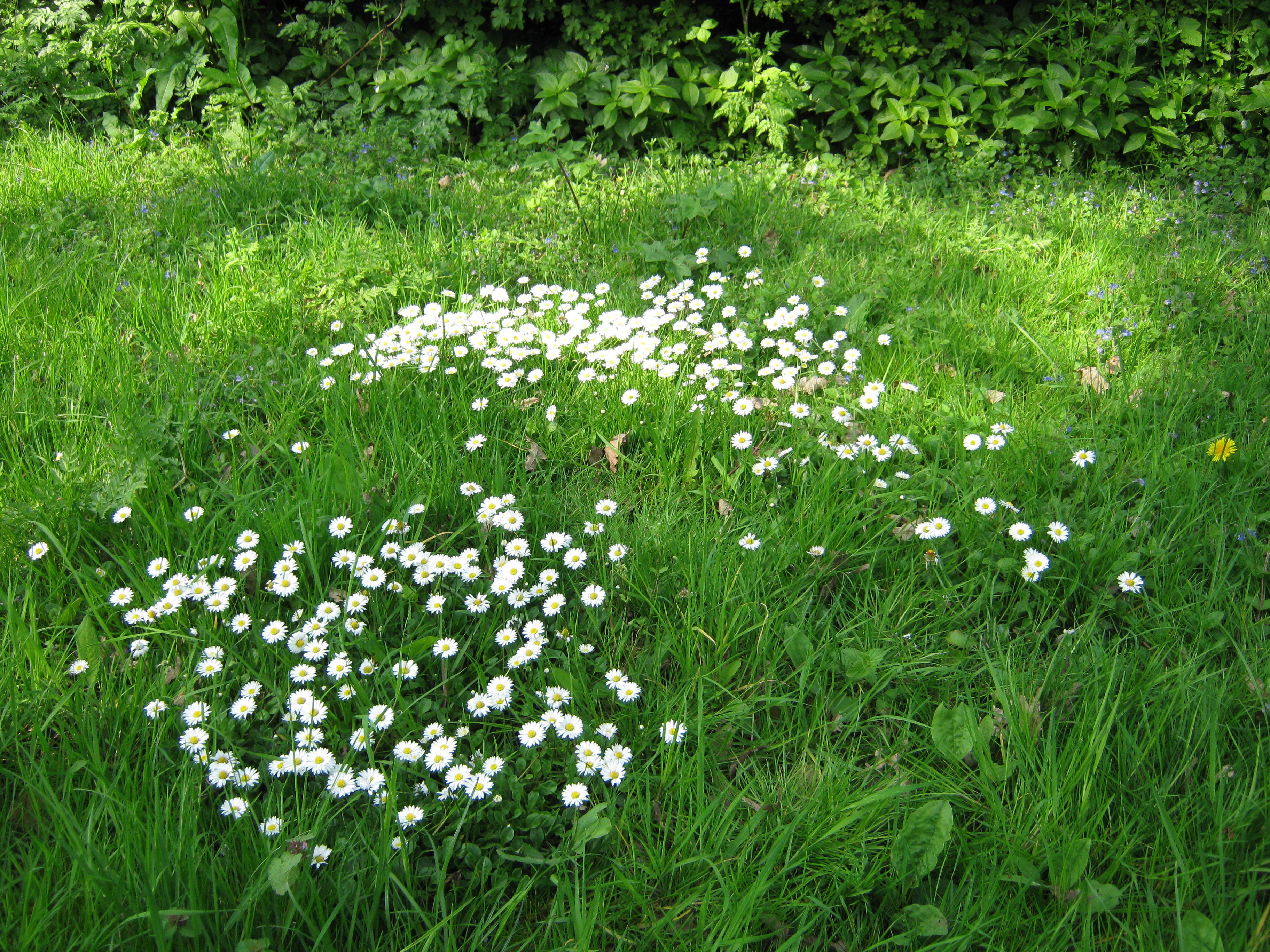
Image

Daisies.

Image

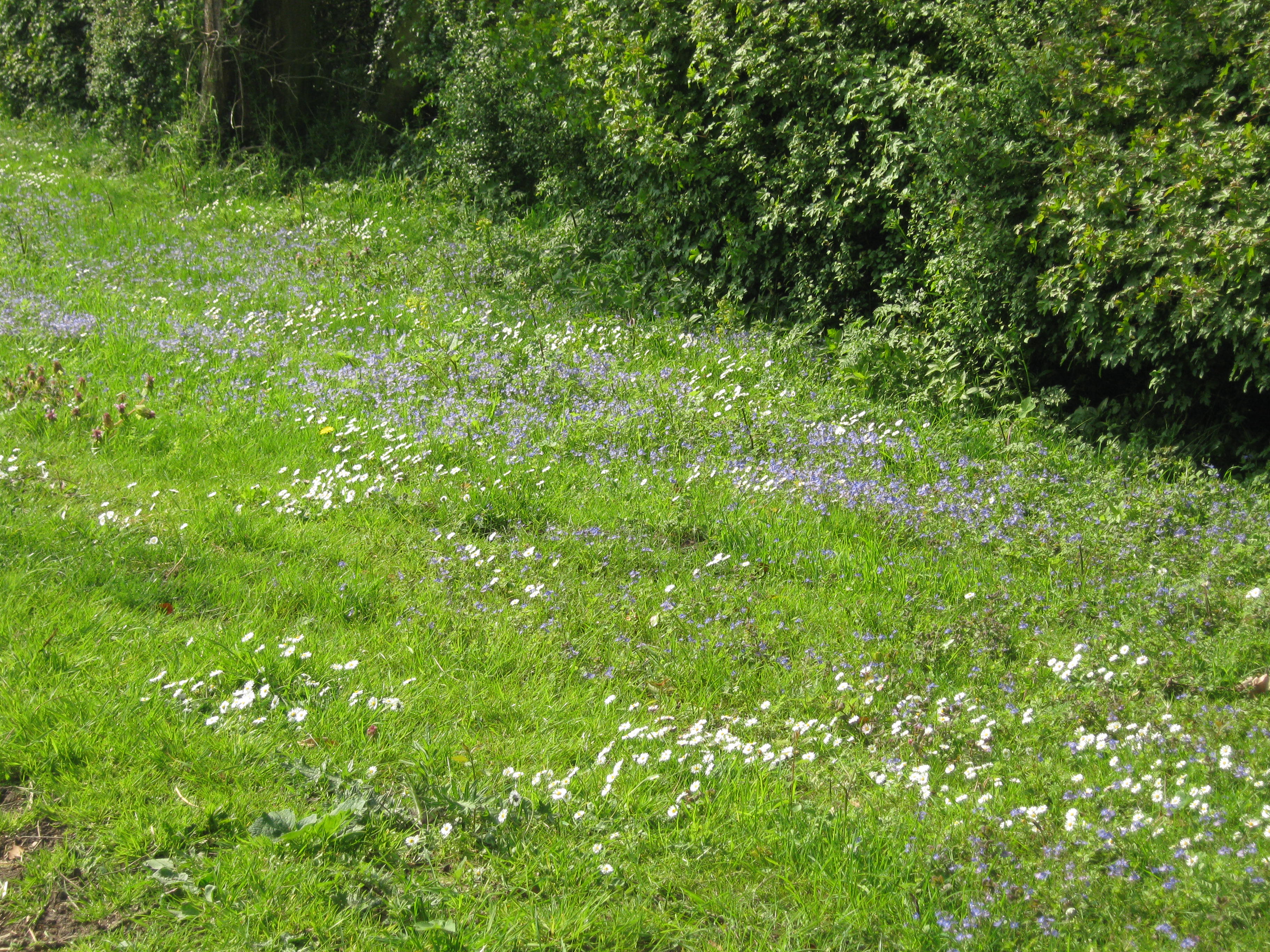
Daisies and Germander Speedwell.

Image

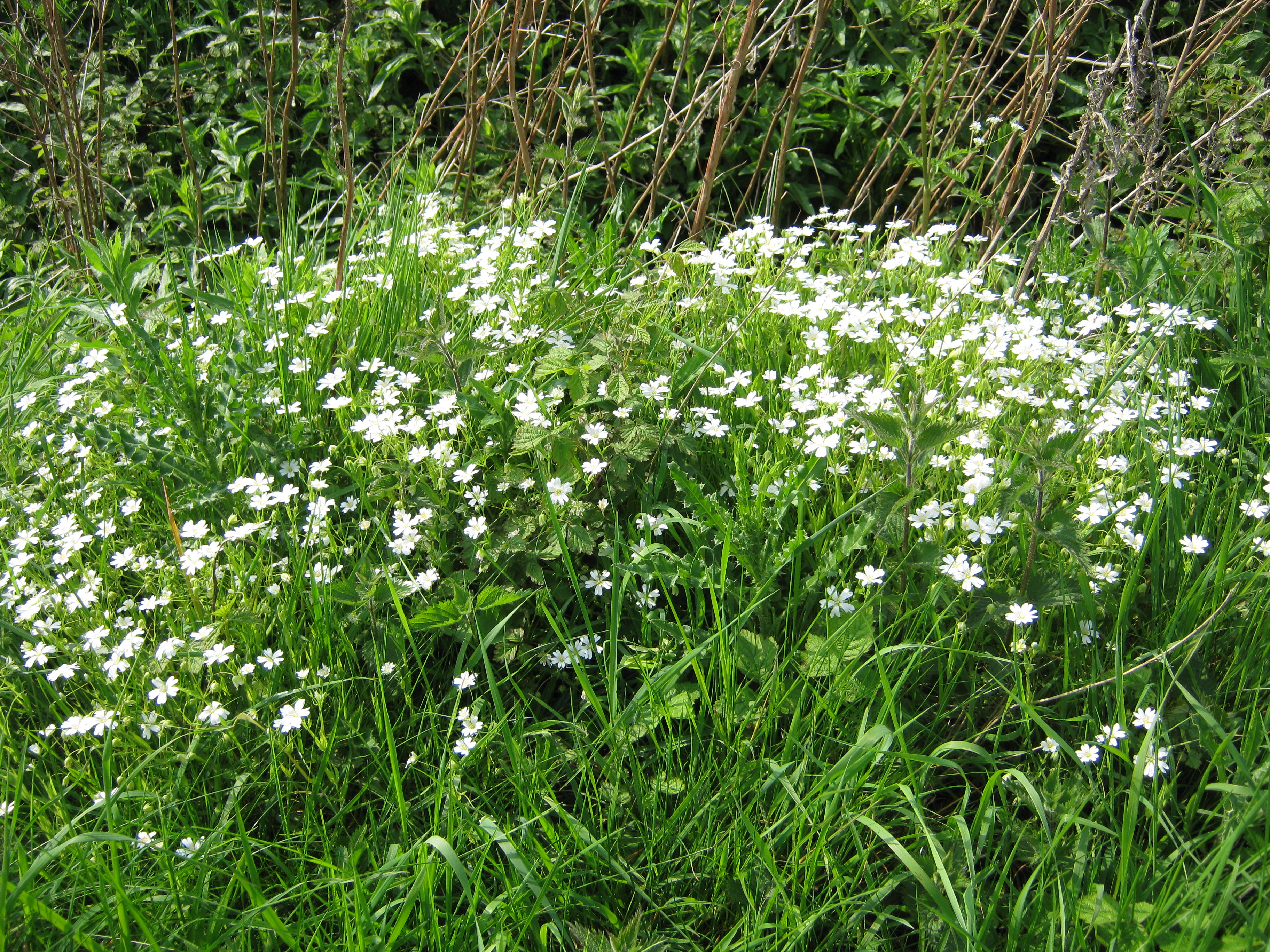
Greater Stitchwort.

Image

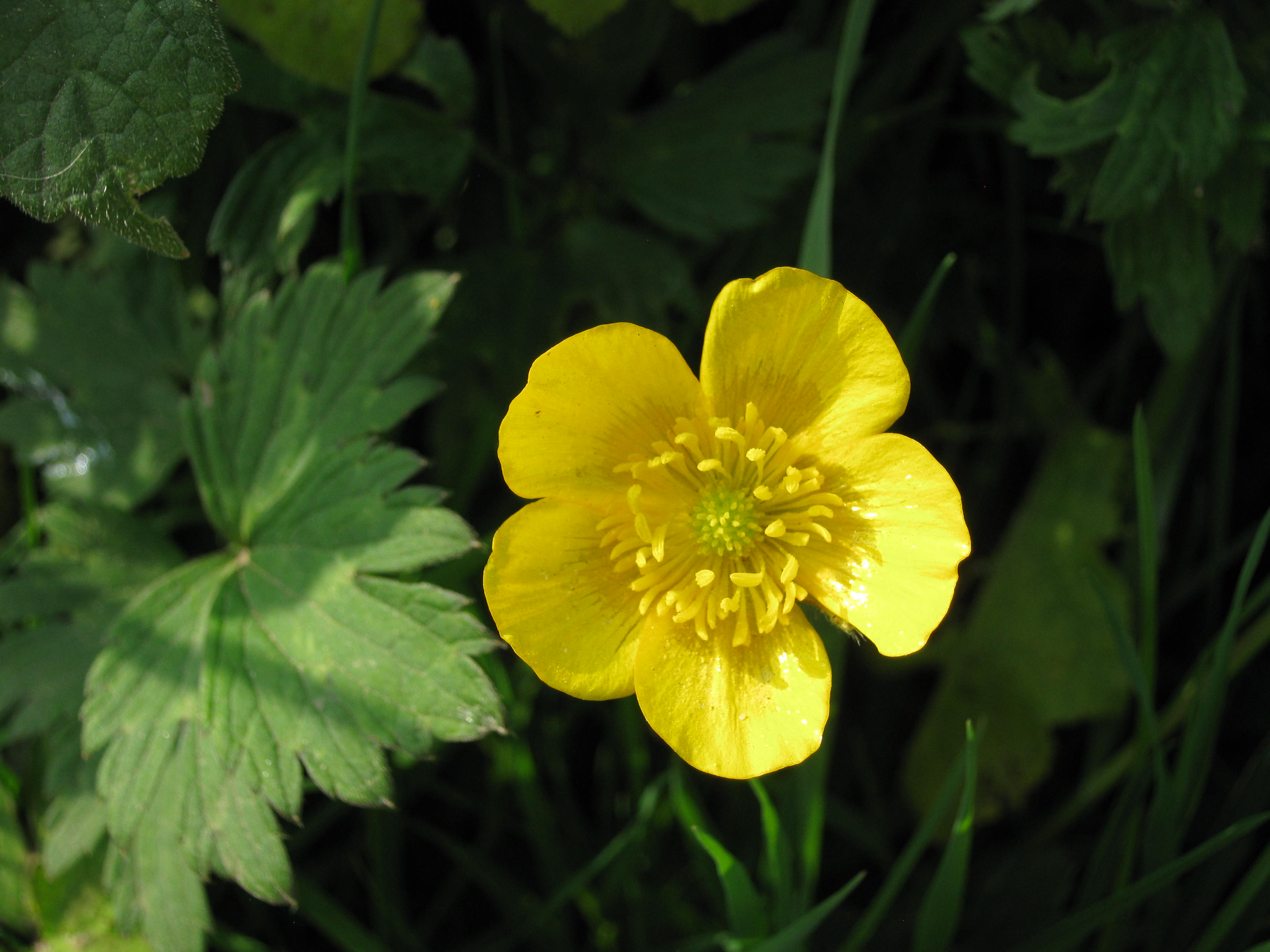
A Buttercup.

Image

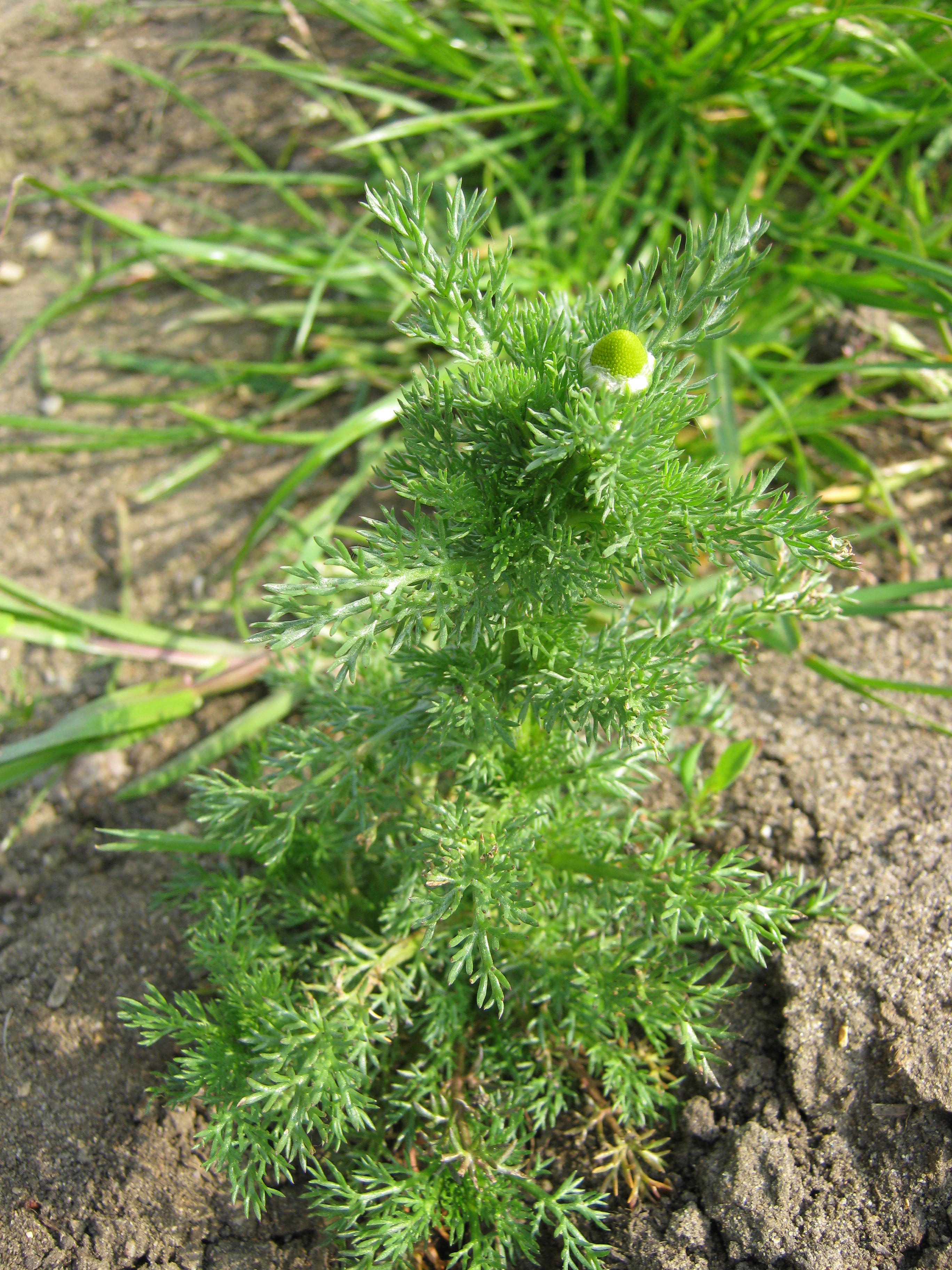
Pineapple Weed.

Image

A female orange-tip butterfly.  Note the lovely green-marbled underwing.
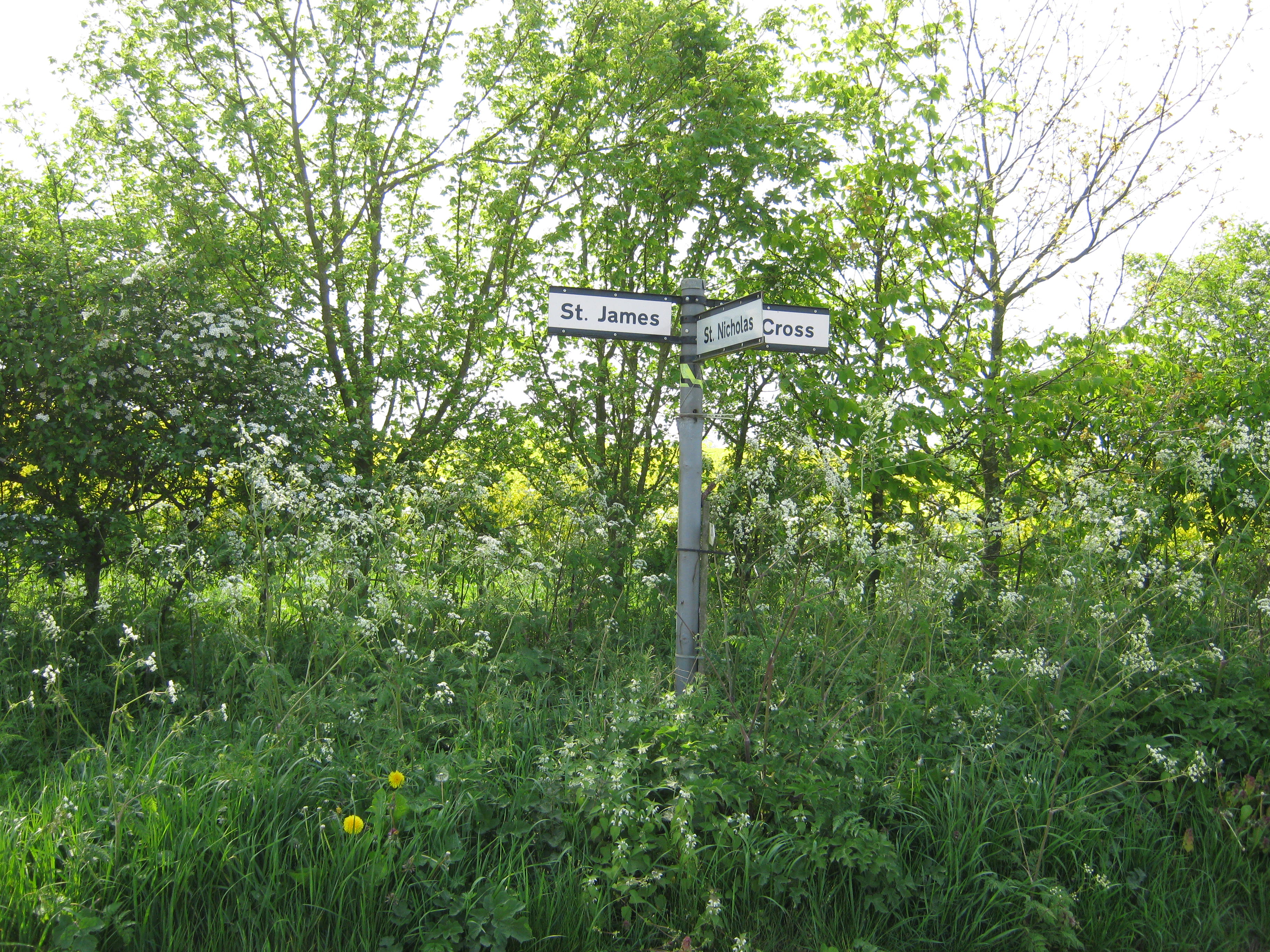
Image

The signpost at the end of our lane.

Image

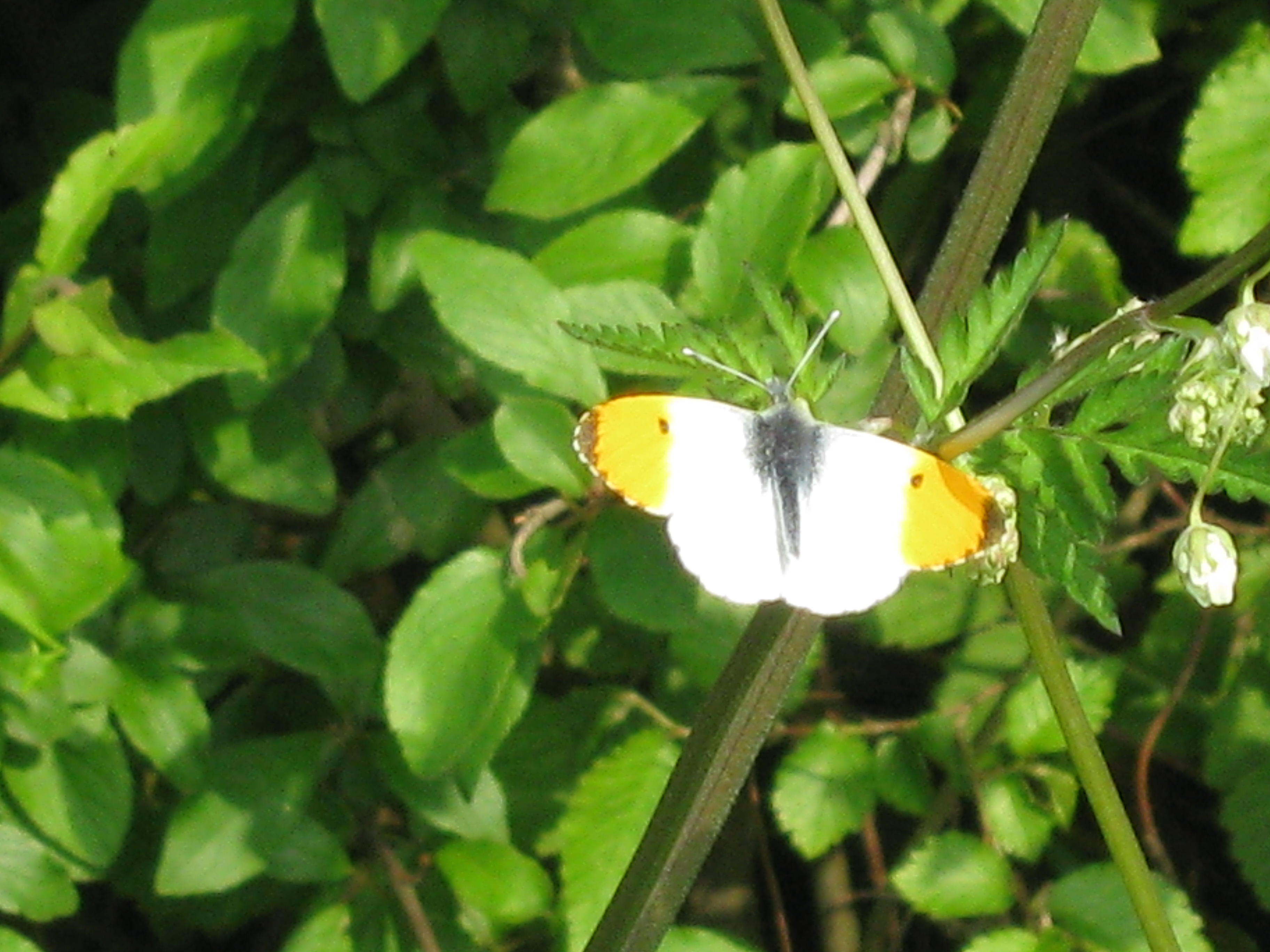
A male orange-tip butterfly.  I have been trying for over a week to photograph these fast flying butterflies!
Image

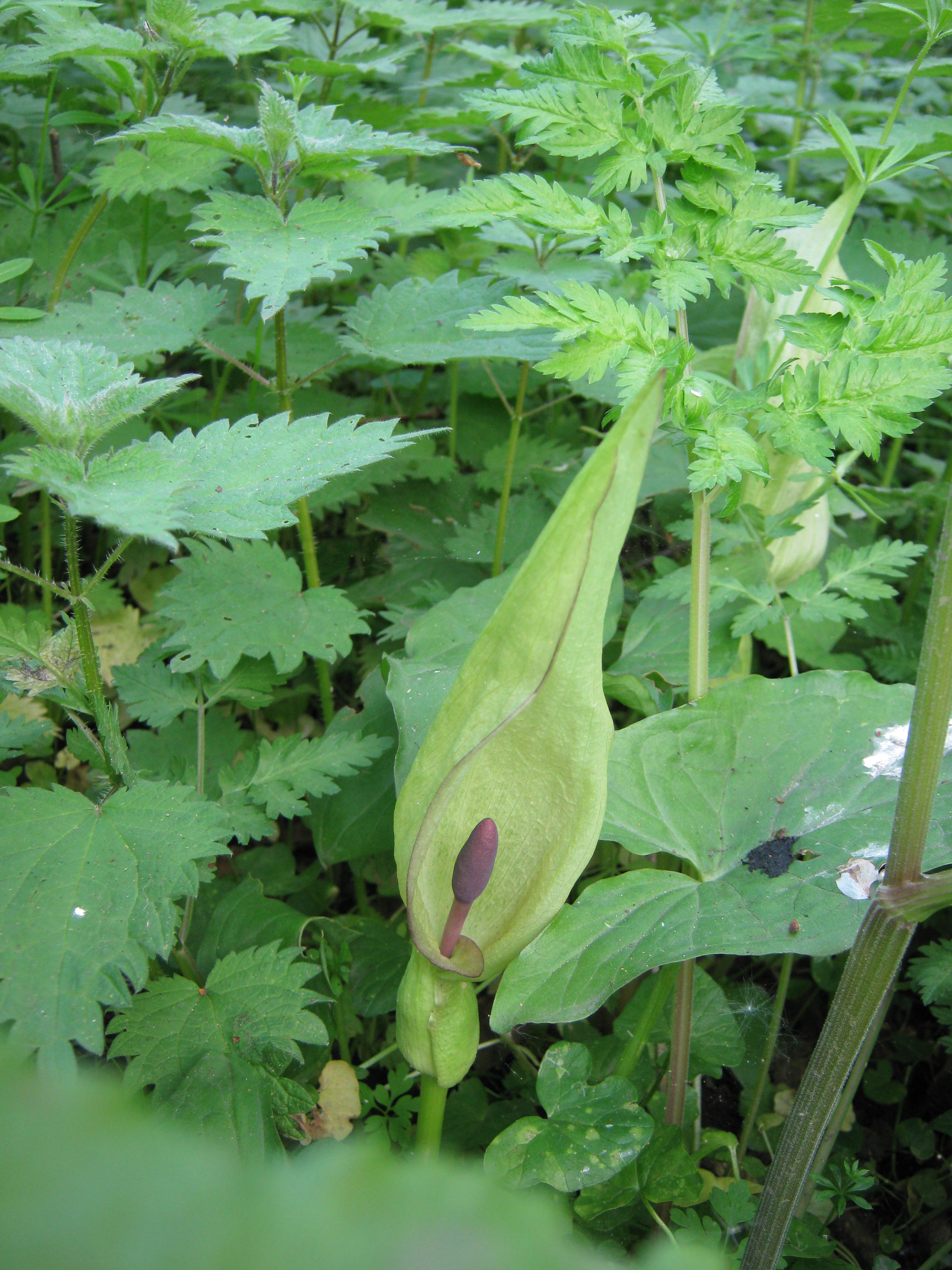
Lords and Ladies.  This is specially for Heather!  At last these strange plants are flowering here.  I have some in my garden but they are hidden by tall grass and difficult to photograph.
Image

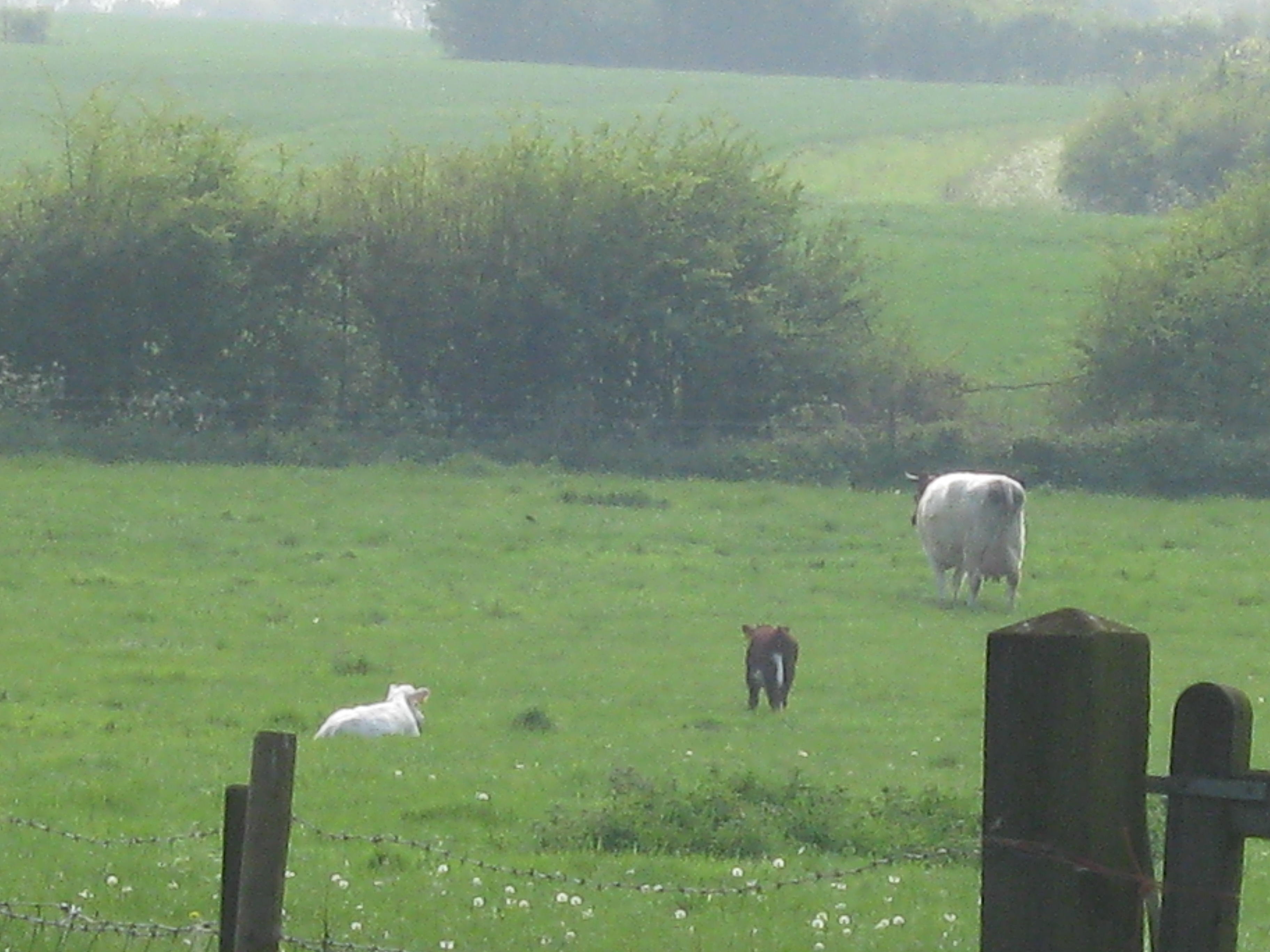
Cow and calves.

Image

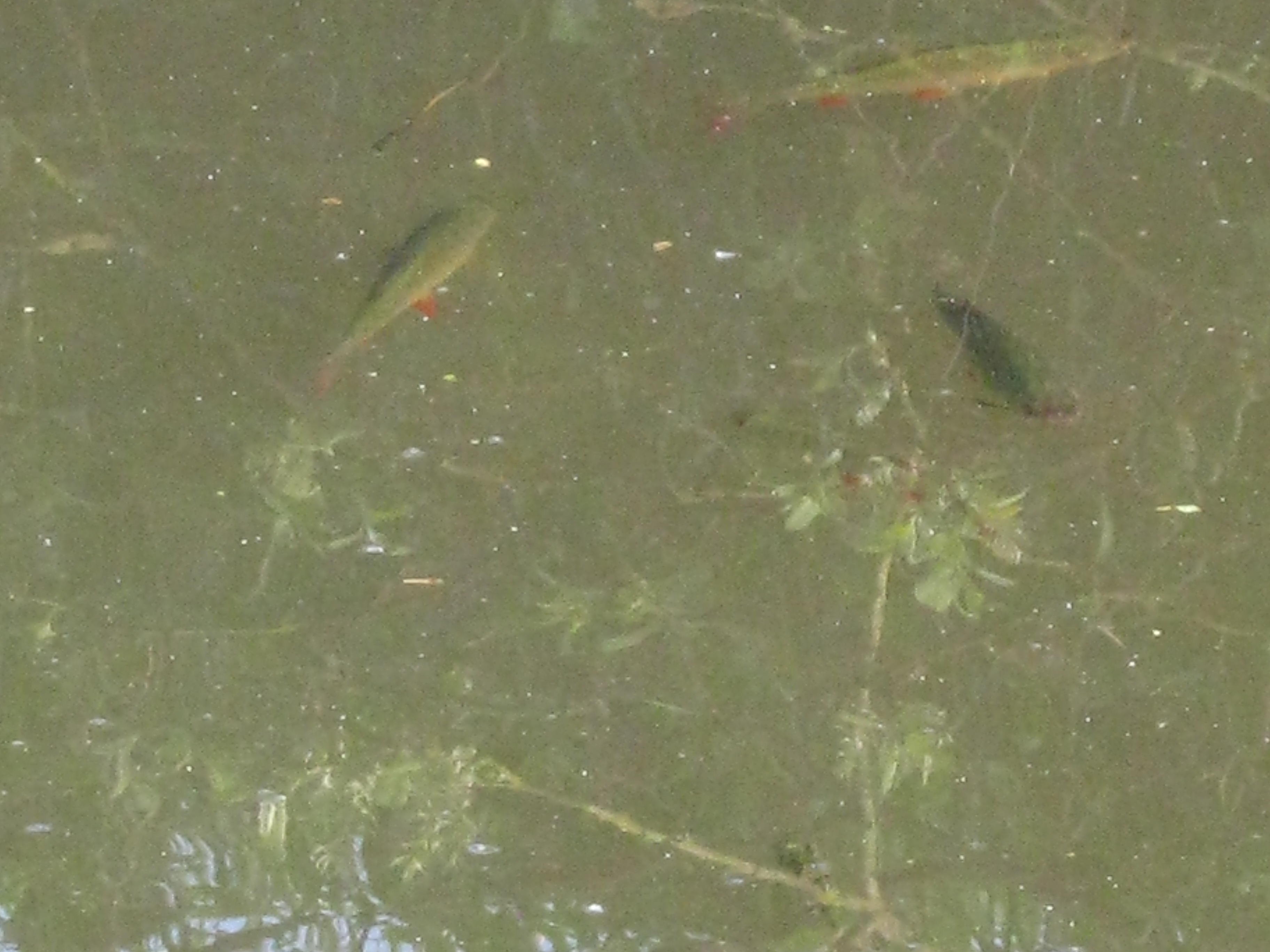
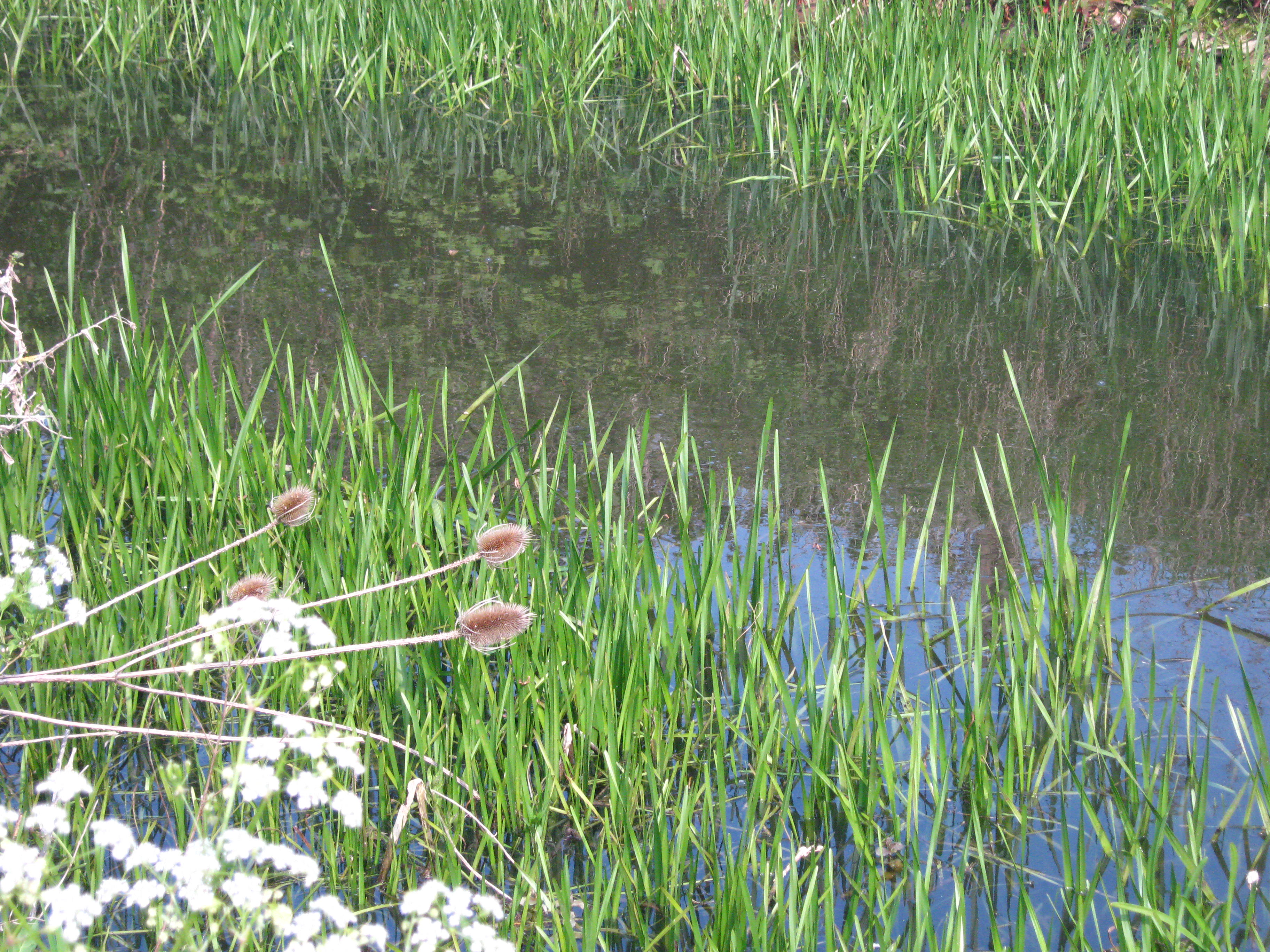
This is the pond at the side of the lane.  I’m not sure what the fish are – perhaps perch? – but we have the same fish in our big pond.
Image

The pond next to the lane.

Image

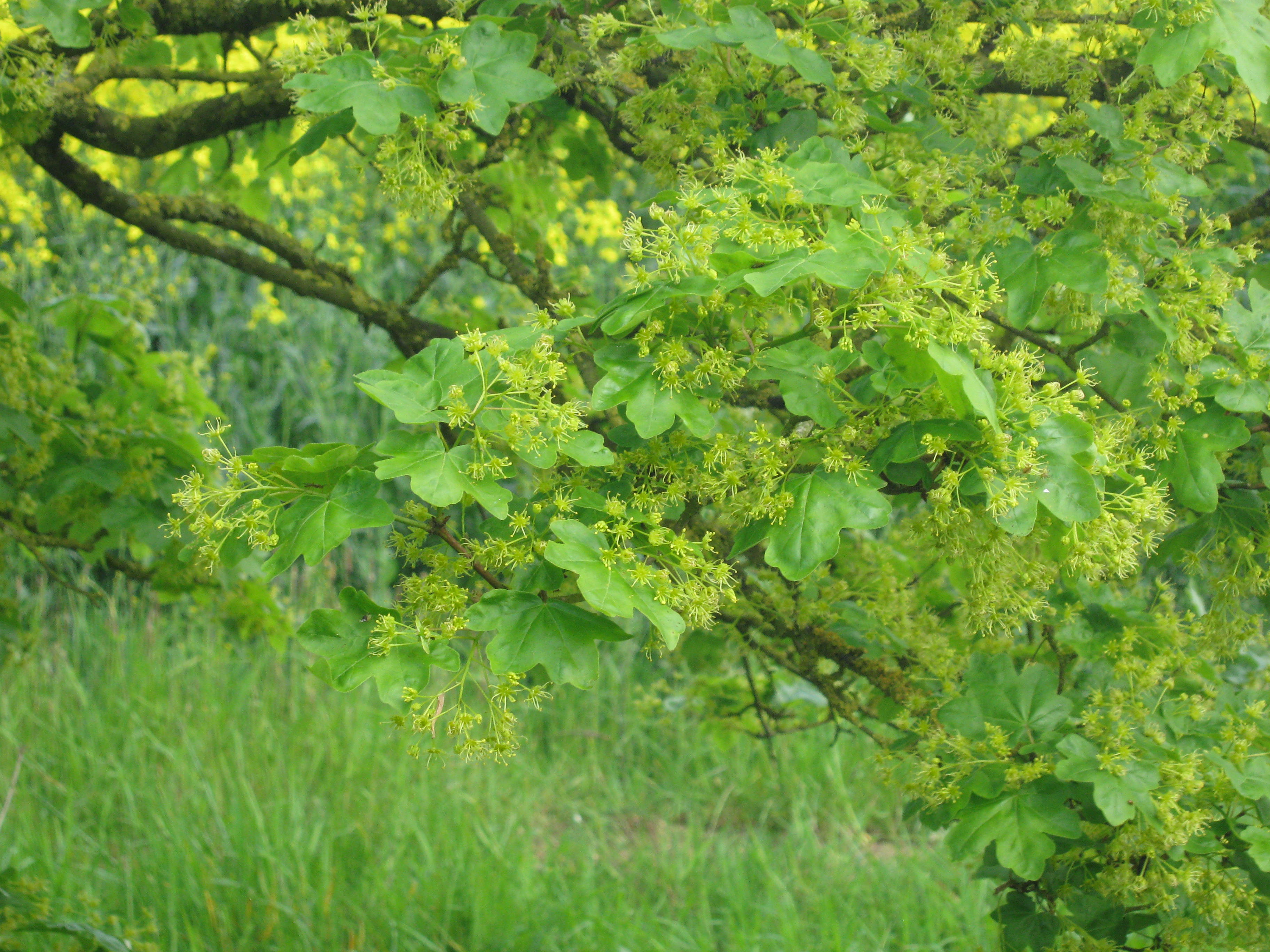
Field maple leaves and flowers.

Image

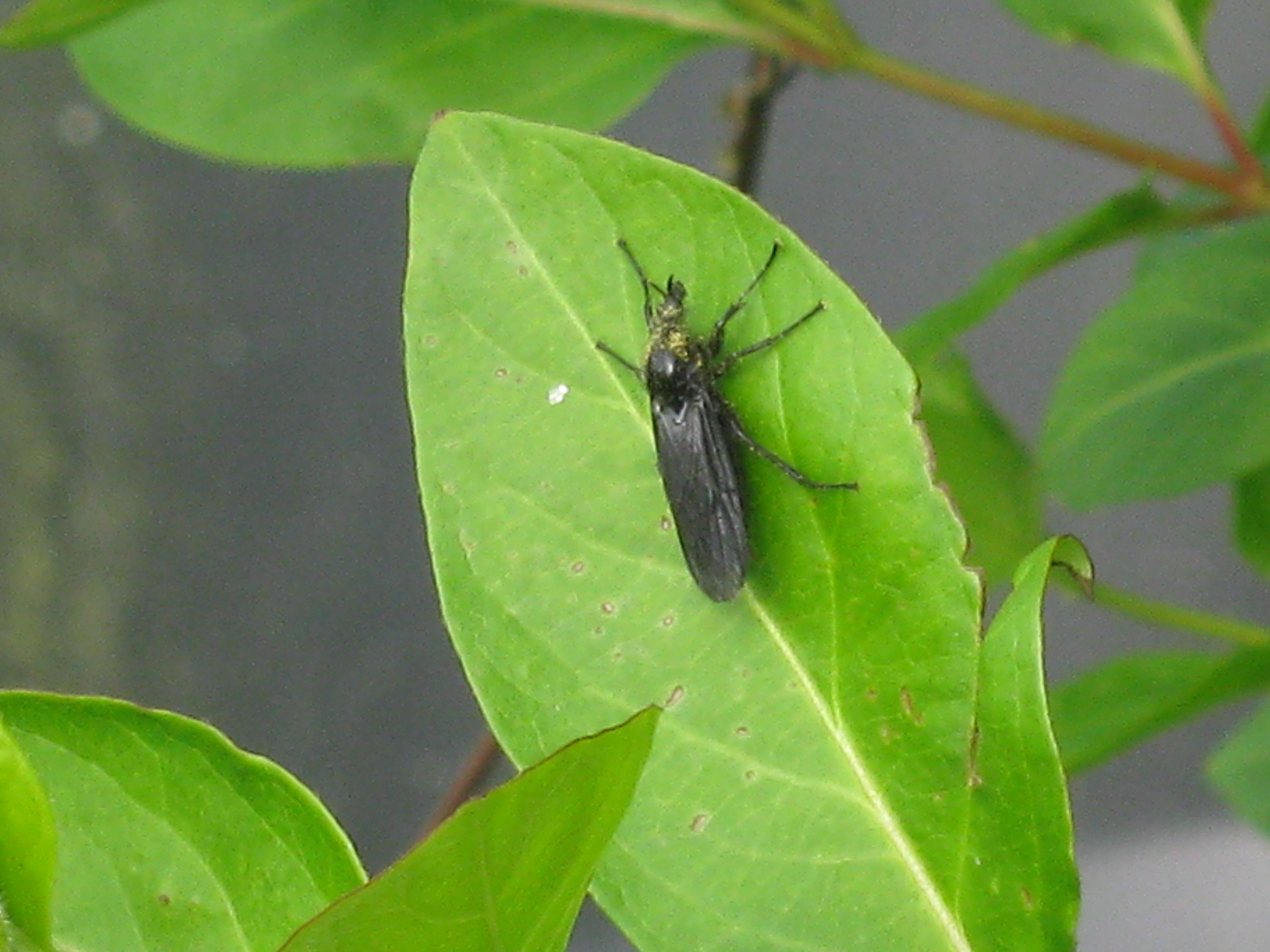
A St Mark’s fly.  They usually appear about the same time of year as the Feast of St Mark – 25th April.

R and I went out for a walk across the fields when he returned home from his trip to Gloucestershire that evening.
Image

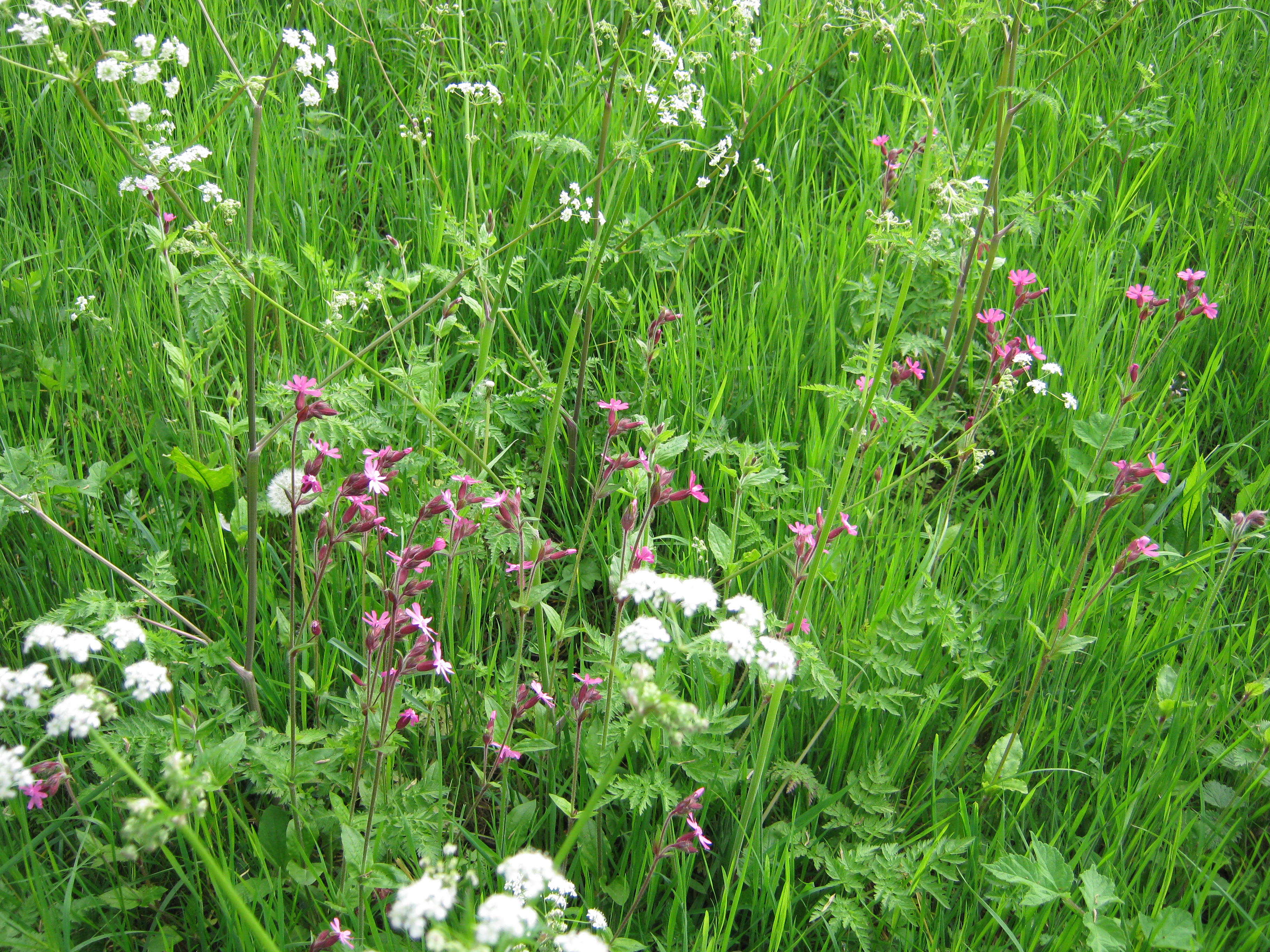
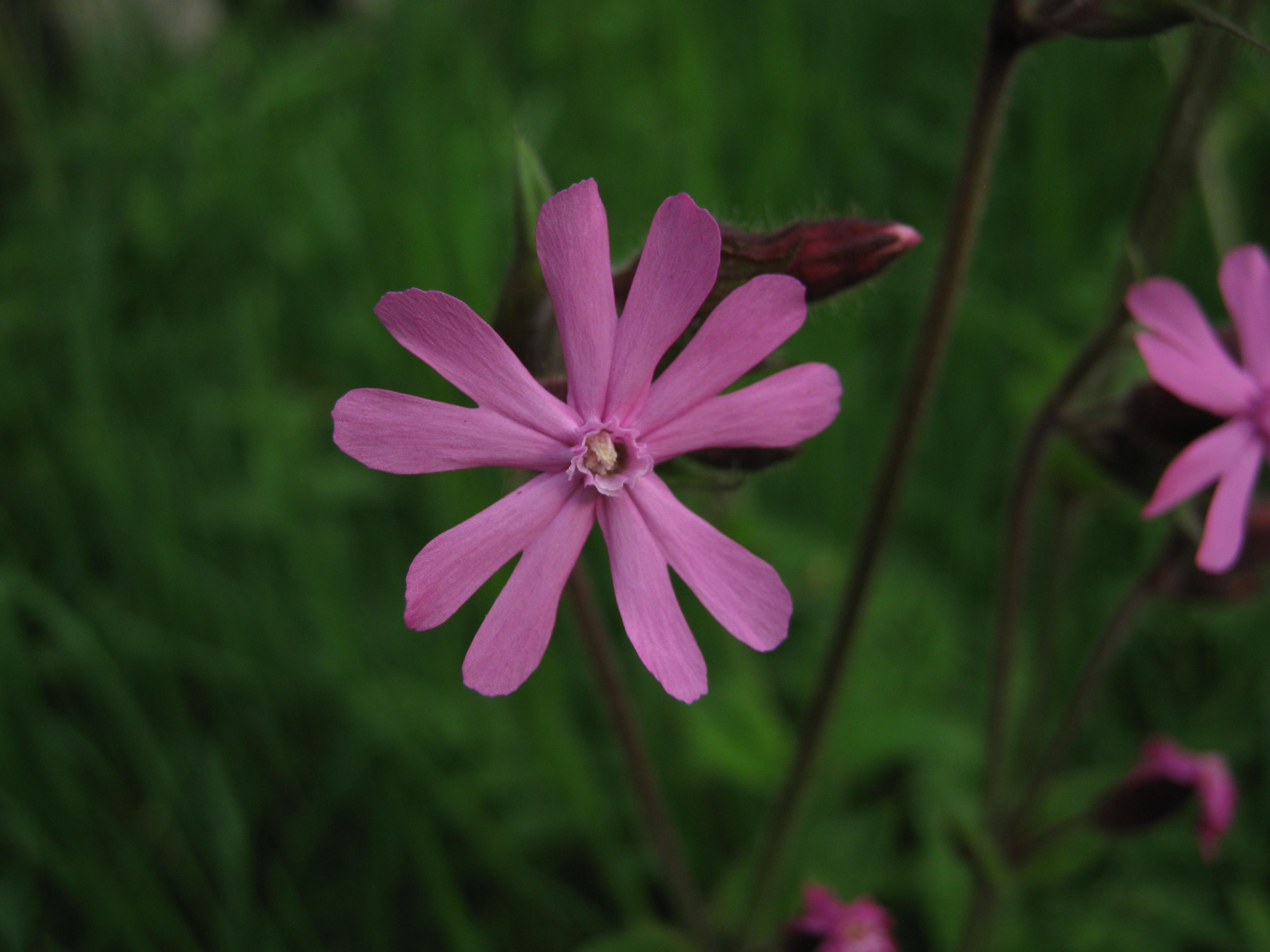
Red Campion and cow-parsley growing at the end of our lane.
Image

A Red Campion flower.

Image

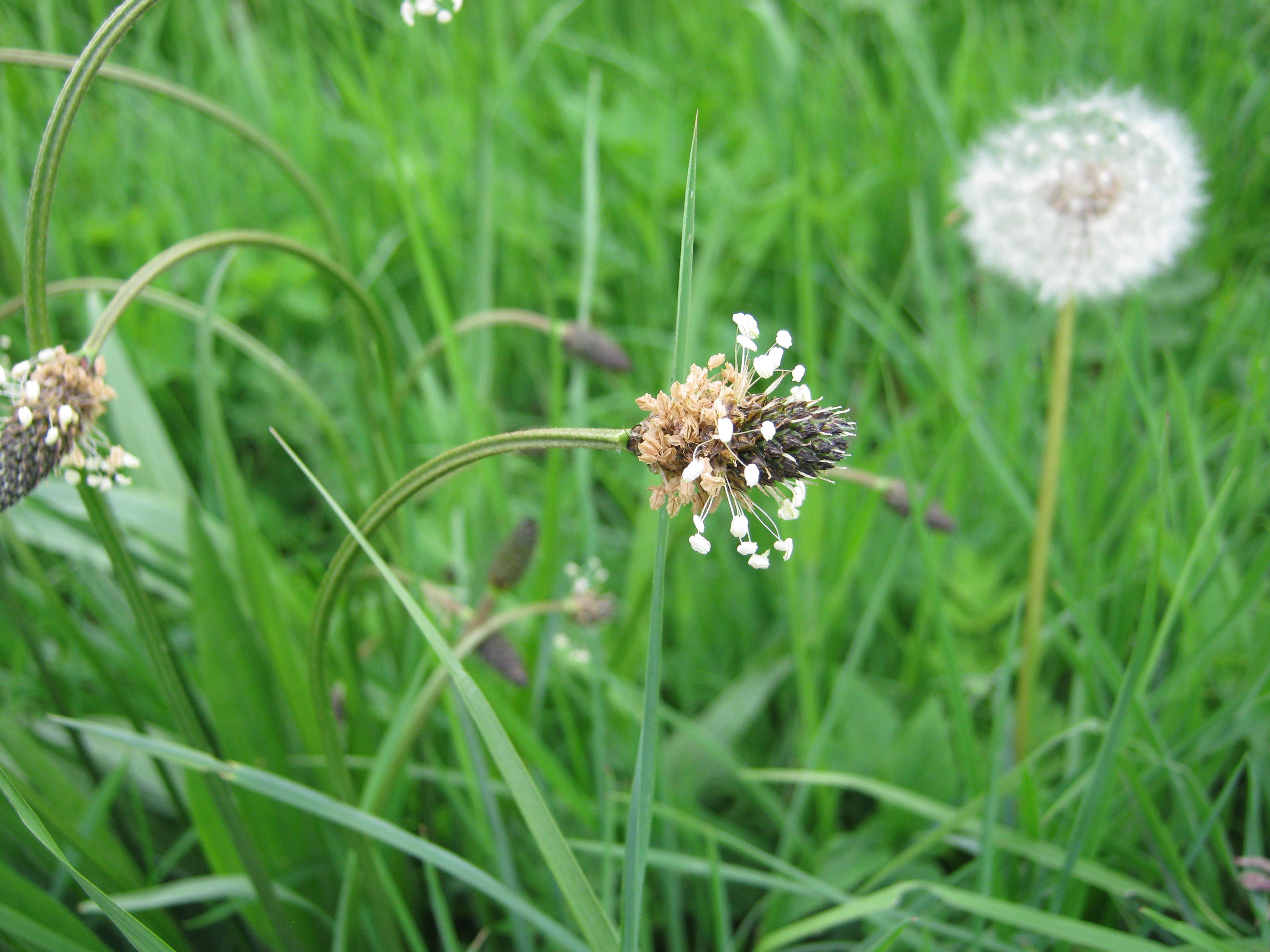
Ribwort flowers – Turkish Caps,

Image

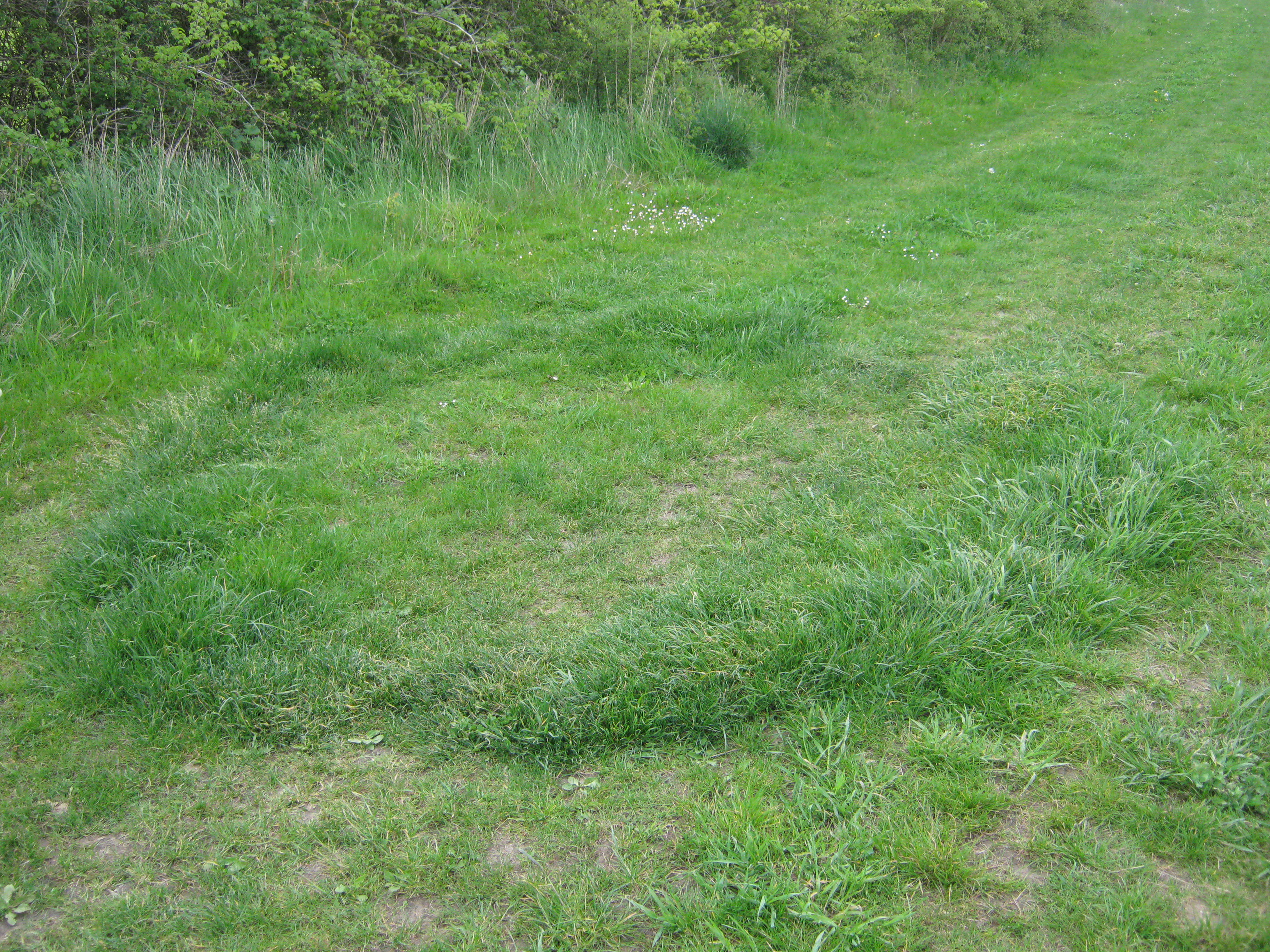
A ‘fairy ring’ caused by toadstools.

Image

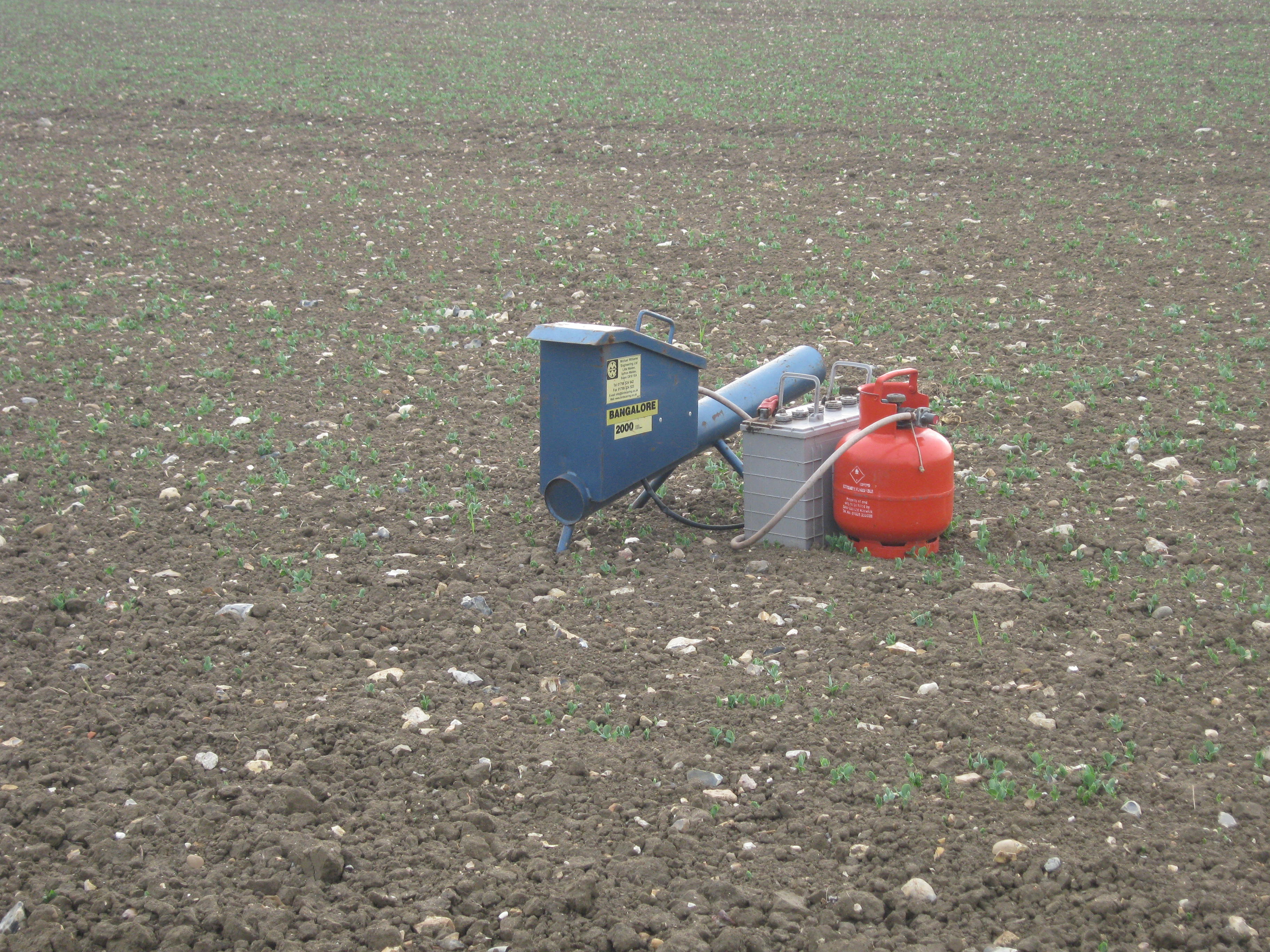
A bird-scarer cannon.

Image

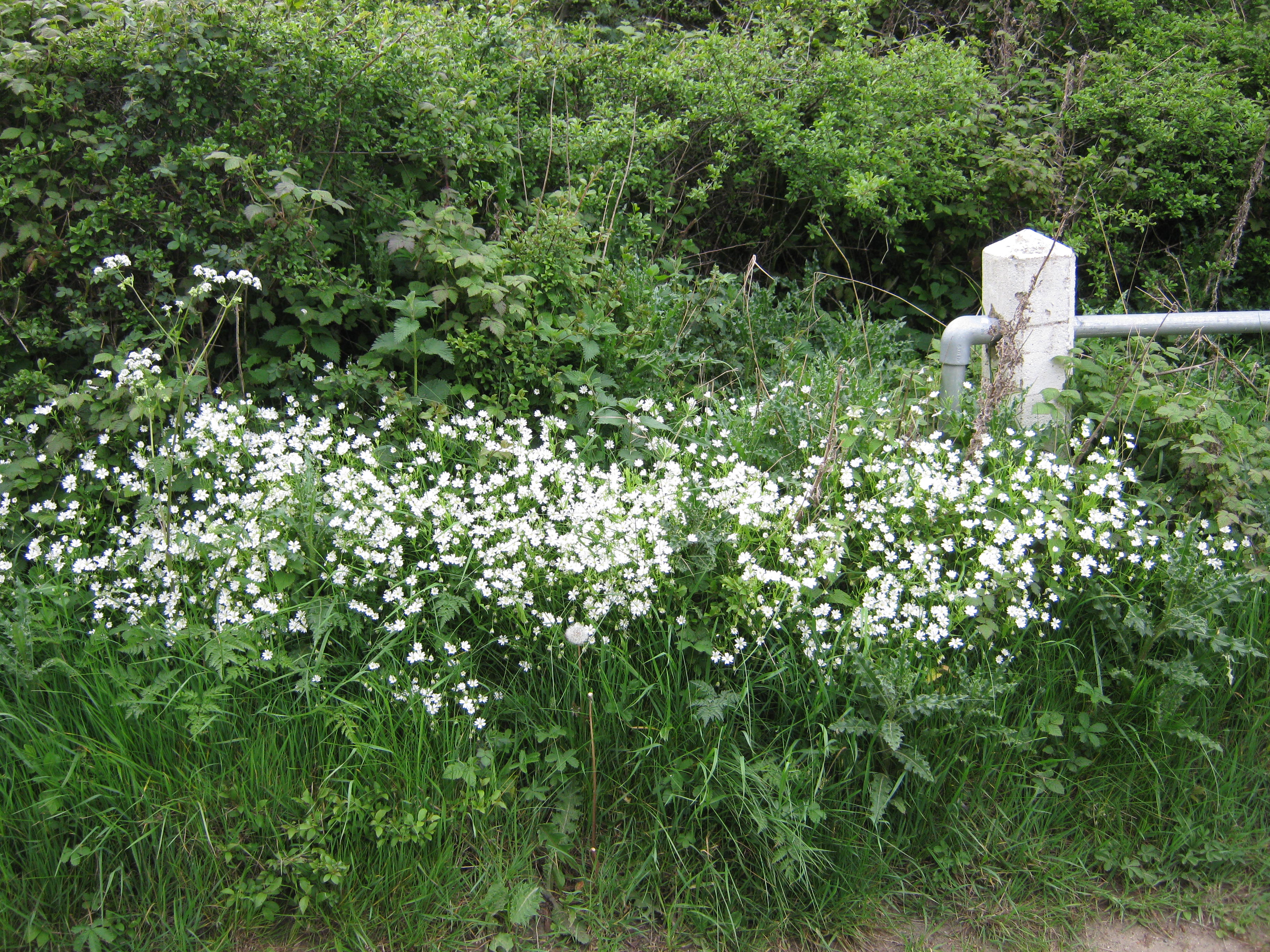
More stitchwort.

Image

St Peter’s Washes.

I’ll end with some photos of birds seen in my garden during the past week.
Image

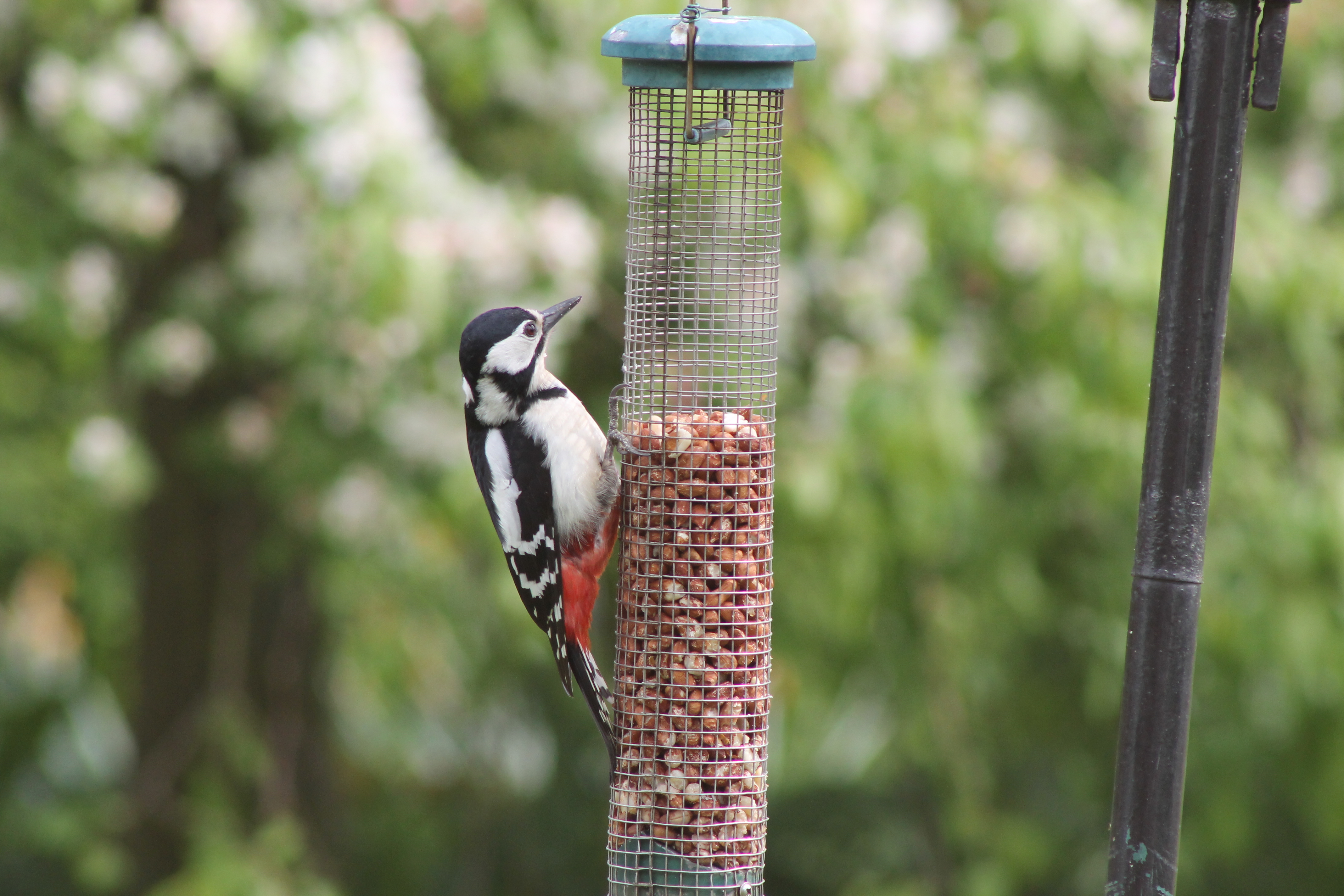
A female Greater-Spotted Woodpecker.

Image

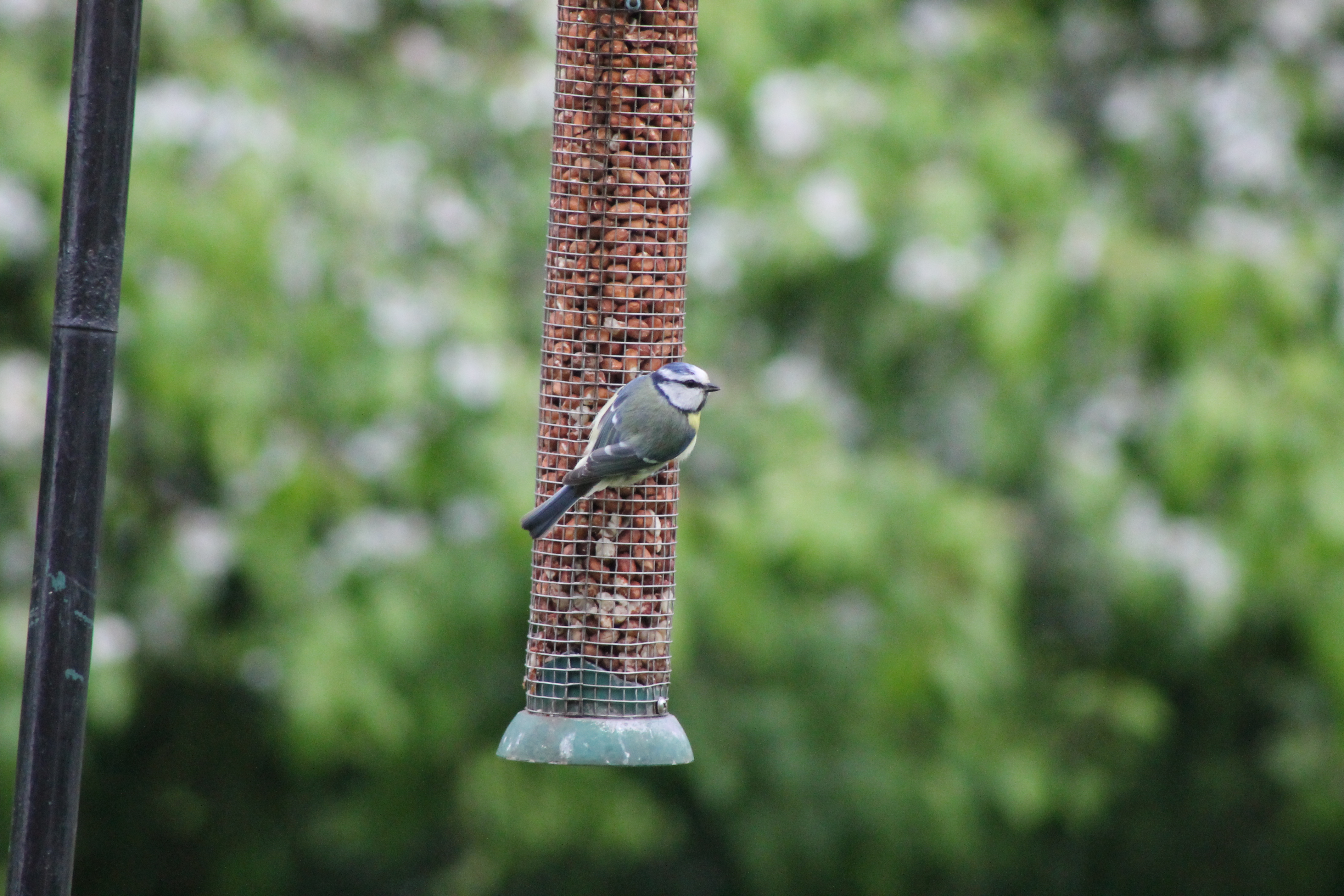
A bluetit.

Image

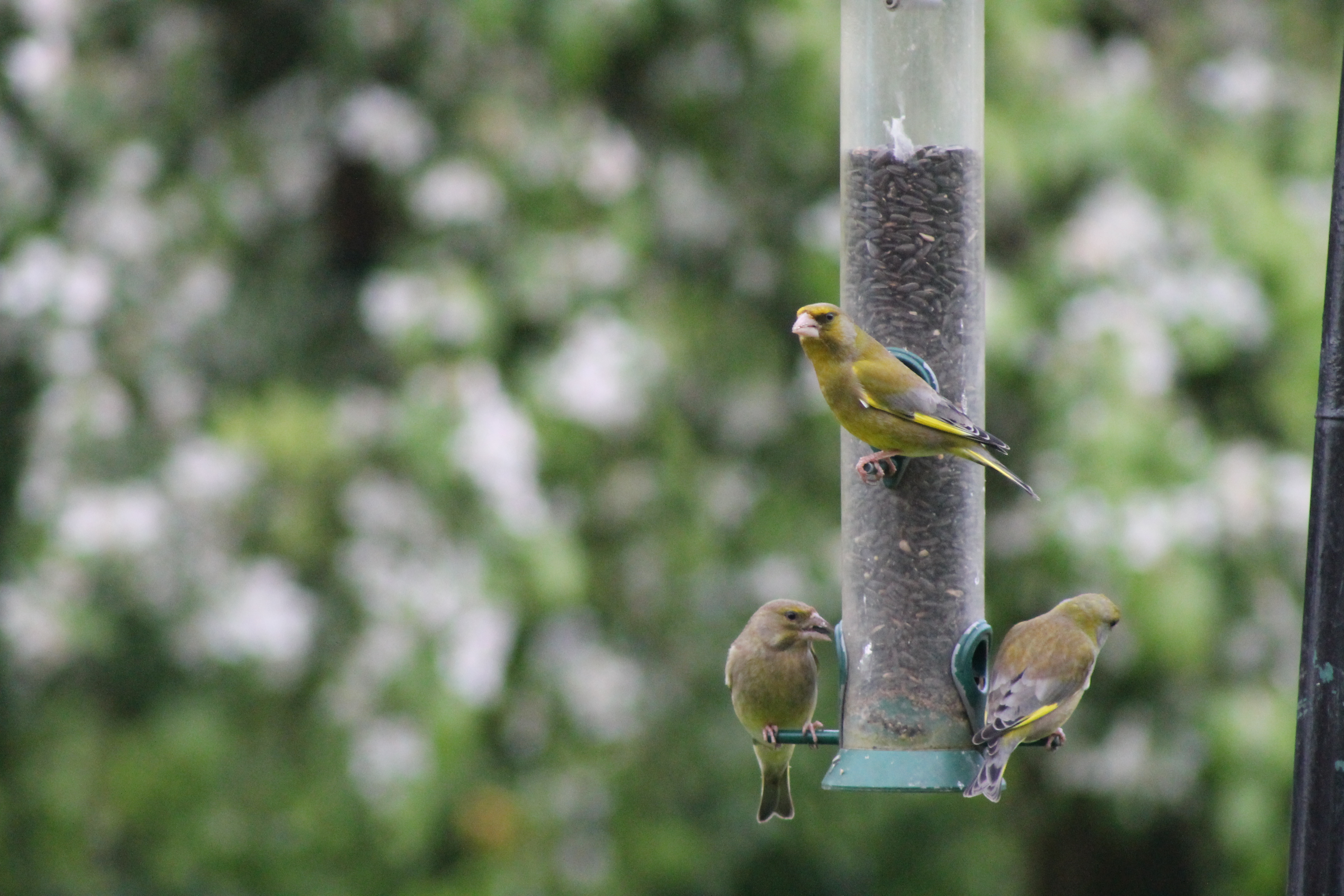
Male and female Greenfinches
Share this:

  • Share on X (Opens in new window) X
  • Share on Reddit (Opens in new window) Reddit
  • Share on Pinterest (Opens in new window) Pinterest
  • Share on Facebook (Opens in new window) Facebook
  • Email a link to a friend (Opens in new window) Email
  • Share on Tumblr (Opens in new window) Tumblr
  • Print (Opens in new window) Print
  • Share on Pocket (Opens in new window) Pocket
  • Share on LinkedIn (Opens in new window) LinkedIn
Like Loading...

Catching Up

15 Tue Apr 2014

Posted by Clare Pooley in churches, Gardening, Insects, plants, Rural Diary, trees, wild animals, wild birds

≈ 7 Comments

Tags

amelanchier, bluebell, cow parsley, cuckoo flower, early spotted orchid, fruit trees, garlic mustard, greylags, Holy Week, honesty, mallards, marsh marigold, pasque flower, rooks, St Lawrence, St Mary Homersfield, stock dove, thrift, tulip, wood pigeon

We spent last week, 5th to 12th April, away in the Lake District staying in a rented cottage with no phone signal and no internet.  As I don’t have a smart phone I wasn’t able to send or receive messages or post anything on my blog.  It is very nice to be away from home and duty and all other pressures but there is so much catching up to do on one’s return!   Lots of e-mails, lots of interesting posts to read and such a lot of housework!!  As I am still working my way through two weeks worth of washing and ironing I don’t envisage that this post will be very long – but I may be fooling myself and will ramble on at length as usual!

It took us five and a half hours to get home which wasn’t at all bad as it had taken us over seven hours to get there on the 5th.  The roads were dry and it was cool and cloudy – ideal driving conditions.  We unpacked and had a hot drink and phoned our mothers.  R’s mum was fine but was worried about her new home help who will be coming to her twice a week.  Her old help recently retired and mother-in-law doesn’t want or like change.  It doesn’t seem fair that at 88 years of age she has to constantly make concessions and put up with unwelcome changes and interference in her way of life.  But, if she wants to stay in her own home for as long as possible, that is what she has to do.  My mother seemed fine and had had a visit from my brother, who lives in Surrey, on Friday which had pleased her very much.  She had not been able to go to church the previous Sunday so my brother was the only person she had seen and spoken to since I had taken her out the Wednesday before that.  Nine days with only her cat to talk to!  I arranged with her that I would take her to church on Sunday as I knew she wouldn’t want to miss the Palm Sunday service.

R and I then did a tour of the garden and there were some pleasures and a few disappointments.  The most noticeable thing was that the goose was no longer on her nest but there was no sign of any goslings.  What had happened while we were away?  Had the goslings hatched out and subsequently died?  Had all the eggs been infertile?  In which case wouldn’t we be able to see them still on the nest on the island?  Had the goslings hatched out and then been taken off somewhere else after a couple of days?  When we first lived in this house that is what the pair of geese did then but after three years they began to stay until the goslings fledged.  We had a change of geese nesting on the island last year after a bit of a battle between two or three ganders, so perhaps the new pair don’t feel this is a suitable place to bring up their young.  There is still hardly any grass round the pond and we have got rid of all the willow cover on the bank which might be another reason why they didn’t stay.  We had no goslings last year either, but we put that down to the terrible weather in the spring and also the goose wasn’t good at sitting on her nest.  The goose this year was very good on the nest and only left it twice a day for very short periods and always covered the eggs well with down.  We will never know what happened but I would like to think that one year we will get goslings in our garden again.

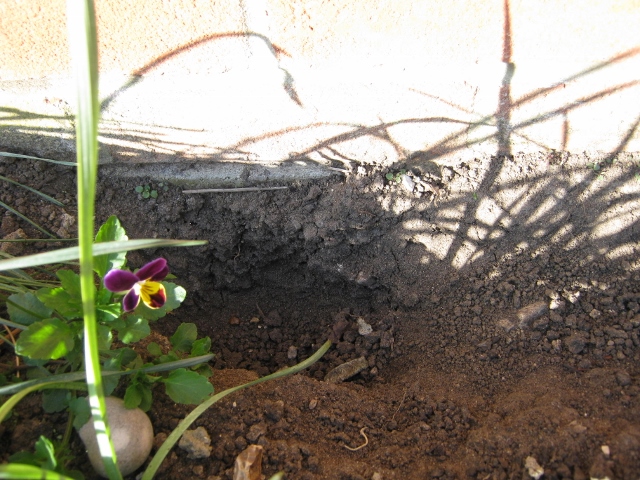
A lot of damage had been done by rabbits.  A hole had been dug at the back of my border against the house.

027Hole dug by rabbit (640x480)

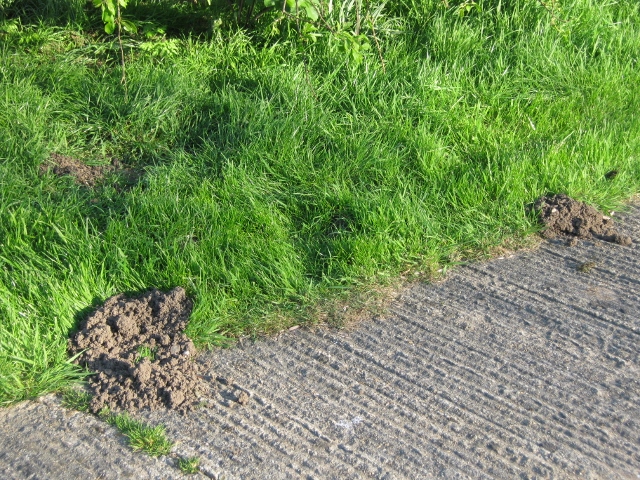
A number of my plants had been eaten – probably by rabbits perhaps by deer.  We did find a dead, fully grown rabbit near R’s flowerbed.  It had been dead for a couple of days and R couldn’t see any obvious reason why it had died.  No scavenger had fancied eating it either.  Moles had been making lots of molehills.

005Mole hills (640x480)

A blackbird had been killed and plucked next to the greenhouse.  I have seen a female sparrowhawk flying about a lot since our return, strafing the small birds with fear, so I suspect her or her mate were responsible for the blackbird’s demise.

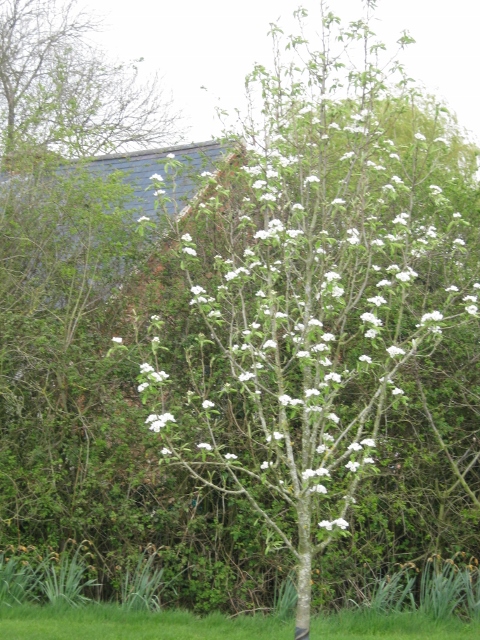
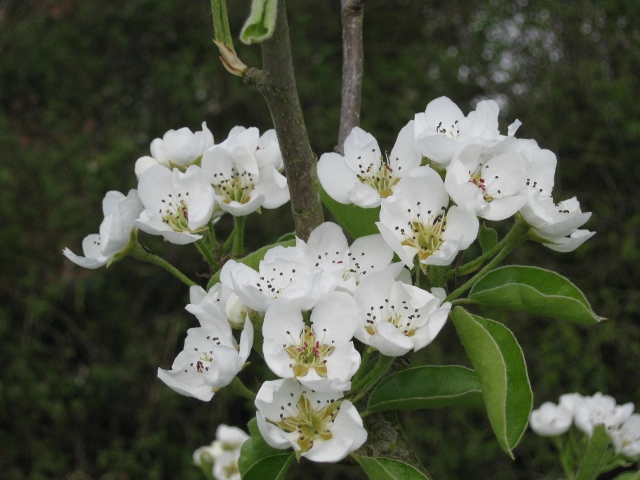
We were pleased to see that the pear tree was in full blossom.

004Pear tree (480x640) 006Pear blossom (640x480)

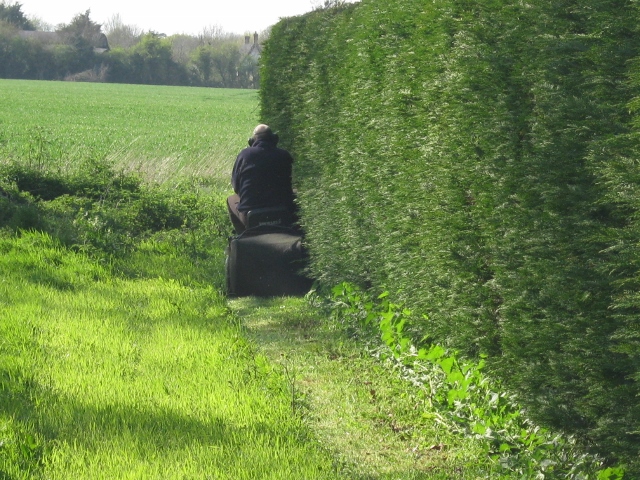
The greengage and the bullaces had lost nearly all their petals and we hope that we may have a little fruit.  The bird cherries were still in full blossom.  R decided that he ought to start on the mowing.  We have well over an acre of garden and most of it is grass so we have a tractor mower.  It is some years old now and makes R infuriated when it keeps blocking up – I think we will be getting a newer better model soon and then I will see R in his element again, racing round the garden, weaving in and out the trees just like at Le Mans!

019R mowing grass (640x480)

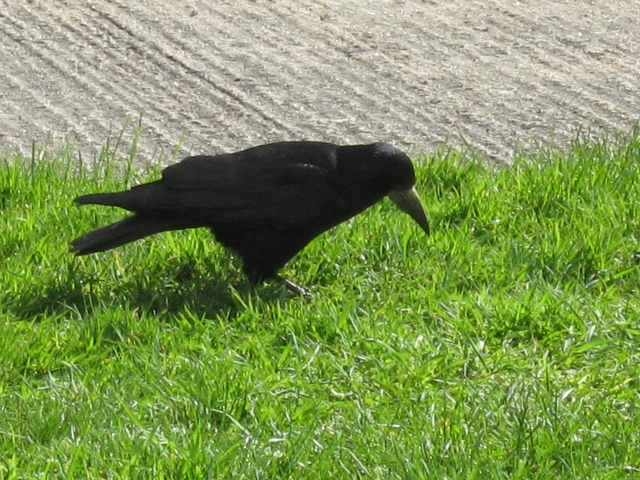
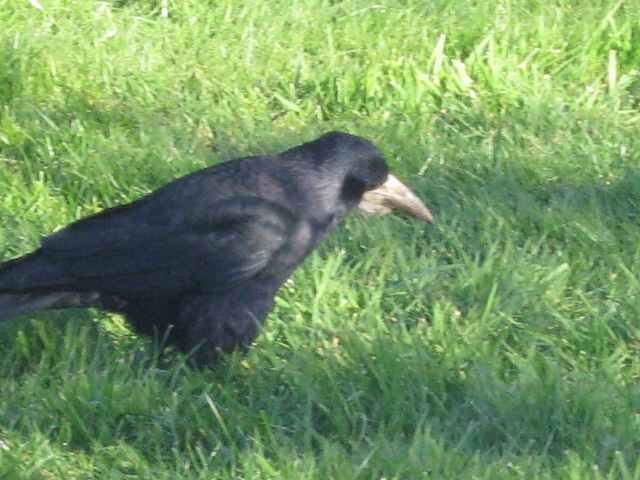
The rook chicks have hatched out in the rookery as I can hear them squeaking and squawking all day.  Here is a rook looking for tasty morsels.  Notice its glossy black feathers and feathered breeches.  I have included the second photo even though it is blurred as you can see the shape of the beak and the bald scaly skin at the front of the face.  The older the rook, the balder the face.

001Rook (640x480) 004Rook showing beak (640x480)

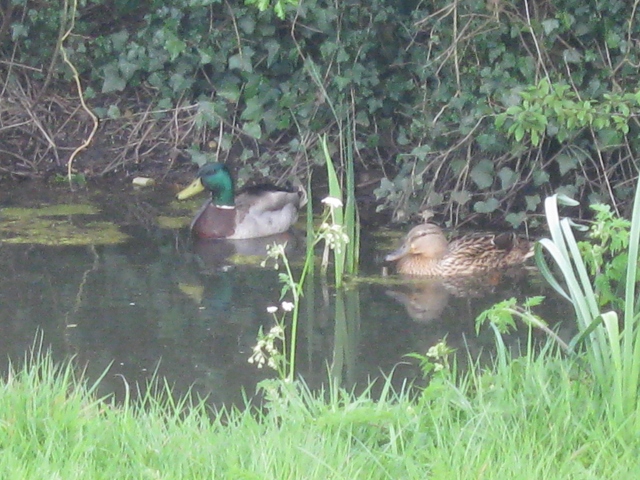
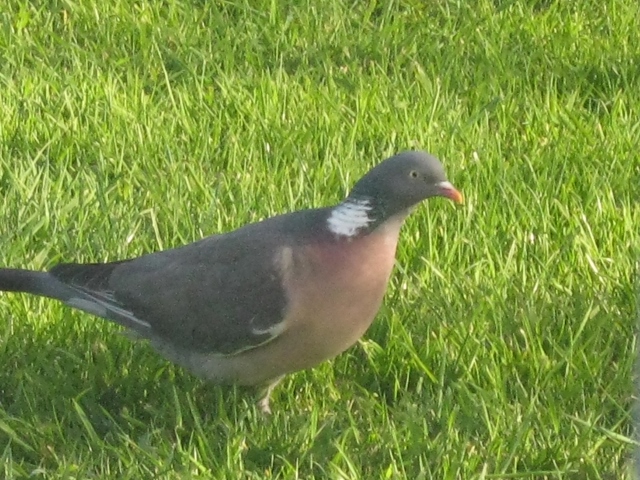
The duck and drake mallard are still happy in the pond at the front of the house.  A couple of common crows are also nesting in the trees on the opposite side of the lane.  Wood pigeons abound and so do Stock Doves.

003Duck and drake mallard (640x480)

Duck and drake Mallard

003Wood pigeon (640x480)

Wood Pigeon

009Stock dove (640x480)

Stock Dove

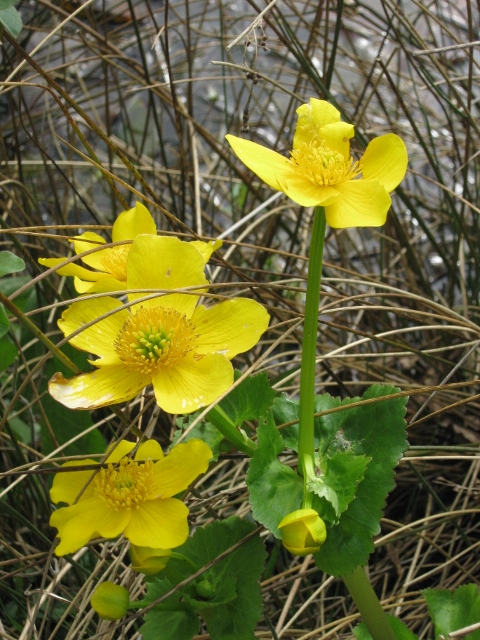
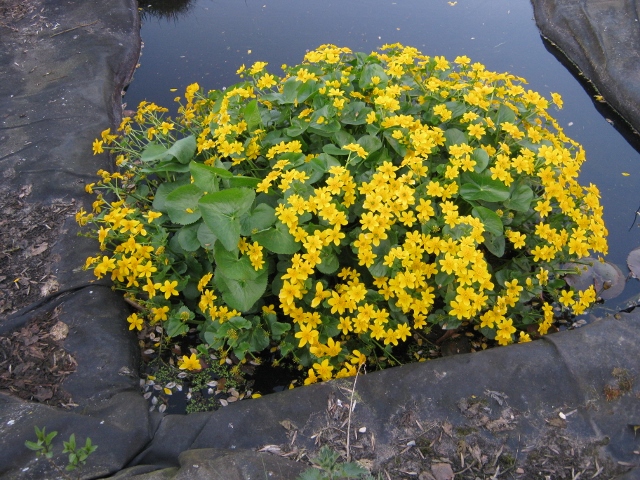
The marsh marigold in the big pond is flowering well.  The flowers are more than two inches across.
008Marsh marigold (480x640)

The marsh marigold in the little pond is flowering well too.

006Marsh marigold in small pond (640x480)

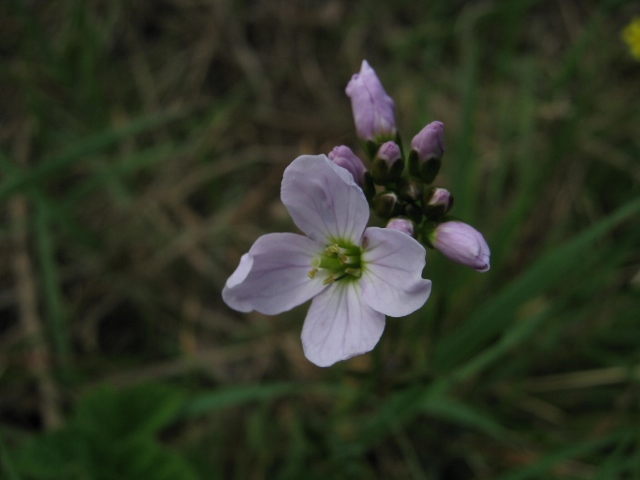
I have found a cuckoo flower by the big pond.  This flower belongs to the cabbage family but is much nicer than cabbage.  John Gerard, the 16th century herbalist said this pretty flower was called cuckoo flower because it blooms ‘for the most part in April and May, when the cuckoo begins to sing her pleasant note without stammering’.

007Cuckoo flower (640x480)

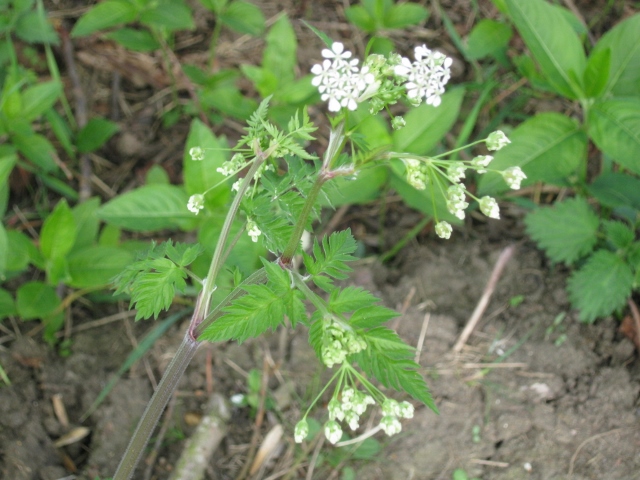
Cow Parsley is coming into flower.  In East Anglia it is called Sheep’s Parsley as well, because in olden times this area was a wool producing part of the country.  Another name for it is Queen Anne’s Lace which is a lovely name and describes the frothy whiteness of large quantities of the plant along the hedgerows.

011Cow Parsley (640x480)

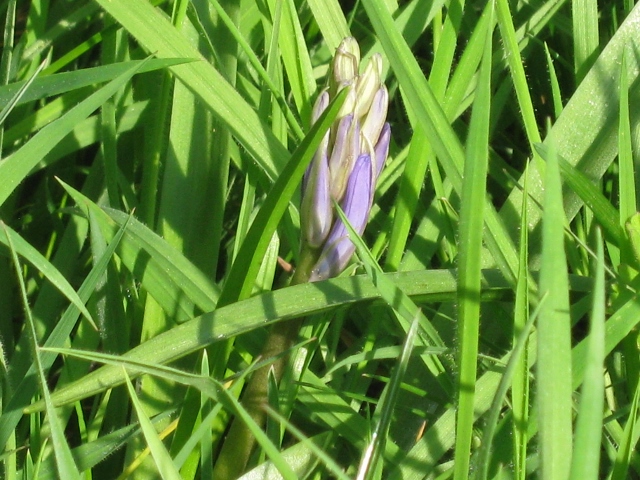
Bluebell spikes are just appearing under the crabtree at the front of the house.

012Bluebell (640x480)

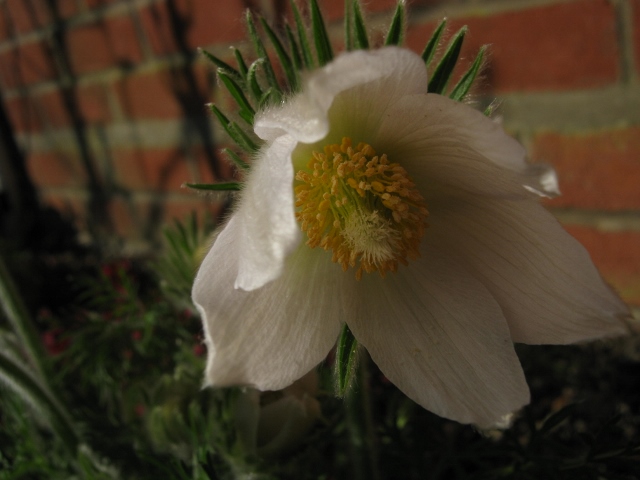
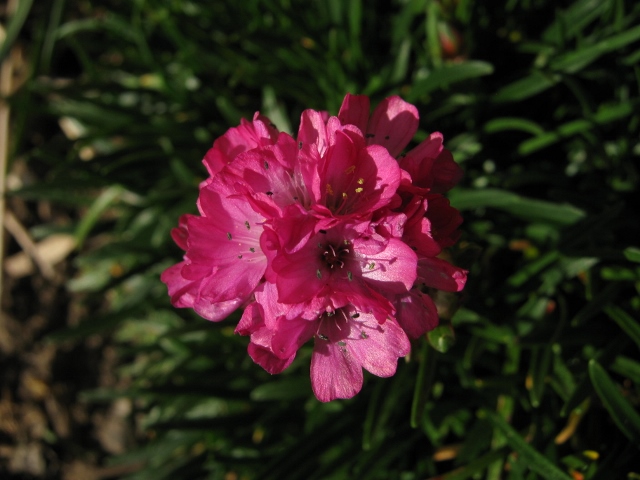
The crabapples are also coming into flower.  Pasque flowers and Thrift are blooming in my flowerbed.

021Pasque flower (640x480) 024Thrift (640x480)

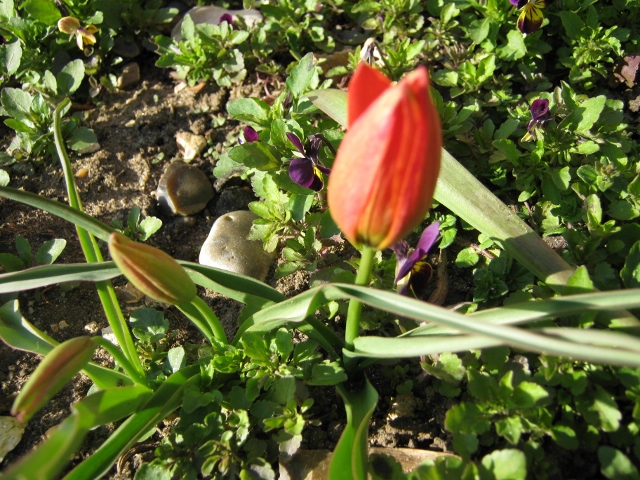
As are miniature scented tulips.  I used to have more colours than this orangey-red but they have gradually disappeared over the years.

026Miniature scented tulip (640x480)

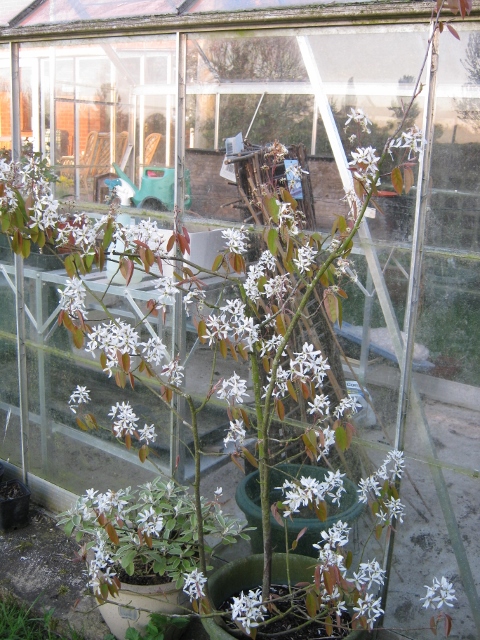
The Amelanchier is in flower.  It was planted in the garden a few years ago but then got damaged so I dug it up and I’ve tended it in a tub.  It will no longer grow to be a tree as I had hoped but will look alright as a shrub.  Once it has stopped flowering I will plant it out in the garden again.


007Amelanchier (480x640)

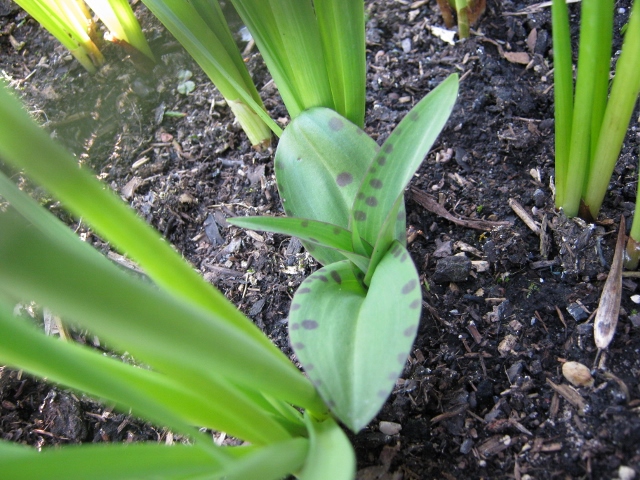
An Early Spotted Orchid is coming up in one of the tubs containing jonquils.  We are fortunate to have a lot of these orchids in our garden and they like seeding themselves in flower tubs.

025Orchid coming up in tub of jonquils (640x480)

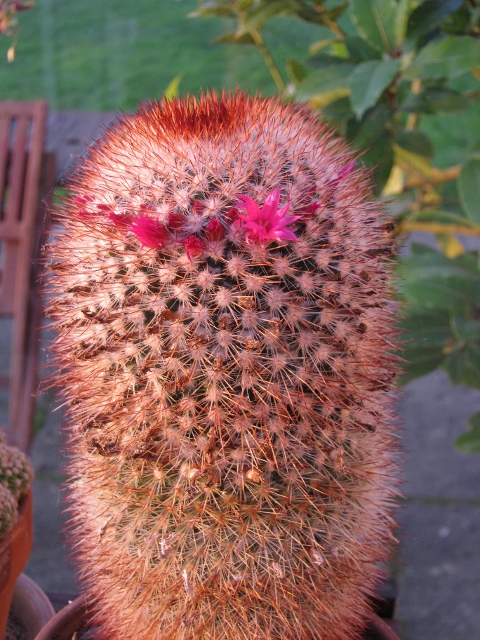
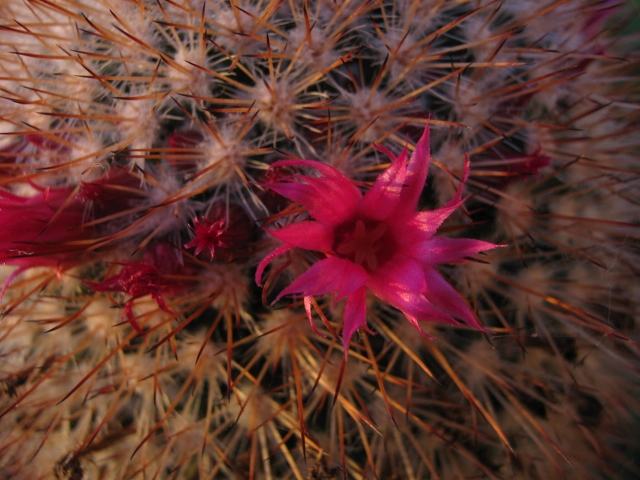
One of R’s cacti is in flower in the conservatory.

039Cactus in flower (480x640) 040Cactus flower (640x480)

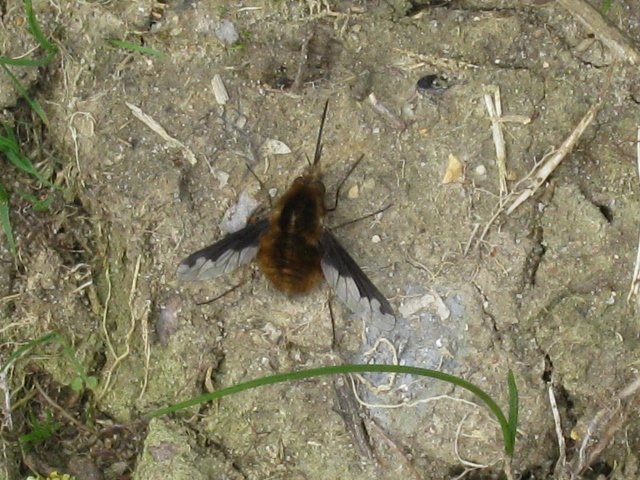
This is a Bee-fly.  It is harmless to humans despite the nasty looking proboscis.  Its larvae live as parasitoids in the nests of mining bees.

009Bee-fly (640x480) (2)

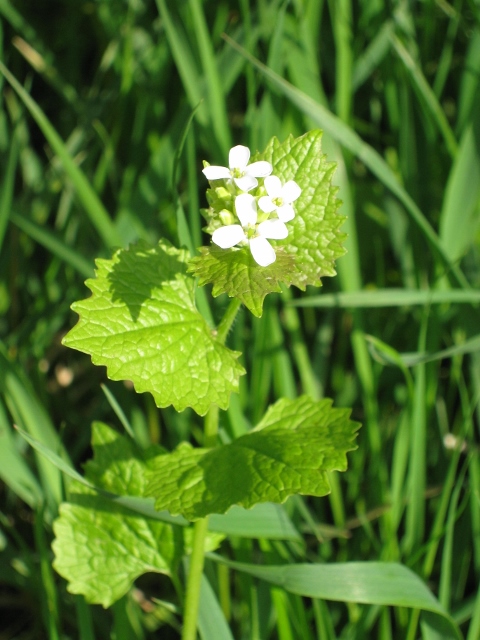
In driving about during the past few days I have noticed Alexanders and Stitchwort in flower in the hedgerows.  I have also seen Orange-tip butterflies flying.  The food for their caterpillars is Garlic Mustard, another member of the cabbage family and the only one to smell of garlic.

013Garlic Mustard (480x640)

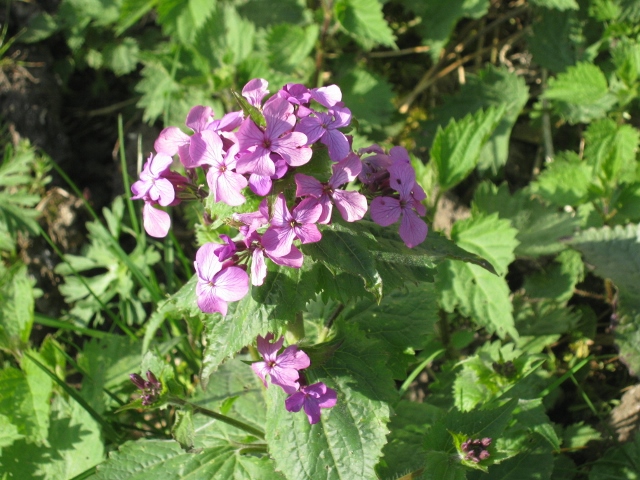
I found some perennial Honesty at the entrance to one of the farm yards down our lane.

015Perennial honesty (640x480)

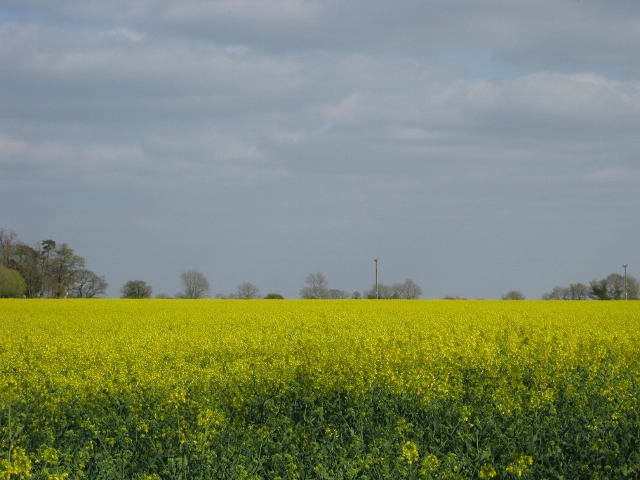
Oil-seed Rape is everywhere this year and is in flower at the moment.  We are surrounded by it.  We see it to the left of us…

017Oil-seed rape field to the left (640x480)

and to the right.

016Oil-seed rape field to the right (640x480)

It has a strong distinctive smell both when in flower and when left to set seed.  I don’t like it very much and it gives me hay-fever.

It is now Holy Week and we start, on Palm Sunday, by celebrating Jesus’ triumphal entry into Jerusalem on a donkey.  At Mum’s church we gathered in the church-yard and processed into church carrying our palm crosses.  Mum and I enjoyed the service, both having a bit of a cry during a favourite hymn.  Poor R went to St John’s church on his own but met our friends there.  I went to Compline on my own on Monday night as R had a migraine.  (I had woken with a migraine myself early on Sunday morning!).  The service was at St Lawrence church but sadly there were only four of us there.  As I drove to the church the sun was setting on one side  and the almost full moon was rising on the other side of me.  The church door was left open during the service and even though the church is up a lane off quite a well-used road the sounds of the few cars driving along it at 8pm faded away and the silence enveloped us.  Now and then we heard the evening warning calls of blackbirds and robins but most of the time it was absolutely quiet.  St Lawrence church is built on an ancient site.  The Romans had a building yard there, I think, and a Roman carved face is set into the wall of the church.  The road from which the lane to St Lawrence church turns off is called Stone Street and is a Roman road.  If one comes from Halesworth it is known as the Bungay Straight and if one comes from Bungay it is known as the Halesworth Straight.  On my way home the sky was apricot on the horizon where the sun had disappeared.  Above that the colours changed from yellow to turquoise to dusky blue and the enormous moon was shining brightly.  I saw a couple of hares and some tiny rabbits, only about four inches long – probably on their first night above ground.

Tonight R and I went to Compline at St Mary’s Church at Homersfield.  Another lovely church which has been in danger of closing for some time.  There were eight of us there tonight and the church was lit by lamps and candles as there was no electric light.

As I thought it would, this post has got to be a long one again and I haven’t done all the housework I should have!

Share this:

  • Share on X (Opens in new window) X
  • Share on Reddit (Opens in new window) Reddit
  • Share on Pinterest (Opens in new window) Pinterest
  • Share on Facebook (Opens in new window) Facebook
  • Email a link to a friend (Opens in new window) Email
  • Share on Tumblr (Opens in new window) Tumblr
  • Print (Opens in new window) Print
  • Share on Pocket (Opens in new window) Pocket
  • Share on LinkedIn (Opens in new window) LinkedIn
Like Loading...

Pollution and Other Matters

03 Thu Apr 2014

Posted by Clare Pooley in Gardening, plants, Rural Diary, trees, Uncategorized, wild birds

≈ 2 Comments

Tags

amelanchier, belemnite, blackbird, Blue Tit, claypipe, Garden Warbler, ground-ivy, Jacob's Sheep, jonquils, Mistle Thrush, pollution, rhubarb, tulip, violets, woodpecker feather

The warmer weather that was forecast certainly arrived bringing with it hazy sky – and pollution.  Everything outside was covered with a coating of fine yellow dust – from the Sahara Desert – and this was especially noticeable on our cars.  Here in East Anglia our air isn’t as pure as we would like.  As we live in the countryside many people think that the air is fresh and clean here; but they would be wrong.  The prevailing wind from the south-west brings pollution from London and winds from the south-east bring pollution from the Continent – mainland Europe.  The cleanest air is on winds from the north-east but that is also the coldest!  East Anglia is a mainly agricultural area with plenty of agricultural vehicles and large trucks delivering feed, grain and other supplies on the narrow lanes.  The farmers use herbicides and insecticides and the crops are sprayed at least two or three times a year.  Because there is very little public transport we all have to drive everywhere that is too far to walk or cycle.  R and I are fortunate to live in an area where the local farmers are trying to make the land better for wildlife.  Wide strips of land are left fallow around each field with the hope that wild flowers will colonise them and animals and birds will find more food and shelter there.

Since coming to live in Suffolk twenty-six years ago I have developed asthma, hay-fever and other allergies that I didn’t have in south-east London and Kent.  R also has hay-fever and E has asthma.  This morning both R and I woke feeling quite unwell with headache, sore throat and other hay-fever symptoms.  Fortunately we always have a stock of anti-histamine tablets in the house!

Yesterday, after getting home from taking Mum out, I had a letter to post so walked down the lane to the postbox.  I was hoping to see the Jacob’s sheep in a field close to us as I had heard them arrive there on Monday.  They always bleat a lot when they are in a new field but soon settle down and if I hadn’t heard them arrive I wouldn’t have known they were there.  It was quite difficult to see the sheep and lambs as the hedge is high and thick but I managed a couple of photos.


004Jacob ewes & lambs (640x480)

Jacob ewes and lambs

003Jacob lamb (640x480)

Jacob lamb

I then took a few more pictures of the garden, fed the birds and watered the tubs of flowers.  More and more birds are singing and the dawn chorus is getting louder and louder.  Yesterday I woke to hear what I thought was a Garden Warbler, our second summer visitor, singing in a tree across the lane.  As I was still sleepy I wasn’t sure whether it was a Garden Warbler or a Blackcap, the songs being quite similar, but having heard it again today I am sure it is a Garden Warbler.  We do get both birds here in the summer but the song I heard yesterday and today was definitely the faster more garbled song of the Garden Warbler.  The Song Thrush has been singing all day, every day for some time now and yesterday he was joined by the Mistle Thrush.  We now have a wonderful chorus of birds in the garden – too many to mention without it becoming a long and boring list.  Here is a photo of a male Blackbird and a Blue Tit on the peanut feeder.

008Blackbird (640x480)

Blackbird

009Bluetit on feeder (640x480)

Bluetit on the peanut feeder. A Chaffinch is in the tree at the back.


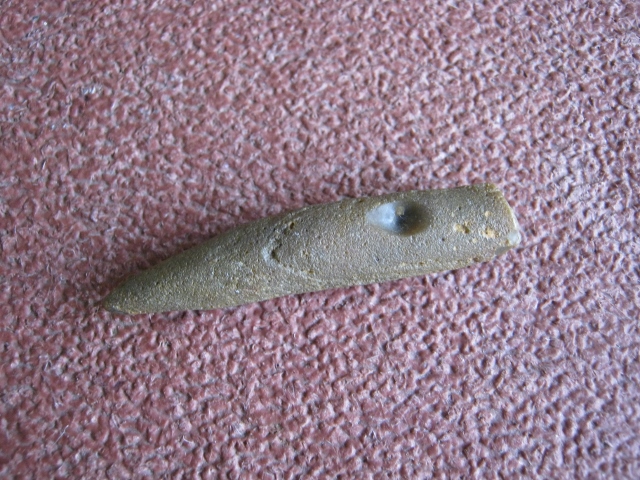
Today I took some more photos of the garden and also of some objects I have found in the garden.  The belemnite I found in my herb garden on Monday.  I remember finding lots of these when on holiday with A when she was little at Charmouth on the Dorset coast.  They are fossils of squid-like creatures.

010Belemnite (640x480)


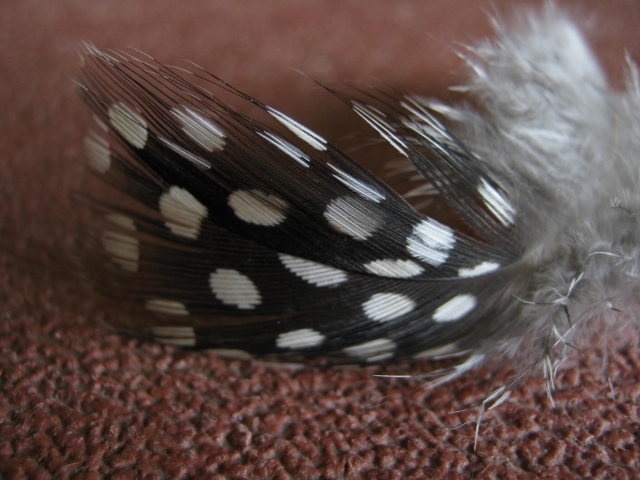
The feather I found a couple of weeks ago.  No doubt from a Greater Spotted Woodpecker.

012Spotted feather (640x480)


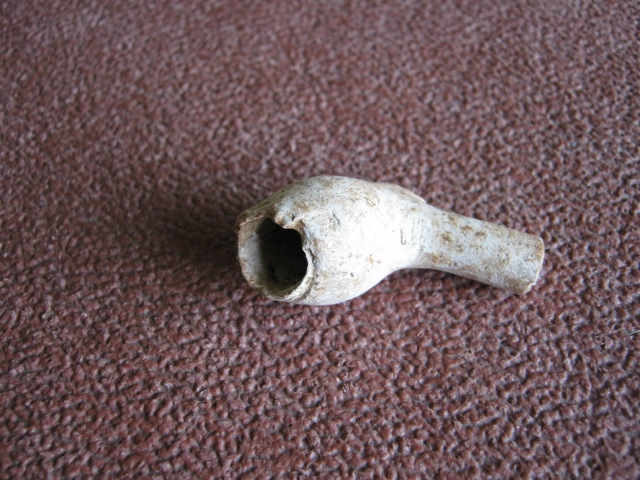
The broken old clay pipe I also found in my herb garden but about five years ago.  I can’t bear to get rid of it!

013Clay pipe (640x480)


The rest of the photos are of plants, flowers and trees.

White violets in the grass verge near my mother’s cottage.

001White violets (480x640)


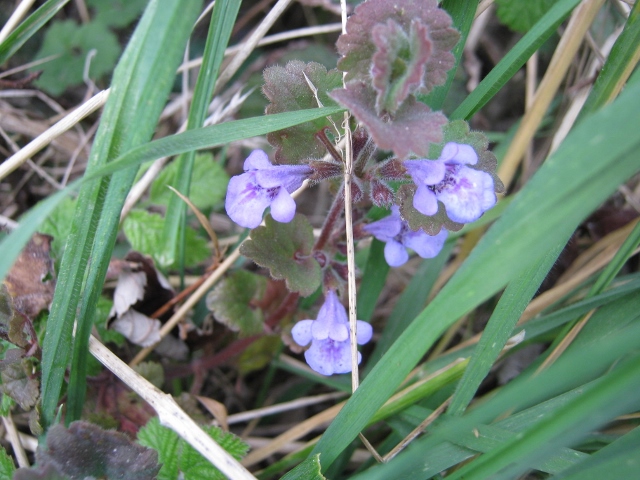
Ground ivy.  This is an evergreen wild plant and if the leaves are bruised they smell minty.  Also known as Alehoof, the leaves used to be added to ale during brewing to clear the fermenting liquid and sharpen the flavour.  Even after hops were introduced to England in the 16th century liquor flavoured with ground-ivy was still made and sold for a time.  Another name for ground-ivy is gill and a drink called gill tea was made by infusing the leaves with boiling water and adding honey.  This was supposed to alleviate coughs and other chest disorders and was still being sold by street vendors in London in the 19th century.   Culpepper says ‘The juice dropped into the ear doth wonderfully help the noise and singing of them, and helpeth the hearing which is decayed.’

006Ground ivy (640x480)


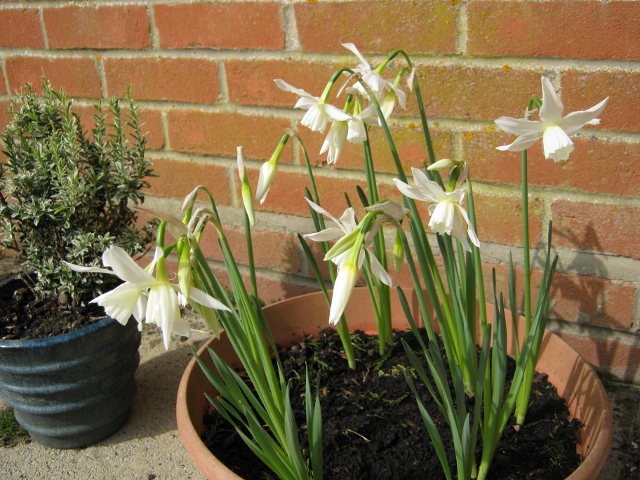
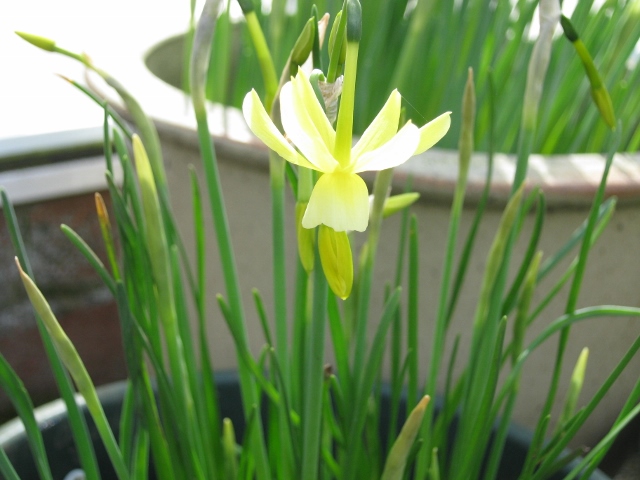
Some jonquils.

014Jonquils (640x480) 023Jonquil (640x480)


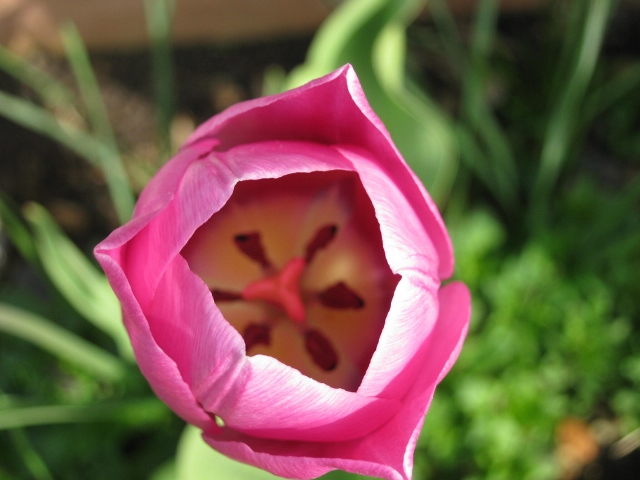
A pink tulip.

022Pink tulip (640x480)


Rhubarb!

024Rhubarb (640x480)


The Amelanchier is just coming into flower.

025Amelanchier (640x480)


R and I discovered another goose nest in the undergrowth on the other side of the pond yesterday.  Unfortunately, today the goose was no longer there and all the eggs gone.  The good thing about nesting on the little island is that foxes and other predators cannot get to you so easily.  The bad thing about our island is that it isn’t big enough for more than one goose nest.

Share this:

  • Share on X (Opens in new window) X
  • Share on Reddit (Opens in new window) Reddit
  • Share on Pinterest (Opens in new window) Pinterest
  • Share on Facebook (Opens in new window) Facebook
  • Email a link to a friend (Opens in new window) Email
  • Share on Tumblr (Opens in new window) Tumblr
  • Print (Opens in new window) Print
  • Share on Pocket (Opens in new window) Pocket
  • Share on LinkedIn (Opens in new window) LinkedIn
Like Loading...

Monday’s Garden

31 Mon Mar 2014

Posted by Clare Pooley in amphibians, churches, cooking, Gardening, Insects, plants, Rural Diary, trees

≈ 4 Comments

Tags

blackthorn, bullace, cowslip, daffodils, Elmer Fudd, fritillaries, greengage, jonquils, ladybird, lathyrus, Mothering Sunday, pieris, primulas, rabbits, saxifrage, simnel cake, wild cherry


I must admit to having an Elmer Fudd moment this morning.  I went to have a look at the cowslip/primula plants I had transplanted last weekend and to my horror I saw that all the flowers and buds had been eaten on almost all the plants.  I suspect some wascally wabbit!  I will now not know until next spring which of the plants are normal cowslips to be planted at the top of the ditch and which are the different ones to be grown on elsewhere.

Image

Very strange weather today.  It was quite warm – in fact it got to 18 degrees centigrade but we only got a little sunshine at midday and then a few showers of rain during the afternoon.  Quite humid all day and extremely cloudy this afternoon.   I walked round the garden checking on the bird feeders and looking to see what plants had started to grow or flower since Saturday.  I hadn’t been able to get into the garden at all yesterday as I had been busy cooking lunch after coming home from church and then entertaining Mum all the afternoon.  We had had a good Mothering Sunday service at church and all the women had been presented with little posies of flowers.  The Rector looked wonderful in his rose coloured chasuble but sneakily removed it before I could photograph him!

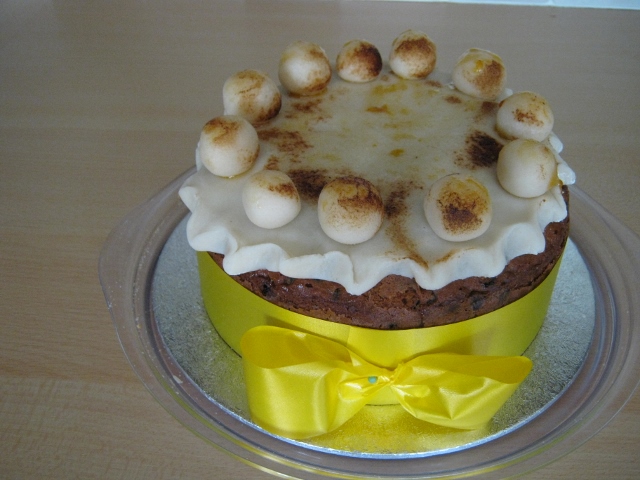
My eldest daughter A had sent me a card which had arrived in the post on Saturday and she telephoned me when I got back from church.  E gave me a card and two stoneware pots for the garden.  Mum arrived bringing with her an apple pie and a simnel cake.  My mother will be 84 in a couple of weeks time and can hardly see but she still manages to bake and garden and run her house with no help at all.

Mum’s simnel cake.

001Simnel cake 2014 (640x480)


The goose is still sitting on her nest on the island.  She probably only has another week or so to go until her eggs hatch and then we’ll see how many goslings there are.  While I walked round the pond I heard not only frogs croaking but also what I assume to be toads as well.  We do get toads in the garden but I’ve never noticed them in the pond before.  I also saw flower buds on the marsh marigold in the big pond that has never flowered before as well.  I was really quite pleased about this as the pond has looked so awful since we had the work done to remove most of the willow scrub.  What willows we have left are full of pussy willow flowers and alive with so many bees.

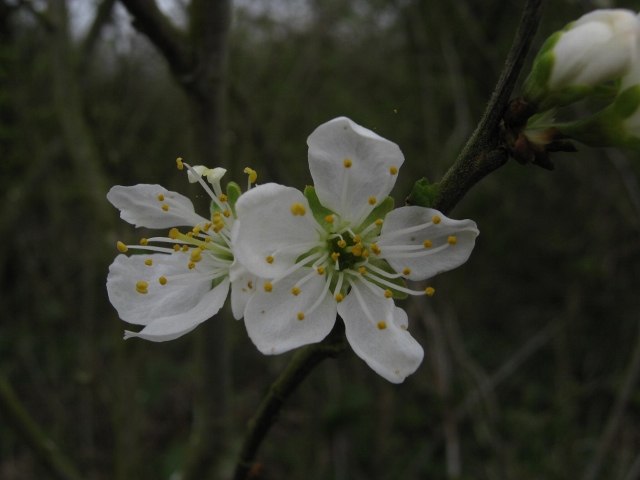
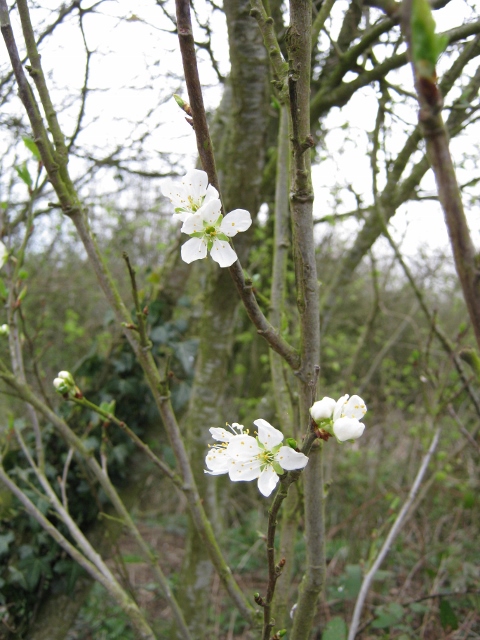
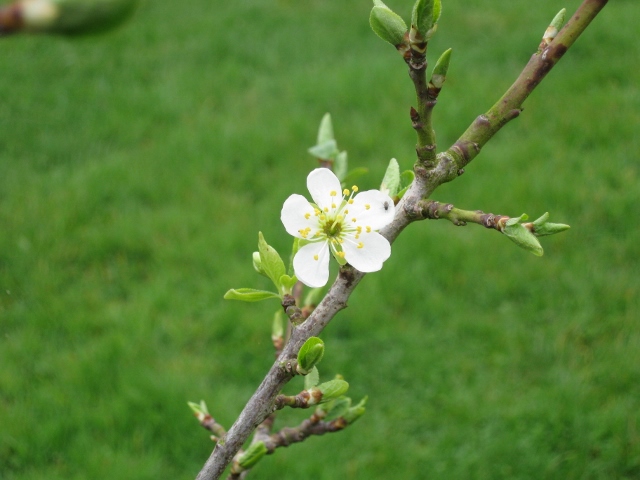
The wild damson or bullace tree is in flower.

003Damson or bullace flowers (640x480)

037Damson or bullace flowers (480x640)

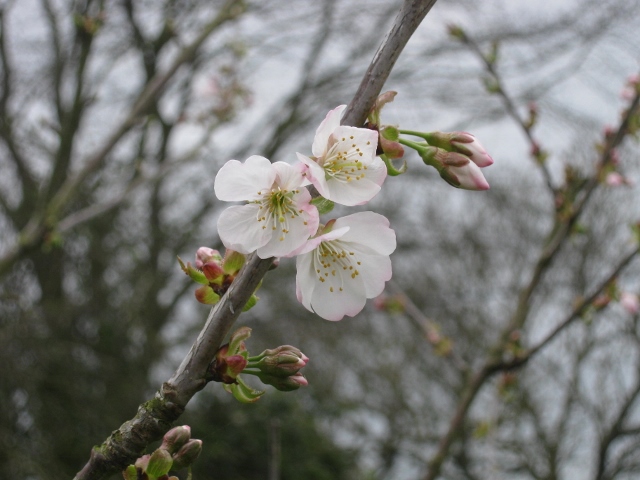
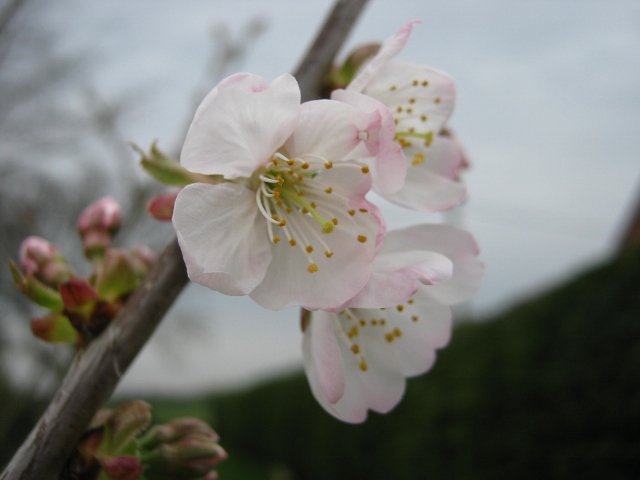
The wild or bird cherry is also just coming into flower too.

019Wild or bird cherry (640x480)

022Wild or bird cherry (640x480)

Our greengage tree has its first flowers.  We planted it the autumn before last and it didn’t flower at all last year but grew very well.  My mother-in-law had asked us if we would grow one as she likes greengages so we got it especially for her and we call it Joyce (her name).

031Greengage flower (640x480)

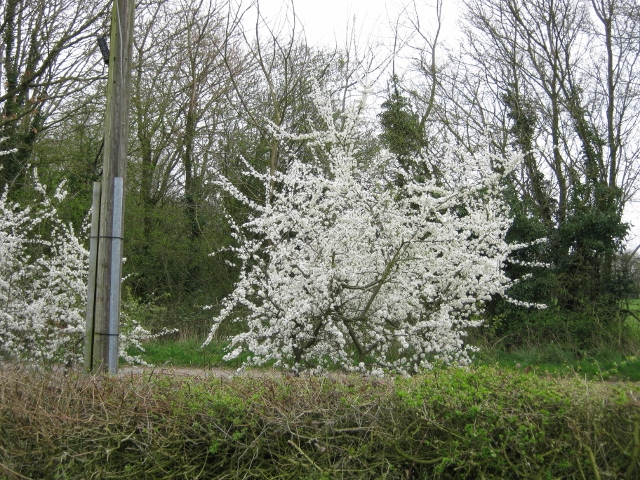
The blackthorn at the front of the house is now in full flower.  The tree at the back of the house has finished flowering and the tree by the front gate hasn’t started to flower yet.  The front of the house is colder than the back and the gate is coldest and shadiest of all.

027Blackthorn at front of house (640x480)

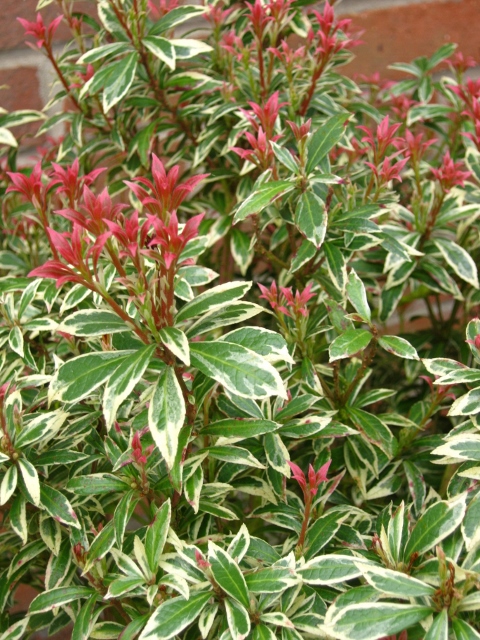
My pieris ‘Forest Flame’ has new leaves on it.

005Pieris 'Forest Flame' (480x640)

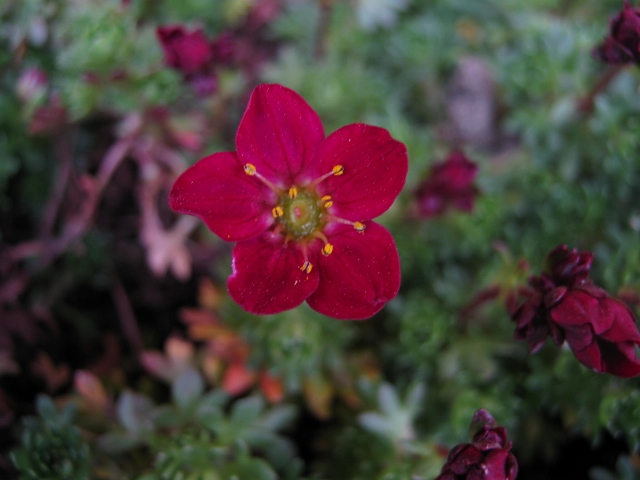
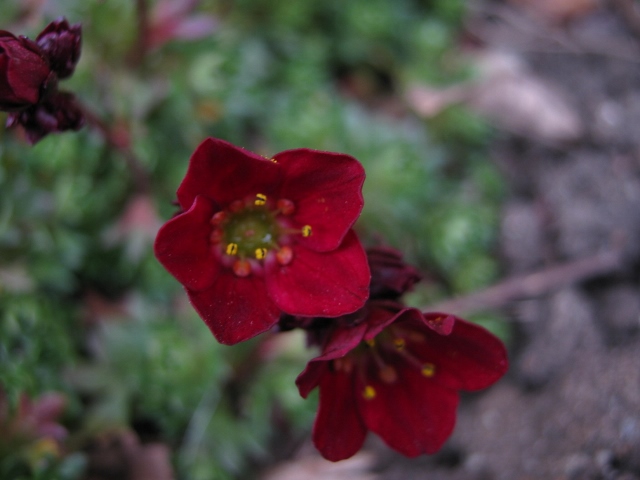
The saxifrage has started to flower.

008Saxifrage flower (640x480)

009Saxifrage flowers (640x480)

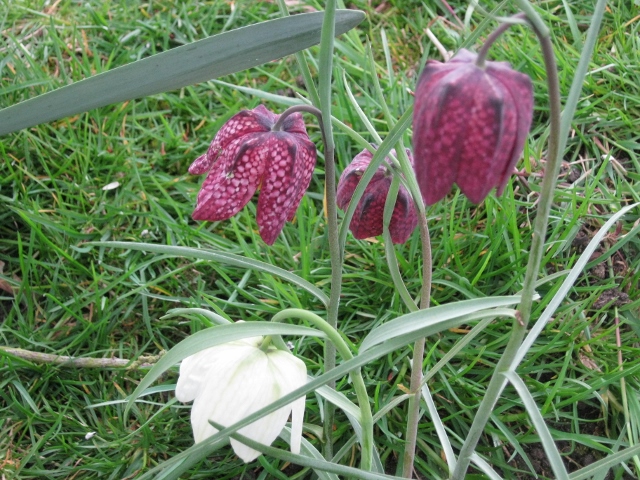
The new Frittilaries under the crabapple are flowering.  I am pleased to see that there is a white one.

023Frittilaries (640x480)

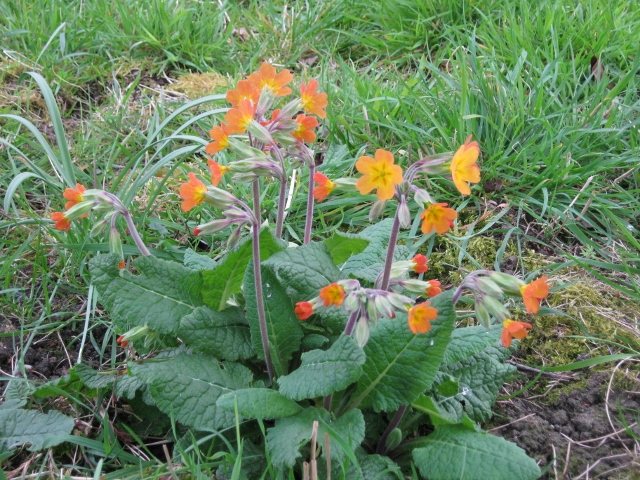
Primulas.

024Primulas (640x480)

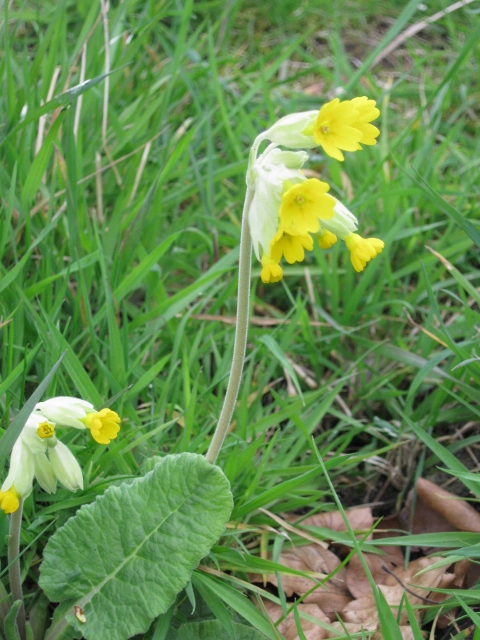
Cowslip.

025Cowslip (480x640)

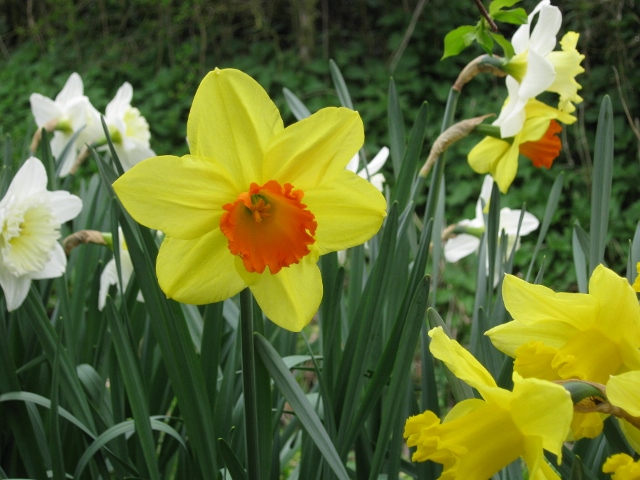
Daffodils at the front of the house at the edge of the ditch.

026Daffodils (640x480)

A seven-spot ladybird on a daffodil.  A lot of our daffodils suffered in the hail and rain we had last Wednesday and they also have to put up with all sorts of wild fowl trampling over them.

028Seven spot ladybird on daffodil (640x480)

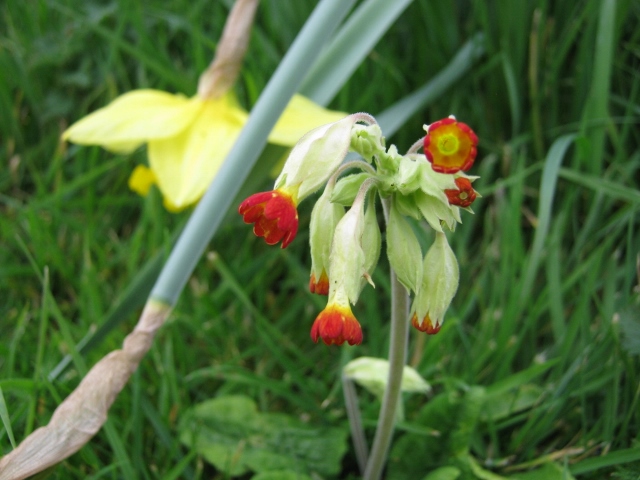
An orange-red cowslip.

036Orange-red cowslip (640x480)

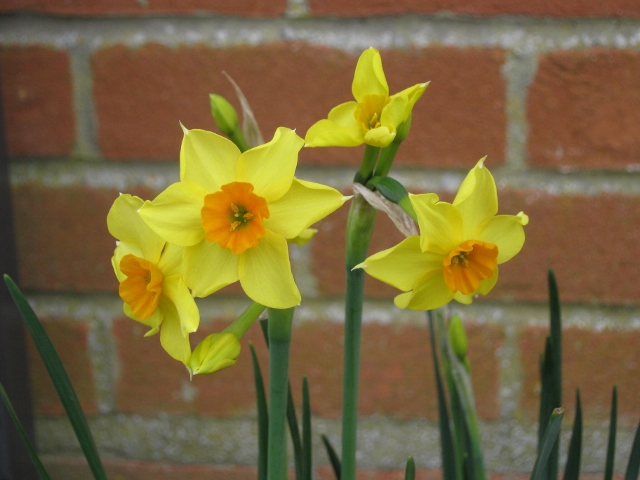
Jonquils.

039Jonquils (640x480)

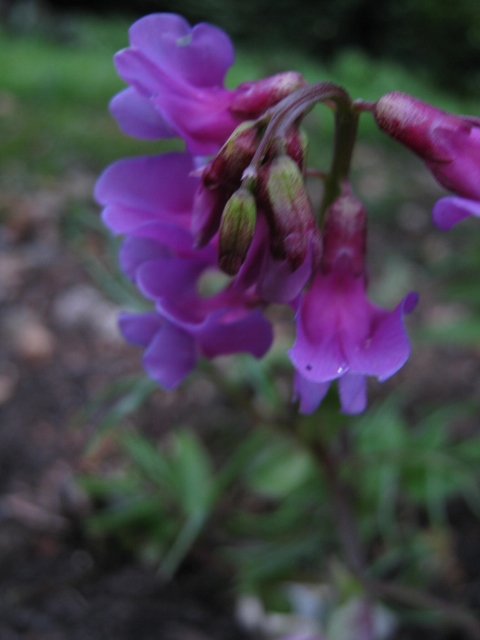
Lathyrus vernus ‘Spring Beauty’.  This is an ornamental vetch – a member of the pea family.

040Lathyrus vernus 'Spring Beauty' (480x640)

Share this:

  • Share on X (Opens in new window) X
  • Share on Reddit (Opens in new window) Reddit
  • Share on Pinterest (Opens in new window) Pinterest
  • Share on Facebook (Opens in new window) Facebook
  • Email a link to a friend (Opens in new window) Email
  • Share on Tumblr (Opens in new window) Tumblr
  • Print (Opens in new window) Print
  • Share on Pocket (Opens in new window) Pocket
  • Share on LinkedIn (Opens in new window) LinkedIn
Like Loading...

Being Thankful for Small (and Great) Mercies.

29 Sat Mar 2014

Posted by Clare Pooley in churches, cooking, Rural Diary, trees, Uncategorized

≈ 2 Comments

Tags

Mothering Sunday, simnel cake, Thankfulness, The Woodland Trust magazine

I have a lot to be thankful for.  Today especially, I am grateful for

  1. R’s safe return from a five day working trip away from home.
  2. The fact that E has started to look forward with hope instead of with fear.
  3. Mum having a lift to her church this Sunday so that I can go to mine with R.

Mum got a phone call the other day from a friend at church who asked if she was going to provide a Simnel Cake as usual on Mothering Sunday.  A Simnel Cake can be made either for Easter or Mothering Sunday (which is this Sunday coming).  It is a fruit cake with not only a marzipan top but a layer of marzipan baked in the middle.  The top is decorated with eleven marzipan balls representing the eleven faithful apostles.  Mum said she would be providing it if she could have a lift to church and, of course, she will be getting her lift.  Hooray!  I am very grateful for this as I wanted to invite Mum to lunch and if I had to take her to church I would not have the time to cook lunch for her as well.  I am doubly grateful for this as not only will Mum’s church be holding the Mothering Sunday service but there will be a Baptism and a First Communion too!  I am mighty glad to get out of that!   I can now go to a service in my own benefice and see all my friends, be a wife and mother and sideline the daughter bit for an hour or two and get home in time to cook a decent lunch for the family.

I belong to The Woodland Trust –  a charitable organisation which is trying to conserve our rapidly depleting woodland.  It also works to educate people about trees and woodland and among other things, is trying to find ways of combatting all the diseases attacking our native trees.  I received its quarterly magazine today and was looking through it while R and I were drinking a cup of tea when he got home.  I was disappointed to see that, like most organisations, it has decided to ‘dumb down’ its magazine.  It is now aimed at the weekend environmentalist – the better-off, liberal, middle-class urban dweller wanting something to do on holiday.  Lots of pictures and lots of bite-size snippets of information instead of informed articles written by and for reasonably intelligent people.

There was an article about a writer and environmentalist who has spent a whole year climbing trees across Europe.  He has tried to climb one tree a day and often persuaded other people, often complete strangers to join him.  There was a short interview with Elton John who has planted many trees on his estate near Windsor.  There was an article about geocaching – ‘a global phenomenon’ that The Woodland Trust has decided to join in with.  It’s a game of hide and seek using GPS technology where items are hidden in remote spots and people scamper about moors, mountains and woodlands trying to find little prizes in cache boxes.  I read out the instructions to R and we had a laugh when we found we had to ‘winkle out the trove’ from among roots and branches.  R said it sounded like a cue for a Rambling Sid Rumpole song.  People of a certain age from Britain will probably remember Rambling Sid and his ‘folk songs’ and if you don’t, Radio 4 Extra repeats all the ‘Round the Horne’ programmes regularly which featured him.

I will end my post with a photo of the misty sunset yesterday evening.

003Misty sunset (640x480)


The line under the sun is an electricity cable and the sun appears to be balanced on it.

Share this:

  • Share on X (Opens in new window) X
  • Share on Reddit (Opens in new window) Reddit
  • Share on Pinterest (Opens in new window) Pinterest
  • Share on Facebook (Opens in new window) Facebook
  • Email a link to a friend (Opens in new window) Email
  • Share on Tumblr (Opens in new window) Tumblr
  • Print (Opens in new window) Print
  • Share on Pocket (Opens in new window) Pocket
  • Share on LinkedIn (Opens in new window) LinkedIn
Like Loading...
Newer posts →
Follow A Suffolk Lane on WordPress.com

Enter your email address to follow this blog and receive notifications of new posts by email.

Join 715 other subscribers.

Unknown's avatar

I talk about what it's like living in a quiet part of Suffolk. I am a wife, mother and daughter, a practising Christian and love the natural world that surrounds me. I enjoy my life - most of the time!

My Posts

Jan 2026
M T W T F S S
 1234
567891011
12131415161718
19202122232425
262728293031  
« Dec    

Pages

  • About my Blog
  • GDPR (General Data Protection Regulations) and This Site
  • My Life in a Suffolk Lane

Archives

Blogs I Follow

Unknown's avatar
Unknown's avatar
Unknown's avatar
Unknown's avatar
Unknown's avatar
Unknown's avatar
Unknown's avatar
Unknown's avatar
Unknown's avatar
Unknown's avatar
Unknown's avatar
Unknown's avatar
Unknown's avatar
Unknown's avatar
Unknown's avatar
Unknown's avatar
Unknown's avatar
Unknown's avatar
Unknown's avatar

Posts I Like

  • Jack Ronald Cotner's avatar
  • Unknown's avatar
  • Mélodie's avatar
  • Unknown's avatar
  • Unknown's avatar
  • womanseyeview's avatar
  • Unknown's avatar
  • Stephen G. Hipperson's avatar
  • clivebennett796's avatar
  • Talkmore's avatar
  • bitaboutbritain's avatar
  • mitchteemley's avatar
  • sherijkennedyriverside's avatar
  • Bernard Aybout (Virii8)'s avatar
  • Unknown's avatar
  • Unknown's avatar
  • Luso Loonie — Devin Meireles's avatar
  • Unknown's avatar
  • Unknown's avatar
  • Unknown's avatar
  • Unknown's avatar
  • Unknown's avatar
  • Unknown's avatar
  • Unknown's avatar
  • Limentinus's avatar
  • Unknown's avatar
  • Unknown's avatar
  • Matthew Paul's avatar
  • Unknown's avatar
  • sopantooth's avatar
  • Unknown's avatar
  • Unknown's avatar
  • Unknown's avatar
  • NEERAJ SINGH's avatar
  • martzkvi's avatar
  • The Introverted Bookworm's avatar
  • Unknown's avatar
  • Unknown's avatar
  • Martha's avatar
  • (Kitty) Cat Strawberry - Meow!'s avatar
  • Unknown's avatar
  • aho's avatar
  • Carolina Cuisine Network's avatar
  • Unknown's avatar
  • Annika Perry's avatar
  • santable's avatar
  • quietsolopursuits's avatar
  • Unknown's avatar
  • Kathleen's avatar
  • JAM's avatar

amphibians architecture art Arts and Crafts churches cooking Days out domestic animals family fish Folk Traditions Gardening Historic Buildings holidays Insects Landscaping literature music Norwich plants Rural Diary seashore theatre trees Uncategorized walking weather wild animals wild birds wild flowers
Tags

architecture autumn birds blackbird blackthorn Bungay butterfly church clouds common knapweed cow parsley crocus daffodils Diary dogwood family field maple flowers fungus garden gardening geese greylags ground-ivy Halesworth Hawthorn heather holiday Holly Holy Week horse chestnut Hoverfly insects ivy Lake District Lent lesser celandine lichen Lords and Ladies Mallard mallards Minsmere moorhen moss music Norwich Peak District pheasant plants pond ponds primrose primroses Rain rooks Rumburgh Rumburgh Church sheep Sheffield snow snowdrops Southwold spring Suffolk Suffolk Wildlife Trust sunset the Beck trees viburnum bodnantense walking weather wild cherry wild flowers winter-flowering honeysuckle witch-hazel

Meta

  • Create account
  • Log in
  • Entries feed
  • Comments feed
  • WordPress.com

Goodreads

Blog at WordPress.com.

Book Jotter

Reviews, news, features and all things books for passionate readers

Country Life Blog -

A blog about life in the country in the past and present

Matthew Paul: Poetry & Stuff

Poetry and what-not

Schnippelboy

Ein Tagebuch unserer Alltagsküche-Leicht zum Nachkochen

TAMARA JARE

Tamara Jare Contemporary Figurative Art – Bold Colors, Resilient Souls

A Taste of Freedom

Documenting a Dream

Country Ways

Rambling Journeys in Britain, Countryside Matters and campaigning for the Right to Roam

The Strawberry Post

Here to Entertain, Educate & Inspire!

a north east ohio garden

an ongoing experiment in the dirt, 35 plus years

naturechirp

Celebrating God's creatures, birds and plants...

Sophie Neville

Writer

Going Batty in Wales

Developing a more sustainable lifestyle in SW Wales

Our Lake District Escapades

Exploring the Lake District and beyond

Short Walks Long Paths

Wandering trails around the coast of Wales

The Biking Gardener

An English persons experience of living and gardening in Ireland

Nan's Farm

A Journal Of Everyday Life

Walk the Old Ways

Rambling Journeys in Britain with John Bainbridge. Fighting for the Right to Roam. Campaigning to Protect Our Countryside.

Writer Side UP!

Waking the Writer Side...and keeping it "Up!"

Meggie's Adventures

Travel, thank you notes and other stories

amusicalifeonplanetearth

Music and the Thoughts It Can Inspire

lovefoundation.co.uk

Traveling Tortuga

Simply Living Well

Pakenham Water Mill

Historic watermill in the beautiful Suffolk countryside

Take It Easy

Retired, not expired: words from the after(work)life. And music. Lots of music!

Secret Diary Of A Country Vicar's Wife

By Olive Oyl

thanksfortheadventureorg.wordpress.com/

The Beat Goes On

#TBGO

Frank Pleszak's Blogs

Twitter: @frankpleszak @PolishIICorps

John Bainbridge Writer

Indie Writer and Publisher

roughwighting

Life in a flash - a bi-weekly storytelling blog

Walking the Old Ways

Rambling in the British Countryside

CapKane

thoughts on social realities

SkyeEnt

Jottings from Skye

jodie richelle

embracing my inner homemaker

Skizzenbuch/Blog

Just another WordPress.com weblog

Have Bag, Will Travel

The Call of the Pen

Flash Fiction, Book Reviews, Devotionals and other things.

John's Postcards

Art in Nature

You dream, I photographe it !

Smile! You’re in Barnier World......

theinfill

the things that come to hand

Dr. Mary Ann Niemczura

Author of "A Past Worth Telling"

Provincial Woman

The Pink Wheelbarrow

Luanne Castle: Poetry and Other Words (and cats!)

Poetry, Other Words, and Cats

The Family Kalamazoo

A genealogical site devoted to the history of the DeKorn and Zuidweg families of Kalamazoo and the Mulder family of Caledonia

everythingchild

The Book Owl

Canberra's Green Spaces

Paul Harley Photographer

  • Subscribe Subscribed
    • A Suffolk Lane
    • Join 715 other subscribers.
    • Already have a WordPress.com account? Log in now.
    • A Suffolk Lane
    • Subscribe Subscribed
    • Sign up
    • Log in
    • Report this content
    • View site in Reader
    • Manage subscriptions
    • Collapse this bar
 

Loading Comments...
 

    Privacy & Cookies: This site uses cookies. By continuing to use this website, you agree to their use.
    To find out more, including how to control cookies, see here: Cookie Policy
    %d