• About my Blog
  • GDPR (General Data Protection Regulations) and This Site
  • My Life in a Suffolk Lane

A Suffolk Lane

~ A diary of my life in rural north Suffolk.

A Suffolk Lane

Category Archives: walking

A Walk in the Woods

15 Fri Dec 2017

Posted by Clare Pooley in Rural Diary, walking

≈ 99 Comments

Tags

Deadman's Covert, estuary, gorse, Holly, pine woods, puffball fungus, River Blyth, Suffolk, Walberswick Nature Reserve, walking

We were all in need of some fresh air and exercise, so Richard, Elinor and I drove to Walberswick Woods last Friday afternoon.  The woods are part of the larger Walberswick Nature Reserve which is jointly managed by Natural England, the RSPB and Suffolk Wildlife Trust.

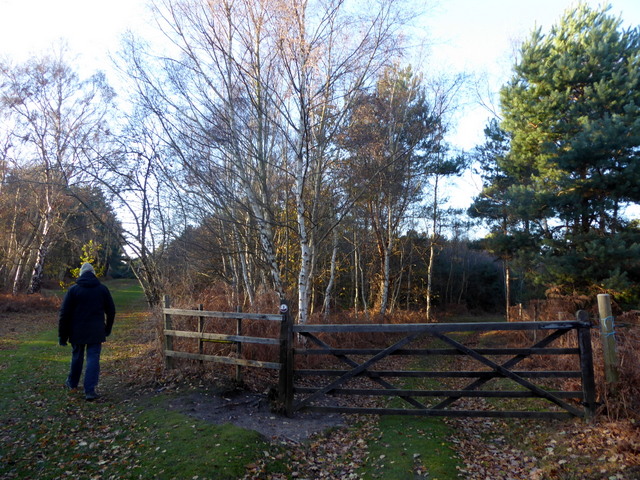
Richard in Walberswick Woods

The day was cold; the temperature was just above freezing but the strong northerly wind made it very bitter indeed.  It was just after 2 pm and the sun was shining but it was so low in the sky we walked in shadow for most of the time.

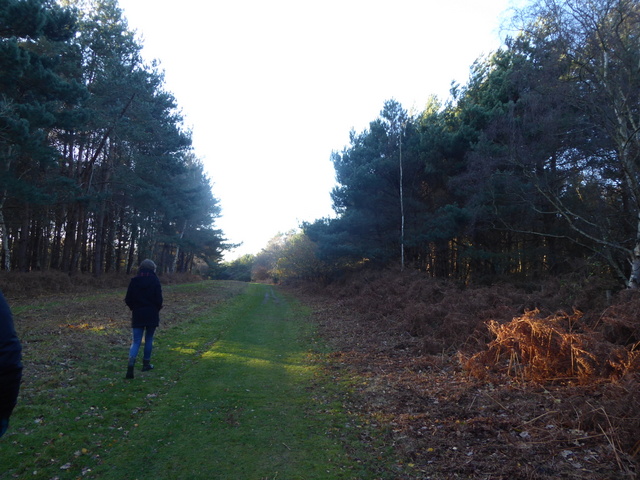
Elinor in Walberswick Woods

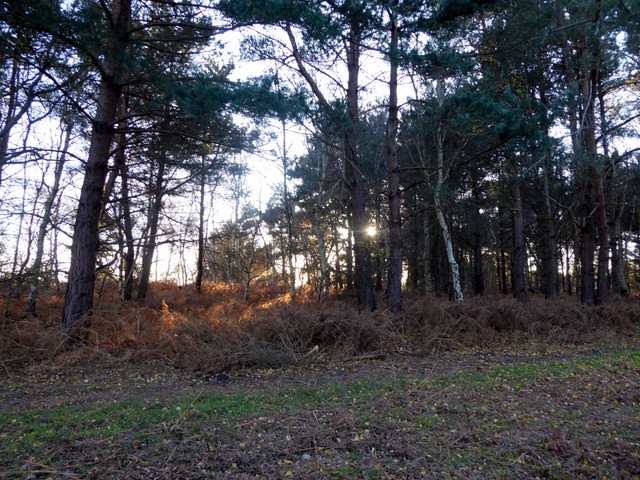
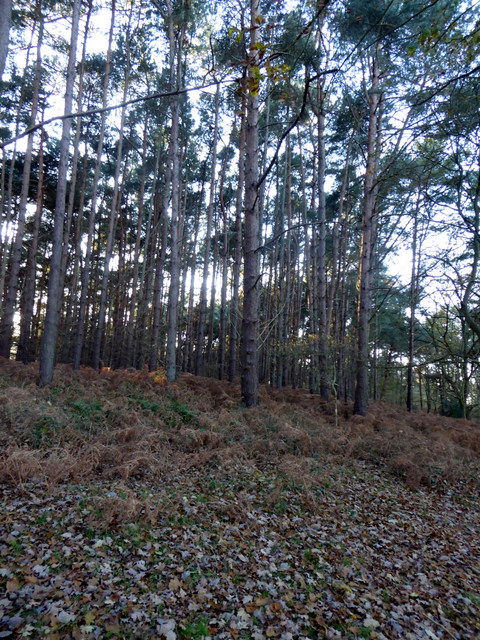
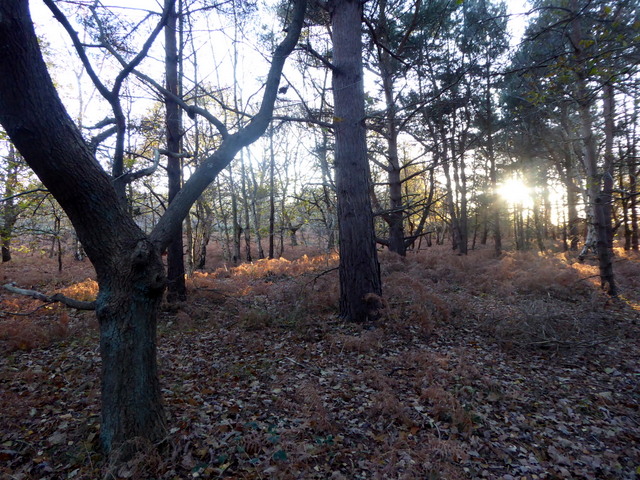
The low sun shining through the pine trees.

The bracken fronds had died and were a soft silvery-fawn colour.

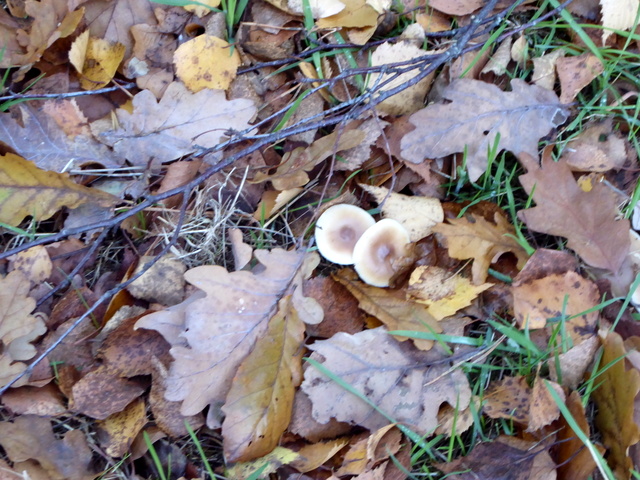
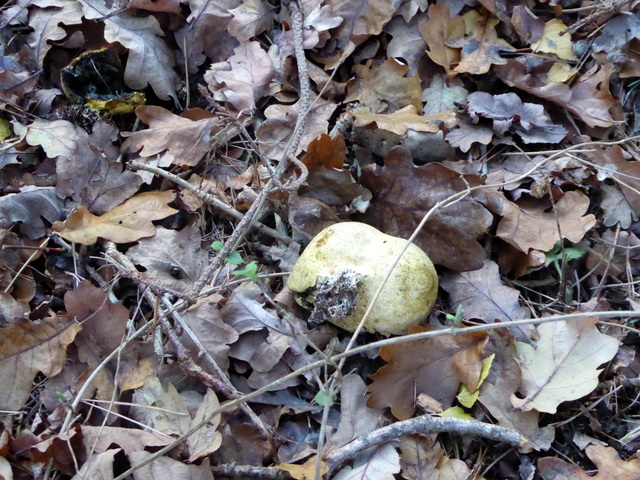
We found some fungi amongst the fallen leaves.

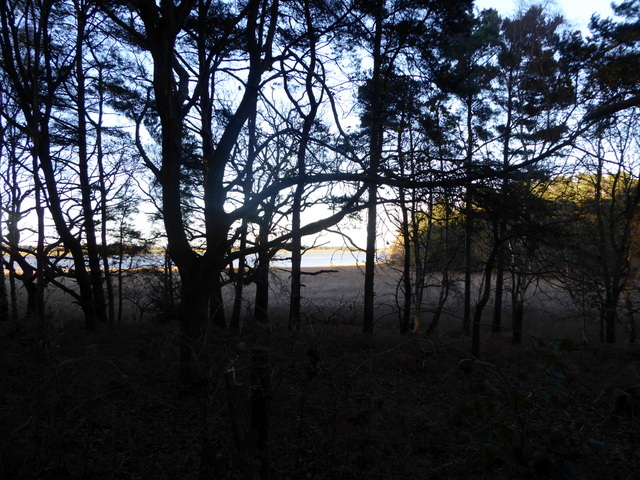
Halfway round this short walk we saw the marshes through the trees.

The River Blyth flows through the marshes and is tidal here.

To our left up a short rise, a tall stand of pine trees kept us in shadow

This part of the wood is known as Deadman’s Covert.  A covert is usually a piece of overgrown woodland (a thicket) that game (pheasants, partridge, deer) or foxes can hide in.

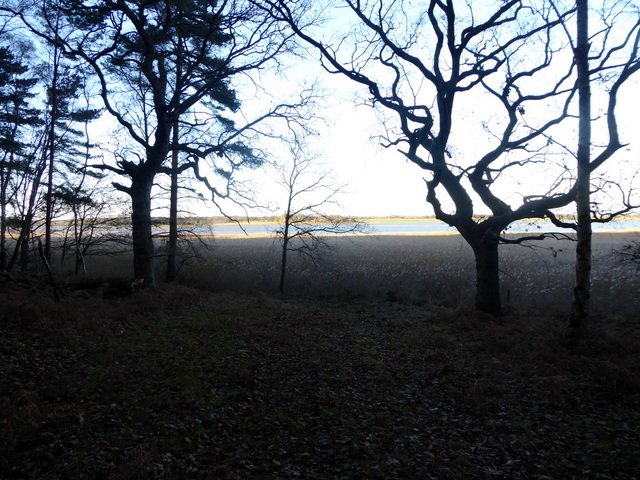
and to our right was the Blyth estuary and the marshes and a keen wind blowing.

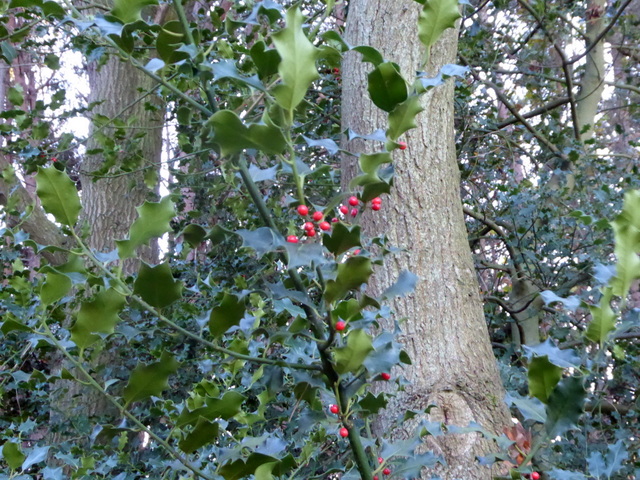
We found a Holly tree with a few berries left.

We found a number of Puffball Fungi

Not much left of this one!

These trees snapped off half way up their trunks show how windy it can be here

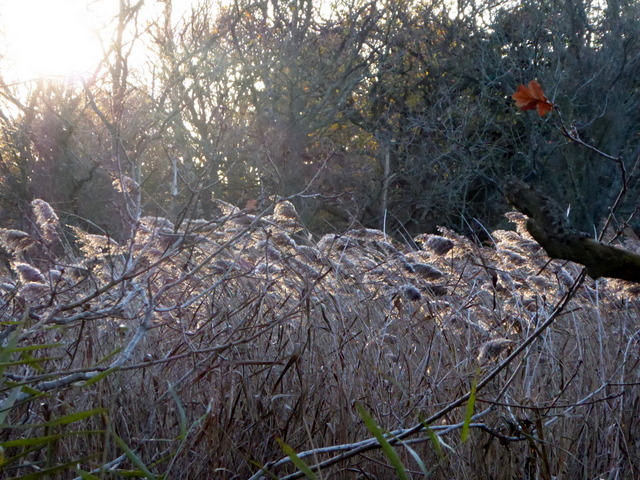
The light shining through the seedheads of the Common Reeds as they danced in the wind.

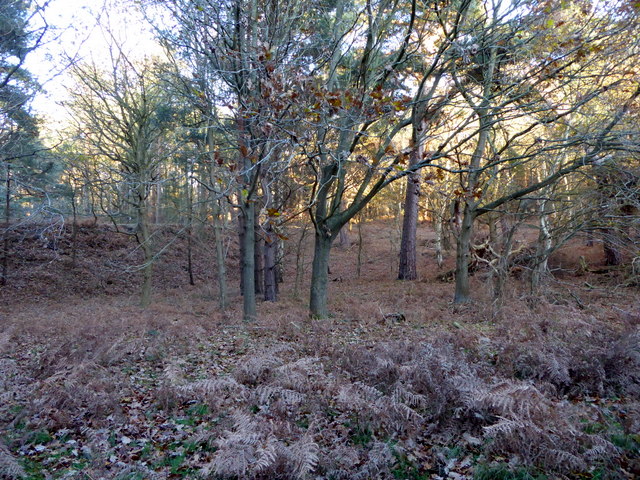
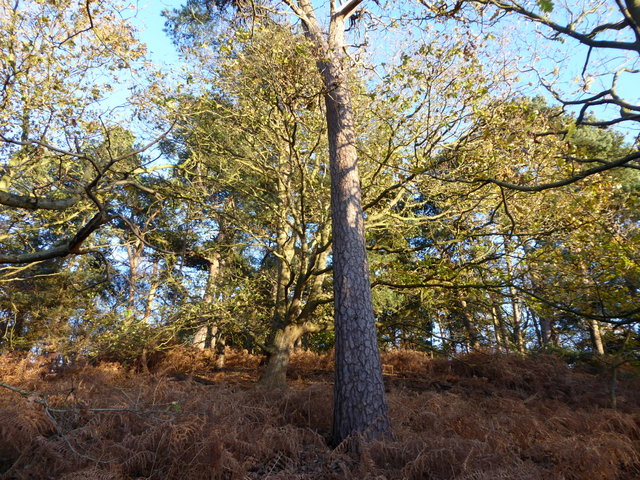
Away from the marsh it was brighter and less windy. We admired the snakeskin bark of this tree.

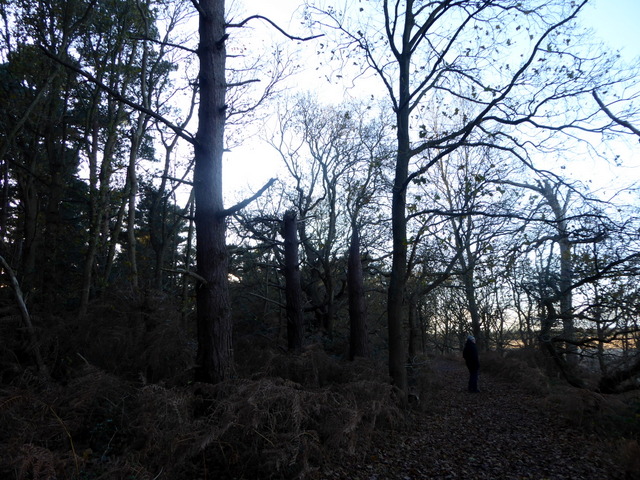
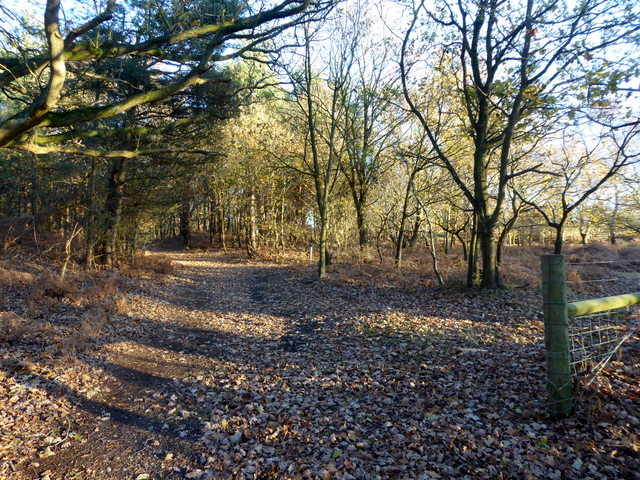
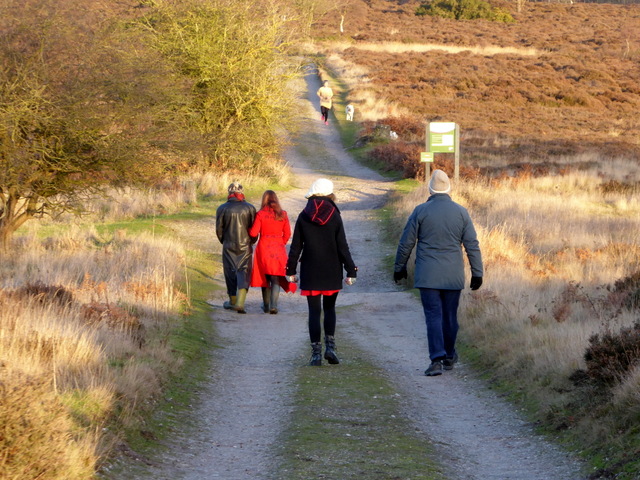
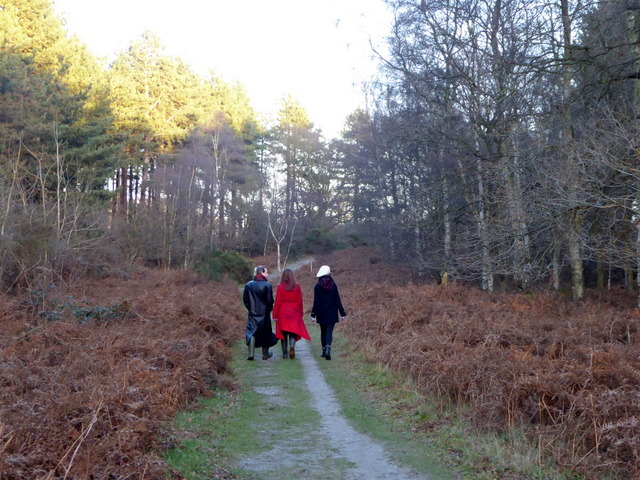
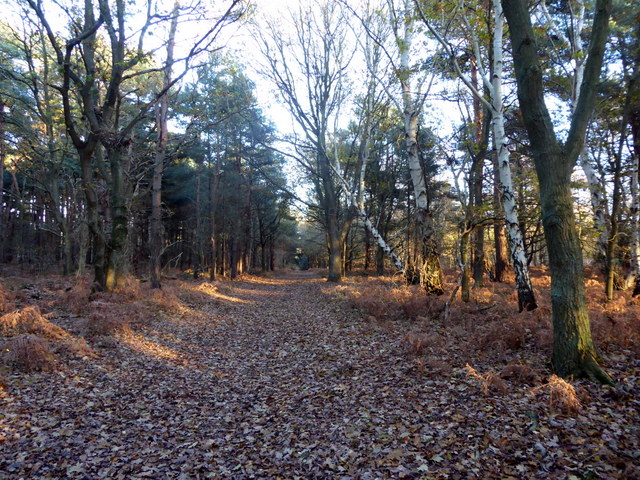
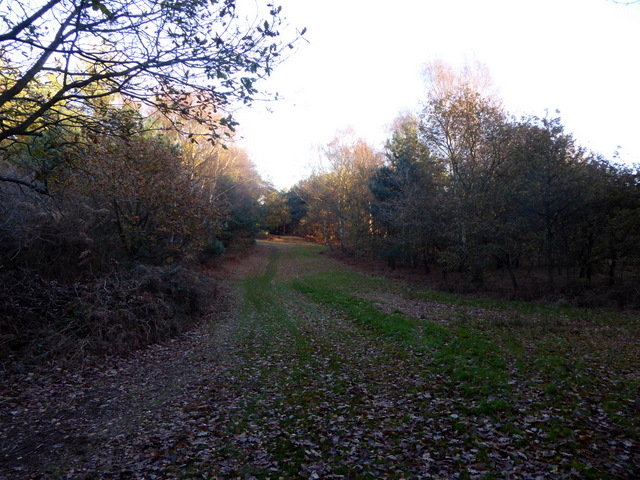
The path through the wood

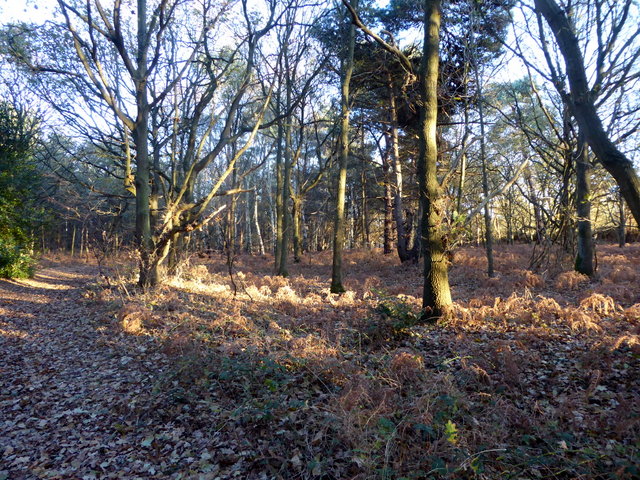
The sun shot beams of light through the trees

The straight ride through the wood. A ride is a path through woods for riding horses on.

The sun was getting even lower in the sky

Only the tops of these trees were lit now

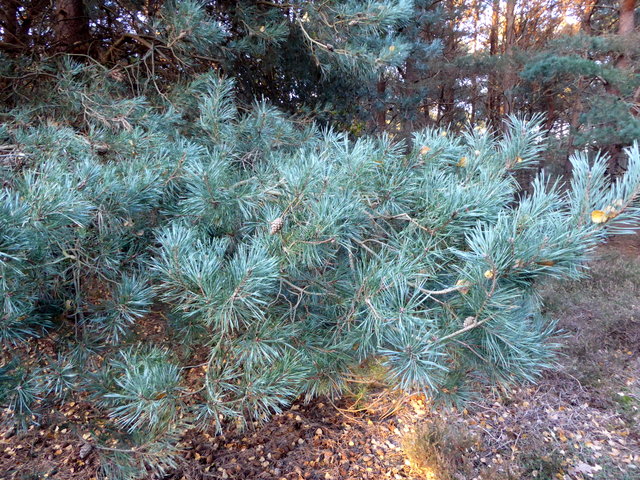
I had wanted to collect pine cones to use as Christmas decorations but they were all so small after our dry year. You can see a couple on this branch.

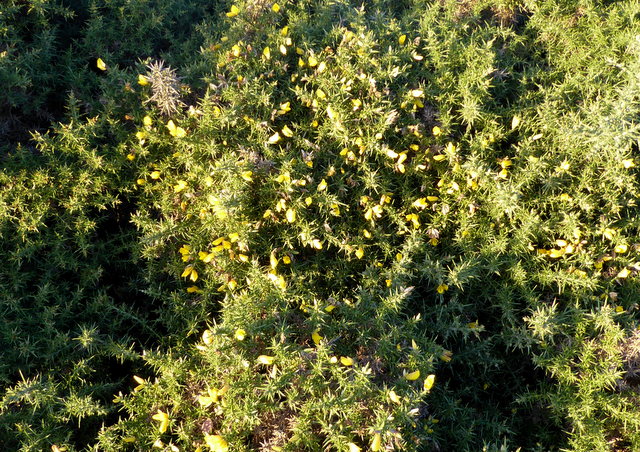
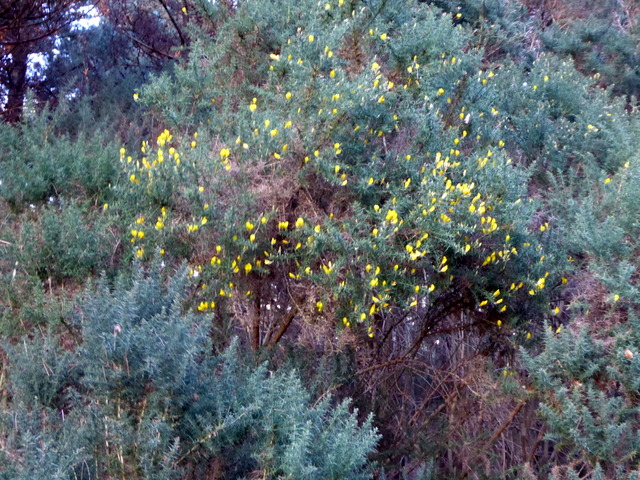
The gorse was in flower. ‘When gorse is out of bloom, kissing’s out of fashion’. Gorse is never out of bloom!

Our walk over, we drove to my mother’s house to see how she was as she had been without a land-line phone all week because of a fault.  She had her fire alight and we had a lovely hot cup of tea with her.

Thanks for visiting!

Share this:

  • Share on X (Opens in new window) X
  • Share on Reddit (Opens in new window) Reddit
  • Share on Pinterest (Opens in new window) Pinterest
  • Share on Facebook (Opens in new window) Facebook
  • Email a link to a friend (Opens in new window) Email
  • Share on Tumblr (Opens in new window) Tumblr
  • Print (Opens in new window) Print
  • Share on LinkedIn (Opens in new window) LinkedIn
Like Loading...

Autumn Berries and Fruit

23 Thu Nov 2017

Posted by Clare Pooley in Rural Diary, walking

≈ 74 Comments

Tags

autumn, berries, blackthorn, colourful leaves, countryside, field maple, haws, Hawthorn, Holly, ivy, rosehips, sheep, sloes, Suffolk, walking, wild fruits

Richard asked me if I’d like to accompany him to the post-box down the lane.  He had a birthday card to post to his brother and also a notice to put on the village notice-board.  The weather was fine, though cloudy and we hadn’t walked anywhere together for a few weeks.  I quickly put on my coat and walking shoes and we set off.

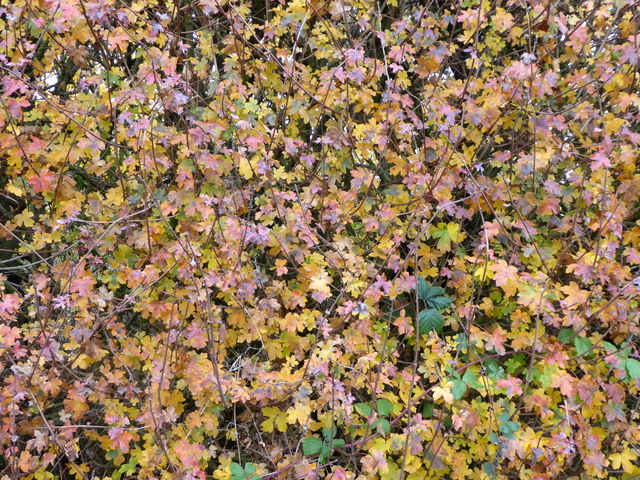
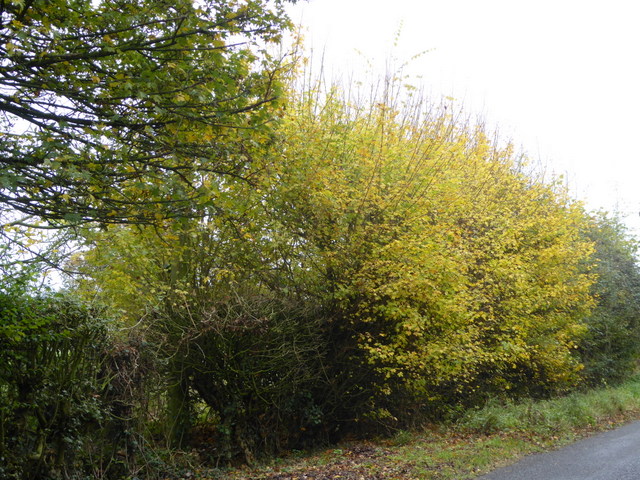
The hedge on the opposite side of the lane was pale green and orange.

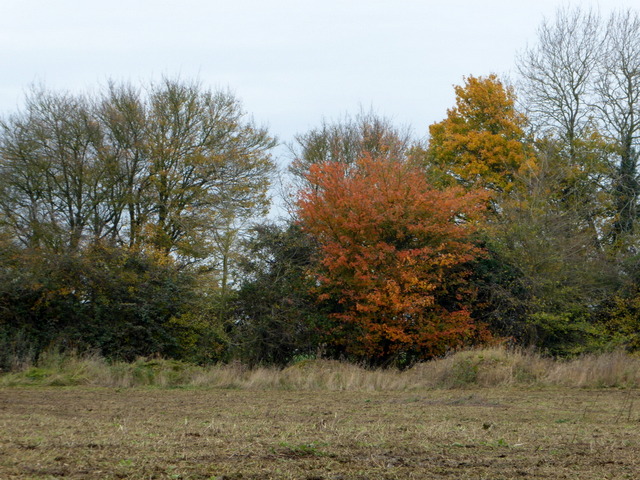
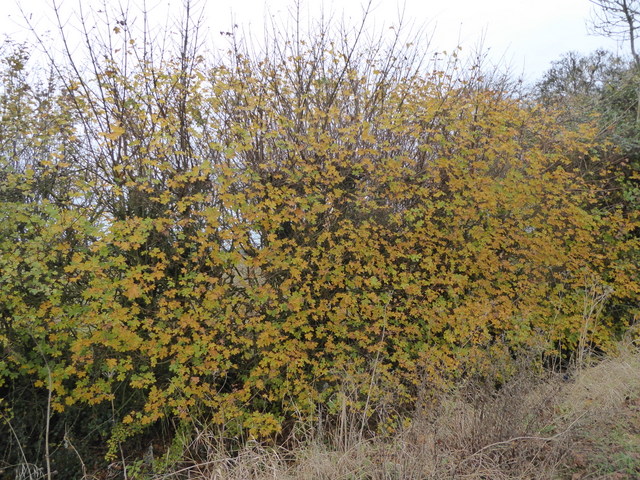
The hedges still had a few leaves left on them. This is a Field Maple (Acer campestre) hedge.  Not in focus, but I liked the colours.

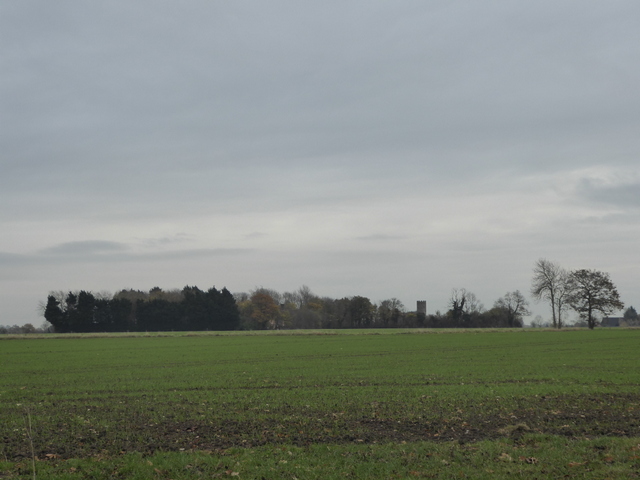
A gap in the hedge further along the lane gave us a sight of the tower belonging to All Saints church.  It is surrounded by trees, most of which have lost their leaves now.  The field has been sown with barley or wheat which has germinated and will continue to grow on milder days all through the winter.

All Saints church in the distance

Some of the more sheltered Field Maple trees still had leaves.

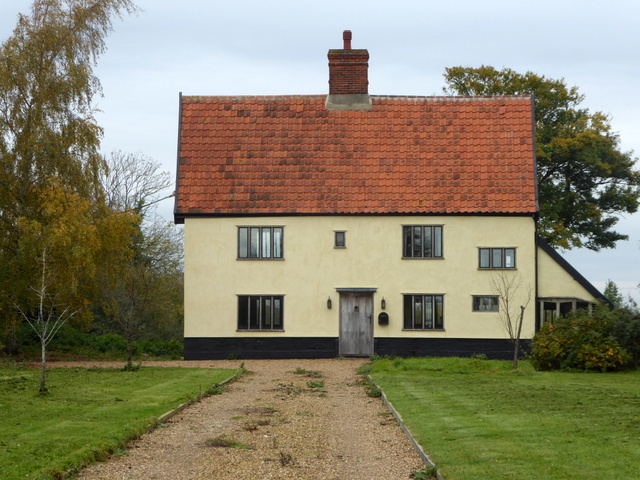
This fine-looking old house near us has been empty for some time.

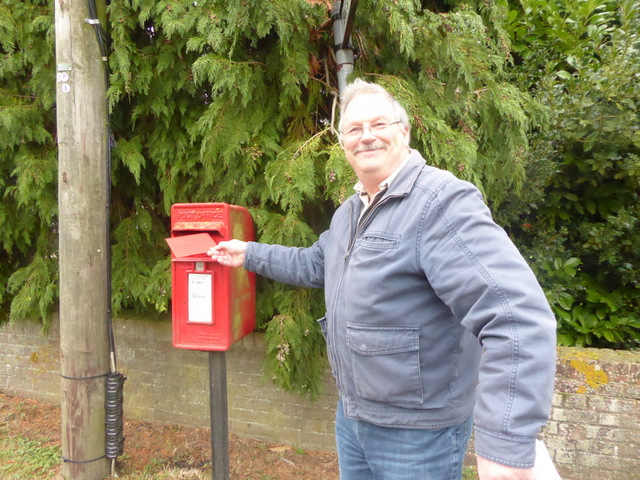
Richard proudly demonstrates his posting technique!

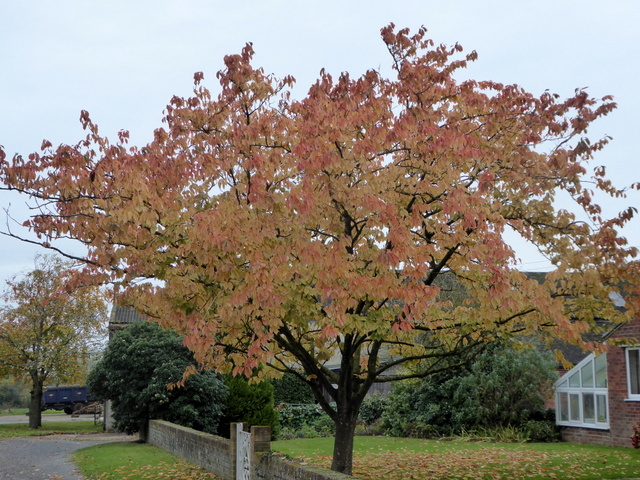
We met a neighbour and chatted with her for some time.  I admired the fine cherry tree in her front garden.

Our neighbour’s beautiful cherry tree.

We walked on to the notice-board and then decided to continue down the lane.

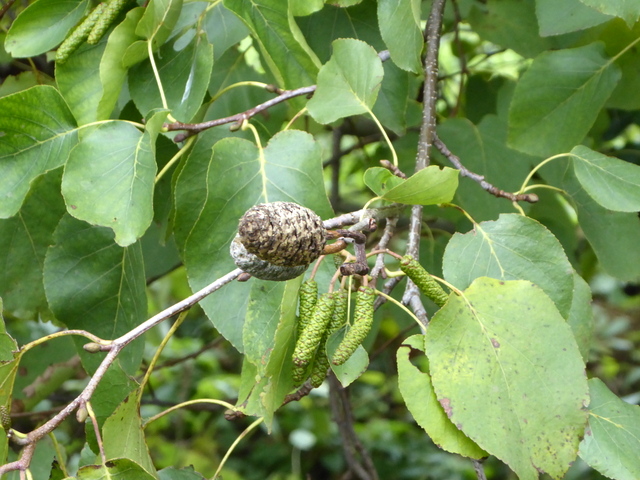
A row of Italian Alders (Alnus cordata) were planted some years ago as a wind-break along the edge of a field.  The cones are much larger than our native Alder cones.

Italian Alder cones

Our local stream, The Beck, has been dry for months.  We have not had enough rainfall this year.

The Beck

Another pretty hedge

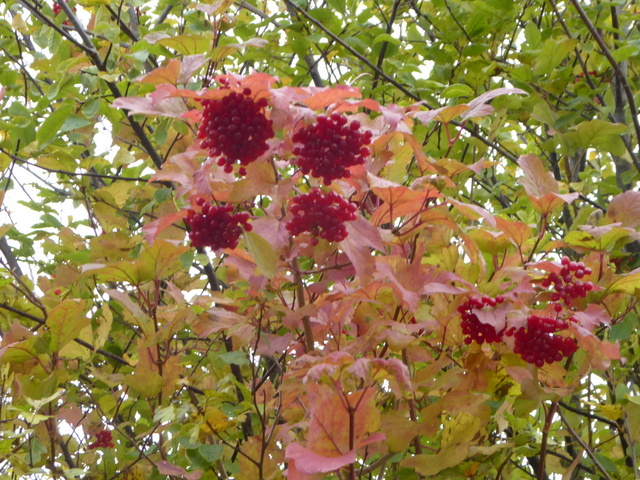
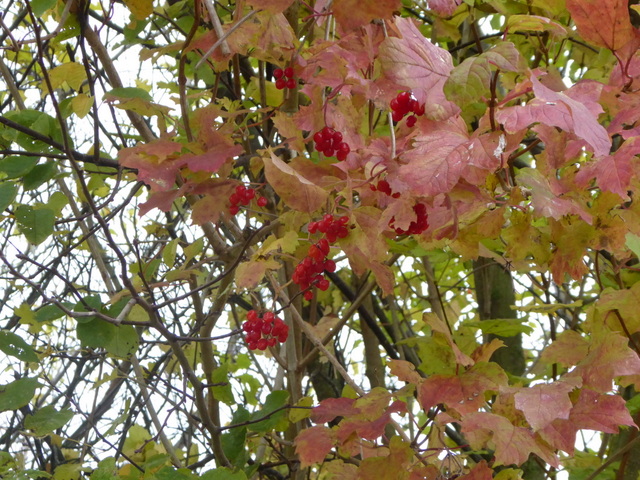
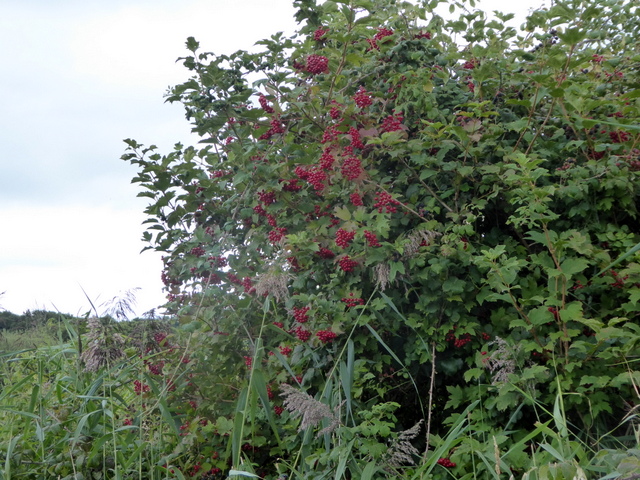
The Guelder-rose trees (Viburnum opulus) have been beautiful this autumn! I have never seen so much viburnum fruit before!

Here is another Guelder-rose.

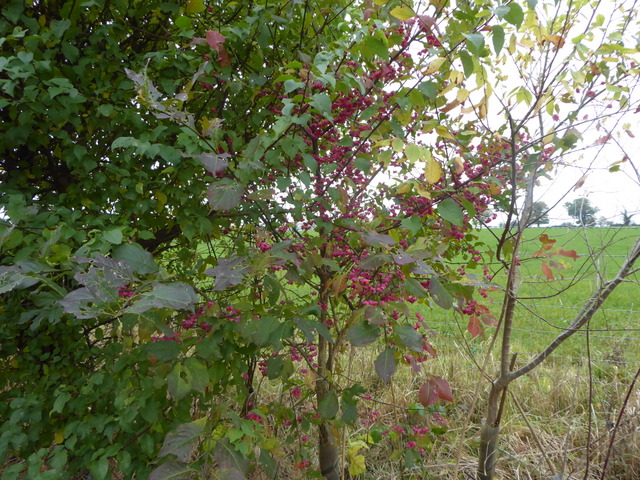
This is a Spindle tree (Euonymus europaeus) in the hedgerow

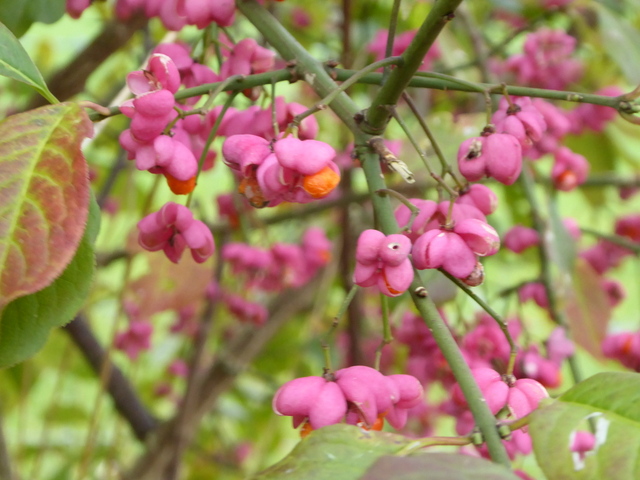
Here is the pretty pink and orange spindle fruit

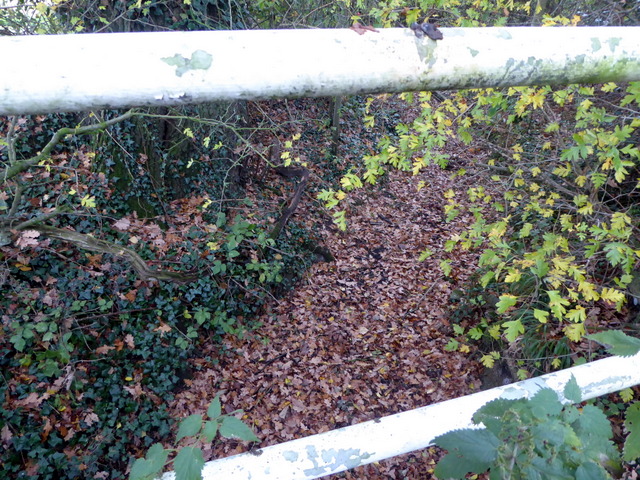
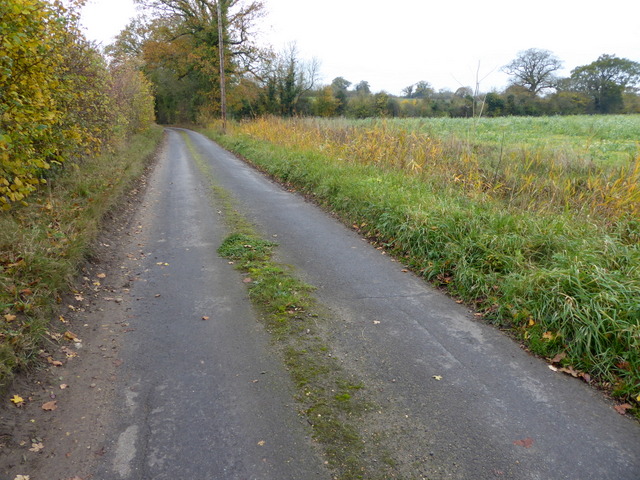
This is a picture of the lane along which we walked

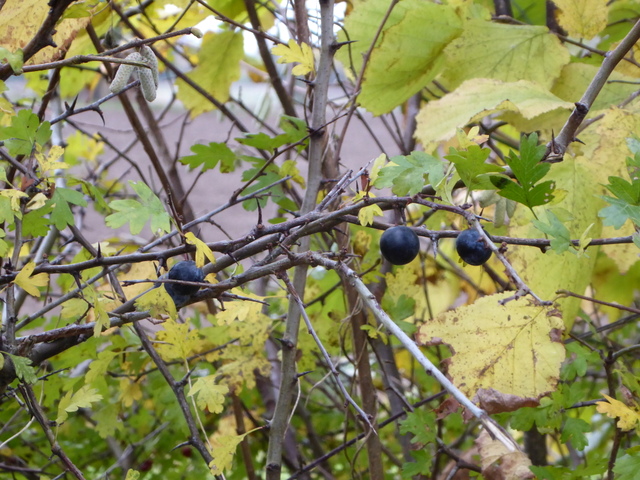
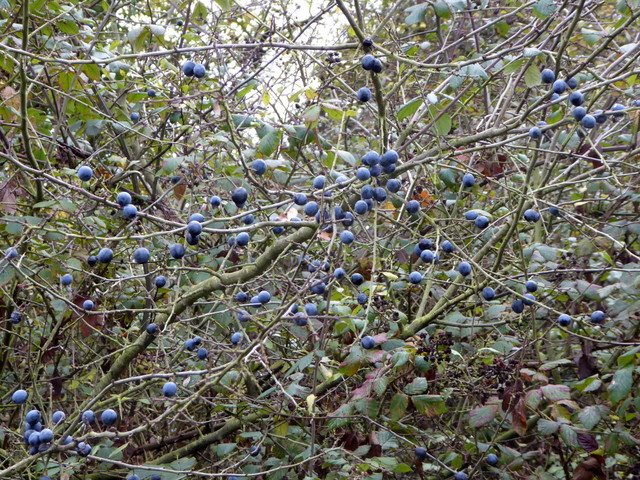
There were a few sloes left on the Blackthorns (Prunus spinosa)

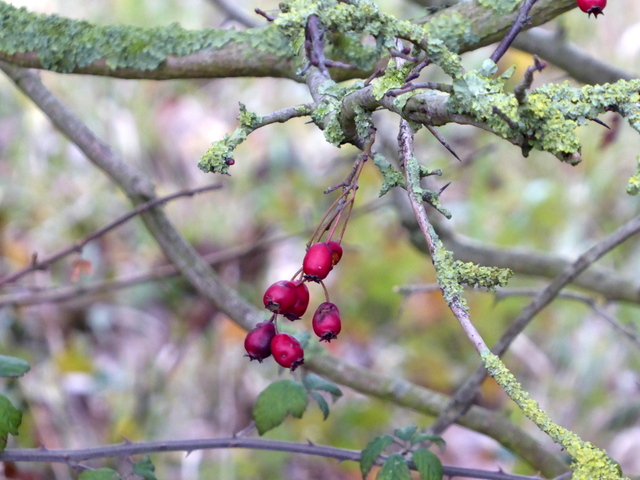
A few Common Hawthorn berries (haws) too (Crataegus monogyna)

A view over the hedge to the fields beyond. The skies were clearing.

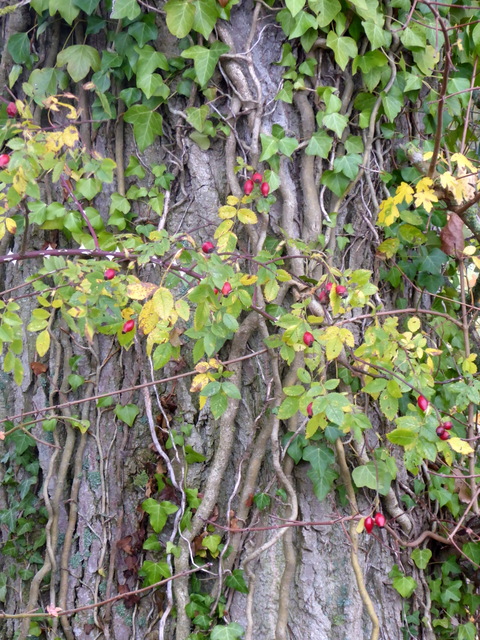
This tree-trunk was covered with Ivy stems (Hedera helix). It attaches itself to trees, fences and walls by short roots and can completely cover tall trees. A Dog Rose (Rosa canina) stem hung in front of the tree.

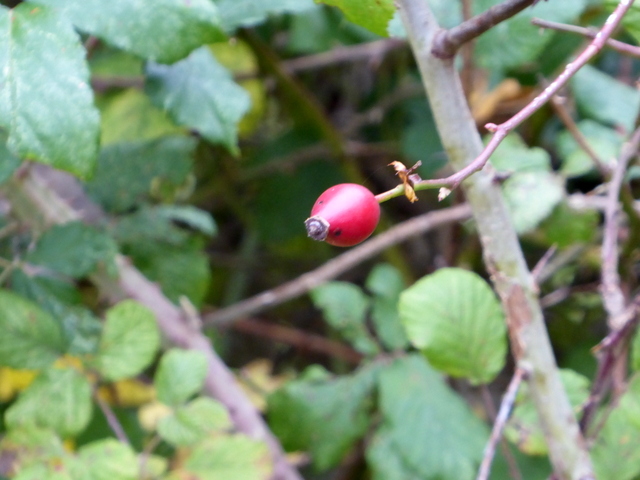
Rosehip

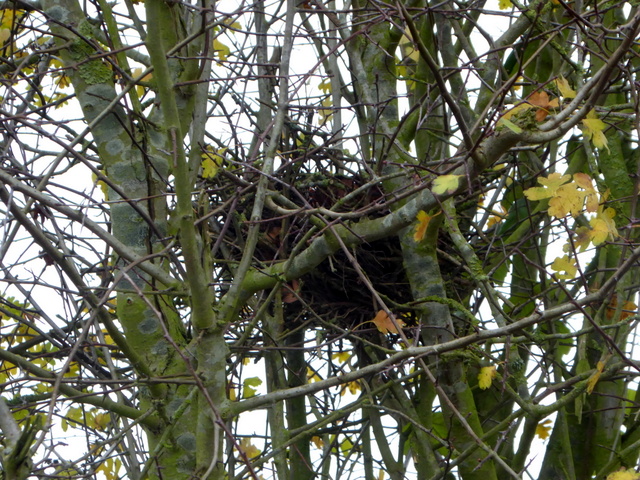
Bird’s nests are easier to see now that the leaves are falling from the trees

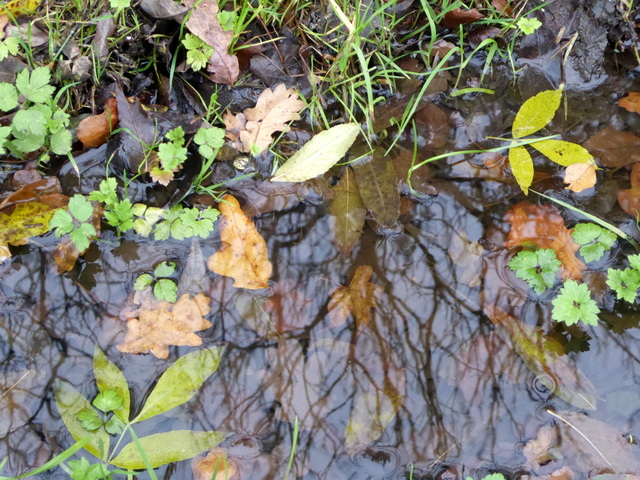
Puddles were full of leaves and reflections

We walked through St Margaret South Elmham churchyard and Richard sat for a while to rest his back.

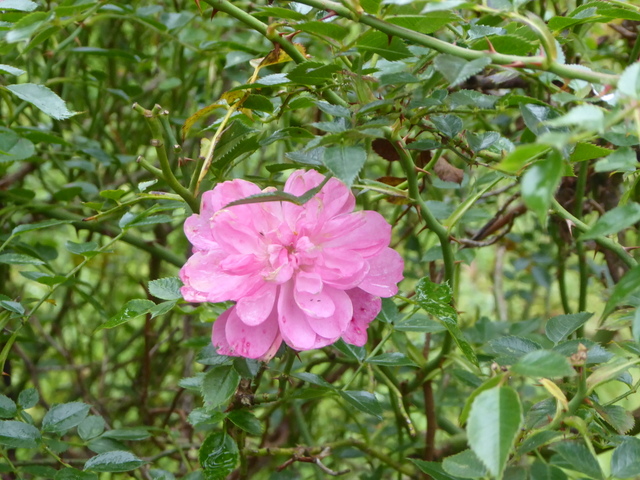
A late rose was blooming

The Holly (Ilex aquifolium) had a few berries on it

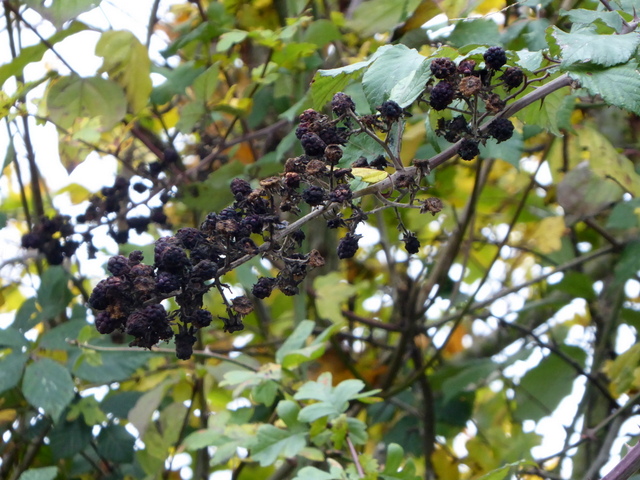
Our Blackberries (Bramble) (Rubus fruticosus agg.) were very poor this year because of the low rainfall. Even the mice and birds didn’t chose to eat these ones which have been left to shrivel on the vine.

I am not sure whether these fruits are Blackthorn or Bullace (a type of wild plum). 

Autumn leaves

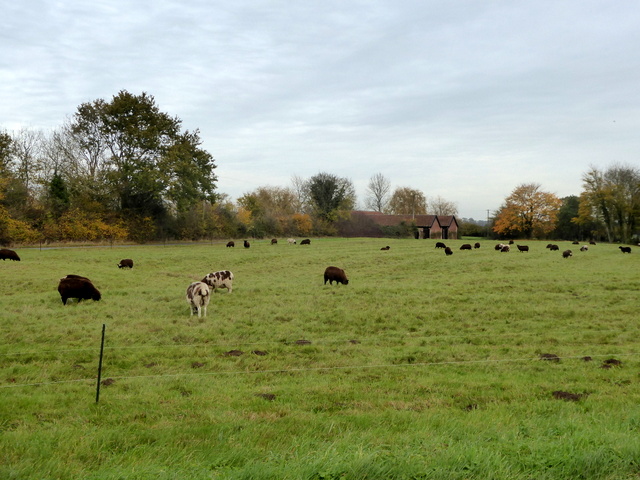
Sheep were being grazed on the common at the end of our lane

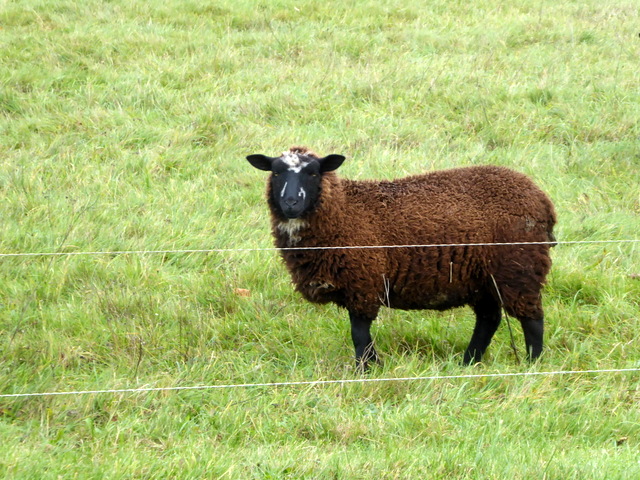
This sheep was happy to stop and stare

We soon arrived back home, having been away a lot longer than we had originally intended.

This was a walk we took a fortnight ago and after a couple of frosts and some strong wind last night most of the remaining leaves have fallen from the trees.  The countryside looks ready for winter now.

My music choice today is ‘Somewhere in my Heart’ by Aztec Camera.  There is no special reason for my choice except I like it and am amazed it is thirty years old!

Thanks for visiting!

Share this:

  • Share on X (Opens in new window) X
  • Share on Reddit (Opens in new window) Reddit
  • Share on Pinterest (Opens in new window) Pinterest
  • Share on Facebook (Opens in new window) Facebook
  • Email a link to a friend (Opens in new window) Email
  • Share on Tumblr (Opens in new window) Tumblr
  • Print (Opens in new window) Print
  • Share on LinkedIn (Opens in new window) LinkedIn
Like Loading...

Another Catch Up Post!

29 Sat Jul 2017

Posted by Clare Pooley in plants, Rural Diary, walking, wild flowers

≈ 59 Comments

Tags

plants, spring, Suffolk, walking

As you know, we have been busy with home improvements this year so haven’t had the time to go on our usual walks very often and I haven’t taken as many photos as usual.  Richard and I did manage a walk or two in April along the lanes and over the fields.

Our local farmer has taken to sheep farming in recent years and this year he coppiced many of his overgrown hedges and then waited to see what came up again.  He has selected the plants he wishes to retain in the hedges and has cut out the rest.  He has put up stock fencing next to the new slim-line hedge and all is looking very different now.

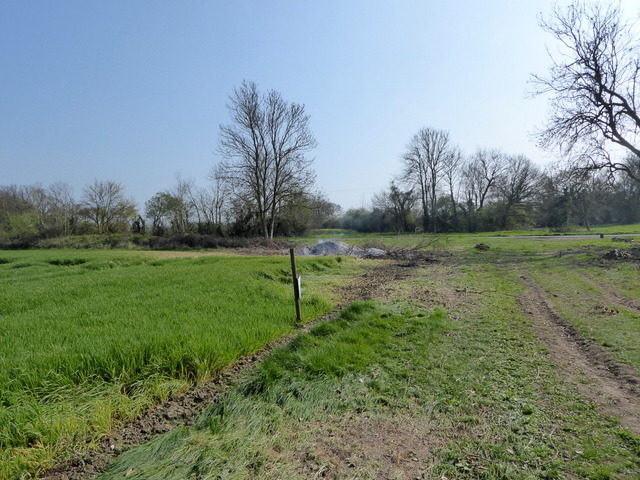
We took our usual walk across the fields just after the coppicing had been done. All the heaps of wood were burnt and you can see a smouldering heap of wood-ash in the centre of this picture.

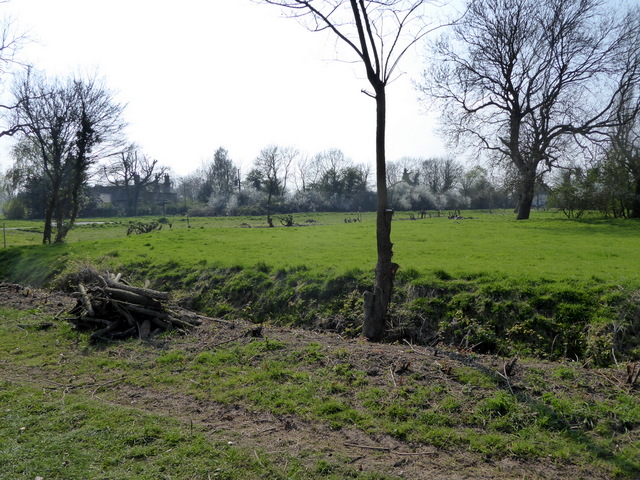
The last time we had walked this route there had been a thick hedge just in front of the ditch in the foreground.

I was quite concerned about the loss of the hedges because they are usually full of nesting, singing birds in the spring.  However, the farmer does care about the local wildlife and had left reassuring notices next to the ex-hedges stating what he was intending to do.

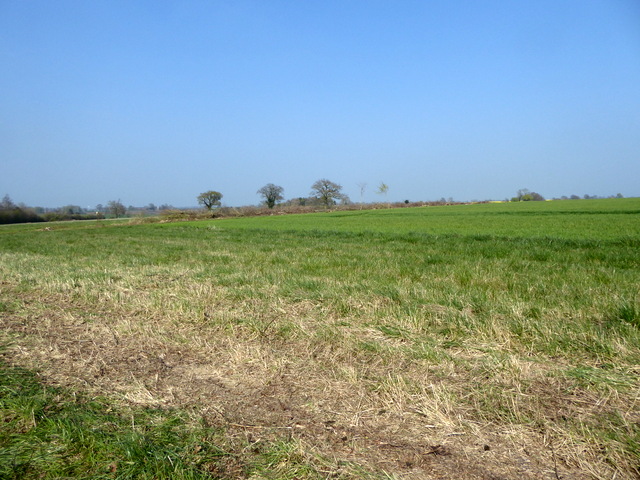
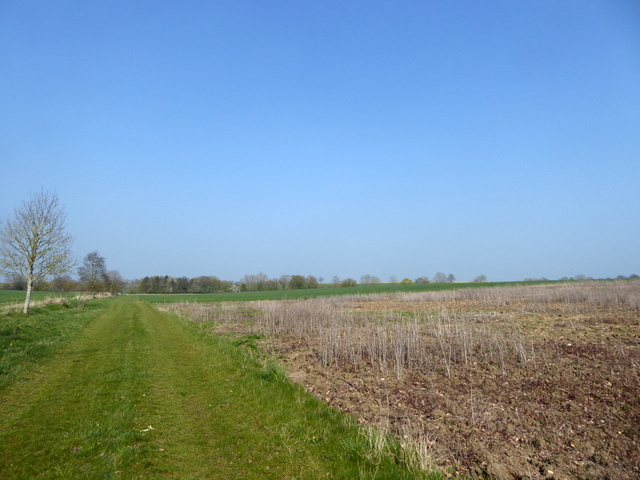
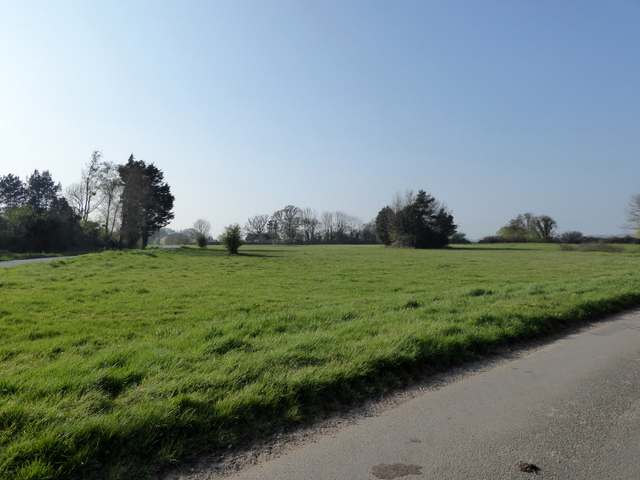
A view across the open fields. This walk was taken at the beginning of April while the weather was still bright and warm.

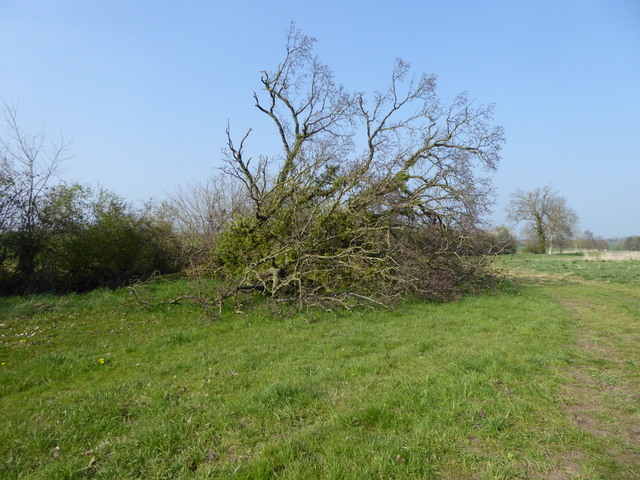
This oak tree had been blown down in storm ‘Doris’. The green you can see is the ivy that had been growing up the tree trunk. Most healthy trees can cope with ivy growing on them and this one had seemed to be healthy.

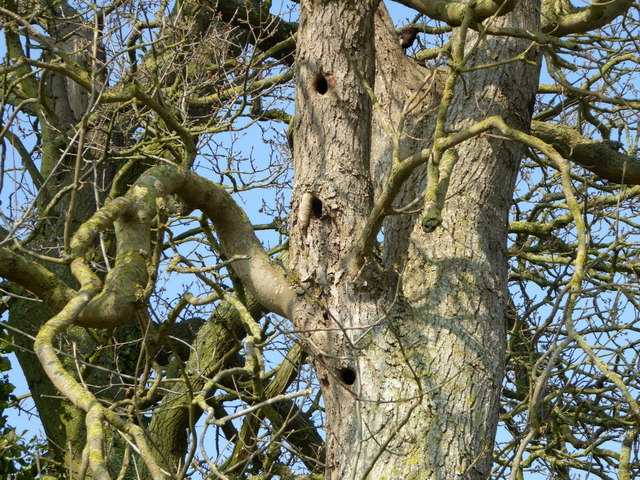
An upright tree this time, with holes it in, probably made by woodpeckers.

Another view of the fields and that blue sky!

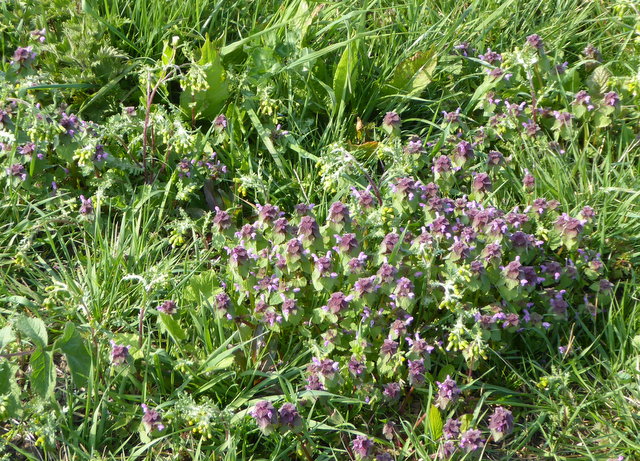
Red Dead-nettle (Lamium purpureum) and Groundsel (Senecio vulgaris)

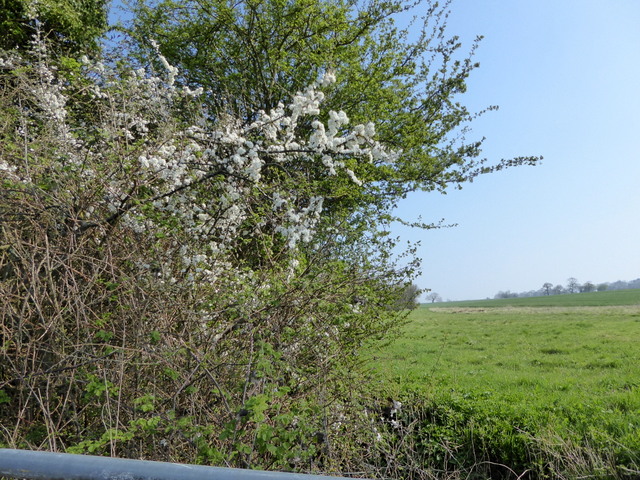
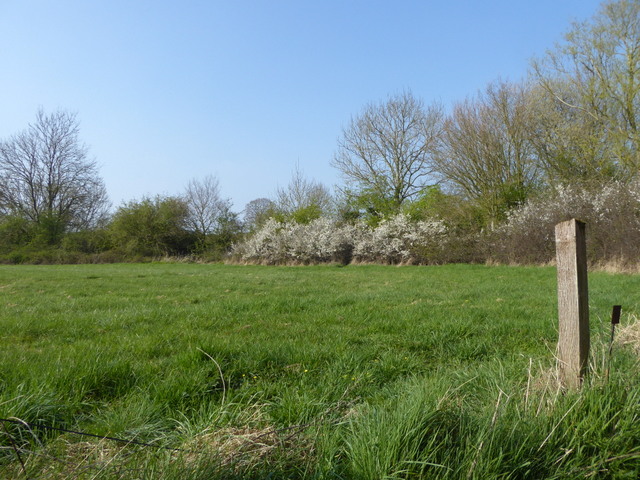
The Blackthorn blossom (Prunus spinosa) was very good this spring.

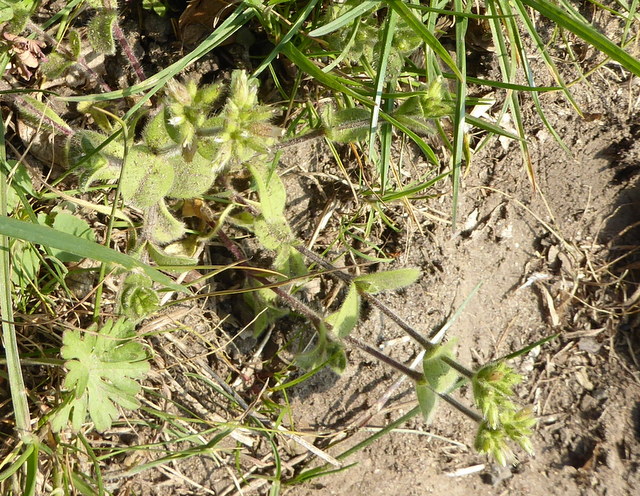
This rather dull and unassuming little plant (not a clear photo, I’m afraid) has the interesting name of Sticky Mouse-ear (Cerastium glomeratum)! The leaves are the shape of a mouse’s ear and they are also sticky as you can see in the photo; the leaves are covered with grains of sand.

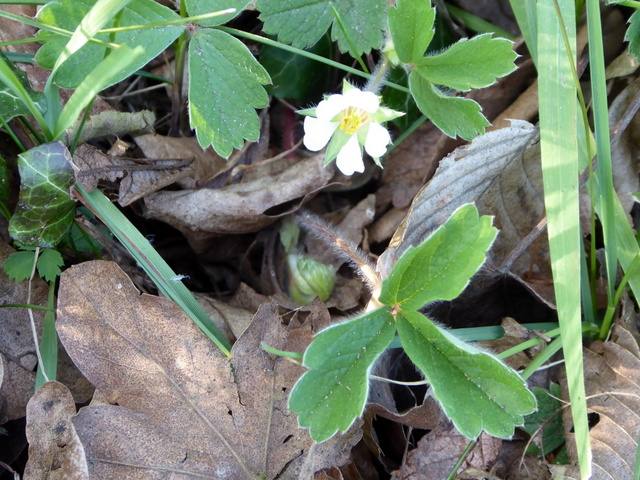
I found yet another Barren Strawberry plant. (Potentilla sterilis)

It is easy to tell the difference between a Wild Strawberry and a Barren Strawberry even if there are no flowers to be seen.  The leaves of the Barren Strawberry are a mid-green colour and are matt whereas the Wild Strawberry leaves are shiny and yellow-green.  The leaves of both plants are toothed but the Barren Strawberry’s terminal tooth (the one at the tip of each leaflet) is smaller and shorter than the ones next to it.  You can see this quite clearly on the photo above.  The Wild Strawberry’s terminal tooth is as long as or longer than the ones next to it.  The flowers are different too.  The Barren Strawberry flowers have large gaps between the petals and the sepals are clearly seen in the gap.  The Wild Strawberry’s petals are close together and the sepals are hidden behind them.

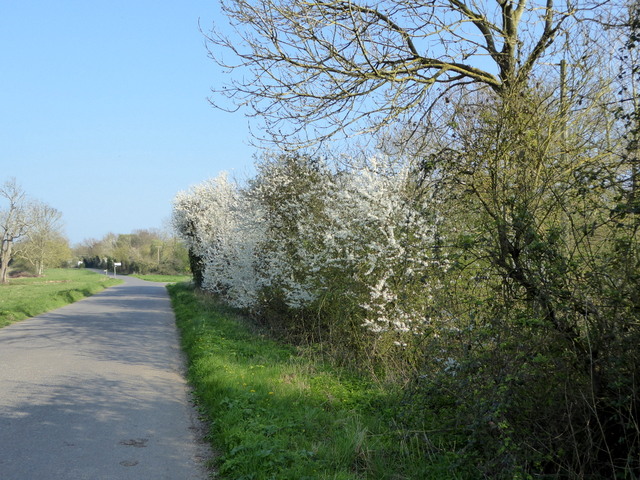
A Blackthorn hedge in flower

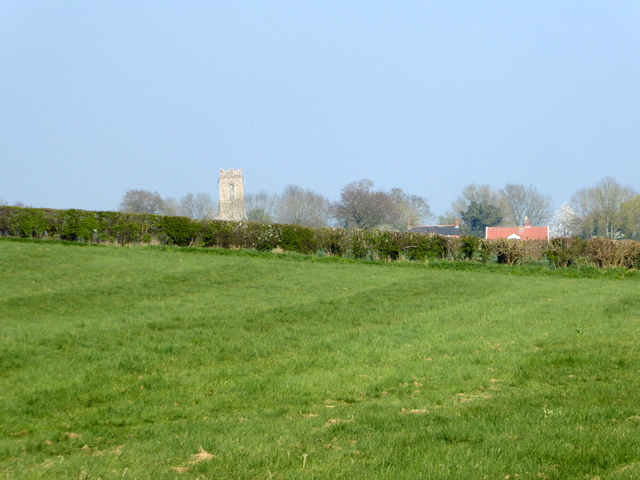
A view of St. Peter’s church tower in the distance

One of my favourite views through a gap in the hedge

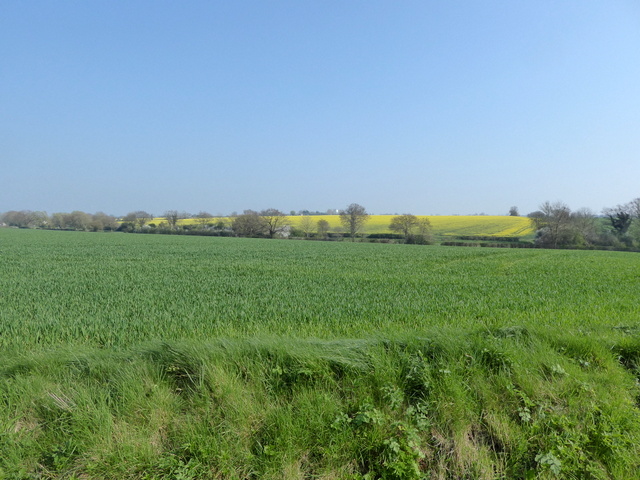
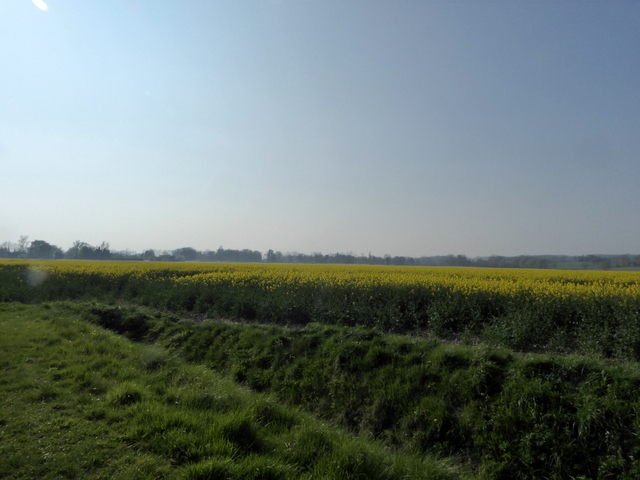
Another view from our walk. The field close-by has barley or wheat growing in it; the yellow field in the distance is of oil-seed rape.

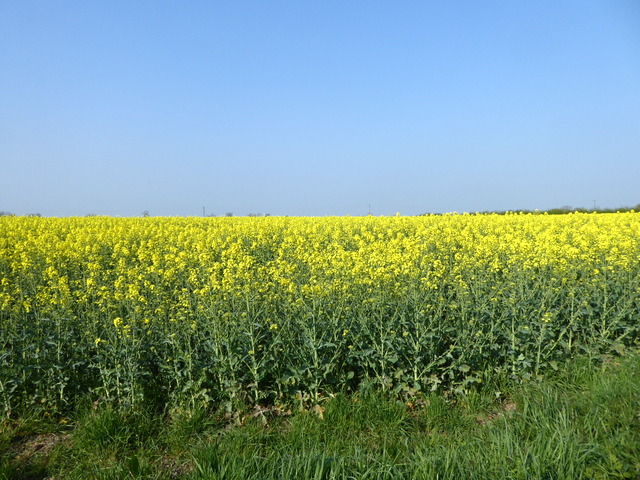
A field of Oil-seed Rape

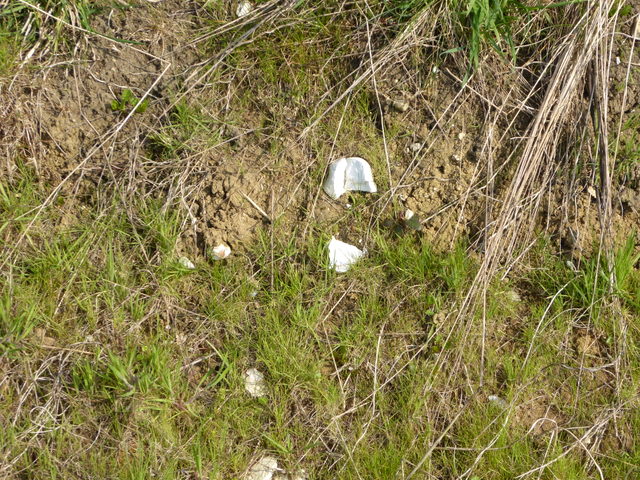
This photo is of the bank of a ditch and shows the lumps of chalk that can be found in the clay soil here

The verge at the side of the lane was covered with Lesser Celandines (Ficaria verna)

Another view across the fields…

…and another!

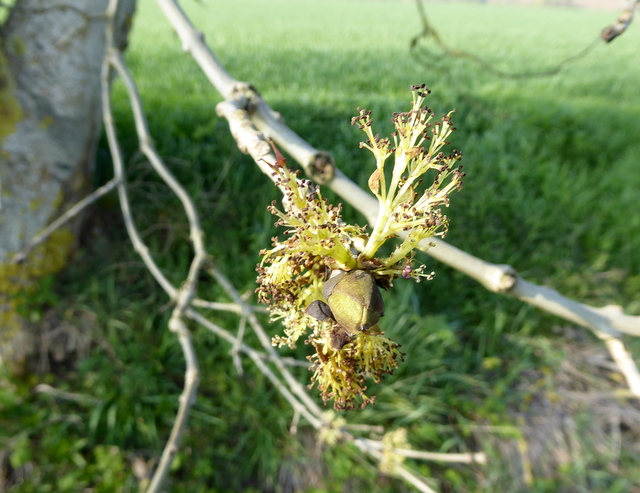
Ash tree flowers ( Fraxinus excelsior)

Most of our fields are surrounded by deep ditches.

Annual Mercury (Mercurialis annua)

Most of the Mercury that grows here is the perennial Dog’s Mercury which is found in (sometimes) large swathes under hedges and in the woodland.  The Mercury in the photo above is the Annual Mercury which doesn’t grow in swathes and is branched (unlike the Dog’s Mercury).  It is not a native plant but has been here for at least 1000 years, introduced from mainland Europe.

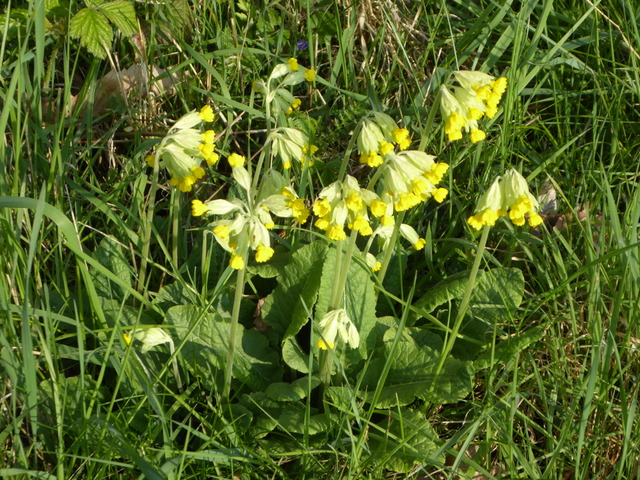
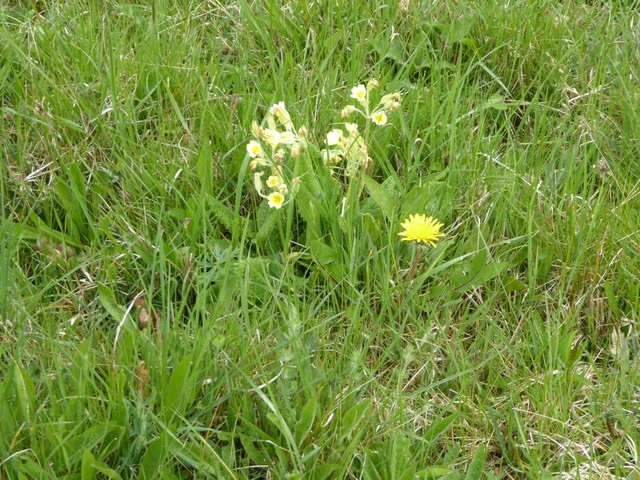
Cowslips (Primula veris)

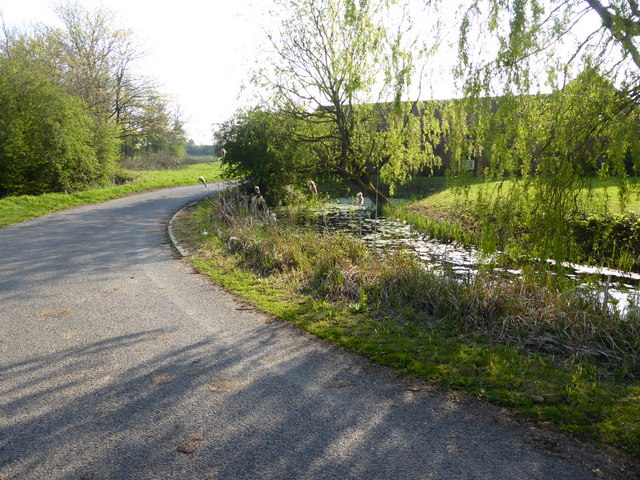
A pond at the side of the lane

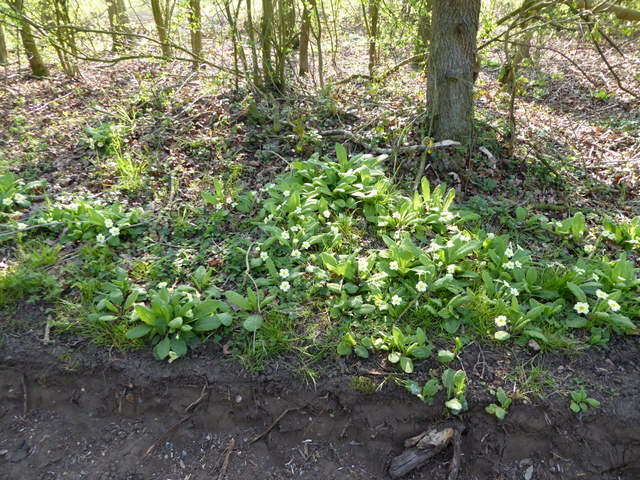
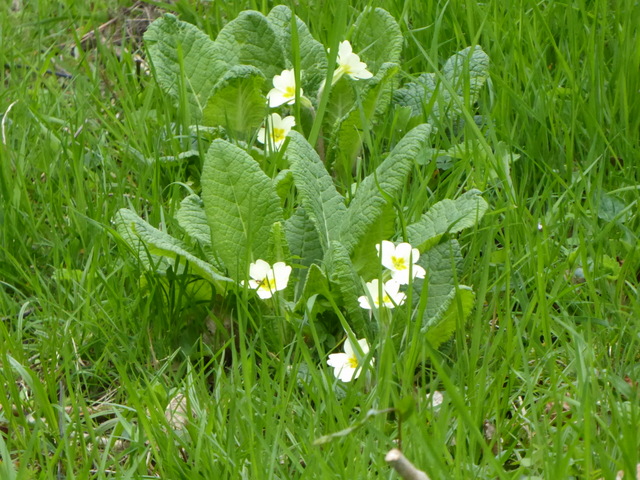
The last of the Primroses (Primula vulgaris)

Part of St. Margaret South Elmham common

Another Blackthorn hedge

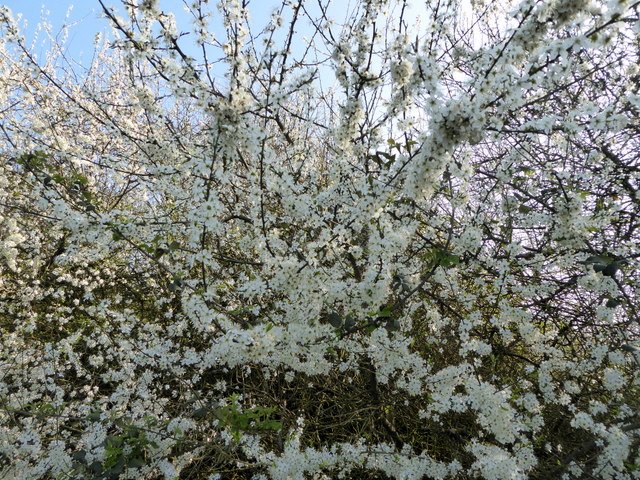
Blackthorn blossom

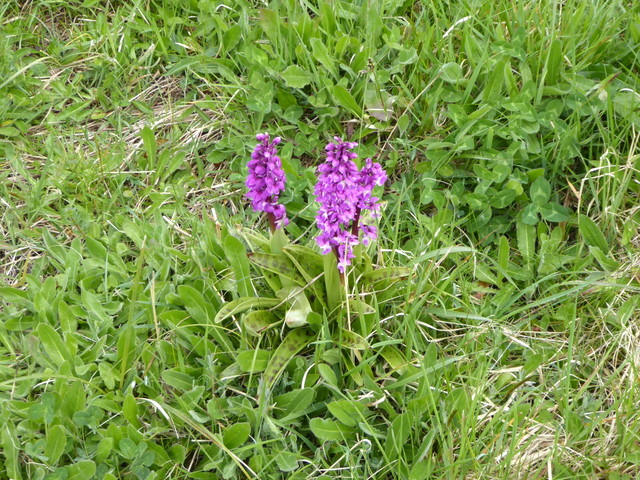
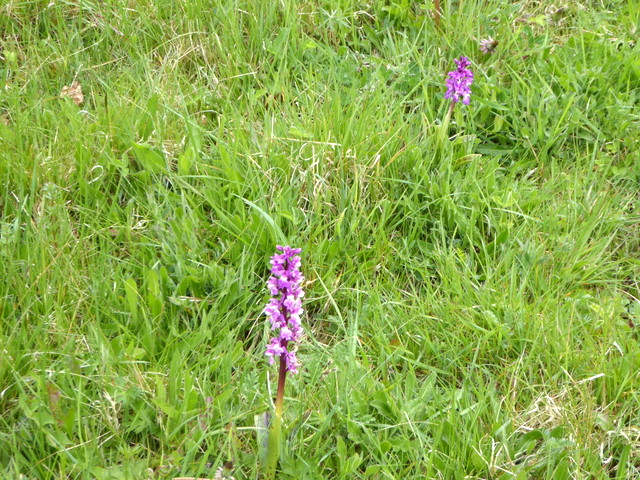
Another short walk we took was to view the orchids flowering along the verge near to us.

Early Purple Orchids (Orchis mascula)

Early Purple Orchids

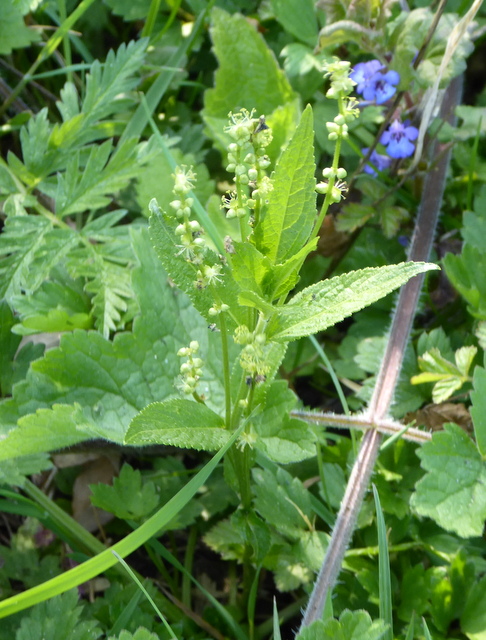
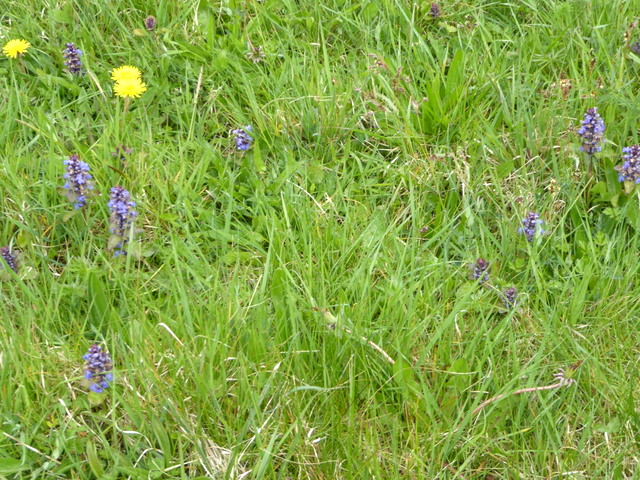
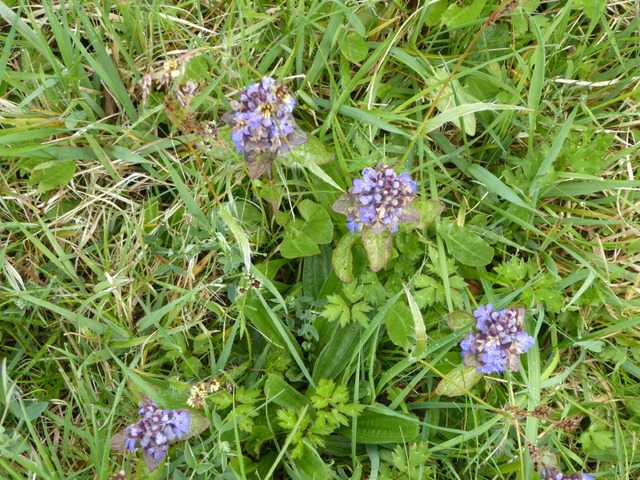
We also saw purple Bugle (Ajuga reptans) and Dandelions (Taraxacum agg.)

Bugle

This seems to be a Cowslip/Primrose cross

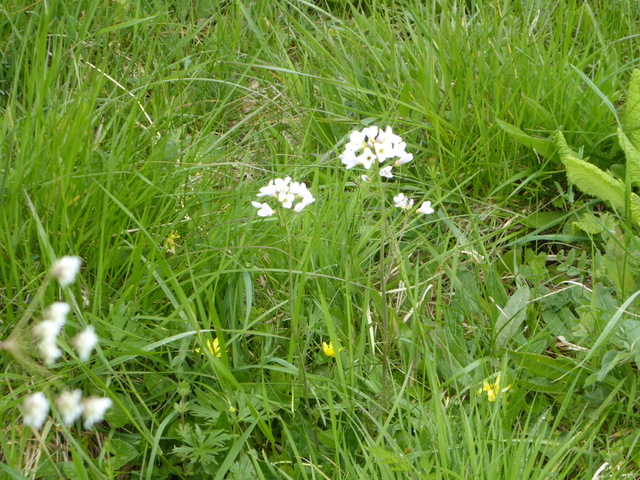
An over-exposed and out-of-focus photo of Lady’s-smock/ Cuckooflower (Cardamine pratensis)

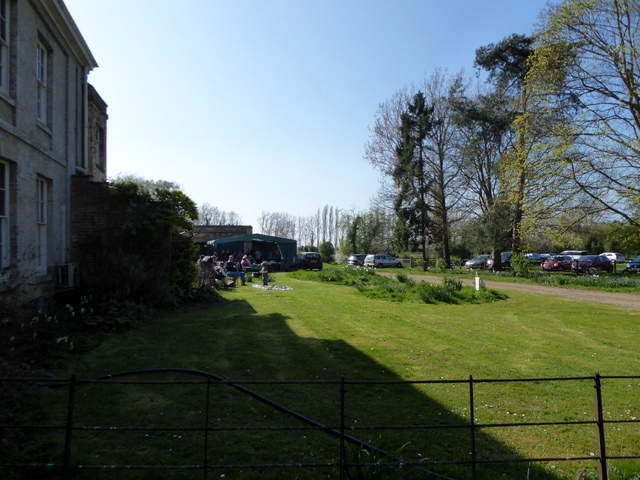
Richard and I also called in at our neighbour Cordelia’s Daffodil Sunday when every year she opens her beautiful garden to the public in aid of St. Margaret’s church.

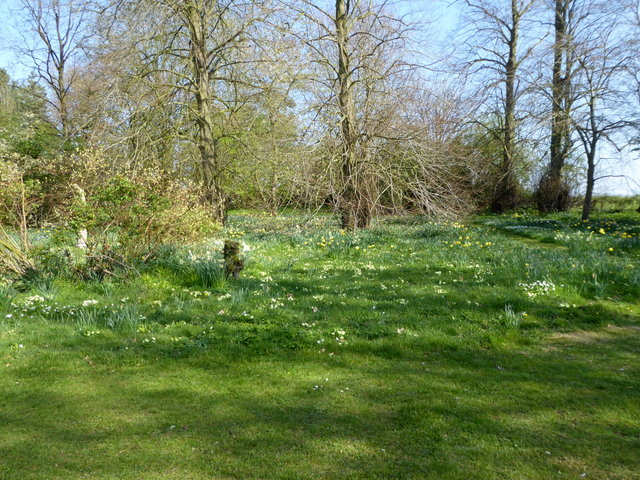
Her garden is full of spring flowers

The weather was perfect for the open garden this year

The Old Rectory

Looking towards the church from the Old Rectory

More flowers

Daffodil Sunday
Daffodil Sunday
Daffodil Sunday
Daffodil Sunday

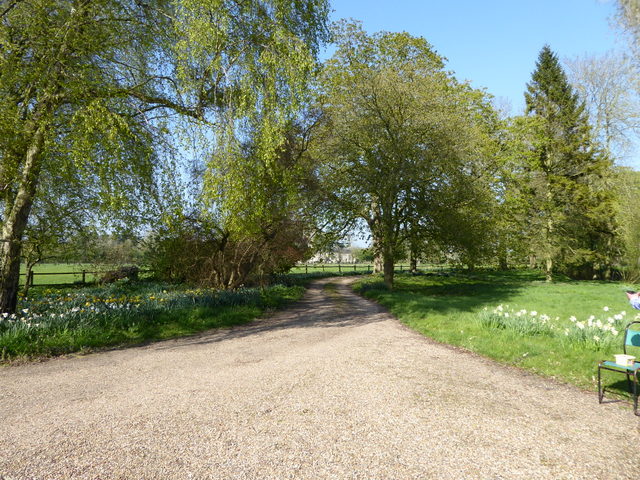
The drive up to the house

I apologise for the length of this post!

My music choice this time is ‘The Banks of Green Willow’ by George Butterworth

Thanks for visiting!

Share this:

  • Share on X (Opens in new window) X
  • Share on Reddit (Opens in new window) Reddit
  • Share on Pinterest (Opens in new window) Pinterest
  • Share on Facebook (Opens in new window) Facebook
  • Email a link to a friend (Opens in new window) Email
  • Share on Tumblr (Opens in new window) Tumblr
  • Print (Opens in new window) Print
  • Share on LinkedIn (Opens in new window) LinkedIn
Like Loading...

Reydon Wood

25 Tue Apr 2017

Posted by Clare Pooley in Insects, plants, Rural Diary, walking, wild flowers

≈ 63 Comments

Tags

Alexanders, Barren Strawberry, Bugle, Common Dog Violet, coppice wood, cow parsley, Dryad's Saddle, early dog-violet, Early Purple Orchid, ferns, Goldilocks Buttercup, Great Diving Beetle, Greater Stitchwort, ground-ivy, Herb-Robert, Hornbeam, lesser celandine, primrose, Reydon Wood, Suffolk, Suffolk Wildlife Trust, Three-nerved Sandwort, water-violet, wild flowers, wild strawberry, Wood Anemone, Yellow Archangel, Yellow Pimpernel

We drove to Reydon Wood on Friday, in search of bluebells.
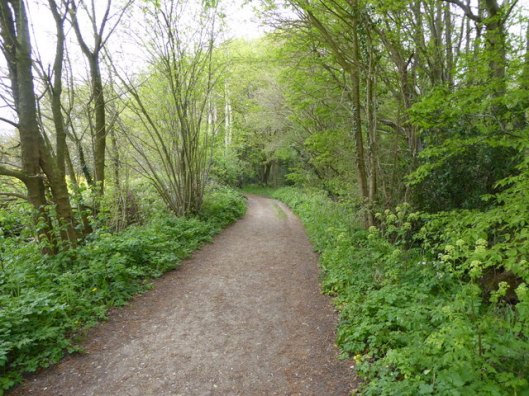
Wood Lane

We parked at the end of Wood Lane. The walk down the lane is pleasant and we get glimpses of the wood on the other side of the deep ditch on our right.
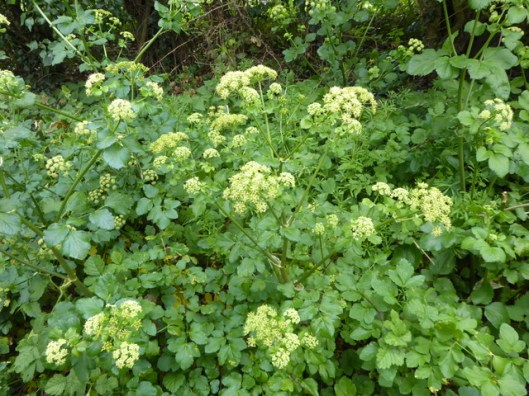
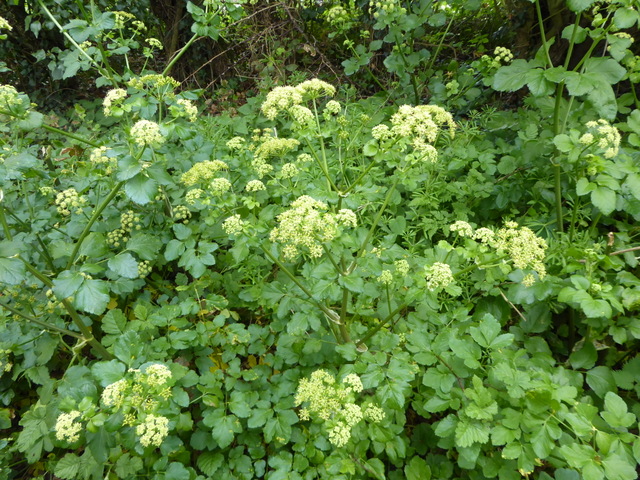
Alexanders (Smyrnium olusatrum) is in flower everywhere.

The Romans introduced Alexanders into Britain and it is mainly found near the coast especially in the east of the country.  It was used as a medicinal herb and also as a pot herb.  The flowerheads can be steamed like broccoli.
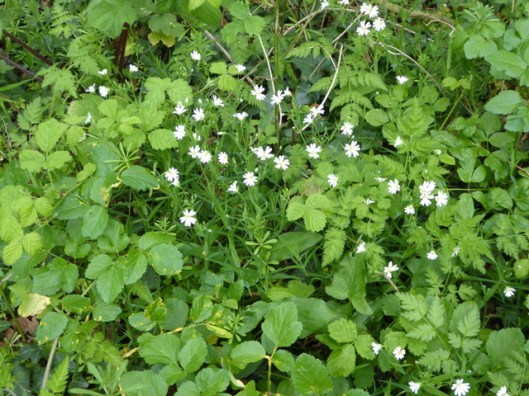
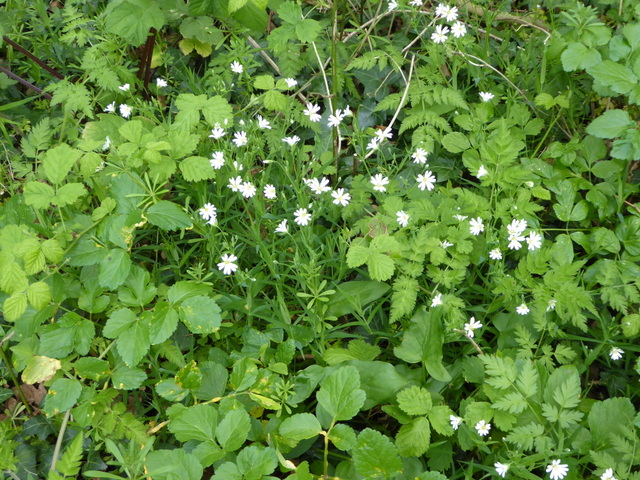
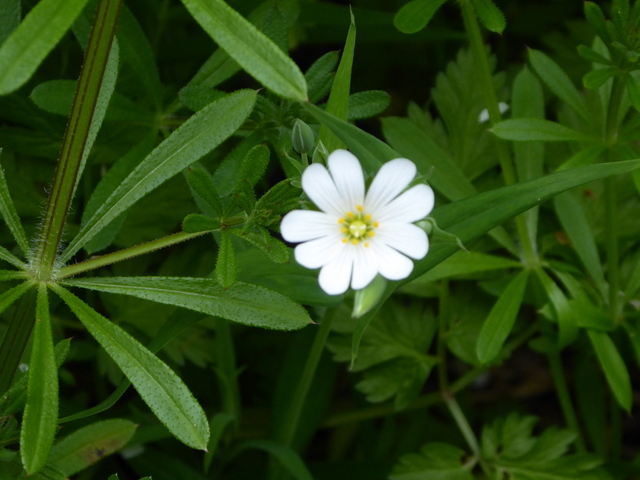
Greater Stitchwort (Stellaria holostea) is another flower that is blooming wherever I go at present.

The Anglo Saxons and Celts believed that a stitch in the side was probably caused by elf-shot and this plant cured it!
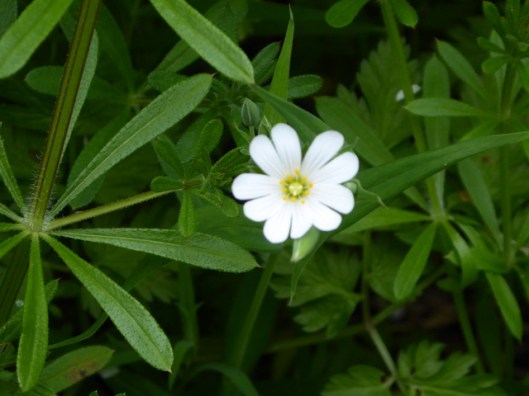
Greater Stitchwort
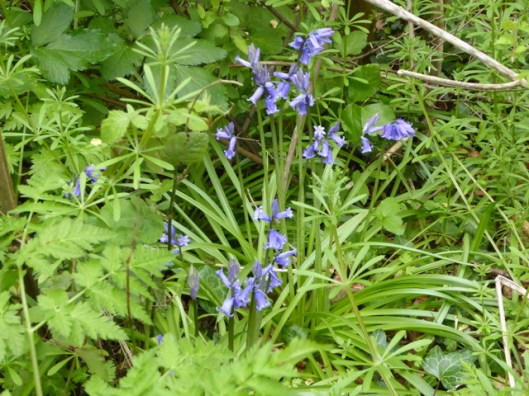
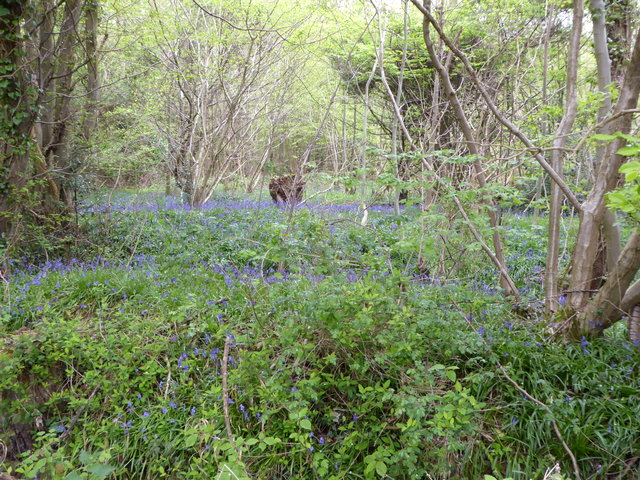
Our first sighting of Bluebells (Hyacinthoides non-scripta)
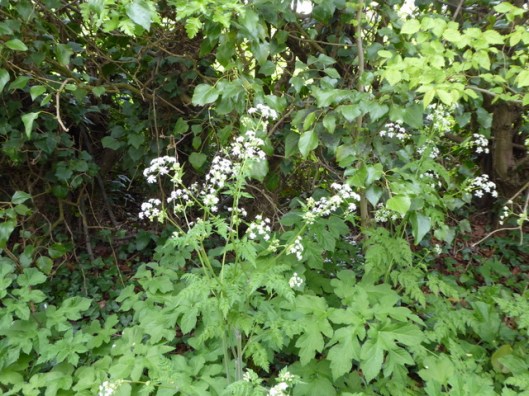
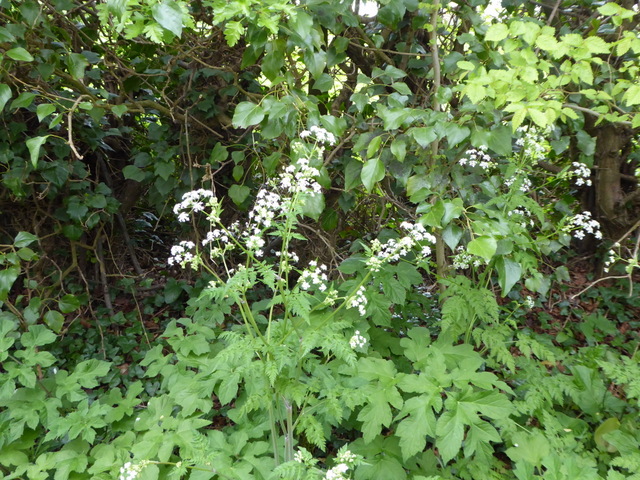
Cow-parsley (Anthriscus sylvestris) is coming into flower very early this year
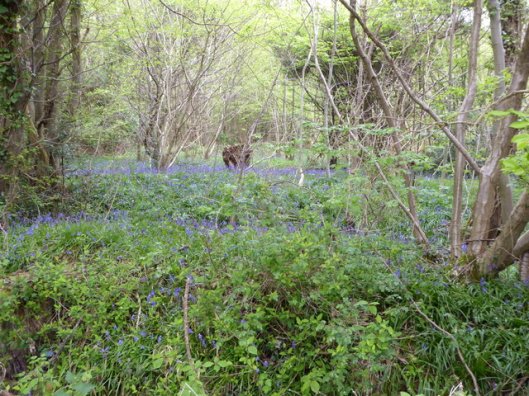
There they are, on the far side of the ditch!
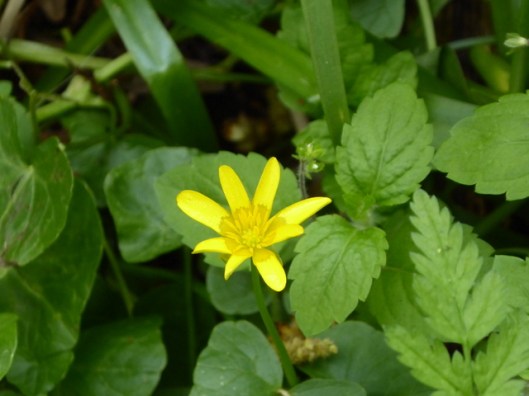
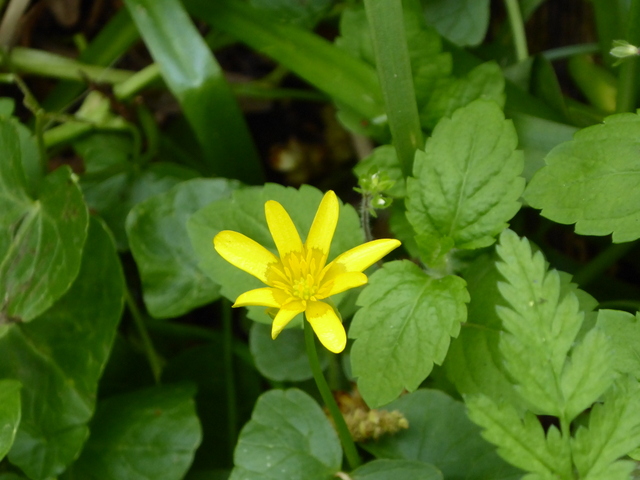
A beautiful Lesser Celandine (Ficaria verna )
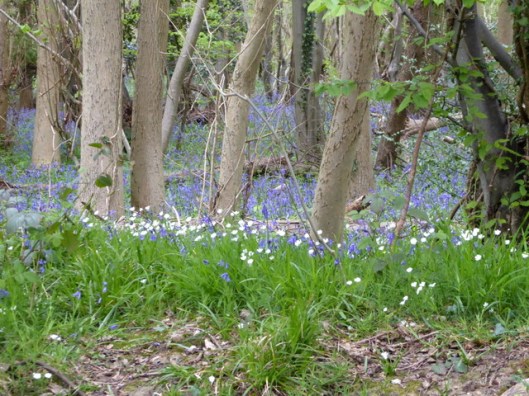
Bluebells and Greater Stitchwort
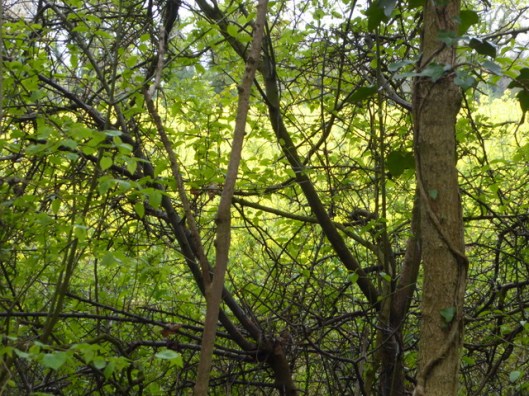
To the left of us as we walked up Wood Lane we could see a field full of bright yellow Oil-seed Rape (Brassica napus) through the hedge.
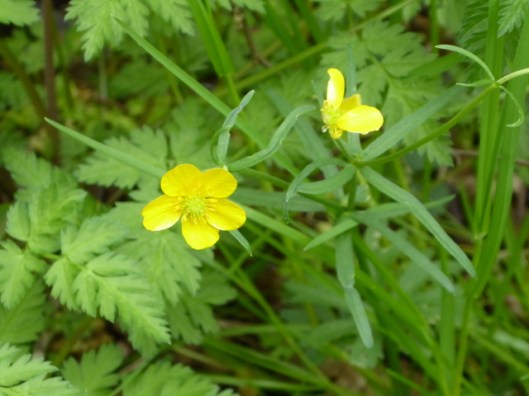
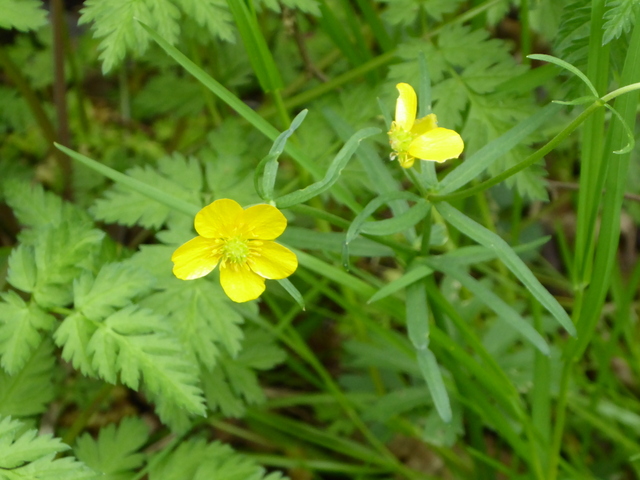
I believe this is Goldilocks Buttercup ( Ranunculus auricomus)

This is the first time I have taken notice of this buttercup.  I have probably seen it before because I find they are fairly common in woodland, but I’ve never looked at one properly, just assuming it was a Meadow or Creeping Buttercup.  The stem leaves are quite different from the other buttercups I know and I read that the flowers are usually deformed or have some or all of their petals missing.
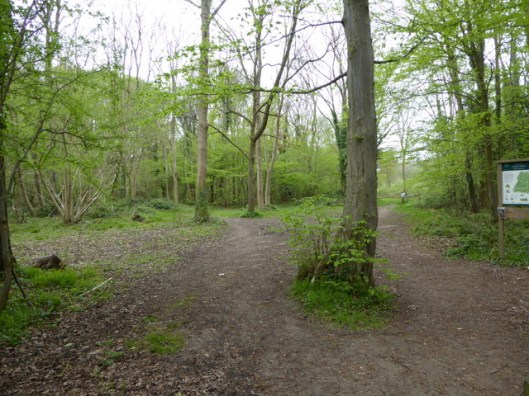
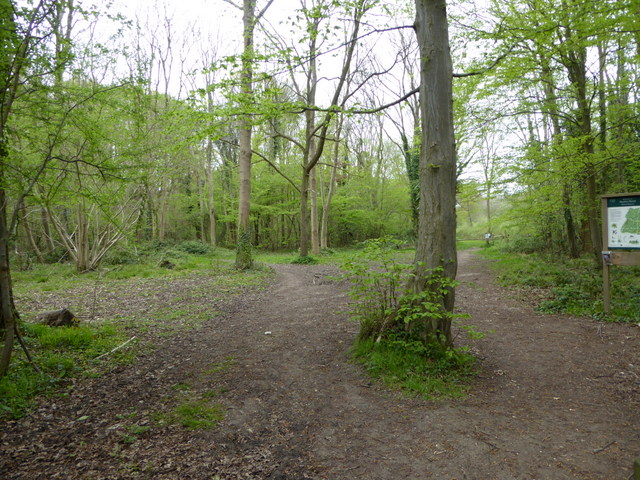
We arrived at the entrance to the wood
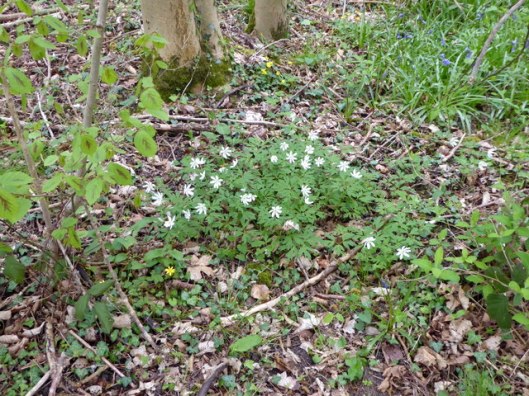
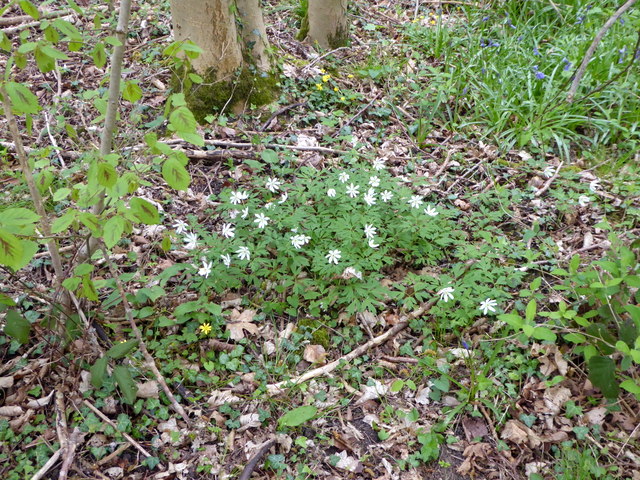
This is the first time I have seen Wood Anemones ( Anemone nemorosa) here.
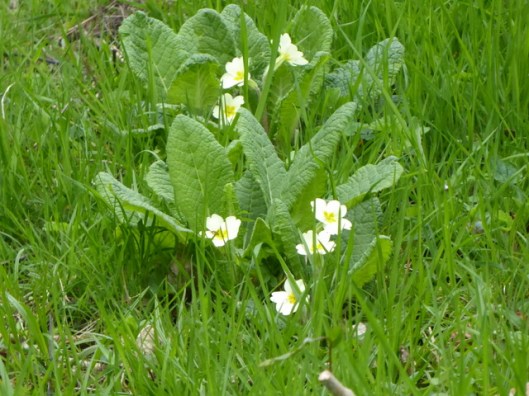
There were a few primroses (Primula vulgaris ) still flowering.
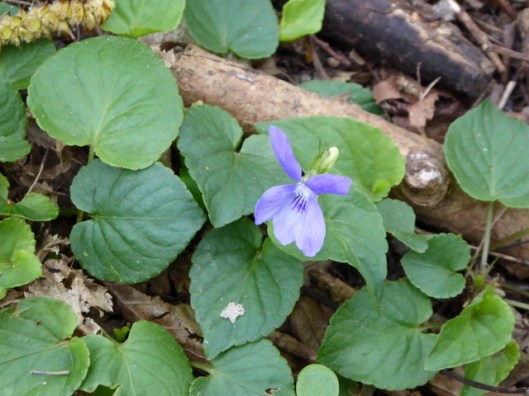
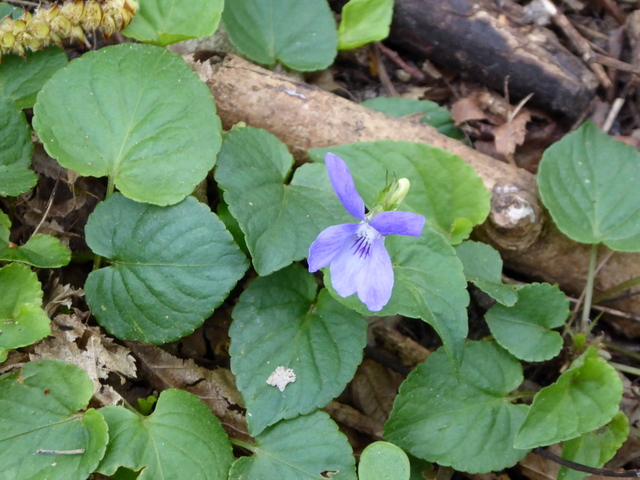
Common Dog Violet (Viola riviniana )

This is the most common violet we have in this country and it can be found anywhere except on very acidic soils.  The leaves are heart-shaped and the spur (at the back of the flower) is much paler than the petals.  This violet is unscented.
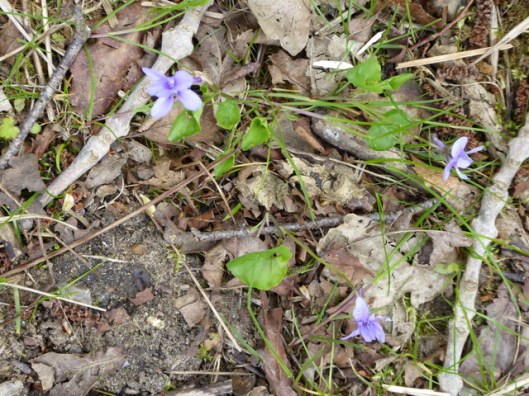
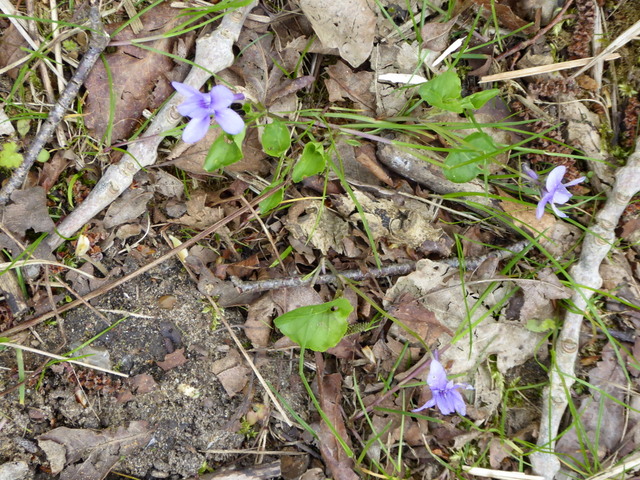
Early Dog Violet (Viola reichenbachiana )

Another unscented violet; the flowers of this plant are paler and smaller than the Common Dog Violet and the spur is usually as dark or even darker than the petals.  The leaves are narrower than those of the Common Dog Violet.  This isn’t a good photo but it is the best out of the three I took!
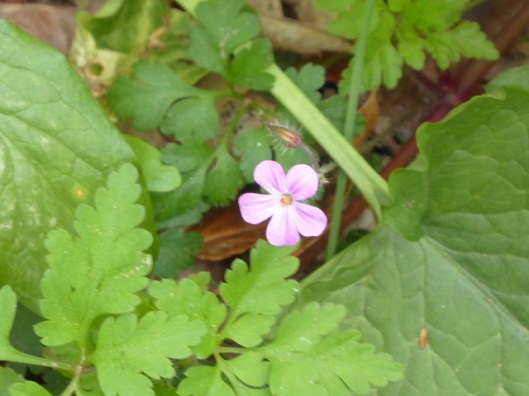
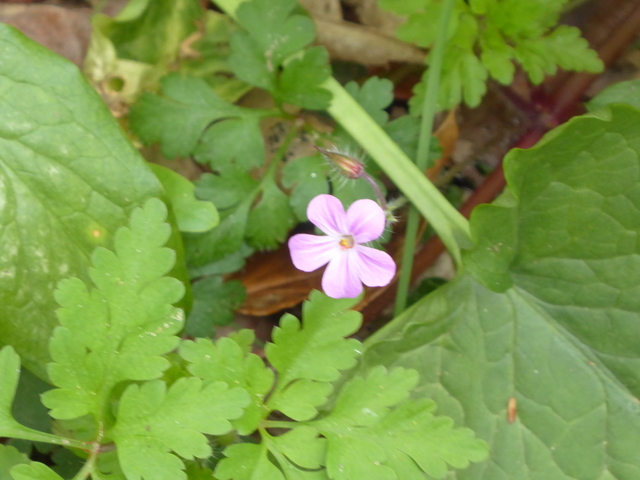
Herb Robert (Geranium robertianum)

This plant could be named after St Robert of Molesme who founded Citeaux Abbey in France and who is said to have staunched wounds and healed ulcers with Herb Robert.  It could also be named after Robert, Duke of Normandy, the son of William the Conqueror and a patron of medical botany.  He used Herb Robert to cure the plague.
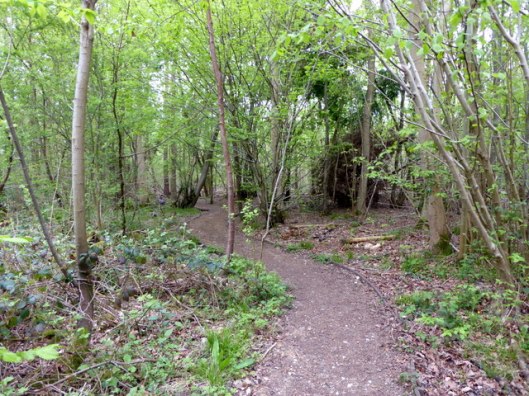
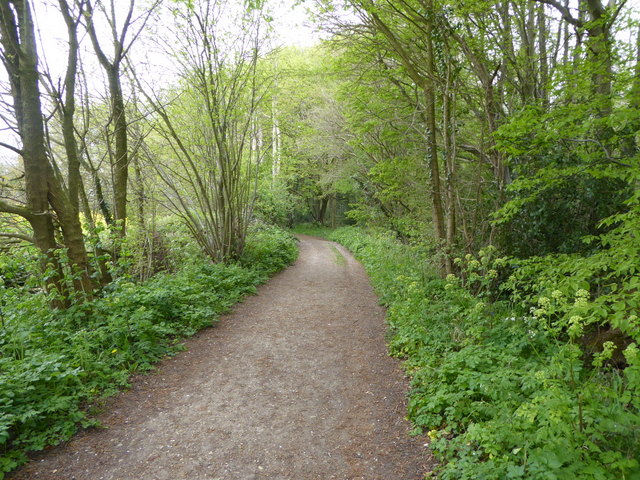
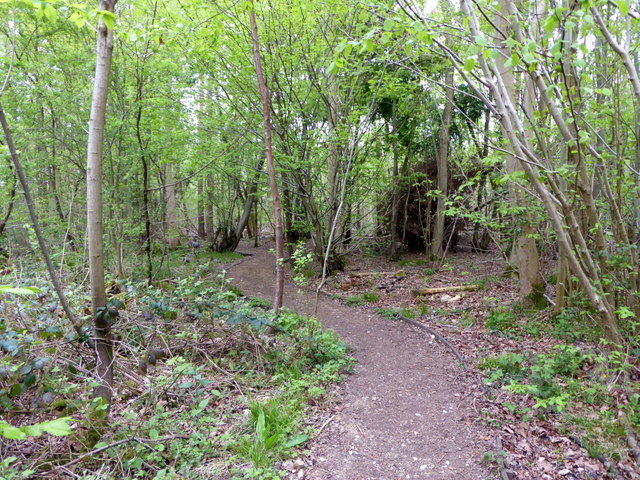
The path through the wood.
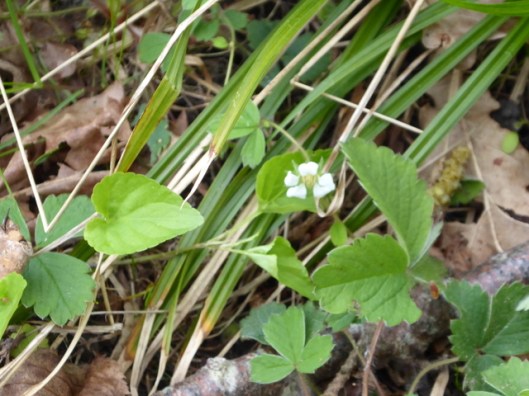
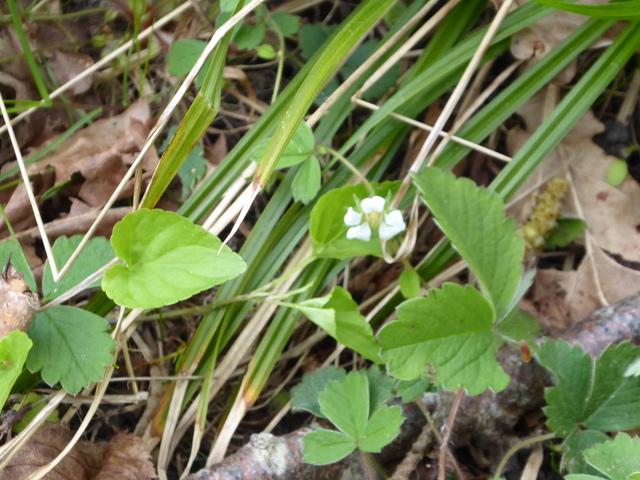
Barren Strawberry (Potentilla sterilis )

The flower here is past its best so it is not easy to see that the petals have a gap between them and that the sepals are clearly seen.  The leaves (on the right of the photo) are a dull, matt green and divided into three toothed leaflets with the terminal tooth on each leaflet being smaller and shorter than the adjacent teeth.
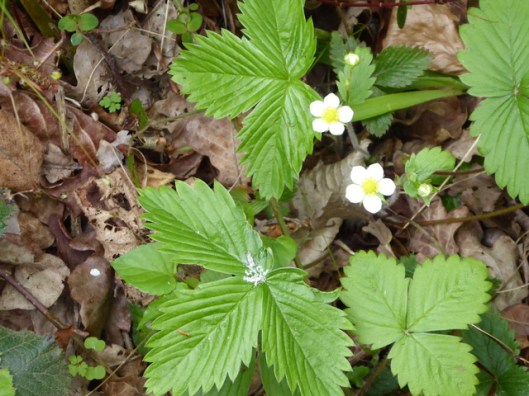
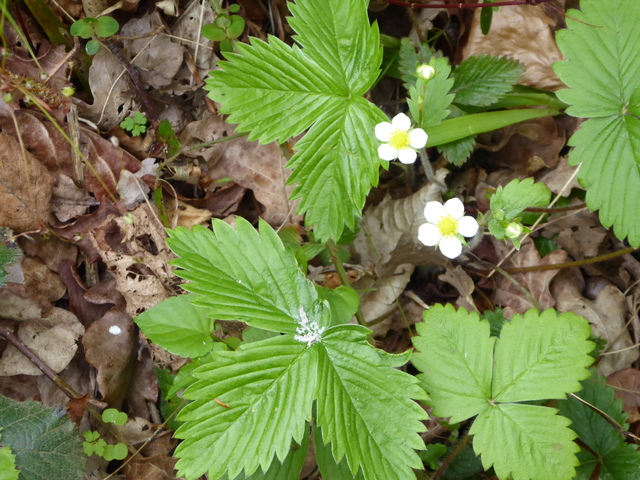
Wild Strawberry (Fragaria vesca )

Here is a Wild Strawberry, which I found just a few feet away from the Barren Strawberry and you can see the difference between them.  The petals are close together and mainly hide the sepals.  The leaves are a bright, shiny yellow-green and the terminal tooth is as long as (sometimes longer than) the adjacent teeth.
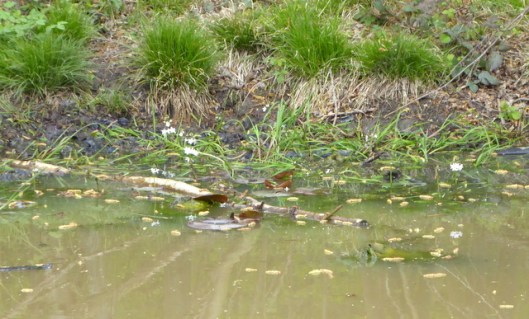
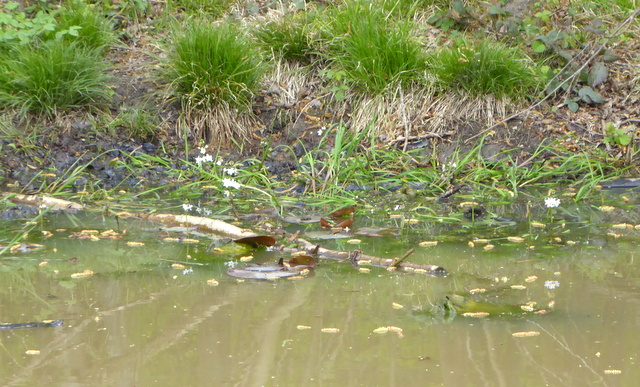
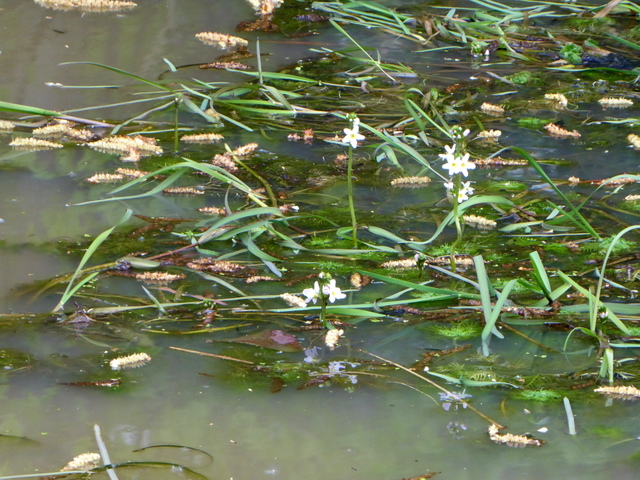
Here is the pond in the middle of the wood. On the far side are Water Violets (Hottonia palustris )
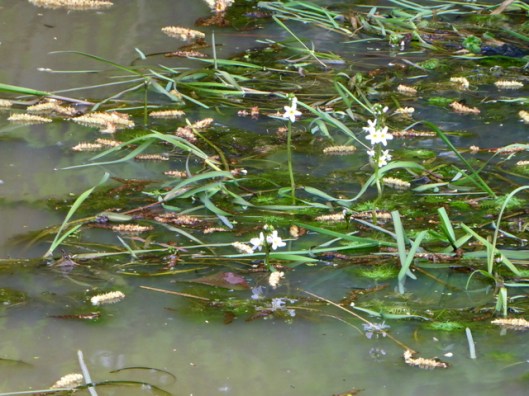
More Water Violets – I couldn’t get a better photo of them.
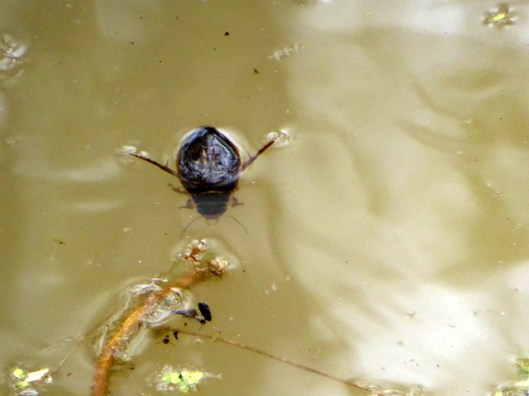
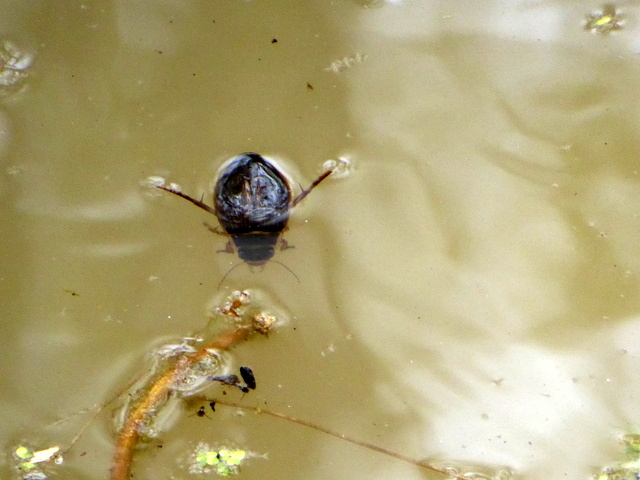
Great Diving Beetle (Dytiscus marginalis )

We watched this beetle for a while as it came to the surface to gather air which it stores under its elytra or wing cases.  The beetle’s spiracles (breathing pores) are under the wing cases and allow the air stored there to enter the body.  When the air is used up the beetle returns to the surface for more.  There were many newts in the pond too.
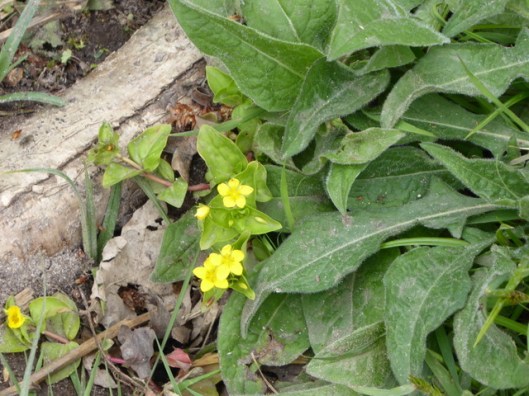
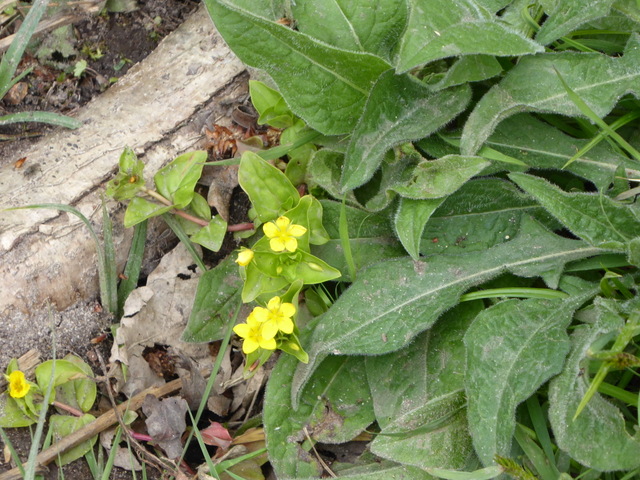
Yellow Pimpernel (Lysimachia nemorum )
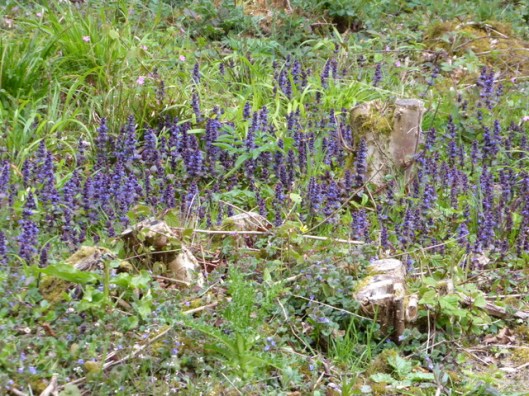
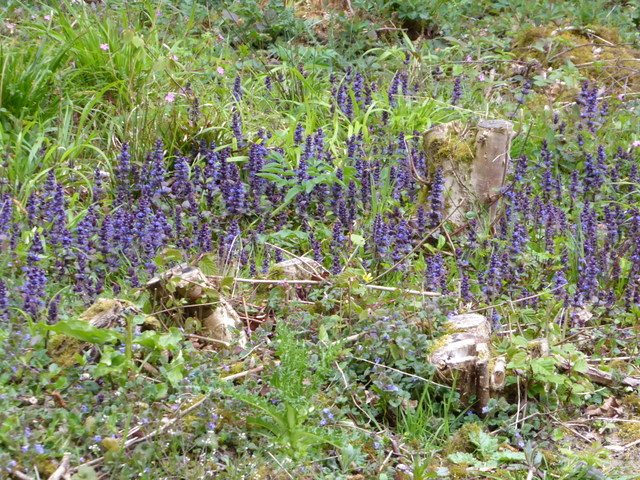
A large patch of Bugle (Ajuga reptans )
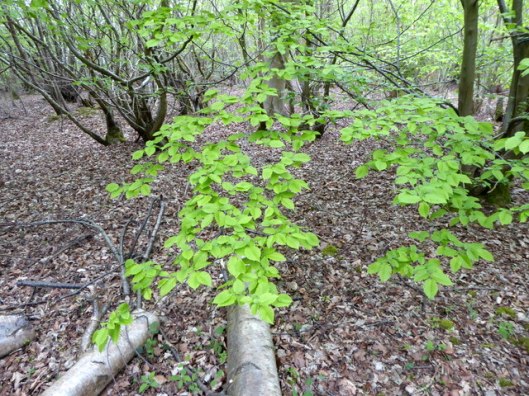
Beautiful new green leaves of Hornbeam (Carpinus betulus )

Hornbeams look a little like Beech trees but the trunks have fluted bark and the leaves are toothed.  Hornbeams are regularly coppiced and Reydon Wood is a coppice wood.
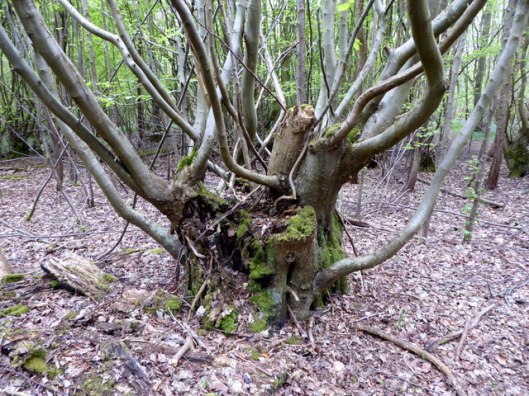
A coppice tree which will probably be harvested in the next few years. The tree is probably many hundred years old.
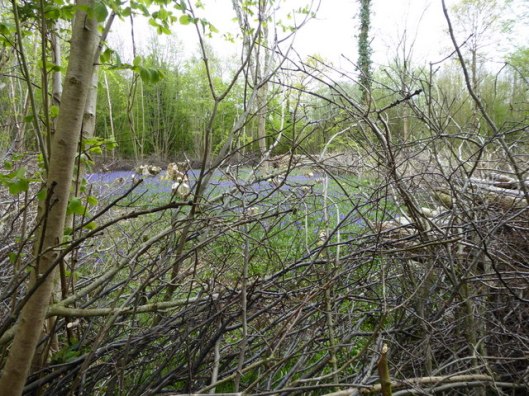
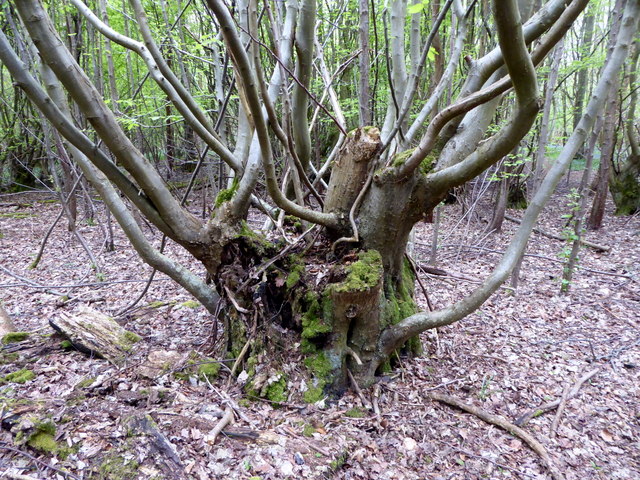
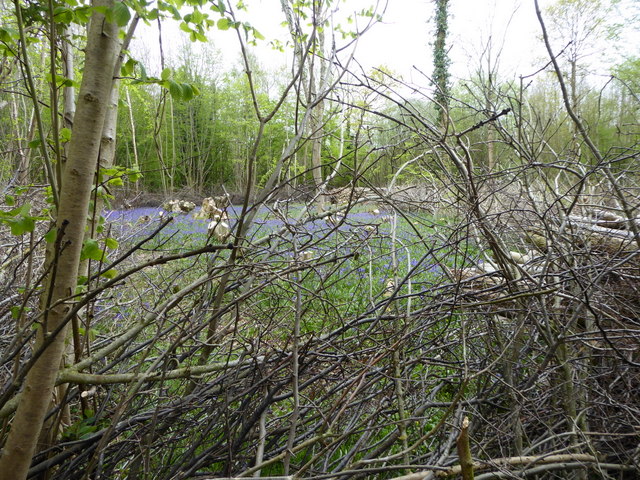
The area just beyond this barrier has recently been coppiced and the stools (tree stumps) will be sprouting soon. The barrier has been built up using twigs and branches to stop deer from eating the new growth on the coppice stools.
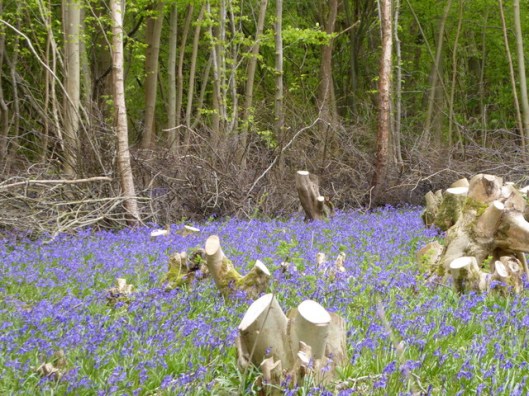
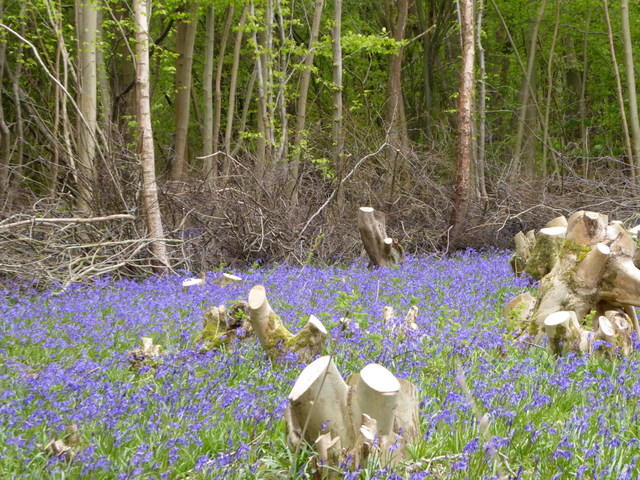
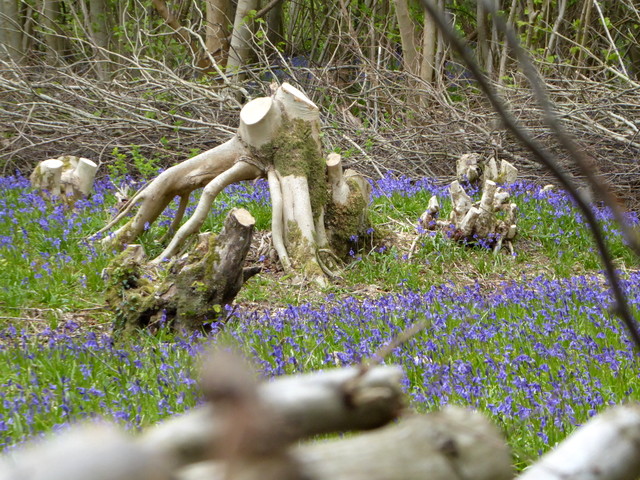
Coppice stools surrounded by Bluebells and with the deer barrier in the background
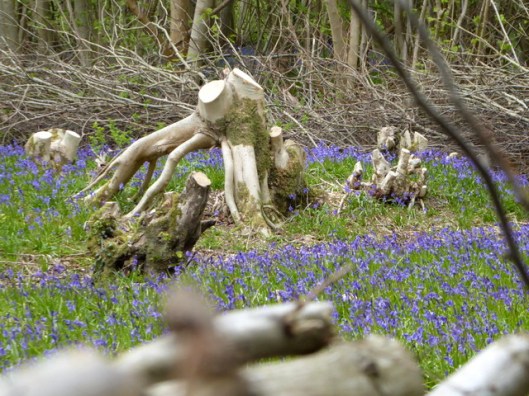
A strange-looking stool which looks as though it might run off as soon as our backs are turned!
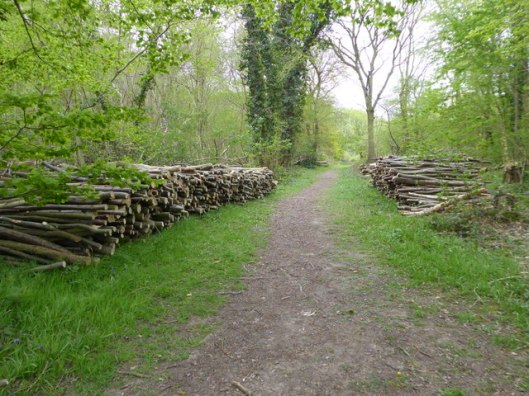
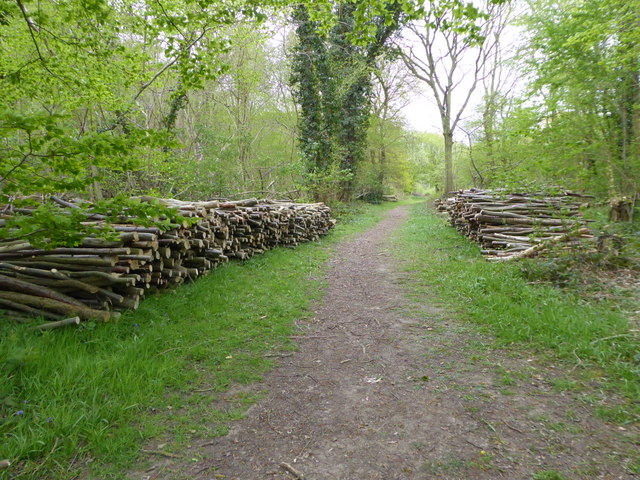
Harvested coppice logs
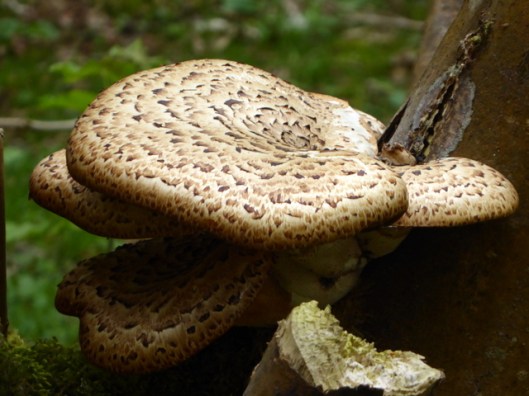
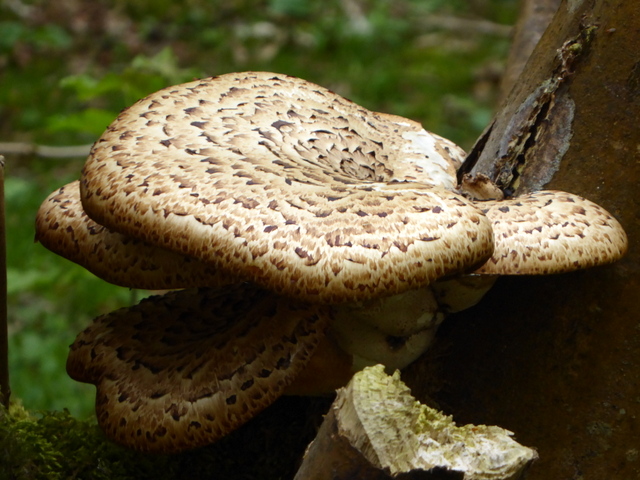
I believe this fungus is Dryad’s Saddle (Polyporus squamosus )
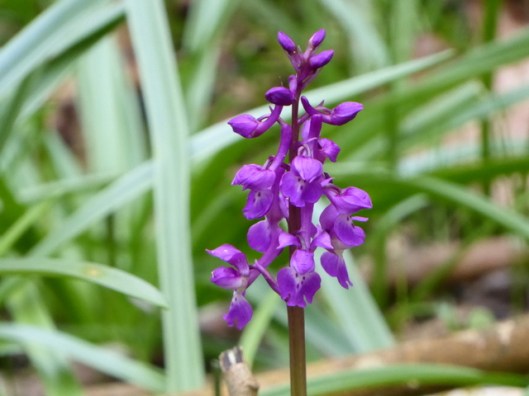
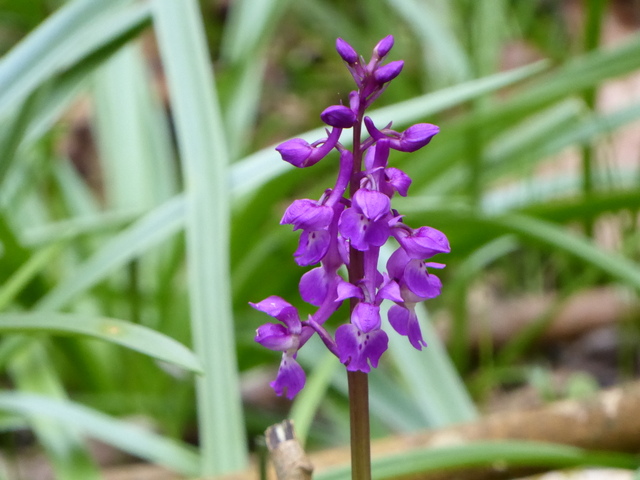
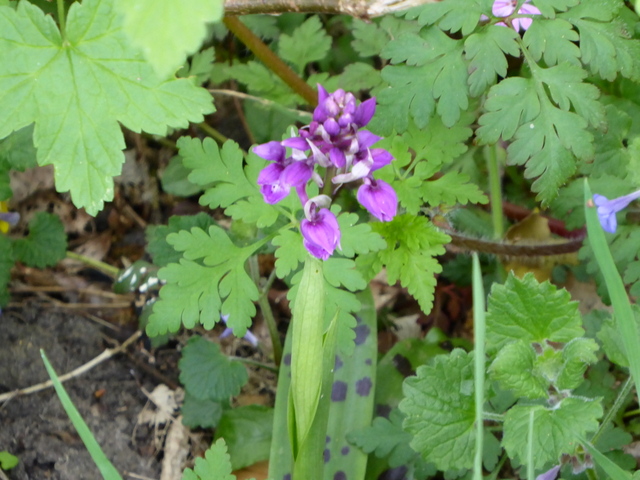
Early Purple Orchid ( Orchis mascula)
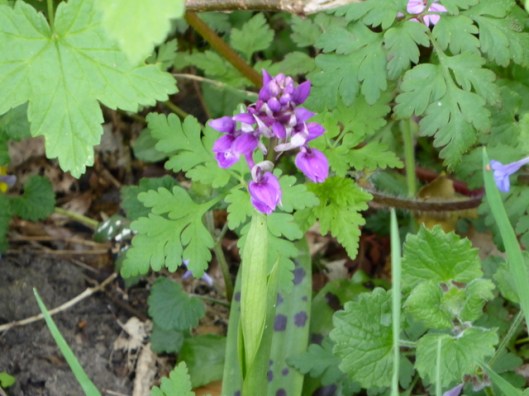
Early Purple Orchid showing its spotted leaves
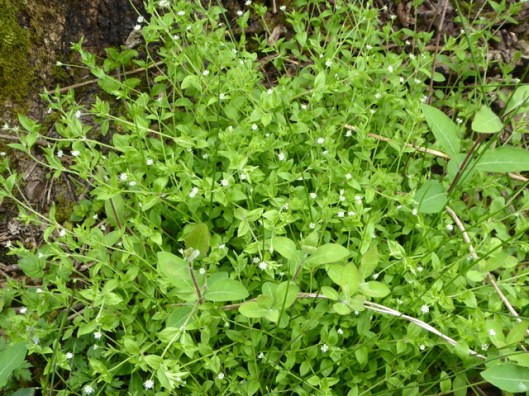
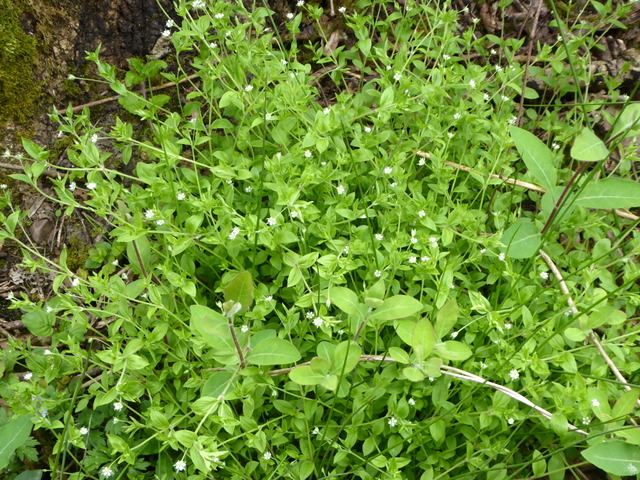
Three-nerved Sandwort (Moehringia trinervia )

At first I thought this was Common Chickweed but then I noticed the petals are not split and that the sepals are longer than the petals.  The leaves have three to five parallel veins on them.  I didn’t manage to get a close-up shot of the plant.
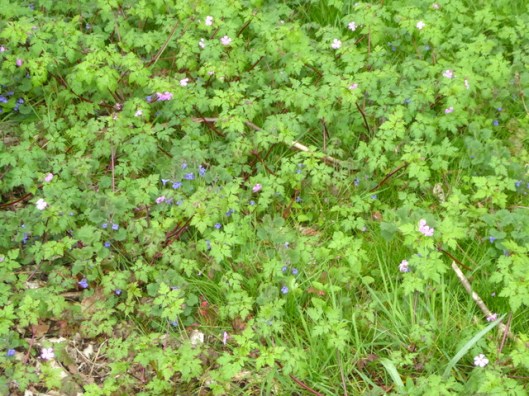
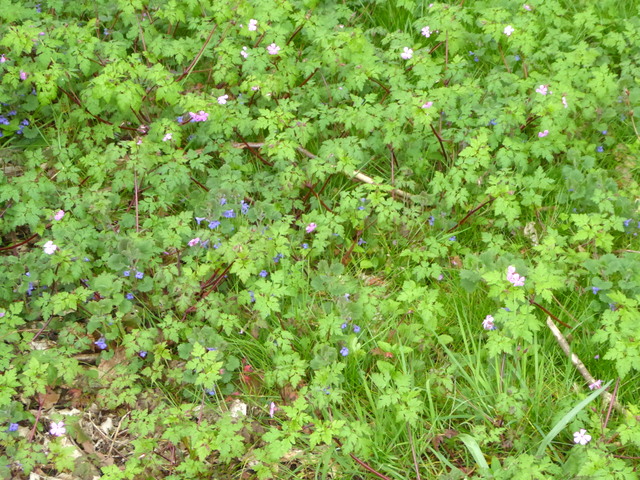
Herb Robert (pink flowers) and Ground Ivy (Glechoma hederacea ) (Blue flowers)
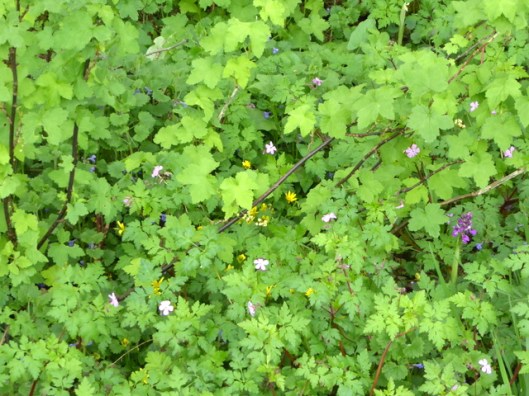
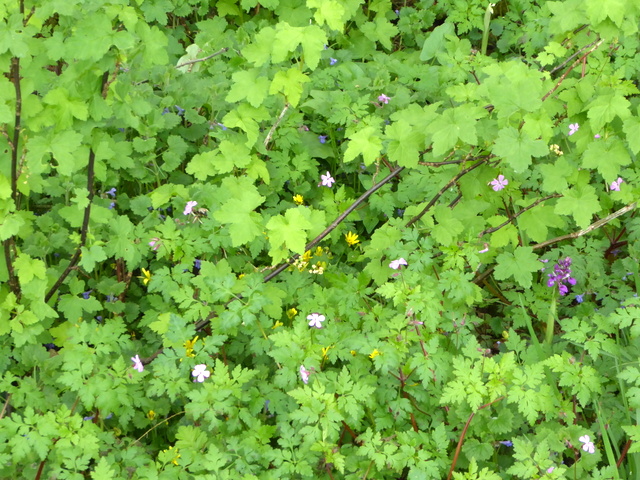
Lesser Celandine, Herb Robert, Ground Ivy and Early Purple Orchid
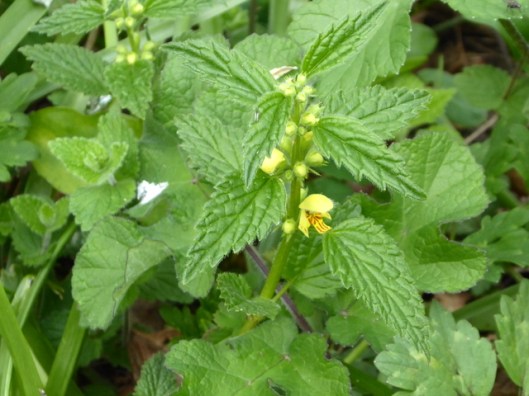


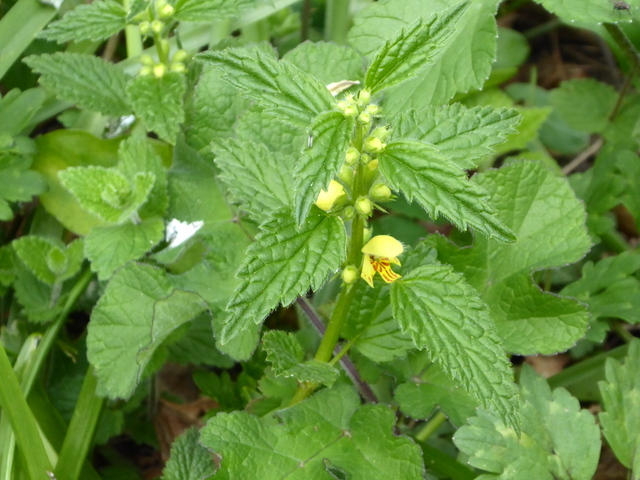
Yellow Archangel ( Lamiastrum galeobdolon)

There is a cultivated form of this plant (subspecies ‘argentatum’) with silvery patches on the leaves which has escaped into the wild and is quite invasive.
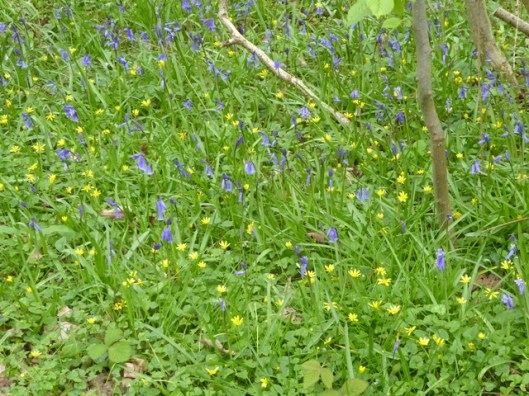
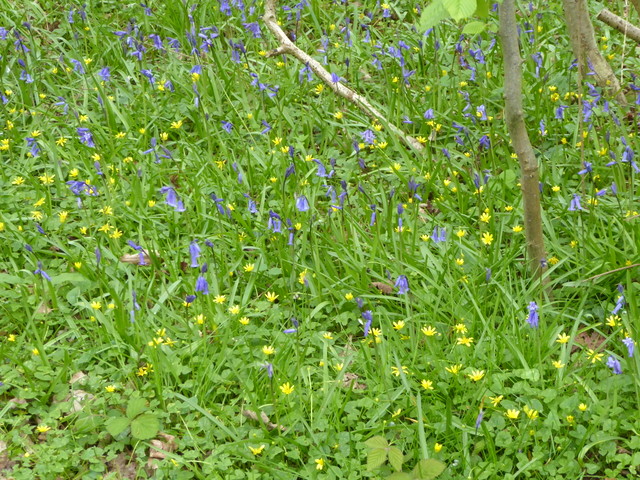
Lesser Celandines and Bluebells
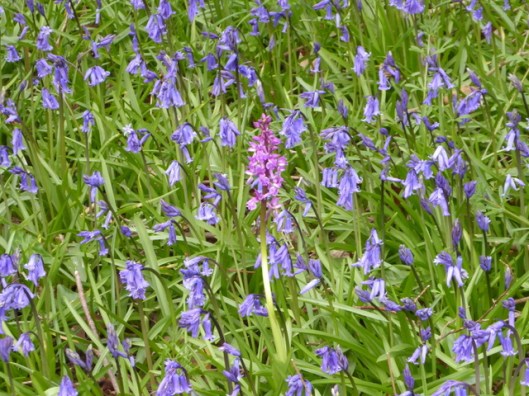
 

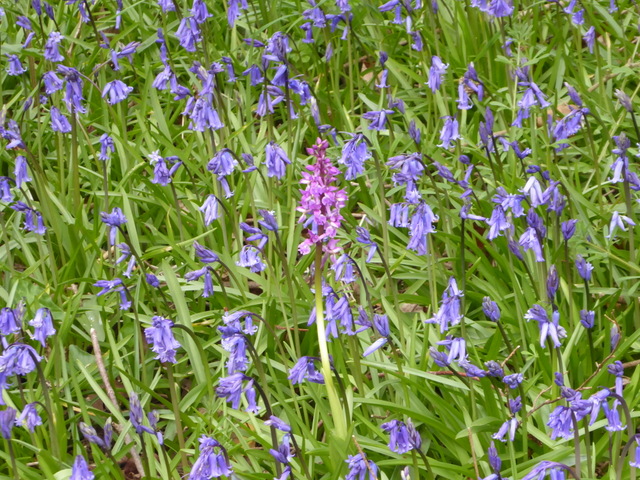
Early Purple Orchid and Bluebells
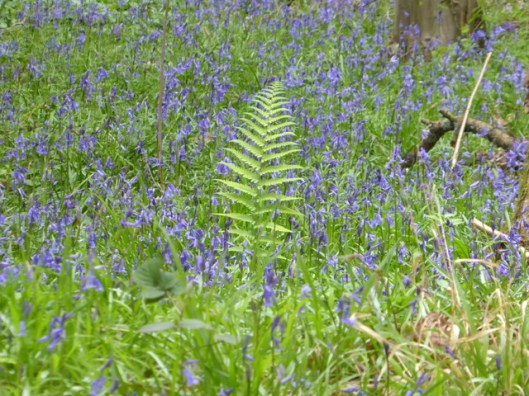
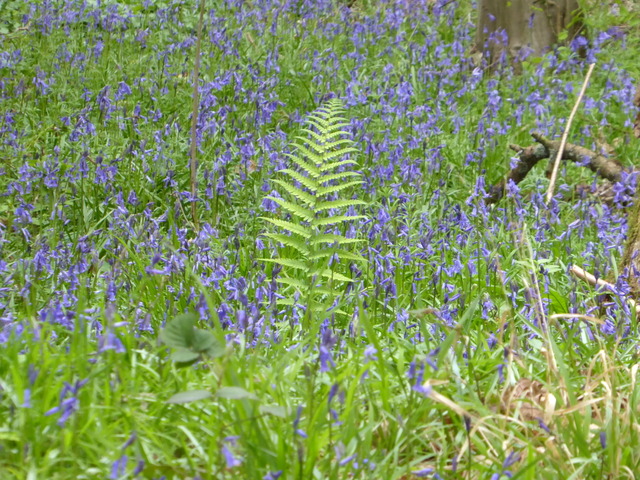
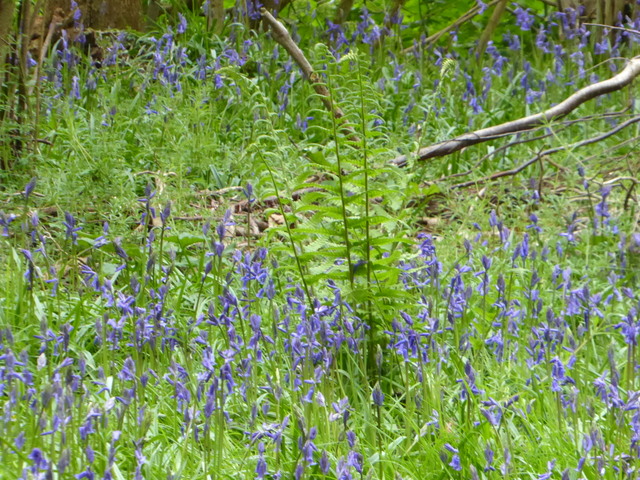
Fern and Bluebells
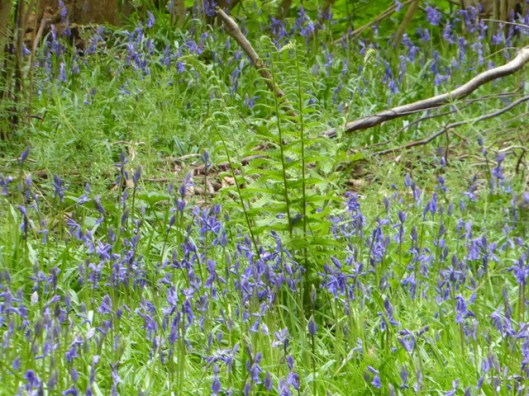
Bluebells and ferns

Here is a slideshow of the Bluebells we saw.

This slideshow requires JavaScript.

The Bluebells were not quite at their peak and as the day was overcast and chilly we didn’t smell their wonderful scent.  We decided it would be a good idea for us to return in a week’s time to see how they had developed.  Unfortunately, we have had very cold weather this week with frosts and wintery showers of hail and sleet.  I hope the Bluebells are not too damaged.  I apologise for the length of this post.

Thanks for visiting!
Share this:

  • Share on X (Opens in new window) X
  • Share on Reddit (Opens in new window) Reddit
  • Share on Pinterest (Opens in new window) Pinterest
  • Share on Facebook (Opens in new window) Facebook
  • Email a link to a friend (Opens in new window) Email
  • Share on Tumblr (Opens in new window) Tumblr
  • Print (Opens in new window) Print
  • Share on LinkedIn (Opens in new window) LinkedIn
Like Loading...

Slightly Newer News!

20 Mon Mar 2017

Posted by Clare Pooley in churches, Gardening, plants, Rural Diary, trees, walking, weather, wild flowers

≈ 56 Comments

Tags

bird-scare cannons, Christmas box, crocus, Cymbidium orchids, dandelion, Diary, Germander Speedwell, Homersfield church, mallards, miniature iris, Periwinkle, primroses, snow, snowdrops, St Mary's church Homersfield, Suffolk, sweet violets, walking, winter-flowering honeysuckle

p1010687sunday-morning-snow

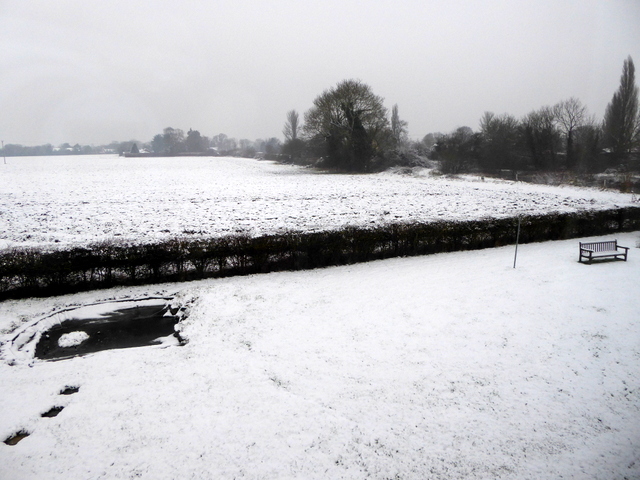
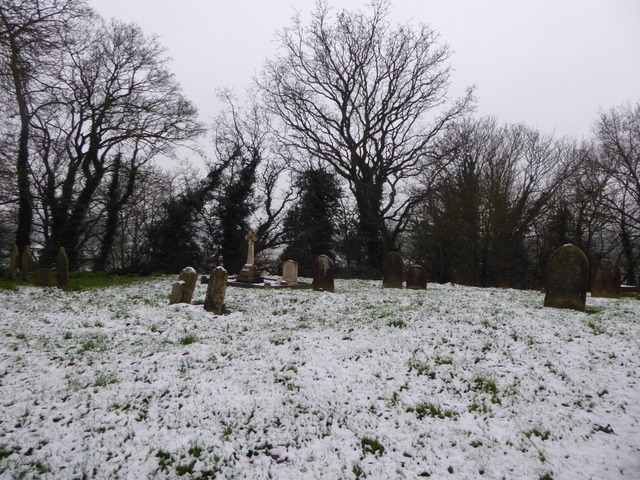
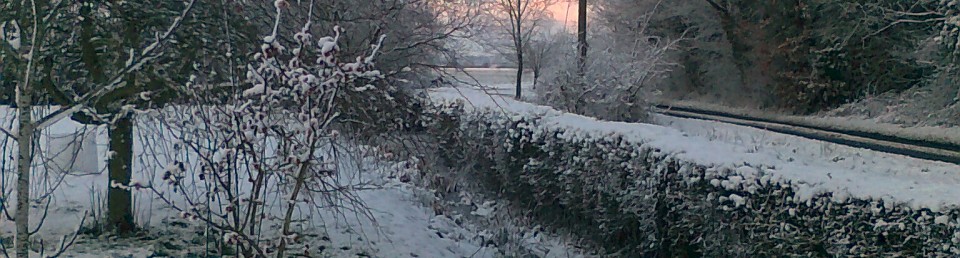
We had a dusting of snow five weeks ago

This is the view from our spare bedroom window.  We had had a few days of snow showers but nothing had settled until we woke on the Sunday morning to this.  Up until a few years ago we got snow every winter, sometimes a lot of snow; but not now.

p1010691homersfield-church

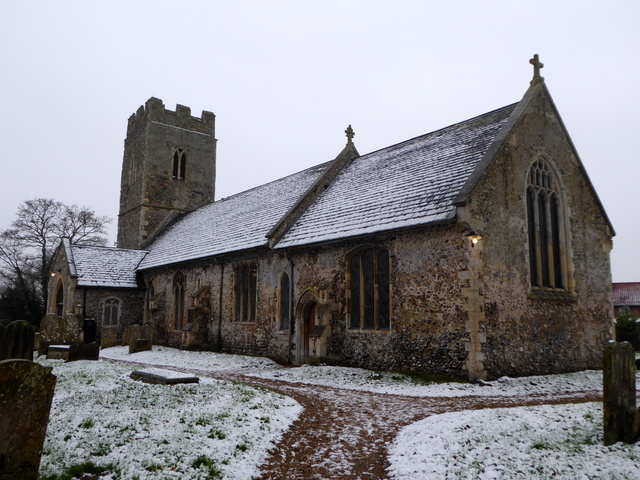
Homersfield church is dedicated to St Mary

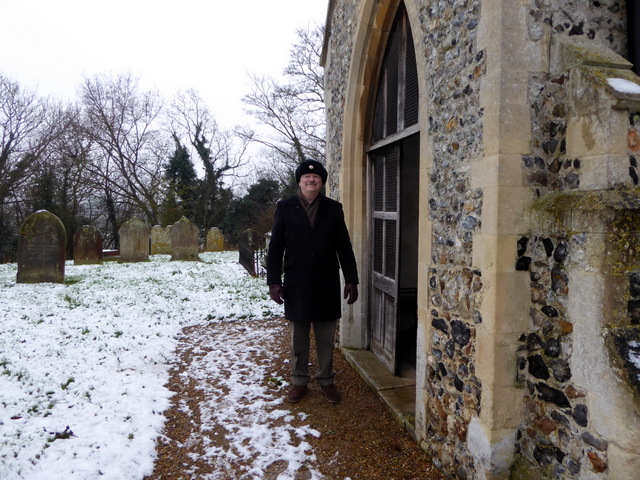
Richard and I went to church together that Sunday.

p1010688russian-richard

Here he is, looking very Russian!

Homersfield church is beautifully situated on a bluff above the River Waveney with its water meadows and marshes.  My favourite approach to it is up a track through woodland.

p1010689homersfield-churchyard

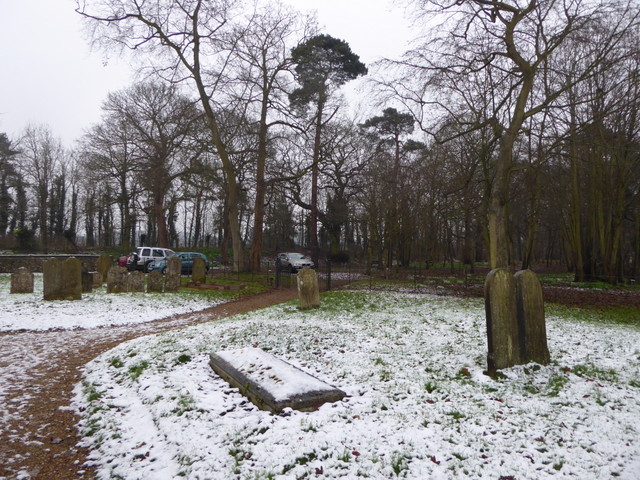
The churchyard. Beyond the trees the land drops away steeply.

p1010690homersfield-churchyard

Homersfield churchyard looking towards the woodland where we park our car.

p1010692woodland-beyond-the-churchyard-homersfield

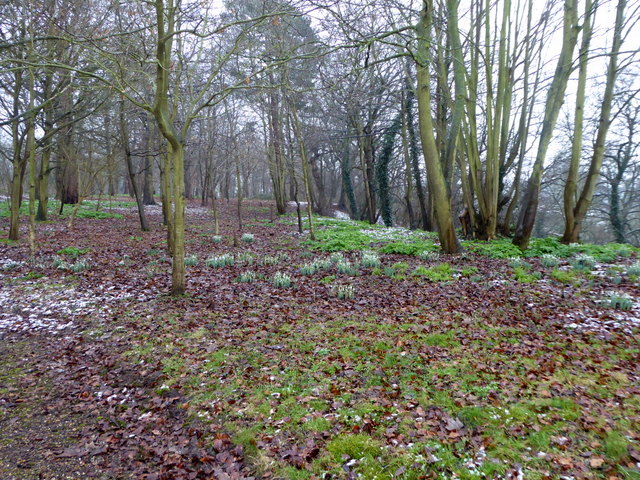
The woodland with snowdrops (Galanthus nivalis)

p1010693snowdrops

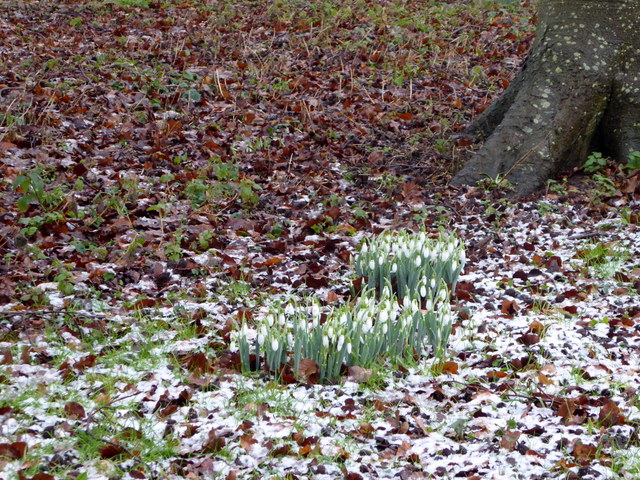
Snowdrops

The snow had all gone by the end of the day and the beginning of the following week was mild and sunny.

Richard and I went out for a short walk down the lane.  He can’t walk too far as yet so we weren’t able to do our usual circuit route but it was good to be out together.

p1010698bird-scarer

We have been listening to bird-scaring cannons going off at intervals every day, from dawn til dusk since the middle of autumn. Wood pigeons do considerable damage to leafy crops such as oil-seed rape.

p1010701view

Bare trees and a see-through hedge

Further up the lane was the sheltered bank of a ditch on which I found a number of tiny plants.  They had begun flowering in the milder weather we had had that week.

p1010702primrose

Primrose (Primula vulgaris) plants

p1010703primrose

Primrose.  This is a ‘thrum-eyed’ primrose flower.  If you look at the centre of the flower you see its long stamens, the short stigma is hidden below.  A ‘pin-eyed’ primrose has a long stigma visible and its short stamens are concealed.  I will see if I can find a ‘pin-eye’ flower so you can compare the two.

p1010704speedwell

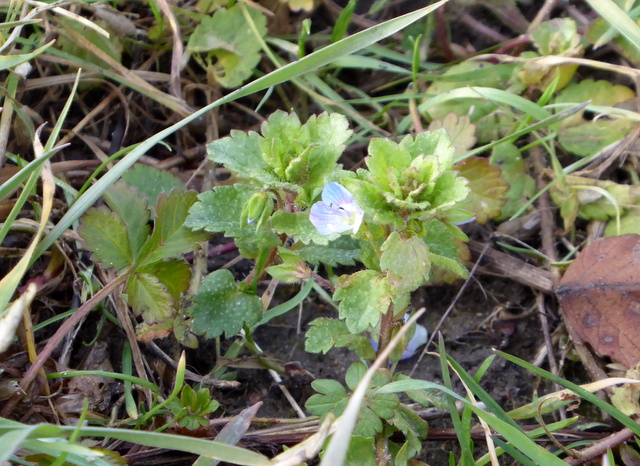
Germander Speedwell (Veronica chamaedrys)

p1010705dandelion

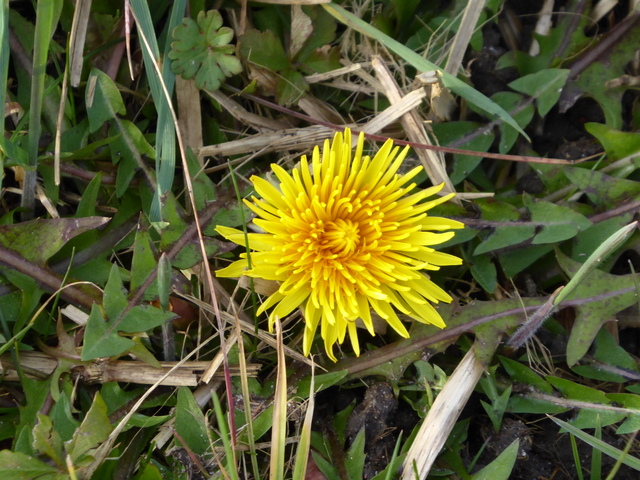
Dandelion (Taraxacum agg.)

p1010706red-deadnettle

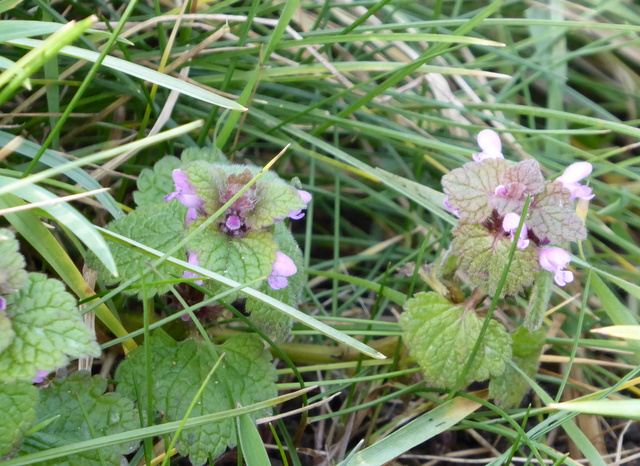
Red Dead-nettle (Lamium purpureum)

p1010707tree

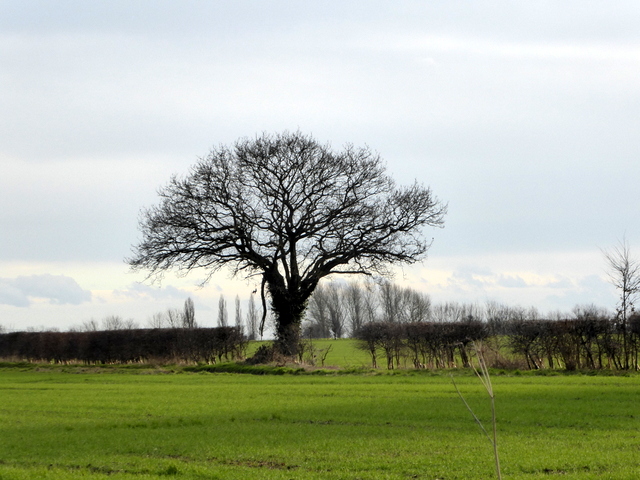
An oak tree in a hedgerow. A dead branch has broken and is dangling from the tree.  You cannot see it in this photo but a single track road runs this side of the hedge.

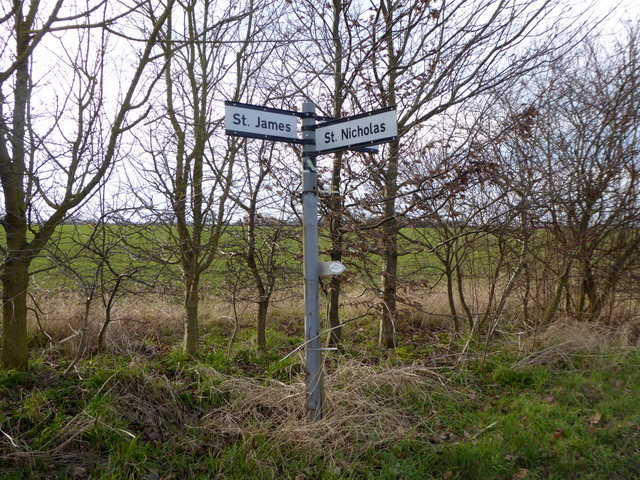
p1010708signpost

The signpost at the end of the lane

Field view
Field view
Field view
Field view

We stood for a while and looked across the fields; we tried to walk a little further towards the village of St James but Richard soon knew he would be too tired if he went any further.  We turned for home.

Our muddy lane
Our muddy lane
Our muddy lane
Our muddy lane
Our muddy lane
Our muddy lane

For many months of the year our lane is covered with a thick layer of mud.  Our cars are perpetually filthy and walking is a messy business!

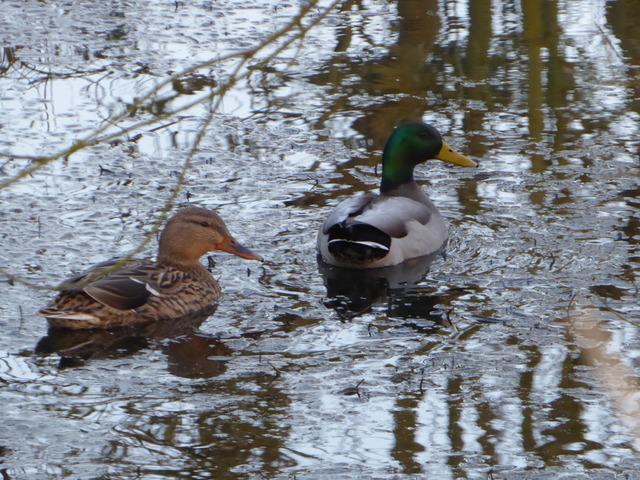
Mallards (Anas platyrhynchos) on our pond.

I know it is spring once I start to see pairs of Mallards on our pond! We have also been visited by our Graylag geese friends and yet again we realise we have failed to clear the the willow and bramble scrub off the island they like to nest on.

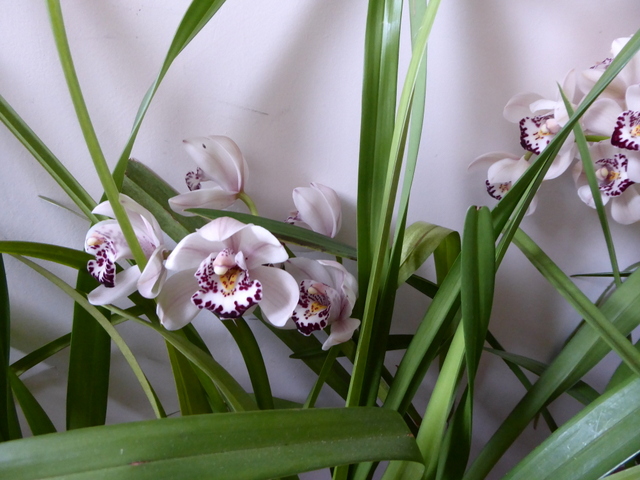
I was pleased that my Cymbidium orchids flowered from Christmas until just a week ago.

They had produced seven spikes of flowers altogether, which is the best ever!

Here is a slideshow of the flowers in bloom in my garden during February.

This slideshow requires JavaScript.

My music choice is ‘Laudate Dominum’ by Mozart and sung by Emma Kirkby.  I have been fortunate to have heard Emma Kirkby sing on two occasions, in recitals held at the church in my mother’s village.

Thanks for visiting!
Share this:

  • Share on X (Opens in new window) X
  • Share on Reddit (Opens in new window) Reddit
  • Share on Pinterest (Opens in new window) Pinterest
  • Share on Facebook (Opens in new window) Facebook
  • Email a link to a friend (Opens in new window) Email
  • Share on Tumblr (Opens in new window) Tumblr
  • Print (Opens in new window) Print
  • Share on LinkedIn (Opens in new window) LinkedIn
Like Loading...

Highlights Part 7 : Redgrave and Lopham Fen

14 Tue Feb 2017

Posted by Clare Pooley in Days out, plants, Rural Diary, walking, wild flowers

≈ 67 Comments

Tags

ferns, flowers, plants, Redgrave and Lopham Fen, Suffolk, Suffolk Wildlife Trust, wild flowers

At the beginning of September, I visited Redgrave and Lopham Fen with my friend Heather whom I hadn’t seen for over a year.  It was a very muggy, clammy day so not ideal for walking any distance.

p1010278r-l-fen

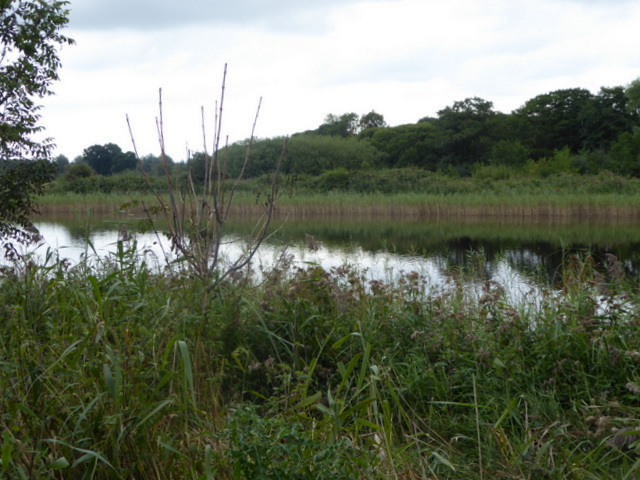
Redgrave and Lopham Fen – one of the many large ponds.

The sedge and reeds were very tall so we didn’t manage to see much open water and the pathways across the fen were quite narrow and enclosed at times.  We got very hot and sticky and our feet were black with the peaty soil we walked on.  However, we saw a few interesting plants and we managed to catch up with all our news!

p1010279r-l-fen

Water at Redgrave and Lopham Fen

Redgrave and Lopham Fen is situated on the border between Suffolk and Norfolk and is owned and maintained by the Suffolk Wildlife Trust.  It is where the River Waveney and the Little Ouse River have their beginning.  It is the largest remaining area of river valley fen in England.  Its diverse habitat make it a very important site; saw sedge beds, open water, heathland, scrub and woodland can all be found here.

It is one of only three sites in the UK where the Fen Raft Spider can be found, though we didn’t manage to see it on our walk.  Nineteen species of dragonfly, twenty-seven species of butterfly, twenty-six species of mammal, four species of amphibian, four species of reptile and ninety-six species of bird can be seen here.  The beginning of September isn’t a great time of year to go looking for wildlife but we were pleased with what we did manage to see.  It is a place I would like to return to one day.

p1010255rosehips-r-l-fen

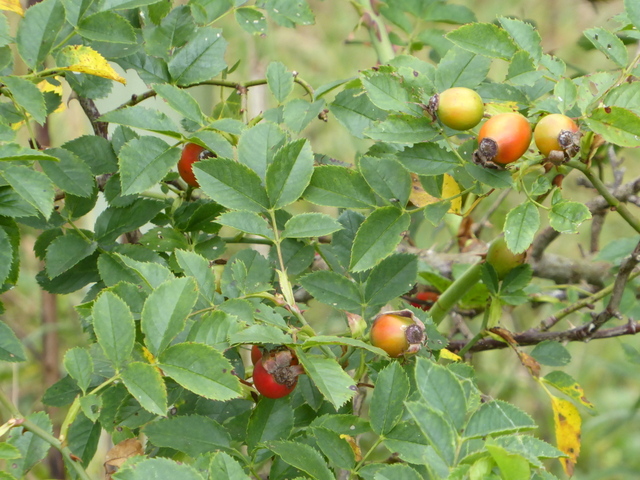
Hips of the Dog Rose (Rosa canina)

p1010258purple-loosestrife

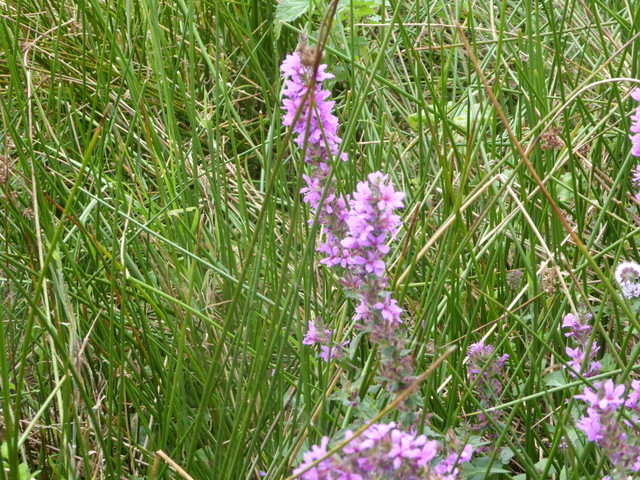
Purple Loosestrife (Lythrum salicaria)

Surprisingly for a plant so widespread, this was the first time I had seen this flower since I was a little girl.

p1010266purple-loosestrife

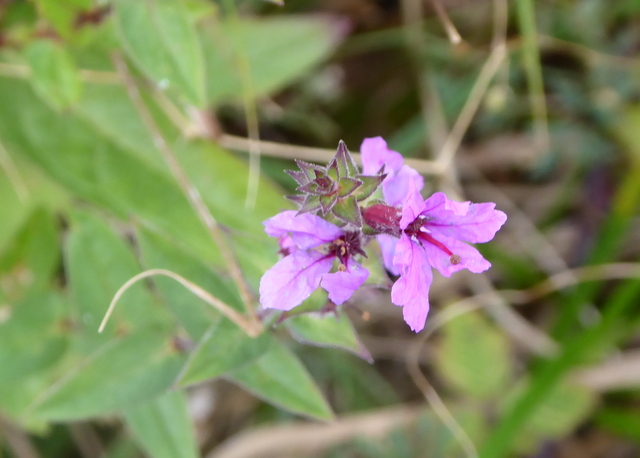
Purple Loosestrife

p1010259purple-loosestrife-mint

Purple Loosestrife and Water Mint (Mentha aquatica)

p1010260birds-foot-trefoil

Greater Bird’s-foot Trefoil (Lotus pendunculatus)

p1010263bedstraw-trefoil-seedheads

Bird’s-foot Trefoil seedheads with Fen Bedstraw (Galium uliginosum)

These seedheads really do look a bit like birds feet!

Bulrush and Common Reed

Bulrush (Typha latifolia) is also known as Great Reedmace.  Common Reed (Phragmites australis) stands in this country are a priority habitat because of their importance for wildlife as food and shelter.

p1010267devils-bit-scabious

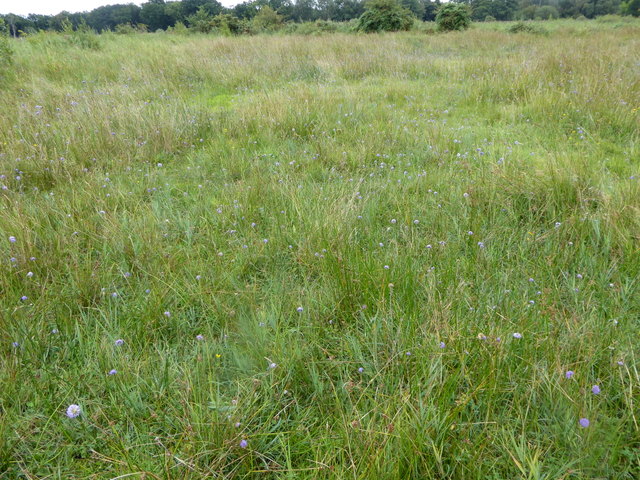
Devil’s-bit Scabious (Succisa pratensis)

According to legend, the Devil was so angry with this plant because it was successful at curing all sorts of ailments that he bit off part of the root.  The plant may have a short root but it still has curative powers!  Nicholas Culpeper says the boiled root is good for snake-bite, swollen throats, wounds and the plague.

p1010268devils-bit-scabious

A meadow full of Devil’s-bit Scabious

p1010269broad-buckler-fern

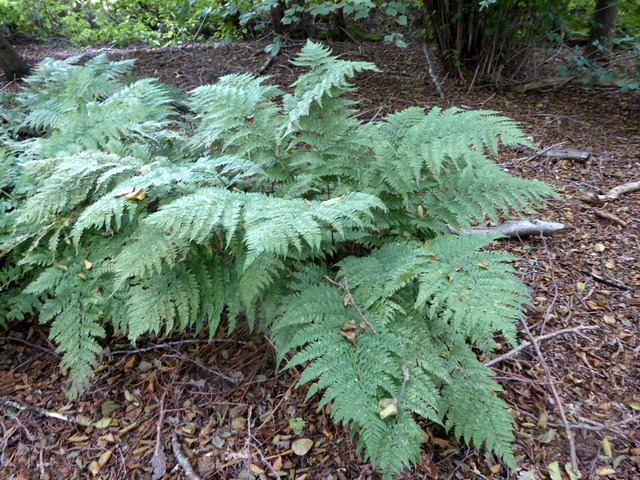
Broad Buckler Fern (Dryopteris dilatata)

Broad Buckler Fern has 3-times pinnate leaves.  Pinnate leaves are made up of leaflets, often in pairs, attached to a central stem and often with a terminal leaflet.  2-times pinnate leaves = the leaflets have their own leaflets.  3-times pinnate leaves = the leaflets of the leaflets have leaflets!  Broad Buckler Fern has a long stalk which only has leaf branches for half its length.

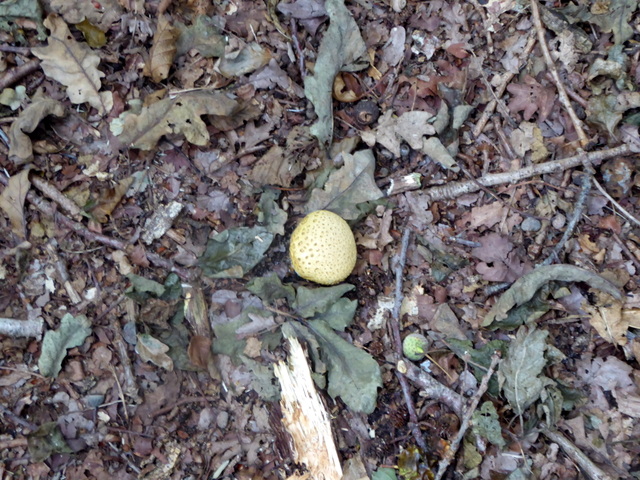
p1010270earthball

Probably Common Earthball (Scleroderma citrinum)

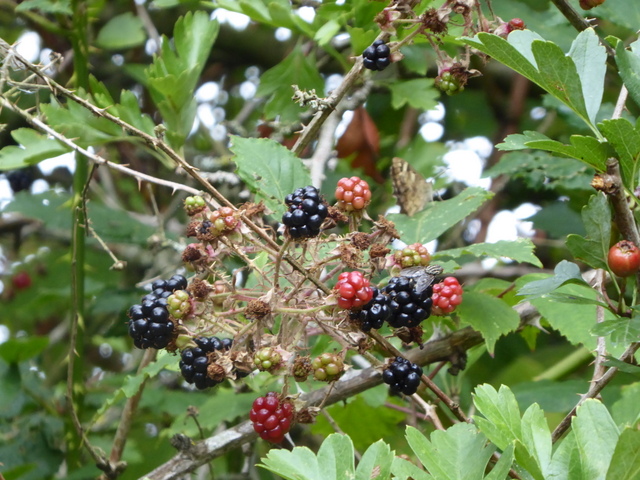
p1010271blackberries

Blackberries on Bramble (Rubus fruticosus agg.)  There is an out-of-focus Speckled Wood butterfly sitting on a leaf just to the right of the top red berry

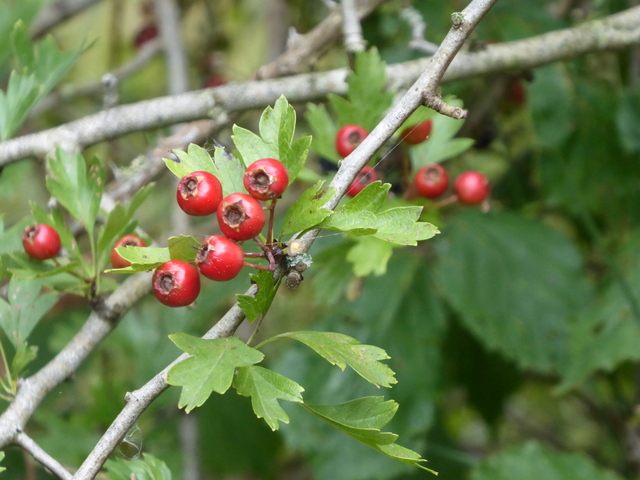
p1010272haws

Haws of a Common Hawthorn (Crataegus monogyna)

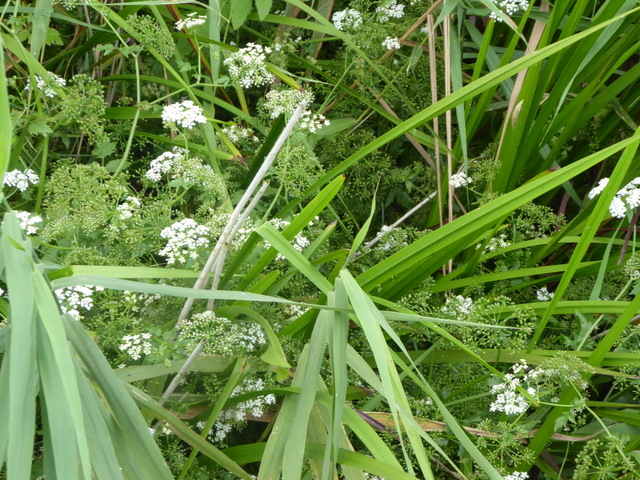
p1010274lesser-water-parsnip-perhaps

This might be Lesser Water Parsnip (Berula erecta)

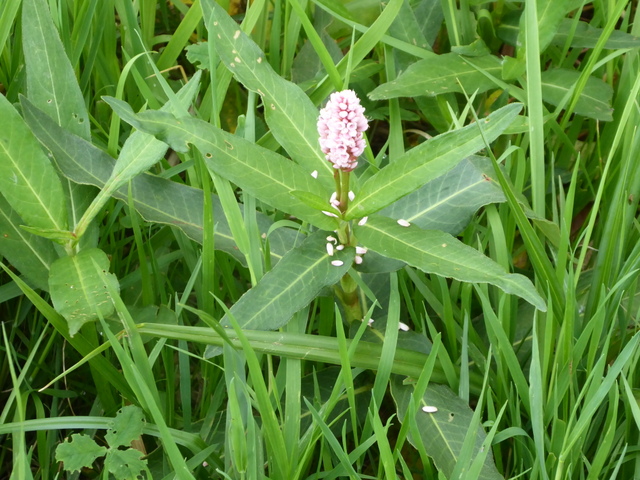
p1010276amphibious-bistort-perhaps

I believe this is probably Amphibious Bistort (Persicaria amphibia)

It took me a while to identify this plant, mainly because it is extremely variable.  It has two main forms – an aquatic form, which is described and illustrated in most ID guides, and a terrestrial form, which isn’t often described and hardly ever illustrated.  The plant I saw is the terrestrial form.

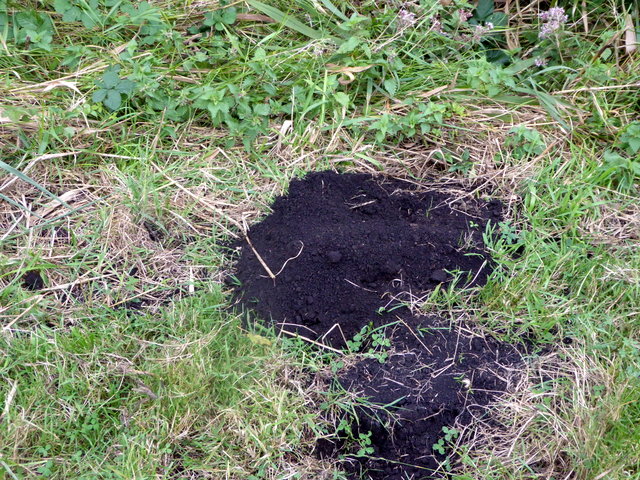
p1010277mole-in-peat

This mole-hill shows how black the soil is

p1010282common-valerian

Common Valerian (Valeriana officinalis)

p1010281guelder-rose

Guelder-rose (Viburnum opulus) with clusters of red berries

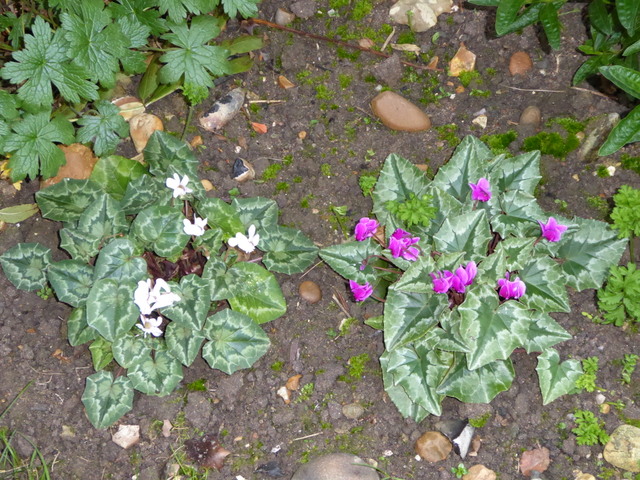
Heather kindly bought me a gift of two hardy cyclamen plants as our meeting was close to my birthday.  I took a photo of them at the end of October where I had planted them in my garden.

p1010470cyclamen

White and purple hardy cyclamen.  I am hoping they will spread out under the shrubs I have in this border and prevent the moss from returning as soon as my back is turned!

Thanks for visiting!
 

Share this:

  • Share on X (Opens in new window) X
  • Share on Reddit (Opens in new window) Reddit
  • Share on Pinterest (Opens in new window) Pinterest
  • Share on Facebook (Opens in new window) Facebook
  • Email a link to a friend (Opens in new window) Email
  • Share on Tumblr (Opens in new window) Tumblr
  • Print (Opens in new window) Print
  • Share on LinkedIn (Opens in new window) LinkedIn
Like Loading...

December 2016

05 Thu Jan 2017

Posted by Clare Pooley in Days out, family, Norwich, Rural Diary, seashore, walking

≈ 57 Comments

Tags

Advent, Advent Crown, Cromer, Cromer Lifeboat, Cromer pier, fog, frost, mist, Norfolk, Norwich, Norwich Market, Rumburgh Church, Suffolk, sunset, Turnstone, walking, Westleton Heath

Before Christmastide draws to a close I thought I’d better write something about what we managed to do over the past few weeks.

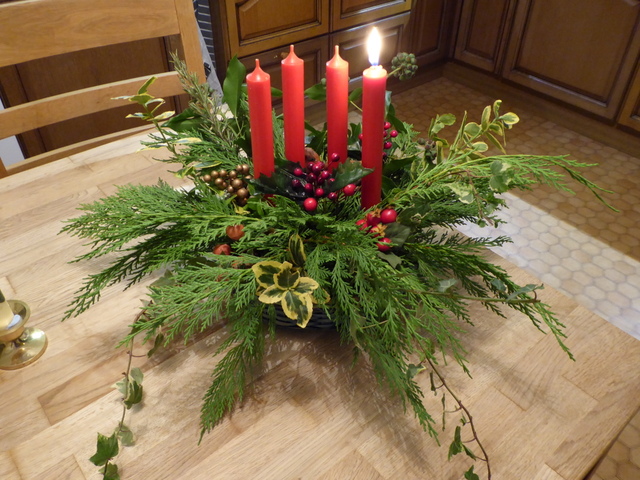
p1010512advent-crown

This is the Advent Crown that Elinor and I made this Christmas. The first candle was lit on the first Sunday in Advent.

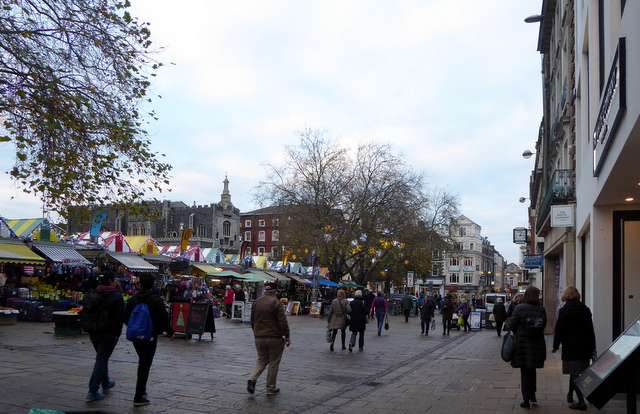
Norwich Market

Norwich Market

Norwich Market

Norwich Market

The 1st of December began with a frost (we had many frosty and foggy days in December) but by the time I had driven Elinor into Norwich for her afternoon classes at college it had clouded over and had become a little milder.  The light wasn’t really good enough for photographs but the city had recently put it’s decorations up and was looking festive, though these photos make it look rather gloomy!

During the whole month, unless I got to the city before 9.00 am, I was unable to find a parking space in any of the car-parks.  Norwich Council would like their visitors to arrive by train, bus, bike or on foot and don’t make it at all easy for car drivers.  There is very little public transport from where I live so we have to drive into town.  There are ‘park and ride’ places on the outskirts of the city but an acquaintance of mine queued for ages to get into the car-park and then waited an age with crowds of other shoppers for a bus  which was full before he got to it!  He returned home without doing his shopping.  I have discovered a roadside parking area near to the college where I get two hours free parking and which is only a fifteen minute walk away from the city centre!  This is where I had parked that day.  I had coffee and a sandwich in a café and did some Christmas shopping and then made my way back to my car.

p1010509coachmakers-arms

The Coachmaker’s Arms

This former coaching inn is on St Stephen’s Road and was built in the 17th century on the site of an asylum.  The pub is said to be haunted.

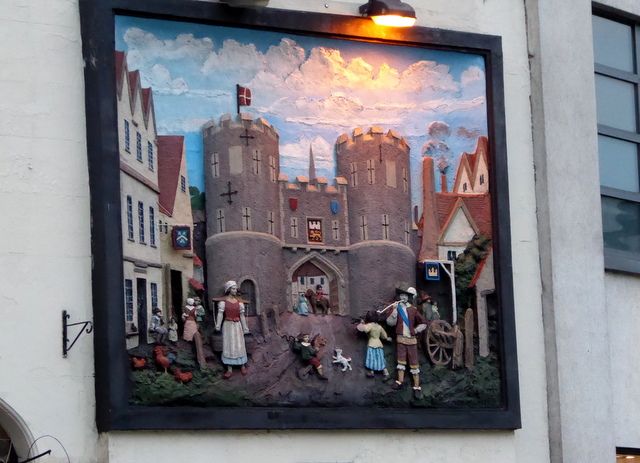
p1010510coachmakers-arms

An attractive frieze outside the pub showing what the inn might have looked like when first built.  It was near one of the many city gates

For most of the month, Richard was still unable to drive any distance and was very bored being at home all the time.  On the 2nd of December he joined Elinor and me in the car and after I had dropped Elinor off at college just before 9.00 am we drove to the north Norfolk coast and spent the morning in Cromer.

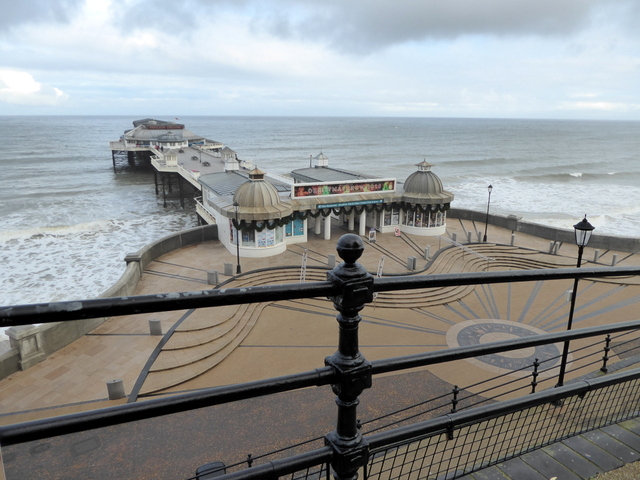
p1010513cromer

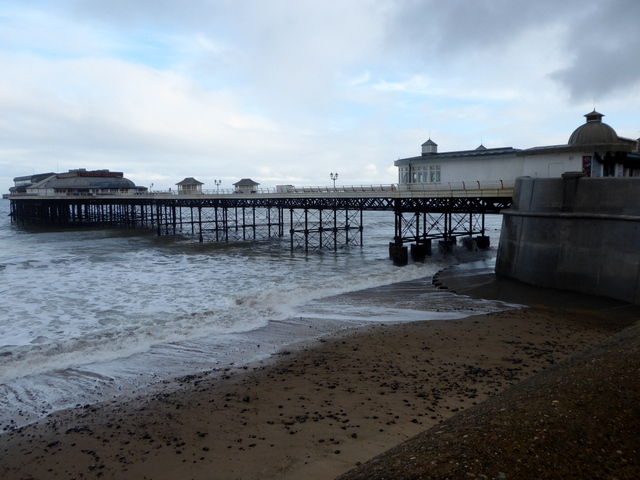
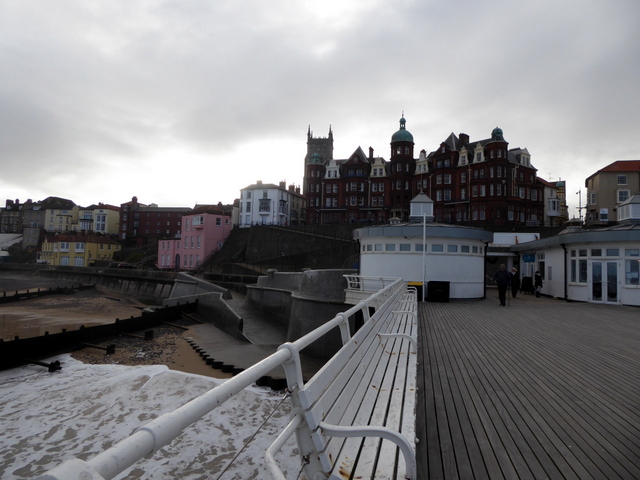
Cromer Pier

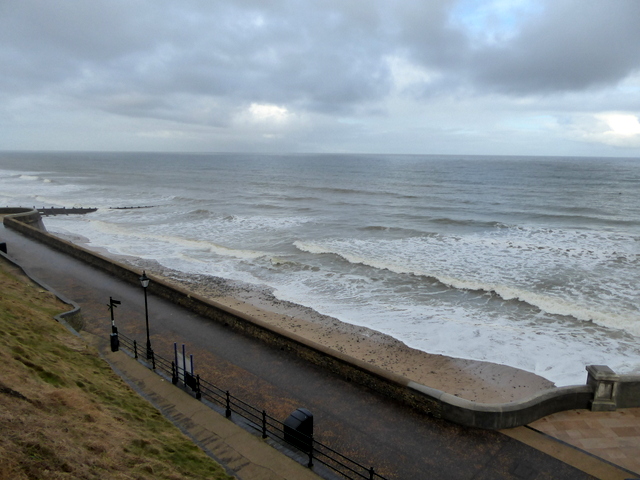
p1010514cromer

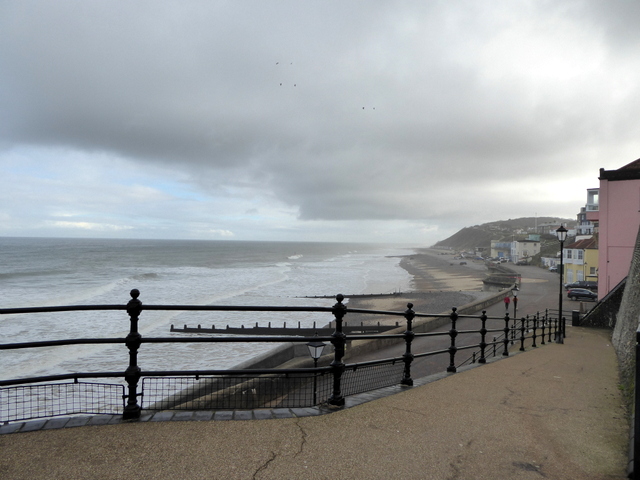
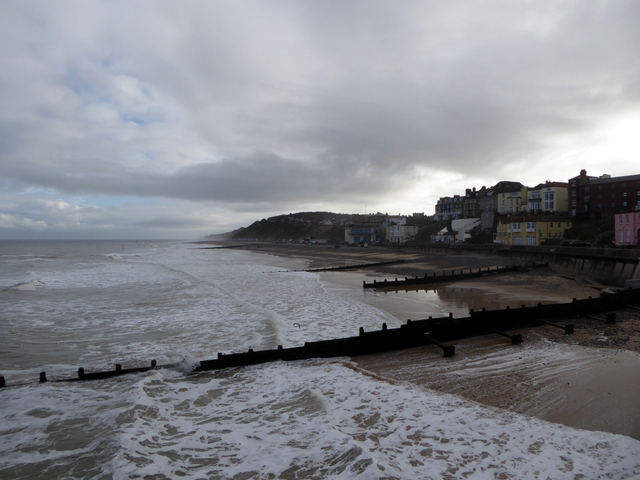
The tide was in.  Looking westward.

p1010515cromer

Looking towards the east.

p1010516turnstone

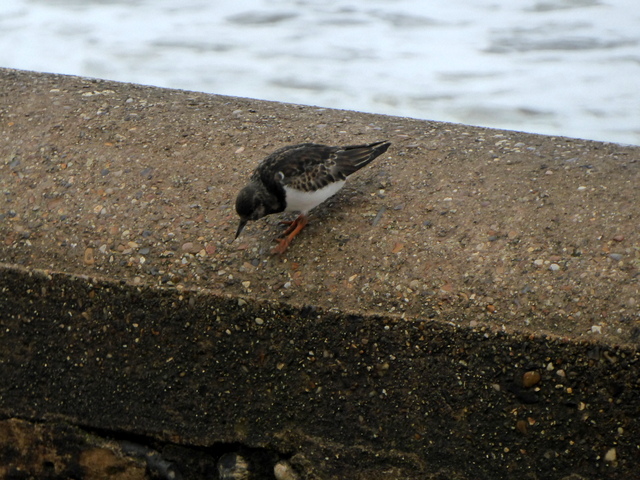
This is a photo of a very tame Turnstone (Arenaria interpres) who had decided that a good living can be made by following visitors about and eating food crumbs. It behaved just like a feral pigeon!

We were so surprised to see this bird at such close quarters!  Normally they keep their distance from humans and find worms and molluscs etc. on the shore.

p1010519cromer

Cromer Pier

p1010521cromer

There was a large amount of spray coming off the sea

p1010522cromer

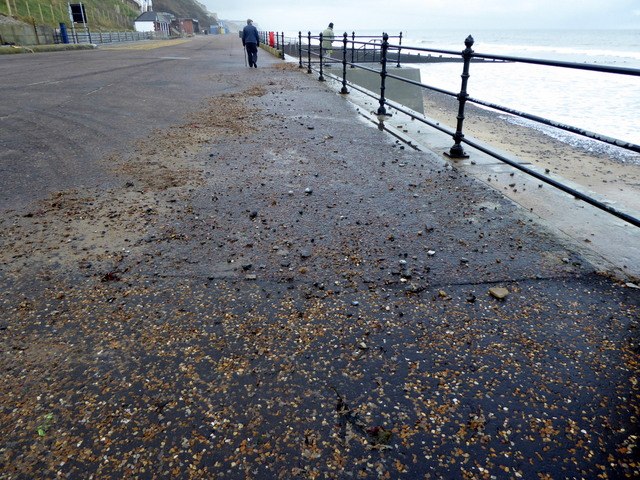
The sand and stones on the promenade show how high a recent tide had been

p1010523cromer

Boats out at sea

p1010526cromer

An off-shore wind-farm

p1010527cromer

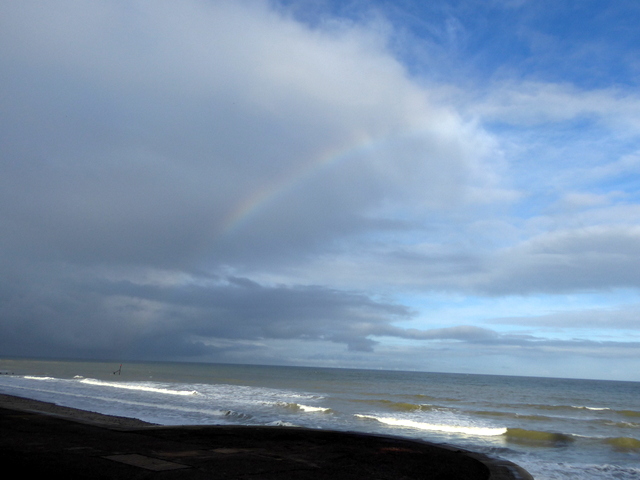
A rainbow

p1010528cromer

Richard walking towards the beach changing rooms

p1010531cromer

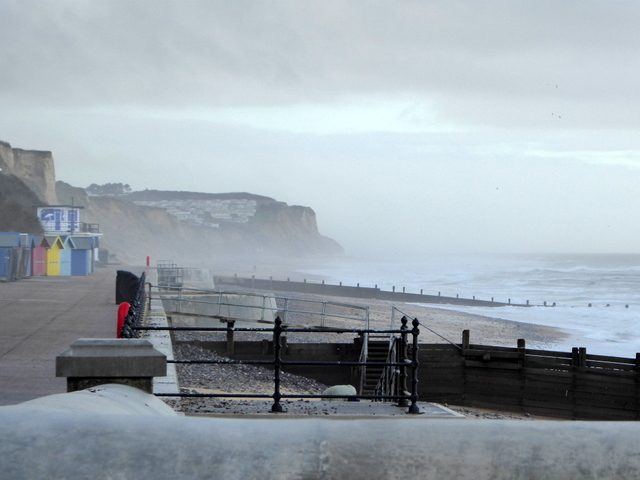
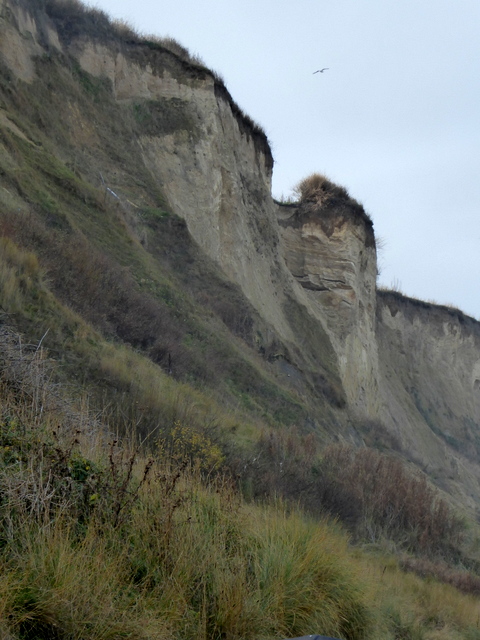
Cromer cliffs

After walking along the front we then visited the pier.

p1010533cromer

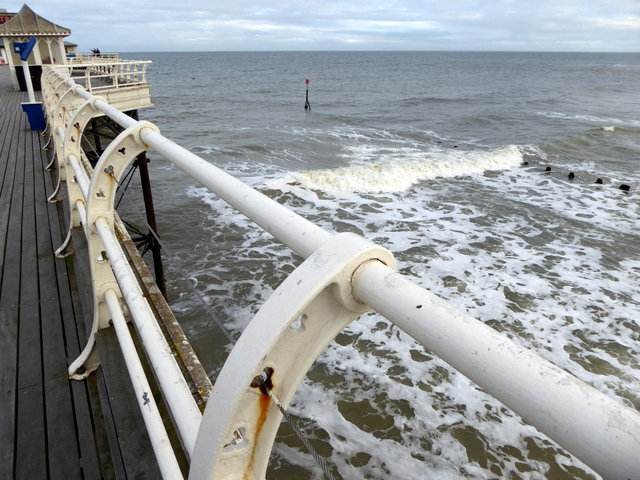
View from the pier

p1010534cromer

Looking back towards the town

p1010535cromer

Cromer

p1010538lifeboat-museum

We visited the Lifeboat station at the end of the pier

This slideshow requires JavaScript.

p1010537lifeboat-museum

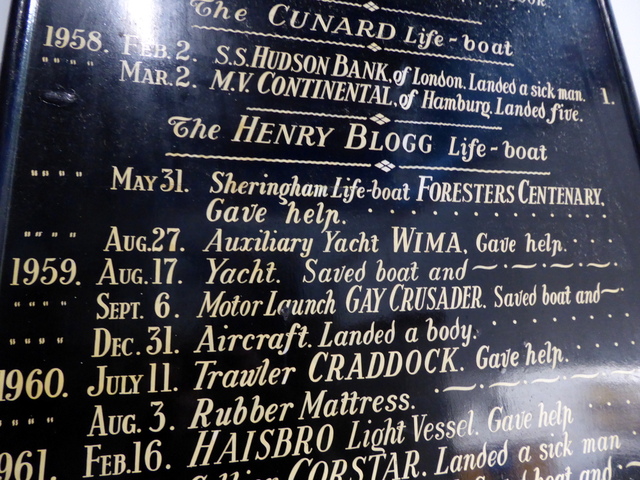
Part of one of the boards listing all their call-outs. I chose this because I was born in 1958

p1010536lifeboat-museum

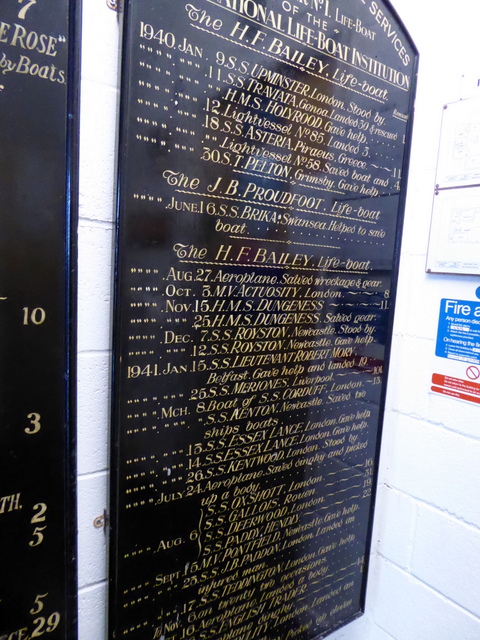
This is one of the war-time boards

p1010548cromer

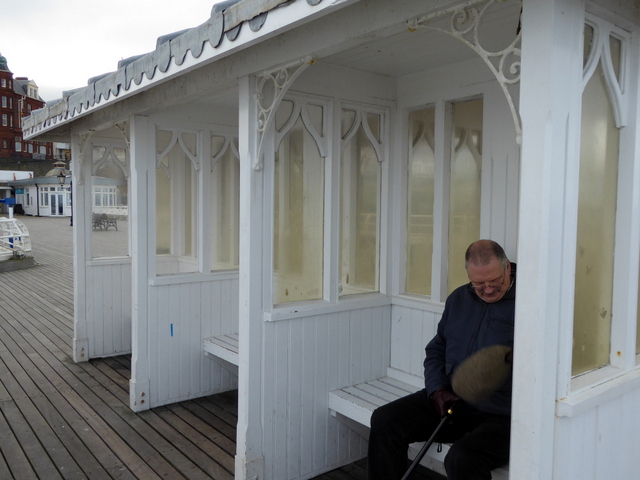
Richard in one of the shelters on the pier

p1010550cromer

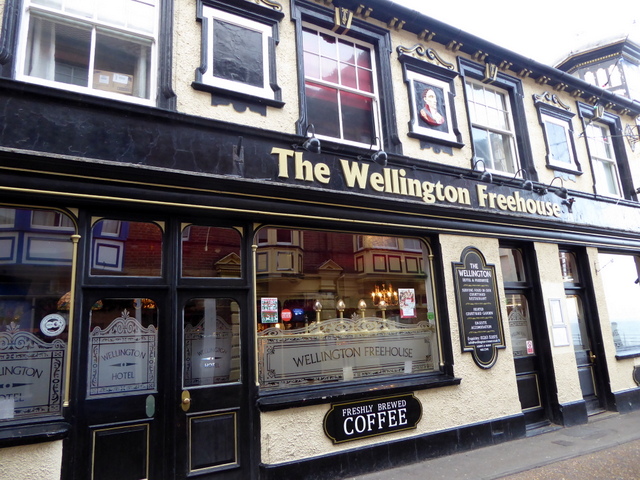
‘The Wellington’ – one of the pubs in the town

Returning home from shopping the following week, Elinor and I marvelled at the beauty of this misty sunset

This slideshow requires JavaScript.

p1010559font-decoration

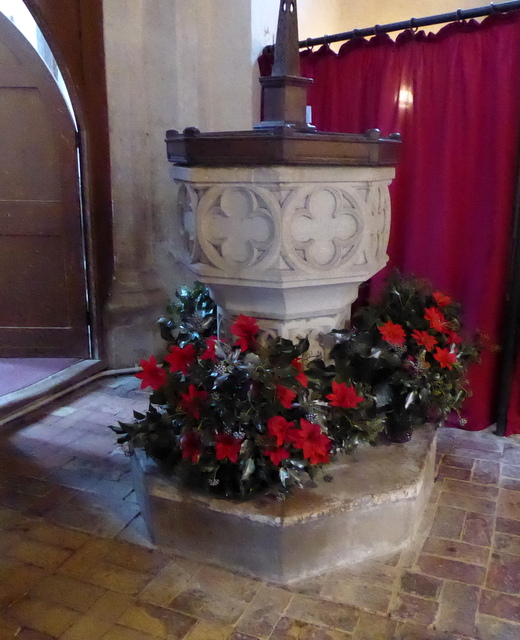
Christmas flower arrangement around the font at our church at Rumburgh

Richard and I had a lot to do at church this Christmas.  At the beginning of the month we had an Advent Carol Service with all our favourite Advent hymns and Advent readings.  Usually we have a Carols and Capers service with the local Morris group and their friends at the beginning of the season but sadly they were unable to organise it this time.  We had a Christmas Carol service on the 21st of December and then our church hosted the Midnight Mass service on Christmas Eve too.

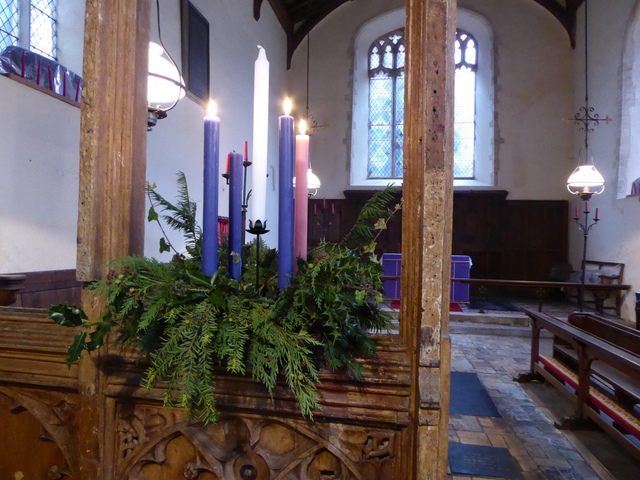
p1010562advent-crown

I had made an Advent Crown for church too

p1010564westleton

We went for a walk on Westleton Heath on Boxing Day

p1010565gorse

The gorse (Ulex europaeus) was in flower

p1010566westleton

In the autumn this area of heather is a rich purple colour

p1010567westleton

Alice, Elinor and Phil, Alice’s boyfriend who stayed with us this Christmas

p1010569phil

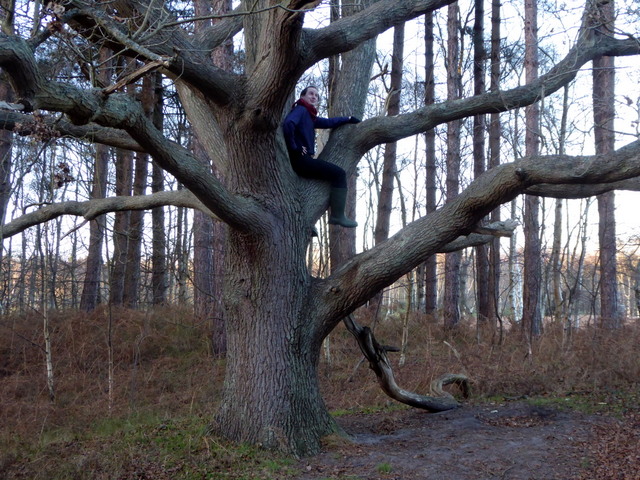
Phil up a tree

p1010568richard

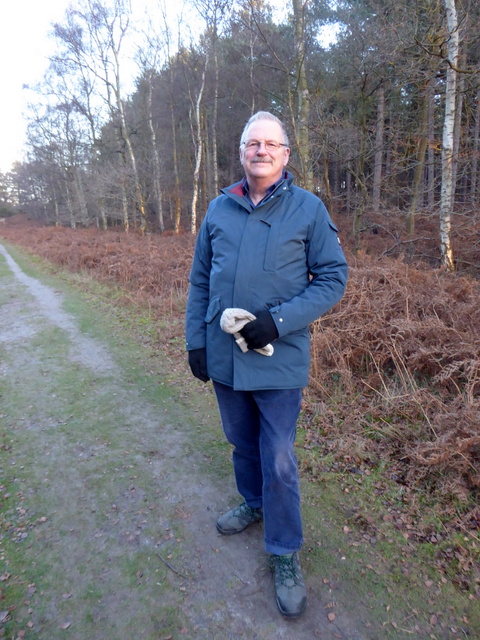
Richard, walking without a stick now!

p1010572westleton

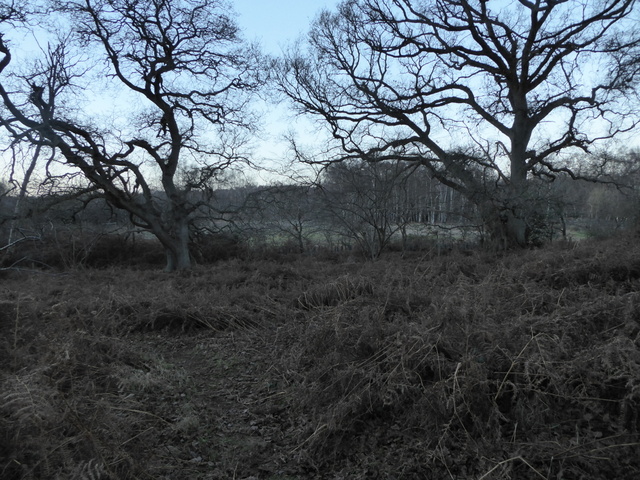
Trees on the heathland as dusk fell

p1010576westleton-001

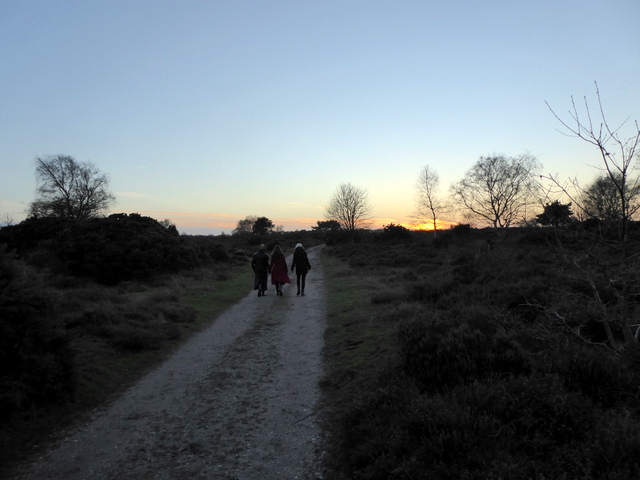
Sunset

p1010582frost

Melting frost on the outside of my bedroom window

These following photos were taken by Richard in our garden that same morning.

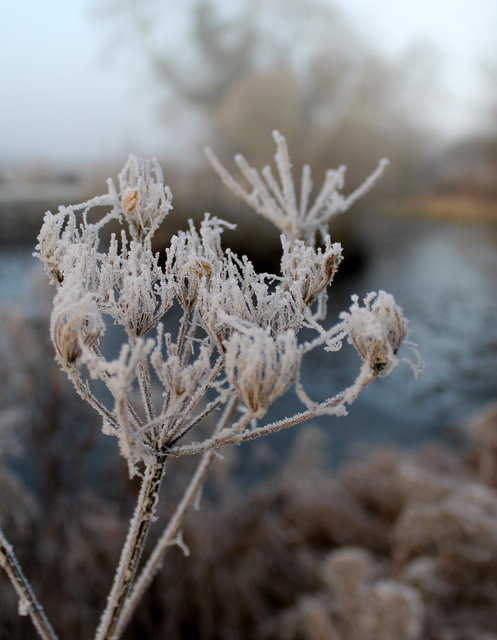
img_2825frost-and-fog

Hoar frost on a Hogweed seedhead

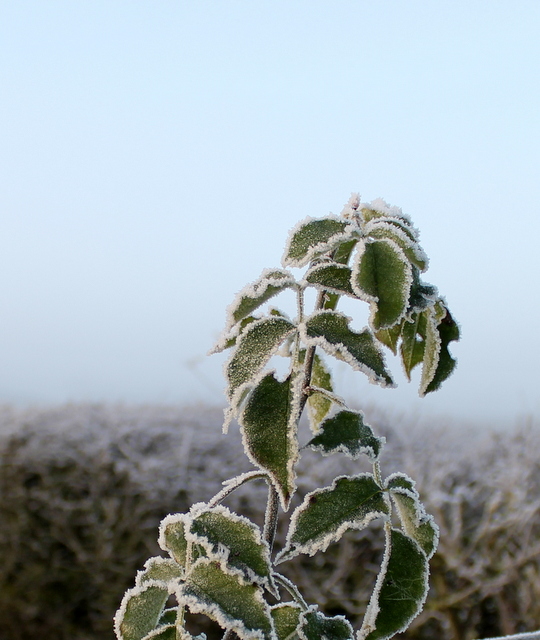
img_2830frost-and-fog

Hoar frost on rose leaves

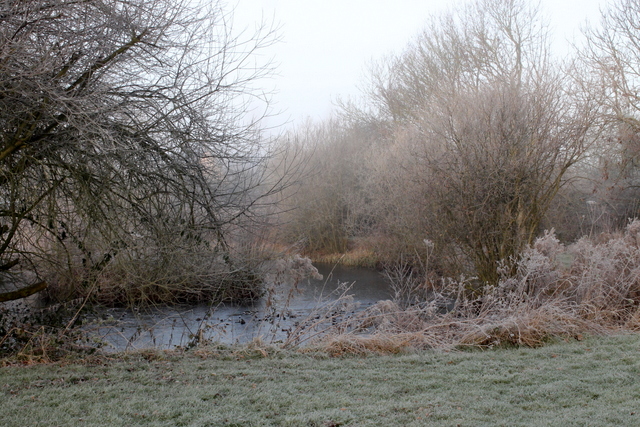
img_2821frost-and-fog

Our big pond

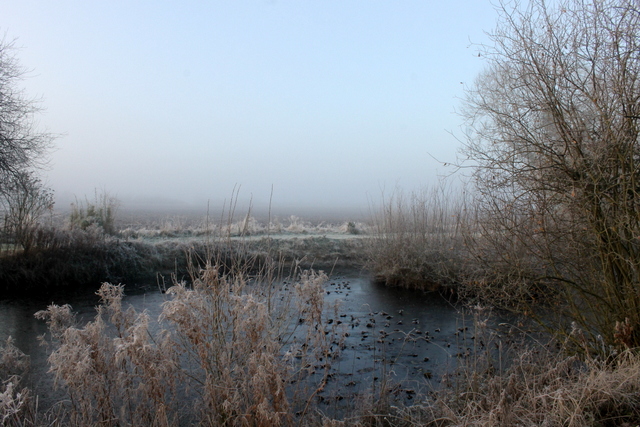
img_2826frost-and-fog

Frost and fog

img_2828frost-and-fog

Frost and fog

Richard and I went out for a walk across the fields on New Year’s Eve.  The weather was very gloomy and I didn’t find much to photograph.

p1010589new-years-eve

View across the fields

p1010590new-years-eve

View across the fields

p1010593new-years-eve

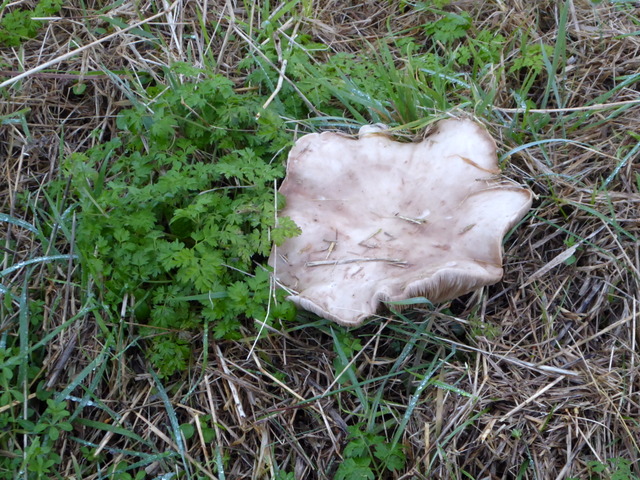
Yet another view!  Note the large toadstool – bottom right of the photo.

p1010591fungus

The large fungus!

And that was my December which also included Christmas celebrations with much cooking and baking, a lot of driving about, lots of shopping and an amazing amount of housework!

Thanks for visiting!
Share this:

  • Share on X (Opens in new window) X
  • Share on Reddit (Opens in new window) Reddit
  • Share on Pinterest (Opens in new window) Pinterest
  • Share on Facebook (Opens in new window) Facebook
  • Email a link to a friend (Opens in new window) Email
  • Share on Tumblr (Opens in new window) Tumblr
  • Print (Opens in new window) Print
  • Share on LinkedIn (Opens in new window) LinkedIn
Like Loading...

Ramshaw Rocks

07 Mon Nov 2016

Posted by Clare Pooley in Days out, holidays, plants, Rural Diary, walking

≈ 48 Comments

Tags

heather, hills, Peak District, Ramshaw Rocks, Rosebay Willowherb, walking

The day following our climb up Hen Cloud was very wet and chilly.  We did a little shopping and visited the Book Barn at Brierlow Bar where we both found some interesting books to buy.  We spent the rest of the day resting and reading.  Richard was feeling unwell as he often does on a Saturday which is when he takes a once-weekly tablet for his osteo-porosis.

The next day was our last full day in the Peak District.  It began with rain but by lunchtime the weather was beginning to brighten up.  We went into Leek and indulged in some more oatcakes and on our return to the caravan we were pleased to see that the awning was dry and so we emptied it and took it down while we could.   We drove to Ramshaw Rocks and took our last walk in the Peaks this year.

p1010215ramshaw-rocks

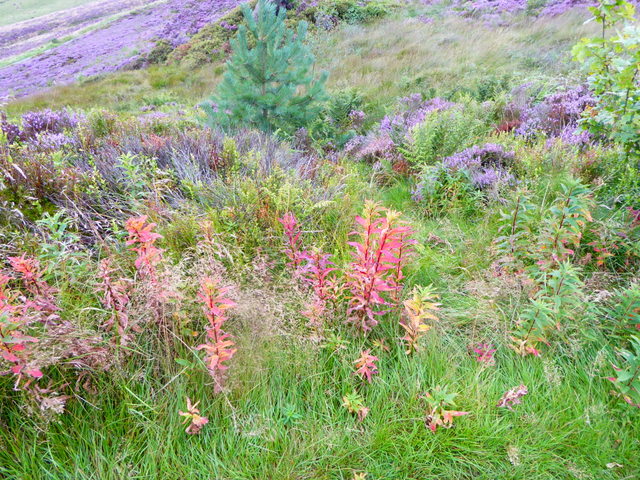
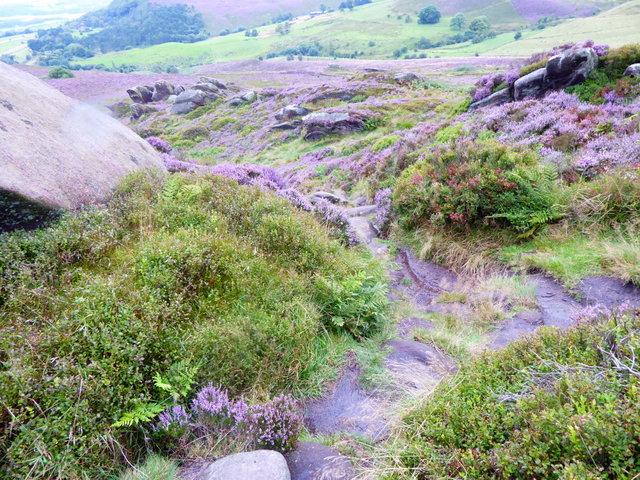
I had to take a photo of the colourful plants we saw at the beginning of our walk

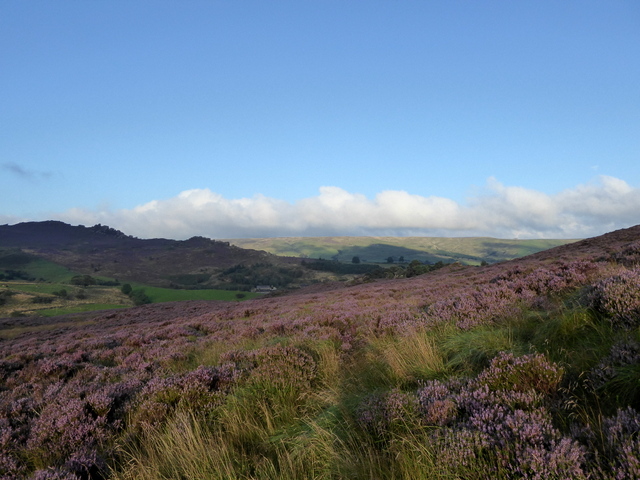
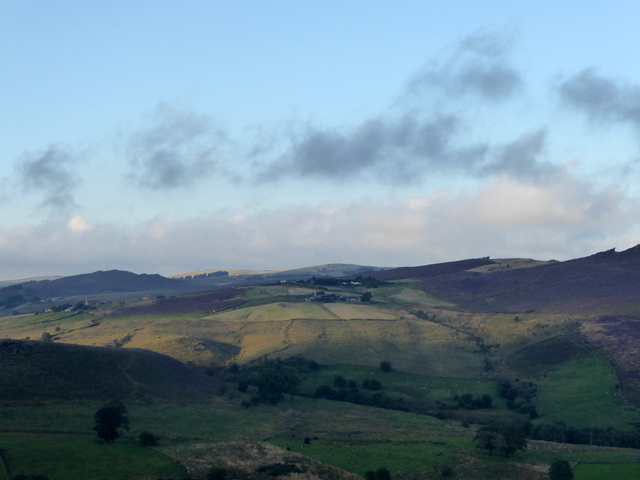
The Rosebay Willowherb (Chamerion angustifolium) had started to change colour because of the cooler temperatures.  The bright green grass, the cooler green of the fir tree, the purple heather and the bright pink of the willowherb looked so good together.

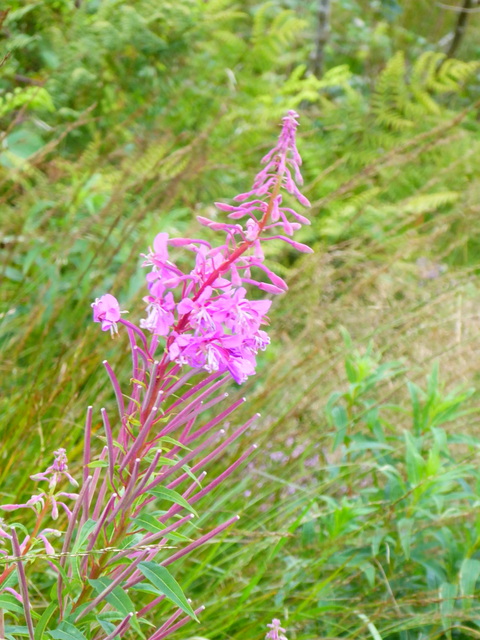
p1010216rosebay-willowherb

There was still some Rosebay Willowherb in flower

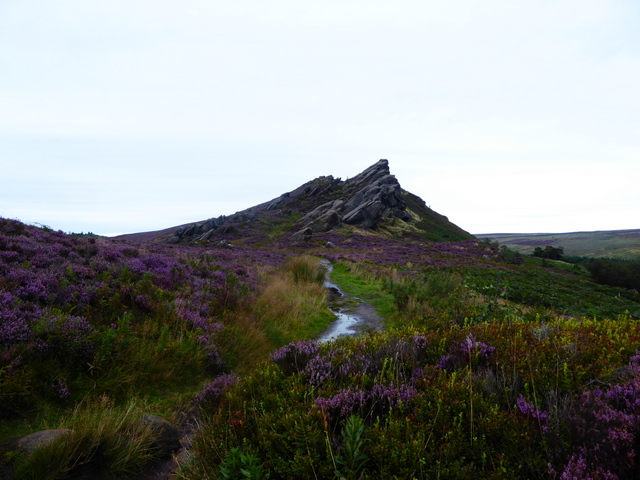
p1010217ramshaw-rocks

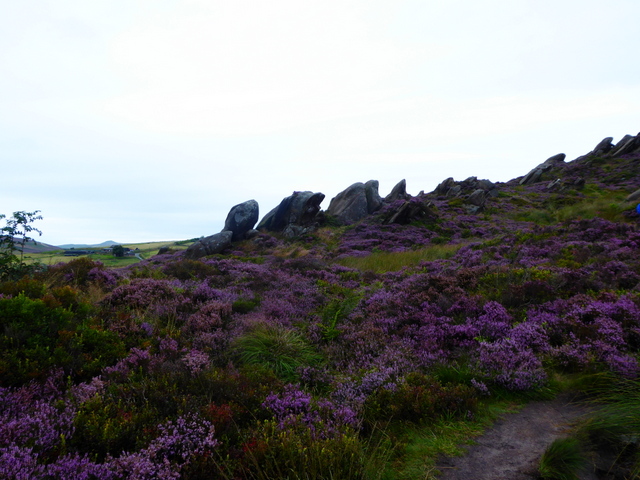
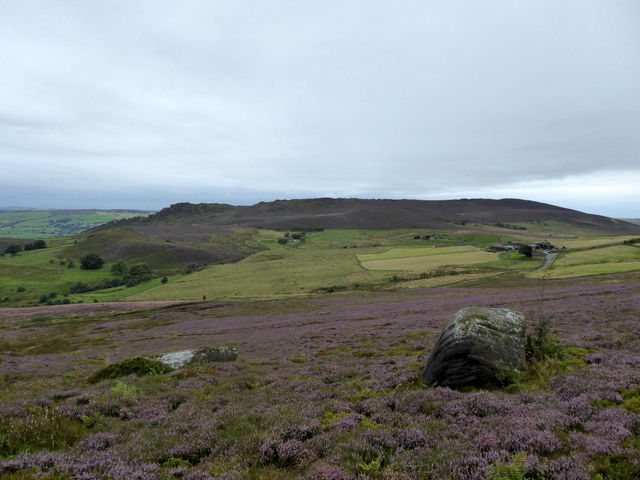
Ramshaw Rocks

p1010218ramshaw-rocks

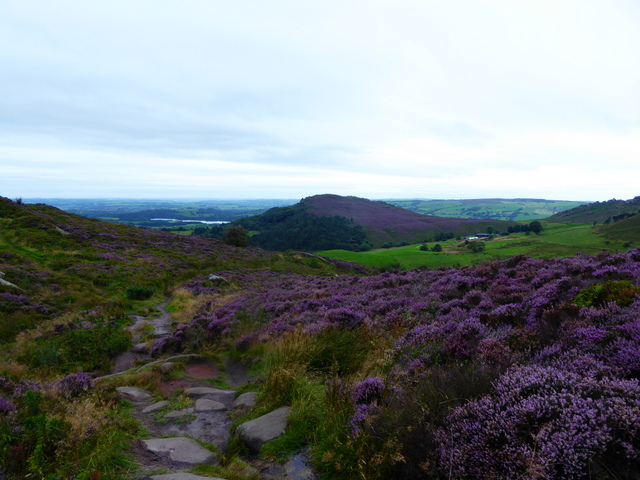
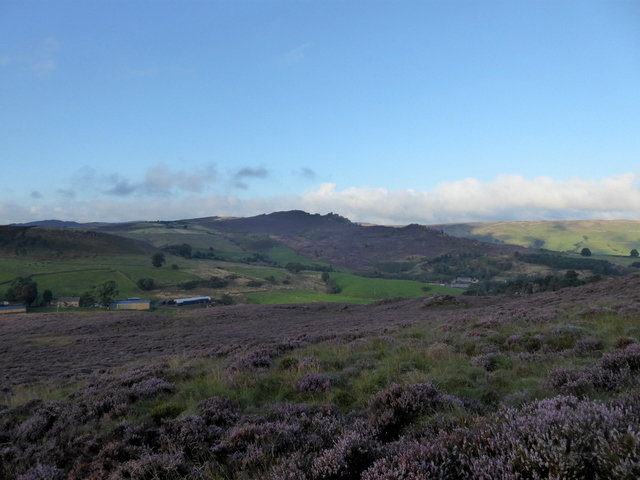
The purple hill in the centre of this photo is Hen Cloud where we had climbed a couple of days before

p1010219ramshaw-rocks

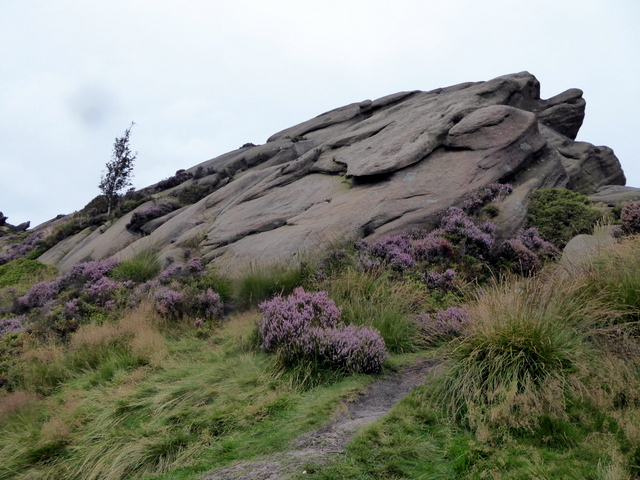
I love the way these limestone rocks have been eroded by wind and rain

p1010220ramshaw-rocks

The path was a little wet after all the rain we had had.

p1010221ramshaw-rocks

Ramshaw Rocks

p1010222ramshaw-rocks

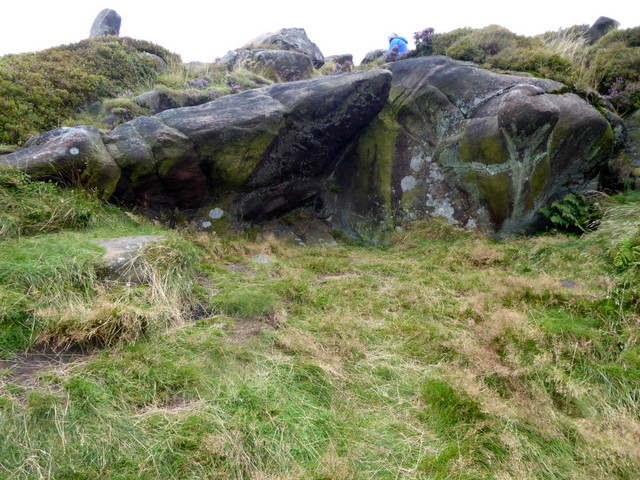
Very strange!

p1010223ramshaw-rocks

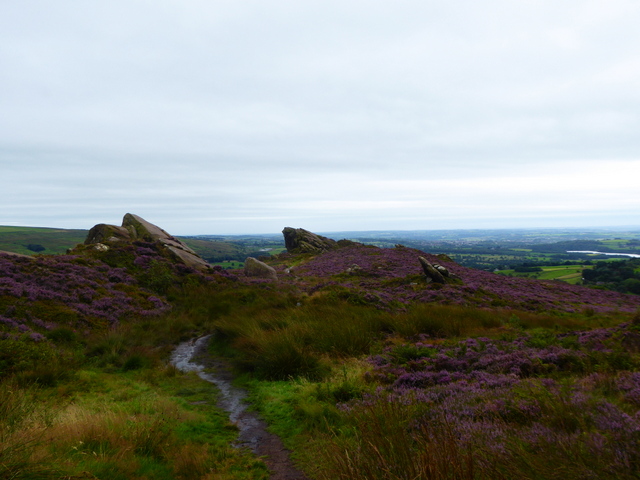
The path

p1010224ramshaw-rocks

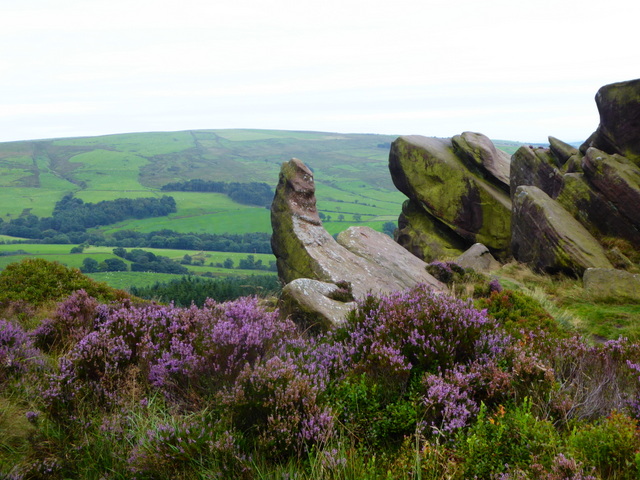
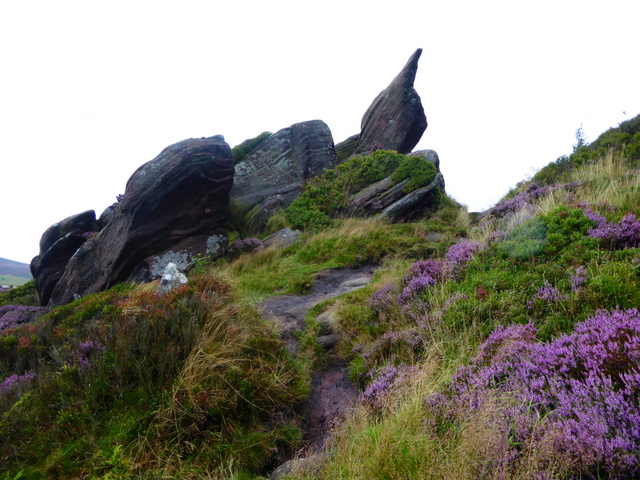
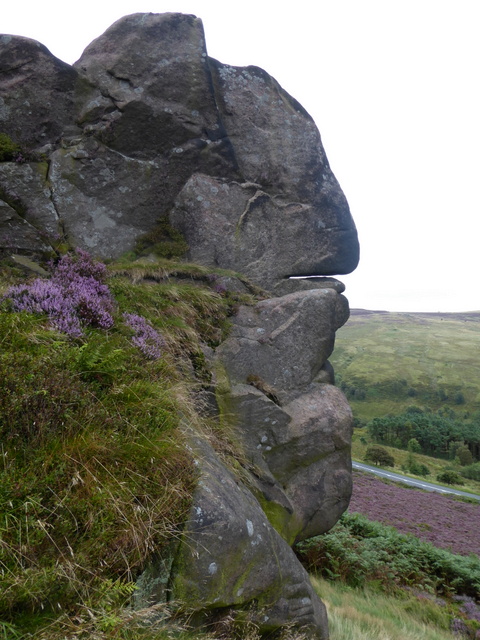
I always think this looks like a pointing finger

p1010225ramshaw-rocks

Ramshaw Rocks

There was very low light and the rain was never far away during the whole of our walk.

p1010226ramshaw-rocks

Looking towards Hen Cloud again

p1010228ramshaw-rocks

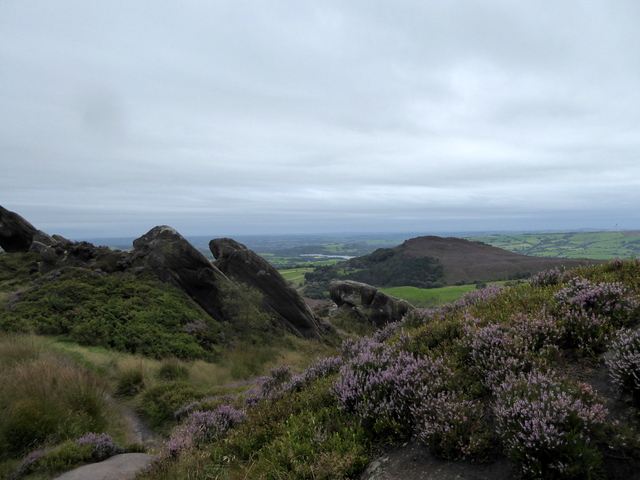
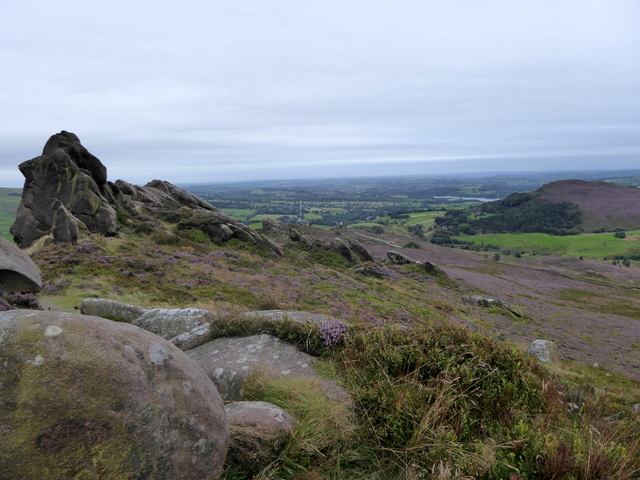
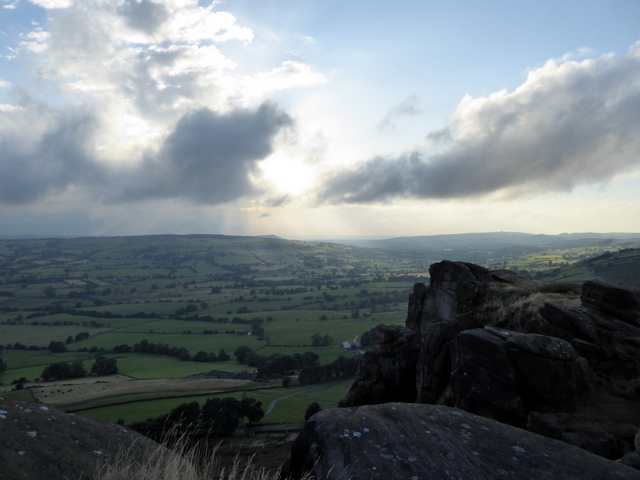
Another view from the rocks

p1010230ramshaw-rocks

Richard found a pleasant place to sit. Underneath him was a shelter from wind and rain. I can imagine that sheep would like it here in the winter.

p1010232ramshaw-rocks

Looking down to the road beneath.

p1010233ramshaw-rocks

Ramshaw Rocks

p1010234ramshaw-rocks

I call this rock the Top Hat. Those of you who know the 1995 TV adaptation of Pride and Prejudice with Jennifer Ehle and Colin Firth may recognise this rock.  

We returned to the car and went back to out caravan to spend our last night away from home.  The next morning we set off at 6.00 am to travel to Sheffield to collect Elinor before Alice set off for work at 8.00 am.  We took her back to Blackshaw Moor, collected the caravan and went home.

Thanks for visiting!
Share this:

  • Share on X (Opens in new window) X
  • Share on Reddit (Opens in new window) Reddit
  • Share on Pinterest (Opens in new window) Pinterest
  • Share on Facebook (Opens in new window) Facebook
  • Email a link to a friend (Opens in new window) Email
  • Share on Tumblr (Opens in new window) Tumblr
  • Print (Opens in new window) Print
  • Share on LinkedIn (Opens in new window) LinkedIn
Like Loading...

Rain Almost Stops Play

01 Tue Nov 2016

Posted by Clare Pooley in Days out, holidays, Rural Diary, walking

≈ 44 Comments

Tags

good food, Hen Cloud, Meerbrook, Peak District, Rain, Ramshaw Rocks, The Lazy Trout, The Roaches, Tittesworth Water, views, walking

We woke on the fourth full day of our holiday to thick cloud and while we ate our breakfast we heard the first raindrops on the roof of our caravan.  We spent a little time tidying and cleaning the caravan and then drove into town to do some shopping in the supermarket.  It was very wet by the time we had finished so we were glad to get back and have a hot cup of coffee.  We had arranged to have a meal with Richard’s brother Chris and it was booked for 1.30 pm at ‘The Lazy Trout’ in Meerbrook, a village a few minutes drive away.  We set off at 1.15.

Photograph borrowed from the internet.

My brother-in-law arrived shortly after we did and we enjoyed an extremely pleasant meal in this very welcoming place.  If anyone is in the area I would heartily recommend the food – it is delicious!

We had thought we might have a walk round Tittesworth Water after our meal but the rain was still heavy so we returned to our caravan for hot drinks and a chat.  Chris stayed with us until 6.30 pm by which time the rain had stopped.  Richard and I decided not to waste a nice evening and so drove to Hen Cloud and did our once yearly clamber up to the top.

p1010201view

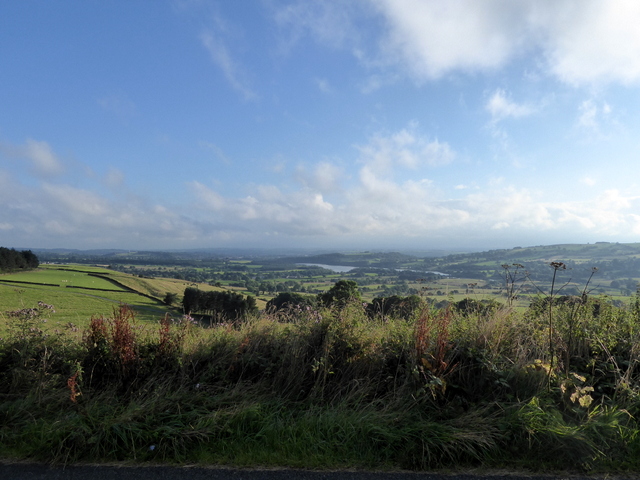
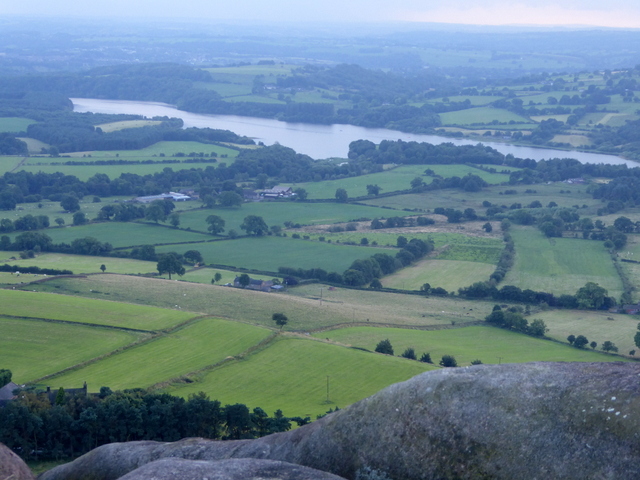
Looking towards Tittesworth Water from where we parked the car.

p1010202ramshaw-rocks

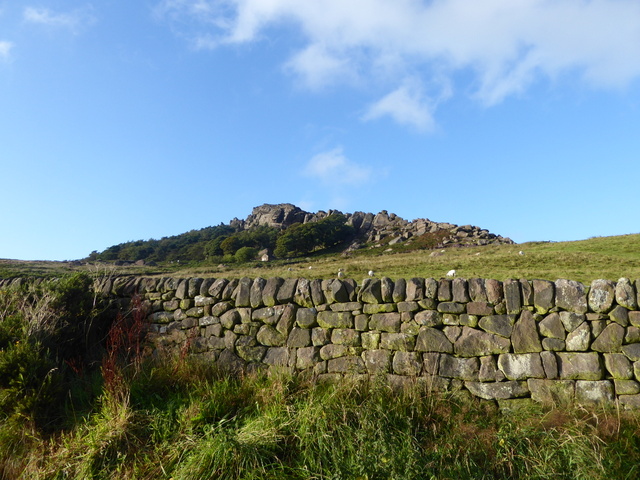
Looking over the wall towards The Roaches

p1010203hen-cloud

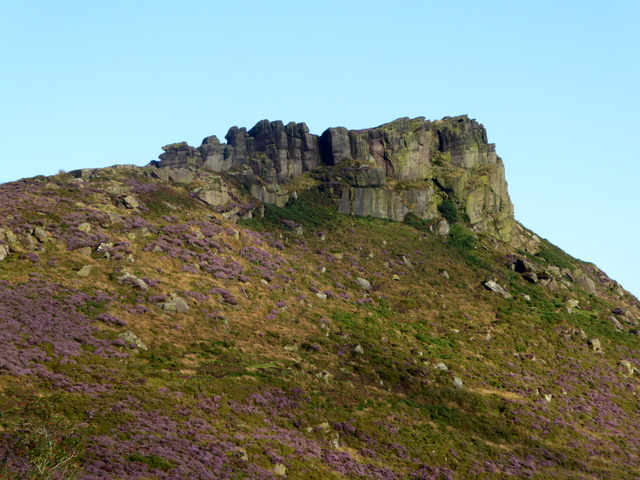
Hen Cloud

p1010204hen-cloud

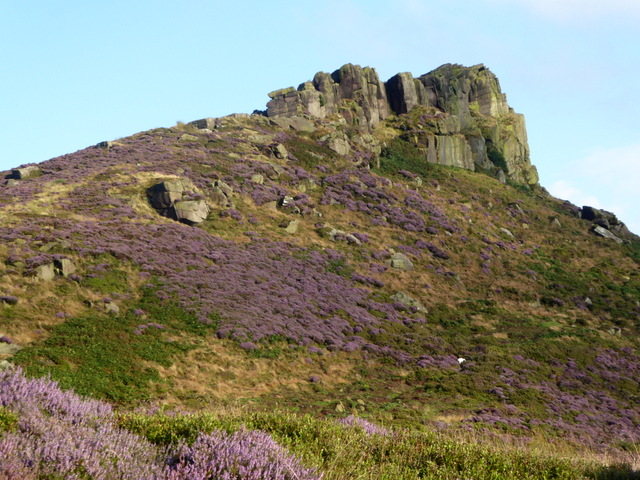
Hen Cloud again

p1010205hen-cloud

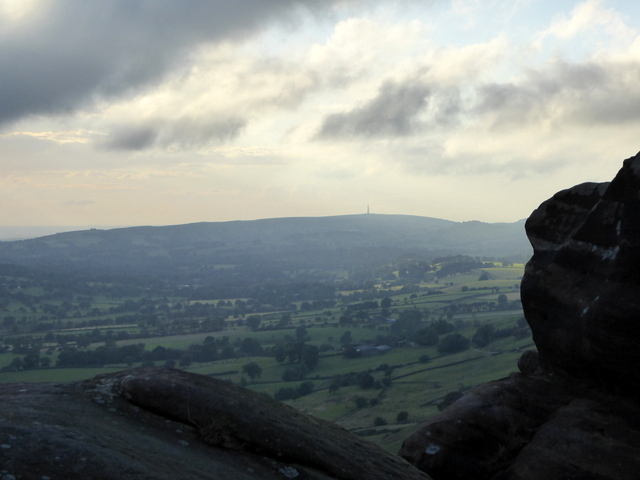
Looking East from halfway up the hill.  Ramshaw Rocks are on the left of the photo

p1010206hen-cloud

Looking towards Ramshaw Rocks from even further up Hen Cloud

p1010207hen-cloud

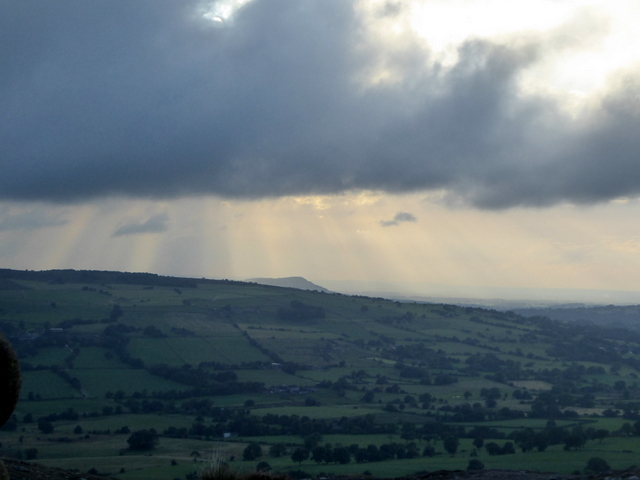
View down to the road and beyond to Tittesworth Water from the top of Hen Cloud. We noticed more bad weather approaching!

p1010208hen-cloud

Definitely more rain on the way!

p1010209hen-cloud

Threatening clouds

p1010210hen-cloud

It still didn’t look too bad in this direction

We decided to get back to the car before the rain arrived.

p1010211hen-cloud

One last look at the reservoir…

p1010212hen-cloud

…and at the views from the top

p1010213hen-cloud

We would have preferred to have stayed up at the top for much longer but the sensible thing to do was to get to the bottom before the rain caused the rocks to get slippery and the low clouds to lessen visibility.  We were surprised to see a group of young boys being taken climbing up the Roaches as we got to the bottom of the hill.  By this time it was about 8.00 pm and the thick cloud was making it very dark.

We were back at our caravan before the rain began again.

To be continued…

Thanks for visiting!
Share this:

  • Share on X (Opens in new window) X
  • Share on Reddit (Opens in new window) Reddit
  • Share on Pinterest (Opens in new window) Pinterest
  • Share on Facebook (Opens in new window) Facebook
  • Email a link to a friend (Opens in new window) Email
  • Share on Tumblr (Opens in new window) Tumblr
  • Print (Opens in new window) Print
  • Share on LinkedIn (Opens in new window) LinkedIn
Like Loading...

The Cat and Fiddle

25 Tue Oct 2016

Posted by Clare Pooley in Days out, holidays, plants, Rural Diary, walking, wild flowers

≈ 70 Comments

Tags

Bird's-foot Trefoil, Cat and Fiddle pass, Cat and Fiddle pub, Cladonia pleurota, Common Cottongrass, Common Hawker dragonfly, common knapweed, common ragwort, conifer plantation, Crosswort, Derbyshire Bridge car park, driven grouse shooting, eyebright, Goyt Valley, harebell, Harlequin ladybird, heath bedstraw, heather, Kestrel, Knotted Pearlwort, Lesser Stitchwort, Lousewort, Meadow Crane's-bill, milestone, Mountain Pansy, old coach road, Peak District, River Goyt, Shining Tor, Sneezewort, tormentil, Upright Hedge Parsley, walking, yarrow

On the third day of our stay in the Peak District we decided on a slightly longer walk than usual and took a picnic with us.  We drove towards Buxton but just before entering the town we took the A54 road off to the right and then a minor road off that road and parked the car in the Derbyshire Bridge car park.  This is a pleasant spot and is used as a picnic area.

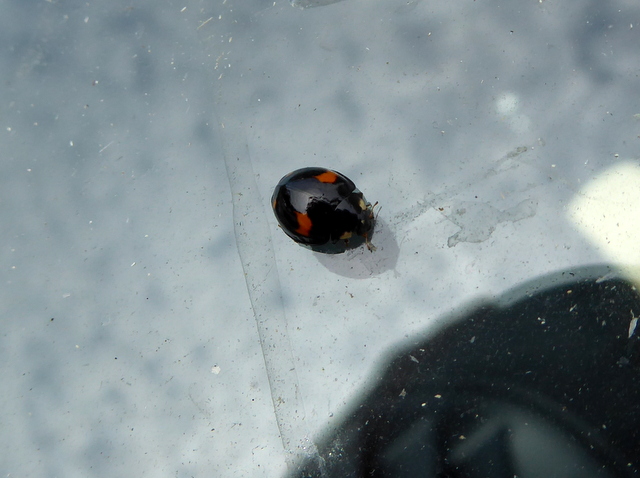
p1010128ladybird

A ladybird on our rather dusty windscreen

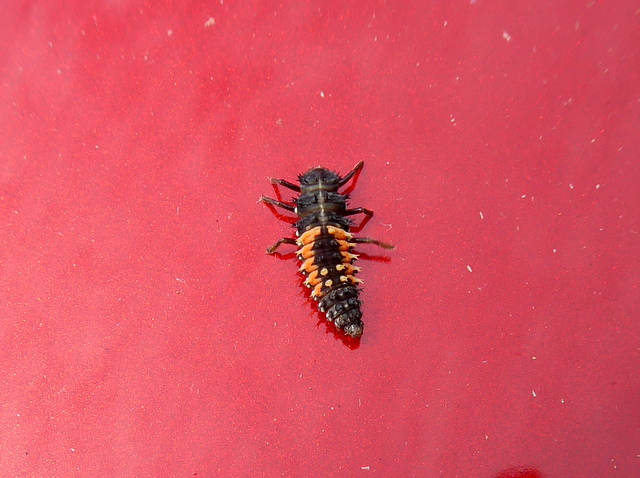
p1010129ladybird-larva

A Ladybird larva on the car.

Unfortunately, both ladybird and larva are Harlequin Ladybirds which have now outstayed their welcome in this country.  I wish that those in authority were more wary about using introduced insects to control other insects.

We were delayed at the beginning of our walk by the car beeping an alarm whenever we tried locking the doors.  After disturbing a couple who were having a picnic with their little grandson we decided that we ought to look at the car’s manual.  We found that the car was telling us that we were locking the spare key inside the car and that it would rather we didn’t.  I took the key out of my handbag which I had left in the boot and we were then able to start our walk.

p1010132infant-r-goyt

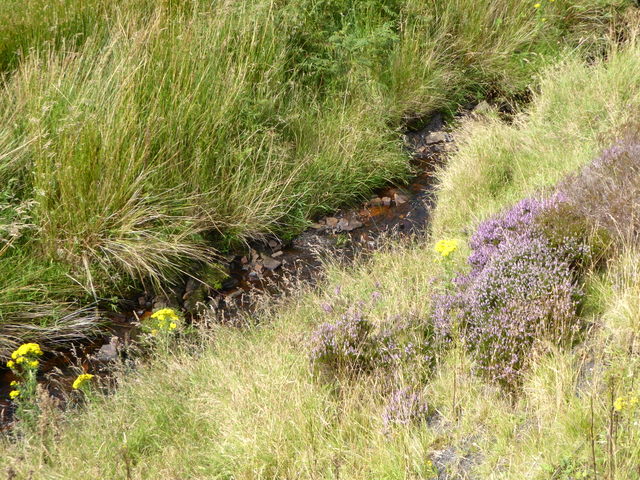
The first part of the walk was along a path beside the infant River Goyt.

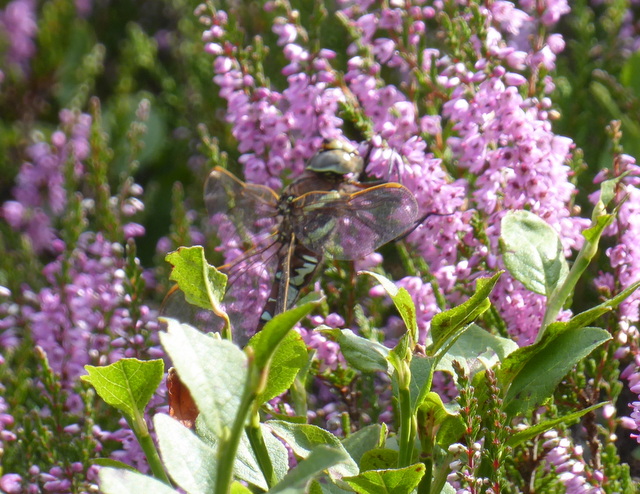
p1010133dragonfly

I saw this Common Hawker dragonfly (Aeshna juncea). It was typically wary and didn’t settle where I could get a good photo of it.  Only its head and wings and a little part of its thorax/abdomen can be seen here.

p1010134flower

Upright Hedge Parsley (Torilis japonica)

p1010137river

The Goyt was running along merrily

p1010138flowers

Lesser Stitchwort (Stellaria graminea)

p1010135flowers

Bird’s-foot Trefoil (Lotus corniculatus) and Upright Hedge Parsley

p1010140river

A bridge across the water

p1010142view

A view of the surrounding moorland

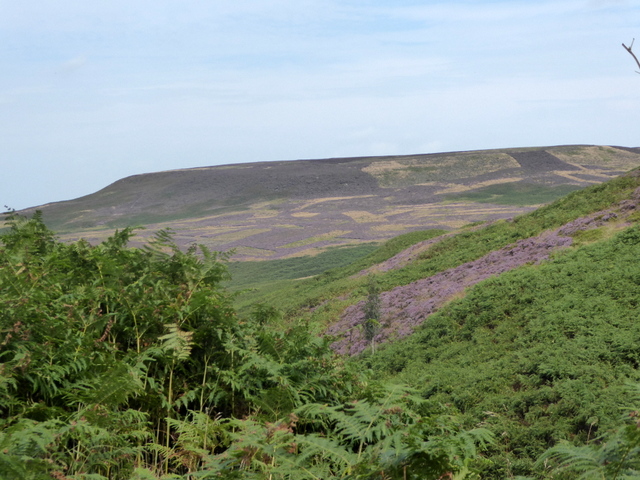
This is a typical sight in moorland where driven grouse shooting takes place.  The patches on the hillside show where the heather has been burned to promote new growth shoots for the grouse to feed on.   I have recently signed a petition to have this sport banned as I think that instead of conserving wildlife these estates try to eradicate any creatures that may be a threat to their grouse.  All raptors, including the scarce Hen Harrier and Golden Eagles are considered a threat and are regularly shot or poisoned illegally by some, not all, gamekeepers employed on some of these estates.  In Scotland hundreds of thousands of Mountain Hare are culled every year.  I’ve signed another petition about this too!  I feel very strongly about this as you no doubt have realised.

p1010143heather

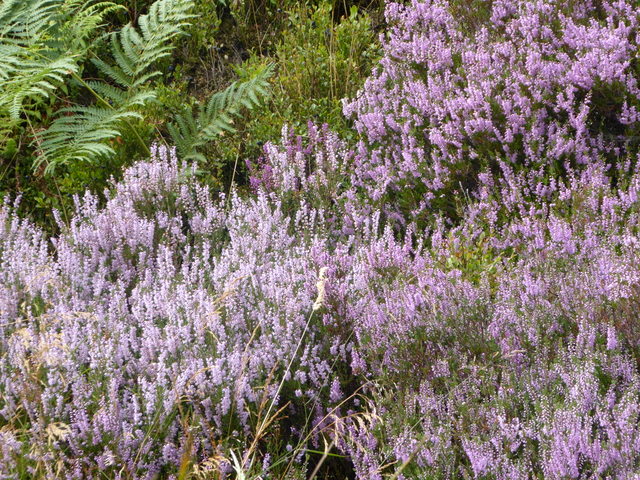
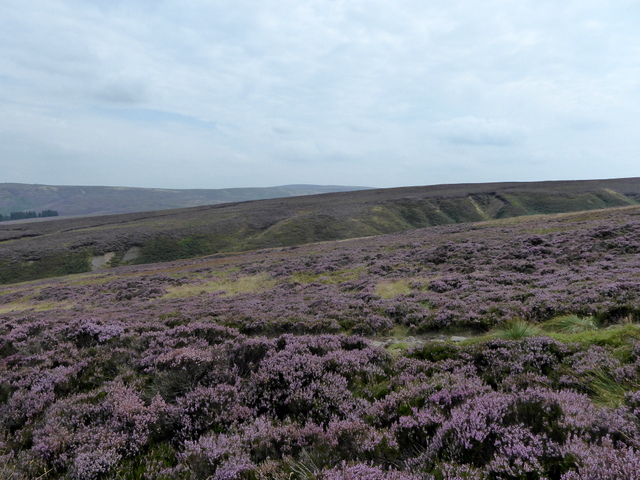
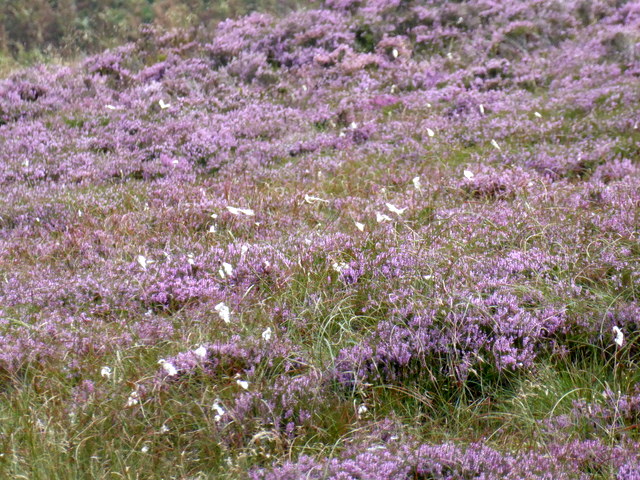
The Heather (Calluna vulgaris) was in full bloom

p1010145path

The path across the moor

At this point we turned onto another path which rose up towards a plantation.  We entered the forest through a gate.

p1010146path

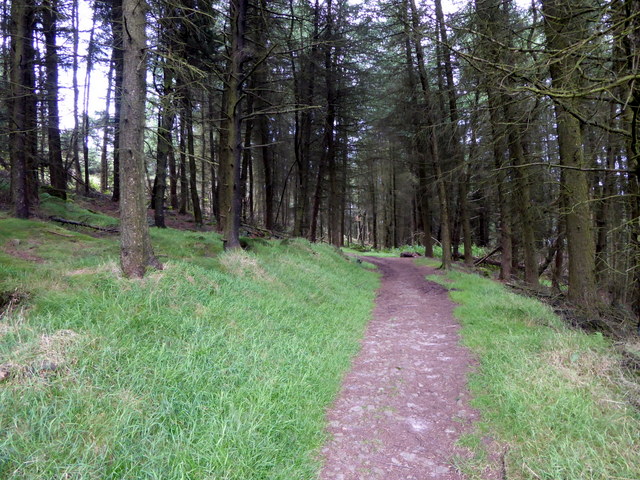
The forest path

p1010147wall

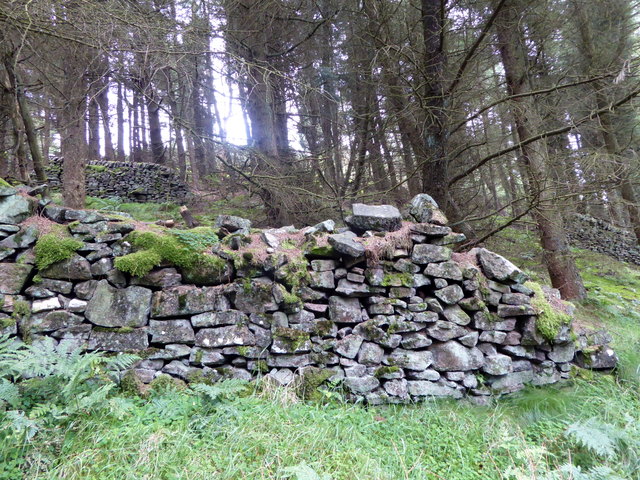
Inside the forest were walls and the remains of buildings

This reminded me of the stone walls that Allen from New Hampshire Garden Solutions  finds in his local forest.  In this case the land that was originally farmed for sheep was subsequently acquired by a company or organisation that planted conifers but didn’t bother dismantling the walls.

p1010150weir

A weir we found halfway through the plantation

p1010151bridge

Richard on the bridge over the river

p1010152bridge

The simple bridge

p1010153river

The barrier just up-stream from the bridge and weir

p1010155flower

Lousewort (Pedicularis sylvatica)

This was a flower I had never seen before.  It is very small and the leaves are tiny!  It is semi-parasitic on other plants’ roots.

p1010156view

We could see one of the local reservoirs from the path that went up by the side of the plantation.

p1010157path

Our path….

p1010158path

…. got rougher and steeper

p1010161lichen

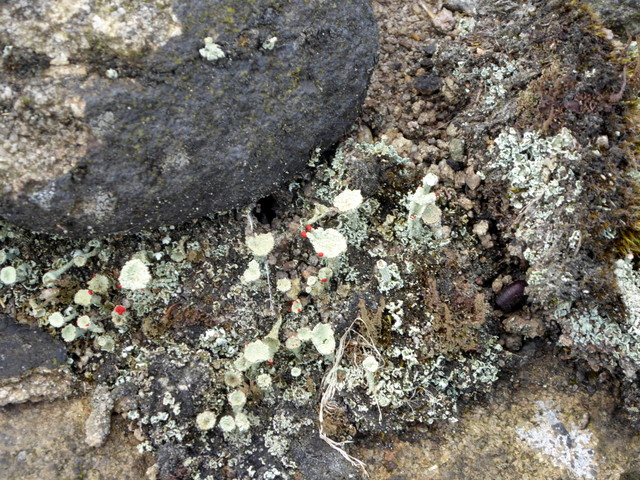
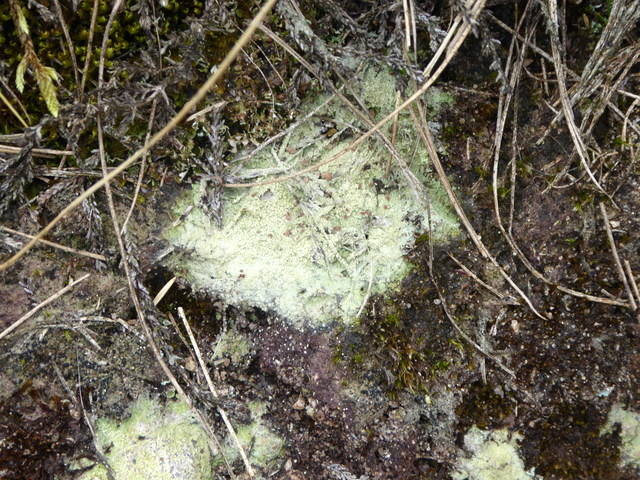
I think this lichen may be Cladonia pleurota

p1010163plant

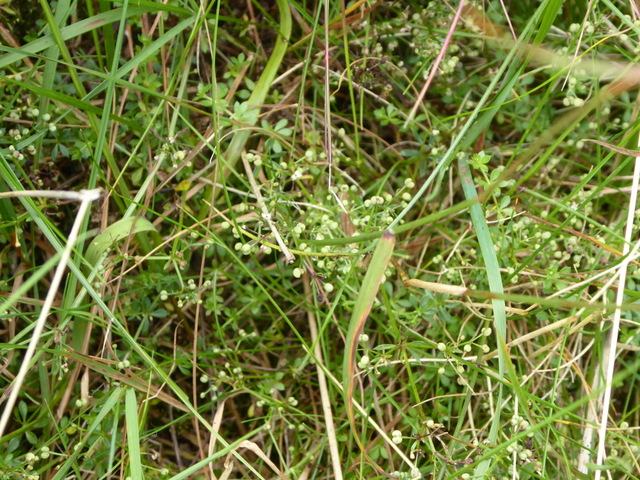
Heath Bedstraw (Galium saxatile)

p1010164insect

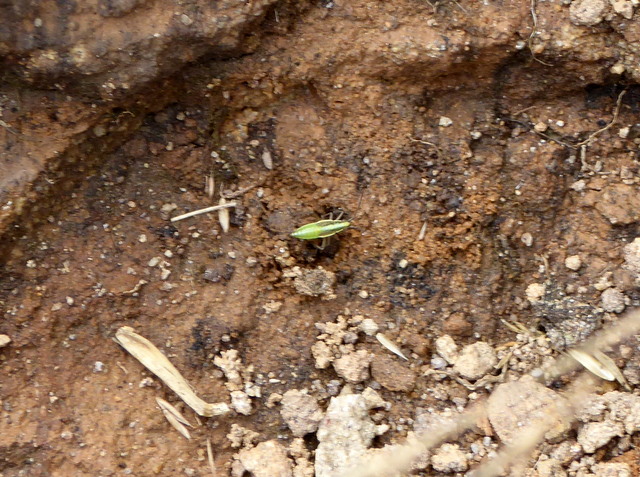
I cannot identify this tiny bug. It marched purposefully across this rather bleak landscape.

The three photos above were taken while we rested and ate our lunch.  This last part of the walk I found exhausting as it was a continuous uphill climb and on very uneven and rough paths with large, loose rocks to walk over.

p1010166view

This is the view I saw when I looked up from my seat on a rock

The weather was cloudier and cooler than earlier in the week.  We were glad of this!

p1010167cotton-grass

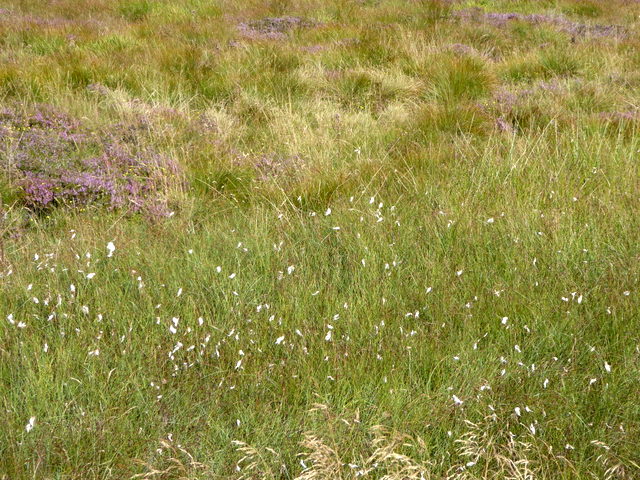
There was still plenty of late Common Cottongrass (Eriophorum angustifolium) in amongst the Heather

p1010168lichen/slime mould

This might be a slime mould but I am not sure!

View from the path
View from the path
View from the path
View from the path
p1010171kestrel

A Kestrel (Falco tinnunculus) hovering high up in the sky

p1010172lichen

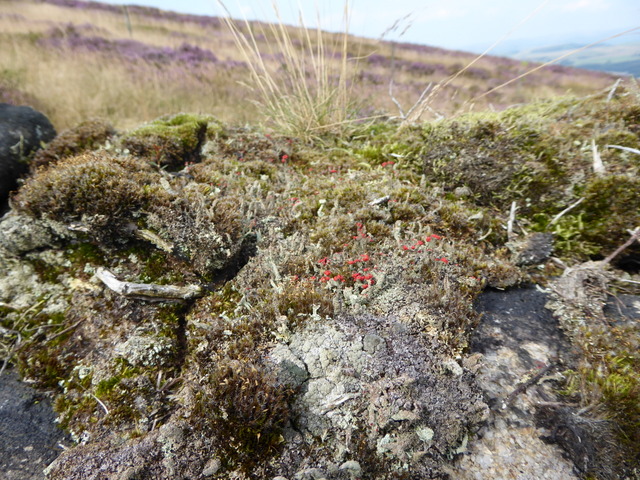
A veritable garden of lichen and moss on top of a stone wall.  It’s a pity the photo isn’t any clearer.

Shining Tor from a distance
Shining Tor close up

We had thought we might go up Shining Tor but we changed our minds when we had got to the top of the stony path.  We were too tired.  Why is it called ‘Shining Tor’?  I don’t know.

p1010176view

This is another view from where we were standing.

The visibility wasn’t great and the distant hills were lost in haze but the sky above us was clear and blue now.  We began to descend towards the Cat and Fiddle pass (I expect you were wondering why this post was called Cat and Fiddle) and the Cat and Fiddle pub.

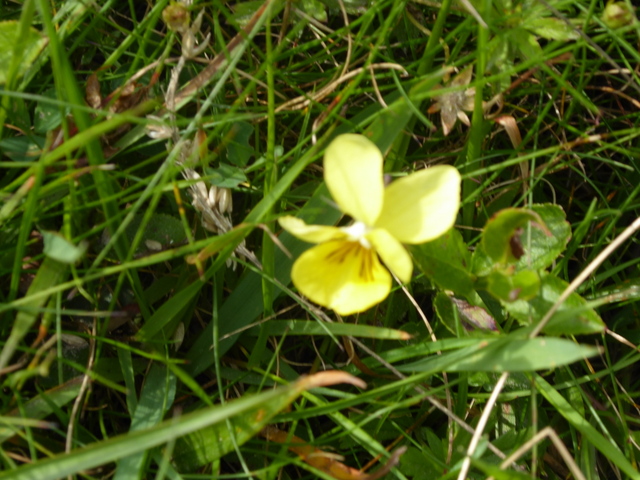
p1010177pansy

An out of focus photo of a wild pansy growing next to the path. I think it may be a Mountain Pansy (Viola lutea)

p1010178pansy

More pansies

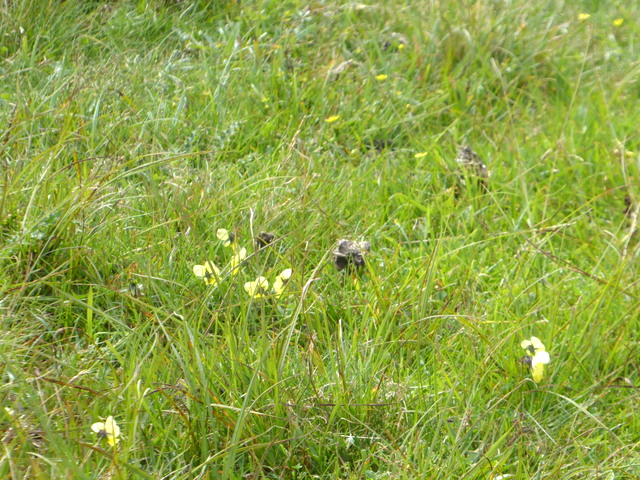
p1010179pansies

and even more pansies!

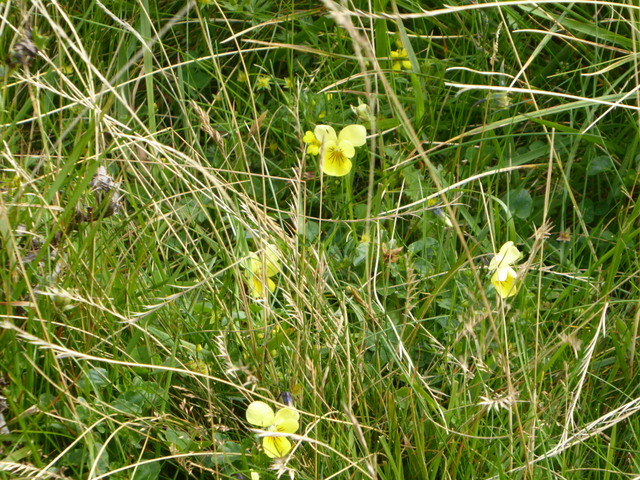
p1010180pansies

Just one more!

p1010181view

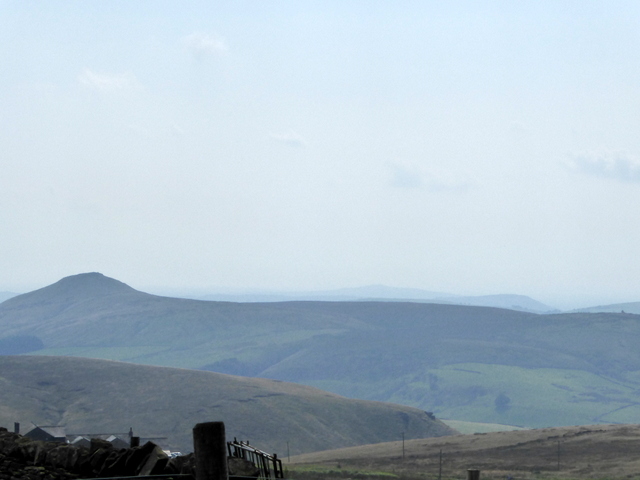
I eventually looked up and noticed the view. The road you see in the middle distance is the Cat and Fiddle Pass.

Harebells ( Campanula rotundifolia)
Tormentil (Potentilla erecta)
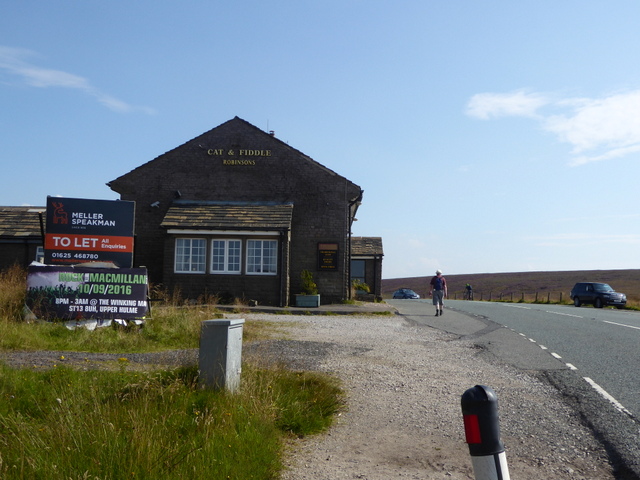
p1010184cat-and-fiddle

The Cat and Fiddle pub (on the right of the photo)

p1010185cotton-grass

I saw more Cottongrass next to the path but this was definitely past its best!

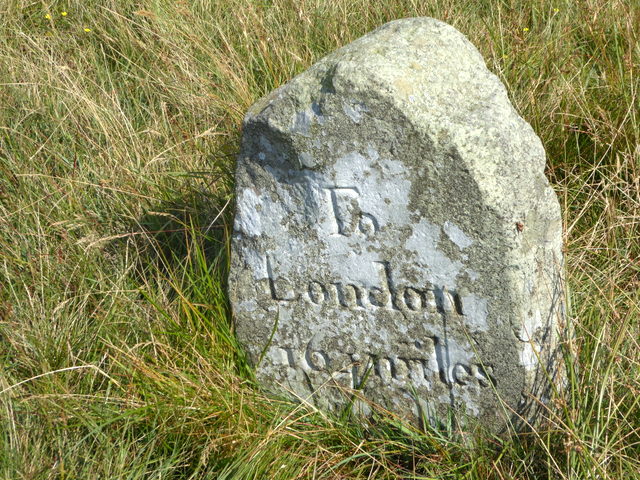
p1010187mile-stone

I then saw an interesting-looking stone just to the left of the path

p1010186mile-stone

On closer examination I found it was an old mile-stone and realised that the path we had been walking on since Shining Tor was part of the old coach road.

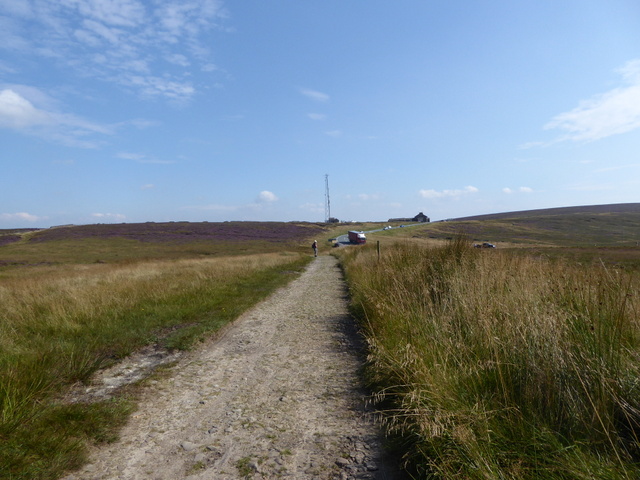
p1010188old-road

I looked at the path and saw that it looked very much like an old road. Richard is ahead of me here as usual and is near where the path joins the new busy road.

p1010189orchid

I found a very late orchid in the grass. It was faded and I couldn’t identify it.

p1010190cat-and-fiddle

We were disappointed to discover that the pub was shut and we weren’t to get a drink after all.

It does seem sad that the place that the pass was named after should be shut and empty.  We walked past the pub.  Through the windows we could see everything had been left as it was on the day it had shut months before.  There was even a menu board extolling the virtues of a meat pie!

We soon turned off the main road onto a narrow road that would eventually bring us back to the carpark.  I saw many different plants on the way.

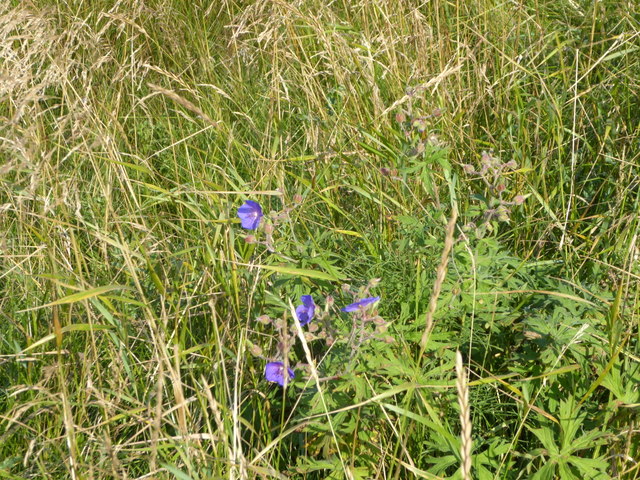
p1010191flowers

Meadow Crane’s-bill (Geranium pratense)

p1010192cotton-grass

Lots more Common Cotton Grass

p1010193flowers

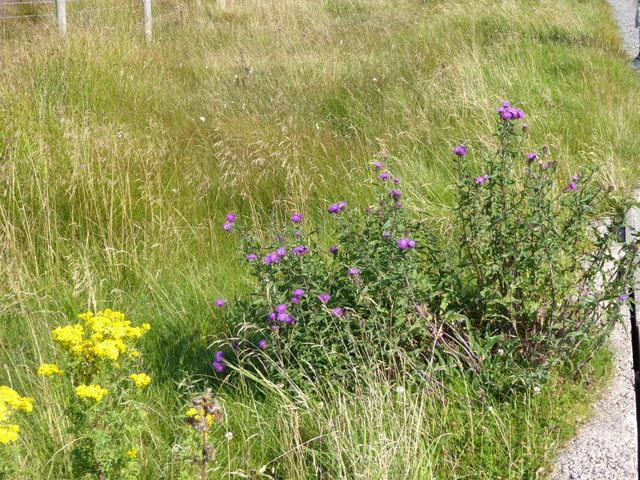
Common Ragwort (Senecio jacobaea) and Common Knapweed (Centaurea nigra)

p1010195flowers

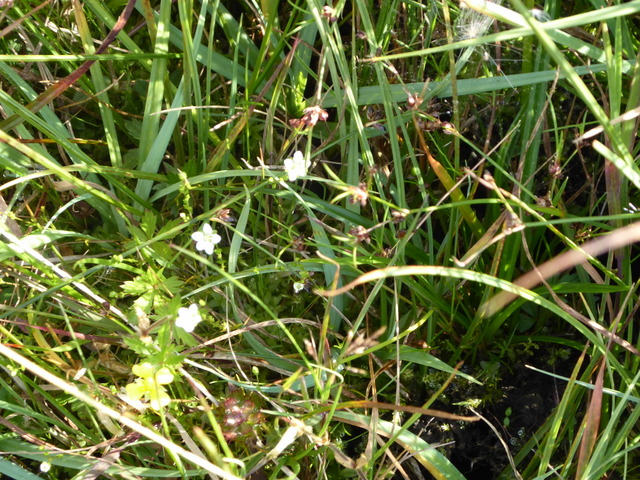
Yet another poor photo I’m afraid! This is another flower I had never seen before – Knotted Pearlwort (Sagina nodosa)

p1010197flower

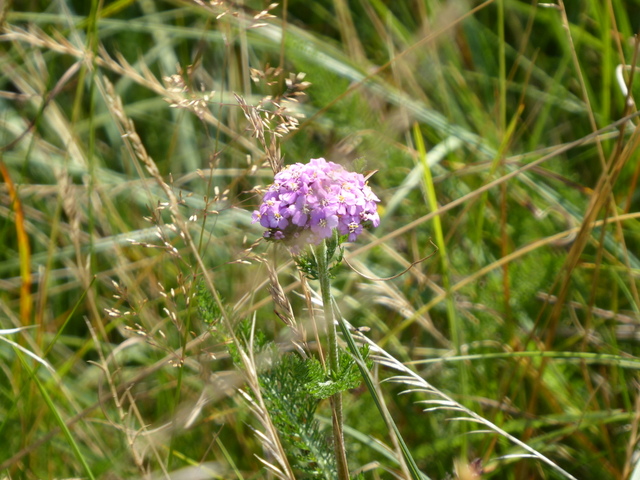
A very pink Yarrow (Achillea millefolium)

p1010198flower

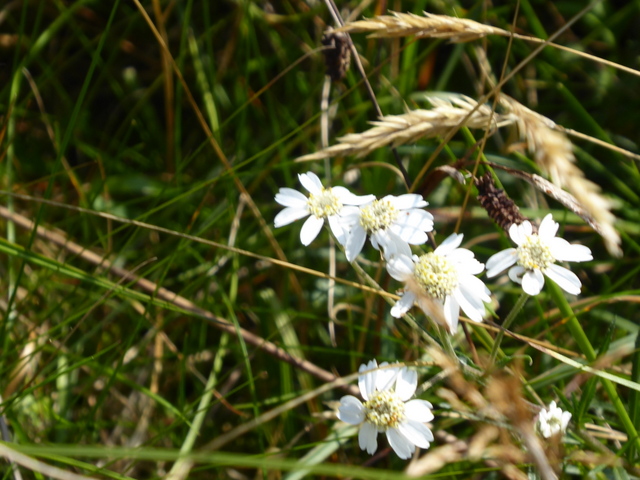
Sneezewort (Achillea ptarmica)

p1010199flower

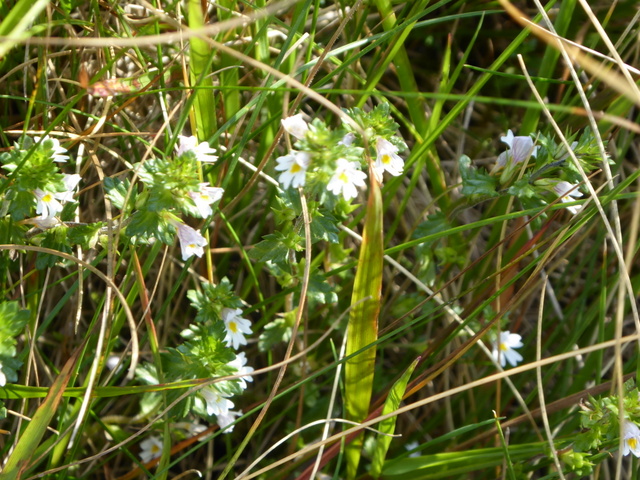
Eyebright (Euphrasia officinalis agg.)

p1010200flower

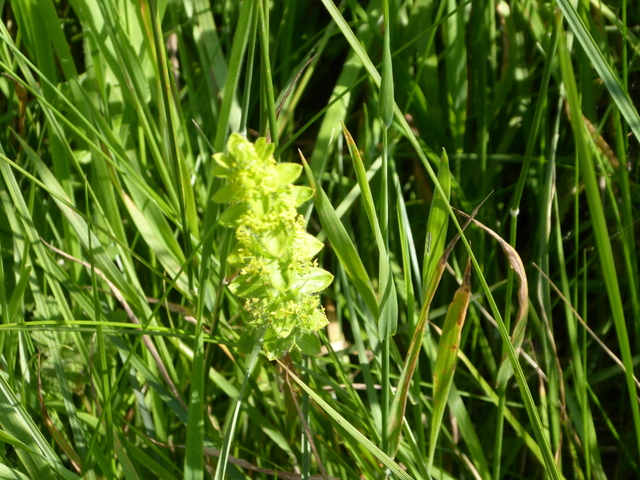
Crosswort (Cruciata laevipes)

We found the car, drove back to our caravan and made ourselves a nice cup of tea.  We were quite tired after our long walk and found it difficult to stay awake.  We had arranged to have lunch with my brother-in-law the next day so Richard booked a table at a local restaurant and phoned his brother to let him know when and where we were to meet each other.

To be continued….

Thanks for visiting!
Share this:

  • Share on X (Opens in new window) X
  • Share on Reddit (Opens in new window) Reddit
  • Share on Pinterest (Opens in new window) Pinterest
  • Share on Facebook (Opens in new window) Facebook
  • Email a link to a friend (Opens in new window) Email
  • Share on Tumblr (Opens in new window) Tumblr
  • Print (Opens in new window) Print
  • Share on LinkedIn (Opens in new window) LinkedIn
Like Loading...
← Older posts
Newer posts →
Follow A Suffolk Lane on WordPress.com

Enter your email address to follow this blog and receive notifications of new posts by email.

Join 718 other subscribers.

Unknown's avatar

I talk about what it's like living in a quiet part of Suffolk. I am a wife, mother and daughter, a practising Christian and love the natural world that surrounds me. I enjoy my life - most of the time!
My Posts

Mar 2026
M T W T F S S
 1
2345678
9101112131415
16171819202122
23242526272829
3031  
« Feb    

Pages

  • About my Blog
  • GDPR (General Data Protection Regulations) and This Site
  • My Life in a Suffolk Lane

Archives

Blogs I Follow

Unknown's avatar
Unknown's avatar
Unknown's avatar
Unknown's avatar
Unknown's avatar
Unknown's avatar
Unknown's avatar
Unknown's avatar
Unknown's avatar
Unknown's avatar
Unknown's avatar
Unknown's avatar
Unknown's avatar
Unknown's avatar
Unknown's avatar
Unknown's avatar
Unknown's avatar
Unknown's avatar
Unknown's avatar

Posts I Like

  • mitchteemley's avatar
  • Unknown's avatar
  • Pilgrim's Pondering Ministry's avatar
  • cindy knoke's avatar
  • Unknown's avatar
  • Unknown's avatar
  • Unknown's avatar
  • Unknown's avatar
  • Unknown's avatar
  • Schnippelboy's avatar
  • Unknown's avatar
  • Unknown's avatar
  • Unknown's avatar
  • Limentinus's avatar
  • clivebennett796's avatar
  • martzkvi's avatar
  • Unknown's avatar
  • Talkmore's avatar
  • Carolina Cuisine Network's avatar
  • Unknown's avatar
  • Unknown's avatar
  • Unknown's avatar
  • Sarah curran's avatar
  • Unknown's avatar
  • TravelingTortuga's avatar
  • Unknown's avatar
  • Unknown's avatar
  • santable's avatar
  • Nita Panicker's avatar
  • Unknown's avatar
  • Resa's avatar
  • Unknown's avatar
  • Unknown's avatar
  • Unknown's avatar
  • Gallivanta's avatar
  • Unknown's avatar
  • Unknown's avatar
  • sherijkennedyriverside's avatar
  • Mélodie's avatar
  • Unknown's avatar
  • Unknown's avatar
  • Unknown's avatar
  • Unknown's avatar
  • Unknown's avatar
  • Unknown's avatar
  • Unknown's avatar
  • jonathonbhoyt's avatar
  • Unknown's avatar
  • Kathleen's avatar
  • Jack Ronald Cotner's avatar

amphibians architecture art Arts and Crafts churches cooking Days out domestic animals family fish Folk Traditions Gardening Historic Buildings holidays Insects Landscaping literature music Norwich plants Rural Diary seashore theatre trees Uncategorized walking weather wild animals wild birds wild flowers

Tags

architecture autumn birds blackbird blackthorn Bungay butterfly church clouds common knapweed cow parsley crocus daffodils Diary dogwood family field maple flowers fungus garden gardening geese greylags ground-ivy Halesworth Hawthorn heather holiday Holly Holy Week horse chestnut Hoverfly insects ivy Lake District Lent lesser celandine lichen Lords and Ladies Mallard mallards Minsmere moorhen moss music Norwich Peak District pheasant plants pond ponds primrose primroses Rain rooks Rumburgh Rumburgh Church sheep Sheffield snow snowdrops Southwold spring Suffolk Suffolk Wildlife Trust sunset the Beck trees viburnum bodnantense walking weather wild cherry wild flowers winter-flowering honeysuckle witch-hazel

Meta

  • Create account
  • Log in
  • Entries feed
  • Comments feed
  • WordPress.com

Goodreads

Blog at WordPress.com.

Book Jotter

Reviews, news, features and all things books for passionate readers

Country Life Blog -

A blog about life in the country in the past and present

Matthew Paul: Poetry & Stuff

Poetry and what-not

Schnippelboy

Ein Tagebuch unserer Alltagsküche-Leicht zum Nachkochen

TAMARA JARE

Tamara Jare Contemporary Figurative Art – Bold Colors, Resilient Souls

A Taste of Freedom

Documenting a Dream

Country Ways

Rambling Journeys in Britain, Countryside Matters and campaigning for the Right to Roam

The Strawberry Post

Here to Entertain, Educate & Inspire!
a north east ohio garden

an ongoing experiment in the dirt, 35 plus years

naturechirp

Celebrating God's creatures, birds and plants...

Sophie Neville

Writer

Going Batty in Wales

Developing a more sustainable lifestyle in SW Wales

Our Lake District Escapades

Exploring the Lake District and beyond

Short Walks Long Paths

Wandering trails around the coast of Wales

The Biking Gardener

An English persons experience of living and gardening in Ireland

Nan's Farm

A Journal Of Everyday Life

Walk the Old Ways

Rambling Journeys in Britain with John Bainbridge. Fighting for the Right to Roam. Campaigning to Protect Our Countryside.

Writer Side UP!

Waking the Writer Side...and keeping it "Up!"

Meggie's Adventures

Travel, thank you notes and other stories

amusicalifeonplanetearth

Music and the Thoughts It Can Inspire

lovefoundation.co.uk

Traveling Tortuga

Simply Living Well

Pakenham Water Mill

Historic watermill in the beautiful Suffolk countryside

Take It Easy

Retired, not expired: words from the after(work)life. And music. Lots of music!

Secret Diary Of A Country Vicar's Wife

By Olive Oyl

thanksfortheadventureorg.wordpress.com/

The Beat Goes On

#TBGO

Frank Pleszak's Blogs

Twitter: @frankpleszak @PolishIICorps

John Bainbridge Writer

Indie Writer and Publisher

roughwighting

Life in a flash - a bi-weekly storytelling blog

Walking the Old Ways

Rambling in the British Countryside

CapKane

thoughts on social realities

SkyeEnt

Jottings from Skye

jodie richelle

embracing my inner homemaker

Skizzenbuch/Blog

Just another WordPress.com weblog

Have Bag, Will Travel

The Call of the Pen

Flash Fiction, Book Reviews, Devotionals and other things.

John's Postcards

Art in Nature

You dream, I photographe it !

Smile! You’re in Barnier World......

theinfill

the things that come to hand

Dr. Mary Ann Niemczura

Author of "A Past Worth Telling"

Provincial Woman

The Pink Wheelbarrow

Luanne Castle: Poetry and Other Words (and cats!)

Poetry, Other Words, and Cats

The Family Kalamazoo

A genealogical site devoted to the history of the DeKorn and Zuidweg families of Kalamazoo and the Mulder family of Caledonia

everythingchild

The Book Owl

Canberra's Green Spaces

Paul Harley Photographer

  • Subscribe Subscribed
    • A Suffolk Lane
    • Join 718 other subscribers.
    • Already have a WordPress.com account? Log in now.
    • A Suffolk Lane
    • Subscribe Subscribed
    • Sign up
    • Log in
    • Report this content
    • View site in Reader
    • Manage subscriptions
    • Collapse this bar
 

Loading Comments...
 

    Privacy & Cookies: This site uses cookies. By continuing to use this website, you agree to their use.
    To find out more, including how to control cookies, see here: Cookie Policy
    %d