• About my Blog
  • GDPR (General Data Protection Regulations) and This Site
  • My Life in a Suffolk Lane

A Suffolk Lane

~ A diary of my life in rural north Suffolk.

A Suffolk Lane

Category Archives: walking

Peak District Holiday 2016

07 Fri Oct 2016

Posted by Clare Pooley in Days out, holidays, plants, Rural Diary, trees, walking, wild flowers

≈ 48 Comments

Tags

annual meadow-grass, Betony, bull, calves, cows, Devil's-bit Scabious, enchanter's nightshade, eyebright, flowers, former industrial landscape, garlic mustard, grasses, greater plantain, harebell, hart's-tongue fern, Hawthorn, Ilam Country Park, Ilam Cross, Ilam Hall, Ilam village, industrial landscape, lamb, Lesser Burdock, Maidenhair Pleenwort, Paradise Walk, Peak District, power station, Rabbit, River Manifold, rowan, Sheep's Fescue, Small Teasel, stile, The Battle Stone, tormentil, unimproved grassland, wind farm

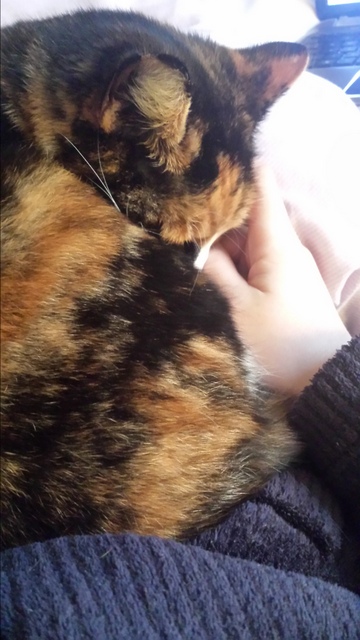
Richard and I had a weeks holiday in the Peak District during August and stayed in our caravan as usual and at a favourite site.  We travelled on the 15th taking Elinor with us and once we had set up the caravan and had had a short rest we then drove to Sheffield as Elinor would be staying the week with Alice.  We had a cup of tea, a nice chat with Alice and Richard met Mona, Alice’s cat for the first time.
20151212_150009-1

This is Mona

Richard and I then returned to our caravan near Leek in Staffordshire calling in at the supermarket on the way where we bought enough food to keep us going for most of the week.  We couldn’t find anywhere to buy a take-away meal so we heated up a ready-made lasagna in the oven and had a very late but tasty dinner.

The weather forecast was for four days of good weather followed by cooler rainy weather so we thought we’d do as much walking in the dry at the beginning of the week as we could.  Our first full day was also Richard’s birthday and we decided to have lunch at the White Hart in Leek where we know we can get very nice Staffordshire oatcakes filled with cheese and bacon or cheese and sausage.  Before going in to Leek we had to put the awning up on the caravan.  An awning (for those who don’t know) is a tent, shelter or canopy which is attached to the side of a caravan which provides a little extra space to live in.  We find ours very useful, especially in wet weather as we can keep our soggy shoes and coats out there.

After lunch we tried to find a wood I wanted to walk in but we had great difficulty following the directions to it.  In the end we gave up and went to Ilam Park and walked from there.
p1010032ilam-hall

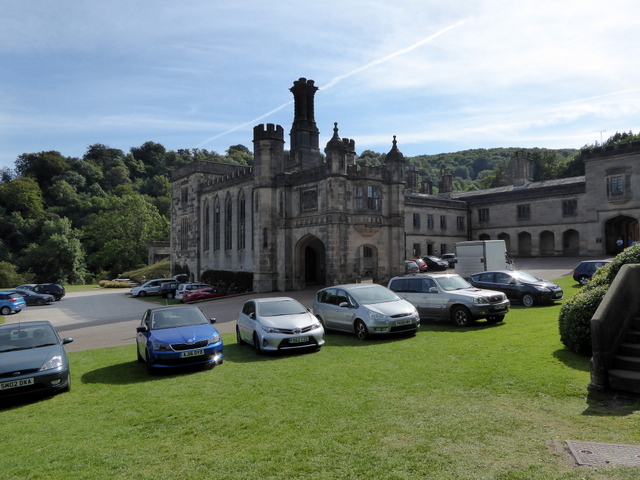
Ilam Hall which is now a Youth Hostel

From the carpark we walked towards the remains of the hall and through the archway to the other side of the building.
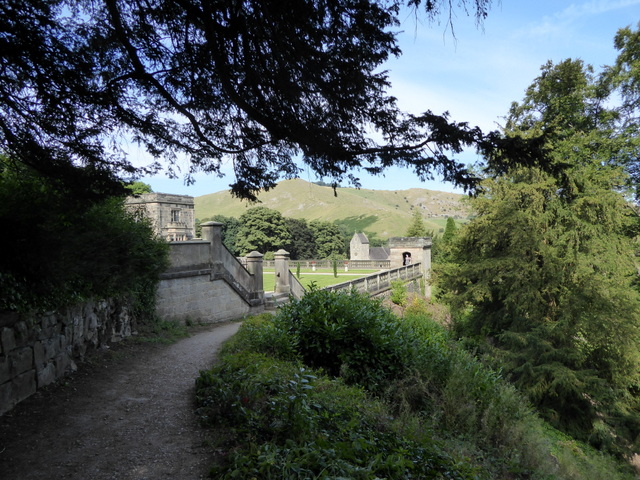
p1010034garden-at-ilam-hall

The gardens at Ilam

The gardens are very attractive and have places to sit and admire the scenery.  We made our way through the pleasure grounds, the path descending towards the River Manifold.
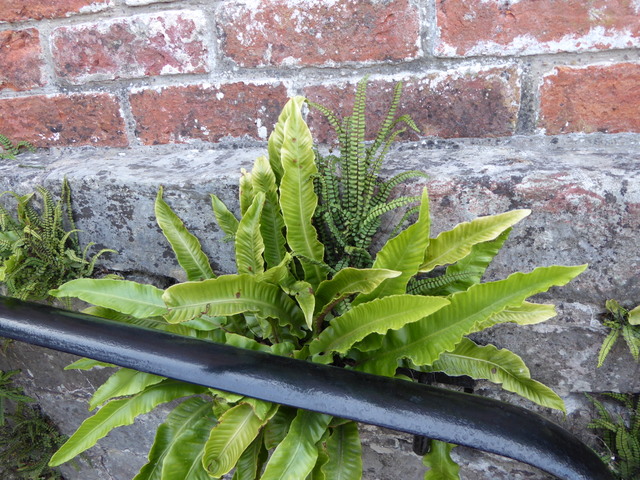
p1010033harts-tongue-fern

Hart’s-tongue Fern (Phyllitis scolopendrium) and Maidenhair Spleenwort (Asplenium trichomanes) decorate the wall behind the handrail.
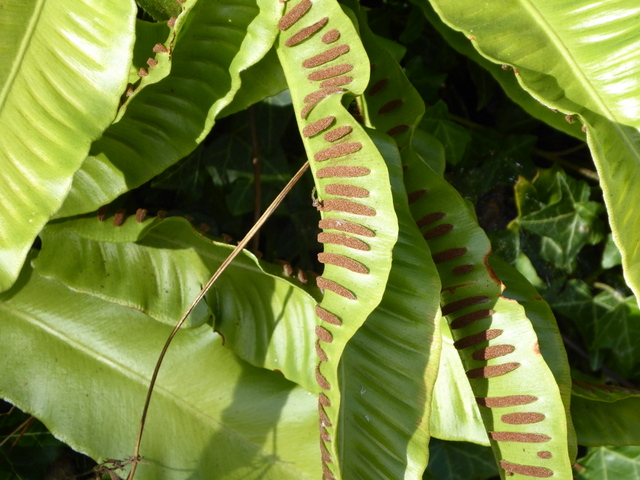
p1010036harts-tongue-fern

The underside of the leaves of the Hart’s tongue Fern have stripes of spore sacs.
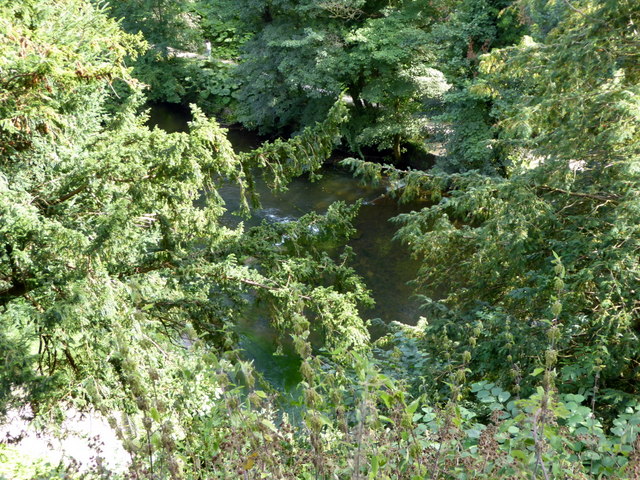
p1010035r-manifold

Looking down through the trees to the River Manifold
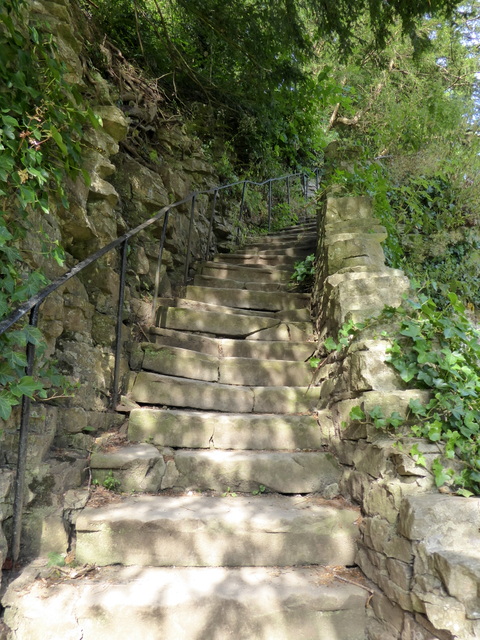
p1010037steps

Looking back up the steps we had just come down.
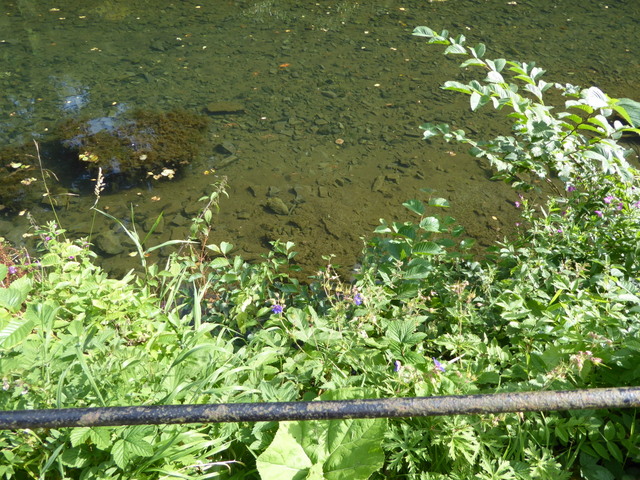
p1010038r-manifold

The water in the river is very clear.
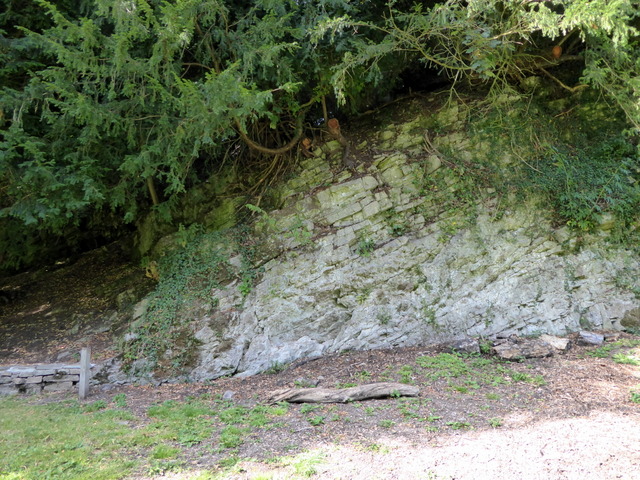
p1010039rock-formation

Interesting rock formations can be seen down by the river.
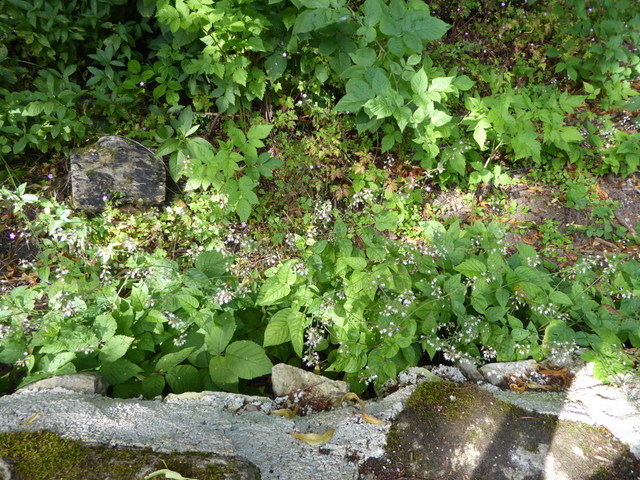
p1010040enchanters-nightshade

A profusion of Enchanter’s-nightshade (Circaea lutetiana)
p1010041ilam

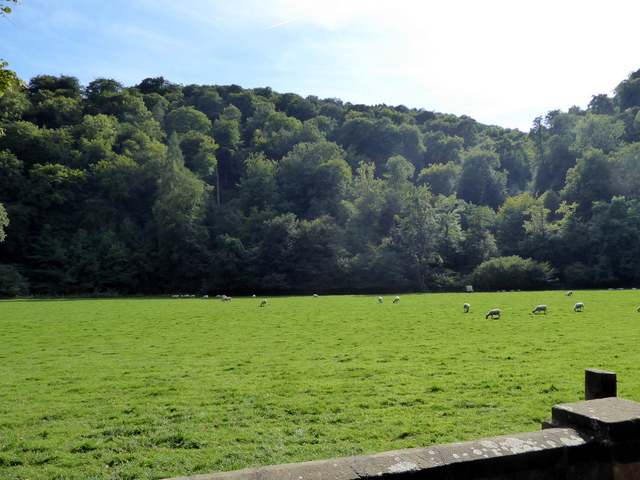
The view across water meadows from ‘Paradise Walk’

Paradise Walk is a Lime tree avenue where, in its heyday, the owners of the hall and their guests could walk and talk and admire the parkland.
p1010042cross-shaft-ilam

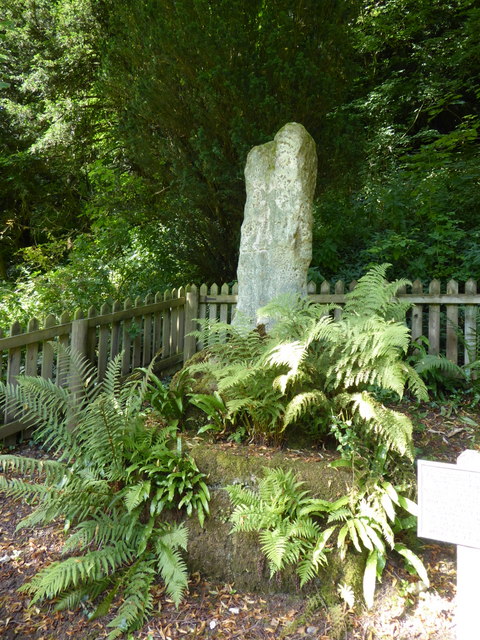
The Battle Stone

p1010043description-of-cross-shaft

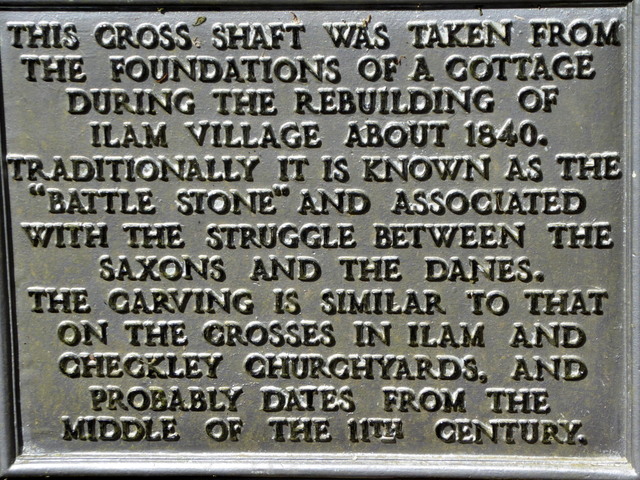
The description of the Battle Stone

This cross shaft, known as the ‘Battle Stone’ has been set in a little enclosure at the side of the Paradise Walk.  It is strange to us to find that people in former times were happy to use any material they found to build their houses, even part of a cross!
p1010044broken-bridge

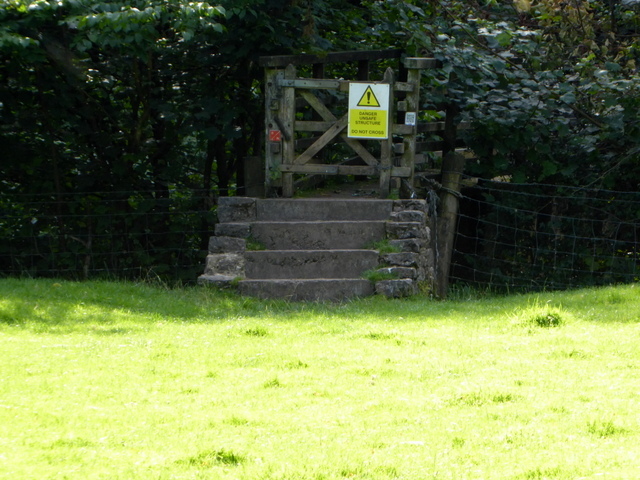
We were advised not to use this bridge to cross the river.
p1010045Small Teasel

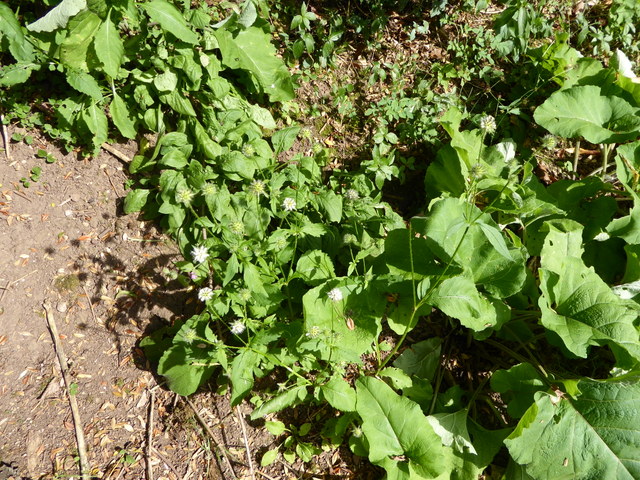
Small Teasel (Dipsacus pilosus) growing with Lesser Burdock (Arctium minus)
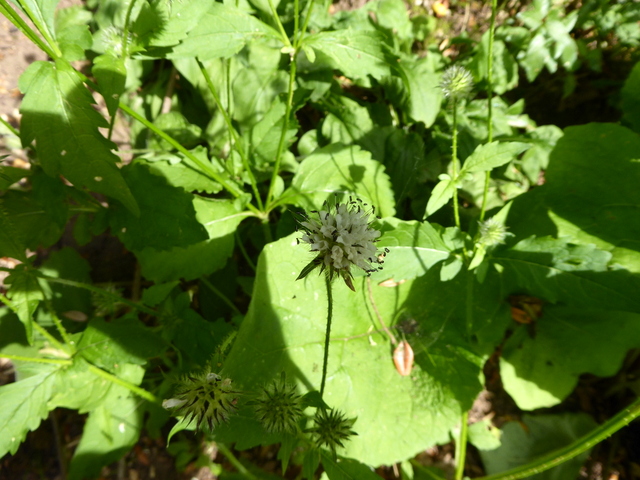
p1010046unknown-plant

Small Teasel

This was the first time I had ever seen this plant and it took me some time to ID it.   My photograph isn’t the best and I wasn’t too sure where to start my search.  The plant is often found on damp, disturbed ground near woodland edges and near streams and rivers.
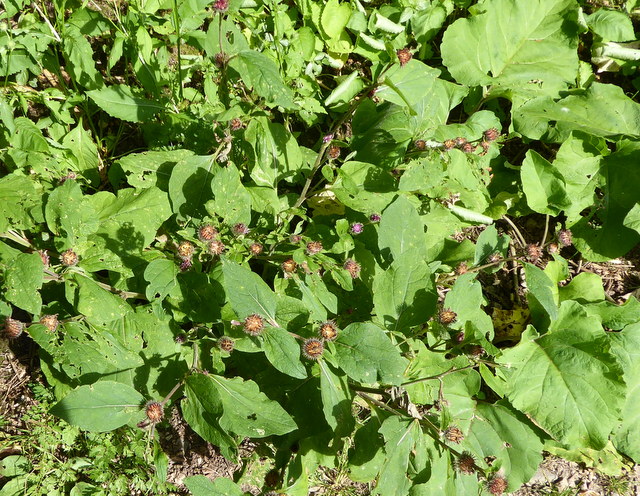
p1010047lesser-burdock

Lesser Burdock

We went over the river at the next bridge and then crossed a meadow the ascent of which gradually got steeper.
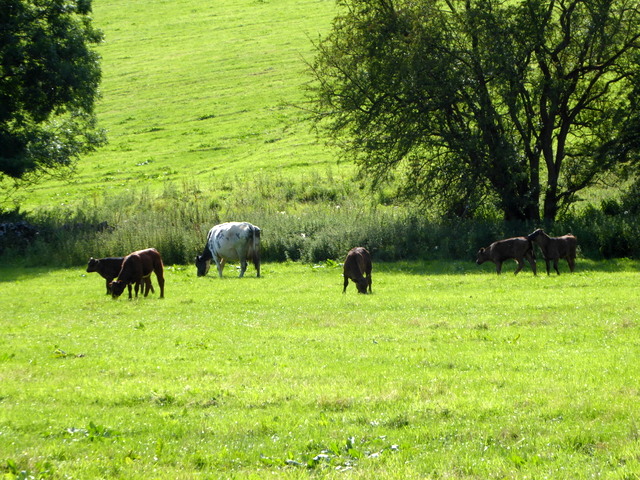
p1010048cows-and-calves

Cow and calves

The calves were a little curious but the cow continued calling to them and they stayed with her.
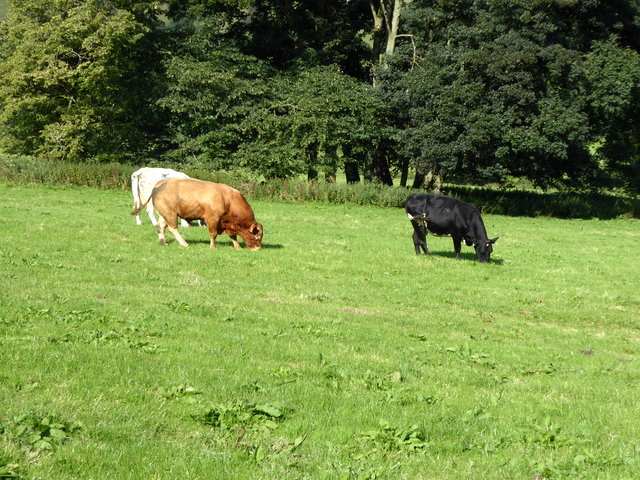
p1010049bull-and-cows

Bull and cows

At the top of the field was a bull and a couple of cows.  Fortunately, they were more interested in eating than in us because we were quite puffed by the time we had got to the top of the field and I don’t think we could have run anywhere!
p1010050steep-hill

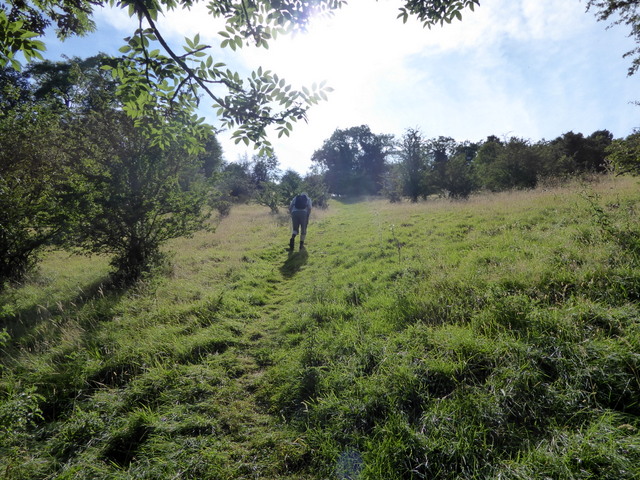
The next field was even steeper and the grass was dry and shiny.
p1010051flowers

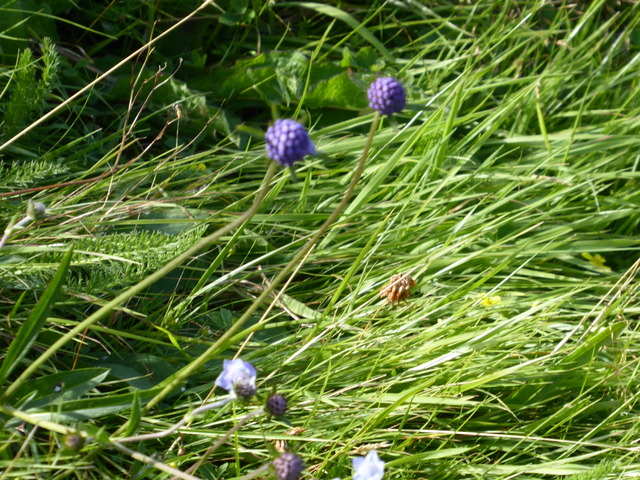
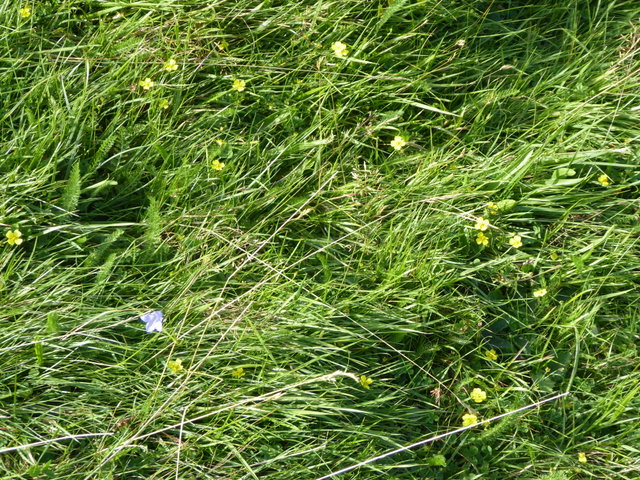
There were flowers everywhere! Tormentil (Potentilla erecta) (the yellow flowers) and Harebell (Campanula rotundifolia)
p1010052flowers

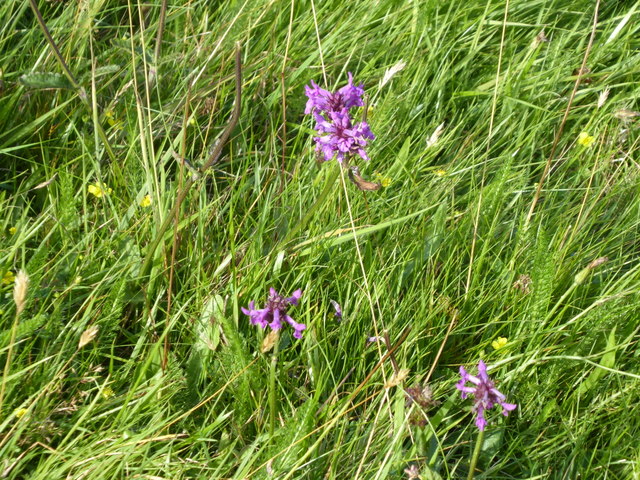
Betony (Stachys officinalis)

p1010053flowers

Devil’s-bit Scabious (Succisa pratensis) and Harebells
p1010054flowers

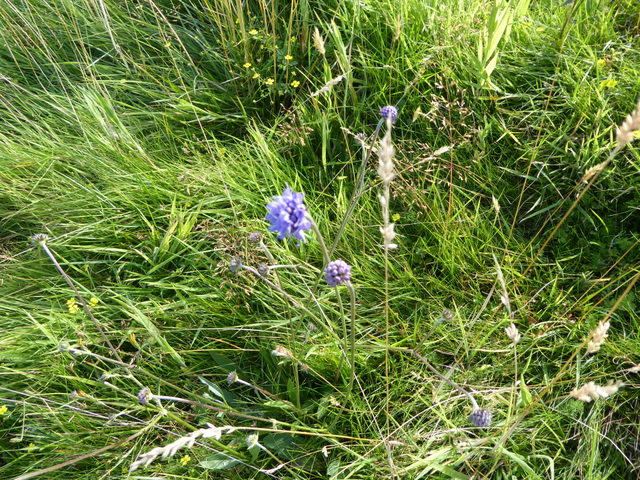
Devil’s-bit Scabious and Tormentil

I’m afraid the photos got more out of focus the further up the hill I got.  It was all I could do to keep my footing.
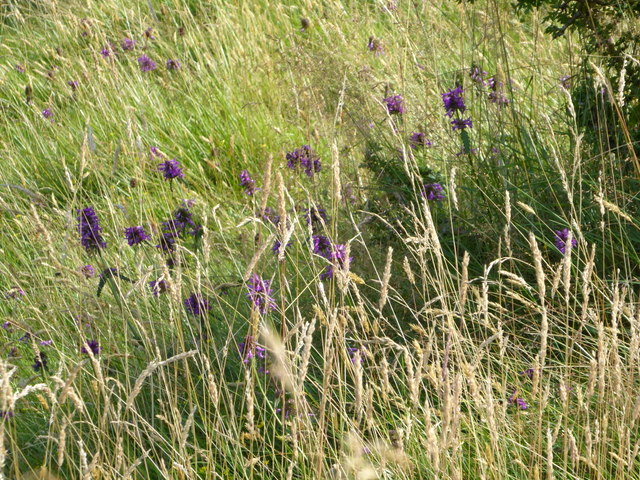
p1010055grasses

Betony and grasses

p1010056grass

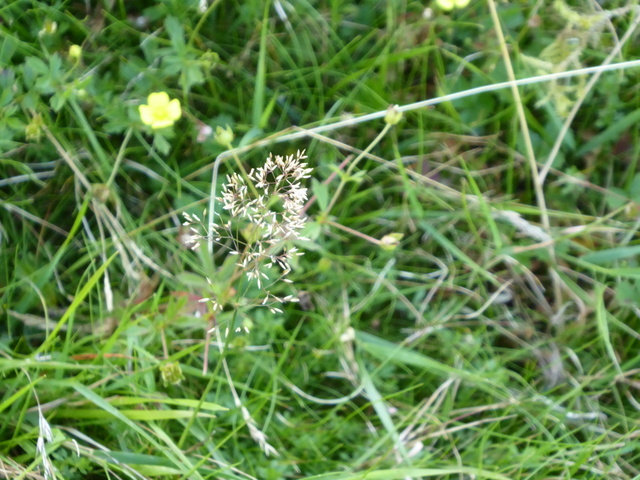
Annual Meadow Grass (Poa annua)

p1010057view

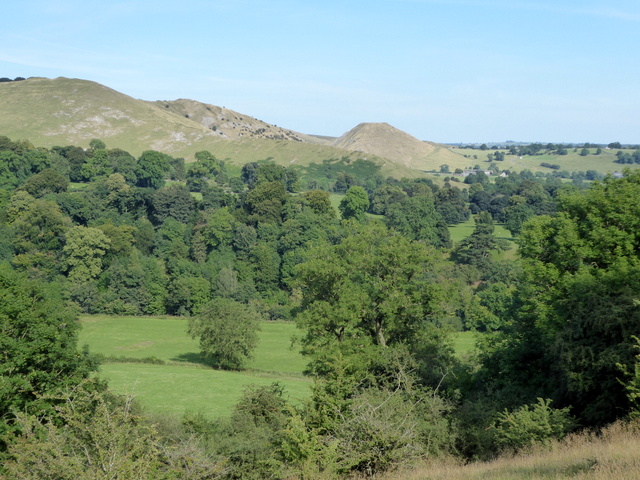
The view from the top of the hill

We were glad to get to the top and catch our breath.  There was still rising ground to cover but the really steep bit was finished with.

p1010058grasses

I think this grass is Sheep’s Fescue (Festuca ovina) It caught my eye because the seedheads were shining in the sunlight.
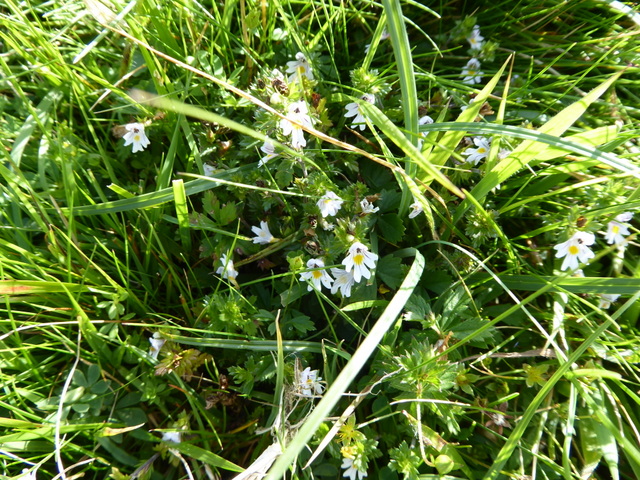
p1010059eyebright

Eyebright (Euphrasia officinalis agg.)

Eyebright is slowly becoming rarer because it is semi-parasitic on the roots of other plants and will only grow in undisturbed grass land.  There is very little undisturbed grassland in this country.
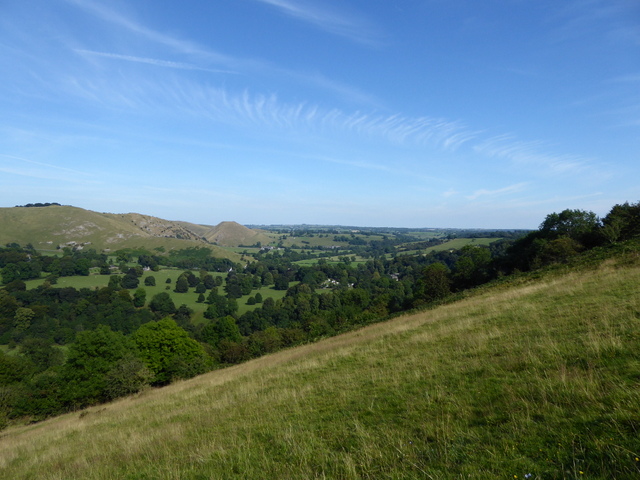
p1010063view

Another shot of the same view but from further up the hill
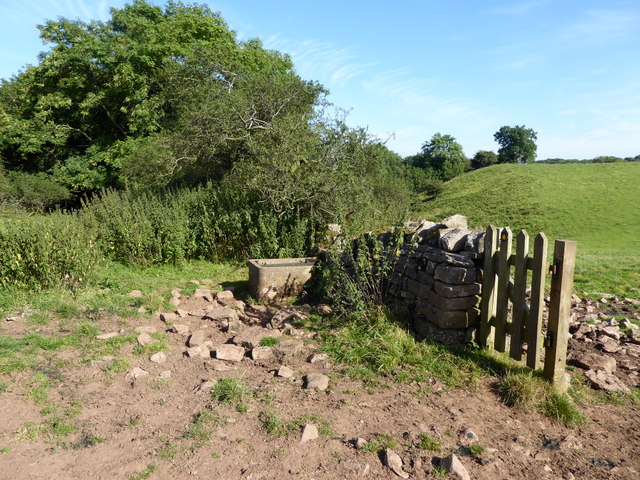
p1010065gate

I love this rather untidy scene

p1010066gate

Through the gateway

Both pictures are typical of cattle-farming country.  The well-trampled area next to the gateway and water-trough which in wet weather is extremely squelchy.  The bank of nettles beyond the trough…
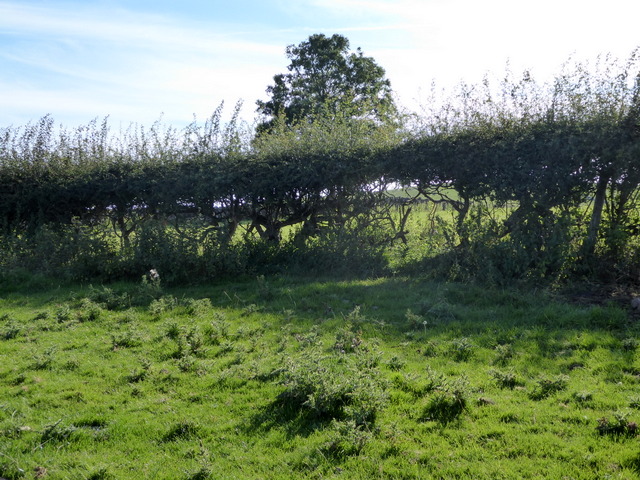
p1010067hedge

A hedge in this part of the world is a rare thing
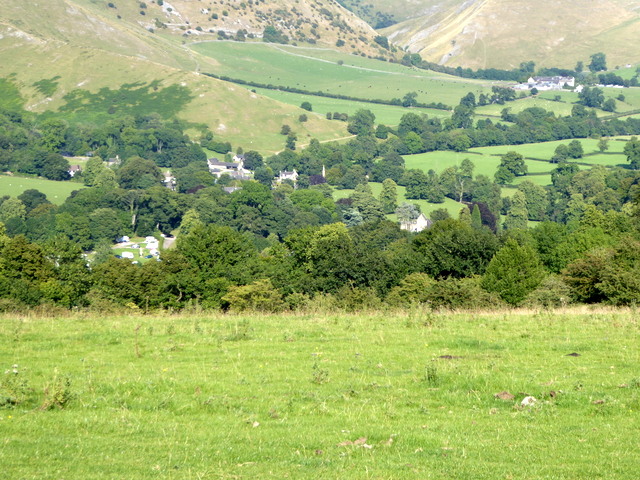
p1010068view

A view of Ilam village below us

p1010069tree

A weathered Hawthorn tree (Crataegus monogyna)
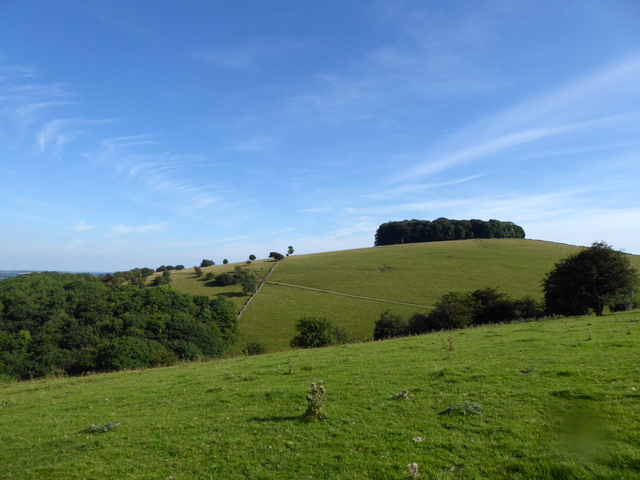
p1010070view

I like the stand of trees on the crest of the next hill
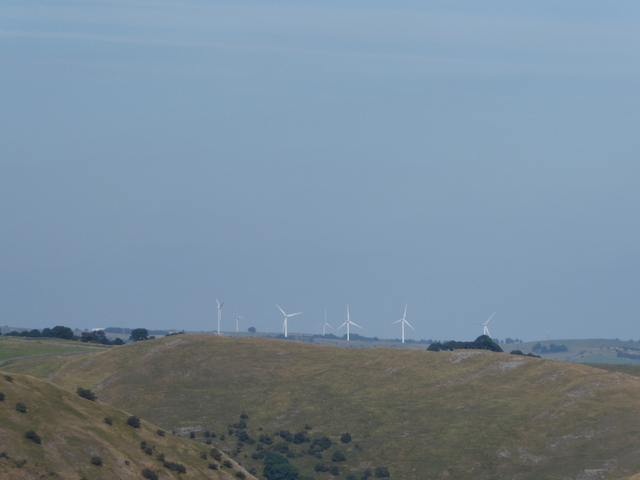
p1010071a-wind-farm

I used the zoom on my camera to photograph a wind farm on the horizon
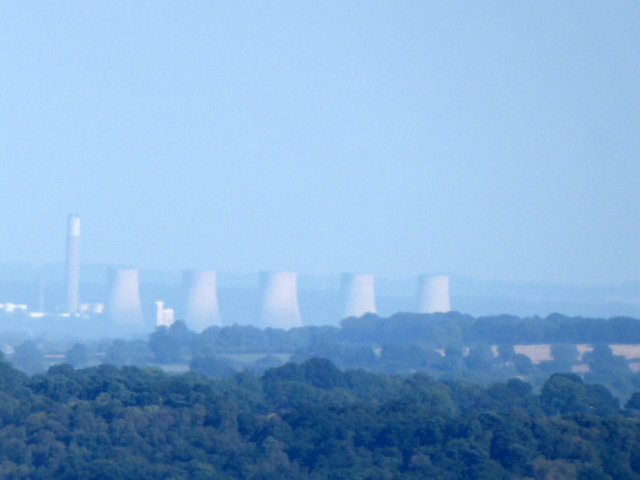
p1010074power-station

A different source of electricity. This may be Willington power station or maybe Rugeley? I know both these places have/had 5 cooling towers and my camera has quite a powerful zoom. I would be interested to know which station this is.

This is the interesting thing about the Peak District.  The whole area has been industrial at some period in its history.  We may be out on the moors and seemingly miles from anywhere but industry or the effects of industry surround us.

We began the descent towards Ilam village.
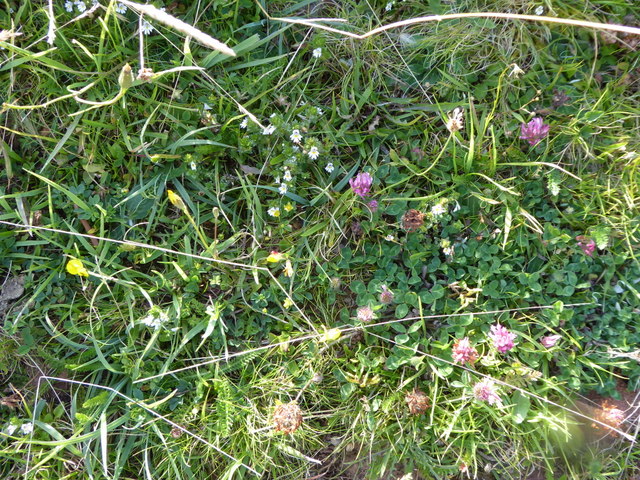
p1010072flowers

Grasses and flowers

This may look like a rather uninteresting patch of grass with a few flowers in it.  However, in this approximately 40cm x 40cm piece of land there are at least three different types of grass and more than six different flowering plants, not all in flower.  True diversity!

p1010075lamb

Having had cows, calves and a bull on this post we had to have a lamb too. Look at those ears! Richard called him/her ‘Wingnut’!
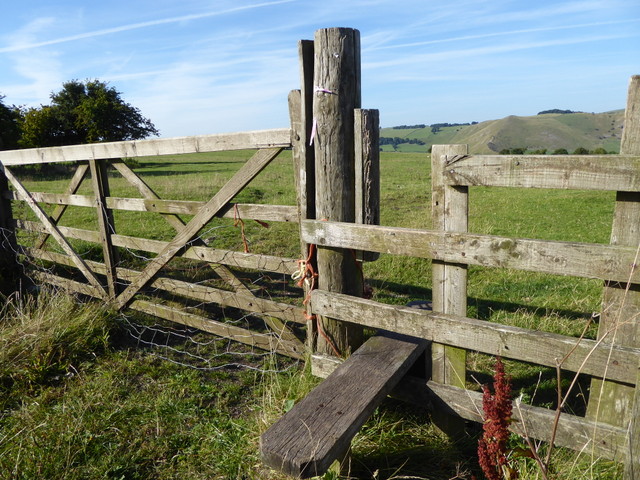
p1010076stile

One of the many stiles we clambered over that afternoon
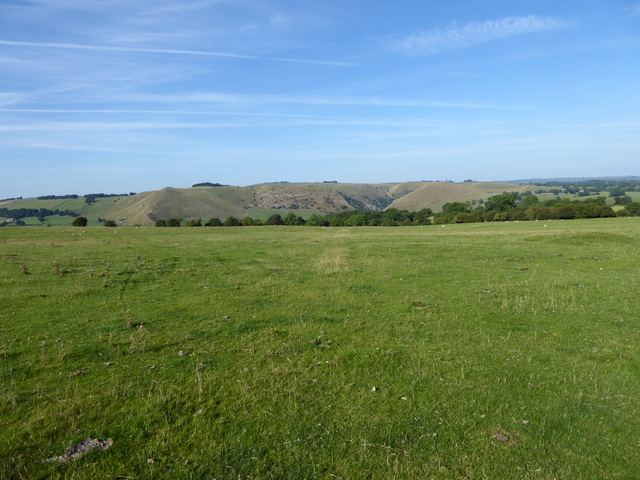
p1010077path

The path across the meadow

The path was much clearer in real life than in my photograph.  An indentation in the soil; the grass growing differently on the path and the light reflecting off it in a different way making it look lighter, sometimes darker than the surrounding grass.  I’m sure it would be more obvious at sunset or sunrise or with a dusting of snow on it.
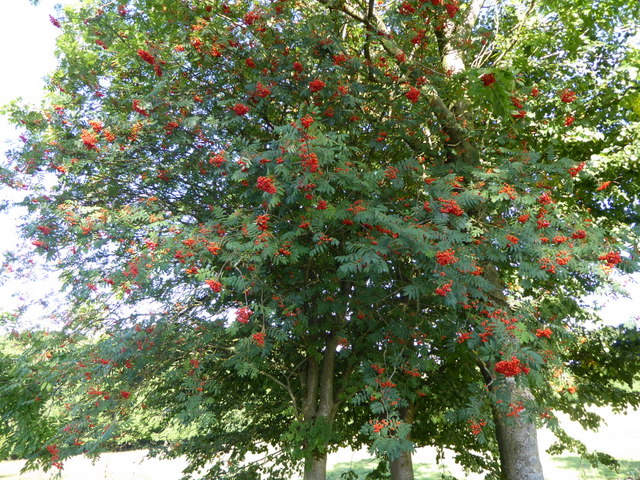
p1010078rowan-tree

A Rowan tree (Sorbus aucuparia)

p1010079stile

Another stile. This time a squash stile’; my favourite (I don’t think!)

We had descended to the valley again and entered Blore Pastures Wood by the stile.
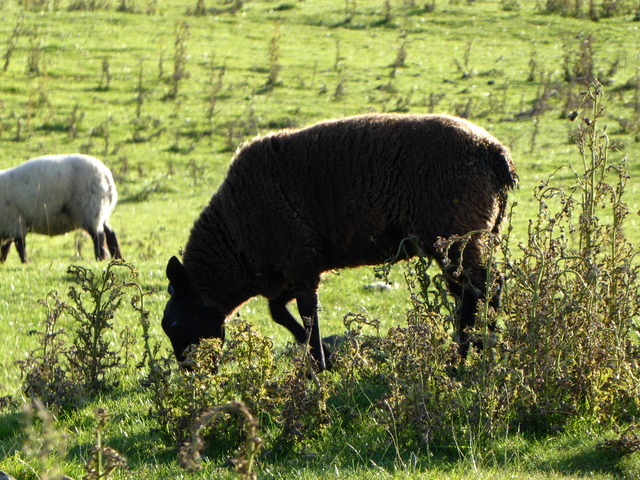
p1010080lamb

A brown lamb in the late afternoon sun
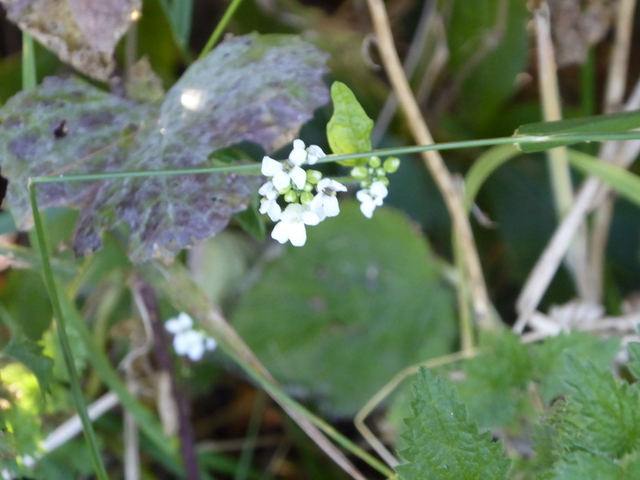
p1010081garlic-mustard

I was surprised to see Jack-by-the-Hedge/Garlic Mustard (Alliaria petiolata) in flower this late in the year
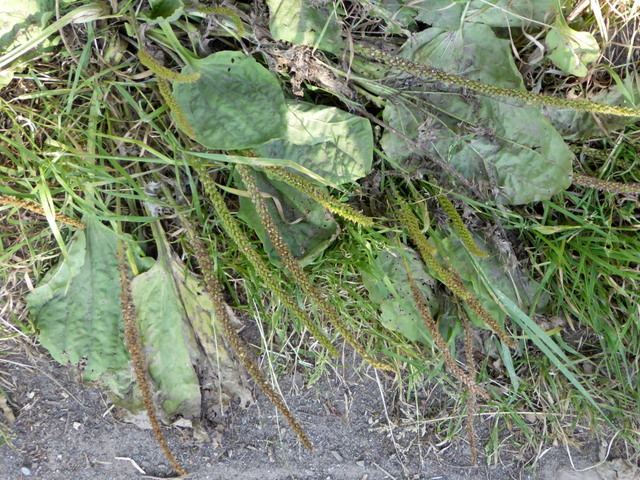
p1010082plantain

Greater Plantain (Plantago major)

We saw this enormous plantain next to the road as we approached Ilam.
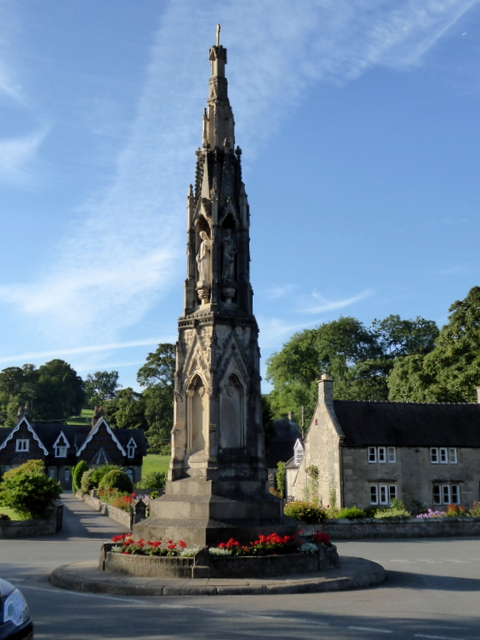
p1010083cross

Ilam Cross, built by Jesse Watts-Russell (who also built Ilam Hall) in memory of his wife.

The cross was badly damaged in a storm some years ago but has recently been completely restored.
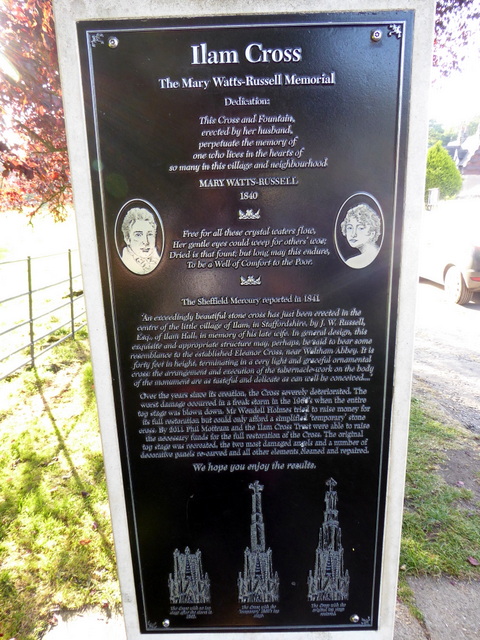
p1010084cross-info

A plaque with all the information about the cross

The village was full of people enjoying the evening sunshine.  I had hoped to photograph the houses and the bridge but there were too many people in the way.
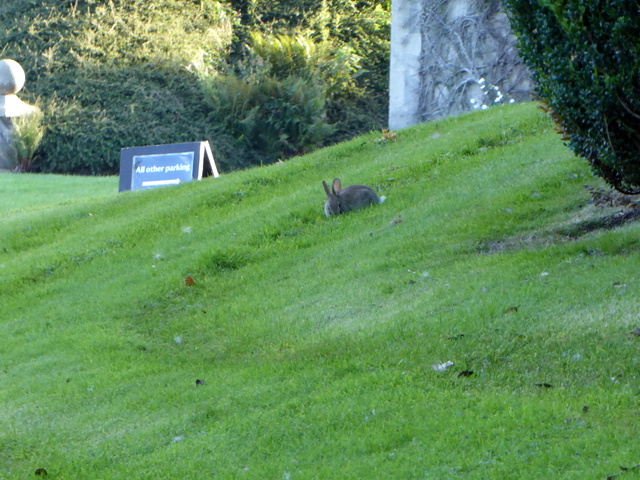
p1010085rabbit

A Rabbit (Oryctolagus cuniculus) seen on our way back to the carpark

A most enjoyable walk in glorious sunshine.

Thanks for visiting!


Share this:

  • Share on X (Opens in new window) X
  • Share on Reddit (Opens in new window) Reddit
  • Share on Pinterest (Opens in new window) Pinterest
  • Share on Facebook (Opens in new window) Facebook
  • Email a link to a friend (Opens in new window) Email
  • Share on Tumblr (Opens in new window) Tumblr
  • Print (Opens in new window) Print
  • Share on LinkedIn (Opens in new window) LinkedIn
Like Loading...

A Walk in the Black Forest

02 Fri Sep 2016

Posted by Clare Pooley in holidays, Insects, plants, walking, wild flowers

≈ 46 Comments

Tags

bedstraw, berries, bilberry, Black Forest, brimstone butterfly, butterfly, cat's-ear, Common Bird's-foot Trefoil, Common Cow-wheat, Common Earthball, common knapweed, Dame's-violet, forest, foxglove, holiday, Lesser Stitchwort, Loosestrife, Lysimachia, Male Fern, moth, Polypody, Scarlet Tiger moth, Small Balsam, Speedwell, St John's-wort, trees, Triberg, views, walking

Our week’s holiday was coming to an end and we wanted to take a walk in the beautiful countryside around the town of Triberg.  The hotel thoughtfully provided maps and suggestions for walks so we chose one and adapted it for our use.  Neither Richard nor I are as fit or as young as we used to be and Elinor cannot walk very far because of her scoliosis so we decided on a half-circuit of the town in the woods.  We went in the direction of the railway station and took a steep path up between houses towards the forest.

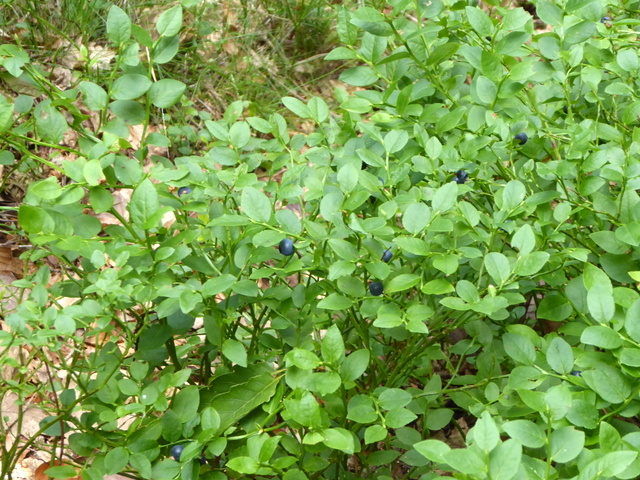
P1000813Bilberries

Bilberries (Vaccinium myrtillus)

We were soon high enough to be able to look down on the town which was very busy with Sunday visitors and many motorbikes.  I think Richard told us this part of the walk was called the Bilberry Wood and there were certainly many bilberries growing at the side of the path.

P1000814Common Earthball phps

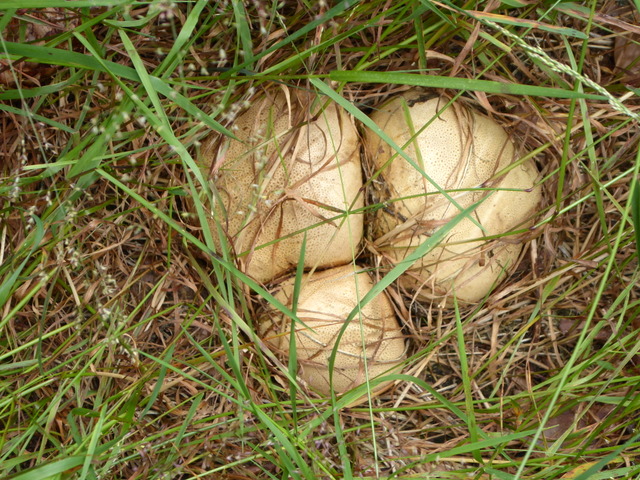
There was plenty of fungus too. I think this may be Common Earthball (Scleroderma citrinum)

We soon climbed a little further into the forest and left the town behind and no longer heard the traffic.

P1000815woodland
P1000816Woodland

The forest became denser but there was never any difficulty following the path which was beautifully maintained.  I began to see many different plants; some I recognised and some I didn’t.  If anyone can help me with the names of these plants I will be very grateful.

P1000817Polypody

Polypody (Polypodium vulgare) – a true fern. When walking with my family I always get left behind because I like to take photos of plants and fungi. I don’t have the time to take the detailed shots I would like in order to identify my finds in case I am left too far behind!

P1000832Polypody

More Polypody

I love the chunkiness of Polypody so I cropped one of the photos above to look at it in more detail.

P1000817Polypody - Copy (2)

Polypody

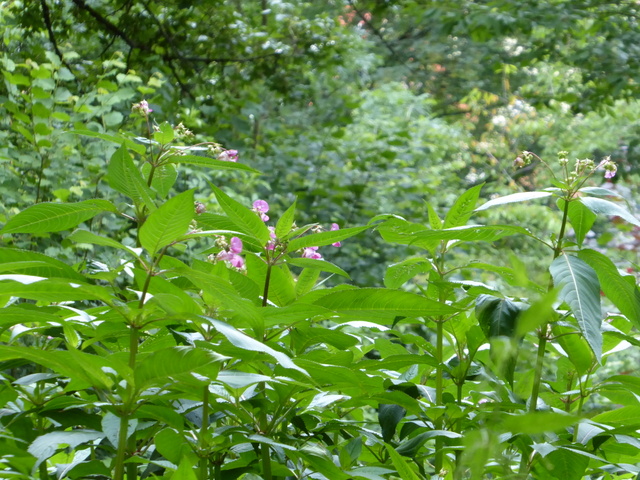
P1000818Small Balsam phps

I think this might be Small Balsam (Impatiens parviflora)

P1000823Unknown

Unknown flower

P1000824Unknown

It’s very tall!

P1000820Unknown

Interesting leaves

P1000827Cow-wheat

Common Cow-wheat (Melampyrum pratense)

P1000850Wild flowers

Wild flowers including a Bedstraw, Common Bird’s-foot Trefoil (Lotus corniculatus) and Lesser Stitchwort (Stellaria graminea).

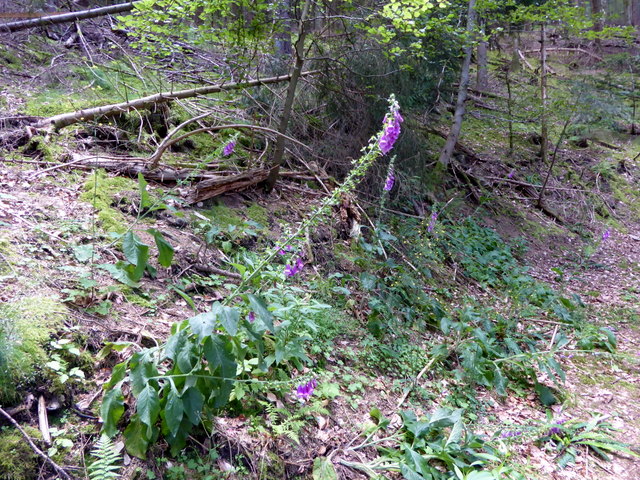
P1000834Foxglove

Foxglove (Digitalis purpurea)

Speedwell
Speedwell
Speedwell
Speedwell
P1000837Royal Fern phps

This may be Male Fern (Dryopteris filix-mas)

P1000857

St John’s-wort; I don’t know which of the many St John’s-worts it is.

P1000855Cat's-ear

Cat’s-ear (Hypochaeris radicata)

P1000868Lysimachia

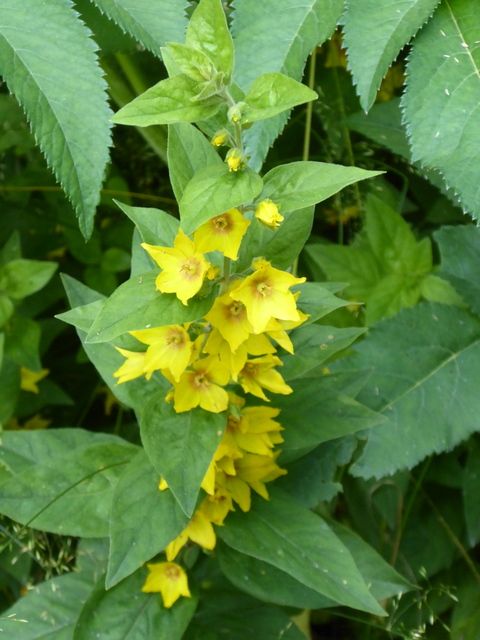
Loosestrife (Lysimachia punctata)

I managed to photograph a butterfly….

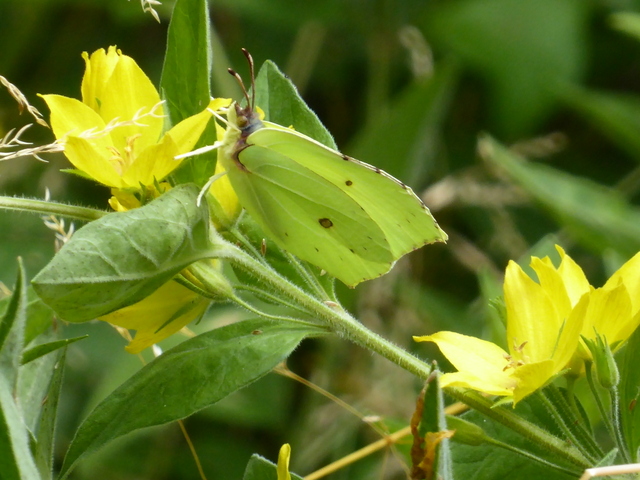
P1000866Lysimachia

A Brimstone butterfly (Gonepteryx rhamni) on Lysimachia

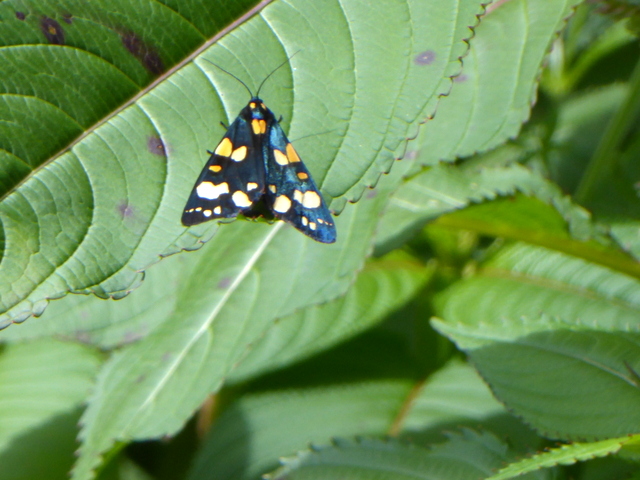
…and a moth.

P1000864ScarletTiger Moth

A Scarlet Tiger Moth (Callimorpha dominula). When flying I could see its underwings which were bright scarlet.

The views as we walked were marvellous.

This slideshow requires JavaScript.

Berries
Berries
Dame's-violet (Hesperis matronalis)
Dame’s-violet (Hesperis matronalis)
Unknown yellow flower
Common Knapweed ( Centaurea nigra)

The path eventually returned us to the town near to the waterfall.

My music selection today is ‘A Walk in the Black Forest’ which was so popular on the radio when I was a little girl.

I am hoping that Elinor will provide the last of my Black Forest posts.

Thanks for visiting!


Share this:

  • Share on X (Opens in new window) X
  • Share on Reddit (Opens in new window) Reddit
  • Share on Pinterest (Opens in new window) Pinterest
  • Share on Facebook (Opens in new window) Facebook
  • Email a link to a friend (Opens in new window) Email
  • Share on Tumblr (Opens in new window) Tumblr
  • Print (Opens in new window) Print
  • Share on LinkedIn (Opens in new window) LinkedIn
Like Loading...

Black Forest Holiday – Part 2

08 Mon Aug 2016

Posted by Clare Pooley in family, holidays, walking

≈ 57 Comments

Tags

birds, Black Forest, Ernest Hemingway, fungi, holiday, lichen, memorials, moss, Nutcracker, Otto von Bismarck, red squirrels, Triberg, waterfall, wildflowers

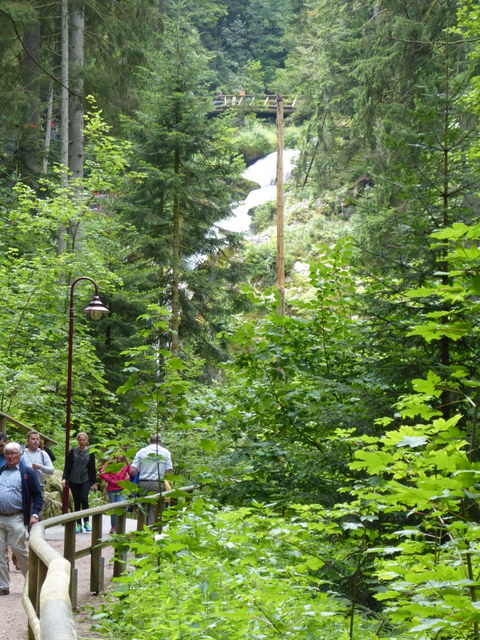
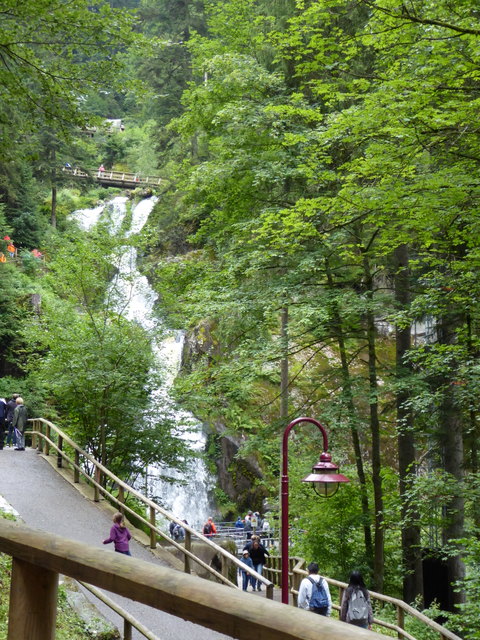
On our second full day on holiday we thought we would go and see the Triberg waterfall which we were informed is the highest waterfall in Germany.  (In fact, it isn’t as Rothbach Waterfall in Bavaria is the highest with a single, vertical drop of 470 metres.)  We had a short walk through the town to the nature park entrance where we were able to get free entry by using the guest-card that the hotel had given us on our arrival.

P1000741Waterfall

Just a few minutes walk brought us to the waterfall.

P1000743Waterfall

The waterfall is a series of seven cascades falling 160 metres into the valley.

P1000744Waterfall

The waterfall can be heard in the town.

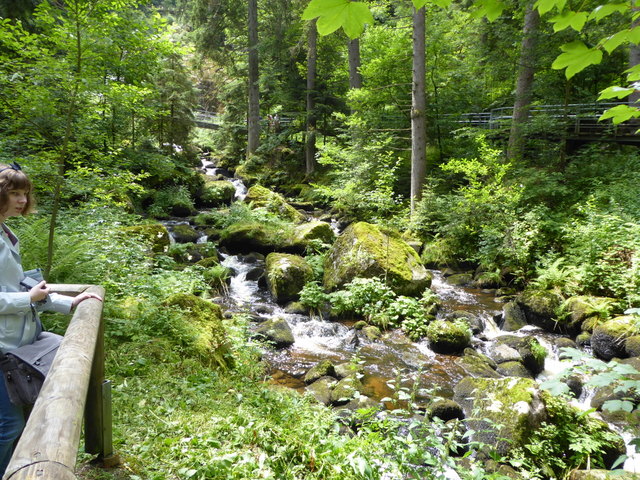
The paths and bridges have been carefully designed to enable everyone to see the falls clearly.

This slideshow requires JavaScript.

I didn’t just photograph the waterfall.  There were plenty of plants that interested me, some I recognised and others I still cannot put a name to.

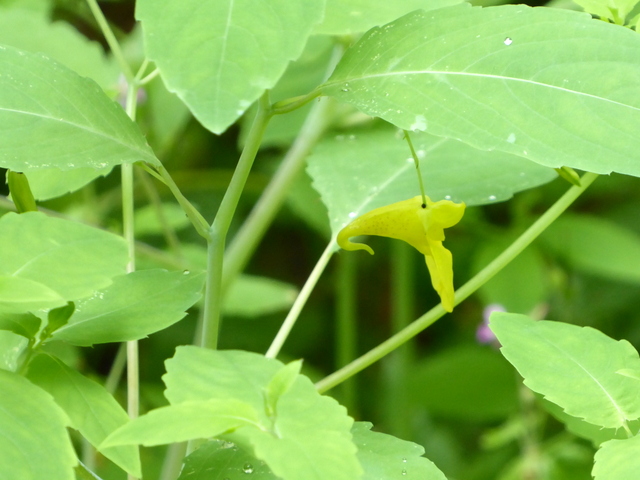
P1000740Touch-me-not Balsam

Touch-me-not Balsam (Impatiens noli-tangere)

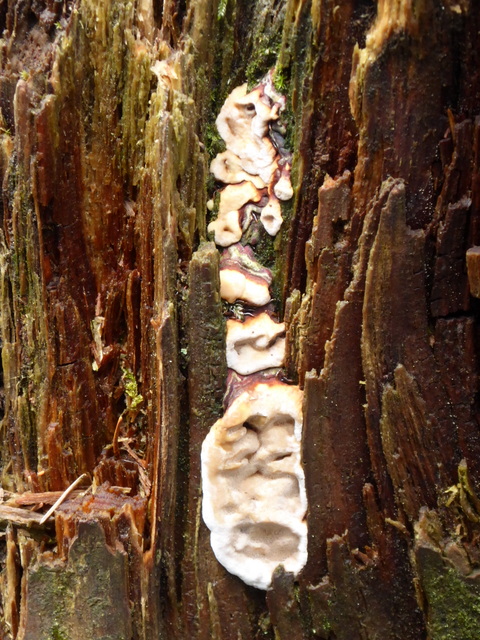
P1000742Fungus

Fungus

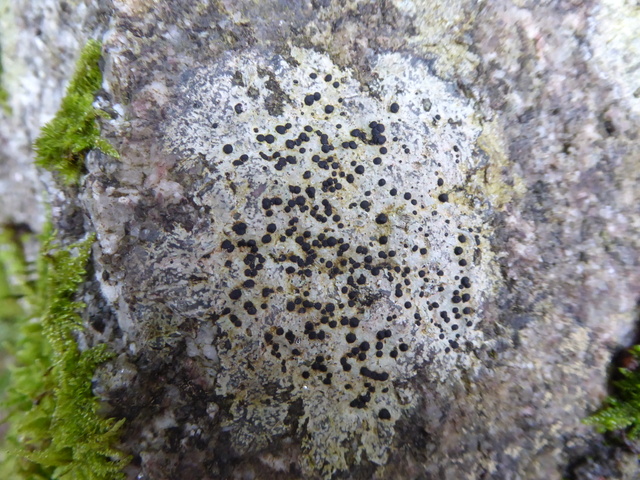
P1000745Lichen

Lichen

P1000751Yellow flower

Unidentified yellow flower

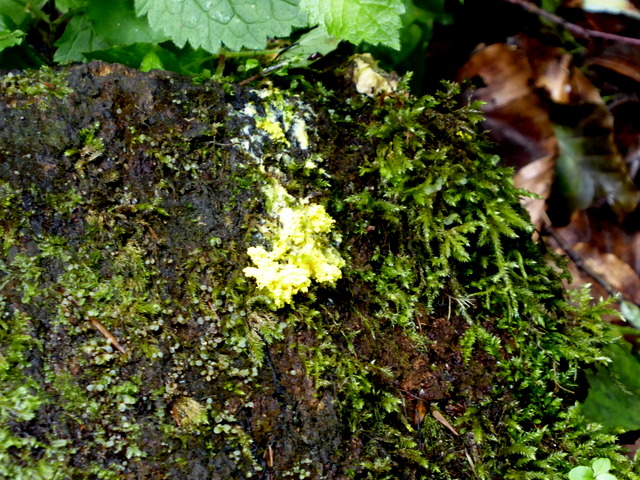
P1000754Slime mould

Slime mould

Moss
Moss
More moss
More moss
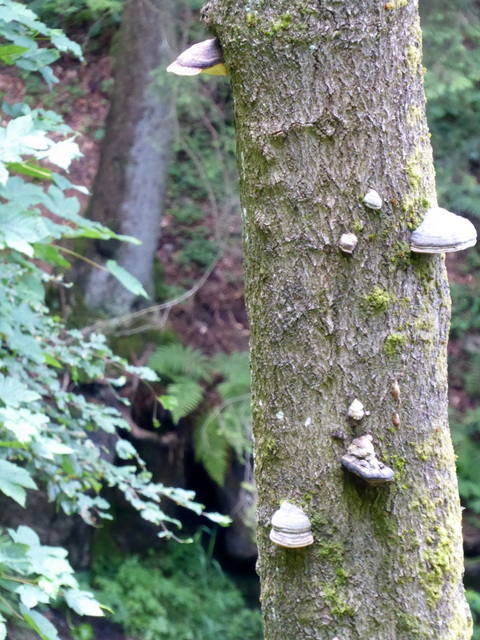
P1000764Hoof fungus

Hoof fungus (Fomes fomentarius) ?

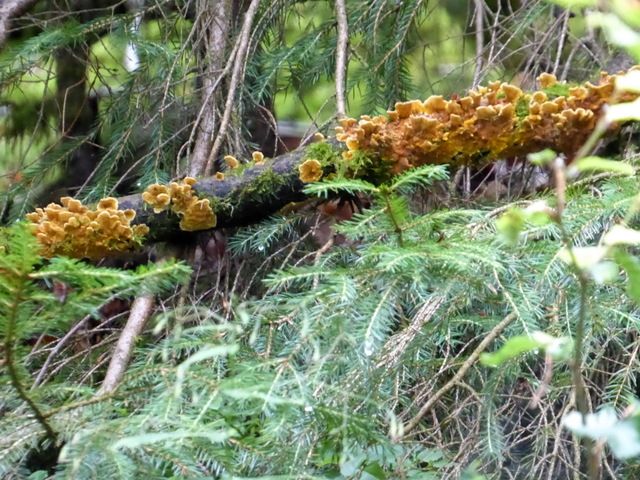
P1000765Fungus

Orange-coloured fungus.

P1000778Indian Balsam

Indian Balsam (Impatiens glandulifera)

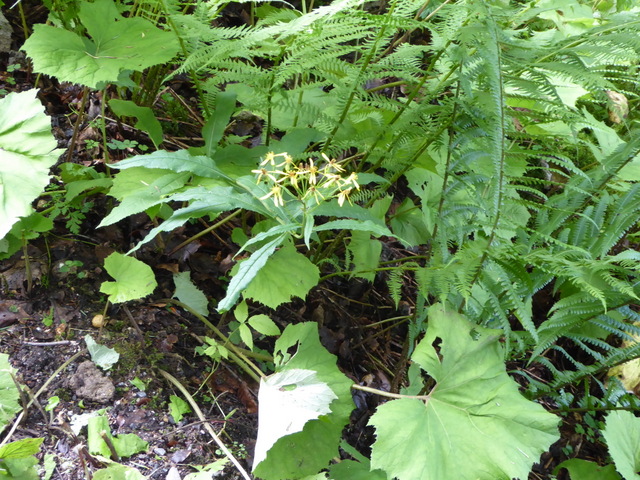
P1000779Figwort phps

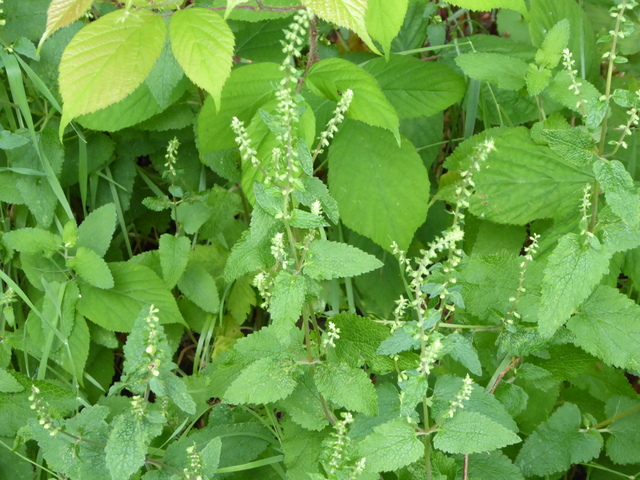
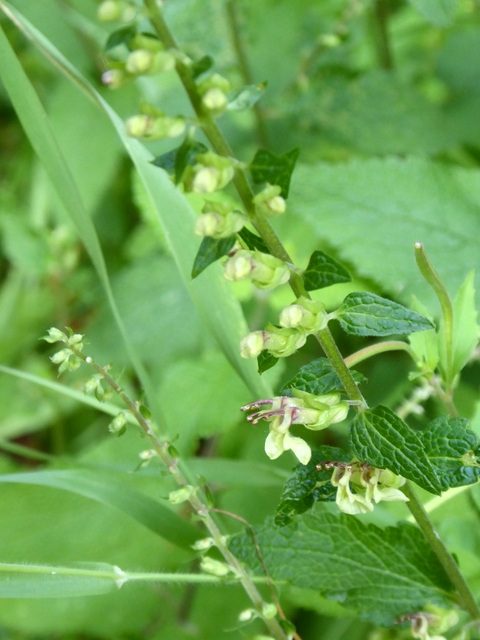
Wood Sage (Teucrium scorodonia)

P1000780Figwort phps

Wood Sage flower spike

We also saw glimpses of Red Squirrels, which are not rare in Germany, but they were too quick for me and I was unable to photograph one.

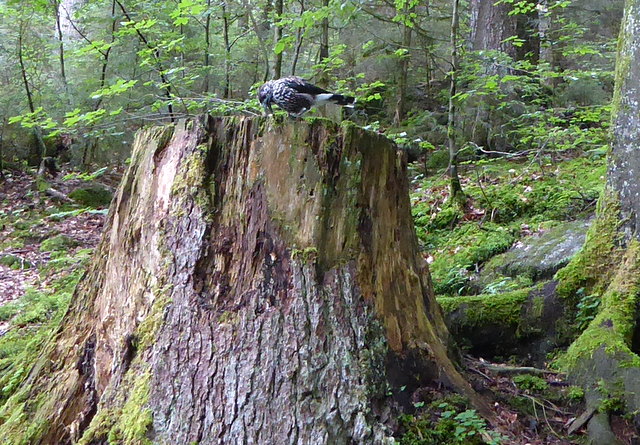
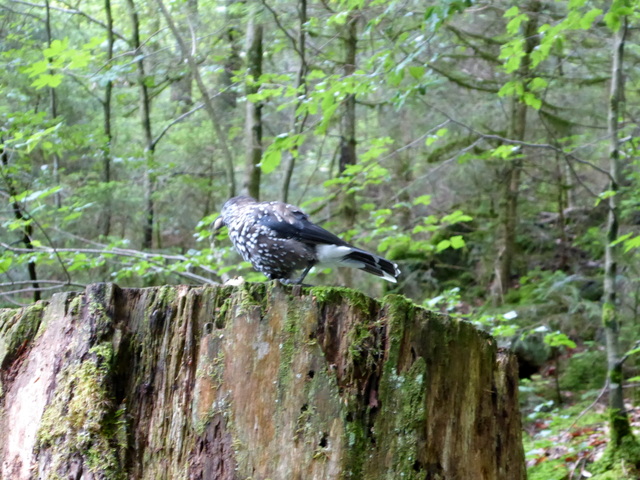
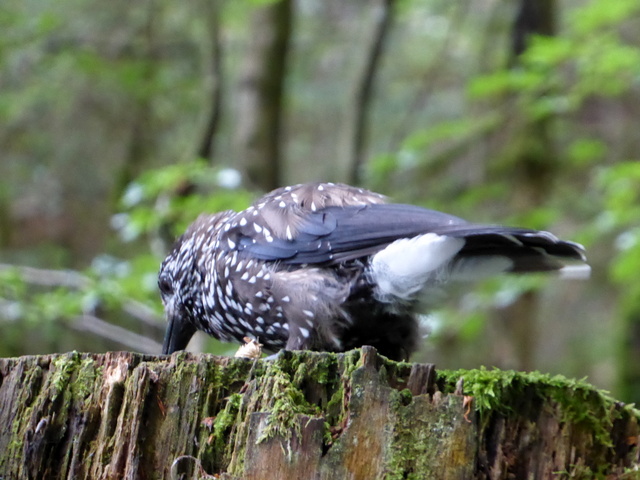
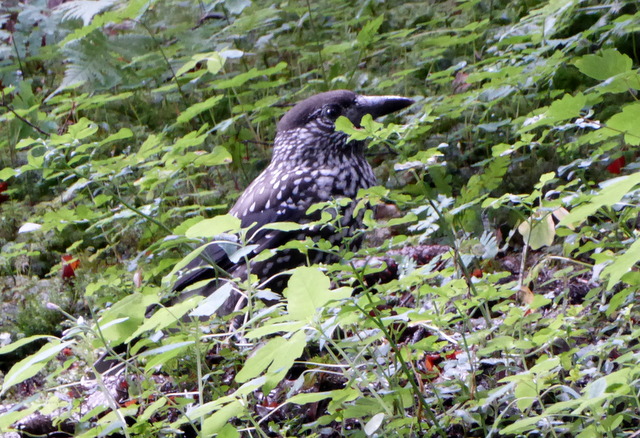
I was very pleased that I managed to photograph a Nutcracker, a bird from the crow family.  They are one of the smallest crows at 12.5 inches long, even smaller than a Jackdaw, and they were moving about quickly in the undergrowth feeding newly fledged young.

P1000767Nutcracker

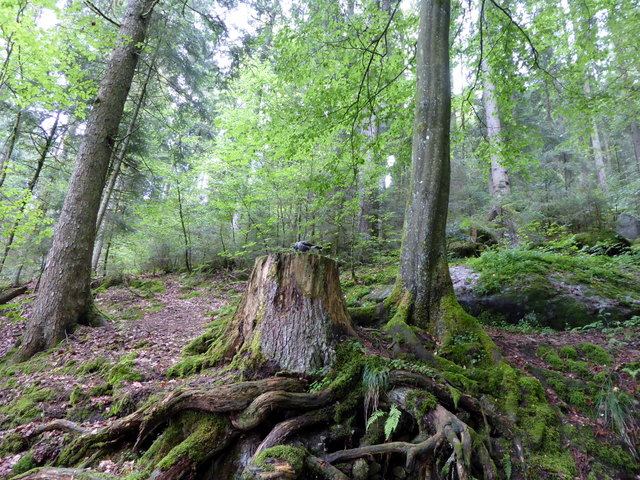
Nutcracker (Nucifraga caryocatactes) on a tree-stump

P1000767Nutcracker - Copy

This is the above photo which has been cropped

P1000768Nutcracker

Nutcracker

P1000769Nutcracker

Nutcracker

P1000771Nutcracker

Nutcracker

Only one of those photos was cropped though I had to use the zoom on my camera to its fullest extent for the rest!

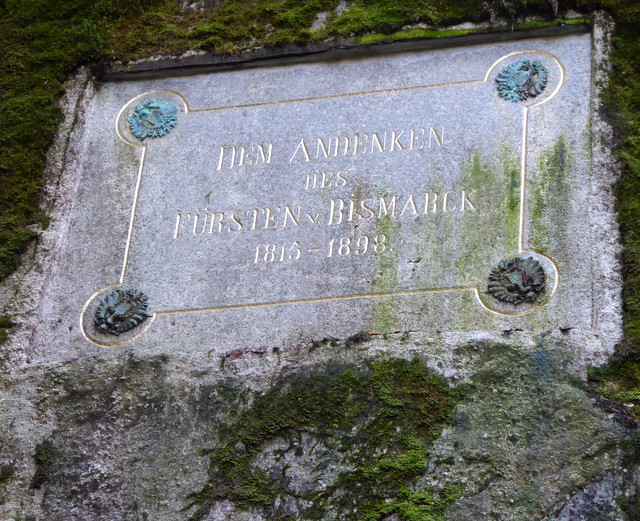
There were a few commemorative plaques placed on the rock face; this one is for Otto von Bismarck.

P1000758Bismark plaque

Bismarck commemoration

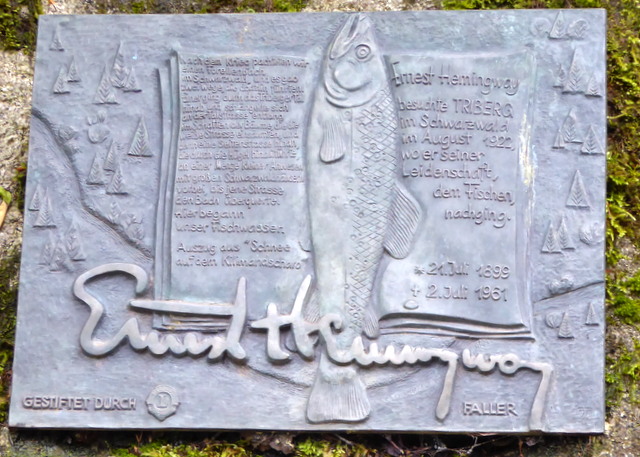
This one is for Ernest Hemingway

P1000749Hemingway plaque

On the right are his dates of birth and death under a note saying that Ernest Hemingway visited Triberg in the Black Forest in August 1922 where he indulged in his passion for fishing. There is a quote from ‘The Snows of Kilimanjaro’ on the left where he talks about a trout-fishing trip to Triberg.

We enjoyed our walk through the forest and before returning to our hotel, indulged in some more coffee and cake!

Thanks for visiting!

Share this:

  • Share on X (Opens in new window) X
  • Share on Reddit (Opens in new window) Reddit
  • Share on Pinterest (Opens in new window) Pinterest
  • Share on Facebook (Opens in new window) Facebook
  • Email a link to a friend (Opens in new window) Email
  • Share on Tumblr (Opens in new window) Tumblr
  • Print (Opens in new window) Print
  • Share on LinkedIn (Opens in new window) LinkedIn
Like Loading...

King Street, Norwich

19 Tue Apr 2016

Posted by Clare Pooley in churches, Norwich, Rural Diary, walking

≈ 39 Comments

Tags

Alan Road, Albion Mill, Ber Street, Berstrete Gates pub, Bracondale, Carrow Hill, City Wall, close studded timber framing, Crystal House, Dragon Hall, King Street, Music House, Norwich, Norwich Castle, River Wensum, Southgate Lane, St Etheldreda's Artists' Studios, St John the Baptist church, St John-de-Sepulchre church, St Julian's Church, The Black Tower, The Wilderness Tower, Timberhill, walking, Wensum Lodge

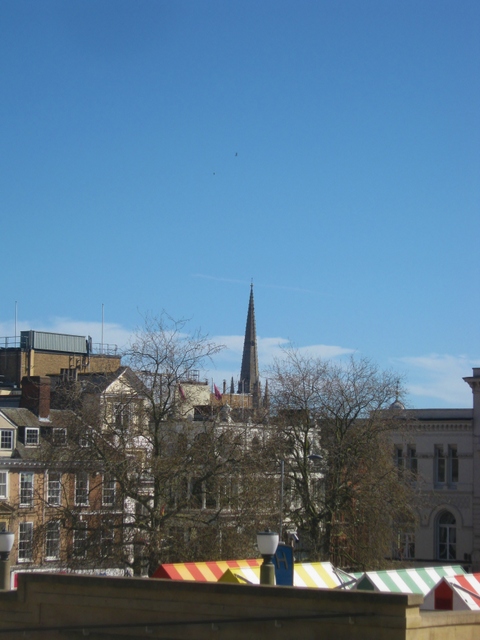
IMG_4414Cathedral beyond market

A view of Norwich Cathedral’s spire beyond the market

One bright morning last spring I decided to take another walk through the city.  I started at the Market and made my way towards the Castle.

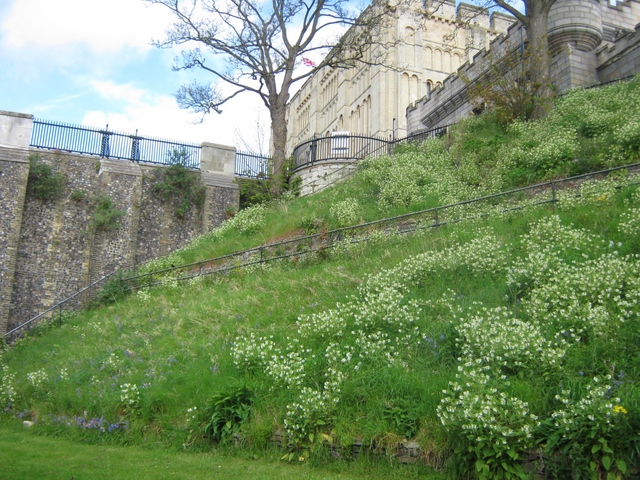
IMG_4487Norwich Castle

Norwich Castle seen from Castle Gardens

On the wall outside the castle I found these plaques which tell a story.  I will have to go into the castle one day and find out who wrote the lines and who designed the plaques.  I am put off by the entrance fee of £8.80 though!

If you read the comments you will now see that Simon Nott from Quercuscommunity has supplied all the information I needed with this link

http://www.racns.co.uk/sculptures.asp?action=getsurvey&id=838

Thank-you, Simon!

009Quote carved on wall (640x480)
001Castle wall plaque
002Castle wall plaque
003Castle wall plaque
004Castle wall plaque

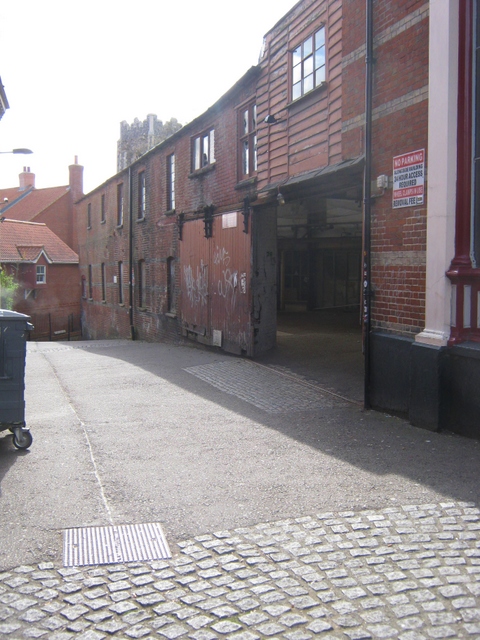
Just opposite the Castle in Cattle Market Street I found this interesting yard.

IMG_4490Furniture warehouse

A warehouse yard with workshops.

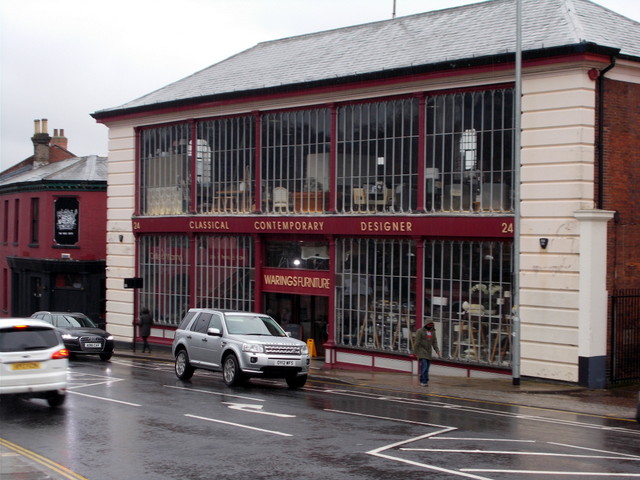
The warehouse is part of a Grade II Listed building which was originally constructed as a showroom for Holmes and Sons who manufactured and sold agricultural machinery.  The front of the building is mainly glass in an iron framework made in a lily pattern design and was inspired by the Crystal Palace (built by Paxton) to house the Great Exhibition of 1851.  This building is known as the Crystal House.  I believe there have been plans to convert the building into apartments.

DSCN0356Waring's shop

Photo of Waring’s Furniture shop (the Crystal House) taken this April

I walked from the Crystal House in Cattle Market Street, down Rouen Road and into St Julian’s Alley where I took this photo of St Julian’s church.  I wrote something about this church and shrine a while ago as well as writing about the castle.

IMG_4491St Julian's church

St Julian’s church

There is a narrow path between buildings that runs from St Julian’s Alley to King Street and in King Street is…..

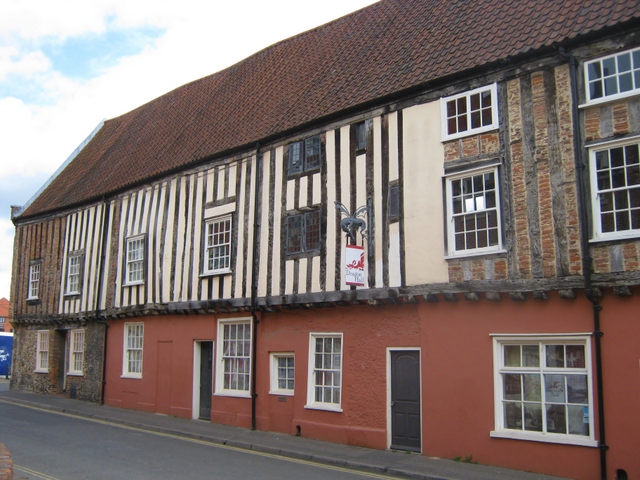
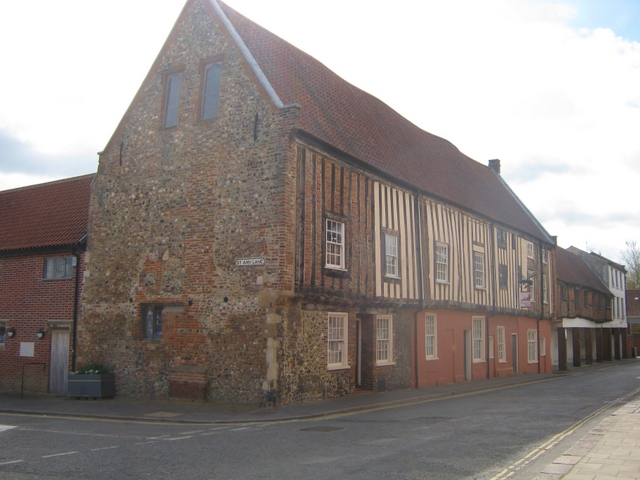
IMG_4492Dragon Hall

Dragon Hall.

Until last year the Dragon Hall could be visited quite easily.  Now, since it has become the home of “The Writers’ Centre Norwich” it is only open for a tour once a month and I cannot find any details of when this one day a month is.  Dragon Hall is Grade I listed and dates from 1420 and is the only surviving medieval trading hall in Western Europe built by an individual.  That individual was a Robert Toppes who was elected four times Mayor of the City of Norwich.

IMG_4493Dragon Hall

Dragon Hall

It is made with close studded timber framing where planks of wood (studs) are placed vertically and close together to great effect.  It contained a grand hall; the ground floor rooms and the undercroft were used as storage for goods.  One of the spandrels (triangles of space between beams and braces in the roof) was intricately carved with a figure of a dragon, which is where the building’s name has come from.  I have seen a photograph and would love to see it for myself one day.

IMG_4494Dragon Hall

Dragon Hall

IMG_4495R Wensum behind Dragon Hall

View of the River Wensum behind the Dragon Hall. Goods could easily be brought into the Hall from boats on the river.

IMG_4496Side door of Dragon Hall

The Dragon Hall’s main door

The King Street area was one of the first areas in Norwich to be inhabited and as it was close to the river many of the inhabitants were rich merchants.  The Dukes of Norfolk and the Howard family (Catherine Howard was Henry VIII’s fifth wife) all had houses here. John Caius, physician to Edward VI and founder of Caius College Cambridge was born here.

IMG_4497Music House

Music House

Just a short step up King Street is the Music House.  This was reputed to be the oldest occupied house in Norwich until recently when it was taken over by Wensum Lodge.  The first occupants were the Jurnets who were an extremely wealthy Jewish family and who lived there in the 12th century.  It became known as the Music House because during the reign of Elizabeth I it was the headquarters for the Norwich waits and minstrels.

Almost next door is…..

IMG_4498Wensum Lodge

Wensum Lodge. The centre for Adult Education in Norwich.

IMG_4499Houses in King Street

Interesting old houses in King Street. These buildings are probably 400 years old with lots of adaptations made to them over the years.

New buildings were being put up next door to these old houses.  From what I could see, great care was being taken that the new construction didn’t look out of place amongst the old buildings.

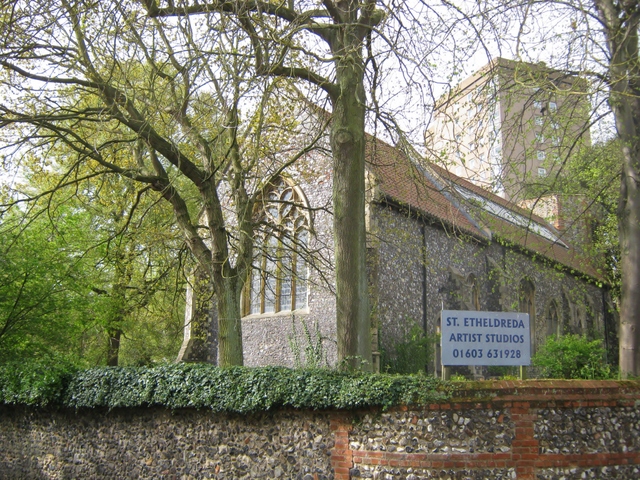
IMG_4500St Etheldreda Artist Studios

St Etheldreda Artist Studios

St Etheldreda was one of the four daughters of King Anna of East Anglia.  She founded a monastery on the Isle of Ely (an example of tautology as Ely means Isle) and she died there in 679.

This is a Norman church which became dilapidated in the 19th century and was then ‘restored’ by an enthusiastic clergyman who got rid of a lot of the original features in order that an idealised ‘medieval’ church could be created.  A wall painting of St Christopher was uncovered and was copied but the original painting did not survive.  Because of extensive bomb damage during the Second World War the amount of people living in the area dropped considerably and by the 1970’s the church had become derelict. Restoration was begun in 1975 and it has now been fitted out as artists’ studios.

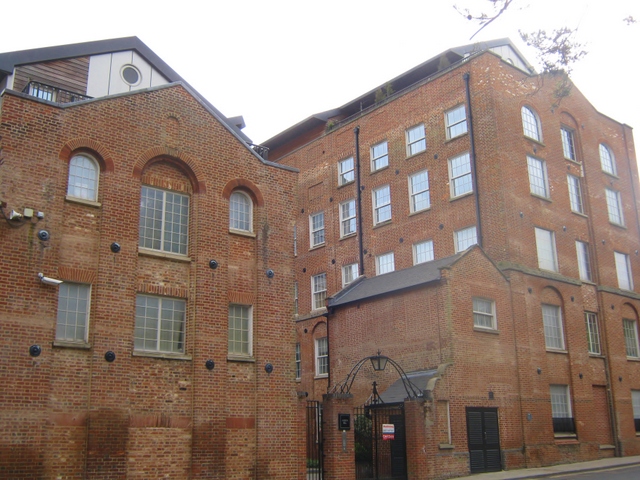
IMG_4501Converted mill

Albion Mill

This former mill has been converted into apartments.  You might be interested to see one of the apartments which is available for sale at the moment; a three-bedroom penthouse apartment valued at just under £1,000,000.

The building started out as a yam mill in the 1830’s but by the end of the 19th century it had become derelict.  It was bought by  Robert John Read (junior) of R J Read Ltd. in 1932 for £5,750 as he needed to expand his already thriving milling business.  He milled flour, not only local wheat but imported grain, oyster shell (for the chicken/hen trade) and maize (imported form Argentina).  He developed a flaking machine for the maize, as flaked maize was used in the stock and animal feed industry.  When Britain joined the Common Market the price of local and European wheat dropped and Read no longer imported grain.  By the late 1980’s maize was no longer imported either so the firm concentrated on wheat milling and in 1988 they were producing 5 tons of wheat an hour.  The business closed in 1993 and the site remained vacant until 2004 when it was bought along with other buildings nearby to be converted into flats and apartments.

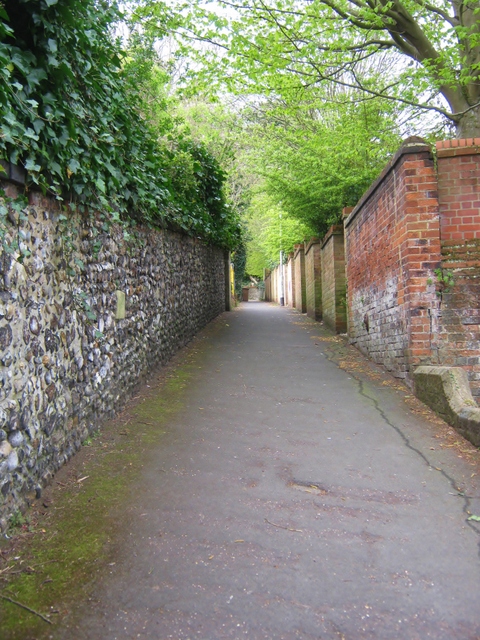
IMG_4502Southgate Lane

Southgate Lane

I turned up Southgate Lane which is quite a steep climb though this isn’t easy to see in the photo.

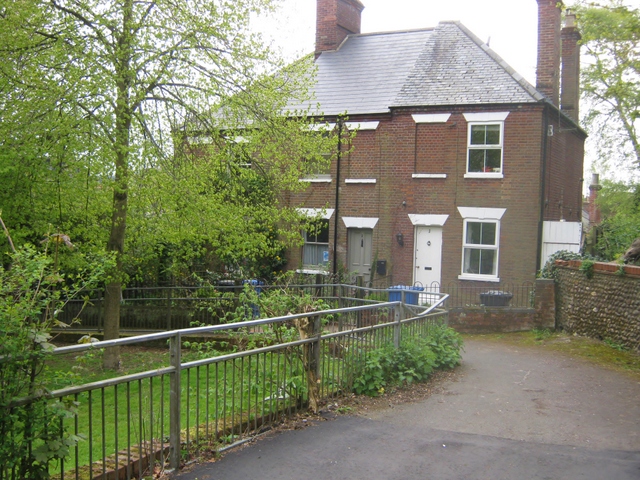
IMG_4503Cottages

Halfway up the hill were a couple of semi-detached cottages.

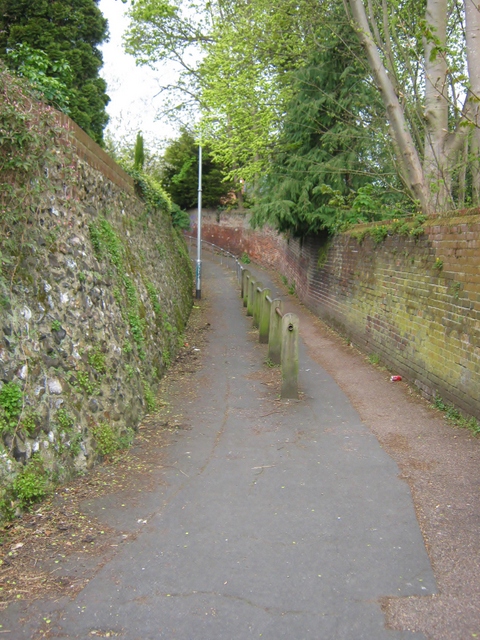
IMG_4504Southgate Lane

The second half of the lane had a handy handrail.

IMG_4505Victorian House

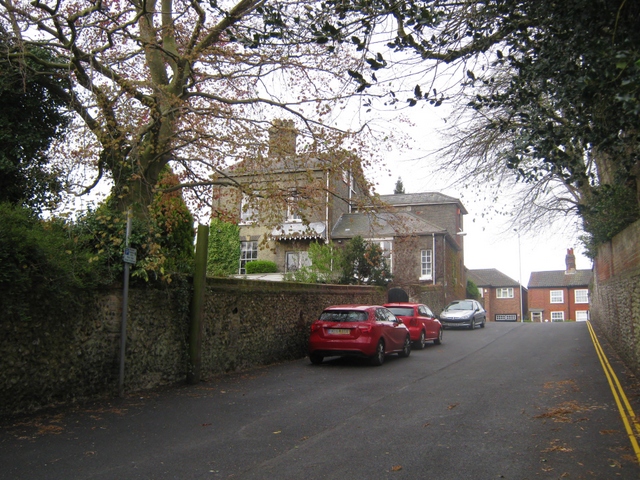
Towards the top of the hill the lane widened and one of the beautiful Victorian villas in Bracondale came into view.

IMG_4506City Wall

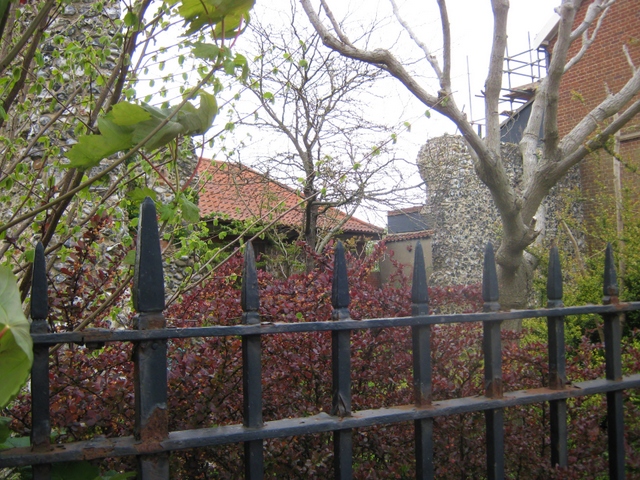
This old flint wall is part of the City Wall

IMG_4507City wall

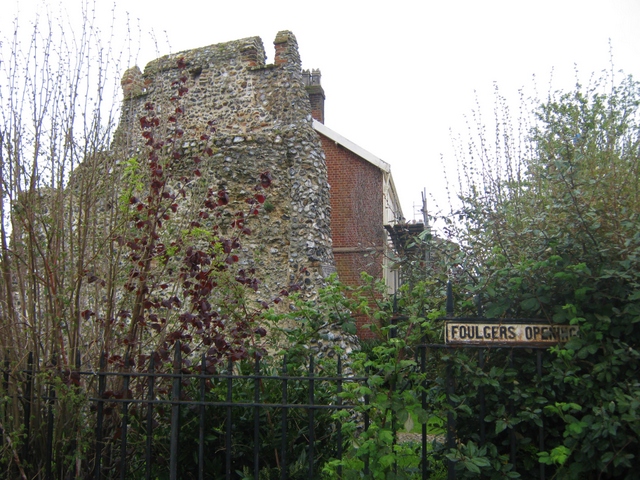
Here is another bit of the Wall next to the interestingly named road, Foulgers Opening.

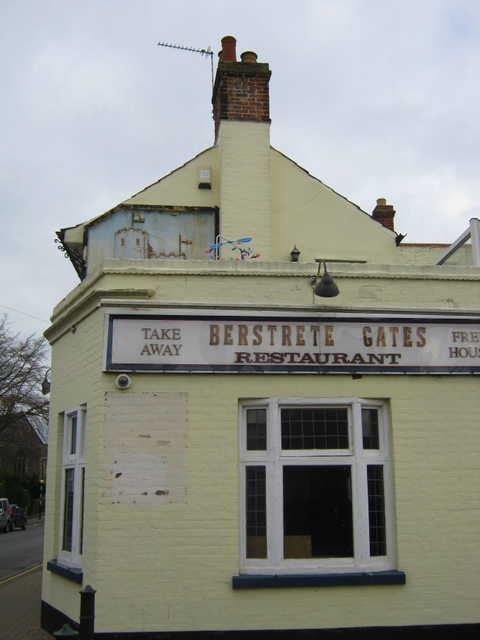
IMG_4508Berstrete Gates pub

I was now in Ber Street and this is the Berstrete Gates pub. The old Ber Street Gate in the city Wall was taken down in 1807.

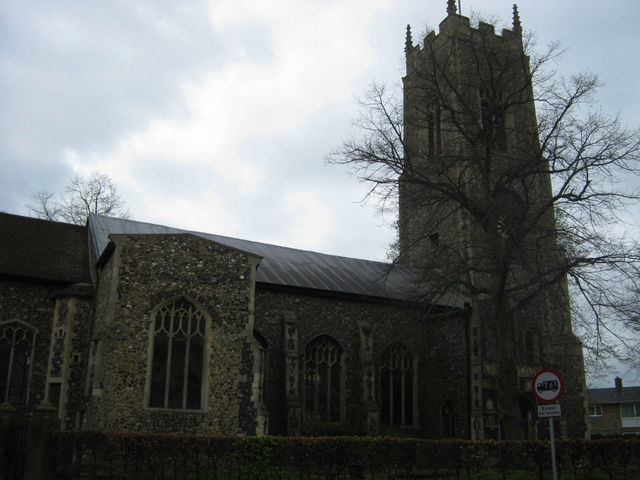
IMG_4509St John-de-Sepulchre's church

St John-de-Sepulchre’s church

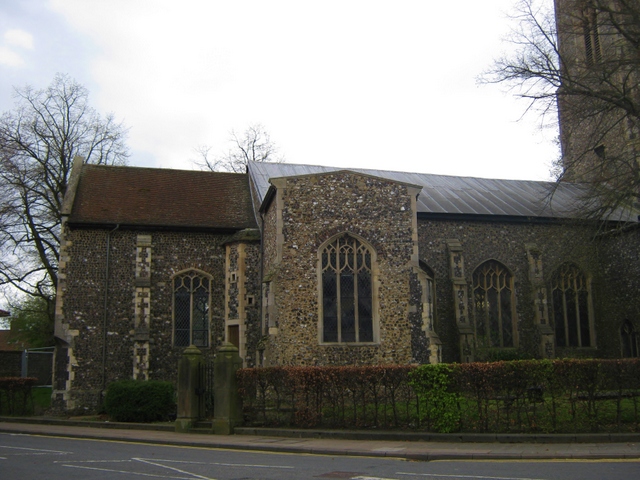
This church on the corner of Ber Street and Finkelgate was made redundant in 1984 and between 1986 and 2009 was used by an Eastern Orthodox congregation.

IMG_4510St John-de-Sepulchre's church

St John-de-Sepulchre’s church

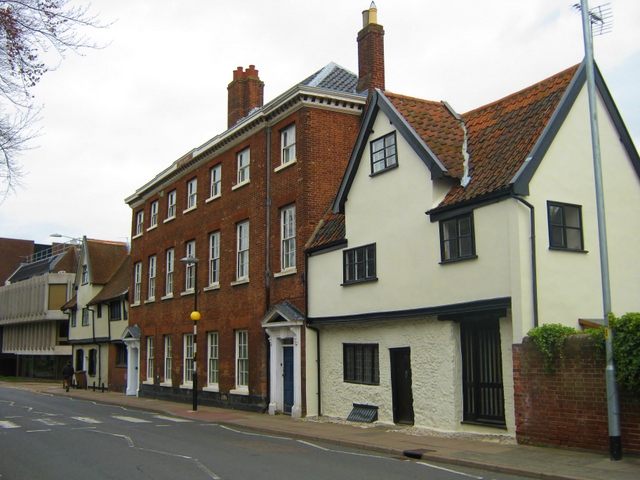
IMG_4511Buildings in Ber St

Buildings in Ber Street. The nearest is a medieval house; the one next to it is rather an elegant red-brick Georgian building. Next to that is another ancient medieval house with a modern office building beyond that.

I turned back the way I had come, walked back down Ber Street and into Bracondale and then past Southgate Lane.  The next road is Carrow Hill.

IMG_4512City Wall Carrow Hill

The City Wall in Carrow Hill

IMG_4513City Wall

The City Walls are very well preserved here

IMG_4514Black Tower

The Black Tower

This tower was part of the defence of the city and was traditionally the residence of the Constable.  In the 16th century it was used for plague victims and in the 18th century a snuff mill was built on top of it.  The mill was removed in the 19th century but the tower is still sometimes referred to as the Snuff Tower.  Another name is the Duke of Buckingham’s Tower though I haven’t yet found a reason for this.

IMG_4515Black Tower

The Black Tower

IMG_4516Black Tower

The Black Tower and part of the City Wall

IMG_4517Tower

The Wilderness Tower

This second tower is further down the steep hill.  There was never any wall built between these two towers but there are plenty of arrow slits built into the sides of the towers to enable the defenders to cover the steep hill inbetween.

The Wilderness is nicely planted with trees and shrubs and there is a wooden path and stairs that take one from the top of the hill in Carrow Hill to the bottom in Alan Road.

IMG_4518Tower

The Wilderness Tower

IMG_4519City wall & tower

City Wall and the Wilderness Tower

IMG_4522Alan Road

Alan Road with the Wilderness Tower nearly hidden behind the trees

From Alan Road I walked along King Street to Rouen Road and from there back to the city centre.

IMG_4524St John the Baptist Timberhill

St John the Baptist, Timberhill.

The church was originally sited just outside the Castle’s bailey.  Timberhill is to the south of the church, once an open space and the site of the timber market.

IMG_4526Timberhill

Attractive shops in Timberhill

I apologise for the length of the post.

Thanks for visiting!

Share this:

  • Share on X (Opens in new window) X
  • Share on Reddit (Opens in new window) Reddit
  • Share on Pinterest (Opens in new window) Pinterest
  • Share on Facebook (Opens in new window) Facebook
  • Email a link to a friend (Opens in new window) Email
  • Share on Tumblr (Opens in new window) Tumblr
  • Print (Opens in new window) Print
  • Share on LinkedIn (Opens in new window) LinkedIn
Like Loading...

A Walk

28 Mon Mar 2016

Posted by Clare Pooley in plants, Rural Diary, trees, walking, weather, wild birds

≈ 47 Comments

Tags

blackbird, dandelion, English Oak, hedging and ditching, Italian Alder, Lesser Celandines, ponds, primrose, Roe deer, rookery, Springtime, Suffolk folk dance music, walking, windy weather

On Sunday 13th March Richard and I were able to go for a walk along the lanes together for the first time in months.  The fields were still much too wet for us to walk across them easily so we stuck to the roads and got along very well.  The weather was bright and sunny but the wind was strong and from the north-east so we didn’t linger.

DSCN0276Primroses-001

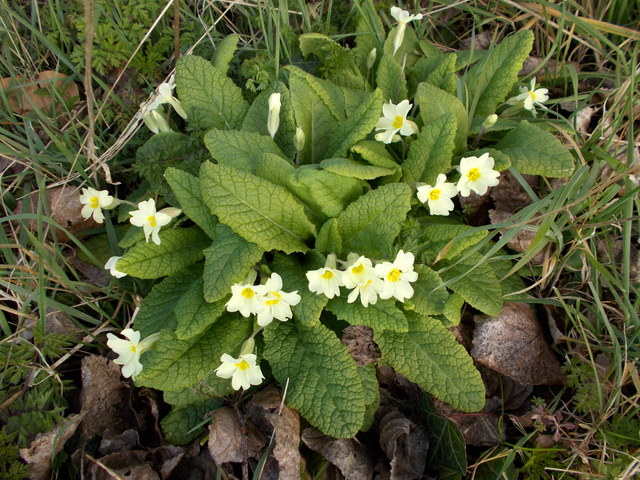
Primroses (Primula vulgaris) had begun to adorn the edges of the roadside.

DSCN0277Roe deer-001

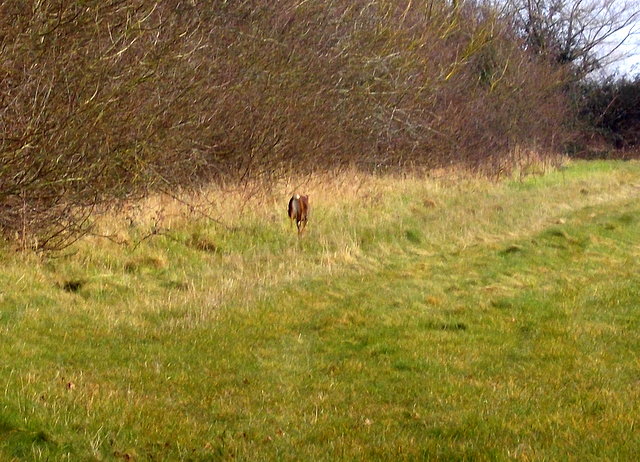
We surprised a Roe Deer (Capreolus capreolus) who didn’t stay around for a photograph.

DSCN0279New pond-001

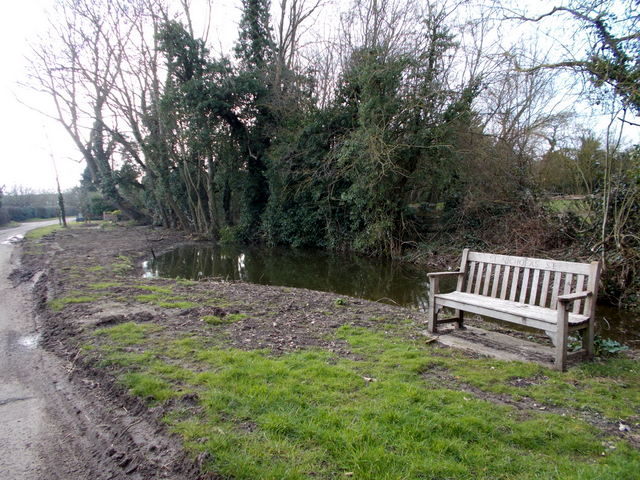
This pond was dug a few weeks ago and it is now full of water. It is about five or six feet deep. There is a cottage on the opposite side of the lane which is being renovated and we think this pond was dug to improve the drainage round the building.

DSCN0280Italian Alder catkins-001

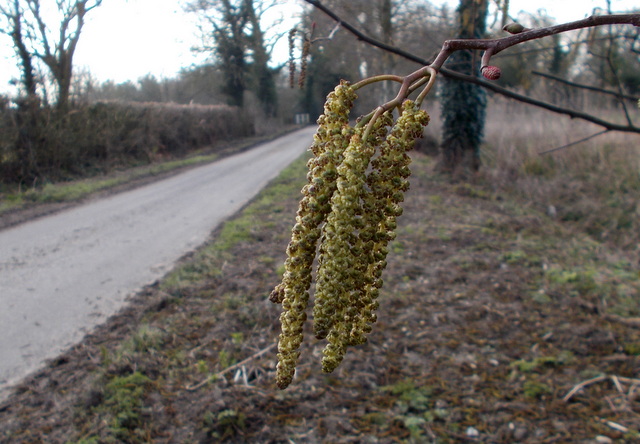
Italian Alder catkins

Halfway down our lane a row of Italian Alders (Alnus cordata) grow between the lane and a wide arable field.  The trees are large and I assume were planted as a windbreak.

DSCN0281The Beck

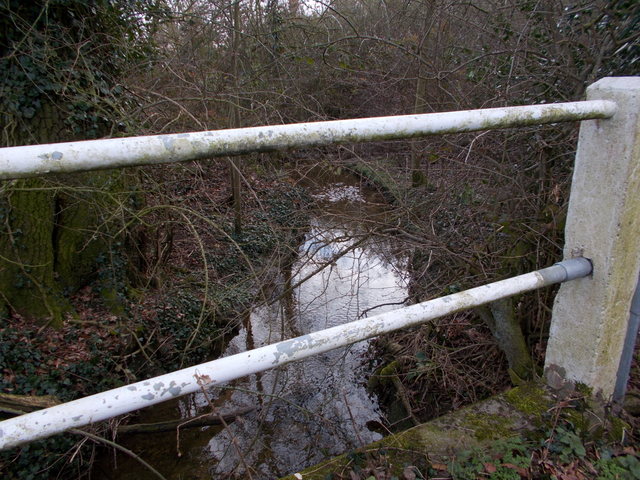
The Beck wasn’t as deep as it had been a couple of weeks earlier but was still flowing quite quickly.

DSCN0282Our lane

Looking back the way we had come you can see the ditch at the side of the road is still very full. This ditch, along with most of the others near our house, has been cleared and dug out this winter.

The sides of the ditches are scraped to clear away the thick vegetation which if left, can stop the water from flowing away and will cause the roads and fields to flood.  The mud is then heaped up on the top of the bank and tamped down.  This is necessary work but means that we won’t see many wild flowers here for a while.

DSCN0283Recent hedging and ditching work

This photo shows more of the hedging and ditching work going on.

The ditch in the middle distance has been dug out and the hedge on the far side of it which had been left for too long without maintenance and had grown into a row of spindly trees, was being cut right back.

DSCN0284View

A view across the field looking in the direction of our house.

DSCN0287English Oak-001

A grand Pedunculate or English Oak (Quercus robur) at the side of the lane. It has lost a large branch recently in a storm. You can just see the orange scar where the branch was ripped away.

DSCN0289View

Another view from the lane.

DSCN0288Lane-001

Another of the muddy lanes we walked along. The sunshine and the strong wind were doing a good job of drying the road.

DSCN0290Dandelion

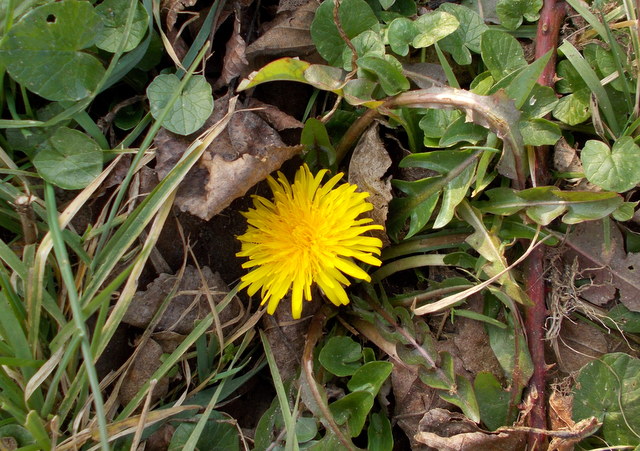
The Dandelions (Taraxacum officinale agg.) are beginning to flower…..

DSCN0292Celandines

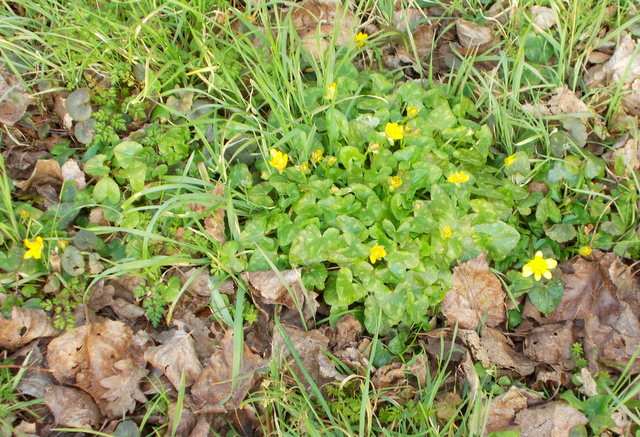
…and so are the Lesser Celandines (Ranunculus ficaria).

DSCN0295Primroses

The Primroses are doing well this year.

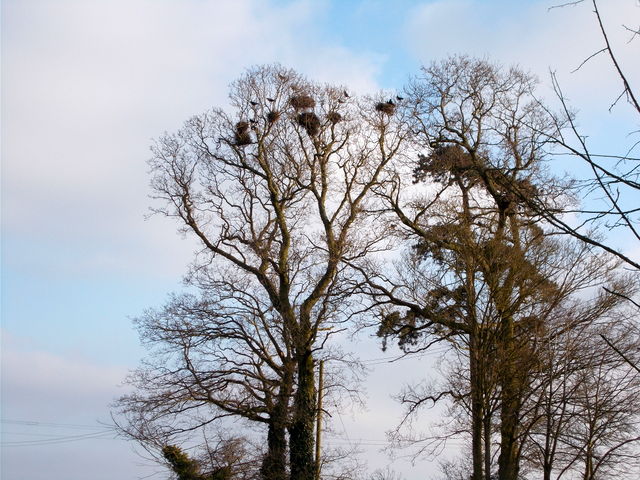
DSCN0296Rookery

The Rookery at St Margaret’s village was busy.

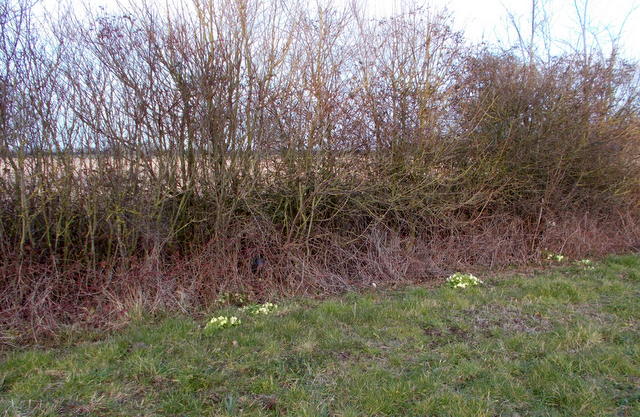
DSCN0297Primroses

More primroses under the hedge.

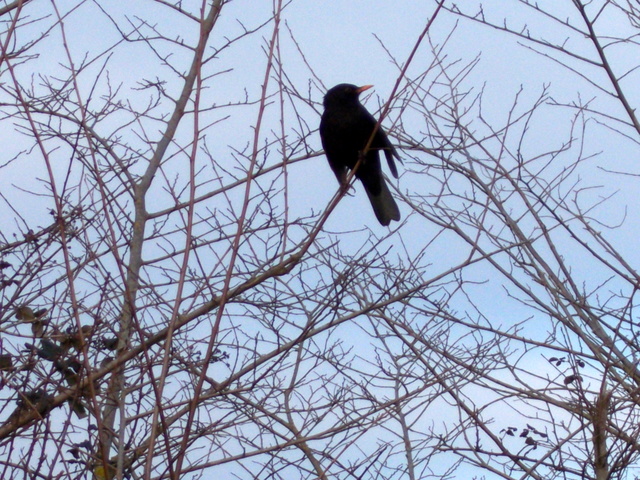
DSCN0299Blackbird

A male Blackbird (Turdus merula) sitting in a tree above my head was being blown about in the breeze.

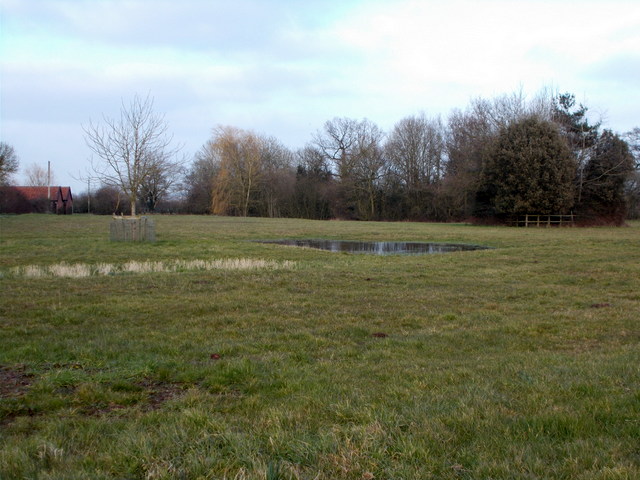
DSCN0301 pond

These ponds appear on St Margaret’s common when we have had a lot of rain

DSCN0302Our house

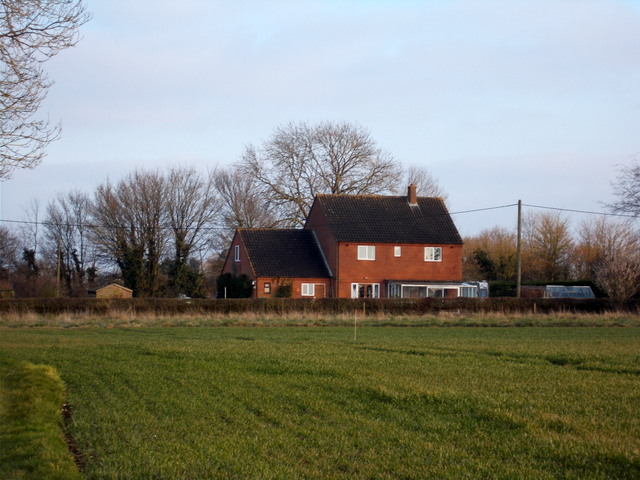
This is our house as seen from the field at the back. We turned off the lane and walked back home down the edge of the field which had dried out quite nicely.

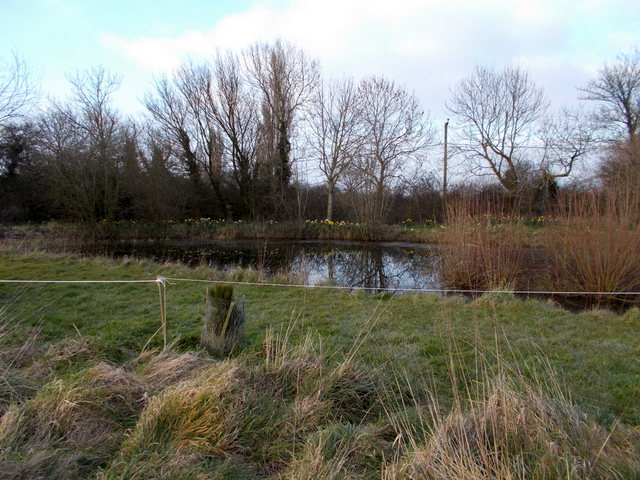
DSCN0305Big pond

Our big pond as seen from the field. The white cord is all the boundary marker we have at present.

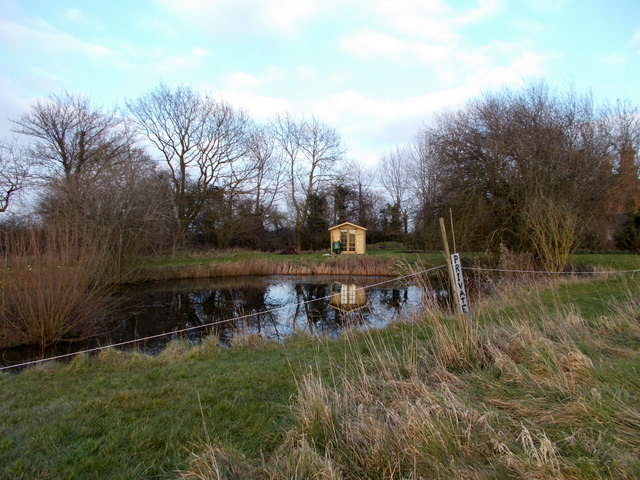
DSCN0306Big pond

A view of the rest of the pond showing where the new summerhouse is.

My choice of music today is a video of a folk music session at a Suffolk pub.

Thanks for visiting!

Share this:

  • Share on X (Opens in new window) X
  • Share on Reddit (Opens in new window) Reddit
  • Share on Pinterest (Opens in new window) Pinterest
  • Share on Facebook (Opens in new window) Facebook
  • Email a link to a friend (Opens in new window) Email
  • Share on Tumblr (Opens in new window) Tumblr
  • Print (Opens in new window) Print
  • Share on LinkedIn (Opens in new window) LinkedIn
Like Loading...

All Change!

06 Sun Mar 2016

Posted by Clare Pooley in Days out, family, Norwich, plants, Rural Diary, trees, walking, weather

≈ 70 Comments

Tags

Crockham Hill, Dog's Mercury, family life, funeral, fungus, House renovations, Kent, lesser celandine, lichen, Lords and Ladies, Minsmere, moss, Norwich Railway Station, Peterborough Mosque, plants, presents, The Fens, trees, Tyrrels Wood, woodland

We have had a very busy few weeks here with very little time for relaxation.  We are all rather tired and stressed and could do with a holiday (or a few weeks at home with nothing to do!), though there is little chance of that just yet.

All the planned work in this first phase of house renovation has been done and we are very pleased with the results.  The new windows, doors and garage doors are looking good and the house and garage are feeling much warmer.  We still have a little sorting out to do in the garage and a few more trips to the tip and charity shops with the things we no longer need.  There is a little room at the back of the garage which had a toilet and wash-hand basin in it which we never used.  We had the plumbing removed shortly after Christmas and Richard painted the room last week.  He has bought some shelves for it and we hope it will be a good storage room for the bird-seed and fruit and vegetables.  It has a window which we hope to brick up and put in a vent in its place.  For now we will put a screen against the window to prevent the light getting in.

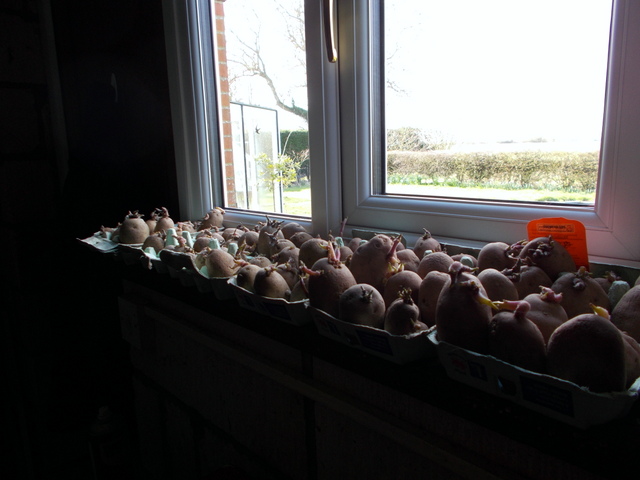
DSCN0246

Potatoes chitting on the garage window-sill. Note the new window!

We worked very hard to get the house ready for the work and it was worth the trouble we took.  Most of the time there was just one window fitter – a very pleasant, hard-working man who was so proficient and tidy it was a pleasure to have him here.  He let us know which rooms he would be working on during the following day so we prepared by moving furniture and covering everything we could with dust sheets.  While he worked on one room we got the next ready and so we progressed round the house.  He was here for five days and on his last day with us he was joined by a colleague and together they replaced the Velux window in Elinor’s room.  It was unfortunate that the weather wasn’t very nice that day with snow, sleet, hail and rain showers and it took some time for Elinor’s room to warm up again.  We supplied the men with plenty of hot tea to help them keep warm!

I washed, dried and ironed lots of pairs of curtains and also took the opportunity to launder other furnishings too.  I feel I made a good start to my spring cleaning!

Elinor took her two mock maths GCSE exams the same week that we had most of the window work done.  (She is re-taking her maths because the grade she got last year wasn’t good enough).  She also handed in her art project work that she had been working on since Christmas.  She got a pass mark for the art (there are only two marks she could have got – a pass or a referral) and she got a ‘C’ for her maths which has pleased us all.  If she gets a ‘C’ grade when she takes her exams for real in the summer it will mean she has the minimum grade all colleges and employers demand.  She won’t ever have to go to a Maths class again or take any more maths exams.  (A sigh of relief from Elinor!)

DSCN0207Crockham Hill

View from Crockham Hill churchyard.

I now feel I must say how much I appreciated all your kindnesses when I spoke of the death of my aunt – I was most touched; thank-you.  The funeral went very well and was a very satisfying celebration of her life.  It was good to see my brother, sister and all my cousins and their families and to re-visit Kent and Crockham Hill, the village where my Aunt Marie and Uncle Fred lived for so many years.  Aunt Marie had moved away into sheltered accomodation after Uncle Fred died.

12644851_937276086327968_6429599727916884182_n

Aunt Marie and Uncle Fred

It was sleeting and snowing as I set off for my brother’s house that morning and that continued until my brother had driven us to the Suffolk/Essex border when the clouds began to break up.  When we got to Westerham in Kent where we stopped for coffee, the sun had come out.  My cousin had arranged a lovely buffet meal for us all after the funeral in The Royal Oak, Uncle Fred’s local pub.

The Fens in Cambridgeshire seen from the window of the train I took to Sheffield.

The Fens seen from a train window

I travelled to Sheffield by train so that I could see Alice in her production of Agatha Christie’s ‘And Then There Were None’.  The play was excellently performed by all the cast and I enjoyed it very much.  I stayed at Alice’s house overnight and met one of her housemates and also Alice’s cat, Mona.  Alice and I breakfasted in the city next morning before I caught my train back home.

DSCN0221Peterborough

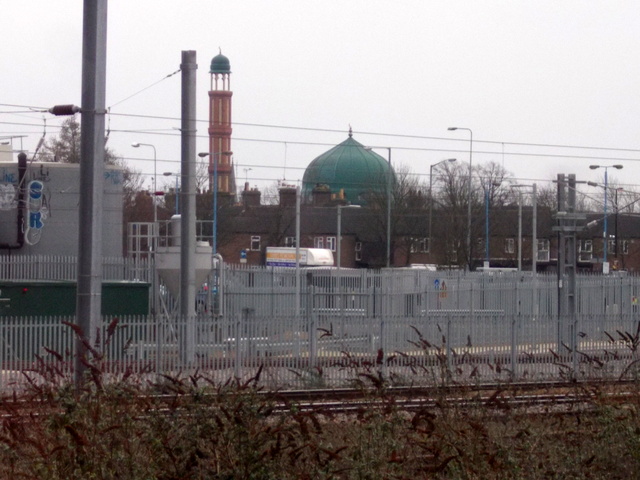
The Mosque in Peterborough seen from the train

DSCN0208Norwich Station

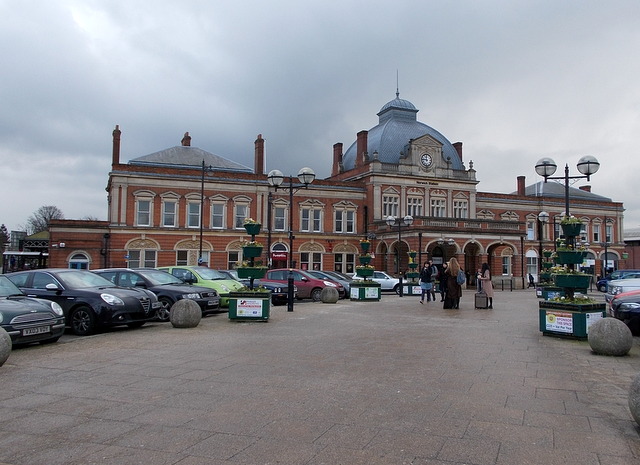
Norwich Railway Station

DSCN0211Norwich Station

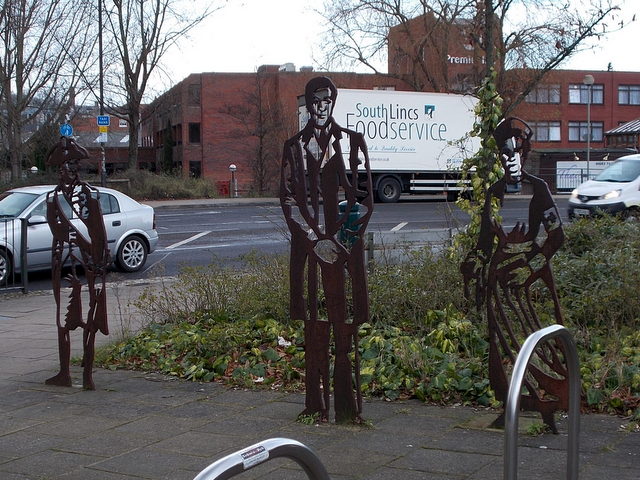
These life-size figures stand outside the station and are rather a disparate group.  Admiral Lord Nelson on the left; born in Norfolk and was a great Naval commander during the Napoleonic Wars and was killed during the Battle of Trafalgar – Edith Cavell; born in Norfolk and was executed during WW1 for helping allied soldiers escape from occupied Belgium – Stephen Fry; born in London though grew up in Norfolk and is an actor, writer, presenter, activist and ‘National Treasure’.

I saw quite a lot of my mother during the middle of February as she had a number of appointments to keep ( two hospital appointments in Norwich and two with her local doctor) and a fair amount of shopping to do.  Elinor and I had a meeting at her college to discuss her support needs for her next academic year and to deal with any support problems she has this year. I had been looking forward to Elinor’s half-term holiday but as the window replacement carried on into that week and as we had other duties to perform it wasn’t as restful as I’d hoped.  Elinor had a hair appointment on the Thursday and we had planned to go with her and have lunch out in the city.  Unfortunately, I woke with a migraine and had to spend most of the day in bed.  Richard took Elinor to Norwich and they had lunch in a café.  Richard brought me back a lovely couple of presents.

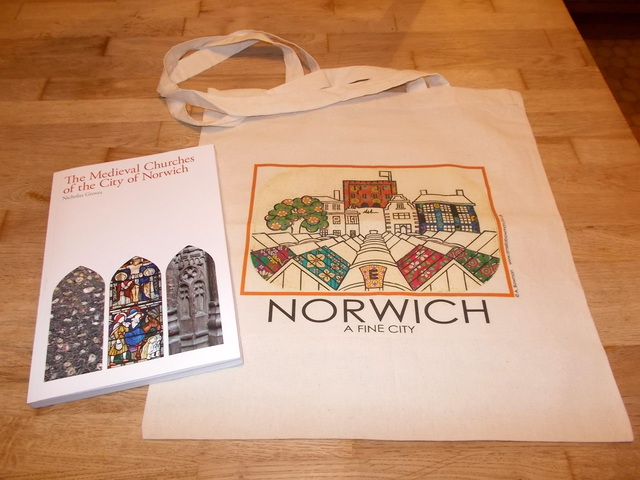
DSCN0227My presents

My presents!

I love the design on the tote bag!  It is by the artist Amelia Bowman and is a view across the roofs of the market towards the castle. The book is also just what I need for my visits to the churches in the city.

We have managed two short walks; one at the RSPB reserve at Minsmere and the other in Tyrrels Wood which lies to the north of Diss and Harleston in Norfolk.  Neither of the walks were particularly interesting but we were out in the fresh (very fresh and cold!) air and were taking some exercise.

Minsmere trees
Minsmere trees
Minsmere trees
Minsmere trees
Minsmere trees
Minsmere trees
Minsmere trees
Minsmere trees
IMG_2611Minsmere

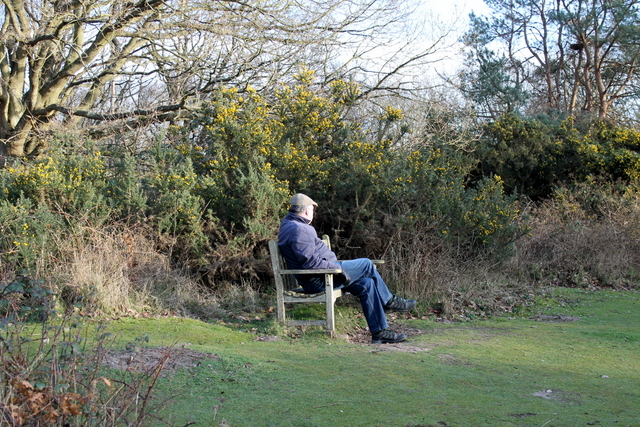
Richard at Minsmere

IMG_2621Minsmere

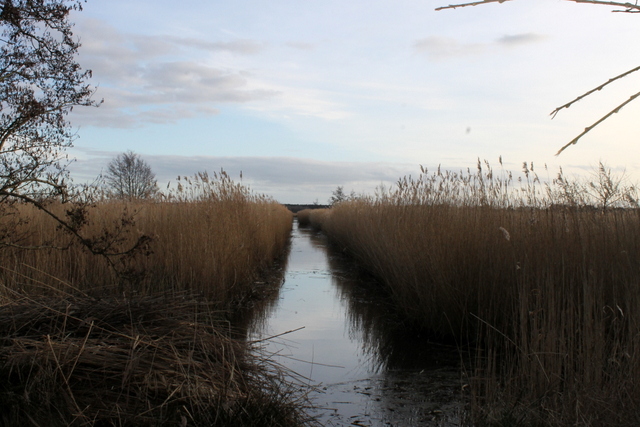
Minsmere reedbeds

A slideshow of some small but quite interesting things!

This slideshow requires JavaScript.

Our walk in Tyrrels Wood was less pleasant as it was so very muddy and we were disappointed by the state it was in.  There was a quantity of litter in the wood, especially near the entrance and it was obvious that the wood is used by dog-walkers.  We had to watch where we walked!  In this country it is illegal to allow one’s dog to foul a public area and not clean up after it.  I am surprised that a large organisation like the Woodland Trust is happy to leave the wood in this condition.

DSCN0247

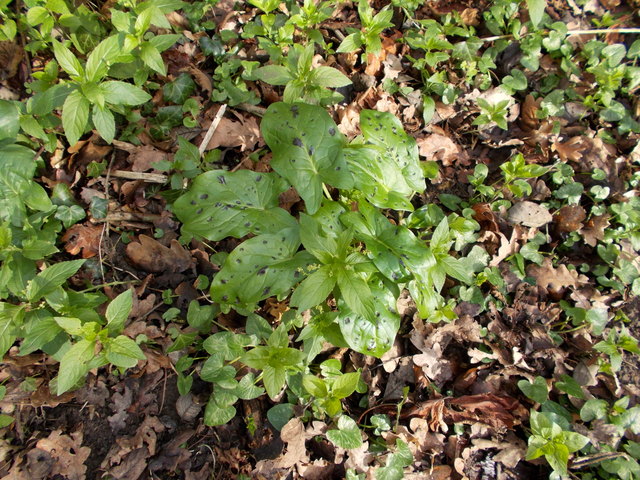
The spotted leaves of Lords and Ladies/Jack-in-the-Pulpit (Arum maculatum) next to Dog’s Mercury (Mercurialis perennis)

DSCN0248

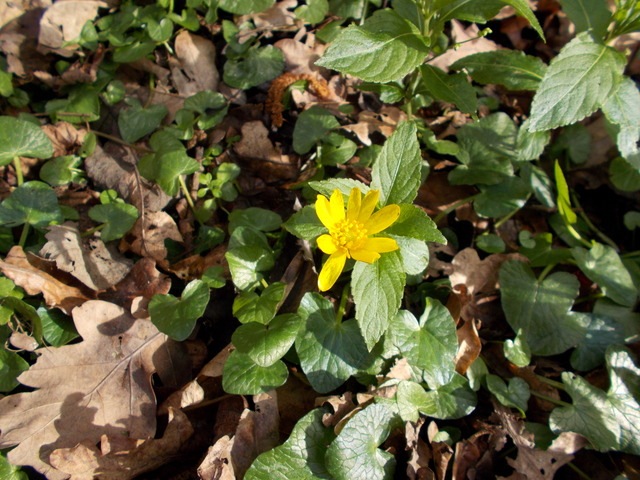
Lesser Celandine (Ranunculus ficaria) also with Dog’s Mercury

DSCN0250

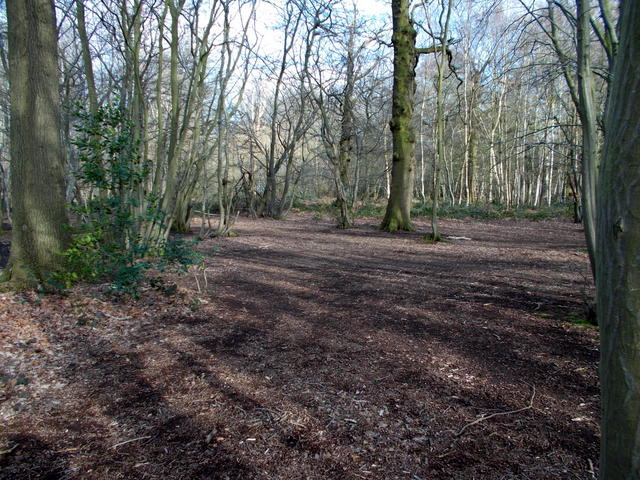
Tyrrels Wood

DSCN0251

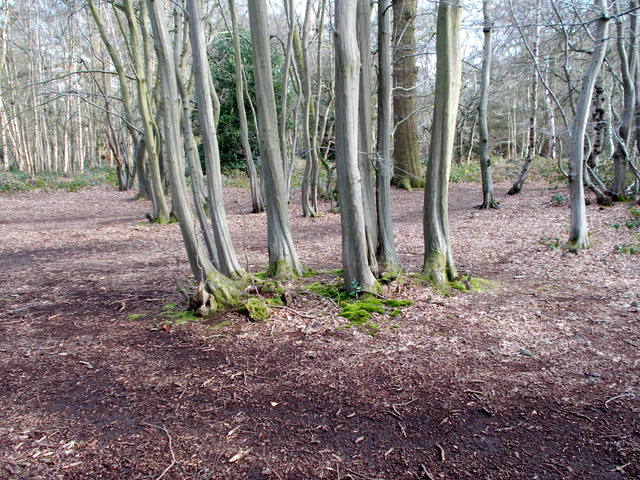
An ancient coppice stool. This group of trees was once one tree but through repeated coppicing (cutting back the tree to near ground level to let new shoots re-grow) it has become a group of trees with a shared root system.

DSCN0254

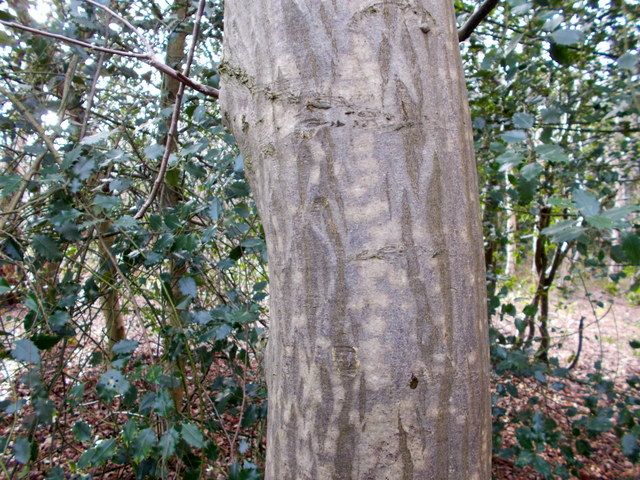
The bark patterns on this tree are interesting.

And now for my music selection!  A little trip down memory lane to the summer of 1978 when I was nearly 20 years old and fancy-free.

Thanks for visiting!
Share this:

  • Share on X (Opens in new window) X
  • Share on Reddit (Opens in new window) Reddit
  • Share on Pinterest (Opens in new window) Pinterest
  • Share on Facebook (Opens in new window) Facebook
  • Email a link to a friend (Opens in new window) Email
  • Share on Tumblr (Opens in new window) Tumblr
  • Print (Opens in new window) Print
  • Share on LinkedIn (Opens in new window) LinkedIn
Like Loading...

Norwich – Chapel Field

17 Wed Feb 2016

Posted by Clare Pooley in churches, Days out, Norwich, Rural Diary, trees, walking

≈ 56 Comments

Tags

Chapel Field, Chapelfield Gardens, Chapelfield Gardens Bandstand, City Walls, Cornus mas, Norwich, Roman Catholic Cathedral, St Stephen's church, The Assembly House, The Crescent, The Forum, walking

I took this short walk in Norwich on a dull cold day last spring.  I began my walk near the Assembly House.

IMG_4208The Assembly House Restaurant

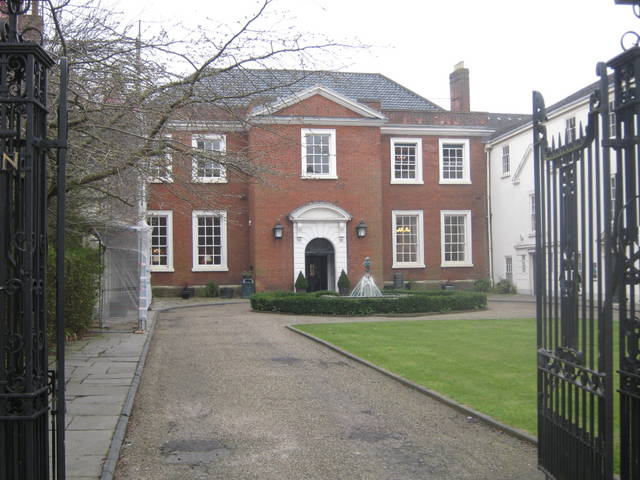
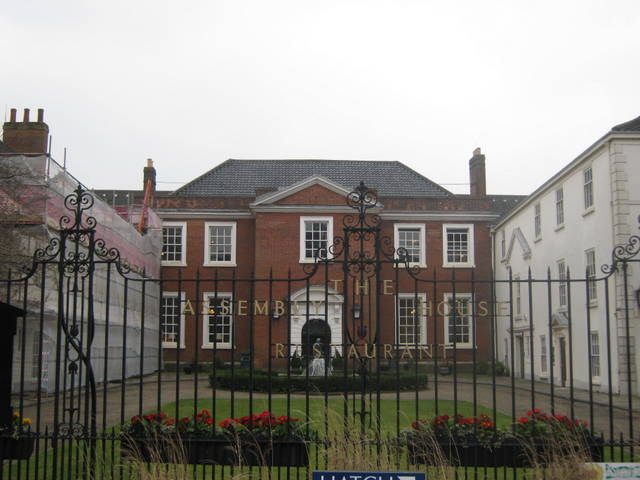
This building was designed and built by the architect Thomas Ivory in 1794 and, as its name suggests, was a place where the local gentry could assemble and be amused and entertained by recitals, displays and dances.  One notable ball was in celebration of Nelson’s victory off the Cape of Trafalgar in 1805.  A waxworks exhibition from Madame Tussaud’s was hosted here in 1825 and Franz Liszt the composer gave a concert in 1840.  The building incorporates the layout of a previous building – the medieval college of St Mary in the Field.

IMG_4209The Assembly House Restaurant

The Assembly House – some more renovation work was in progress at the time of my photograph

It has been used as a dance academy, a cinema and, during the Second World War, it was an army office.  It was restored in 1995 but almost immediately afterwards was severely damaged by an electrical fire.  With the aid of photographs taken at the instigation of a trustee during WW2, the house was reconstructed and today it appears exactly as it did when it was first built.  It is used as a restaurant and hosts exhibitions, concerts, conferences and weddings, almost the same kind of use it was put to in its heyday.

IMG_4205The Forum

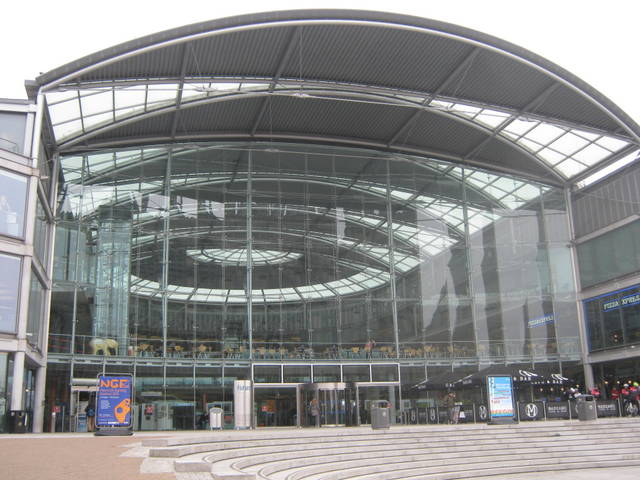
The Forum

Opposite the Assembly House is the Forum, though the large entrance seen in the photo above is on the further side of the building.

Norwich’s Central Library was located on this spot until it was destroyed by fire in 1994 and this new building, designed by Sir Michael Hopkins, not only gave the library a new home but also was built to mark the Millennium in the East of England.  The main section of the building is an enclosing horseshoe shape.  It is made from hand-made load-bearing bricks and has many windows.

As well as The Millennium Library (the public library) the Forum houses a children’s library, the Norfolk Heritage Centre, the Norfolk Record Office and a business library.  The 2nd Air Division Memorial Library is also here; it pays tribute to the thousands of American airmen who were based in East Anglia during WW2.  There are over 4000 books covering all aspects of American life and culture with a specialist section dedicated to the 2nd Air Division.

Many other organisations have a base in the Forum.  BBC East has its studios in part of the building; there is a Forum shop, a café bar and a pizza restaurant.  The Tourist Information Centre is here, as is MINT – a charity which helps young people gain the skills and contacts they need to find employment.  MINT is run by City College Norwich where my daughter studies.  ‘BBC Voices’ provides film-making and radio-editing workshops throughout the Eastern Region for free.  There is a digital gallery – the Fusion Screen – which gives free screenings of work by artists, and a 120-seat auditorium called The Curve.  The Forum runs regular events and there is a venue hire facility.

IMG_4211Entrance to Chapelfield Gardens

Entrance to Chapelfield Gardens.

Not far from The Forum is Chapelfield Gardens which takes its name from the chapel of St Mary in the Field.  The chapel (built where the Assembly House is now) was founded in the 13th century by John le Brun and soon acquired many generous benefactors.  It became a college and the premises were expanded.  In 1406 the citizens of Norwich claimed 4.5 acres of ground that belonged to the Chapel and this land began to be called Chapel Field.  In the 16th century it was leased with its cherry yard and dove house to notable citizens and then, after a proclamation in 1578 it was used as an open area for mustering the trained bands, archers or the artillery.  It was the ‘fit place’ to charge guns with shot and powder for the exercise of shooting.  The Lord Lieutenant had his ‘City Tent’ there for the general musters and the yearly reviews of the city regiment took place there in the 17th century.

IMG_4212Crocus and daffodils

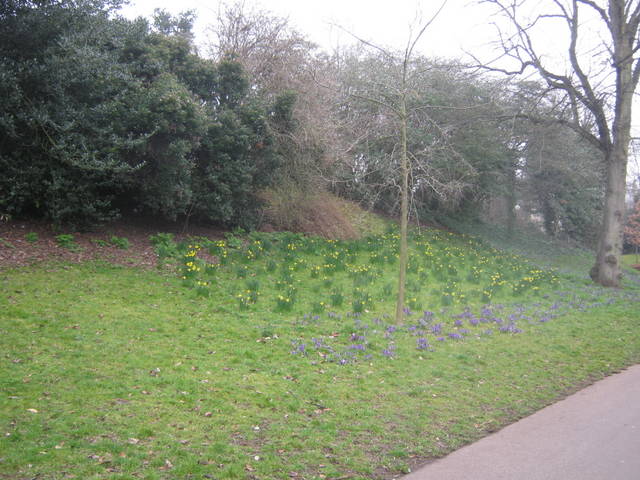
Crocus and daffodils in Chapelfield Gardens

The Field was first surrounded by fencing in 1707 and the main walks were laid out by Sir Thomas Churchman who leased the land in 1746.  The tree planting began then too.  A large water reservoir (about 300 yards in circumference) was dug in part of the Field in 1792 and was filled in again in 1854 when larger reservoirs were built elsewhere by the newly established Waterworks Company.  The reservoir in the Field had been used as a skating pond by the people of the city and it was much missed when it went.  For a few years the Field declined into a rough area where children played, washerwomen hung out their linen and where sheep were grazed.  Eventually, new iron palisades were erected in 1866 and in 1877 a landscape gardener was employed to make the Field into a beauty spot.  The newly laid-out gardens were opened by the mayor in 1880.

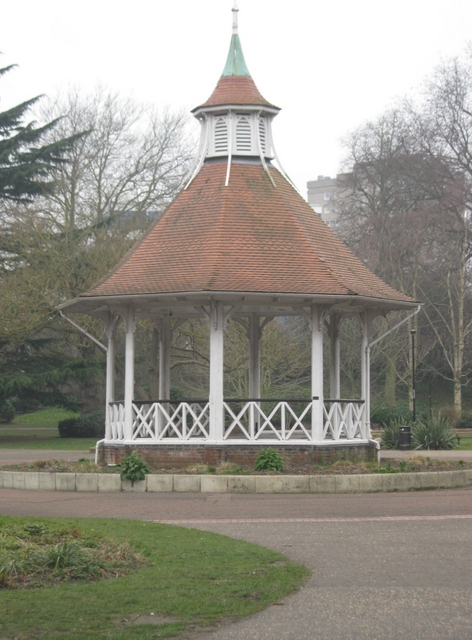
IMG_4210Bandstand

The bandstand

This lovely Victorian bandstand in the middle of Chapelfield Gardens is still in use.  During WW2 Glenn Miller visited Norwich and gave a concert here in 1944.

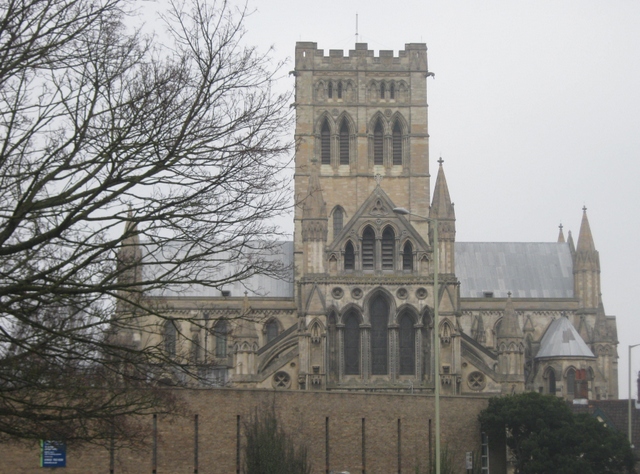
IMG_4213Roman Catholic Cathedral

The Roman Catholic Cathedral is close to Chapelfield Gardens

City wall
City wall
City wall
City wall
City wall
City wall
City wall
City wall

I then walked along Chapel Field Road which follows the line of the old City Walls.  As you can see from these photos the new and the old rub shoulders in Norwich.  The weather had also improved by this time!

Building work on the City Walls began in 1294 and took 50 years to complete mainly due to complaints about the cost being levied for their construction.  They were completed in 1343 after a very generous donation by a Norwich tradesman, Richard Spynk who was rewarded by the Corporation by being ‘quit all tallages, tasks and costs’ for both he and his heirs forever.  When the walls were completed they had 12 gates, now all gone.  Ber Street gate – taken down in 1807, Bishop’s Gate – taken down in 1791, Brazen Doors or Newgate, taken down in 1793, Conisford Gate, at the south end of King Street – taken down in 1793, Heigham Gate or Hell Gate – fell down in the 18th century, Magdalen Gate – taken down in 1808, Pockthorpe Gate – taken down in 1792, St Augustine’s Gate – taken down in 1794, St Giles’ Gate – taken down in 1792, St Martin’s or Coslany Gate – taken down in 1793,St Stephen’s or Nedham Gate – taken down in 1793, Westwick or St Benedict’s Gate – taken down in 1793.

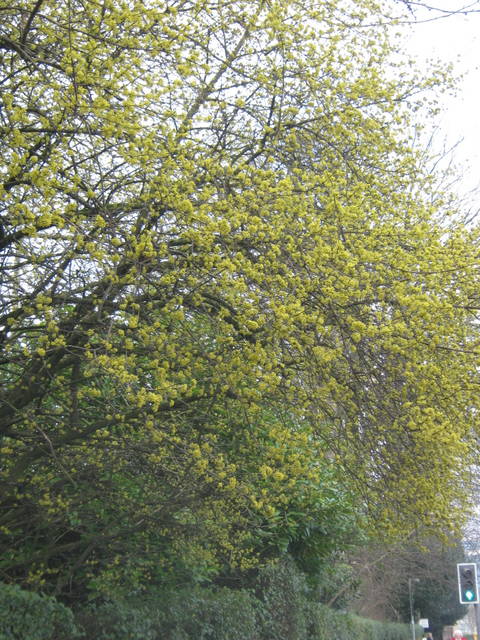
IMG_4216Cornus mas

A beautiful Cornus mas growing in a garden on the opposite side of the road to the City Walls was in flower

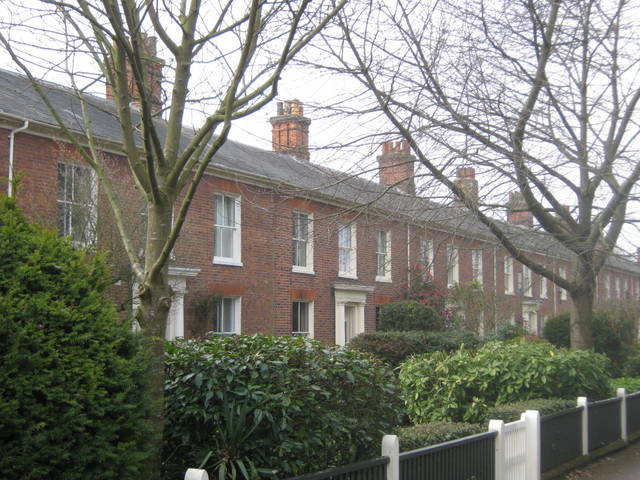
IMG_4217Houses in The Crescent

A row of attractive houses in a private road (The Crescent) off Chapel Field Road

The houses were built in about 1820 and are a mixture of terraced, semi-detached and detached houses, many of which are listed.

IMG_4207St Stephen's Church

St Stephen’s Church which is next to Intu Chapelfield – a large shopping mall.

St Stephen’s church has it’s tower over the porch on the side of the church.  I hope to visit this church later in the year and write about it in more detail as I also hope to write about the RC Cathedral.

Thanks for visiting!


Share this:

  • Share on X (Opens in new window) X
  • Share on Reddit (Opens in new window) Reddit
  • Share on Pinterest (Opens in new window) Pinterest
  • Share on Facebook (Opens in new window) Facebook
  • Email a link to a friend (Opens in new window) Email
  • Share on Tumblr (Opens in new window) Tumblr
  • Print (Opens in new window) Print
  • Share on LinkedIn (Opens in new window) LinkedIn
Like Loading...

A Winter Miscellany

06 Wed Jan 2016

Posted by Clare Pooley in churches, Days out, family, literature, plants, Rural Diary, trees, walking

≈ 38 Comments

Tags

bare trees, birch, corsican pine oak, Harleston, hedgehog, honeysuckle, pinks, primulas, Robert Louis Stevenson, Scots Pine, St Cross South Elmham, St Georges church, The Black Arrow, Tunstall Forest, viburnum bodnantense, walking, winter-flowering honeysuckle

I had a lot of difficulty trying to think of a title to this post as it is made up of a mishmash of lots of different photos taken from the beginning of December up to New Year’s Day and at a number of locations.

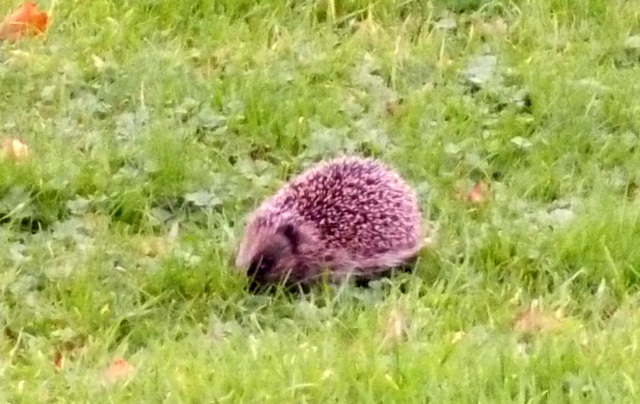
DSCN0029Hedgehog

A young hedgehog I saw wandering about the garden during the day at the beginning of December.

This little creature looked healthy enough, though still not quite full-grown.  It seemed unbothered by my presence and was trotting about looking for and finding things to eat in the garden.  The photo is a little blurred because it didn’t keep still long enough for me to take a good picture of it.  Hedgehogs are normally nocturnal mammals and only emerge during the daytime if disturbed or hungry.  They hibernate during the winter but emerge during mild spells of weather to feed.

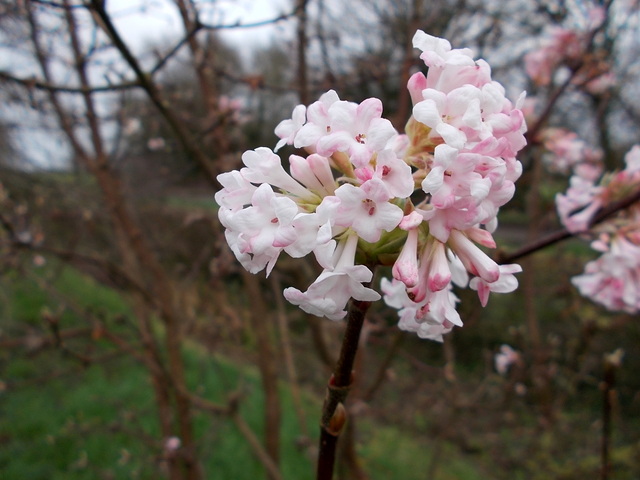
DSCN0090Viburnum

The Viburnum bodnantense is in full flower and smells divine!

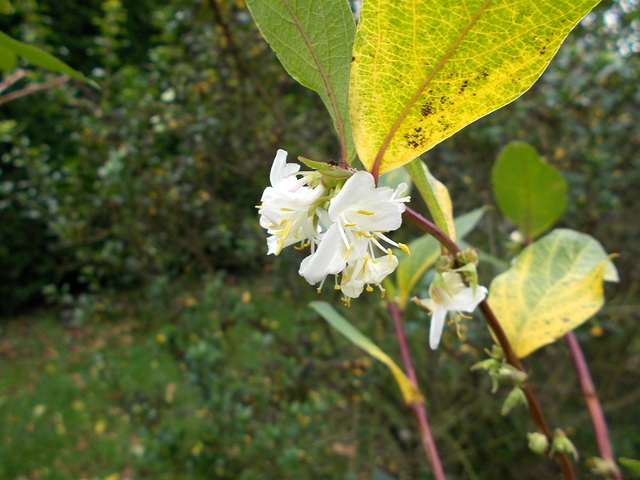
DSCN0093Winter-flowering Honeysuckle

The Winter-flowering Honeysuckle is also flowering and its scent is beautiful.

DSCN0101Pinks in bud

The Primulas in Richard’s border are in flower and his Pinks are covered in flower-buds.

Not only do we have all these flowers but also miniature Iris, Grape Hyacinths and Hyacinths are in flower.  On my travels I have seen Daffodils, Snowdrops and Winter Aconites.  My mother’s garden has Hardy Geraniums still in flower from the autumn and also the bright red flowers of Ornamental Quince.  We have had a lot of rain (though much less than in the north and north-west of the country) – the ditches are filling fast, the roads are thick with mud and have standing water on them and parts of our garden are like a quagmire.  The grass hasn’t stopped growing but it is too wet for it to be cut.  I spent some time a few days ago pulling out Stinging Nettle runners from under our Crabapple tree.

DSCN0088Possibly algae

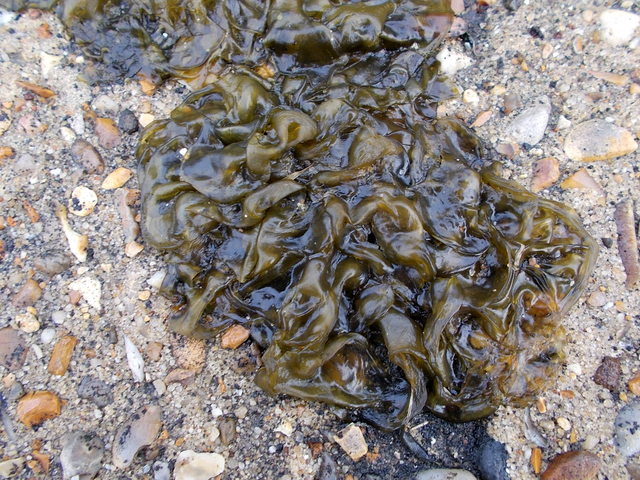
This seaweed-like algae has started growing out from the edge of the grass onto our driveway.

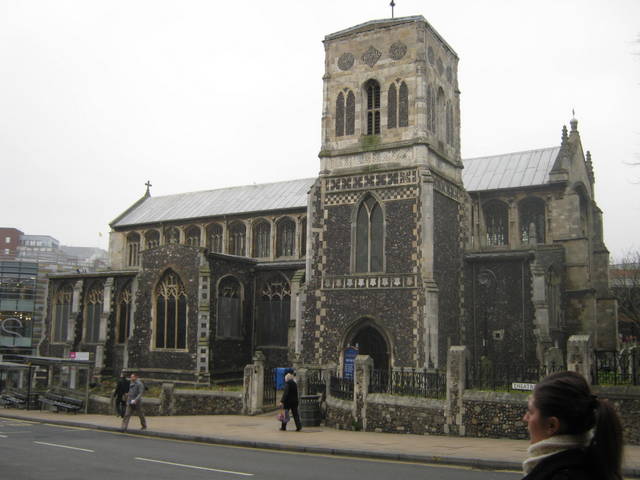
DSCN0059St George's church St Cross

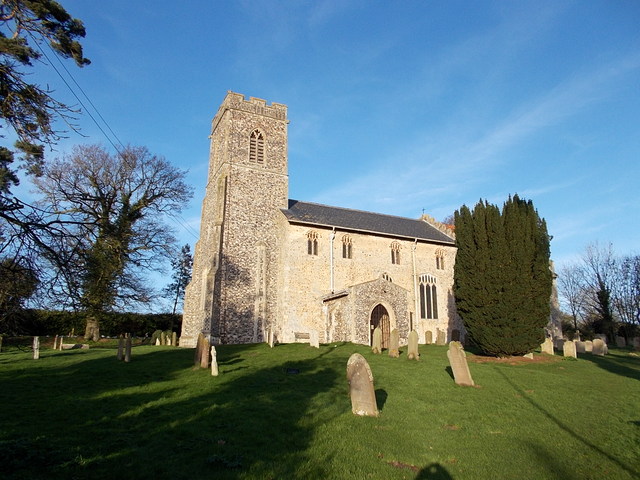
This is St George’s church at St Cross South Elmham – another of the churches in our benefice.

I had reason to call in to this church a couple of days before Christmas and while there I thought I’d take a few photos.  I didn’t have much time to spare so only took a few pictures – I hope to return there again soon and finish the job.

The church is large and seems very tall especially as one approaches it from the bottom of the valley.  I didn’t have time to walk round the outside of the church or visit the grave of the Canadian poet and writer, Elizabeth Smart.

DSCN0060St Cross

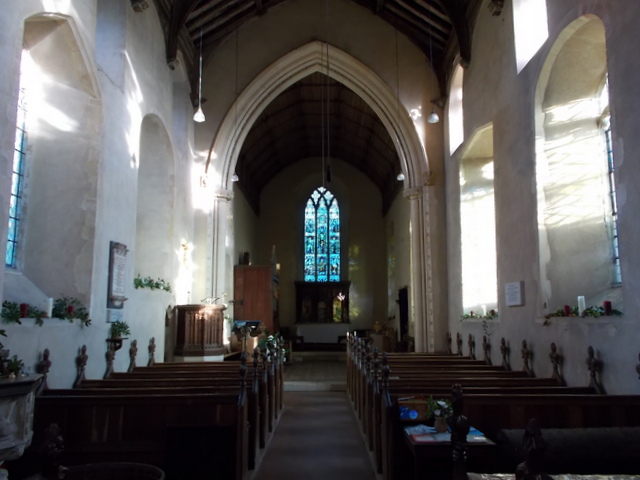
Inside the church

DSCN0061St Cross

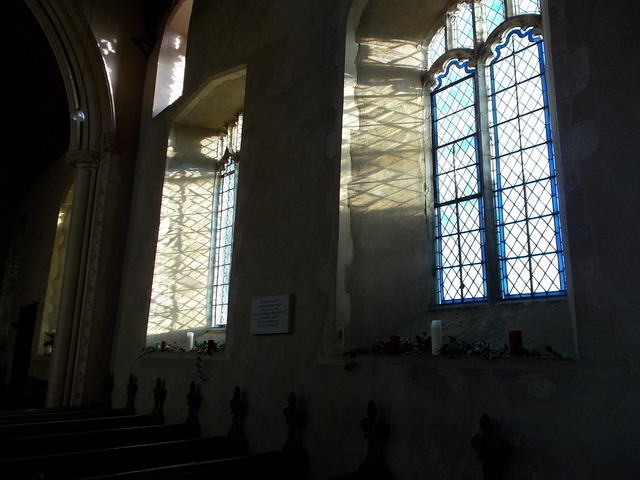
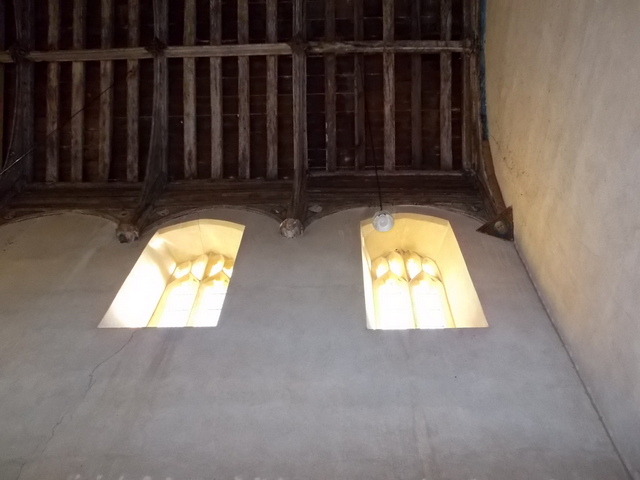
Sunlight entering through the clear windows

DSCN0062St Cross

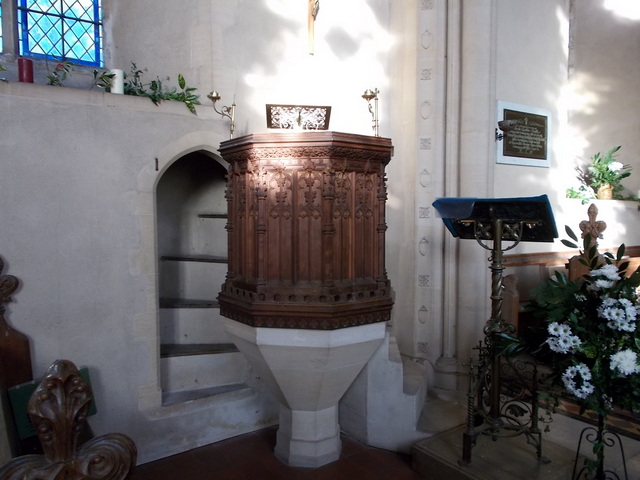
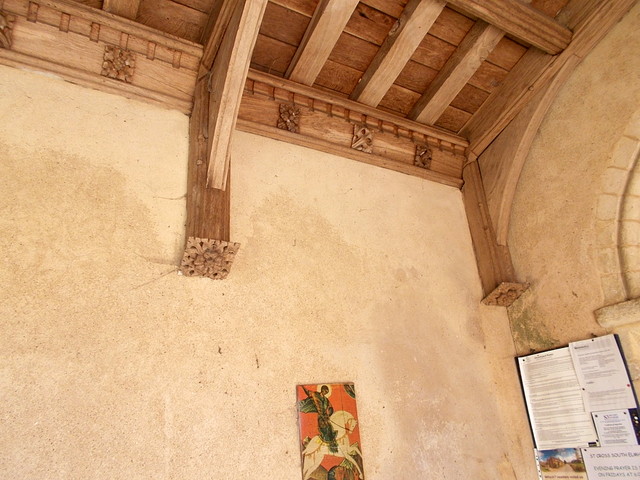
A very attractive pulpit and the tiny staircase that used to climb up to the rood loft

DSCN0063St Cross

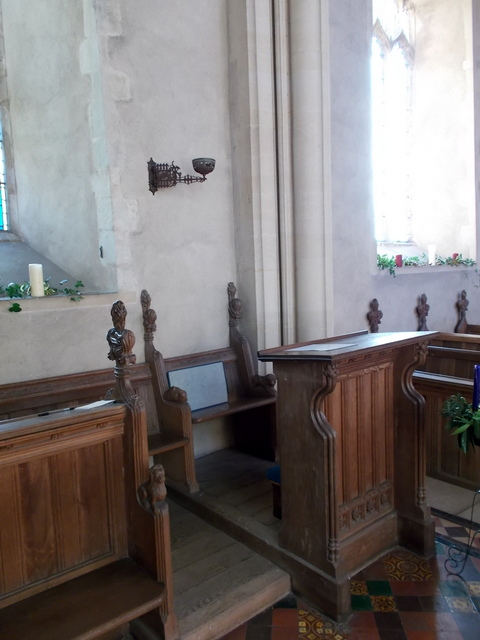
I like the little bracket on the wall above the reading desk.

DSCN0064St Cross

The altar with its painted reredos. The picture on the left is of St George.

DSCN0066St Cross

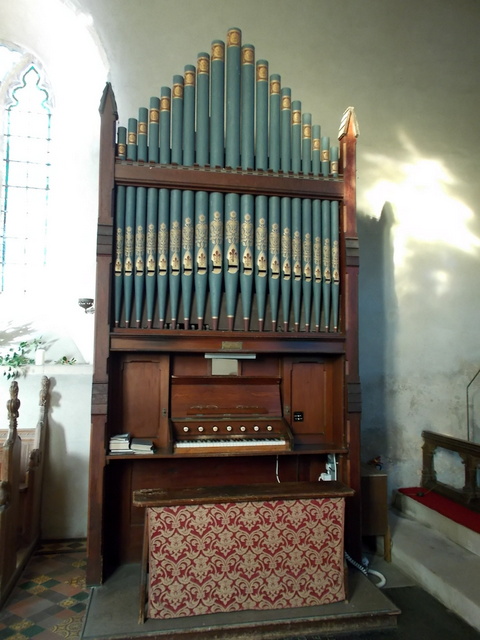
The pretty pipe-organ.

DSCN0067St Cross

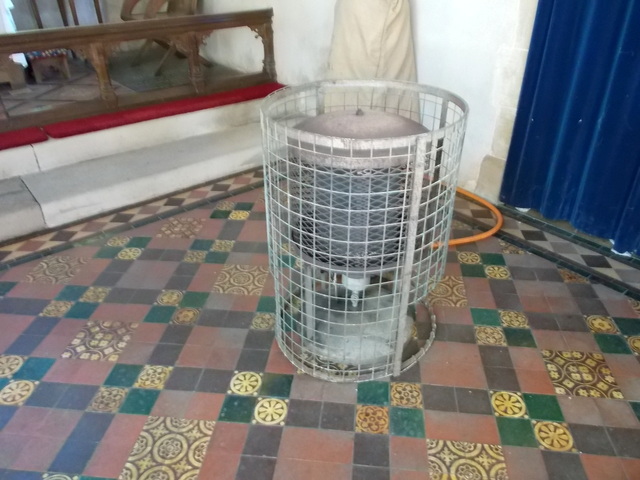
The heater – a venerable one!

DSCN0071St Cross

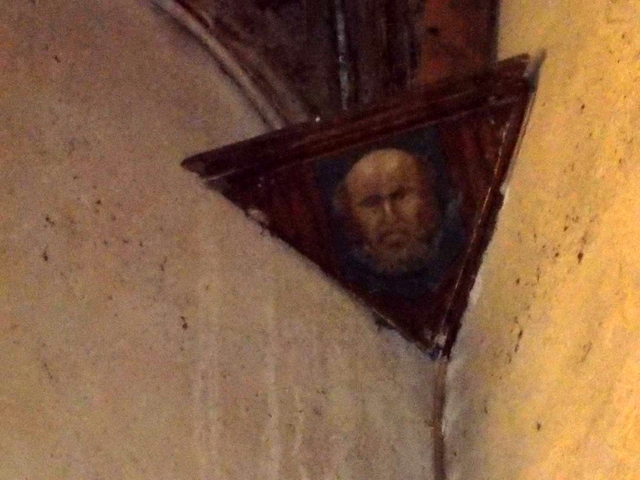
A watcher from up in the roof.

DSCN0072St Cross

In this photo you can see where the face is. There are others elsewhere in the church.

DSCN0073St Cross

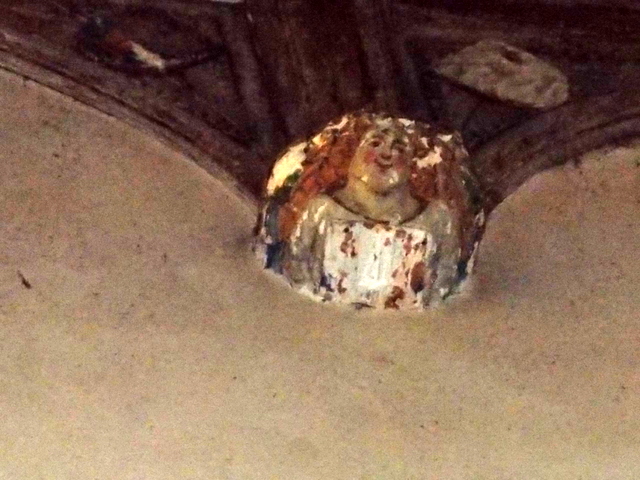
This person with the jolly face, long auburn hair and white shirt is up in the roof too.

DSCN0074St Cross

This carving round the door is in the porch.

DSCN0075St Cross

This is part of the wooden ceiling to the porch.

DSCN0077The Beck

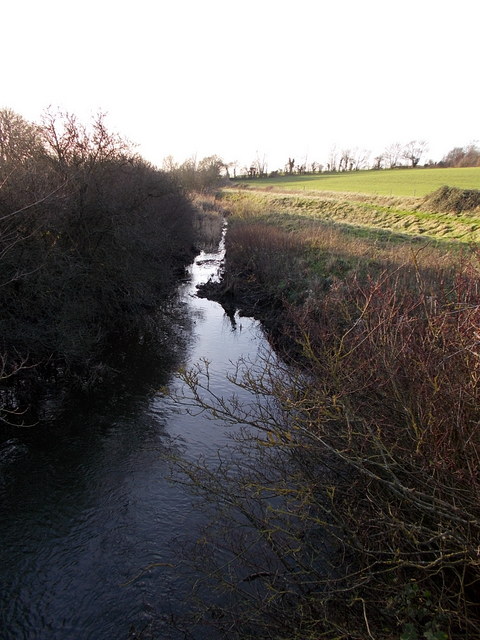
This is The Beck flowing through St Cross.

DSCN0076The Beck

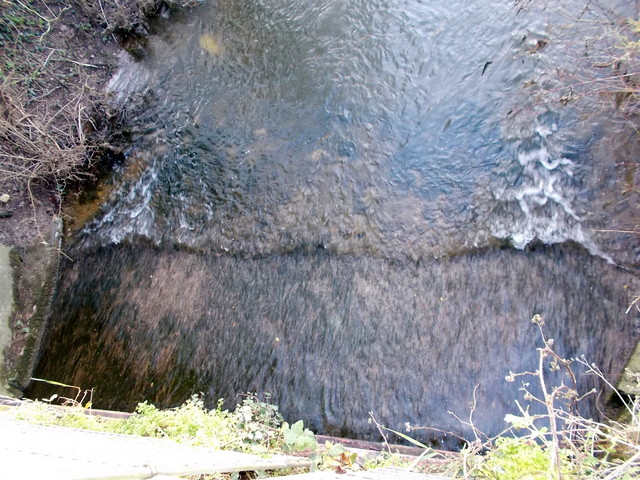
The road crosses The Beck by a bridge which I looked over to watch the water racing through underneath.

DSCN0108The Magpie in Harleston

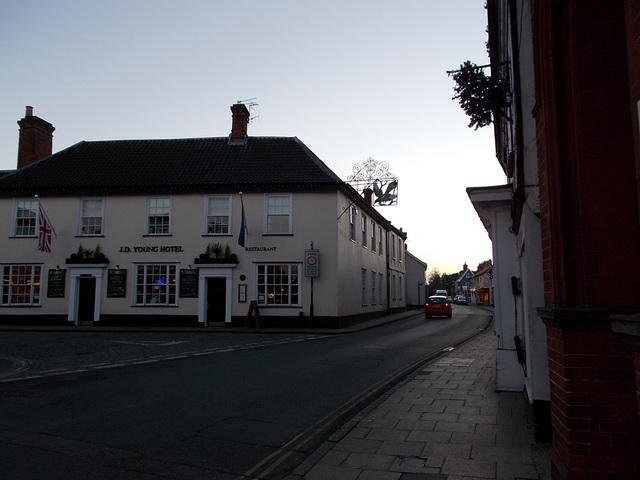
The Magpie (or as it’s now known, the JD Young Hotel – so boring!) in Harleston.

We stopped off in Harleston on our way back home after taking Alice to the station on New Year’s Eve.  Harleston is a town on the north side of the River Waveney and in Norfolk.  The Waveney is the border between Suffolk and Norfolk.

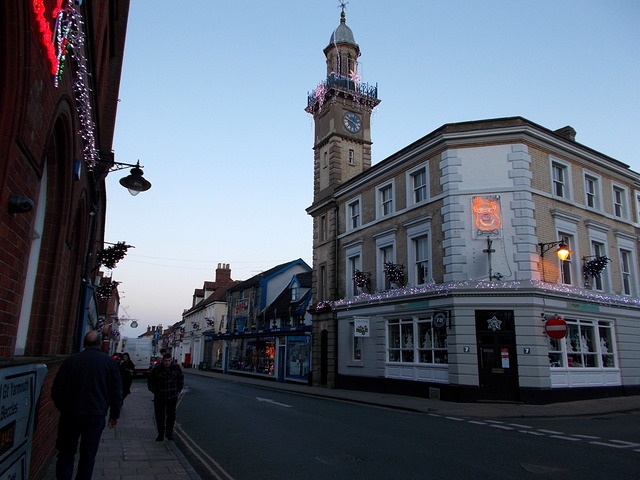
DSCN0109Harleston

This is another view of the town from the same spot – outside the bank where Richard was withdrawing some money. By the time I had taken this photo he had finished the transaction and had walked off, as you can see.

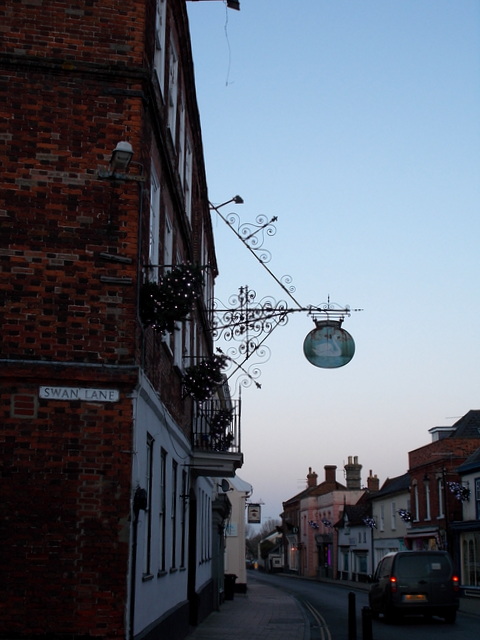
DSCN0110The Swan in Harleston

The Swan. Another of the inns in Harleston

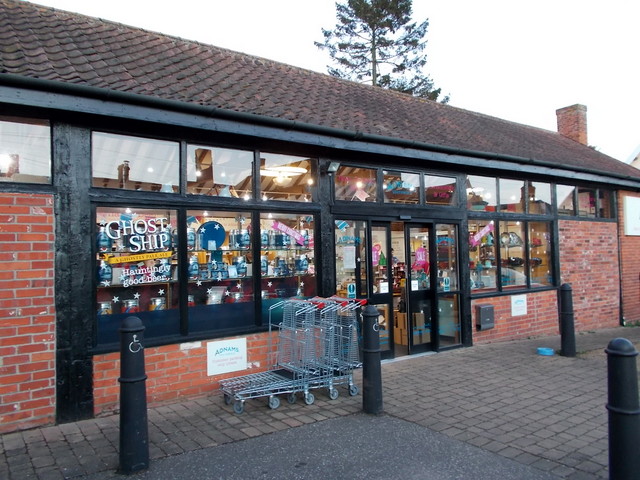
DSCN0111Adnam's shop Harleston

The Adnam’s Shop, Harleston.

After we had finished our shopping we treated ourselves to a wander round this shop.  Adnam’s is a local brewery based in Southwold.  They brew many different types of beer and ale and recently have started to produce wines and spirits as well. They opened a very large store selling their beers and spirits and also cooking utensils, china and glassware in Southwold.  This shop in Harleston is a much smaller version of their main store.

DSCN0115Tunstall forest

Tunstall Forest

On New Year’s Day, Richard, Elinor and I went for a walk in Tunstall Forest.  The forest is managed by The Forestry Commission and is about 20 miles to the south of where we live.

One of my favourite books when I was a girl (and I still enjoy reading it now) was The Black Arrow by Robert Louis Stevenson.  I was overjoyed to find that I was living near the Tunstall Forest of the book when I moved to Suffolk in 1988.  Surprisingly, this walk was the first time I had visited the place.

The day was very dull and the ground was muddy from the quantities of rain we had had recently.  It was difficult getting decent photos of the walk and there wasn’t much to see of special interest.  However, the walk in the fresh air and in good company was good in itself.

DSCN0116Tunstall forest

The forest is predominantly Scots Pine and Corsican Pine used as a crop but since the Great Storm of 1987 when many of the trees were lost, it has been replanted with mixed woodland.

DSCN0121Tunstall forest

The rides through the forest are wide and sandy and I look forward to returning here in the spring and summer.

DSCN0123Tunstall forest

The Gorse was in flower and the bright yellow flowers were a welcome sight.

DSCN0149Tunstall forest

I noticed this toadstool at the edge of the path.

DSCN0117Tunstall forest

More fungi.

Moss
Moss
More moss
More moss
Even more moss
Even more moss
DSCN0125Tunstall forest

Another view from our walk

DSCN0131Tunstall forest

A fallen tree with its roots in the air.

DSCN0136Tunstall forest

I was surprised to see these new Oak leaves

DSCN0144Tunstall forest

New Honeysuckle leaves

DSCN0134Tunstall forest

A fine tree next to the ride.

DSCN0148Tunstall forest

Proof that I didn’t walk alone. Elinor in the foreground and Richard in the distance.

And now for my music choice.

Thanks for visiting!
 

Share this:

  • Share on X (Opens in new window) X
  • Share on Reddit (Opens in new window) Reddit
  • Share on Pinterest (Opens in new window) Pinterest
  • Share on Facebook (Opens in new window) Facebook
  • Email a link to a friend (Opens in new window) Email
  • Share on Tumblr (Opens in new window) Tumblr
  • Print (Opens in new window) Print
  • Share on LinkedIn (Opens in new window) LinkedIn
Like Loading...

Another Walk up Hen Cloud

15 Sun Nov 2015

Posted by Clare Pooley in plants, Rural Diary, walking, wild birds

≈ 30 Comments

Tags

butterfly, caterpillar, eyebright, harebells, heather, Hen Cloud, painted lady, Peak District, Staffordshire Moorland, walking, wild flowers, yarrow

We didn’t have much time for walking on our last full day in the Peak District as we had packing, tidying and cleaning to do as well as taking our awning down.  The ideal walk had to be a short walk and one that was near at hand so we returned to Hen Cloud.  It is just a few minutes drive from where we stay and once there, within quarter of an hour we can be away from the road and up high, looking down.  We try to do this walk every time we visit the Peaks and when we stay there at the end of May/beginning of June we use it as an evening walk.  It is great to be at the top of the hill at 9.00 pm with the sun still shining and the swallows and martins flying round us.  Peregrines nest in the rock crevices of the hill and their calls mingling with the sound of the wind blowing across the tops fills me with such joy.

This time the walk was done during the afternoon in the second half of August so no nesting peregrines and not too many swallows and martins either.

IMG_5557View from road at foot of Hen Cloud

This is the view from the place where we parked our car.

This last day of our holiday was warm at last and quite bright too.  Before setting off on our walk I noticed these flowers by the side of the road.

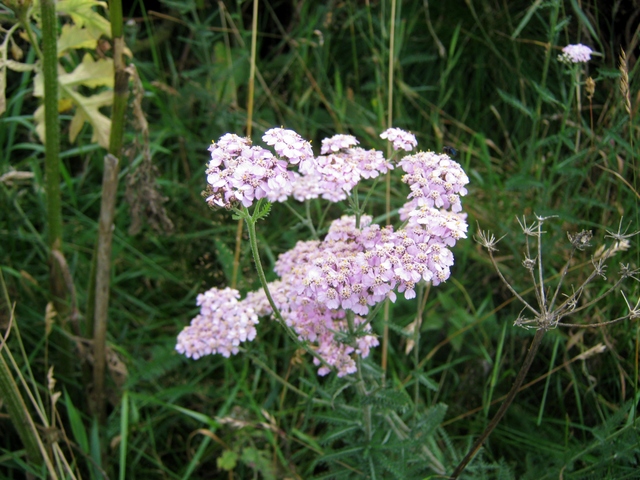
IMG_5559Pink Yarrow

Some very pink Yarrow (Achillea millefolium)

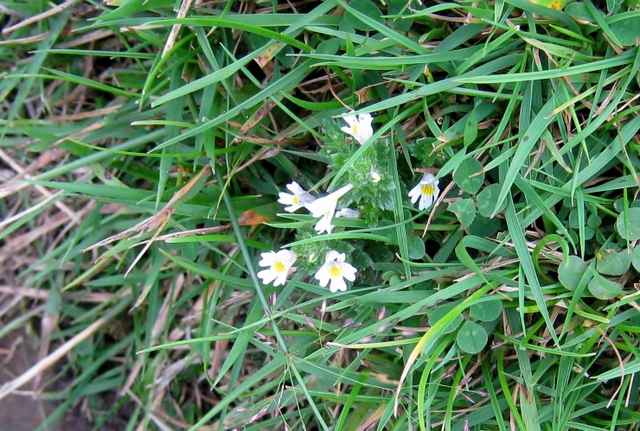
IMG_5560Eyebright (2)

Eyebright (Euphrasia officinalis agg.)

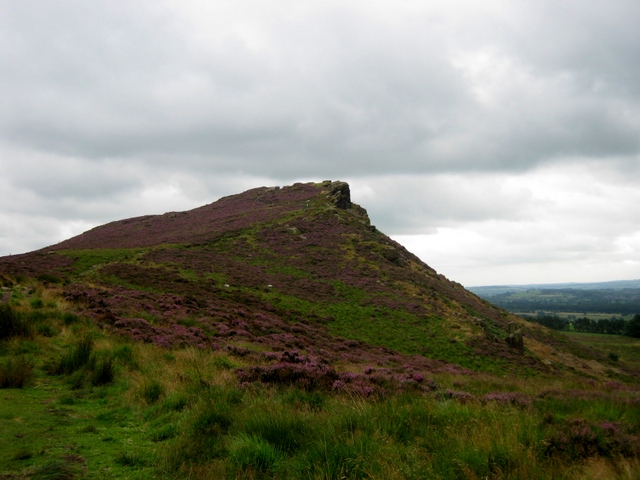
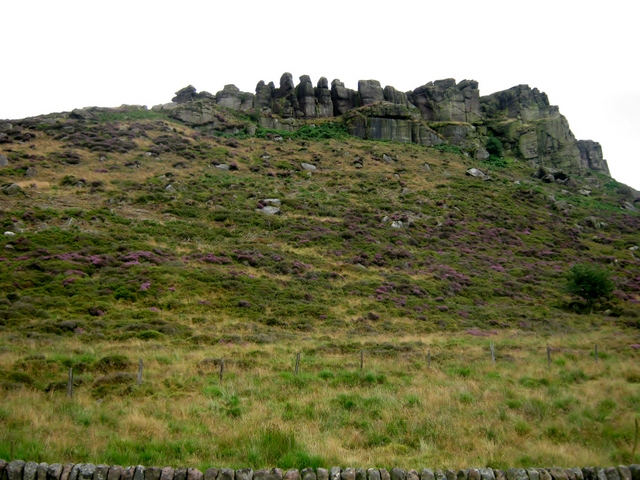
IMG_5562Hen Cloud

Hen Cloud

The path we choose to walk up isn’t the steepest of the paths to the top, in fact it is a nice steady ascent – just right for two middle-aged, not very fit people.

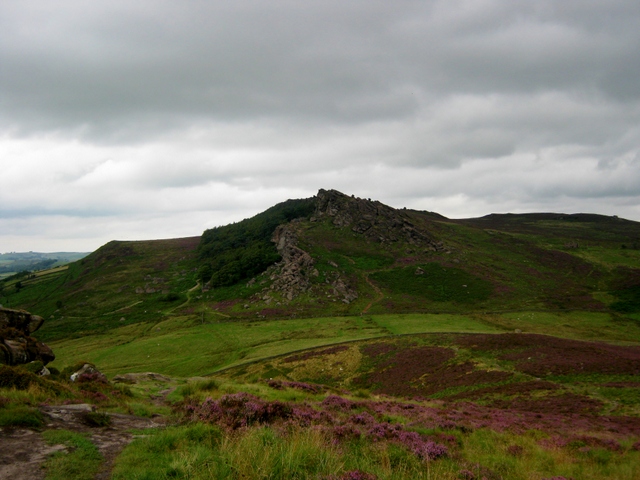
IMG_5563

The Roaches seen from the path up Hen Cloud

IMG_5564Ramshaw Rocks

Ramshaw Rocks seen from the path up Hen Cloud

We had never been to the Peaks when the Heather (Calluna vulgaris) was in bloom before.  The pink-purple flowers with the bright green grass was very beautiful.

IMG_5565Climbing Hen Cloud

This is the path we usually take to the top. You can see Richard is quite a way ahead of me.

IMG_5566Ramshaw Rocks

Ramshaw Rocks seen from the top of Hen Cloud.

IMG_5567Tittesworth Reservoir

Tittesworth Reservoir

IMG_5569View from Hen Cloud

View from Hen Cloud.

This slideshow requires JavaScript.

Heather
Heather
Heather
Heather
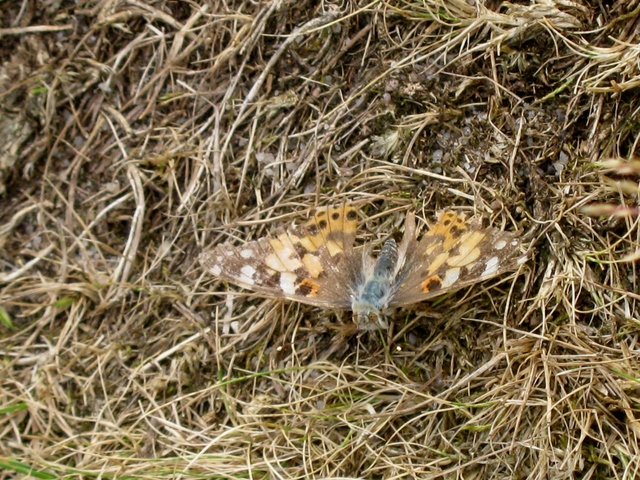
IMG_5578Painted Lady

We saw this rather battered and faded Painted Lady butterfly (Vanessa cardui)

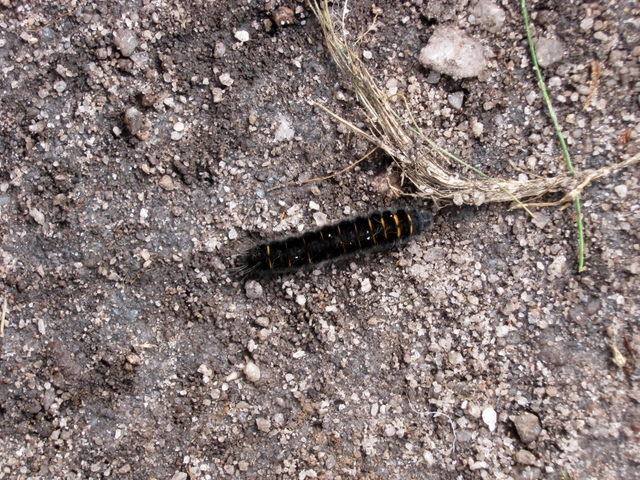
IMG_5580Caterpillar

I saw this caterpillar making its way across a rock. I can’t identify it.

All too soon, it was time for us to return to the car.

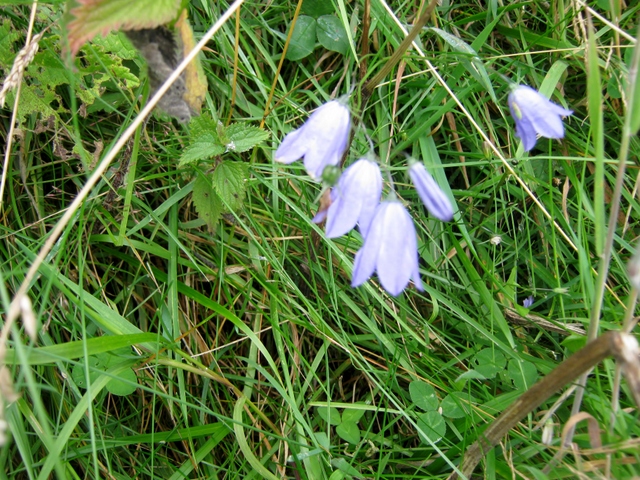
IMG_5582Harebells

We saw these Harebells (Campanula rotundifolia) on the way.

IMG_5584Hen Cloud

Our last view of Hen Cloud from the road.

The following day we got up very early and drove to Sheffield to collect Elinor from Alice’s house.  We only stayed for a couple of minutes and were then on the road back to our camp-site to hitch-up the caravan and then set out for home.

Thanks for visiting!
 

Share this:

  • Share on X (Opens in new window) X
  • Share on Reddit (Opens in new window) Reddit
  • Share on Pinterest (Opens in new window) Pinterest
  • Share on Facebook (Opens in new window) Facebook
  • Email a link to a friend (Opens in new window) Email
  • Share on Tumblr (Opens in new window) Tumblr
  • Print (Opens in new window) Print
  • Share on LinkedIn (Opens in new window) LinkedIn
Like Loading...

A Walk Through Norwich

10 Tue Nov 2015

Posted by Clare Pooley in churches, Norwich, Rural Diary, walking

≈ 44 Comments

Tags

Anthony Sher, Barbara Hepworth sculpture, brick walls, bridges, buildings, Castle Green, Comedy Alley, headstops, history, Howard and Son fishmonger and Game Dealer, Jarrolds, No.12, Norwich, Norwich Castle, Norwich Cathedral, Oliver Ford Davies, River Wensum, St Andrew's Hall, St Clement the Martyr's church, St George's Bridge, St George's St, St Peter Mancroft, stone mason, The Guildhall, The Mischief Tavern, Tombland Alley, Tye Bridge, University of the Arts, walking

It is some time since I wrote about Norwich so this post will feature a walk I took last October – over a year ago!  At that time I often dropped Elinor off at college and then wandered about the city until it was time to collect her and take her home again.  This year she has longer hours at college and as Richard and I share the driving I don’t need to spend time in the city unless I want to.

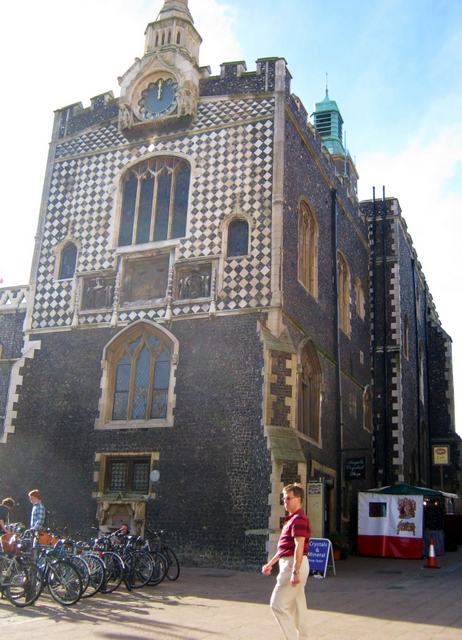
020Guildhall

I began my walk at the Guildhall in the centre of the city.

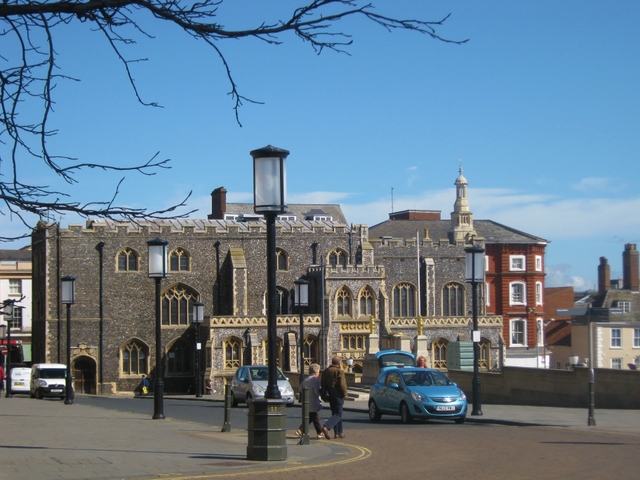
The Guildhall was built in the early 15th century after the city was granted a charter in 1404.  The building was used for civic and judicial assemblies and courts from 1413 until 1938, when the new City Hall was built and 1985, when the new Court buildings were opened.  Some of the rooms are still used today by the City Council;  the building also houses the Sheriff’s Chambers.

021Guildhall

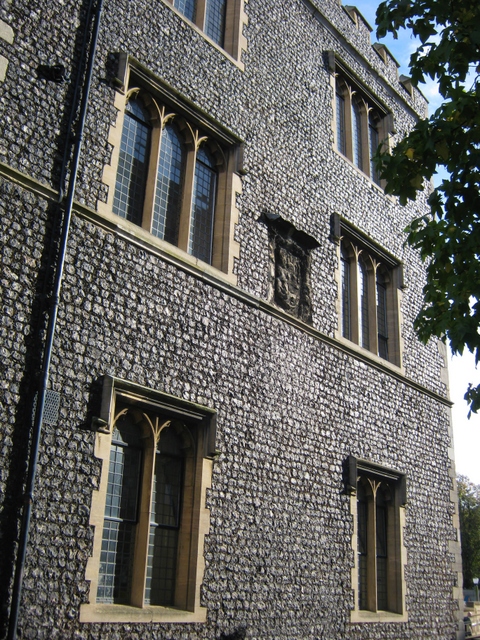
Norwich Guildhall – showing the knapped flint-work.

Funding for the building came from increased taxes, voluntary contributions and bequests to the city.  Despite this, much of the labour went unpaid.  The city was granted a warrant in 1407 which instructed men from many different trades to work for no pay, often for fifteen hours at a time; only the highest skilled craftsmen were paid.  Most of the construction of the Guildhall was carried out between 1407 and 1413.  By 1435 the tower and porch had been added and by 1453 the final windows were glazed.

IMG_4413Guildhall

A photo I took of the Guildhall in April of this year

The building was constructed from flint rubble faced with knapped flint and infill and the east end, which was reconstructed in the 16th century (shown on the first of my photos), was crafted from alternate squares of faced flint and ashlar stone giving the Guildhall its distinctive chequered look.

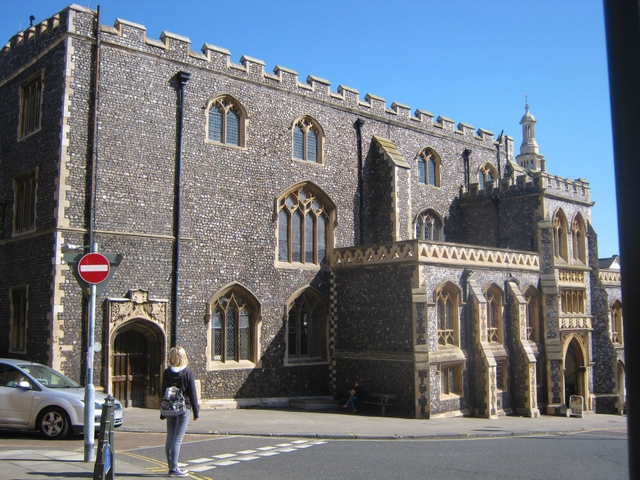
IMG_4415Guildhall

Guildhall – showing the reconstructed porch. Many of the windows were replaced during the 19th and early 20th centuries.

Much of the exterior is Victorian and Edwardian, as massive reconstruction was carried out in both 1861 and 1908.  The porch was reconstructed in the Gothic style, as were the replaced windows.  A clock tower was also added.  A link here (click on ‘The Guildhall‘ ) shows a drawing of what the Guildhall looked like before the old porch (on the left of the building) was demolished.

At present only the ground-floor rooms and porch are accessible to the general public ( a café and a crystal shop use the space).  It is interesting to sit in the café having coffee and realise that you are in a virtually unchanged Victorian courtroom.  It is hoped that the rest of the building will soon be open to the public.

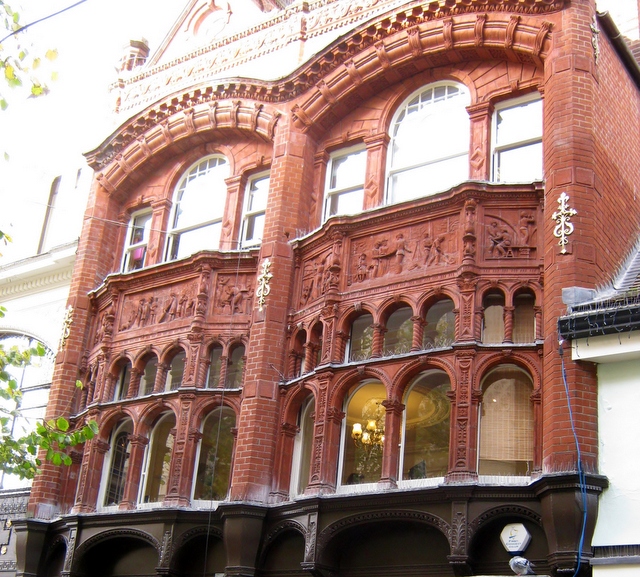
I walked to the bottom of Guildhall Hill and into London Street where I saw this ornate facade above Jarrold’s Department Store.  The frieze illustrates trades and crafts in Norwich.

022Ornate shop

Ornate facade

I made my way up the hill towards the Castle

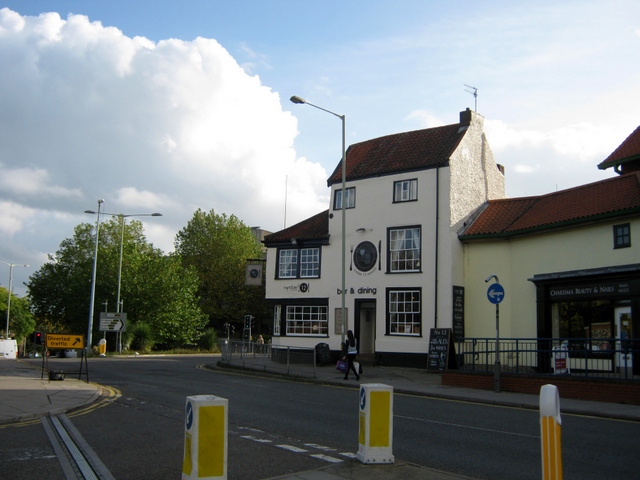
026Number 12

This rather strange shaped building on the corner is called ‘Number 12’ and is a restaurant.

This inn is about 250 years old and used to be a popular place to visit to watch the executions at the castle opposite!

I arrived at Castle Green and from there was able to see across the city.

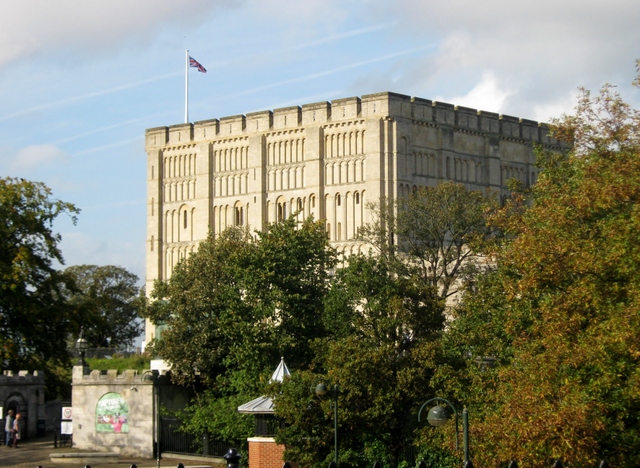
028View from Castle Green

A view of the Norman Castle

029View from Castle Green

Looking towards the Anglican Cathedral

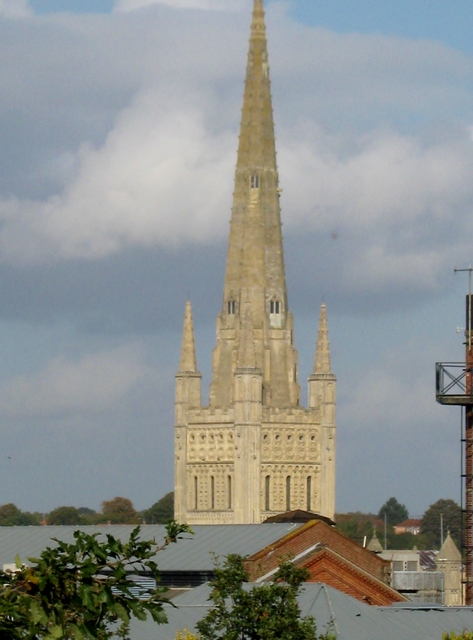
030View from Castle Green

A closer view of the cathedral’s spire

031View from Castle Green

This is the tower of St Peter Mancroft church with the arched roof of The Forum next to it.

I walked from Castle Meadow to St Georges Street and on towards the River Wensum.

032Ornate brick wall

I admired this ornate brick wall. Red bricks made in this part of England are soft and weather easily.

033St Andrew's Hall

St Andrew’s Hall

The Halls are a collection of beautiful flint-built buildings and St Andrew’s is the largest and most ornate.  Together, the Halls form the most complete friary complex surviving in England.  The first Dominican Black Friars’ priory was destroyed by fire and St Andrew’s was the nave of the new church which was completed in 1449.  The site was in danger of being destroyed during the Reformation (during the 16th century) but was saved by the City Corporation which bought it from the King for use as a ‘common hall’.  Since then the complex has been used for worship,as a mint and as a workhouse.  St Andrew’s Hall has an impressive hammerbeam roof which was a gift from the Paston family whose town house was in Elm Hill nearby.

The slideshow beneath is of photos of some of the headstops decorating the outside of St Andrew’s Hall

This slideshow requires JavaScript.

The faces were probably of local dignitaries and may not be particularly flattering!  A dragon symbolizes Satan, the devil or evil; the dragon next to the carving of Christ may symbolize Christ’s victory over evil.  A fish symbolizes Jesus but it can also be used as a warning about the Last Judgement.  A bird symbolizes the soul; if the bird in the carving is a dove then it symbolizes God the Holy Spirit.  A lion symbolizes many things.  It is the emblem of St Mark and is also associated with Daniel, Samson and St Jerome.  It can symbolize strength and majesty, therefore Jesus.  Carvings or statues of lions are often used in Italian churches as defensive bulwarks.  The lion symbolizes vigilance.  The lion can also symbolize evil, or the Devil.  “Your enemy the Devil prowls around like a roaring lion looking for someone to devour”, says St Peter in his First Epistle.  The Green Man, as Roger Deakin says in his book ‘Wildwood’, is “…the spirit of the rebirth of nature.  He is the chucked pebble that ripples out into every tree ring.  He is a green outlaw and he is everywhere…

Next to St Andrew’s Hall and adjoining the ornate brick wall is…

034E & W Garth Norwich Univ of the Arts

an archway leading to the East and West Garth, now part of the Norwich University of the Arts.

A Garth is an open space within cloisters; a close or yard; a garden or paddock.  Garth is a Middle English word from the Old Norse word garthr related to Old English geard meaning ‘yard’.   (The Concise Oxford Dictionary)

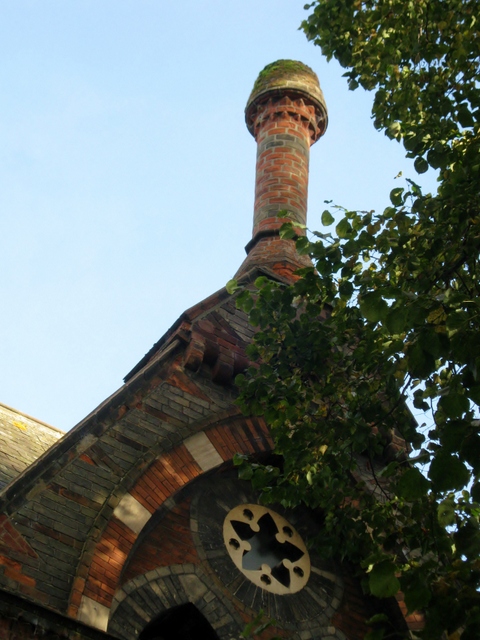
035Chimney

I like this chimney!

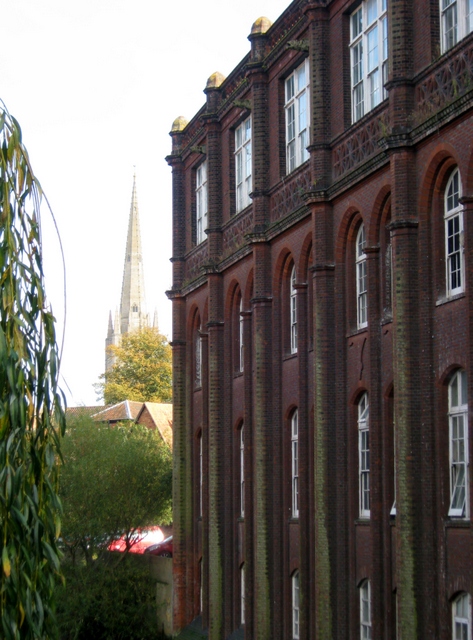
036Back of building

The back of the main building at the University of the Arts.

This building was originally built for the Technical College which is now City College Norwich.  City College was given a new building in 1953 on Ipswich Road and this building was handed over to the Art College.

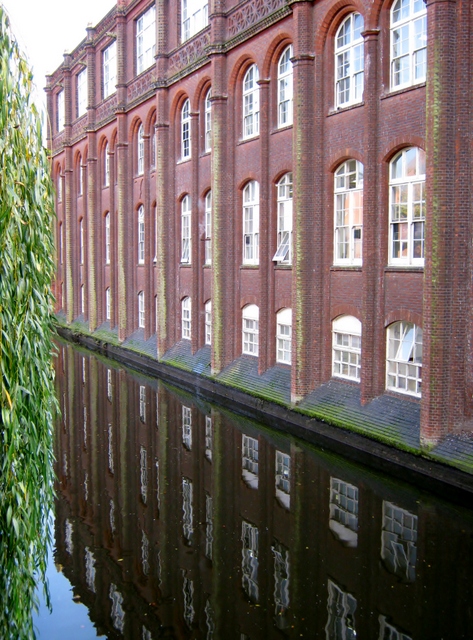
037Back of building

As you see, the river flows along under the windows.

Crossing over St George’s Bridge I came to the Norwich Playhouse Theatre on the left and a small park or plaza on the right.  The Barbara Hepworth sculpture is in this park.

039Barbara Hepworth sculpture

‘Sea Form (Atlantic)’ by Barbara Hepworth

I walked for a little along the riverside.

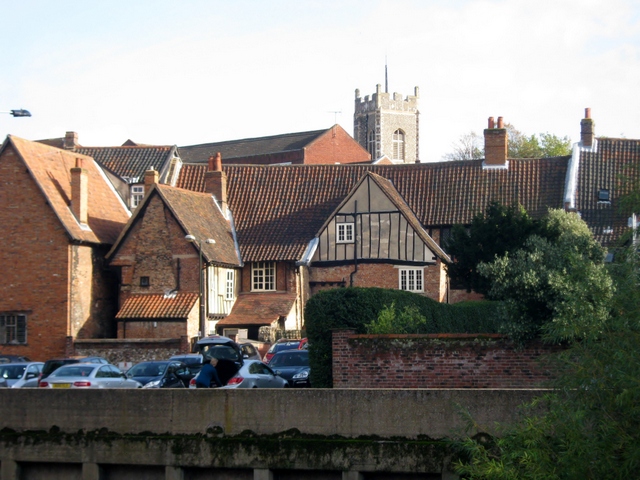
040View across the river

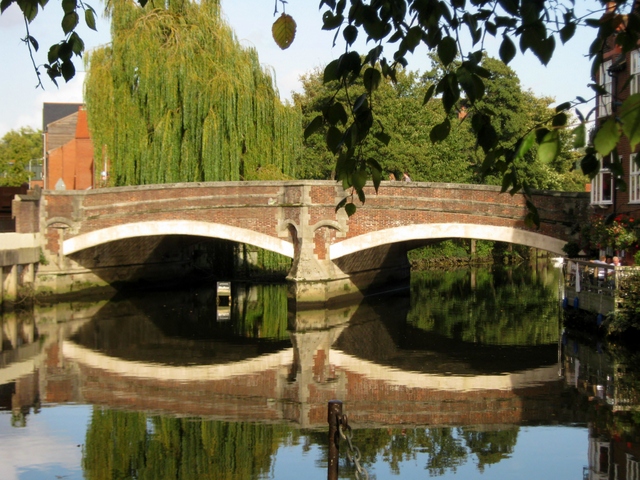
View over the River Wensum. Beyond the carpark are the rears of the houses in Elm Hill.

041Back of buildings

Another view of the Art College buildings and St George’s Bridge

042Tye Bridge

Looking the other way towards Tye Bridge

043River steps

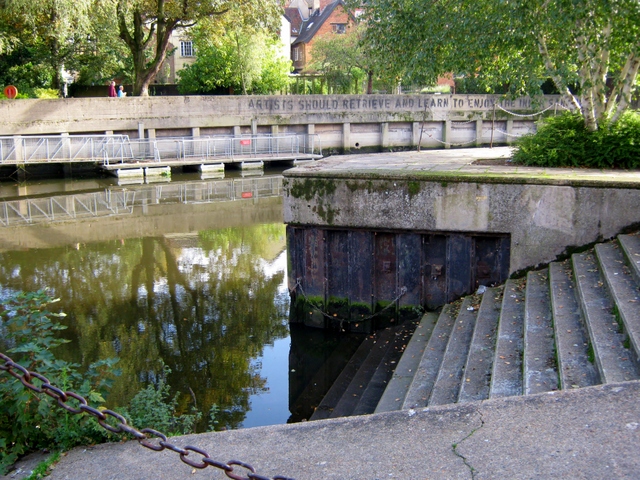
The river steps.

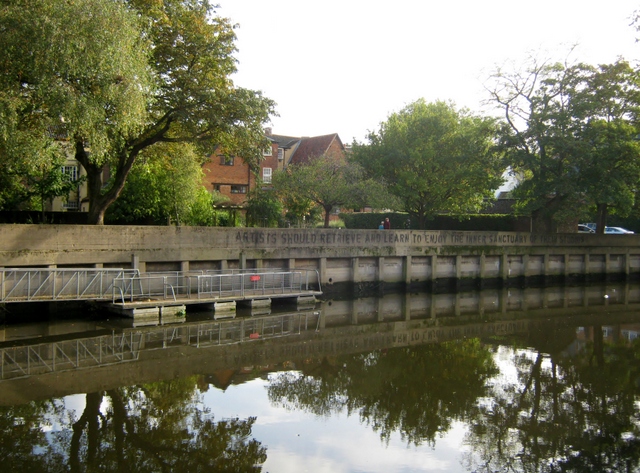
044Riverside

Riverside art student grafitti. ‘Artists should retrieve and learn to enjoy the inner sanctuary of their studios’

I made my way towards Tye Bridge using a little alley-way.

045Comedy Alley

The Comedy Alley – a bar where comedians perform.

The alleyway brought me to St Clement’s church on the corner of Colegate and Fye Bridge Street.

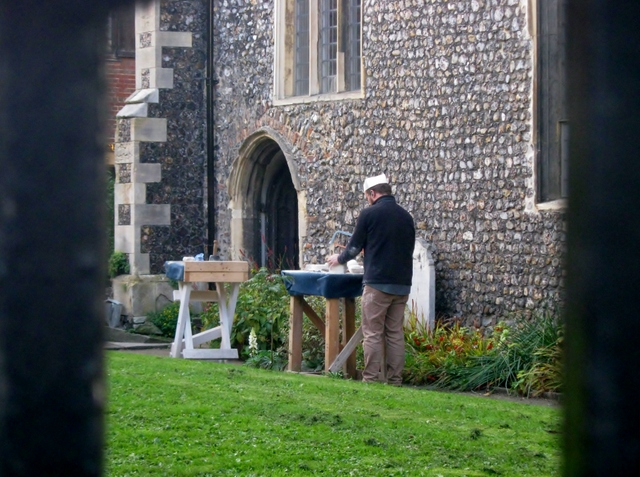
046Stone mason at work

A stone mason at work outside the church of St Clement the Martyr

He was wearing what looked like a folded paper hat.

047Church of St Clements

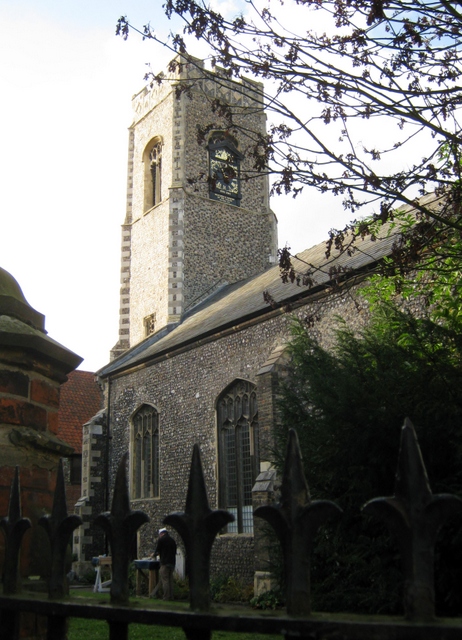
The church of St Clement the Martyr

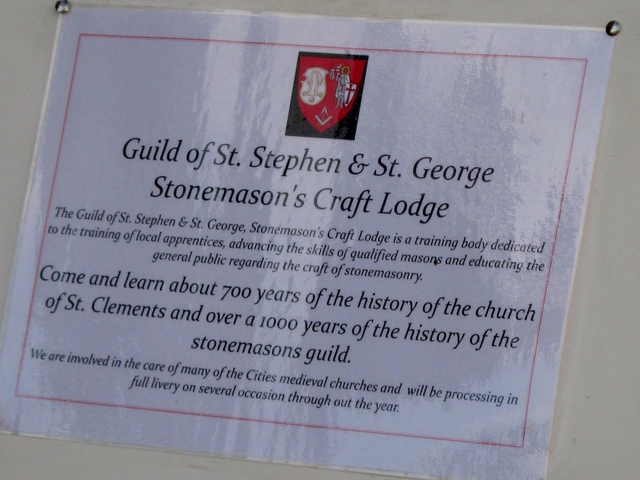
048Sign re Guild of St Stephen and St George

A notice pinned on a board outside the church

I have been meaning to go and visit the place for over a year now!

049Fishmonger and game dealer

On the opposite side of the road was the Fishmonger and Game Dealer’s shop.

Next to the church was the pub.

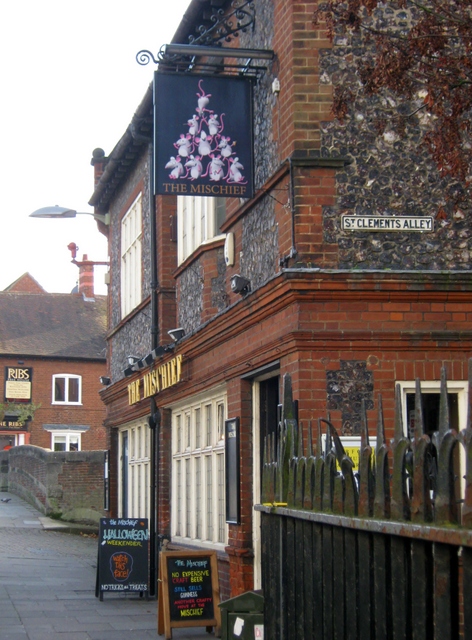
051The Mischief

The Mischief pub

Fye Bridge Street becomes Wensum Street which then becomes Tombland all in a few hundred yards.  At the gate to the Anglican Cathedral I crossed over the road and went up Tombland Alley.

052Tombland Alley with Oliver Ford-Davies

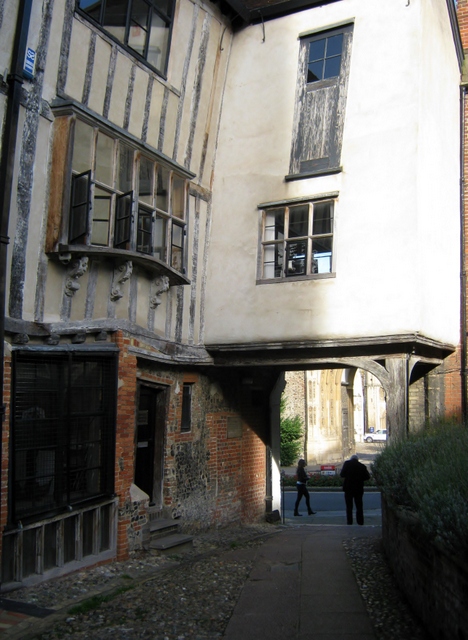
Tombland Alley looking back towards Tombland and the gate to the Cathedral.

The gentleman standing at the entrance to the alleyway is the actor Oliver Ford Davies  and I had recognised him as he walked through the alley.  He had a map with him and was wandering about the city looking at the buildings.  I, my mother and Elinor had seen him on the stage at the Theatre Royal the night before when he was playing the part of Shallow in Shakespeare’s Henry IV Part 2.  The night before that we had seen Henry IV Part 1.  The great Anthony Sher played the part of Falstaff in both plays – a wonderful double production.

053A mark

I believe this is a merchants mark on the wall in Tombland Alley

These marks were used by tradesmen to identify themselves and authenticate their goods (wikipedia)

Buildings in Tombland Alley
Crooked building
Crooked building
Crooked door
Crooked door

I soon made my way back to the Guildhall and then to the college where I met my daughter.

Thanks for visiting!
Share this:

  • Share on X (Opens in new window) X
  • Share on Reddit (Opens in new window) Reddit
  • Share on Pinterest (Opens in new window) Pinterest
  • Share on Facebook (Opens in new window) Facebook
  • Email a link to a friend (Opens in new window) Email
  • Share on Tumblr (Opens in new window) Tumblr
  • Print (Opens in new window) Print
  • Share on LinkedIn (Opens in new window) LinkedIn
Like Loading...
← Older posts
Newer posts →
Follow A Suffolk Lane on WordPress.com

Enter your email address to follow this blog and receive notifications of new posts by email.

Join 718 other subscribers.

Unknown's avatar

I talk about what it's like living in a quiet part of Suffolk. I am a wife, mother and daughter, a practising Christian and love the natural world that surrounds me. I enjoy my life - most of the time!
My Posts

Mar 2026
M T W T F S S
 1
2345678
9101112131415
16171819202122
23242526272829
3031  
« Feb    

Pages

  • About my Blog
  • GDPR (General Data Protection Regulations) and This Site
  • My Life in a Suffolk Lane

Archives

Blogs I Follow

Unknown's avatar
Unknown's avatar
Unknown's avatar
Unknown's avatar
Unknown's avatar
Unknown's avatar
Unknown's avatar
Unknown's avatar
Unknown's avatar
Unknown's avatar
Unknown's avatar
Unknown's avatar
Unknown's avatar
Unknown's avatar
Unknown's avatar
Unknown's avatar
Unknown's avatar
Unknown's avatar
Unknown's avatar

Posts I Like

  • Unknown's avatar
  • Unknown's avatar
  • Limentinus's avatar
  • Mélodie's avatar
  • Unknown's avatar
  • Unknown's avatar
  • DoF@theinfill's avatar
  • sietchjameseguin's avatar
  • Unknown's avatar
  • Unknown's avatar
  • clivebennett796's avatar
  • Unknown's avatar
  • Unknown's avatar
  • sherijkennedyriverside's avatar
  • Unknown's avatar
  • Unknown's avatar
  • Unknown's avatar
  • Unknown's avatar
  • Carolina Cuisine Network's avatar
  • Unknown's avatar
  • Unknown's avatar
  • Resa's avatar
  • Unknown's avatar
  • Unknown's avatar
  • Julian Summerhayes's avatar
  • Unknown's avatar
  • martzkvi's avatar
  • santable's avatar
  • Unknown's avatar
  • Stephen G. Hipperson's avatar
  • Kathleen's avatar
  • Sarah curran's avatar
  • Unknown's avatar
  • Unknown's avatar
  • Unknown's avatar
  • Unknown's avatar
  • Unknown's avatar
  • Unknown's avatar
  • Unknown's avatar
  • Unknown's avatar
  • Unknown's avatar
  • Talkmore's avatar
  • Unknown's avatar
  • Unknown's avatar
  • Unknown's avatar
  • Unknown's avatar
  • Unknown's avatar
  • thebikinggardener's avatar
  • Nita Panicker's avatar
  • Pilgrim's Pondering Ministry's avatar

amphibians architecture art Arts and Crafts churches cooking Days out domestic animals family fish Folk Traditions Gardening Historic Buildings holidays Insects Landscaping literature music Norwich plants Rural Diary seashore theatre trees Uncategorized walking weather wild animals wild birds wild flowers

Tags

architecture autumn birds blackbird blackthorn Bungay butterfly church clouds common knapweed cow parsley crocus daffodils Diary dogwood family field maple flowers fungus garden gardening geese greylags ground-ivy Halesworth Hawthorn heather holiday Holly Holy Week horse chestnut Hoverfly insects ivy Lake District Lent lesser celandine lichen Lords and Ladies Mallard mallards Minsmere moorhen moss music Norwich Peak District pheasant plants pond ponds primrose primroses Rain rooks Rumburgh Rumburgh Church sheep Sheffield snow snowdrops Southwold spring Suffolk Suffolk Wildlife Trust sunset the Beck trees viburnum bodnantense walking weather wild cherry wild flowers winter-flowering honeysuckle witch-hazel

Meta

  • Create account
  • Log in
  • Entries feed
  • Comments feed
  • WordPress.com

Goodreads

Blog at WordPress.com.

Book Jotter

Reviews, news, features and all things books for passionate readers

Country Life Blog -

A blog about life in the country in the past and present

Matthew Paul: Poetry & Stuff

Poetry and what-not

Schnippelboy

Ein Tagebuch unserer Alltagsküche-Leicht zum Nachkochen

TAMARA JARE

Tamara Jare Contemporary Figurative Art – Bold Colors, Resilient Souls

A Taste of Freedom

Documenting a Dream

Country Ways

Rambling Journeys in Britain, Countryside Matters and campaigning for the Right to Roam

The Strawberry Post

Here to Entertain, Educate & Inspire!

a north east ohio garden

an ongoing experiment in the dirt, 35 plus years

naturechirp

Celebrating God's creatures, birds and plants...

Sophie Neville

Writer

Going Batty in Wales

Developing a more sustainable lifestyle in SW Wales

Our Lake District Escapades

Exploring the Lake District and beyond

Short Walks Long Paths

Wandering trails around the coast of Wales

The Biking Gardener

An English persons experience of living and gardening in Ireland

Nan's Farm

A Journal Of Everyday Life

Walk the Old Ways

Rambling Journeys in Britain with John Bainbridge. Fighting for the Right to Roam. Campaigning to Protect Our Countryside.

Writer Side UP!

Waking the Writer Side...and keeping it "Up!"

Meggie's Adventures

Travel, thank you notes and other stories

amusicalifeonplanetearth

Music and the Thoughts It Can Inspire

lovefoundation.co.uk

Traveling Tortuga

Simply Living Well

Pakenham Water Mill

Historic watermill in the beautiful Suffolk countryside

Take It Easy

Retired, not expired: words from the after(work)life. And music. Lots of music!

Secret Diary Of A Country Vicar's Wife

By Olive Oyl

thanksfortheadventureorg.wordpress.com/

The Beat Goes On

#TBGO

Frank Pleszak's Blogs

Twitter: @frankpleszak @PolishIICorps

John Bainbridge Writer

Indie Writer and Publisher

roughwighting

Life in a flash - a bi-weekly storytelling blog

Walking the Old Ways

Rambling in the British Countryside

CapKane

thoughts on social realities

SkyeEnt

Jottings from Skye

jodie richelle

embracing my inner homemaker

Skizzenbuch/Blog

Just another WordPress.com weblog

Have Bag, Will Travel

The Call of the Pen

Flash Fiction, Book Reviews, Devotionals and other things.

John's Postcards

Art in Nature

You dream, I photographe it !

Smile! You’re in Barnier World......

theinfill

the things that come to hand

Dr. Mary Ann Niemczura

Author of "A Past Worth Telling"

Provincial Woman

The Pink Wheelbarrow

Luanne Castle: Poetry and Other Words (and cats!)

Poetry, Other Words, and Cats

The Family Kalamazoo

A genealogical site devoted to the history of the DeKorn and Zuidweg families of Kalamazoo and the Mulder family of Caledonia

everythingchild

The Book Owl

Canberra's Green Spaces

Paul Harley Photographer

  • Subscribe Subscribed
    • A Suffolk Lane
    • Join 718 other subscribers.
    • Already have a WordPress.com account? Log in now.
    • A Suffolk Lane
    • Subscribe Subscribed
    • Sign up
    • Log in
    • Report this content
    • View site in Reader
    • Manage subscriptions
    • Collapse this bar
 

Loading Comments...
 

    Privacy & Cookies: This site uses cookies. By continuing to use this website, you agree to their use.
    To find out more, including how to control cookies, see here: Cookie Policy
    %d