• About my Blog
  • GDPR (General Data Protection Regulations) and This Site
  • My Life in a Suffolk Lane

A Suffolk Lane

~ A diary of my life in rural north Suffolk.

A Suffolk Lane

Category Archives: walking

A Walk in the Goyt Valley – Peak District Holiday

05 Thu Nov 2015

Posted by Clare Pooley in churches, Days out, domestic animals, plants, Rural Diary, walking, wild birds

≈ 38 Comments

Tags

Bakewell, bridge, Butterbur, Canada Goose, Coot, donkey, ducks, eyebright, Fernilee Reservoir Dam, Field Scabious, Goosander, Goyt Vallry, Great Burnet, Greater Bird's-foot-trefoil, gulls, harebell, marble galls, Peak District, River Goyt, River Wye, sheep, St James' church Taxal, Taxal, Water Mint, watercress, Whaley Bridge, White Beak-sedge

The day after our walk on Ramshaw Rocks we met Alice and Elinor in Bakewell so that we could see how they were and have a meal with them.  They travelled to Bakewell on the bus after Alice had finished work for the day in Sheffield.  We went for a coffee together and told them the sad news of Richard’s mum’s death.  They were both upset but were grateful that we had waited so that we could tell them face-to-face.  We then went for a walk through the town and ended up by the river – our favourite spot.
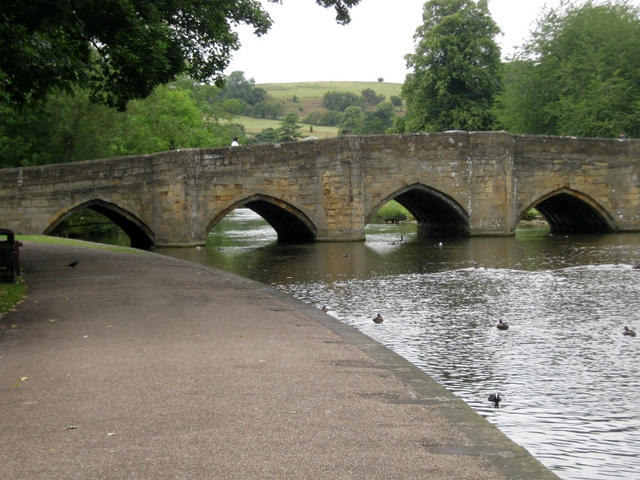
IMG_5505Bridge

The attractive old bridge over the river Wye.

IMG_5496Duck's nest

There is always plenty to see on the river. This duck sitting on her nest, for example.
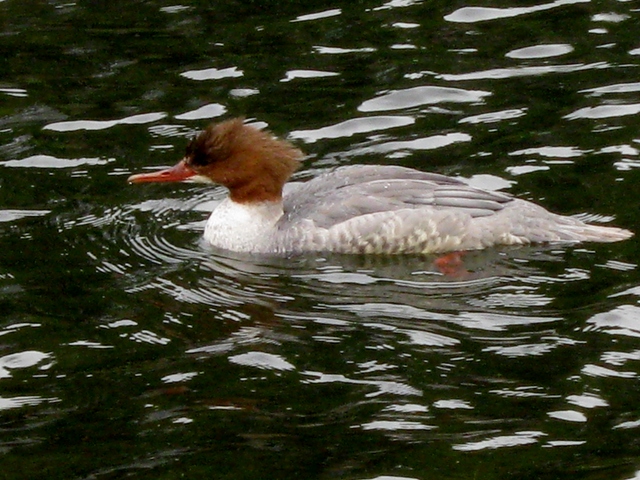
IMG_5498Female Goosander

A female Goosander (Mergus merganser)
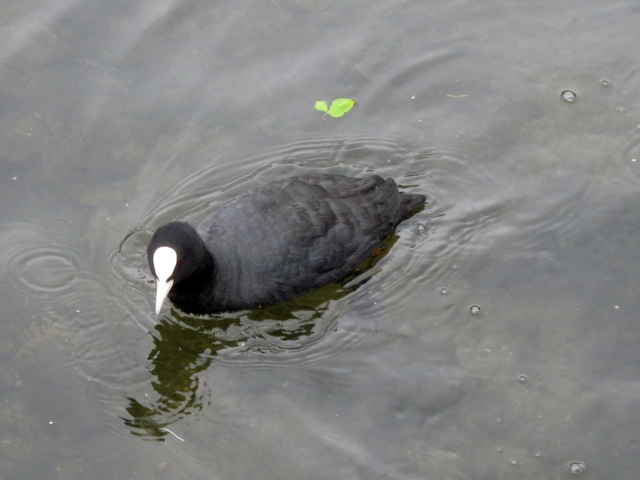
IMG_5500Coot

A Coot (Fulica atra)

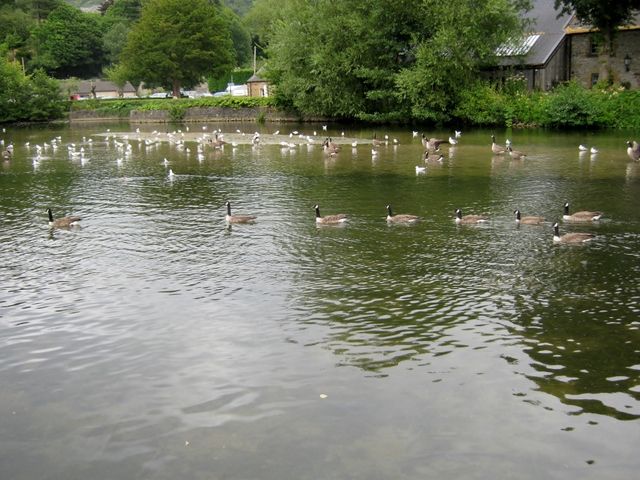
IMG_5502Gulls and Canada Geese

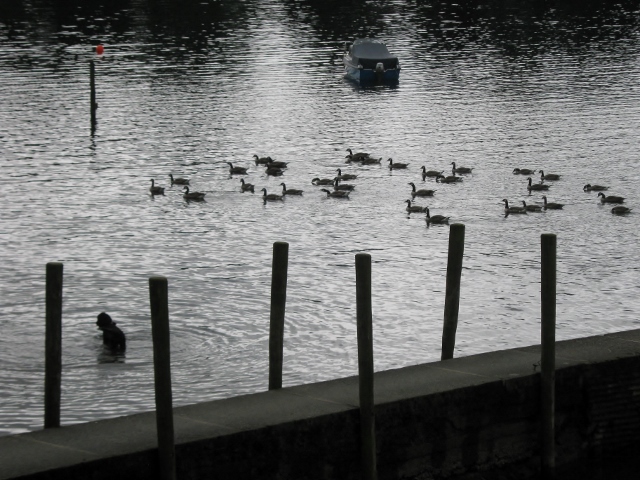
Canada Geese (Branta canadensis) and Gulls

IMG_5507Duck

A duck – partly Mallard I think!

After a pleasant meal together Richard and I saw the girls onto their bus and then we returned to our caravan.

The following day we went for a walk along the valley of the River Goyt.  We left the car in a lay-by just south of Whaley Bridge and followed a track, steep at first, from the lay-by down through woodland towards the River Goyt.
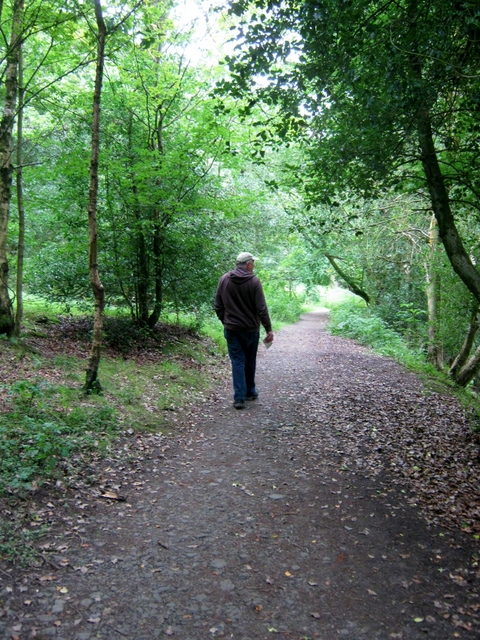
IMG_5509R on walk

Richard on the track through the wood.

The day was very cloudy and there were frequent showers of rain but they weren’t heavy and didn’t diminish the pleasure of our walk.  Richard had walked here very often when he was younger, either with the Scouts or with friends but the area was new to me.

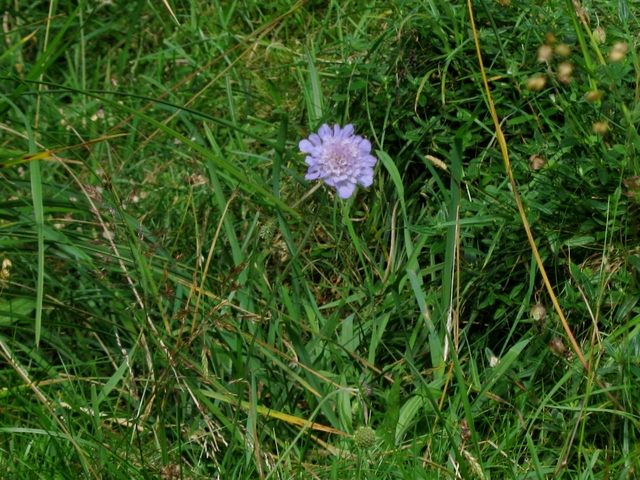
IMG_5510Field Scabious

A Field Scabious flower (Knautia arvensis)
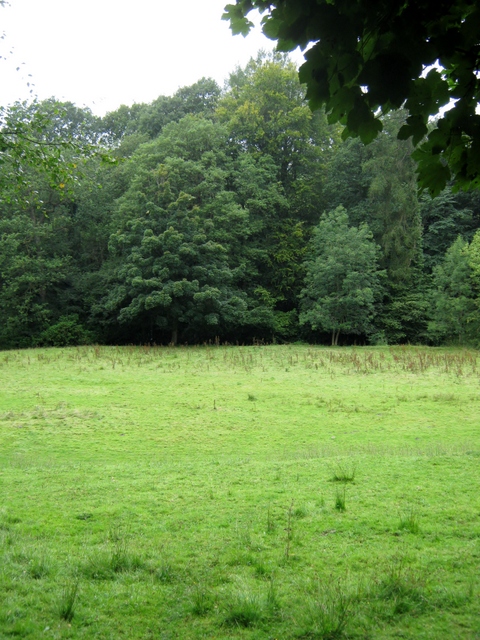
IMG_5512Meadow

A meadow between the track and the river (which is under the trees).
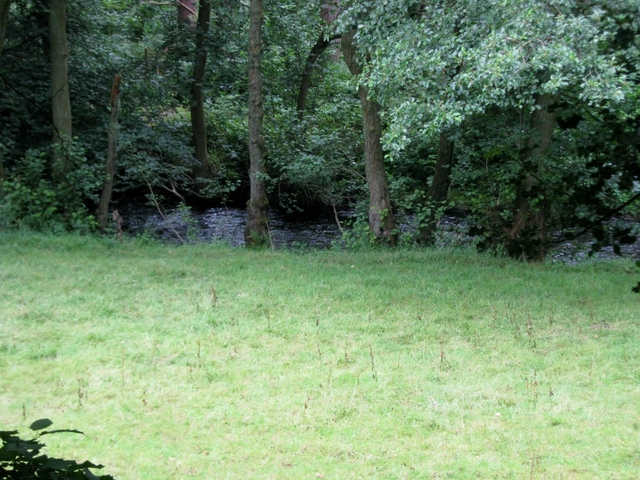
IMG_5513R Goyt

The River Goyt

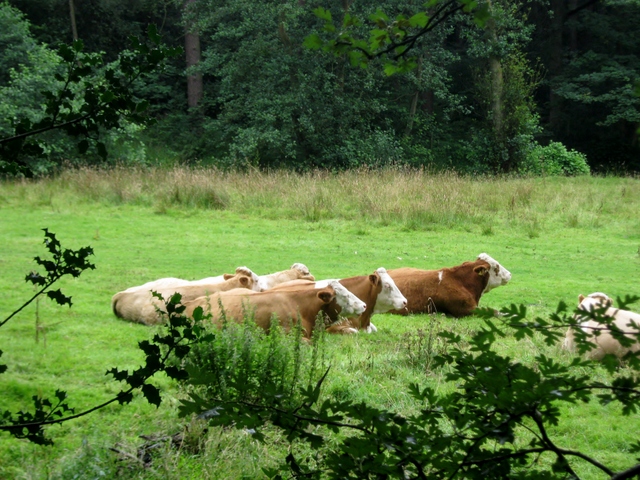
IMG_5515Cattle

Cattle

R. Goyt
R. Goyt
R. Goyt
R. Goyt
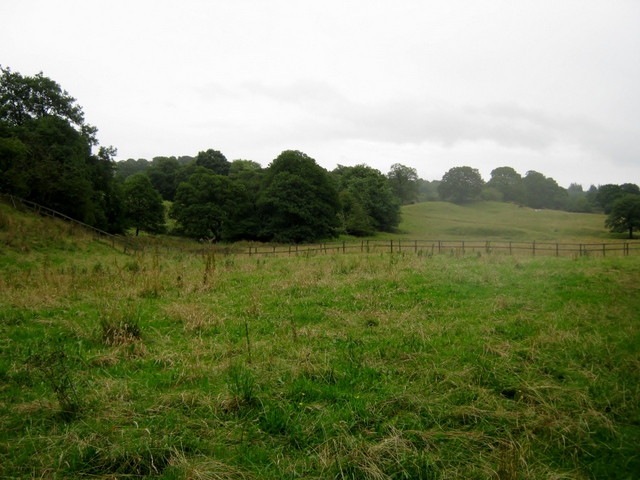
IMG_5517Meadow

The meadows next to the river were pleasant to walk across.  You can see from this photo how gloomy the day was.
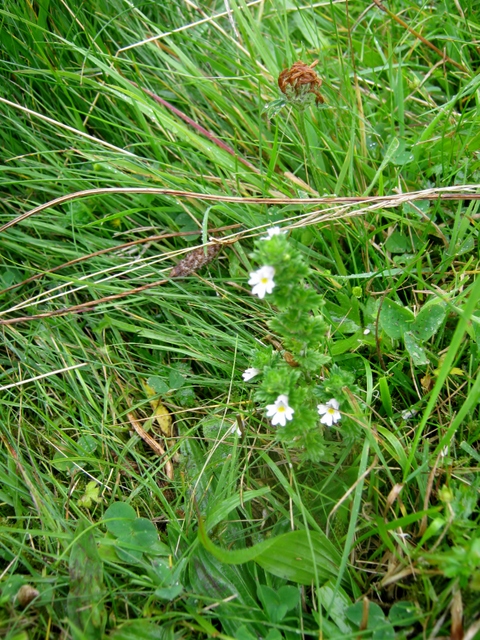
IMG_5519Eyebright

Eyebright (Euphrasia officinalis agg)
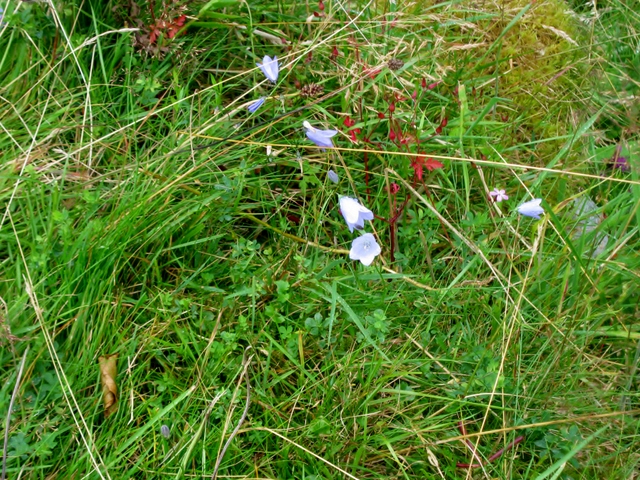
IMG_5521Harebells

Harebells (Campanula rotundifolia)

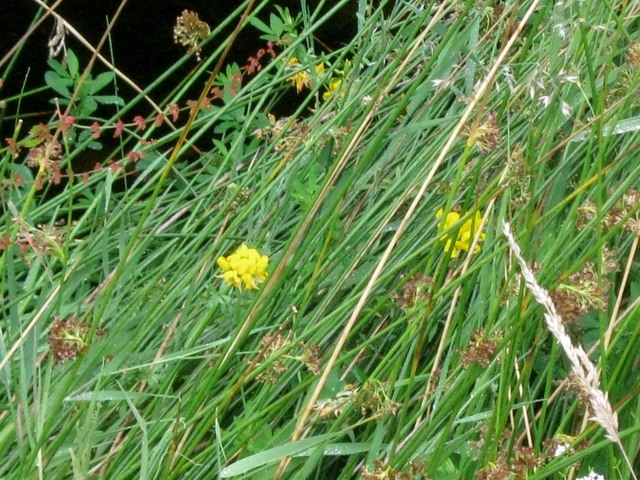
IMG_5522Greater Bird's-foot Trefoil and other plants

Greater Bird’s-foot-trefoil (Lotus pedunculatus)
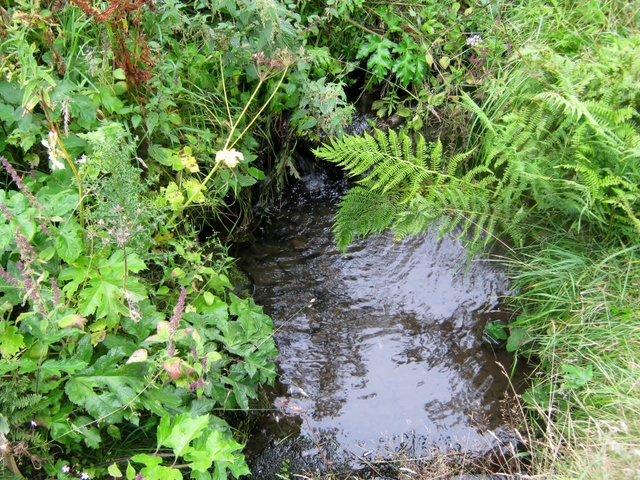
IMG_5523Little cascade

A little cascade

IMG_5524R Goyt

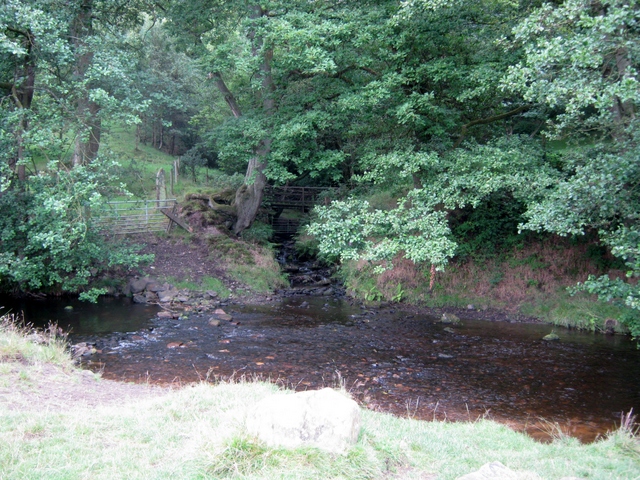
The River Goyt with a wooden bridge just visible under the trees.
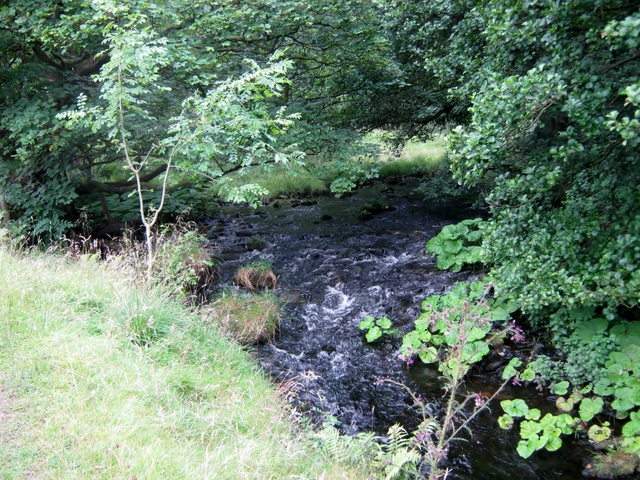
IMG_5525R Goyt

River Goyt

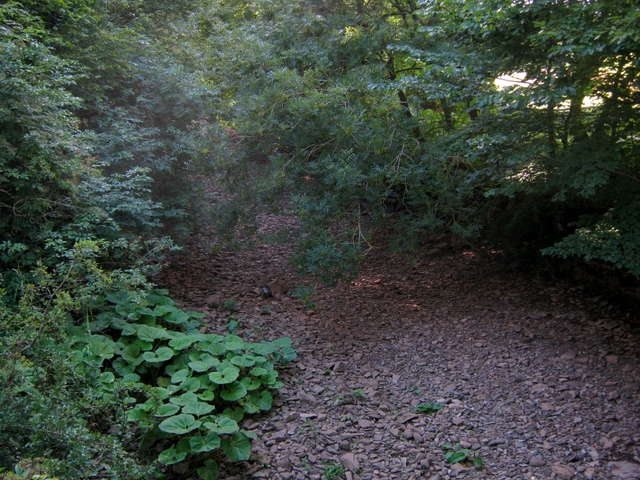
IMG_5527Wild Rhubarb

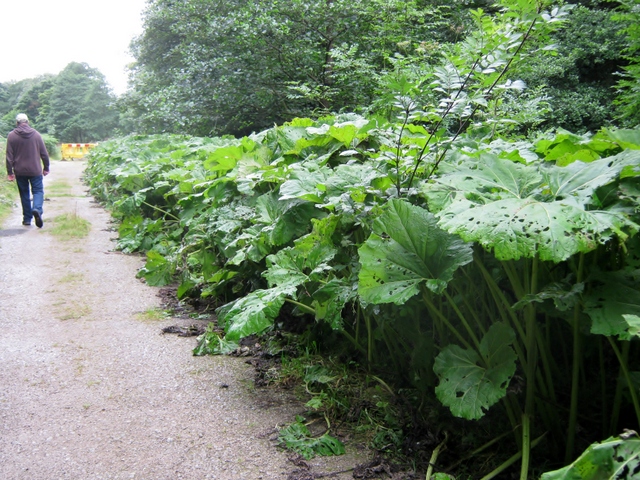
Richard walking along the track next to Wild Rhubarb/Butterbur (Petasites hybridus). It was about as tall as me (5′ 4″)

We were making our way towards some water-works buildings.  I took some photographs of them and some plants I saw but (fortunately for you!) they didn’t come out.  The light wasn’t good enough I think.

We walked up the very steep drive belonging to the waterworks and then, at the top, turned towards the road that crosses Fernilee Reservoir Dam.
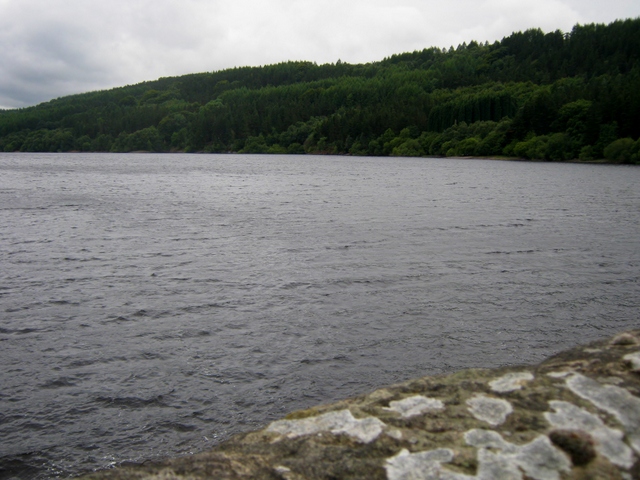
IMG_5528Goyt Reservoir

The reservoir

IMG_5530Old Bridge

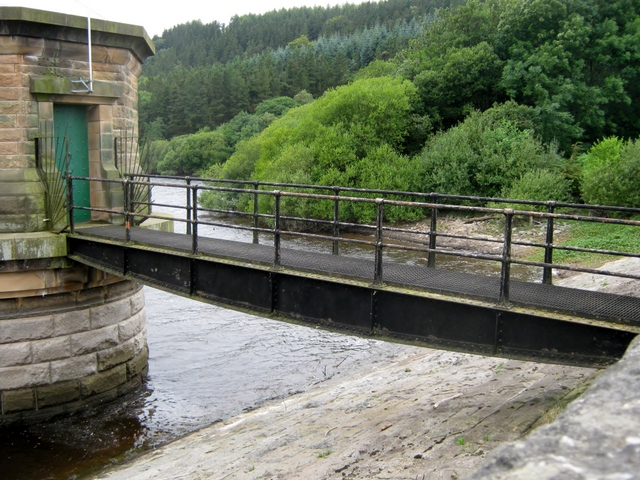
I liked the look of this old bridge from the road to a maintenance building.

Richard told me that this bridge is probably an original one for the dam and therefore quite old.  Bridges aren’t built this way any more.
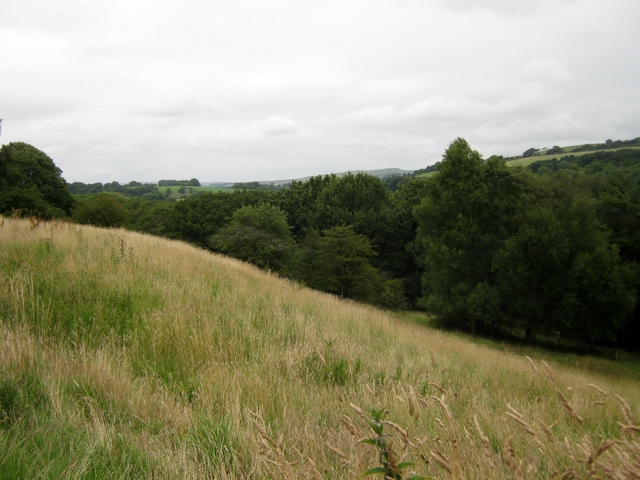
IMG_5531Goyt Valley

We then walked back along the other side of the river which is down in the trees below.  There were some lovely views from the path.
This slideshow requires JavaScript.

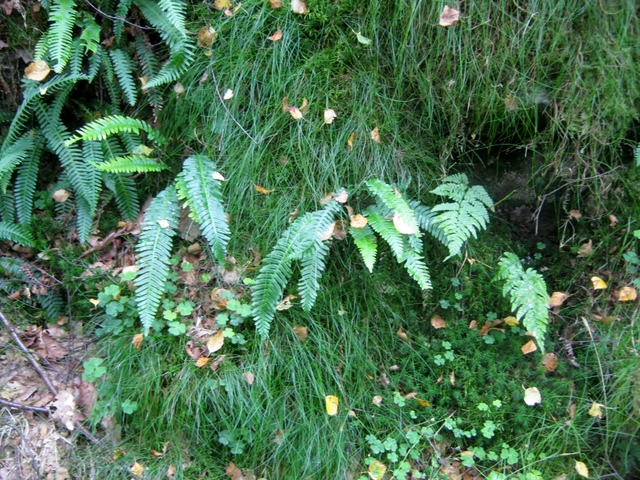
IMG_5536Ferns Moss and grass

A variety of plants and textures

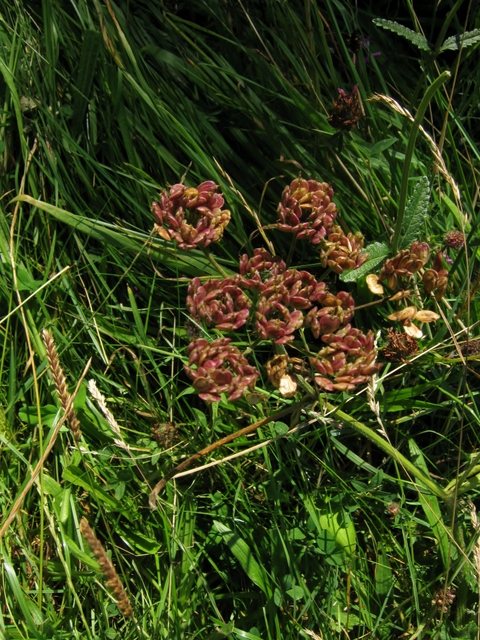
IMG_5539Great Burnet

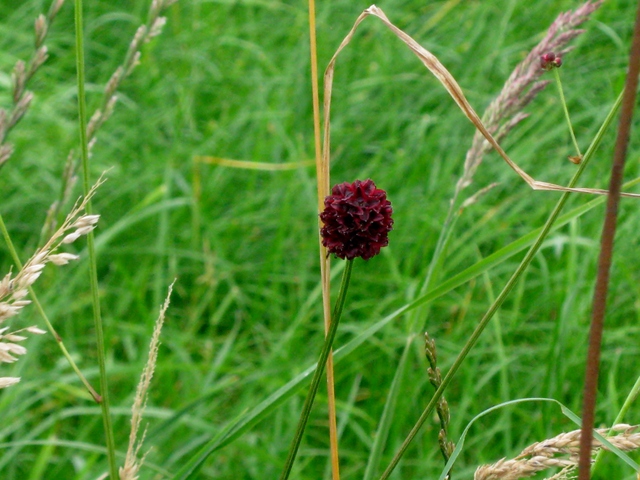
We saw some beautiful Great Burnet flowers (Sanguisorba officinalis) in the field next to the path.

IMG_5541Great Burnet

Great Burnet – these plants are becoming increasingly rare as water-meadows are drained.
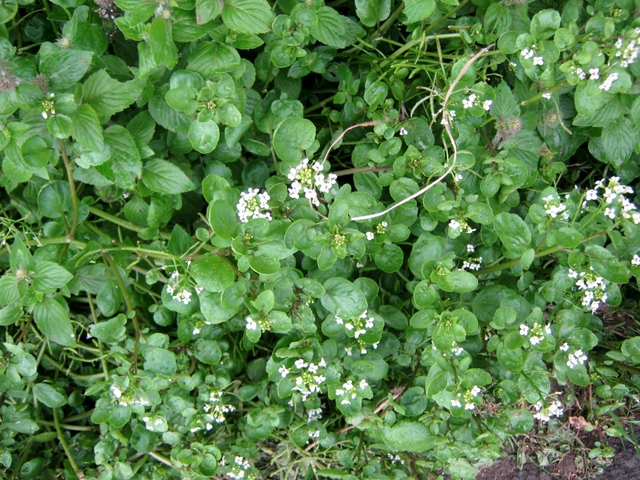
IMG_5542could be water-cress

This could be Water-cress (Rorippa nasturtium-aquaticum)
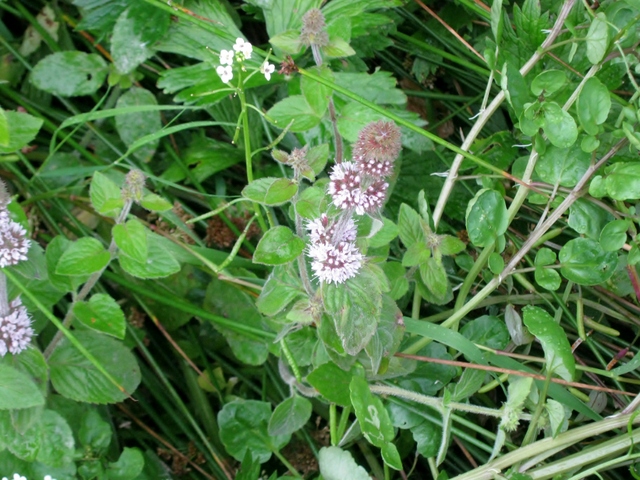
IMG_5543Water mint

Water Mint (Mentha aquatica)

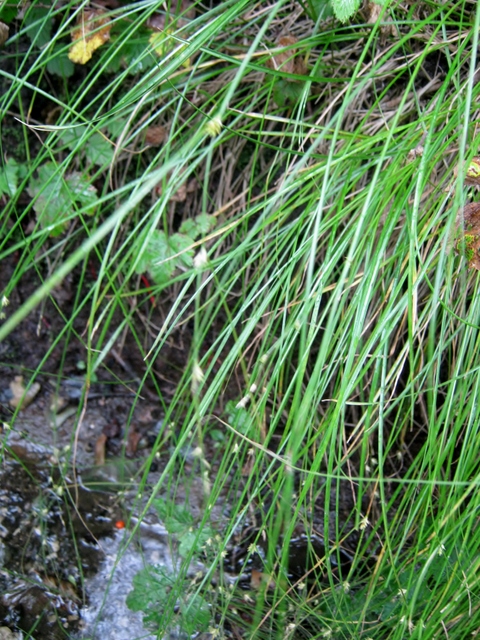
IMG_5545White Beak-sedge

White Beak-sedge (Rhynchospora alba)

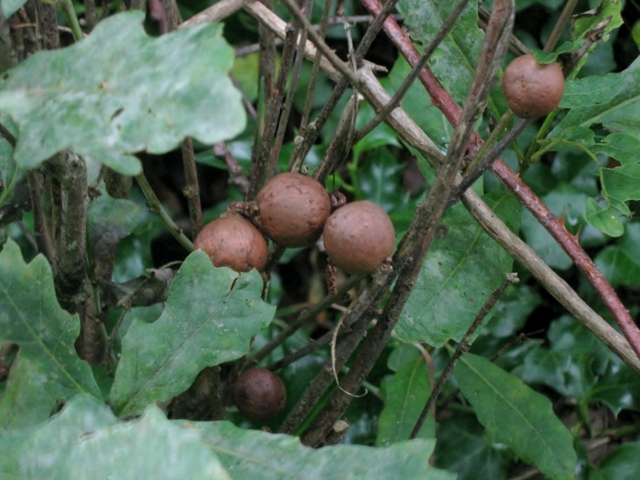
IMG_5546Oak galls

Marble Galls on Oak.

Sheep
Sheep
Sheep
Sheep
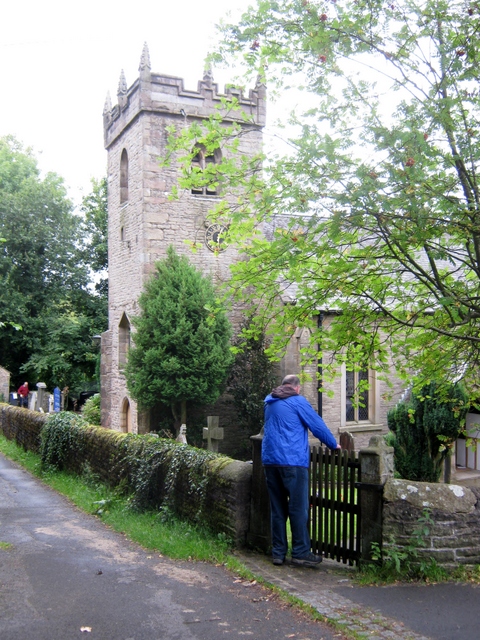
IMG_5549Church

We eventually got to the hamlet of Taxal where we had a look at the church dedicated to St James.
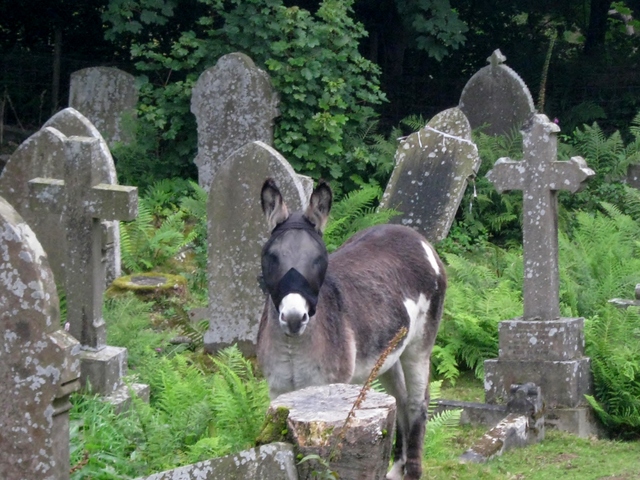
IMG_5550Donkey

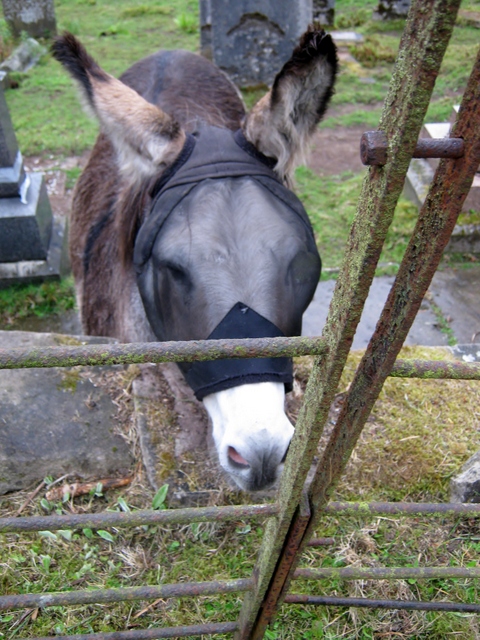
We found a very friendly donkey in the churchyard wearing a rather fetching veil.

This donkey had a job to do – eating its way through all the overgrown grass and plants in the yard.  The veil kept the flies out of its eyes.
IMG_5551Donkey

I like donkeys!

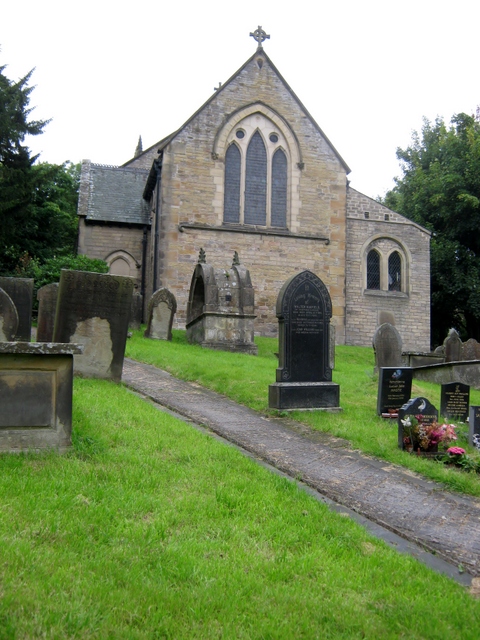
IMG_5552Church

St James’ church

River Goyt
River Goyt
River Goyt
River Goyt
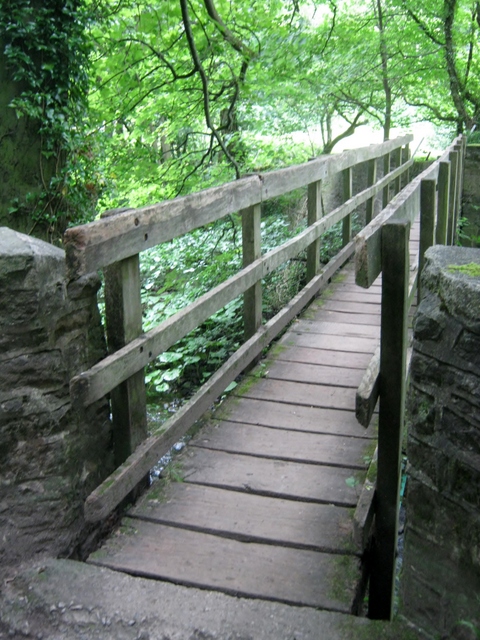
IMG_5556Wooden bridge

We crossed the river by a wooden bridge, walked up the steep path to the lay-by and found our car again.

Thanks for visiting!

Share this:

  • Share on X (Opens in new window) X
  • Share on Reddit (Opens in new window) Reddit
  • Share on Pinterest (Opens in new window) Pinterest
  • Share on Facebook (Opens in new window) Facebook
  • Email a link to a friend (Opens in new window) Email
  • Share on Tumblr (Opens in new window) Tumblr
  • Print (Opens in new window) Print
  • Share on LinkedIn (Opens in new window) LinkedIn
Like Loading...

An Autumn Walk at Minsmere.

29 Thu Oct 2015

Posted by Clare Pooley in Days out, plants, Rural Diary, trees, walking

≈ 30 Comments

Tags

autumn, fungus, lichen, Minsmere, plants, ponds, RSPB reserve, Suffolk, trees, walking

We took advantage of a dry but cloudy afternoon earlier this week to walk through the woods at Minsmere.  To those of you who don’t know, Minsmere is an RSPB (Royal Society for the Protection of Birds) wildlife reserve situated on the coast in Suffolk.  We didn’t see many birds, though as the afternoon wore on and the crowds of visitors began to leave we began to hear more birdsong.

IMG_5857Sand martin burrows

The cliff behind the visitor centre with Sand Martin (Delichon urbica) burrows. I’m not sure what the larger holes are – probably rabbit burrows.

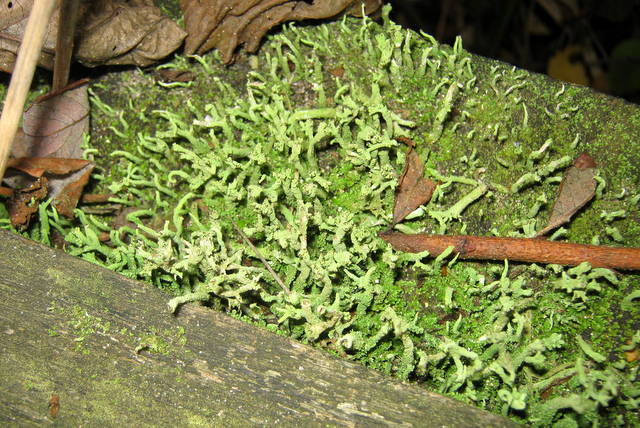
We went first to the ponds behind the visitor centre to see if there was any sign of the Bird’s-nest fungus that was discovered there last year.  I looked but didn’t see any though that doesn’t mean it wasn’t there!  I did see some lichen on the decking.

IMG_5852Cladonia  Lichen

One of the Cladonia lichens

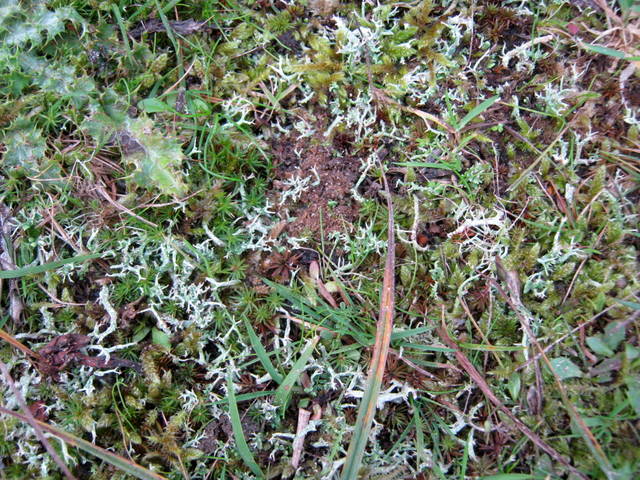
IMG_5855Lichen

More lichen was growing on the ground amongst the sparse grass and moss.

We saw lots of fungi on our walk but because of the low light many of my photographs didn’t come out very well and had to be erased.

IMG_5854Fungus

Fungus

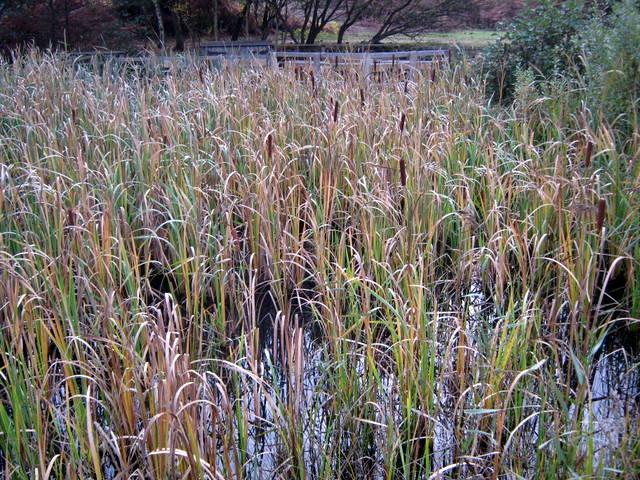
IMG_5856Reeds

Reeds in the pond near the visitor centre – mainly Great Reedmace/ Bulrush (Typha latifolia)

IMG_5858Chestnut tree

A bright Sweet Chestnut tree (Castanea sativa)

This slideshow requires JavaScript.

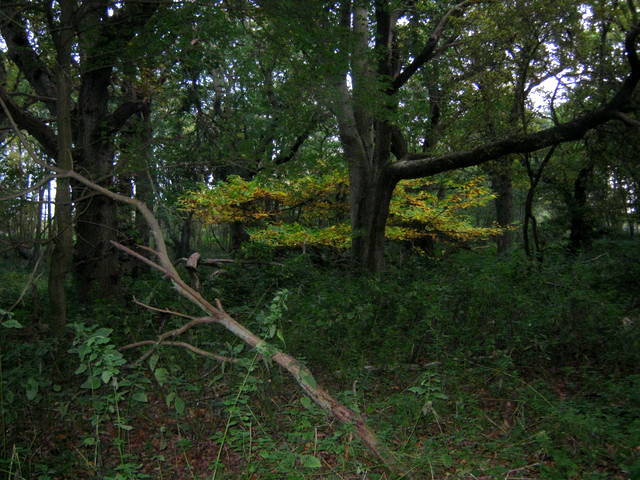
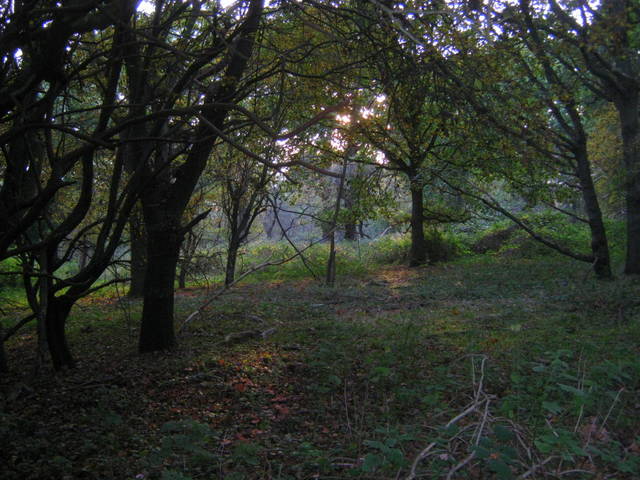
IMG_5871The wood

A little pale sunshine filtered down through the trees

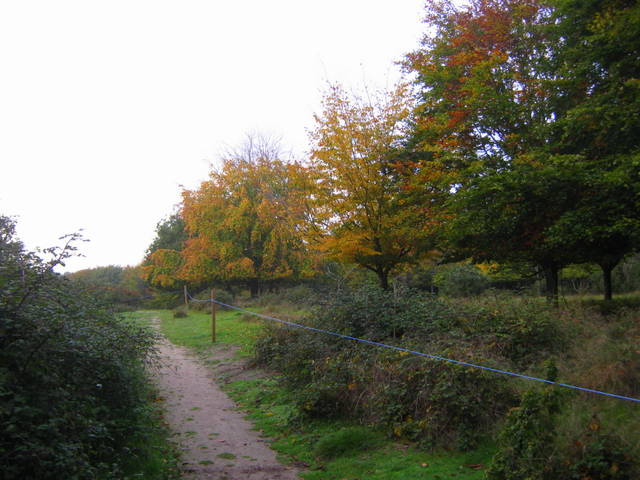
IMG_5874Path at Minsmere

I believe the section they have roped off here is where the Adders (Vipera berus) live.

This slideshow requires JavaScript.

IMG_5869Bramble flowers

We saw plenty of Bramble flowers (Rubus fruticosus agg.)

IMG_5876The wood

There was dead wood everywhere

IMG_5877Richard and Elinor

Richard and Elinor watching the rabbits on Warren Hill

IMG_5878Warren Hill

Lots of rabbits live here. The birds of prey appreciate this!

IMG_5879Sun through trees

We saw more of the sun as we neared sunset

IMG_5880Minsmere

Sun on the reeds and rushes

IMG_5882Minsmere

Minsmere at sunset

IMG_5883The wood

Edge of the wood

IMG_5886Minsmere

Sunset

IMG_5895The wood
IMG_5896The wood
IMG_5897Perhaps Lesser Water-parsnip

I think this may be Lesser Water-parsnip (Berula erecta) but I am probably wrong.

IMG_5898Lesser Water-parsnip

Here it is again showing its leaves

IMG_5900Pond

One of the many ponds

IMG_5901Fern

A fern

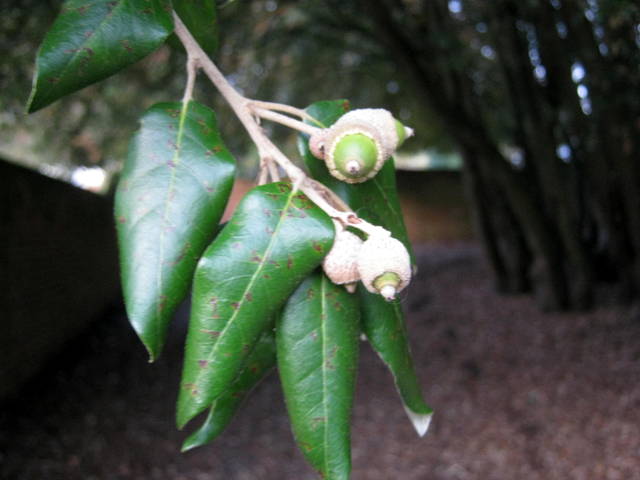
IMG_5903Holm oak

Holm or Evergreen Oak (Quercus ilex)

IMG_5905The wood
IMG_5907The wood
IMG_5909Minsmere

The bracken has turned such a rich colour

IMG_5910The wood

More dead wood

IMG_5914The wood

More colourful bracken

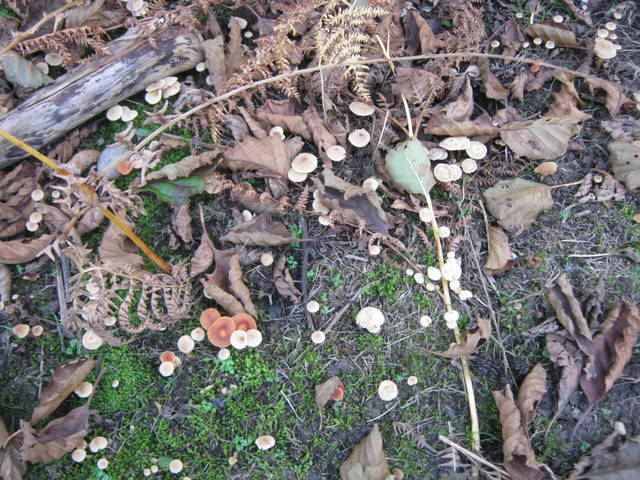
IMG_5915Fungus

The last fungus we saw – in the carpark!

Thanks for visiting!

Share this:

  • Share on X (Opens in new window) X
  • Share on Reddit (Opens in new window) Reddit
  • Share on Pinterest (Opens in new window) Pinterest
  • Share on Facebook (Opens in new window) Facebook
  • Email a link to a friend (Opens in new window) Email
  • Share on Tumblr (Opens in new window) Tumblr
  • Print (Opens in new window) Print
  • Share on LinkedIn (Opens in new window) LinkedIn
Like Loading...

A Walk on Ramshaw Rocks – Peak District Holiday

26 Mon Oct 2015

Posted by Clare Pooley in Days out, plants, Rural Diary, walking

≈ 30 Comments

Tags

bilberry, church of St Edward the Confessor, cotton grass, heather, Leek, Peak District, Pride and Prejudice, Ramshaw Rocks, rocks, Staffordshire Moorland, walking

Sunday 16th August was Richard’s birthday and we marked it quietly by attending one of the churches in Leek and then having an early lunch at one of our favourite cafés.  My own father died shortly before my birthday five years ago and so I knew a little how Richard was feeling.

The church we attended was St Edward the Confessor and we were comforted by the familiar words of the service and afterwards were made very welcome by members of the congregation.  I mentioned this church in a post I wrote about the visit we made last year to the Peak District.  In that same post is a mention of the favourite café.   We were concerned to see that the café was up for sale.  Would it still be there next time we visited Leek and if it was, would it still provide us with tasty oatcakes?

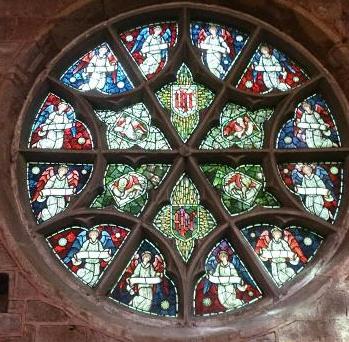
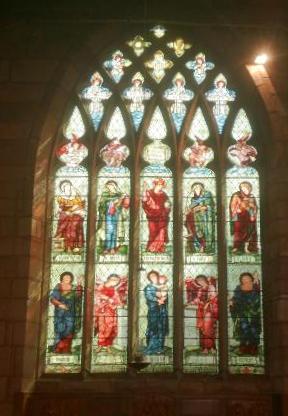
I didn’t take any photographs of the interior of the church but Richard did with his phone.  The church contains some beautiful embroidery and stained glass.

DSC_0558

Stained glass in the church of St Edward the Confessor, Leek

DSC_0559

Stained glass window – St Edward the Confessor

I know that one window in the north transept was designed by Edward Burne Jones and made by Morris and Co.  Not having any means of finding out for certain which of these two windows is the window I cannot tag the photo.  (I think it might be the round window).

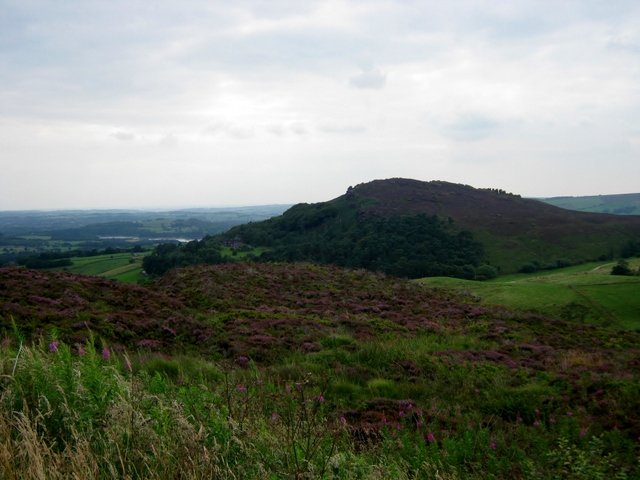
IMG_5449Hen Cloud

Hen Cloud from Ramshaw Rocks

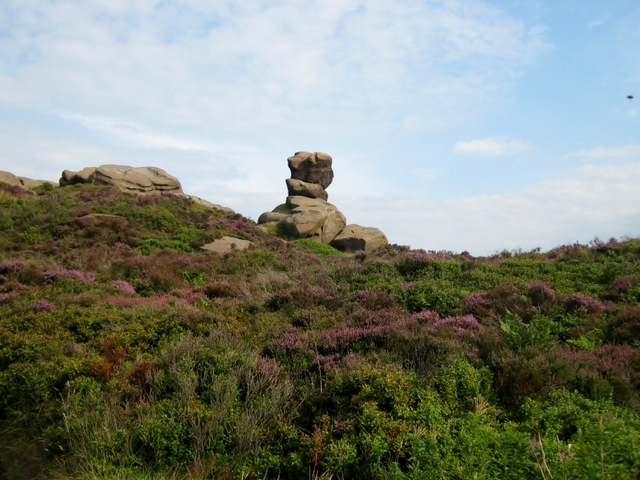
The following day, we drove the short distance to Ramshaw Rocks as we wanted to walk on them again.  We parked the car by the side of the narrow road and walked up to the first of the rocks – the one we call the ‘Top Hat’ rock.

IMG_5450Top hat rock

‘Top Hat’ rock. I expect you can’t understand why we call it that!

I can see another photo-bombing bee!

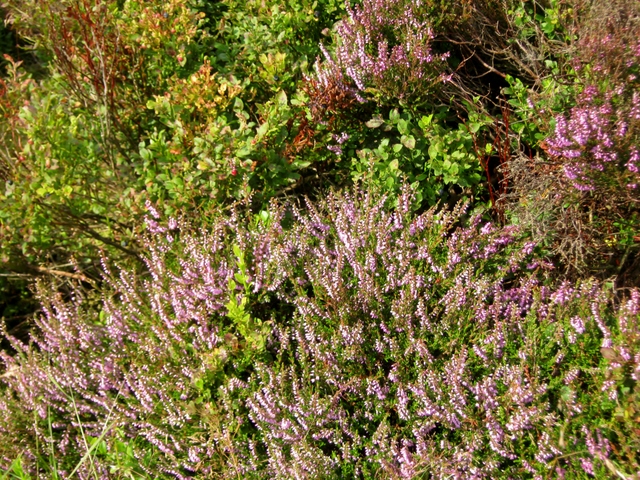
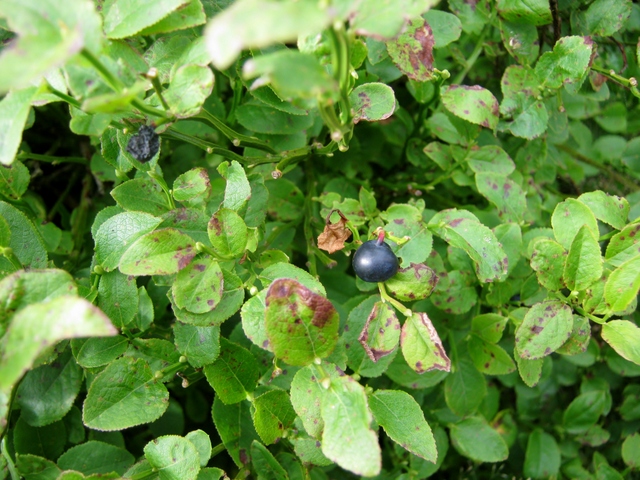
IMG_5451Heather and bilberries

Heather (Calluna vulgaris) and Bilberries (Vaccinium myrtillus)

IMG_5456Bilberry

A sweet and juicy bilberry!

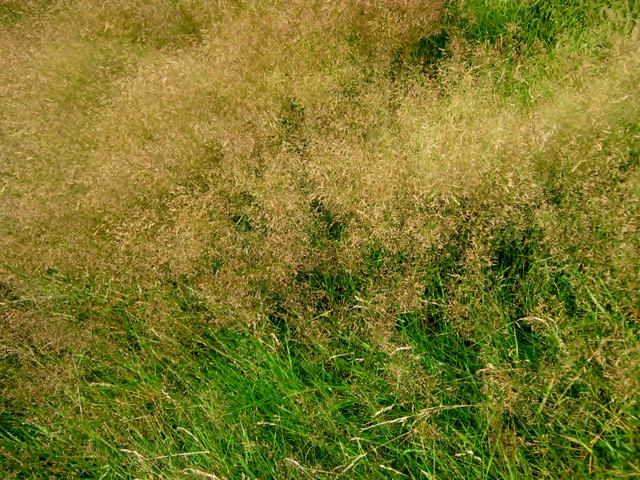
IMG_5452Grass

Beautiful grasses – possibly Tufted Hair-grass (Deschampsia cespitosa)

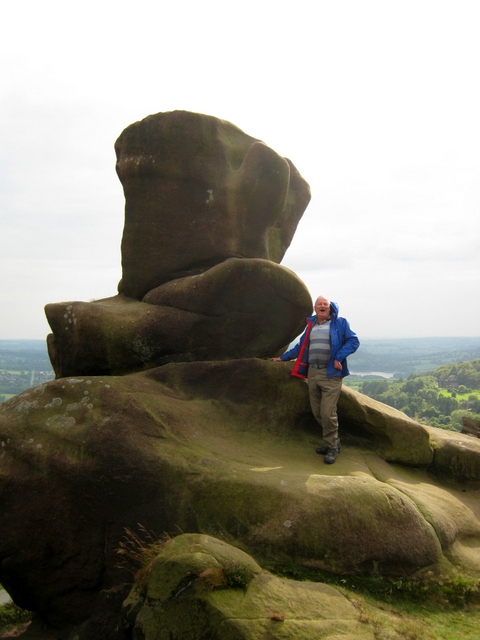
IMG_5454R at top hat rock

Perhaps you see now why we call it the ‘Top Hat’!

This rock may look familiar to some of you.  Perhaps I should give you a clue.  Stick with the link – you will see the rock eventually.  If you haven’t the patience, the rock appears at 4.38 minutes into the clip.

IMG_5495Top hat

This rock can be seen very clearly from the road on your left as you go north along the A53 from Leek to Buxton.

This slideshow requires JavaScript.

The photos in the slideshow are all of the rocks we saw on our walk.

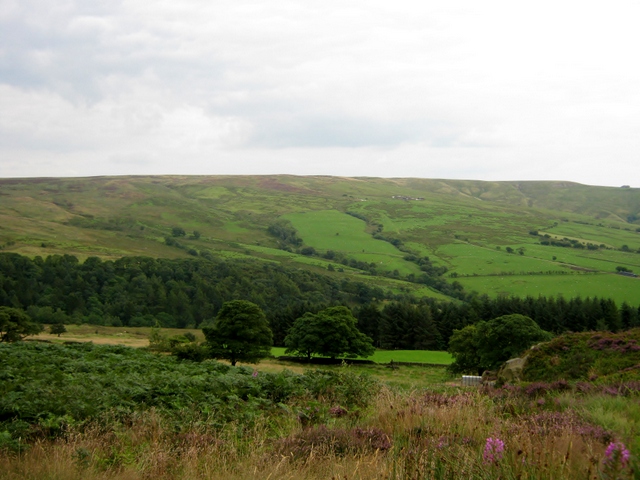
IMG_5459View from RamshawRocks

A view of the surrounding countryside from Ramshaw Rocks

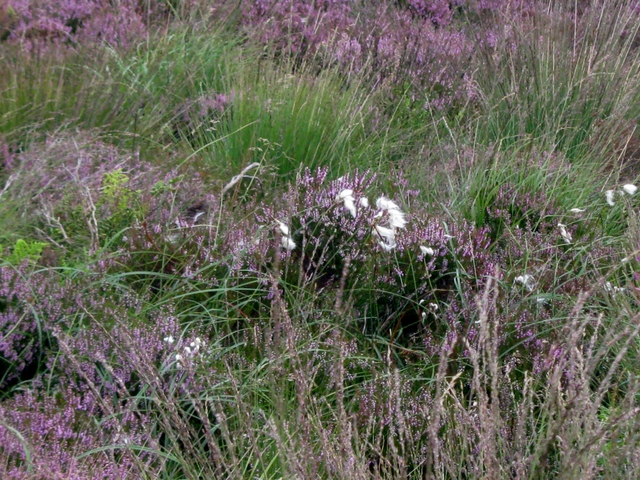
IMG_5461Common Cotton-grass still in flower

I was surprised to see this Common Cotton-grass (Eriophorum angustifolium) still in flower in August

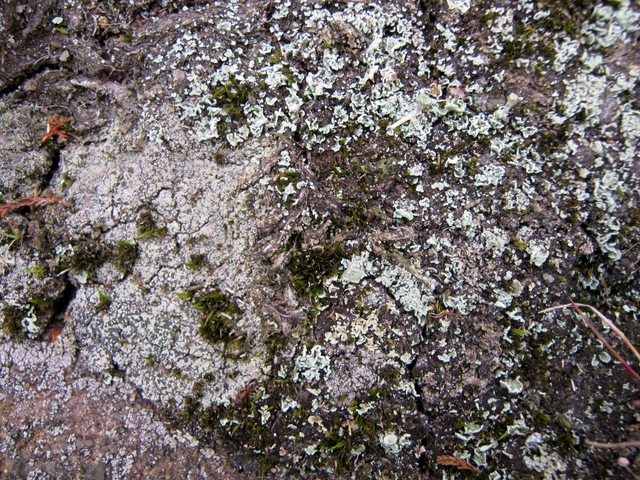
IMG_5462Lichen and moss on rock

Lichen and moss on a rock

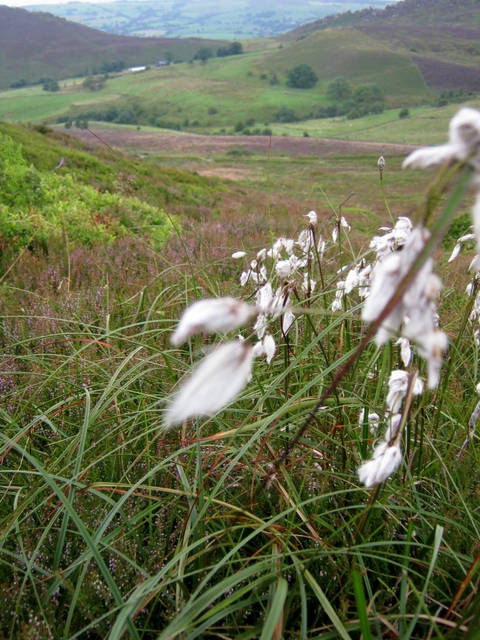
IMG_5467Common Cotton-grass

More Common Cotton-grass

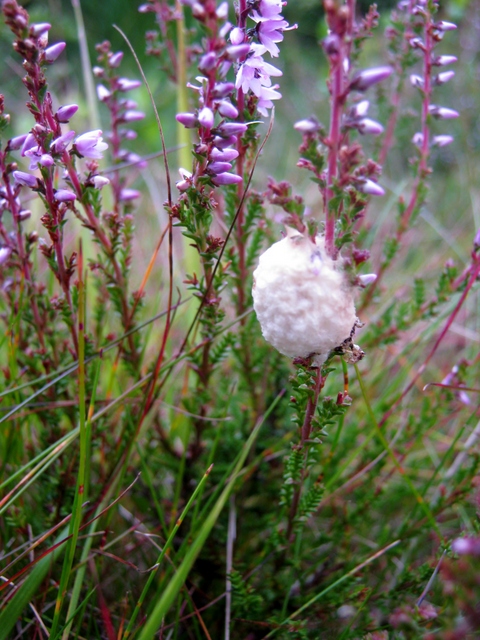
IMG_5468Cocoon on heather

A cocoon on Heather. I don’t know what made the cocoon.

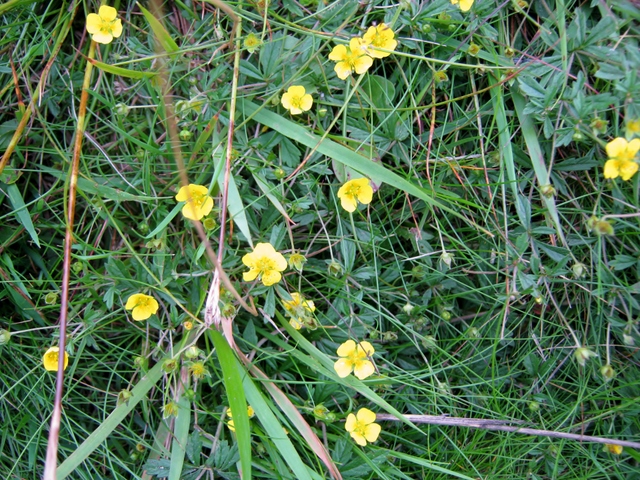
IMG_5471Tormentil

Tormentil (Potentilla erecta)

IMG_5475R climbing

Richard climbing up the hill

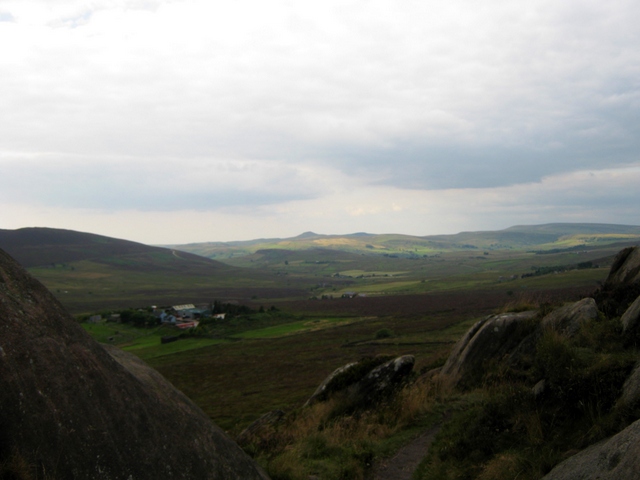
IMG_5476View from R Rocks

A view

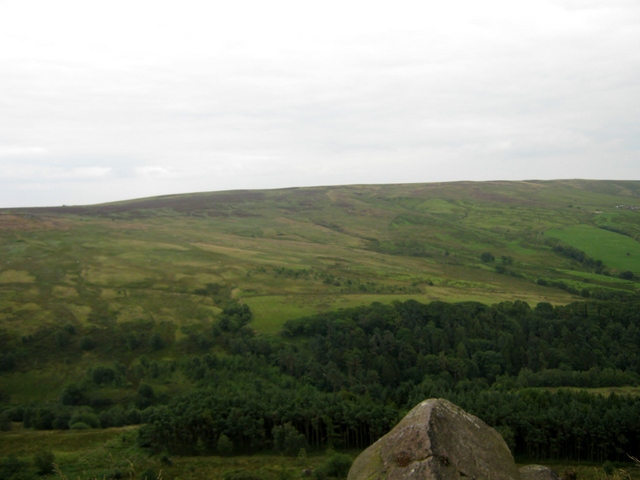
IMG_5477View of hills

and another!

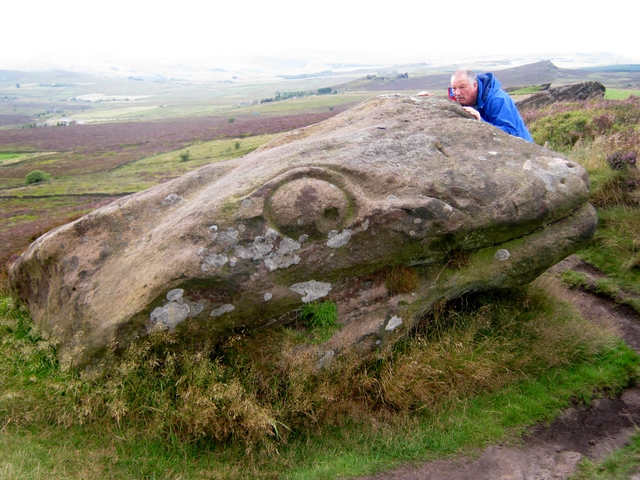
IMG_5479R and carved rock

Richard and the carved boulder

This slideshow requires JavaScript.

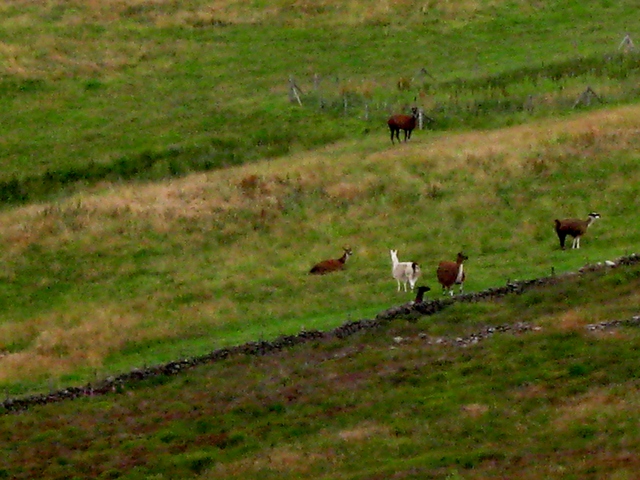
IMG_5463Alpacas

Alpacas

IMG_5488Unknown flower

This is some type of Bedstraw plant. Note the pink spots on the flower buds.

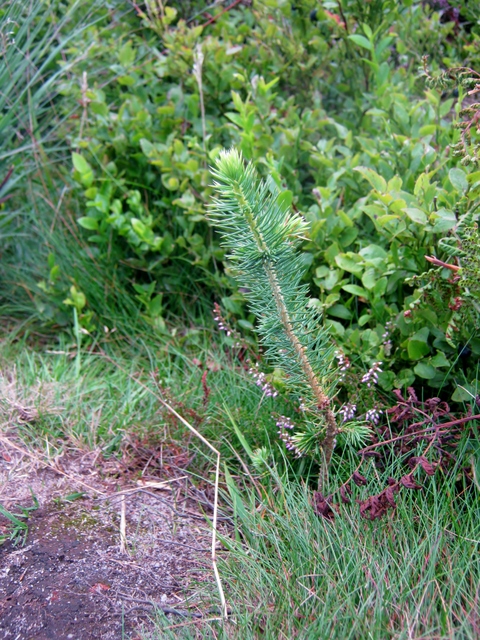
IMG_5493Tiny fir tree

I found this tiny fir tree next to the path.

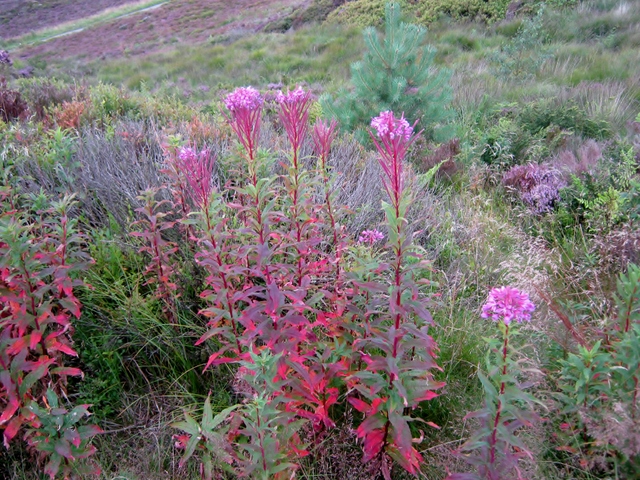
IMG_5494Rosebay-willowherb

This colourful Rosebay Willowherb (Chamerion angustifolium) caught my eye.

We had by this time walked back to near where we had begun our walk.  We returned to our caravan for our evening meal and a hot drink.

Thanks for visiting!


Share this:

  • Share on X (Opens in new window) X
  • Share on Reddit (Opens in new window) Reddit
  • Share on Pinterest (Opens in new window) Pinterest
  • Share on Facebook (Opens in new window) Facebook
  • Email a link to a friend (Opens in new window) Email
  • Share on Tumblr (Opens in new window) Tumblr
  • Print (Opens in new window) Print
  • Share on LinkedIn (Opens in new window) LinkedIn
Like Loading...

A Walk in the Peak District.

17 Sat Oct 2015

Posted by Clare Pooley in Days out, Insects, plants, Rural Diary, trees, walking

≈ 45 Comments

Tags

butterfly, caves, Manifold Valley, Peak District, plants, sheep, squash stile, Thor's Cave, walking, Wetton, wild flowers

Not only did we have a week’s holiday in the Lake District this summer but we also went to the Peak District for a week.  I have already told you about the sad start to this break – the death of my mother-in-law on the day of our arrival.  We spent the first full day of our holiday with my brother-in-law but after that there wasn’t anything else to do but wait until we were told by the Coroner that we could arrange the funeral.

We thought we might as well stay in the Peaks and not abandon our holiday.  If Chris (my brother-in-law) needed us we would be close at hand.  We thought we would find comfort in walking in this beautiful part of the country.

After lunch on Saturday 15th August we drove to the village of Wetton in Staffordshire from where we intended to walk along the Manifold Valley.  We drove along a very scenic road en route to Wetton.

IMG_5345The Roaches and Hen Cloud from top road

The Roaches and Hen Cloud (the nearest hill) seen from the road.

IMG_5346View from top road

Another view of The Roaches. The Rocks look like spikes on the spine of a dinosaur.

IMG_5348View from top road

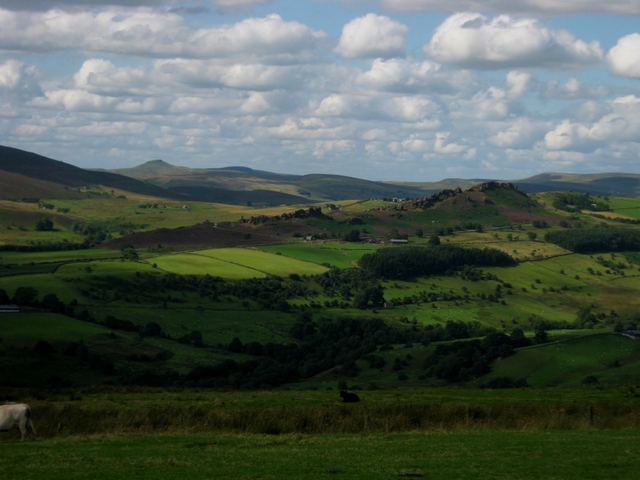
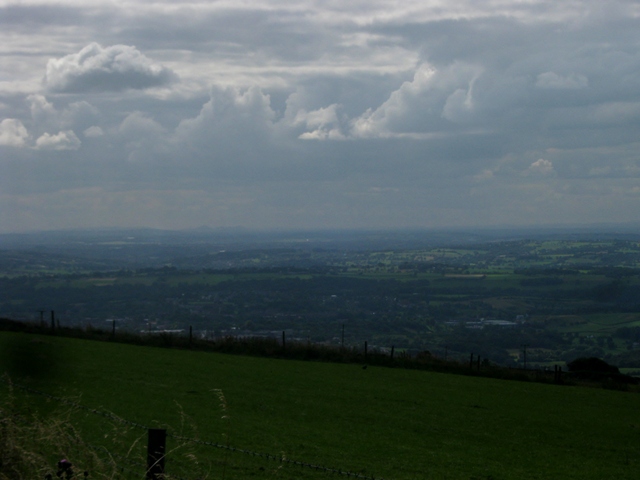
We could just see the Welsh hills on the far horizon beyond the flat Cheshire Plain.

We got to Wetton and found the car park near the centre of the village.  The buildings and houses in the village are mainly made of stone and the church, which was built in the 14th century has an exterior staircase to the belfrey which contains six bells.  The Royal Oak pub, which owns a camping field next to the car park is also the venue for the World Toe Wrestling Championships which began in the 1970’s!

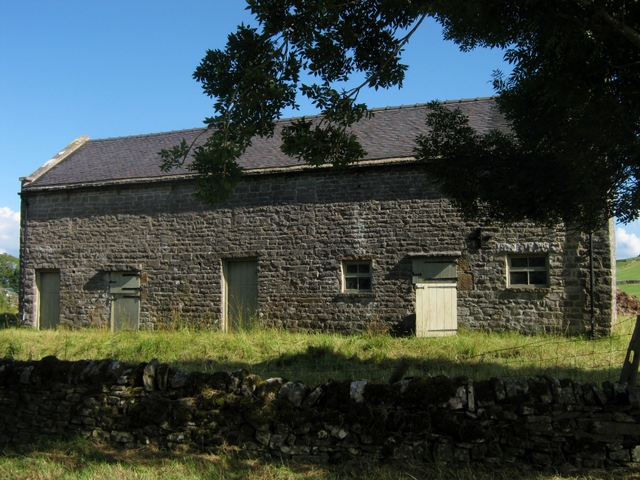
IMG_5349Barn

One of the buildings of Wetton.

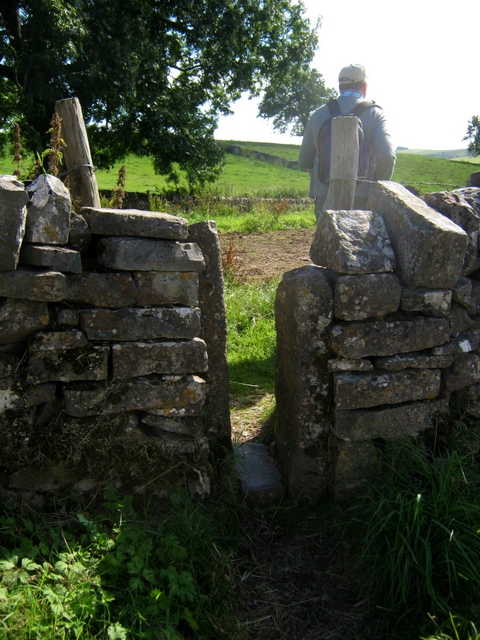
IMG_5350Squash stile

Another of those squash stiles which let tall and/or thin people through but not livestock or short people with generously proportioned legs etc.

IMG_5351R and river valley ahead

Richard and I crossed this field which sloped steeply down into the deep valley of the River Manifold.

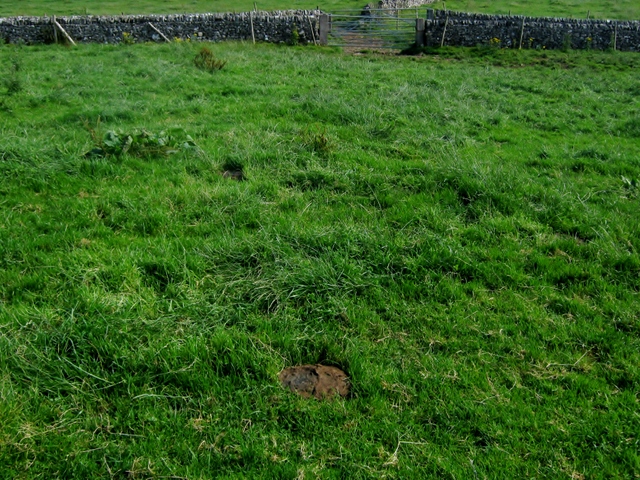
IMG_5352Cow pat

There were many hazards.

IMG_5355Seed-head

A colourful seed-head – probably Hogweed (Heracleum sphondylium).  We also saw a number of Betony (Stachys officinalis) flowers but none of my photos were any good.

IMG_5354Down to river valley

The route down to the river valley

At the bottom of the field we crossed a couple of stiles and entered a wood.

IMG_5358Walk through the wood

Path through the wood

IMG_5359Rhododendron leaves

Lots of invasive Rhododendron seedlings

IMG_5360Steps up through wood

Steps up through the woods

IMG_5362Steps up through wood

Yet more steps! Gasp! Puff!

We were going to see Thor’s Cave.

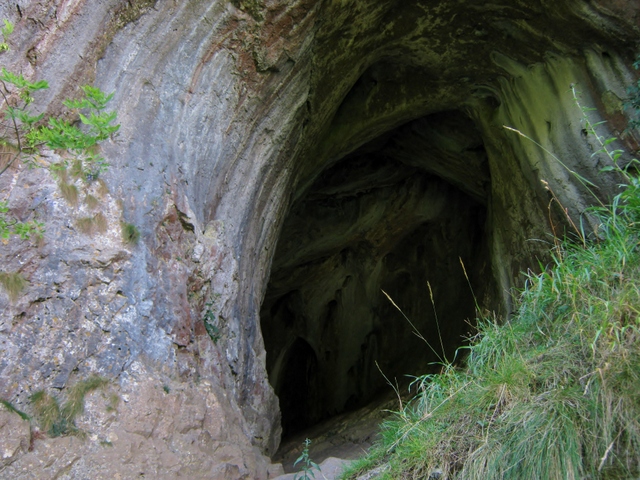
IMG_5365Thor's cave

Thor’s Cave

This is a Karst Cave i.e. it was formed from the dissolution of soluble limestone.  The entrance is just over 18m up on the hillside and the opening is a symmetrical arch, 7.5m wide and 10m high.  I don’t think there is any connection between this cave and the god Thor; the name probably derives from the word ‘tor’ meaning a hill or rocky peak.   I was most disappointed to find that I didn’t have the ability to climb up to the entrance from the path.  I had to wait outside while Richard explored inside.

This slideshow requires JavaScript.

You can see minute-me waving at Richard in one of the photos above.  This will give you some idea of the size of the cave.

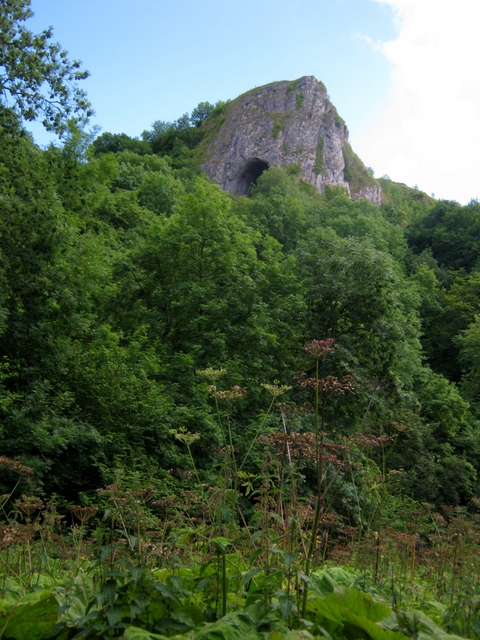
IMG_5391Thor's cave

This is what the entrance to the cave looks like from the path below.

While Richard enjoyed himself in the cave, I kept myself busy looking for things to photograph outside.

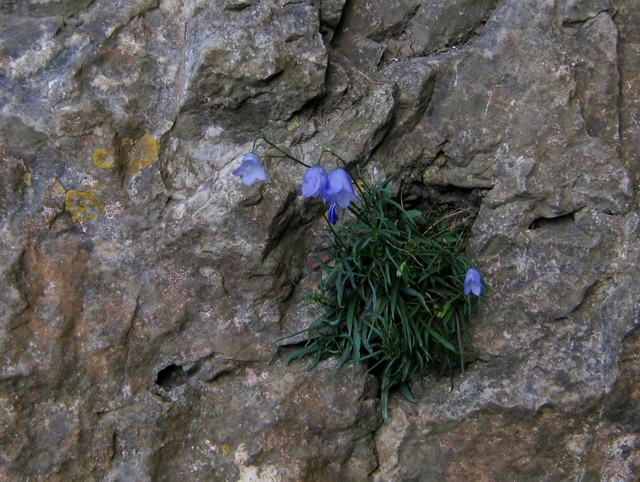
IMG_5377Hare bells (2)

Harebells (Campanula rotundifolia) growing out of a crevice in the stone.

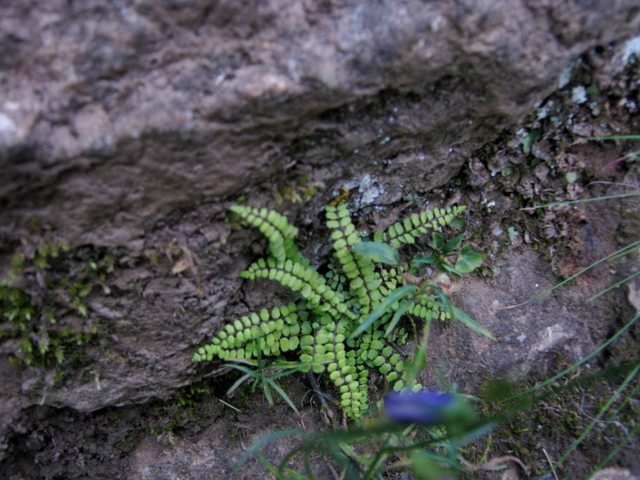
IMG_5380Tiny maidenhair spleenwort

A tiny Maidenhair Spleenwort (Asplenium trichomanes).

IMG_5382Jacob's Ladder

Jacob’s-ladder (Polemonium caeruleum)

IMG_5383Another cave

I saw another cave entrance below us.

After Richard emerged from the cave we walked back down to the valley-floor.

IMG_5387Vegetation in the valley

Lots of different plants grew in the scree and rocks of the river-bed alongside the path. There were many wild raspberry canes with ripe fruit but again my camera failed to focus on them.

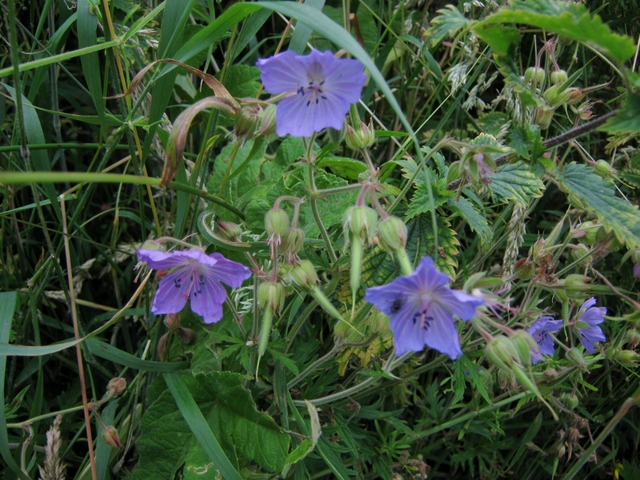
IMG_5392Meadow Crane's-bill

Meadow Crane’s-bill (Geranium pratense) next to the path.

IMG_5393Meadow Crane's-bill

I’m including another photo of these flowers because I like them! You can see that the seed-heads look a little bit like crane’s heads.

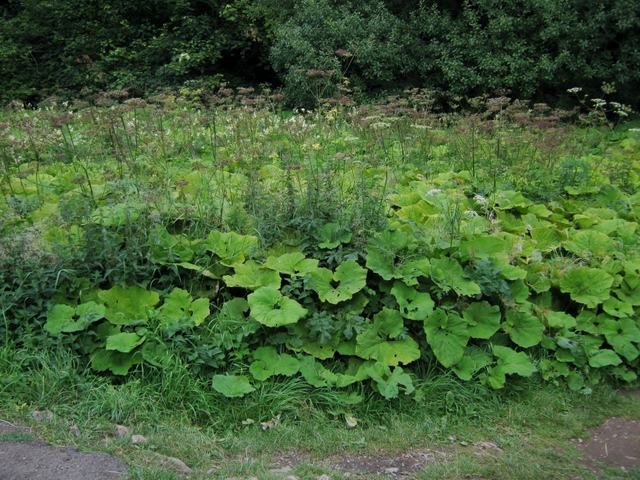
IMG_5394Wild Rhubarb or Butterbur

The large leaves of Butterbur (Petasites hybridus). Also known as Wild Rhubarb, the heart-shaped leaves can be up to 1m/3 ft across.

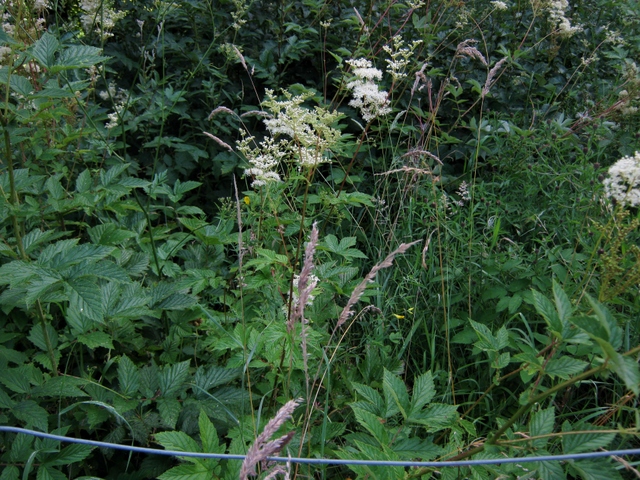
IMG_5395Meadowsweet

This Meadowsweet (Filipendula ulmaria) was so strongly and beautifully  scented!

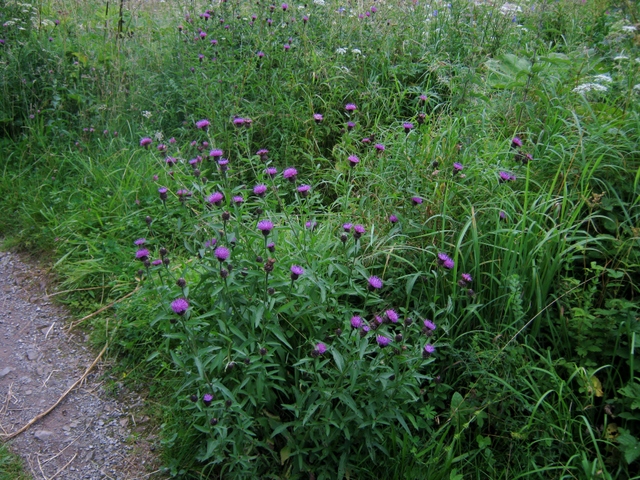
IMG_5396Common Knapweed

Common Knapweed (Centaurea nigra)

Wild flowers
Wild flowers
Wild flowers
Wild flowers
IMG_5399Former railway line

The path we were walking along was the former Leek and Manifold Light Railway line.  There had even been a station at Thor’s Cave!

This also explains all the well-made steps up to the cave.

IMG_5400View of hill from path

View of a hill from the path.

IMG_5401Meadow Vetchling

Meadow Vetchling (Lathyrus pratensis)

IMG_5402Red Campion and Bramble

Red Campion (Silene dioica) and Bramble (Rubus fruticosus agg.)

IMG_5403Meadowsweet

More Meadowsweet.

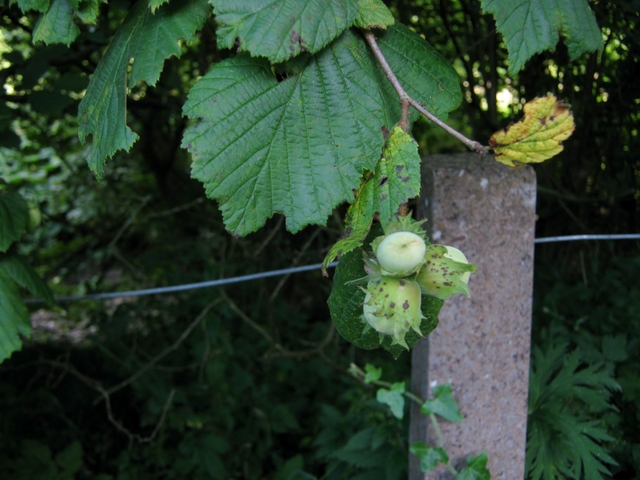
IMG_5404Hazel nuts

Ripening Hazel nuts (Corylus avellana)

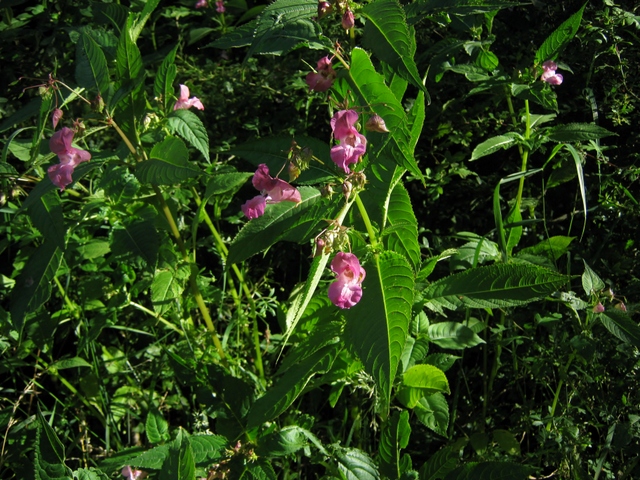
IMG_5405Indian Balsam

The pretty flowers of the terribly invasive Indian Balsam (Impatiens glandulifera)

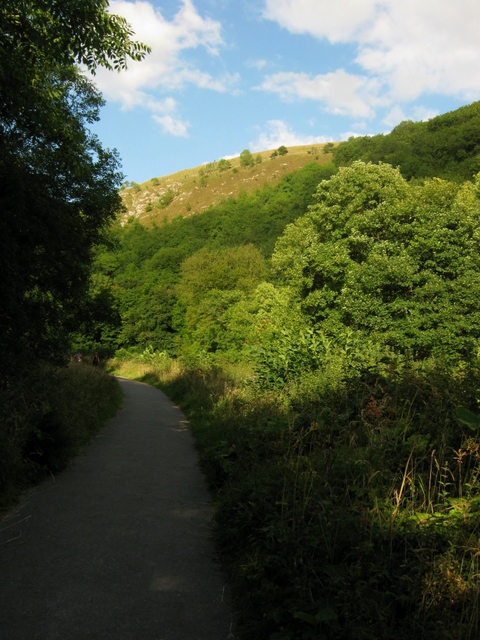
IMG_5406The path

Another view of the path.

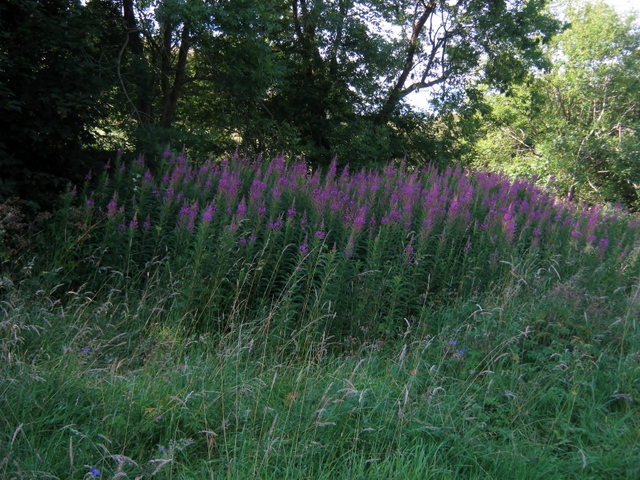
IMG_5407Rosebay Willowherb

Lots of Rosebay Willowherb (Chamerion angustifolium)

IMG_5408Dry river-bed

This is the dry river bed of the Manifold.

In anything other than very wet weather the river disappears into swallowholes and flows through caves and subterranean passages and reappears at Ilam further downstream.

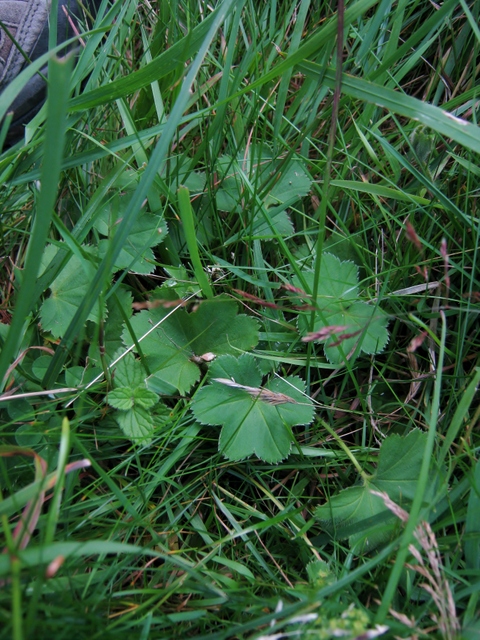
IMG_5409Lady's Mantle

Lady’s-mantle (Alchemilla vulgaris agg.)

IMG_5410Field Scabious

Field Scabious (Knautia arvensis)

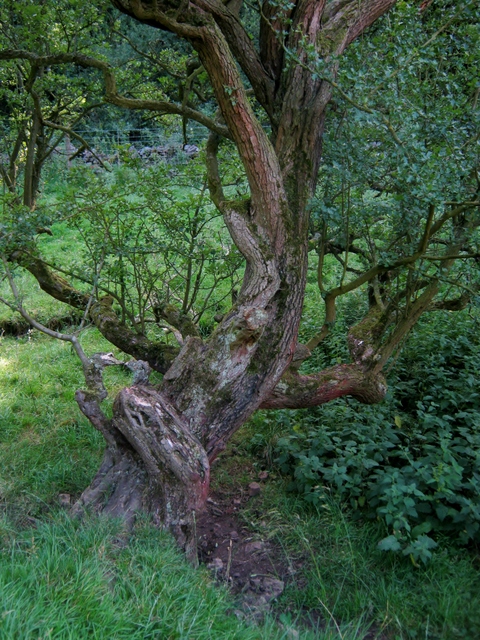
IMG_5416Gnarled tree

A wonderfully gnarled and twisted tree.

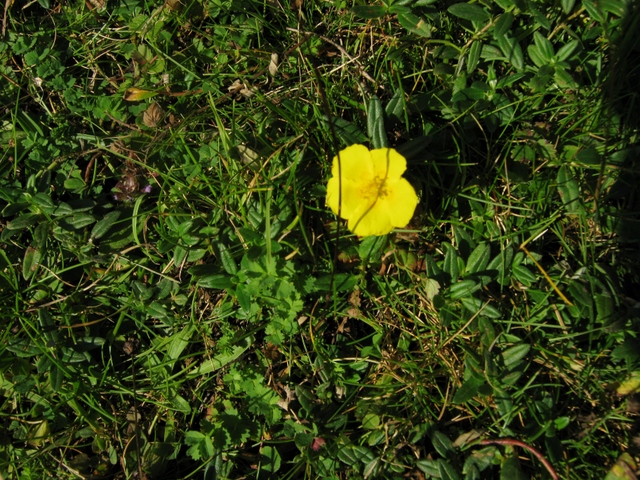
IMG_5417Cinquefoil

Cinquefoil.  I think this is probably Creeping Cinquefoil but the leaves in the photo aren’t quite what I expect from Creeping Cinquefoil.

IMG_5419Hill and valley

Hill and valley.  We had left the old rail-track behind us.

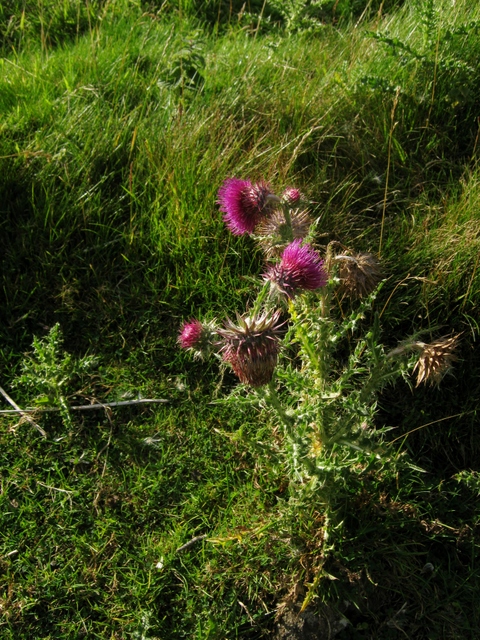
IMG_5420Musk Thistle

Musk Thistle (Carduus nutans) with its drooping flower-heads

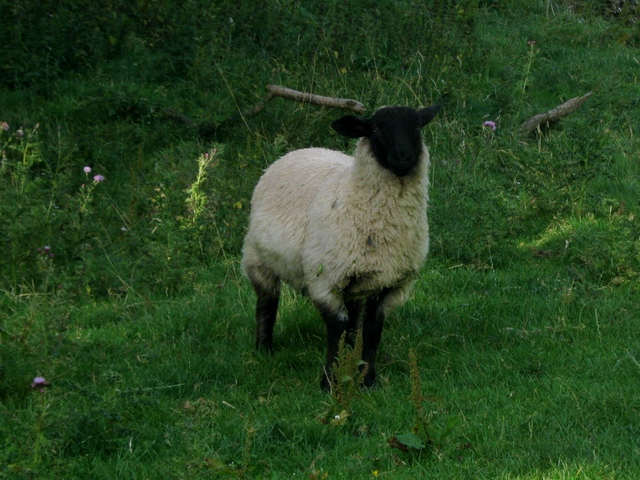
IMG_5422Lamb

A black-faced lamb

IMG_5423R on our walk

Richard walking along the track

IMG_5425Creeping thistle

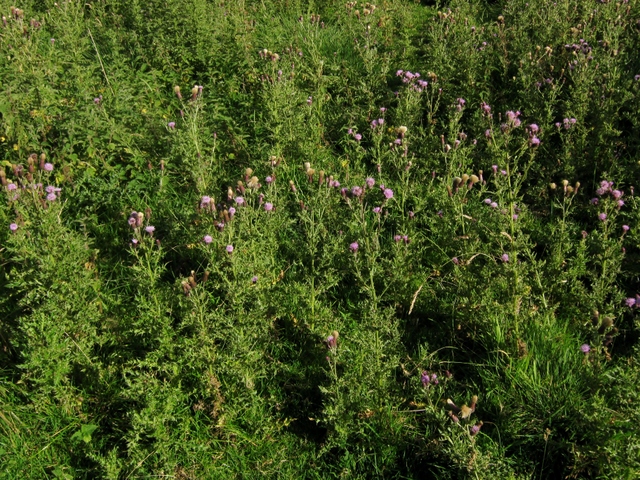
Creeping Thistle (Cirsium arvense)

It was about this stage in our walk that we missed a landmark and went up a hill on the wrong side of a wall.

IMG_5426Stream

A stream

IMG_5428Tufted Forget-me-not

Tufted Forget-me-not (Myosotis laxa)

IMG_5429Small Heath

Small Heath butterfly (Coenonympha pamphilus)

IMG_5430Farmhouse

I took a photo of this house little realising that we should have gone past it and then climbed the hill.

IMG_5431Sheep

‘You’re on the wrong side of the wall, you fools!’, said the sheep.

IMG_5432Sheep tunnel

I took a photo of this sheep tunnel (note my shadow) little realising we could have used it to get onto the right side of the wall!

IMG_5433Stone wall

The wall. We little realised we could have climbed over it at this point.

View from the hillside
Another view
Another view
Sun setting behind a hill
IMG_5441R on our walk

It was here that it dawned on us we were heading for the wrong valley.

We re-traced our steps right back to the house I had photographed earlier.

IMG_5443Rock Stonecrop

Rock Stonecrop (Sedum forsterianum). This specimen was probably a garden escapee as the plant is only native in the SW of England.

IMG_5445Possibly Bogbean

I am not sure what this plant is. I think it might be Bogbean (Menyanthes trifoliata) but I am not sure. My guide says that the emergent leaves of Bogbean have the texture and appearance of broad bean leaves which I would say these do.  However….

IMG_5448Knotgrass

Knotgrass (Polygonum aviculare)

And that was the last photo I took you’ll be pleased to know.  Only when we got back to the house and saw that the correct path went up the same, long, steep hill that we had just climbed and then come down again, but on the other side of that wall that we realised exactly what we had done and what we still had to do.  I must admit that our hearts sank and we suddenly felt very tired.  We did it though; and got back to the car before the sun set.  We were tempted to have a meal in the pub but thought how late we would get back to our caravan if we did so.  We were very thankful to find the car and then return to the caravan site.

Thanks for visiting!

Apologies for the length of the post.


Share this:

  • Share on X (Opens in new window) X
  • Share on Reddit (Opens in new window) Reddit
  • Share on Pinterest (Opens in new window) Pinterest
  • Share on Facebook (Opens in new window) Facebook
  • Email a link to a friend (Opens in new window) Email
  • Share on Tumblr (Opens in new window) Tumblr
  • Print (Opens in new window) Print
  • Share on LinkedIn (Opens in new window) LinkedIn
Like Loading...

A Walk in Whinlatter Forest

05 Mon Oct 2015

Posted by Clare Pooley in Days out, Insects, plants, Rural Diary, walking

≈ 40 Comments

Tags

bolete, butterfly, cat's-ear, Climbing Corydalis, common ragwort, Forestry Commission, Fox-and-cubs, fungus, heather, lady's-mantle, lichen, moss, pixie-cup lichen, ringlet, walking, Whinlatter Forest, wild flowers

Alice came to visit us on the last day of our holiday in the Lake District.  We met her off the train in Penrith at about 10.00 am and took her back to our rented cottage for a cup of tea.  After catching up with all her news we took her to Whinlatter Forest which we had visited briefly earlier in the week, as Elinor wanted to show it to her sister.

IMG_5237Whinlatter Forest

This is another Forestry Commission forest and is mainly planted with non-native trees.

Not only are there a number of tracks through the woods for walking and mountain biking but they also have segways for hire too.  There are trails designed to appeal to small children and zip wires and swinging on ropes for very active people.

We walked.

IMG_5238Whinlatter Forest

Whinlatter Forest

Alice is a fast walker so she and Richard went ahead.  I am forever on the lookout for interesting plants and insects and take lots of photos and Elinor can’t walk fast or far so we both kept together.

IMG_5239Alice and Richard in the forest

Alice and Richard waiting for Elinor and me.

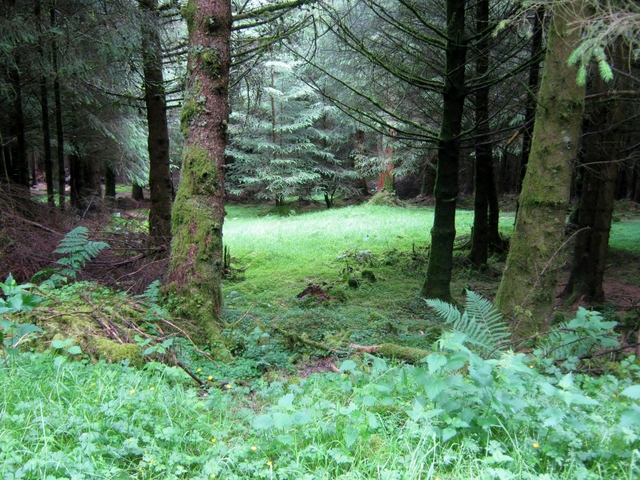
IMG_5240Forest glade

Elinor liked this forest glade.

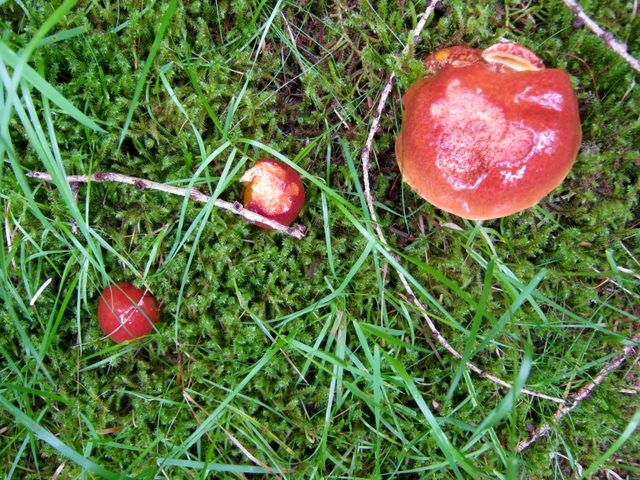
IMG_5243Bolete fungus perhaps

A Bolete fungus.  I cannot identify this one.

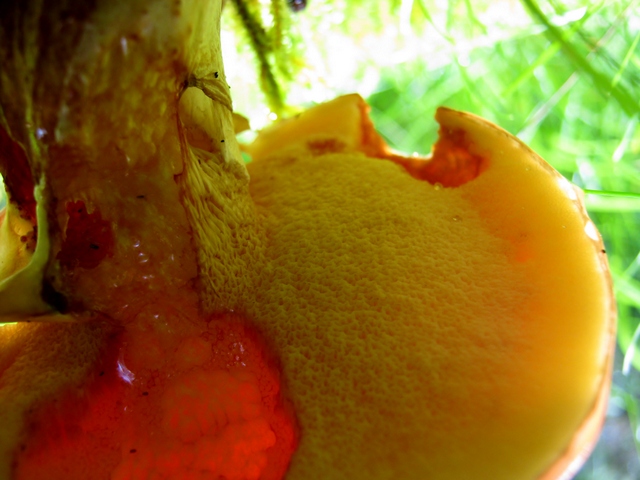
IMG_5244Underside of the Bolete

Looking at the underside of the toadstool.   The photo shows that Boletes do not have gills but spongy tissue with pores in. This fungus has been eaten by something.

IMG_5245Climbing Corydalis

Climbing Corydalis (Ceratocapnos claviculata)  Not a very good picture.

IMG_5247Heather

Heather (Calluna vulgaris) in bud with a faded Cat’s-ear (Hypochaeris radicata)

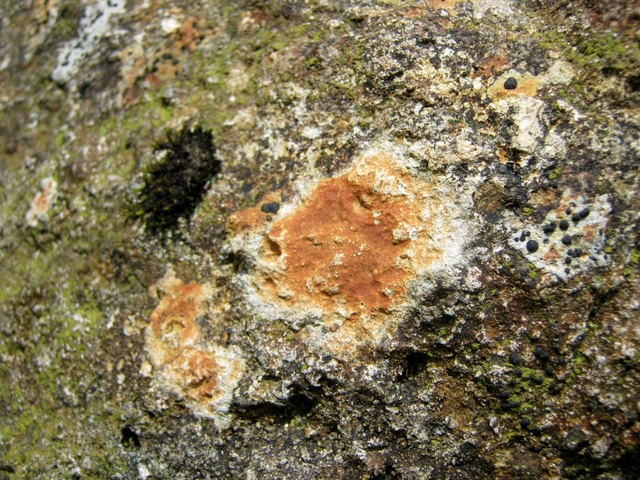
IMG_5249Lichen

Lichen

IMG_5254Fox and cubs

Fox-and-cubs (Pilosella aurantiaca) with yellow Cat’s-ear

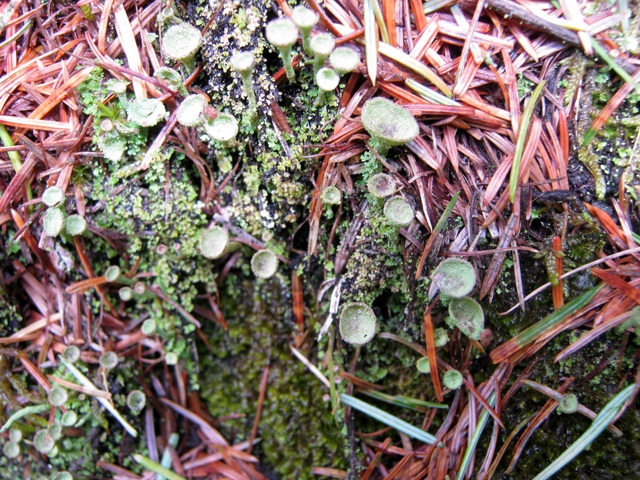
IMG_5250Lichen perhaps Cladonia pyxidata

I believe this lichen is Cladonia pyxidata – Pixie-cup Lichen

You can see how small these little cups are by comparing them with the pine needles next to them.

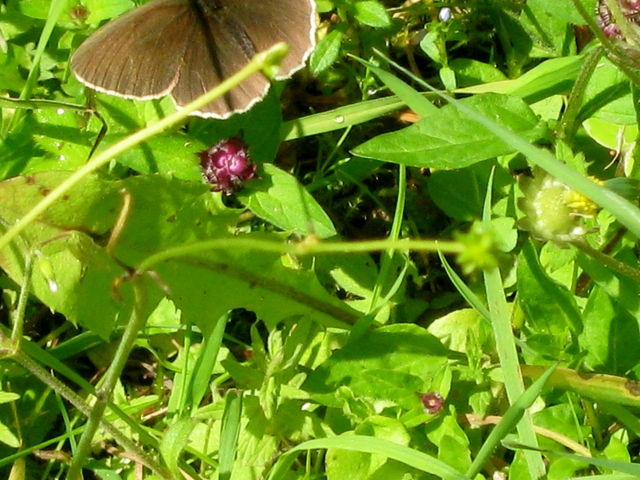
IMG_5251Ringlet perhaps

This butterfly flew next to us for some way along a sunny track. I tried to photograph it countless times and this time thought I had managed it….

The reason I really wanted to get a photograph of it was that I thought it looked like a Ringlet butterfly but they usually have eye-spots on their wings.   I have since done some research and I believe it is likely to be a Ringlet (Aphantopus hyperantus) as sometimes they are seen without eye-spots.  What is confusing is that all references to Ringlets state that they aren’t found in the north-west of England!  I am sending my inadequate photo to ukbutterflies.co.uk to see what they make of it.

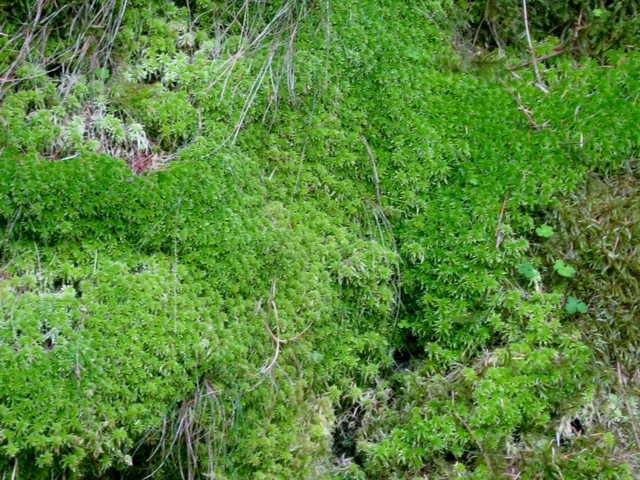
IMG_5252Moss

Yet more moss!

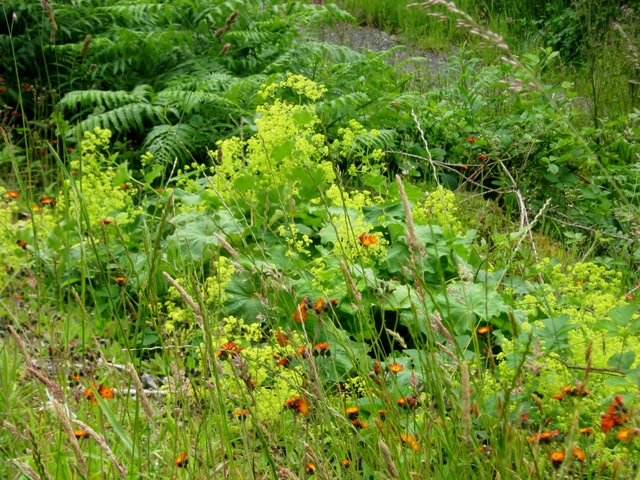
IMG_5256Lady's-mantle

Lady’s-mantle (Alchemilla vulgaris agg) behind more Fox-and-cubs

IMG_5258Common Ragwort

Common Ragwort (Senecio jacobaea)

IMG_5255Fell view

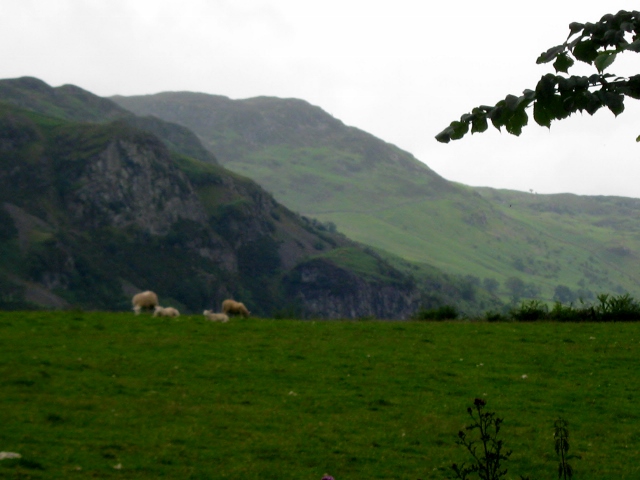
View of the surrounding fells (hills)

IMG_5253Skiddaw

This fell is Skiddaw

We returned to the carpark and went into the café and had a drink and a sandwich.  We took Alice back to our cottage for a while until it was time for her to catch her train to Sheffield.  We spent the rest of the day cleaning the cottage and packing for our journey  home the following day.

Thanks for visiting!


Share this:

  • Share on X (Opens in new window) X
  • Share on Reddit (Opens in new window) Reddit
  • Share on Pinterest (Opens in new window) Pinterest
  • Share on Facebook (Opens in new window) Facebook
  • Email a link to a friend (Opens in new window) Email
  • Share on Tumblr (Opens in new window) Tumblr
  • Print (Opens in new window) Print
  • Share on LinkedIn (Opens in new window) LinkedIn
Like Loading...

Dobgill Waterfall

02 Fri Oct 2015

Posted by Clare Pooley in Days out, plants, Rural Diary, walking

≈ 27 Comments

Tags

Dobgill, Dobgill Wood, foxglove, fungus, heath bedstraw, larch trees, liverwort, moss, Phytophthora ramorum disease, tree-felling, walking, waterfall, wood sorrel

After leaving Elinor in the car to rest (see previous post Thirlmere Reservoir) Richard and I began the steep climb up to see the waterfall.

IMG_5210Ramorum sign

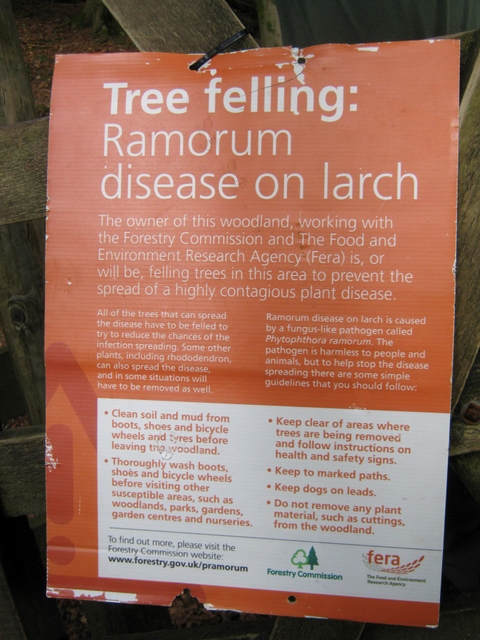
The sign that was attached to the gate leading into the upper wood.

This is yet another disease that is killing our trees.  I have found an interesting and informative article on a Forestry Commission site about Ramorum disease and I include it here.  It includes a video in which an expert goes over a diseased tree and points out and explains the symptoms.

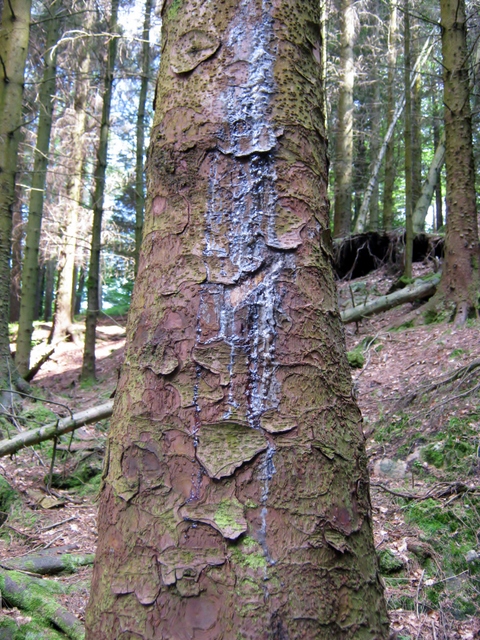
IMG_5211Oozing tree

Almost the first tree I saw showed symptoms of a bleed.

IMG_5212Dobgill wood

Tree-felling in Dobgill wood.

I don’t know why the stone wall was here.  Perhaps it had been constructed before the trees were planted.  Just behind the trees in the photo is a sheer rock face.

IMG_5213Dobgill wood

There was a marked difference between the wood below the car-park near the lake and this part of the higher wood.

IMG_5214Dobgill wood

The trees struggle to grow up between boulders. The native deciduous trees have been left standing.

IMG_5215Chewed fungus

Chewed fungus

IMG_5216Path up through wood

This is the steep stony path we took up through the wood.

IMG_5217Dobgill falls

Dobgill Falls

IMG_5225Dobgill falls

Dobgill Falls

IMG_5227

Dobgill Falls

The climb was very tiring because so steep and rough under-foot and I’m not sure that the falls were really worth the struggle to get to see them.  However, Richard and I were very pleased with ourselves at having managed to get to the top.  After a short rest to get our breath back we began to walk back down the hill.

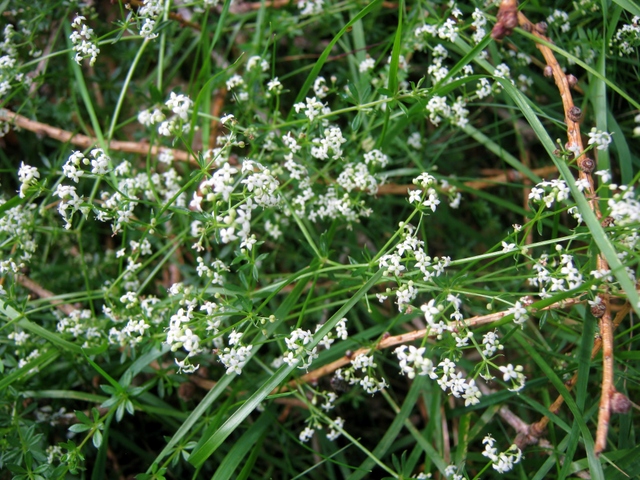
IMG_5223Heath Bedstraw

Heath Bedstraw (Galium saxatile)

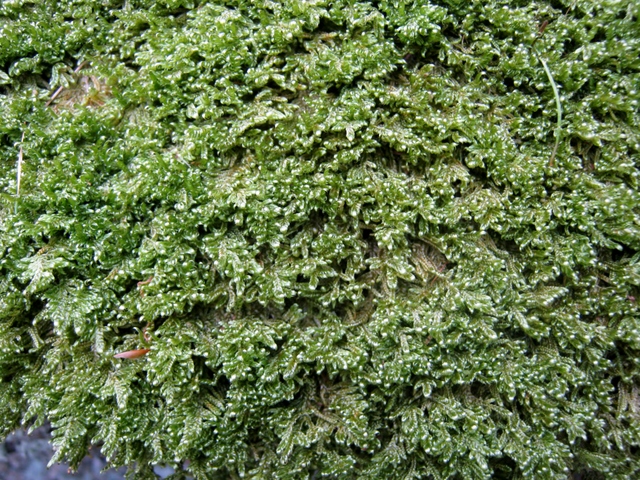
IMG_5224moss

Hypnum cupressiforme moss / Cypress-leaved Plait-moss

I love this moss.  It looks as though it is made from plaited silk.

IMG_5228Wood Sorrel leaves

Wood Sorrel leaves (Oxalis acetosella)

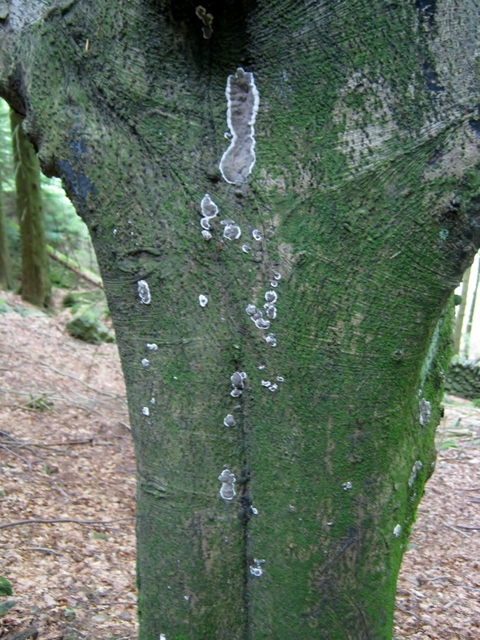
IMG_5230Fungus on dead tree

Fungus (I think) on dead tree

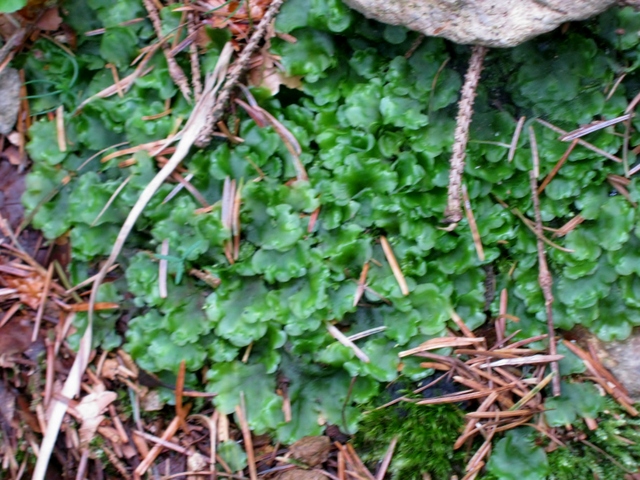
IMG_5234Liverwort

Not a very clear photo of some liverwort

IMG_5236Dobgill wood

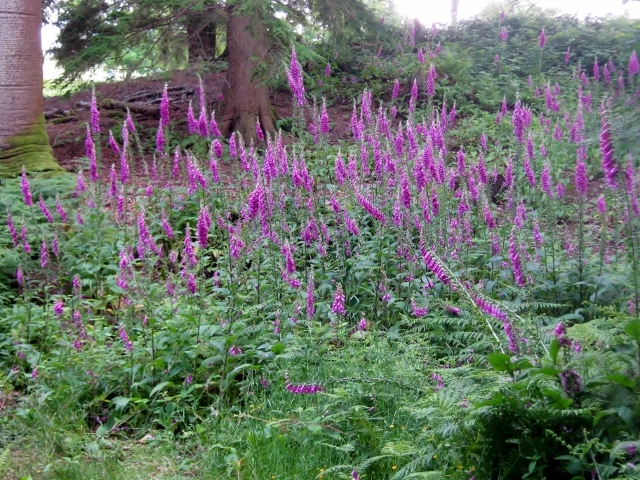
Foxgloves (Digitalis purpurea) in Dobgill Wood

I found walking in this upper wood rather a sad experience with disease and death all around.  Because most of the trees in this part of the wood are non-native there are fewer insects, birds, wild flowers and plants than in the lower wood.  Those non-native trees are now being killed by an incurable disease (also known as Sudden Oak Death).  I hope that by destroying these trees the spread of Ramorum can be slowed down and that one day a cure can be discovered.  It would be nice to think that the native trees in the wood that are unaffected might now be able to grow and spread and native wildlife might return.

Thanks for visiting!
 

Share this:

  • Share on X (Opens in new window) X
  • Share on Reddit (Opens in new window) Reddit
  • Share on Pinterest (Opens in new window) Pinterest
  • Share on Facebook (Opens in new window) Facebook
  • Email a link to a friend (Opens in new window) Email
  • Share on Tumblr (Opens in new window) Tumblr
  • Print (Opens in new window) Print
  • Share on LinkedIn (Opens in new window) LinkedIn
Like Loading...

Derwentwater and Ashness Bridge

18 Tue Aug 2015

Posted by Clare Pooley in Days out, plants, Rural Diary, walking

≈ 32 Comments

Tags

Ashness Bridge, Derwentwater, Keswick, Lake District, Skiddaw, St Swithin's Day, wild flowers

For our wedding in 1994 we were given a gift of place mats and coasters by one of Richard’s friends.  The mats were decorated with paintings of Lake District attractions – Beatrix Potter’s cottage, The Bridge House at Ambleside and so on.  One of the pictures was a really attractive painting of Ashness Bridge, and for some time we had no idea where it could be found.  Before we left home we decided that as we were staying near Derwentwater, we ought to include it on one of our trips.

The day was bright and sunny and as it was St Swithin’s Day we hoped it would stay dry.  We thought we would take the ferry round Derwentwater from Keswick to Ashness Gate, the stop nearest to Ashness Bridge and then walk up to the bridge.

IMG_5090Derwentwater (640x473)

The views of the surrounding hills look wonderful from the boat

The woodlands here are mainly of oak.  These ‘Atlantic Oakwoods’ are an example of temperate rainforest.

IMG_5091Derwentwater (640x478)

I love looking at cloud shadows sliding over the hills

The ferry was crowded with walkers and other tourists like us, so it wasn’t too easy to take photos.

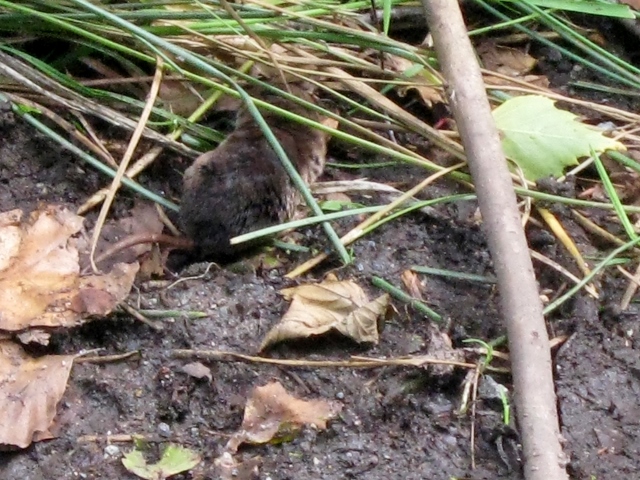
We got off the boat and began the steep walk up the lane to the bridge.  I saw a shrew running about at the side of the road and tried to take its picture but it wouldn’t show its face with the long snout.

IMG_5093Shrew (640x480)

Shy shrew

I saw a few wildflowers by the roadside.

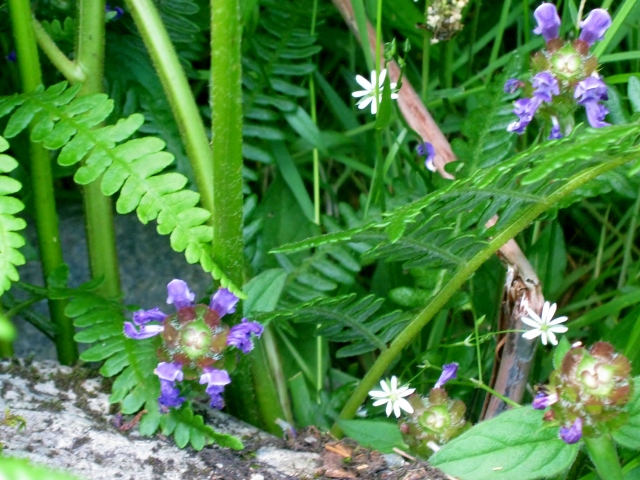
IMG_5094Self-heal and Lesser Stitchwort (640x480)

Self-heal (purple) (Prunella vulgaris) and Lesser Stitchwort (white) (Stellaria graminea) with Bracken (Pteridium aquilinum) also known as Brake Fern

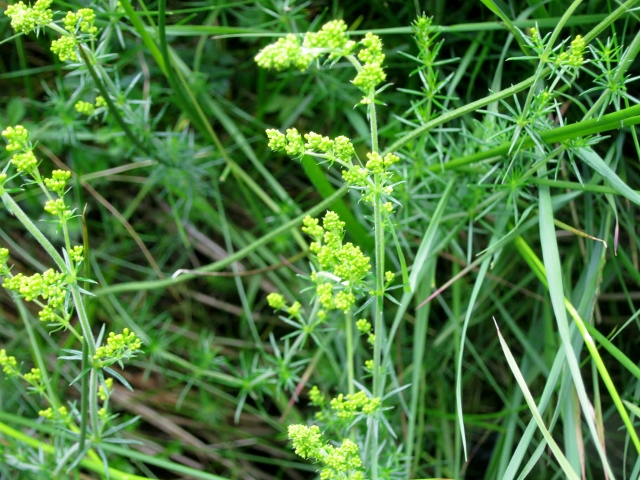
IMG_5096Lady's Bedstraw (640x480)

Lady’s Bedstraw (Galium verum)

IMG_5097View up fell at Ashness (480x640)

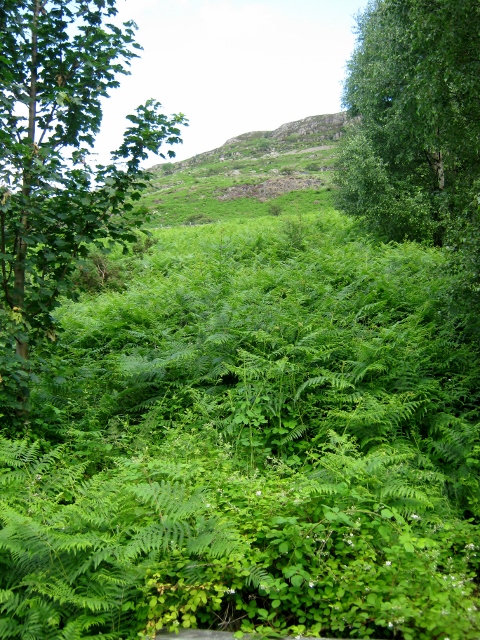
Looking up the hill from the path

After quite a long steep climb we left the road and carried on up a pathway and eventually got to the bridge.  It is a very popular attraction and again, trying to get a picture of the bridge without lots of people in the way was hard.

IMG_5099Ashness Bridge (640x480)

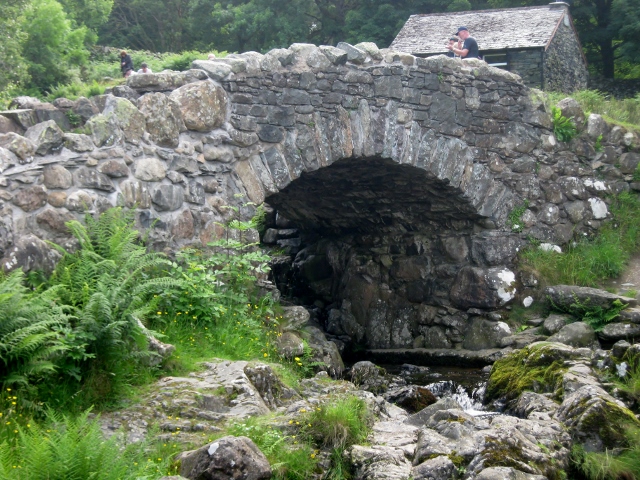
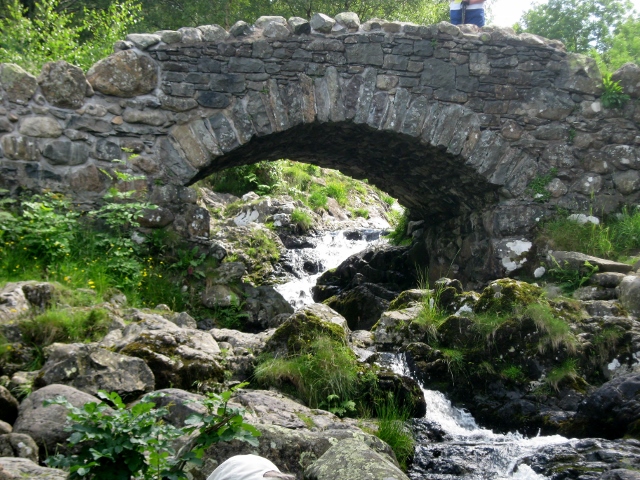
Ashness Bridge

This is an old pack-horse bridge which enables the road to cross Barrow Beck, the stream that joins Derwentwater at the foot of the hill.

IMG_5105Ashness Bridge (640x480)

These old bridges are beautiful as well as being very useful. The skill of the bridge builder is apparent from this photo – each stone being placed so carefully, one next to the other.

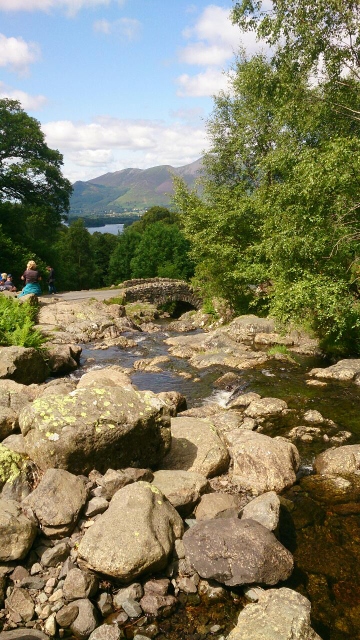
DSC_0538 (360x640)

Richard took this photo from further upstream. Derwentwater can be seen in the distance

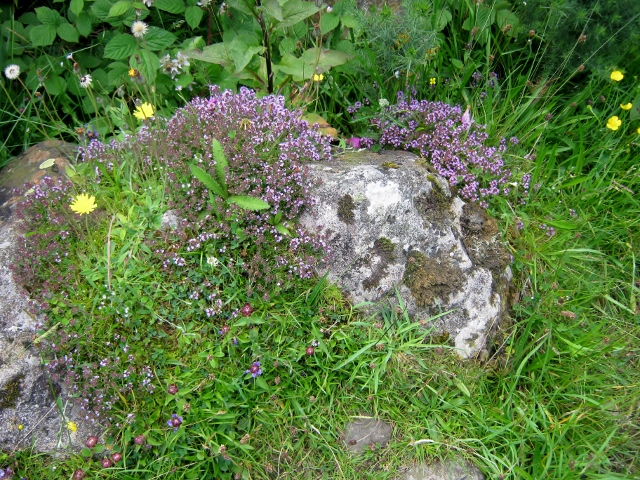
IMG_5100Wild Thyme (640x480)

I found some Wild Thyme (Thymus serpyllum) growing by the stream

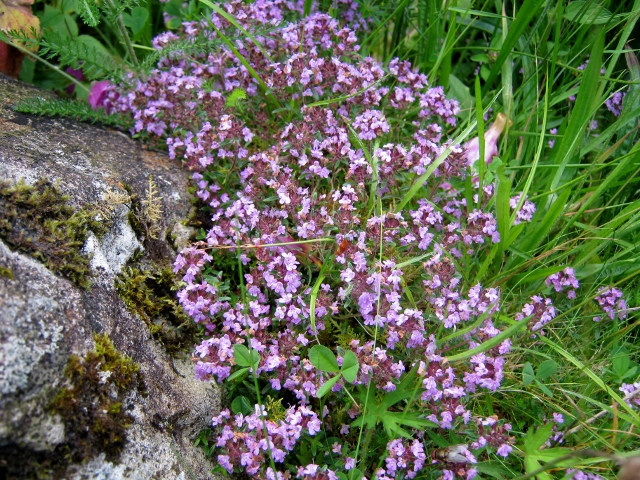
IMG_5101Wild Thyme (640x480)

It’s scent was wonderful!

IMG_5110Blue Water-speedwell (480x640)

I also found some Blue Water-speedwell (Veronica anagallis-aquatica)

IMG_5112Tormentil (640x480)

Tormentil (Potentilla erecta)

We walked back down the hill and caught the ferry back to Keswick.

IMG_5113Derwentwater (640x480)

Derwentwater with Skiddaw in the background.

Thanks for visiting!

Share this:

  • Share on X (Opens in new window) X
  • Share on Reddit (Opens in new window) Reddit
  • Share on Pinterest (Opens in new window) Pinterest
  • Share on Facebook (Opens in new window) Facebook
  • Email a link to a friend (Opens in new window) Email
  • Share on Tumblr (Opens in new window) Tumblr
  • Print (Opens in new window) Print
  • Share on LinkedIn (Opens in new window) LinkedIn
Like Loading...

Keswick and an Evening Walk

03 Mon Aug 2015

Posted by Clare Pooley in Days out, plants, Rural Diary, walking, weather, wild birds

≈ 33 Comments

Tags

clouds, Derwent Water, flowers, geese, holiday, Keswick, Lake District

Our second day in the Lakes was cooler and rainier than the first.  Again, we left it until after midday before we left our cottage and this time went to the nearest town – Keswick.

Fortunately, the rain left off for the first part of the afternoon so walking round the town was fine.

IMG_5041Alleyway in Keswick (640x480)

An interesting alleyway in Keswick

I had never been to this town before and Richard hadn’t visited for many years.  I loved it!  It has lots of interesting shops and plenty going on but it isn’t as packed with tourists as Ambleside is.

We bought gifts from the shop below for my mother and our next-door neighbour (who watered our tomatoes) and also a jar of marmalade as Elinor wanted some. My blogging friend Rachel, formerly of ‘Could Do Worse’ visits the Lakes every year and when I saw this shop I thought of her.

IMG_5042Chocolate shop in Keswick (640x480)

The Chocolate Shop

Here is what Rachel had to say about it last year.  She did three or four great posts from the Lakes last year and you’ll find them just before and just after the post I’ve given you a link to.  She has recently started a new blog called The Patch Out Back – do give her a visit.

IMG_5043Tree in park (480x640)

A pretty tree in the park.

After wandering round for a while, and Elinor sampling some of the best chips she had ever tasted from The Old Keswickian, we agreed we’d like to see the lake.  To get to Derwent Water from the centre of the town you walk through an underpass and alongside part of the town park which is where I took the above photo.

IMG_5044View of fells from Keswick (640x480)

From the path we could see the fells that surround the town

IMG_5045Geese at lakeside (640x480)

Lots of very friendly Greylags and Canada Geese wait to be fed by anyone foolhardy enough to buy packets of goose-food from the shop.

IMG_5046Derwent water (640x480)

This is Derwent Water

IMG_5047Derwentwater (640x446)

Derwent Water

IMG_5049Derwentwater (640x439)

As you can see, it was a very cloudy day.

IMG_5050Derwentwater (640x480)

The lake has four islands on it and one of them is just opposite the ferry landing stage near where we were standing.

IMG_5051Fells by Derwentwater (640x480)

The clouds began to drift lower and we knew it would rain again soon.

IMG_5053Derwentwater (640x480)

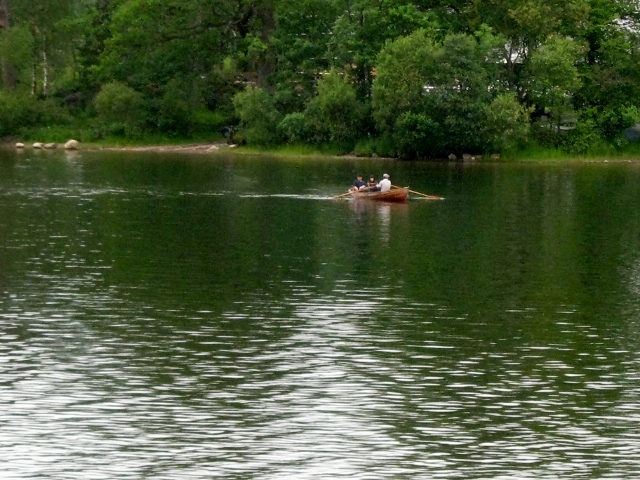
It was nice to watch people rowing on the lake

IMG_5056Fells next to Derwentwater (640x480)

Fells near the lake

IMG_5057Woman with Poodle (640x480)

We found this lady and her Poodle most amusing.

She got to the shore-side and took the dog’s lead off and replaced it with a long rope.  The dog was very excited and was barking loudly and shrilly.  It galloped into the water and splashed about, snapping at the water (I can’t imagine how many pints of lake water it drank).  The woman was having to hold very tight on the end of the rope especially when the dog saw a large flotilla of geese come into view.

IMG_5058Poodle with geese (640x480)

The geese remained out of reach, to the poodle’s disappointment.

IMG_5055Common Vetch (480x640)

I saw some attractive Bush Vetch (Vicia sepium) near the lake.

As it started to rain again we made our way back to the car and then drove back to the cottage.

After our evening meal, Richard and I went for a walk down the lane our cottage was in.

IMG_5059Greater Bird's-foot Trefoil (640x480)

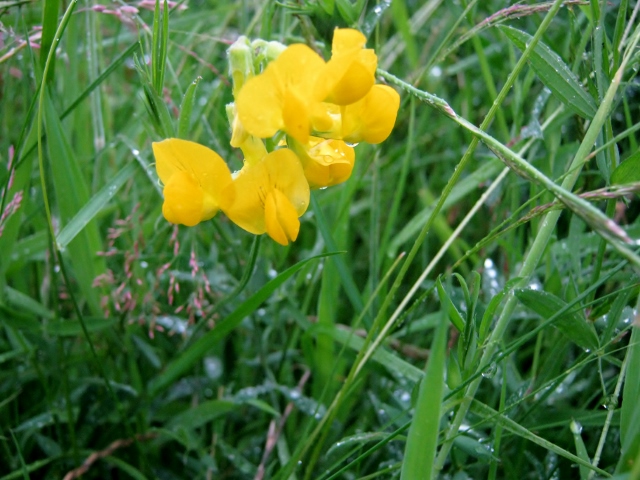
The first plant I saw was Greater Bird’s-foot Trefoil (Lotus pedunculatus)

IMG_5060Low cloud (640x480)

The cloud was low and everything was very wet but the fine rain soon stopped.

IMG_5061Spear Thistle (640x480)

Spear Thistle (Cirsium vulgare) was everywhere – (as it is here at home)

IMG_5063Marsh and Spear Thistle (480x640)

Marsh Thistle (Cirsium palustre) has smaller flower-heads and they are grouped together at the end of the stems. (A Spear Thistle is behind it)

IMG_5065Heath Bedstraw (640x480)

Masses of Heath Bedstraw (Galium saxatile)

IMG_5069Sneezewort (640x480)

Sneezewort (Achillea ptarmica)

Sneezewort’s name ptarmica comes from the Greek word ptarmos which, surprisingly, means ‘sneezing’.  The plant looks grey and in the bad light that evening the flowers seemed almost luminous.  The upper stems are downy and the flower-heads are made up of white ray florets and greenish-white disc florets (though in this photo they look grey).  The leaves, which are hot to the taste, used to be used in salads.  In the Middle Ages Sneezewort was used to alleviate toothache.  Sufferers held the roots in their mouths which helped the toothache by ‘evacuating the rheum’ according to Nicholas Culpeper.  I can’t imagine how sneezing would help anyone with bad toothache!  Culpeper recommends sneezewort for people with stuffy heads.  The powder of the herb was ‘stuffed up the nose..’ which caused sneezing and ‘cleanses the head’.  Explosive!

IMG_5070Low Cloud (640x480)

More low cloud

We walked almost to the end of the lane but as it was getting quite dark we turned round, retraced our steps and returned to our cottage.

Thanks for visiting!


Share this:

  • Share on X (Opens in new window) X
  • Share on Reddit (Opens in new window) Reddit
  • Share on Pinterest (Opens in new window) Pinterest
  • Share on Facebook (Opens in new window) Facebook
  • Email a link to a friend (Opens in new window) Email
  • Share on Tumblr (Opens in new window) Tumblr
  • Print (Opens in new window) Print
  • Share on LinkedIn (Opens in new window) LinkedIn
Like Loading...

Aira Force – Lake District Holiday

28 Tue Jul 2015

Posted by Clare Pooley in Days out, plants, Rural Diary, walking

≈ 29 Comments

Tags

Aira Force, arboretum, beck, cascade, fells, fungi, Lake District, lichen, liverwort, moss, plants, pool, Ullswater, waterfall, wish tree

We had a slow start to our first day in the Lake District.  We were tired after our long journey of the day before and the weather wasn’t good enough that morning to tempt us out early.  By midday however, the rain had stopped and the clouds had lifted and we thought we would have a short excursion to Ullswater and look at Aira Force.

Ullswater is the second largest lake in the Lake District and last Easter we took a boat trip on it.  I wrote about our Lakes holiday last year but unfortunately that post has gone missing.  I have been sent copies of my missing posts by my friend Heather (thank-you Heather!) but haven’t yet copied them back into my blog.  (Unfortunately, all your wonderful comments have gone for good 😦 ).

Aira Force is a waterfall situated in woodland on the northern shore of the lake and is now in the care of the National Trust.

After a short drive we found the National Trust car park and then started to walk up through woodland towards the force.

IMG_4934Aira Force (640x480)

Not easy to see, but this is the Aira Beck as it flows through woodland at the bottom of the hill. It will shortly enter the lake.

IMG_4935At Aira Force (480x640)

Richard and Elinor walking ahead of me up the path.

This area was once owned by the Howard family who still live in Greystoke Castle near by.  In the 18th century they renovated an old hunting lodge (a former pele tower) and created a sporting estate around it.  They landscaped the area around the force, planting over half a million native and non-native trees.  They made paths and bridges through the woodland and used the place as a pleasure garden.

IMG_5007The path (480x640)

Stone slabs used as a bridge across a streamlet

IMG_4974Aira Force (480x640)

Wooden bridge over a narrow chasm

IMG_5017Aira Force (480x640)

Steps and viewing platforms. We didn’t go down the steps as Elinor finds them difficult to manage.

IMG_4936Aira Force

Typically for me, the one shot I wanted to come out clearly, clearly hasn’t! I haven’t down-sized this one in an effort to make it look a little better. I only had my little camera with me and the sunlight was causing such a glare too. That’s probably enough excuses.

The main force drops about 70′ from below a footbridge.

IMG_4942Aira Force (480x640)

Further up in the woods are smaller cascades.

IMG_4943Aira Force (640x480)

The sound of the falling and rushing water was glorious.

IMG_4949Aira Force (640x480)
IMG_4950Aira Force (640x480)
IMG_4951Aira Force (640x480)
IMG_4953Aira Force (640x480)

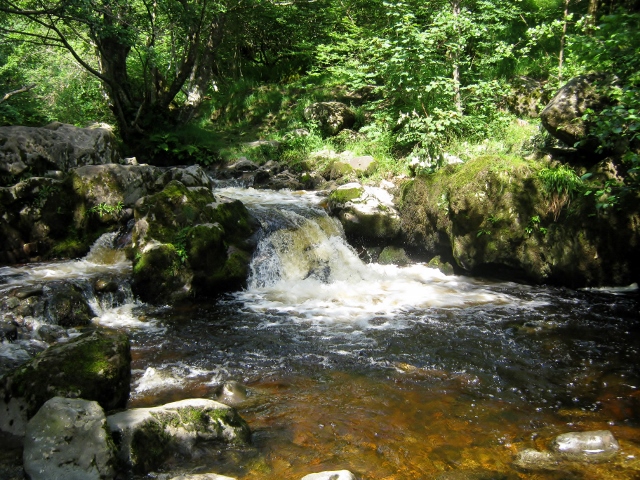
This pool was good to sit next to.

IMG_4952Aira Force (640x480)

IMG_4958Aira Force (640x480)

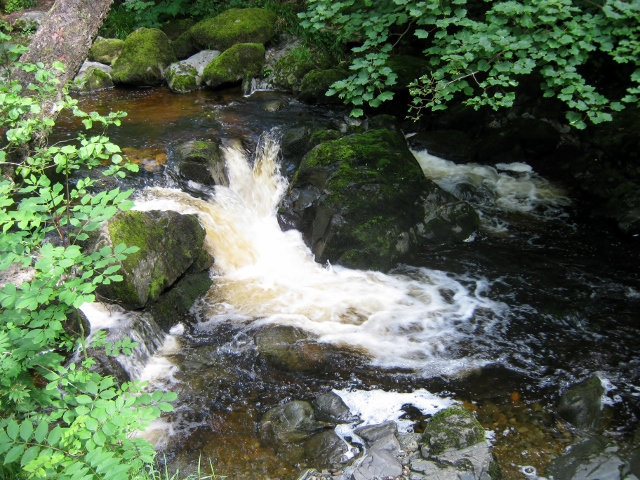
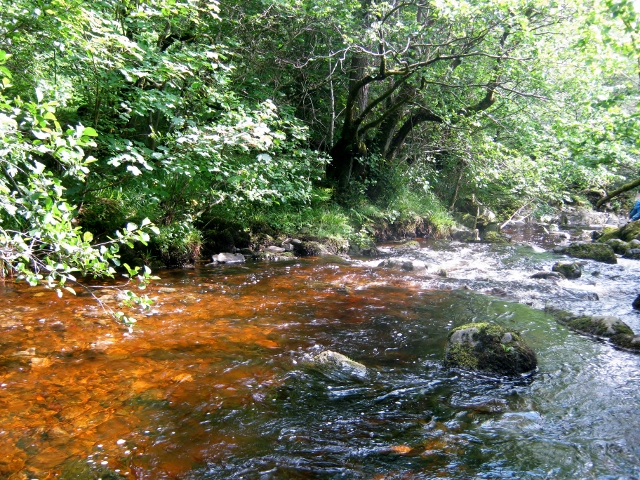
The water is amber-coloured.

IMG_4955Elinor sketching (480x640)

Elinor did some sketching while we were there.

IMG_4983Aira Force (640x480)

This was my favourite place along the beck

IMG_4973Aira Force (480x640)

There was thick moss everywhere….

IMG_4945Moss (640x480)
IMG_4948Moss (640x480)
IMG_5005Liverwort and moss (640x480)
IMG_5009Liverwort(640x480)

…and liverwort too.

IMG_5012Stone parapet (640x480)

A stone parapet to a bridge was covered in lichen.

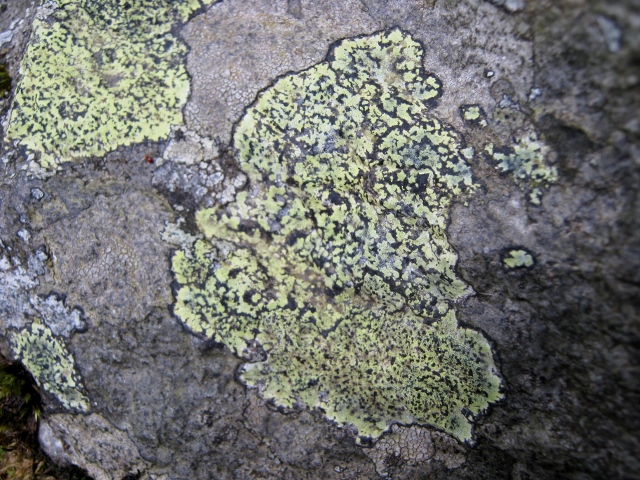
IMG_5011Map Lichen perhaps (640x480)

I think this may be Map Lichen (Rhizocarpon geographicum).

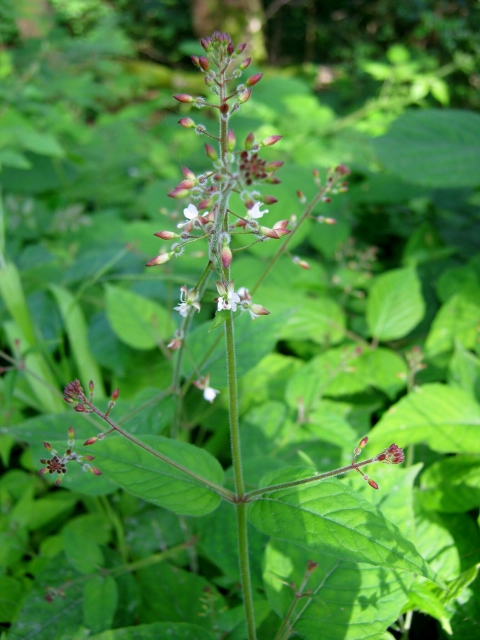
IMG_4937Enchanter's Nightshade (480x640)

Enchanter’s Nightshade (Circaea lutetiana) grew everywhere.

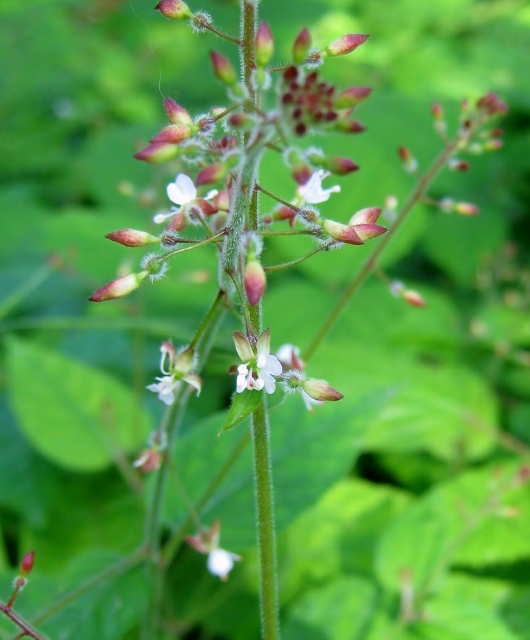
IMG_4937Enchanter's Nightshade (2) (530x640)

It has tiny flowers which produce burs once pollinated.

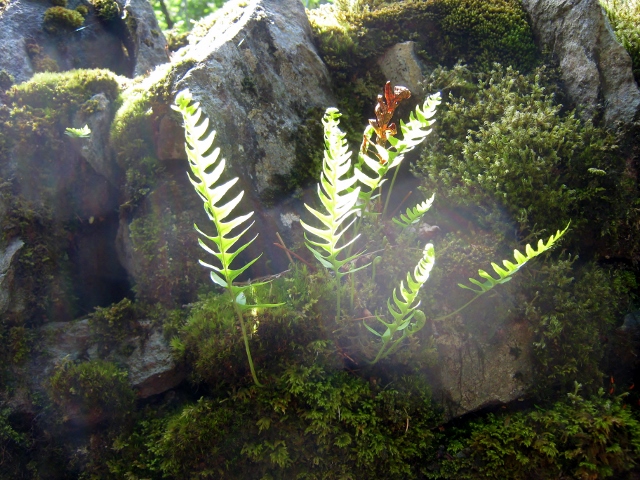
IMG_4944Bracken (640x480)

Bracken and ferns were growing alongside our path. I like the way the sunlight caught this fern.

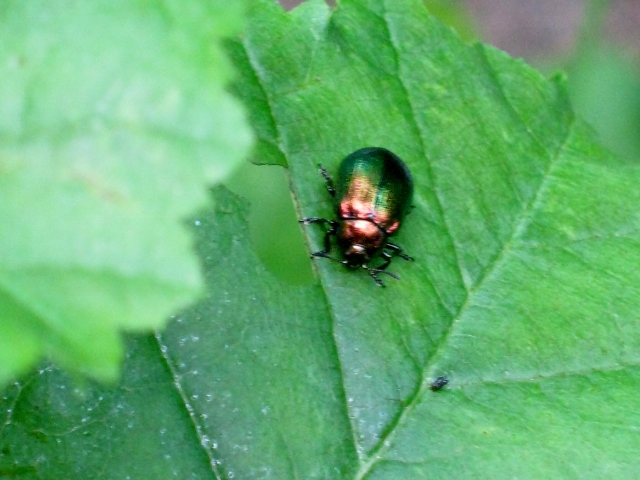
IMG_4960Chrysolina beetle (640x480)

A Chrysolina beetle of some sort.

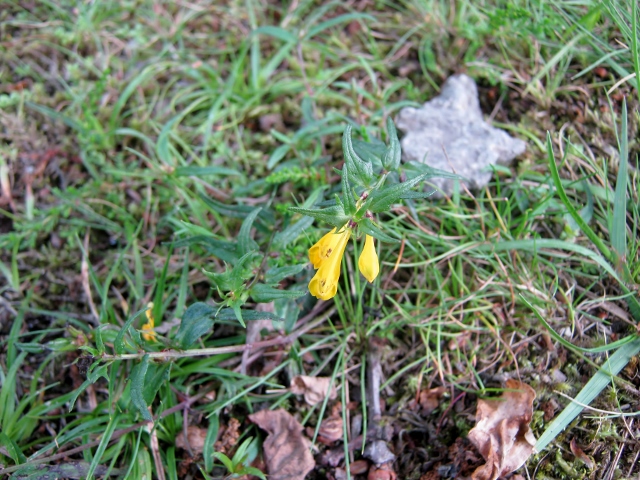
IMG_4970Common Cow-wheat (640x480)

A flower I had never seen before – Common Cow-wheat (Melampyrum pratense)

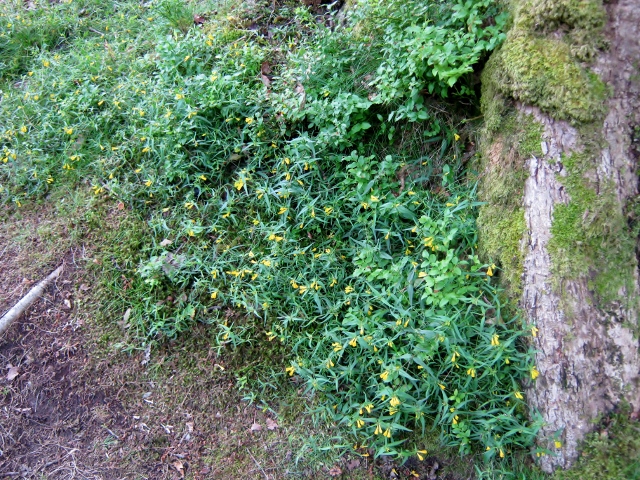
IMG_4972Common Cow-wheat (640x480)

There was rather a lot of it!

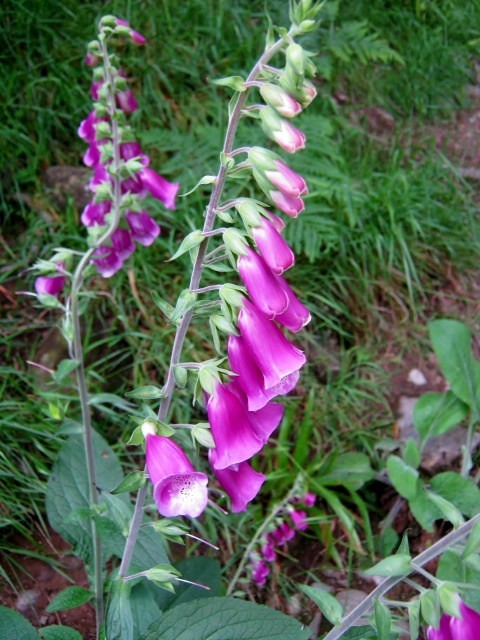
IMG_4980Foxgloves (480x640)

Foxgloves (Digitalis purpurea)

IMG_5028Foxgloves (640x480)

A bank of foxgloves

IMG_4986Common Valerian (640x480)

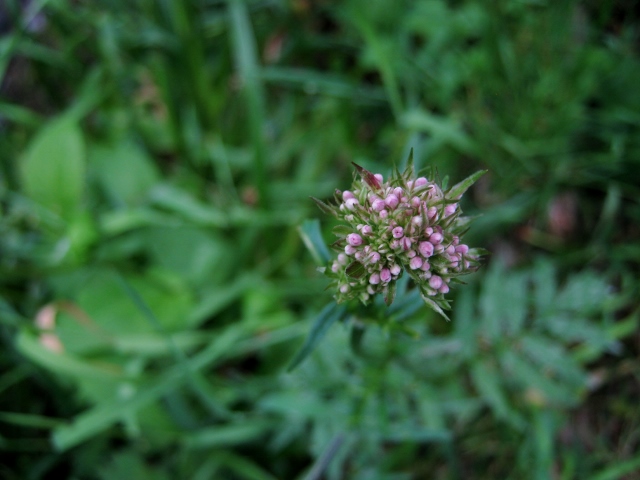
Common Valerian in bud (Valeriana officinalis)

IMG_5038Common Valerian (640x480)

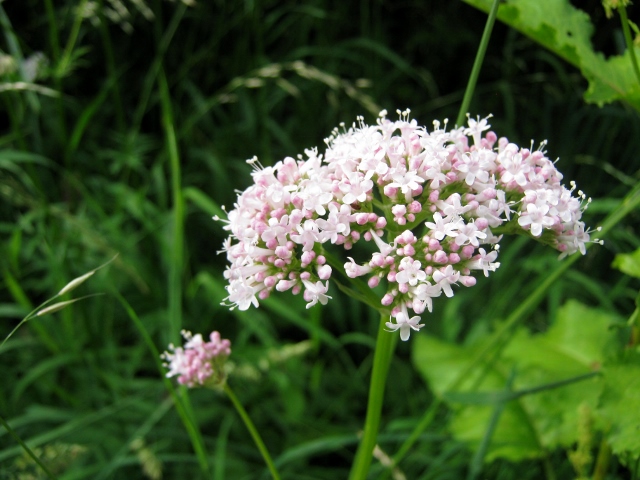
Common Valerian in flower

IMG_4998St John's-wort (640x480)

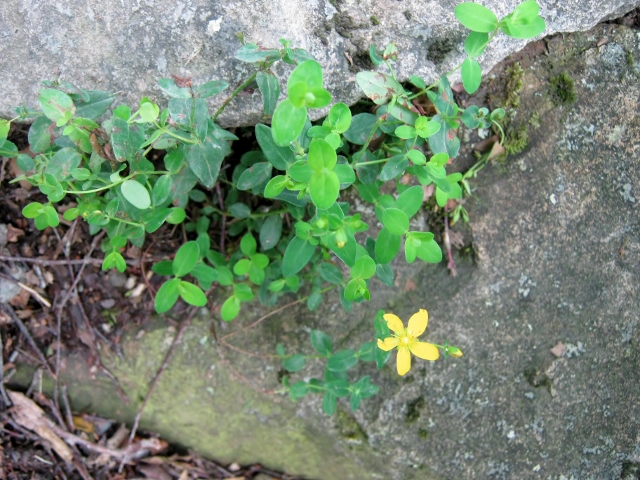
I thought this might be Trailing St John’s-wort (Hypericum humifusum) but the ID description tells me the leaves should have translucent dots and I didn’t see any dots.

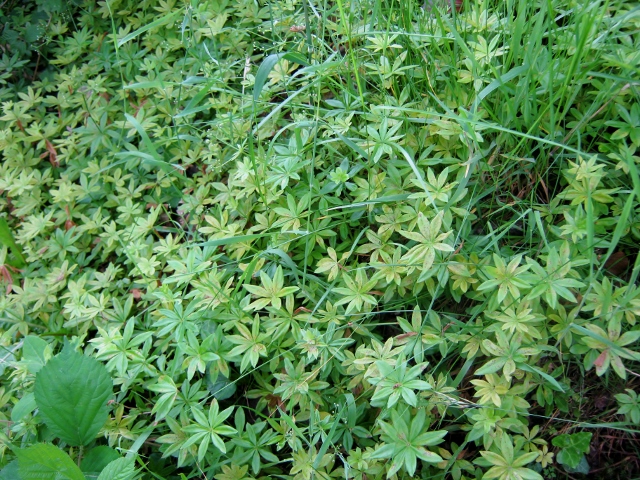
IMG_5018Woodruff perhaps (640x480)

I think these are Woodruff leaves (Galium odoratum)

I saw so many different plants and flowers, grasses and sedges, many of which I have included in posts from home so haven’t included them here, but some I still have no idea what they are despite researching for some time.

IMG_4968Unknown (640x480)

This plant for example! (The tri-foliate leaf near my hand was not part of the plant).

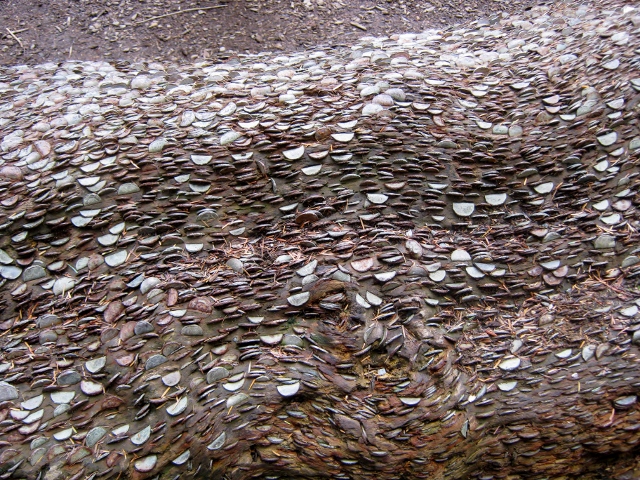
IMG_5022Coins in log (640x480)

On our way back from the waterfall we found this fallen log covered in coins.

This is a ‘Wish Tree’.  People hammer coins into it with a stone from the site and hope that their wish comes true.  We didn’t have any wishes and anyway, I was more interested in the fungi growing on the log.

This slideshow requires JavaScript.

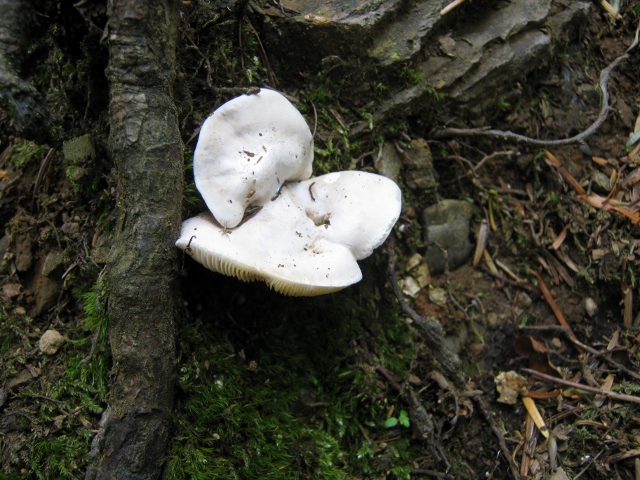
I saw another fungus growing at the base of a tree.

IMG_5021Fungus (640x480)

If anyone can suggest what this or any of the other fungi are I would be very grateful.

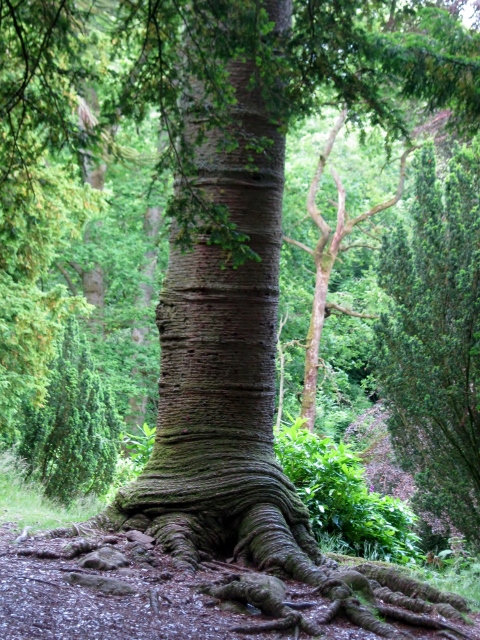
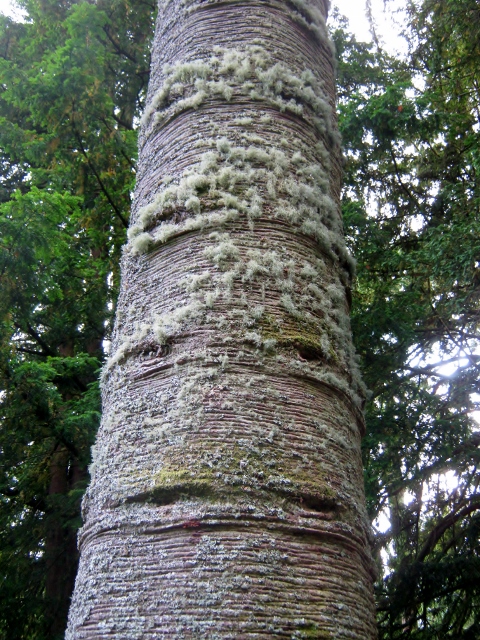
Near to the car park we found the Arboretum that the Howard family had planted in 1846.  They planted over 200 specimen conifers (firs, pines, spruces and cedars) from all over the world.  Apparently there is a Sitka Spruce (Picea sitchensis) that is now 118′ tall though I didn’t see it.  What I did see was a Monkey Puzzle tree (Araucaria araucana) that looked like it’s bark was sliding down like a baggy sock.

IMG_5029Monkey Puzzle tree (480x640)

I used to see Monkey Puzzles all over the place where I grew up. Trees that had been planted in the 19th century in parks and gardens were fully mature when I was a girl in the 60’s and 70’s. I don’t ever remember looking at them closely so I don’t know if this is what all their trunks look like.

IMG_5031Moss and lichen on Monkey Puzzle (480x640)

Moss and lichen were growing on one side of the trunk.

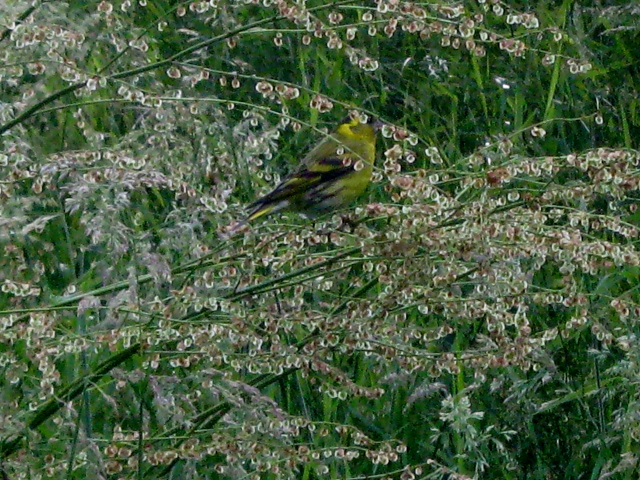
IMG_5033Siskin (640x480)

I saw a Siskin (Carduelis spinus) hiding in a plant I was wanting to get closer to but didn’t because of the Siskin!

I took a couple of pictures of the fells as we returned to the car.

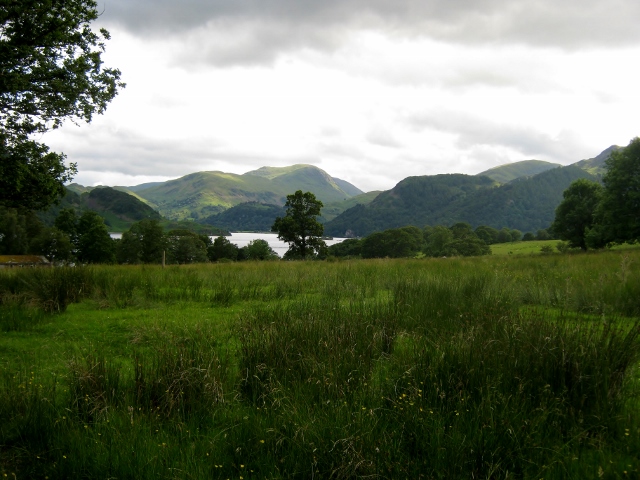
IMG_5034Ullswater (640x480)

Ullswater in the distance.

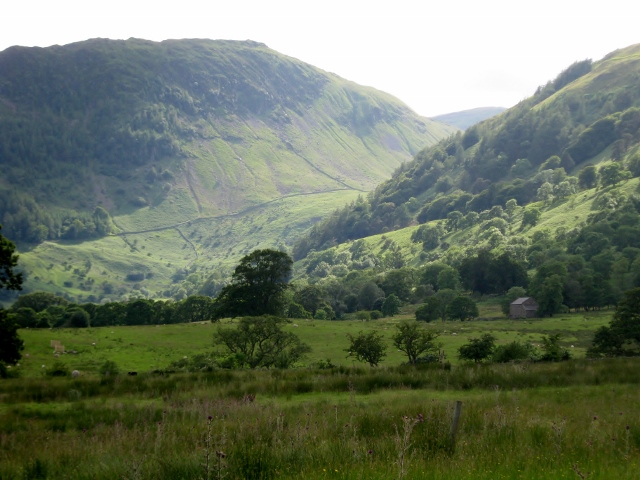
IMG_5035Fells near Ullswater (640x480)

I would love to be able to walk up one of these before I get too old!

Thanks for visiting!
Share this:

  • Share on X (Opens in new window) X
  • Share on Reddit (Opens in new window) Reddit
  • Share on Pinterest (Opens in new window) Pinterest
  • Share on Facebook (Opens in new window) Facebook
  • Email a link to a friend (Opens in new window) Email
  • Share on Tumblr (Opens in new window) Tumblr
  • Print (Opens in new window) Print
  • Share on LinkedIn (Opens in new window) LinkedIn
Like Loading...

Minsmere – 8th May 2015

31 Sun May 2015

Posted by Clare Pooley in plants, Rural Diary, trees, walking, wild birds

≈ 37 Comments

Tags

BBC Spring Watch, black slugs, blackcap, bluebells, Common Vetch, crabapple, Minsmere, oak, oak moss, ponds, red campion, RSPB, Suffolk, woods

Elinor took her Art exam over two days at the beginning of May and on the Friday of that week she and I decided we’d go to the RSPB (Royal Society for the Protection of Birds) reserve at Minsmere for a relaxing walk.  Richard was away in Manchester visiting his mother and brother and helping his brother clear his Mum’s house before putting it on the market.

We go to Minsmere very often and know all the walks.  Elinor decided she wanted to walk through the woods instead of going to the shore.  I was hoping to hear a Cuckoo and a Nightingale.  We had a drink and a cake in the café before we set off.

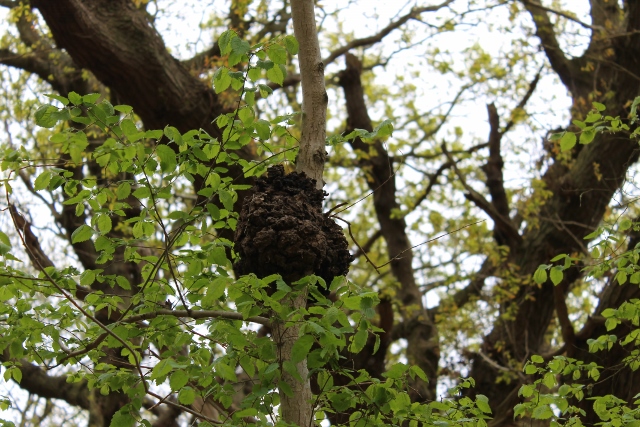
IMG_2203Something on Birch tree Minsmere (640x427)

The first thing we saw was this and I have no idea what it is. Is it a canker, a fungus or is it a nest of some sort? It is on a Birch tree.

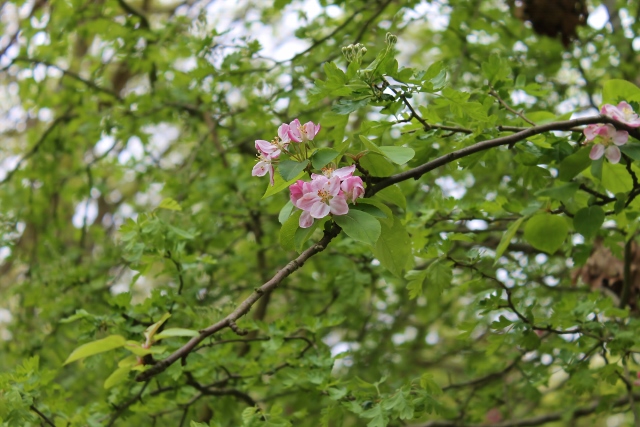
IMG_2204Crabapple perhaps (640x427)

We saw this very pretty Crabapple blossom.

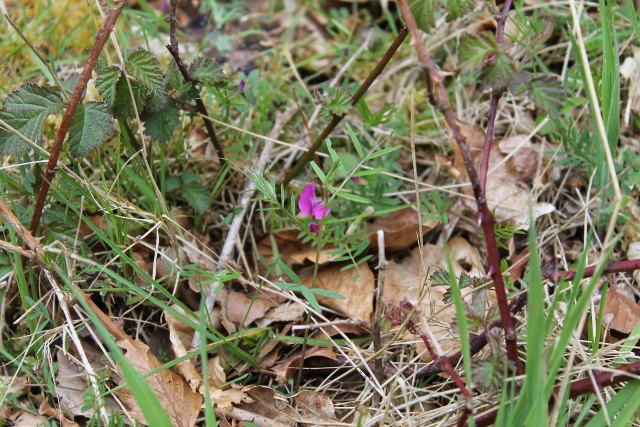
IMG_2205Common vetch (640x427)

This is Common Vetch (Vicia sativa)

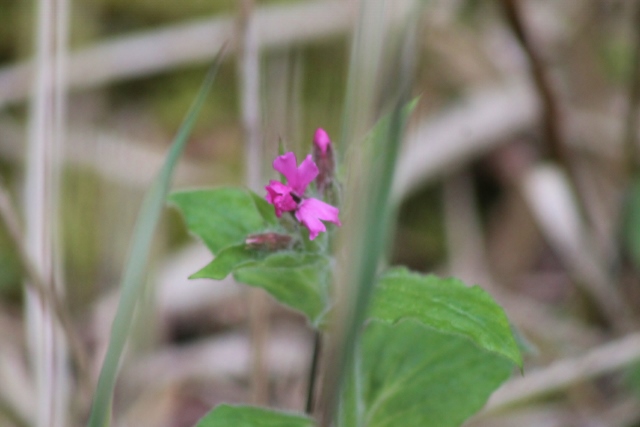
IMG_2212Red Campion (640x427)

Red Campion (Silene dioica). The wind was blowing quite hard and I found it difficult to get anything in focus.

IMG_2206Pond (640x427)

And this is one of the many ponds at Minsmere.

IMG_2207Pond (640x427)

Another pond.

The weather, which had been quite pleasant in the morning, quickly deteriorated  once we began our walk.  It got quite cold and then a drizzly rain started as you can see by the raindrops on the pond above.  Any hopes of hearing a Cuckoo or a Nightingale evaporated away.

There are Adders (Vipera berus) living on the reserve and we had been hoping to see them.  We were told by another visitor that they were sleeping out in the open but unfortunately, by the time we arrived at the area where they are to be found, the rain had started and very sensibly they had gone under cover.  The area is fenced off for their and our protection.  They are Britain’s only venomous snake.

IMG_2208Reeds and water (640x427)

Reeds and water. We could hear Bitterns (Botaurus stellaris) booming in the reeds but we didn’t see any water fowl at all.

IMG_2209Oak moss (640x427)

There was plenty of Oak Moss (Evernia prunastri) to be seen.

IMG_2211Oak moss (640x427)

It is very attractive with its flat, curled branches. It isn’t moss at all but is in fact a lichenised fungus.

Air quality in the East of England isn’t as good as in the West of the country because the prevailing wind blows across the country, including London, before it gets to us.  We are pleased when we find any kind of lichen as they are often indicators of clean air.

IMG_2210Slugs on dandelion (640x427)

This dandelion plant had a couple of slug visitors.

IMG_2218White bluebell (640x427)

We saw very many white bluebells in the wood

IMG_2223Oak tree (640x427)

An Oak tree (Quercus robur) with new leaves and flowers.

IMG_2221Building for the BBC (640x427)

This is the building that was constructed last year for the BBC Spring Watch team. This is as near as us members of the hoi polloi can get to it. The BBC are currently filming at Minsmere though they weren’t when Elinor and I visited.

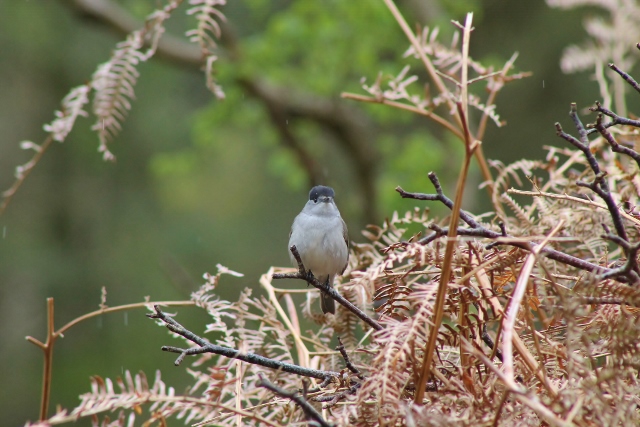
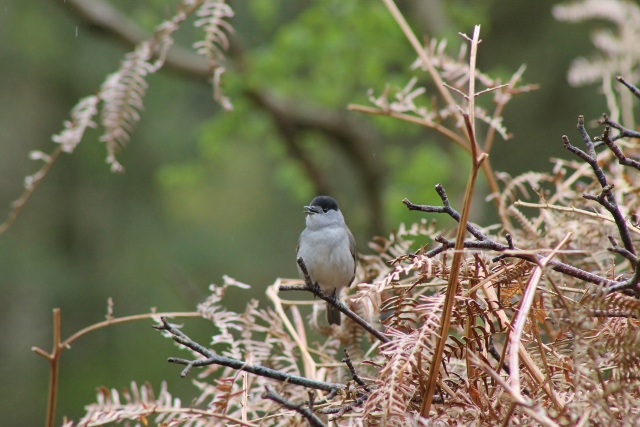
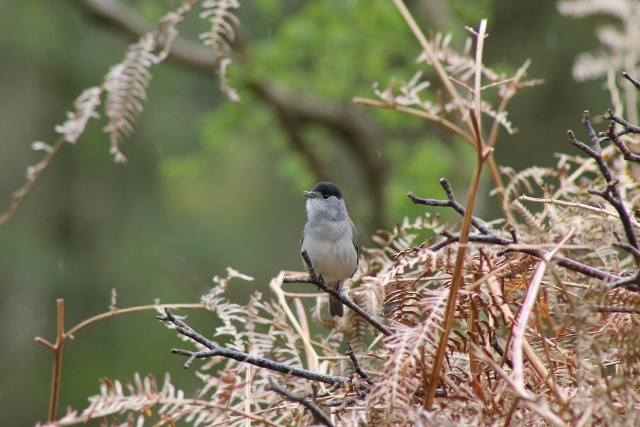
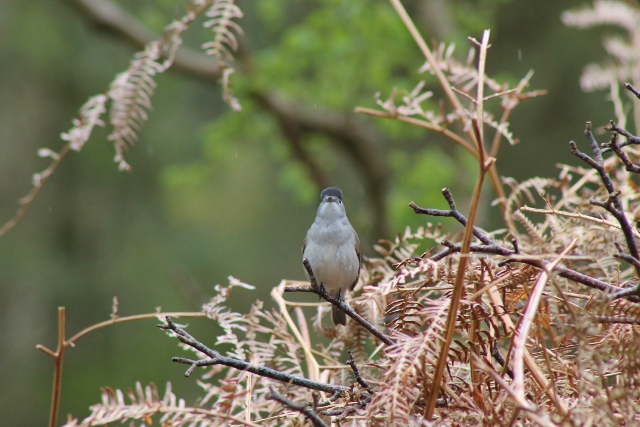
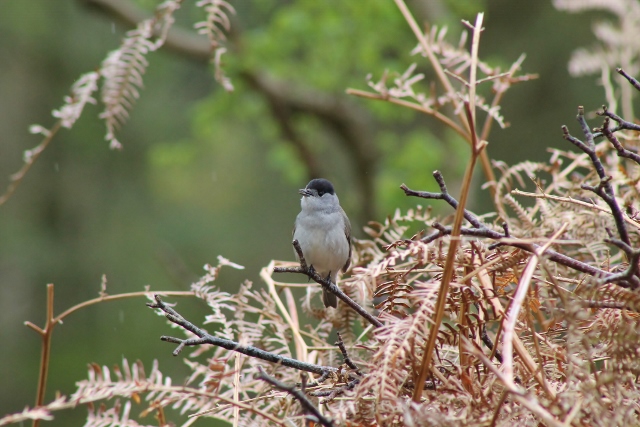
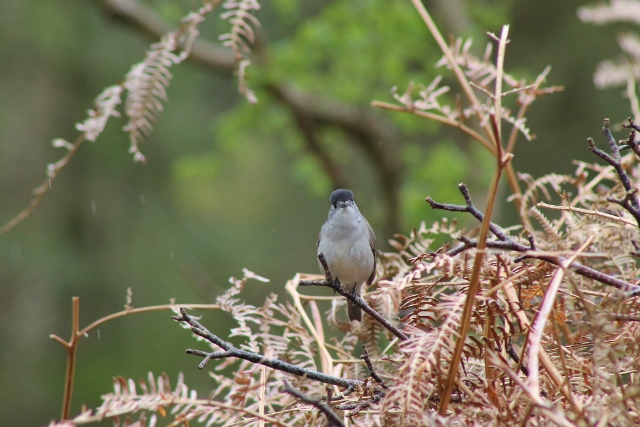
The next six photographs are of a male Blackcap (Sylvia atricapilla) that I found singing next to the path.  The photos are not cropped.  This warbler didn’t appear to be at all nervous and at each pause in his song he seemed to look at me to judge my reaction!  He filled his throat with air and used it like the bag on a bag-pipe to sing.

IMG_2224Blackcap (640x427)

IMG_2225Blackcap (640x427)

IMG_2226Blackcap (640x427)

IMG_2227Blackcap (640x427)

IMG_2228Blackcap (640x427)

IMG_2229Blackcap (640x427)

I was very pleased to get these pictures.

Thank-you for visiting!

Share this:

  • Share on X (Opens in new window) X
  • Share on Reddit (Opens in new window) Reddit
  • Share on Pinterest (Opens in new window) Pinterest
  • Share on Facebook (Opens in new window) Facebook
  • Email a link to a friend (Opens in new window) Email
  • Share on Tumblr (Opens in new window) Tumblr
  • Print (Opens in new window) Print
  • Share on LinkedIn (Opens in new window) LinkedIn
Like Loading...
← Older posts
Newer posts →
Follow A Suffolk Lane on WordPress.com

Enter your email address to follow this blog and receive notifications of new posts by email.

Join 718 other subscribers.

Unknown's avatar

I talk about what it's like living in a quiet part of Suffolk. I am a wife, mother and daughter, a practising Christian and love the natural world that surrounds me. I enjoy my life - most of the time!
My Posts

Mar 2026
M T W T F S S
 1
2345678
9101112131415
16171819202122
23242526272829
3031  
« Feb    

Pages

  • About my Blog
  • GDPR (General Data Protection Regulations) and This Site
  • My Life in a Suffolk Lane

Archives

Blogs I Follow

Unknown's avatar
Unknown's avatar
Unknown's avatar
Unknown's avatar
Unknown's avatar
Unknown's avatar
Unknown's avatar
Unknown's avatar
Unknown's avatar
Unknown's avatar
Unknown's avatar
Unknown's avatar
Unknown's avatar
Unknown's avatar
Unknown's avatar
Unknown's avatar
Unknown's avatar
Unknown's avatar
Unknown's avatar

Posts I Like

  • Talkmore's avatar
  • Unknown's avatar
  • Schnippelboy's avatar
  • Unknown's avatar
  • Kathleen's avatar
  • Unknown's avatar
  • Amin Academy's avatar
  • Unknown's avatar
  • jonathonbhoyt's avatar
  • Unknown's avatar
  • Unknown's avatar
  • Unknown's avatar
  • Unknown's avatar
  • Matthew Paul's avatar
  • Unknown's avatar
  • East of Elveden's avatar
  • Unknown's avatar
  • John’s Postcards's avatar
  • Unknown's avatar
  • Unknown's avatar
  • John Hric's avatar
  • Stephen G. Hipperson's avatar
  • Unknown's avatar
  • Unknown's avatar
  • Unknown's avatar
  • Unknown's avatar
  • Unknown's avatar
  • Unknown's avatar
  • Martha's avatar
  • Unknown's avatar
  • Resa's avatar
  • JAM's avatar
  • Unknown's avatar
  • sietchjameseguin's avatar
  • Unknown's avatar
  • Unknown's avatar
  • Unknown's avatar
  • santable's avatar
  • Unknown's avatar
  • Unknown's avatar
  • wholelottarosie's avatar
  • Carolina Cuisine Network's avatar
  • Unknown's avatar
  • Unknown's avatar
  • Unknown's avatar
  • Unknown's avatar
  • Unknown's avatar
  • cindy knoke's avatar
  • Unknown's avatar
  • Julian Summerhayes's avatar

amphibians architecture art Arts and Crafts churches cooking Days out domestic animals family fish Folk Traditions Gardening Historic Buildings holidays Insects Landscaping literature music Norwich plants Rural Diary seashore theatre trees Uncategorized walking weather wild animals wild birds wild flowers

Tags

architecture autumn birds blackbird blackthorn Bungay butterfly church clouds common knapweed cow parsley crocus daffodils Diary dogwood family field maple flowers fungus garden gardening geese greylags ground-ivy Halesworth Hawthorn heather holiday Holly Holy Week horse chestnut Hoverfly insects ivy Lake District Lent lesser celandine lichen Lords and Ladies Mallard mallards Minsmere moorhen moss music Norwich Peak District pheasant plants pond ponds primrose primroses Rain rooks Rumburgh Rumburgh Church sheep Sheffield snow snowdrops Southwold spring Suffolk Suffolk Wildlife Trust sunset the Beck trees viburnum bodnantense walking weather wild cherry wild flowers winter-flowering honeysuckle witch-hazel

Meta

  • Create account
  • Log in
  • Entries feed
  • Comments feed
  • WordPress.com

Goodreads

Blog at WordPress.com.

Book Jotter

Reviews, news, features and all things books for passionate readers

Country Life Blog -

A blog about life in the country in the past and present

Matthew Paul: Poetry & Stuff

Poetry and what-not

Schnippelboy

Ein Tagebuch unserer Alltagsküche-Leicht zum Nachkochen

TAMARA JARE

Tamara Jare Contemporary Figurative Art – Bold Colors, Resilient Souls

A Taste of Freedom

Documenting a Dream

Country Ways

Rambling Journeys in Britain, Countryside Matters and campaigning for the Right to Roam

The Strawberry Post

Here to Entertain, Educate & Inspire!
a north east ohio garden

an ongoing experiment in the dirt, 35 plus years

naturechirp

Celebrating God's creatures, birds and plants...

Sophie Neville

Writer

Going Batty in Wales

Developing a more sustainable lifestyle in SW Wales

Our Lake District Escapades

Exploring the Lake District and beyond

Short Walks Long Paths

Wandering trails around the coast of Wales

The Biking Gardener

An English persons experience of living and gardening in Ireland

Nan's Farm

A Journal Of Everyday Life

Walk the Old Ways

Rambling Journeys in Britain with John Bainbridge. Fighting for the Right to Roam. Campaigning to Protect Our Countryside.

Writer Side UP!

Waking the Writer Side...and keeping it "Up!"

Meggie's Adventures

Travel, thank you notes and other stories

amusicalifeonplanetearth

Music and the Thoughts It Can Inspire

lovefoundation.co.uk

Traveling Tortuga

Simply Living Well

Pakenham Water Mill

Historic watermill in the beautiful Suffolk countryside

Take It Easy

Retired, not expired: words from the after(work)life. And music. Lots of music!

Secret Diary Of A Country Vicar's Wife

By Olive Oyl

thanksfortheadventureorg.wordpress.com/

The Beat Goes On

#TBGO

Frank Pleszak's Blogs

Twitter: @frankpleszak @PolishIICorps

John Bainbridge Writer

Indie Writer and Publisher

roughwighting

Life in a flash - a bi-weekly storytelling blog

Walking the Old Ways

Rambling in the British Countryside

CapKane

thoughts on social realities

SkyeEnt

Jottings from Skye

jodie richelle

embracing my inner homemaker

Skizzenbuch/Blog

Just another WordPress.com weblog

Have Bag, Will Travel

The Call of the Pen

Flash Fiction, Book Reviews, Devotionals and other things.

John's Postcards

Art in Nature

You dream, I photographe it !

Smile! You’re in Barnier World......

theinfill

the things that come to hand

Dr. Mary Ann Niemczura

Author of "A Past Worth Telling"

Provincial Woman

The Pink Wheelbarrow

Luanne Castle: Poetry and Other Words (and cats!)

Poetry, Other Words, and Cats

The Family Kalamazoo

A genealogical site devoted to the history of the DeKorn and Zuidweg families of Kalamazoo and the Mulder family of Caledonia

everythingchild

The Book Owl

Canberra's Green Spaces

Paul Harley Photographer

  • Subscribe Subscribed
    • A Suffolk Lane
    • Join 718 other subscribers.
    • Already have a WordPress.com account? Log in now.
    • A Suffolk Lane
    • Subscribe Subscribed
    • Sign up
    • Log in
    • Report this content
    • View site in Reader
    • Manage subscriptions
    • Collapse this bar
 

Loading Comments...
 

    Privacy & Cookies: This site uses cookies. By continuing to use this website, you agree to their use.
    To find out more, including how to control cookies, see here: Cookie Policy
    %d