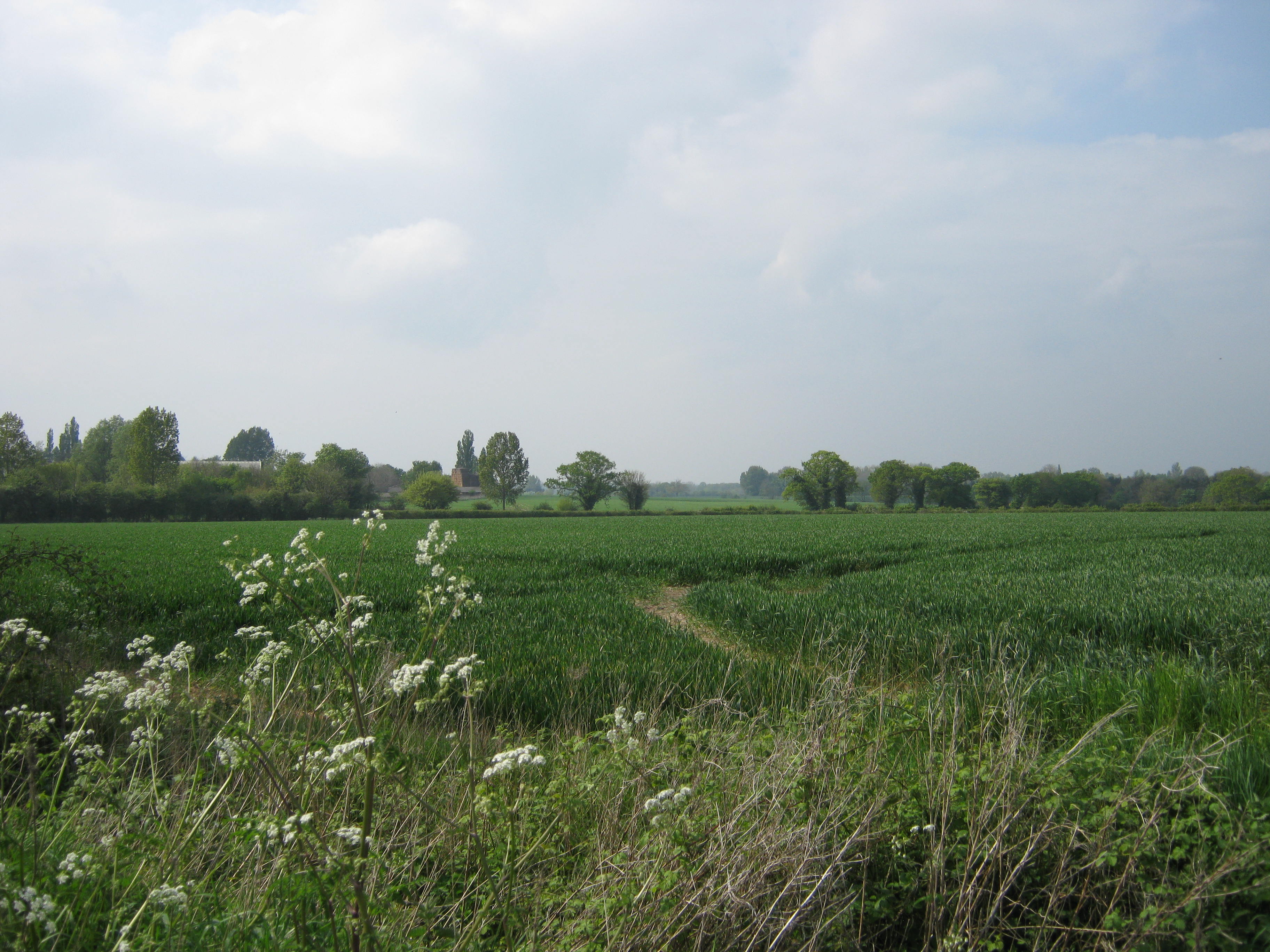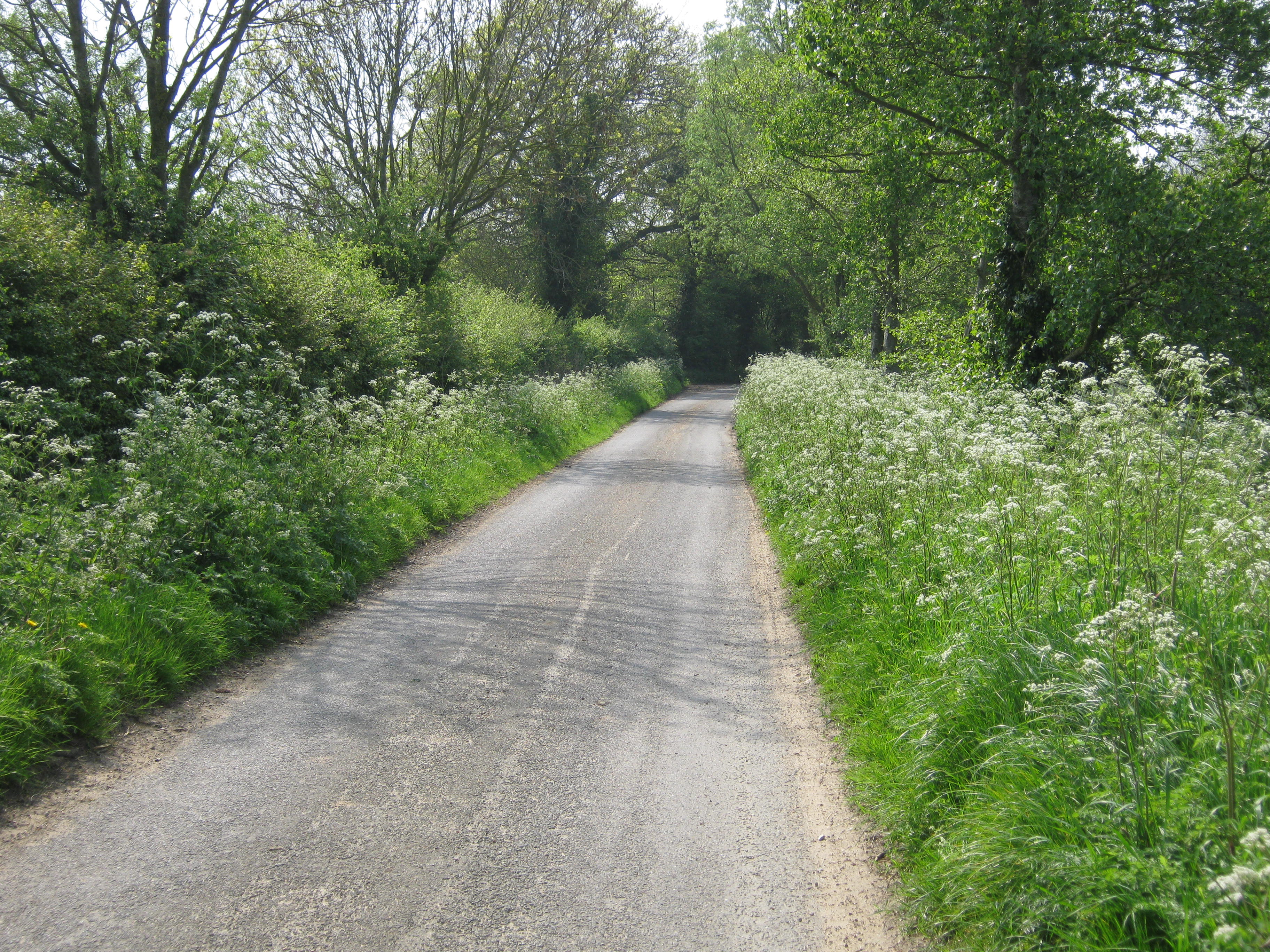
• About my Blog
  • GDPR (General Data Protection Regulations) and This Site
  • My Life in a Suffolk Lane

A Suffolk Lane

~ A diary of my life in rural north Suffolk.

A Suffolk Lane

Category Archives: walking

A Visit to Minsmere

26 Mon May 2014

Posted by Clare Pooley in plants, Rural Diary, walking, wild birds

≈ 9 Comments

Tags

Avocet, BBC's Springwatch, Bird's-foot Trefoil, Bittern, Cuckoo, greylags, Highland Cattle, marshes, Minsmere, Mute Swan, Nightingale, Oystercatcher, Pop-Up Café, Rabbit, RSPB, Sand martin, sea, Sea Kale, Sluice, tank traps, The Scrape, Whitethroat

For several weeks I have been wanting to re-visit Minsmere.  Minsmere is a bird reserve run and owned by the RSPB (the Royal Society for the Protection of Birds) to which all four of us belong.  Minsmere is also the RSPB’s so-called ‘flag-ship’ reserve – the biggest and best in the country and we are lucky enough to live just a few miles from it.  There were three main reasons why I wished to go to Minsmere – I hadn’t been there for ages and missed it – I wanted to hear a nightingale again and there is usually a nightingale to be heard there at this time of year and lastly – I had heard that the BBC would be filming their Springwatch programmes there for the next three weeks starting on Monday 26th May and I wanted to go before they arrived.

R has been on annual leave this last week so we decided that we should go to Minsmere on Friday afternoon.  E and I had a very early start on Friday – up at 6.15am for me and 6.30am for her as she had a hospital appointment to go to in Norwich at 8.30am and we needed to leave the house at 7.15am to get there on time.  When that was over E decided she would like to do some shopping for books so we called in at Waterstones and she made a couple of purchases.  We then went to HMV to look at DVDs etc. and then we had lunch in a coffee shop.  We returned home via Beccles for more shopping.  Fortunately the weather had stayed dry for all of our journey.

R and I had a hot drink and a chat while I rested after my busy morning and then we set off.  There was a slight shower of rain as we drove there but it had all cleared away by the time we had parked the car in the carpark.  We decided to go towards the sea first and walked past the wildlife ponds near the Visitor Centre.  There is a sandy cliff behind the visitor centre where Sand Martins nest each year.  The Martins were very busy nesting and catching insects, flying low over our heads.  We were very pleased to hear a Cuckoo calling all the time we were there.  We hadn’t heard one for some years.
Image

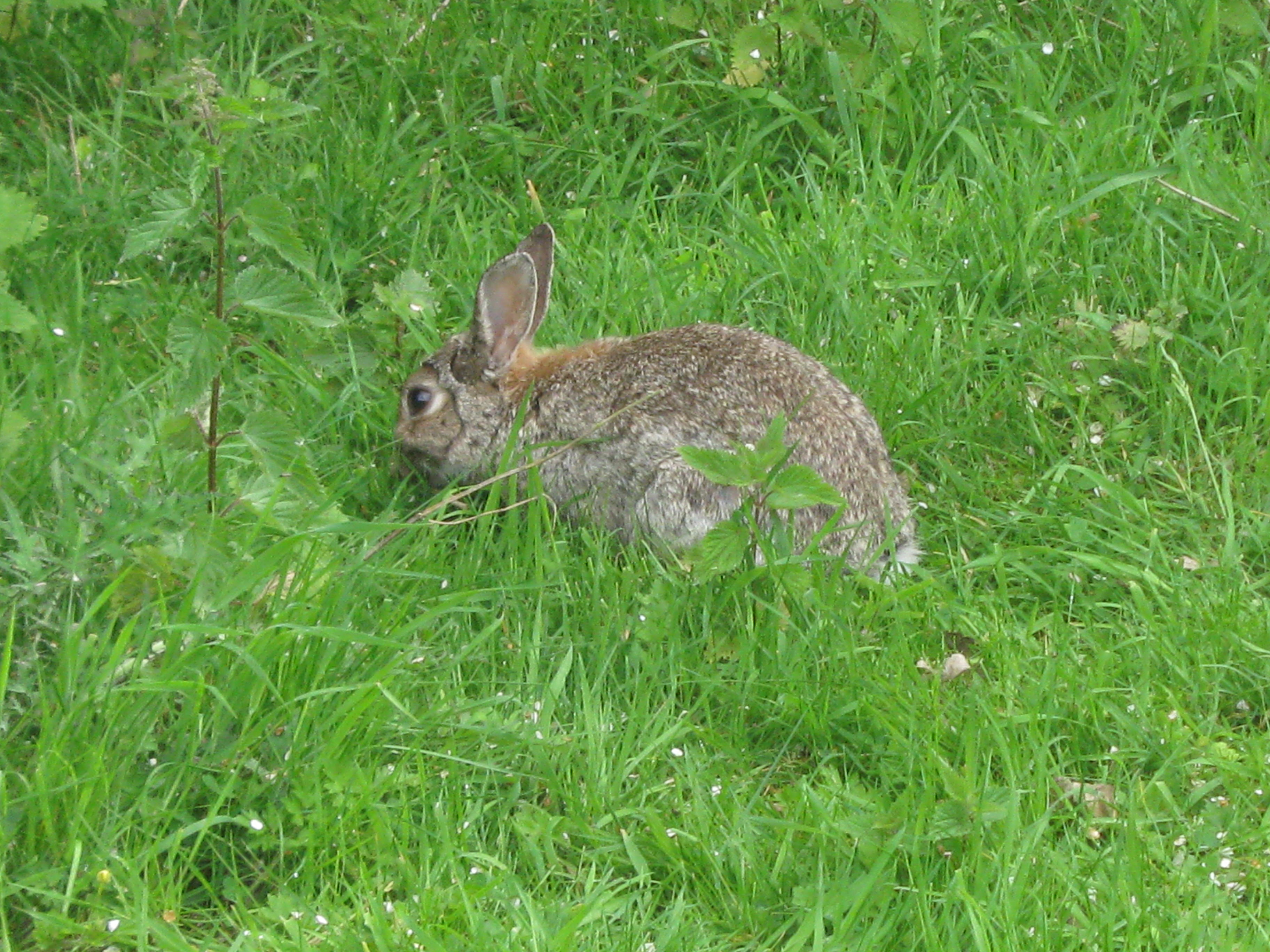
The rabbits on the reserve have no fear of humans

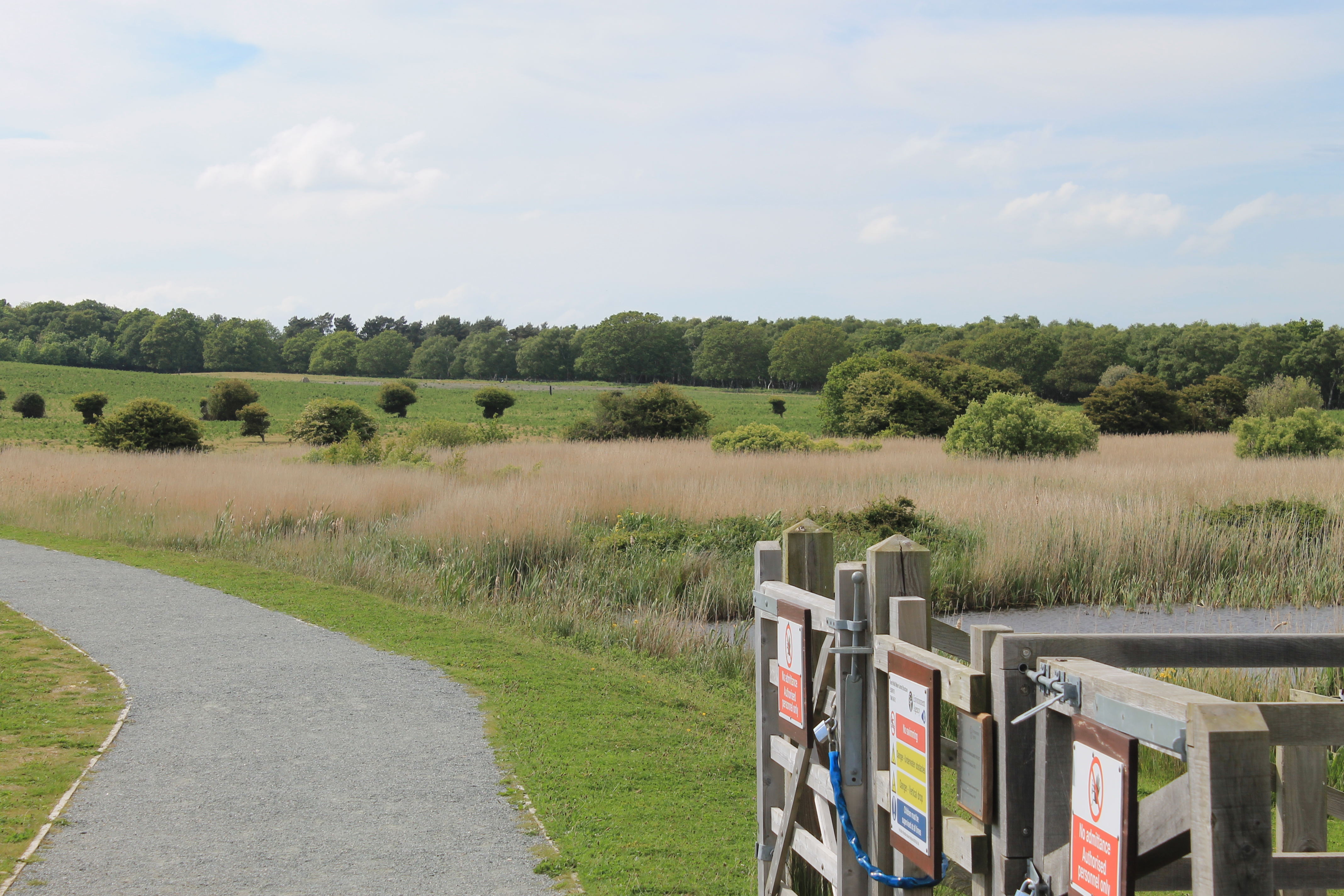
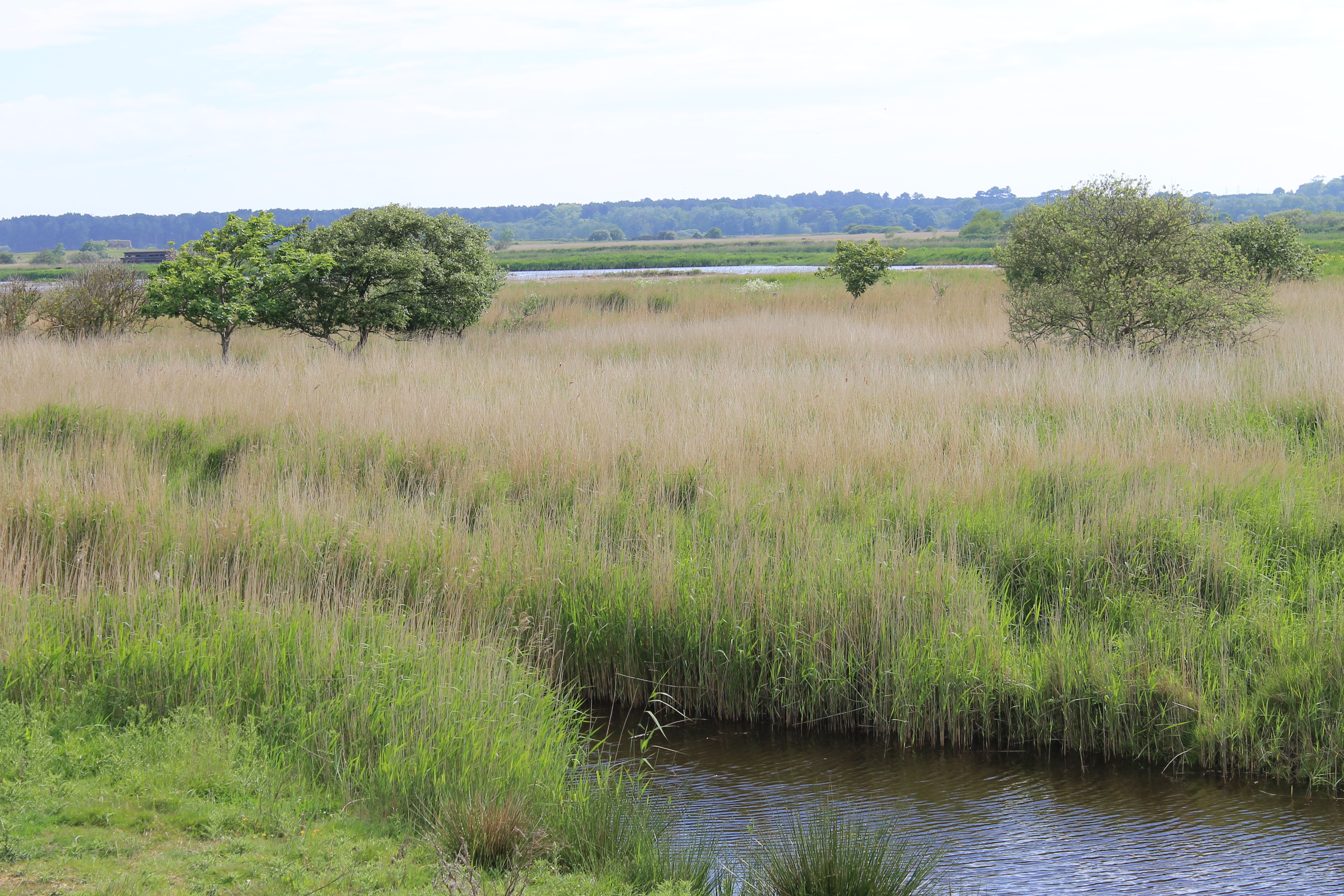
The path starts off over heathland and then carries on towards the sea on a raised bank through water meadows and marshland.
Image

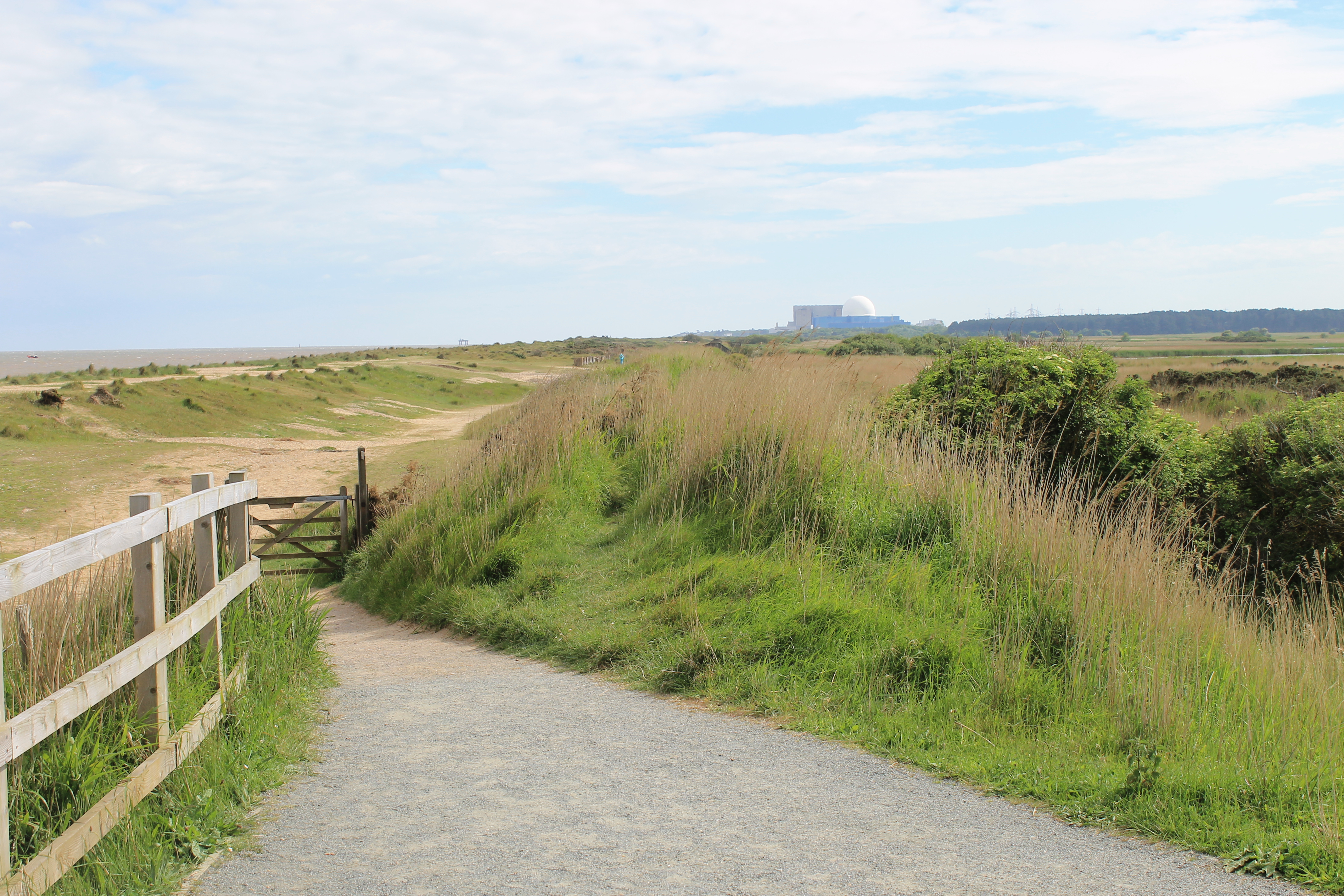
On our right to the south is Sizewell ‘B’ nuclear power station with Sizewell ‘A’ behind it.

Image

On our left are the Coastguard Cottages on land owned by the National Trust.
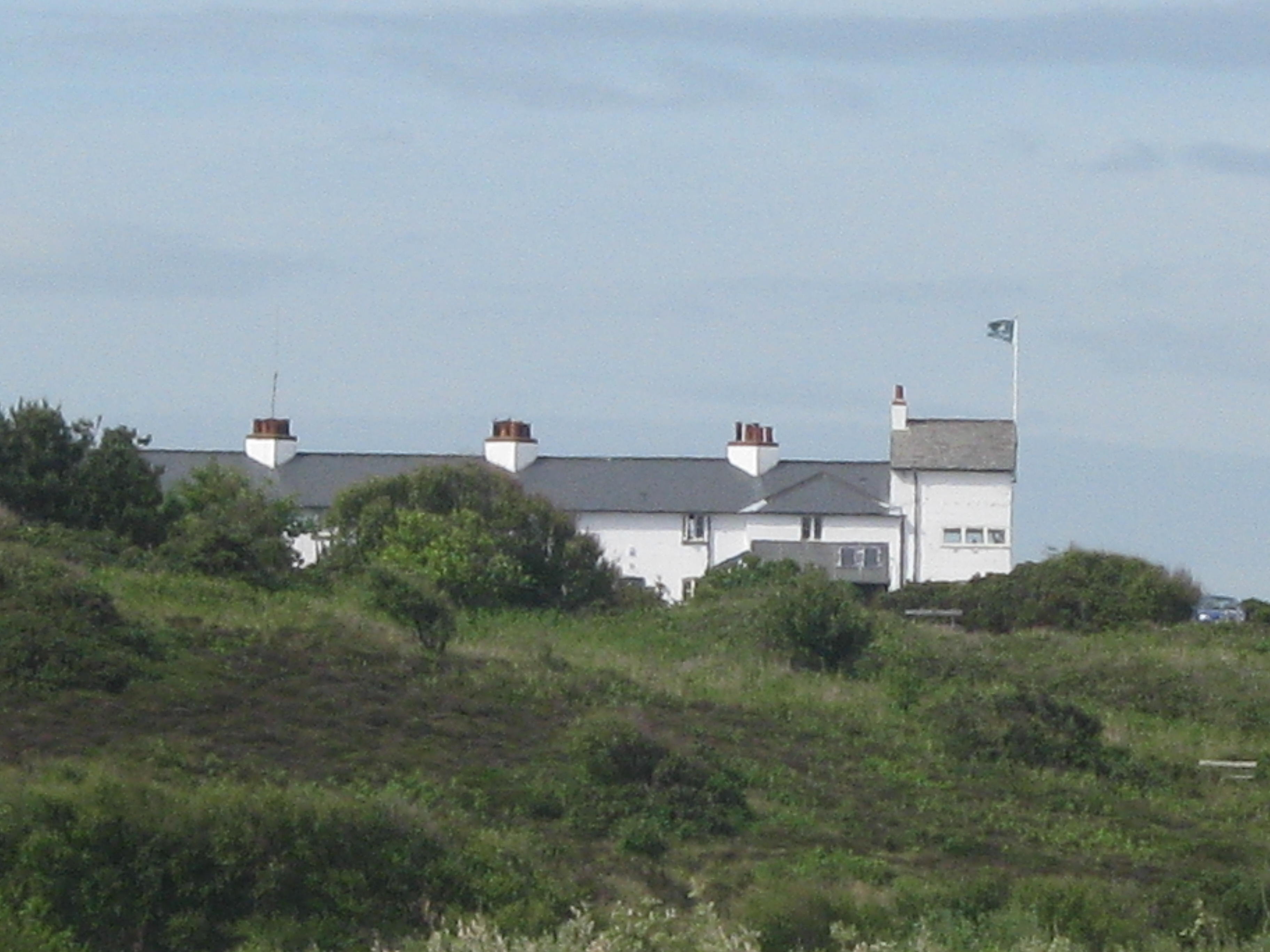
Image Image

This is looking back along the path we had just walked.  It has recently been re-laid and covered with gravel.  Crunching along these paths is a noisy business and all the birds disappear as soon as anyone steps onto them.  A lot of damage was done here during the storm surge in December and in the high winds and flooding during the winter; the RSPB have worked very hard trying to put things right again.  They also like to make as much of the reserve accessible to the disabled as possible – and – the BBC are filming one of the country’s most popular programmes here so it must look really neat and well cared for!
Image

The entrance to the beach.

Image

The dunes at the top of the beach.

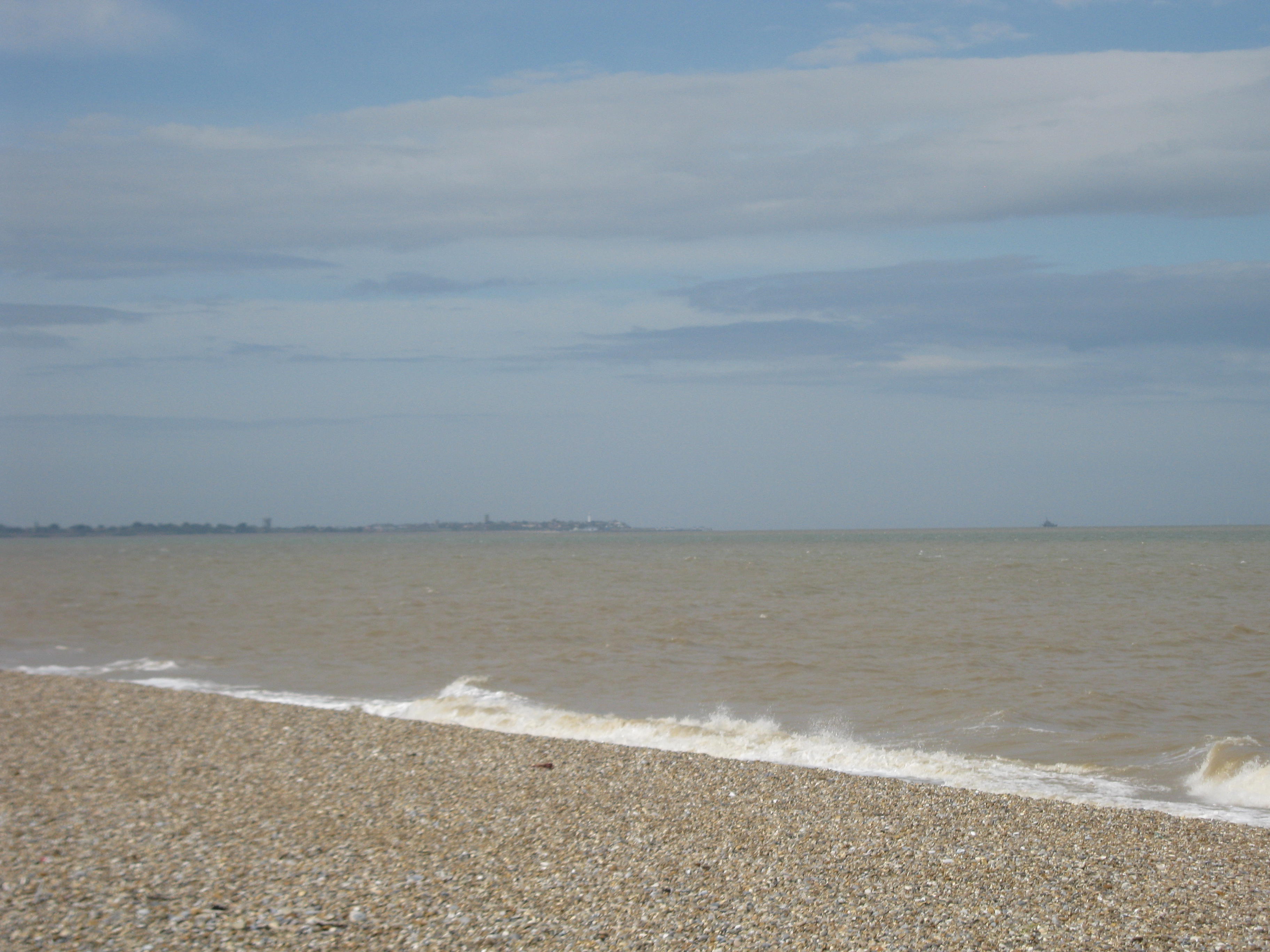
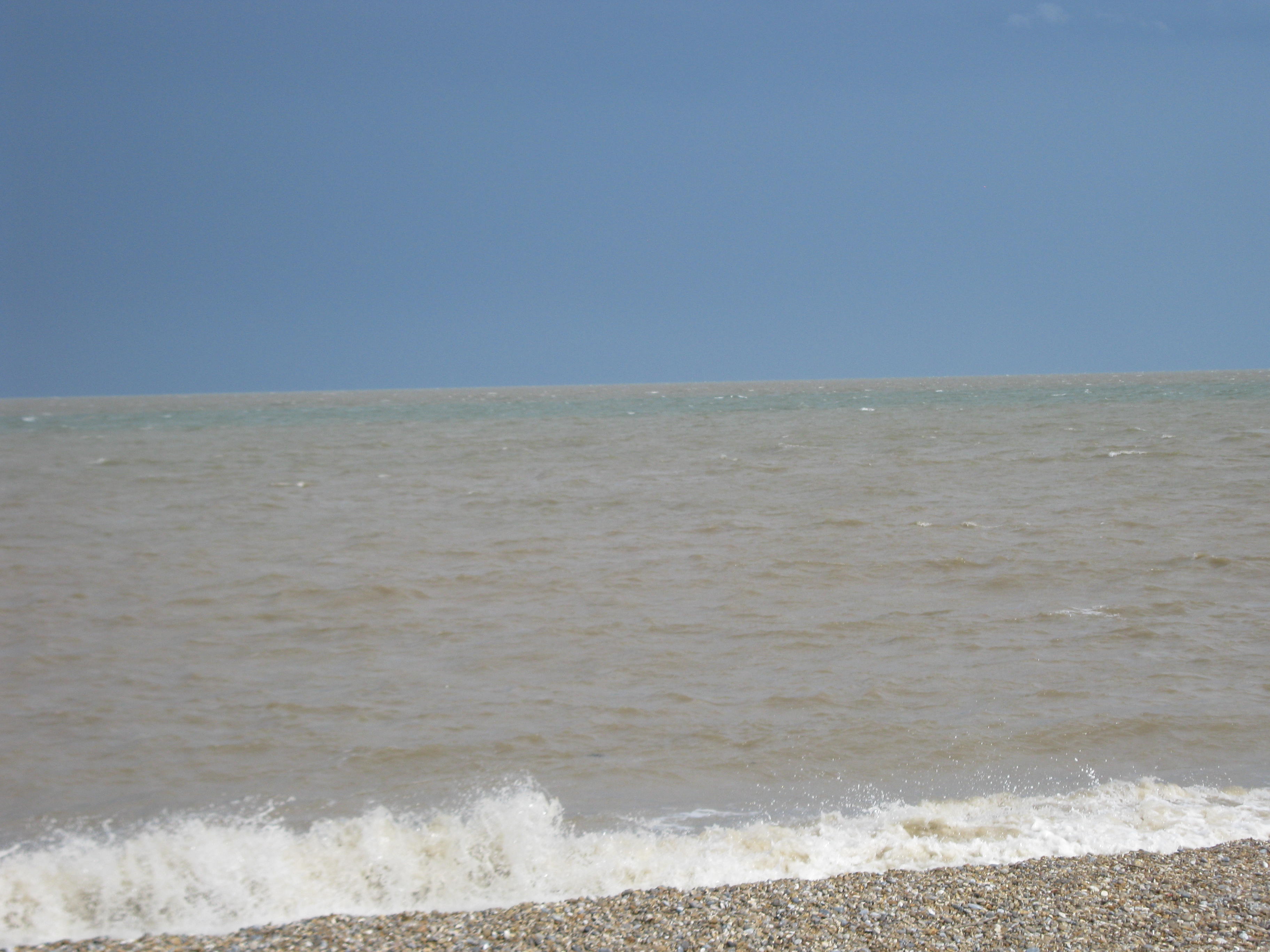
At last we got to the sea.  The sky out at sea looked very threatening but overhead was bright and sunny.
Image

Image

This is looking north towards the town of Southwold.  The lighthouse was flashing its light so conditions and visibility at sea mustn’t have been good.  I tried to get a photo with the light from the lighthouse shining but couldn’t.
Image

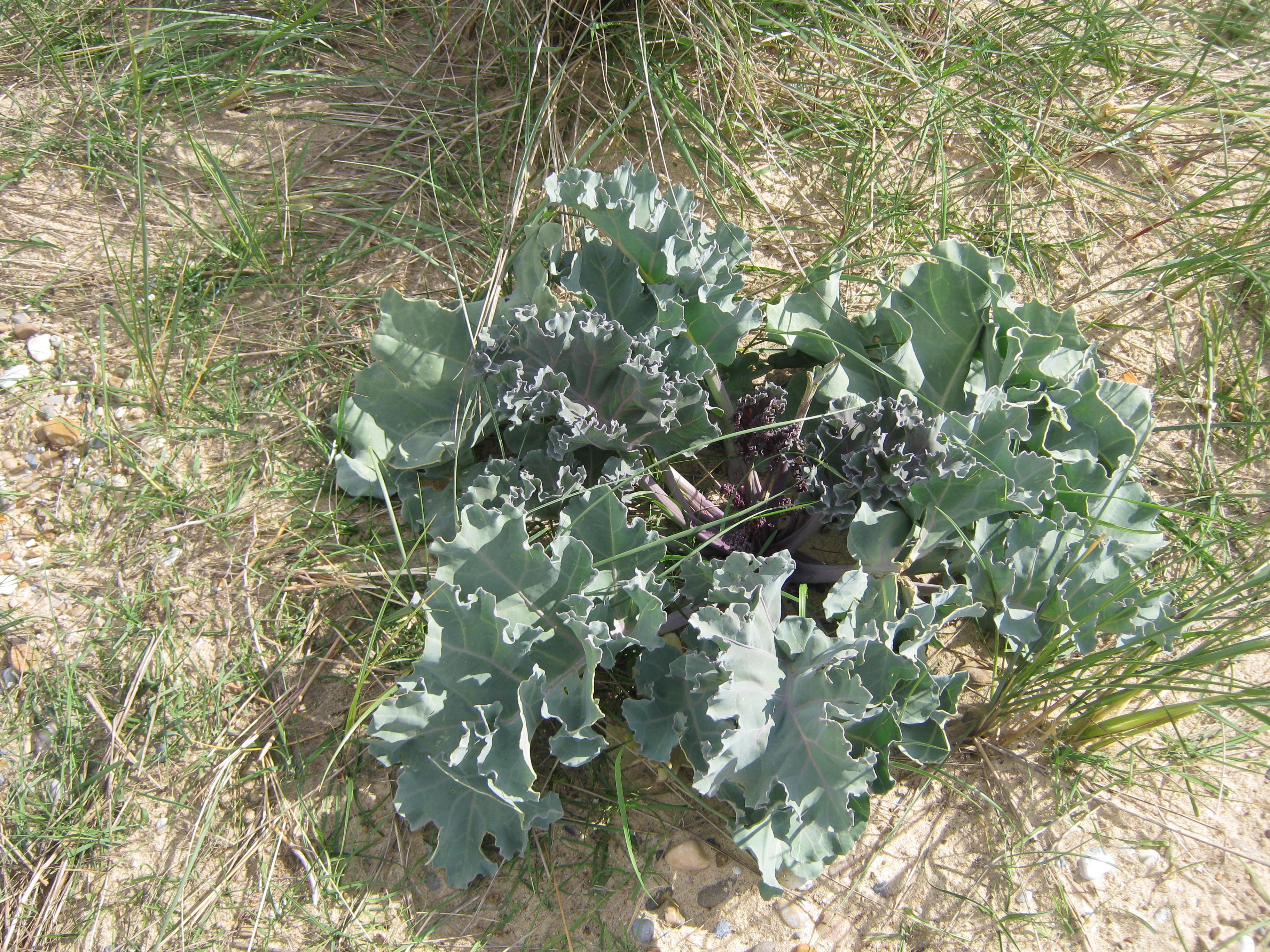
Sea Kale growing on the beach

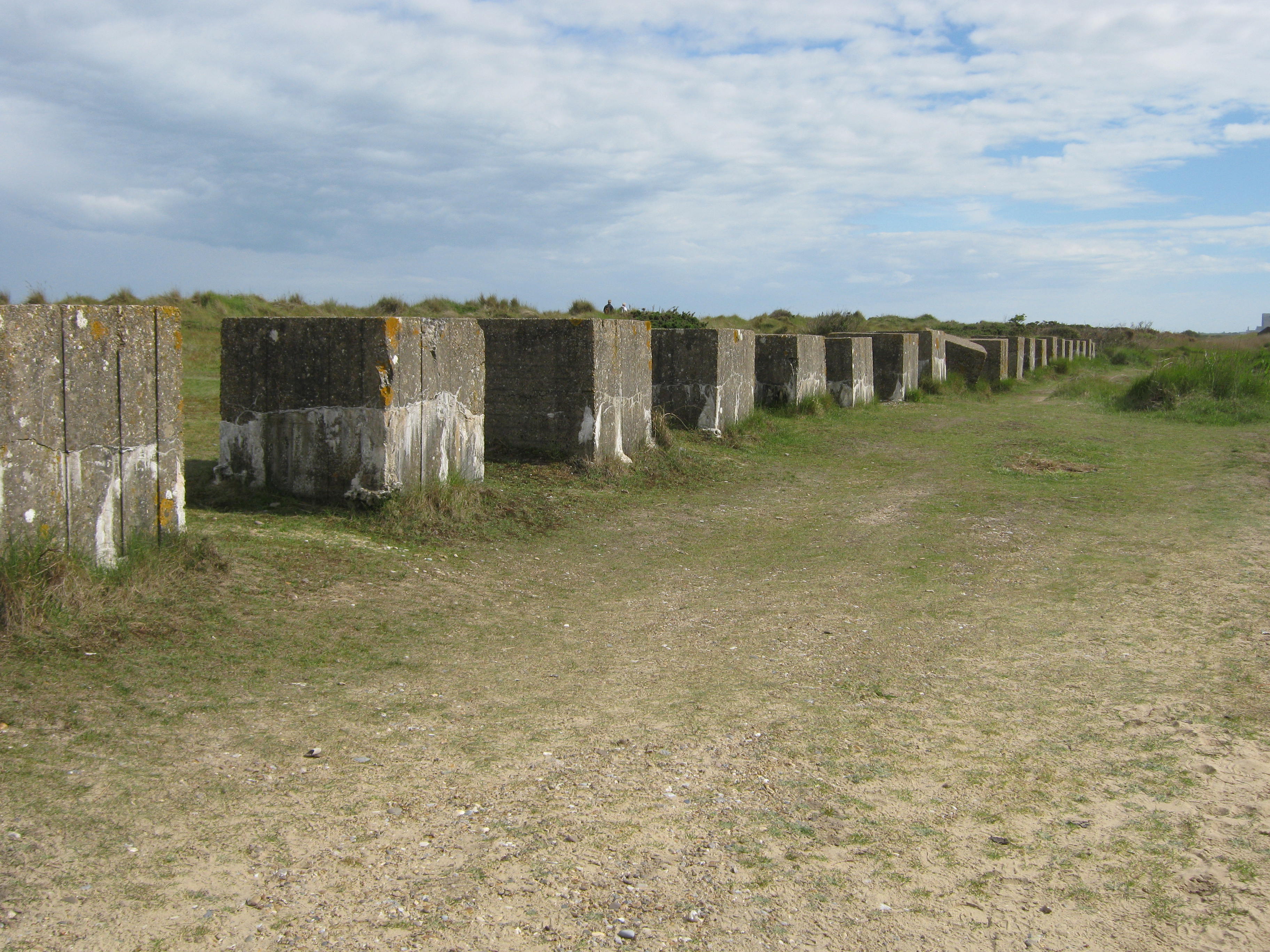
These are tank traps that were put here at the beginning of the Second World War.  If there had been an invasion it was hoped these might hold up the tanks for a while. There are many mementos of wartime in Britain, especially round the coast.
Image

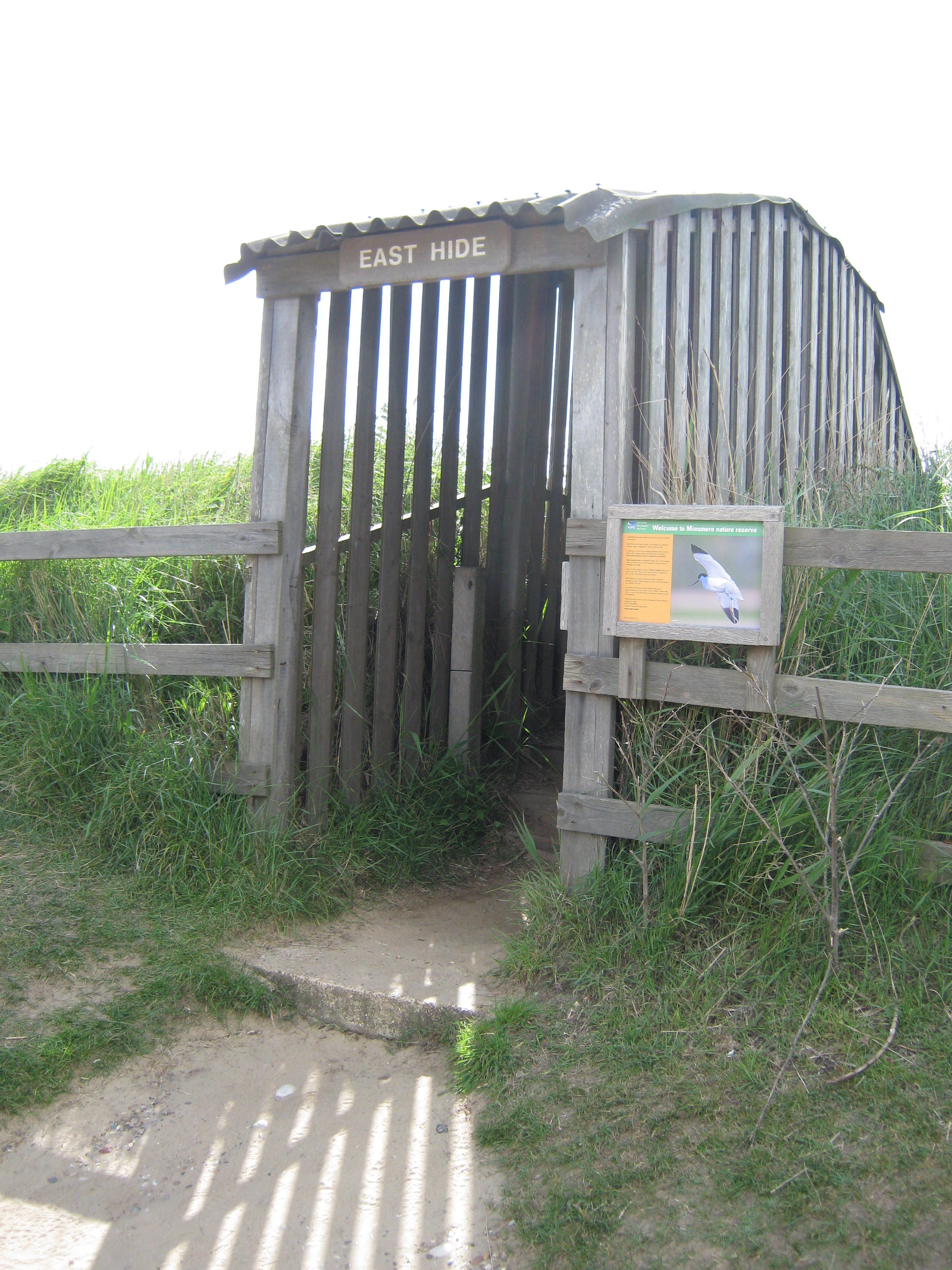
PD James’ book ‘Unnatural Causes’ is set here on the Suffolk coast.  One of characters in the book dies a most unpleasant death in one of the hides along the beach.
Image

Image

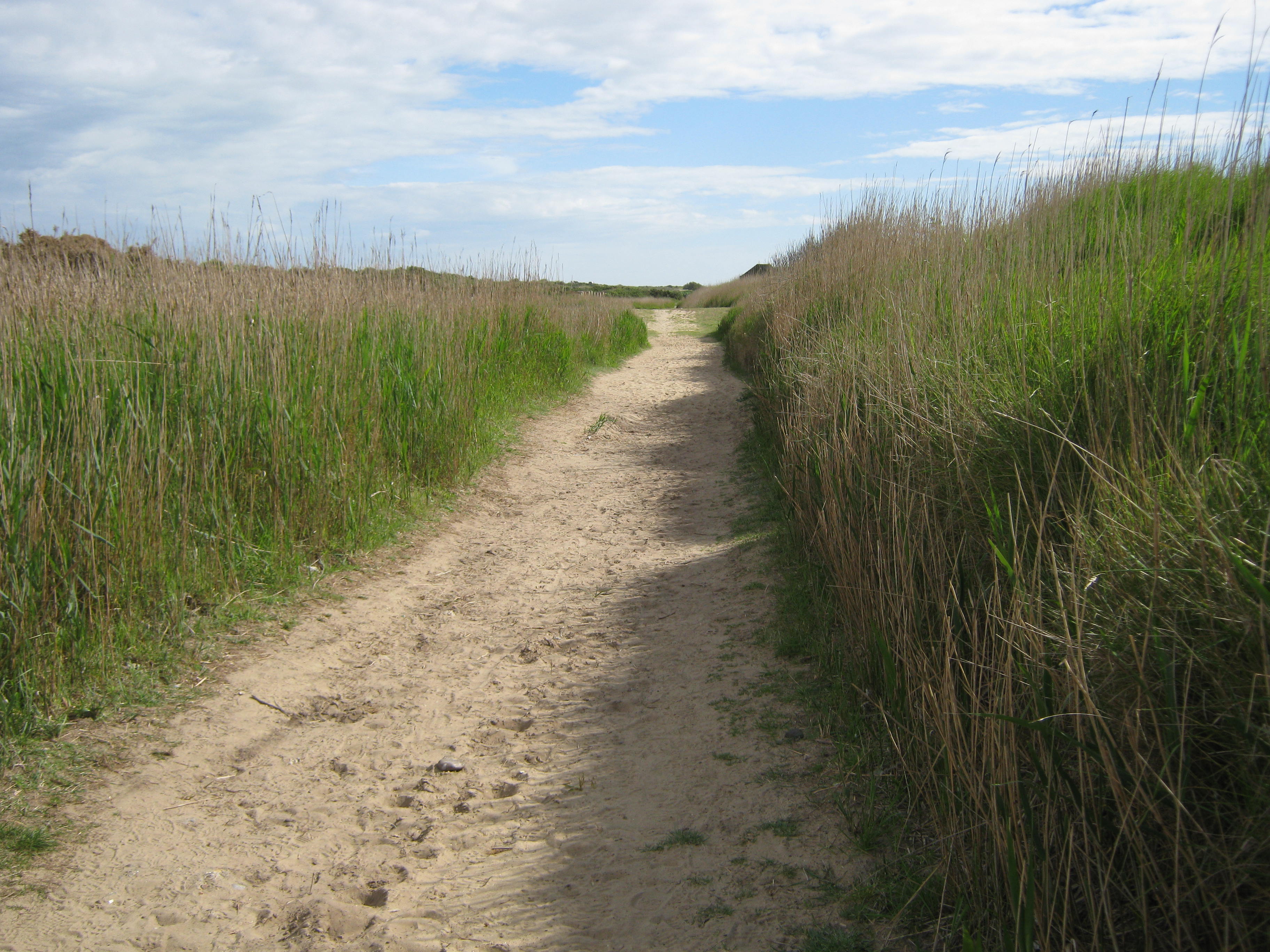
The sandy path that runs between the dunes and the reeds of the reserve.  We had walked by the sea for a while but an extremely stiff and cold onshore breeze was blowing so I escaped to the warm shelter of this path.

Image

Bird’s-foot Trefoil growing at the side of the path.

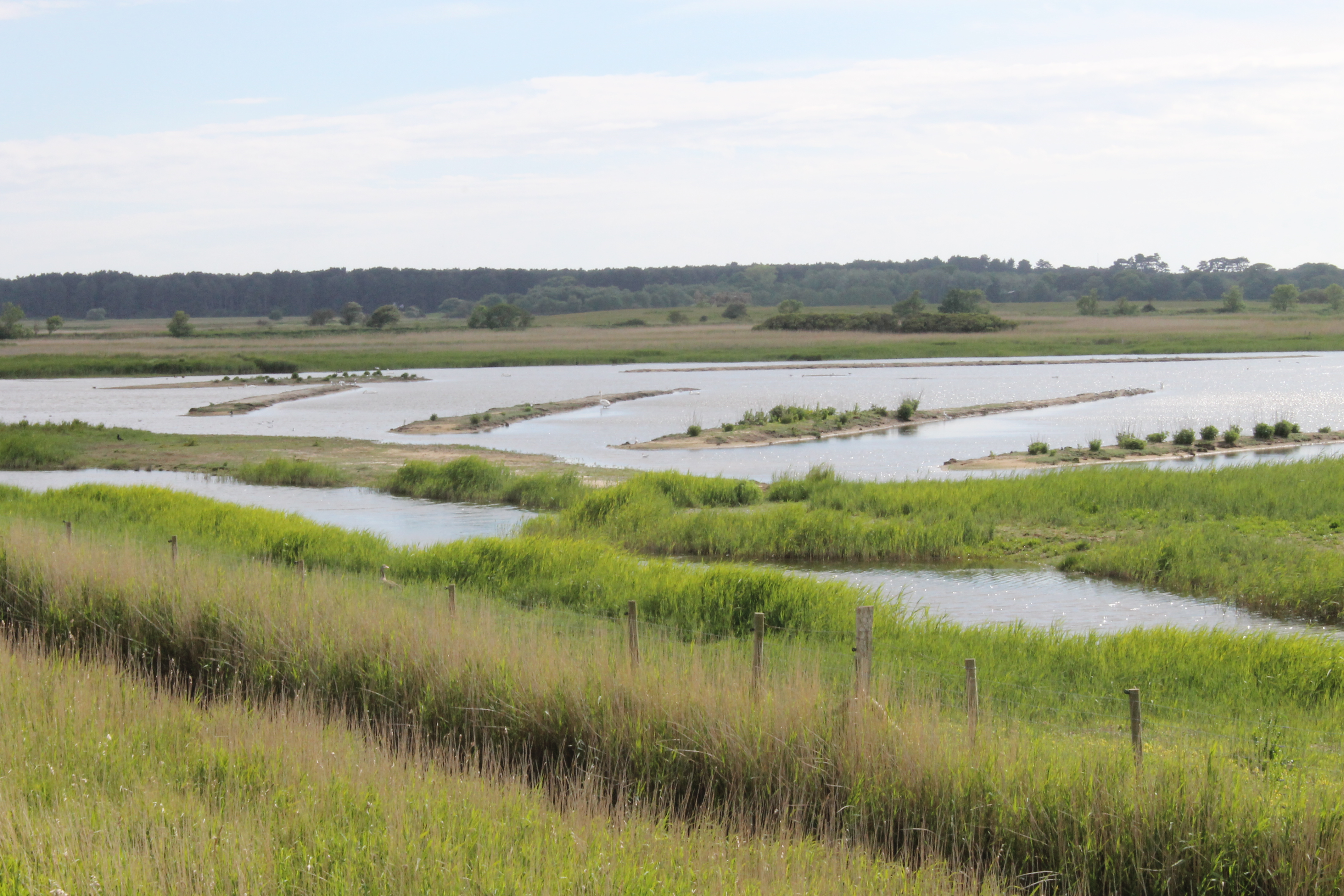
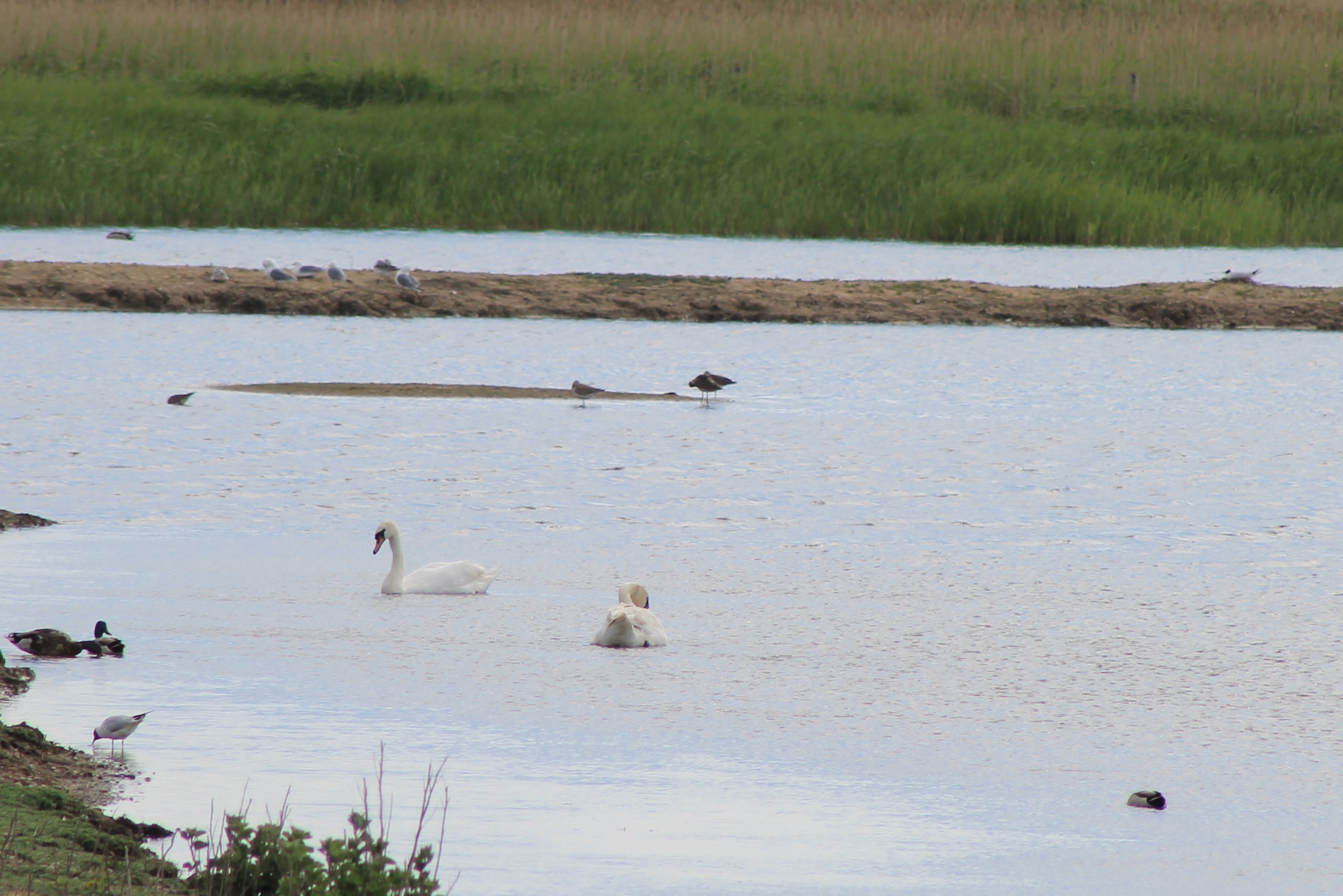
We went into one of the hides further along the beach and sat and looked inland across the Scrape at the birds nesting, eating, wading and getting on with their lives on the reserve.  The hide we were in had been damaged some time over winter and had no roof but as the weather was so lovely it didn’t matter much.  The birds were aware of our presence and didn’t get too close.  We were still able to see a lot through binoculars but we weren’t able to photograph much.
Image

Image

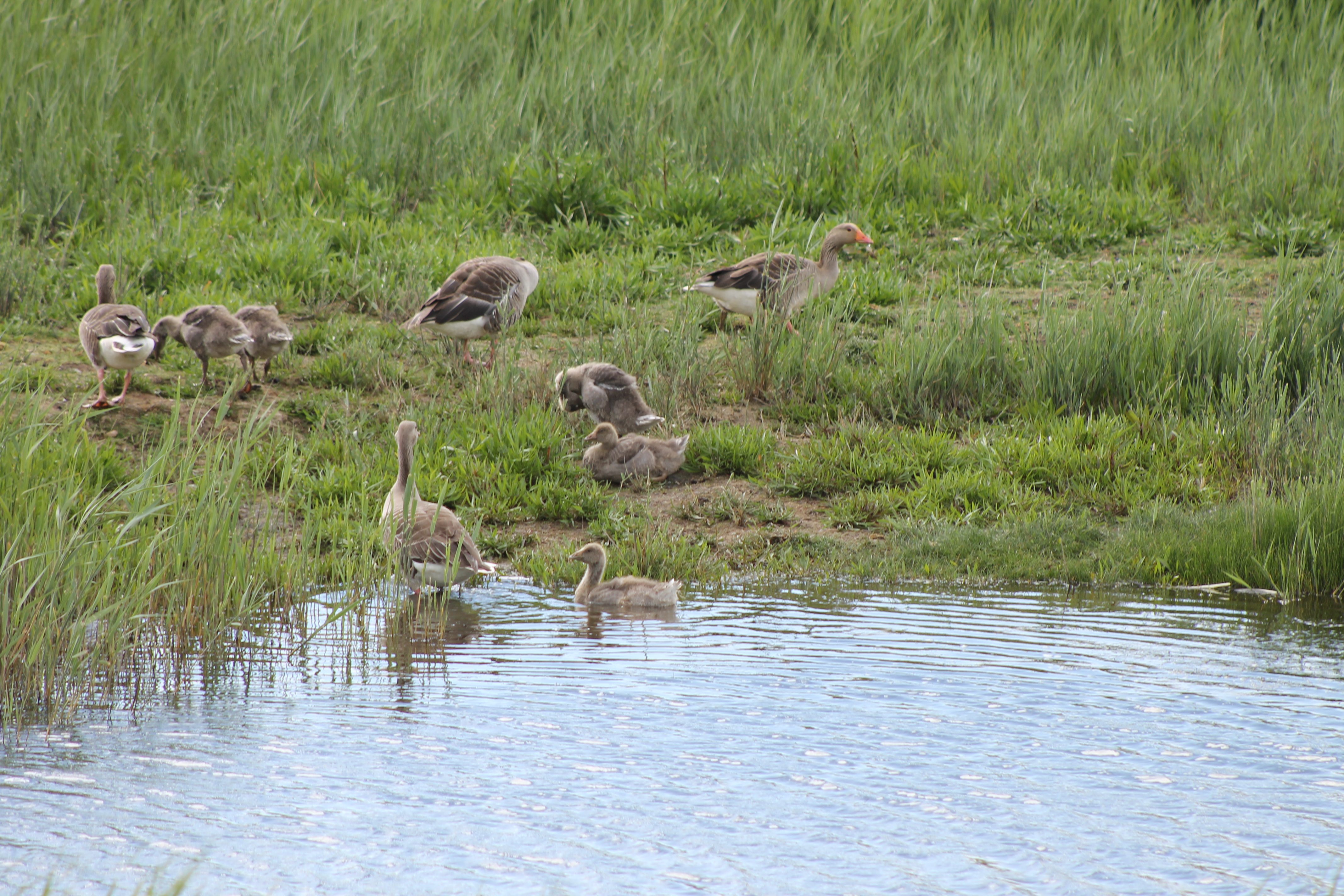
These are greylags with goslings.

Image

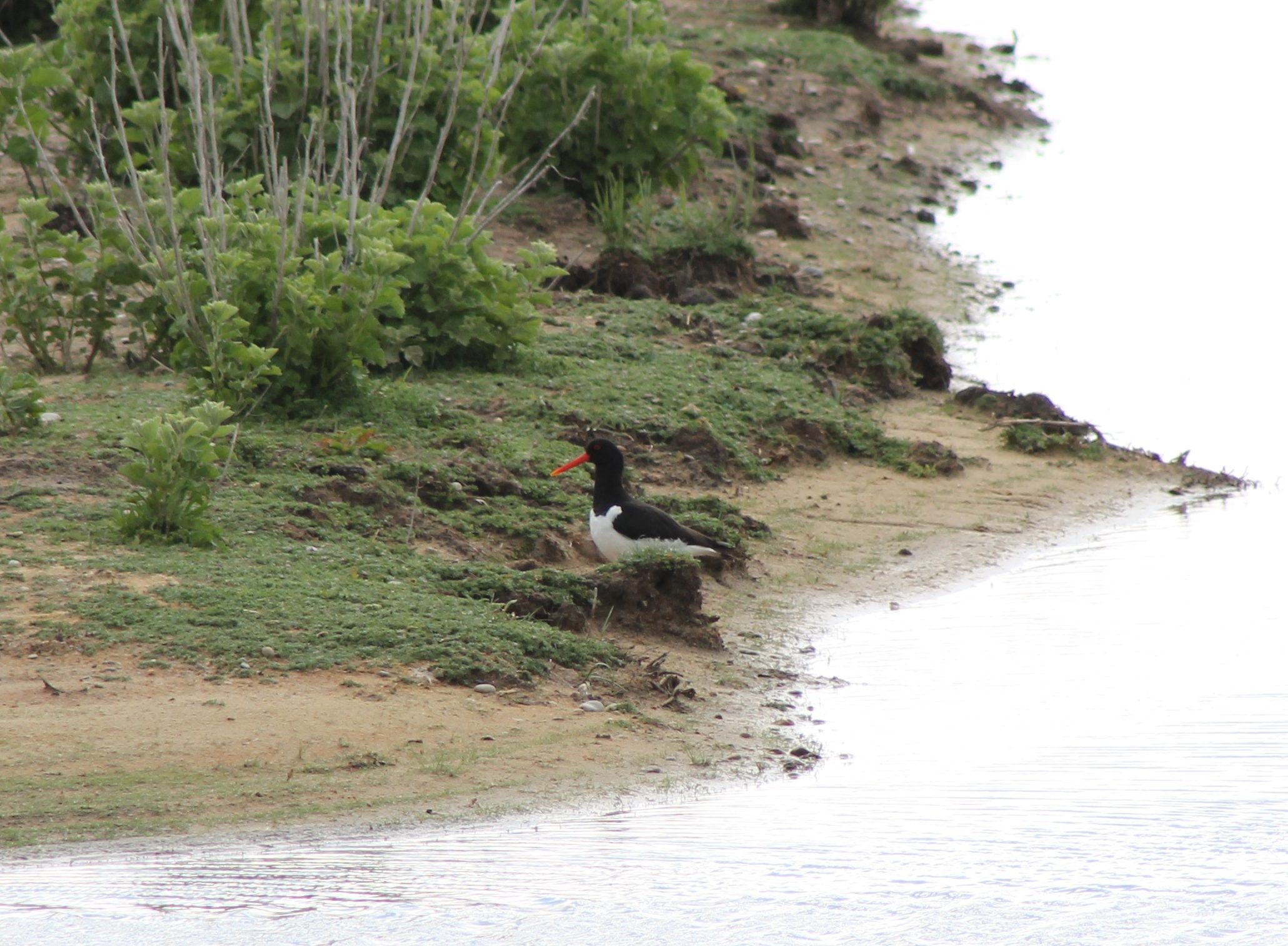
An Oystercatcher.

Image

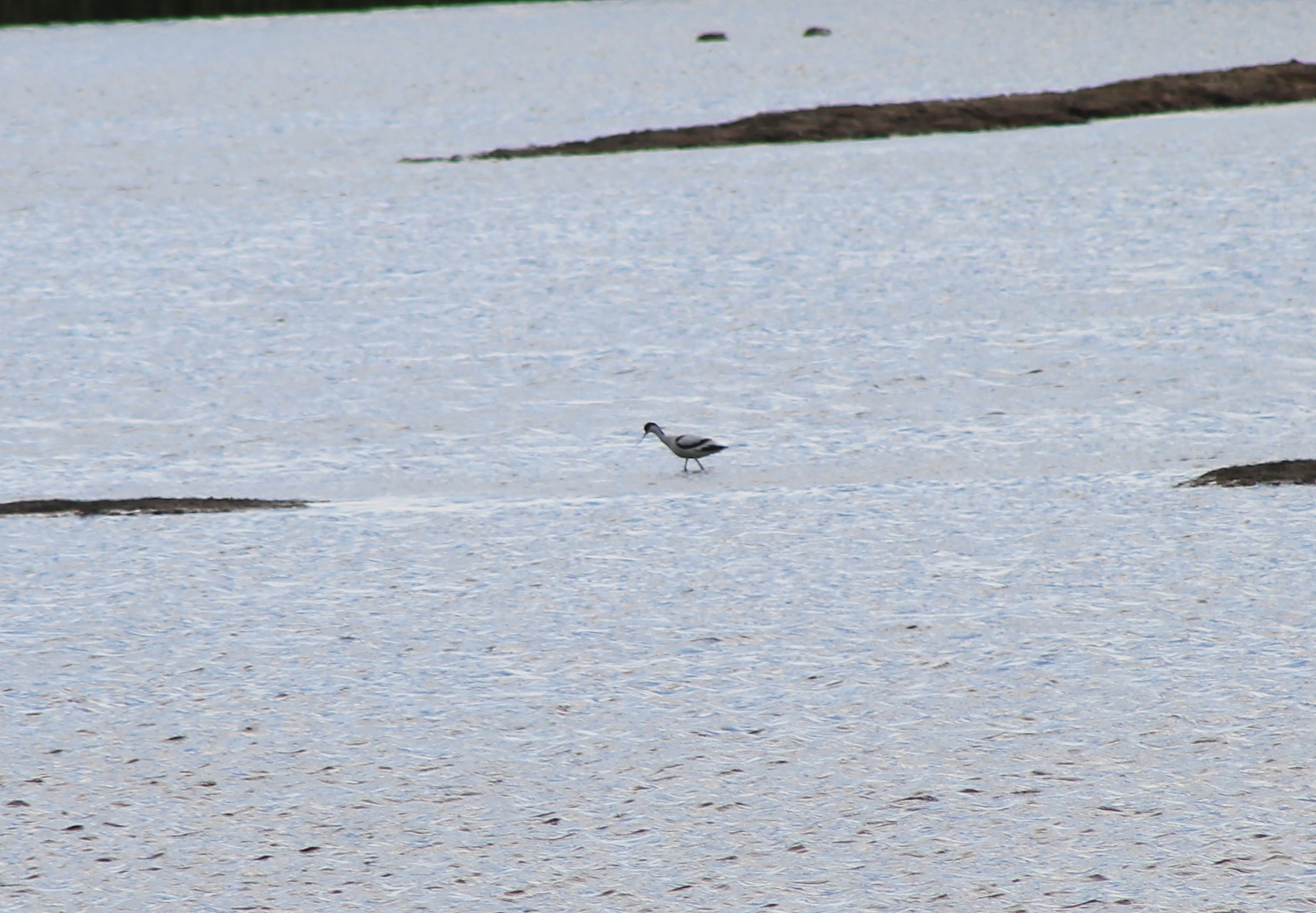
A poor photo of an Avocet.  You can almost see its long upturned bill!
Image

Mute Swans and other waders, ducks and gulls.

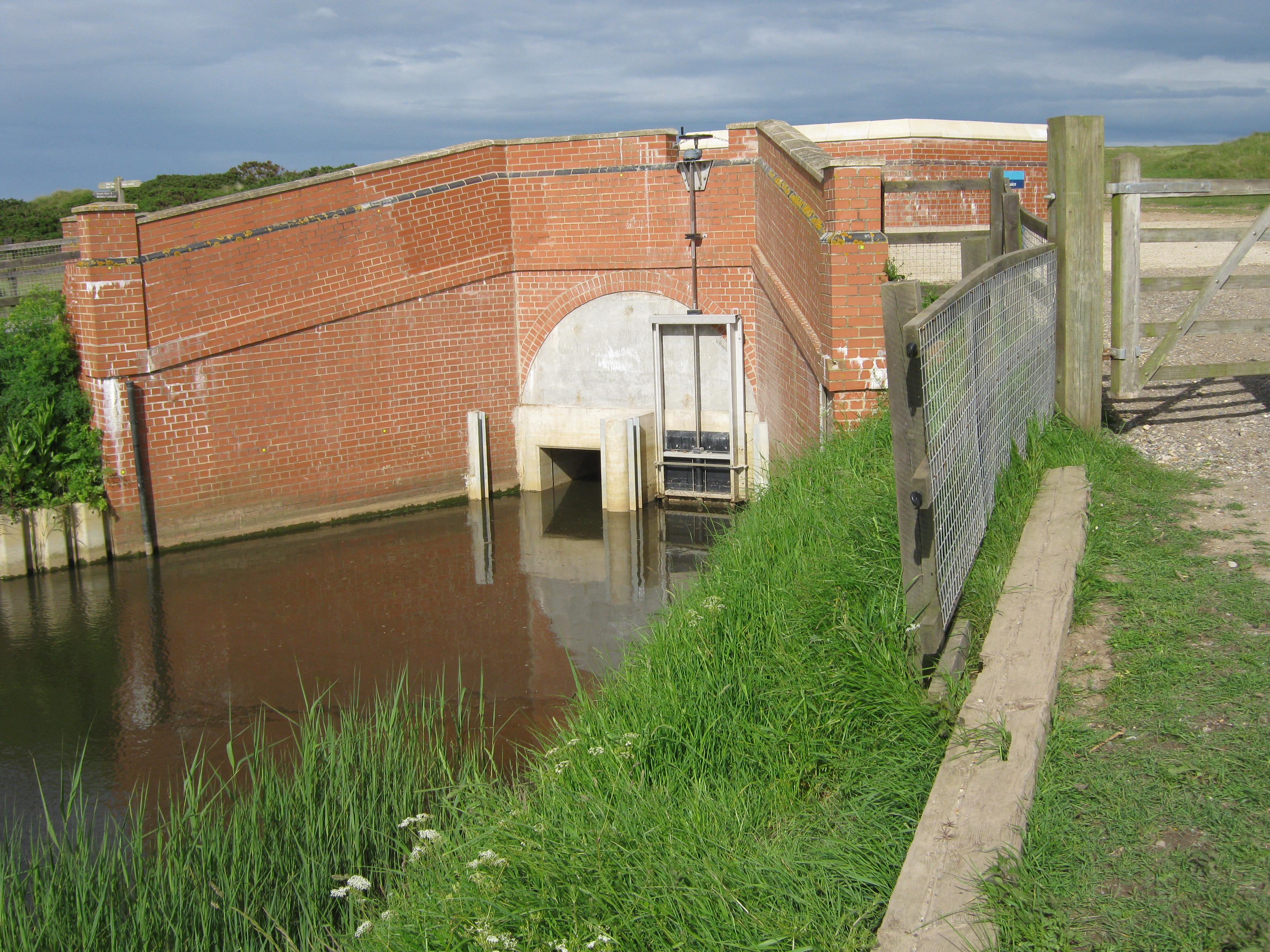
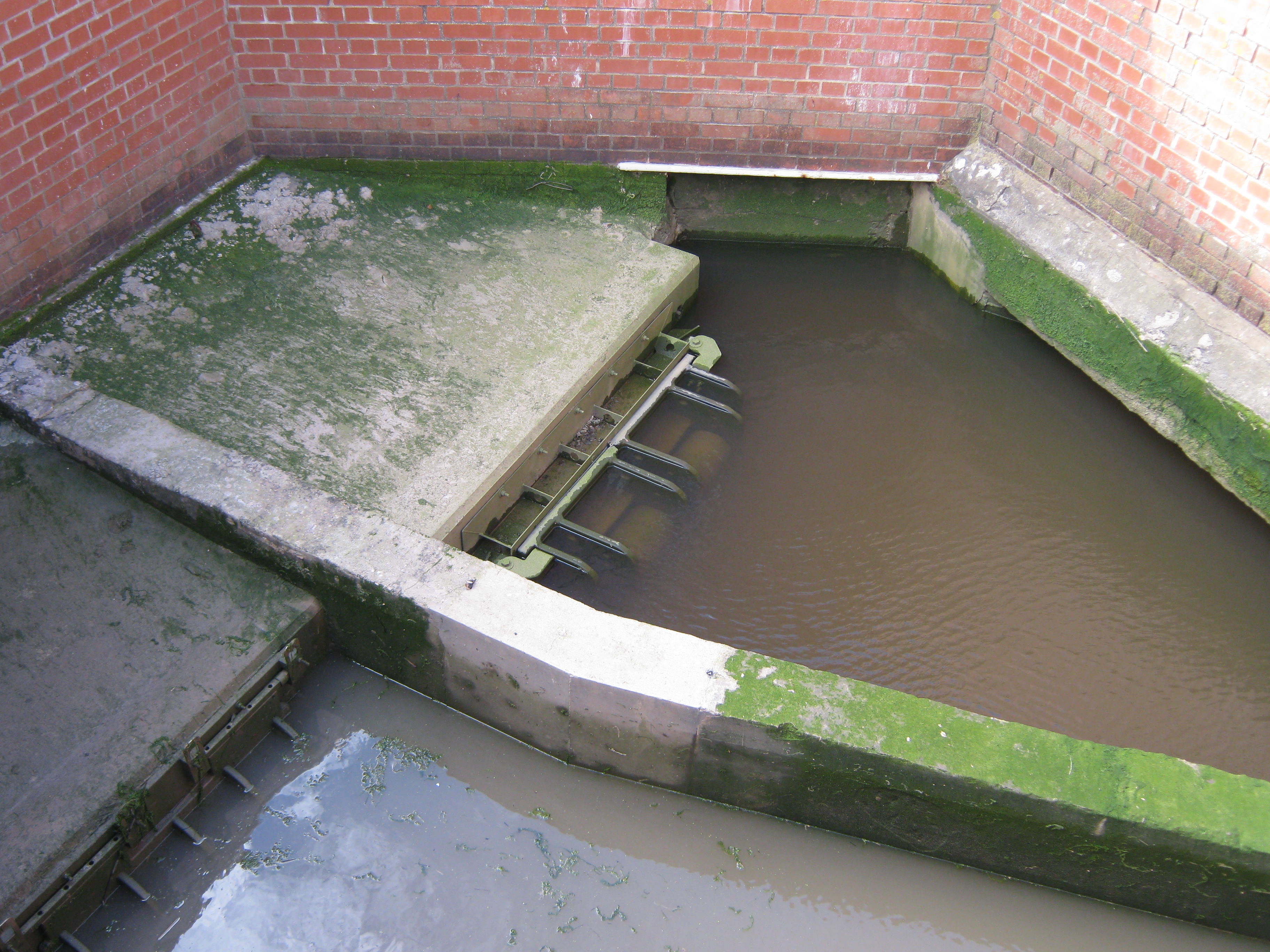
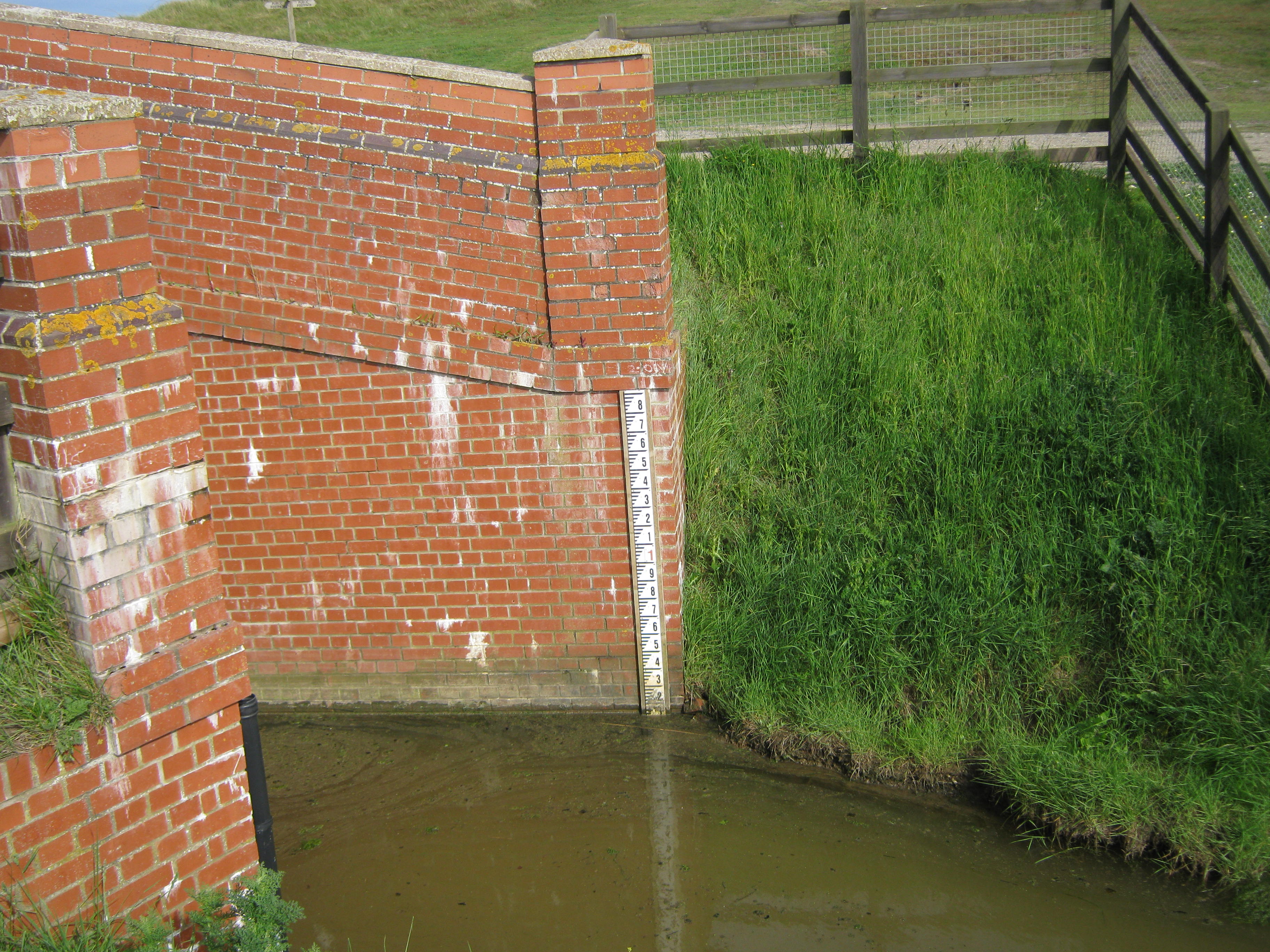
We eventually decided to move on and left the beach by another gate further south from the one we’d entered by.  There is a sluice there.  Water levels are monitored all the time.  The Scrape and lagoon need to have enough water in them but water levels must not get too high.  The RSPB works with other groups such as the owner of the nuclear power station and the National Trust to maintain flood defences.
Image

Image

Image

Image

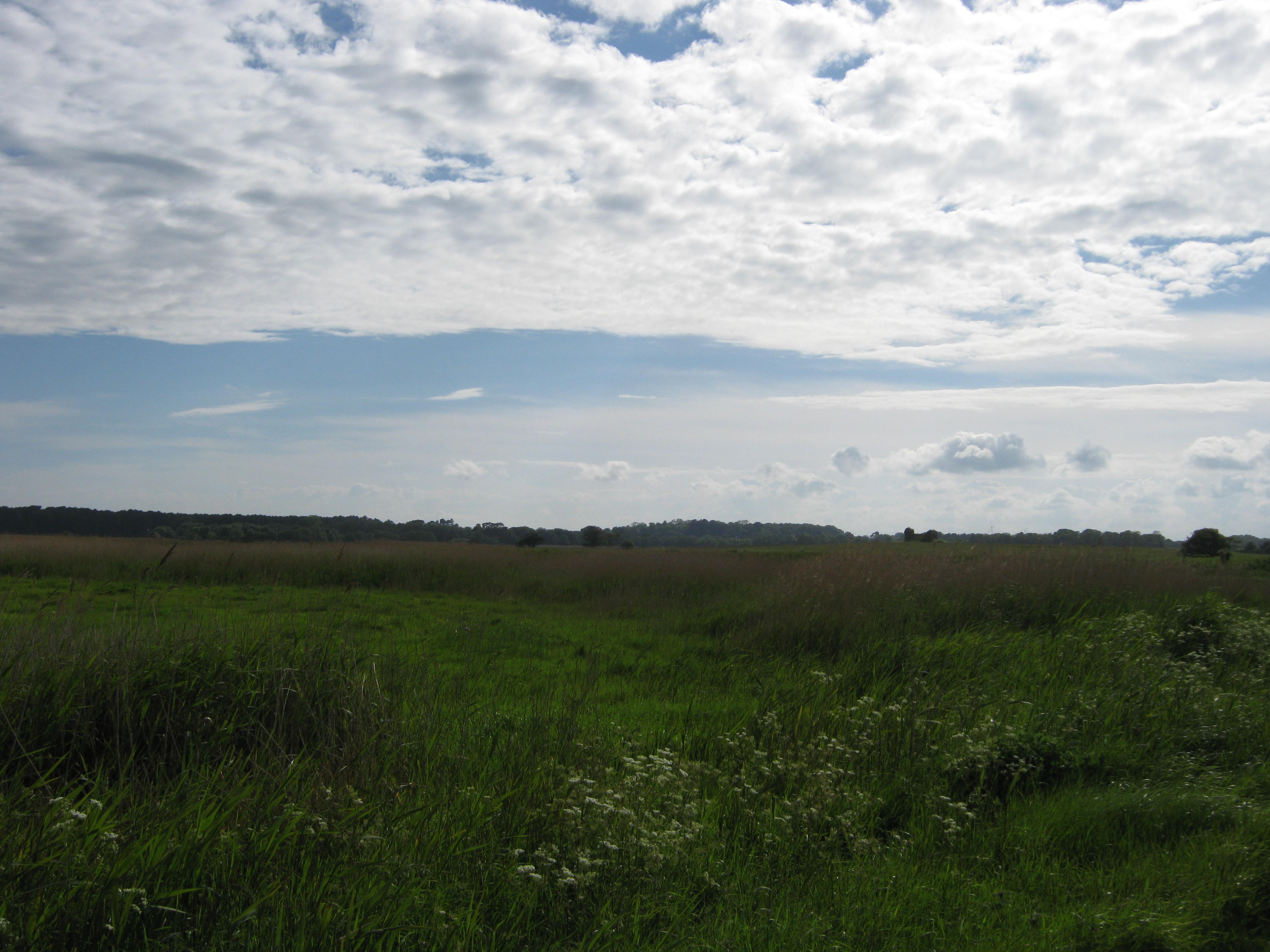
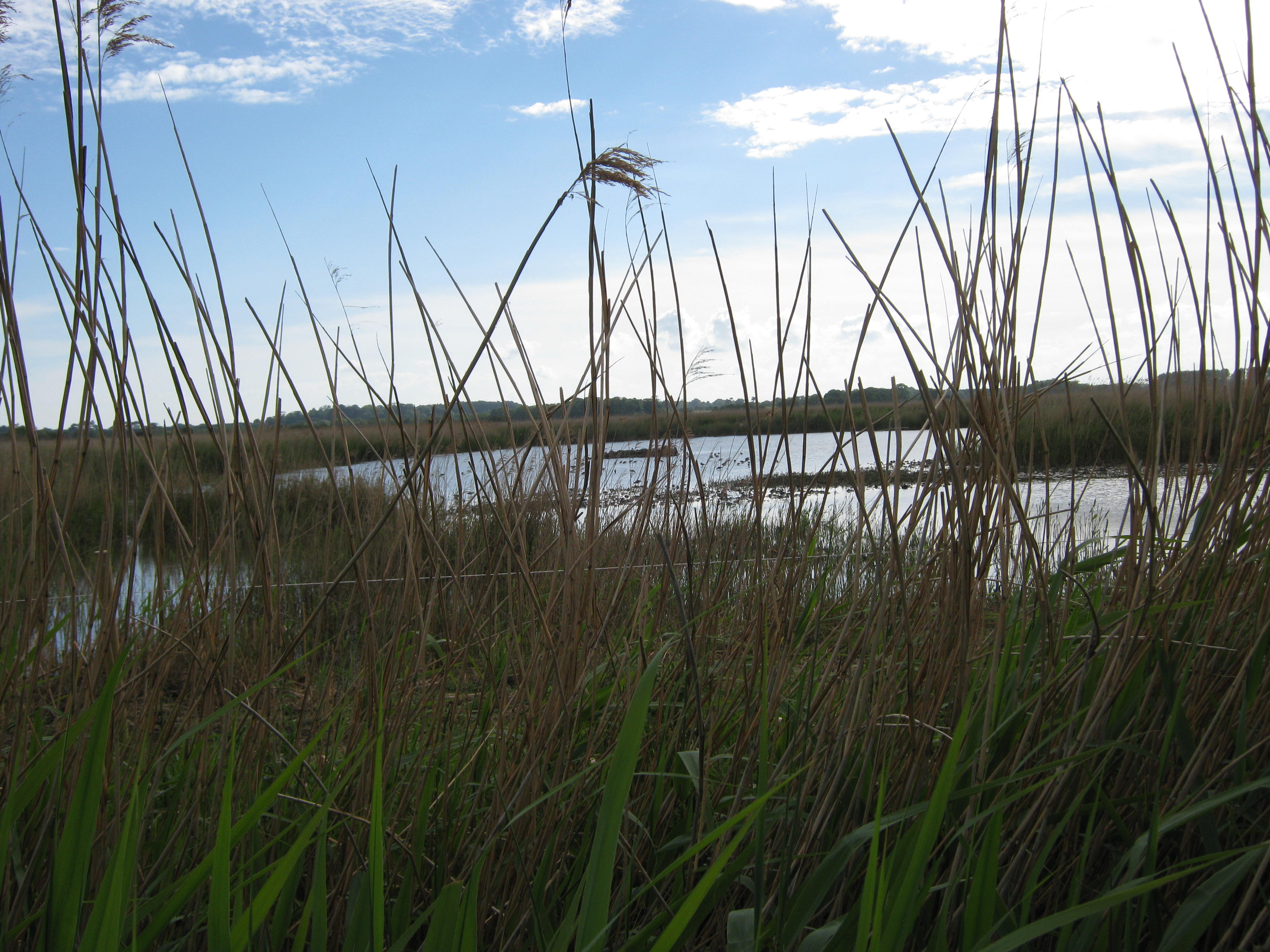
Views over the marshes.

Image

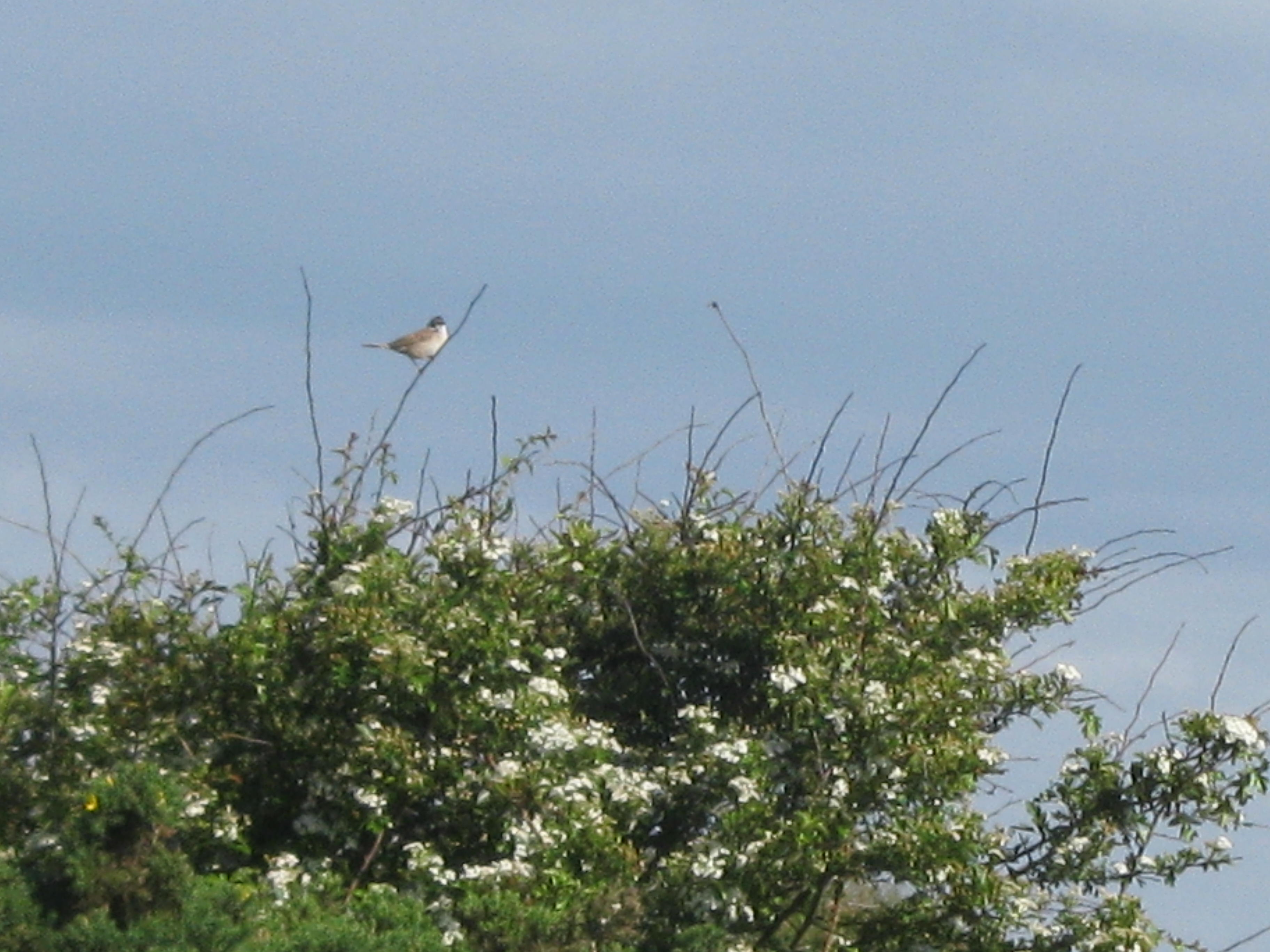
A photo of a Whitethroat singing from the top of a bush. We couldn’t get any closer I’m afraid so it’s not very clear.
Image

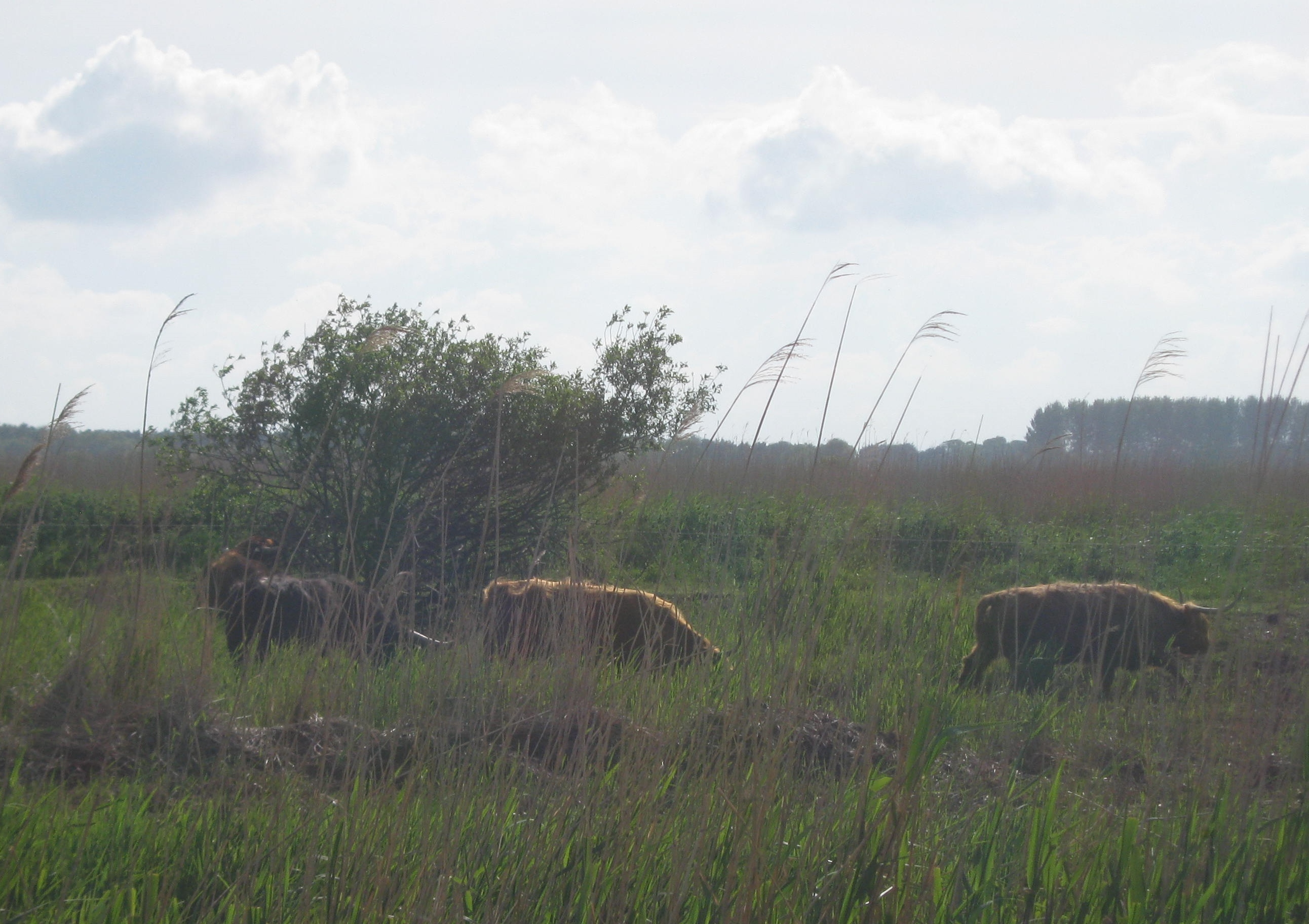
Highland cattle are used for marshland grazing.  They also use (or used to use) Konic Ponies for the same purpose.
Image

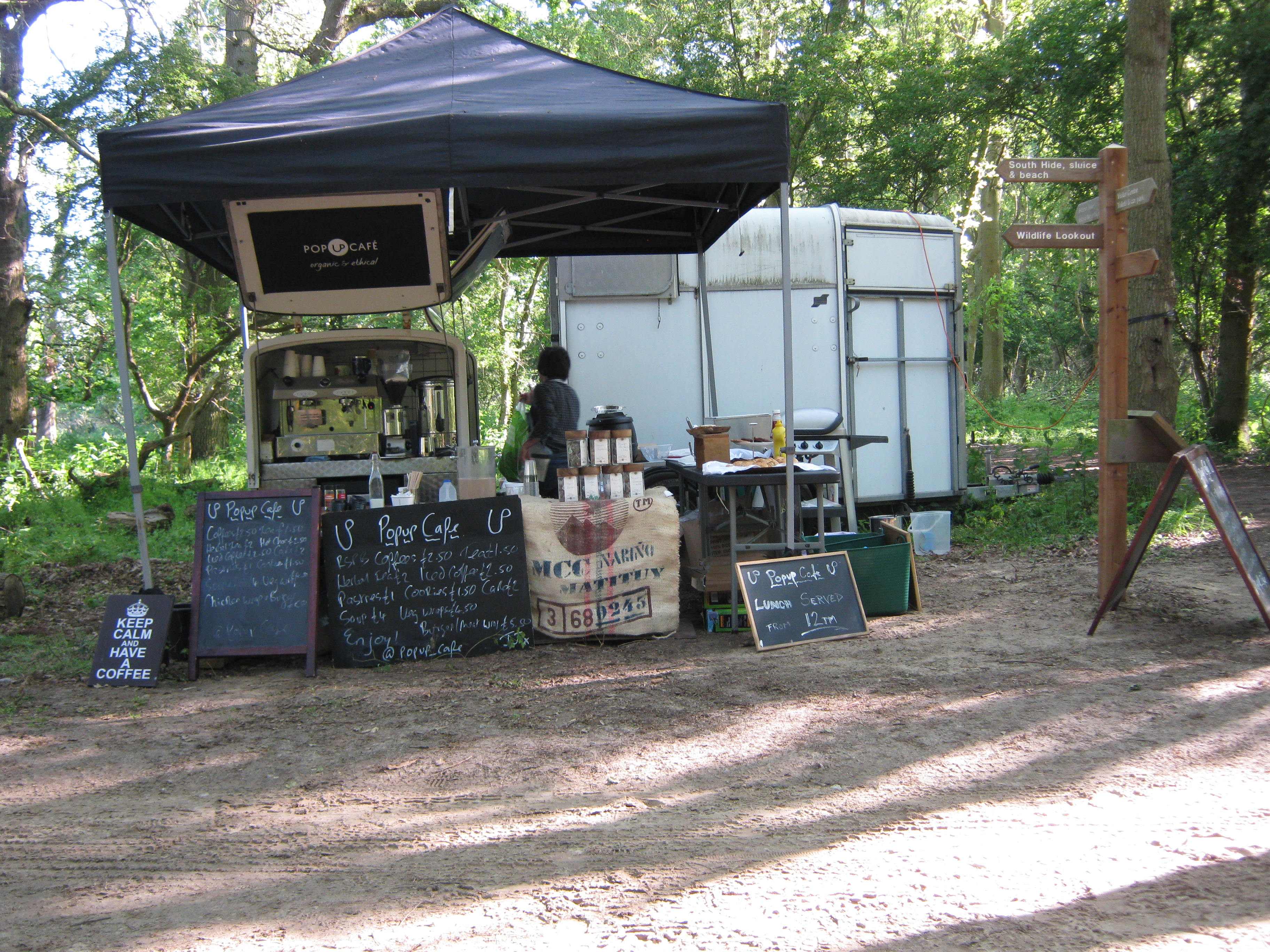
We walked back towards the woods on the noisy path listening to Sedge Warblers and Whitethroats and many more birds along the way.  We saw that the whole reserve was wired for sound.  There were cables everywhere and cameras attached to nest boxes and every now and then we came across one or two people working in ditches and under bushes trying to fix something.  In the woods we also found a Pop-Up Café.
Image

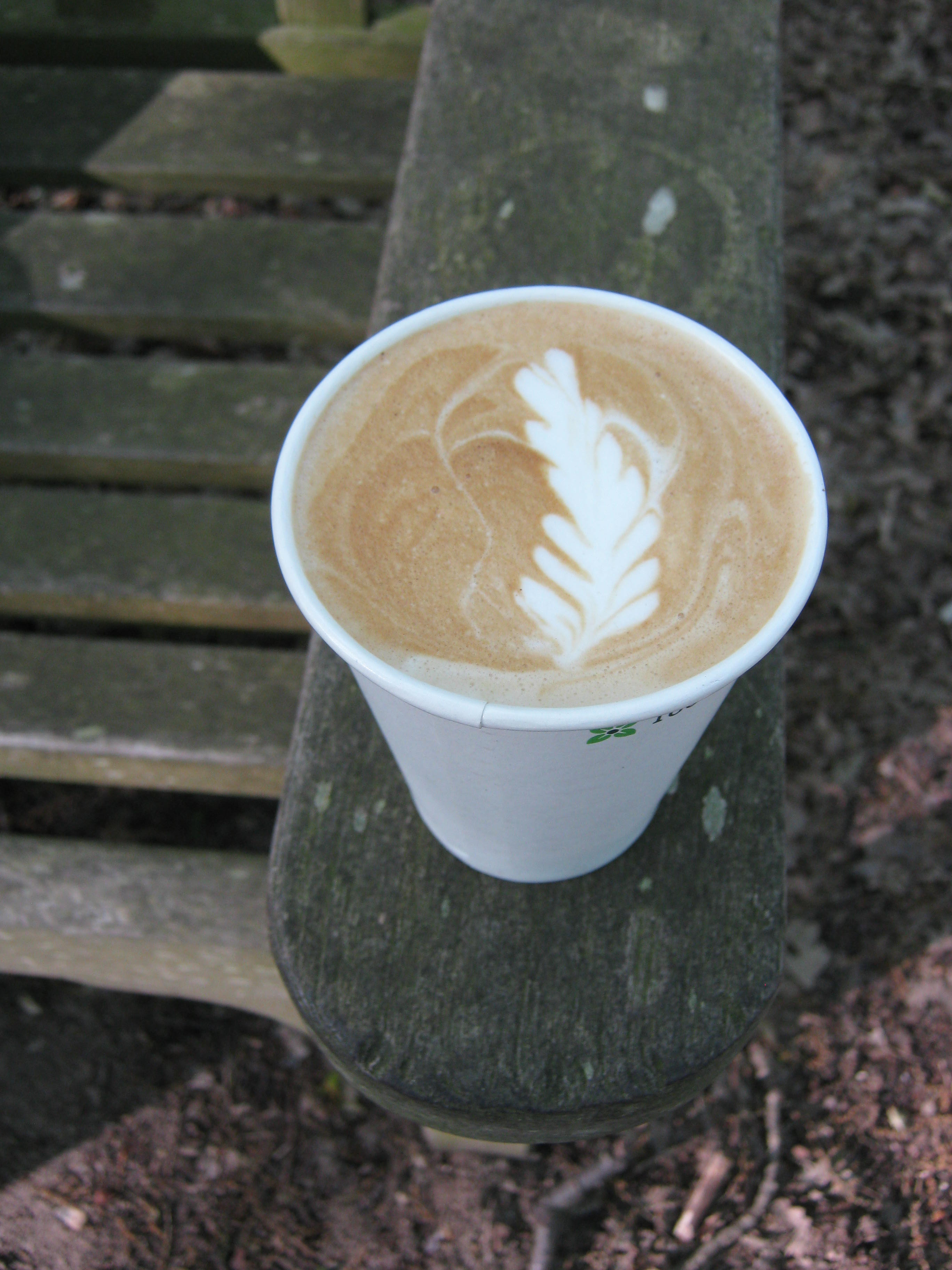
This was run by an enterprising East European couple.  R and I had the best coffee I’ve ever had.  It cost us £5.00 for two coffees which is very expensive for Suffolk but we did get two free pastries with it.  The girl put a pretty pattern on the top of mine.
Image

After eating our pain au chocolat and drinking our coffee we walked a little way up into the wood and sat listening to the birds.  We heard a Bittern ‘booming’ which we were pleased about but unfortunately we weren’t able to hear a nightingale.  It was becoming late by this time and we decided to go home.  The BBC is only filming on Mondays to Thursdays so I may go back next Friday and just walk round the wood and try to hear the nightingale.  A and I walked here a few years ago listening to one singing and we even saw it too.  When I first moved to Suffolk in 1988 I lived in Halesworth and I used to be able to hear nightingales singing all night from the Folly on the edge of the town.  Sadly there are fewer Nightingales about and I haven’t heard one for about four years.
Share this:

  • Share on X (Opens in new window) X
  • Share on Reddit (Opens in new window) Reddit
  • Share on Pinterest (Opens in new window) Pinterest
  • Share on Facebook (Opens in new window) Facebook
  • Email a link to a friend (Opens in new window) Email
  • Share on Tumblr (Opens in new window) Tumblr
  • Print (Opens in new window) Print
  • Share on LinkedIn (Opens in new window) LinkedIn
Like Loading...

A Good Day

15 Thu May 2014

Posted by Clare Pooley in churches, plants, Rural Diary, trees, walking, wild birds

≈ 6 Comments

Tags

barley, Common Whitebeam, Early Purple Spotted Orchid, English Oak, field maple, Lady's Smock, Lesser Whitethroat, Oak-apples, orange-tip butterfly, Red Clover, Red Horse Chestnut, Red May, St Michaels church, St Peter's church, stag-headed, the Beck, Turtle Doves, Willow Warbler, Wych Elm

I had a very good day yesterday.  The weather was much better than it had been for a week and I was nearly back to normal after my cold.  I hung some washing out on the line in the garden and then set off for Bungay where I had to get some shopping.  Just as I was nearing Flixton I noticed some birds at the side of the road, mainly woodpigeons but among them were a pair of Turtle Doves.  I was so pleased to see them I nearly shouted out loud!  Turtle Doves are becoming so rare, not only because of the reduction of places to nest in this country but also because of the dangers they face during migration – being shot for sport for example – and the lack of suitable places to spend the winter because of deforestation in Africa.  Even if we get no Turtle Doves in our garden this year I am happy that there are at least one pair in this area!  Their song epitomises high summer for me – a lovely drowsy, purring noise. We used to get them every year and they stayed around until the end of August.  In recent years we have had a Turtle Dove sing for a day or so and then go off elsewhere in search of a mate.  Last year they didn’t turn up at all.  Many people believed that was because of the terrible spring we had had.  Turtle Doves had arrived in this country and then we had the late snow and frost which killed some birds and others just turned round and went back to France.

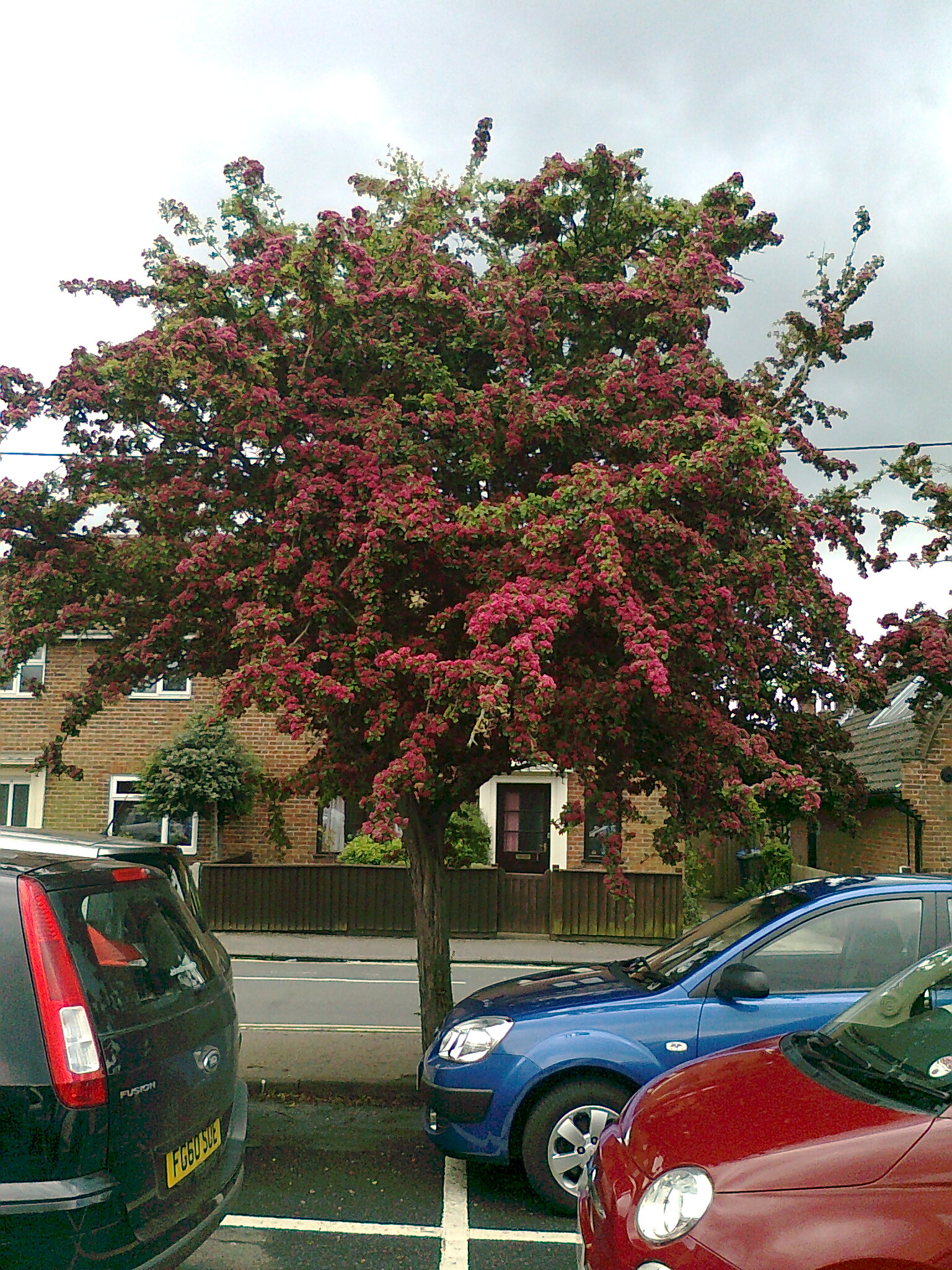
I went to my usual car park in the centre of town and noticed all the trees planted around the car park had come into flower.  They are all Red May trees – Red Hawthorns – and look so pretty with their deep pink flowers.
Image


Red Mays are not as popular here as where I grew up in Kent.  My father thought they were wonderful and planted one in one of the houses we had when I was a girl.  As I walked about the town I remembered having seen another red-blossomed tree recently and thought I would go and have a closer look at it later in the day.

I found the opportunity to go for a quick walk in the early afternoon.  The day had warmed up considerably but there were still a few black clouds around.  As I walked down to the end of our lane and out into the next I listened to a Willow Warbler singing in the top branches of a group of trees nearby.  The Willow Warbler is another bird whose song I couldn’t do without – it has a sweet song of descending notes in a minor key.  Weep, weep, weep, weep it says and makes my heart swell and I find I am near to tears at the beauty of it.  It is another bird whose numbers are reducing drastically.  Again, we used to hear them all summer long but not any more.  I hope this one finds a mate and stays to sing for me.  I stood under the Field Maple tree it was singing in and eventually saw it in the top canopy.  It sang and then busily flitted from twig to twig in search of food and then sang again.  I tried to photograph it but wasn’t quick enough.

Image

This is the result.  Can you see it?  No, neither can I.

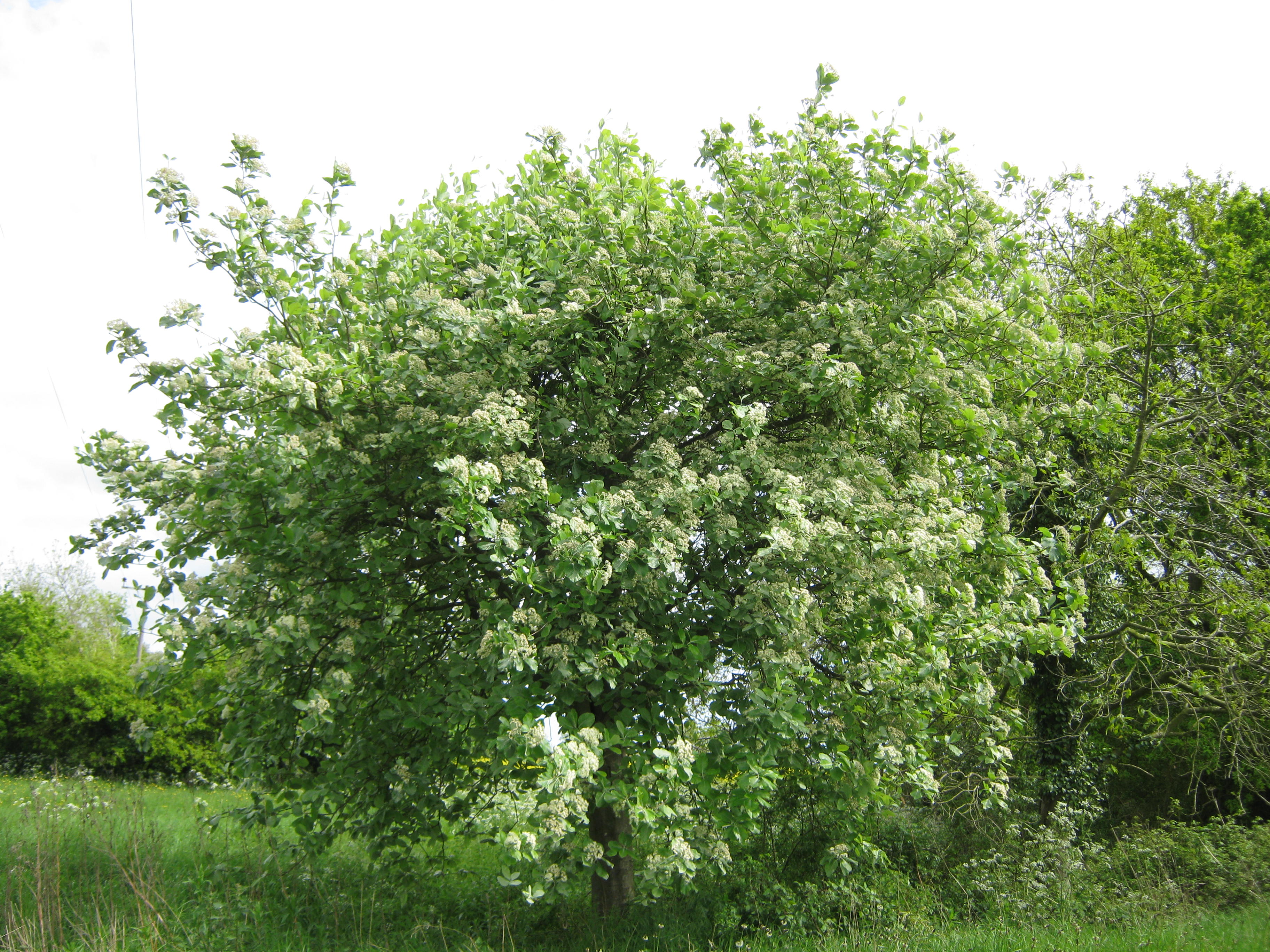
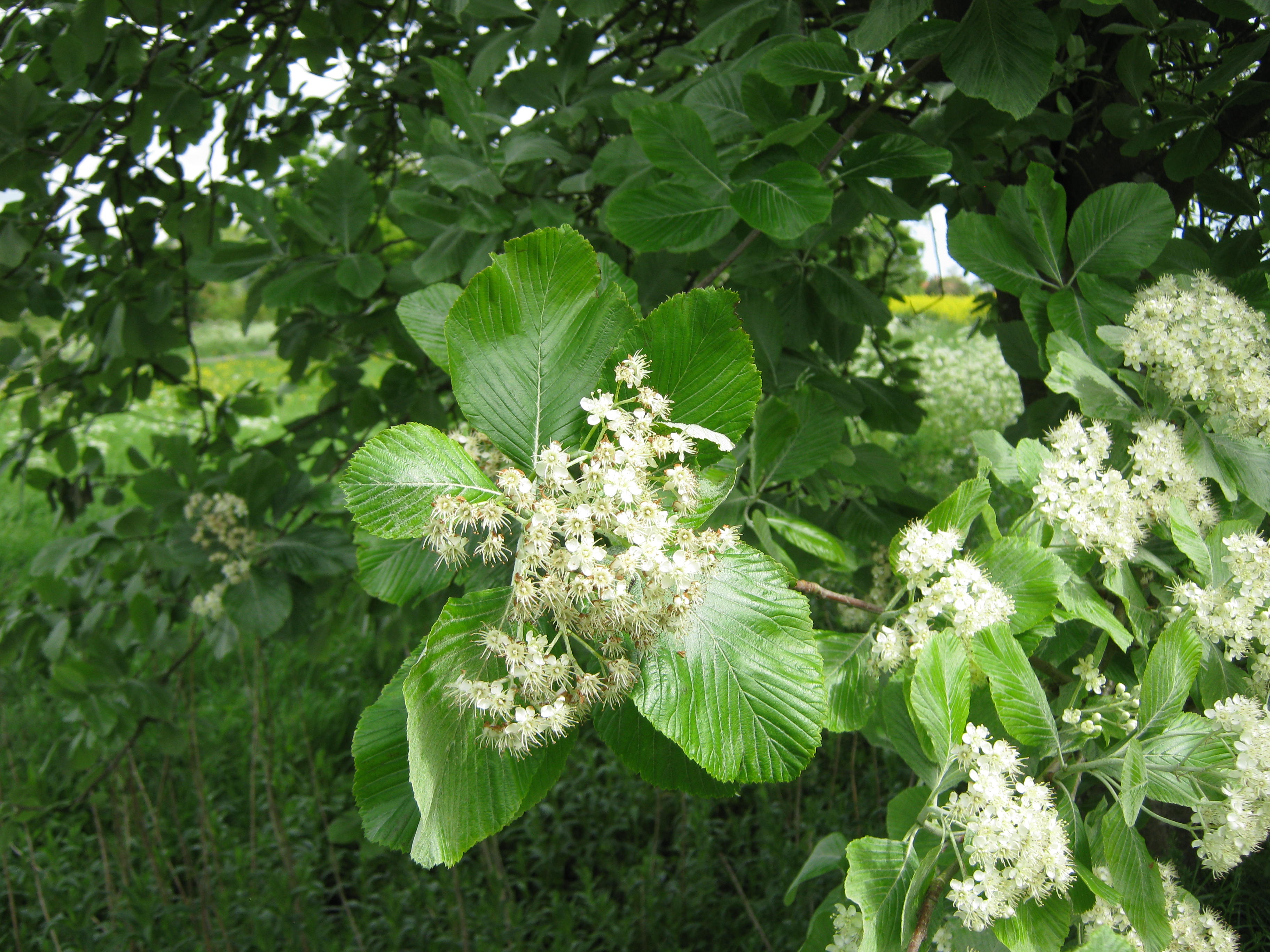
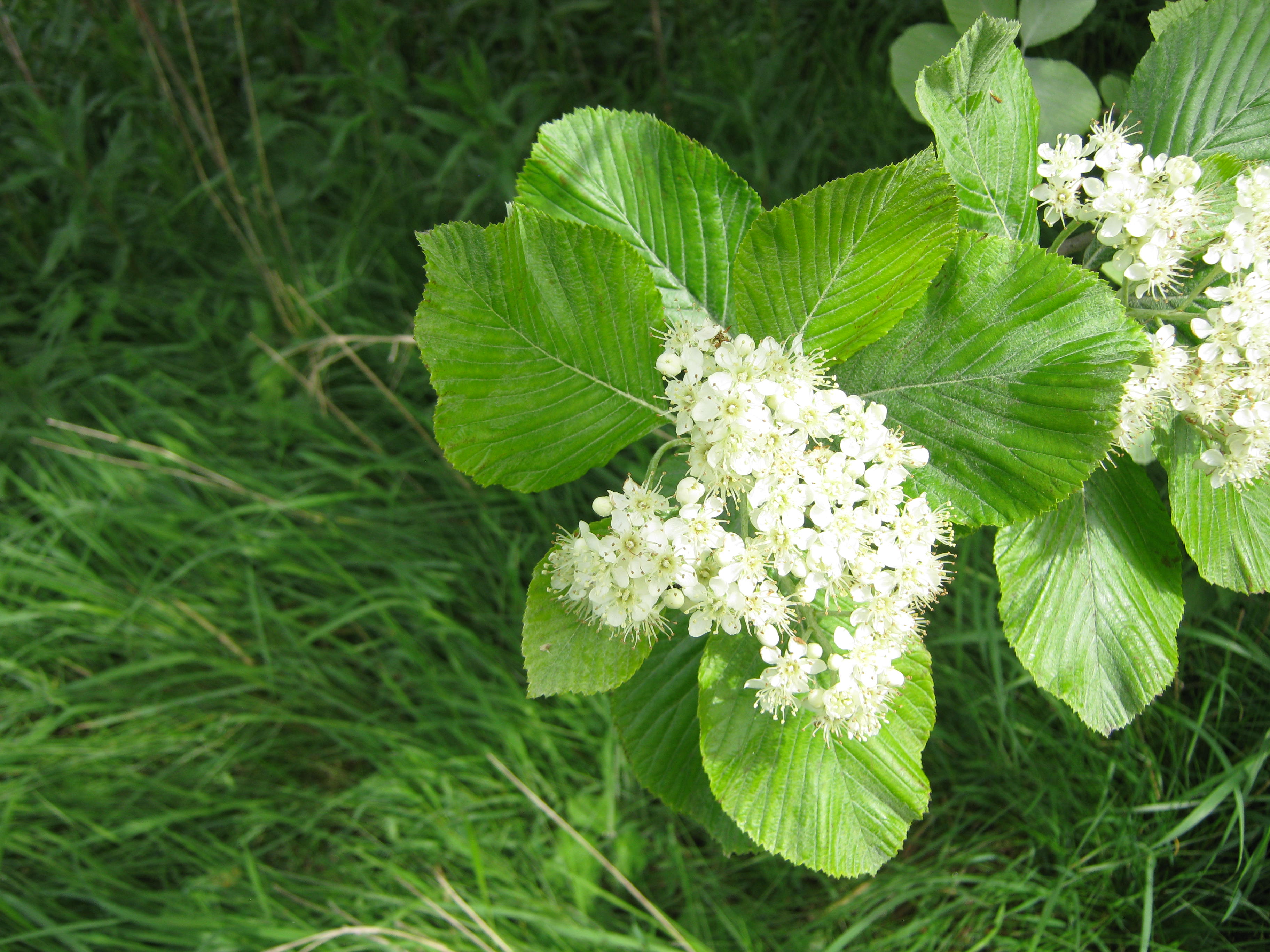
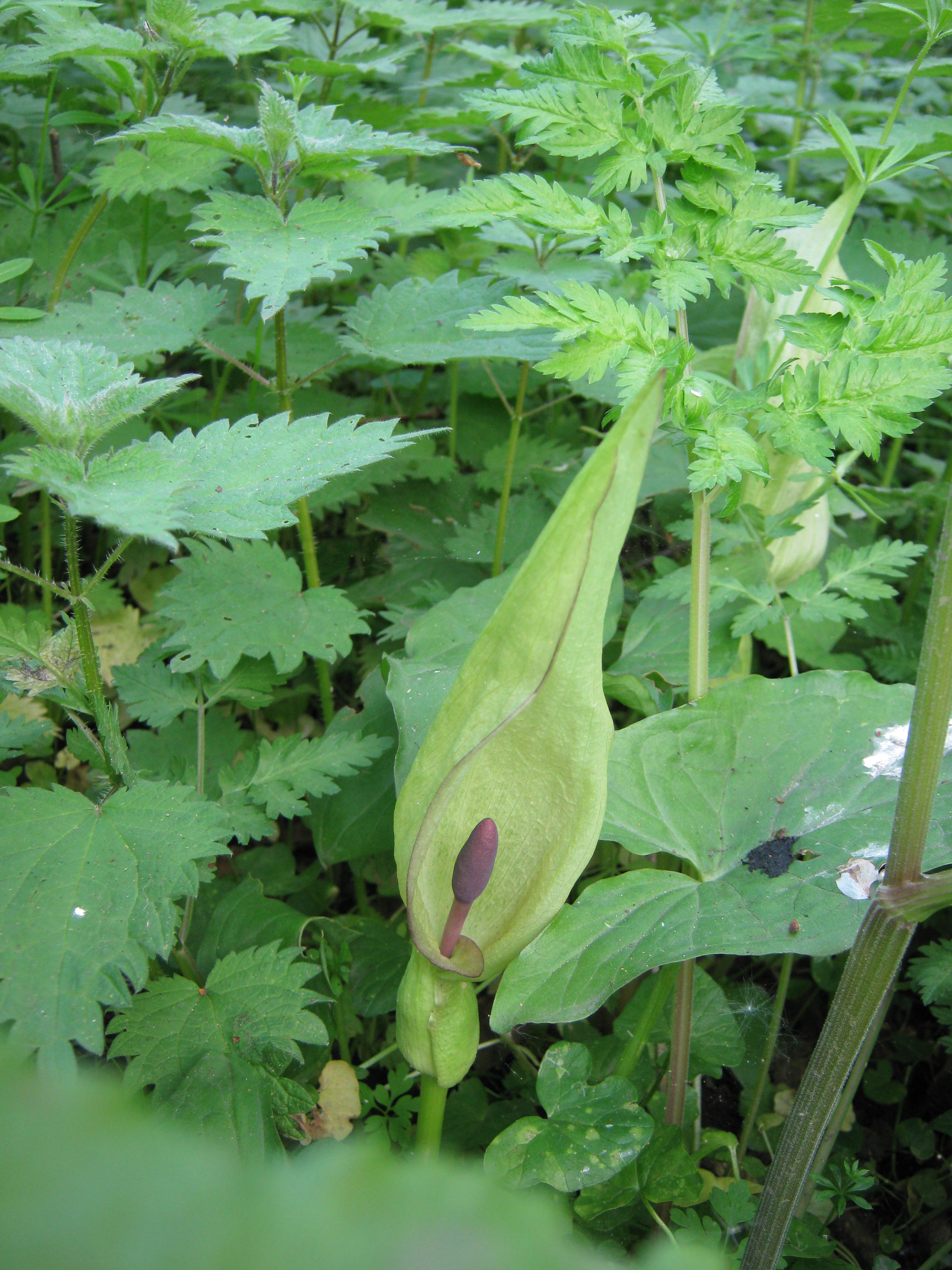
On the corner of our lane where it meets the other lane is a wide area of common land and a couple of ornamental trees have been planted there.  One is a Sweet Chestnut which is only just coming into leaf and the other is a Whitebeam, a native tree but not one that usually grows in this part of the country.

Image

Common Whitebeam tree

Image

Common Whitebeam blossom

Image

Common Whitebeam blossom

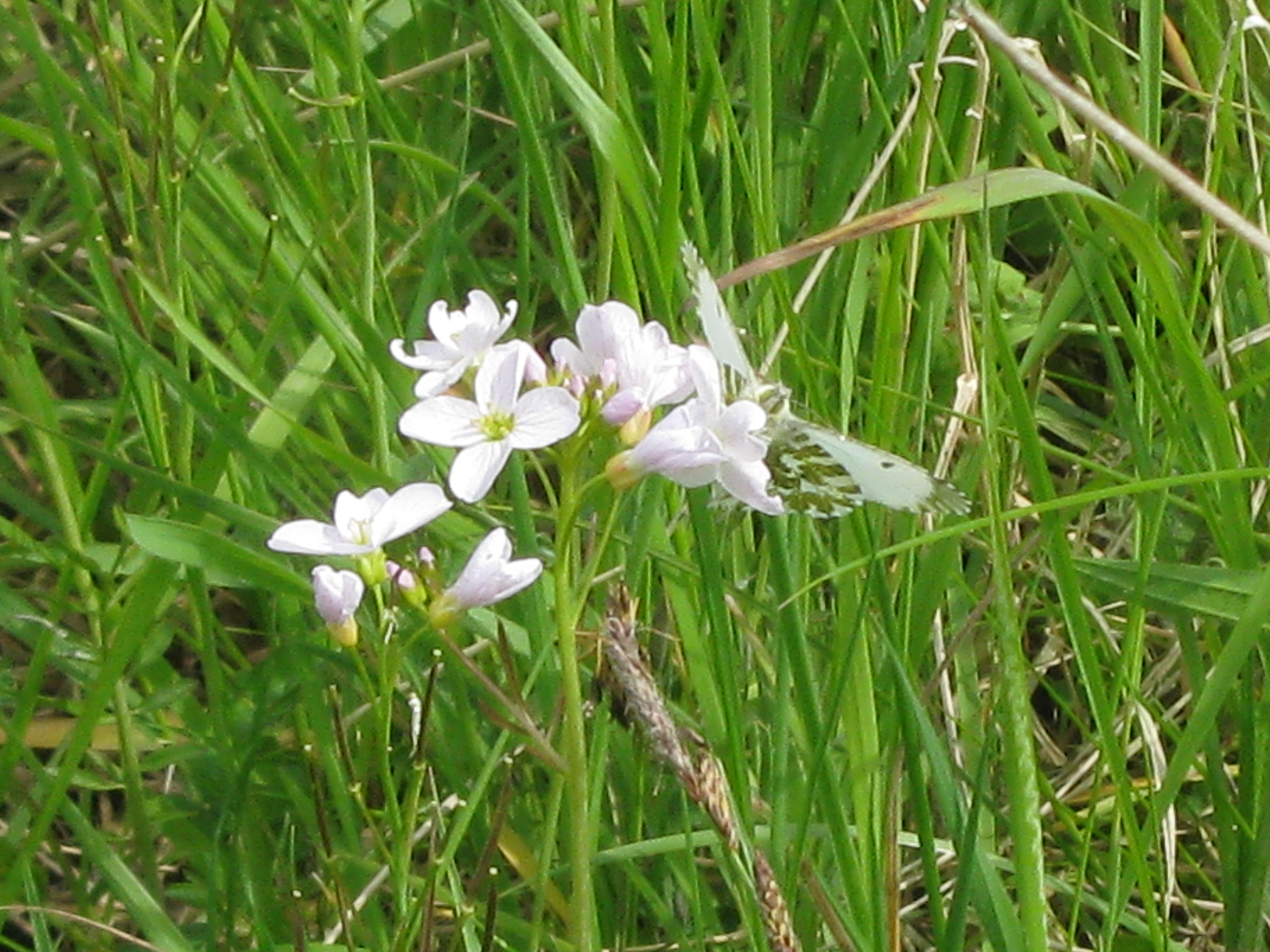
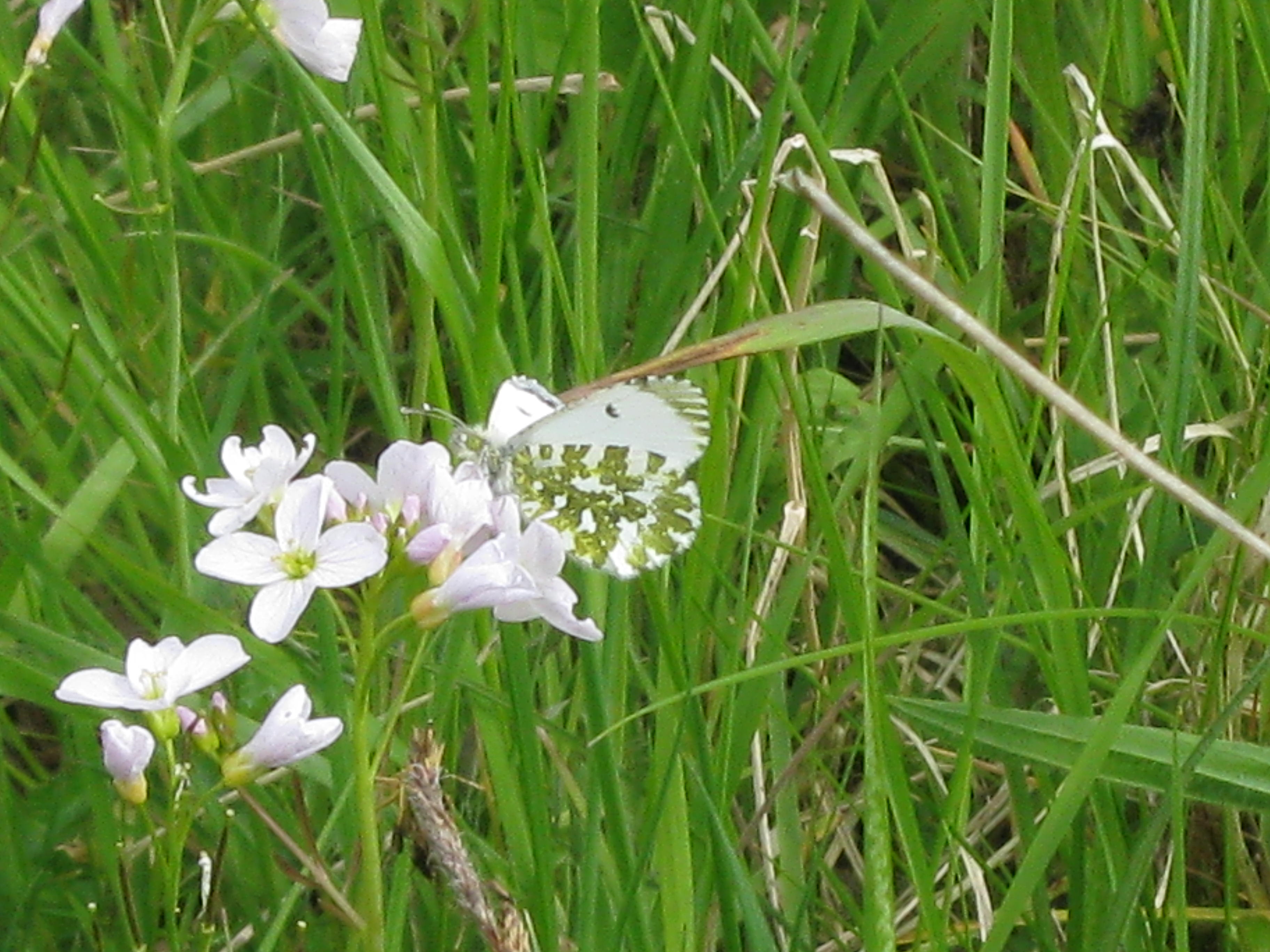
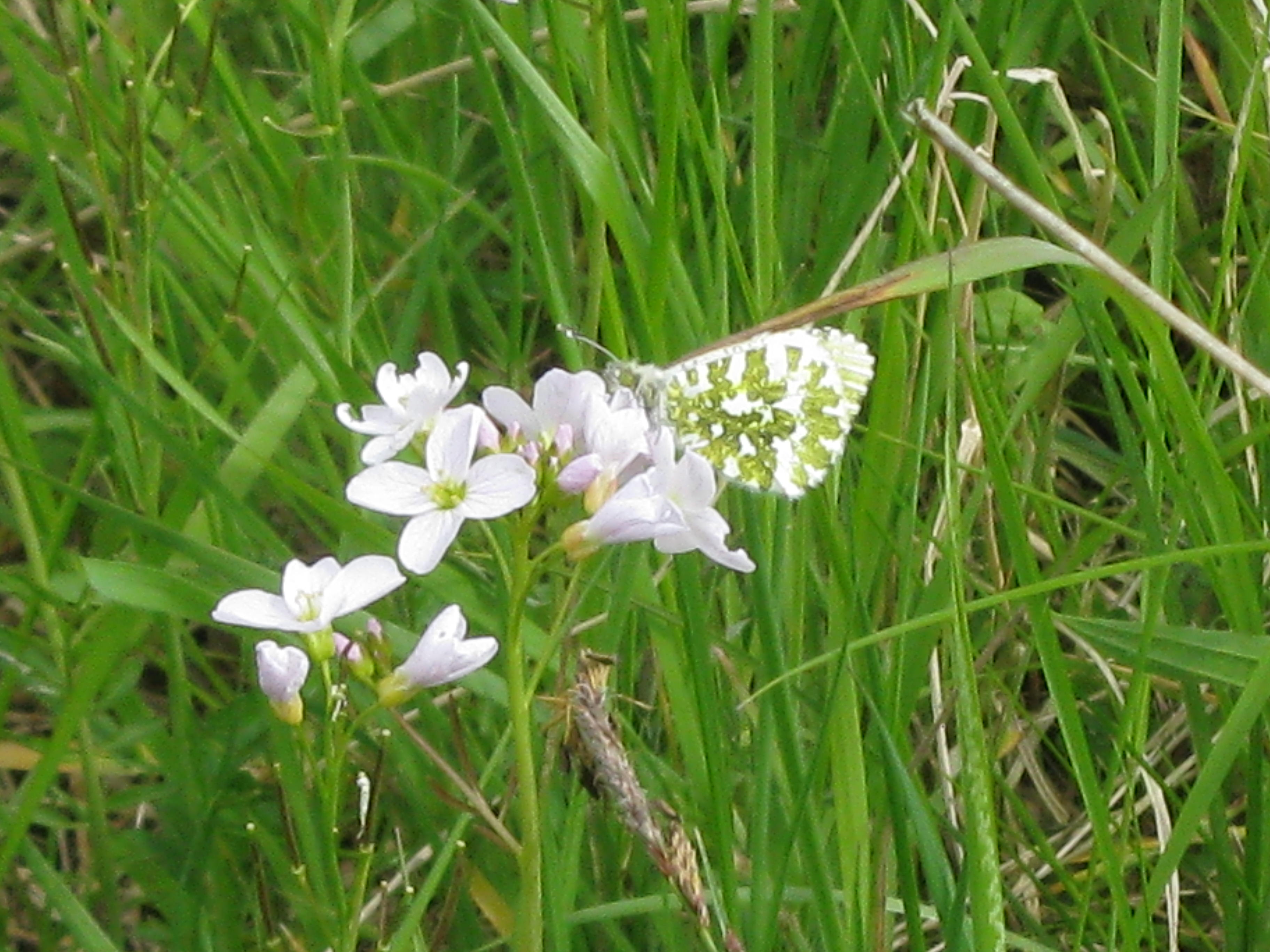
The grass of this patch of common land was covered in Lady’s Smock flowers and a female Orange Tip butterfly was feeding from them.

Image

Image

Image

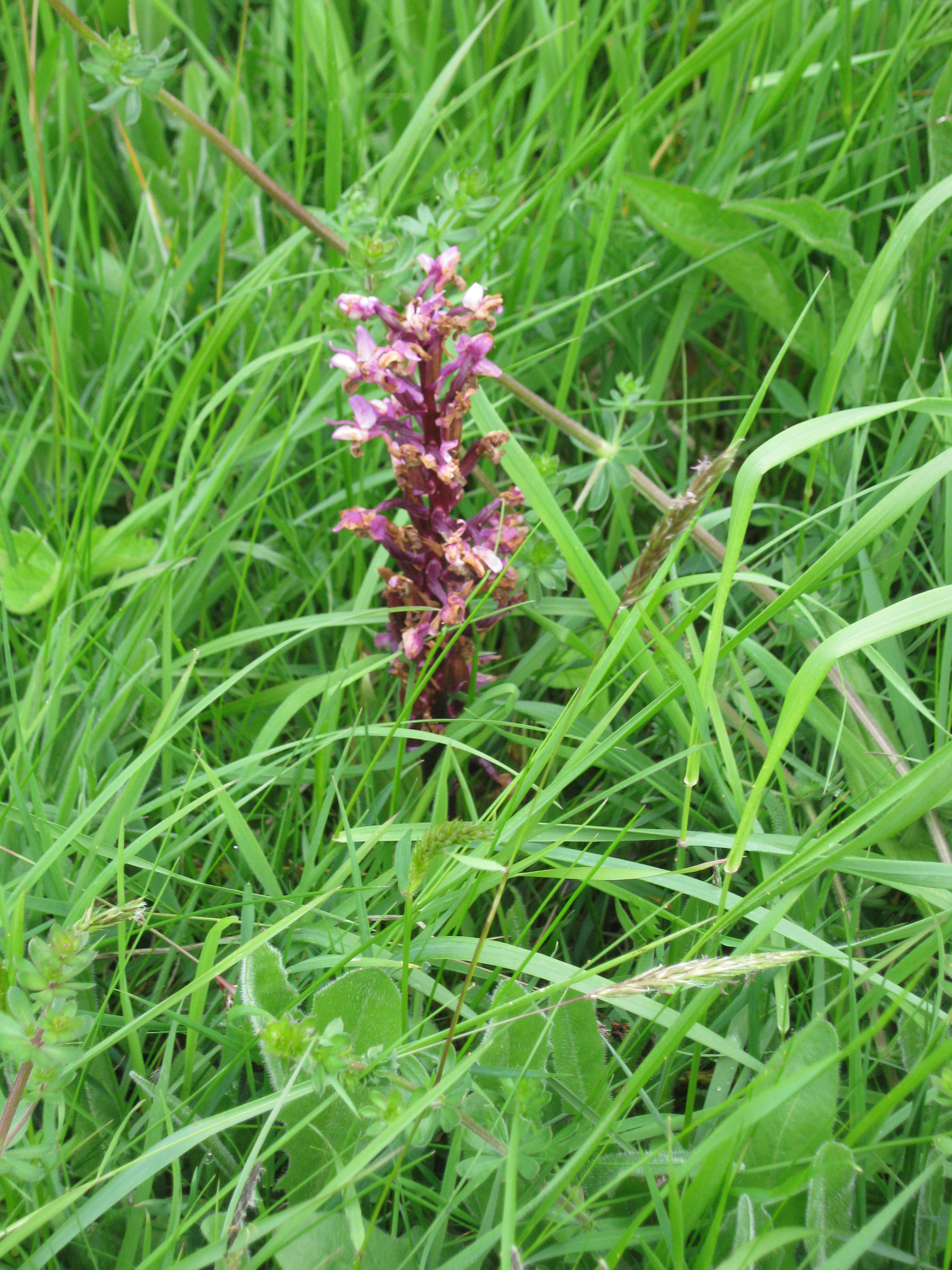
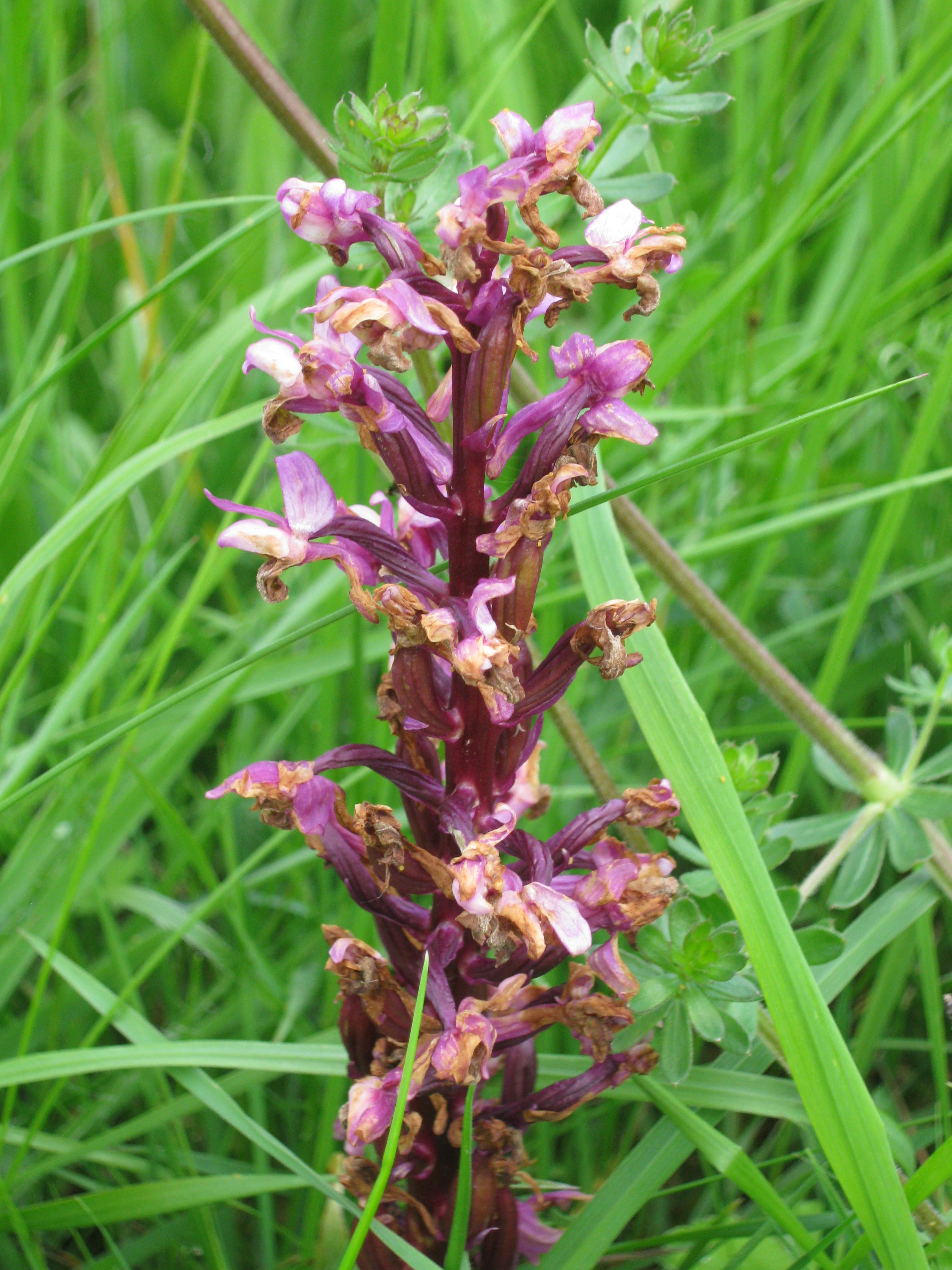
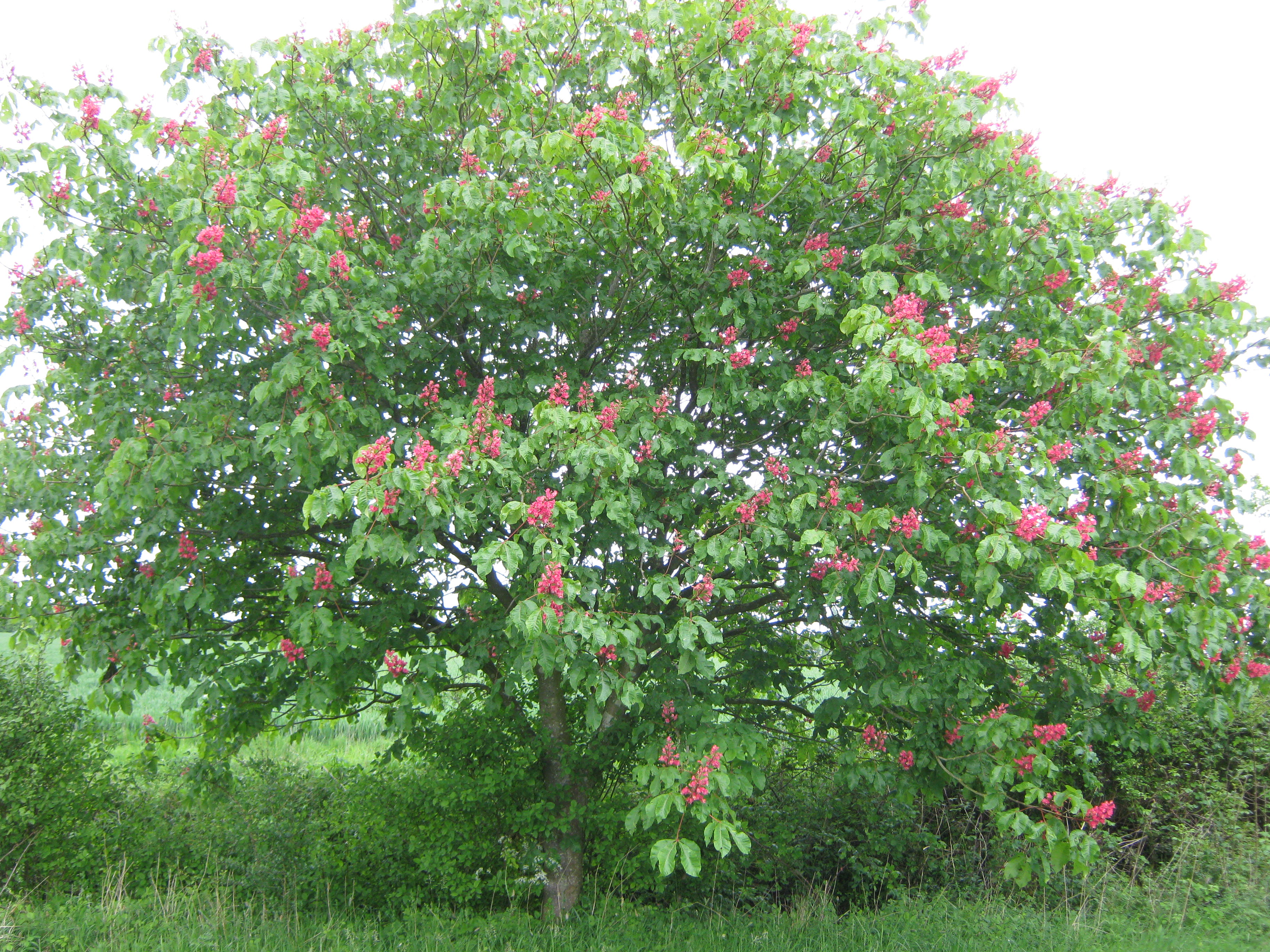
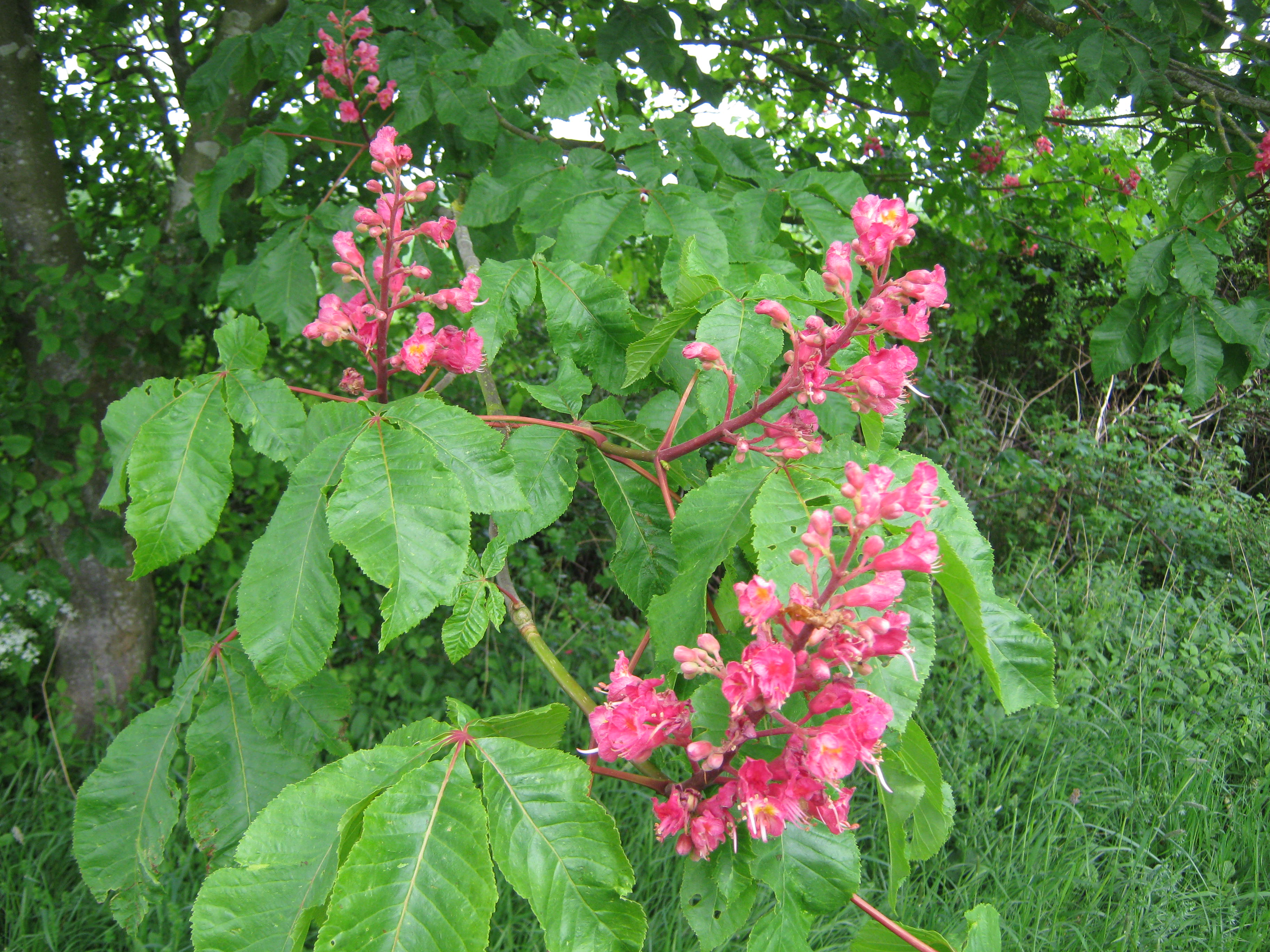
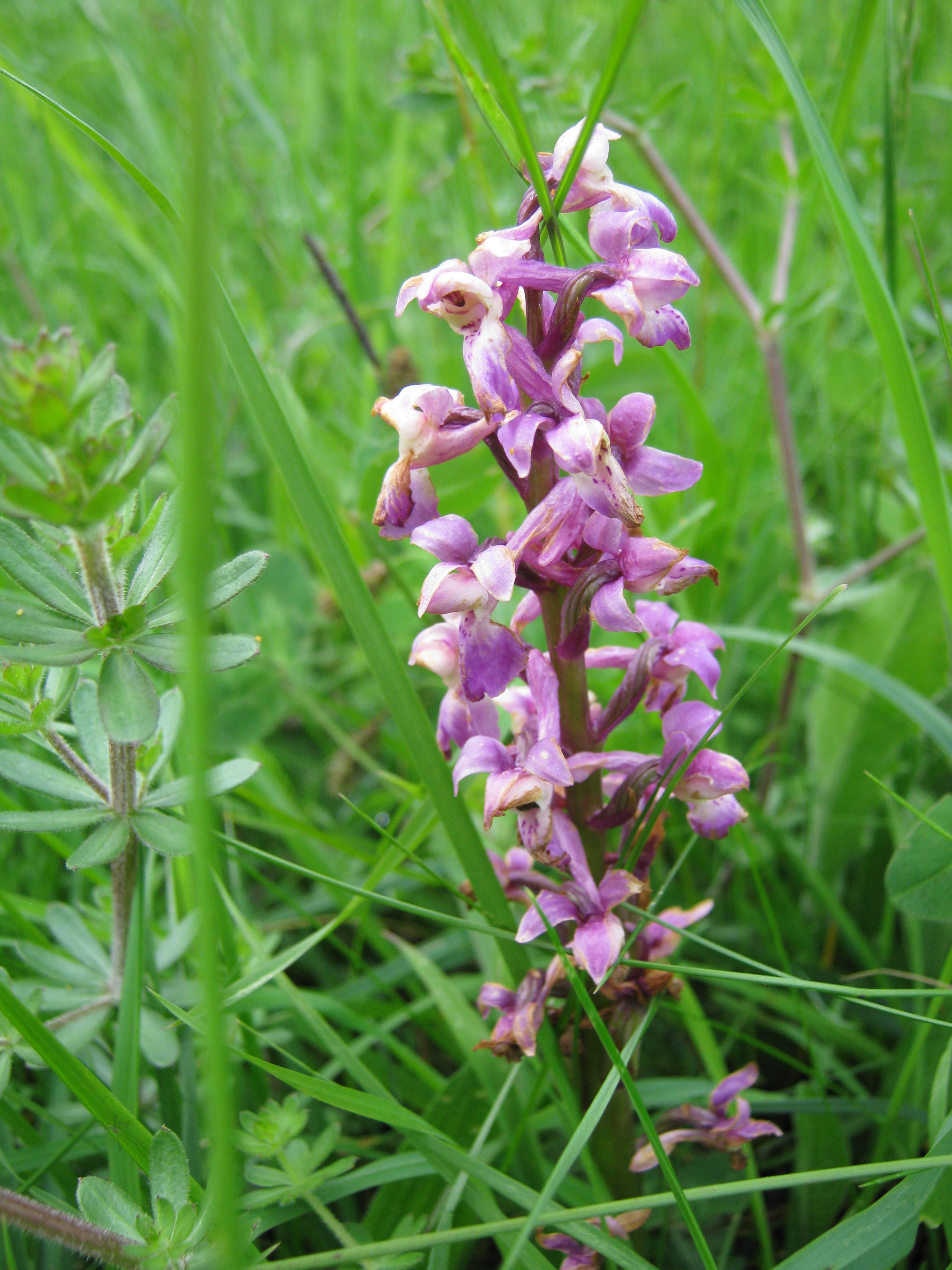
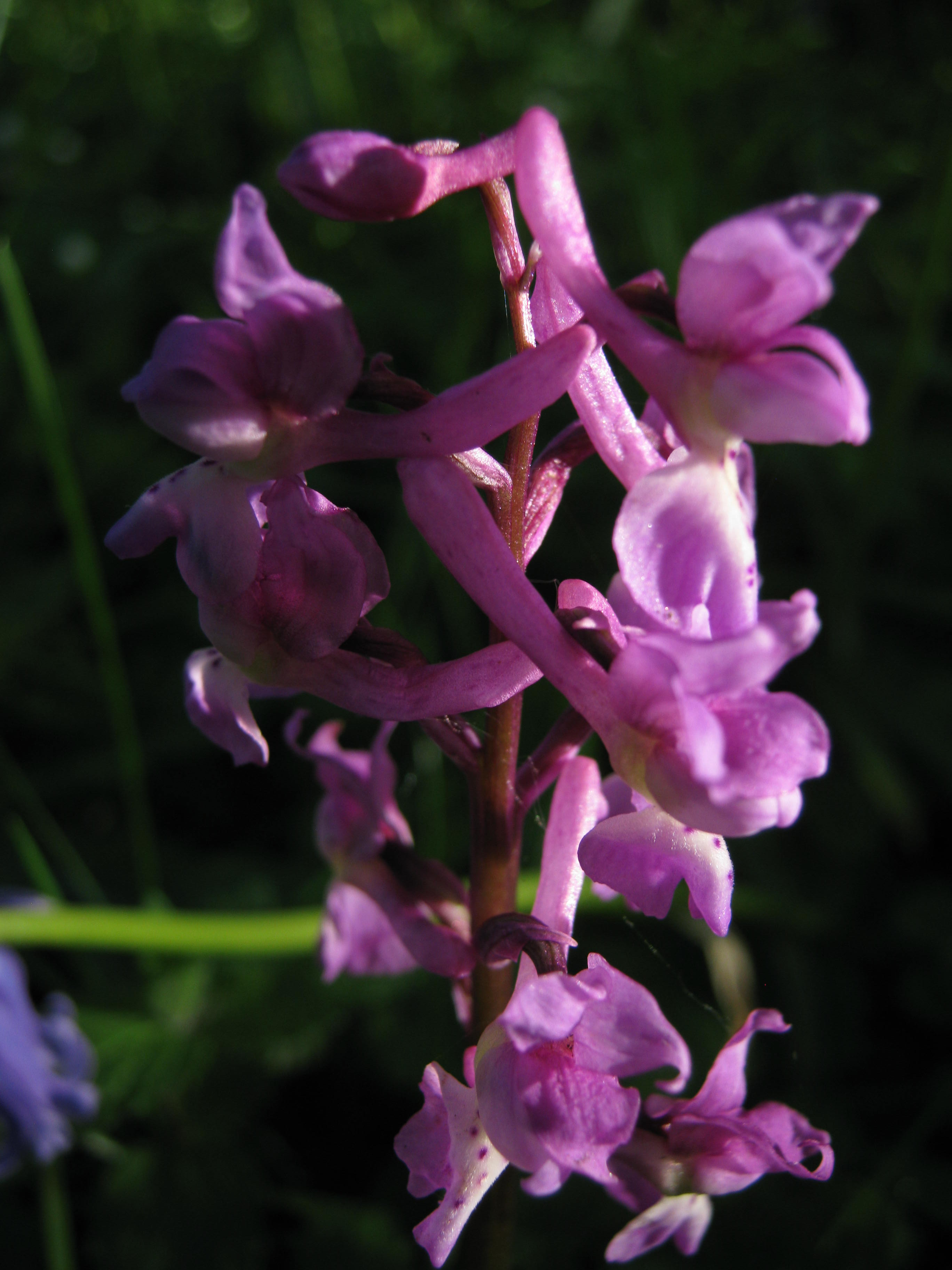
The red-blossomed tree that I had remembered seeing is a Red Horse Chestnut and it had been planted only a couple of hundred yards down this other lane.  To get to it I had to cross yet another wide area of common land and in doing so I was surprised to see an Early Purple Spotted Orchid in the grass.  This one was a little past its best but I rather liked the colour combination of the petals.
Image

Image

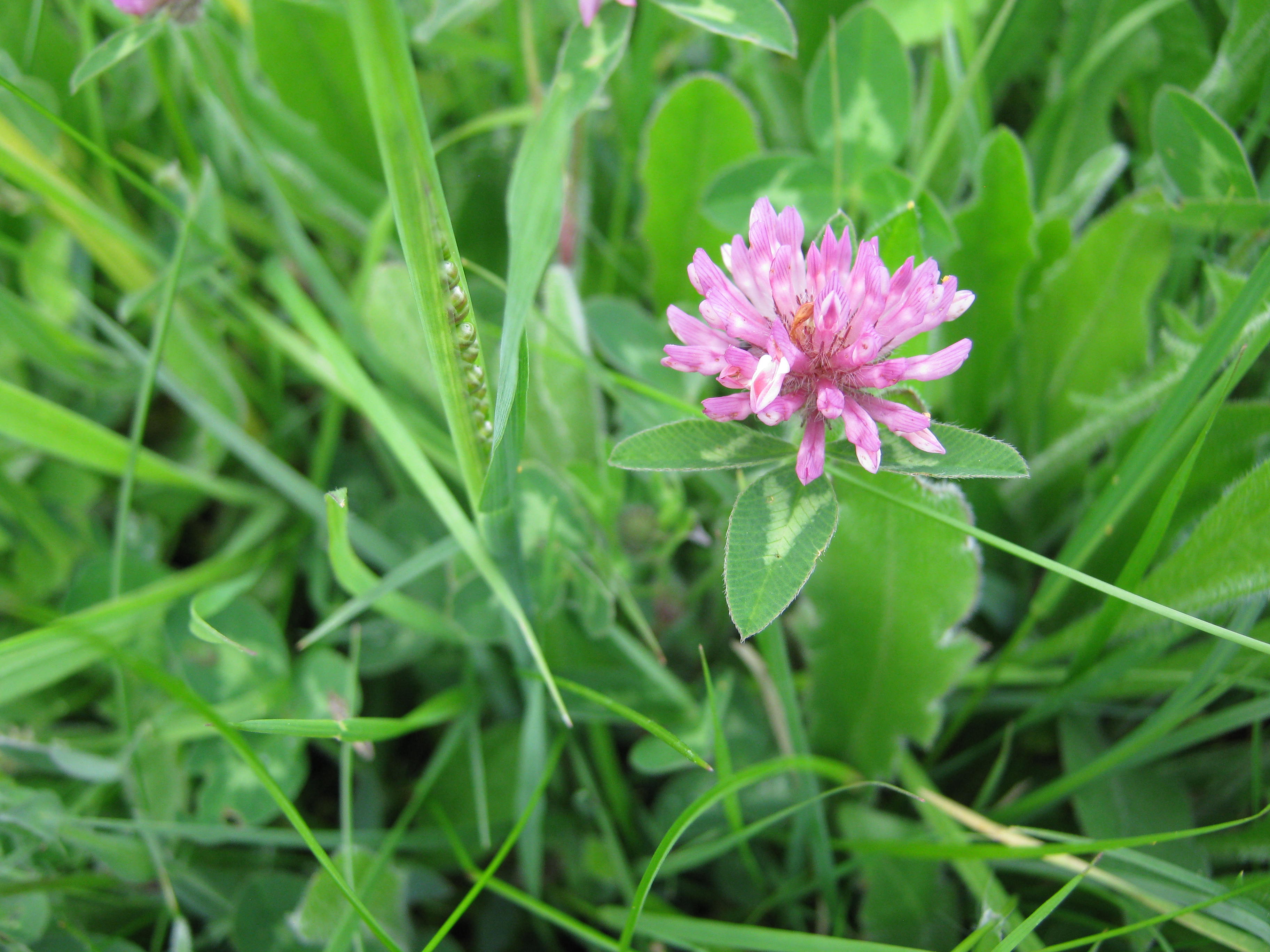
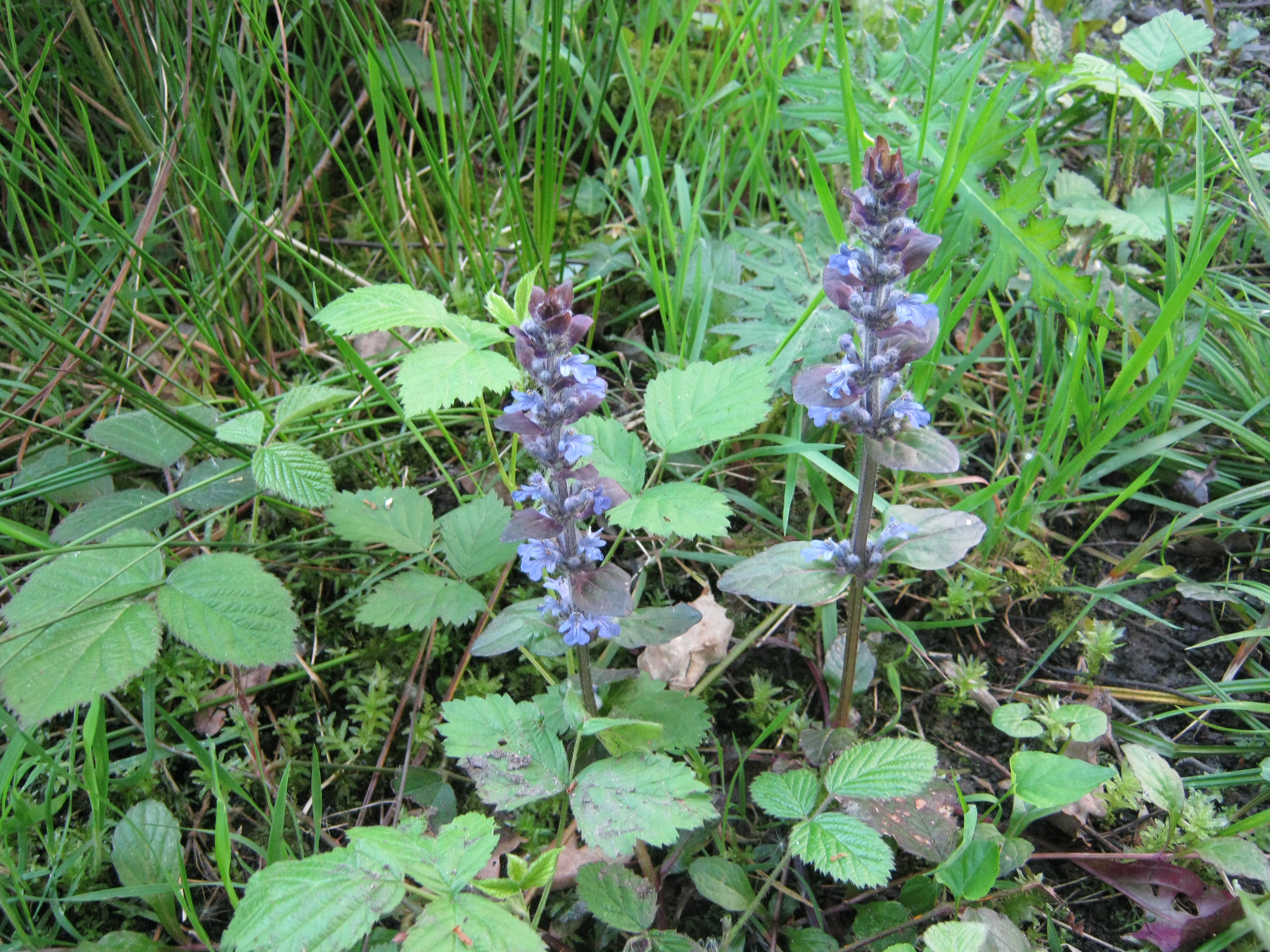
There was more Bugle or Ajuga flowers and some Red Clover.

Image

Red Clover

I love the pale markings on Red Clover leaves.  I am also fascinated by the grass in the photo which is just about to flower.  It looks like a row of tiny balls are packed into the grass stem or a lot of minuscule snails.

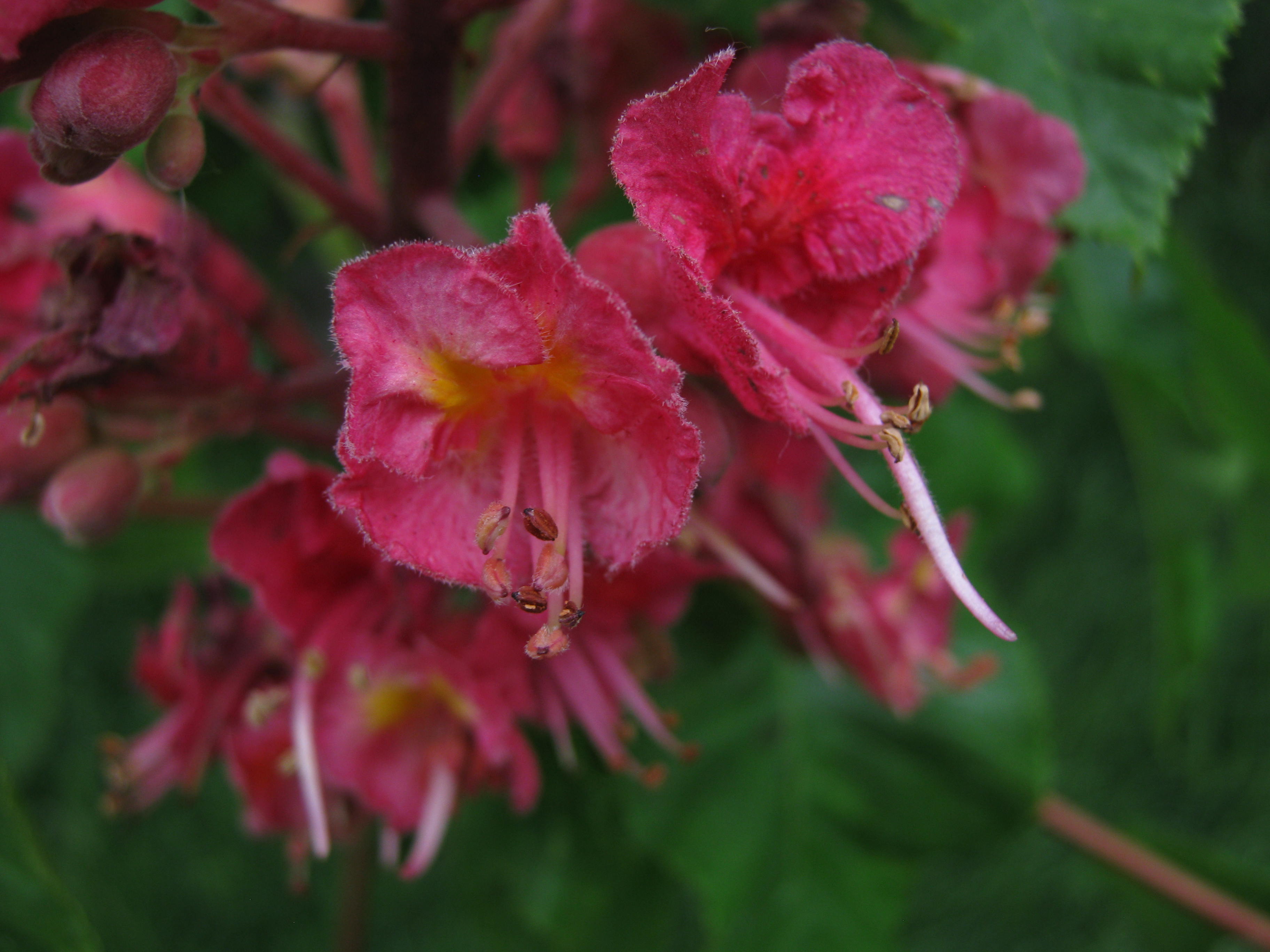
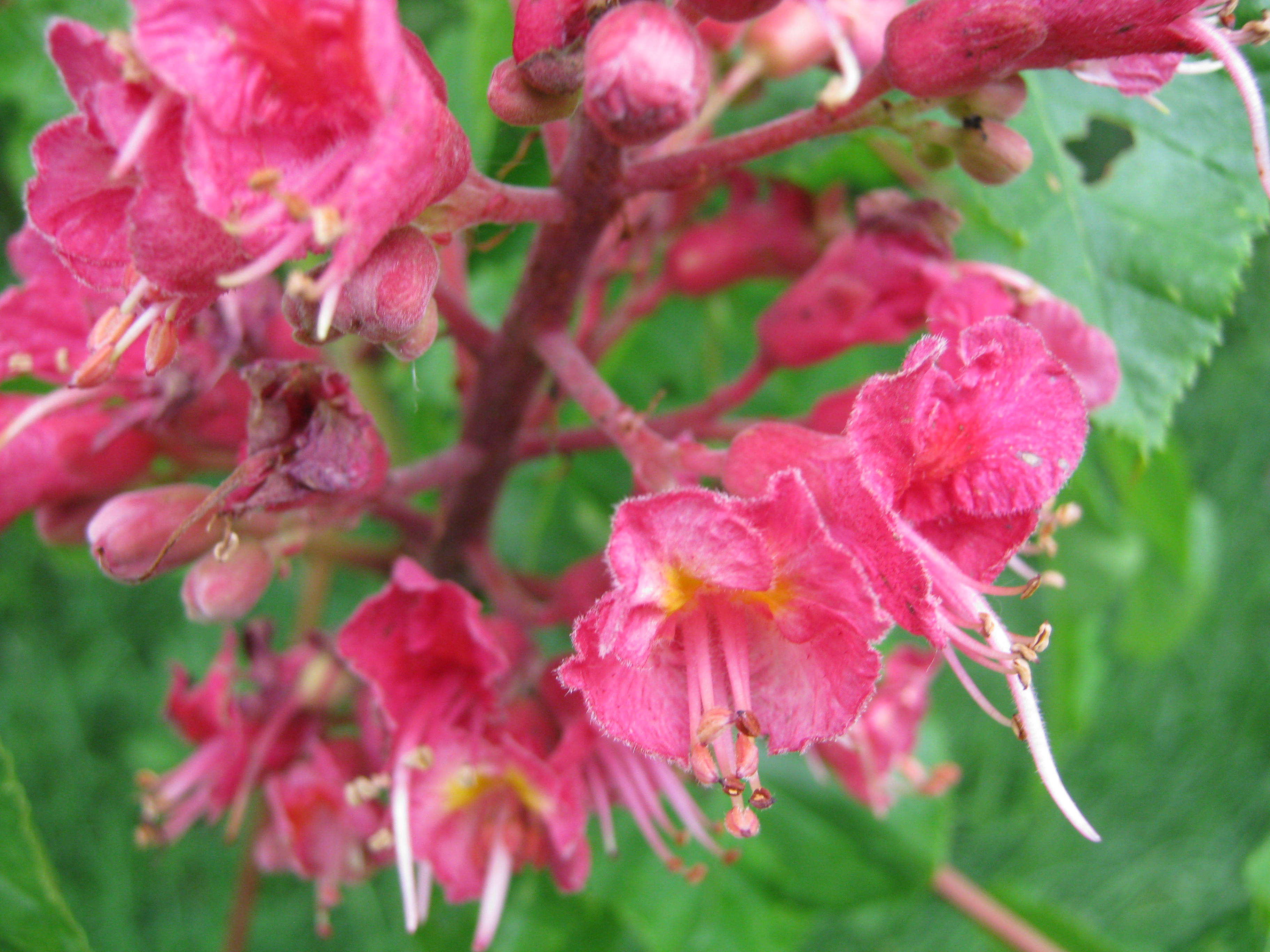
The Red Horse Chestnut is a fairly young tree so I was able to photograph the flowers easily.

Image

Image

Image

Image

A Red Horse Chestnut is a hybrid between a Horse Chestnut and a Red Buckeye.  On the way back to the road I found another Early Purple Spotted Orchid.

Image


Our lane is looking very nice at the moment.

Image

On my way back home I heard another summer bird but this was one I hadn’t heard before.  It’s song was a little like a part of a Chaffinch’s or a Yellowhammer’s song but without the end flourish.  It also had a few little sweet quiet notes to start off the song and they sounded very much like a Warbler.  When I got back I listened to a few of my bird recordings and found I had been listening to a Lesser Whitethroat.

I managed to get all my washing dried outside which was really good and took some more photos of the garden while I fed the birds.  I had started on a great heap of mending by the time R came home from work.  He didn’t seem to want his evening meal straight away so I suggested a walk across the fields.

Image

This is one of many ancient oaks we saw on our walk.  Once they get to about seven or eight hundred years old they start to die back a little.  A little like us humans:  when we get to a certain age we start to shrink a bit too.  When they get dead branches sticking out of the top of the canopy they are described as being ‘stag-headed’.

Image

A young Horse Chestnut.

Image

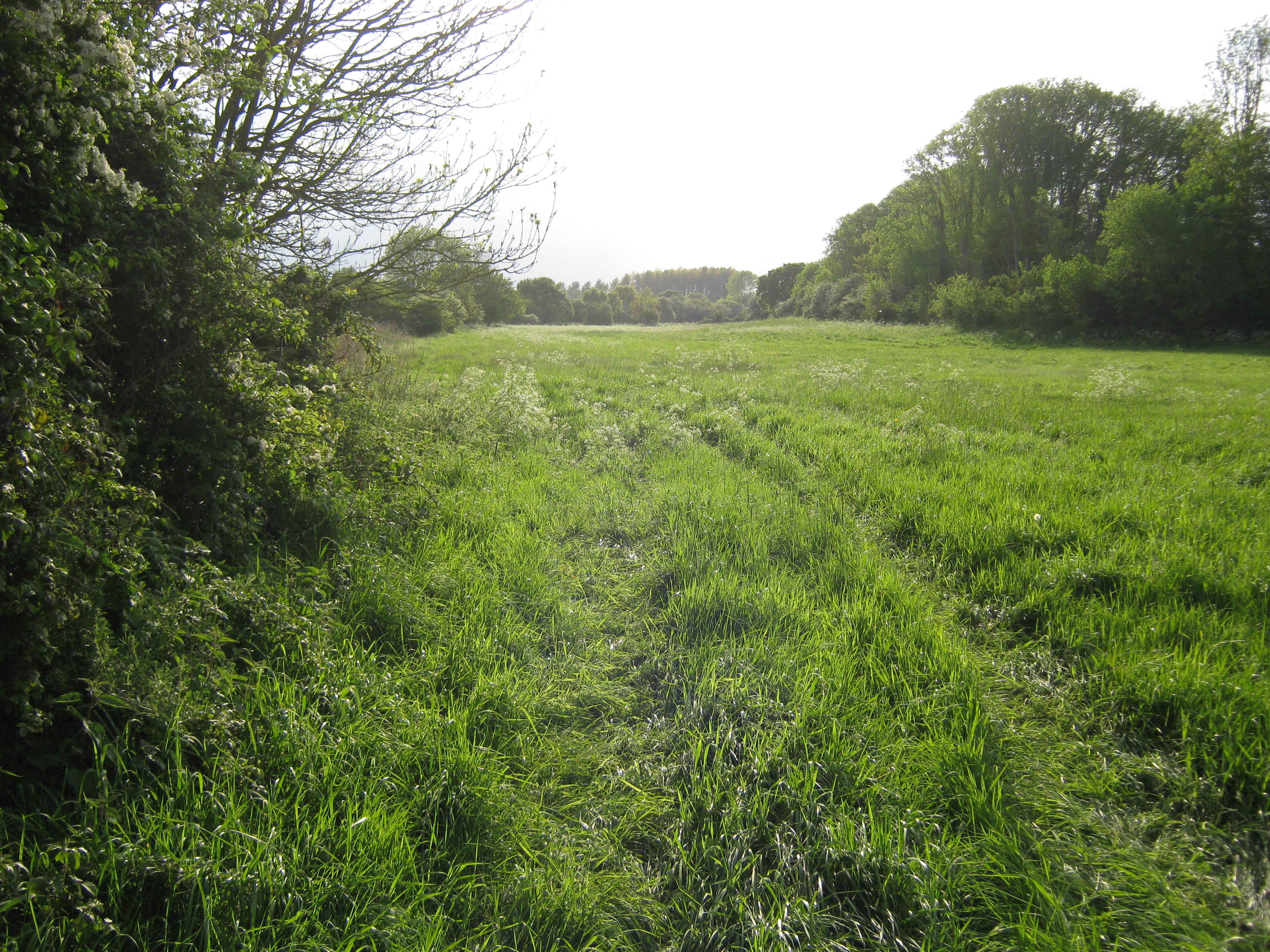
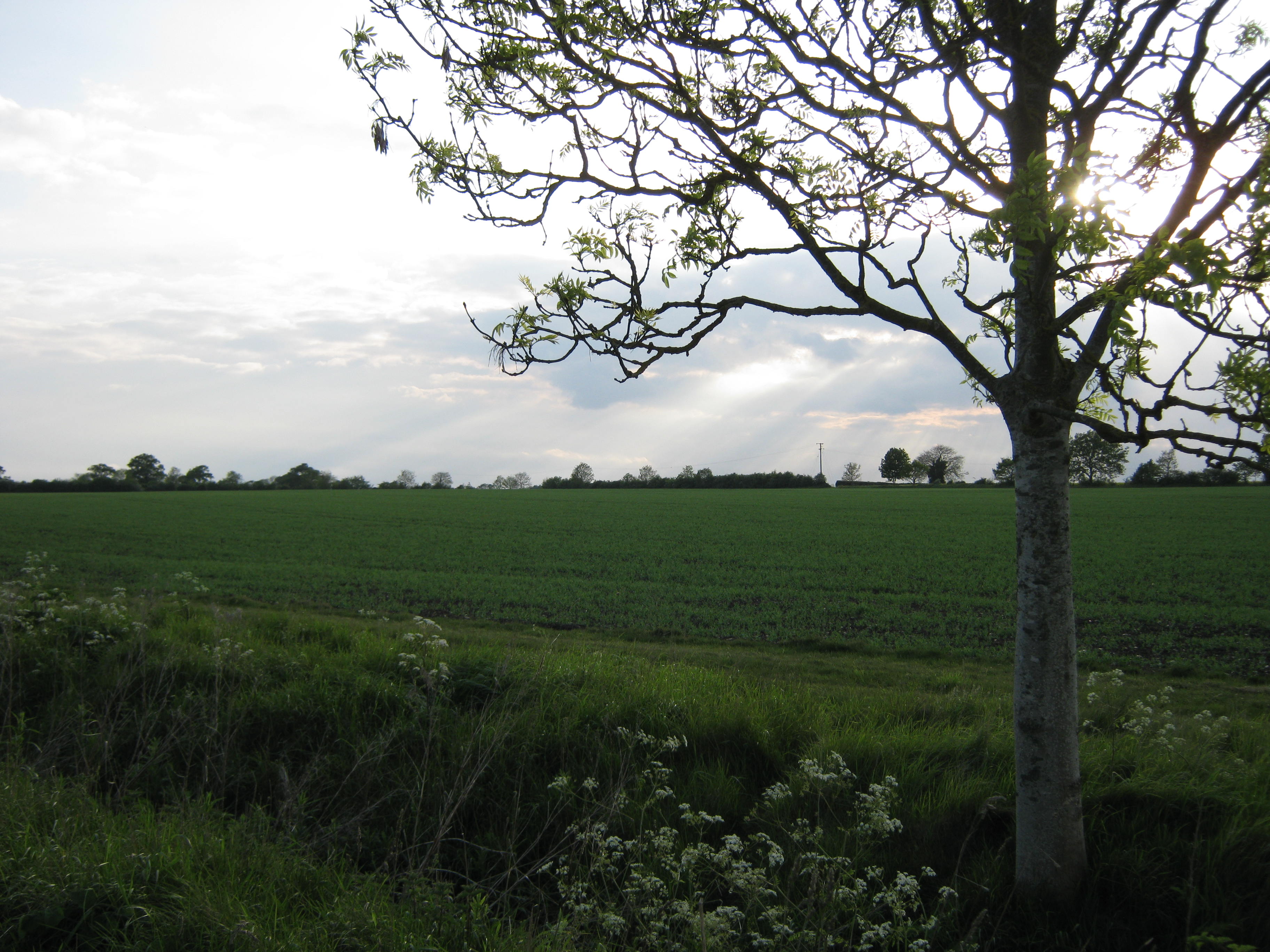
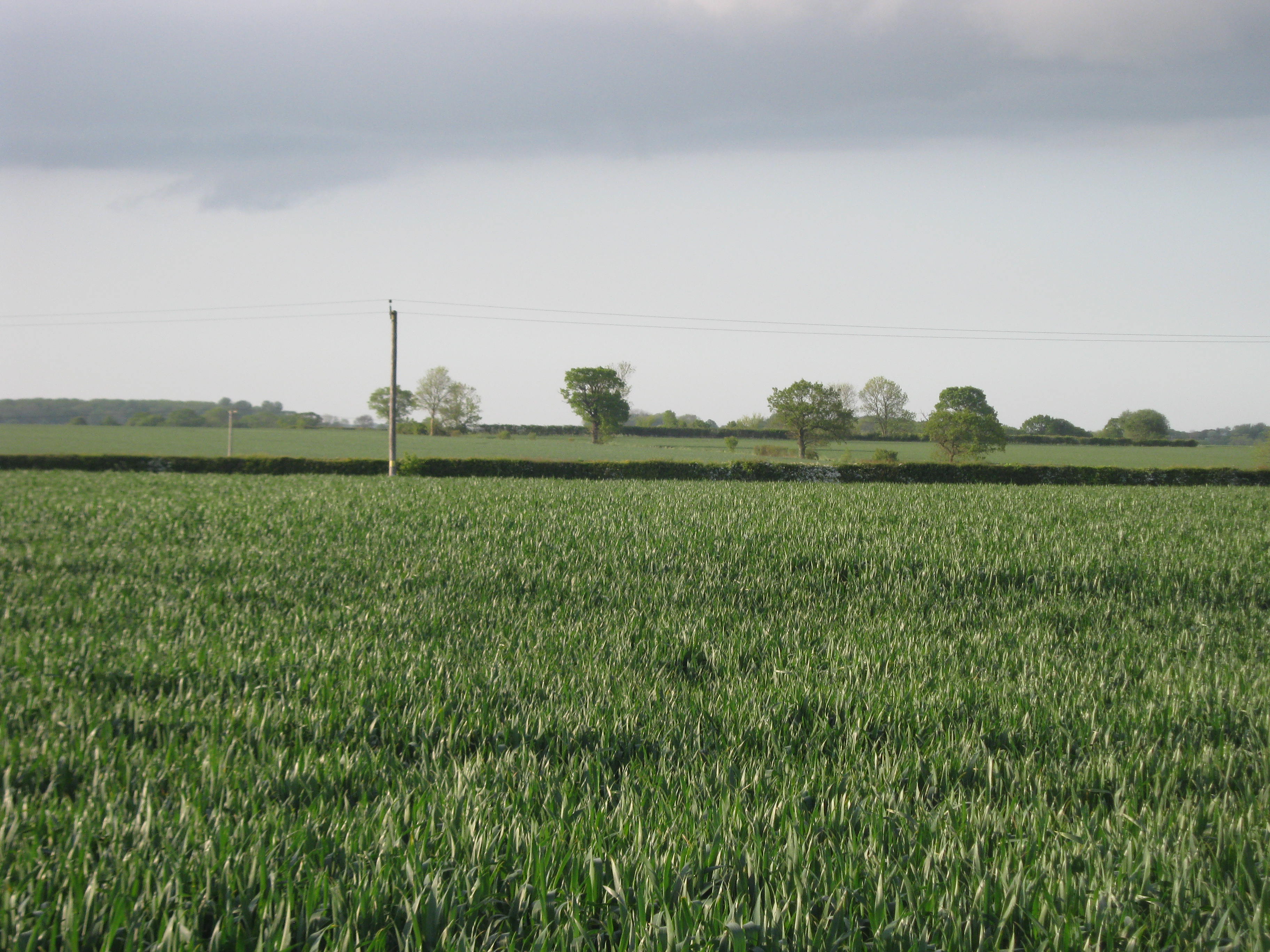
View over the fields.

Image

A field of ripening barley.

Image

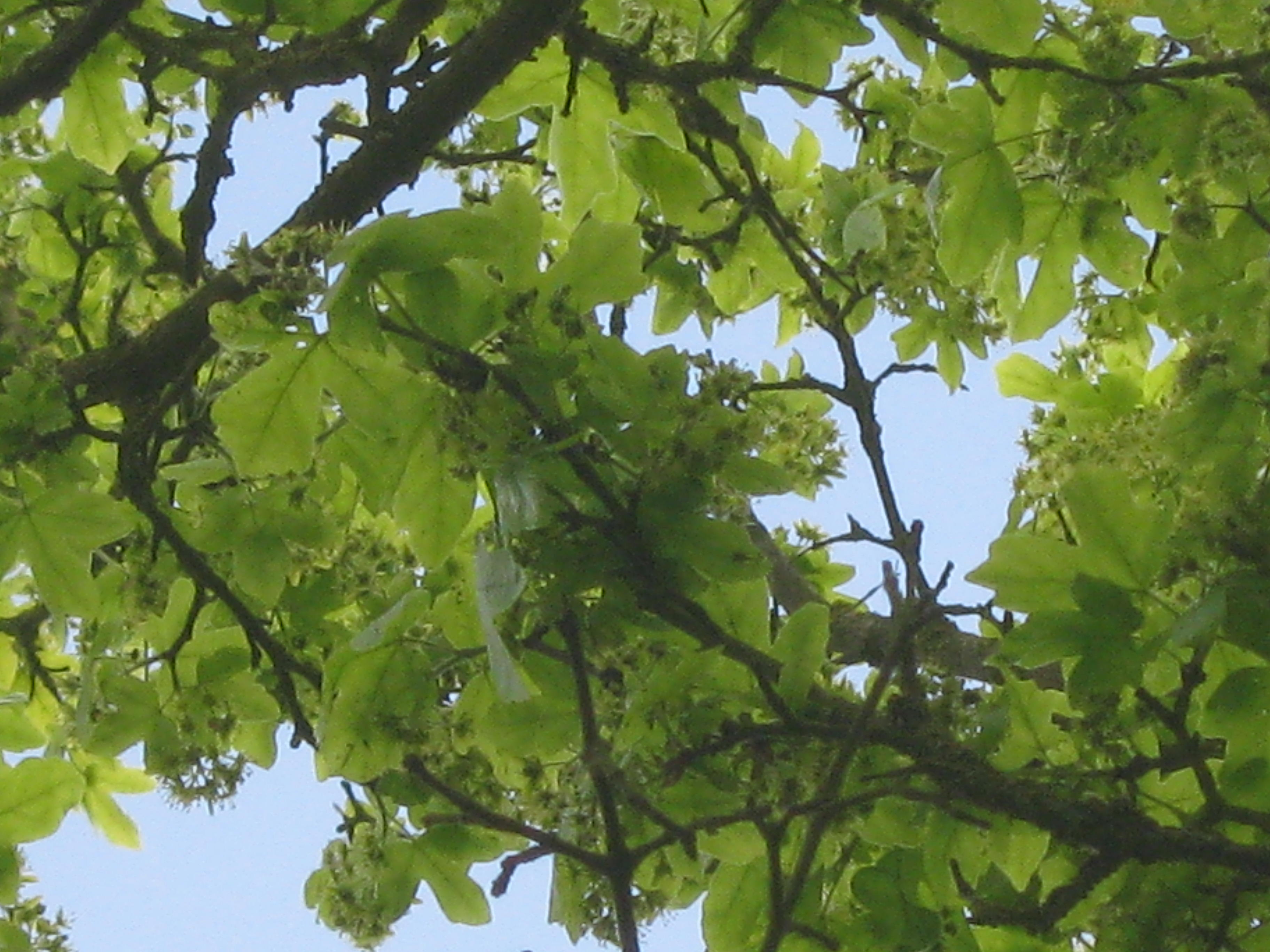
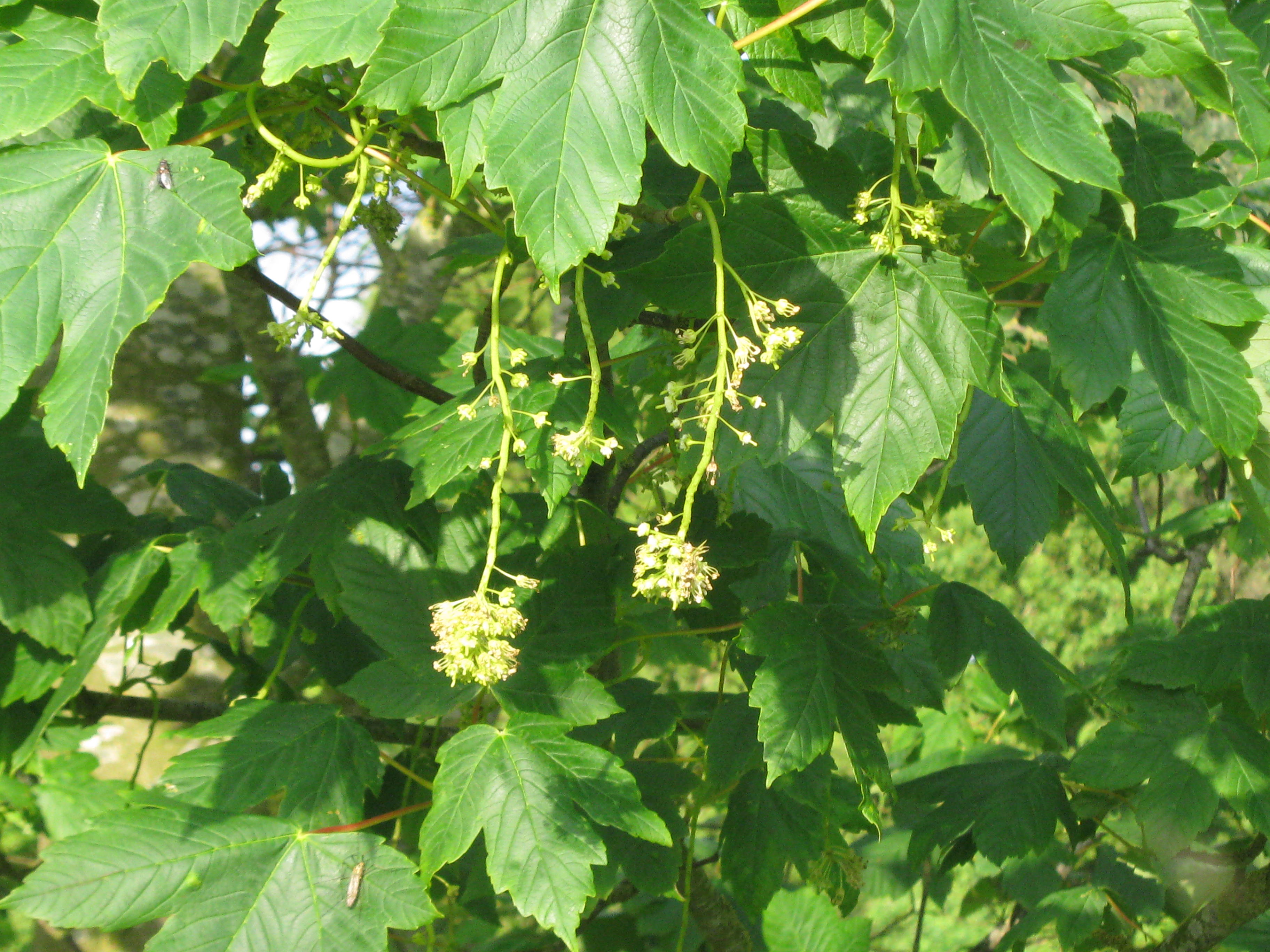
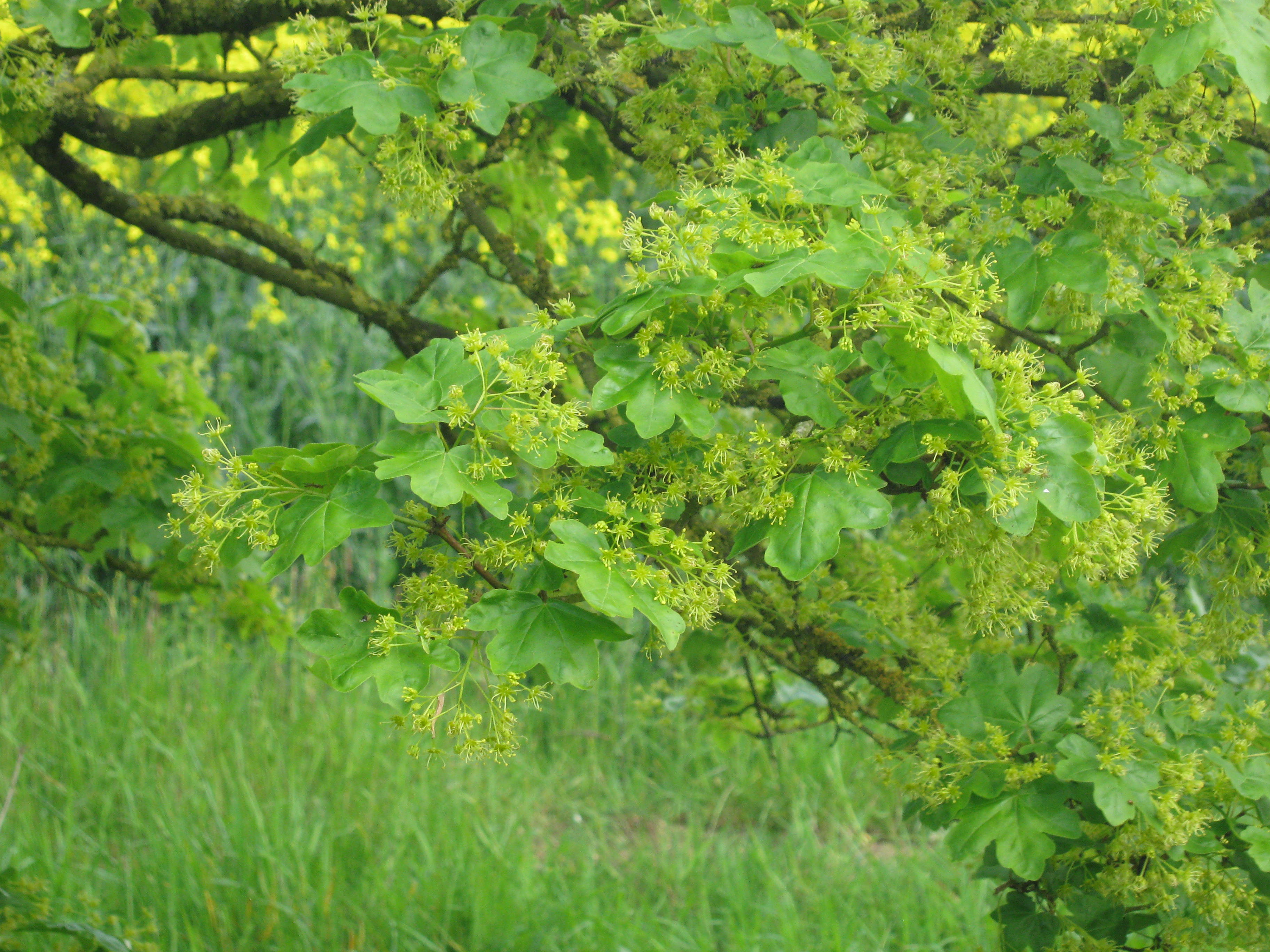
A Sycamore tree with flowers.
Image

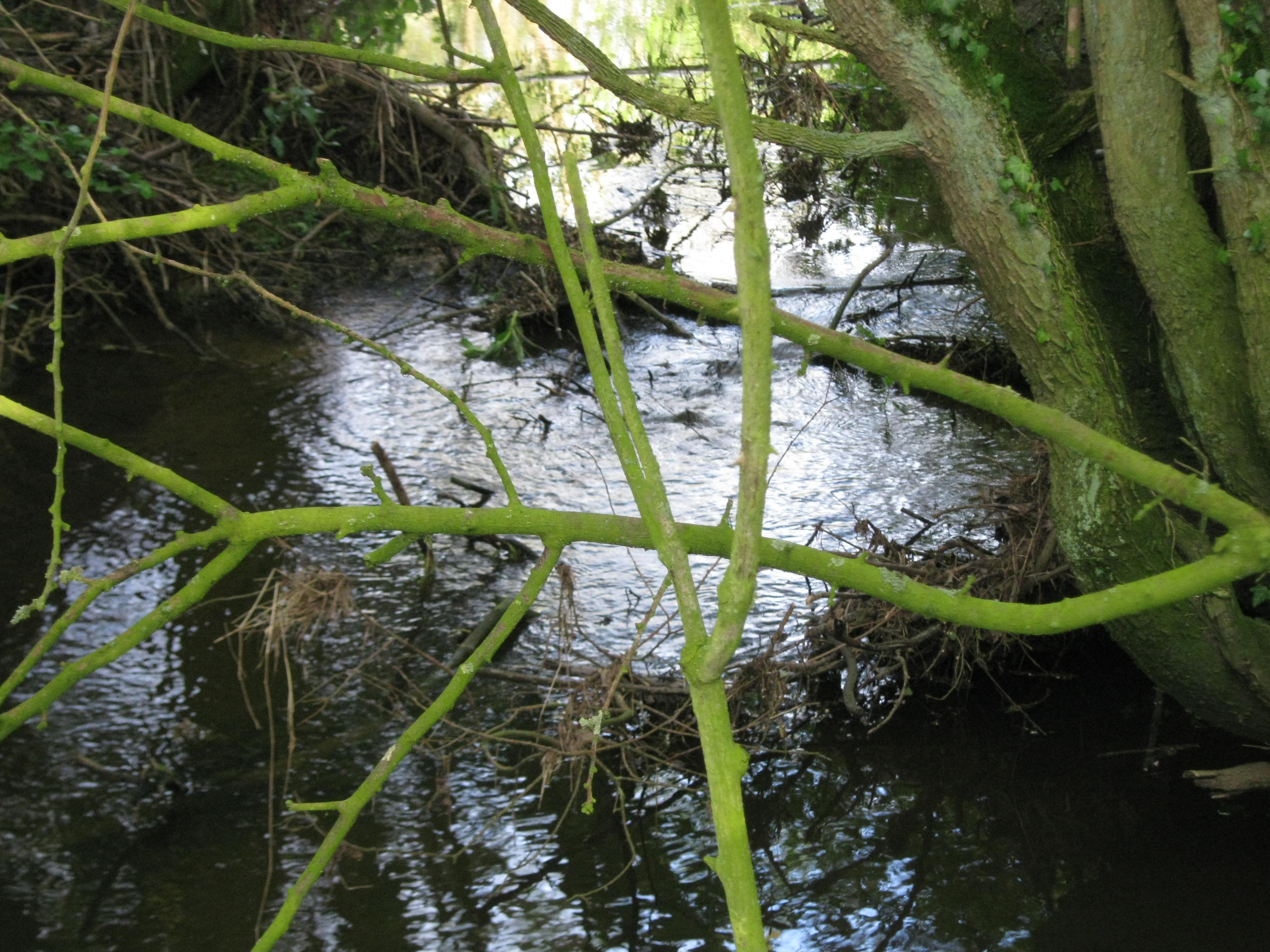
The Beck

Image

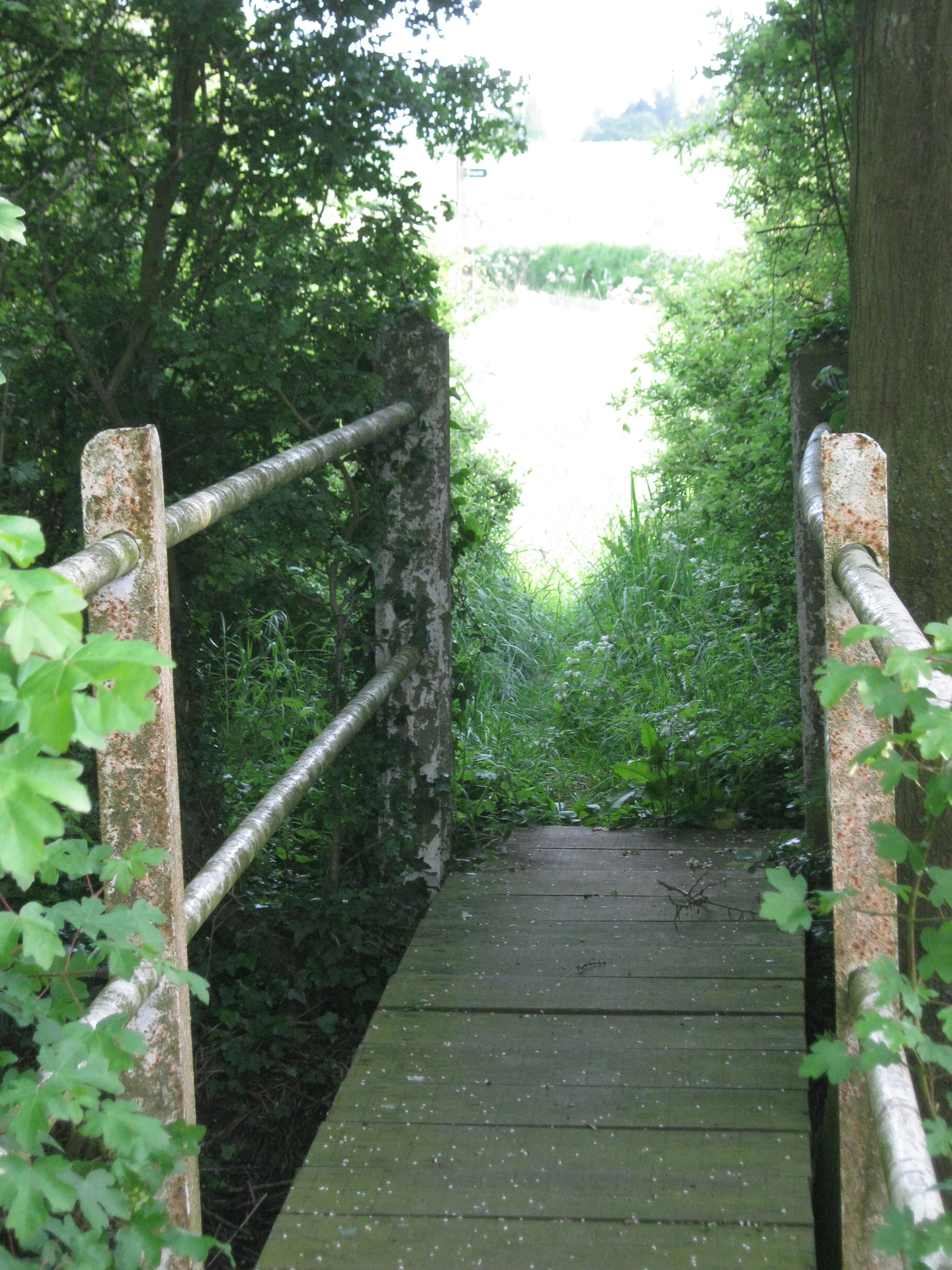
Bridge over the Beck.

Image

Image

Image

Views across the fields on the other side of the Beck.

Image

Image

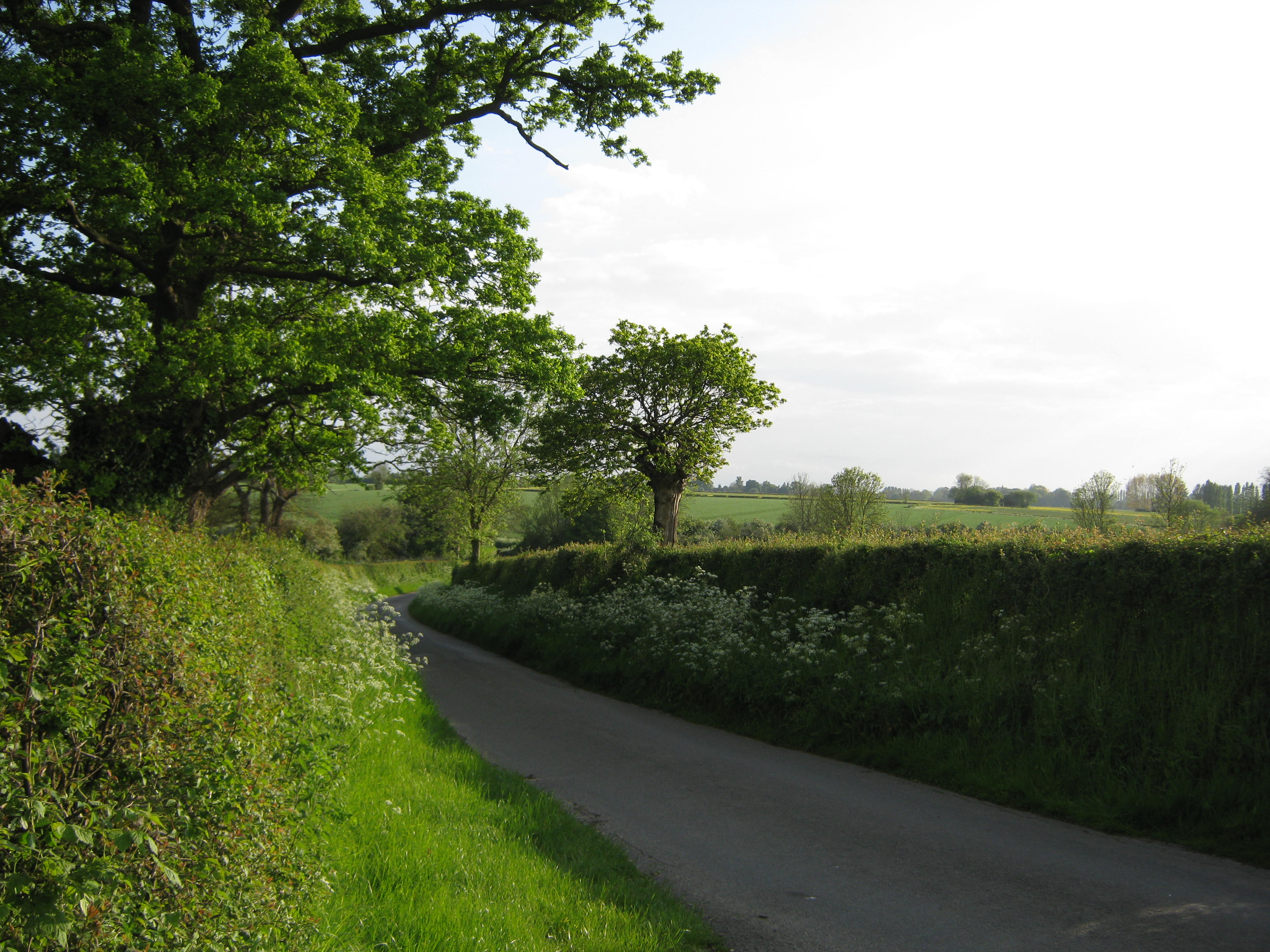
The lane going up the hill from St Peter’s Washes.
Image

Another ancient oak tree.  I think this one’s trunk must be about twelve feet in circumference – it must easily be about a thousand years old.  I must try to bring a tape measure with me next time we walk this way and see if I can get through the hedge and measure it.
Image

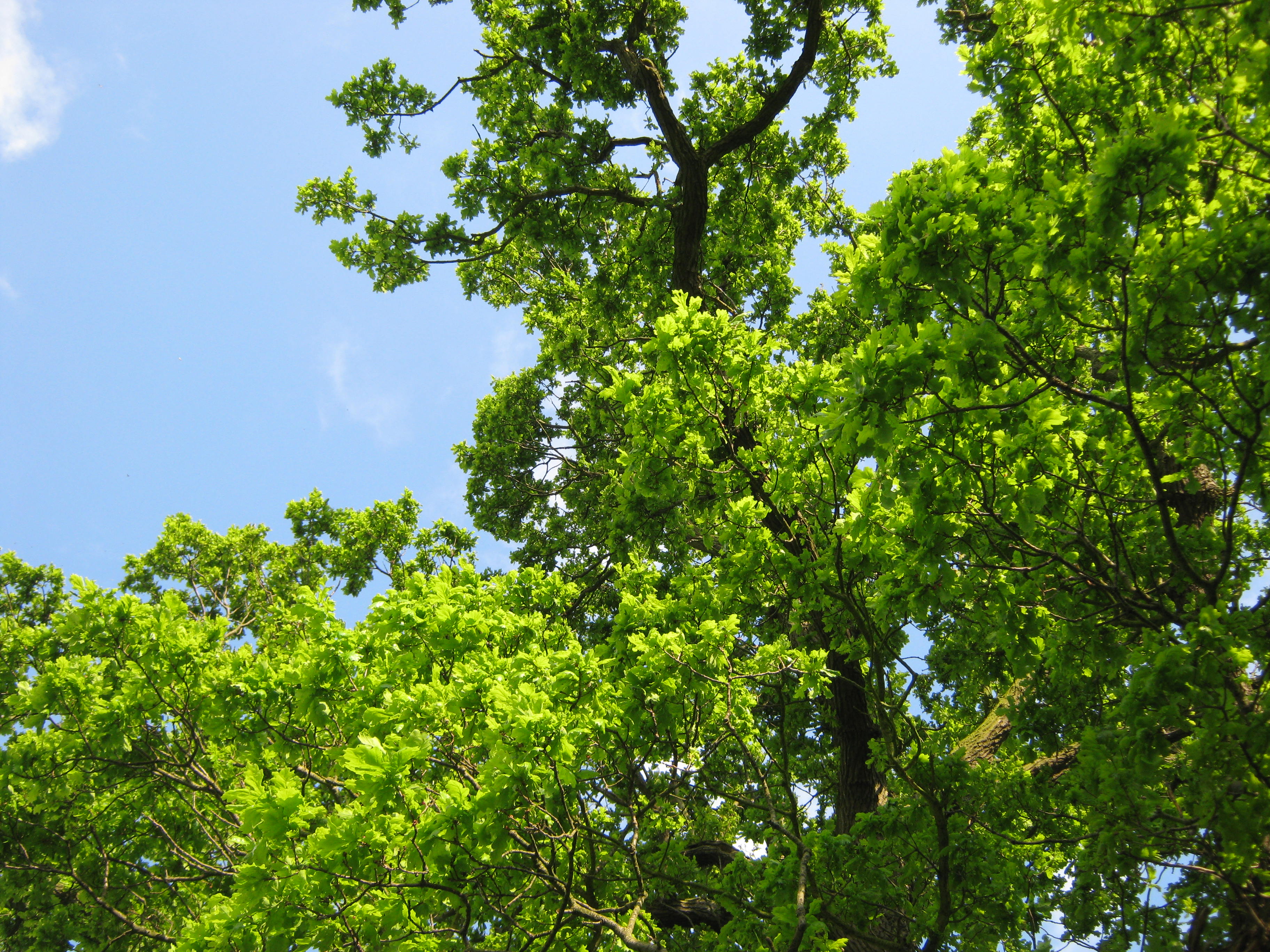
I love standing under trees and looking up through the branches.  Trees are the most magnificent awe-inspiring things.

Image

Image

We looked down across the fields in the direction from which we’d come and then down the lane.  Many people think that East Anglia has no hills and no hedges.  This proves that we do have both though the hills aren’t very steep or high.

Image

St Peter’s church over the field.

Image

Image


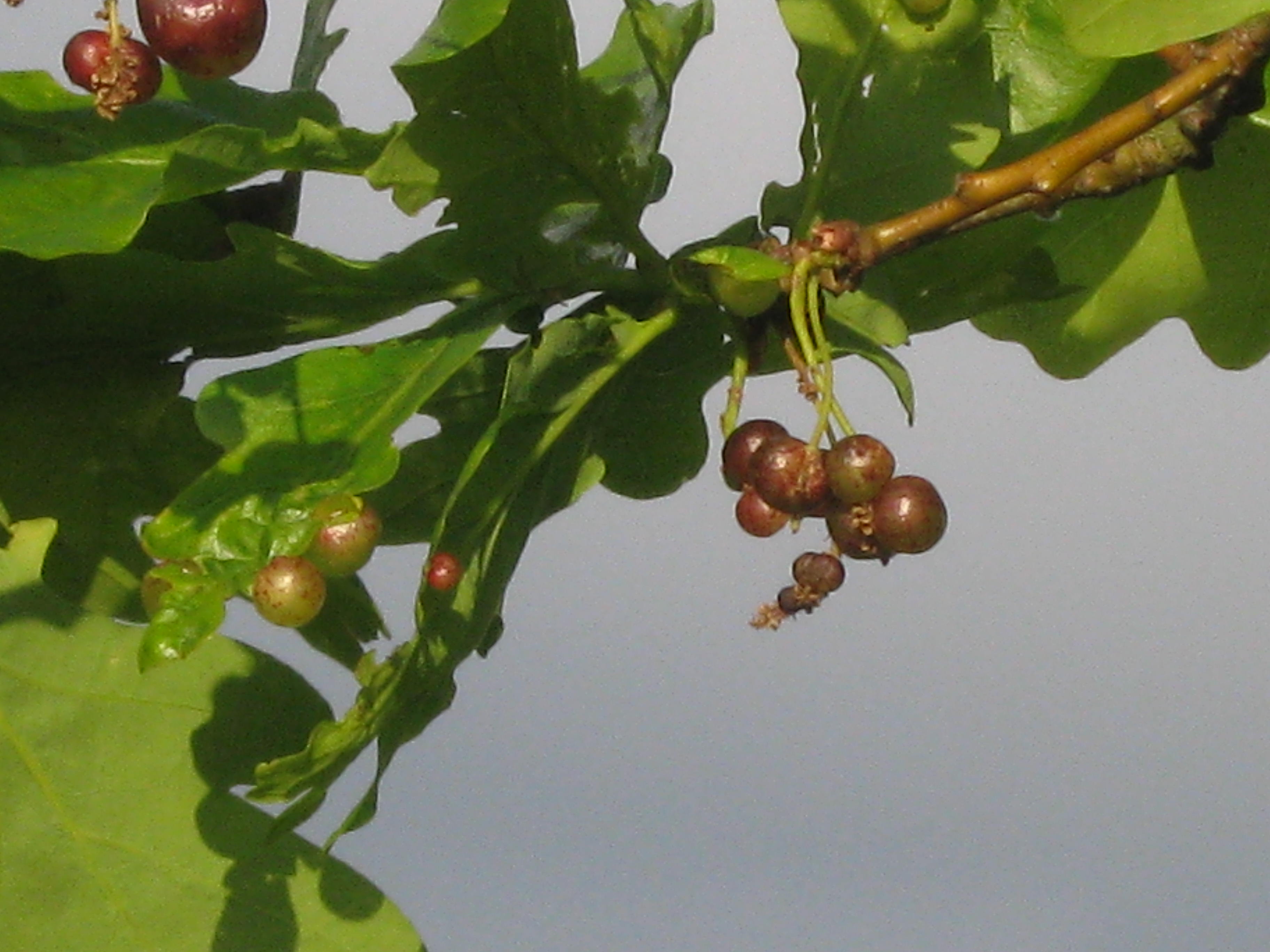
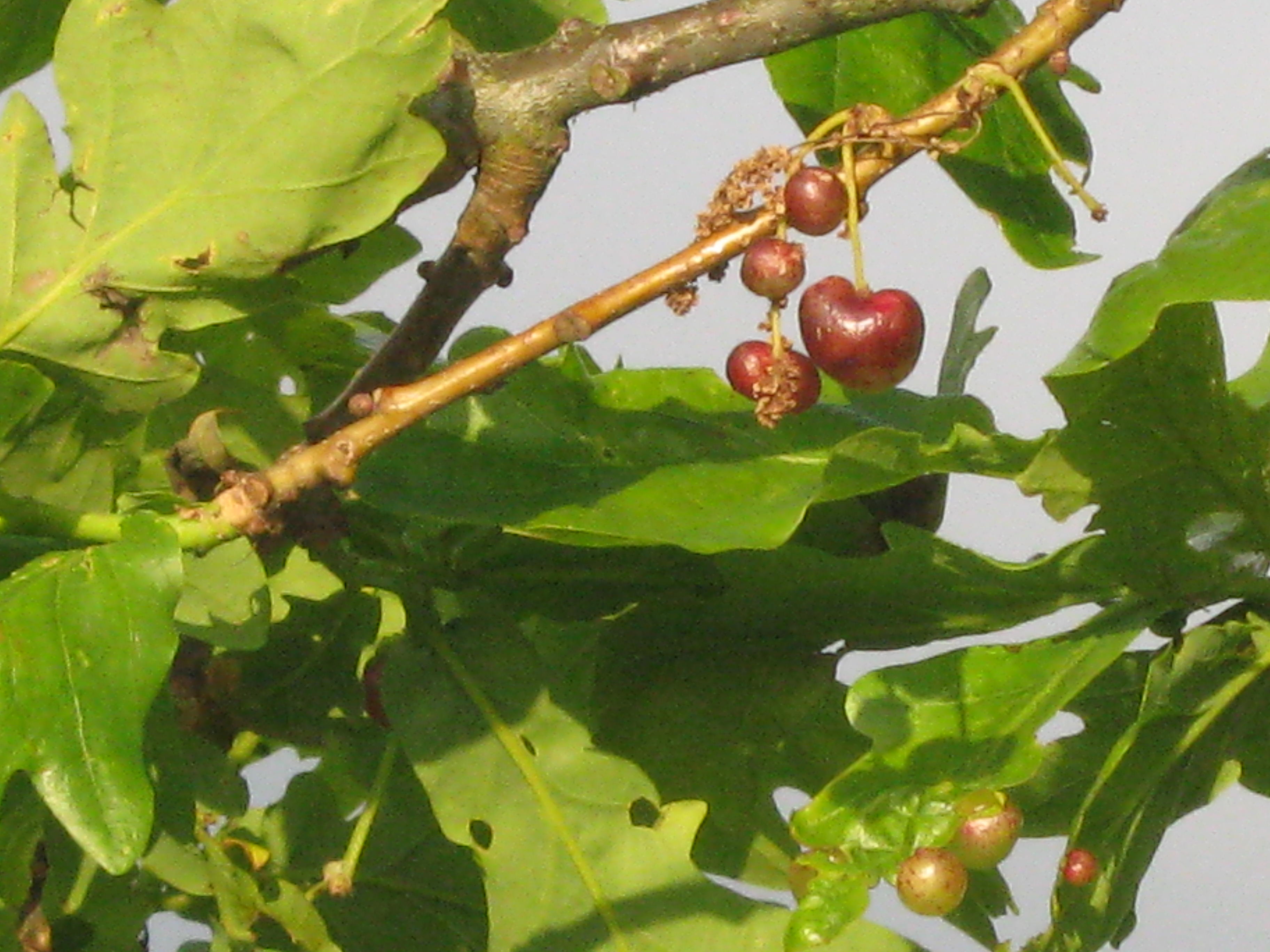
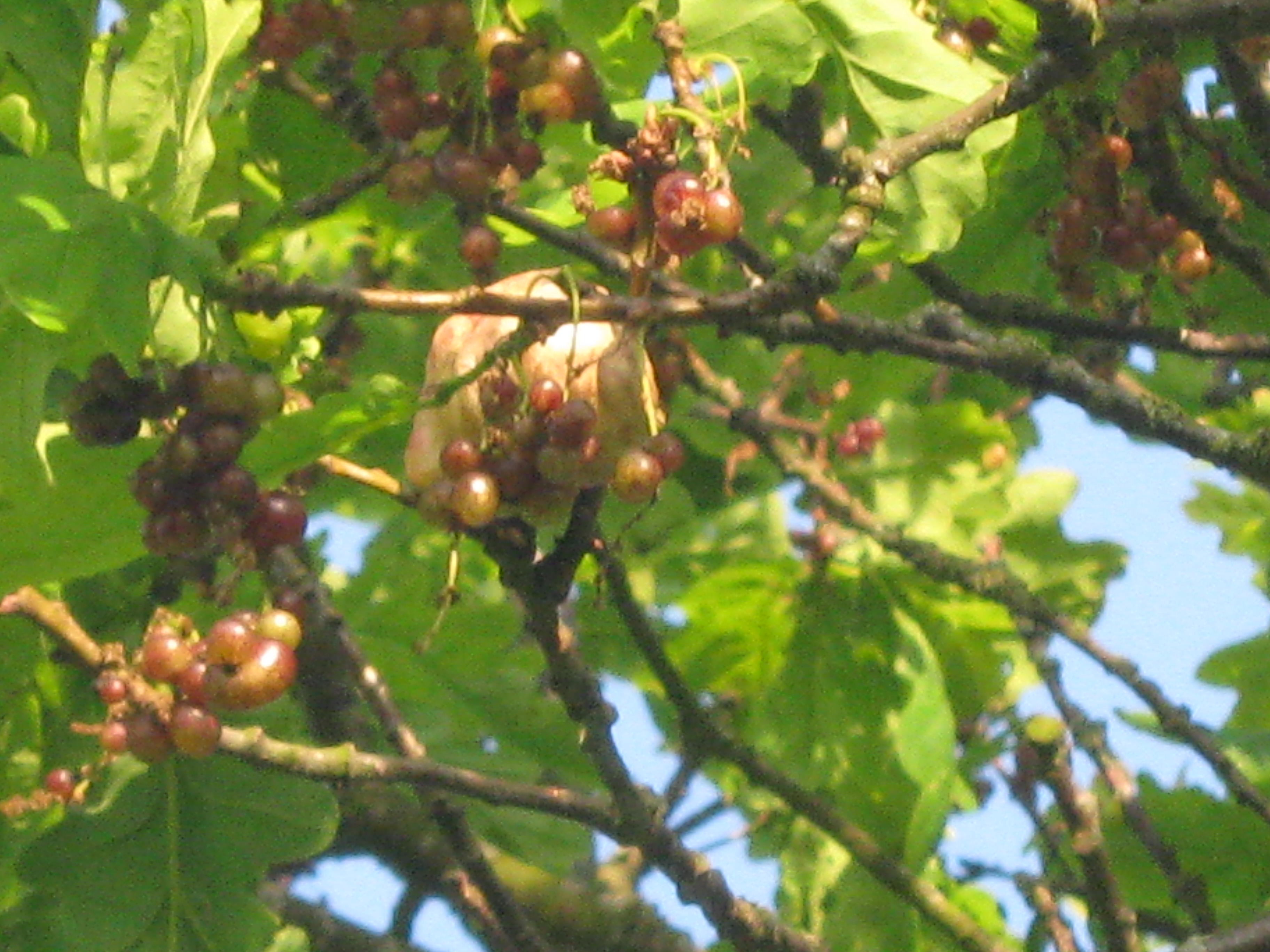
Fruits on an Oak Tree.

Image

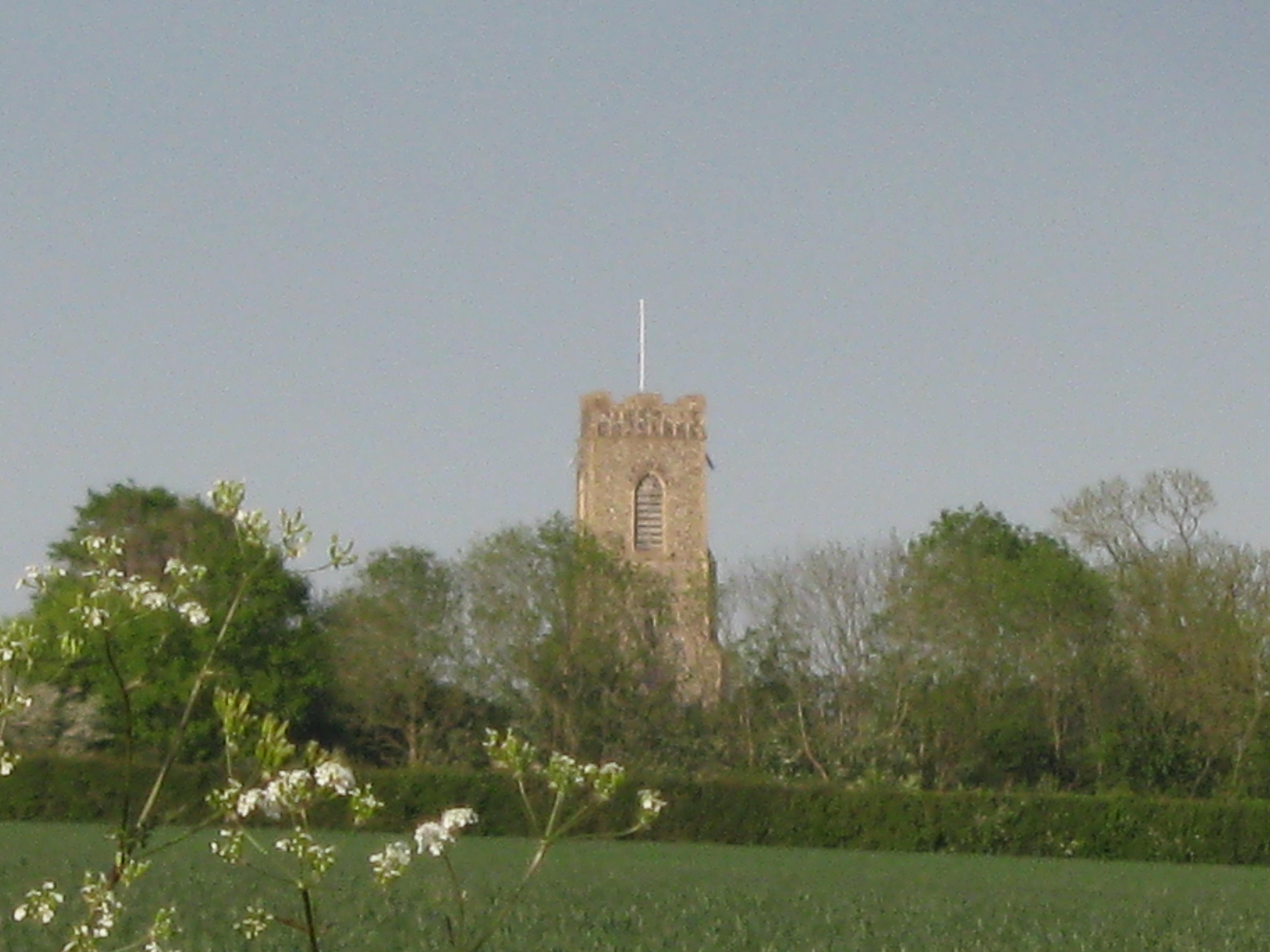
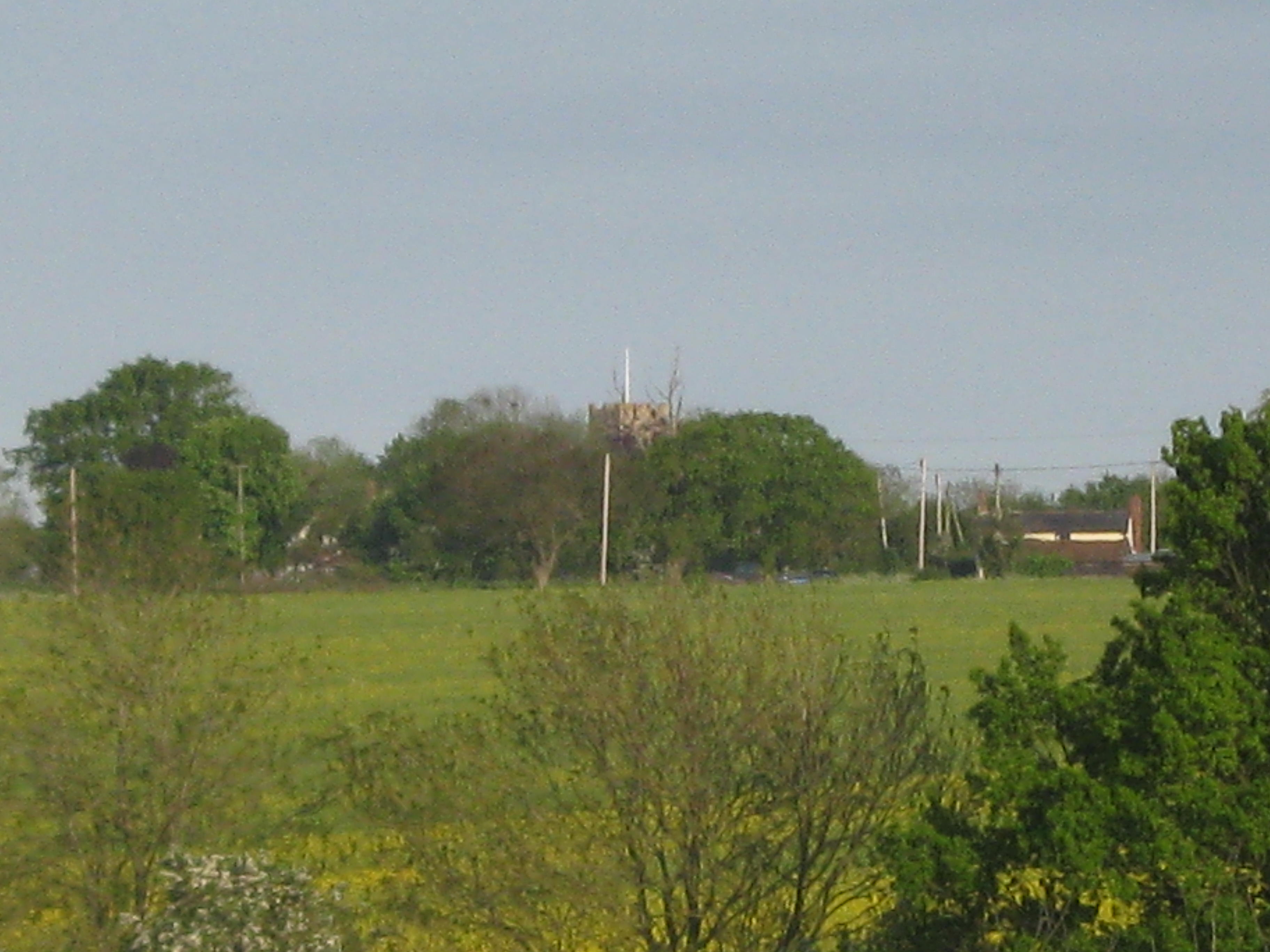
The top of the tower of St Michael’s church can just be seen above the trees.

Image

Image

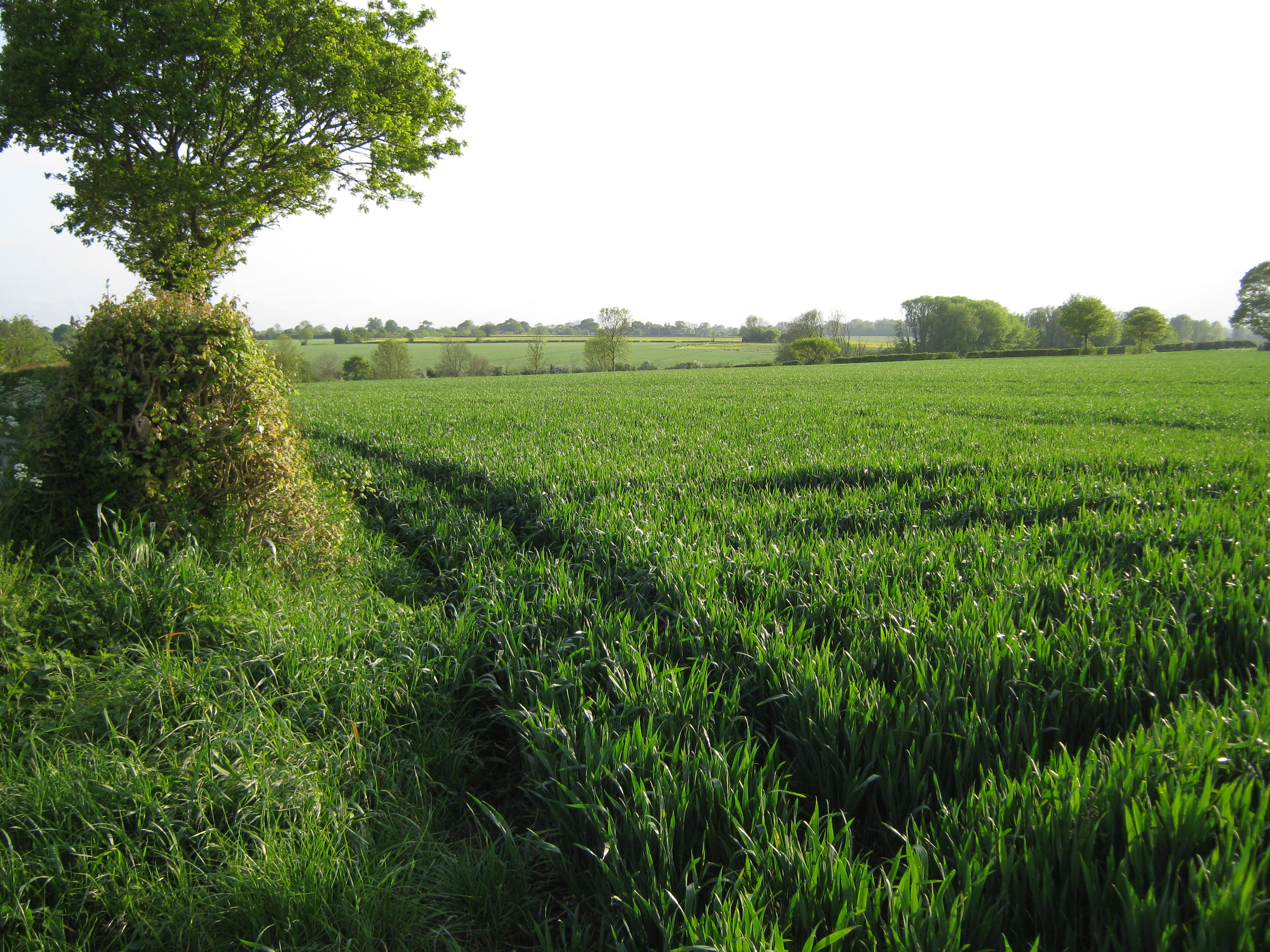
More views across the fields from the top of the lane.

Image

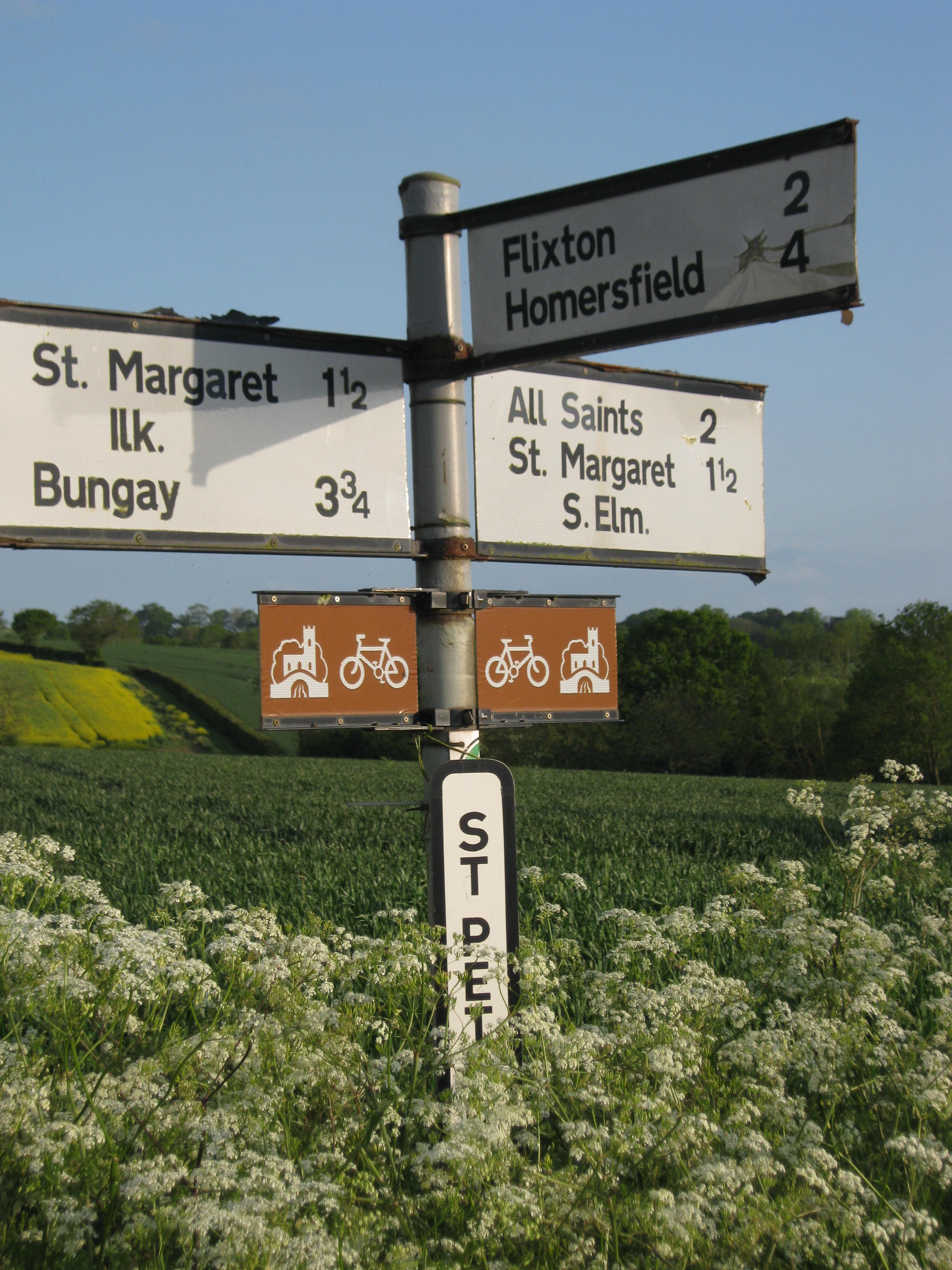
The signpost at the end of the lane.

Image

Another view from the top.

Image

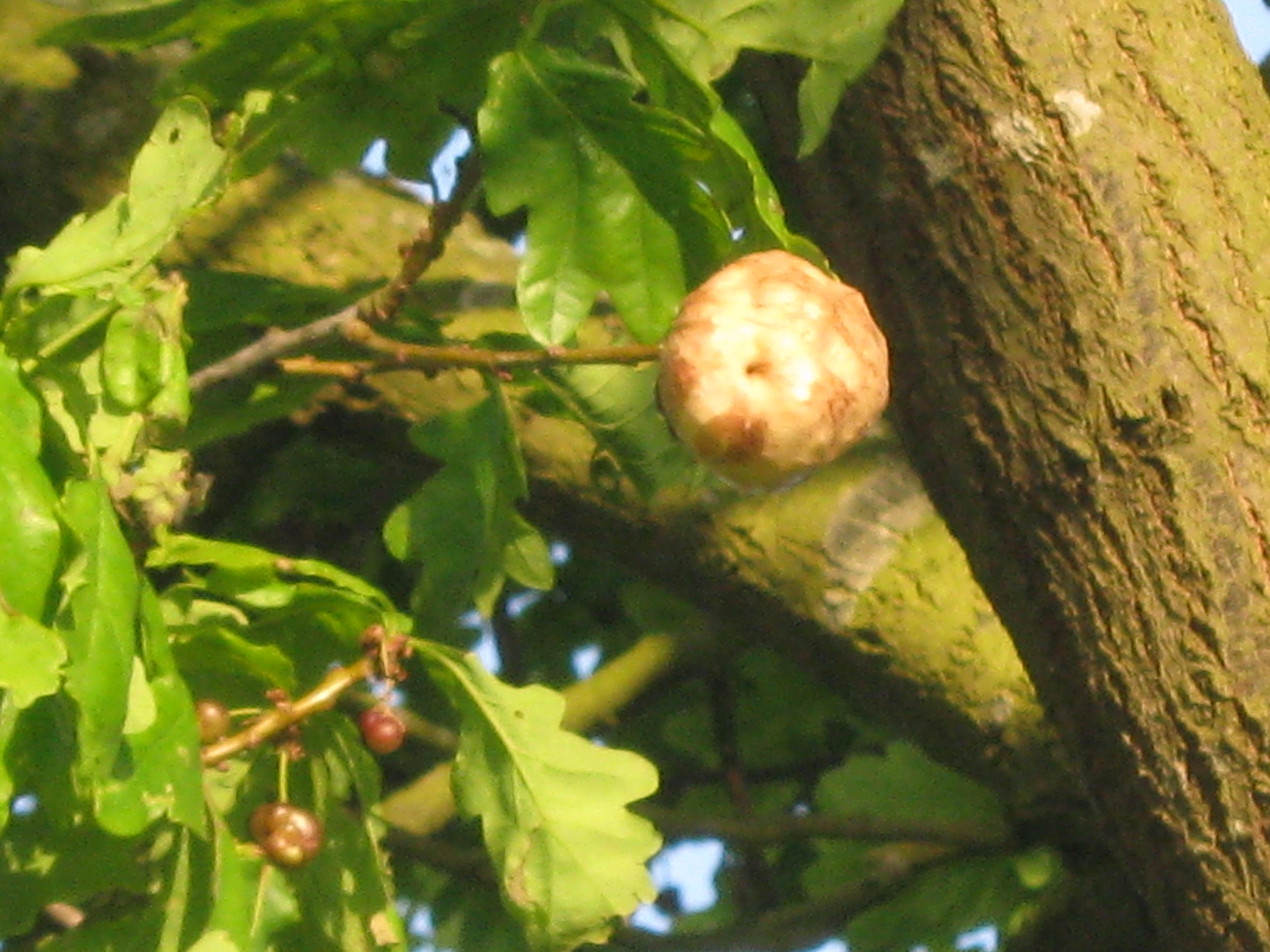
An oak-apple with fruits

Image

An oak-apple.

Image

This is a picture of a Lesser Whitethroat!  It is just below and just to the left of centre and has a curly leaf over its face.  You’ll have to take my word for it that it really was a Lesser Whitethroat.

Image

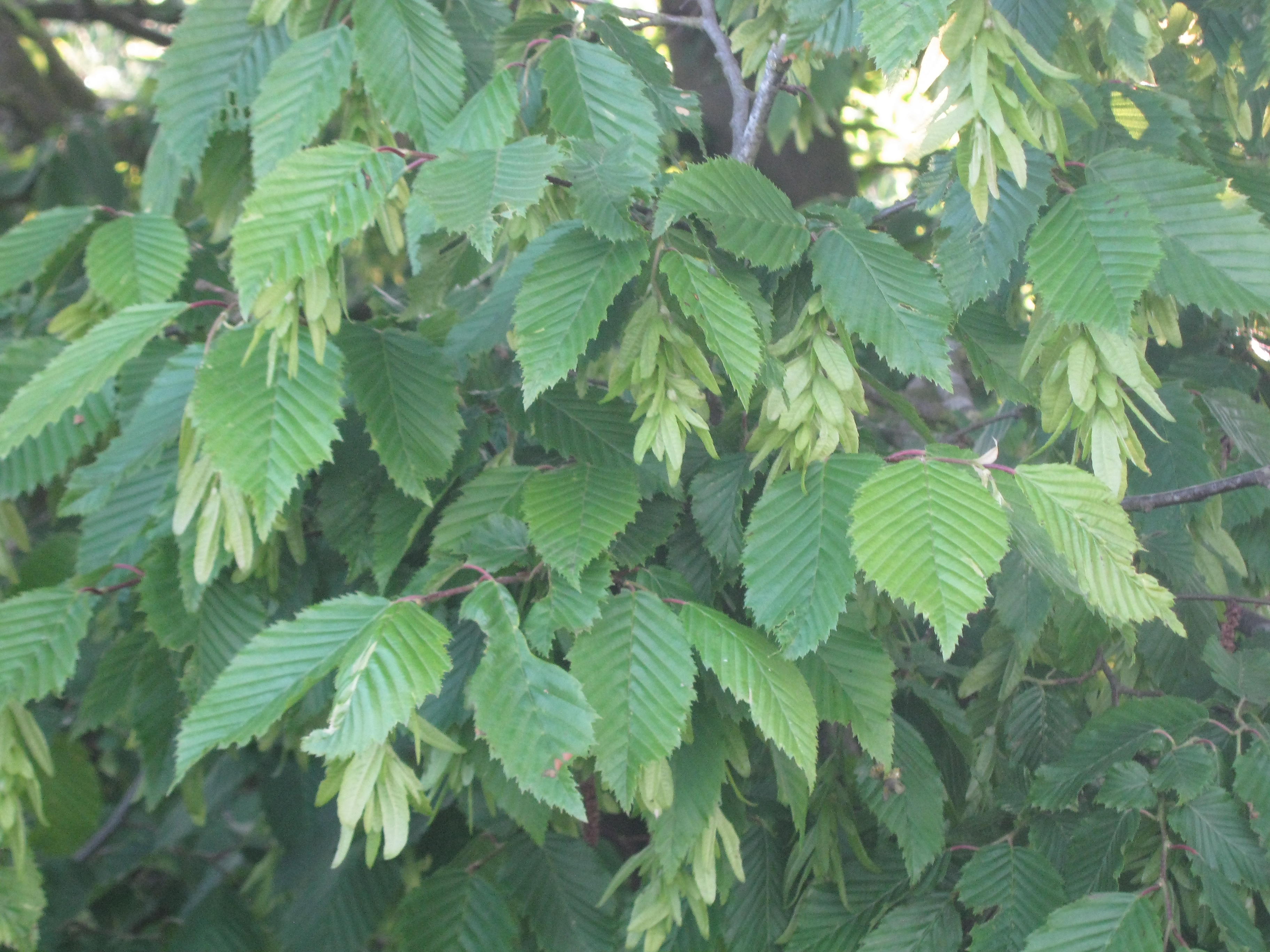
A Wych Elm and fruits.

Image

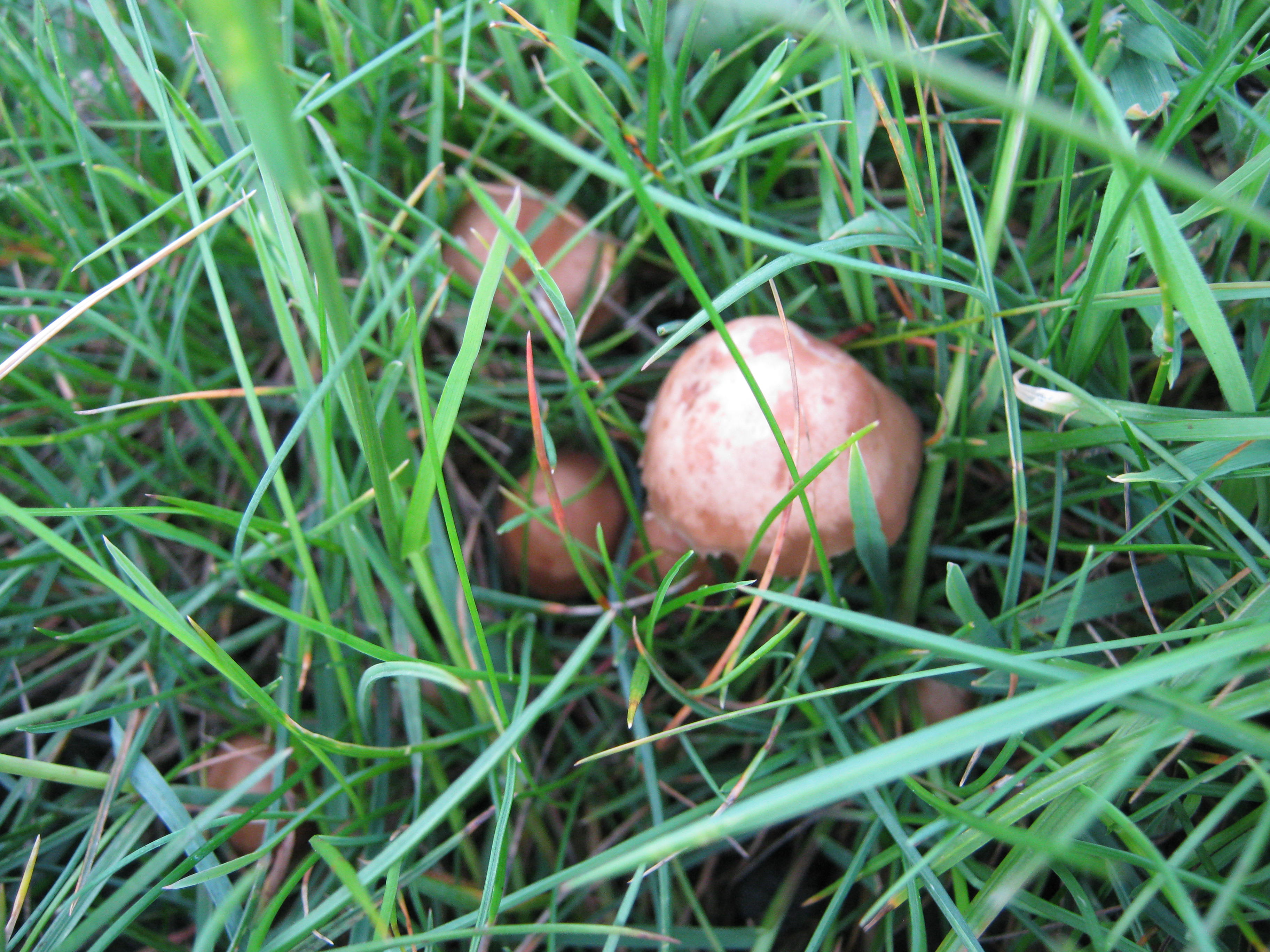
Toadstools

Image

Late sunshine.

We walked back home quite content and I cooked our evening meal.


Share this:

  • Share on X (Opens in new window) X
  • Share on Reddit (Opens in new window) Reddit
  • Share on Pinterest (Opens in new window) Pinterest
  • Share on Facebook (Opens in new window) Facebook
  • Email a link to a friend (Opens in new window) Email
  • Share on Tumblr (Opens in new window) Tumblr
  • Print (Opens in new window) Print
  • Share on LinkedIn (Opens in new window) LinkedIn
Like Loading...

A Walking Week Part 2

07 Wed May 2014

Posted by Clare Pooley in plants, Rural Diary, trees, Uncategorized, walking

≈ 7 Comments

Tags

bluebells, Bugle/Ajuga, Bush Vetch, coppicing, Deer fences, Early Purple Orchid, Lords and Ladies, Pendulous Sedge, primroses, Ragged Robin, Reydon Wood, Roger Deakin, Suffolk Wildlife Trust, violets, Yellow Archangel

By Friday R had recovered from his trip to Gloucestershire, so when he got home from work I suggested that we might take our postponed bluebell-wood walk that evening.  He thought that would be a great idea so we set off about 6.00pm and managed to persuade E to come with us.  This was a real surprise as E once got lost in Reydon Wood and hadn’t been back since.  To get to Reydon Wood we usually go via the road to Southwold, our nearest seaside town, passing by the Henham Estate which is the venue for the Latitude Festival.  Henham Woods were awash with bluebells so we were hopeful that our walk would not be in vain.

When we got to the entrance to the wood there were only a couple of cars parked there and plenty of room for us.

Image

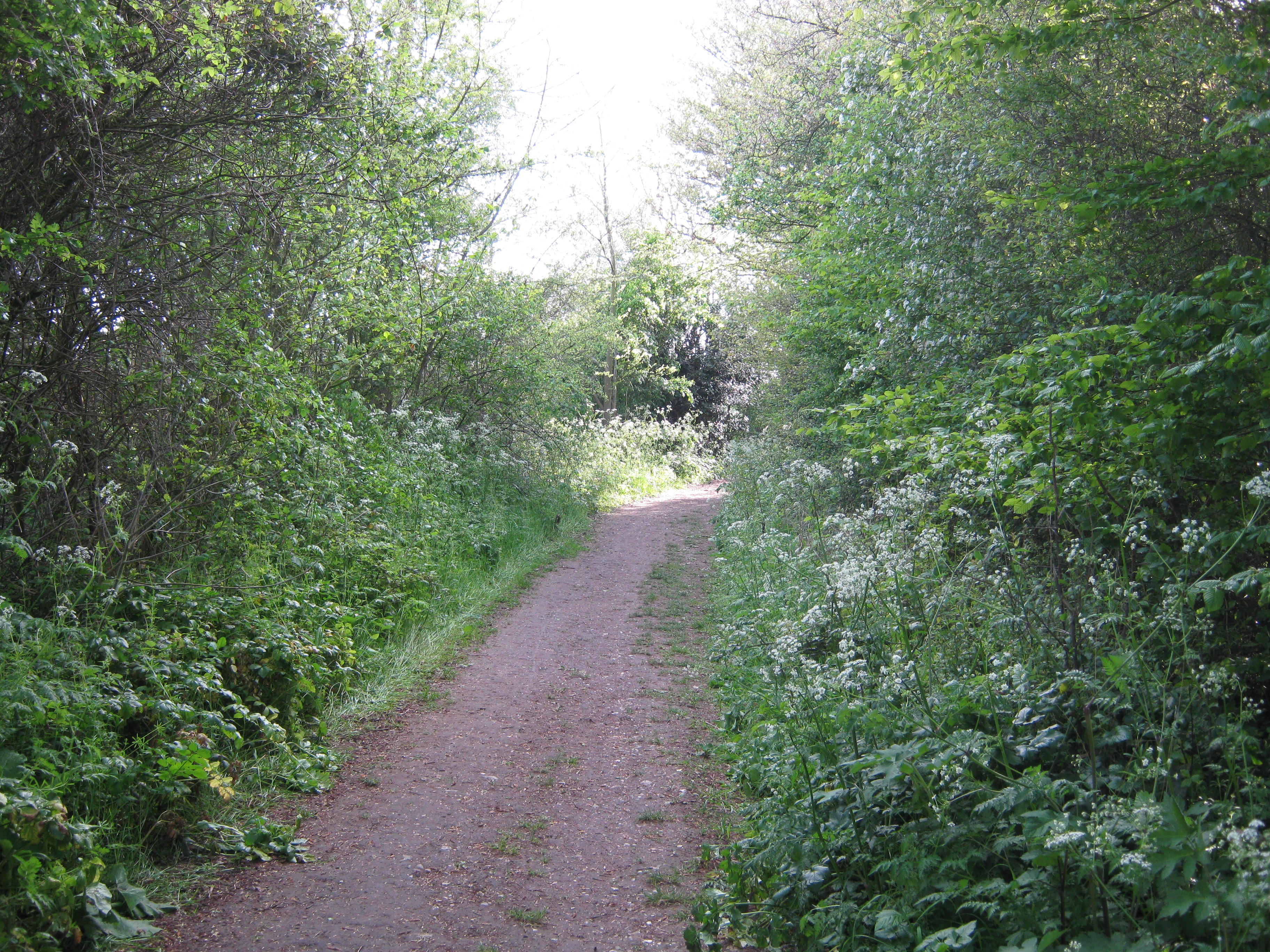
The path to the wood.

The path is usually quite interesting in itself as it runs along next to Reydon Wood on one side and fields on the other.  Between the path and the wood is a very deep ditch, probably quite ancient and dug as a boundary and/or to stop deer entering the wood and damaging the trees.

Image

It is not easy to see the depth of the ditch with this photo.

We walked a little further until we came to the entrance.  The wood is excellently maintained by the Suffolk Wildlife Trust.  They have started to coppice it again and have cleared away a lot of scrub.  They have marked out paths through the wood and maintain the ditches.  Bluebells are very sensitive plants and if their leaves are crushed they die so it is best to stick to the paths.  Not only are there bluebells in this wood but many other interesting plants and trees.  This wonderful habitat is also good for all sorts of animals, birds and insects too.

Image

A bridge over a little drainage ditch.

Image

An old coppiced tree ready for more coppicing.  The word ‘copse’ for a small wood means that it was once and maybe still is a coppiced wood.  There are many trees which are suitable for coppicing – hazel, ash, willow – as long as they re-shoot after their branches are cut off low they are suitable.  Coppicing is similar to pollarding which is more often seen in towns where the branches are cut off near the crown of the tree.  If you look to the left of the picture you will see how the paths have been marked out by laying sticks next to each other.  A bio-degradable path and easily maintained too.

Image

This is a deer fence made of brushwood.  The area inside has been newly coppiced and the fence is here to stop the deer eating the new tree shoots.  In Roger Deakin’s delightful book ‘Wildwood: A Journey Through Trees’ he goes coppicing with a friend and also says that some woodsmen put a heap of brushwood on each individual stump to stop deer and rabbit damage.

Image

Image

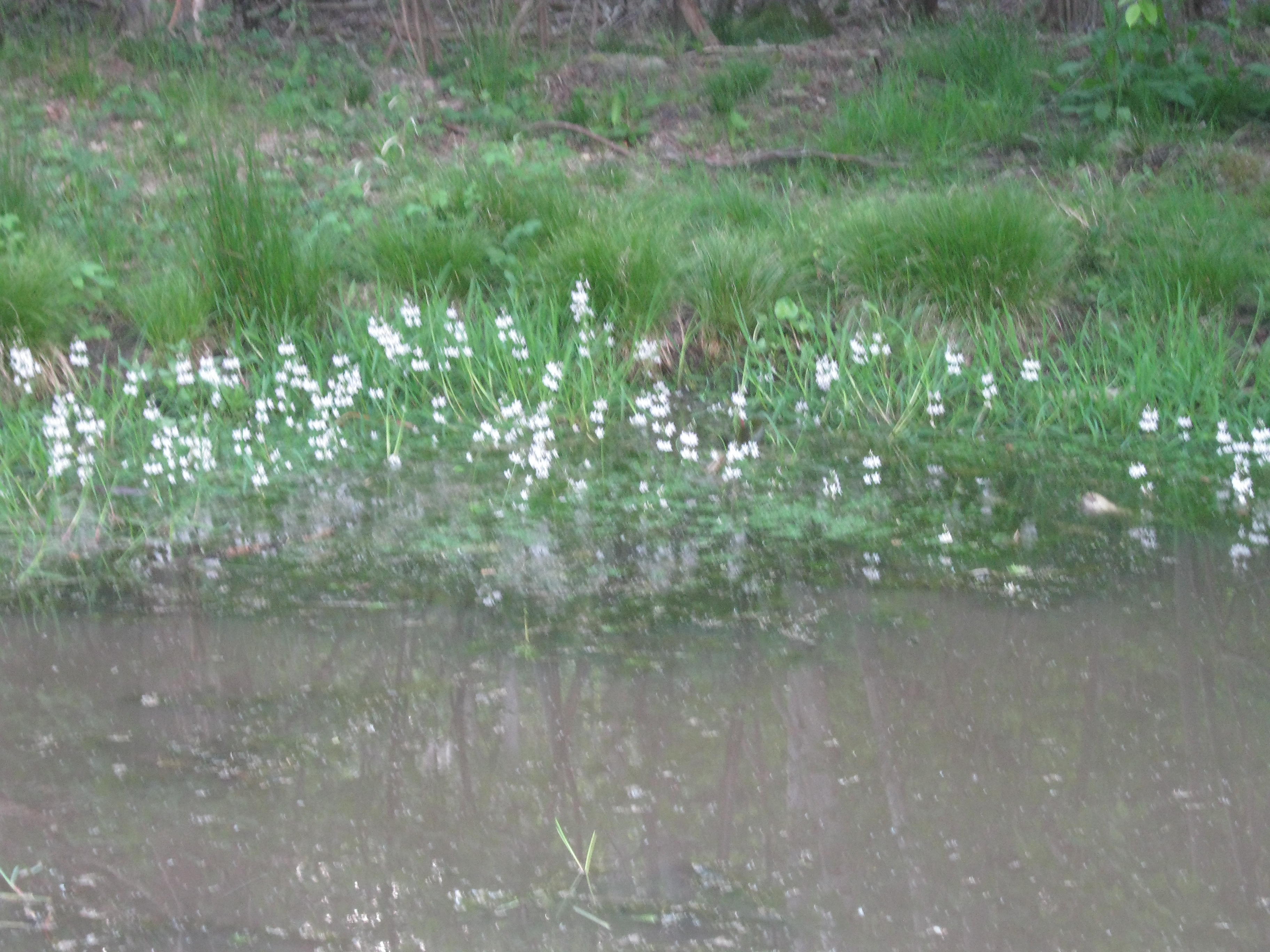
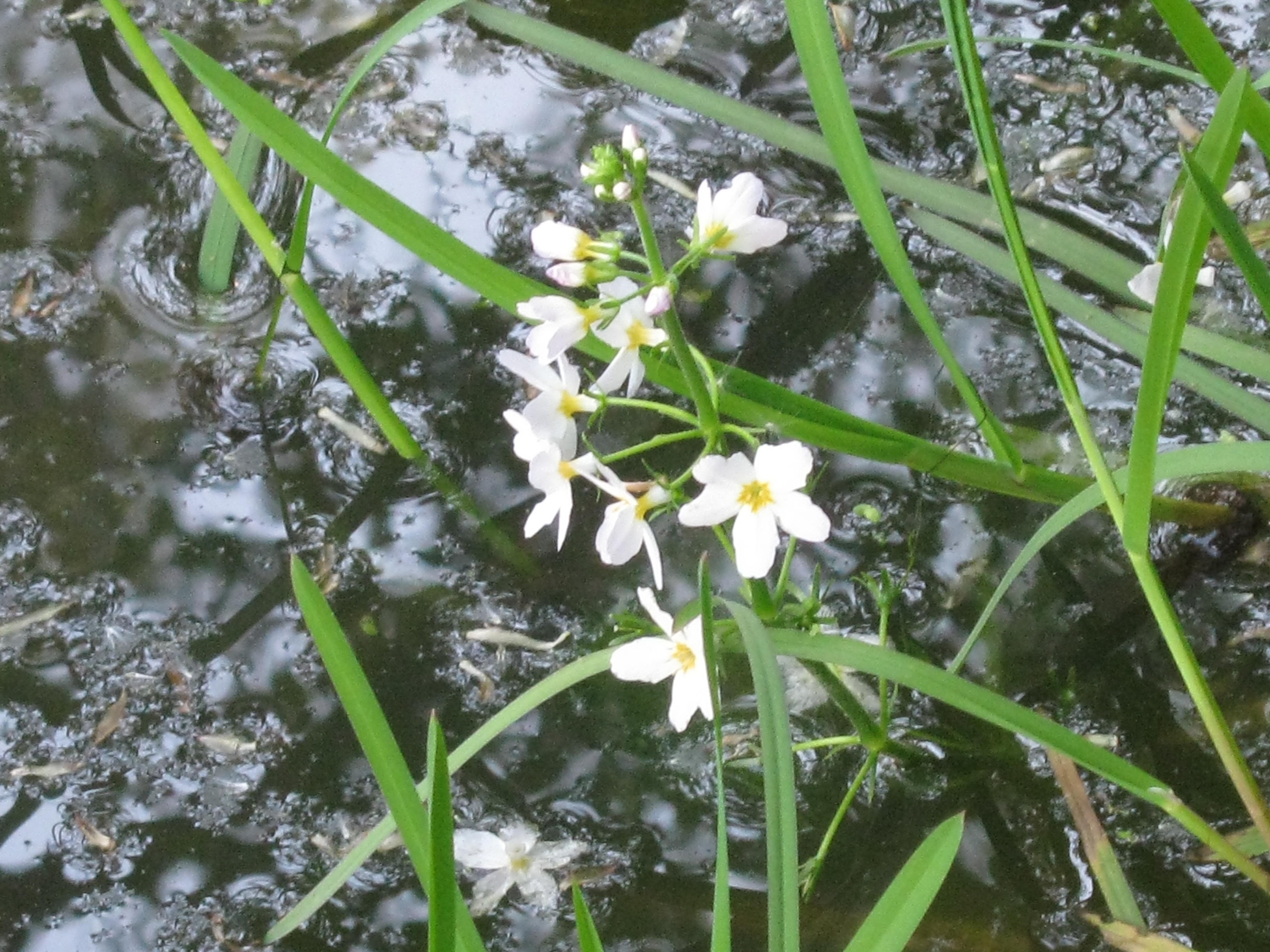
A couple of woodland ponds.

If anyone can tell me what the plant in the second pond is I would be very grateful.  I apologise for the poor quality of the photo but I included it as I wished to show where the flowers are growing.  The flowers are a little like primrose flowers and are in tiered whorls.  The leaves are strap-like.

Image

Image

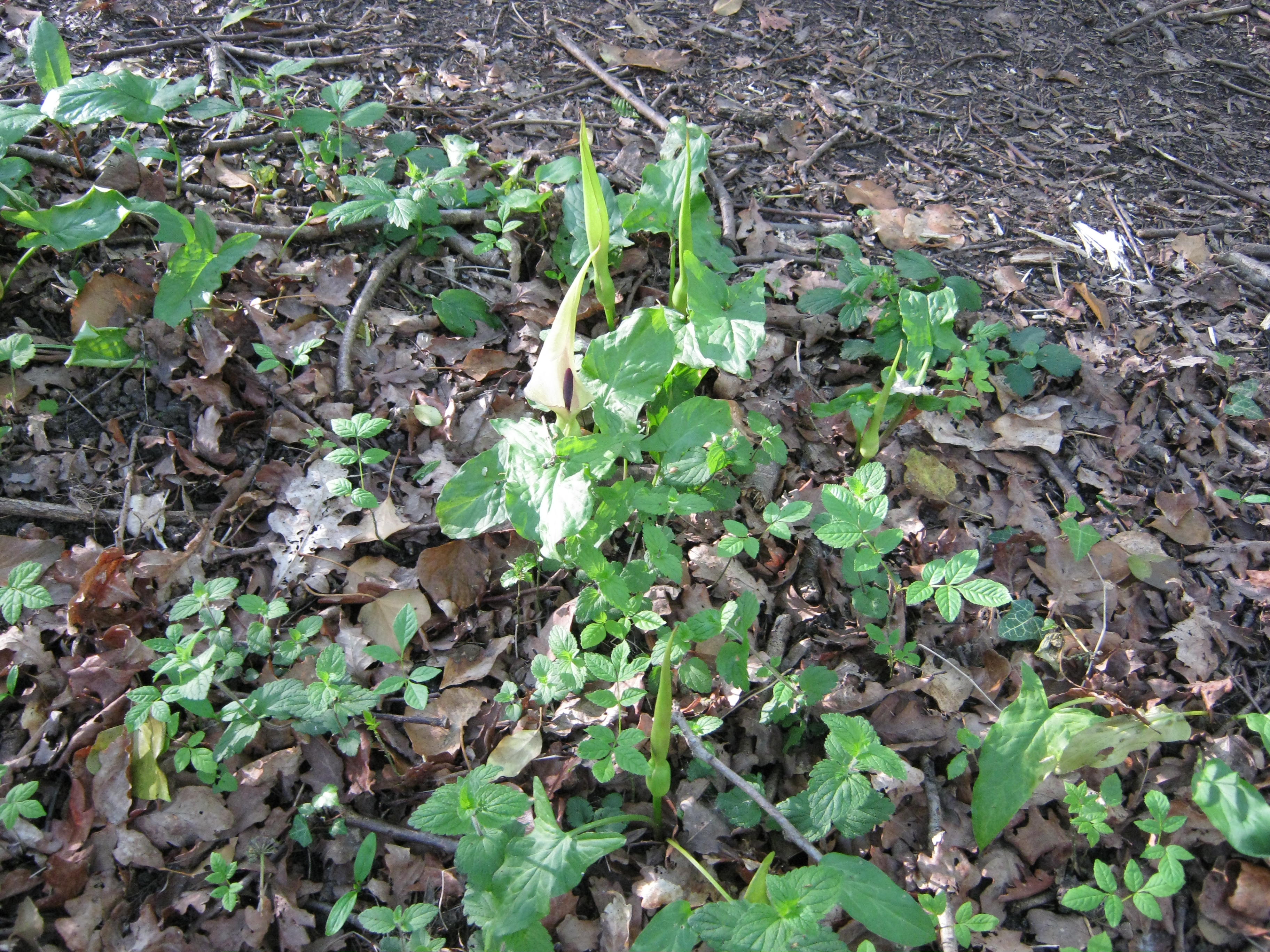
Lords and Ladies.

Image

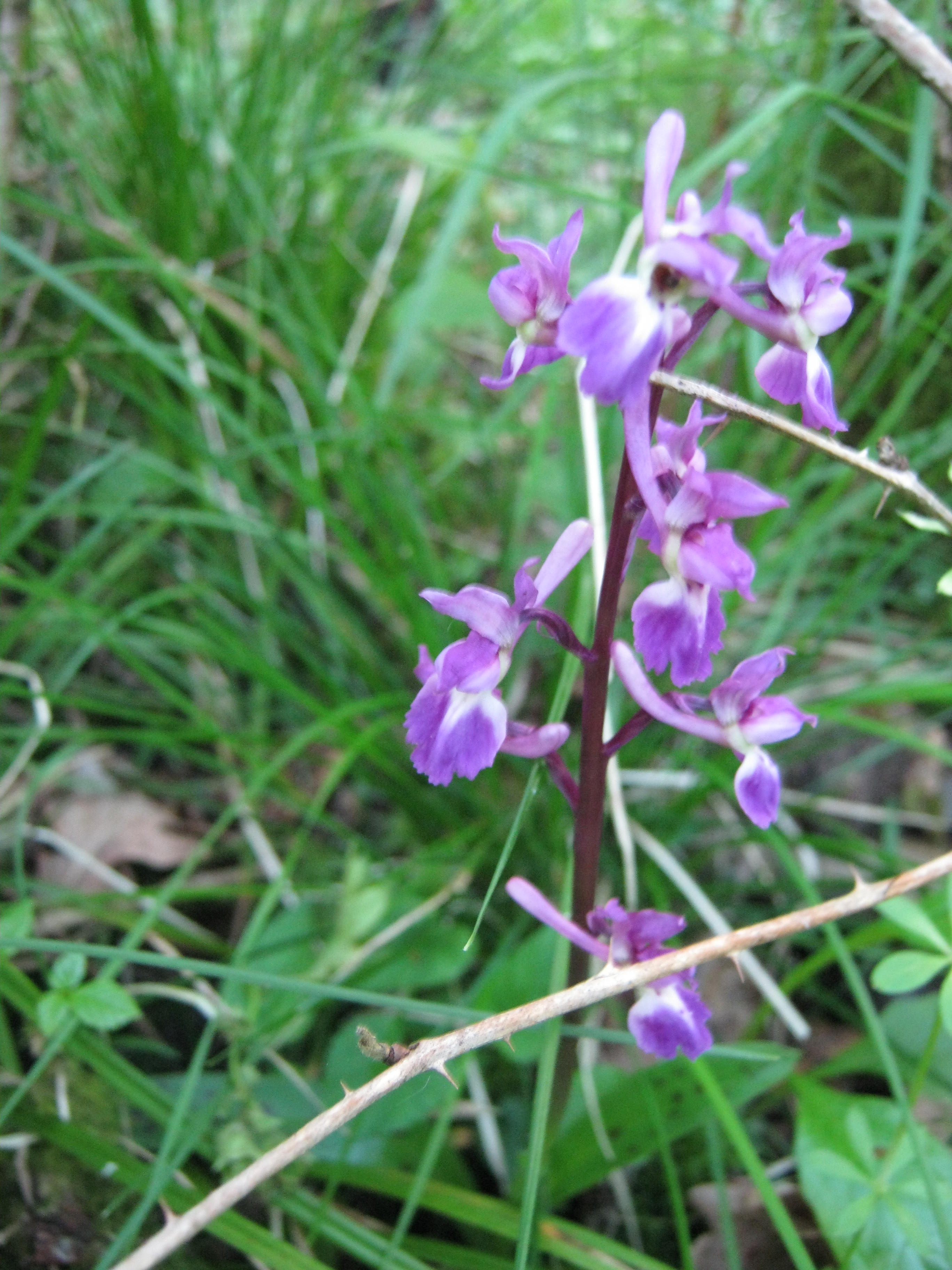
Early Purple Orchid.

Image

Early Purple Orchid.

Image

Ajuga/Bugle.

Image

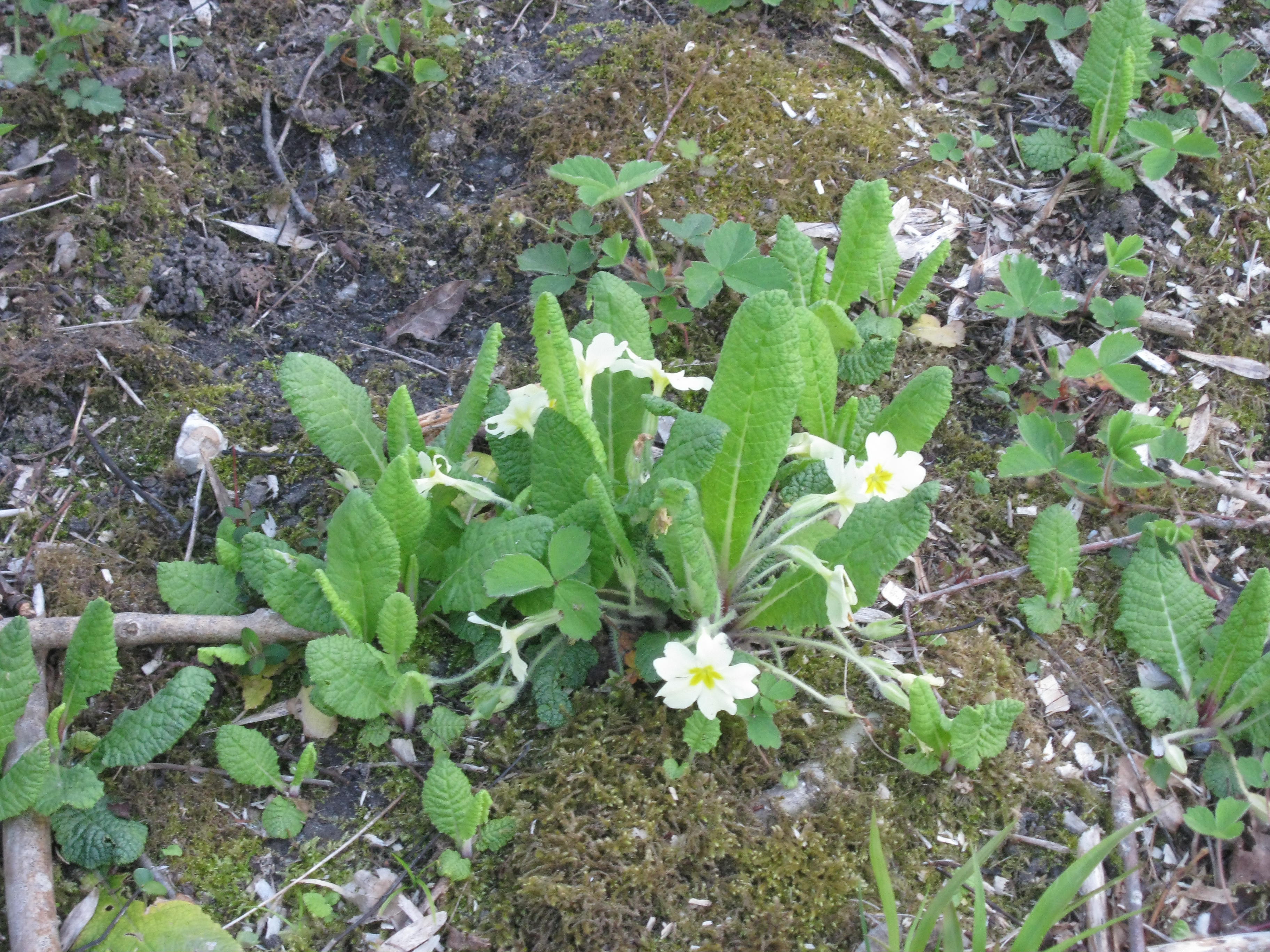
Primroses.

Image

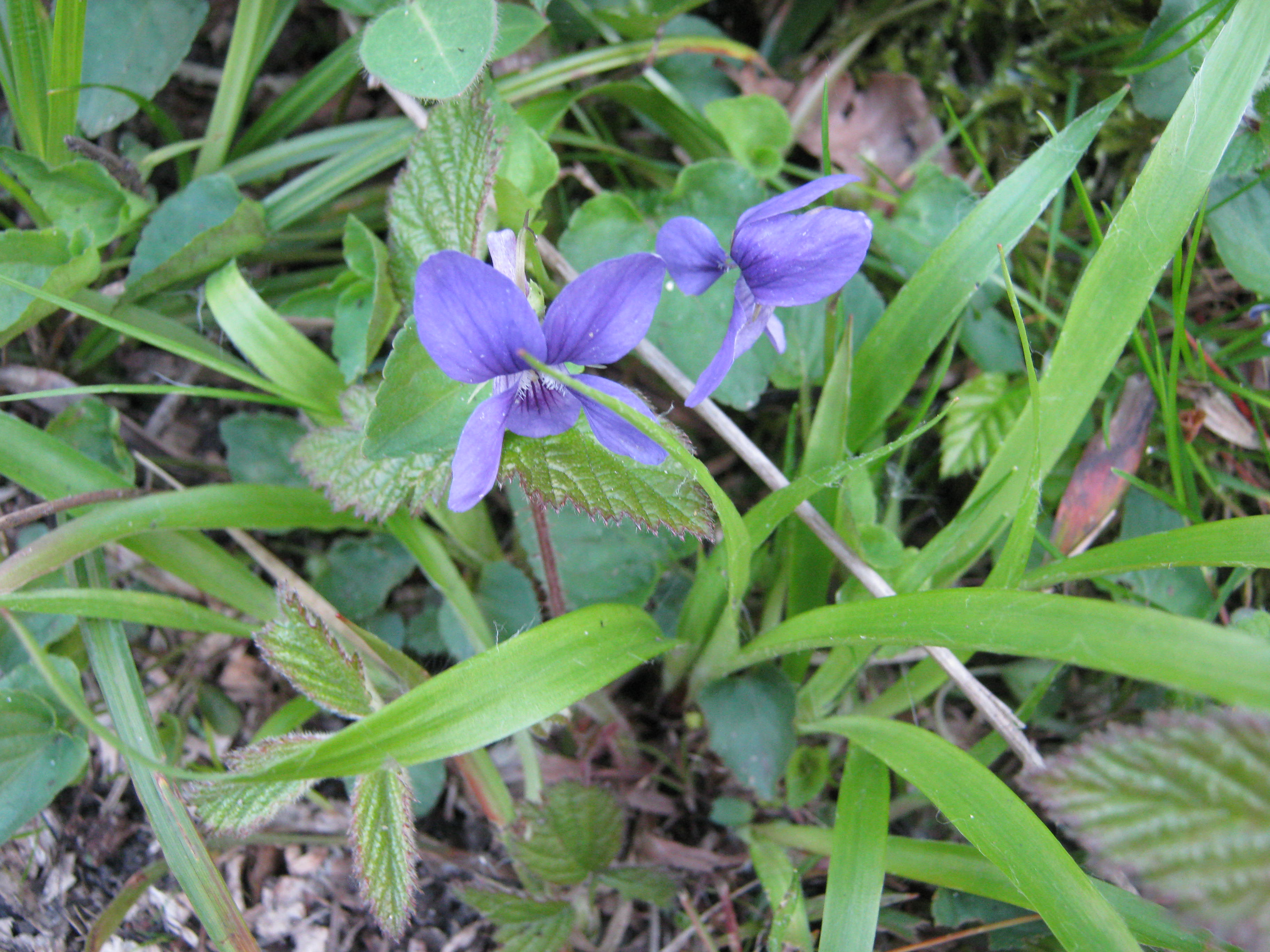
Violets.

Image

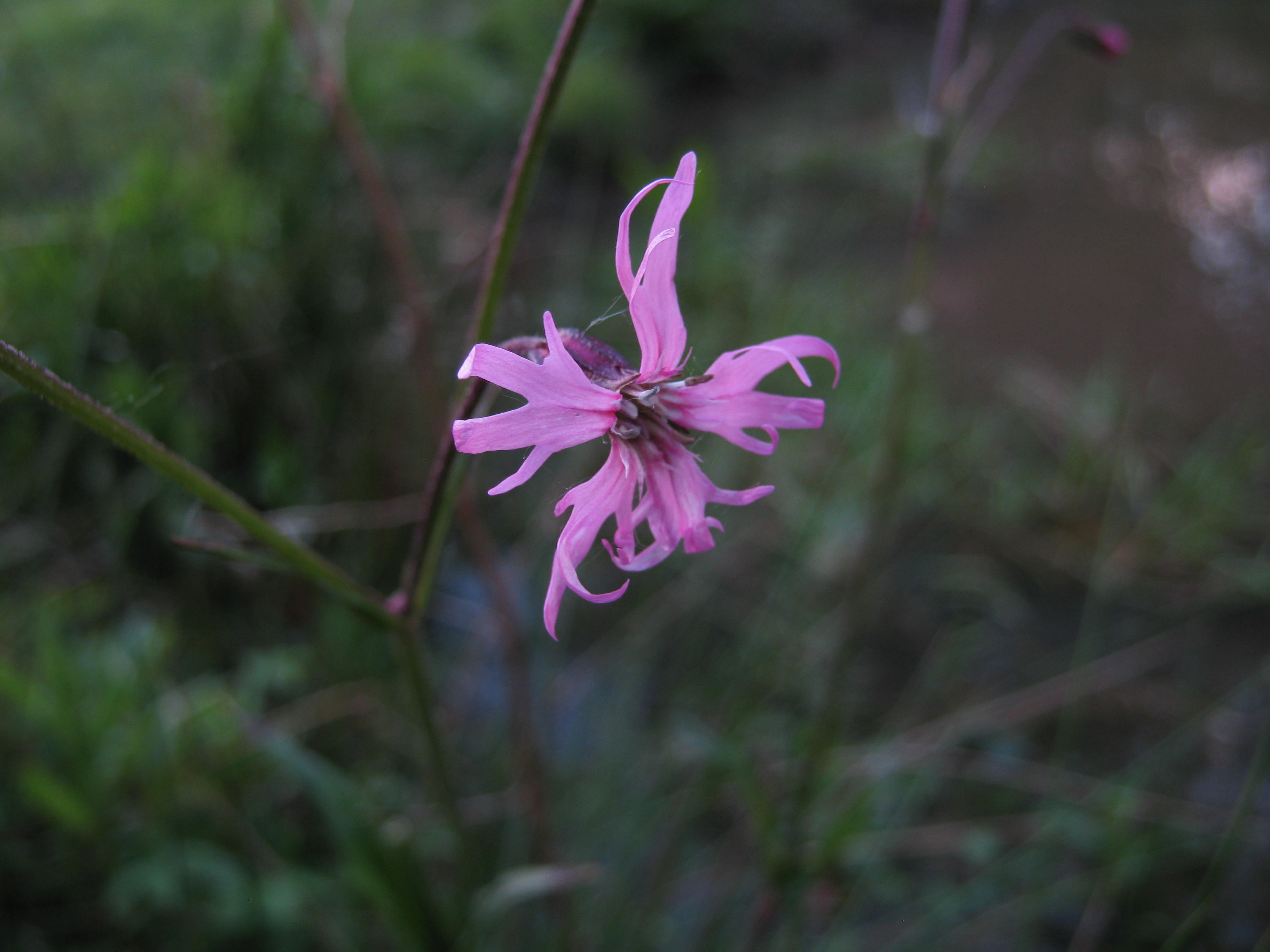
Ragged Robin.

Image

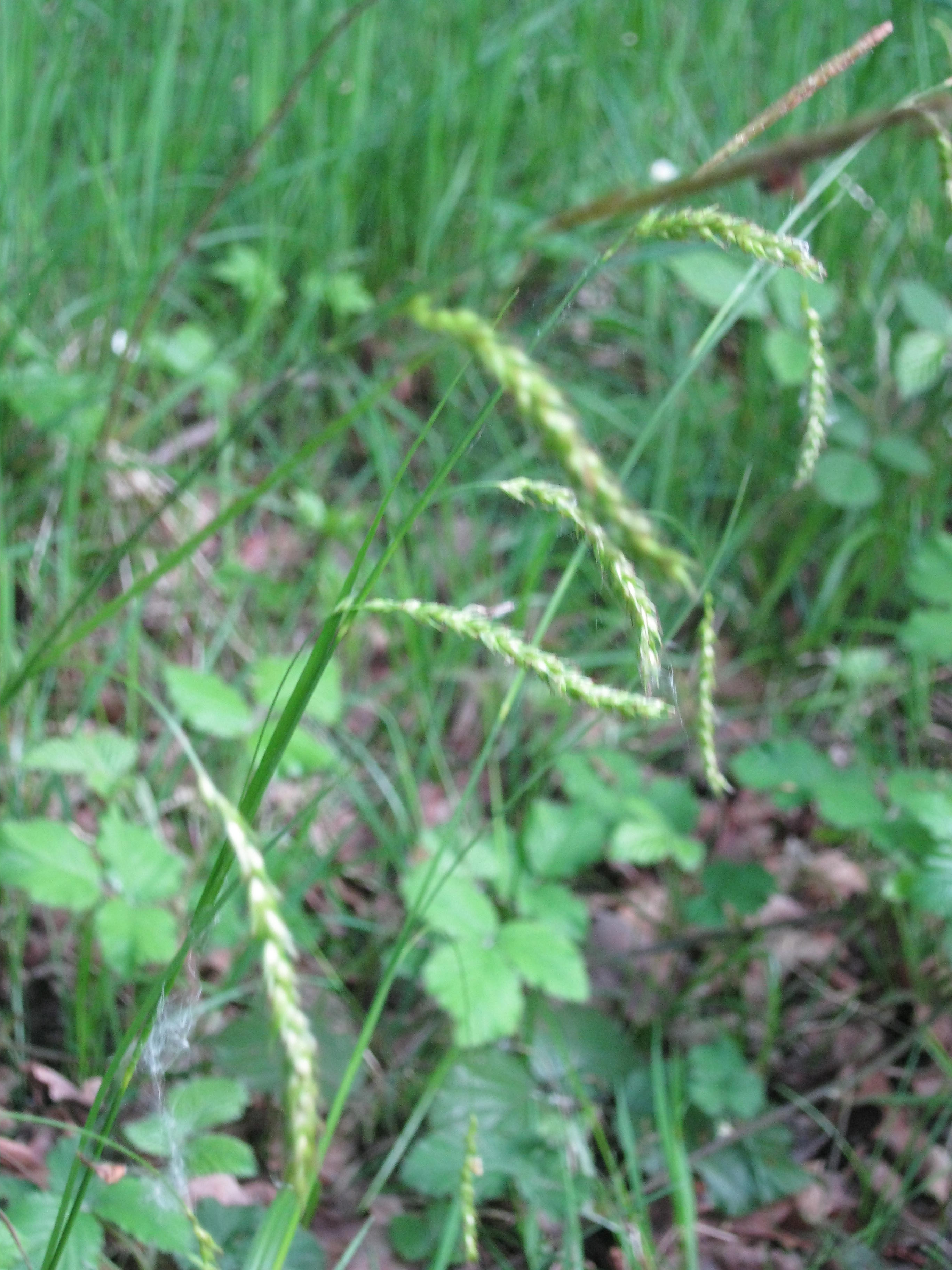
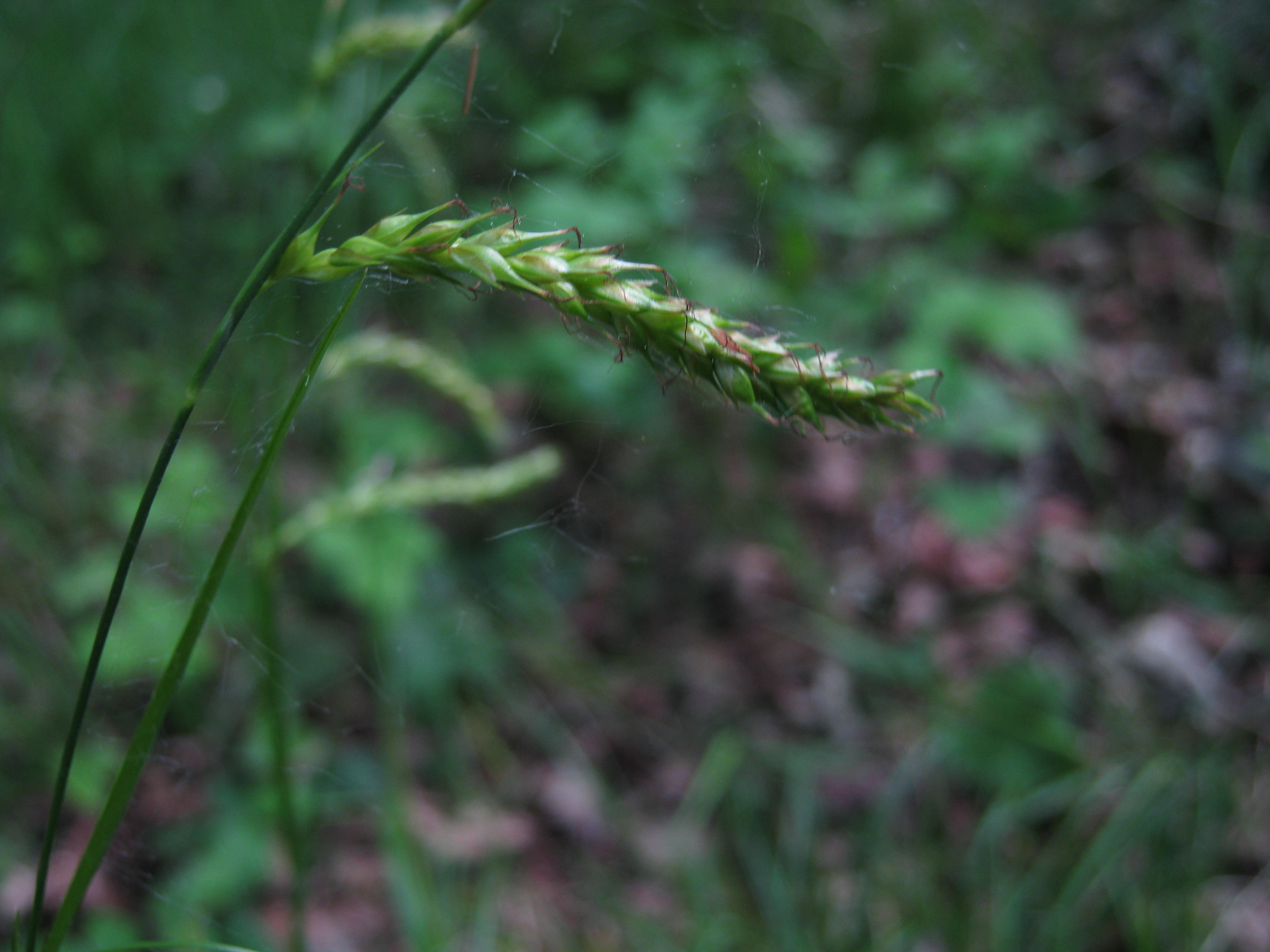
Pendulous Sedge.

Image

Pendulous Sedge.

Image

Bush Vetch

Image

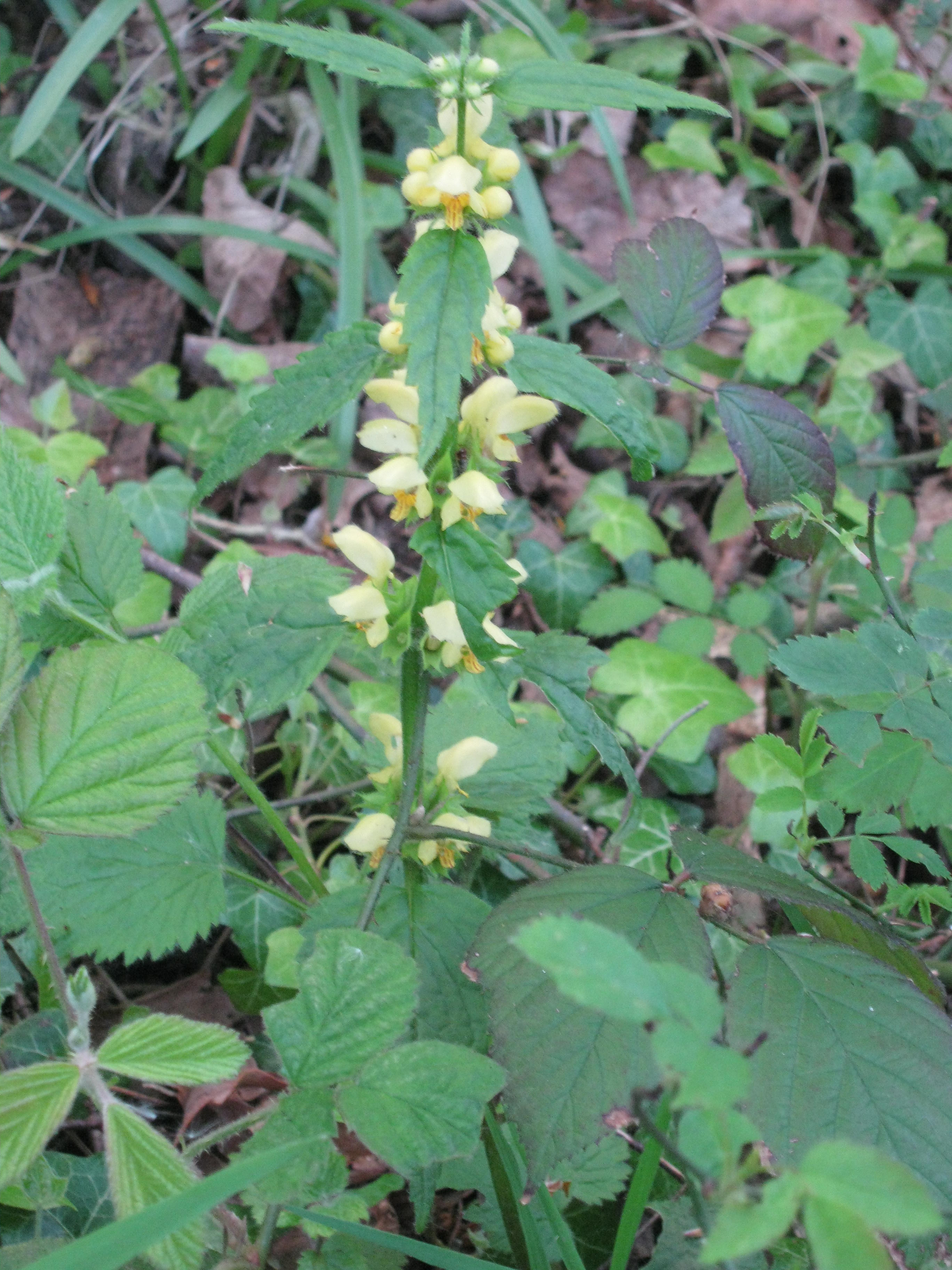
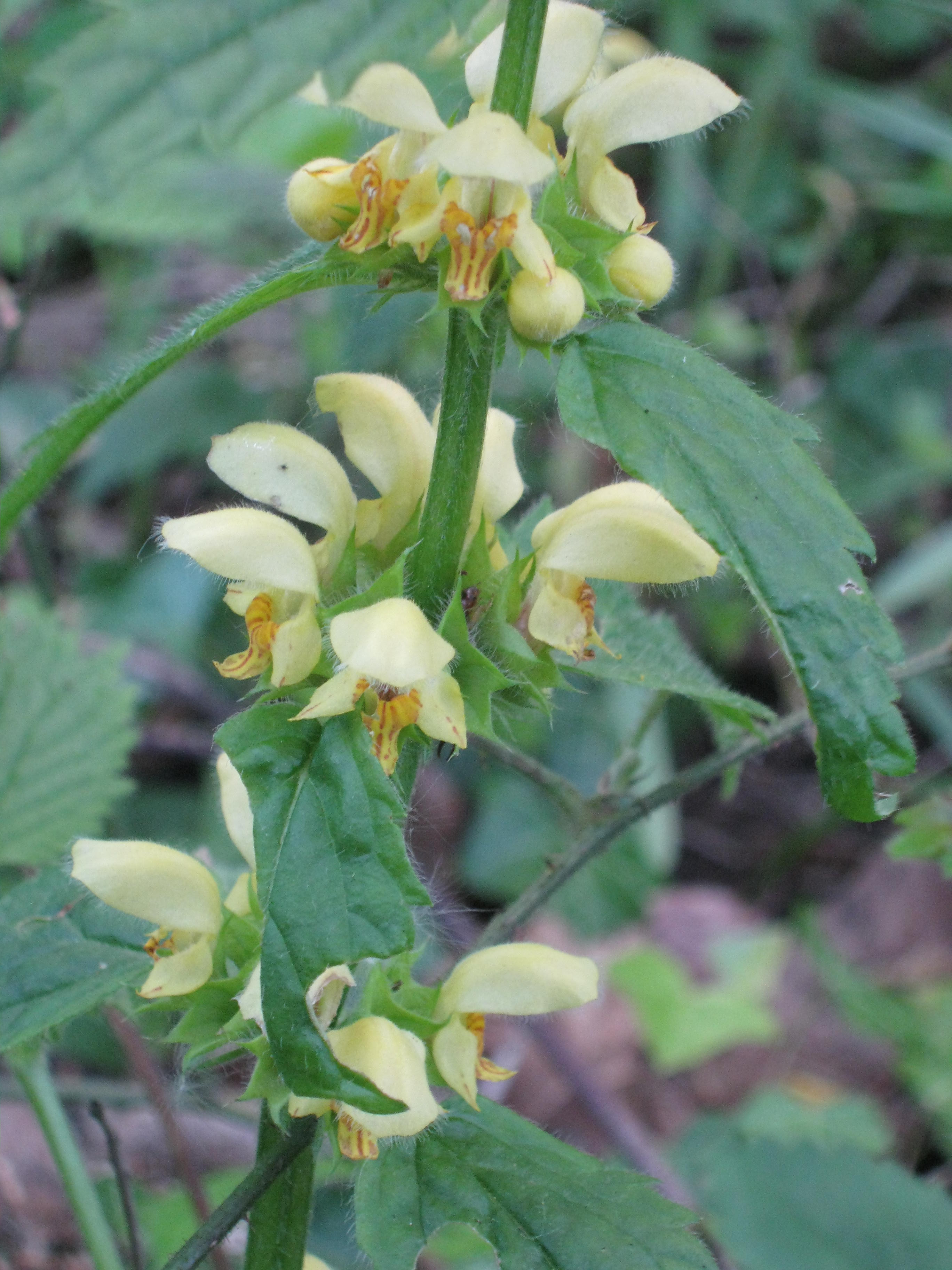
Yellow Archangel.

Image

Yellow Archangel.

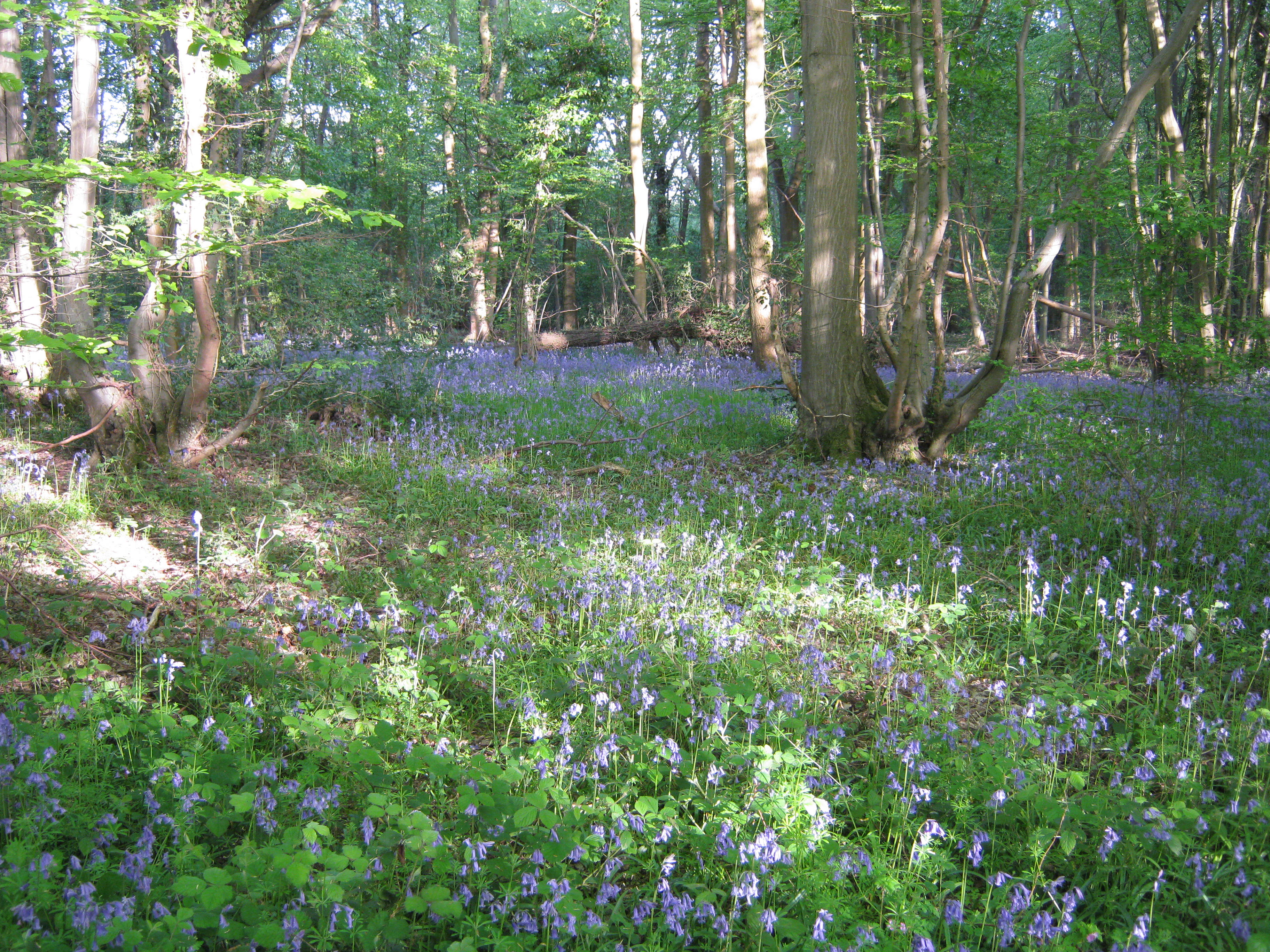
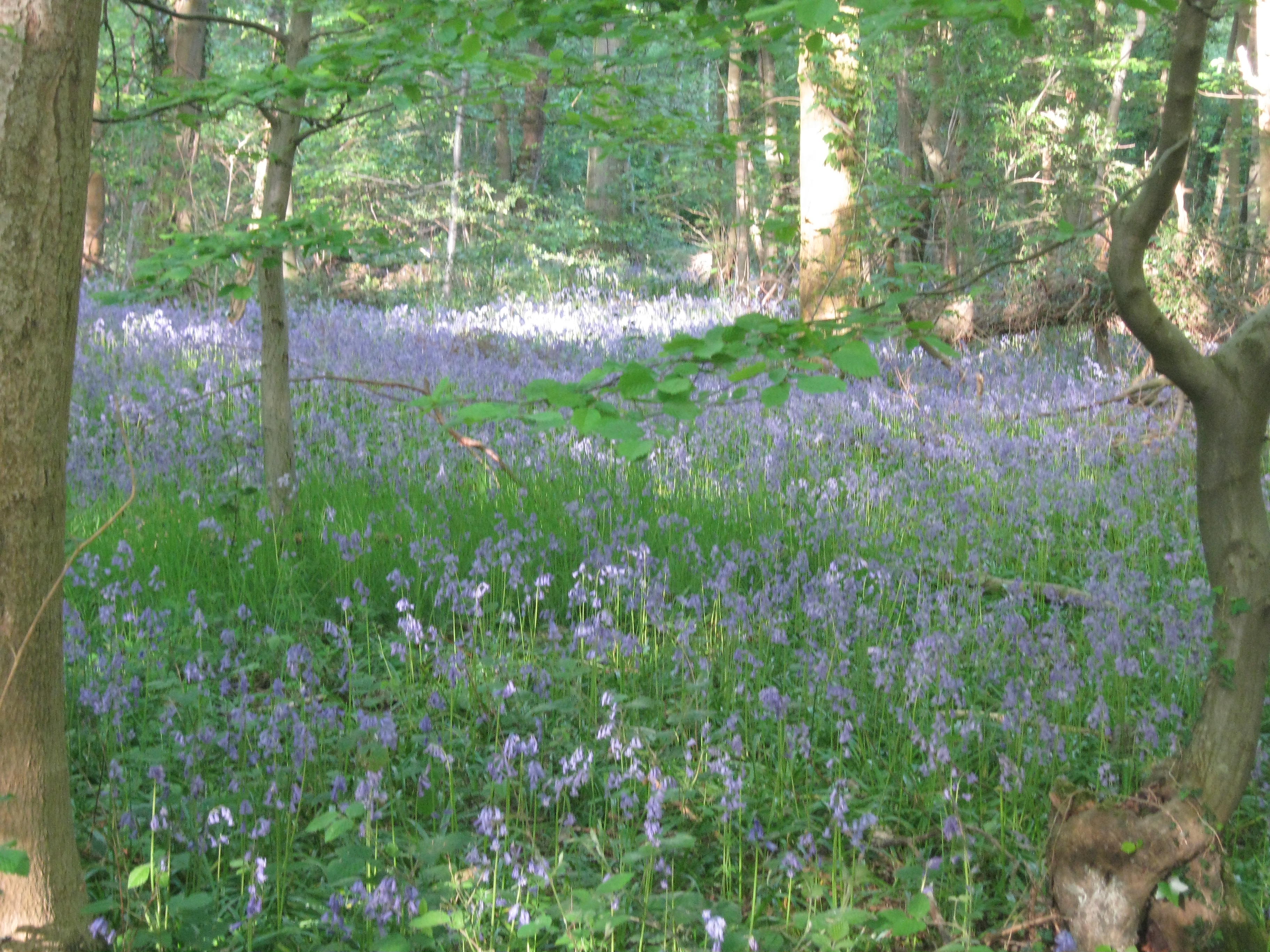
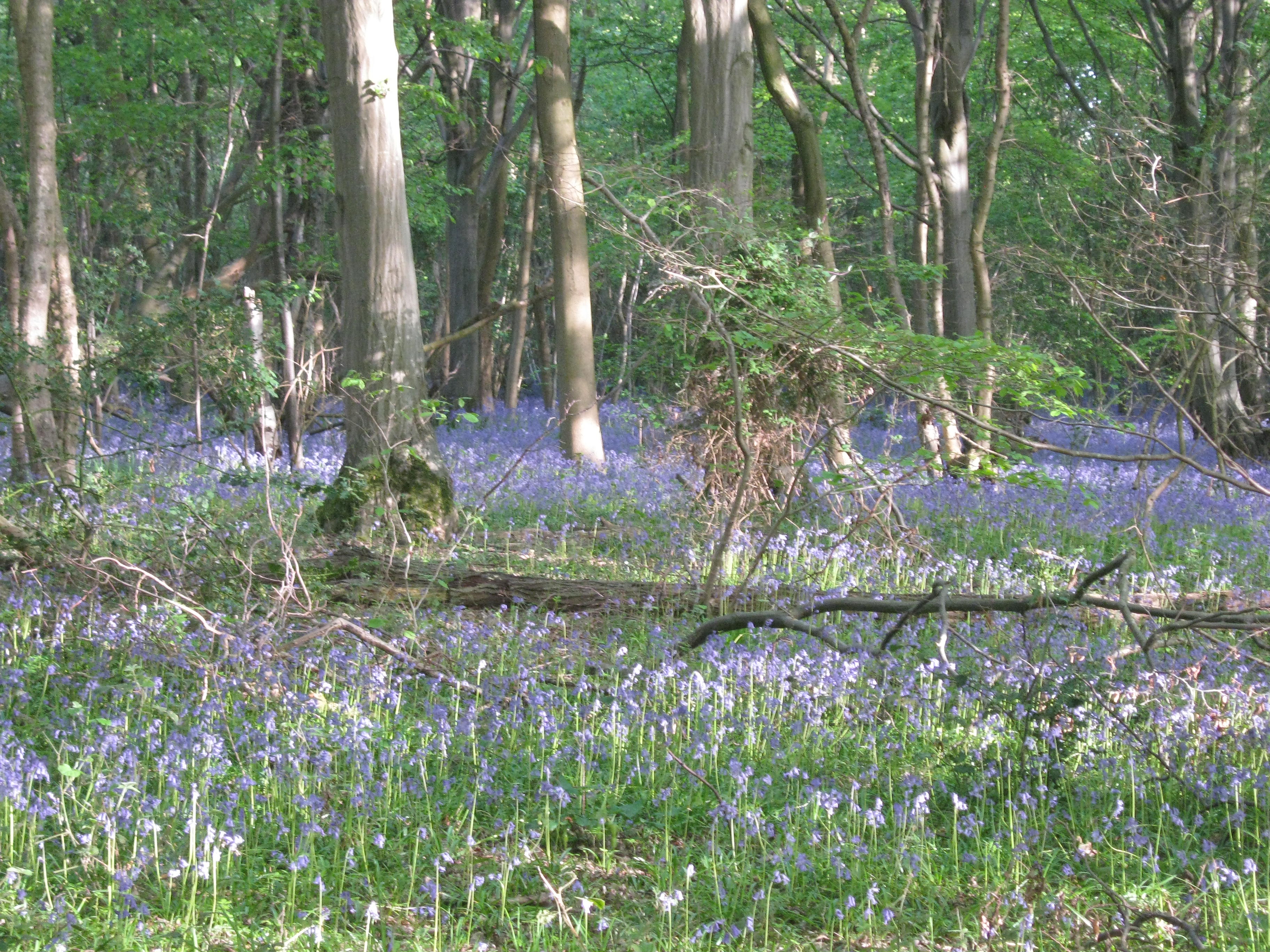
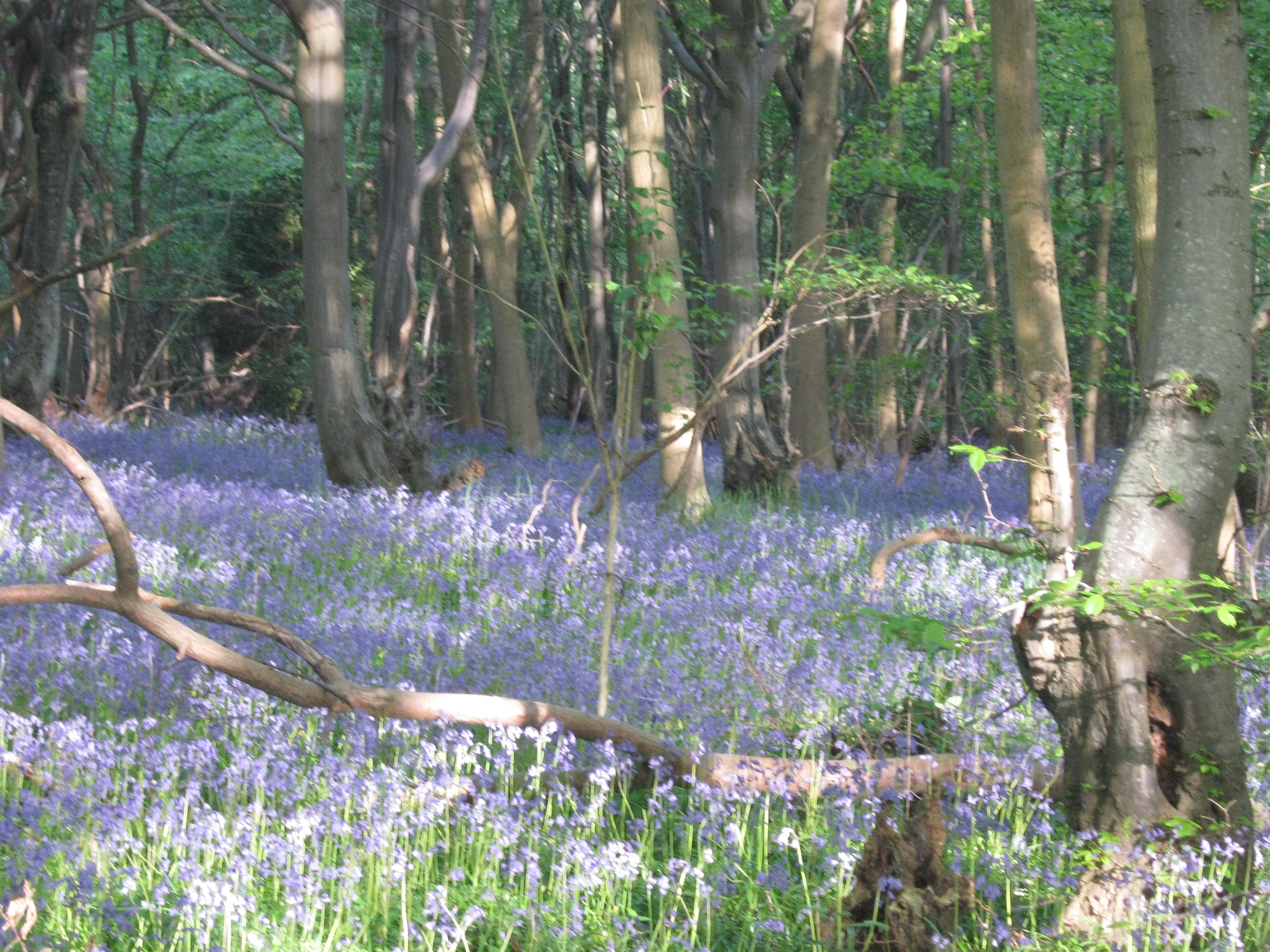
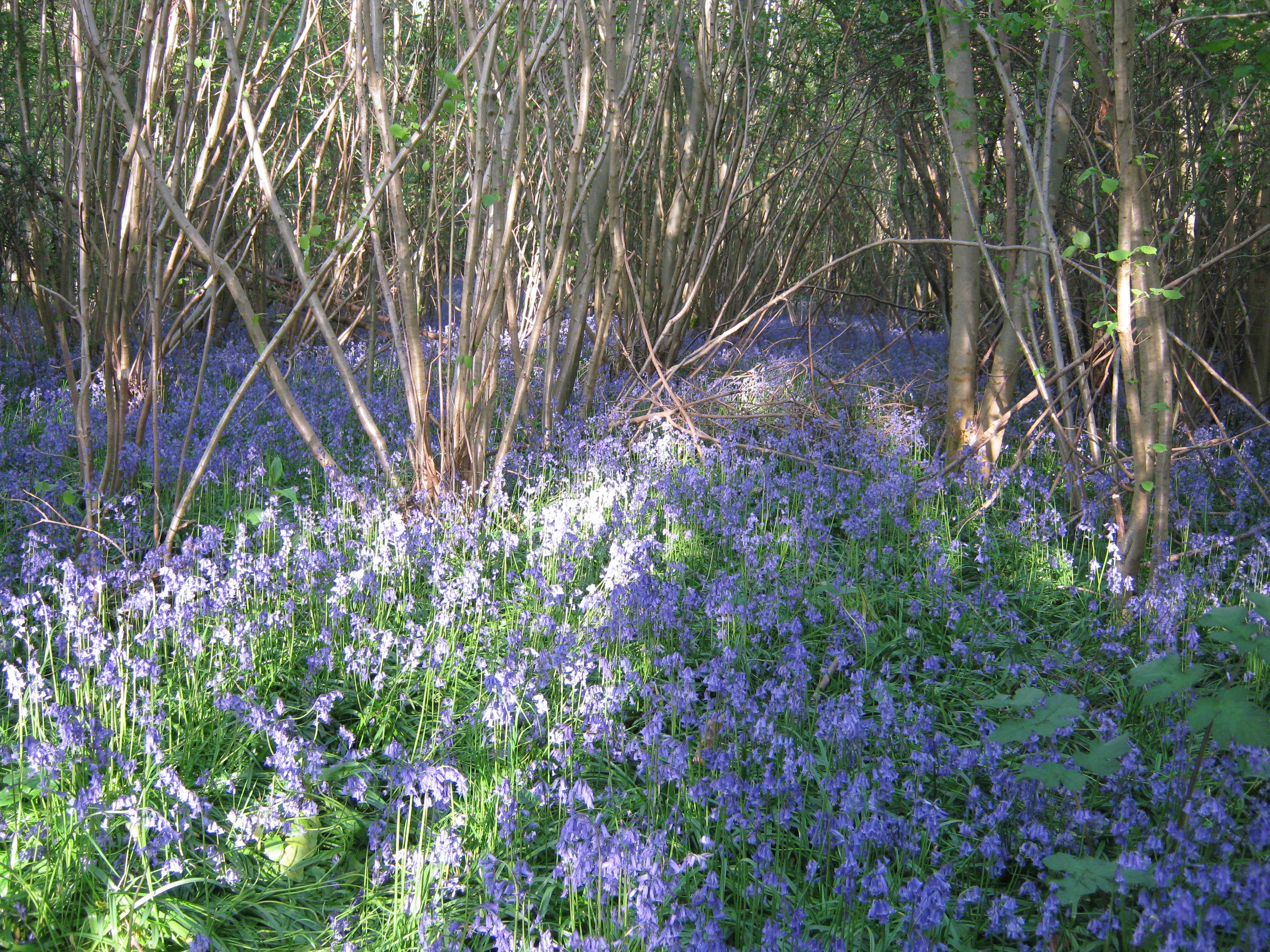
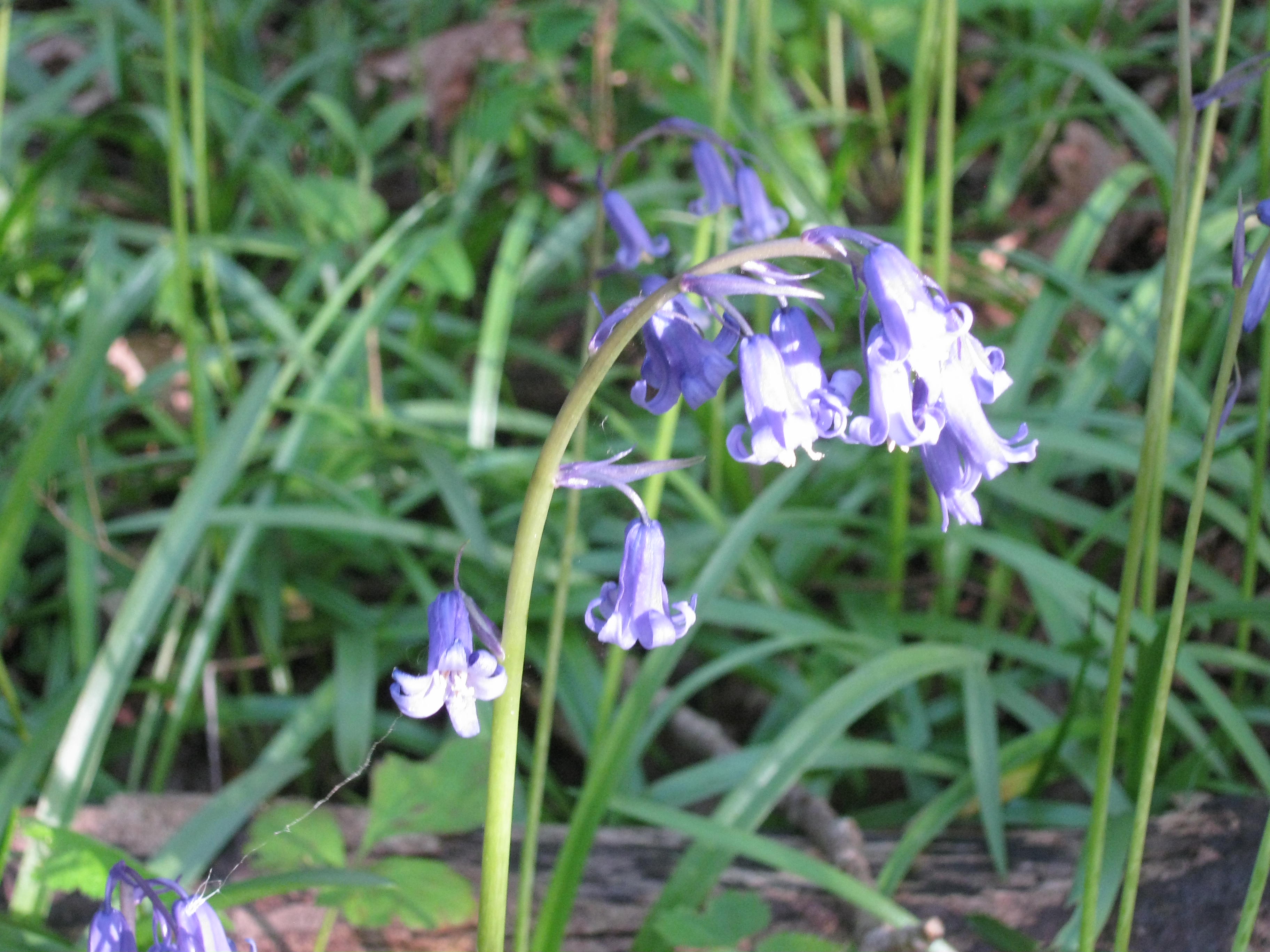
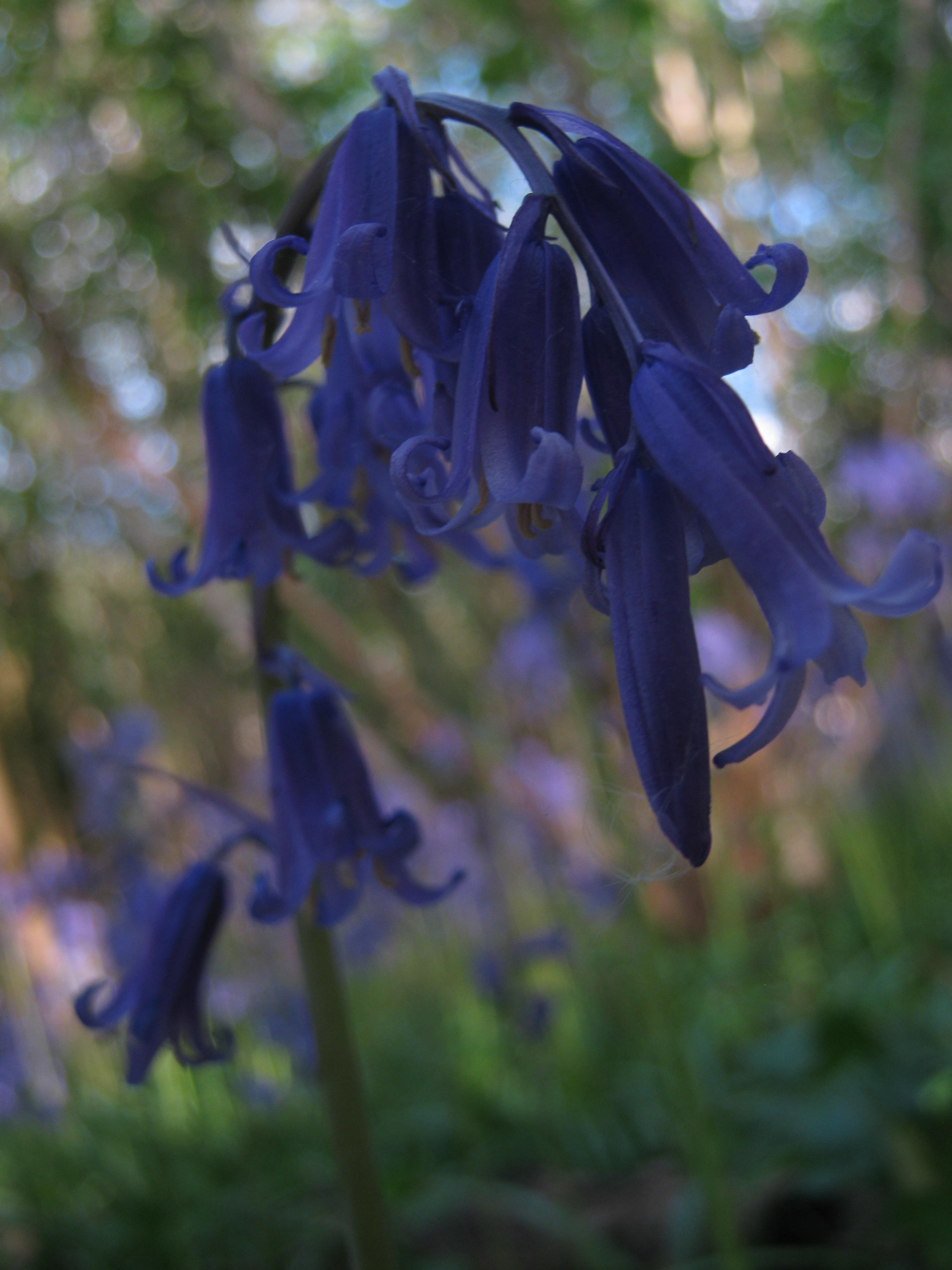
The next few photos are of the bluebells in Reydon Wood.

Image

Image

Image

Image

Image

Image

Image


Share this:

  • Share on X (Opens in new window) X
  • Share on Reddit (Opens in new window) Reddit
  • Share on Pinterest (Opens in new window) Pinterest
  • Share on Facebook (Opens in new window) Facebook
  • Email a link to a friend (Opens in new window) Email
  • Share on Tumblr (Opens in new window) Tumblr
  • Print (Opens in new window) Print
  • Share on LinkedIn (Opens in new window) LinkedIn
Like Loading...

A Walking Week Part One

05 Mon May 2014

Posted by Clare Pooley in domestic animals, fish, Insects, plants, Rural Diary, trees, Uncategorized, walking, wild birds

≈ 7 Comments

Tags

Adrian Bell, bird-scarer cannon, Blue Tit, buttercup, comfrey, cow parsley, cows, cut-leaved crane's-bill, daisy, fairy ring, field maple, fish, Germander Speedwell, goosegrass, great yellow-cress, greater spotted woodpecker, Greater Stitchwort, greefinch, Hawthorn, Herb-Robert, Lords and Ladies, May, orange-tip butterfly, perch, pineapple weed, pond, red campion, ribwort, sheep, St Mark's fly, stinging nettle, wedding ring, wild rose

I have managed to do a little walking this week and have enjoyed it very much.  Monday and Tuesday’s walking was mainly round the shops so doesn’t count as enjoyable walking.  For some stupid reason I mistook the time of E’s hair appointment and we arrived in Halesworth an hour early on Monday.  E kindly said she was happy to wait for an hour at the hairdressers but I thought she might go mad with boredom so we did the supermarket shopping and then I got more petrol for the car.  She then went for her hair appointment and while she was there I called in at the jewellers to see if anything can be done to my wedding ring to stop it cutting into my finger.  Twenty years ago we hadn’t thought that my ring would wear away so quickly.  Apparently, we chose the wrong ring – a 9 carat D-profile ring – and should have had a round-profile ring and something of a better quality.  Well, too late now!  This is my wedding ring, bought for me by my husband and blessed at our Marriage Blessing Service.  We weren’t able to be married in church as we had both been married before, but we had a beautiful Blessing Service after our Registry Office wedding.  The jeweller said either we could buy a new ring or have my one built up which would cost the same as a new ring.  A dilemma which we are still thinking about.

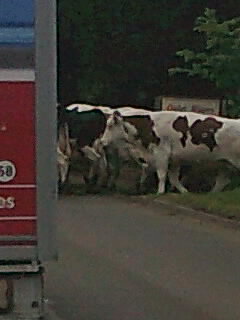
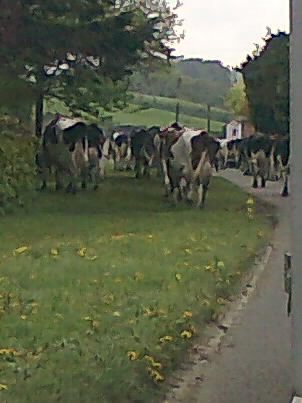
Both Monday and Tuesday were mainly cloudy days and no good for drying washing outside so I decorated the inside of the house with wet clothes.  I had more shopping to do in Bungay so drove there on Tuesday afternoon and I made my purchases.  On the way home I got stuck in a traffic jam!  This is quite out of the ordinary, living where we live.  The vehicle in front of me was a supermarket delivery van and not much holds them up usually!  I couldn’t see what the problem was as these vans are quite wide, so I edged round a bit and saw….

Image   Image

The cows took their time to leave their field and amble down the road to the farmyard.  The stockman had a busy time trying to get the cows out of people’s gardens where there were lots of interesting plants and trees to eat.  I took the photos with my phone and then enlarged the pictures so the quality isn’t that good.

E asked if we could watch a DVD together during the evening which I thought would be nice but no-one thought to tell my eyes to watch too.  As soon as I sat down they became extremely heavy and so I dozed most of the way through the film to the disapproval of my daughter.  This is not the first time I have done this.

Wednesday is ‘shopping with mother’ day which went very well as Mum was on top form and we had a real laugh together.  The weather on Wednesday was lovely too – a hazy start and then lots of sunshine.  When I had had some lunch at home I decided to walk down the lane to take advantage of the bright weather and to see what was to be seen.

Image

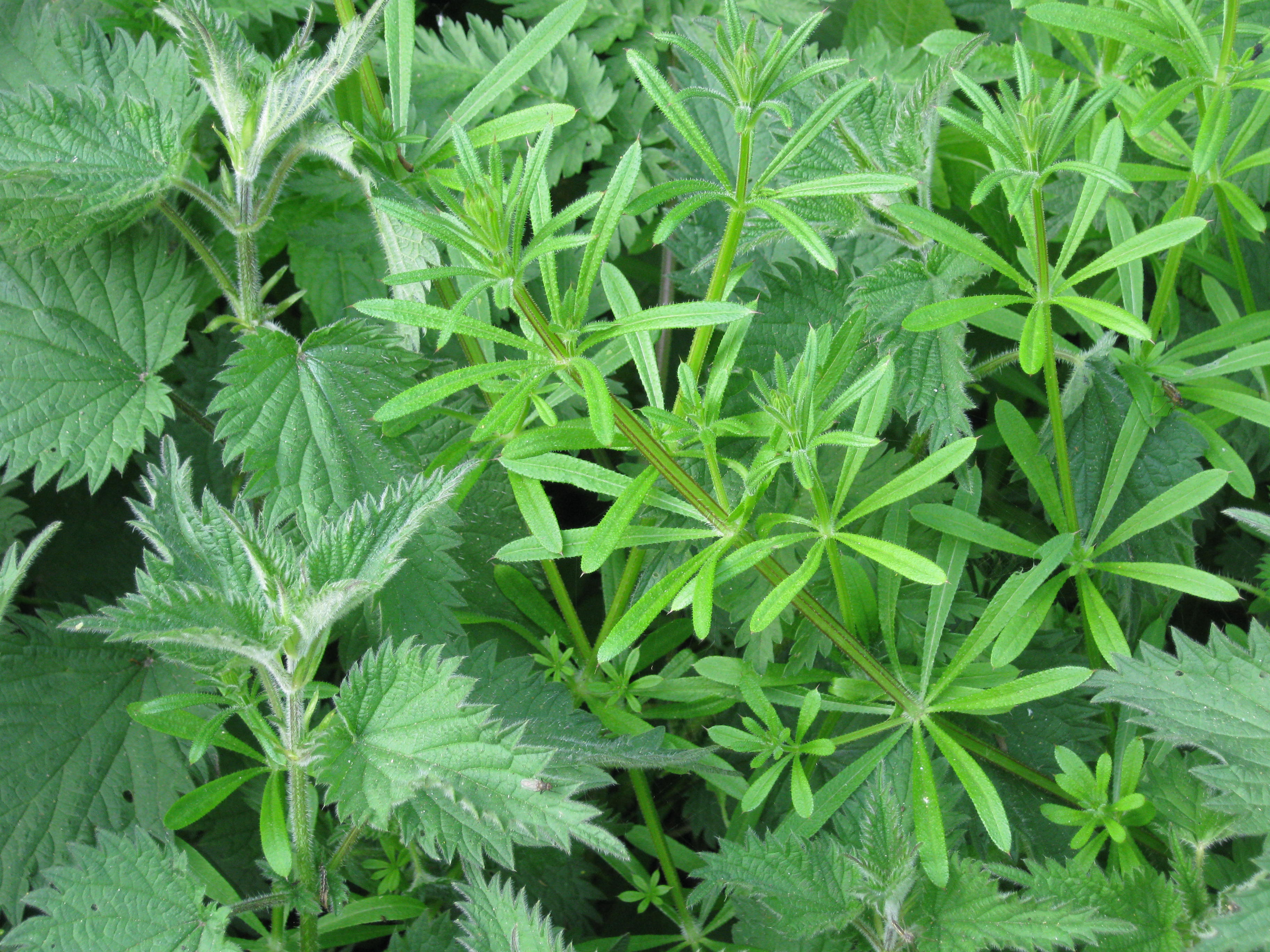
Lots of stinging nettles and goosegrass.  Goosegrass is a relative of coffee and quinine and has many medicinal uses.  At one time the seeds were roasted and used as a coffee substitute and apparently the young shoots are edible and can be cooked in soups as a vegetable.  All I know about it is that if I touch it, it brings me out in a rash!  The seeds are hooked and stick to hair and clothes – hence the plant’s other name of Cleavers.

Stinging Nettles are very useful, if painful plants too.  They can be used for making cloth, food and medicine.  My plant book says that the Roman belief that stinging nettles cured rheumatism still persists in Britain.  I can say that there is some truth in this as when I am stung on my hands my rheumatic joints there become less painful.  I can’t say I would care to roll about in them unclothed as some people recommend!

Image

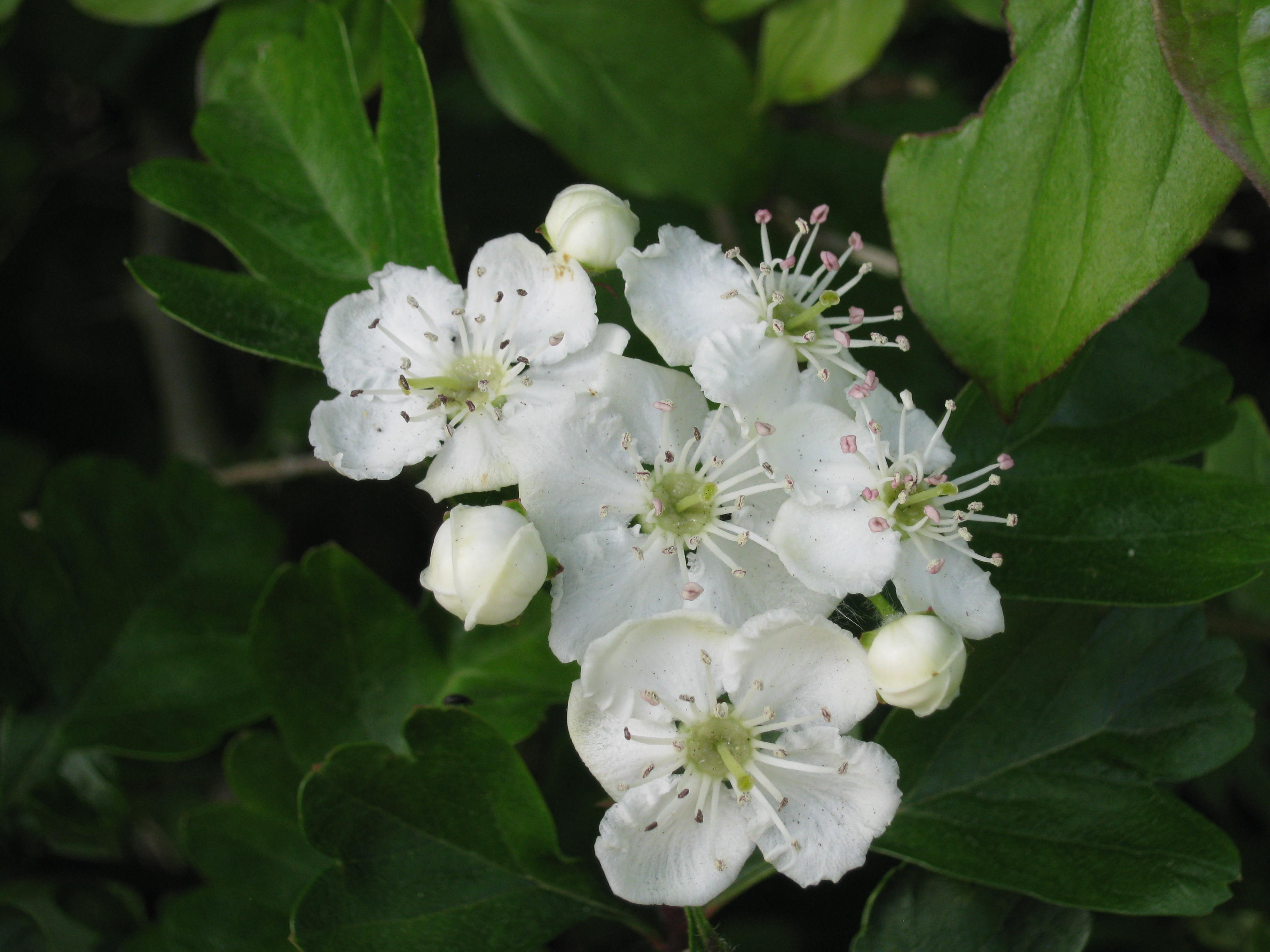
These are Hawthorn flowers – May blossom.  ‘Ne’er cast a clout til May be out’ – either don’t leave off your winter clothes until the end of the month of May, or, don’t leave off your winter clothes until the May blossom is on the trees.

Image

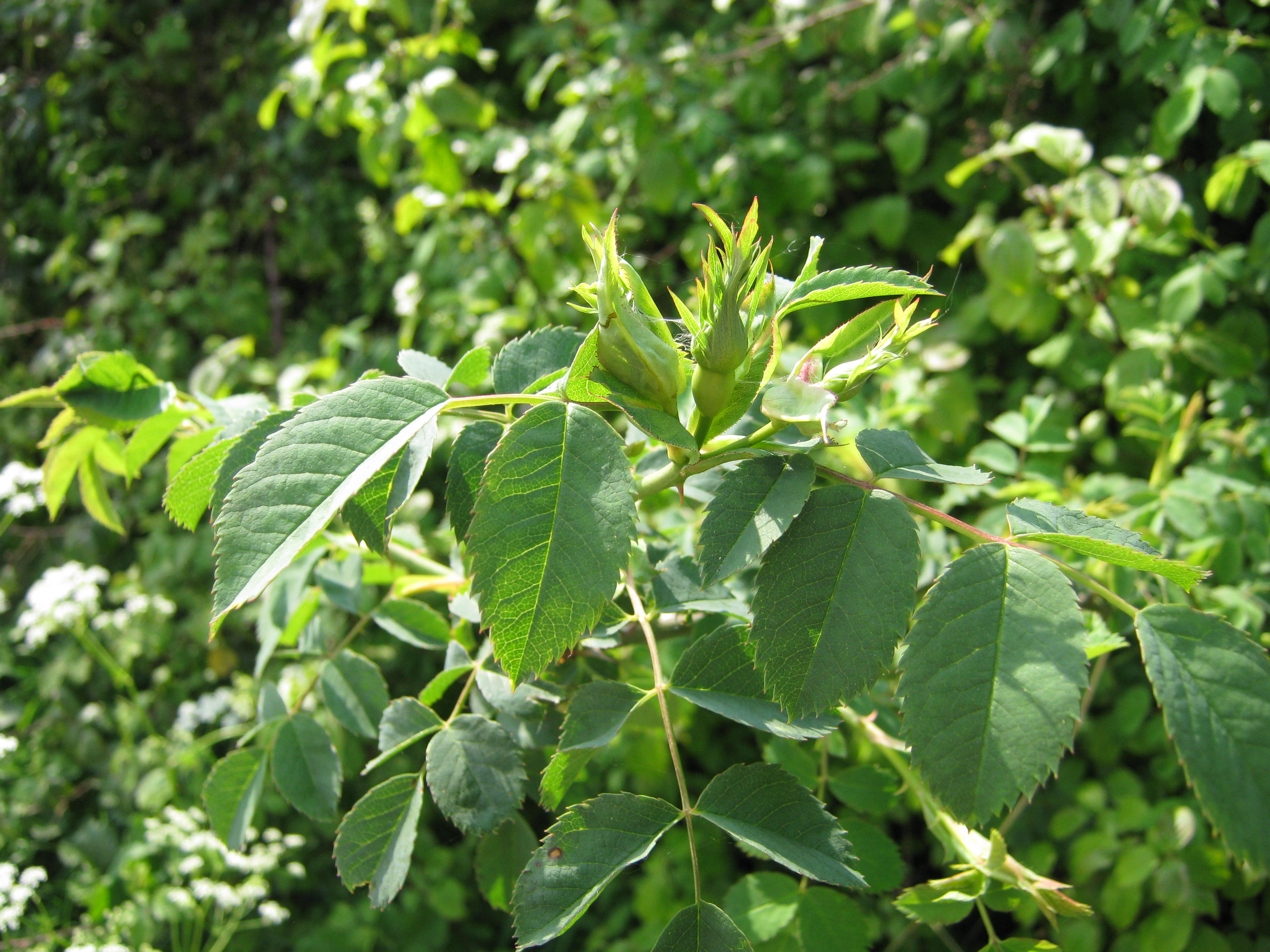
This is the wild rose and already there are large flower buds as you can see.  This is early, as the rose usually flowers at the end of May and into June.

Image

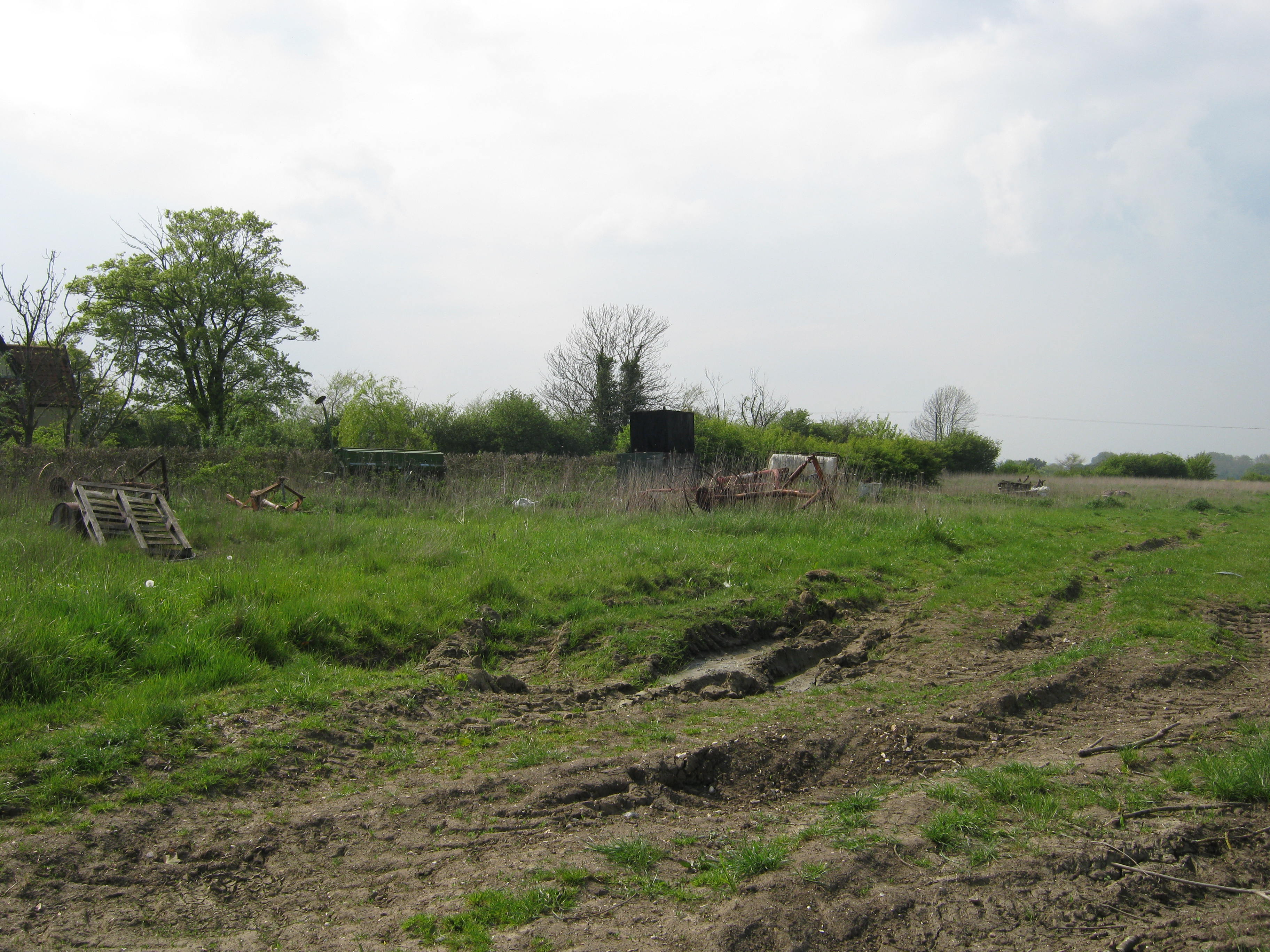
A fine crop of old equipment and other rubbish in this field.  At the beginning of Adrian Bell’s book ‘Corduroy’ he talks of the Suffolk farmers’ habit of leaving implements in corners of fields or yards covered in nettles until they are needed for some particular function.  They are then returned ‘to some out-of-the-way corner, to be a sleeping Gulliver for the grass again’.

Image

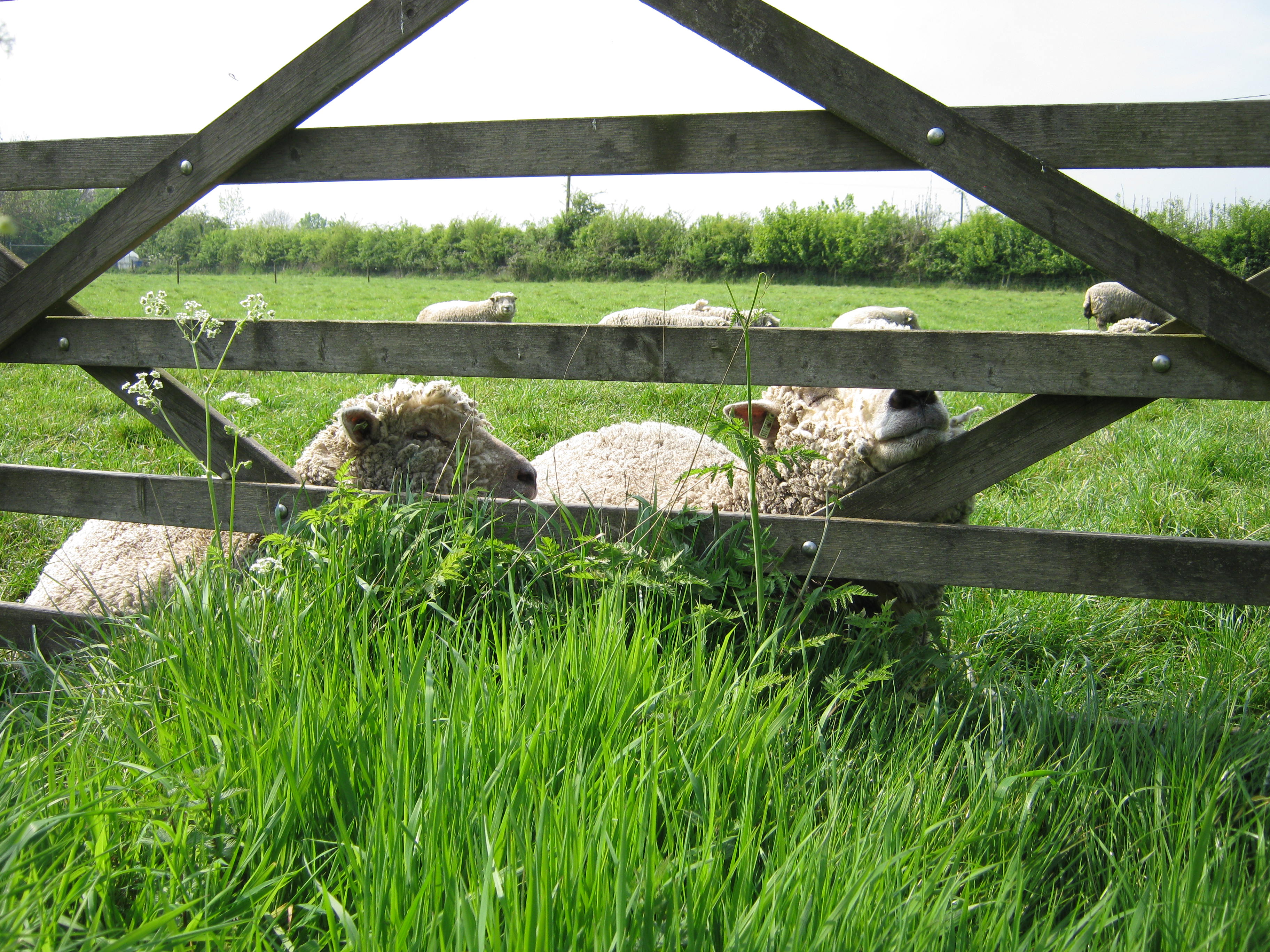
These are the boys – male sheep, tups.  A bit stinky – sleeping and snoring in the sun.  Wandering about having something to eat now and then – not a care in the world.

Image


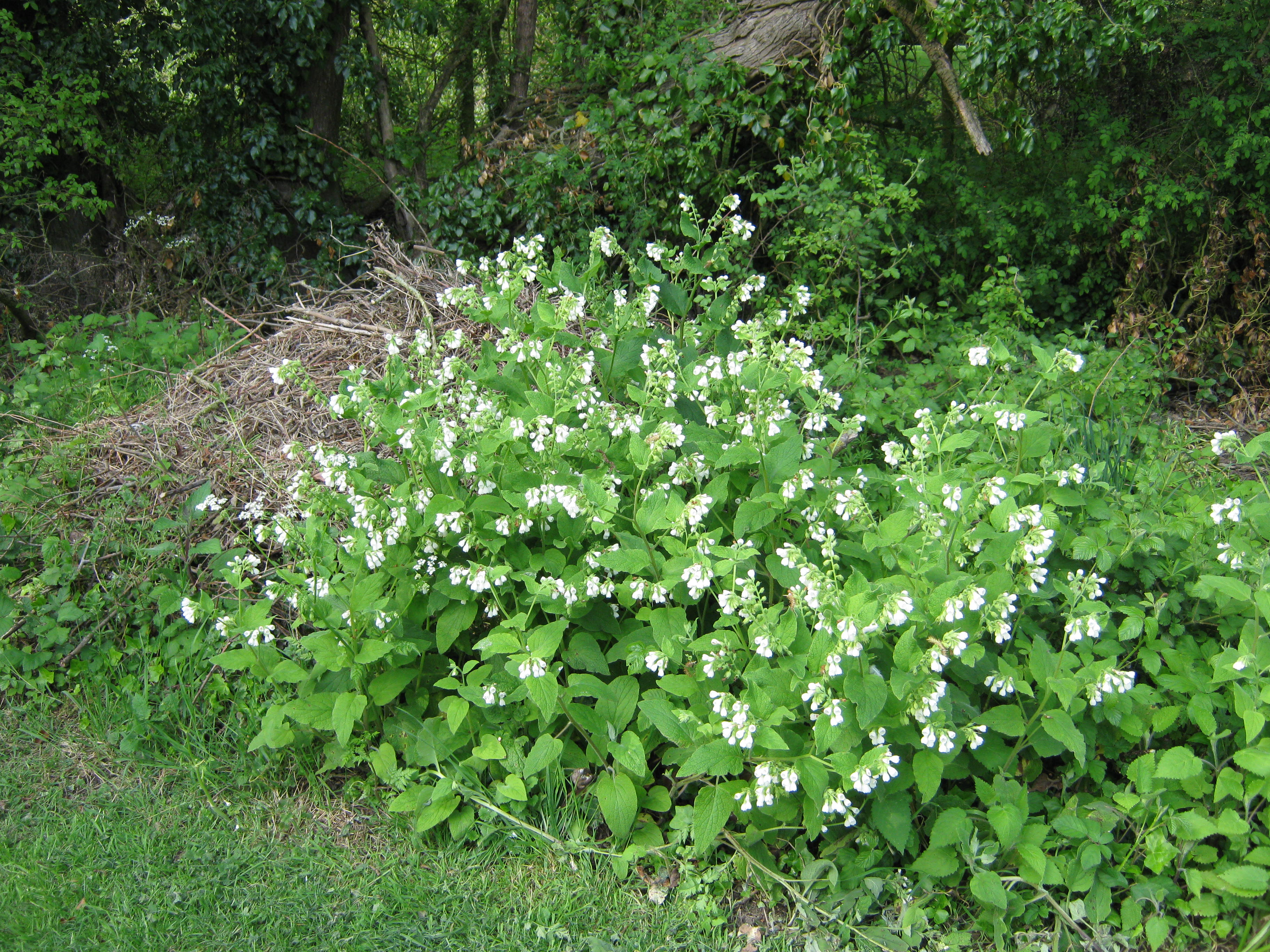
Common comfrey.  In medieval times the roots of this plant were dug up in the spring and grated to produce a sludge which was packed round broken limbs.  It hardened to a consistency similar to that of Plaster of Paris.

Image

A view over the fields.

Image

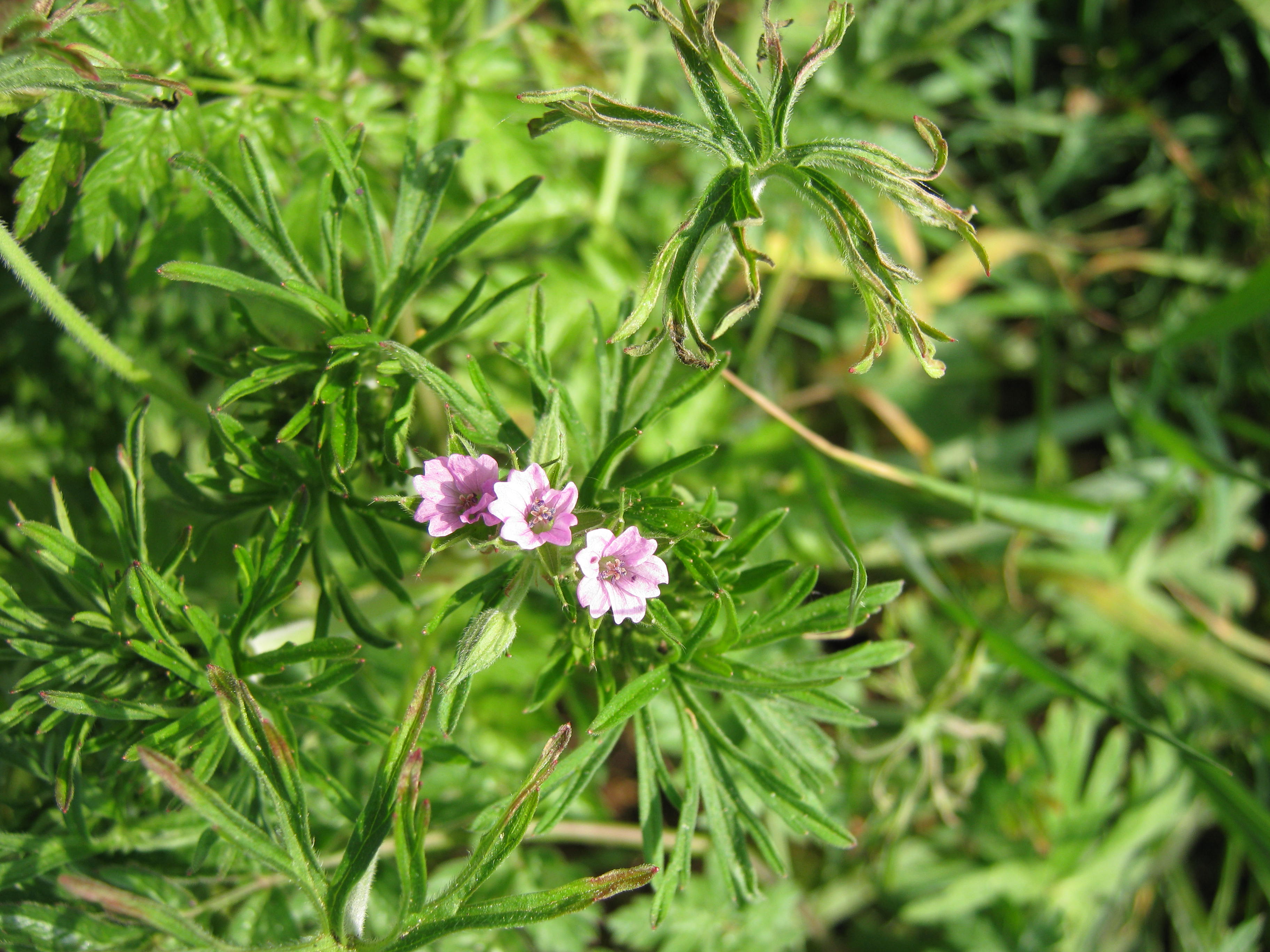
Cut-leaved Crane’s-bill.

Image

Great Yellow-cress.

Image

The lane.

Image

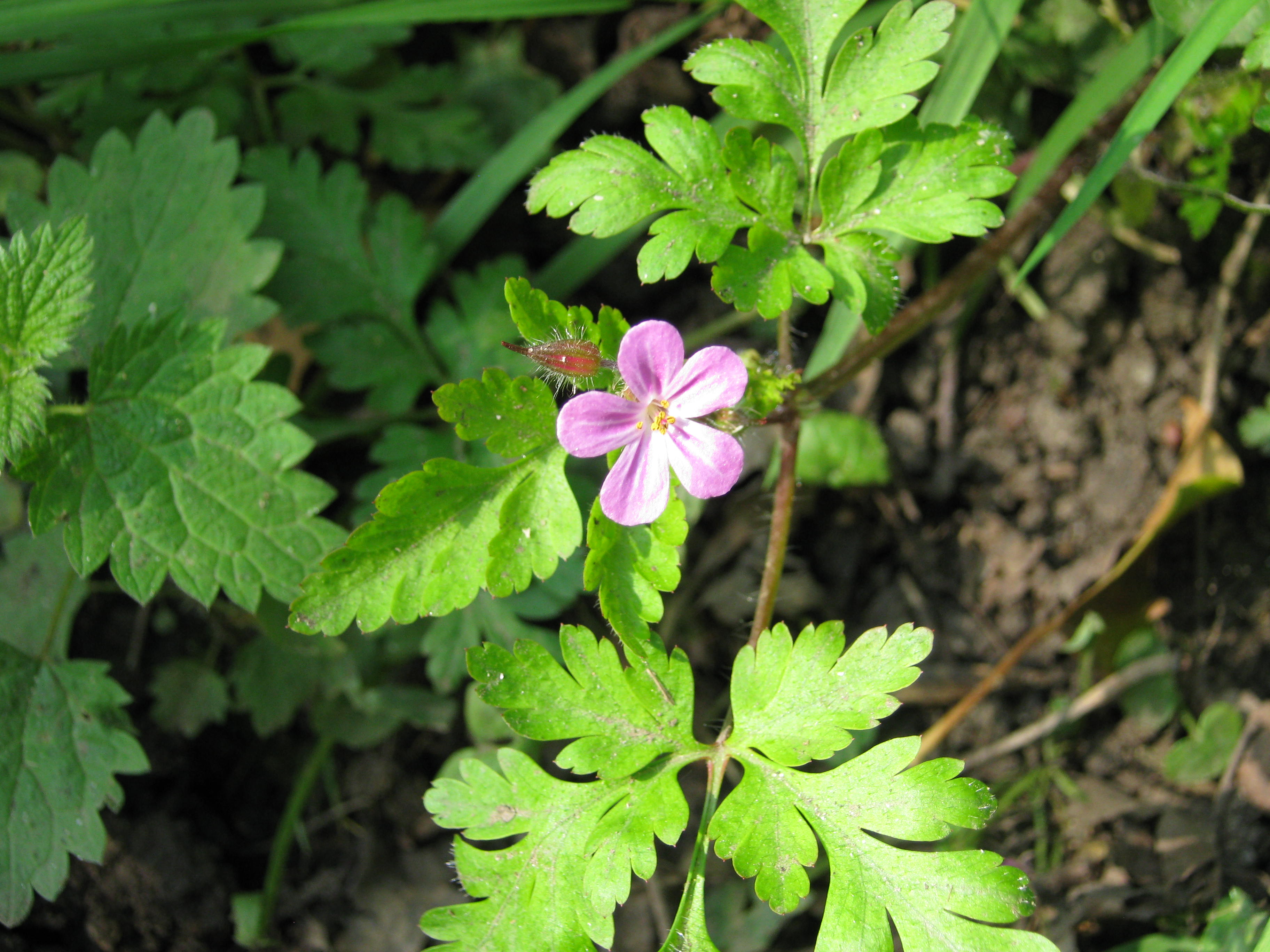
Herb-Robert.  In the Middle Ages they believed that a plant showed how it could be used through its colour or shape – the doctrine of signatures.  This plant turns a fiery red in autumn so they thought it should be used in the treatment of blood disorders.  It has a strange odour and in some places it is known as ‘Stinking Bob’.

Image

Daisies.

Image

Daisies and Germander Speedwell.

Image

Greater Stitchwort.

Image

A Buttercup.

Image

Pineapple Weed.

Image

A female orange-tip butterfly.  Note the lovely green-marbled underwing.

Image

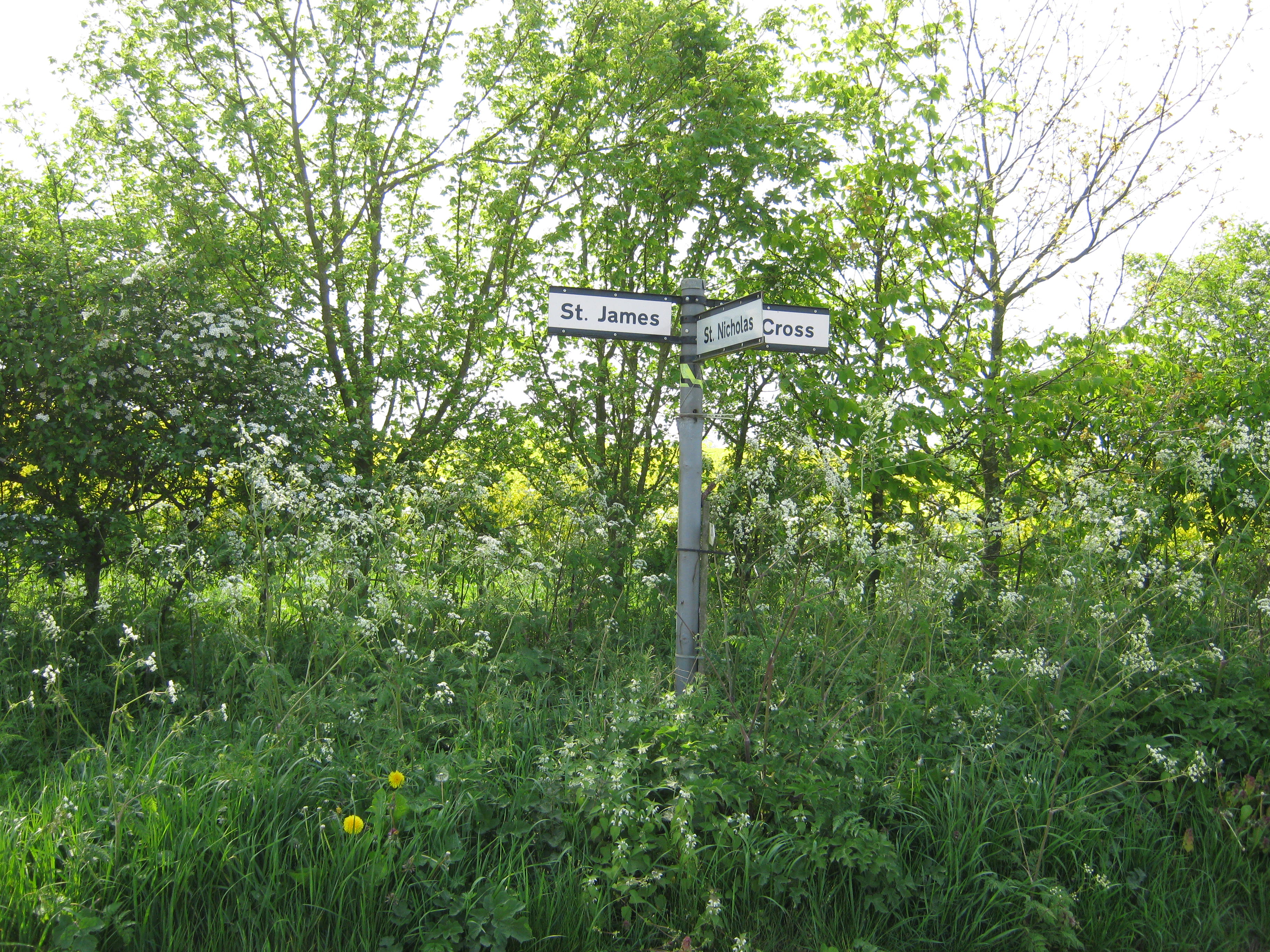
The signpost at the end of our lane.

Image

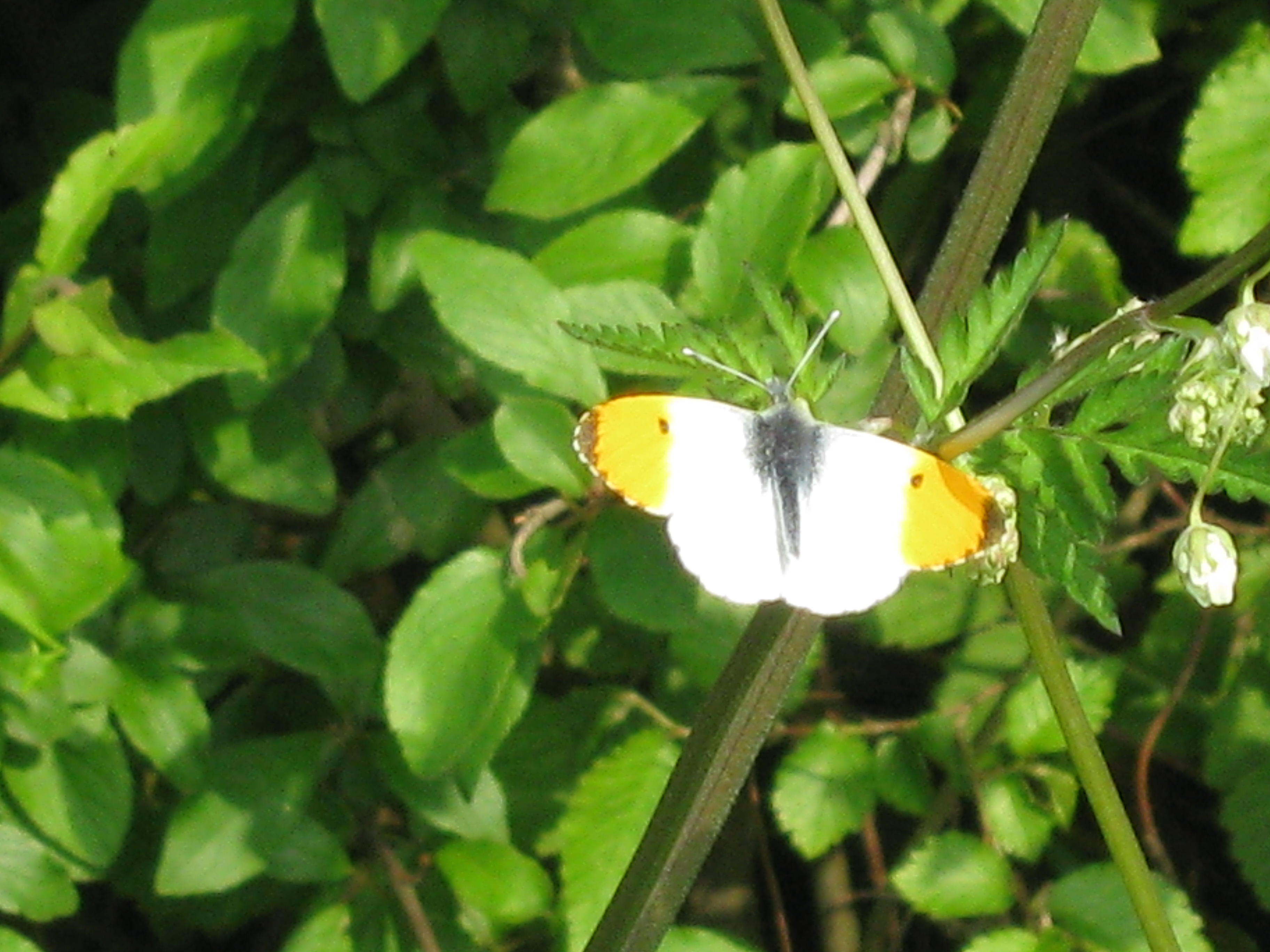
A male orange-tip butterfly.  I have been trying for over a week to photograph these fast flying butterflies!

Image

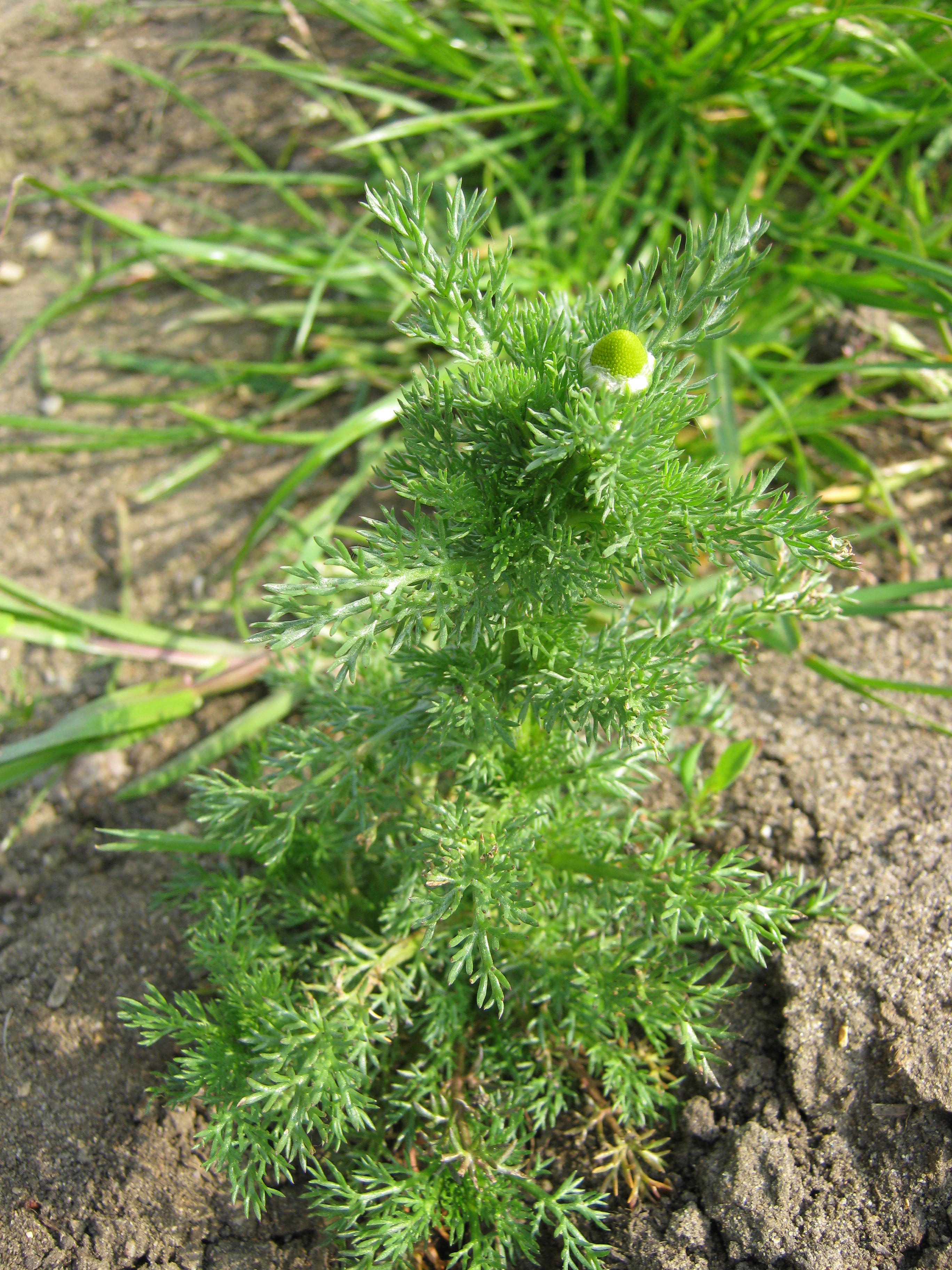
Lords and Ladies.  This is specially for Heather!  At last these strange plants are flowering here.  I have some in my garden but they are hidden by tall grass and difficult to photograph.

Image

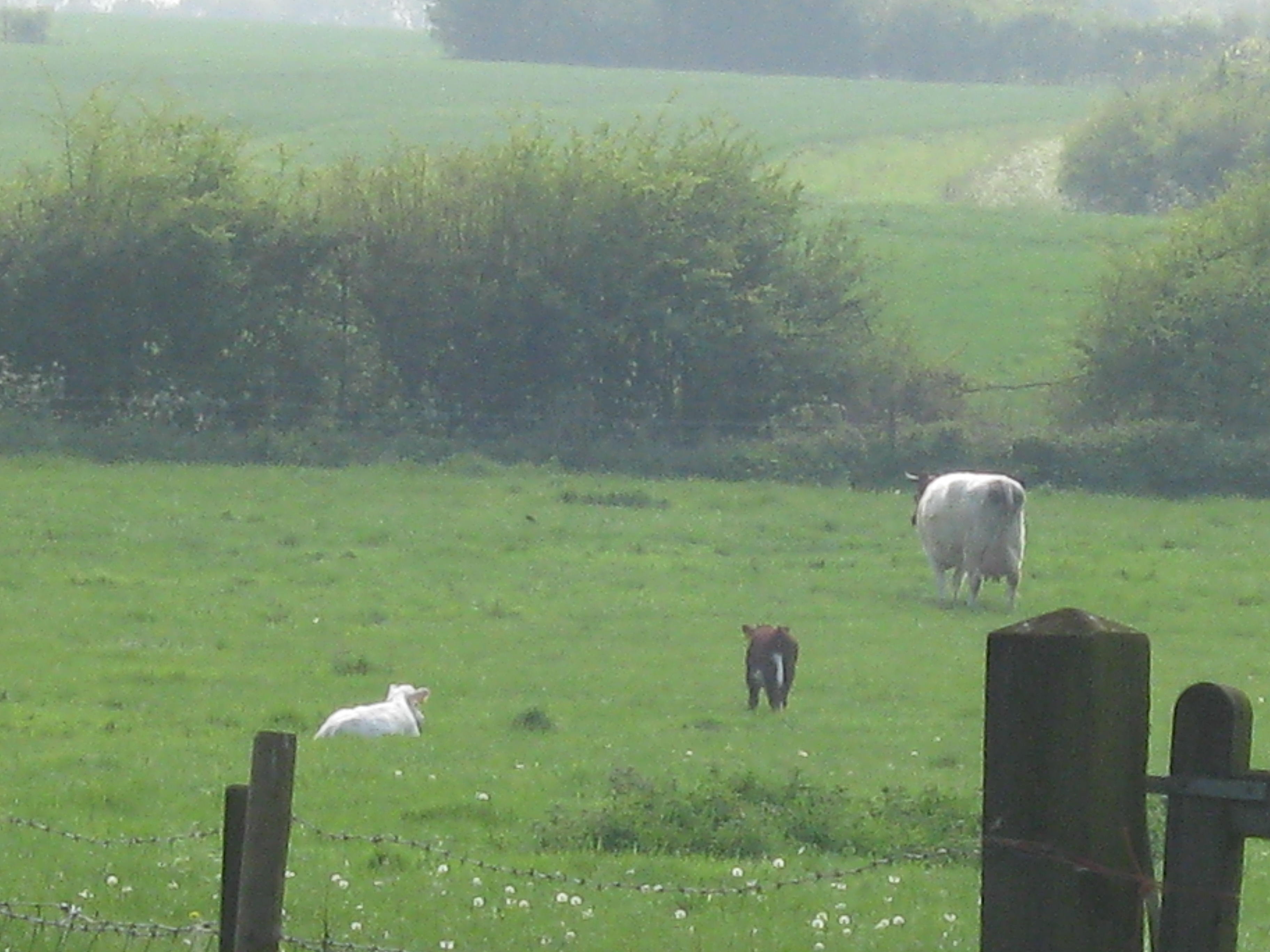
Cow and calves.

Image

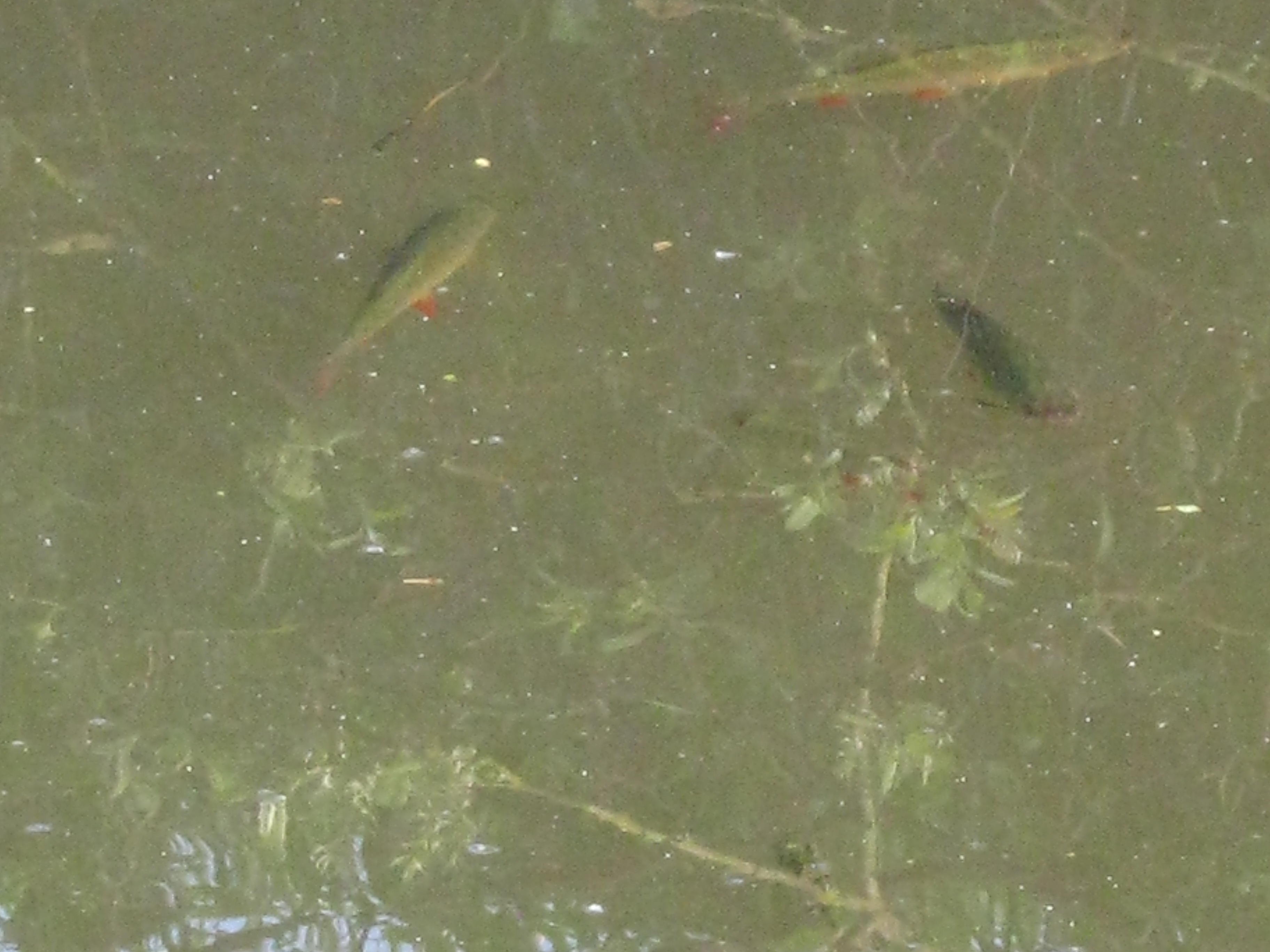
This is the pond at the side of the lane.  I’m not sure what the fish are – perhaps perch? – but we have the same fish in our big pond.

Image

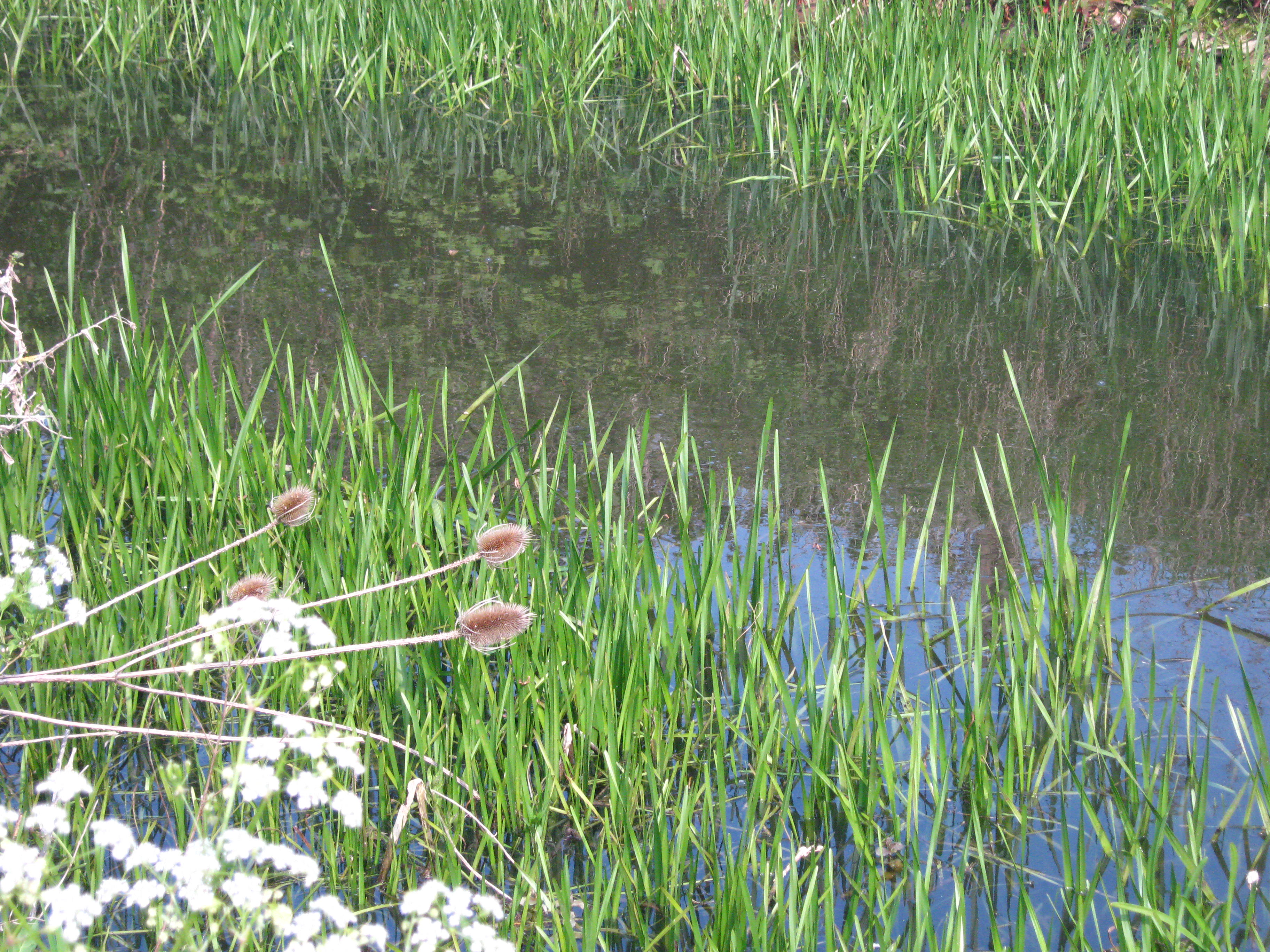
The pond next to the lane.

Image

Field maple leaves and flowers.

Image

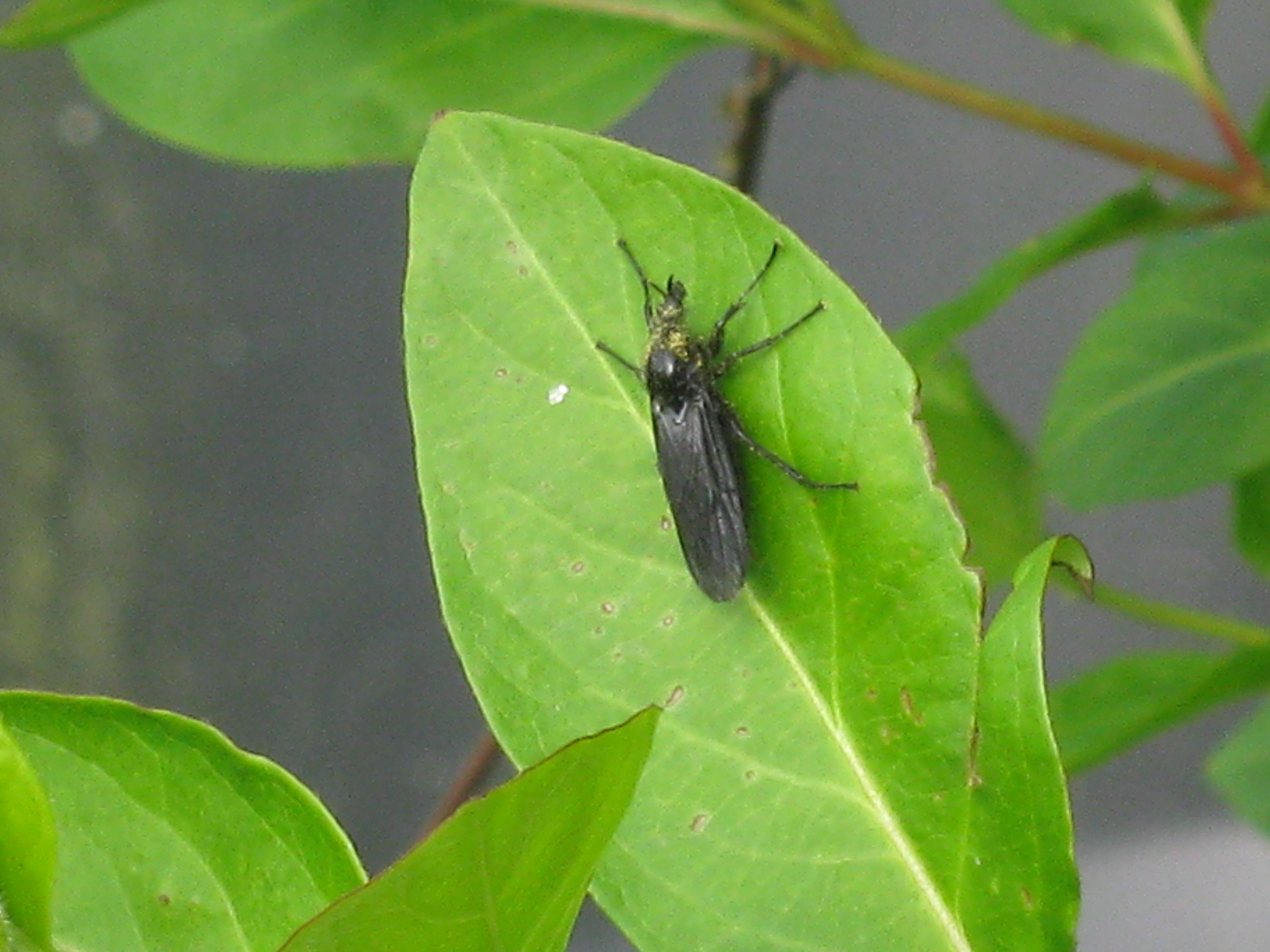
A St Mark’s fly.  They usually appear about the same time of year as the Feast of St Mark – 25th April.

R and I went out for a walk across the fields when he returned home from his trip to Gloucestershire that evening.

Image

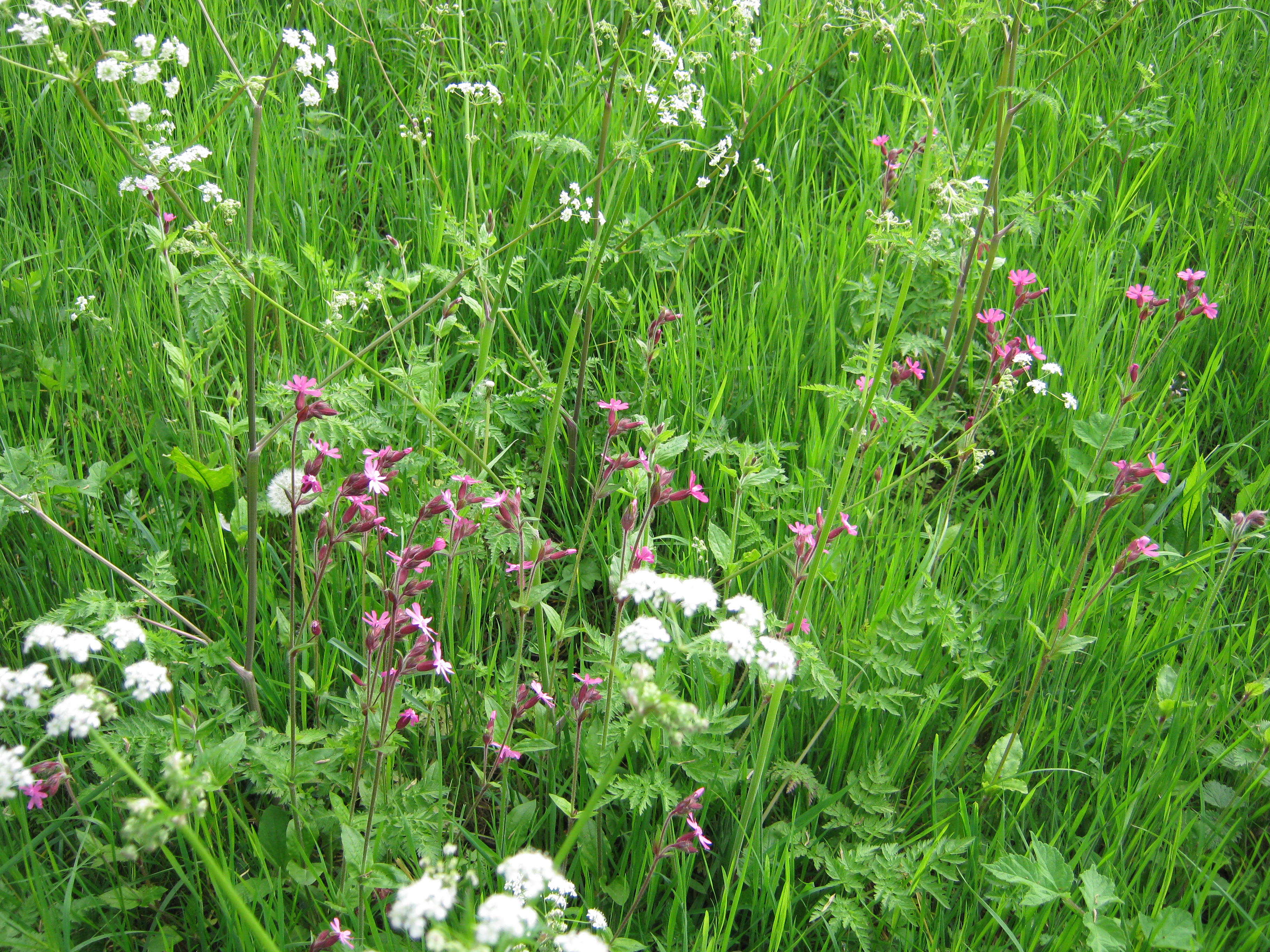
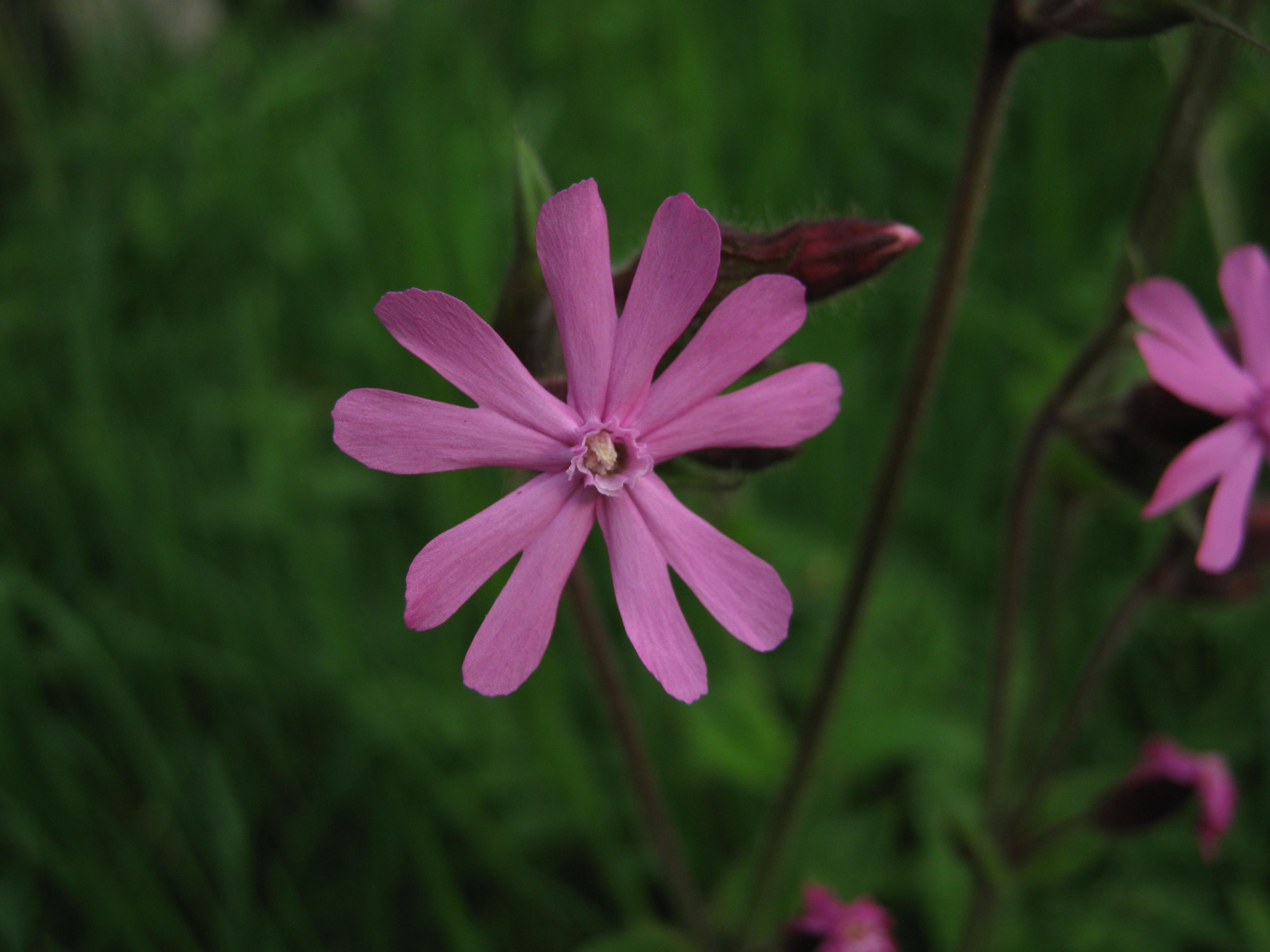
Red Campion and cow-parsley growing at the end of our lane.

Image

A Red Campion flower.

Image

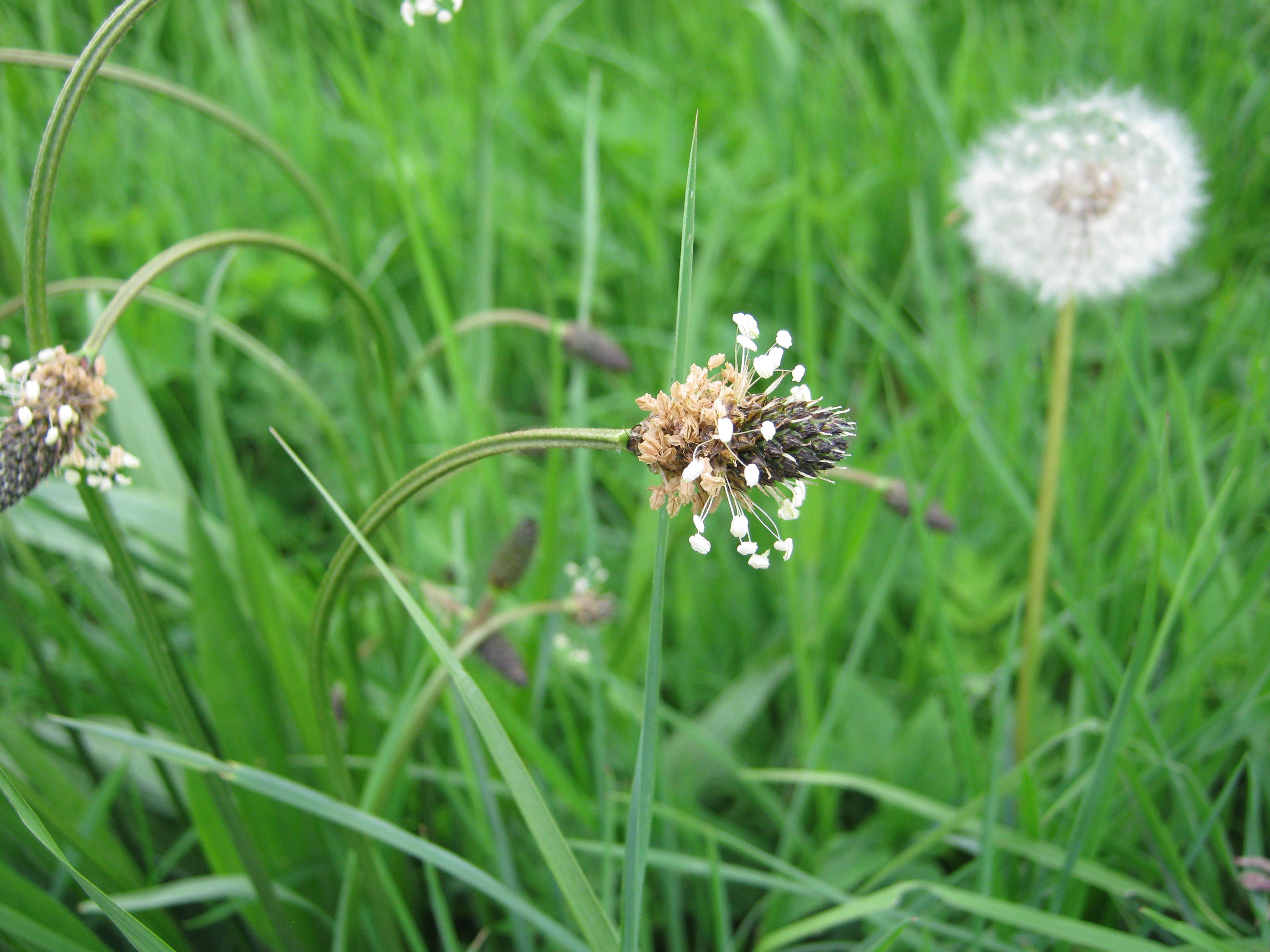
Ribwort flowers – Turkish Caps,

Image

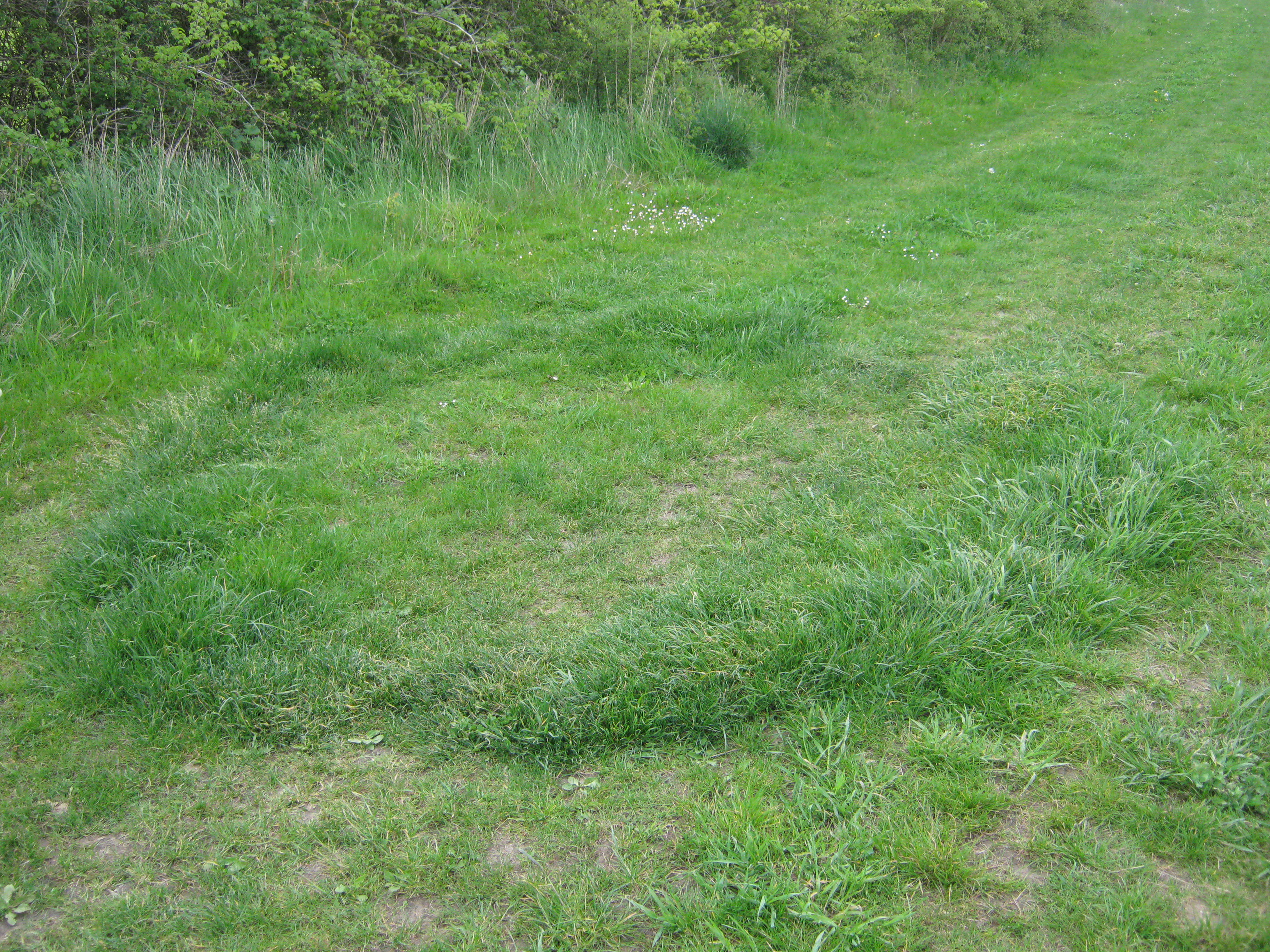
A ‘fairy ring’ caused by toadstools.

Image

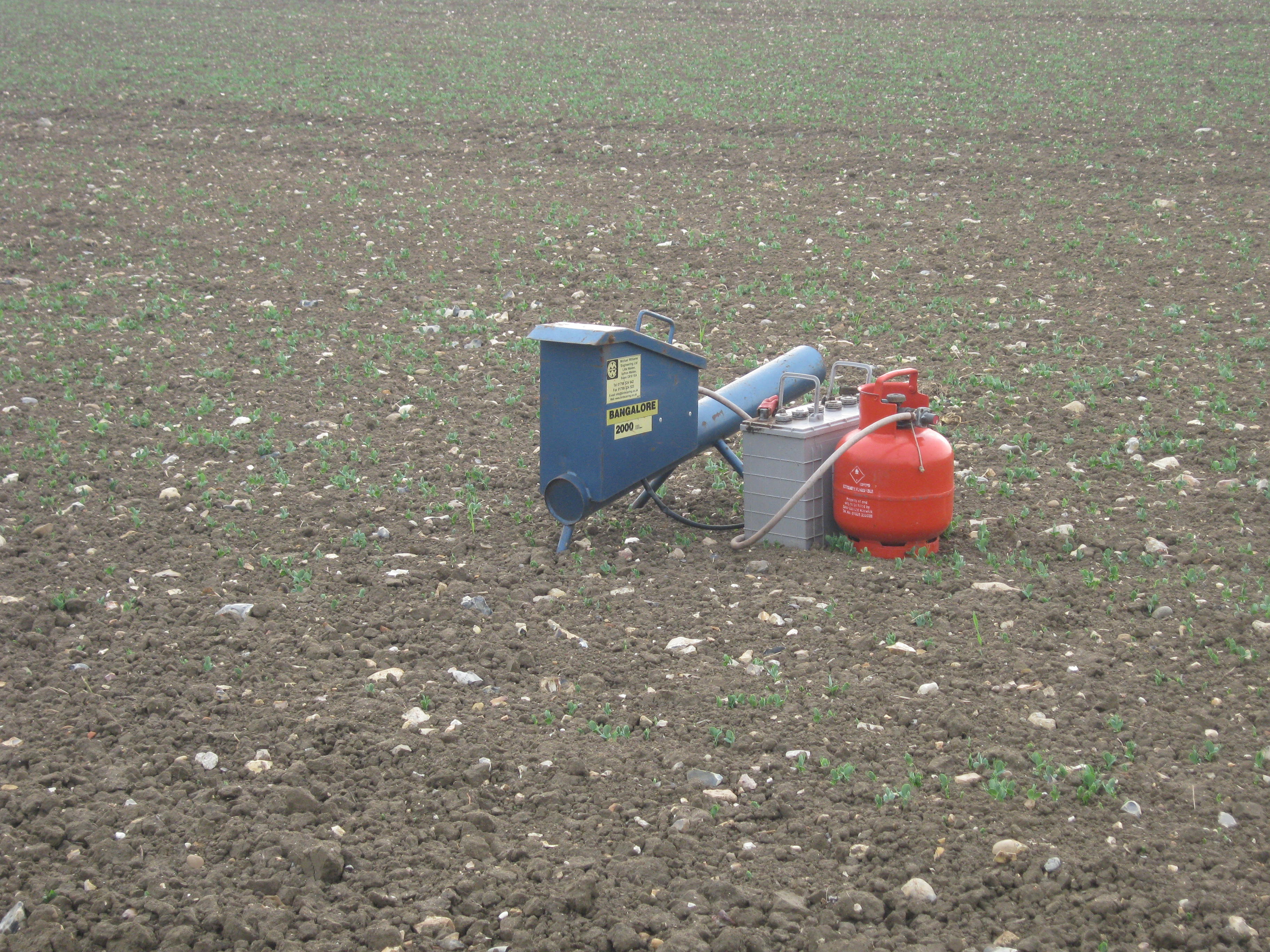
A bird-scarer cannon.

Image

More stitchwort.

Image

St Peter’s Washes.

I’ll end with some photos of birds seen in my garden during the past week.

Image

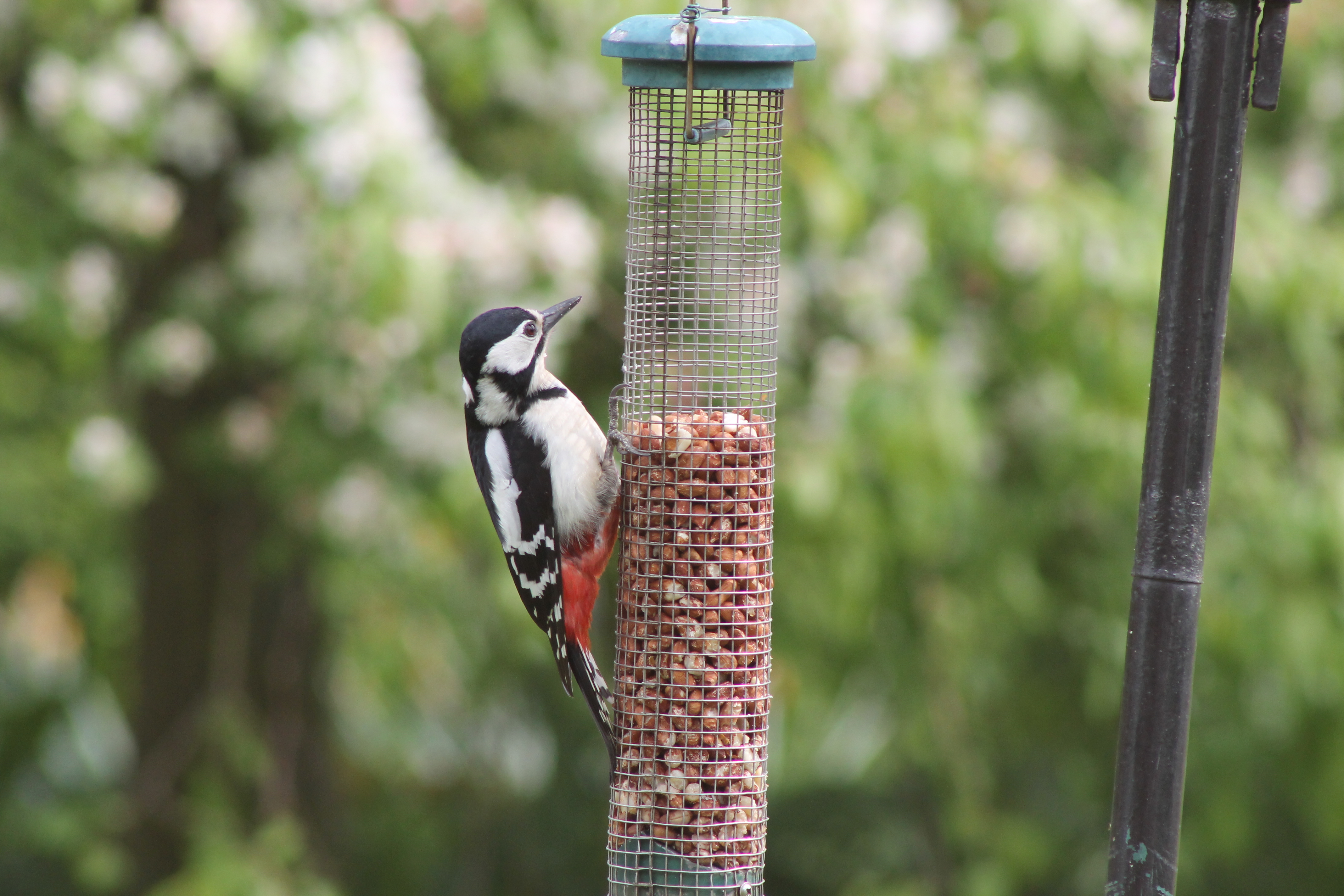
A female Greater-Spotted Woodpecker.

Image

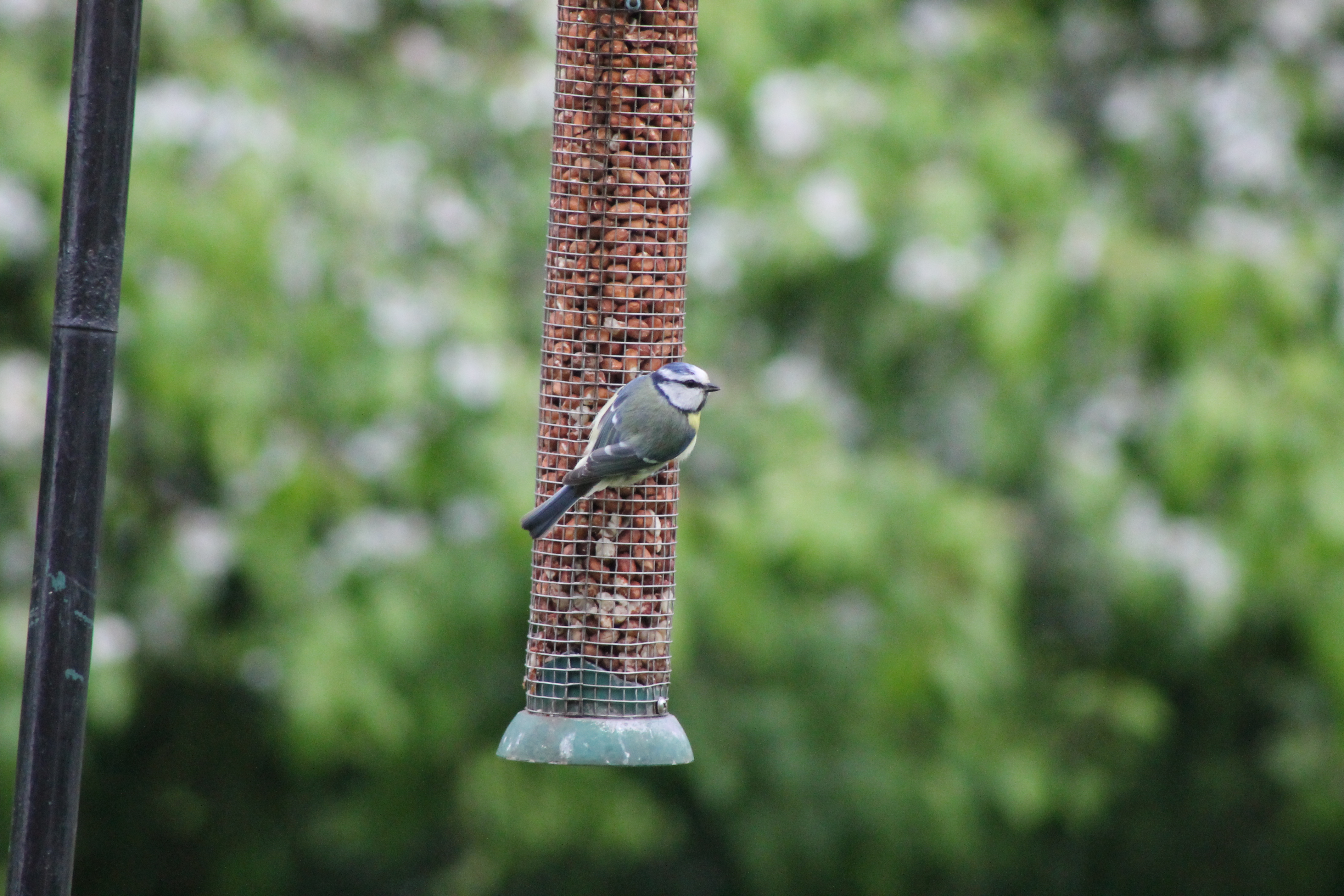
A bluetit.

Image

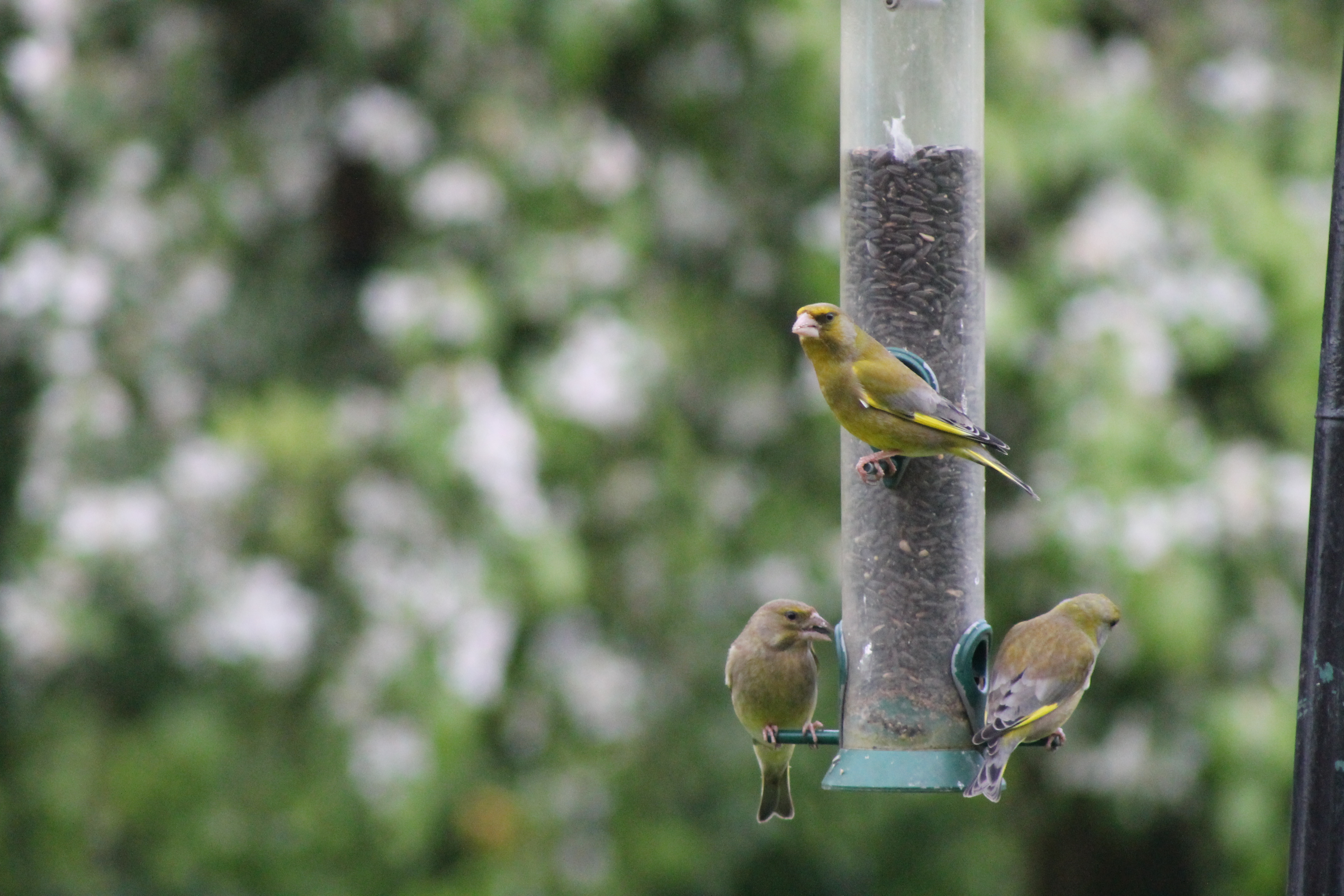
Male and female Greenfinches

Share this:

  • Share on X (Opens in new window) X
  • Share on Reddit (Opens in new window) Reddit
  • Share on Pinterest (Opens in new window) Pinterest
  • Share on Facebook (Opens in new window) Facebook
  • Email a link to a friend (Opens in new window) Email
  • Share on Tumblr (Opens in new window) Tumblr
  • Print (Opens in new window) Print
  • Share on LinkedIn (Opens in new window) LinkedIn
Like Loading...

A Walk Across the Fields.

29 Sat Mar 2014

Posted by Clare Pooley in churches, Gardening, Rural Diary, walking

≈ 2 Comments

Tags

All Saints church, bird scarer, gargoyle, gravestones, rookery, round towers, stained glass, verges, wood carving

Last Sunday afternoon R and I decided to go for a short walk across the fields and take in All Saints Church on the way.  All Saints was a member of our benefice until the 1970s when it was deemed redundant and is now looked after by The Churches Conservation Trust which is a charity which helps to protect historic churches at risk.  The churches remain consecrated but no longer have regular worship in them.  I think we have a couple of services a year in this church, notably a Songs of Praise service in midsummer in which we sing a lot of favourite hymns or perhaps a collection of hymns with a common theme.  If people wish to hold a funeral there for example, special permission has to be sought before it can take place.  Many locals were upset when the church was closed and some would love it if it were in use again.  This would not be practicable unfortunately.  Our poor Rector has eleven churches to look after virtually on his own as it is, and bringing All Saints back into the benefice would not be a viable proposition.

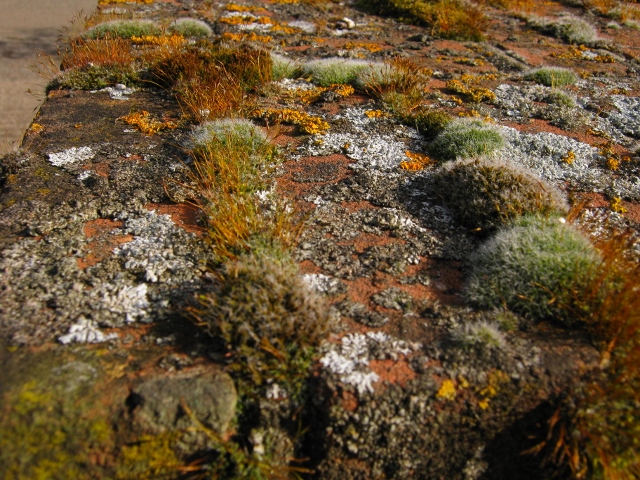
The lichen and moss on top of our gate post.

001Lichen & moss on top of gate post (640x480)


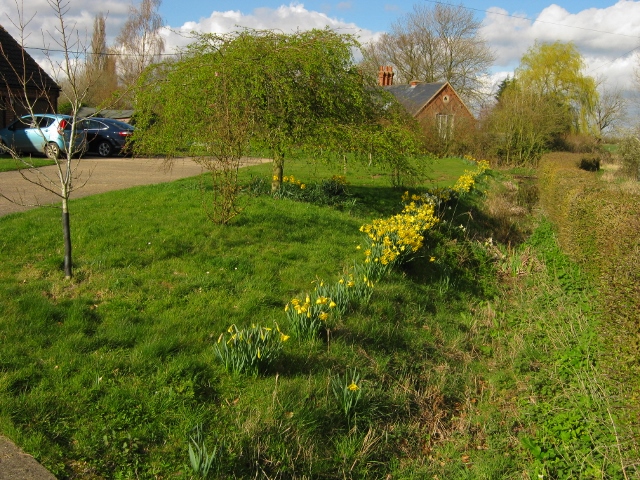
The view of our garden from the gate,

002View of garden from gate (640x480)


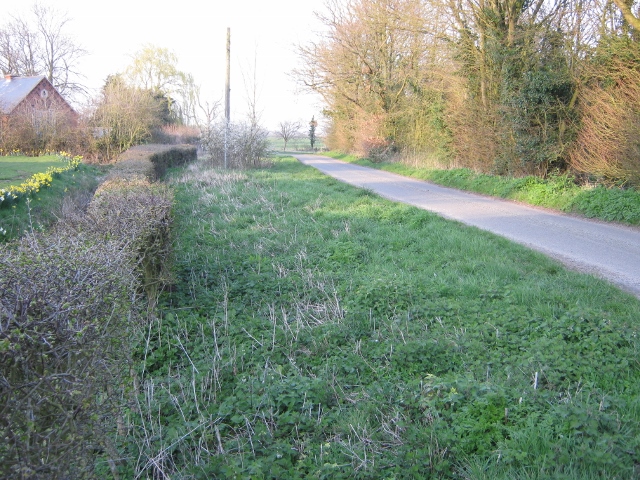
and the view from the gate of the verge on the other side of the hedge.  This is common land but we try to keep it as tidy as we can.  Looking at the blackthorn suckers round the telegraph pole we really ought to do something about those quite soon.

014Verge, common land (640x480)


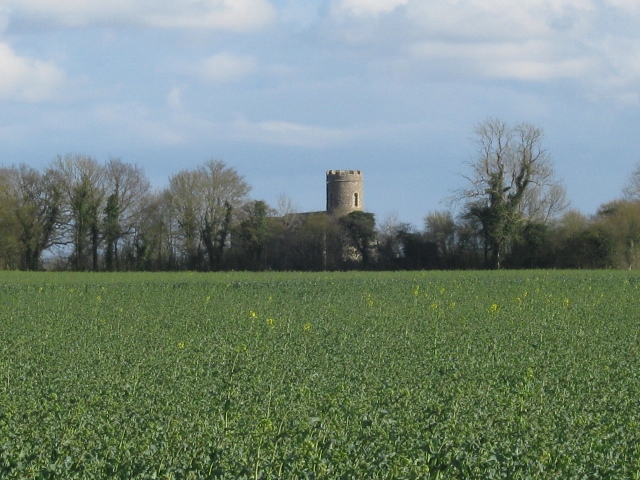
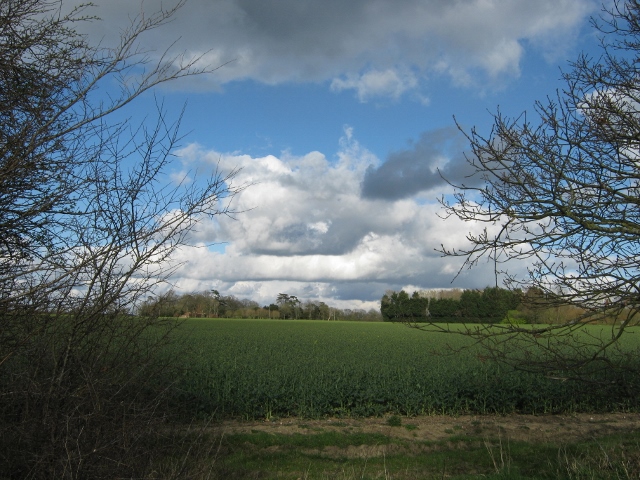
We walked a little way down our lane and saw the church across a field of oil-seed rape.

004All Saints church (640x480)


We turned down another little lane off ours and noted someone mowing their verge.  Some people make their verges so neat and tidy they look like little lawns, with not a weed in sight.  They must get very disappointed when a tractor drives all over it.  We don’t mow our verge mainly because it is such a large area and also because the ground is so uneven and slopes down to our deep ditch.  R strims it every now and then and we try to keep the tree seedlings to a minimum.

We then walked through a yard and then through a gate into a field with a footpath at the side.

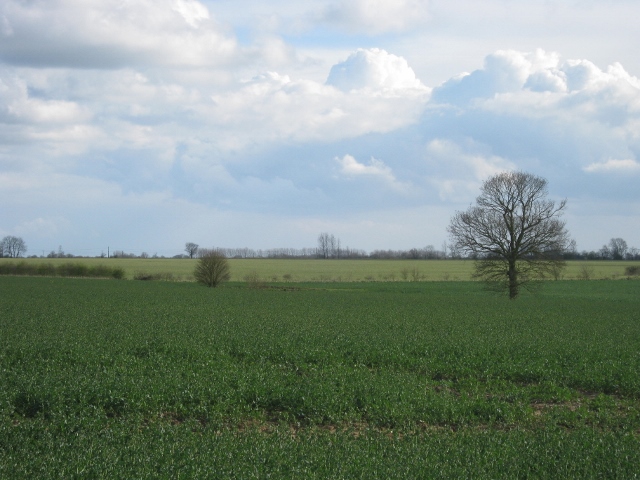
The view across the fields from the path.

005View across fields from path (640x480)


Our rookery at St, Nicholas.

006St Nicholas rookery (640x480)


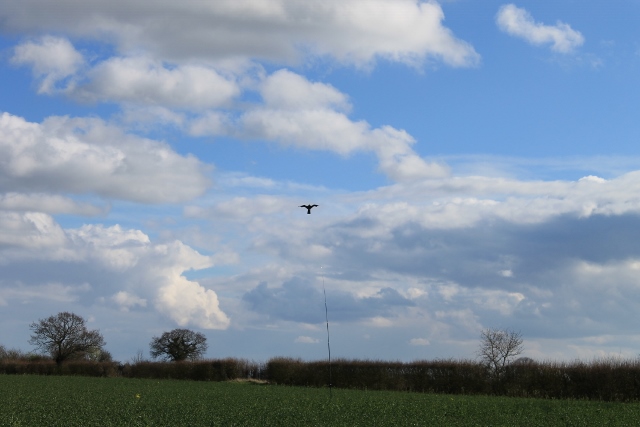
The strange looking bird to the left of the photo isn’t a bird but a bird-scarer kite.

046Birdscarer kite (640x427)


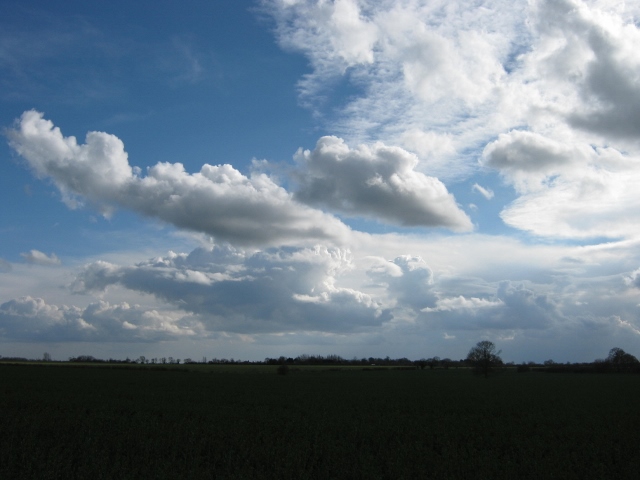
A couple of cloud photos.


009Clouds (640x480)

010Clouds (640x480)

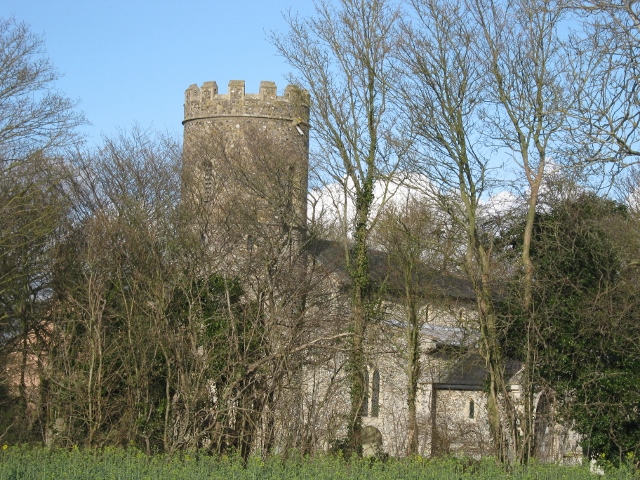
All Saints church.

012All Saints church (640x480)


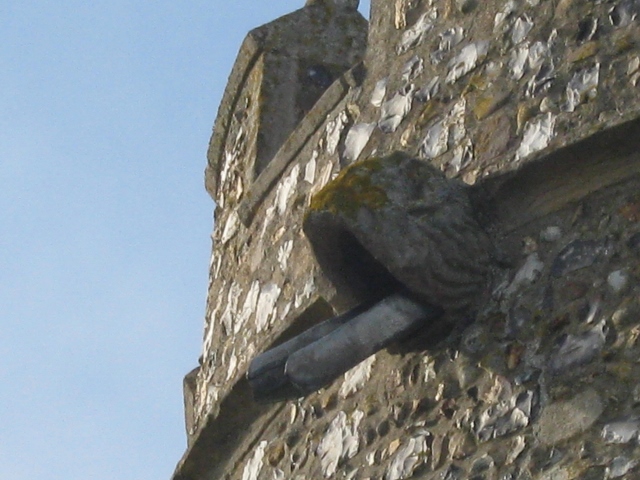
A gargoyle waterspout.  This one looks like a lion.

016Gargoyle waterspout (640x480)


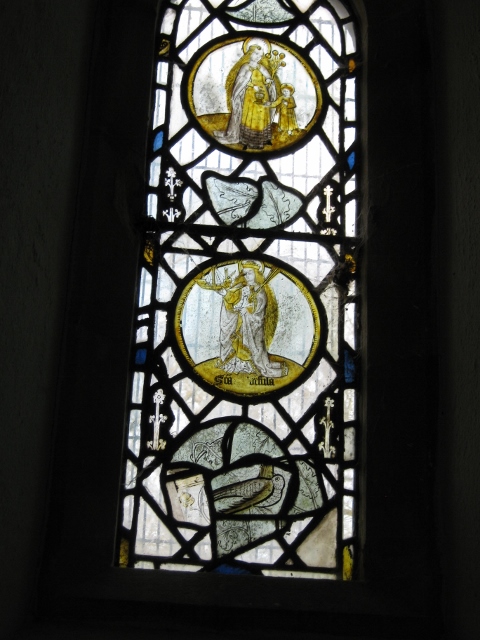
A stained glass window.  Holes in the window have been patched with fragments of other stained glass.

017Stained glass (480x640)


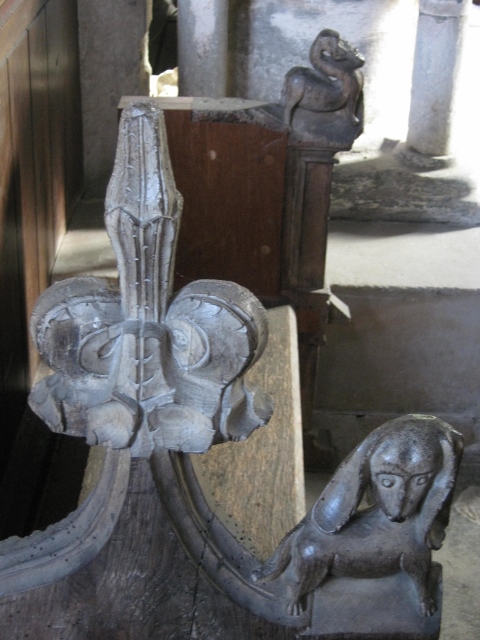
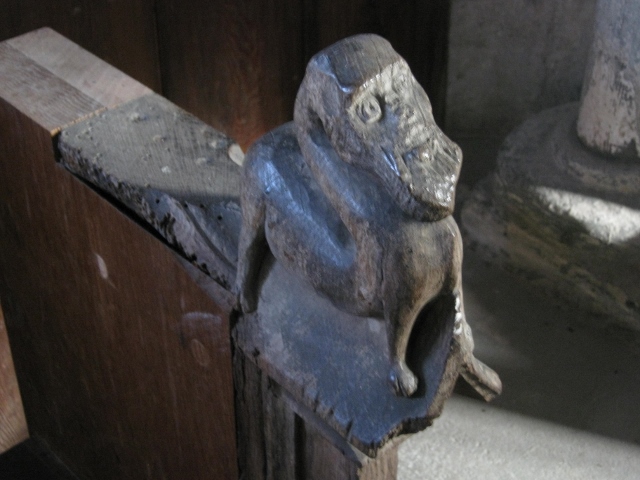
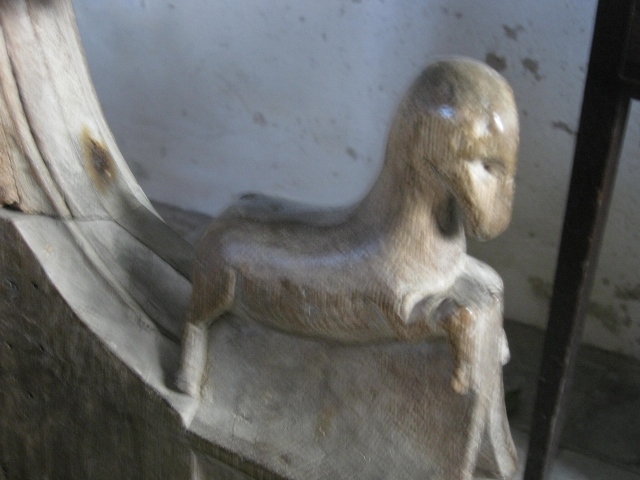
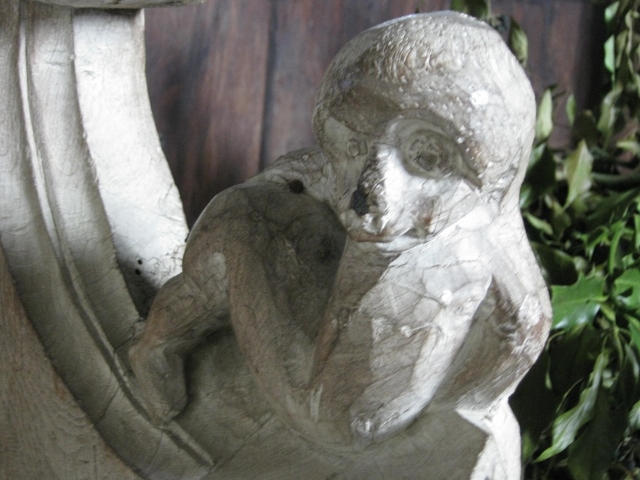
Carved bench ends.  I’m afraid the third one is very blurred but I had to include it as it is the only one I have of the horse.

018Bench ends (480x640)

019Bench end (640x480)

020Blurred bench end (640x480)

021Bench end (640x480)


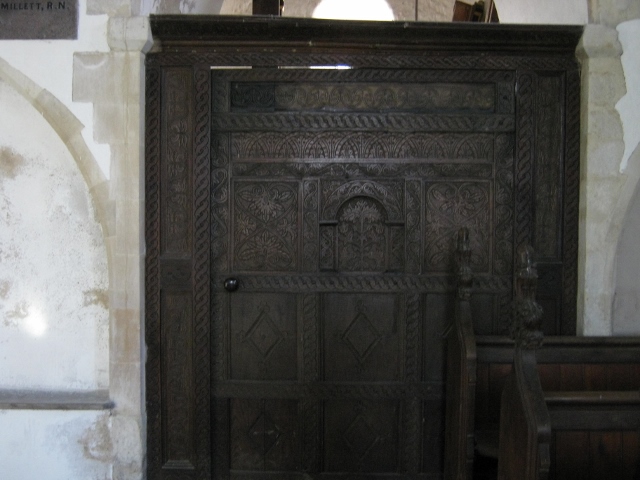
A beautifully carved door.

022Carved wooden door (640x480)


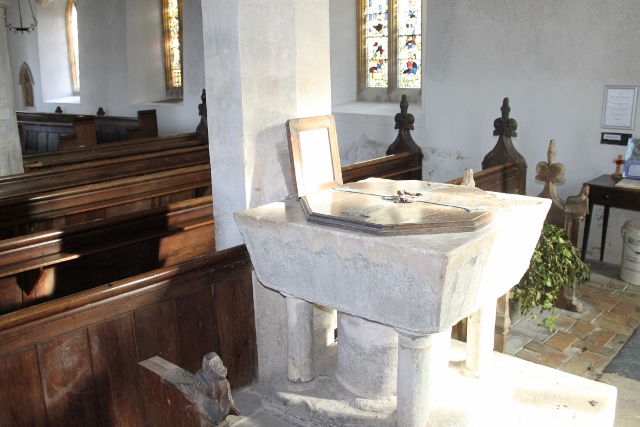
The font.

059Font (640x427)


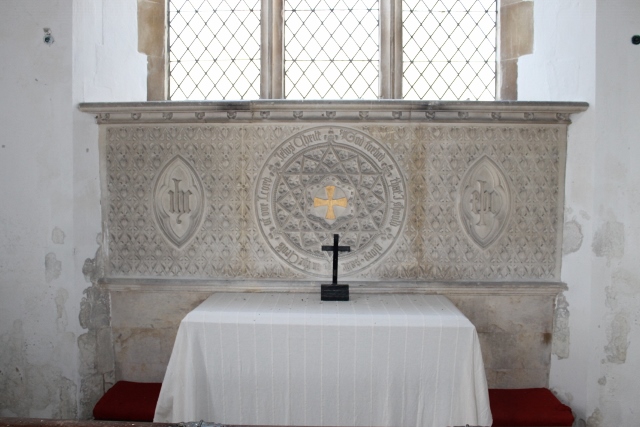
The altar.

060Altar (640x427)


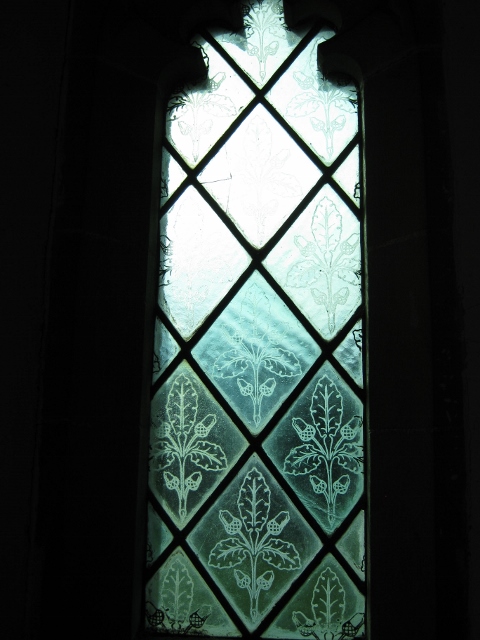
Etched glass in the porch.

023Etched glass (480x640)


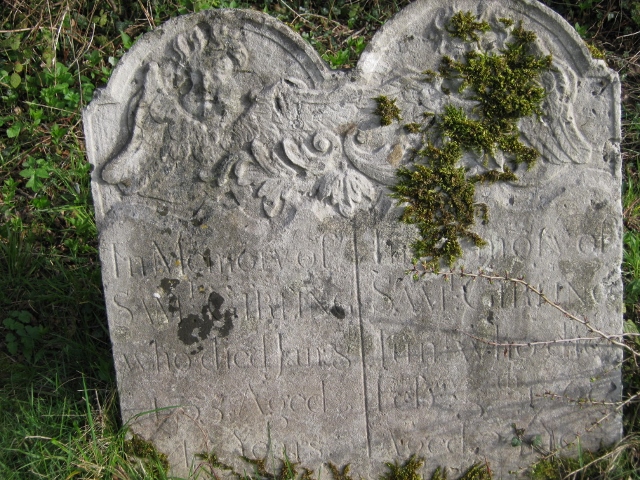
A gravestone with a very worn death’s head at the top left.

024Grave stone (640x480)


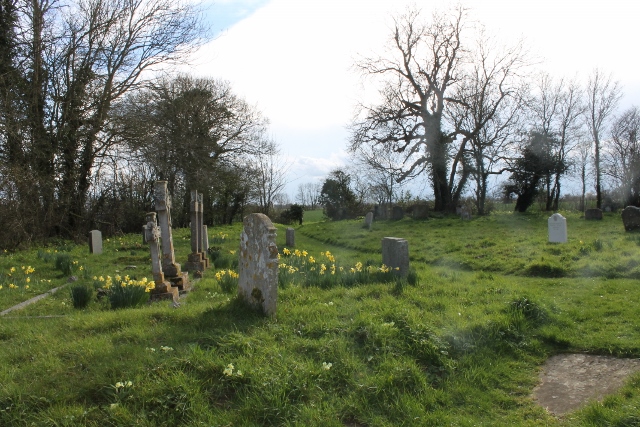
A view of the graveyard from a comfortable bench in the sun.

063Churchyard (640x427)


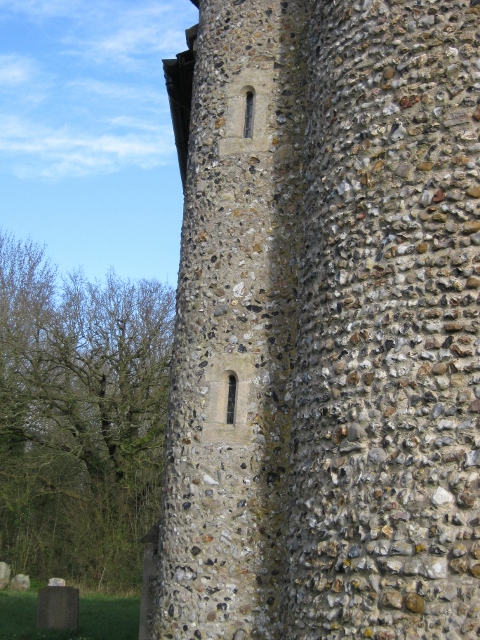
Tiny lancet windows in the tower.  Round towers are usually Saxon towers and East Anglia has more round towers than any other part of the country.

025Lancet windows (480x640)


We then had a chat with friends who live in a farm house next to the church and who keep the church tidy and clean.

We had a lovely day today (29th March) and I was able to spend a little time in the garden this afternoon.  I won’t have time tomorrow as we have church, then I will be cooking lunch for us and my mother and then spending time with her during the afternoon.

Share this:

  • Share on X (Opens in new window) X
  • Share on Reddit (Opens in new window) Reddit
  • Share on Pinterest (Opens in new window) Pinterest
  • Share on Facebook (Opens in new window) Facebook
  • Email a link to a friend (Opens in new window) Email
  • Share on Tumblr (Opens in new window) Tumblr
  • Print (Opens in new window) Print
  • Share on LinkedIn (Opens in new window) LinkedIn
Like Loading...

Wednesday 12th to Sunday 16th March

17 Mon Mar 2014

Posted by Clare Pooley in churches, Gardening, plants, Rural Diary, Uncategorized, walking, wild birds

≈ Leave a comment

Tags

alder, ambulances, brimstone butterfly, chaffinch, church, cowslip, daffodils, dog violet, Eye, fields, figs, greylags, Harleston, hazel, heartsease, Lent, mallards, moon, moorhen, nesting, pond, prayer, pussy willow, quiz night, rooks, Rumburgh, silverlace primula, sunset, tortoiseshell butterfly, trees, Wissett

Wednesday began with frost and mist.  This soon cleared and the weather was then lovely for the rest of the day.  I did my usual shopping trip with my mother with a detour to a free-range chicken farm at Eye where Mum buys her eggs.  I had a little shopping to do for myself, so called in at Harleston on my way home.  I arrived home just after 2pm for a late lunch and had time for a few household chores and a quick walk round the garden to feed the birds, tidy up a couple of things and take some photos before R came home.

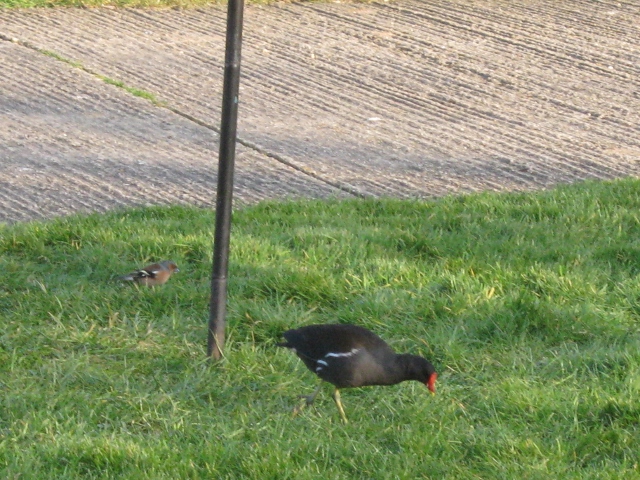
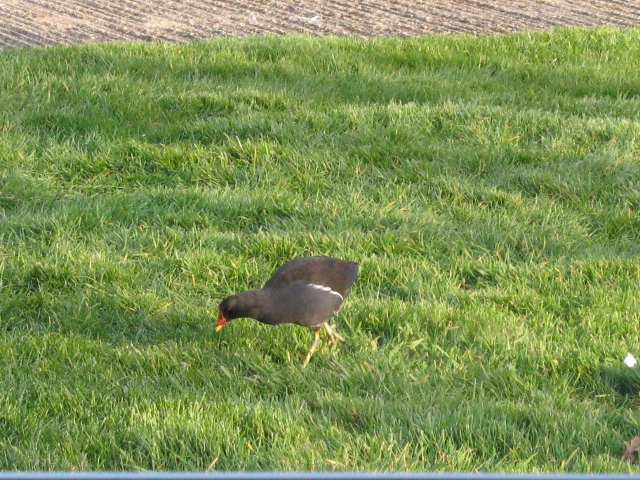
A moorhen and a chaffinch at the front of the house.

001Moorhen and chaffinch (640x480)


The moorhen again.

002Moorhen (640x480)


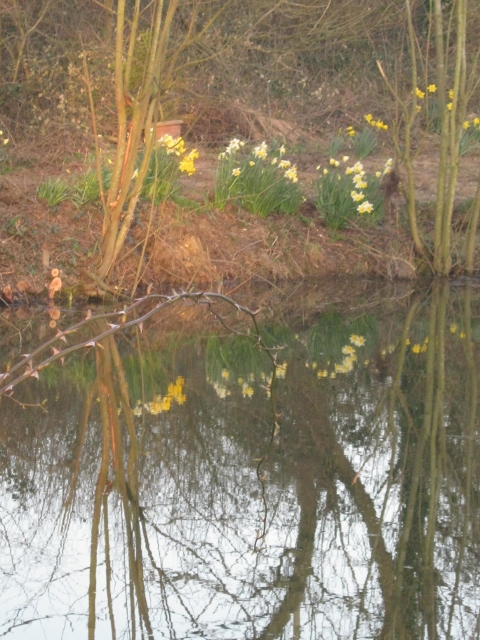
A couple of photos of the daffodils that have come up round the big pond.

003Reflection of daffodils on pond (640x480)

005Reflection of daffodils on pond (480x640)

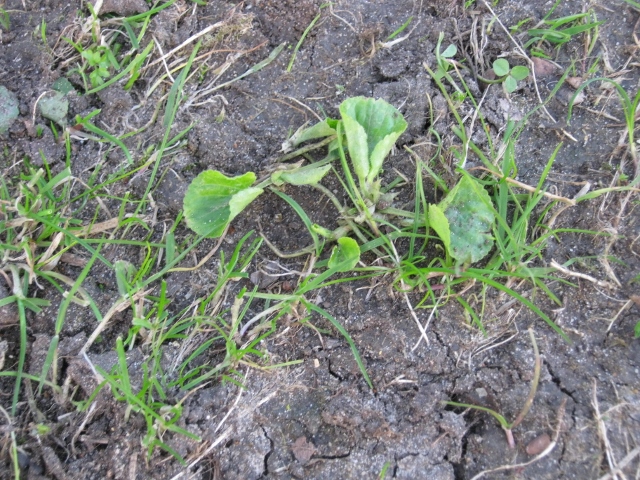
Some violet leaves that have struggled up through the dried mud round the pond.

007Violet leaves on path round pond (640x480)


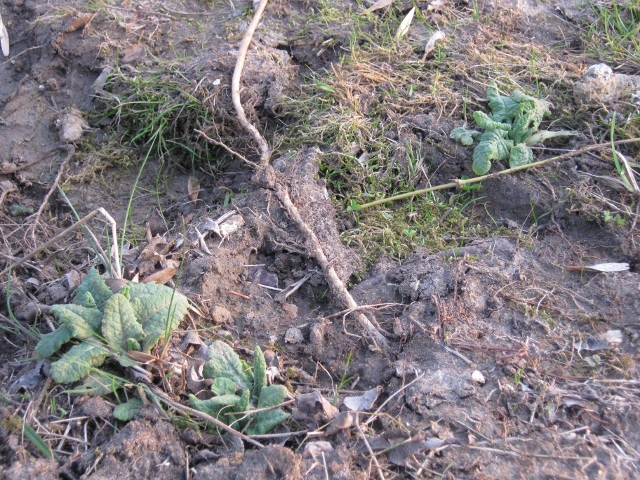
And some cowslip leaves too!

008Cowslip plants on path round pond (640x480)


Reflection of trees and cloud in the pond.

009Reflection of trees and cloud in pond (640x480)


Afternoon moon.

011Afternoon moon (640x480)


I had decided what we should have for an evening meal and was about to start it when R offered to cook and I gladly accepted his offer.  I didn’t have time to eat anything as I had to go out at 6.45pm to collect Mum and take her to Eye to attend a Lent course.  The course in her area is a deanery course.  A deanery is a collection of benefices and a benefice is a collection of parishes.  In rural areas to have benefice and or deanery meetings or courses means that there will be more people attending and any speakers kind enough to visit will have a good audience.  The only downside is that the distances to be travelled by many parishioners is very great.  This year’s course is on prayer and Wednesday’s talk was on ‘Prayer with Words’.  The speaker was the Precentor from the Cathedral at Bury St Edmund’s; a really pleasant man who gave an interesting talk.  He introduced us to poets and poems that were new to us as well as reading from old favourites.  My journey home was very difficult because of thick fog.

Thursday.  I was woken just before 6.00am by the rooks!  I had remembered to bring in the sunflower seed feeder but the rooks were trying to get the remains of yesterday’s seed off the bird-table and were tapping loudly on it with their enormous beaks.  I have a cage round the bird-table which is supposed to prevent large birds from getting on it. However, it doesn’t stop the birds from clinging on to the edge of the table with their claws, flapping their wings for balance and pecking food through the mesh!  Another lovely day.  Went in to Halesworth for a haircut and to get yet more shopping (I always manage to forget something each time I go!)  My usual hairdresser is on maternity leave so her Mum did my hair and we chatted about babies.  Both her daughters are having their first babies in the next two weeks and they are getting a little apprehensive.  On the way home I saw a tortoiseshell butterfly and an enormous brimstone butterfly.

I spent the afternoon gardening as well as having a short (for us!) conversation with my sister who was planning to visit Mum at the weekend.  The geese have been very argumentative this week.  The gander of the pair who have claimed the island has been spending most of his time swimming in the pond and seeing off any other goose/gander who dares to come anywhere near the pond bank.  He must be exhausted as he doesn’t seem to have eaten anything either.

A couple of photos of the mallards in our front ditch.

001Pair of mallards in ditch (640x480)

005Mallards in ditch (640x480)

Miniature daffodils in the grass.

004Miniature daffodils in grass (640x480)


Goat or Pussy Willow.  Salix caprea.

006Goat willow or pussy willow (640x480)


When R got home he wanted to go out for a short walk across the fields.  The wind had got up a little and it had got cloudy but R managed to take some decent photos while we were out.

003Evening walk over the fields (640x427)

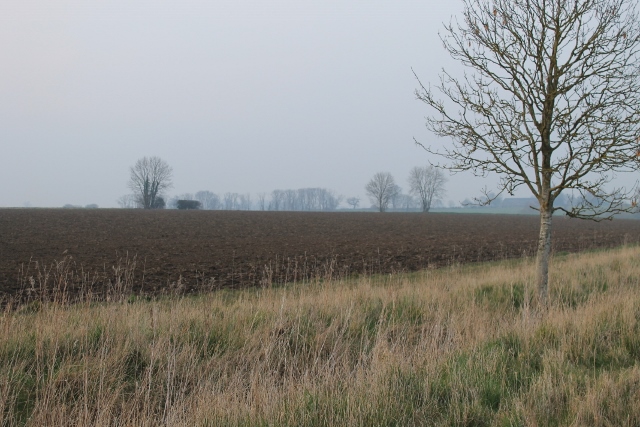
006View across the fields (640x427)

008Path by the fields (640x427)

009A ploughed field (640x427)

010Distant trees (640x427)

Alder catkins and cone-like fruits from last year.

012Alder catkins and fruits (640x427)


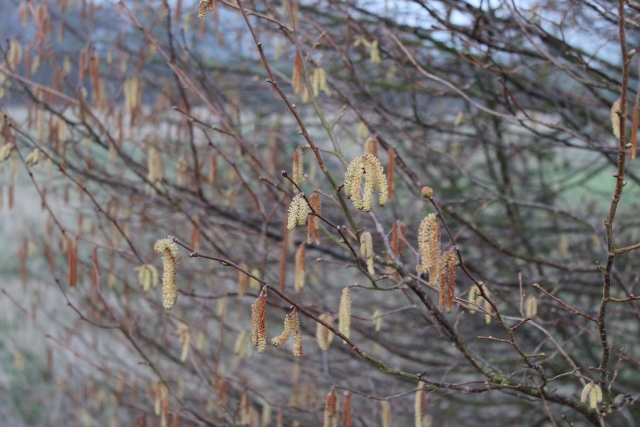
Hazel catkins.

015Hazel catkins (640x427)


More fog overnight.

Friday.  A cooler, cloudier, breezier day.  I did some more gardening and lots of ironing.  The geese seemed to have resolved their differences.  The resident pair came to sit near me while I gardened and whenever I looked up they gave gentle honks.  I knew they were asking for food so when I had got to the end of my weeding I fetched some special goose and duck feed I have for just such an occasion (to quote Foghorn Leghorn) and cast it on the grass near by them.  Of course, the gander then hissed at me while the goose ate the food.  He is a very protective mate and even though I have provided the food he has to warn me off and so I do keep my distance!

Saturday.  A quiet morning and another beautiful one.  Still very breezy but much brighter than yesterday.  Did some housework and spoke to A on the phone.  We drove to Mum’s in the afternoon to see my sister F who was visiting with her eldest son and her dog Ben.   We had a lovely couple of chatty hours and we then had to leave to get our evening meal before going to yet another quiz night.  This one was in aid of Rumburgh village hall.  I think it was the noisiest event I had been too since going to dances when I was young.  The hall had just been insulated and redecorated but there were no curtains or blinds at the windows yet and I think this was the reason it was so noisy.  The two farmers on our team were both a little deaf (caused by driving noisy farm machinery) and they were finding it really difficult to hear anything above the hubbub of loud chatter.  Our local Member of Parliament was taking part too.  He lives in Wissett, the next village along on the way to Halesworth, and is very good about taking part in local events and is a truely supportive MP.  He had been out all day on the ambulances as there has been an enquiry about the time it takes for ambulances to get to emergencies.  He was talking to R and one of our farmer friends and said he was very sympathetic towards the ambulance crews, as he had seen for himself the great distances they had to travel and also how many wasted journeys they had to make.  R told him about my sister’s job as a paramedic in Kent and some of the problems she has to put up with too.  Unfortunately we came ninth today but R won a picture of a tree in the raffle.

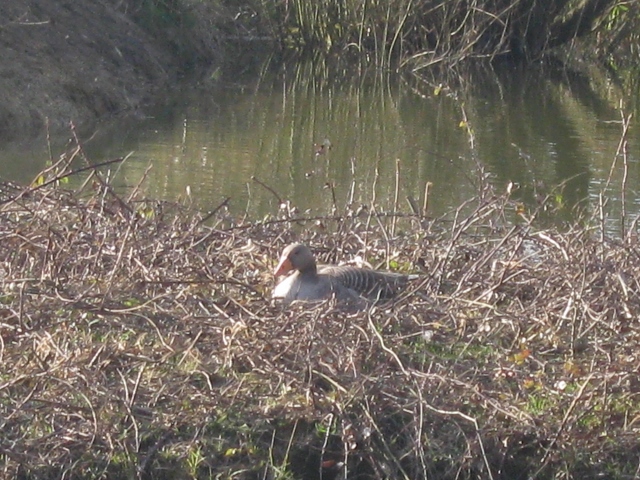
Sunday.  There was a Morning Prayer service at Rumburgh today but I couldn’t attend as I took Mum to her church.  She hasn’t got anyone to give her a lift at the moment and as she doesn’t usually see anyone at all during the week except me, and all her friends are at her church, I think it only right that I take her there.  I got back home at 1.00pm and had lunch before doing some chores, putting a loaf on to bake and then back out into the garden.  I fed the birds which took nearly an hour – all the feeders were empty, I have a number of them scattered about the garden and the garden is well over an acre in size.  I had noticed this morning when I looked out of the window that the goose has started sitting on her nest on the island.

003Goose on nest (640x480)


005Goose on nest (640x480)

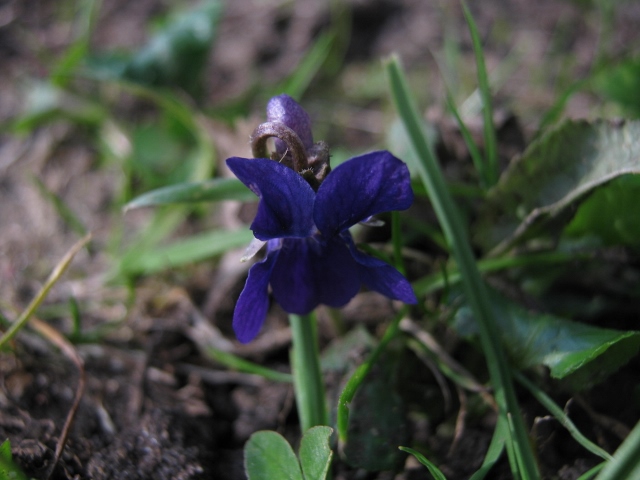
A dog violet in flower.

006Dog violet (640x480)


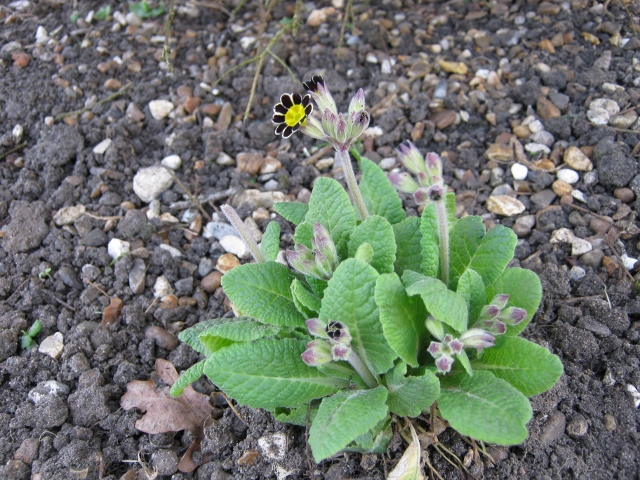
A silverlace primula.

007Silver Laced primula (640x480)


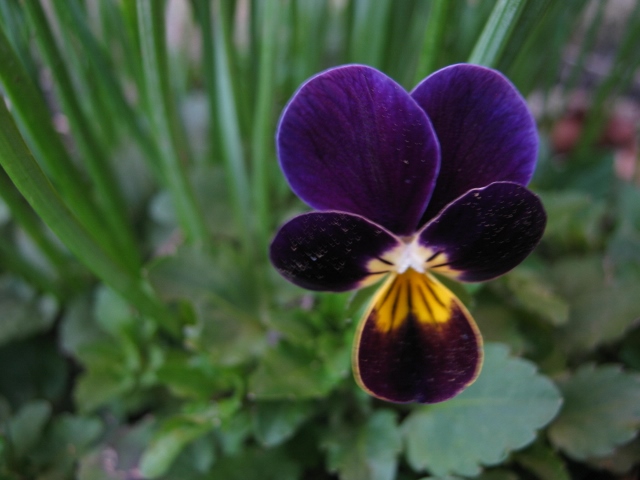
A heartsease flower.

013Heart's ease (640x480)


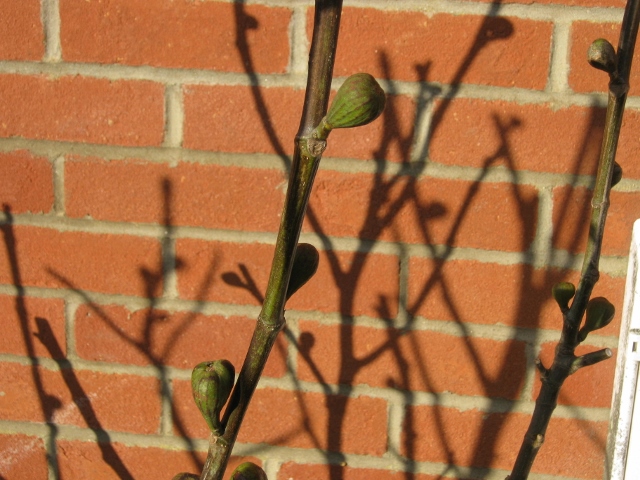
Figs are starting to swell on the tree.

014Figs (640x480)


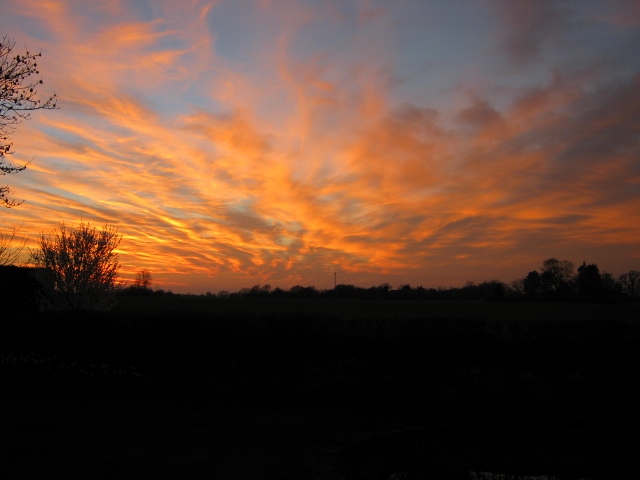
Lots of pictures of this evening’s sunset.

015Sunset (640x480)

016Sunset (640x480)

017Sunset (640x480)

021Sunset (640x480)

018Sunset (640x480)

019Sunset (640x480)

020Sunset (640x480)

The rookery in the sunset.

022Sunset (640x480)


Share this:

  • Share on X (Opens in new window) X
  • Share on Reddit (Opens in new window) Reddit
  • Share on Pinterest (Opens in new window) Pinterest
  • Share on Facebook (Opens in new window) Facebook
  • Email a link to a friend (Opens in new window) Email
  • Share on Tumblr (Opens in new window) Tumblr
  • Print (Opens in new window) Print
  • Share on LinkedIn (Opens in new window) LinkedIn
Like Loading...

A Busy Week

10 Mon Mar 2014

Posted by Clare Pooley in amphibians, churches, cooking, Gardening, Insects, music, plants, Rural Diary, Uncategorized, walking, wild birds

≈ 4 Comments

Tags

Ash Wednesday, Billingford, birds, burdock, church, embroidery, fish, Flixton, food, frogs, Goldbrook Bridge, goldcrest, gorse, Hoxne, ladybirds, Lent, lichen, moss, Norfolk & Norwich Hospital, orange tea bread, pancakes, Porgy & Bess, pulpit, rood screen, RSPB Minsmere, Rumburgh, Shrove Tuesday, St Edmund, St Felix & St Michaels church, St Mary's, tapestry, trees, windmill

This has been such a busy week that I have only had time for two posts.

R had Monday and Tuesday off work and it was so nice to be able to spend more time with him.  I always have lots of boring chores to do on Mondays so I rushed through most of them and was ready to go out with R at lunchtime.  We decided to go to the RSPB reserve at Minsmere which is about nine miles away.  The day was fine and not too cold.  We had lunch in the café at the reserve and then walked round the woodland walk.  The walk out past the Scrape to the sea seemed a little cold and windswept and we thought that as some damage had been done during the tidal surge in December we would be better off avoiding that walk.  It was very pleasant to be visiting during the week instead of at the weekend.  It was peaceful and quiet.  We didn’t see many birds as we decided not to go into any of the hides and it wasn’t quite warm enough to stand still for long.  We did sit on a seat in the sun for a while and watched a goldcrest in the branches above our heads.  I tried to take a photo but it flew away and I only got a picture of the lichen-covered branch it had been sitting on.

005Lichen on a branch, Minsmere (640x480)


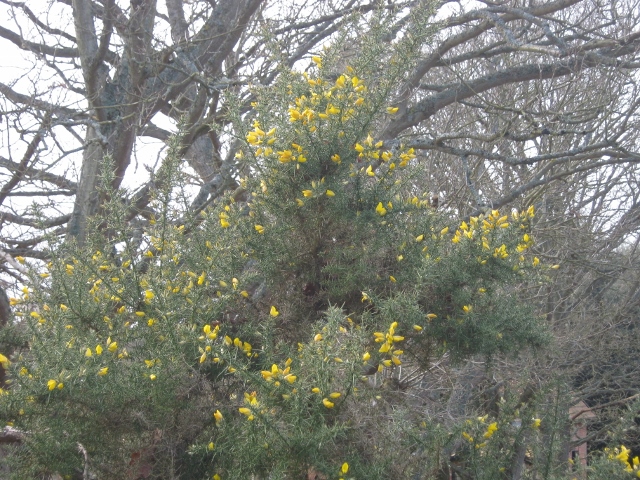
We saw lots of gorse bushes in flower and tried to smell the flowers (to find out if they do smell of honey) without spiking our noses.

006Gorse in flower, Minsmere (640x480)


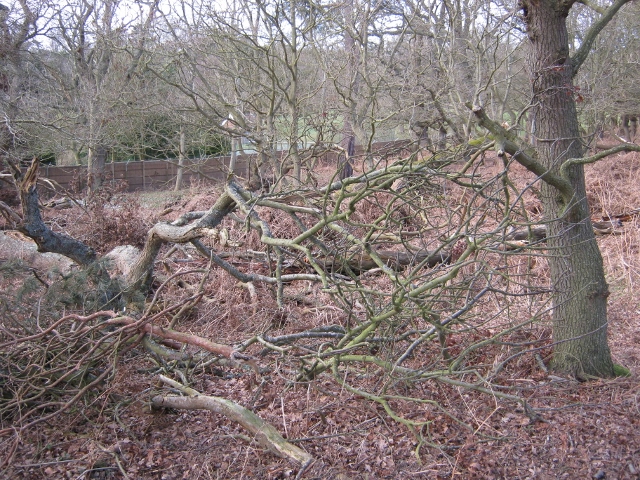
We noticed many fallen trees from all the storms we have had this winter.

007Fallen trees at Minsmere (640x480)


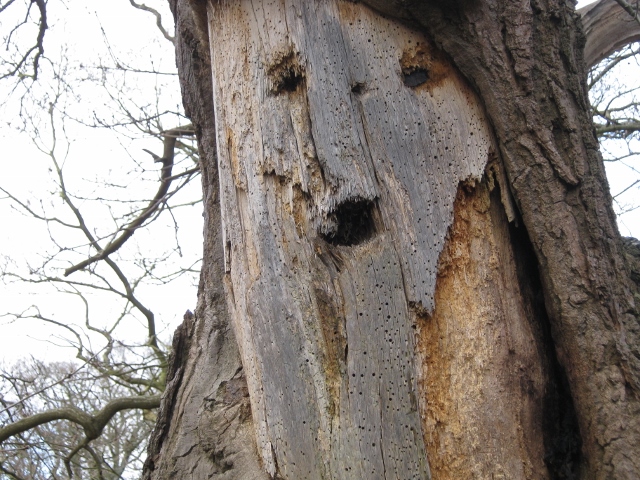
I love this picture!  Whoooooooooo!!!

008Interesting bark, Minsmere (640x480)


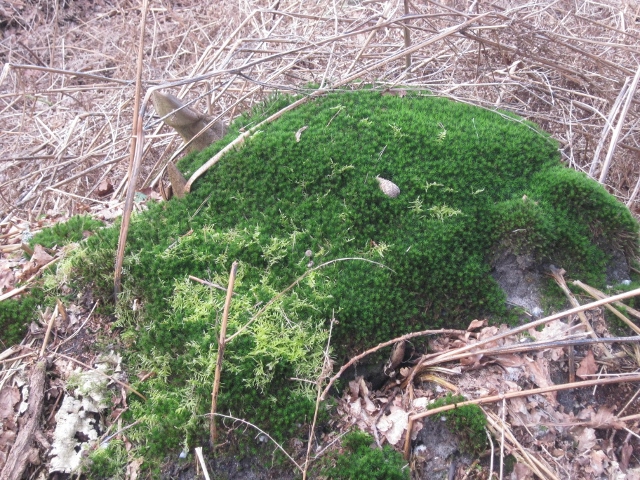
A moss tuffet.

009Moss tuffet, Minsmere (640x480)


Tuesday began with mist and frost but both soon disappeared and the sun came out.  R took E to Norwich and they spent the morning there shopping and then had lunch.  I had to take Mum to the eye clinic at the Norfolk and Norwich hospital again in the afternoon.  She had both eyes assessed and all seemed to be going along well.  Afternoons at the hospital are very busy and the carparks are always full.  A new carpark, only opened at the end of last year, was nearly full when we arrived and completely full when we left so I think they will have to find some more carparking space before long.  It is quite a new building but the architects didn’t make it big enough.  It was apparent within a very short space of time after completion that they would have to add to the hospital and they have been adding to it ever since.  It is on the outskirts of the city and there is still a little land that can be used for building but not much more, I think.  They also assumed that most people would be arriving by bus from the city centre or using the park and ride service.  They were wrong there as well!

Tuesday was Shrove Tuesday or Pancake Day.  When I got home I mixed the pancake mixture and then made us a light evening meal of fish and mixed vegetables.  R made the pancakes for us; he is extremely good at making them and we enjoyed them very much.  R and I had two each and E had four!

Wednesday morning was bright and frosty and poor R had to go back to work.  Wednesday is my day for taking Mum shopping in Diss and we managed this quite quickly for a change.  The supermarket didn’t seem as full as usual and we were soon on our way back to her house.  A beautiful day – everything seemed shiny; mainly blue and green.  The first day for months that I have gone out without a coat.  After a chat and a cup of coffee I drove to Halesworth to do my shopping and to visit the library.  I also drove up to the doctor’s surgery to collect my prescription and then called in at Rumburgh church to change the colours from green to purple as it was now Lent; Ash Wednesday.

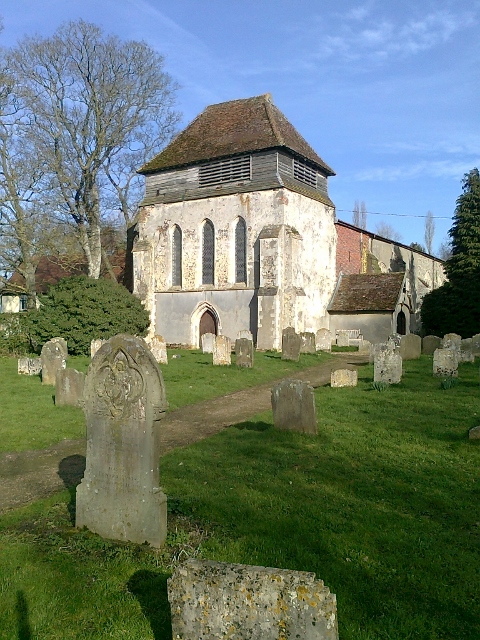
001Rumburgh church (480x640)

The church of St Felix and St Michael, Rumburgh.


Rumburgh began as a Priory founded in 1064 which was later that century given to the Benedictine Abbey of St Mary at York.  In 1086 there were twelve monks under a Prior at Rumburgh.  It was never a rich priory, as you can see from the variety of materials the church was built out of.  It was suppressed in the reign of Henry VIII on 12 September 1528.  The church building here is all that is left of the original small priory.

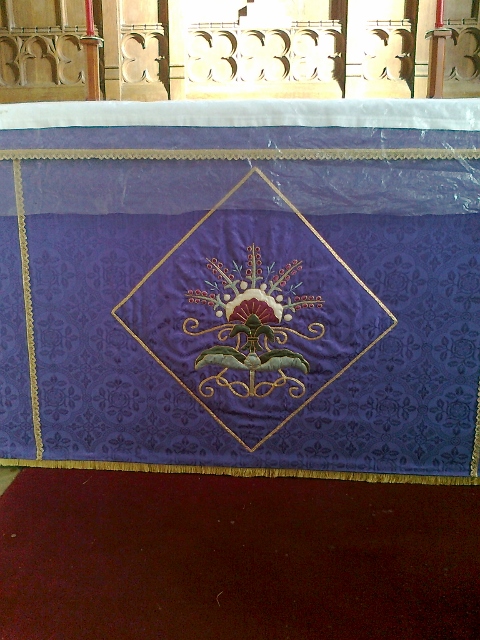
In our benefice we are so fortunate as to have some very talented needlewomen.  Below is an altar frontal made a couple of years ago.  As you can see we have to drape everything in plastic sheets when the church isn’t being used to stop water (condensation and water penetration) and bat urine and droppings from ruining everything.

002Altar frontal Rumburgh (480x640)

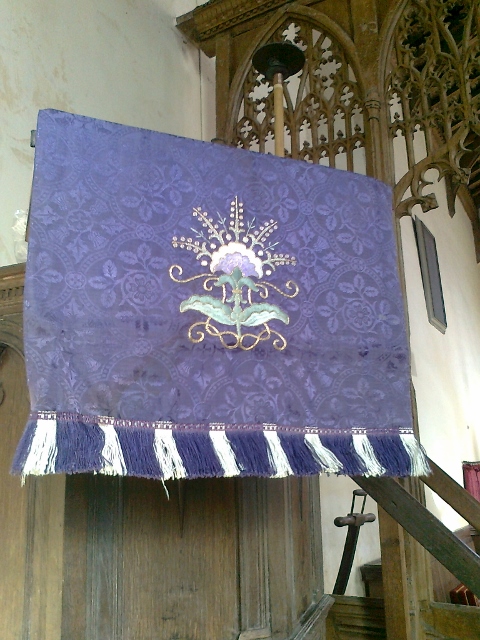
Our Jacobean pulpit with another example of our church’s embroidery

003Pulpit Rumburgh (480x640)


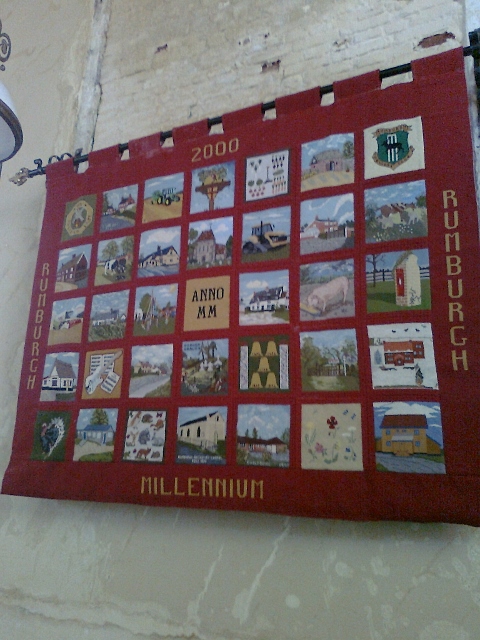
The Millenium Tapestry which hangs near the south door.  All the kneelers in the church have been covered with lovely tapestries too, depicting the houses, buildings, plants, animals, organisations, families etc. associated with Rumburgh.

004Millenium tapestry (480x640)


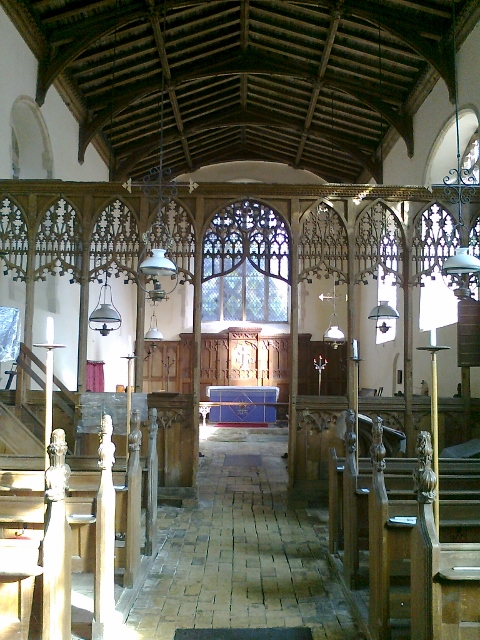
The nave and chancel with the lovely Rood screen between.

005Nave and chancel Rumburgh (480x640)


There was an Ash Wednesday ashing service at Rumburgh that evening but I couldn’t go as I had promised to take Mum to the service at her church at Eye.  Mum’s church’s service had a communion as well so I didn’t get home until just before 10.00pm.

A much quieter day on Thursday also quite cloudy.  I took E to the surgery at 9.00am for an appointment and then went home for the rest of the day.  Did a little gardening and some ironing as well as other household chores.  All the ladybirds in our bedroom have woken up now and only two were left wandering about on Thursday.  Another quiet day on Friday spent catching up with the housework.

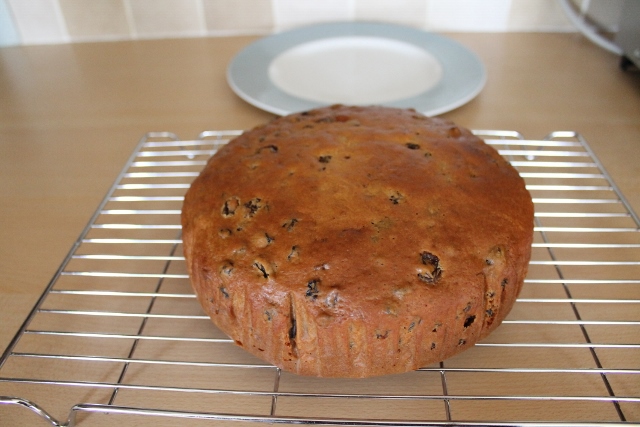
I made Orange Tea Bread on Saturday as we had all been asked to provide some food for a Bring and Share lunch party after church on Sunday.  This is to say thank-you and good luck to Caroline our former Reader.  It is quite amusing that the first thing we do as a church on the first Sunday in Lent is to have a party with lots of lovely food!  R took this photo.

045Orange tea bread (640x427)

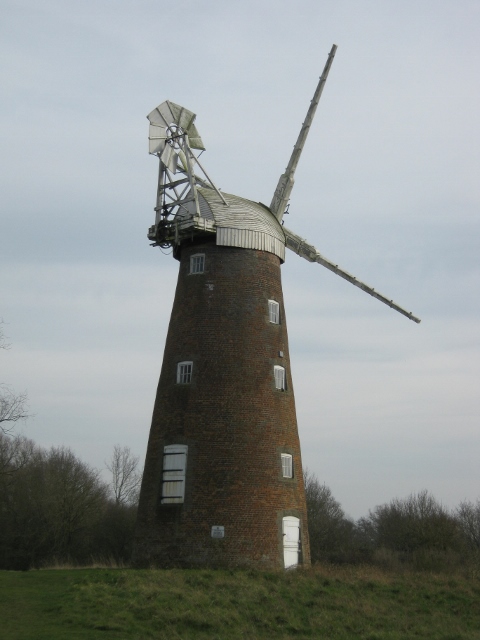
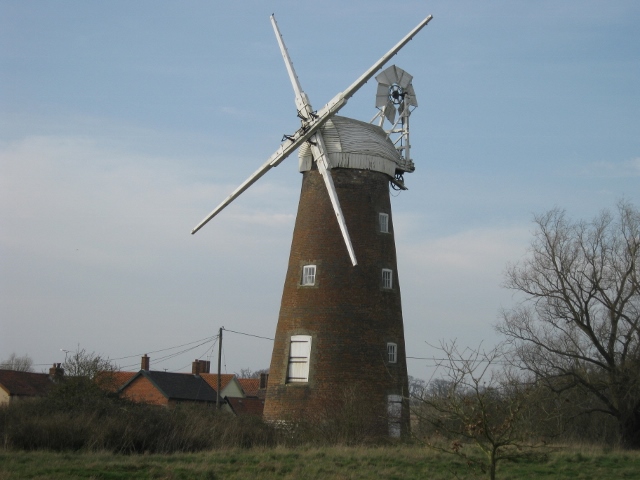
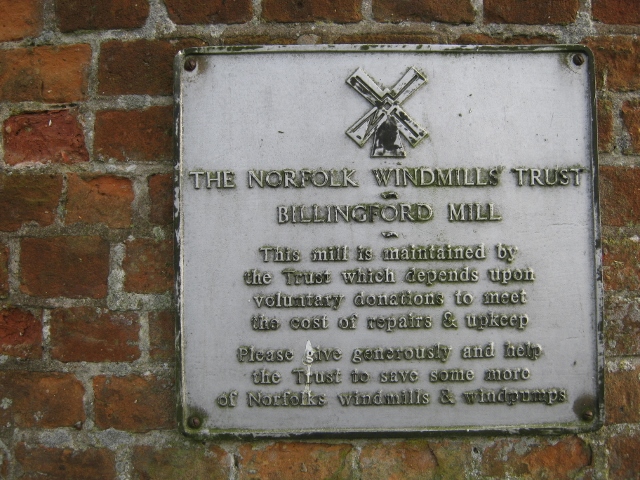
R and I have bought a new really good camera that we can share.  We decided to go out on Saturday to try it out and so drove to Billingford, Norfolk just on the other side of the Waveney River to look at the windmill there.  Some of the following photos were taken by R and some by me on my smaller camera and one by me on the new camera!


101Billingford windmill (480x640)

Billingford windmill

104Billingford windmill (640x480)

Billingford windmill

102Plaque on windmill (640x480)


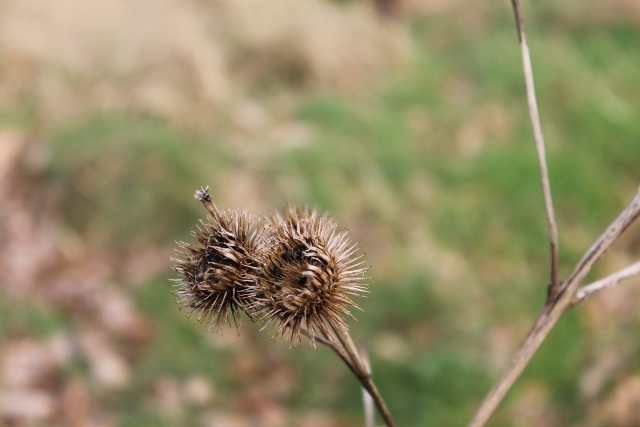
R took a lovely picture of a burdock seedhead.

069Burdock seedheads (640x427)


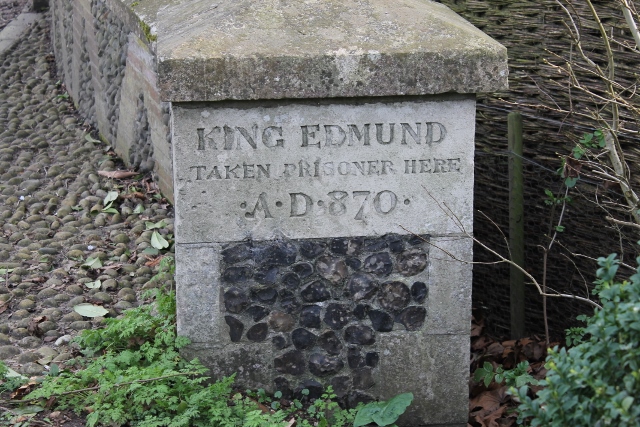
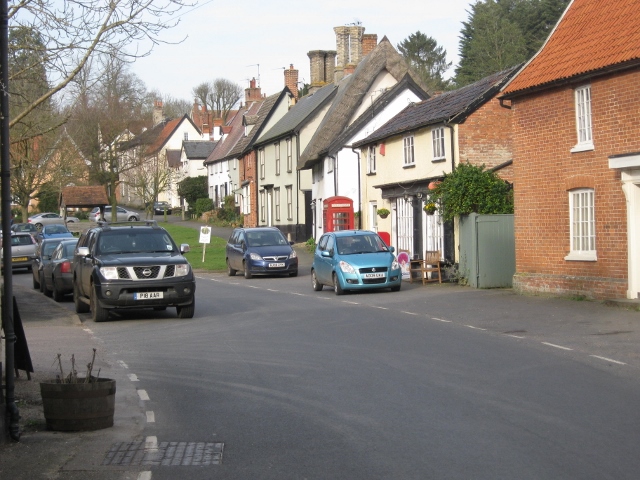
We then drove to Hoxne in Suffolk to look at the village.  Traditionally this was the place where Edmund, Martyr-King was captured, tortured and killed by the Vikings.  Nowadays, historians think this was more likely to have taken place at Bradfield St Clare just south of Bury St Edmunds.

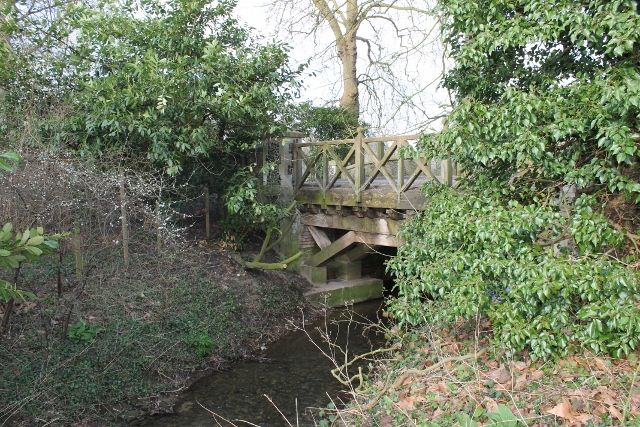
This is the inscription on Goldbrook Bridge, under which St Edmund was supposed to have been captured.

084Inscription on Goldbrook Bridge (640x427)


Goldbrook Bridge.

087Goldbrook Bridge Hoxne (640x427)


Hoxne village.

105Hoxne (640x480)


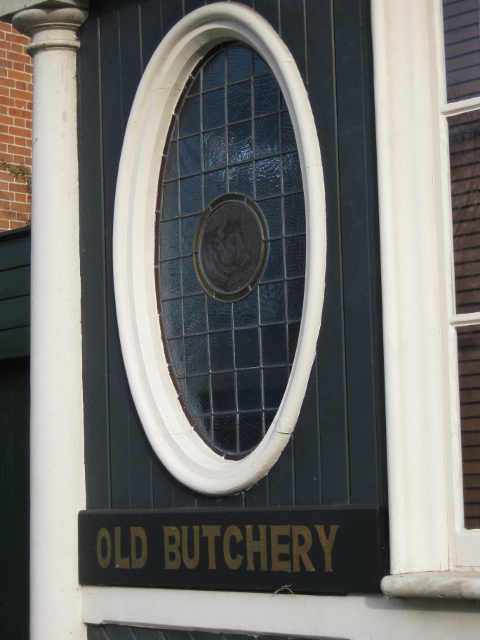
The Old Butchery.  The window has a lovely etched glass picture of a bull.

106Old butchery window with etched glass (480x640)


We shopped in Harleston on the way home and had an Indian takeaway meal that evening.

Sunday morning service was at St Mary’s church at Flixton.  The weather was glorious – already 14 degrees celsius on the way to church and the sun shining brightly.  The service was quite well attended and the lunch afterwards was very nice with such a lot of lovely food provided.  We had all clubbed together and bought Caroline an i-Pod with case, a bench for her garden, a bottle of champagne and a couple of other bottles of drink for her husband.

When R and I got home we decided to work in the garden all afternoon.  We dragged some branches and other bits of plants out of the big pond.  I heard frogs croaking for the first time this year and the fish had woken up and were leaping out of the water.  This made me think of Porgy and Bess with the fish jumping – we don’t have cotton but R said the grass needed cutting so he tried to get the petrol push mower to start but couldn’t.  Fortunately, we have a sit-on mower which he was able to start, so our grass got it’s first trim of the season.

For our evening meal I cooked a tasty low-fat meal of lemon and honey chicken with rice and green and yellow beans.


Share this:

  • Share on X (Opens in new window) X
  • Share on Reddit (Opens in new window) Reddit
  • Share on Pinterest (Opens in new window) Pinterest
  • Share on Facebook (Opens in new window) Facebook
  • Email a link to a friend (Opens in new window) Email
  • Share on Tumblr (Opens in new window) Tumblr
  • Print (Opens in new window) Print
  • Share on LinkedIn (Opens in new window) LinkedIn
Like Loading...

March

04 Tue Mar 2014

Posted by Clare Pooley in churches, plants, Rural Diary, Uncategorized, walking, wild birds

≈ 9 Comments

Tags

bacon onion potato sauté, blackthorn, cattle, chickens, Coffee morning, common reeds, cooking, ditching, Dog's Mercury, electric fence, farmyard, good food, greylags, Italian alders, ivy, lesser celandine, Lords and Ladies, marble galls, narcissi, nature, phone box library, photography, primroses, quiz night, rookery, Rumburgh Church, sheep, snowdrops, St James South Elmham, St Margaret South Elmham, St Michaels South Elmham, stinging nettle, the Beck, trees

A wet start to the month.  R and I went off in the rain to the benefice coffee morning at the Rector’s house.  We could find nothing to bring with us this time and, as usual, I had not done any baking, so we just took ourselves and a little money.  We bought raffle tickets, a classical music c.d., a jar of the Rector’s home-made lenten three-fruit marmalade (i.e. without whisky) and a jar of plum jam.  After indulging in a bit of chit-chat and getting the local gossip (no raffle prizes this time!) we left to go shopping in Halesworth.  Boring groceries shop in the Co-Op and then, while R read the paper in the car, I walked in to town to see if I could find some flowers for the church.  I eventually found what I was looking for in the third place I visited – some really pretty multi-headed narcissi, some in yellow and some in a creamy-white.  The individual flowers very tiny and delicate;  I bought two bunches of each colour.

The rain was easing off a little by the time we got to Rumburgh church but the path to the church was very puddly and muddy.  The snowdrops were still looking good and the primroses were just starting to come out.  The churchyard will be a mass of wild flowers very soon.  We found a suitable vase in the cupboard and just put the poor flowers in water.  I cannot attempt anything more than this and even this made the flowers look as if ashamed to be where they were.  They all huddled in the middle of the vase and faced inwards and no matter what I did they twisted back and hid their faces.  I eventually gave up,  put the vase on a ledge and checked that the other flowers in the church were all o.k.

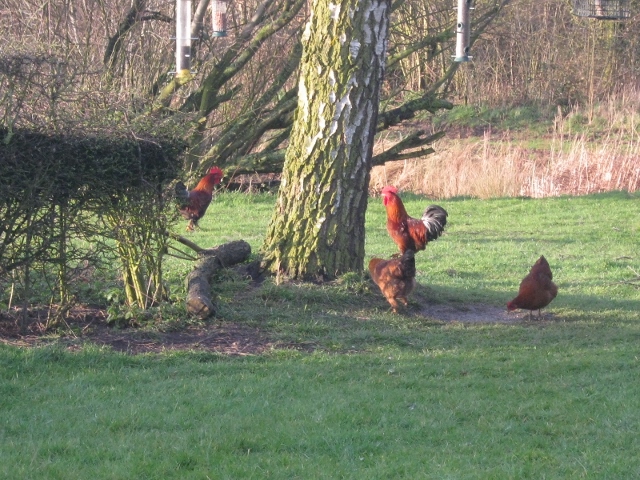
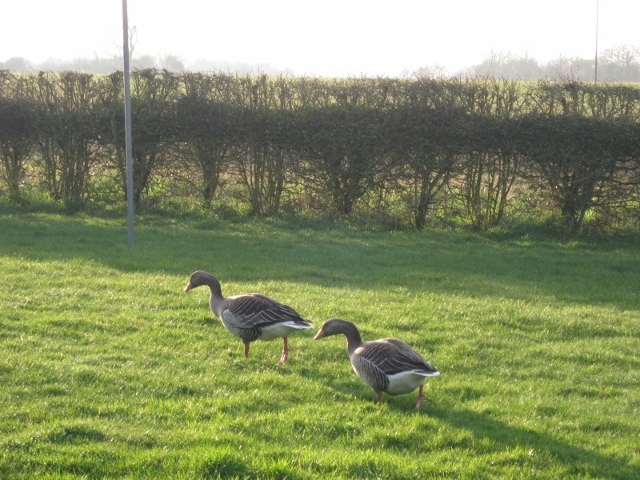
I went out to feed the birds later that afternoon after the rain had stopped and the sun had come out.  Something, probably a squirrel, had pulled the top off one of my fat block feeders and had removed and taken away a block that I had only put in the day before.  I mended the feeder, replaced the block with a new one and wired up the top to prevent it being pulled apart so easily again.  We shall see!  I took a couple of photos of the geese and some of next door’s ****** chickens in the garden again.

020Next door's chickens (640x480)


022Pair of geese in garden (640x480)

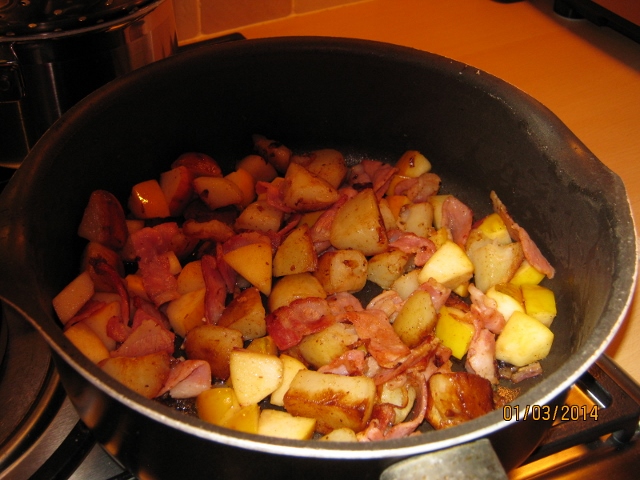
I discussed with E what she would like for her evening meal and we decided on one of her current favourites – fried bacon, potatoes and onions.  I added some diced eating apple as I thought that might go well with it.  E was of a different opinion!

024Bacon, onion, apple and potato (640x480)


R and I set off for the quiz at St James at 7.00pm.  We had become quite reluctant to leave our nice warm home and get into my very cold, damp car.  It was just 1 degree celsius outside and it took the whole journey to de-mist the windscreen.  I drove most of the way bending forward and peering through the only clear bit at the bottom.  Fortunately, we met no-one on the journey but the real danger is in the deep ditches at the sides of the road.

The quiz was great fun and the six of us on our team all know each other and get on well.  We eventually came second which was very pleasing.  R and I also won two prizes in the raffle.  The food provided by the village hall committee (I suppose) and cooked by two ladies from the village was really good.  A pork casserole or a vegetable bake with a baked potato and a little pot of butter for the first course and then a choice of four or five (I can’t remember how many) desserts with cream or custard for the second course.  This was followed by tea or coffee with a chocolate mint – all for £8.00 per person.  There was thick frost on the cars when we left just after 11.00pm.

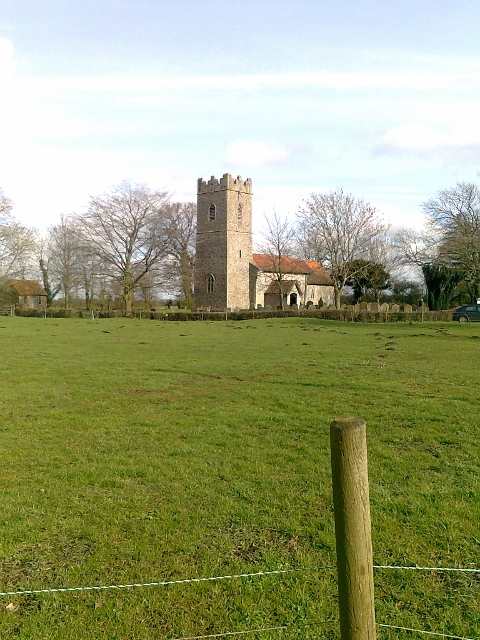
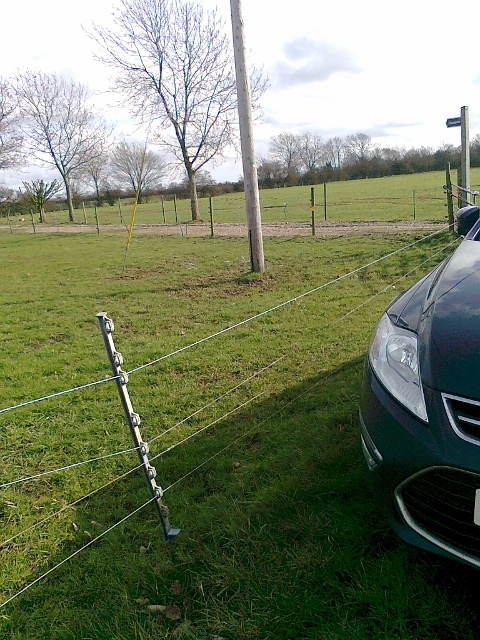
A lovely bright morning and hardly any wind the next day.  We went to church at St Michael’s.  This is a very small church in the middle of fields and has only recently had electricity put in – only a couple of sockets though.  There is no electric light, I think, and no heating except for an enormous very old gas heater at the back of the church.  If they have evening services they have oil lamps which makes it look so lovely.  The lane is very narrow and there aren’t many places to park.  R squashed up as close as he could to the electric fence and had great difficulty in getting out of the car.  The fence might not have been switched on as there weren’t any animals in the field – we weren’t going to take any chances though!

058St Michael's Church (480x640)


057Electric fence at St Michael's (480x640)

By the time we had had lunch and washed up the sun had disappeared and the wind had got up again.  R and I went out for a walk in the lanes near our house.

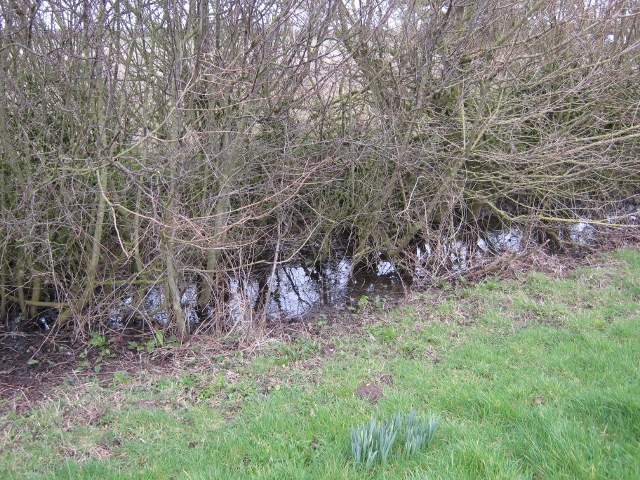
There is still a lot of standing water about.  This water is as the base of a hedge on St Margaret’s common.

025Water under the hedge at St Margaret's common (640x480)


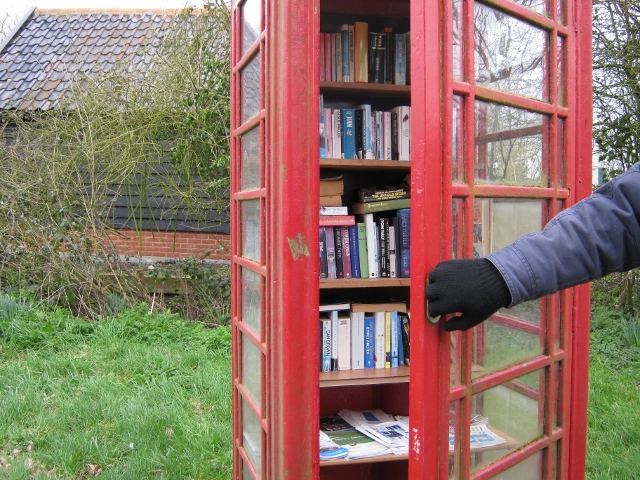
In the village of St Margaret South Elmham is the old phone box which they have converted into a mini library.

027The phone box library (640x480)


The rooks are busy in the rookery near the old rectory.

029St Margaret's rookery (640x480)


The geese who live at the old rectory were resting for a change!

030Cordelia's geese (640x480)


The churchyard is full of pretty flowers.

031St Margaret South Elmham churchyard (640x480)


Lots of common reeds in the ditches at the side of the lane all waving in the wind.

033Common reeds in ditch (640x480)


The tributary to the Beck at Froghall.

034Tributary to the Beck at Froghall (480x640)


Some lovely silhouettes of trees on the skyline.

035Trees on horizon (640x480)


Blackthorn just starting to come out in the new hedge.

039Blackthorn (640x480)


Marble galls.

040Marble galls in hedgerow (480x640)


The top of our lane.

041Top of our lane (640x480)


The fields in St James have very few hedges.  It is very windswept here and very cold!

042View across fields (640x480)


Primroses at the side of the lane.

043Primroses (640x480)


And lesser celandines.

044Lesser celandines (640x480)


A lot of work has been done here at the bridge to dig out the ditch again and lay new drainage pipes.

045Newly cleared ditch (640x480)


A row of Italian Alders with catkins.  Not a very clear photo because of the wind and my lack of skill.

046Italian alder trees (480x640)


The farmyard with sheep wandering about freely and cattle in the barn feeding from their manger.

047Farmyard (640x480)


Our lane again – muddier now.

048Muddy lane (640x480)

Even worse!

049Muddy lane (640x480)


More primroses.

050Primroses (640x480)

And these are ‘weeds’ in our garden.  All lush green plants – the arrowhead leaves of Lords and Ladies, ivy, dog’s mercury and stinging nettles.

051Lords and ladies, ivy, dog's mercury, stinging nettle (640x480)


Share this:

  • Share on X (Opens in new window) X
  • Share on Reddit (Opens in new window) Reddit
  • Share on Pinterest (Opens in new window) Pinterest
  • Share on Facebook (Opens in new window) Facebook
  • Email a link to a friend (Opens in new window) Email
  • Share on Tumblr (Opens in new window) Tumblr
  • Print (Opens in new window) Print
  • Share on LinkedIn (Opens in new window) LinkedIn
Like Loading...
Newer posts →
Follow A Suffolk Lane on WordPress.com

Enter your email address to follow this blog and receive notifications of new posts by email.

Join 718 other subscribers.

Unknown's avatar

I talk about what it's like living in a quiet part of Suffolk. I am a wife, mother and daughter, a practising Christian and love the natural world that surrounds me. I enjoy my life - most of the time!

My Posts

Mar 2026
M T W T F S S
 1
2345678
9101112131415
16171819202122
23242526272829
3031  
« Feb    

Pages

  • About my Blog
  • GDPR (General Data Protection Regulations) and This Site
  • My Life in a Suffolk Lane

Archives

Blogs I Follow

Unknown's avatar
Unknown's avatar
Unknown's avatar
Unknown's avatar
Unknown's avatar
Unknown's avatar
Unknown's avatar
Unknown's avatar
Unknown's avatar
Unknown's avatar
Unknown's avatar
Unknown's avatar
Unknown's avatar
Unknown's avatar
Unknown's avatar
Unknown's avatar
Unknown's avatar
Unknown's avatar
Unknown's avatar

Posts I Like

  • Unknown's avatar
  • Unknown's avatar
  • thesimlux's avatar
  • Unknown's avatar
  • cindy knoke's avatar
  • Unknown's avatar
  • sherijkennedyriverside's avatar
  • Unknown's avatar
  • Jack Ronald Cotner's avatar
  • JAM's avatar
  • Unknown's avatar
  • Unknown's avatar
  • womanseyeview's avatar
  • martzkvi's avatar
  • Unknown's avatar
  • Unknown's avatar
  • aho's avatar
  • santable's avatar
  • wholelottarosie's avatar
  • thebikinggardener's avatar
  • clivebennett796's avatar
  • Unknown's avatar
  • Unknown's avatar
  • Unknown's avatar
  • Unknown's avatar
  • Unknown's avatar
  • Secret Diary of A Country Vicar's Wife's avatar
  • Kathleen's avatar
  • Unknown's avatar
  • Unknown's avatar
  • Unknown's avatar
  • Unknown's avatar
  • Unknown's avatar
  • Unknown's avatar
  • jonathonbhoyt's avatar
  • Unknown's avatar
  • Unknown's avatar
  • Gallivanta's avatar
  • Unknown's avatar
  • DoF@theinfill's avatar
  • Unknown's avatar
  • Matthew Paul's avatar
  • Unknown's avatar
  • Unknown's avatar
  • Unknown's avatar
  • Unknown's avatar
  • علي الجازع's avatar
  • John Hric's avatar
  • Unknown's avatar
  • NEERAJ SINGH's avatar

amphibians architecture art Arts and Crafts churches cooking Days out domestic animals family fish Folk Traditions Gardening Historic Buildings holidays Insects Landscaping literature music Norwich plants Rural Diary seashore theatre trees Uncategorized walking weather wild animals wild birds wild flowers

Tags

architecture autumn birds blackbird blackthorn Bungay butterfly church clouds common knapweed cow parsley crocus daffodils Diary dogwood family field maple flowers fungus garden gardening geese greylags ground-ivy Halesworth Hawthorn heather holiday Holly Holy Week horse chestnut Hoverfly insects ivy Lake District Lent lesser celandine lichen Lords and Ladies Mallard mallards Minsmere moorhen moss music Norwich Peak District pheasant plants pond ponds primrose primroses Rain rooks Rumburgh Rumburgh Church sheep Sheffield snow snowdrops Southwold spring Suffolk Suffolk Wildlife Trust sunset the Beck trees viburnum bodnantense walking weather wild cherry wild flowers winter-flowering honeysuckle witch-hazel

Meta

  • Create account
  • Log in
  • Entries feed
  • Comments feed
  • WordPress.com

Goodreads

Blog at WordPress.com.

Book Jotter

Reviews, news, features and all things books for passionate readers

Country Life Blog -

A blog about life in the country in the past and present

Matthew Paul: Poetry & Stuff

Poetry and what-not

Schnippelboy

Ein Tagebuch unserer Alltagsküche-Leicht zum Nachkochen

TAMARA JARE

Tamara Jare Contemporary Figurative Art – Bold Colors, Resilient Souls

A Taste of Freedom

Documenting a Dream

Country Ways

Rambling Journeys in Britain, Countryside Matters and campaigning for the Right to Roam

The Strawberry Post

Here to Entertain, Educate & Inspire!

a north east ohio garden

an ongoing experiment in the dirt, 35 plus years

naturechirp

Celebrating God's creatures, birds and plants...

Sophie Neville

Writer

Going Batty in Wales

Developing a more sustainable lifestyle in SW Wales

Our Lake District Escapades

Exploring the Lake District and beyond

Short Walks Long Paths

Wandering trails around the coast of Wales

The Biking Gardener

An English persons experience of living and gardening in Ireland

Nan's Farm

A Journal Of Everyday Life

Walk the Old Ways

Rambling Journeys in Britain with John Bainbridge. Fighting for the Right to Roam. Campaigning to Protect Our Countryside.

Writer Side UP!

Waking the Writer Side...and keeping it "Up!"

Meggie's Adventures

Travel, thank you notes and other stories

amusicalifeonplanetearth

Music and the Thoughts It Can Inspire

lovefoundation.co.uk

Traveling Tortuga

Simply Living Well

Pakenham Water Mill

Historic watermill in the beautiful Suffolk countryside

Take It Easy

Retired, not expired: words from the after(work)life. And music. Lots of music!

Secret Diary Of A Country Vicar's Wife

By Olive Oyl

thanksfortheadventureorg.wordpress.com/

The Beat Goes On

#TBGO

Frank Pleszak's Blogs

Twitter: @frankpleszak @PolishIICorps

John Bainbridge Writer

Indie Writer and Publisher

roughwighting

Life in a flash - a bi-weekly storytelling blog

Walking the Old Ways

Rambling in the British Countryside

CapKane

thoughts on social realities

SkyeEnt

Jottings from Skye

jodie richelle

embracing my inner homemaker

Skizzenbuch/Blog

Just another WordPress.com weblog

Have Bag, Will Travel

The Call of the Pen

Flash Fiction, Book Reviews, Devotionals and other things.

John's Postcards

Art in Nature

You dream, I photographe it !

Smile! You’re in Barnier World......

theinfill

the things that come to hand

Dr. Mary Ann Niemczura

Author of "A Past Worth Telling"

Provincial Woman

The Pink Wheelbarrow

Luanne Castle: Poetry and Other Words (and cats!)

Poetry, Other Words, and Cats

The Family Kalamazoo

A genealogical site devoted to the history of the DeKorn and Zuidweg families of Kalamazoo and the Mulder family of Caledonia

everythingchild

The Book Owl

Canberra's Green Spaces

Paul Harley Photographer

  • Subscribe Subscribed
    • A Suffolk Lane
    • Join 718 other subscribers.
    • Already have a WordPress.com account? Log in now.
    • A Suffolk Lane
    • Subscribe Subscribed
    • Sign up
    • Log in
    • Report this content
    • View site in Reader
    • Manage subscriptions
    • Collapse this bar
 

Loading Comments...
 

    Privacy & Cookies: This site uses cookies. By continuing to use this website, you agree to their use.
    To find out more, including how to control cookies, see here: Cookie Policy
    %d