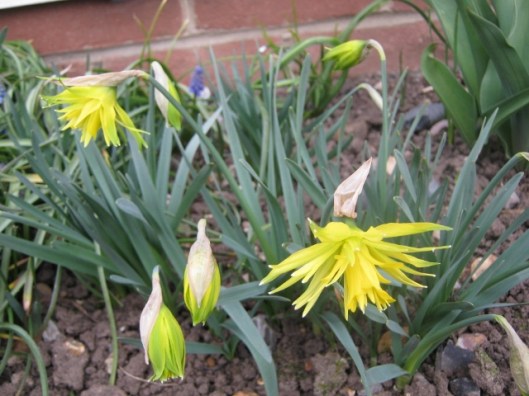
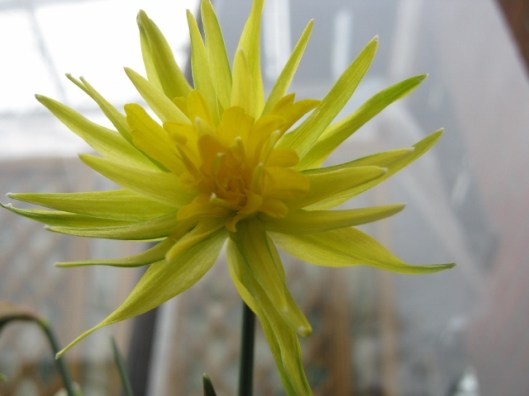
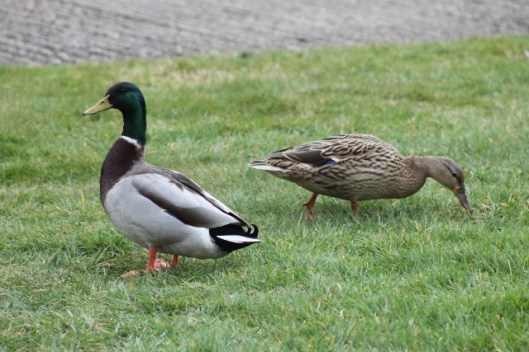
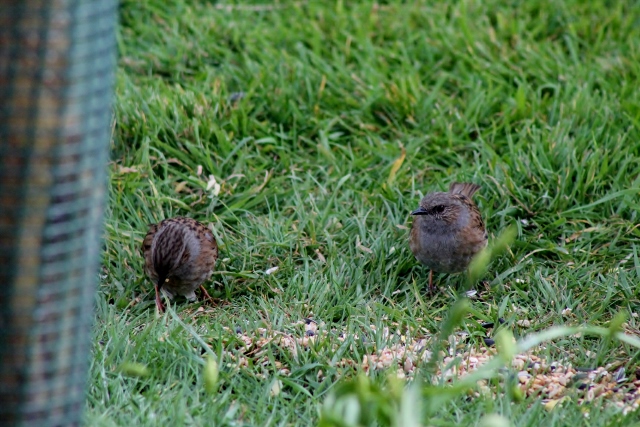
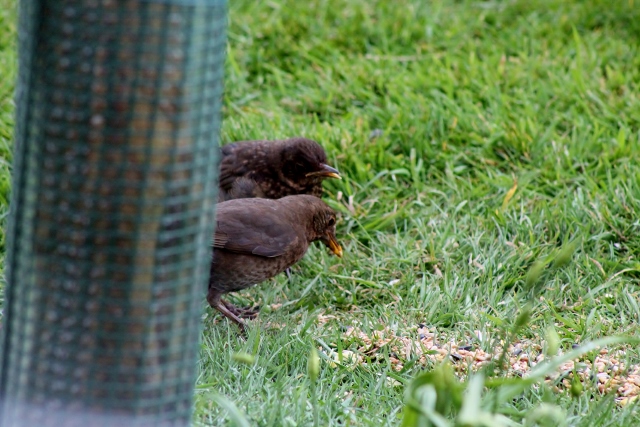
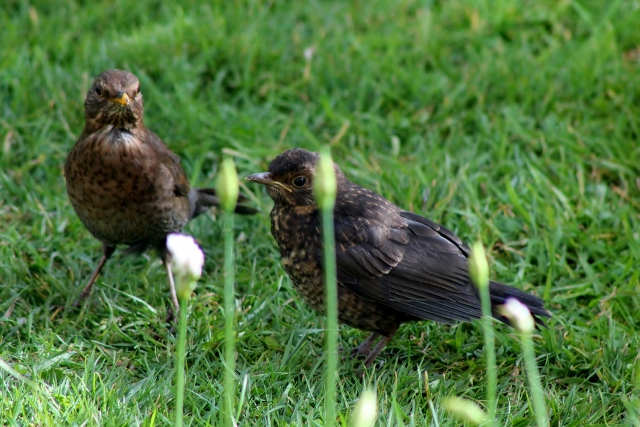
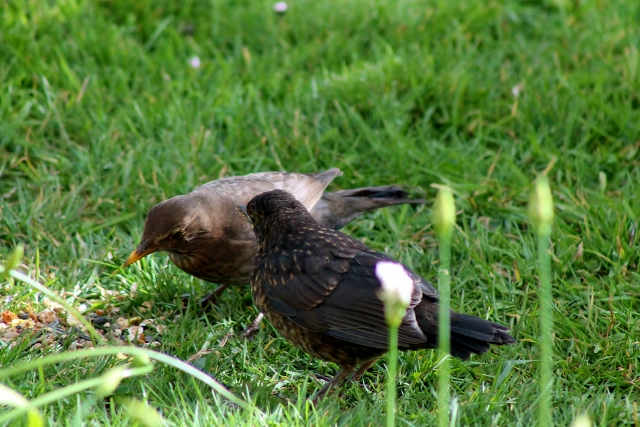
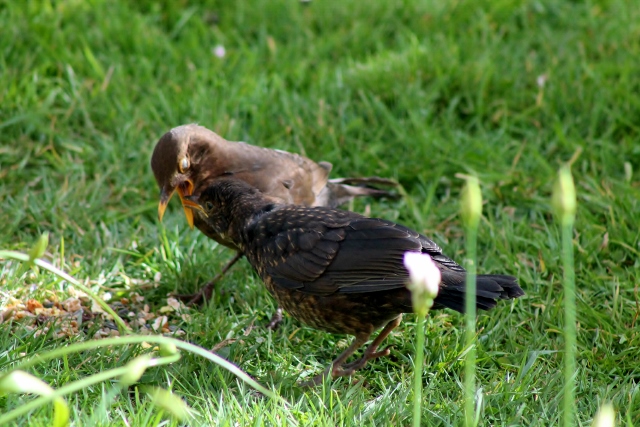
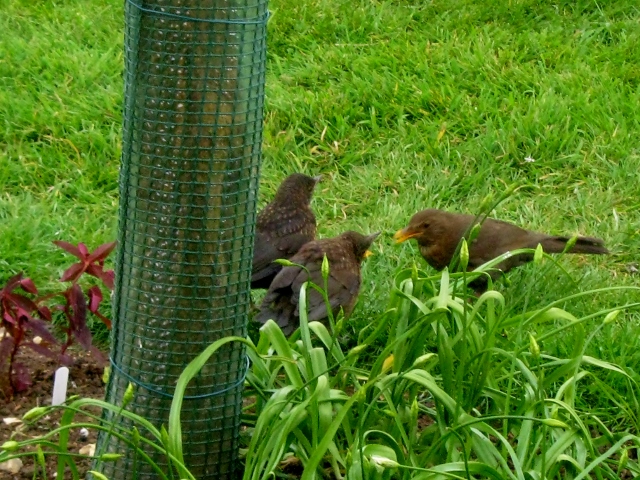
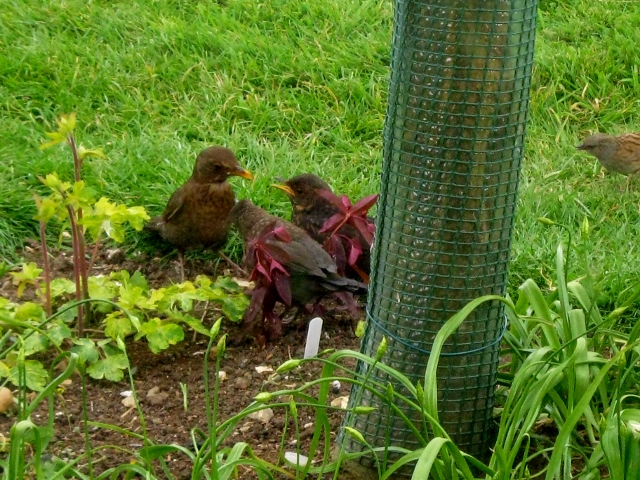
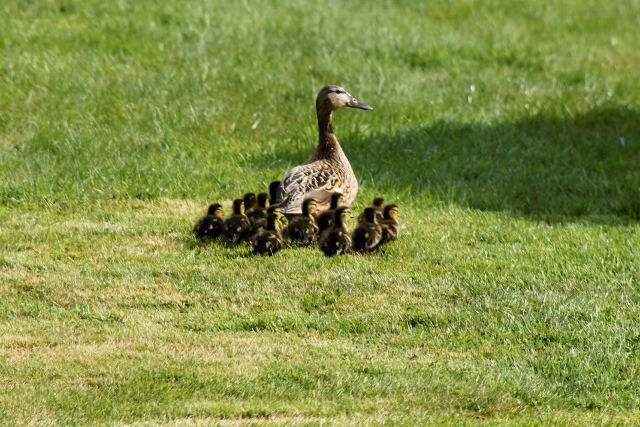
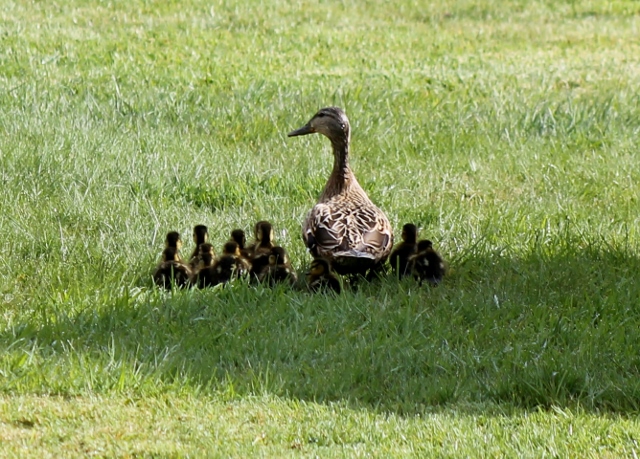
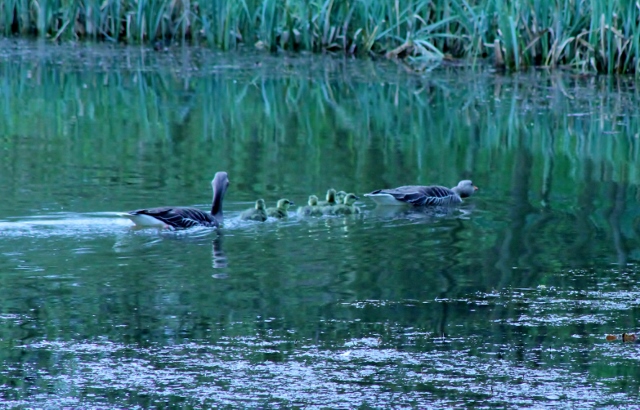
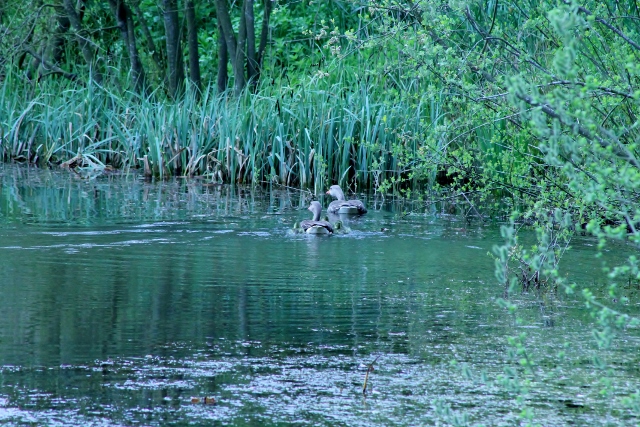
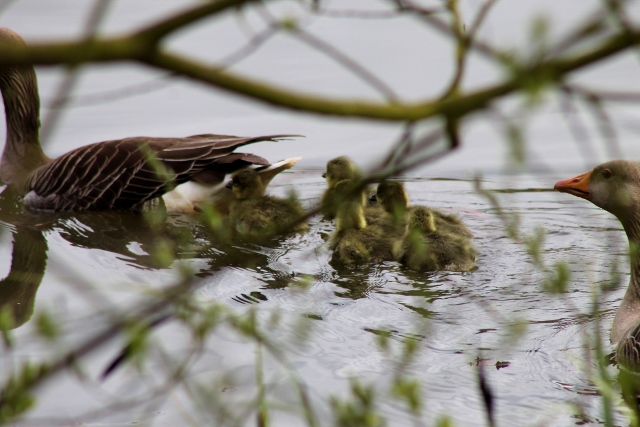
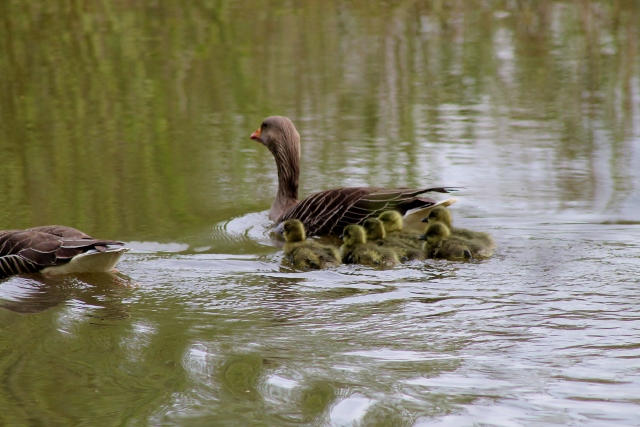
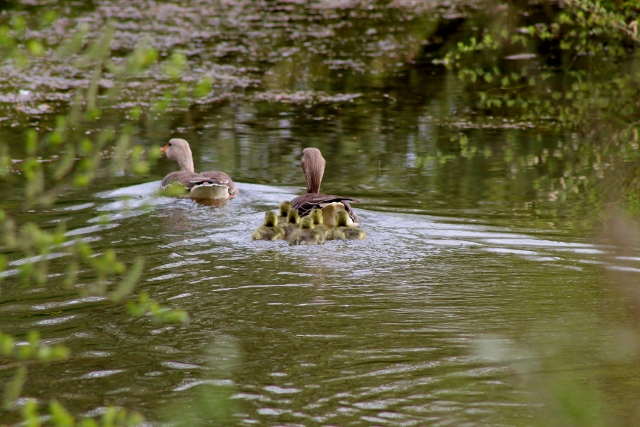
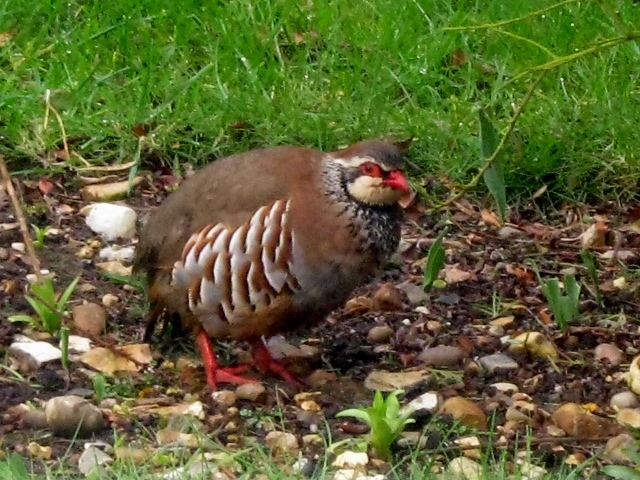
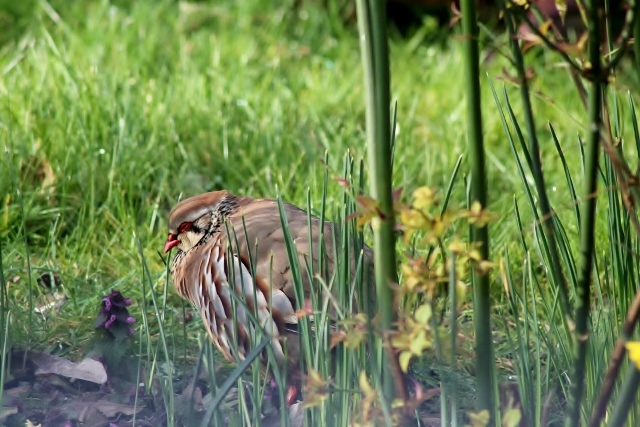
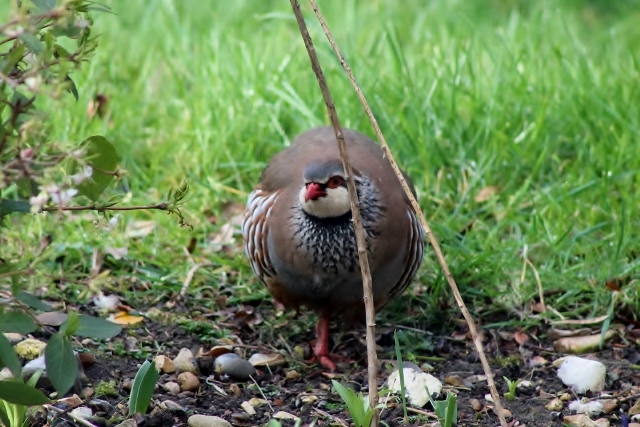
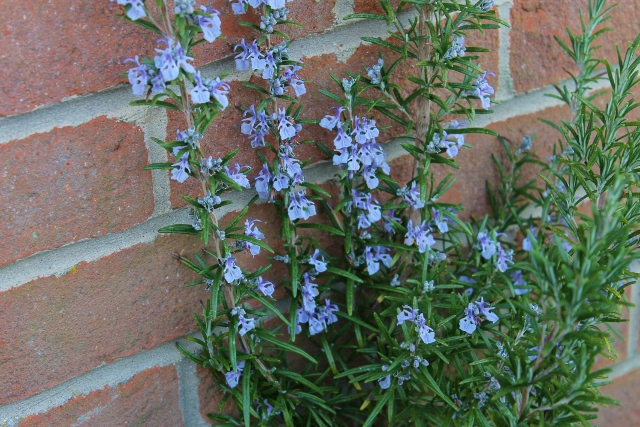
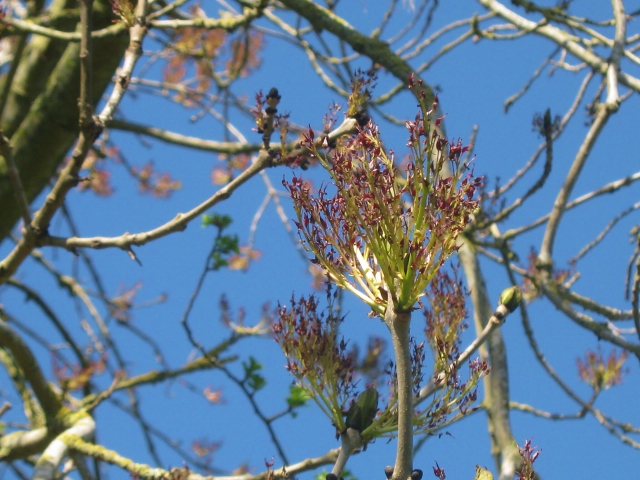
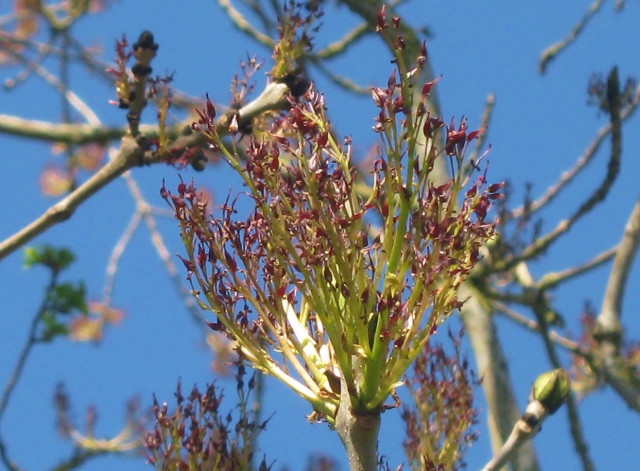
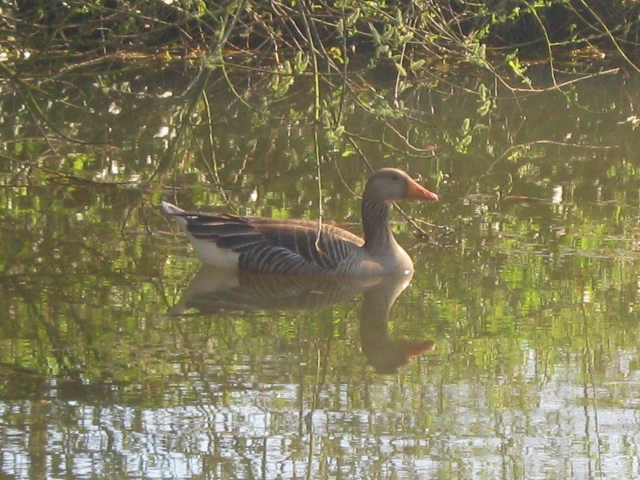
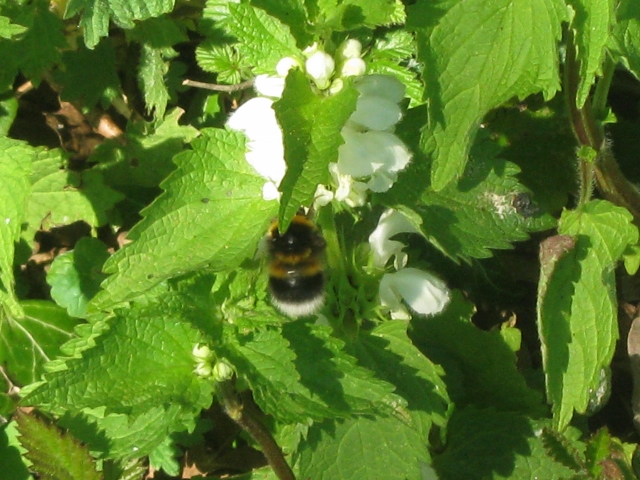
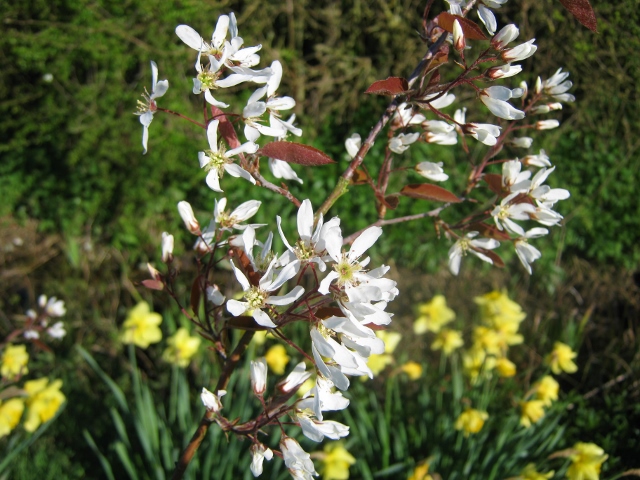
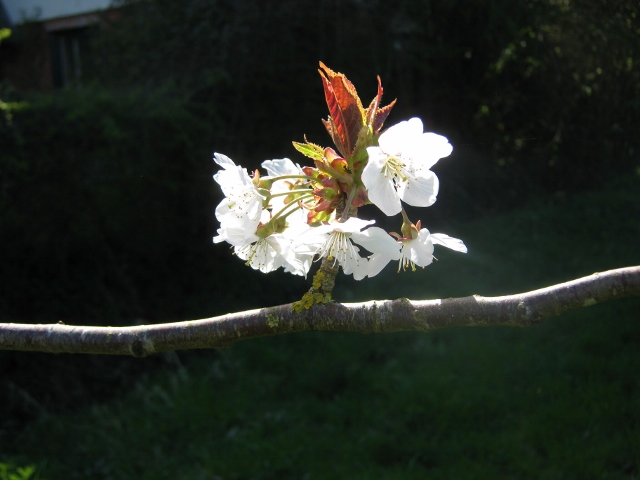
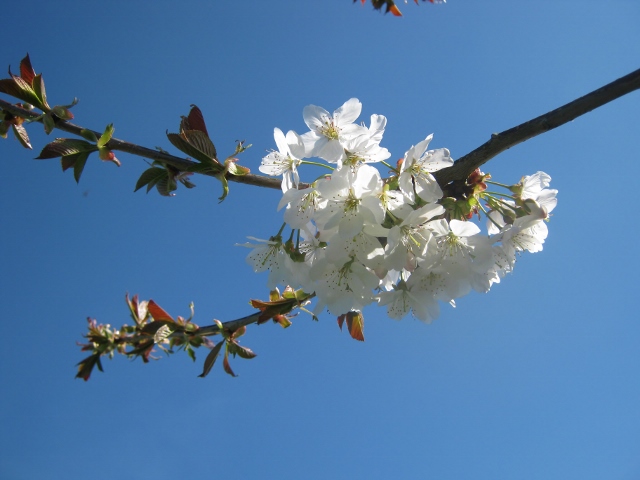
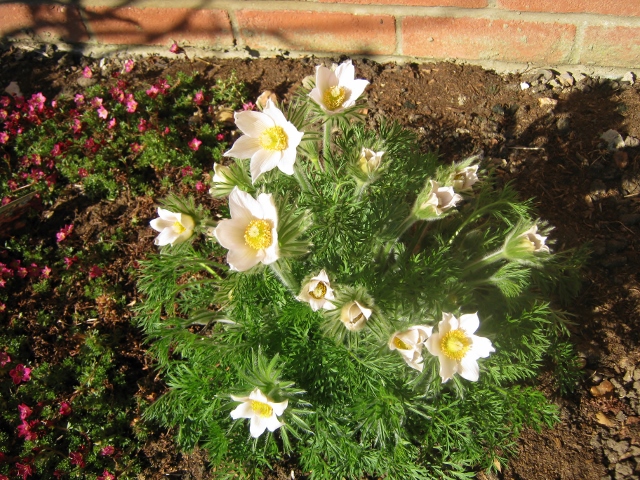
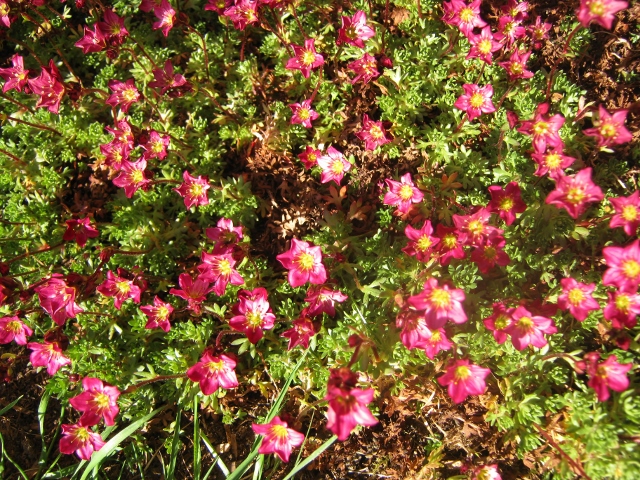
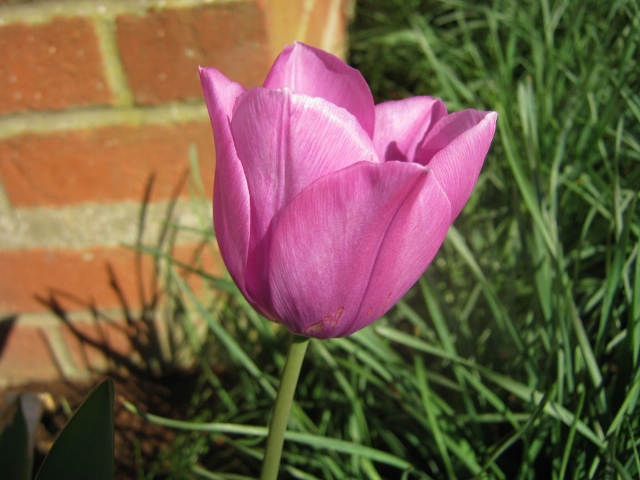
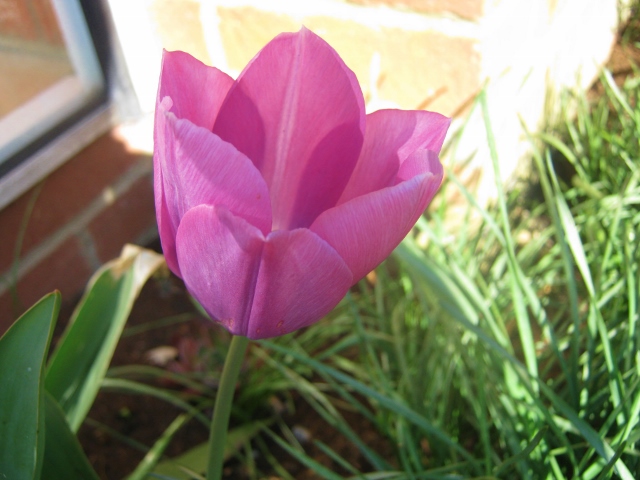
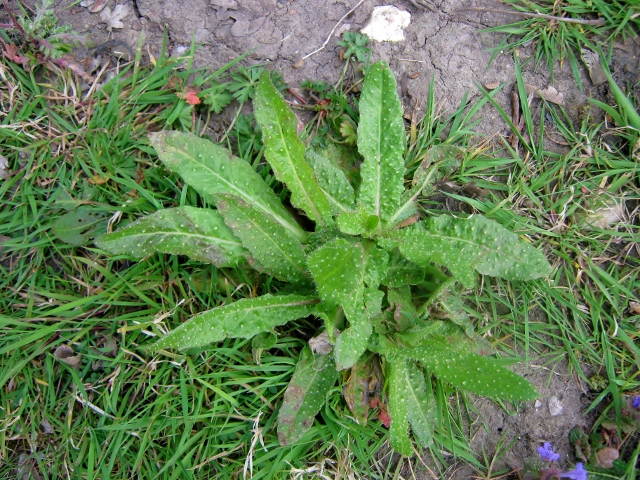
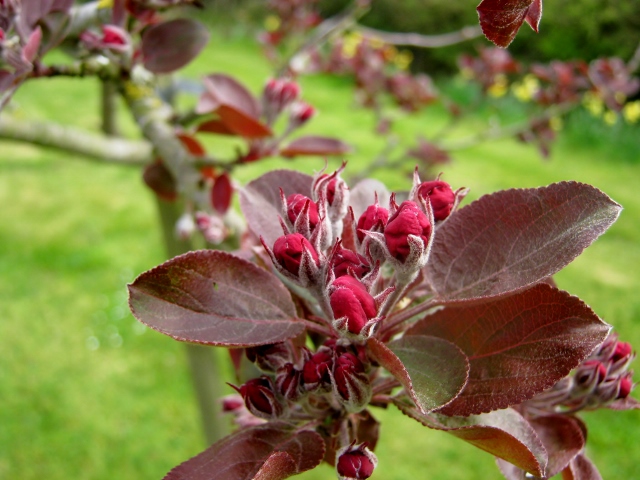
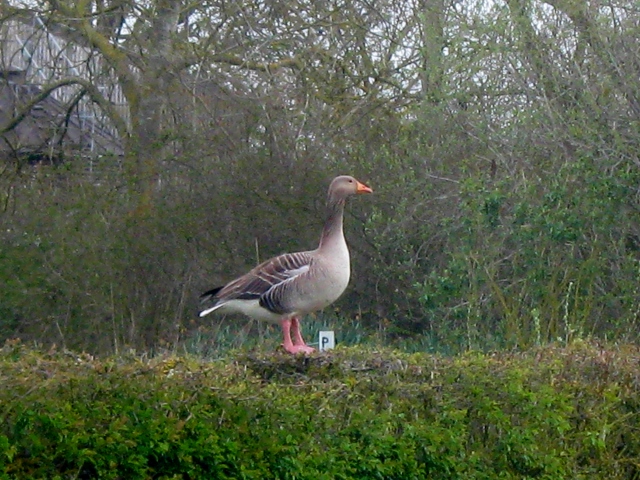
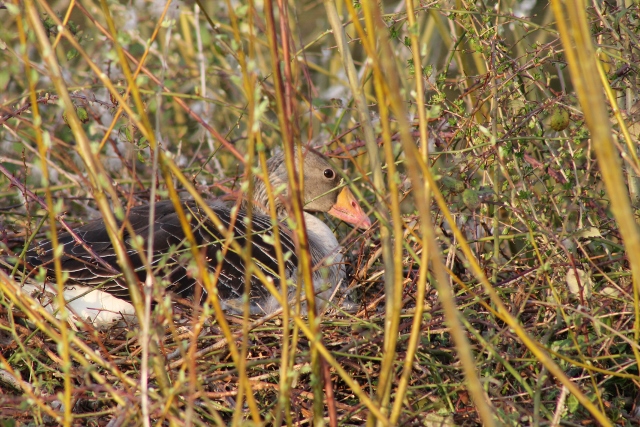
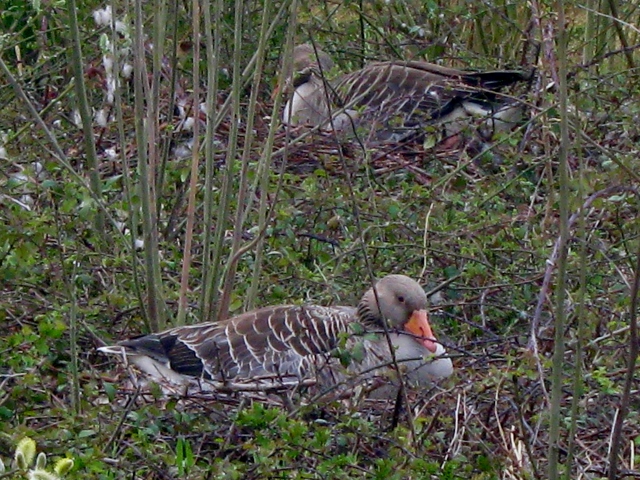
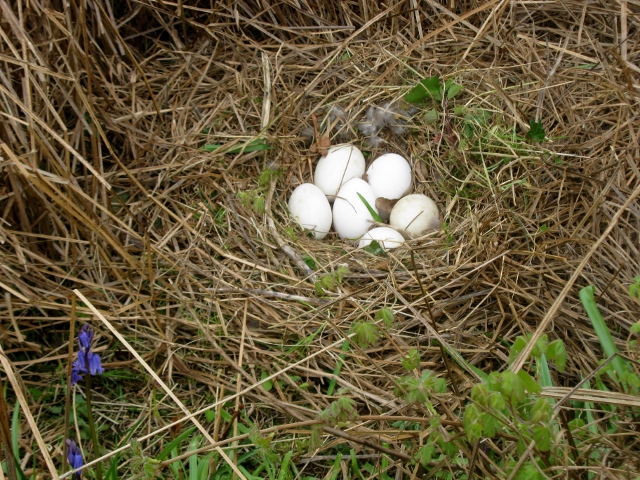
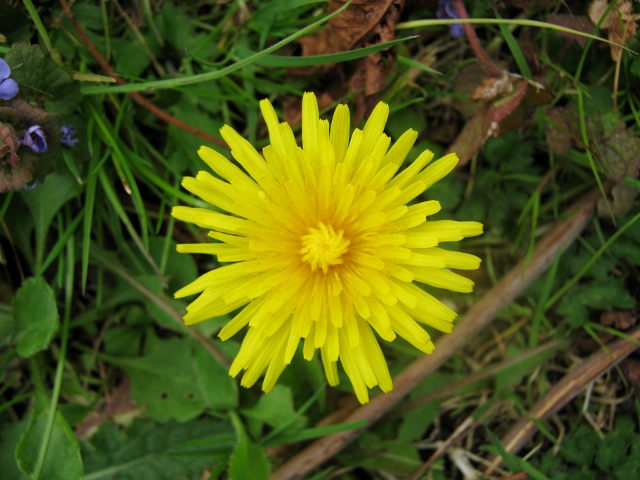
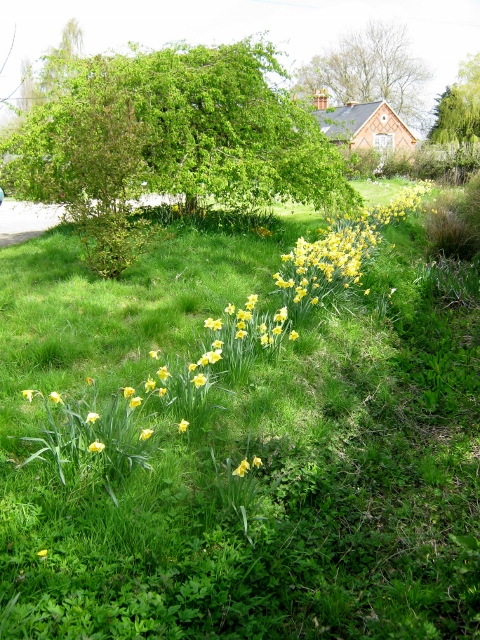
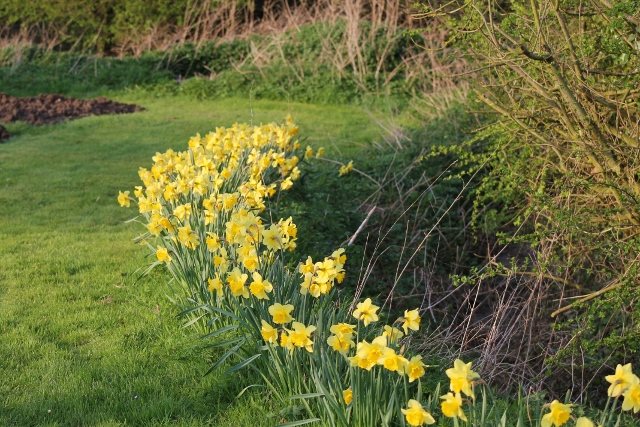
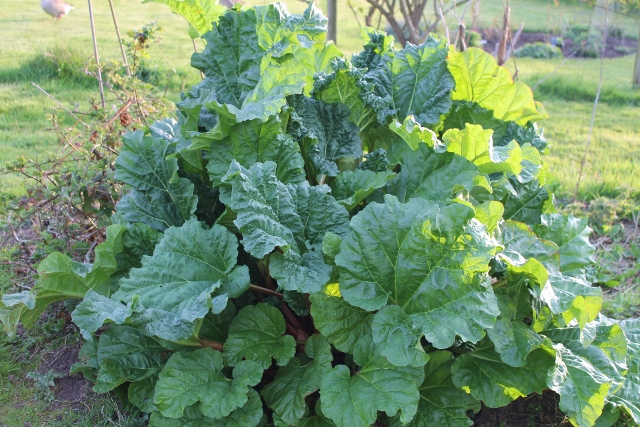
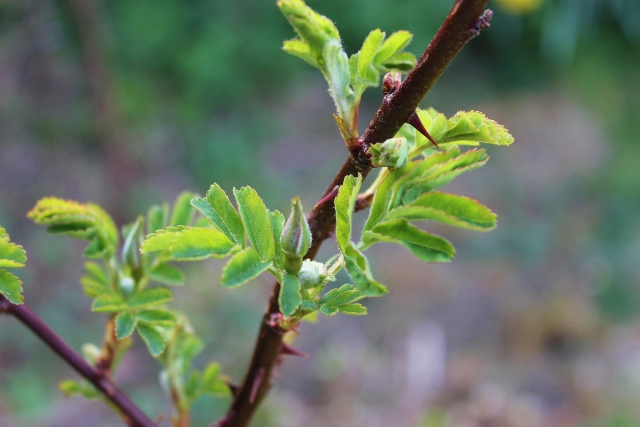
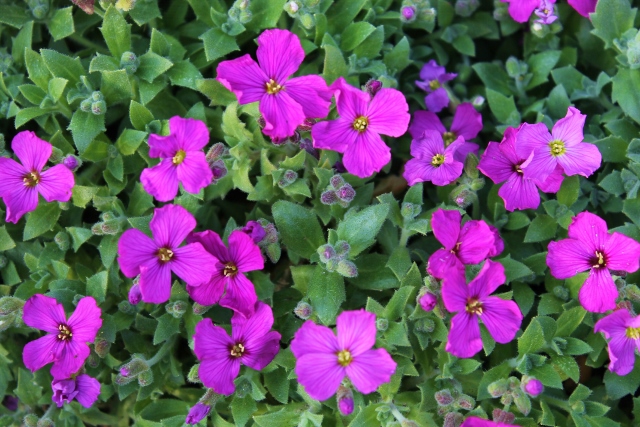
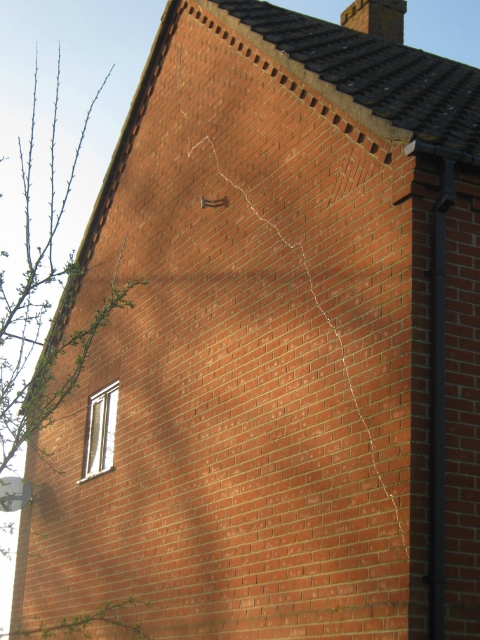
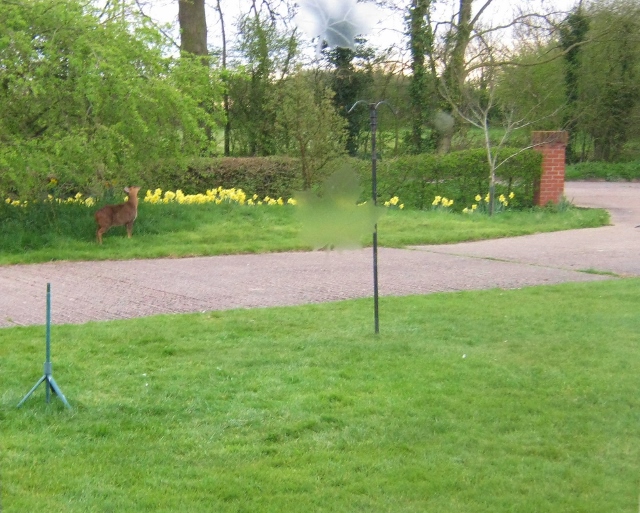
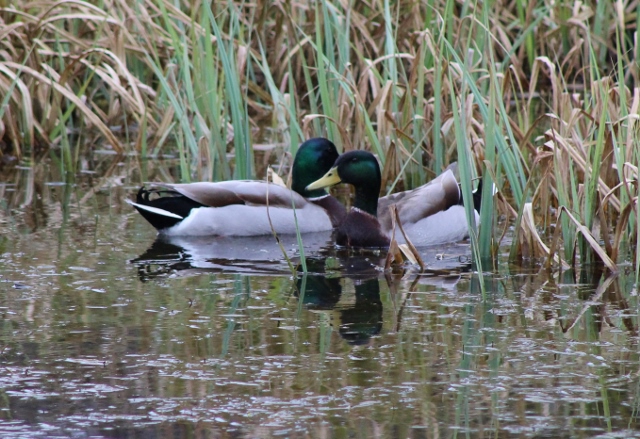
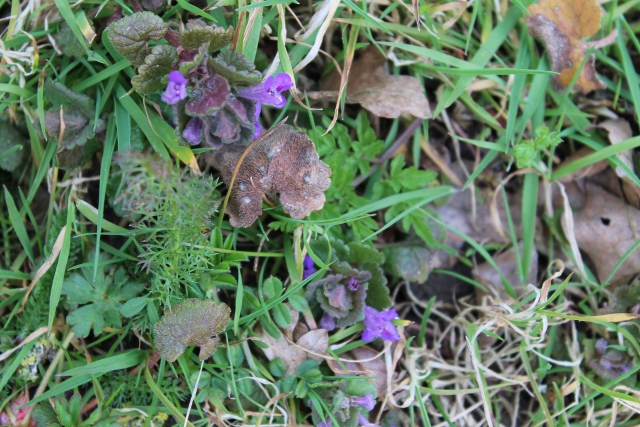
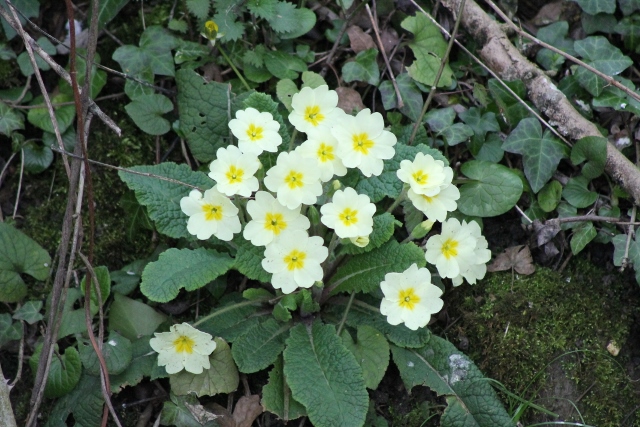
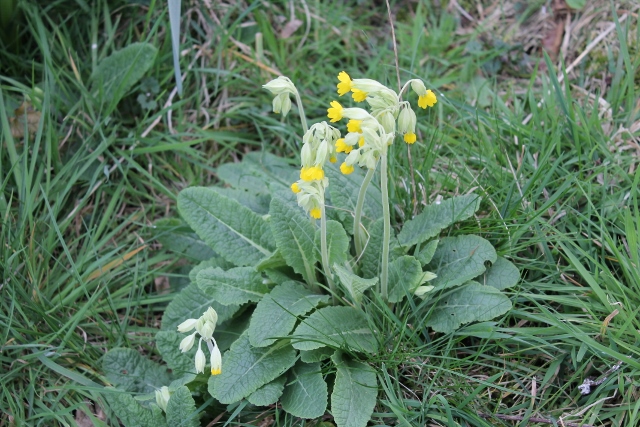
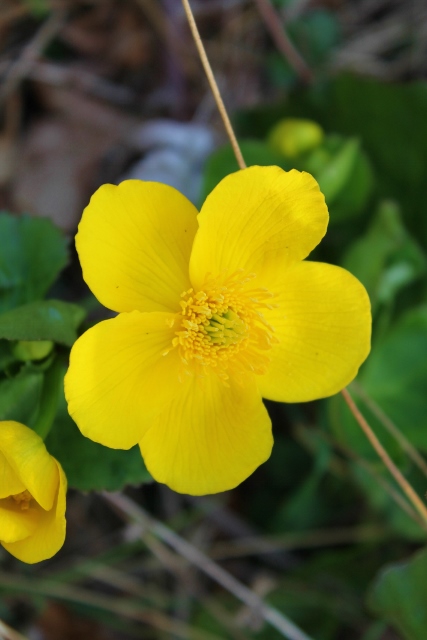
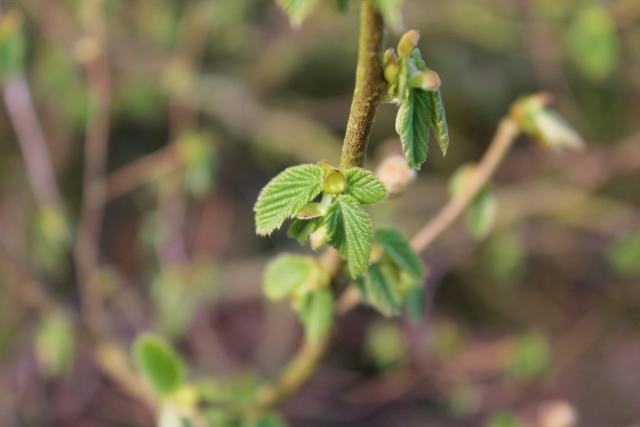
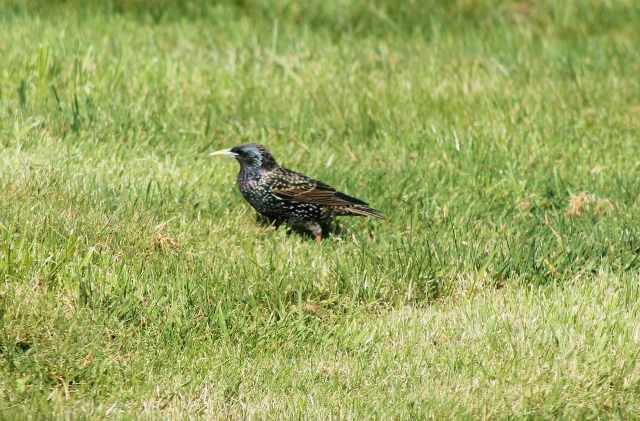
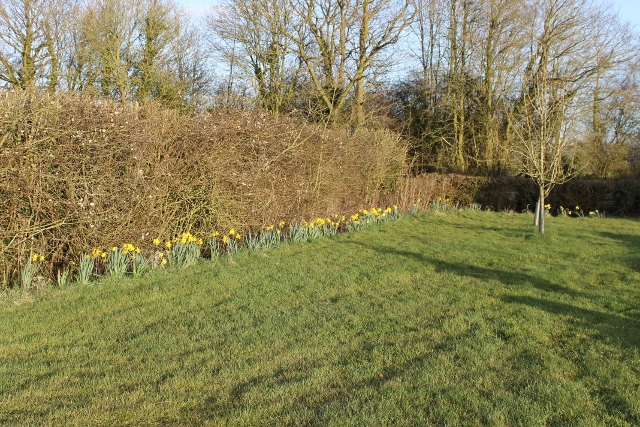
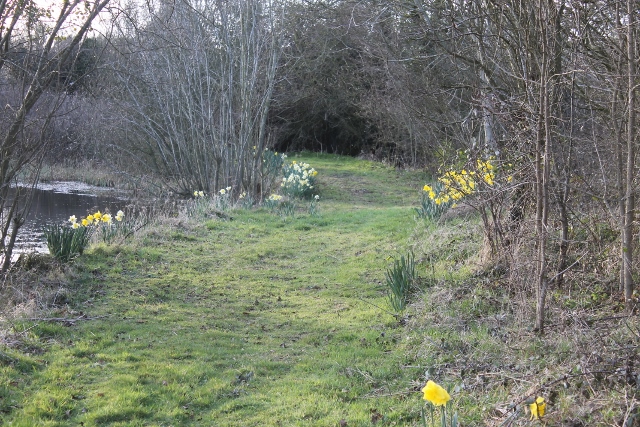
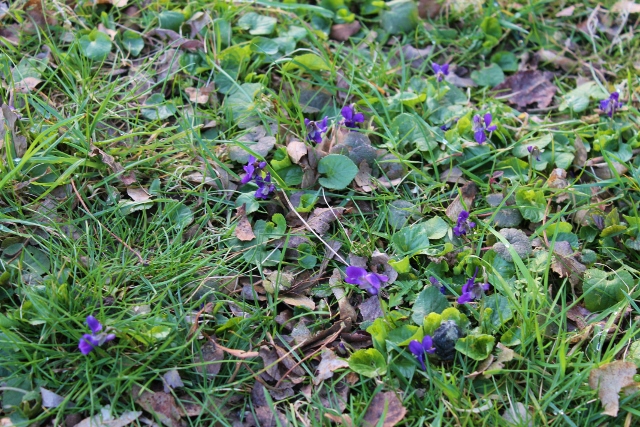
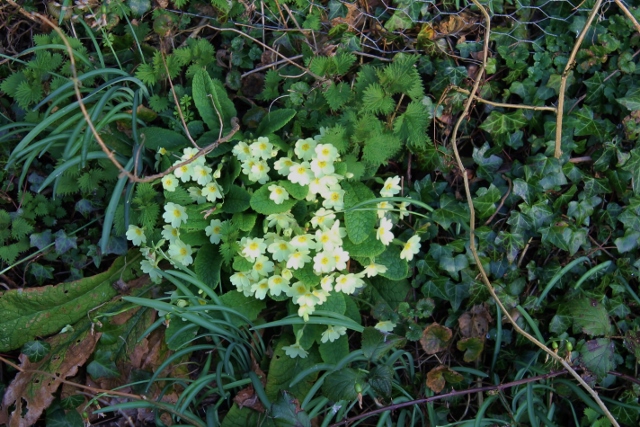
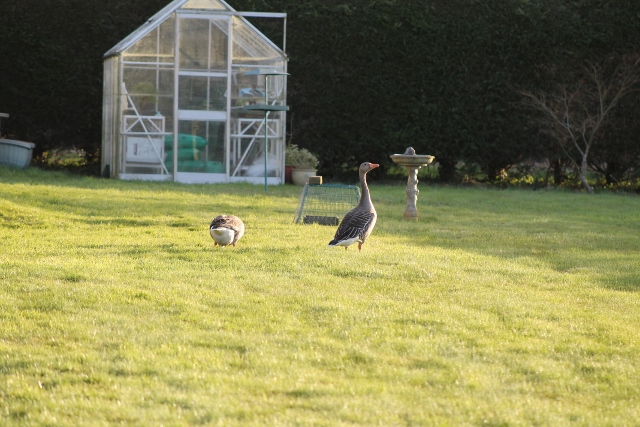
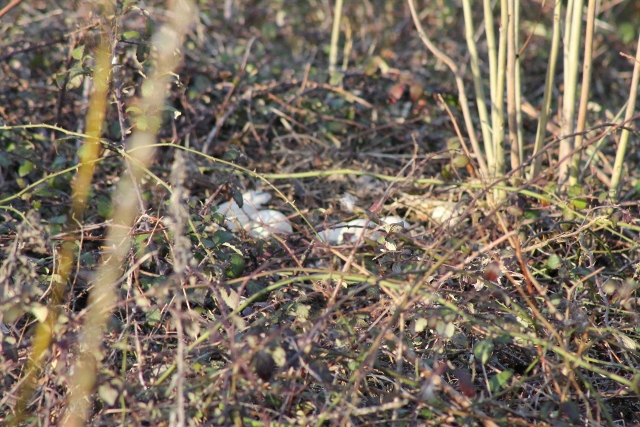
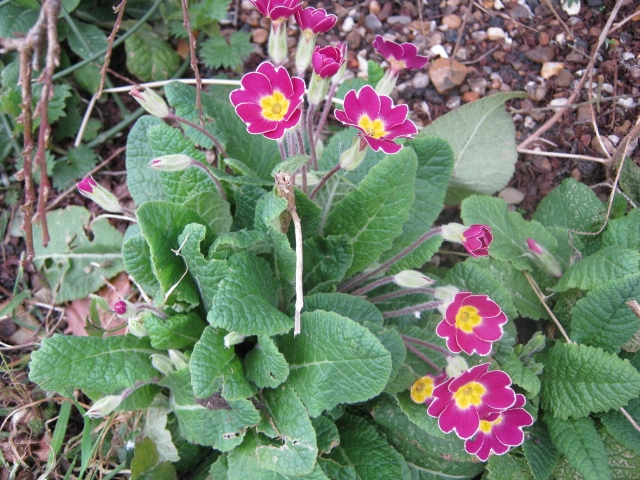
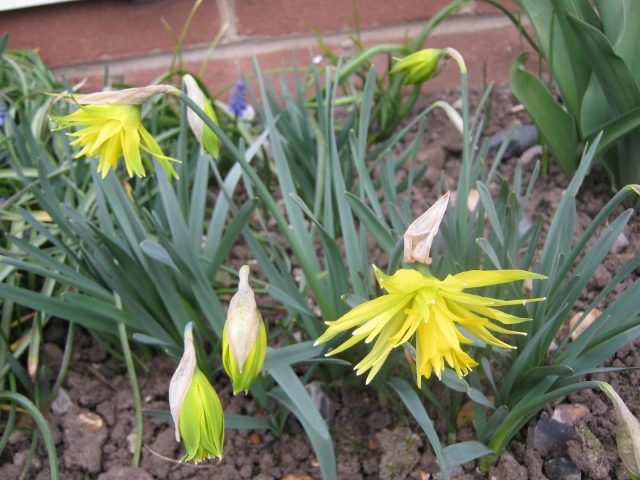
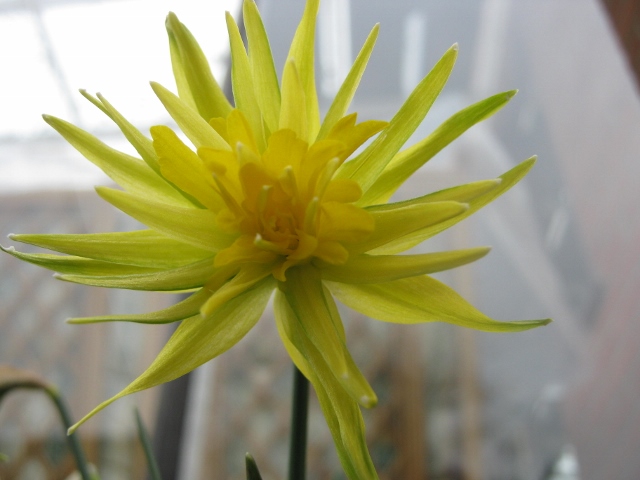
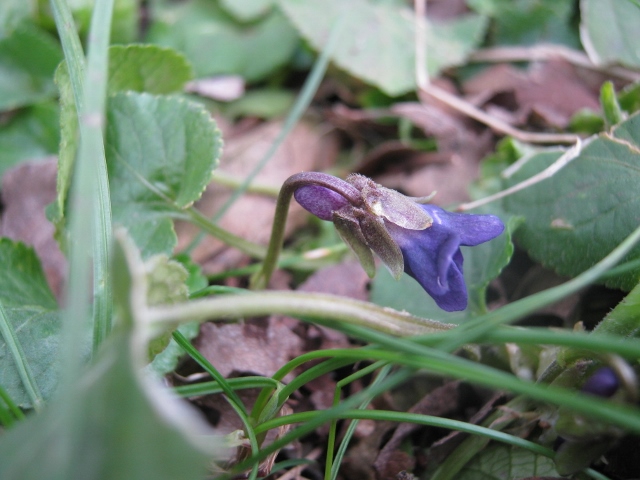
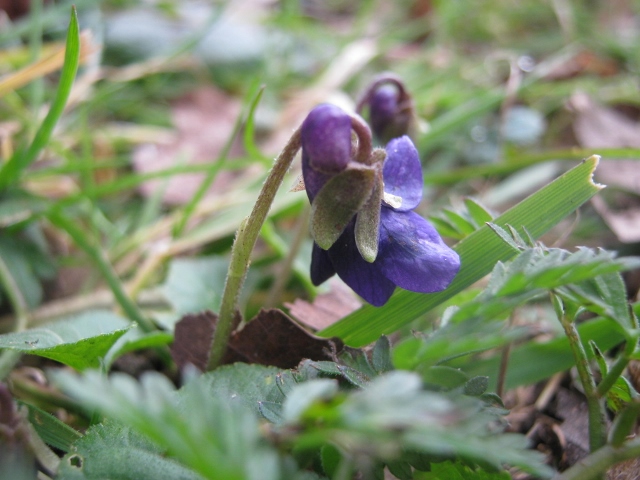
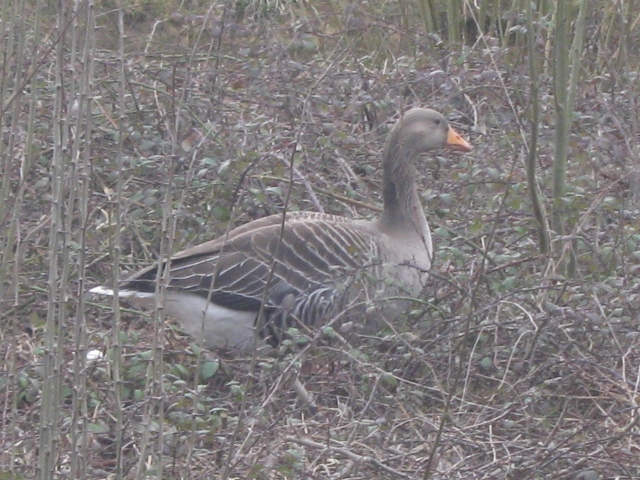
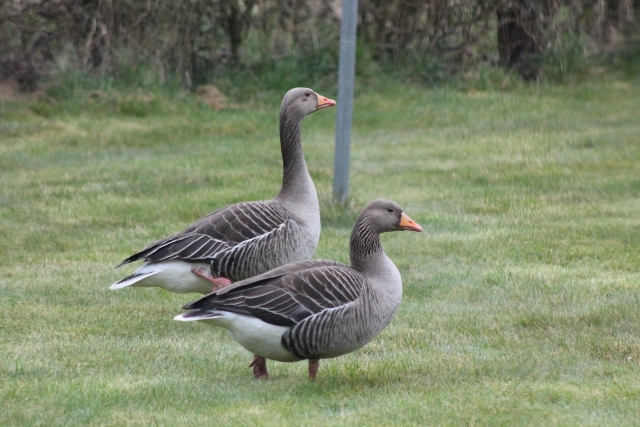
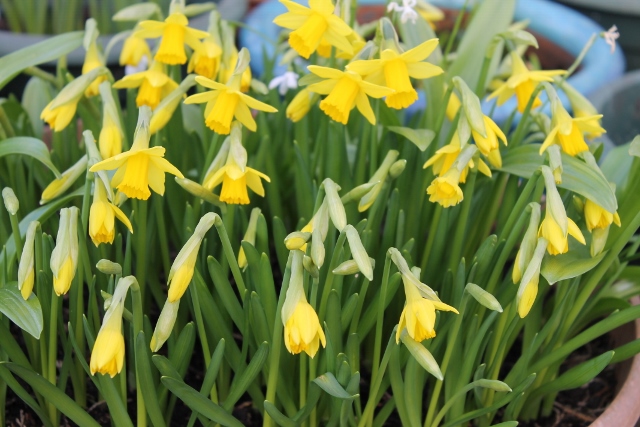
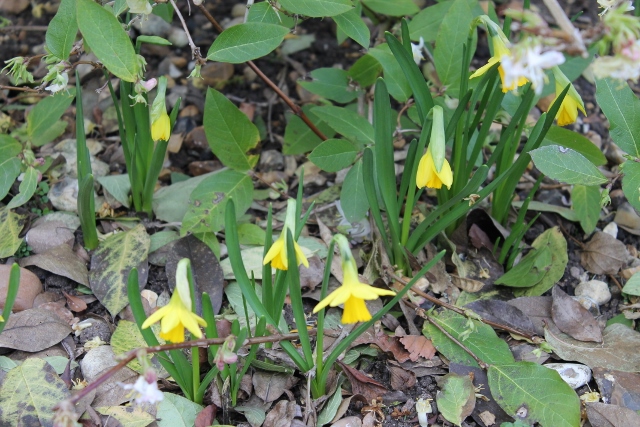
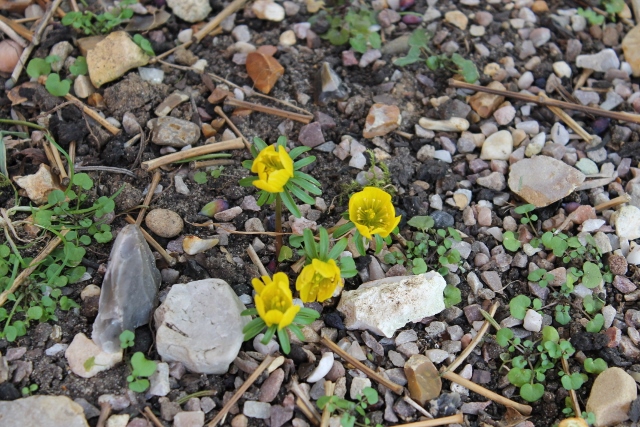
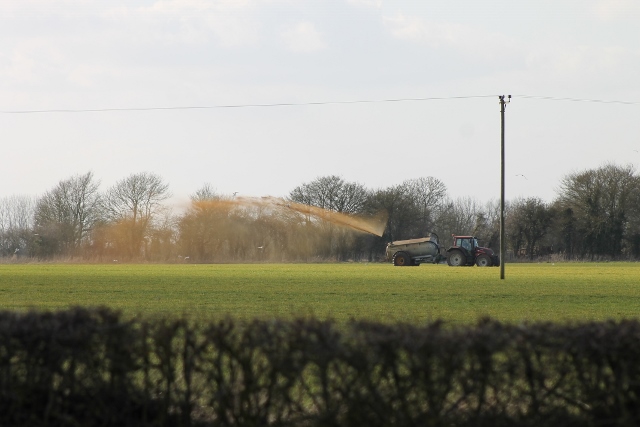
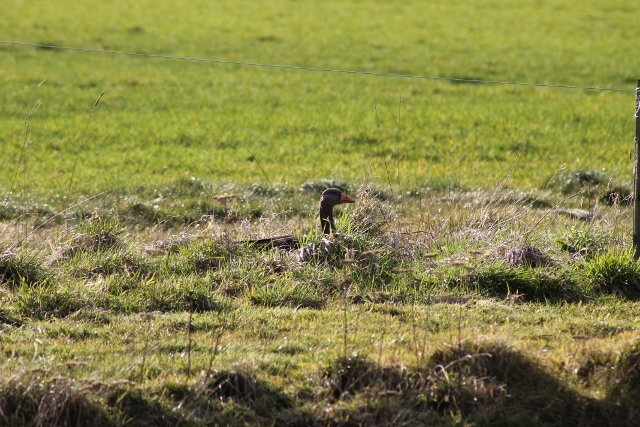
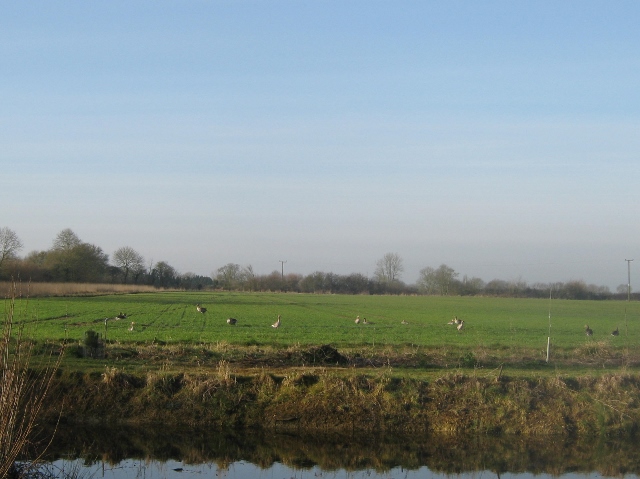
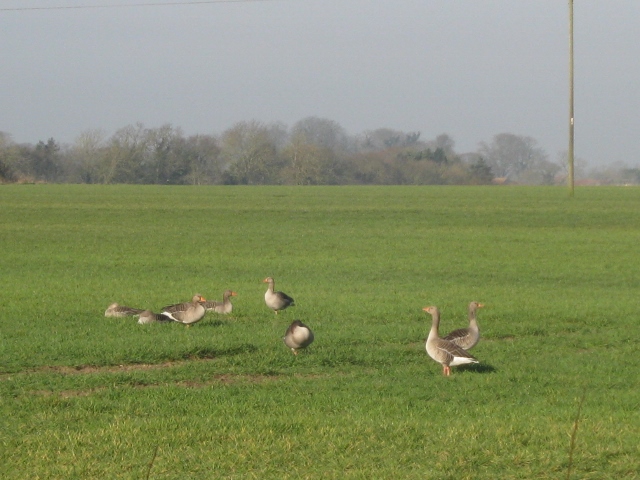
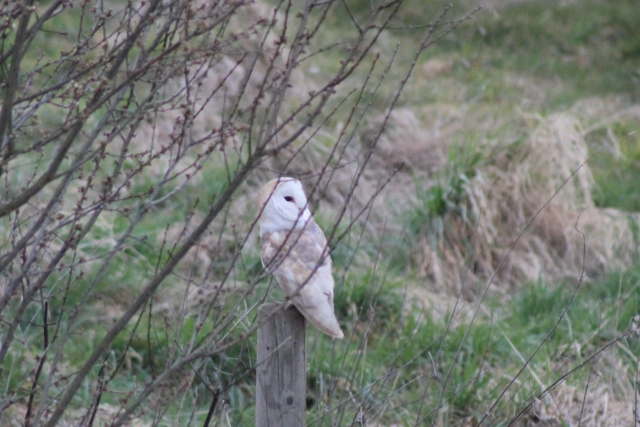
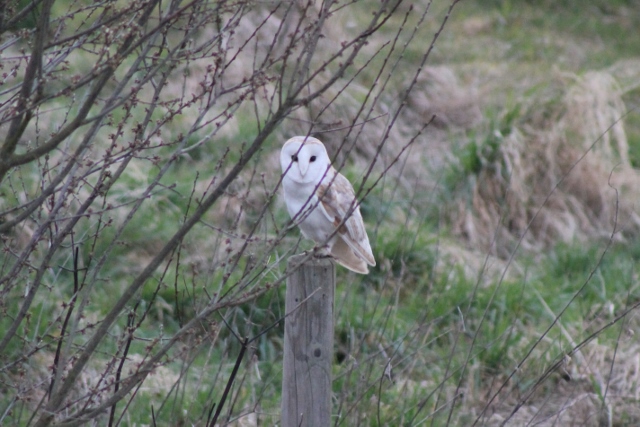
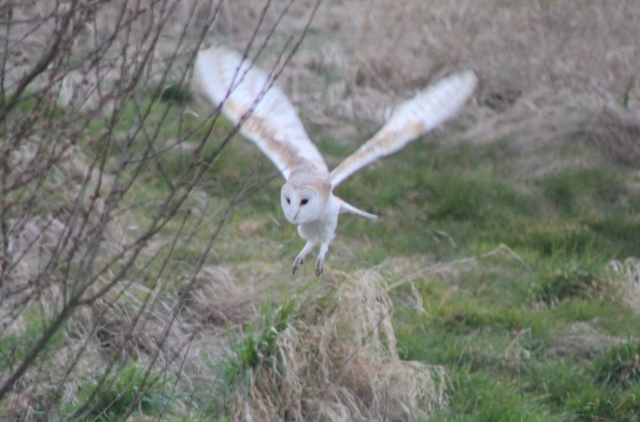
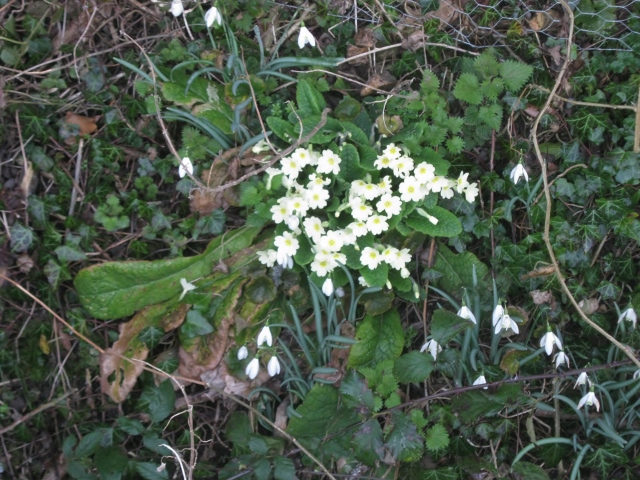
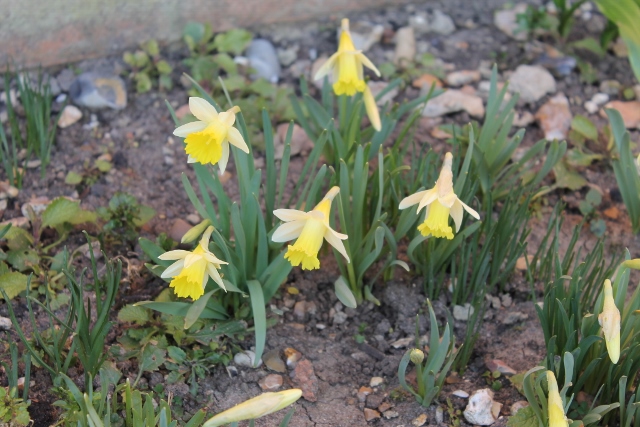
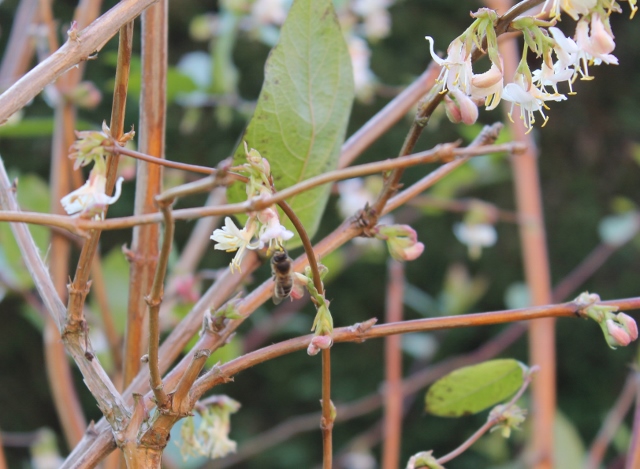
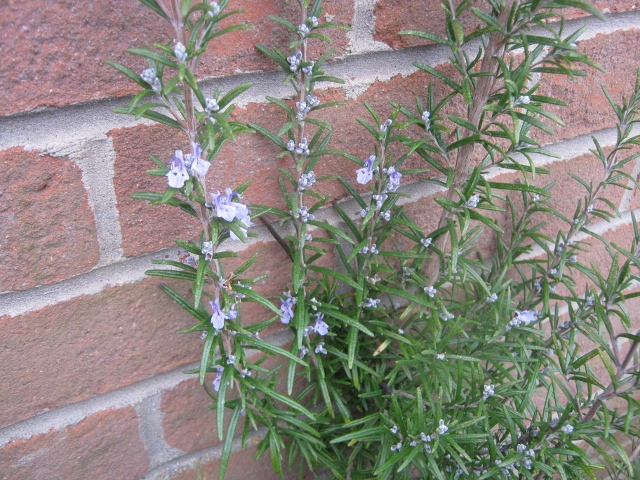
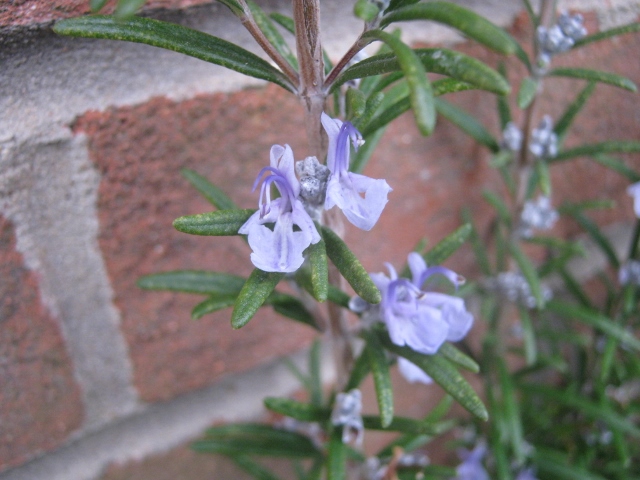
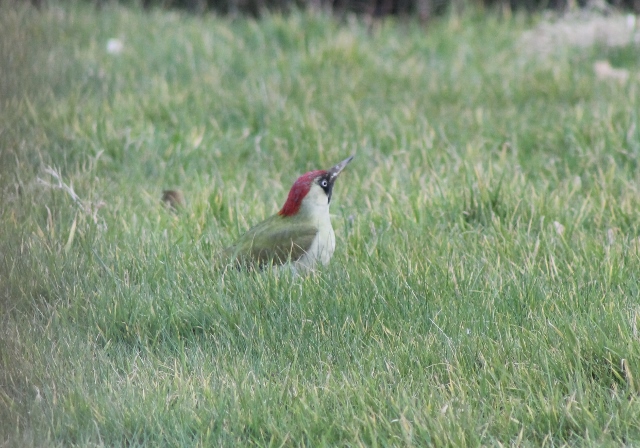
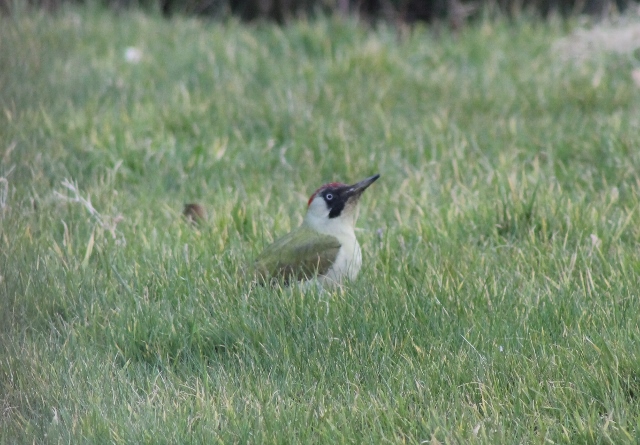
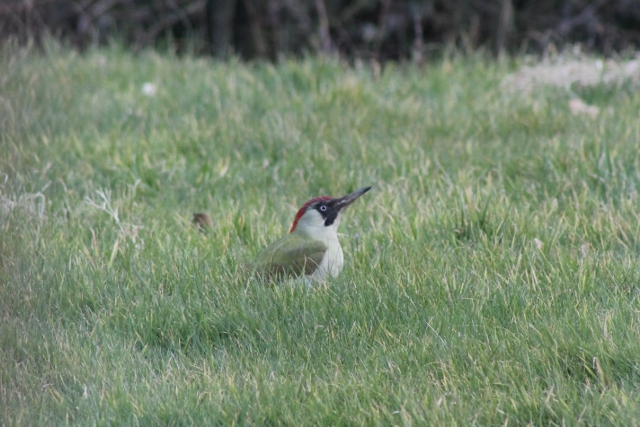
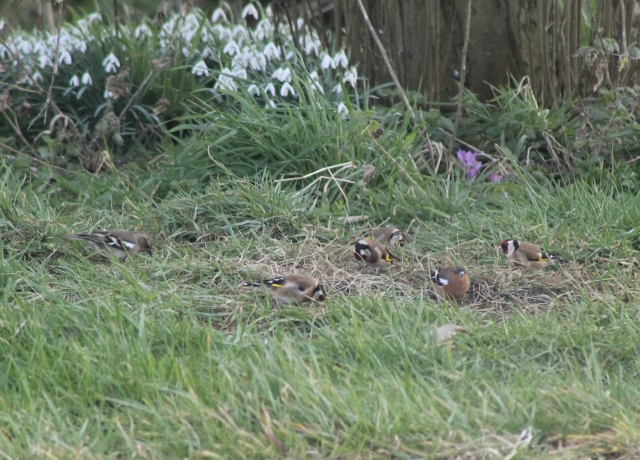
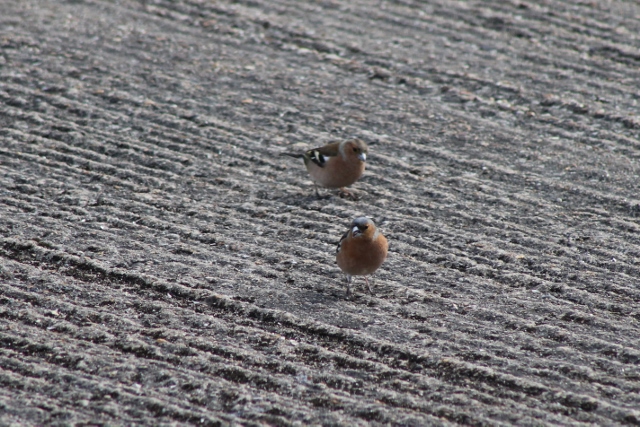
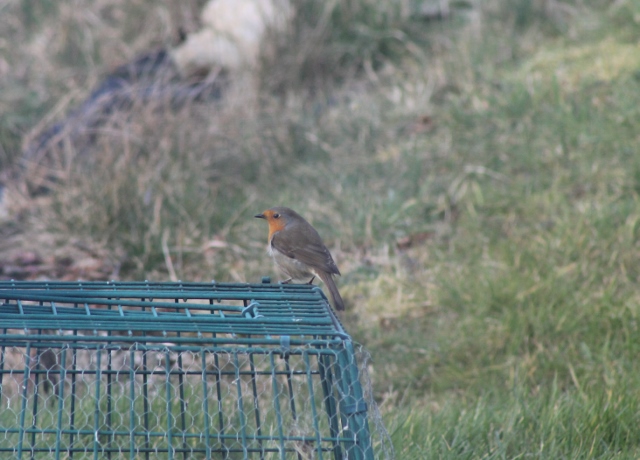
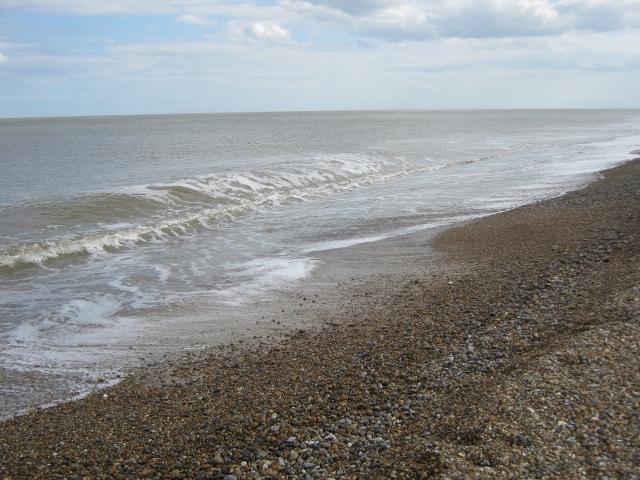
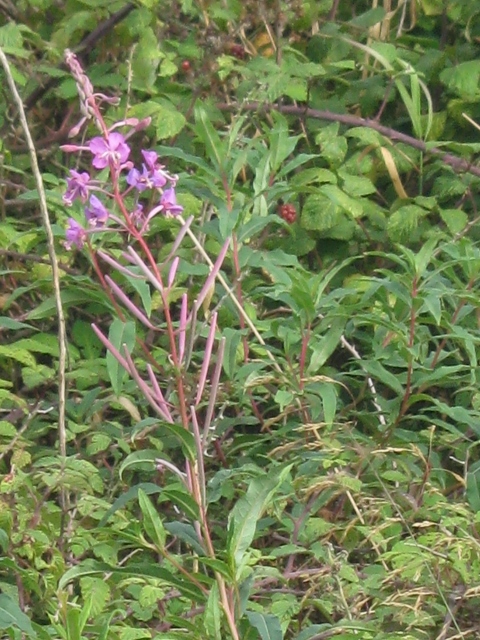
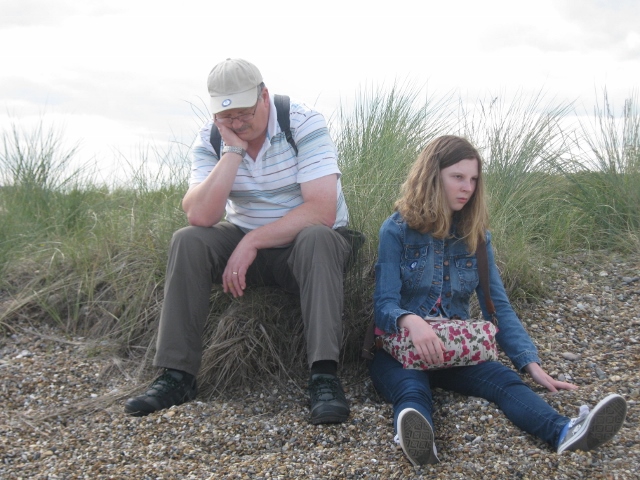
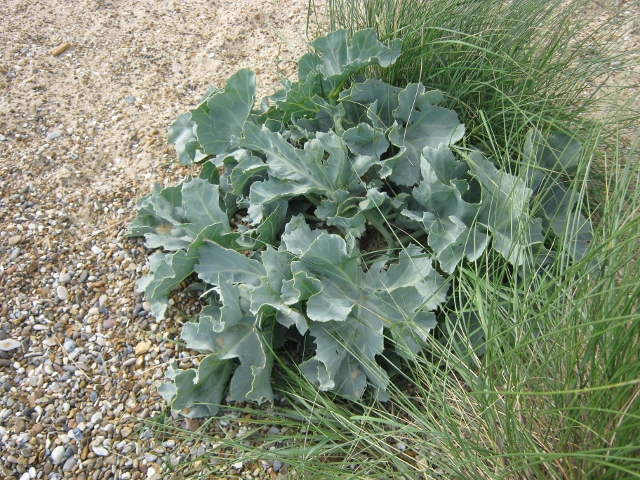
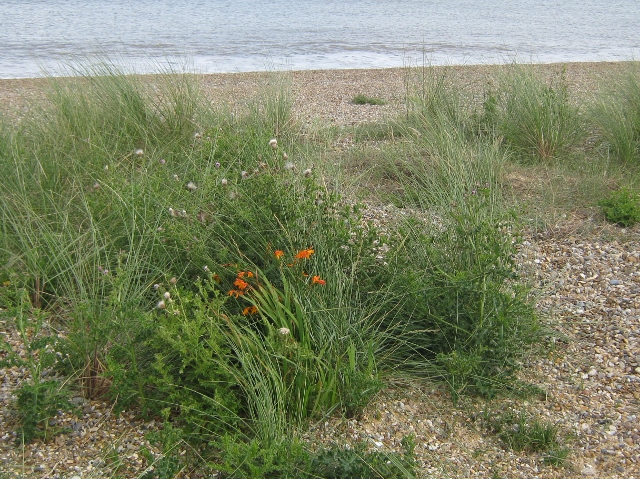
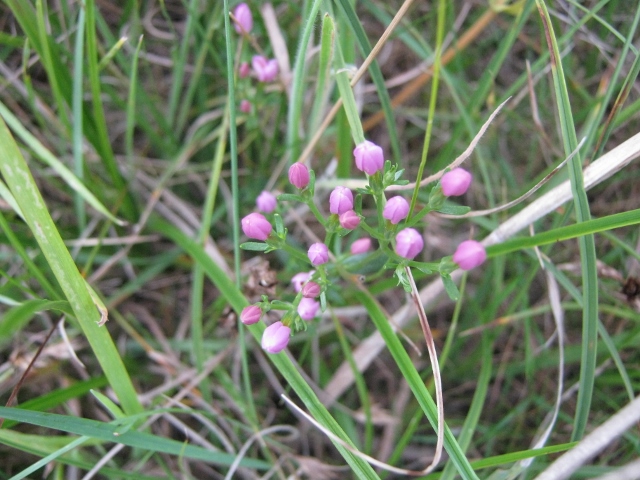
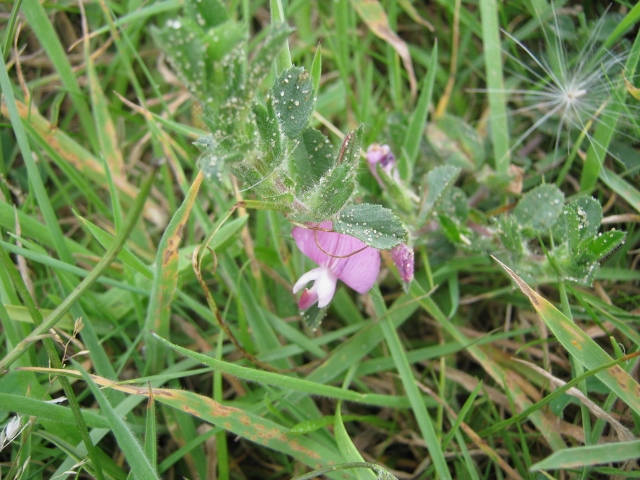
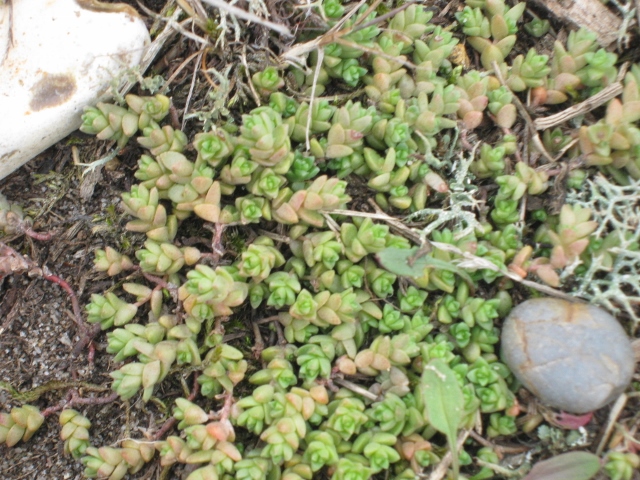
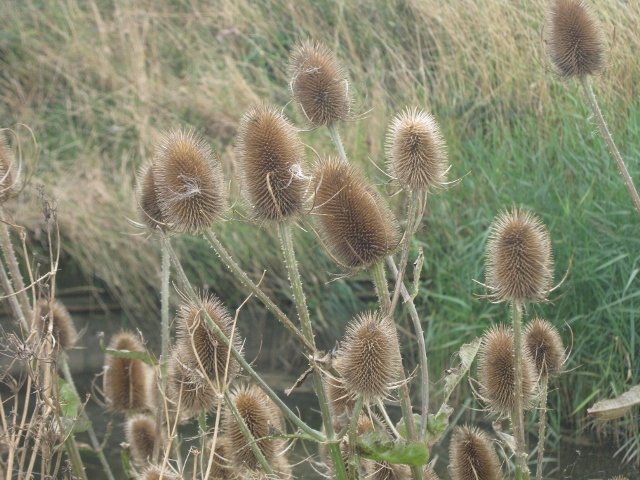
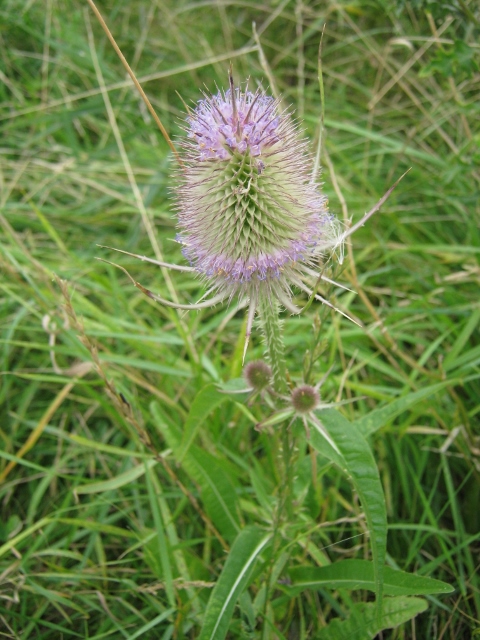
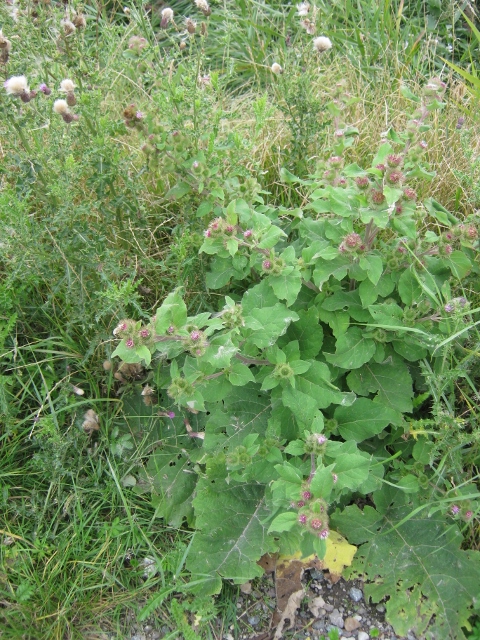
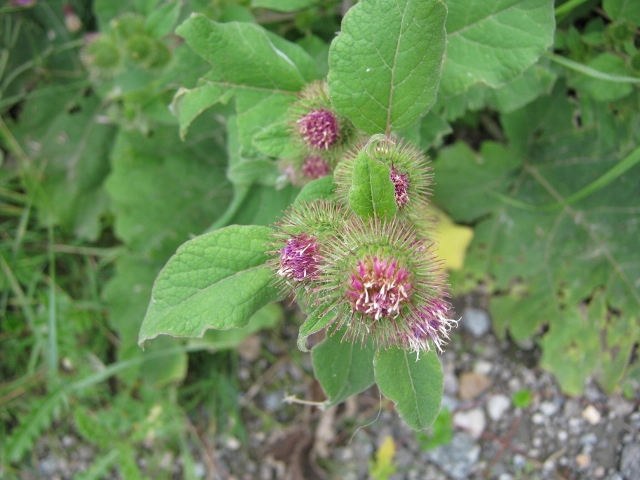
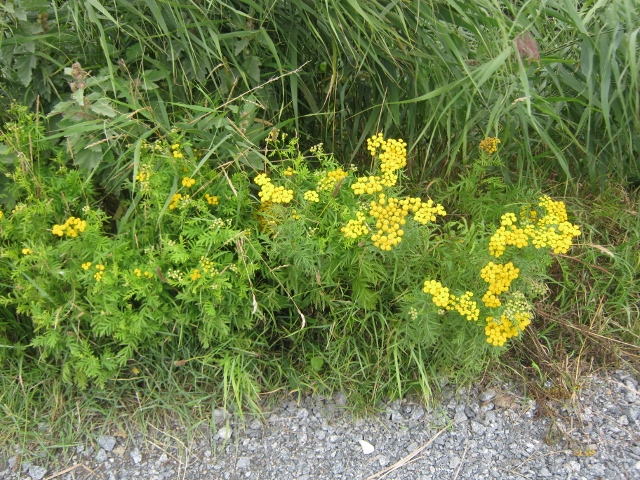
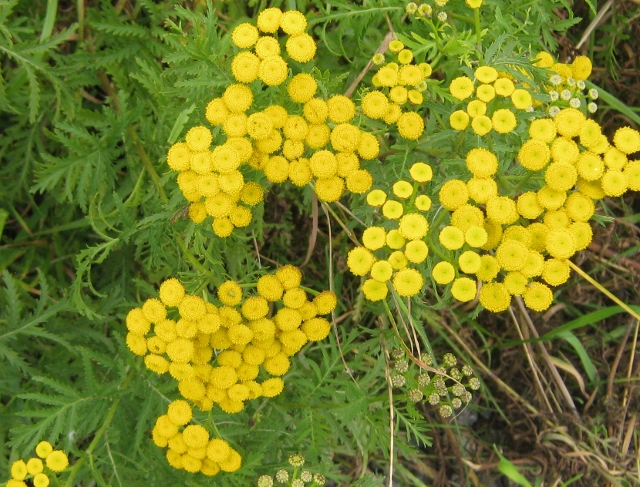
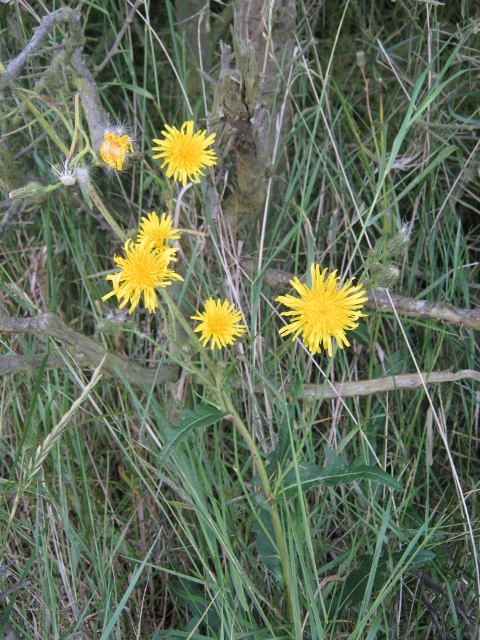
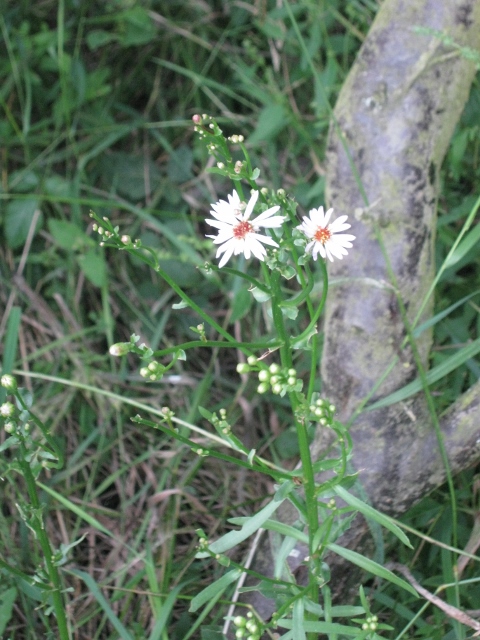
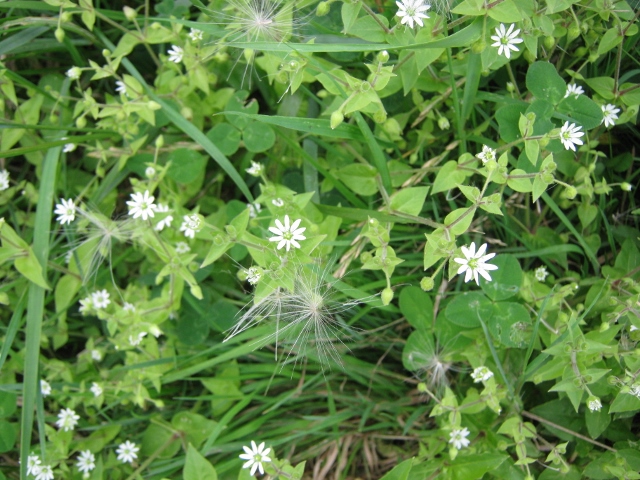
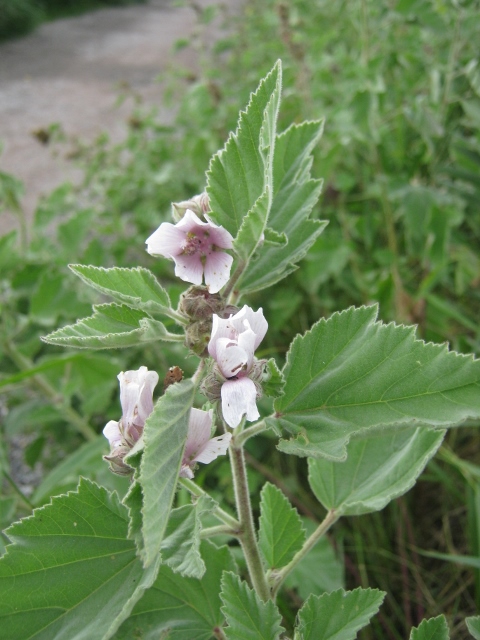
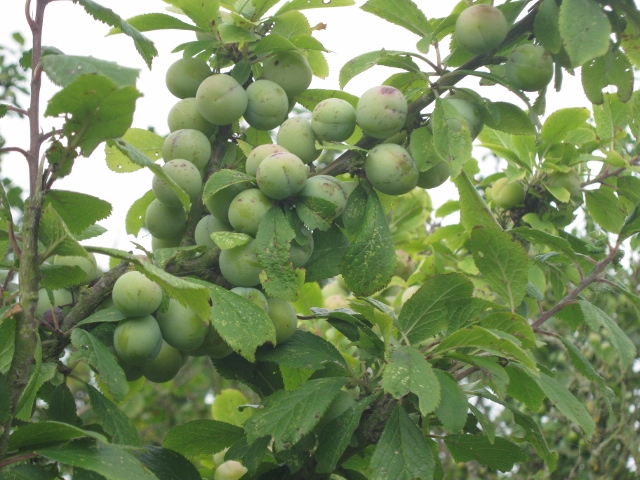
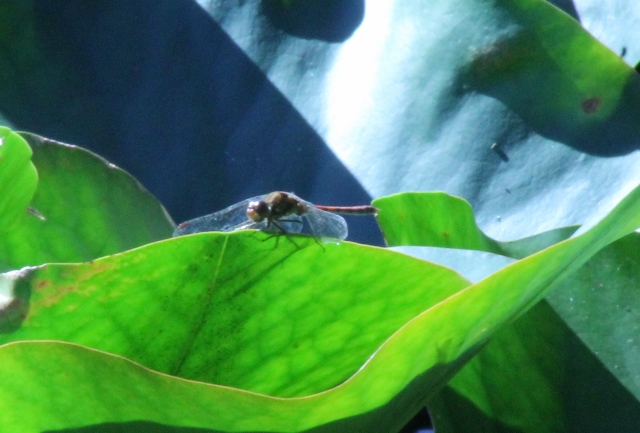
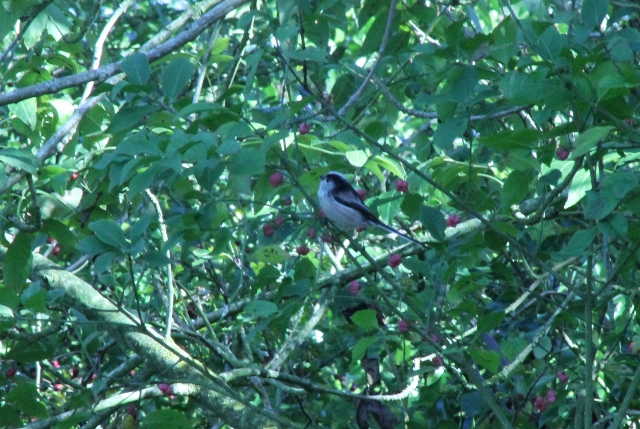
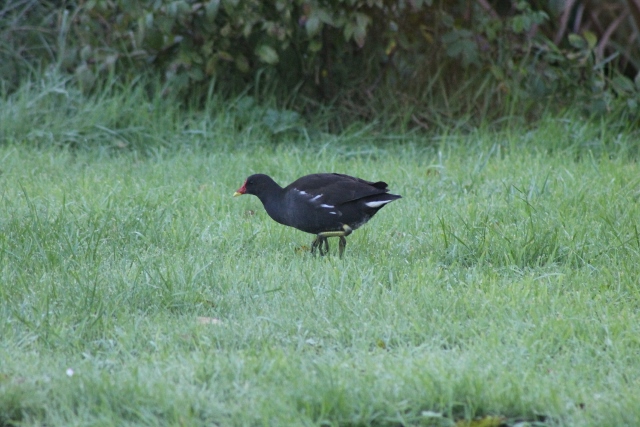
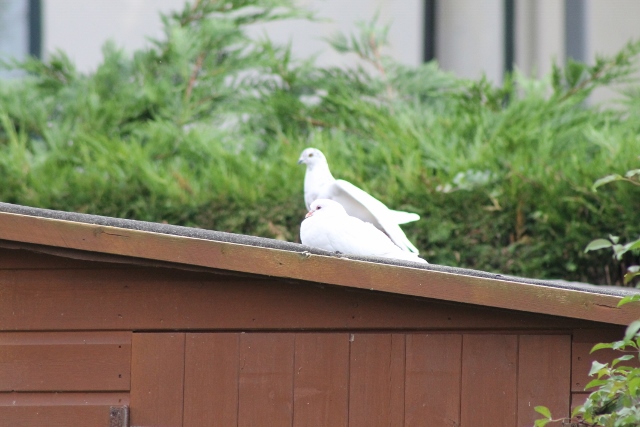
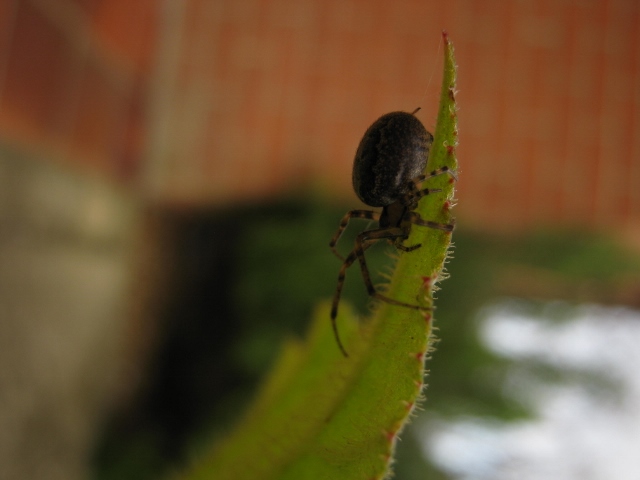
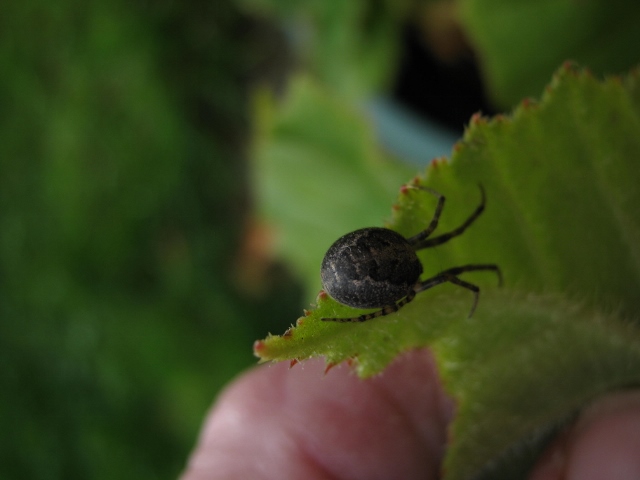
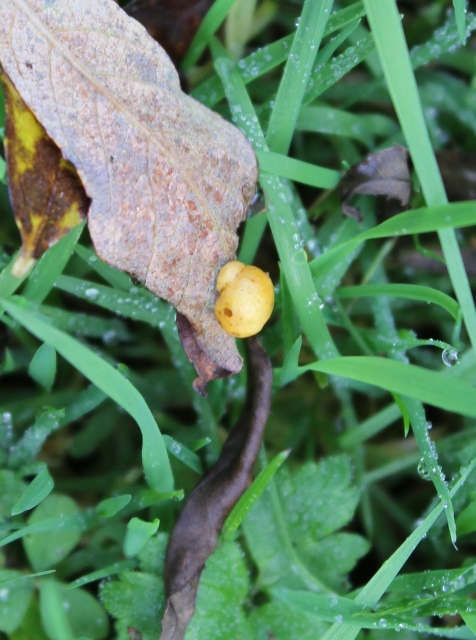
This is a post of photographs taken yesterday. They need no explaining!
Thank-you for visiting!
02 Sat May 2015
Posted in Rural Diary, wild birds
This is a post of photographs taken yesterday. They need no explaining!
Thank-you for visiting!
26 Sun Apr 2015
Posted in Gardening, Insects, plants, Rural Diary, trees, Uncategorized, wild birds
Tags
amelanchier, Ash, ash keys, bristly ox-tongue, clematis montana, crabapple 'Harry Baker', euonymus, garden, greylag, pasque flower, pieris, red-legged partridge, rosemary, saxifrage, spring, Suffolk, tulip, viburnum bodnantense, white dead-nettle, wild cherry

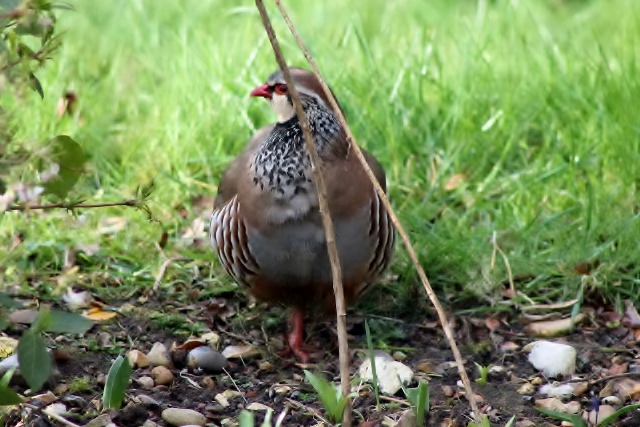
I was surprised to see two Red-legged Partridges (Alectoris rufa) in my garden one morning as I opened the kitchen blinds.

The flowers are very small and a warm purple colour. Ash trees have separate male and female flowers, mainly on separate trees but there are a few trees that have both male and female flowers but on separate branches! The trees around us are all females and produce thousands of Ash ‘keys’, winged seeds that hang from the trees in bunches in the autumn. My mother has plenty of Ash trees near her house but all hers are males – so no ‘keys’.

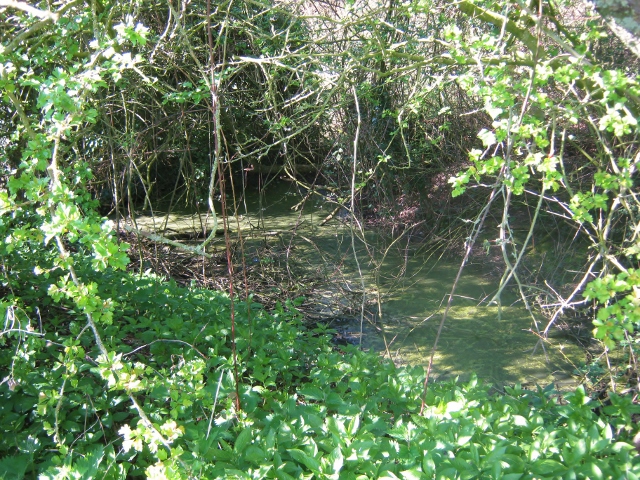
A very over-grown corner of our garden. This ditch doesn’t belong to us but is part of the common land between our garden and the road. I expect that no-one will take responsibility for looking after this but if there is a problem with it in the future we will no doubt be asked to deal with it!

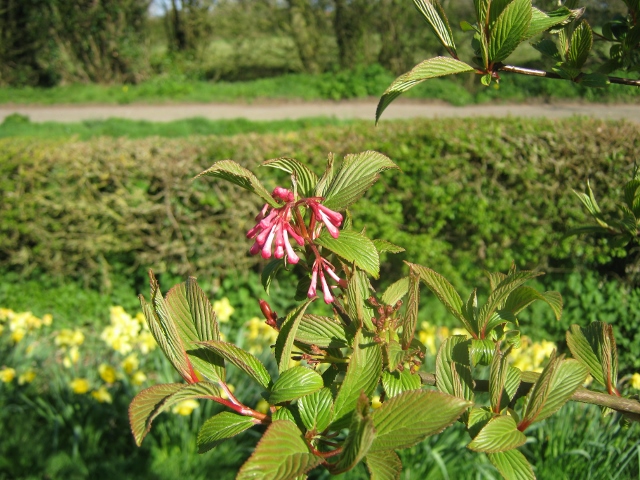
The Viburnum bodnantense produces dark pink flowers in the spring and pale pink or white flowers during the winter
I had an on-line conversation with a member of the WordPress team a week or so ago and asked about my missing posts. The person who dealt with my enquiry was extremely helpful but was unable to retrieve them. He would have been able to retrieve three old posts I had deleted on purpose but was unable to find the ones that had disappeared! Fortunately, a very dear friend who is an e-mail follower has been saving my posts and has sent all the missing ones to me. When I have the time I may post a page with them on for anyones information.
Thank-you for visiting!
24 Fri Apr 2015
Posted in Gardening, plants, Rural Diary, trees, wild animals, wild birds
Tags
aubretia, bluetit, daffodils, daisy, dandelion, Elder, greylags, Hawthorn, heartsease, Muntjac deer, near-species rose, nests, pussy willow, rhubarb, silver birch, snail-trail, spear thistle, spring, Suffolk, willow
In between racing about in my car to Norwich and Mum’s house, the doctor’s surgery and the hospital, shopping trips to Harleston, Halesworth, Bungay and Diss, I have been able to take my camera with me as I walk round the garden, filling all the bird feeders. I haven’t had time for any gardening for about ten days and I miss it! The weather here has continued bright and dry with frosty, misty mornings and warmish days (as long as you are out of the chilly NE wind). Today has been much warmer with a change of wind direction but according to the forecast, this will not last. Rain and cold are set to return by the end of the weekend.

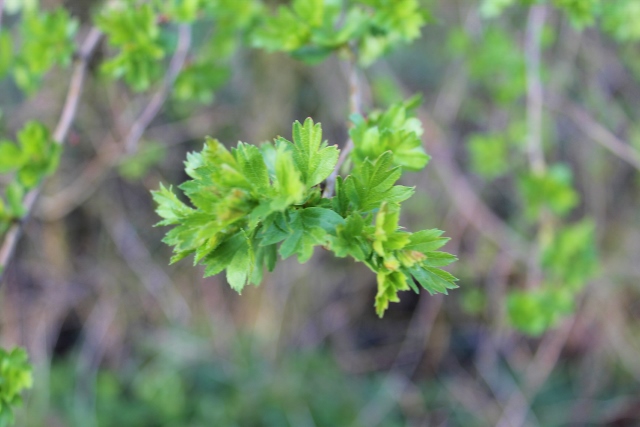
Hawthorn leaves. We have two types of Hawthorn in our garden hedges, Common Hawthorn (Crataegus monogyna) and Midland Hawthorn (Crataegus laevigata). This is probably Midland Hawthorn or maybe a hybrid between the two.

The Elder leaves (Sambucus nigra) are now almost fully out and have lost the pink tinge they had. They are matte mid-green leaves. Last year we had the best elder blossom I’d seen for many years.

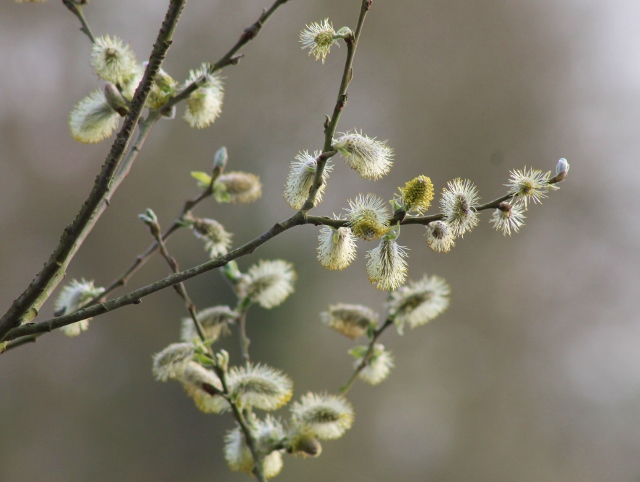
Goat Willow or Sallow catkins (Salix caprea). Male and female catkins are on separate trees and appear before the leaves. Sallows are a food plant for many different types of moth. The catkins are known as ‘Pussy Willow’ when they first appear as they look and feel like silky cats paws.

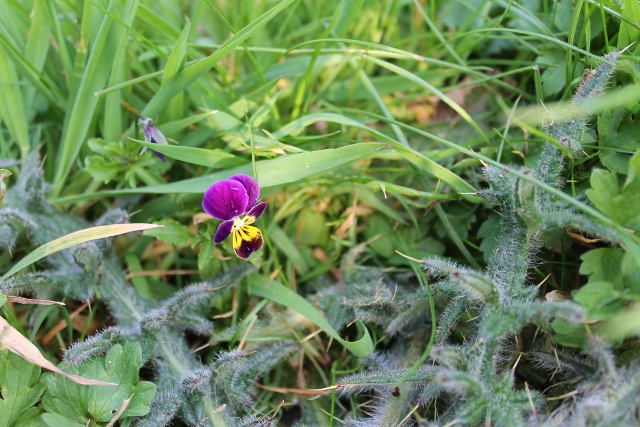
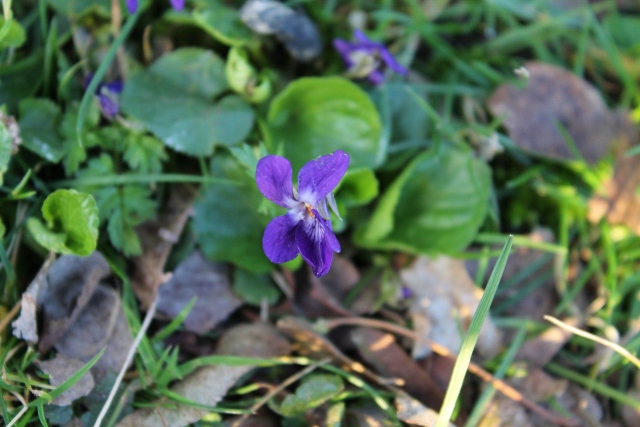
I found a Heartsease or Wild Pansy (Viola tricolor) plant on the path round the big pond. Next to it there is also the first rosette of Spear Thistle leaves (Cirsium vulgare).

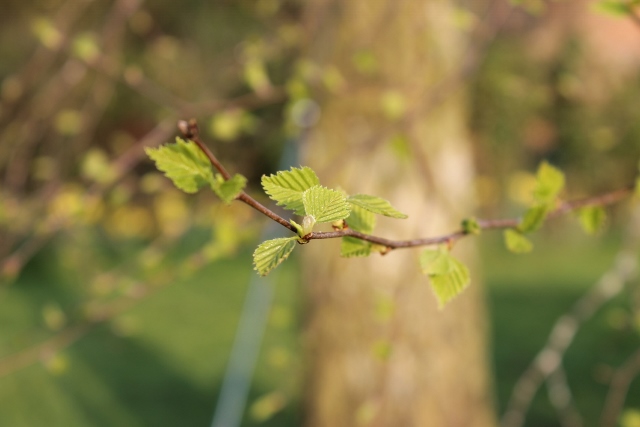
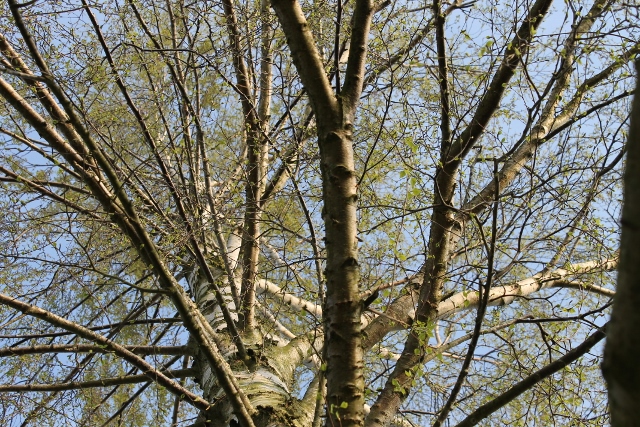
I love standing underneath our tree and looking up. Silver Birches eventually grow to be about 26 metres tall. I don’t think ours has quite got there yet.

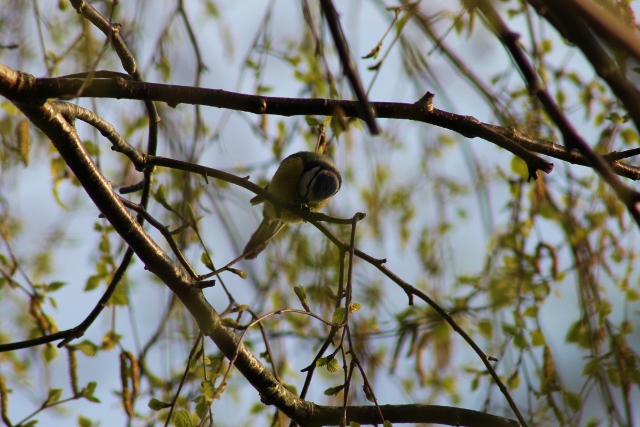
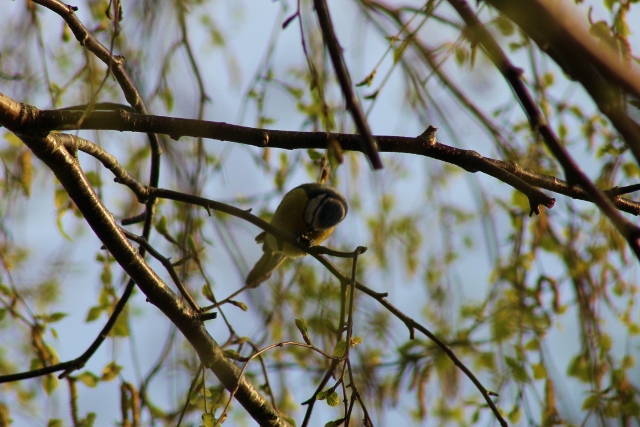
This Bluetit (Parus caeruleus) sitting in the Birch tree looks a little strange. It has a black sunflower seed in its beak.

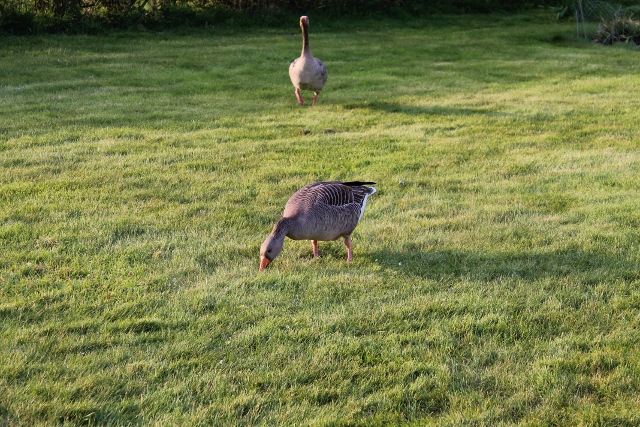
The Greylags (Anser anser) have been amusing me a lot lately. The geese are much calmer than the ganders. The goose here is up close eating some food I put out for it. The gander is further away and hissing at me.

A third goose has made her nest on the edge of the pond. I surprised her and she surprised me when I walked round the pond yesterday. I am not sure how successful this nest will be as it is quite vulnerable to fox predation.

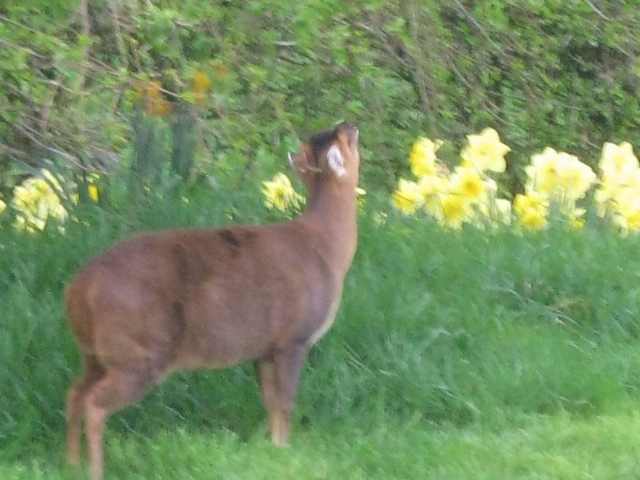
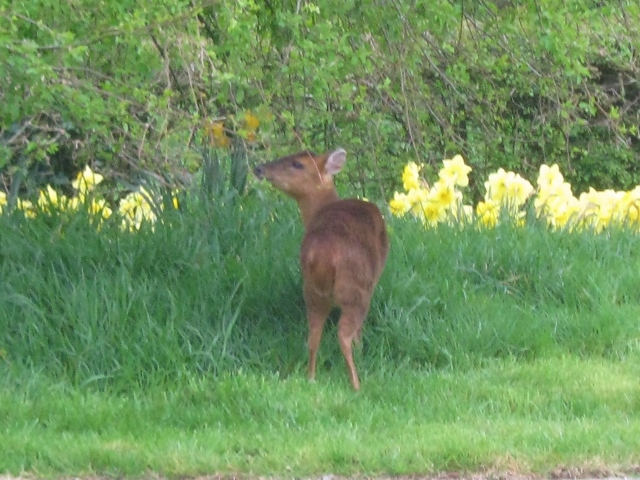
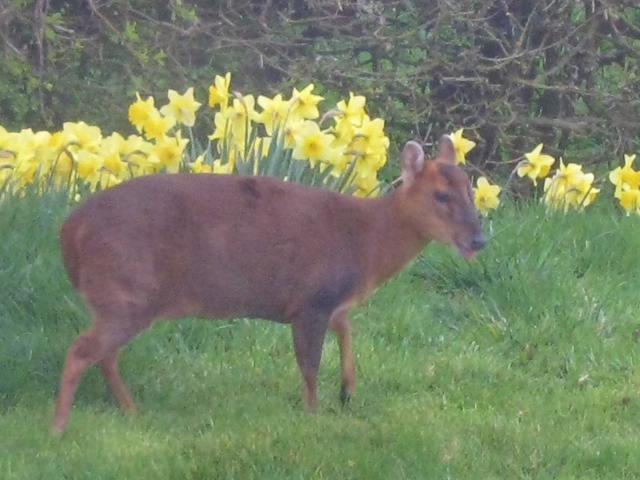
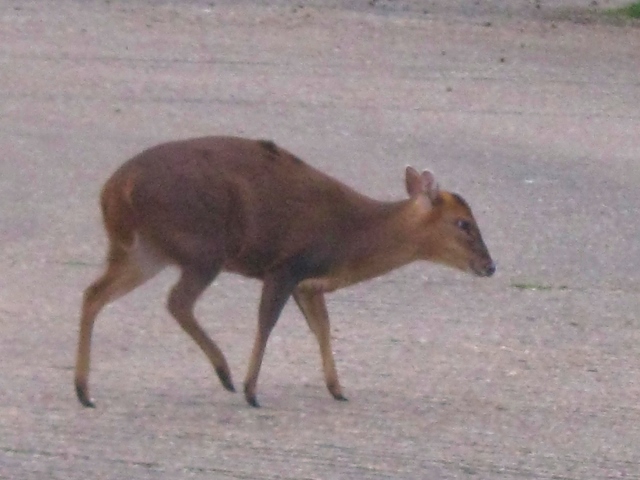
I saw this Muntjac deer doe very early the other morning. It was eating the crabapple tree! The leaf shapes on the window are meant to stop birds crashing into the glass but aren’t very successful. I usually have to pull the window-blind down to stop them!

Very blurred photo! You can see how stocky/thickset these deer are and also the white in their ears.

I had great trouble trying to focus on the deer. The camera wanted to focus on the window glass of the double-glazing or the daffodils behind the deer.

Richard on his new tractor-mower. The old one wasn’t working too well so we part-exchanged it for a newer, better model. It has a mulching facility which will be good to use in the summer.
I must share some good news I heard today. My daughter Alice has been told she has her PhD. She is now Doctor Alice! I am so proud of her.
Thank-you for visiting!
21 Tue Apr 2015
Posted in amphibians, fish, Gardening, plants, Rural Diary, trees, Uncategorized, wild birds
Tags
bird's nest, birds, Common Frog, cowslip, daffodils, ducks, fish, flowers, frogspawn, garden, Great Tit, ground-ivy, hazel, Hazel bud-gall, horse chestnut, lichen, Mallard, marsh marigold, moss, pond, primrose, primula, spring, Suffolk, sweet violet, tadpoles, trees, Water Mint

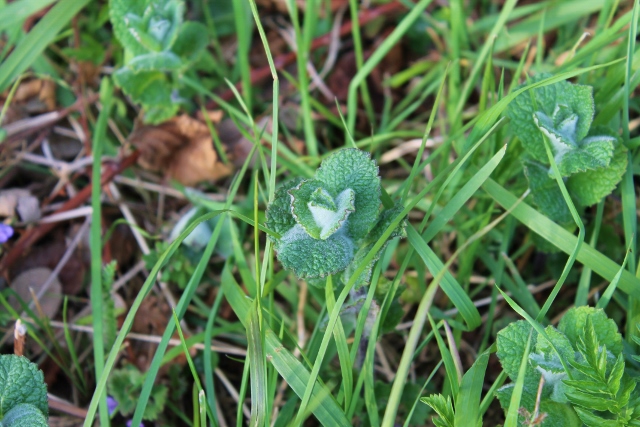
Ground-ivy (Glechoma hederacea). Many of the newer leaves are purple and the plant has a slightly unpleasant minty scent.

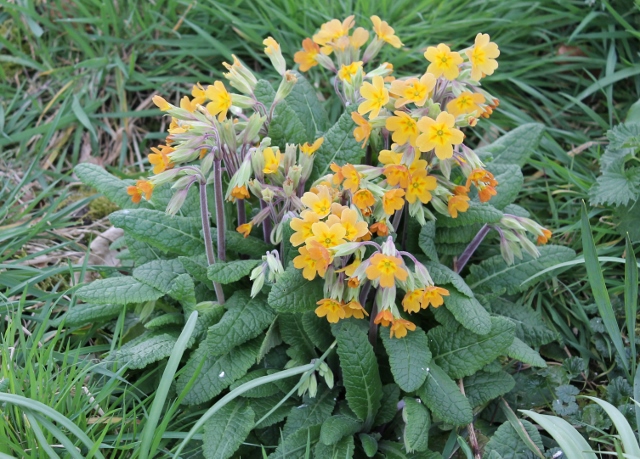
As I have mentioned before, when we moved to this house there were no Primroses (Primula vulgaris) in the garden at all. We now have a few plants here and there on the banks of our ditches.
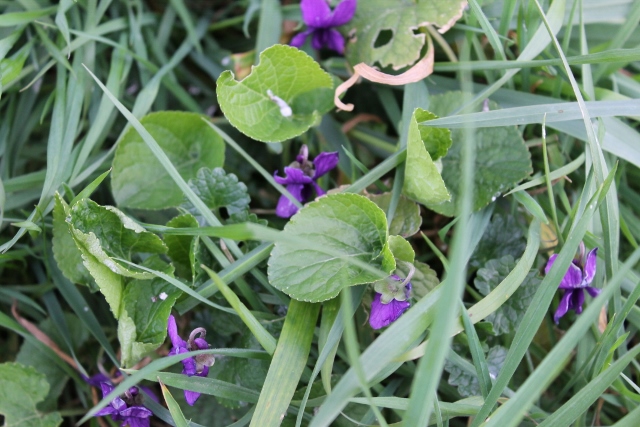
The house next door to us is the former village school. I am not sure when it closed but a friend of ours from church used to attend it during the 1940’s. Where our house and garden is now, there was a meadow full of wild flowers and our friend walked across it every day to collect the milk for the school from the farm next door. These wild flowers we have in our garden are all that’s left of the hundreds that used to be here up to about 50 or 60 years ago. I hope that we can hang on to these few and perhaps, by not using chemicals, encourage them to spread.

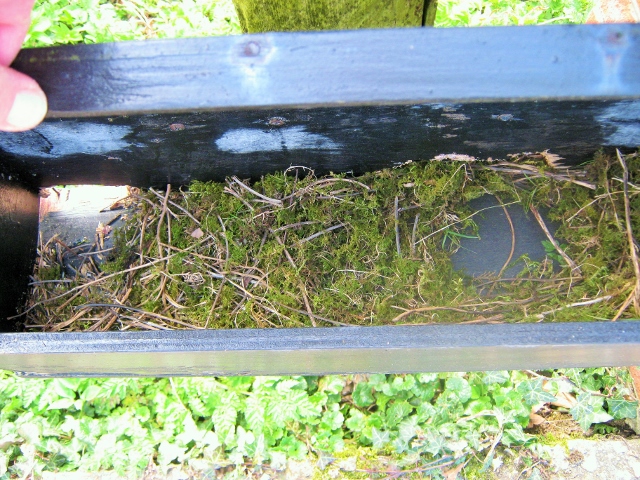
This is our parcels and newspaper box at the end of our drive. We noticed during the winter that it was starting to rot and needed replacing. It appears that we weren’t the only ones to notice the state the box was in. I opened it the other day to find something had made a hole in the back of it ( you can see where the light is shining through just below my thumb as I lift the lid). The next day I found this straw and moss had been put in there. Richard saw a Great Tit (Parus major) flying away from the box so I suspect this is a Great Tit’s nest. I carefully peeped into it a day or so later and found the whole box stuffed full of moss and we can also see lots of straw sticking out from where the box sides are coming away from the base. We have tied up the box and put a ‘not in use’ sign on it and we now await the happy arrival of baby Great Tits.
I knew that Tits nested in holes and I also was aware that Willow Tits excavated their own holes but I hadn’t realised that Great Tits also excavated holes to nest in.

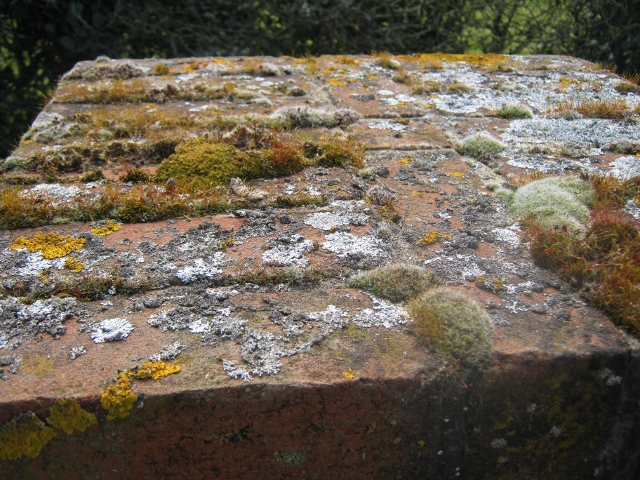
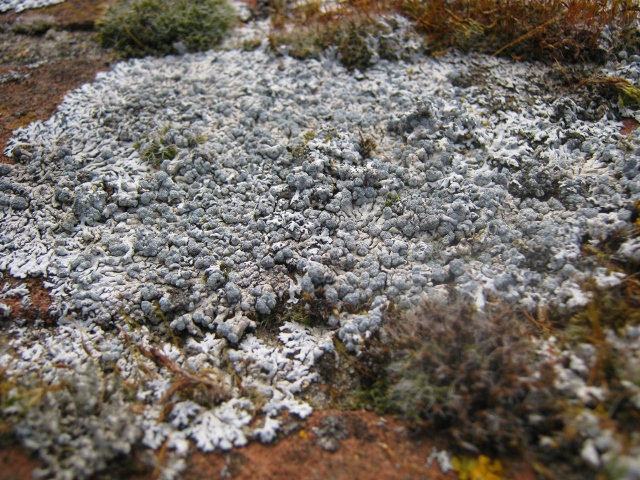
The top of the brick gate-post at the end of our drive is covered in moss and lichen but because we haven’t had much rain recently, it isn’t looking as good as usual. Birds have been collecting the moss for their nests too.

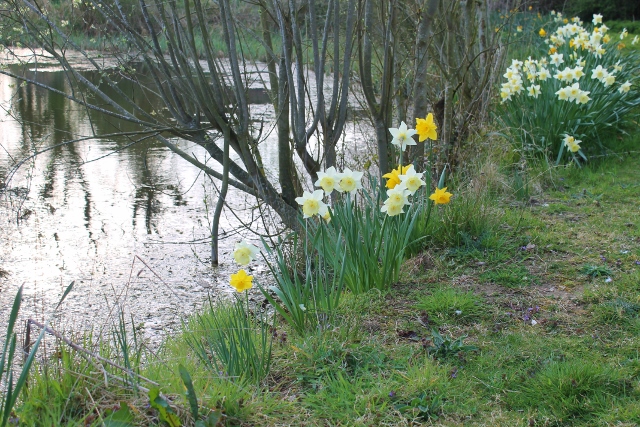
I took this photo of the daffodils round the pond over a week ago and I am glad I did. On Tuesday and Wednesday of last week we had very warm weather (24 degrees C on Wednesday!) and the daffodils that had come out earliest began to wilt.

Earlier this year I posted pictures of these Hazel (Corylus avellana) bud galls. I went to look at them again last week and noticed tiny flies sitting on all of the galls. I wonder if these flies had hatched out of the galls.

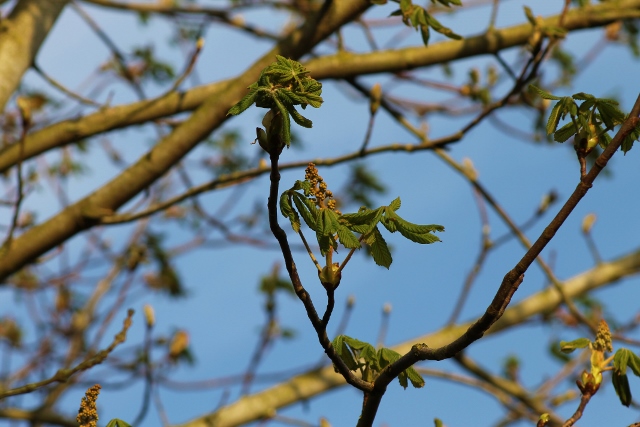
This photo of our Horse-chestnut tree was taken on the same day. These leaves are higher and get more sunlight. I was pleased to see that the flower panicles (candles) were growing nicely.

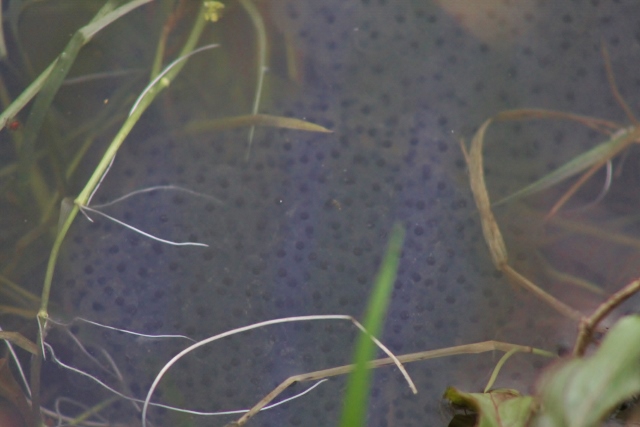
I saw the frogs spawning but unfortunately didn’t have my camera with me. I took this photo of the spawn later in the day. This is the first time I have found frogspawn in our pond and was surprised at how late in the year it was. We have a windswept, exposed garden which may account for it.

There were lots of eggs and I was glad that the fish that live in the pond hadn’t come out of hibernation yet.
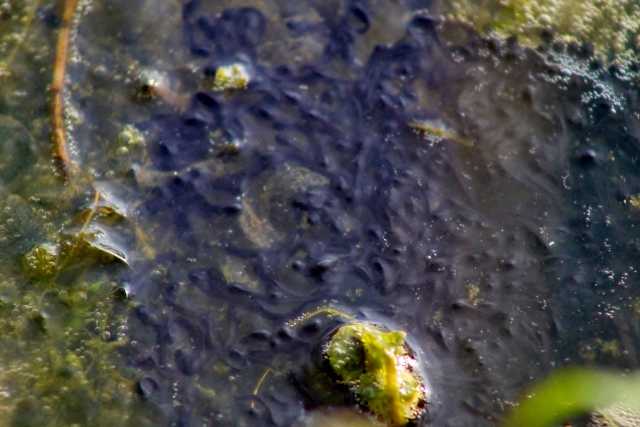
Two days after this the tadpoles had dispersed but I had also seen the fish swimming in the pond and leaping to catch flies. They were probably feasting on tadpoles too.
I found a dead fish on the path round the pond again – I found one last year that had been caught by the Heron who had been disturbed by one of us. I don’t know what had caught this year’s fish as there was no stab mark on it. It is interesting to see the workings of the food-chain. We are part of it as we get bitten by the flies that the fish eat!
Thank-you for visiting!
31 Tue Mar 2015
Posted in Gardening, plants, Rural Diary, trees, Uncategorized, weather, wild birds
Tags
blackthorn, daffodils, early dog-violets, flint boulder, gales, garden plans, geese, goose nest, greylags, hyacinths, mallards, March, muck spreading, primroses, scillas, starlings
In my post at the beginning of the month I wondered if March would go out like a lamb because it had come in like a lion. Well – no – the month is going out as it came in, with gales!

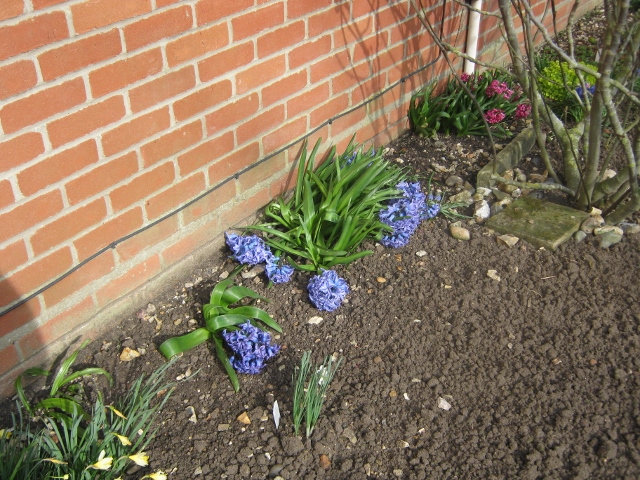
I have just been outside and found my poor Hyacinths have been flattened! These are Hyacinthus Delft Blue.
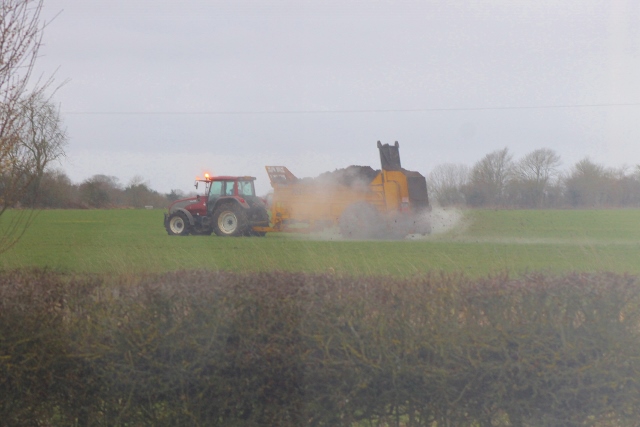
Ten days ago the local farmer began muck-spreading and we have only just got rid of the smell!

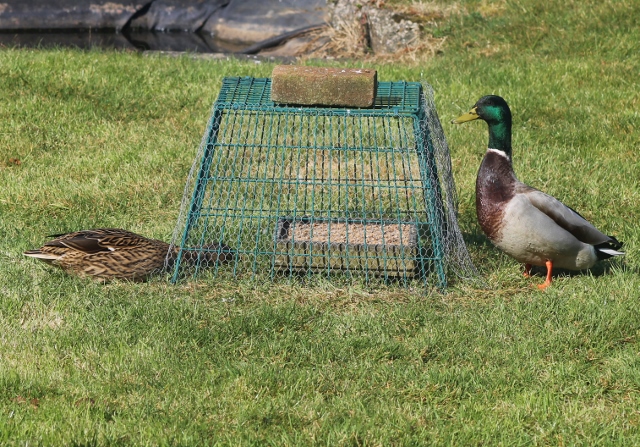
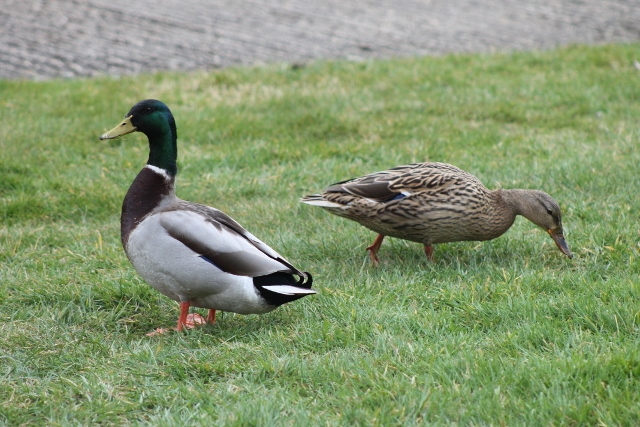
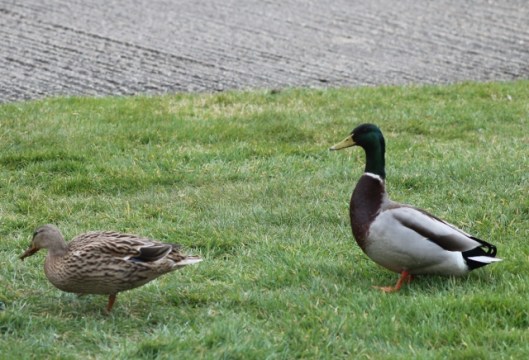
Despite my having put the ground feeder in a cage with extra chicken wire on two sides of it, the Mallards (Anas platyrhynchos) seem determined to get to the bird seed.

The Early Dog-violets (Viola reichenbachiana) that grow in the grass-path round the pond are looking very pretty.

The Primroses (Primula vulgaris) in the ditch are looking fine too. When we first came to live here there weren’t any primroses at all, only cowslips. These have appeared in the last couple of years.

The Greylag geese (Anser anser) often come up close to the house to see what food there is for them to eat.

I took advantage of their absence and had a look at the nest which has a few eggs in it. This was taken before the goose had finished laying her eggs and started sitting on the nest.

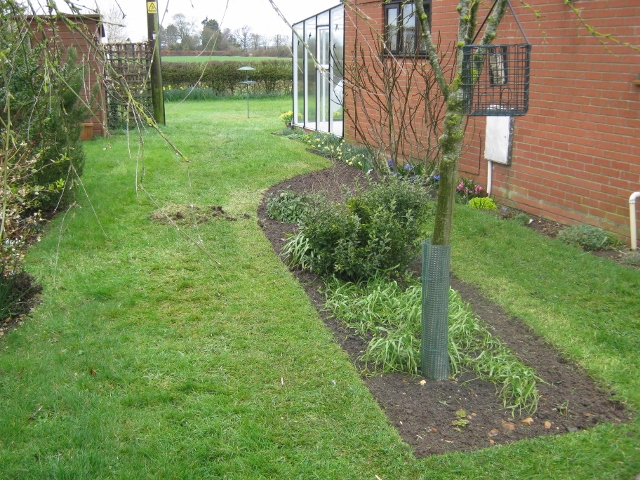
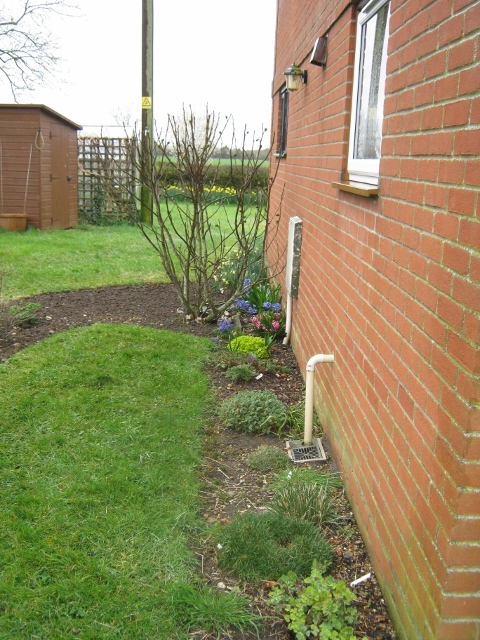
This is the garden on the south side of the house. Work in progress: I have cleared the beds of weeds and other unwanted seedlings and will cover them with soil-improver next.
The central grass path will be kept (there is a flowerbed just out of shot on the left) and I want to position a couple of arches over it and train roses and clematis up them.

This narrow area of grass is difficult to mow and will eventually be removed and replaced with a gravel bed and stepping-stones to give access to the windows, electricity meter and the drain.
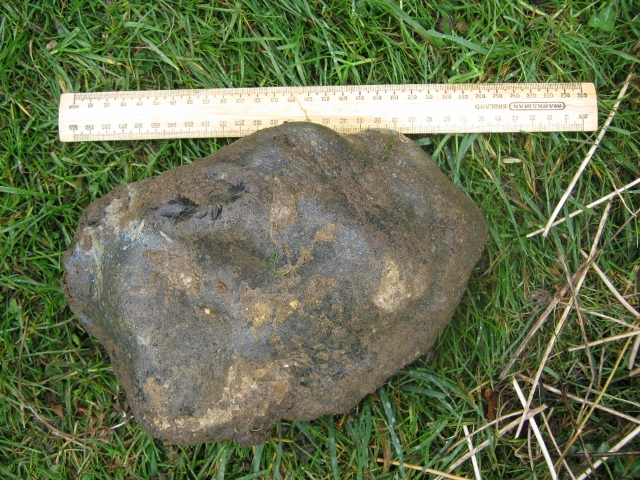
The soil here is very poor; full of stones and builder’s rubble. I am constantly finding very large flints just under the surface. People in days gone by used to think that stones grew and I can understand why they might think that.
These Scillas are flowering in the flowerbed on the left of the grass path. I have yet to weed here!
Thanks for visiting!
20 Fri Mar 2015
Posted in family, Gardening, plants, Rural Diary, Uncategorized, weather, wild birds
Tags
daffodils, dotted border moth, ducks, early dog-violet, gardening, geese, greylags, hellebores, house sparrow, mallards, Mothering Sunday, Rip van Winkle daffodils, silver-lace primula, simnel cake, solar eclipse, Suffolk, viburnum bodnantense
Such a busy week I have had!
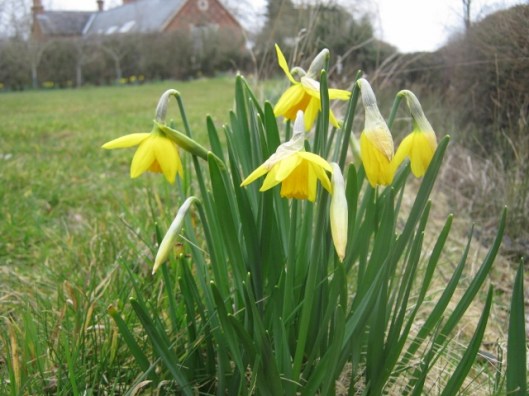
After a couple of problems were sorted out, Elinor’s week last week ended well. She spent Friday in London with her Art class visiting The Victoria and Albert Museum, The Natural History Museum and the Saatchi Gallery and had a wonderful time. She was able to rest as often as she needed to (she has scoliosis) and so therefore had hardly any back pain. She travelled by coach and, as many of her colleagues had never been to London before, the driver took them on a route that passed by many of the sights – they drove along the Embankment so they saw the Thames, Cleopatra’s Needle with the two Sphinx, then the Tower of London and the 2012 Olympic Stadium among others. I left her at the college at about 8.15 am and Richard collected her at 8.00 pm – so about twelve hours away from family – the longest time ever. I spent the day ironing.
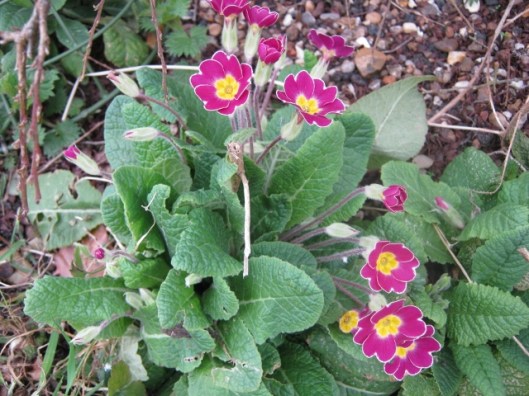
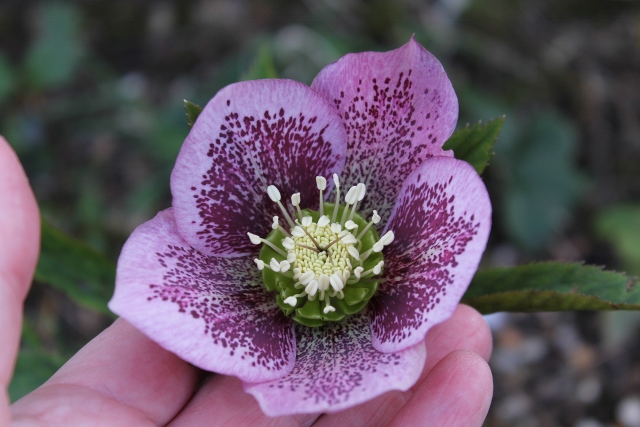
Some more of my new Hellebores have begun flowering.
I was able to do a little gardening on Saturday. It was quite chilly but dry and I progressed quite well with the weeding I had started earlier in the week. Richard gave the lawn another mow and over the weekend he was able to finish cutting the leylandii hedge.
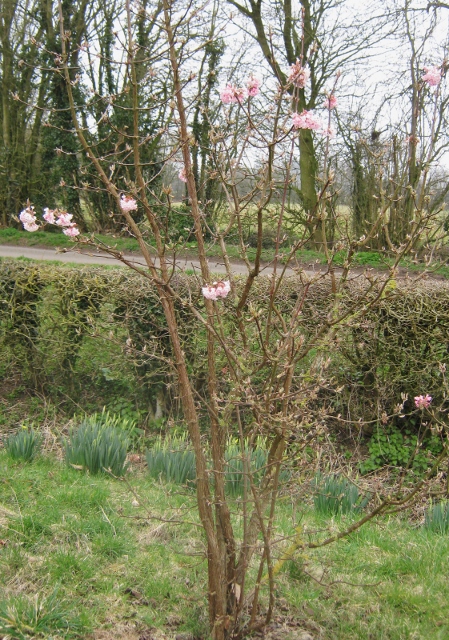
Sunday was Mothering Sunday and I had told Mum I would be taking her to church. I collected her and helped her put the Simnel Cake she had made carefully into the car. She had received a phone call from one of the ladies at church asking if she would be bringing a cake as usual and fortunately she had the ingredients ready in case they asked her. I took an elderly retired priest back home after the service then took Mum home too. I arranged with her that Richard would collect her at 6.00 pm as she was coming for a meal at our house. It had to be an evening meal as I hadn’t time to cook lunch and drive to church. I spent most of the afternoon preparing the food. Mum provided an apple pie and another Simnel Cake for us.
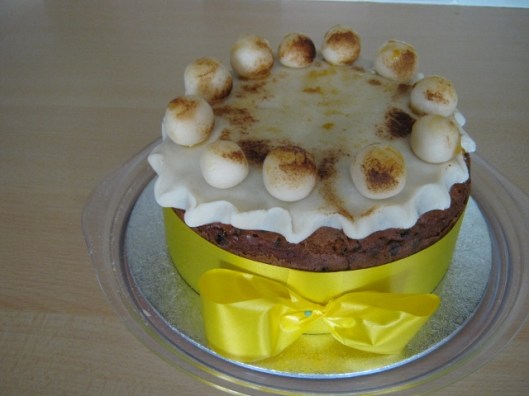
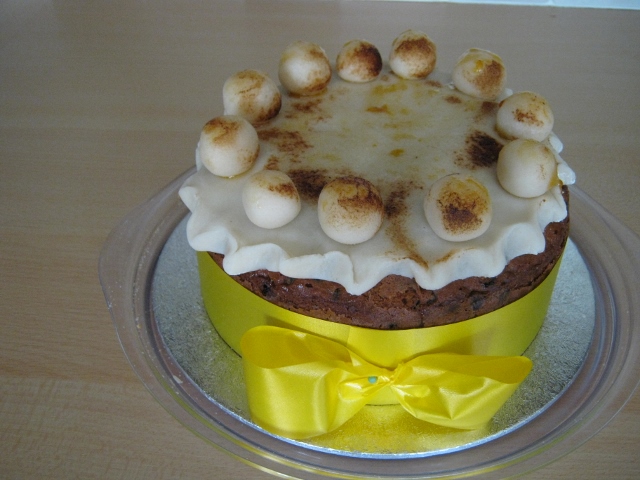
This is the Simnel Cake Mum made for us last year. This year’s one looked the same so I’m reposting the photo
The temperature at the weekend was about 10 degrees C lower than the weekend before. The easterly wind dragged such a lot of cloud and mist in off the North Sea but not very much rain. I have had to water the pots and tubs as they are all drying out very quickly. Today the wind was veering round to the North, so a change – but not necessarily for the better!
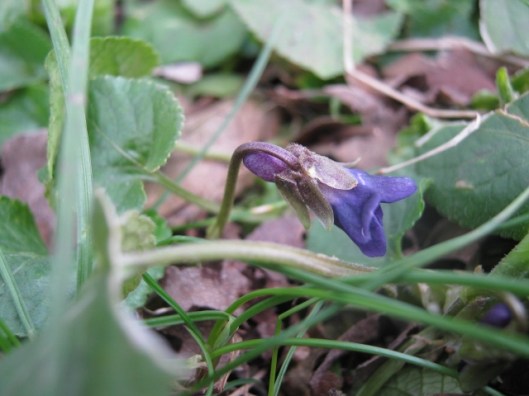
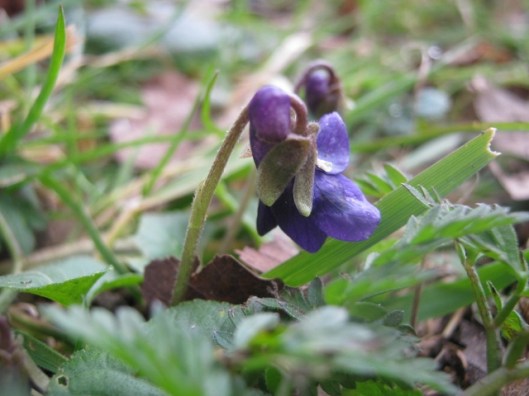
This is an Early Dog-violet (Viola reichenbachiana). We have them growing on the grass path round the big pond. They are very small and the flower here was only just over an inch tall.
Richard travelled to Lancaster in Lancashire on Monday for work and continued there until Wednesday. He is now staying with his brother in Manchester as he wanted to see him and his mother. She has been assessed at last and to our complete surprise she has been told that she is fit to leave the respite home she has been in for three months and go home. We know that she is not at all able to look after herself – she cannot stand up on her own anymore, let alone walk. She would need 24 hour care and she would need her home adapting even more than it is at the moment. Richard and his brother needed to discuss this new challenge together and with Mum-in-law. They are also going to visit a couple of nursing homes to see if they are suitable for their mother to live in. They have spent the day at York, visiting the National Railway Museum.
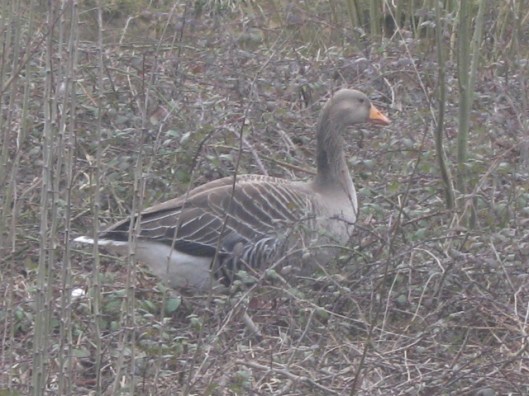
This is the goose on a visit to her nest on the very brambly island on our pond. She has been laying eggs but hasn’t started sitting yet.
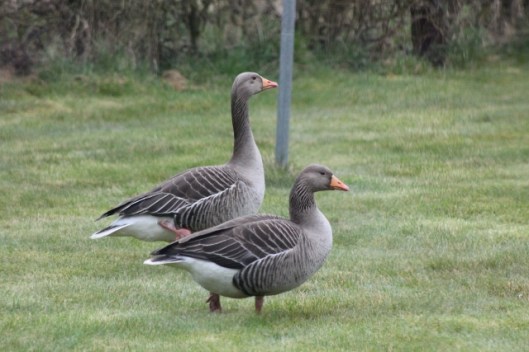
Here is the goose and gander up close to the house. They come to have a look to see what food they can find under the bird-tables. I am sure the goose, if not the gander, is one of the goslings from two years ago. She follows me round the garden as I fill the feeders so of course I give her and the gander some special duck and goose mixture I have .
I had an appointment at the opticians on Tuesday and yet again failed to do well enough in one of the tests and have to go back again next week. Mum had another appointment at the eye clinic at Norwich hospital on Wednesday afternoon so I took her. Her appointment went well and we go back again in six weeks. I have done Mum’s shopping for her but it took three different trips.
Tomorrow morning we have a solar eclipse. We will be lucky to see anything of it because of the cloud cover. It may be possible to see it if the cloud thins early enough. I remember the last total solar eclipse 16 years ago. It was a bright, warm, sunny day and we all went out into the garden to witness it. What I remember most about it were the strange shadows – each leaf had two shadows and as it got darker it was such a strange twilight with the dimming sun above us and not on the horizon. As it got dark the birds stopped singing and the silence was eerie. I wonder what I will see tomorrow at 9.30 am? I will be just arriving home from taking Elinor to college.
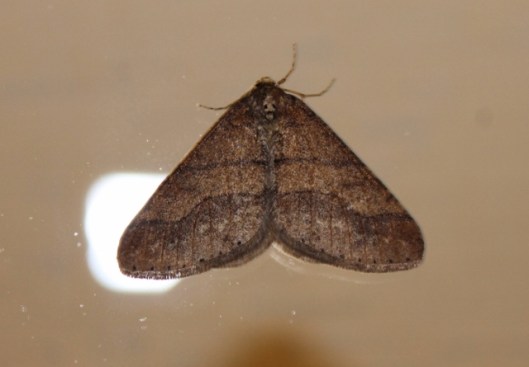
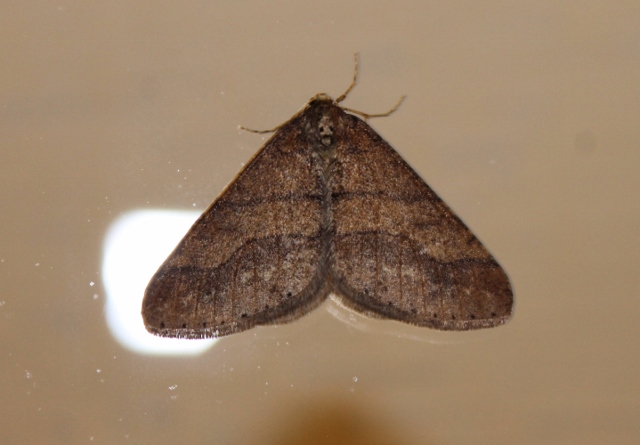
This is a Dotted Border Moth (Agriopis marginaria) that I saw on the outside of my kitchen window. The strange white light is a reflection of my flash in the double-glazing.
Elinor has been invited to a party. One of her old school friends is holding an 18th birthday party tomorrow and Elinor thinks she would like to go. She may need collecting early but it will be so good for her even to go for a short time.
Thank-you for visiting!
14 Sat Mar 2015
Posted in Gardening, plants, Rural Diary, Uncategorized, wild birds
Tags
barn owl, bracket fungus, cut flowers, daffodils, garden, geese, greylags, liquid manure, primroses, snowdrops, Suffolk, tulips, winter aconites
We haven’t done anything special this week – just kept quite busy doing ordinary things. This post will be made up of a few photos of some of the things I have seen in the past few days.

I hardly ever buy flowers for the house and the only flowers I bring indoors from the garden are poor damaged blooms that have been knocked over by wind, rain or visiting wildlife.
I love flowers so I am not sure why I don’t have them in the house often. I know I can’t arrange flowers so that may have something to do with it. I also feel sorry for them – I love to see them outside where they belong and think it’s a shame to cut them. Amusingly, whenever Alice sees a vase of flowers she thinks Richard and I have had an argument. Sometimes we have and sometimes we haven’t.

I found a few more aconites in a gravelly area. Gravel must be where they like to grow. I must pull those weeds up!

The joys of living in the country! Fortunately the wind was blowing the heady aroma away from me. I had a line of washing hanging out on Tuesday as it was warm and sunny and a breeze was blowing. I had to take it indoors quickly once I saw what was happening.

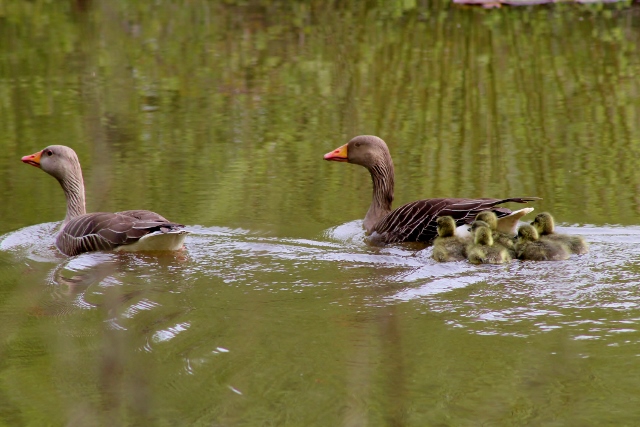
Fifteen geese turned up on Thursday morning. Here are most of them. The geese return each year at the end of February and often there is a day or so of arguments as to who should nest on the little island on our pond. I didn’t notice anything this year but that may be because I am away from the house a lot more.

I got closer to these few. Once the goose starts sitting on her eggs the extended family call in to visit now and then. Her gander stays with her all the time and I am sure gets very bored wandering about on his own. He is very protective of his goose. For the last two years there have been no goslings which I find very sad. They may be laying infertile eggs or ‘something ‘ may be taking the young when first hatched. We have grass snakes and I have seen an otter on the pond, but not recently. Last year I witnessed a Moorhen chick being dragged underwater by something. My brother suggests that it could be a turtle. Someone unscrupulous may have disposed of it into our pond. I haven’t seen any other evidence of a turtle so far. Neighbours say they have seen a mink which they believe has taken all their ducklings. That seems more likely as a culprit.
I have a film I shot of the former pair of geese with their goslings swimming on the pond. When I work out how to put it on U-Tube and then transfer it back to WordPress you will see how lovely they are. I have also recorded a short film at dusk with the song of a Song Thrush and a Tawny Owl hooting. I will try to post that too one day.
Thank-you for visiting!
10 Tue Mar 2015
Posted in Gardening, plants, Rural Diary, Uncategorized, weather, wild birds
Tags
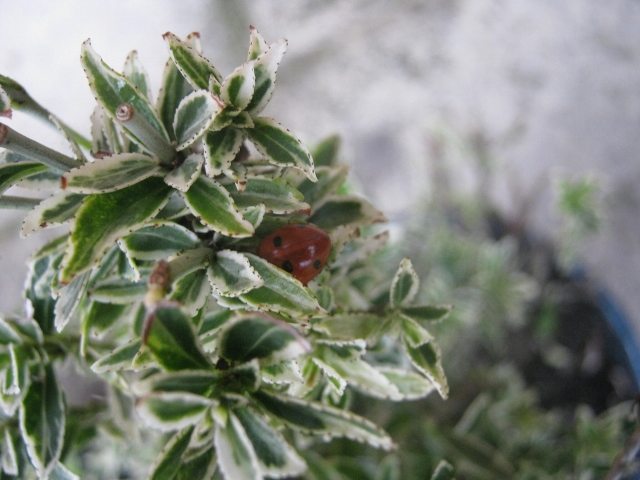
chaffinches, Coffee morning, daffodils, euonymus, gardening, goldfinches, grass-cutting, green woodpecker, hedge-cutting, honey bees, honeysuckle, ladybird, primulas, Robin, rosemary, weather

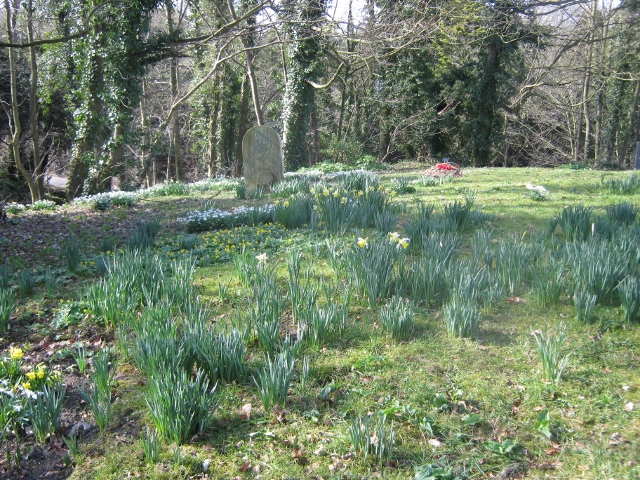
These daffodils are only about 8″ tall – I like their delicate yellow colour. The clay soil in the flowerbed had already formed a hard crust when I took this photo.
We had hardly any rain last week and as a strong breeze was blowing most of the time, the ground at last started to dry out and we weren’t sinking into the lawn at every step. We had a few frosts that disappeared very quickly and the temperature rose progressively through the week until at the weekend we had temperatures in the mid teens (Centigrade).

A honey bee on honeysuckle. We have some new neighbours living near us who have bee hives. On Thursday I saw that their bees had ventured out and were enjoying our honeysuckle flowers.
Both Richard and I worked quite hard in the garden this weekend, trying to catch up with the tidying chores that should have been done in the autumn and make a start on the jobs that need to be done in the spring.
The job that Richard was most pleased about was getting the grass cut at last. He has cut it long to start with and next weekend (weather permitting) he will cut it shorter. He had also not been able to finish cutting the Leylandii hedge last autumn and on Sunday he worked on that too. There is only the top to cut now and if the ground continues to dry out he will be able to get on the stepladder without it sinking in a couple of feet and finish that next weekend as well. Hopefully, before the birds start to nest in the hedge! Richard wondered if gardening counts as exercise. The nurse always looks at me in a sceptical way when I suggest that gardening should be classed as exercise. I expect she imagines I wander about doing a little pruning and weeding – no raised heart-rate there, she thinks. However, as most gardeners know, gardening can be very strenuous at times and I do my fair share of digging, raking and other heavy work. Richard worked out that he had walked almost a mile and a half yesterday taking six barrow-loads of hedge clippings to the bonfire heap. We have a large garden.

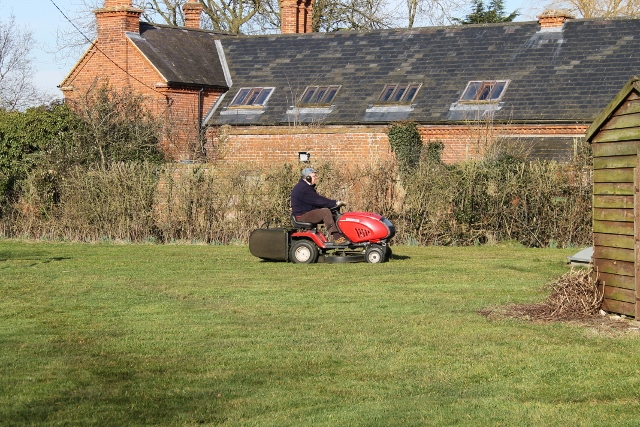
Richard mowing the grass. The building on the far side of the hedge is the old school house. It is now a private dwelling.

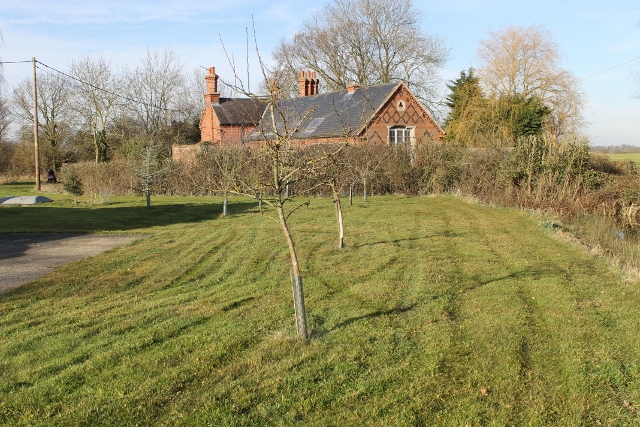
This is where we have planted our fruit trees at the front of the house. The school house beyond the hedge, the corner pond to the right and you can see our grey septic tank cover to the left. You can see from the tracks in the grass, Richard must have been practising his slalom driving.
Elinor didn’t have a good day on Friday and wasn’t able to get out of the car when I took her to college. I brought her home again and she slept for a few hours and felt a little better when she woke. She has had three out of four results for her mock GCSE exams so far. Psychology A, English A and Maths E. An E is only just a pass but we are pleased that she did as well as she did with only having attended half a dozen classes at college. She is determined to do better and really wants to get at least a C grade.
Richard and I went to the church coffee morning on Saturday which was held at the Rector’s house. The Rector is still recovering from heart surgery and was pale and thin but gamely hosted the gathering. We won a picture frame in the raffle and I bought a delicious sticky tea bread and some more of the Rector’s home-made marmalade. We indulged in the usual chat and gossip. There are a few events coming up soon. Cordelia is holding her annual Daffodil Day (on Palm Sunday this year), when we admire her beautiful garden and buy food and goods from stalls in aid of church funds. Our other friends, Pam and Ian are holding an Open Garden on Easter Monday also in aid of church funds and their garden is always a joy to visit too.
I had a migraine on Saturday so wasn’t able to take advantage of the fine weather. Sunday started very fair but by the time we left church it was starting to cloud over and we had a little drizzle then rain showers during the afternoon. The weather didn’t stop us working outside as it was so mild.

Green Woodpecker. I am glad we have these visiting our garden because they enjoy ants eggs and our garden seems to be one enormous anthill!
I think the woodpecker is a female as the males have a crimson centre to their moustachial stripe.
Just a few of the birds in our garden.
Thank-you for visiting!
05 Thu Mar 2015
Posted in domestic animals, plants, Rural Diary, trees, Uncategorized, walking, wild animals, wild birds
Tags
Avocet, beach, Blackthorn sloes, chickweed, Common Reed, common restharrow, Common Sandpiper, Highland Cattle, Konik pony, Lesser Burdock, Lesser Centaury, Marsh Sow-thistle, Marsh-mallow, Michaelmas Daisy, Minsmere, Red Deer, Rosebay Willowherb, RSPB, Sea Kale, silverweed, Spoonbill, Stonecrop, Tansy, Wild Teasel
This is another catch-up post featuring some photos I took last year. Richard, Elinor and I visited the RSPB (Royal Society for the Protection of Birds) reserve at Minsmere on the Suffolk coast last August on Richard’s birthday. We are fairly frequent visitors as it is only a few miles drive from our home. It is a large reserve and has many different types of habitat – woodland, heathland, shoreline, lagoons and creeks. Not only does it have many, many species of bird there but it is home to all sorts of other wildlife – insects, mammals, reptiles, amphibians and plants. Quite often we hardly see any birds at all depending on the time of year and where we decide to walk. We don’t often go into the hides but on this occasion we did go into one briefly.

Rosebay Willowherb (Chamerion angustifolium), a common enough plant, but at the time this was the first one I’d seen that year.

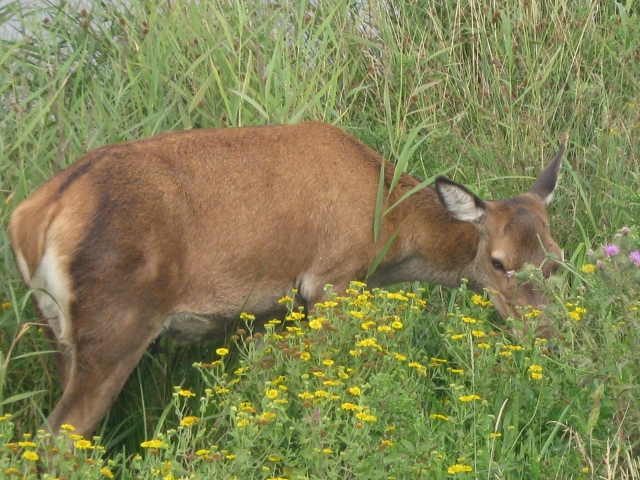
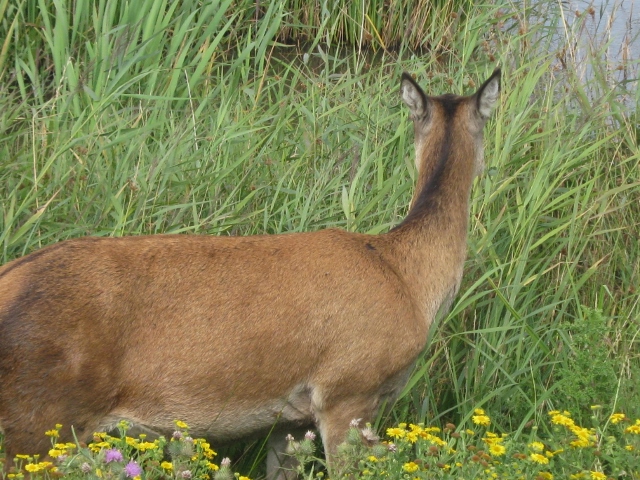
Red Deer (Cervus elaphus). This photograph is not cropped and was taken from the causeway path through the wetland going in the direction of the sea. The deer, though wild, was oblivious to the group of admiring humans taking pictures of it while it ate some tasty vegetation. The deer know they are safe here and feel free to go wherever they want.

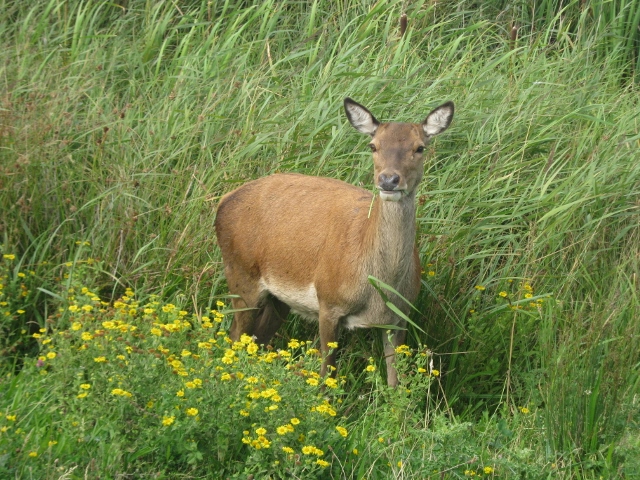
She has such a lovely face! The females are much smaller than the males and are 160 – 210 cm / 63 – 83″ long (not including the tail) and weigh about 120 -170 kg / 260 – 370 lbs.
Lesser Centaury (Centaurium pulchellum). Unfortunately I didn’t manage to find any with the flowers open.

I’m afraid you’ll have to take my word for it that this is a Common Sandpiper (Actitis hypoleucos) My camera wouldn’t zoom any closer.

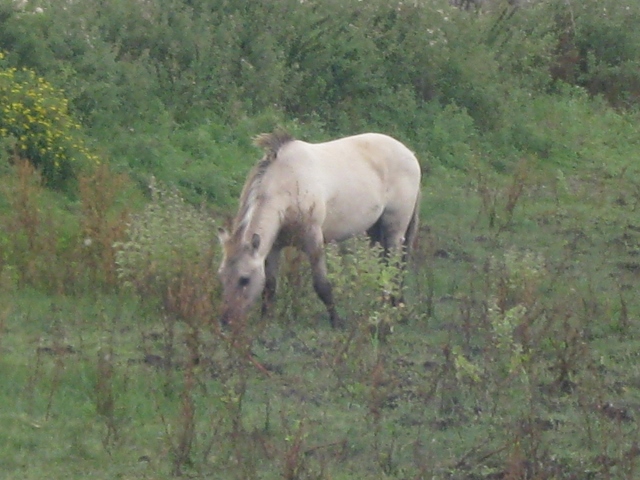
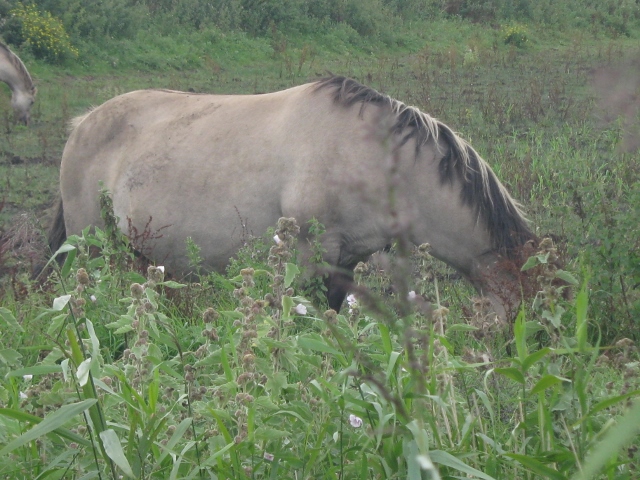
Konik ponies – primitive ponies from Poland – are used by the RSPB as they are very hardy, thrive on rough grazing and tolerate wet conditions.

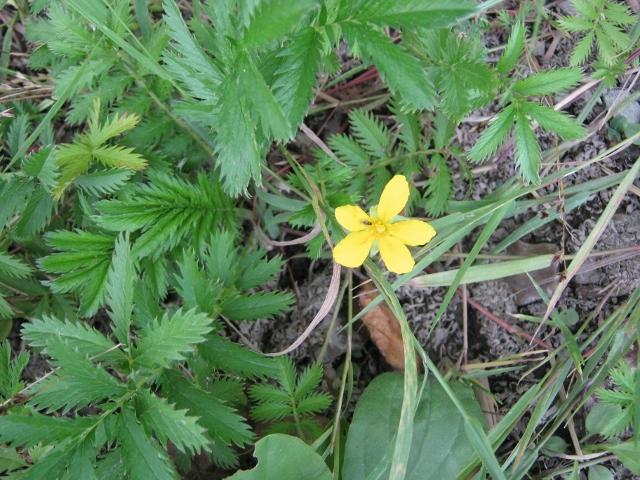
Silverweed (Potentilla anserina) so called because the leaves are covered in silvery, silky hairs that catch the light and shine like silver.
We will no doubt be visiting the reserve again very soon. I read that they have discovered some Common Bird’s-nest fungi there recently and I would like to see it.
20 Fri Feb 2015
Posted in Insects, Rural Diary, wild birds
Tags
birds, buzzard, common darter dragonfly, Damselfly, dove, emerald damselfly, flea beetle, garden, garden spider, grey dagger caterpillar, insects, leaf beetle, long-tailed tit, moorhen, snail, spider's webs
This is the last collection of photographs I took last year of the creatures I saw in my garden. This post starts with photos I took in mid September and continues until the beginning of November.

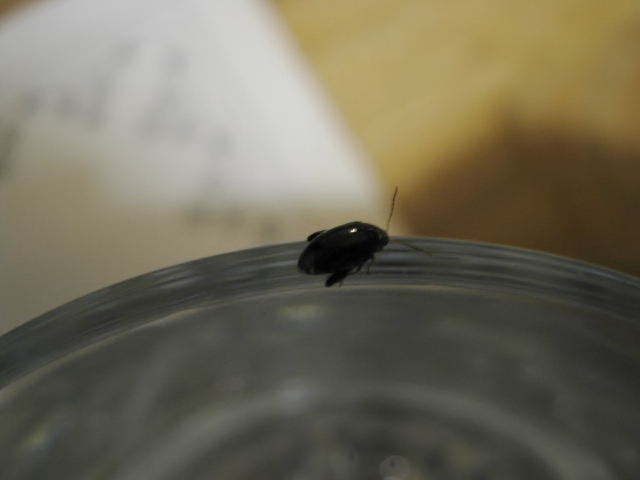
A Flea Beetle. Not a particularly desirable insect to have in the garden but I was fascinated by its shiny wing cases and the enormous rear legs used for jumping.

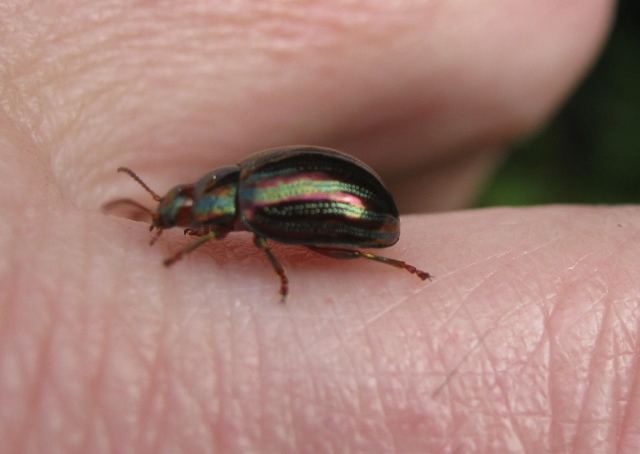
A Leaf Beetle – I think this may be Chrysolina varians which lives on St John’s-wort. It was such a pretty iridescent beetle that I found on the clothes hanging on my washing line. With apologies for the horrible hand!
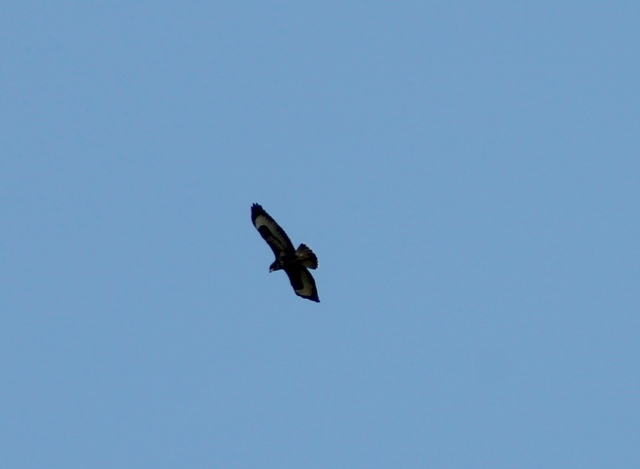
I am pleased that Buzzards are returning to East Anglia. Until eight or nine years ago I had never seen one here.

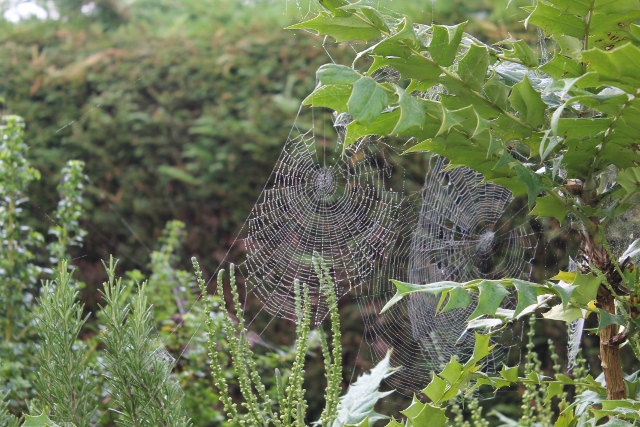
Some beautiful dew-covered Garden Spiders’ webs (Araneus diadematus) I saw at the beginning of October

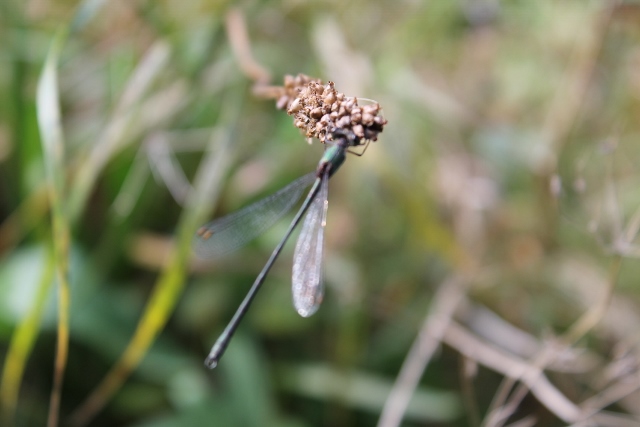
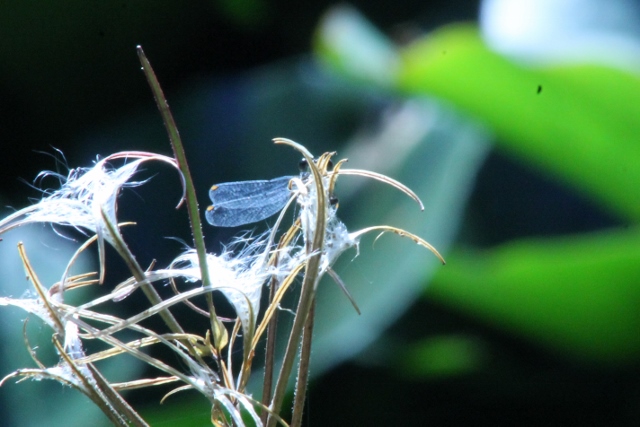
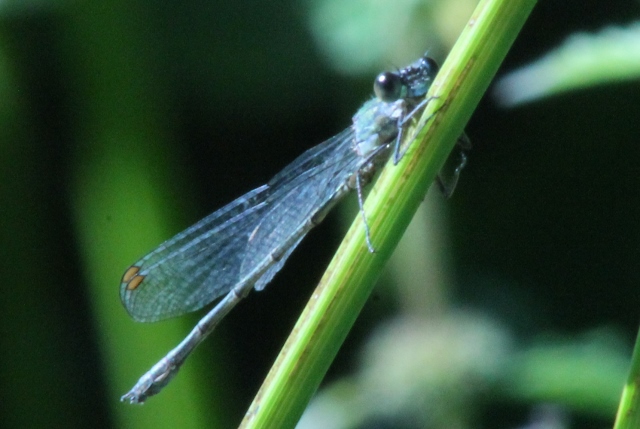
Apologies for the out of focus image. I believe this is an Emerald Damselfly (Lestes sponsa) or it might even be a Scarce Emerald Damselfly (Lestes dryas)
I spent ages following this damselfly round and round the pond until at last it settled and then of course, the camera wouldn’t focus on it!
I had never seen one of these damselflies before. What makes me think it is an Emerald Damselfly is (a) its green body, (b) the way it rested with its wings spread out and (c) the brown wing-spot. What makes me think it may be a Scarce Emerald Damselfly is the size of the wing-spots which are quite wide. (The Emerald Damselfly’s wing-spots are narrow).

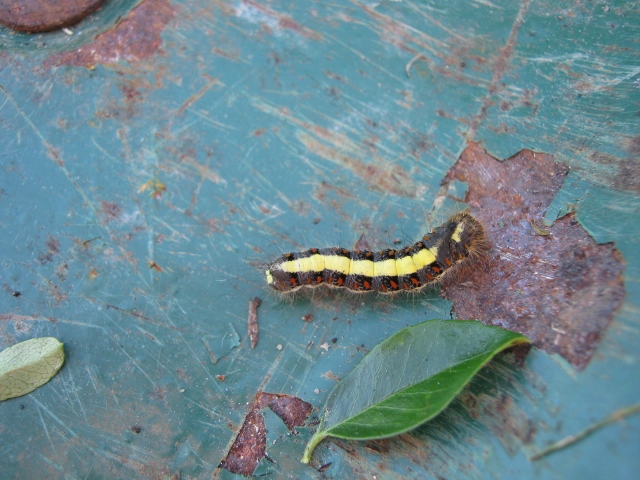
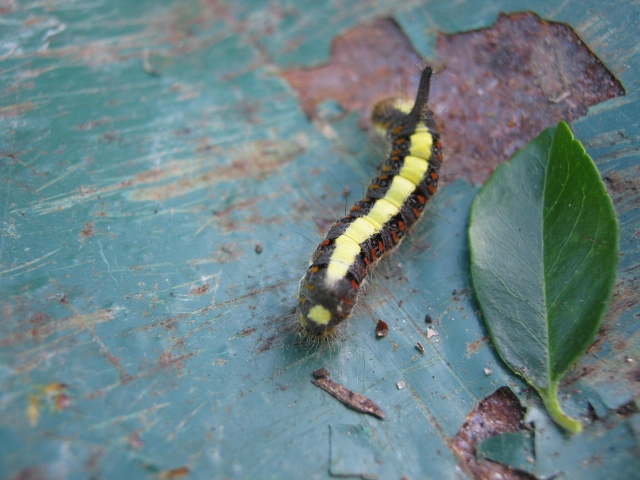
The prominent soft spike is just behind the caterpillar’s head which makes it look back-to-front. Probably a ruse to fool birds. The moth has dagger shaped markings on its wings. I found the caterpillar in the bottom of the wheelbarrow after I had taken the pyracantha prunings down to the heap at the bottom of the garden.
I hope you have enjoyed looking at some of the things I saw in my garden last year. Best wishes to you all!
Reviews, news, features and all things books for passionate readers
A blog about life in the country in the past and present
Poetry and what-not
Ein Tagebuch unserer Alltagsküche-Leicht zum Nachkochen
Tamara Jare Contemporary Figurative Art – Bold Colors, Resilient Souls
Documenting a Dream
Rambling Journeys in Britain, Countryside Matters and campaigning for the Right to Roam
Here to Entertain, Educate & Inspire!
an ongoing experiment in the dirt, 35 plus years
Celebrating God's creatures, birds and plants...
Writer
Developing a more sustainable lifestyle in SW Wales
Exploring the Lake District and beyond
Wandering trails around the coast of Wales
An English persons experience of living and gardening in Ireland
A Journal Of Everyday Life
Rambling Journeys in Britain with John Bainbridge. Fighting for the Right to Roam. Campaigning to Protect Our Countryside.
Waking the Writer Side...and keeping it "Up!"
Travel, thank you notes and other stories
Music and the Thoughts It Can Inspire
Simply Living Well
Historic watermill in the beautiful Suffolk countryside
Retired, not expired: words from the after(work)life. And music. Lots of music!
By Olive Oyl
#TBGO
Twitter: @frankpleszak @PolishIICorps
Indie Writer and Publisher
Life in a flash - a bi-weekly storytelling blog
Rambling in the British Countryside
thoughts on social realities
Jottings from Skye
embracing my inner homemaker
Just another WordPress.com weblog
Flash Fiction, Book Reviews, Devotionals and other things.
Smile! You’re in Barnier World......
the things that come to hand
Author of "A Past Worth Telling"
Poetry, Other Words, and Cats
A genealogical site devoted to the history of the DeKorn and Zuidweg families of Kalamazoo and the Mulder family of Caledonia