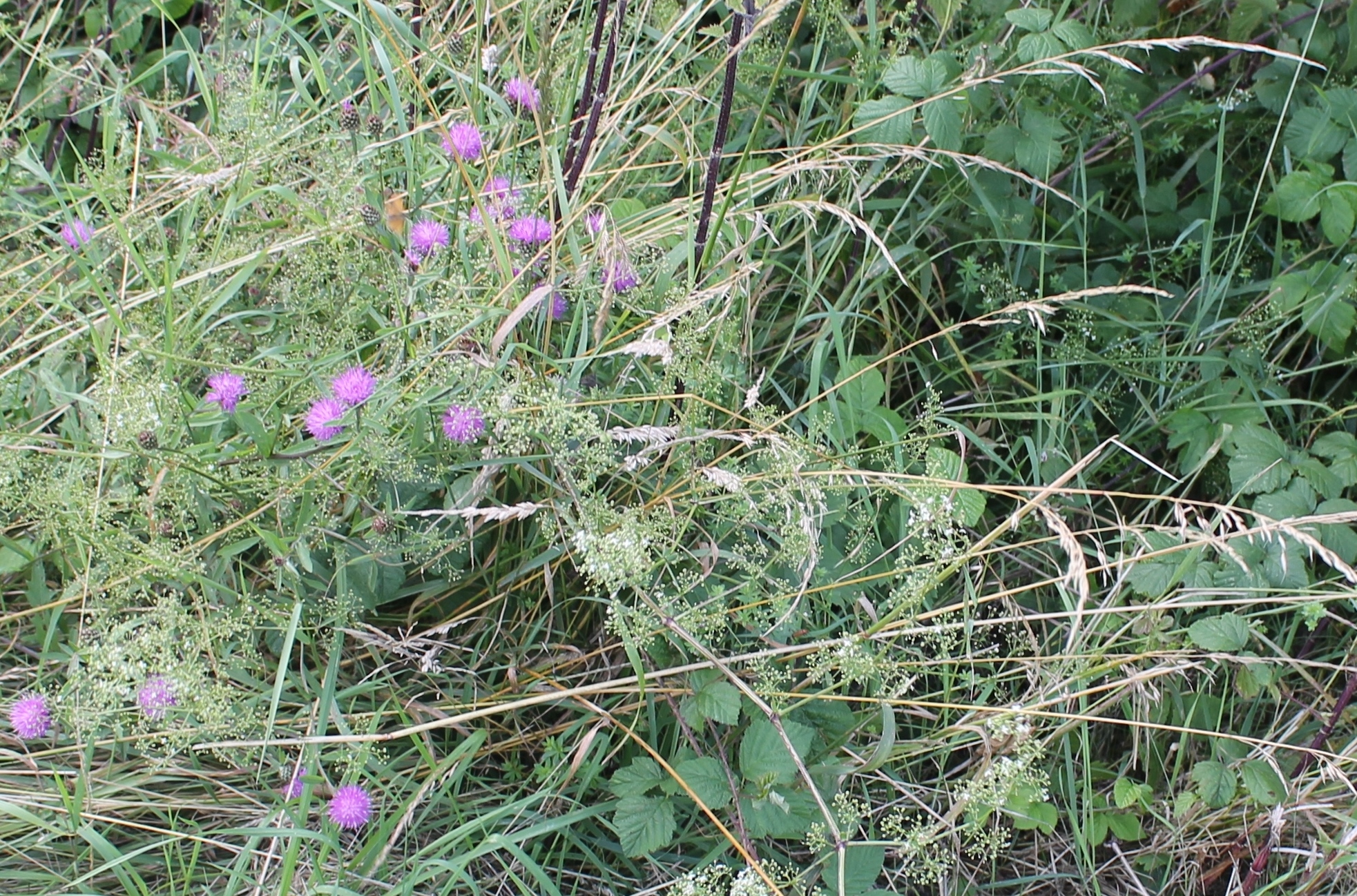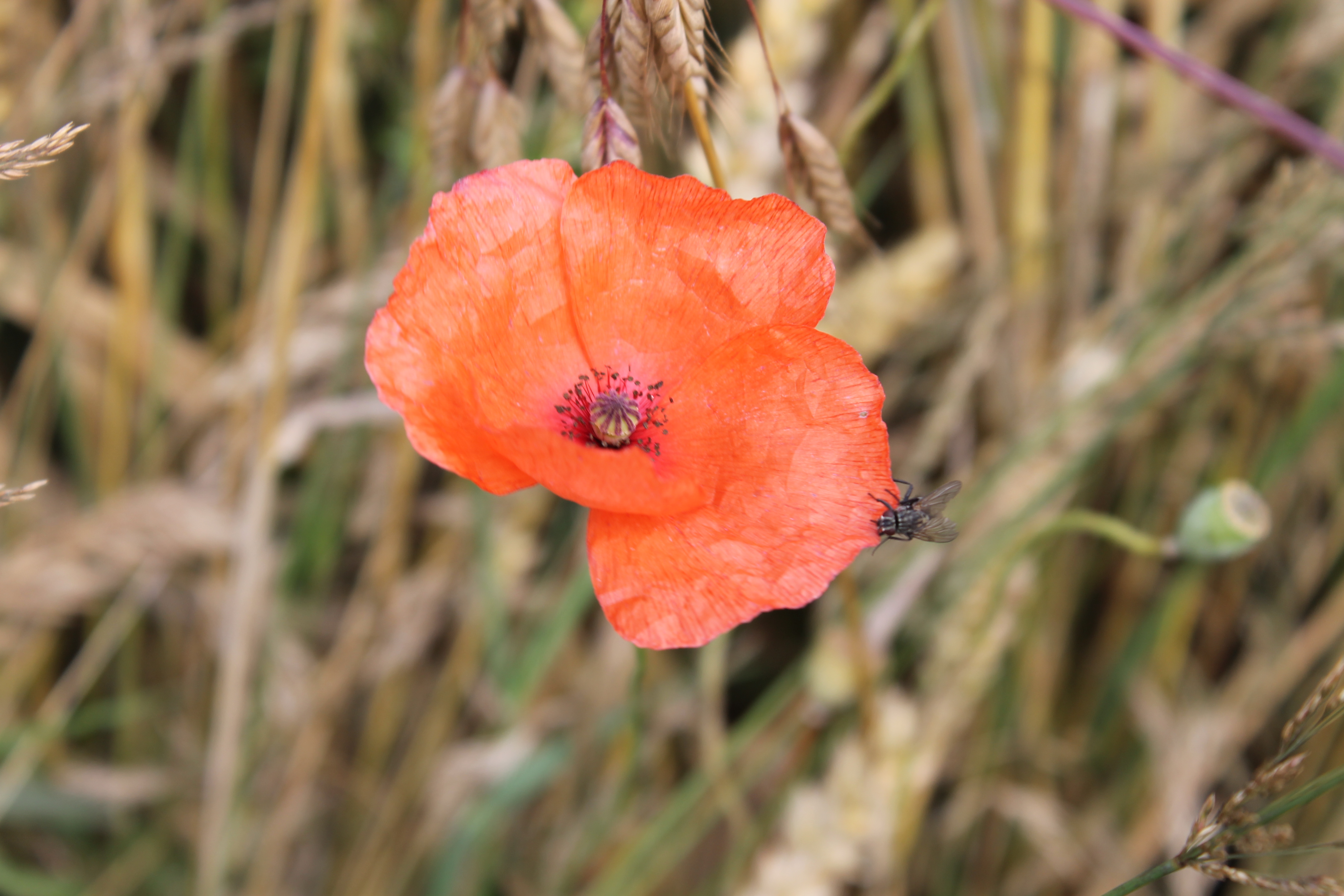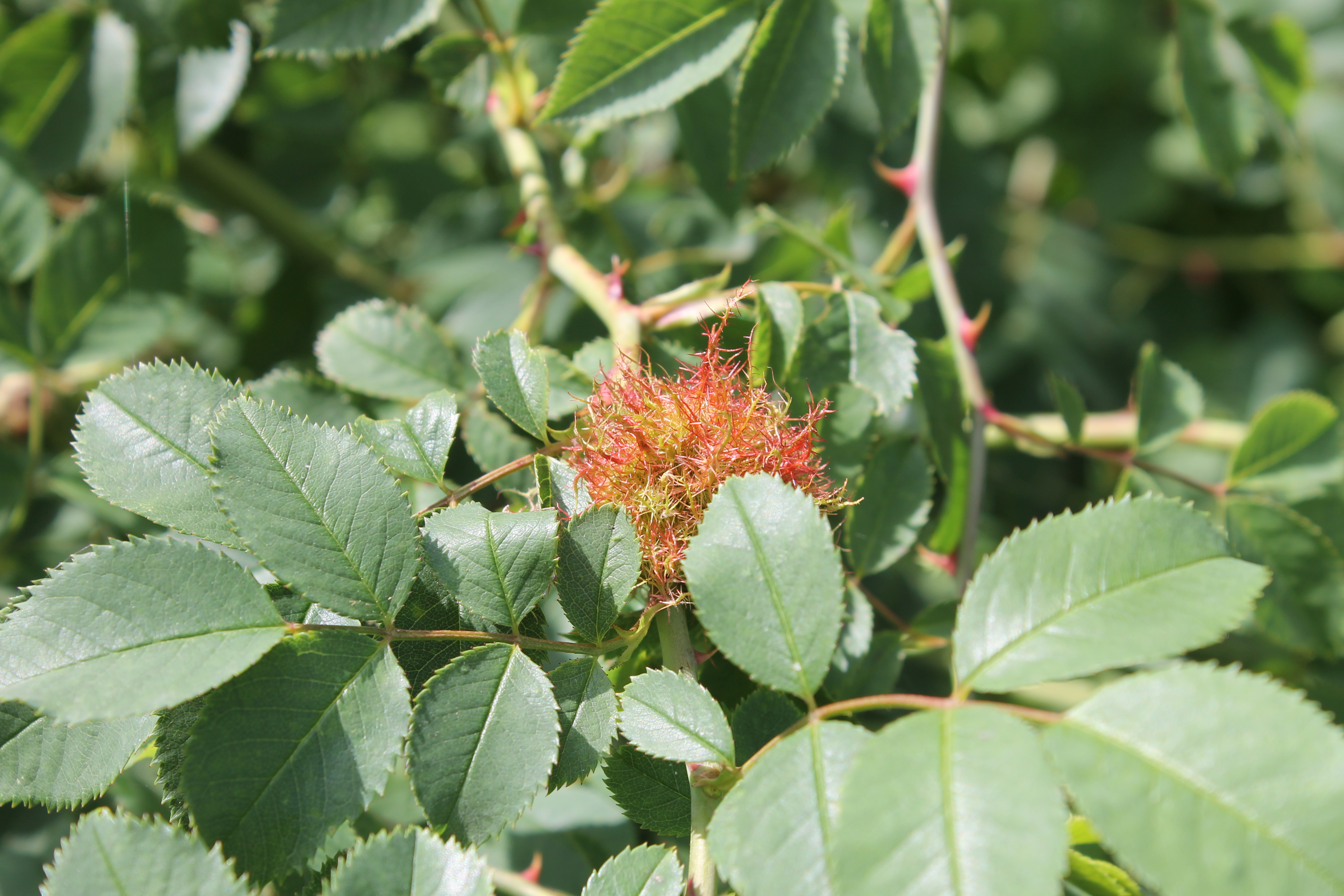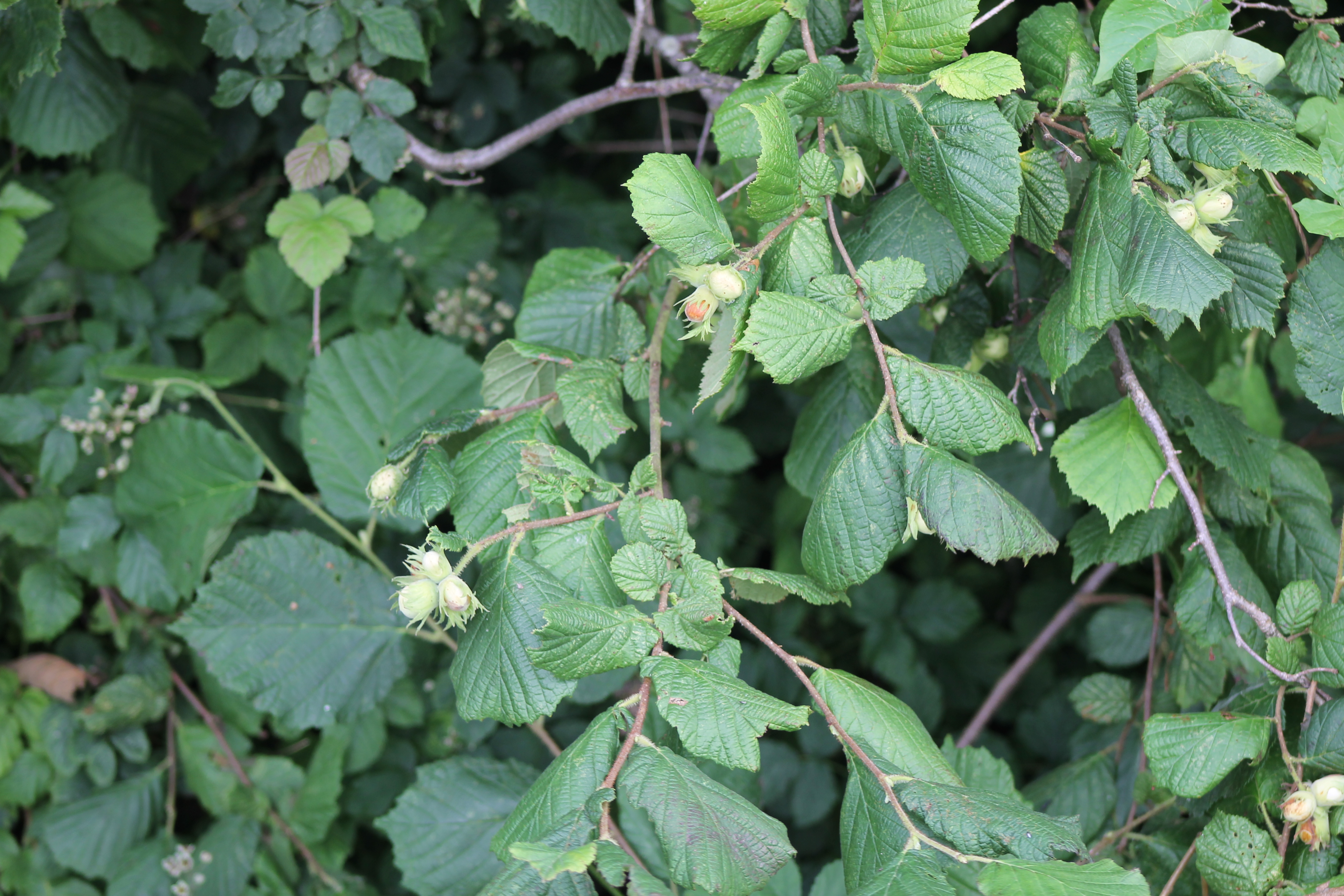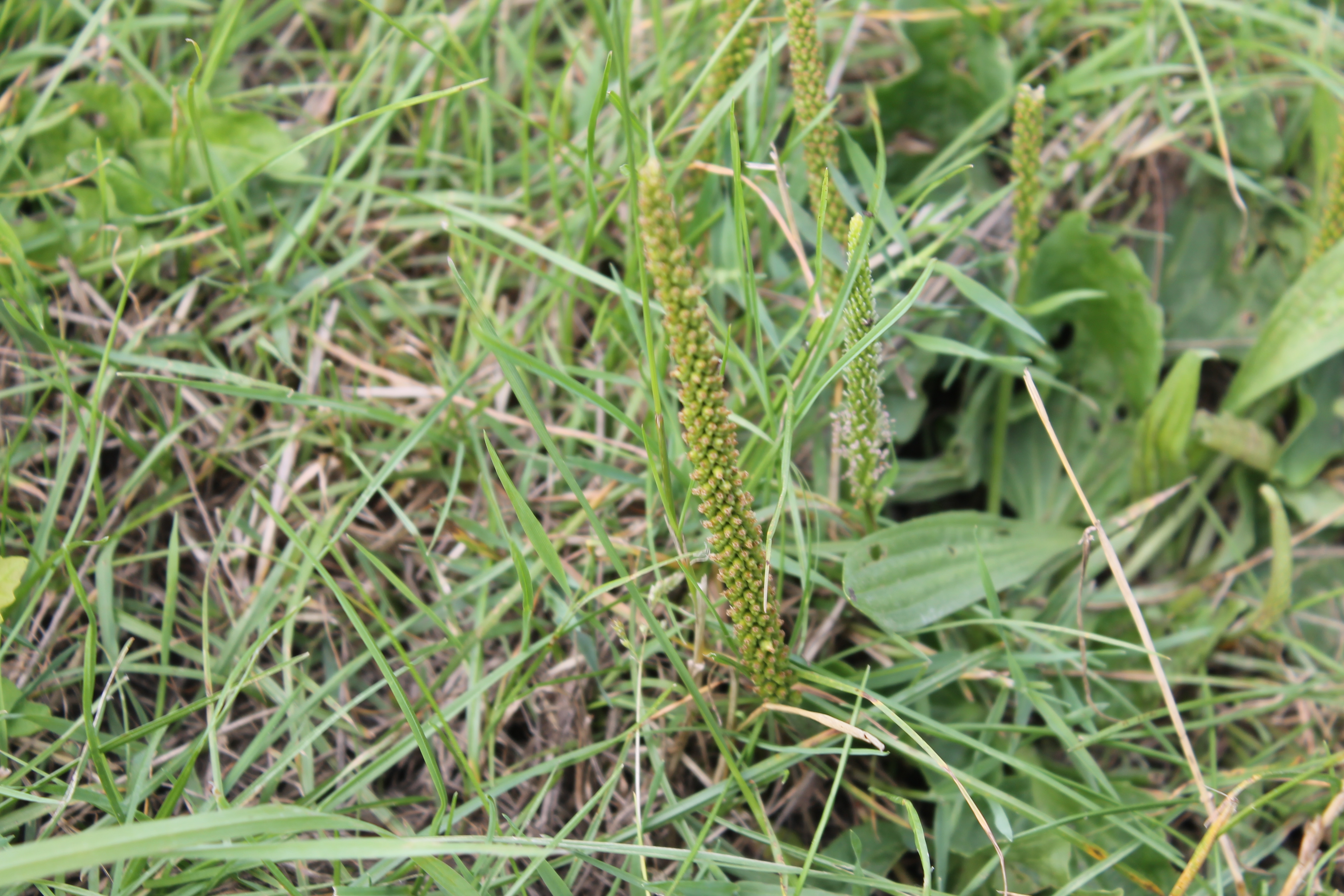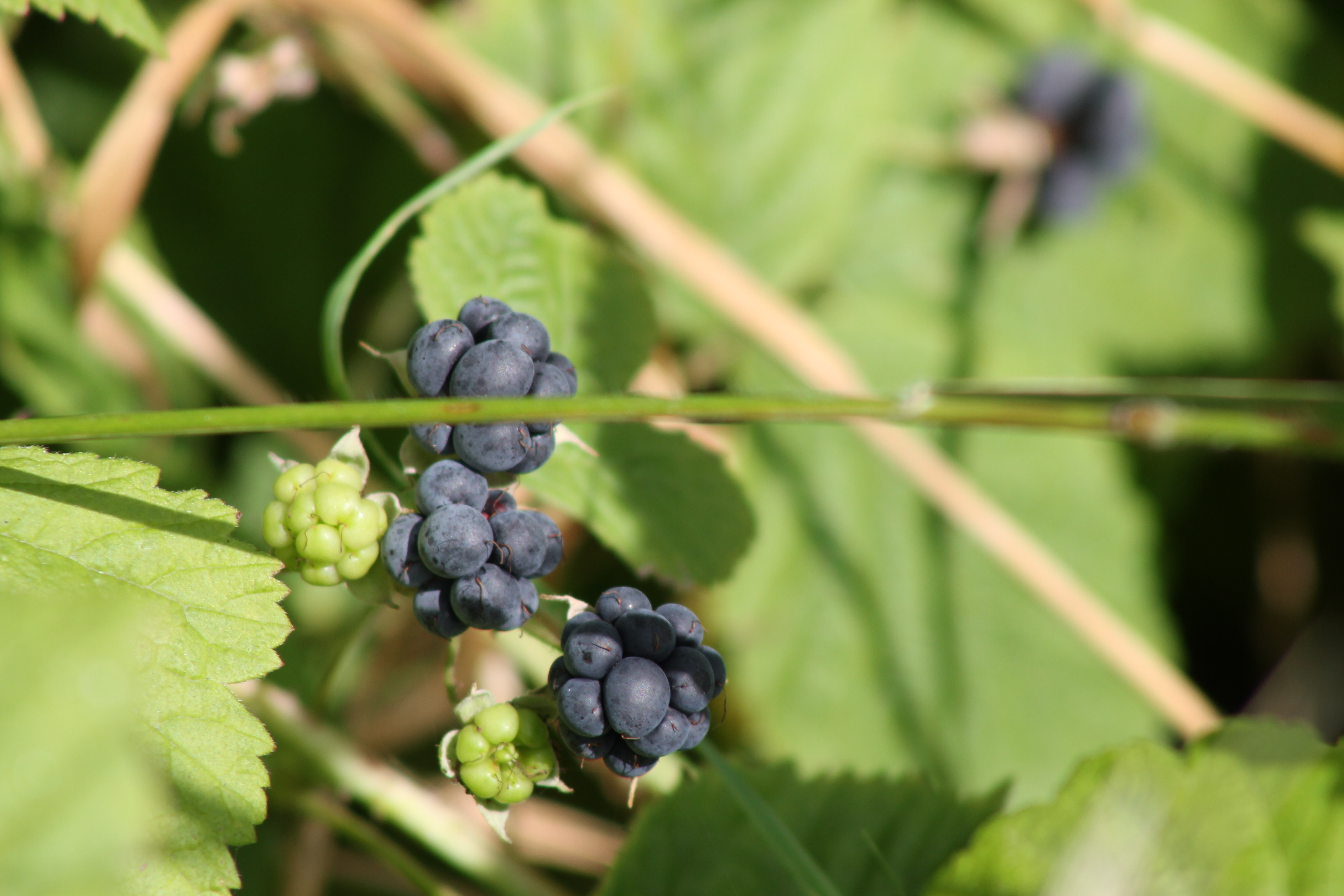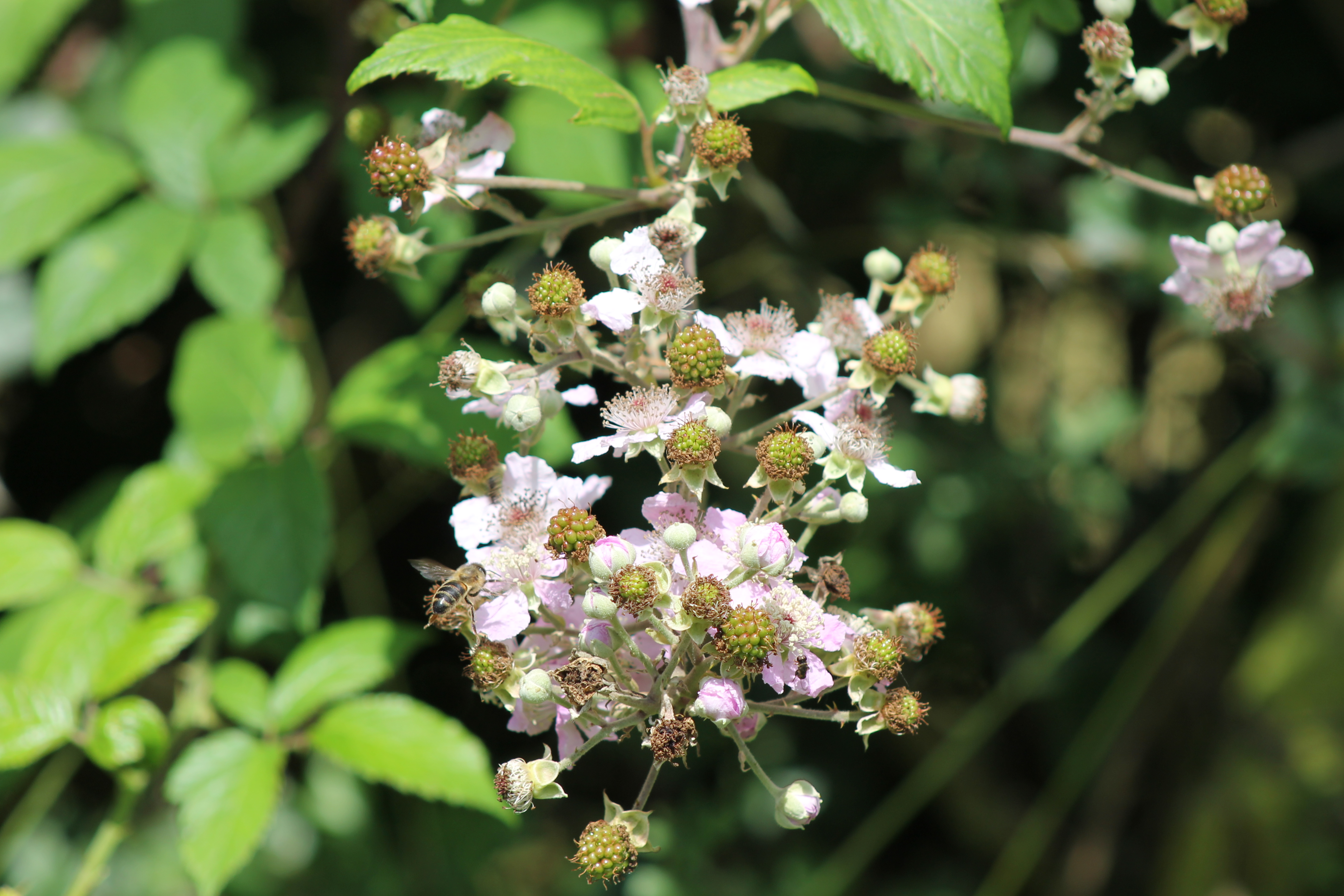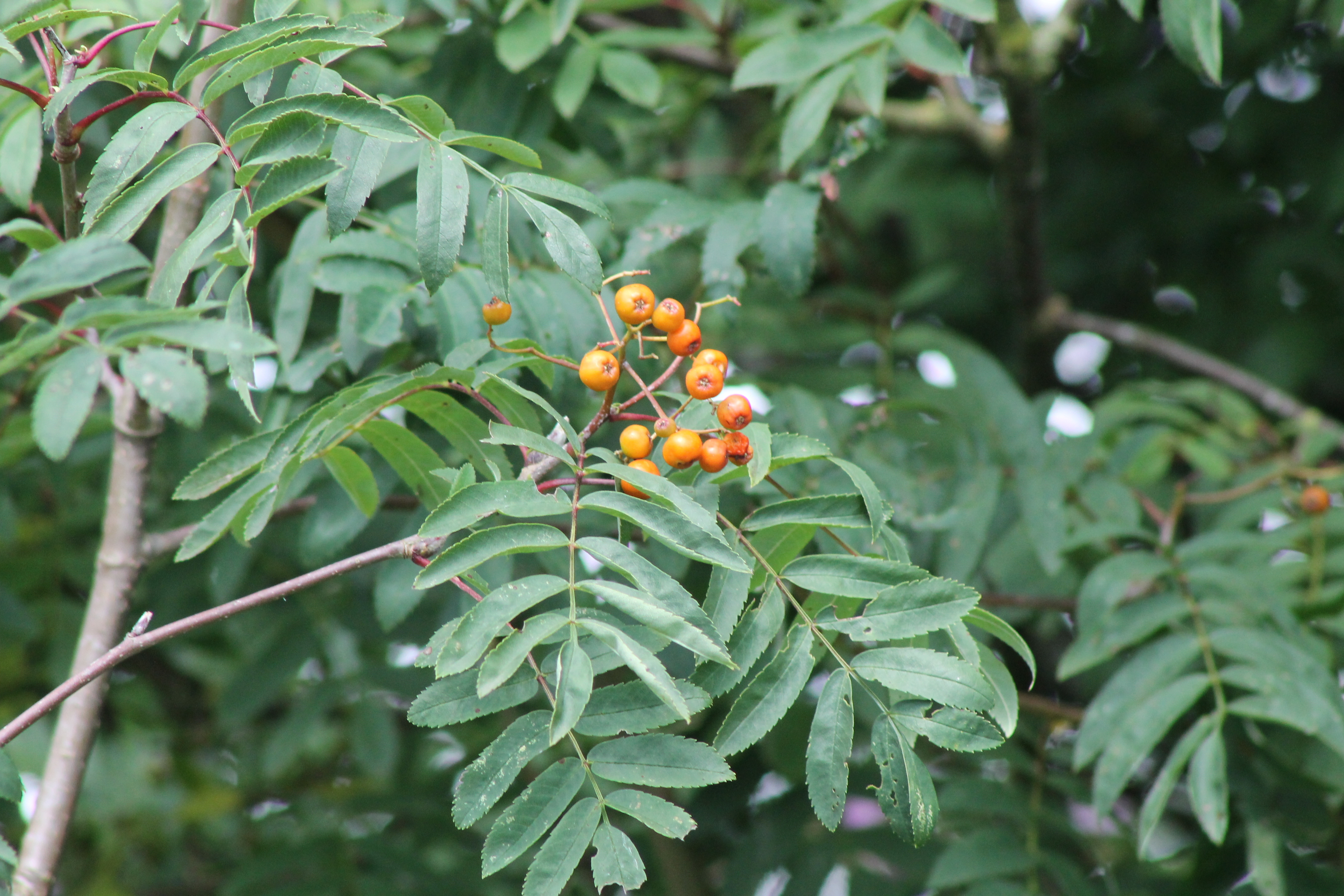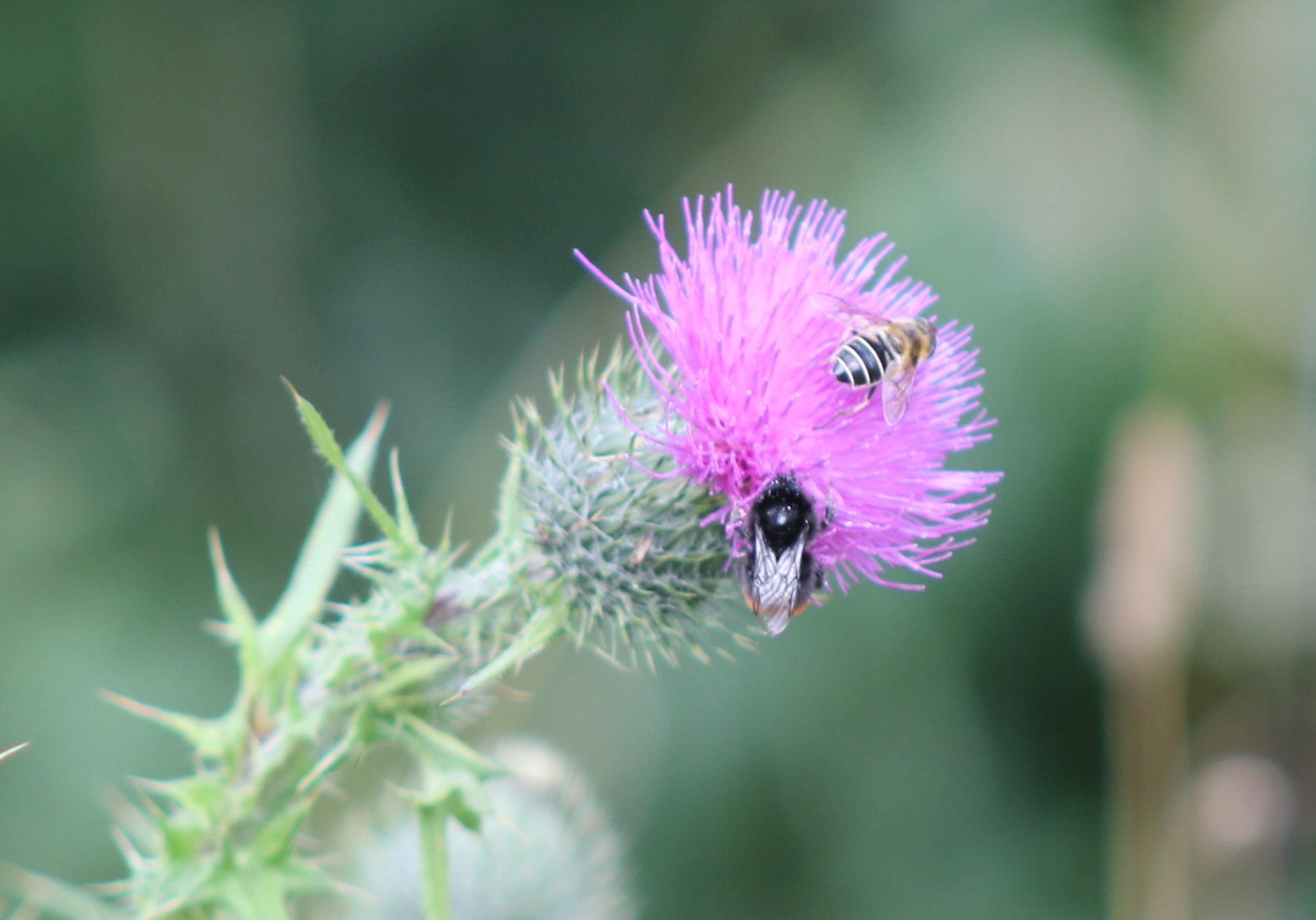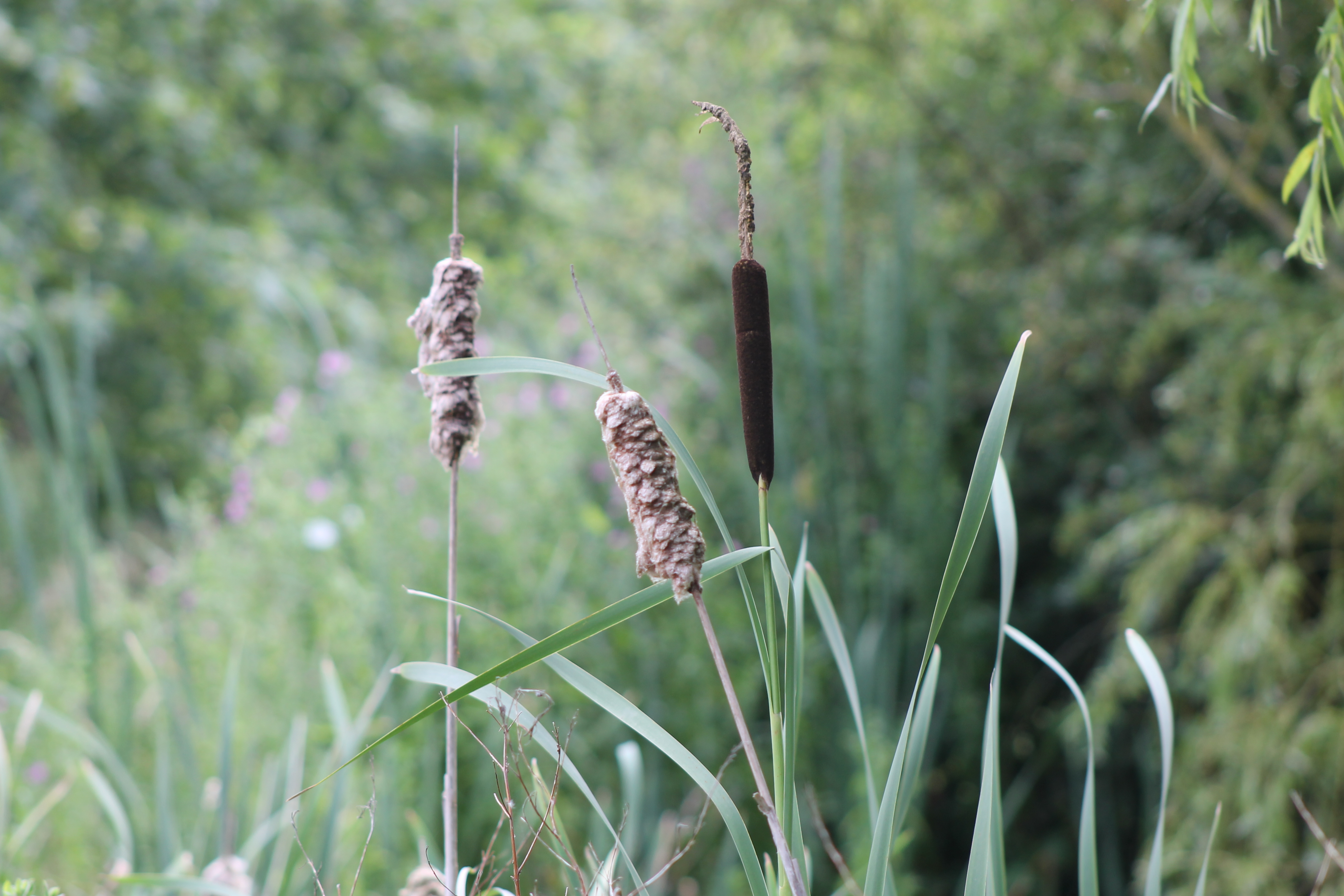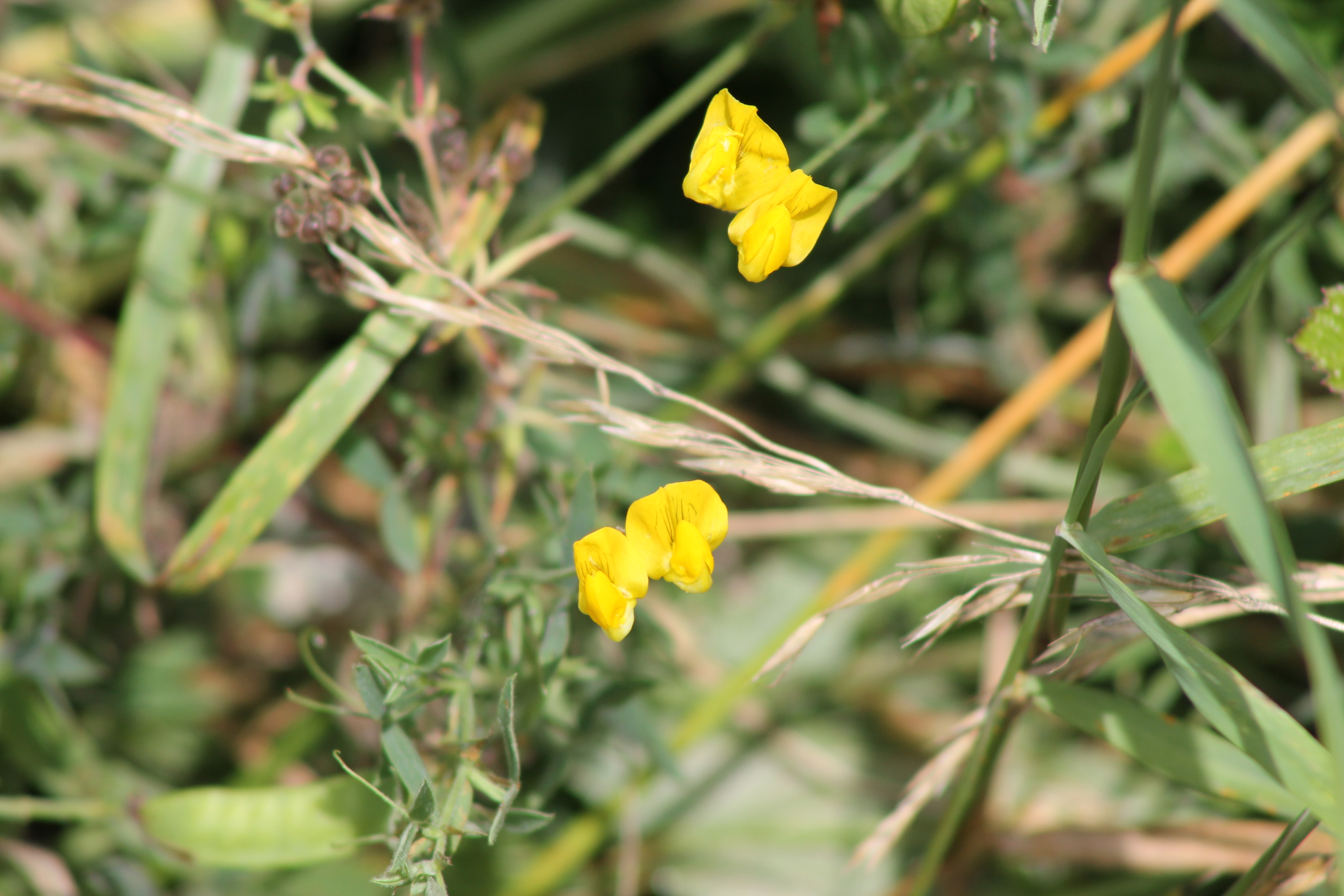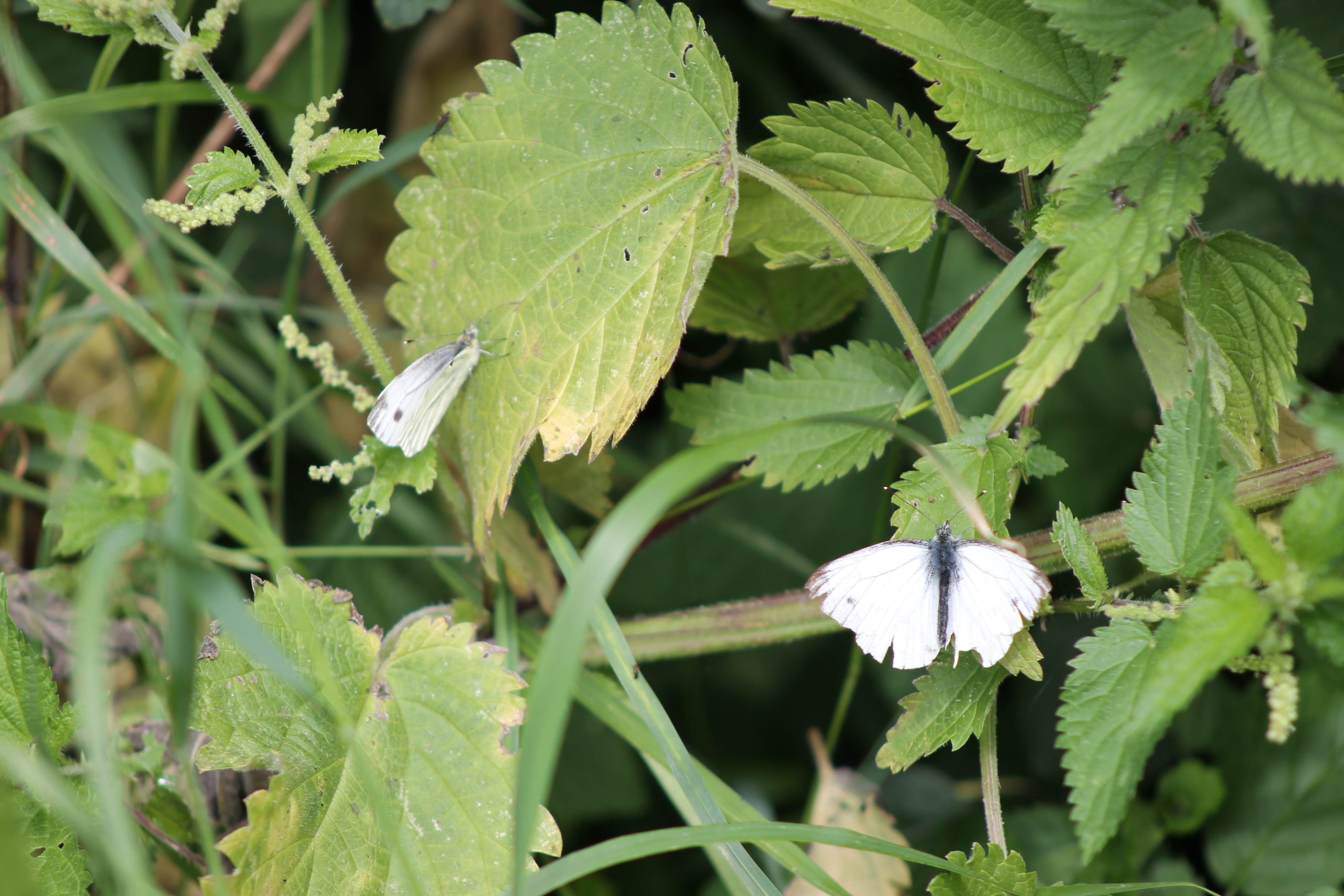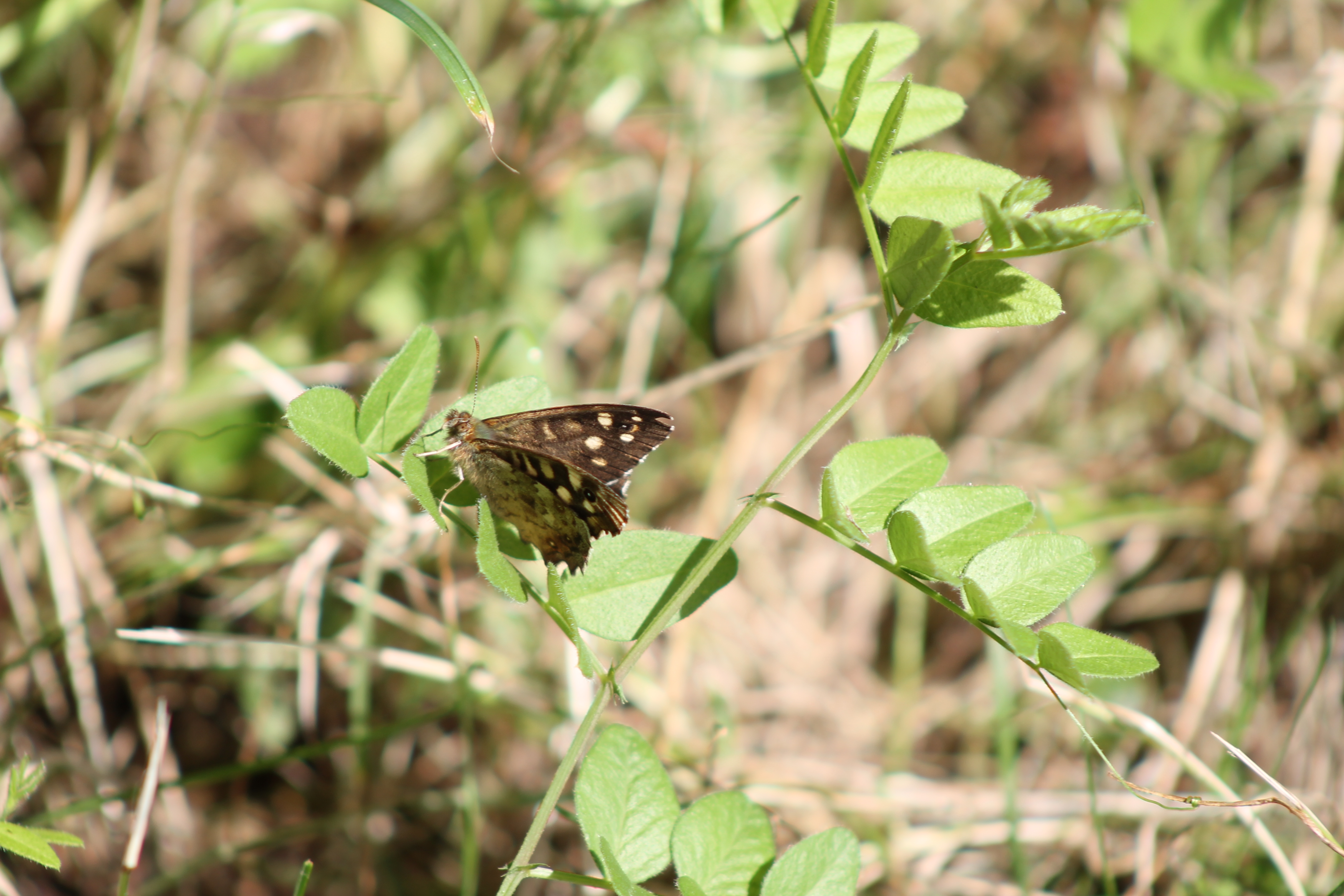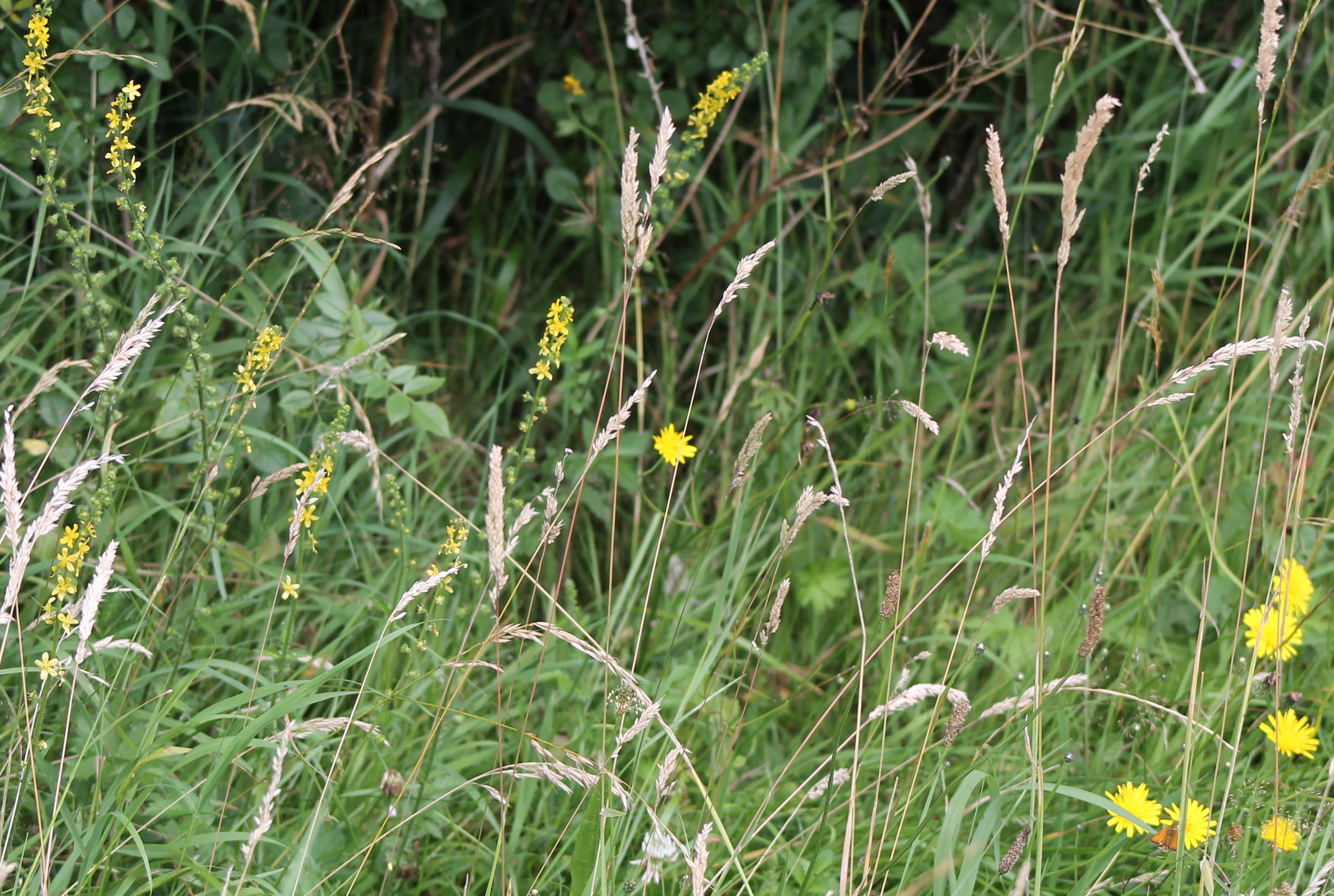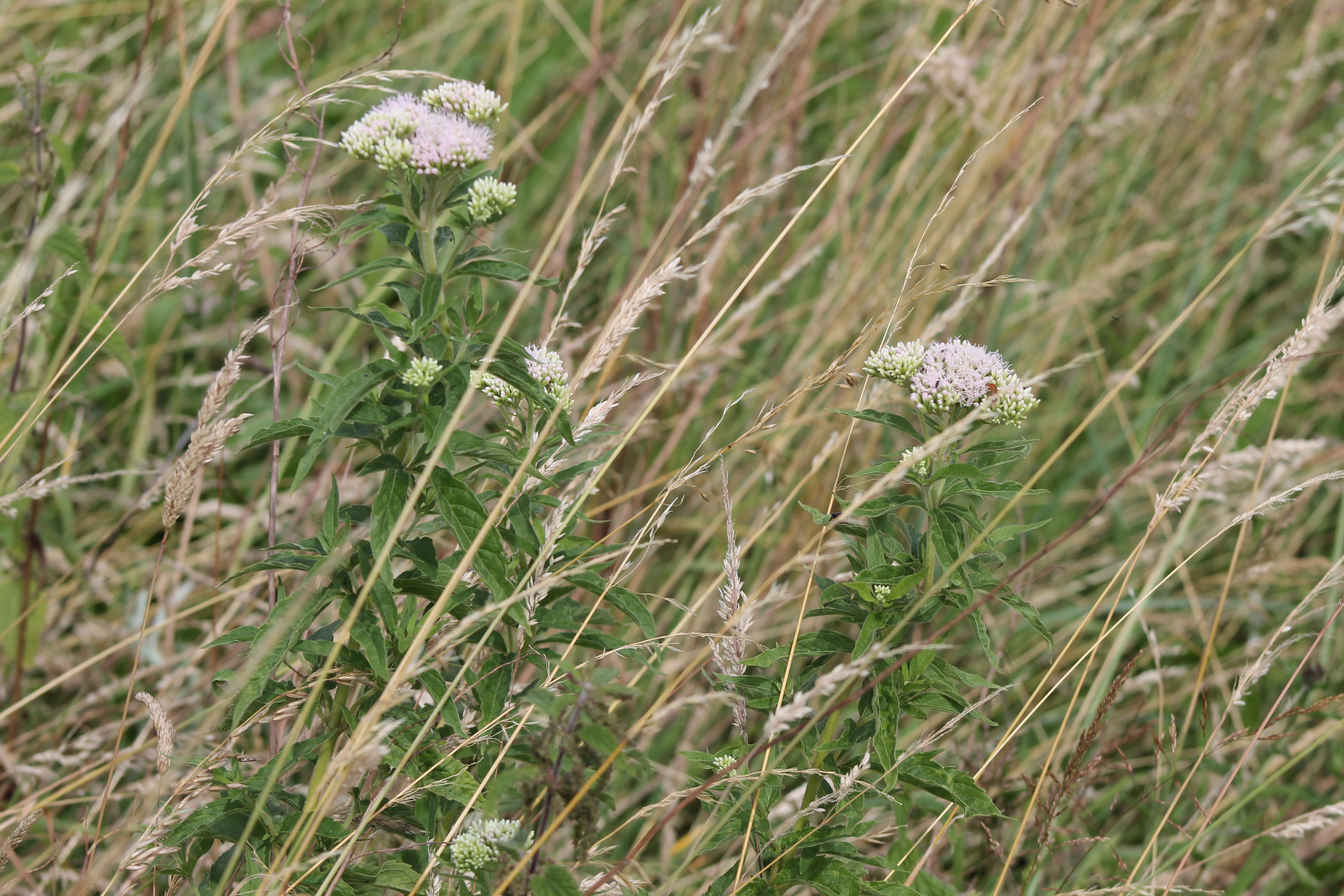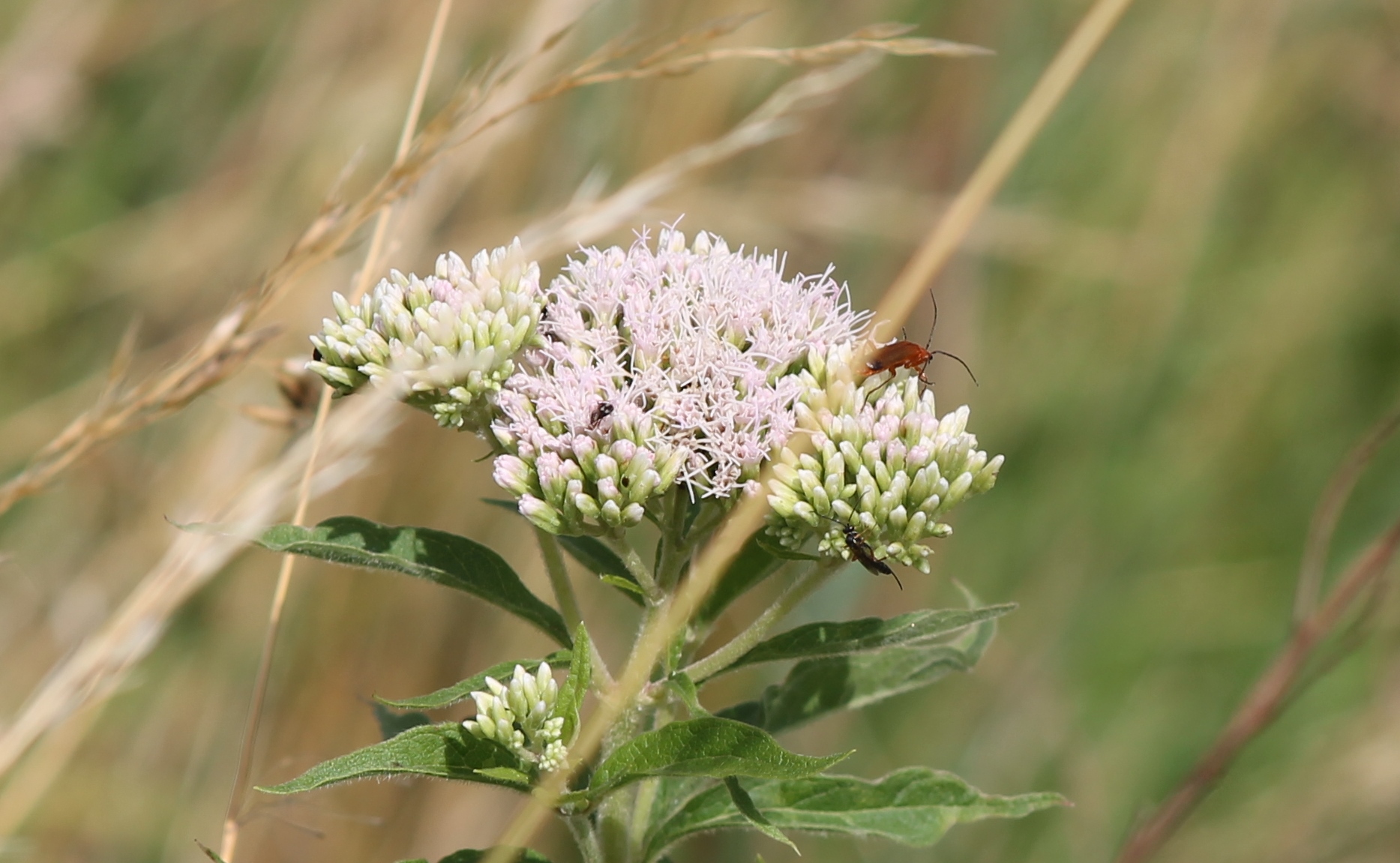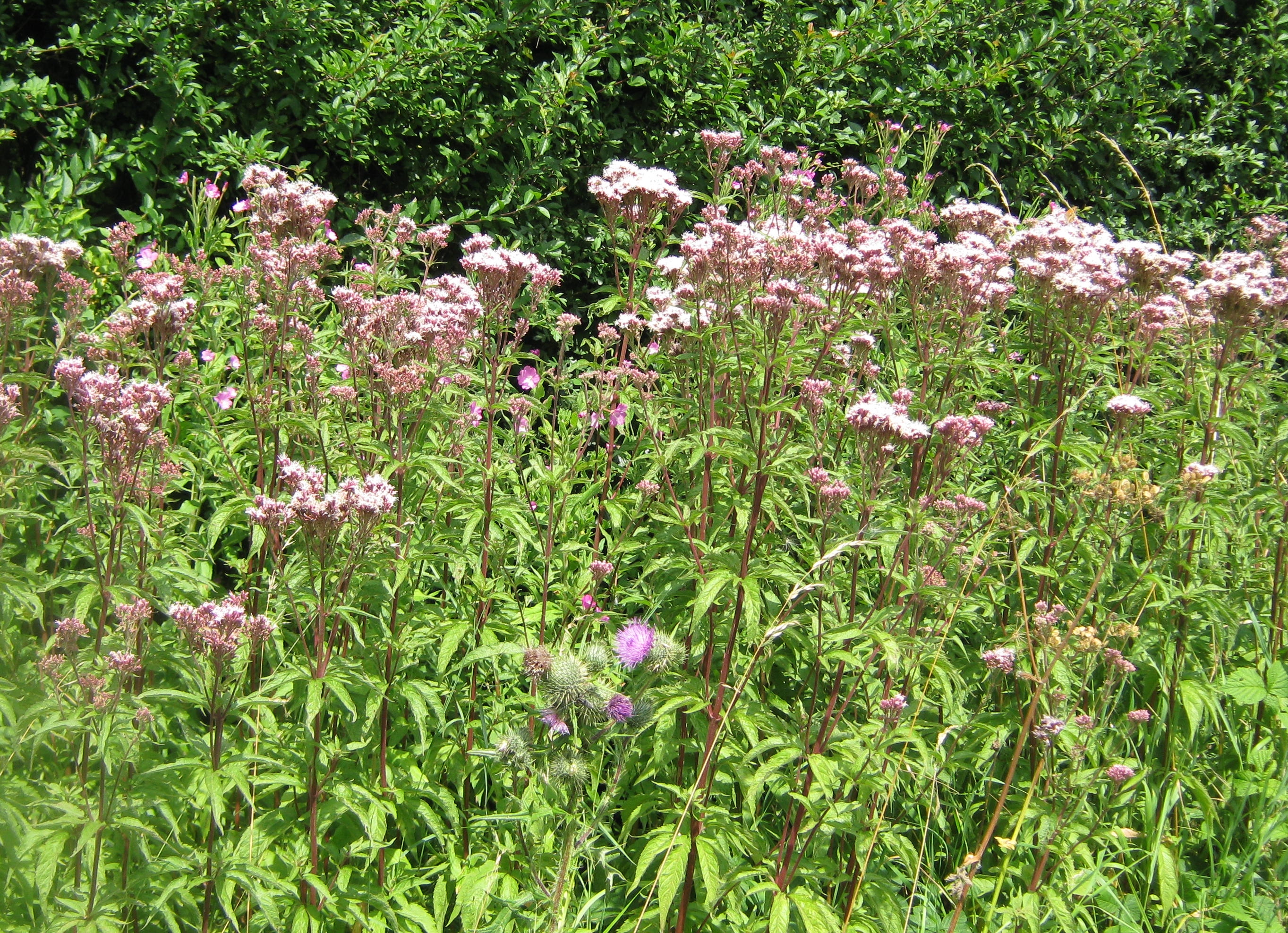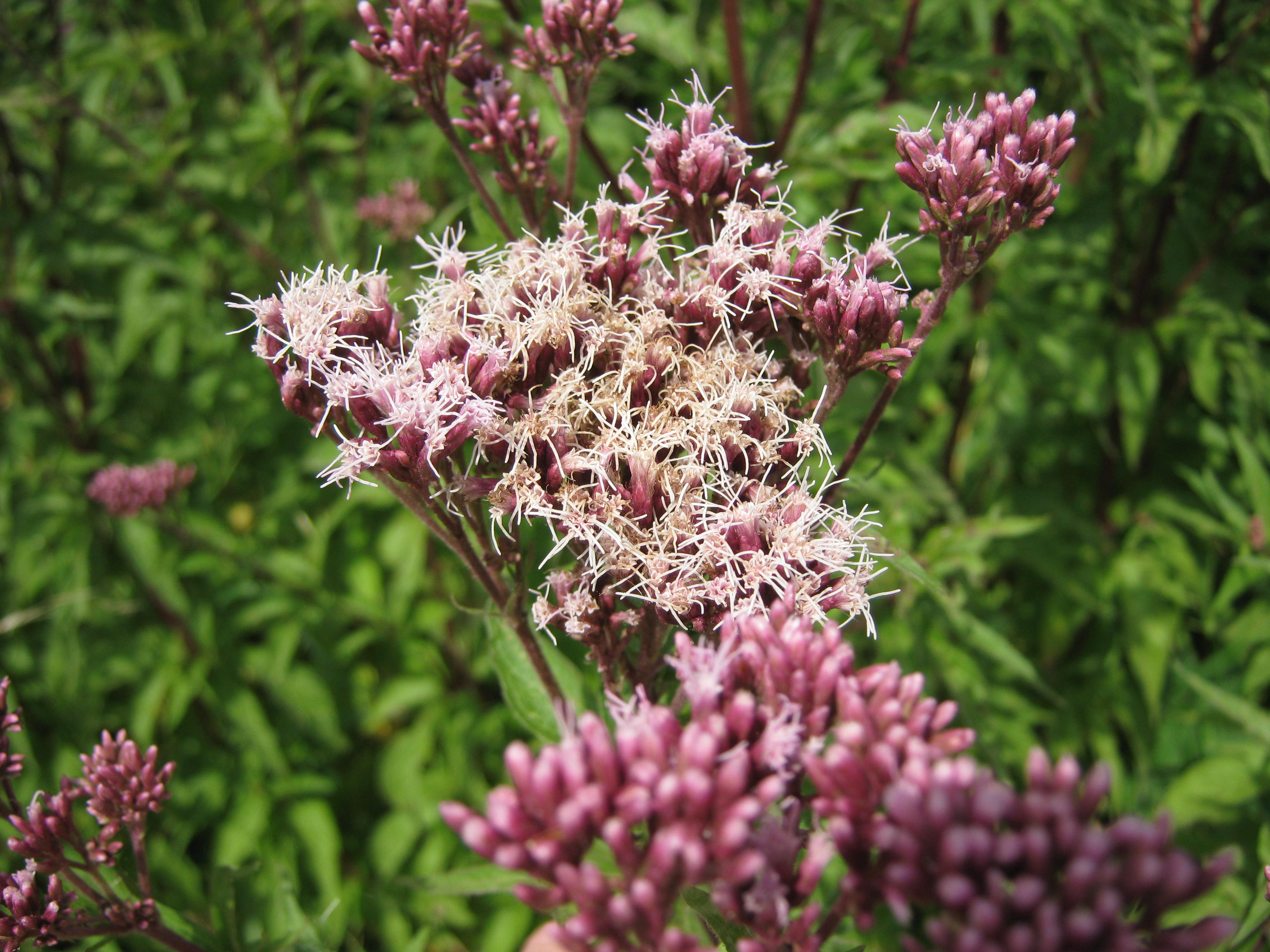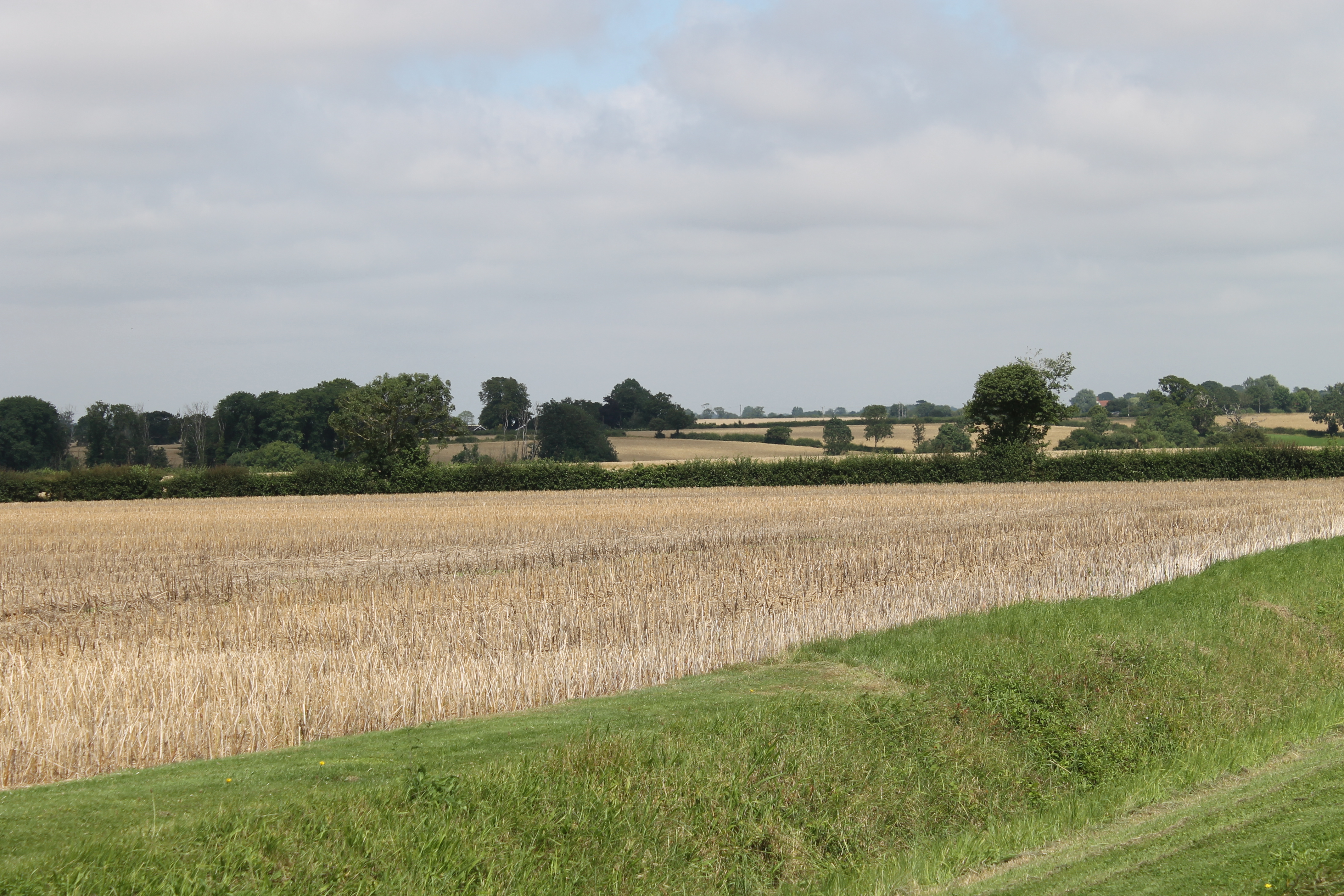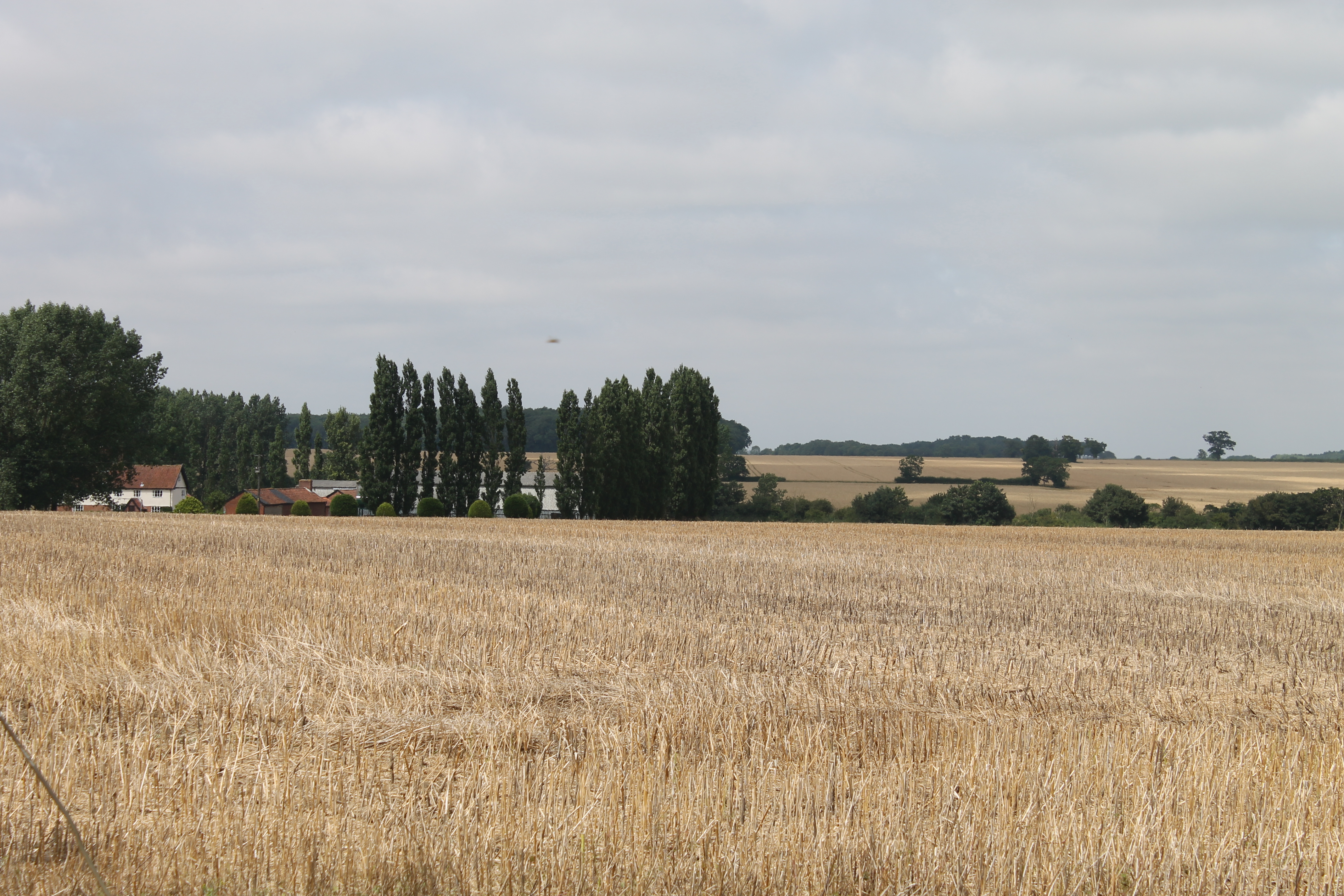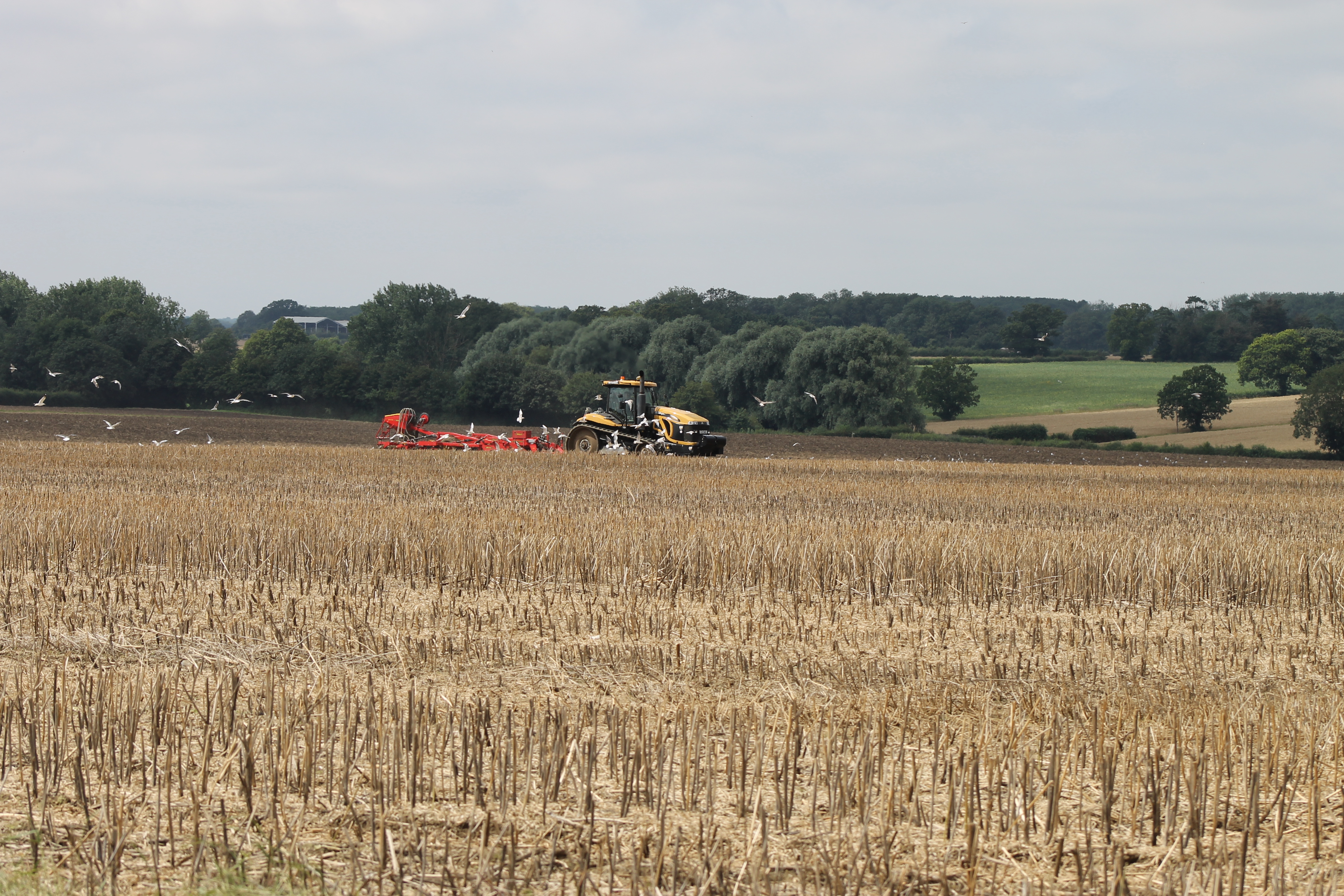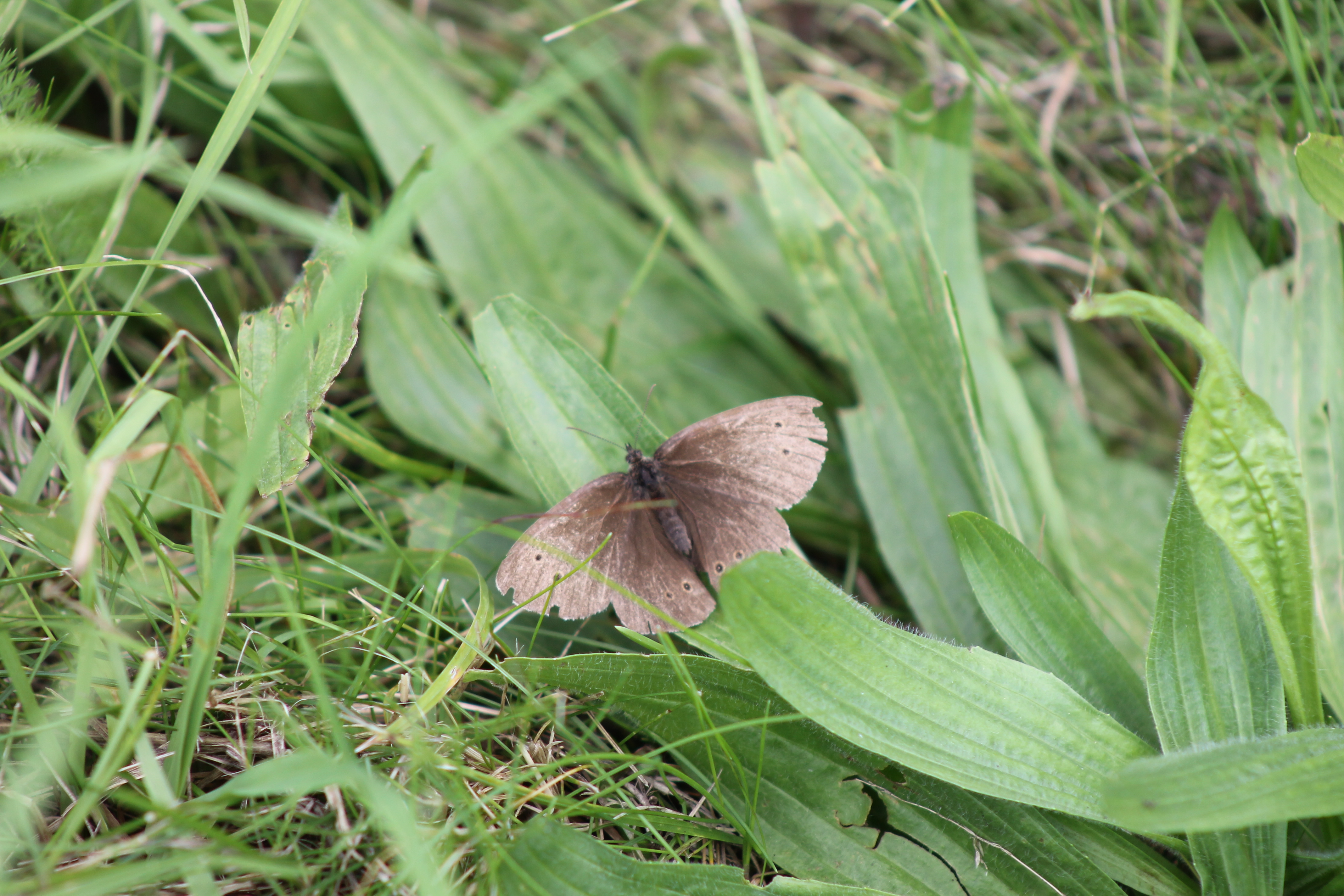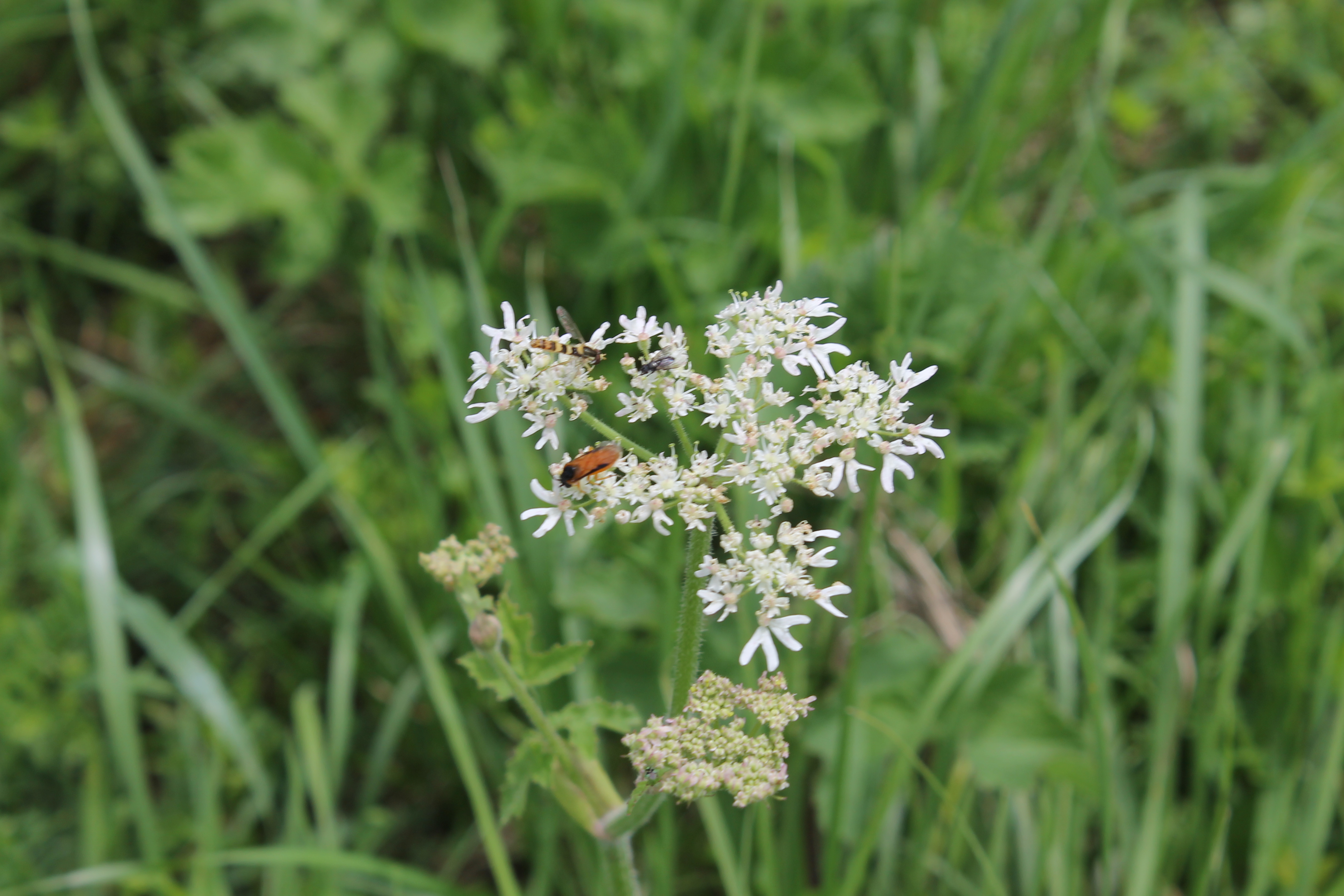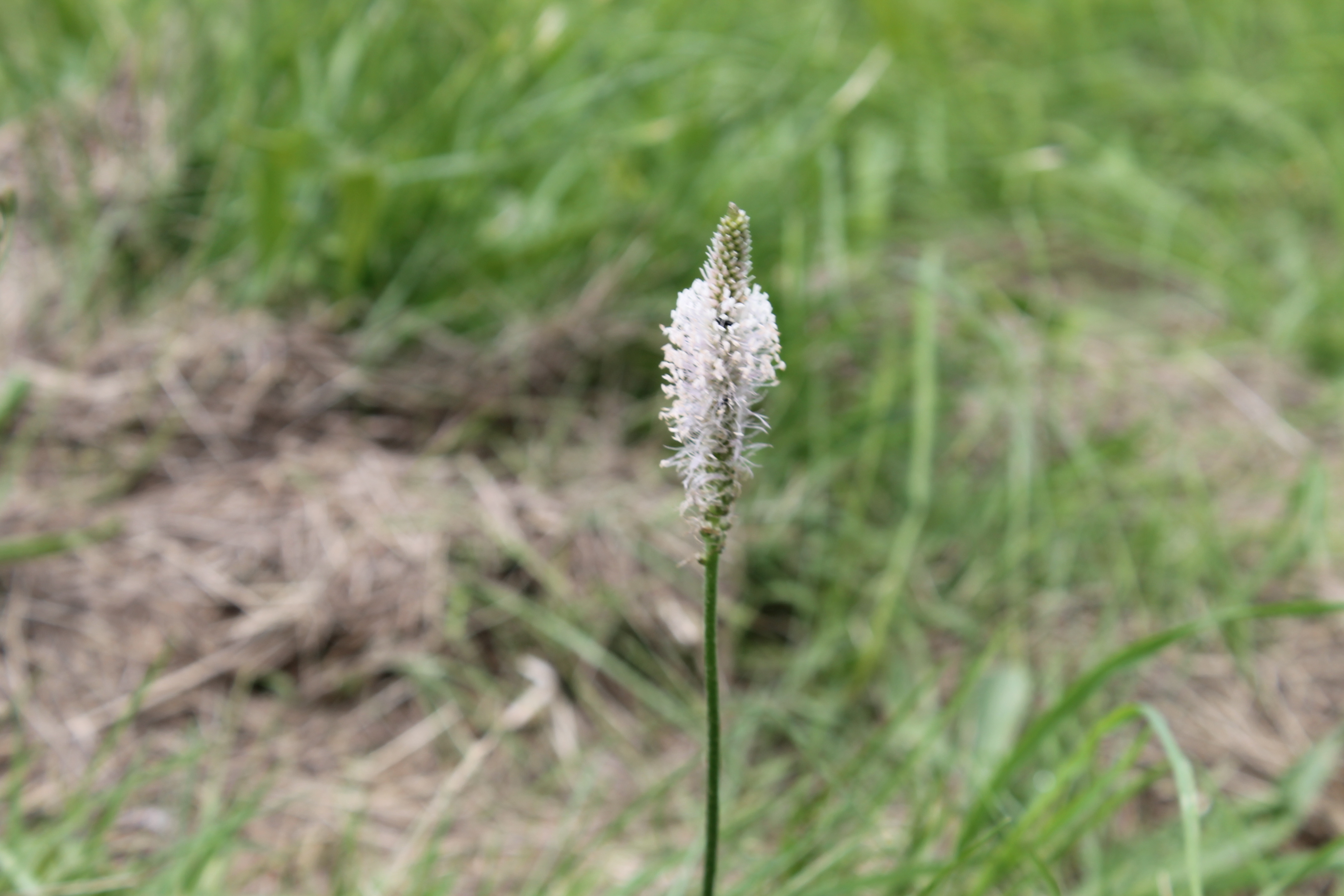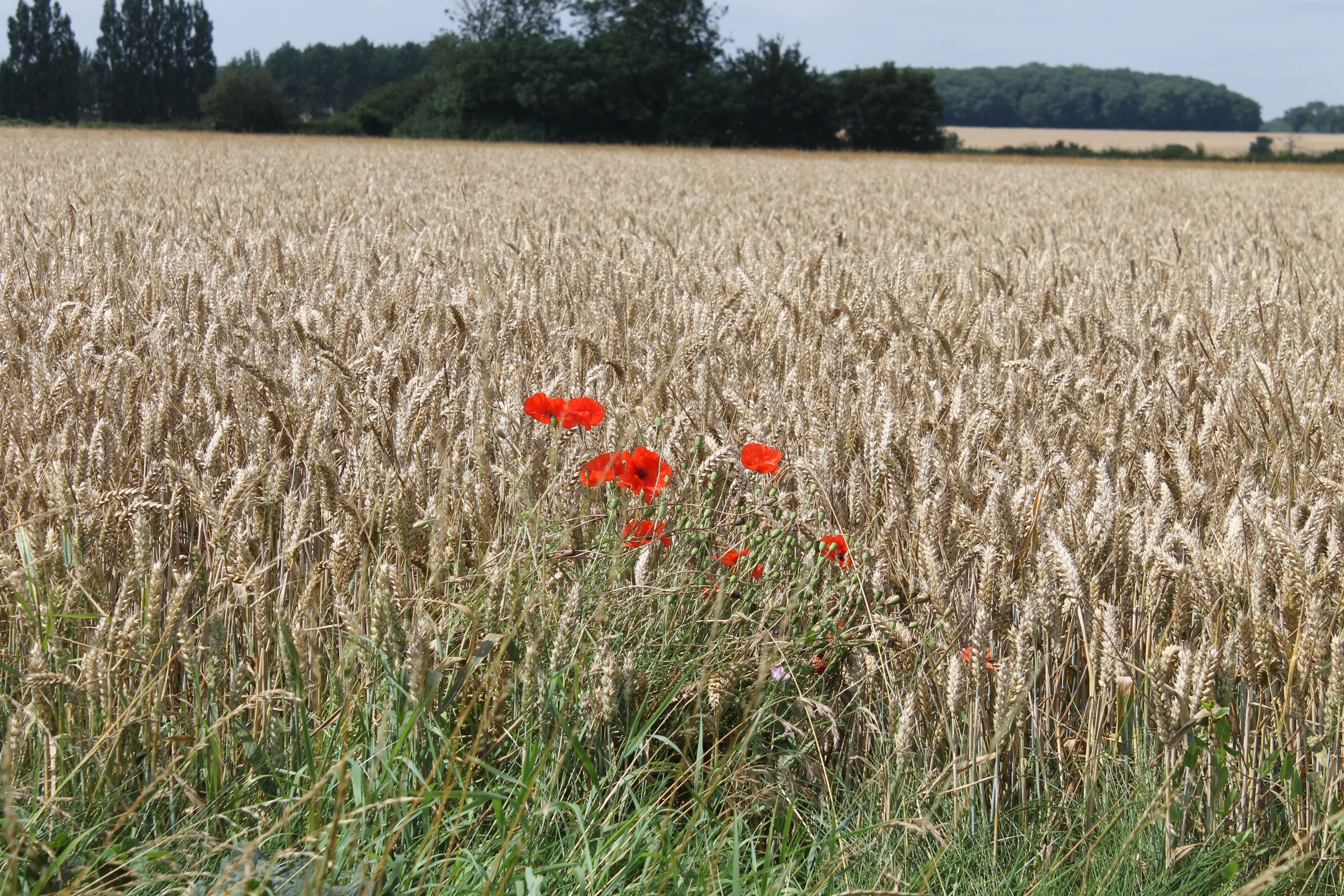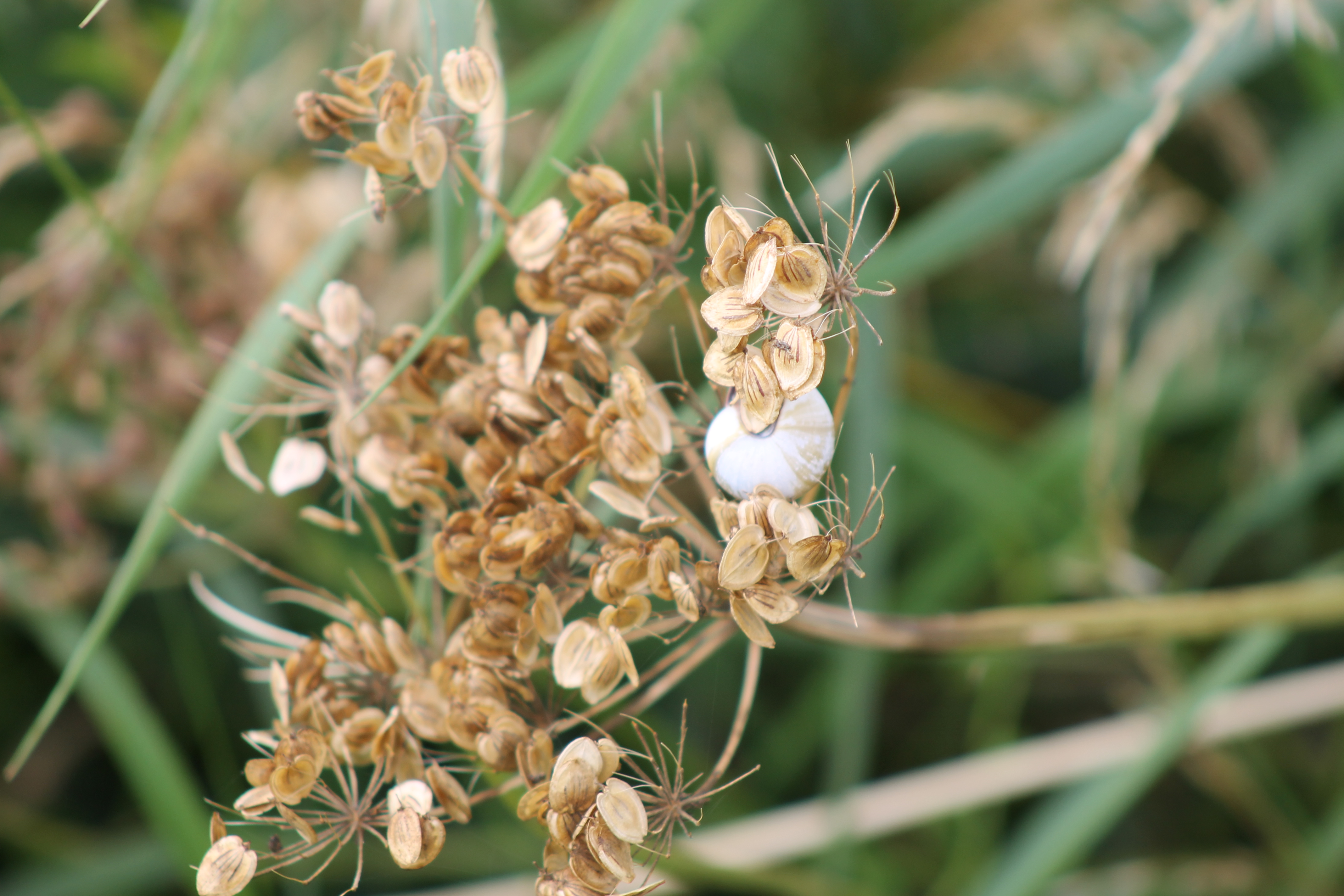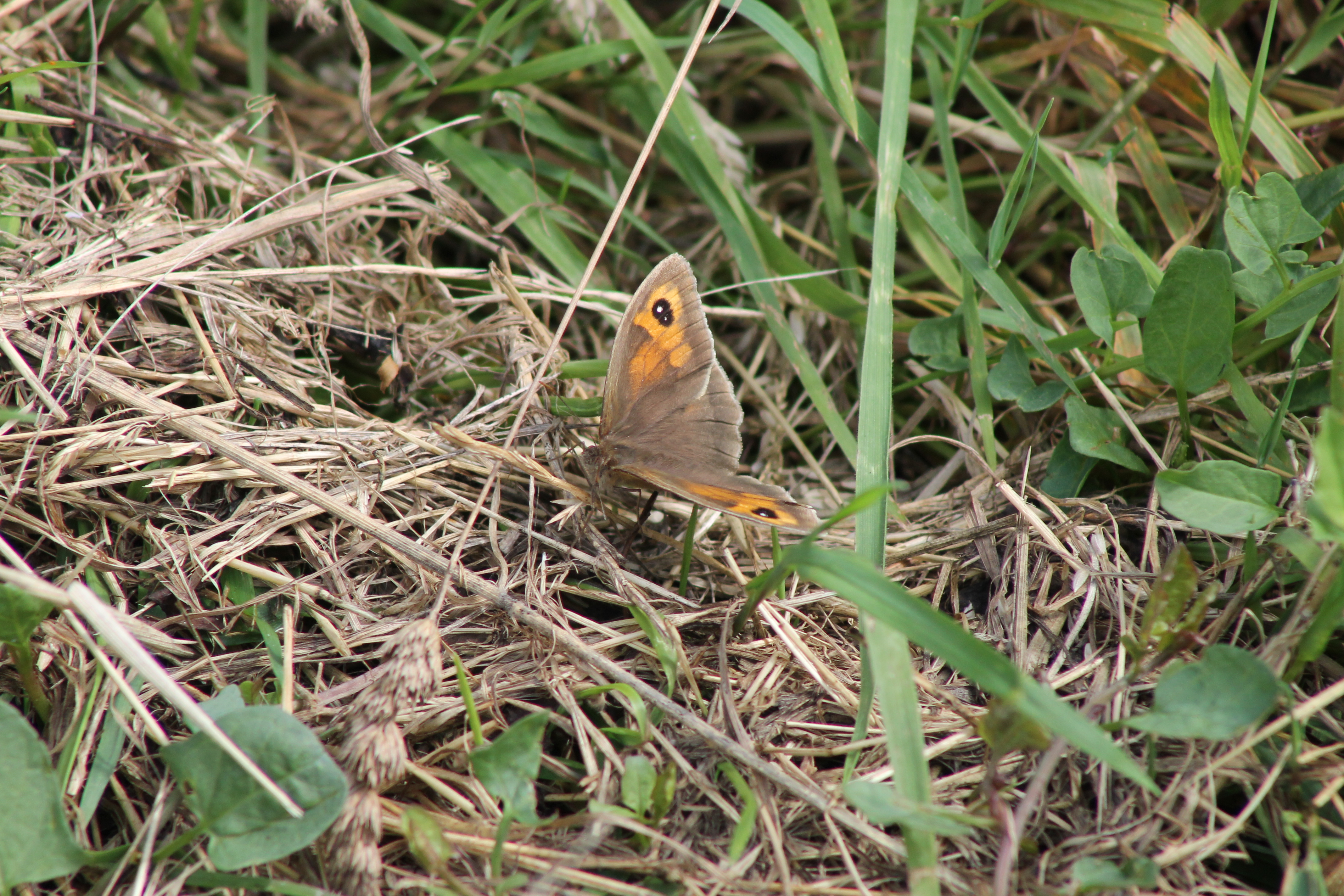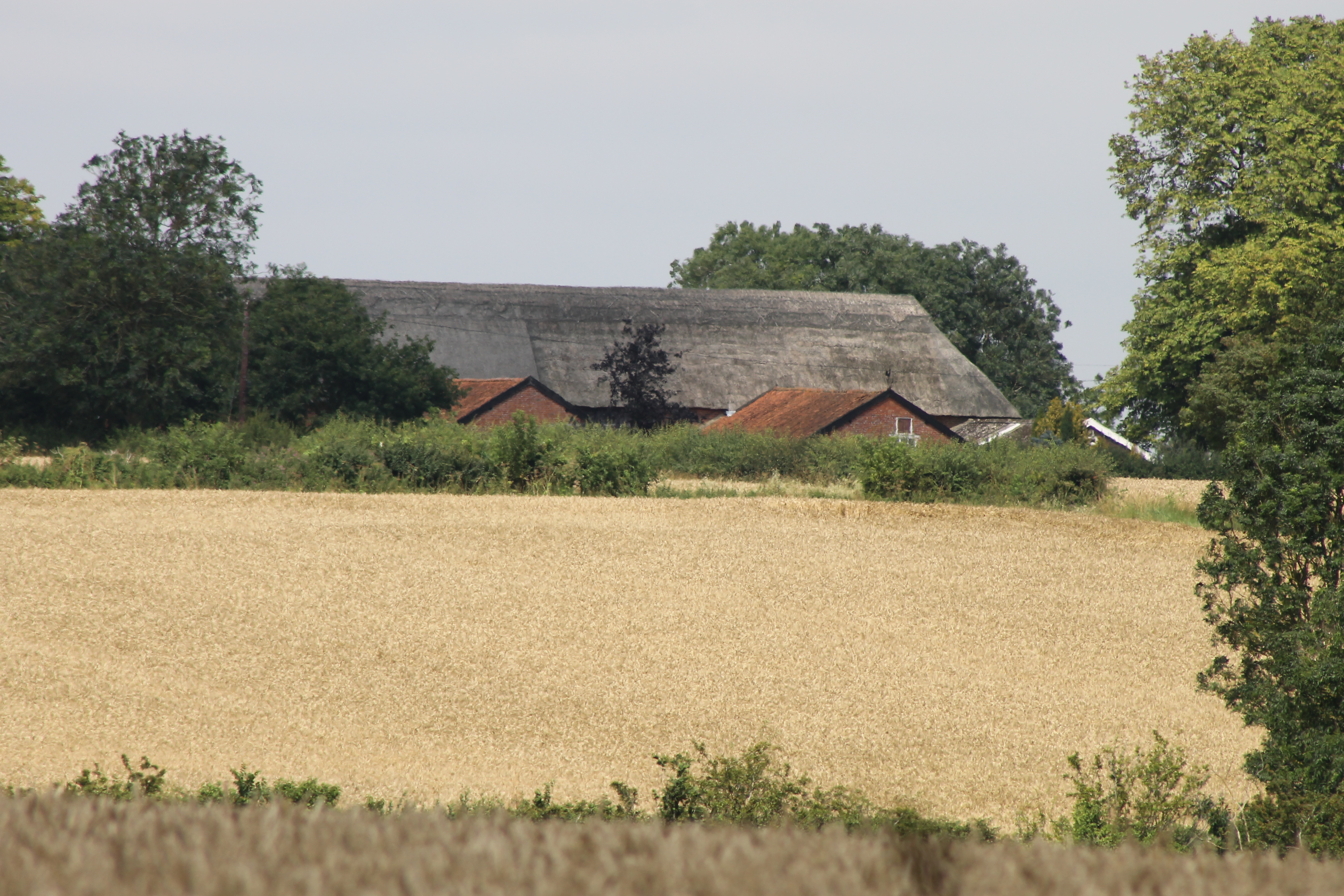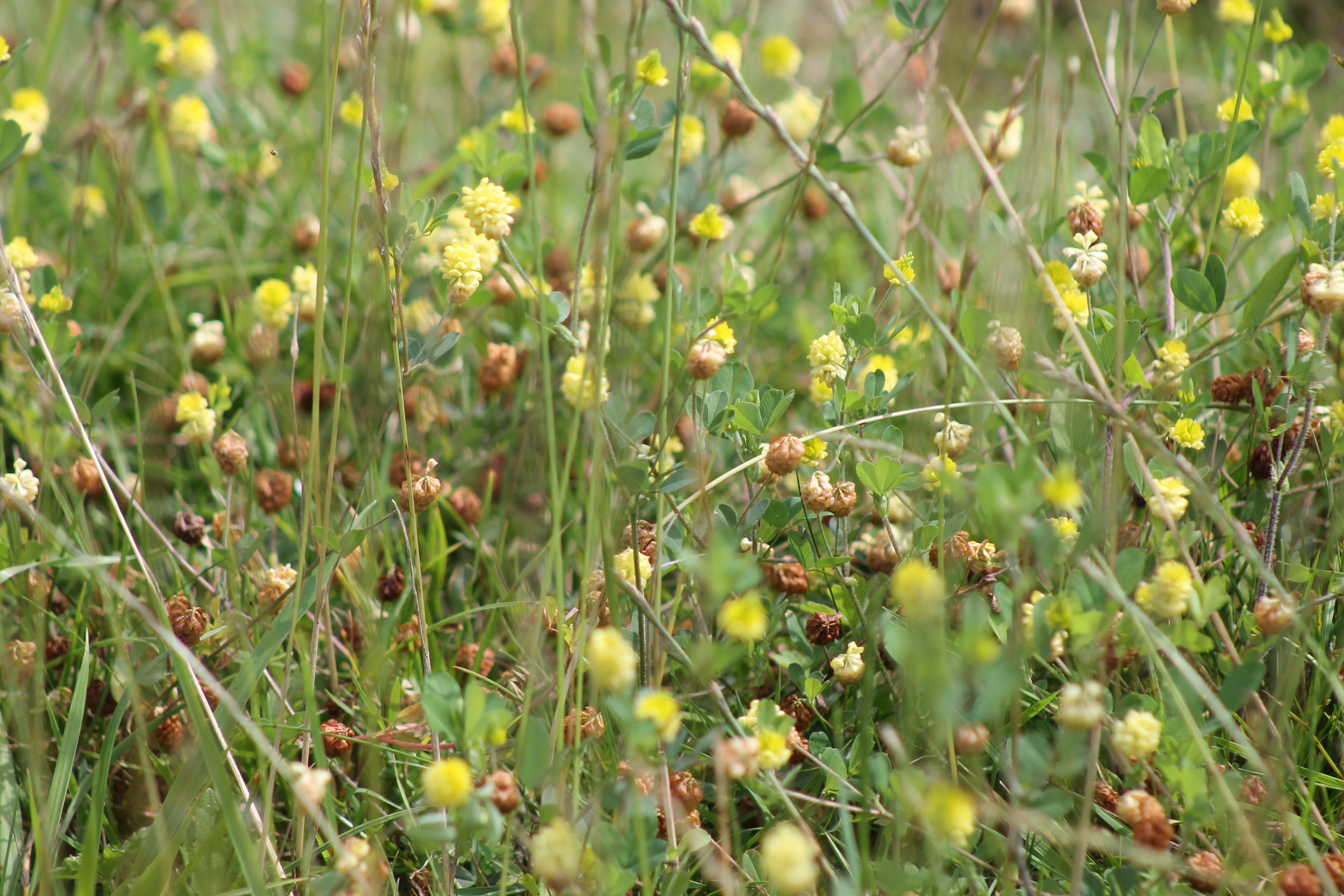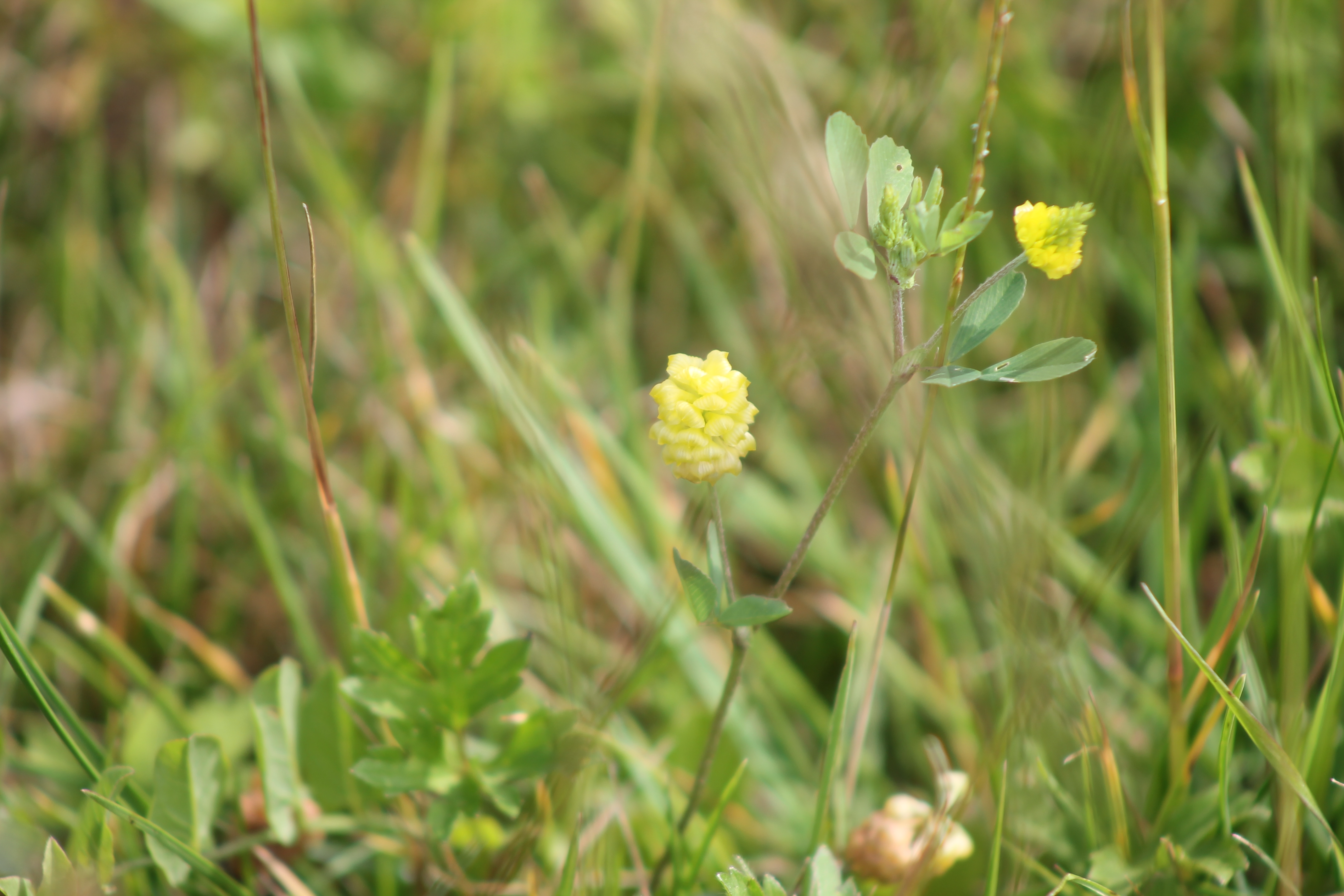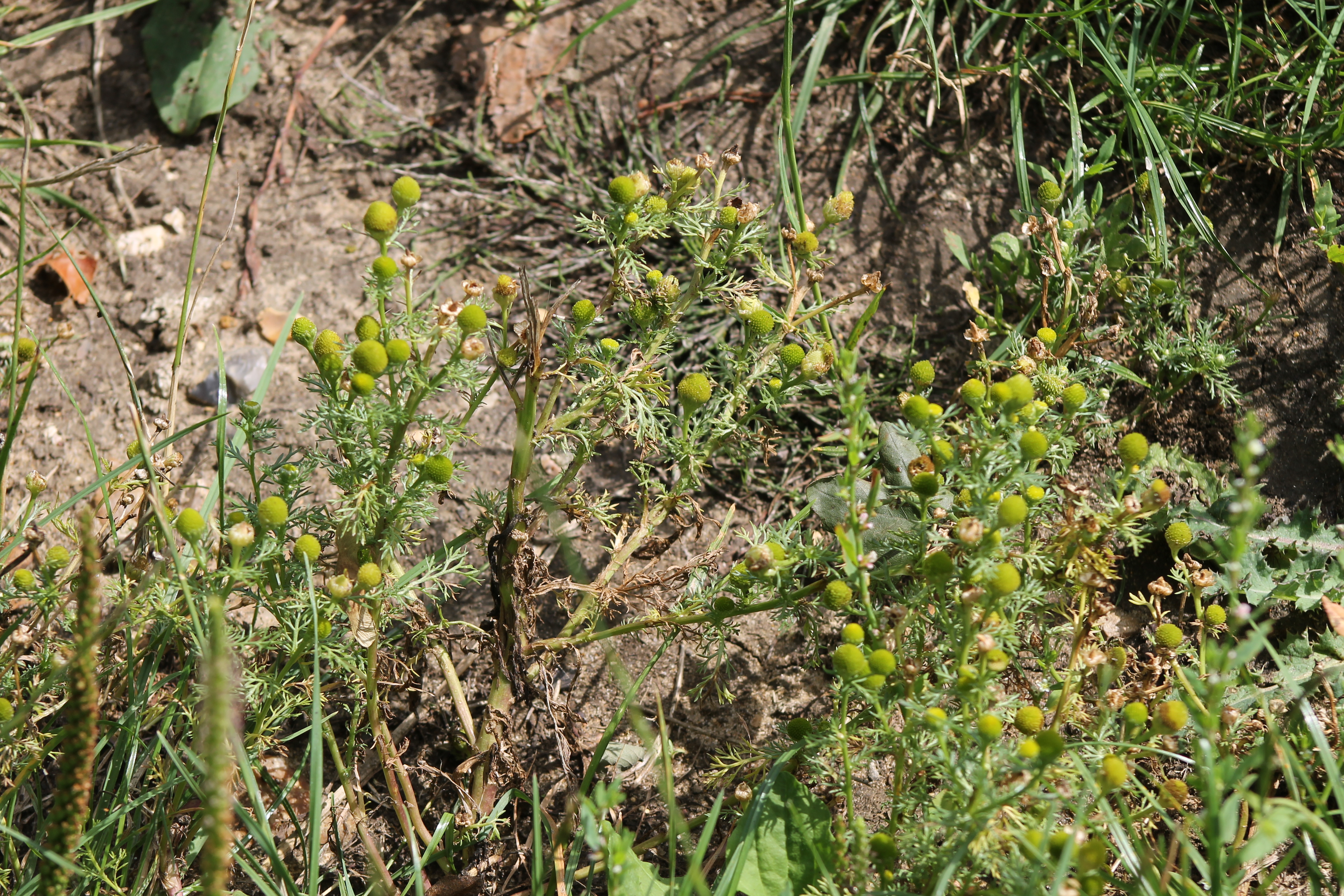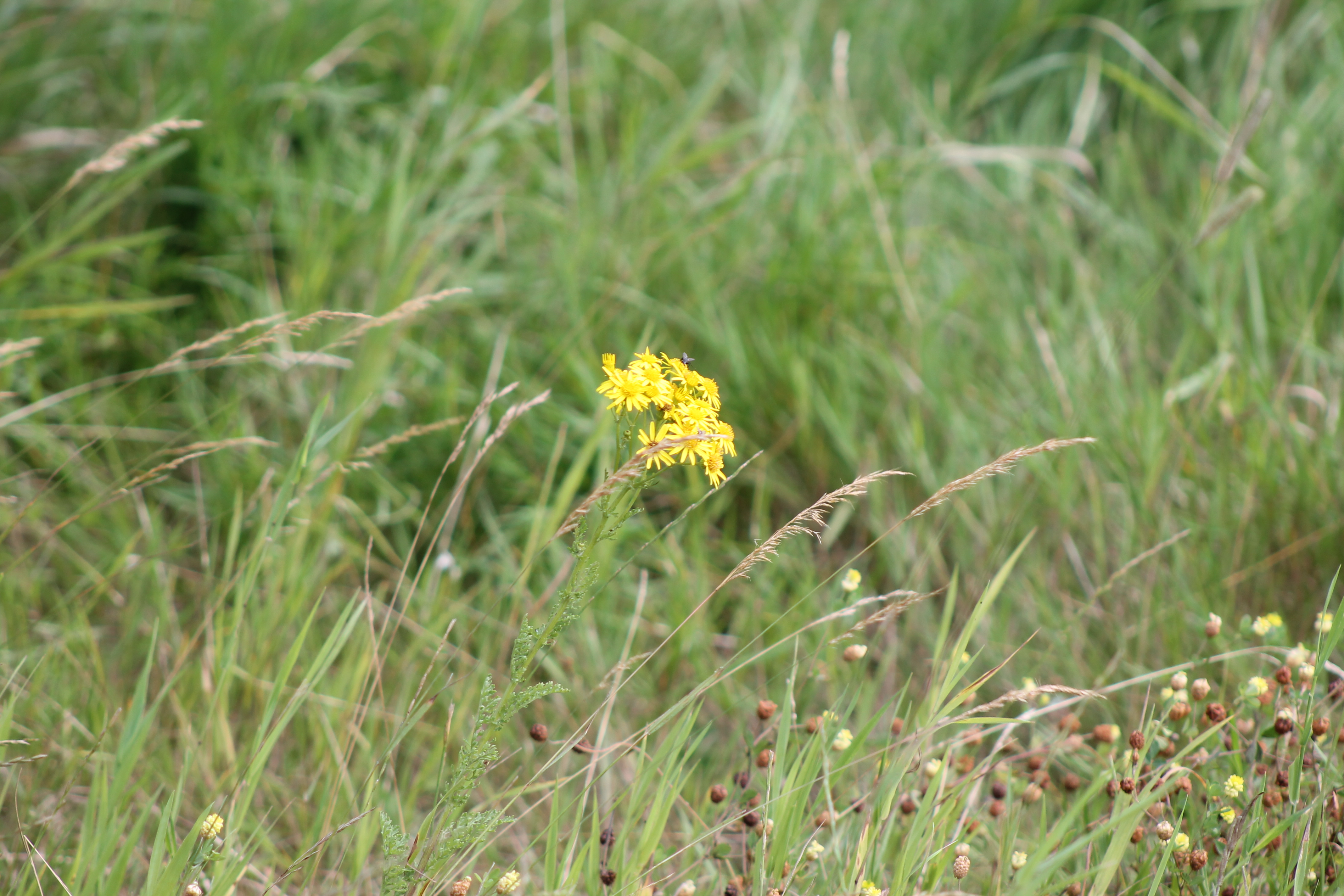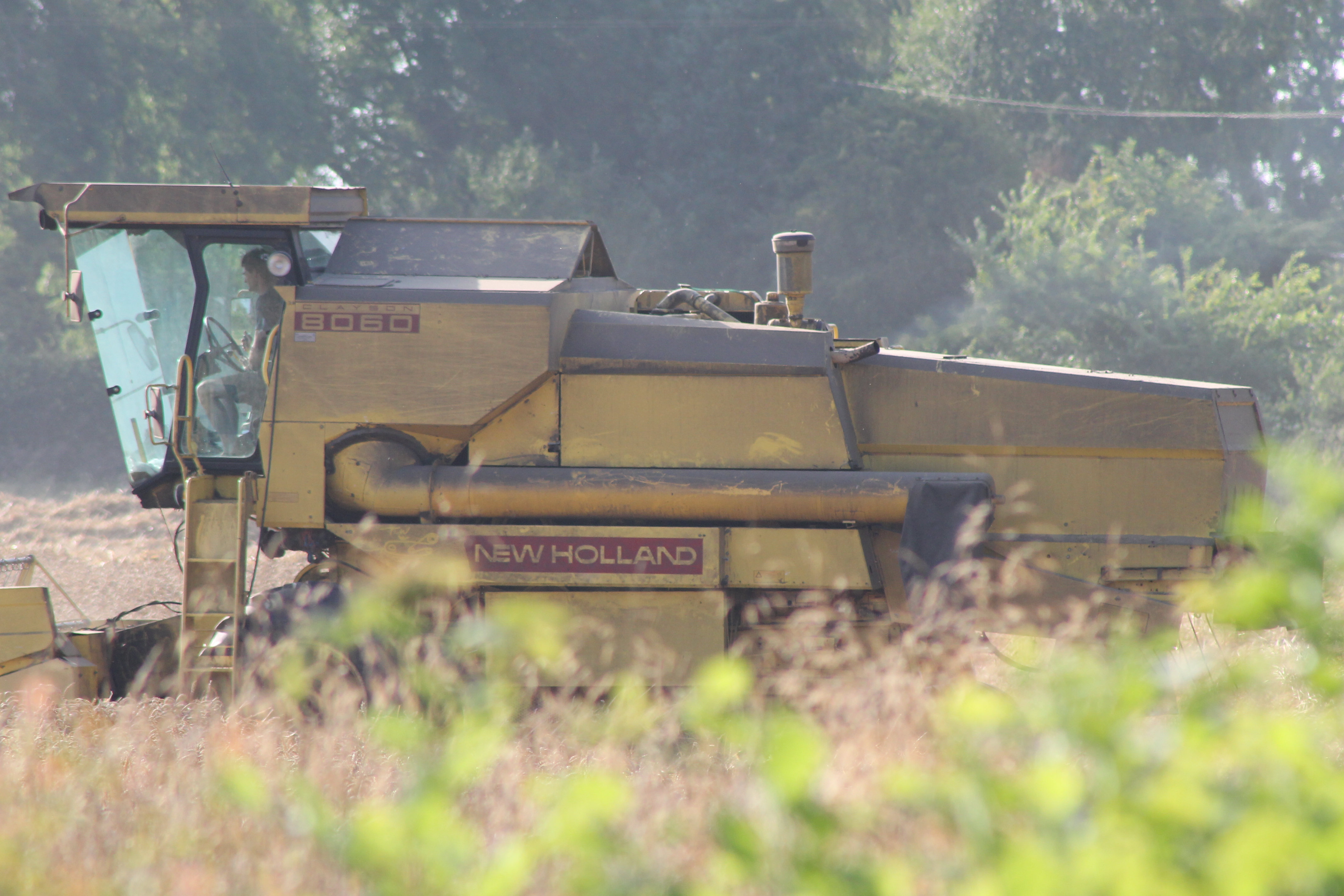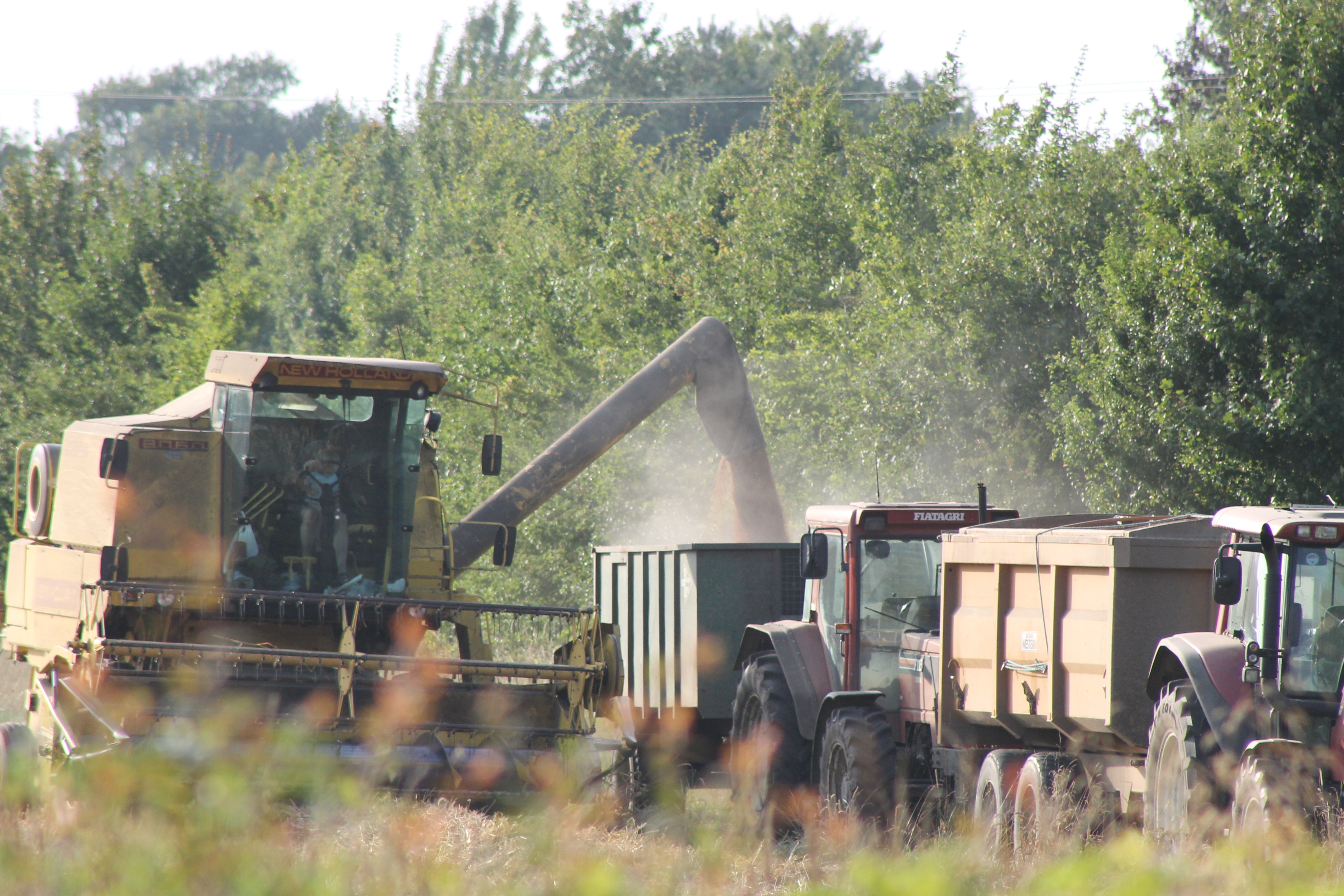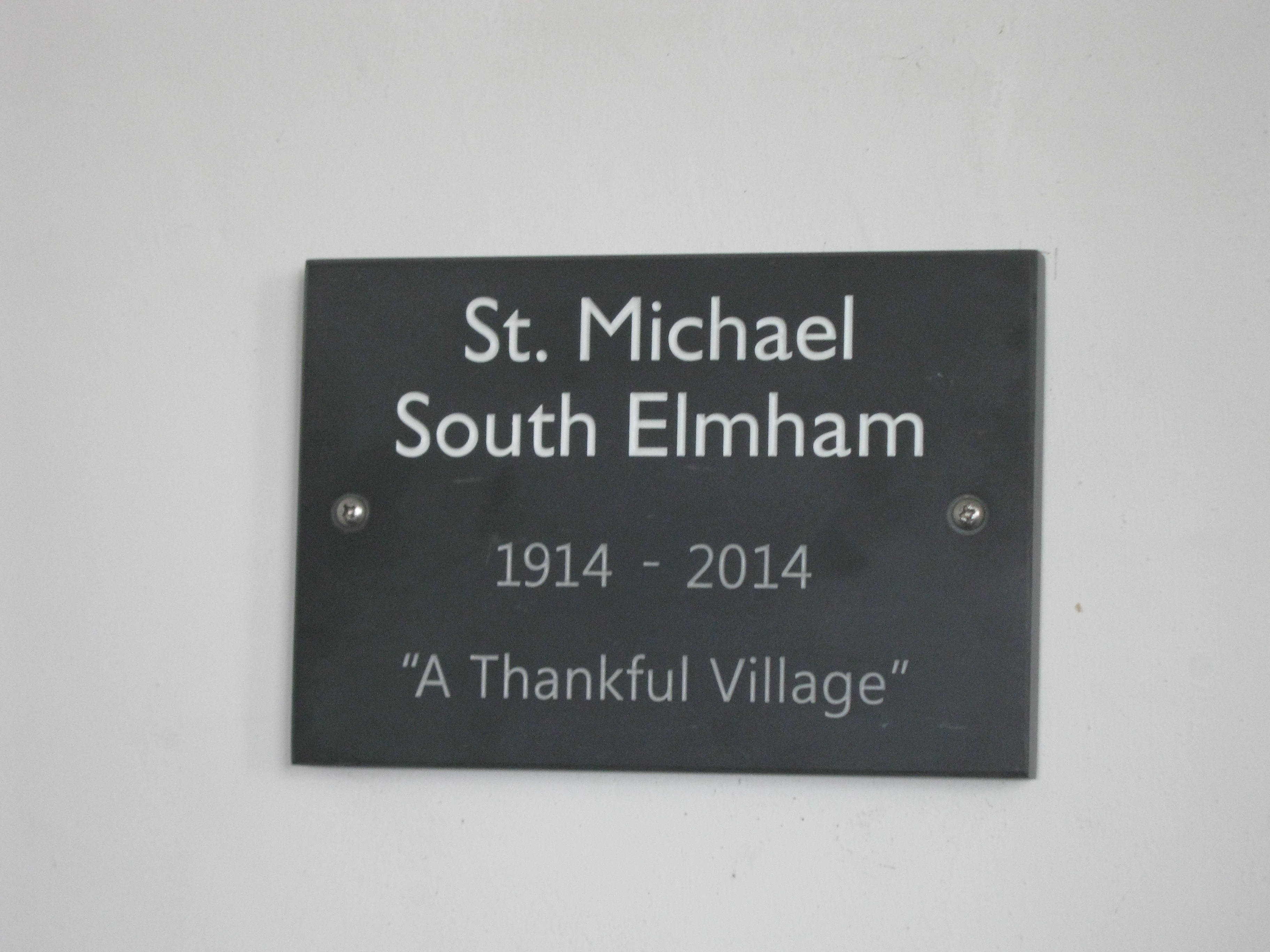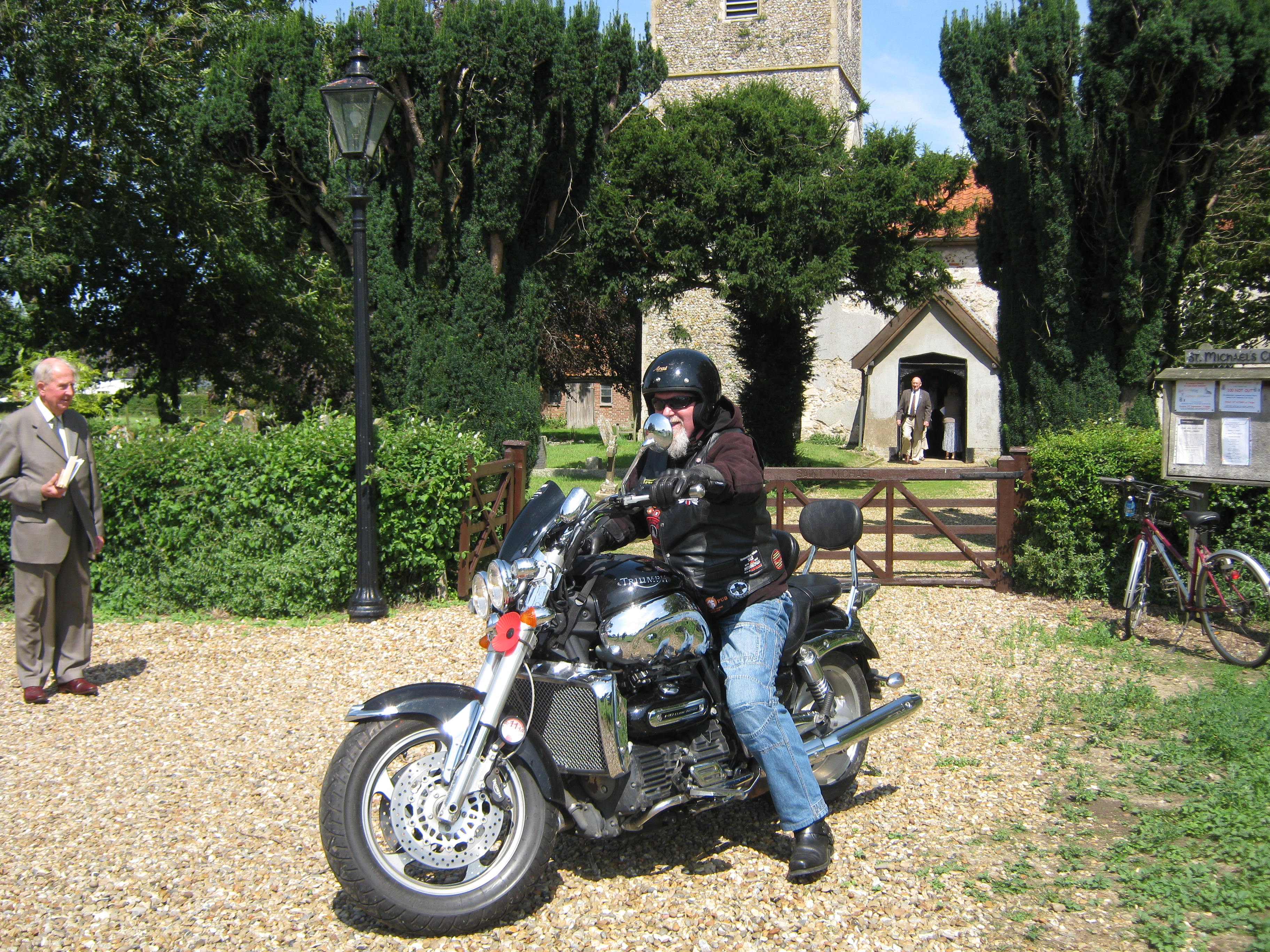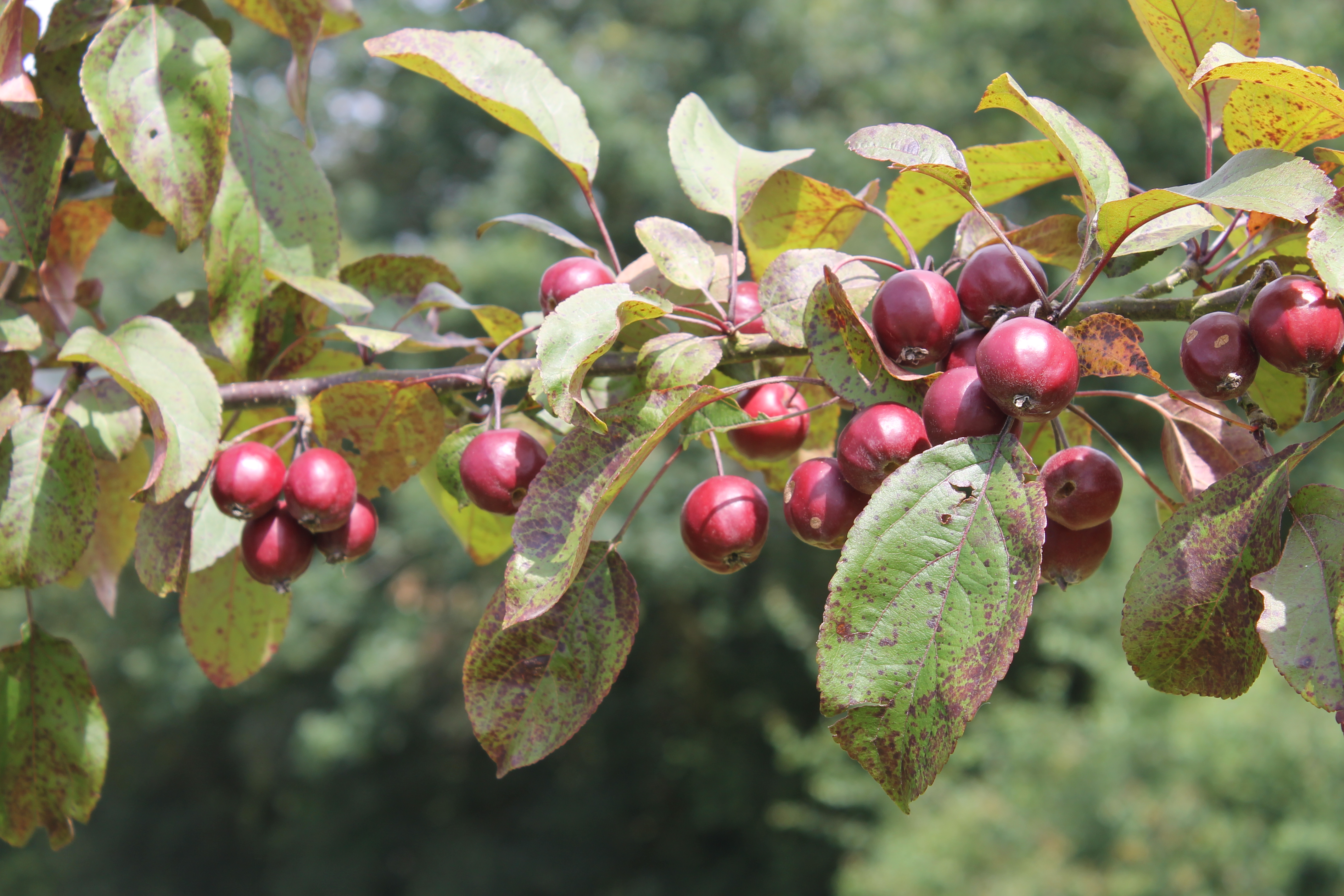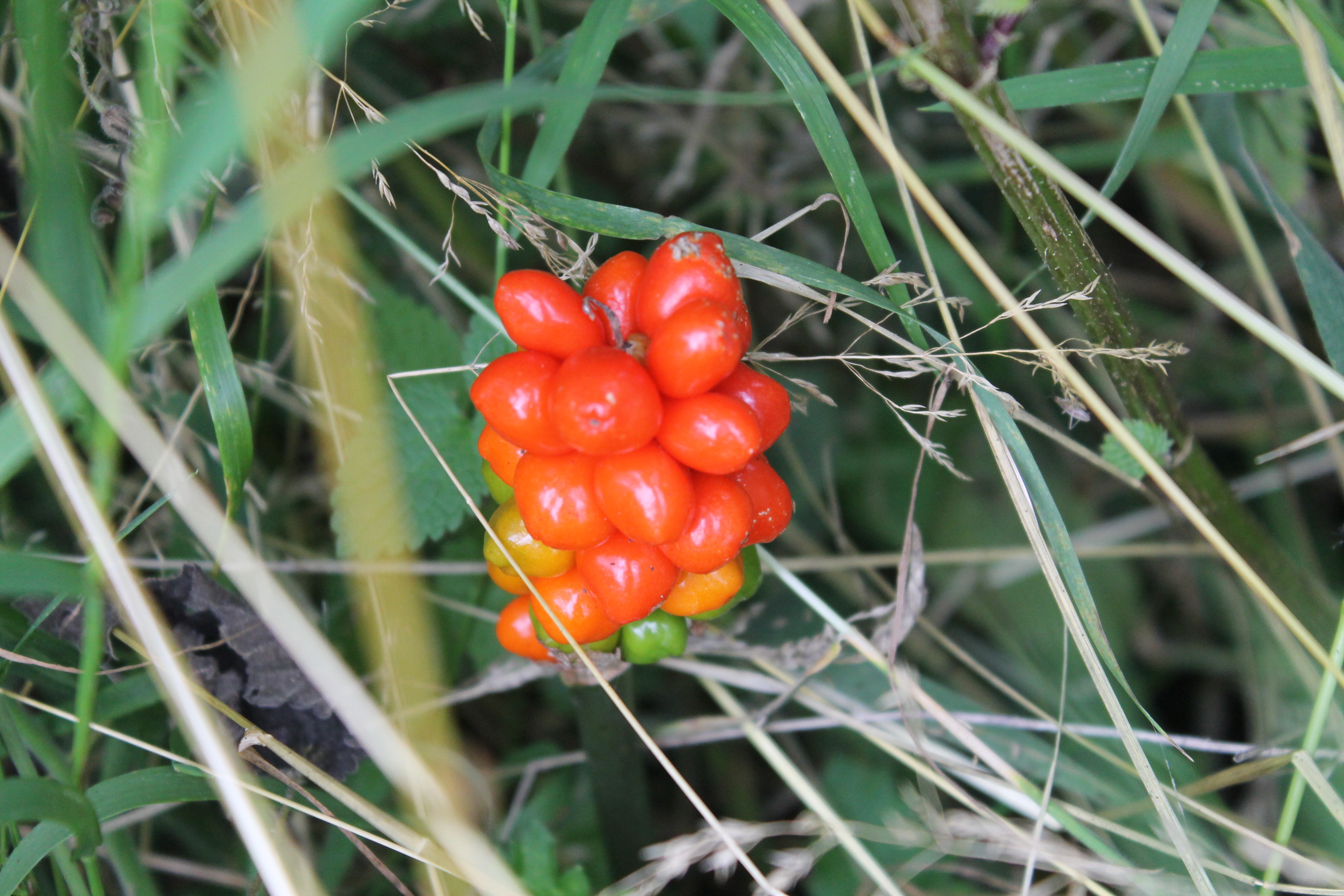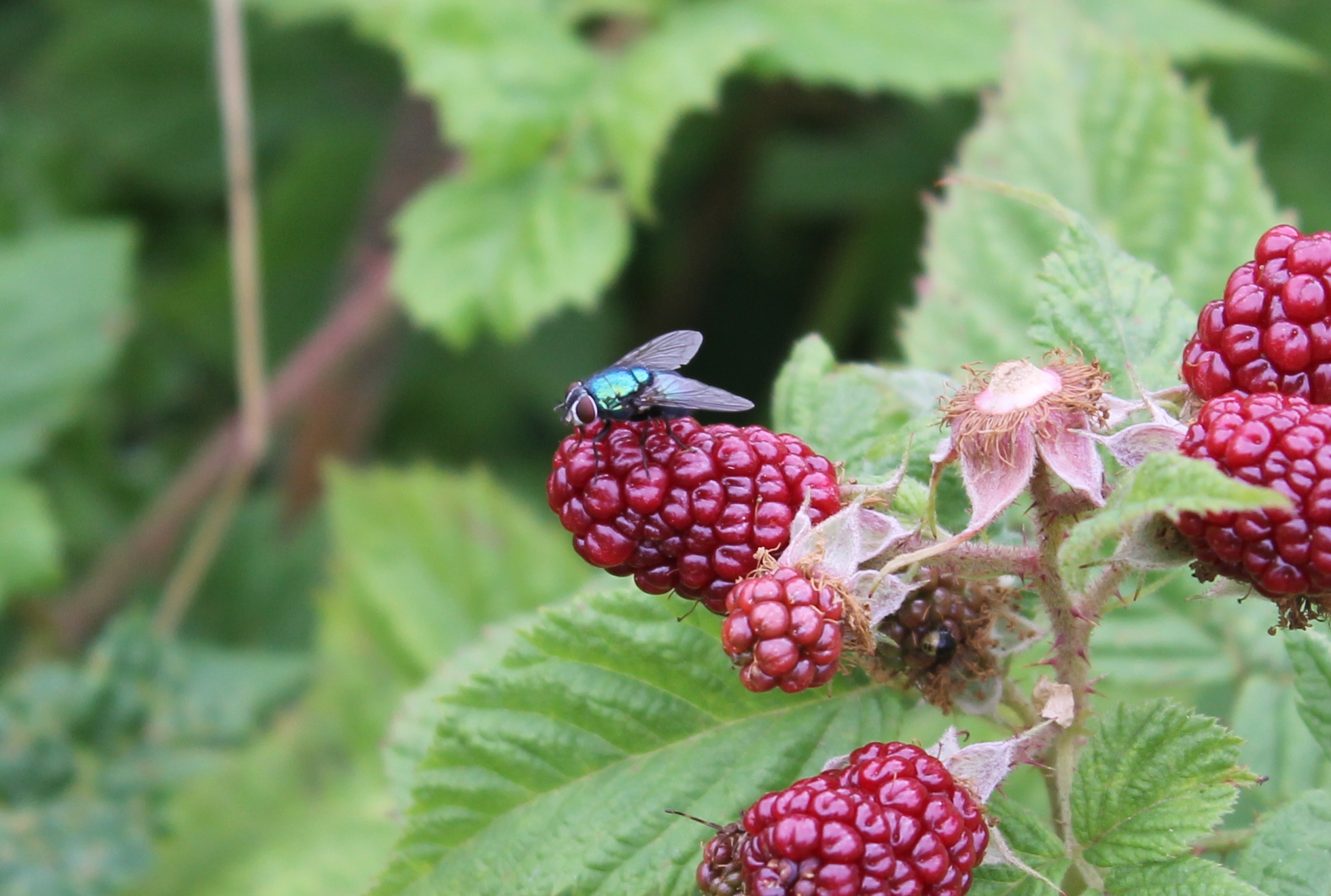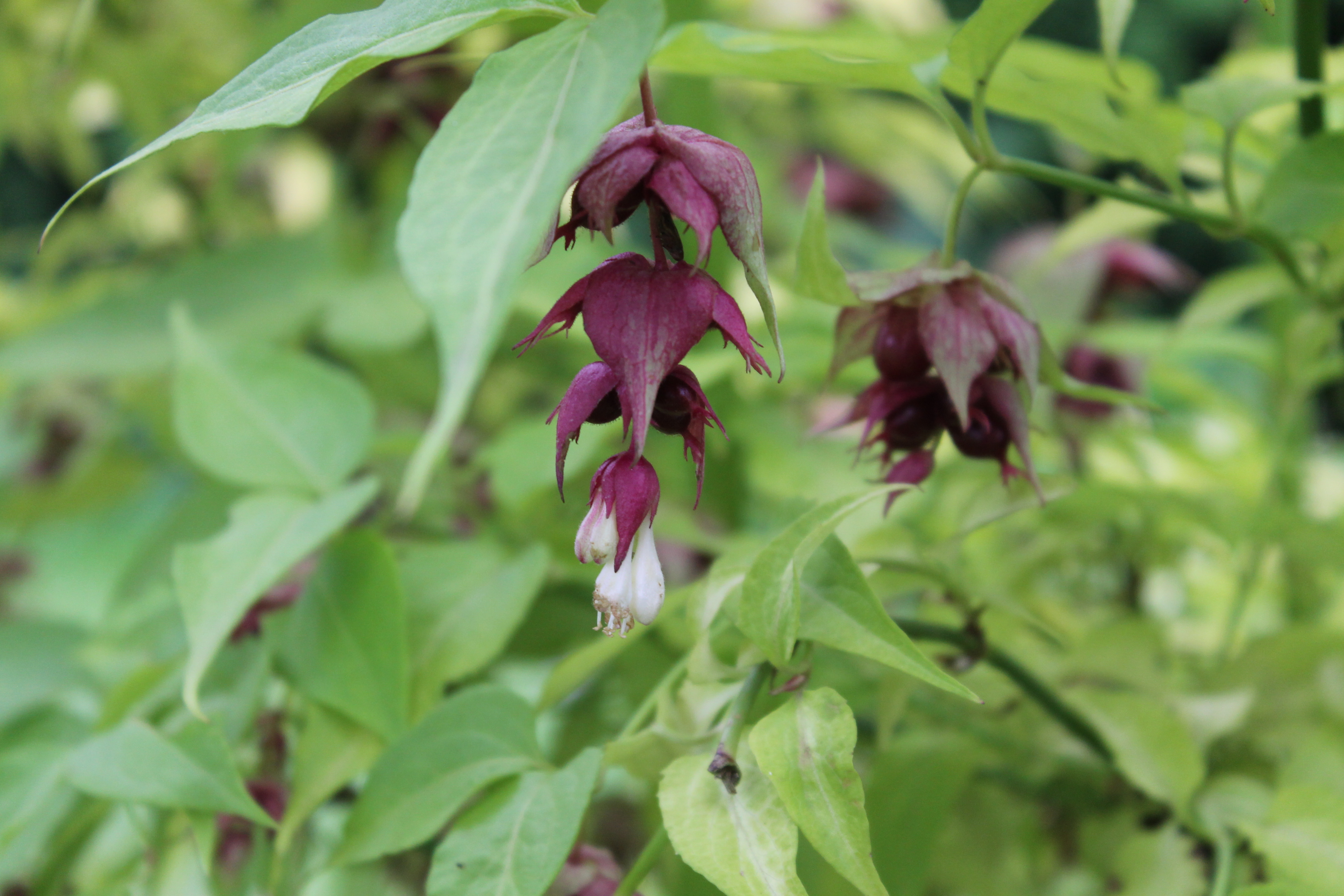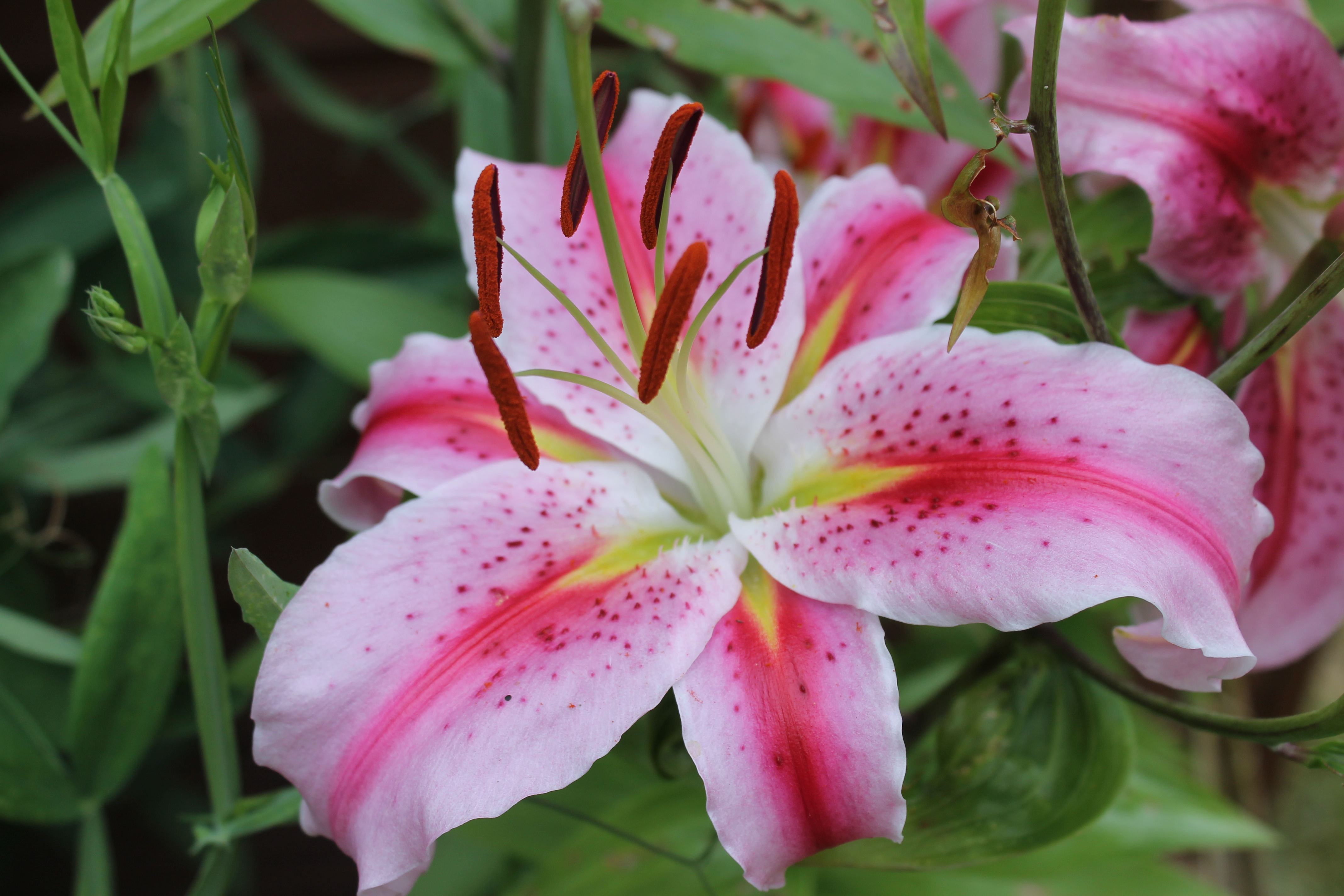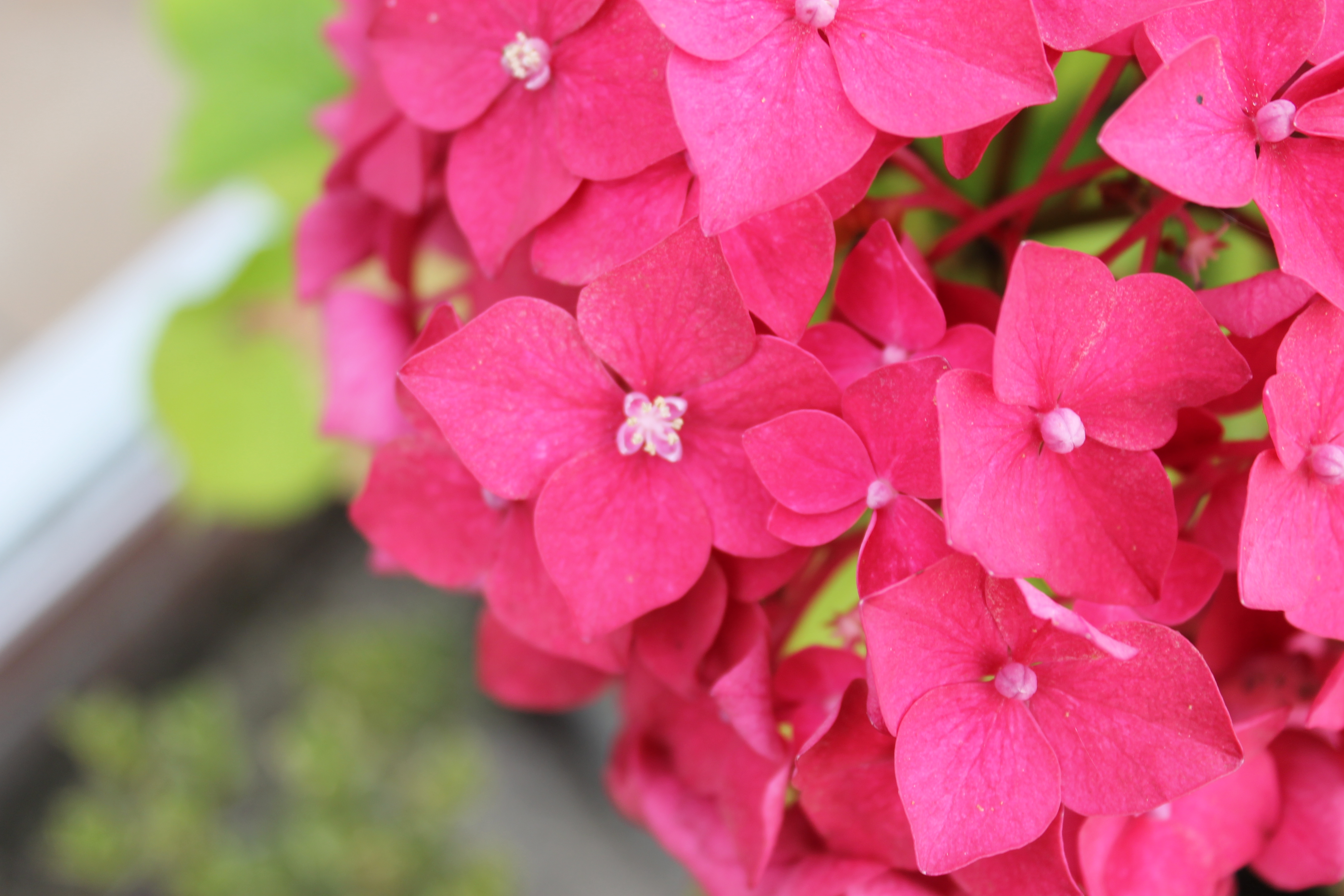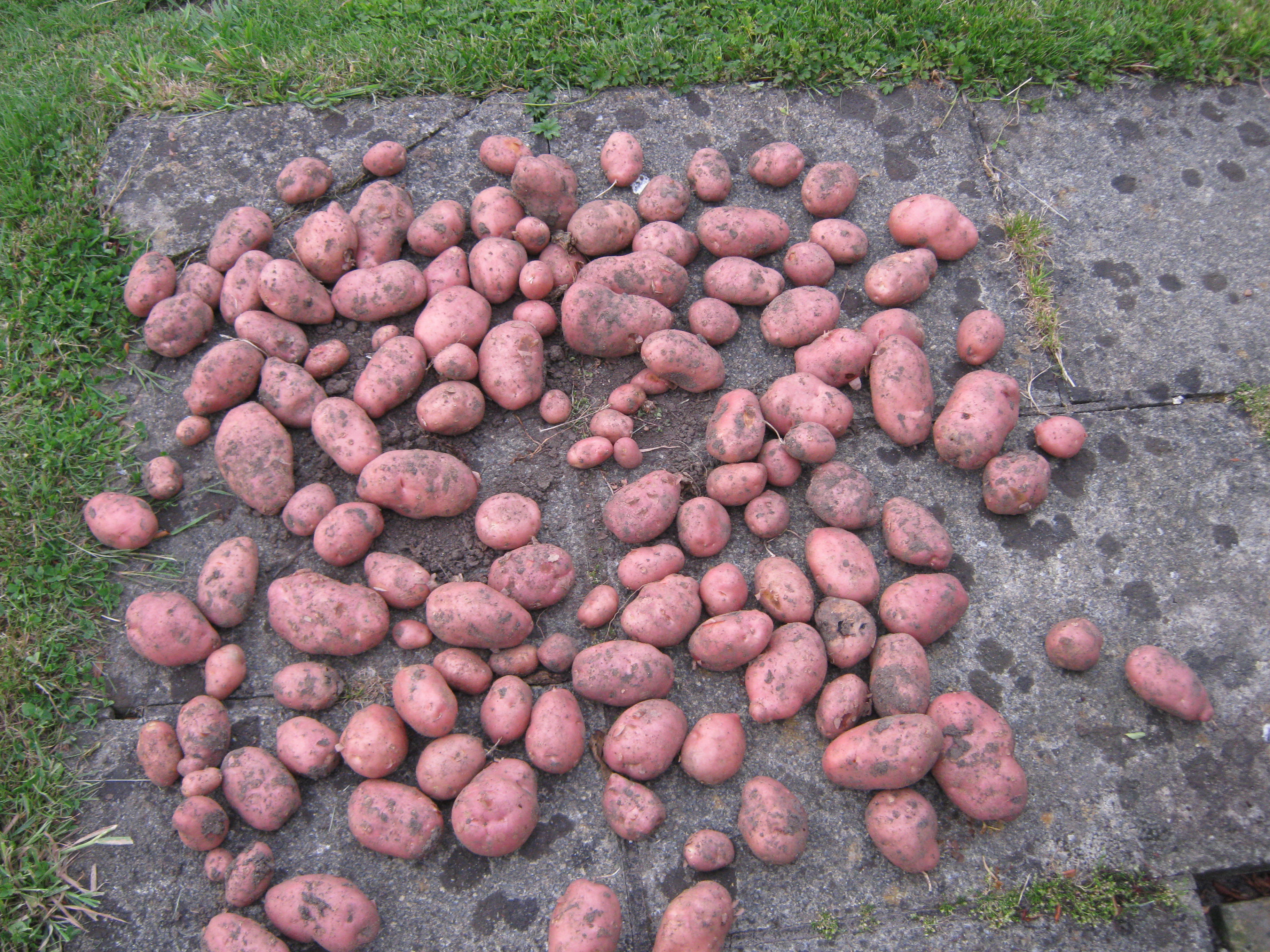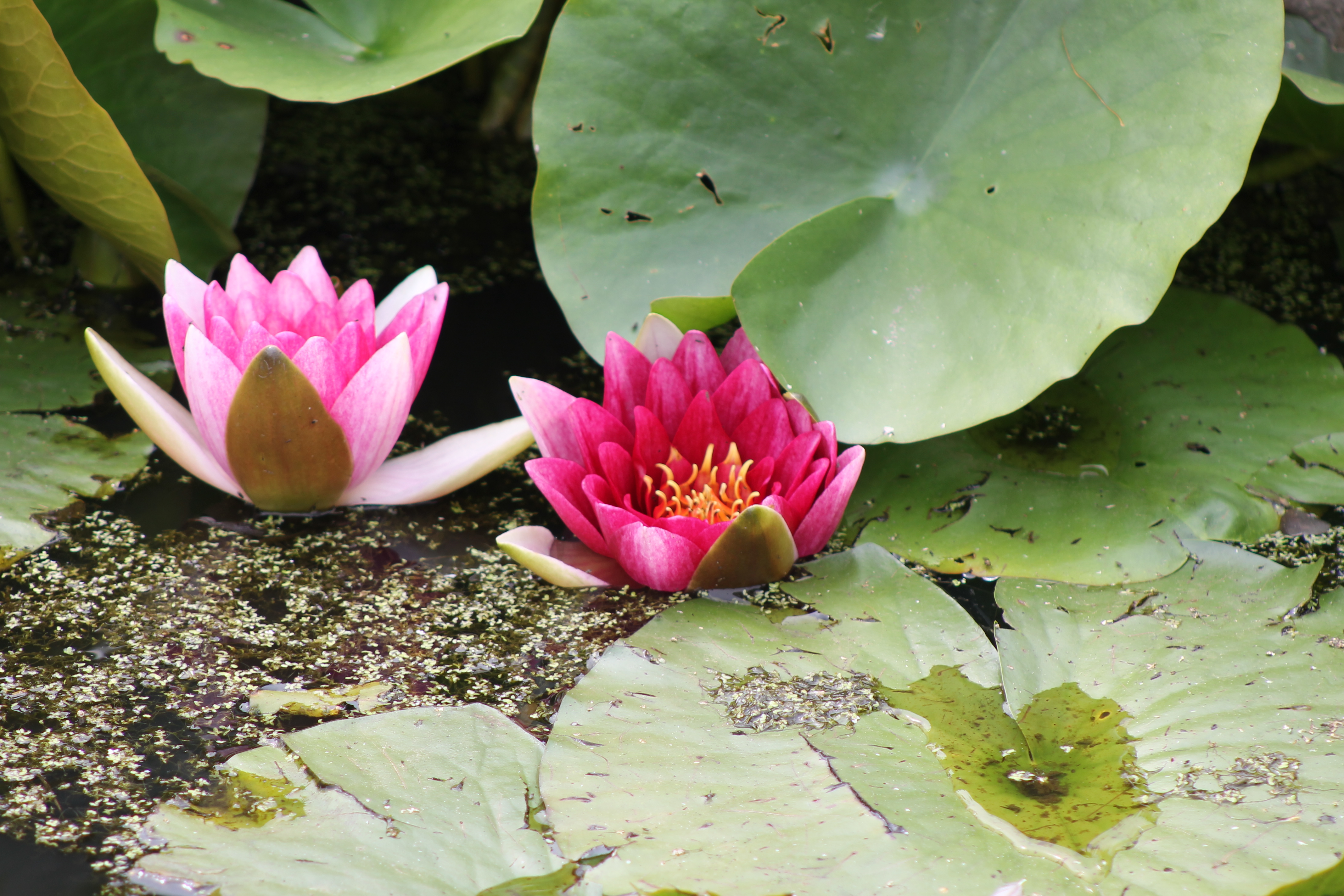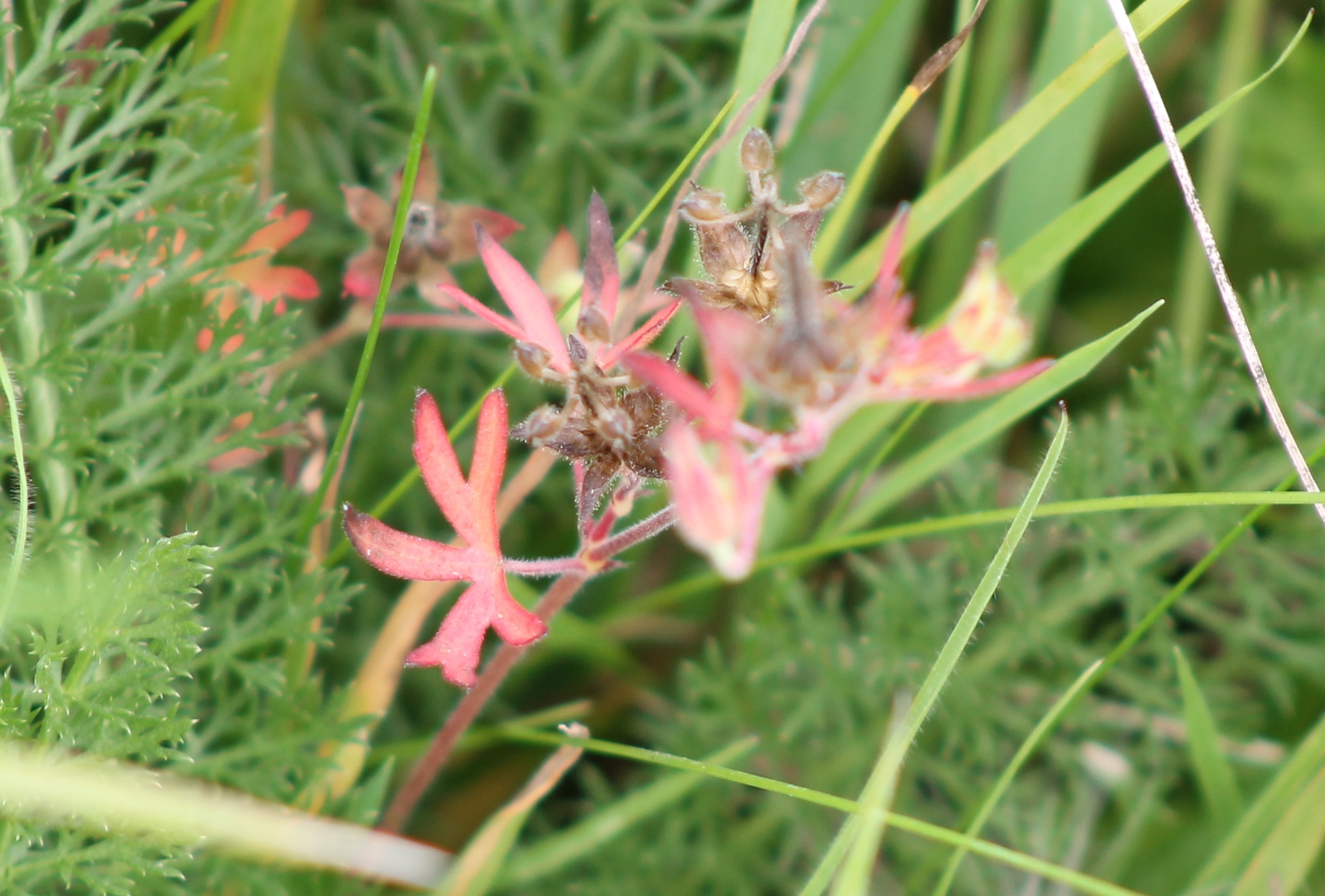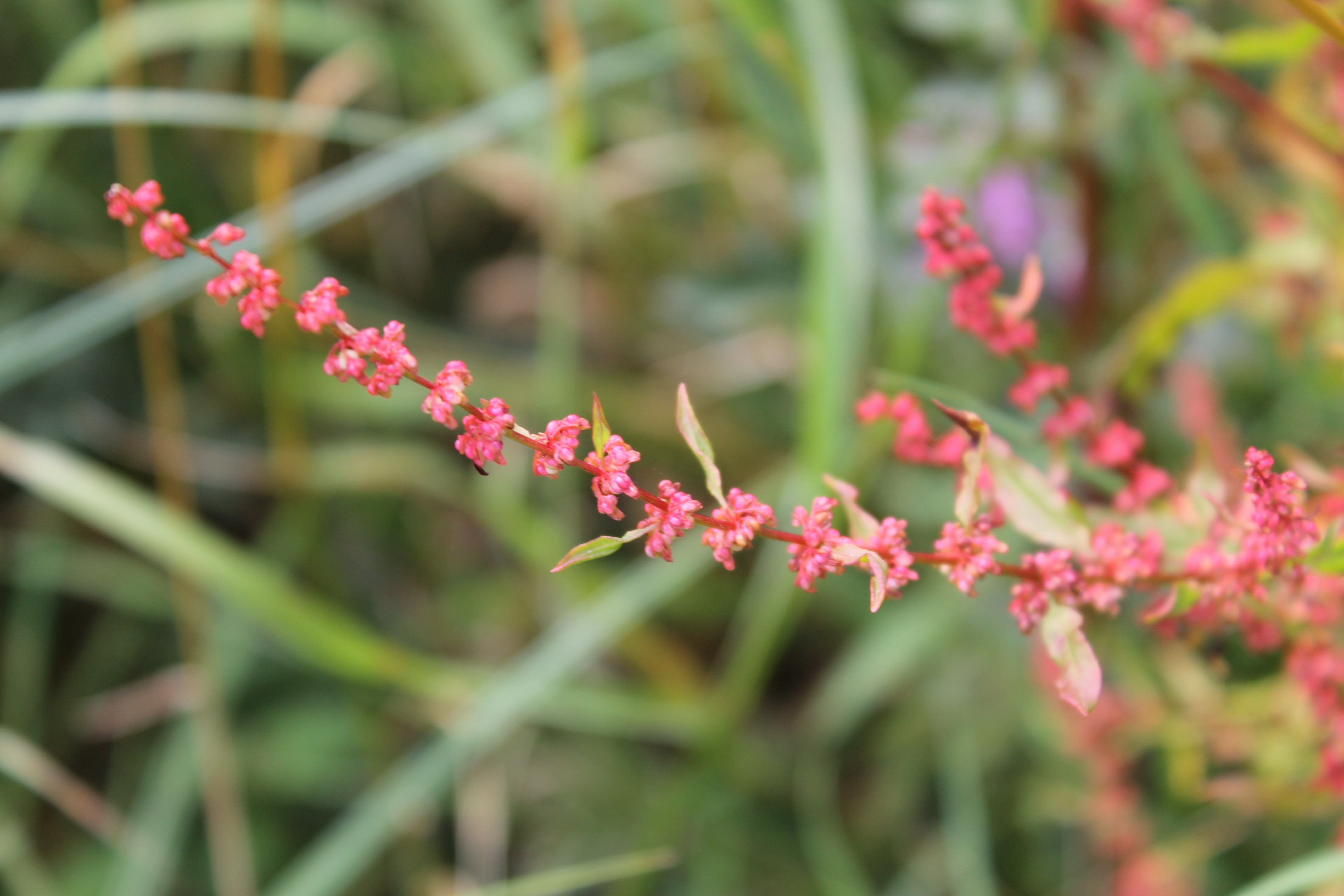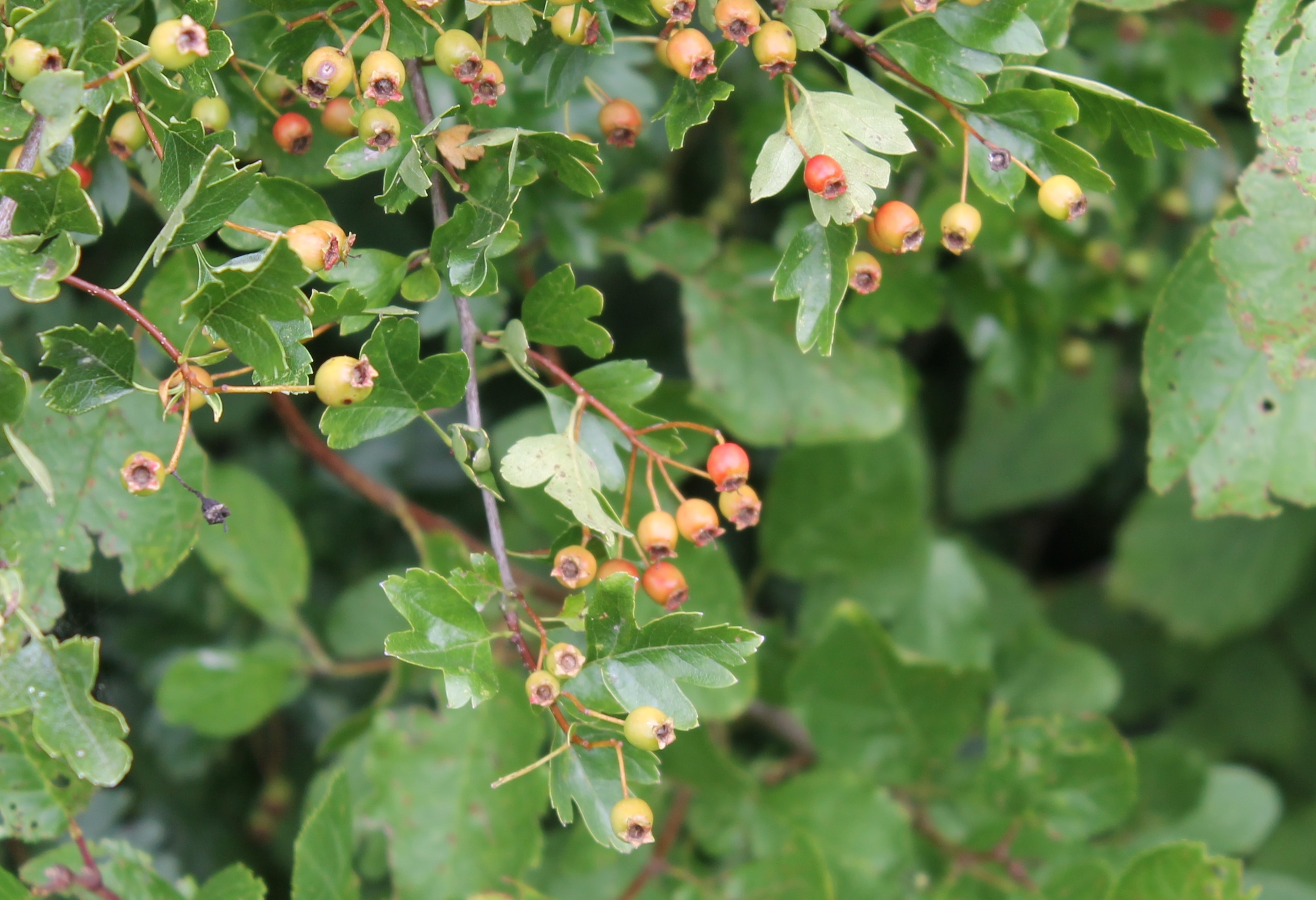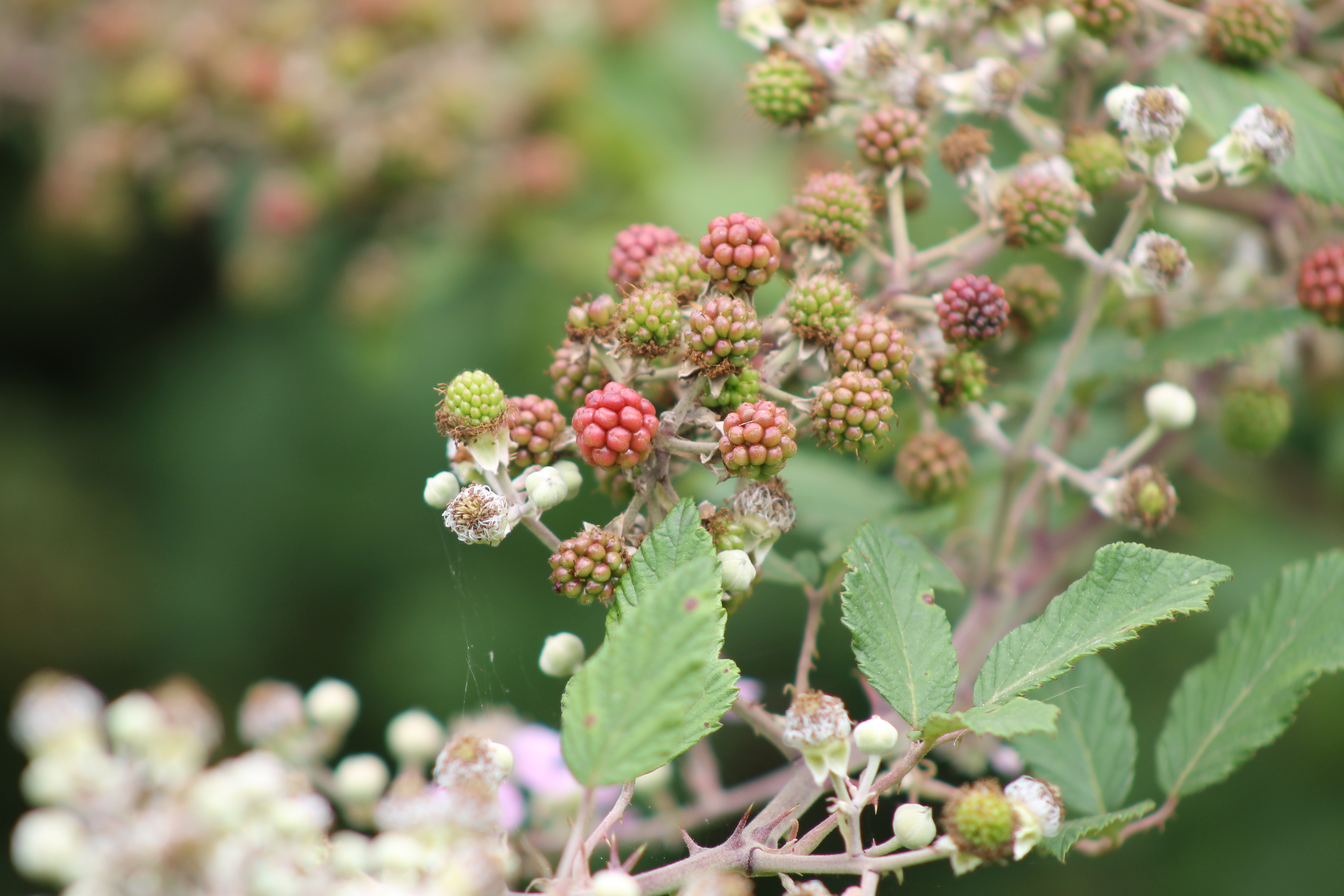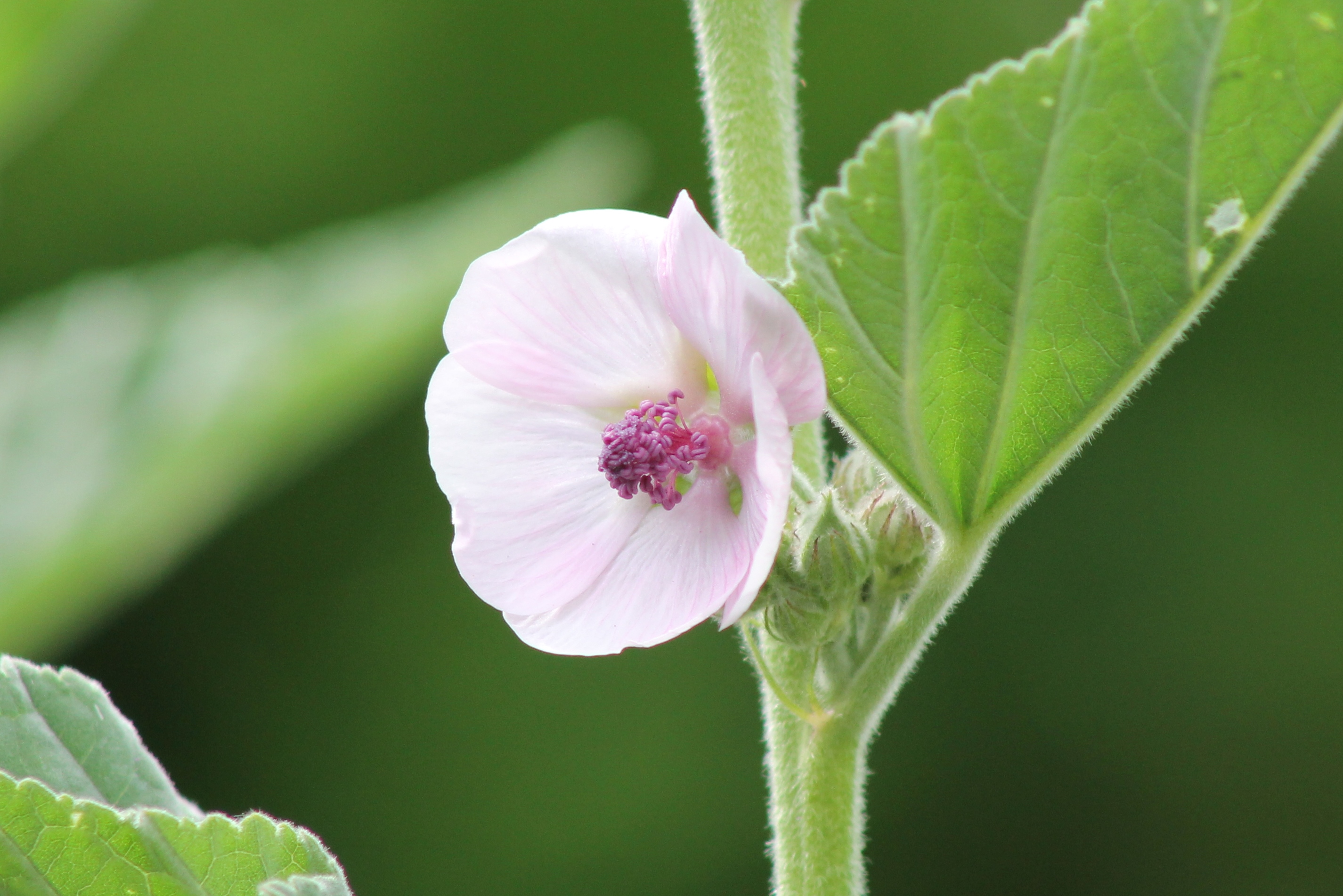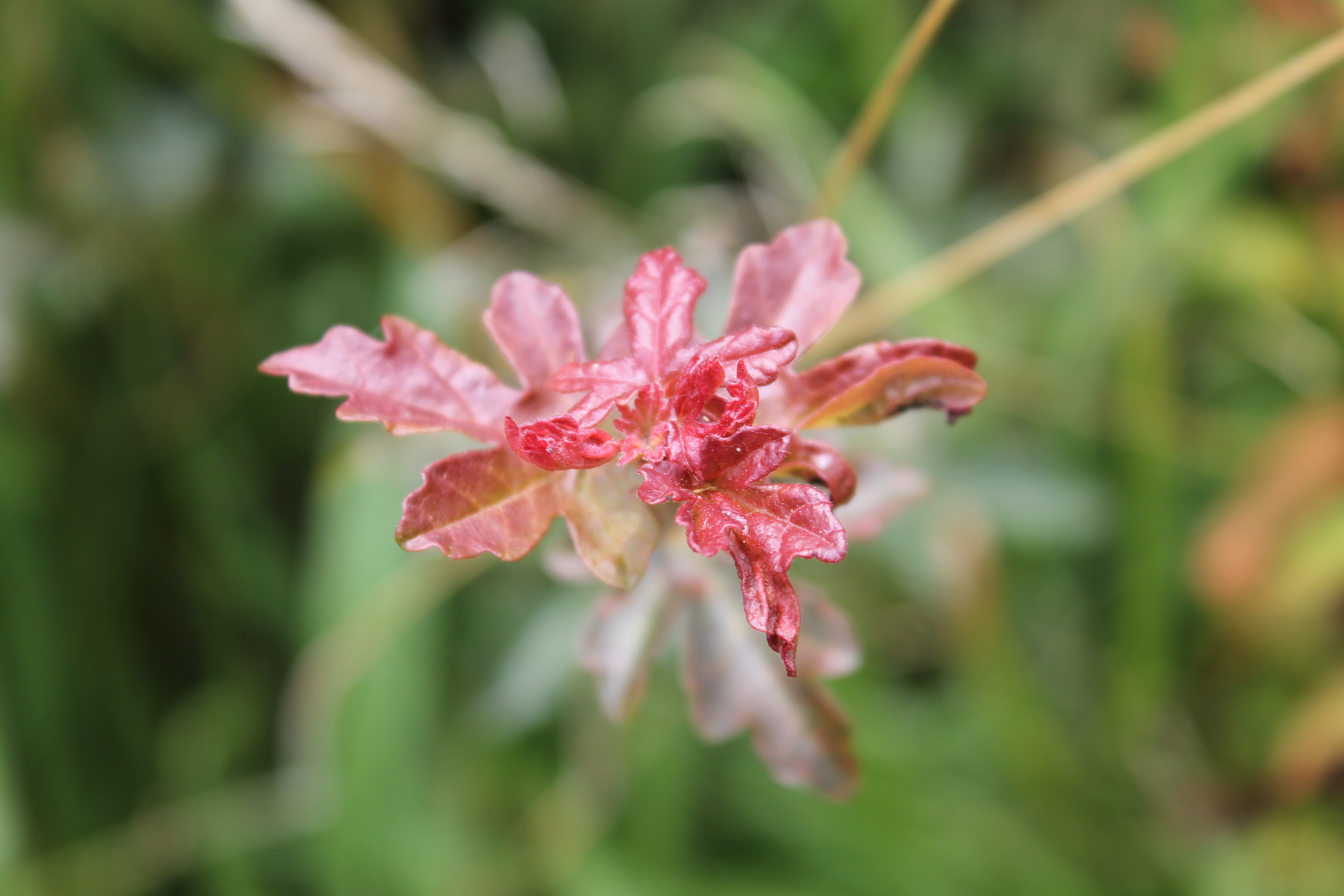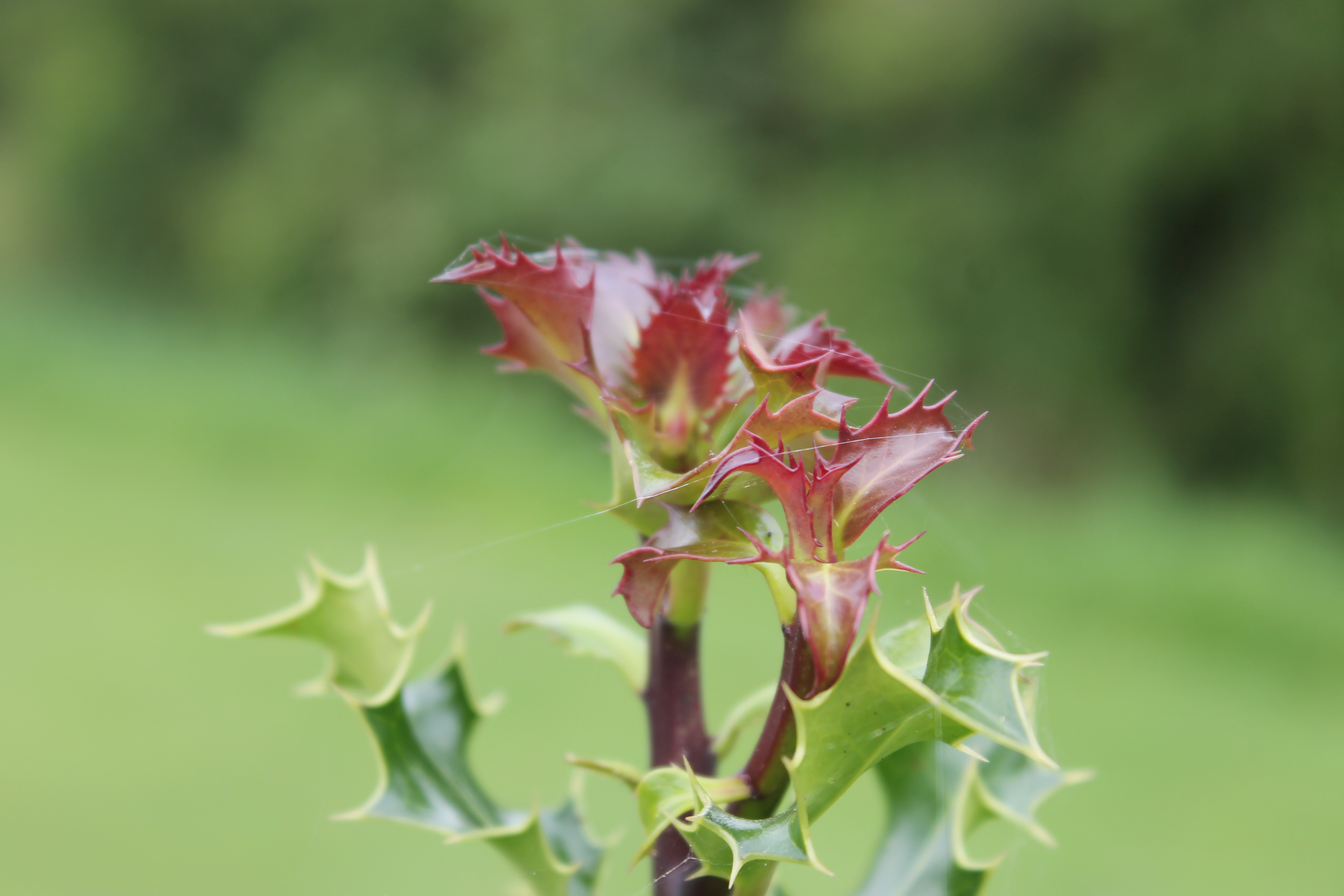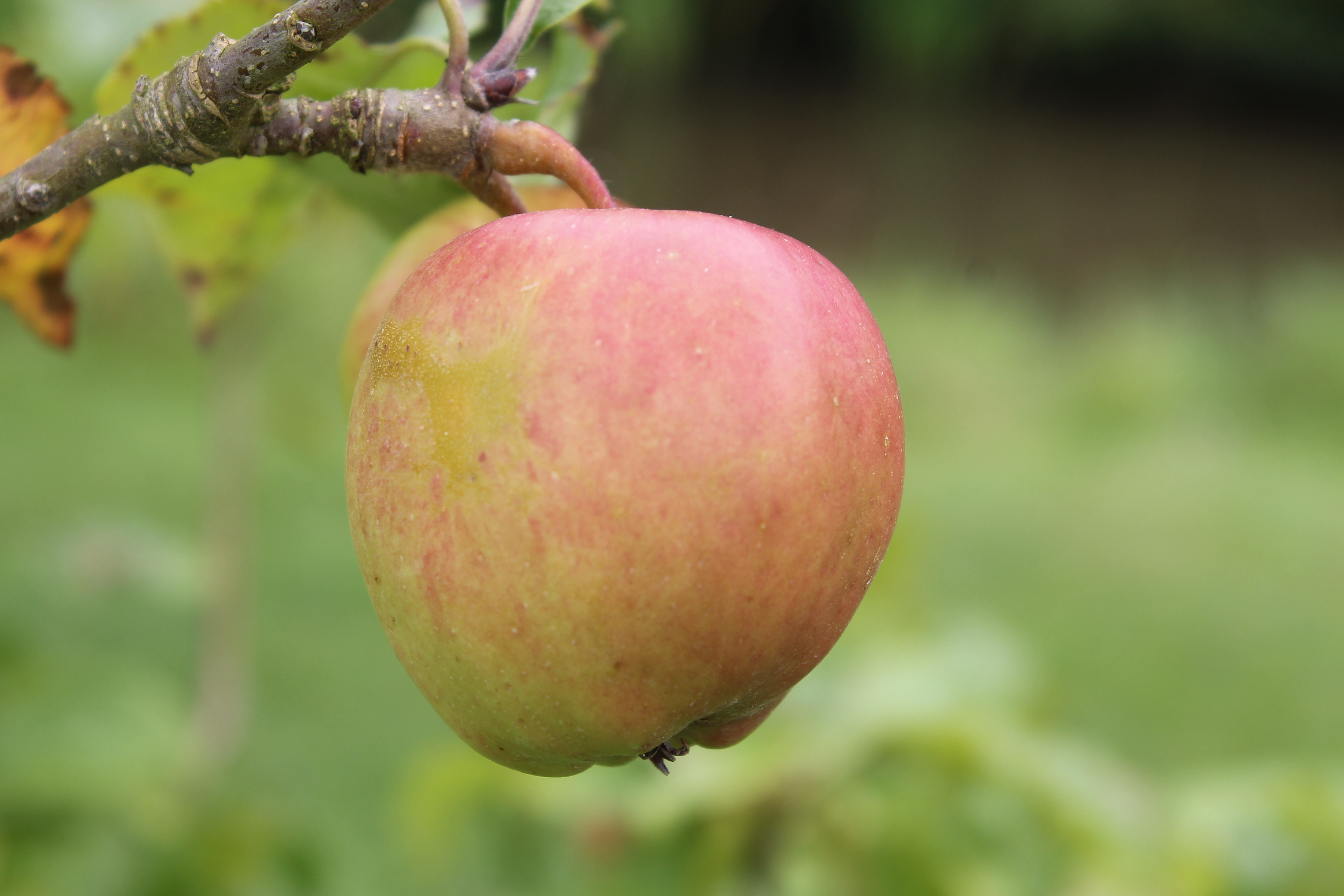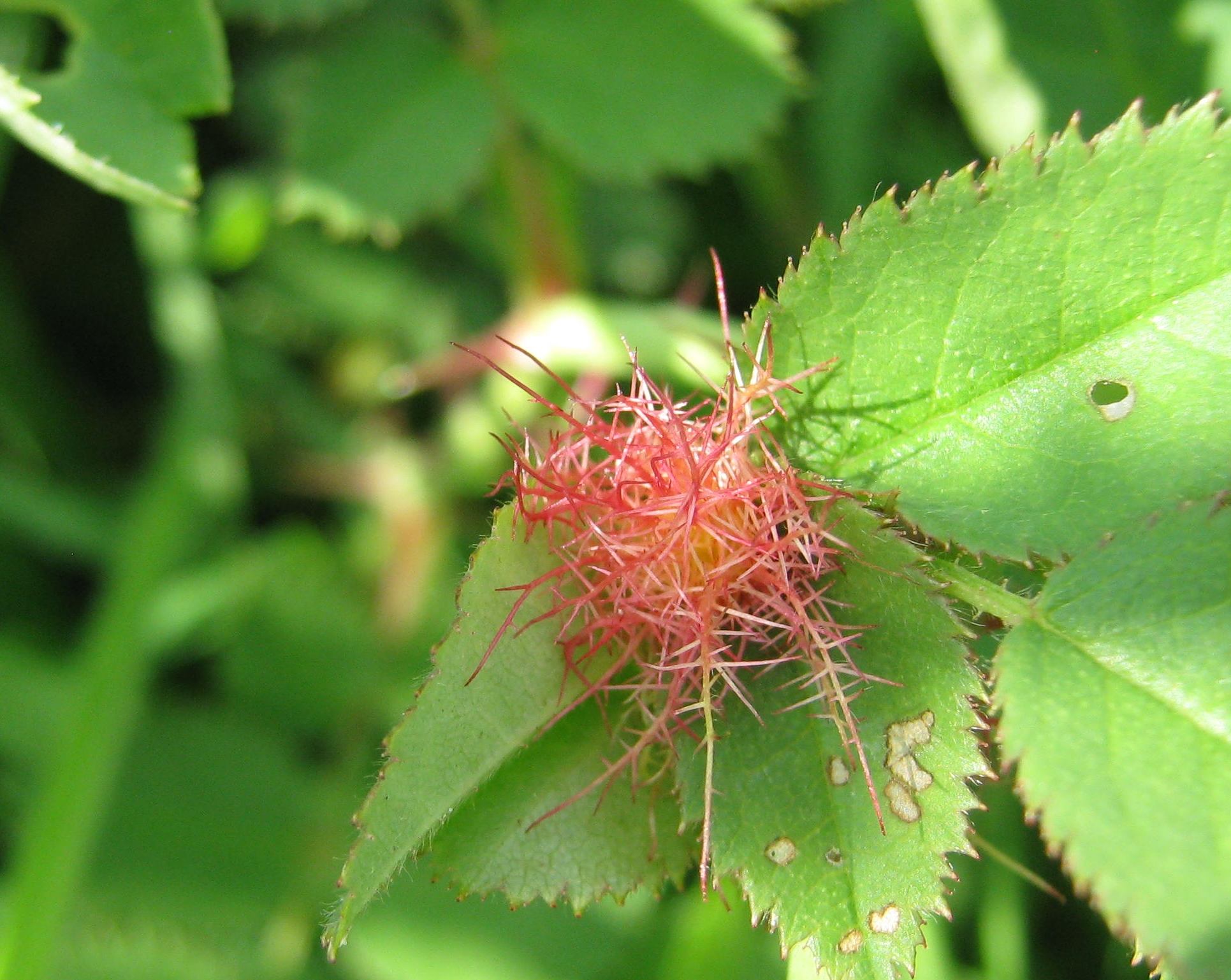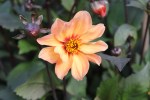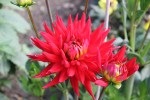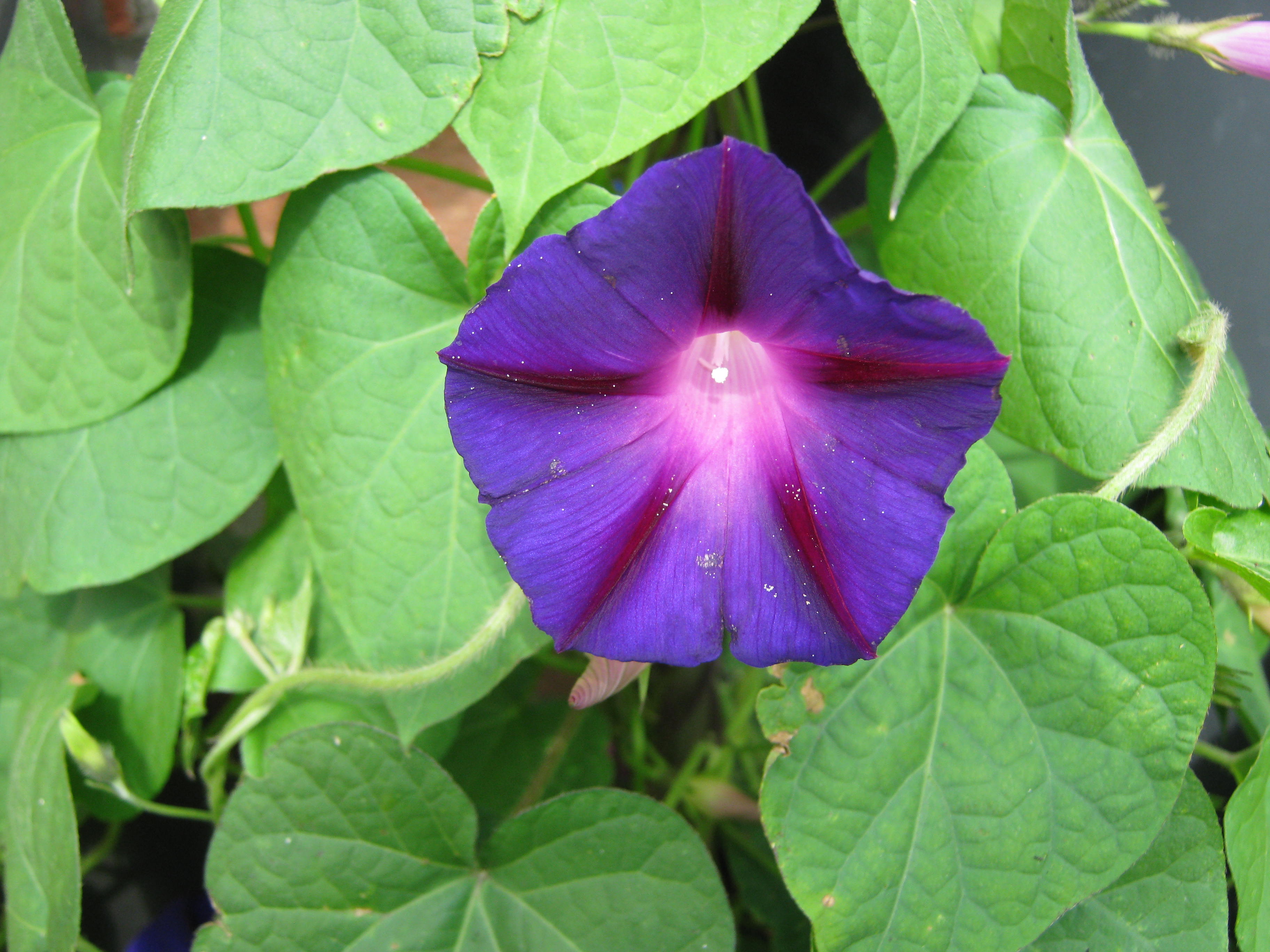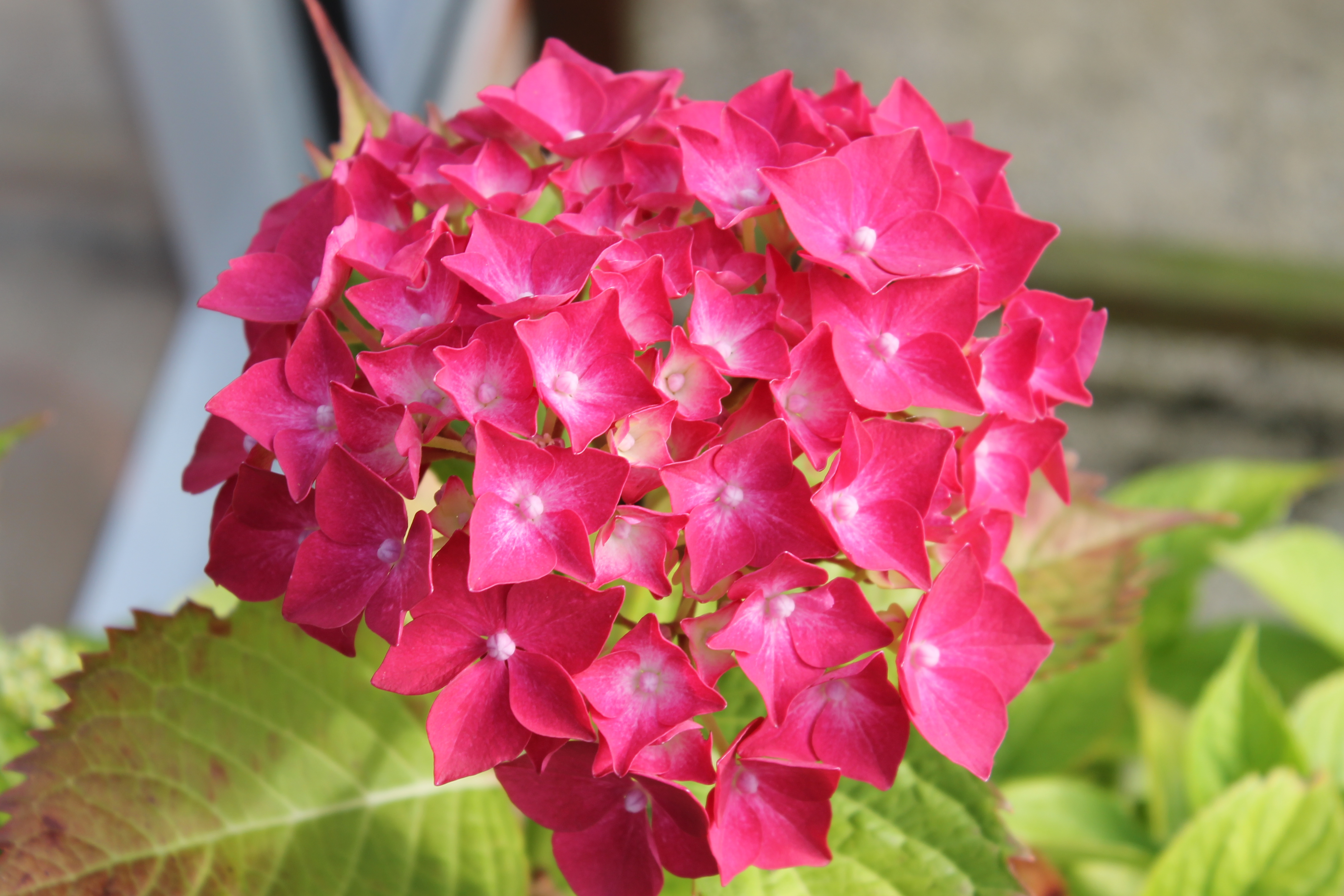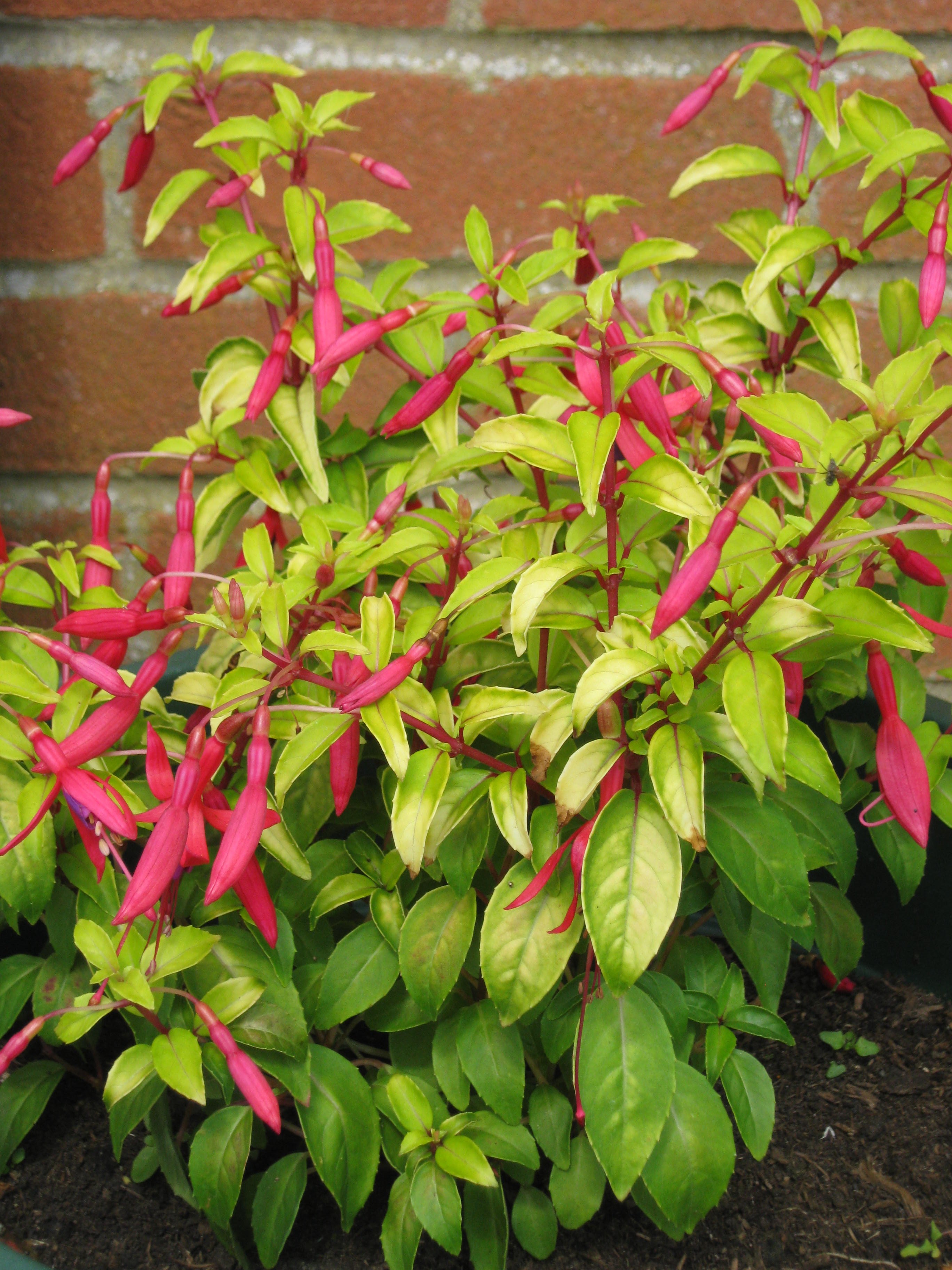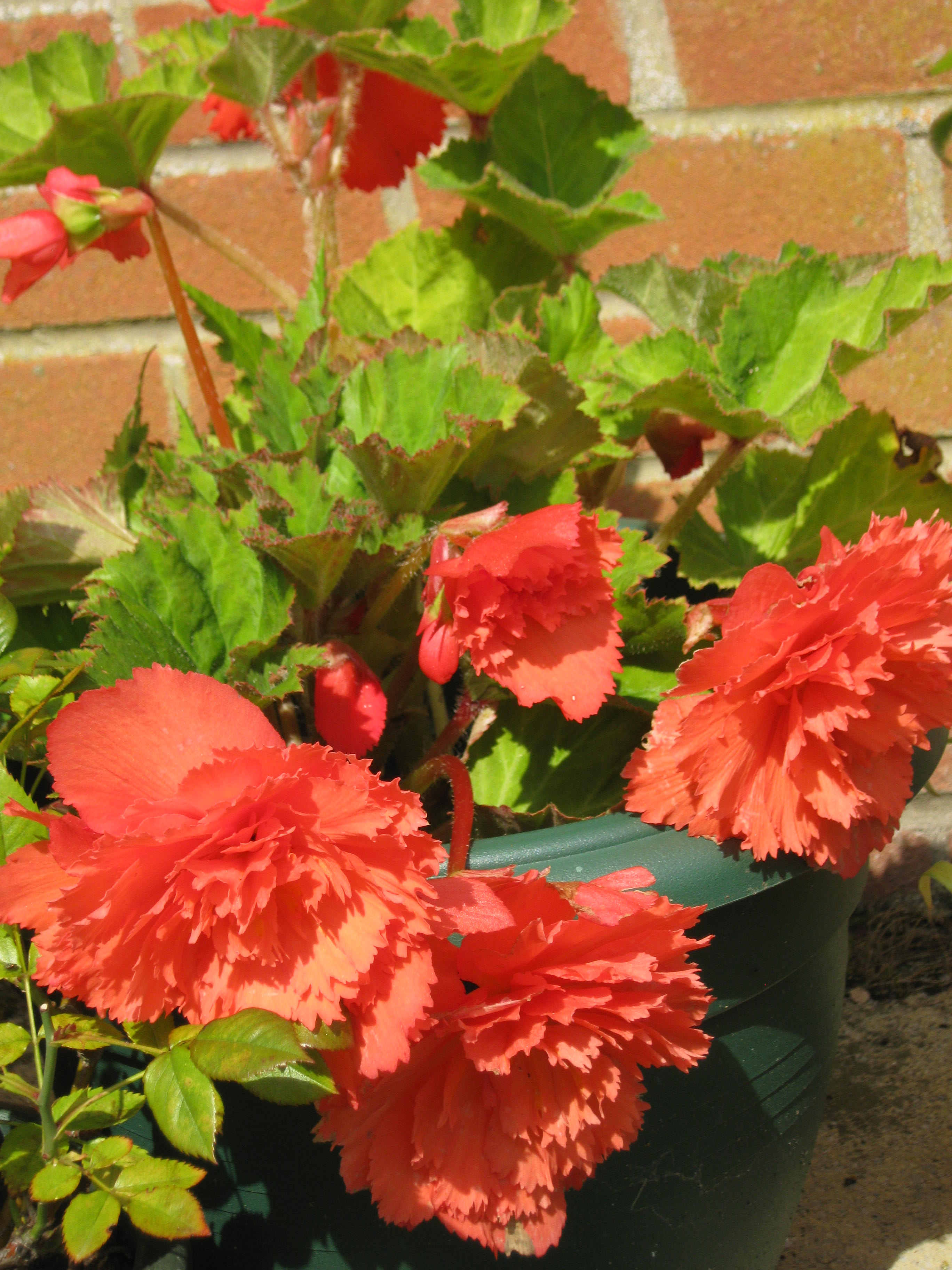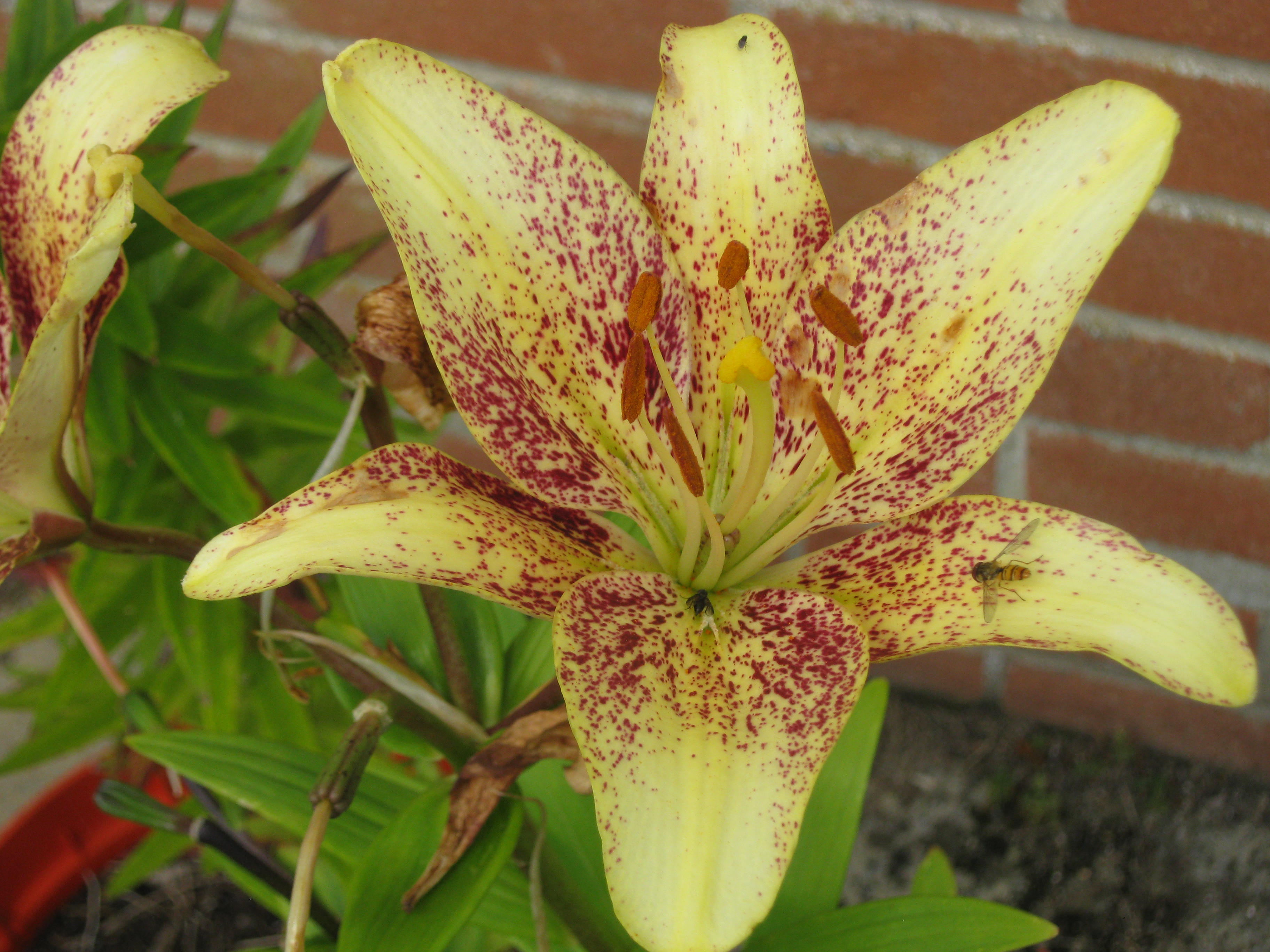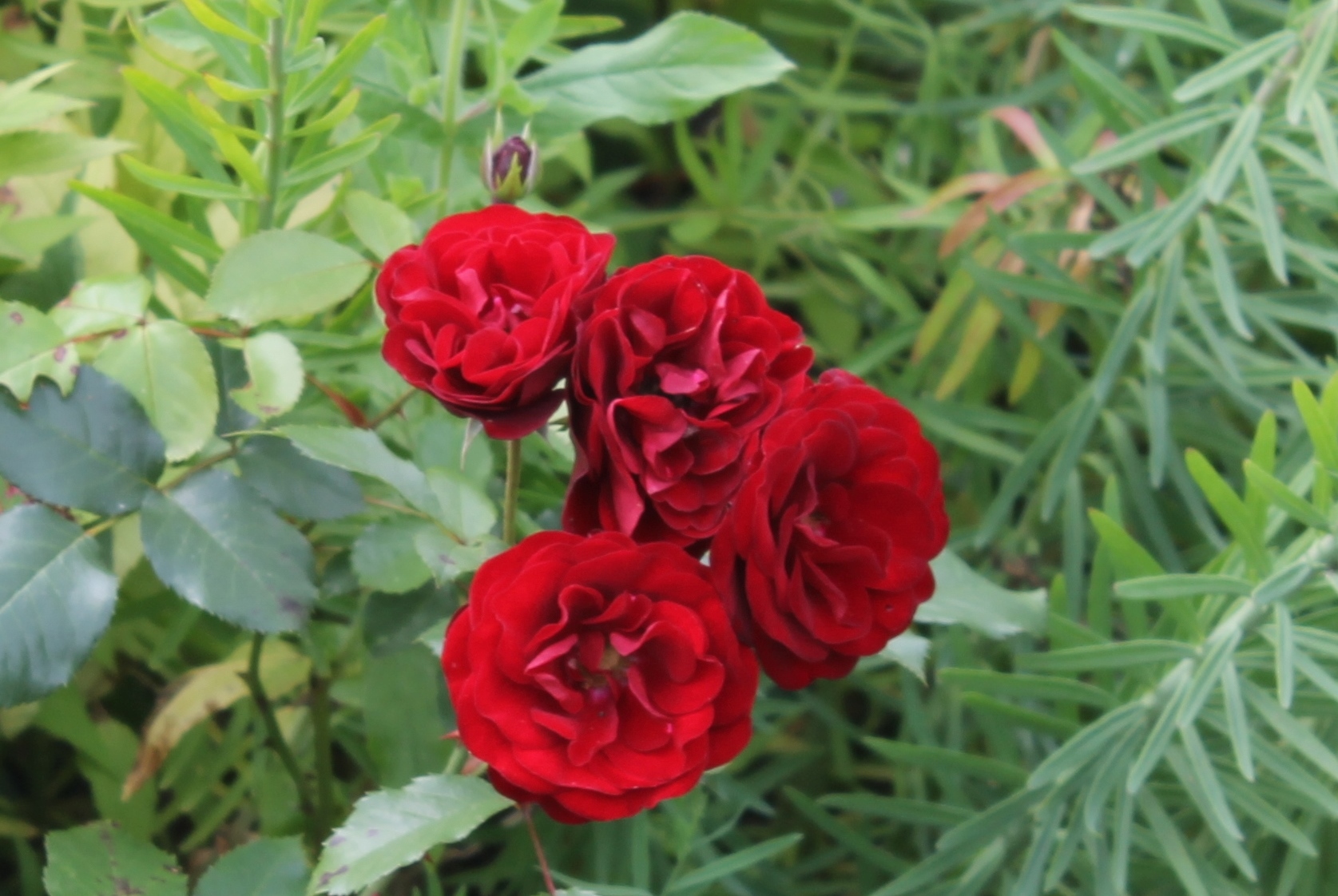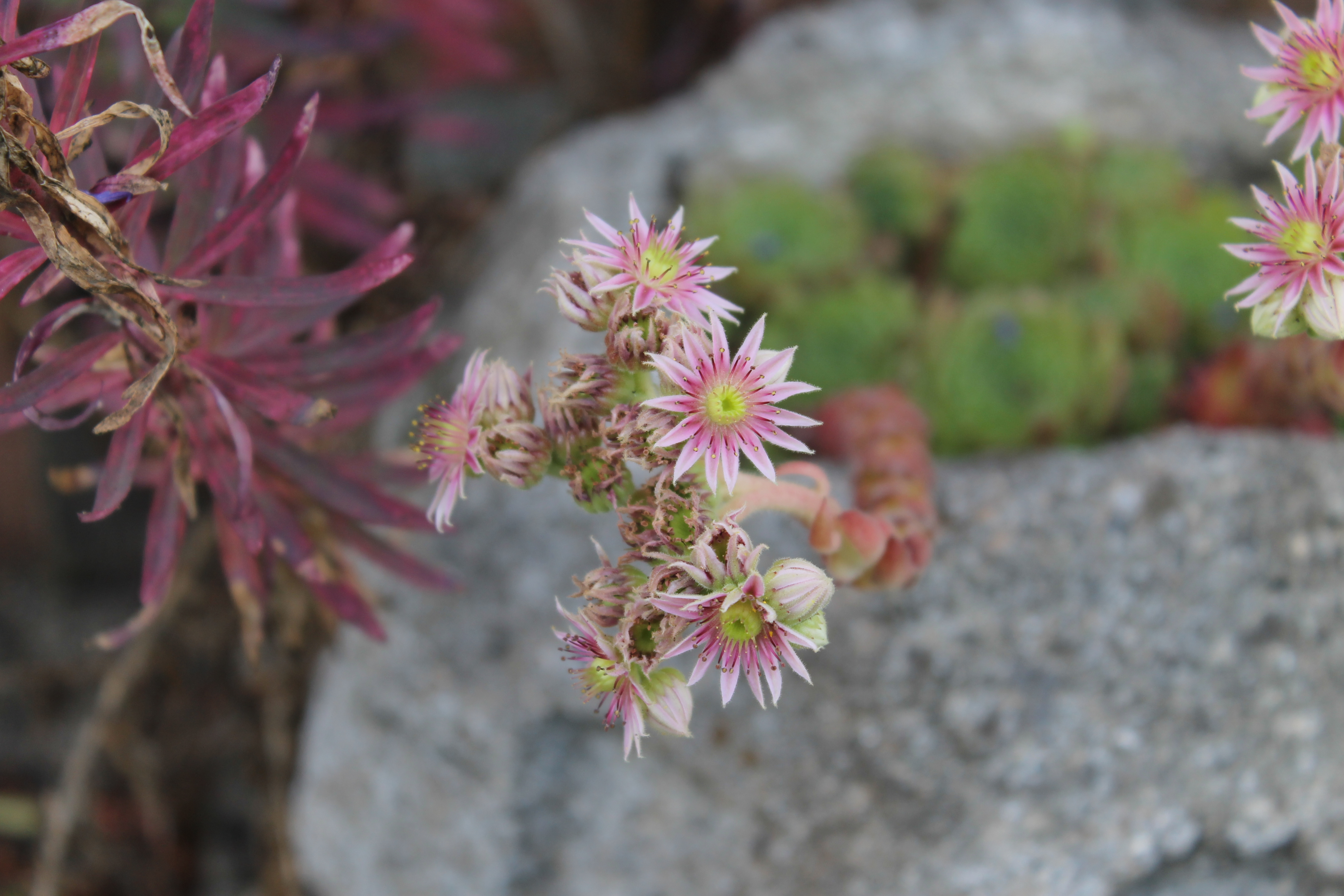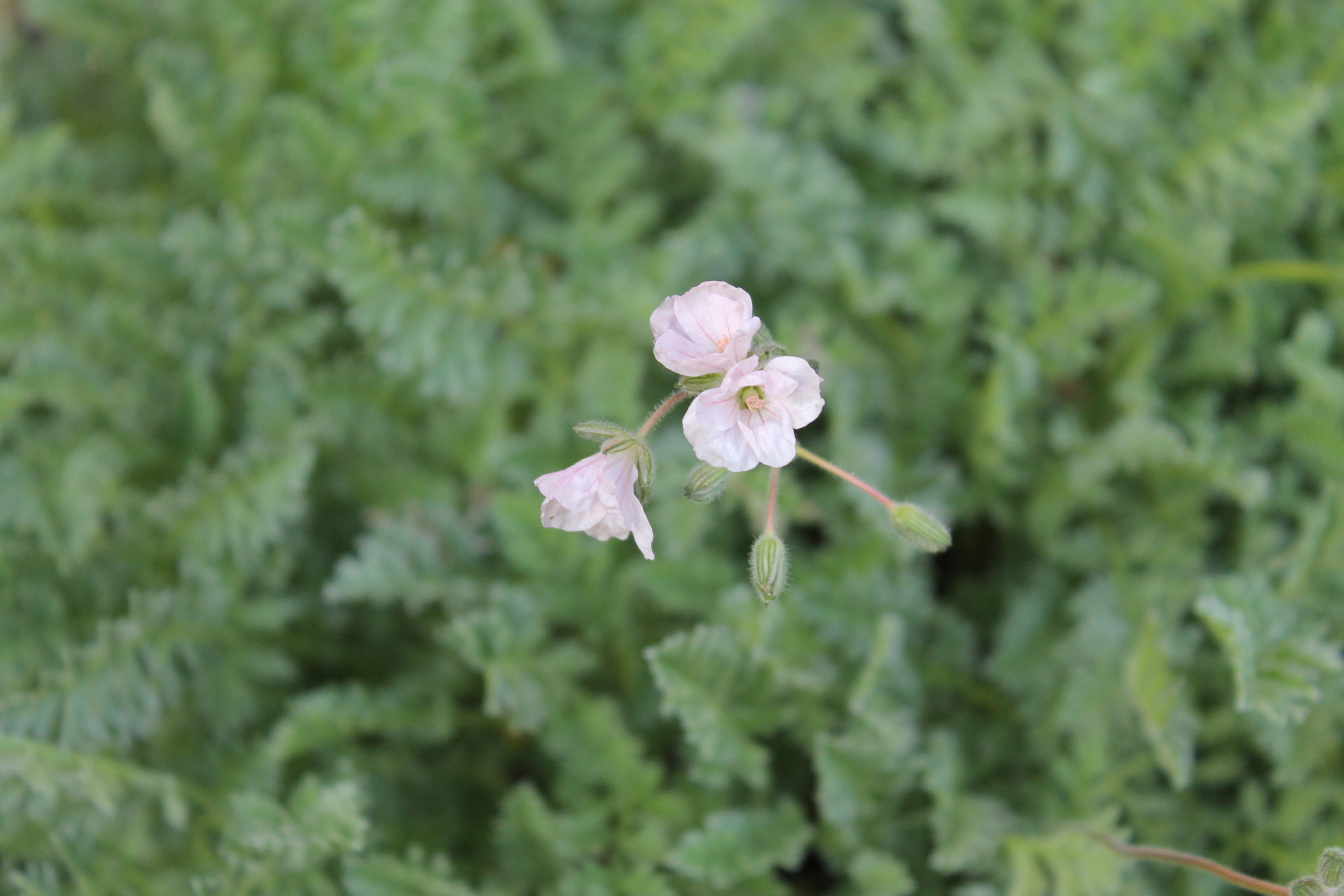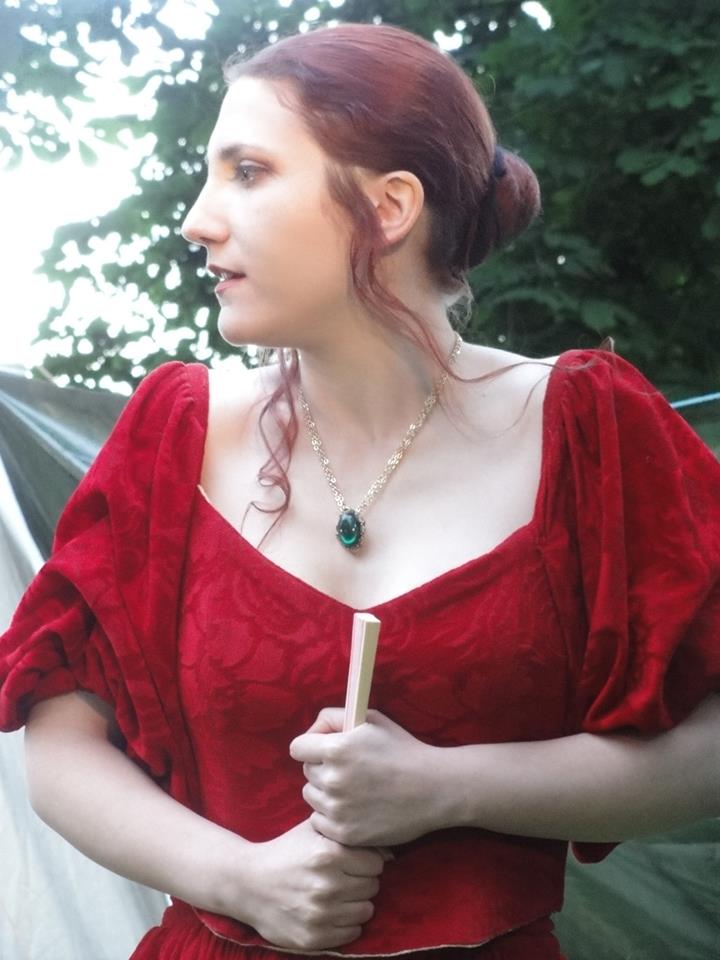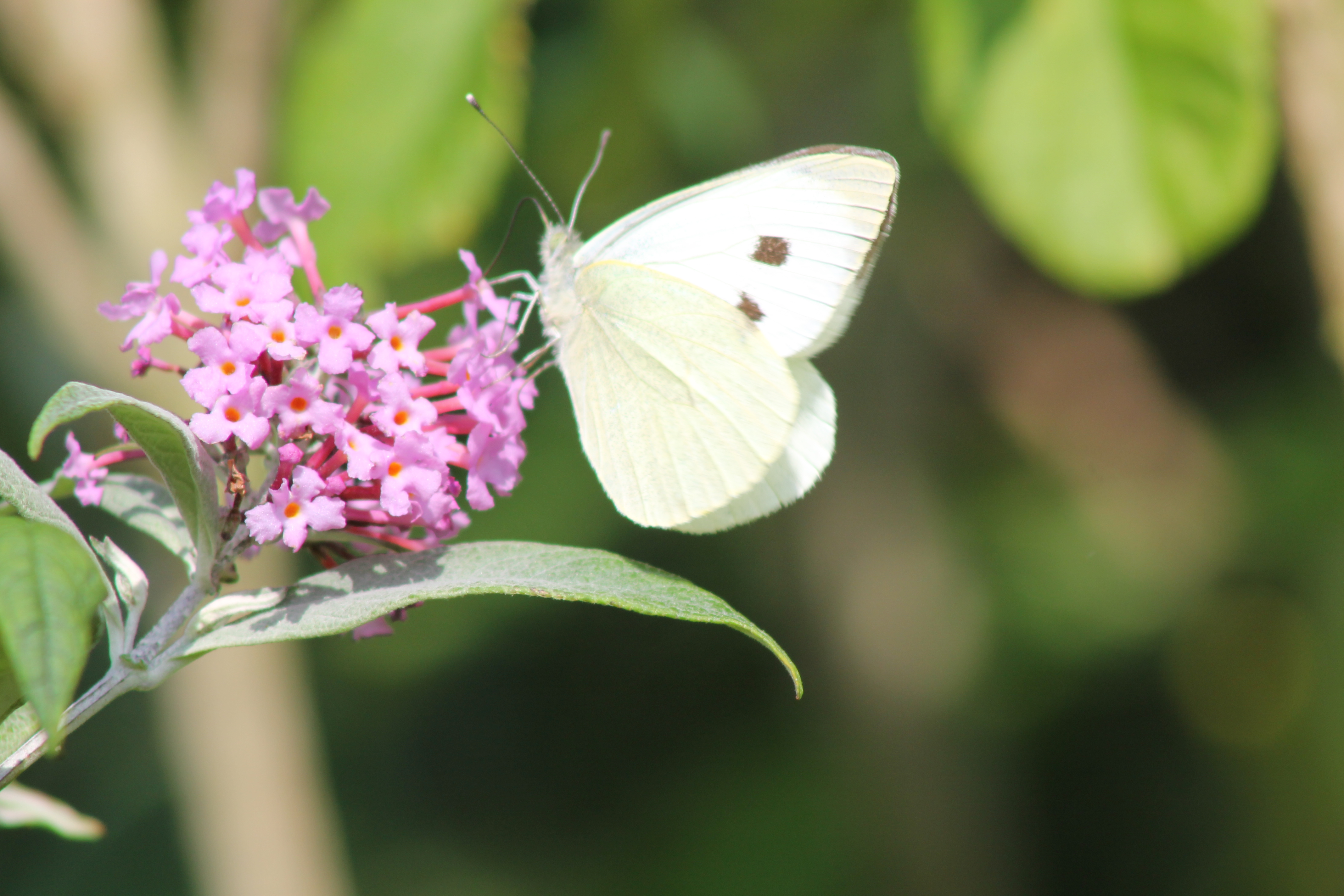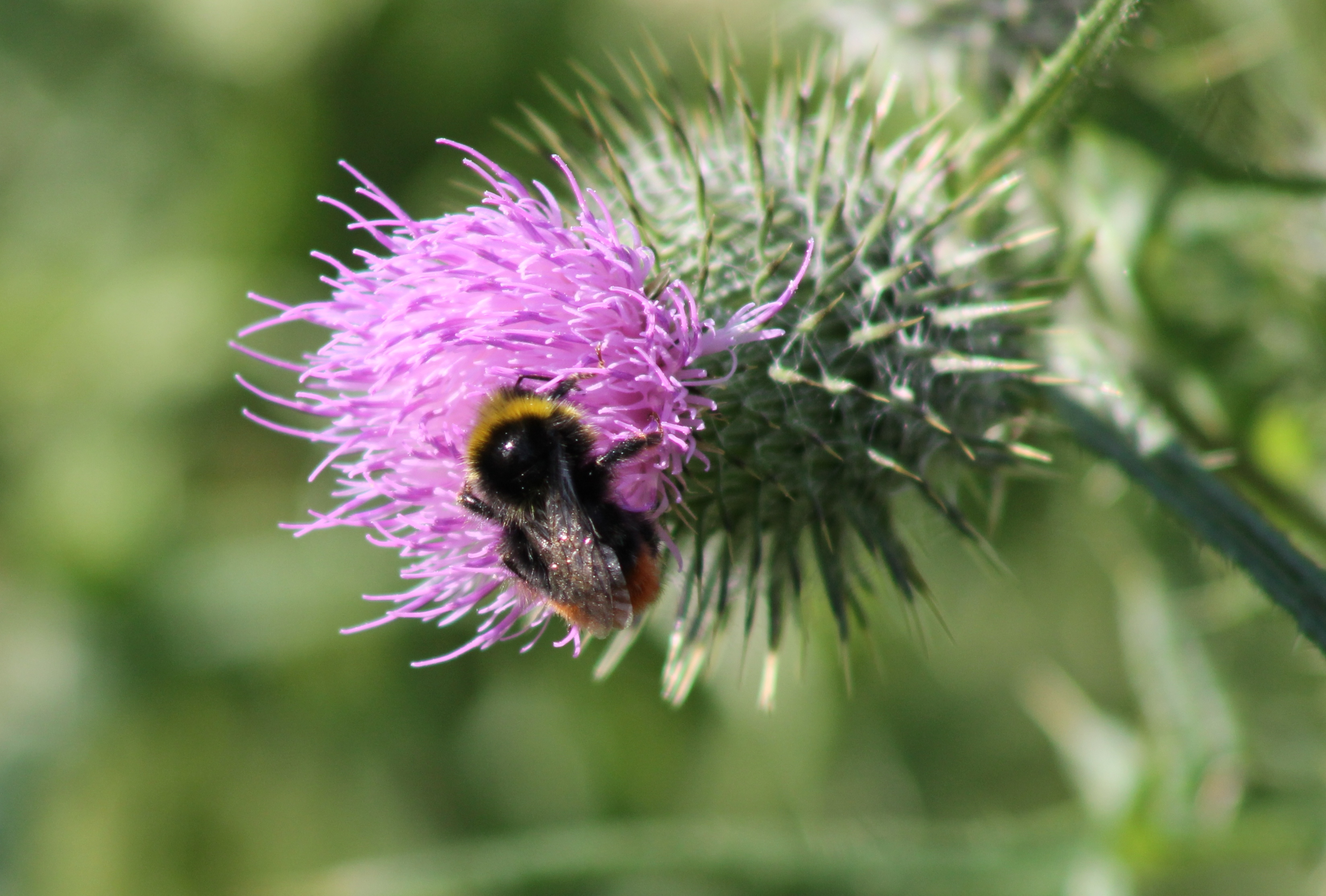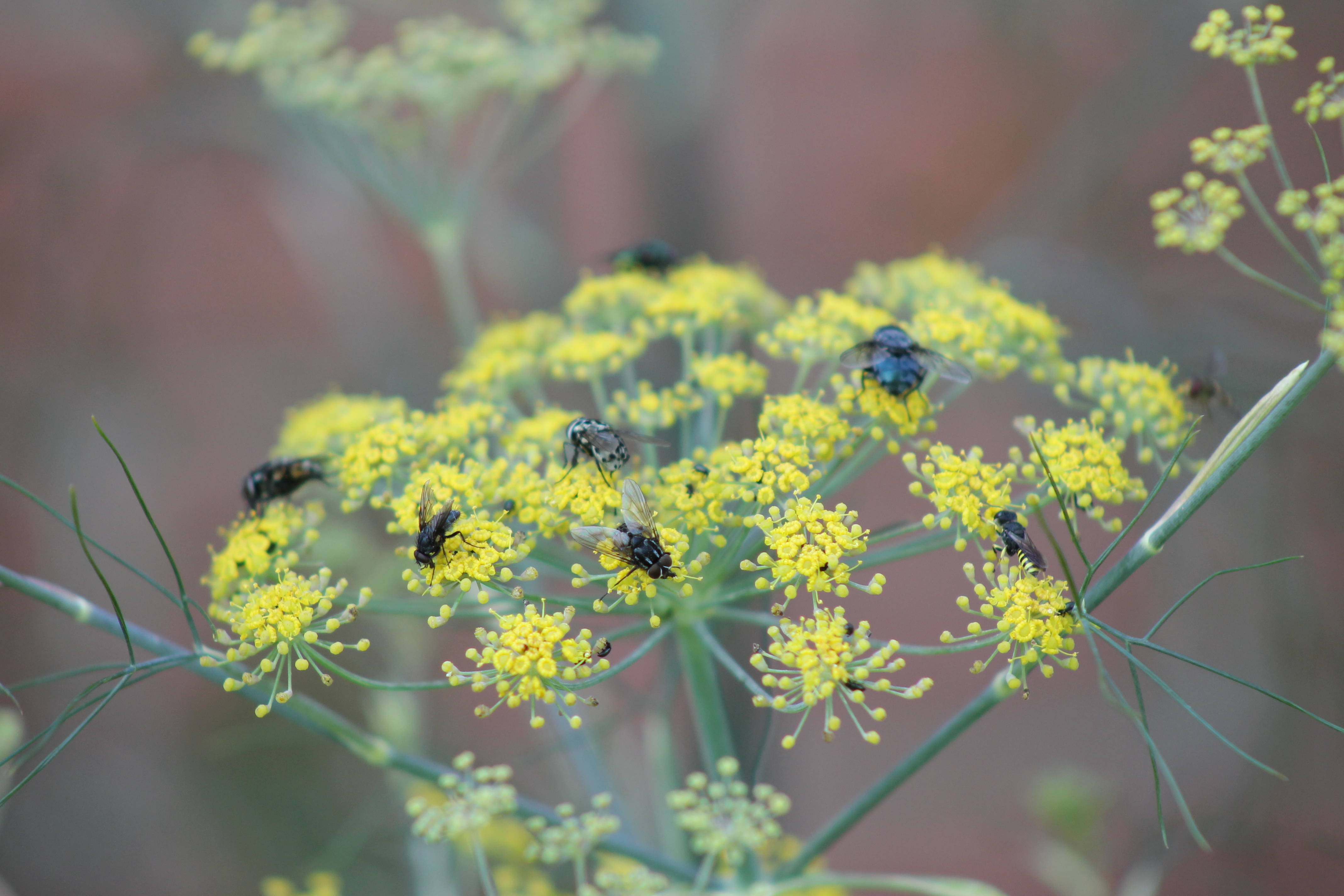
I have noticed that there is beginning to be quite a lot of red in the garden. This post is a collection of photos taken in the last couple of weeks.
03 Sun Aug 2014
Posted in Gardening, plants, Rural Diary, Uncategorized
I have noticed that there is beginning to be quite a lot of red in the garden. This post is a collection of photos taken in the last couple of weeks.
01 Fri Aug 2014
Posted in Rural Diary, Uncategorized
I took E to London today as she wanted to visit a couple of bookshops. Not that we don’t have bookshops in Suffolk and Norfolk but a trip to London is fun every now and then and the bookshops there are so big and well stocked.
We didn’t want to spend too long in the city and we wanted to avoid the expensive rush-hour so we set off from Diss just after 9 a.m. and planned to get the 3.30 p.m. train home. Not a lot of time in London when the journey from Diss to London Liverpool Street takes nearly two hours A trip to London is very expensive so we only seem to make it once a year. Parking at the station car park for the day costs £5.50 and the train tickets for the two of us cost over £100. We then have to consider buying something for lunch and then the books….
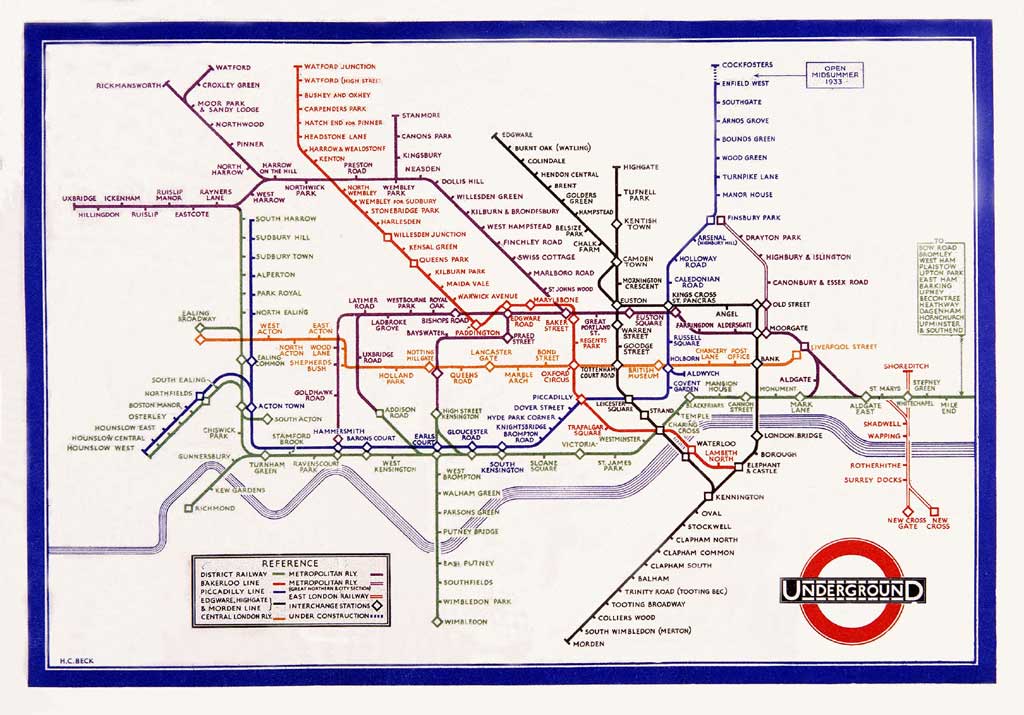
We took the Underground Central Line to Tottenham Court Road station and walked down Oxford Street. I grew up in a town just south-east of London and worked in London for some years and Oxford Street then was a really good place to shop and looked good. Now it just looks tired and seedy, full of Bureau de Changes and old tat shops. There was some building work going on so maybe things will improve soon but I just feel sorry for visitors who have heard of the place imagining it to be a shopping mecca and so arrive there and are disappointed. Regent Street is much better and well worth a visit – as long as you have plenty of money!
The first shop E wanted to visit was Gosh; a bookshop that specialises in graphic novels, comic books, manga, illustrated books of all sorts. It is in Berwick Street in between Oxford Street and Wardour Street. She was in seventh heaven wandering about the shop and found a number of books to buy. She wants to be a book illustrator and draws all day.
When she had finished in there we walked back to Tottenham Court Road and tried to turn down Charing Cross Road. The work on the new Cross Rail Link is going on in the centre of town and the top of Charing Cross Road is blocked off. At least I think the work on the Link is the cause. We were directed round the building site and almost immediately found our second bookshop. Charing Cross Road is full of bookshops. I remember when there were even more – second-hand bookshops with heaps of books oozing out of the doors and lying in heaps on trestle tables on the pavement outside; speciality bookshops with maps or biographies or art or music books. Just off Charing Cross Road were all the music shops selling music and all sorts of instruments. Are they still all there? I don’t know, as London looks so different now. The shop we were aiming for is Foyles which has just moved to its new location next-door to where it used to be. The new shop is wonderful with lots of pine shelves and glass and shallow-stepped staircases and lifts that glide up and down and a cafe with views out of windows. The old shop was good too and E was looking forward to re-visiting it. I also remember the shop when Miss Foyle was still in charge. Lots of dark-wood shelves and creaking floorboards and cashiers in wooden cupboard-like offices. Stairs that climbed up and up to dusty rooms full of tomes – wonderful! We spent a while and a few pounds in Foyles and then decided to have some lunch. We found an Italian Restaurant in Shaftsbury Avenue and E had a pizza and I had a pasta dish. Now that we had done what we had intended and had an hour and a half to spare before our train we decided to walk down to the river and find a quiet and shady spot to sit awhile.
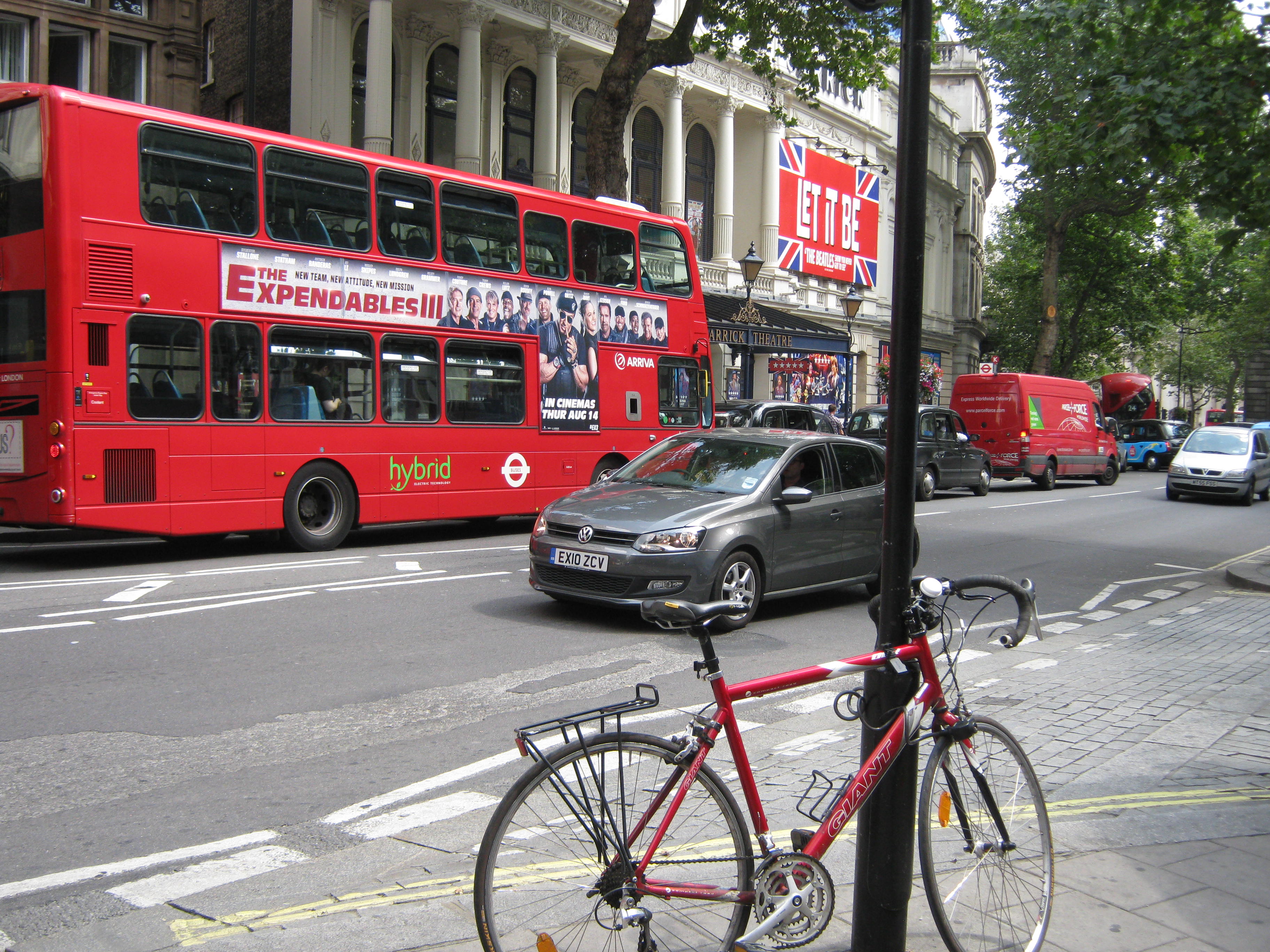
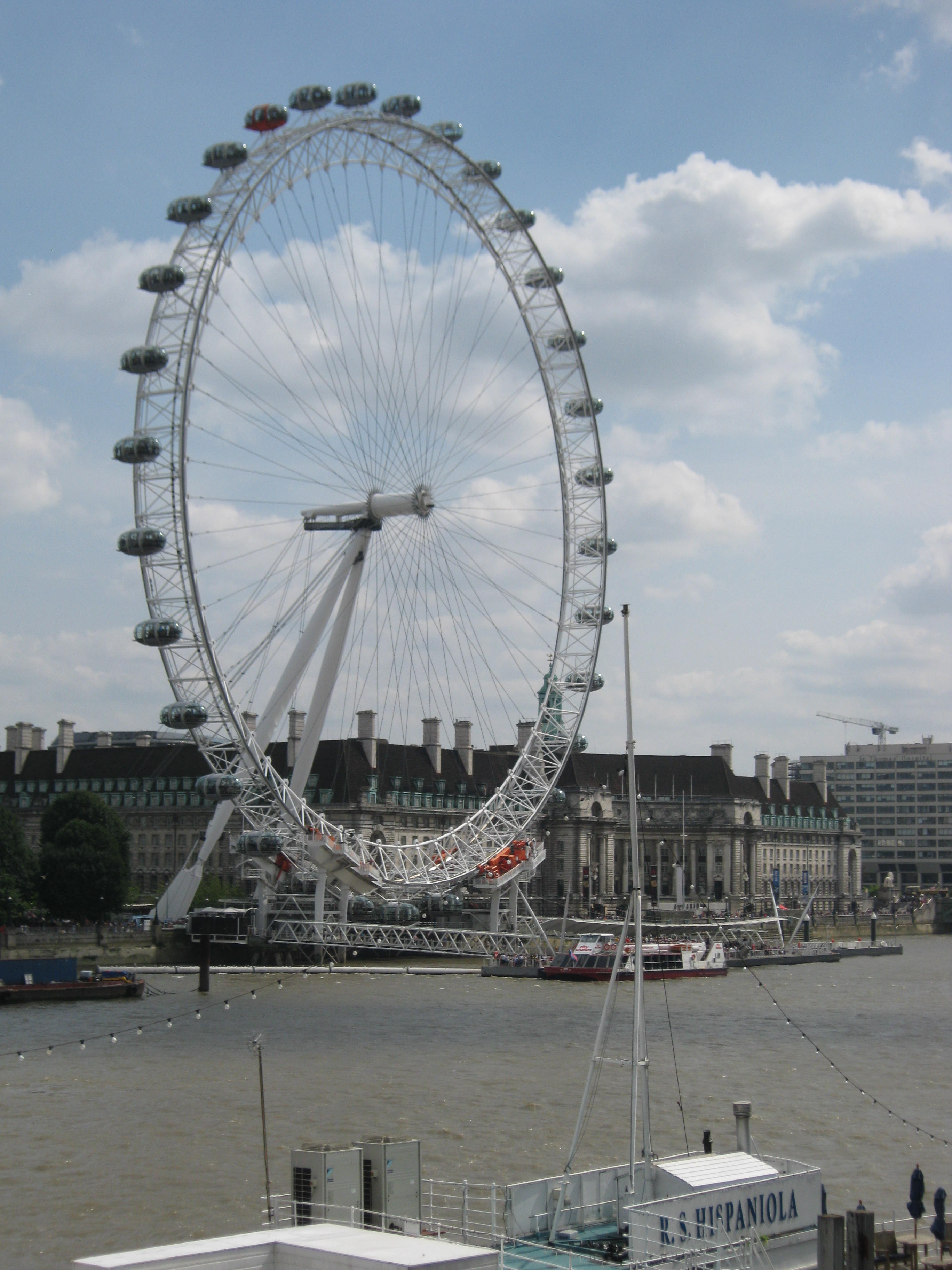
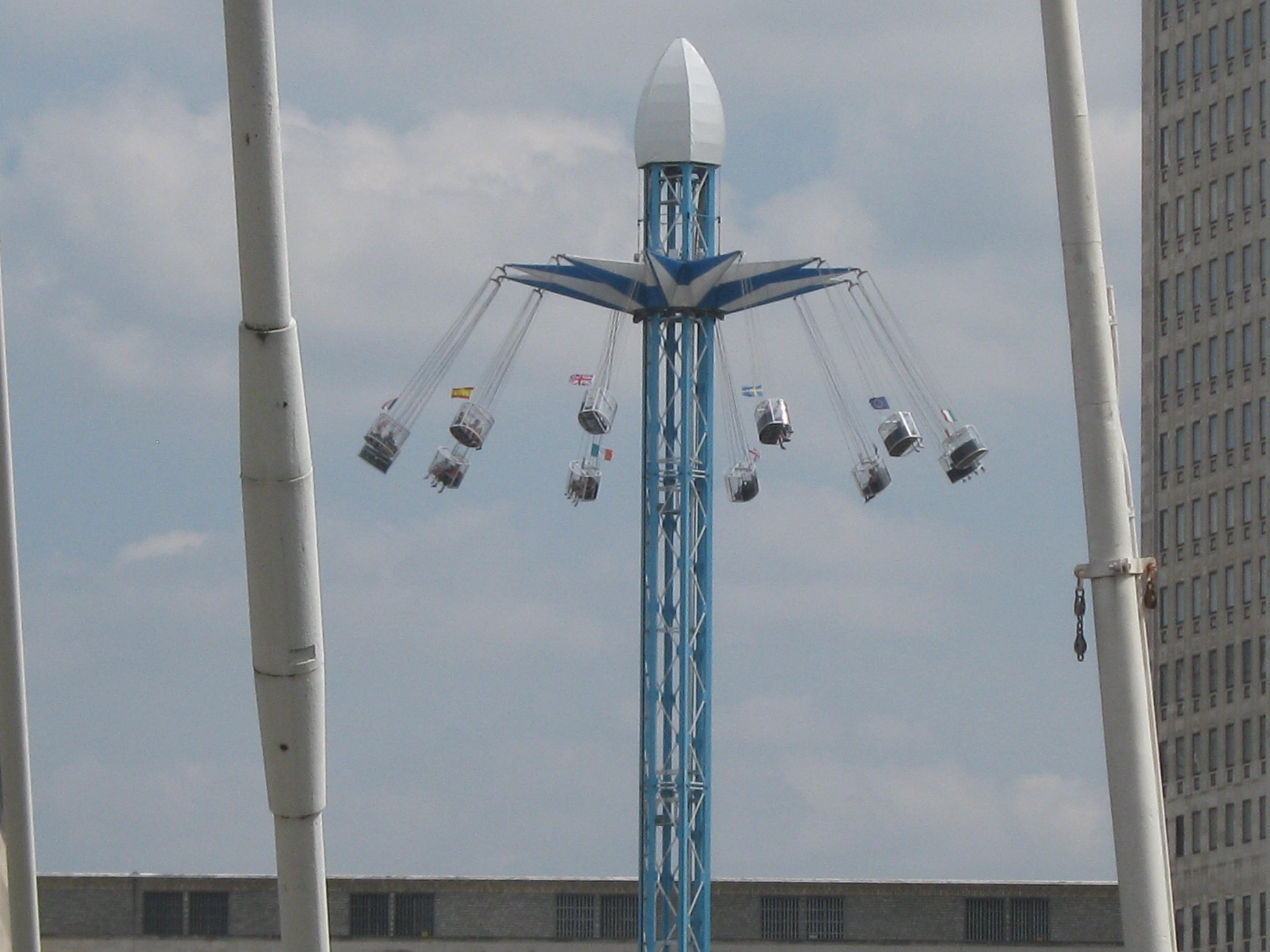
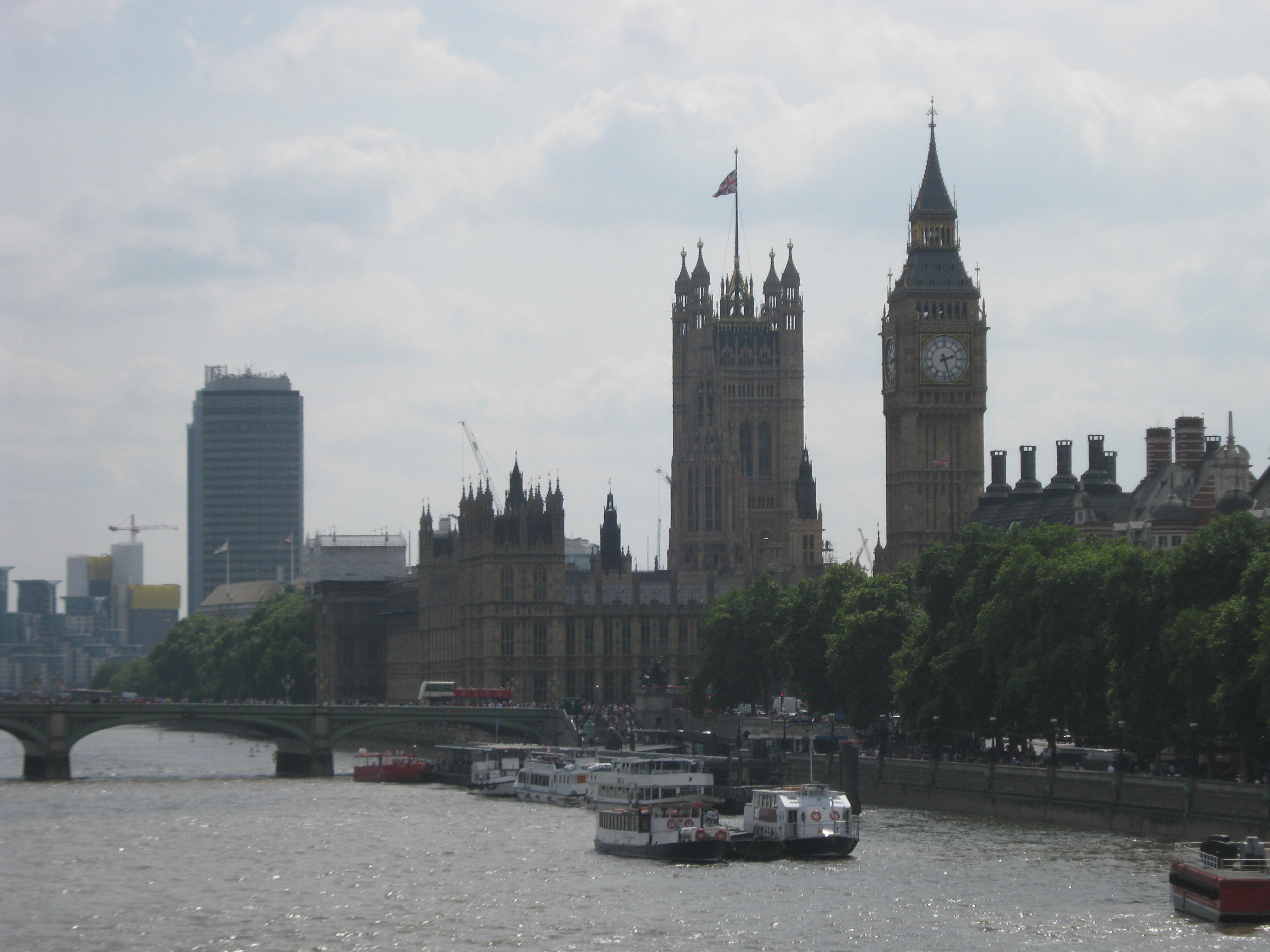
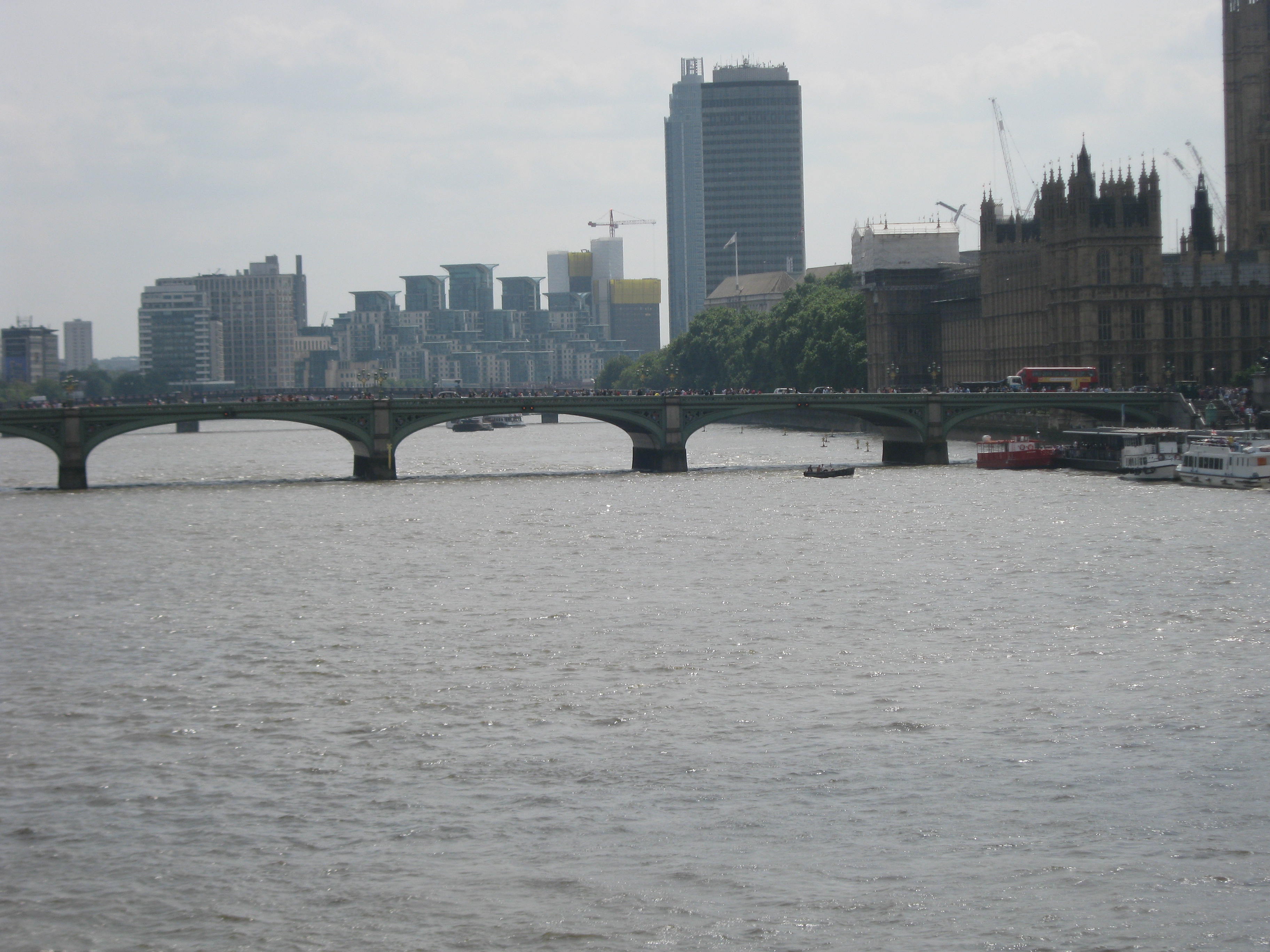
I thought that now was the time to get my camera out and take a few pictures to prove that we had visited London. My only difficulty was getting a photo without a van or a bus getting in the way.

Behind the bus is the Garrick Theatre. There is a variety of transport in London as you can see. I even managed to get a black cab in the photo.

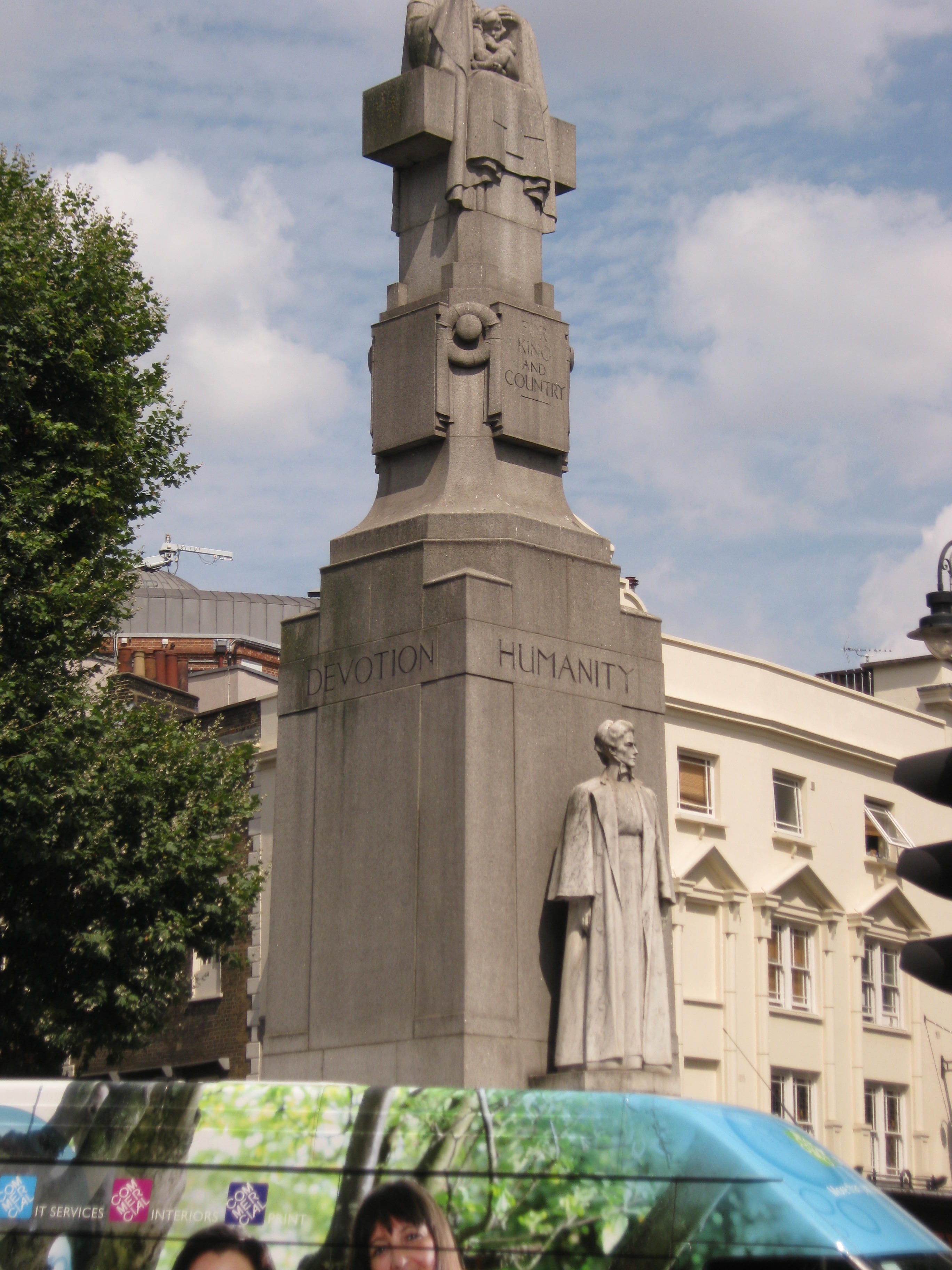
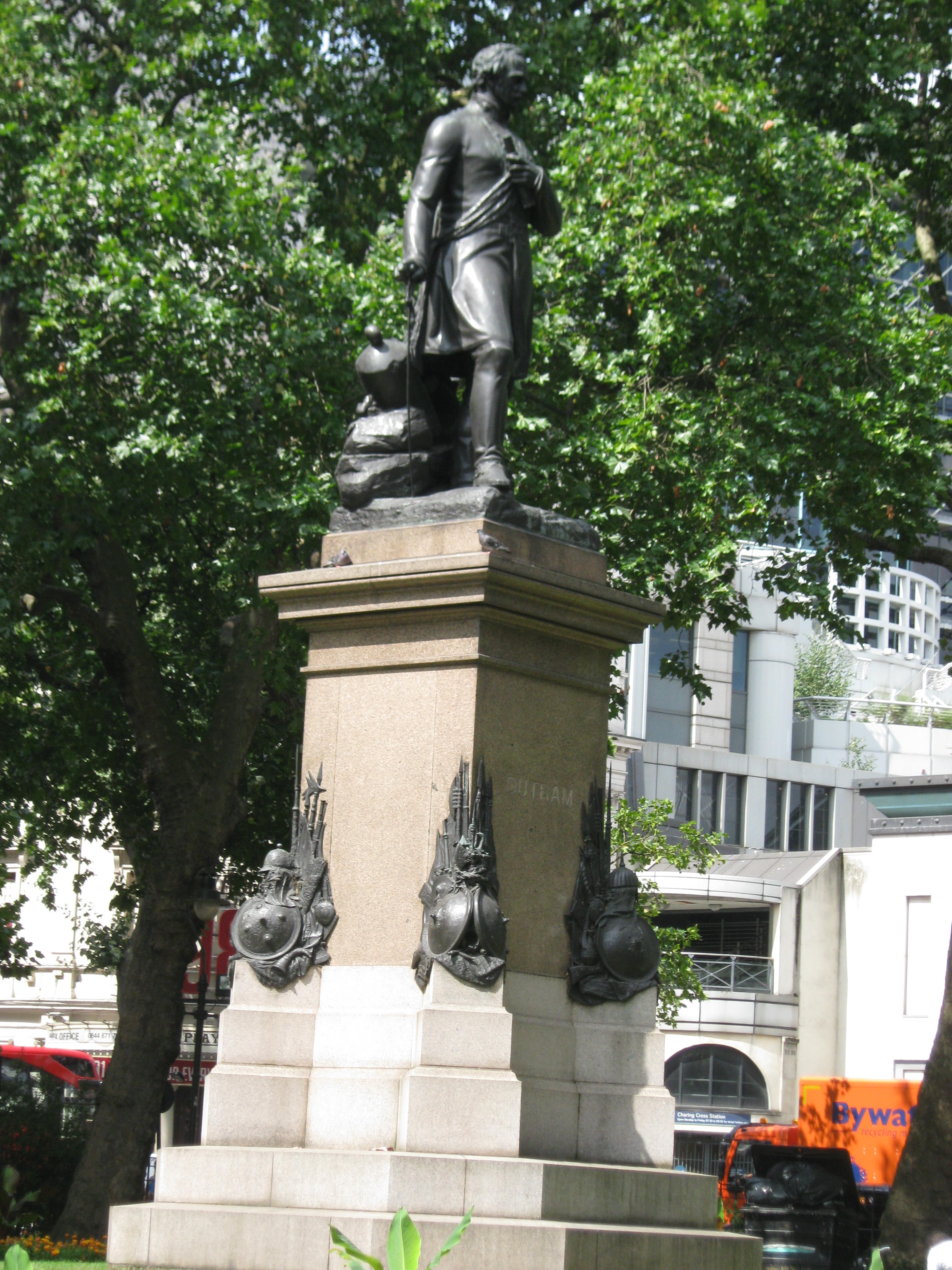
Monument with Edith Cavell’s statue. She was a nurse who was accused of being a spy by the Germans during the First World War and was shot by them. There is a statue of her outside Norwich Cathedral too
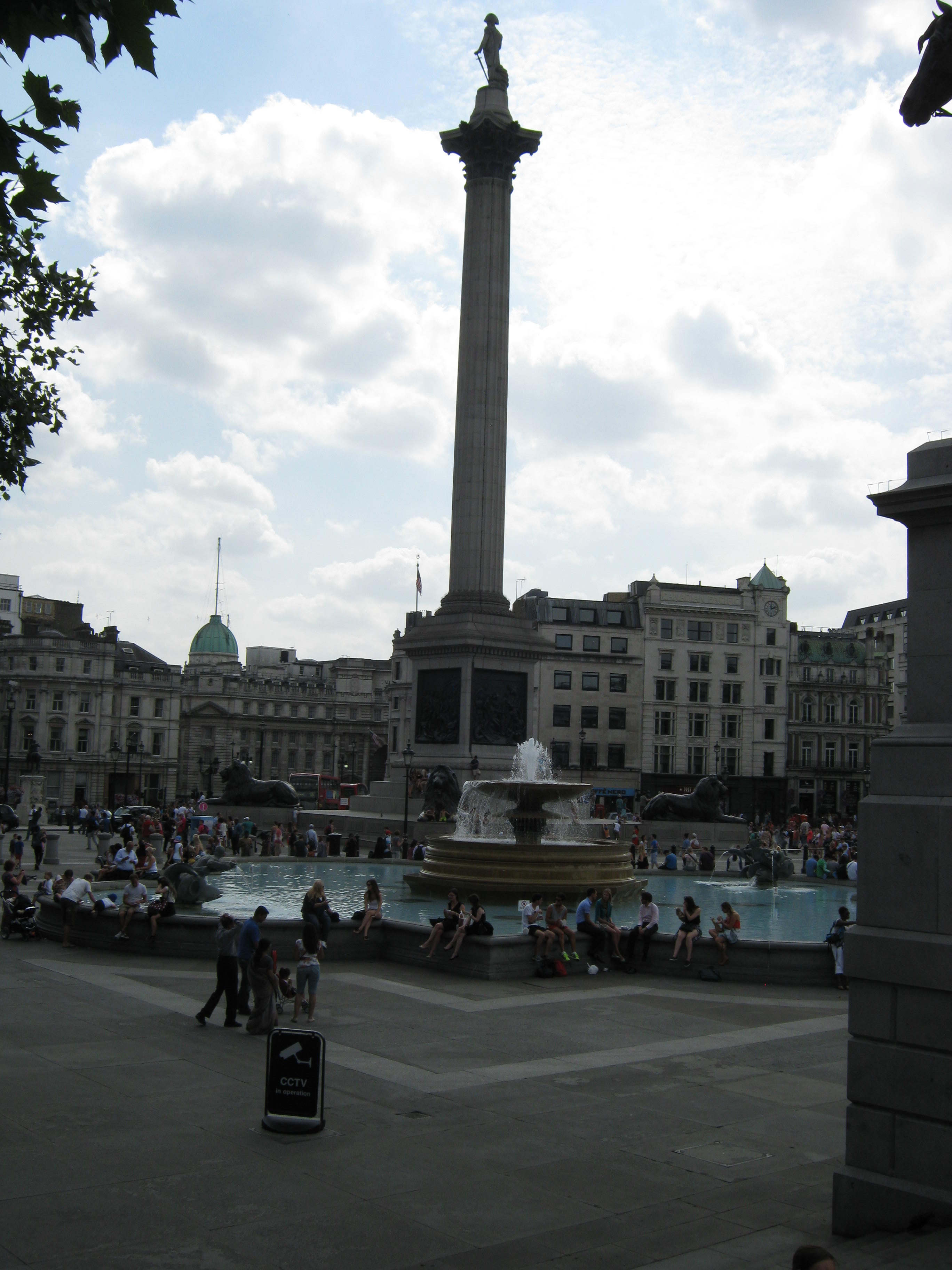
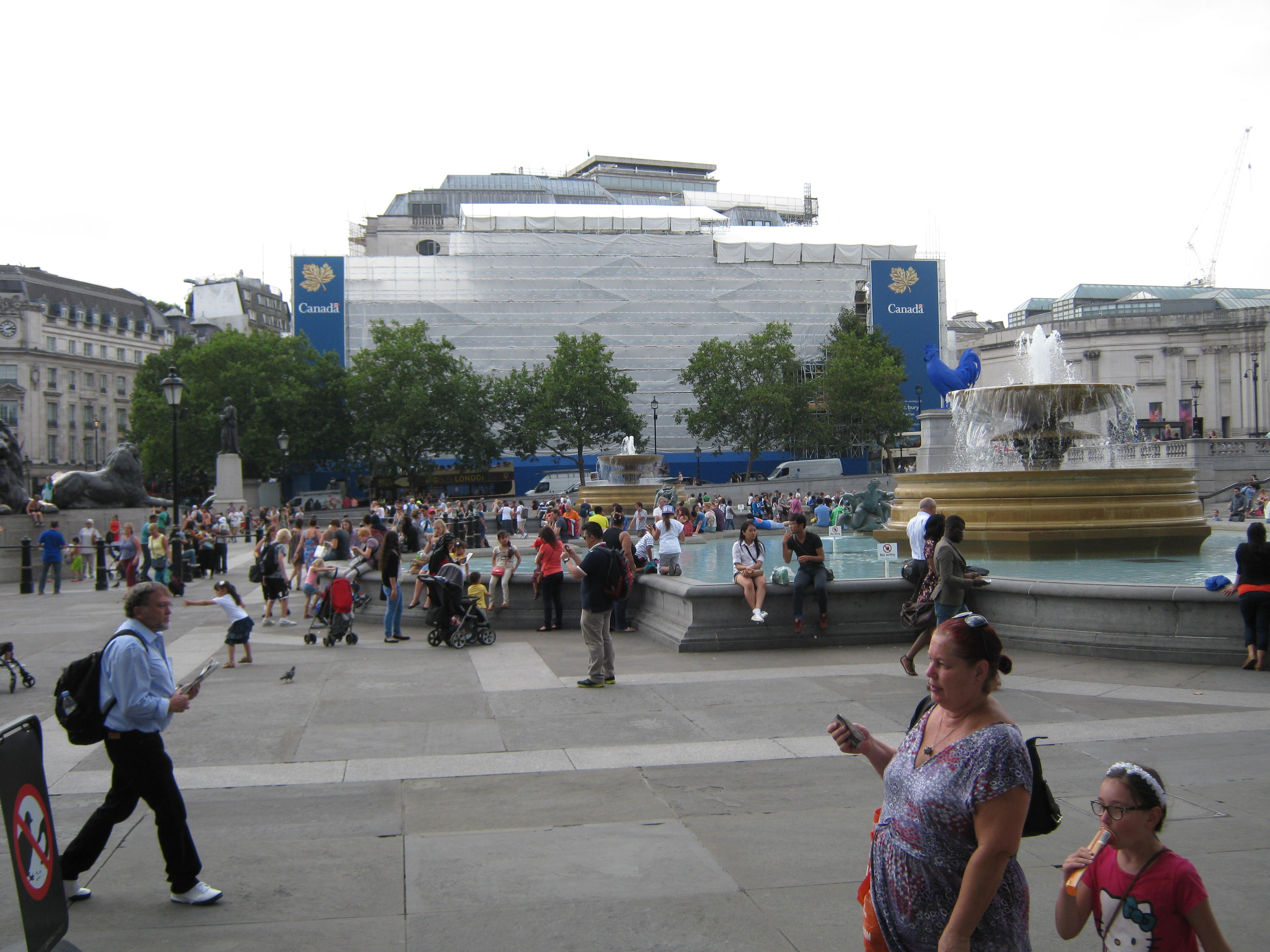
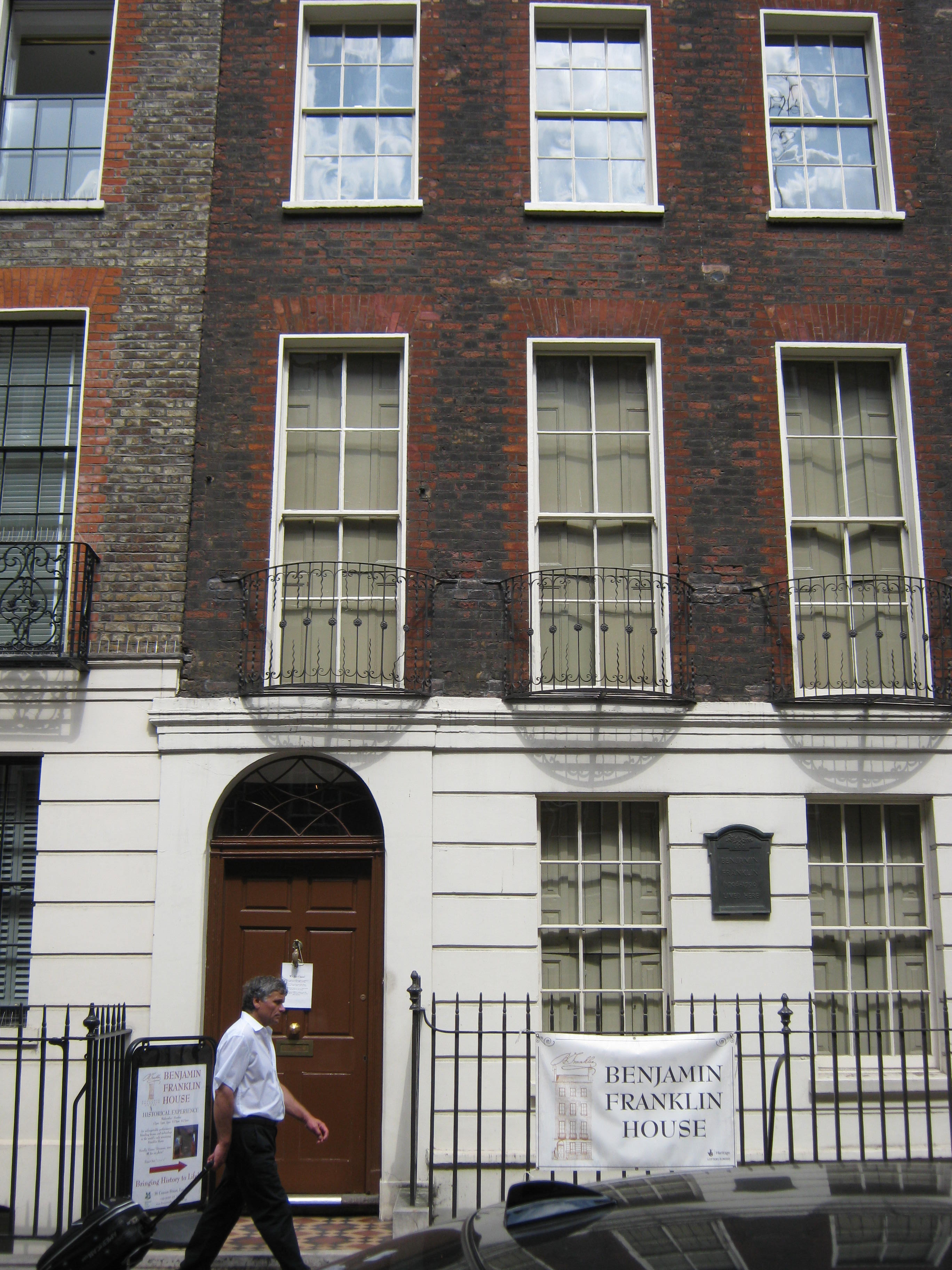
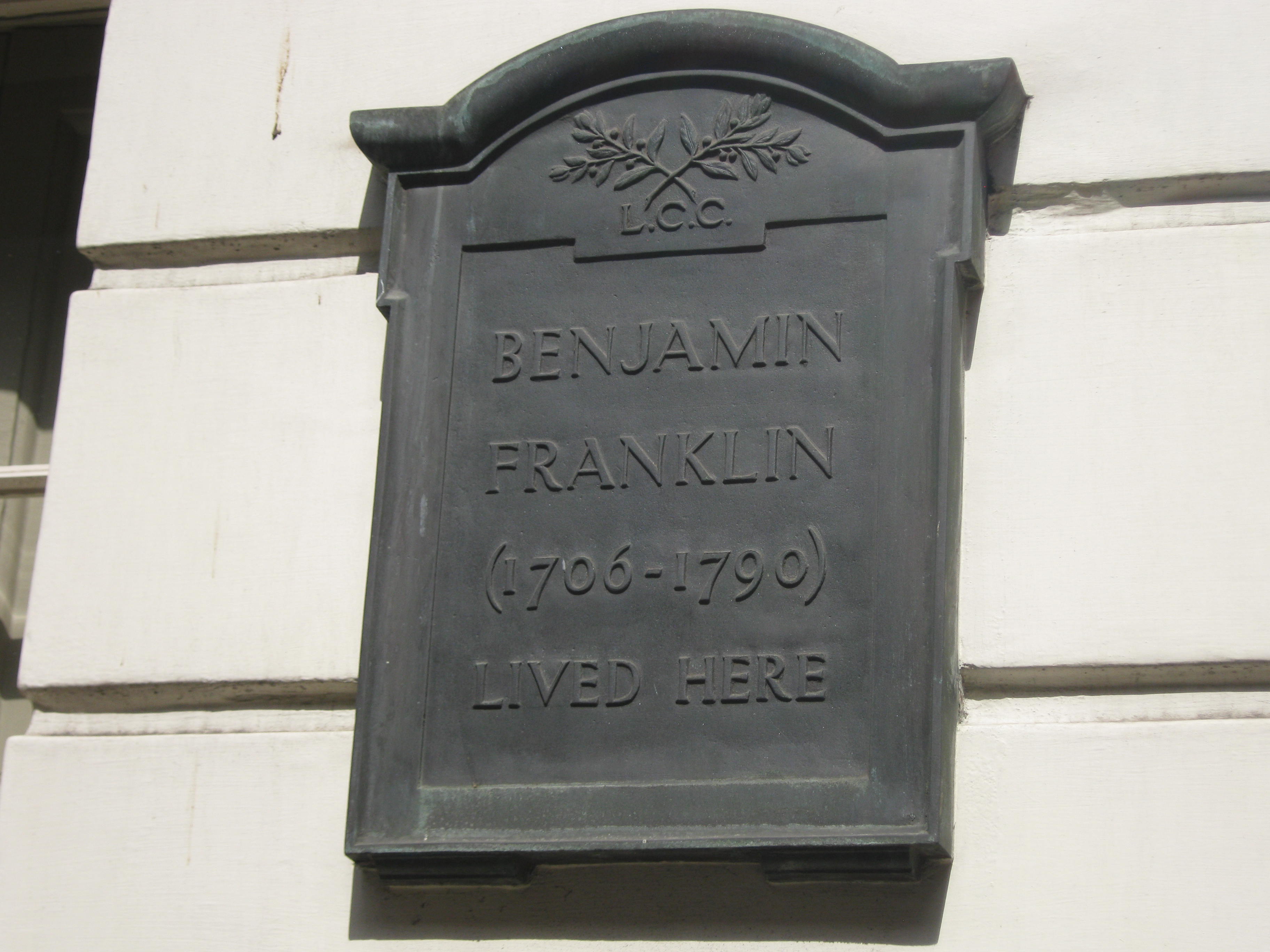
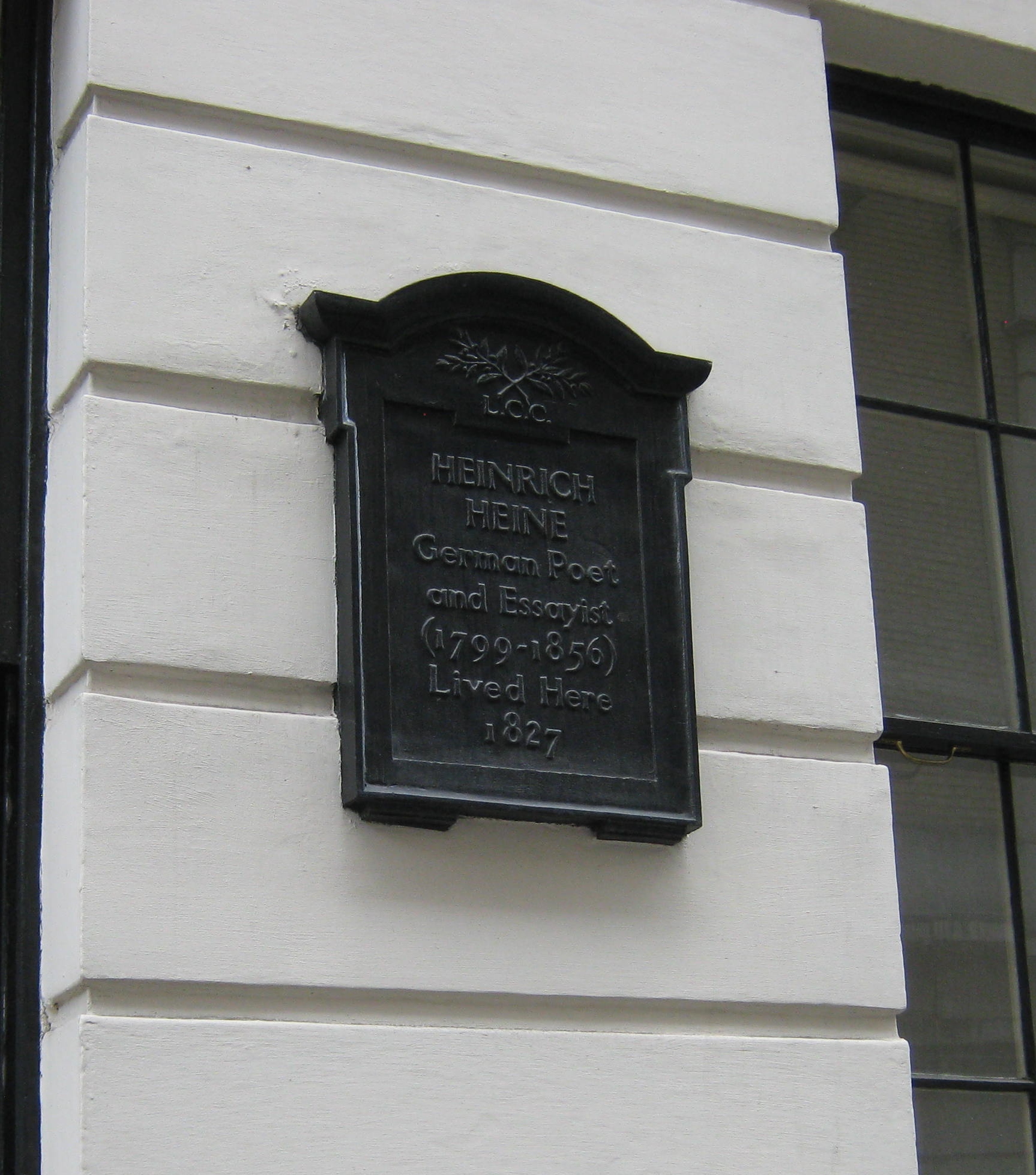
We had walked down Charing Cross Road, past St Martin’s in the Field church and into Trafalgar Square. We then turned into The Strand and walked towards Charing Cross station. Just before the station is Craven Street and we turned down there.
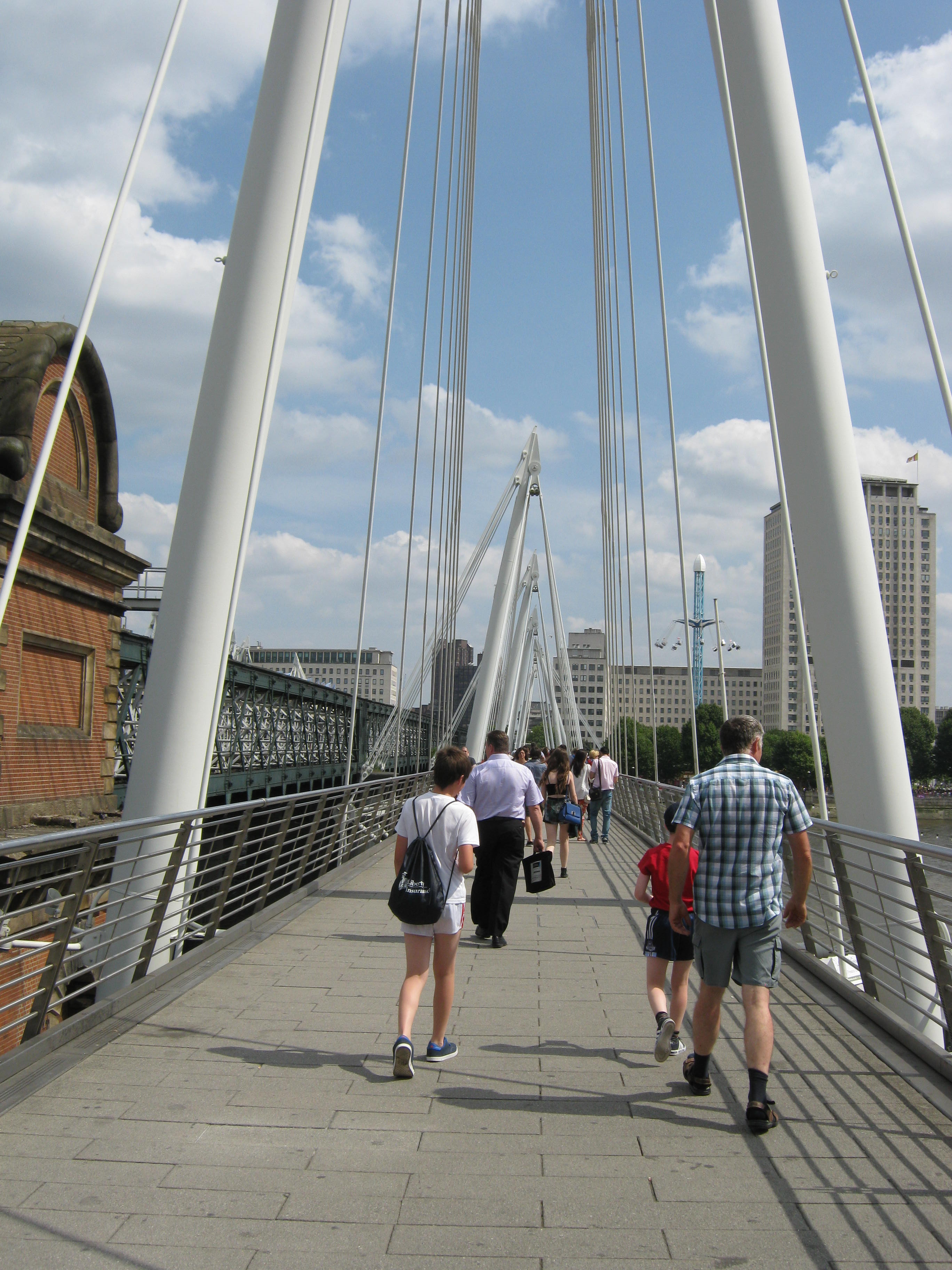
We reached the Embankment and walked half-way across the footbridge that crosses the Thames.
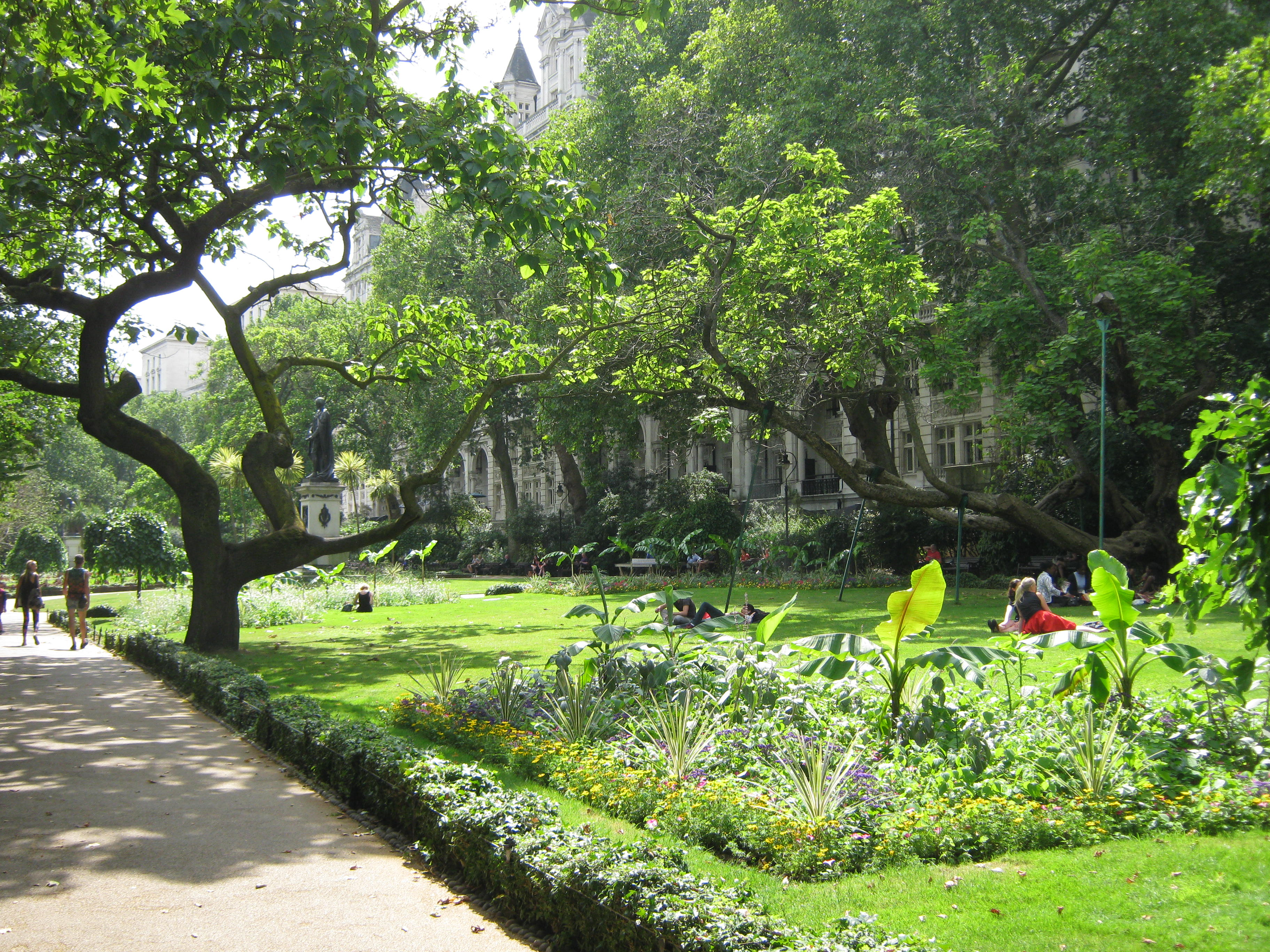
We returned to the Embankment and went and sat in the Gardens for a short while.
The gardens were peaceful, green and shady and had a number of statues in them. We enjoyed our rest and then took the Circle Line on the Underground from Embankment back to Liverpool Street. Our train back home left on time and we were home just before 6 p.m.
30 Wed Jul 2014
Posted in Rural Diary, Uncategorized
Tags
bailey, curtain wall, Hugh Bigod, keep, King Henry II, medieval, Orford, Orford Castle, Orford Ness, Orford Quay
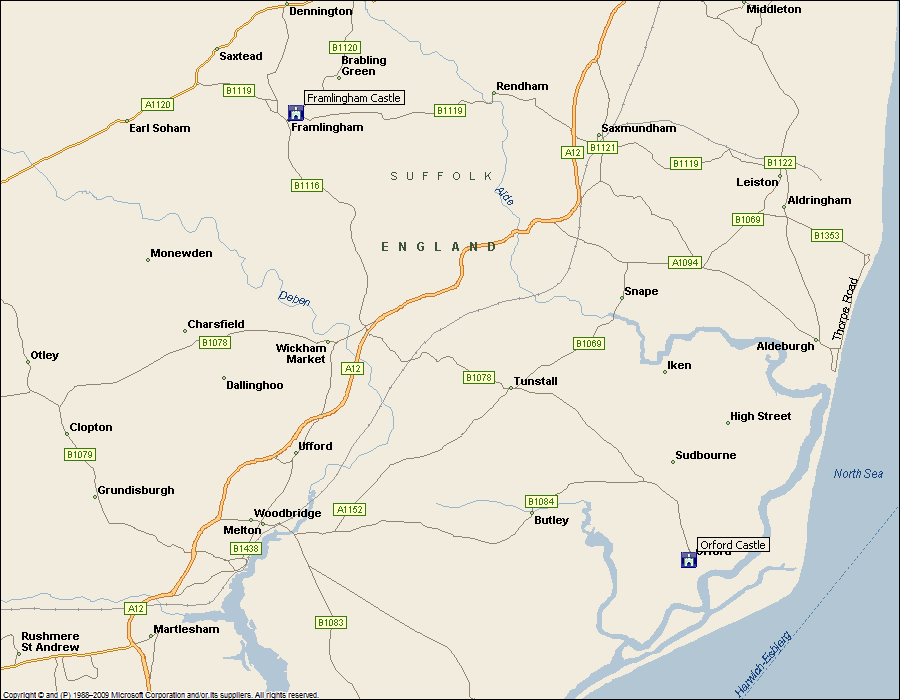
It was a beautiful day on Saturday so R, E and I decided we would like to go out for the afternoon. We would have liked to go to the beach but at this time of the year the beaches are very busy and the car-parks full so we decided to visit Orford. We hadn’t been there for years and we couldn’t remember having been there in warm weather before. It takes about forty minutes to get to Orford from our house and we first travel south on the A12 towards Ipswich, the county town of Suffolk. We then turn off eastwards and drive past Snape where I took my mother last month.
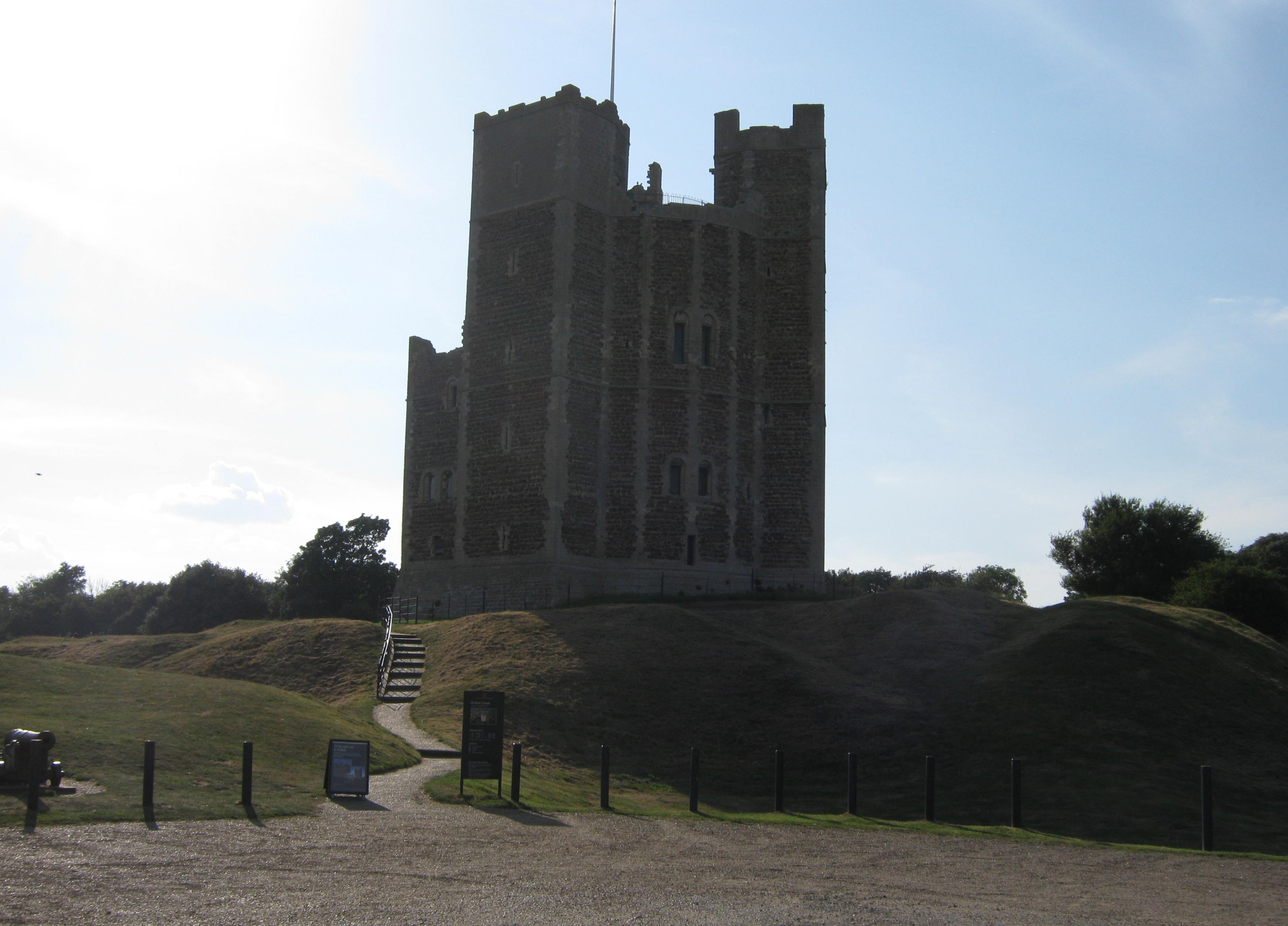
I always think I am going to get lost and am always surprised when I don’t. I was surprised to find I got to Orford with no trouble at all and I even managed to squeeze the car into the last space in the car park. The castle is very impressive.
Acknowledgements to the English Heritage guide book. The castle was built by King Henry II who reigned from 1154-89 and it took about eight years to build, 1165-73. Though a formidable king, he had almost constant trouble from rebellious barons, his problematical family and his one-time friend, Thomas Becket. The castle was built to proclaim his authority to the barons of East Anglia, especially Hugh Bigod, Earl of Suffolk and to protect the coast from foreign attack. It is a grand domestic residence as well as a defensive structure. The castle has a unique design and amazingly the building accounts for the whole period of its construction still survive. When the castle had been built, a new church, a new street plan and improved port facilities in the surrounding village followed on. Almost as soon as the castle was completed it helped defeat a rebellion by the united forces of Henry’s wife, Queen Eleanor of Aquitaine and their three sons, the French king and Earl Bigod. Orford was to remain an important royal castle for another 150 years and was controlled by the king’s constable. It served as a military stronghold and a centre of local administration. I am fascinated by this period in history. I remember going to see the 1968 film ‘The Lion in Winter’ when it was re-shown in cinemas in the 70’s; a film based on the Broadway play by James Goldman. The film is full of brilliant actors – Peter O’Toole, Katharine Hepburn, Anthony Hopkins, John Castle, Nigel Terry, Timothy Dalton – and at the time I thought all the men so good looking – a feast for the eyes! Poor old chaps they are now, but then I’m no spring chicken myself!
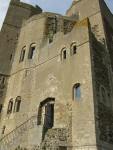
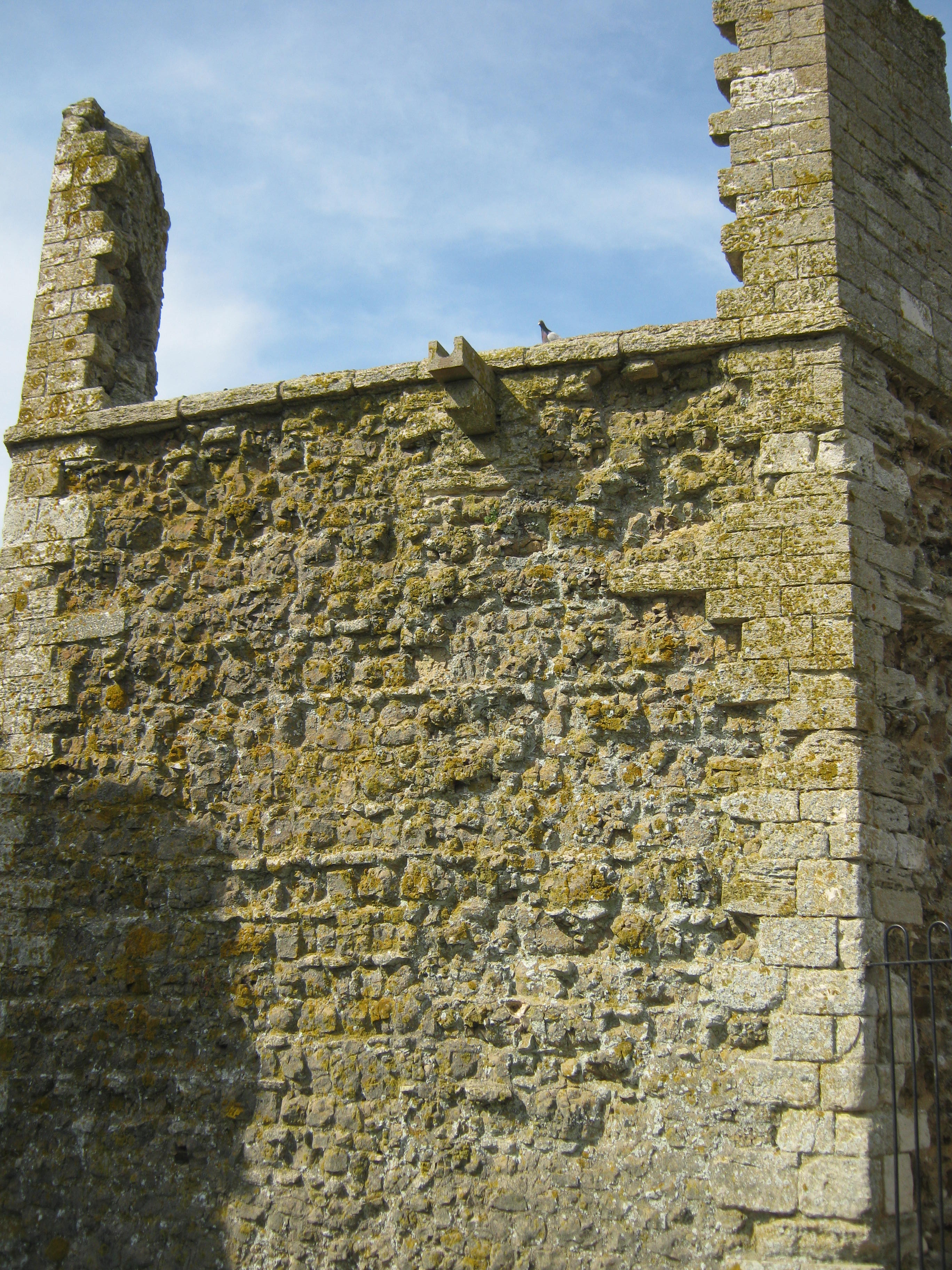
The keep of the castle survives to its full height and can be seen from afar. It is cylindrical within and polygonal without and has three buttresses.
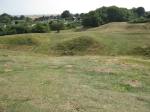
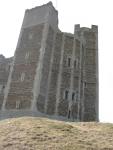
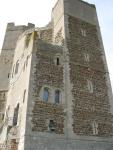
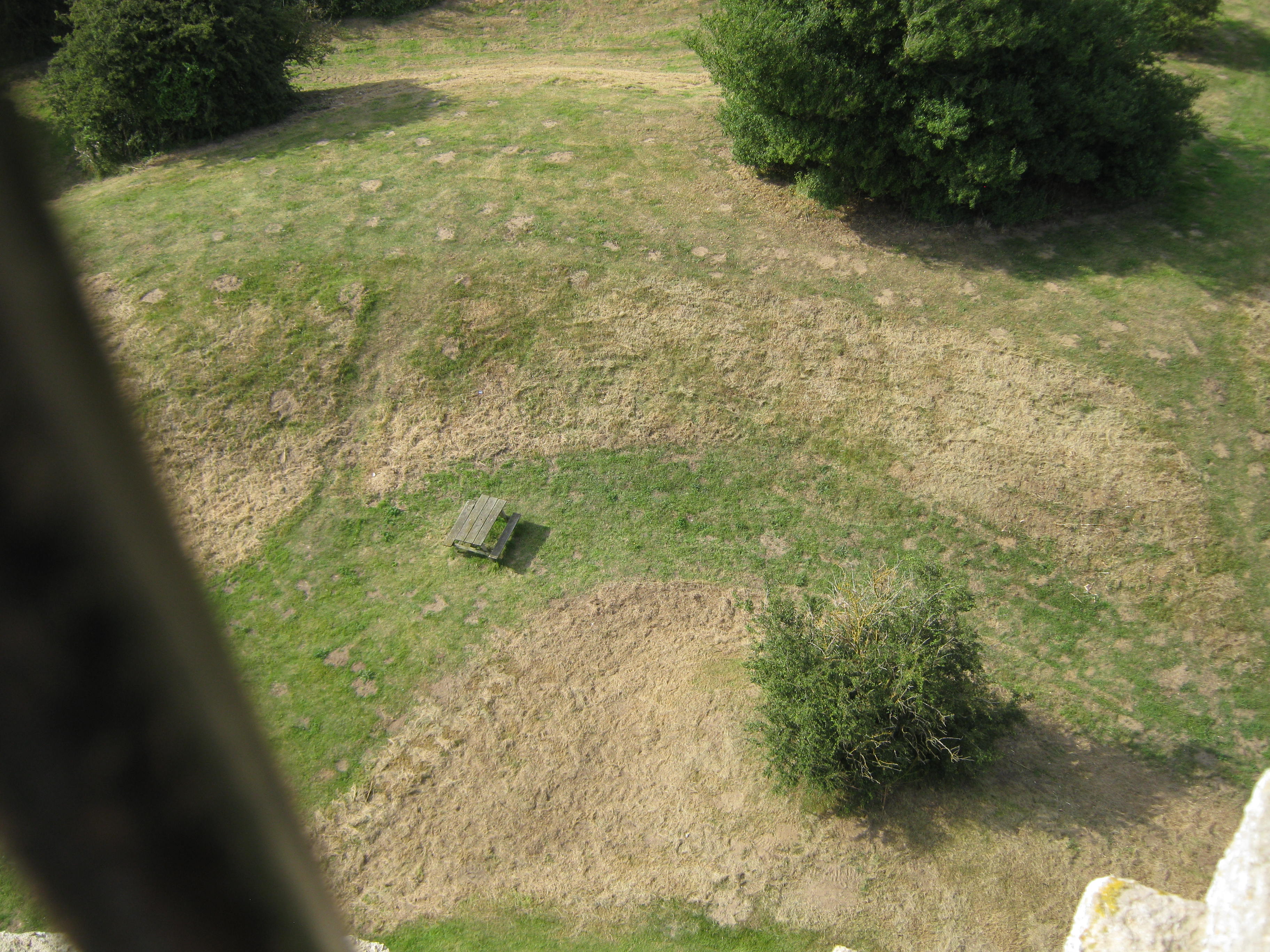
As you can see from the photos above the castle is very bulky and angular. The top left photo is of the earthworks round the castle. The part of the castle that remains is the keep. Immediately surrounding the keep is the bailey (a courtyard) and round the bailey was a curtain wall. The curtain wall was the last to be built and probably had six projecting towers and a gateway. An outer ditch lay some distance in front of the wall (perhaps the bailey was originally intended to be larger). The deep ditches that can be seen close to the keep nowadays are probably the result of the demolition of the curtain wall and the quarrying of its stone for re-use elsewhere. The last fragment of the curtain wall collapsed in 1841 ‘with a tremendous crash’.

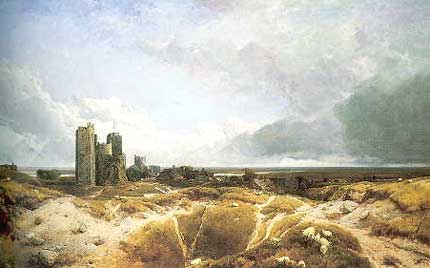
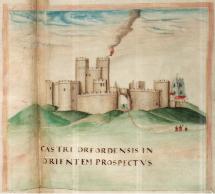
This is a water colour painting of the castle by John Norden c. 1600 before the loss of the outer walls and towers

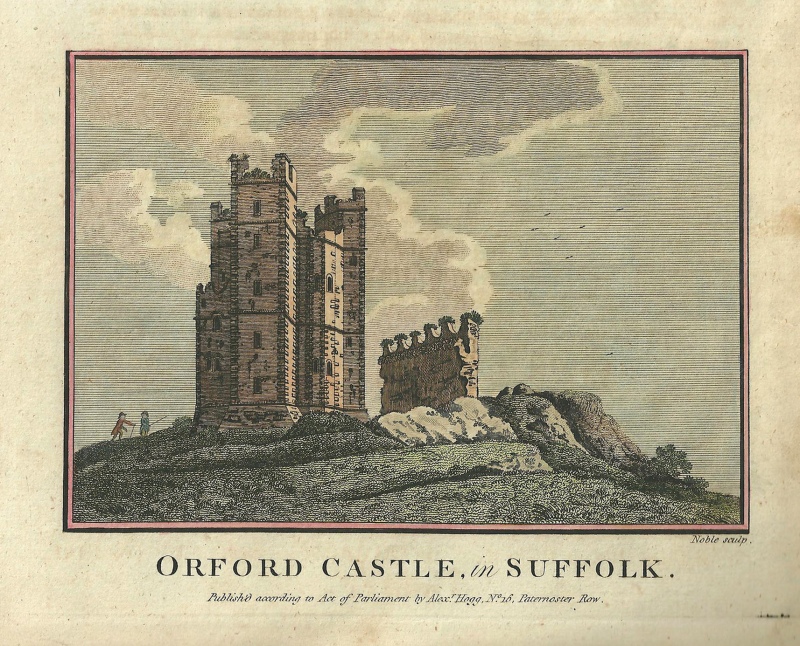
This was drawn by Noble/Hogg in c. 1786 which shows how much of the curtain wall had been destroyed during the preceding 180 years
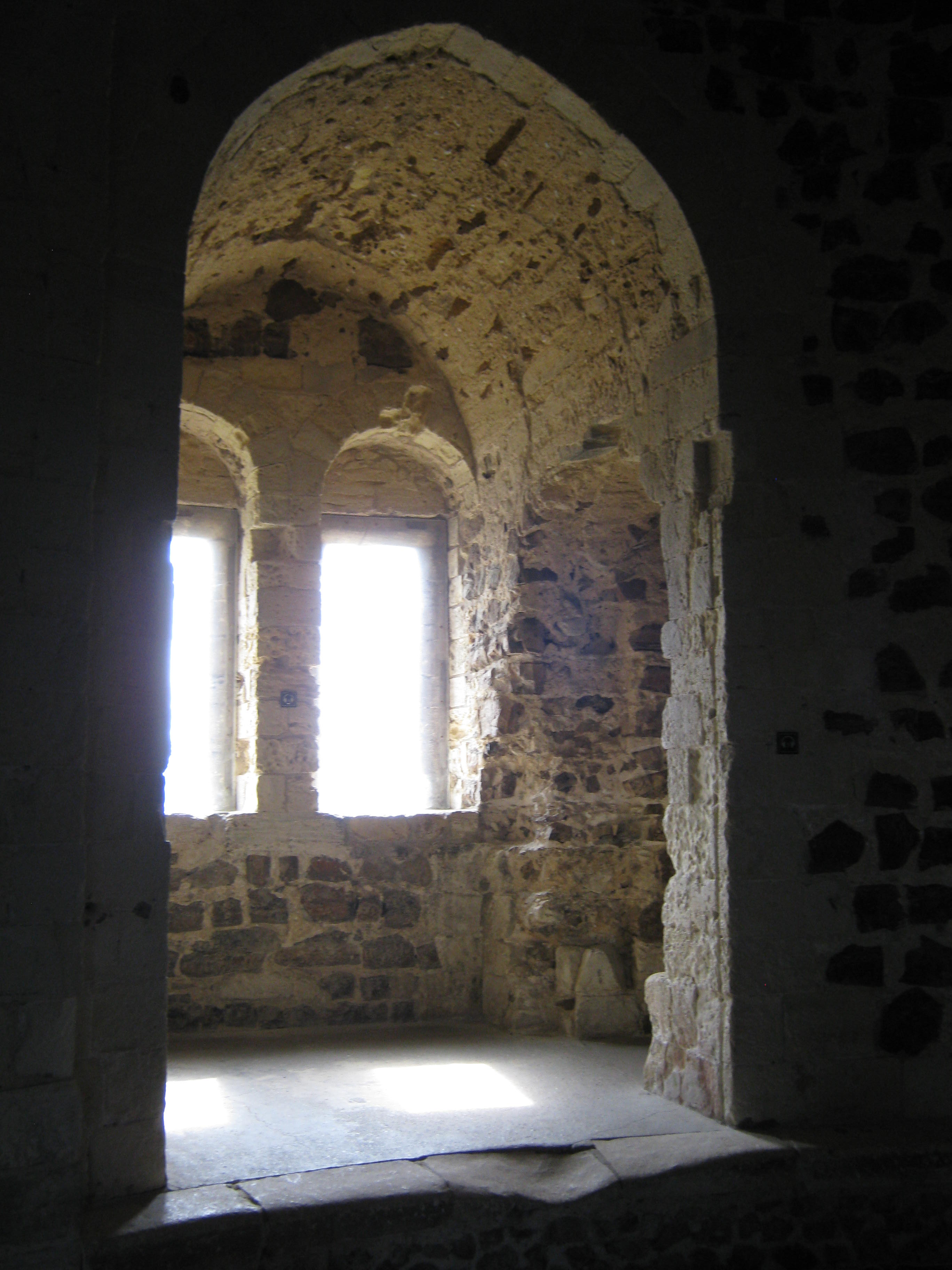
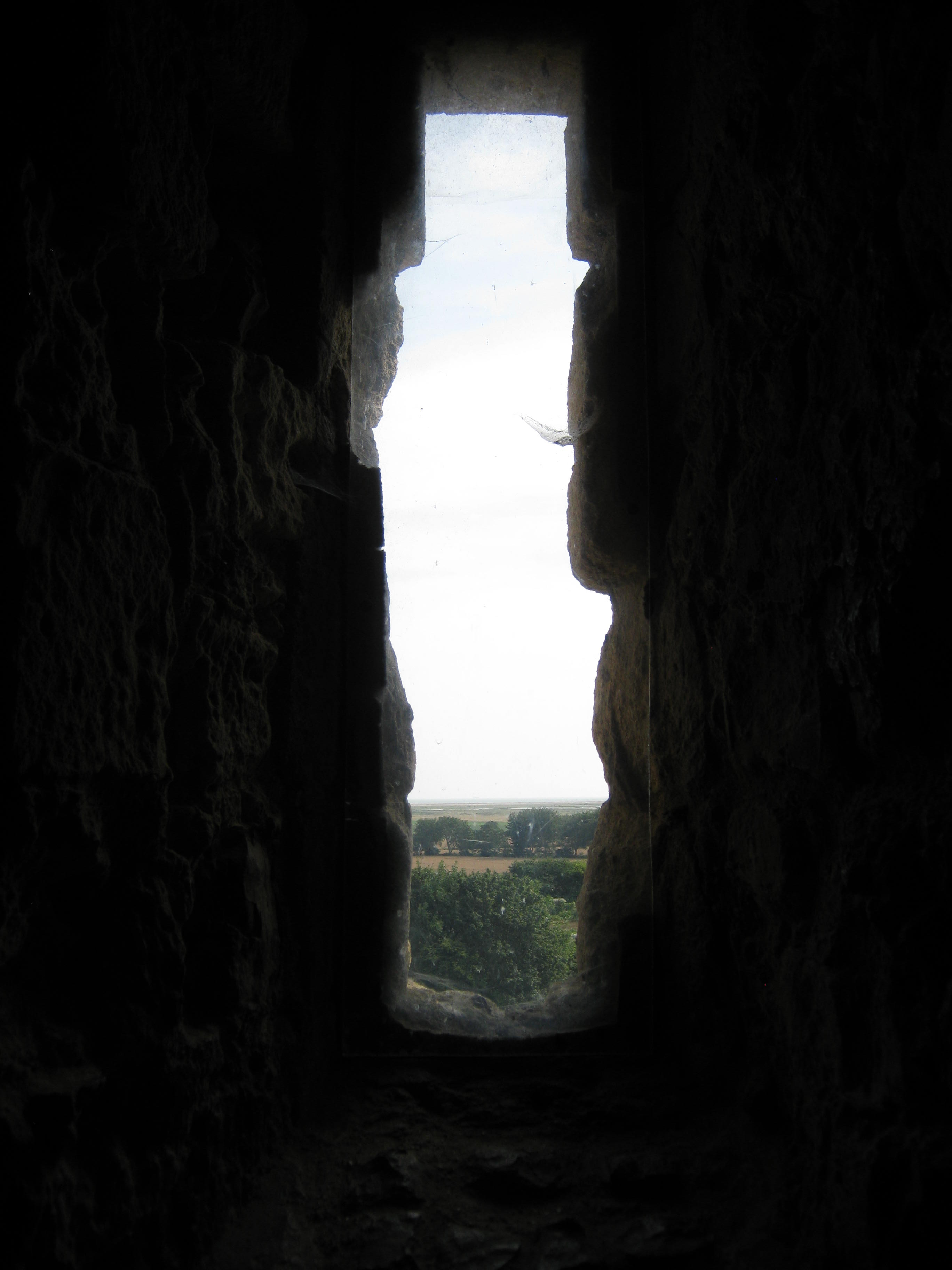
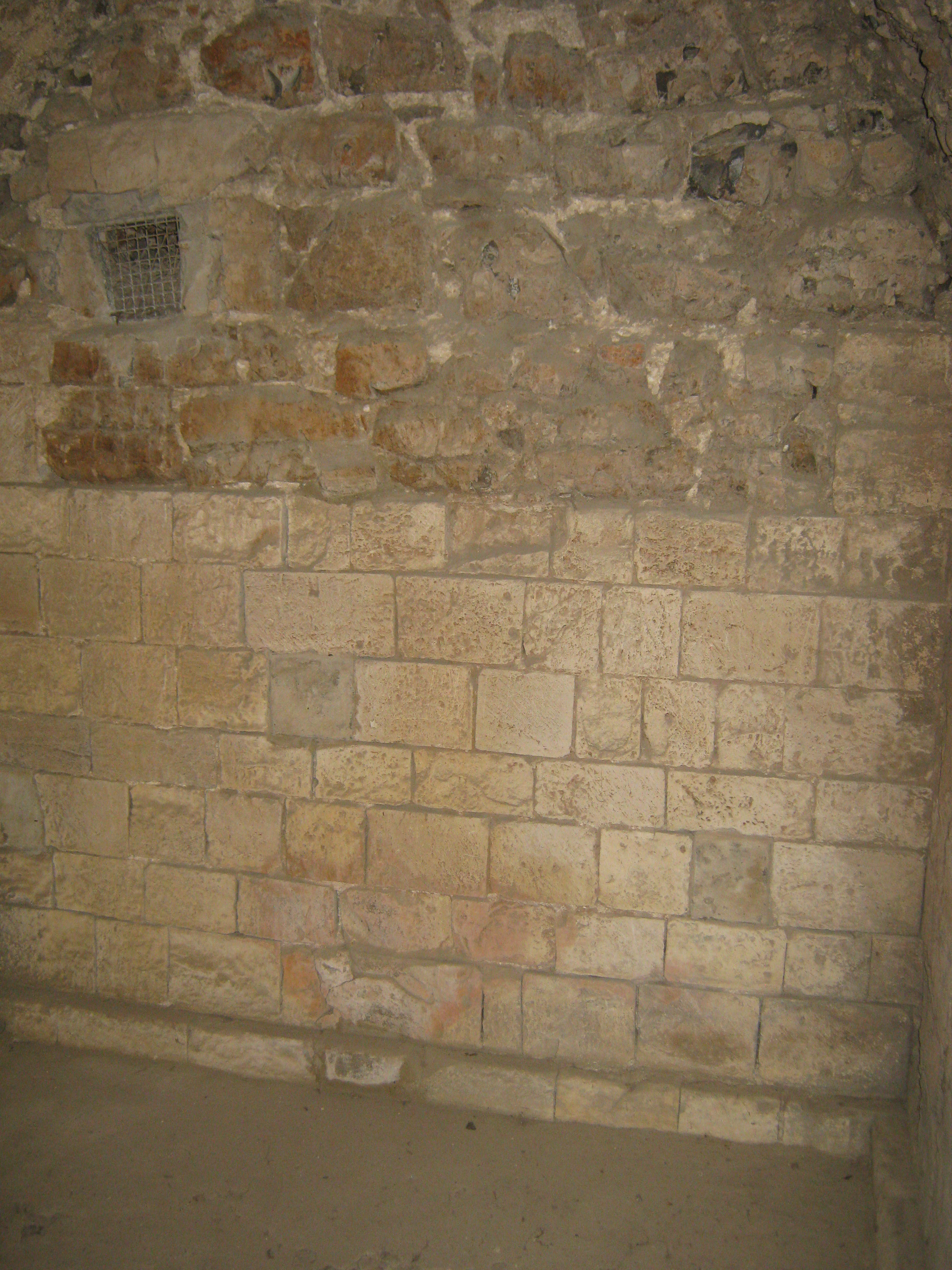
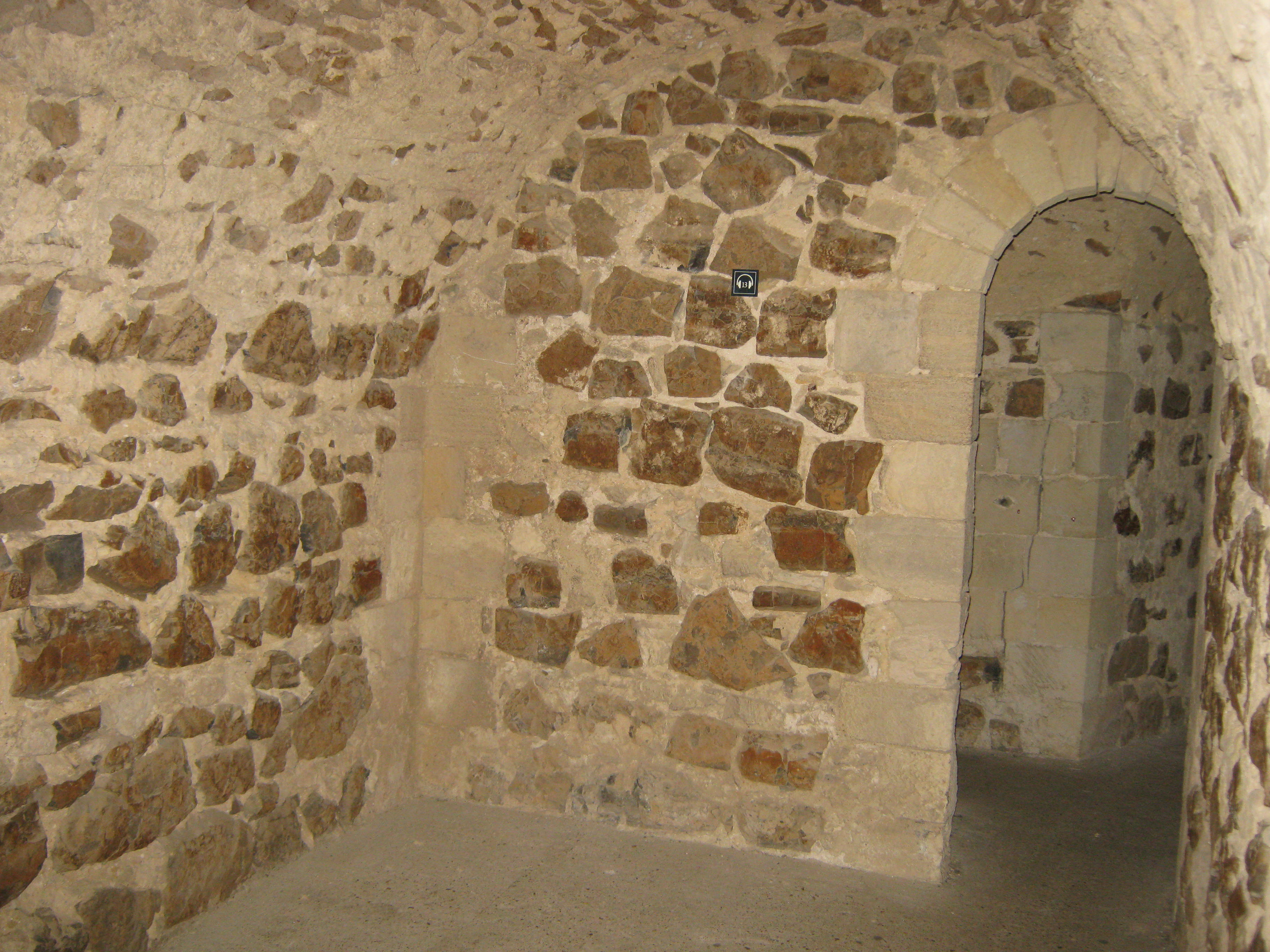
The keep contains two circular halls, one above the other and each hall has its own two storey suite of rooms arranged within the turrets and the thickness of the walls. The hall windows are quite large but the rooms in the turrets have only slit windows. Underneath the lower hall within the sloping plinth is a basement for storage with a well, the water of which was probably rather salty.
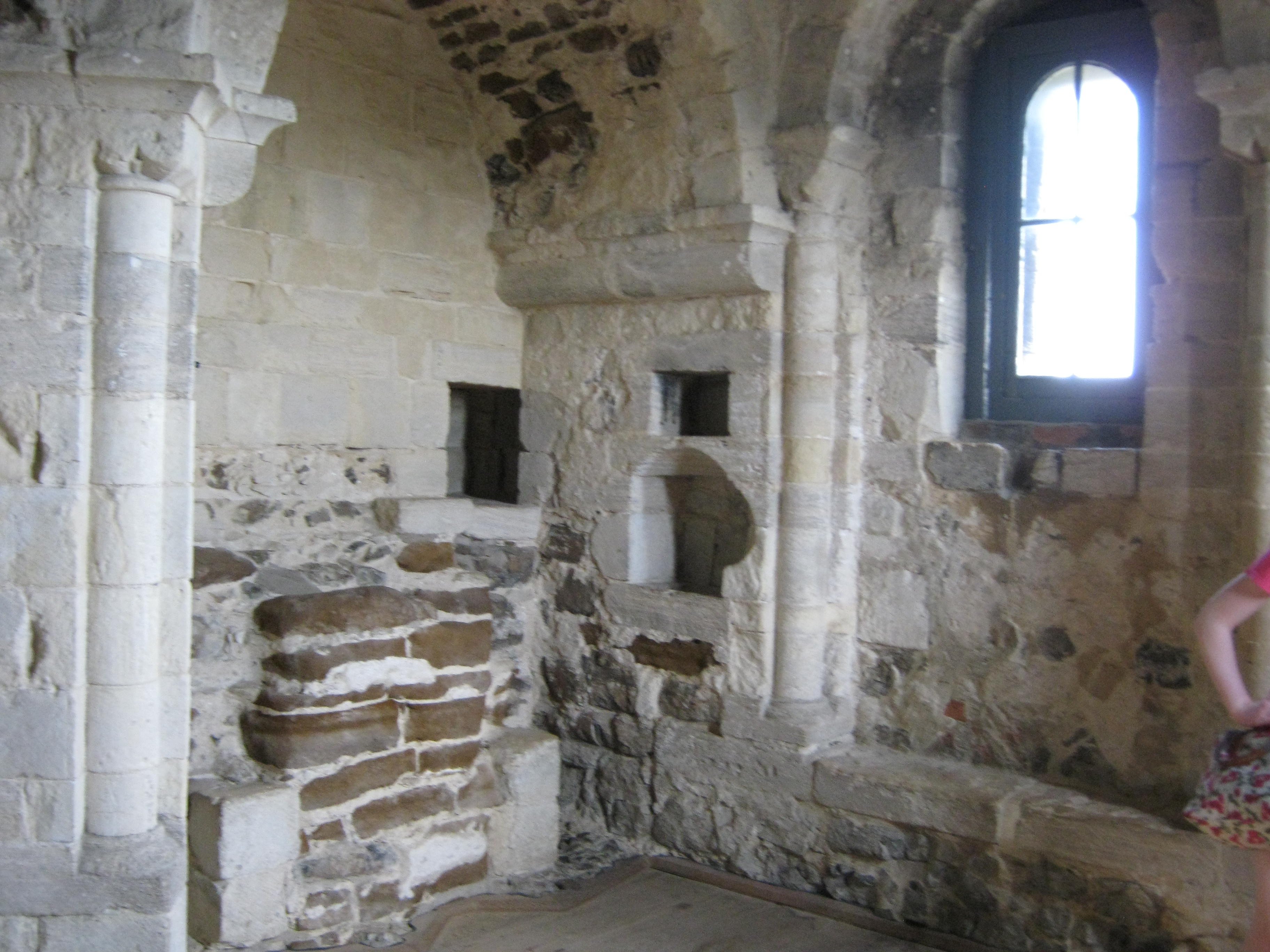
Notice the wear on the step up into the alcove. This was the way to the kitchen and you can imagine all the kitchen scullions carrying countless dishes of meat and jugs of wine and beer into the hall over this step.
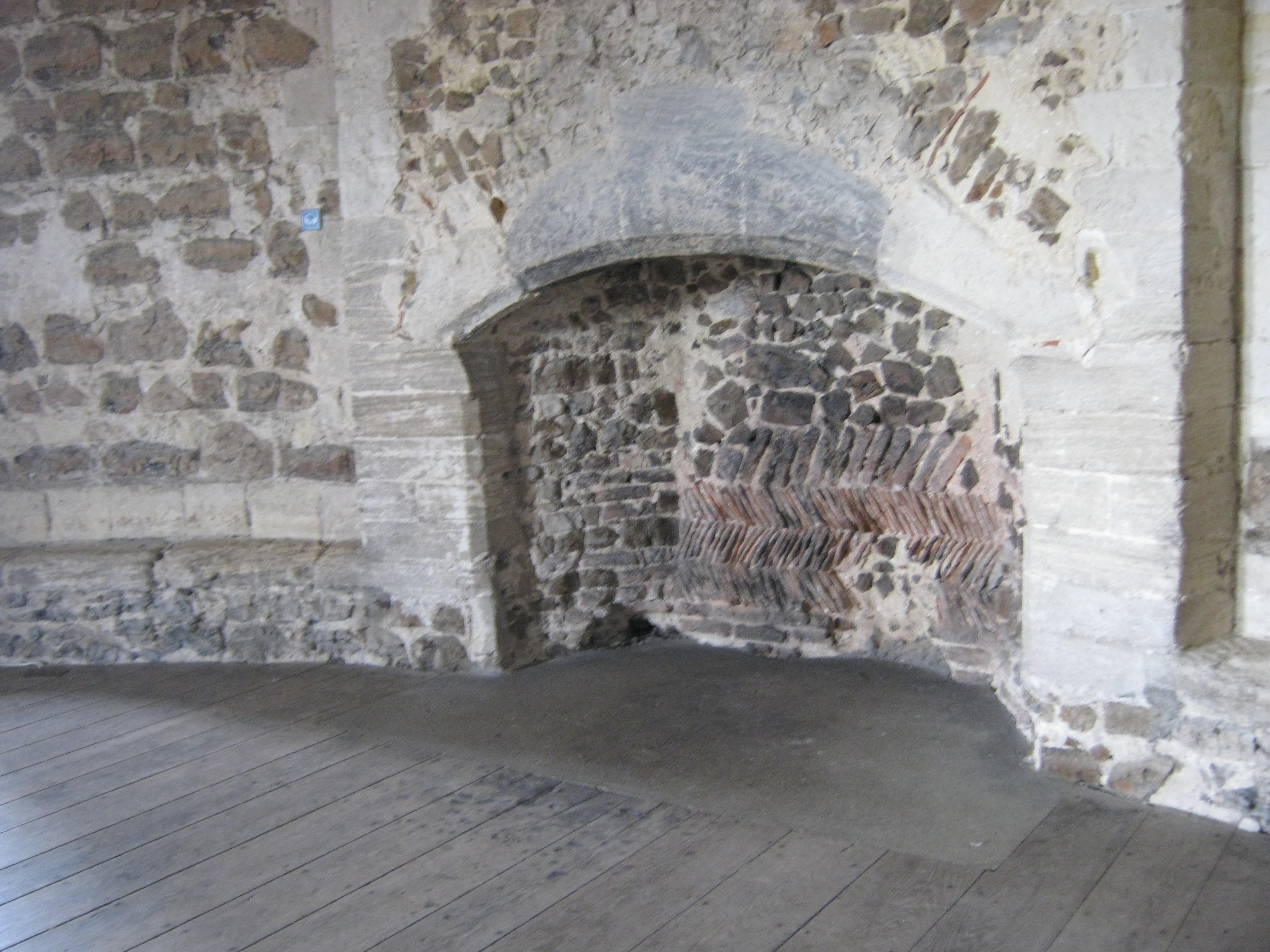
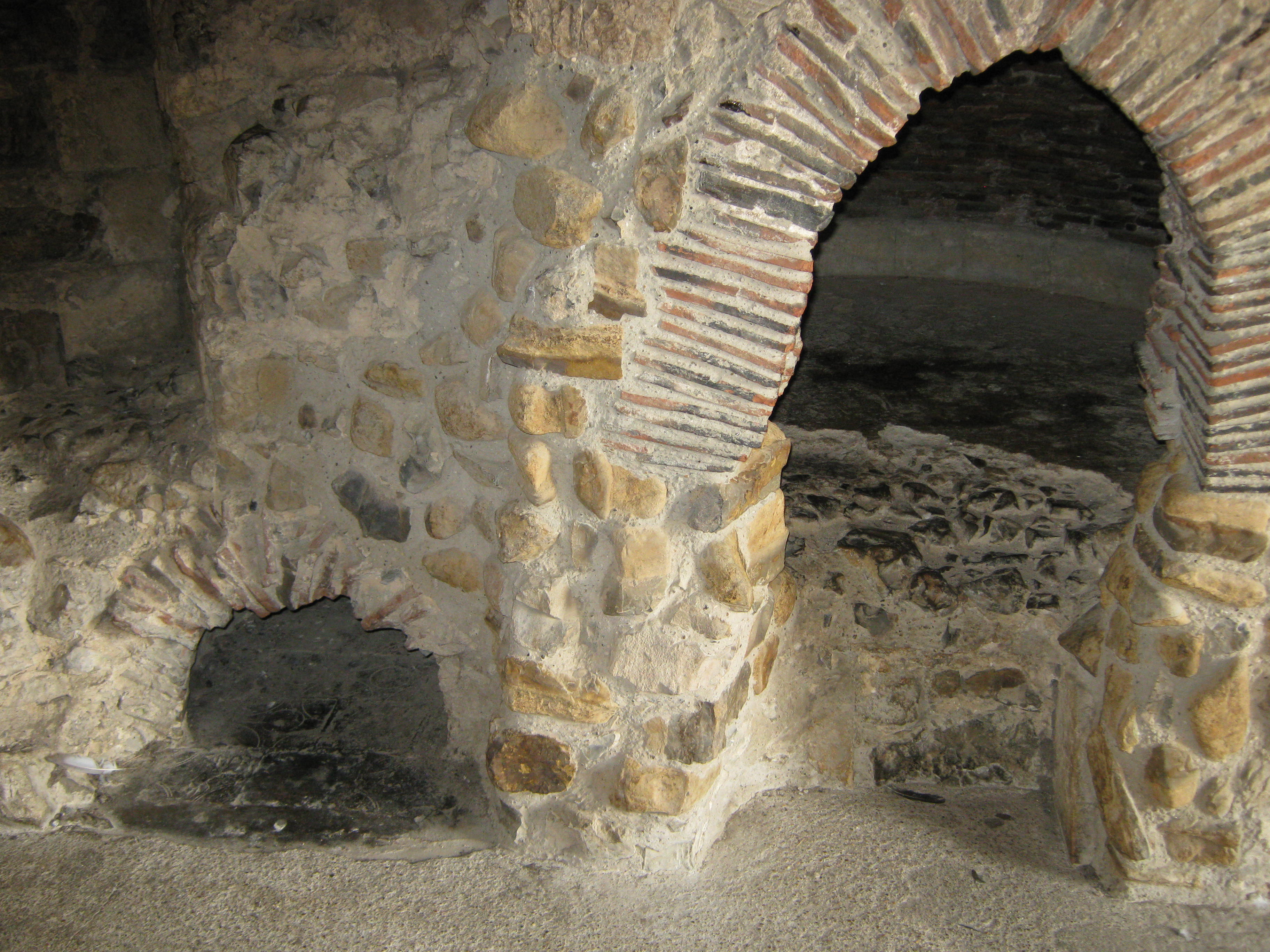
The Lower Hall has a large fire place.
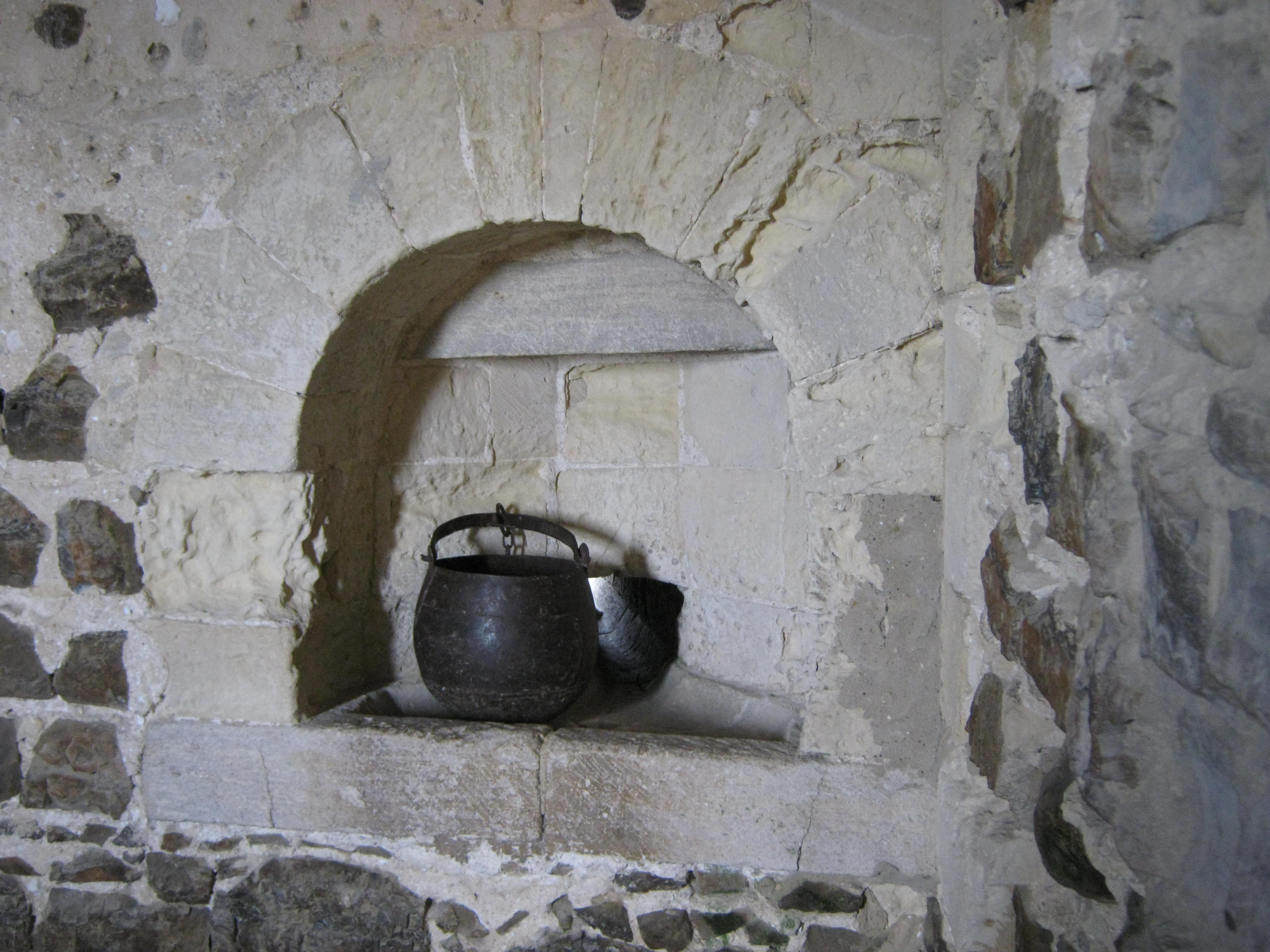
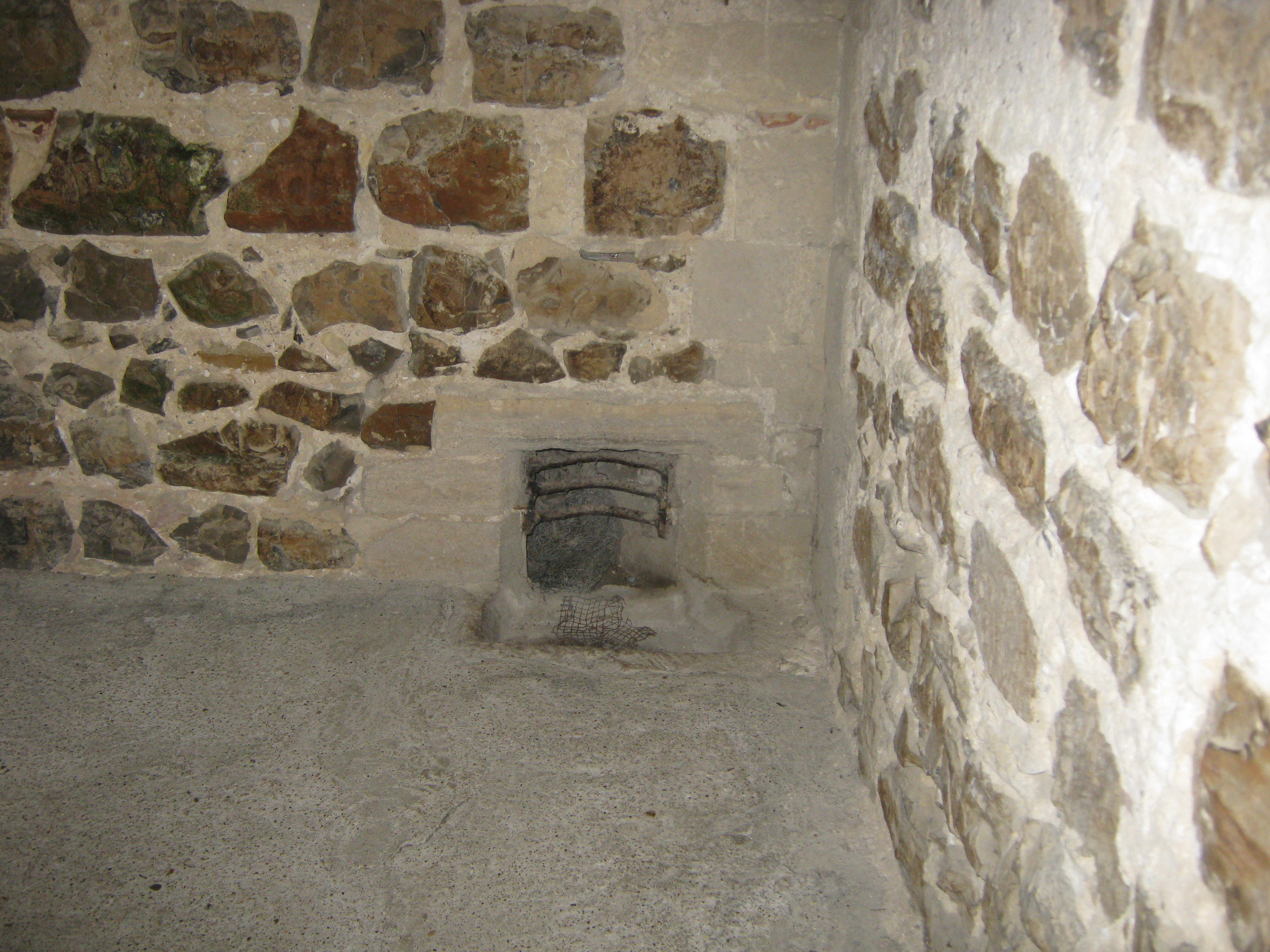
The kitchen has two small fireplaces and a stone sink which would have been adequate for cooking for the small number of people who were the normal residents of the castle. When there was major feast with many guests there was probably a larger kitchen outside in the bailey and this kitchen would have been used for heating food. If the castle was under attack then this kitchen would have been essential.
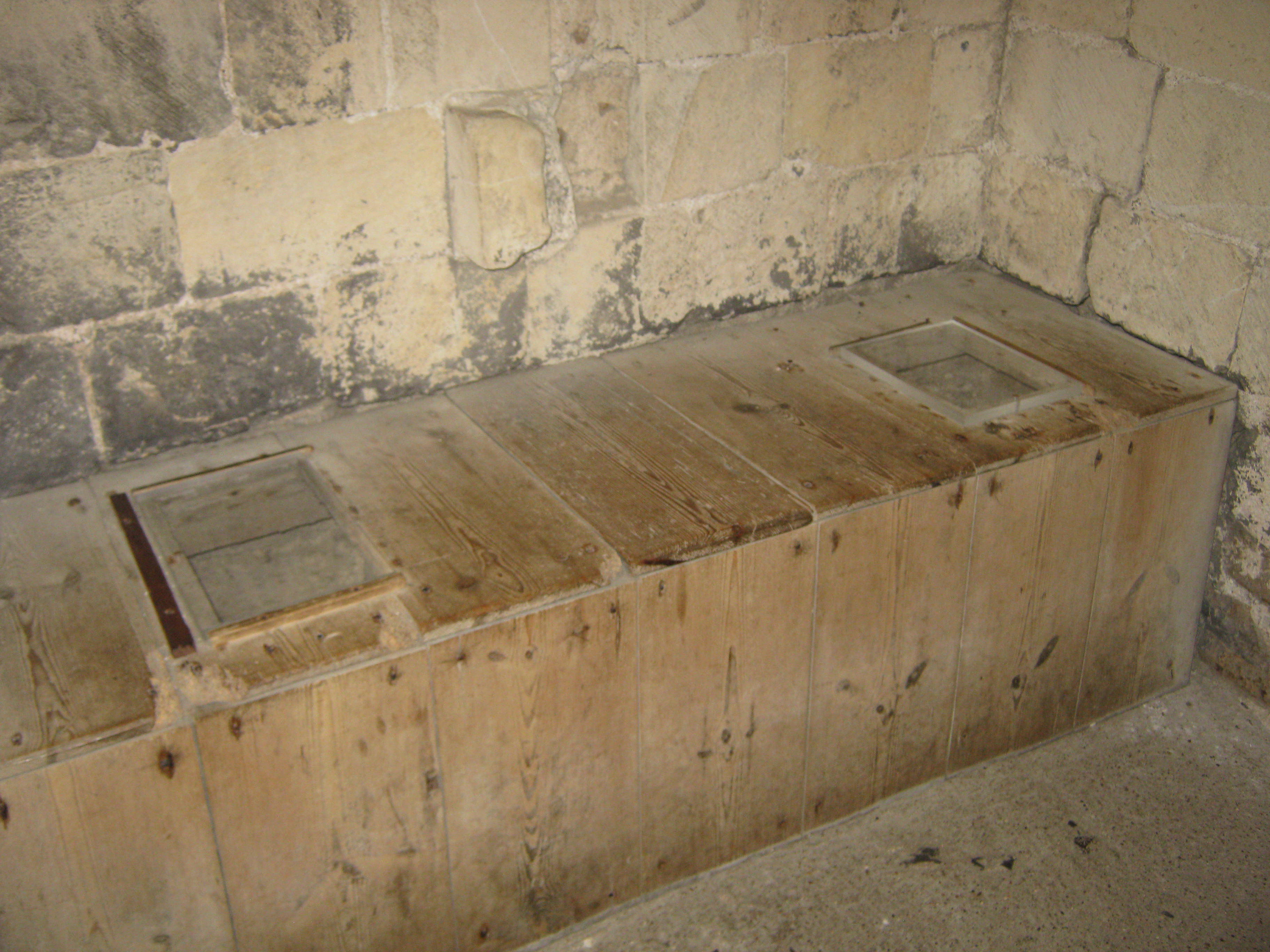
The next picture is of something that always fascinated our daughters when they were little.
There had been a short wall between the latrines but this was removed for some unknown reason during the Second World War when the castle was requisitioned by the government and a radar observation post was built on top of the south turret. The latrines are in a garderobe, a cloakroom, and possibly ammonia given off by the latrine may have helped to protect any robes stored there from insect attack.
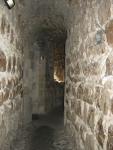
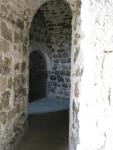
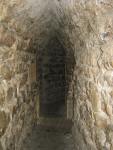
A selection of passageways. The constable’s chamber is accessed from the Lower Hall and is up a spiral staircase from one of the alcoves and along a passage in the north turret. For some reason we didn’t go up there so no photo. There is another chamber for middle-ranking guests off the Lower Hall. The main doorway to the main stair which fills the south turret and connects all levels of the keep from the basement to the roof is also accessed form the Lower Hall.
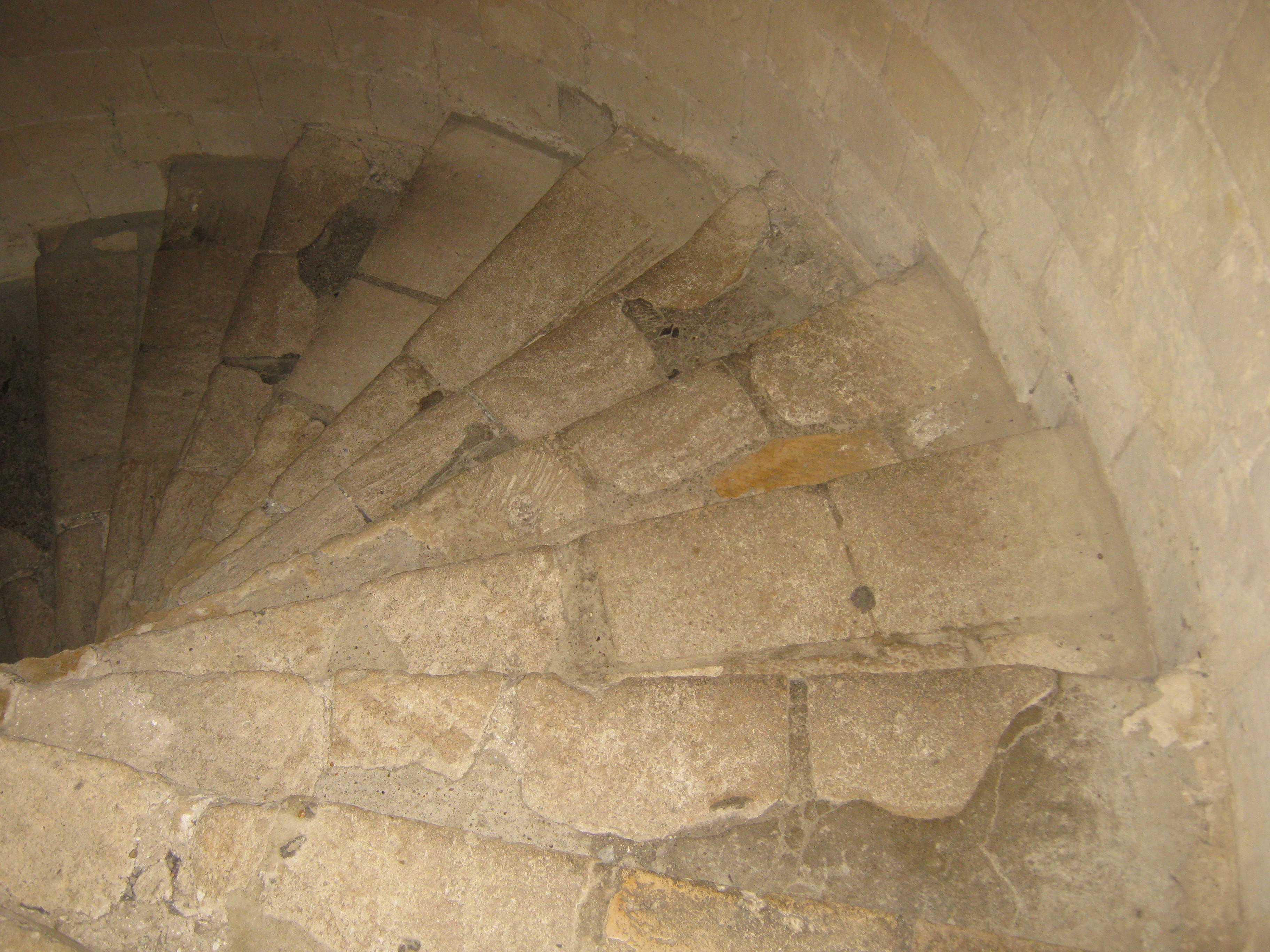
Like most stairs in castles, this one rises clockwise, giving a right-handed defender space to wield his sword while hindering an attacker coming from below. We then went up to the chapel and chaplain’s room which is, like the constable’s room, half way up the keep between the Lower Hall and the Upper Hall.
You can also see E’s elbow on the right. This is the most richly decorated area in the keep.
There is a squint to the left of the altar that allowed people to hear divine service from the passage.
The chaplain’s room is further along the passage. Beyond his room he had his own latrine and a store-cupboard for his clothes and books.
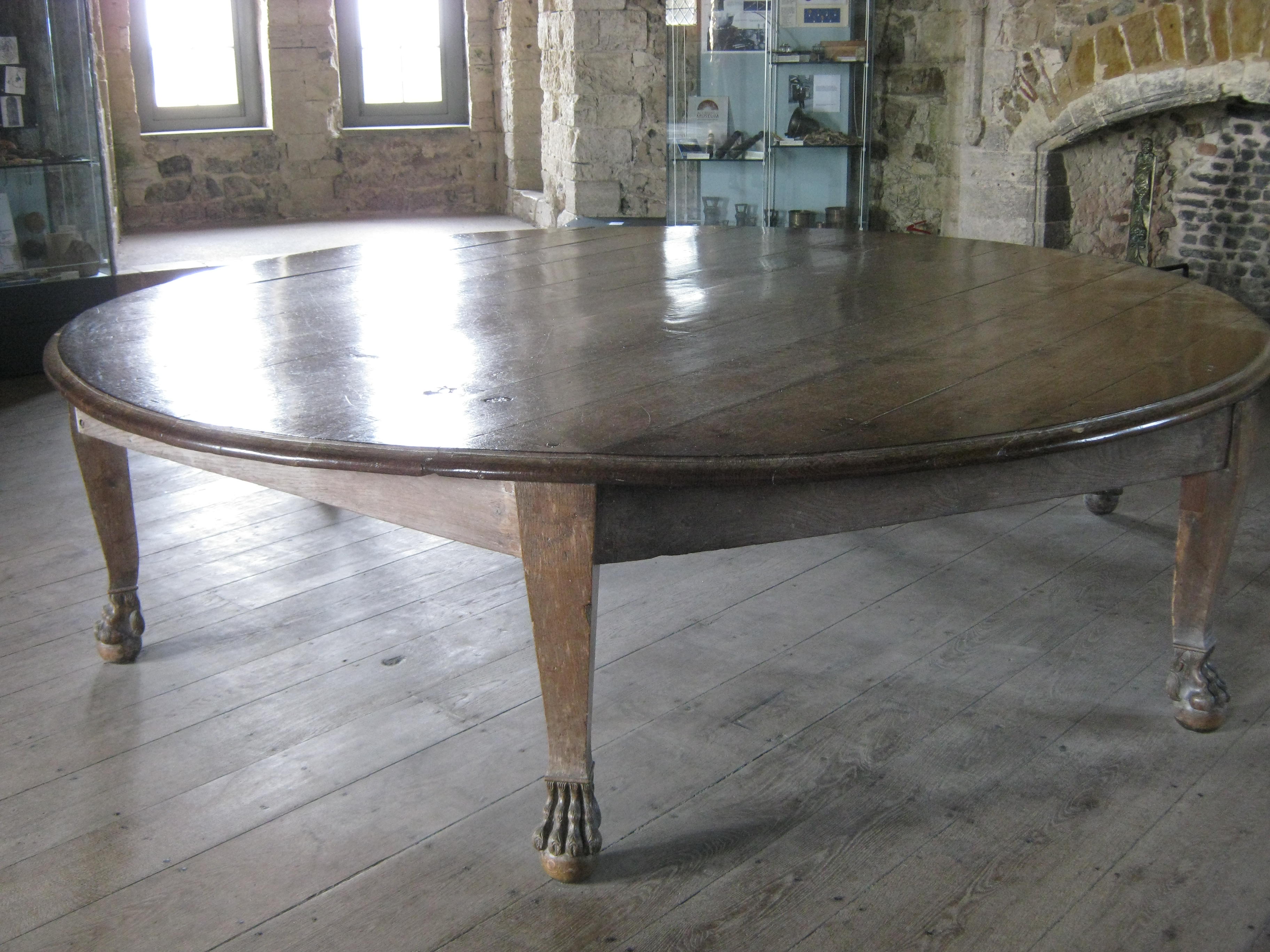
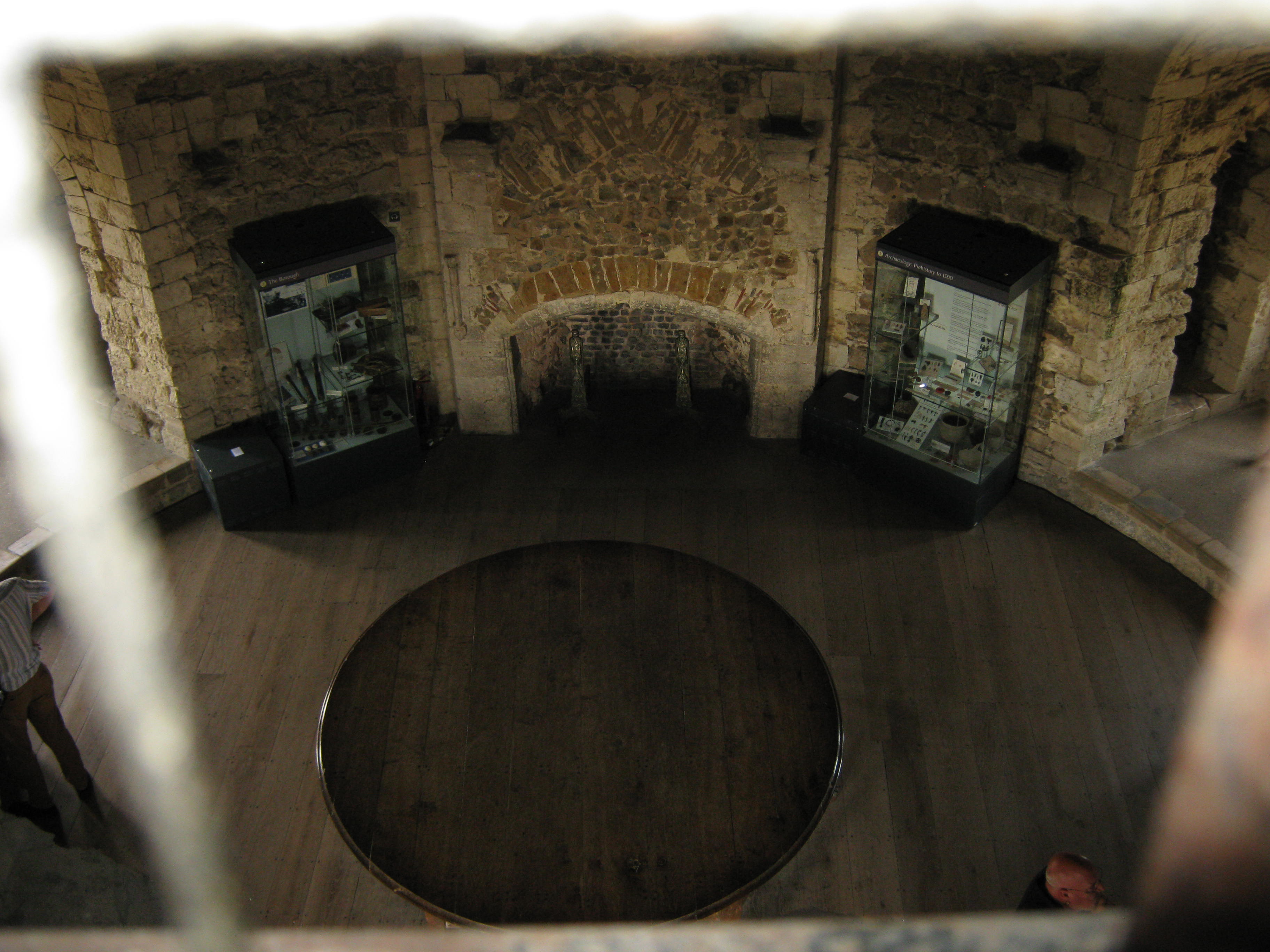
We then went up to the Upper Hall which is now holding the Orford Museum.
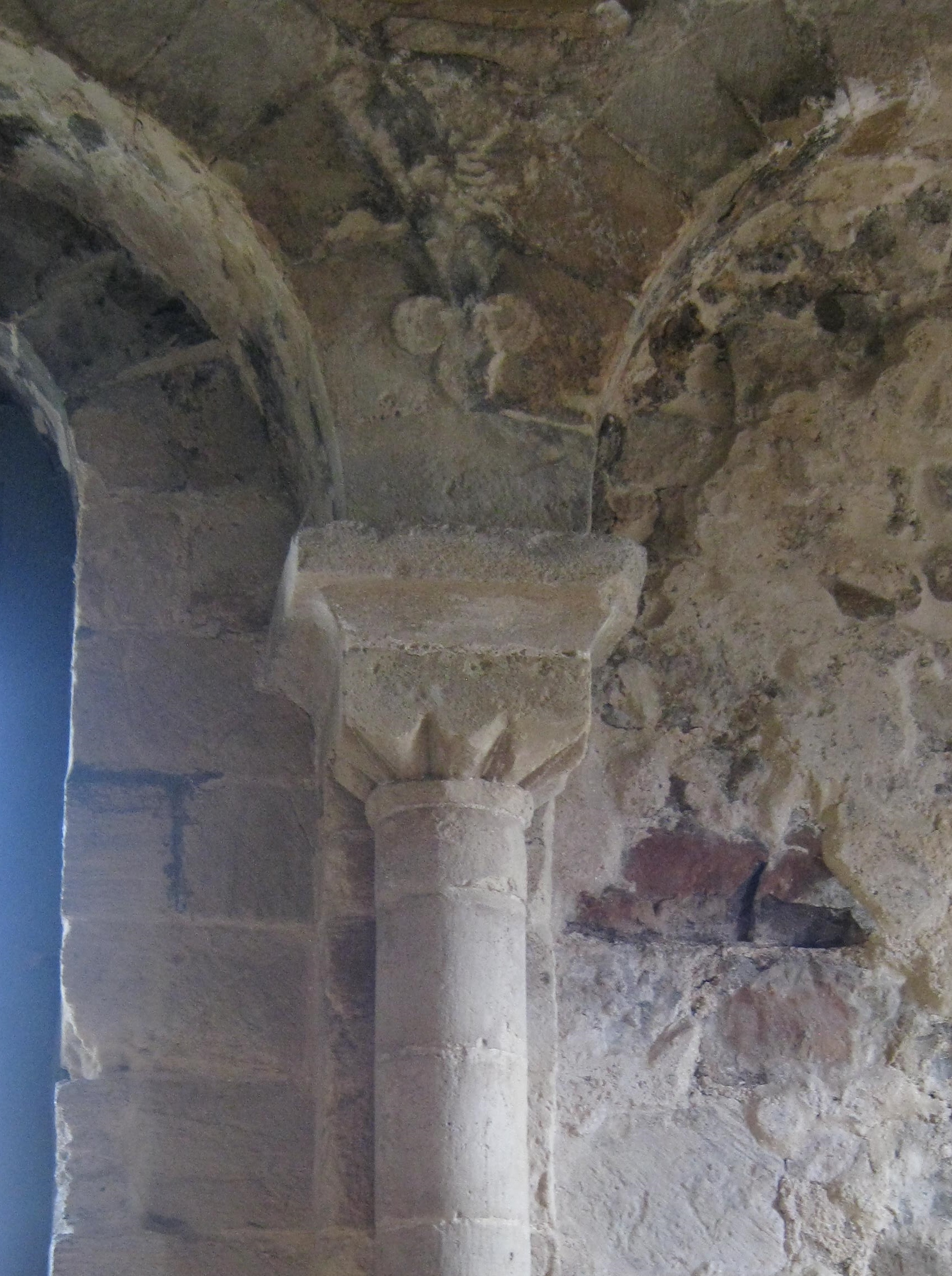
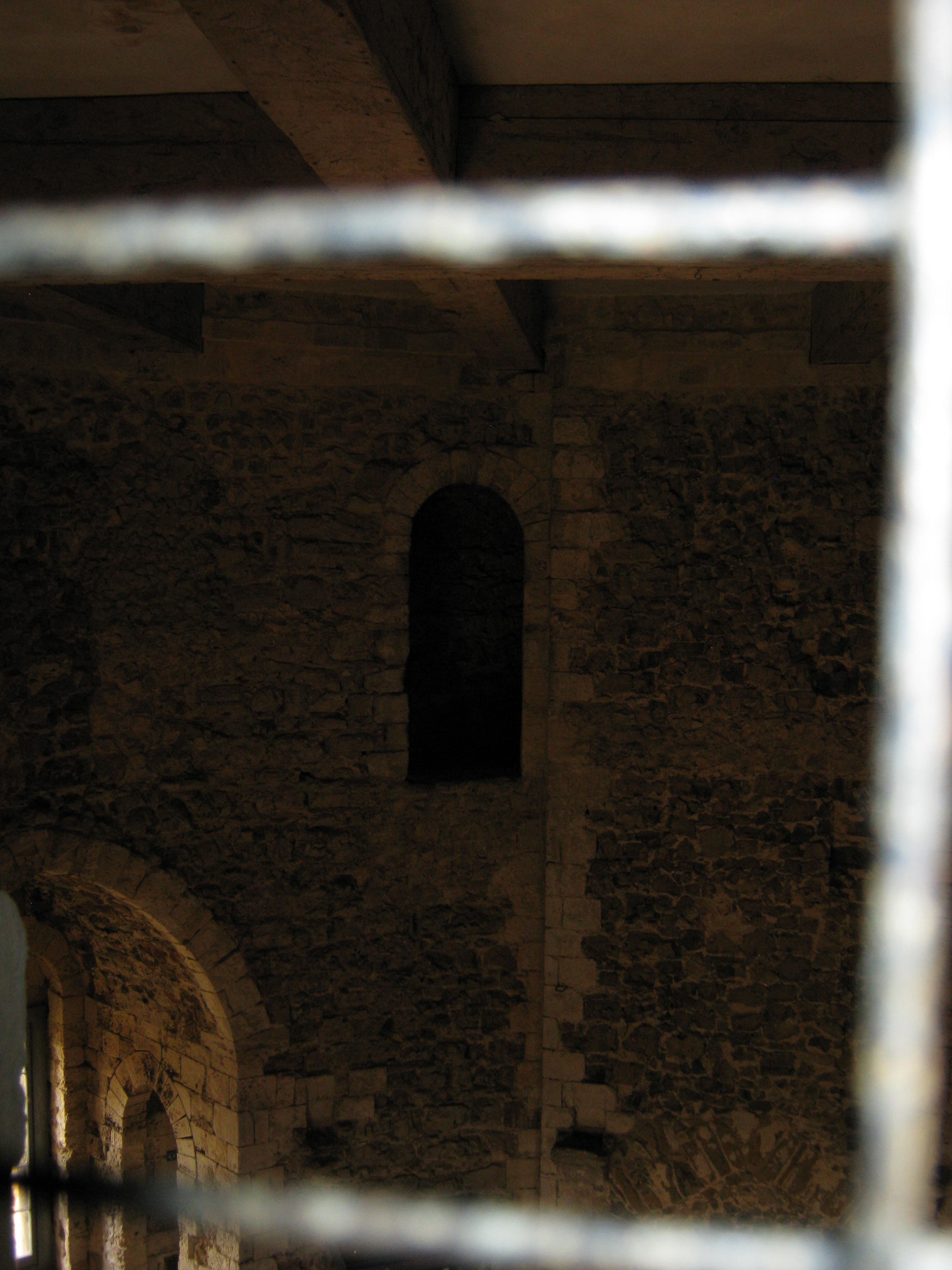
This would have been much more richly decorated than the hall below as this was where the most important visitors stayed, even the king himself. The original form of the roof was a high conical or domed construction supported by thirteen projecting stone corbels around the walls. Whoever designed this roof for Henry was highly educated, and by designing it to look like roofs in palaces in Byzantium he was associating the king with the great monarchs of antiquity. The roof rotted and decayed away through the 17th and 18th centuries. An alcove off the Upper Hall leads to another kitchen for heating food prepared elsewhere.
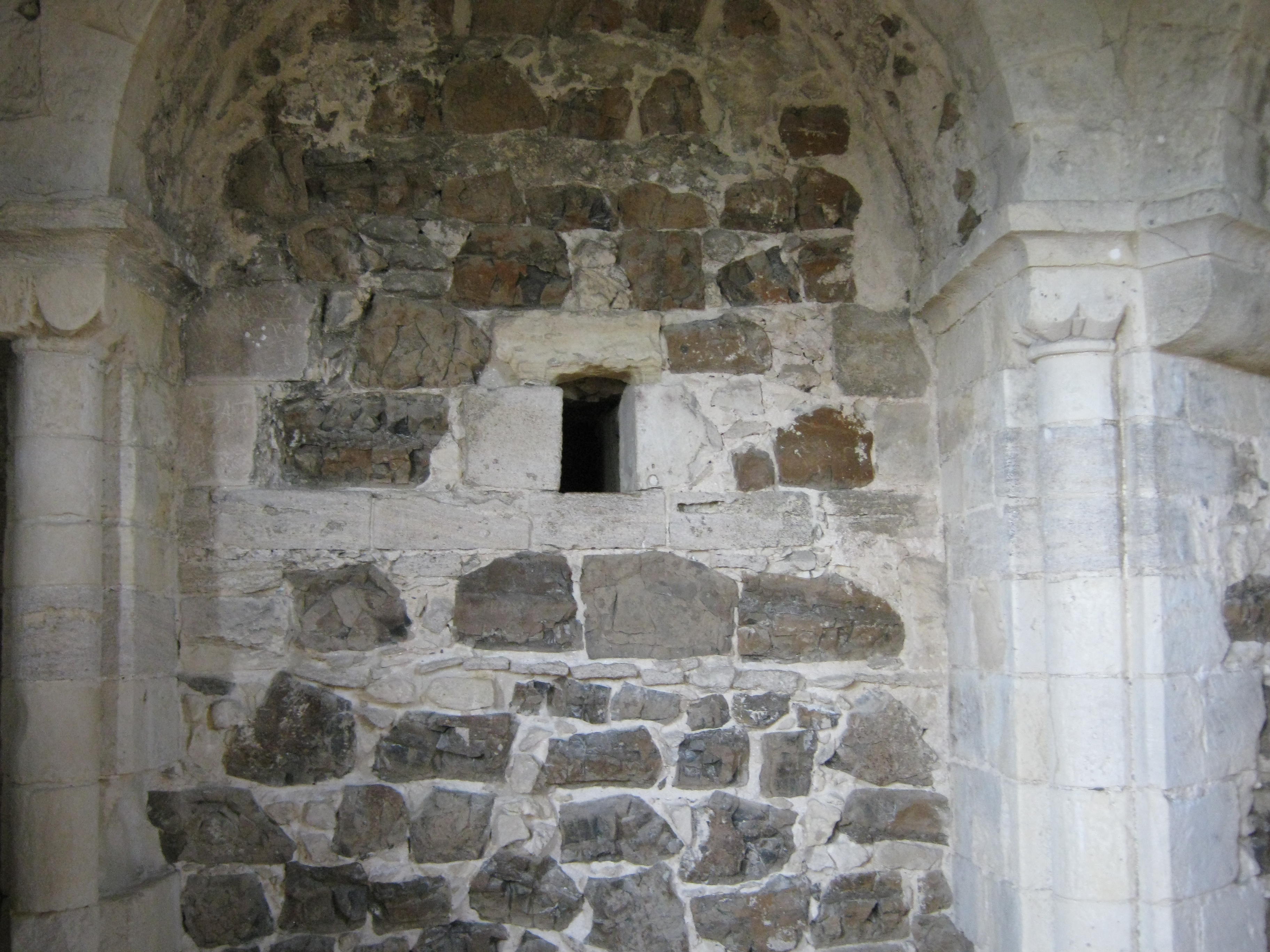
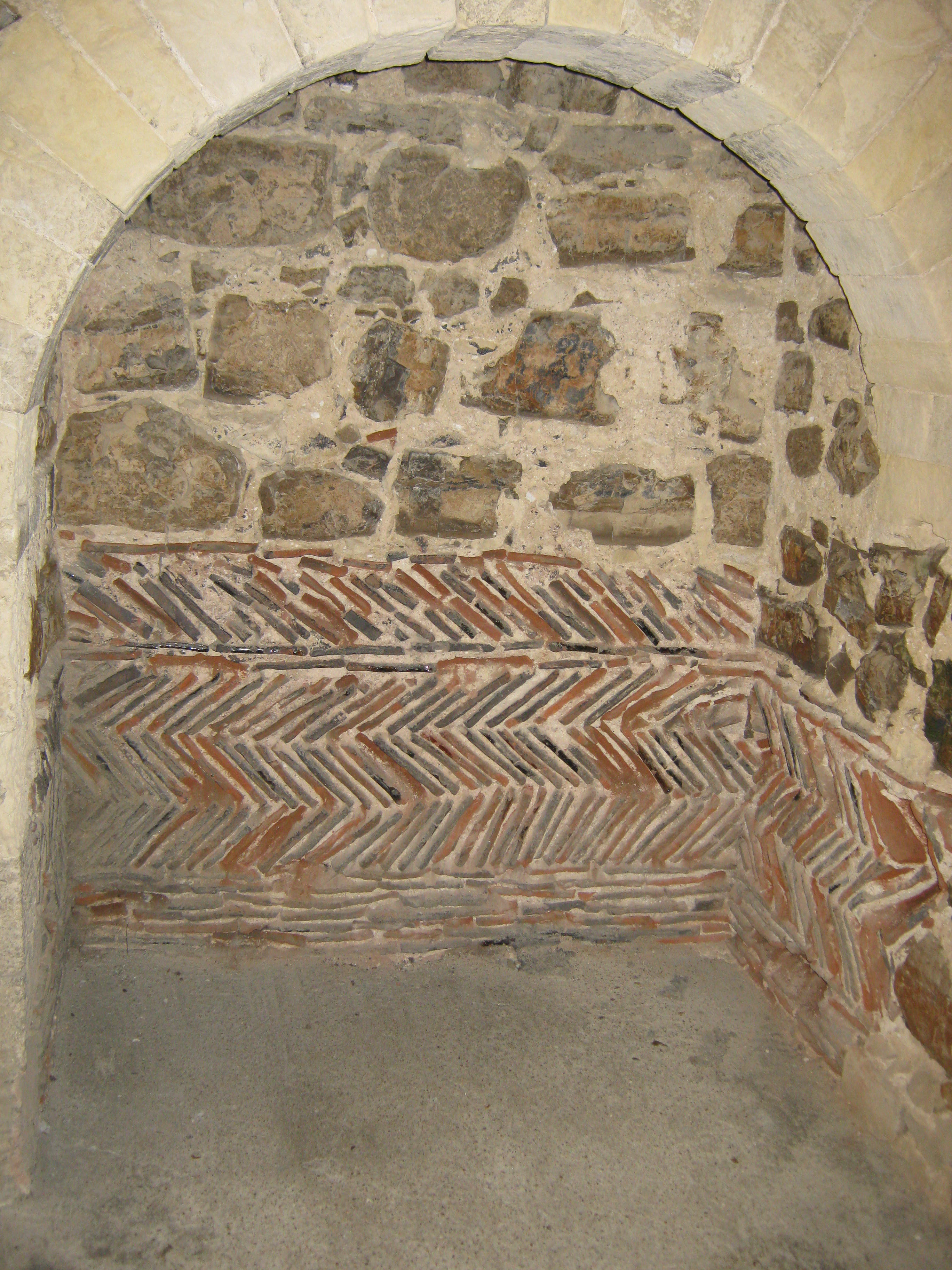
This room could also double as a washroom where visitors could bathe in comfort with water heated by the fire and then afterwards poured down the drain. There is a sleeping chamber intended for grand visitors easily reached from the Upper Hall. It also had its own latrine with two doors to keep odours at bay. In another alcove there are a pair of large cupboards facing each other for the safekeeping of valuables and clothes. There is evidence that there were large doors to these cupboards. Going further up the stairs we found another passageway leading to a lost gallery.
There is also a cistern on this upper level lined with finely dressed stone. Rainwater was collected from the roofs and stored in this cistern and then distributed to other rooms through a system of pipes.
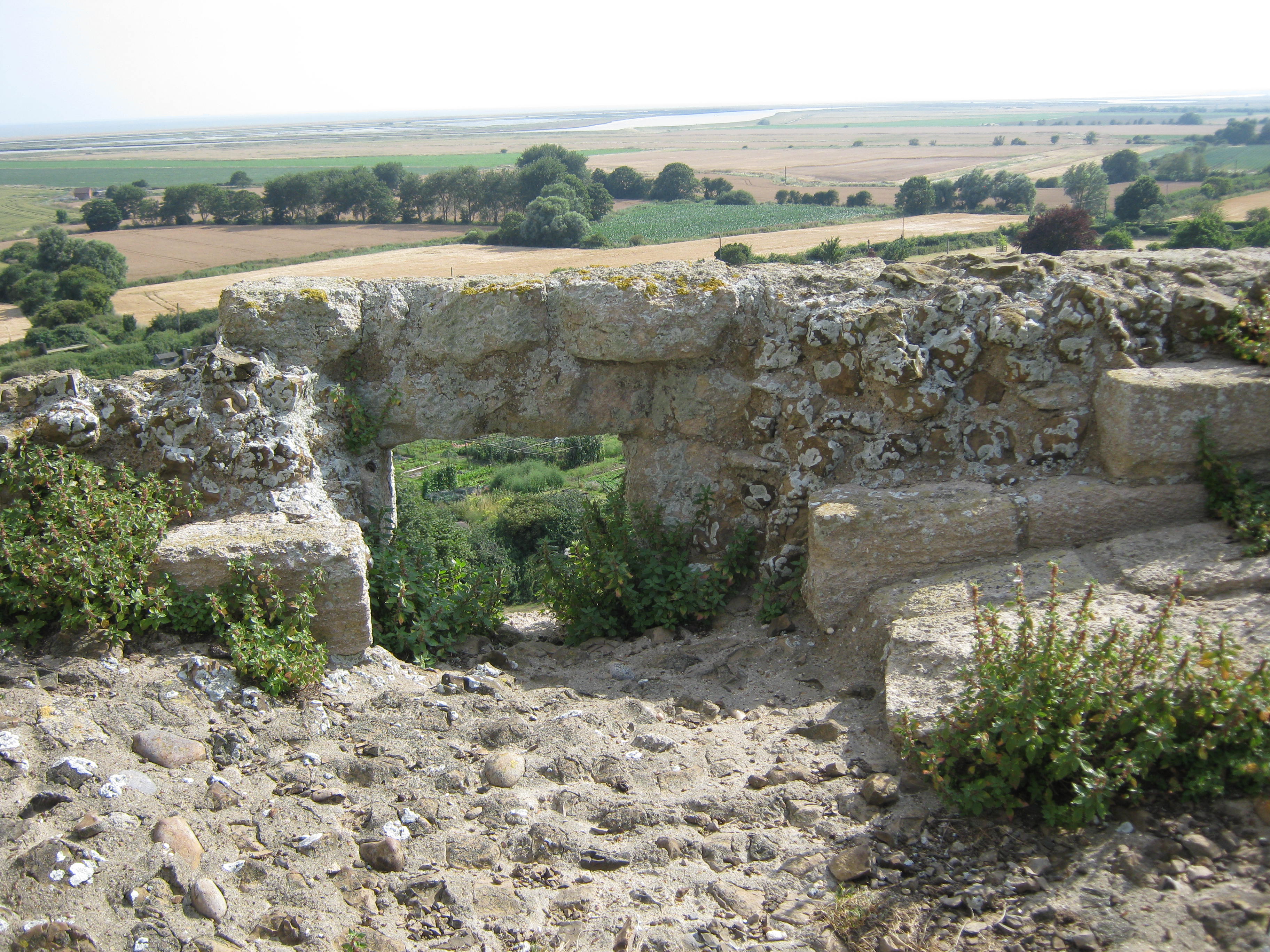
We then went onto the roof where there is a bakery and also the reinforced concrete platform, erected during the Second World War, which was originally used as a gun platform but then adapted as a radar observation post. The flat roof is modern with the turrets rising still higher. The medieval conical roof would have kept below the level of the surrounding parapet, both now destroyed. The tops of the turrets would have served as fighting platforms and watchtowers and were originally reached by ladders.
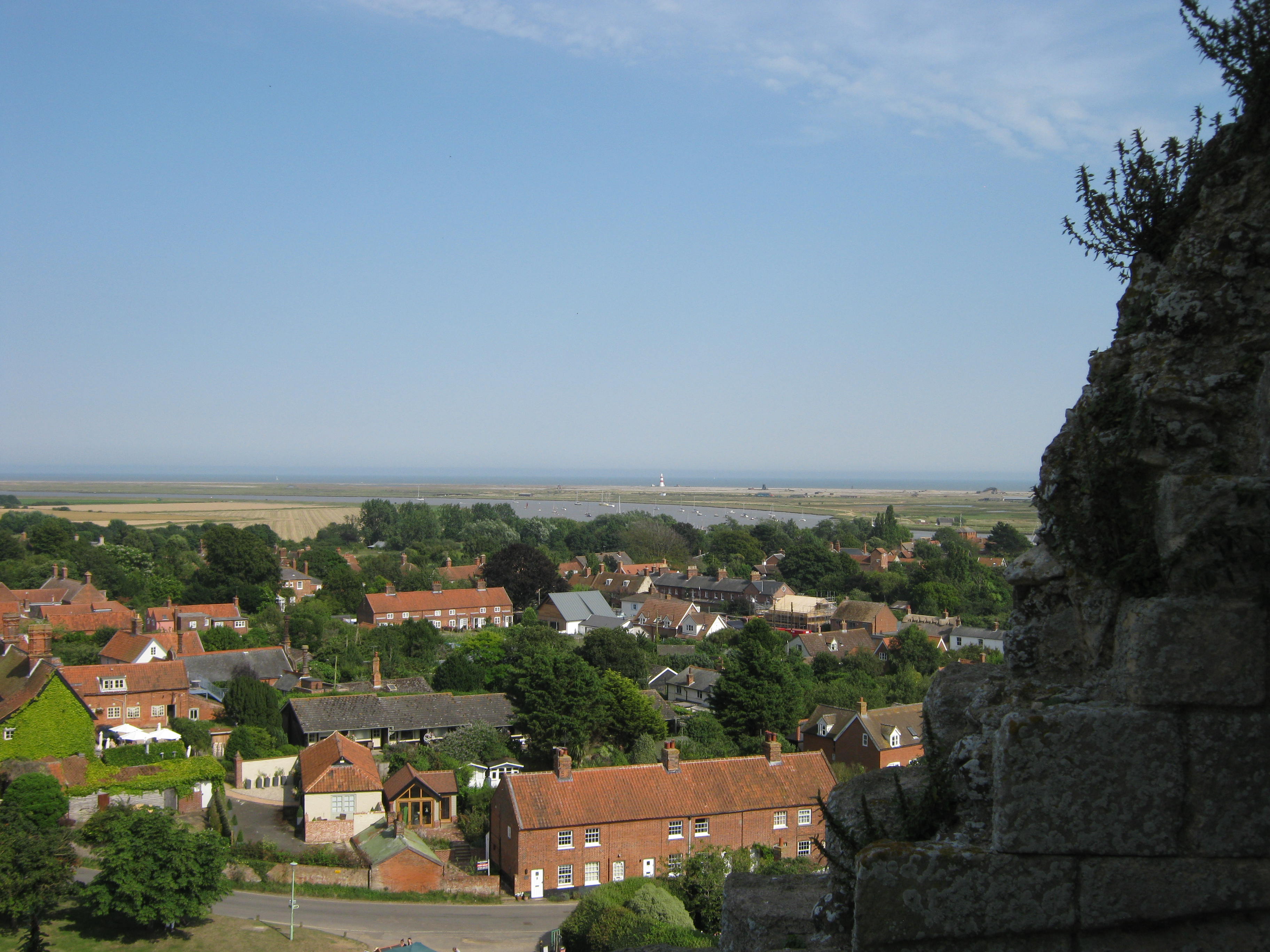
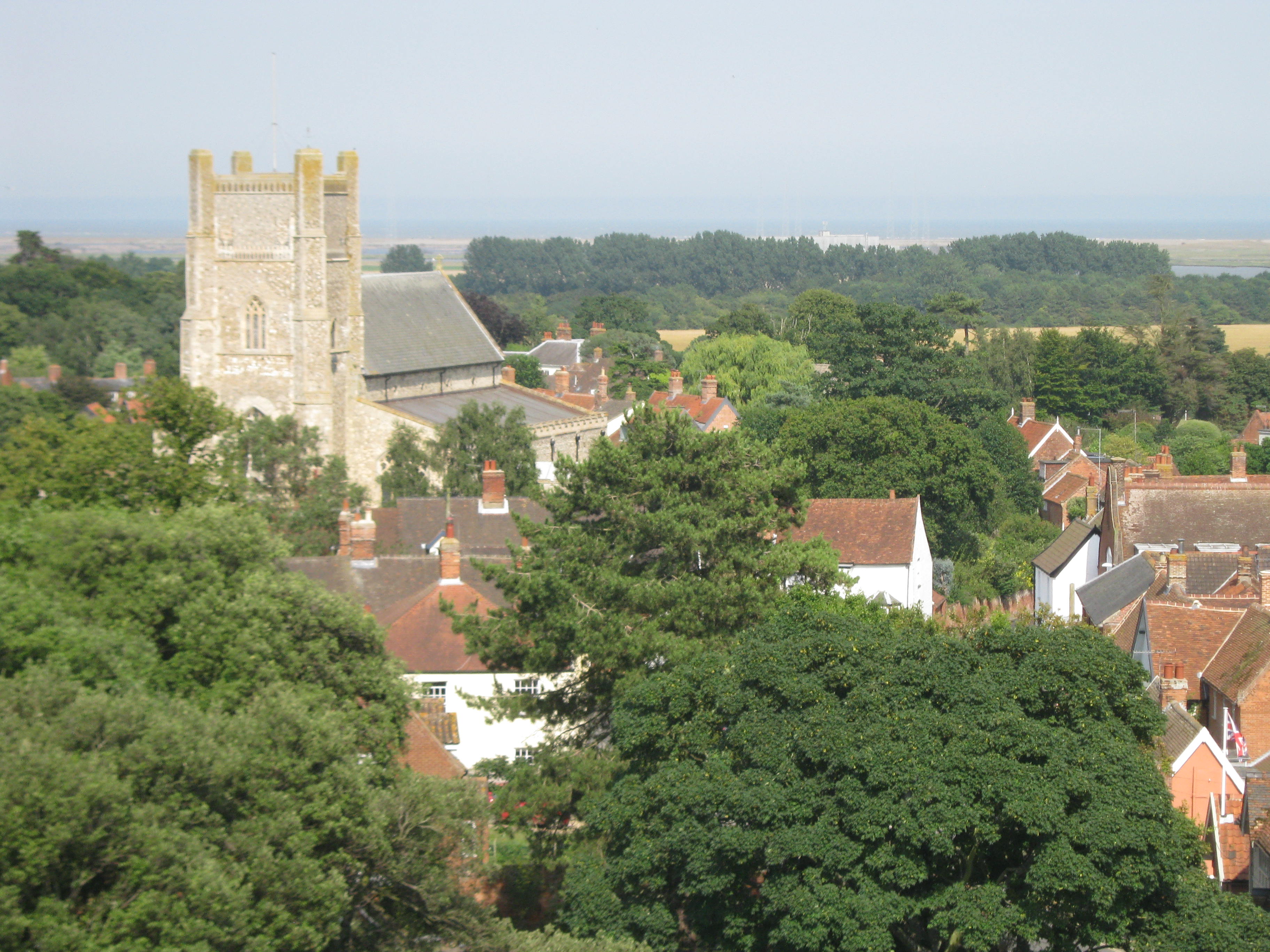
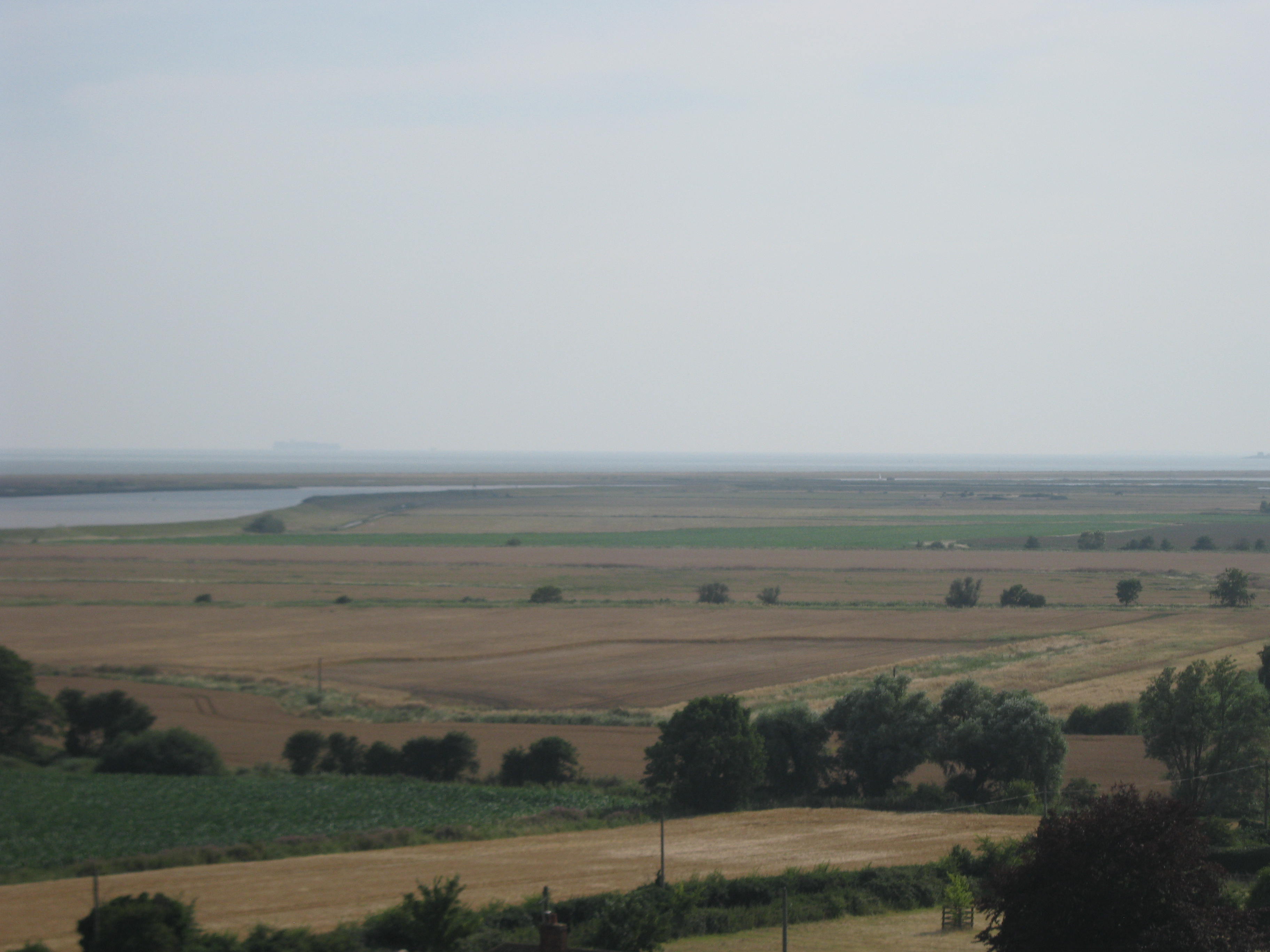
This is the view we saw from the top of the keep.

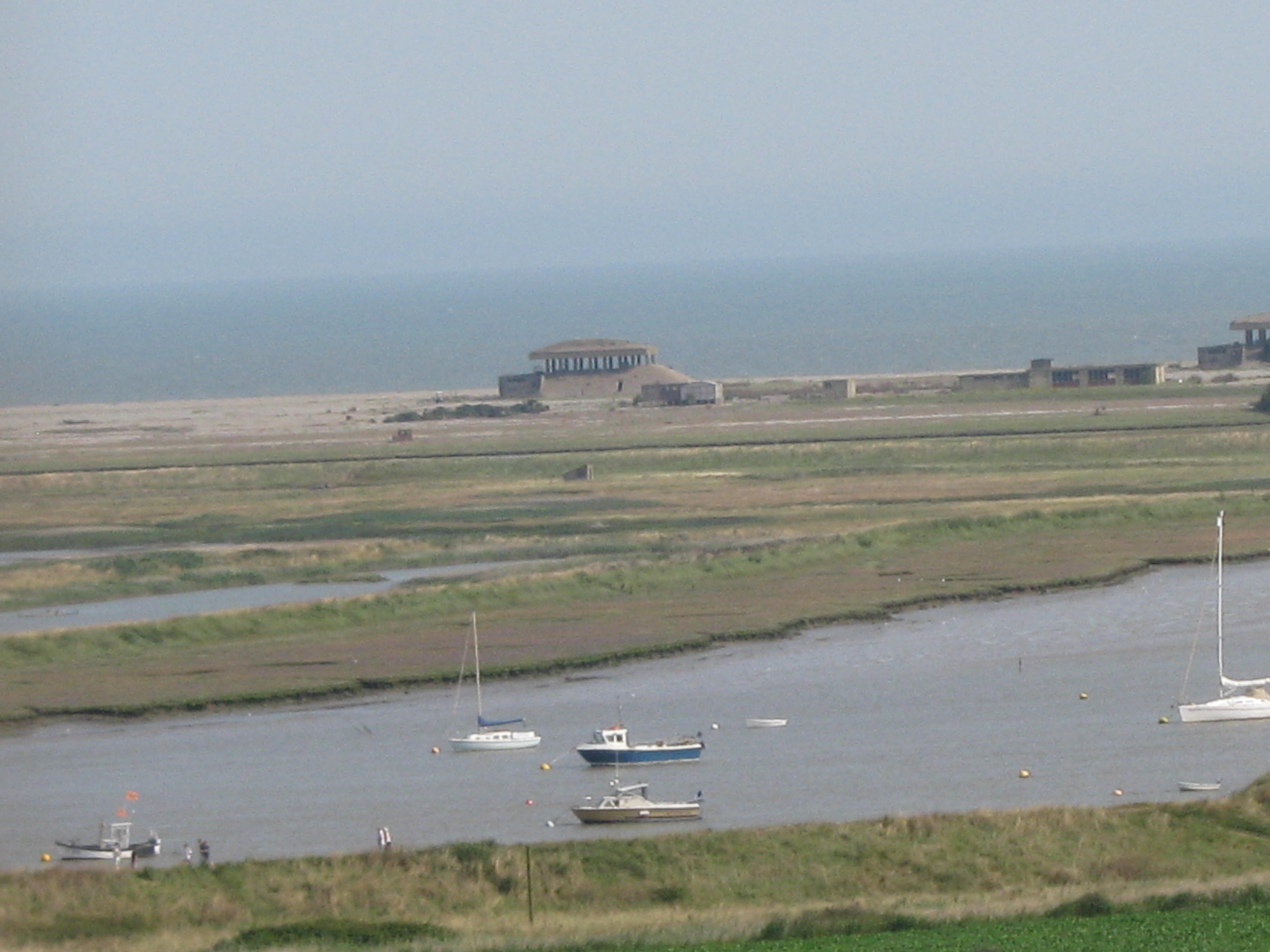
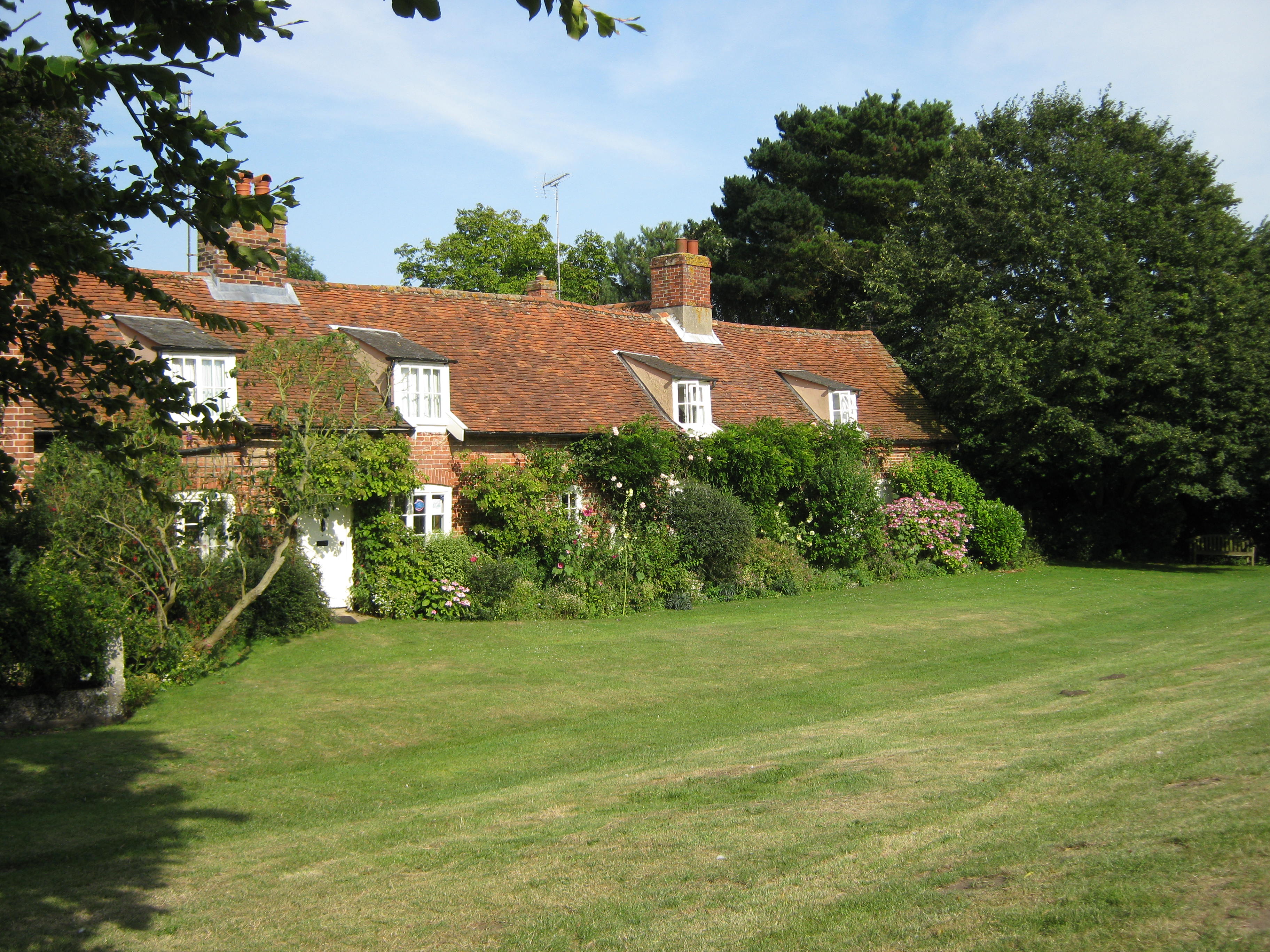
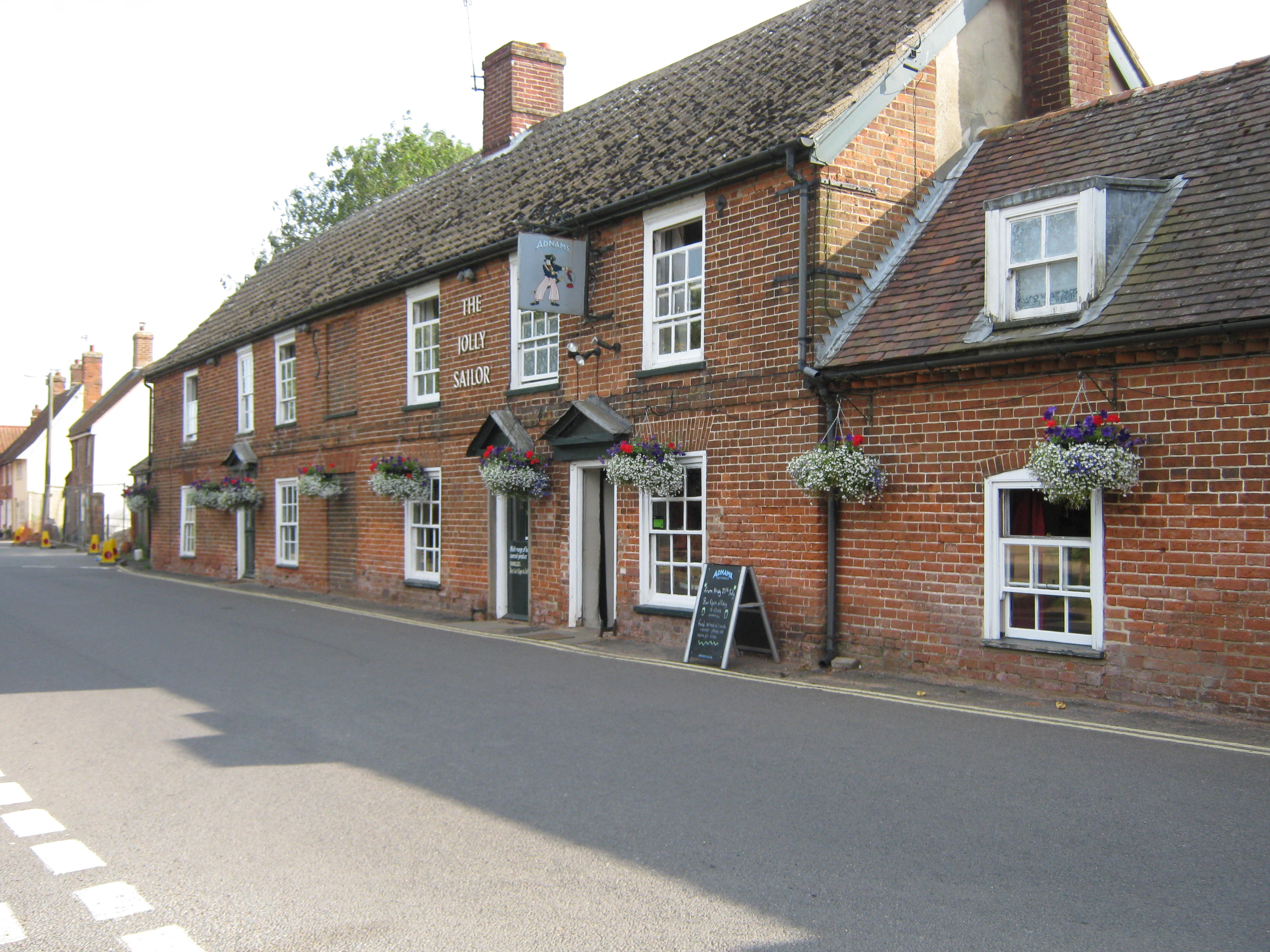
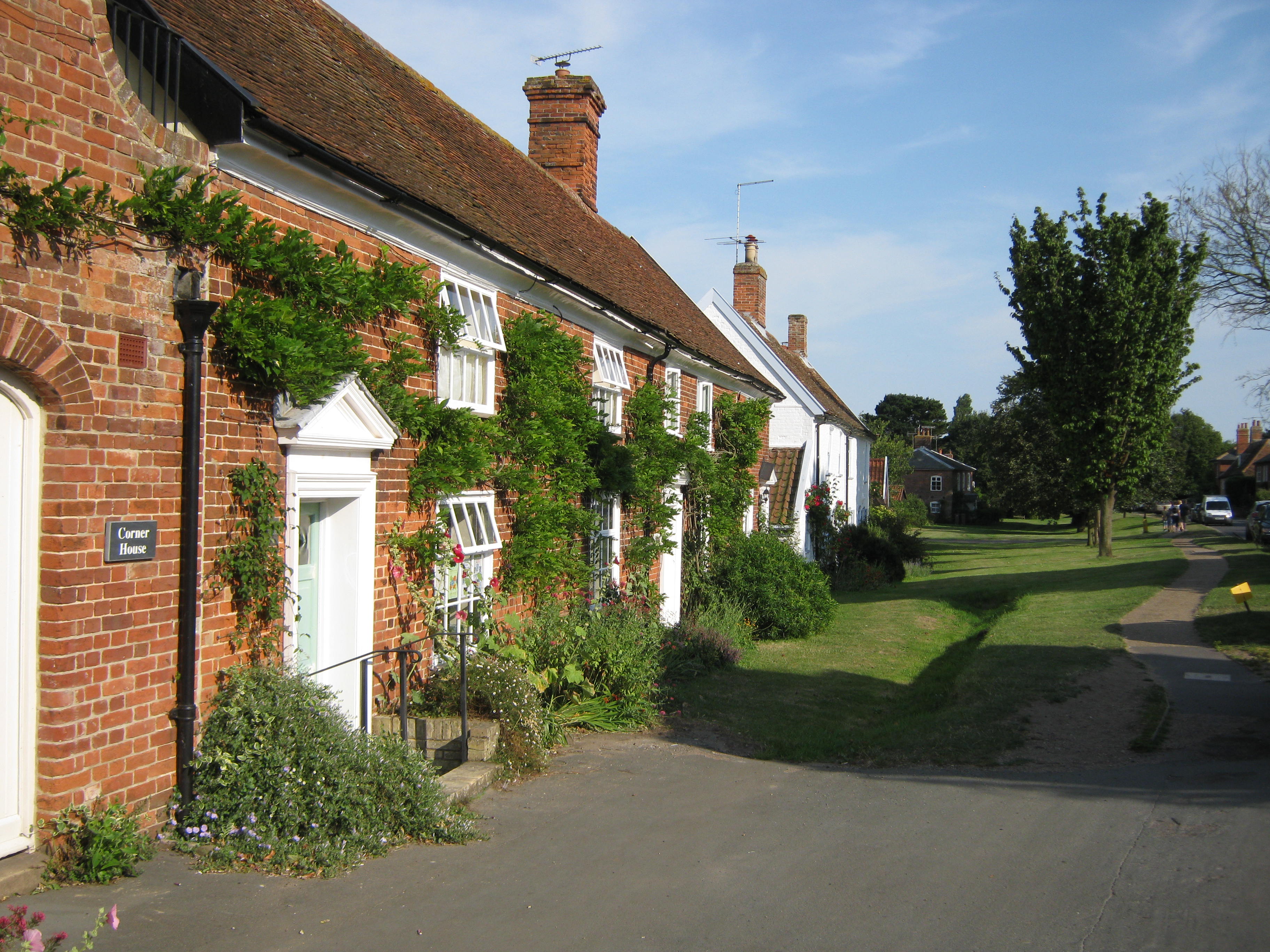
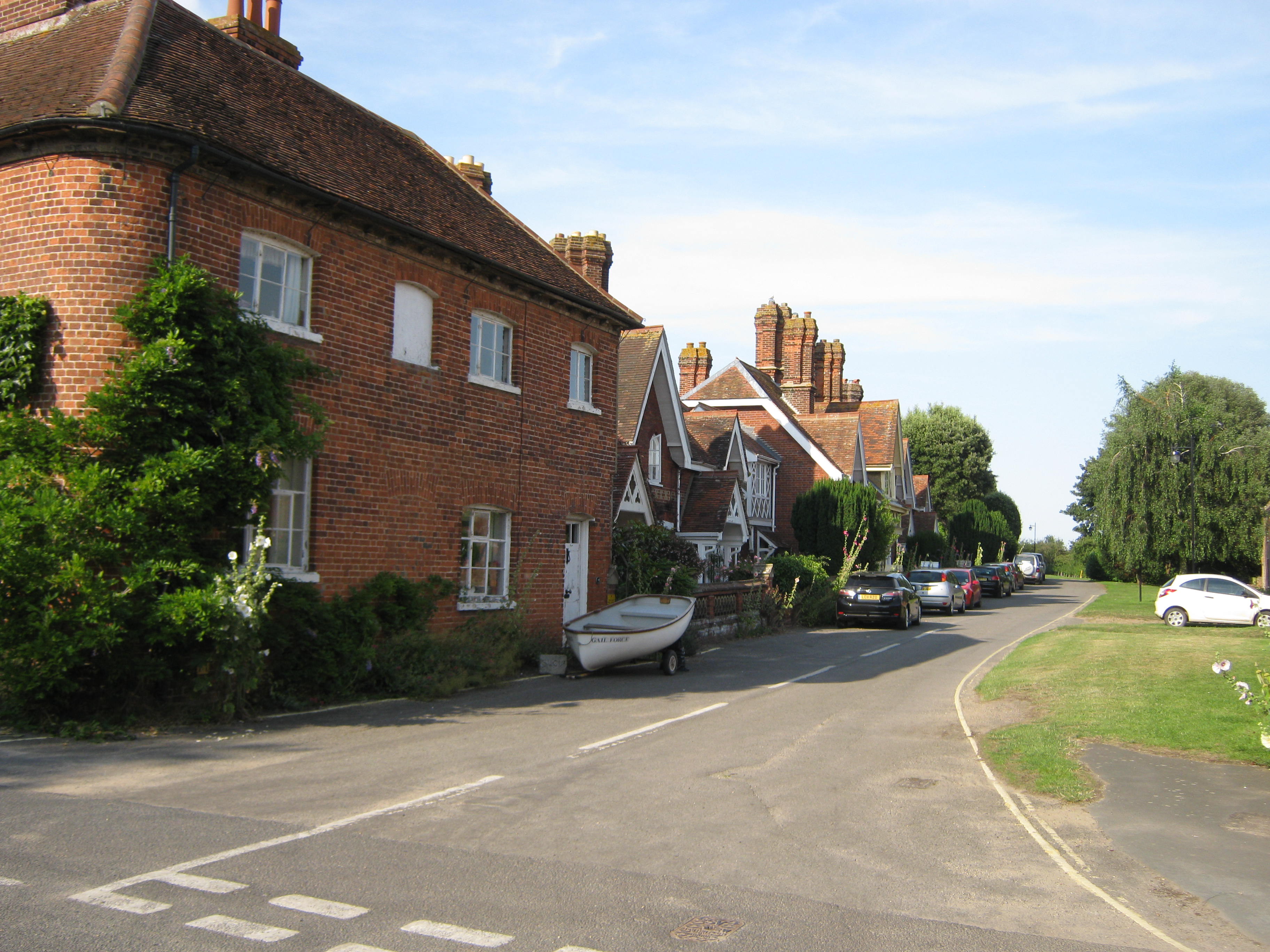
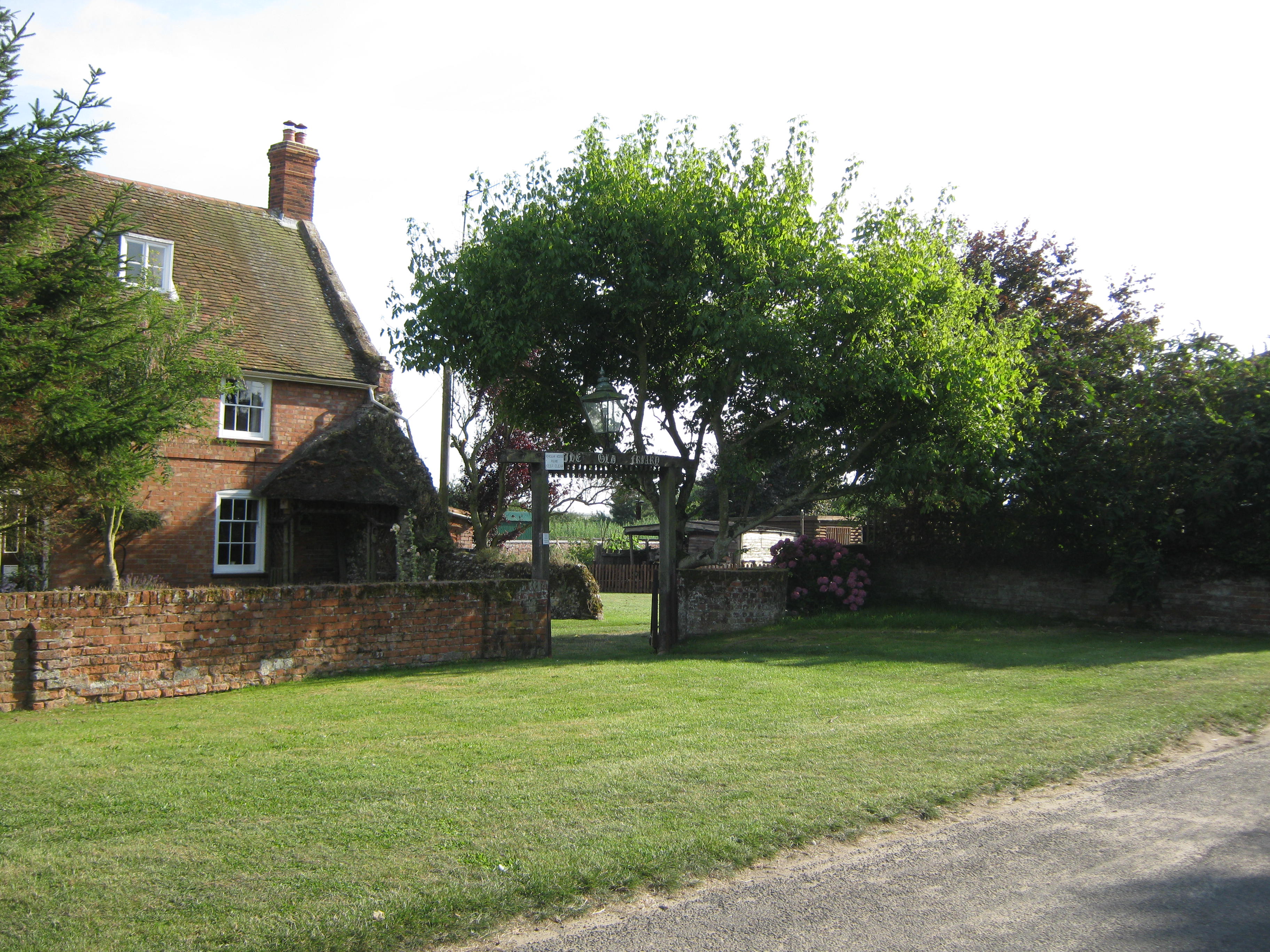
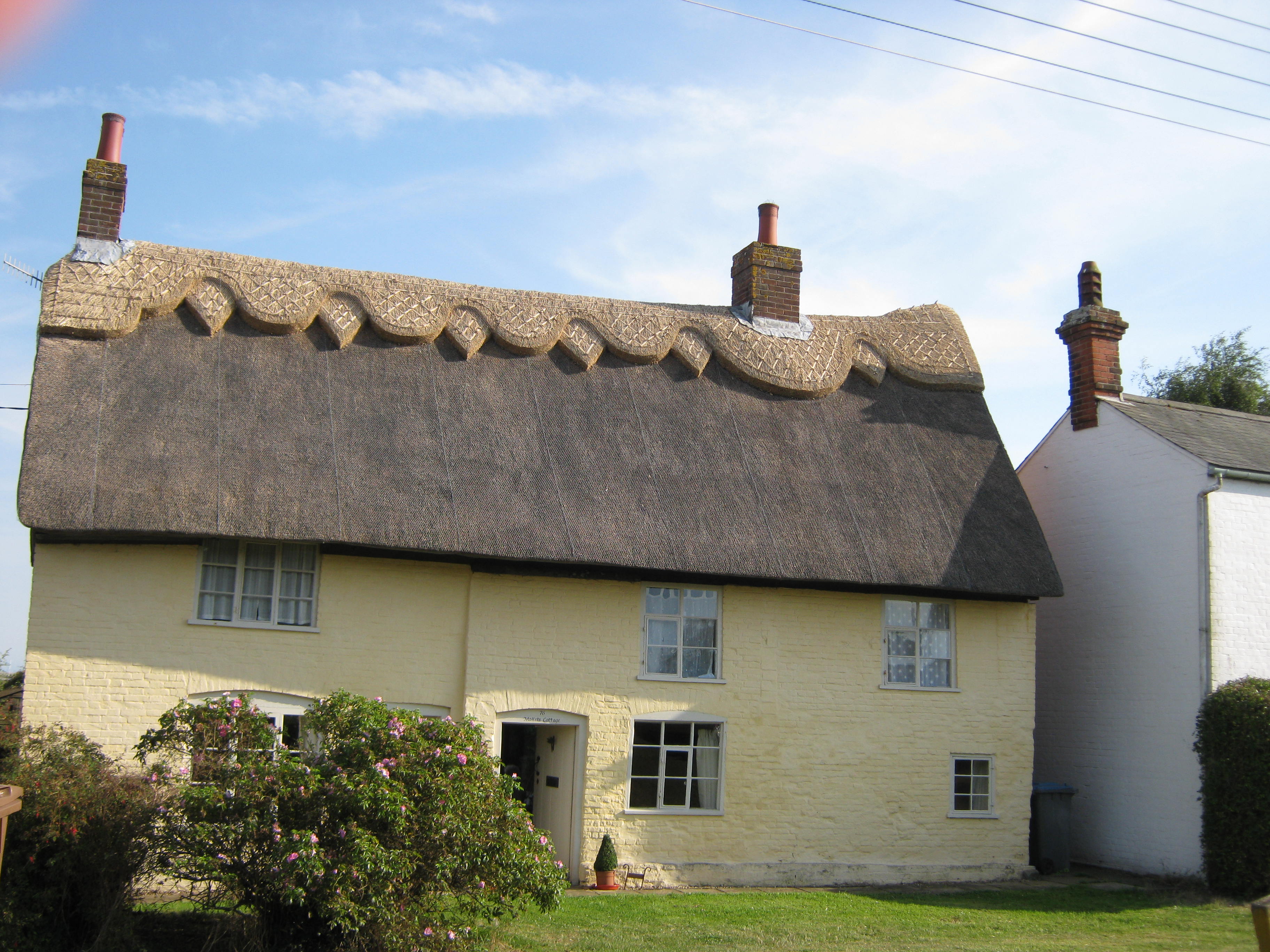
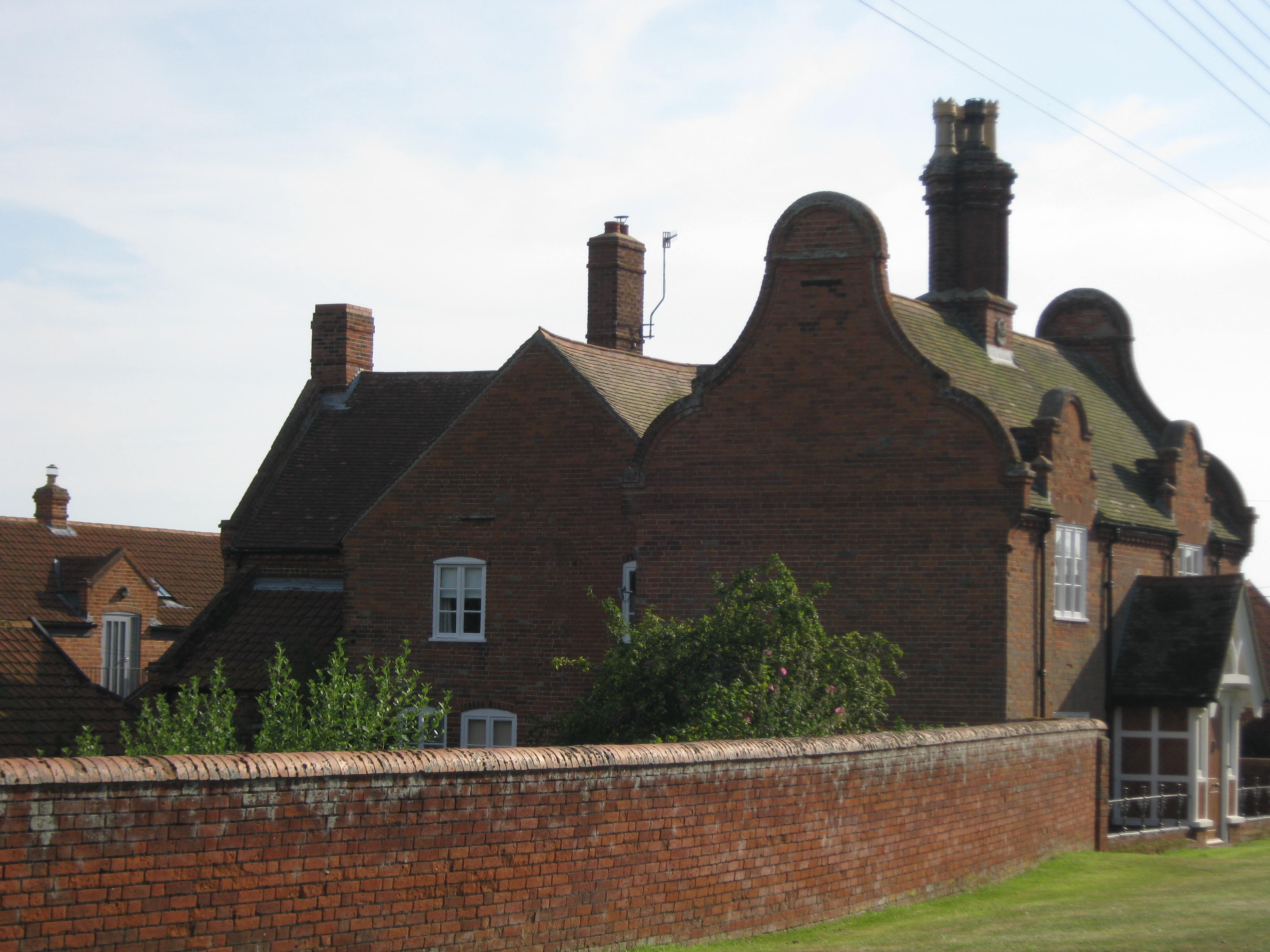
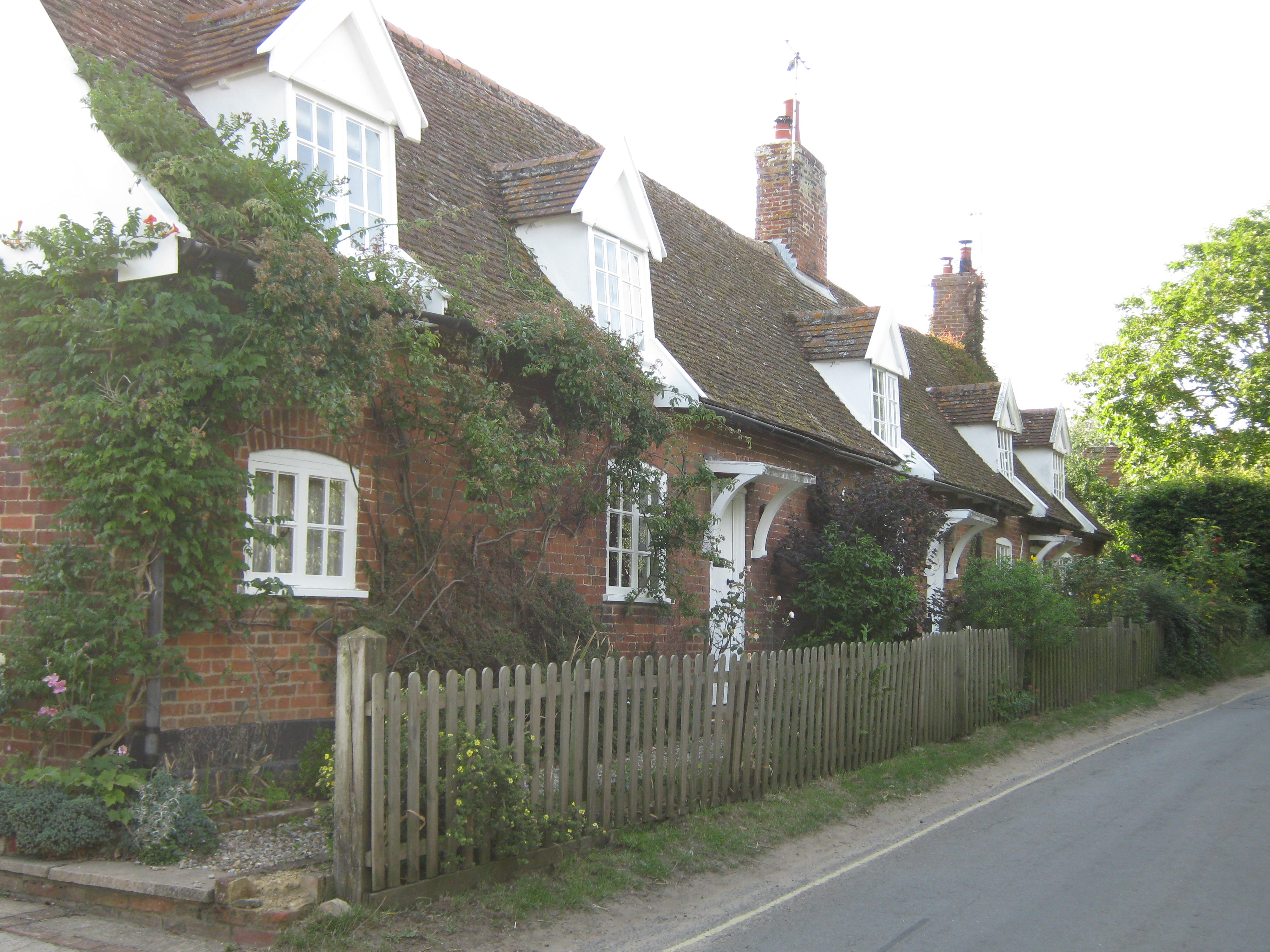
Orford Ness is a long shingle spit now owned by the National Trust. For many years the Ness was owned by the Ministry of Defence who began work there during the First World War finding out how to use an aeroplane as a weapon. After WW1 it became a ballistics testing facility and work was done using radio beacons resulting in the birth of the radar. Ballistics testing continued during WW2 and the Ness was used to improve aircraft and munitions design. After the war lethality and vulnerability trials continued and work on aerodynamics of ammunition. Ballistics testing continued and extended to include rockets with jets fired from almost no altitude into King’s Marsh. Later Orford Ness hosted one of its largest secrets – the huge Cobra Mist radar project. At the height of the Cold War the Atomic Weapons Research Establishment used the Ness for development work on the atomic bomb. This continued all through the 1960’s and the ominous, half-buried concrete structures known as ‘pagodas’ were built to contain these most lethal of weapons. From the 1970’s the Ness was home to RAF Explosive Ordnance Disposal and large quantities of munitions were destroyed here which was often very noisy. The last service personnel left in 1987 and the Ness remained officially closed to the public with occasional trials of new equipment. The MoD sold the Ness to the National Trust in 1993. In the late 1970’s and early 1980’s the site and buildings were re-used for the Orfordness Transmitting Station. The powerful medium wave radio station was originally owned and run by the Foreign Office, then by the BBC and then, after privatization in the 1990’s by a series of private companies. It is best known for transmitting the BBC World Service in English round the clock to continental Europe from September 1982 until March 2011. It has been disused since May 2012. Access is only available by the National Trust ferry from Orford Quay on designated open days. The importance of the landscape of the spit and the wildlife it supports had become apparent by the time the National Trust took over the Ness. It cares for the internationally rare and extremely fragile coastal vegetated shingle as well as the historically important military buildings. Acknowledgements to the National Trust web page on Orford Ness for this information. We then left the castle and walked through the village to the Quay passing by lots of attractive cottages on the way.
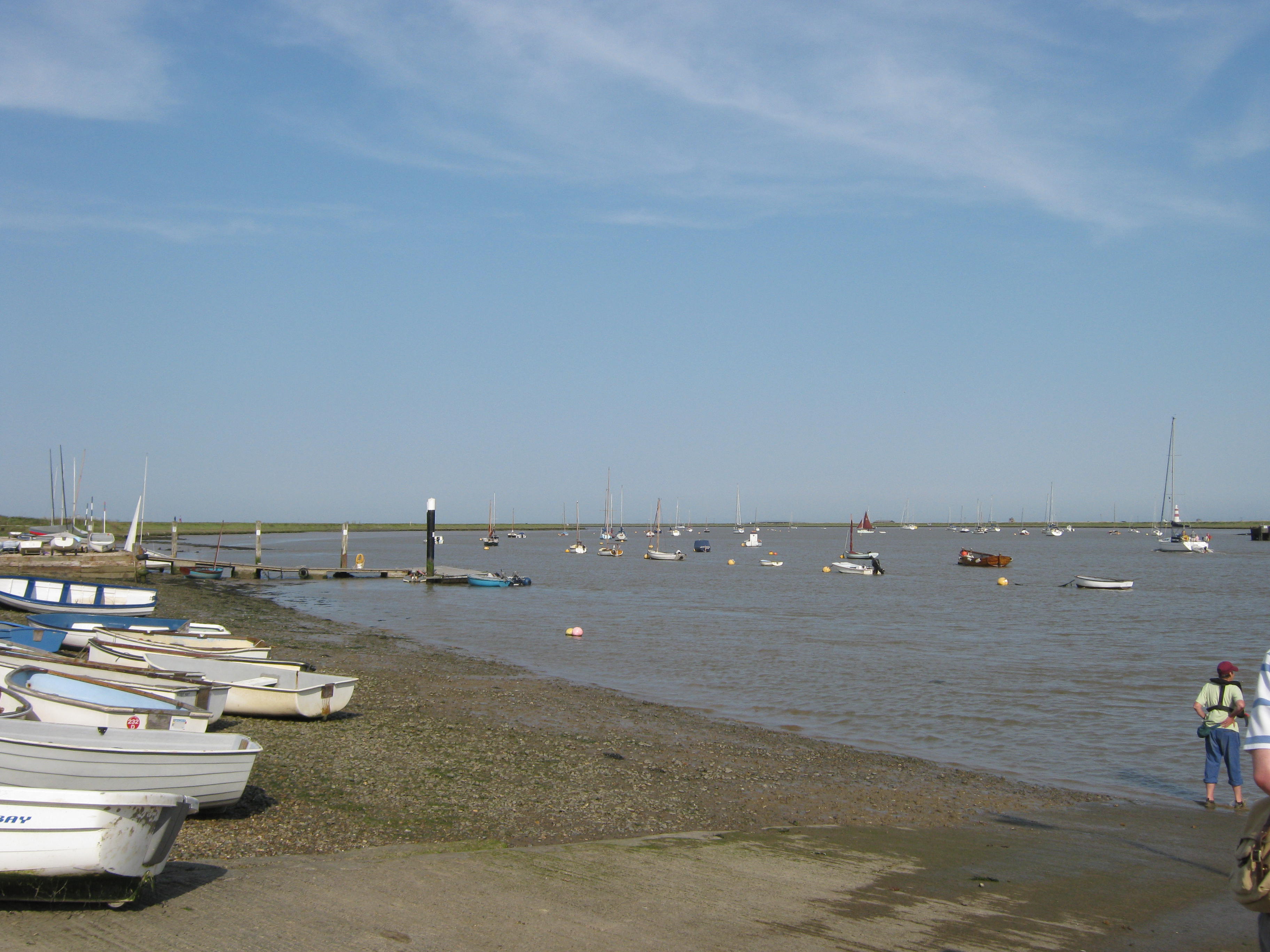
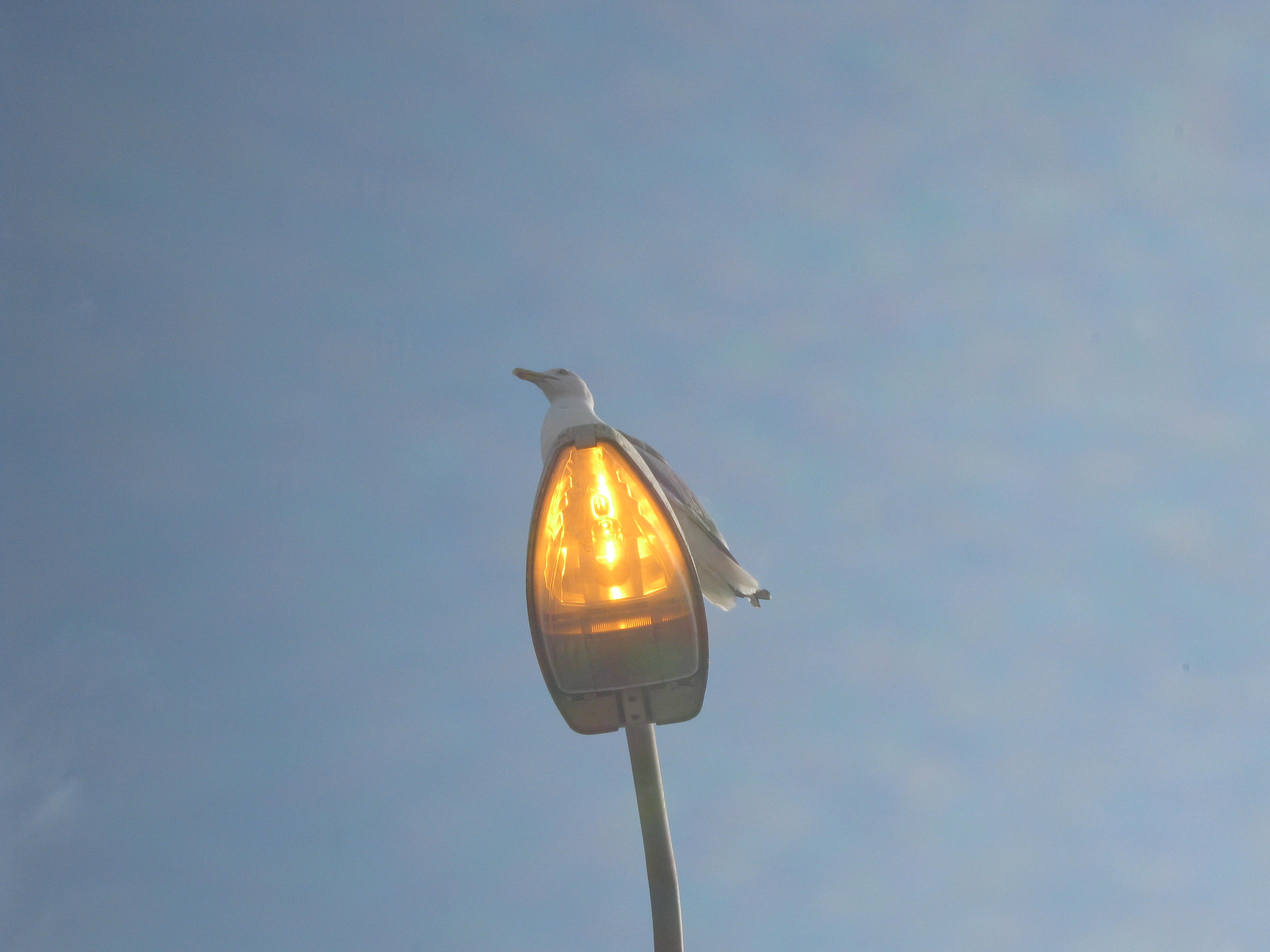
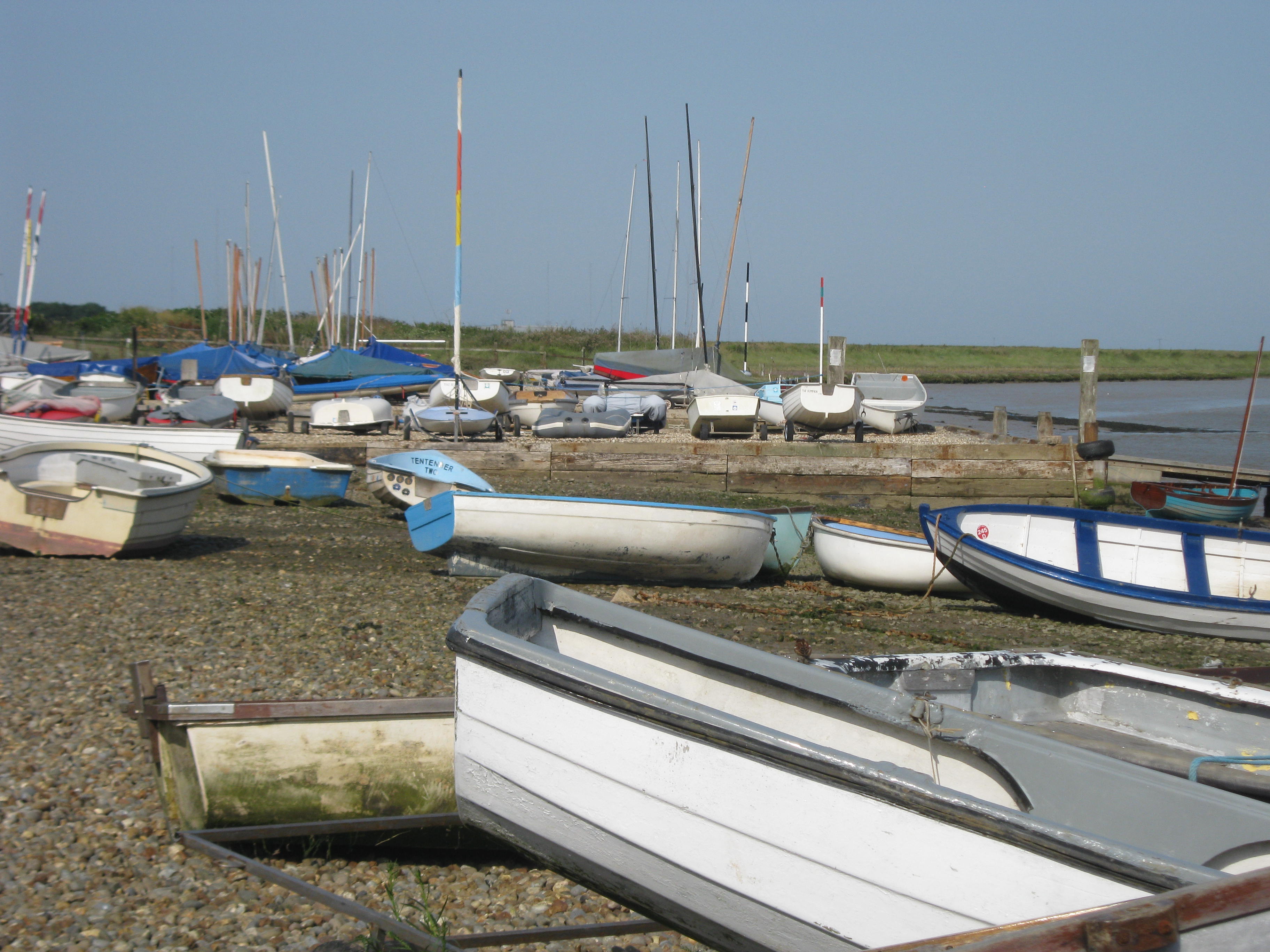
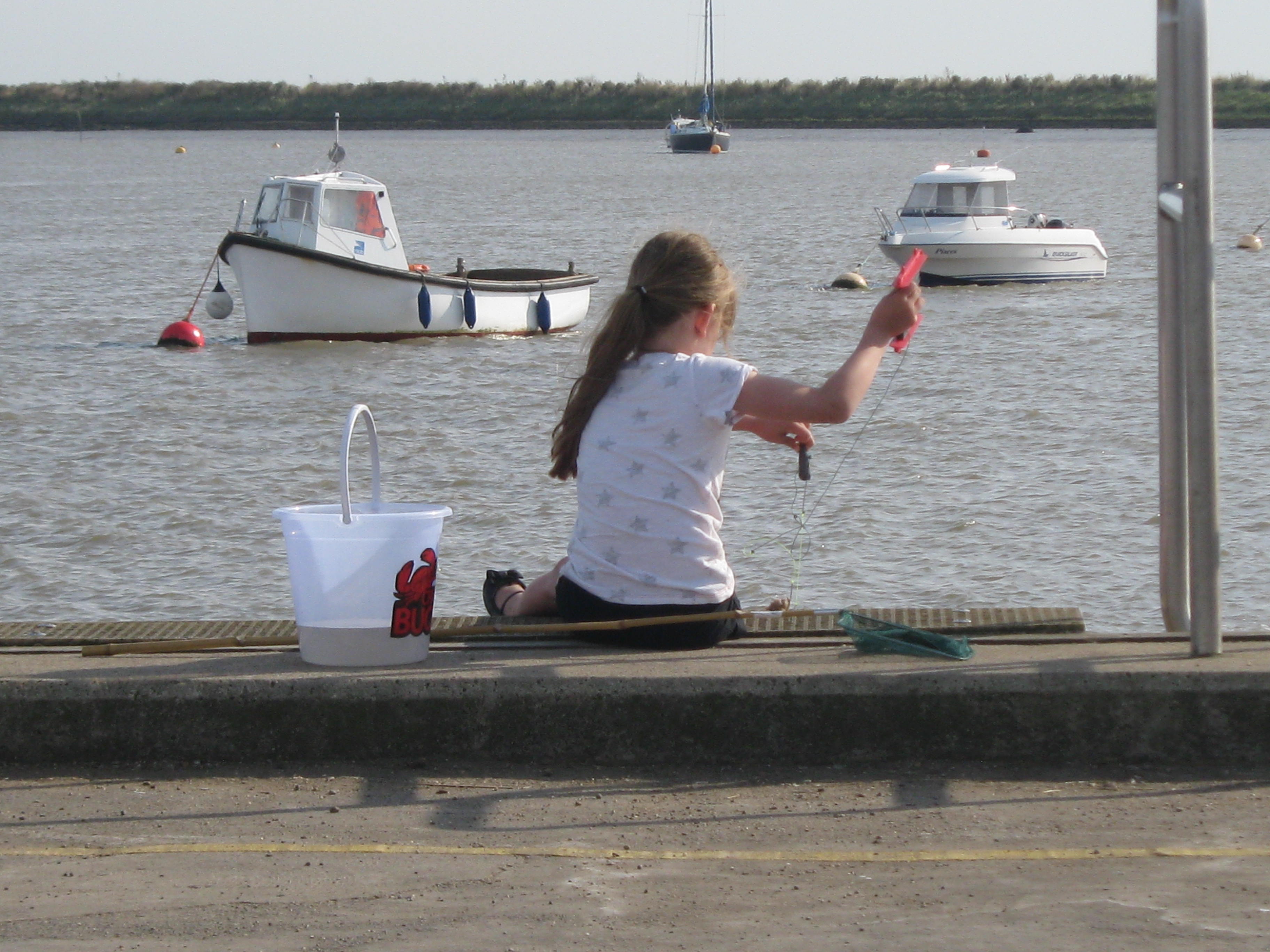
We spent an enjoyable hour at the Quay watching people, boats, dogs and seagulls.

We bought fish and chips for our tea on the way home, so no cooking for me either – hooray!
28 Mon Jul 2014
Posted in Rural Diary, Uncategorized
Tags
Buxton, camping, caravanning, Chinley, Duke of Devonshire, Flash, holiday, Huntingdon, Pavilion, Pavilion Gardens, Peak District National Park, River Great Ouse, River Wye, Roman, scout camps, Sheffield, spa town, Staffordshire Moorland, Stffordshire, Testament of Youth, The Crescent, Vera Brittain, war memorial, warm springs
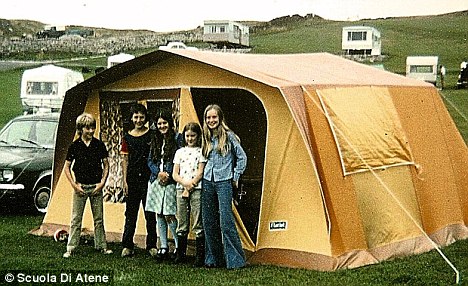
When I was young and living at home with my parents, our summer holidays were camping holidays spent in the UK. I became fairly well travelled in England, Scotland and Wales. We never went to Northern Ireland because not only was the cost of the cross-channel ferry prohibitive and the journey was too far for the five of us travelling in a small car from Kent, but Northern Ireland was not a safe place to go during the 1960s and 70s.
Not only did we go on family camping holidays but we also went on scout camps because my father was a Scout Master for many years. I didn’t like scout camps as I was very shy and a little frightened of all the big, noisy boys but my younger brother and sister loved them and wanted to join in all the fun and were upset when they weren’t allowed. Mum was in charge of the first aid.
R’s family holidays were in bed and breakfast hotels as his mother refused to go camping, having had enough of it in the Girl Guides. He was a Scout and enjoyed going off on scout camps and grew to love the hills, mountains, moors and rivers in the North of England. He eventually became a Scout Leader himself with his own scout troop.
I had camped a couple of times since leaving home and before marrying Richard so we did consider getting a tent. Eventually, after holidaying in rented cottages for a couple of years we decided to get a caravan instead. Our daughter E had just been born and we thought a caravan holiday would be easier to cope with than camping. Camping and caravanning holidays have their drawbacks but we have always enjoyed the freedom they bring.
R and I have just bought a new caravan. Our two previous ones had been second-hand and this is our first brand new one. We are very pleased with it and hope to be able to go away in it very often. That is not to say that we won’t be going to hotels and holiday cottages again, we will, especially as E hates caravanning now she is older.
I find getting ready for holidays quite exhausting. Having a new van made things a little easier as we didn’t need to clean and service it, but making sure the house and garden are left clean and tidy before we go, making sure Mum has everything she needs for the time we are away and trying to remember to pack all we need for the holiday was tiring enough.
I decided to stop feeding the birds just before we left. While I had been in Sheffield during the week before, something had killed one of the three ducklings that were living in the garden. Also, a couple of days before we left, I was admiring a little bird looking for insects in the window box outside my kitchen window, when a kestrel plummeted out of the sky and caught it just in front of me. I felt that the feeders were making the birds I wished to feed more vulnerable to birds of prey and also to the cats in the neighbourhood. I had been having a lot of trouble from the local squirrels too. They had wrecked a few feeders and had been eating so much of the bird food as well. They had become very bold and one had tried to attack me when I attempted to shoo it away from the ground feeder. I wished to discourage this and a period of no food might be good for all concerned.
We all set off in good time on the morning of the 1st July but at Huntingdon we got stuck in a traffic jam for an hour and a quarter because of an over-turned lorry.
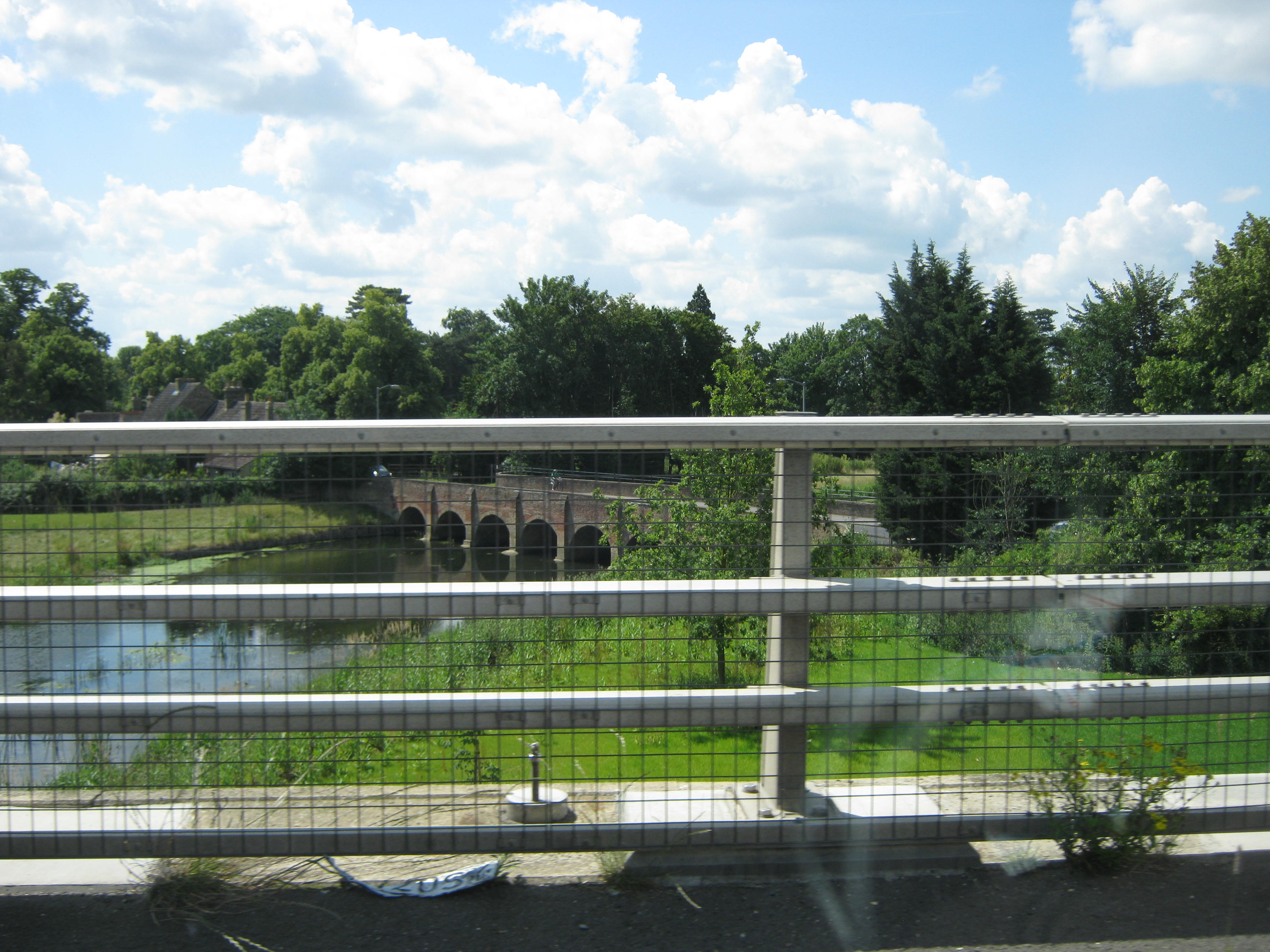
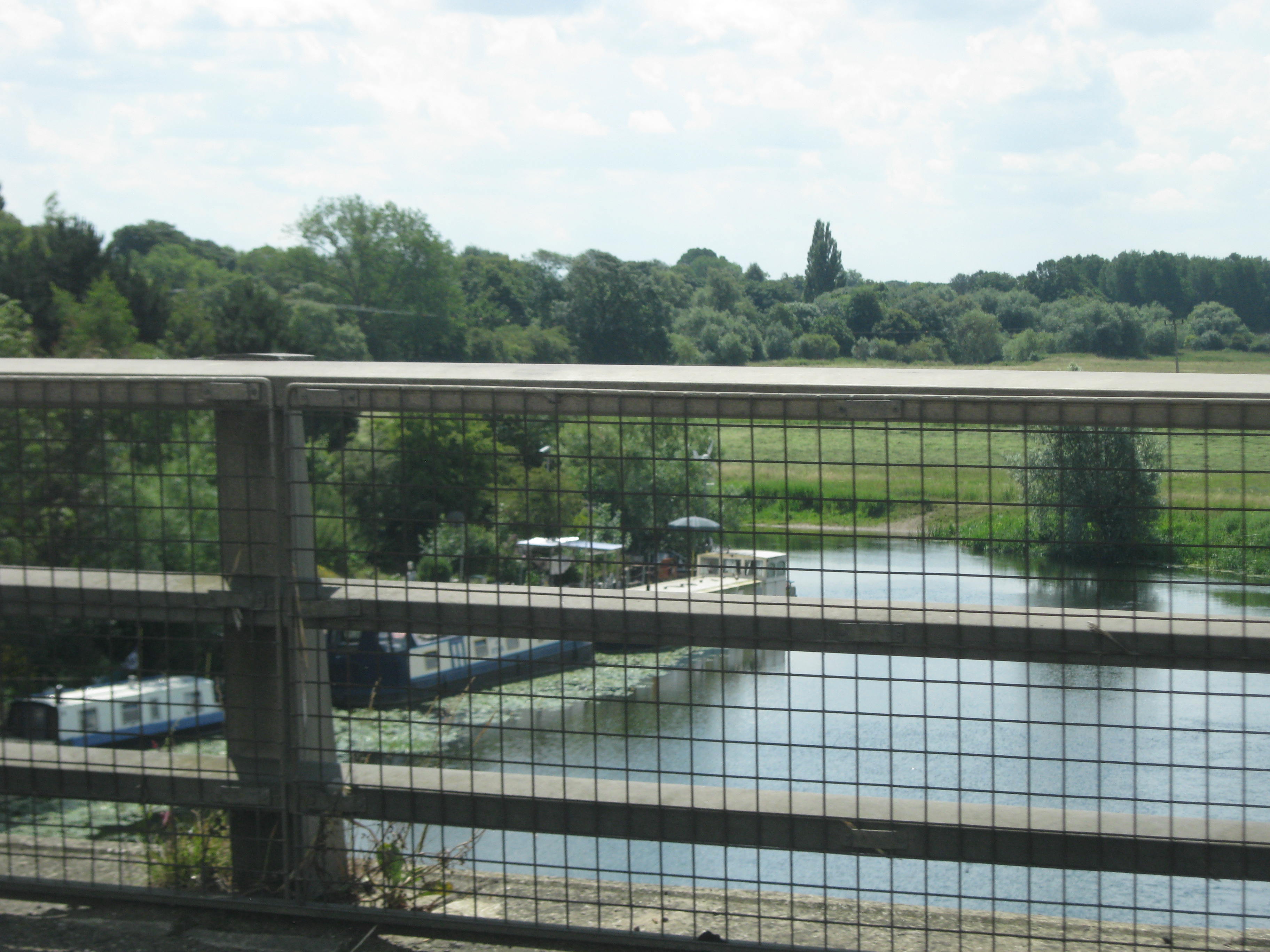
This is the view from the car while we were on the stationary A14. The river is the Great Ouse. We were sent on another diversion to avoid another accident involving a lorry when we were only half an hour away from our destination so the journey was very long and tedious. For the last few years we have stayed in the Staffordshire Moorlands right on the edge of the Peak District National Park. The site is at Blackshaw Moor, just to the north of the town of Leek.
A had kindly offered to look after E for the week, so as soon as we had found our caravan site and pitched the caravan we set off again to the nearest railway station on the line to Sheffield. While E and I and her enormous, weighty suitcase took the train to Sheffield, R found a supermarket and bought supplies for the week. He then waited and waited for my return. I meanwhile, got to Sheffield and we found A waiting for us at the station. I handed over E, the suitcase and a quantity of money and then found them something to eat. I decided to get myself a sandwich as the next train back to Chinley, the station where R was waiting, didn’t go for another hour. I eventually got back to R just after 9p.m. We drove the 25 or so miles back to our caravan, unpacked the car, collected the water and plugged the electric cable in and our holiday had begun.
The following day, after a very leisurely breakfast and a restful morning, we put the awning to the caravan up. The awning (a tent-like porch attached to the caravan) is not a large one but we find it useful for hanging coats and towels and keeping shoes and rucksacks etc. We sometimes sit out there and we have used the awning for dining in the past when all four of us were together or when we have had visitors.
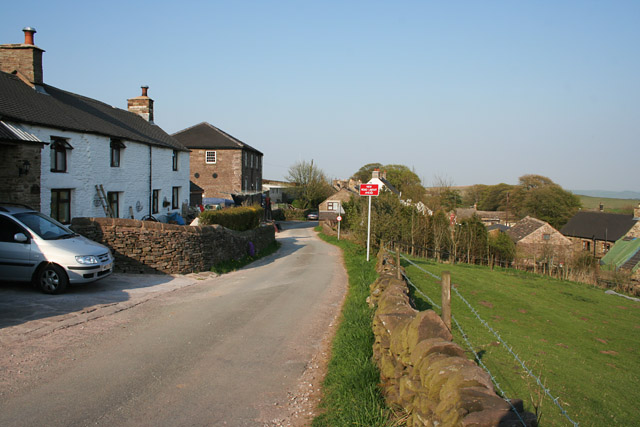
That afternoon we visited Buxton, about half an hour’s drive away across beautiful moorland. The views from the road are outstanding especially on a fine day. One of the villages we pass on the road is called Flash which is reputedly the highest village in the Peak District. It is 461m /1514′ above sea level and is often snowbound in the winter. it was once a hideout for footpads, highwaymen and counterfeiters and prize fights took place there even after it was made illegal.
Buxton is the highest town of its size in England at 300m/984′ above sea level and has been occupied continuously since Roman times.
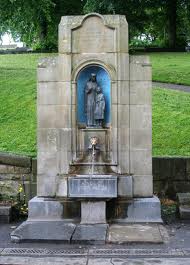
The Romans were attracted by the warm springs which emerge near the River Wye and are a constant 28 degrees C. They built baths here and these springs have been very important to the town ever since. The spring at St Ann’s Well was probably a place of pilgrimage since the Middle Ages and by Tudor times it had been established as a spa.
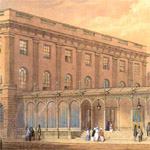
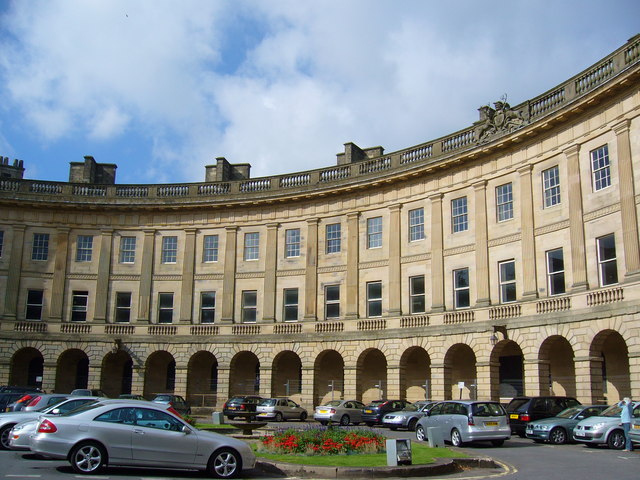
The great period of Buxton as a spa began when the 5th Duke of Devonshire started the construction of the Crescent in 1780. The building took ten years to build and cost £38000, a fabulous sum in those days. It was sited alongside the site of St Ann’s Well. From then until the 20th century many fine buildings and hotels were constructed in Buxton. In 1851-53 a new set of thermal baths were built and in 1863 the railway arrived in the town which made the spa much more accessible. The Opera House and the Pavilion Gardens were built. Vera Brittain, who wrote ‘Testament of Youth’, her book about her life during the First World War, grew up in Buxton. The main industry of the town from the 19th century to the present day is limestone quarrying. The spa declined in popularity after the Second World War but since the 1980’s when the Opera House was re-opened the town has started to come alive again. The annual Opera Festival was established and the University of Derby moved into the former Devonshire Royal Hospital building. There is work going on now to re-open the spa and the Crescent. For the past couple of times we have visited the town we haven’t been able to see the Crescent because of the hoardings in front of it.
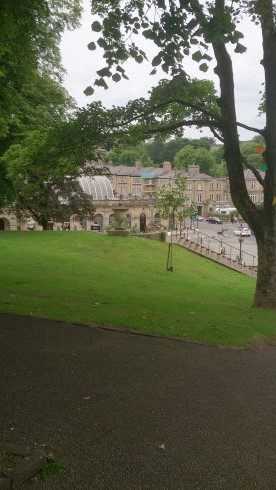
The reason why there are so many google images in this post is because we forgot to take our cameras out with us. R was able to take a couple of pictures with his phone and these I will include now.
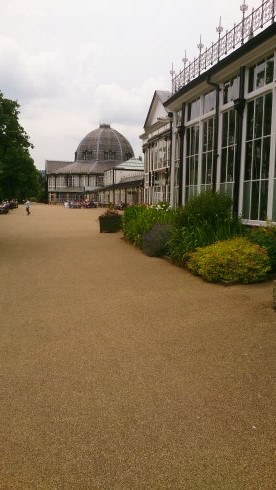
We did some shopping for things R couldn’t get the night before and then walked up to the Pavilion, looked at the plants in the glasshouse and had coffee/tea in the café. We walked about the Gardens and then walked back down to the town past the War Memorial.
The day, which had started bright and breezy, became cloudy and very humid during the afternoon. We returned to our caravan and rested for the rest of the day as we were still very tired from our exertions of the day before.
25 Fri Jul 2014
Posted in Gardening, plants, Rural Diary, trees, Uncategorized
Tags
Asian lily, begonia, blackberries, borage, college acceptance, dahlia, English mace, erodium chrysanthemum, fennel, fruit trees, fuchsia, hydrangea, mint, morning glory, peas, rose, runner beans, sempervivum, untidy garden, water lily
We returned on 9th July from our short holiday to find a very over-grown garden. I must admit to loving the green lushness of the garden when it hasn’t been tended lately. There is so much to be seen – wild flowers (or weeds if you prefer), insects, birds and wild animals have had the place to themselves for a while and have made themselves comfortably at home.
As soon as I could, I went out for a quick tour of the garden. There had been a lot of wind and rain so the garden flowers were a little battered. R’s dahlias had grown very tall during our absence and a couple had lost a stem or two. R quickly did some tidying up and we admired the blooms on plants, some of which were already over five foot tall.
The runner beans were doing very well and we were able to start harvesting them a few days later. I read fairly recently that when runner beans were first introduced to this country it was as ornamental plants; no-one thought to eat the beans themselves for some time. Many people say they don’t like runner beans but I am sure this is because they have eaten old and woody beans, and I don’t blame them! Horrible! The beans have to be picked before they get too big and should be eaten straight away. Our first beans were very juicy but didn’t have much flavour, probably because we hadn’t had much sunshine. The ones we have eaten most recently which have had the benefit of a little sunshine have tasted much better.
The peas were ready to pick too and were the best peas we had tasted in a long time. They have all been eaten now!
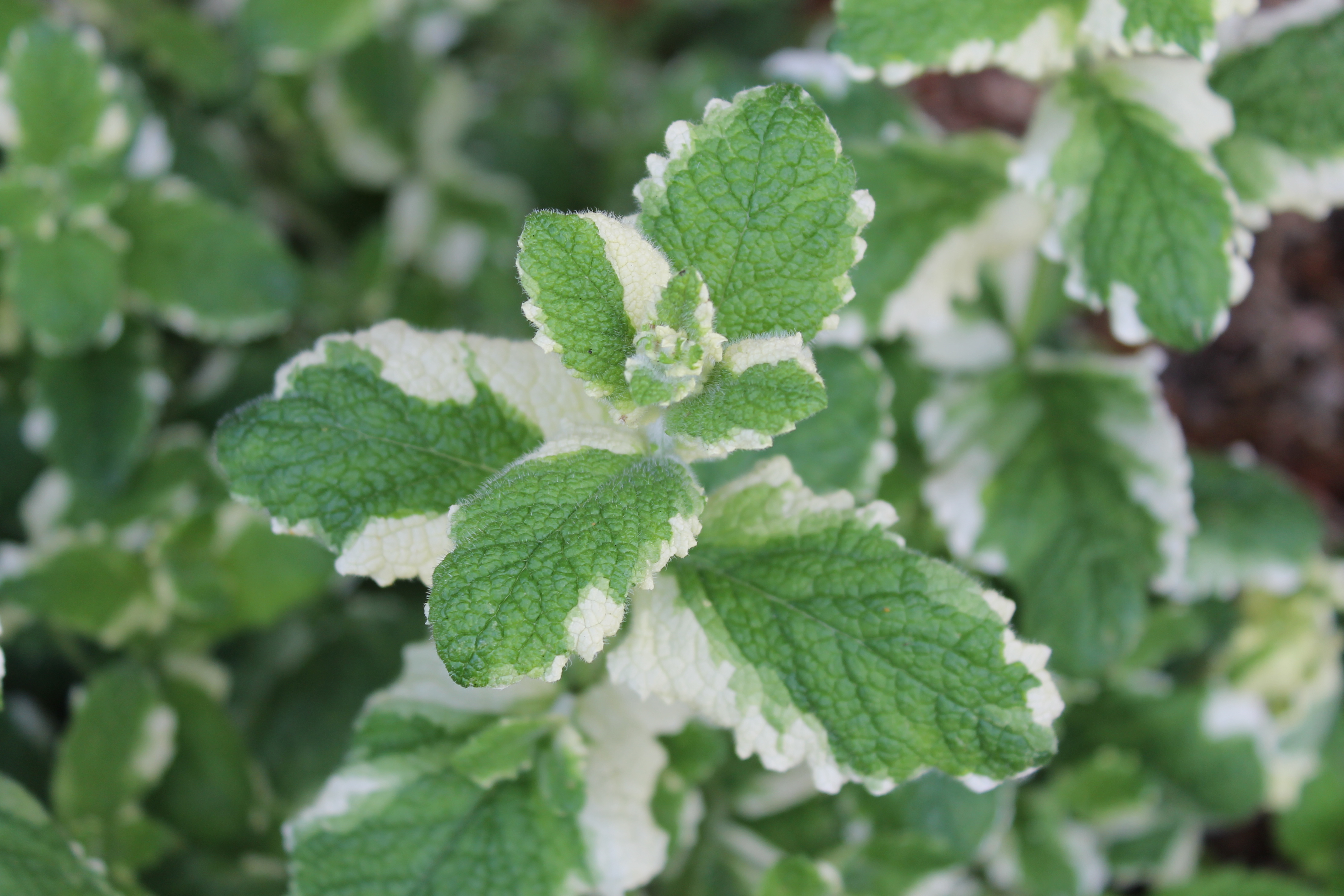
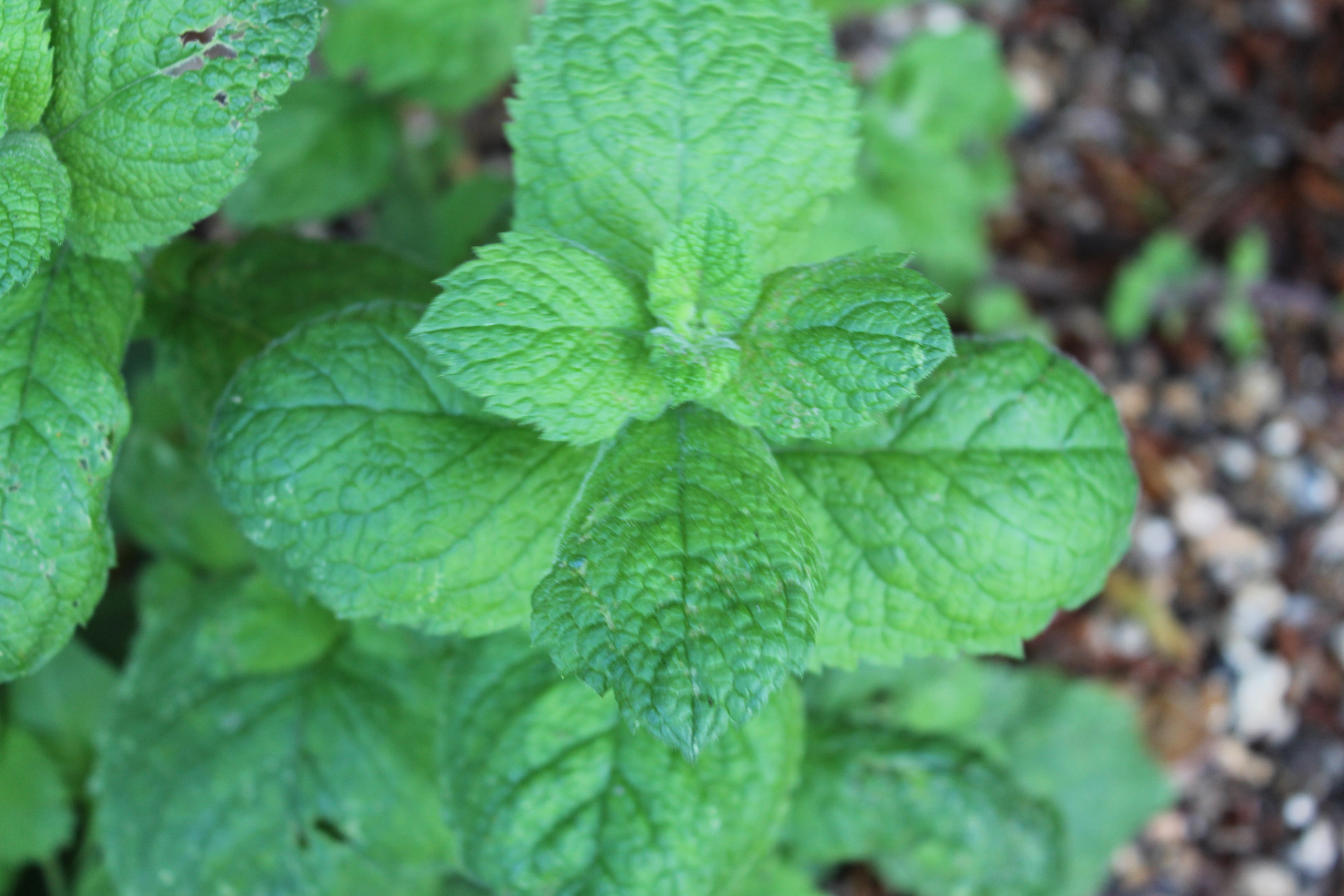
Because of the rain, the mint had grown very well.

This is a lovely mint grown from a rooted cutting Mum gave me. She has always had it in her garden and doesn’t know what type it is.
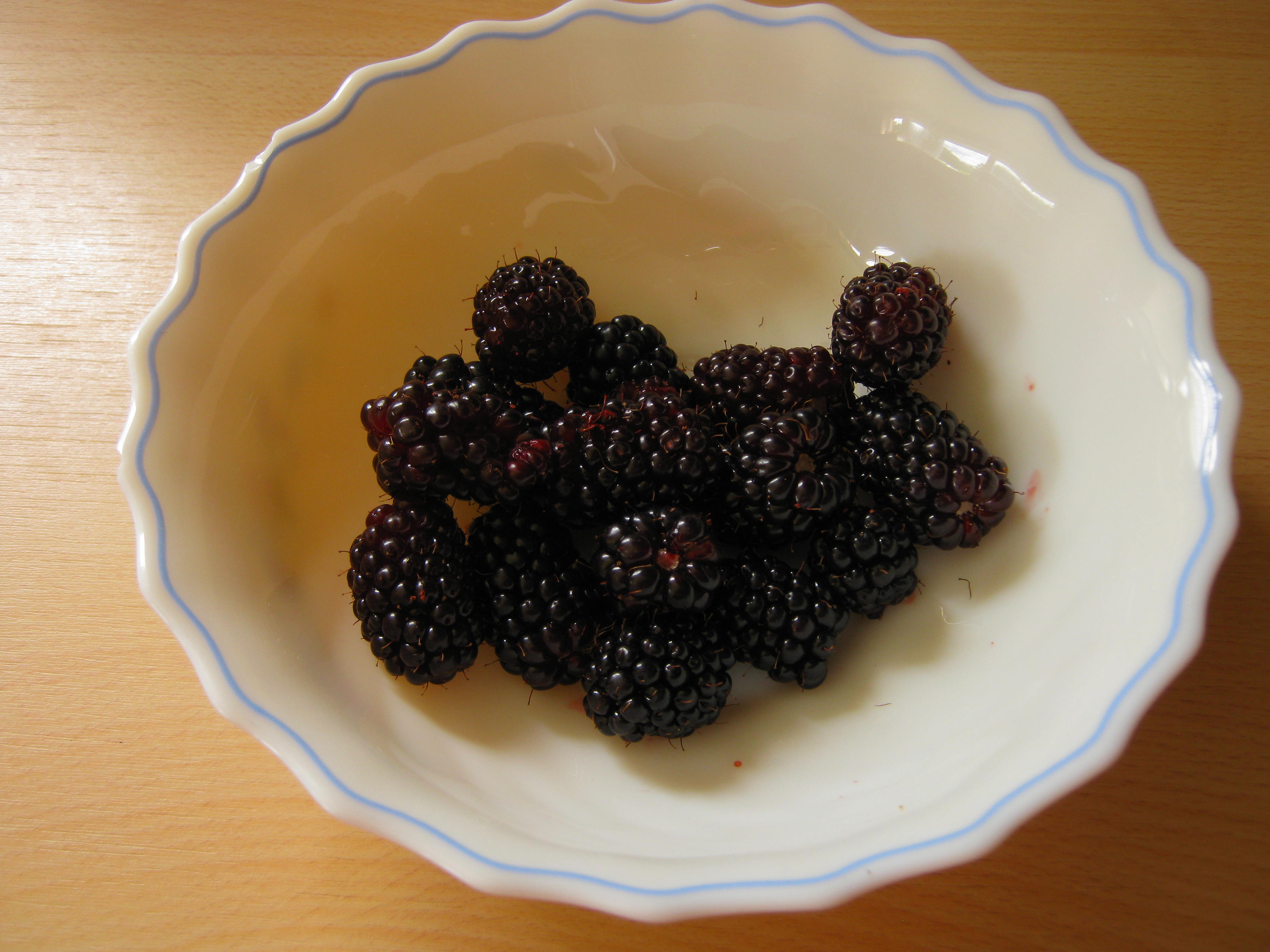
Just before we went away the blackberries had started to ripen. We picked a few and took them away with us and delicious they were too.
Unfortunately, while we were away quite a few were lost to the bad weather, birds, mice, wasps etc. They have only recently started cropping again and they are soooo good!
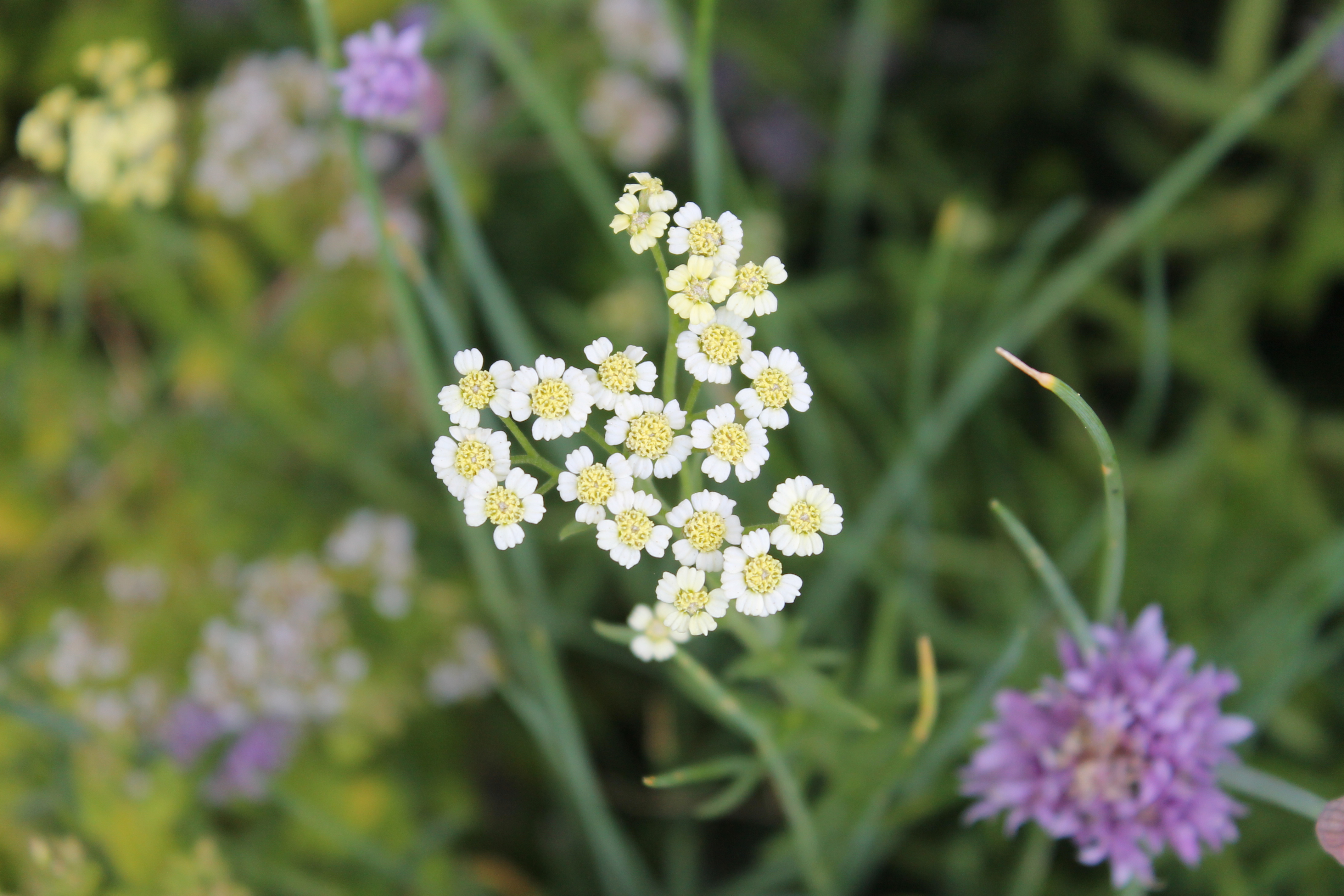
This is English Mace, achillea ageratum, and as you can see it is a member of the same family as Yarrow. The leaves actually do taste mildly of mace, the outside shell of nutmeg. The leaves can be made into a tea or just added as they are to culinary dishes.
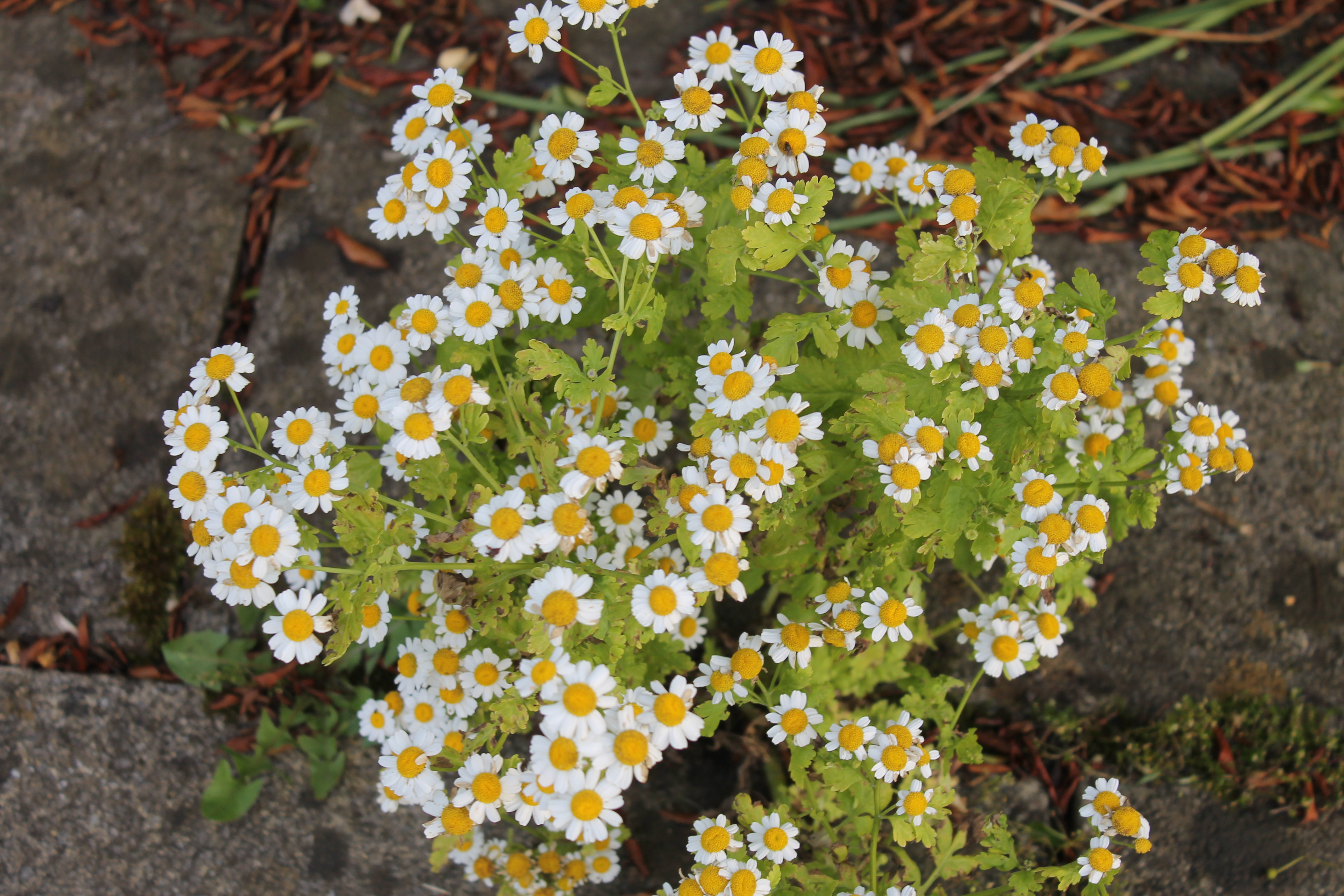
This is feverfew, another one of my herbs. I bought one small plant a number of years ago and its seeds have spread all over the garden. This one I found growing in a crack in the path. The insects love it especially black-fly so it is useful as a companion plant attracting good insects and also keeping black-fly off broad beans etc.
Feverfew is a febrifuge; it induces perspiration which lowers the temperature in fevers. It is a useful herb to use during childbirth as it regulates contractions and recently has been found as an effective remedy for headaches and migraine. A tincture can be made from the leaves and then applied locally to relieve the pain and irritation of insect bites. The tincture can be made into a lotion by adding it to distilled water. This can be applied to the body as protection against attack by flying insects. A wonder-herb! It does smell a bit odd though!
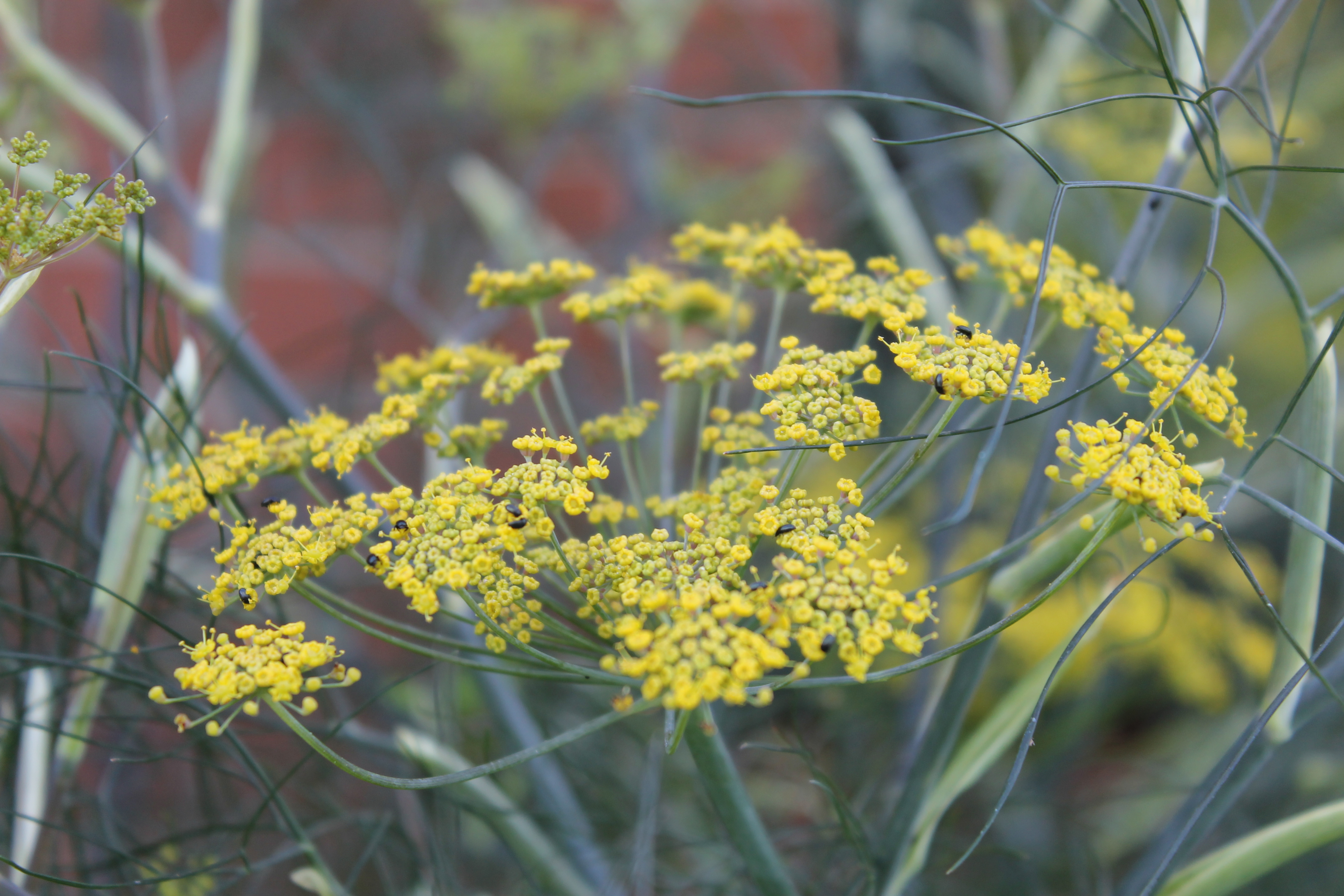
My bronze fennel I have already spoken about in a previous post. I love the aniseed smell which pervades the front of the house on rather damp evenings. It is a useful flavouring herb for use in cooking but also the seeds can be eaten to ease indigestion and disperse wind/gas etc. Usually fennel grows to a height of about 4ft but the one growing at the front of the house is over 6ft tall.
I had such difficulty getting the original seeds to germinate in a heated seed-tray as recommended on the seed packet. If I had known that I would still be benefitting from self-seeded plants seven years later I wouldn’t have worried and just chucked the lot out on the gravel round the garage. The seeds survive through extremely cold winters with rain, ice and snow. Admittedly I planted the first young plants up against the house and in very well-drained soil.
All our fuchsias died in the severe winter of 2012-13. After a year without them I felt the need of another plant. This is one I have had before. It is fairly hardy and it is easy to take cuttings from.
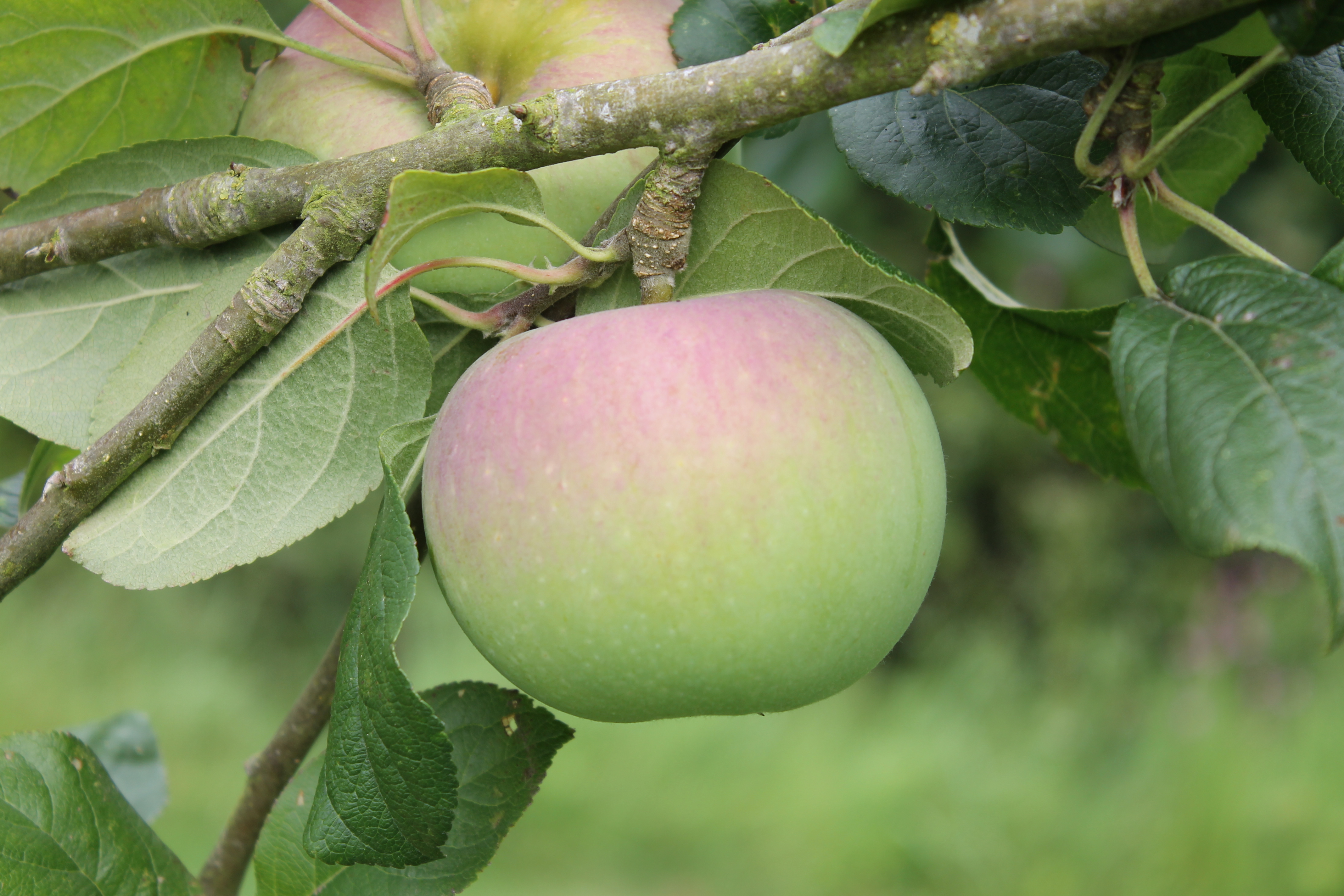
All the fruit trees, the apples, crab-apples, pear, damson and hazelnut were doing very well and the fruits were swelling. We hadn’t lost many in the June drop.
We were all very pleased on our return to get a letter telling E that she had been accepted at City College Norwich and would be starting there in September. She is so relieved and believes she will be getting her life back again now. We sincerely hope and pray she will.
24 Thu Jul 2014
Posted in Rural Diary, Uncategorized
It is my eldest daughter A’s twenty-ninth birthday today. I am finding it very difficult to believe that she is twenty-nine already. Like most parents, I remember the highs and lows of her life so clearly that they seem like yesterday. I remember her at the age of four at the beach with me and my ex-husband and his mum – Nan. Nan was with A and they were standing at the water’s edge looking out to sea. Nan was pointing things out to A and remarking on the size of the sea. ‘I wonder what is beyond the horizon?’ asked Nan. ‘I wonder where we’d find ourselves if we sailed over there?’ ‘Belgium’ said A. And she was right. One of the few times that A was aware of her surroundings and not off in a dream.
She has always wanted to be a writer and I truly hope she will get her stories published some day. She worked hard at school despite being very unhappy – both my daughters were victims of bullying. She got her GCSEs and A levels and even stayed on for a third year in the 6th form to get extra qualifications. She went to Royal Holloway, London University and got a BA and then an MA in English. She attended a RADA (Royal Academy of Dramatic Art) summer school after getting her BA and did very well. She had hoped to go to Drama School but became disillusioned by the attitude of the auditioners. She was told by one school that they wouldn’t be taking her as they already had someone who looked a bit like her!
She then decided she would be a librarian, worked for a year in a couple of school libraries to get work experience and then went back to university, Sheffield this time, and got another MA. She was asked to do some research for the university and was given a full grant to do a three year PhD. She is trying to finish writing it up and is looking for work now as the grant has run out. She has a part-time job in the university library filling shelves but she is not needed now until the autumn. She wants to stay in Sheffield as she loves it there but she also needs a job and some money.
She has managed all this despite being bi-polar; and there have been times when her life has been almost too awful to bear. She found it very difficult getting the correct diagnosis and was treated extremely poorly by some members of the medical profession who should have known better.
I am so proud of my dear, generous, kind, clever and beautiful daughter.
Happy Birthday!
24 Thu Jul 2014
Posted in Insects, plants, Rural Diary, Uncategorized, wild birds
I am still having trouble posting on my blog. I had almost finished one last night and had worked for well over an hour on it when it just disappeared and all that was saved was the title. A total waste of time! I could have been doing something useful like the ironing and it makes me feel so frustrated.
So, here we go again.
We woke on Monday to a bright and breezy day with all the humidity gone. I was able to dry my towels and all my other washing too. The window cleaner arrived and gave all the glass a bit of sparkle. I got through all my household chores and did some shopping in Halesworth too.
During the afternoon I wandered round the garden to see what there was to see. I discovered a wasps’ nest under the garage roof tiles. The wasps are quite small – they appear smaller than common wasps – but I could be mistaken. If they cause us a lot of trouble they will have to go but they are such useful creatures I would rather leave them be. They feed their young on chewed up insects including all the garden pests and flies that get into the house. The also appear to love fennel nectar and pollinate my fennel plants. Last year we hardly had any wasps at all and I had no fennel seeds.
Some of the insects I saw were a little the worse for wear.
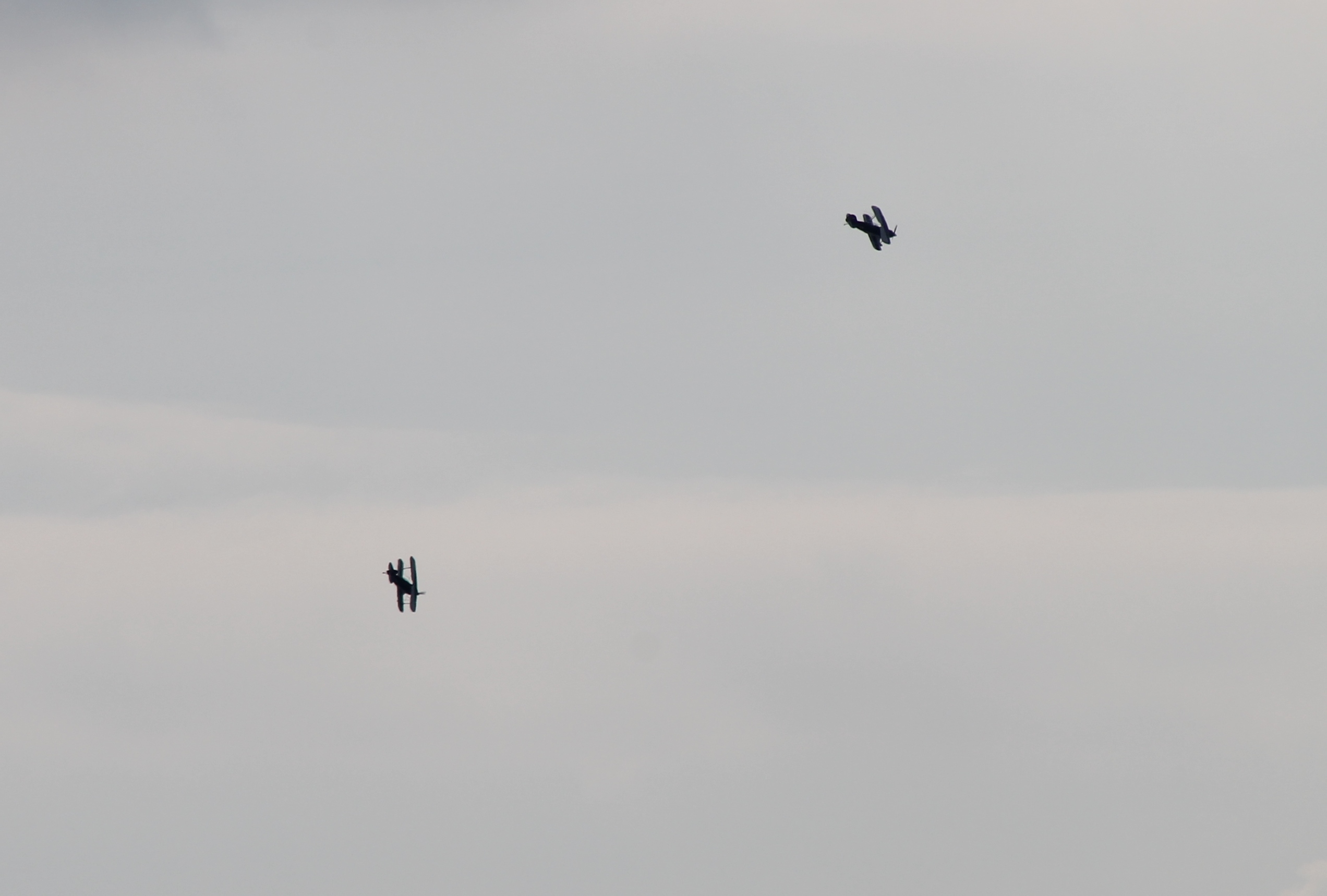
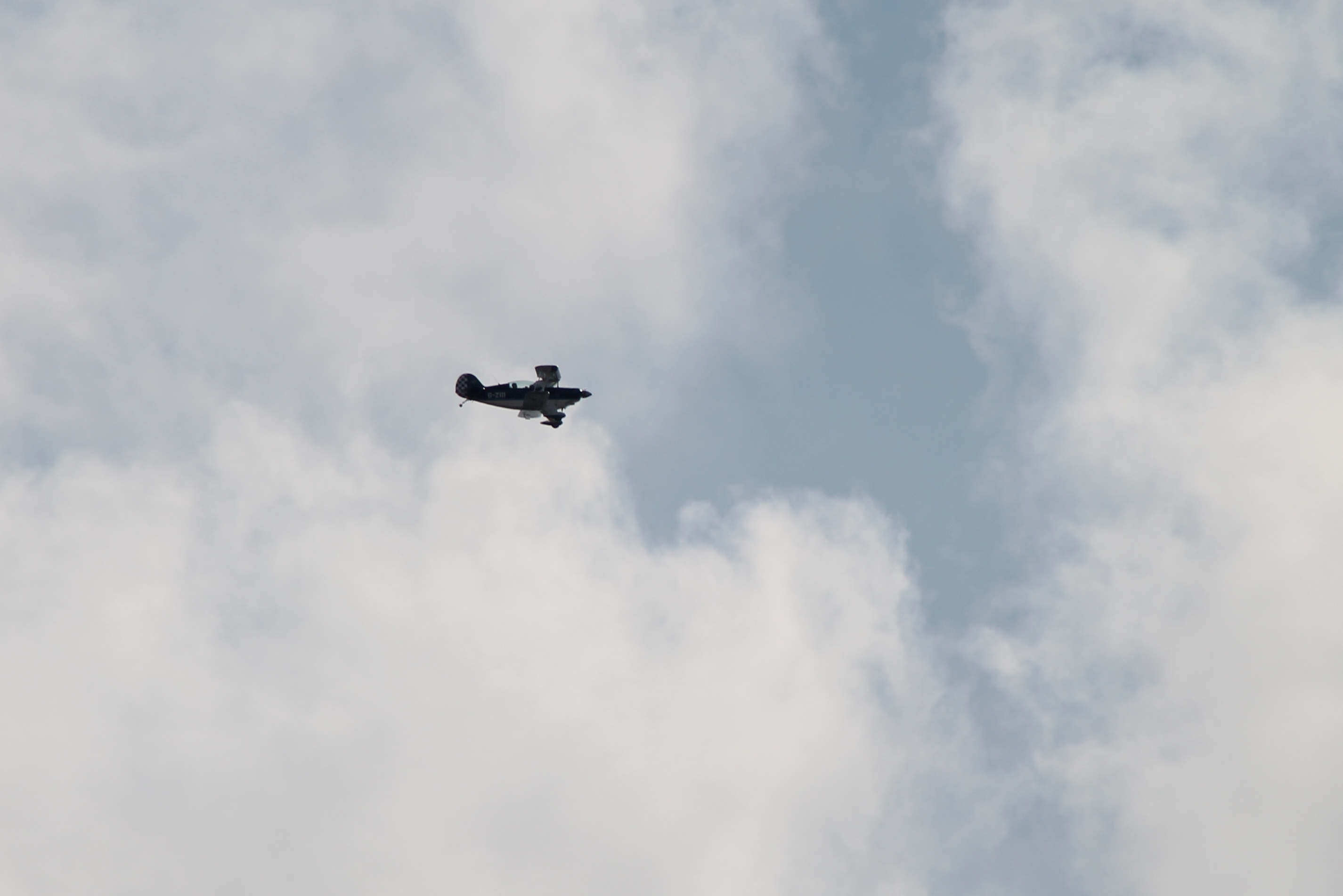
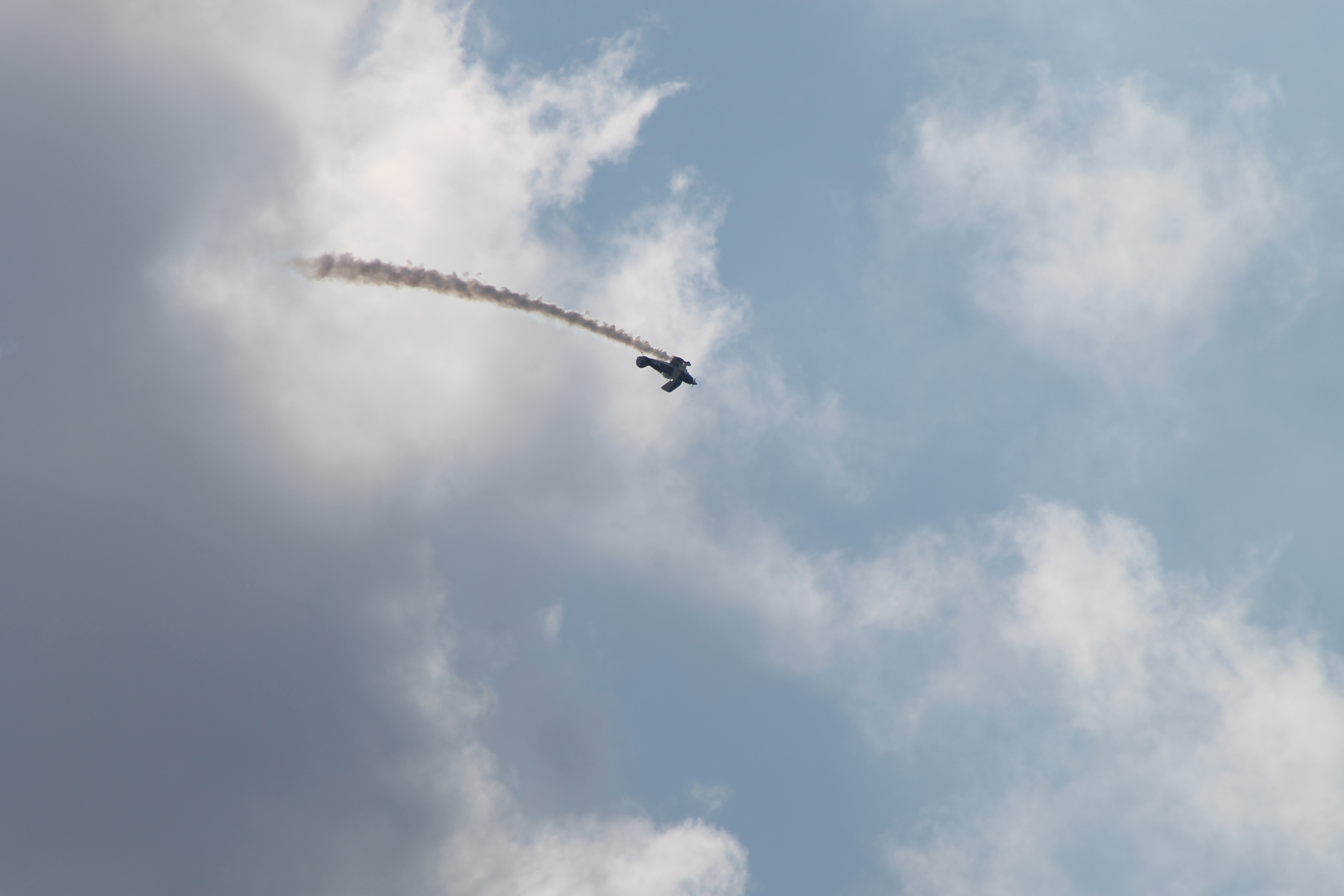
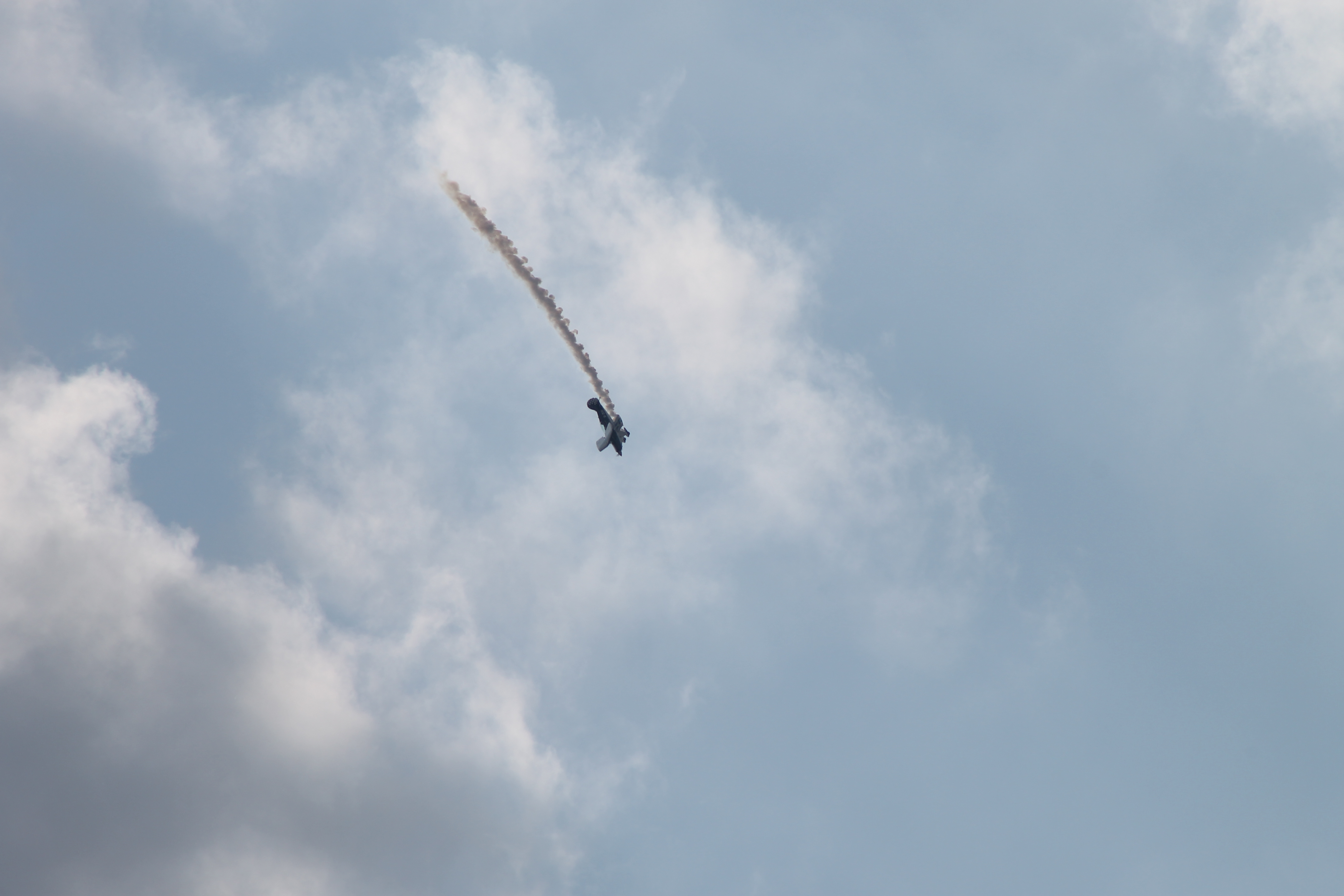
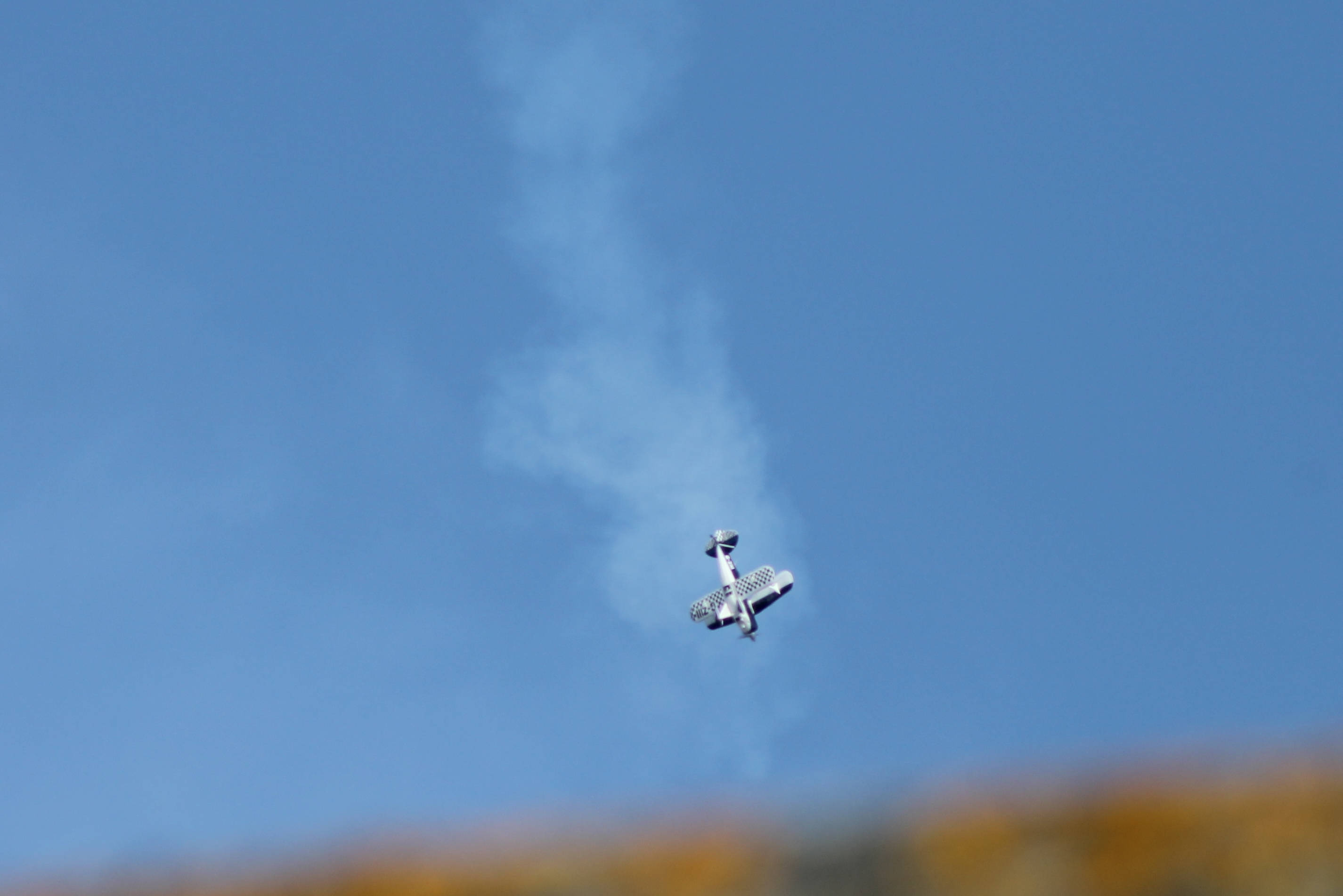
While hanging out the last lot of washing I heard what sounded like an old-fashioned plane approaching. In fact it was two bi-planes. I don’t know if they were just flying for fun or if they were rehearsing for an air show or a World War I commemoration display but they were ace fliers and I enjoyed watching them very much. They weren’t flying original bi-planes but modern equivalents.
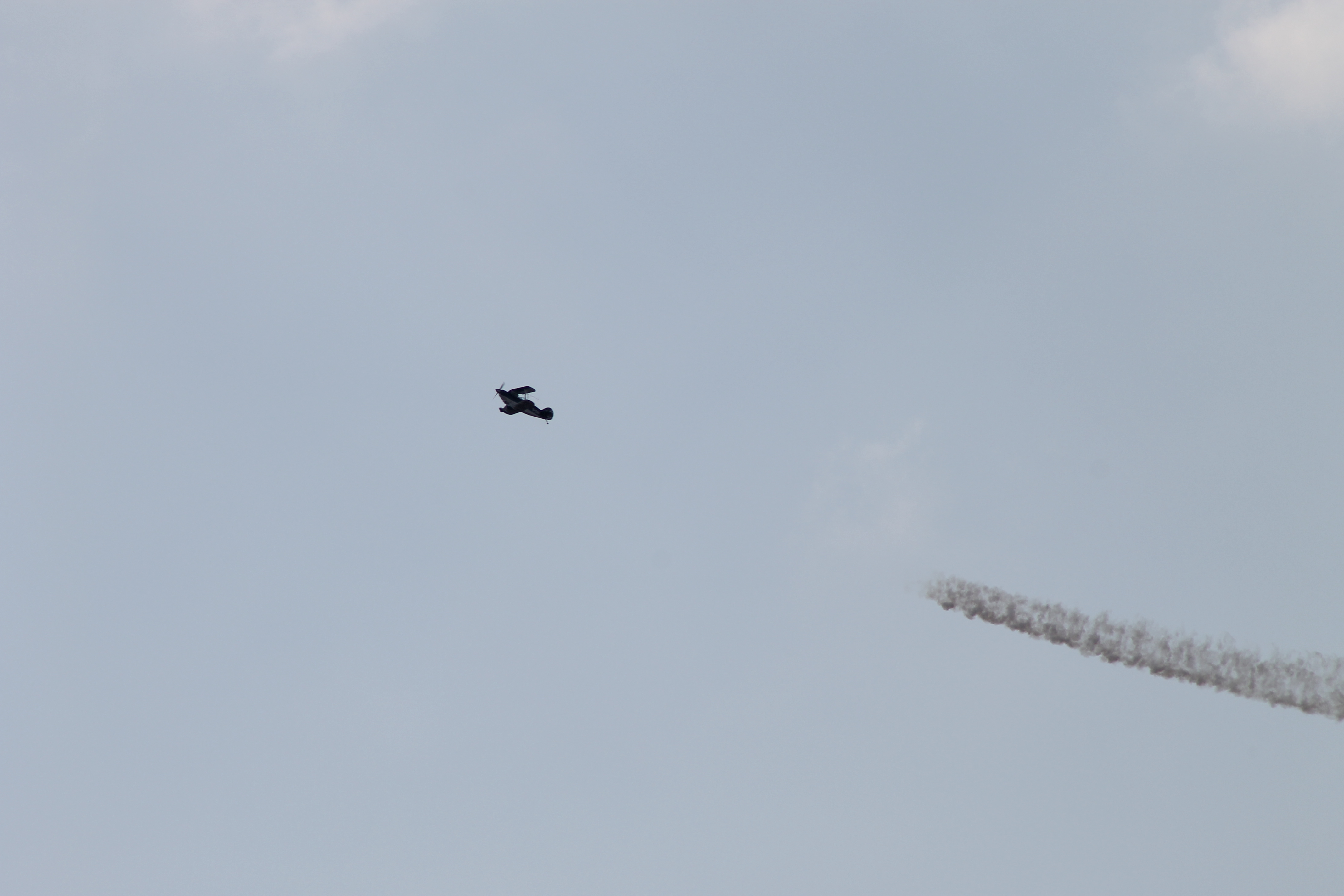
They then started practising loop-the-loops.
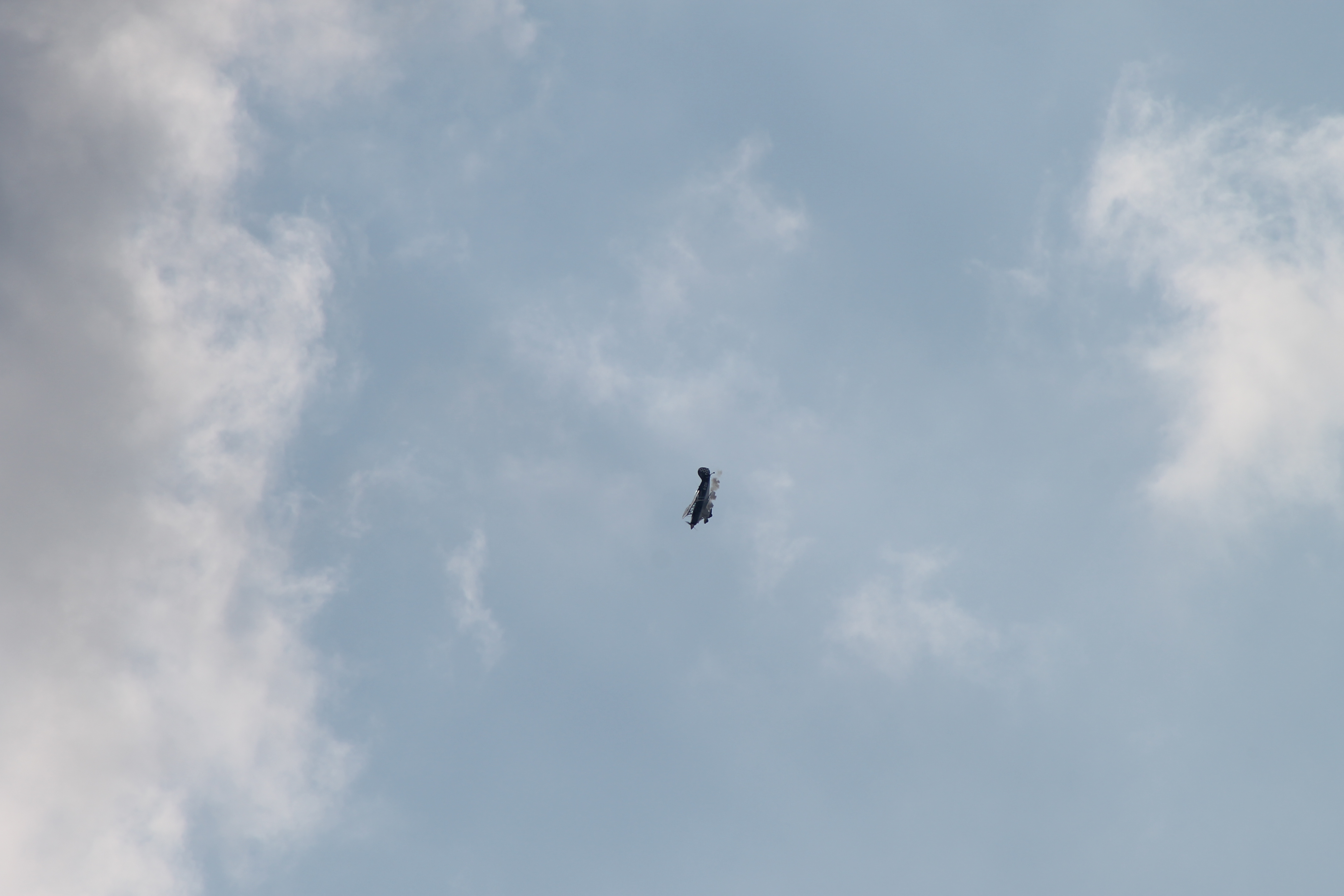
His friend wasn’t going to be outdone and did a few loop-the-loops of his own. I couldn’t see him quite so clearly.
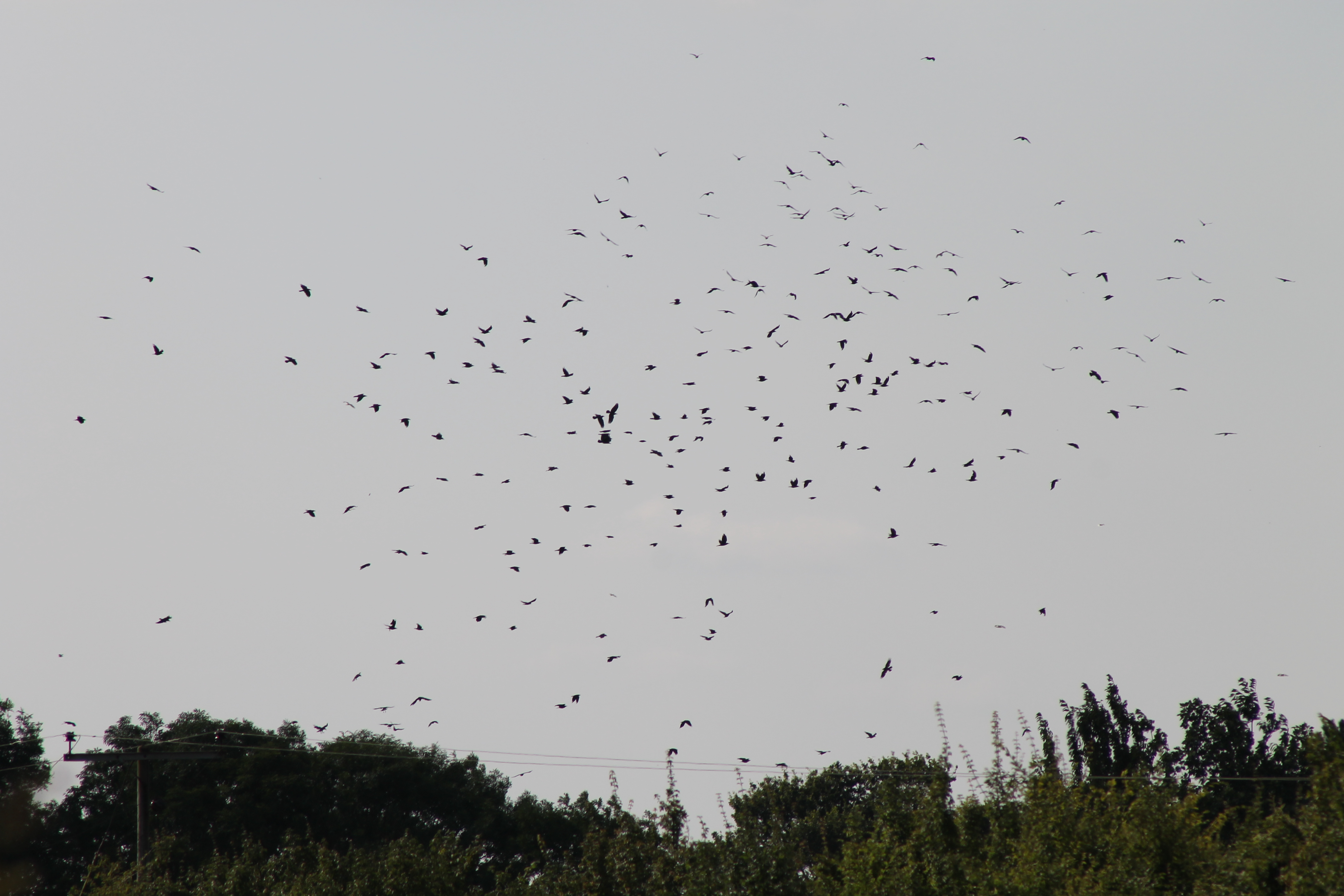
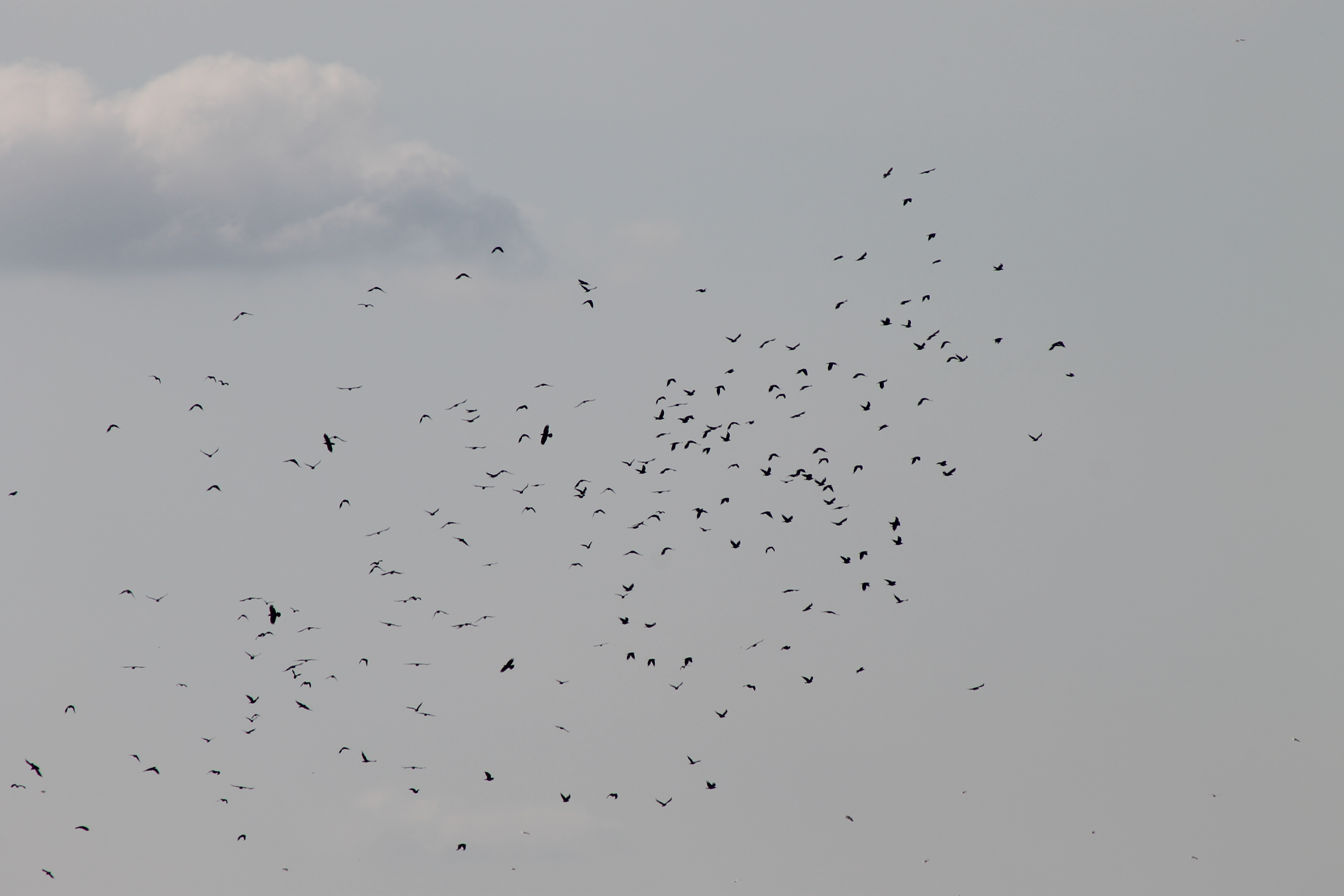
I was really impressed! Strangely, I wasn’t alone in being excited by this display. While all this was going on I became aware of a lot of noise coming from the St Margaret’s rookery. The rooks had all gathered together and suddenly flew up into the sky and performed a display of their own! Normally they only display first thing in the morning and last thing at night just before roosting. They fly up into the sky together, circling round and round and getting higher and higher , calling to each other and chasing and weaving through the melée. Suddenly, of one accord, they plummet down into their roost, reeds, scrubland or the tree canopy. This is what they did on Monday afternoon. They must have thought the planes were strange birds.
I was disappointed not to be able to photo their descent into the tree tops. I find birds constantly amazing!
20 Sun Jul 2014
Posted in churches, Rural Diary, Uncategorized, weather
I have been having such trouble this last week trying to write a post for my blog. I have plenty of photos and I’ve always lots to say as you all know but, either WordPress, or my computer, or both is causing the site to crash. I save my draft and just get to near where I left off and crash! .. it all disappears. R thought at first it was because I use a netbook to post and it doesn’t have a lot of memory space. So, I put all my photos on a memory stick and went upstairs to the old computer in the spare room and tried again and crash! He now thinks that either there is a limit to the amount of photos allowed on each post or a limit on how many gigabytes allowed ( surely not?) or I have included something that has caused problems. As the post I was trying to finish was lots of photos of wildlife in my garden interspersed with my usual waffle I am at a loss as to why. I am leaving the draft post as a draft for the time being and will see if this one causes trouble. If anyone can think why I have had these problems please let me know. I am a bit of a duffer when it comes to computers so words of one syllable, please.
This summer the weather has been quite changeable and in East Anglia where I live we haven’t been as dry as usual. I have my own personal weather gauge and according to that it has been the dampest for many years. My weather gauge is the amount of times I have been able to dry towels outside on the washing line and this year I have only managed it twice. I only ever wash towels on a Monday and I only hang them out during the afternoon but even so, during most summers I am able to dry towels outside almost every week from May until October. I often dry them outside overnight which means they don’t end up like sandpaper.
The weather this week has been hot and humid and we have had a lot of thunder and lightening and very heavy rain. A couple of nights ago the lightning flickered non-stop for an hour and a half. R tells me the weather is the fault of the ‘Spanish Plume’. Because of the noise of the rain drumming on the roof and the whirr of the fans going full blast I thought he said ‘Spanish flu’ and became quite confused for a while. I questioned him saying, ‘Spanish flu?’ and he said ‘Yes’ which made things worse. We eventually understood each other and he explained that it is a weather system – from Spain.
Despite all the dodgy weather we have had a plethora of beautiful sunsets recently so to end this post sooner rather than later and risk a crash again, these are the recent photos I have taken.

Sunset on 28th June
Sunset on 13th July
Sunset on 17th July

The strange object at the top of the photo is a honeysuckle flower which photo-bombed the sunset picture
Sunset on 18th July
Sunset on 19th July
Half way through writing this post R and I had to go off to evensong at Rumburgh church. After the service all the talk was about the amount of rain we have had in the last twenty-four hours and the thunder this afternoon which was a continuous rumble with not a pause. One gentleman said he had two soak-aways in his front garden, neither of which were working. The heavy boulder clay just under the top soil can be a trial sometimes. The Rector was having the same trouble in his garden too. One person was told we had 9ml of rain last night and someone else said we had 17ml of rain this afternoon. In all, about 2″ of rain in a day.
10 Thu Jul 2014
Posted in churches, plants, Rural Diary, trees, Uncategorized
Tags
'The Company', abutilon, architecture, Botanical Gardens, canna, chapels, copper beech, Drama Studio, Ely Cathedral, eringium, George Etherege, HMS Sheffield, Man of Mode, memorial, Mrs Loveit, pavilions, pelargonium, review, Sheffield, Sheffield cathedral, Sheffield Star, Tour de France, water feature, Windy wet weather
We were away from home on holiday from Tuesday 1st July until Wednesday 9th July. As we neared home on Wednesday the weather deteriorated – the sun disappeared, the wind picked up and the temperature dropped. While we had been away the weather at home had been quite warm with a little sun but a lot of cloud according to my mother. I took Mum out shopping yesterday and we were fortunate to be able to do it in the dry. Shortly after getting home at 2.00pm the heavens opened and it rained for hours with some thunder and lightning. I went for my monthly blood test this morning and chatted to my friend who is the phlebotomist at the medical centre. Her daughter and my younger daughter E are the same age and were friends when E was able to go to school. The Sixth Form Centre that Katrina attends was flooded yesterday and the roof was blown off the maths block so Katrina was enjoying a day off school. My friend keeps horses and a tree had blown down in her paddock yesterday too. The weather is quite autumnal at present.
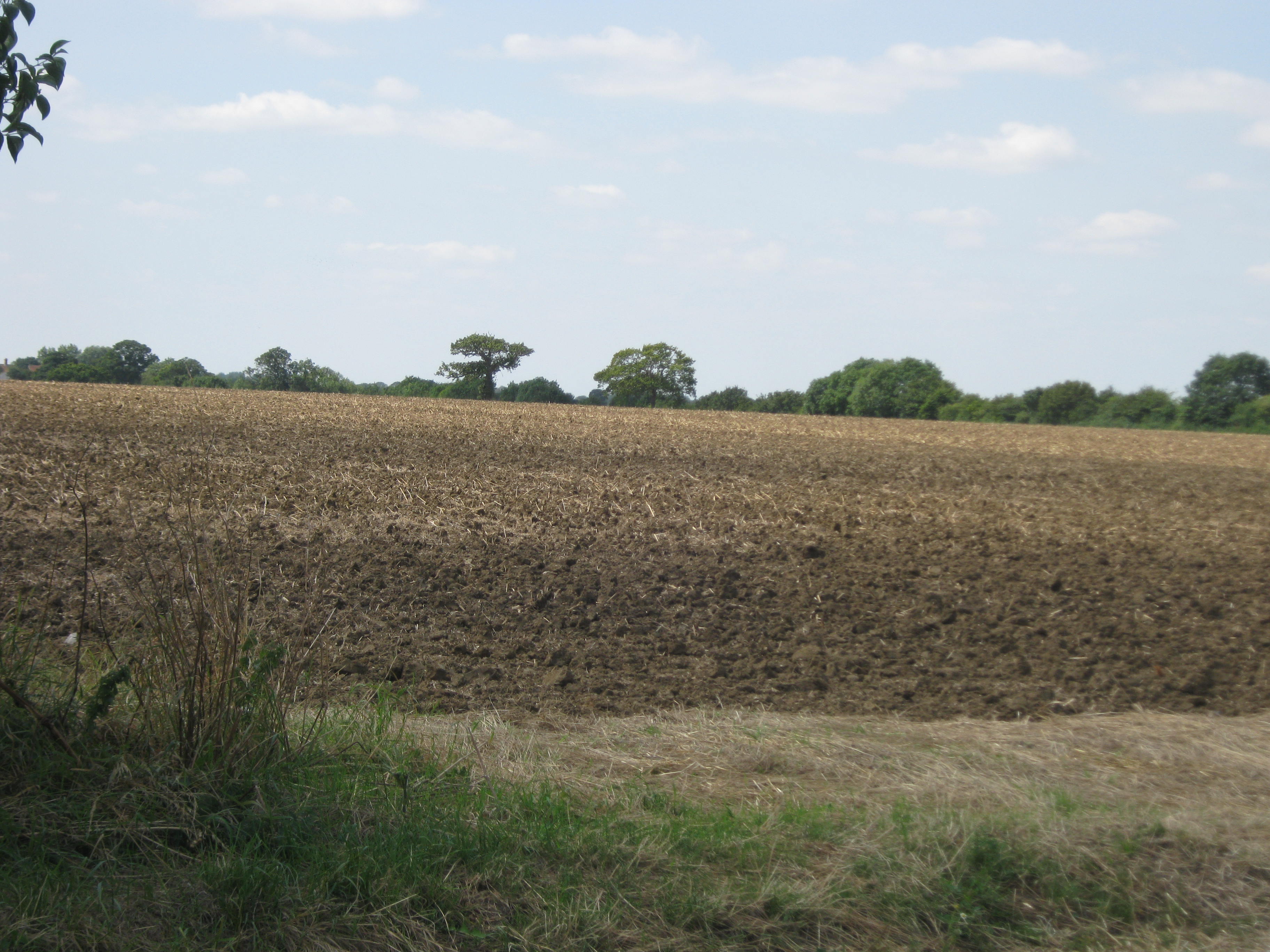
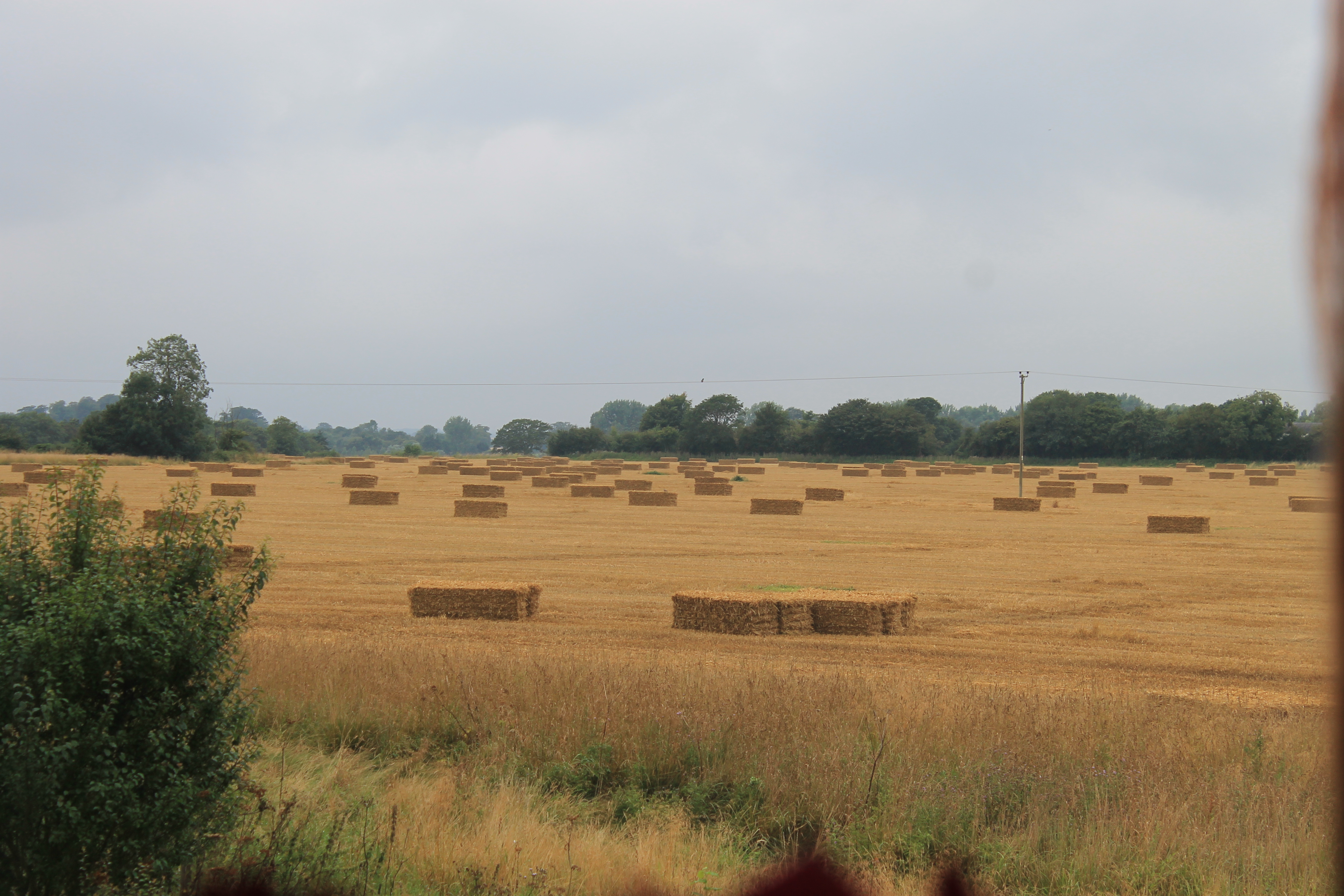
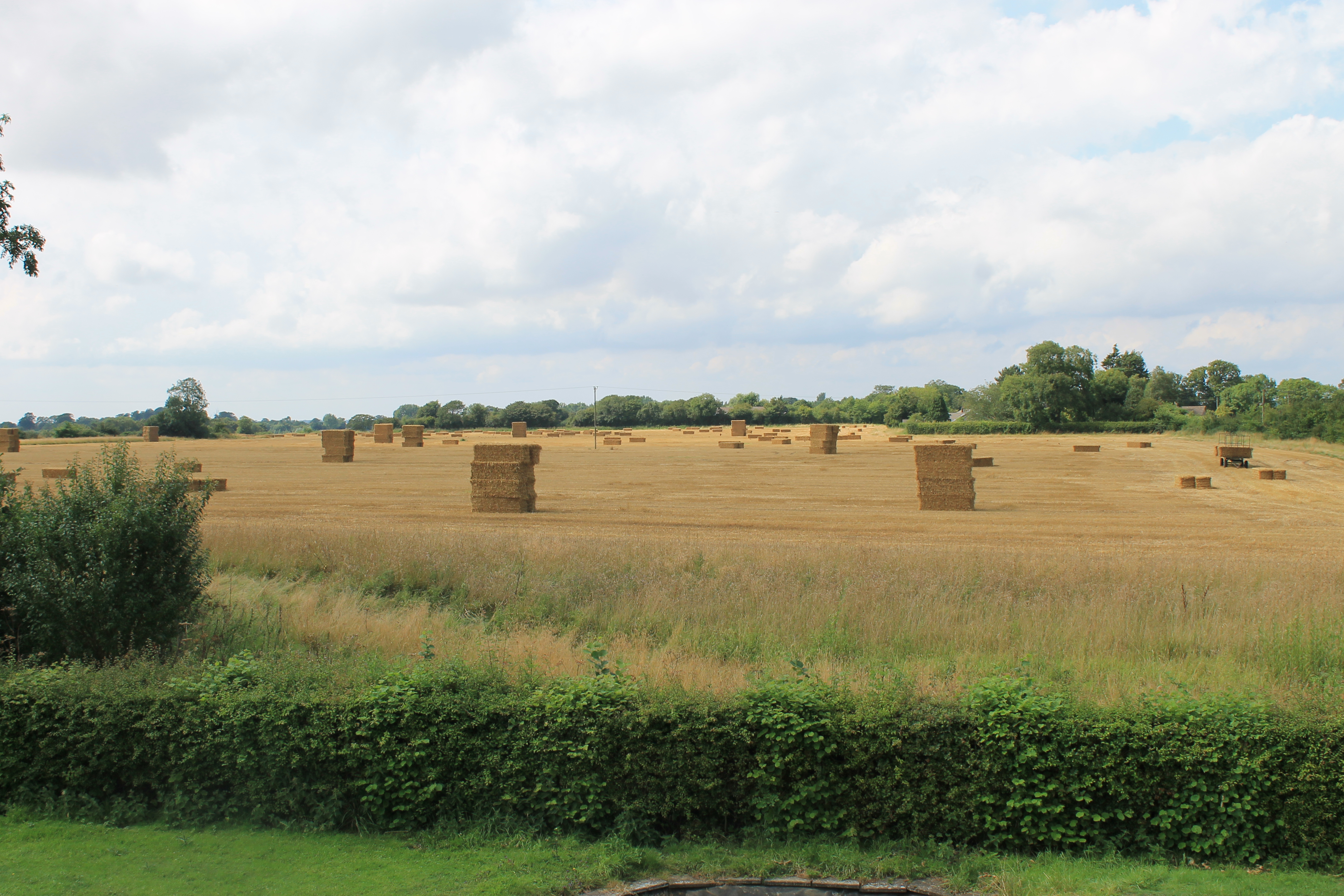
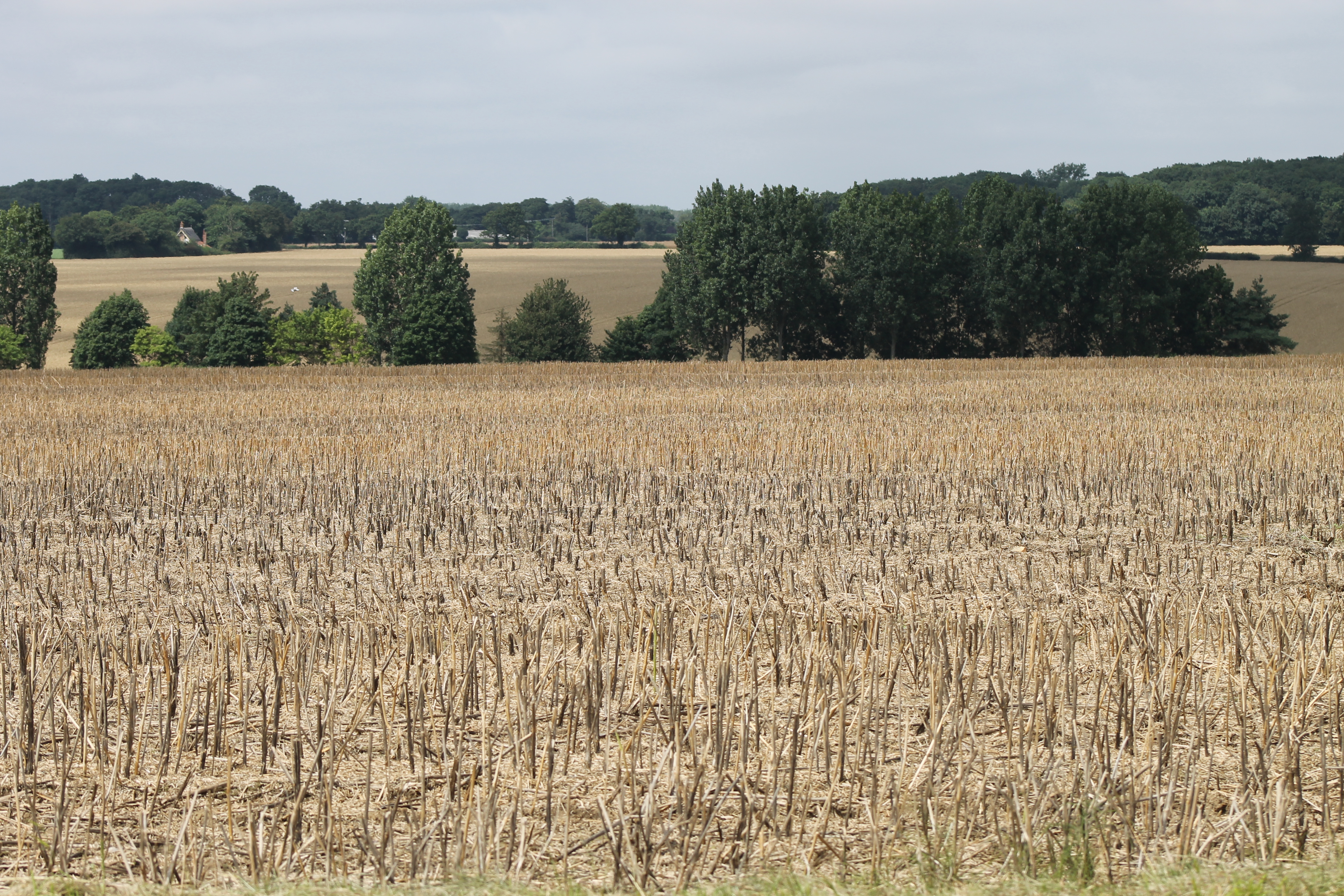
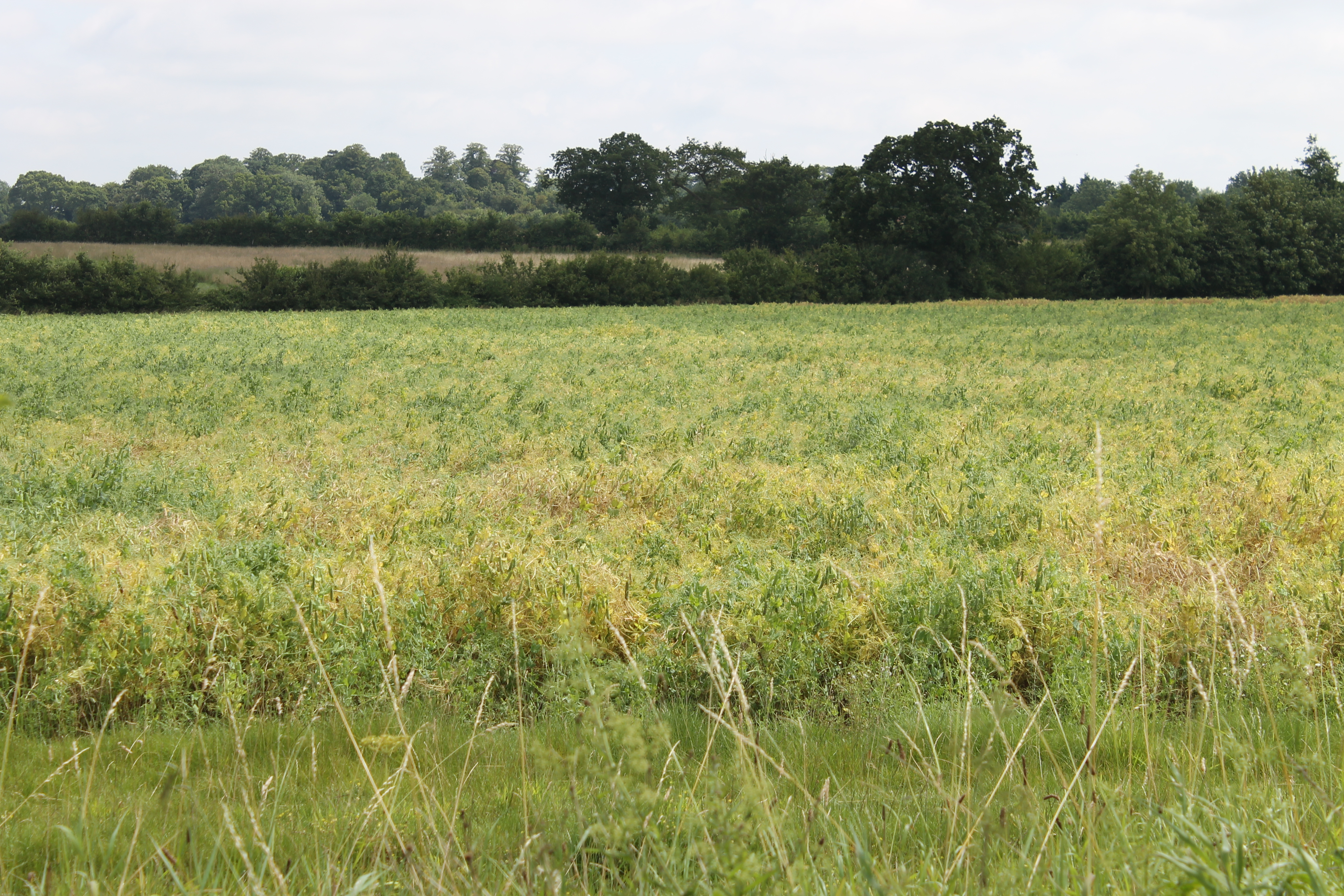
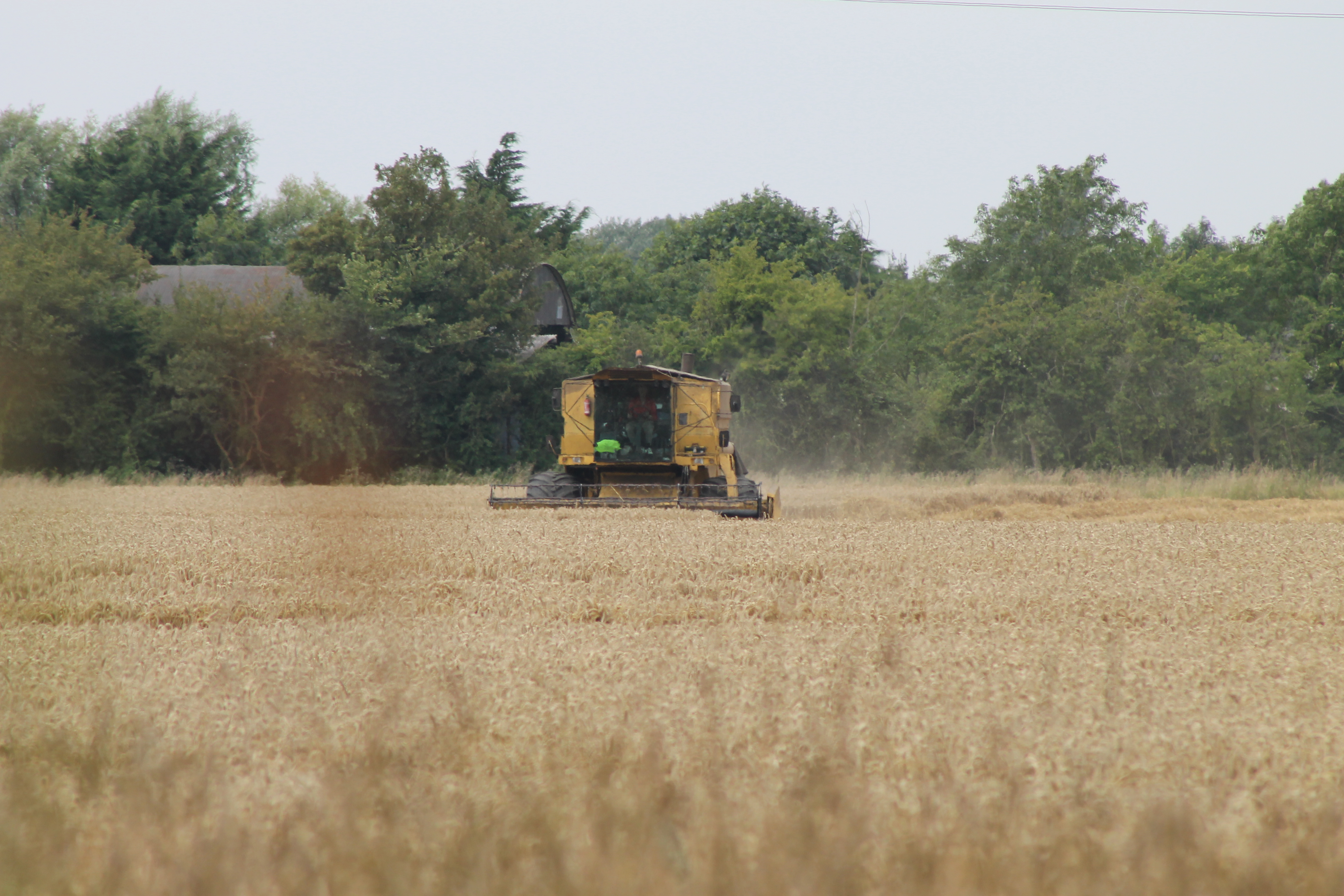
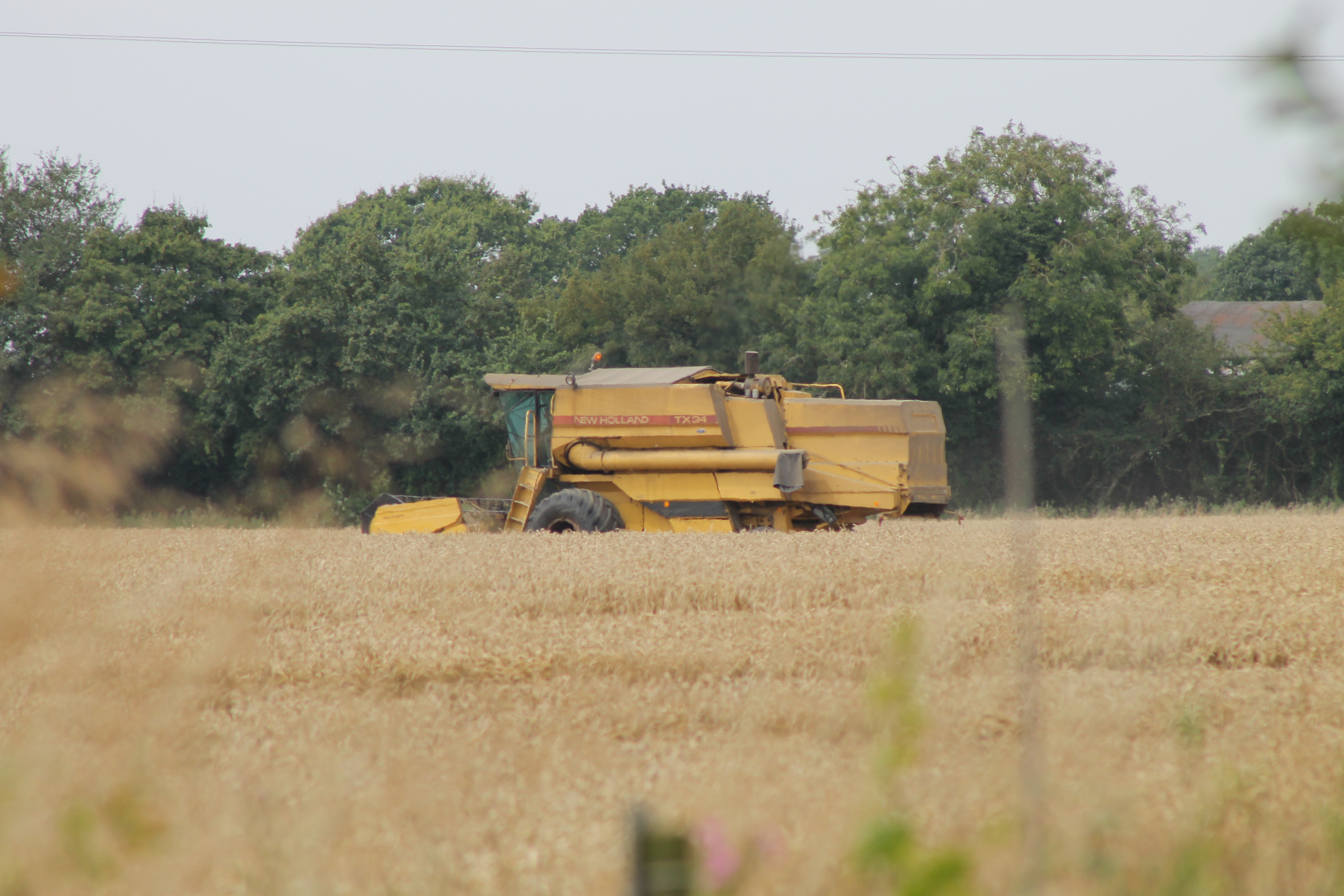
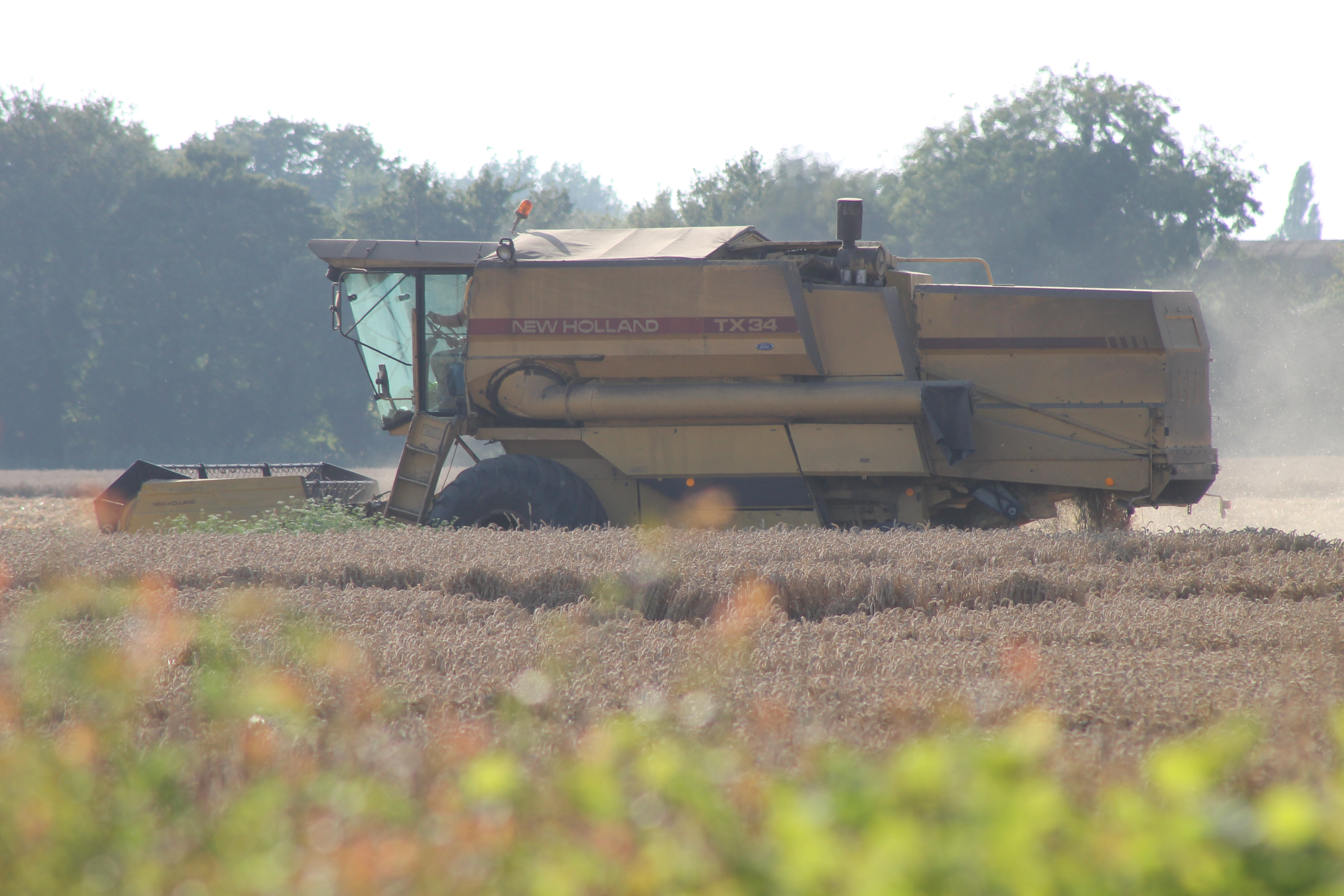
The wind and rain has done considerable damage to the fields of crops in the area. Please note the overwhelming grey sky!
My last post ended with me about to visit my eldest daughter in Sheffield to watch her perform in George Etherege’s play ‘Man of Mode’. The few times I have visited her I have only stayed for one night so this time I booked two nights in a hotel and hoped I would be less rushed and tired and would be able to see more of my daughter and more of the city as well.
The journey was virtually uneventful and there were no delays. The air conditioning wasn’t working on the train and I was amused by a young man becoming hot and somewhat bothered trying to force open a locked window. The conductor eventually wandered through the carriage and asked if we would like the window opened. We were very pleased to see him open it with a key – fresh air is a wonderful thing!
I have had to supplement my photos with some from the internet as not all of mine came out well.
I decided to walk to my hotel in the city centre as it was a fine afternoon and made myself a refreshing cup of tea. After a short rest I went out shopping and bought some food for our early evening meal and took a taxi to A’s house. The taxi driver was friendly and told me all about his daughters and what he planned to have for his evening meal. He was just about to finish work for the day. I had arranged with A that she would be standing at the end of her driveway as I probably wouldn’t recognise her house. I pointed her out to the taxi driver who waved at her. He was surprised that she didn’t wave back but of course I told him she had been brought up well and didn’t wave to strange men in cars.
A made us a cup of tea and then we ate our meal and I enjoyed our chat. I walked with her to the Drama Studio and while she got changed ready for the performance I waited outside for the doors to open. I had plenty of time to re-acquaint myself with the view from the top of the steps.
I had plenty of time to stare at the door too…..
and at some of the carved detail.
I took a photograph of the studios the next day and looking at the resultant picture I see that either I wasn’t standing up straight or the building is leaning backwards.
I think it was me!
The building looks like a former church and from a photograph on display inside, I found that it had been used at one time as a synagogue.
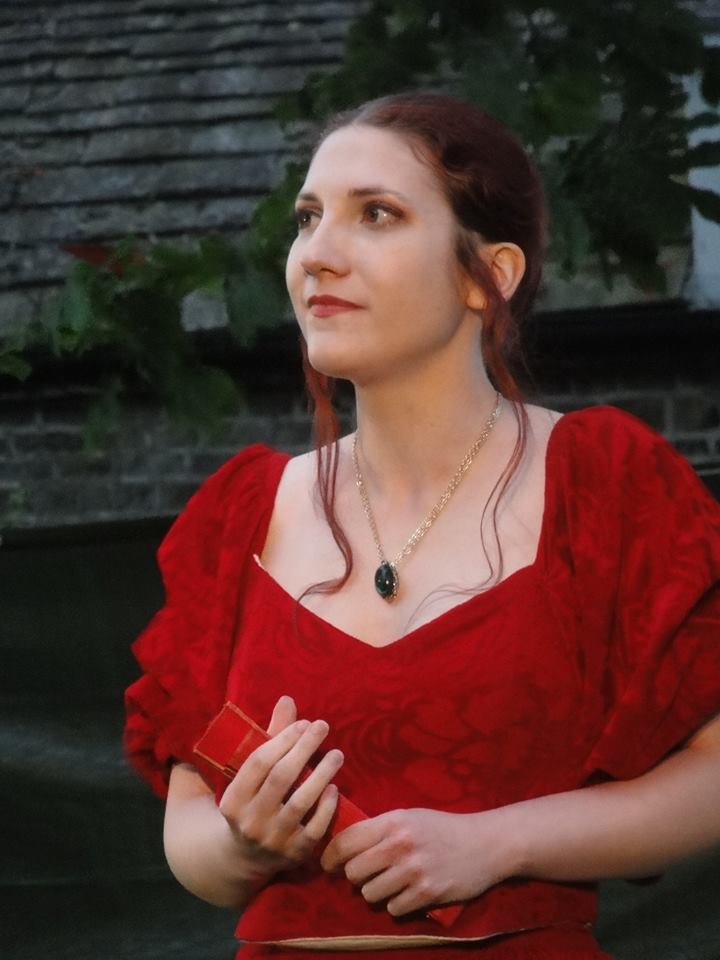
I enjoyed the play immensely and was sorry that there were so few people in the audience. A played the part of Mrs Loveit, a spurned mistress – a jealous, bitter woman out for revenge.
These are photos of A taken by a friend in the dressing room. They do not quite show how beautiful she is or how good she looked in her costume.
I waited for her afterwards and we walked back to my hotel together and had a drink in the bar before she got the bus back to her house.
The next day we met mid-morning and she took me to see the Cathedral.
It was formerly a parish church dedicated to St Peter and St Paul but was made a cathedral one hundred years ago in 1914. There has been a church on the site for a thousand years but the oldest part of the present building dates from 1430. Chapels were added over the years – for example in 1520 the 4th Earl of Shrewsbury built the Shrewsbury Chapel where he and his two wives have their tomb and there is a grand monument to the 6th Earl who was guardian to Mary Queen of Scots when she was imprisoned in Sheffield from 1570-1584.
But by the 19th century it had also become very dilapidated. A diarist of the time said that the church was ‘one of the most gloomy places of worship in the kingdom.’ This is no surprise as Sheffield is also known as ‘Steel City’ and in the 19th century the place was full of steel and iron foundries with furnaces blazing all day and night. The dirt, soot and smoke must have been terrible. The nave had to be demolished and rebuilt, the church was enlarged and the interior was modernised.
This lovely statue is a memorial to commemorate the special relationship between the city of Sheffield and ships of the Royal Navy bearing the city’s name. It was placed in the cathedral on 17th April 2000 by His Royal Highness the Duke of York CVO ADC. It is a tribute to all those who gave their lives in the service of their country. British people remember that HMS Sheffield, a 4,100 tonne destroyer with a crew of 300 on board was hit by an Argentinian Exocet missile on 4th May 1982. Twenty died and twenty-six suffered blast and burn injuries. It was the first ship to be lost in enemy action since the Second World War. Prince Andrew took part in the Falklands War.
The church was made a cathedral when the new diocese of Sheffield was formed. Yet more plans were made to enlarge the cathedral but only some of the building works were carried out. In the early 1960s more extensions were made including the narthex entrance and the west end was extended with a lantern tower. The latter was repaired and new glass put in in 1998-1999. Work is continuing to this day.
After admiring the Cathedral we walked up through the city to the Botanical Gardens This was originally laid out in 1836 in the ‘Gardenesque’ style which featured winding paths and scattered plantings among tree-planted mounds. The Gardens are listed by English Heritage as a Grade II site of special historic and architectural interest. A major restoration programme was completed in 2005.
We wandered about the grounds admiring the plants and sat for a while on a bench. I didn’t manage to take many photos unfortunately as both A and I were bothered by sore feet!
The pavilions contain plants from the temperate regions of the world. They are 90 metres long and contain thousands of panes of hand-blown glass.
We had lunch – a cream tea (scone, jam, clotted cream, cup of tea) in the restaurant and then went our separate ways – A back to her house to do some more writing and me to traipse all the way back to my hotel for another rest and then more shopping for food.
I decided to walk back to A’s house instead of taking the bus or going by taxi but half way there I almost regretted my decision as it was all uphill, quite warm and my shopping was heavy. However, I managed it and felt very pleased with myself once I had got my breath back. We ate together as we had done the day before and again I walked to the Studio with her and waited outside for the doors to open. There was a larger audience this evening and I enjoyed the performance as much as I had done the evening before. I met A after the performance and said good-bye to her there as she was seeing friends after the show. I walked back to my hotel quite exhausted having walked some miles in the past couple of days. It had rained while we had been in the theatre but stayed dry for my walk back to the city centre.
The following morning I returned to the railway station. Sheffield was getting itself ready for the Tour de France with banners and posters everywhere.
The water feature outside the station didn’t look so attractive on a cloudy day.
The train journey home went quite quickly and I enjoyed it more as I had a window seat this time. We passed through lots of showers of rain and I managed to take a photo of Ely Cathedral as we pulled out of the station.
It is easier to see in the winter when the trees are bare!
A told me her play had been reviewed in the Sheffield Star so I looked it up on the internet. A was described as ‘the excellent A S’ – but I could have told them that!
24 Tue Jun 2014
Posted in churches, Insects, music, plants, Rural Diary, Uncategorized
Tags
Aldeburgh Festival, Banded Demoiselle, Black-tailed Skimmer, bouquet, Broad-bodied Chaser, butterflies, damselflies, dentist, dragonflies, Four-spotted Chaser, Greater Bindweed, Hedge Brown, Ian Bostridge, Large Skipper, lavender, moths, Schubert's 'Winterreise', Six-spot Burnet, Small Tortoiseshell, Snape Maltings, Suffolk Punch, The Man of Mode by George Etherege, Thomas Ades, wedding, wedding anniversary
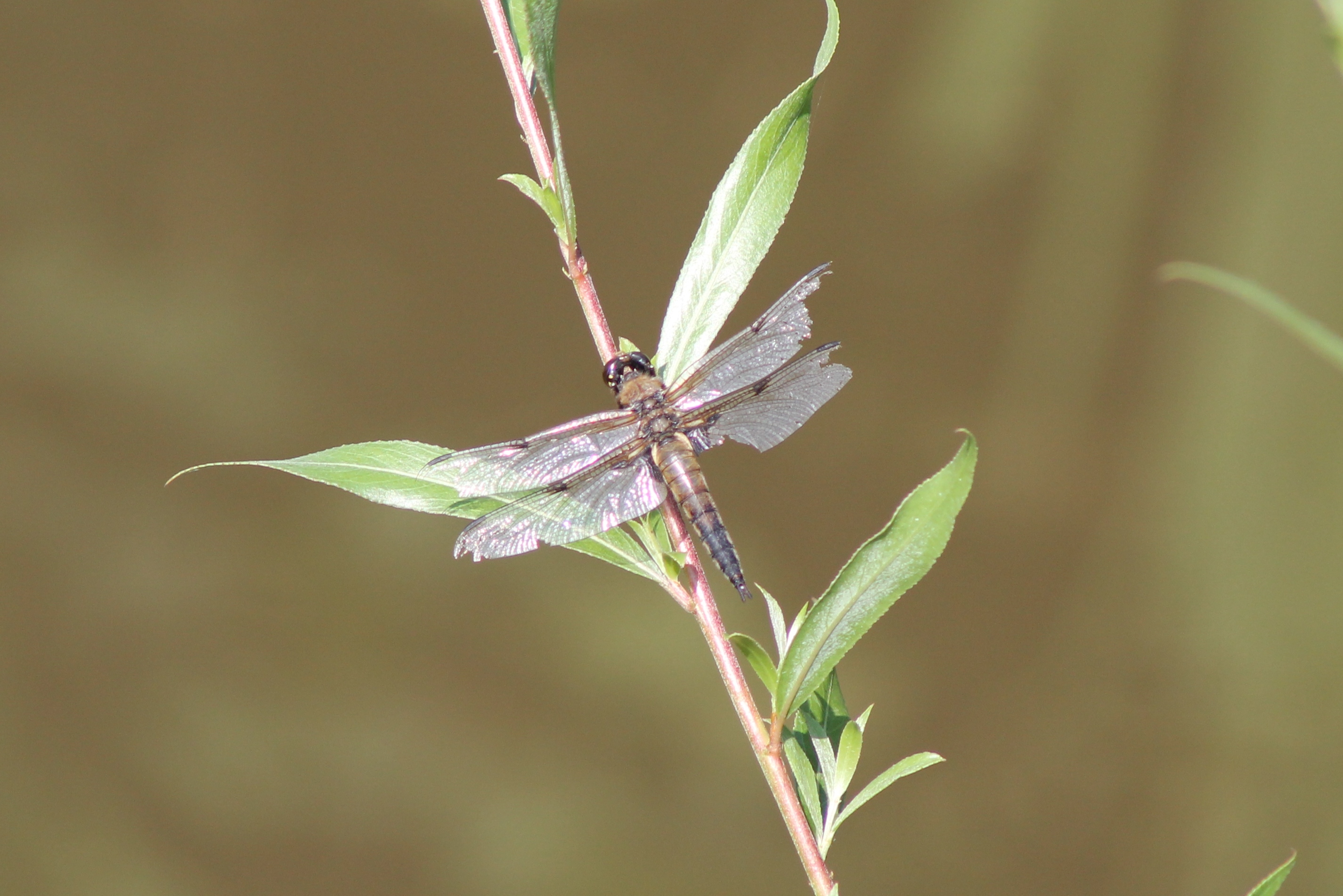
Our garden is full of dragonflies and damselflies.
Most of the UK was basking in warm sunshine last week; Suffolk was one of the areas which wasn’t. We spent most of the time under a thick pall of cloud. There was a strong northerly breeze and some rain, though not much; certainly not enough. The butterflies and dragonflies only flew when a watery sun appeared through a crack in the cloud, which wasn’t often. The highest temperature I recorded was 16 degrees centigrade. The weather started to improve towards the end of the week with the wind changing direction from northerly to a warmer south-westerly. The clouds then began to disperse. The weekend was really quite fine and Monday morning was too. Unfortunately, we had a couple of heavy showers of rain in the afternoon and more of the same overnight. Today started with thick mist and then it wasn’t too bad until this afternoon when we have had torrential rain and thunder storms. At least today we have had a good amount of rain which has freshened things up nicely.
Monday 16th was cool and showery and I had to visit the dentist because of a painful tooth. I had made the appointment a week before when my tooth had been aching for some days. It continued to hurt until a couple of days before the appointment and then suddenly felt better. I thought I’d better keep the appointment just in case there was really a problem. My dentist did her best to find something wrong with my tooth – she x-rayed it and bruised my gum with the x-ray plate. She poked and prodded it very hard a number of times with that sharp spiky thing dentists use. She gripped it very hard between finger and thumb and tried to wriggle it and pull it out. She hit it hard a few times with a blunt metal object but fortunately for me there didn’t appear to be anything wrong. I left the surgery feeling as though someone had punched me in the face.
Tuesday 17th was a much better day – some sunshine and a strong breeze which dried my washing.
Wednesday 18th was another busy shopping day – firstly with Mum who hadn’t been feeling too well and then some shopping for us. I also collected a quantity of medication from the doctors’ surgery. Wednesday was also our 20th wedding anniversary and R was due home from working in Gloucestershire that evening. Quite often he is away from home on our anniversary but this year was nicely different. He brought me home a bouquet of flowers which was very kind and thoughtful of him.
In recent years we haven’t bought each other gifts but have gone somewhere nice together – a stately home, a beautiful garden – or we have bought something we both wanted – a garden bench, a favourite film to watch together. This year R suggested we go out for a meal to the place we went to on our first date. Of course I agreed. We decided not to go out on the anniversary itself as R would have spent some hours driving and would be tired (as he was). We booked a table for Friday evening and invited E to come with us. She is the daughter of our marriage and should therefore be with us to celebrate. She agreed to come too.
Thursday 19th, Corpus Christi, and though there was a service at church at 9.00a.m. I wasn’t able to go as E had an interview that morning at City College Norwich. Surprisingly, E was fairly calm and even managed to eat some breakfast before we set off. I parked in the city centre again and we walked to the college from there as before. By the time we got to the college E was starting to feel very apprehensive and when I left her outside the interview room she was very frightened and extremely pale.
She re-appeared an hour and a half later having had an interview and done a short maths and English test. I was so proud of her and pleased that she had been able to go through with the interview and test.
E has had many problems to deal with in her seventeen years. She has scoliosis (curvature of the spine) and has had problems with her feet. Both of these problems are now well under control but getting help initially was very difficult. E had to contend with a lot of bullying at school too. Always of a nervous disposition and insecure she developed chronic anxiety which brought on panic attacks. She was helped extremely well in her Middle School but when she went up to High School the problem got so bad that eventually she was unable to attend school and wasn’t able to take her GCSE exams last summer. Eventually we found a really good therapist who taught her how to control her anxiety. She still has a long way to go but she has started to make a life for herself. The City College has a course for young people who have had interrupted education and they know exactly how to treat these young people with kindness and understanding. Their dignity is preserved and they are not made to feel guilty or odd. You can understand now why I was so proud of my dear daughter.
R and I spent an hour or so cleaning the church again that evening. There was to be a large wedding there on Saturday and the florist was coming to decorate the church on Friday so we had to do the cleaning first. We decided to buy take-away fish and chips for our evening meal to save having to cook. A real treat!
Friday 20th was a brighter day and got gradually warmer until the afternoon was quite summery. I had a blood test in the morning then did yet more shopping. The afternoon was spent doing housework – very tedious. Our anniversary meal was very pleasant. The inn looks very different from how it was when R and I went there in January 1993. A large dining area with plenty of glass in the roof and large floor to ceiling glass windows has been added on at the back.
Saturday 21st. A lovely summers day at last. We were so pleased for the couple getting married today. I went to collect some supplies from the chemist and R did some gardening – mainly hedge-cutting – and then went off on his bike to perform his Church Warden duties at the wedding. The bride had arrived in an open carriage drawn by two Suffolk Punch horses.
The church had been beautifully decorated with flowers.
Sunday 22nd was another fine day and R and I went to church at St. James’ church. I cooked our main meal as soon as we got home instead of in the evening as we usually do. This was because I was going with my mother to a concert at Snape Maltings in Aldeburgh. The Aldeburgh Festival is taking place at the moment and this year is its 67th since it was started by the composer Benjamin Britten and his partner Peter Pears.
Tickets for concerts at Snape are not that expensive but it is almost impossible to get them. If one has enough money to be able to afford to become a Friend of Snape, and the cheapest annual payment to become a Friend is £300, one can buy tickets earlier by weeks than the hoi-polloi like me. All the best tickets are snapped up very quickly and us poor commoners are left with the crumbs. I have decided to pay £15 a year so that I am e-mailed the programme of concerts. This means I get to see the list of concerts a day before the people who receive the programme by post. £15 for an e-mail!!
The concert that Mum and I attended was very good and I feel very lucky to have been there. Ian Bostridge, tenor, accompanied by Thomas Ades on the piano performed Schubert’s song cycle ‘Winterreise’. We have been to hear both these wonderful musicians before so knew that we were going to have a good concert. I studied ‘Winterreise at school and grew to love it then so was really looking forward to the evening. The concert started at 8.00p.m. and the whole cycle was sung without an interval. We set off for home just after sunset and were home before dark.
Monday23rd was a busy day with lots of washing and shopping.
I took Mum out shopping today instead of on Wednesday as I am going to see A in Sheffield tomorrow and will be staying there for two nights, coming back home on Friday. A is performing in another play and I am looking forward to seeing her in it. I decided it might be nice to stay in Sheffield a little longer than usual as I would like to see the Botanical Garden which A says is very pleasant. I might also do a little shopping! A is still trying to finish her PhD but everything seems to be conspiring against her. She recently had a fall and broke one of her fingers which has not made her PhD typing marathon easy. She is unemployed again and has no income which is very worrying for her. The play she will be performing in is ‘The Man of Mode’, a Restoration comedy written by George Etherege.
As I said at the beginning of this post, the garden is full of dragonflies and damselflies. The garden is also full of Small Tortoiseshell butterflies especially, and a few other butterflies and insects.
I think this is a Large Skipper.
I have included two photos of these butterflies to show the difference between a newly emerged butterfly and one that has been flying for a few days. The second one is so bright!
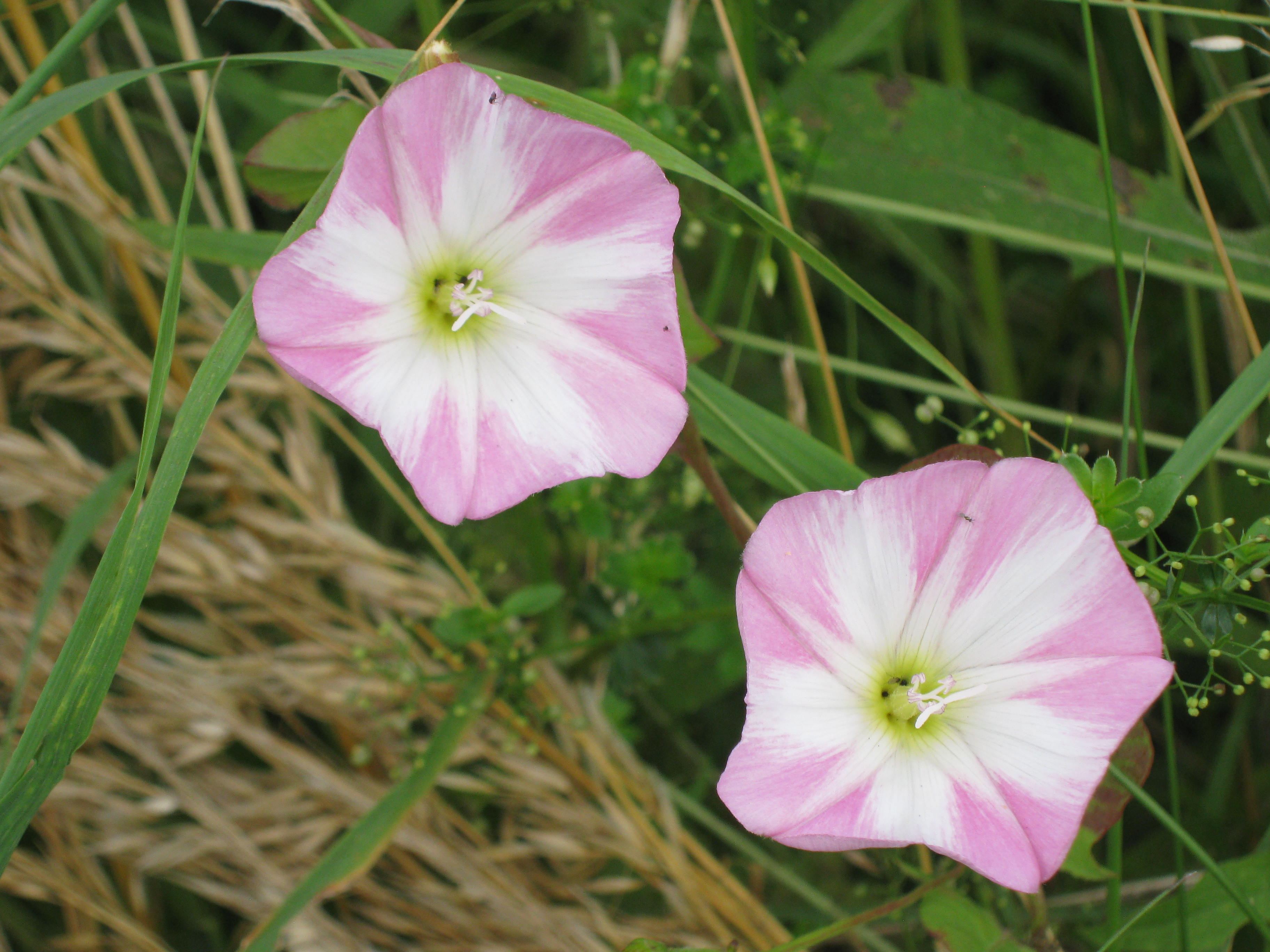
The Greater Bindweed flower is the largest of our native flowers.
The last photos I am including are of Small Tortoiseshells again.
The reason I am including this photo is because…..
….of this!!
Reviews, news, features and all things books for passionate readers
A blog about life in the country in the past and present
Poetry and what-not
Ein Tagebuch unserer Alltagsküche-Leicht zum Nachkochen
Tamara Jare Contemporary Figurative Art – Bold Colors, Resilient Souls
Documenting a Dream
Rambling Journeys in Britain, Countryside Matters and campaigning for the Right to Roam
Here to Entertain, Educate & Inspire!
an ongoing experiment in the dirt, 35 plus years
Celebrating God's creatures, birds and plants...
Writer
Developing a more sustainable lifestyle in SW Wales
Exploring the Lake District and beyond
Wandering trails around the coast of Wales
An English persons experience of living and gardening in Ireland
A Journal Of Everyday Life
Rambling Journeys in Britain with John Bainbridge. Fighting for the Right to Roam. Campaigning to Protect Our Countryside.
Waking the Writer Side...and keeping it "Up!"
Travel, thank you notes and other stories
Music and the Thoughts It Can Inspire
Simply Living Well
Historic watermill in the beautiful Suffolk countryside
Retired, not expired: words from the after(work)life. And music. Lots of music!
#TBGO
Twitter: @frankpleszak @PolishIICorps
Indie Writer and Publisher
Life in a flash - a bi-weekly storytelling blog
Rambling in the British Countryside
thoughts on social realities
Jottings from Skye
embracing my inner homemaker
Just another WordPress.com weblog
Flash Fiction, Book Reviews, Devotionals and other things.
Smile! You’re in Barnier World......
the things that come to hand
Author of "A Past Worth Telling"
Poetry, Other Words, and Cats
A genealogical site devoted to the history of the DeKorn and Zuidweg families of Kalamazoo and the Mulder family of Caledonia