• About my Blog
  • GDPR (General Data Protection Regulations) and This Site
  • My Life in a Suffolk Lane

A Suffolk Lane

~ A diary of my life in rural north Suffolk.

A Suffolk Lane

Tag Archives: Bird’s-foot Trefoil

The Cat and Fiddle

25 Tue Oct 2016

Posted by Clare Pooley in Days out, holidays, plants, Rural Diary, walking, wild flowers

≈ 70 Comments

Tags

Bird's-foot Trefoil, Cat and Fiddle pass, Cat and Fiddle pub, Cladonia pleurota, Common Cottongrass, Common Hawker dragonfly, common knapweed, common ragwort, conifer plantation, Crosswort, Derbyshire Bridge car park, driven grouse shooting, eyebright, Goyt Valley, harebell, Harlequin ladybird, heath bedstraw, heather, Kestrel, Knotted Pearlwort, Lesser Stitchwort, Lousewort, Meadow Crane's-bill, milestone, Mountain Pansy, old coach road, Peak District, River Goyt, Shining Tor, Sneezewort, tormentil, Upright Hedge Parsley, walking, yarrow

On the third day of our stay in the Peak District we decided on a slightly longer walk than usual and took a picnic with us.  We drove towards Buxton but just before entering the town we took the A54 road off to the right and then a minor road off that road and parked the car in the Derbyshire Bridge car park.  This is a pleasant spot and is used as a picnic area.
p1010128ladybird

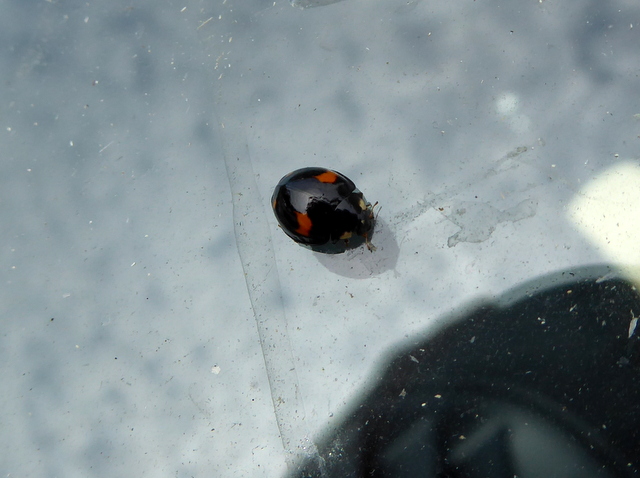
A ladybird on our rather dusty windscreen
p1010129ladybird-larva

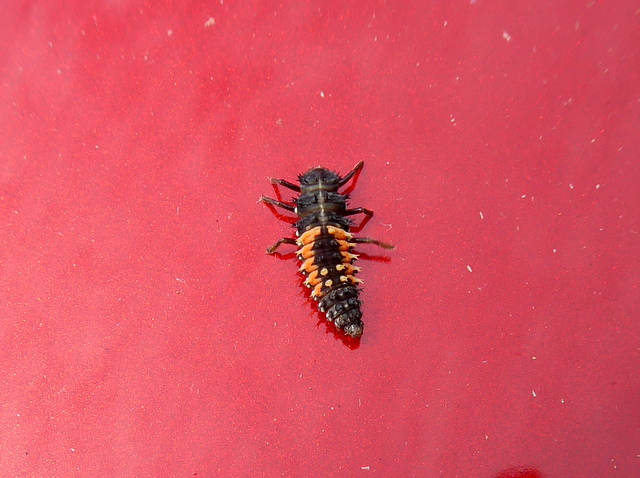
A Ladybird larva on the car.

Unfortunately, both ladybird and larva are Harlequin Ladybirds which have now outstayed their welcome in this country.  I wish that those in authority were more wary about using introduced insects to control other insects.

We were delayed at the beginning of our walk by the car beeping an alarm whenever we tried locking the doors.  After disturbing a couple who were having a picnic with their little grandson we decided that we ought to look at the car’s manual.  We found that the car was telling us that we were locking the spare key inside the car and that it would rather we didn’t.  I took the key out of my handbag which I had left in the boot and we were then able to start our walk.
p1010132infant-r-goyt

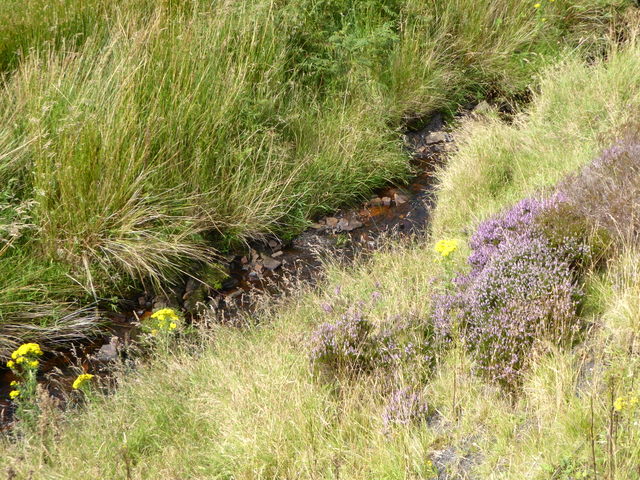
The first part of the walk was along a path beside the infant River Goyt.
p1010133dragonfly

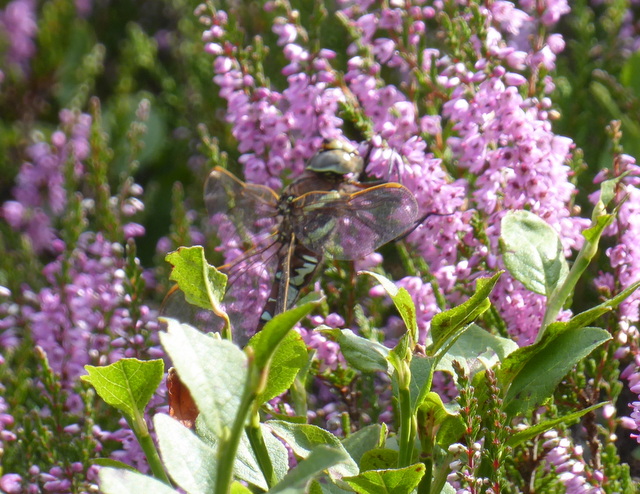
I saw this Common Hawker dragonfly (Aeshna juncea). It was typically wary and didn’t settle where I could get a good photo of it.  Only its head and wings and a little part of its thorax/abdomen can be seen here.
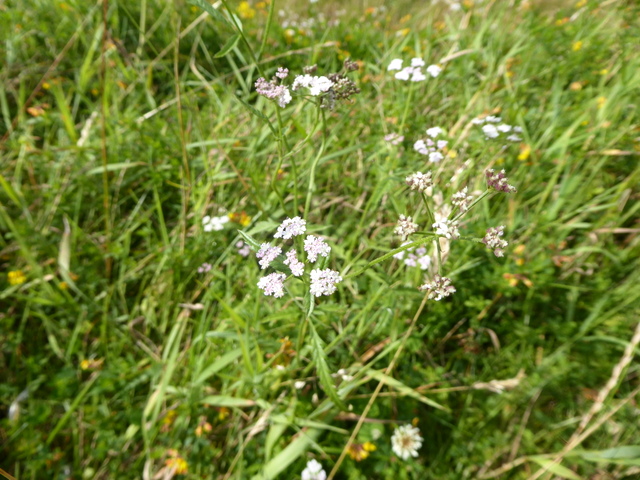
p1010134flower

Upright Hedge Parsley (Torilis japonica)
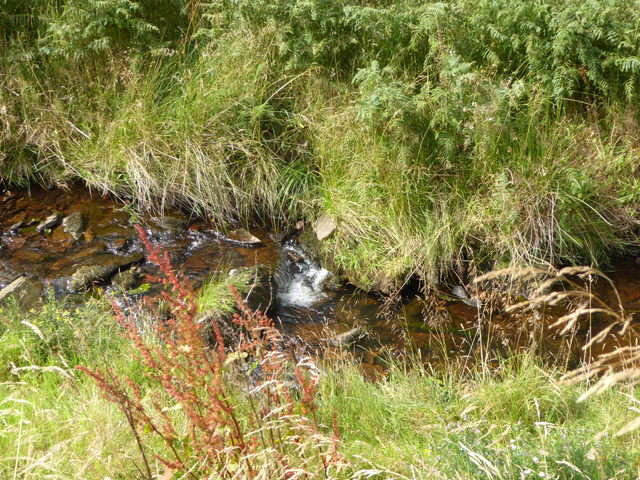
p1010137river

The Goyt was running along merrily

p1010138flowers

Lesser Stitchwort (Stellaria graminea)
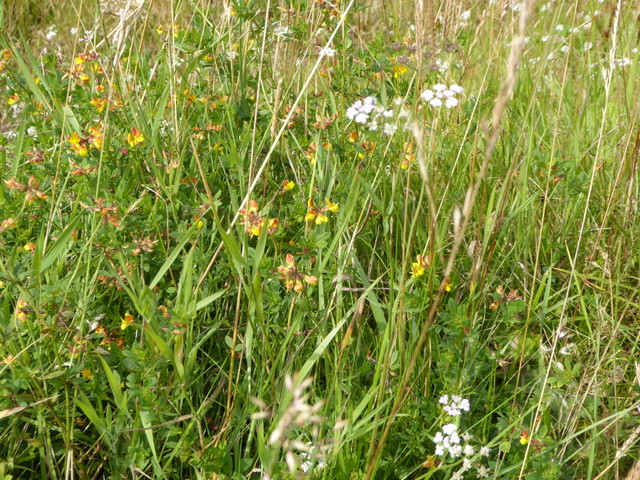
p1010135flowers

Bird’s-foot Trefoil (Lotus corniculatus) and Upright Hedge Parsley
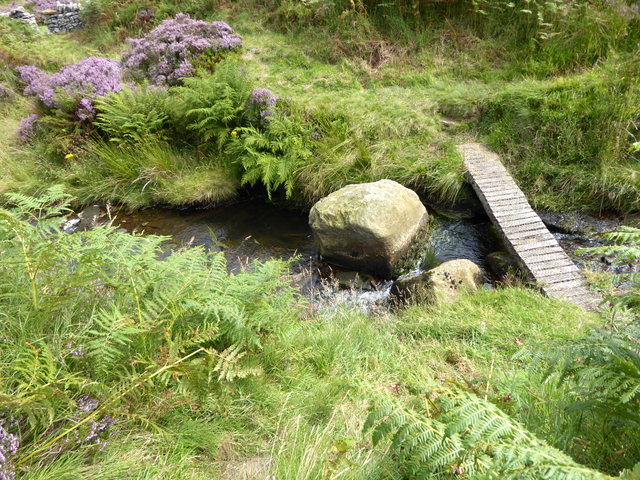
p1010140river

A bridge across the water

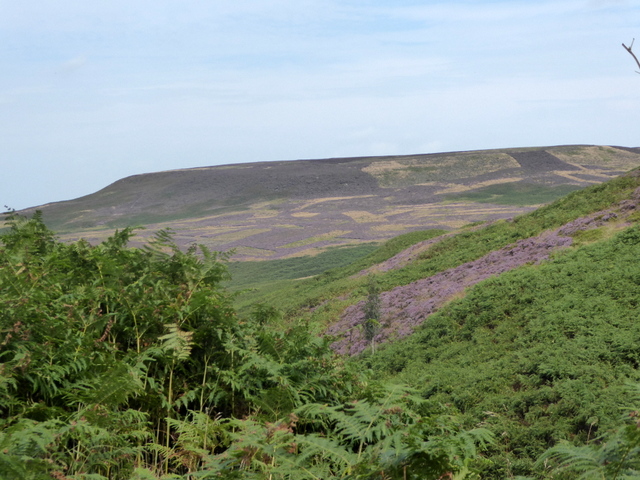
p1010142view

A view of the surrounding moorland

This is a typical sight in moorland where driven grouse shooting takes place.  The patches on the hillside show where the heather has been burned to promote new growth shoots for the grouse to feed on.   I have recently signed a petition to have this sport banned as I think that instead of conserving wildlife these estates try to eradicate any creatures that may be a threat to their grouse.  All raptors, including the scarce Hen Harrier and Golden Eagles are considered a threat and are regularly shot or poisoned illegally by some, not all, gamekeepers employed on some of these estates.  In Scotland hundreds of thousands of Mountain Hare are culled every year.  I’ve signed another petition about this too!  I feel very strongly about this as you no doubt have realised.
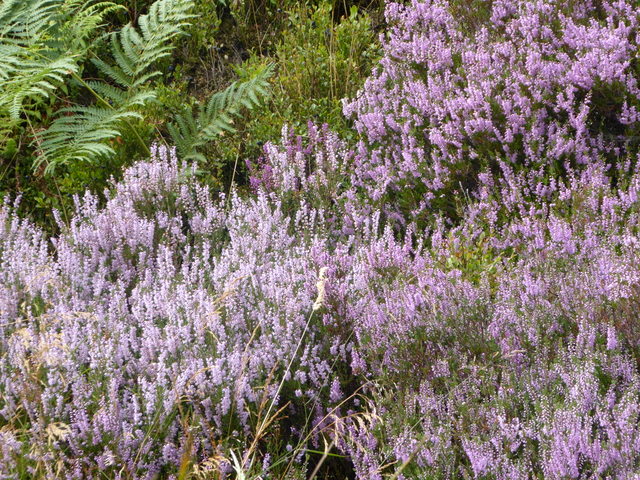
p1010143heather

The Heather (Calluna vulgaris) was in full bloom

p1010145path

The path across the moor

At this point we turned onto another path which rose up towards a plantation.  We entered the forest through a gate.
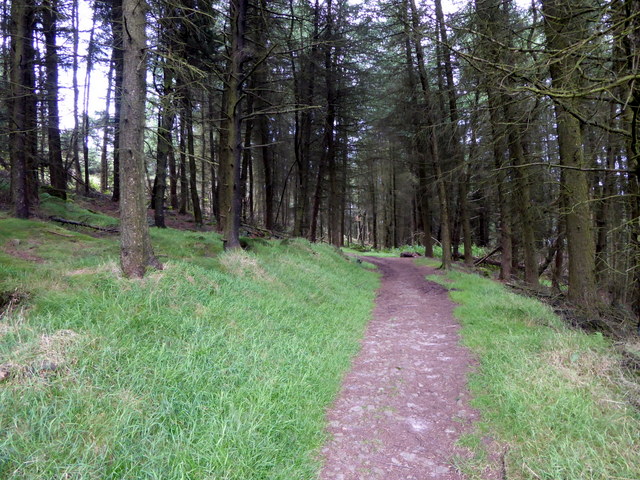
p1010146path

The forest path

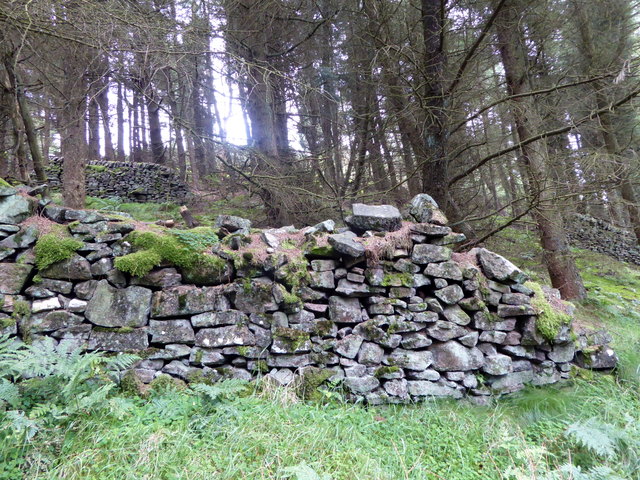
p1010147wall

Inside the forest were walls and the remains of buildings

This reminded me of the stone walls that Allen from New Hampshire Garden Solutions  finds in his local forest.  In this case the land that was originally farmed for sheep was subsequently acquired by a company or organisation that planted conifers but didn’t bother dismantling the walls.
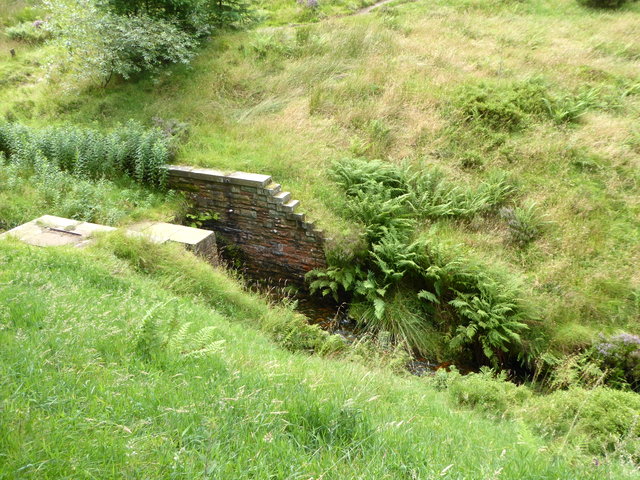
p1010150weir

A weir we found halfway through the plantation
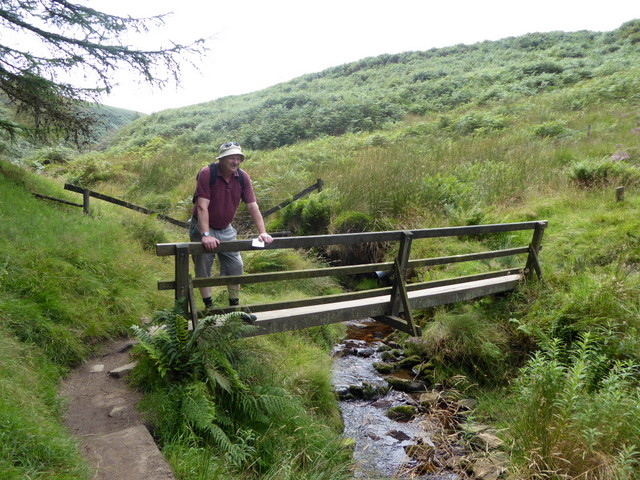
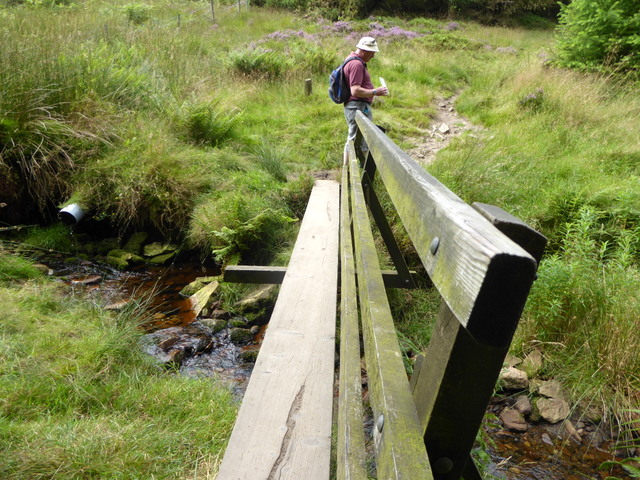
p1010151bridge

Richard on the bridge over the river

p1010152bridge

The simple bridge

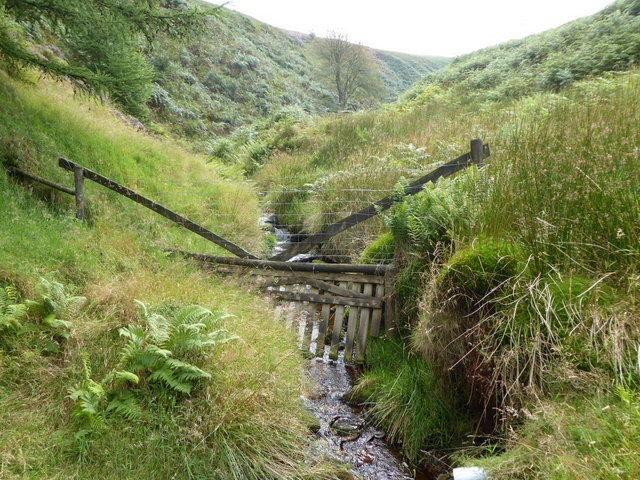
p1010153river

The barrier just up-stream from the bridge and weir
p1010155flower

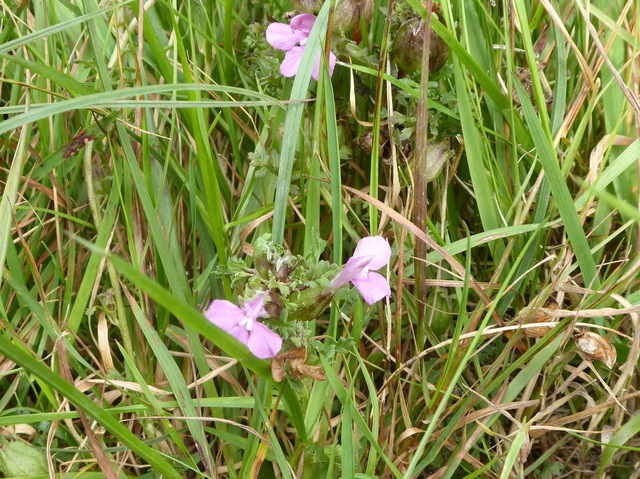
Lousewort (Pedicularis sylvatica)

This was a flower I had never seen before.  It is very small and the leaves are tiny!  It is semi-parasitic on other plants’ roots.
p1010156view

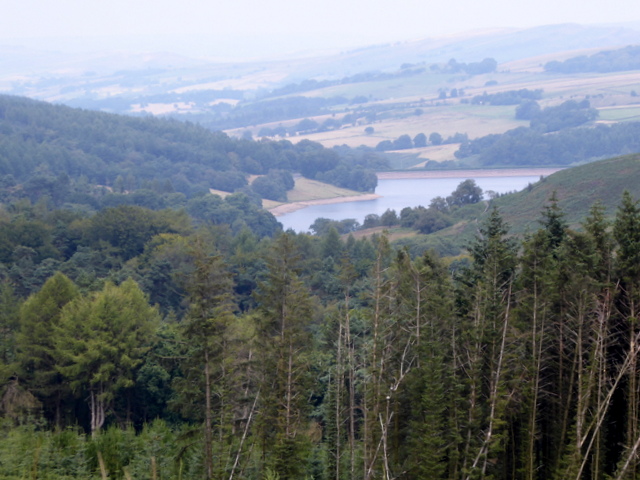
We could see one of the local reservoirs from the path that went up by the side of the plantation.
p1010157path

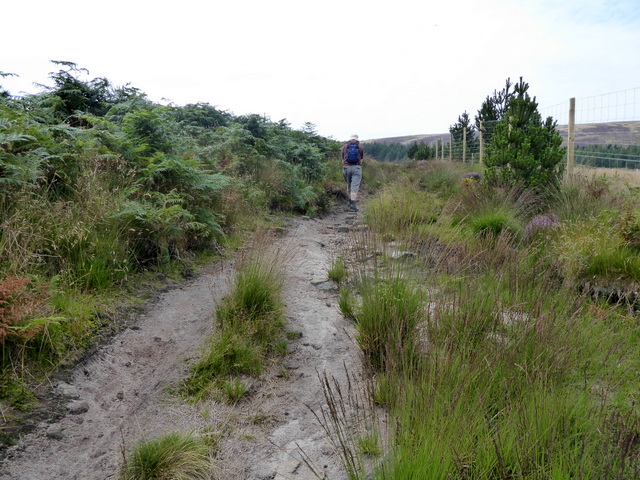
Our path….

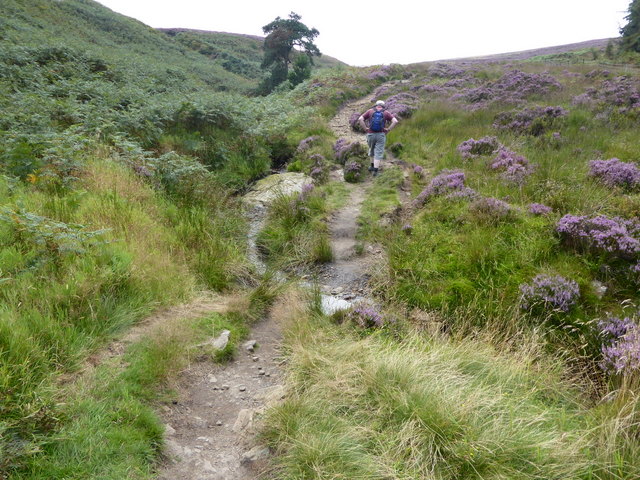
p1010158path

…. got rougher and steeper

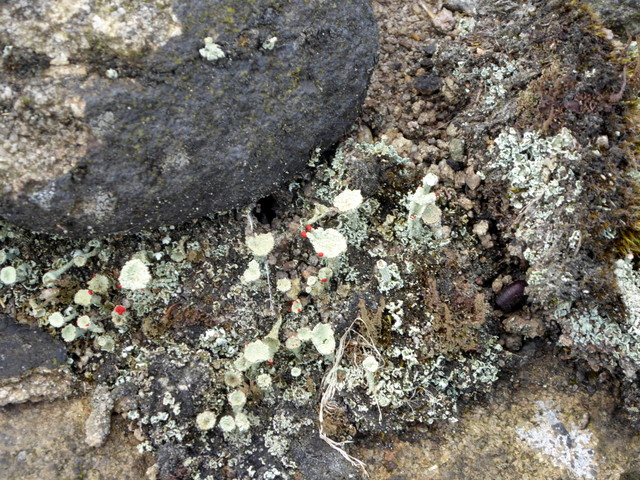
p1010161lichen

I think this lichen may be Cladonia pleurota
p1010163plant

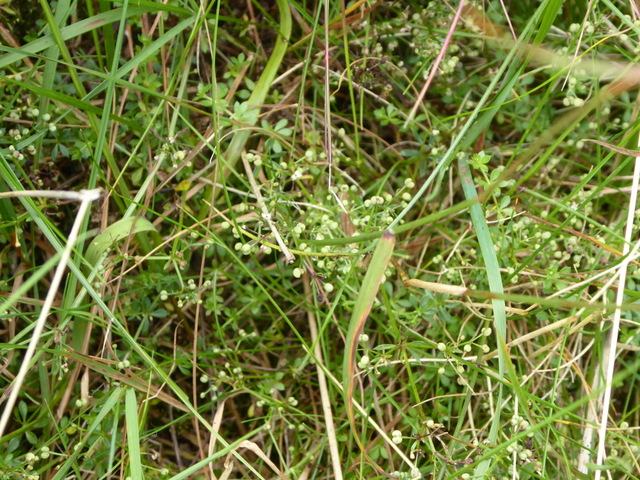
Heath Bedstraw (Galium saxatile)

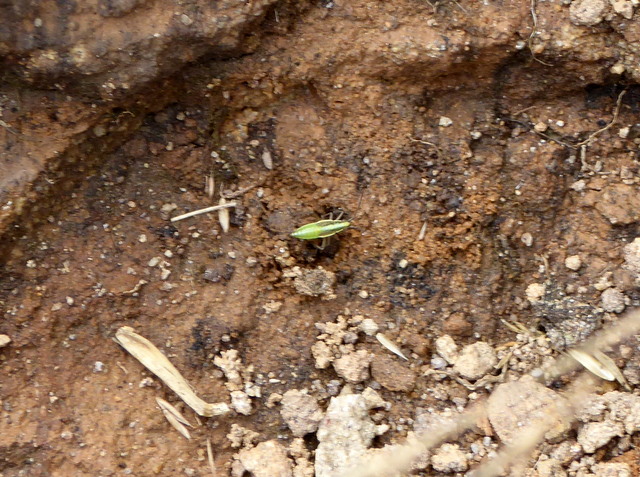
p1010164insect

I cannot identify this tiny bug. It marched purposefully across this rather bleak landscape.

The three photos above were taken while we rested and ate our lunch.  This last part of the walk I found exhausting as it was a continuous uphill climb and on very uneven and rough paths with large, loose rocks to walk over.
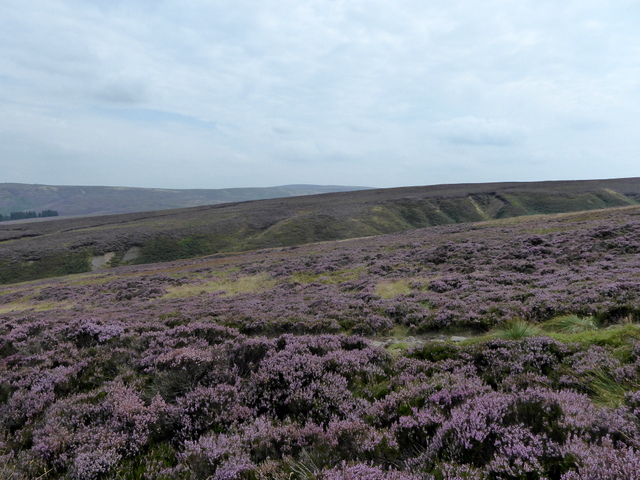
p1010166view

This is the view I saw when I looked up from my seat on a rock

The weather was cloudier and cooler than earlier in the week.  We were glad of this!
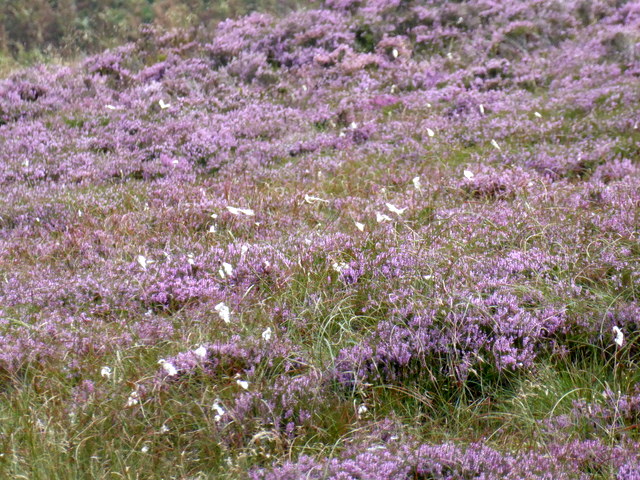
p1010167cotton-grass

There was still plenty of late Common Cottongrass (Eriophorum angustifolium) in amongst the Heather
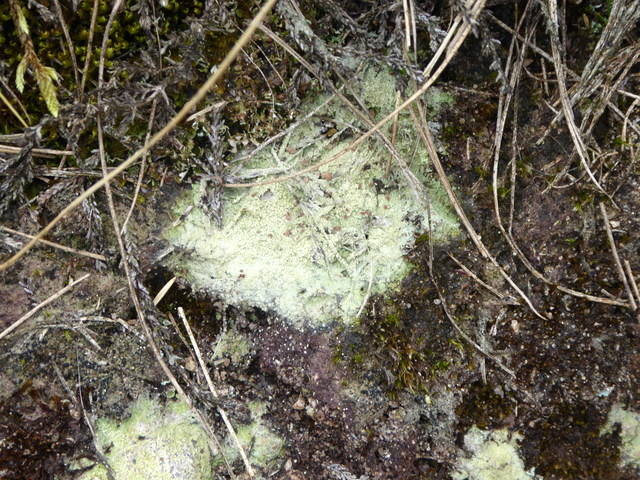
p1010168lichen/slime mould

This might be a slime mould but I am not sure!

View from the path
View from the path
View from the path
View from the path
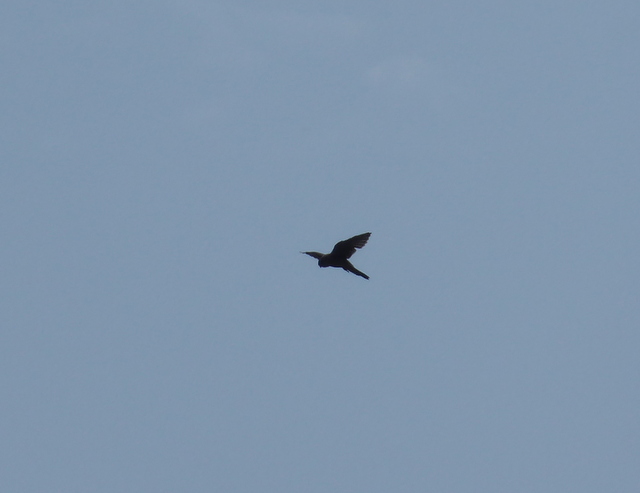
p1010171kestrel

A Kestrel (Falco tinnunculus) hovering high up in the sky
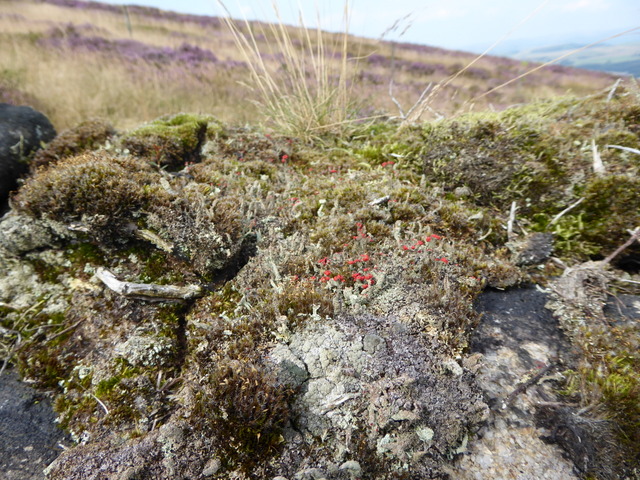
p1010172lichen

A veritable garden of lichen and moss on top of a stone wall.  It’s a pity the photo isn’t any clearer.

Shining Tor from a distance
Shining Tor close up

We had thought we might go up Shining Tor but we changed our minds when we had got to the top of the stony path.  We were too tired.  Why is it called ‘Shining Tor’?  I don’t know.
p1010176view

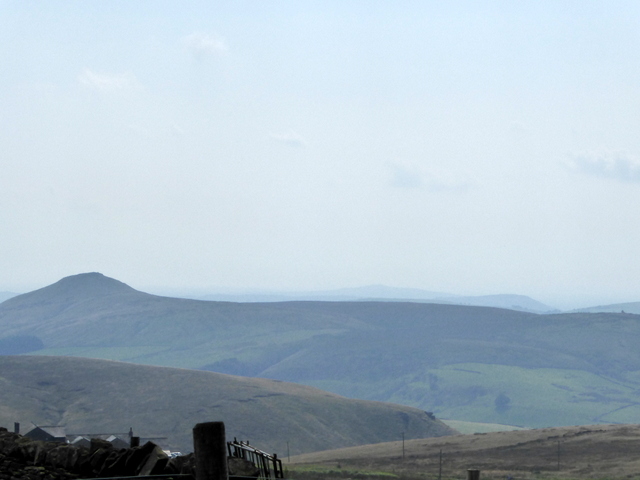
This is another view from where we were standing.

The visibility wasn’t great and the distant hills were lost in haze but the sky above us was clear and blue now.  We began to descend towards the Cat and Fiddle pass (I expect you were wondering why this post was called Cat and Fiddle) and the Cat and Fiddle pub.
p1010177pansy

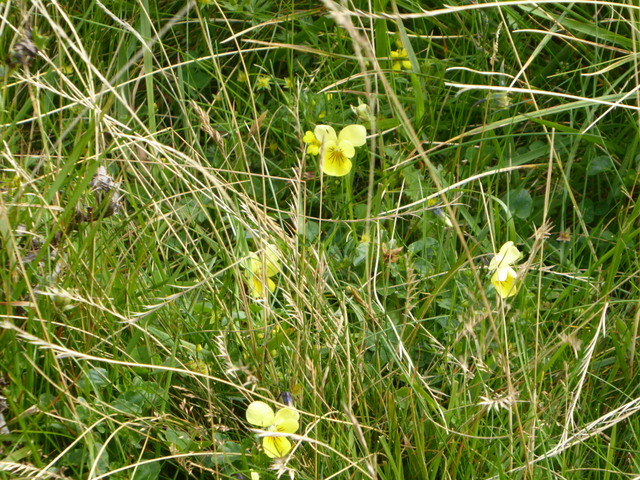
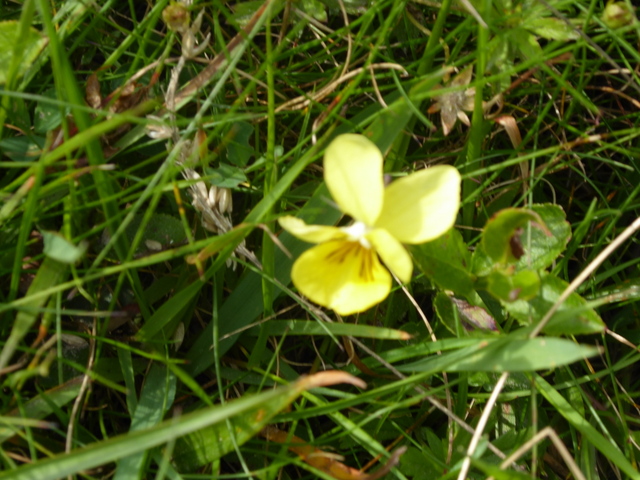
An out of focus photo of a wild pansy growing next to the path. I think it may be a Mountain Pansy (Viola lutea)
p1010178pansy

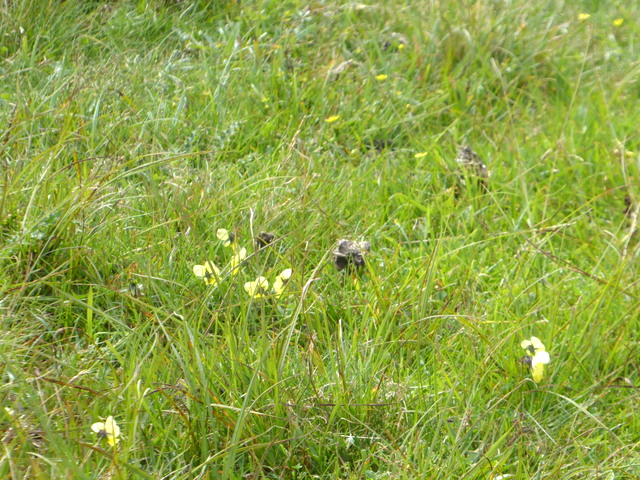
More pansies

p1010179pansies

and even more pansies!

p1010180pansies

Just one more!

p1010181view

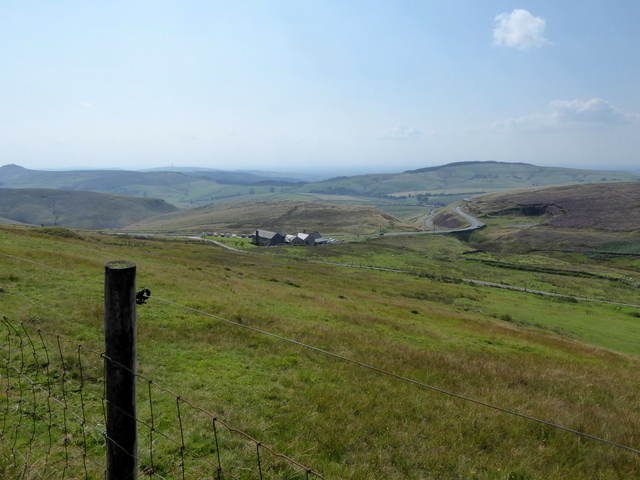
I eventually looked up and noticed the view. The road you see in the middle distance is the Cat and Fiddle Pass.

Harebells ( Campanula rotundifolia)
Tormentil (Potentilla erecta)
p1010184cat-and-fiddle

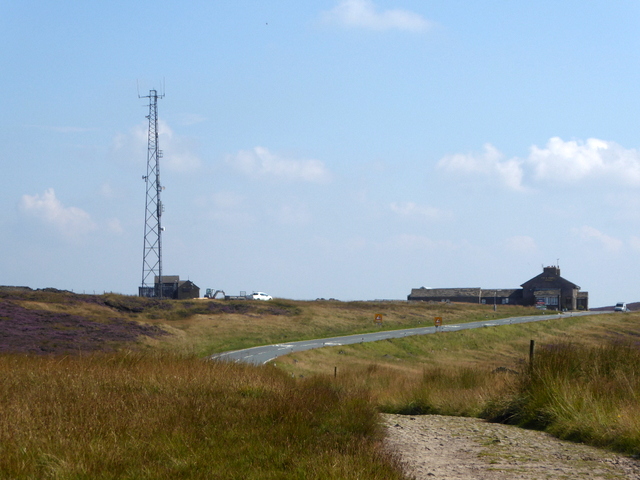
The Cat and Fiddle pub (on the right of the photo)
p1010185cotton-grass

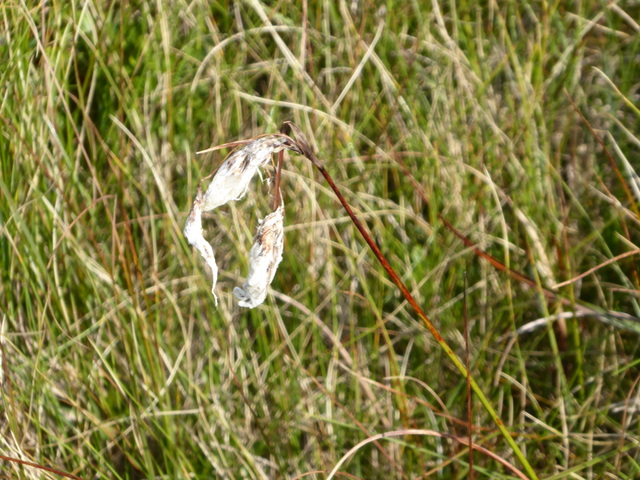
I saw more Cottongrass next to the path but this was definitely past its best!
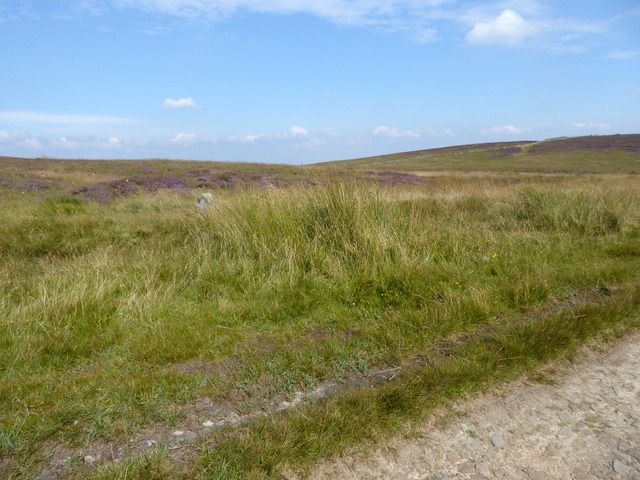
p1010187mile-stone

I then saw an interesting-looking stone just to the left of the path
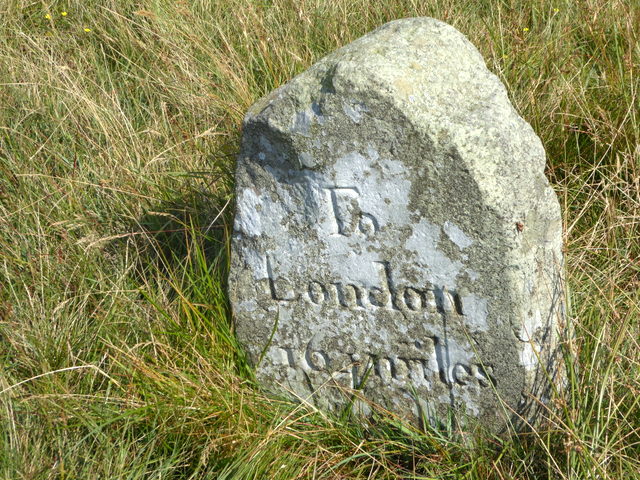
p1010186mile-stone

On closer examination I found it was an old mile-stone and realised that the path we had been walking on since Shining Tor was part of the old coach road.
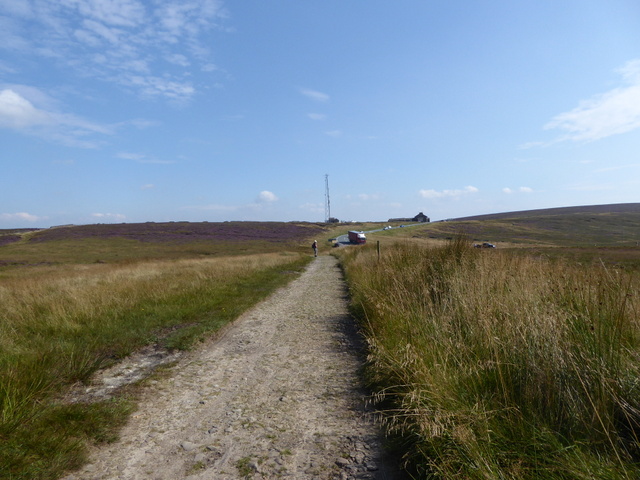
p1010188old-road

I looked at the path and saw that it looked very much like an old road. Richard is ahead of me here as usual and is near where the path joins the new busy road.

p1010189orchid

I found a very late orchid in the grass. It was faded and I couldn’t identify it.
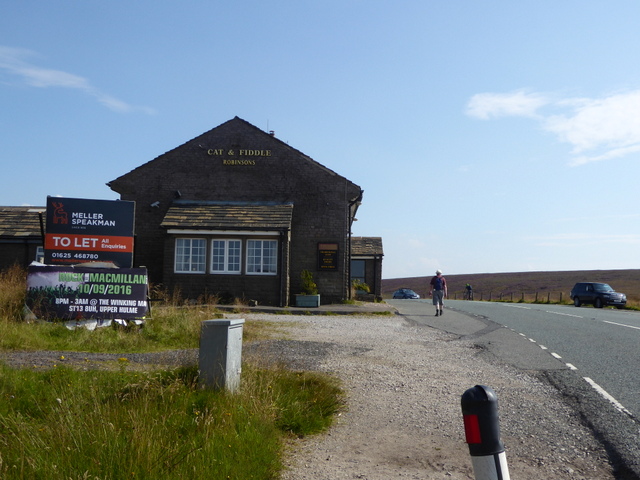
p1010190cat-and-fiddle

We were disappointed to discover that the pub was shut and we weren’t to get a drink after all.

It does seem sad that the place that the pass was named after should be shut and empty.  We walked past the pub.  Through the windows we could see everything had been left as it was on the day it had shut months before.  There was even a menu board extolling the virtues of a meat pie!

We soon turned off the main road onto a narrow road that would eventually bring us back to the carpark.  I saw many different plants on the way.
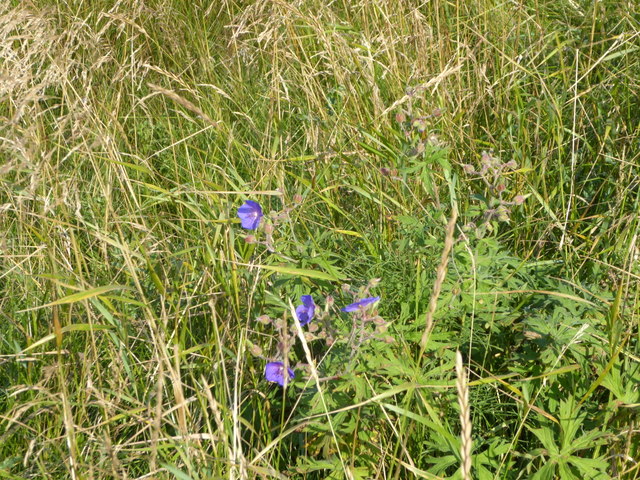
p1010191flowers

Meadow Crane’s-bill (Geranium pratense)
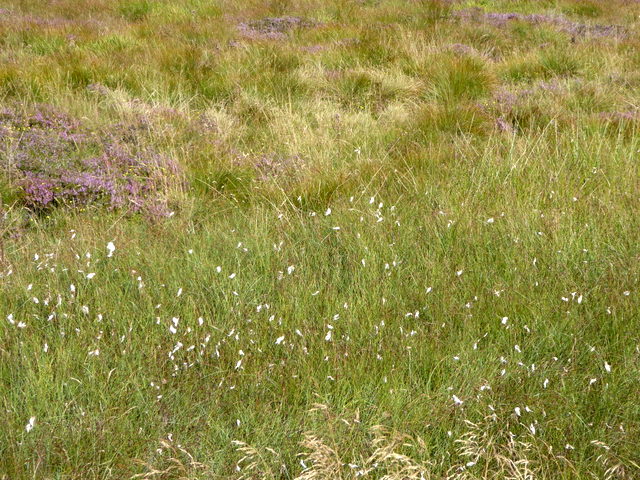
p1010192cotton-grass

Lots more Common Cotton Grass

p1010193flowers

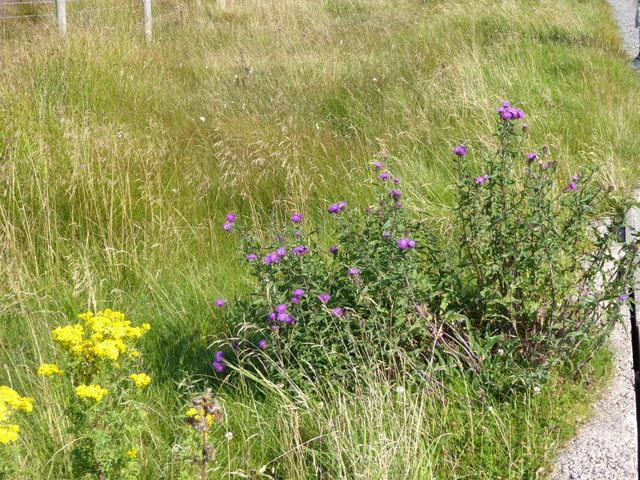
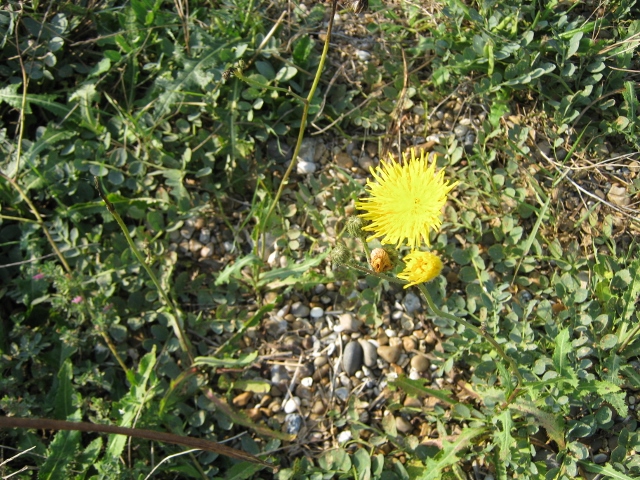
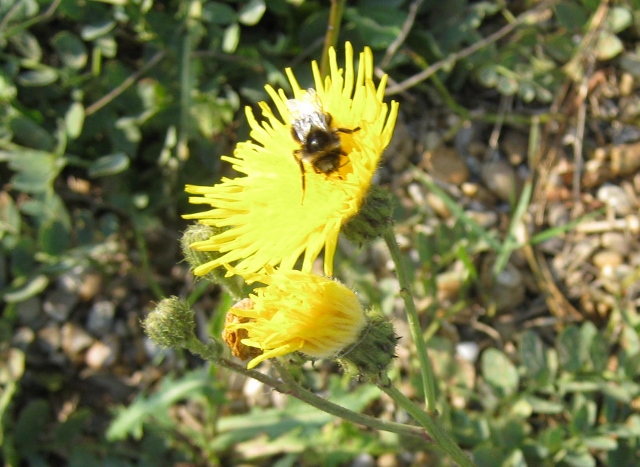
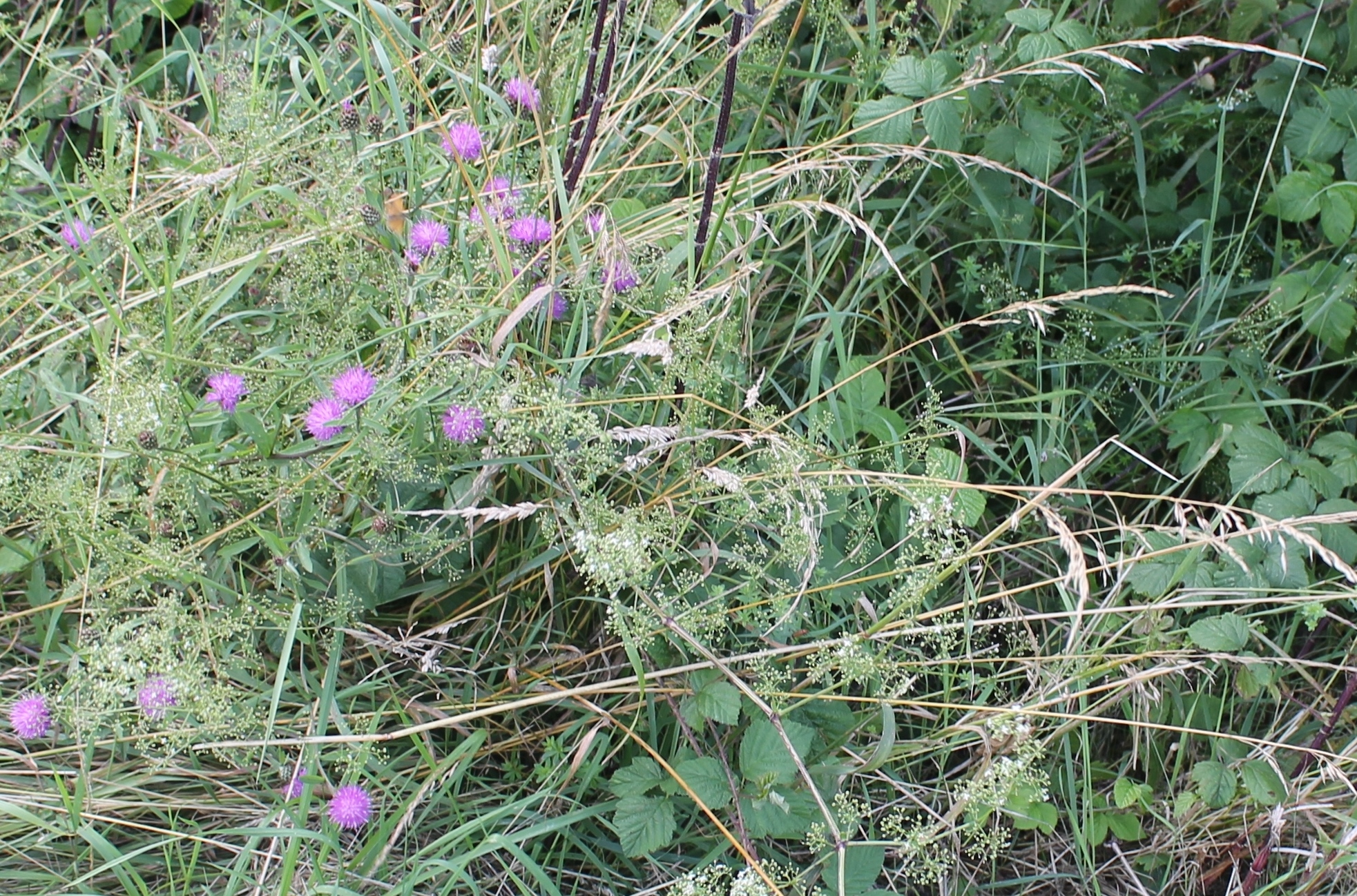
Common Ragwort (Senecio jacobaea) and Common Knapweed (Centaurea nigra)
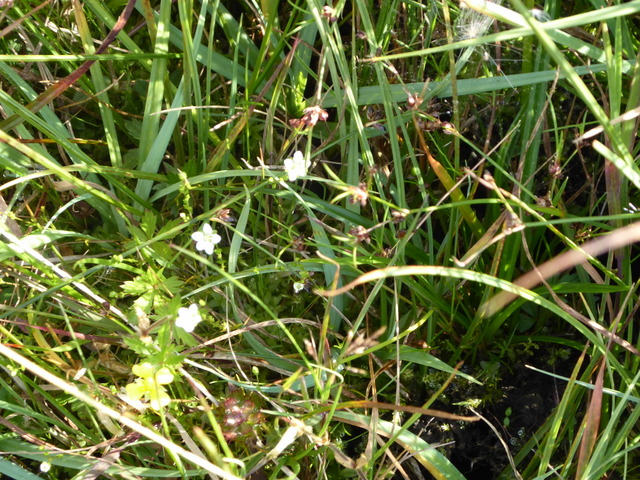
p1010195flowers

Yet another poor photo I’m afraid! This is another flower I had never seen before – Knotted Pearlwort (Sagina nodosa)
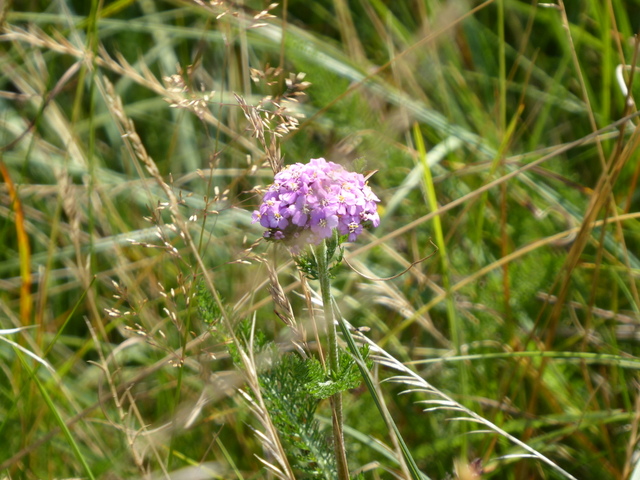
p1010197flower

A very pink Yarrow (Achillea millefolium)
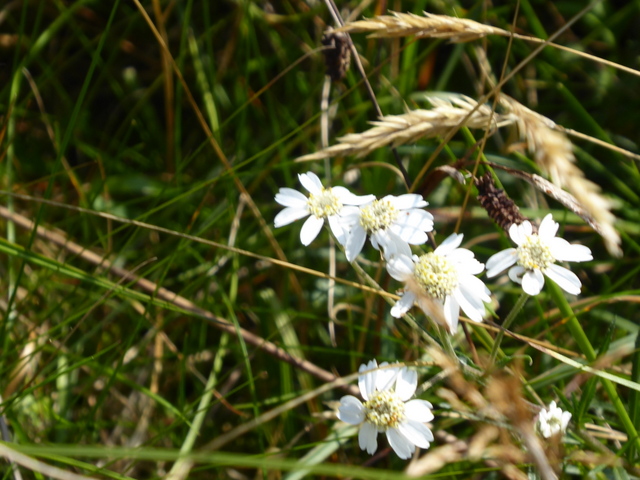
p1010198flower

Sneezewort (Achillea ptarmica)

p1010199flower

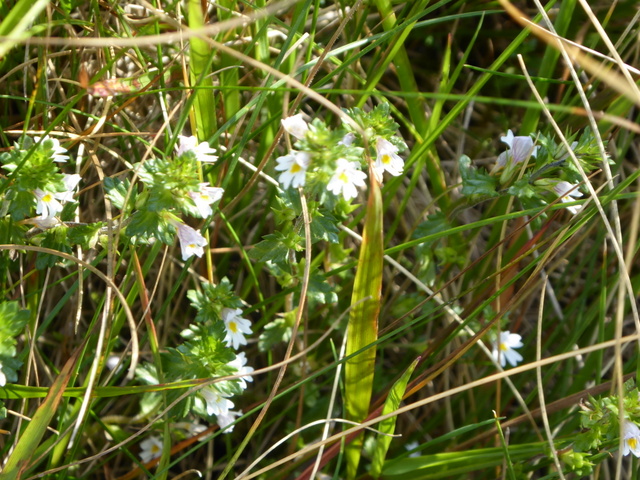
Eyebright (Euphrasia officinalis agg.)
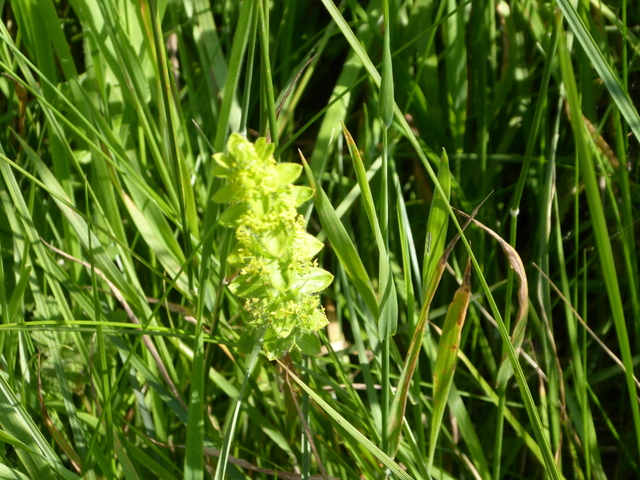
p1010200flower

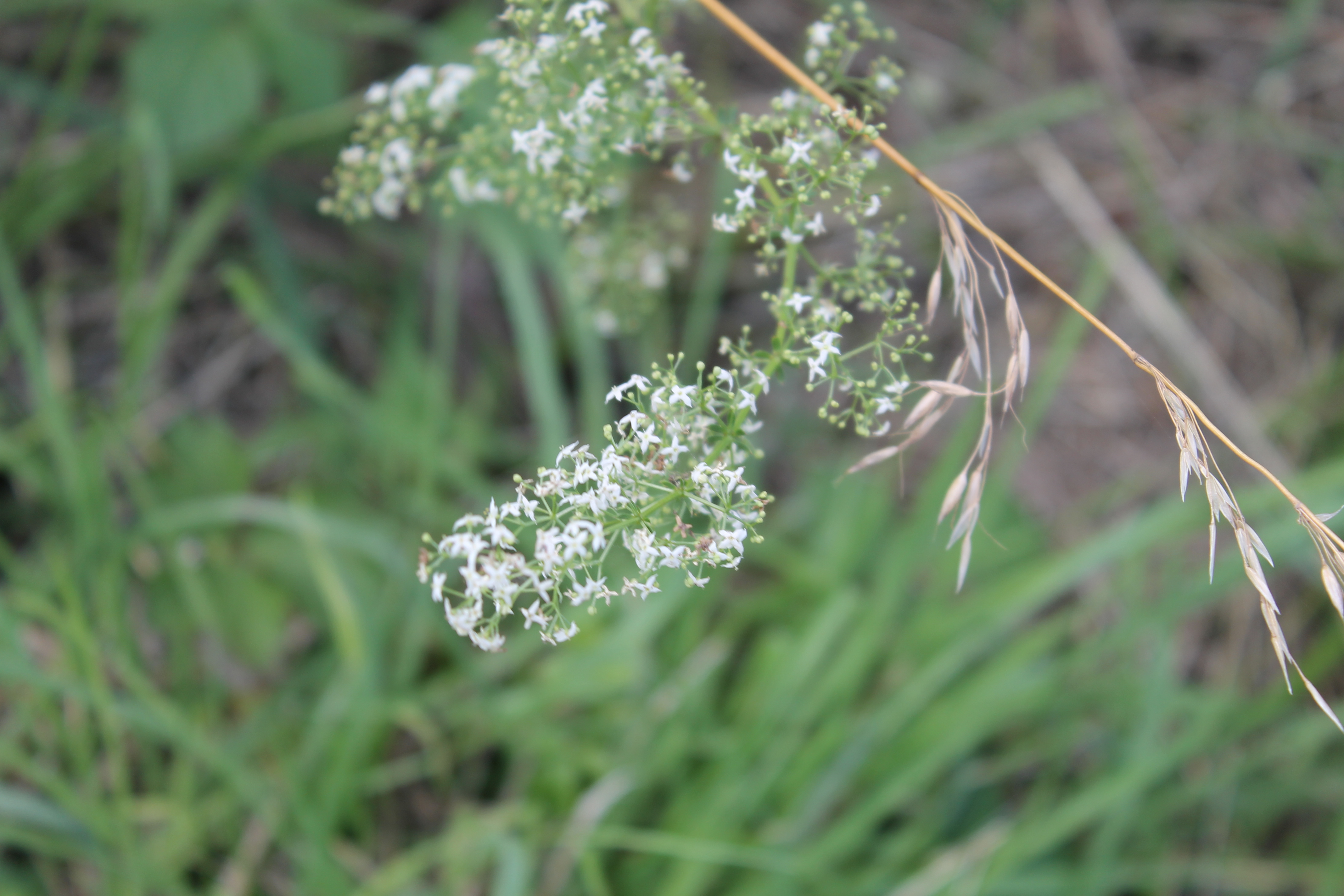
Crosswort (Cruciata laevipes)

We found the car, drove back to our caravan and made ourselves a nice cup of tea.  We were quite tired after our long walk and found it difficult to stay awake.  We had arranged to have lunch with my brother-in-law the next day so Richard booked a table at a local restaurant and phoned his brother to let him know when and where we were to meet each other.

To be continued….

Thanks for visiting!
Share this:

  • Share on X (Opens in new window) X
  • Share on Reddit (Opens in new window) Reddit
  • Share on Pinterest (Opens in new window) Pinterest
  • Share on Facebook (Opens in new window) Facebook
  • Email a link to a friend (Opens in new window) Email
  • Share on Tumblr (Opens in new window) Tumblr
  • Print (Opens in new window) Print
  • Share on Pocket (Opens in new window) Pocket
  • Share on LinkedIn (Opens in new window) LinkedIn
Like Loading...

Dunwich Flora

12 Fri Sep 2014

Posted by Clare Pooley in Insects, plants, Rural Diary

≈ 18 Comments

Tags

asters, Bird's-foot Trefoil, boat winches, common green grasshopper, common restharrow, dock, Dunwich beach, fish-and-chip café, Going to college, hare's-foot clover, harrowing, hop trefoil, humming-bird hawkmoth, parsley water-dropwort, prickly sow-thistle, sea campion, sea mayweed, shingle, yellow horned poppy

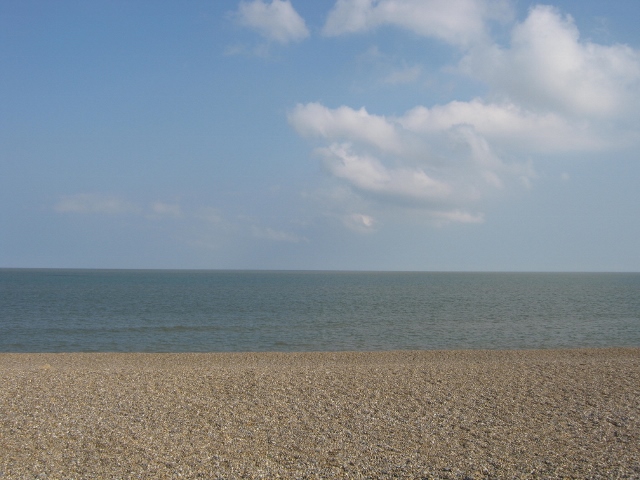
Monday was a strange and busy day.  I was up much earlier than of late – 6.20 am to be precise so that I could wake E at 6.30.  It was her first day at City College Norwich and to get there on time we needed to leave home at 7.30.  R was travelling to Scotland later in the day and we wouldn’t be seeing him until Thursday.  He went into work for a few hours and then drove to Norwich airport to get a flight to Edinburgh where he got a hire car so he could drive to his hotel in Dunbar. E had three hours of English and then I would be collecting her again at 12 midday.  We got to the college through fairly heavy rush-hour traffic with twenty minutes to spare before her lesson started.  I dropped her off and then returned back home to continue with the washing which I had already started.  Home at 9.15, rushed about a bit, back in the car at 11.15 and was outside the college again just before midday.  E was already outside as her tutor had let them out a little early.  Thankfully, she had enjoyed herself and had met up with the Irish girl she had met on her ‘taster day’ last week.  They had joined up with another couple of girls and had got on very well in their twenty minute break.  We stopped off in Bungay on the way home so that I could buy birdseed for my mother and some art equipment for E.  This resulted in my purse being quite a few pounds lighter by the time we got back in the car.  This college business is very expensive! After lunch I realised that I needed some groceries and also had to collect my medication so got back in the car.  It was a lovely afternoon and after I had finished in town and as I was in need of a little quiet reflection time, I drove to Dunwich beach adding another eighteen or so miles to my driving tally for the day. The light was perfect, the breeze light and the air warm and balmy.  I walked on the beach for a while looking at the sea.  My small point-and-shoot camera doesn’t do justice to the colour of the sea which was true aqua-marine and much greener than in the photo. 004Dunwich Beach (640x480) After wandering about on the shingle for a while I then decided to go a little further inland and look at the plants and flowers.  The shingle rises up from the waters edge and then flattens out for a couple of yards.  This is good to walk along when it isn’t too windy as it provides a good view seaward and landward. Beyond this ridge it then descends quite sharply to a lower sheltered area of sand and gravel which then becomes marshland and then woodland.  As the shingle gets further from the sea it supports some hardy plants like Sea-kale (Crambe maritima) and Yellow Horned-poppy (Glaucium flavum).  I was too late to be able to photograph the poppy flowers but the clumps of leaves were everywhere.
005Yellow Horned Poppy leaves (640x480)

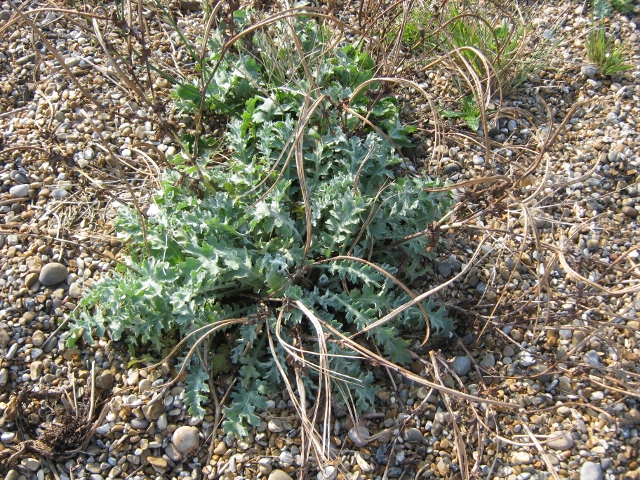
Leaves of Yellow Horned-poppy (Glaucium flavum)

All parts of Horned-poppy are poisonous and if they are eaten can affect the brain.  One of my plant reference books quotes from old records a strange story from 1698 concerning the Horned-poppy.  ‘A man made himself a pie of horned poppy roots under the impression that they were the roots of sea holly.  After eating the pie he became delirious and fancied that his white porcelain chamber pot was solid gold.  He broke the pot into bits in the belief that he owned a great treasure’.

Once down off the shingle bank there were many plants to look at.

006Prickly Sow-Thistle (640x480)

Prickly Sow-thistle (Sonchus asper)

007Bee on Prickly Sow-Thistle (640x467)

A bee on Prickly Sow-thistle

008Sea Campion (640x480)

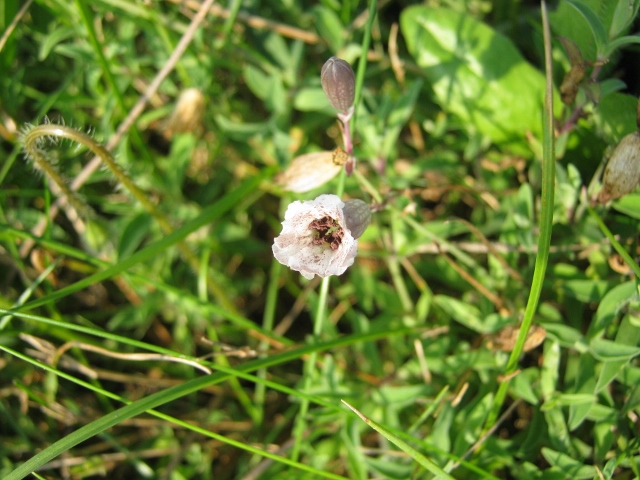
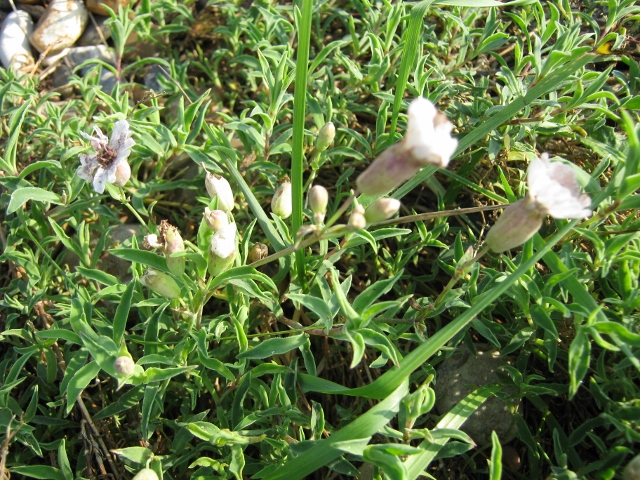
Sea Campion (Silene uniflora)

011Sea Campion (640x480)

Not a brilliant photo I know, but it shows clearly the similarity between it and Bladder Campion (Silene vulgaris) with the swollen calyx and also shows the grey-green, fleshy almost waxy leaves.

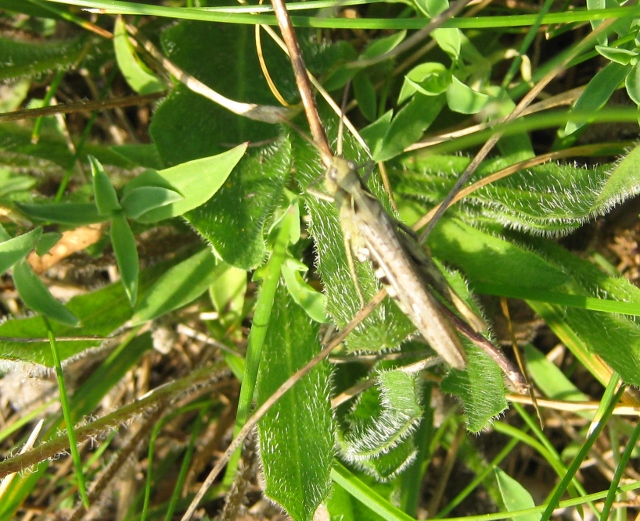
009Grasshopper (640x521)

Probably a male Common Green Grasshopper (Omocestus viridulus)

As I walked, grasshoppers were leaping out of the way; there were so many of them.  I tried to photograph one but the shot was not successful.  I was wishing I had brought our better camera with me.

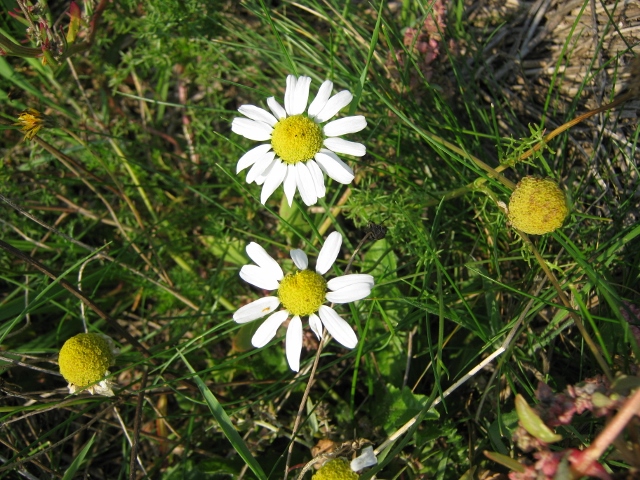
010Sea Mayweed (640x480)

Sea Mayweed (Tripleurospermum maritimum)

013Common Restharrow (640x480)

Common Restharrow (Ononis repens)

016Common Restharrow (640x480)

Common Restharrow

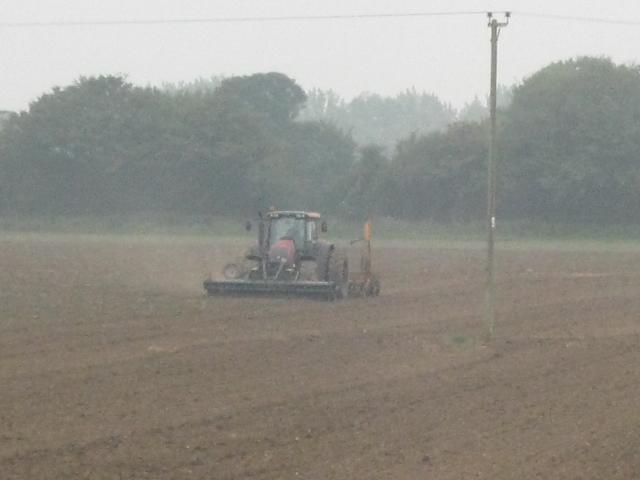
This is a very pretty pea flower though, as its name suggests, it wasn’t popular with ploughmen as it has deep roots and matted stems that root as it trails along the ground.  It also taints milk if eaten by cattle.  The leaves when crushed smell a bit like goats do – not nice!  Children in the north of Britain in the past dug up the roots of Restharrow and chewed them like liquorice – another name for this plant is wild liquorice.   The leaves are a little sticky to the touch and have an attractive crimped edge to them. As an aside, while I am typing this (Thursday lunchtime) the field at the back of our house is being harrowed.  I don’t think the large machines of today are much hindered by plants anymore. 002Harrowing (640x480) The weather today is gloomy and misty, as you can see.

014Bird's-foot Trefoil with Dock seed-head (640x480)

Common Bird’s-foot Trefoil (Lotus corniculatus) with Dock seed-head (Rumex obustifolius)

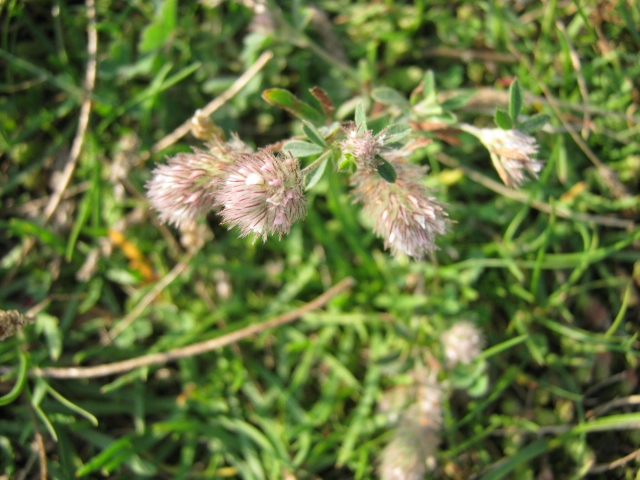
017Hare's-foot Clover (640x480)

Hare’s-foot Clover (Trifolium arvense)

I love this little plant!  The flowers are so soft and furry and tinged with pink.

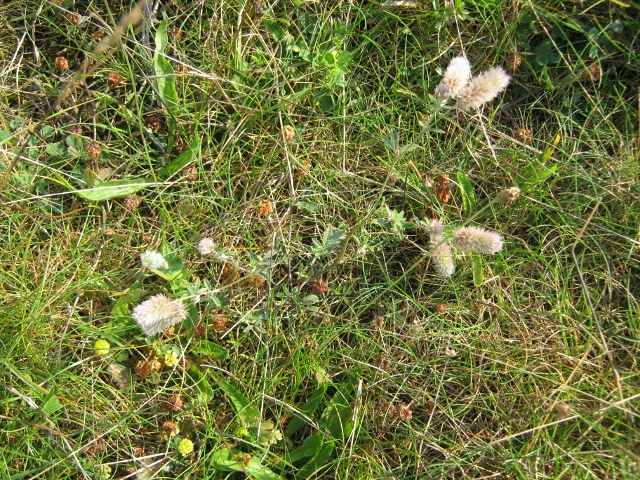
021Hare's-foot Clover with Hop Trefoil (640x480)

Here it is again, growing with Hop Trefoil (Trifolium campestre)

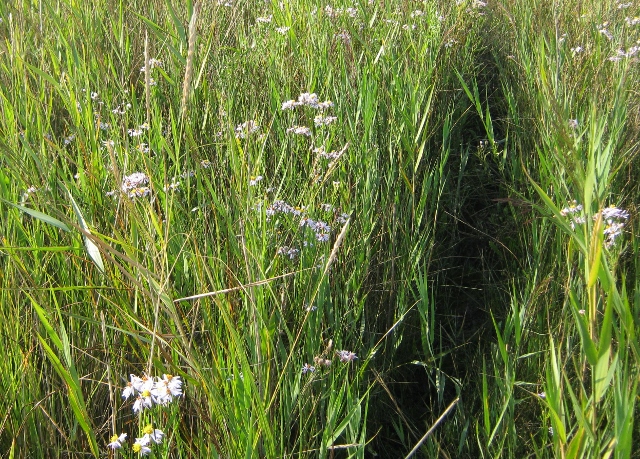
018Michaelmas Daisies or Sea Asters (640x459)

These are either naturalised Michaelmas Daisies (Aster sp.)  or Sea Asters (Aster tripolium).  I cannot identify them properly.

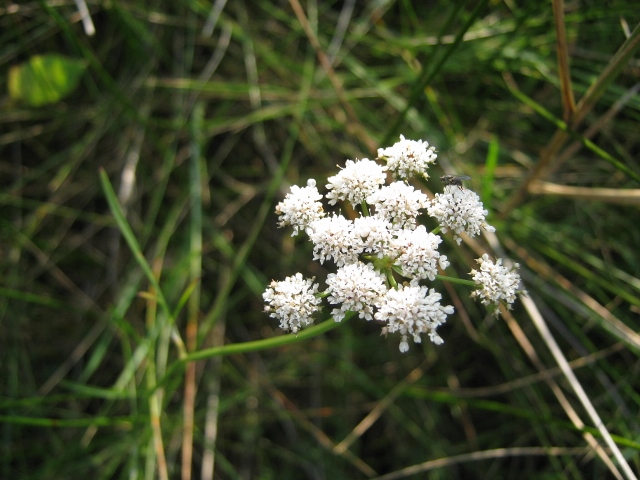
019Parsley Water-Dropwort (640x480)

Parsley Water-Dropwort (Oenanthe lachenalii)

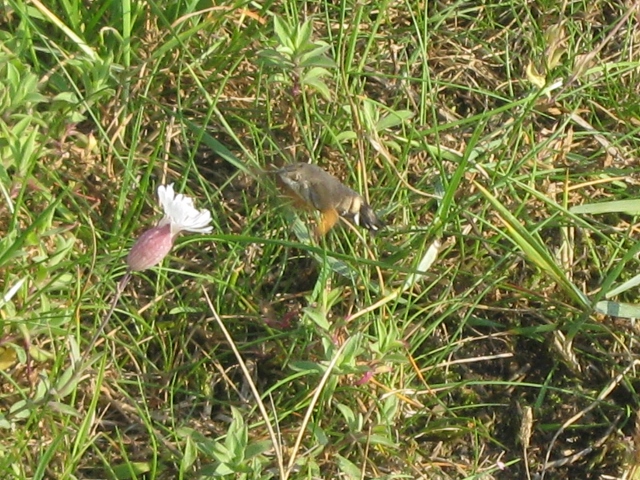
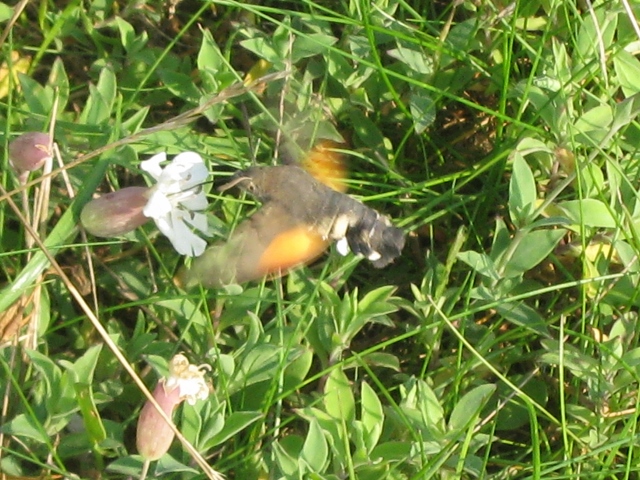
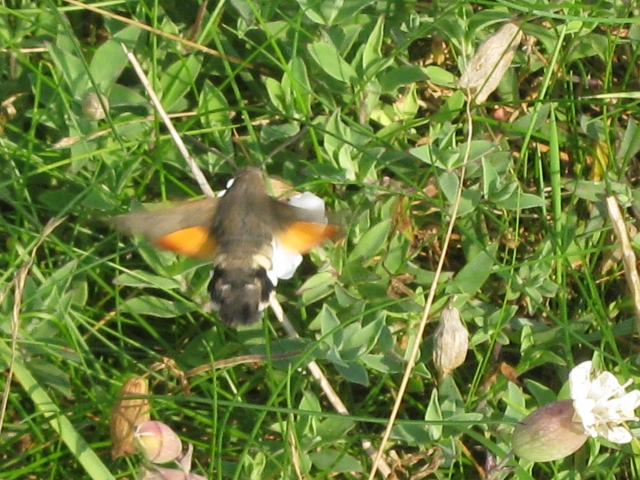
The next series of photographs are terrible but with only my small camera with me I couldn’t do any better.  They are of a Humming-bird Hawkmoth (Macroglossum stellatarum) which flies very fast and to the naked eye usually looks like a blur anyway.

025Humming-bird Hawkmoth (640x480)

Humming-bird Hawkmoth with Sea Campion

026Humming-bird Hawkmoth (640x480)

Humming-bird Hawkmoth with Sea Campion

028Humming-bird Hawkmoth (640x480)

Humming-bird Hawkmoth with Sea Campion

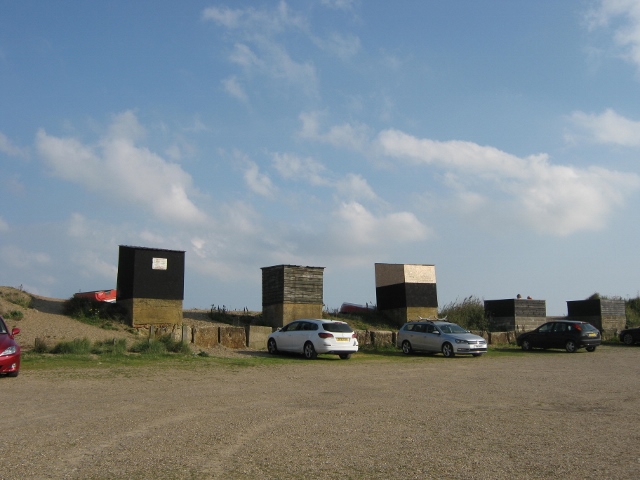
I decided it was time to return home and just took two more pictures, this time of the car-park.

029Hoist sheds on Dunwich Beach (640x480)

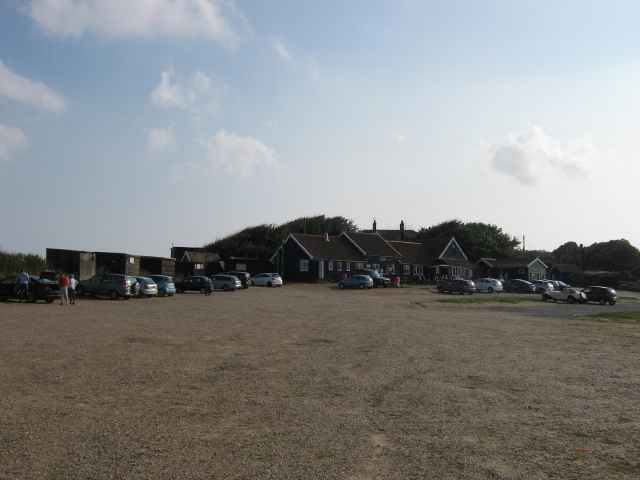
These little wooden shacks contain winching gear to enable the fishermen to pull their boats up the steep shingle beach

030Fish and chip café (640x480)

This is a fish-and-chip café that is so popular that in the summer, coach parties of visitors come to savour its delights

I am finishing this post off on Friday evening.  E has managed to attend college every day this week and though it has not all been at all easy for her she has kept going and has enjoyed a lot of it.  I am exhausted from all the driving I have done and my feet and ankles are very painful.  It has been worth it and I am so pleased with my daughter and very proud of her.

Share this:

  • Share on X (Opens in new window) X
  • Share on Reddit (Opens in new window) Reddit
  • Share on Pinterest (Opens in new window) Pinterest
  • Share on Facebook (Opens in new window) Facebook
  • Email a link to a friend (Opens in new window) Email
  • Share on Tumblr (Opens in new window) Tumblr
  • Print (Opens in new window) Print
  • Share on Pocket (Opens in new window) Pocket
  • Share on LinkedIn (Opens in new window) LinkedIn
Like Loading...

High Summer Walk 2

06 Wed Aug 2014

Posted by Clare Pooley in Insects, plants, Rural Diary, trees, walking, weather

≈ 12 Comments

Tags

Bird's-foot Trefoil, bramble, bulrush, cardinal beetle, cat's-ear, common knapweed, cuckoo bee, dewberry, greater plantain, hazelnuts, hedge bedstraw, hemp-agrimony, Hoverfly, meadow brown butterfly, poppy, robin's pincushion, rowan, small white butterfly, spear thistle, speckled wood butterfly, straw baling, the Beck, the Washes

Before I continue my walk, I’ll update you on the local harvest scene.  Yesterday, all the farms here were extremely busy working on the fields because rain was forecast for today.  I was listening to combine harvesters working well into the small hours.  I think the last tractor to roar past our house with its laden trailer of grain was at about 2.00 a.m.  The rain duly came just a few hours later and this morning was very wet.  On my way to collect Mum for our weekly shopping trip I had to slow the car to a crawl with the wipers going very fast as I couldn’t see the road because of the torrents.  There were some very deep puddles and water was bubbling up from the drains in the villages we passed through.  I was about to say that this afternoon has been dry and bright when I heard that familiar pitter-patter of rain on the leaves outside and had to rush outside and close the garden shed.

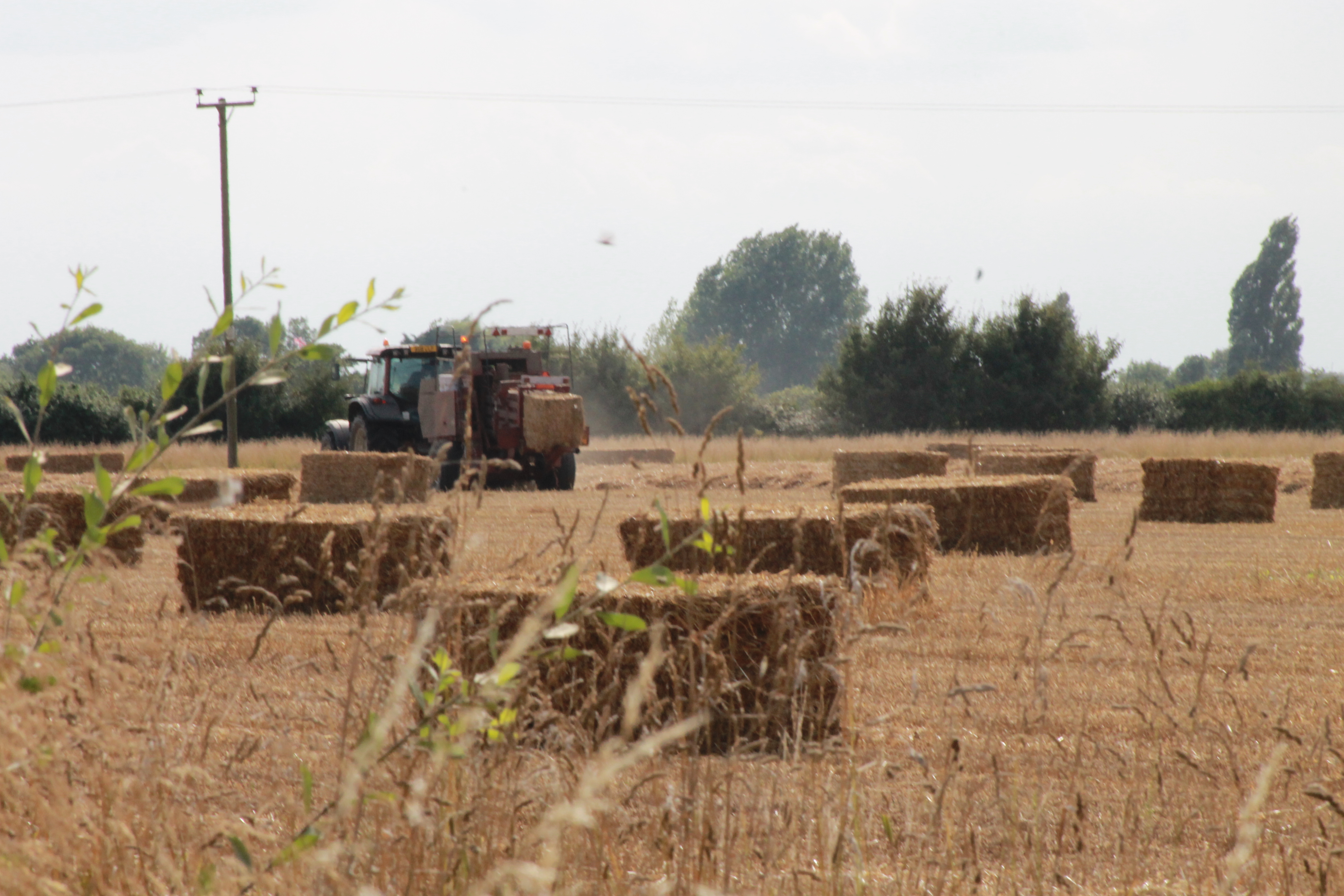
002Straw baling

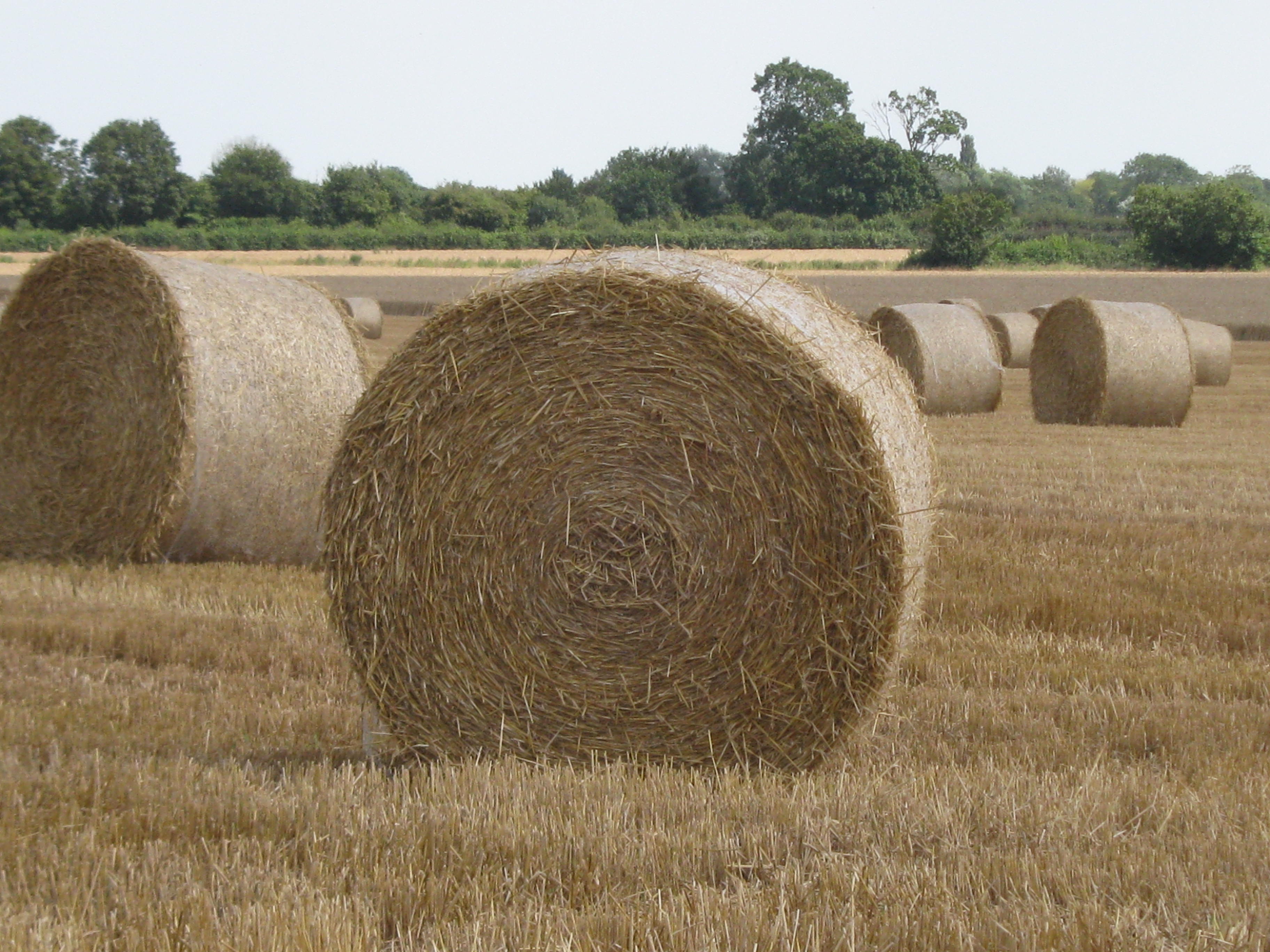
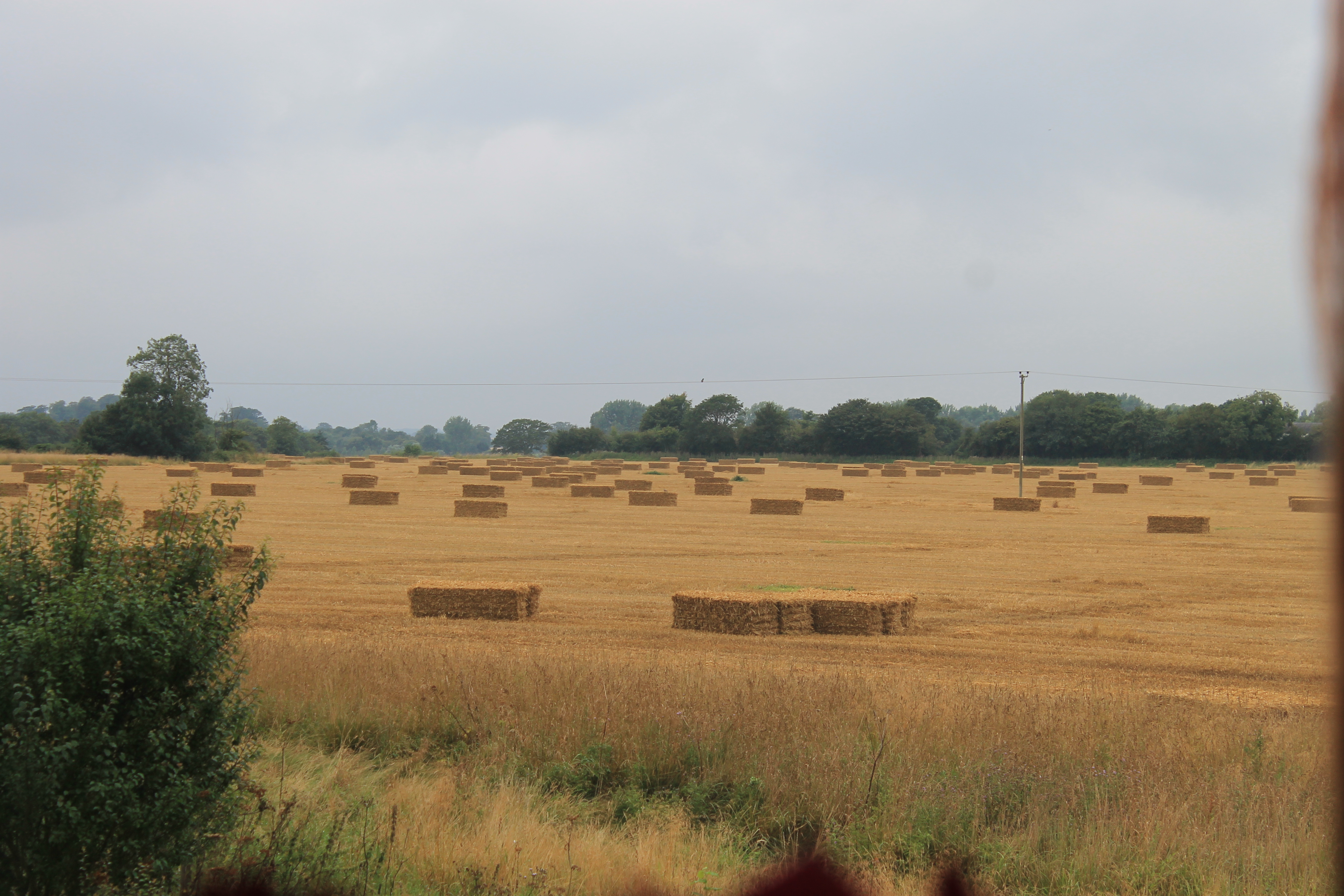
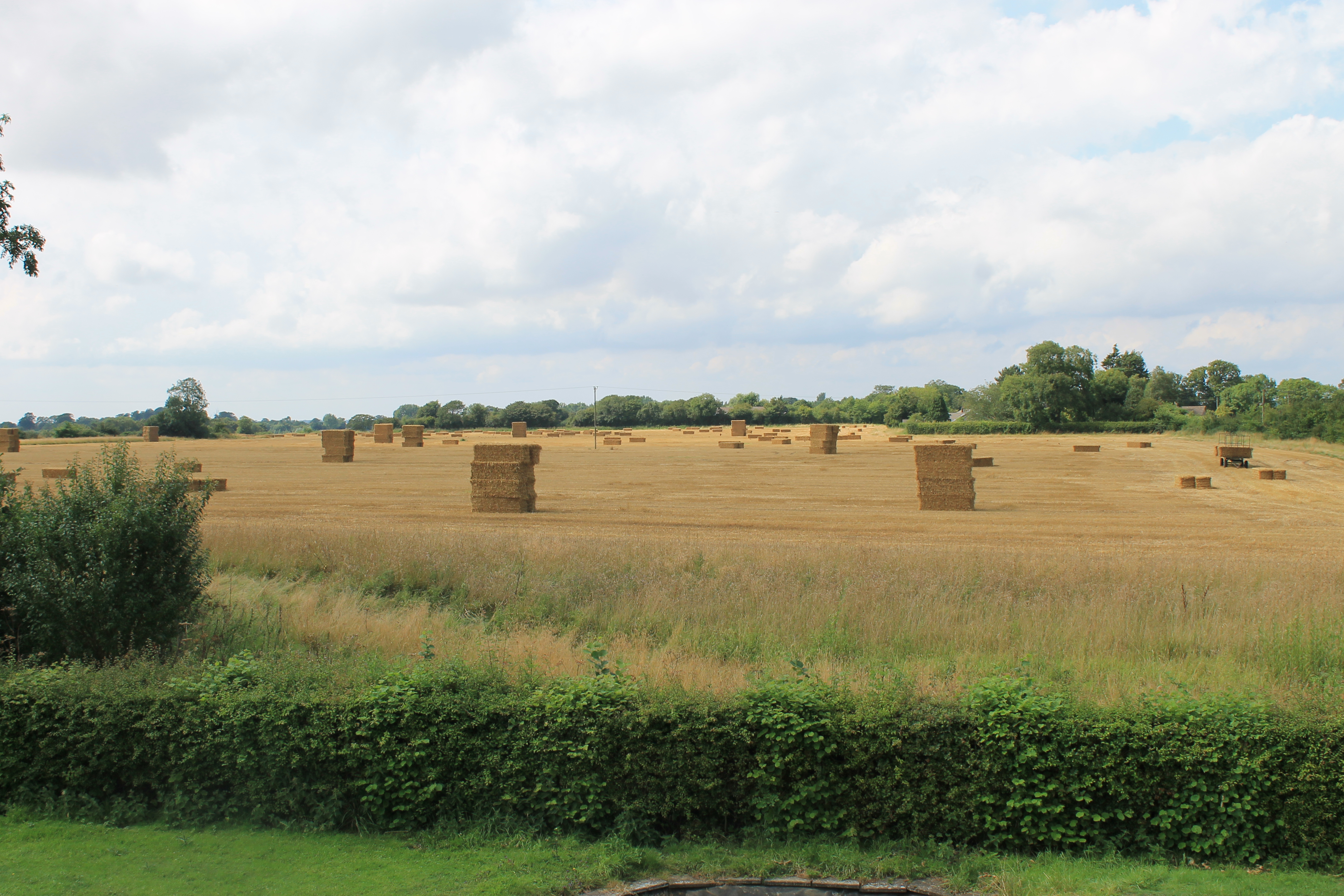
Straw baling yesterday.

The tractor pulls a baling machine up and down the field which sucks up the straw and packs it into bales which emerge from the back of the machine and are then tossed onto the field.

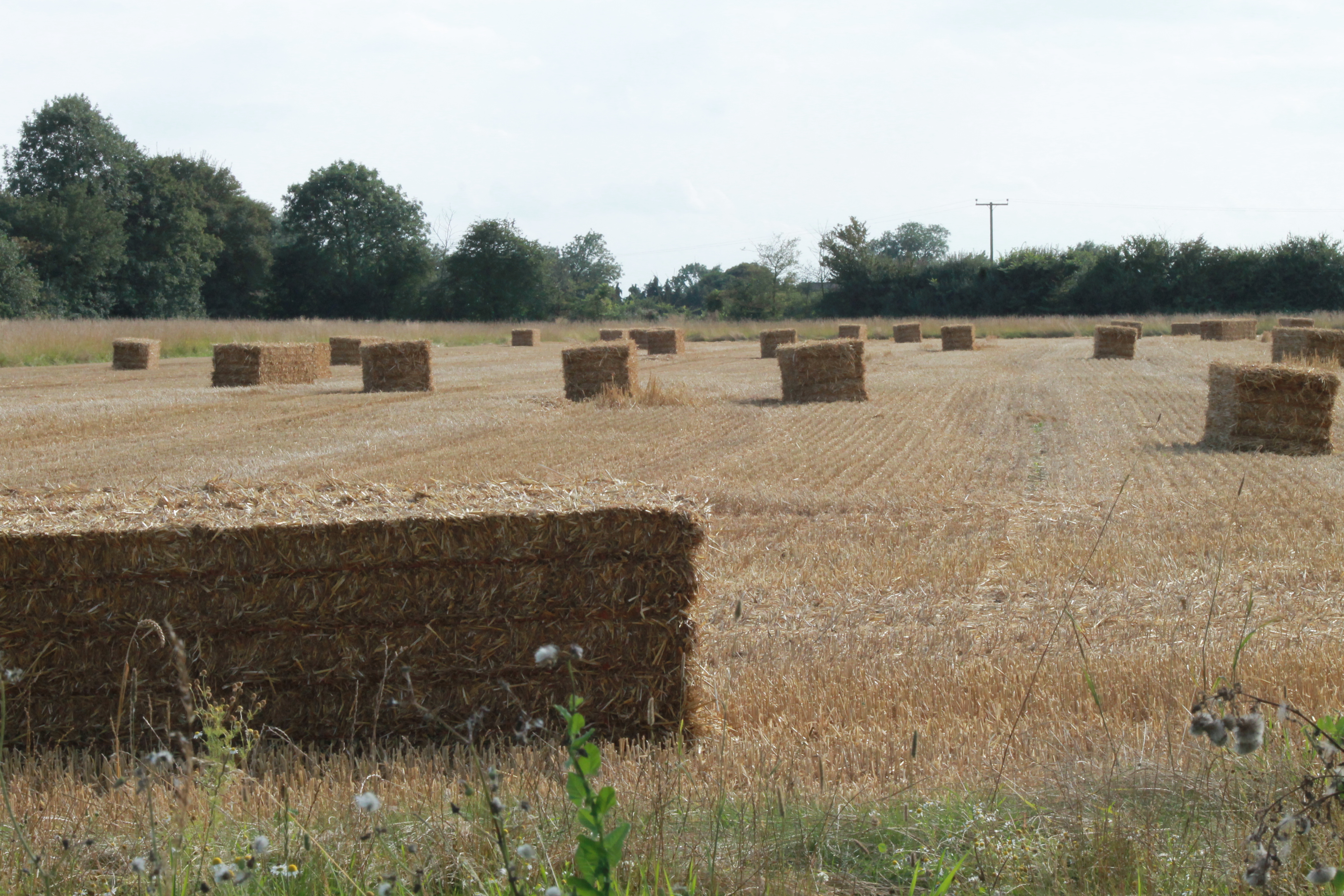
006Straw bales

The finished job

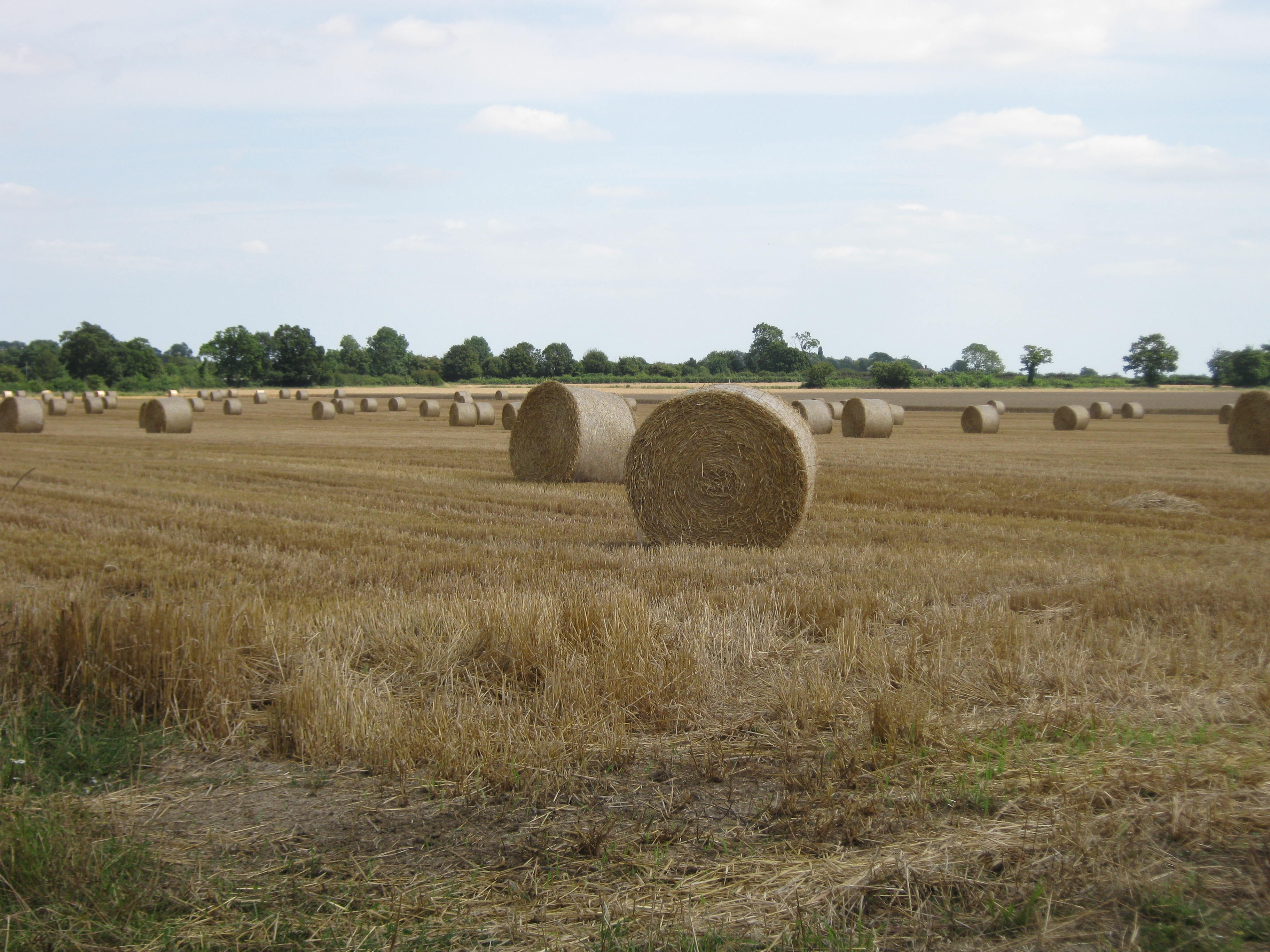
Last week I took a couple of photos of a field at the other end of our lane.  The farmer there was using a different type of baler. 010Straw bales 011Straw bales

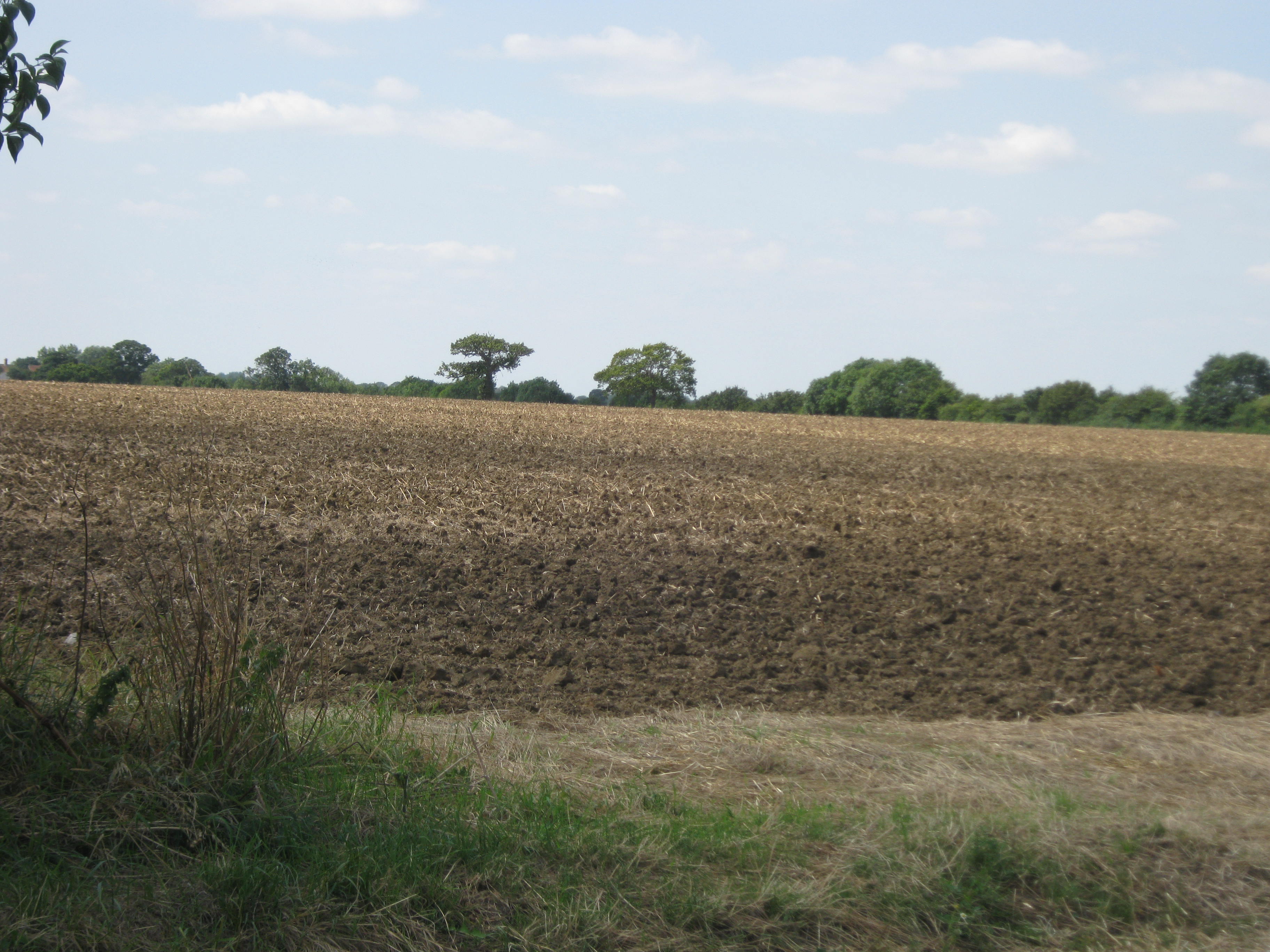
012Ploughed field

I noticed that the field on the other side of the lane had had its first plough

This morning, before I went out, the field at the back looked like this – 001Straw bales a.m. and when I got home, it looked like this – 004Straw bales p.m. So, some progress had been made despite the wet weather.

Back to my walk …

The Hedge Bedstraw is still in flower. 051Bedstraw

052Knapweed and bedstraw

Bedstraw and Common Knapweed

The Washes were showing signs that we had had a lot of rain recently.  The road here often floods as it is next to the Beck and in a little valley. 046The washes 062The washes   The Beck was flowing quite nicely but was very overgrown and difficult to see.

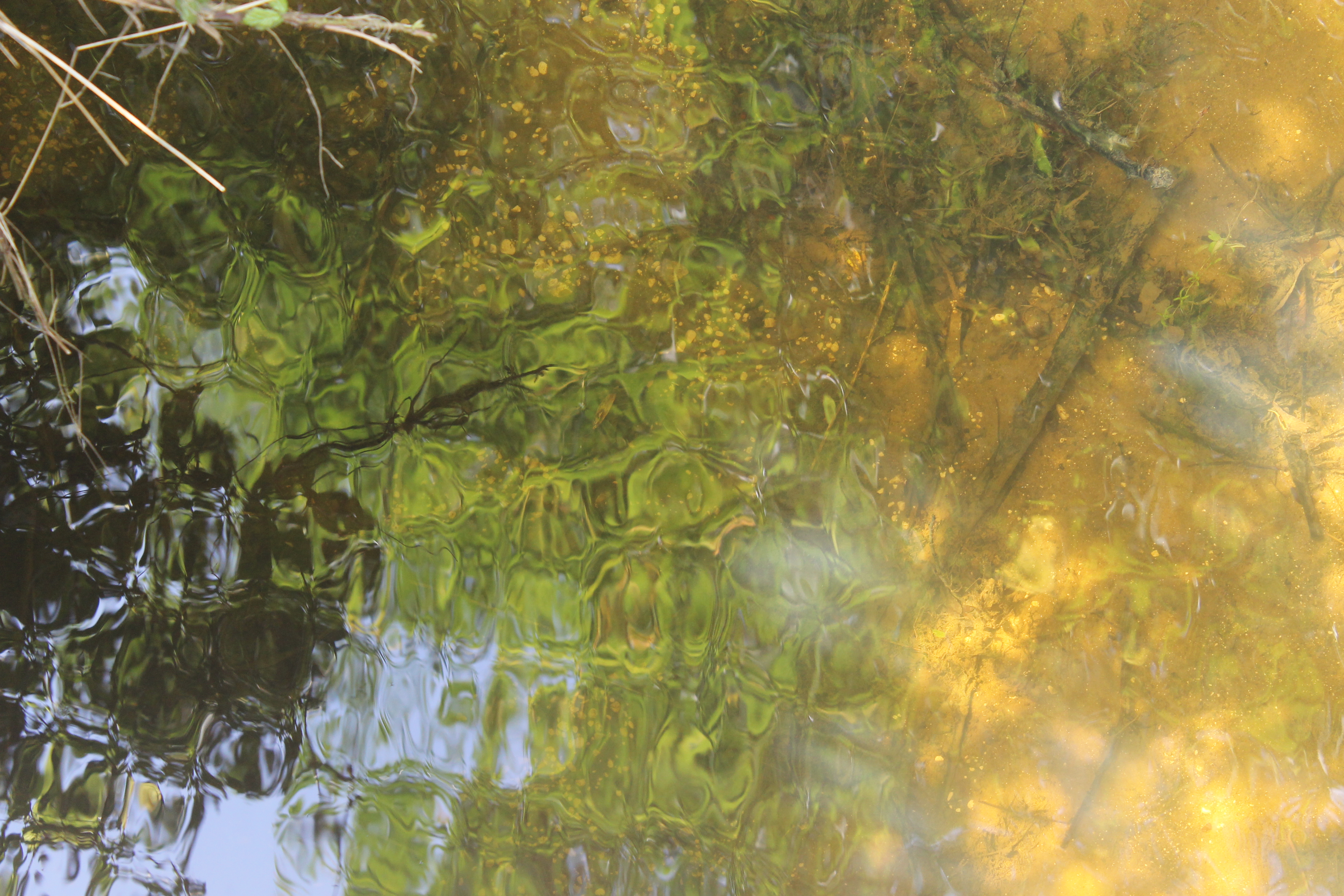
066The Beck - reflection

Reflections in the Beck

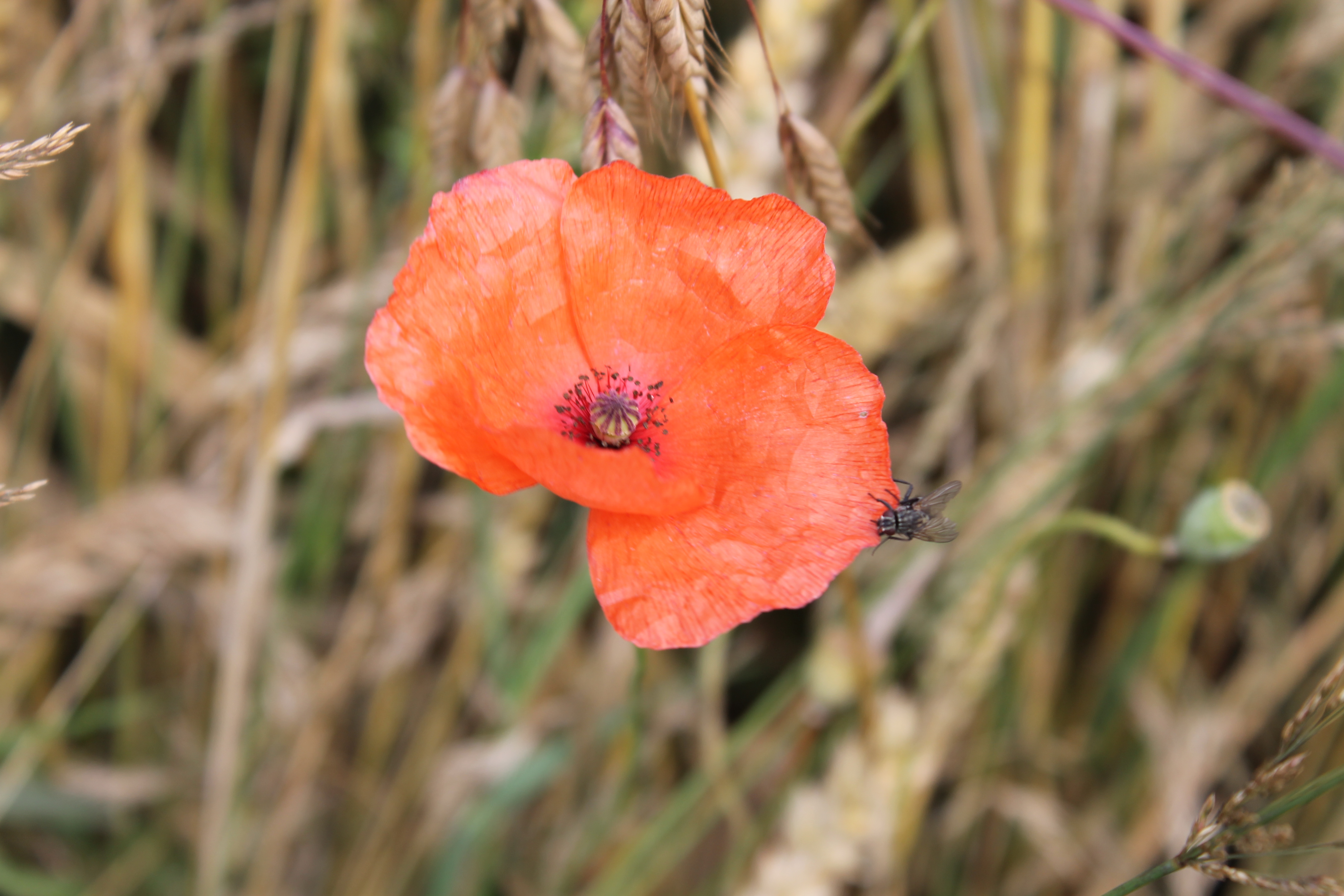
058Poppy

Common Poppy

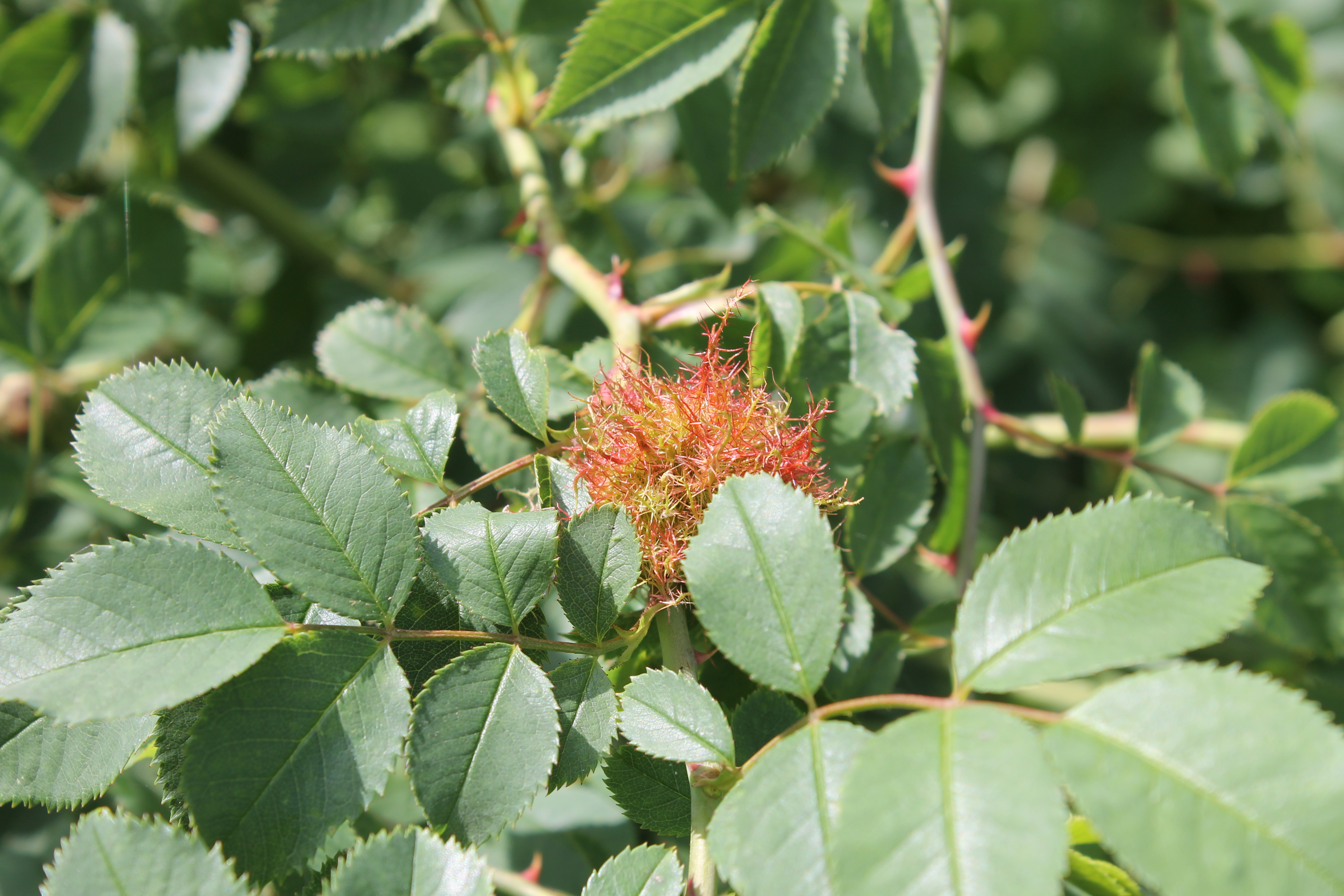
064Robin's pincushion

A ‘Robin’s Pincushion’ – a gall on wild rose plants

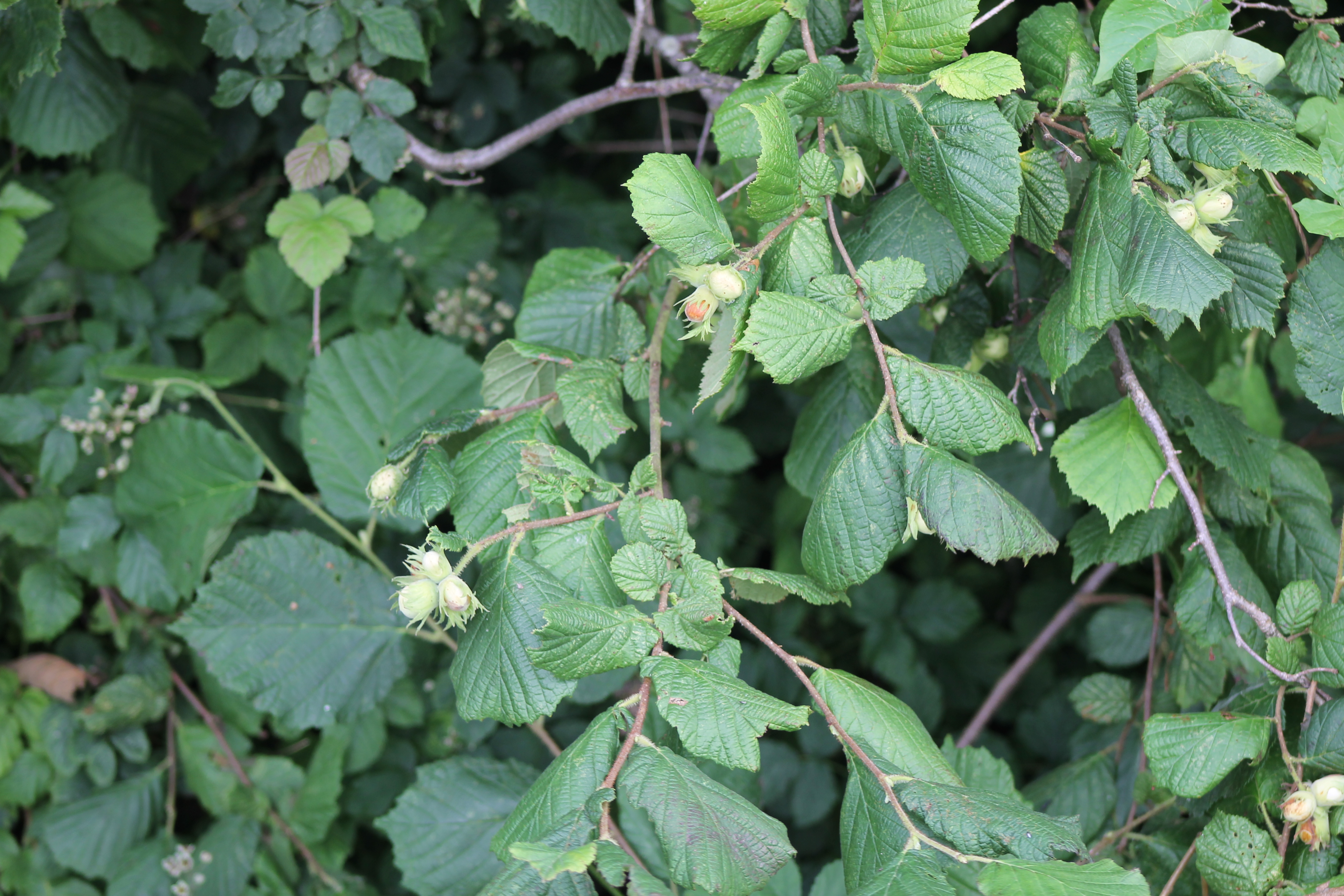
071Hazelnuts

The hazelnuts in the hedgerow are ripening

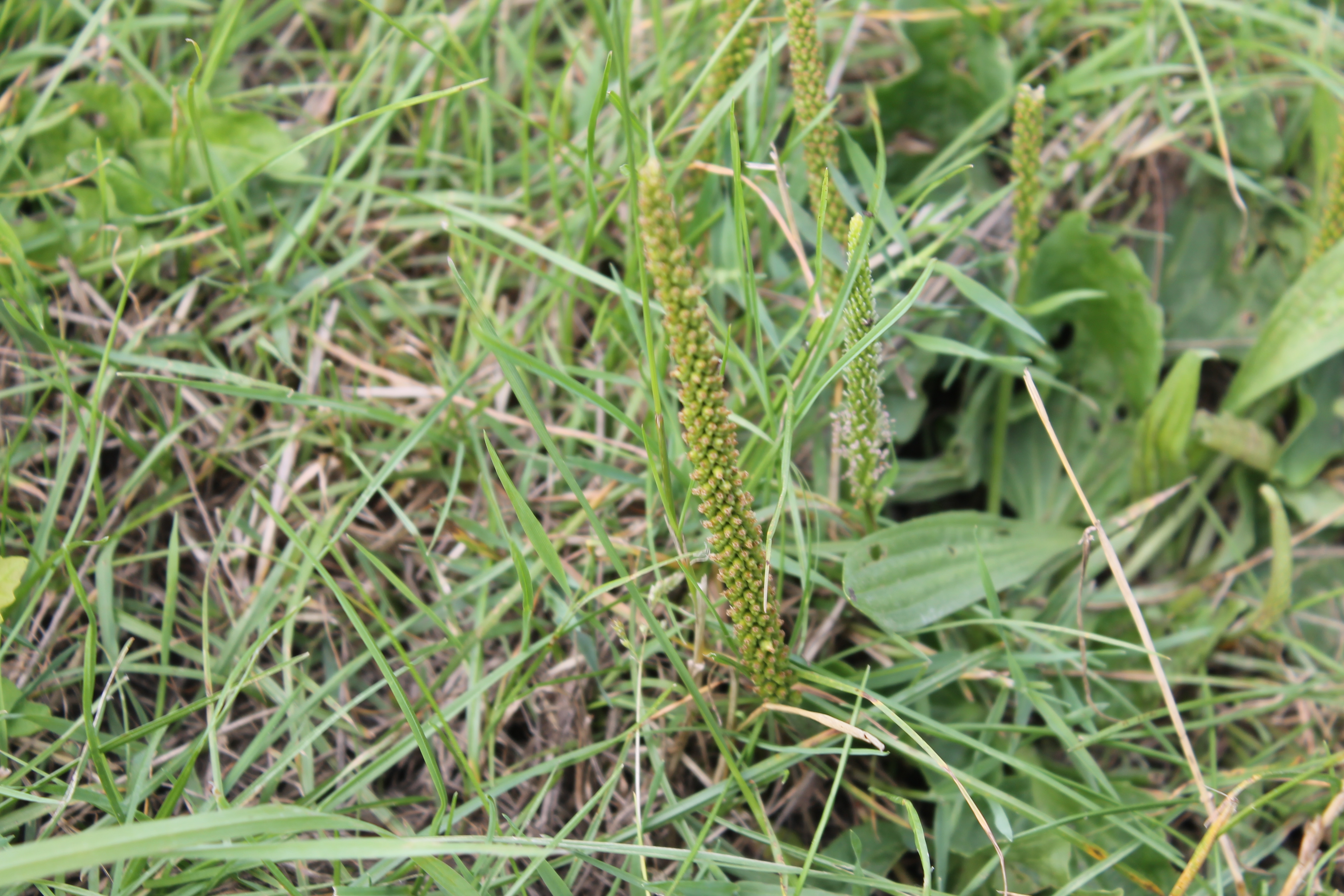
073Greater plantain

Greater Plantain

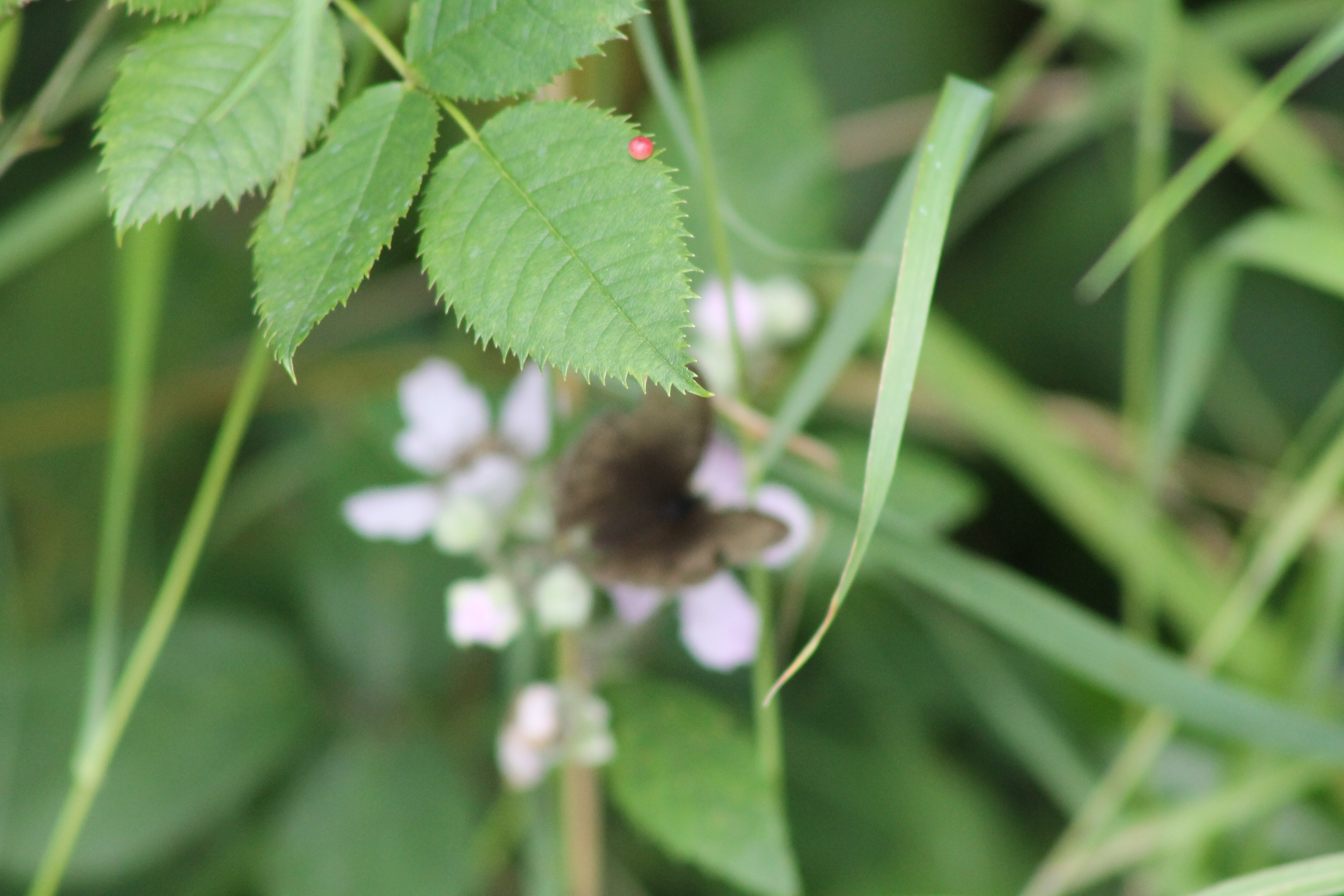
People with lawns do not like either the Greater or the Hoary Plantain as they are very persistent and can survive crushing and tearing.  New growth comes from the base of the plant.  Birds love the seeds and when caged birds as pets were more popular, people used to gather the dried seed-heads for them.  Another name for this plantain is Rat’s Tail. 084Male meadow brown & strange red ball on leaf I tried many times, unsuccessfully, to photograph this male Meadow Brown butterfly but the camera was having none of it and kept focusing on the rose leaf.  So, I have gone with it because of the little red ball on the leaf.  Is this another type of gall or is it the very first stage of a Robin’s Pincushion? I was looking at all the brambles in the hedge and noticed these – 086Dewberries They are dewberries – a relative of the bramble/blackberry.  The flowers are larger and the fruits too, which have a bloom to them.  The leaves have three leaflets.

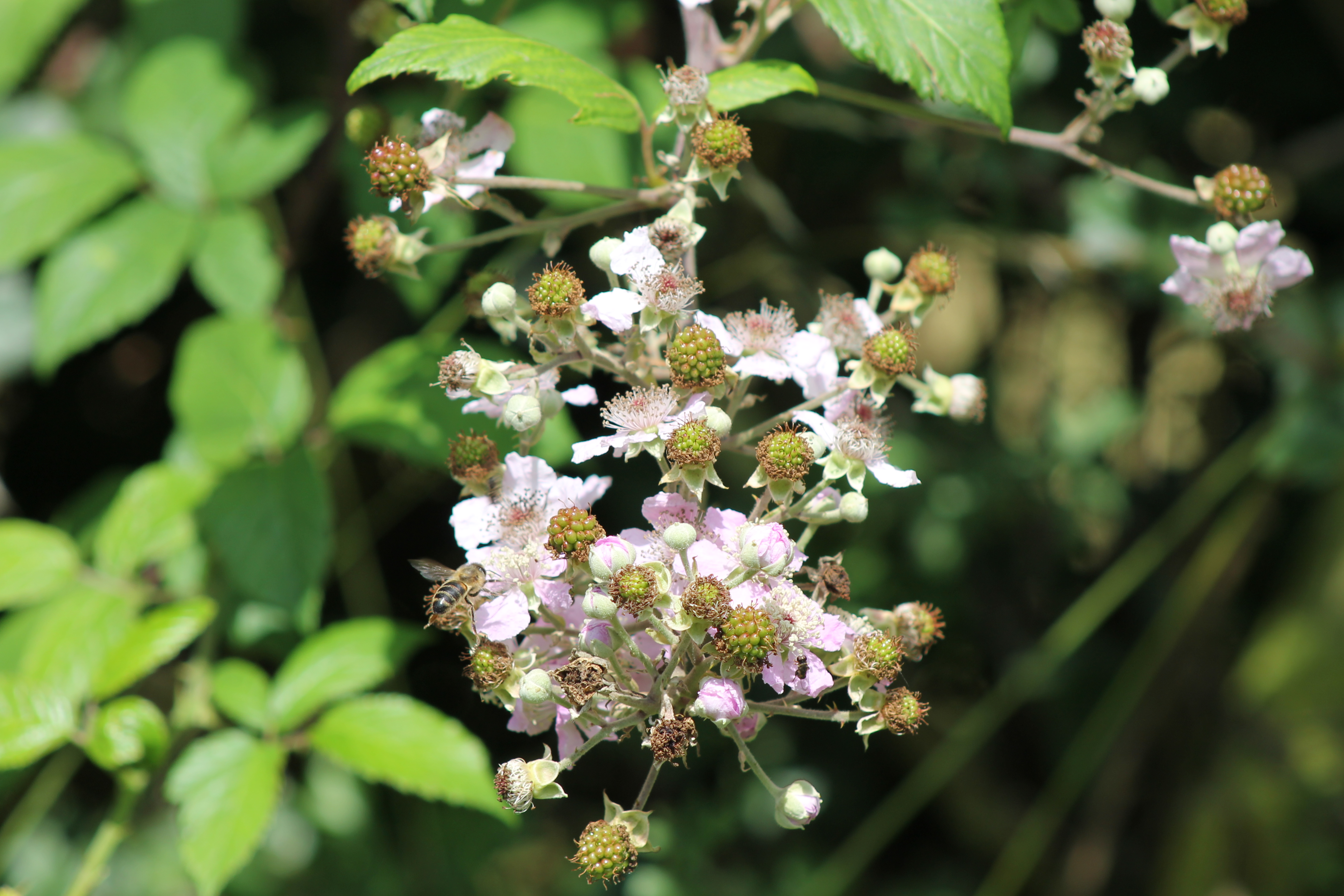
088Bramble

Here is bramble with a visiting bee

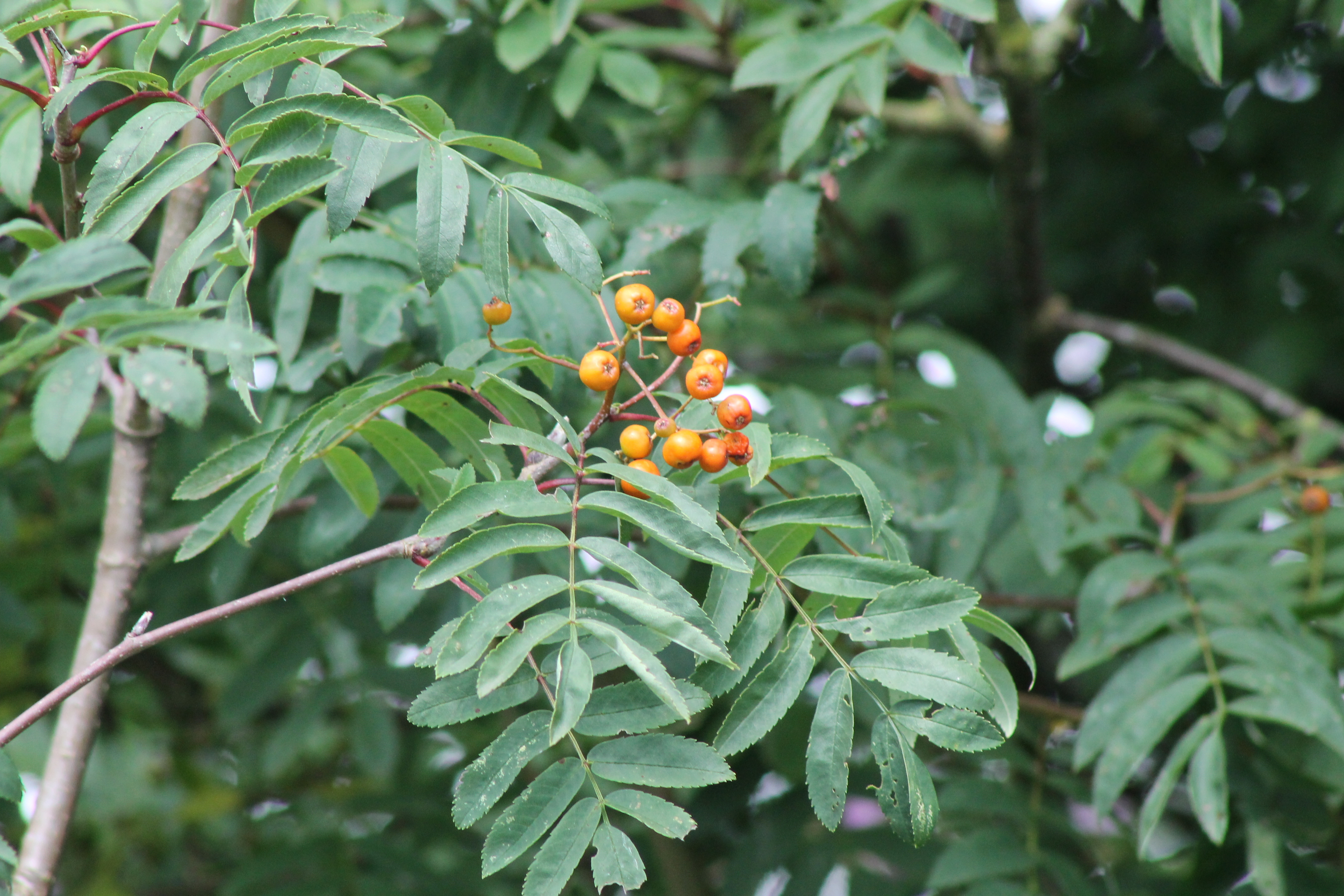
091Rowan

Rowan or Mountain Ash berries – a sign of the approach of autumn

092Bees on thistle

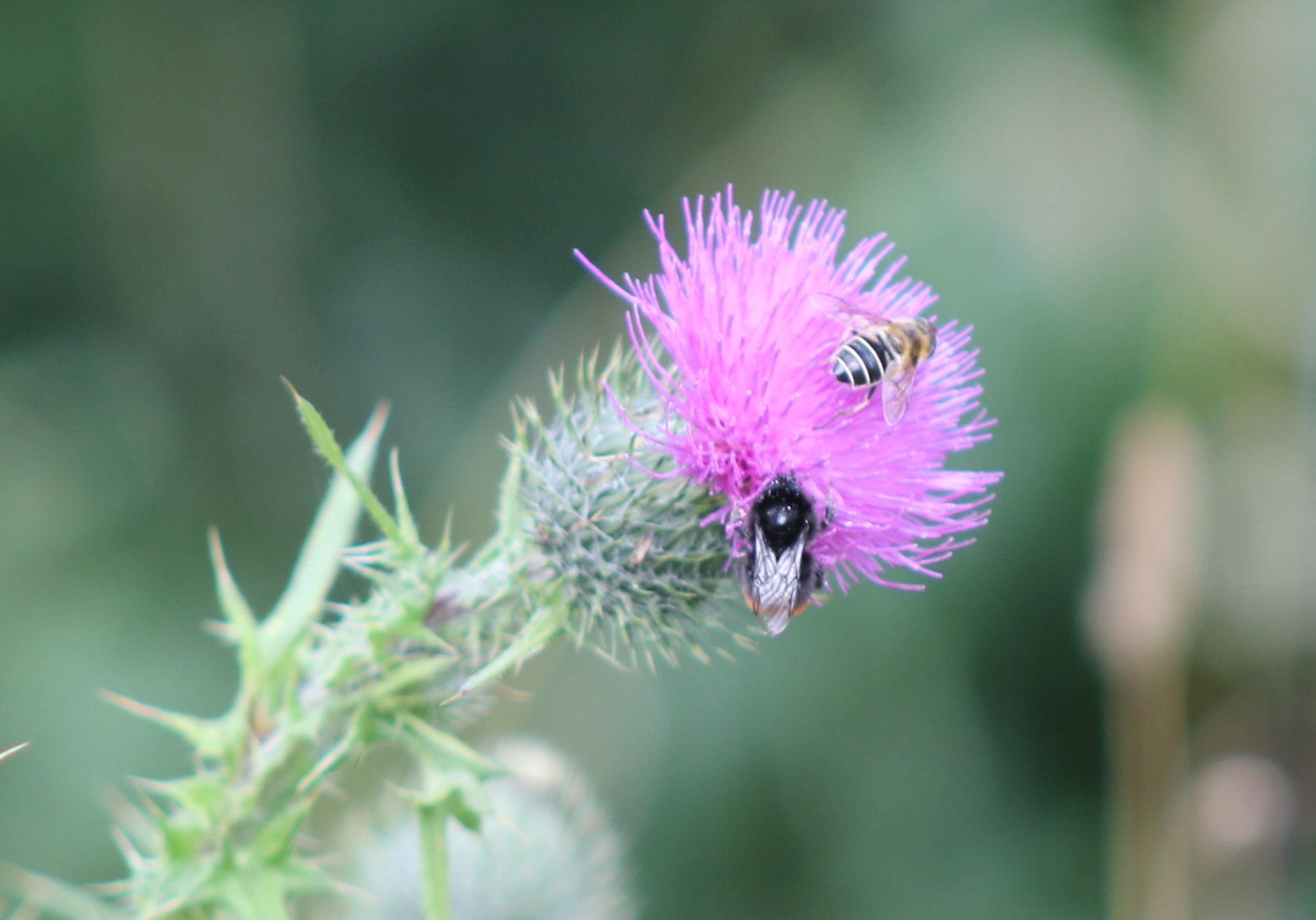
A Spear Thistle with a Cuckoo Bee (L) and a Hoverfly (R)

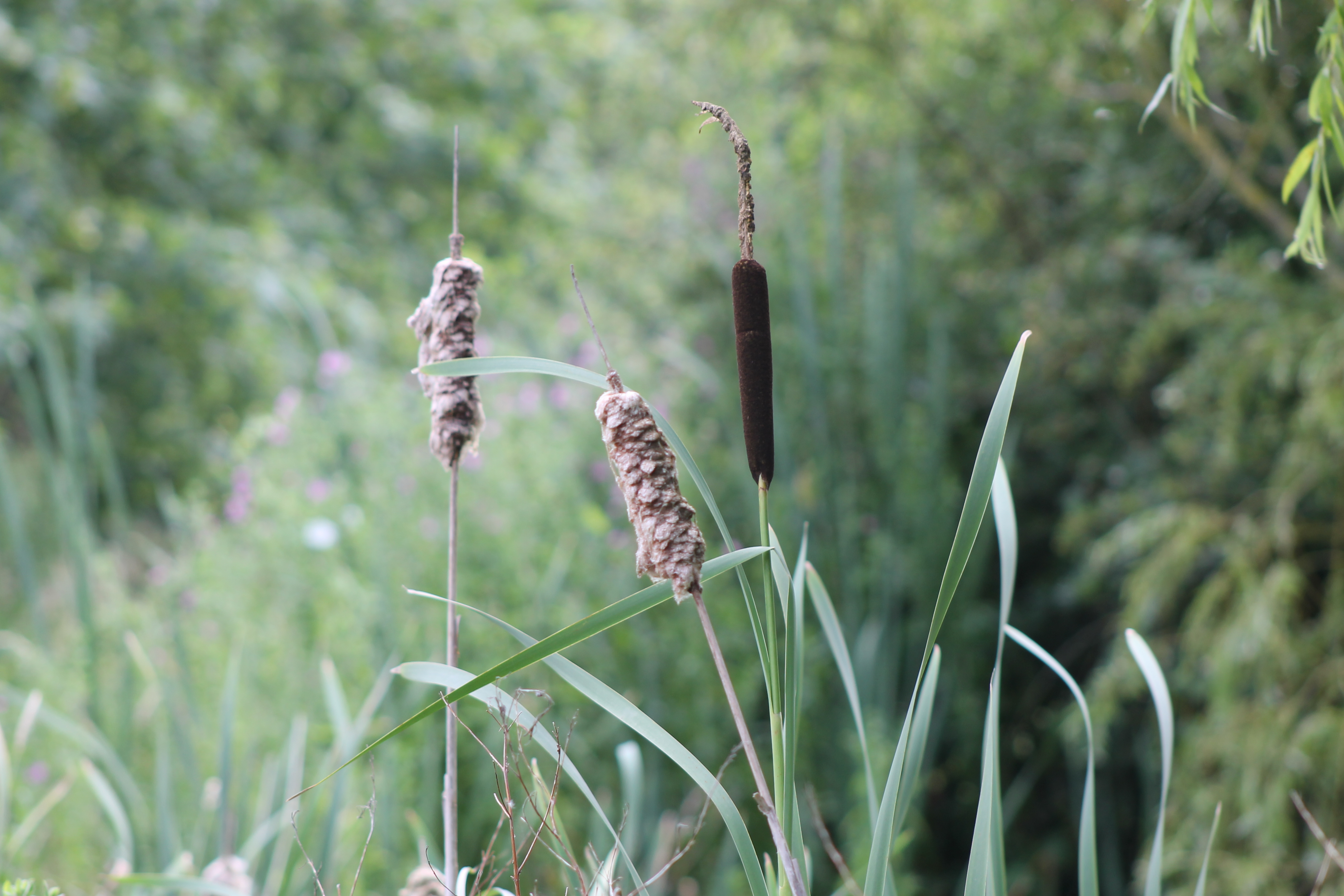
094Bulrush This is the Great Reedmace or as it is now known, the Bulrush.  Sir Lawrence Alma-Tadema painted ‘Moses in the Bulrushes’ and showed the baby in amongst a clump of Reedmaces.  Since then the Reedmace has been known as the Bulrush.  The brown sausage-like part of the flower is female and the narrow spire at the top is male.  In the Lesser Bulrush there is a gap between the female and male parts of the flower.

095Greater bird's foot trefoil

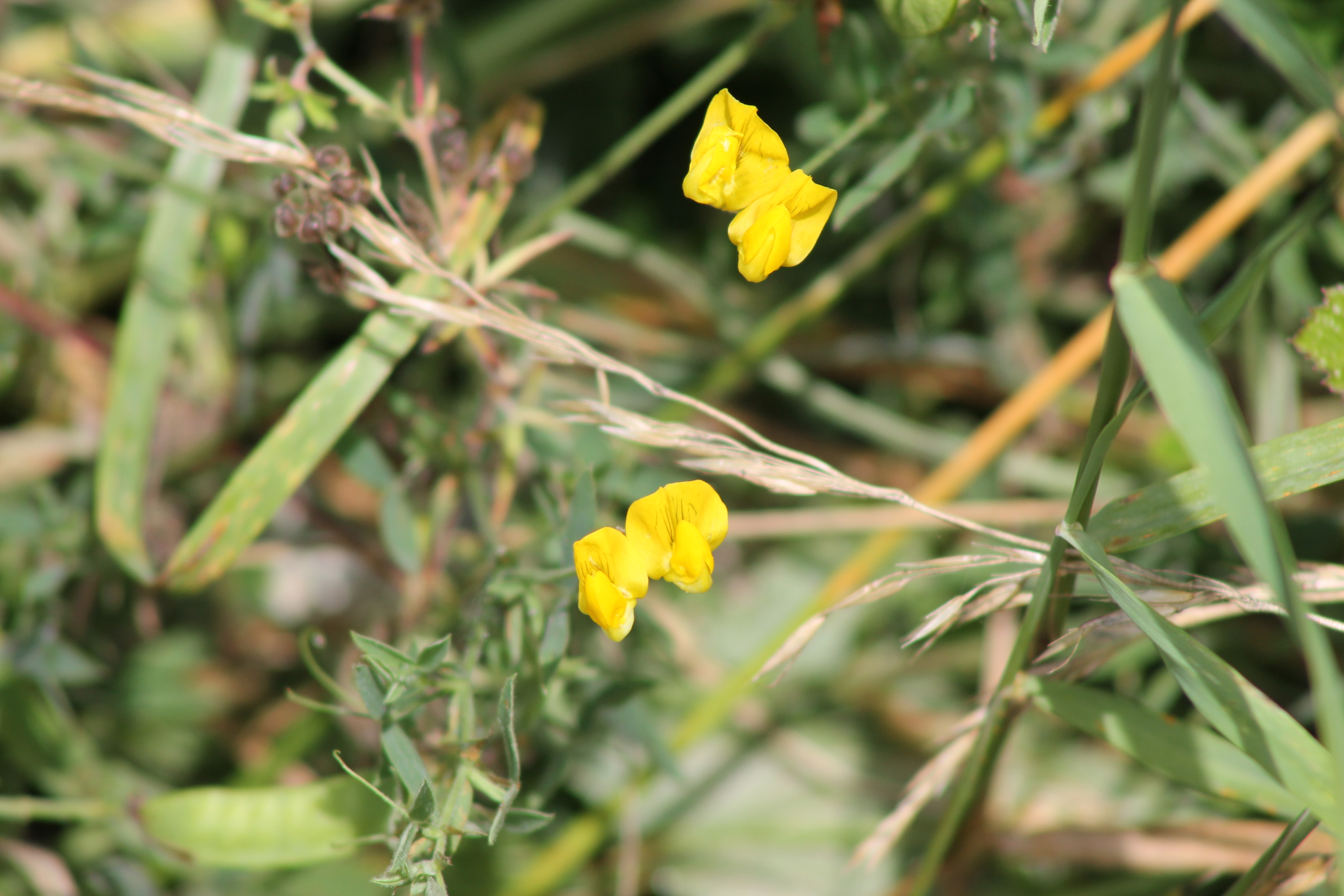
I think this is Greater Bird’s-foot-trefoil. The flower stalks were very long.

079Two white butterflies

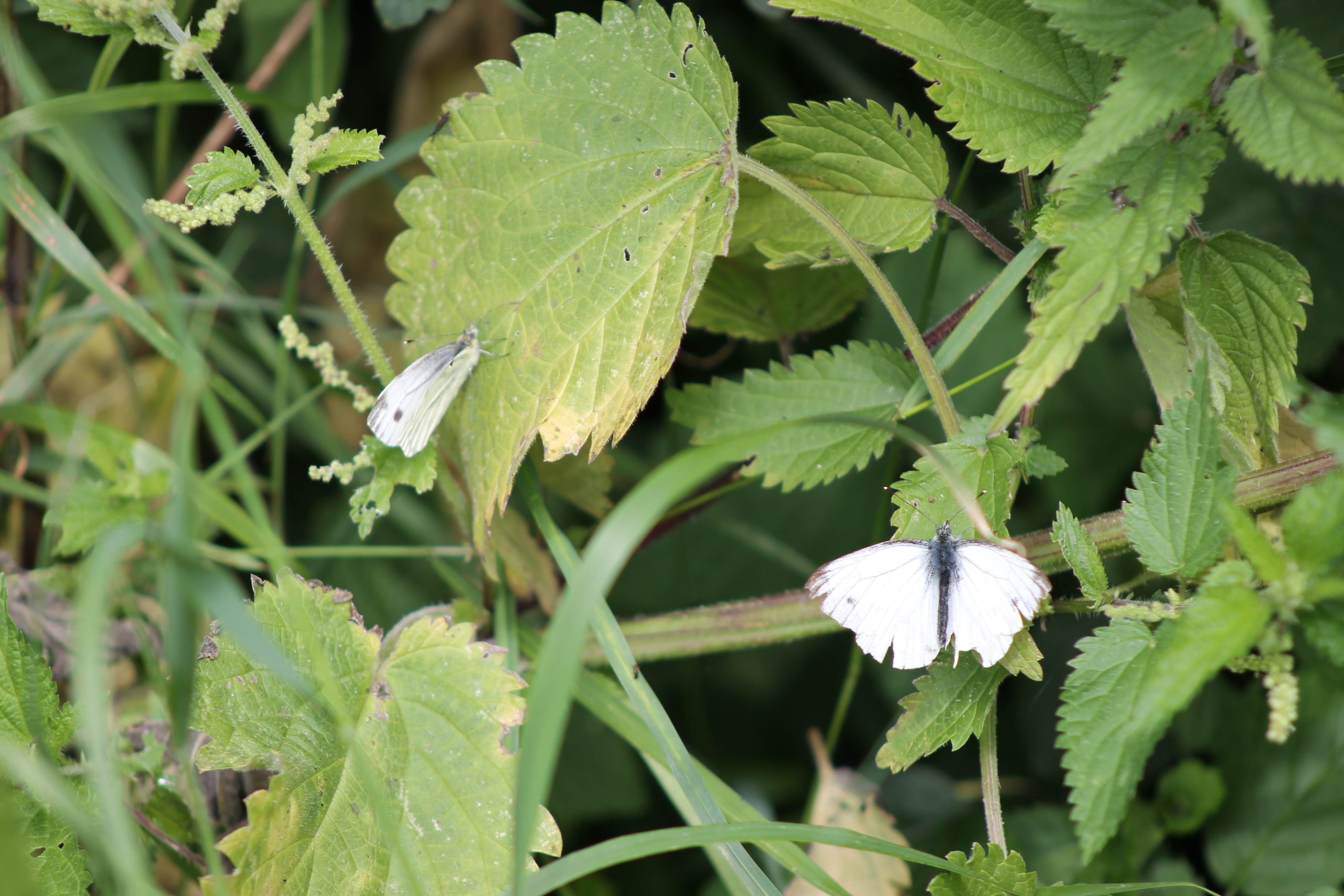
Two white butterflies – I think they are both Small Whites but as they were both battered and faded I can’t be sure

097Speckled wood

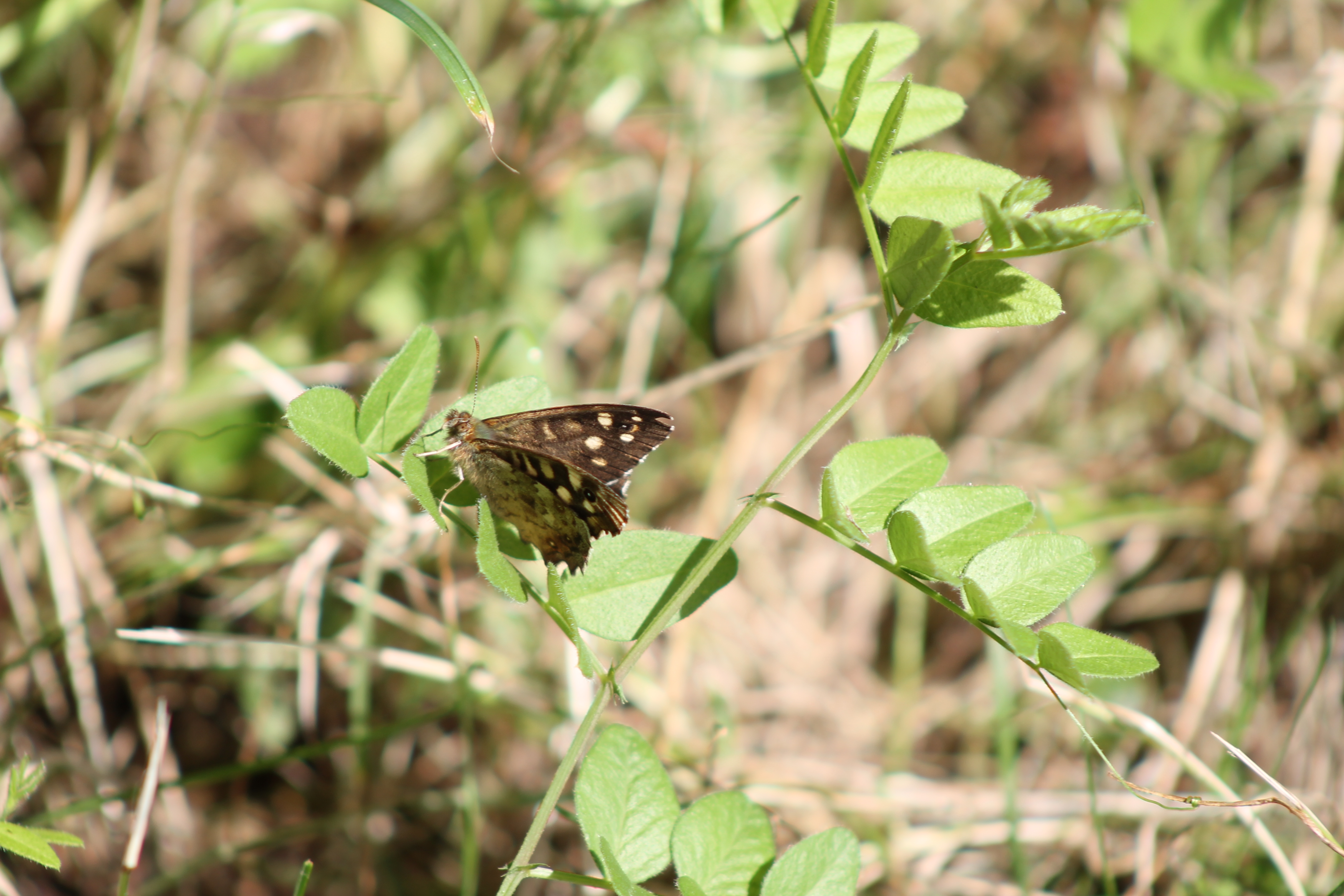
A Speckled Wood butterfly

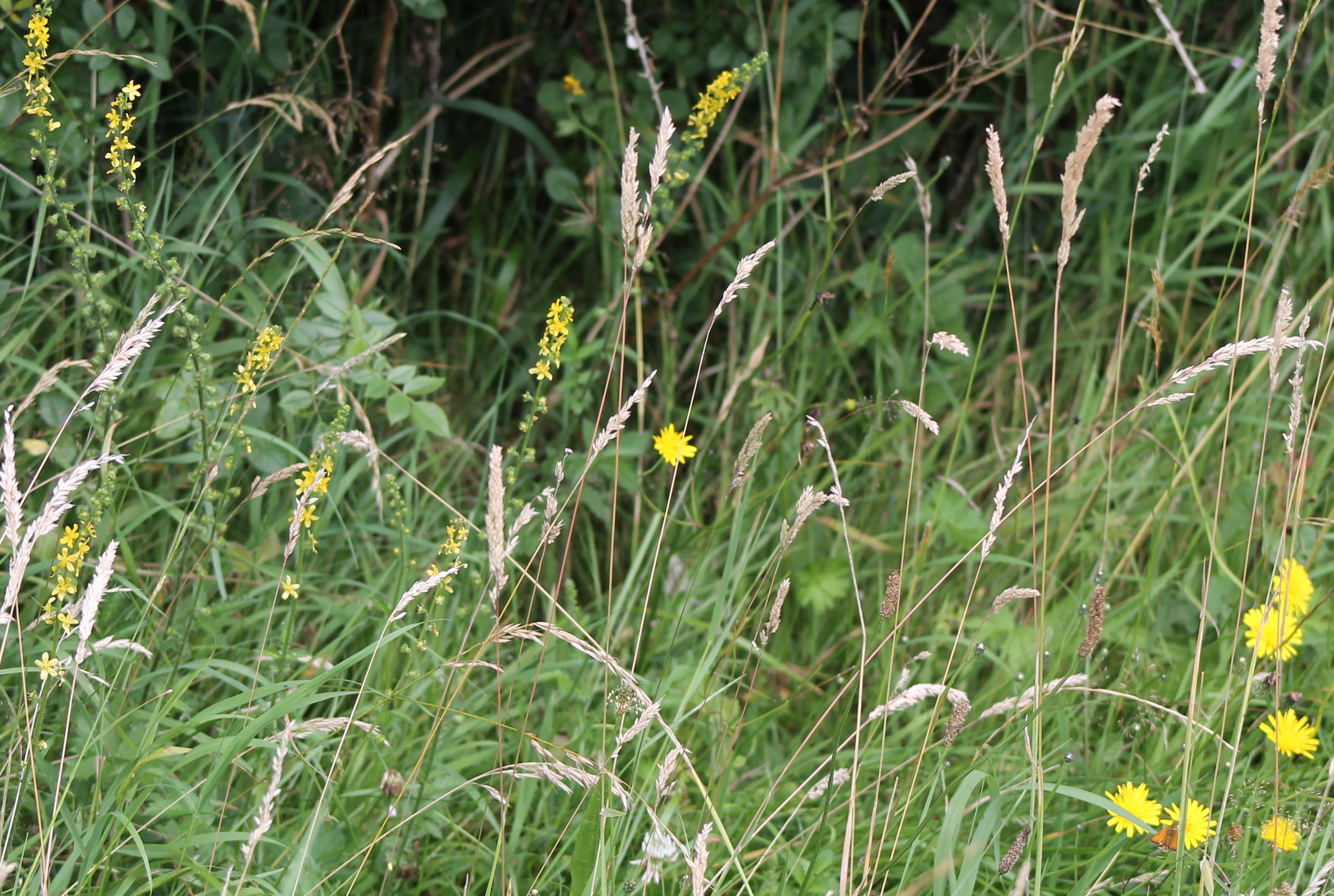
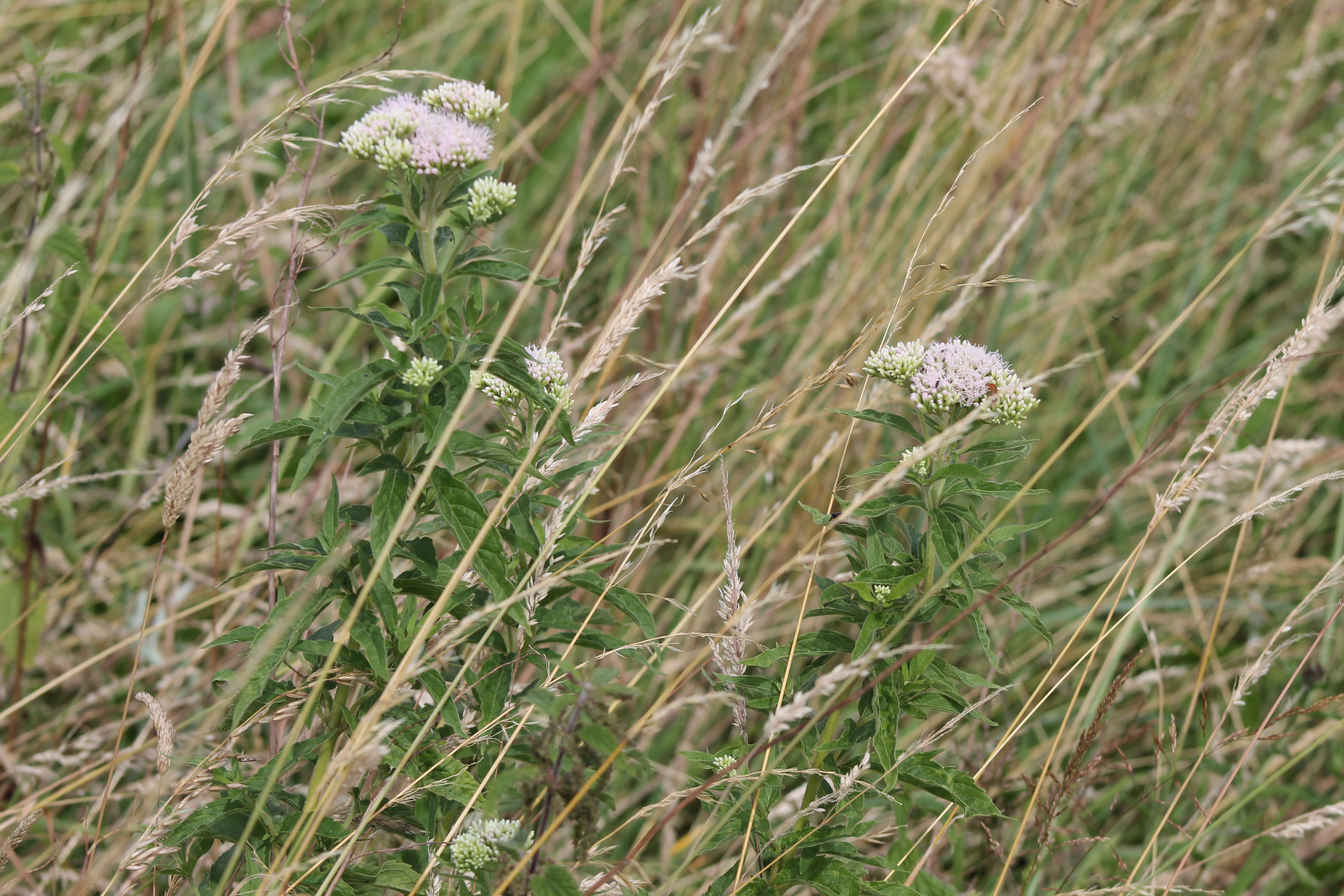
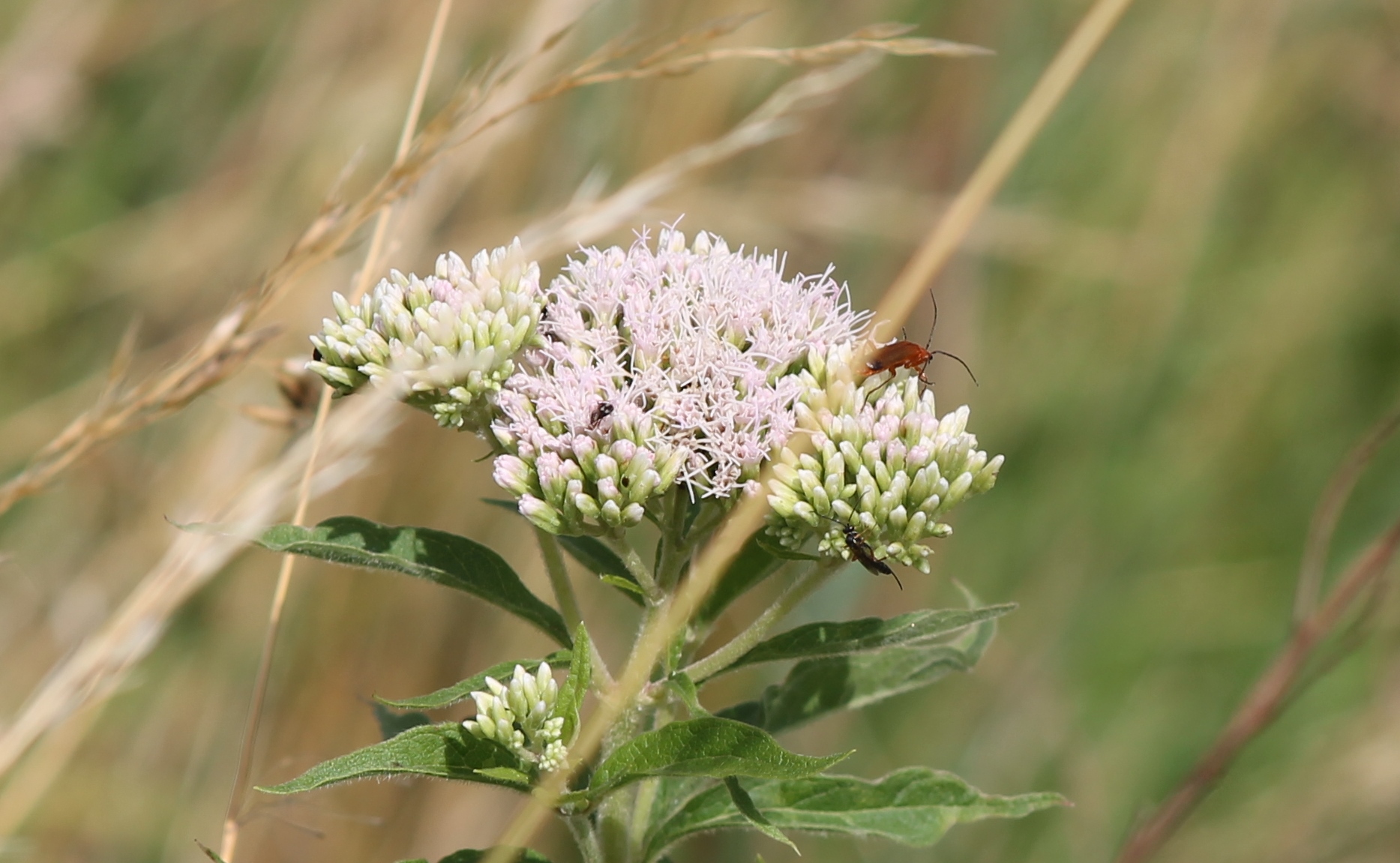
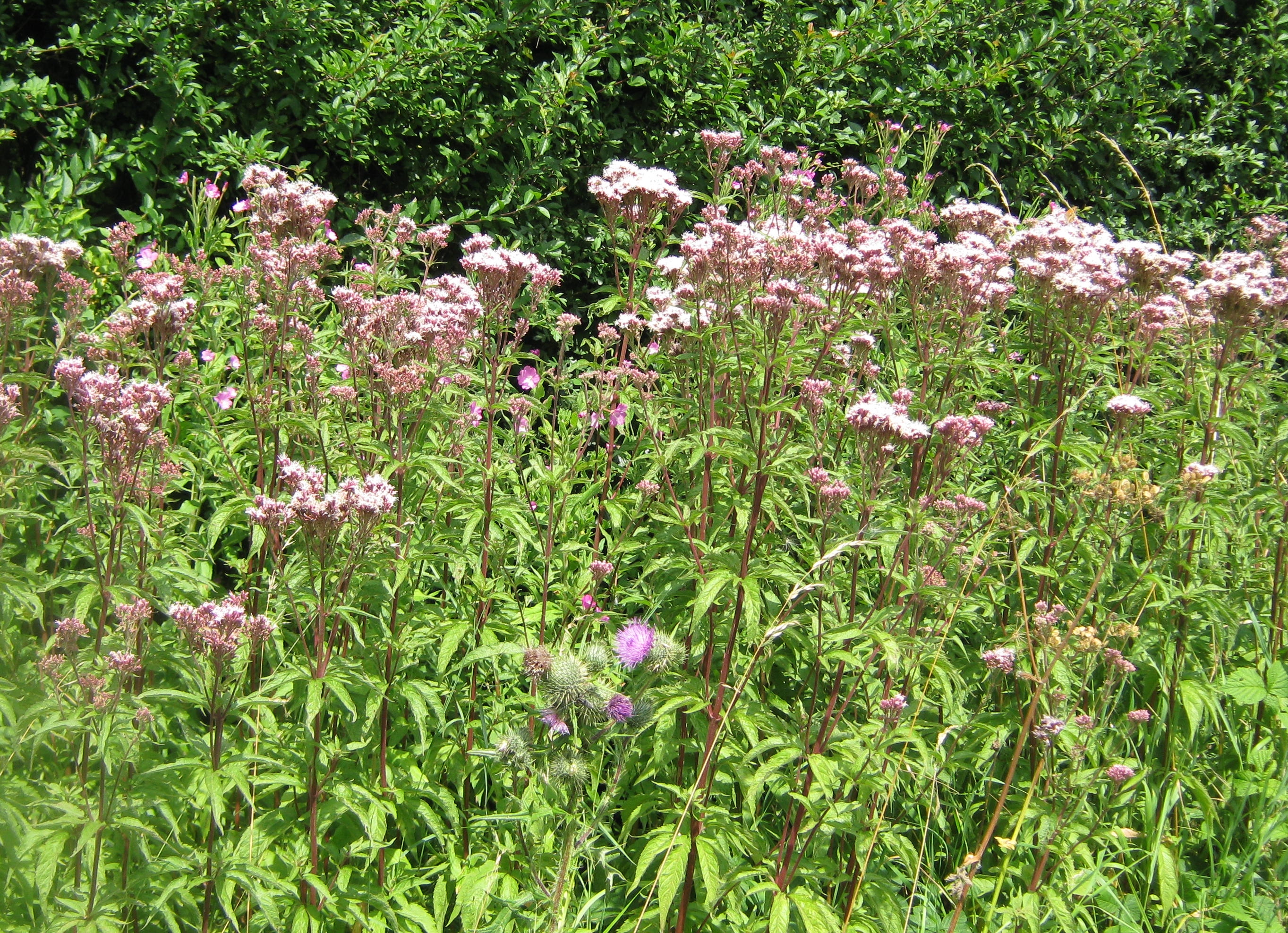
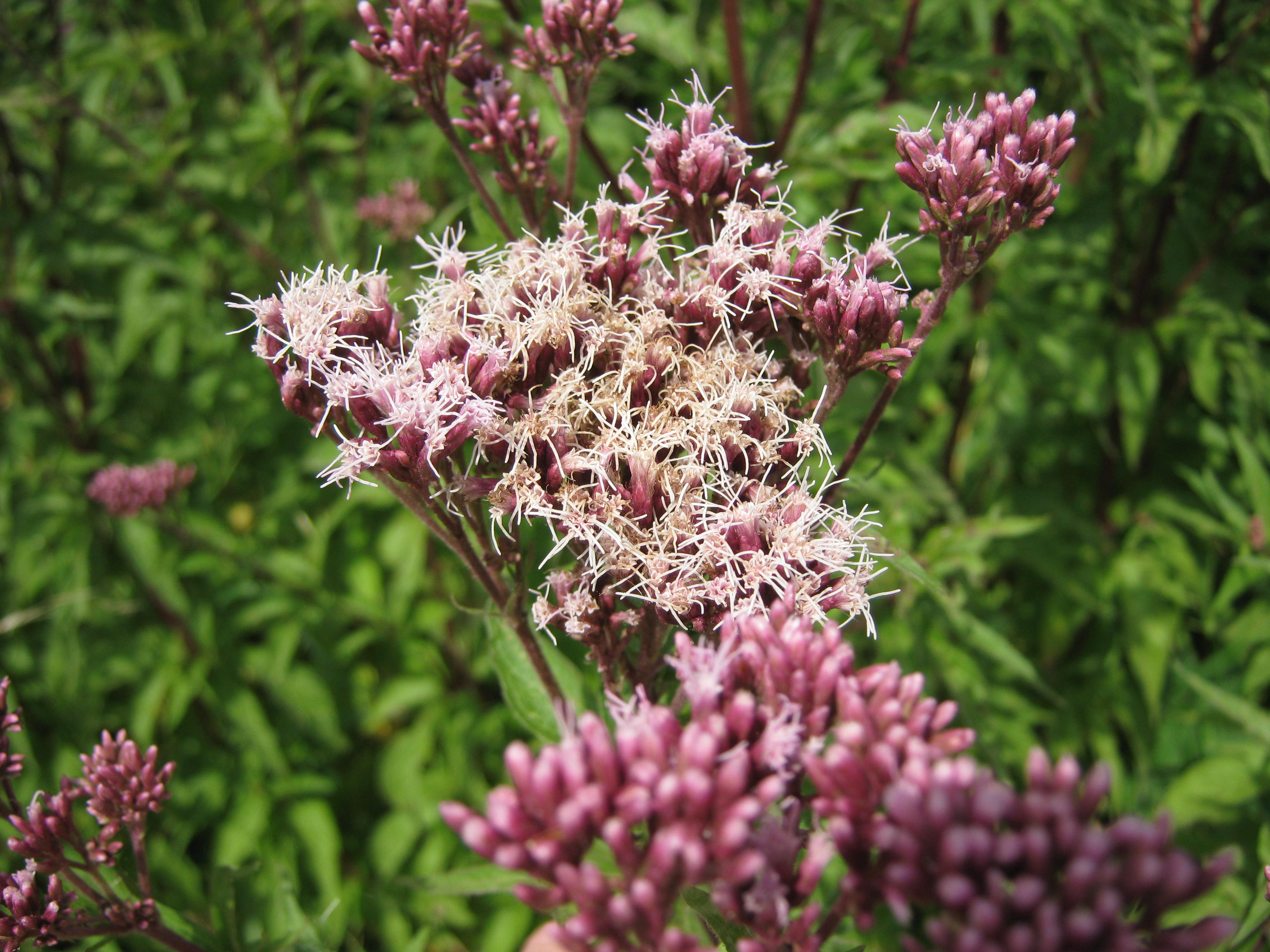
099Cat's ear and agrimony Cat’s-ear and Agrimony 100Hemp agrimony Hemp-agrimony.  This is a member of the daisy family – Agrimony is a member of the rose family.  Early herbalists wrongly classed this plant with true Agrimony.  The leaves of this plant look like cannabis leaves hence the ‘hemp’. 101Hemp agrimony with cardinal beetle and a sawfly Cardinal Beetle and a saw-fly visiting the Hemp-agrimony I was going to return to the Hemp-agrimony a few days later to look at it again once the flowers had all come out.  Unfortunately, the common was mown the next day and all the flowers had gone.  The following photos are of a large clump of them that I see on my way to my mother’s house. 008Hemp agrimony They are tall plants – about 4-5 feet tall – and I think they look beautiful. 009Hemp agrimony   The walk I took was only about a mile in length – I was pleasantly surprised to find so many things to look at in such a small area.

Share this:

  • Share on X (Opens in new window) X
  • Share on Reddit (Opens in new window) Reddit
  • Share on Pinterest (Opens in new window) Pinterest
  • Share on Facebook (Opens in new window) Facebook
  • Email a link to a friend (Opens in new window) Email
  • Share on Tumblr (Opens in new window) Tumblr
  • Print (Opens in new window) Print
  • Share on Pocket (Opens in new window) Pocket
  • Share on LinkedIn (Opens in new window) LinkedIn
Like Loading...

A Visit to Minsmere

26 Mon May 2014

Posted by Clare Pooley in plants, Rural Diary, walking, wild birds

≈ 9 Comments

Tags

Avocet, BBC's Springwatch, Bird's-foot Trefoil, Bittern, Cuckoo, greylags, Highland Cattle, marshes, Minsmere, Mute Swan, Nightingale, Oystercatcher, Pop-Up Café, Rabbit, RSPB, Sand martin, sea, Sea Kale, Sluice, tank traps, The Scrape, Whitethroat

For several weeks I have been wanting to re-visit Minsmere.  Minsmere is a bird reserve run and owned by the RSPB (the Royal Society for the Protection of Birds) to which all four of us belong.  Minsmere is also the RSPB’s so-called ‘flag-ship’ reserve – the biggest and best in the country and we are lucky enough to live just a few miles from it.  There were three main reasons why I wished to go to Minsmere – I hadn’t been there for ages and missed it – I wanted to hear a nightingale again and there is usually a nightingale to be heard there at this time of year and lastly – I had heard that the BBC would be filming their Springwatch programmes there for the next three weeks starting on Monday 26th May and I wanted to go before they arrived.

R has been on annual leave this last week so we decided that we should go to Minsmere on Friday afternoon.  E and I had a very early start on Friday – up at 6.15am for me and 6.30am for her as she had a hospital appointment to go to in Norwich at 8.30am and we needed to leave the house at 7.15am to get there on time.  When that was over E decided she would like to do some shopping for books so we called in at Waterstones and she made a couple of purchases.  We then went to HMV to look at DVDs etc. and then we had lunch in a coffee shop.  We returned home via Beccles for more shopping.  Fortunately the weather had stayed dry for all of our journey.

R and I had a hot drink and a chat while I rested after my busy morning and then we set off.  There was a slight shower of rain as we drove there but it had all cleared away by the time we had parked the car in the carpark.  We decided to go towards the sea first and walked past the wildlife ponds near the Visitor Centre.  There is a sandy cliff behind the visitor centre where Sand Martins nest each year.  The Martins were very busy nesting and catching insects, flying low over our heads.  We were very pleased to hear a Cuckoo calling all the time we were there.  We hadn’t heard one for some years.

Image

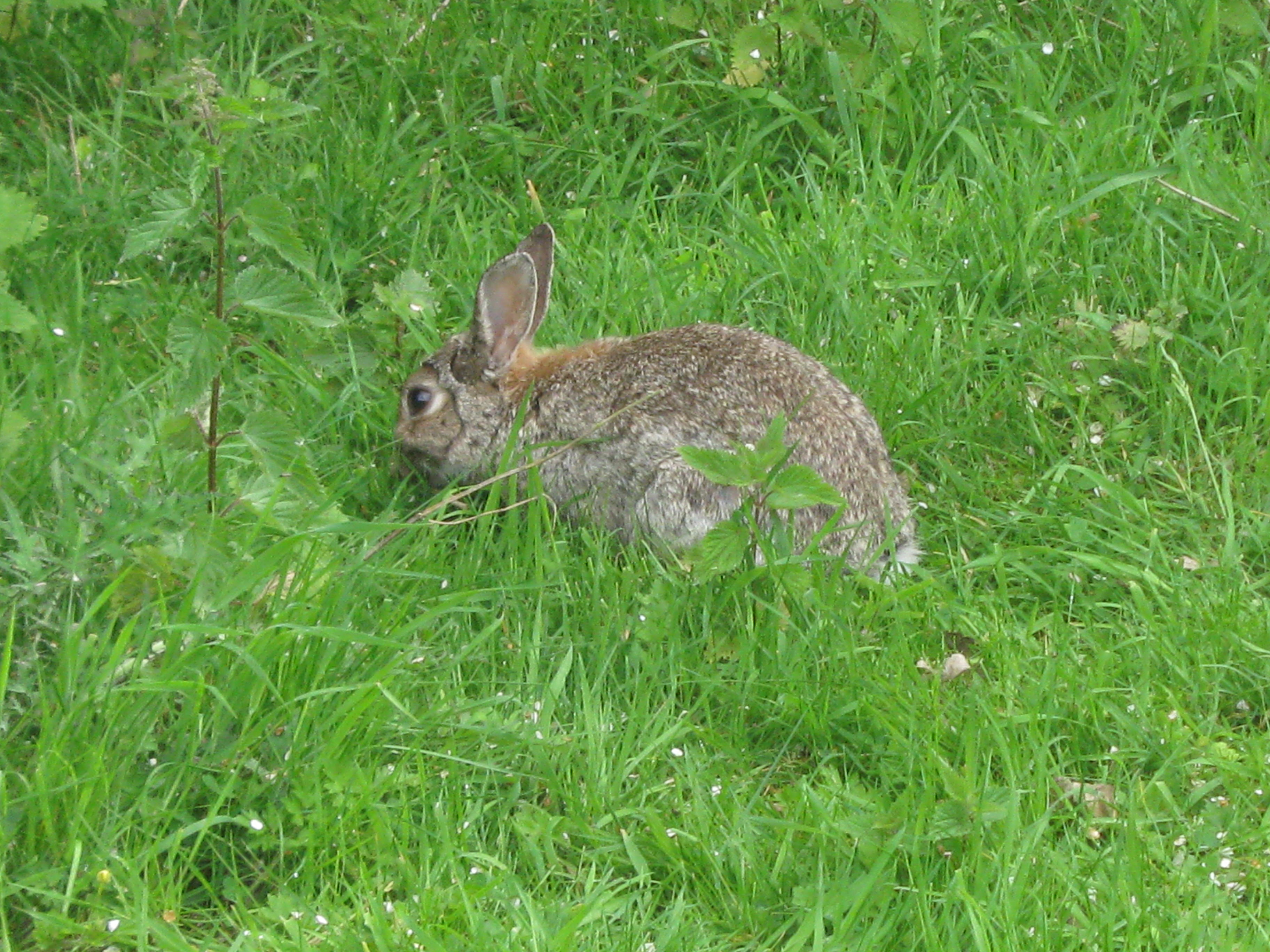
The rabbits on the reserve have no fear of humans

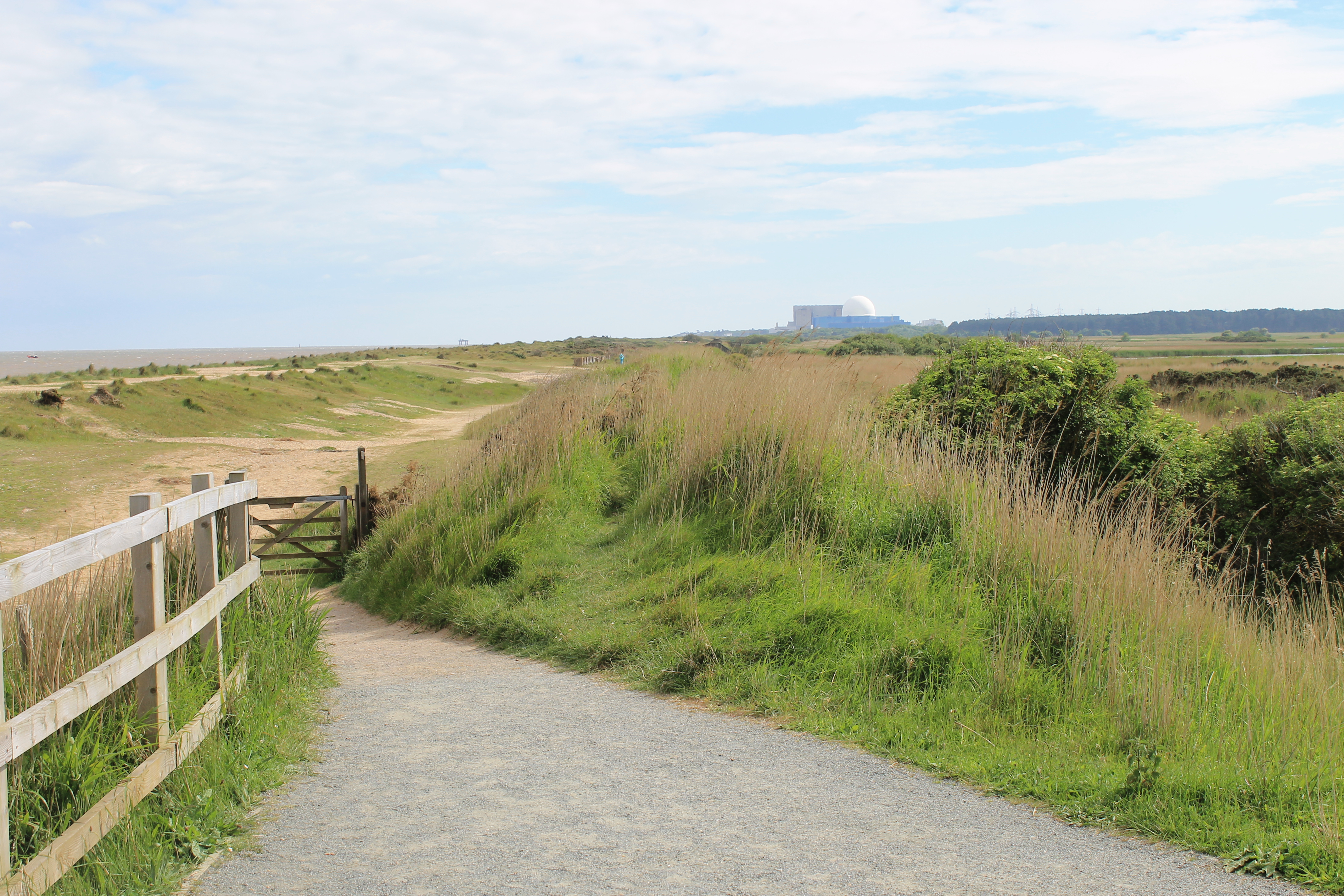
The path starts off over heathland and then carries on towards the sea on a raised bank through water meadows and marshland.

Image

On our right to the south is Sizewell ‘B’ nuclear power station with Sizewell ‘A’ behind it.

Image

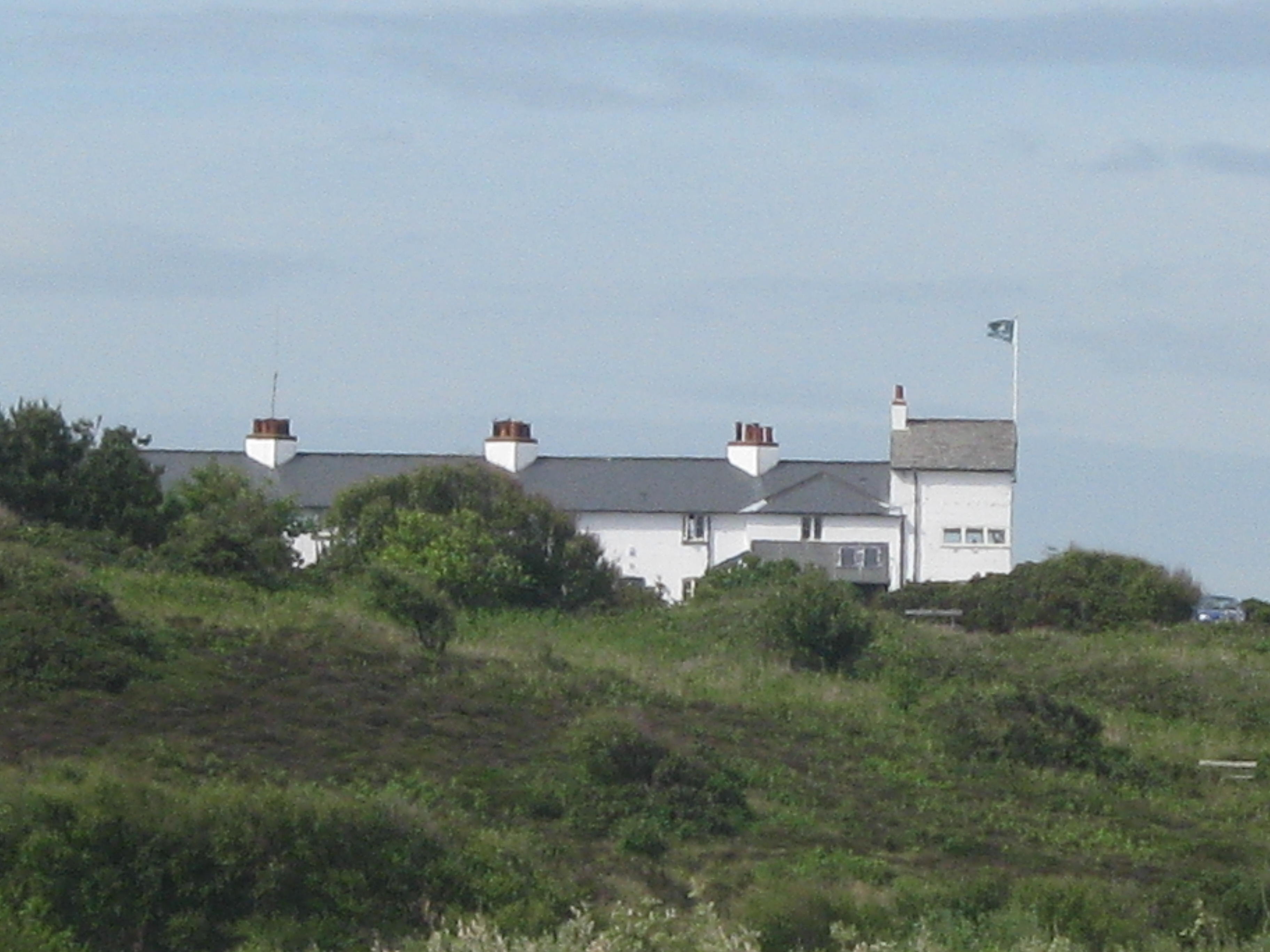
On our left are the Coastguard Cottages on land owned by the National Trust.

Image Image

This is looking back along the path we had just walked.  It has recently been re-laid and covered with gravel.  Crunching along these paths is a noisy business and all the birds disappear as soon as anyone steps onto them.  A lot of damage was done here during the storm surge in December and in the high winds and flooding during the winter; the RSPB have worked very hard trying to put things right again.  They also like to make as much of the reserve accessible to the disabled as possible – and – the BBC are filming one of the country’s most popular programmes here so it must look really neat and well cared for!

Image

The entrance to the beach.

Image

The dunes at the top of the beach.

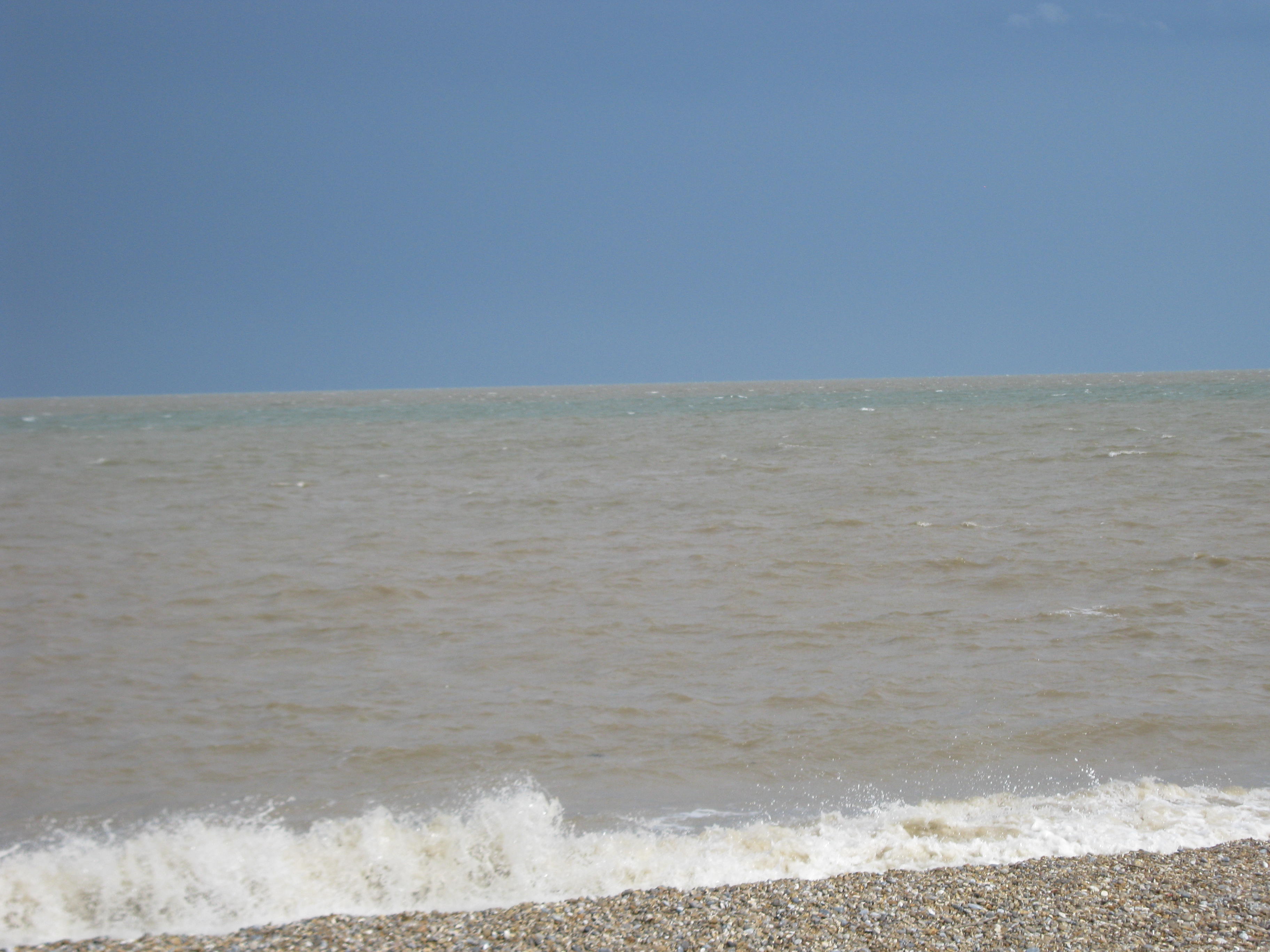
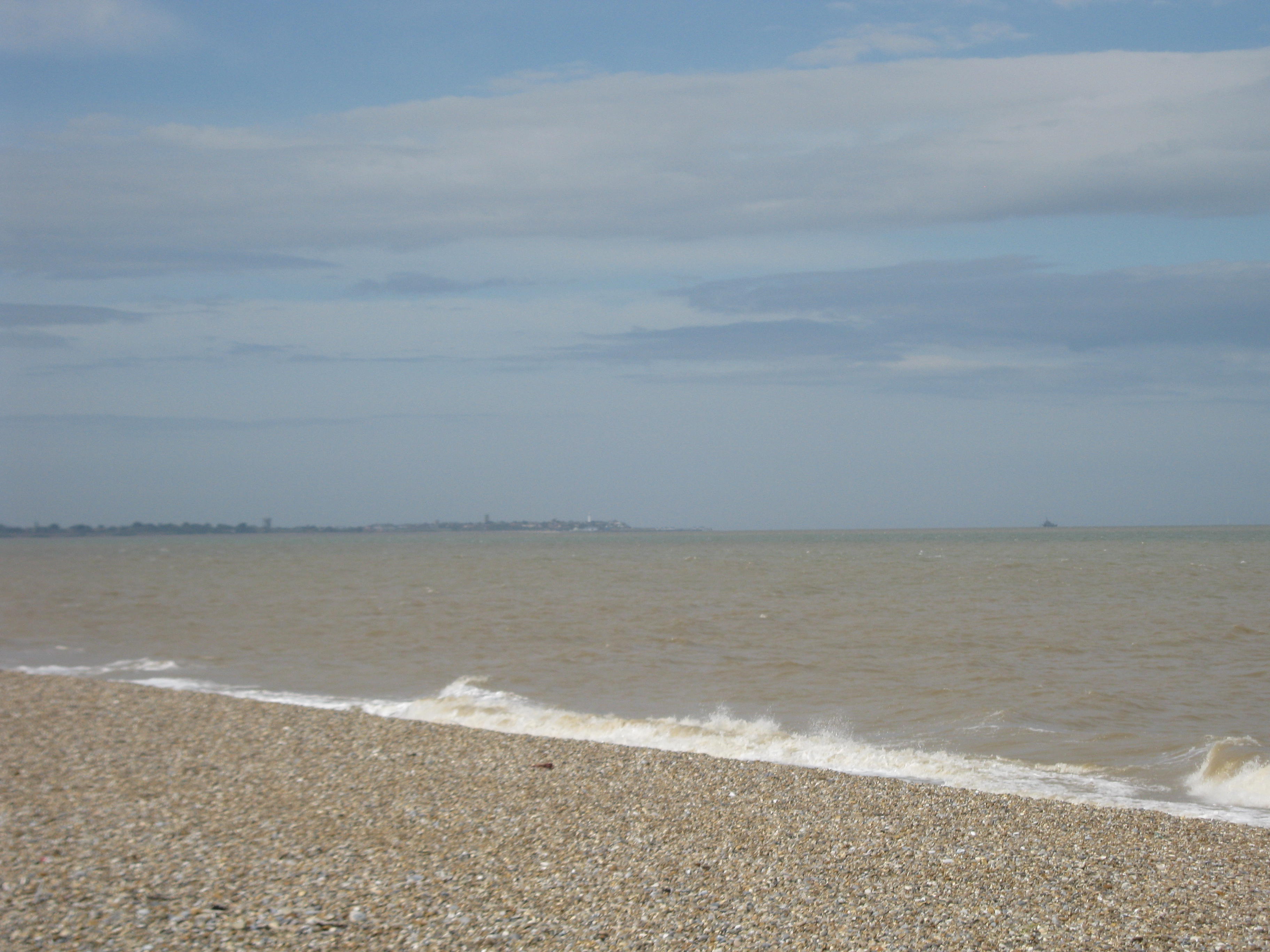
At last we got to the sea.  The sky out at sea looked very threatening but overhead was bright and sunny.

Image

Image

This is looking north towards the town of Southwold.  The lighthouse was flashing its light so conditions and visibility at sea mustn’t have been good.  I tried to get a photo with the light from the lighthouse shining but couldn’t.

Image

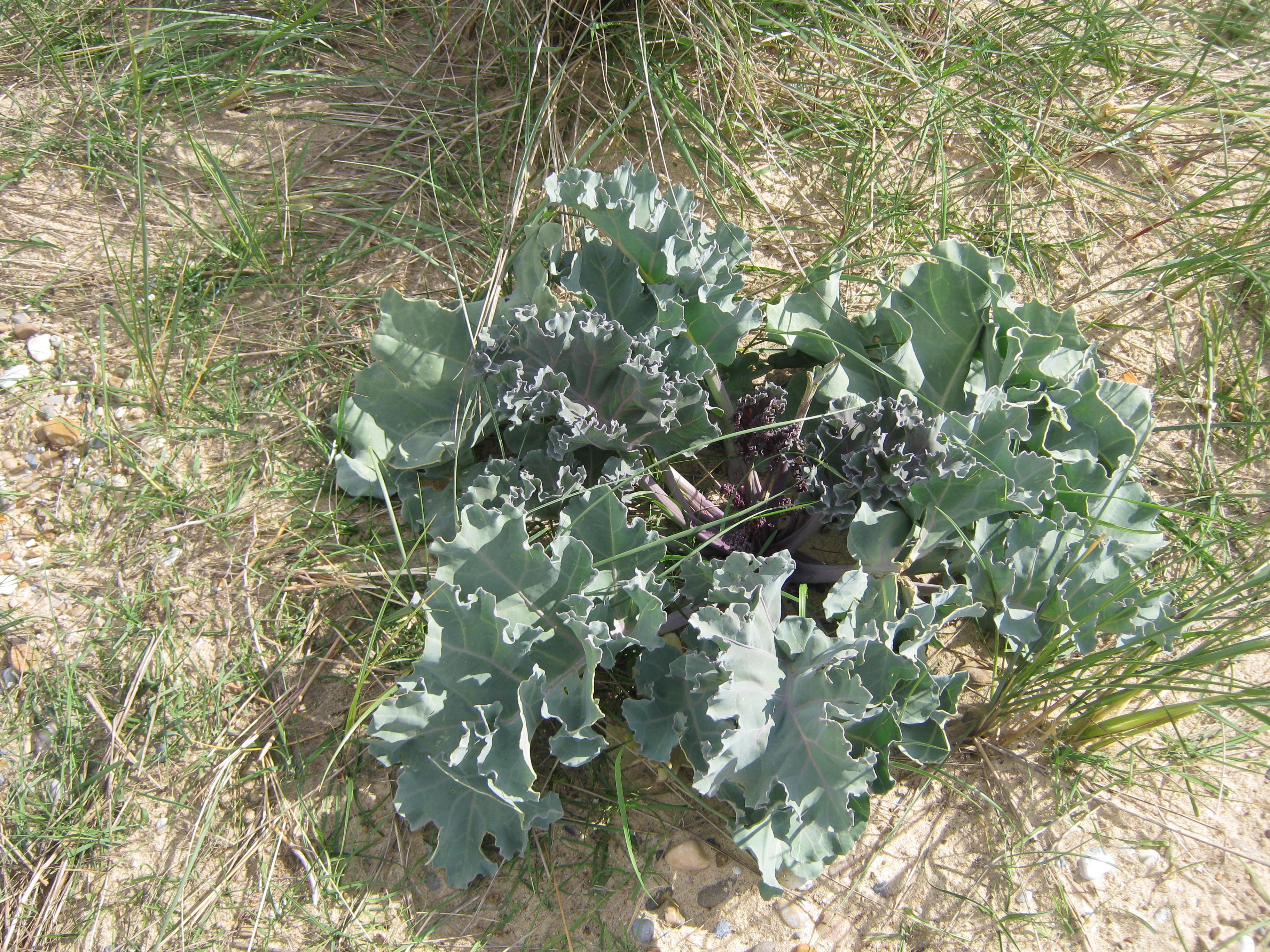
Sea Kale growing on the beach

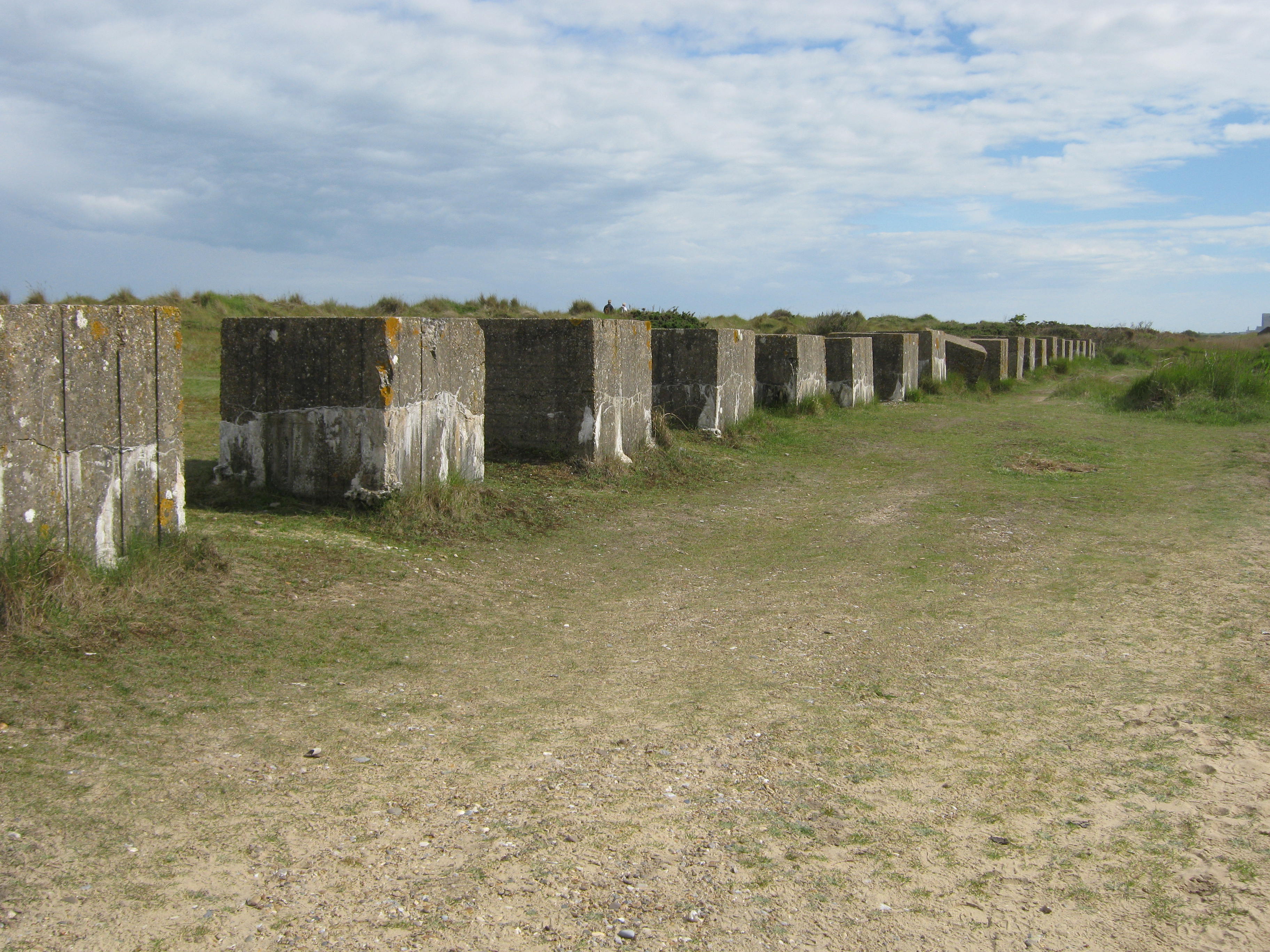
These are tank traps that were put here at the beginning of the Second World War.  If there had been an invasion it was hoped these might hold up the tanks for a while. There are many mementos of wartime in Britain, especially round the coast.

Image

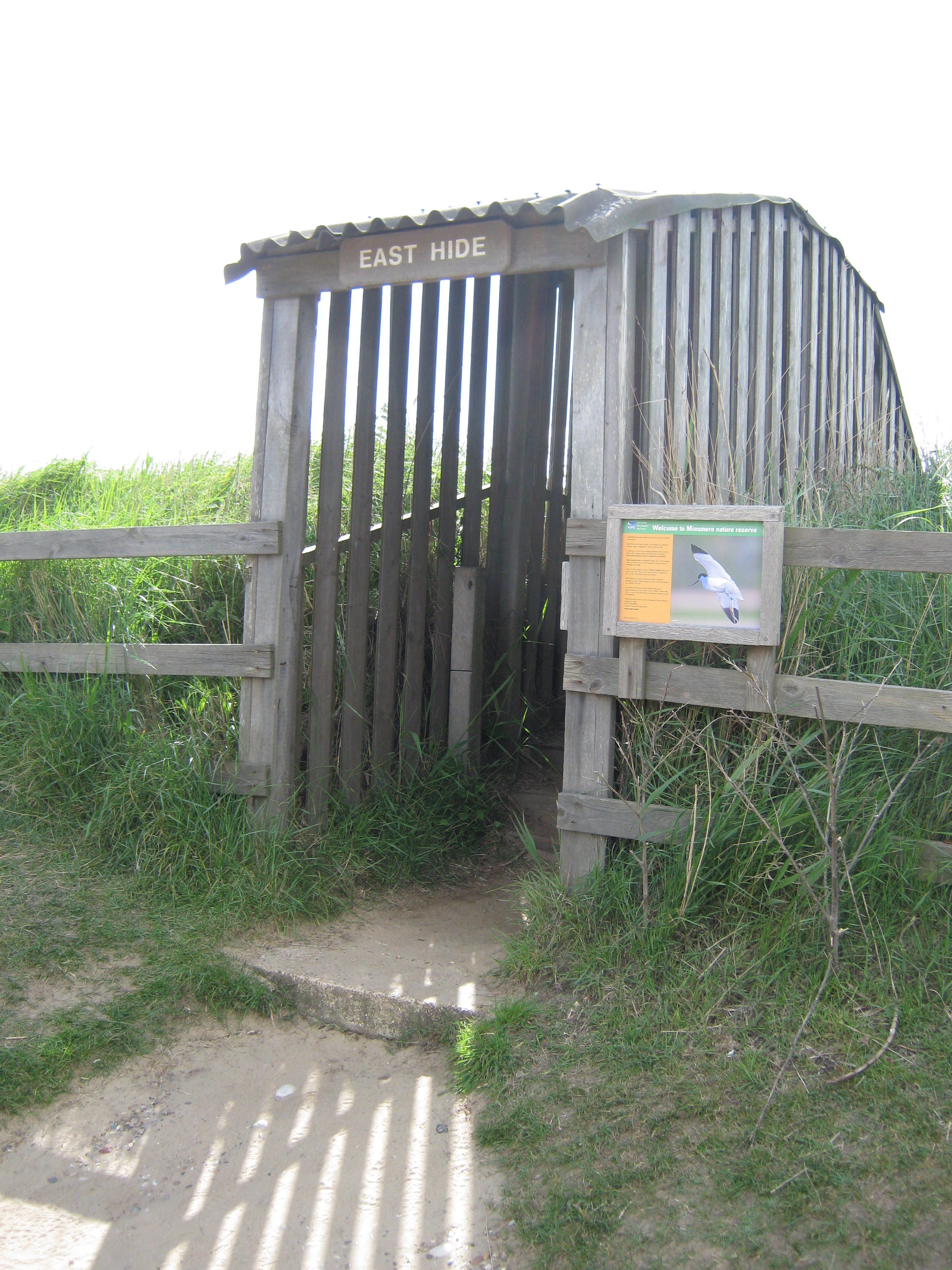
PD James’ book ‘Unnatural Causes’ is set here on the Suffolk coast.  One of characters in the book dies a most unpleasant death in one of the hides along the beach.

Image

Image

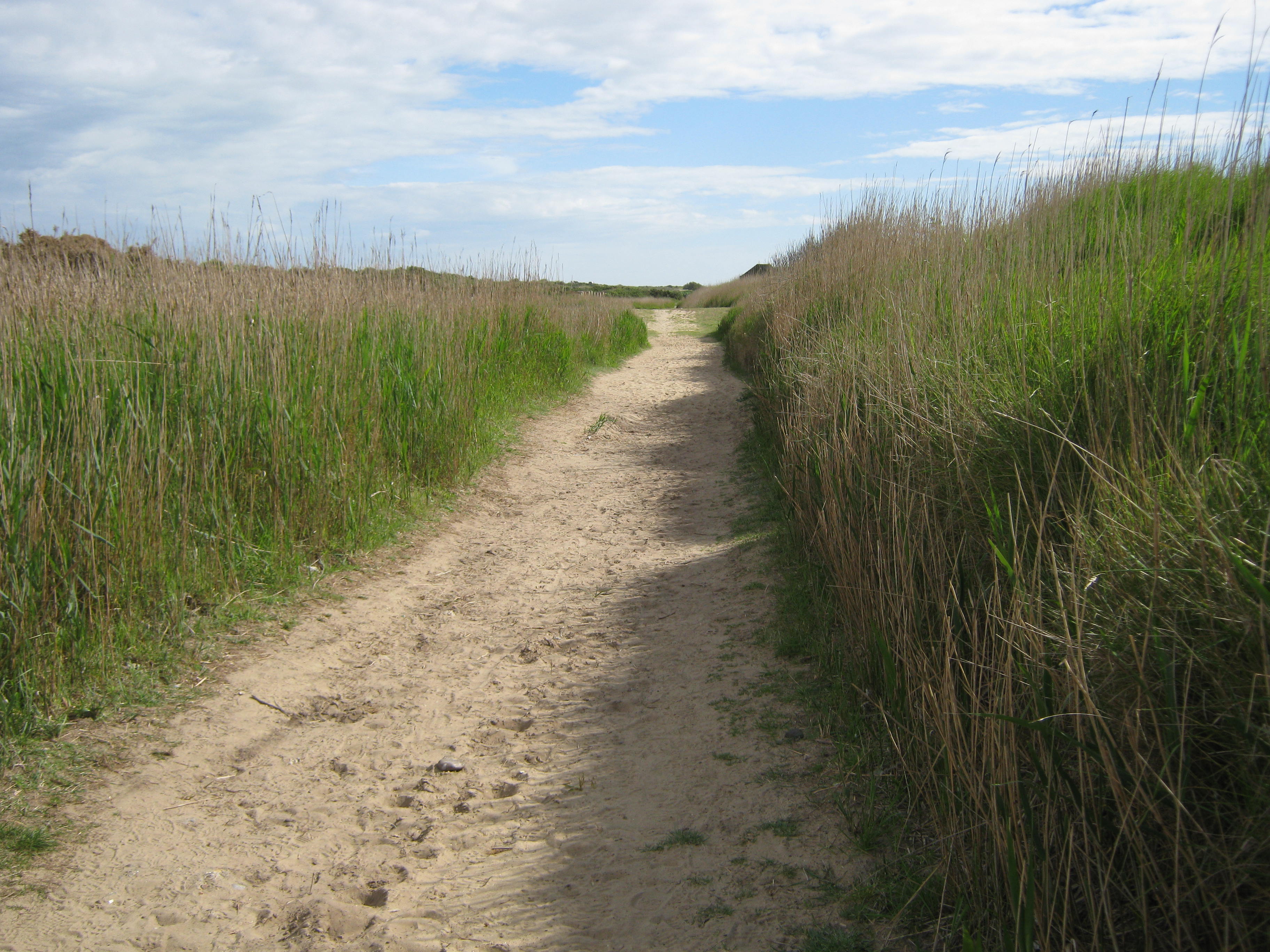
The sandy path that runs between the dunes and the reeds of the reserve.  We had walked by the sea for a while but an extremely stiff and cold onshore breeze was blowing so I escaped to the warm shelter of this path.

Image

Bird’s-foot Trefoil growing at the side of the path.

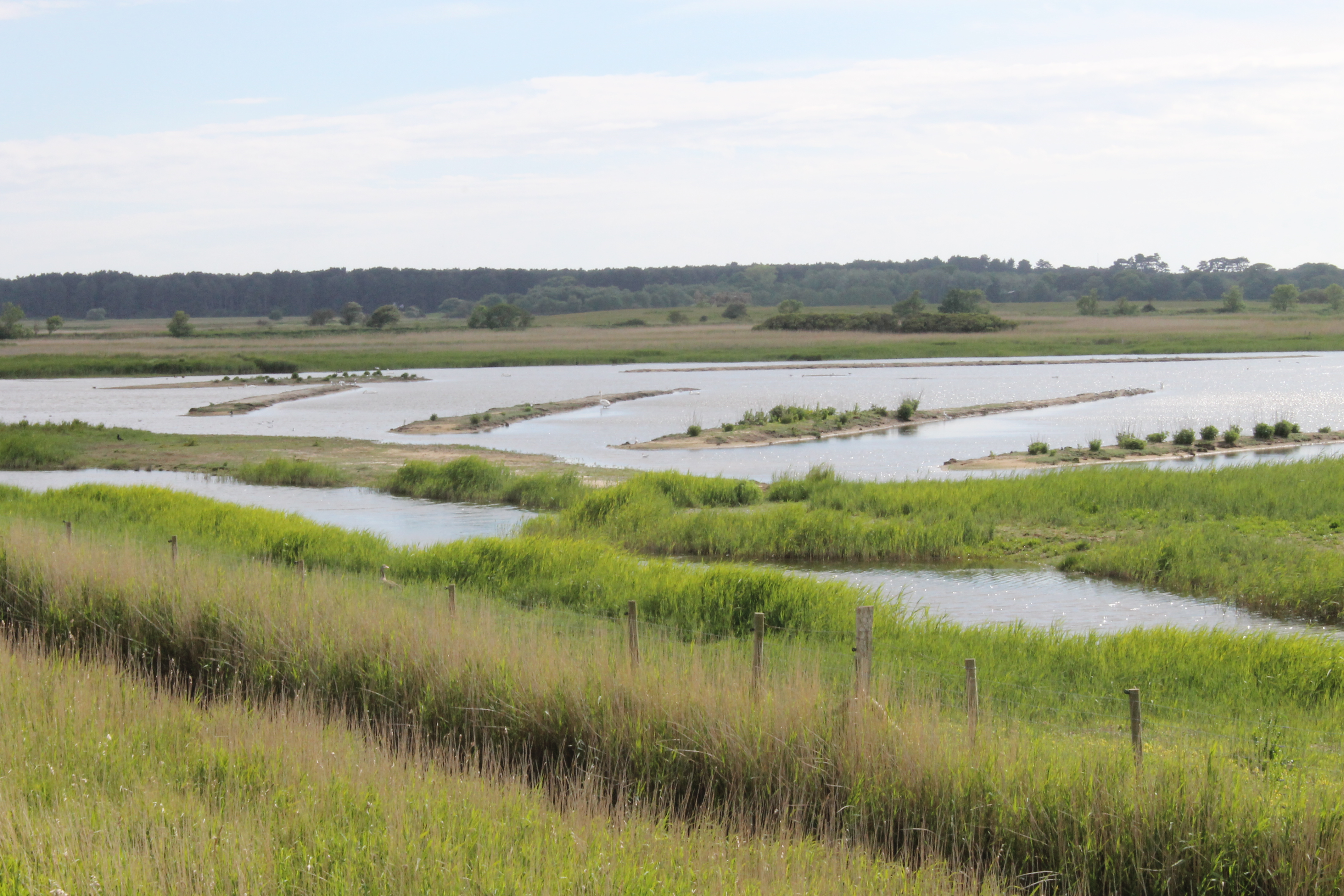
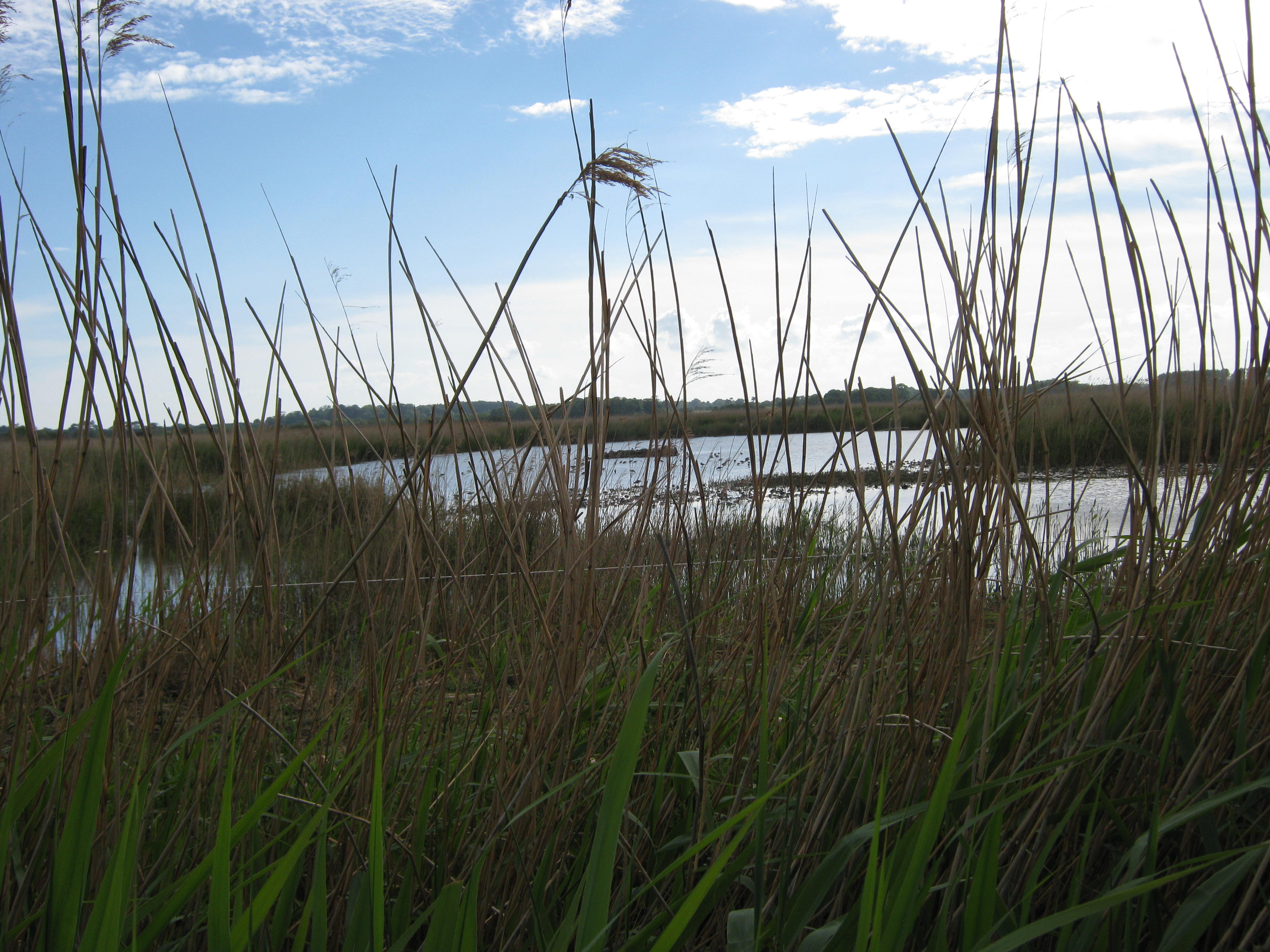
We went into one of the hides further along the beach and sat and looked inland across the Scrape at the birds nesting, eating, wading and getting on with their lives on the reserve.  The hide we were in had been damaged some time over winter and had no roof but as the weather was so lovely it didn’t matter much.  The birds were aware of our presence and didn’t get too close.  We were still able to see a lot through binoculars but we weren’t able to photograph much.

Image

Image

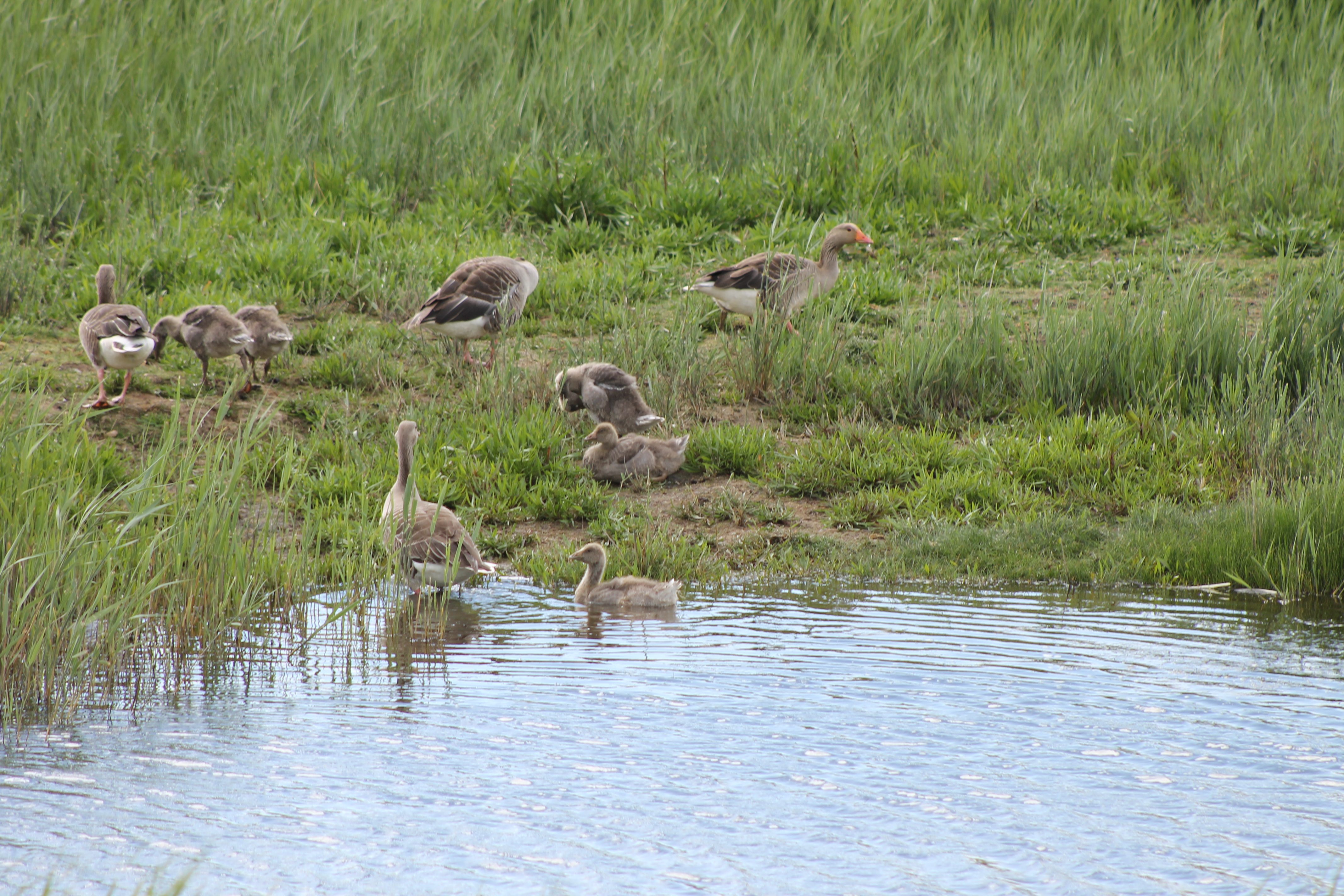
These are greylags with goslings.

Image

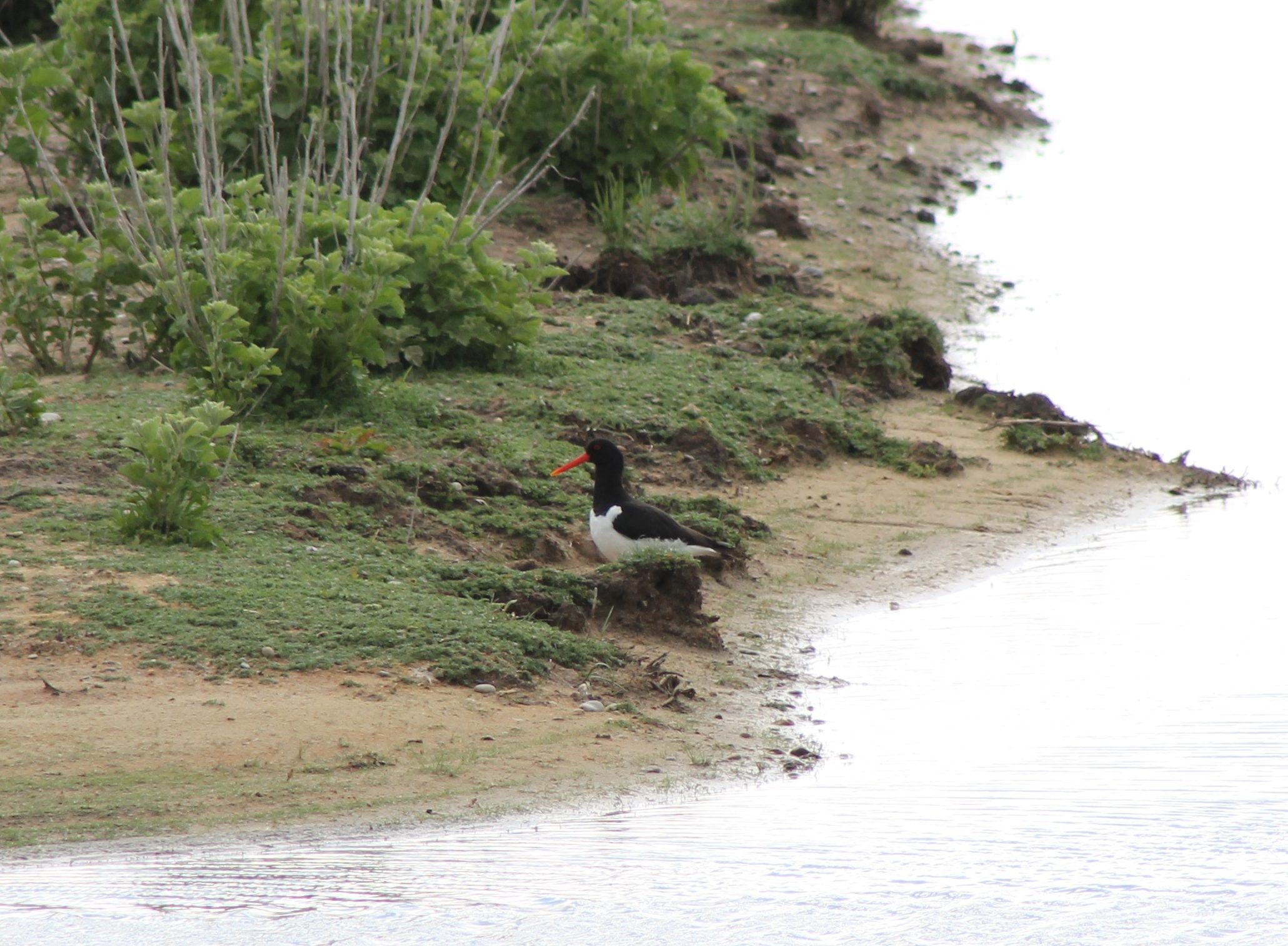
An Oystercatcher.

Image

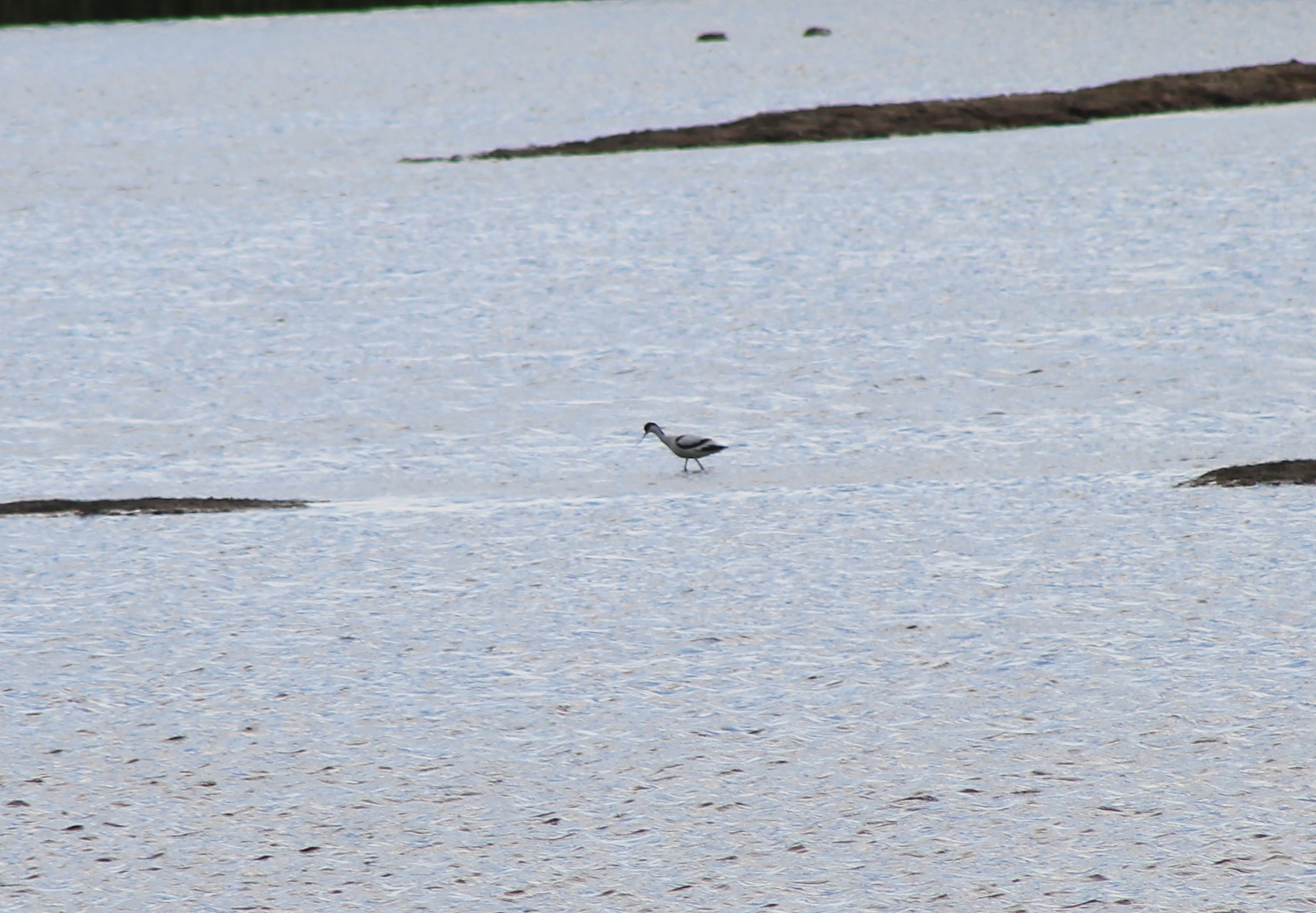
A poor photo of an Avocet.  You can almost see its long upturned bill!

Image

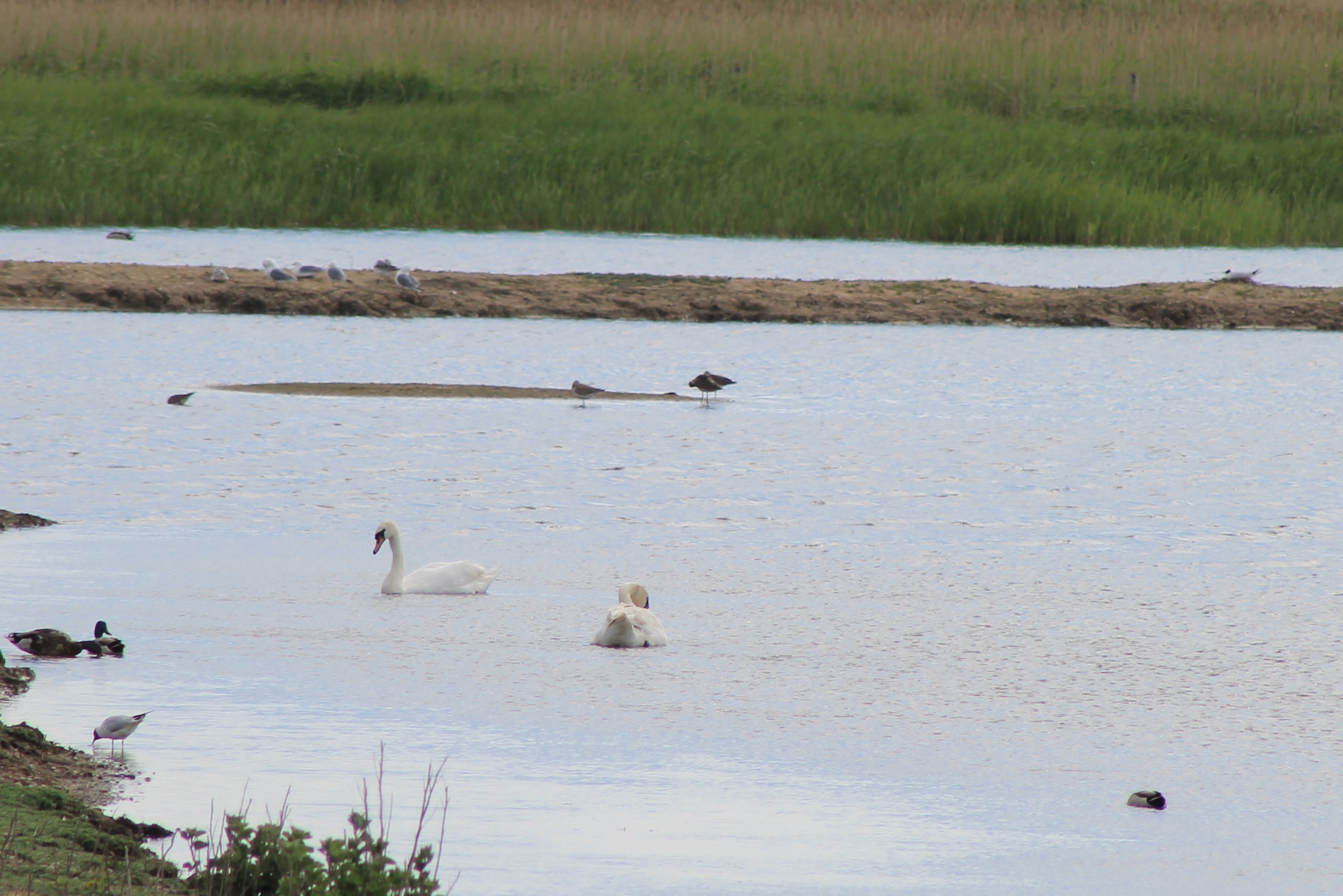
Mute Swans and other waders, ducks and gulls.

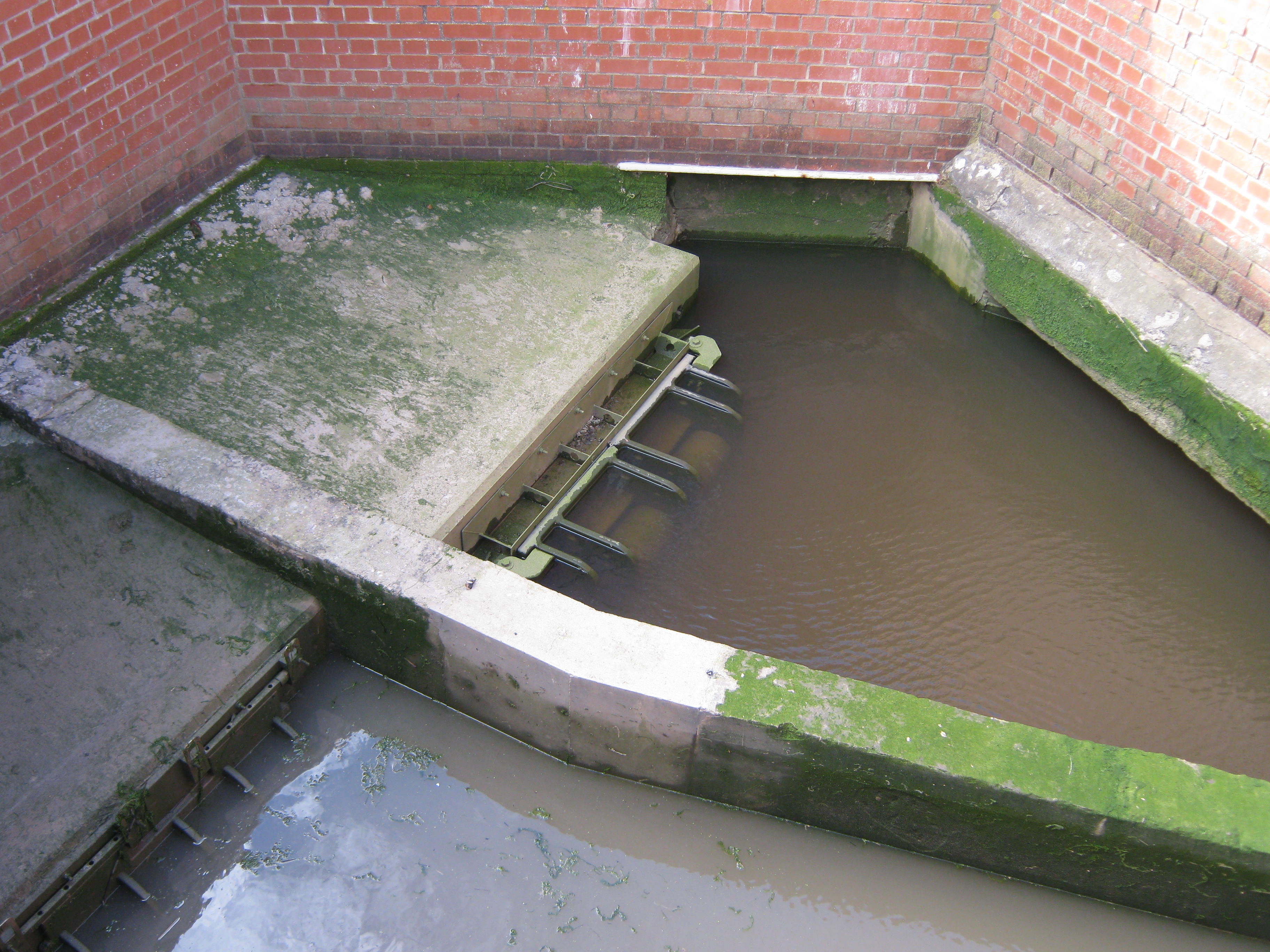
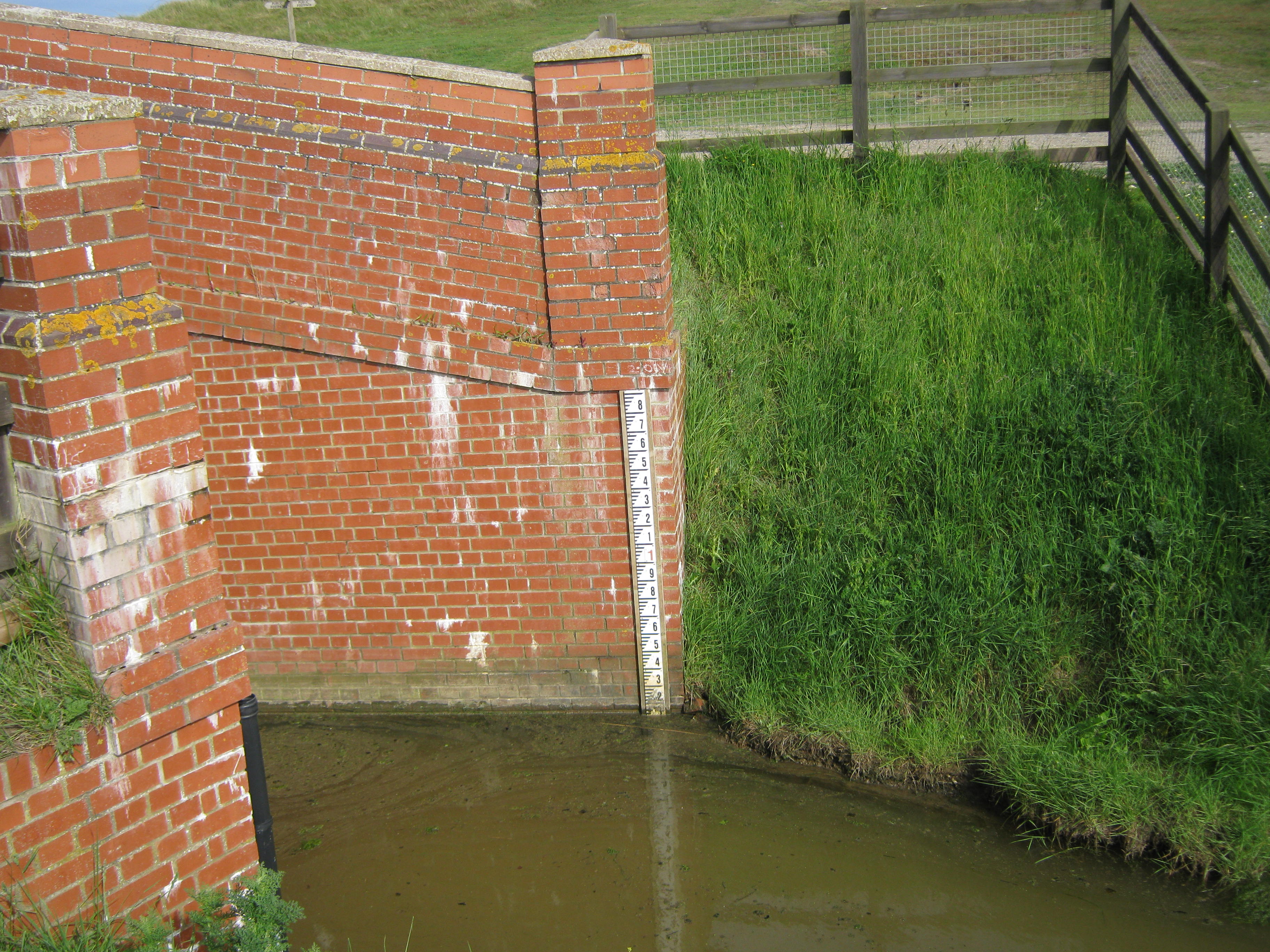
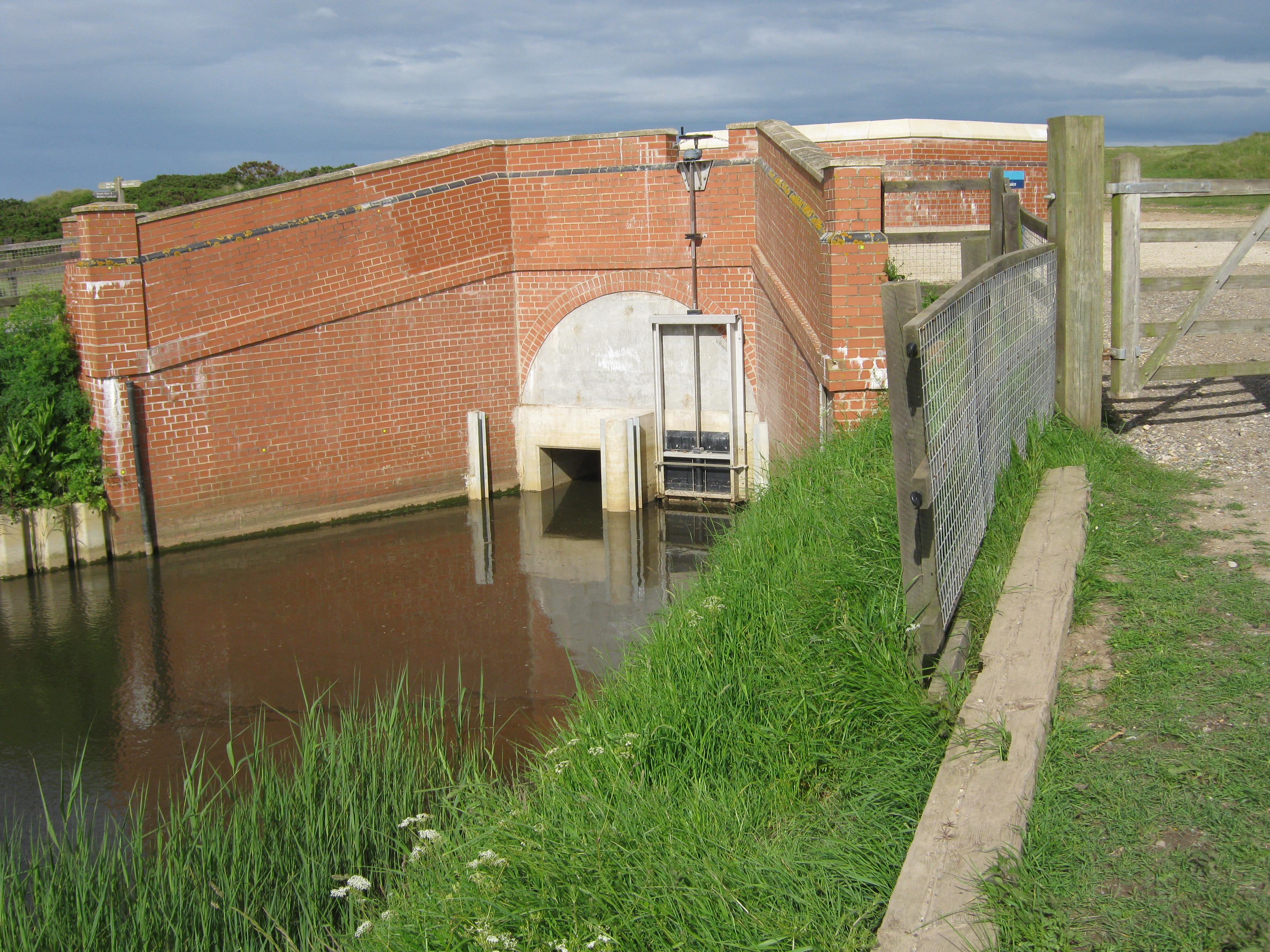
We eventually decided to move on and left the beach by another gate further south from the one we’d entered by.  There is a sluice there.  Water levels are monitored all the time.  The Scrape and lagoon need to have enough water in them but water levels must not get too high.  The RSPB works with other groups such as the owner of the nuclear power station and the National Trust to maintain flood defences.

Image

Image

Image

Image

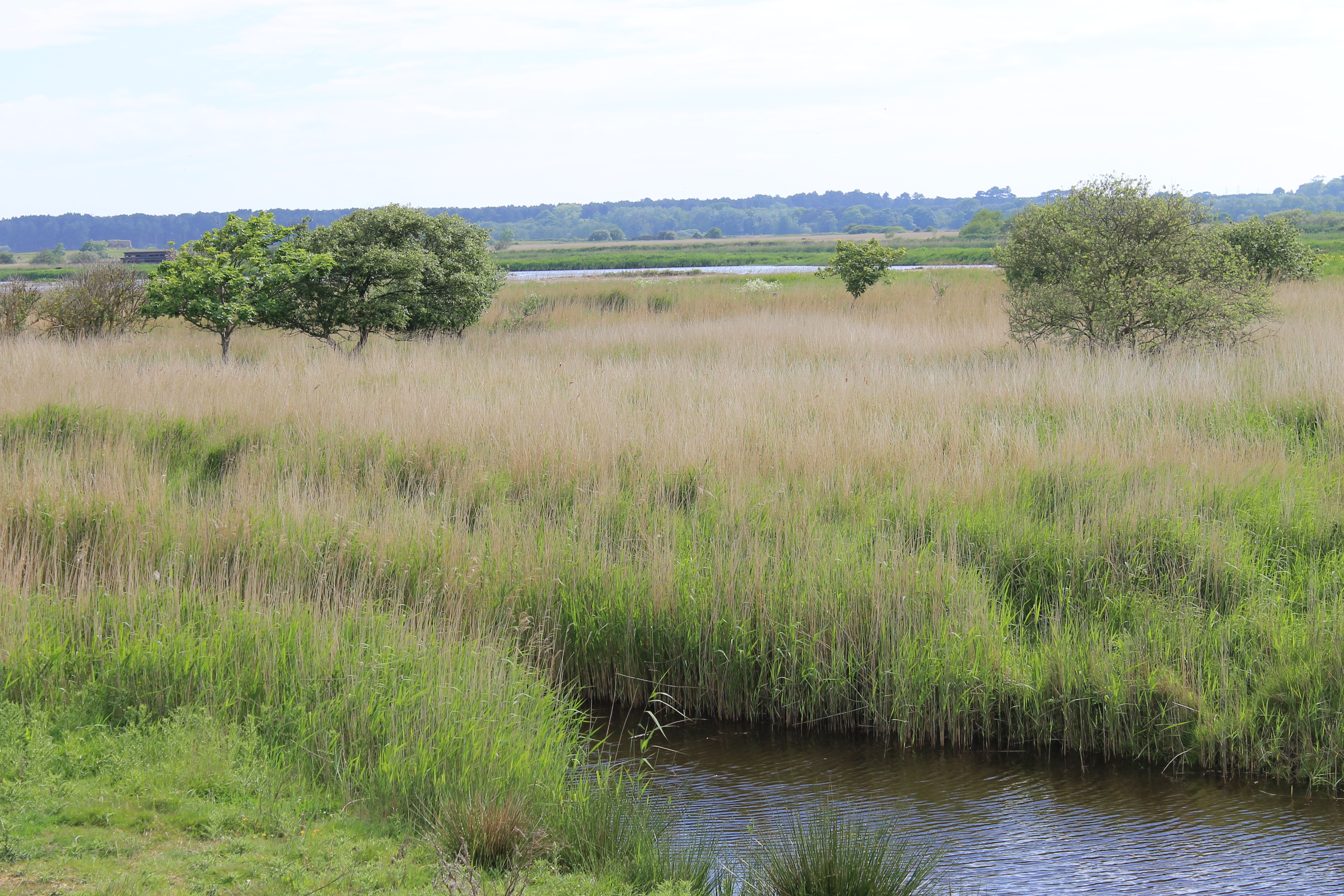
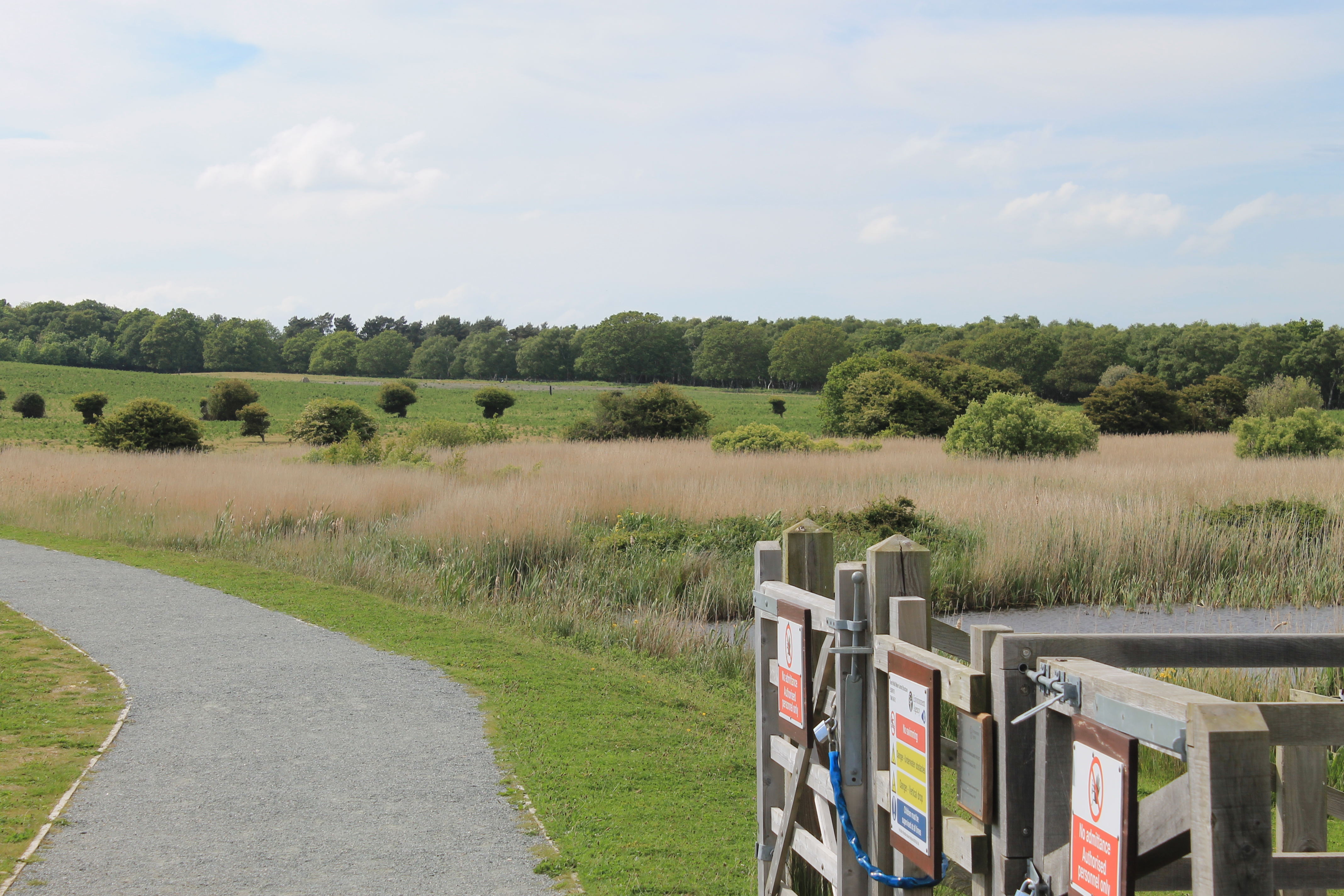
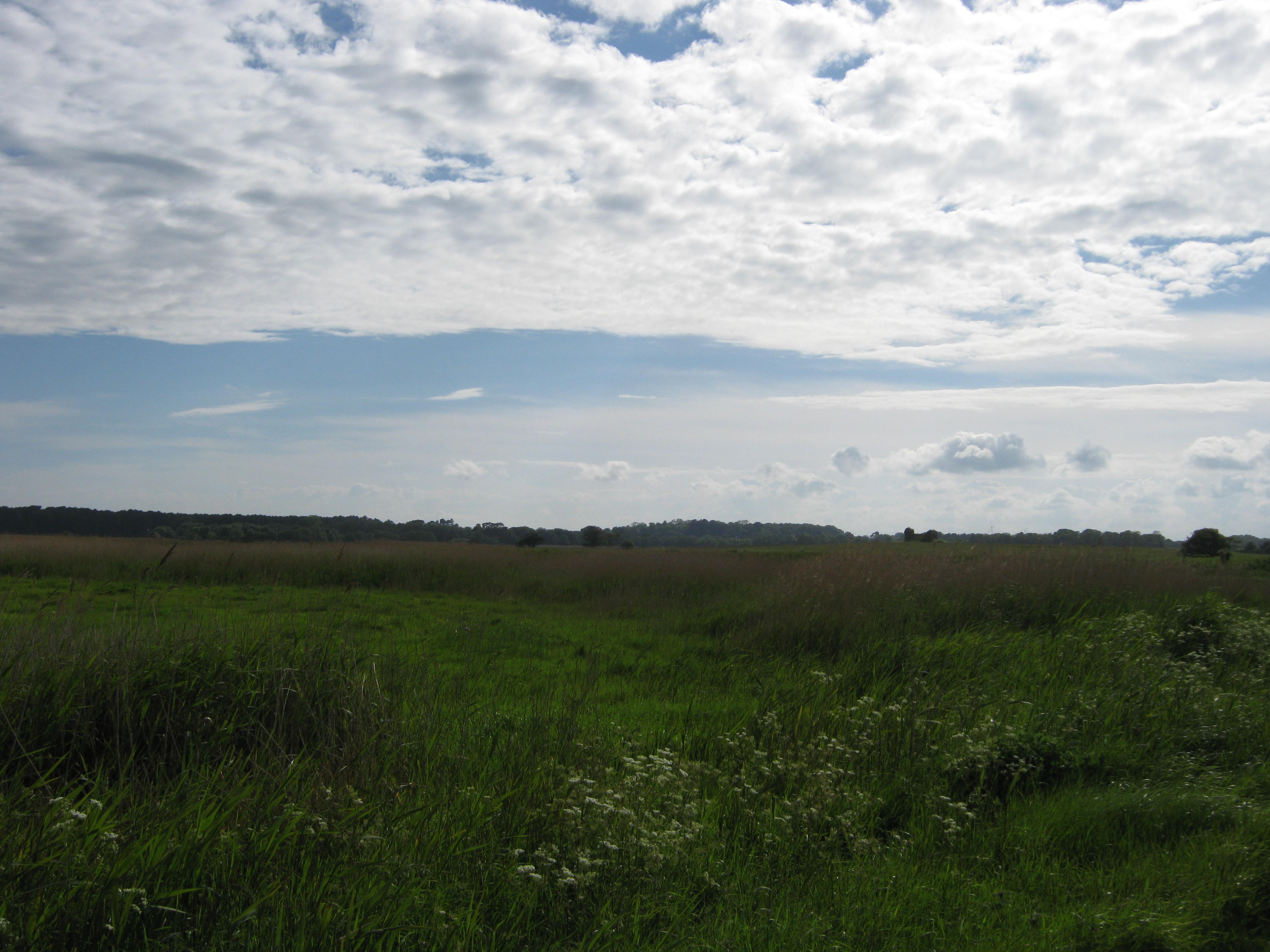
Views over the marshes.

Image

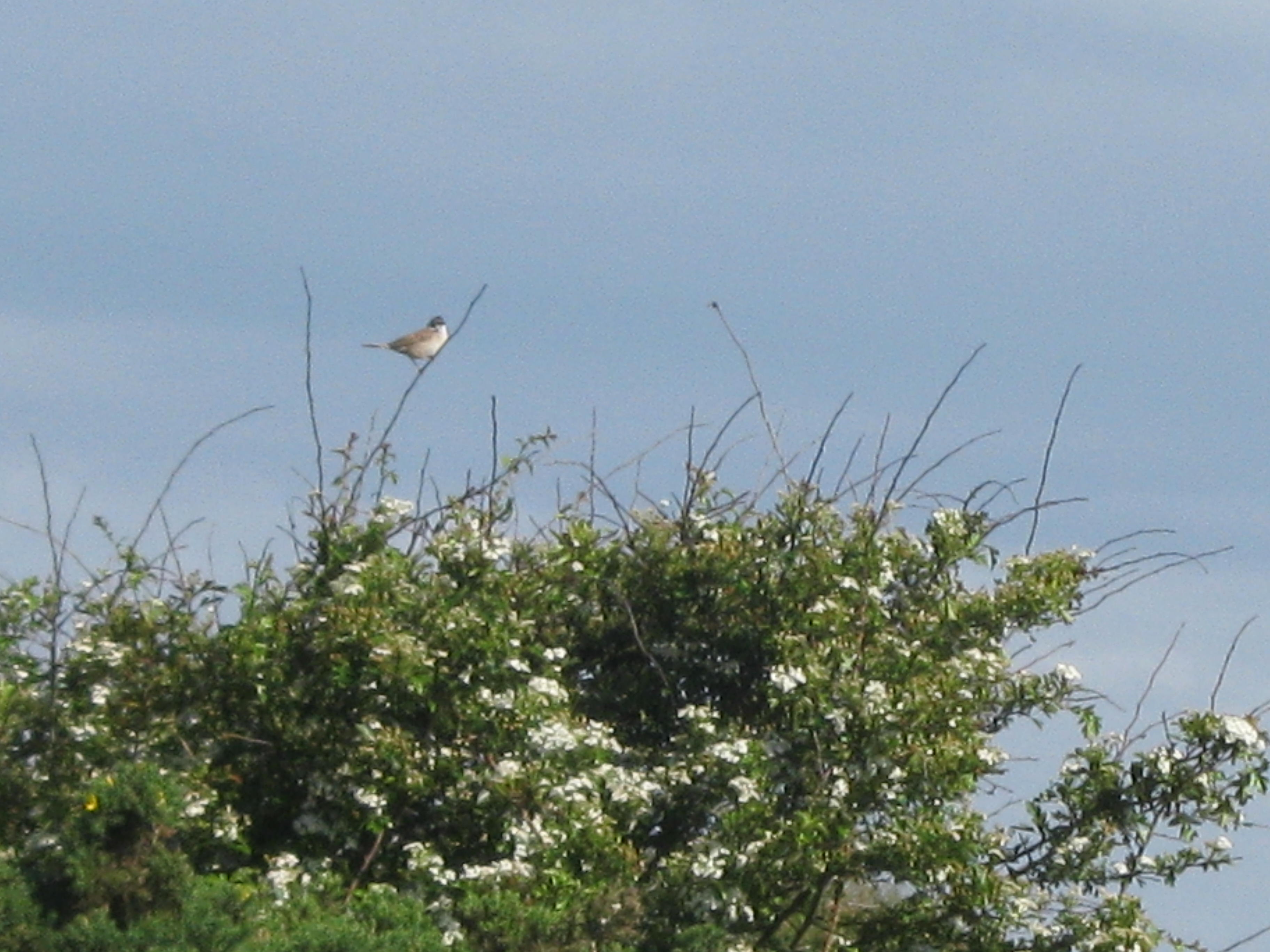
A photo of a Whitethroat singing from the top of a bush. We couldn’t get any closer I’m afraid so it’s not very clear.

Image

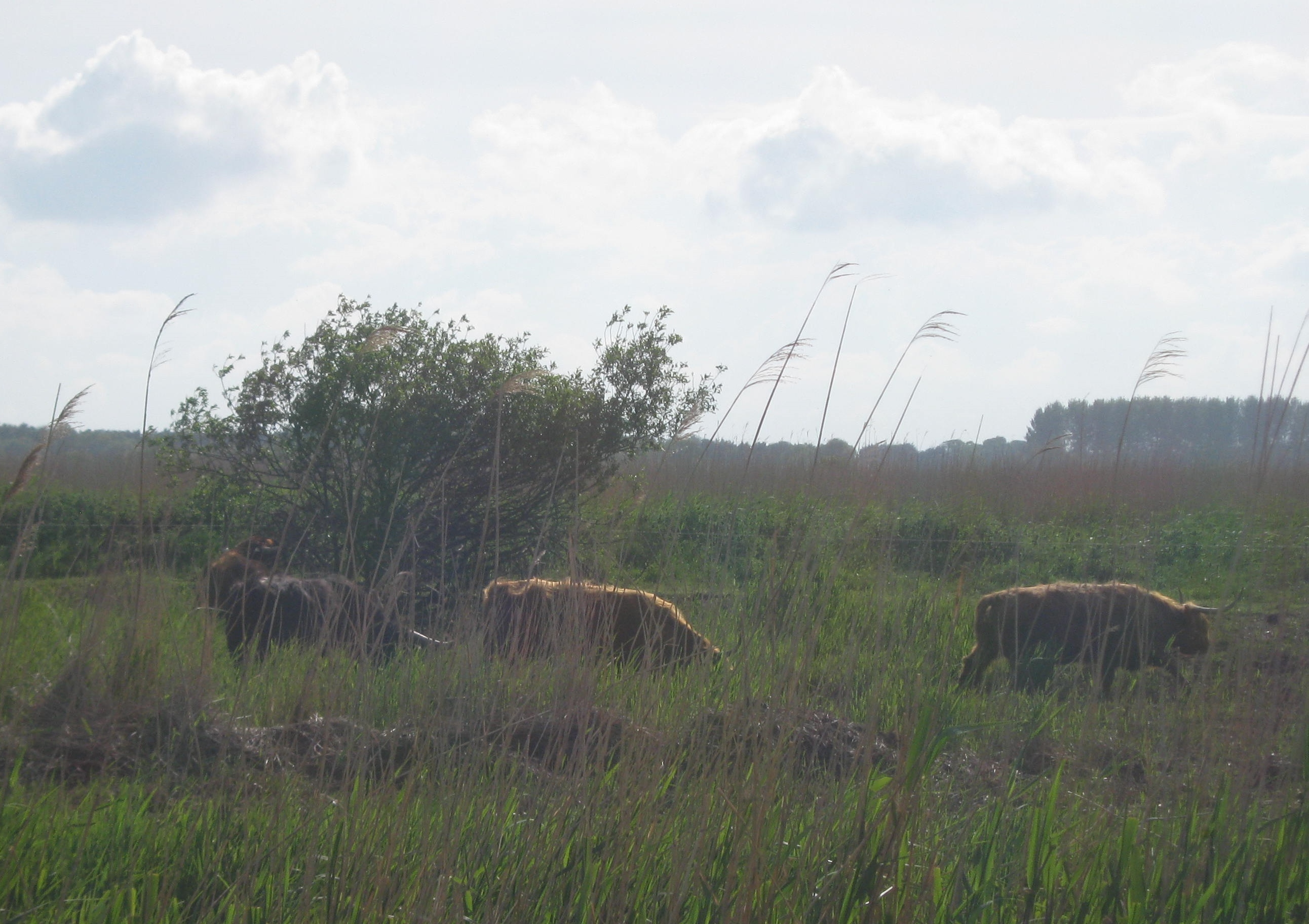
Highland cattle are used for marshland grazing.  They also use (or used to use) Konic Ponies for the same purpose.

Image

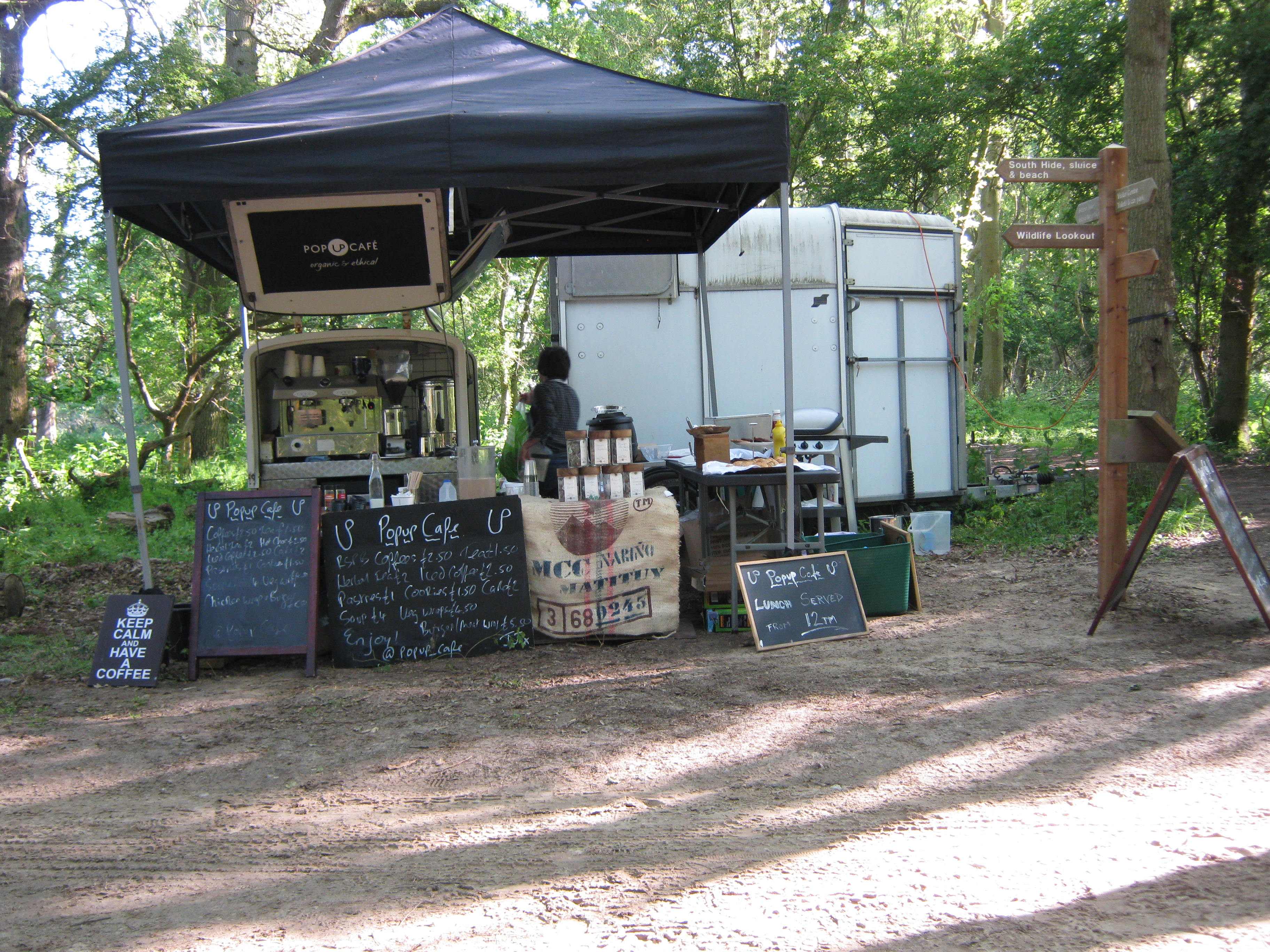
We walked back towards the woods on the noisy path listening to Sedge Warblers and Whitethroats and many more birds along the way.  We saw that the whole reserve was wired for sound.  There were cables everywhere and cameras attached to nest boxes and every now and then we came across one or two people working in ditches and under bushes trying to fix something.  In the woods we also found a Pop-Up Café.

Image

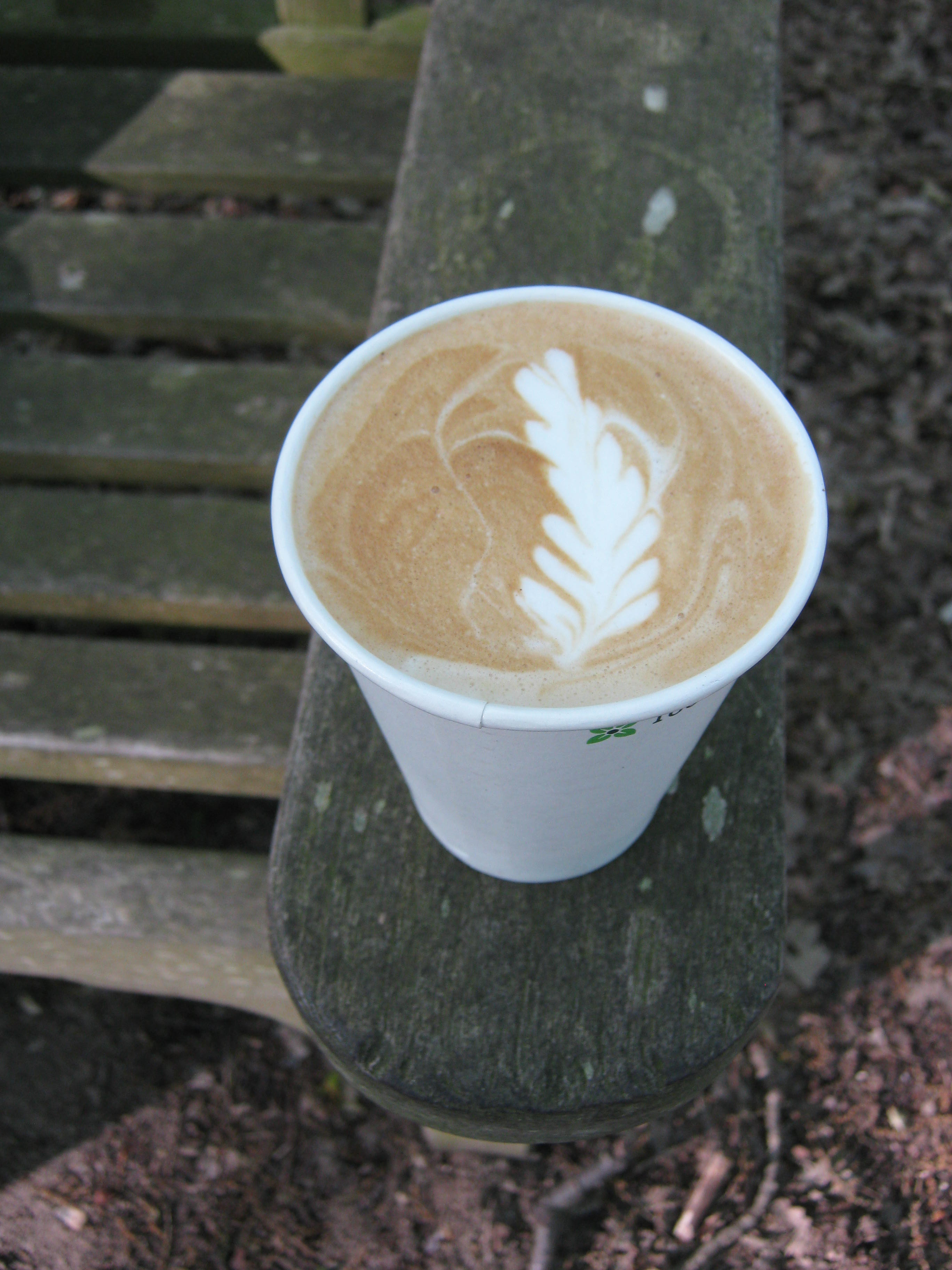
This was run by an enterprising East European couple.  R and I had the best coffee I’ve ever had.  It cost us £5.00 for two coffees which is very expensive for Suffolk but we did get two free pastries with it.  The girl put a pretty pattern on the top of mine.

Image

After eating our pain au chocolat and drinking our coffee we walked a little way up into the wood and sat listening to the birds.  We heard a Bittern ‘booming’ which we were pleased about but unfortunately we weren’t able to hear a nightingale.  It was becoming late by this time and we decided to go home.  The BBC is only filming on Mondays to Thursdays so I may go back next Friday and just walk round the wood and try to hear the nightingale.  A and I walked here a few years ago listening to one singing and we even saw it too.  When I first moved to Suffolk in 1988 I lived in Halesworth and I used to be able to hear nightingales singing all night from the Folly on the edge of the town.  Sadly there are fewer Nightingales about and I haven’t heard one for about four years.

Share this:

  • Share on X (Opens in new window) X
  • Share on Reddit (Opens in new window) Reddit
  • Share on Pinterest (Opens in new window) Pinterest
  • Share on Facebook (Opens in new window) Facebook
  • Email a link to a friend (Opens in new window) Email
  • Share on Tumblr (Opens in new window) Tumblr
  • Print (Opens in new window) Print
  • Share on Pocket (Opens in new window) Pocket
  • Share on LinkedIn (Opens in new window) LinkedIn
Like Loading...
Follow A Suffolk Lane on WordPress.com

Enter your email address to follow this blog and receive notifications of new posts by email.

Join 715 other subscribers.

Unknown's avatar

I talk about what it's like living in a quiet part of Suffolk. I am a wife, mother and daughter, a practising Christian and love the natural world that surrounds me. I enjoy my life - most of the time!

My Posts

Jan 2026
M T W T F S S
 1234
567891011
12131415161718
19202122232425
262728293031  
« Dec    

Pages

  • About my Blog
  • GDPR (General Data Protection Regulations) and This Site
  • My Life in a Suffolk Lane

Archives

Blogs I Follow

Unknown's avatar
Unknown's avatar
Unknown's avatar
Unknown's avatar
Unknown's avatar
Unknown's avatar
Unknown's avatar
Unknown's avatar
Unknown's avatar
Unknown's avatar
Unknown's avatar
Unknown's avatar
Unknown's avatar
Unknown's avatar
Unknown's avatar
Unknown's avatar
Unknown's avatar
Unknown's avatar
Unknown's avatar

Posts I Like

  • Carolina Cuisine Network's avatar
  • Unknown's avatar
  • Unknown's avatar
  • Unknown's avatar
  • Unknown's avatar
  • Unknown's avatar
  • (Kitty) Cat Strawberry - Meow!'s avatar
  • Unknown's avatar
  • Unknown's avatar
  • Unknown's avatar
  • East of Elveden's avatar
  • Secret Diary of A Country Vicar's Wife's avatar
  • Unknown's avatar
  • Unknown's avatar
  • aho's avatar
  • Yeah, Another Blogger's avatar
  • Unknown's avatar
  • martzkvi's avatar
  • bitaboutbritain's avatar
  • Talkmore's avatar
  • Unknown's avatar
  • womanseyeview's avatar
  • Unknown's avatar
  • Unknown's avatar
  • Unknown's avatar
  • Wayne Wolfson's avatar
  • Unknown's avatar
  • Unknown's avatar
  • Unknown's avatar
  • Unknown's avatar
  • Unknown's avatar
  • gederedita's avatar
  • Unknown's avatar
  • Unknown's avatar
  • Unknown's avatar
  • Unknown's avatar
  • Unknown's avatar
  • Unknown's avatar
  • Annika Perry's avatar
  • Unknown's avatar
  • thesimlux's avatar
  • Pilgrim's Pondering Ministry's avatar
  • Stephen G. Hipperson's avatar
  • Bernard Aybout (Virii8)'s avatar
  • Unknown's avatar
  • Unknown's avatar
  • Unknown's avatar
  • Jack Ronald Cotner's avatar
  • trulymebeingme's avatar
  • Unknown's avatar

amphibians architecture art Arts and Crafts churches cooking Days out domestic animals family fish Folk Traditions Gardening Historic Buildings holidays Insects Landscaping literature music Norwich plants Rural Diary seashore theatre trees Uncategorized walking weather wild animals wild birds wild flowers

Tags

architecture autumn birds blackbird blackthorn Bungay butterfly church clouds common knapweed cow parsley crocus daffodils Diary dogwood family field maple flowers fungus garden gardening geese greylags ground-ivy Halesworth Hawthorn heather holiday Holly Holy Week horse chestnut Hoverfly insects ivy Lake District Lent lesser celandine lichen Lords and Ladies Mallard mallards Minsmere moorhen moss music Norwich Peak District pheasant plants pond ponds primrose primroses Rain rooks Rumburgh Rumburgh Church sheep Sheffield snow snowdrops Southwold spring Suffolk Suffolk Wildlife Trust sunset the Beck trees viburnum bodnantense walking weather wild cherry wild flowers winter-flowering honeysuckle witch-hazel

Meta

  • Create account
  • Log in
  • Entries feed
  • Comments feed
  • WordPress.com

Goodreads

Blog at WordPress.com.

Book Jotter

Reviews, news, features and all things books for passionate readers

Country Life Blog -

A blog about life in the country in the past and present

Matthew Paul: Poetry & Stuff

Poetry and what-not

Schnippelboy

Ein Tagebuch unserer Alltagsküche-Leicht zum Nachkochen

TAMARA JARE

TAMARA JARE Tamara Jare: Contemporary Figurative Painting Oil on Canvas Artist Art Studio

A Taste of Freedom

Documenting a Dream

Country Ways

Rambling Journeys in Britain, Countryside Matters and campaigning for the Right to Roam

The Strawberry Post

Here to Entertain, Educate & Inspire!

a north east ohio garden

an ongoing experiment in the dirt, 35 plus years

naturechirp

Celebrating God's creatures, birds and plants...

Sophie Neville

Writer

Going Batty in Wales

Developing a more sustainable lifestyle in SW Wales

Our Lake District Escapades

Exploring the Lake District and beyond

Short Walks Long Paths

Wandering trails around the coast of Wales

The Biking Gardener

An English persons experience of living and gardening in Ireland

Nan's Farm

A Journal Of Everyday Life

Walk the Old Ways

Rambling Journeys in Britain with John Bainbridge. Fighting for the Right to Roam. Campaigning to Protect Our Countryside.

Writer Side UP!

Waking the Writer Side...and keeping it "Up!"

Meggie's Adventures

Travel, thank you notes and other stories

amusicalifeonplanetearth

Music and the Thoughts It Can Inspire

lovefoundation.co.uk

Traveling Tortuga

Simply Living Well

Pakenham Water Mill

Historic watermill in the beautiful Suffolk countryside

Take It Easy

Retired, not expired: words from the after(work)life. And music. Lots of music!

Secret Diary Of A Country Vicar's Wife

By Olive Oyl

thanksfortheadventureorg.wordpress.com/

The Beat Goes On

#TBGO

Frank Pleszak's Blogs

Twitter: @frankpleszak @PolishIICorps

John Bainbridge Writer

Indie Writer and Publisher

roughwighting

Life in a flash - a bi-weekly storytelling blog

Walking the Old Ways

Rambling in the British Countryside

CapKane

thoughts on social realities

SkyeEnt

Jottings from Skye

jodie richelle

embracing my inner homemaker

Skizzenbuch/Blog

Just another WordPress.com weblog

Have Bag, Will Travel

The Call of the Pen

Flash Fiction, Book Reviews, Devotionals and other things.

John's Postcards

Art in Nature

You dream, I photographe it !

Smile! You’re in Barnier World......

theinfill

the things that come to hand

Dr. Mary Ann Niemczura

Author of "A Past Worth Telling"

Provincial Woman

The Pink Wheelbarrow

Luanne Castle: Poetry and Other Words (and cats!)

Poetry, Other Words, and Cats

The Family Kalamazoo

A genealogical site devoted to the history of the DeKorn and Zuidweg families of Kalamazoo and the Mulder family of Caledonia

everythingchild

The Book Owl

Canberra's Green Spaces

Paul Harley Photographer

  • Subscribe Subscribed
    • A Suffolk Lane
    • Join 715 other subscribers.
    • Already have a WordPress.com account? Log in now.
    • A Suffolk Lane
    • Subscribe Subscribed
    • Sign up
    • Log in
    • Report this content
    • View site in Reader
    • Manage subscriptions
    • Collapse this bar
 

Loading Comments...
 

    Privacy & Cookies: This site uses cookies. By continuing to use this website, you agree to their use.
    To find out more, including how to control cookies, see here: Cookie Policy
    %d