Tags
architecture, Dragon Hall, King Street, Lesser Black-backed Gull, medieval buildings, Norfolk, Norwich, redundant churches, River Wensum, St Etheldreda, St Peter Parmentergate, The Music House, Traveller's Joy, Wensum Lodge
It is some time since I wrote a post about Norwich and as my younger daughter Elinor has started attending some art courses in the city I thought I would share some photographs I have taken recently.
Elinor is no longer at the City College so is attending art classes at Wensum Lodge which is owned by the City Council.
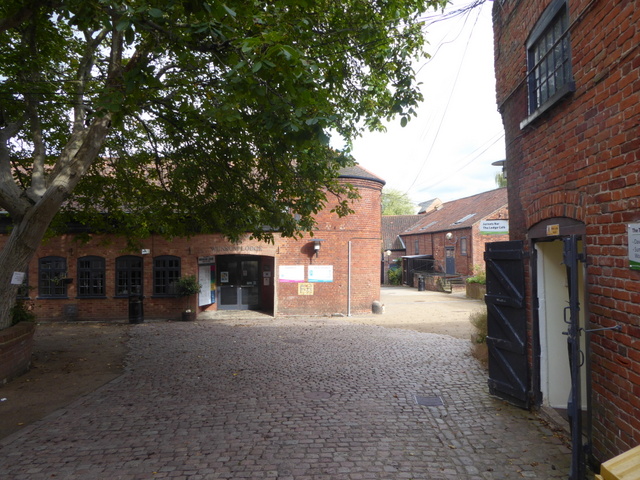
Main entrance to Wensum Lodge.
The City Council has converted old riverside buildings into classrooms and studios and this is where Elinor is learning Portraiture on Tuesday and Drawing and Painting on Saturday. (She also goes to the Theatre Royal, Norwich every Thursday evening for drama classes.)
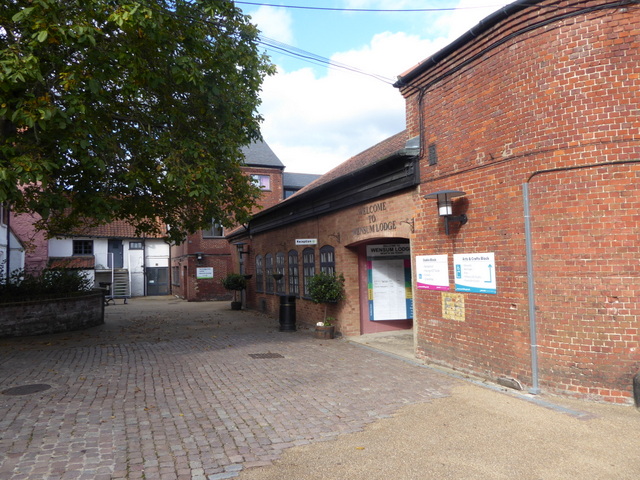
I love the soft red brick buildings and the cobbled yards.
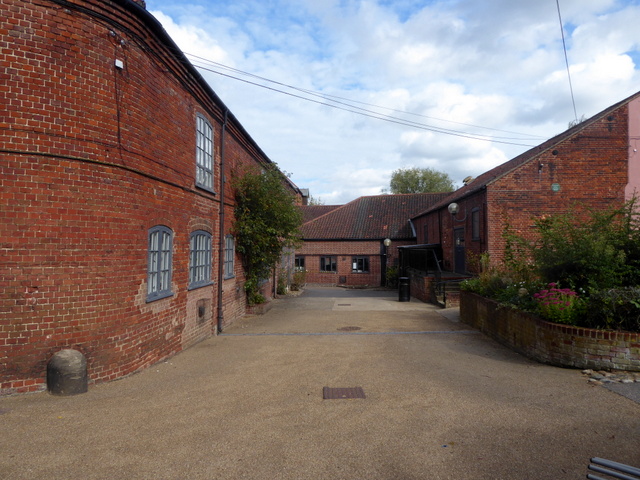
More studios at Wensum Lodge.
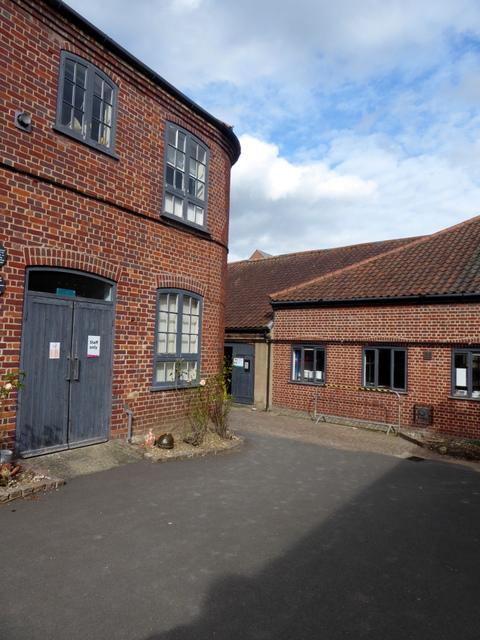
Buildings at Wensum Lodge.
The River Wensum flows through the centre of the city of Norwich.
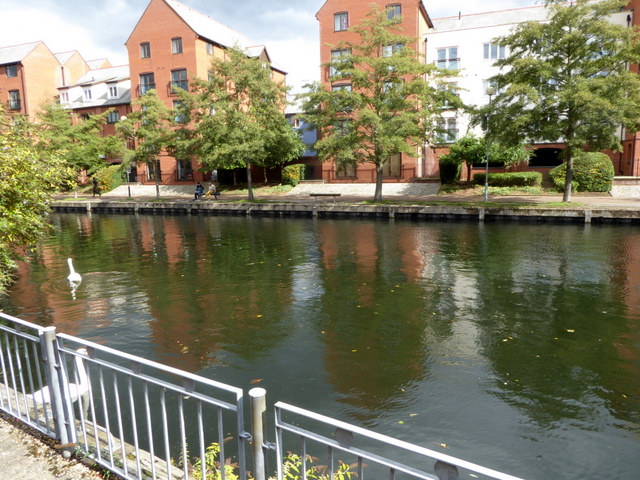
The River Wensum seen from the rear of the art studio.
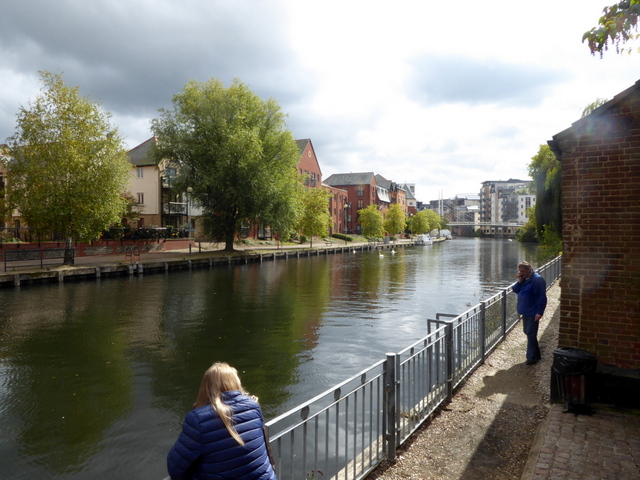
The River Wensum.
While Elinor studies, I take myself off and walk through the city. Wensum Lodge is located in King Street which is full of ancient buildings and was inhabited by the richest merchants in medieval times.

Medieval buildings in King Street.
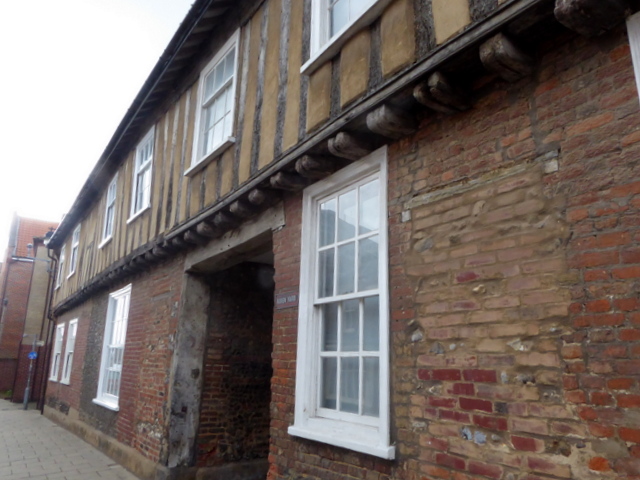
The entrance to Raven Yard

The lane going down towards the river is called Mountergate. There are new houses being built on the right.
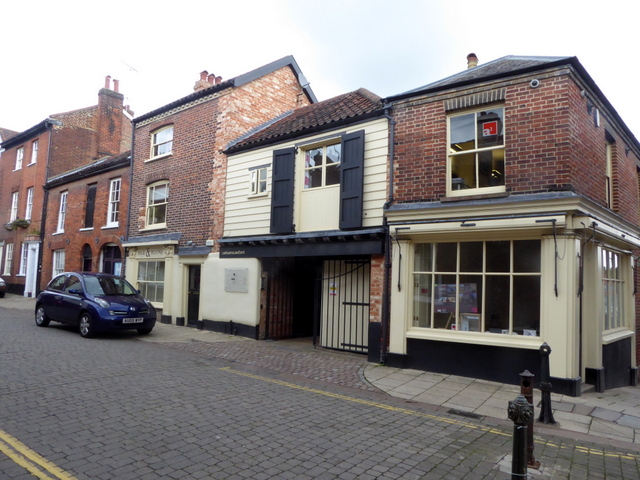
Buildings of different heights and ages; shops, workshops and dwellings.
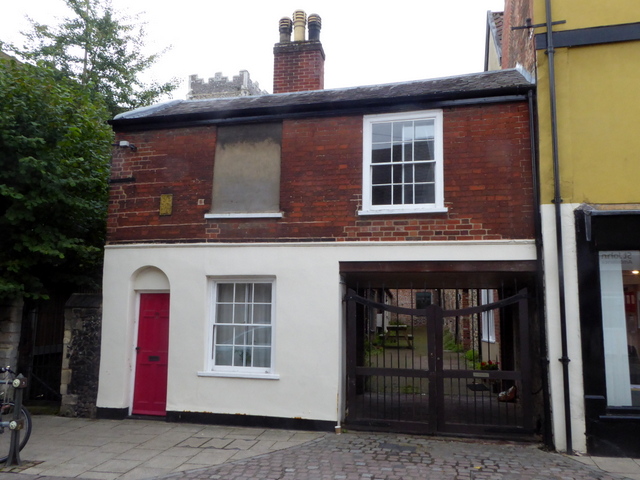
An attractive cottage in King Street with a courtyard beyond the gate.
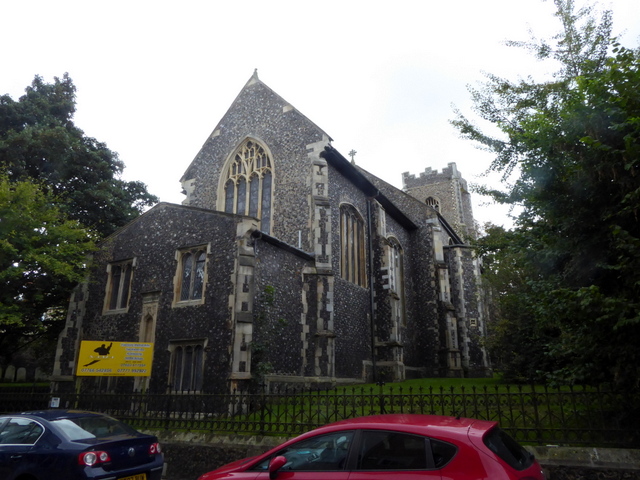
Next to the cottage is the redundant church of St Peter Parmentergate now used as a martial arts academy.
‘Parmentergate’ means the street of the parmenters: parchment makers or leatherworkers. As the word became obsolete the street name changed and became Mountergate but the church retained the original name.
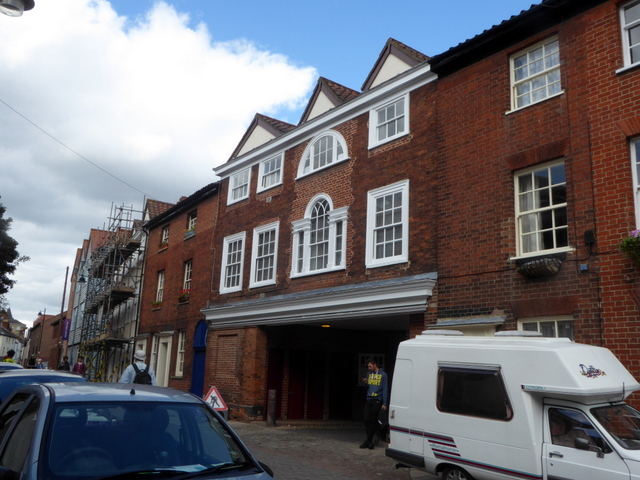
I like the triangular gables on the roof of this building and the arched windows in the centre of the facade.
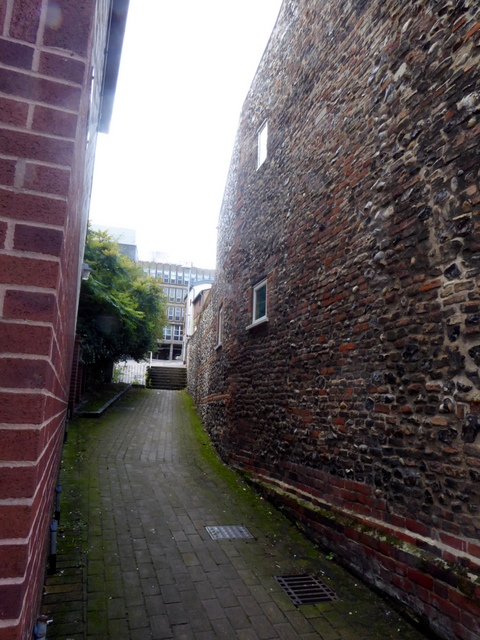
This is Stepping Lane off King Street
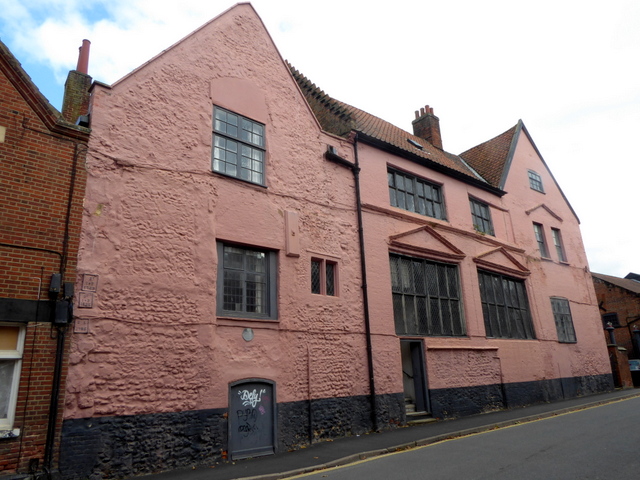
The Music House, the oldest private dwelling in Norwich. Sadly, it has been adorned with grafitti.
The Music House was built in the 12th century and in 1225, Isaac Jurnet, a member of one of the wealthiest Jewish families in England at the time, bought it from a man called John Curry. During the reign of Elizabeth I the house became the headquarters of the Norwich waits and minstrels and thereafter became known as the Music House. The front you see in this photo is 17th century but behind the left hand gable are the remains of the 12th century building constructed at right-angles to the street. This original 12th century building was extended later in that century, in 1175, with a north-south range where the current 17th century front stands, making an L-shaped building. The new part consisted of a single-aisled hall with an undercroft (cellar, basement, storeroom) which was at ground level when built, but is lower now. The aisle of the hall was removed in 1480 and another undercroft built. Most of the hall was removed when the 17th century front was constructed. The building is owned by the City Council and is part of the Wensum Lodge range and can be accessed from the inner yard. Concerts are performed in the building.
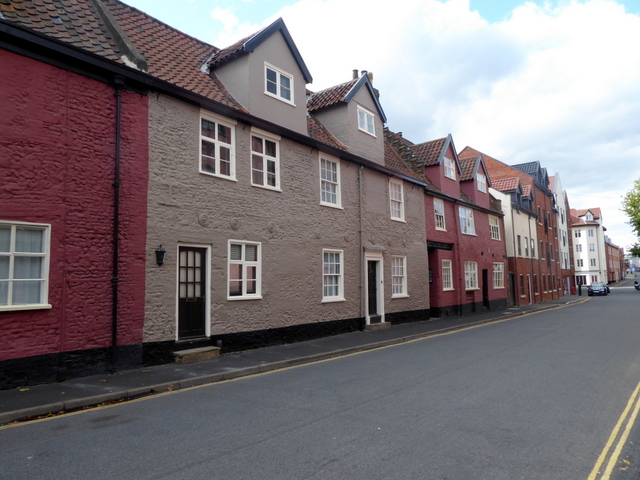
More old buildings.
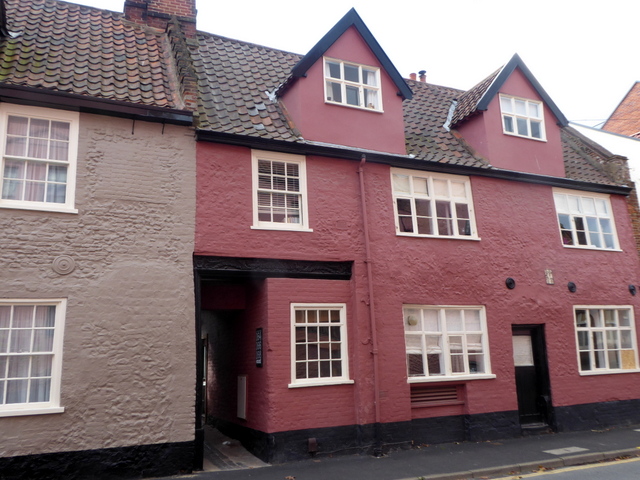
Entrance to a former inn.
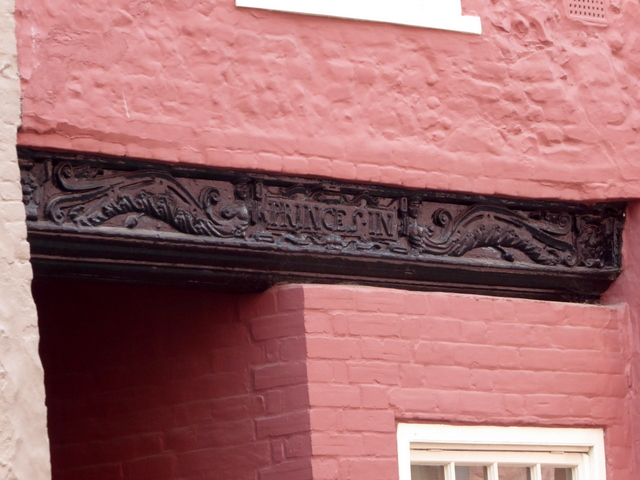
Princes In(n).
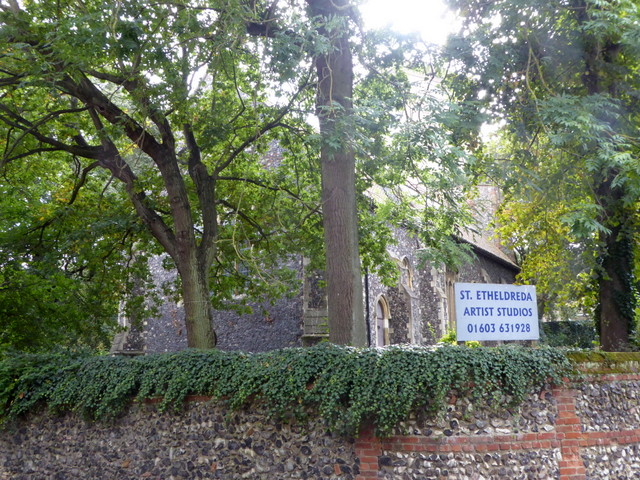
Another redundant church, St Etheldreda’s which as you can see, is artist studios
St Etheldreda was a daughter of King Anna of East Anglia. Anna had four daughters, all of whom were made saints. Etheldreda founded a monastery on the Isle of Ely (in Cambridgeshire) and died there in 679.
I am surprised to find I didn’t photograph Dragon Hall this time, but below are some photos I took of the hall a couple of years ago.
The Dragon Hall dating from 1420, is a merchant’s hall which belonged to Robert Toppes who was made mayor of the city four times. It is virtually unique in Western Europe in being a medieval trading hall built by an individual rather than a guild. One of the spandrels in the roof of the grand hall upstairs is carved with the figure of a dragon.
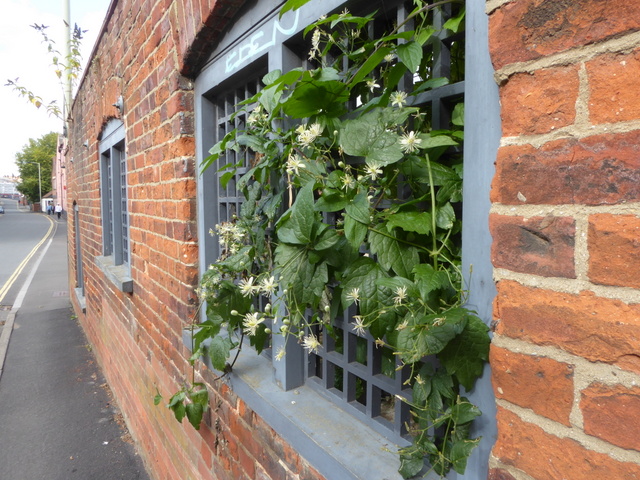
I just can’t resist photographing plants! This is Traveller’s Joy or, as it’s also called, Old Man’s Beard (Clematis vitalba )
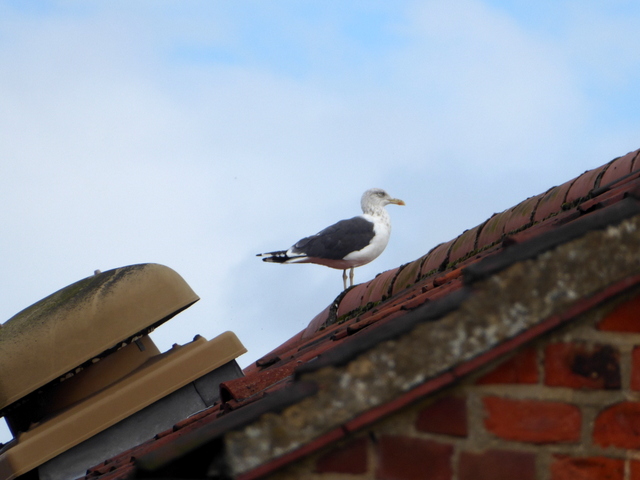
I also liked this gull on the roof of Wensum Lodge, though my camera insisted on focusing on the roof.
I believe the gull is a Lesser Black-backed Gull ( Larus fuscus) in its winter plumage.
Thanks for visiting!
I have used the following sites and books :
http://www.tournorfolk.co.uk/norwich.html
The Medieval Churches of the City of Norwich by Nicholas Groves
The Little Book of Norwich by Neil R Storey
Norwich by Stephen Browning
Harrap’s Wild Flowers by Simon Harrap
RSPB Complete Birds of Britain and Europe by Rob Hume
 A Suffolk Lane