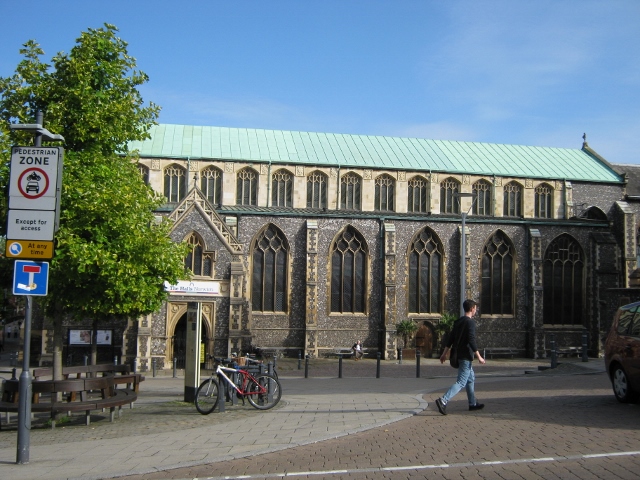
• About my Blog
  • GDPR (General Data Protection Regulations) and This Site
  • My Life in a Suffolk Lane

A Suffolk Lane

~ A diary of my life in rural north Suffolk.

A Suffolk Lane

Tag Archives: River Wensum

King Street, Norwich

08 Sun Oct 2017

Posted by Clare Pooley in Norwich, Rural Diary

≈ 79 Comments

Tags

architecture, Dragon Hall, King Street, Lesser Black-backed Gull, medieval buildings, Norfolk, Norwich, redundant churches, River Wensum, St Etheldreda, St Peter Parmentergate, The Music House, Traveller's Joy, Wensum Lodge

It is some time since I wrote a post about Norwich and as my younger daughter Elinor has started attending some art courses in the city I thought I would share some  photographs I have taken recently.

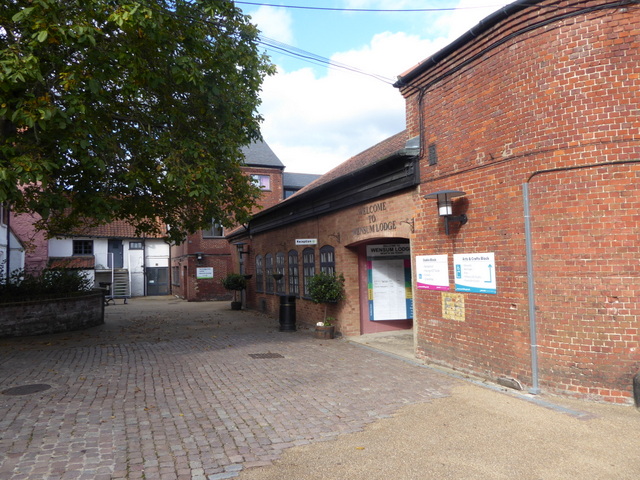
Elinor is no longer at the City College so is attending art classes at Wensum Lodge which is owned by the City Council.

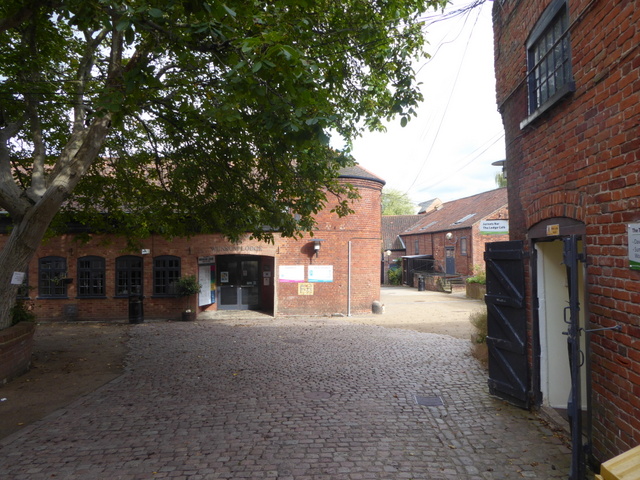
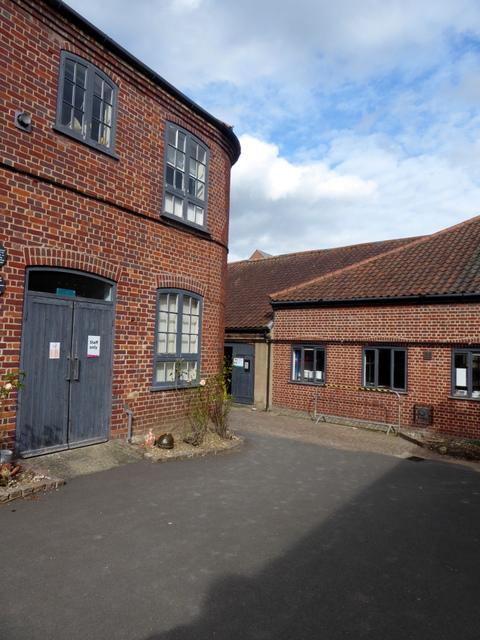
Main entrance to Wensum Lodge.

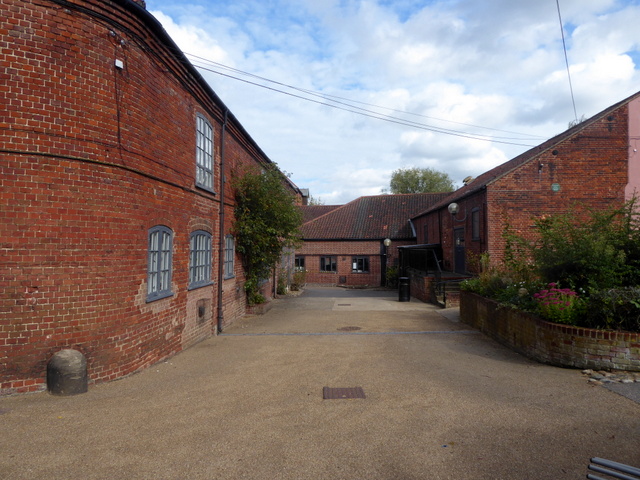
The City Council has converted old riverside buildings into classrooms and studios and this is where Elinor is learning Portraiture on Tuesday and Drawing and Painting on Saturday.  (She also goes to the Theatre Royal, Norwich every Thursday evening for drama classes.)

I love the soft red brick buildings and the cobbled yards.

More studios at Wensum Lodge.

Buildings at Wensum Lodge.

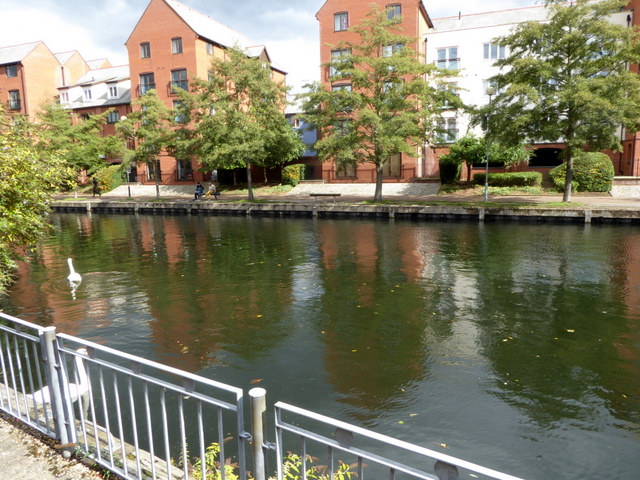
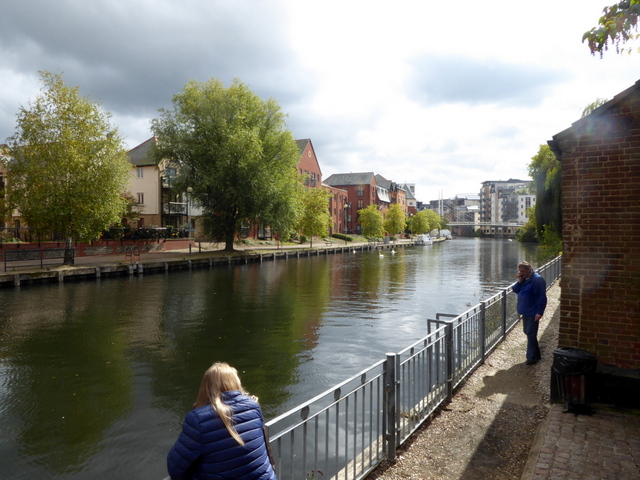
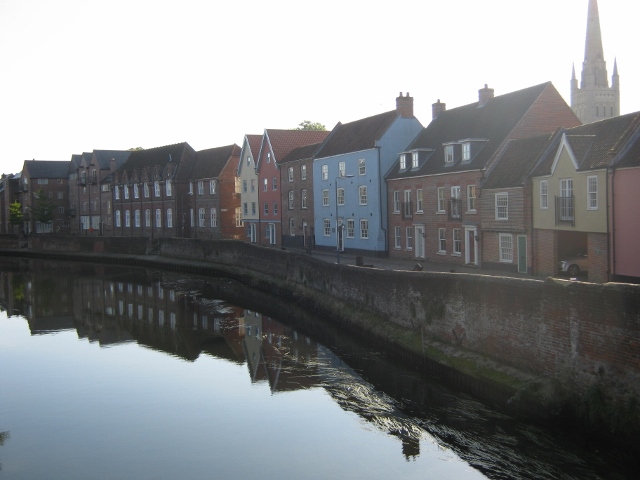
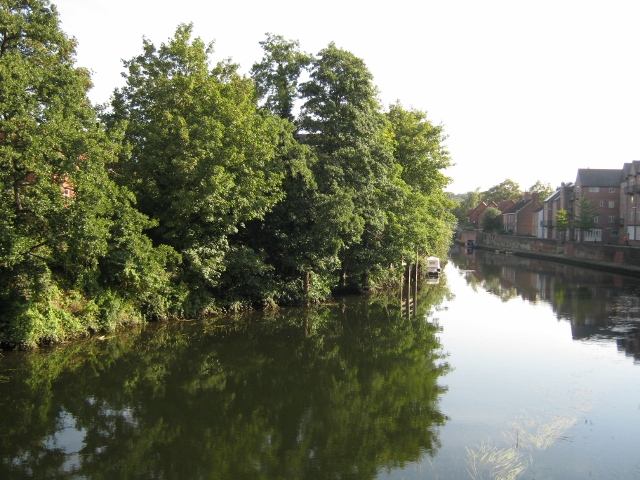
 The River Wensum flows through the centre of the city of Norwich.

The River Wensum seen from the rear of the art studio.

The River Wensum.

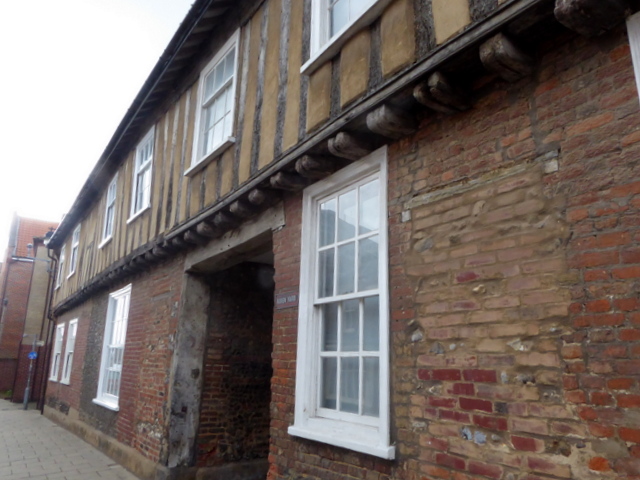
While Elinor studies, I take myself off and walk through the city.  Wensum Lodge is located in King Street which is full of ancient buildings and was inhabited by the richest merchants in medieval times.

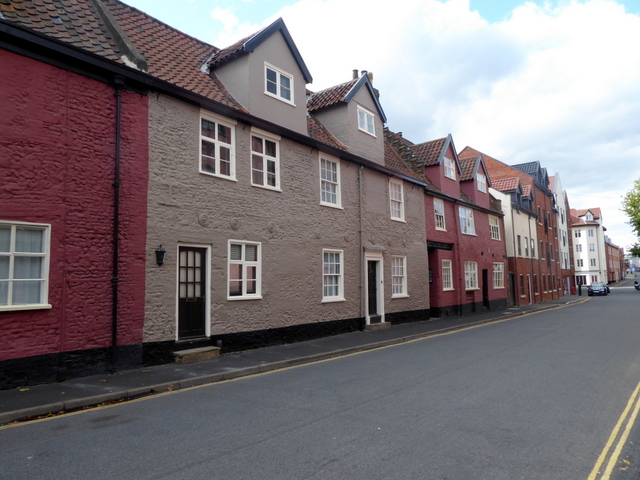
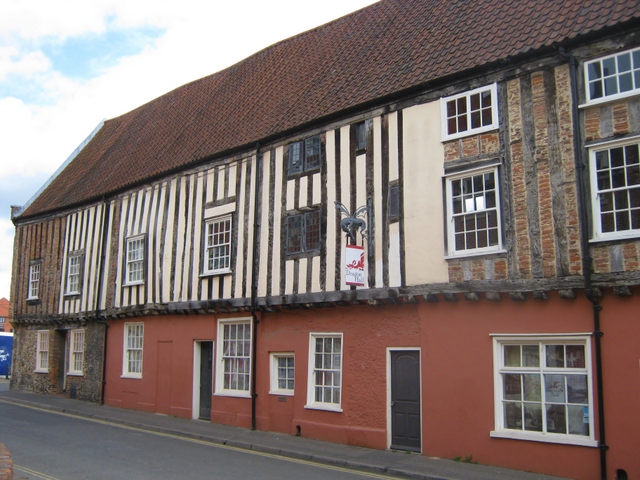
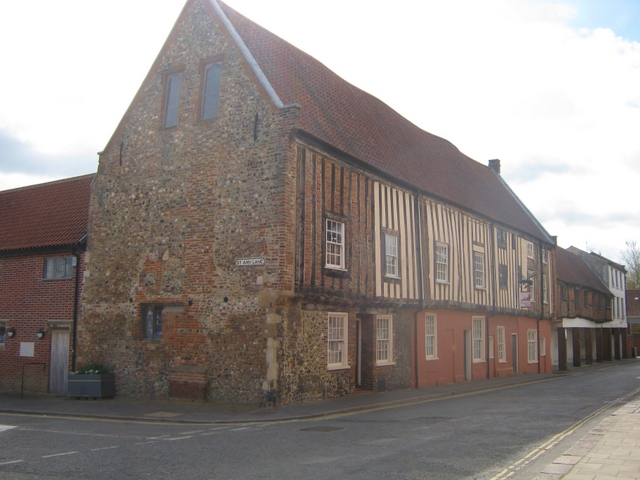
Medieval buildings in King Street.

The entrance to Raven Yard

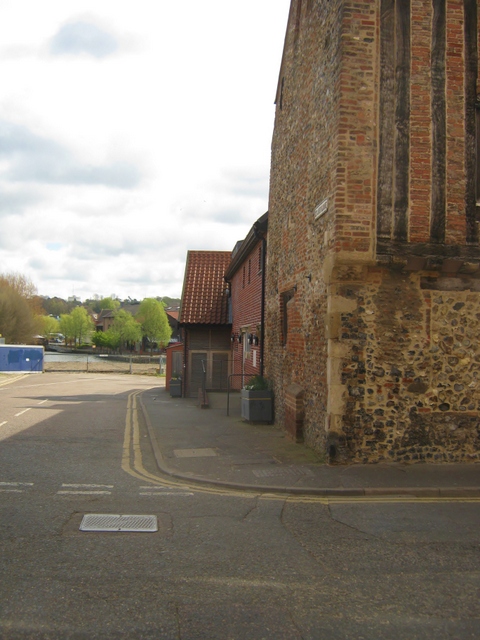
The lane going down towards the river is called Mountergate. There are new houses being built on the right.

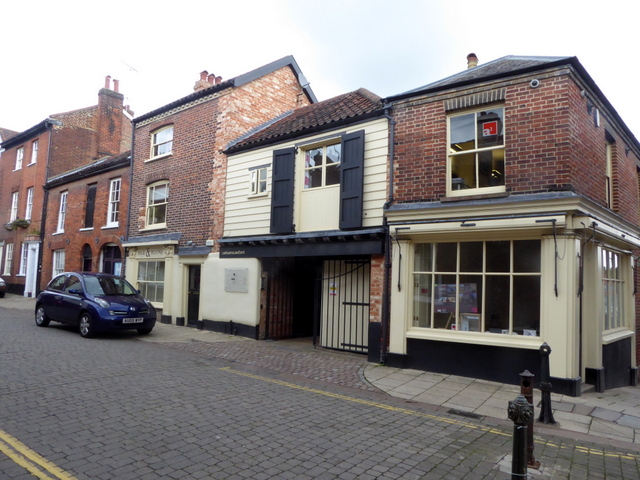
Buildings of different heights and ages; shops, workshops and dwellings.

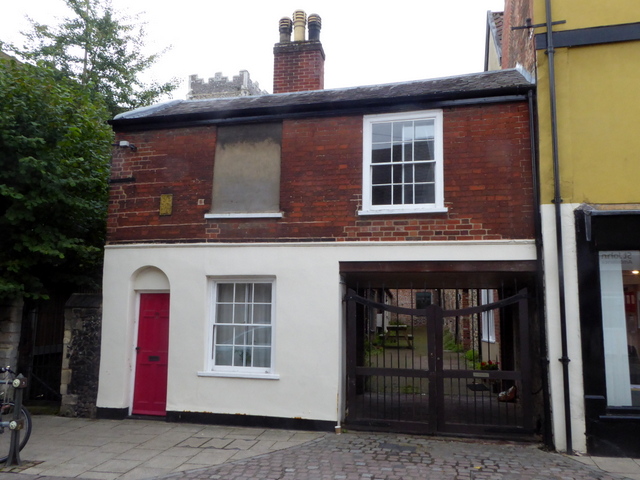
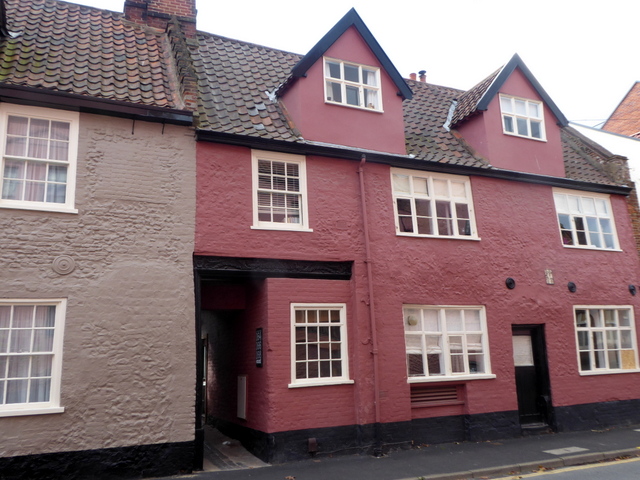
An attractive cottage in King Street with a courtyard beyond the gate.

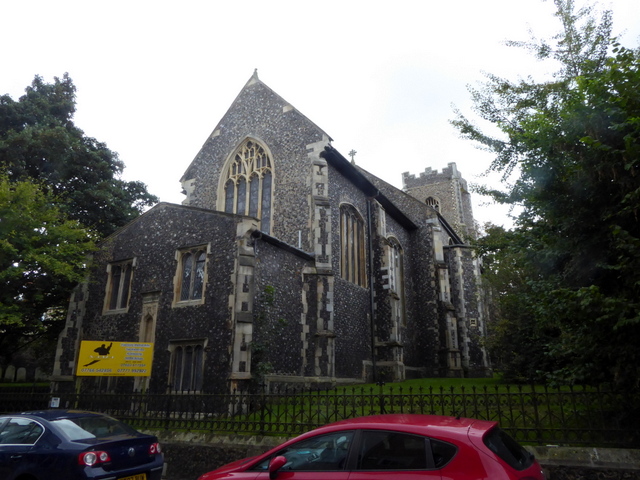
Next to the cottage is the redundant church of St Peter Parmentergate now used as a martial arts academy.

‘Parmentergate’ means the street of the parmenters: parchment makers or leatherworkers.  As the word became obsolete the street name changed and became Mountergate but the church retained the original name.

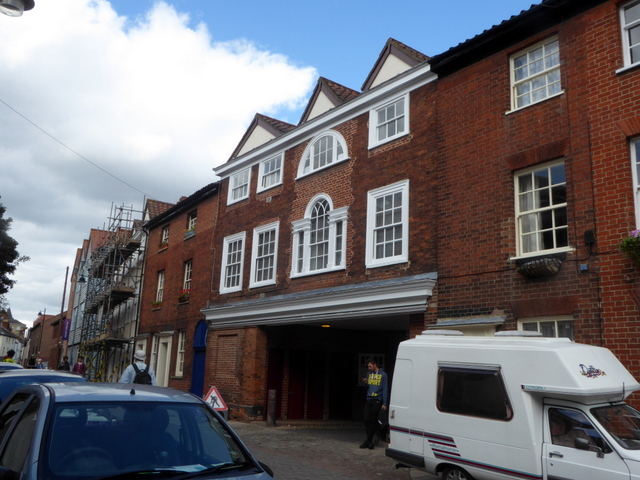
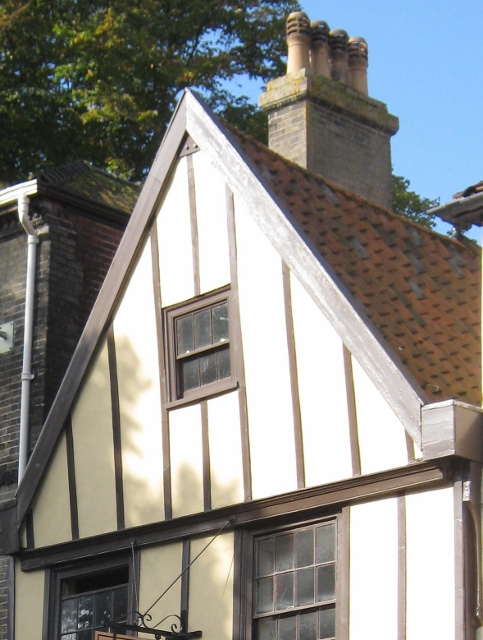
I like the triangular gables on the roof of this building and the arched windows in the centre of the facade.

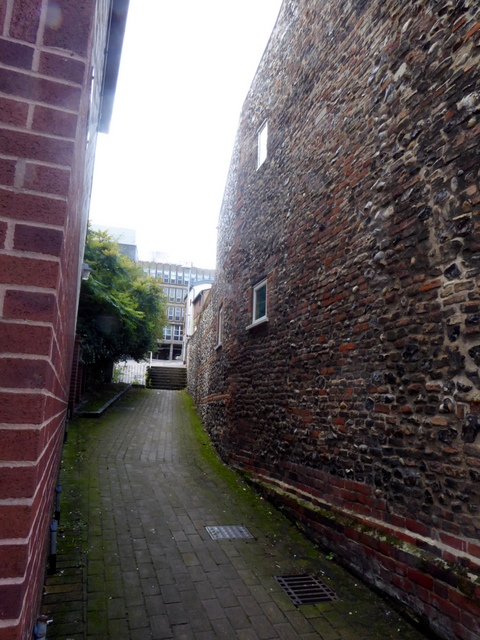
This is Stepping Lane off King Street

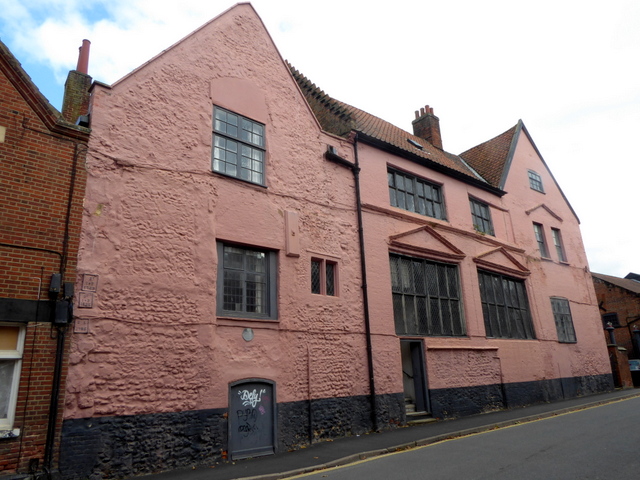
The Music House, the oldest private dwelling in Norwich. Sadly, it has been adorned with grafitti.

The Music House was built in the 12th century and in 1225, Isaac Jurnet, a member of one of the wealthiest Jewish families in England at the time, bought it from a man called John Curry.  During the reign of Elizabeth I the house became the headquarters of the Norwich waits and minstrels and thereafter became known as the Music House. The front you see in this photo is 17th century but behind the left hand gable are the remains of the 12th century building constructed at right-angles to the street.  This original 12th century building was extended later in that century, in 1175, with a north-south range where the current 17th century front stands, making an L-shaped building.  The new part consisted of a single-aisled hall with an undercroft (cellar, basement, storeroom) which was at ground level when built, but is lower now.  The aisle of the hall was removed in 1480 and another undercroft built.  Most of the hall was removed when the 17th century front was constructed.  The building is owned by the City Council and is part of the Wensum Lodge range and can be accessed from the inner yard.  Concerts are performed in the building.

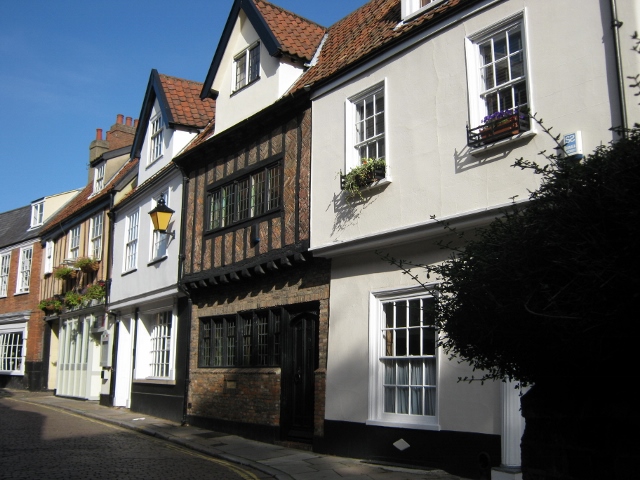
More old buildings.

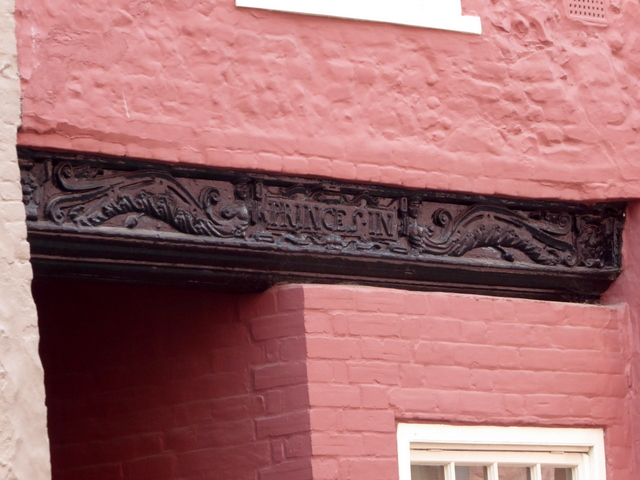
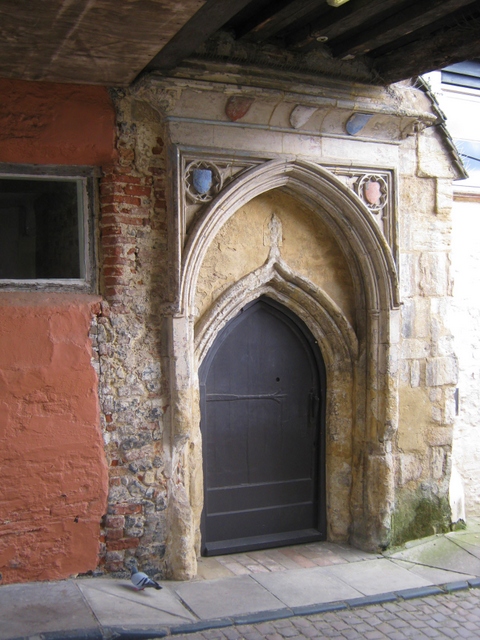
Entrance to a former inn.

Princes In(n).

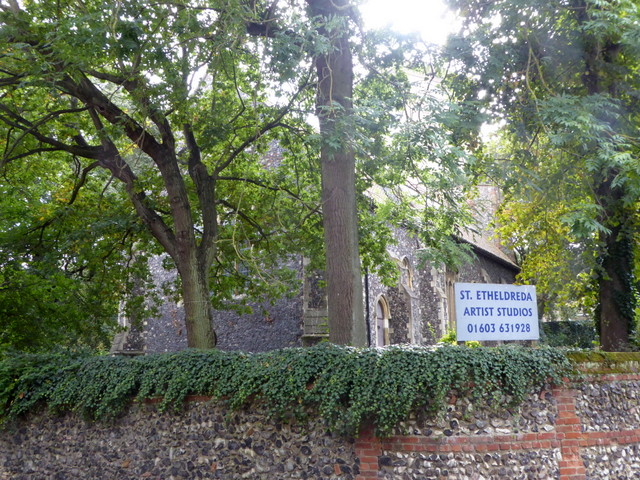
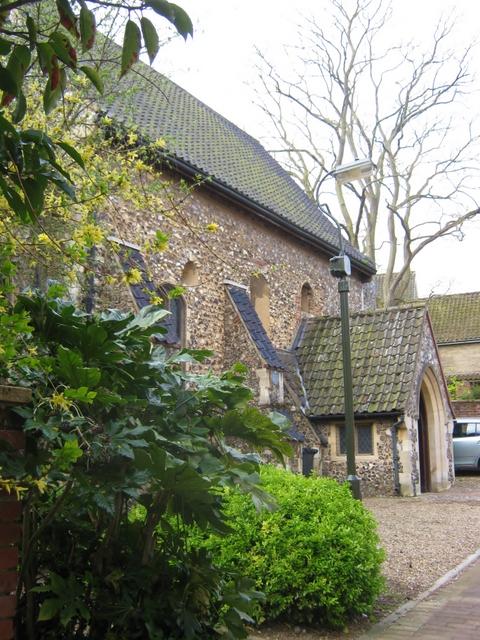
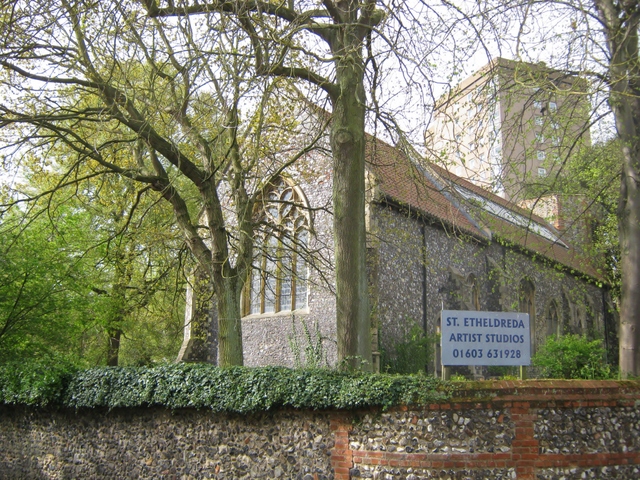
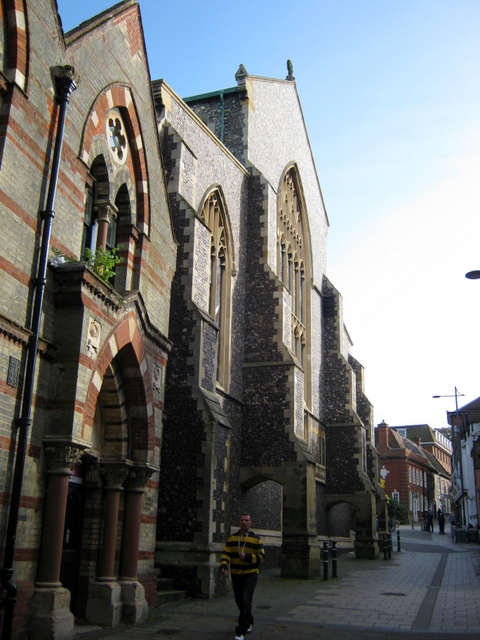
Another redundant church, St Etheldreda’s which as you can see, is artist studios

St Etheldreda was a daughter of King Anna of East Anglia.  Anna had four daughters, all of whom were made saints.  Etheldreda founded a monastery on the Isle of Ely (in Cambridgeshire) and died there in 679.

I am surprised to find I didn’t photograph Dragon Hall this time, but below are some photos I took of the hall a couple of years ago.  

This slideshow requires JavaScript.

The Dragon Hall dating from 1420, is a merchant’s hall which belonged to Robert Toppes who was made mayor of the city four times.  It is virtually unique in Western Europe in being a medieval trading hall built by an individual rather than a guild.  One of the spandrels in the roof of the grand hall upstairs is carved with the figure of a dragon.

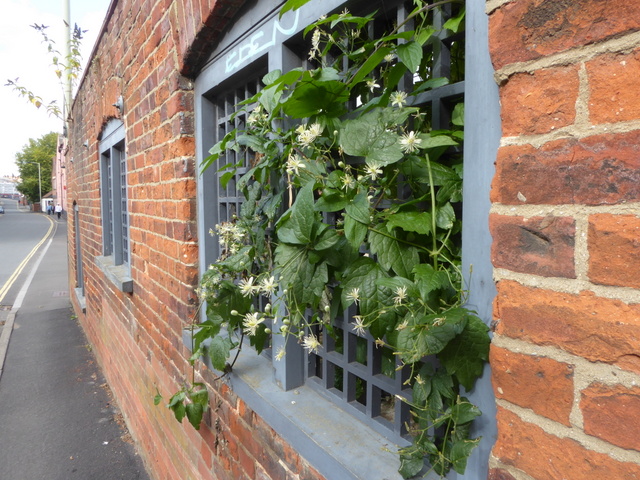
I just can’t resist photographing plants! This is Traveller’s Joy or, as it’s also called, Old Man’s Beard (Clematis vitalba )

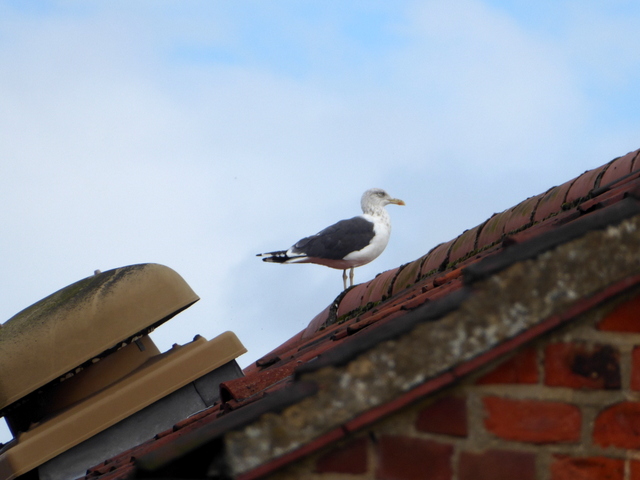
I also liked this gull on the roof of Wensum Lodge, though my camera insisted on focusing on the roof.

I believe the gull is a Lesser Black-backed Gull ( Larus fuscus) in its winter plumage.


Thanks for visiting!

I have used the following sites and books :

http://www.tournorfolk.co.uk/norwich.html

The Medieval Churches of the City of Norwich by Nicholas Groves

The Little Book of Norwich by Neil R Storey

Norwich by Stephen Browning

Harrap’s Wild Flowers by Simon Harrap

RSPB Complete Birds of Britain and Europe by Rob Hume


Share this:

  • Share on X (Opens in new window) X
  • Share on Reddit (Opens in new window) Reddit
  • Share on Pinterest (Opens in new window) Pinterest
  • Share on Facebook (Opens in new window) Facebook
  • Email a link to a friend (Opens in new window) Email
  • Share on Tumblr (Opens in new window) Tumblr
  • Print (Opens in new window) Print
  • Share on Pocket (Opens in new window) Pocket
  • Share on LinkedIn (Opens in new window) LinkedIn
Like Loading...

King Street, Norwich

19 Tue Apr 2016

Posted by Clare Pooley in churches, Norwich, Rural Diary, walking

≈ 39 Comments

Tags

Alan Road, Albion Mill, Ber Street, Berstrete Gates pub, Bracondale, Carrow Hill, City Wall, close studded timber framing, Crystal House, Dragon Hall, King Street, Music House, Norwich, Norwich Castle, River Wensum, Southgate Lane, St Etheldreda's Artists' Studios, St John the Baptist church, St John-de-Sepulchre church, St Julian's Church, The Black Tower, The Wilderness Tower, Timberhill, walking, Wensum Lodge

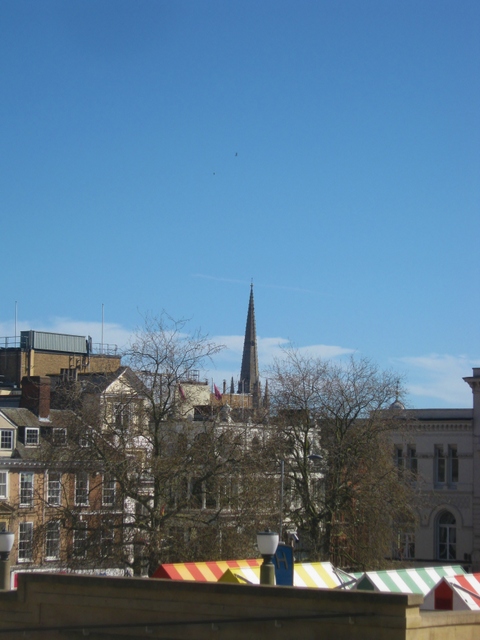
IMG_4414Cathedral beyond market

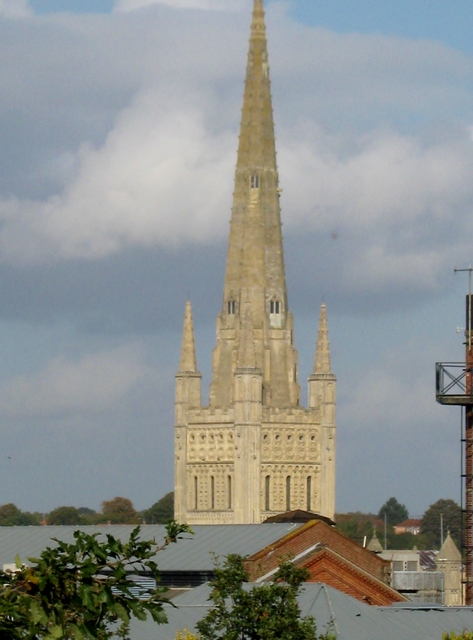
A view of Norwich Cathedral’s spire beyond the market

One bright morning last spring I decided to take another walk through the city.  I started at the Market and made my way towards the Castle.

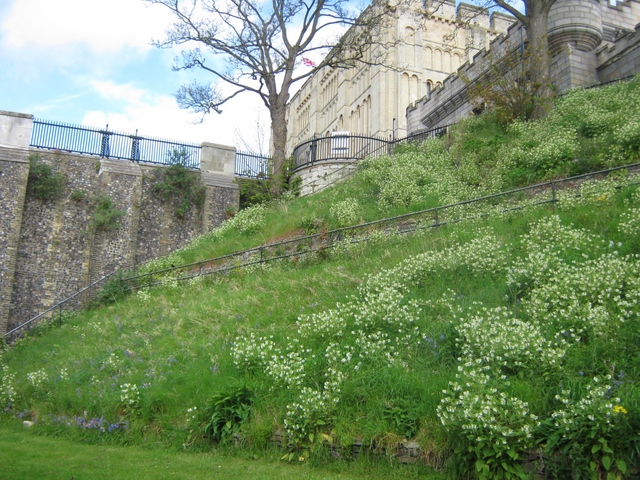
IMG_4487Norwich Castle

Norwich Castle seen from Castle Gardens

On the wall outside the castle I found these plaques which tell a story.  I will have to go into the castle one day and find out who wrote the lines and who designed the plaques.  I am put off by the entrance fee of £8.80 though!

If you read the comments you will now see that Simon Nott from Quercuscommunity has supplied all the information I needed with this link

http://www.racns.co.uk/sculptures.asp?action=getsurvey&id=838

Thank-you, Simon!

009Quote carved on wall (640x480)
001Castle wall plaque
002Castle wall plaque
003Castle wall plaque
004Castle wall plaque

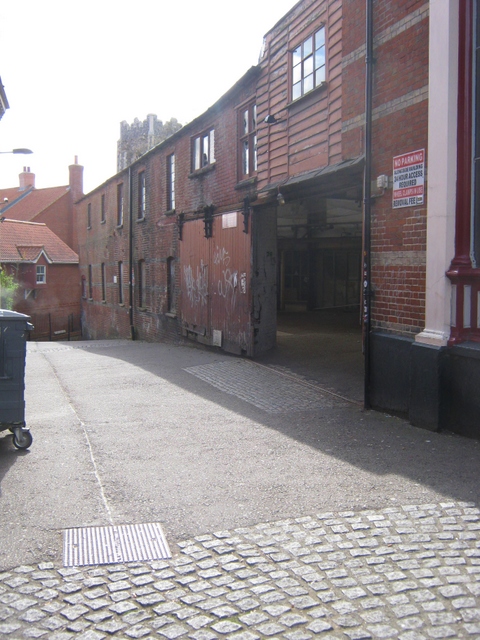
Just opposite the Castle in Cattle Market Street I found this interesting yard.

IMG_4490Furniture warehouse

A warehouse yard with workshops.

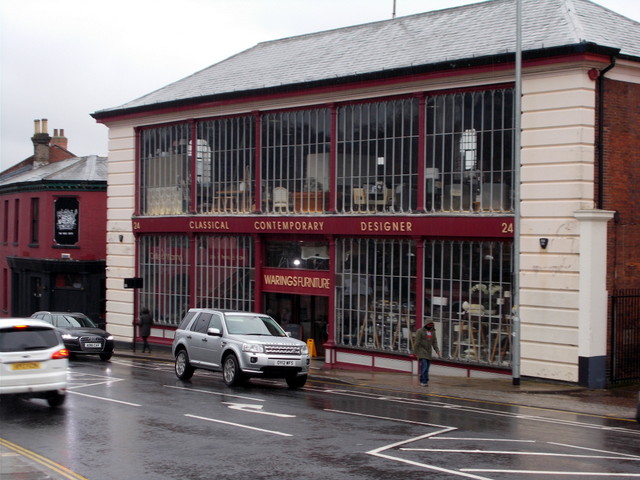
The warehouse is part of a Grade II Listed building which was originally constructed as a showroom for Holmes and Sons who manufactured and sold agricultural machinery.  The front of the building is mainly glass in an iron framework made in a lily pattern design and was inspired by the Crystal Palace (built by Paxton) to house the Great Exhibition of 1851.  This building is known as the Crystal House.  I believe there have been plans to convert the building into apartments.

DSCN0356Waring's shop

Photo of Waring’s Furniture shop (the Crystal House) taken this April

I walked from the Crystal House in Cattle Market Street, down Rouen Road and into St Julian’s Alley where I took this photo of St Julian’s church.  I wrote something about this church and shrine a while ago as well as writing about the castle.

IMG_4491St Julian's church

St Julian’s church

There is a narrow path between buildings that runs from St Julian’s Alley to King Street and in King Street is…..

IMG_4492Dragon Hall

Dragon Hall.

Until last year the Dragon Hall could be visited quite easily.  Now, since it has become the home of “The Writers’ Centre Norwich” it is only open for a tour once a month and I cannot find any details of when this one day a month is.  Dragon Hall is Grade I listed and dates from 1420 and is the only surviving medieval trading hall in Western Europe built by an individual.  That individual was a Robert Toppes who was elected four times Mayor of the City of Norwich.

IMG_4493Dragon Hall

Dragon Hall

It is made with close studded timber framing where planks of wood (studs) are placed vertically and close together to great effect.  It contained a grand hall; the ground floor rooms and the undercroft were used as storage for goods.  One of the spandrels (triangles of space between beams and braces in the roof) was intricately carved with a figure of a dragon, which is where the building’s name has come from.  I have seen a photograph and would love to see it for myself one day.

IMG_4494Dragon Hall

Dragon Hall

IMG_4495R Wensum behind Dragon Hall

View of the River Wensum behind the Dragon Hall. Goods could easily be brought into the Hall from boats on the river.

IMG_4496Side door of Dragon Hall

The Dragon Hall’s main door

The King Street area was one of the first areas in Norwich to be inhabited and as it was close to the river many of the inhabitants were rich merchants.  The Dukes of Norfolk and the Howard family (Catherine Howard was Henry VIII’s fifth wife) all had houses here. John Caius, physician to Edward VI and founder of Caius College Cambridge was born here.

IMG_4497Music House

Music House

Just a short step up King Street is the Music House.  This was reputed to be the oldest occupied house in Norwich until recently when it was taken over by Wensum Lodge.  The first occupants were the Jurnets who were an extremely wealthy Jewish family and who lived there in the 12th century.  It became known as the Music House because during the reign of Elizabeth I it was the headquarters for the Norwich waits and minstrels.

Almost next door is…..

IMG_4498Wensum Lodge

Wensum Lodge. The centre for Adult Education in Norwich.

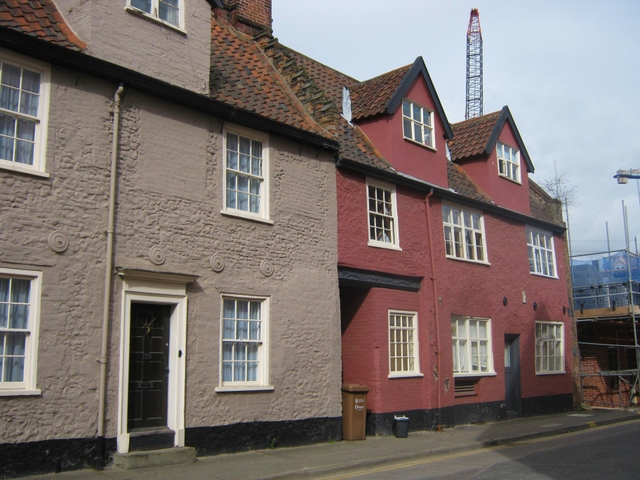
IMG_4499Houses in King Street

Interesting old houses in King Street. These buildings are probably 400 years old with lots of adaptations made to them over the years.

New buildings were being put up next door to these old houses.  From what I could see, great care was being taken that the new construction didn’t look out of place amongst the old buildings.

IMG_4500St Etheldreda Artist Studios

St Etheldreda Artist Studios

St Etheldreda was one of the four daughters of King Anna of East Anglia.  She founded a monastery on the Isle of Ely (an example of tautology as Ely means Isle) and she died there in 679.

This is a Norman church which became dilapidated in the 19th century and was then ‘restored’ by an enthusiastic clergyman who got rid of a lot of the original features in order that an idealised ‘medieval’ church could be created.  A wall painting of St Christopher was uncovered and was copied but the original painting did not survive.  Because of extensive bomb damage during the Second World War the amount of people living in the area dropped considerably and by the 1970’s the church had become derelict. Restoration was begun in 1975 and it has now been fitted out as artists’ studios.

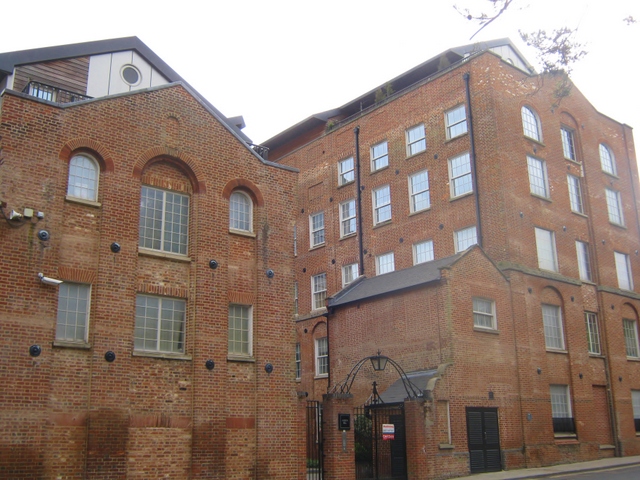
IMG_4501Converted mill

Albion Mill

This former mill has been converted into apartments.  You might be interested to see one of the apartments which is available for sale at the moment; a three-bedroom penthouse apartment valued at just under £1,000,000.

The building started out as a yam mill in the 1830’s but by the end of the 19th century it had become derelict.  It was bought by  Robert John Read (junior) of R J Read Ltd. in 1932 for £5,750 as he needed to expand his already thriving milling business.  He milled flour, not only local wheat but imported grain, oyster shell (for the chicken/hen trade) and maize (imported form Argentina).  He developed a flaking machine for the maize, as flaked maize was used in the stock and animal feed industry.  When Britain joined the Common Market the price of local and European wheat dropped and Read no longer imported grain.  By the late 1980’s maize was no longer imported either so the firm concentrated on wheat milling and in 1988 they were producing 5 tons of wheat an hour.  The business closed in 1993 and the site remained vacant until 2004 when it was bought along with other buildings nearby to be converted into flats and apartments.

IMG_4502Southgate Lane

Southgate Lane

I turned up Southgate Lane which is quite a steep climb though this isn’t easy to see in the photo.

IMG_4503Cottages

Halfway up the hill were a couple of semi-detached cottages.

IMG_4504Southgate Lane

The second half of the lane had a handy handrail.

IMG_4505Victorian House

Towards the top of the hill the lane widened and one of the beautiful Victorian villas in Bracondale came into view.

IMG_4506City Wall

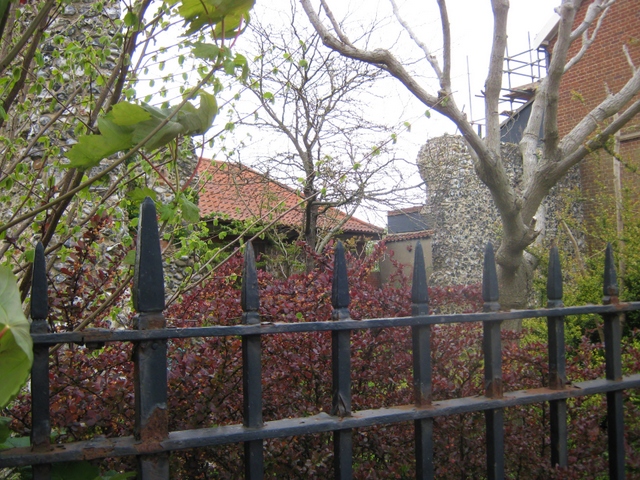
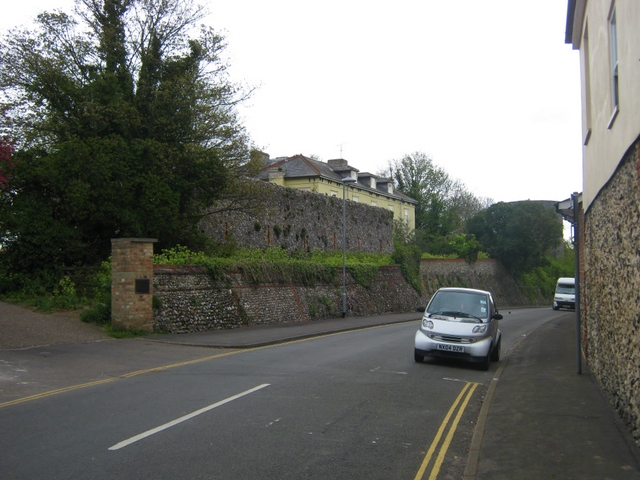
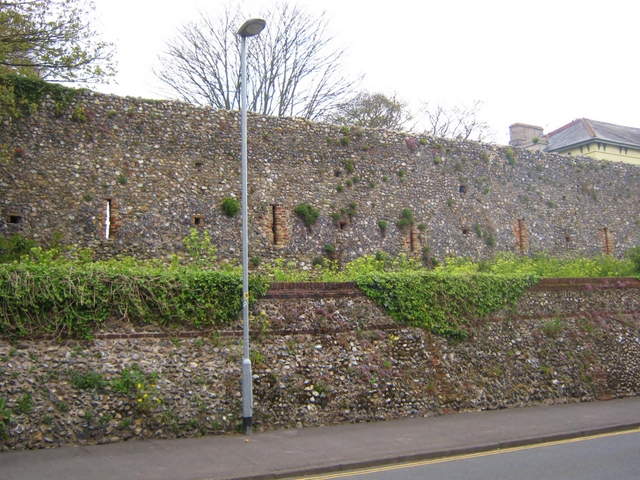
This old flint wall is part of the City Wall

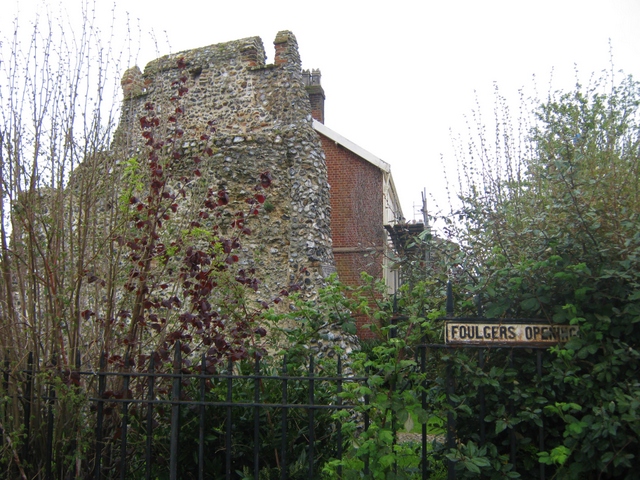
IMG_4507City wall

Here is another bit of the Wall next to the interestingly named road, Foulgers Opening.

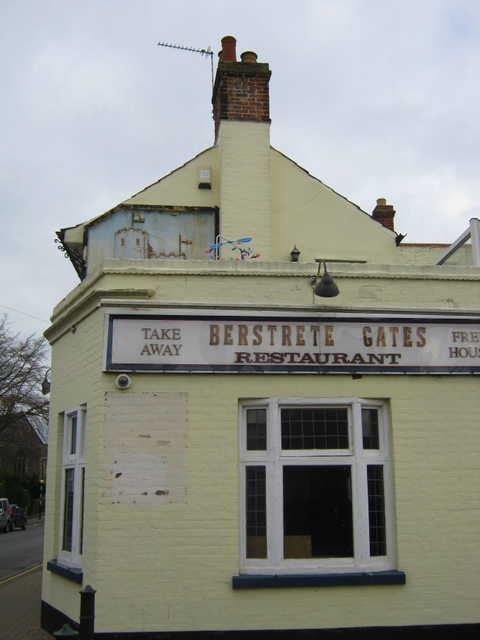
IMG_4508Berstrete Gates pub

I was now in Ber Street and this is the Berstrete Gates pub. The old Ber Street Gate in the city Wall was taken down in 1807.

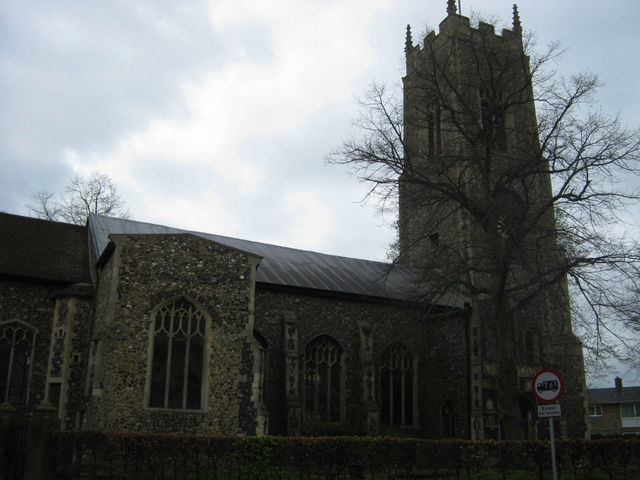
IMG_4509St John-de-Sepulchre's church

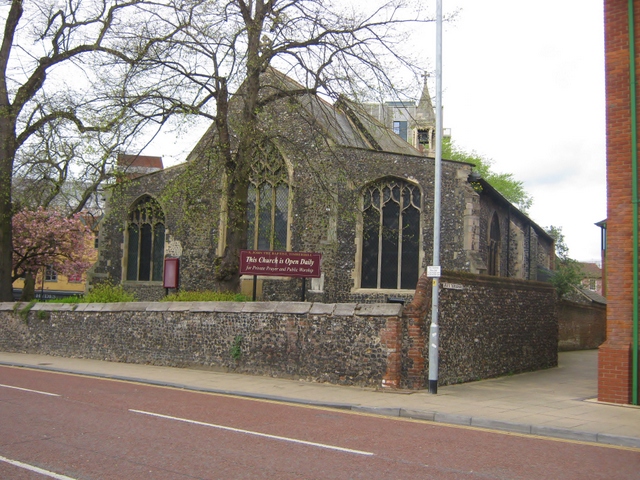
St John-de-Sepulchre’s church

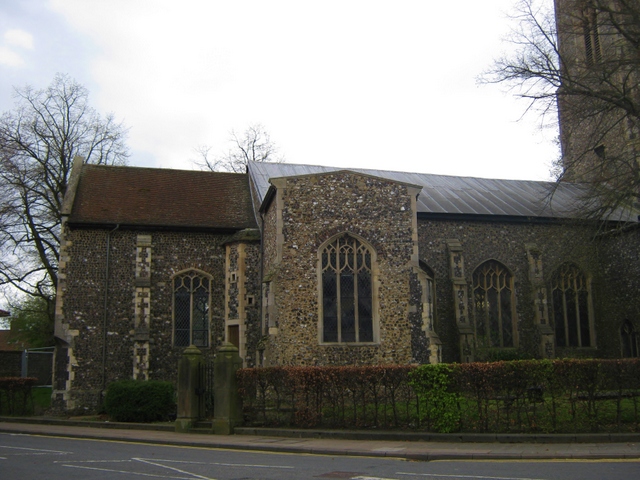
This church on the corner of Ber Street and Finkelgate was made redundant in 1984 and between 1986 and 2009 was used by an Eastern Orthodox congregation.

IMG_4510St John-de-Sepulchre's church

St John-de-Sepulchre’s church

IMG_4511Buildings in Ber St

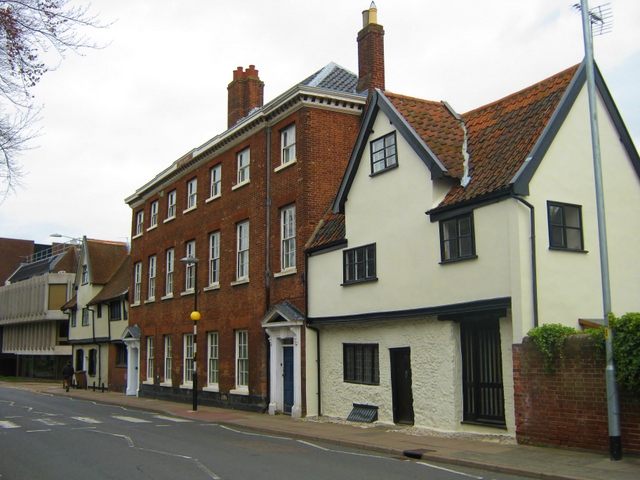
Buildings in Ber Street. The nearest is a medieval house; the one next to it is rather an elegant red-brick Georgian building. Next to that is another ancient medieval house with a modern office building beyond that.

I turned back the way I had come, walked back down Ber Street and into Bracondale and then past Southgate Lane.  The next road is Carrow Hill.

IMG_4512City Wall Carrow Hill

The City Wall in Carrow Hill

IMG_4513City Wall

The City Walls are very well preserved here

IMG_4514Black Tower

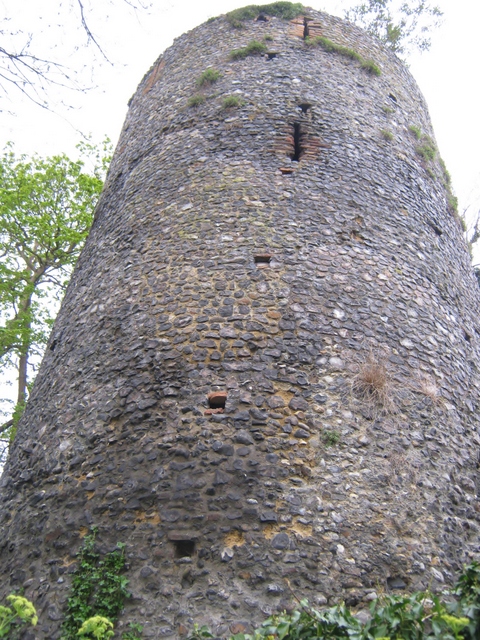
The Black Tower

This tower was part of the defence of the city and was traditionally the residence of the Constable.  In the 16th century it was used for plague victims and in the 18th century a snuff mill was built on top of it.  The mill was removed in the 19th century but the tower is still sometimes referred to as the Snuff Tower.  Another name is the Duke of Buckingham’s Tower though I haven’t yet found a reason for this.

IMG_4515Black Tower

The Black Tower

IMG_4516Black Tower

The Black Tower and part of the City Wall

IMG_4517Tower

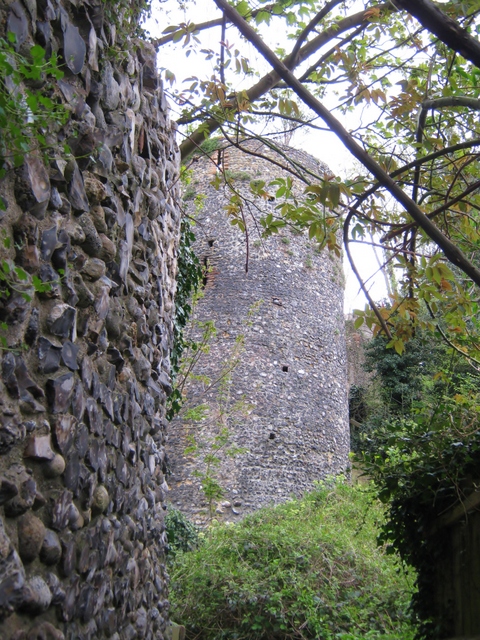
The Wilderness Tower

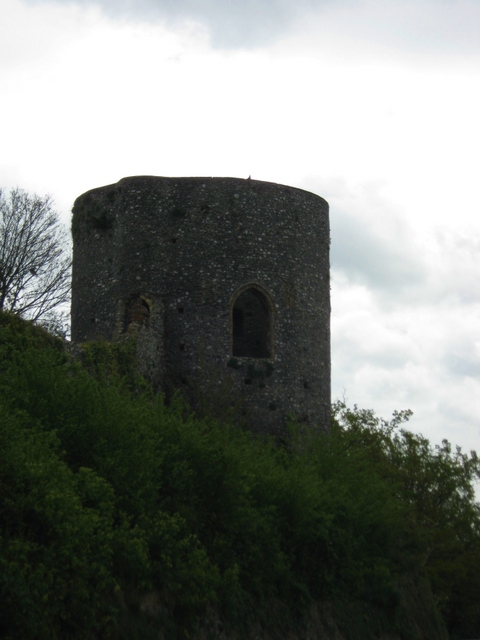
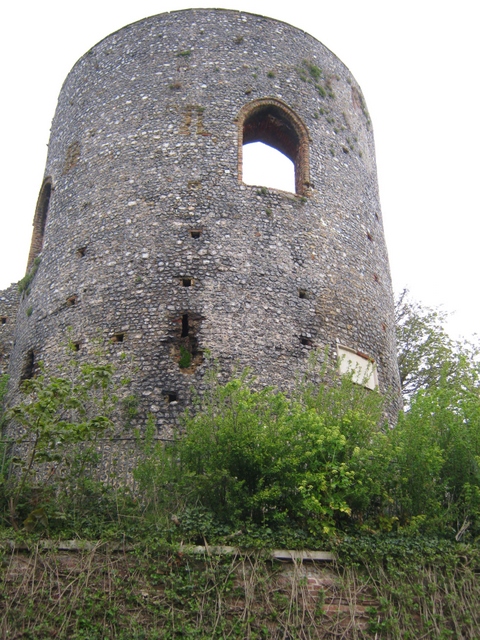
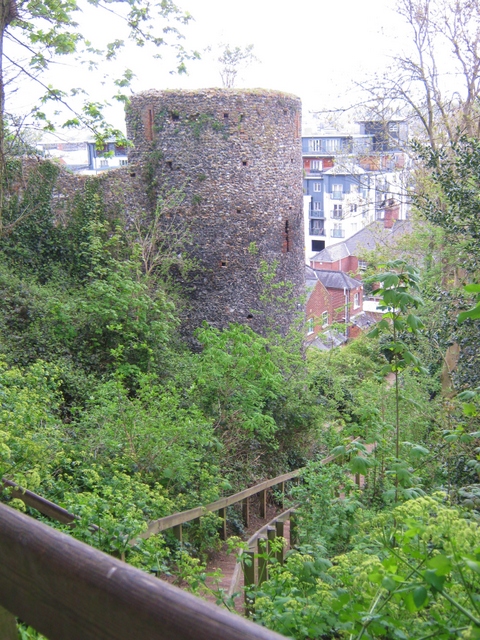
This second tower is further down the steep hill.  There was never any wall built between these two towers but there are plenty of arrow slits built into the sides of the towers to enable the defenders to cover the steep hill inbetween.

The Wilderness is nicely planted with trees and shrubs and there is a wooden path and stairs that take one from the top of the hill in Carrow Hill to the bottom in Alan Road.

IMG_4518Tower

The Wilderness Tower

IMG_4519City wall & tower

City Wall and the Wilderness Tower

IMG_4522Alan Road

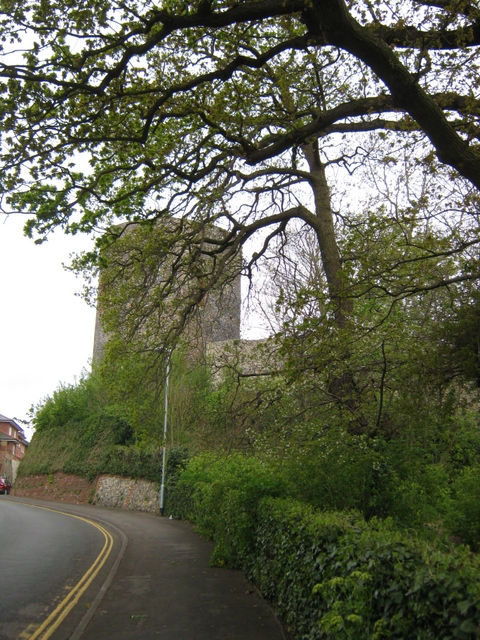
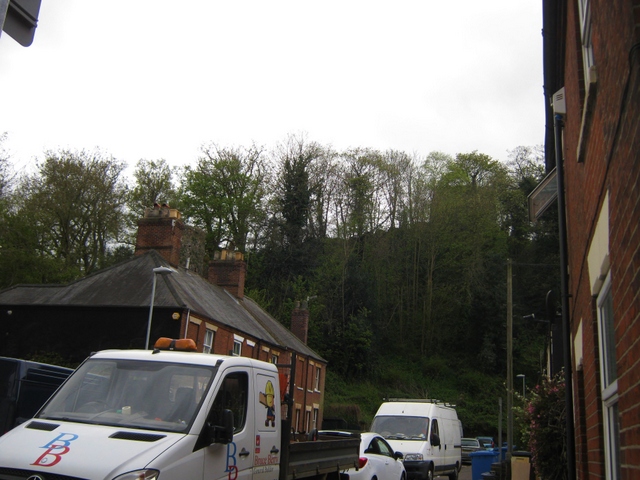
Alan Road with the Wilderness Tower nearly hidden behind the trees

From Alan Road I walked along King Street to Rouen Road and from there back to the city centre.

IMG_4524St John the Baptist Timberhill

St John the Baptist, Timberhill.

The church was originally sited just outside the Castle’s bailey.  Timberhill is to the south of the church, once an open space and the site of the timber market.

IMG_4526Timberhill

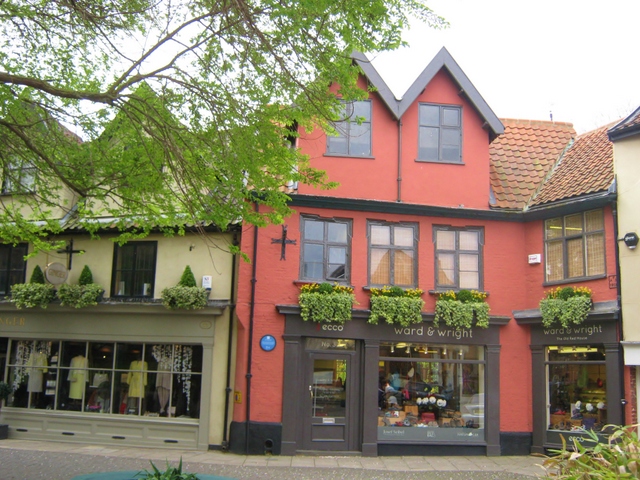
Attractive shops in Timberhill

I apologise for the length of the post.

Thanks for visiting!

Share this:

  • Share on X (Opens in new window) X
  • Share on Reddit (Opens in new window) Reddit
  • Share on Pinterest (Opens in new window) Pinterest
  • Share on Facebook (Opens in new window) Facebook
  • Email a link to a friend (Opens in new window) Email
  • Share on Tumblr (Opens in new window) Tumblr
  • Print (Opens in new window) Print
  • Share on Pocket (Opens in new window) Pocket
  • Share on LinkedIn (Opens in new window) LinkedIn
Like Loading...

A Walk Through Norwich

10 Tue Nov 2015

Posted by Clare Pooley in churches, Norwich, Rural Diary, walking

≈ 44 Comments

Tags

Anthony Sher, Barbara Hepworth sculpture, brick walls, bridges, buildings, Castle Green, Comedy Alley, headstops, history, Howard and Son fishmonger and Game Dealer, Jarrolds, No.12, Norwich, Norwich Castle, Norwich Cathedral, Oliver Ford Davies, River Wensum, St Andrew's Hall, St Clement the Martyr's church, St George's Bridge, St George's St, St Peter Mancroft, stone mason, The Guildhall, The Mischief Tavern, Tombland Alley, Tye Bridge, University of the Arts, walking

It is some time since I wrote about Norwich so this post will feature a walk I took last October – over a year ago!  At that time I often dropped Elinor off at college and then wandered about the city until it was time to collect her and take her home again.  This year she has longer hours at college and as Richard and I share the driving I don’t need to spend time in the city unless I want to.

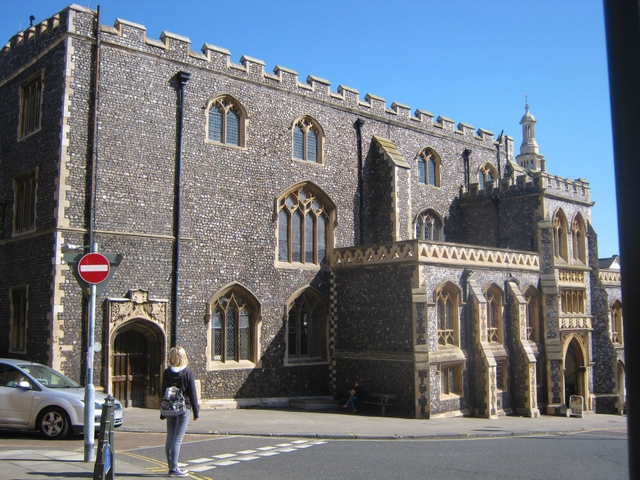
020Guildhall

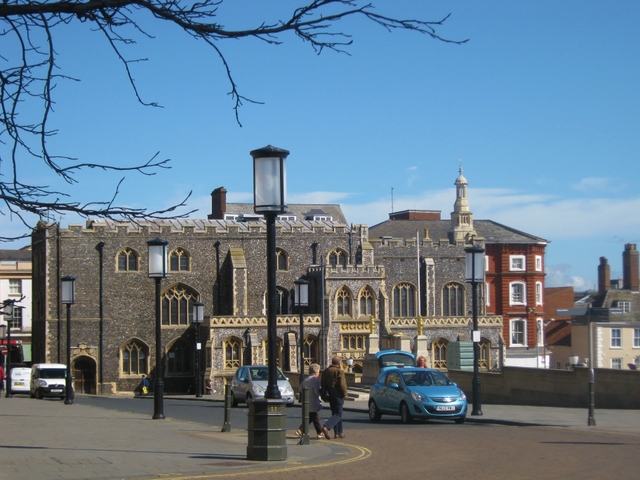
I began my walk at the Guildhall in the centre of the city.

The Guildhall was built in the early 15th century after the city was granted a charter in 1404.  The building was used for civic and judicial assemblies and courts from 1413 until 1938, when the new City Hall was built and 1985, when the new Court buildings were opened.  Some of the rooms are still used today by the City Council;  the building also houses the Sheriff’s Chambers.

021Guildhall

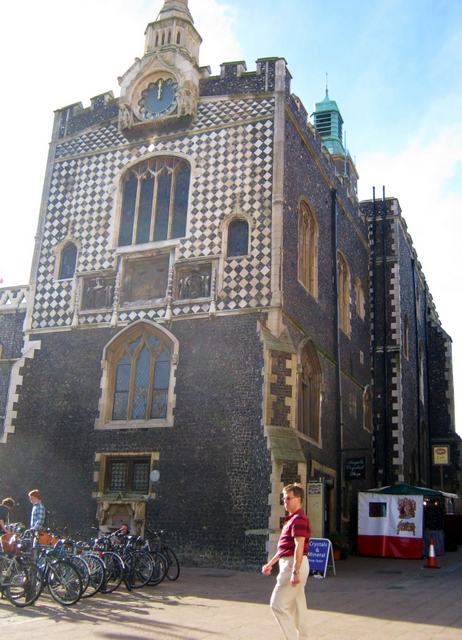
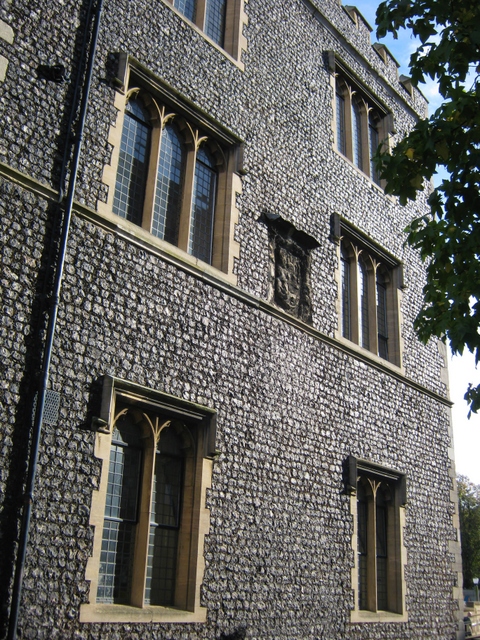
Norwich Guildhall – showing the knapped flint-work.

Funding for the building came from increased taxes, voluntary contributions and bequests to the city.  Despite this, much of the labour went unpaid.  The city was granted a warrant in 1407 which instructed men from many different trades to work for no pay, often for fifteen hours at a time; only the highest skilled craftsmen were paid.  Most of the construction of the Guildhall was carried out between 1407 and 1413.  By 1435 the tower and porch had been added and by 1453 the final windows were glazed.

IMG_4413Guildhall

A photo I took of the Guildhall in April of this year

The building was constructed from flint rubble faced with knapped flint and infill and the east end, which was reconstructed in the 16th century (shown on the first of my photos), was crafted from alternate squares of faced flint and ashlar stone giving the Guildhall its distinctive chequered look.

IMG_4415Guildhall

Guildhall – showing the reconstructed porch. Many of the windows were replaced during the 19th and early 20th centuries.

Much of the exterior is Victorian and Edwardian, as massive reconstruction was carried out in both 1861 and 1908.  The porch was reconstructed in the Gothic style, as were the replaced windows.  A clock tower was also added.  A link here (click on ‘The Guildhall‘ ) shows a drawing of what the Guildhall looked like before the old porch (on the left of the building) was demolished.

At present only the ground-floor rooms and porch are accessible to the general public ( a café and a crystal shop use the space).  It is interesting to sit in the café having coffee and realise that you are in a virtually unchanged Victorian courtroom.  It is hoped that the rest of the building will soon be open to the public.

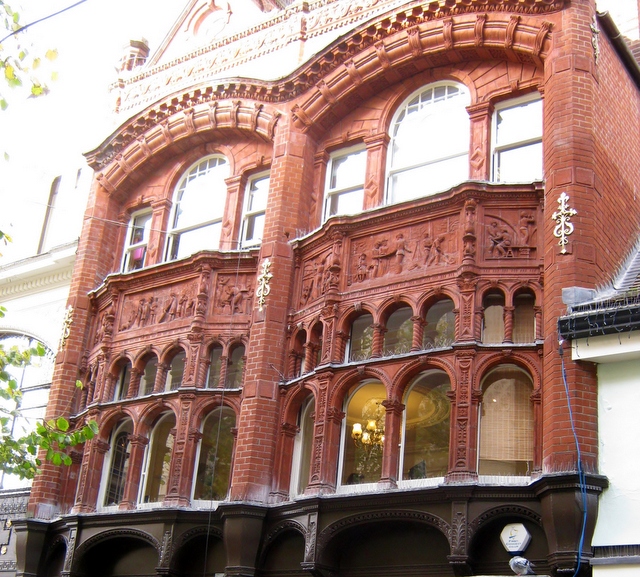
I walked to the bottom of Guildhall Hill and into London Street where I saw this ornate facade above Jarrold’s Department Store.  The frieze illustrates trades and crafts in Norwich.

022Ornate shop

Ornate facade

I made my way up the hill towards the Castle

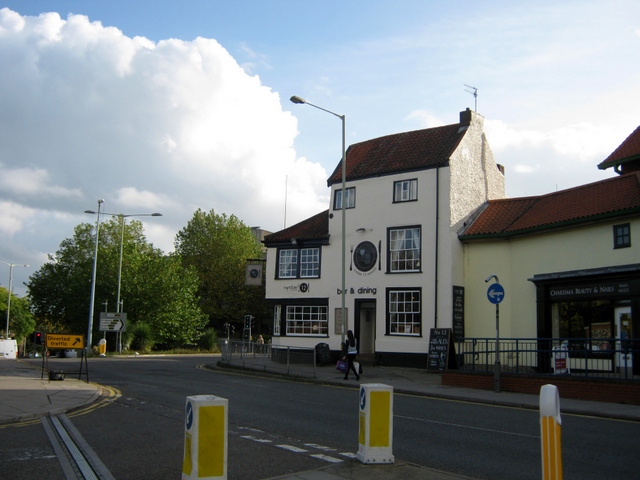
026Number 12

This rather strange shaped building on the corner is called ‘Number 12’ and is a restaurant.

This inn is about 250 years old and used to be a popular place to visit to watch the executions at the castle opposite!

I arrived at Castle Green and from there was able to see across the city.

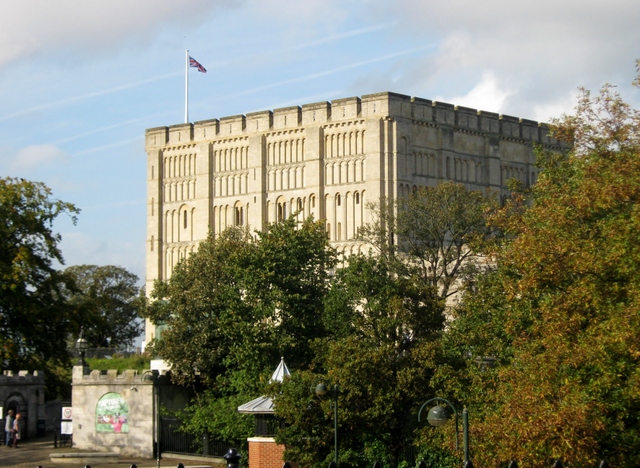
028View from Castle Green

A view of the Norman Castle

029View from Castle Green

Looking towards the Anglican Cathedral

030View from Castle Green

A closer view of the cathedral’s spire

031View from Castle Green

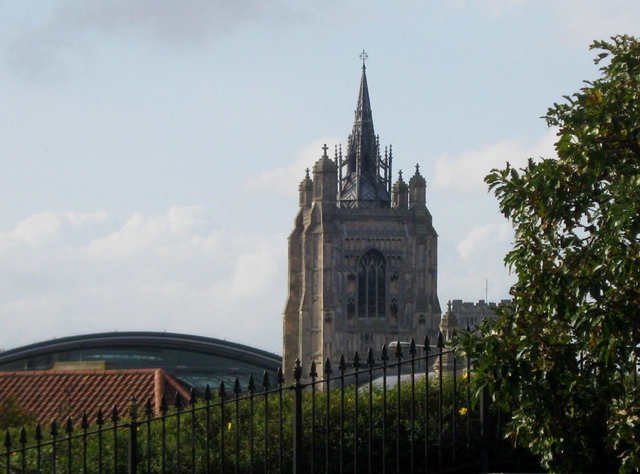
This is the tower of St Peter Mancroft church with the arched roof of The Forum next to it.

I walked from Castle Meadow to St Georges Street and on towards the River Wensum.

032Ornate brick wall

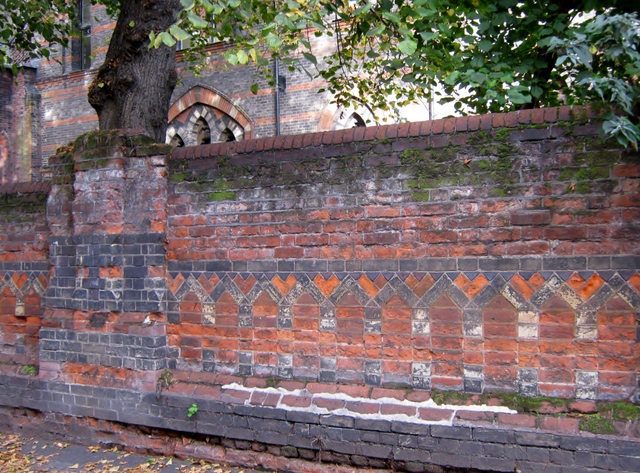
I admired this ornate brick wall. Red bricks made in this part of England are soft and weather easily.

033St Andrew's Hall

St Andrew’s Hall

The Halls are a collection of beautiful flint-built buildings and St Andrew’s is the largest and most ornate.  Together, the Halls form the most complete friary complex surviving in England.  The first Dominican Black Friars’ priory was destroyed by fire and St Andrew’s was the nave of the new church which was completed in 1449.  The site was in danger of being destroyed during the Reformation (during the 16th century) but was saved by the City Corporation which bought it from the King for use as a ‘common hall’.  Since then the complex has been used for worship,as a mint and as a workhouse.  St Andrew’s Hall has an impressive hammerbeam roof which was a gift from the Paston family whose town house was in Elm Hill nearby.

The slideshow beneath is of photos of some of the headstops decorating the outside of St Andrew’s Hall

This slideshow requires JavaScript.

The faces were probably of local dignitaries and may not be particularly flattering!  A dragon symbolizes Satan, the devil or evil; the dragon next to the carving of Christ may symbolize Christ’s victory over evil.  A fish symbolizes Jesus but it can also be used as a warning about the Last Judgement.  A bird symbolizes the soul; if the bird in the carving is a dove then it symbolizes God the Holy Spirit.  A lion symbolizes many things.  It is the emblem of St Mark and is also associated with Daniel, Samson and St Jerome.  It can symbolize strength and majesty, therefore Jesus.  Carvings or statues of lions are often used in Italian churches as defensive bulwarks.  The lion symbolizes vigilance.  The lion can also symbolize evil, or the Devil.  “Your enemy the Devil prowls around like a roaring lion looking for someone to devour”, says St Peter in his First Epistle.  The Green Man, as Roger Deakin says in his book ‘Wildwood’, is “…the spirit of the rebirth of nature.  He is the chucked pebble that ripples out into every tree ring.  He is a green outlaw and he is everywhere…

Next to St Andrew’s Hall and adjoining the ornate brick wall is…

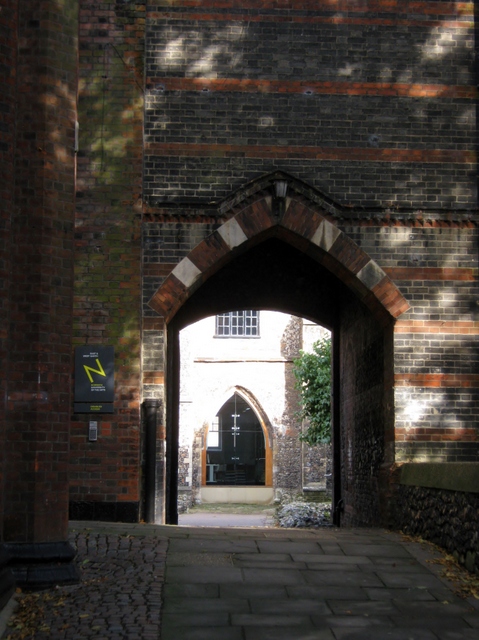
034E & W Garth Norwich Univ of the Arts

an archway leading to the East and West Garth, now part of the Norwich University of the Arts.

A Garth is an open space within cloisters; a close or yard; a garden or paddock.  Garth is a Middle English word from the Old Norse word garthr related to Old English geard meaning ‘yard’.   (The Concise Oxford Dictionary)

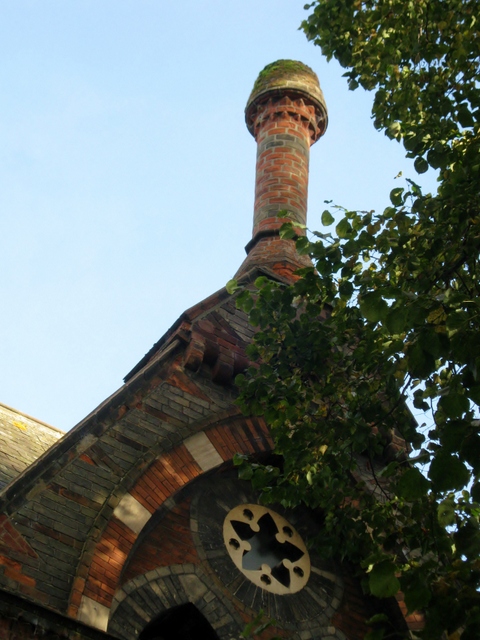
035Chimney

I like this chimney!

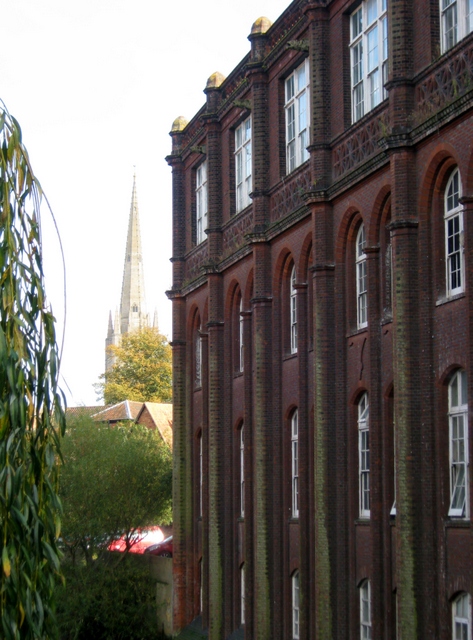
036Back of building

The back of the main building at the University of the Arts.

This building was originally built for the Technical College which is now City College Norwich.  City College was given a new building in 1953 on Ipswich Road and this building was handed over to the Art College.

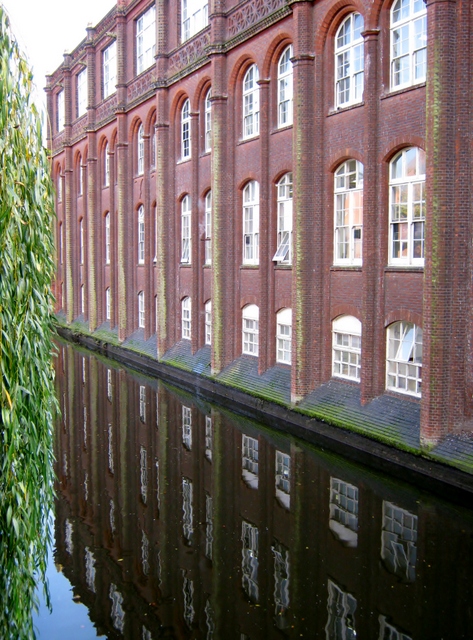
037Back of building

As you see, the river flows along under the windows.

Crossing over St George’s Bridge I came to the Norwich Playhouse Theatre on the left and a small park or plaza on the right.  The Barbara Hepworth sculpture is in this park.

039Barbara Hepworth sculpture

‘Sea Form (Atlantic)’ by Barbara Hepworth

I walked for a little along the riverside.

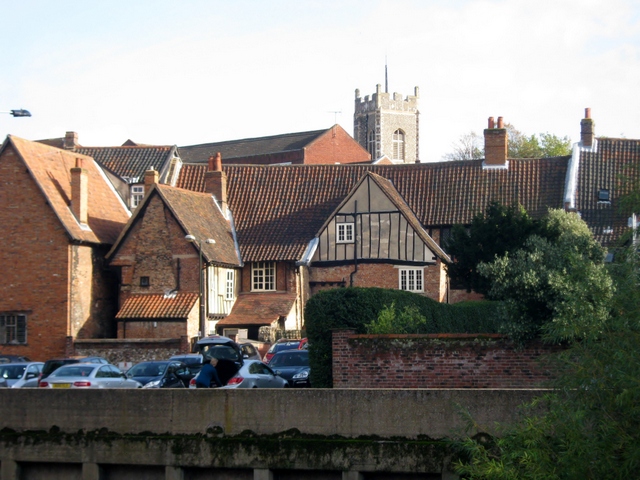
040View across the river

View over the River Wensum. Beyond the carpark are the rears of the houses in Elm Hill.

041Back of buildings

Another view of the Art College buildings and St George’s Bridge

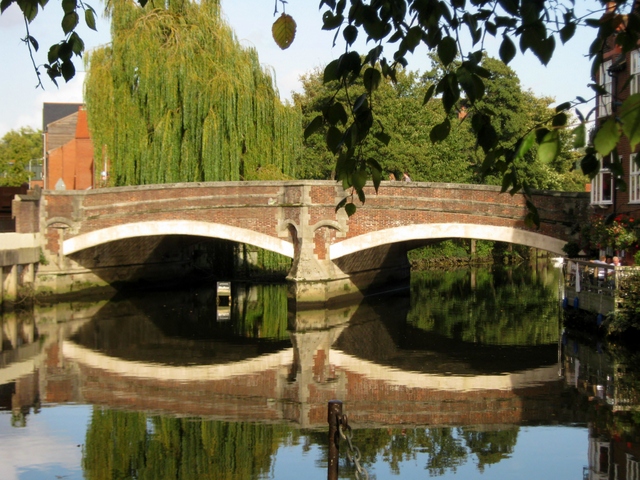
042Tye Bridge

Looking the other way towards Tye Bridge

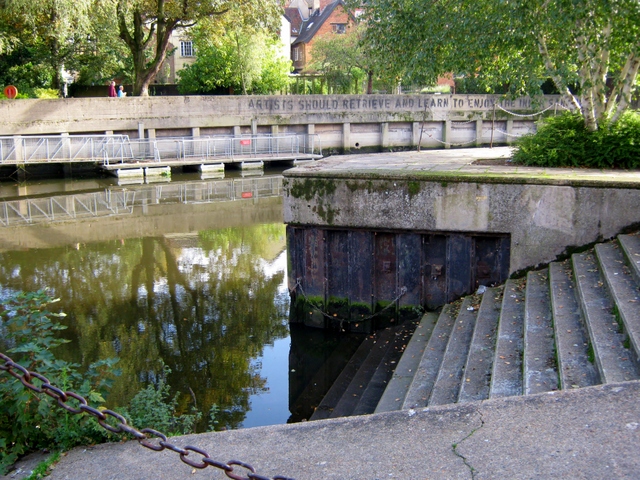
043River steps

The river steps.

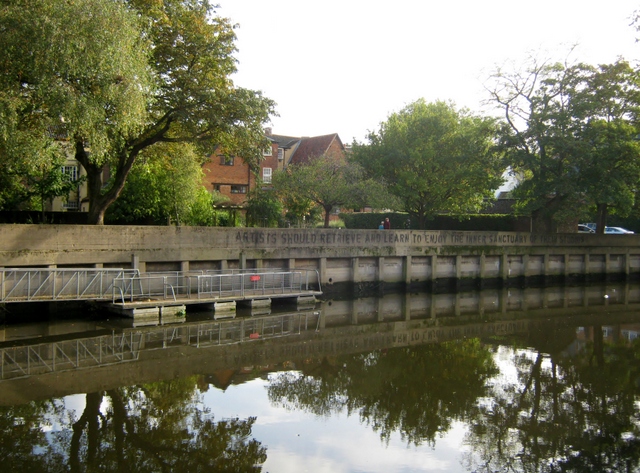
044Riverside

Riverside art student grafitti. ‘Artists should retrieve and learn to enjoy the inner sanctuary of their studios’

I made my way towards Tye Bridge using a little alley-way.

045Comedy Alley

The Comedy Alley – a bar where comedians perform.

The alleyway brought me to St Clement’s church on the corner of Colegate and Fye Bridge Street.

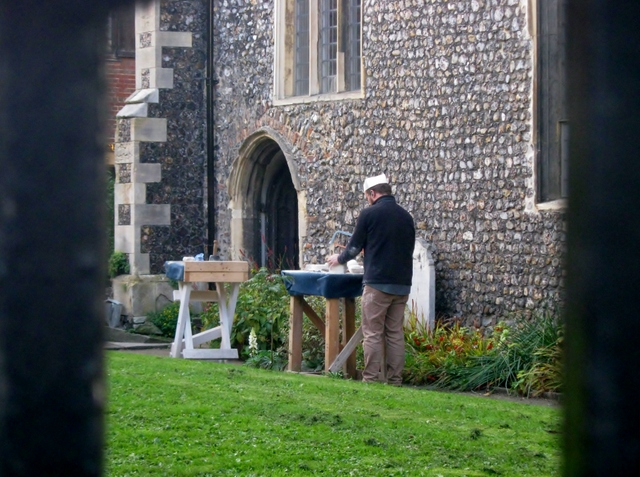
046Stone mason at work

A stone mason at work outside the church of St Clement the Martyr

He was wearing what looked like a folded paper hat.

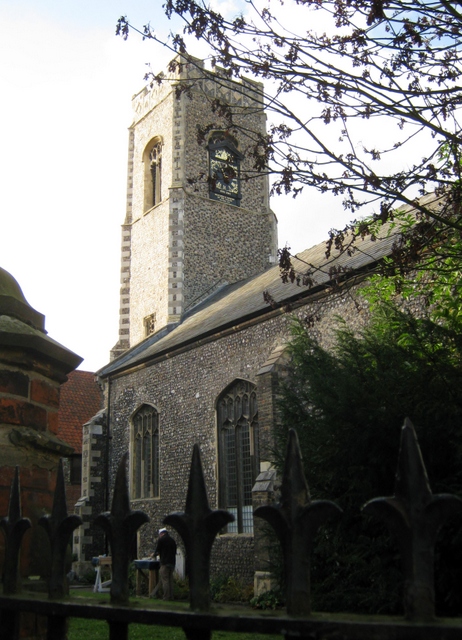
047Church of St Clements

The church of St Clement the Martyr

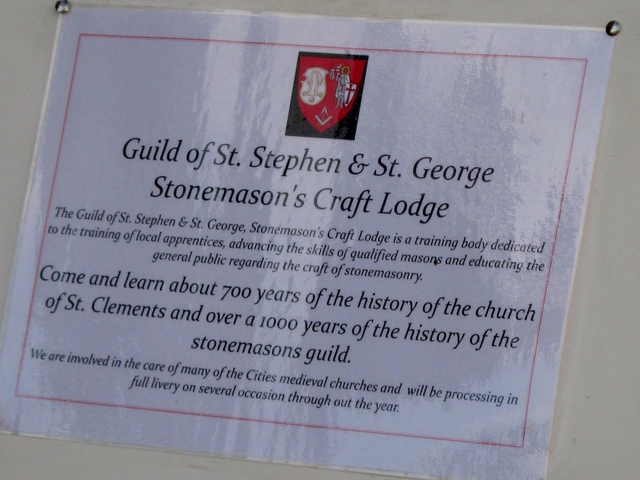
048Sign re Guild of St Stephen and St George

A notice pinned on a board outside the church

I have been meaning to go and visit the place for over a year now!

049Fishmonger and game dealer

On the opposite side of the road was the Fishmonger and Game Dealer’s shop.

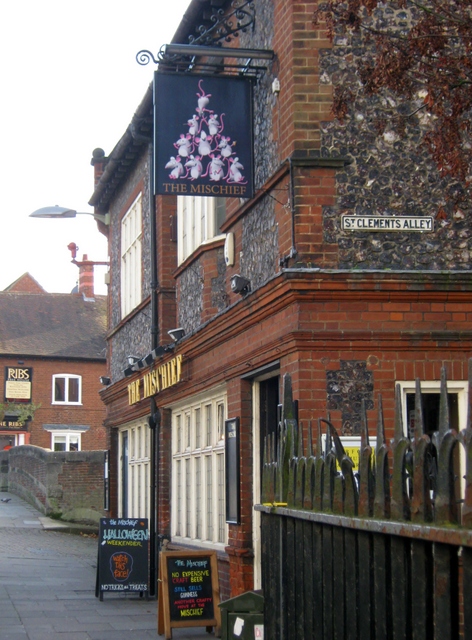
Next to the church was the pub.

051The Mischief

The Mischief pub

Fye Bridge Street becomes Wensum Street which then becomes Tombland all in a few hundred yards.  At the gate to the Anglican Cathedral I crossed over the road and went up Tombland Alley.

052Tombland Alley with Oliver Ford-Davies

Tombland Alley looking back towards Tombland and the gate to the Cathedral.

The gentleman standing at the entrance to the alleyway is the actor Oliver Ford Davies  and I had recognised him as he walked through the alley.  He had a map with him and was wandering about the city looking at the buildings.  I, my mother and Elinor had seen him on the stage at the Theatre Royal the night before when he was playing the part of Shallow in Shakespeare’s Henry IV Part 2.  The night before that we had seen Henry IV Part 1.  The great Anthony Sher played the part of Falstaff in both plays – a wonderful double production.

053A mark

I believe this is a merchants mark on the wall in Tombland Alley

These marks were used by tradesmen to identify themselves and authenticate their goods (wikipedia)

Buildings in Tombland Alley
Crooked building
Crooked building
Crooked door
Crooked door

I soon made my way back to the Guildhall and then to the college where I met my daughter.

Thanks for visiting!

Share this:

  • Share on X (Opens in new window) X
  • Share on Reddit (Opens in new window) Reddit
  • Share on Pinterest (Opens in new window) Pinterest
  • Share on Facebook (Opens in new window) Facebook
  • Email a link to a friend (Opens in new window) Email
  • Share on Tumblr (Opens in new window) Tumblr
  • Print (Opens in new window) Print
  • Share on Pocket (Opens in new window) Pocket
  • Share on LinkedIn (Opens in new window) LinkedIn
Like Loading...

Norwich Knowledge

06 Sat Sep 2014

Posted by Clare Pooley in churches, Rural Diary, trees, Uncategorized, walking

≈ 24 Comments

Tags

Augustine Steward house, beguinage, Blackfriar's Hall, Briton's Arms, Christian Resource Centre, City College, Edith Cavell, Edith Cavell Monument, Elm Hill, elm trees, Erpingham Gateway, Forget-Me-Not Café, Fye Bridge, hair appointments, Norwich, Norwich Cathedral, Norwich Hippodrome, Paston family, Princes Street, Quayside, River Wensum, St Andrew's Hall, St Giles, St Giles car-park, St Michael at Plea, Stranger's Club, timber-framed buildings, Tombland, Tombland Alley, walking

Norwich is a very beautiful city and we always look forward to visiting it.  (Norwich is pronounced ‘Norridge’ or, if you are a local, ‘Narge’).  For the next few months I will be going there every day of the week so perhaps the shine may wear off a little, though I don’t think it likely.

On Tuesday E and I had to be at City College Norwich at 8.30 in the morning so that E could meet her mentor before her ‘taster day’ began at 9.00 am.  I had a hair appointment at 9.45, my second one with my new hairdresser.  When my local hairdresser went on maternity leave and I found the replacement hairdresser wasn’t to my liking I decided to look for a new one in Norwich where I would be spending some time each day.  I rather like the young woman who now does my hair.  ‘Oh Clare!’, she said the last time I saw her, ‘Don’t start colouring your hair again.  Your shade of grey is really lovely!’.  There aren’t many women who wouldn’t fall for that one.

So, after leaving E at the college I drove to the city centre and parked my car in my usual car-park at St Giles.  This is rather an ugly multi-storey car-park built in the 1960’s so is quite difficult to park in if you have a modern car – it’s very narrow and full of pillars.  The car-park is on the site of the Norwich Hippodrome, an extremely ornate theatre built in 1903 and demolished in 1964.  Apparently many inter-war stars performed there – Charlie Chaplin, Marie Lloyd, Gracie Fields, George Formby and even Archibald Leach (Cary Grant) made his acting debut there at the age of twelve.  After the Second World War it continued to be popular for a while with acts like Laurel and Hardy visiting in 1954.

I had about an hour to kill before my appointment and, as the morning was bright and sunny I decided to have a short walk and visit some of my favourite places.

I walked up past my hairdressers in London Street to the junction at the top of the hill.  On the corner of Redwell Street and Queen Street is the redundant church of St Michael at Plea.
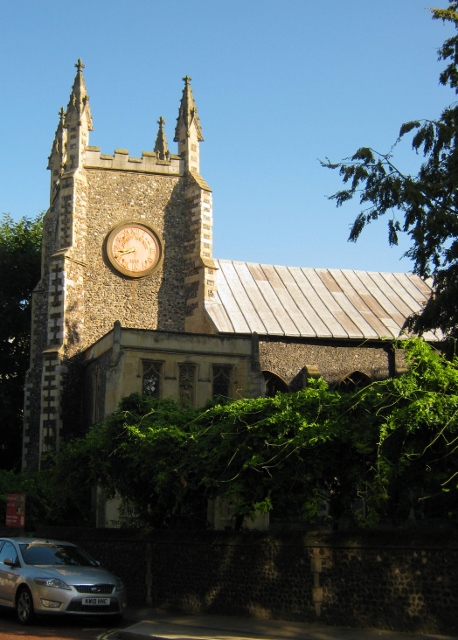
001St Michael's at Pleas church (2) (458x640)

St Michael at Plea church

The church ceased to be a place of worship in 1973 and opened in 2008 as a Christian Resource Centre.  Before that it had been used as an antiques market.  We call in quite often as we buy things for our church here – candles, communion wafers etc – and it is a good place for Easter and Christmas gifts.  The bookshop is very good and stocks new and second-hand books.  There is also a really nice café in what was the chancel, with extremely tasty and cheap food, all supplied by volunteers.  The café is called the Forget-Me-Not Café after the wording on the clock on the tower.
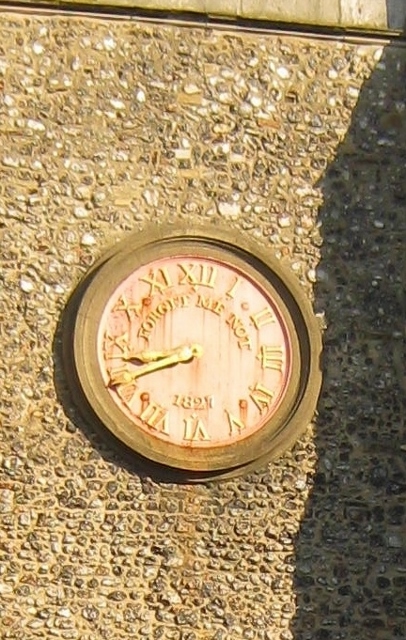
001St Michael's at Pleas church (406x640)

The Forget-Me-Not clock

The battlements and spirelets were put on the top of the tower during a 19th Century restoration.  The tower had been lowered for safety reasons some time before that.  I think it had been much taller with bells.
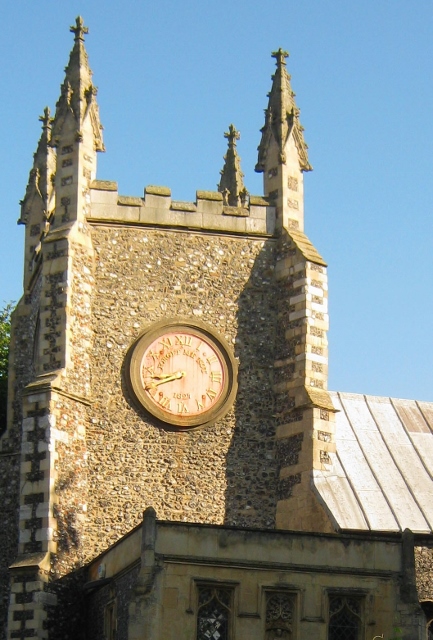
001St Michael's at Pleas church (3) (433x640)

The rather truncated tower with its pretty pinnacles

The porch is probably early 16th Century and rather strangely gives access to the base of the tower rather than the Nave.  Most of the church’s furniture and valuable decorations were removed when it was made redundant but it still has a beautiful memorial in it, some medieval glass high in the east window and some carved angels in the roof.

I then went down Elm Hill, one of the most lovely streets in the country.
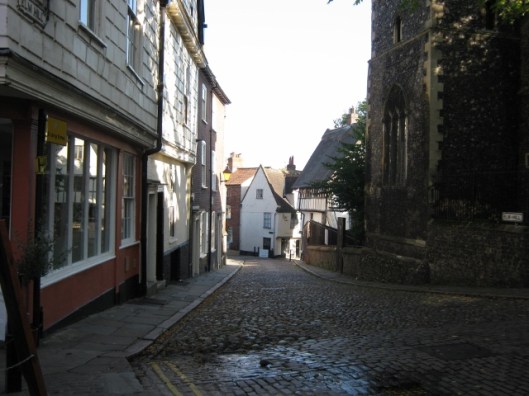
002Elm Hill (640x480)

Elm Hill. Blackfriars Hall is on the corner of the street on the right of the photo.

Elm Hill is a cobbled street full of timber-framed buildings and virtually unaltered since the 16th Century.  There have been people living in this area since at least 1200.  (Probably before that time, as it is close to the river and to Tombland, the site of the Anglo-Saxon market.)  It is called Elm Hill after the elm trees that used to grow there next to the Briton’s Arms, all of them killed by Dutch Elm disease.  This was a wealthy street in medieval times where many merchants lived.  By the 20th Century it had seen better days and there were plans to sweep it all away.  Fortunately, the authorities thought better of this idea and now most of the buildings have been restored and look wonderful.
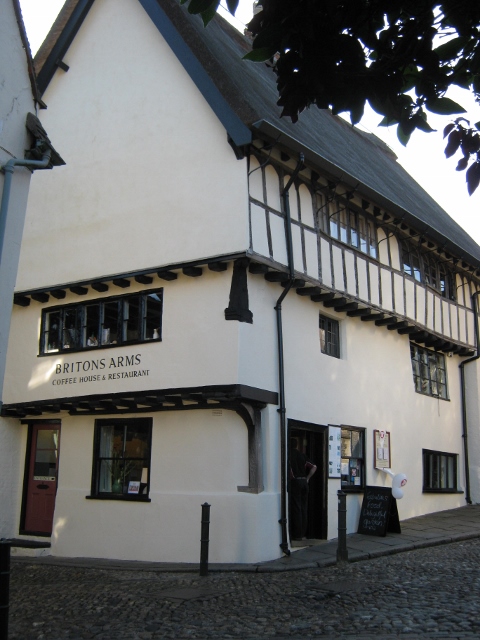
003Briton's Arms (480x640)

Briton’s Arms, now a restaurant and coffee house.

The Briton’s Arms was built in 1347 and became an ale house in 1760.  It is three storeys high and was the only house on Elm Hill to survive a fire in 1507.  It stands in the corner of the old churchyard of St Peter Hungate and the only reason it survived the fire was because it stood apart from the rest of the houses.  The fire destroyed 300 houses and shops.  There are two rooms per storey of the Briton’s Arms and each floor is reached by a side staircase.  The top floor is jettied out on three sides and it also has an attic – a rarity in Medieval buildings.  It is perhaps one of the oldest inhabited attics in England.  It began life as a beguinage associated with St Peter’s church.  A beguinage was the home of a group of single women who devoted their lives to prayer and community work, like a nunnery.  However, unlike a nunnery which accepted the daughters of wealthy parents, beguines were usually from poor backgrounds.  They earned a little money from spinning and begging for alms and did charity work in the city but their main work was regular worship in the church next door which was reached through a stone arched door in the rear wall of the building.  Beguinages were common in Europe but there are no known other examples elsewhere in Britain.

004Elm Hill (2) (480x640)

Looking further down Elm Hill from outside the Briton’s Arms.
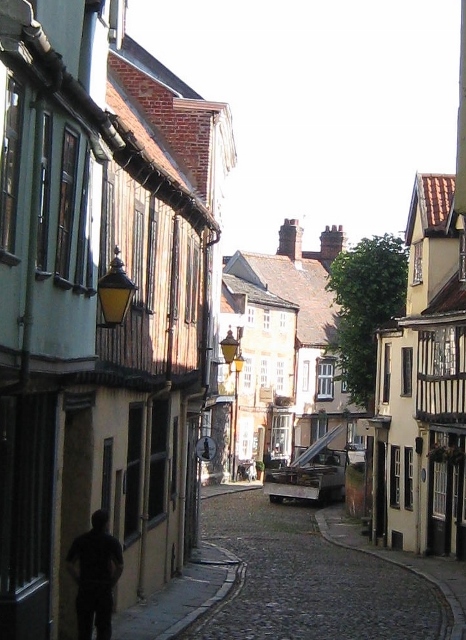
004Elm Hill (3) (466x640)

I cropped the photo above to make it easier for you to see the pink house on the left.

The house just in front of the man in the photo is the Strangers’ Club built on the site of the Paston’s House which was destroyed by the fire.  The Club is said to be haunted by a man who died in the fire of 1507.  Queen Elizabeth I stayed here and watched a pageant in her honour from one of the upstairs windows.

The Pastons rose from peasantry to aristocracy in two generations.  They also left a record of private correspondence (The Paston Letters) which is the first example of such correspondence to survive in Britain.  To quote my on-line source ‘The letters show first hand testimony of the social benefits of the plague brought to the peasantry, the chaotic effects of the War of the Roses on the general populace and the individual impact that the Black Death could have on a family’.  I have a copy of the letters and they are a really good read especially the letters from Margaret Paston to her two sons and theirs to her.  Her husband had managed to be bequeathed Caister Castle by John Fastolf who was a knight during the Hundred Years War, became a loyal servant of Henry V and fought in the Battle of Agincourt.  He was also the knight that Shakespeare based his John Falstaff on.
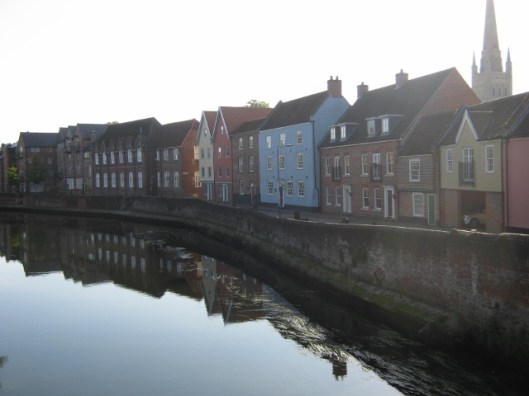
005Quayside from Fye Bridge (640x480)

Quayside from Fye Bridge

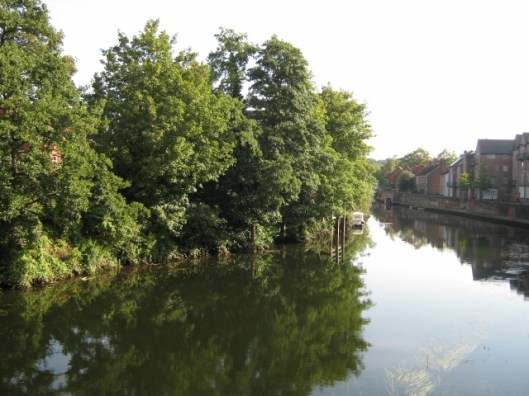
At the bottom of Elm Hill I turned left along Wensum Street and crossed halfway over Fye Bridge so I could look at the River Wensum.  Wensum comes from the Anglo-Saxon word for ‘winding’ – wandsum or wendsum.  The river winds in two large loops through the city and is a tributary of the River Yare despite being the larger of the two rivers.  It is chalk-fed and the whole river is a Site of Special Scientific Interest and a Special Area of Conservation.  Fye Bridge is built over the oldest river crossing in Norwich and is the gate to the North of the city known as Norwich Over the Water.  The bridge is also the site of a former ducking stool.
006The Wensum from Fye Bridge (640x480)

The River Wensum

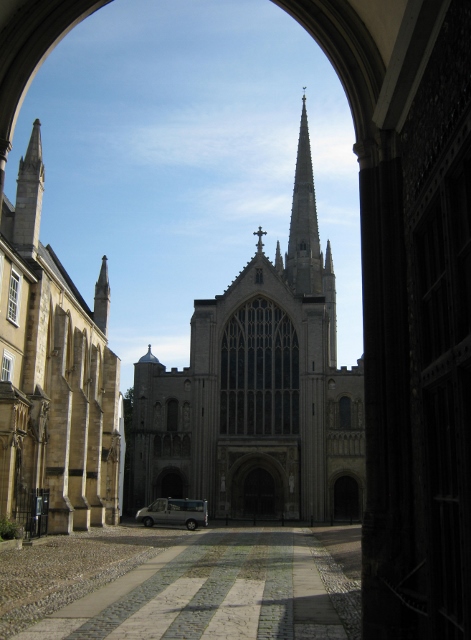
007Norwich Cathedral from Erpingham Gate (471x640)

Norwich Cathedral seen from the Erpingham Gate

I didn’t cross right over the bridge but returned to Wensum Street and walked along it to Tombland and stood by the Erpingham Gate so I could look at the Cathedral.  Though it doesn’t look it from this angle the cathedral is immensely long (407 feet) and the top of its spire is 315 feet from the ground.  The construction of it was begun in 1096 and finished in about 1145.  The Cathedral was also a Benedictine Priory.  The Erpingham Gateway was built in 1420 by Sir Thomas Erpingham who was the commander of Henry V’s archers at the Battle of Agincourt.
009Edith Cavell Memorial (480x640)

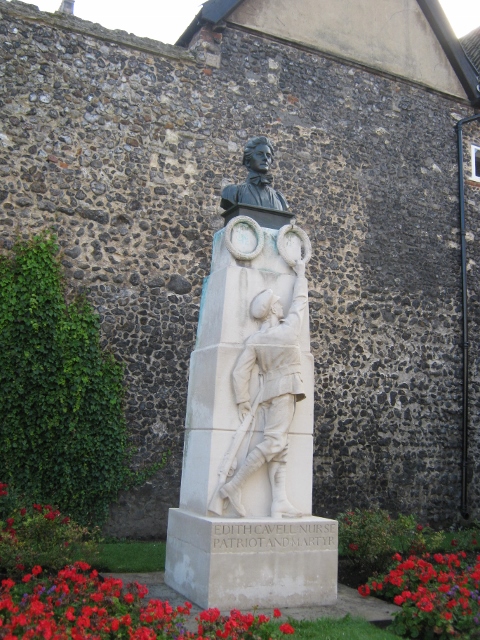
Just to the right of the Erpingham Gateway is the Edith Cavell Memorial.

Edith Cavell is buried near the east end of the Cathedral.  She was born in 1865 and grew up in Swardeston, south of Norwich and was a vicar’s daughter.  She became a Matron of an English teaching hospital and was also an influential pioneer of modern nursing in Belgium.  She was in England visiting her mother when World War I broke out but returned to Belgium as she felt it was her duty so to do.  Her hospital became a Red Cross hospital and so wounded soldiers from all nations were treated there.  She was a devout Christian and this motivated her to help all those in need, both German and Allied soldiers.  When a group of wounded British soldiers arrived who had been cut off from their comrades she decided to help them despite knowing that that she was putting at risk the neutrality of the Red Cross and endangering others working with her.  She then joined a Belgian underground movement and helped more than 200 Allied soldiers to escape to neutral territory.  The network was betrayed, she was arrested, tried by a court martial, found guilty of treason and sentenced to death.  Her execution was carried out at dawn by a firing squad on 12th October 1915.  She was still wearing her nurses uniform.  On the eve of her execution she said, “I am thankful to have had these ten weeks of quiet to get ready.  Now I have had them and have been kindly treated here.  I expected my sentence and I believe it was just.  Standing as I do in view of God and Eternity, I realise that patriotism is not enough.  I must have no hatred or bitterness towards anyone.”
008Medieval buildings and Tombland Alley (640x480)

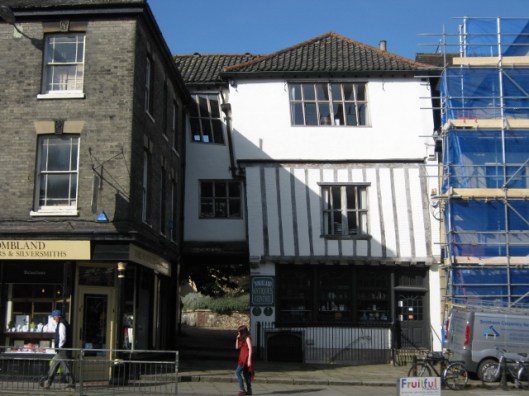
Augustine Steward house

Opposite the Erpingham Gateway in Tombland is this rather lop-sided medieval building.  This is Augustine Steward house which was built in 1530 by Augustine Steward, a cloth merchant.  A merchant’s mark can be found in the passage next to the house.  A merchants mark is a symbolic sign or design used by artisans, merchants and townspeople to identify themselves and authenticate their goods.  The alleyway next to the house is called Tombland Alley and in the alley is the burial ground for the adjacent church of St George.  The high-walled churchyard contains mainly victims killed by the plague.  The name ‘Tombland’ has nothing to do with tombs but comes from an Old Scandinavian word for ‘open space’.  It was the area used for the Anglo-Saxon market and the administrative centre of Norwich before the Norman Invasion.
010Medieval buildings in Tombland (2) (480x640)

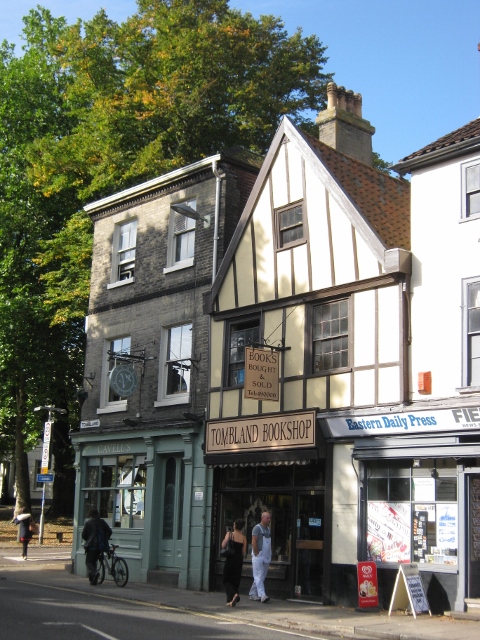
Another ancient building and the best antiquarian bookshop in Norwich.

This is a 15th Century timber-framed building also in Tombland.  I like the way the gable-end of this house leans outwards.

010Medieval buildings in Tombland (483x640)

It isn’t as easy to see how much it leans out in a photo as it is in real life.
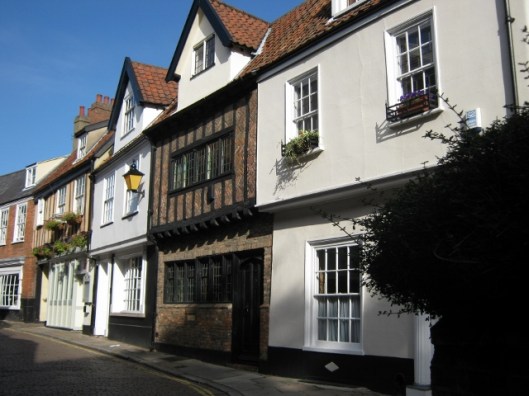
011Princes Street (640x480)

Princes Street

I turned off Tombland into Princes Street.  Again, this street is cobbled and is full of a mix of beautifully restored 16th and 17th Century buildings with some modern offices and homes.
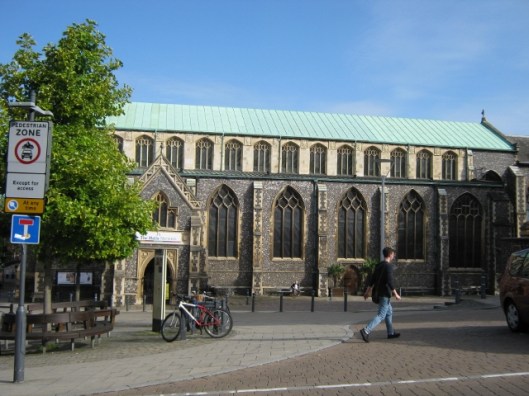
012St Andrew's Hall (640x480)

St Andrew’s Hall

Princes Street becomes Hall Plain after passing the top end of Elm Hill.  St Andrew’s Hall is in Hall Plain.  It and Blackfriar’s Hall at the top of Elm Hill are part of the most complete medieval friary complex surviving in this country.  In 1538 during the reign of Henry VIII they passed into civic hands.  The roof beams for Blackfriars and the hammerbeams in St Andrew’s roof were the gift of the Paston family together with superb 15th Century doors bearing the Arms of the Pastons and Mautbys in the South Porch.  The nave of St Andrew’s Hall was repaired and renamed The New Hall and has been used for civic ceremonies ever since.  The first recorded event was the mayor’s feast for Henry Fuller in 1544.  The Hall has been used for many things – Guild meetings, an assize court, a corn exchange and a corn hall.The Earl of Warwick stabled his horses here when he came to crush Kett’s Rebellion in 1549.  Sir Thomas Browne, the physician and polymath, was knighted here in 1671 by Charles II.  The Norfolk and Norwich Festival was started here in 1824 and still continues. The largest regional Beer Festival in Great Britain was started here in 1978.  I believe the Blackfriar’s Hall is used as a museum and art gallery.  The old east and west ranges of cloisters have also had many uses – granaries to store corn for Poor Relief, places of worship for Presbyterians and Baptists, a mint where £259,000 of coins were produced in 1695, the City Workhouse, schools and colleges.  They are now part of the Norfolk Institute of Art and Design.

I was now in time for my hair appointment and when that was finished I made my way home via Bungay where I bought some bird seed for my mother.

May I thank everyone for their kind thoughts and wishes.  My husband is in good heart though not looking forward to brain surgery.  My mother seems a little better too.  We will see how E gets on on Monday and the rest of next week.  I will keep you informed when I can.  God Bless you all.


Share this:

  • Share on X (Opens in new window) X
  • Share on Reddit (Opens in new window) Reddit
  • Share on Pinterest (Opens in new window) Pinterest
  • Share on Facebook (Opens in new window) Facebook
  • Email a link to a friend (Opens in new window) Email
  • Share on Tumblr (Opens in new window) Tumblr
  • Print (Opens in new window) Print
  • Share on Pocket (Opens in new window) Pocket
  • Share on LinkedIn (Opens in new window) LinkedIn
Like Loading...
Follow A Suffolk Lane on WordPress.com

Enter your email address to follow this blog and receive notifications of new posts by email.
Join 715 other subscribers.

Unknown's avatar

I talk about what it's like living in a quiet part of Suffolk. I am a wife, mother and daughter, a practising Christian and love the natural world that surrounds me. I enjoy my life - most of the time!
My Posts

Jan 2026
M T W T F S S
 1234
567891011
12131415161718
19202122232425
262728293031  
« Dec    

Pages

  • About my Blog
  • GDPR (General Data Protection Regulations) and This Site
  • My Life in a Suffolk Lane

Archives

Blogs I Follow

Unknown's avatar
Unknown's avatar
Unknown's avatar
Unknown's avatar
Unknown's avatar
Unknown's avatar
Unknown's avatar
Unknown's avatar
Unknown's avatar
Unknown's avatar
Unknown's avatar
Unknown's avatar
Unknown's avatar
Unknown's avatar
Unknown's avatar
Unknown's avatar
Unknown's avatar
Unknown's avatar
Unknown's avatar

Posts I Like

  • Unknown's avatar
  • Pilgrim's Pondering Ministry's avatar
  • Unknown's avatar
  • Unknown's avatar
  • Rich's avatar
  • Unknown's avatar
  • sherijkennedyriverside's avatar
  • Unknown's avatar
  • Unknown's avatar
  • Unknown's avatar
  • John’s Postcards's avatar
  • Unknown's avatar
  • sopantooth's avatar
  • clivebennett796's avatar
  • Unknown's avatar
  • Unknown's avatar
  • Secret Diary of A Country Vicar's Wife's avatar
  • Unknown's avatar
  • Unknown's avatar
  • Maikhel's avatar
  • Wayne Wolfson's avatar
  • Unknown's avatar
  • Unknown's avatar
  • thesimlux's avatar
  • Unknown's avatar
  • Unknown's avatar
  • Unknown's avatar
  • Julian Summerhayes's avatar
  • Unknown's avatar
  • Unknown's avatar
  • Unknown's avatar
  • trulymebeingme's avatar
  • Unknown's avatar
  • Unknown's avatar
  • DoF@theinfill's avatar
  • (Kitty) Cat Strawberry - Meow!'s avatar
  • M T McGuire's avatar
  • Matthew Paul's avatar
  • Unknown's avatar
  • Unknown's avatar
  • Unknown's avatar
  • Unknown's avatar
  • Unknown's avatar
  • Unknown's avatar
  • Carolina Cuisine Network's avatar
  • Unknown's avatar
  • Unknown's avatar
  • Stephen G. Hipperson's avatar
  • Unknown's avatar
  • Sarah curran's avatar

amphibians architecture art Arts and Crafts churches cooking Days out domestic animals family fish Folk Traditions Gardening Historic Buildings holidays Insects Landscaping literature music Norwich plants Rural Diary seashore theatre trees Uncategorized walking weather wild animals wild birds wild flowers

Tags

architecture autumn birds blackbird blackthorn Bungay butterfly church clouds common knapweed cow parsley crocus daffodils Diary dogwood family field maple flowers fungus garden gardening geese greylags ground-ivy Halesworth Hawthorn heather holiday Holly Holy Week horse chestnut Hoverfly insects ivy Lake District Lent lesser celandine lichen Lords and Ladies Mallard mallards Minsmere moorhen moss music Norwich Peak District pheasant plants pond ponds primrose primroses Rain rooks Rumburgh Rumburgh Church sheep Sheffield snow snowdrops Southwold spring Suffolk Suffolk Wildlife Trust sunset the Beck trees viburnum bodnantense walking weather wild cherry wild flowers winter-flowering honeysuckle witch-hazel

Meta

  • Create account
  • Log in
  • Entries feed
  • Comments feed
  • WordPress.com

Goodreads

Blog at WordPress.com.

Book Jotter

Reviews, news, features and all things books for passionate readers

Country Life Blog -

A blog about life in the country in the past and present

Matthew Paul: Poetry & Stuff

Poetry and what-not

Schnippelboy

Ein Tagebuch unserer Alltagsküche-Leicht zum Nachkochen

TAMARA JARE

TAMARA JARE Tamara Jare: Contemporary Figurative Painting Oil on Canvas Artist Art Studio

A Taste of Freedom

Documenting a Dream

Country Ways

Rambling Journeys in Britain, Countryside Matters and campaigning for the Right to Roam

The Strawberry Post

Here to Entertain, Educate & Inspire!

a north east ohio garden

an ongoing experiment in the dirt, 35 plus years

naturechirp

Celebrating God's creatures, birds and plants...

Sophie Neville

Writer

Going Batty in Wales

Developing a more sustainable lifestyle in SW Wales

Our Lake District Escapades

Exploring the Lake District and beyond

Short Walks Long Paths

Wandering trails around the coast of Wales

The Biking Gardener

An English persons experience of living and gardening in Ireland

Nan's Farm

A Journal Of Everyday Life

Walk the Old Ways

Rambling Journeys in Britain with John Bainbridge. Fighting for the Right to Roam. Campaigning to Protect Our Countryside.

Writer Side UP!

Waking the Writer Side...and keeping it "Up!"

Meggie's Adventures

Travel, thank you notes and other stories

amusicalifeonplanetearth

Music and the Thoughts It Can Inspire

lovefoundation.co.uk

Traveling Tortuga

Simply Living Well

Pakenham Water Mill

Historic watermill in the beautiful Suffolk countryside

Take It Easy

Retired, not expired: words from the after(work)life. And music. Lots of music!

Secret Diary Of A Country Vicar's Wife

By Olive Oyl

thanksfortheadventureorg.wordpress.com/

The Beat Goes On

#TBGO

Frank Pleszak's Blogs

Twitter: @frankpleszak @PolishIICorps

John Bainbridge Writer

Indie Writer and Publisher

roughwighting

Life in a flash - a bi-weekly storytelling blog

Walking the Old Ways

Rambling in the British Countryside

CapKane

thoughts on social realities

SkyeEnt

Jottings from Skye

jodie richelle

embracing my inner homemaker

Skizzenbuch/Blog

Just another WordPress.com weblog

Have Bag, Will Travel

The Call of the Pen

Flash Fiction, Book Reviews, Devotionals and other things.

John's Postcards

Art in Nature

You dream, I photographe it !

Smile! You’re in Barnier World......

theinfill

the things that come to hand

Dr. Mary Ann Niemczura

Author of "A Past Worth Telling"

Provincial Woman

The Pink Wheelbarrow

Luanne Castle: Poetry and Other Words (and cats!)

Poetry, Other Words, and Cats

The Family Kalamazoo

A genealogical site devoted to the history of the DeKorn and Zuidweg families of Kalamazoo and the Mulder family of Caledonia

everythingchild

The Book Owl

Canberra's Green Spaces

Paul Harley Photographer

  • Subscribe Subscribed
    • A Suffolk Lane
    • Join 715 other subscribers.
    • Already have a WordPress.com account? Log in now.
    • A Suffolk Lane
    • Subscribe Subscribed
    • Sign up
    • Log in
    • Report this content
    • View site in Reader
    • Manage subscriptions
    • Collapse this bar
 

Loading Comments...
 

    Privacy & Cookies: This site uses cookies. By continuing to use this website, you agree to their use.
    To find out more, including how to control cookies, see here: Cookie Policy
    %d