• About my Blog
  • GDPR (General Data Protection Regulations) and This Site
  • My Life in a Suffolk Lane

A Suffolk Lane

~ A diary of my life in rural north Suffolk.

A Suffolk Lane

Tag Archives: Suffolk

A Quiet Week

14 Sat Mar 2015

Posted by Clare Pooley in Gardening, plants, Rural Diary, Uncategorized, wild birds

≈ 38 Comments

Tags

barn owl, bracket fungus, cut flowers, daffodils, garden, geese, greylags, liquid manure, primroses, snowdrops, Suffolk, tulips, winter aconites

We haven’t done anything special this week – just kept quite busy doing ordinary things.  This post will be made up of a few photos of some of the things I have seen in the past few days.

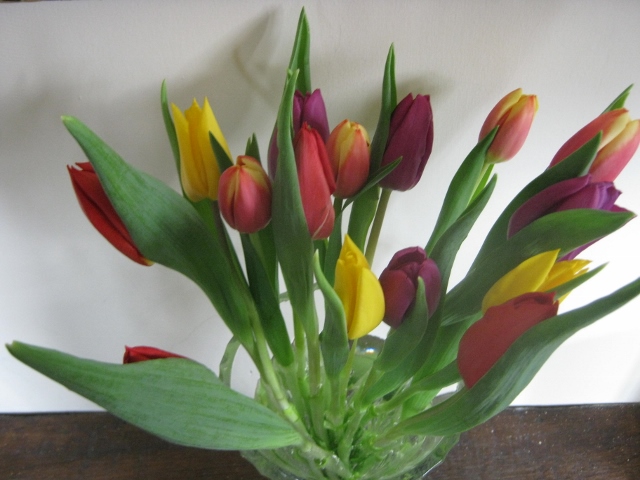
IMG_4087Tulips (640x480)

I bought these tulips on Monday. I love the mixture of bright colours.  They are also scented.

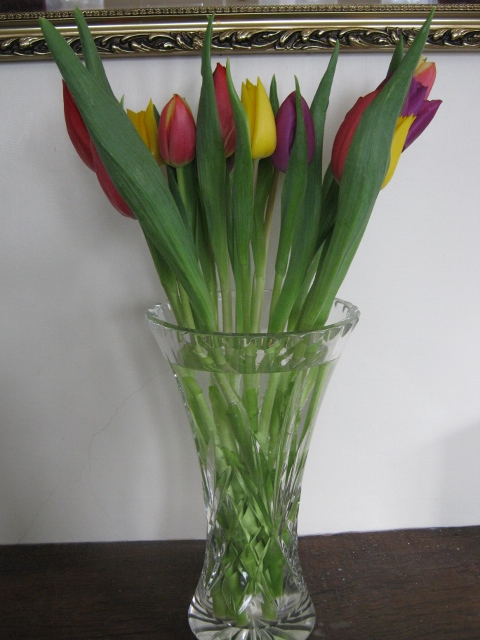
IMG_4086Tulips (480x640)

I hardly ever buy flowers for the house and the only flowers I bring indoors from the garden are poor damaged blooms that have been knocked over by wind, rain or visiting wildlife.

I love flowers so I am not sure why I don’t have them in the house often.  I know I can’t arrange flowers so that may have something to do with it.  I also feel sorry for them – I love to see them outside where they belong and think it’s a shame to cut them.  Amusingly, whenever Alice sees a vase of flowers she thinks Richard and I have had an argument.  Sometimes we have and sometimes we haven’t.

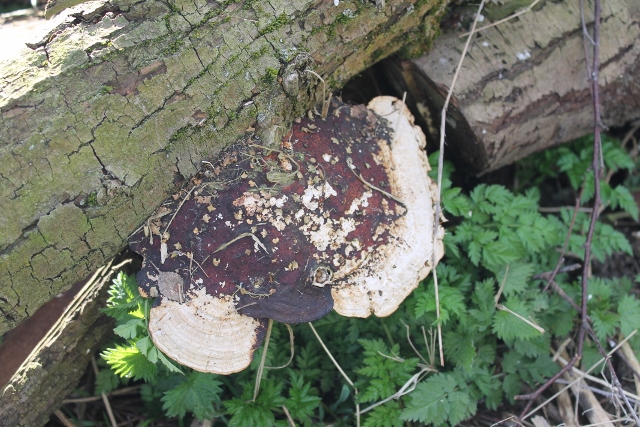
IMG_1939Bracket fungus on willow log (640x427)

I saw this bracket fungus on a willow log in the garden.

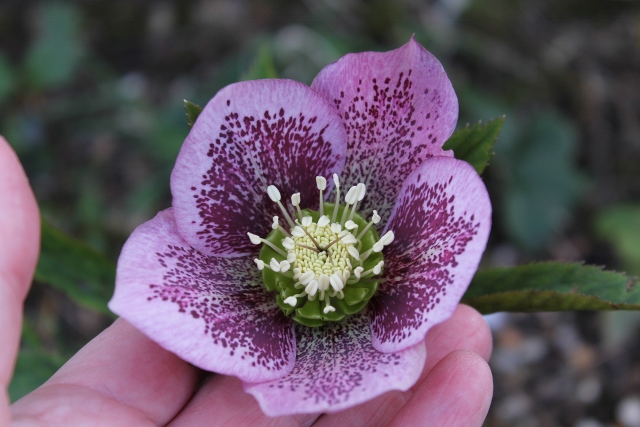
IMG_1942Helebore (640x427)

My Hellebores have just begun to flower.

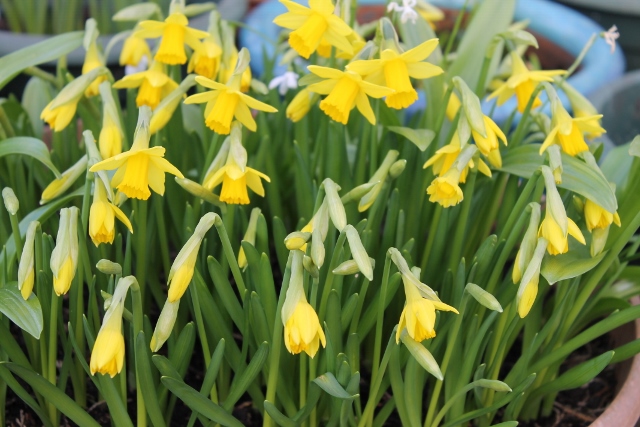
IMG_1945Tet-a-tete daffodils (640x427)

A tub full of Tete-a-tete daffodils.

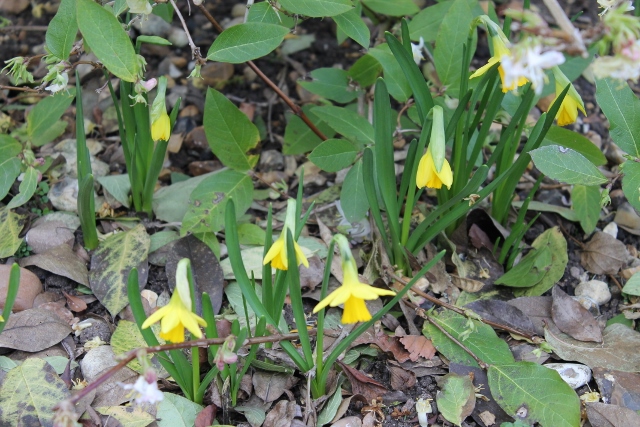
IMG_1947Miniature daffodils (640x427)

These tiny little daffodils are only about 4″ high and grow under the Winter-flowering Honeysuckle.

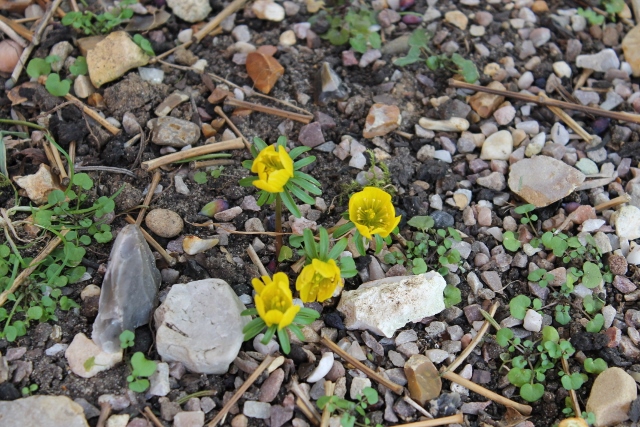
IMG_1946Winter aconites (640x427)

I found a few more aconites in a gravelly area. Gravel must be where they like to grow. I must pull those weeds up!

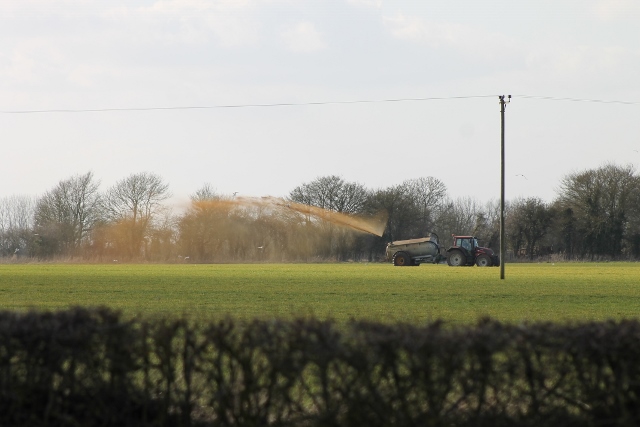
IMG_1934Liquid manure spraying (640x427)

The joys of living in the country! Fortunately the wind was blowing the heady aroma away from me. I had a line of washing hanging out on Tuesday as it was warm and sunny and a breeze was blowing. I had to take it indoors quickly once I saw what was happening.

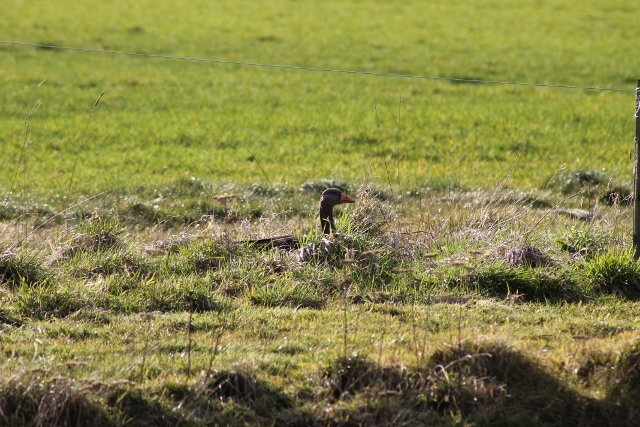
IMG_1940Greylag (640x427)

The Greylags are back in our garden and the field behind the house. This is the gander.

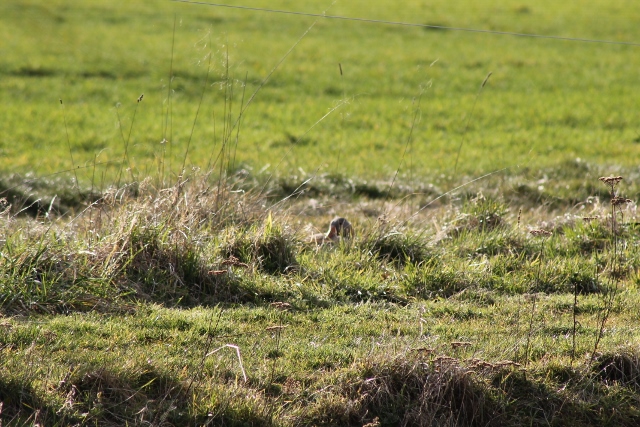
IMG_1941Greylag (640x427)

And this is the goose.  You can only just see her.

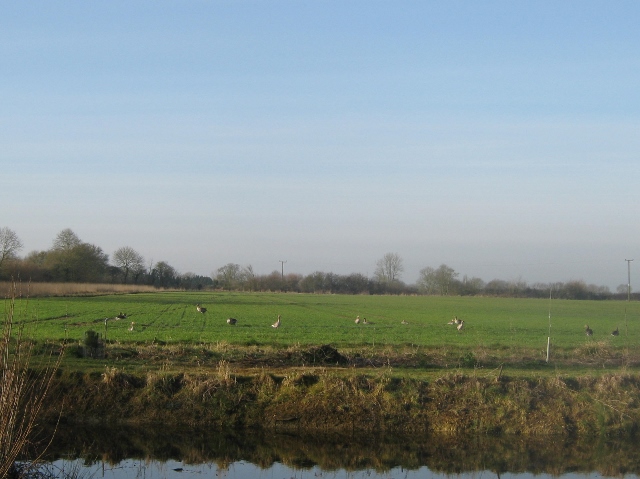
IMG_4096Greylags (2) (640x479)

Fifteen geese turned up on Thursday morning. Here are most of them. The geese return each year at the end of February and often there is a day or so of arguments as to who should nest on the little island on our pond. I didn’t notice anything this year but that may be because I am away from the house a lot more.

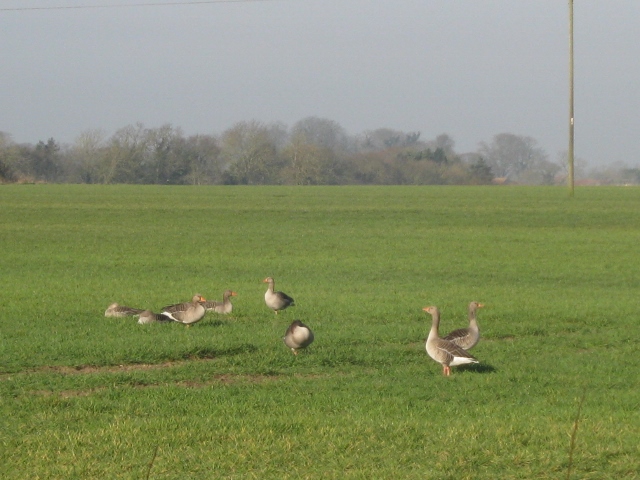
IMG_4099Greylags (640x480)

I got closer to these few. Once the goose starts sitting on her eggs the extended family call in to visit now and then. Her gander stays with her all the time and I am sure gets very bored wandering about on his own. He is very protective of his goose. For the last two years there have been no goslings which I find very sad. They may be laying infertile eggs or ‘something ‘ may be taking the young when first hatched. We have grass snakes and I have seen an otter on the pond, but not recently. Last year I witnessed a Moorhen chick being dragged underwater by something. My brother suggests that it could be a turtle. Someone unscrupulous may have disposed of it into our pond. I haven’t seen any other evidence of a turtle so far. Neighbours say they have seen a mink which they believe has taken all their ducklings.  That seems more likely as a culprit.

I have a film I shot of the former pair of geese with their goslings swimming on the pond.  When I work out how to put it on U-Tube and then transfer it back to WordPress you will see how lovely they are.  I have also recorded a short film at dusk with the song of a Song Thrush and a Tawny Owl hooting.  I will try to post that too one day.

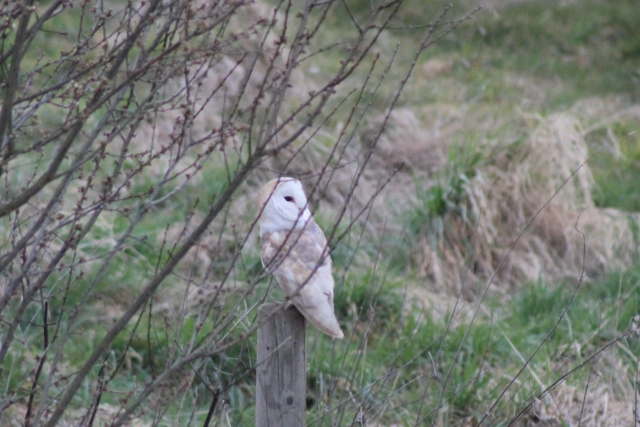
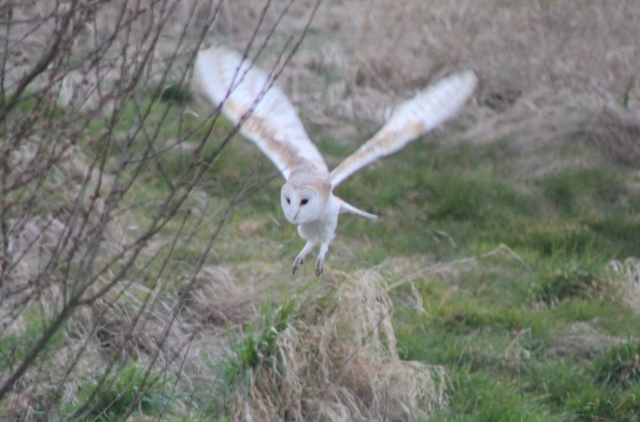
IMG_1951Barn owl (2) (640x427)

This is one of the two Barn Owls we see regularly.

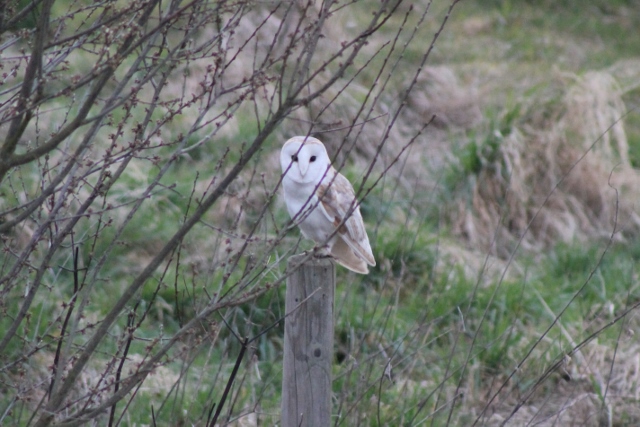
IMG_1958Barn owl (2) (640x427)

They are also known as screech owls as their call is not a hoot but a screech.

IMG_1957Barn owl (2) (640x422)

They look like giant moths when they fly. Their heads are very large.

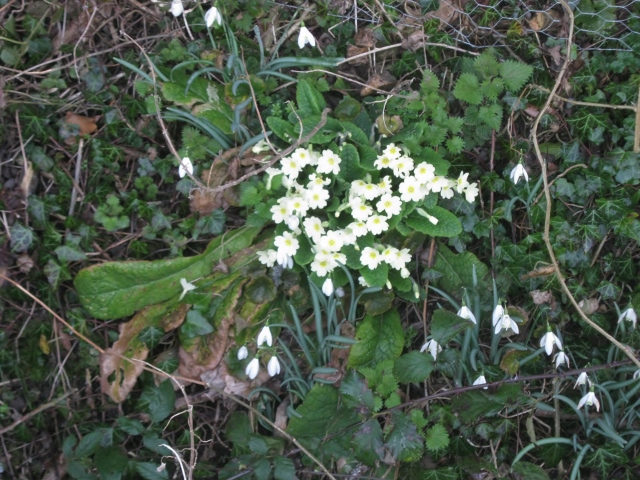
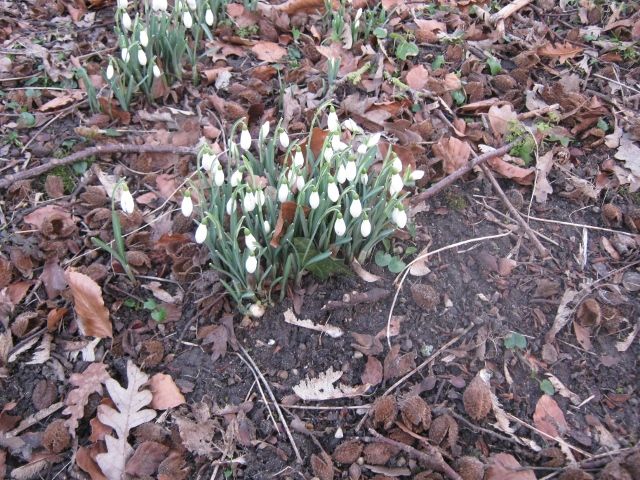
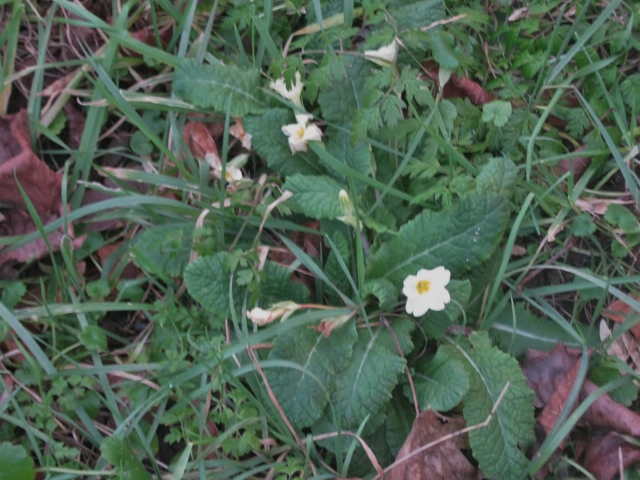
IMG_4098Primroses and snowdrops (640x480)

Primroses and Snowdrops in the ditch between us and the old schoolhouse.

Thank-you for visiting!

Share this:

  • Share on X (Opens in new window) X
  • Share on Reddit (Opens in new window) Reddit
  • Share on Pinterest (Opens in new window) Pinterest
  • Share on Facebook (Opens in new window) Facebook
  • Email a link to a friend (Opens in new window) Email
  • Share on Tumblr (Opens in new window) Tumblr
  • Print (Opens in new window) Print
  • Share on Pocket (Opens in new window) Pocket
  • Share on LinkedIn (Opens in new window) LinkedIn
Like Loading...

More Garden Visitors

19 Thu Feb 2015

Posted by Clare Pooley in Insects, Rural Diary, Uncategorized

≈ 16 Comments

Tags

crane fly, digger wasp, Dragonfly, Flesh Fly, garden, Grove snail, harvestman, hawthorn shield bug, ichneumen wasp, insects, moth, ruddy darter, Suffolk, The Suspected

Another collection of photos I took last year in my garden.

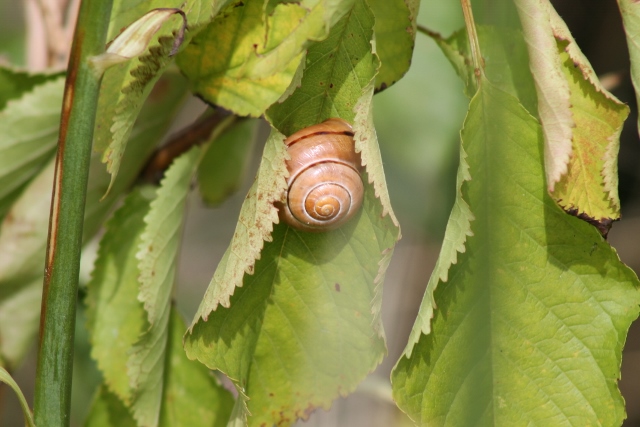
027Snail on a cherry leaf (640x427)

A Grove Snail (Cepaea nemoralis) also known as Dark-lipped Banded Snail. I saw this one on the leaves of a cherry tree sapling.

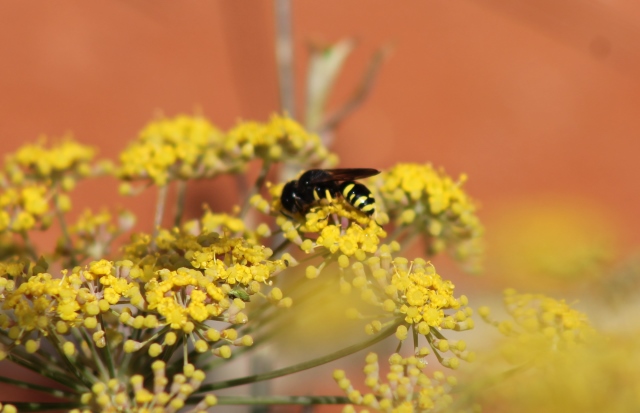
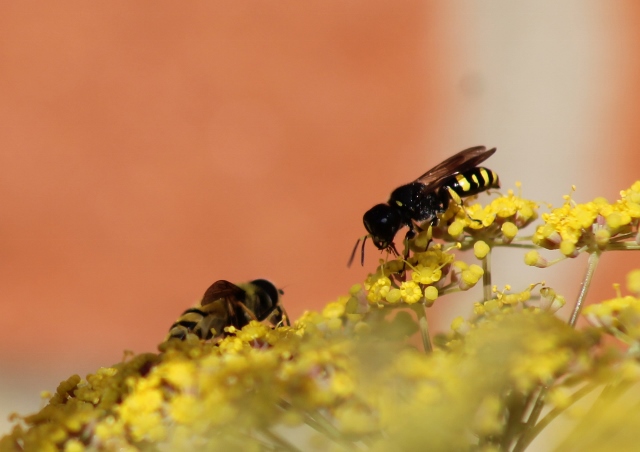
002Wasp on fennel (640x413)

This is a digger wasp, probably (Ectemnius continuus) or one of several similar species! This insect nests in rotten wood and stocks its burrow with flies.

004Wasps on fennel (640x452)

The Digger Wasp on the right and another unidentified wasp on the left

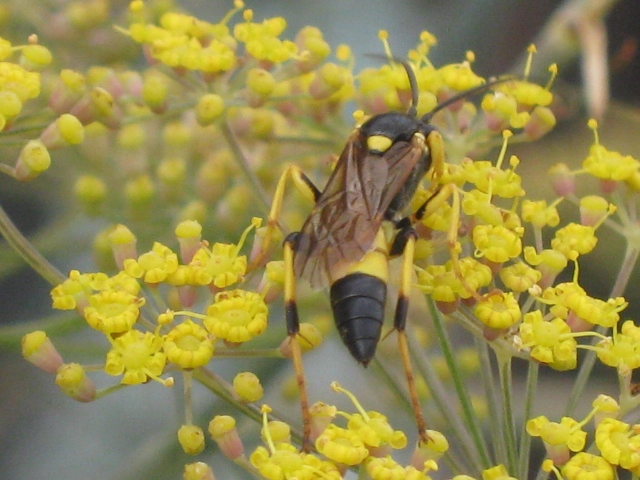
001Ichneumon wasp on fennel (640x480)

Another image of the large ichneumon wasp that visited the fennel flowers regularly

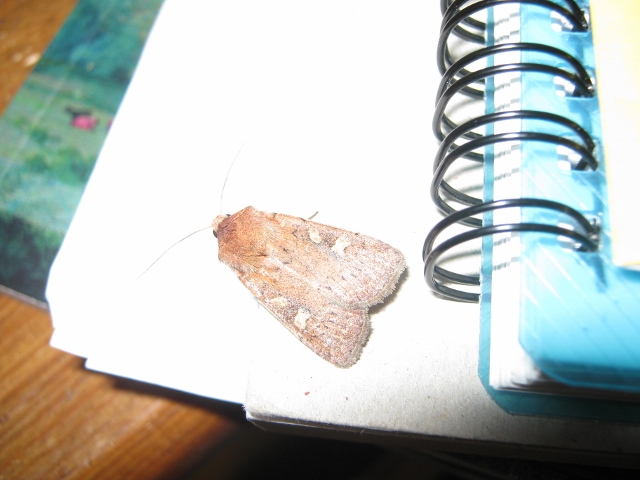
005The Suspected Parastichtis suspecta (640x480)

This moth came into the house one evening and landed on my notebook. I think it is called The Suspected (Parastichtis suspecta)

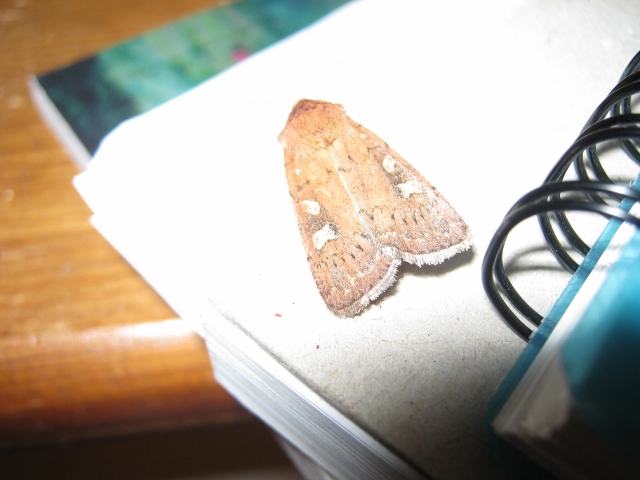
007The Suspected (640x480)

Looking at it from another angle

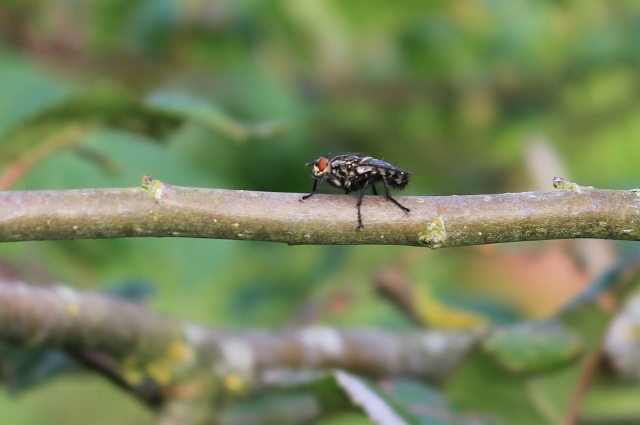
022Flesh fly (640x425)

Flesh Fly (Sarcopharga carnaria)

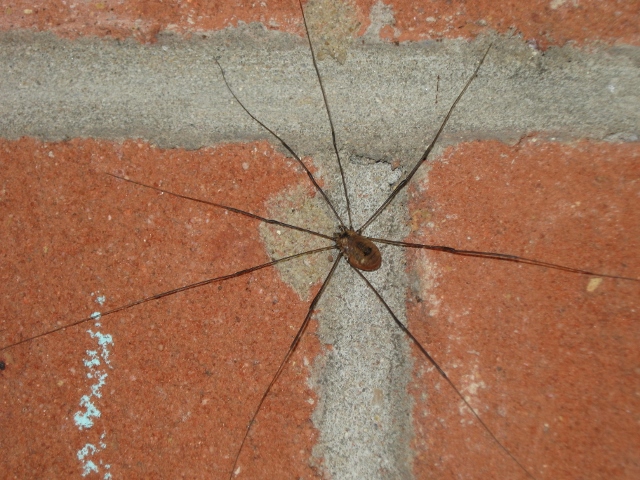
001Harvestman (640x480)

Harvestman (Leiobunum rotundum)

These creatures are closely related to spiders.  The second pair of legs, which are longer than the others, are used to feel its way about.  Unlike spiders, the harvestman has the head and thorax attached to the abdomen without a dividing waist.  There are about 26 species of harvestmen in Britain and their food ranges from small insects to decaying plant material and even bird droppings. They don’t use webs to trap their food but a few of the species use sticky hairs on their mouthparts to ensnare prey.

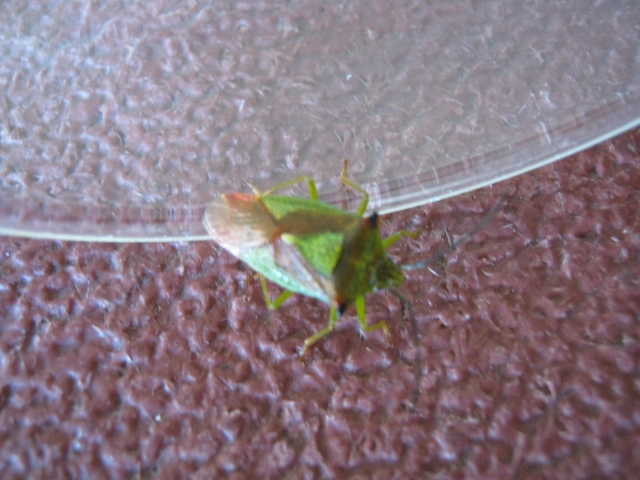
004Hawthorn Shield Bug (640x480)

Another insect that came indoors was the Hawthorn Shield Bug (Acanthosoma haemorrhoidale)

This shield bug feeds on the fruits and leaves of the hawthorn and many other trees and shrubs.  It is a ‘stinkbug’ too, because of the stinky fluid it exudes when it is alarmed.

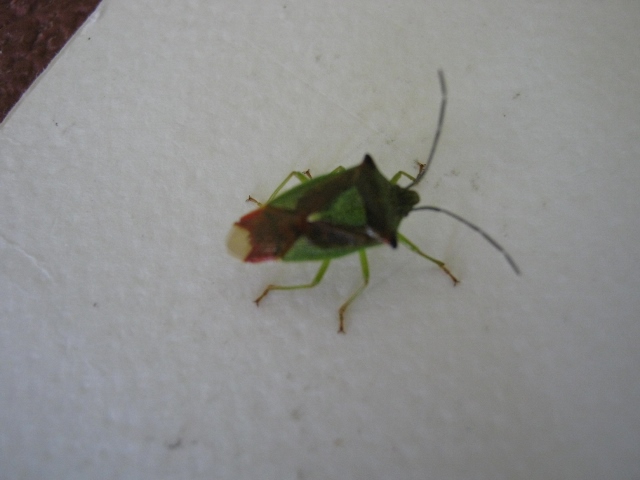
008Hawthorn Shield Bug (640x480)

Here it is again.

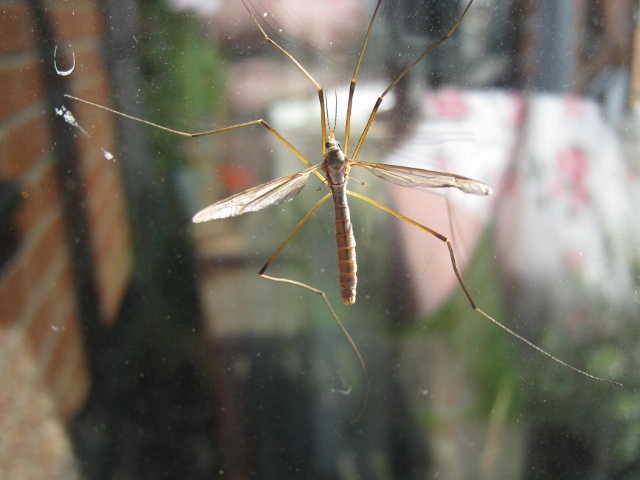
009Crane fly (640x480)

A Crane Fly – may be Tipula oleracea the Common Cranefly.  This is a male.

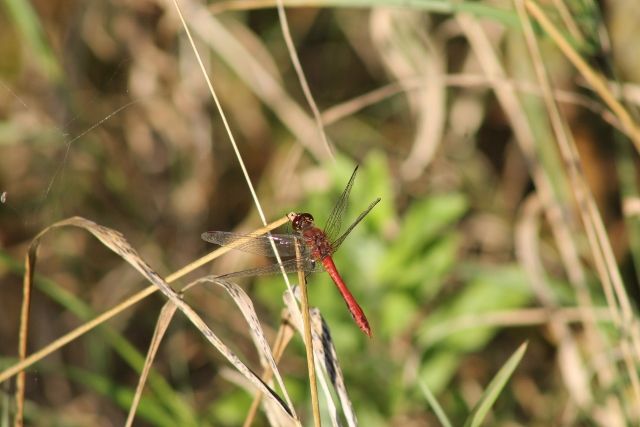
015Ruddy Darter (640x427)

Ruddy Darter (Sympetrum sanguineum)

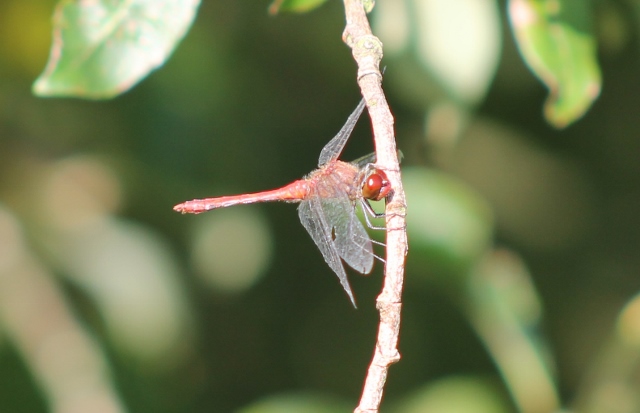
018Ruddy Darter (640x413)

Ruddy darter again.

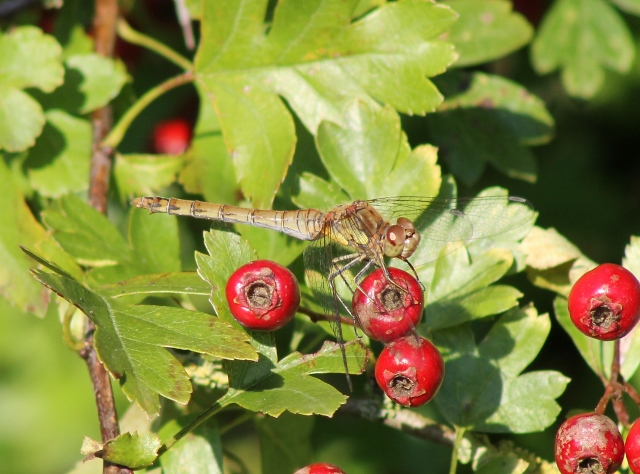
019Dragonfly (640x474)

I believe this may be a female Common Darter (Sympetrum striolatum)

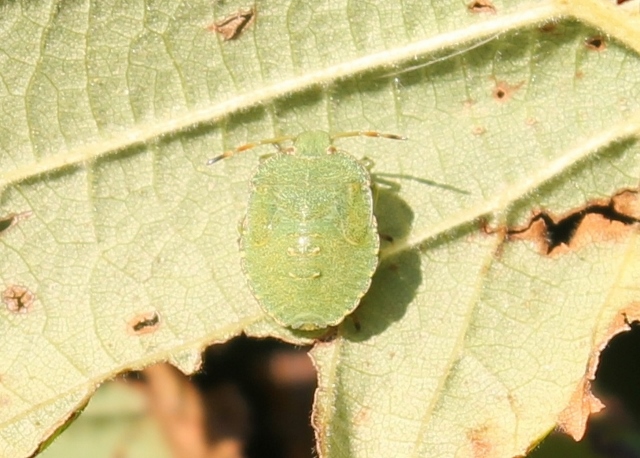
020Shield Bug (640x458)

Hawthorn Shield bug nymph – 5th instar (Acanthosoma haemorrhoidale) 

That’s it for now.  I have enough photos for just one more  post.

Share this:

  • Share on X (Opens in new window) X
  • Share on Reddit (Opens in new window) Reddit
  • Share on Pinterest (Opens in new window) Pinterest
  • Share on Facebook (Opens in new window) Facebook
  • Email a link to a friend (Opens in new window) Email
  • Share on Tumblr (Opens in new window) Tumblr
  • Print (Opens in new window) Print
  • Share on Pocket (Opens in new window) Pocket
  • Share on LinkedIn (Opens in new window) LinkedIn
Like Loading...

A Trip to the Seaside

16 Mon Feb 2015

Posted by Clare Pooley in plants, Rural Diary, walking, weather, wild birds

≈ 26 Comments

Tags

architecture, beach huts, coast, lighthouse, pier, Punch and Judy, Sailor's Reading Room, seaside, Southwold, Suffolk

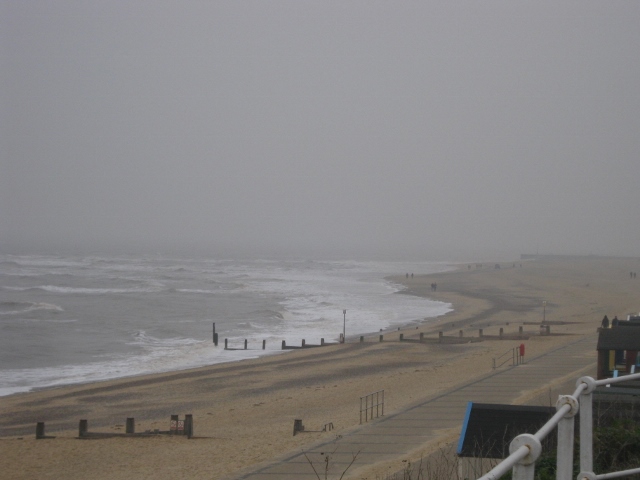
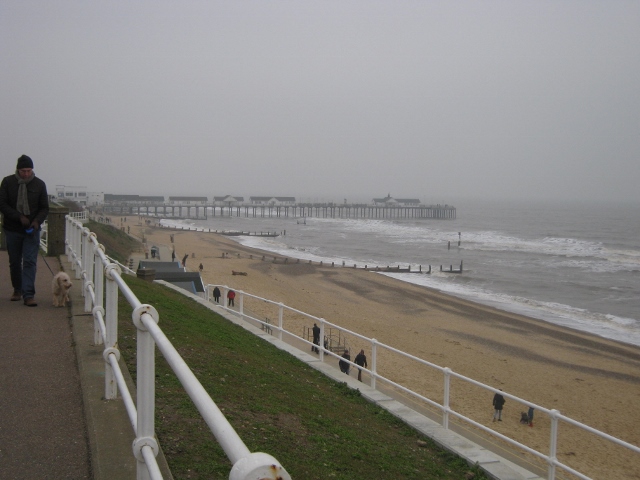
IMG_4045 (640x480)

Southwold beach

Maybe this wasn’t a good day for a frolic in the sea!

I have had a heavy head cold since last Wednesday and on Sunday Richard thought a trip to the sea was in order.  We had mist first thing in the morning and on the way to church with my mother the sun was trying to break through.  We thought it would be fine when we got out of church but sadly it wasn’t.  The mist had risen slightly but cloud had descended and the rest of the day was very gloomy indeed.  The temperature was about 7 degrees centigrade but when we got to the coast the strong on-shore breeze made us feel very cold and our ears started to ache.

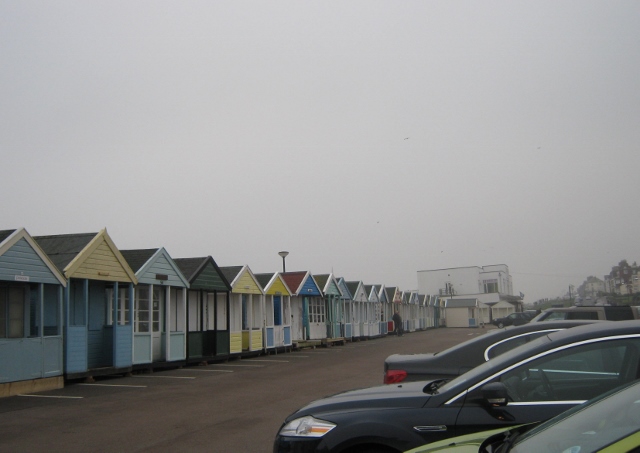
IMG_4031Beach huts in the car park (640x453)

The car-park by the pier

During the winter months, owners of these beach huts get them lifted up from down by the beach to here, in the car-park, where there is less chance they will get battered by storms.  Those that can’t afford to move their huts have to hope that we don’t have too many high tides and gale force winds.  You may wonder why the owners would want to pay to have what looks like a shed moved to the car-park.  You may be surprised to hear that last year one of these huts went on the market for £100,000 and it was thought that it might have sold for more than that.  For this price you get a painted hut with no electricity or running water but in a ‘prime location’.  You also get a 30 year lease from the council but you have to pay non-domestic annual rates and other charges.  Last year the rates were £720.

IMG_4029Southwold (640x480)

The view looking inland from the car-park.  Buss Creek.

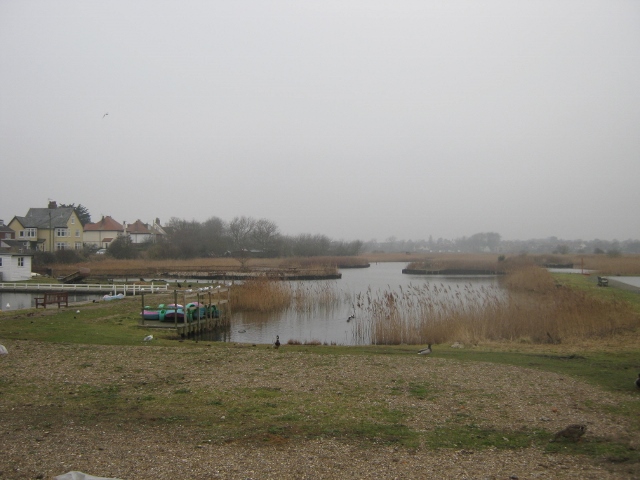
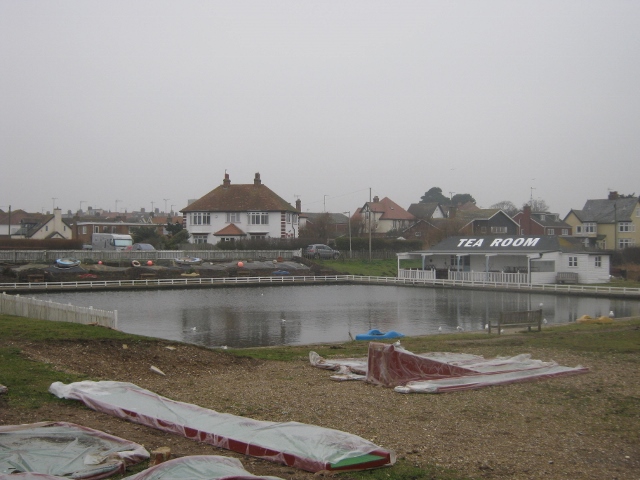
IMG_4030Boating lake (640x480)

The boating lake

The seagulls appreciate the calm waters here.  Seaside resorts are a little sad in the winter-time I think.  I like the sadness.

There is only one road in and out of Southwold which is almost an island, bordered by the North Sea to the east, the River Blyth and Southwold harbour to the south-west and Buss Creek to the north.

IMG_4033Punch and Judy (640x480)

A Punch and Judy performance on the sea front

IMG_4034Southwold (640x480)
IMG_4035Southwold (640x480)
IMG_4038Southwold (640x480)

A few views of the sea.  I expect you wish you had been with us!

IMG_4039Southwold pier (640x480)

Southwold pier

The pier was built right at the end of the 19th century and was approximately 810 feet long with a T junction at the end to make a landing stage for ‘Belle’, the steamer bringing holiday makers to the town.  The T junction was swept away in a great storm in 1934 and was only replaced in 2001.  The pier was further damaged in 1955 and 1979 and had to be closed to the public in 1998.  Restoration started in 1999 and it is now an award-winning pier with a pavillion, restaurant, bar and amusements.  When we were in Southwold on Sunday we could hear a saxophonist playing from the pier.  We didn’t venture onto it because of the wind-chill.

IMG_4036Southwold lighthouse (463x640)

Southwold lighthouse

The whitewashed tower of the lighthouse can be seen from afar but is very difficult to find when you walk round the town with its narrow winding streets.  It is 101 feet tall and commenced operation in 1890.  It was originally illuminated by paraffin but was converted to electricity in 1938.

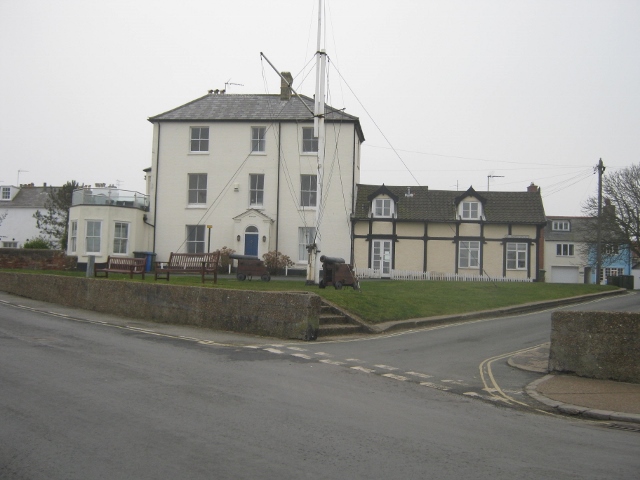
IMG_4040Cannons on the green (640x480)

A couple of small cannon near the sea front.

Southwold does in fact own six 18 pound cannons which were given to the town by the Royal Armouries as protection for the town and to shipping from pirate raids in the 18th century.  We didn’t get as far as Gun Hill on Sunday.

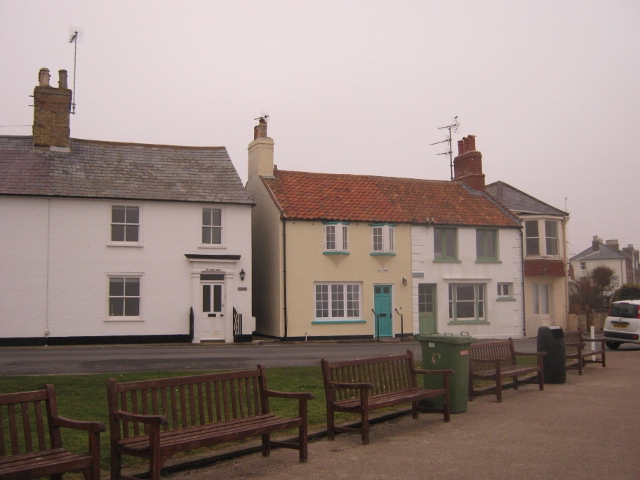
IMG_4041Cottages (640x480)

Southwold cottages

There are many second homes and holiday cottages in the town which most of the year stand empty.  Local people can’t afford to live in these tiny cottages.

IMG_4044House (640x471)
IMG_4046 (640x480)

A couple of grander houses.

IMG_4042E and R in Southwold (640x480)

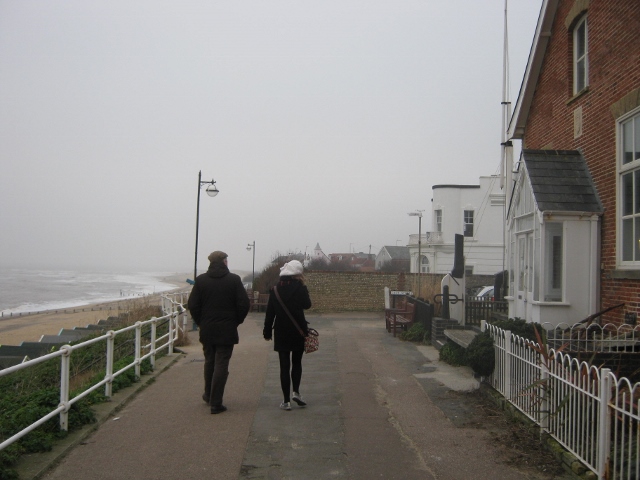
Richard and Elinor walking in Southwold

IMG_4047Southwold architecture (640x480)

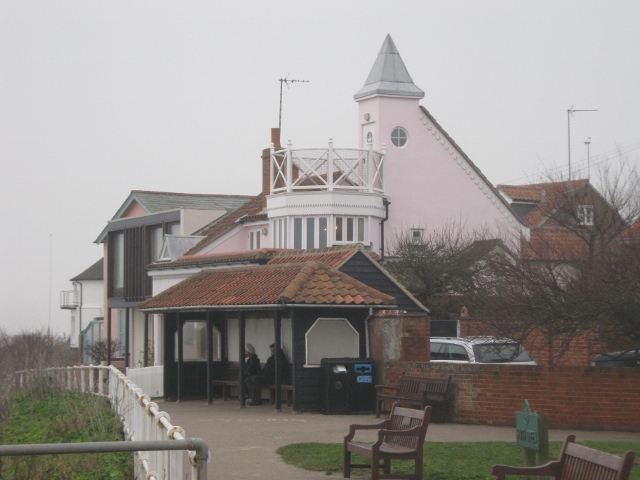
Richard and Elinor in the shelter and behind it some examples of the interesting architecture to be found in the town.

I am often reminded of ‘Mary Poppins’ by P L Travers looking at the platform above the shelter and think that Admiral Boom would find it ideal for firing his cannon from.  ‘The Ghost and Mrs Muir’ comes to mind when I look at one of those grander houses I showed above.

IMG_4049Winter heliotrope (640x480)

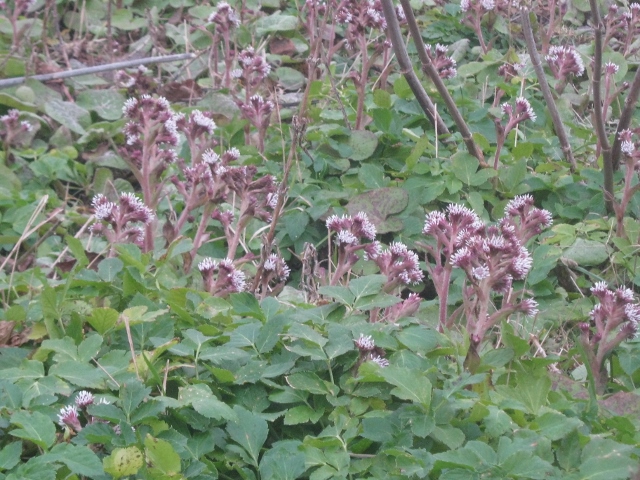
More Winter Heliotrope (Petasites fragrans) with some new leaves of Alexanders (Smyrnium olusatrum) in front

I joined Richard and Elinor in the shelter for a while and just in front of us on the grass slope that descended to the beach was this large patch of Heliotrope.  It really shouldn’t be there and shows how invasive it is.  Since seeing the Heliotrope last Sunday that I included in my post ‘Weekend’ I have seen this plant everywhere.  It does have a wonderful scent though and in spite of my cold I could smell the vanilla perfume very well.

IMG_4051Pied Wagtail (640x480)

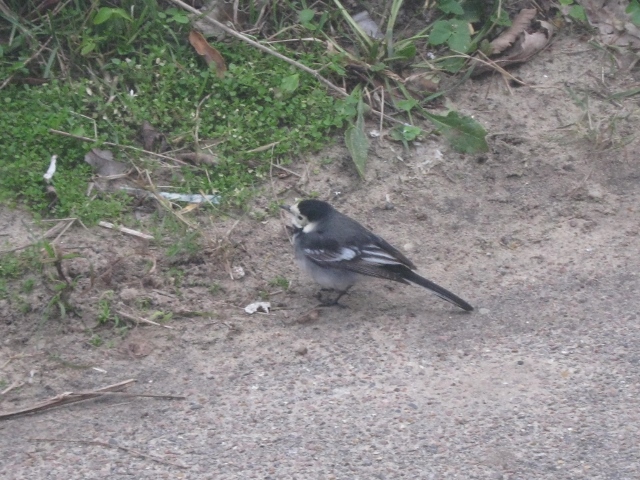
A chilly little Pied Wagtail (Motacilla alba) was walking about near our feet.

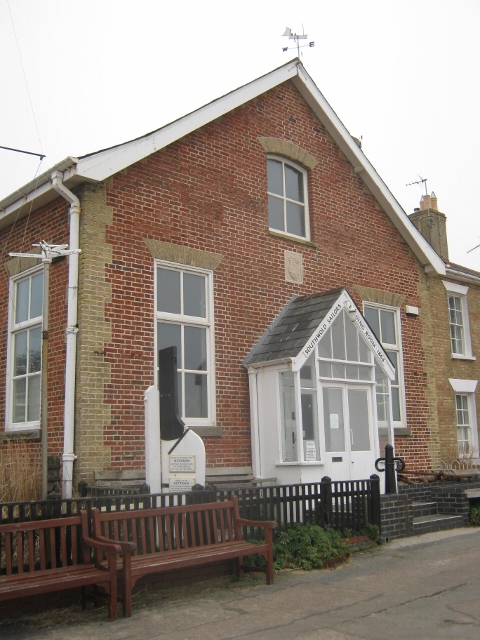
IMG_4043Sailor's reading room (480x640)

The Sailor’s Reading Room

This was built in 1864 in memory of Captain Charles Rayley RN a naval officer who served at the time of the Battle of Trafalgar and who died in 1863.  Its purpose was as a refuge for fishermen and mariners when not out at sea and it was hoped it would keep them out of the pubs and would encourage them in Christian ideals.  The Reading Room still provides daily papers and a place to read them and continues to be a social base for local fishermen, lifeboatmen and coastguards.  It is now a Registered Charity and contains a museum with exhibits showing the town’s seafaring past.

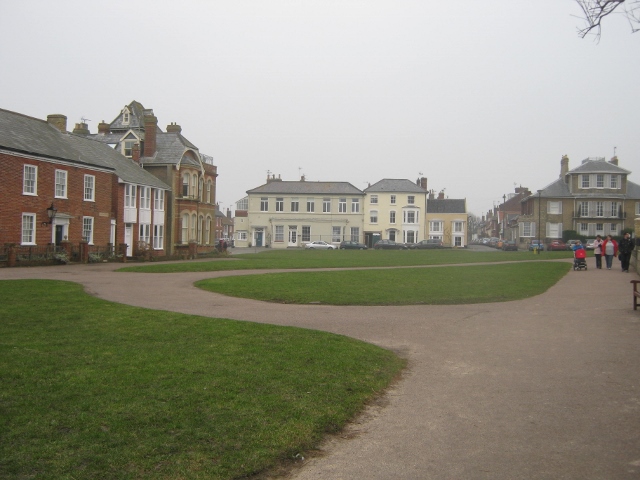
IMG_4048East Green (640x480)

East Green

In 1659 there was a devastating fire in the town and most of the buildings were lost and many people were made homeless and destitute.  In the rebuilding of the town, it was decided to incorporate a number of greens as fire breaks.  This is East Green.

Some of you may remember a film made for TV in 1987 by Michael Palin called ‘East of Ipswich’ which was based on his own memories of seaside holidays in the 50’s.  It was filmed in Southwold.

Best wishes to you all!

Share this:

  • Share on X (Opens in new window) X
  • Share on Reddit (Opens in new window) Reddit
  • Share on Pinterest (Opens in new window) Pinterest
  • Share on Facebook (Opens in new window) Facebook
  • Email a link to a friend (Opens in new window) Email
  • Share on Tumblr (Opens in new window) Tumblr
  • Print (Opens in new window) Print
  • Share on Pocket (Opens in new window) Pocket
  • Share on LinkedIn (Opens in new window) LinkedIn
Like Loading...

In My Garden

14 Sat Feb 2015

Posted by Clare Pooley in Gardening, plants, Rural Diary, trees, Uncategorized, wild birds

≈ 31 Comments

Tags

Ash, birds, blackthorn, catkins, Christmas box, crocus, flying mallards, garden plants, goldfinch, hazel, hazel gall, horse chestnut, ice, iris reticulata, lichen, Mahonia, moon, pond, reflections, silver birch, song thrush, Suffolk, trees, winter-flowering honeysuckle, witch-hazel

This is a post featuring a few of the things I have noticed in our garden recently.  A large part of the garden is exposed to the prevailing south-westerly wind and we find plants here are slower to grow and flower than those in other gardens near us.  I have seen large carpets of Winter Aconites in other peoples gardens but there is no sign of them here at all.   The beds around the house and near the hedge are more sheltered and this is where we see the first signs of spring.

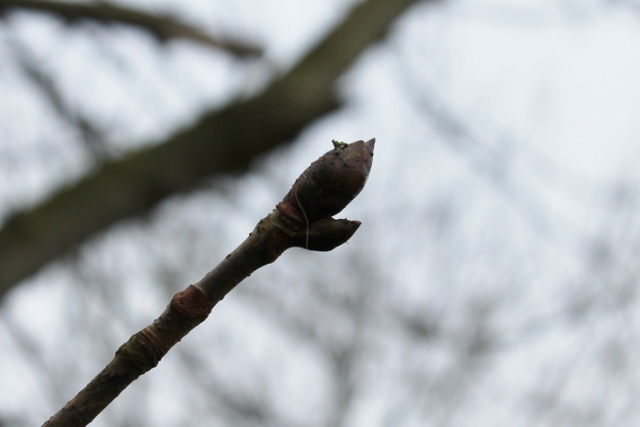
IMG_1868Ash buds (640x427)

Buds on the Ash tree (Fraxinus excelsior)

I like the Ash’s black, conical buds – they look a little like deer hooves.  So far, we haven’t found any sign of ‘Ash die-back’ in our garden yet.  This is caused by the Hymenoscyphus fraxineus fungus.  East Anglia is badly affected and has lost many of its Ash trees already.

IMG_1849Horse Chestnut leaf buds (640x427)

Horse-chestnut sticky buds (Aesculus hippocastanum)

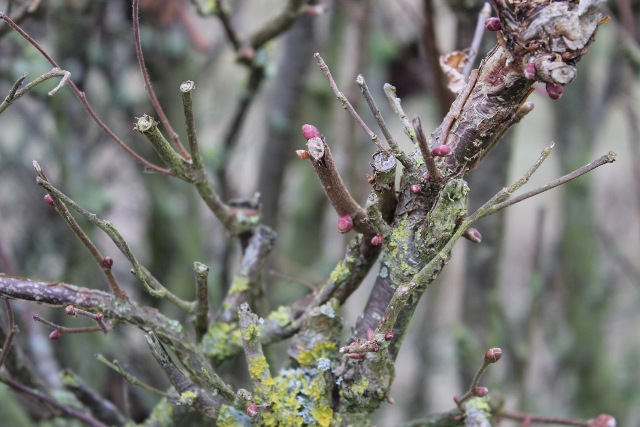
IMG_1854Buds on Blackthorn in hedge (640x427)

Little red buds on the Blackthorn in the hedge (Prunus spinosa)

While I was photographing these I looked up and found a Barn Owl was flying straight towards me.  I don’t know who was more surprised, the owl or me!  I tried to photograph it before it veered away from me but I couldn’t focus in time.

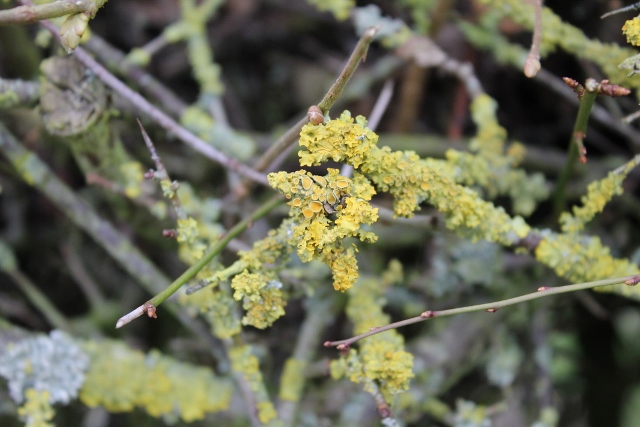
IMG_1855Lichen in the hedge (640x427)

Lichen in the hedge

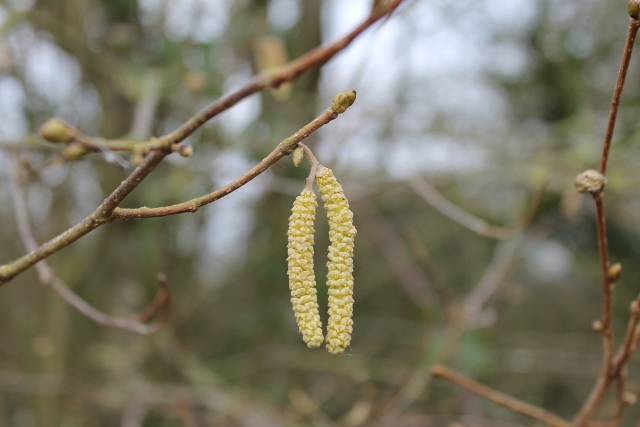
IMG_1847Hazel catkins (640x427)

 Hazel male catkins (Corylus avellana)


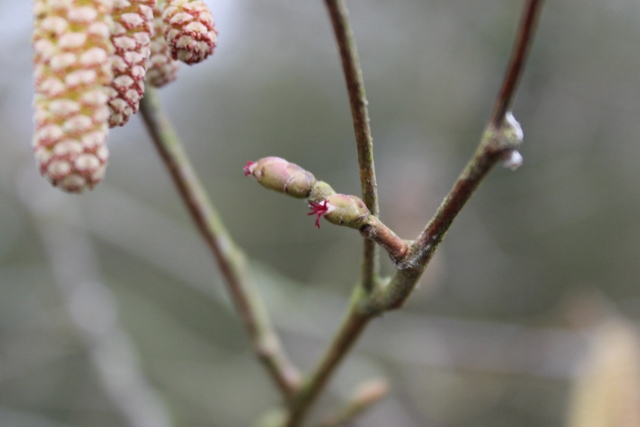
IMG_1848Female flowers of Hazel (640x427)

Hazel female catkins with their tiny red petals

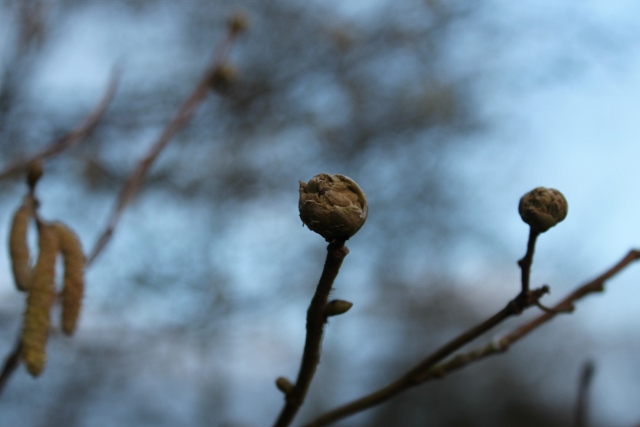
IMG_1865Catkin 'bud' (640x427)

Hazel bud


IMG_1864Catkin starting to emerge (640x427)

Hazel buds.

I wondered what these were on our hazel trees as I had never noticed them before.  None of my books mentioned buds looking like this so I googled for information and discovered a photograph that looked like mine on ramblingsofanaturalist.blogspot.com.  The author says that these are bud galls made by the mite Phytoptus avellanae.  He also talks about unopened brown catkins which have been attacked by either the mite Phyllocoptes coryli or the Cedidomyid midge Contarinia coryli.   I had also seen distorted brown catkins and had wondered about them too but had been unable to get a clear photo of them.

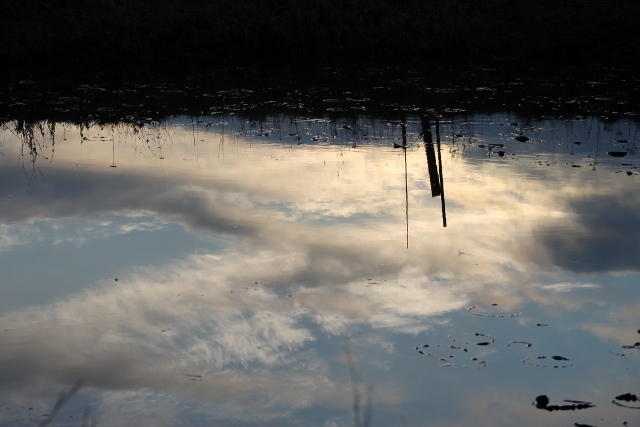
IMG_1861Reflection in pond (640x427)

Reflection of sky and cloud in our big pond

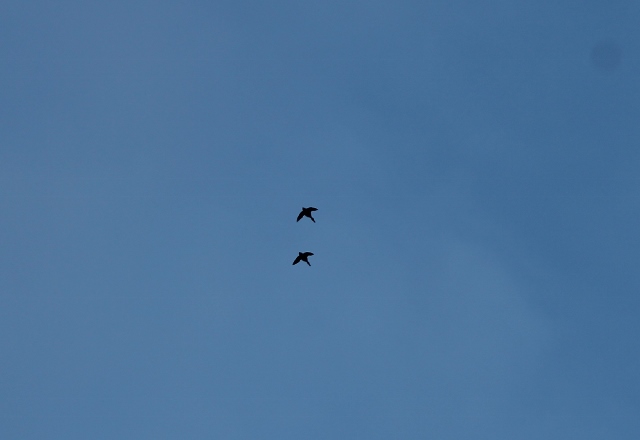
IMG_1862Flying ducks (640x440)

Flying ducks

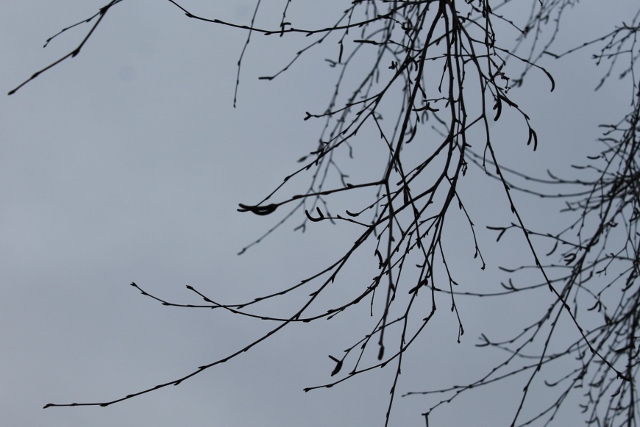
IMG_1853Birch catkins (640x427)

Our Silver Birch tree (Betula pendula) is also growing its catkins.

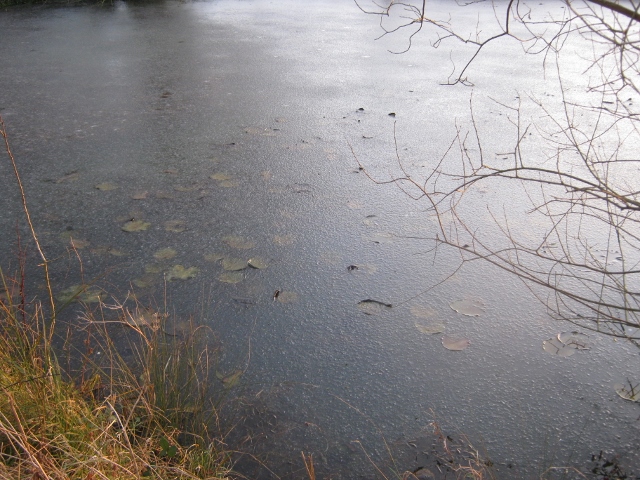
IMG_3948Ice on the pond (640x480)

Thin ice on the pond. Hail has got frozen onto the ice that was already there.

IMG_3947Icy pond (640x480)

The icy pond

IMG_3953Witch Hazel (640x480)
IMG_3954Witch-hazel (640x480)

The Witch-hazel (Hamamelis) is flowering in its large pot next to the front door and on mild days fills the porch with scent.

IMG_3955Christmas Box (640x480)

The Christmas Box (Sarcococca) is also scenting the garden.

IMG_3956Winter-flowering Honeysuckle (640x480)

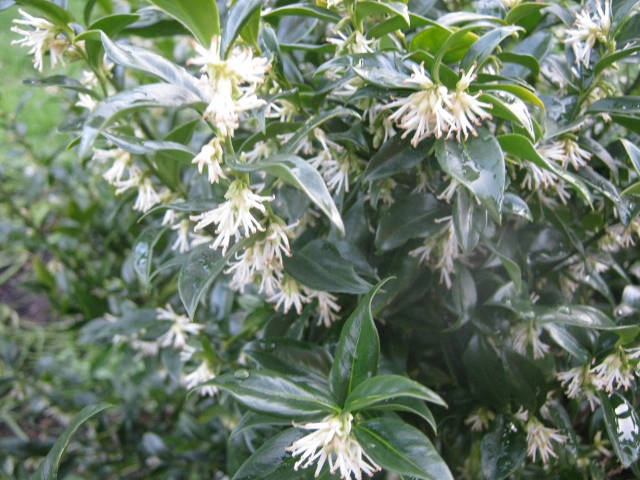
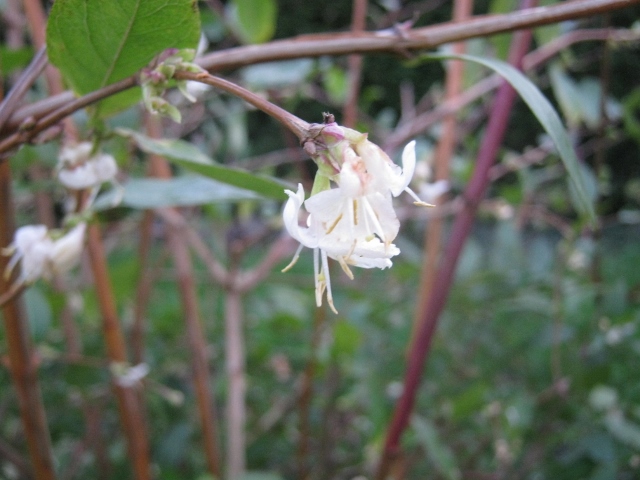
Another scented shrub – the Winter-flowering Honeysuckle (Lonicera fragrantissima)

This shrub Honeysuckle is a real favourite of mine.  Its small flowers are powerfully scented and it flowers from mid-winter until well into spring hardly stopping except in the harshest of weathers.  It is virtually evergreen and the flowers are followed by bright red heart-shaped berries loved by Blackbirds.

IMG_3958Mahonia (640x480)

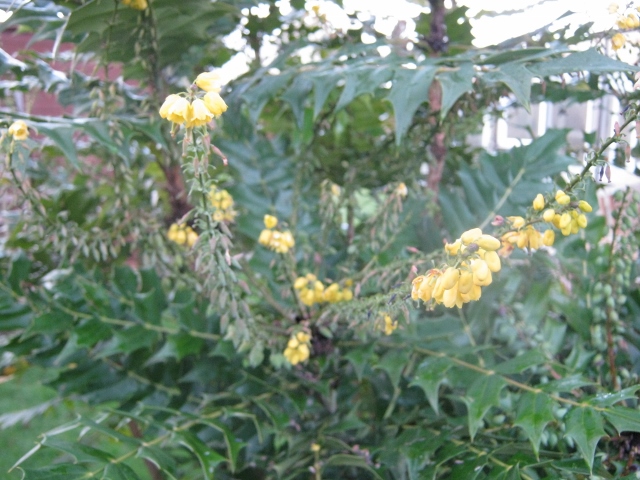
The Mahonia (Mahonia x media ‘Charity’) with its Lily-of-the-Valley scent has been flowering since the end of October.

IMG_4027Miniature iris (640x480)

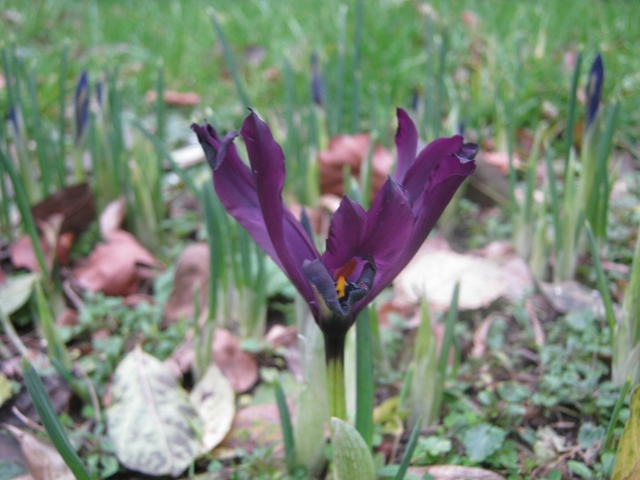
The first of my miniature Iris Reticulata bloomed today

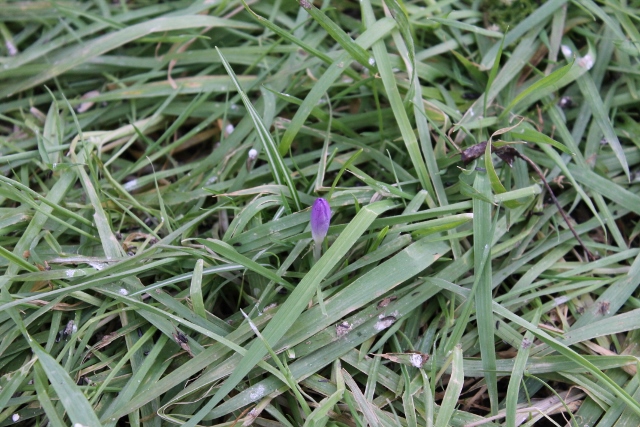
IMG_1858Crocus (640x427)

A tiny crocus has appeared in the rough grass under one of the crabapple trees.

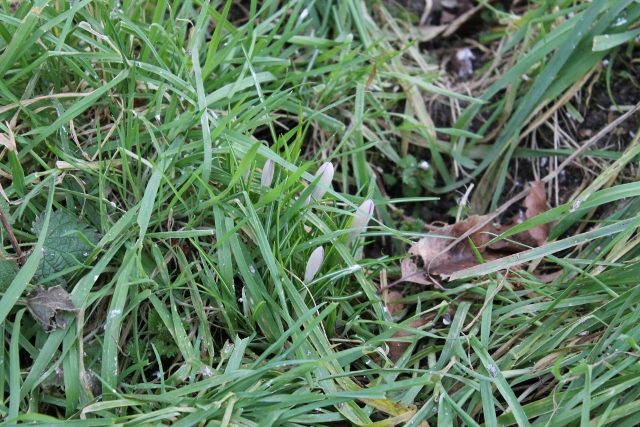
IMG_1859Crocuses (640x427)

I found some more – paler ones this time. I hope the birds don’t rip them up and the mole doesn’t dig them up.


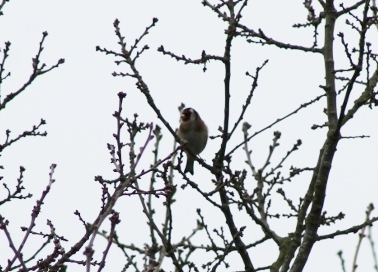
IMG_1842Goldfinch (640x424)

Goldfinch (Carduelis carduelis)

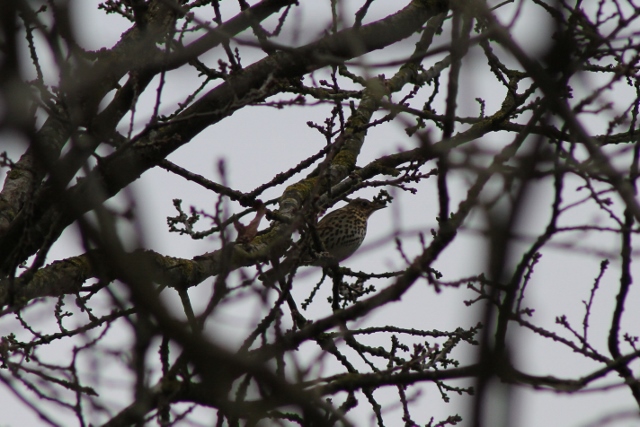
IMG_1843Song Thrush (640x427)

Song Thrush (Turdus philomelos)

Finally, here is the setting full moon seen on the morning of 4th February.

IMG_3967Setting moon (640x480)
IMG_3971Setting moon (640x480)
IMG_3973Setting moon (640x480)
IMG_3975Setting moon (640x480)
IMG_3976Setting moon (640x480)

Happy Valentine’s Day to you all!


Share this:

  • Share on X (Opens in new window) X
  • Share on Reddit (Opens in new window) Reddit
  • Share on Pinterest (Opens in new window) Pinterest
  • Share on Facebook (Opens in new window) Facebook
  • Email a link to a friend (Opens in new window) Email
  • Share on Tumblr (Opens in new window) Tumblr
  • Print (Opens in new window) Print
  • Share on Pocket (Opens in new window) Pocket
  • Share on LinkedIn (Opens in new window) LinkedIn
Like Loading...

Weekend

11 Wed Feb 2015

Posted by Clare Pooley in churches, domestic animals, Insects, plants, trees, Uncategorized, walking, weather

≈ 33 Comments

Tags

Celandines, clouds, daffodils, Dog's Mercury, dogwood, farmland, Jacob sheep, lichen, Lords and Ladies, primroses, snowdrops, St Margaret's church, Suffolk, sunset, walking, Winter Heliotrope

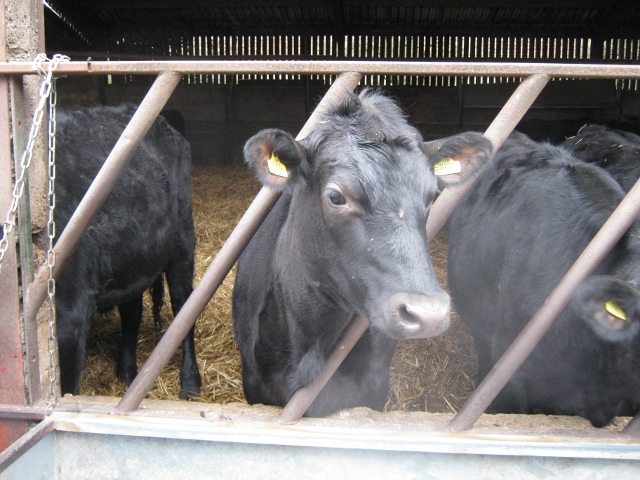
IMG_3980Bullocks (640x480)

Calves in the cow shed at our friends’ farm.  The blurring is caused by the calves’ steamy breath.

On Saturday, Richard and I went to the church coffee morning held this month at our friends’ farm instead of at the Rector’s house.  Our Rector had his heart surgery last week, and will be off work for some time while he recovers.  We wish him a speedy return to full health.  As usual we listened to all the gossip and news.  I bought some delicious home-made Bakewell bars which we ate later that day and Richard won a tin of sweets in the raffle.

Saturday was cloudy and chilly but there was no frost and the birds were singing lustily.  I heard the chaffinch’s spring song for the first time this year.

Sunday was a much brighter day.  The church service was held at our church in Rumburgh so Richard and I got there early to get things ready.  The church didn’t need much tidying as I had helped another lady to clean it thoroughly on Friday and there had been a wedding on Saturday afternoon after which Richard had tidied up again.

After lunch we went out for a walk.  We decided against driving somewhere and also thought it better not to walk across the fields as everywhere is waterlogged.  We took our usual circuit of a couple of miles, walking along the lanes.  I have photographed this walk so many times now, so I will just show you a few of the new and/or interesting things I saw.

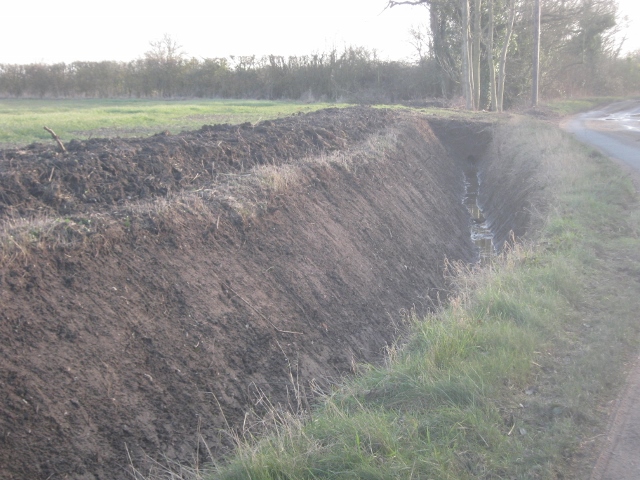
IMG_3982Ditch newly chased out (640x480)

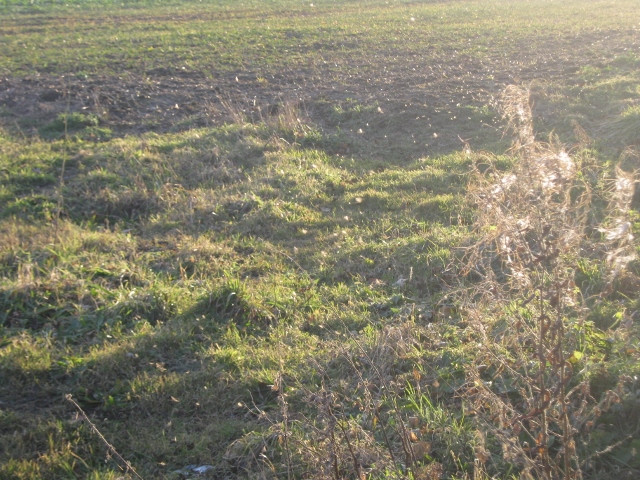
A part of the ditch in our lane has recently been chased out. Regular ditch maintenance is necessary to ensure proper field drainage and to stop flooding on the roads.

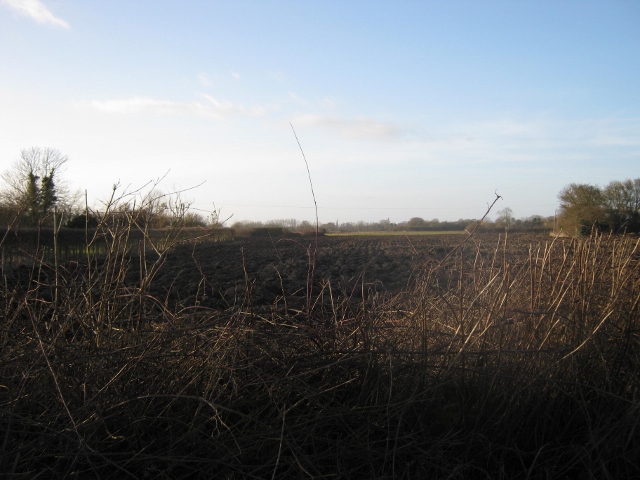
IMG_3983Newly ploughed field (640x480)

This field has been newly ploughed. For years probably, it has been rough grass with heaps of old rusty farm implements alongside the hedge.

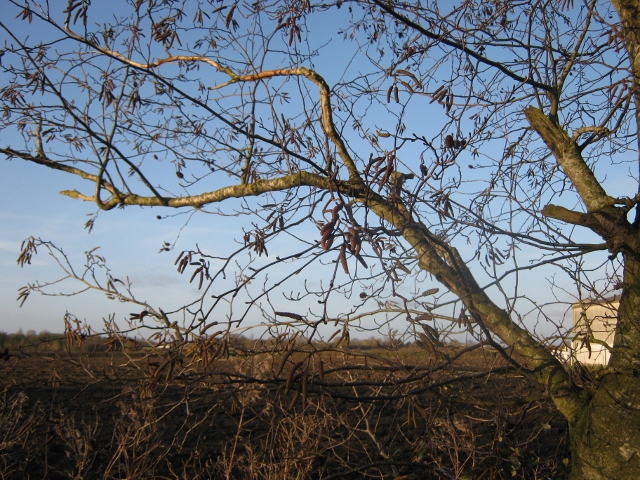
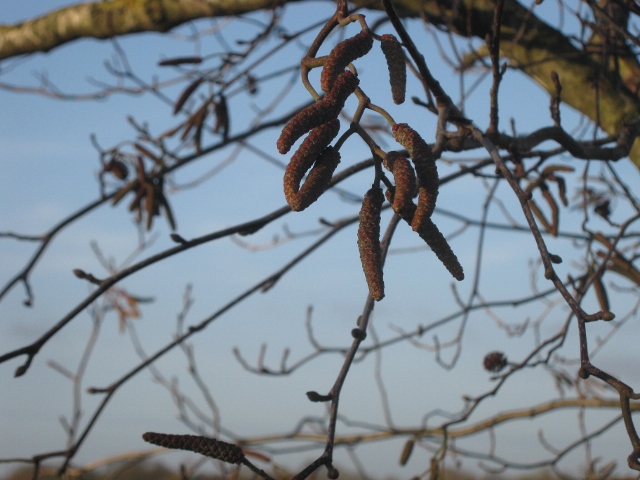
IMG_3985Italian alder tree (640x480)

Italian Alder tree (Alnus cordata)  There is a row of these trees along the roadside.

IMG_3986Italian Alder catkins (640x480)

Italian Alder catkins

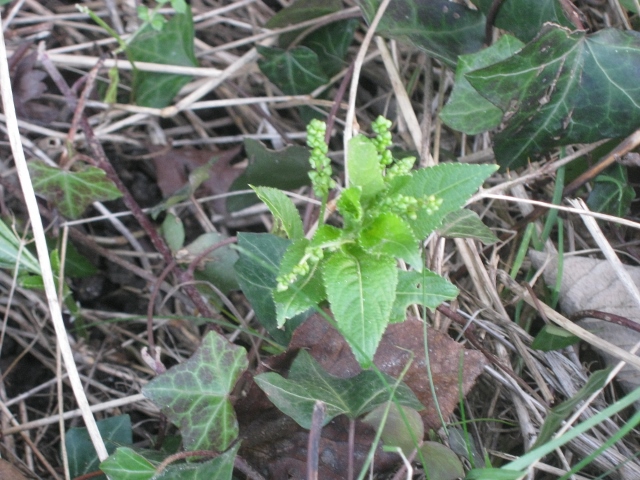
IMG_3988Dog's Mercury (640x480)

I found that Dog’s Mercury (Mercurialis perennis) was already starting to flower.

This plant is found in woodland often forming carpets, also under hedges and in other shady places.  It has a fetid smell and is poisonous, being a member of the spurge family (Euphorbiaceae).  Male and female flowers are found on separate plants and are small and yellow in spikes.  It is pollinated by midges.

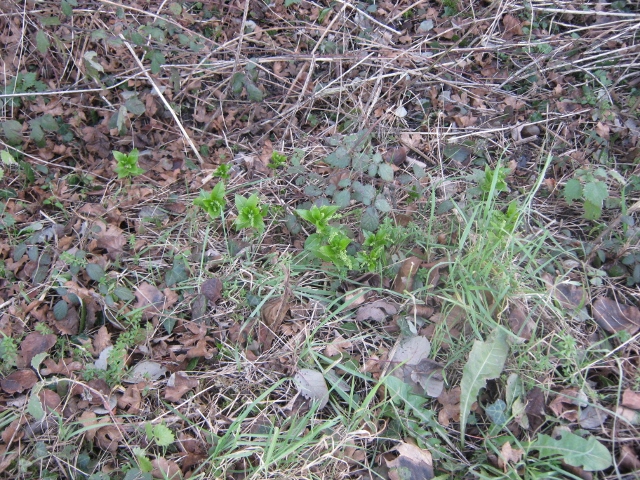
IMG_3989Dog's Mercury (640x480)

Bright green Dog’s Mercury.

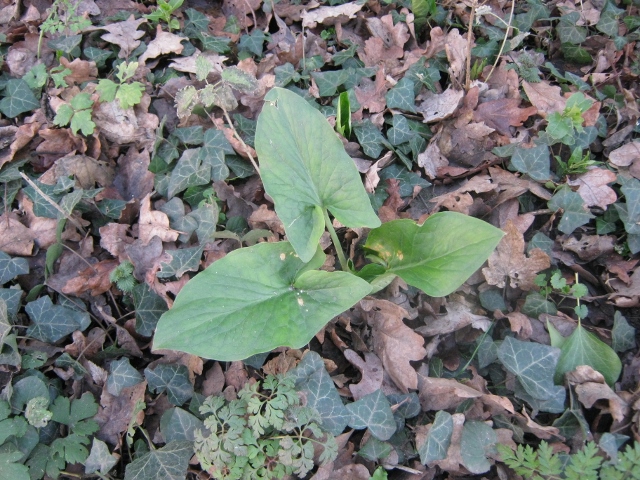
IMG_3992Lords and Ladies (640x480)

Lords-and-ladies (Arum maculatum)

Another woodland and hedgerow plant.  I was surprised that these leaves were matte green – they are usually glossy.  Another plant that smells of decay when in flower, the berries are poisonous and the roots have a high starch content.  In Elizabethan times the roots were gathered to make starch for stiffening the high pleated linen ruffs that were then in fashion.

IMG_3995Flies in the sunshine (640x480)

The white spots in the photo are midges or Winter Gnats flying in the sunshine.

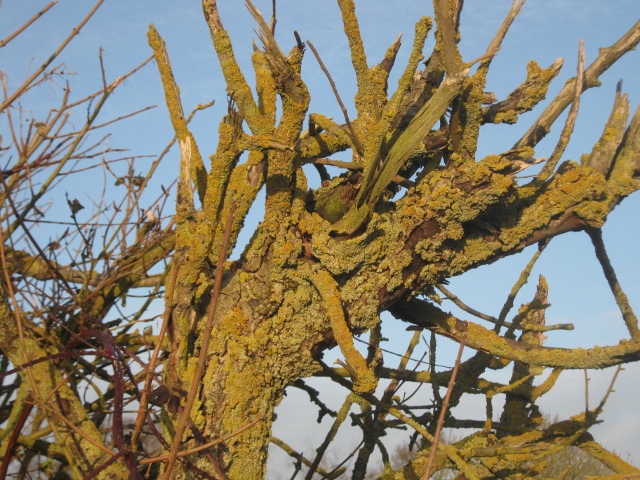
IMG_3996Lichen-covered dead tree (640x480)

This dead tree at the end of a hedge and at the entrance to a field is covered in lichen. The bark of the tree has started to fall off taking the lichen with it.


IMG_3997Clouds and shadows (640x480)

Our long shadows and that of the hedge behind us can be seen on the field as I took a photo of the beautiful cloud patterns

IMG_3998Clouds (640x480)

The clouds.

IMG_3999Dogwood (640x480)

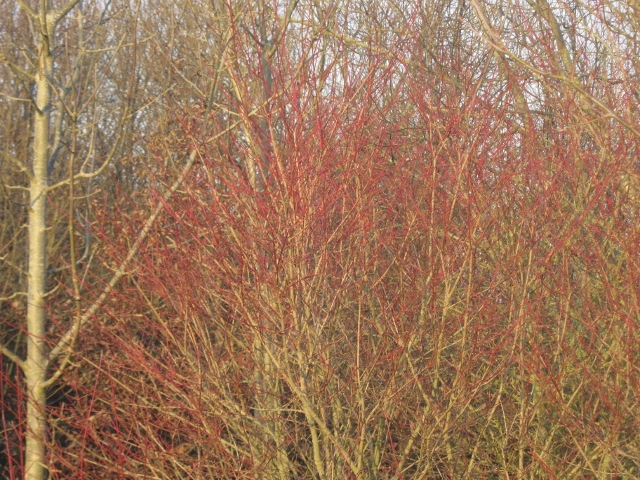
The Dogwood (Cornus sanguinea) twigs were blazing in the low sunlight.

IMG_4001Hollow tree (480x640)

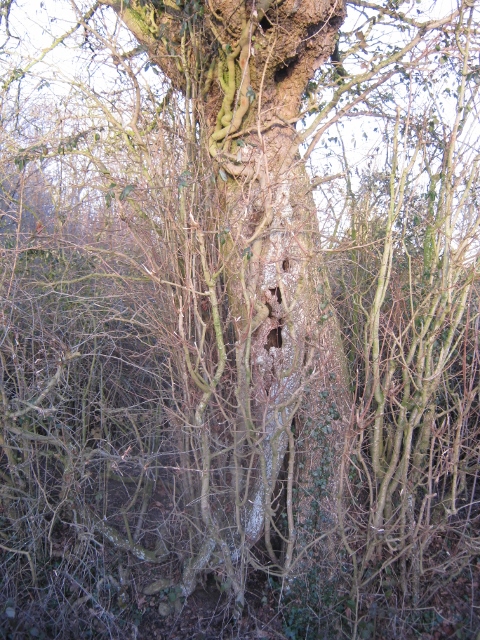
A hollow tree. In spite of its hollow trunk and all the ivy growing up it the tree, an oak I think, is still alive.

IMG_4002Jacob Sheep (640x480)

Jacob sheep. They will be having their lambs soon.


IMG_4003Winter Heliotrope (640x480)

Winter Heliotrope (Petasites fragrans) growing along the roadside verge near someones house. The flowers are vanilla-scented and the plant spreads quite quickly preferring damp and shady places. It is a naturalised garden plant.

IMG_4005Snowdrops (640x480)

Snowdrops (Galanthus nivalis) in the churchyard

IMG_4006Primroses (640x480)

Primroses too! (Primula vulgaris)

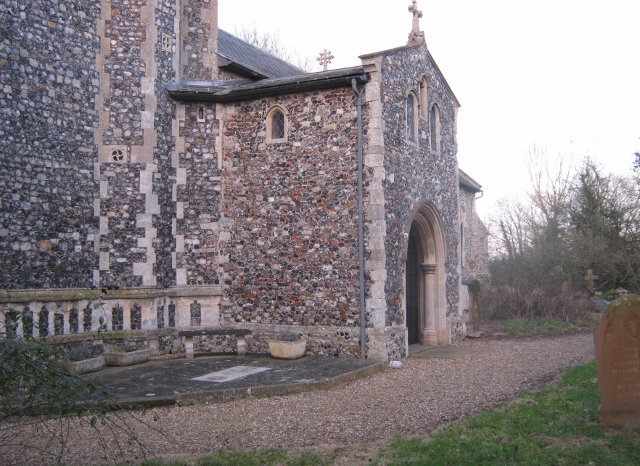
IMG_4007St Margaret's church porch (640x466)

St Margaret’s church porch has an upstairs room.


IMG_4010Lichen on gravestone (640x480)

White lichen on a gravestone

IMG_4011Daffodil bud (480x640)

A daffodil bud in the sheltered churchyard.


IMG_4016Celandines (640x480)

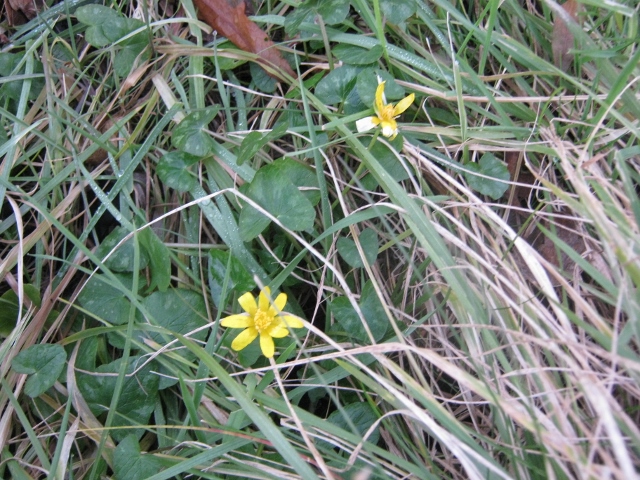
Celandines (Ranunculus ficaria) flowering on the roadside verge.  I was so surprised to see these as they don’t usually appear until March.  They were everywhere I looked, though as the sun was setting they were closing up for the night.  I should have got there an hour earlier.

IMG_4017Sunset (640x440)

Sunset.


We got home as the sun sank below the horizon.

This week Elinor is taking her mock GCSE exams.  She has already taken Psychology and English.  Maths is on Wednesday and Thursday and Art is all day on Friday.  She is coping very well indeed though she is exhausted already with the strain of it all.

Richard stays away from home only one night this week; Wednesday night is spent in Gloucestershire.  On Friday he goes back to the specialist to find out more about the lesion/tumour on his pituitary gland and what is to be done about it.

I am disappointed at not being able to go to Sheffield  to see Alice perform in ‘Emma’ especially as she is taking the leading role.  I would really have loved to see her and support her but the performances are at the same time as Elinor’s exams and Richard’s hospital visit.  I also don’t have much money to spare for train travel and hotel rooms after Christmas and Elinor’s birthday in January.

My mother is fine.  She went to the eye specialist on the 30th December and had to return the next day for an injection to stop a bleed in her eye.  We went back last week for a check-up and fortunately all is well again.  The next appointment is in mid March.  My brother has filed for divorce and is in the process of selling his house.  He is moving to Suffolk to be near us and Mum and especially his daughter and has got a transfer to work in the open prison in Suffolk and continue his teaching.  My sister is working hard as always as a paramedic practitioner. She got her degree and will be getting her certificate at a ceremony in May.  My mother-in-law is out of hospital and in a nursing home.  This is a temporary arrangement as she hasn’t yet been assessed but we all know that she won’t be able to go back home.  She has a weak heart, breast cancer, problems with her thyroid and has lost all her mobility.  All so sad.  She understands the situation and is making the best of it; such a sensible woman.

IMG_4018Sunset (480x640)


Share this:

  • Share on X (Opens in new window) X
  • Share on Reddit (Opens in new window) Reddit
  • Share on Pinterest (Opens in new window) Pinterest
  • Share on Facebook (Opens in new window) Facebook
  • Email a link to a friend (Opens in new window) Email
  • Share on Tumblr (Opens in new window) Tumblr
  • Print (Opens in new window) Print
  • Share on Pocket (Opens in new window) Pocket
  • Share on LinkedIn (Opens in new window) LinkedIn
Like Loading...

More Visitors to my Garden

01 Sun Feb 2015

Posted by Clare Pooley in amphibians, Insects, Rural Diary, wild animals

≈ 38 Comments

Tags

bumble bee, Damselfly, Dragonfly, frog, pond skater, Rabbit, squirrel, Suffolk, summer

This is a post title I have used before and a very useful one it is too!

I have been going through the photographs I took last year in my garden and have found a few that I didn’t post for one reason or another.  Some of them are ok and some of them are definitely not but I will include a few of the latter as a record to myself of what I saw.  I won’t bore you with all the shots at once but will split them up into digestible portions.

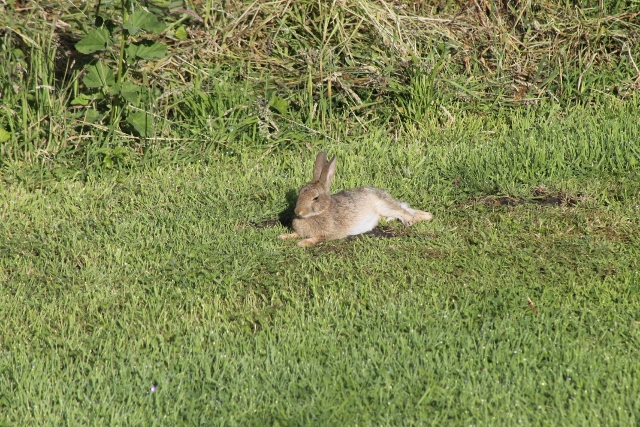
016Young rabbit (640x480)

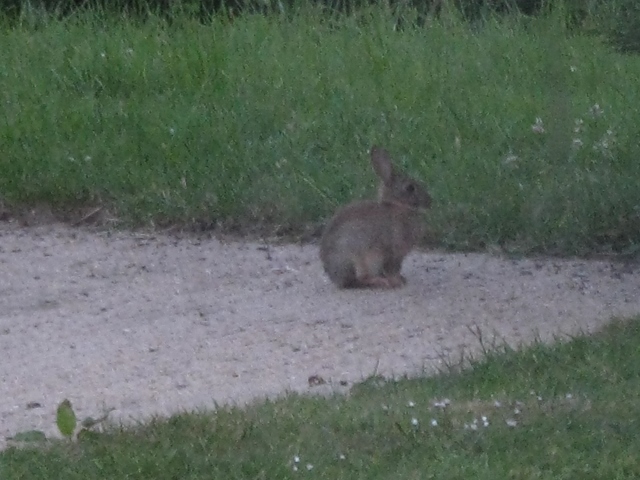
A young Rabbit (Oryctolagus cuniculus) photographed one evening in June

I veer about in my attitude towards rabbits.  When I see rabbit kittens and young rabbits like this one I am full of love towards them.  How sweet they are!  I once looked out of an upstairs window early one morning and saw a couple of adult rabbits with a tiny rabbit kitten.  The adults were watching the baby and eating grass now and then while the kitten was exploring and skittering about, having fun.  It then ran up to the adults and rolled on its back just in front of them.  One of the adults nuzzled its head against the baby.  It all looked so peaceful.

I don’t feel quite the same about rabbits when I find large holes dug in the flower bed or bark chewed off my favourite trees and shrubs.  I am grateful for the control exerted on our rabbit population by stoats.

While hanging washing out on the line one summer a young rabbit ran past me.  I could tell from the way it ran that it was distressed and wasn’t sure where to go.  It headed for one of our vegetable plots.  I then saw the cause of the rabbit’s fear;  a stoat appeared round the corner of the house and well, skipped past me and made straight for the vegetable patch.  I couldn’t bear to watch any more so I went back indoors.  We haven’t seen any stoats in the garden for a couple of years – but we haven’t had too many rabbits either!

098Sleeping rabbit (640x427)

A sun-bathing, dozing rabbit seen one morning in late June

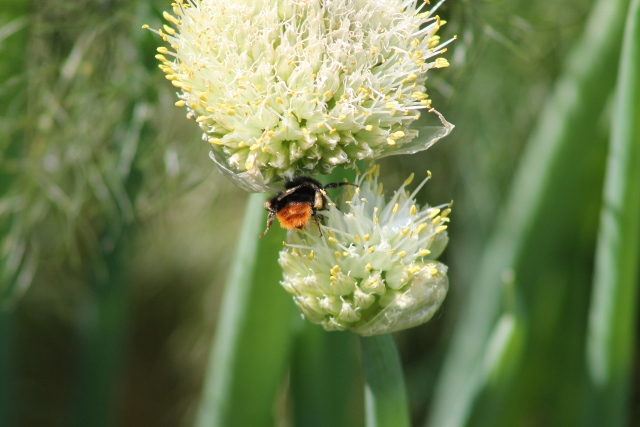
026Tawny Mining Bee on Welsh Onion (640x427)

This is (I think) a Red-tailed Bumble Bee (Bombus lapidarius) on a Welsh Onion flower.

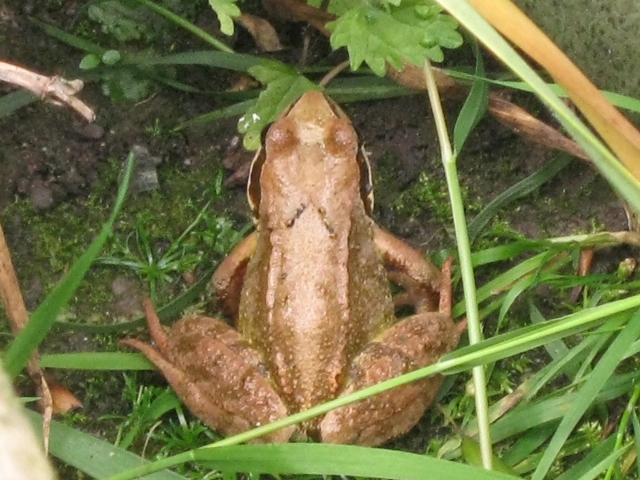
003Common frog (640x480)

A Common Frog (Rana temporaria)

This frog would not turn round so I could only photograph its back.  Common Frogs can be found in shades of yellow, orange, red, green, brown and even blue and usually have dark spots and markings on them.  They also have a dark patch behind the eye.

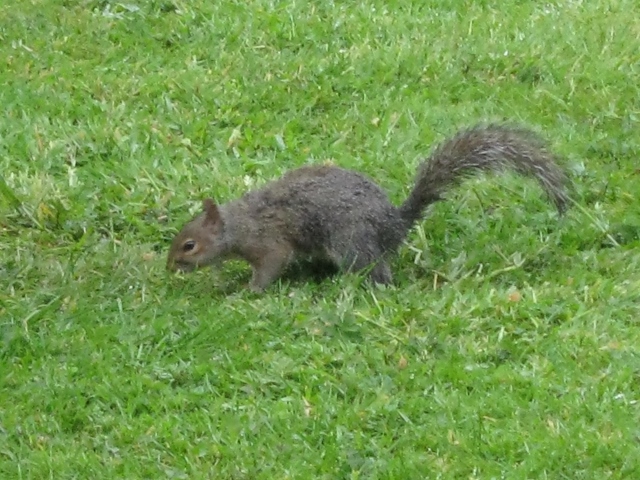
001Grey squirrel (640x480)

A Grey Squirrel (Sciurus carolinensis)  This one is very thin!

Grey Squirrels were introduced into this country in the mid-19th century but didn’t become established here until the beginning of the 20th century after many releases.


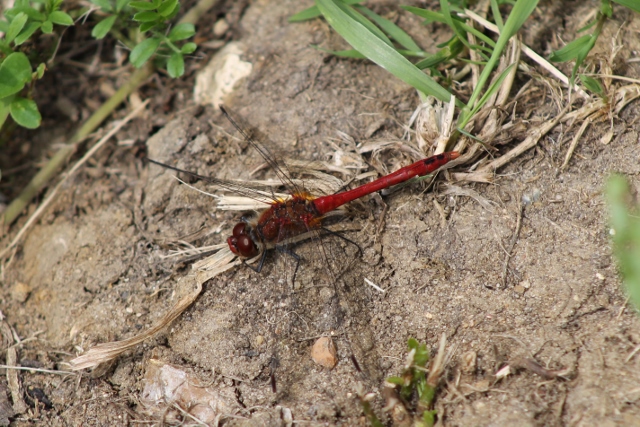
005Ruddy darter (640x427) (2)

Ruddy Darter dragonfly; male ( Sympetrum sanguineum )

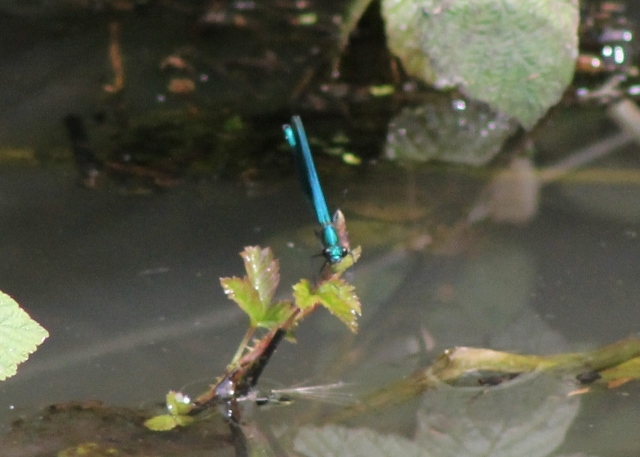
036Banded demoiselle (640x457)

Banded Demoiselle damselfly; male


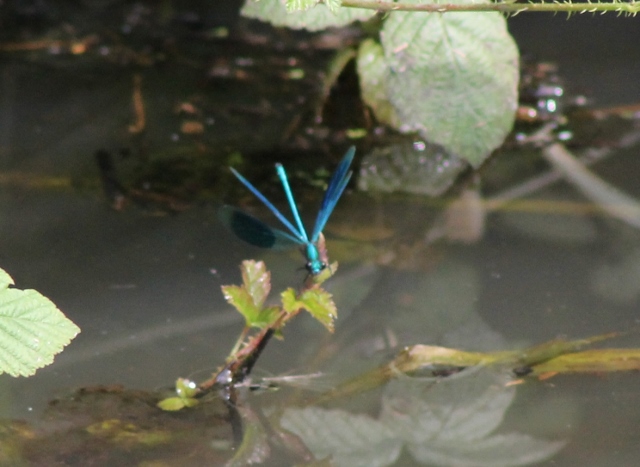
037Banded demoiselle (640x467)

This is a little out of focus but you can still see the dark iridescent band on this male’s wing

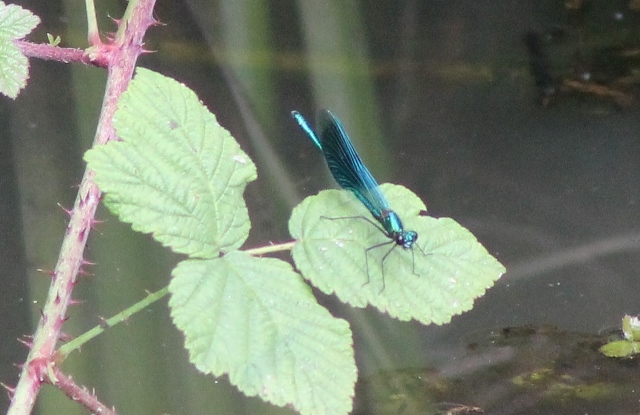
044Banded demoiselle (640x415)

These beautiful damselflies are quite large and flutter their wings more as a butterfly does


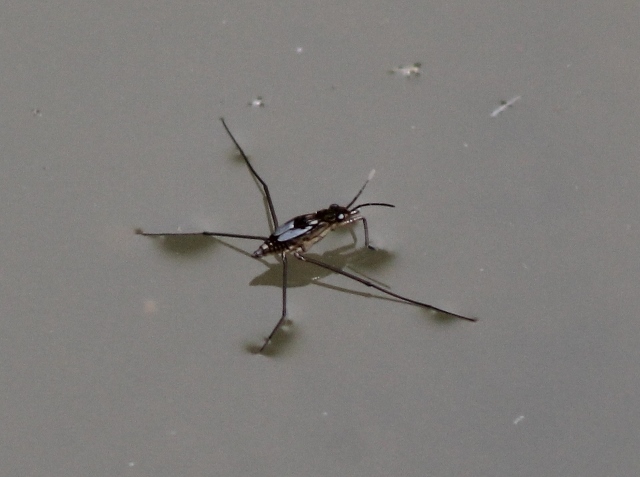
039Pond skater (640x477)

Pond Skater ( Gerris lacustris )

They use their short front legs to capture prey that has fallen onto the surface of the water.

That’s it for now.


Share this:

  • Share on X (Opens in new window) X
  • Share on Reddit (Opens in new window) Reddit
  • Share on Pinterest (Opens in new window) Pinterest
  • Share on Facebook (Opens in new window) Facebook
  • Email a link to a friend (Opens in new window) Email
  • Share on Tumblr (Opens in new window) Tumblr
  • Print (Opens in new window) Print
  • Share on Pocket (Opens in new window) Pocket
  • Share on LinkedIn (Opens in new window) LinkedIn
Like Loading...

More Birds!

16 Sun Nov 2014

Posted by Clare Pooley in Rural Diary, wild birds

≈ 11 Comments

Tags

birds, black-headed gull, buzzard, dunnock, green woodpecker, kingfisher, pheasant, stock dove, Suffolk, Swallow

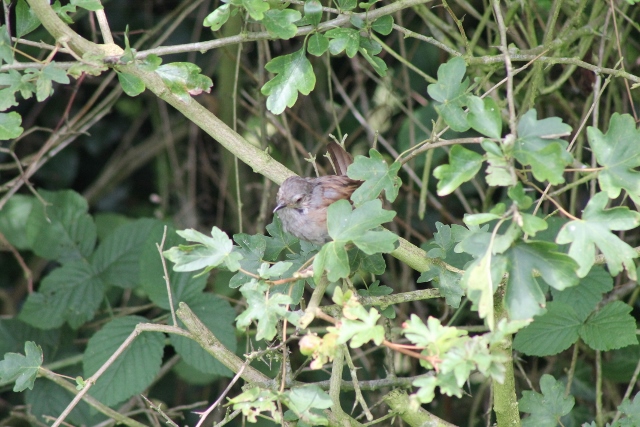
041Dunnock (640x427)

This is a Dunnock. They used to be called Hedge Sparrows but they are not like sparrows at all except for their brown and grey colouring. They have quite a bright jangling song and search for food mainly on the ground under hedges and shrubs.

This post will be of more photos of birds I saw this summer and autumn in my garden.  We are very lucky to have so many types of bird visiting.

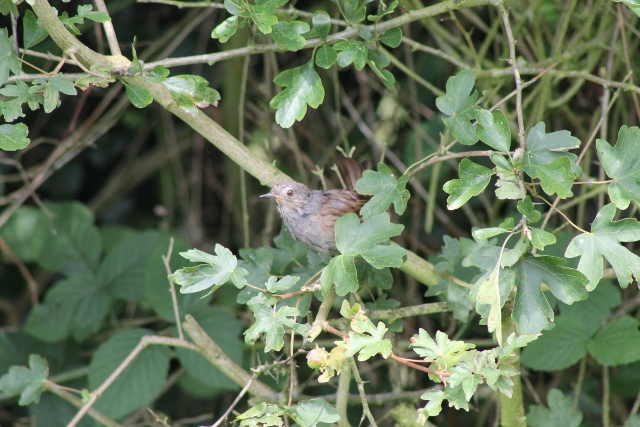
042Dunnock (640x427)

The dunnock realised I was looking at it and so looked at me.

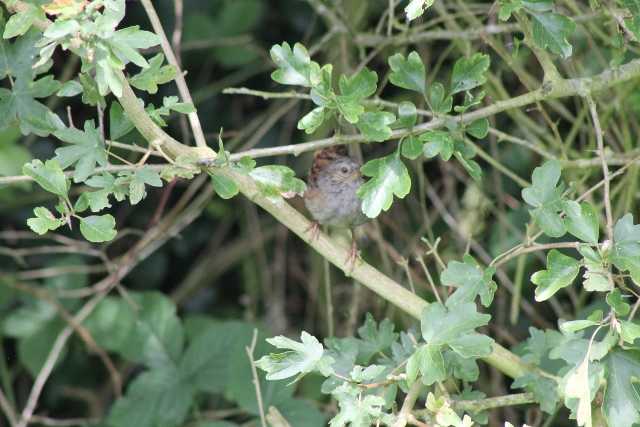
043Dunnock (640x427)

It then tried to edge behind the hawthorn leaf to hide.

062Green Woodpecker (640x419)

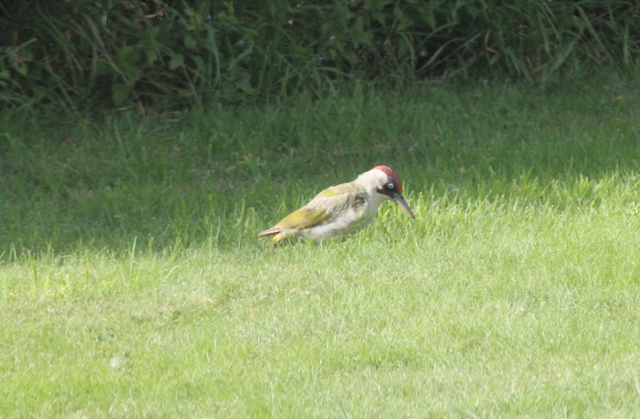
A Green Woodpecker also known as a Yaffle because of its laughing call. This bird is a juvenile as it hasn’t got its full green plumage yet. I hardly ever see these birds in trees. They love ants and ants’ eggs I am pleased to say, and are very welcome in our garden which is ‘ant city’.

065Green Woodpecker (640x427)

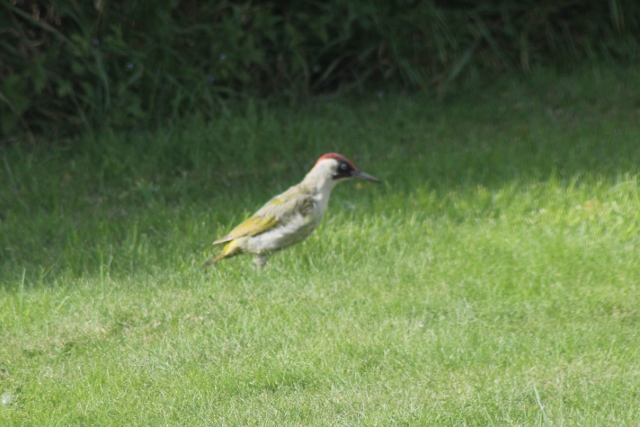
They are such attractive birds with their black masks and cherry-red, olive-green, grey-green and primrose-yellow plumage.

064Female pheasant (640x427)

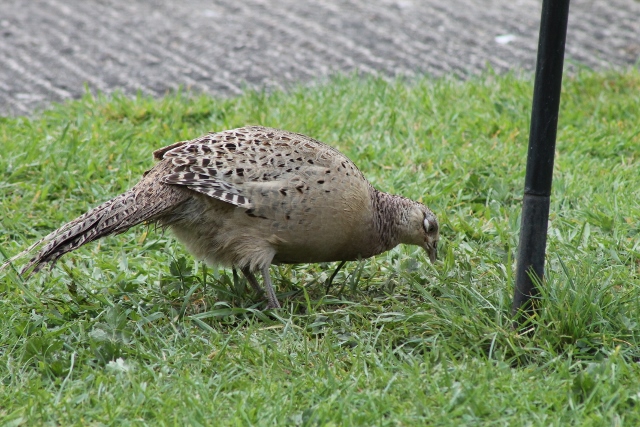
I have re-posted this photo of a female pheasant to show how drab they are compared with the males. Their feathers are so good at blending in with grasses  which is very useful at nesting-time.

063Stock dove (640x427)

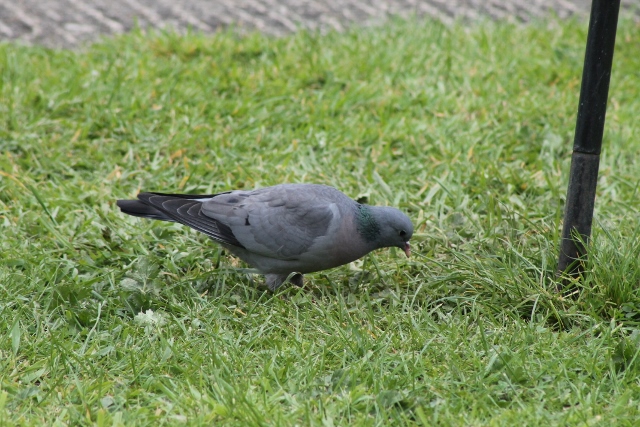
A Stock Dove

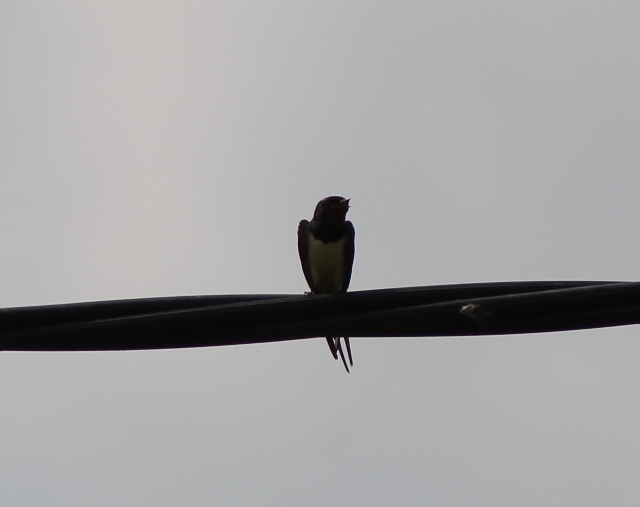
049Swallow (640x507)

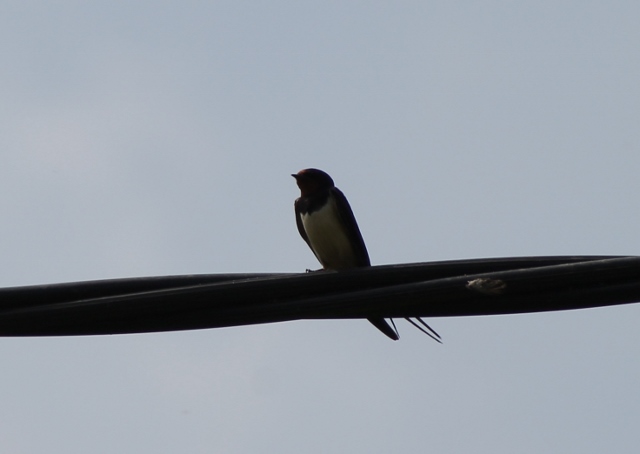
A Swallow – one of our summer visitors. I miss them very much when they fly south for the winter. They left very early this year because we had such a cool August.

050Swallow (640x454)

Swallow

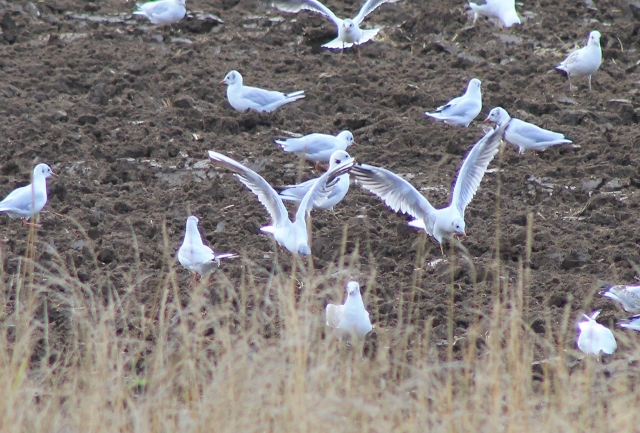
039Seagulls (640x433)

Another re-post of Black-headed Seagulls in the field behind our house. These were losing their summer plumage. During the winter they don’t have a black head only a black spot on the side of the head. And it isn’t black but dark brown!

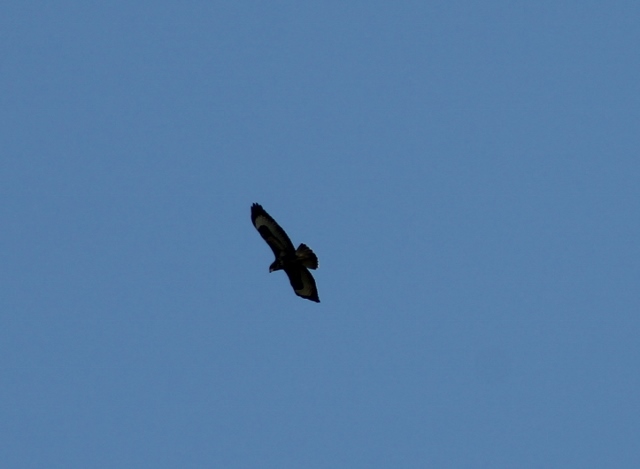
012Buzzard (640x469)

A Buzzard flying over our house. Buzzards have returned to East Anglia in the last few years having been absent for a very long time.

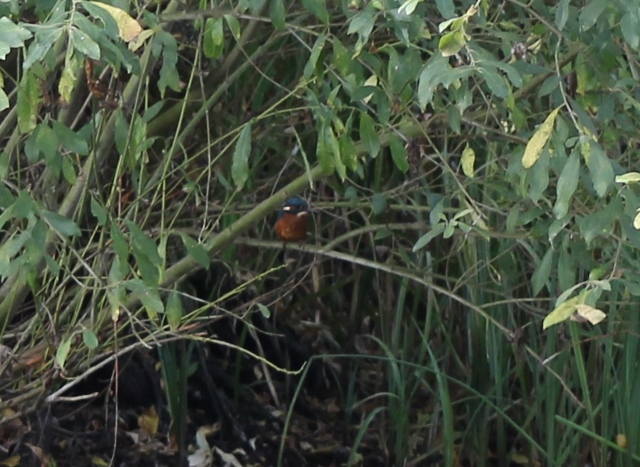
I must apologise for the quality of the next photograph.  I am including it because I am so pleased and excited to have seen this bird at all, let alone seeing it in my garden.  It decided to perch in a very shaded part of the garden by the pond and I couldn’t focus on it at all.

011Kingfisher (640x467)

The orange and blue bird with white throat and neck patch is a Kingfisher


Share this:

  • Share on X (Opens in new window) X
  • Share on Reddit (Opens in new window) Reddit
  • Share on Pinterest (Opens in new window) Pinterest
  • Share on Facebook (Opens in new window) Facebook
  • Email a link to a friend (Opens in new window) Email
  • Share on Tumblr (Opens in new window) Tumblr
  • Print (Opens in new window) Print
  • Share on Pocket (Opens in new window) Pocket
  • Share on LinkedIn (Opens in new window) LinkedIn
Like Loading...

Some More Visitors to my Garden : Birds

13 Thu Nov 2014

Posted by Clare Pooley in Rural Diary, wild birds

≈ 14 Comments

Tags

birds, blackbird, chaffinch, coal tit, Garden birds, Great Tit, greater spotted woodpecker, greenfinch, house sparrow, moorhen, Muscovy duck, pheasant, pied wagtail, Robin, rook, Suffolk, wren

During this summer and early autumn I managed to photograph a number of animals, birds, insects and other creatures in my garden.  Some of these photos are of very poor quality but I will include them as a record of what I saw.  This post will be of the birds I’ve seen in my garden.

006Great Tit (640x397)

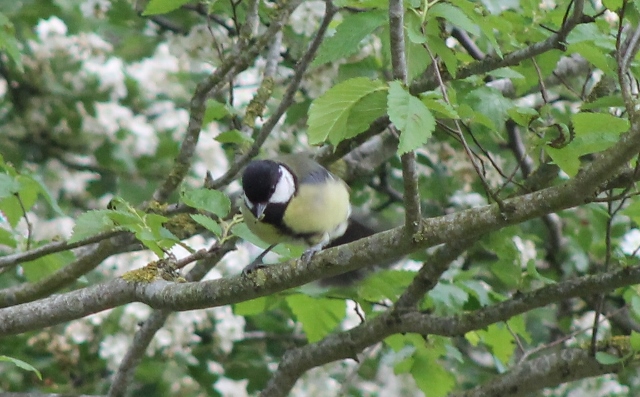
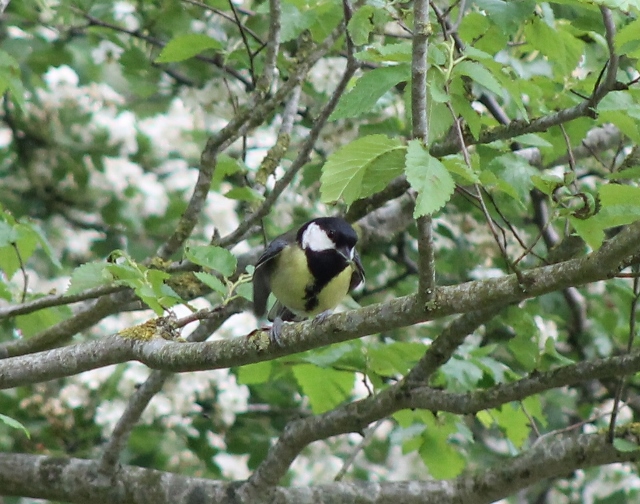
This Great Tit has an insect in its beak and was fluttering its wings very quickly (hence the blurring). It was waiting for me to go away so that it could feed its chicks in a nest box we have in the garden.

007Great Tit (640x504)

I quickly took another photograph and then walked away

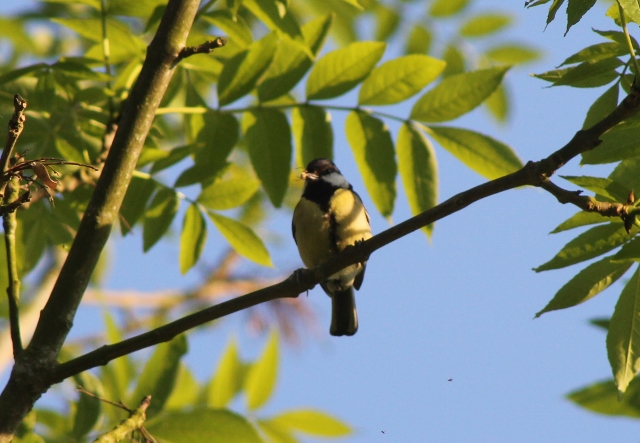
036Great tit with insect (640x443)

Here is one of the pair of Great Tits using that same nest box nearly two weeks later. I am fascinated to see how carefully they hold the insects in their beaks so as not to crush them.

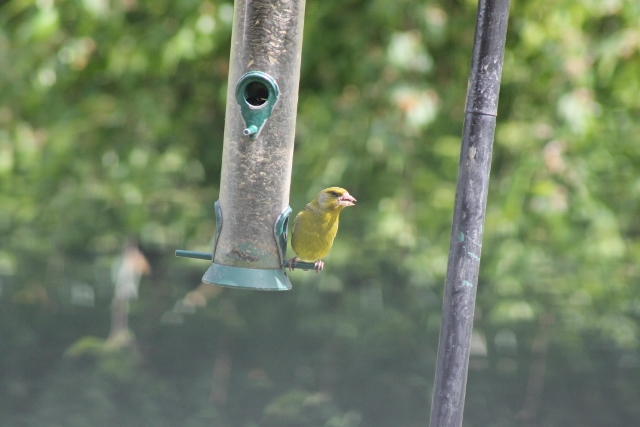
018Greenfinch (640x427)

This is a Greenfinch. There are always plenty of these in the garden. The feeder pole is always leaning and covered in mud because of the squirrels and rooks that use the feeder too.

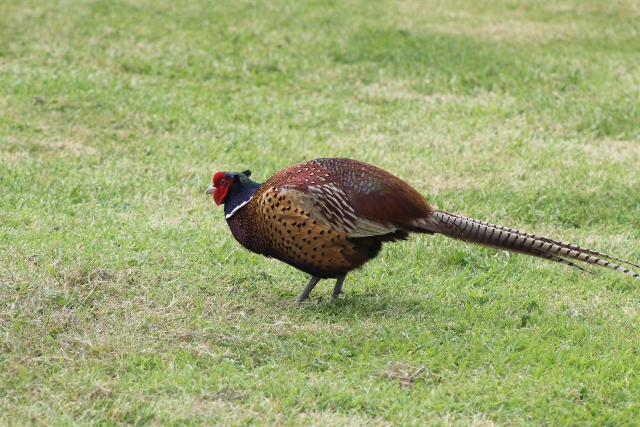
003Cock Pheasant (640x427)

I didn’t quite get all of this cock Pheasant’s tail.

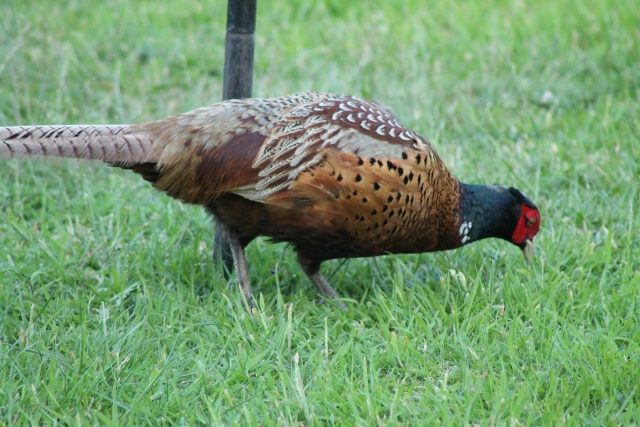
038Cock pheasant (640x427)

Cock Pheasant

039Cock pheasant (640x427)

Cock Pheasant

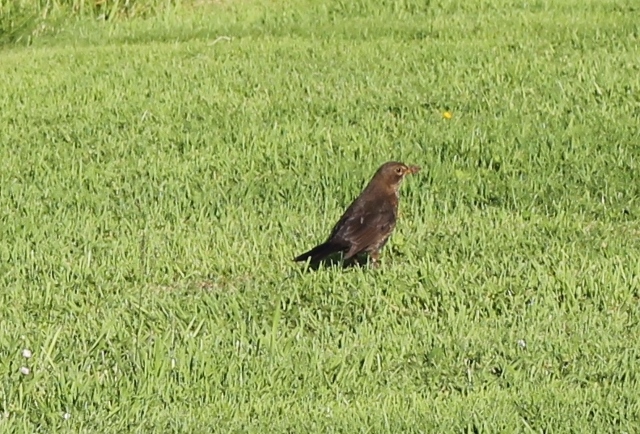
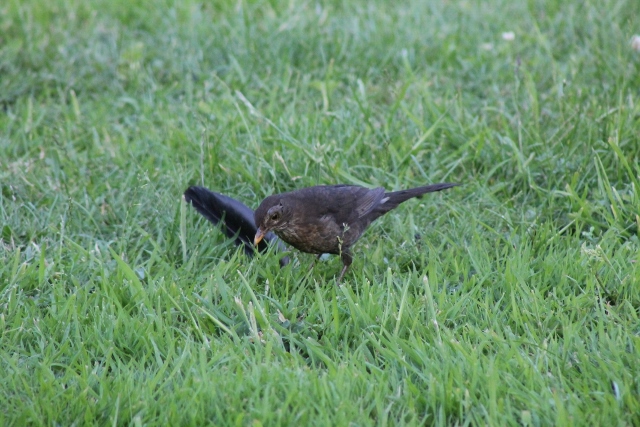
025Female blackbird (640x434)

A female Blackbird collecting insects for her chicks.

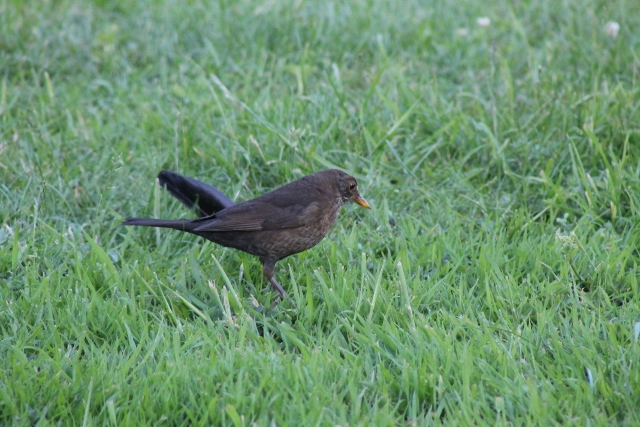
037Female blackbird (640x427)

Another female Blackbird searching for food.

036Female blackbird (640x427)

And again.

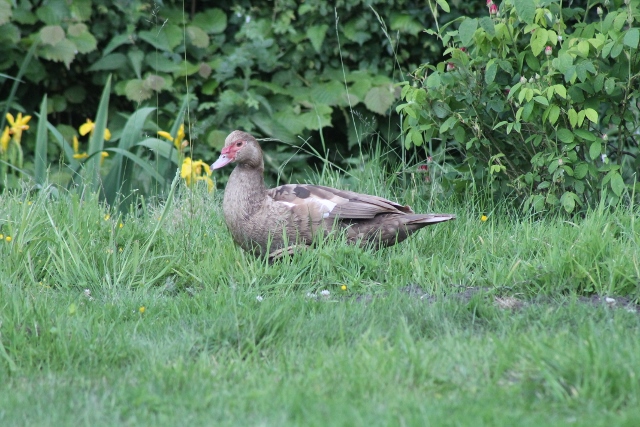
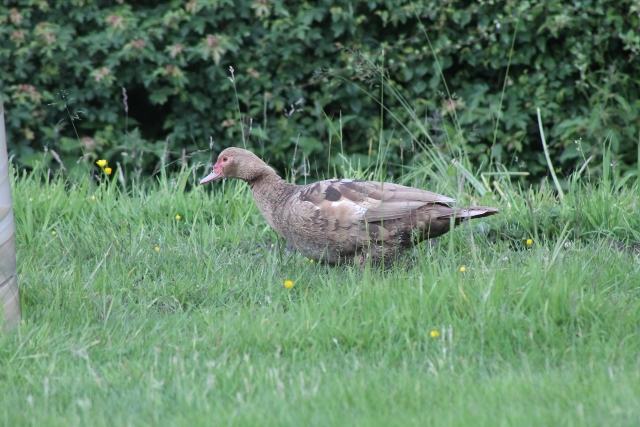
My daughter came running to me one day saying that there was a strange bird in our garden.  She described it as being half duck, half chicken.  I had to have a look and discovered that one of our neighbour’s Muscovy Ducks was visiting us.  If you have ever seen a Muscovy Duck walking you will know that they move their head and neck back and forth while walking just like a chicken does.

033Muscovy duck (640x427)

Female Muscovy Duck

034Muscovy duck (640x427)

Walking like a chicken

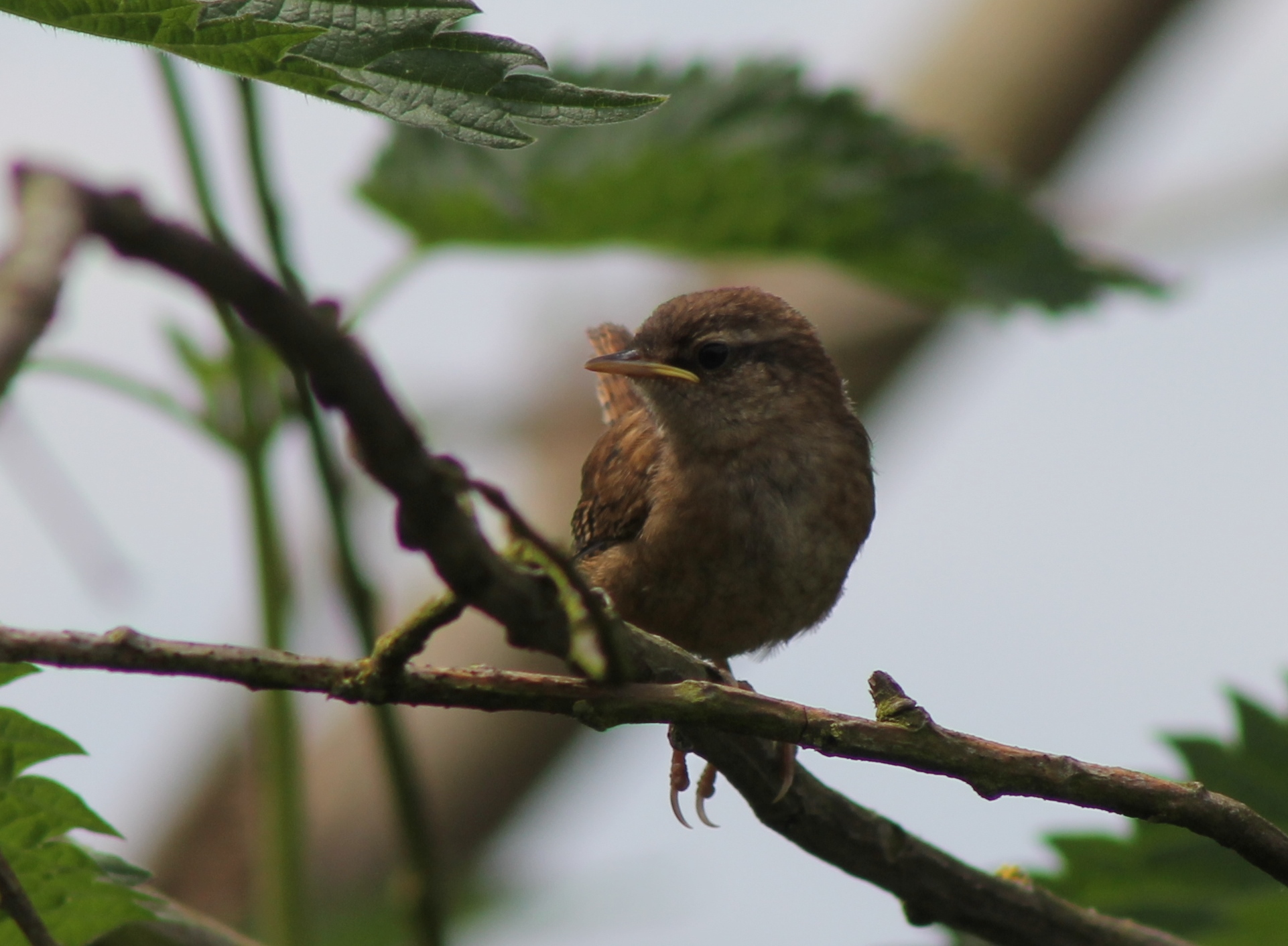
I thought I would post this photo of a Wren again as I was quite pleased to get it.  Wrens are quite shy birds and fairly small (3.75″) but have very loud voices.

029Wren

Wren

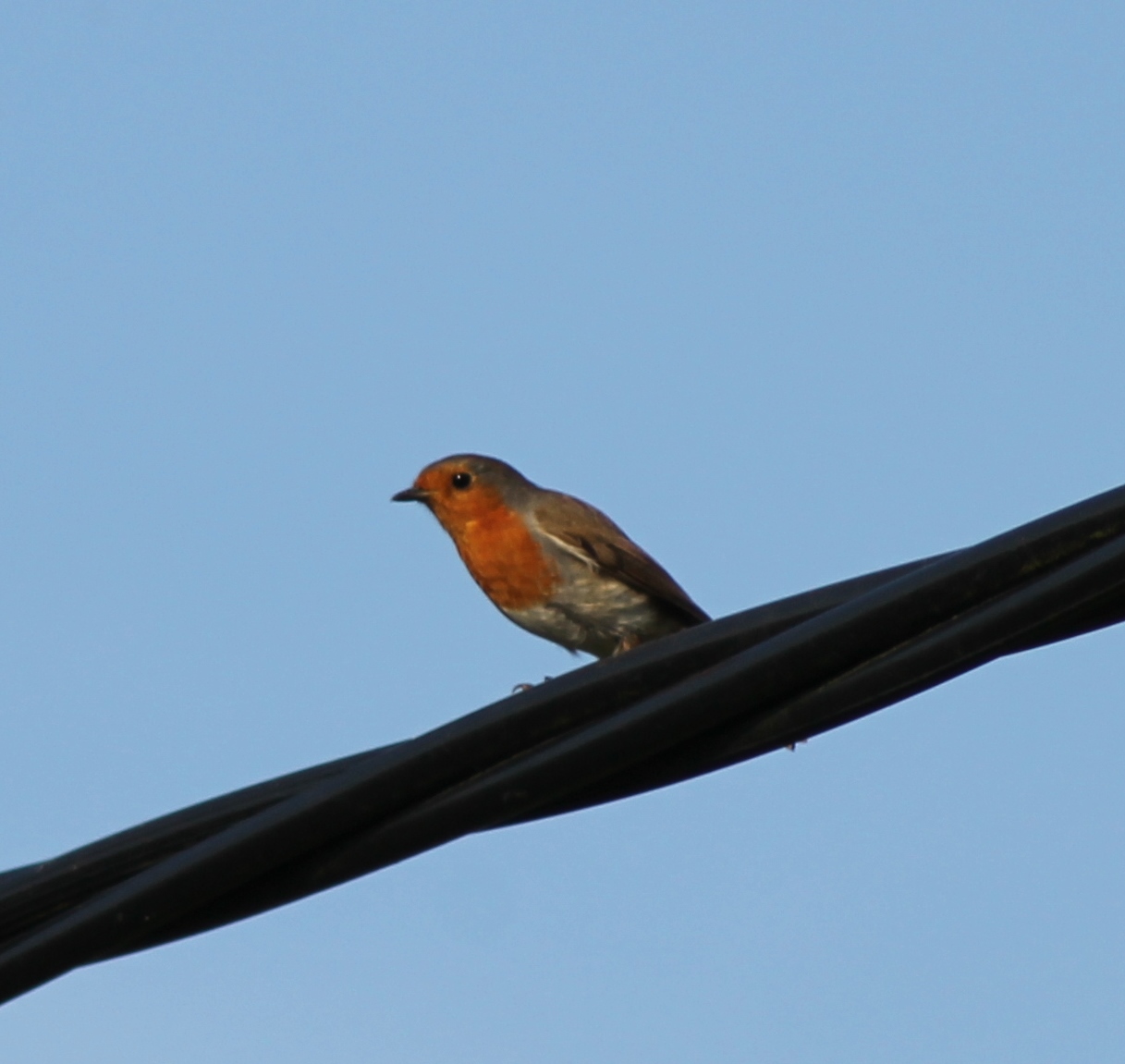
005Robin

I’ve posted this photo of a Robin before too

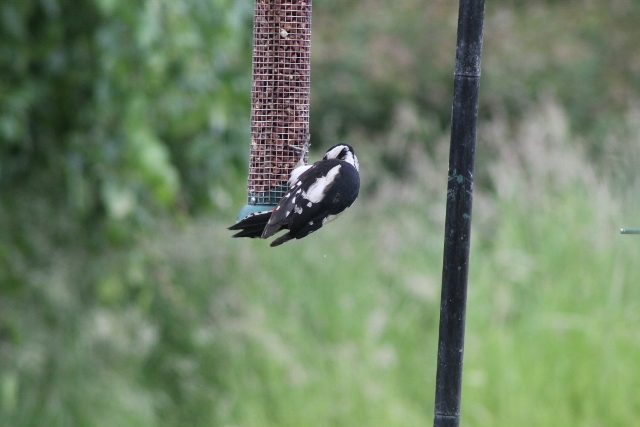
005Female greater spotted woodpecker (640x427)

Female Greater Spotted Woodpecker

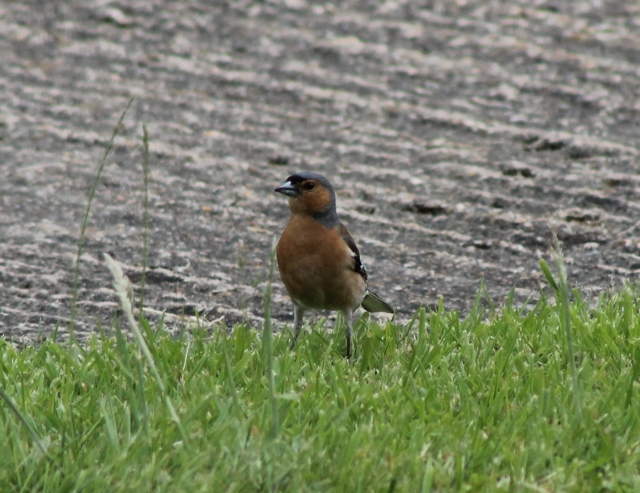
006Male chaffinch (640x493)

Male Chaffinch

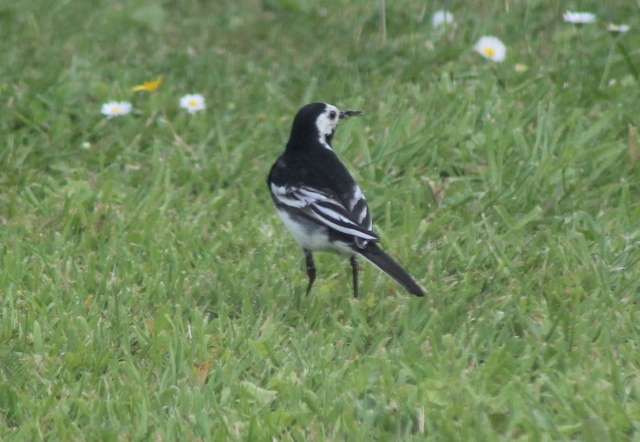
007Pied wagtail (640x442)

Pied Wagtail

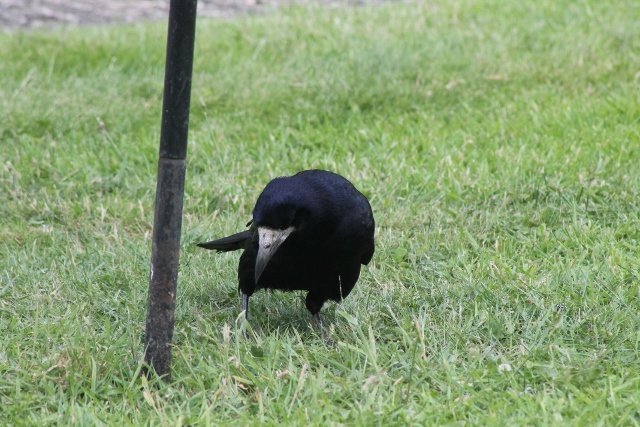
009Rook (640x427)

Rook

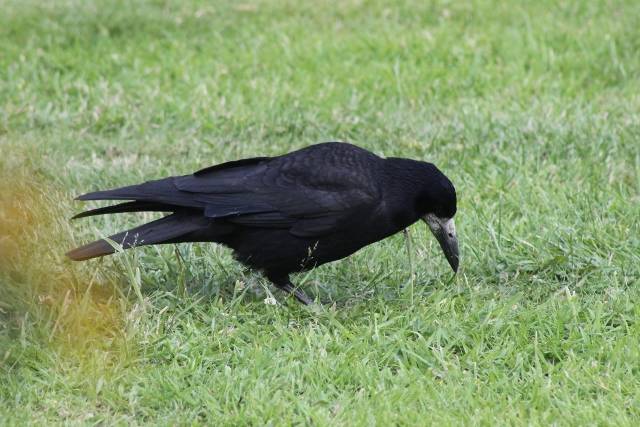
010Rook (640x427)

Rook.

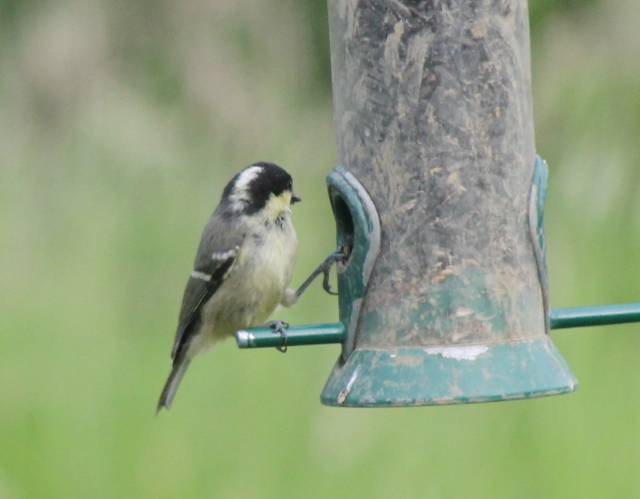
011Coal tit (640x499)

Coal Tit. These birds are very slightly smaller than Blue Tits at about 4.5″. You can see the mud on the feeder that the Rooks put there with their dirty feet and beaks!

012Male house sparrow (640x491)

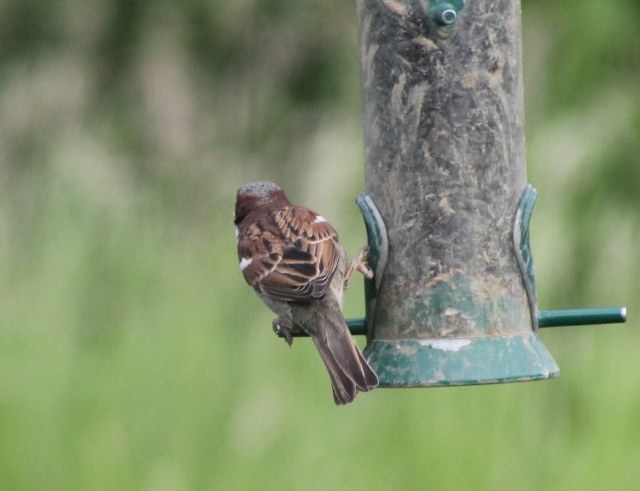
Male House Sparrow

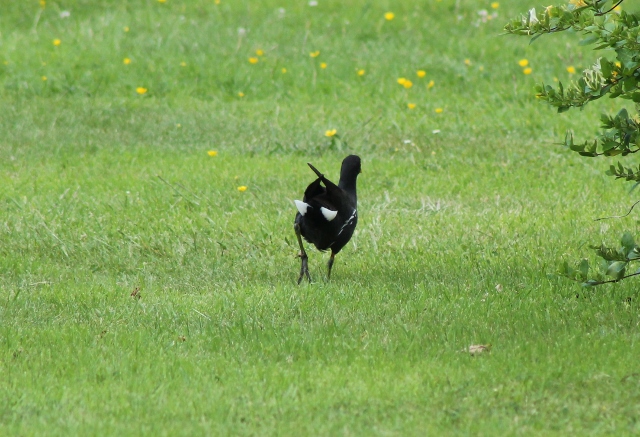
049Rear view of moorhen (640x437)

The usual rear view of a Moorhen as it runs off down the garden

012Blackbird (640x427)

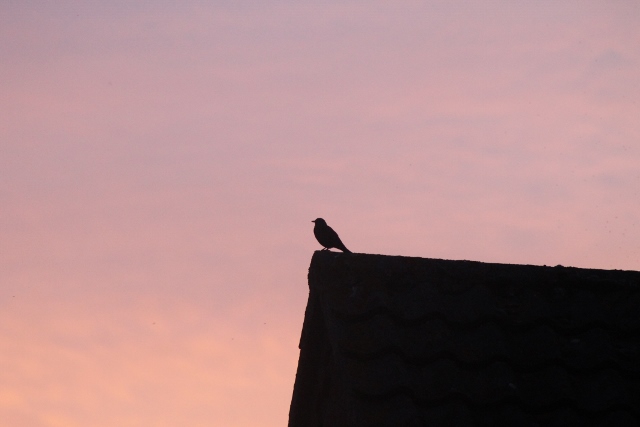
A male Blackbird at dusk


Share this:

  • Share on X (Opens in new window) X
  • Share on Reddit (Opens in new window) Reddit
  • Share on Pinterest (Opens in new window) Pinterest
  • Share on Facebook (Opens in new window) Facebook
  • Email a link to a friend (Opens in new window) Email
  • Share on Tumblr (Opens in new window) Tumblr
  • Print (Opens in new window) Print
  • Share on Pocket (Opens in new window) Pocket
  • Share on LinkedIn (Opens in new window) LinkedIn
Like Loading...

Wild Flowers in my Garden

02 Sun Nov 2014

Posted by Clare Pooley in Insects, plants, Rural Diary, trees

≈ 16 Comments

Tags

berries, fruits, Late summer, Suffolk, wild flowers

This post will include wild flowers I saw and photographed during August and September.  Because of other duties, I haven’t taken many photographs since the beginning of September.  There were plenty of flowers about (and still are because of the unseasonably warm weather we have been experiencing) but most of them stayed unphotographed.  I have also included some berries, seeds and fruits as many of them were ripening fast during August.

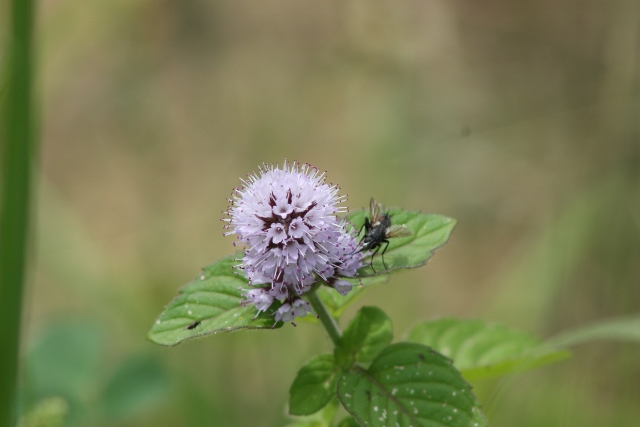
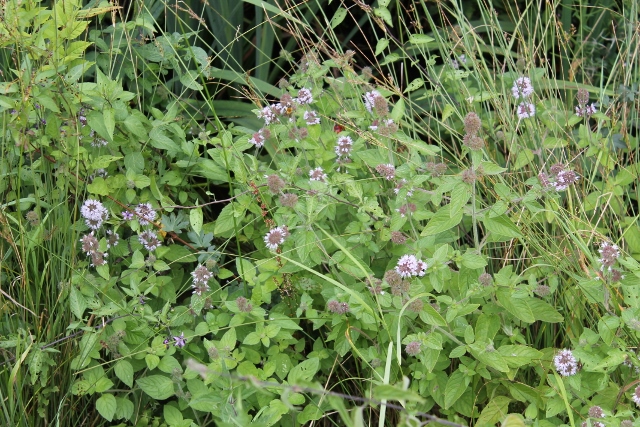
006Water mint flower with fly (640x427)

The Water Mint (Mentha aquatica) is very popular with all the insects

004Watermint (640x427)

Water mint growing in our ditch

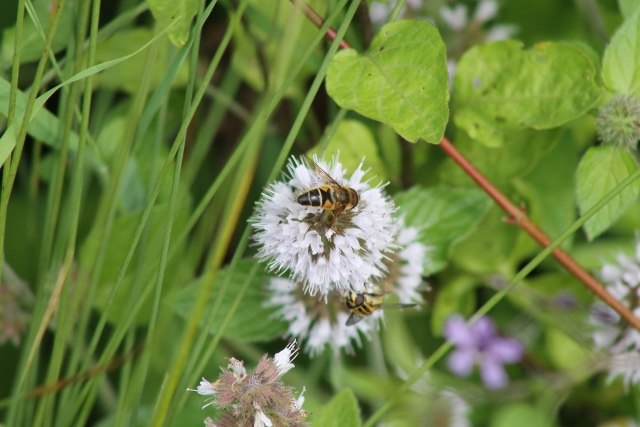
020Watermint with hoverflies (640x427)

Two types of hoverfly on the mint flowers.

021Flies on mint (640x427) (2)

There are a few flies on these mint flower spikes too but they are well camouflaged.  I like the little fly on the right zooming off somewhere.

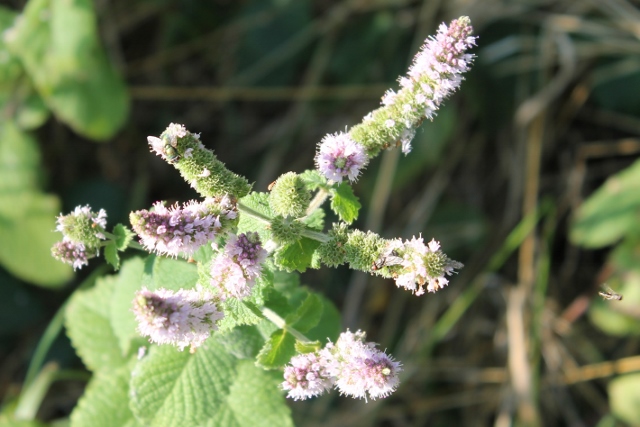
Peppermint (Mentha x piperata) is is a hybrid between Spear Mint/Garden Mint (Mentha Spicata) and Water Mint.

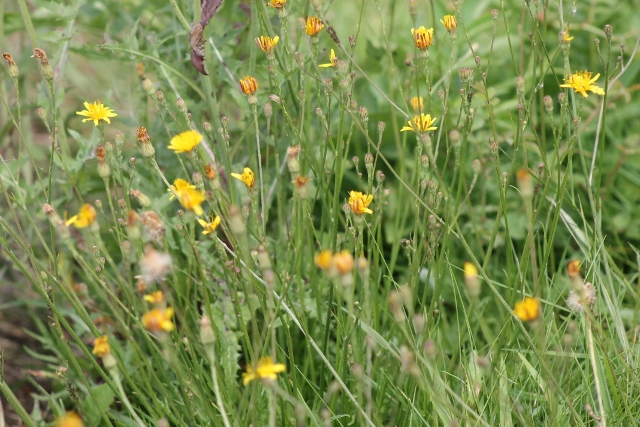
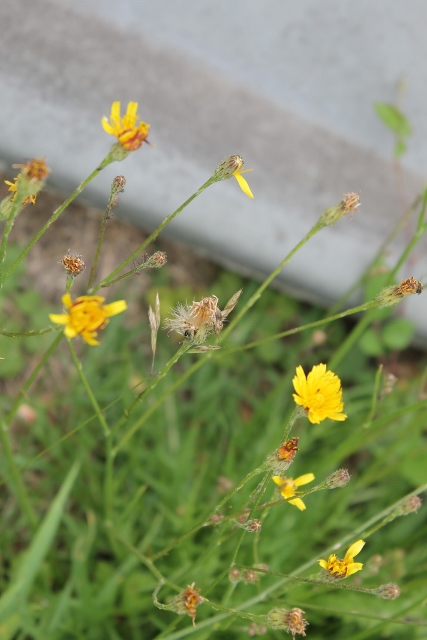
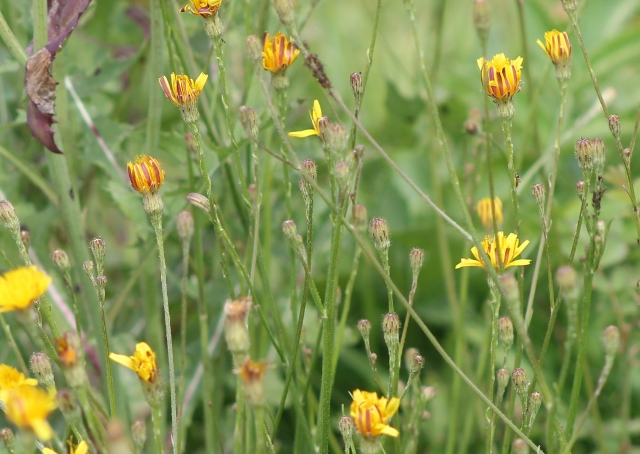
The next plant is I think, Cat’s-ear (Hypochaeris radicata) but there are a couple of features that make me feel unsure.

026Cat's-ear (640x427)

Cat’s-ear

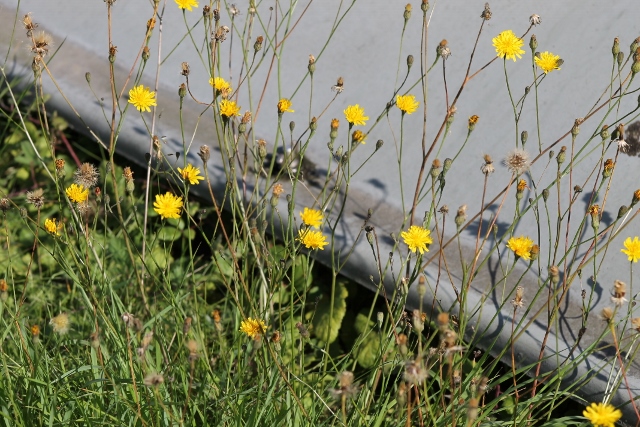
The leaves at the bottom of the photo look too spiky to be Cat’s-ear.  Perhaps the leaves belong to a different plant?  Why do I never remember to take pictures of the whole plant?!


027Cat's-ear (427x640)

Cat’s-ear

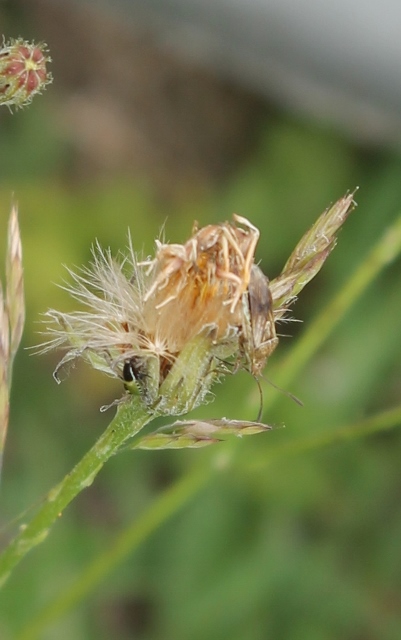
The next photo is a crop of the one above and shows a couple of insects on the seed-head that I had no idea were there when I took the photo.

027Cat's-ear (401x640)

There is (what I think is) a mature Green Shield Bug (Palomena prasina) on the right and down on the left is a little green and black insect – a Green Shield Bug nymph, 4th instar.

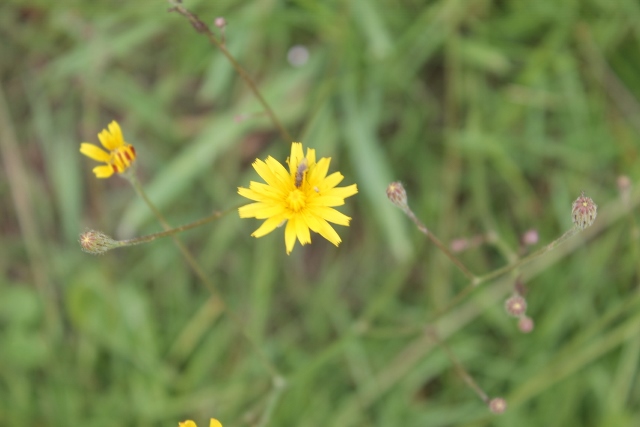
The main reason I have been in doubt is the colour of the outer florets.  They are such a dark orange-red that I thought at first it might be Beaked Hawk’s-beard but I’m sure it isn’t that.

028Cat's-ear with fly (640x427)

Cat’s-ear

011Possibly hawksbeard (640x427)

Cat’s-ear

026Cat's-ear (640x454)

And this is a cropped photo showing the red outer florets more clearly

What makes me think that it is Cat’s-ear is the presence of the scale-like bracts on the stem.

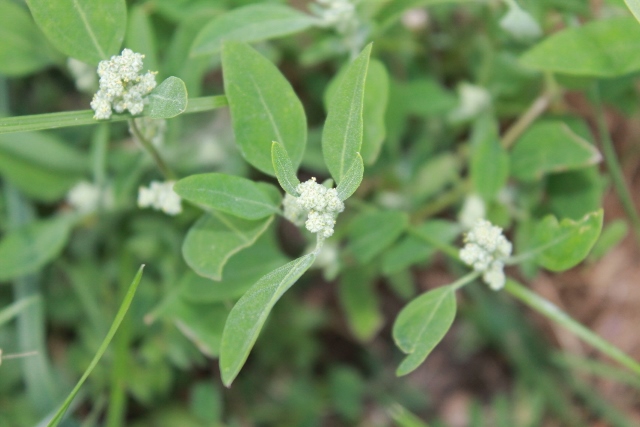
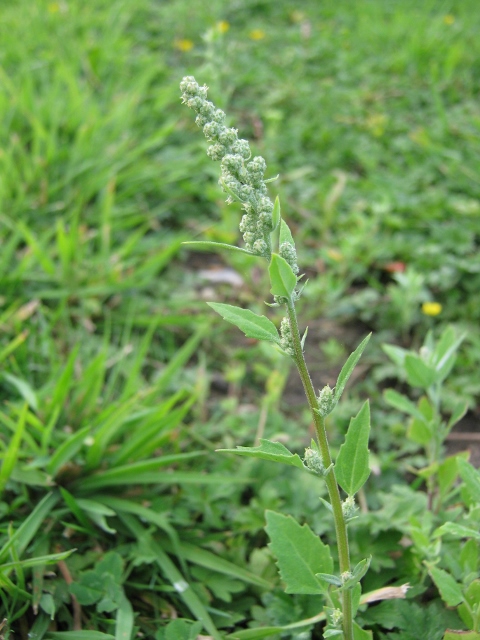
This next plant is called Fat-hen (Chenopodium album).  It is a very common annual plant of arable land.

011Fat hen (640x427)

Fat-hen

Fat-hen is a wild spinach and its use in Britain as a food has been traced back to the Bronze Age.

015Fat Hen (480x640)

Fat-hen

It can grow up to a metre in height.

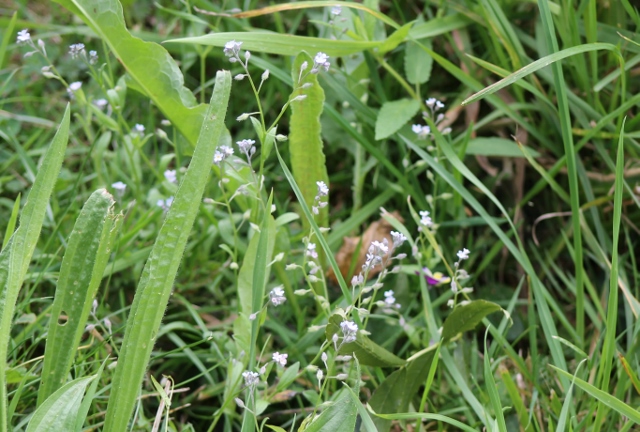
012Tiny forget-me-not (640x427)

This is such a tiny-flowered forget-me-not.

The flowers are only about 2 or 3 mm across.

014Changing forget-me-not (640x432)

It is called Changing Forget-me-not (Mysotis discolor)

The flowers start off a yellowish colour but soon change to blue.

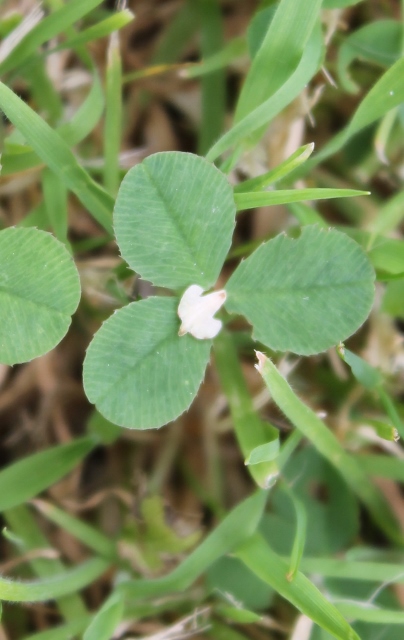
011Birch scale on clover leaf (404x640)

A Silver Birch (Betula pendula) scale which had landed on a clover leaf.

A scale is a sort of ‘spacer’ between the miniscule seeds of the birch when they are in the catkin.

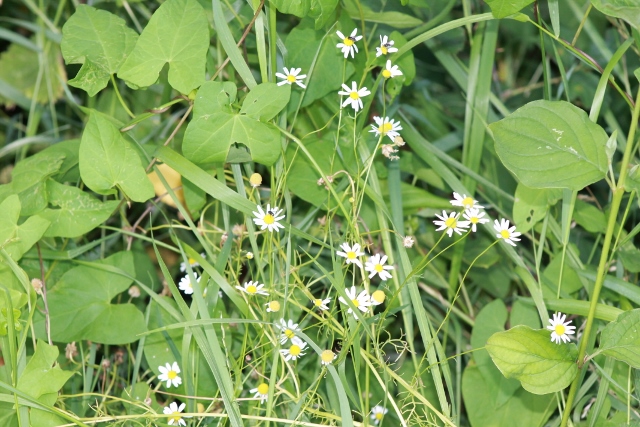
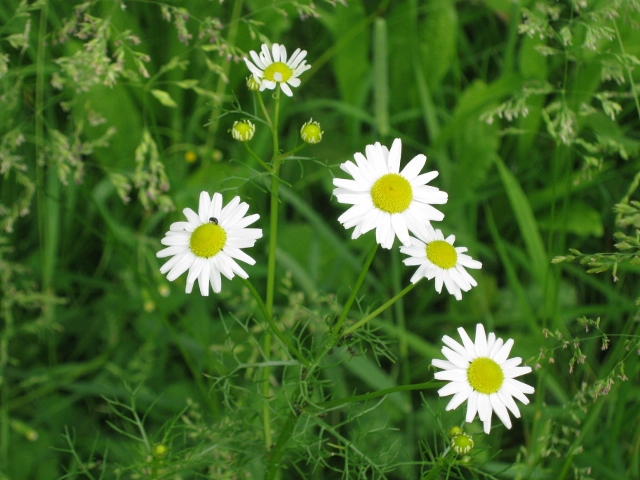
005Mayweed (640x427)

Scentless Mayweed (Tripleurospermum inodorum) continued to flower.

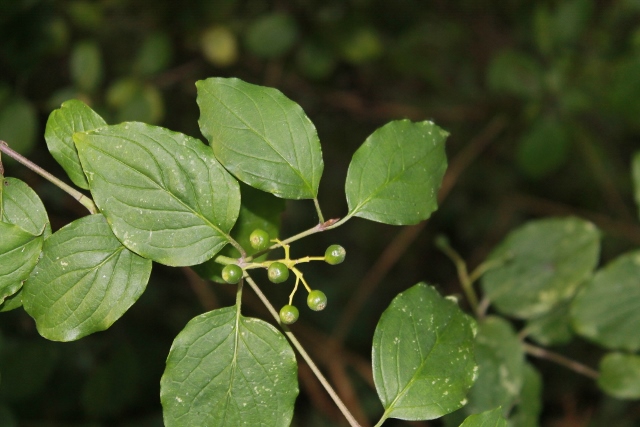
010Dogwood berries (640x427)

Dogwood berries had formed and were beginning to ripen.

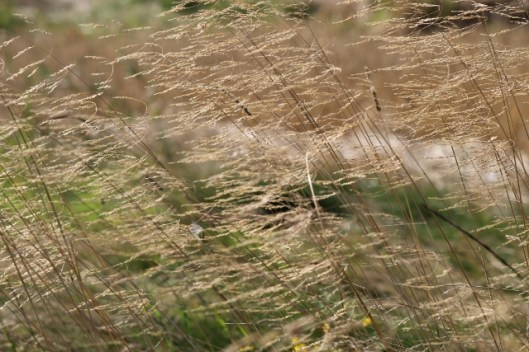
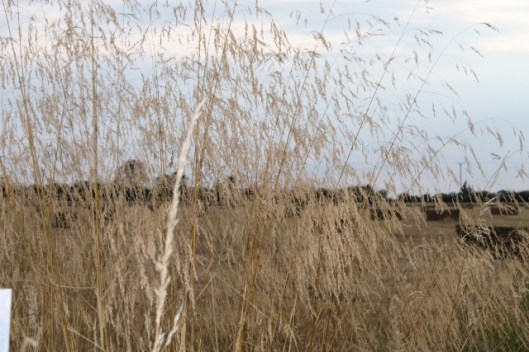
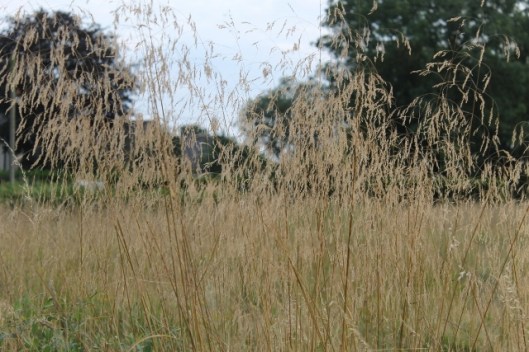
There were plenty of grasses to photograph.

Tufted Hair-grass
Tufted Hair-grass
Tufted Hair-grass

Tufted Hair-grass (Deschampsia cespitosa) grows to about 1.5 metres in height and I think it a really beautiful grass – lovely enough to have in the flower border.  It is a clump-forming perennial and quite easy to keep under control.

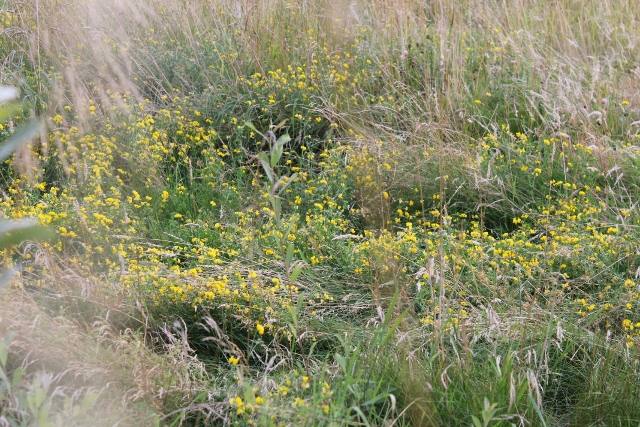
016Bird's-foot Trefoil (640x427)

Carpets of Bird’s-foot Trefoil on the un-ploughed strip of land round the field behind our house.

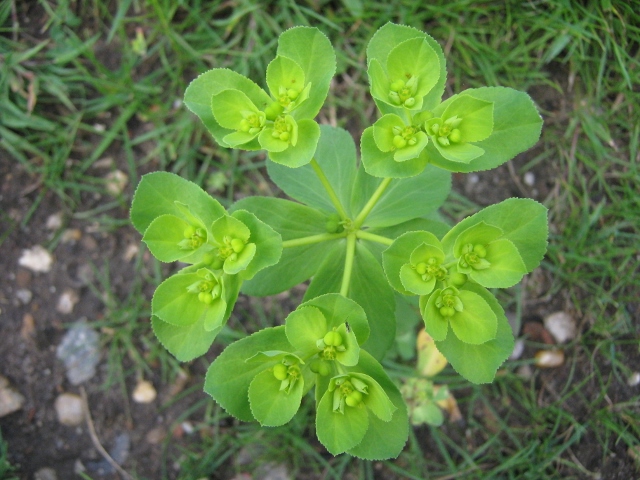
014Sun Spurge (640x480)

Sun Spurge (Euphorbia helioscopia)

The Sun Spurge has sweet-scented, kidney-shaped lobes on its petal-less flowers which attract insect pollinators.  When the Sun Spurge’s seed capsule is ripe it bursts open with an audible crack and the seeds are fired off in all directions.  There are three seeds in separate compartments and they have a fleshy appendage that contains an oil that ants find irresistible.  They collect the seeds and carry them off even further.   Ants usually only eat the oily part and leave the rest of the seed to germinate.

The Euphorbia genus was named after a man called Euphorbus, physician to King Juba of Mauritania in the 1st century AD, who is said to have used the plant medicinally in North Africa.  The species name ‘helioscopia’ derives from two Greek words which together mean ‘look at the sun’.  This probably refers to the flat-topped head of flowers which spreads out to be fully exposed to the sun.

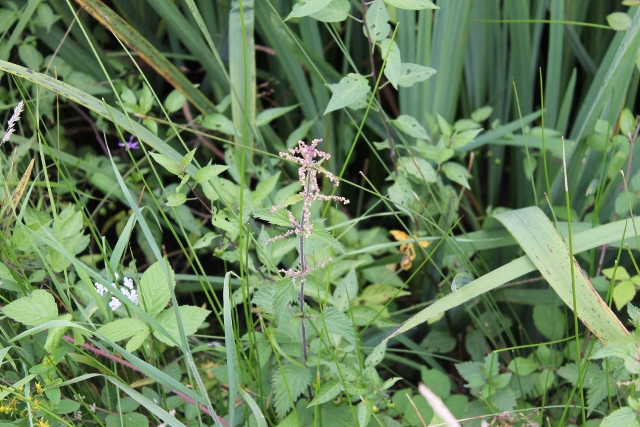
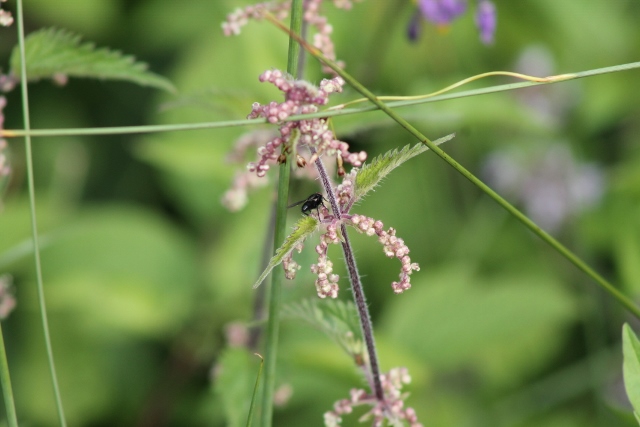
I found a few Stinging Nettles (Urtica dioica) with pink flowers.

005Stinging nettle with pink flowers (640x427)

Stinging Nettle

022Nettle with black fly (640x427)

Stinging Nettle

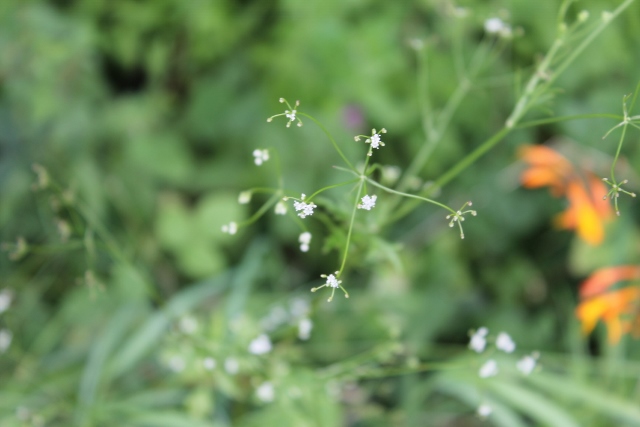
009Parsley water dropwort (640x427)

Parsley Water-dropwort (Oenanthe lachenalii) just coming into flower

I found this growing in our ditch at the front of the house.  This isn’t poisonous but it looks quite similar to Hemlock so it is best left alone.  It can be distinguished from Hemlock by its long narrow leaflets and greyish colour.  Hemlock (Conium maculatum) has wedge-shaped leaves and is a deeper green;  it has a foetid smell and purple-blotched stem.

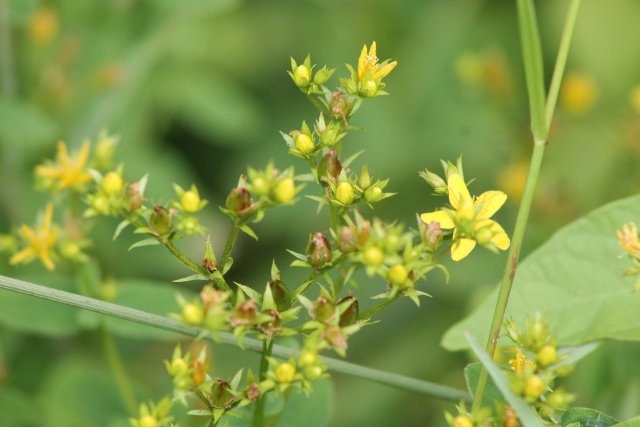
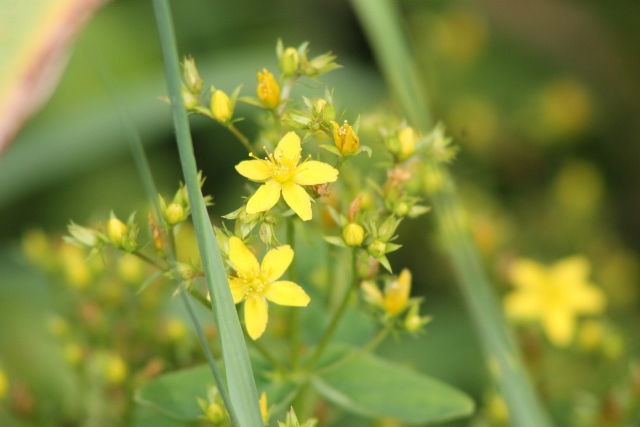
We also have a lot of St John’s-wort growing in the same ditch.  I think it might be Square-stalked St John’s-wort (Hypericum tetrapterum).

018St John's-wort (640x427)

Square-stalked St John’s-wort

019St John's-wort (640x427)

Square-stalked St John’s-wort

This St John’s-wort has a winged square stem.  I don’t think that is a good explanation but a photo of a cross-section of the stem would show the corners  drawn out into thin flaps.

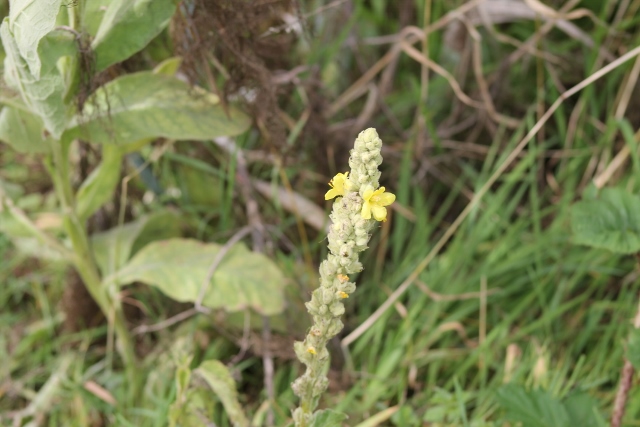
026Mullein (640x427)

I didn’t find this rather stunted Great Mullein (Verbascum thapsus) until most of its flowers had disappeared.

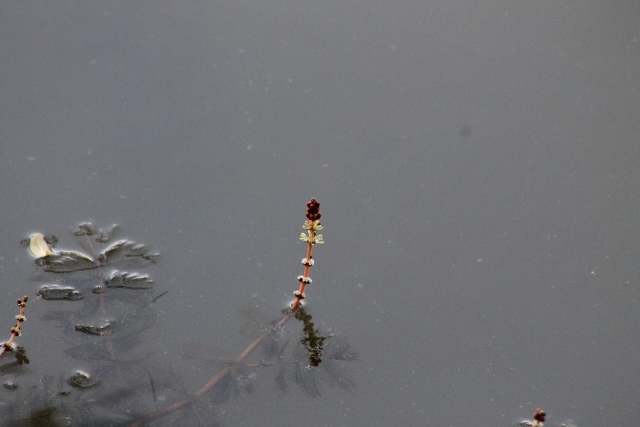
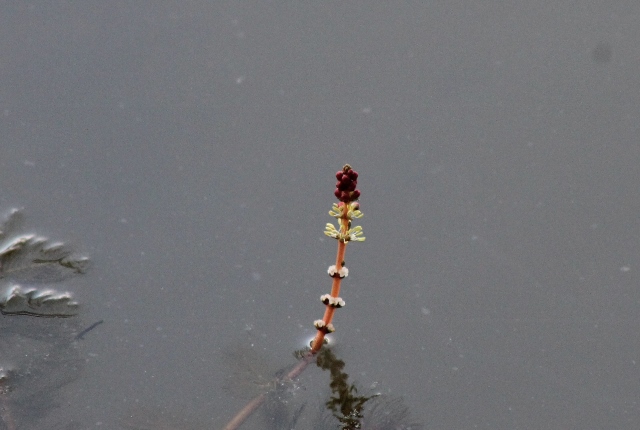
018Spiked water-milfoil (640x427)

This is Spiked Water-milfoil (Myriophyllum spicatum) in our pond


018Spiked water-milfoil (640x430)

I have cropped the photo above as this shows the red fruits a little more clearly. Not a good image, I know.

The spikes of this milfoil rise above the water and in mid-summer have tiny red flowers on them – the lower flowers female and the upper male.  The feathery leaves are below the surface and are in whorls.

This is a native plant and is not invasive here but I read that it is causing real problems in Canada and the States.  We have similar problems with Parrots Feather (Myriophyllum aquaticum) from South America.  There are such dangers in introducing wildlife from other countries.

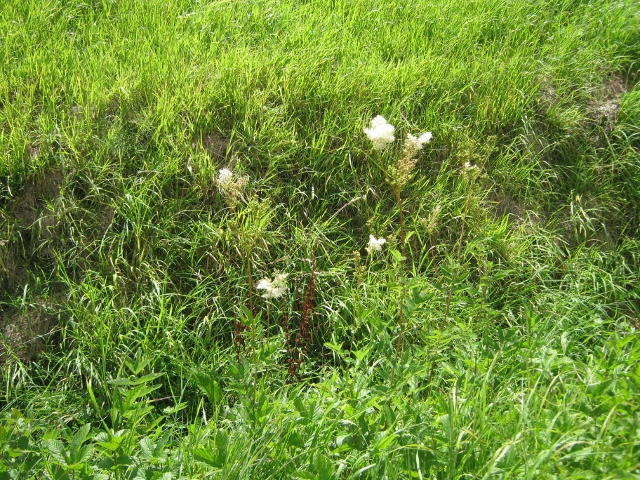
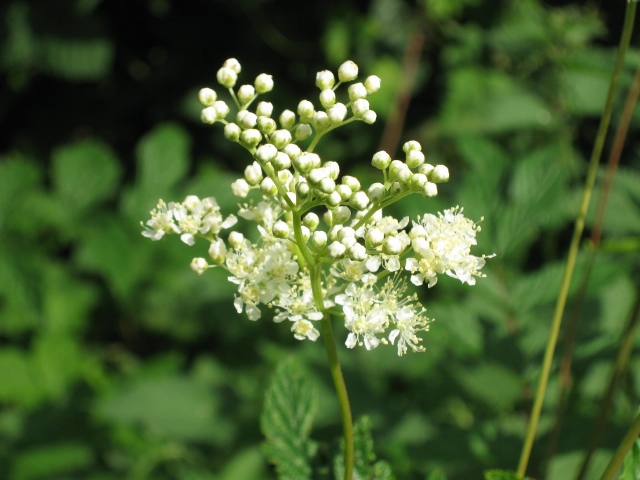
001Meadowsweet (640x480)

This is Meadowsweet (Filipendula ulmaria) growing in a ditch on my route to my mother’s house

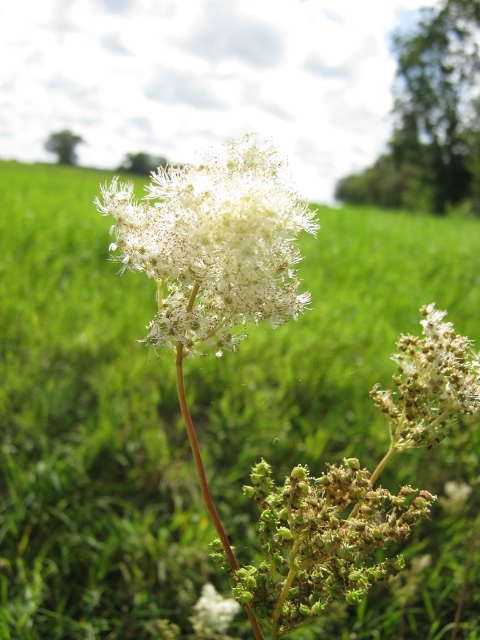
I found the fuzzy, creamy-white sprays of flowers very difficult to photograph.  They are very sweet-smelling – like almond blossom.  The plant belongs to the rose family.

002Meadowsweet (480x640)

Meadowsweet

003Meadowsweet (480x640)

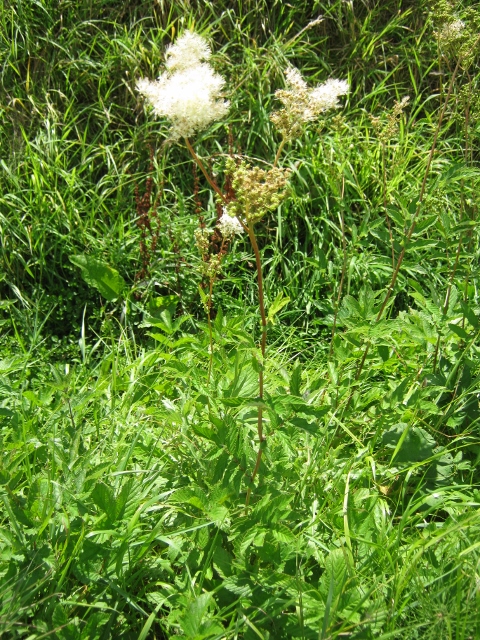
Meadowsweet. The leaves have three to five pairs of oval leaflets with smaller leaflets between

002Meadowsweet (640x480)

Meadowsweet

025Rose hips (640x427)

Rosehips (Rosa canina) in our hedge

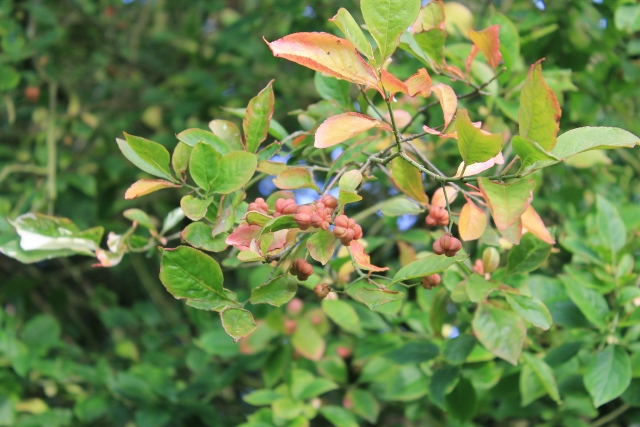
026Spindle berries (640x427)

Spindle berries (Euonymus europaeus) maturing in our hedge


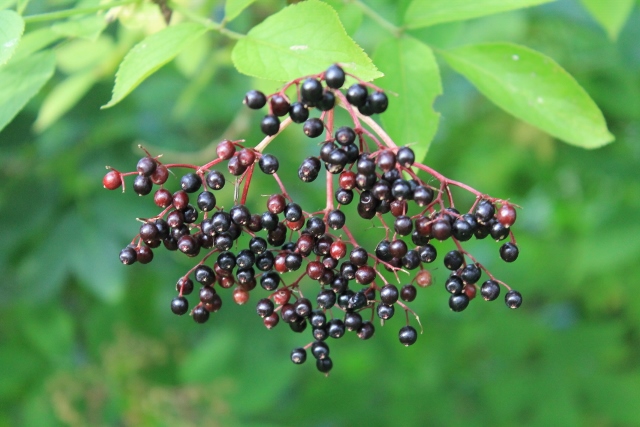
027Elderberries (640x427)

Elderberries (Sambucus nigra) in our garden

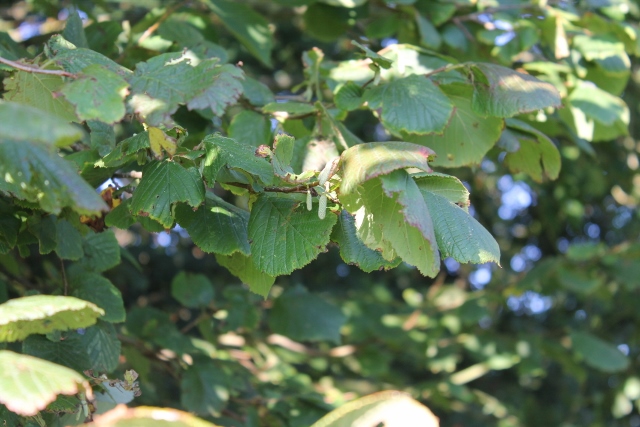
022New catkins on Hazel (640x427)

New catkins forming on the Hazel trees (Corylus avellana) in early September

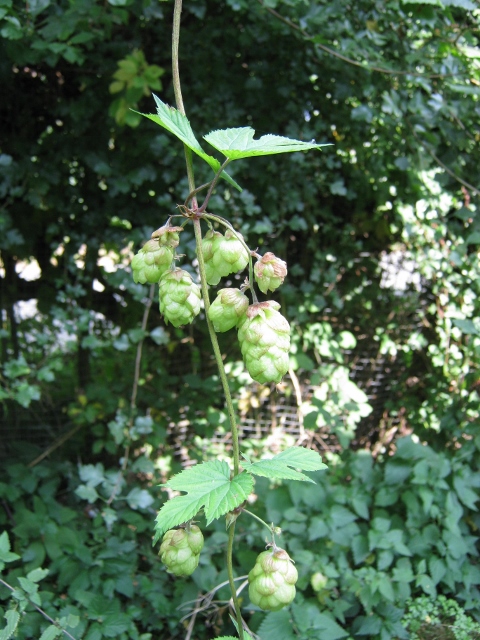
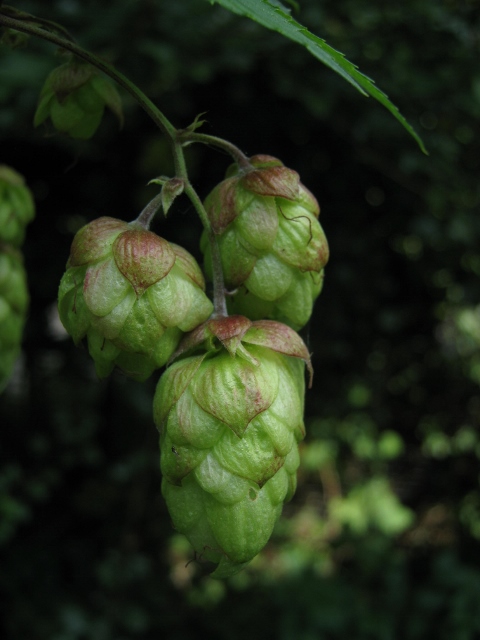
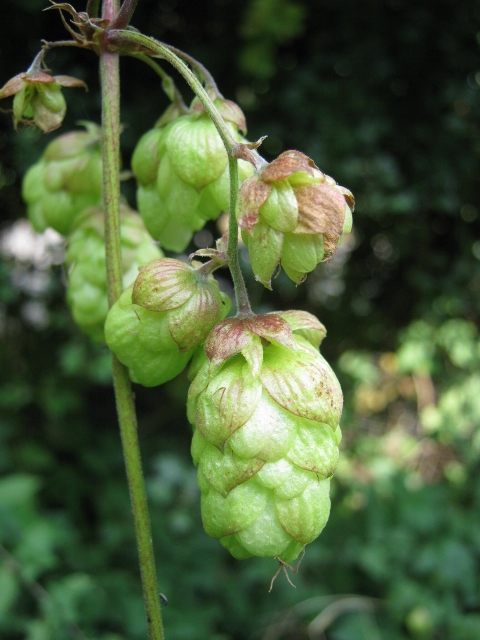
Finally, some photographs of Wild Hop (Humulus lupulus) growing in the hedge in my mother’s garden.

005Wild hops (480x640)

Hop vine

006Hops (480x640)

Hop fruits

007Hops (480x640)

Hop fruits

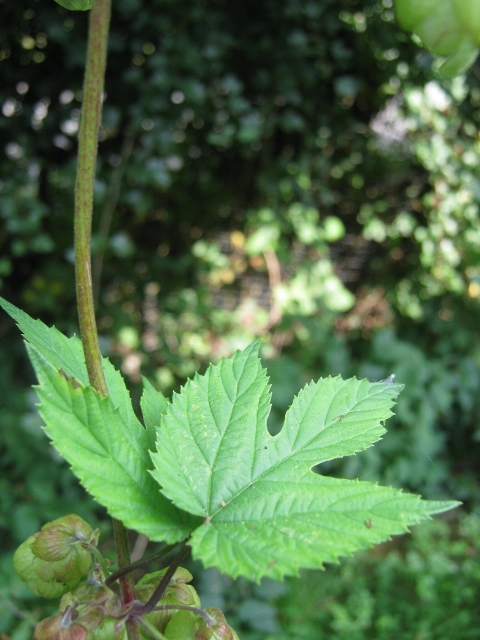
This year, a local brewery asked people to donate the hops growing in their hedges so they could make a special wild hop beer.  Mum didn’t donate hers as she doesn’t have that many and we didn’t hear about this until after the event.  My husband comes out in a nasty rash if he touches hop leaves.  Fortunately for him he gets no rash when he drinks beer.

008Hop leaves (480x640)

Hop leaves

Thank-you for reading this post!


Share this:

  • Share on X (Opens in new window) X
  • Share on Reddit (Opens in new window) Reddit
  • Share on Pinterest (Opens in new window) Pinterest
  • Share on Facebook (Opens in new window) Facebook
  • Email a link to a friend (Opens in new window) Email
  • Share on Tumblr (Opens in new window) Tumblr
  • Print (Opens in new window) Print
  • Share on Pocket (Opens in new window) Pocket
  • Share on LinkedIn (Opens in new window) LinkedIn
Like Loading...

Wild Flowers in my Garden

09 Thu Oct 2014

Posted by Clare Pooley in Gardening, plants, Rural Diary, trees

≈ 8 Comments

Tags

Bittersweet, Black Horehound, cat's-ear, Common Field-speedwell, Common Mallow, Common Spotted-orchid, Dog-rose, dogwood, Elder, fern, Field Forget-me-not, Field Penny-cress, Field Rose, Fox-and-cubs, Lesser Stitchwort, Midland Hawthorn, Oxeye Daisy, Rough Chervil, scentless mayweed, Selfheal, Smooth Sow-thistle, Smooth Tare, Soft Rush, Suffolk, summer, Water Mint, weeds, White Clover, wild flowers

I will be publishing a short series of posts this autumn in which I will show you some of the wild flowers I have seen in my garden this summer.  The photographs will be ones I haven’t used before.

Many of you will wonder why we have so many weeds in our garden.  Well, er, I like weeds/wild flowers!  We have decided that the part of the garden around the big pond should be a wild garden and this is the place where I have found most of my plants to photograph.  We do try to control the worst of the brambles and nettles and my husband mows and hacks his way through it all regularly.  When we have time we will manage the area a little better.
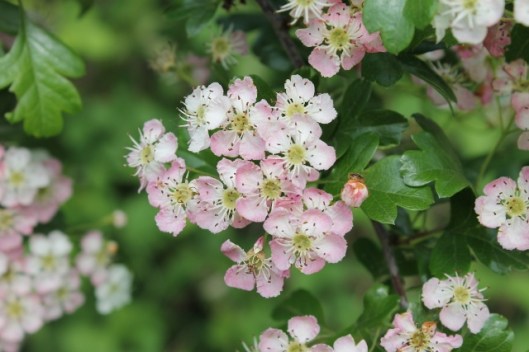
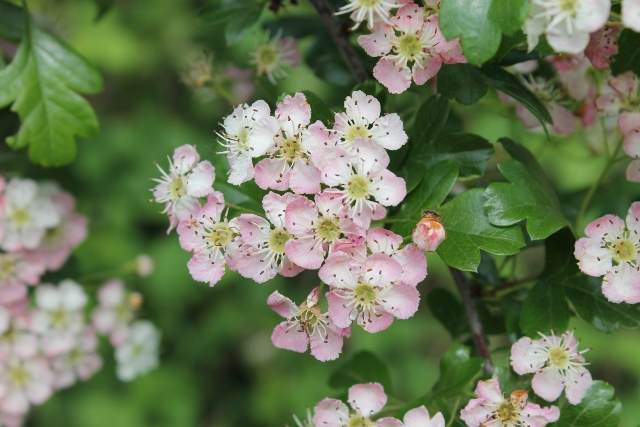
012Hawthorn flowers (640x427)

These hawthorn flowers from our hedge have a definite pink tinge to them. I believe this is a Midland Hawthorn (Crataegus laevigata).

As any gardener knows, weeds grow anywhere and everywhere and some of the plants in these posts I will have found in the lawn or in a flowerbed.  We have a country garden and it is surrounded by arable fields and common land.  Weed seeds get blown into our garden on the wind.  We have a hedge round most of our land made up of hawthorn, blackthorn, hazel, ash, elder and dog-rose among others.  We also have ditches almost all the way round our land – our moat to protect us from flooding.  We are visited by many birds and wild animals and all these creatures may have contributed to the flora by bringing seeds in on their coats or feathers or in their droppings.  We have had quite a damp summer following on from a mild and wet winter and the plants, bushes and trees have grown and grown!  This year, we have found many more different types of plant than usual, as well.

This post will be featuring flowers from early summer – mid May until the end of June.
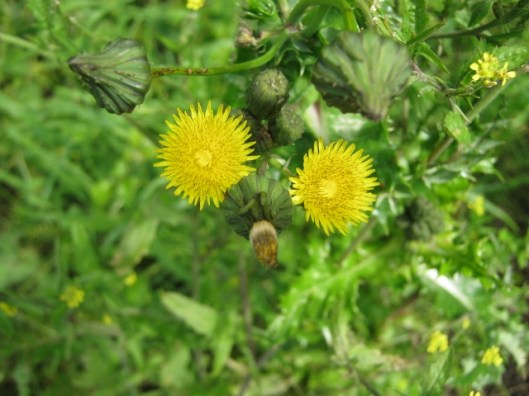
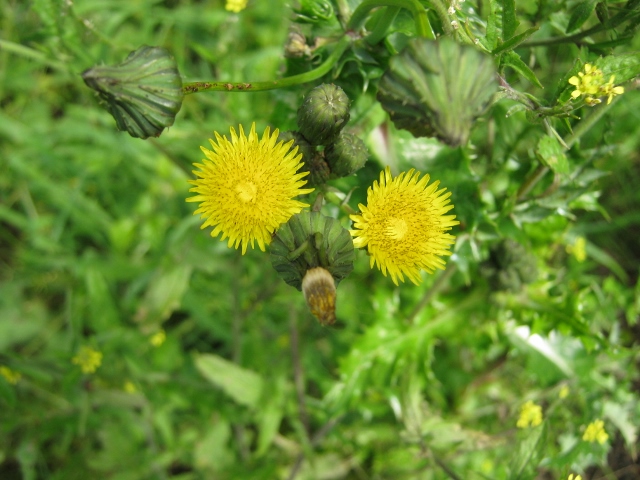
007Sow Thistle (640x480)

Smooth Sow-thistle (Sonchus oleraceus)

The leaves of this plant have been an important dietary supplement for many hundreds of years; they can be boiled like spinach or even taken raw in winter salads.  The plant is thought to be strength-giving and Pliny the Elder says that a dish of smooth sow-thistles was eaten by the legendary Greek hero Theseus before he slew the Minotaur.  The leaves are thought to revive and strengthen animals when they are overcome by heat and its local names of ‘rabbit’s meat’, ‘swine thistle’, ‘dog’s thistle’, ‘hare’s lettuce’ denote this.
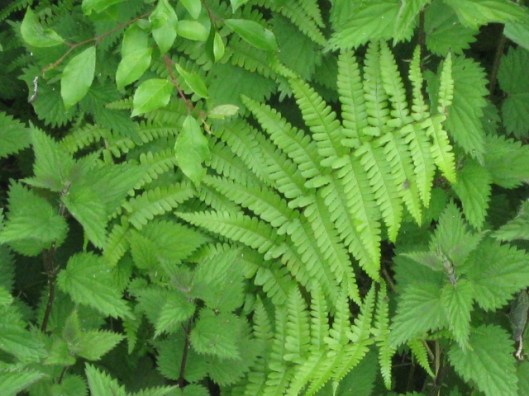
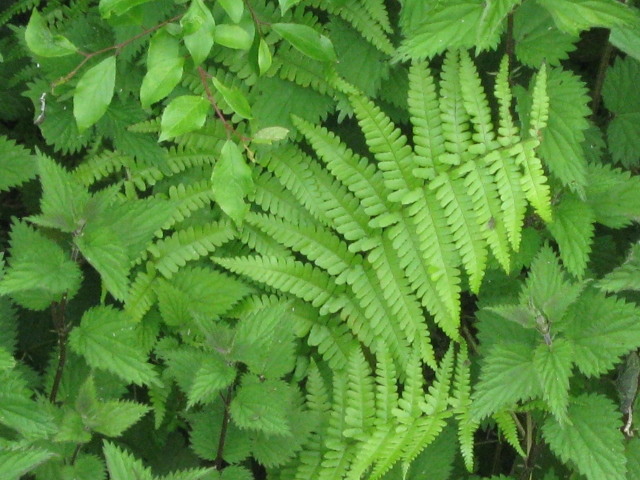
010Fern (640x480)

I thought I would include this fern in this post although not a flower. It is growing in the hedge at the front of the house and it is the only fern we have. By the end of May it has usually been swamped by other plants in the hedge and we don’t see it again until the next year.
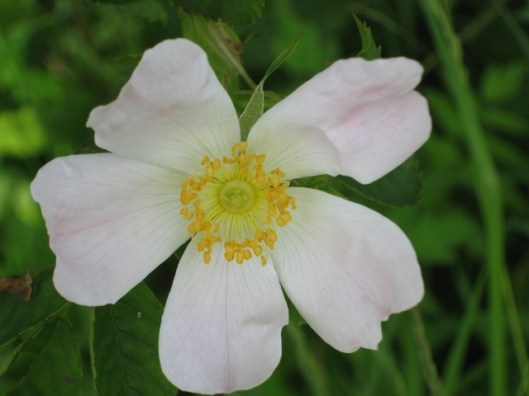
001Dog rose (640x480)

Dog-rose (Rosa canina)

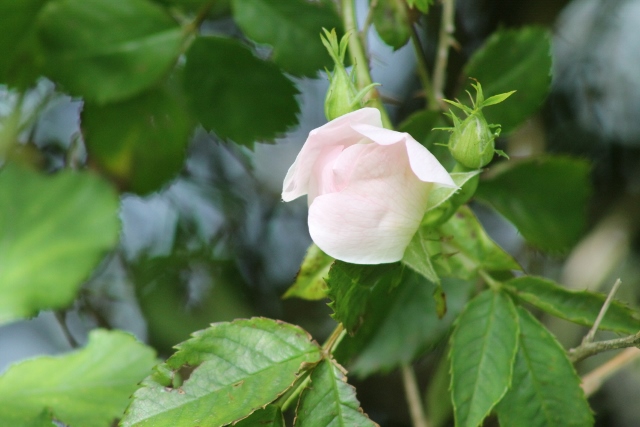
026Dog Rose bud (640x427)

Dog-rose buds.

I was fortunate when I was a little girl to have a mother who didn’t give me nasty medicine like caster oil and syrup of figs.  I was given ‘Halib-orange’ (which tasted of oranges but also contained fish-oil) and also rosehip syrup to which my mother sometimes added a drop or two of cod-liver oil.  Rosehip syrup is rich in vitamin C and I remember it tasting absolutely glorious!

King Henry VII adopted the Tudor rose as his official emblem and the rose has continued to be a symbol of the British monarchy and of England herself.
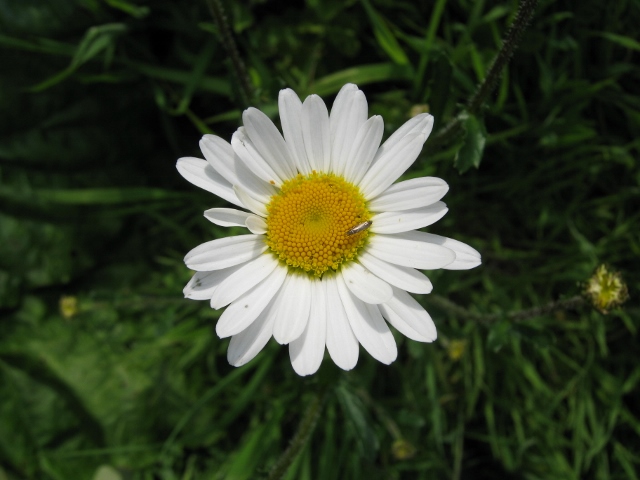
004Ox-eye Daisy (640x480)

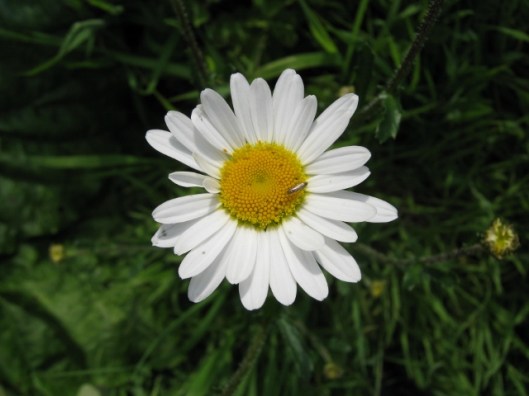
Oxeye Daisy (Leucanthemum vulgare)

I love Oxeye Daisies – also known as marguerite, moon-daisy and dog-daisy – and when roadsides are carpeted with them I know that summer has arrived.  I remember lying in a field full of them when I was very young and looking through their swaying heads at a clear blue sky – a wonderful memory.
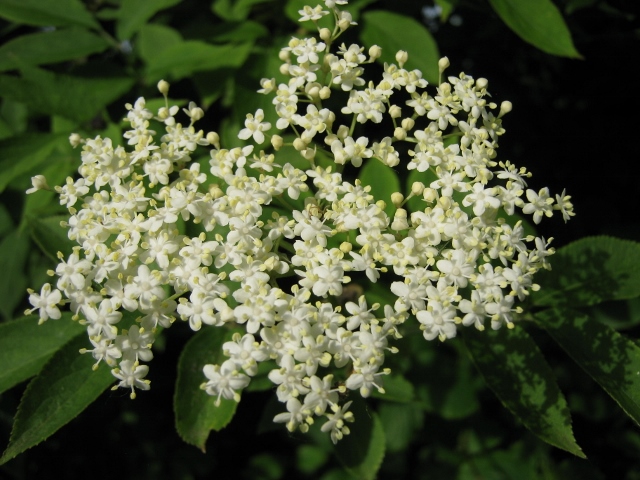
009Elder flowers (640x480)

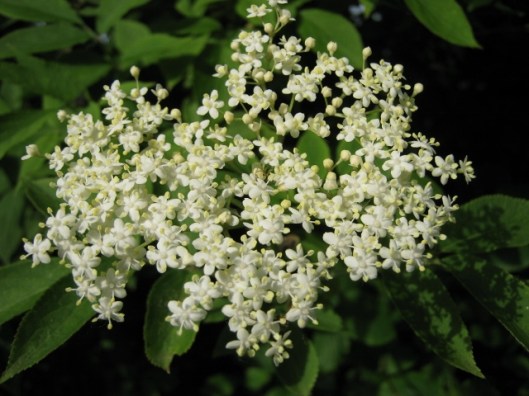
Elder flowers (Sambucus nigra)

Both the elder’s flowers and berries are edible and it is widespread on land with a high nitrogen content.  Rabbits do not damage it and it benefits from their droppings so is often to be found near warrens.
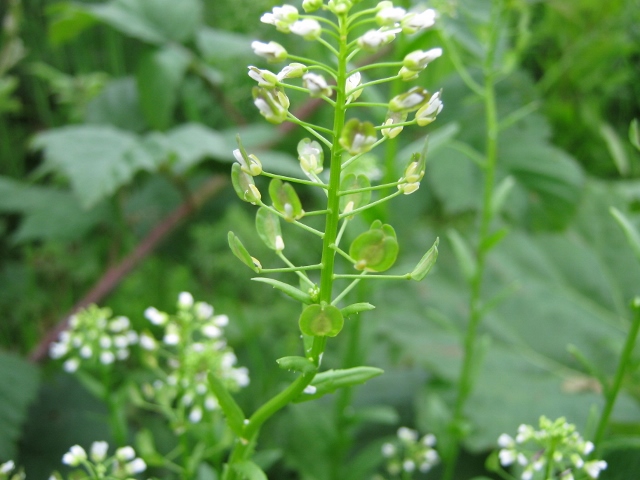
011Field Pennycress (480x640)

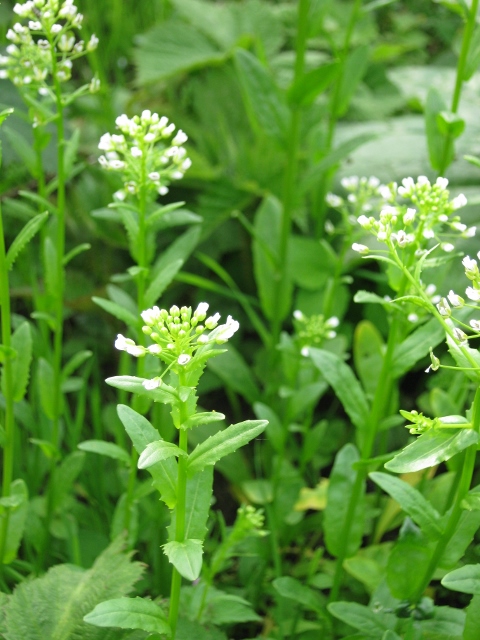
Field Penny-cress (Thlaspi arvense)

017Field Penny-cress (640x480)

Field Penny-cress (Thlaspi arvense)

This plant got its name from the circular shape of its fruit which were thought to resemble a penny.  When crushed the plant has a strong, unpleasant smell and is avoided by herb-eating animals.  The plant was introduced many, many years ago.  Despite efforts to exterminate it the Field Penny-cress still does very well on agricultural land.
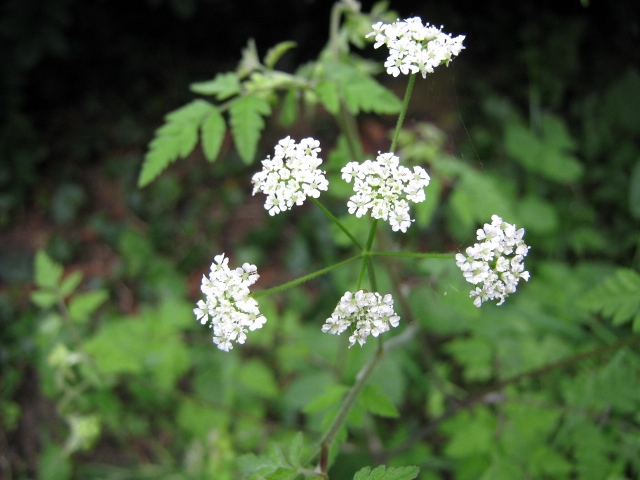
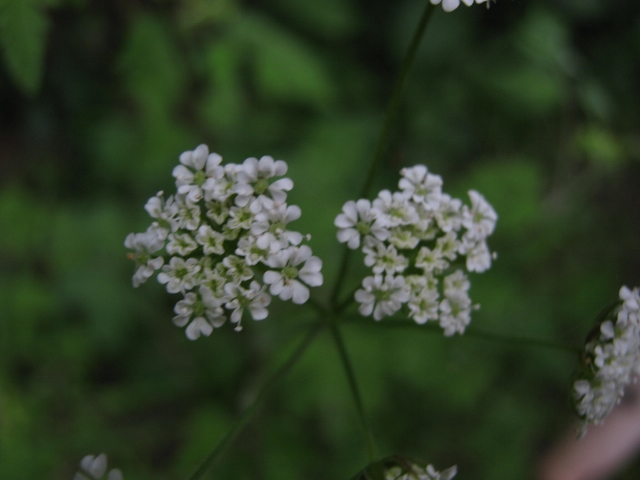
019Rough Chervil (640x480)

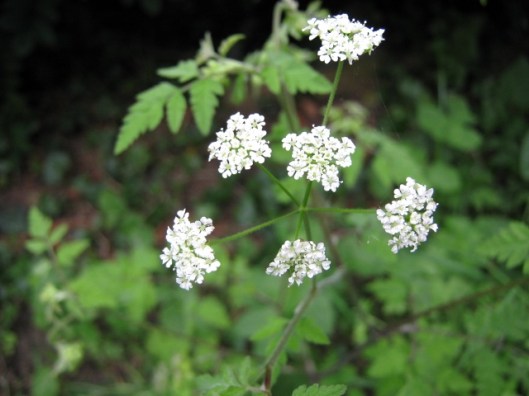
Rough Chervil (Chaerophyllum temulum)
020Rough Chervil (640x480)

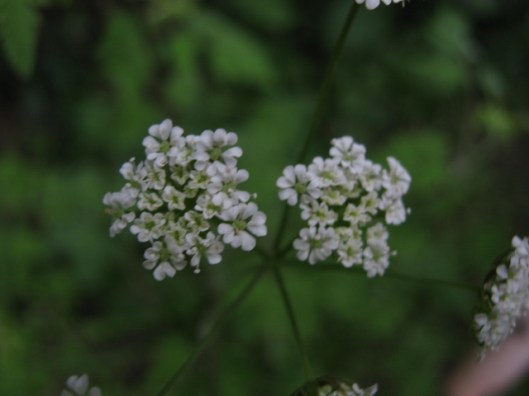
Rough Chervil (Chaerophyllum temulum)

This is another poisonous plant belonging to the parsley family.  The word temulum derives from the latin word for vertigo.  If ingested the effect on human beings is that of drunkenness; staggering incapability and shaking. Most unpleasant.
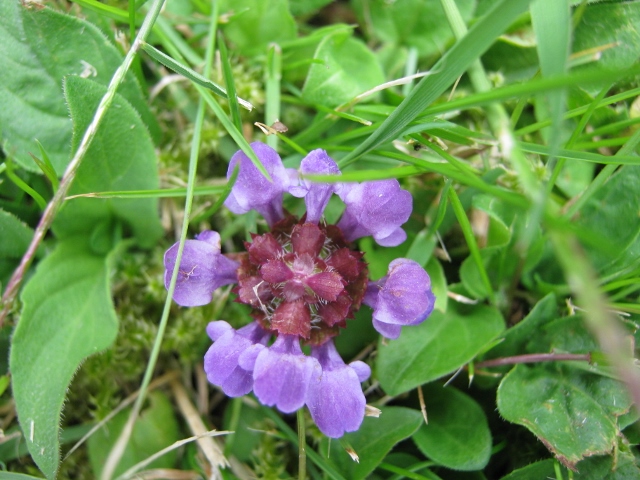
013Self-heal (640x480)

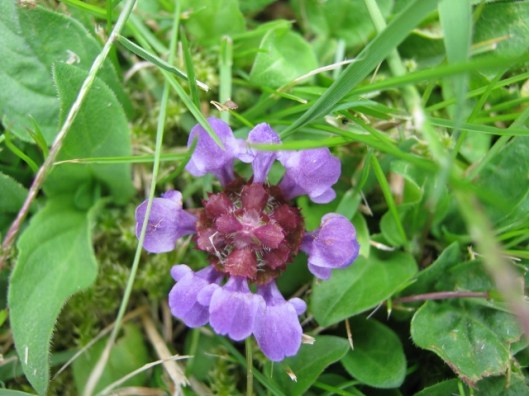
Selfheal (Prunella vulgaris)

This plant loves our garden.  It is all over the lawn and when we take our eyes off it for a day or two we find it has rushed onto the flowerbeds and made itself at home there.  I read that it likes growing in grassy places (yes, our lawn) and woodland rides, on calcareous and neutral soils. (I do find a lot of chalk in the soil here).  It spreads by putting out runners that root regularly and it produces nutlet fruits as well.  The bees love it and it is a very pretty purple colour.
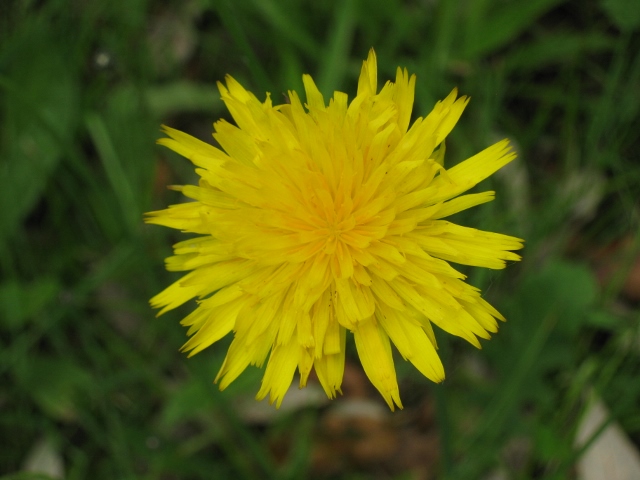
005Cat's-ear (640x480)

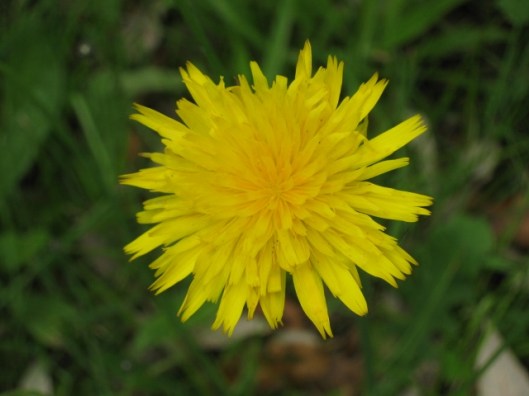
Cat’s-ear (Hypochaeris radicata)

Bees and many other insects, love this flower too.  It is called ‘Cat’s-ear’ because it was thought the little scale-like bracts on the flower stem look like cat’s ears.  Unfortunately I haven’t been able to get a good enough photograph of these bracts to show you.
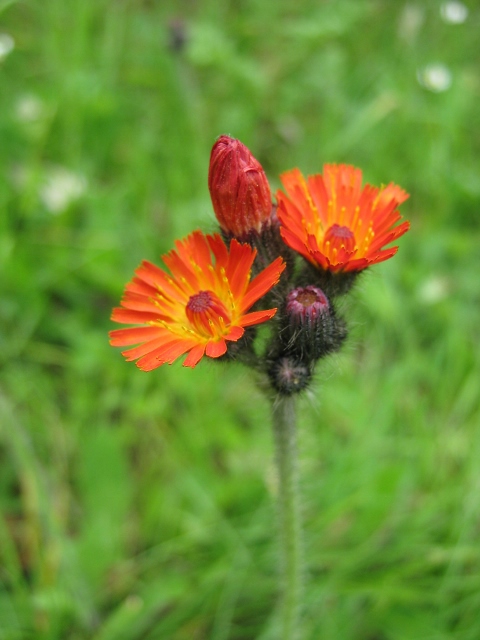
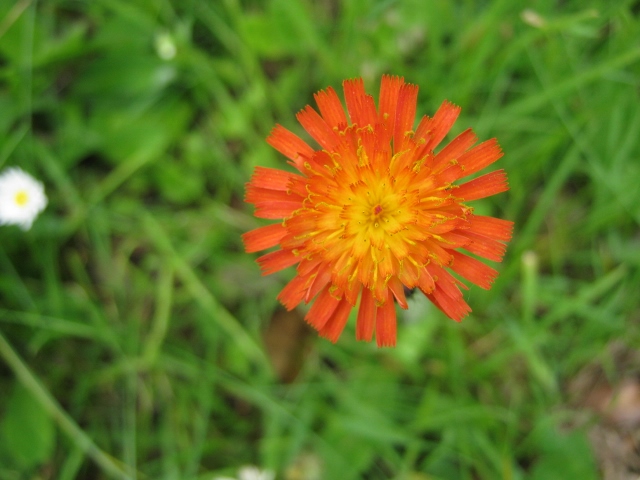
007Fox-and-cubs (640x480)

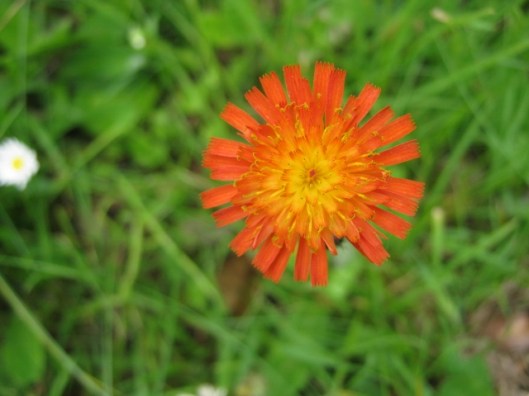
Fox-and-cubs (Pilosella aurantiaca)

008Fox-and-cubs (480x640)

Fox-and-cubs ((Pilosella aurantiaca)

Looking at the second photo you can see why it is called Fox-and-cubs.  These photos were not taken in my garden but in the churchyard of St Mary’s in Halesworth but I haven’t found an opportunity better than this for posting these pictures.  This is an introduced plant and has spread quite happily out of people’s gardens and into the countryside.
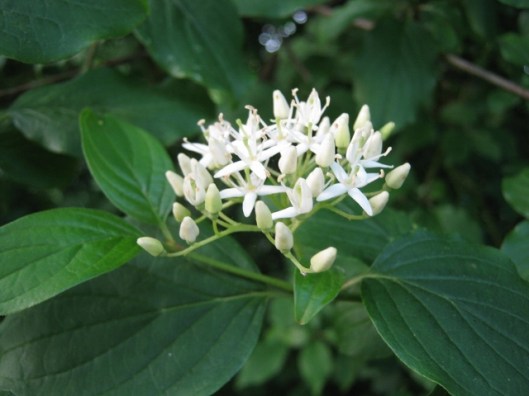
020Dogwood flowers (640x480)

Dogwood flowers (Cornus sanguinea)

This is another plant that prefers calcareous soil.  The stems in winter glow with a rich red colour, the birds love the black berries and the leaves turn a wonderful maroon-red in the autumn.
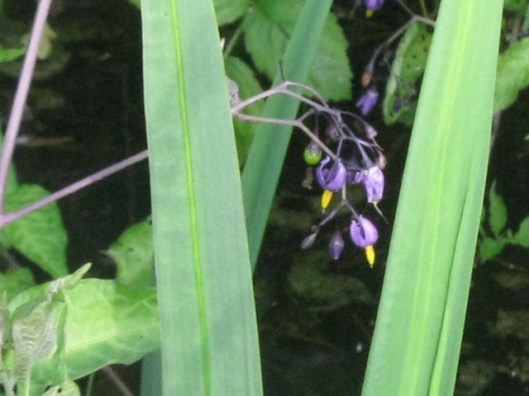
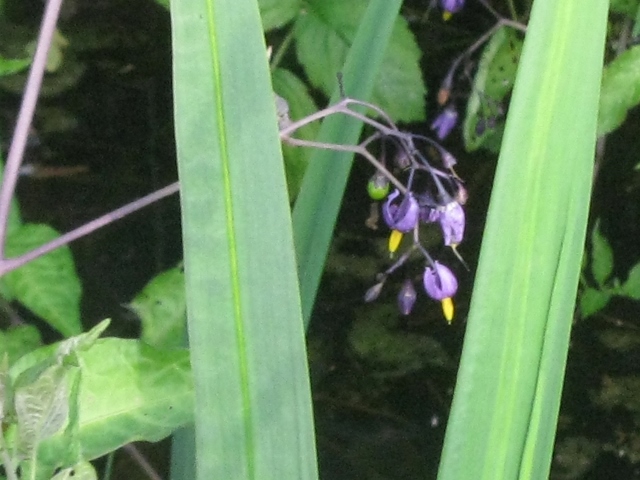
024Woody nightshade in ditch (640x480)

Bittersweet or Woody Nightshade (Solanum dulcamara) which grows all over our garden. This plant was growing in the ditch at the front of the house.

When the flowers first open the petals are spreading or slightly curved.  The older the flower, the more the petals fold themselves back against the stalk.  The berries are green at first, then yellow and finally a bright shiny red.  The berries are poisonous and can cause sickness.  The species name ‘dulcamara’ is derived from two Latin words meaning sweet and bitter.  The toxic alkaloid solanin in the stem, leaves and berries causes them to taste bitter at first and then sweet.
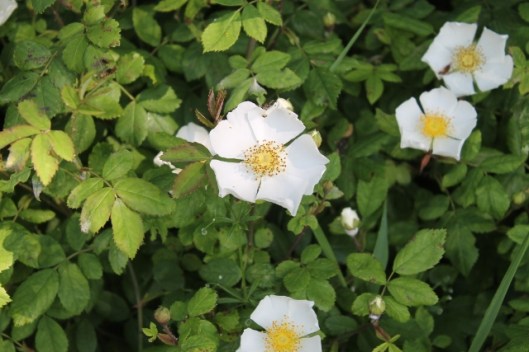
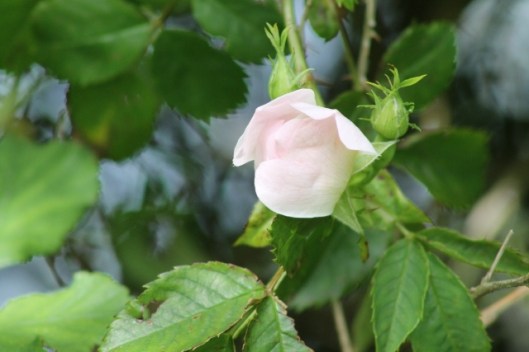
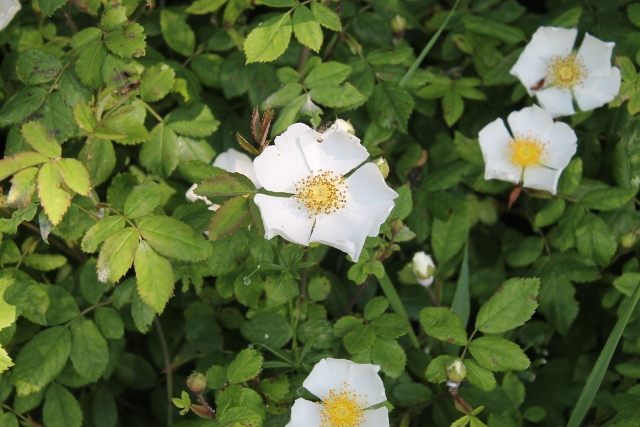
028White rose in lane (640x427)

Field Rose (Rosa arvensis)

Though called Field Rose it is usually found in woodland or hedgerows.  This grows prolifically in the narrow strip of woodland on the opposite side of the lane in front of our house.
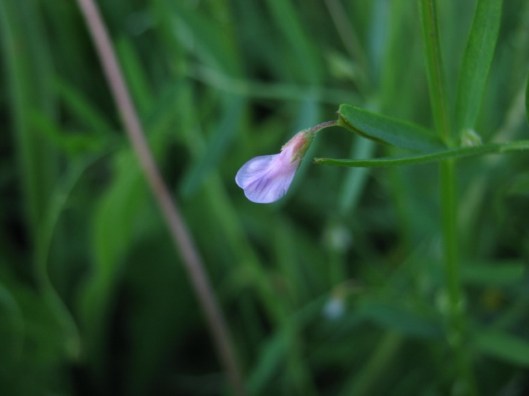
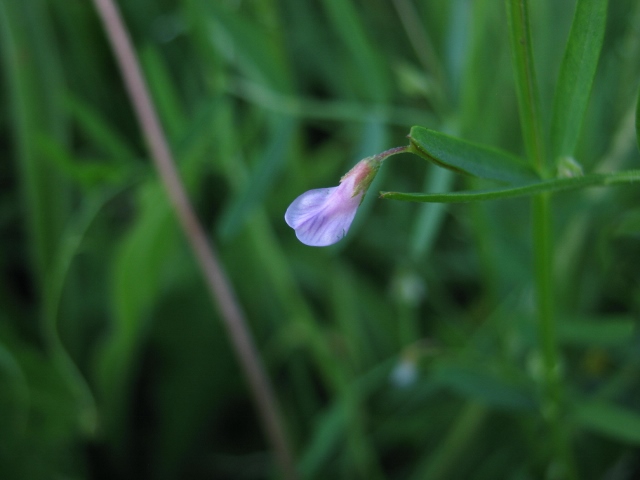
030Smooth tare (640x480)

Smooth Tare (Vicia tetrasperma)

It is very easy to miss this little plant.  It is very slender and scrambles about in grass and in hedgerows.  I found it in the grass round our big pond.  The flowers are borne singly or in pairs and are 4-8 mm long.  Another member of the Pea family.
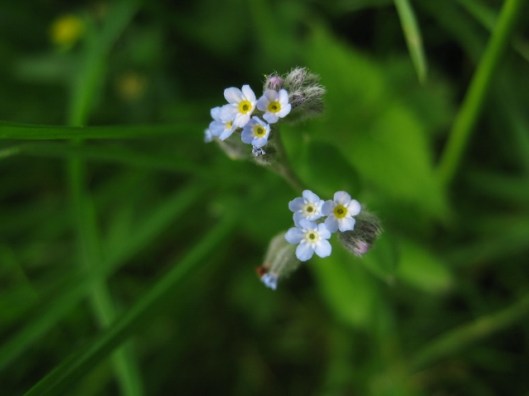
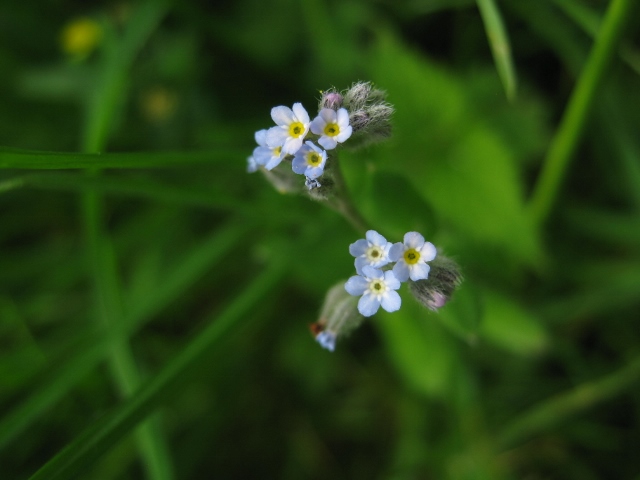
026Forget-me-not (640x480)

Field Forget-me-not (Myosotis arvensis)

A probably legendary tale from medieval Germany tells of a knight walking with his lady by a river.  The knight bent to pick her a bunch of flowers but the weight of his armour caused him to fall in.  As he drowned he threw the flowers to his lady crying: ‘Vergisz mein nicht!’ – ‘forget-me-not’.  Since then this flower has been associated with true love.  I wonder why the knight was wearing armour when not fighting or jousting?  In 1802, Samuel Taylor Coleridge wrote a poem based on the story of the knight called ‘The Keepsake’.  ‘That blue and bright-eyed flowerlet of the brook/Hope’s gentle gem, the sweet Forget-me-not!’.
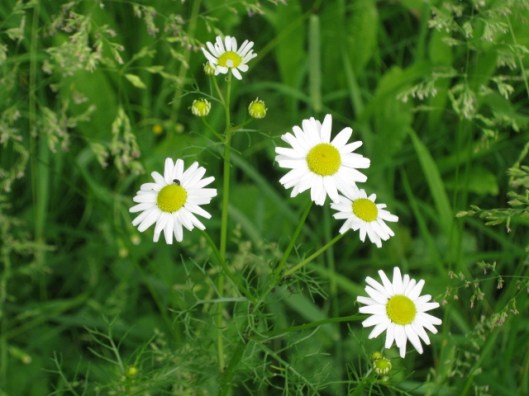
030Mayweed (640x480)

Scentless Mayweed (Tripleurospermum inodorum)
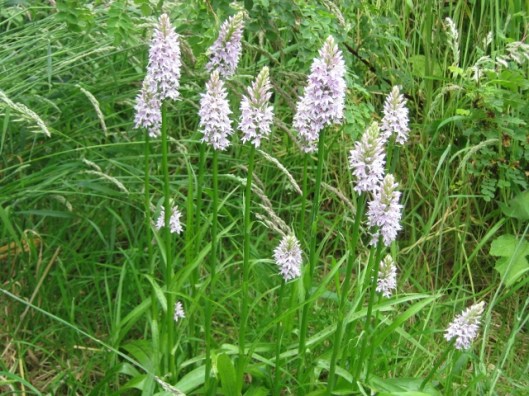
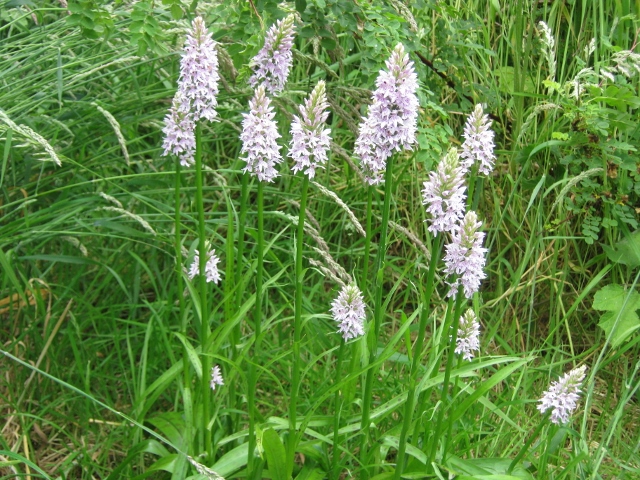
030Common spotted orchid (640x480)

Common Spotted-orchid (Dactylorhiza fuchsii)

This orchid grows very well in our garden.  The leaves are shiny and green with dark spots on them.

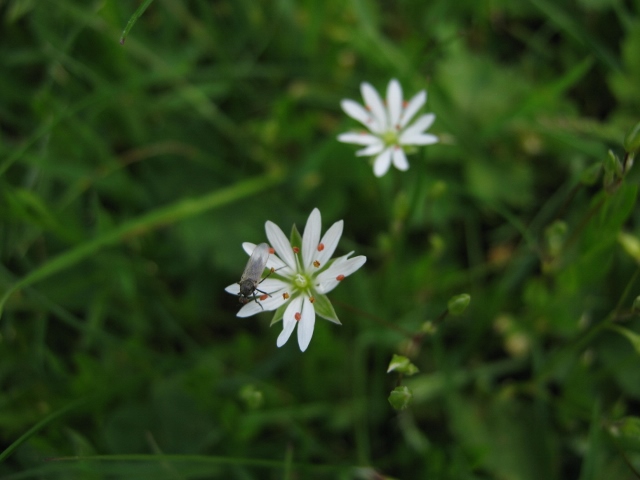
036Lesser stitchwort with fly (640x480)

Lesser Stitchwort (Stellaria graminea)
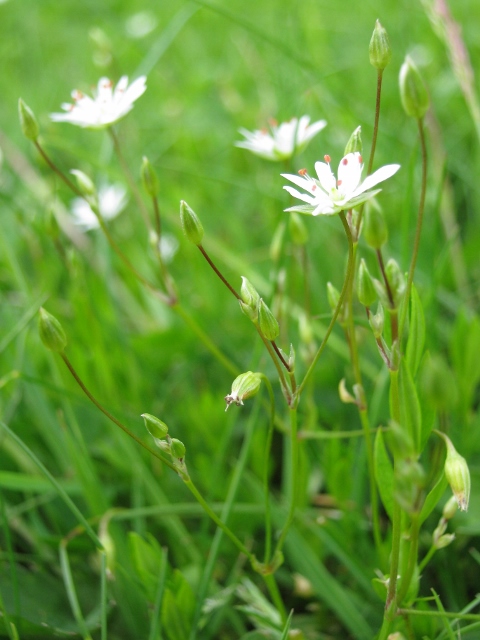
040Lesser stitchwort (480x640)

Lesser Stitchwort (Stellaria graminea)

This plant grows mainly on acid soils – I found it in our lawn.
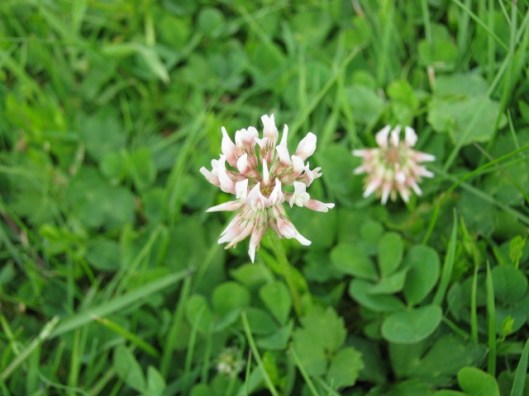
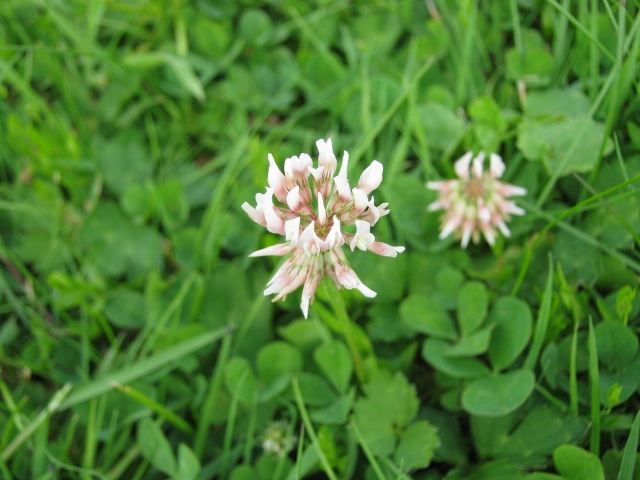
044White clover (640x480)

White Clover (Trifolium repens)

We have White and Red Clover in our garden.  I have posted photographs of the red before but not the more common white.  This is another plant with creeping stems and we have it in our lawn.  We tolerate it because the bees love it and it keeps the lawn looking green during a drought.
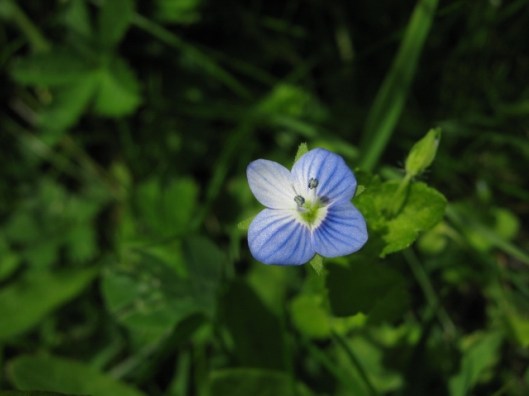
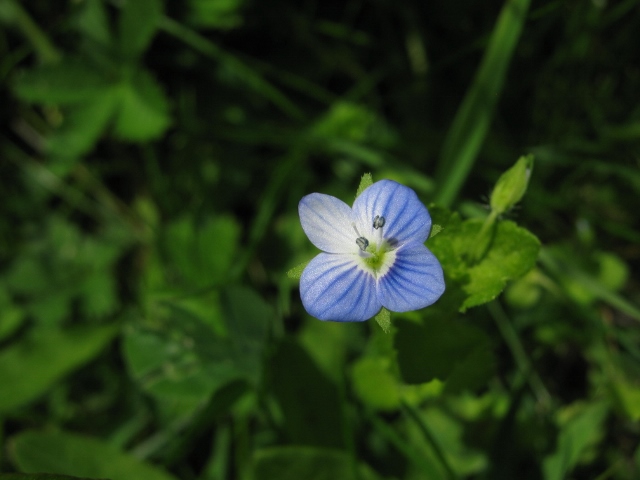
047Common field-speedwell (640x480)

Common Field-speedwell (Veronica persica)

This plant is probably not a native but was introduced at some time in the distant past from Asia.  Its flowers are solitary on a long stalk and the lower petal is usually white.
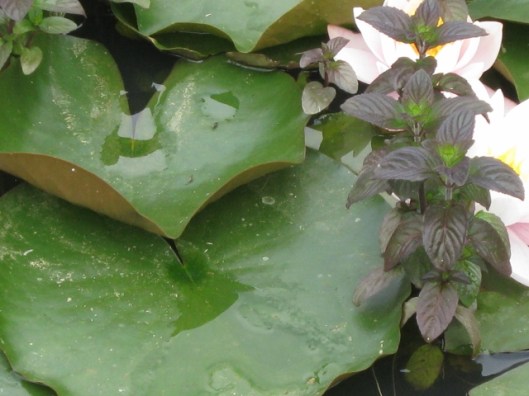
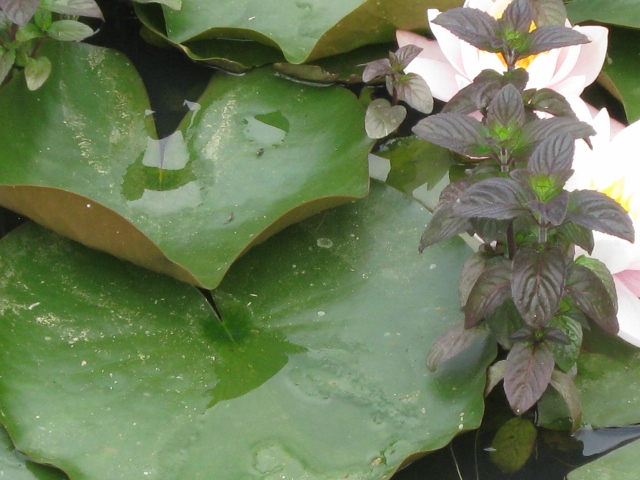
061Water mint with water lilies (640x480)

Water Mint (Mentha aquatica) growing amongst water lilies

This is the commonest mint of all the species growing in the British Isles and has a very strong mint smell.

The next couple of plants I found on the same day as I found the Fox-and-cubs plant in Halesworth.
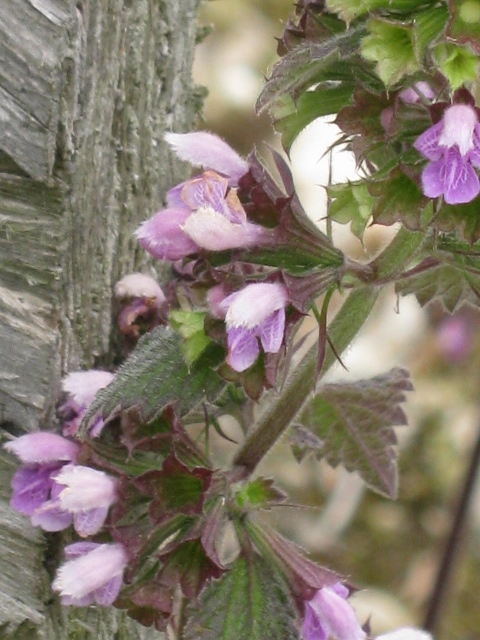
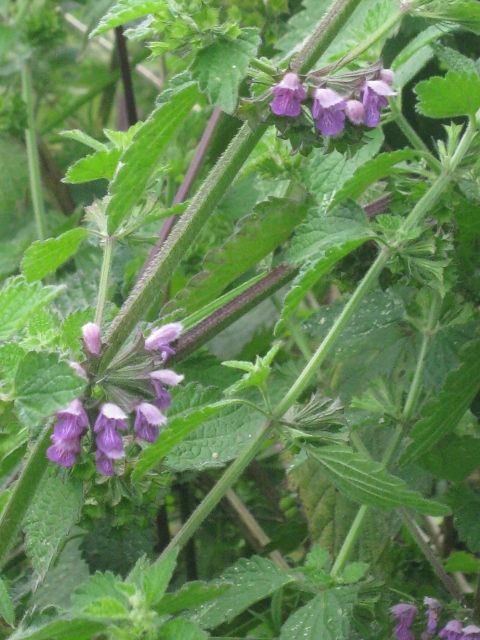
022Black Horehound (480x640)

Black Horehound ((Ballota nigra)

025Black Horehound (480x640)

Black Horehound (Ballota nigra)

There is a little alleyway that leads to the supermarket in Halesworth and on one side of it is some waste ground and that is where I found this plant.  Black Horehound smells awful if it is bruised and this has earned it a second name of ‘Stinking Roger’.  Poor old Roger!  It is quite an attractive plant to look at and its smell is its defence mechanism – to stop it being eaten by cattle.  It looks a little like Red Dead-nettle but is larger and coarser.  A third name for the plant is Madwort as it was used in the treatment of bites from mad dogs.  ‘A dressing prepared from the plant’s leaves, mixed with salt, was said to have an anti-spasmodic effect on the patient’ – to quote from the Reader’s Digest Field Guide to the Wild Flowers of Britain.  It could also be used to treat coughs and colds but it was very powerful.  Nicholas Culpeper wrote that ‘it ought only to be administered to gross, phlegmatic people, not to thin, plethoric persons’.
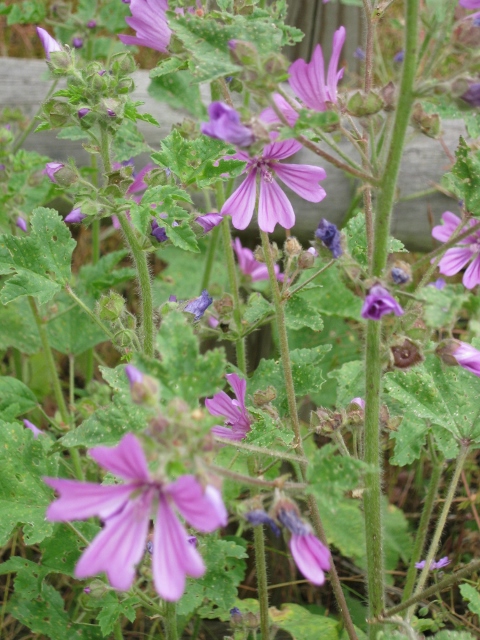
023Common Mallow (480x640)

Common Mallow (Malva sylvestris)

This was also on the waste ground though it can be seen on most road verges all through the summer.  The flowers are very pretty and the plant has long been used for food and medicine.  According to my Field Guide young mallow shoots were being eaten as a vegetable as early as the 8th century BC.  Cicero the orator complained that they gave him indigestion, the poet Martial used Mallow to get rid of hang-overs after orgies and the naturalist Pliny mixed the sap with water to give him day-long relief from aches and pains.  In the Middle Ages it was used as an anti-aphrodisiac, promoting calm, sober conduct.  Mallow leaves have been used to draw out wasp stings and the sap, which is quite viscous was made into poultices and soothing ointment.  The fruits of the Mallow are round flat capsules and some of the names for Mallow refer to them – ‘billy buttons’, ‘pancake plant’ and ‘cheese flower’.
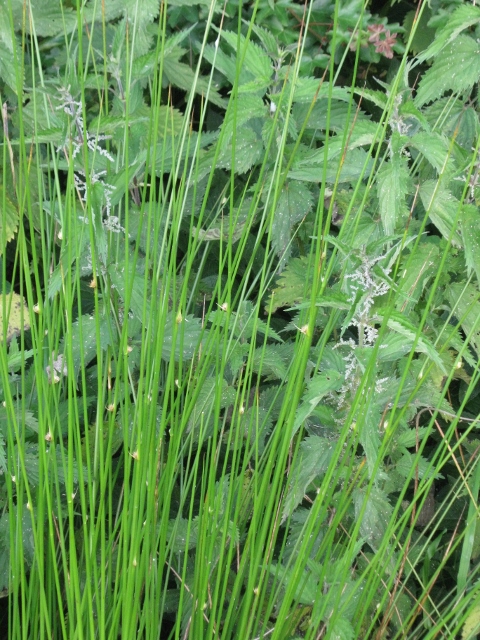
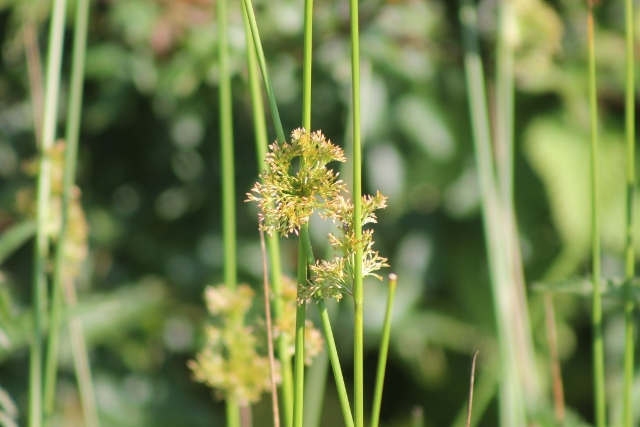
023Soft rushes in the ditch (480x640)

Soft Rushes (Juncus effusus) in the ditch at the front of the house
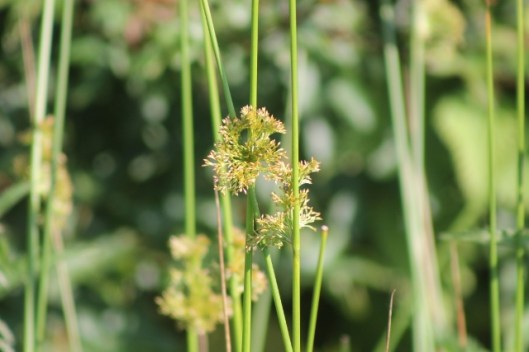
022Soft rush (640x427)

Soft Rush (Juncus effusus) with flowers

These grow mainly on acid soils and on over-grazed land.  They live in our ditches and sometimes spread into the lawn.  The stems are a pretty pale yellow-green and are shiny and smooth.  The flowers are olive-green in colour.  The name ‘rush’ comes from a Germanic word meaning ‘to bind’ or ‘to plait’.  The spongy white pith in the stems used to be scraped out and made into wicks for candles.  I remember on wet camping holidays when young (and there were many of those) splitting rushes with my fingernail and trying to remove the pith in one piece without breaking it.  This was in the days before Nintendos – simple pleasures!


Share this:

  • Share on X (Opens in new window) X
  • Share on Reddit (Opens in new window) Reddit
  • Share on Pinterest (Opens in new window) Pinterest
  • Share on Facebook (Opens in new window) Facebook
  • Email a link to a friend (Opens in new window) Email
  • Share on Tumblr (Opens in new window) Tumblr
  • Print (Opens in new window) Print
  • Share on Pocket (Opens in new window) Pocket
  • Share on LinkedIn (Opens in new window) LinkedIn
Like Loading...
← Older posts
Newer posts →
Follow A Suffolk Lane on WordPress.com

Enter your email address to follow this blog and receive notifications of new posts by email.

Join 715 other subscribers.

Unknown's avatar

I talk about what it's like living in a quiet part of Suffolk. I am a wife, mother and daughter, a practising Christian and love the natural world that surrounds me. I enjoy my life - most of the time!

My Posts

Jan 2026
M T W T F S S
 1234
567891011
12131415161718
19202122232425
262728293031  
« Dec    

Pages

  • About my Blog
  • GDPR (General Data Protection Regulations) and This Site
  • My Life in a Suffolk Lane

Archives

Blogs I Follow

Unknown's avatar
Unknown's avatar
Unknown's avatar
Unknown's avatar
Unknown's avatar
Unknown's avatar
Unknown's avatar
Unknown's avatar
Unknown's avatar
Unknown's avatar
Unknown's avatar
Unknown's avatar
Unknown's avatar
Unknown's avatar
Unknown's avatar
Unknown's avatar
Unknown's avatar
Unknown's avatar
Unknown's avatar

Posts I Like

  • The Introverted Bookworm's avatar
  • Unknown's avatar
  • 60onabudget's avatar
  • Unknown's avatar
  • Unknown's avatar
  • Jack Ronald Cotner's avatar
  • Unknown's avatar
  • Unknown's avatar
  • Sarah curran's avatar
  • Unknown's avatar
  • trulymebeingme's avatar
  • Andrea Stephenson's avatar
  • mitchteemley's avatar
  • Mélodie's avatar
  • clivebennett796's avatar
  • Unknown's avatar
  • Unknown's avatar
  • Unknown's avatar
  • Unknown's avatar
  • Unknown's avatar
  • Unknown's avatar
  • Unknown's avatar
  • Martha's avatar
  • Unknown's avatar
  • Unknown's avatar
  • NEERAJ SINGH's avatar
  • Unknown's avatar
  • CJ's avatar
  • Unknown's avatar
  • Unknown's avatar
  • Unknown's avatar
  • Unknown's avatar
  • Unknown's avatar
  • sopantooth's avatar
  • Unknown's avatar
  • Bernard Aybout (Virii8)'s avatar
  • Unknown's avatar
  • Unknown's avatar
  • Annika Perry's avatar
  • JAM's avatar
  • Unknown's avatar
  • Unknown's avatar
  • thesimlux's avatar
  • Unknown's avatar
  • Unknown's avatar
  • Unknown's avatar
  • (Kitty) Cat Strawberry - Meow!'s avatar
  • Talkmore's avatar
  • Unknown's avatar
  • Unknown's avatar

amphibians architecture art Arts and Crafts churches cooking Days out domestic animals family fish Folk Traditions Gardening Historic Buildings holidays Insects Landscaping literature music Norwich plants Rural Diary seashore theatre trees Uncategorized walking weather wild animals wild birds wild flowers

Tags

architecture autumn birds blackbird blackthorn Bungay butterfly church clouds common knapweed cow parsley crocus daffodils Diary dogwood family field maple flowers fungus garden gardening geese greylags ground-ivy Halesworth Hawthorn heather holiday Holly Holy Week horse chestnut Hoverfly insects ivy Lake District Lent lesser celandine lichen Lords and Ladies Mallard mallards Minsmere moorhen moss music Norwich Peak District pheasant plants pond ponds primrose primroses Rain rooks Rumburgh Rumburgh Church sheep Sheffield snow snowdrops Southwold spring Suffolk Suffolk Wildlife Trust sunset the Beck trees viburnum bodnantense walking weather wild cherry wild flowers winter-flowering honeysuckle witch-hazel

Meta

  • Create account
  • Log in
  • Entries feed
  • Comments feed
  • WordPress.com

Goodreads

Blog at WordPress.com.

Book Jotter

Reviews, news, features and all things books for passionate readers

Country Life Blog -

A blog about life in the country in the past and present

Matthew Paul: Poetry & Stuff

Poetry and what-not

Schnippelboy

Ein Tagebuch unserer Alltagsküche-Leicht zum Nachkochen

TAMARA JARE

Tamara Jare Contemporary Figurative Art – Bold Colors, Resilient Souls

A Taste of Freedom

Documenting a Dream

Country Ways

Rambling Journeys in Britain, Countryside Matters and campaigning for the Right to Roam

The Strawberry Post

Here to Entertain, Educate & Inspire!
a north east ohio garden

an ongoing experiment in the dirt, 35 plus years

naturechirp

Celebrating God's creatures, birds and plants...

Sophie Neville

Writer

Going Batty in Wales

Developing a more sustainable lifestyle in SW Wales

Our Lake District Escapades

Exploring the Lake District and beyond

Short Walks Long Paths

Wandering trails around the coast of Wales

The Biking Gardener

An English persons experience of living and gardening in Ireland

Nan's Farm

A Journal Of Everyday Life

Walk the Old Ways

Rambling Journeys in Britain with John Bainbridge. Fighting for the Right to Roam. Campaigning to Protect Our Countryside.

Writer Side UP!

Waking the Writer Side...and keeping it "Up!"

Meggie's Adventures

Travel, thank you notes and other stories

amusicalifeonplanetearth

Music and the Thoughts It Can Inspire

lovefoundation.co.uk

Traveling Tortuga

Simply Living Well

Pakenham Water Mill

Historic watermill in the beautiful Suffolk countryside

Take It Easy

Retired, not expired: words from the after(work)life. And music. Lots of music!

Secret Diary Of A Country Vicar's Wife

By Olive Oyl

thanksfortheadventureorg.wordpress.com/

The Beat Goes On

#TBGO

Frank Pleszak's Blogs

Twitter: @frankpleszak @PolishIICorps

John Bainbridge Writer

Indie Writer and Publisher

roughwighting

Life in a flash - a bi-weekly storytelling blog

Walking the Old Ways

Rambling in the British Countryside

CapKane

thoughts on social realities

SkyeEnt

Jottings from Skye

jodie richelle

embracing my inner homemaker

Skizzenbuch/Blog

Just another WordPress.com weblog

Have Bag, Will Travel

The Call of the Pen

Flash Fiction, Book Reviews, Devotionals and other things.

John's Postcards

Art in Nature

You dream, I photographe it !

Smile! You’re in Barnier World......

theinfill

the things that come to hand

Dr. Mary Ann Niemczura

Author of "A Past Worth Telling"

Provincial Woman

The Pink Wheelbarrow

Luanne Castle: Poetry and Other Words (and cats!)

Poetry, Other Words, and Cats

The Family Kalamazoo

A genealogical site devoted to the history of the DeKorn and Zuidweg families of Kalamazoo and the Mulder family of Caledonia

everythingchild

The Book Owl

Canberra's Green Spaces

Paul Harley Photographer

  • Subscribe Subscribed
    • A Suffolk Lane
    • Join 715 other subscribers.
    • Already have a WordPress.com account? Log in now.
    • A Suffolk Lane
    • Subscribe Subscribed
    • Sign up
    • Log in
    • Report this content
    • View site in Reader
    • Manage subscriptions
    • Collapse this bar
 

Loading Comments...
 

    Privacy & Cookies: This site uses cookies. By continuing to use this website, you agree to their use.
    To find out more, including how to control cookies, see here: Cookie Policy
    %d