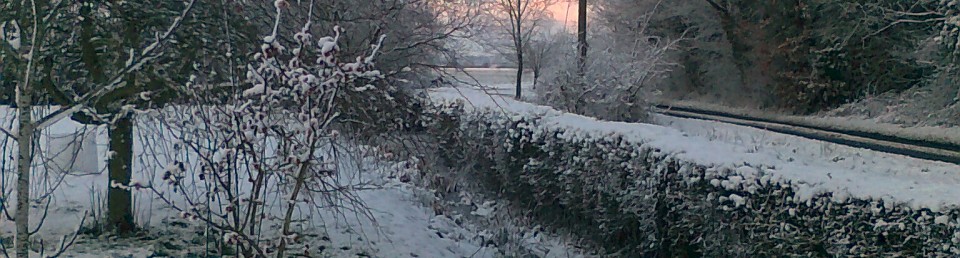
At the beginning of September, I visited Redgrave and Lopham Fen with my friend Heather whom I hadn’t seen for over a year. It was a very muggy, clammy day so not ideal for walking any distance.
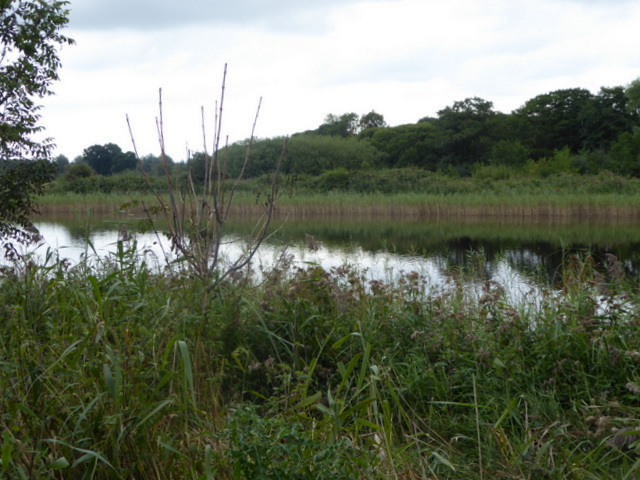
Redgrave and Lopham Fen – one of the many large ponds.
The sedge and reeds were very tall so we didn’t manage to see much open water and the pathways across the fen were quite narrow and enclosed at times. We got very hot and sticky and our feet were black with the peaty soil we walked on. However, we saw a few interesting plants and we managed to catch up with all our news!
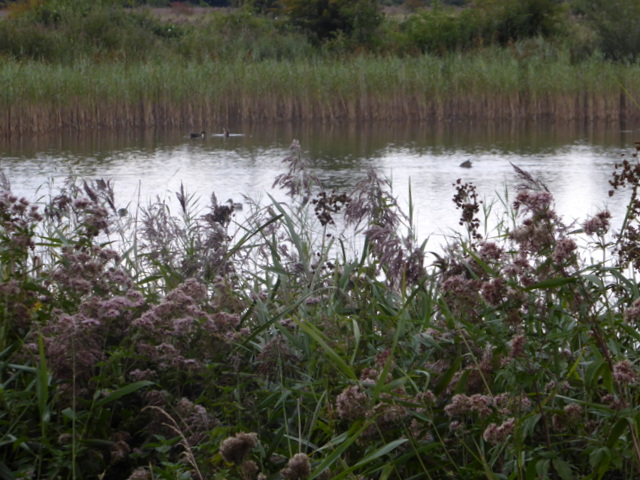
Water at Redgrave and Lopham Fen
Redgrave and Lopham Fen is situated on the border between Suffolk and Norfolk and is owned and maintained by the Suffolk Wildlife Trust. It is where the River Waveney and the Little Ouse River have their beginning. It is the largest remaining area of river valley fen in England. Its diverse habitat make it a very important site; saw sedge beds, open water, heathland, scrub and woodland can all be found here.
It is one of only three sites in the UK where the Fen Raft Spider can be found, though we didn’t manage to see it on our walk. Nineteen species of dragonfly, twenty-seven species of butterfly, twenty-six species of mammal, four species of amphibian, four species of reptile and ninety-six species of bird can be seen here. The beginning of September isn’t a great time of year to go looking for wildlife but we were pleased with what we did manage to see. It is a place I would like to return to one day.
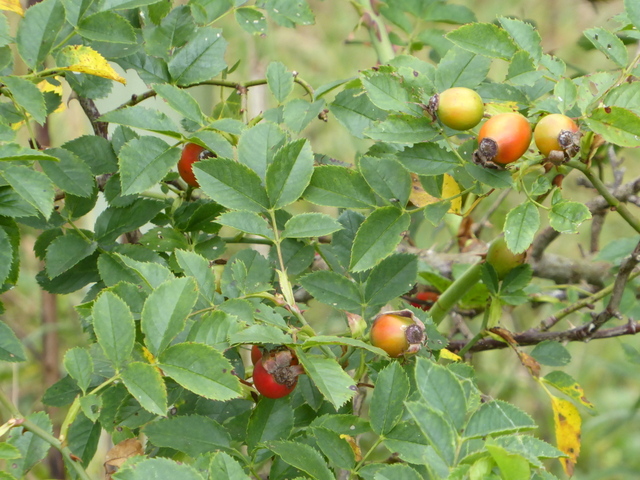
Hips of the Dog Rose (Rosa canina)
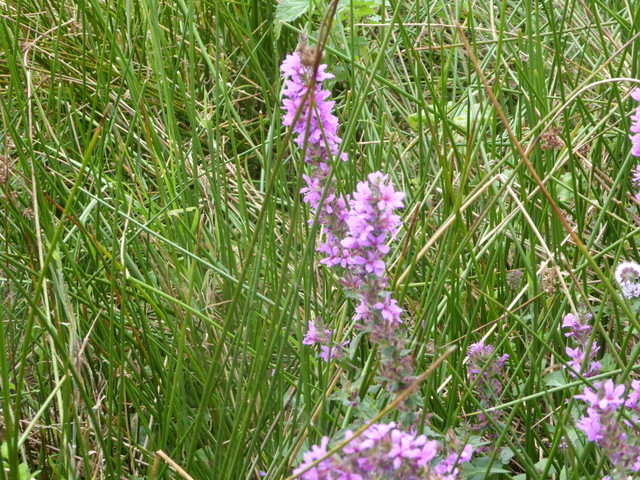
Purple Loosestrife (Lythrum salicaria)
Surprisingly for a plant so widespread, this was the first time I had seen this flower since I was a little girl.
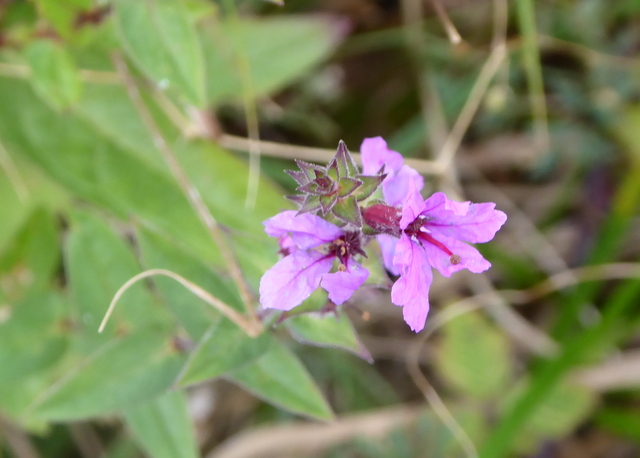
Purple Loosestrife
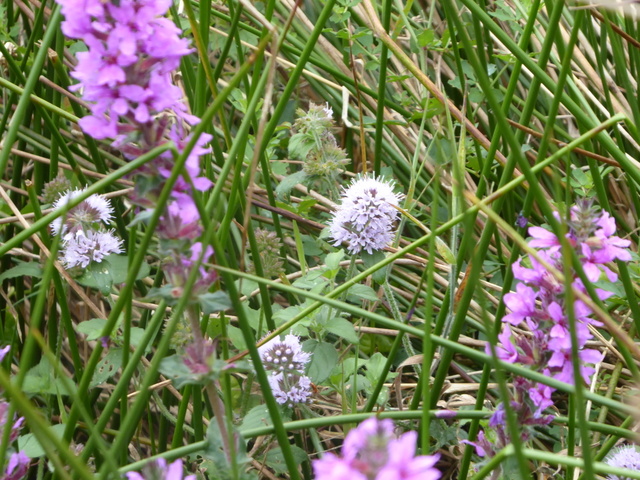
Purple Loosestrife and Water Mint (Mentha aquatica)
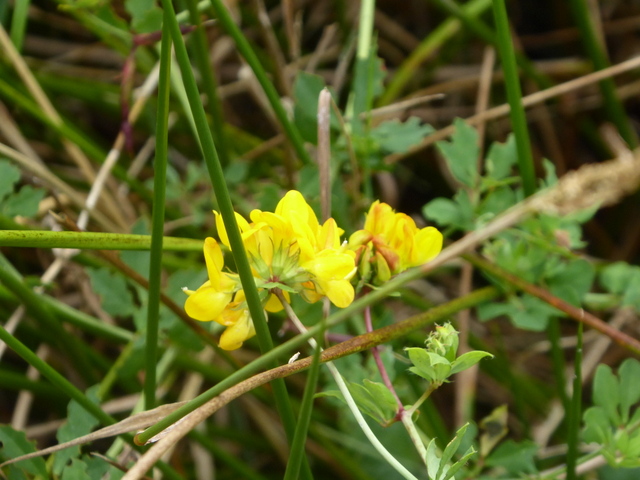
Greater Bird’s-foot Trefoil (Lotus pendunculatus)
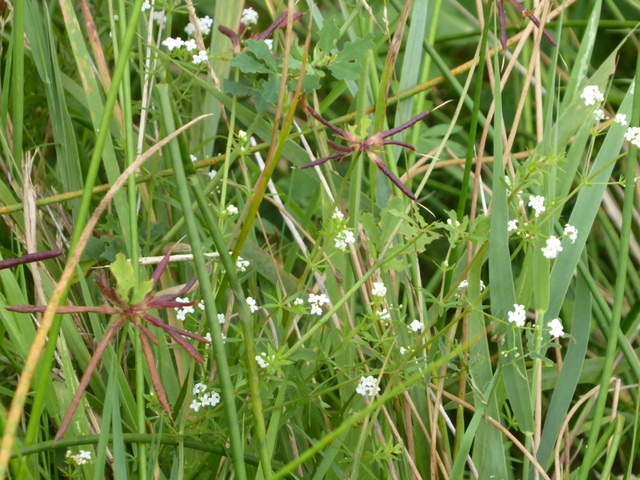
Bird’s-foot Trefoil seedheads with Fen Bedstraw (Galium uliginosum)
These seedheads really do look a bit like birds feet!


Bulrush (Typha latifolia) is also known as Great Reedmace. Common Reed (Phragmites australis) stands in this country are a priority habitat because of their importance for wildlife as food and shelter.
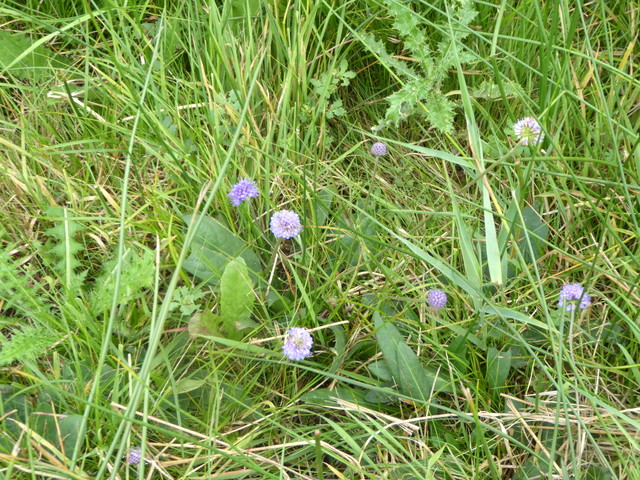
Devil’s-bit Scabious (Succisa pratensis)
According to legend, the Devil was so angry with this plant because it was successful at curing all sorts of ailments that he bit off part of the root. The plant may have a short root but it still has curative powers! Nicholas Culpeper says the boiled root is good for snake-bite, swollen throats, wounds and the plague.
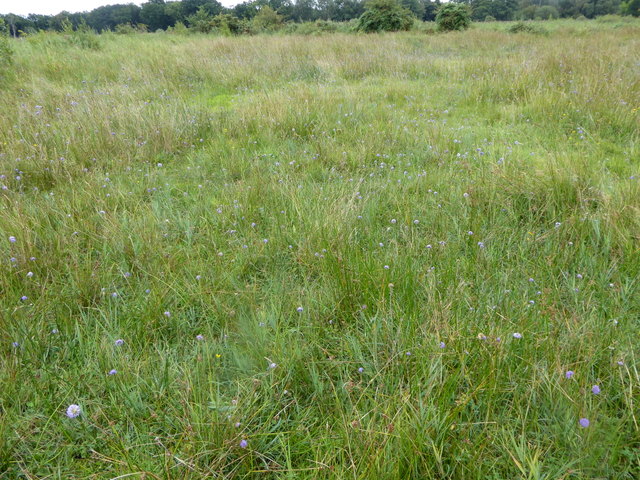
A meadow full of Devil’s-bit Scabious
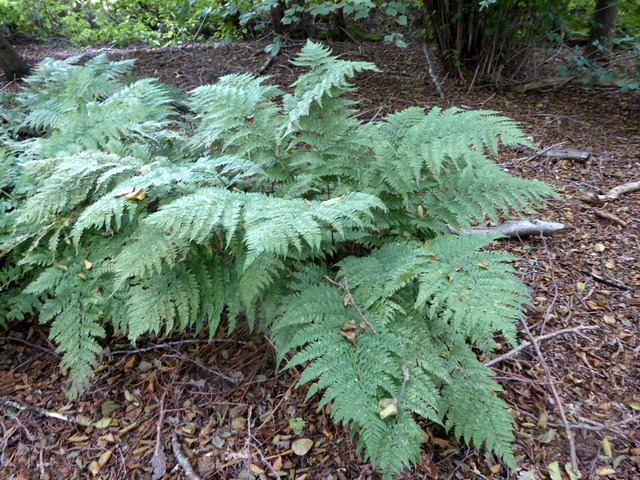
Broad Buckler Fern (Dryopteris dilatata)
Broad Buckler Fern has 3-times pinnate leaves. Pinnate leaves are made up of leaflets, often in pairs, attached to a central stem and often with a terminal leaflet. 2-times pinnate leaves = the leaflets have their own leaflets. 3-times pinnate leaves = the leaflets of the leaflets have leaflets! Broad Buckler Fern has a long stalk which only has leaf branches for half its length.
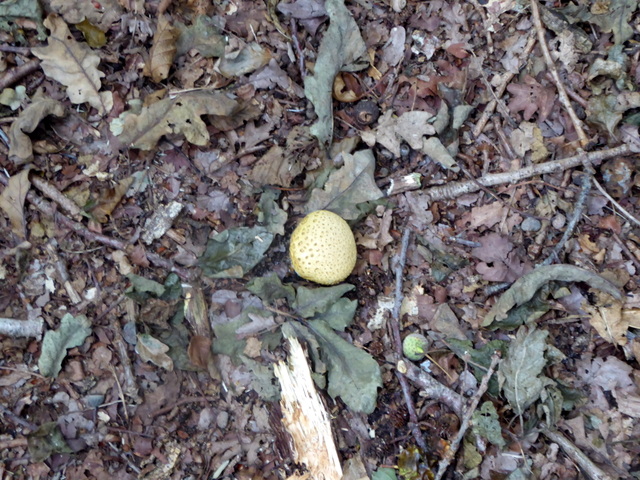
Probably Common Earthball (Scleroderma citrinum)
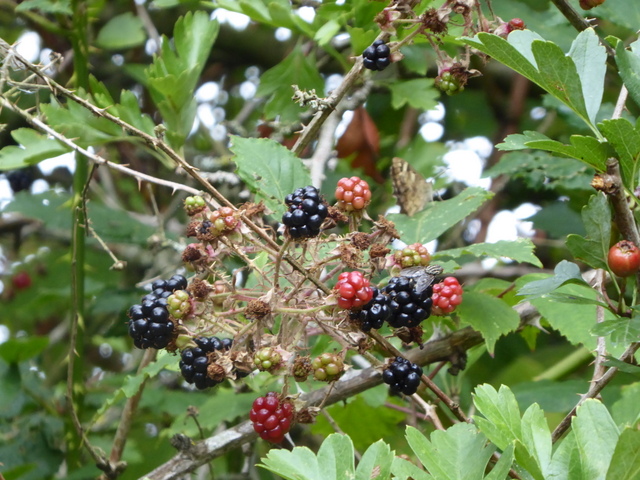
Blackberries on Bramble (Rubus fruticosus agg.) There is an out-of-focus Speckled Wood butterfly sitting on a leaf just to the right of the top red berry
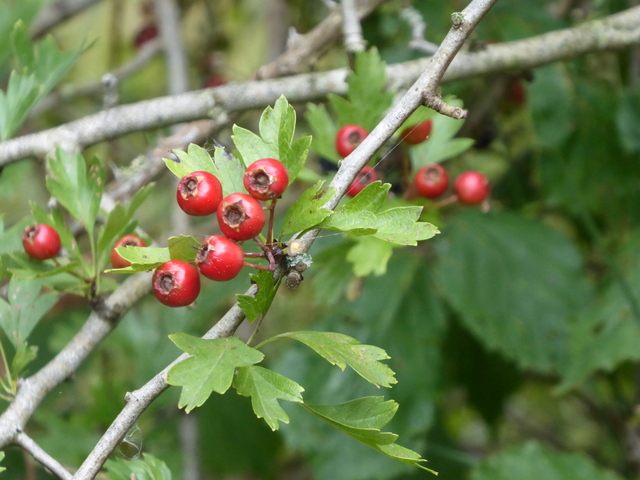
Haws of a Common Hawthorn (Crataegus monogyna)
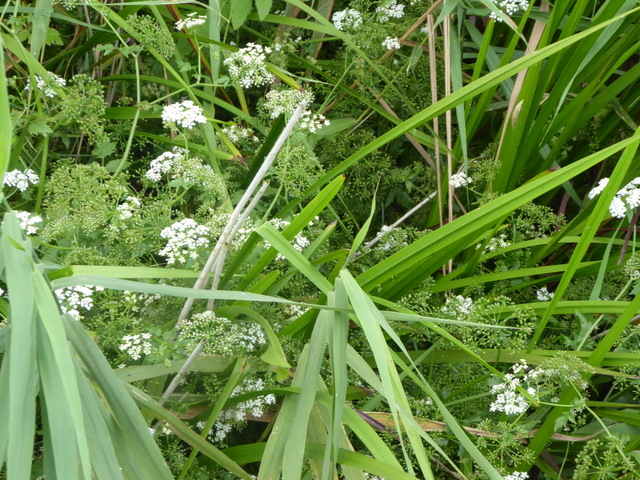
This might be Lesser Water Parsnip (Berula erecta)
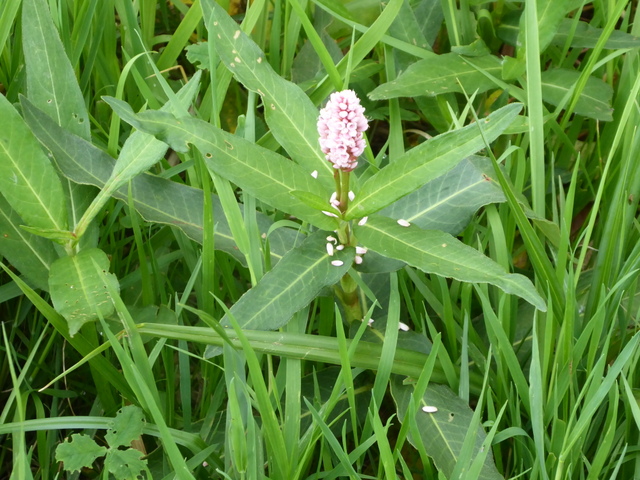
I believe this is probably Amphibious Bistort (Persicaria amphibia)
It took me a while to identify this plant, mainly because it is extremely variable. It has two main forms – an aquatic form, which is described and illustrated in most ID guides, and a terrestrial form, which isn’t often described and hardly ever illustrated. The plant I saw is the terrestrial form.
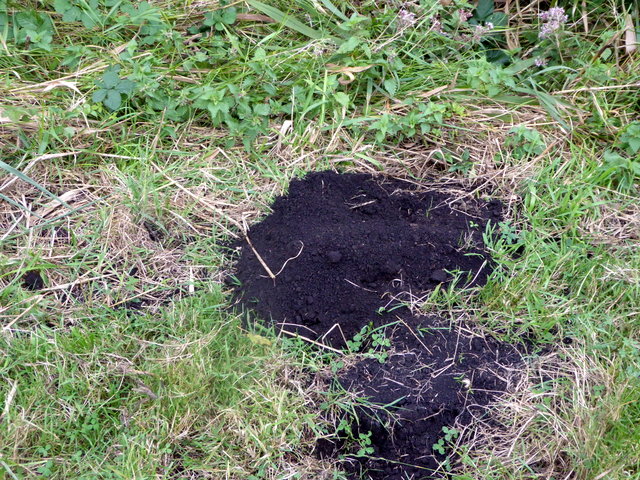
This mole-hill shows how black the soil is
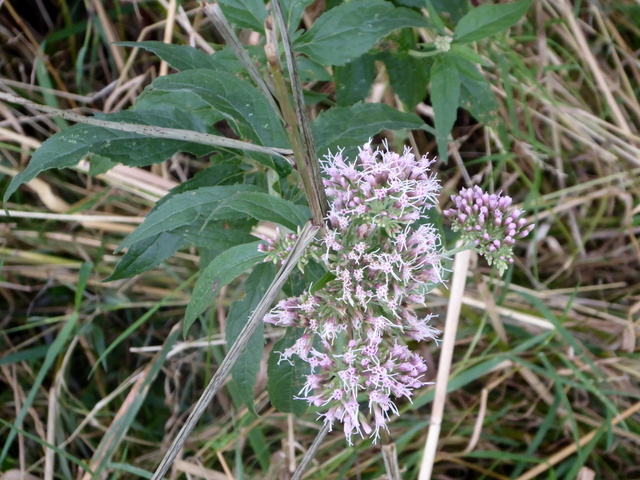
Common Valerian (Valeriana officinalis)
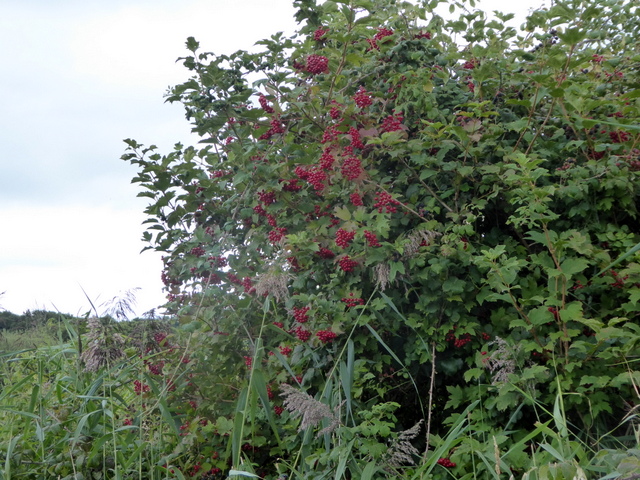
Guelder-rose (Viburnum opulus) with clusters of red berries
Heather kindly bought me a gift of two hardy cyclamen plants as our meeting was close to my birthday. I took a photo of them at the end of October where I had planted them in my garden.
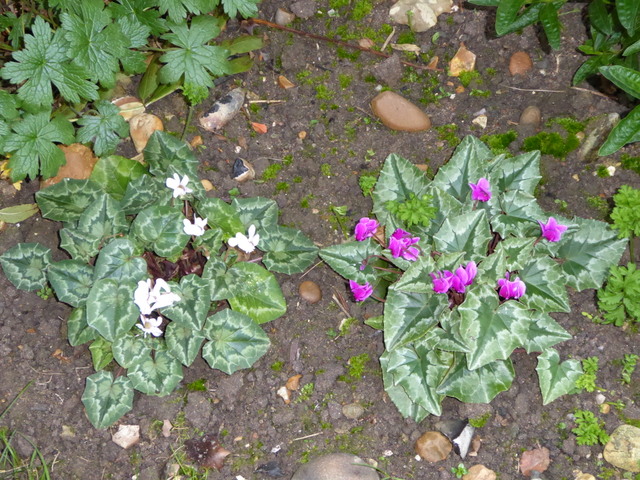
White and purple hardy cyclamen. I am hoping they will spread out under the shrubs I have in this border and prevent the moss from returning as soon as my back is turned!
Thanks for visiting!
 A Suffolk Lane
Such beautiful photographs you take with artist/botanist eyes. Thank you for sharing the special sights along the lovely, if muggy, way.
LikeLiked by 1 person
Thank-you very much!
LikeLike
You do know a lot about plants! What makes the soil so black? Thank you Clare! 🙂
LikeLiked by 1 person
Thank-you HJ! 🙂 The soil is peat which is formed from lots of partially decayed vegetable matter in very boggy wet ground. There are no other minerals in it and no oxygen either. The soil is very acidic.
LikeLiked by 1 person
I do enjoy your wanderings. I’m hoping, if I read your blog often enough, I will learn a little bit about Britain’s wildlife!
LikeLiked by 1 person
Thank-you very much, Mike!
LikeLike
I’ll be sure to have some Devil’s Bit Scabious about when the plague comes to this part of the world 😉 . Fascinating stuff and great pictures as usual.
LikeLiked by 1 person
Thank-you Margaret! It’s always better to be safe than sorry where plague is concerned!
LikeLiked by 1 person
Thank you for taking us on such an interesting walk, I loved the purple loosestrife particularly.
LikeLiked by 1 person
Thank-you Susan. The colour of the loosestrife is very pretty.
LikeLike
A lovely evocation of early autumn
LikeLiked by 1 person
Thank-you very much, Reggie.
LikeLike
Friends and flowers…there’s nothing better, is there? Beautiful shots, Clare! I’ve never seen soil that dark. Here, ours is red clay and boy does it ever stain clothing. Thanks for sharing. Enjoy the rest of your week! xo
LikeLiked by 1 person
Thank-you Jill. The soil is peat and it stains clothes too!
LikeLiked by 1 person
Your knowledge of plants is very impressive, as is your ability to find them!
Where I grew up there was an area very much like this one that you walked and I always avoided it because of the black soil and the plants towering over my head. Thank you for showing me what I missed by not exploring every ecosystem.
LikeLiked by 1 person
Thank-you Jerry. There are a couple of places I regret not having visited where I grew up too! I can imagine that some people, especially young ones, would find the fen a bit claustrophobic and maybe intimidating.
LikeLiked by 1 person
You made the most of a walk that could’ve been unpleasant!
LikeLiked by 1 person
Thank-you Kerry!
LikeLike
I agree, muggy weather is the worst for walking!! Give me cold, breezy and even rain..all fine but muggy, oh dear no. But still you took gorgeous photos and I always like your plant photos in particular! Thanks you again xo Johanna
LikeLiked by 1 person
Thank-you so much Johanna! I hope you are having a good week xo Clare
LikeLiked by 1 person
What wonderful, rich soil! The bulrushes – wasn’t Moses found in the bulrushes? That’s rather interesting – I guess I thought it was an Eastern plant. Or is it something universal?
LikeLiked by 1 person
Lisa, you always ask such interesting questions! In the King James Bible it says that Moses’ basket was woven out of bulrushes and he was hidden among the flags (water irises) at the water’s edge. In most modern translations it says he was hidden in the reeds (most probably papyrus). Somehow or other we all say he was found in the bulrushes! What a surprise! I think bulrushes are found in many countries – in Britain we have two; the Bulrush and the Lesser Bulrush. I know that in the States you have cattails which are the same as our Lesser Bulrush.
LikeLike
Oh, cattails! Yes! And, guess what – yesterday I was re-watching a favorite of mine, the BBC Pride & Prejudice from the 1980s, with Elizabeth Garvie, and there was the scene where Mr. Collins and Charlotte were transplanting bulrushes! I had forgotten all about that!
I’m greatly encouraged by your kind remark, because I feel like many of my questions arise entirely out of stupidity. 😀
LikeLiked by 1 person
I haven’t watched the Elizabeth Garvie P and P for years! I’ll have to rectify that!
LikeLike
Pingback: bgkskalata1org
Thank-you for the pingback!
LikeLike
That’s a beautiful place to explore with all of those flowers there.
I’m very surprised that you don’t see more loosestrife. It’s everywhere here and spreads quickly.
The Amphibious Bistort has leaves almost identical to our swamp milkweed (Asclepias incarnata.)
I think it was a worthwhile walk even though it was hot and muggy!
LikeLiked by 1 person
Thank-you Allen. My friend was surprised I hadn’t seen Purple Loosestrife for many years because she sees it everywhere she goes! How strange that the Swamp Milkweed’s leaves are so much like the Bistort’s! The bistort is from the polygonum genus like your smartweed and tearthumb.
LikeLiked by 1 person
Gorgeous, Clare. What a beautiful and tranquil location this must be to walk (and paint, perhaps…!)
LikeLiked by 1 person
Thank-you very much Liz!
LikeLiked by 1 person
A great horticultural hike! It’s very special to walk outdoors and talk with a dear friend – one of my favourite things.
LikeLiked by 1 person
Thank-you! It is good to have someone special to share these moments with.
LikeLiked by 1 person
Nice to see the black soil. That’s proper soil!
LikeLiked by 1 person
Thank-you Simon. Yes; good rich stuff just like in the Cambridgeshire fens.
LikeLiked by 1 person
🙂
LikeLiked by 1 person
Another place I have not visited before, I followed your link and see its not much further on than Thetford from us. How lovely to visit with your friend too Clare. I have Purple Loosestrife, I have allowed to grow in my garden (we are on a high water table) I know some folk think its a nuisance, but its lovely for wildlife and Goldfinches eat the seeds in winter. Plus its pretty, so very welcome here.
LikeLiked by 1 person
Thank-you very much Julie. I think I would let Purple Loosestrife grow in my garden too! The countryside near me is too dry for it so I’d have to put it in or near the bog garden I’m hoping to create one day.
LikeLiked by 1 person
Redgrave y Lopham Fen with those ponds and tall sedge and reeds!. Brilliant… Incredible to learn how many different species could be found over there.
I love the legend involving the Devil’s-bit Scabious … haha 😀 So creative …
The photographs are wonderful dear Clare. As I always tell you you are lucky to be surrounded by Nature (Urban-ish girl waving at you from the Far South! 😀 )
Excellent post my friend. Sending love & best wishes. ⭐
LikeLike
You are so kind as ever, dear Aquileana xxxx I hope you are having a good week Sending a big wave back to you xx ❤
LikeLiked by 1 person
You really have some lovely walks in your part of the world Clare and I’m glad you were able to spend some time with an old friend. I loved the Devils Bit Scabious. I saw it once in a photo of a lovely flower arrangement of British flowers and thought how pretty it was. What incredible soil too – I have never seen anything so black!
LikeLike
The soil is very rich and extremely fertile and for many years was dug out and used as garden compost. That doesn’t happen any more luckily . So many wild flowers look so good in gardens and arrangements don’t they?
LikeLiked by 1 person
They really do!
LikeLiked by 1 person
I’ve been reading Sybil Marshall’s book in which she gives her parents’ verbatim reminiscences of life in this area from the 1880s on – it’s wonderful. It’s called “Fenland Chronicle.” Her dad mentions Lopham Fen which was very near them. The villagers in those days lived a really cut off life – not many people visit this area even today really, it sometimes seems.
LikeLiked by 1 person
Thank-you very much for your kind comment. I don’t know the book you mention but it sounds like one I’d love – thank-you. I must look out for it!
LikeLike
Beautiful, dark rich soil! A wonderful collection of photos from your day, Clare.
Purple loosestrife is a beautiful but invasive species over here.
Those hardy cyclamens are gorgeous. Hope they do well for you!
LikeLiked by 2 people
Thank-you, Lavinia. I have read that Purple Loosestrife has become a problem in the States. I think every country in the world now spends a fortune in trying to eradicate any number of invasive plants and insects. In this country I know we are not careful enough with our plant import controls. When we then add on the accidental importing of seeds and insects on clothing or in luggage and goods the hope of ever having any control disappears completely!
LikeLiked by 1 person
Purple Loosestrife is a problem in NZ, too, though I can’t recall seeing it anywhere.
LikeLiked by 1 person
It’s very prolific in damp marshy places; I live in a fairly well-drained area and don’t see it near my home.
LikeLiked by 1 person
thanks. I need a walk like that. perhaps next weekend.
LikeLiked by 1 person
Thank-you very much, John. I hope the weather lets you get your walk!
LikeLiked by 1 person
I’m just catching up with reading blogs – thank you for a lovely trip to this wonderful place. I really don’t like muggy days. I’d rather be walking in really cold weather.
LikeLiked by 1 person
Thank-you Rachel. I don’t mind a little saunter in hot weather but a proper walk is best on a cool day. I hope you and your family are well xx
LikeLiked by 1 person
I managed a fairly long walk yesterday and was soaked! But at least I was almost home. The family are in the middle of exam stress. But we are surviving. I think that’s why I’ve been a bit absent from blogs. How are your family doing? xx
LikeLiked by 1 person
Ugh! Exam stress is awful! We are okay thank-you Rachel. Elinor has given up the course she started in September and is a bit stressed in case she doesn’t get accepted on the course she has applied for which starts next September! Richard and I have heavy head-colds at the moment but fine apart from that. xx
LikeLike
Such lovely photos you bring with craftsman eyes. Much thanks to you for sharing the uncommon sights.
http://www.dudhwatigerreserve.com/
LikeLike
Thank-you very much!
LikeLike
Thanks for taking us for a walk! Love your cyclamen!!
LikeLiked by 1 person
I used to love going blackberry picking but I’m not so keen on the taste. There were two towns in Norfolk and Suffolk in the top places to live in England and I thought of your photos 😊
LikeLiked by 1 person
Thank-you Charlotte. Yes, I saw that report this evening 🙂
LikeLike
Glad you had a lovely time with your friend.
LikeLiked by 1 person
Thank-you!
LikeLiked by 1 person
The sainsbury centre! That took me back as I used to live in Norwich, but I haven’t been for years. Great photos!
Jane
LikeLiked by 1 person
Thank-you very much for your kind comment, Jane.
LikeLike
I grew up in and around Diss and Wortham and I know the Fen well. I actually volunteered there a few days over last summer before I came to work as a volunteer for the National Trust here in Bath. So lovely to read about your experiences of a place I visited as a child. And great photos!
Alice
LikeLiked by 1 person
Thank-you very much for taking the time to comment. I really enjoyed my afternoon at the Fen and hope to return there sometime soon. I lived in Somerset (Bradford-on-Tone) for 18 months 12 years ago and visited Bath a few times while I was there. I love the city of Bath!
Best wishes, Clare
LikeLiked by 1 person
It is a beautiful city. And I’m totally falling for the countryside here. So different from the flatlands of East Anglia. I look forward to hearing more if your adventures in Suffolk.
Alice
LikeLiked by 1 person
Thank-you Alice. I’m following you now and look forward to hearing more of your adventures!
LikeLike