• About my Blog
  • GDPR (General Data Protection Regulations) and This Site
  • My Life in a Suffolk Lane

A Suffolk Lane

~ A diary of my life in rural north Suffolk.

A Suffolk Lane

Category Archives: plants

May’s End – Part 1

26 Tue May 2015

Posted by Clare Pooley in plants, Rural Diary, trees, wild animals

≈ 40 Comments

Tags

Ash, Bush Vetch, Common Vetch, cow parsley, cut-leaved crane's-bill, English Elm, garden, Germander Speedwell, horse chestnut, ivy, Muntjac fawn, Red Clover, Ribwort Plantain, Scots Pine, Small-leaved Lime, Suffolk, Thyme-leaved Speedwell, trees, white dead-nettle, wild flowers

Where has this year gone!  It is nearly June already and I have been so busy and concerned for my family that I have been largely unaware of the passing of time.   If it wasn’t for the photographs I have been able to take periodically I would think I had done nothing and gone nowhere.

This post will record the wild plants and trees I have in the garden.  I haven’t been able to photograph any birds successfully for a few weeks and, because of the cool temperatures, there has been a distinct lack of insects other than a few hardy bees.

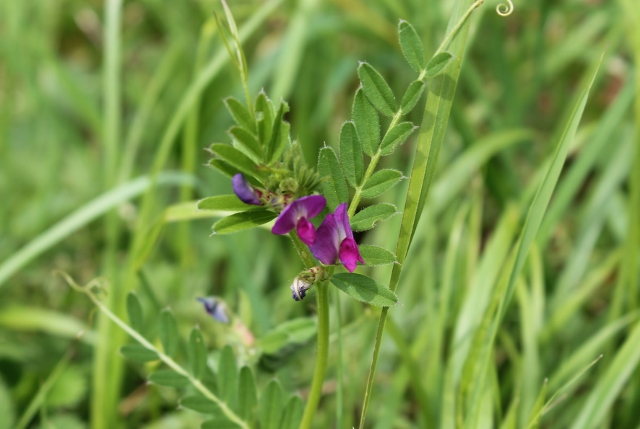
IMG_2231Common Vetch (640x429)

Common Vetch (Vicia sativa)

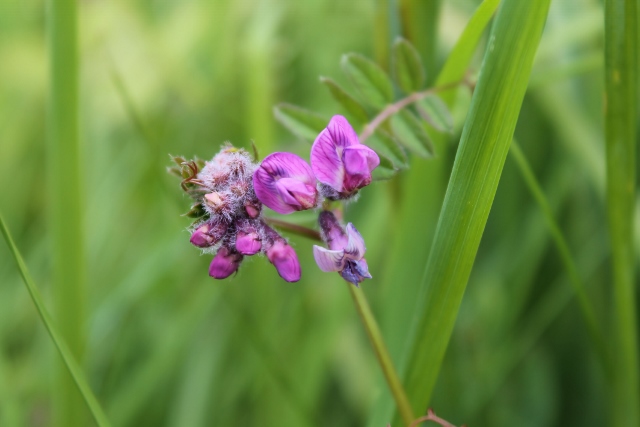
IMG_2262Bush Vetch (640x427)

Bush Vetch (Vicia sepium)

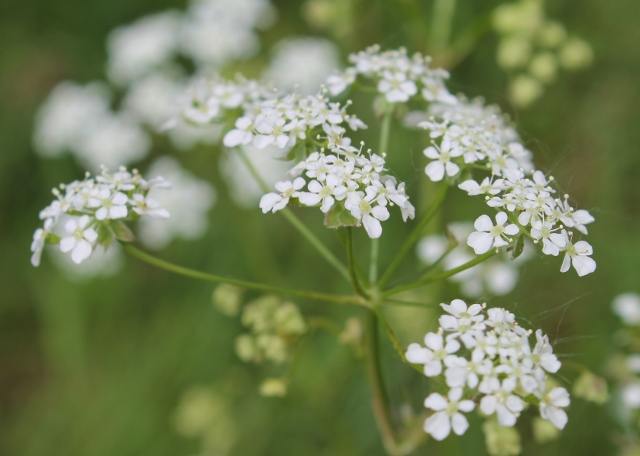
IMG_2232Cow Parsley (640x456)

Cow Parsley (Anthriscus sylvestris)

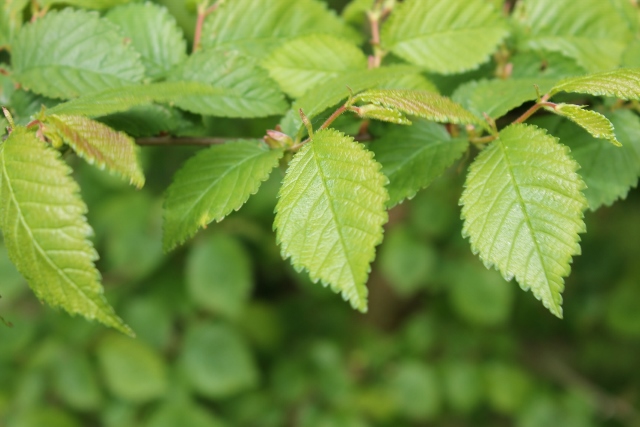
IMG_2233English Elm (640x427)

English Elm (Ulmus procera)

We have a number of English Elm saplings in our garden.  The Elm has a suckering habit so we have groups of them in the scrub area near our big pond.  When we first moved here in 2006 there were a few 20′ trees but those have since succumbed to Dutch Elm Disease.  I can just remember the countryside when we had beautiful, stately Elm trees everywhere with their wide, domed crowns.  Many of the trees had gaps where branches had been lost so they looked as though the trunks had leafy clouds on them.  Not a good description I know but maybe those of you who remember Elms will know what I mean.  My mother was always warned not to shelter under an Elm tree as they tended to lose branches easily.

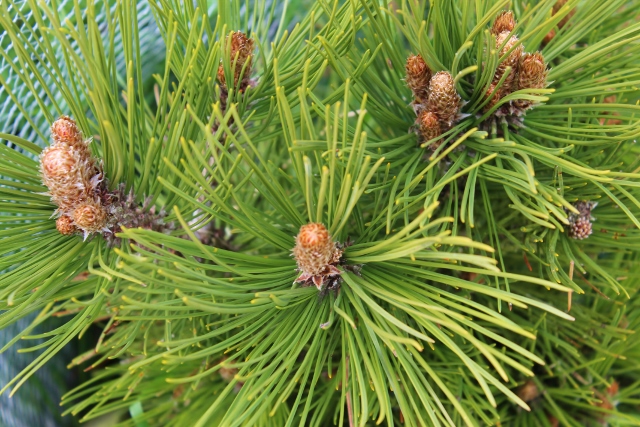
IMG_2257Scots Pine (640x427)

Scots Pine (Pinus sylvestris)

The Scots Pine is another tree that loses branches easily.  This is a little sapling we planted some years ago and hoped that it would be quite tall by now.  Unfortunately it is still only about 3 foot tall and for some time we couldn’t understand why it wasn’t growing.  We now believe that deer have been eating the new tips of the branches and have been pruning it.  We are trying to protect it with a tall ring of mesh.

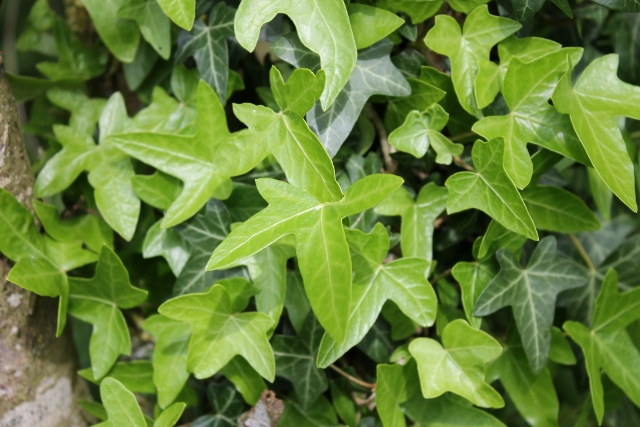
IMG_2234Ivy (640x427)

Ivy (Hedera helix)

I love the look of ivy.  The different shades of green of the new and older leaves, the pale veins and the exciting leaf-shape.  The upper leaves are oval and many people don’t believe they belong to the same plant.  It is such a useful plant to have in the garden.  It provides food and shelter to so many creatures and is useful greenery when I reluctantly have to provide flowers for church.

IMG_2235Ribwort Plantain (640x427)

Ribwort plantain (Plantago lanceolata)

The seedheads are food for Goldfinches and other seed eaters.

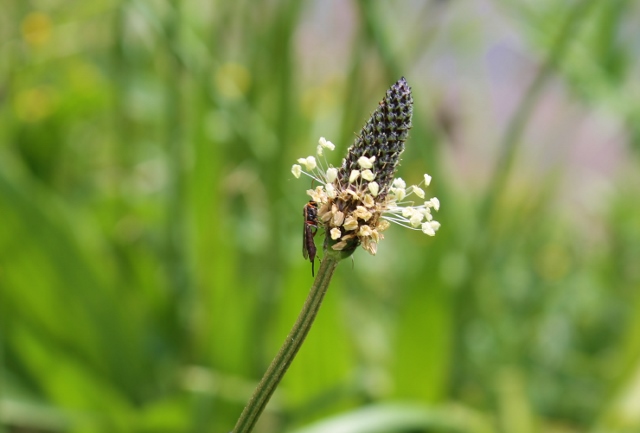
IMG_2236Ribwort Plantain & a sawfly (640x433)

This flowerhead has a visiting insect – a type of sawfly I think.

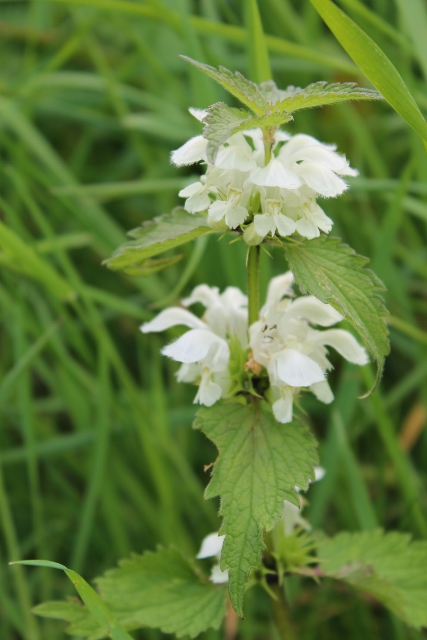
IMG_2260White Dead-nettle (427x640)

White Dead-nettle (Lamium album)

IMG_2244Wild flowers (2) (640x427)

Wild flowers. In this small patch there is Common Vetch, Creeping Buttercup, Heart’s-ease, Red Clover, Ground Ivy, Greater Plantain leaves and grasses.

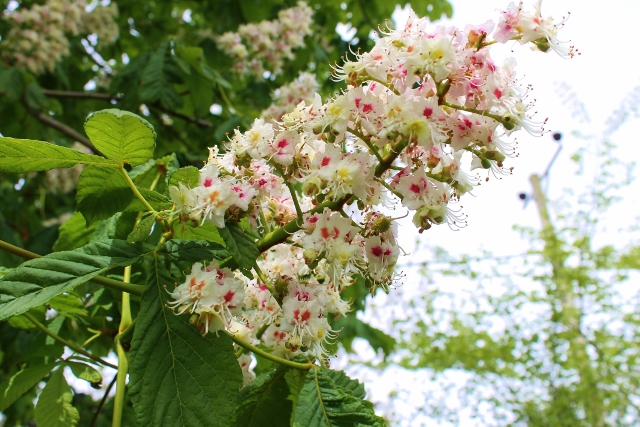
IMG_2245Horse Chestnut (640x427)

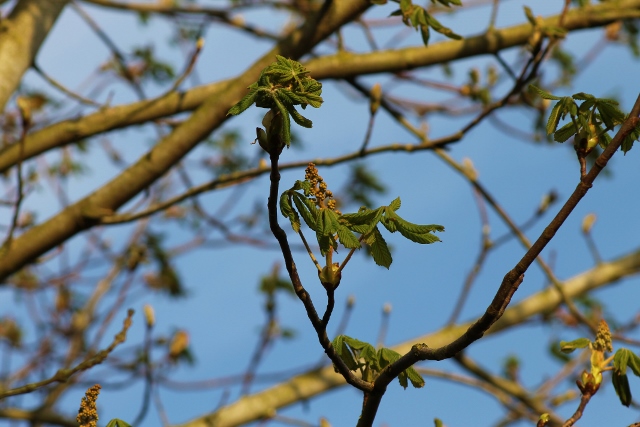
The Horse-chestnut (Aesculus hippocastanum) is flowering well. The flowers are scented.

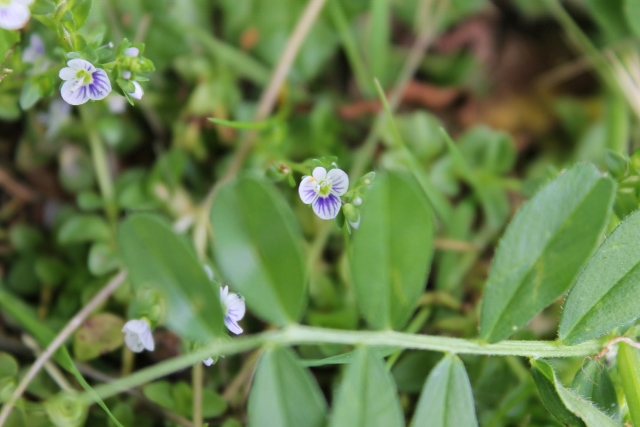
IMG_2248Thyme-leaved Speedwell (640x427)

Thyme-leaved Speedwell (Veronica serpyllifolia) The flowers are tiny!

IMG_2250Germander Speedwell (427x640)

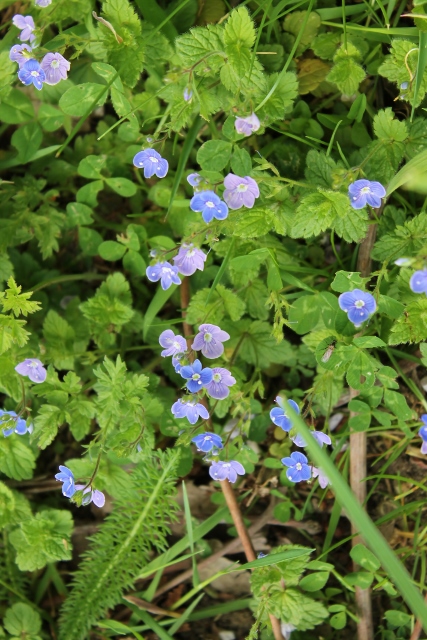
Germander Speedwell (Veronica chamaedrys)

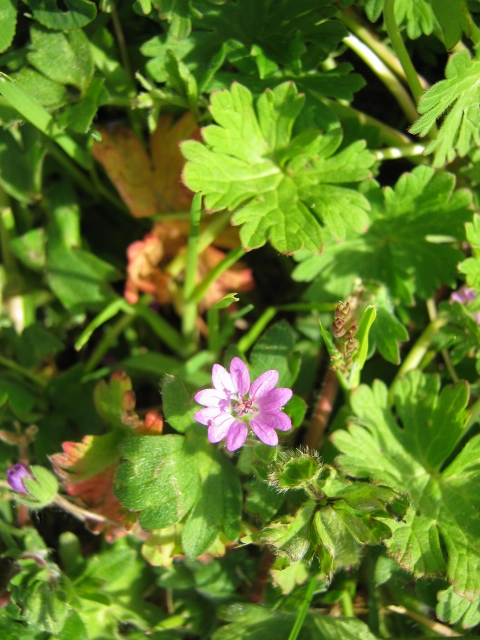
IMG_2249Cut-leaved Crane's-bill (640x427)

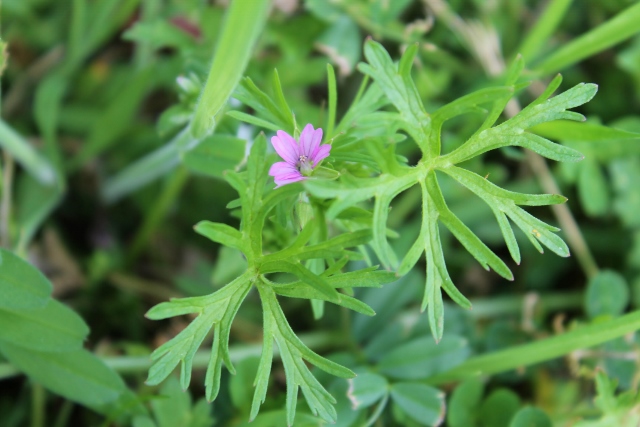
Cut-leaved Crane’s-bill (Geranium dissectum)

This is a little plant that is often over-looked but the leaves alone are quite beautiful.

IMG_2252Ash (640x427)

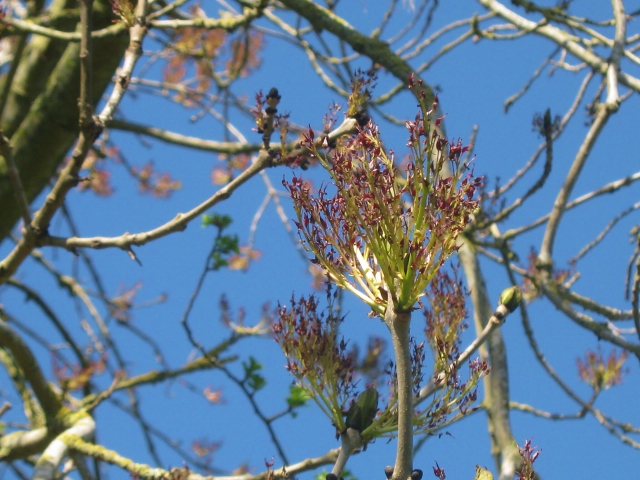
Ash (Fraxinus excelsior). The Ash tree is one of the last trees to come into leaf.

IMG_2258Red Clover (640x427)

Red Clover (Trifolium pratense)

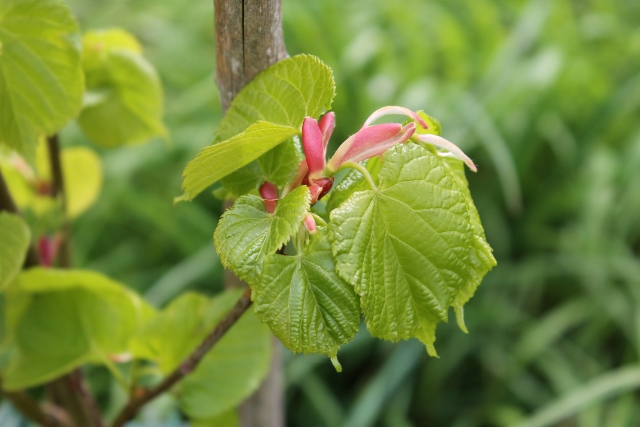
IMG_2255Small-leaved Lime (640x427)

Small-leaved Lime (Tilia cordata)

We have four small Small-leaved Lime trees which were a birthday present to me a couple of years ago.  I think the red buds are lovely.

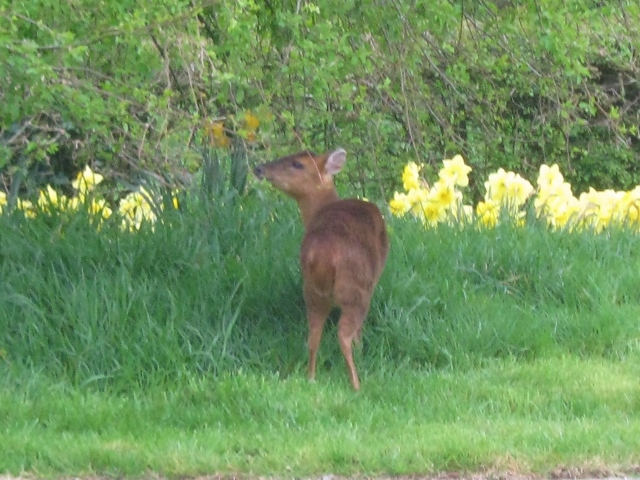
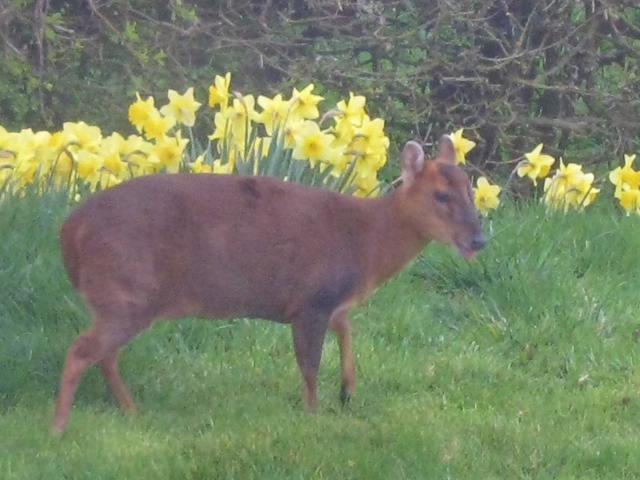
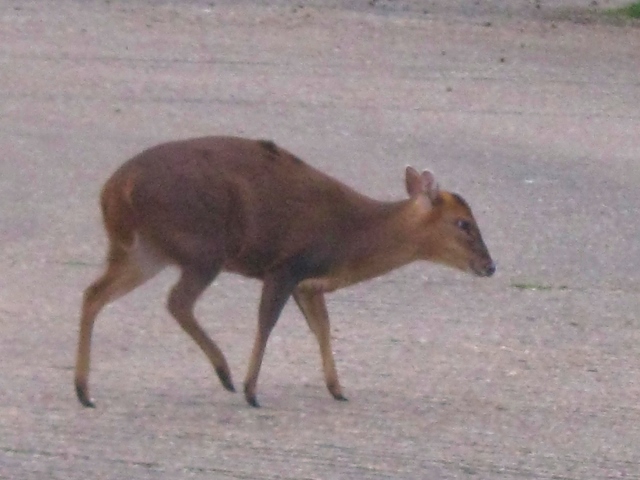
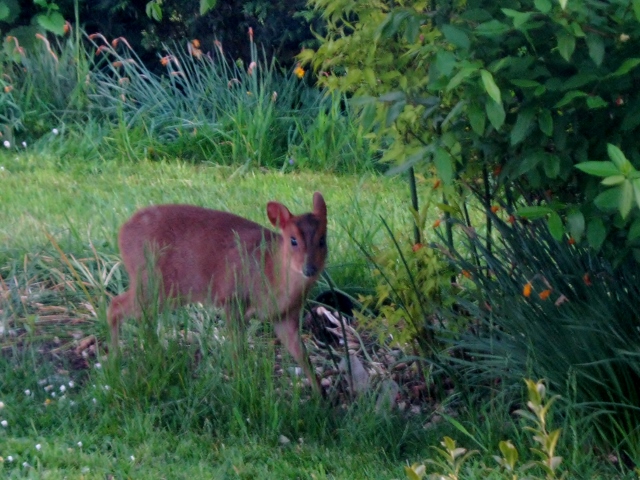
The final photo is a Muntjac fawn we saw a few evenings ago.  It was alone and only stayed for a few minutes.

IMG_4724Muntjac fawn (640x480)

As you can see it was only as tall as my daffodils that needed dead-heading.

Thank-you for visiting!

Share this:

  • Share on X (Opens in new window) X
  • Share on Reddit (Opens in new window) Reddit
  • Share on Pinterest (Opens in new window) Pinterest
  • Share on Facebook (Opens in new window) Facebook
  • Email a link to a friend (Opens in new window) Email
  • Share on Tumblr (Opens in new window) Tumblr
  • Print (Opens in new window) Print
  • Share on Pocket (Opens in new window) Pocket
  • Share on LinkedIn (Opens in new window) LinkedIn
Like Loading...

The Merry (?) Month of May

16 Sat May 2015

Posted by Clare Pooley in cooking, family, Gardening, Insects, plants, Rural Diary, trees

≈ 86 Comments

Tags

family life, flowers, fruit trees, health, spring, Suffolk

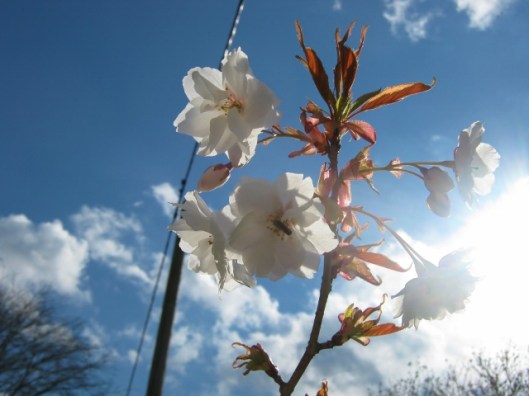
IMG_4544Japanese Cherry Fragrant Cloud (640x480)

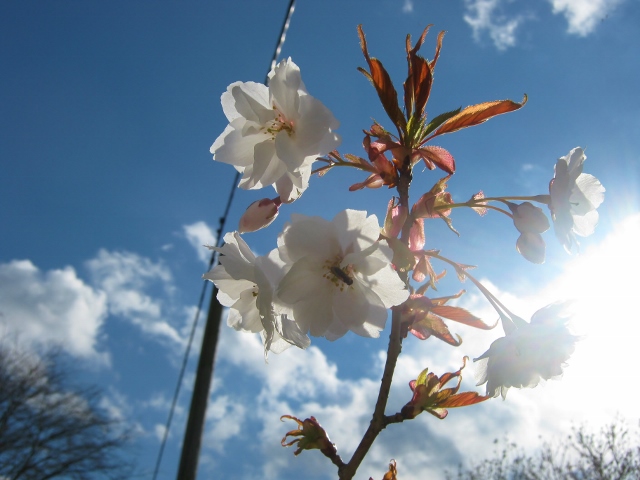
Japanese Cherry ‘Fragrant Cloud’

We have been fairly busy during the past few weeks with not much time for trips out.  Not that the weather has been conducive to those type of activities; we get one quite nice day with sunshine and a bit of warmth and then we revert to cold, windy days with grey skies and some rain too.  We are still getting cold nights and looking at the photographs I took this time last year, the flowers and blossom I am seeing now were ones I saw then during the second half of April.  The photos I am including in this post have been mainly taken on the few nice days we’ve had this month.
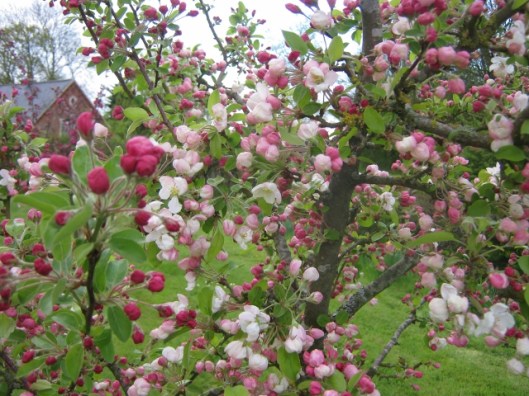
IMG_4547Crabtree Evereste (640x480)

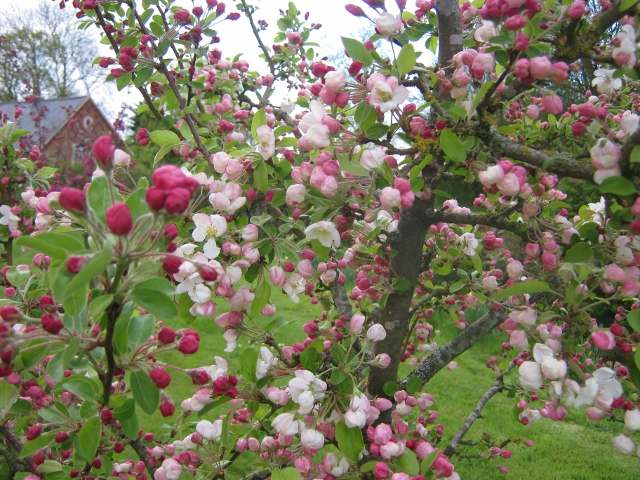
Crabapple ‘Evereste’ 

I took my mother to the hospital for her six-week check-up and we were sorry to be told that both her eyes had suffered a bleed or some damage and she would have to return to have injections in both eyes at the same time.  We duly returned a few days later and she had the injections.  Her eyesight has deteriorated again and for someone who has always enjoyed reading she is finding it so hard not to be able to read with ease any more.  She can’t read sub-titles on the TV quickly enough either so has had to give up watching her favourite foreign-language programmes.  She has also been told her kidneys are not functioning too well and her GP is having to re-think what medication she should be taking now.  She is a brave and sensible woman and is trying to make the best of the situation.
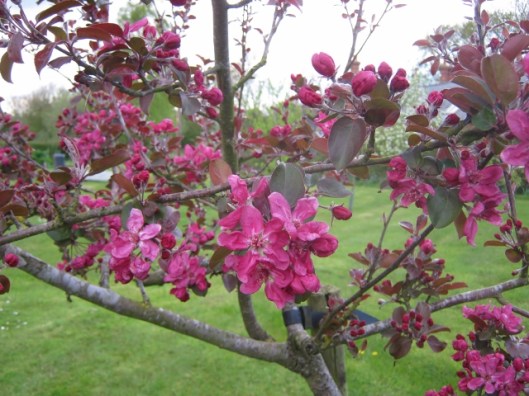
IMG_4550Crabtree Harry Baker (640x480)

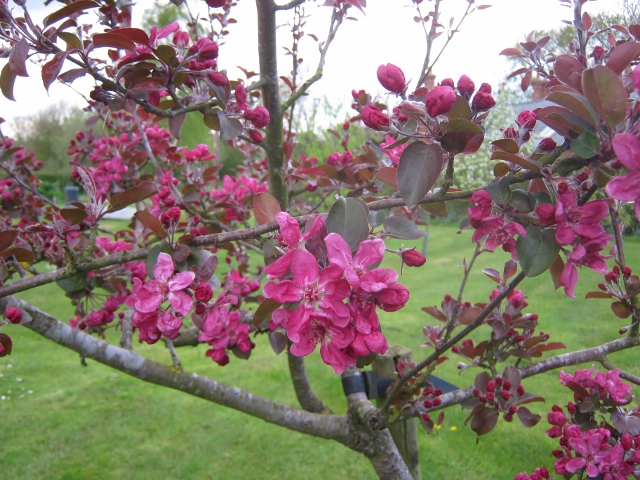
Crabapple ‘Harry Baker’

My mother-in-law has now moved into her care-home.  The actual move caused her some distress and she is still very unhappy.  She had lived in her home for over forty years and she had been very happy there.  She knows that she wouldn’t be able to care for herself if she went back home, even with a full care package, as she is almost totally immobile now and has so many other serious medical problems.  But that thought doesn’t take much of the sadness and frustration away; it probably adds to it.  Richard and his brother spent two full days last week going through her whole house finding the few things she would be able to take with her to the home and then trying to decide what to do with the rest of her belongings.  They had four trips to the tip to get rid of things no longer needed and have stored the rest of her possessions in my brother-in-law’s cellar.  My poor mother-in-law is sad that she has to sell her house to pay for her care and that she won’t be able to leave anything to her sons when she dies.
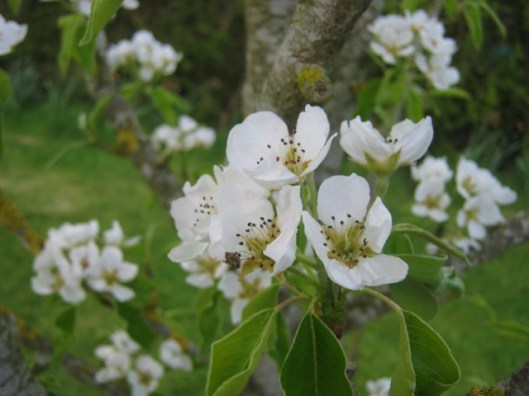
IMG_4553Pear Concord (640x480)

Pear ‘Concord’

My eldest daughter Alice is working hard on the few corrections that have to be made to her thesis before it is printed and bound.  She is also rehearsing for her next production with her drama group.  Because of her work schedule she won’t be able to visit us until the beginning of June.  We haven’t seen her since 31st December – the longest time we have ever gone without seeing each other.
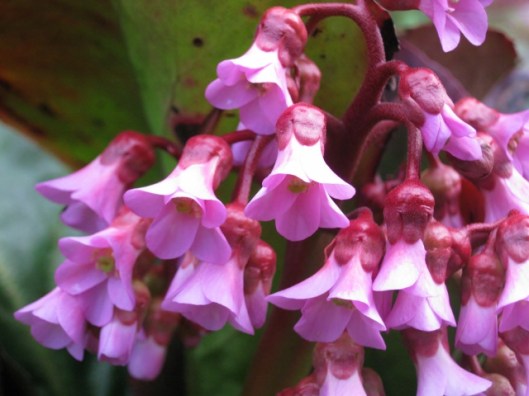
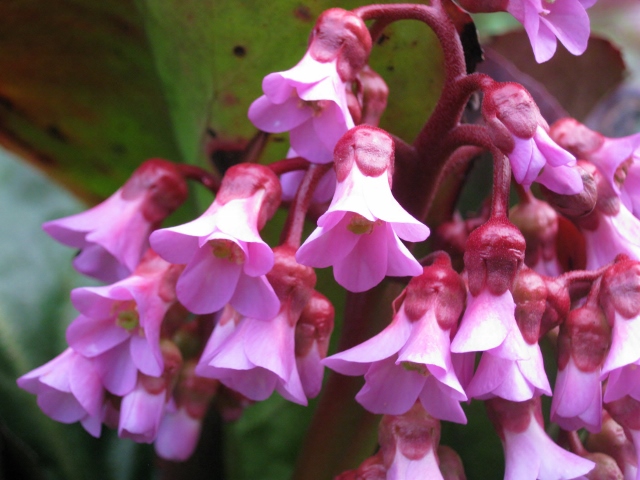
IMG_4560Bergenia (640x480)

Bergenia flowers. I took this photo on the 5th of May thinking that they may not be around that much longer. In past years I have had all my bergenia flowers eaten by deer or rabbits almost as soon as they came out. Not this year (so far). They are still flowering and have got so tall and look wonderful.

Elinor has taken her Art exam and has finished and handed in all her course-work.  She was pleased with the way her exam went.  She managed to do all she had wanted to do and didn’t panic at all.  Of course, she is now starting to worry that she hasn’t done enough and might not pass her exam!  She has an interview on Wednesday with tutors of the next two-year course she has applied to go on.  She wants to do Graphic Art and we and her current tutors think that she will do very well.

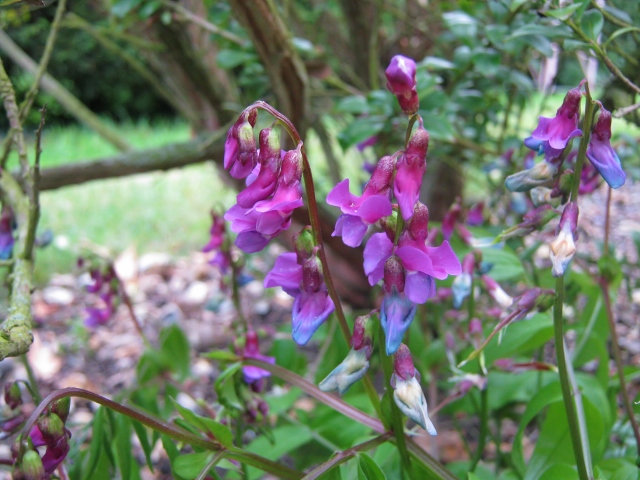
IMG_4563Lathyrus Spring Beauty (640x480)

Lathyrus ‘Spring Beauty’

We are currently applying for assistance for Elinor for next year.  This will provide her with one-to-one mentors who will be able to help her if she experiences anxiety at college and it may also be possible to provide her with different equipment and/or furniture which she may need because of her mild scoliosis.  She suffers from frequent back pain especially when she has to stand for any length of time.
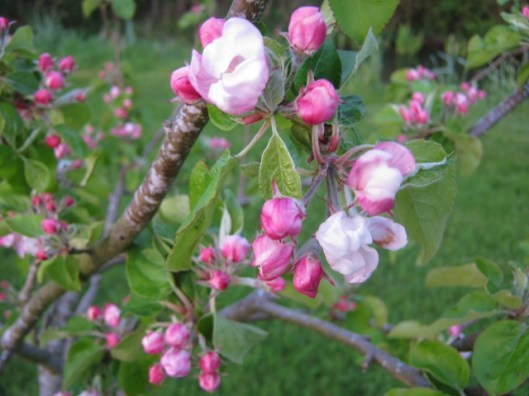
IMG_4631Apple Discovery (640x480)

Apple ‘Discovery’

She has her other exams during the first two weeks in June and is trying to revise for these at the moment.  English and Psychology are no problem to her and she is predicted to do well in both these exams but it is Maths as always which is causing her, and us all, such headaches.
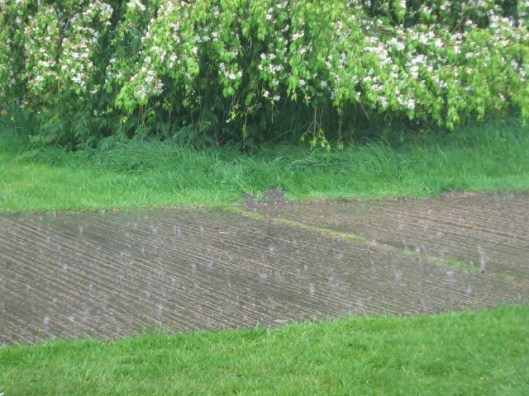
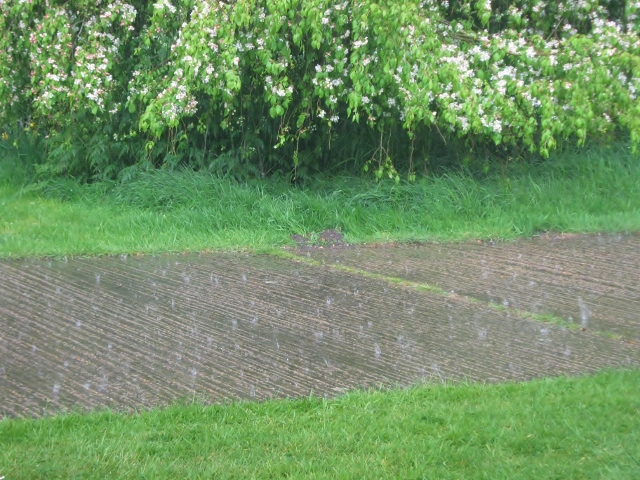
IMG_4632Heavy rain (640x480)

Heavy rain on 8th May

IMG_4640Dove's-foot Crane's-bill (480x640)

Dove’s-foot Crane’s-bill (Geranium molle)

Richard is fine and is getting used to the fact that he will need to be on medication for the rest of his life.  Join the club, I say!  He will be seeing the specialist in a few months time to have his situation reviewed with regard to the lesion on his pituitary gland.  Will he or won’t he have to have an operation to have it removed?  He is counting down the days until his retirement at the end of August but in the meantime is having to work very hard at work and has been allocated a number of jobs to do at locations all over the country, all to be done in the next couple of months.  The firm is getting its money’s worth out of him before he goes.  He is naturally saddened about his mother’s situation but knows she is being cared for properly now.
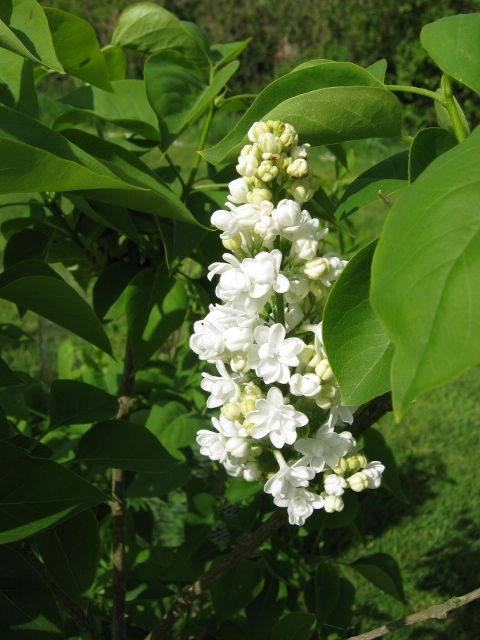
IMG_4639Lilac (480x640)

Lilac

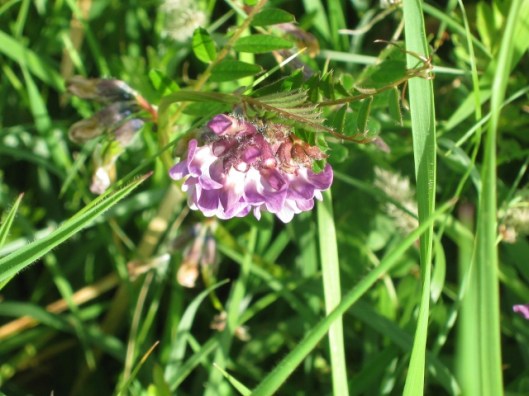
IMG_4636Bush Vetch (640x480)

Not a good photo of Bush Vetch (Vicia sepium)

I continue to have a problem with my dry throat.  I have seen a different doctor at our local surgery a couple of times and he has prescribed artificial saliva spray and also pastilles that should stimulate saliva production.  This all sounds unpleasant but the treatment has improved matters a little.  I would have liked to find out why I suddenly got a dry throat in January, which can be very uncomfortable at times, and would also like to know if there is anything I am doing or eating which has brought it on.  It would be good to know that I could get rid of it by a change in life-style.  I cannot get anyone interested in this and am just supplied with medication to alleviate the symptoms.  The GP says I am to tell my Rheumatology specialist about my dry throat when I next go to see her – there is a possible connection between one of the tablets I take, rheumatoid arthritis and dry throats.  I asked if the specialist might be able to do anything for me.  Oh no, I doubt it, said the GP, she will just find it interesting!  The one unfortunate side-effect is I am unable to sing properly any more.  I get great pleasure from singing and hoped to be able to re-join a choir when circumstances allowed but if things stay as they are I would be a liability.  It saddens me that I have had to give up so many hobbies because of my health and I had hoped that I would be able to sing for a while longer –  I hope nevertheless that the medication will eventually enable me to sing again.  I have also had a very upset stomach for the past ten days.  I have had to continue with driving my daughter and mother to the places they need to be and also had a few appointments of my own to keep, but when I have eventually got back home I have no energy for much housework or any gardening let alone the enthusiasm for reading and blogging.  I have felt quite a lot better today and have managed to catch up with commenting on the blogs I follow but if I have said anything over the last couple of weeks that has been a little odd please blame it on the stomach bug (it wasn’t me!).
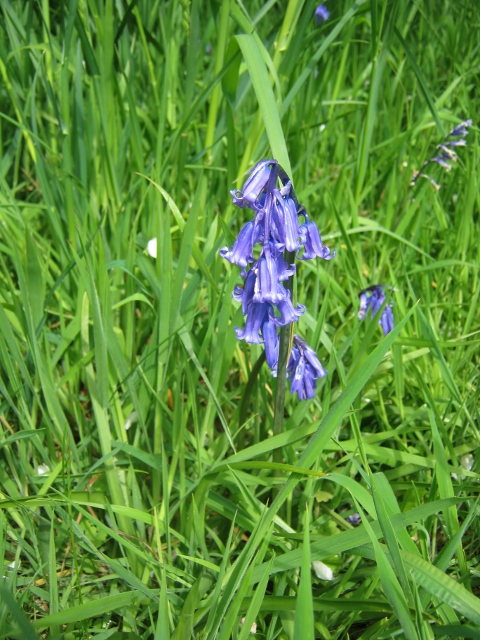
IMG_4635Bluebell (480x640)

Bluebell (Hyacinthoides non-scripta)

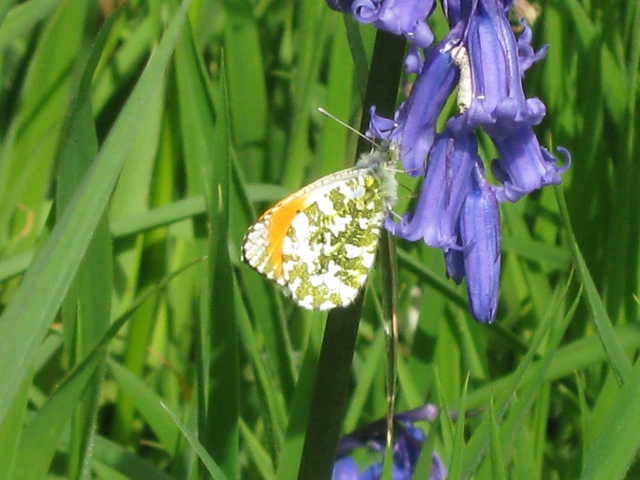
IMG_4645Orange-tip on bluebell (640x480)

Male Orange-tip butterfly (Anthocharis cardamines) on bluebell. It’s a pity the butterfly chose to drink nectar from a bluebell with a bird poo on it! 

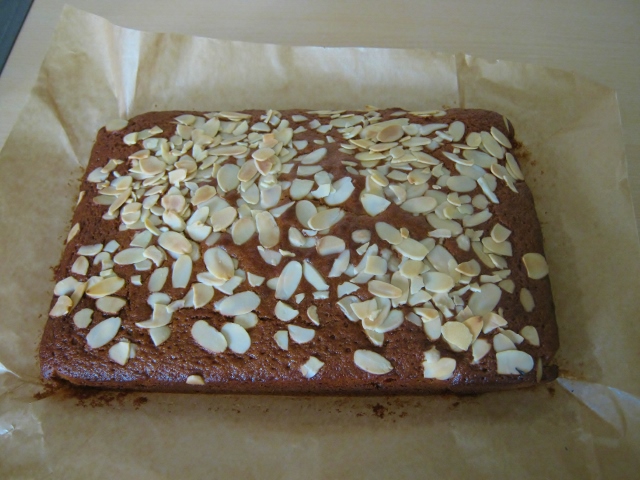
On May Day Bank Holiday Monday, Rumburgh village had its annual fete and as usual I provided a couple of cakes for the church’s cake stall.  Richard pulled a large amount of our rhubarb as well which was also sold on the stall.  I spent most of the day before baking the two cakes I took to the fete.  We went out in the afternoon to Captain’s Wood to see if the bluebells were flowering.  I will put that visit in a separate post.
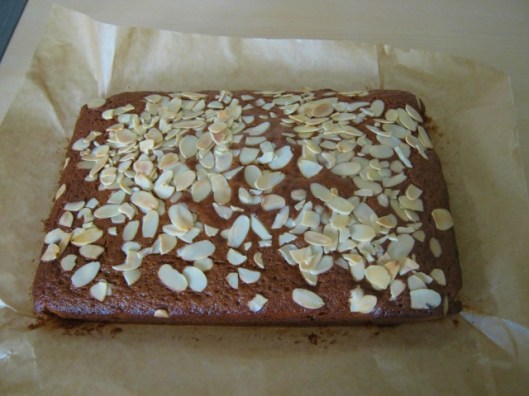
IMG_4541Honey cake (640x480)

Honey Cake tray bake. It’s always good to provide tray bakes or individual small cakes for cake stalls. They sell for more money than a large cake does.
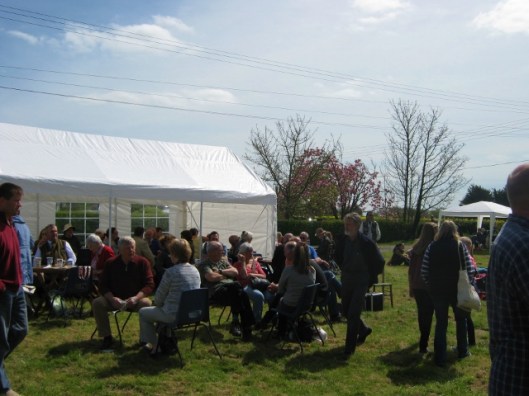
IMG_4569Rumburgh Fete (640x480)

The tea tent at the Rumburgh fete

Last week, while Richard was away in Manchester helping his brother sort out their Mum’s house, Elinor and I went to Minsmere RSPB reserve to walk through the woods.  This will also be the subject of another post.
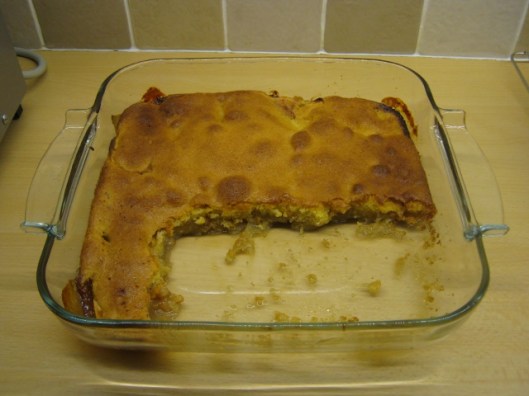
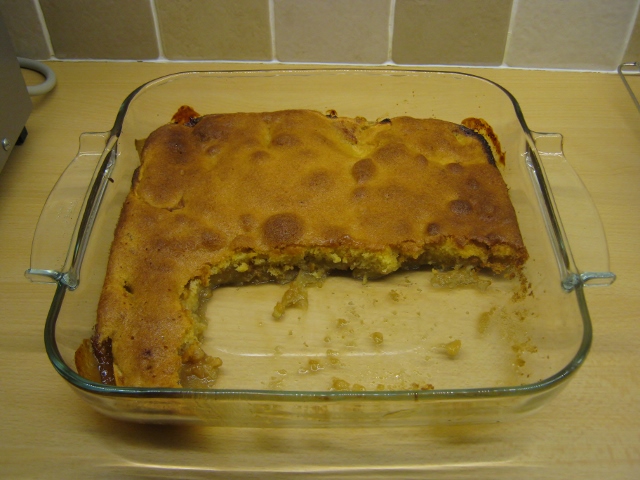
IMG_4564Eve's Pudding (640x480)

While I was baking cakes for the fete I also made an Eve’s Pudding for us to eat at home. I didn’t manage to photograph this before some of it had been eaten. The other cake I made for the fete but didn’t photograph, was a Mincemeat Cake. A good way of using up the extra mincemeat bought at Christmas.

This is the sum total of our activities so far this month.  Quite gloomy in places I’m afraid.

Thank-you for visiting!
Share this:

  • Share on X (Opens in new window) X
  • Share on Reddit (Opens in new window) Reddit
  • Share on Pinterest (Opens in new window) Pinterest
  • Share on Facebook (Opens in new window) Facebook
  • Email a link to a friend (Opens in new window) Email
  • Share on Tumblr (Opens in new window) Tumblr
  • Print (Opens in new window) Print
  • Share on Pocket (Opens in new window) Pocket
  • Share on LinkedIn (Opens in new window) LinkedIn
Like Loading...

A Walk to St Peter’s Church 12th April 2015

09 Sat May 2015

Posted by Clare Pooley in churches, plants, Rural Diary, Uncategorized, walking

≈ 41 Comments

Tags

architecture, churches, St Peter South Elmham, Suffolk, walking

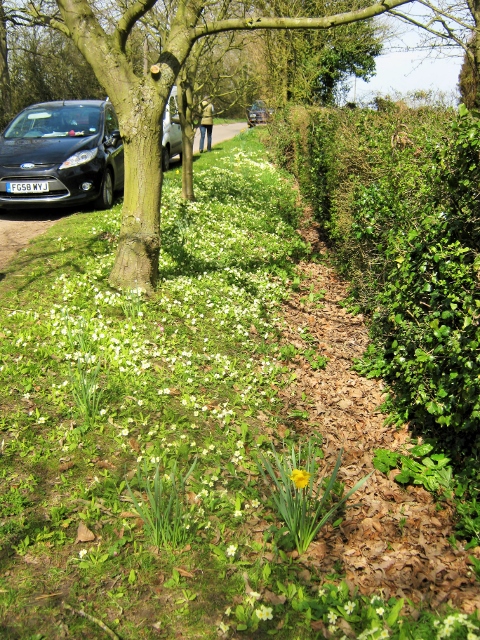
IMG_4351Primrose bank outside St Peters (480x640)

Primrose bank outside St Peter’s church

I am indebted to our Rector the Rev. Richard Thornburgh for the use of his Notes on the church of St Peter South Elmham.  A leaflet we bought when we visited the church.

Richard and I went to church at St Peter South Elmham on the 12th April.  It was a lovely spring day and the primroses on the bank outside the church were glorious!  We decided that, as it was such a nice day, we would walk back to the church in the afternoon and try to get there across the fields instead of along the lanes.  We had travelled there by car in the morning.

We set off on the same route across the fields that we usually use and were pleased to see that the ground was dry and virtually mud free.

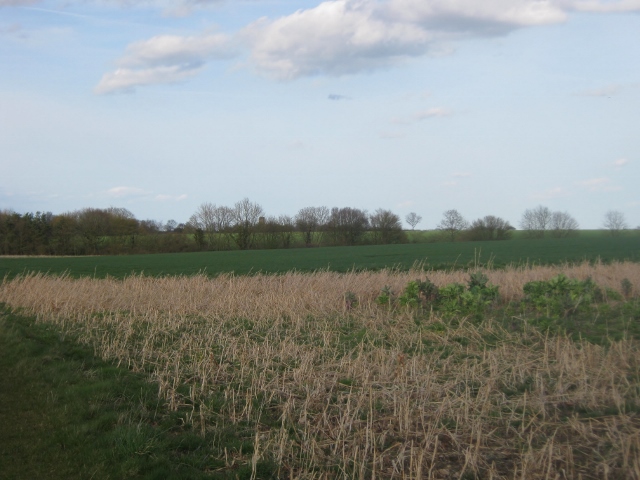
Dried grasses

Dried grass in the field.

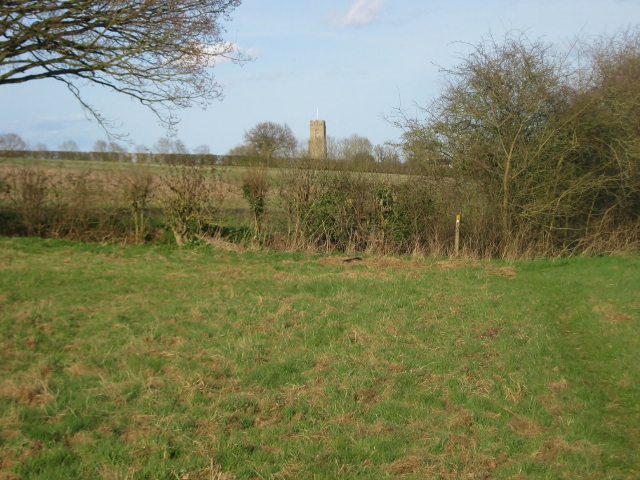
St Peters church across the fields

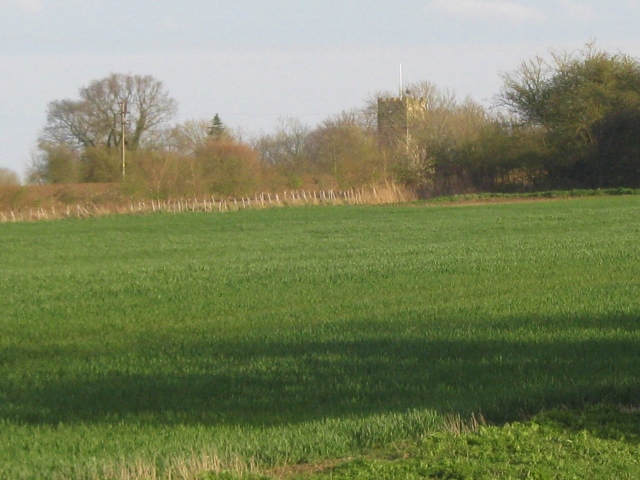
Our goal; St Peters church across the fields.  You can just see it behind the trees on the horizon.

IMG_4360Strange sign (480x640)

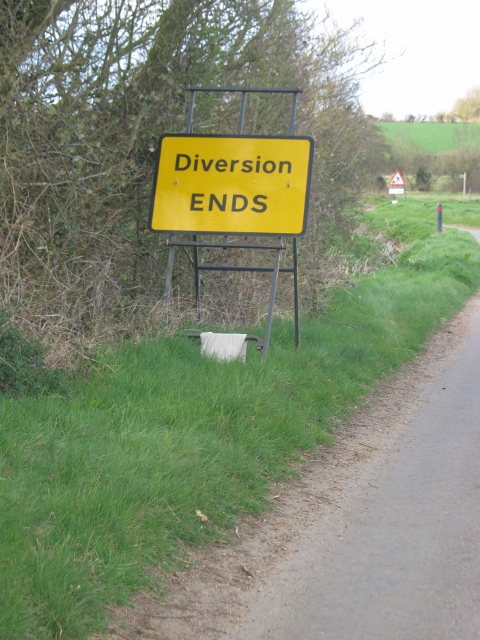
We have been having to put up with almost continuous road repairs to our lanes for the past two or three months. The repairs are desperately needed but the long diversions to get past them have been very inconvenient. This was a strange place for this sign to be. It was half way along a very narrow lane with no other lanes turning off it. It would have confused a stranger!

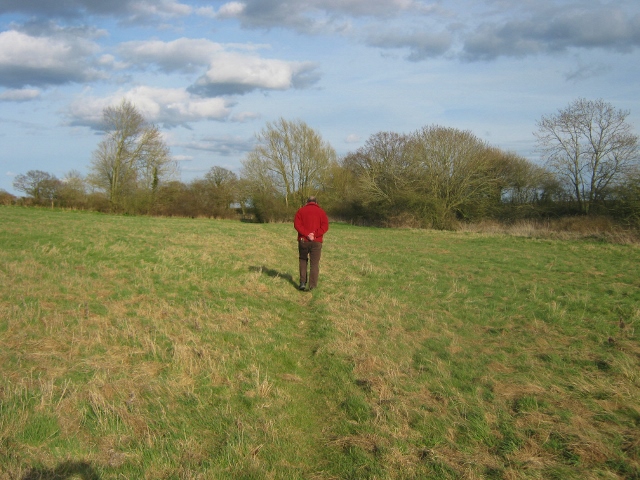
Richard walking across the field

Richard walking across the field at the valley bottom. The paths are so clearly marked in the fields. So many people have used these paths over the centuries that the ground is indented and the grass grows differently.

The Beck and blackthorn blossom

The Beck, our local stream, at the corner of the field; with blackthorn blossom.

St Peters church

Another view of St Peters church

IMG_4364In the Beck (640x480)

The water in the Beck was beautifully clear.

IMG_4365Horses (640x480)

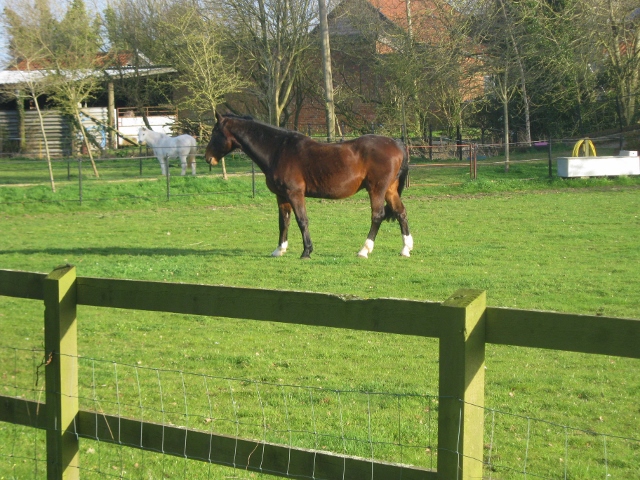
Such a beautiful glossy horse in a field we walked past.

IMG_4367Bridge (640x480)

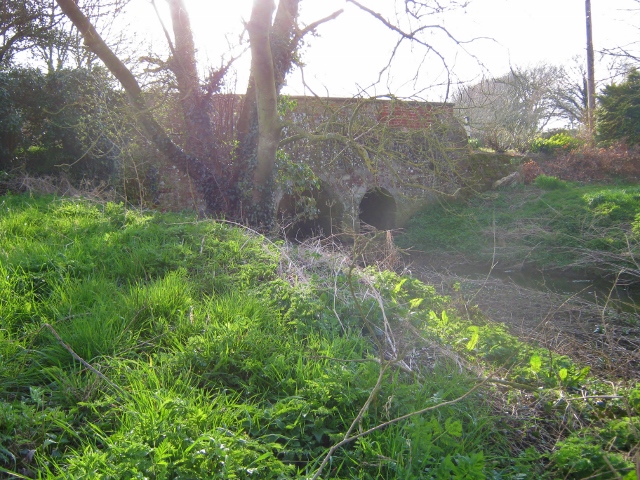
This bridge over the Beck at the bottom of the hill in St Peter’s village has been rebuilt many times.  You can just about see the couple of patches of red brick.

St Michaels church

St Michael’s church in the village of St Michael can be seen from the bottom of the hill in St Peter’s village. Almost all our village churches in ‘The Saints’ are within very short distances of each other.

Up the hill to St Peters church

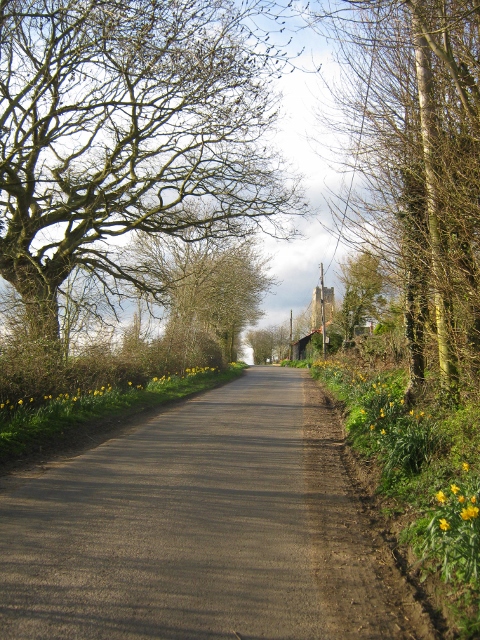
The view up the hill to St Peters church

Down the hill from the church

Looking back down the hill from the church to where the bridge is.

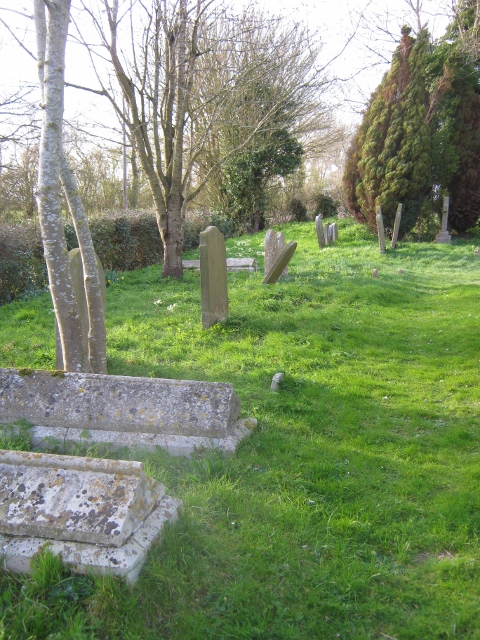
IMG_4372Churchyard (480x640)

St Peter’s churchyard

IMG_4393Preaching cross (480x640)

This is believed to be the base and part of the Preaching Cross which once stood at the nearby road junction.

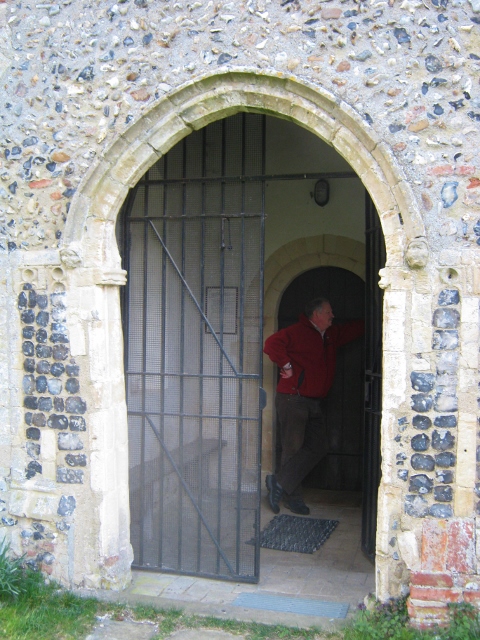
Porch

The 14th century porch which has very worn carved faces (headstops) on the outer arch. Richard is inside reading notices on the notice-board.  The door into the church from inside the porch, that Richard is standing in front of, is much older than the porch.  It is early Norman – late 11th or 12th century.

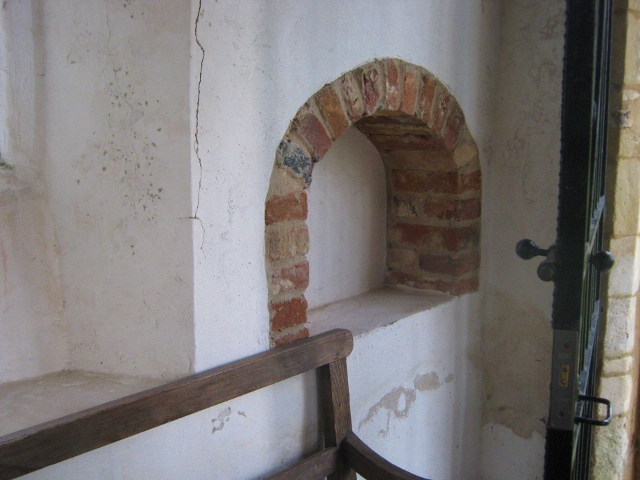
IMG_4391Stoup (640x480)

The stoup recess inside the porch. This would have contained a bowl of Holy Water.

IMG_4374Window in the tower (2) (597x640)

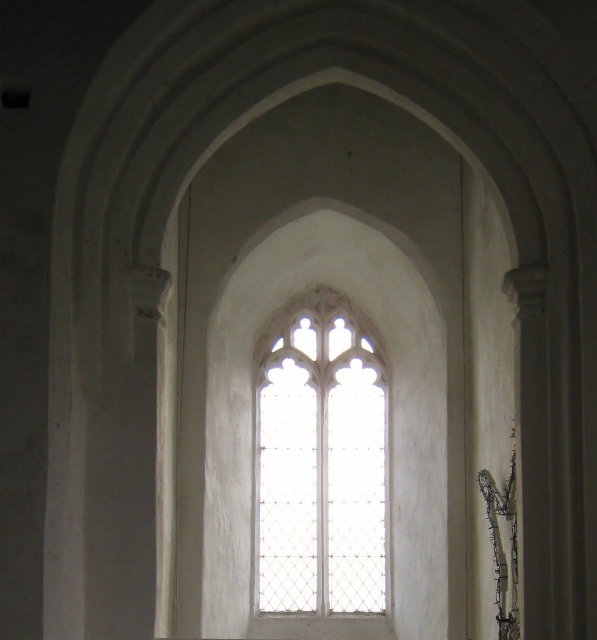
The window in the tower.

Rood screen and chancel

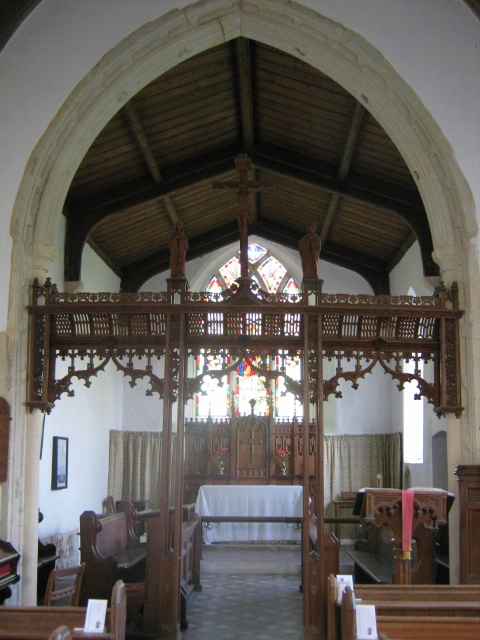
The beautifully carved Rood screen and the chancel.

I was sorry not to be able to get a better photo of the Rood screen as it is quite lovely.  I would have had to light the church properly so that the sunlight from the windows wasn’t causing the Rood Screen to be in silhouette.   The screen isn’t all that old.  It was presented to the church by the Adair family from Flixton Hall in 1923.

You can see the socket holes in the arch above the screen into which the original screen and tympanum were fitted.  The originals were probably destroyed during the time of the Commonwealth.

Roof timbers

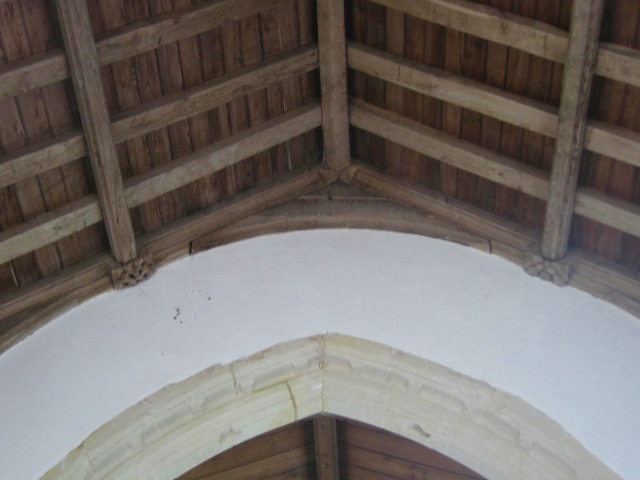
The nave has a beautiful timber roof.

IMG_4379Pulpit (480x640)

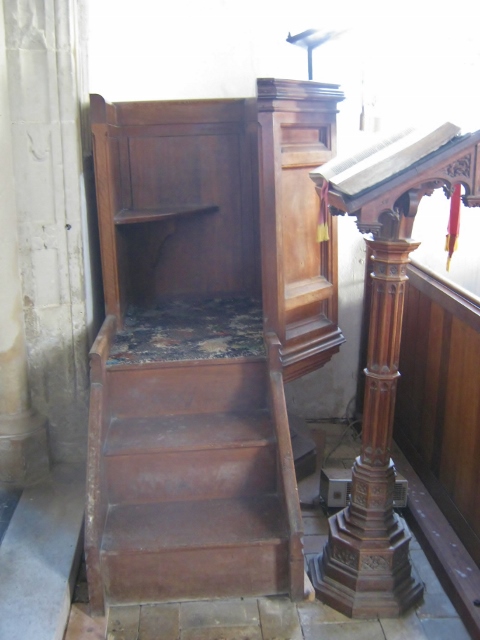
18th century pulpit.

IMG_4380Altar and East Window (476x640)

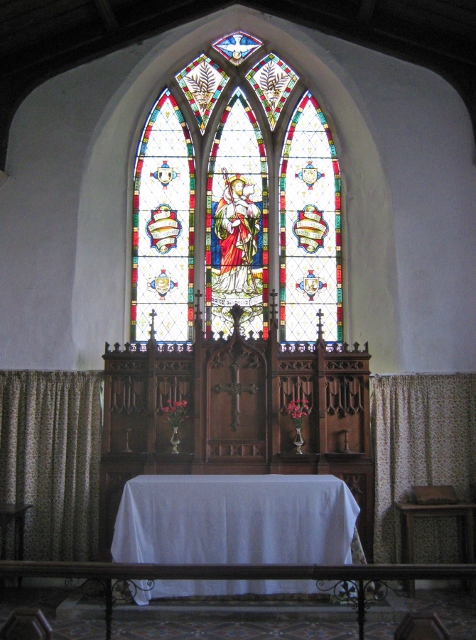
The altar, the modern oak reredos behind the altar and the east window.

Carving in stone and wood
IMG_4381List of Rectors (480x640)

A list of the names of all the Rectors of St Peter’s church from the 14th century to the 19th century and their patrons.

The harmonium
The harmonium
Ancient door
Ancient door
IMG_4388Font (480x640)

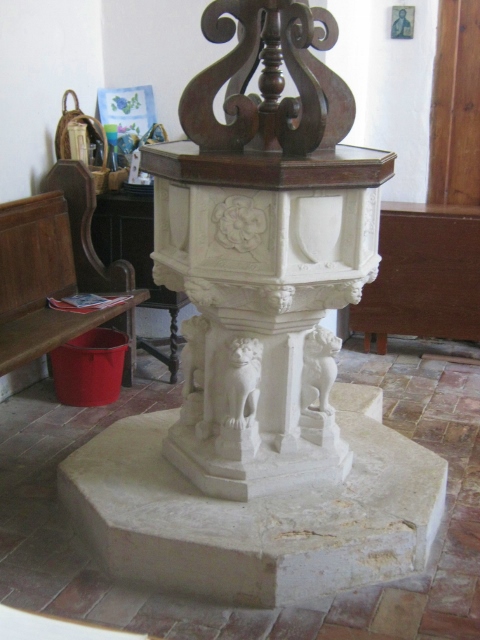
This is the 15th century font with a typically East Anglican lion design. There are four lions round the shaft and angel faces with crossed hands above them. Above the angels are Tudor rose designs and blank shields. The font cover is 17th century work. Please ignore the decorative red bucket under the pew! I didn’t notice it when I took the photo.

IMG_4387Tomb panels (640x480)

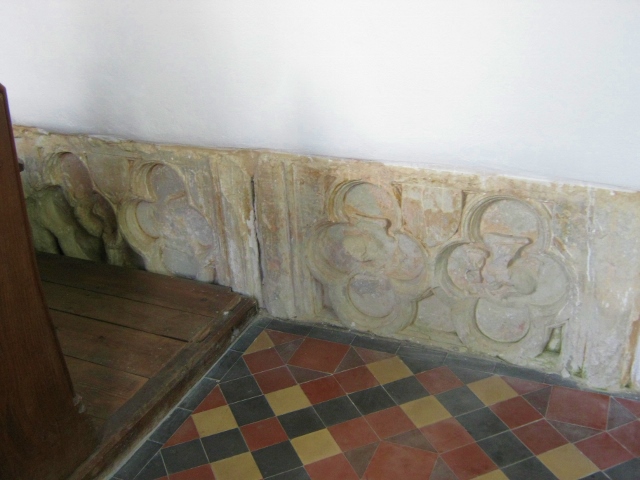
Part of tomb panel

There used to be a Lady Chapel, built in the late 14th or 15th century, on the north side of the church.  In the chapel, John Tasburgh Esq. and his wife Margery, owners of the land on which the church was built, were buried.  The tomb panel pictured above (one of two) is all that is left of their tombs, and therefore all that’s left of the Lady Chapel which was desecrated during the Commonwealth years.  By 1830 the chapel was in a terribly dilapidated state, the tombs had been dismantled and the panels used as the base for the new north wall.  The panels extend for about another foot below ground level.  The last of the chapel was demolished in the 1840’s.


This slideshow requires JavaScript.


South side of the church
The tower
The tower
The east window
The east window

By the time we left the church it had become very windy and we really struggled in our walk home.

IMG_4396Barren strawberries (640x480)

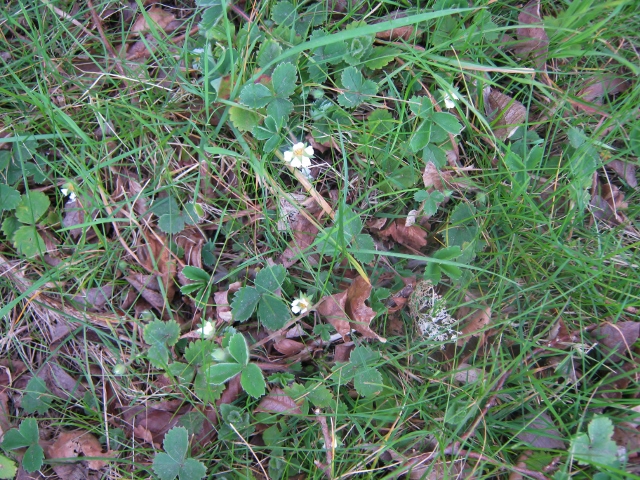
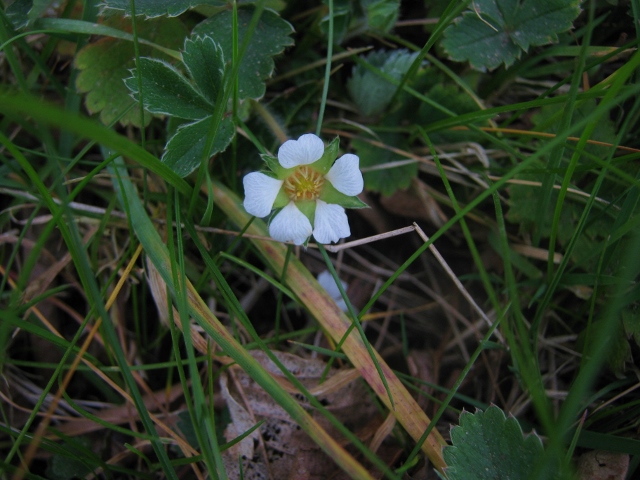
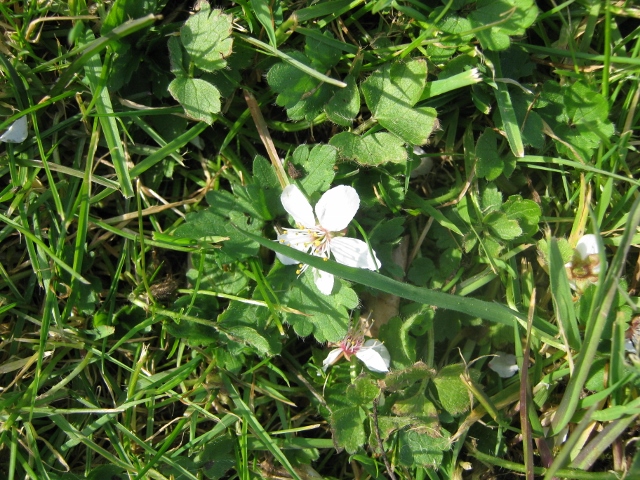
I thought at first I had found some wild strawberries, but on closer inspection I realised that this is a Barren Strawberry plant.

IMG_4397Barren strawberry flower (640x480)

Barren Strawberry (Potentilla sterilis)

The petals of the Barren Strawberry are widely spaced and the fruits are dry and papery.  The terminal tooth of the end leaflet ( the plant is trifoliate like a strawberry plant) is shorter than the adjacent ones.

This slideshow requires JavaScript.

The sky was beautiful.

Thanks for visiting!


Share this:

  • Share on X (Opens in new window) X
  • Share on Reddit (Opens in new window) Reddit
  • Share on Pinterest (Opens in new window) Pinterest
  • Share on Facebook (Opens in new window) Facebook
  • Email a link to a friend (Opens in new window) Email
  • Share on Tumblr (Opens in new window) Tumblr
  • Print (Opens in new window) Print
  • Share on Pocket (Opens in new window) Pocket
  • Share on LinkedIn (Opens in new window) LinkedIn
Like Loading...

Dunwich Heath – August 31st 2014

07 Thu May 2015

Posted by Clare Pooley in plants, Rural Diary, Uncategorized, walking

≈ 47 Comments

Tags

bell-heather, coastguard cottages, coastline, Dunwich Heath, dwarf gorse, erosion, gorse, heather, heathland, ling, marram, National Trust, sandlings, Sea Kale, shingle beach, Suffolk

057Dunwich Heath sign (640x427)

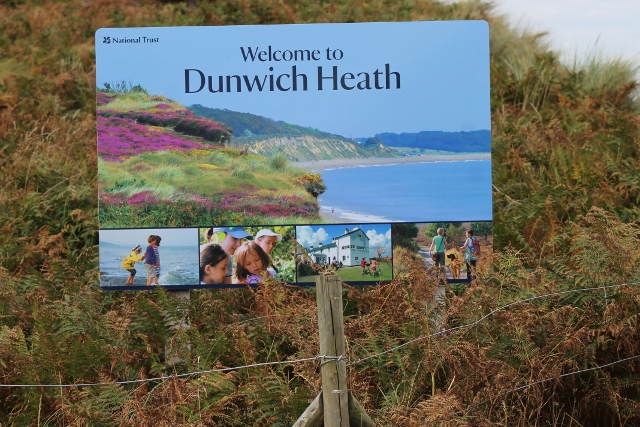
Richard, Elinor and I took a trip to Dunwich Heath at the end of August last year.  We wanted to go somewhere different to our usual places but didn’t want to make a long journey.

040Coastguards cottages (640x480)

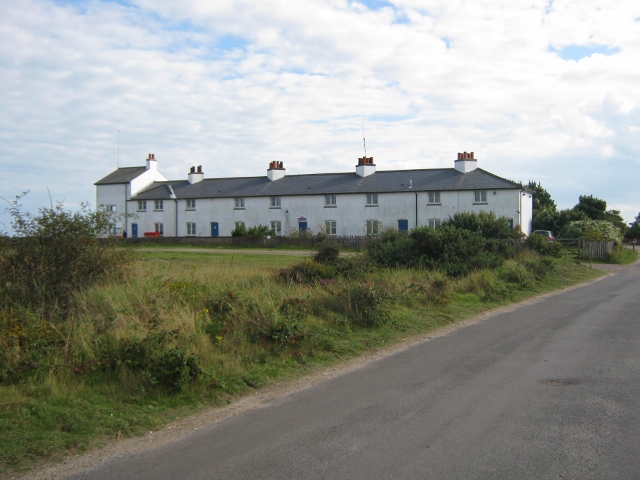
The old coastguard cottages. The National Trust tearoom is situated in the end cottage.  The other cottages are rented out as holiday homes.

The County of Suffolk has six topographical regions each with its own distinct landscape features.  I live in High Suffolk with its boulder-clay soil but just a couple of miles to the East of us the soil changes and becomes sand and gravel.  This gravelly area is called The Sandlings and Dunwich Heath (part of the Sandlings) is right on the coast.  To quote the National Trust description of the area –

‘Dunwich Heath is where the Sandlings meets the sea.  It is 87 hectares (215 acres) of heather, gorse, grassland, woodland and crumbling sandy cliffs, as well as a mile of shifting sand and shingle beach.  The Sandlings landscape was created by early farmers thousands of years ago.  The sandy, free-draining soils became dominated by heather as farmers cleared the trees and introduced sheep to graze the land.

Within the Sandlings, only at Dunwich does the heathland extend to the cliff top – a rare example of coastal lowland heath.’

060Beach (640x384)

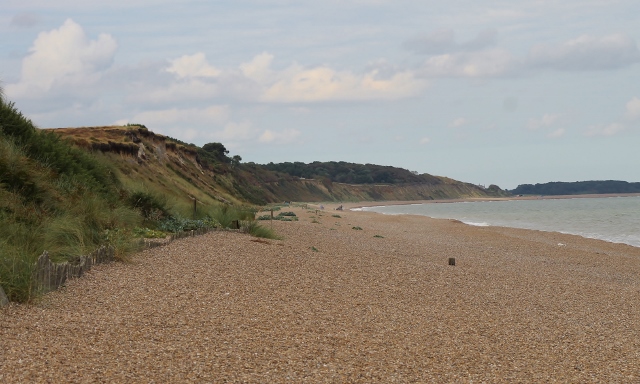
The shingle beach and cliffs

Late summer and early autumn is the best time to visit heathland as that is the time the heather is in flower.

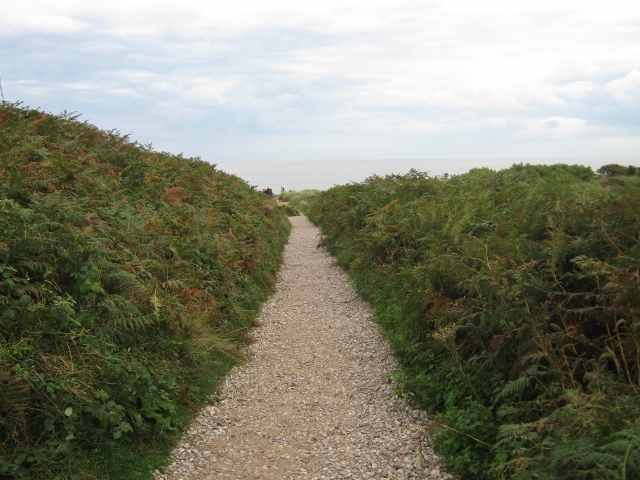
005Path at Dunwich Heath (640x480)

We parked the car and walked to the beach first, as the seaside is Elinor’s favourite place to be.

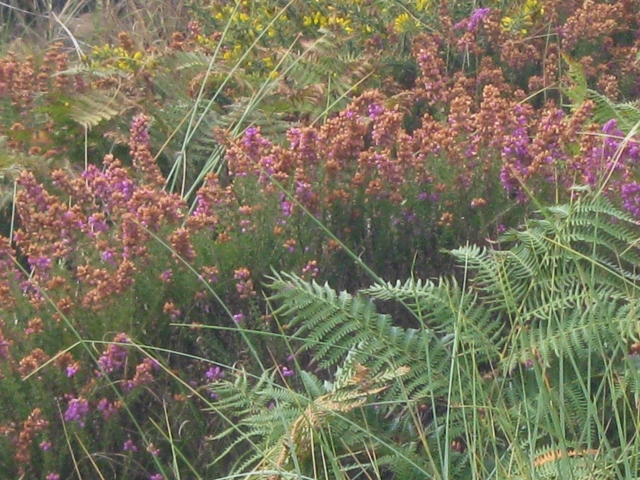
007Heather, gorse and bracken (640x480)

Heather, gorse and bracken by the side of the path.  This heather is going to seed; I love the orange colour of the seed capsules.

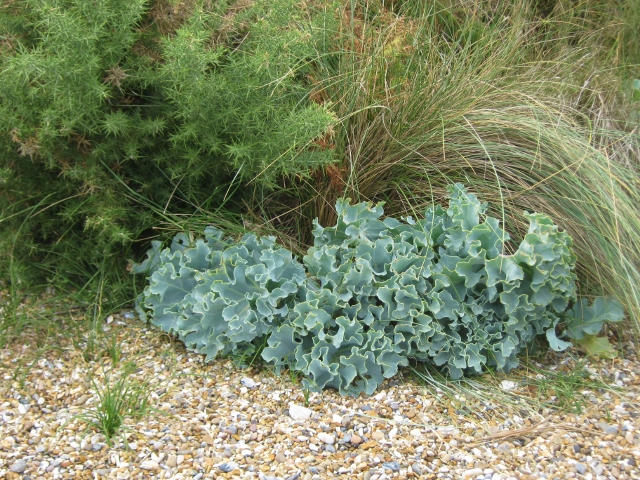
009Sea Kale (640x480)

We found Sea Kale (Crambe maritima) as usual, with Marram grass (Ammophila arenaria) and Gorse behind it

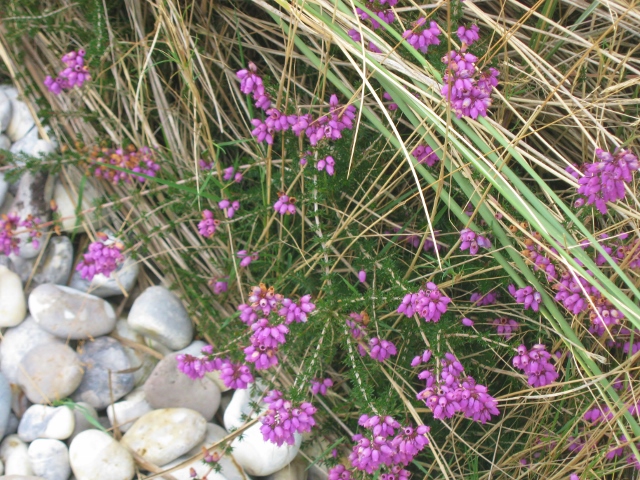
012Heather on the shoreline (640x480)

Heather on the shoreline

010Dunwich cliffs (480x640)

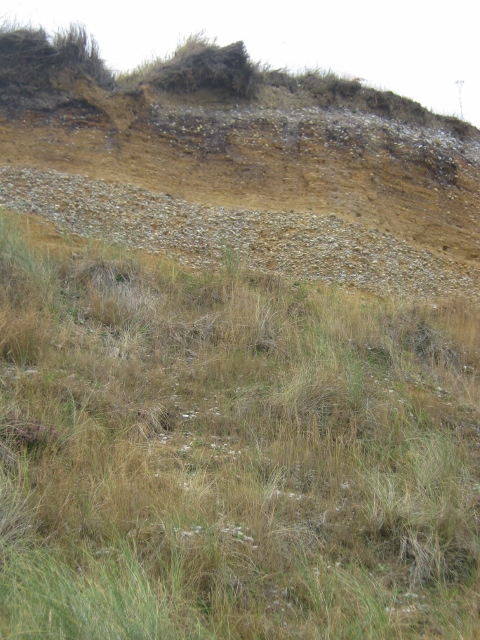
You can see here what the cliffs are made of – sand and gravel in layers. It is no wonder they are crumbling away.

The sands are known as ‘crags’.  The southern sandling crags are the oldest – a shelly ‘Coralline Crag’ which was deposited in warm tropical conditions about 3.5 million years ago forms an island and is surrounded by a sea of ‘Red Crag’ which is also full of fossilised shells.  The northern crag known as ‘Norwich Crag’ is younger and is less than 2 million years old.  Dunwich Heath is part of the ‘Norwich Crag’.

I have found three Belemnite fossils in my garden.  Perhaps some gravel containing these fossils was brought to the area when the house was built or perhaps the land where we live is the border between the clay soil and the sandy soil.

011Dunwich cliffs (640x480)

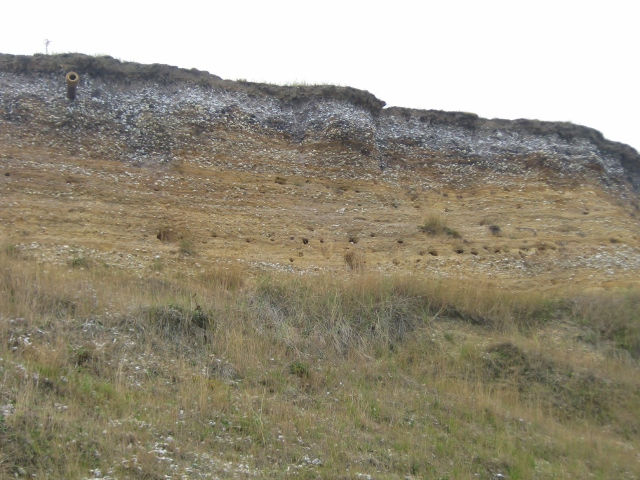
The little holes are probably Sand Martin (Riparia riparia) nestholes. The pipe sticking out at the top left of the picture is probably a land drain.

014Dunwich cliffs (640x480)

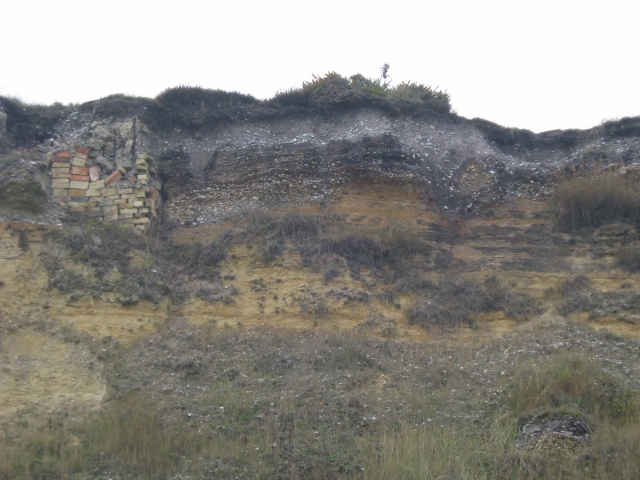
Dunwich has disappeared into the sea at a rate of about 400 metres in 400 years. Houses and other buildings are still lost regularly. I don’t know what the structure at the top left of the picture is, or was!

020Southwold (640x480)

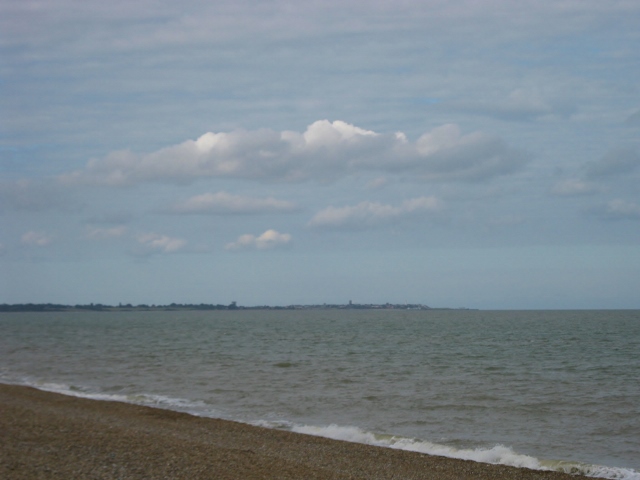
We could see the town of Southwold to the north.

024Dunwich Heath (640x480)

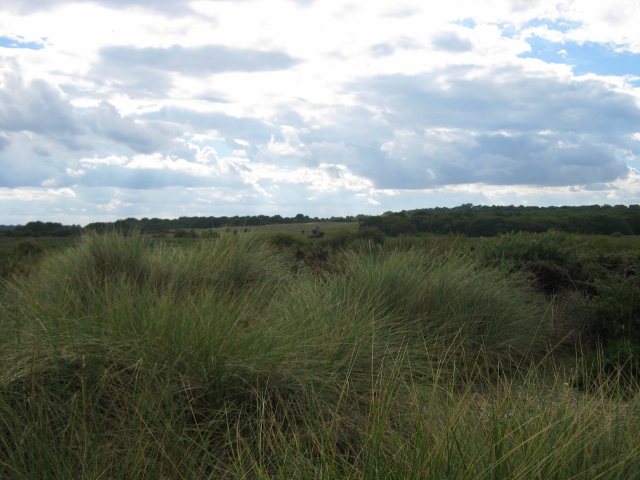
There is a large expanse of grassland here.

Richard and I left Elinor on the beach and went for a walk.

029Dunwich Heath (640x480)

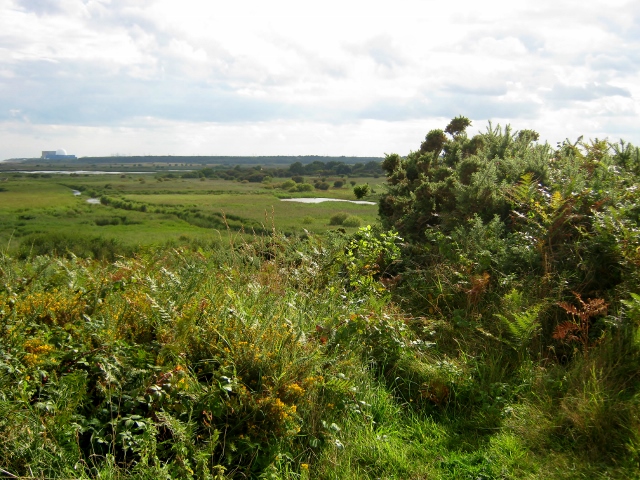
There were plenty of flowers and grasses to see. Further away across the water meadows and marshes are the two nuclear energy plants at Sizewell.

Parasol fungus (Macrolepiota procera) about 2' tall!
Parasol fungus (Macrolepiota procera) about 2′ tall!
Honeysuckle - not native
Honeysuckle – not native
Common Ragwort - Senecio jacobaea
Common Ragwort – Senecio jacobaea
White Campion - Silene latifolia
White Campion – Silene latifolia
033Dunwich Heath - heather (640x480)

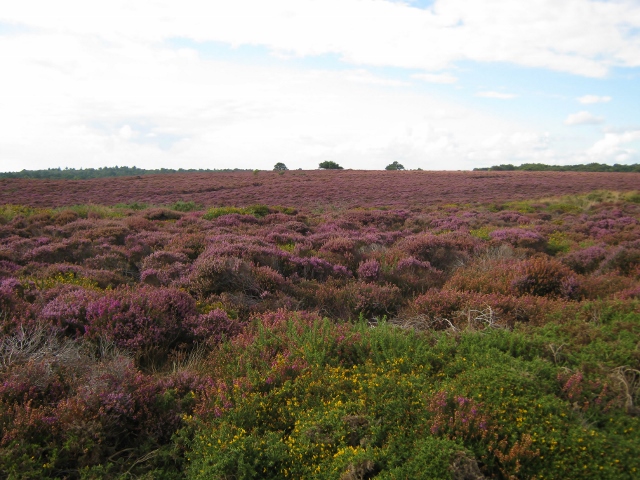
This is the sight we had come to see. The beautiful heath in flower.

This slideshow requires JavaScript.

035Heather (640x480)

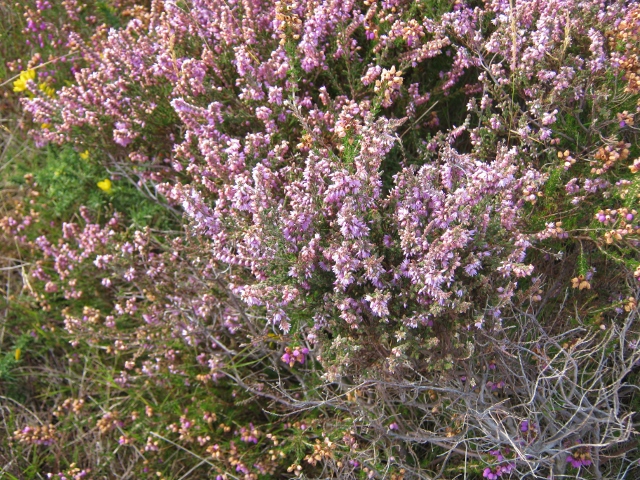
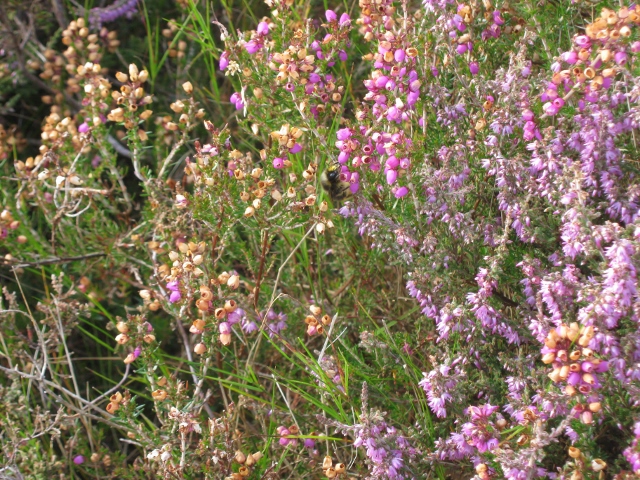
Heather (Calluna vulgaris) also known as Ling.

036Bell heather (640x480)

Bell Heather(Erica cinerea) – (the larger flowers)

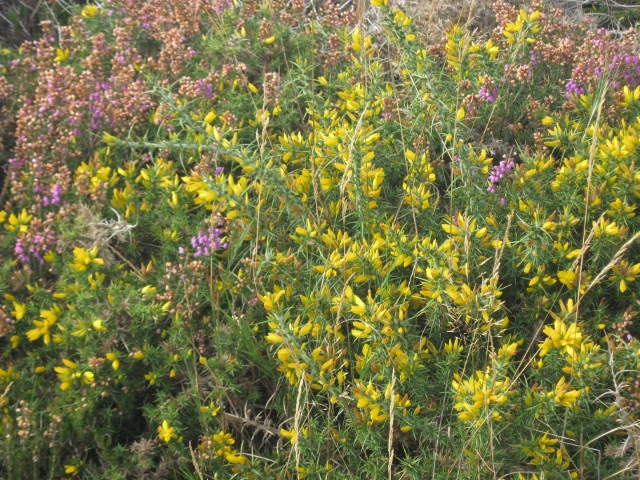
037Dwarf Gorse (640x480)

Dwarf Gorse (Ulex minor)  There are plenty of Gorse (Ulex europaeus) bushes on the heath as well.

I heard and then saw a Dartford Warbler (Sylvia undata) on the top of a Gorse bush, but he was too far away to photograph.

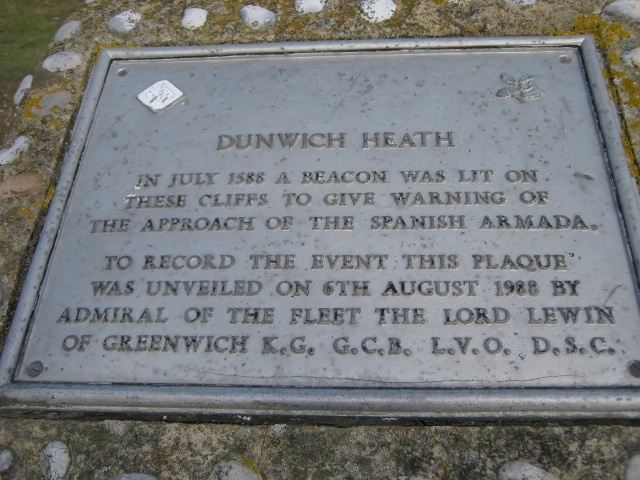
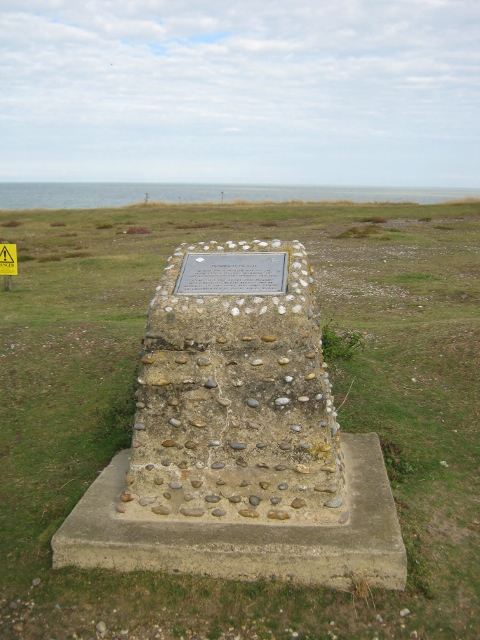
043Plaque on cliff top (640x480)

A plaque on the cliff-top

044Plaque (480x640)

The plaque

050Clouds (640x441)

Clouds

053Beach (640x425)

The beach

This next photograph really makes me laugh!

055Me and Elinor (640x427)

Look at Elinor’s expression! Goodness knows what I must have been wittering on about.

‘Oh wad some power the giftie gie us / To see oursel’s as others see us! / It wad frae monie a blunder free us, / And foolish notion.’  Robert Burns

059Border Force ship at sea (640x422)

A Border Force ship patrolling the coast. The modern coastguards.

072Sea watch shelter (640x427)

A sea-watch shelter. Looking at the water can be interesting and calming in itself but often ships, boats and other craft can be seen as well as sea-birds and mammals such as dolphins and seals.

We ended our visit with a cake each and a drink of choice at the tea-room.

081Sunset (640x480)

A dramatic sunset when we got home.


Thank-you for visiting!
Share this:

  • Share on X (Opens in new window) X
  • Share on Reddit (Opens in new window) Reddit
  • Share on Pinterest (Opens in new window) Pinterest
  • Share on Facebook (Opens in new window) Facebook
  • Email a link to a friend (Opens in new window) Email
  • Share on Tumblr (Opens in new window) Tumblr
  • Print (Opens in new window) Print
  • Share on Pocket (Opens in new window) Pocket
  • Share on LinkedIn (Opens in new window) LinkedIn
Like Loading...

Yet More Things!

26 Sun Apr 2015

Posted by Clare Pooley in Gardening, Insects, plants, Rural Diary, trees, Uncategorized, wild birds

≈ 28 Comments

Tags

amelanchier, Ash, ash keys, bristly ox-tongue, clematis montana, crabapple 'Harry Baker', euonymus, garden, greylag, pasque flower, pieris, red-legged partridge, rosemary, saxifrage, spring, Suffolk, tulip, viburnum bodnantense, white dead-nettle, wild cherry

IMG_4329French Partridge (640x480)

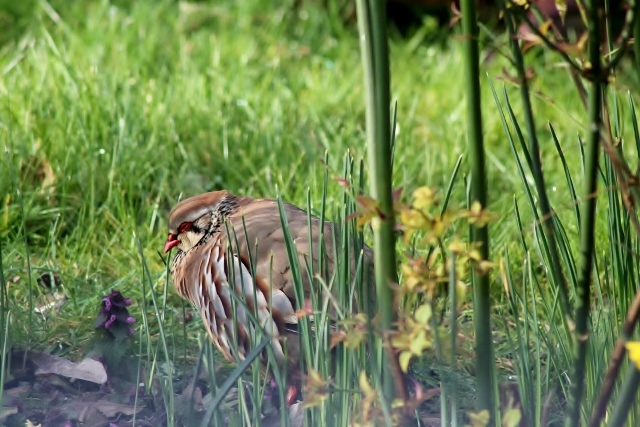
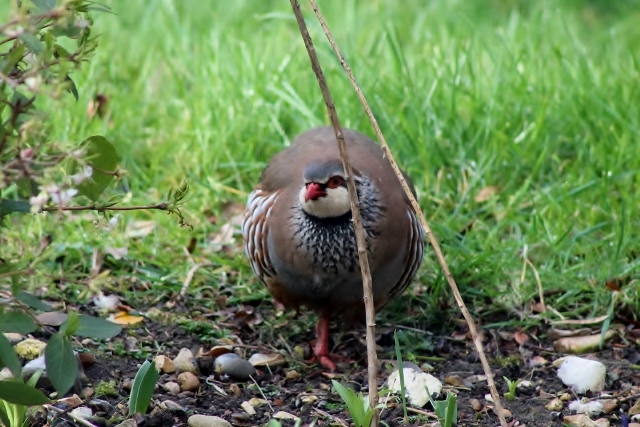
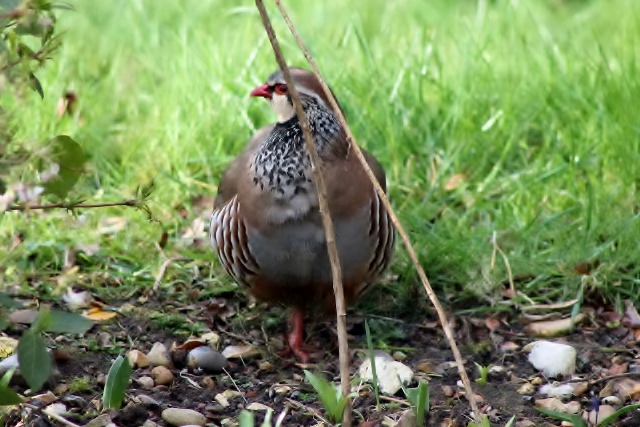
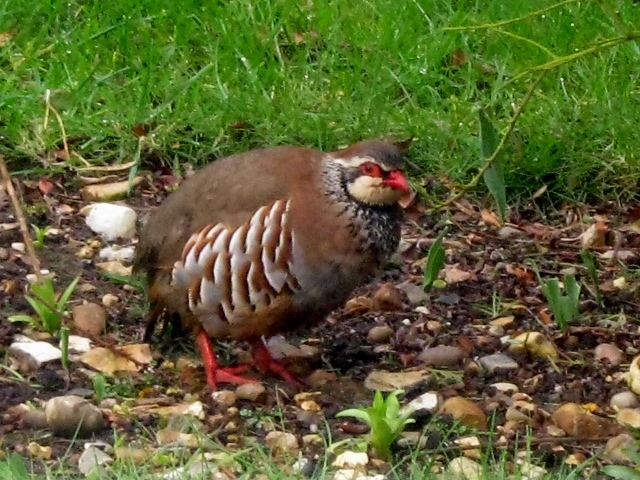
I was surprised to see two Red-legged Partridges (Alectoris rufa) in my garden one morning as I opened the kitchen blinds.

IMG_2008French Partridge (640x427)

This one had obviously had a bad night.

IMG_2010French Partridge (640x427)

Please ignore the weedy flowerbed – I have since tidied it up.

IMG_2011French Partridge (640x427)

Shortly after I took this photo they both flew away.

IMG_2056Euonymus (640x427)

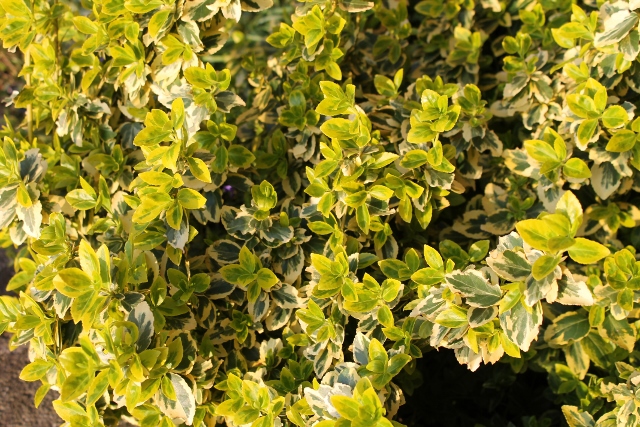
The variagated Euonymus is looking bright with new leaves.

IMG_2057Pieris (640x427)

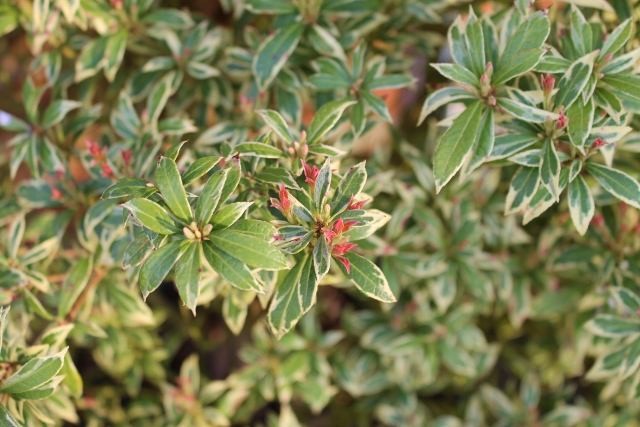
The Pieris ‘Forest Fire’ has tiny new pink leaves

IMG_2066Clematis (640x427)

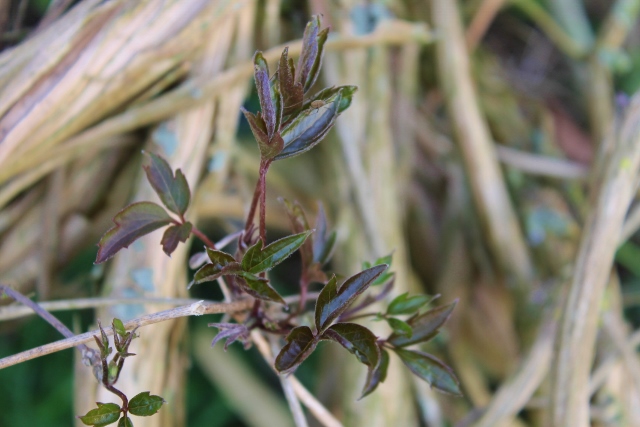
The Clematis montana ‘Rubens’ I cut back a few weeks ago is showing me that it won’t be beaten.

IMG_2068Rosemary (640x427)

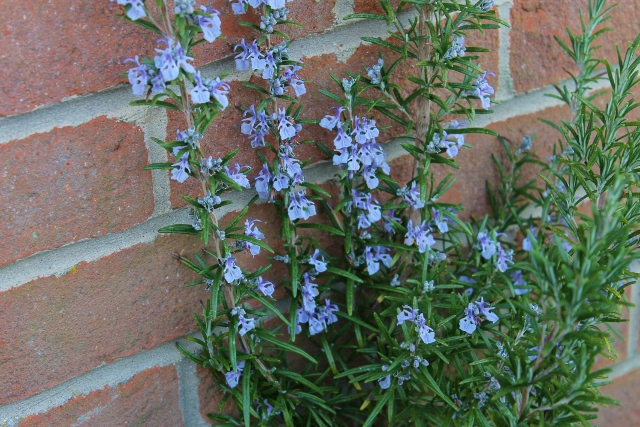
The Rosemary is still flowering beautifully

IMG_4441Ash flowers (640x480)

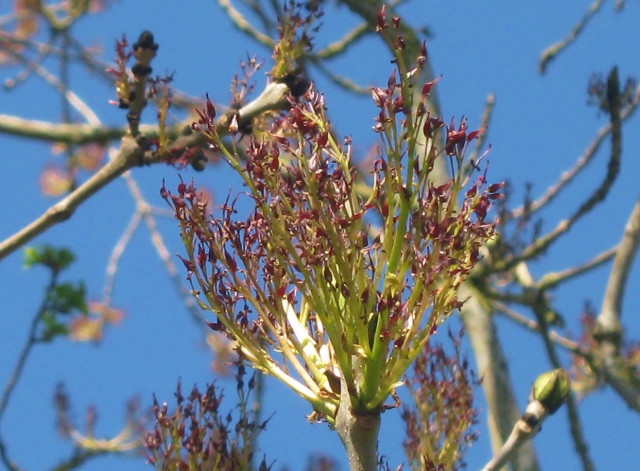
The Ash trees (Fraxinus excelsior) are flowering.

IMG_4441Ash flowers (2) (640x471)

The flowers are very small and a warm purple colour. Ash trees have separate male and female flowers, mainly on separate trees but there are a few trees that have both male and female flowers but on separate branches! The trees around us are all females and produce thousands of Ash ‘keys’, winged seeds that hang from the trees in bunches in the autumn. My mother has plenty of Ash trees near her house but all hers are males – so no ‘keys’.

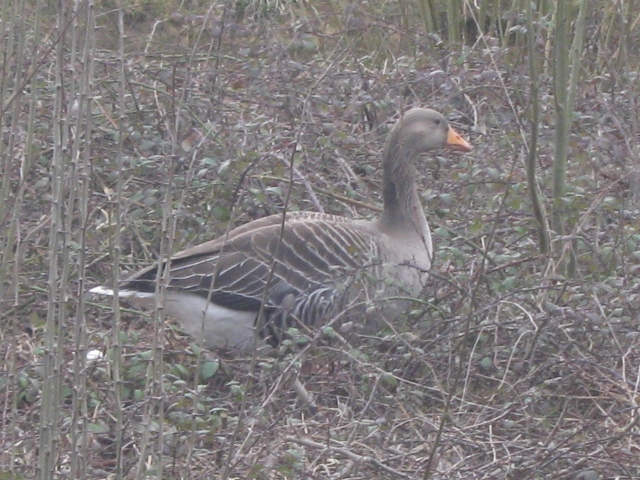
IMG_4444Greylag (640x480)

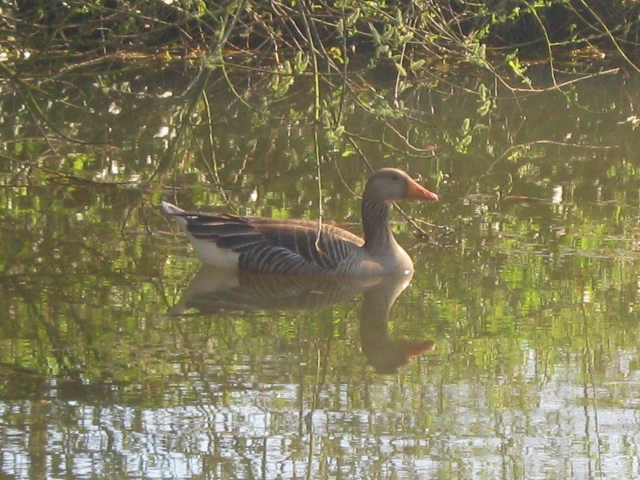
A reflective Greylag!

IMG_4449Bumblebee on White Dead-nettle (640x480)

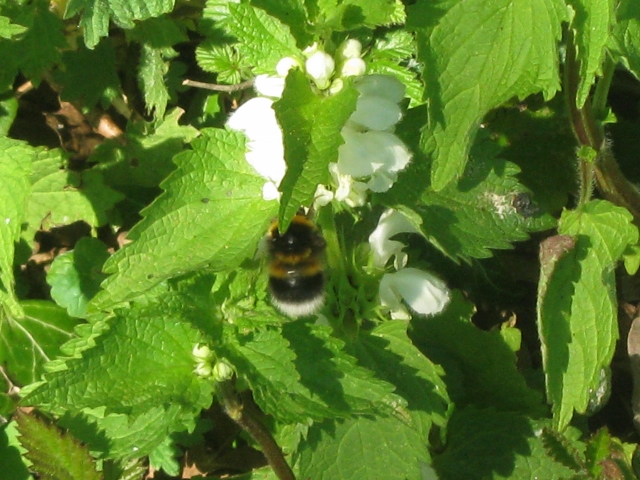
A bumblebee on White Dead-nettle (Lamium album)

IMG_4454The ditch (640x480)

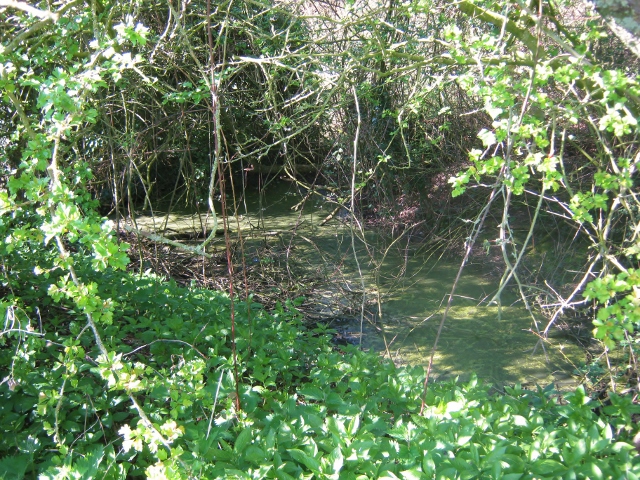
A very over-grown corner of our garden. This ditch doesn’t belong to us but is part of the common land between our garden and the road. I expect that no-one will take responsibility for looking after this but if there is a problem with it in the future we will no doubt be asked to deal with it!

IMG_4458Amelanchier (640x480)

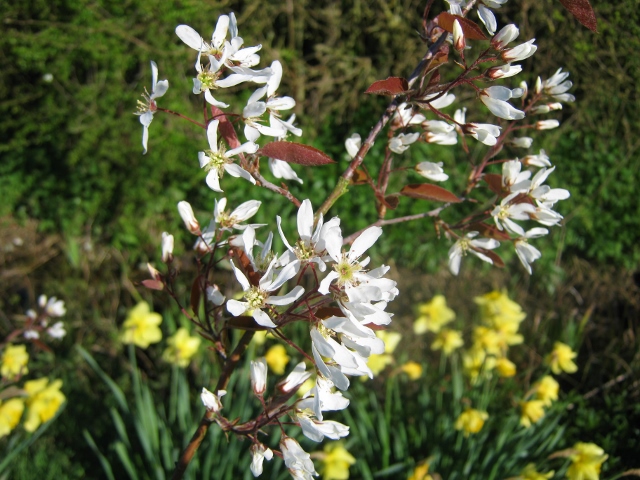
The Amelanchier is blossoming.

IMG_4459Viburnum (640x480)

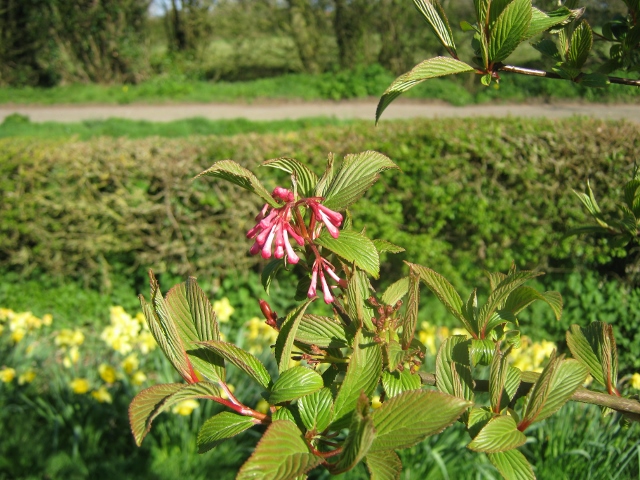
The Viburnum bodnantense produces dark pink flowers in the spring and pale pink or white flowers during the winter

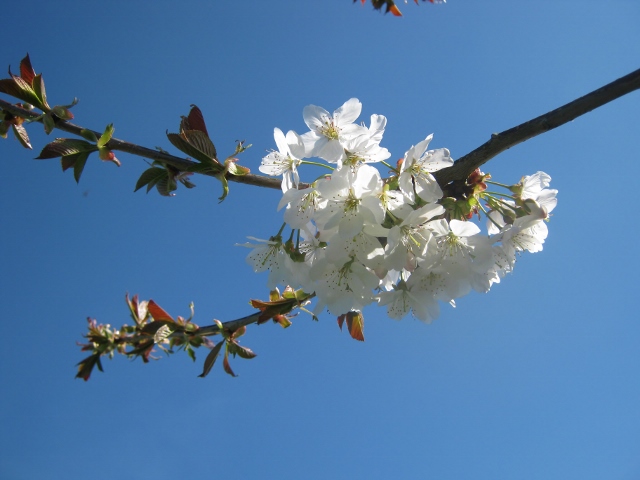
IMG_4460Wild Cherry (640x480)

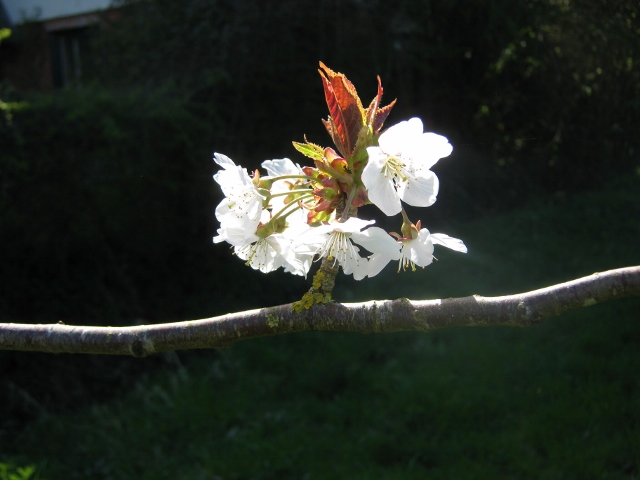
Wild Cherry blossom (Prunus avium)

IMG_4461Wild Cherry (640x480)

Wild Cherry

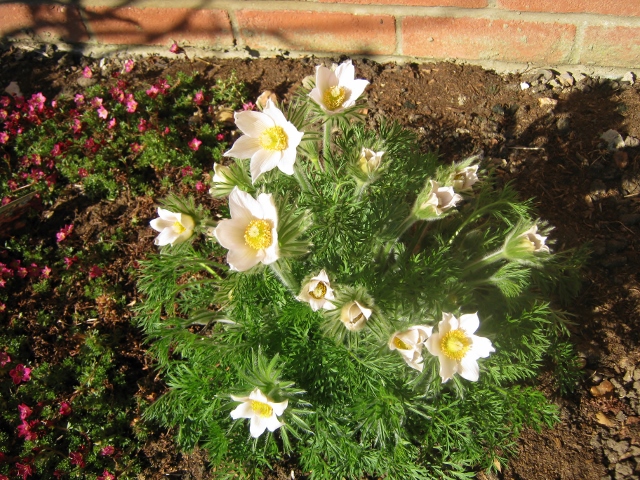
IMG_4462Pasque Flower (640x480)

Pasque Flower (Pulsatilla vulgaris)

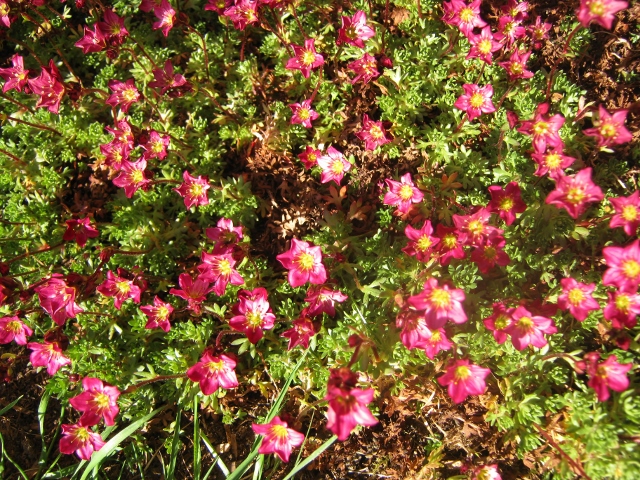
IMG_4463Saxifrage (640x480) (2)

Red Saxifrage

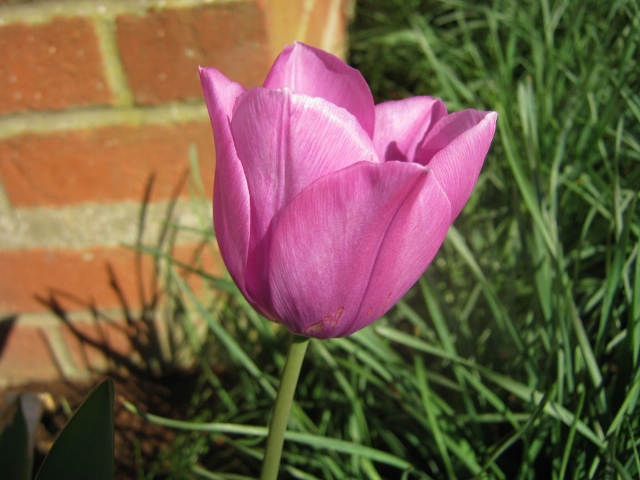
IMG_4467Tulip (640x480)

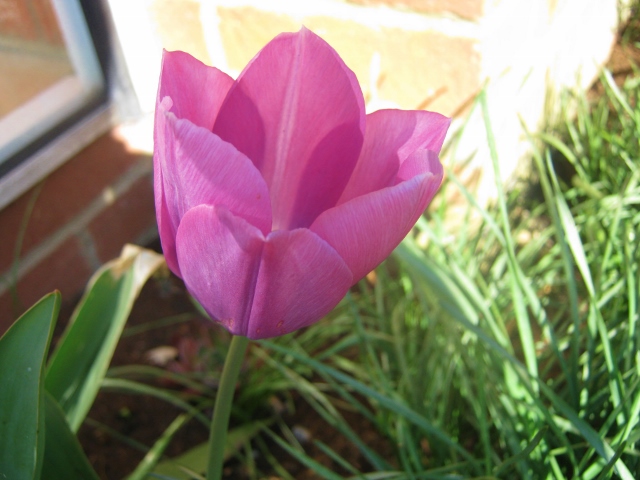
A soft pink Tulip

IMG_4466Tulip (640x480)

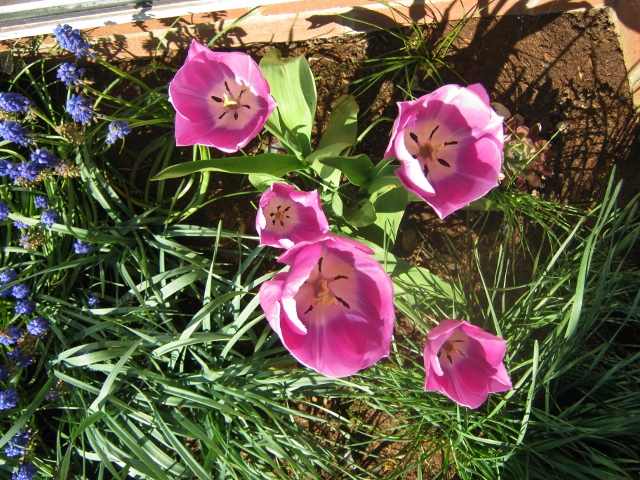
It looks so different depending on the angle from which I photograph it

IMG_4465Tulips (640x480)

Tulips

IMG_4470Bristly Oxtongue (640x480)

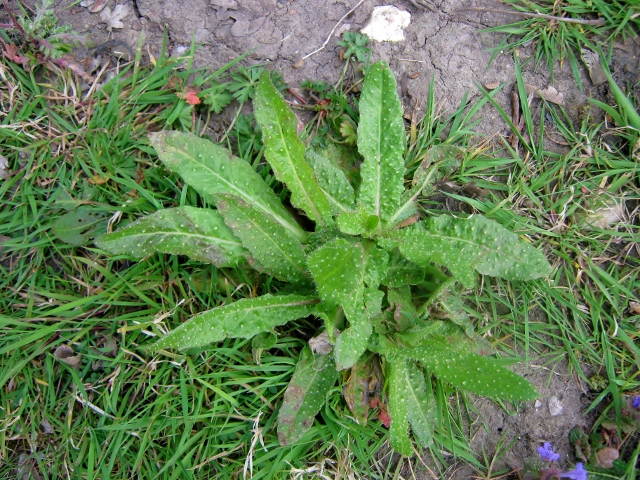
The new leaves of Bristly Ox-tongue (Picris echioides).  Another member of the Daisy family.

IMG_4476Crabapple 'Harry Baker' (640x480)

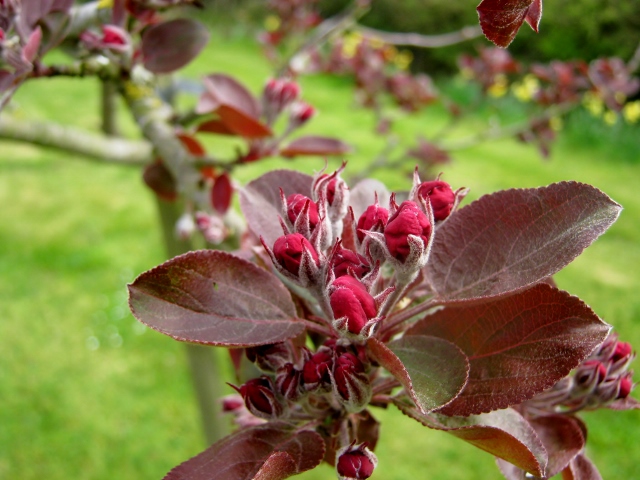
Crabapple ‘Harry Baker’ flower buds

I had an on-line conversation with a member of the WordPress team a week or so ago and asked about my missing posts.  The person who dealt with my enquiry was extremely helpful but was unable to retrieve them.  He would have been able to retrieve three old posts I had deleted on purpose but was unable to find the ones that had disappeared!  Fortunately, a very dear friend who is an e-mail follower has been saving my posts and has sent all the missing ones to me.  When I have the time I may post a page with them on for anyones information.

Thank-you for visiting!

Share this:

  • Share on X (Opens in new window) X
  • Share on Reddit (Opens in new window) Reddit
  • Share on Pinterest (Opens in new window) Pinterest
  • Share on Facebook (Opens in new window) Facebook
  • Email a link to a friend (Opens in new window) Email
  • Share on Tumblr (Opens in new window) Tumblr
  • Print (Opens in new window) Print
  • Share on Pocket (Opens in new window) Pocket
  • Share on LinkedIn (Opens in new window) LinkedIn
Like Loading...

A Few More Things.

24 Fri Apr 2015

Posted by Clare Pooley in Gardening, plants, Rural Diary, trees, wild animals, wild birds

≈ 45 Comments

Tags

aubretia, bluetit, daffodils, daisy, dandelion, Elder, greylags, Hawthorn, heartsease, Muntjac deer, near-species rose, nests, pussy willow, rhubarb, silver birch, snail-trail, spear thistle, spring, Suffolk, willow

In between racing about in my car to Norwich and Mum’s house, the doctor’s surgery and the hospital, shopping trips to Harleston, Halesworth, Bungay and Diss, I have been able to take my camera with me as I walk round the garden, filling all the bird feeders.  I haven’t had time for any gardening for about ten days and I miss it!  The weather here has continued bright and dry with frosty, misty mornings and warmish days (as long as you are out of the chilly NE wind).  Today has been much warmer with a change of wind direction but according to the forecast, this will not last.  Rain and cold are set to return by the end of the weekend.

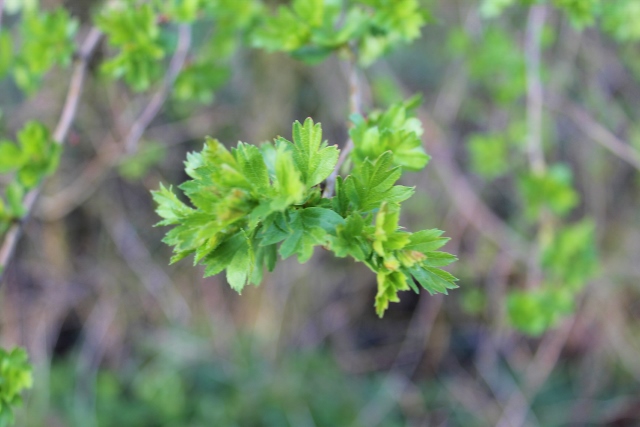
IMG_2026Hawthorn (640x427)

Hawthorn leaves. We have two types of Hawthorn in our garden hedges, Common Hawthorn (Crataegus monogyna) and Midland Hawthorn (Crataegus laevigata). This is probably Midland Hawthorn or maybe a hybrid between the two.

IMG_2027Daisy (640x427)

A Daisy (Bellis perennis). I love its simplicity.

IMG_2029Elder (640x427)

The Elder leaves (Sambucus nigra) are now almost fully out and have lost the pink tinge they had. They are matte mid-green leaves.  Last year we had the best elder blossom I’d seen for many years.

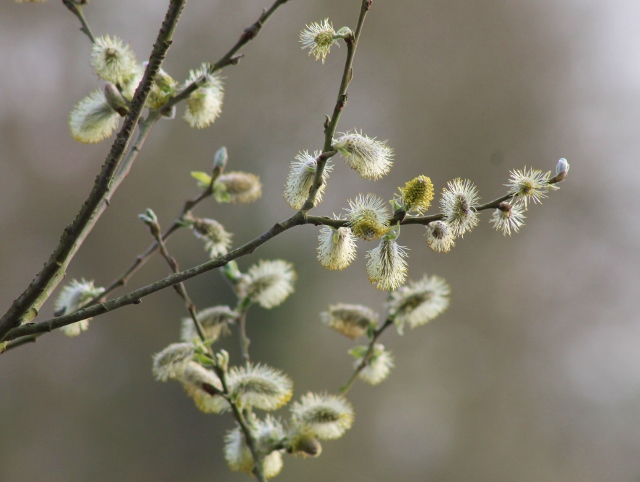
IMG_2035Pussy Willow (640x482)

Goat Willow or Sallow catkins (Salix caprea). Male and female catkins are on separate trees and appear before the leaves. Sallows are a food plant for many different types of moth. The catkins are known as ‘Pussy Willow’ when they first appear as they look and feel like silky cats paws.

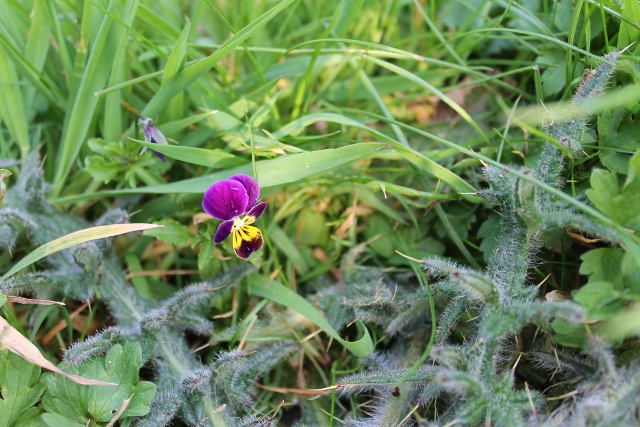
IMG_2038Heartsease (640x427)

I found a Heartsease or Wild Pansy (Viola tricolor) plant on the path round the big pond. Next to it there is also the first rosette of Spear Thistle leaves (Cirsium vulgare).

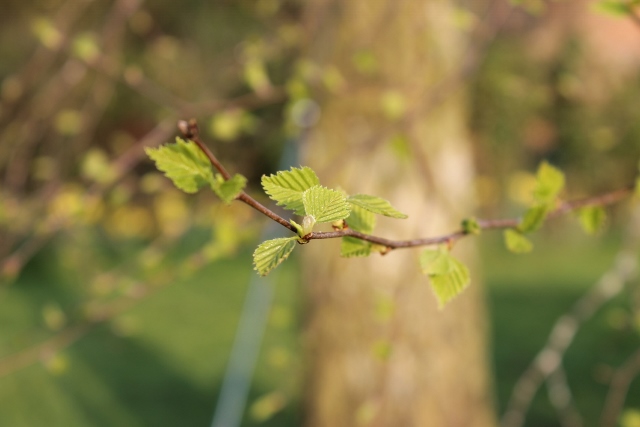
IMG_2044Birch (640x427)

Silver Birch leaves (Betula pendula)

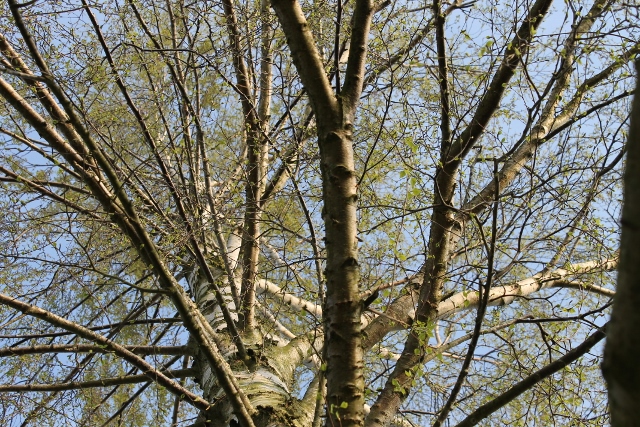
IMG_2046 (640x427)

I love standing underneath our tree and looking up. Silver Birches eventually grow to be about 26 metres tall. I don’t think ours has quite got there yet.

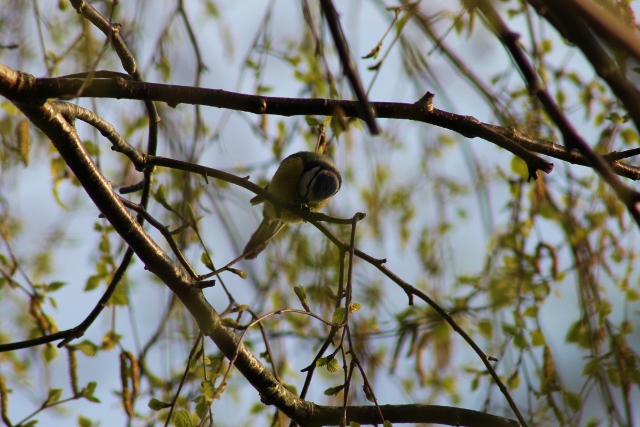
IMG_2048Bluetit (640x427)

This Bluetit (Parus caeruleus) sitting in the Birch tree looks a little strange. It has a black sunflower seed in its beak.

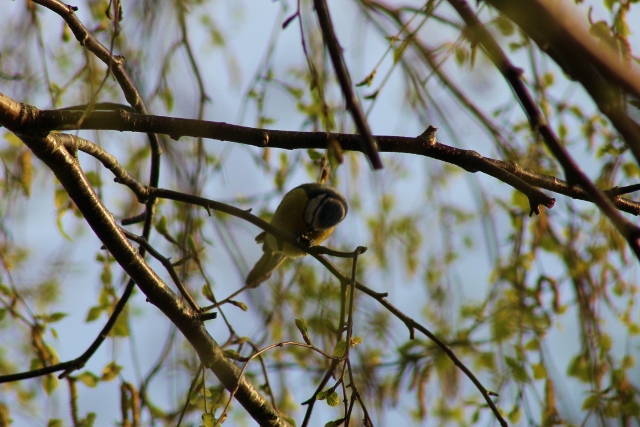
IMG_2049Bluetit (640x427)

It spent some time taking the seedcase off…

IMG_2050Bluetit (640x427)

…and eating the seed within.

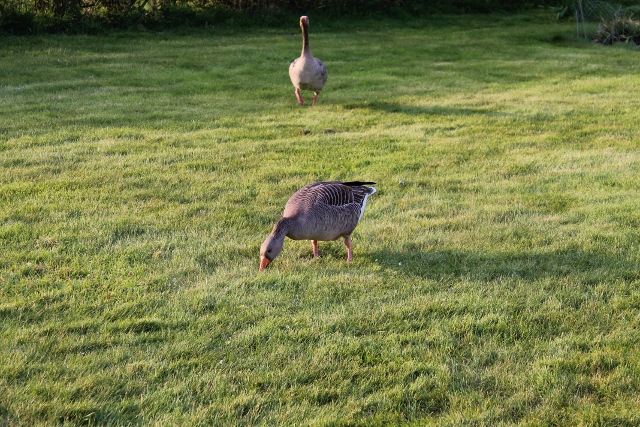
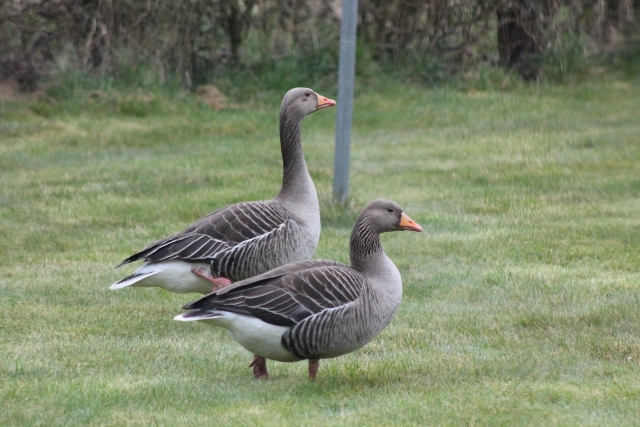
IMG_2055Geese (640x427)

The Greylags (Anser anser) have been amusing me a lot lately. The geese are much calmer than the ganders. The goose here is up close eating some food I put out for it. The gander is further away and hissing at me.

IMG_4468Greylag (640x480)

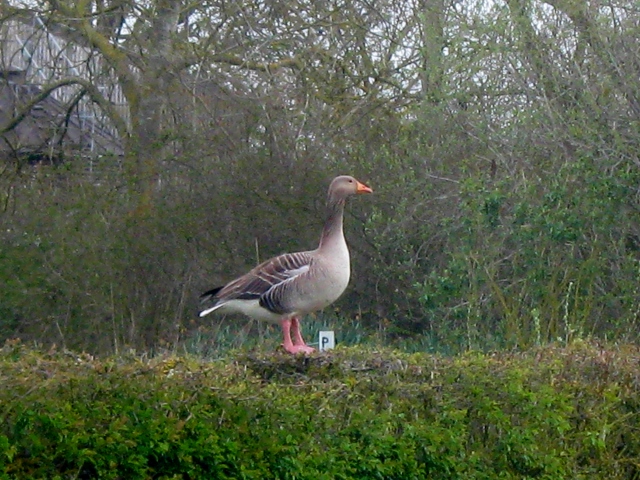
This one I found the other morning standing on top of the hedge.

IMG_2043Goose (640x427)

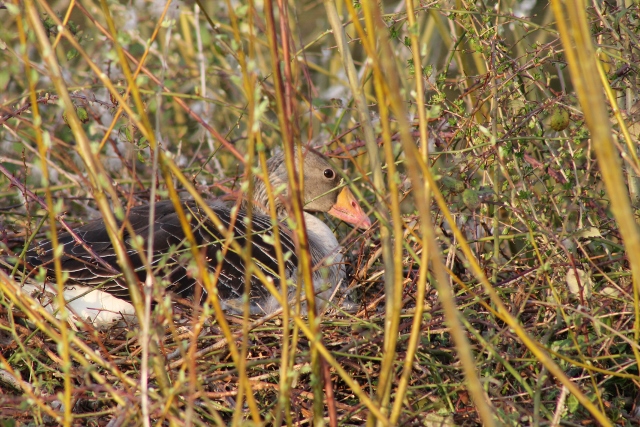
The original goose on her nest on the island…

IMG_4469Greylags nesting (640x480)

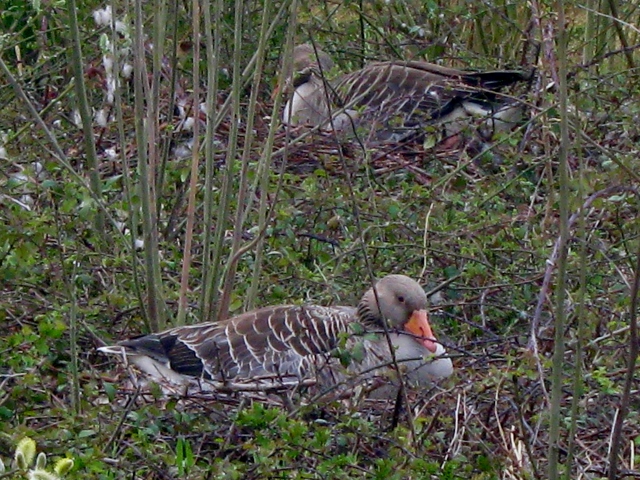
…was joined last weekend by another goose (nearest to us).

IMG_4472Goose nest (640x480)

A third goose has made her nest on the edge of the pond. I surprised her and she surprised me when I walked round the pond yesterday. I am not sure how successful this nest will be as it is quite vulnerable to fox predation.

IMG_4474Dandelion (640x480)

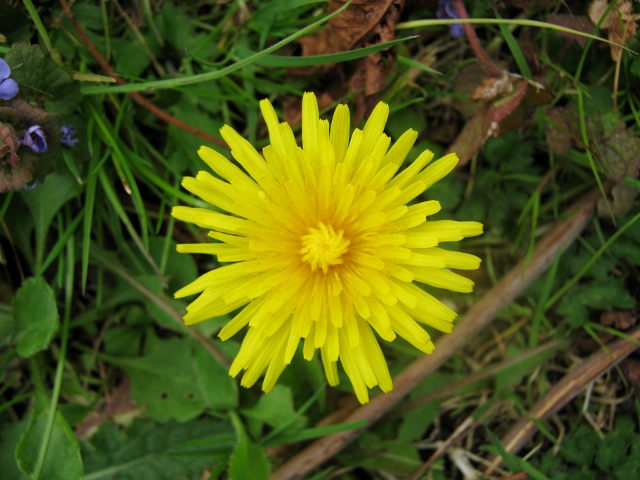
A Common Dandelion (Taraxacum officinale)

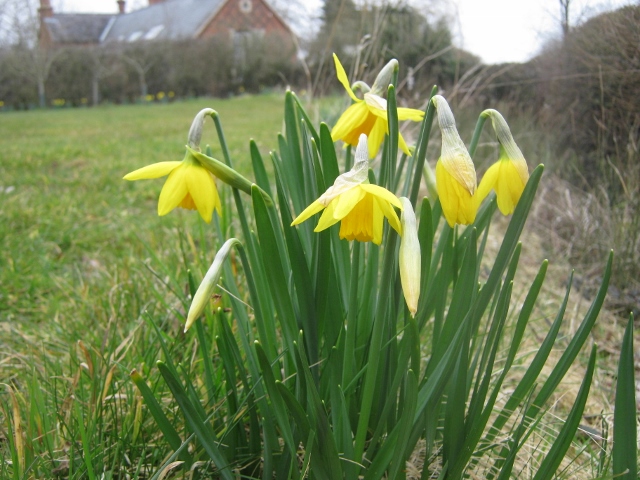
IMG_4477Daffodils (480x640)

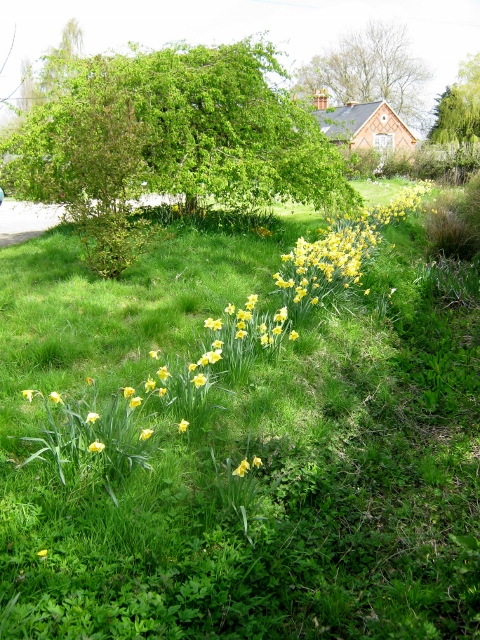
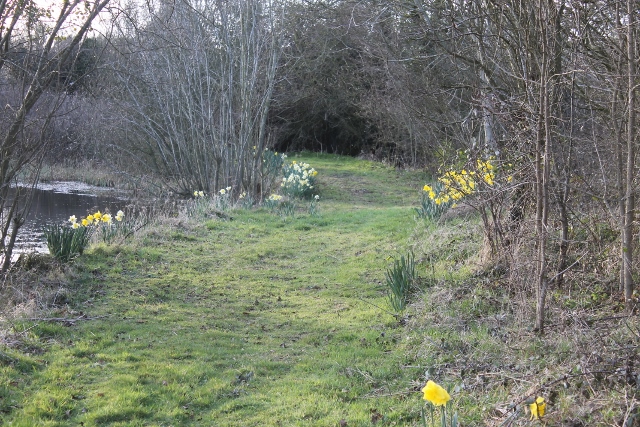
Daffodils along the ditch at the front of the house

IMG_2051Daffodil (640x427)

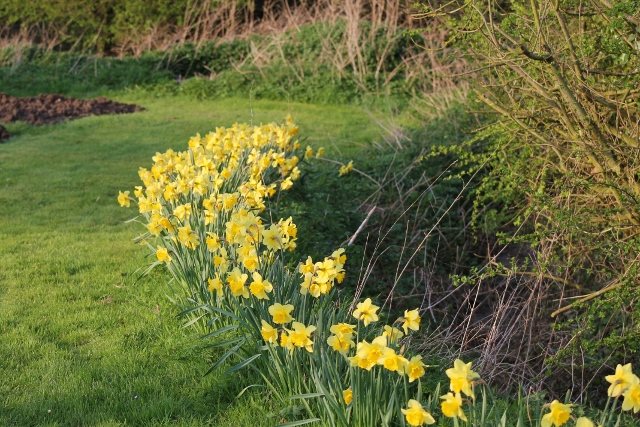
Daffodils at the top of the ditch between us and the old School House.

IMG_2052Rhubarb (640x427)

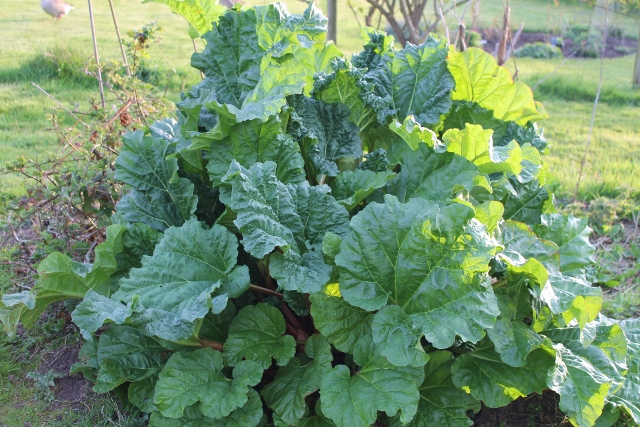
Our Rhubarb (Rheum x hybridum ‘Timperley Early’) looking majestic.

IMG_2067Shrub rose (640x427)

A very early flowering near-species rose has buds on it. (Rosa xanthina  ‘Canary Bird’)

IMG_2065Aubretia (640x427)

Aubretia

This slideshow requires JavaScript.

IMG_4403Snail trail (480x640)

Richard pointed out this snail trail up the side of the house!

IMG_4404Deer (640x513)

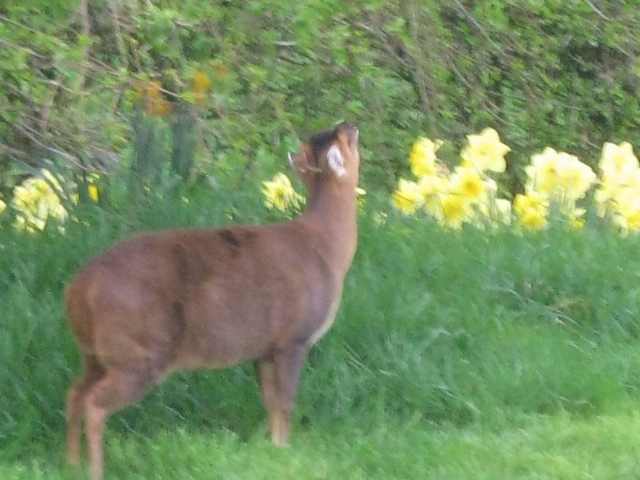
I saw this Muntjac deer doe very early the other morning. It was eating the crabapple tree! The leaf shapes on the window are meant to stop birds crashing into the glass but aren’t very successful. I usually have to pull the window-blind down to stop them!

IMG_4405Deer (640x480)

Very blurred photo! You can see how stocky/thickset these deer are and also the white in their ears.

IMG_4406Deer (640x480)

The does don’t have antlers but have a dark triangular patch on their foreheads.

IMG_4408Deer (640x480)

I think I see her tongue sticking out as she chews a mouthful of leafy twig.

IMG_4409Deer (640x480)

I had great trouble trying to focus on the deer. The camera wanted to focus on the window glass of the double-glazing or the daffodils behind the deer.

IMG_4416The new mower (640x480)

Richard on his new tractor-mower. The old one wasn’t working too well so we part-exchanged it for a newer, better model. It has a mulching facility which will be good to use in the summer.

I must share some good news I heard today.  My daughter Alice has been told she has her PhD.  She is now Doctor Alice!  I  am so proud of her.

Thank-you for visiting!

Share this:

  • Share on X (Opens in new window) X
  • Share on Reddit (Opens in new window) Reddit
  • Share on Pinterest (Opens in new window) Pinterest
  • Share on Facebook (Opens in new window) Facebook
  • Email a link to a friend (Opens in new window) Email
  • Share on Tumblr (Opens in new window) Tumblr
  • Print (Opens in new window) Print
  • Share on Pocket (Opens in new window) Pocket
  • Share on LinkedIn (Opens in new window) LinkedIn
Like Loading...

A Few Things I’ve Seen in my Garden.

21 Tue Apr 2015

Posted by Clare Pooley in amphibians, fish, Gardening, plants, Rural Diary, trees, Uncategorized, wild birds

≈ 38 Comments

Tags

bird's nest, birds, Common Frog, cowslip, daffodils, ducks, fish, flowers, frogspawn, garden, Great Tit, ground-ivy, hazel, Hazel bud-gall, horse chestnut, lichen, Mallard, marsh marigold, moss, pond, primrose, primula, spring, Suffolk, sweet violet, tadpoles, trees, Water Mint

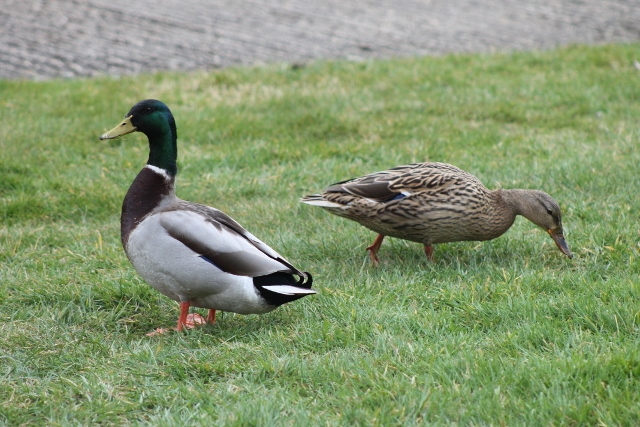
IMG_1999Mallard drakes (2) (640x439)

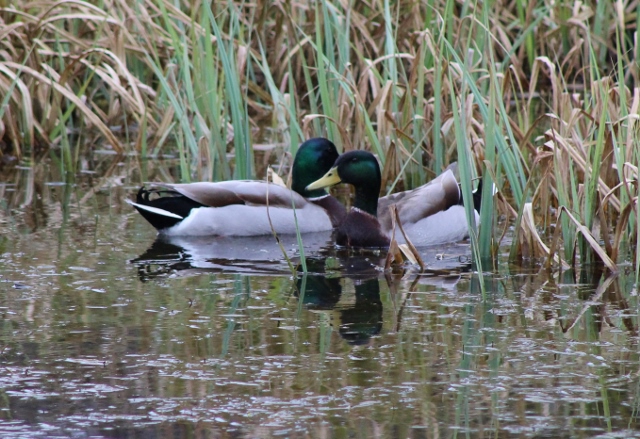
Two very handsome Mallard drakes (Anas platyrhynchos).

IMG_2001Ground-ivy (640x427)

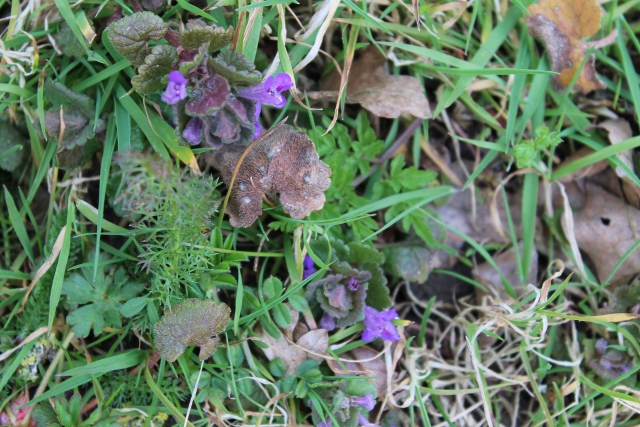
Ground-ivy (Glechoma hederacea). Many of the newer leaves are purple and the plant has a slightly unpleasant minty scent.

IMG_2002Primroses (640x427)

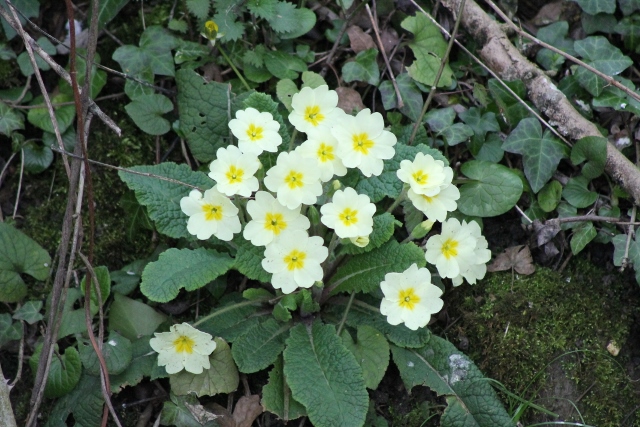
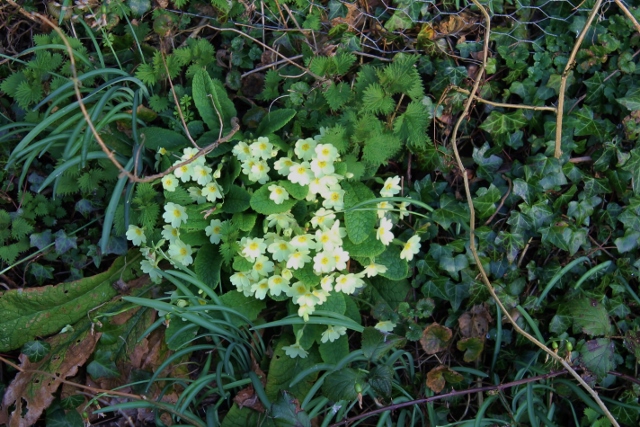
As I have mentioned before, when we moved to this house there were no Primroses (Primula vulgaris) in the garden at all. We now have a few plants here and there on the banks of our ditches.

IMG_2003Cowslips (640x427)

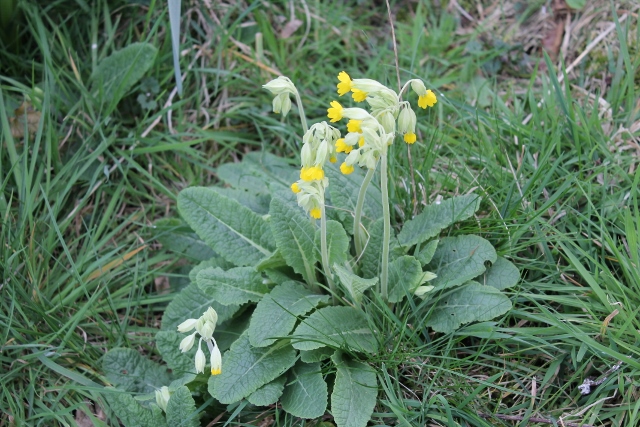
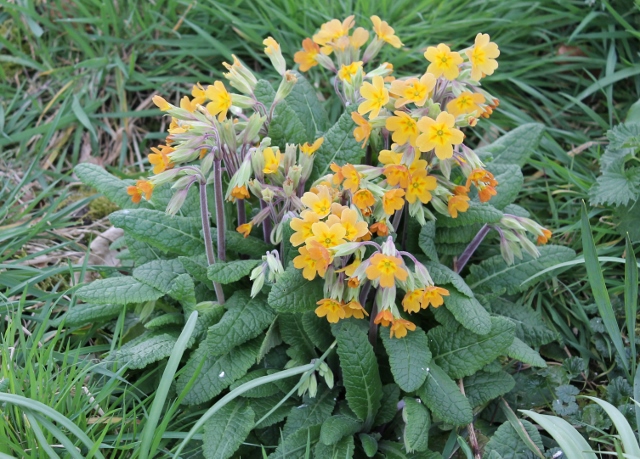
The Cowslips (Primula veris) are beginning to bloom. We have always had plenty of these!

IMG_2004Primula hybrid (2) (640x459)

A primula hybrid that arrived unbidden about three years ago. I rather like it.

The house next door to us is the former village school.  I am not sure when it closed but a friend of ours from church used to attend it during the 1940’s.  Where our house and garden is now, there was a meadow full of wild flowers and our friend walked across it every day to collect the milk for the school from the farm next door.  These wild flowers we have in our garden are all that’s left of the hundreds that used to be here up to about 50 or 60 years ago.  I hope that we can hang on to these few and perhaps, by not using chemicals, encourage them to spread.

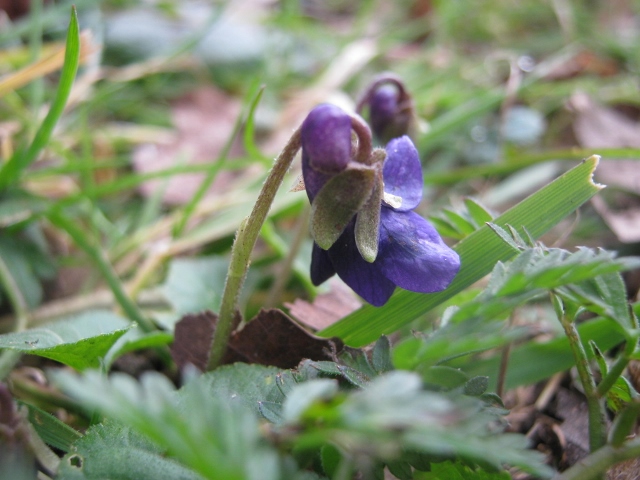
IMG_2005Sweet violet (640x427)

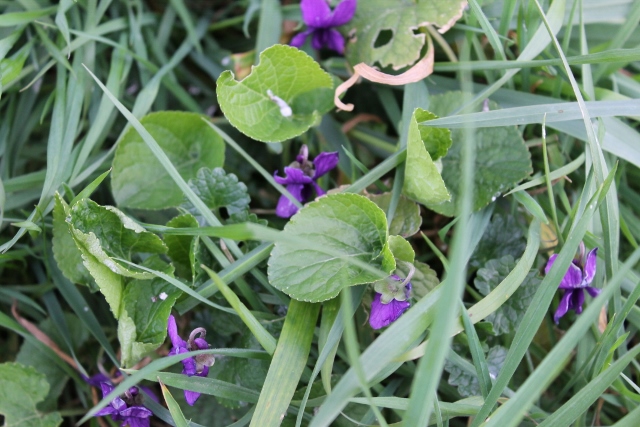
Sweet Violet (Viola odorata)

IMG_4348Parcel box with nest (640x480)

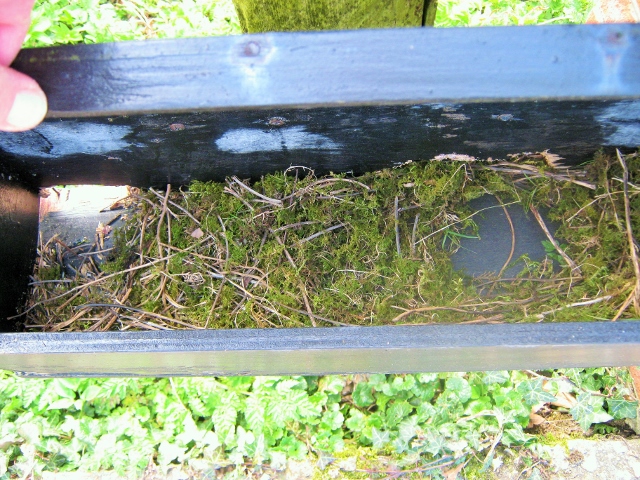
This is our parcels and newspaper box at the end of our drive. We noticed during the winter that it was starting to rot and needed replacing. It appears that we weren’t the only ones to notice the state the box was in. I opened it the other day to find something had made a hole in the back of it ( you can see where the light is shining through just below my thumb as I lift the lid). The next day I found this straw and moss had been put in there. Richard saw a Great Tit (Parus major) flying away from the box so I suspect this is a Great Tit’s nest. I carefully peeped into it a day or so later and found the whole box stuffed full of moss and we can also see lots of straw sticking out from where the box sides are coming away from the base. We have tied up the box and put a ‘not in use’ sign on it and we now await the happy arrival of baby Great Tits.

I knew that Tits nested in holes and I also was aware that Willow Tits excavated their own holes but I hadn’t realised that Great Tits also excavated holes to nest in.

Lichen and moss-covered wall

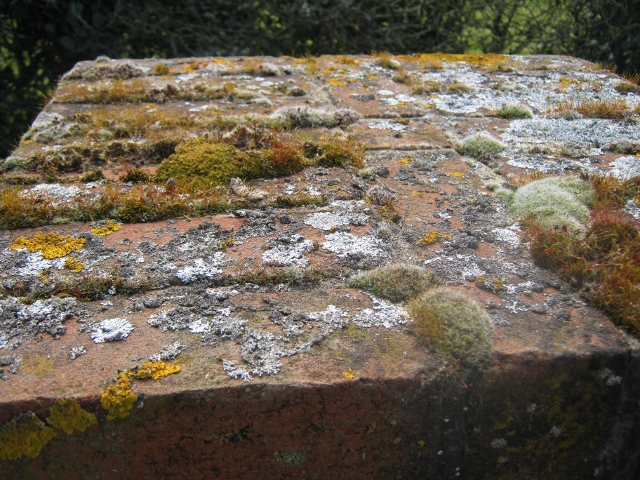
The top of the brick gate-post at the end of our drive is covered in moss and lichen but because we haven’t had much rain recently, it isn’t looking as good as usual. Birds have been collecting the moss for their nests too.

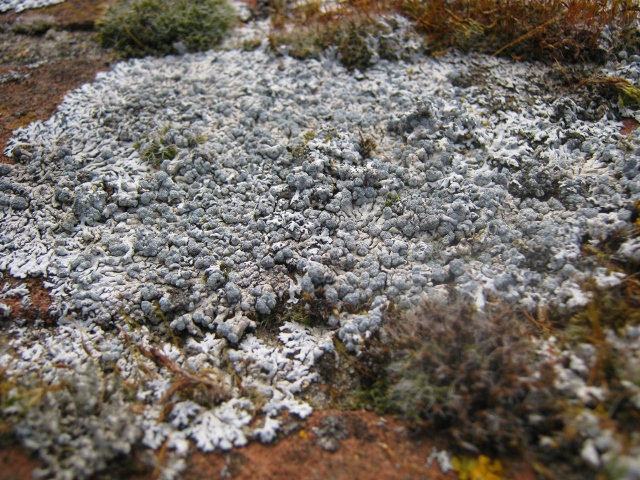
Lichen on top of wall

This is a close-up of one of the lichens.

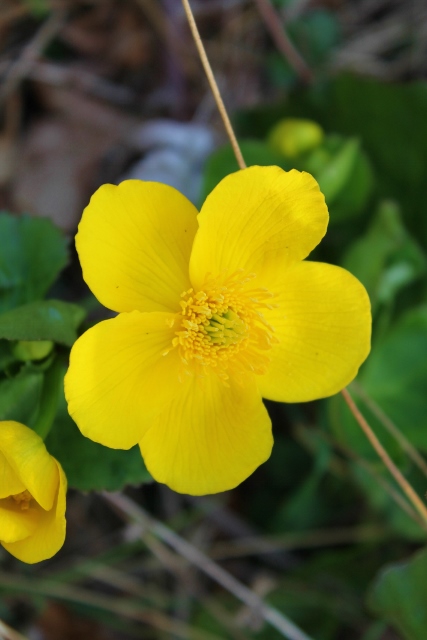
IMG_2016Marsh Marigold (640x427)

The Marsh-marigold or King Cup (Caltha palustris) is flowering in the pond.

IMG_2017Marsh Marigold (427x640)

I love its shiny yellow petals.

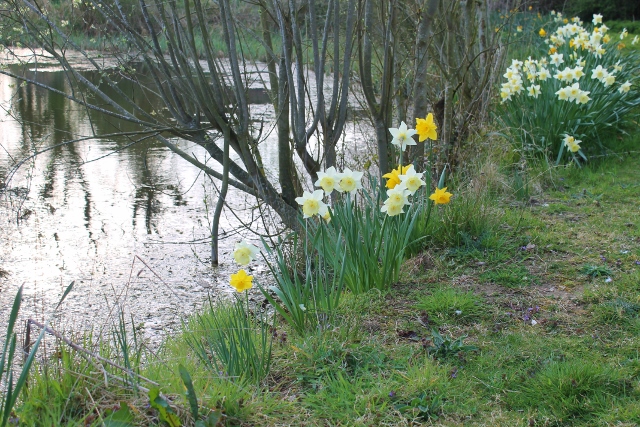
IMG_2024Daffodils (640x427)

I took this photo of the daffodils round the pond over a week ago and I am glad I did. On Tuesday and Wednesday of last week we had very warm weather (24 degrees C on Wednesday!) and the daffodils that had come out earliest began to wilt.

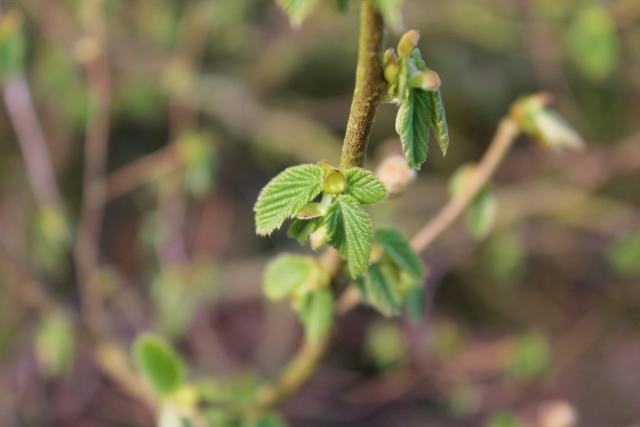
IMG_2019Hazel (640x427)

Earlier this year I posted pictures of these Hazel (Corylus avellana) bud galls. I went to look at them again last week and noticed tiny flies sitting on all of the galls. I wonder if these flies had hatched out of the galls.

IMG_2021Hazel (640x427)

New Hazel leaves

IMG_2022Mint (640x427)

Water Mint (Mentha aquatica). The new shoots are growing round and in the big pond.

IMG_2025Horse Chestnut (640x427)

Horse-chestnut (Aesculus hippocastanum). This photo was taken about a week ago.

IMG_2030Horse Chestnut (640x427)

This photo of our Horse-chestnut tree was taken on the same day. These leaves are higher and get more sunlight. I was pleased to see that the flower panicles (candles) were growing nicely.

IMG_1997Frogspawn (640x427)

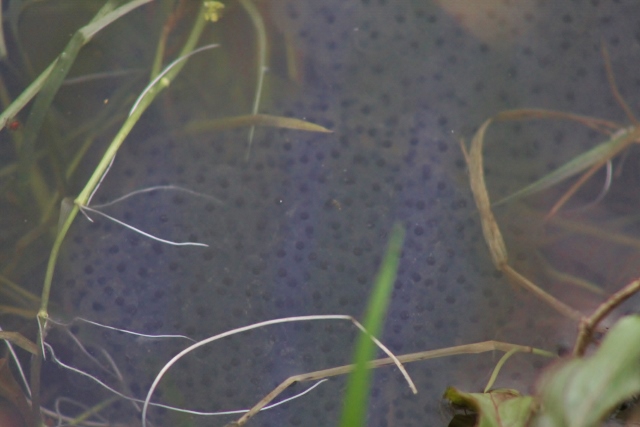
I saw the frogs spawning but unfortunately didn’t have my camera with me. I took this photo of the spawn later in the day. This is the first time I have found frogspawn in our pond and was surprised at how late in the year it was. We have a windswept, exposed garden which may account for it.

IMG_1998Frogspawn (640x427)

There were lots of eggs and I was glad that the fish that live in the pond hadn’t come out of hibernation yet.

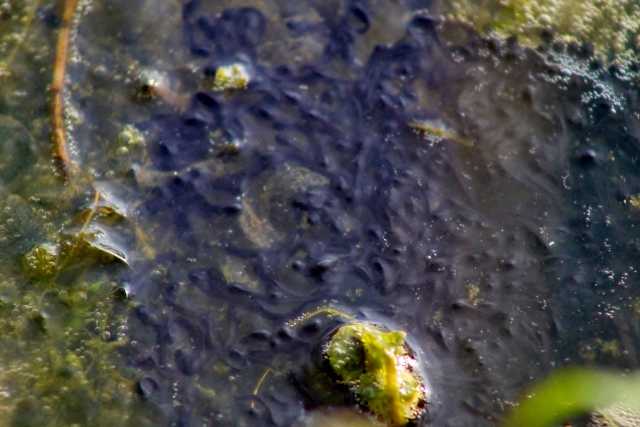
IMG_2032Tadpoles (640x427)

I took this picture a week later as the tadpoles were hatching out. The fish still hadn’t woken up!

Two days after this the tadpoles had dispersed but I had also seen the fish swimming in the pond and leaping to catch flies.  They were probably feasting on tadpoles too.

I found a dead fish on the path round the pond again – I found one last year that had been caught by the Heron who had been disturbed by one of us.  I don’t know what had caught this year’s fish as there was no stab mark on it.  It is interesting to see the workings of the food-chain.  We are part of it as we get bitten by the flies that the fish eat!

Thank-you for visiting!
Share this:

  • Share on X (Opens in new window) X
  • Share on Reddit (Opens in new window) Reddit
  • Share on Pinterest (Opens in new window) Pinterest
  • Share on Facebook (Opens in new window) Facebook
  • Email a link to a friend (Opens in new window) Email
  • Share on Tumblr (Opens in new window) Tumblr
  • Print (Opens in new window) Print
  • Share on Pocket (Opens in new window) Pocket
  • Share on LinkedIn (Opens in new window) LinkedIn
Like Loading...

Primroses

12 Sun Apr 2015

Posted by Clare Pooley in plants, Rural Diary

≈ 41 Comments

Tags

Celandines, cowslips, early dog-violet, primroses, red dead-nettle, Suffolk, wild flowers

IMG_4326Primroses (640x480)

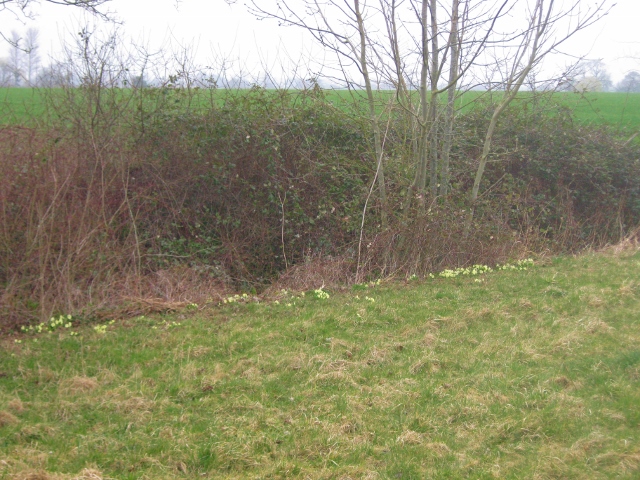
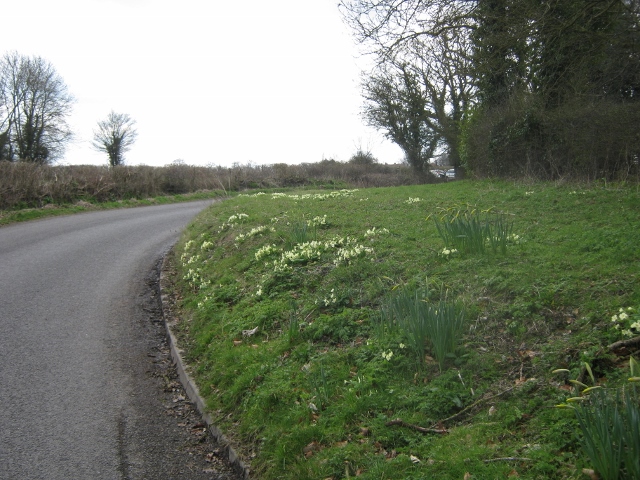
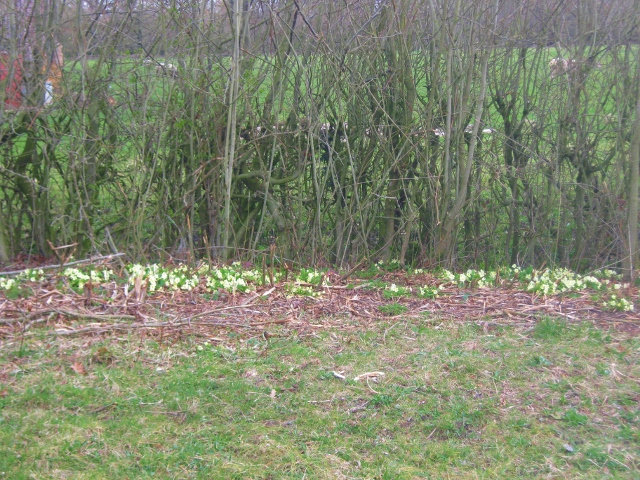
Primroses (Primula vulgaris) along the edge of the ditch at the side of the road.  I saw these on Good Friday after we had been to church and then to the Rector’s house to enjoy Hot Cross Buns.

The primroses this year are so abundant.  They are everywhere!

IMG_4327Primroses (640x480)

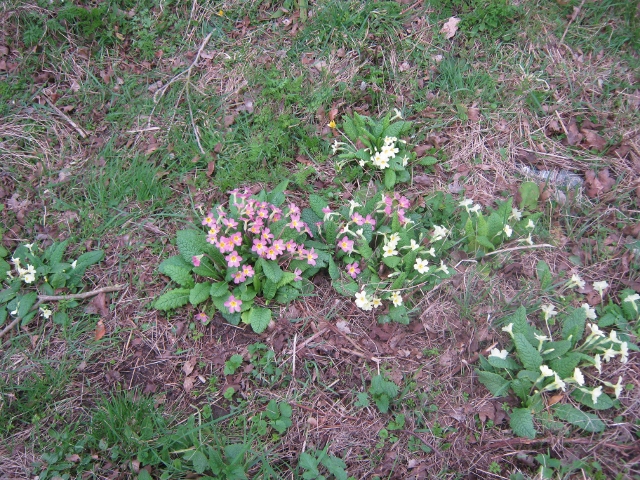
Richard pointed these out to me. He had noticed them while he was cycling to church on Good Friday morning to strip the altar.  After we got home we walked down the lane towards Rumburgh.

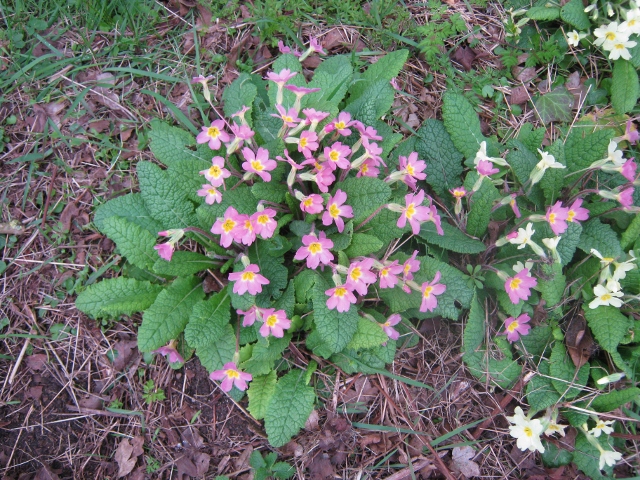
I am not sure if these pink primroses are the naturally occurring pink primroses or if they have spread from a garden.  Primroses and cowslips hybridise very easily but as these ones are some way from the nearest house I hope that they are naturally pink.  I have seen a number of pink ones on my travels this spring.

IMG_4328Primroses (640x480)

Here is a close-up of them.

IMG_4333Primroses (640x480)

These are the primroses on the bank by St Margaret South Elmham church. I took the photo on our way home after the Easter morning service.

IMG_4334Primroses (640x480)

They do look very pretty in large groups.

I think all the wild flowers have benefited from two milder winters and lots of rainfall.  We had no time during last summer when it became too dry for the grass to grow.

IMG_4335Primroses and celandines (640x480)

A couple of lesser celandines (Ranunculus ficaria) are with these primroses.

IMG_4336Cowslips (640x480)

Some early cowslips (Primula veris) just coming out.

IMG_4337Red Dead-nettle (640x480)

A patch of rather stunted red dead-nettle (Lamium purpureum)

IMG_4340Early Dog-violet (640x480)

Early Dog-violet (Viola reichenbachiana) was growing under the hedgerow.

IMG_4338Cordelia's geese (640x480)

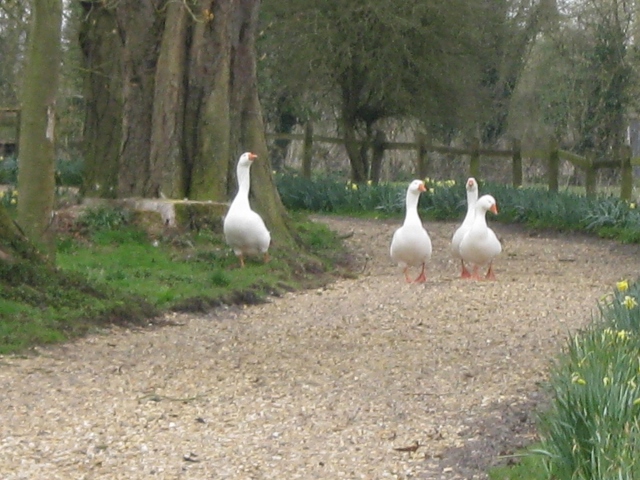
As we walked past Cordelia’s house we saw her geese walking down the drive.

IMG_4339Cordelia's geese (640x480)

They are free to roam wherever they wish to go.

IMG_4342Primroses, celandines and daffodils (640x480)

The grass was starred with golden celandines. A few daffodils have been planted here too. More primroses at the edge of the ditch.

IMG_4345Celandines (640x480)

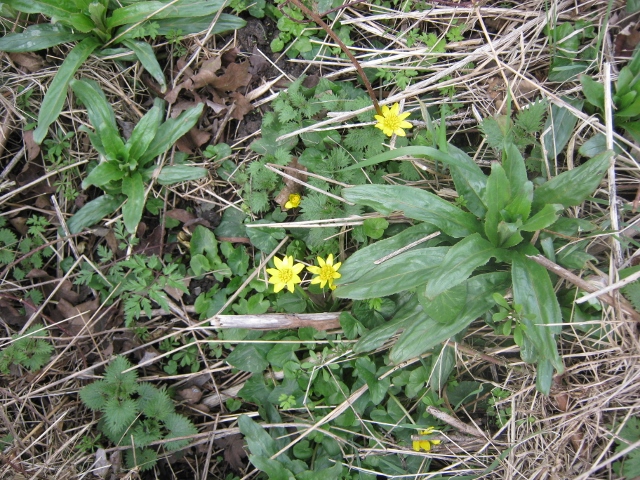
Just a few celandines with what looks like Great Willowherb (Epilobium hirsutum) leaf rosettes, a few Common (Stinging) Nettles (Urtica dioica) and Cow Parsley (Anthriscus sylvestris) shoots too.

IMG_4344Our house (640x480)

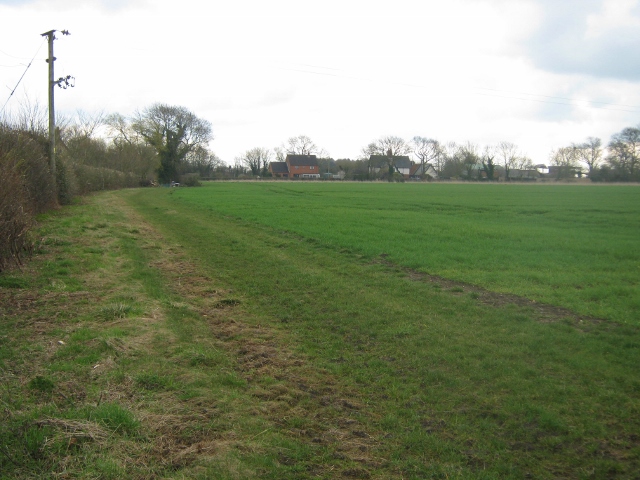
We went into the field and looked towards our house.

IMG_4343Our house (640x470)

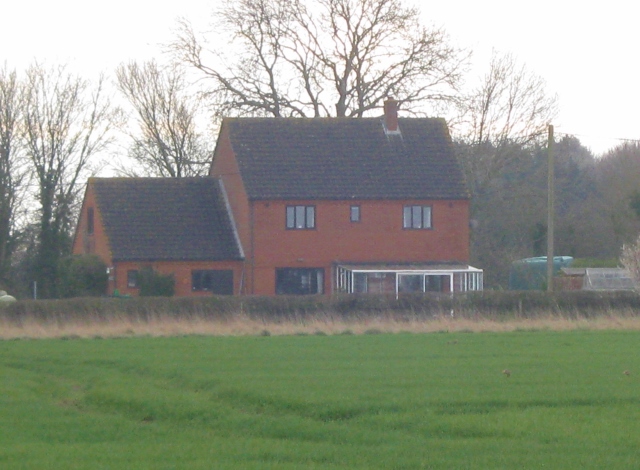
Here it is.

IMG_4346Primroses (640x480)

A last photo of primroses. On the other side of the hedge are Jacob sheep with their lambs. I tried to photograph them but the hedge was so thick I couldn’t get the camera to stop focusing on the hedge instead of the lambs!


I hope you have enjoyed the flowers!

Before I publish this I must ask for your advice.  I have been looking back at posts I published last April and have noticed that at least one has disappeared.  I have not erased it myself, in fact I hadn’t looked at these posts since I published them.  I have no idea when it/they disappeared.  I remember a post about a trip to Covehithe – I still have the photos in my Media Library.  Has this happened to anyone else?  I don’t suppose there is any chance of my retrieving them; they are of no real value but I would like to know if there is anything I can do to get them back.  I have mentioned this on the WordPress Forum but I have had no response.


Share this:

  • Share on X (Opens in new window) X
  • Share on Reddit (Opens in new window) Reddit
  • Share on Pinterest (Opens in new window) Pinterest
  • Share on Facebook (Opens in new window) Facebook
  • Email a link to a friend (Opens in new window) Email
  • Share on Tumblr (Opens in new window) Tumblr
  • Print (Opens in new window) Print
  • Share on Pocket (Opens in new window) Pocket
  • Share on LinkedIn (Opens in new window) LinkedIn
Like Loading...

Out Like a Lion!

31 Tue Mar 2015

Posted by Clare Pooley in Gardening, plants, Rural Diary, trees, Uncategorized, weather, wild birds

≈ 22 Comments

Tags

blackthorn, daffodils, early dog-violets, flint boulder, gales, garden plans, geese, goose nest, greylags, hyacinths, mallards, March, muck spreading, primroses, scillas, starlings

In my post at the beginning of the month I wondered if March would go out like a lamb because it had come in like a lion.  Well – no – the month is going out as it came in, with gales!

IMG_4322Hyacinths (640x480)

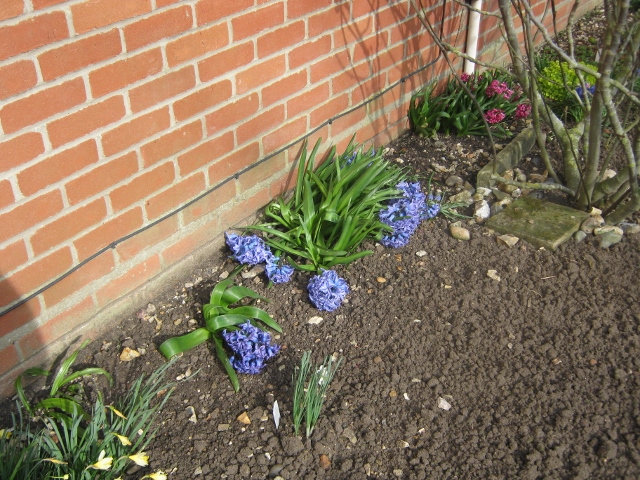
I have just been outside and found my poor Hyacinths have been flattened!  These are Hyacinthus Delft Blue.

IMG_4318Blackthorn (640x480)

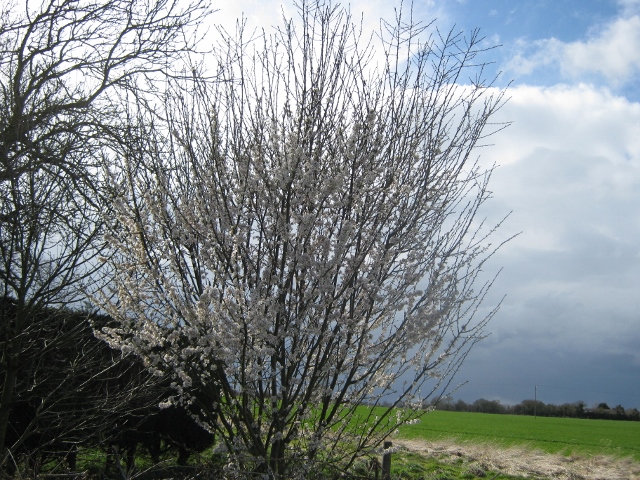
The Blackthorn tree (Prunus spinosa), just coming into flower, has been battered.

IMG_4320Blackthorn blossom (640x480)

The flowers are being ripped off the trees by the wind.

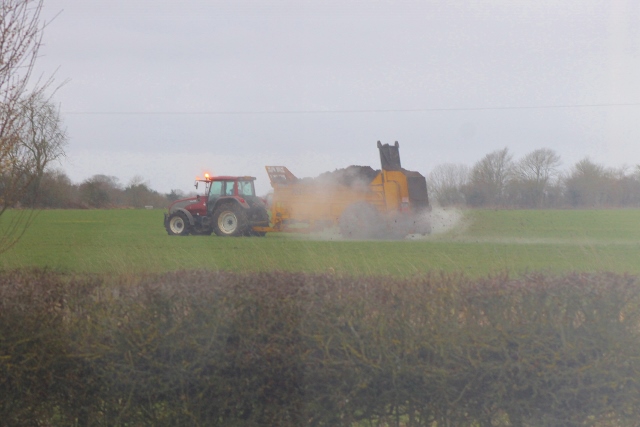
Ten days ago the local farmer began muck-spreading and we have only just got rid of the smell!

IMG_1976Muck spreading (640x427)

More countryside joys!

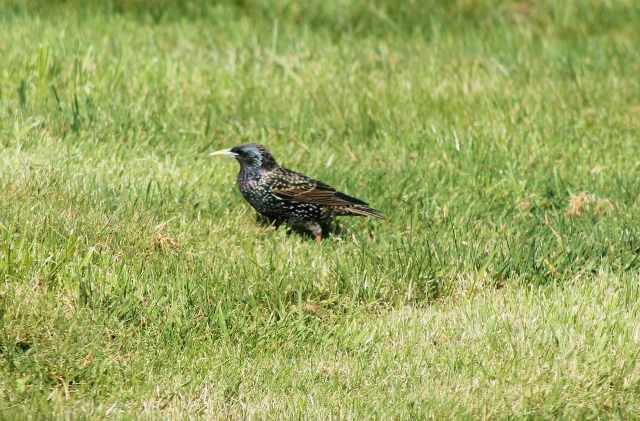
IMG_1978Starling (640x421)

We have had a small flock of Starlings (Sturnus vulgaris) visiting our garden during the past week.

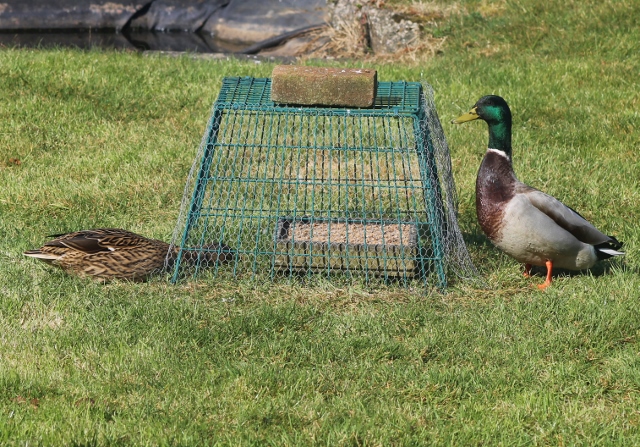
IMG_1980Mallards (640x447)

Despite my having put the ground feeder in a cage with extra chicken wire on two sides of it, the Mallards (Anas platyrhynchos) seem determined to get to the bird seed.

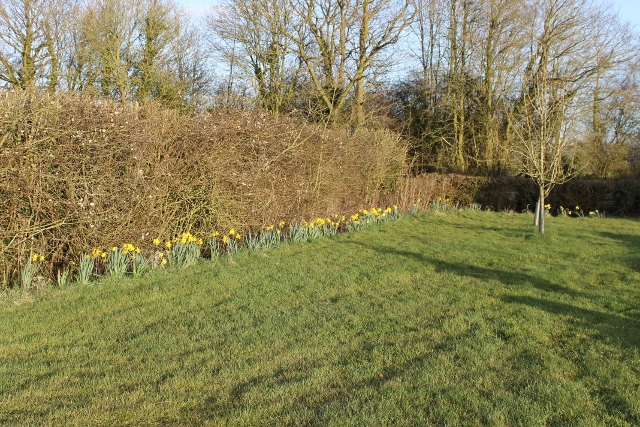
IMG_1984Daffodils (640x427)

The daffodils are coming out nicely around the garden.

IMG_1986Path round the pond (640x427)

The path round the pond is beginning to green up nicely.

IMG_1987Early Dog-violets (640x427)

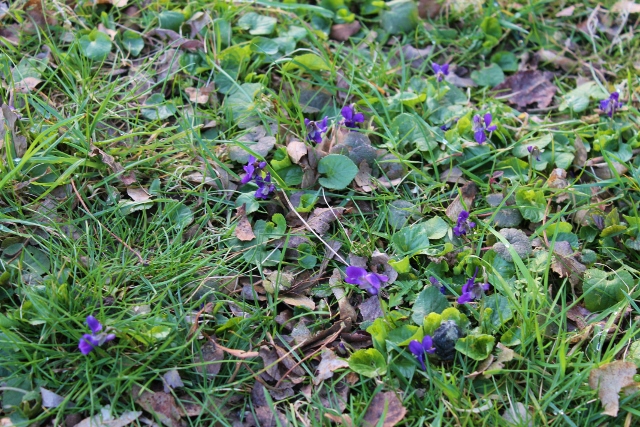
The Early Dog-violets (Viola reichenbachiana) that grow in the grass-path round the pond are looking very pretty.

IMG_1988Early Dog-violet (640x427)

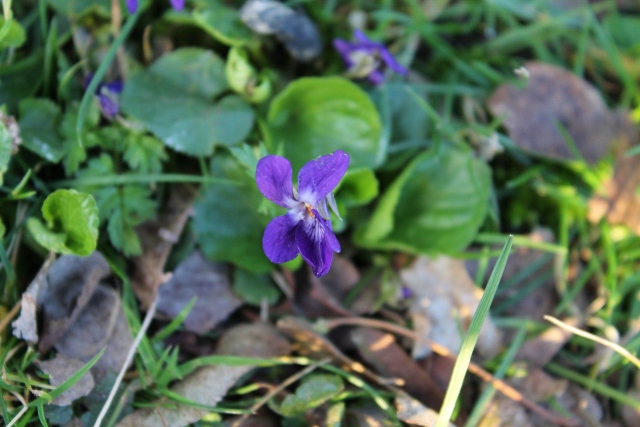
Early Dog-violet (Viola reichenbachiana)

IMG_1985Primroses (640x427)

The Primroses (Primula vulgaris) in the ditch are looking fine too. When we first came to live here there weren’t any primroses at all, only cowslips. These have appeared in the last couple of years.

IMG_1994Geese (640x427)

The Greylag geese (Anser anser) often come up close to the house to see what food there is for them to eat.

IMG_1992Goose nest (640x427)

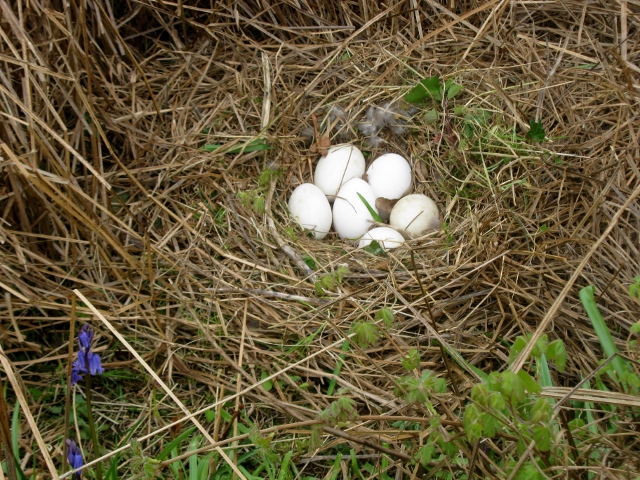
I took advantage of their absence and had a look at the nest which has a few eggs in it. This was taken before the goose had finished laying her eggs and started sitting on the nest.

IMG_4296Garden (640x480)

This is the garden on the south side of the house. Work in progress: I have cleared the beds of weeds and other unwanted seedlings and will cover them with soil-improver next.

The central grass path will be kept (there is a flowerbed just out of shot on the left) and I want to position a couple of arches over it and train roses and clematis up them.

IMG_4297Garden (480x640)

This narrow area of grass is difficult to mow and will eventually be removed and replaced with a gravel bed and stepping-stones to give access to the windows, electricity meter and the drain.

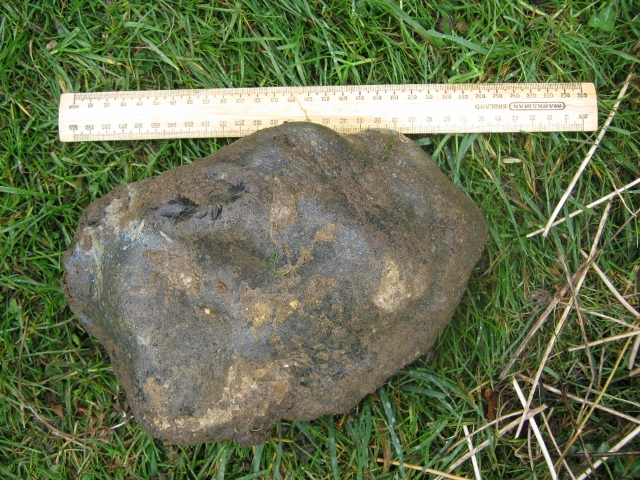
The soil here is very poor; full of stones and builder’s rubble.  I am constantly finding very large flints just under the surface.  People in days gone by used to think that stones grew and I can understand why they might think that.

IMG_4298Flint boulder (640x480)

This is a flint boulder I dug up last week – the ruler is a 30 cm one.

IMG_4321Flint boulder (640x480)

I put a pot with a primula in next to the boulder to give you an idea of the size.

Blue Scillas
Blue Scillas
White Scillas
White Scillas


These Scillas are flowering in the flowerbed on the left of the grass path.  I have yet to weed here!


Thanks for visiting!

Share this:

  • Share on X (Opens in new window) X
  • Share on Reddit (Opens in new window) Reddit
  • Share on Pinterest (Opens in new window) Pinterest
  • Share on Facebook (Opens in new window) Facebook
  • Email a link to a friend (Opens in new window) Email
  • Share on Tumblr (Opens in new window) Tumblr
  • Print (Opens in new window) Print
  • Share on Pocket (Opens in new window) Pocket
  • Share on LinkedIn (Opens in new window) LinkedIn
Like Loading...

Before the Eclipse

20 Fri Mar 2015

Posted by Clare Pooley in family, Gardening, plants, Rural Diary, Uncategorized, weather, wild birds

≈ 25 Comments

Tags

daffodils, dotted border moth, ducks, early dog-violet, gardening, geese, greylags, hellebores, house sparrow, mallards, Mothering Sunday, Rip van Winkle daffodils, silver-lace primula, simnel cake, solar eclipse, Suffolk, viburnum bodnantense

Such a busy week I have had!

IMG_4232Daffodils (640x480)

Some pretty, delicate daffodils growing at the top of the ditch-bank at the front of the house.


After a couple of problems were sorted out, Elinor’s week last week ended well.  She spent Friday in London with her Art class visiting The Victoria and Albert Museum, The Natural History Museum and the Saatchi Gallery and had a wonderful time.  She was able to rest as often as she needed to (she has scoliosis) and so therefore had hardly any back pain.  She travelled by coach and, as many of her colleagues had never been to London before, the driver took them on a route that passed by many of the sights – they drove along the Embankment so they saw the Thames, Cleopatra’s Needle with the two Sphinx, then the Tower of London and the 2012 Olympic Stadium among others.  I left her at the college at about 8.15 am and Richard collected her at 8.00 pm – so about twelve hours away from family – the longest time ever.  I spent the day ironing.

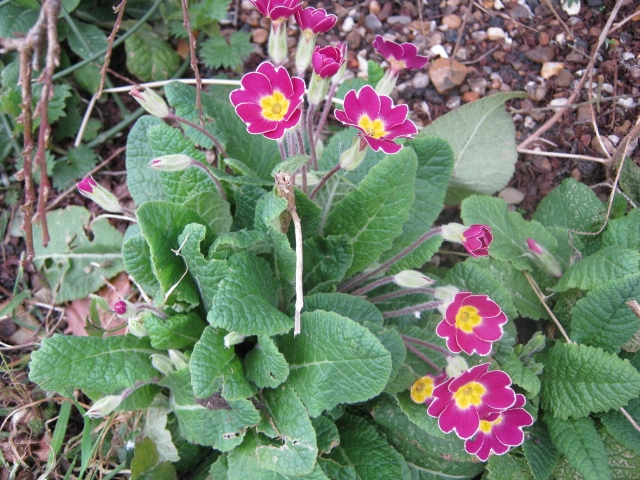
IMG_4230Silver-lace Primula (640x480)

Silver-lace Primula

IMG_4227Hellebore (640x480)
IMG_4228Hellebore (640x480)
IMG_4229Hellebore (640x480)
IMG_4226Hellebore (640x480)


Some more of my new Hellebores have begun flowering.

I was able to do a little gardening on Saturday.  It was quite chilly but dry and I progressed quite well with the weeding I had started earlier in the week.  Richard gave the lawn another mow and over the weekend he was able to finish cutting the leylandii hedge.

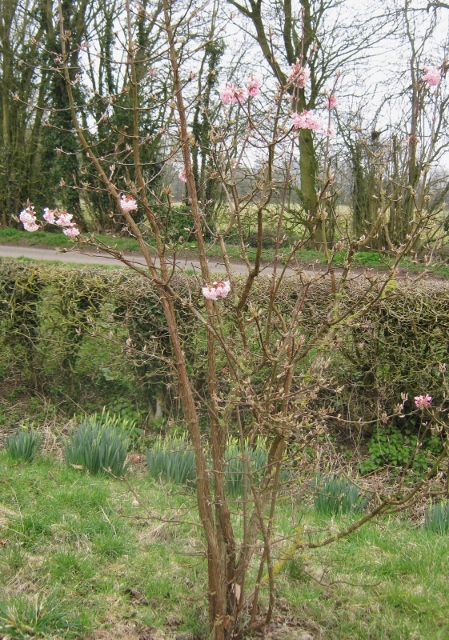
IMG_4231Viburnum Bodnantense (449x640)

The Viburnum Bodnantense is just coming into leaf.

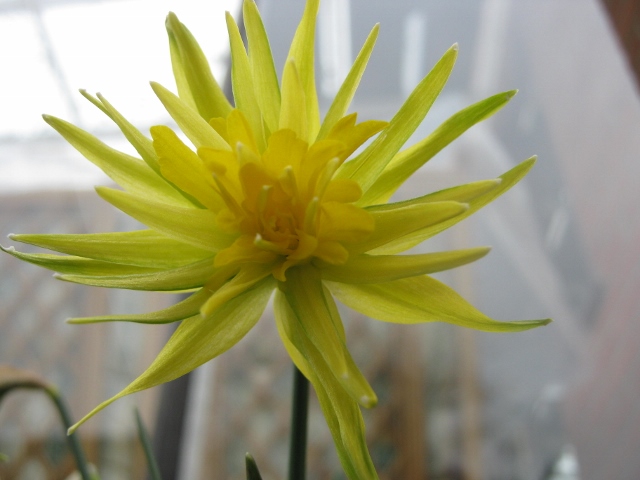
IMG_4235Rip van Winkle daffodils (640x480)

I love these little Rip-van-Winkle daffodils.

IMG_4237Rip van Winkle daffodil (640x480)

It looks more like a miniature Chrysanthemum from this angle.


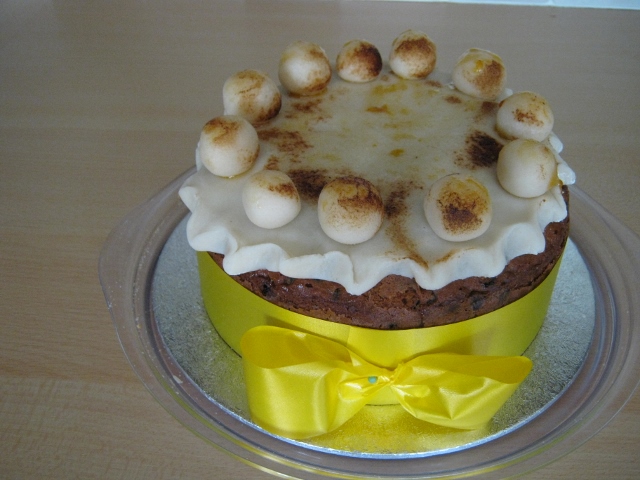
Sunday was Mothering Sunday and I had told Mum I would be taking her to church.  I collected her and helped her put the Simnel Cake she had made carefully into the car.  She had received a phone call from one of the ladies at church asking if she would be bringing a cake as usual and fortunately she had the ingredients ready in case they asked her.  I took an elderly retired priest back home after the service then took Mum home too.  I arranged with her that Richard would collect her at 6.00 pm as she was coming for a meal at our house.  It had to be an evening meal as I hadn’t time to cook lunch and drive to church.  I spent most of the afternoon preparing the food.  Mum provided an apple pie and another Simnel Cake for us.

001Simnel cake 2014 (640x480)

This is the Simnel Cake Mum made for us last year. This year’s one looked the same so I’m reposting the photo


The temperature at the weekend was about 10 degrees C lower than the weekend before.  The easterly wind dragged such a lot of cloud and mist in off the North Sea but not very much rain.  I have had to water the pots and tubs as they are all drying out very quickly.  Today the wind was veering round to the North, so a change – but not necessarily for the better!

IMG_4238Early Dog-violet (640x480)

This is an Early Dog-violet (Viola reichenbachiana).   We have them growing on the grass path round the big pond. They are very small and the flower here was only just over an inch tall.

IMG_4240Early Dog-violet (640x480)

Here’s another one.


Richard travelled to Lancaster in Lancashire on Monday for work and continued there until Wednesday.  He is now staying with his brother in Manchester as he wanted to see him and his mother.  She has been assessed at last and to our complete surprise she has been told that she is fit to leave the respite home she has been in for three months and go home.  We know that she is not at all able to look after herself – she cannot stand up on her own anymore, let alone walk.  She would need 24 hour care and she would need her home adapting even more than it is at the moment.  Richard and his brother needed to discuss this new challenge together and with Mum-in-law.  They are also going to visit a couple of nursing homes to see if they are suitable for their mother to live in. They have spent the day at York, visiting the National Railway Museum.

IMG_4248Goose on the island (640x480)

This is the goose on a visit to her nest on the very brambly island on our pond. She has been laying eggs but hasn’t started sitting yet.

IMG_1972Greylag goose and gander (640x427)

Here is the goose and gander up close to the house. They come to have a look to see what food they can find under the bird-tables. I am sure the goose, if not the gander, is one of the goslings from two years ago. She follows me round the garden as I fill the feeders so of course I give her and the gander some special duck and goose mixture I have .

IMG_1973Mallards (640x436)

The Mallards also come up close to the house looking for food.

IMG_1974Mallards (640x427)

They are enthusiastic eaters and rip up a lot of grass too.


I had an appointment at the opticians on Tuesday and yet again failed to do well enough in one of the tests and have to go back again next week.  Mum had another appointment at the eye clinic at Norwich hospital on Wednesday afternoon so I took her.  Her appointment went well and we go back again in six weeks.  I have done Mum’s shopping for her but it took three different trips.

IMG_1971Male House Sparrow (640x420)

A male House Sparrow in the crabapple tree.


Tomorrow morning we have a solar eclipse.  We will be lucky to see anything of it because of the cloud cover.  It may be possible to see it if the cloud thins early enough.  I remember the last total solar eclipse 16 years ago.  It was a bright, warm, sunny day and we all went out into the garden to witness it.  What I remember most about it were the strange shadows – each leaf had two shadows and as it got darker it was such a strange twilight with the dimming sun above us and not on the horizon.  As it got dark the birds stopped singing and the silence was eerie.  I wonder what I will see tomorrow at 9.30 am?  I will be just arriving home from taking Elinor to college.

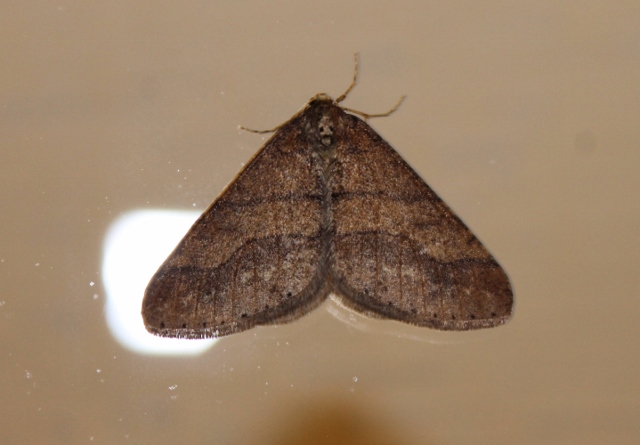
IMG_1967Dotted Border Moth (640x445)

This is a Dotted Border Moth (Agriopis marginaria) that I saw on the outside of my kitchen window. The strange white light is a reflection of my flash in the double-glazing.


Elinor has been invited to a party.  One of her old school friends is holding an 18th birthday party tomorrow and Elinor thinks she would like to go.  She may need collecting early but it will be so good for her even to go for a short time.

Thank-you for visiting!
Share this:

  • Share on X (Opens in new window) X
  • Share on Reddit (Opens in new window) Reddit
  • Share on Pinterest (Opens in new window) Pinterest
  • Share on Facebook (Opens in new window) Facebook
  • Email a link to a friend (Opens in new window) Email
  • Share on Tumblr (Opens in new window) Tumblr
  • Print (Opens in new window) Print
  • Share on Pocket (Opens in new window) Pocket
  • Share on LinkedIn (Opens in new window) LinkedIn
Like Loading...
← Older posts
Newer posts →
Follow A Suffolk Lane on WordPress.com

Enter your email address to follow this blog and receive notifications of new posts by email.

Join 715 other subscribers.

Unknown's avatar

I talk about what it's like living in a quiet part of Suffolk. I am a wife, mother and daughter, a practising Christian and love the natural world that surrounds me. I enjoy my life - most of the time!
My Posts

Jan 2026
M T W T F S S
 1234
567891011
12131415161718
19202122232425
262728293031  
« Dec    

Pages

  • About my Blog
  • GDPR (General Data Protection Regulations) and This Site
  • My Life in a Suffolk Lane

Archives

Blogs I Follow

Unknown's avatar
Unknown's avatar
Unknown's avatar
Unknown's avatar
Unknown's avatar
Unknown's avatar
Unknown's avatar
Unknown's avatar
Unknown's avatar
Unknown's avatar
Unknown's avatar
Unknown's avatar
Unknown's avatar
Unknown's avatar
Unknown's avatar
Unknown's avatar
Unknown's avatar
Unknown's avatar
Unknown's avatar

Posts I Like

  • Unknown's avatar
  • Unknown's avatar
  • Unknown's avatar
  • sherijkennedyriverside's avatar
  • Unknown's avatar
  • Unknown's avatar
  • 60onabudget's avatar
  • Unknown's avatar
  • Unknown's avatar
  • Unknown's avatar
  • Unknown's avatar
  • Luso Loonie — Devin Meireles's avatar
  • Unknown's avatar
  • Unknown's avatar
  • womanseyeview's avatar
  • The Introverted Bookworm's avatar
  • Unknown's avatar
  • (Kitty) Cat Strawberry - Meow!'s avatar
  • thesimlux's avatar
  • Unknown's avatar
  • Unknown's avatar
  • Limentinus's avatar
  • aho's avatar
  • Unknown's avatar
  • Sarah curran's avatar
  • Pilgrim's Pondering Ministry's avatar
  • bitaboutbritain's avatar
  • Unknown's avatar
  • Unknown's avatar
  • Ari's avatar
  • Secret Diary of A Country Vicar's Wife's avatar
  • Annika Perry's avatar
  • Unknown's avatar
  • Mélodie's avatar
  • Unknown's avatar
  • Dad's avatar
  • Unknown's avatar
  • Unknown's avatar
  • Maikhel's avatar
  • Unknown's avatar
  • John’s Postcards's avatar
  • NEERAJ SINGH's avatar
  • JAM's avatar
  • East of Elveden's avatar
  • Unknown's avatar
  • Unknown's avatar
  • Unknown's avatar
  • Jack Ronald Cotner's avatar
  • Wayne Wolfson's avatar
  • Unknown's avatar

amphibians architecture art Arts and Crafts churches cooking Days out domestic animals family fish Folk Traditions Gardening Historic Buildings holidays Insects Landscaping literature music Norwich plants Rural Diary seashore theatre trees Uncategorized walking weather wild animals wild birds wild flowers

Tags

architecture autumn birds blackbird blackthorn Bungay butterfly church clouds common knapweed cow parsley crocus daffodils Diary dogwood family field maple flowers fungus garden gardening geese greylags ground-ivy Halesworth Hawthorn heather holiday Holly Holy Week horse chestnut Hoverfly insects ivy Lake District Lent lesser celandine lichen Lords and Ladies Mallard mallards Minsmere moorhen moss music Norwich Peak District pheasant plants pond ponds primrose primroses Rain rooks Rumburgh Rumburgh Church sheep Sheffield snow snowdrops Southwold spring Suffolk Suffolk Wildlife Trust sunset the Beck trees viburnum bodnantense walking weather wild cherry wild flowers winter-flowering honeysuckle witch-hazel

Meta

  • Create account
  • Log in
  • Entries feed
  • Comments feed
  • WordPress.com

Goodreads

Blog at WordPress.com.

Book Jotter

Reviews, news, features and all things books for passionate readers

Country Life Blog -

A blog about life in the country in the past and present

Matthew Paul: Poetry & Stuff

Poetry and what-not

Schnippelboy

Ein Tagebuch unserer Alltagsküche-Leicht zum Nachkochen

TAMARA JARE

TAMARA JARE Tamara Jare: Contemporary Figurative Painting Oil on Canvas Artist Art Studio

A Taste of Freedom

Documenting a Dream

Country Ways

Rambling Journeys in Britain, Countryside Matters and campaigning for the Right to Roam

The Strawberry Post

Here to Entertain, Educate & Inspire!
a north east ohio garden

an ongoing experiment in the dirt, 35 plus years

naturechirp

Celebrating God's creatures, birds and plants...

Sophie Neville

Writer

Going Batty in Wales

Developing a more sustainable lifestyle in SW Wales

Our Lake District Escapades

Exploring the Lake District and beyond

Short Walks Long Paths

Wandering trails around the coast of Wales

The Biking Gardener

An English persons experience of living and gardening in Ireland

Nan's Farm

A Journal Of Everyday Life

Walk the Old Ways

Rambling Journeys in Britain with John Bainbridge. Fighting for the Right to Roam. Campaigning to Protect Our Countryside.

Writer Side UP!

Waking the Writer Side...and keeping it "Up!"

Meggie's Adventures

Travel, thank you notes and other stories

amusicalifeonplanetearth

Music and the Thoughts It Can Inspire

lovefoundation.co.uk

Traveling Tortuga

Simply Living Well

Pakenham Water Mill

Historic watermill in the beautiful Suffolk countryside

Take It Easy

Retired, not expired: words from the after(work)life. And music. Lots of music!

Secret Diary Of A Country Vicar's Wife

By Olive Oyl

thanksfortheadventureorg.wordpress.com/

The Beat Goes On

#TBGO

Frank Pleszak's Blogs

Twitter: @frankpleszak @PolishIICorps

John Bainbridge Writer

Indie Writer and Publisher

roughwighting

Life in a flash - a bi-weekly storytelling blog

Walking the Old Ways

Rambling in the British Countryside

CapKane

thoughts on social realities

SkyeEnt

Jottings from Skye

jodie richelle

embracing my inner homemaker

Skizzenbuch/Blog

Just another WordPress.com weblog

Have Bag, Will Travel

The Call of the Pen

Flash Fiction, Book Reviews, Devotionals and other things.

John's Postcards

Art in Nature

You dream, I photographe it !

Smile! You’re in Barnier World......

theinfill

the things that come to hand

Dr. Mary Ann Niemczura

Author of "A Past Worth Telling"

Provincial Woman

The Pink Wheelbarrow

Luanne Castle: Poetry and Other Words (and cats!)

Poetry, Other Words, and Cats

The Family Kalamazoo

A genealogical site devoted to the history of the DeKorn and Zuidweg families of Kalamazoo and the Mulder family of Caledonia

everythingchild

The Book Owl

Canberra's Green Spaces

Paul Harley Photographer

  • Subscribe Subscribed
    • A Suffolk Lane
    • Join 715 other subscribers.
    • Already have a WordPress.com account? Log in now.
    • A Suffolk Lane
    • Subscribe Subscribed
    • Sign up
    • Log in
    • Report this content
    • View site in Reader
    • Manage subscriptions
    • Collapse this bar
 

Loading Comments...
 

    Privacy & Cookies: This site uses cookies. By continuing to use this website, you agree to their use.
    To find out more, including how to control cookies, see here: Cookie Policy
    %d