• About my Blog
  • GDPR (General Data Protection Regulations) and This Site
  • My Life in a Suffolk Lane

A Suffolk Lane

~ A diary of my life in rural north Suffolk.

A Suffolk Lane

Tag Archives: heathland

Dunwich Heath

10 Fri Jul 2026

Posted by Clare Pooley in Days out, nature reserve, plants, Rural Diary, seashore, wild birds, wild flowers

≈ 27 Comments

Tags

birds, bracken, Dunwich Heath, heathland, kittiwakes, Lowestoft, plants, scones, seashore, Sizewell, Suffolk

Richard, Elinor and I went to Dunwich Heath on Tuesday afternoon.  We had originally thought about going in the late morning and having some lunch in the National Trust café there.  However, it became too hot and the thought of wandering about on the beach with the sun beating down on us and no shelter and us beginning to look like characters in one of those survival films (you know what I mean – crawling on all fours, blistered parched lips, savouring the last drips from an empty water-bottle, vultures circling overhead etc. – replace vultures with seagulls) prompted us to leave at 3.00pm.
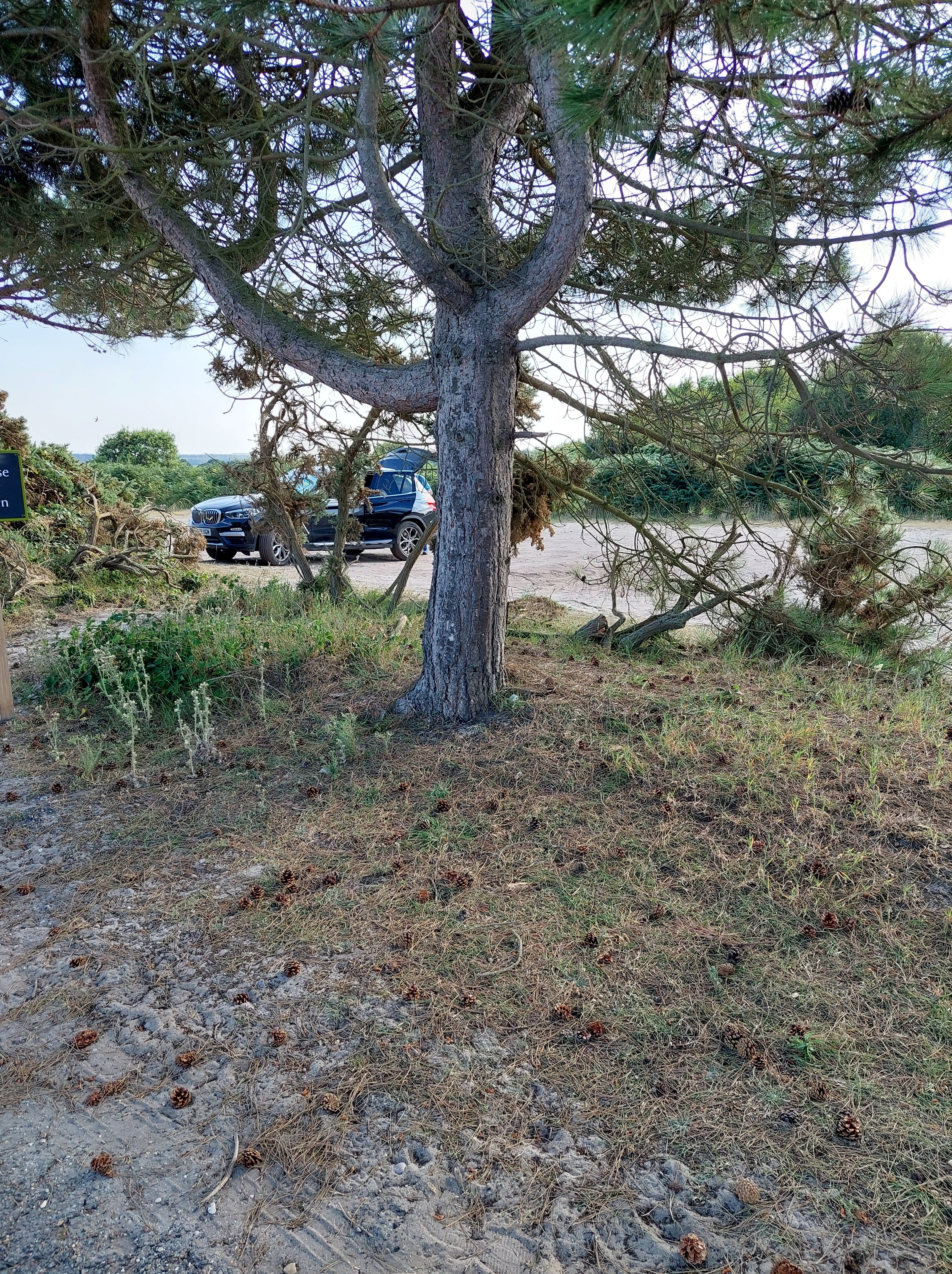
Our car in the carpark

The carpark was pleasantly uncrowded; I took my NT membership card to the office to get our free parking ticket and while Richard went back to the car to fetch Elinor and reassure her that the café was still open, I had a chat with the volunteer on duty and found out he had recently moved to Saxmundham and had a friend who had recently moved to Rumburgh; I also got a recommendation for a restaurant in Southwold.  I think he was a little bored and needed to talk.
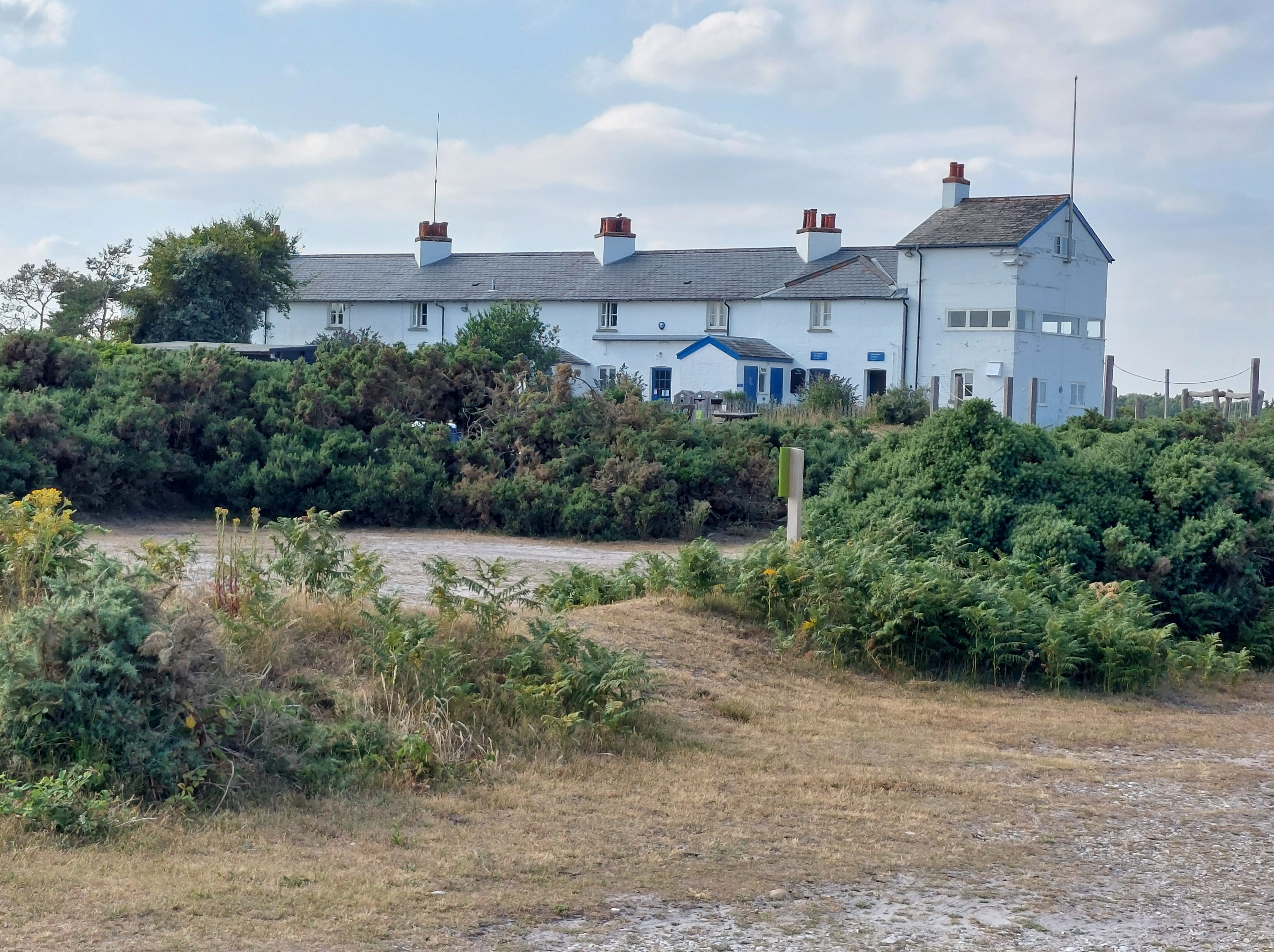
The former coastguard cottages now house the National Trust café and other offices as well as holiday accomodation for visitors.

We went into the café and all had a scone with jam.  Richard and I had clotted cream with ours but Elinor didn’t.  Richard and I had a pot of tea between us but Elinor didn’t as she doesn’t drink tea or coffee.  She had wanted a fruit juice but they only had water or fizzy drinks.  She, like me, doesn’t like fizzy drinks and she had brought a bottle of water with her. I quickly walked past the shelves of second-hand books on our way out.  I must not be tempted into buying yet more books!
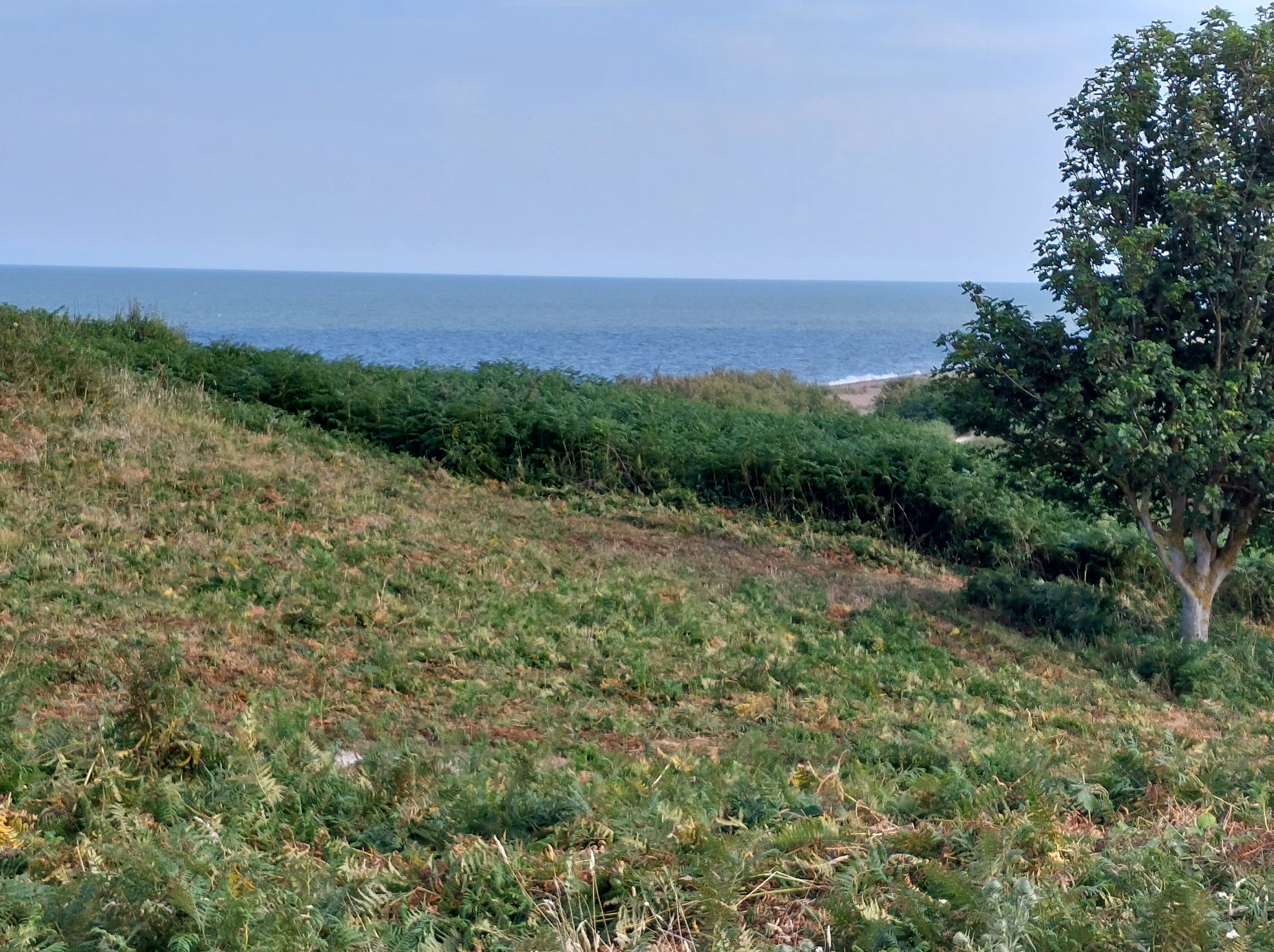
Walking down to the sea

We made our way to the path down through the heathland to the sea.  Everything was looking a little dry but there was this wonderful smell of hot bracken (Pteridium aquilinum) which took me back to childhood camping holidays.  Admittedly, we didn’t often smell hot bracken then, it was usually wet bracken but that has a lovely smell too.  Quoting from Richard Mabey’s ‘Flora Britannica’ “…for those who have lived in brackeny places, its sharp almond scent and the first splashes of yellow on its fronds in autumn can evoke powerful feelings”.  All this in spite of it being toxic if eaten and its spores being carcinogenic!  Also, I’m not sure that I think of almonds when I smell bracken.
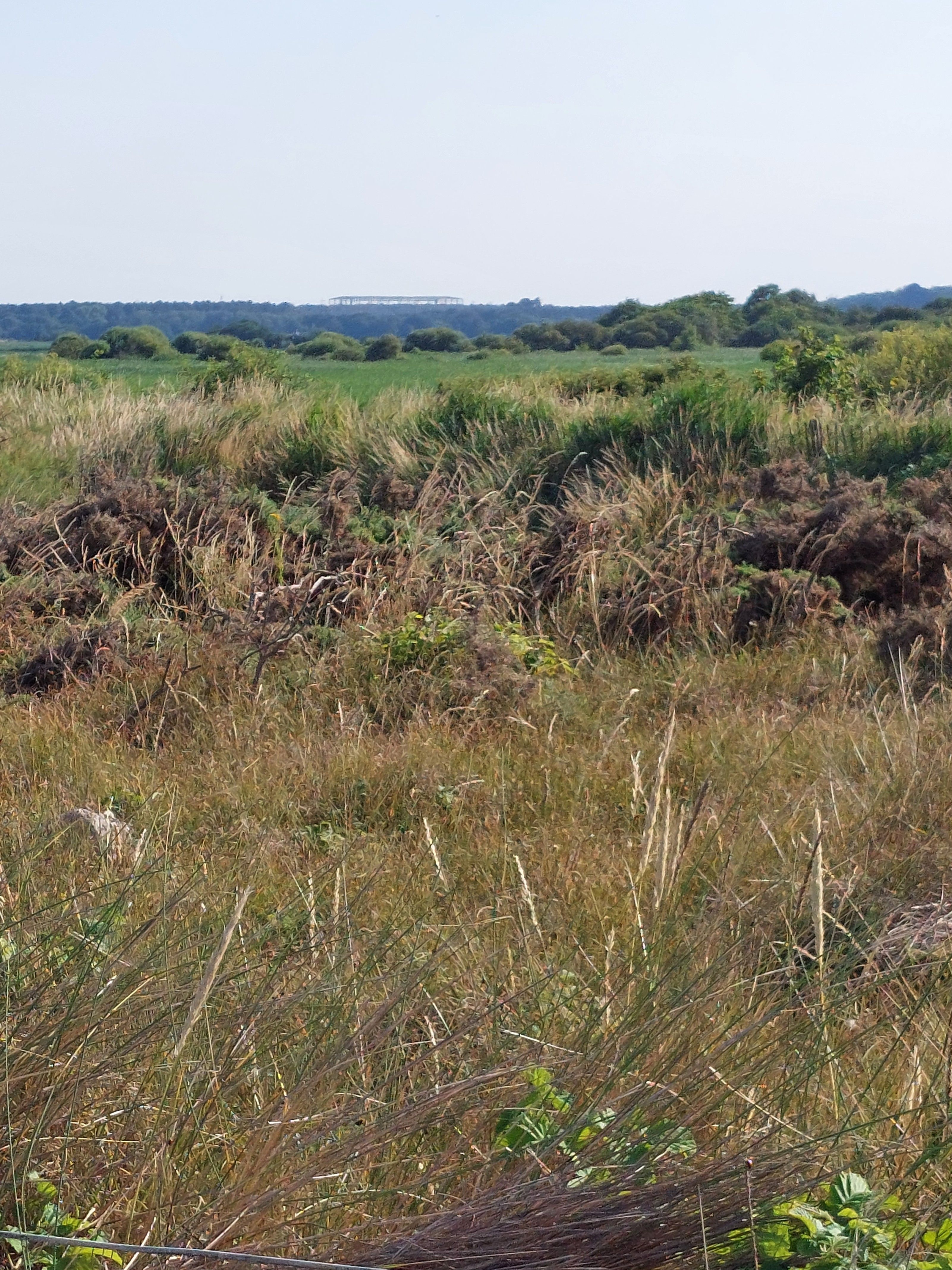
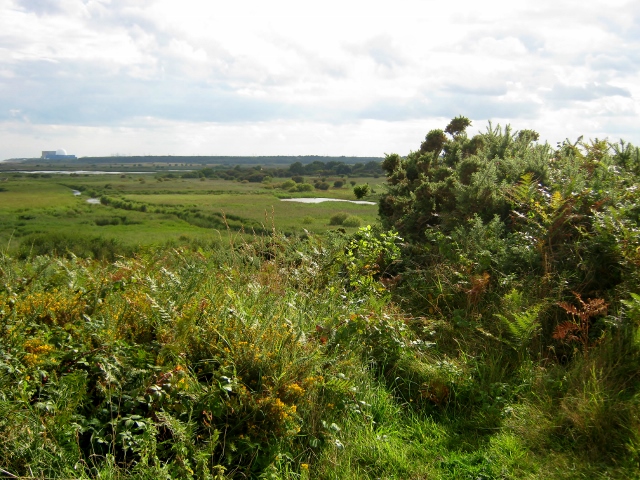
I think that the structure on the horizon is part of one of the two new solar farms being constructed in this area.

A few miles to the east of the solar farms and nearer to the sea is Sizewell.

The concrete block at the rear is what is left of Sizewell A nuclear power station, which is slowly being dismantled. The white dome is Sizewell B nuclear power station which is still going strong after 30 years. The evidence of work going on nearest to us is the construction of Sizewell C.  This construction (as well as the construction of the solar farms) has upset a lot of people and the mess to the countryside and disruption to traffic on the A12 (the main A road through the area) is to be seen and experienced to be believed. However, as well as bringing sorely-needed employment to the area and a reliable source of electricity eventually (I won’t go into the pros and cons of nuclear power here), the long-awaited improvements to the A12 and the by-passing of villages who have suffered very heavy traffic through their centres for decades is almost complete. This was part of the deal with tthe nuclear power company. There has also been work on a railway branchline. There are other issues involved but I won’t go into these at present.
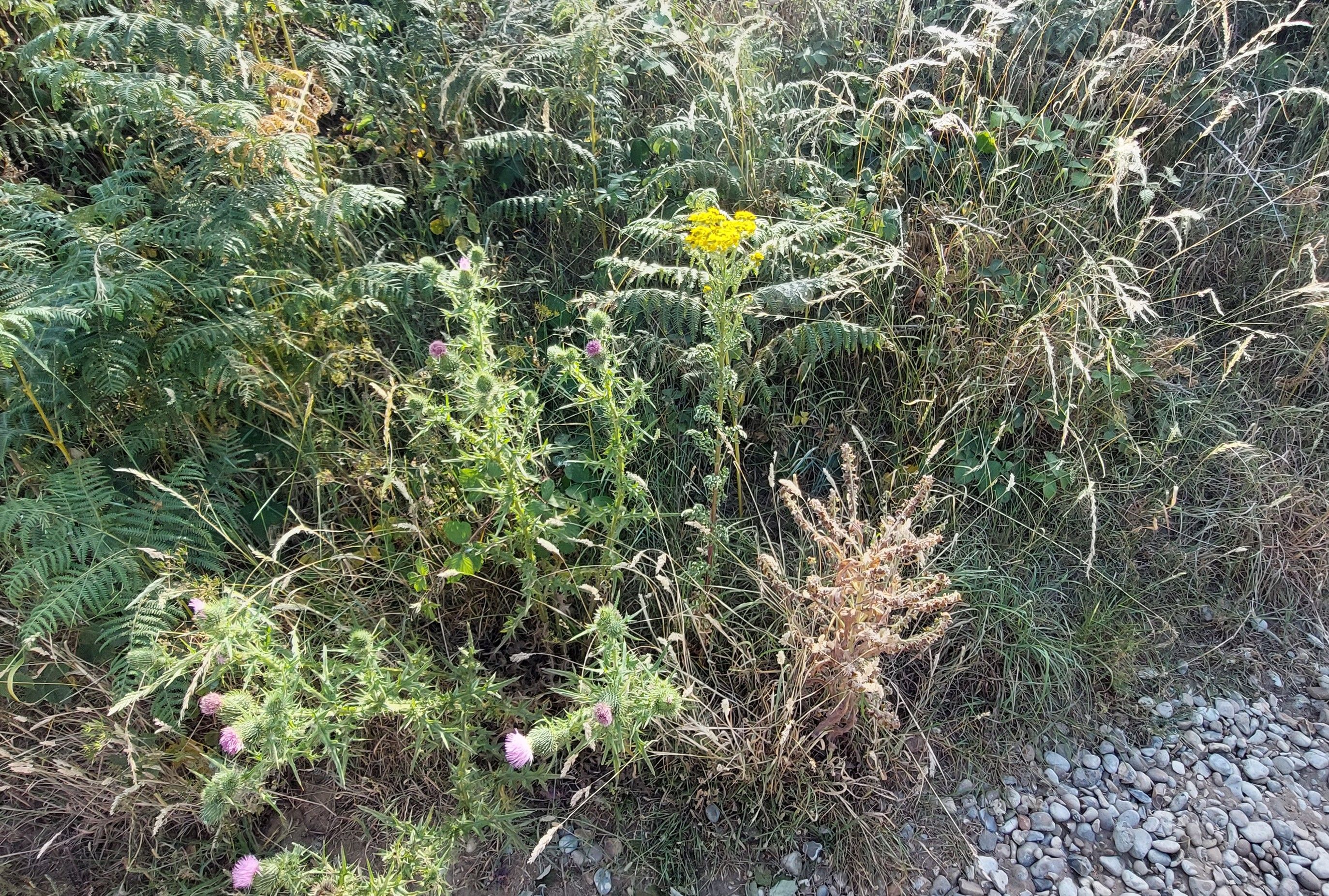
Not a very good photo of some Common ragwort(Senecio jacobaea ) and a Spear thistle (Cirsium vulgare )
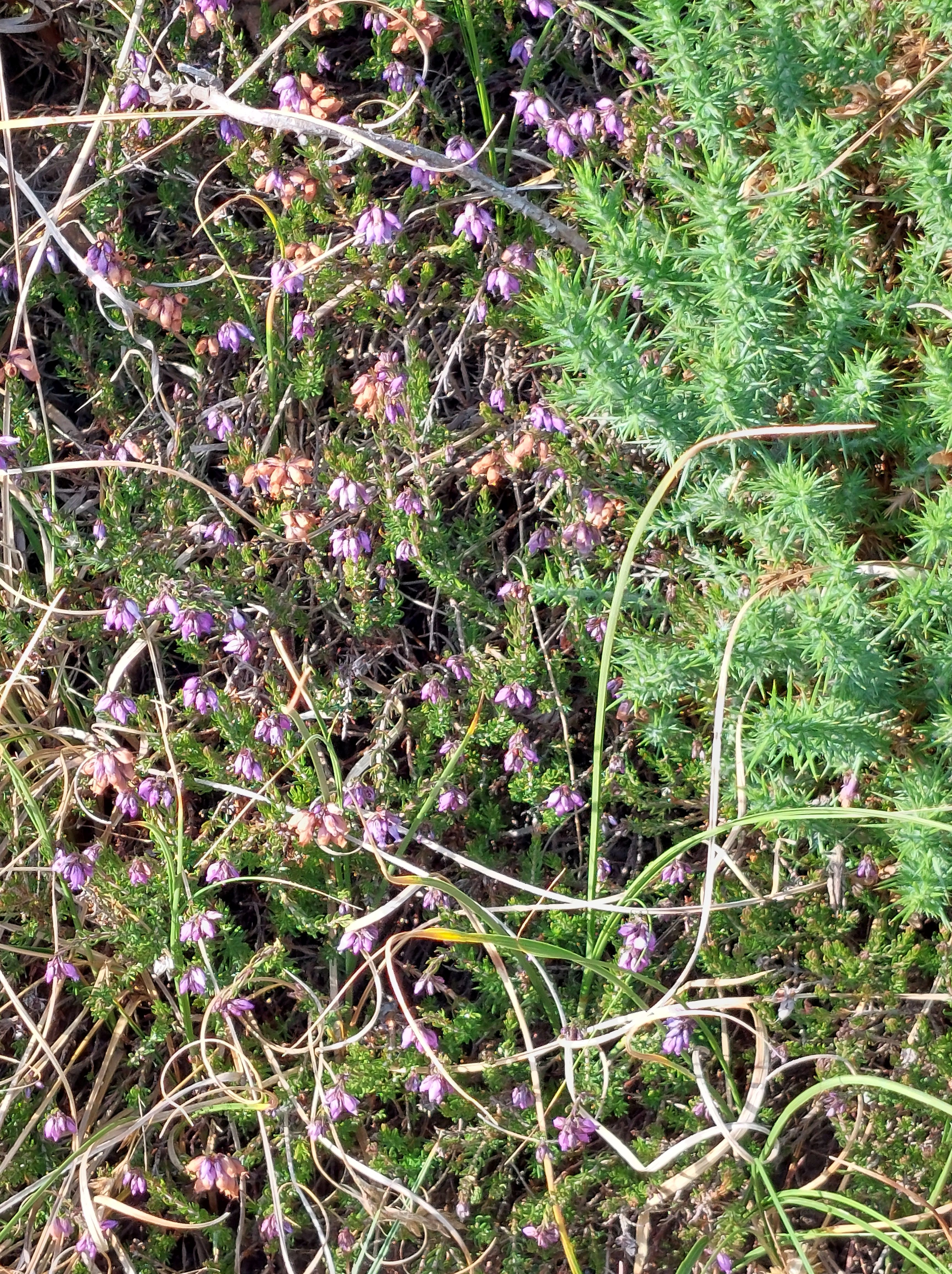
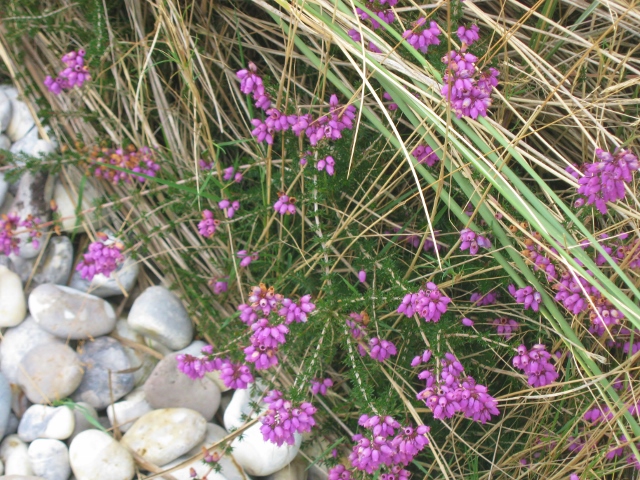
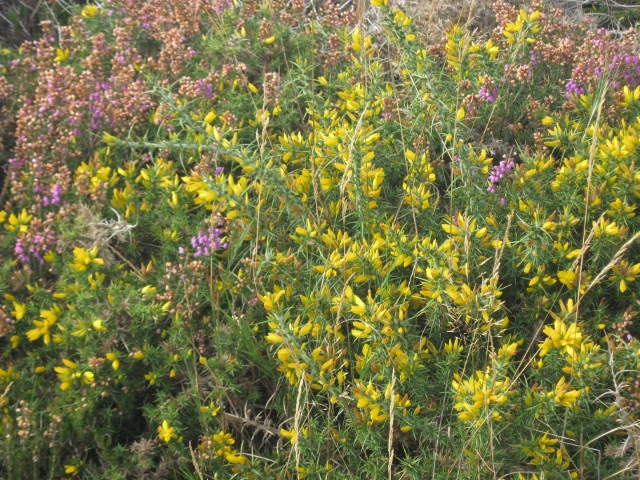
Some Bell heather (Erica cinerea) and Gorse prickles (Ulex europaeus)
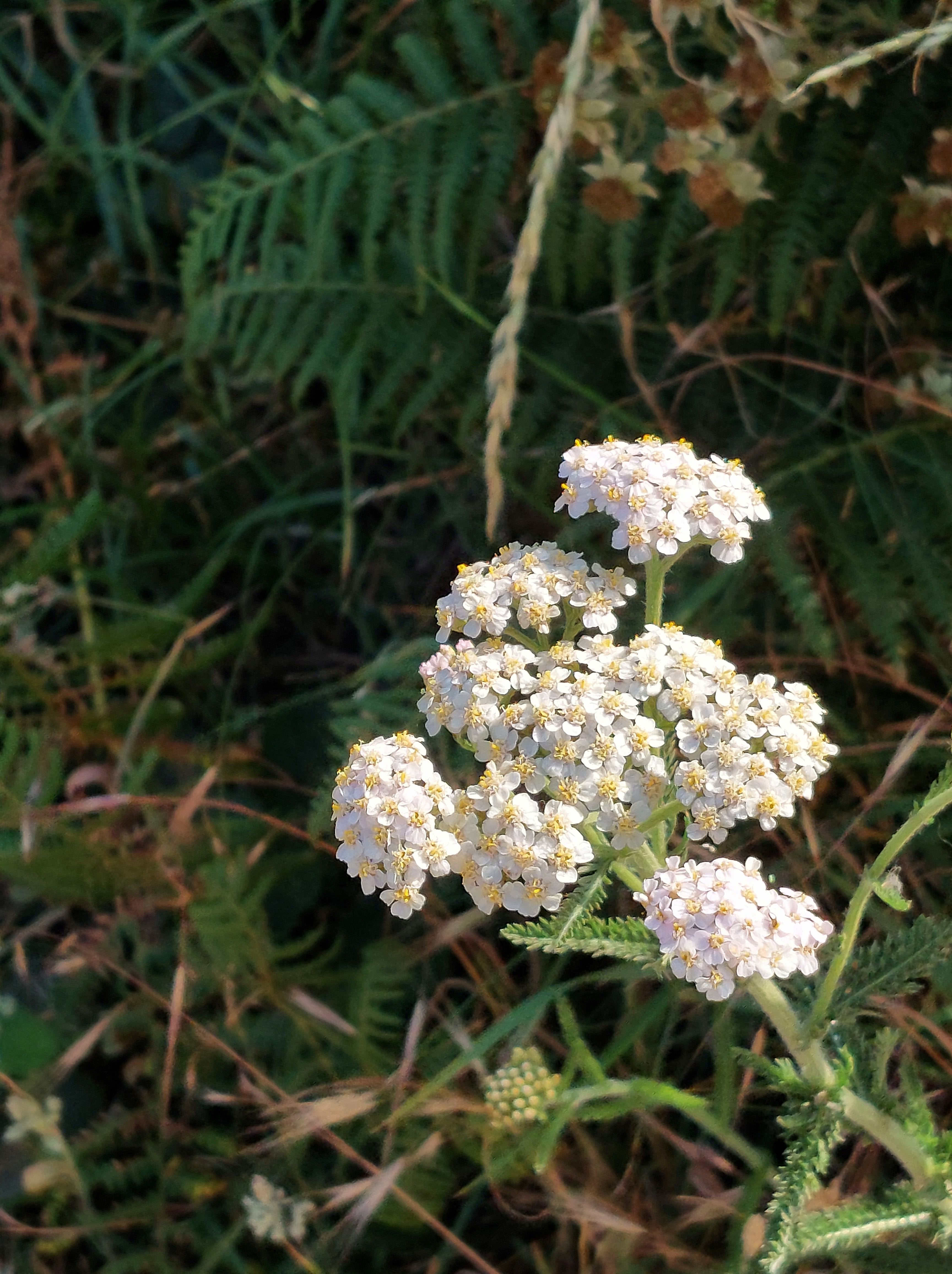
Yarrow (Achillea millefolium)
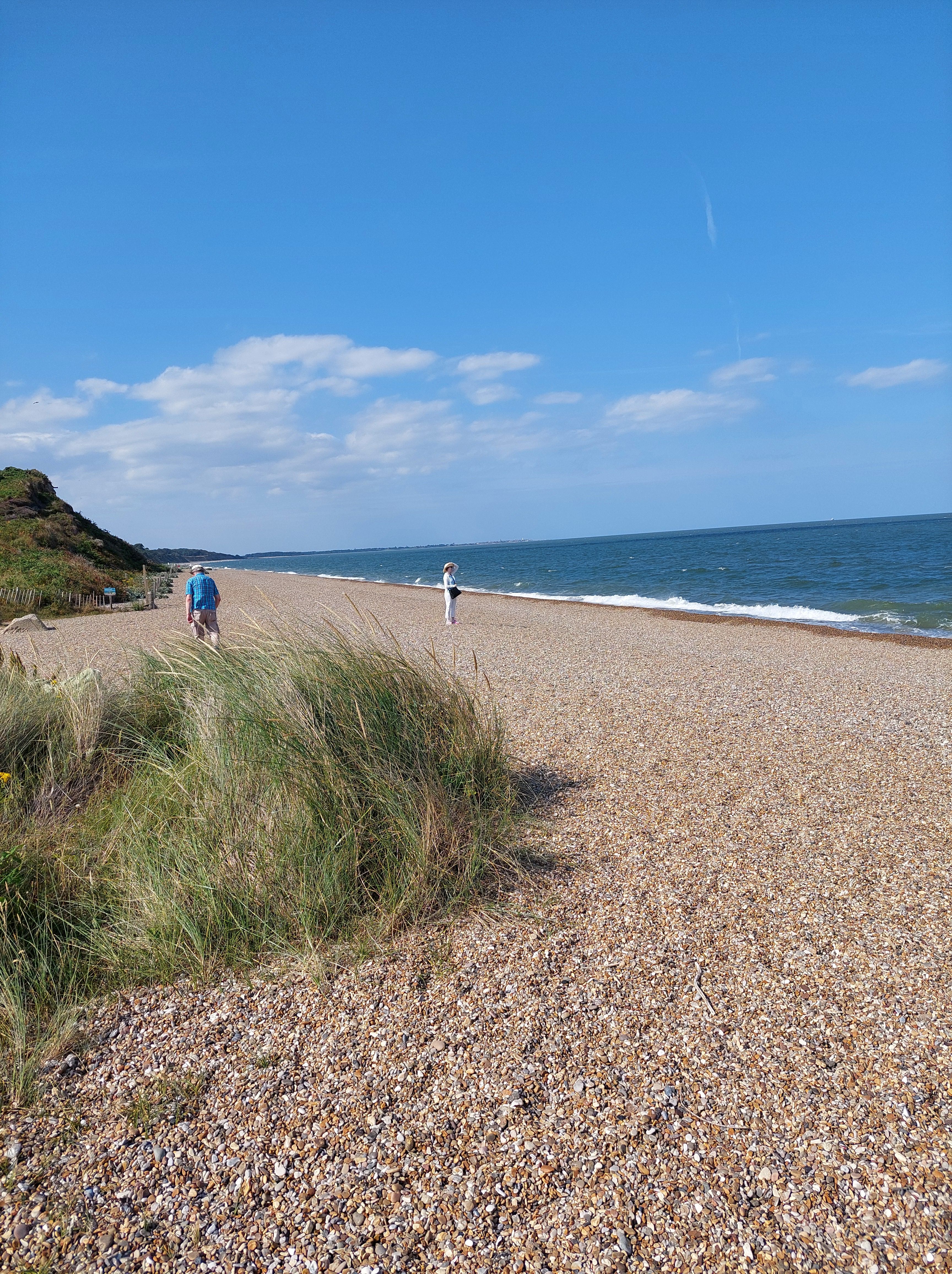
Here we are on the beach.  How wonderful the cool breeze was!

Every time we visit the seaside we look out for ‘a literal seal’.  To explain: we were at Southwold a couple of years ago on a blustery afternoon and we heard an excited small boy shouting to his parents that he had seen ‘a literal seal’.  And there the seal was; just a couple of metres off-shore, bobbing about on the heavy swell and holding an enormous fish between its flippers which it was eating with relish.
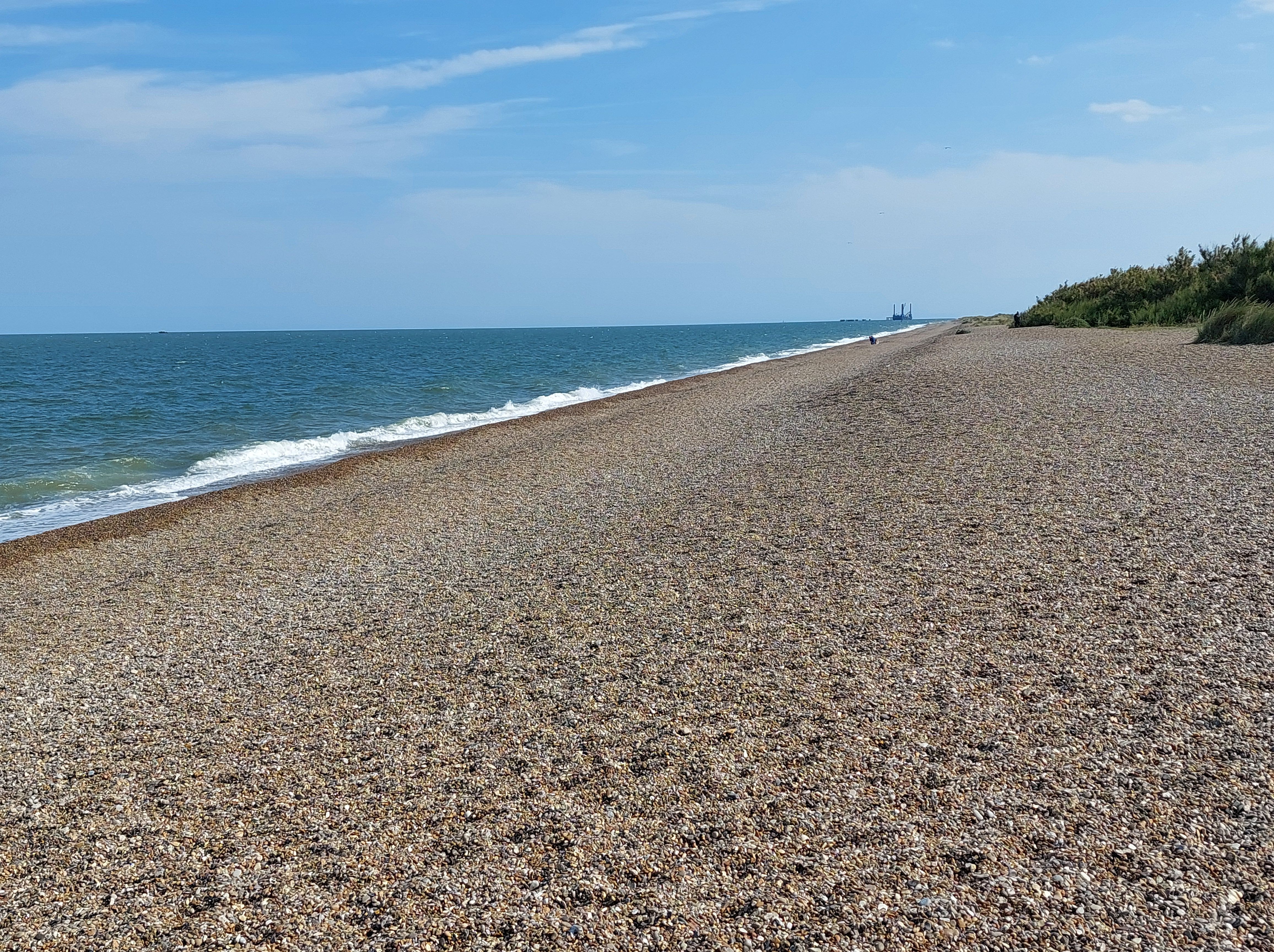
Dunwich beach. In the distance you may be able to see an object in the water with three spikes. Not Neptune’s trident, but the place where work is being done to build a desalination tank and other facilities for Sizewell C. Once the work has been done there will be no evidence of anything on the surface.

20260707_165839 The sea

20260707_165839 The sea

I hope you enjoyed this quick video of the sea.

We watched what we believe were terns flying over the sea, every now and then dipping into the water to catch something and flying on again.

This strange-looking thing is a kittiwake nest platform.

We have a colony of Kittiwakes (Rissa tridactyla) in Suffolk.They arrived in Lowestoft some time ago and began nesting on buildings in the harbour area.  They then moved into the town and to the Lowestoft peoples’ delight (hah!) they began nesting on roofs and window-sills.  Conservationists are trying to encourage the birds to move out of the town into permanent accomodation out at sea.  I’m not sure how well this is going.

If you had a kittiwake nesting on your bedroom window-sill this is what you would hear from 3.30-4.00am until sunset (after 9.00pm) every day, all day, until the chicks are fledged.  Not to mention the mess and the smell!
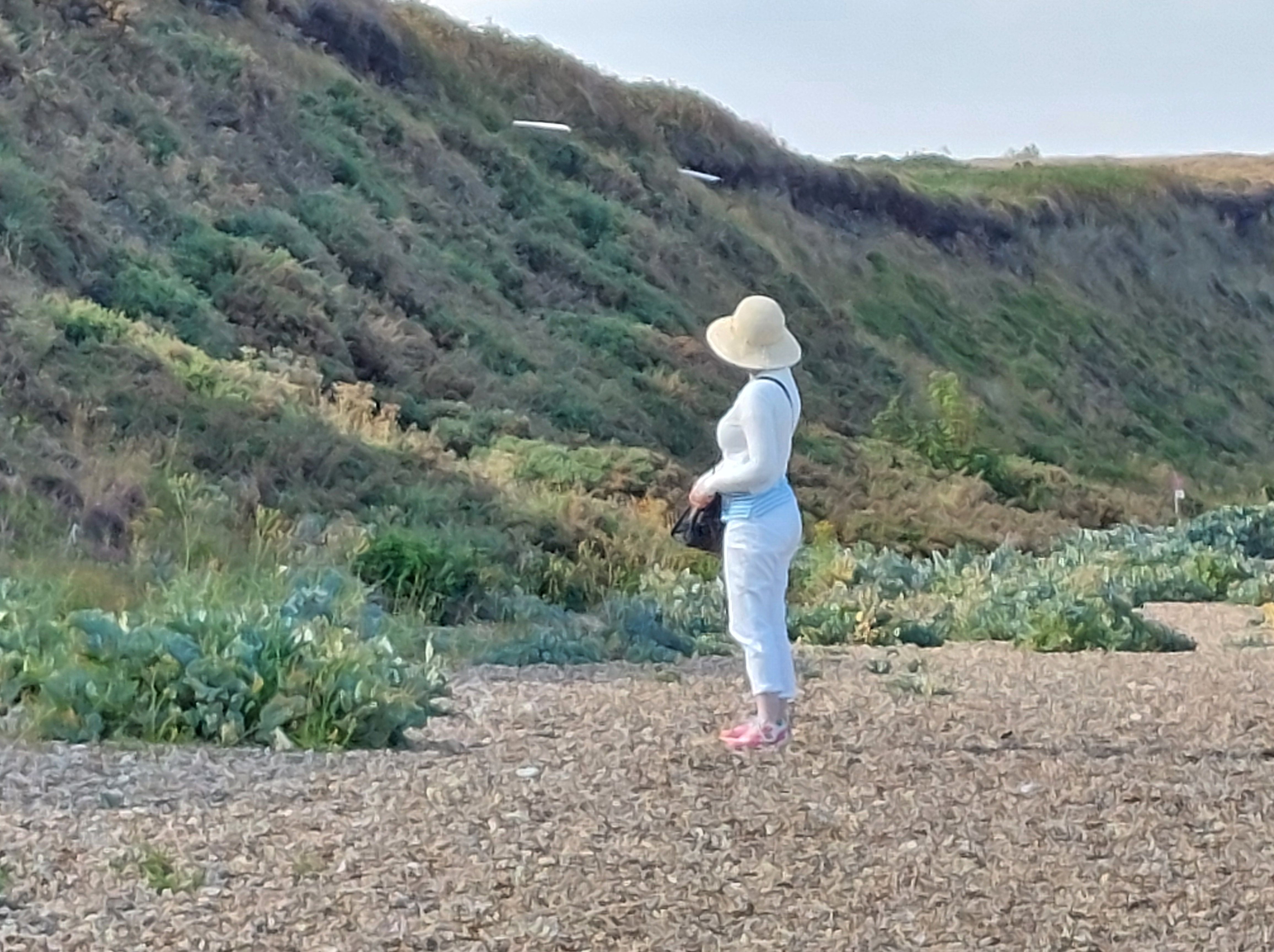
Elinor
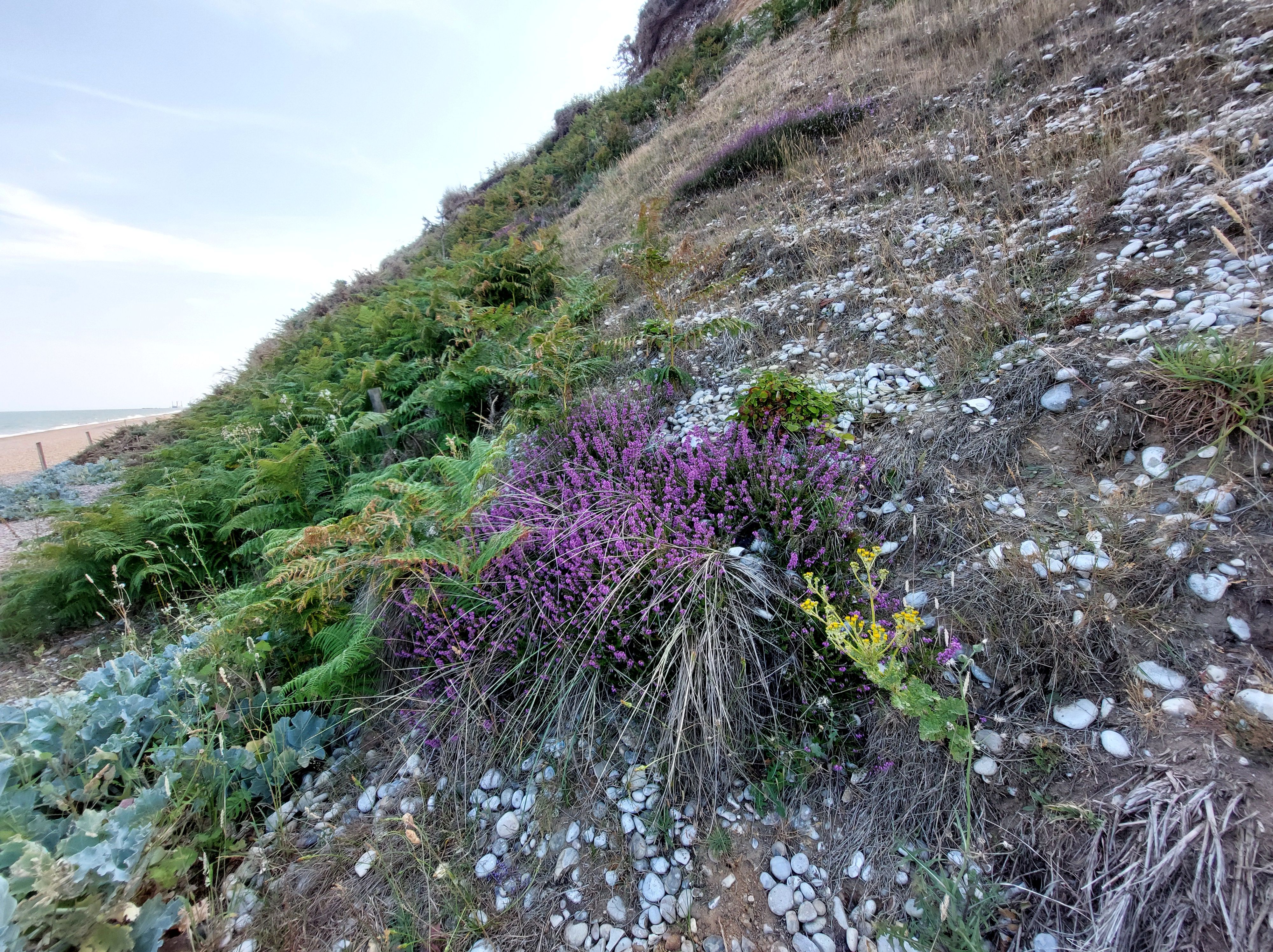
Beach flora: bracken, ragwort, heather and sea kale
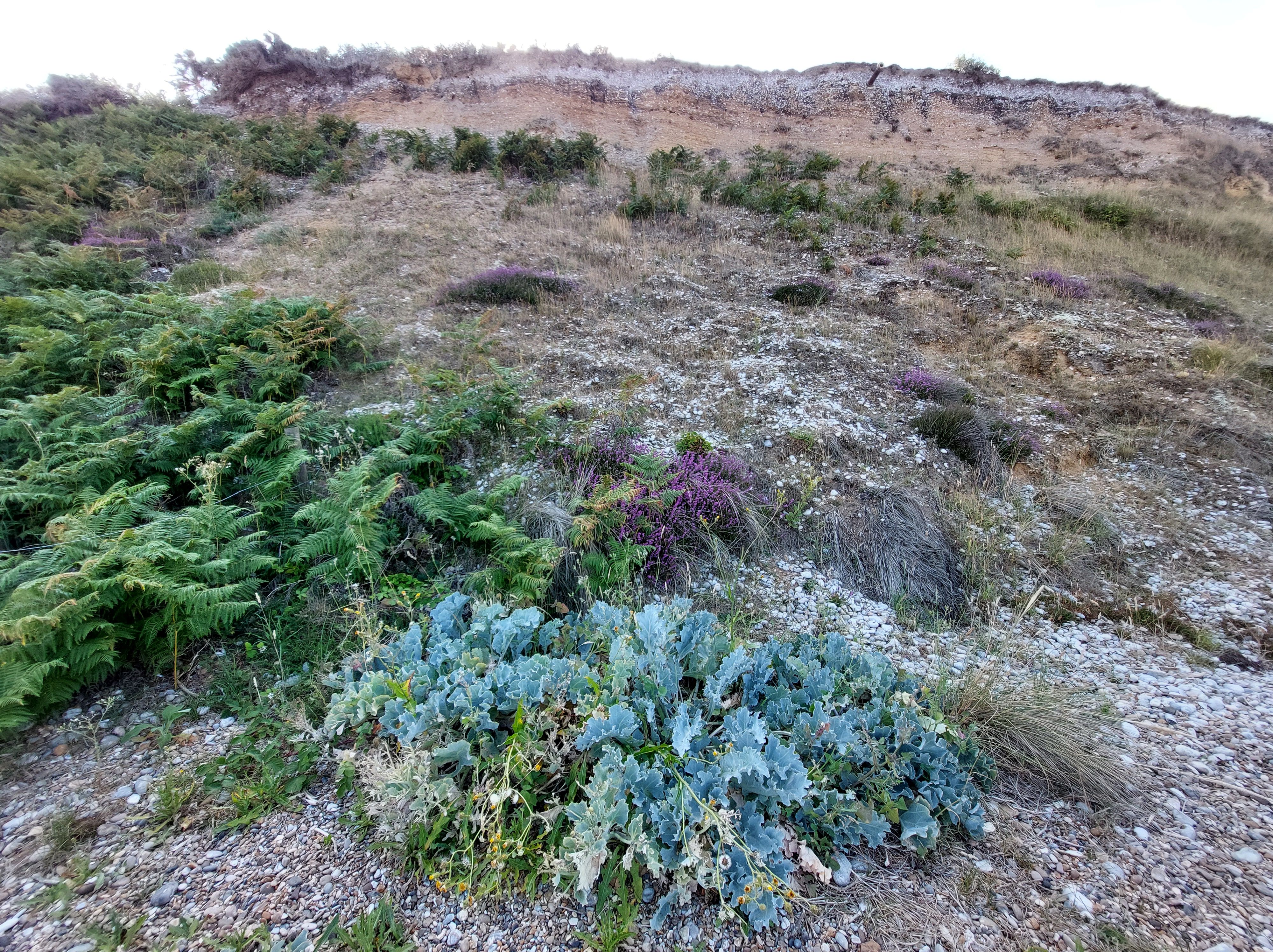
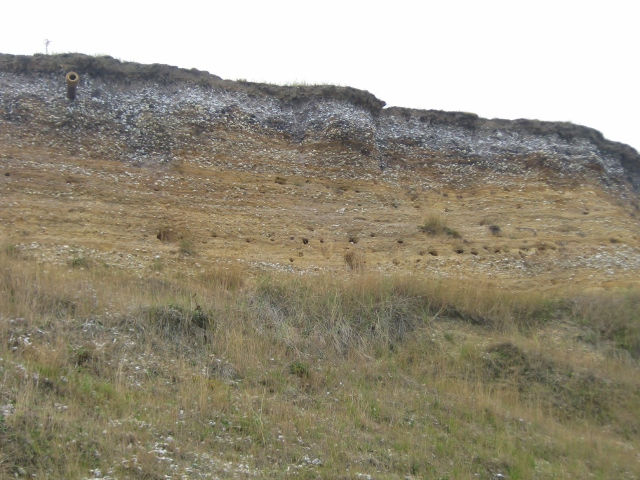
Looking up to the top of the cliff where there are Sand martin (Riparia riparia) nests.
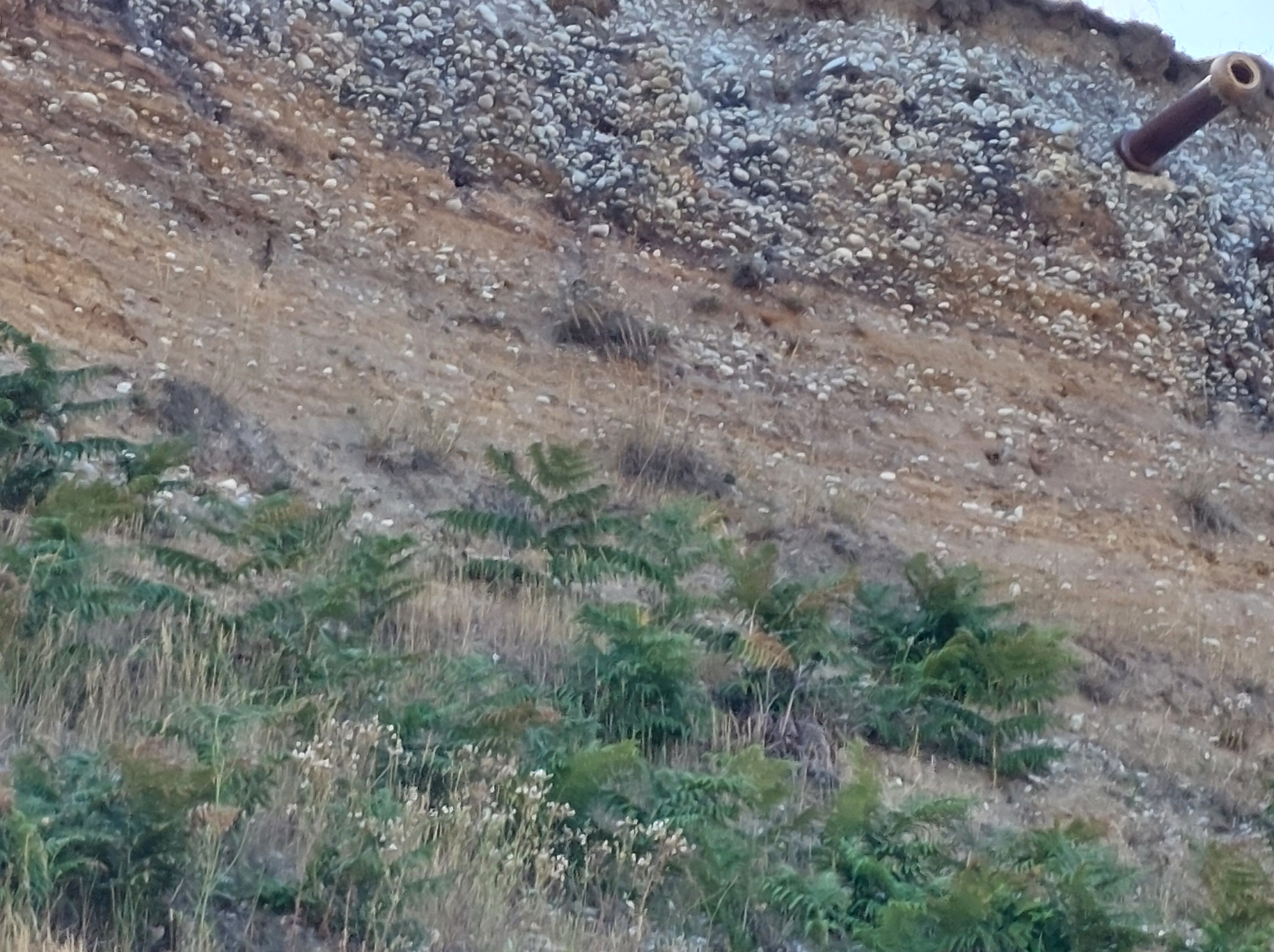
Here I was trying to zoom in on the nests with my phone. All you can see clearly though, is the layer of pebbles above the sand and a drainage pipe projecting from the cliff face.
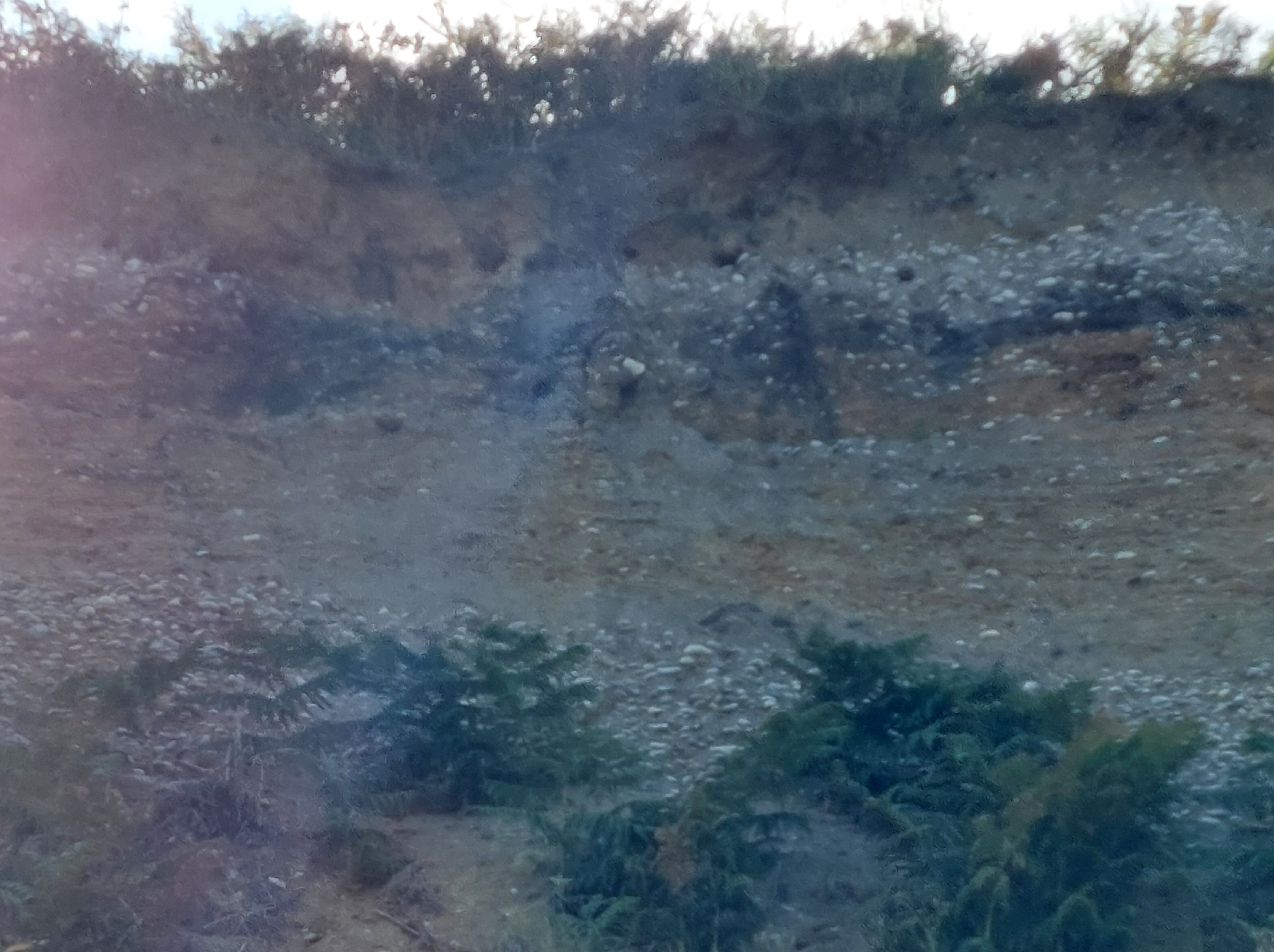
This is another partial failure. I had a problem with the sun which was on a level with the top of the cliff though it is possible to see a few of the holes in which the birds nest.
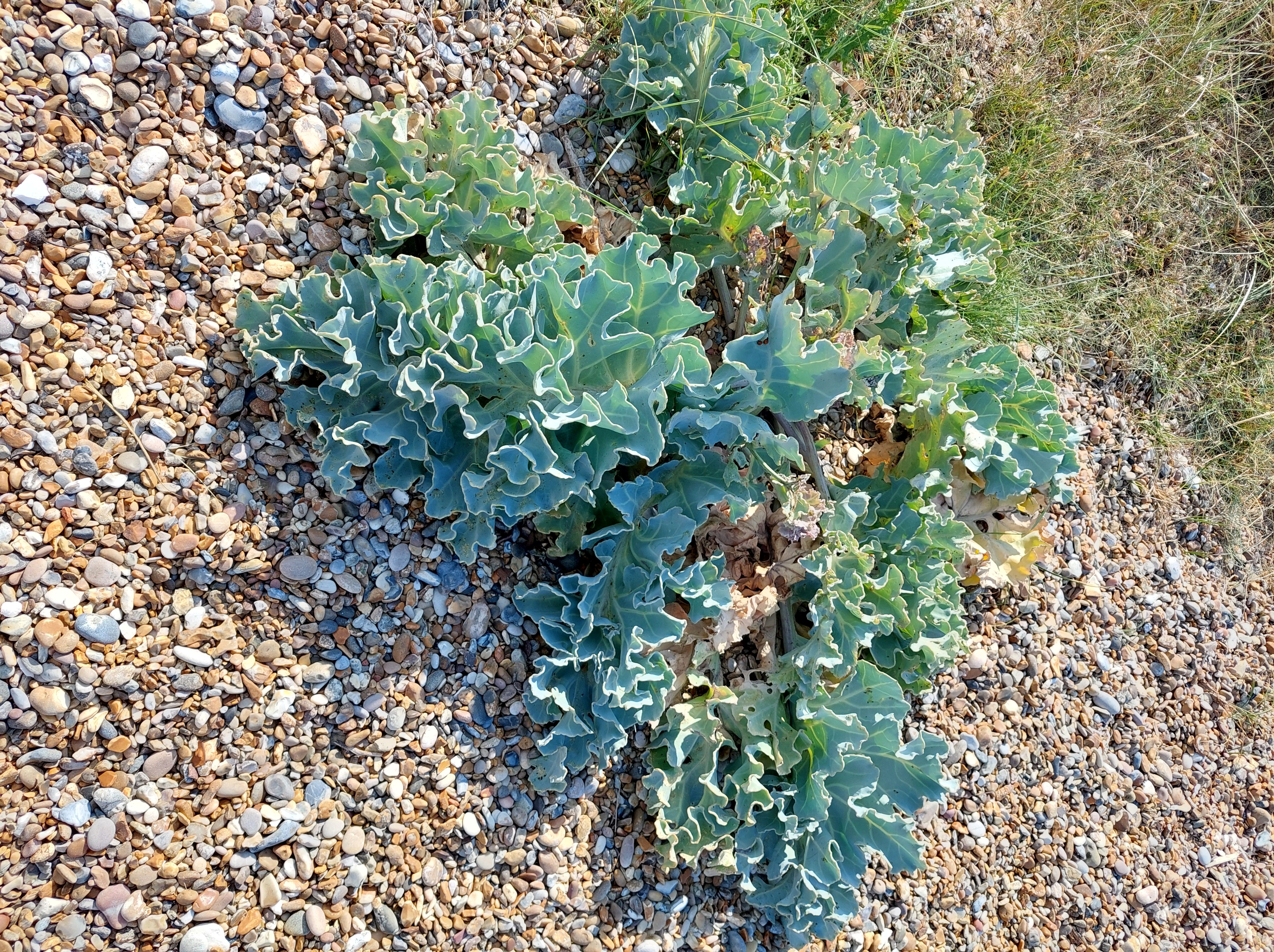
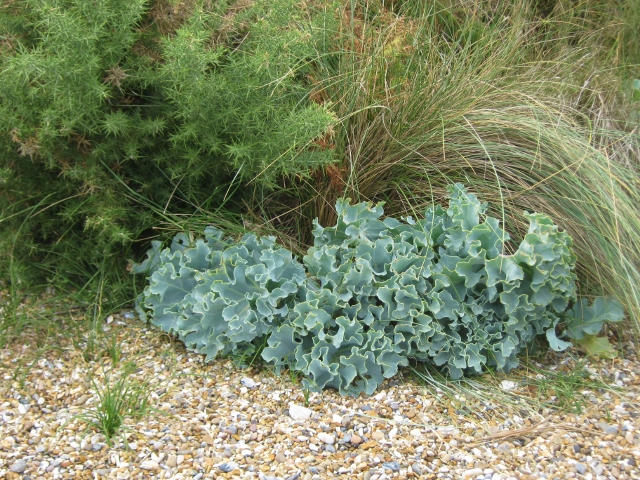
Sea kale (Crambe maritime)

Other areas fenced off at the foot of the cliff were to help the sea kale and other shingle plants establish themselves on the beach without people walking over them.  I think it absolutely amazing that plants can happily grow and thrive in a heap of pebbles and some sand.  A gardener spends so long enriching soil to nurture his/her precious vegetables and flowers, and here is a relative of a cabbage growing in shingle.
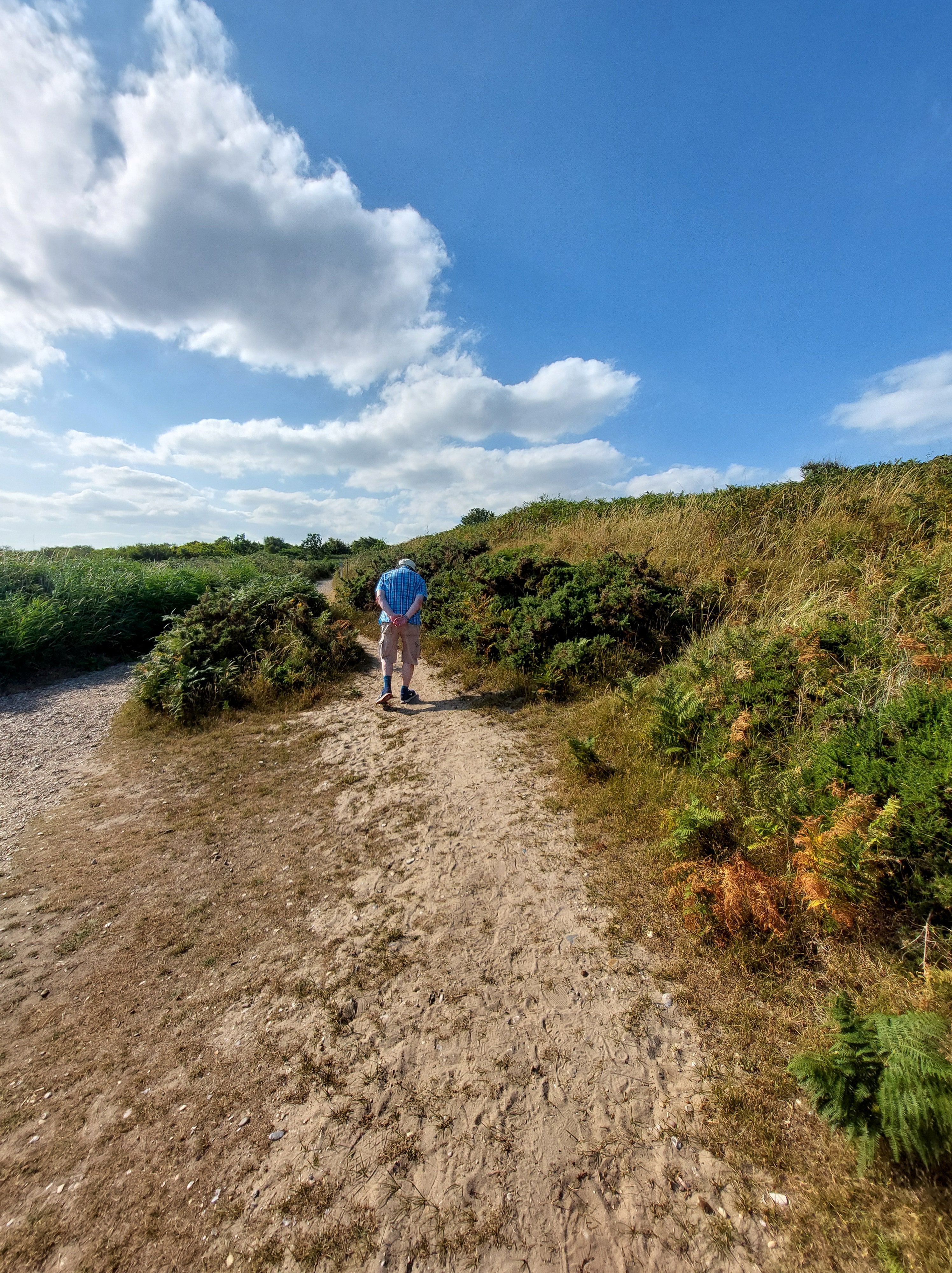
Here is Richard wending his way back up the path towards the carpark.

When we got back up to the car I went off for a couple of minutes on my own to look at the heathland further away from the coast.
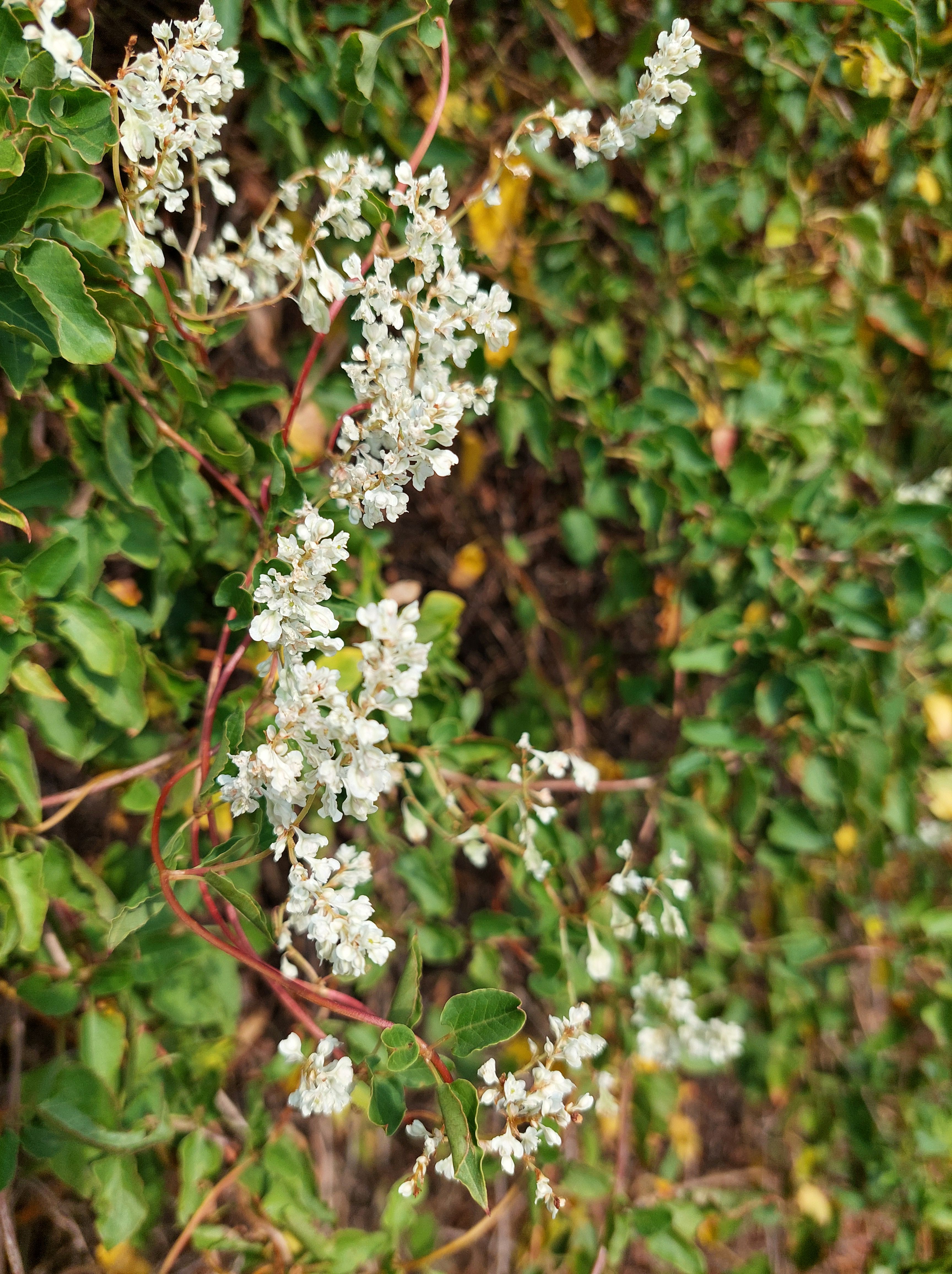
Somebody who once lived in the coastguards cottages must have planted this vine. It looks like a Russian vine (Fallopia baldschuanica ) a ‘mile-a-minute vine though the leaves are not quite the heart-shape that they should be if that is so.
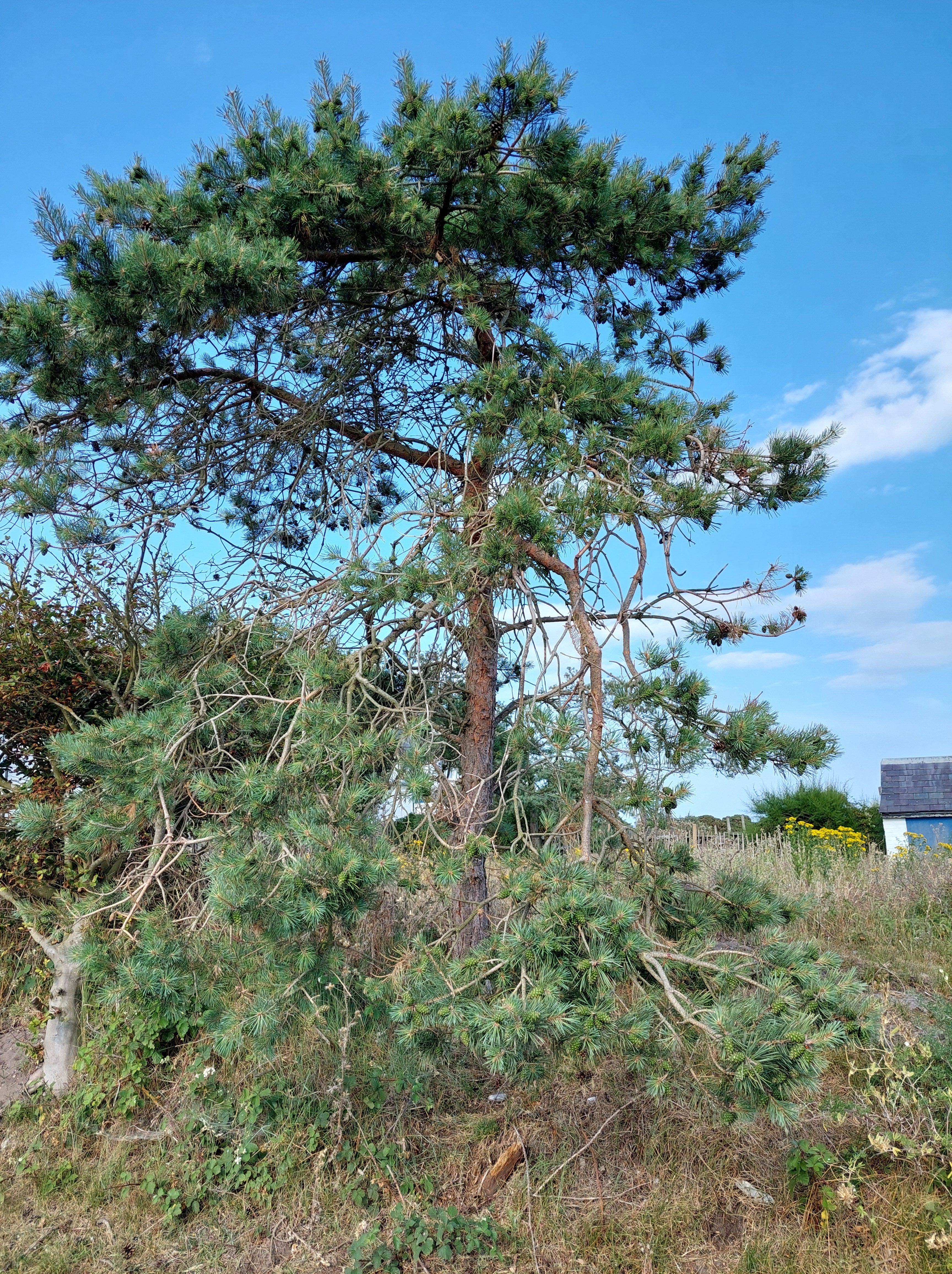
A rather stunted pine tree. Probably a Scots pine (Pinus sylvestris)
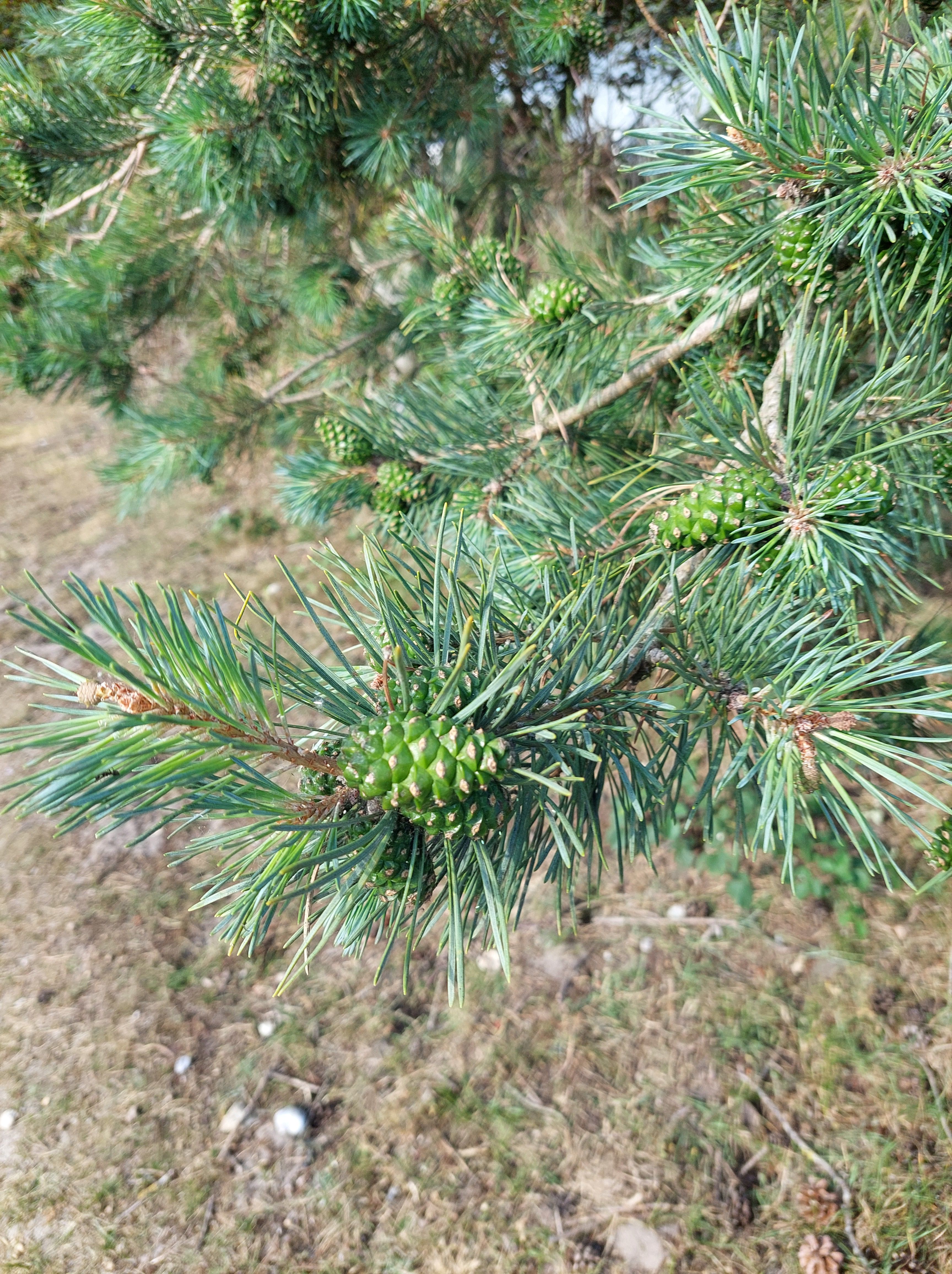
Here are its new cones.
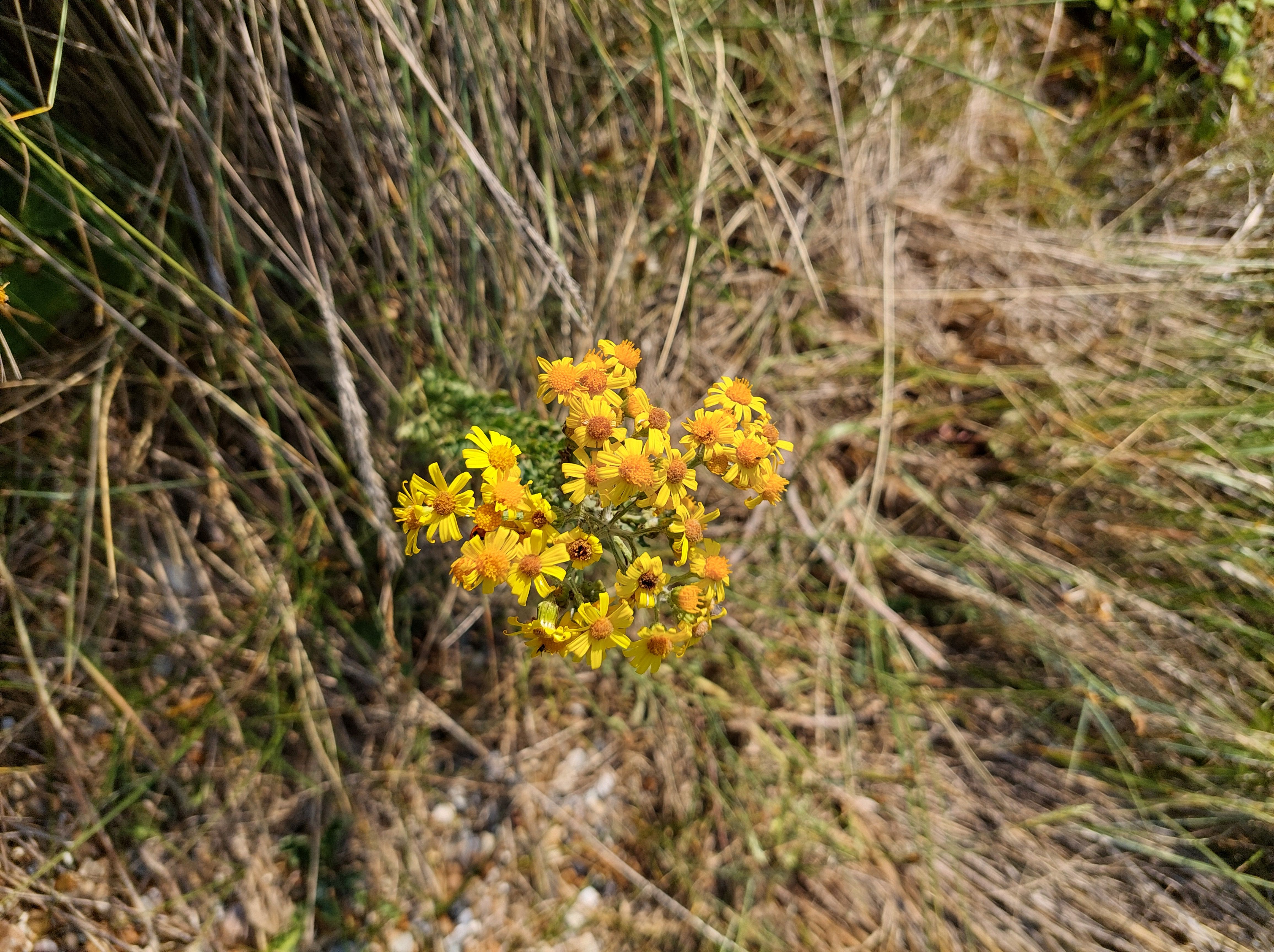
A much better picture of ragwort flowers.

There were ladybirds everywhere on the heath and on the beach.  I was a little wary of them as they tend to bite in hot weather.
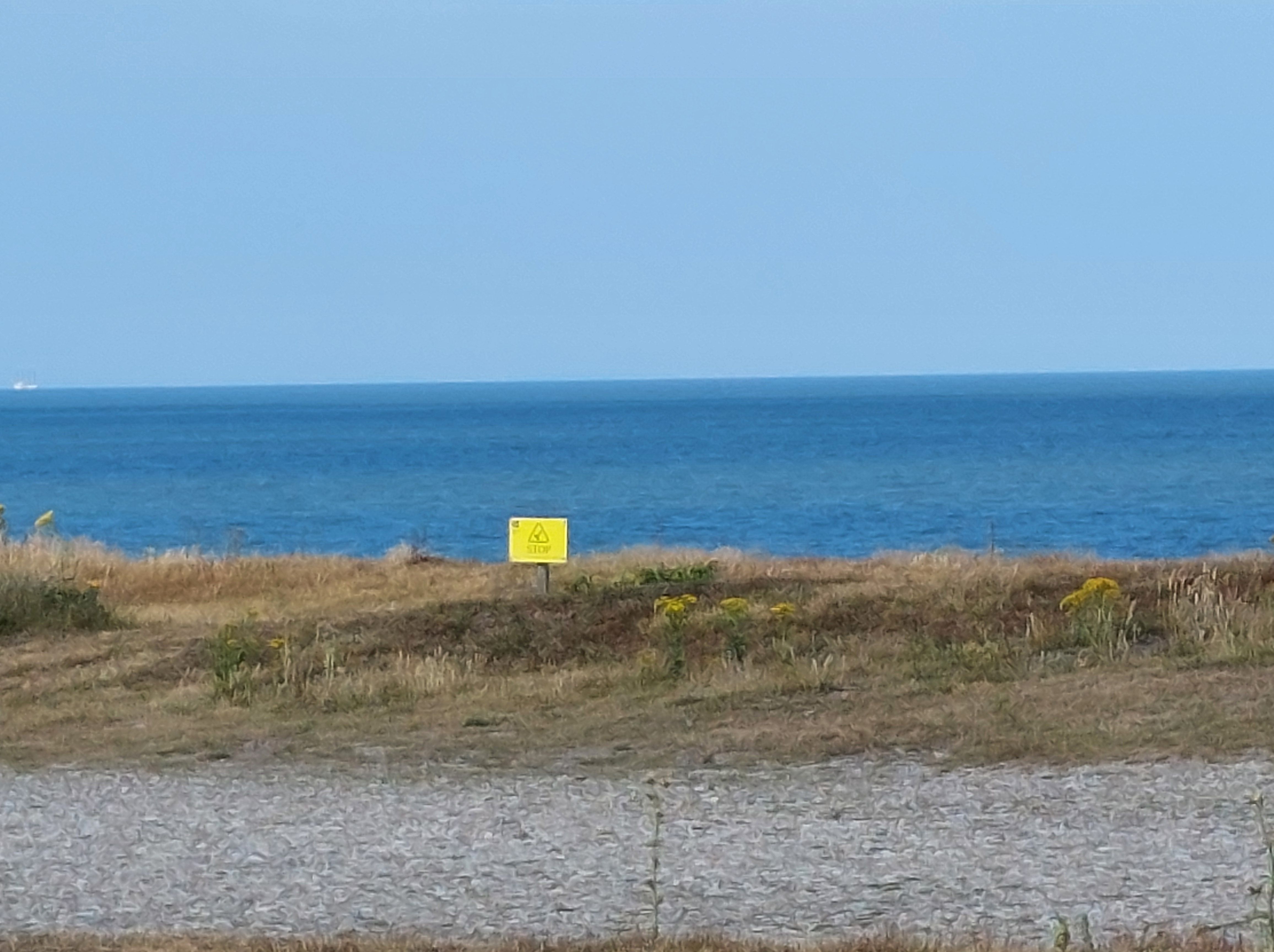
The National Trust like to put signs up everywhere. This one warns of the danger of falling off the cliff and/or the crumbling cliff.
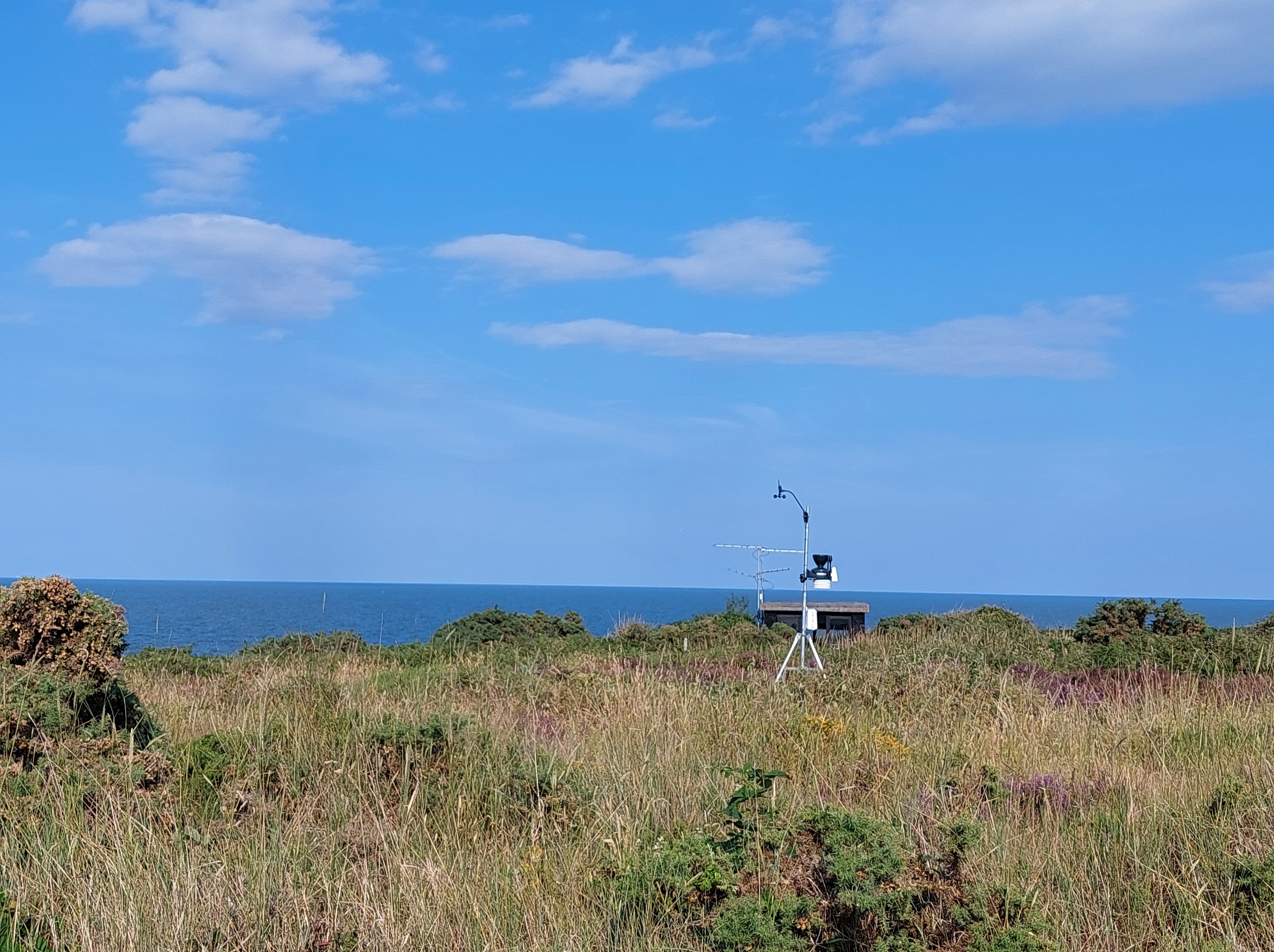
A weather station.

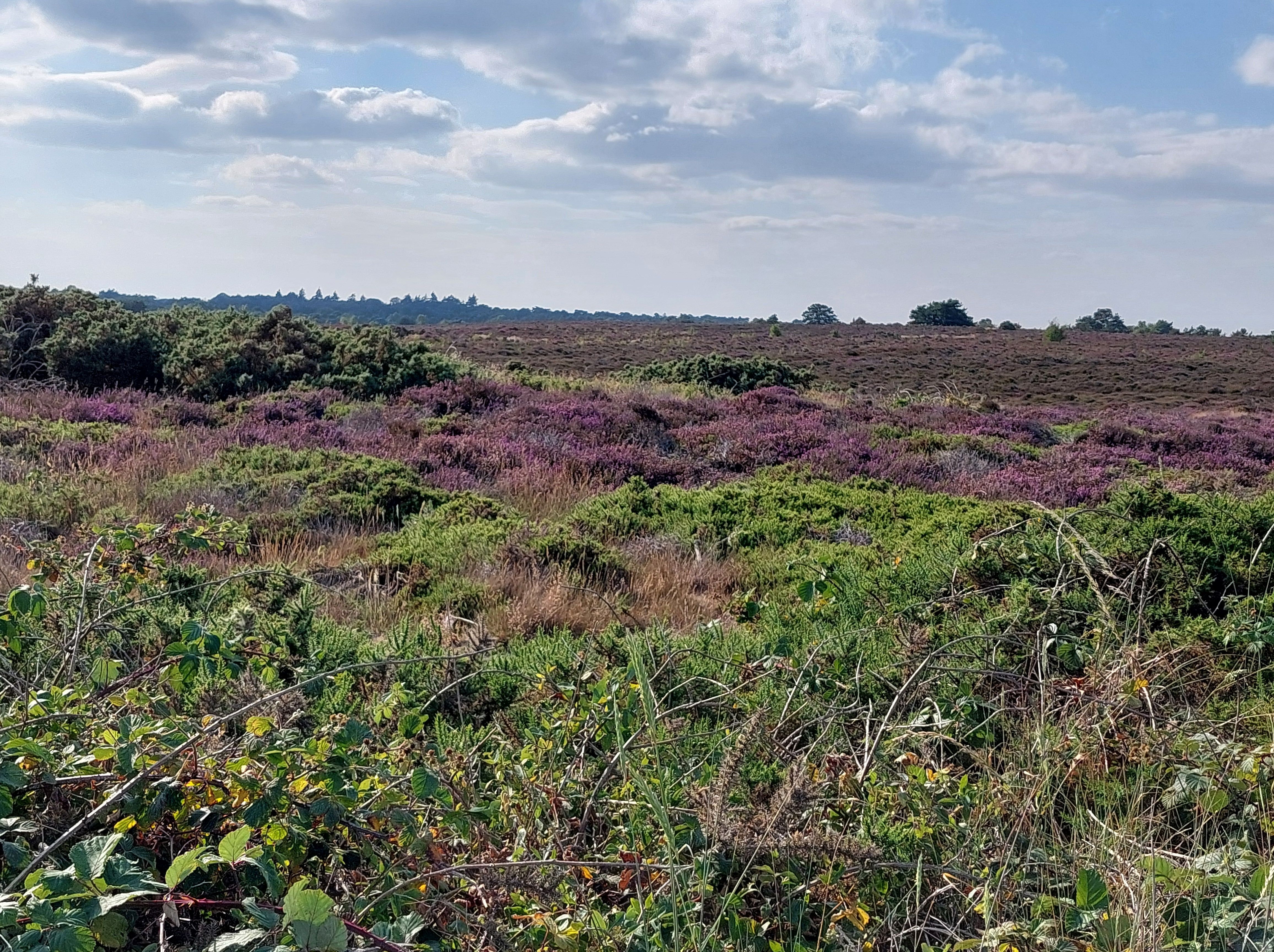
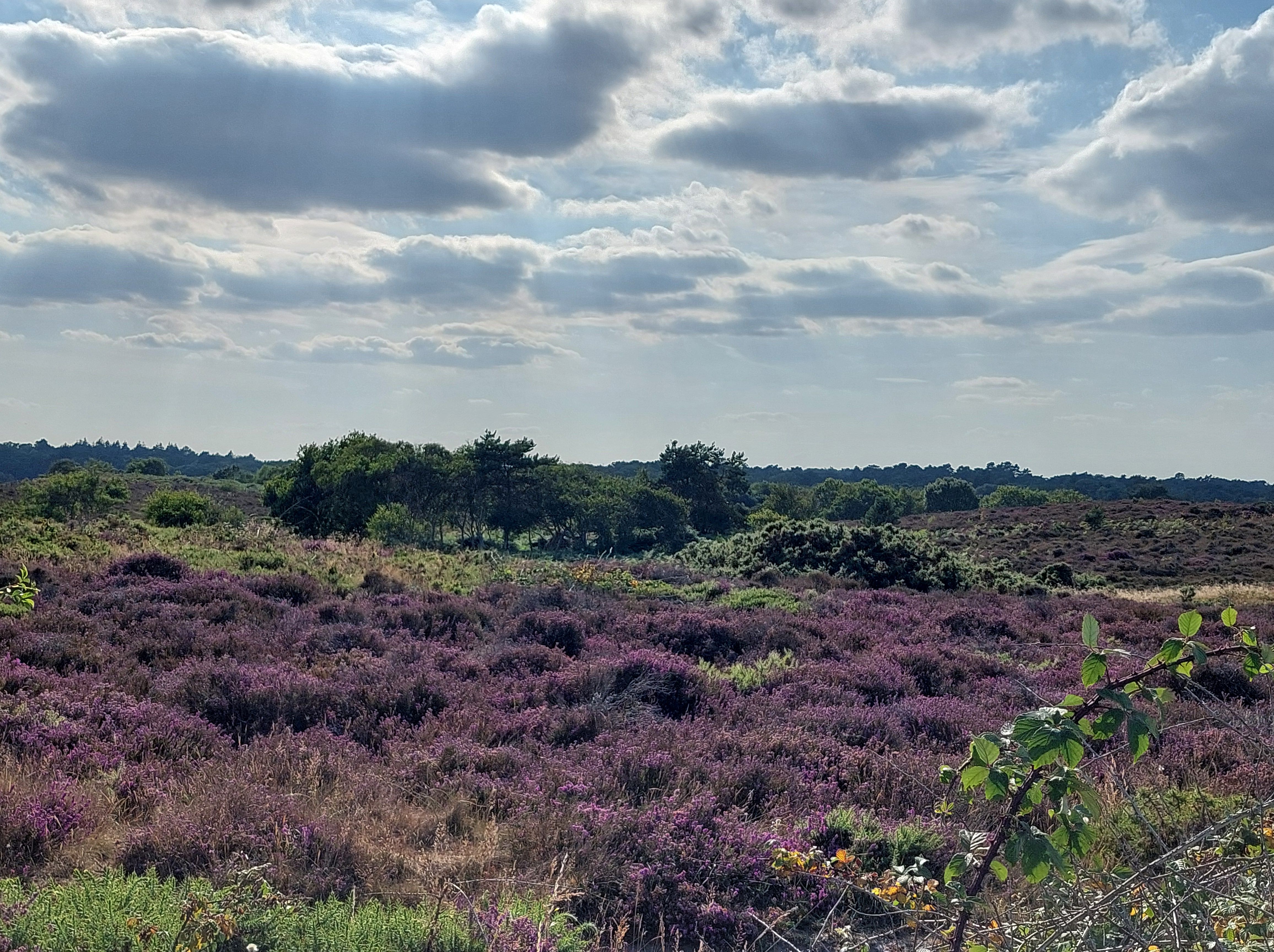
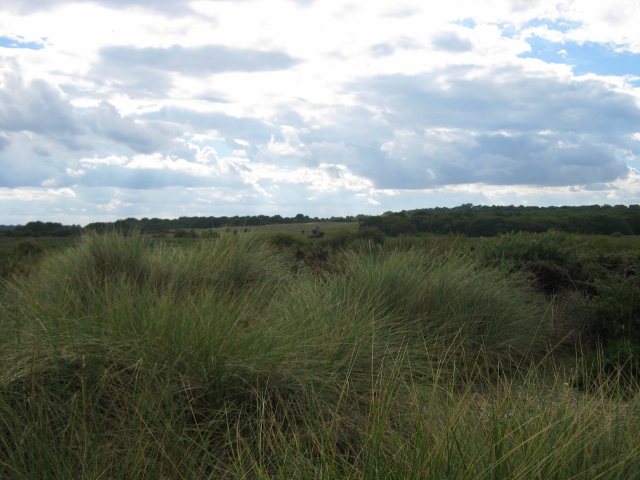
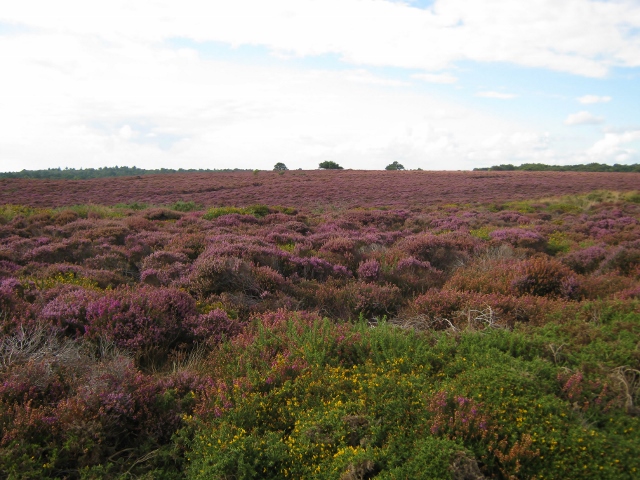
I will leave you with a last look at the heath.
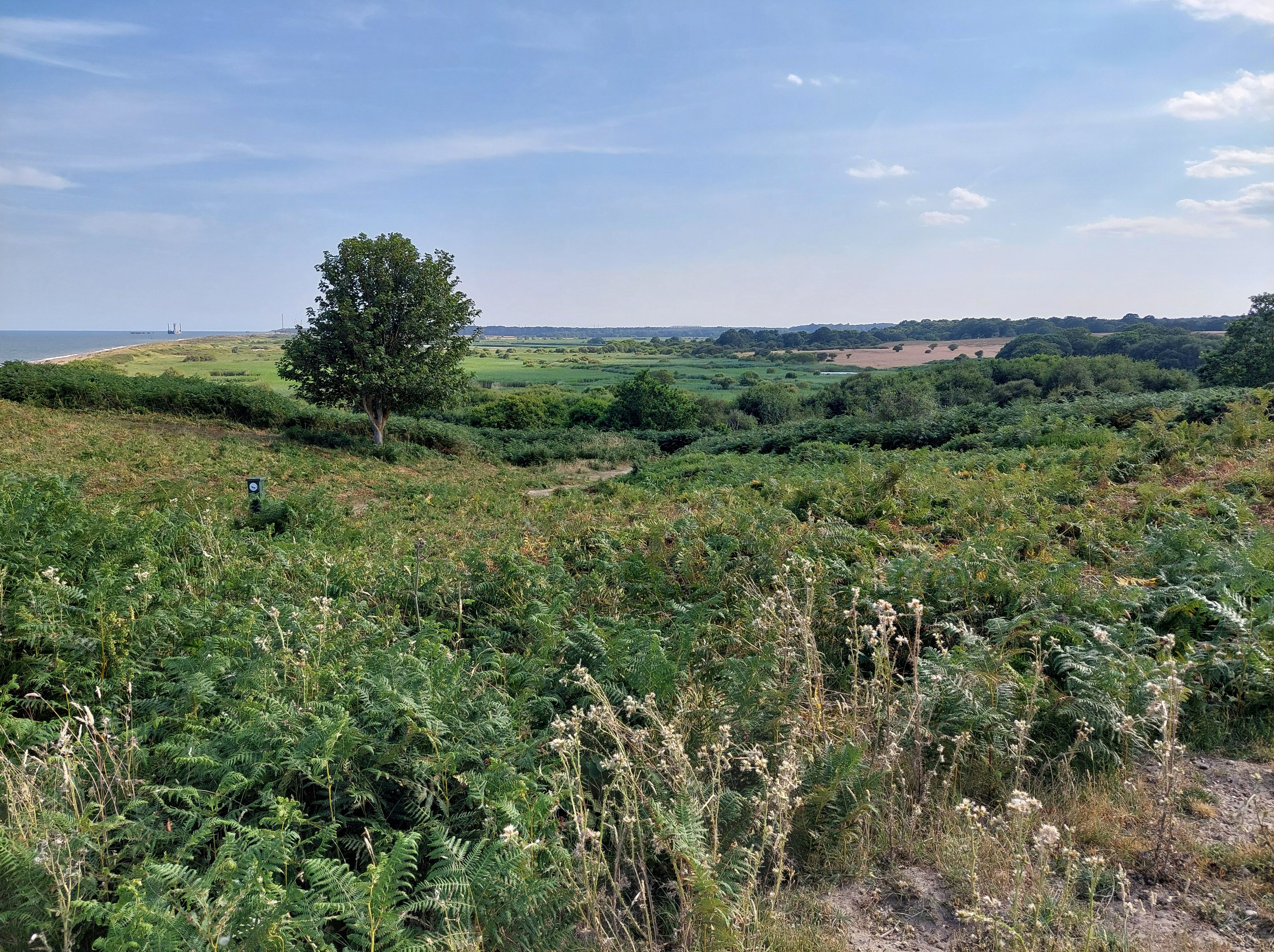
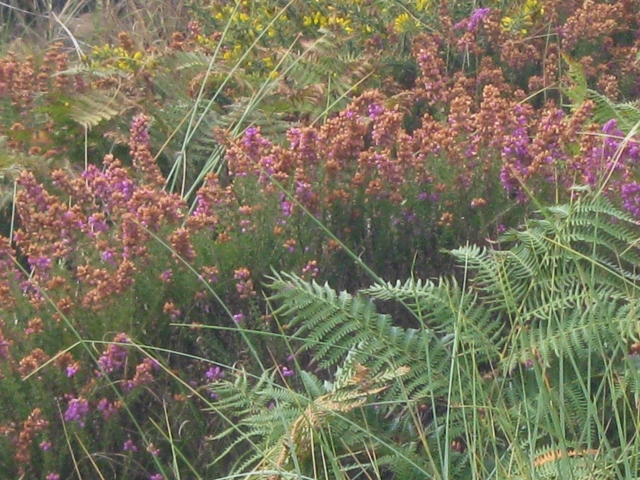
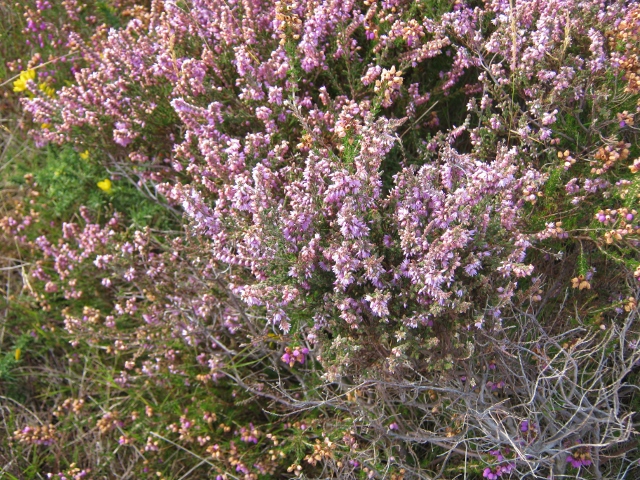
The heather was looking good and was at its peak.  Bell heather comes into flower a little earlier than the other heaths and Common heather (Calluna vulgaris), also known as Ling.
 

Share this:

  • Share on X (Opens in new window) X
  • Share on Reddit (Opens in new window) Reddit
  • Share on Pinterest (Opens in new window) Pinterest
  • Share on Facebook (Opens in new window) Facebook
  • Email a link to a friend (Opens in new window) Email
  • Share on Tumblr (Opens in new window) Tumblr
  • Print (Opens in new window) Print
  • Share on LinkedIn (Opens in new window) LinkedIn
Like Loading...

Dunwich Heath – August 31st 2014

07 Thu May 2015

Posted by Clare Pooley in plants, Rural Diary, Uncategorized, walking

≈ 47 Comments

Tags

bell-heather, coastguard cottages, coastline, Dunwich Heath, dwarf gorse, erosion, gorse, heather, heathland, ling, marram, National Trust, sandlings, Sea Kale, shingle beach, Suffolk

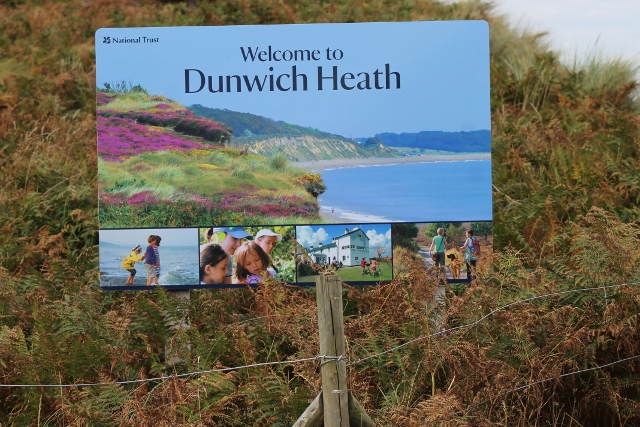
057Dunwich Heath sign (640x427)

Richard, Elinor and I took a trip to Dunwich Heath at the end of August last year.  We wanted to go somewhere different to our usual places but didn’t want to make a long journey.

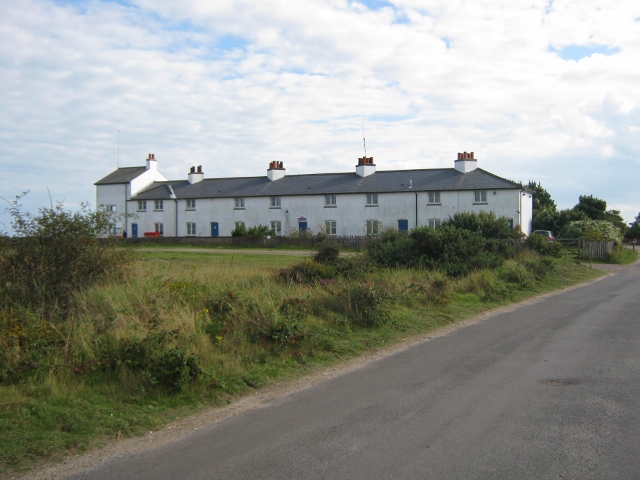
040Coastguards cottages (640x480)

The old coastguard cottages. The National Trust tearoom is situated in the end cottage.  The other cottages are rented out as holiday homes.

The County of Suffolk has six topographical regions each with its own distinct landscape features.  I live in High Suffolk with its boulder-clay soil but just a couple of miles to the East of us the soil changes and becomes sand and gravel.  This gravelly area is called The Sandlings and Dunwich Heath (part of the Sandlings) is right on the coast.  To quote the National Trust description of the area –

‘Dunwich Heath is where the Sandlings meets the sea.  It is 87 hectares (215 acres) of heather, gorse, grassland, woodland and crumbling sandy cliffs, as well as a mile of shifting sand and shingle beach.  The Sandlings landscape was created by early farmers thousands of years ago.  The sandy, free-draining soils became dominated by heather as farmers cleared the trees and introduced sheep to graze the land.

Within the Sandlings, only at Dunwich does the heathland extend to the cliff top – a rare example of coastal lowland heath.’

060Beach (640x384)

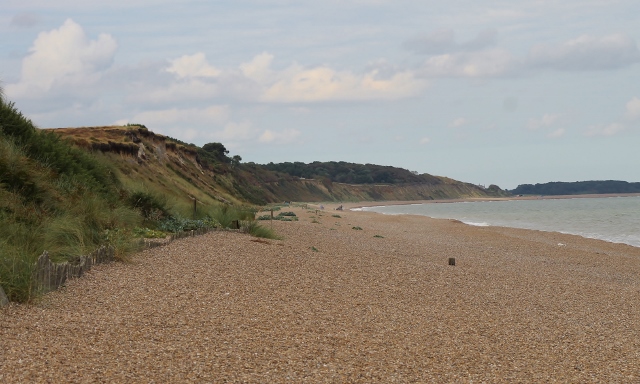
The shingle beach and cliffs

Late summer and early autumn is the best time to visit heathland as that is the time the heather is in flower.

005Path at Dunwich Heath (640x480)

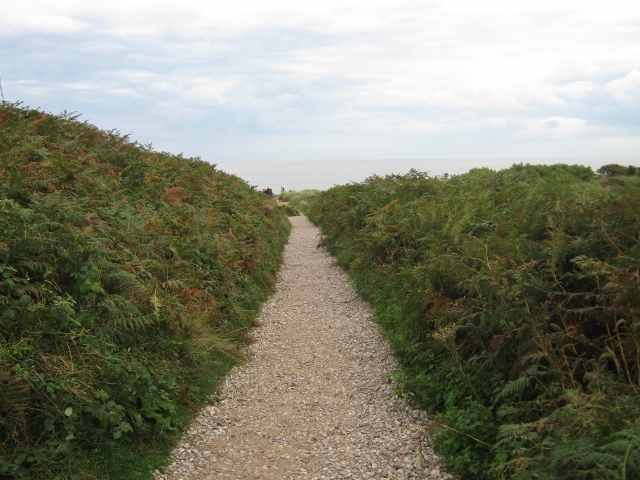
We parked the car and walked to the beach first, as the seaside is Elinor’s favourite place to be.

007Heather, gorse and bracken (640x480)

Heather, gorse and bracken by the side of the path.  This heather is going to seed; I love the orange colour of the seed capsules.

009Sea Kale (640x480)

We found Sea Kale (Crambe maritima) as usual, with Marram grass (Ammophila arenaria) and Gorse behind it

012Heather on the shoreline (640x480)

Heather on the shoreline

010Dunwich cliffs (480x640)

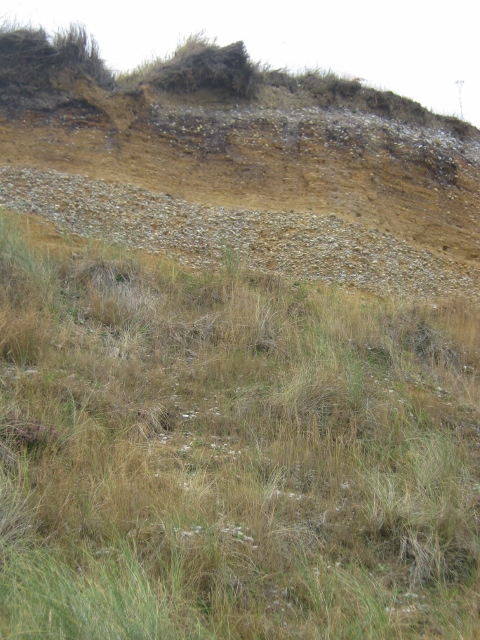
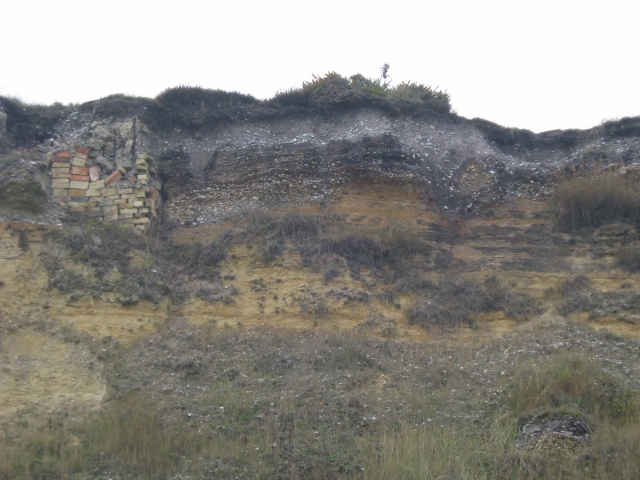
You can see here what the cliffs are made of – sand and gravel in layers. It is no wonder they are crumbling away.

The sands are known as ‘crags’.  The southern sandling crags are the oldest – a shelly ‘Coralline Crag’ which was deposited in warm tropical conditions about 3.5 million years ago forms an island and is surrounded by a sea of ‘Red Crag’ which is also full of fossilised shells.  The northern crag known as ‘Norwich Crag’ is younger and is less than 2 million years old.  Dunwich Heath is part of the ‘Norwich Crag’.

I have found three Belemnite fossils in my garden.  Perhaps some gravel containing these fossils was brought to the area when the house was built or perhaps the land where we live is the border between the clay soil and the sandy soil.

011Dunwich cliffs (640x480)

The little holes are probably Sand Martin (Riparia riparia) nestholes. The pipe sticking out at the top left of the picture is probably a land drain.

014Dunwich cliffs (640x480)

Dunwich has disappeared into the sea at a rate of about 400 metres in 400 years. Houses and other buildings are still lost regularly. I don’t know what the structure at the top left of the picture is, or was!

020Southwold (640x480)

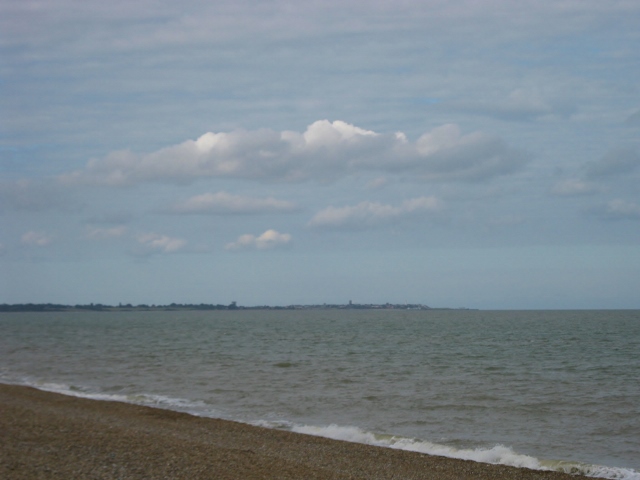
We could see the town of Southwold to the north.

024Dunwich Heath (640x480)

There is a large expanse of grassland here.

Richard and I left Elinor on the beach and went for a walk.

029Dunwich Heath (640x480)

There were plenty of flowers and grasses to see. Further away across the water meadows and marshes are the two nuclear energy plants at Sizewell.

Parasol fungus (Macrolepiota procera) about 2' tall!
Parasol fungus (Macrolepiota procera) about 2′ tall!
Honeysuckle - not native
Honeysuckle – not native
Common Ragwort - Senecio jacobaea
Common Ragwort – Senecio jacobaea
White Campion - Silene latifolia
White Campion – Silene latifolia
033Dunwich Heath - heather (640x480)

This is the sight we had come to see. The beautiful heath in flower.

This slideshow requires JavaScript.

035Heather (640x480)

Heather (Calluna vulgaris) also known as Ling.
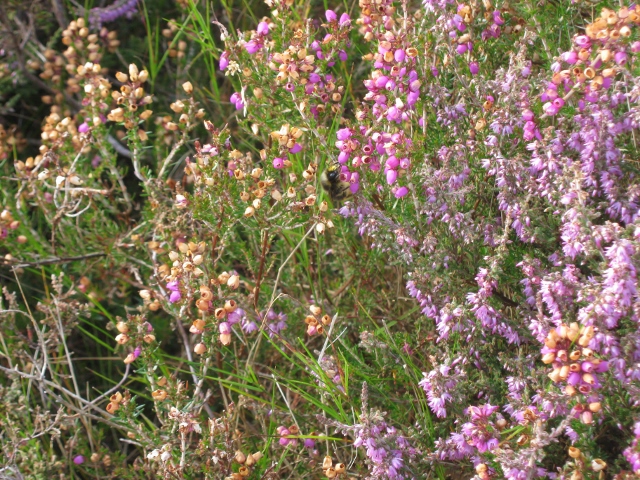
036Bell heather (640x480)

Bell Heather(Erica cinerea) – (the larger flowers)

037Dwarf Gorse (640x480)

Dwarf Gorse (Ulex minor)  There are plenty of Gorse (Ulex europaeus) bushes on the heath as well.

I heard and then saw a Dartford Warbler (Sylvia undata) on the top of a Gorse bush, but he was too far away to photograph.

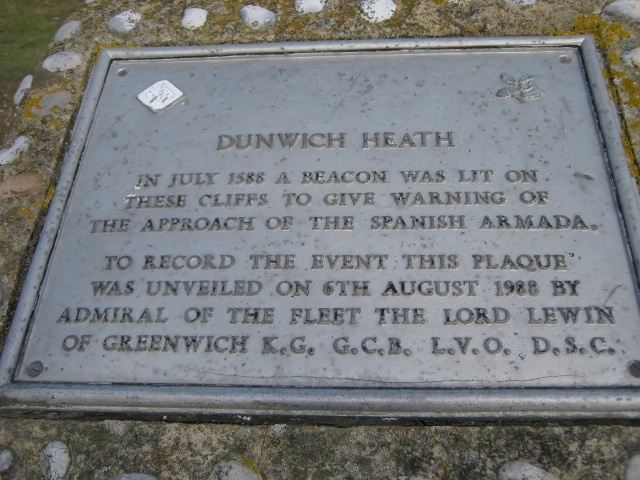
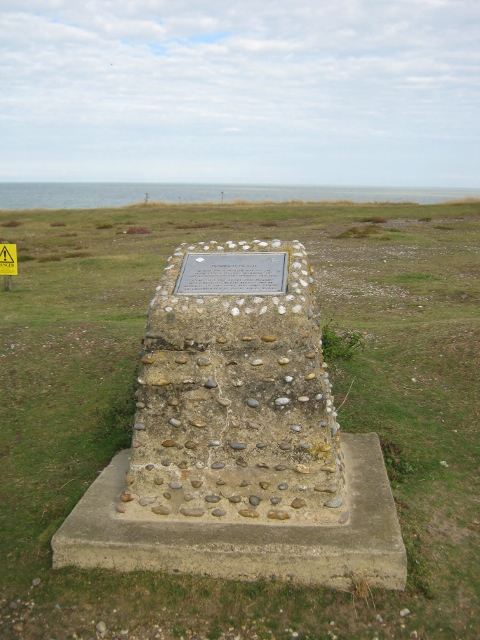
043Plaque on cliff top (640x480)

A plaque on the cliff-top

044Plaque (480x640)

The plaque

050Clouds (640x441)

Clouds

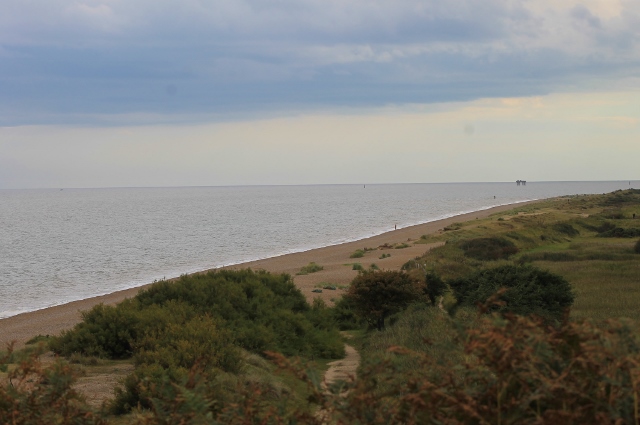
053Beach (640x425)

The beach

This next photograph really makes me laugh!

055Me and Elinor (640x427)

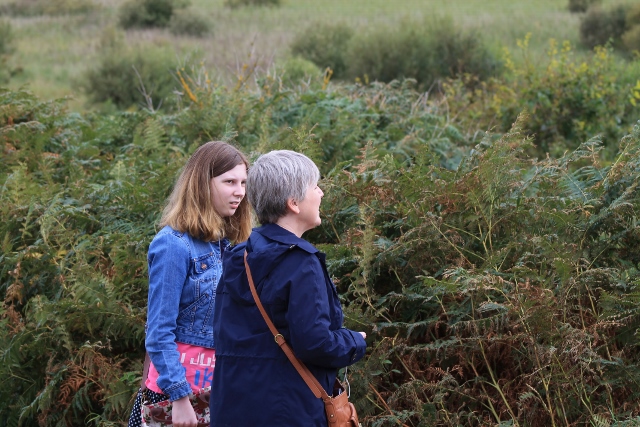
Look at Elinor’s expression! Goodness knows what I must have been wittering on about.

‘Oh wad some power the giftie gie us / To see oursel’s as others see us! / It wad frae monie a blunder free us, / And foolish notion.’  Robert Burns

059Border Force ship at sea (640x422)

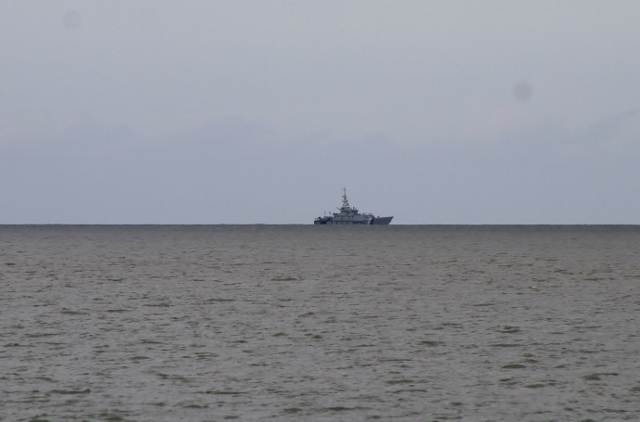
A Border Force ship patrolling the coast. The modern coastguards.

072Sea watch shelter (640x427)

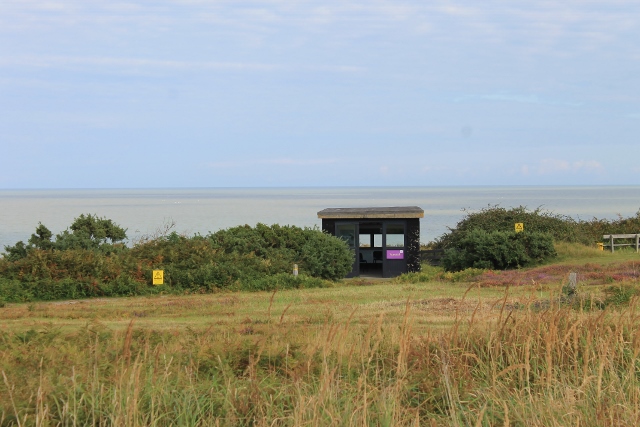
A sea-watch shelter. Looking at the water can be interesting and calming in itself but often ships, boats and other craft can be seen as well as sea-birds and mammals such as dolphins and seals.

We ended our visit with a cake each and a drink of choice at the tea-room.

081Sunset (640x480)

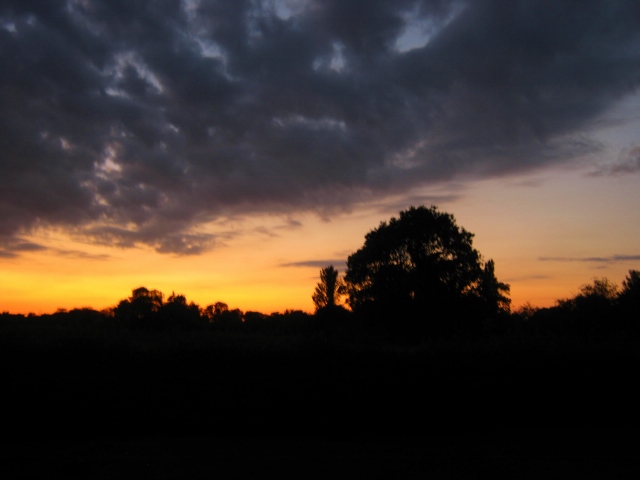
A dramatic sunset when we got home.


Thank-you for visiting!

Share this:

  • Share on X (Opens in new window) X
  • Share on Reddit (Opens in new window) Reddit
  • Share on Pinterest (Opens in new window) Pinterest
  • Share on Facebook (Opens in new window) Facebook
  • Email a link to a friend (Opens in new window) Email
  • Share on Tumblr (Opens in new window) Tumblr
  • Print (Opens in new window) Print
  • Share on LinkedIn (Opens in new window) LinkedIn
Like Loading...
Follow A Suffolk Lane on WordPress.com

Enter your email address to follow this blog and receive notifications of new posts by email.

Join 697 other subscribers.

Unknown's avatar

I talk about what it's like living in a quiet part of Suffolk. I am a wife, mother and daughter, a practising Christian and love the natural world that surrounds me. I enjoy my life - most of the time!

My Posts

Jul 2026
M T W T F S S
 12345
6789101112
13141516171819
20212223242526
2728293031  
« May    

Pages

  • About my Blog
  • GDPR (General Data Protection Regulations) and This Site
  • My Life in a Suffolk Lane

Archives

Blogs I Follow

Unknown's avatar
Unknown's avatar
Unknown's avatar
Unknown's avatar
Unknown's avatar
Unknown's avatar
Unknown's avatar
Unknown's avatar
Unknown's avatar
Unknown's avatar
Unknown's avatar
Unknown's avatar
Unknown's avatar
Unknown's avatar
Unknown's avatar
Unknown's avatar
Unknown's avatar
Unknown's avatar
Unknown's avatar
  • SueW's avatar
  • Unknown's avatar
  • Unknown's avatar
  • mitchteemley's avatar
  • Unknown's avatar
  • Unknown's avatar
  • John’s Postcards's avatar
  • Unknown's avatar
  • Unknown's avatar
  • Unknown's avatar
  • Unknown's avatar
  • sietchjameseguin's avatar
  • Unknown's avatar
  • Unknown's avatar
  • Unknown's avatar
  • Unknown's avatar
  • Unknown's avatar
  • Unknown's avatar
  • Stanley Maruda's avatar
  • Resa's avatar
  • Unknown's avatar
  • Unknown's avatar
  • TravelingTortuga's avatar
  • Unknown's avatar
  • Charlie's avatar
  • Unknown's avatar
  • santable's avatar
  • Tony Self's avatar
  • Amin Academy's avatar
  • Unknown's avatar
  • Unknown's avatar
  • Unknown's avatar
  • Unknown's avatar
  • Unknown's avatar
  • Unknown's avatar
  • Unknown's avatar
  • Unknown's avatar
  • Unknown's avatar
  • Rosebrantsen's avatar
  • Unknown's avatar
  • clivebennett796's avatar
  • Noémi's avatar
  • Schnippelboy's avatar
  • Unknown's avatar
  • jonathonbhoyt's avatar
  • Unknown's avatar
  • Paula Bardell-Hedley's avatar
  • cindy knoke's avatar
  • Unknown's avatar
  • Unknown's avatar

amphibians architecture art Arts and Crafts churches cooking Days out domestic animals family fish Folk Traditions France Gardening Historic Buildings holidays Insects Landscaping music Norwich plants Rural Diary seashore theatre trees Uncategorized walking weather wild animals wild birds wild flowers

Tags

architecture autumn birds blackbird blackthorn Bungay butterfly church clouds common knapweed cow parsley crocus daffodils Diary dogwood family field maple flowers fungus garden gardening geese greylags ground-ivy Halesworth Hawthorn heather holiday Holly Holy Week horse chestnut Hoverfly insects ivy Lake District Lent lesser celandine lichen Lords and Ladies Mallard mallards Minsmere moorhen moss music Norwich Peak District pheasant plants pond ponds primrose primroses Rain rooks Rumburgh Rumburgh Church sheep Sheffield snow snowdrops Southwold spring Suffolk Suffolk Wildlife Trust sunset the Beck trees viburnum bodnantense walking weather wild cherry wild flowers winter-flowering honeysuckle witch-hazel

Meta

  • Create account
  • Log in
  • Entries feed
  • Comments feed
  • WordPress.com

Goodreads

Blog at WordPress.com.

Book Jotter

Reviews, news, features and all things books for passionate readers

Country Life Blog -

A blog about life in the country in the past and present

Matthew Paul: Poetry & Stuff

Poetry and what-not

Schnippelboy

Ein Tagebuch unserer Alltagsküche-Leicht zum Nachkochen

TAMARA JARE

Tamara Jare Contemporary Figurative Art – Bold Colors, Resilient Souls

A Taste of Freedom

Documenting a Dream

Country Ways

Rambling Journeys in Britain, Countryside Matters and campaigning for the Right to Roam

The Strawberry Post

Here to Entertain, Educate & Inspire!

a north east ohio garden

an ongoing experiment in the dirt, 35 plus years

naturechirp

Celebrating God's creatures, birds and plants...

Sophie Neville

Writer

Going Batty in Wales

Developing a more sustainable lifestyle in SW Wales

Our Lake District Escapades

Exploring the Lake District and beyond

Short Walks Long Paths

Wandering trails around the coast of Wales

The Biking Gardener

An English persons experience of living and gardening in Ireland

Nan's Farm

A Journal Of Everyday Life

Walk the Old Ways

Rambling Journeys in Britain with John Bainbridge. Fighting for the Right to Roam. Campaigning to Protect Our Countryside.

Writer Side UP!

Waking the Writer Side...and keeping it "Up!"

Meggie's Adventures

Travel, thank you notes and other stories

amusicalifeonplanetearth

Music and the Thoughts It Can Inspire

lovefoundation.co.uk

Traveling Tortuga

Simply Living Well

Pakenham Water Mill

Historic watermill in the beautiful Suffolk countryside

Take It Easy

Retired, not expired: words from the after(work)life. And music. Lots of music!

Secret Diary Of A Church Of England Vicar's Wife

thanksfortheadventureorg.wordpress.com/

The Beat Goes On

#TBGO

Frank Pleszak's Blogs

Twitter: @frankpleszak @PolishIICorps

John Bainbridge Writer

Indie Writer and Publisher

roughwighting

Life in a flash - a bi-weekly storytelling blog

Walking the Old Ways

Rambling in the British Countryside

CapKane

thoughts on social realities

SkyeEnt

Jottings from Skye

jodie richelle

embracing my inner homemaker

Skizzenbuch/Blog

Just another WordPress.com weblog

Have Bag, Will Travel

The Call of the Pen

Flash Fiction, Book Reviews, Devotionals and other things.

John's Postcards

Art in Nature

You dream, I photographe it !

Smile! You’re in Barnier World......

theinfill

the things that come to hand

Dr. Mary Ann Niemczura

Author of "A Past Worth Telling"

Provincial Woman

The Pink Wheelbarrow

Luanne Castle: Poetry and Other Words (and cats!)

Poetry, Other Words, and Cats

The Family Kalamazoo

A genealogical site devoted to the history of the DeKorn and Zuidweg families of Kalamazoo and the Mulder family of Caledonia

everythingchild

The Book Owl

Canberra's Green Spaces

Paul Harley Photographer

  • Subscribe Subscribed
    • A Suffolk Lane
    • Join 697 other subscribers.
    • Already have a WordPress.com account? Log in now.
    • A Suffolk Lane
    • Subscribe Subscribed
    • Sign up
    • Log in
    • Report this content
    • View site in Reader
    • Manage subscriptions
    • Collapse this bar
Loading Comments...
    Privacy & Cookies: This site uses cookies. By continuing to use this website, you agree to their use.
    To find out more, including how to control cookies, see here: Cookie Policy
    %d