As I have mentioned before, we didn’t manage to do as much walking and we didn’t visit as many places as usual last year and, for the same reasons, I also didn’t write very many posts. I have photos from the few excursions we did make and some pictures of interesting things I saw that I haven’t posted yet, so I thought I would put together some retrospective posts whenever I have spare time.
This is the first of a series of posts.
ooooOOoooo
Last spring, Elinor was asked to write about an exhibition she had visited. Unfortunately, she hadn’t visited one for some time so we looked about us to see if there was anything on locally that appealed to her. We were pleased to see that at the Castle Museum in Norwich there was an exhibition of doll’s houses – so that’s where we went.
The exhibits were difficult to photograph because of the lighting and the reflections from the glass cases. Here is a slideshow of photos of some of the houses.
This slideshow requires JavaScript.
Elinor stayed in the exhibition hall to sketch a few of the houses and make some notes while I wandered round the rest of the museum. I spent some time in the art gallery where they have a fine collection of paintings and drawings by local artists: Gainsborough, Constable, Crome, Munnings, Seago and others. I took no photographs there nor in the natural history section where there are a number of dioramas featuring lots of stuffed birds and animals mainly collected during the 19th century. I don’t like stuffed birds and animals.
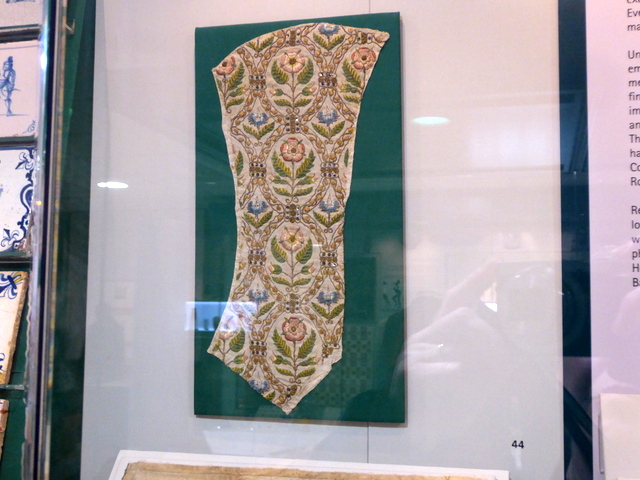
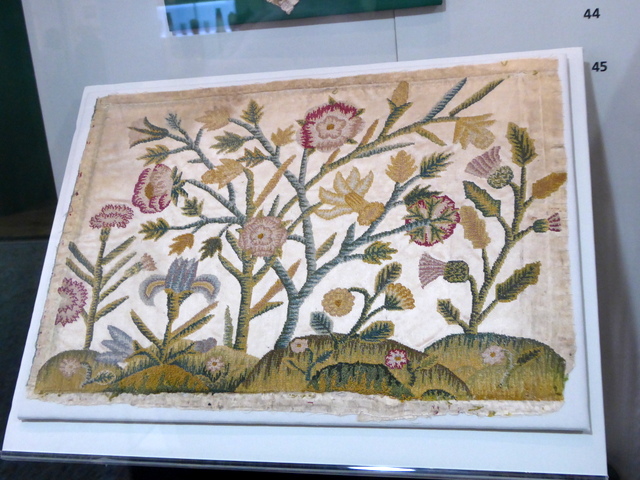
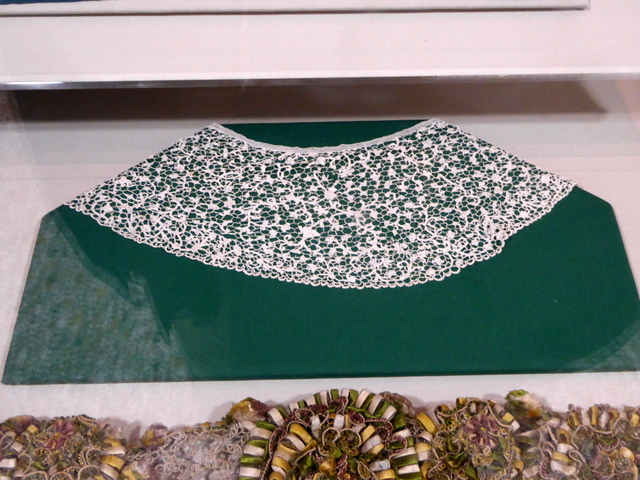
The museum has a collection of antique clothes and costumes which I enjoy seeing and also pieces of needlework and embroidery.
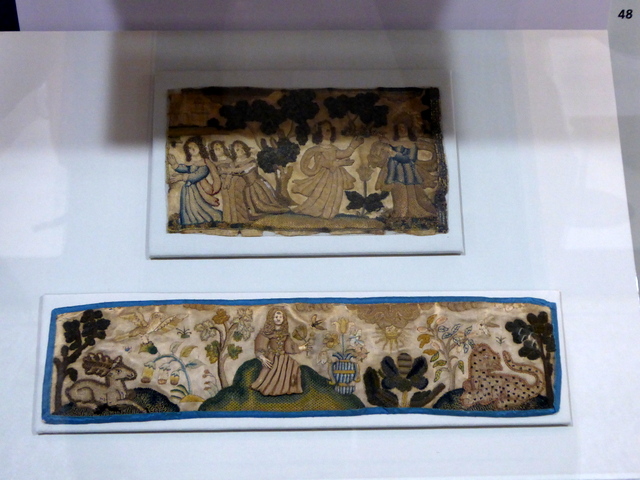
Here are some examples of Jacobean needlework and also a lovely lace collar.
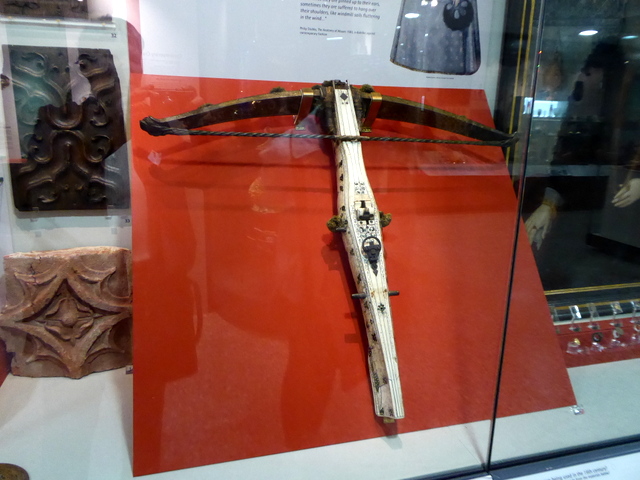
I took a photograph of a splendid crossbow.
The museum has a large collection of teapots. Here are some of them.
This slideshow requires JavaScript.
I wandered through the Boudica and the Romans gallery and took some photos of a few of the artifacts that have been discovered.
This slideshow requires JavaScript.
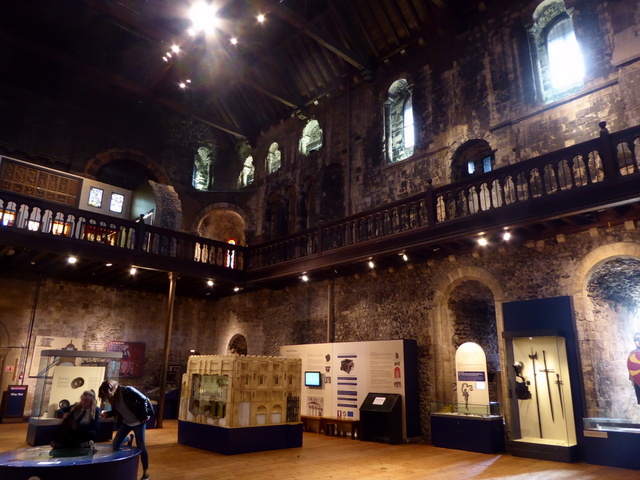
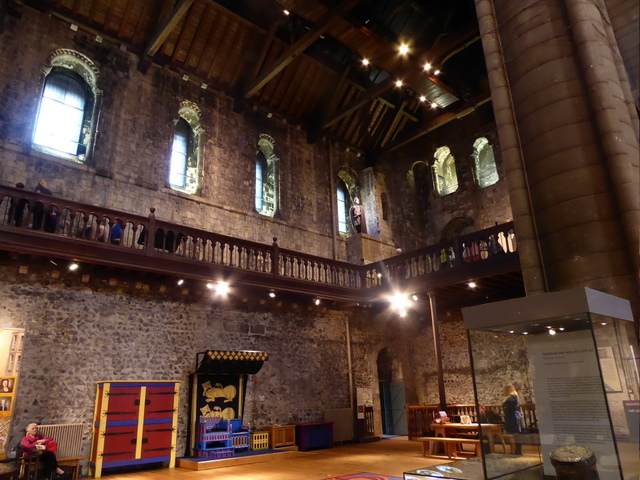
There are a few display cabinets in the large central area in the castle keep.
Castle keep
Castle keep
I like these examples of medieval stained glass. Top left shows winter pruning, top right is a feast, bottom left shows a gardener hurrying indoors out of a spring rain or hail shower, bottom right shows a man harvesting bunches of grapes.
I had to go back to meet Elinor then before I’d finished the whole tour of the museum. We returned a few weeks later with Richard so he could also see the exhibition and for Elinor to check on a few details. We all enjoyed the exhibition very much.
For the past few days I have been looking at flood water and driving through deep puddles on the roads but until Monday had been unable to take any pictures of what I’d seen. On Monday afternoon I decided I’d take a five minute drive to Homersfield, walk round the village and see the flooded watermeadows.
The day was very grey and gloomy but apart from a short shower of rain I managed to stay dry for most of the time I was out.
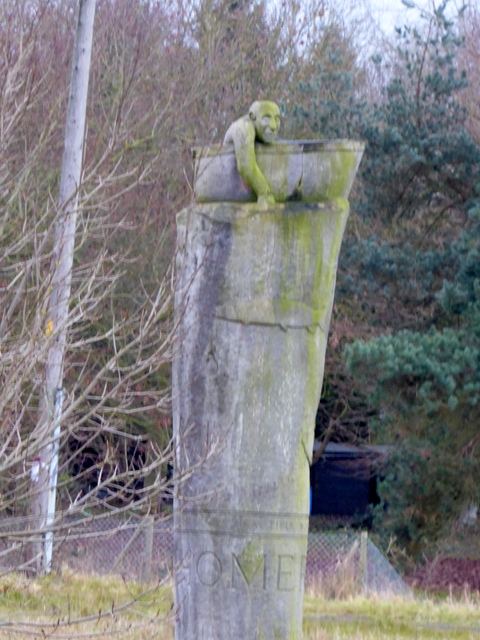
The Millennium Sculpture. (Not a clear photograph as the light was very bad).
I parked my car on the edge of the village near to the totem pole-like millennium sculpture carved from wood by local artist Mark Goldsworthy. At the top of the sculpture is a man in a small boat and below him, water with different species of fish swimming in it. Near the base are the words ‘I dreamed of a beautiful woman who carried me away’ and below those words the name of the village is carved in capitals. The sculpture has been signed by the artist. I believe the beautiful woman referred to is the River Waveney which flows past the village and forms the border between the counties of Suffolk and Norfolk.
Fish on the sculpture
Fish on the sculpture
Fish on the sculpture
The man in the boat
The man in the boat
An eel
More fish
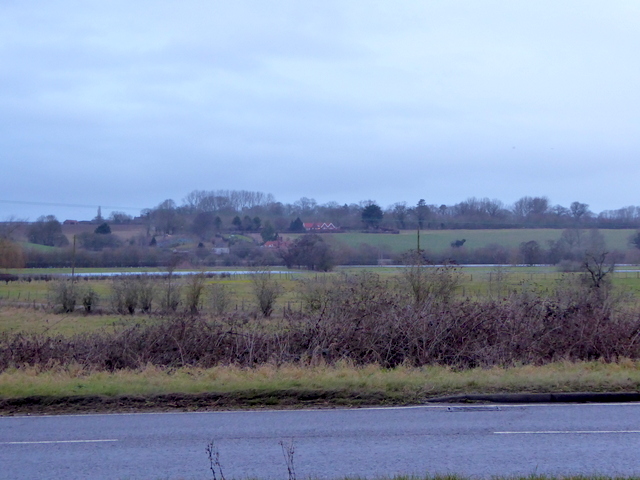
Looking northwards over the river to Norfolk
I walked through the village to the further side where the road starts to rise away from the river on its way to the village of St Cross. From here I could look out over the water meadows.
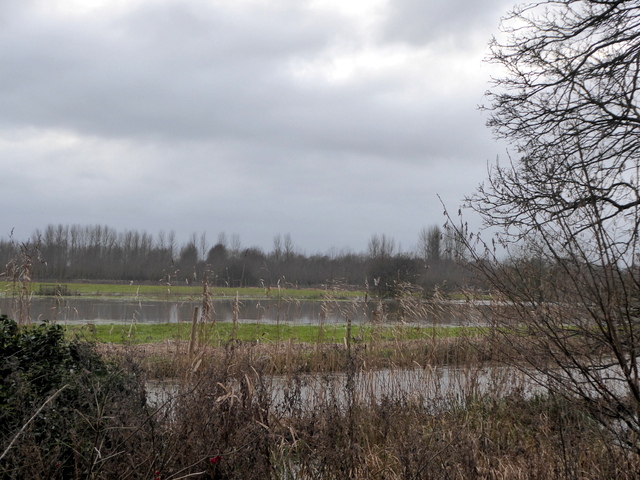
Waveney River valley
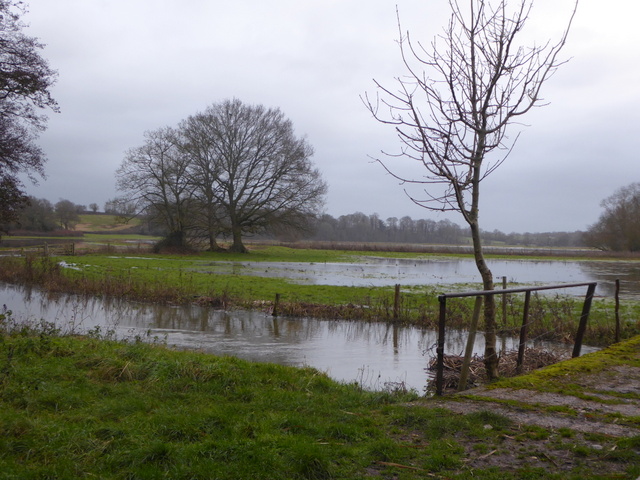
A soggy scene!
The water level had gone down a little during the last twenty-four hours but the fields were still inundated.
The nearer channel is the old mill race cut to provide water for the water mill in the village. The mill was demolished some time ago.
On the other side of the lane is one of the entrances to the Community Wood.
Community Wood
Homersfield Church and churchyard are at the top of the bluff.
The two photos above were taken last February.
Homersfield Bridge
This bridge is one of the oldest surviving concrete bridges in Britain and was constructed in 1869 at the request of Sir Robert Alexander Shafto Adair, Baronet of the Flixton Estate. Here is a link to a description of the bridge and its history.
View from the bridge
View from the bridge
This slideshow requires JavaScript.
Looking across the river to the Norfolk side where the old Homersfield railway station had been.
A number of seagulls were floating on the water. The buildings just beyond the far bank, line the A143 road which was built in the early 1980’s along the former route of The Waveney Valley Line. This was a rail branch line which ran from Tivetshall in Norfolk to Beccles in Suffolk but was closed in 1966 and the track removed soon afterwards. The red-coloured building on the right of the picture is a garage which I think used to be an engine shed.
Here I am standing on the Norfolk side of the river looking towards Suffolk.
After having viewed the river from all points I walked back through the village. It is a pretty place with lots of attractive cottages. As it was getting late I only took a few more photos.
The path from the old Homersfield Bridge back into the village
The village pub, The Black Swan
The childrens’ play area on the green.
We used to bring Elinor here when she was very small!
Barnfield Cottages
These pretty thatched cottages were built in 1925 to house elderly workers on the Flixton Estate.
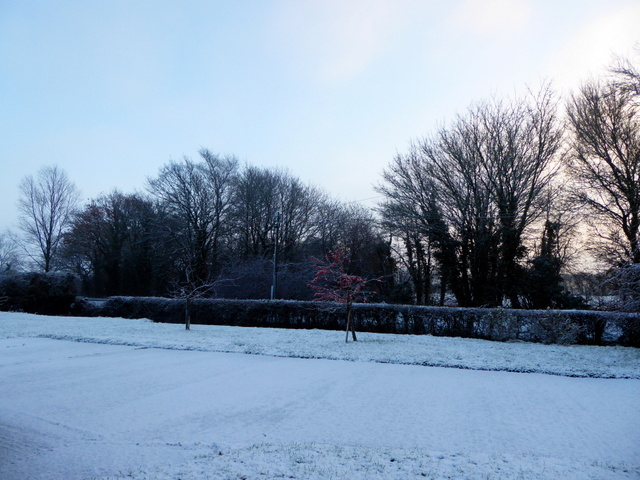
We had a few days of cold and snow in mid-December but the year ended with much milder temperatures, wind and lots of rain. All our local rivers have burst their banks and everywhere is wet and muddy.
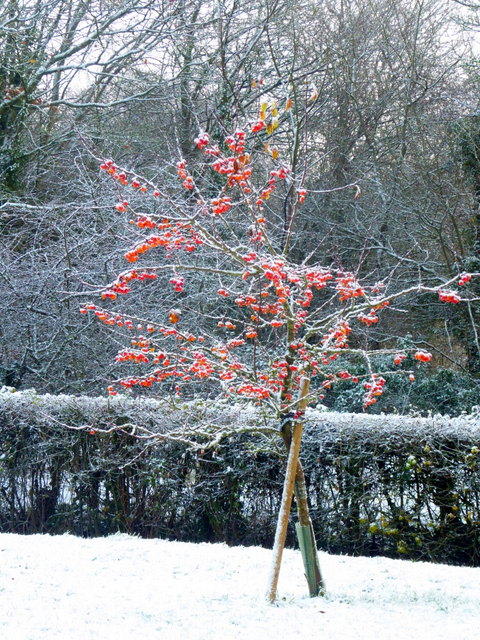
‘Evereste’ crabapple tree in the snow
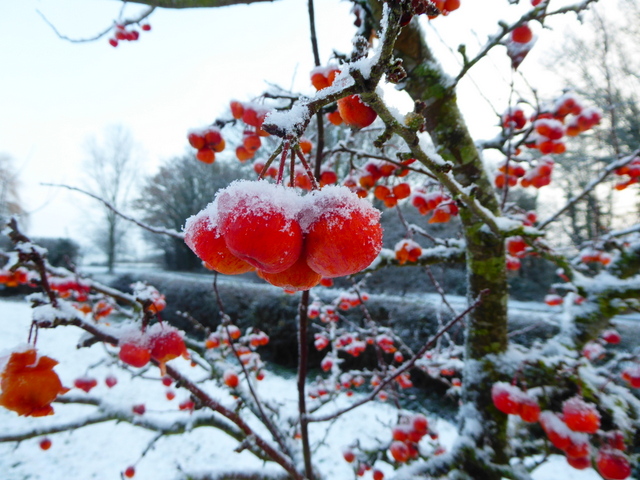
Crabapples
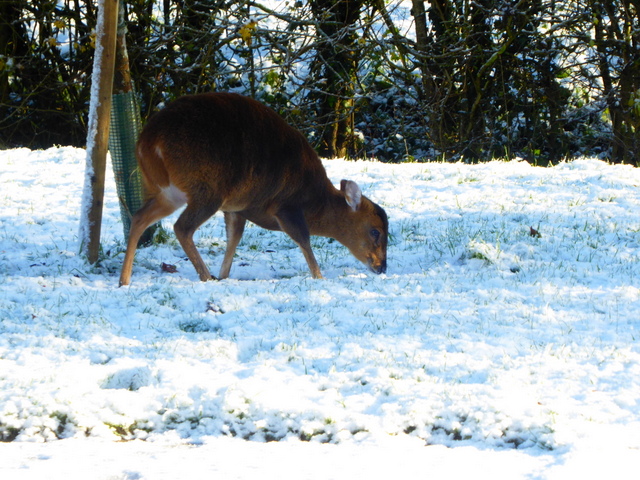
Once the apples had been frosted it took no time at all for the blackbirds to eat all the fruit on the tree! The deer helped themselves to the apples on the lower branches.
Female Muntjac deer
2nd Sunday in Advent
We had a Sunday service at our church at Rumburgh on 10th December. The day started with heavy rain but as we got the church ready for the service the rain turned first to sleet and then to snow. The Archdeacon arrived to take our service, his cloak covered in snow. He preached and played the organ too but sadly, not many of our mainly elderly congregation turned up.
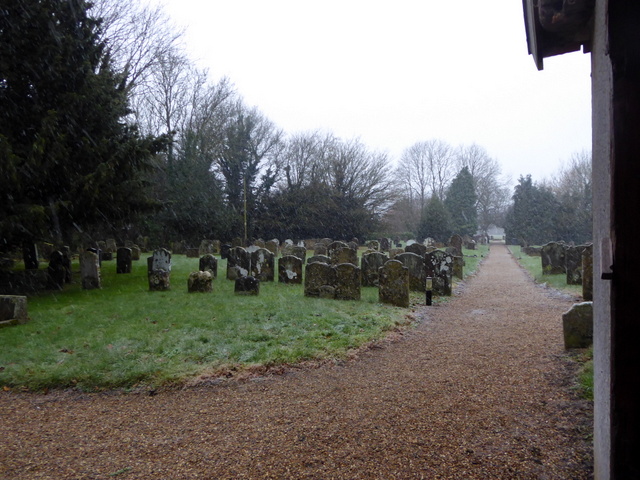
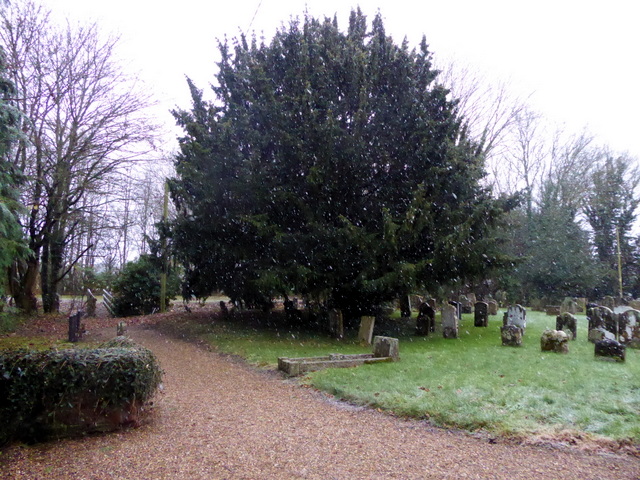
A snowy churchyard
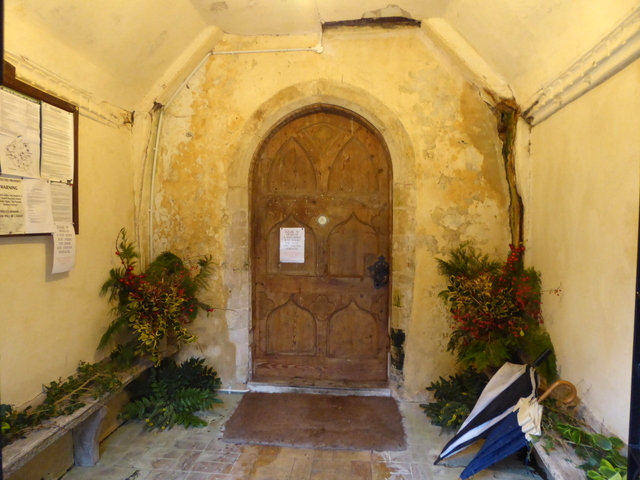
Our damp, but festive church porch
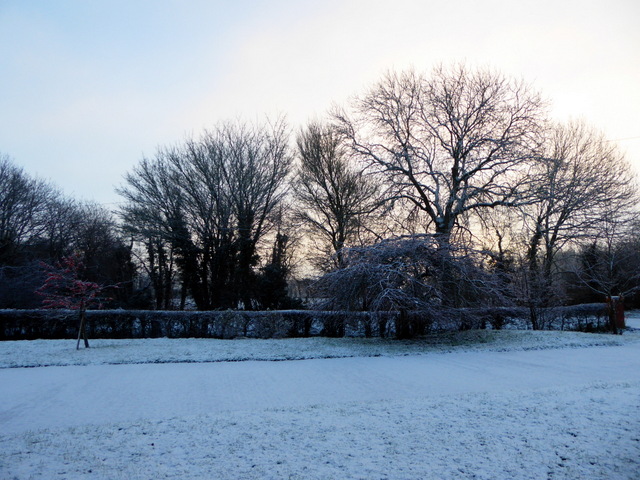
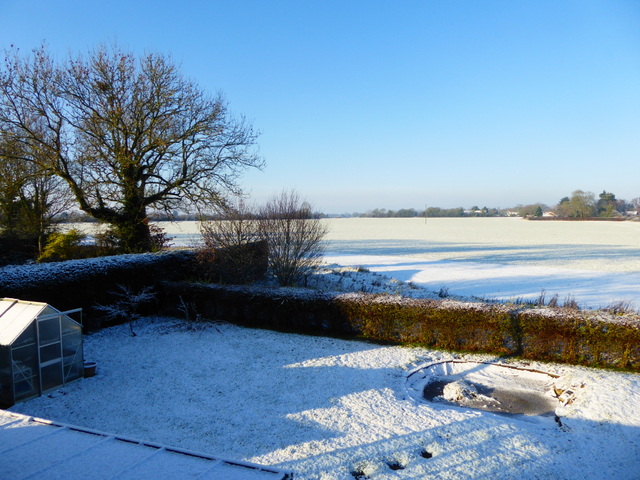
Snow covers a multitude of sins and our garden looked almost picturesque!
The view from our front door
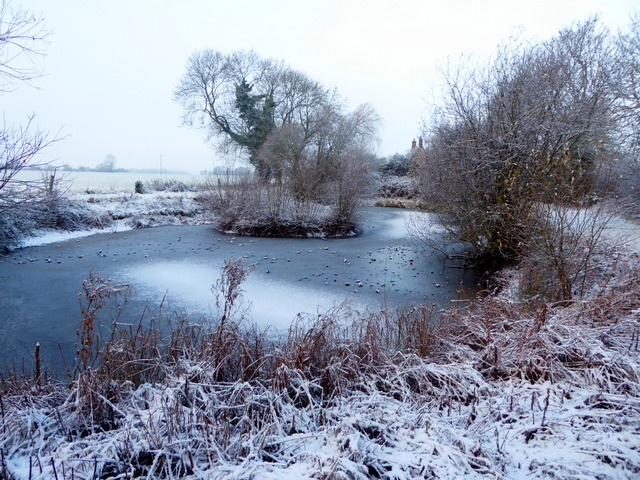
Our larger pond. This was before the rain added a number of inches to its depth
We have also had all the willow saplings and brambles on the little island cut down since this photograph was taken. The greylags should find it easier to make their nest there in the spring.
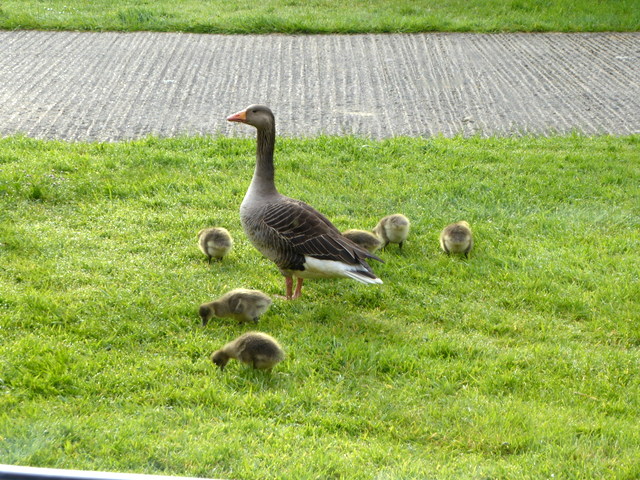
Here is a female greylag with her goslings in our garden a couple of years ago
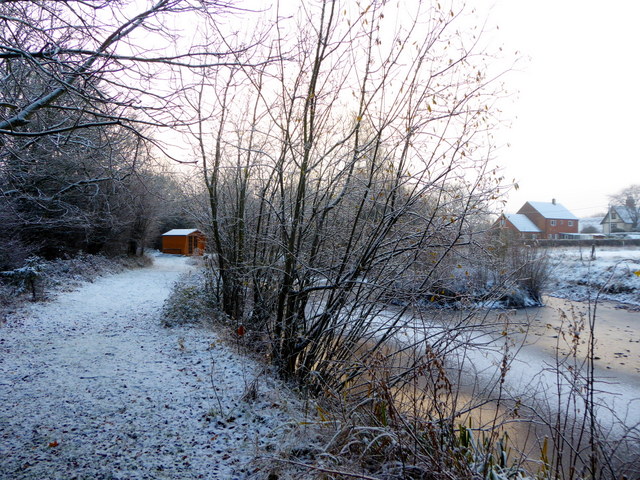
The path round the pond
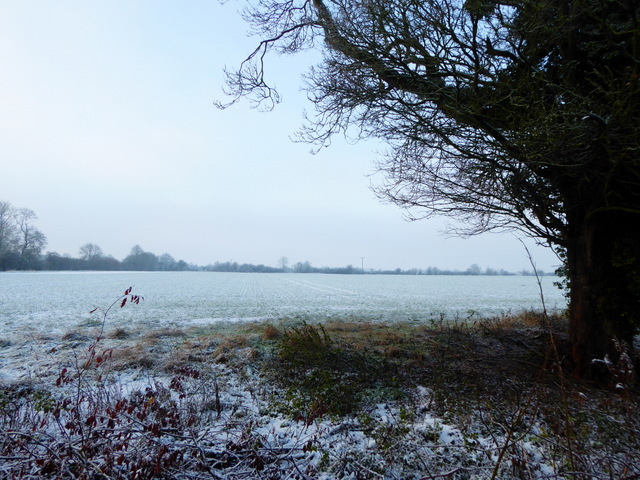
Looking across the field from our garden
After the sun had risen I took this picture from an upstairs window
We haven’t had much snow in the last couple of years and we don’t know if we will get any more this winter either. This might be all we get!
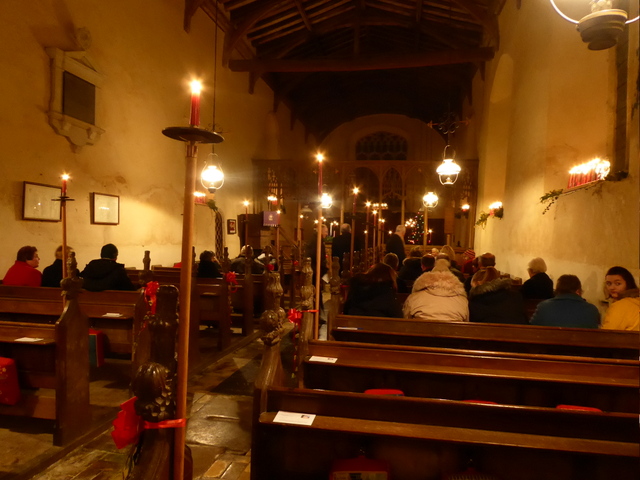
We held a carol service at our church on 20th December.
I took this photo a while before the service began.
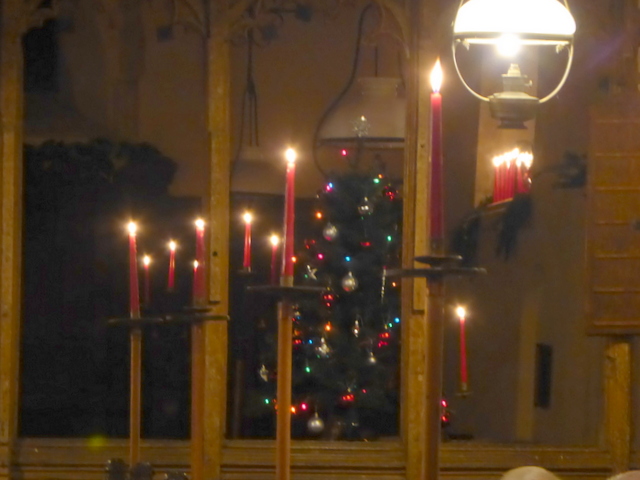
Our Christmas tree at church
The service was taken by Maurice our hard-working Elder who has taken on most of the admin duties for the benefice since we have been vicarless. We heard the Christmas story in some readings from the Bible and we also listened to a few seasonal poems. We sang lots of carols and then ate sausage rolls, cheese straws, cake and mince pies and drank sherry or fruit juice.
Kneeler at church
Kneeler at church
Richard, Elinor and I went to Midnight Mass at South Elmham St Peter’s church on Christmas Eve and we spent a peaceful Christmas at home, my mother visiting us for lunch and for the afternoon on Christmas Day and for an evening buffet meal on Boxing Day.
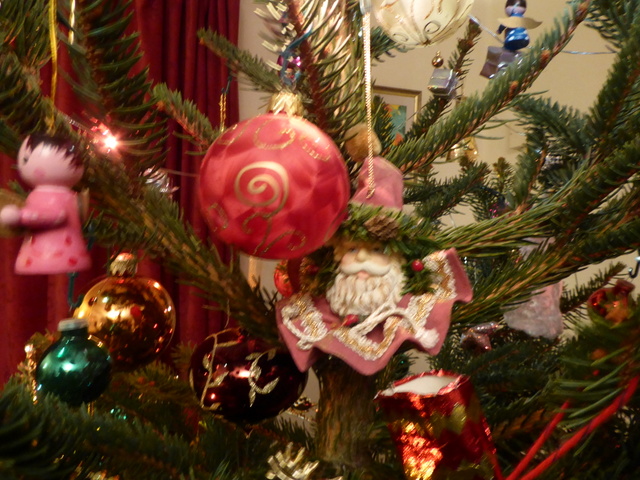
Christmas tree decorations
Alice stayed in Sheffield for Christmas but came to visit us for a couple of days, arriving on the 28th December. It was lovely to have her with us!
I took this photo with my phone on Boxing Day during our walk in the late afternoon
We don’t party on New Year’s Eve but stay at home quietly. I had taken my mother to her church in the morning while Richard went to Ilketshall St John’s church in our benefice. The roads were all awash but the rain held off for most of the day. Richard, Elinor and I went to Southwold in the afternoon to walk by the sea. We parked by the pier and walked along the front to the far end of the town where we bought some chips. We walked back to the car as it got dark and came home again. A pleasing end to the year. No photos from Southwold as I left my camera at home.
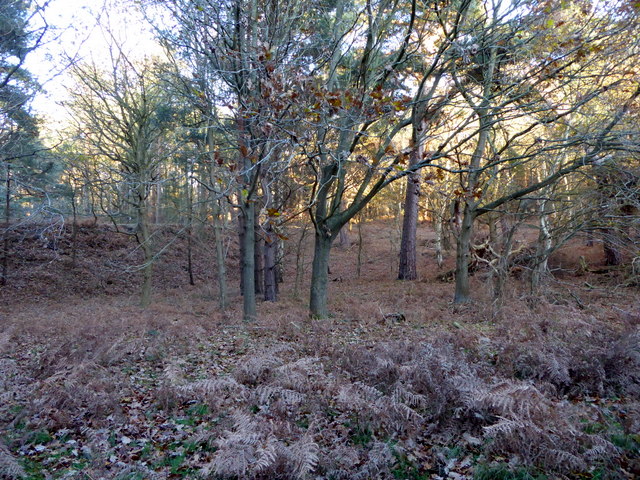
The day was cold; the temperature was just above freezing but the strong northerly wind made it very bitter indeed. It was just after 2 pm and the sun was shining but it was so low in the sky we walked in shadow for most of the time.
Elinor in Walberswick Woods
The low sun shining through the pine trees.
The bracken fronds had died and were a soft silvery-fawn colour.
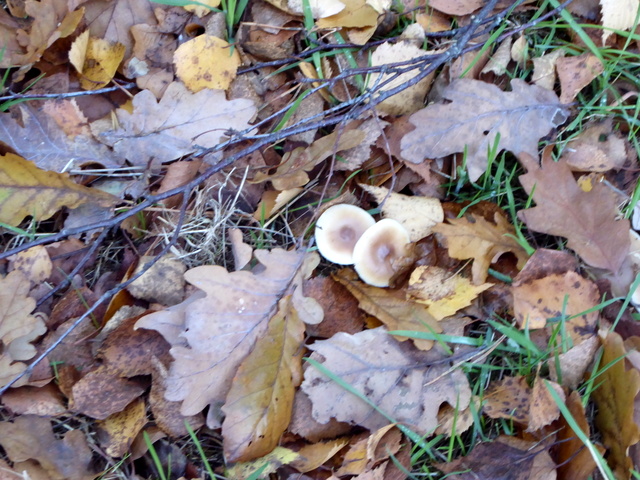
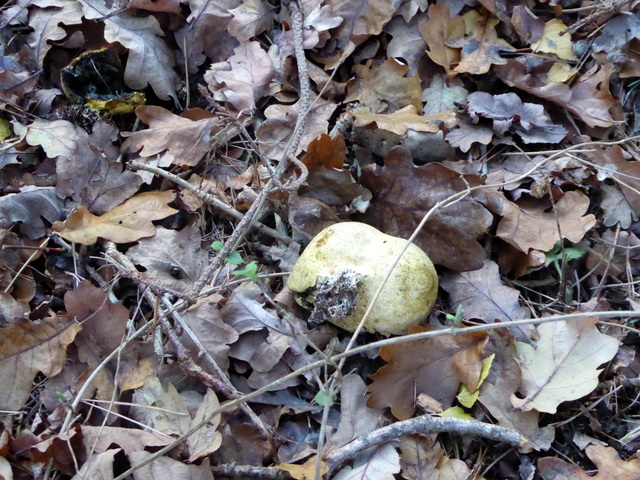
We found some fungi amongst the fallen leaves.
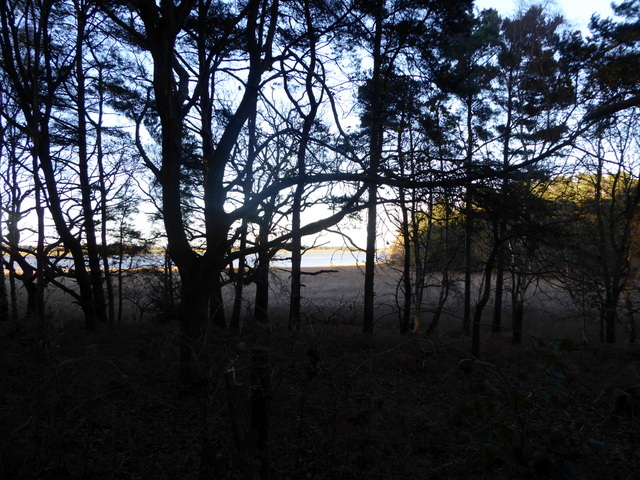
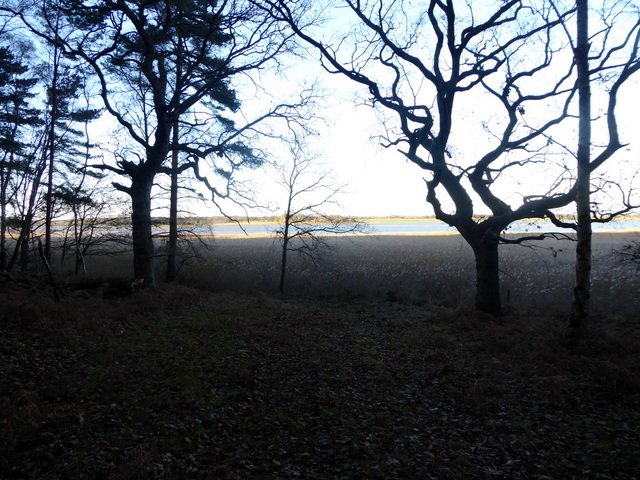
Halfway round this short walk we saw the marshes through the trees.
The River Blyth flows through the marshes and is tidal here.
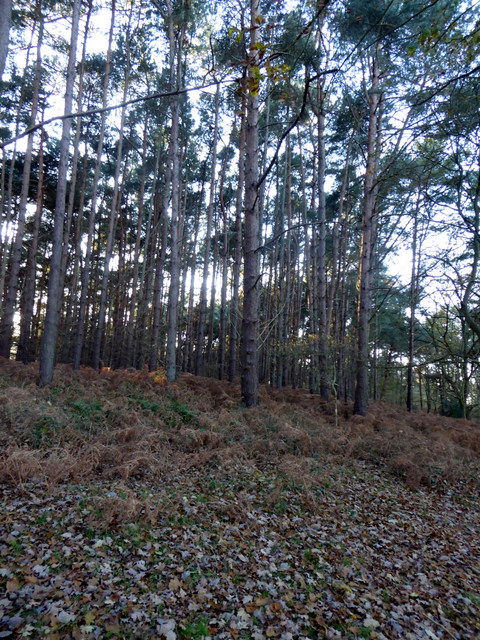
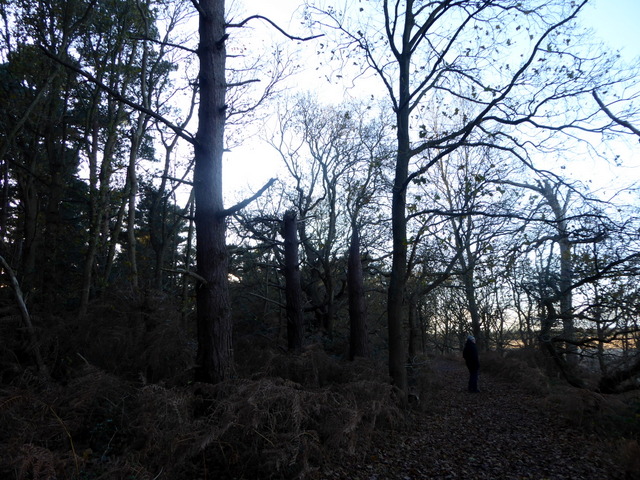
To our left up a short rise, a tall stand of pine trees kept us in shadow
This part of the wood is known as Deadman’s Covert. A covert is usually a piece of overgrown woodland (a thicket) that game (pheasants, partridge, deer) or foxes can hide in.
and to our right was the Blyth estuary and the marshes and a keen wind blowing.
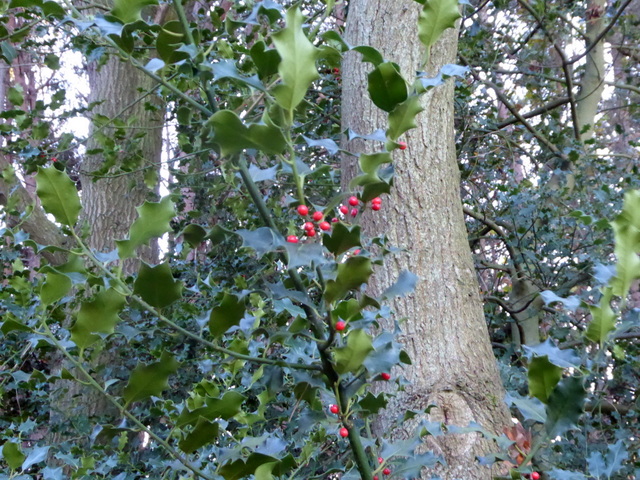
We found a Holly tree with a few berries left.
We found a number of Puffball Fungi
Not much left of this one!
These trees snapped off half way up their trunks show how windy it can be here
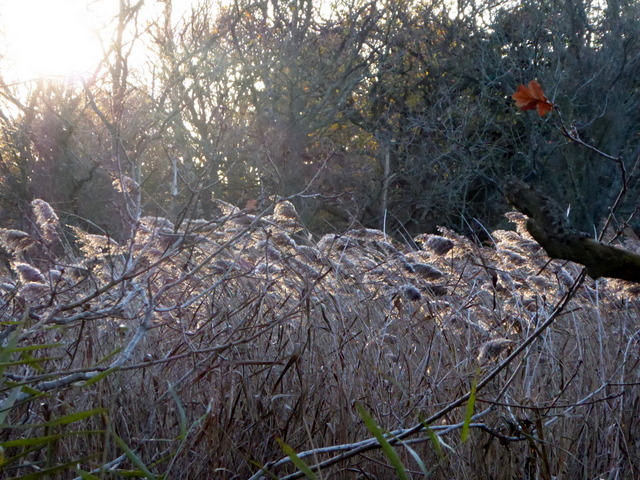
The light shining through the seedheads of the Common Reeds as they danced in the wind.
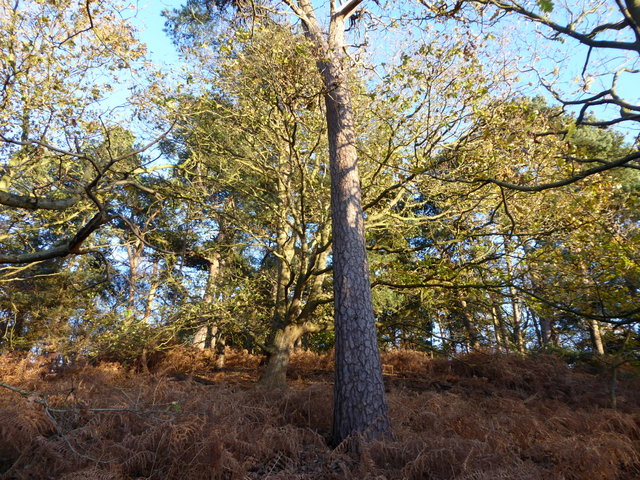
Away from the marsh it was brighter and less windy. We admired the snakeskin bark of this tree.
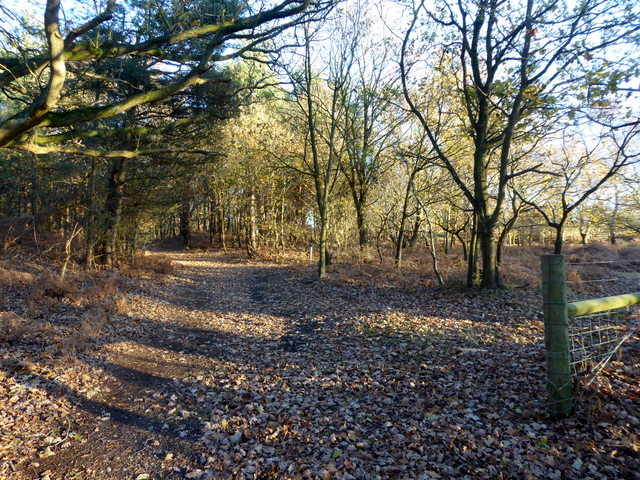
The path through the wood
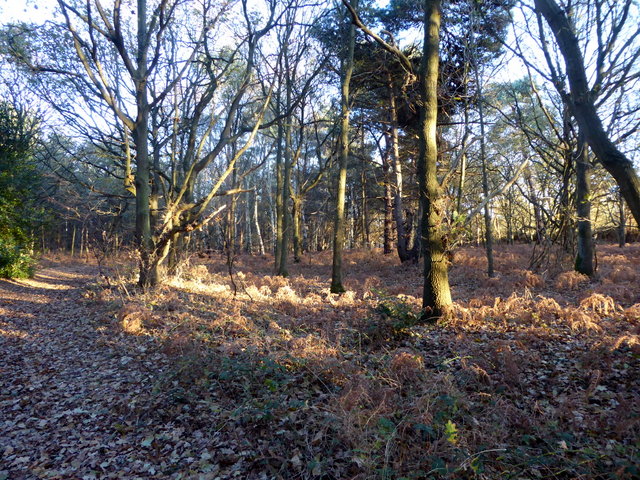
The sun shot beams of light through the trees
The straight ride through the wood. A ride is a path through woods for riding horses on.
The sun was getting even lower in the sky
Only the tops of these trees were lit now
I had wanted to collect pine cones to use as Christmas decorations but they were all so small after our dry year. You can see a couple on this branch.
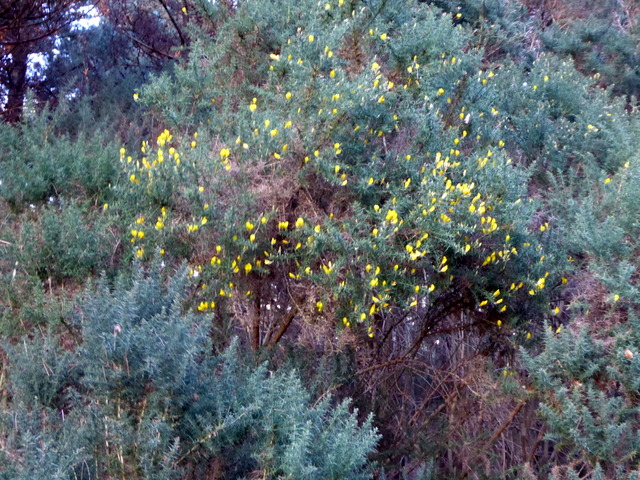
The gorse was in flower. ‘When gorse is out of bloom, kissing’s out of fashion’. Gorse is never out of bloom!
Our walk over, we drove to my mother’s house to see how she was as she had been without a land-line phone all week because of a fault. She had her fire alight and we had a lovely hot cup of tea with her.
Here we are in Advent already and what a short Advent it will be too! There are four Sundays in Advent and this year the fourth Sunday is also Christmas Eve.
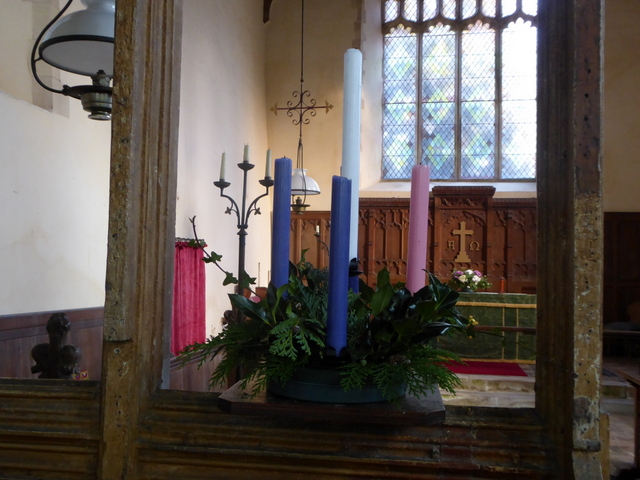
The Advent Crown at our church.
During Advent we wait for Jesus Christ and we do this in three ways; in the past, in the present and in the future. We accompany Mary and Joseph on their journey to Bethlehem and welcome the baby Jesus who was born in a stable. We prepare ourselves for the celebration of Christ’s birth this year and try to make the occasion more than just presents and food. Thirdly, we think about and anticipate the second coming of Jesus Christ when He will come in power and glory and his kingdom will be established here on earth as it is in heaven.
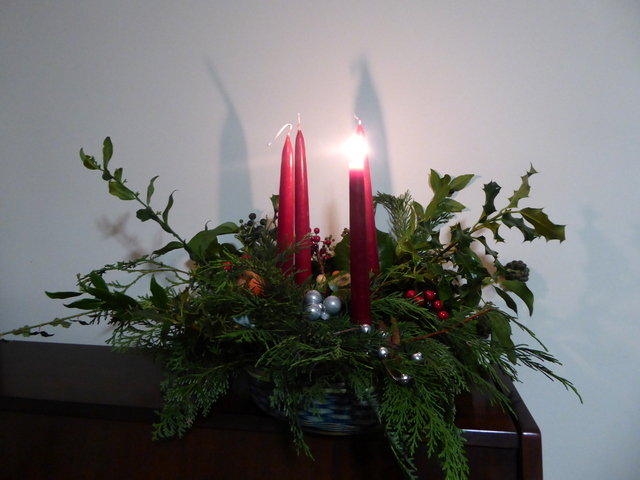
The Advent Crown Elinor and I made at home.
The first way I find the easiest despite Christmas having become such a secular festival. The second way isn’t too difficult either. I know the story of the birth of Christ and it is in my mind so much during December. I read the accounts of it in the Bible, I sing carols and Christmas songs and I attend church services. We talk about it at home. The third way is the hardest. I try to keep Advent as a time of reflection. I think about my behaviour and any bad habits I might have and think how I should improve myself. I remind myself of Christ’s instructions to us about how we should act and think. The trouble is, I very easily get caught up in the pre-Christmas madness and find myself panicking about things that are of no real importance at all. Do I have presents for everyone? What if I forget someone! If I don’t start writing the cards soon they won’t get there on time! Will I have enough food for everyone? Look at those dirty windows! When will I get an opportunity to clean the house? I’m never going to get everything done on time! My quiet, reflective mood disappears and I moan and complain to anyone who’ll listen to me. It was much easier to keep Advent as Advent when I was younger. People didn’t start their Christmas shopping ’til much nearer the festival. Decorations weren’t put up as early as they are now and things were much simpler. Now that sounds like an old person speaking!
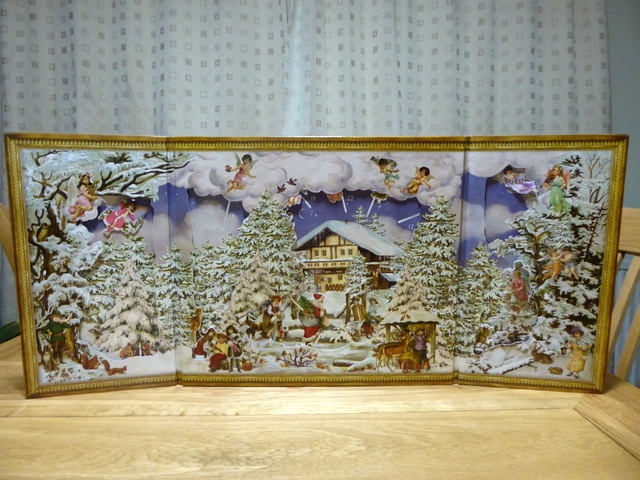
The Advent Calendar.
Last year we held an Advent service in church which I enjoyed very much. No carols but Advent hymns, solemn and beautiful. This year we will have a Carol service on the 20th and we will go to Midnight Mass on Christmas Eve as usual. We have an Advent Crown or Wreath at church and as each Sunday passes we light one more candle until on Christmas Eve all four are lit.
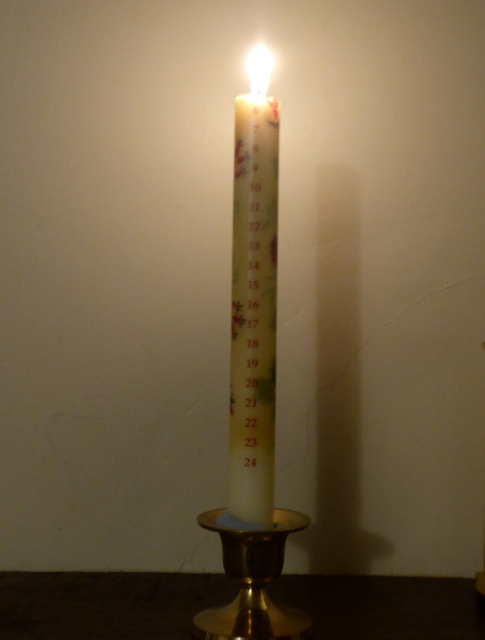
The Advent Candle.
We have an Advent Crown at home too, and an Advent Candle and Advent Calendars! We mark each day as it passes and Christmas comes ever closer.
My music choice is J S Bach’s Cantata for the First Sunday in Advent.
May I wish you all a happy and peaceful Advent!
My dear friend Lisa wrote a lovely comment on this post but it has mysteriously disappeared! I have looked for it and cannot find it on my WordPress account. Fortunately, I had a copy of the comment in my e-mail folder but I cannot copy it into the comments below so I’ve put it here!
Clare, it may (or may not) be that you sound like an old lady(!), but it’s the truth! And I was that way myself for many years, and only lately am I increasingly seeing how strange it is that everyone is celebrating Christmas before it comes, only to be sick of it right after New Year and want to put away all the decorations and be free of it all. But it’s impossible to resist getting into the early spirit of things when we’re all decorated at the library, playing Christmas music and will have our party at work on Friday. So we have to do the best we can, I guess. At home, I’m putting out my decorations a little here, a little there, slowly. (and trying to do fall cleaning, plan making cookies, do all the cards, finish shopping etc. – impossible!) I hope your Advent journey brings you through all the busyness and confusion in the right way. xoxo
Your Advent Crown is so pretty! The two of you are quite artistic, I think. And thanks to Gallivanta for the Literary Advent link – I like it.
Thank-you very much for your lovely comment, Lisa. I can imagine that your library is very jolly and festive at the moment. Have a wonderful party on Friday! I think one of my main gripes is the commercialisation of Christmas and seeing Christmas food for sale in the shops at the end of October! So many people here decorate their homes at the beginning of December and then throw out their Christmas tree and decorations on Boxing Day the 26th December – only the second day of Christmas! I hope you manage to get all your Christmas preparations done on time and you have a little time for rest and pleasure xx
Lisa can be found here at Searchingforabalance.blogspot.co.uk
Another comment has disappeared in the same way, this time from Annika Perry!
Clare, this is a delightful thoughtful and reflective post. You have a beautiful advent candle at home…so Christmassy! We sit down every Sunday to light ours; a moment of stillness in the crazy busy days, of being together. The sense of anticipation builds and I always feel it’s extra special when the fourth advent falls on Christmas Eve! Haha! Yep, everything Christmas seems to be pushed further back into December or even earlier – I try to rein it in until the actual month and only had the tree up last weekend as we had a little family party. People throw the tree out on Boxing Day!!! How sad! Here’s to enjoying the peace, absorbing the joy and time for one another.
Thank-you very much, Annika. Yes, I like the fourth Sunday in Advent being on Christmas Eve too. Two celebrations on one day! ‘Here’s to enjoying the peace, absorbing the joy and time for one another’ – yes, yes!! I couldn’t agree more, Annika!
I have a few photographs of things I’ve seen this autumn dating from the beginning of September until mid October. I thought I’d make a post of them all.
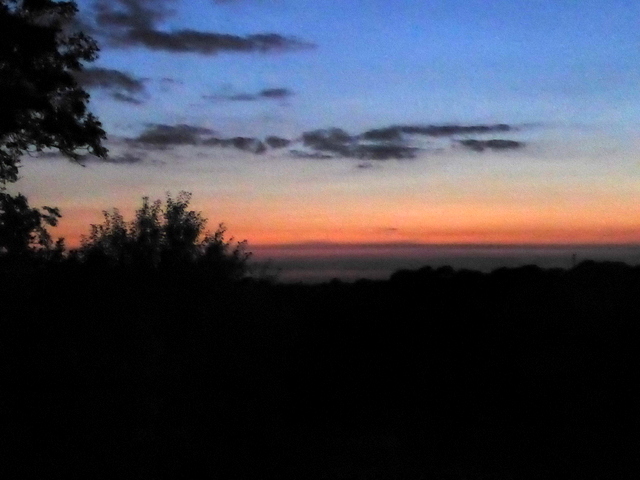
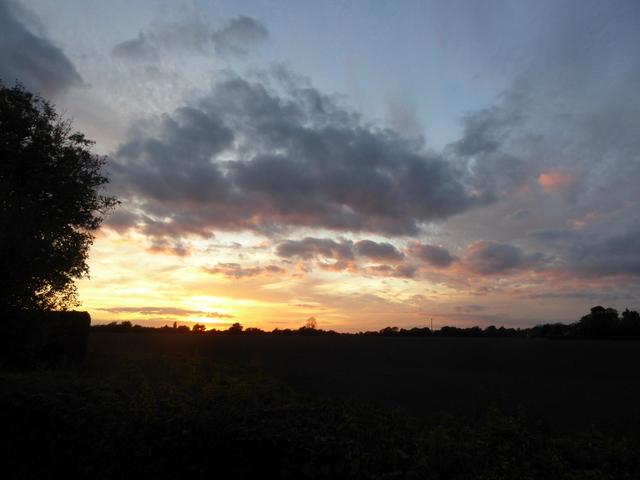
A sunset seen from our back garden – again in September.
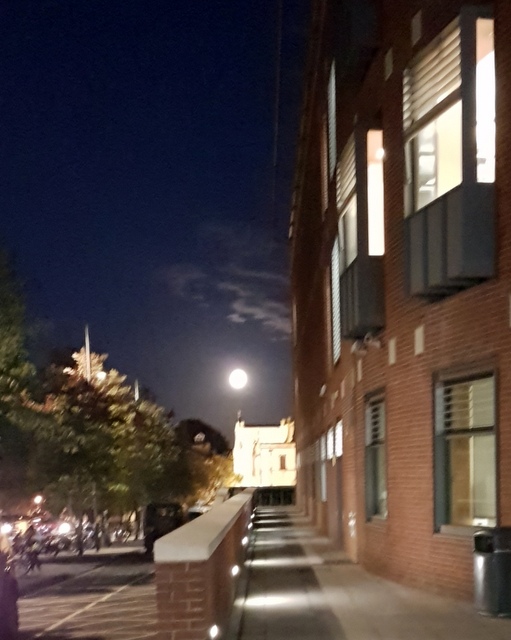
This photograph of the harvest moon at the beginning of October was taken in Norwich by Richard.
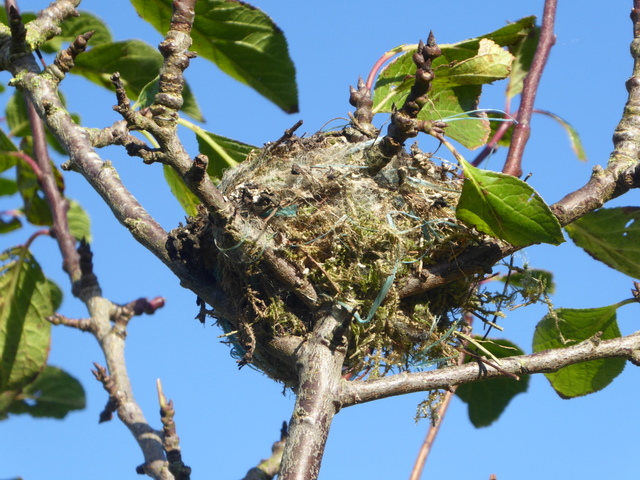
A Goldfinch (Carduelis carduelis) nest in our Greengage tree.
Once some of the leaves had fallen from the tree it was easier to see the nest which, when it was occupied, prevented us from harvesting our greengages until it was almost too late. Moss, grasses, feathers and cobwebs have been used as well as green plastic garden twine. The nest has been anchored to the branches of the tree by stouter grasses.
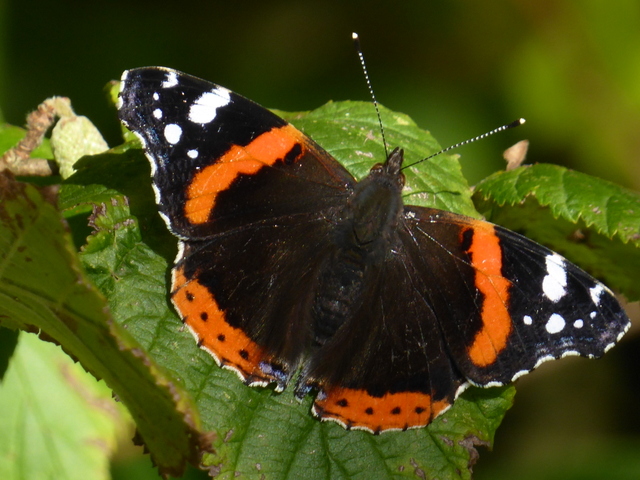
A Red Admiral butterfly (Vanessa atalanta) sunning itself.
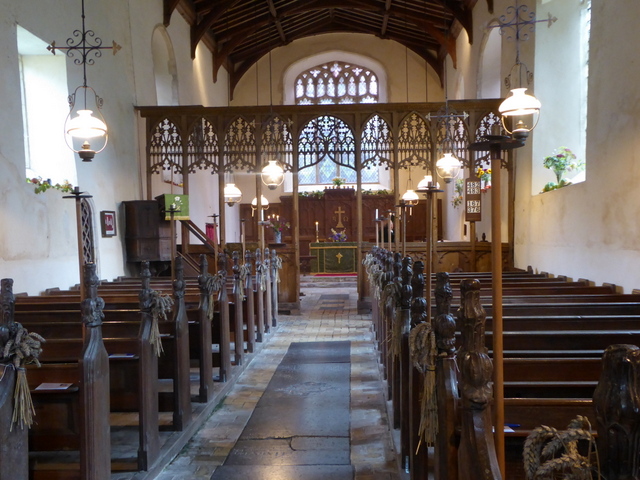
Our church at Rumburgh, decorated for Harvest Festival
Richard and I collected all the fruit and vegetables the next day and delivered them to a local nursing home where they were very gratefully received.
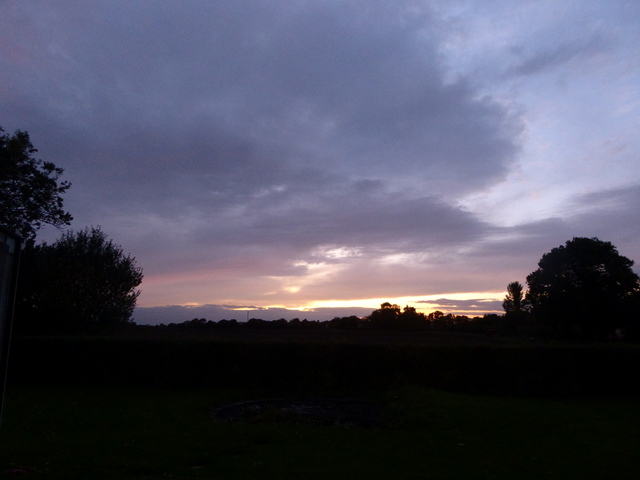
Another sunset
I love the dark purples and greys with the slash of bright yellow cutting through
Autumn colour in October
These Elder ( Sambucus nigra) leaves have lost nearly all their colour and have become almost luminous
Cherry tree leaves in our garden
Yet another sunset!
A late and rather battered oriental poppy
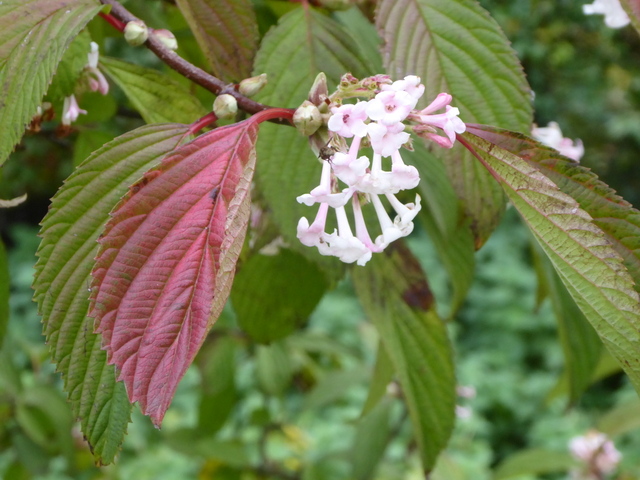
The almond-scented flowers of Viburnum bodnantense
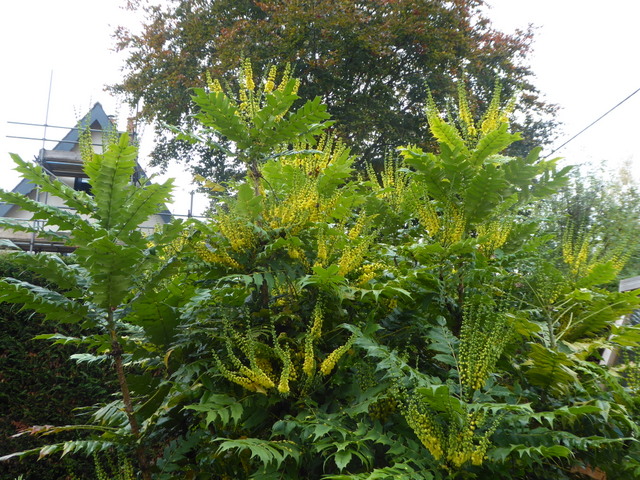
Mahonia flowers smell like lily-of-the-valley.
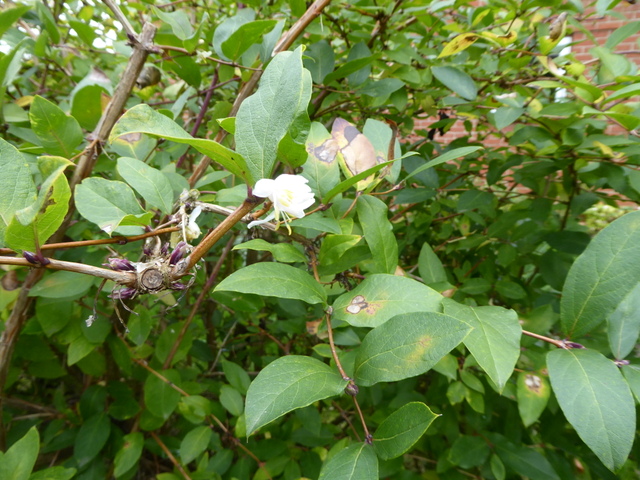
I like to have late autumn, winter and early spring flowering plants. On milder days when the wind isn’t too strong, their scent can be so welcome. The insects, especially the bumble-bees, enjoy the flowers too!
Winter-flowering Honeysuckle
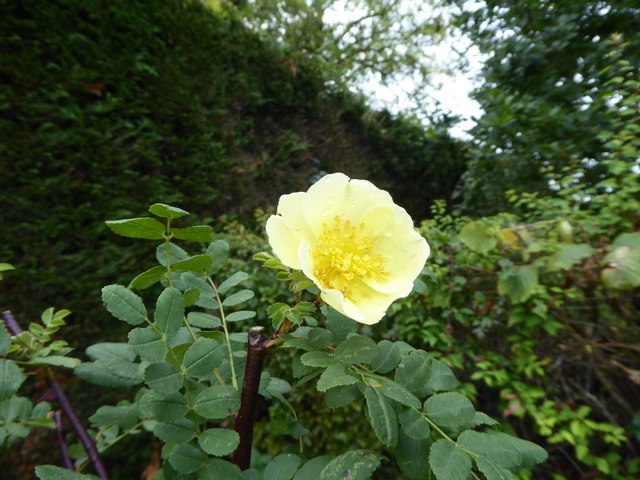
This ‘Canary Bird’ rose is one of the first to flower in early summer. It decided to flower again in October.
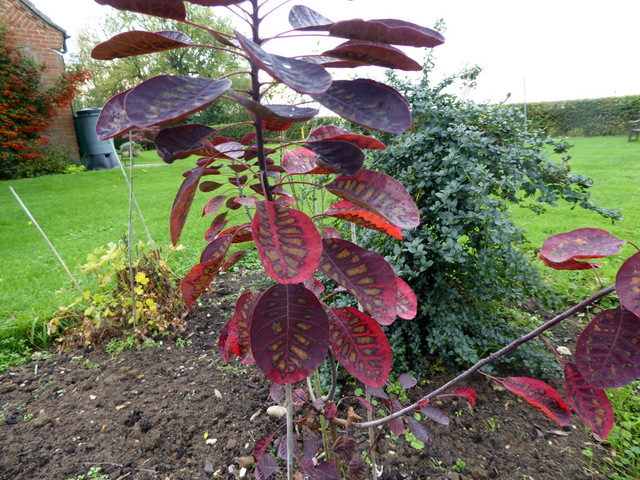
The Cotinus leaves were very attractive
I’m sorry but here is one more sunset! This was the colourful one caused by storm Ophelia and the smoke pollution from the forest fires in Portugal.
This slideshow requires JavaScript.
My music choice today is Dietrich Fischer-Dieskau singing ‘Herbst’ (Autumn) by Franz Schubert. Here is a link to a translation into English of the lyrics.
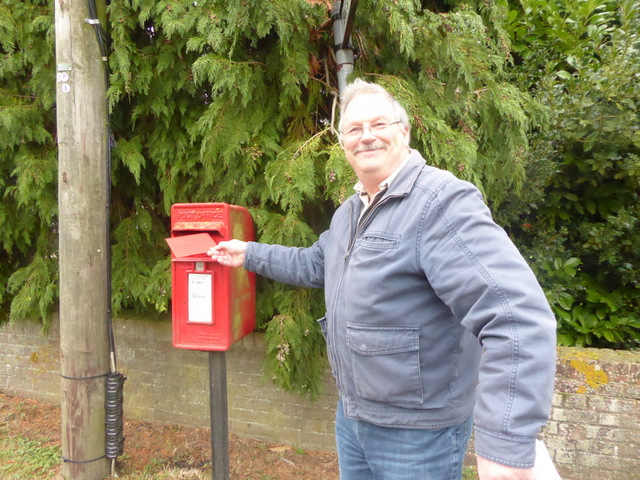
Richard asked me if I’d like to accompany him to the post-box down the lane. He had a birthday card to post to his brother and also a notice to put on the village notice-board. The weather was fine, though cloudy and we hadn’t walked anywhere together for a few weeks. I quickly put on my coat and walking shoes and we set off.
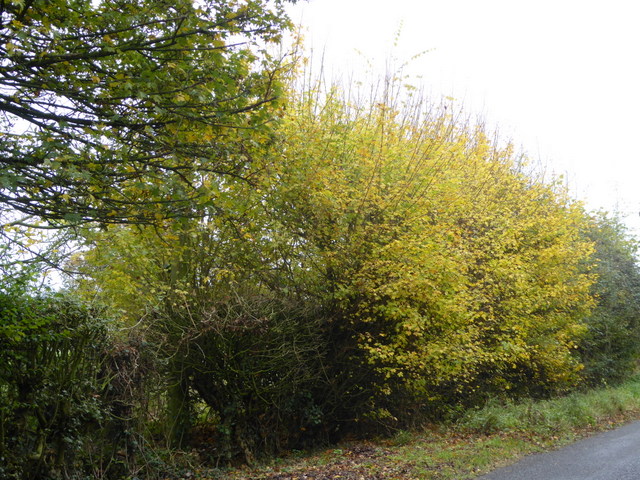
The hedge on the opposite side of the lane was pale green and orange.
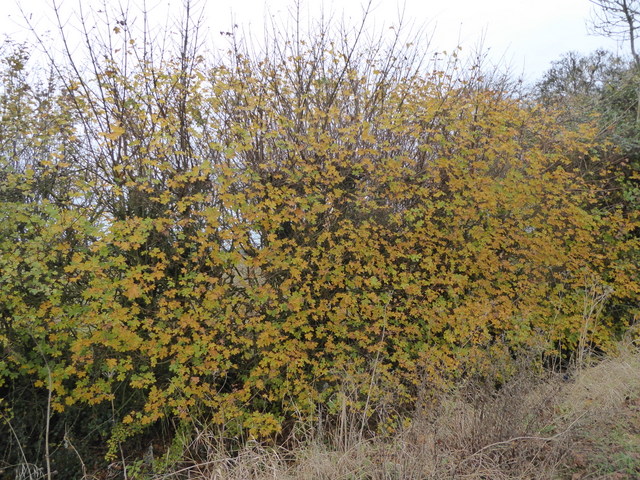
The hedges still had a few leaves left on them. This is a Field Maple (Acer campestre) hedge. Not in focus, but I liked the colours.
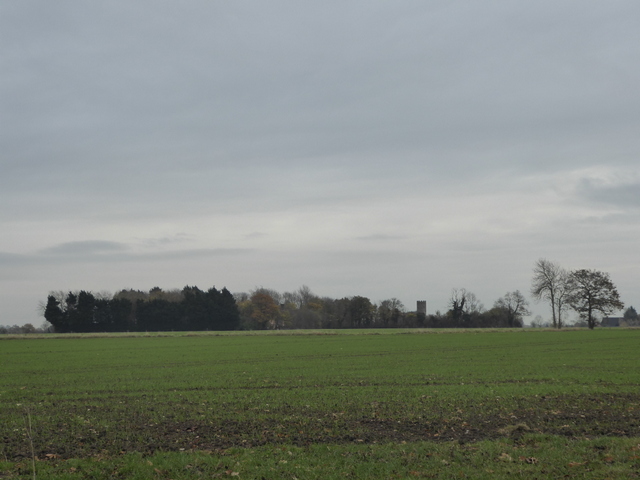
A gap in the hedge further along the lane gave us a sight of the tower belonging to All Saints church. It is surrounded by trees, most of which have lost their leaves now. The field has been sown with barley or wheat which has germinated and will continue to grow on milder days all through the winter.
All Saints church in the distance
Some of the more sheltered Field Maple trees still had leaves.
This fine-looking old house near us has been empty for some time.
Richard proudly demonstrates his posting technique!
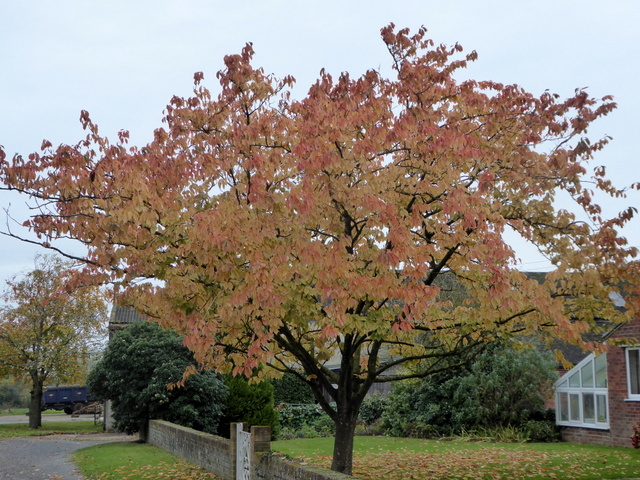
We met a neighbour and chatted with her for some time. I admired the fine cherry tree in her front garden.
Our neighbour’s beautiful cherry tree.
We walked on to the notice-board and then decided to continue down the lane.
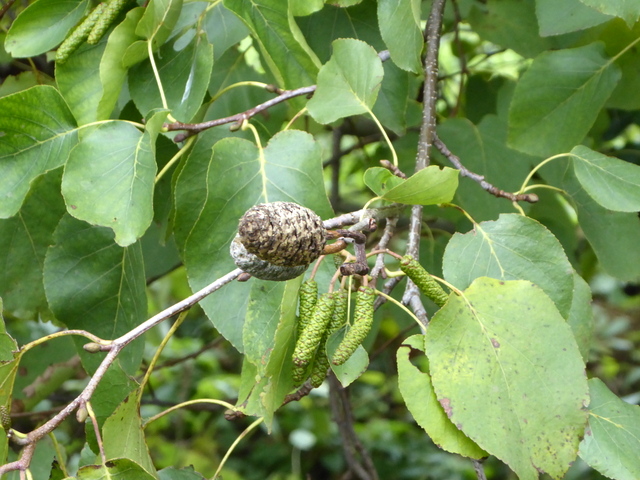
A row of Italian Alders (Alnus cordata) were planted some years ago as a wind-break along the edge of a field. The cones are much larger than our native Alder cones.
Italian Alder cones
Our local stream, The Beck, has been dry for months. We have not had enough rainfall this year.
The Beck
Another pretty hedge
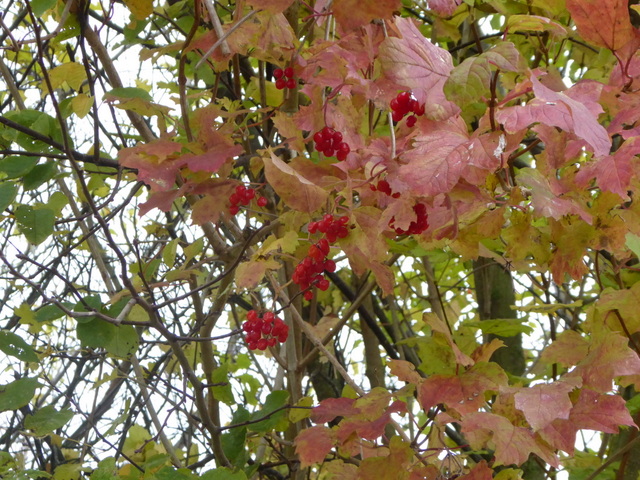
The Guelder-rose trees (Viburnum opulus) have been beautiful this autumn! I have never seen so much viburnum fruit before!
Here is another Guelder-rose.
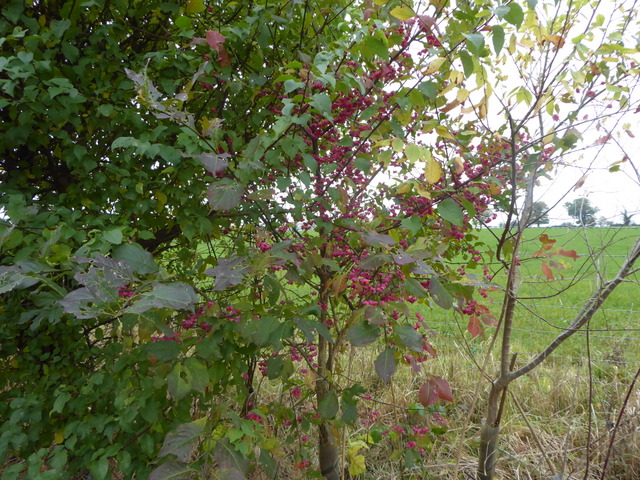
This is a Spindle tree (Euonymus europaeus) in the hedgerow
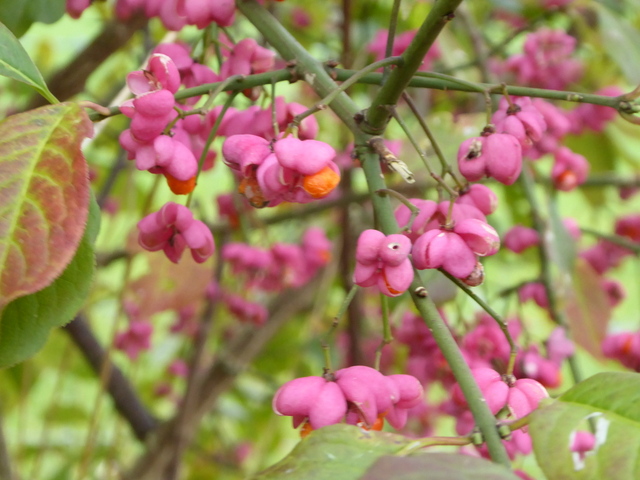
Here is the pretty pink and orange spindle fruit
This is a picture of the lane along which we walked
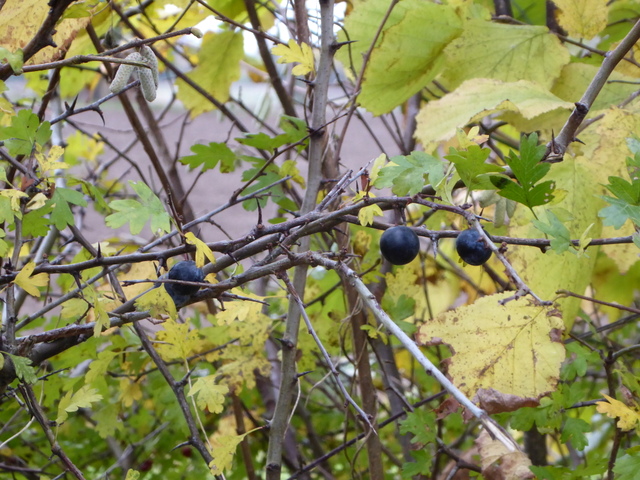
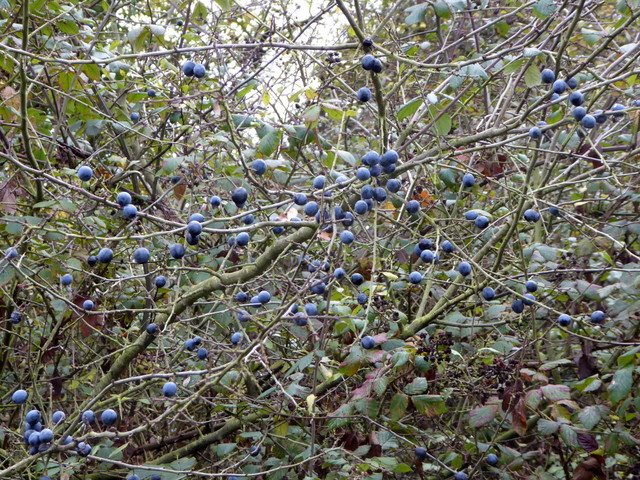
There were a few sloes left on the Blackthorns (Prunus spinosa)
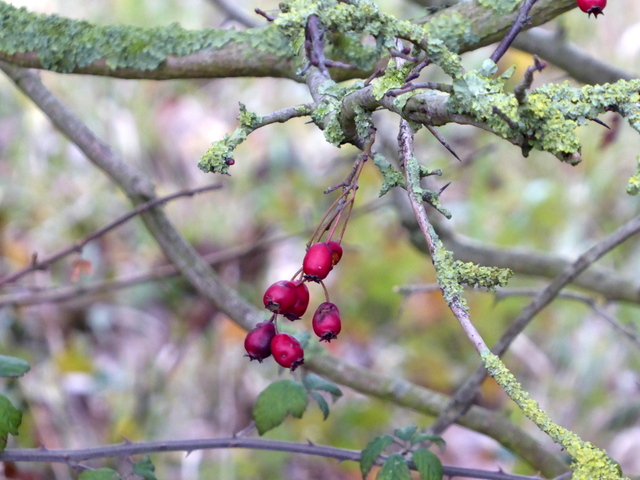
A few Common Hawthorn berries (haws) too (Crataegus monogyna)
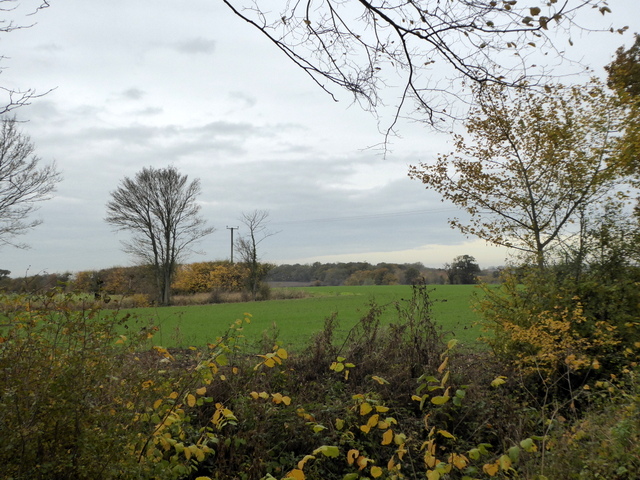
A view over the hedge to the fields beyond. The skies were clearing.
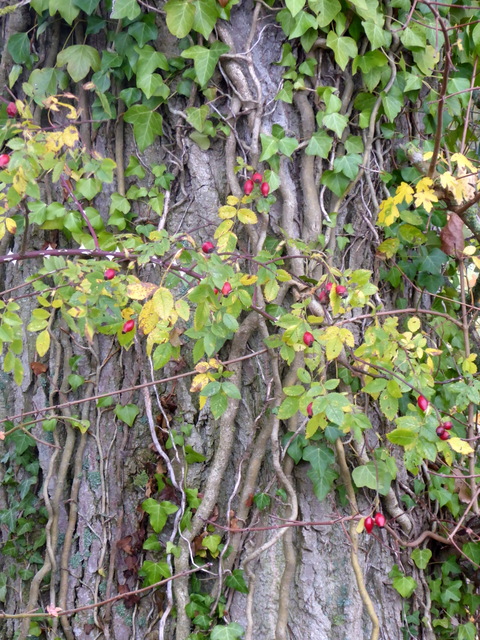
This tree-trunk was covered with Ivy stems (Hedera helix). It attaches itself to trees, fences and walls by short roots and can completely cover tall trees. A Dog Rose (Rosa canina) stem hung in front of the tree.
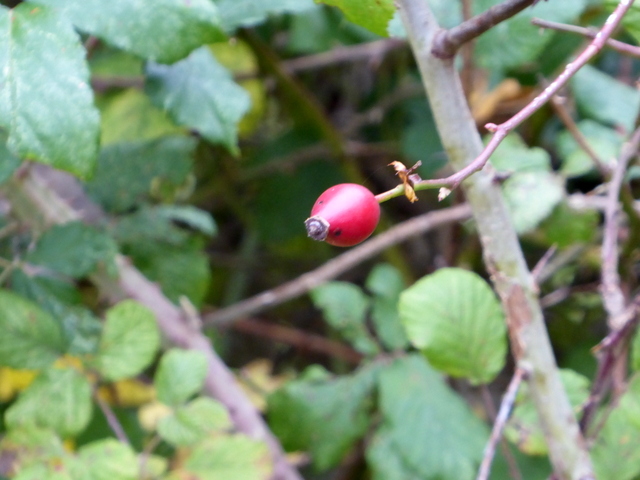
Rosehip
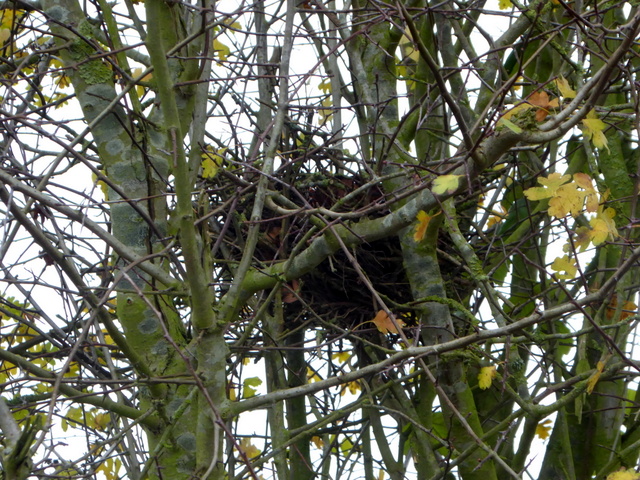
Bird’s nests are easier to see now that the leaves are falling from the trees
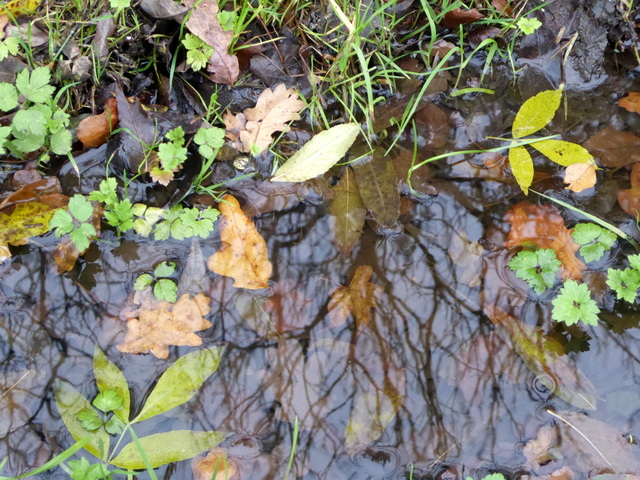
Puddles were full of leaves and reflections
We walked through St Margaret South Elmham churchyard and Richard sat for a while to rest his back.
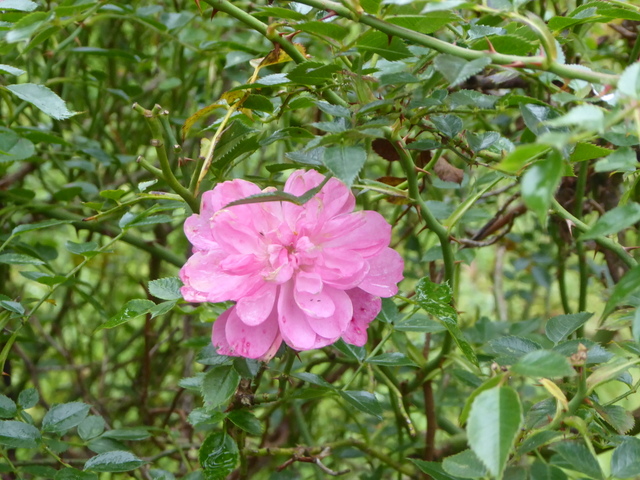
A late rose was blooming
The Holly (Ilex aquifolium) had a few berries on it
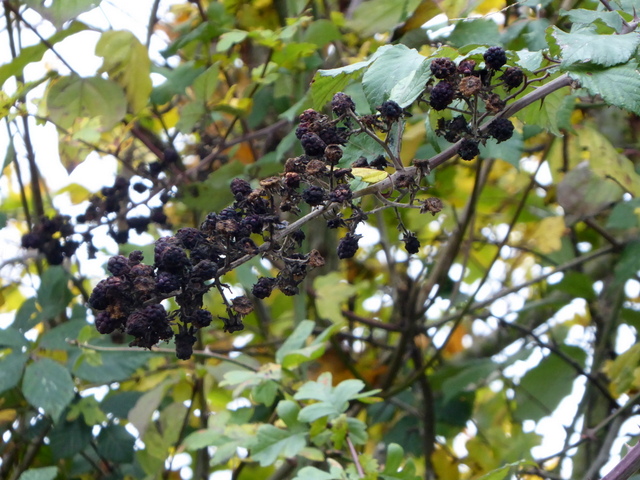
Our Blackberries (Bramble) (Rubus fruticosus agg.) were very poor this year because of the low rainfall. Even the mice and birds didn’t chose to eat these ones which have been left to shrivel on the vine.
I am not sure whether these fruits are Blackthorn or Bullace (a type of wild plum).
Autumn leaves
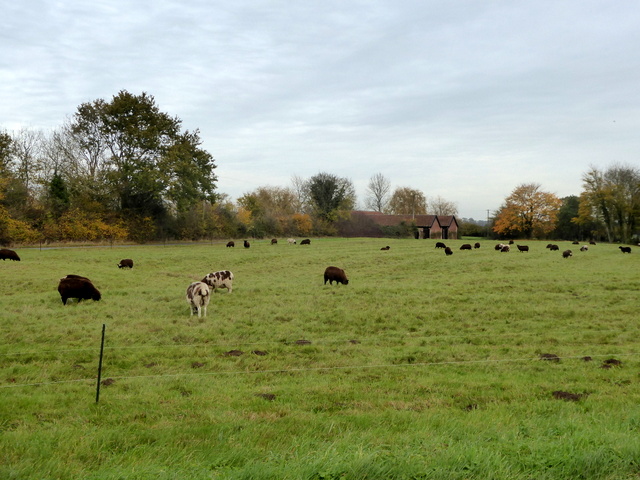
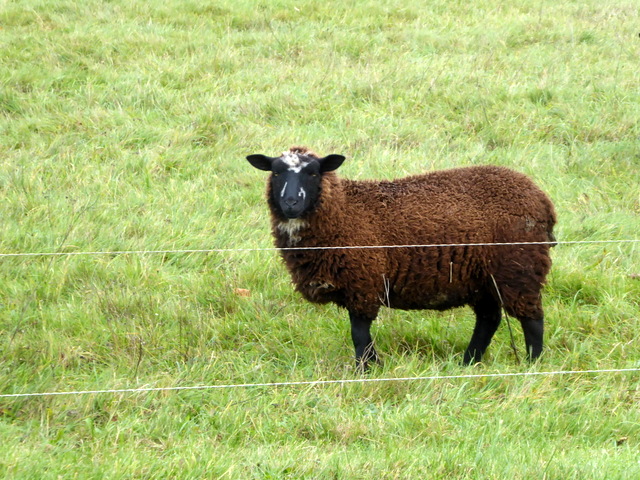
Sheep were being grazed on the common at the end of our lane
This sheep was happy to stop and stare
We soon arrived back home, having been away a lot longer than we had originally intended.
This was a walk we took a fortnight ago and after a couple of frosts and some strong wind last night most of the remaining leaves have fallen from the trees. The countryside looks ready for winter now.
My music choice today is ‘Somewhere in my Heart’ by Aztec Camera. There is no special reason for my choice except I like it and am amazed it is thirty years old!
Elinor and I went to Framlingham three weeks ago. Richard had intended coming with us but he had a bad cough and cold and stayed at home instead.
The distance to Framlingham from home is about 17 miles and in ideal conditions would normally take about 40 minutes. However, with local road closures for repairs and other works, the long diversion we had to take meant it took us nearly an hour to get there. I checked the route after we got home on Googlemaps and it now provides information on how to travel to the required destination by public transport. I was amused to discover that it would have taken us 4 hours and 5 minutes to get to Framlingham by using three different buses, walking some distance and only if we had travelled on a Wednesday!
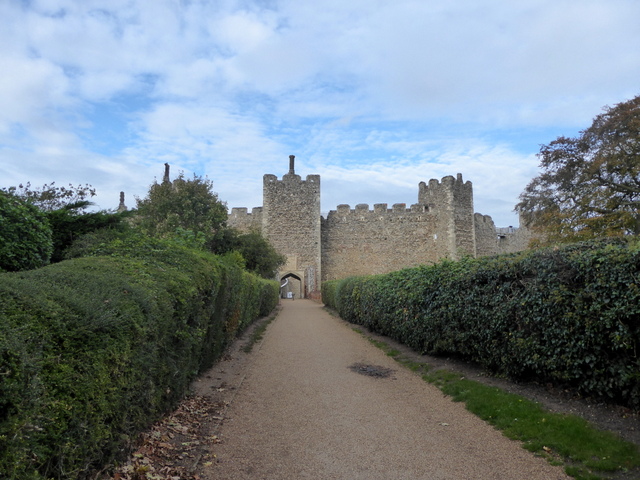
The approach to Framlingham castle
We eventually found somewhere to park in the town centre, though there is a car park at the castle, and walked to the castle. We hadn’t visited it for many years, not since Elinor was very small and she had no recollection of the place at all. The castle is looked after by English Heritage and they have recently been working on expensive improvements to the wall walk, the exhibitions and the museum and in providing a large café. Disabled access has been improved too. While all the repairs were underway a chute was installed from the top of the wall walk down to the inner court to entertain visitors. The chute is still in place but we didn’t avail ourselves of it!
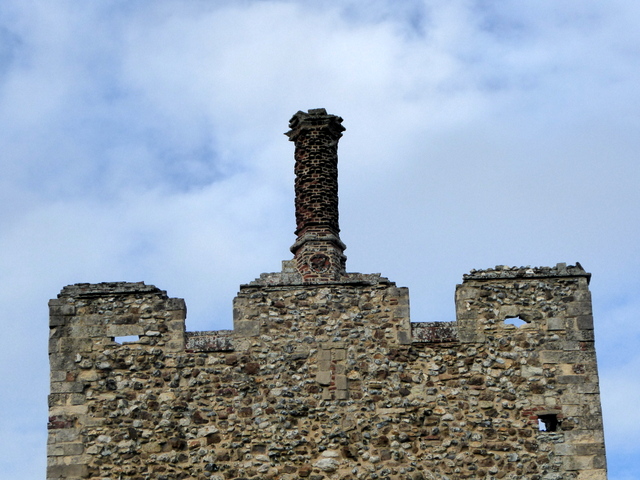
A Tudor brick chimney on the top of the gatehouse. Most of the chimneys at Framlingham are purely ornamental and were added as a sign of wealth.
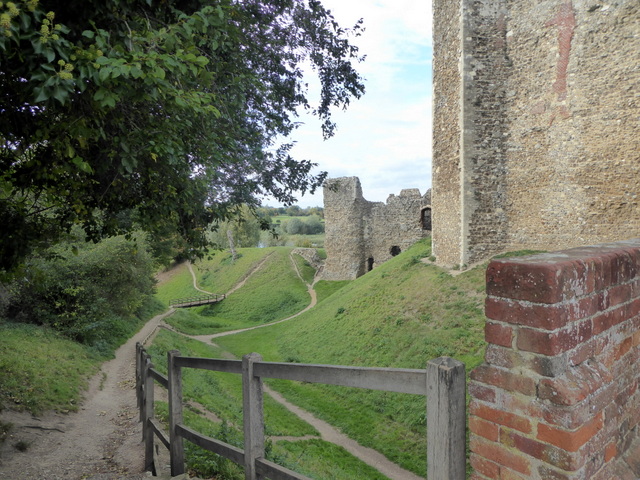
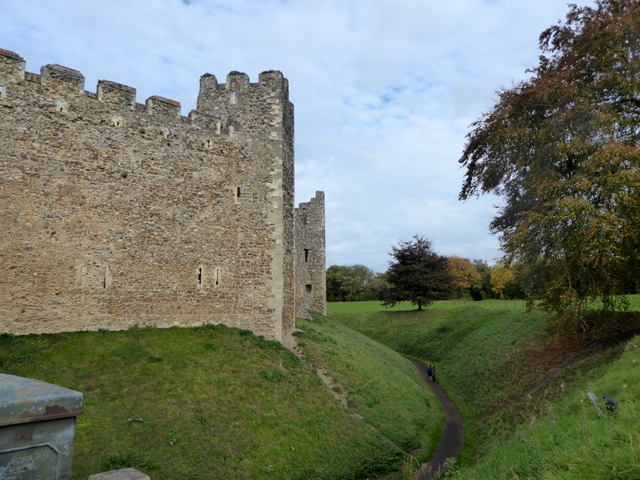
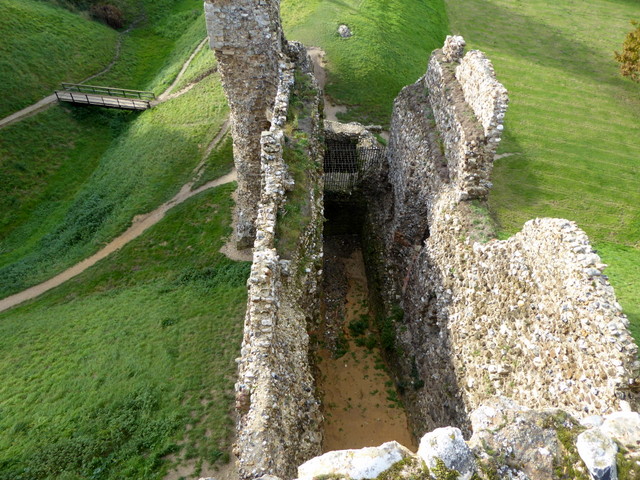
The castle has a deep, steep-sided ditch around it which was always a dry ditch. This was designed to prevent tunnelling under the walls and made breaching the walls almost impossible.
The inner ditch and curtain wall. Do you see the people walking at the bottom of the ditch? This castle is enormous!
Skip this next bit unless you have the time to read some historical background!
Roger Bigod I was formally granted the manor of Framlingham in 1101 by King Henry I even though he had been living there since shortly after the Norman Conquest. The Bigods, who were very powerful and rich barons were also made Earls of Norfolk. Roger Bigod II built the castle that we see today and he and his son were the first two of the list of barons who forced King John to accept the Magna Carta in 1215. The Bigods were constantly at odds with their king and were a law unto themselves. Eventually, the expense of numerous building projects and constant quarrels with Edward I produced such enormous debts that Roger Bigod IV was forced to make the king his heir and at his death all his lands were given to the king.
Edward II gave Framlingham to his half-brother, Thomas Brotherton who left the estate to his two daughters. His elder daughter, Margaret was created Duchess of Norfolk in 1397 – the first Englishwoman to be a duchess in her own right. Her grandson and heir, Thomas Mowbray was created First Duke of Norfolk, also in 1397 and Framlingham remained with the Mowbrays until the death of John Mowbray VII in 1476.
The castle then passed to the Howard family who were descendants of the Mowbrays. The Howards were skillful politicians and also brave soldiers and included John, First Howard Duke of Norfolk who died at the battle of Bosworth aged 60 while commanding Richard III’s troops. His son, Thomas was imprisoned in the Tower of London but was released and gradually recovered the Howard estates. At the age of 70 he led the English forces to victory against King James IV of Scotland at Flodden Field. In gratitude for this victory Henry VIII gave him back the title of Duke of Norfolk. His son, also Thomas, the 3rd Duke of Norfolk was the uncle of two of Henry VIII’s wives – Anne Boleyn and Catherine Howard. He not only schemed to get them to court and to marry the king but also betrayed them both for his own ends. Eventually his scheming and the arrogance of his son Henry, a soldier and gifted poet, proved his downfall. They were both sentenced to death, Henry Howard was executed in January 1547 but his father survived through the good fortune of King Henry’s own death taking place a day before the execution date. The Norfolk title and lands were surrendered to the Crown.
In her father’s will, Mary Tudor was granted most of the Howard lands in East Anglia and received Framlingham in 1552. On his death bed in 1553, Mary’s brother, King Edward VI was persuaded to disinherit both his half-sisters on the plea that they were illegitimate. He and his mentor, the Duke of Northumberland were both staunch Protestants and were fearful that the country would revert back to being Roman Catholic when he died. He named his successor to the throne as Lady Jane Grey, Northumberland’s 17-year-old daughter-in-law. Mary heard that the Duke of Northumberland planned to capture her so she fled to Framlingham and rallied her troops about her. Not only the local landed gentry came to her support but also crowds of the poor country people. Support for Northumberland and Lady Jane Grey dwindled and eventually Northumberland surrendered and Mary was crowned queen. Queen Mary released the elderly Thomas Howard and gave him back his lands and title.
The castle was passed to Queen Elizabeth after the 4th Duke of Norfolk was executed and she used it as a prison, housing mainly Catholics. James I returned the castle to the Howard family in 1603 but by then it was in a sorry state of repair. It was sold to Sir Robert Hitcham, a rich lawyer and politician in 1635 who died the following year leaving it to his old college at Cambridge. He asked that all the castle not built of stone be pulled down and a poorhouse built. The first poorhouse built in the castle grounds was the Red House. It was soon found inadequate but a bigger and better one wasn’t built until 1729.
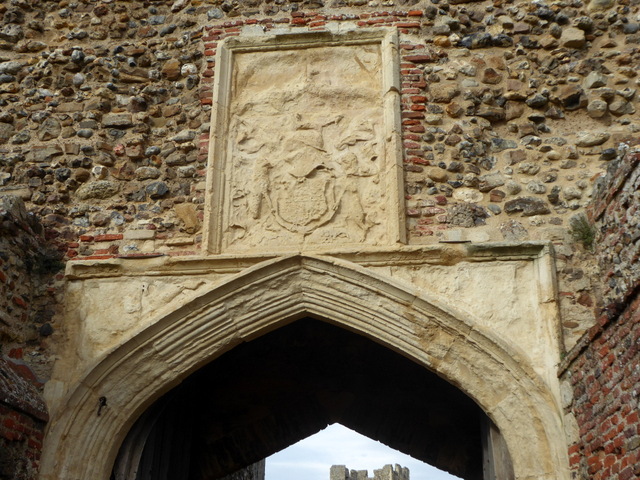
The gatehouse was rebuilt at the beginning of the C16th. This is the coat of arms of the Howard family, much weathered.
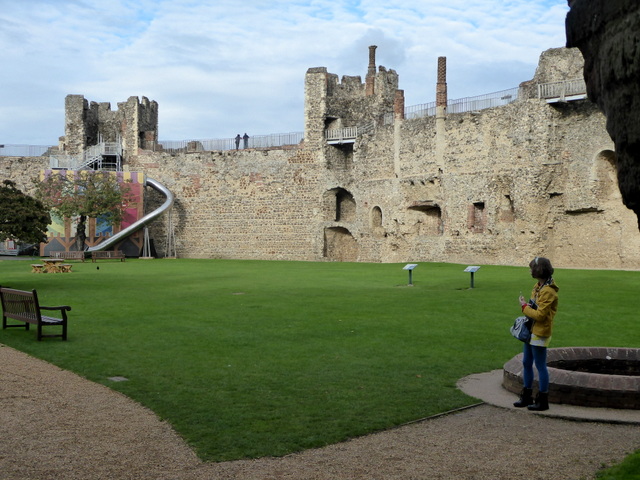
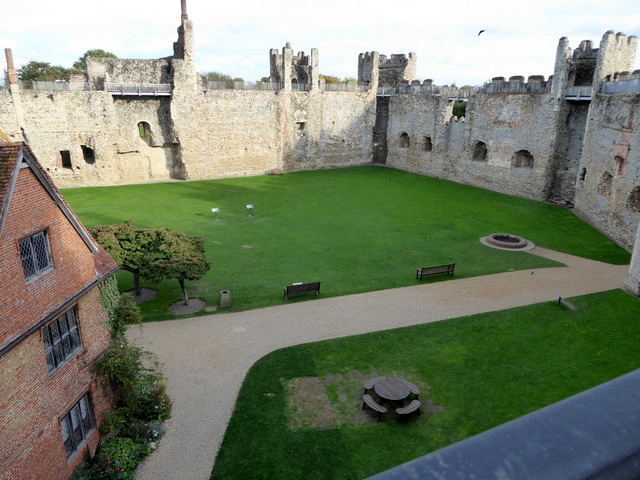
This was our first view of the inside of the curtain wall. You can see the chute on the left of the photo. Elinor stands next to the well.
The buildings in the inner court were originally built out from the curtain wall and you can see window recesses and fireplaces in the curtain wall in the photo above.
Part of the inside of the curtain wall
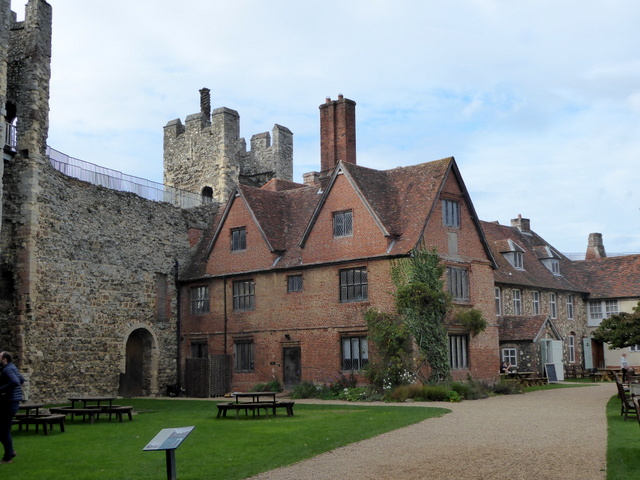
The Red House, built in 1660 and now containing private accommodation and beyond it, the Poorhouse built in 1729 on the site of the Great Hall.
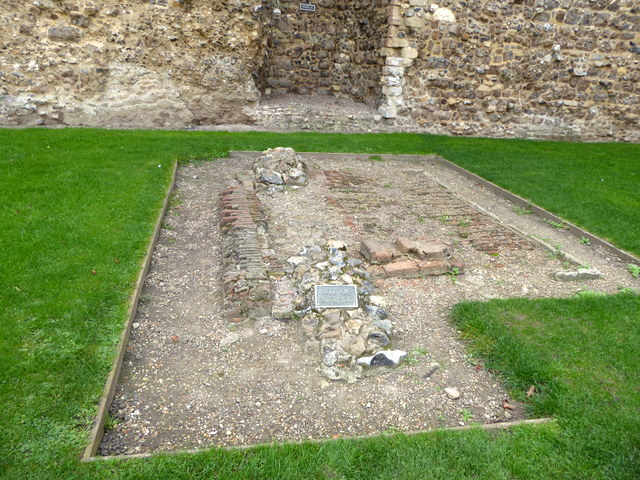
The site of the kitchen, which was always kept well away from other buildings as it was a fire risk.
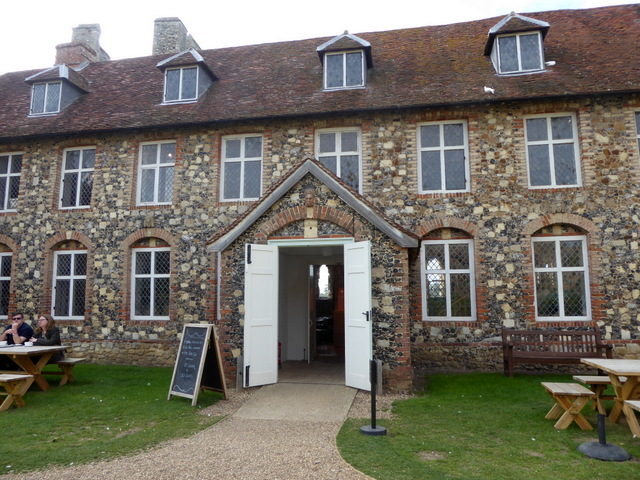
The old Poorhouse, now the café, museum and exhibition room.
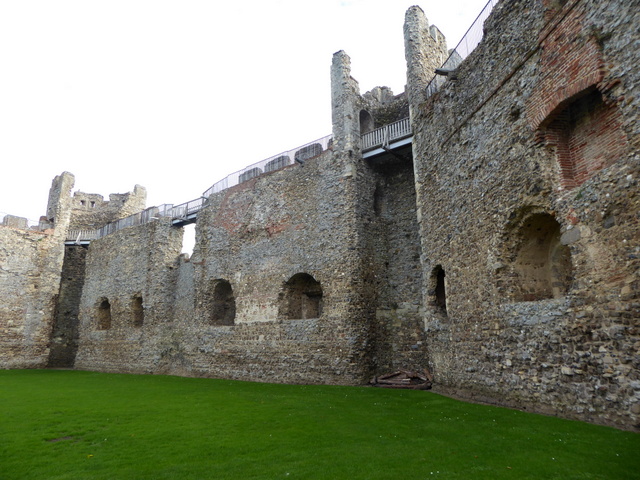
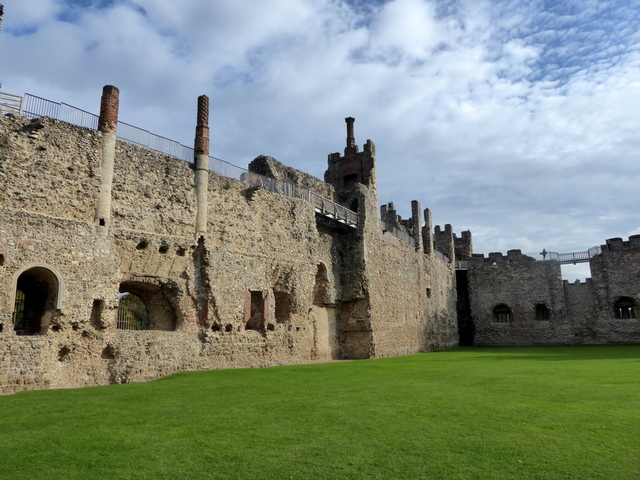
Another view of the inside of the curtain wall showing the traces of the chamber block.
From left to right – the first arch is a 12th century stone window that was later opened up as a doorway. The next wider opening is a Tudor window and above it the three small holes in a row are impressions left by the rafters of the mid-12th century building which was encased in the curtain wall. The floor joists can be seen above them. The stone chimneys are 12th century and were extended in Tudor brick. These two chimneys are the earliest known surviving cylindrical chimneys in England. Two more smaller openings in the wall are followed by the remains of a tower under which was the chapel, the east window of which can be seen below the walkway.
Four of the five stone heads that survive from the medieval buildings. They have been re-set into the facade of the Poorhouse.
Elinor and I went into the Poor House building from where we were able to climb up to the wall walk.
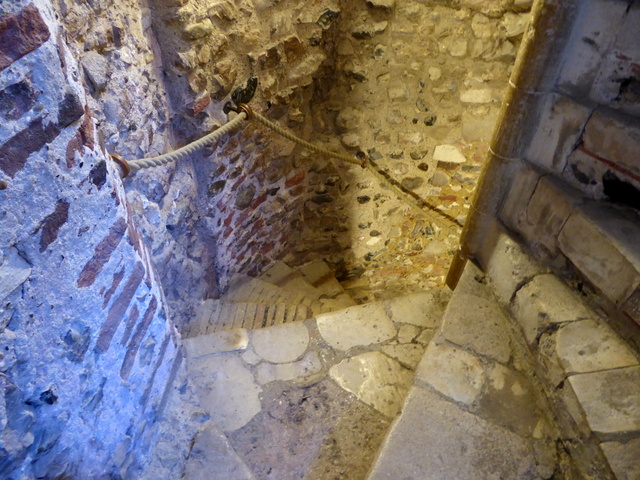
The stairs to the wall walk are in a tower which is part of the curtain wall. This is a photo looking down the stairs.
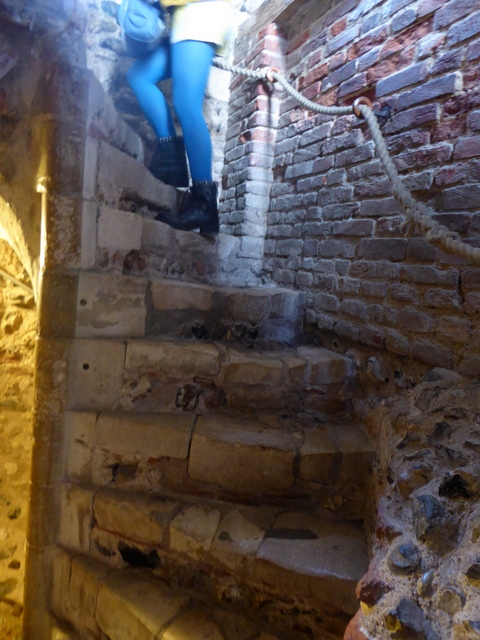
Looking up the stairs as Elinor climbs up ahead of me.
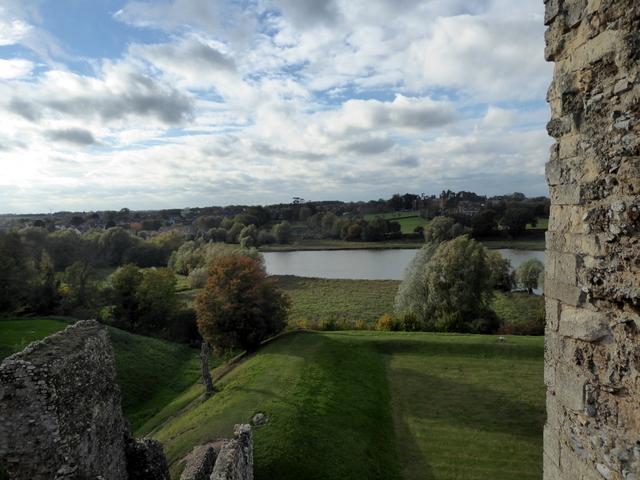
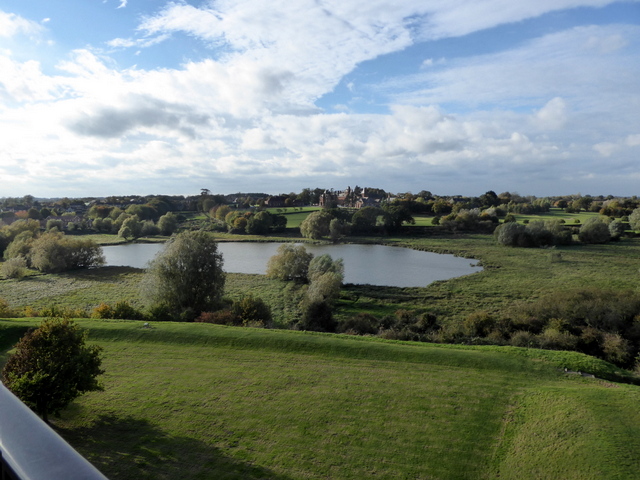
Looking towards Framlingham Mere from the wall walk
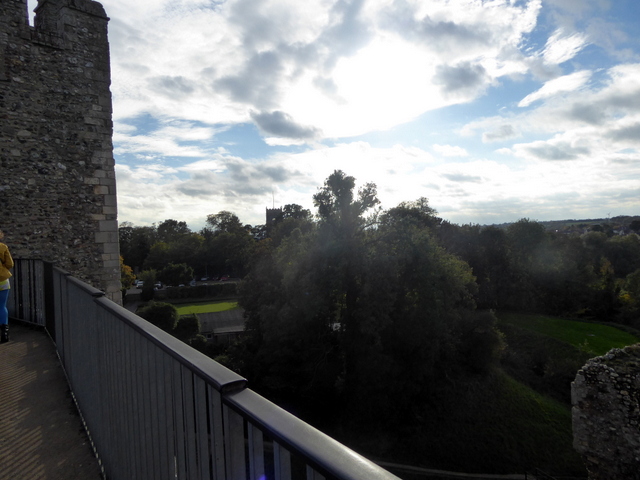
Looking towards the town. The church tower is in the centre of the photo.
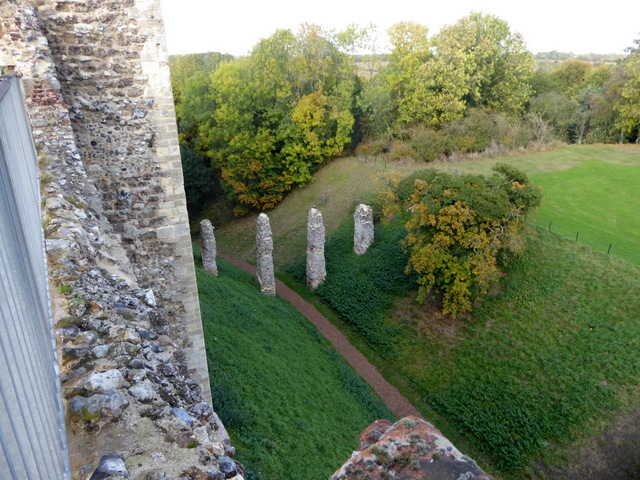
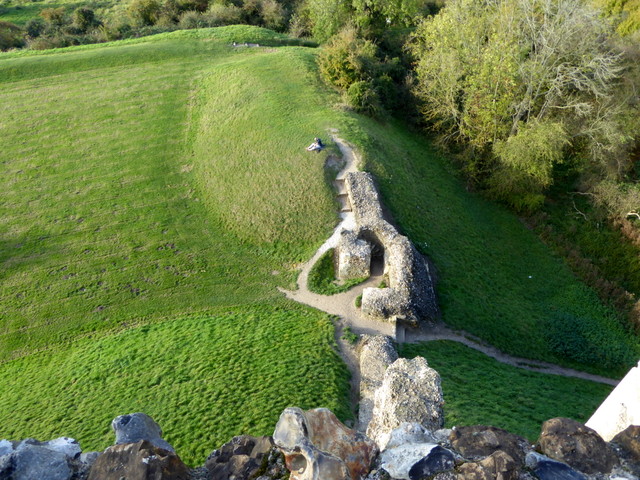
Looking down into the inner ditch.
The remains of the western tower which protected the castle from attack from the west. Also known as the Prison Tower.
Looking down into the Inner Court.
Here is a slideshow of a few views from the wall walk.
This slideshow requires JavaScript.
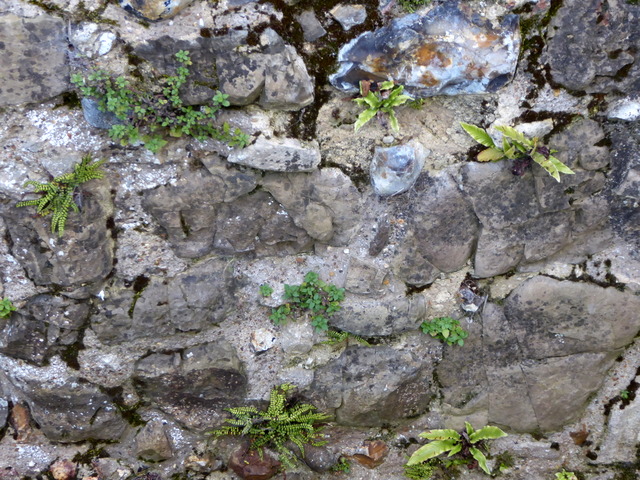
Hart’s-tongue Fern (Phyllitis scolopendrium ), Maidenhair Spleenwort (Asplenium trichomanes ) and other plants growing in the castle wall.
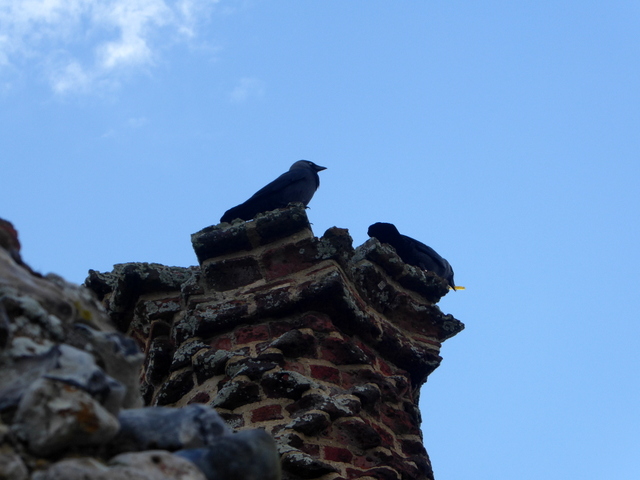
Jackdaws (Corvus monedula ) were still nesting in the chimneys of the castle.
The white pillars are the remains of a Tudor bridge.
Just outside the curtain wall and built at the same time, is the Lower Court. It was walled on all sides and was defended by two towers. It may have originally housed granaries, barns or stables.
Framlingham Mere and beyond it, behind the trees is Framlingham College.
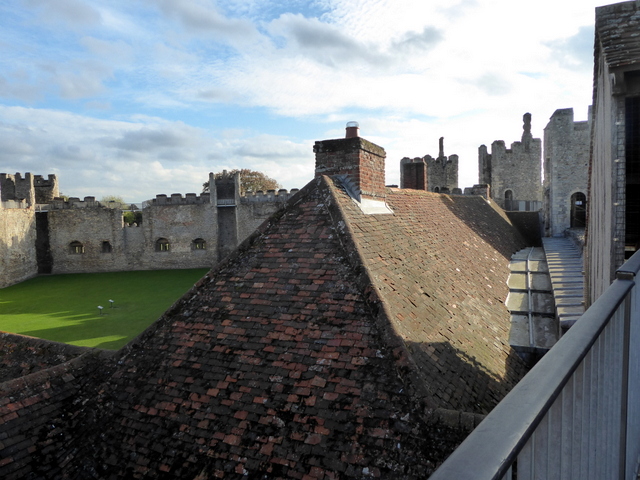
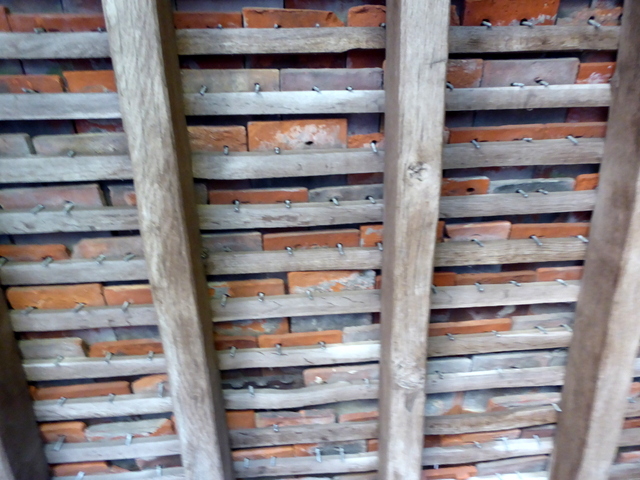
The roof of the Poor House
The underside of the roof . You see how the slates are attached to the rafters.
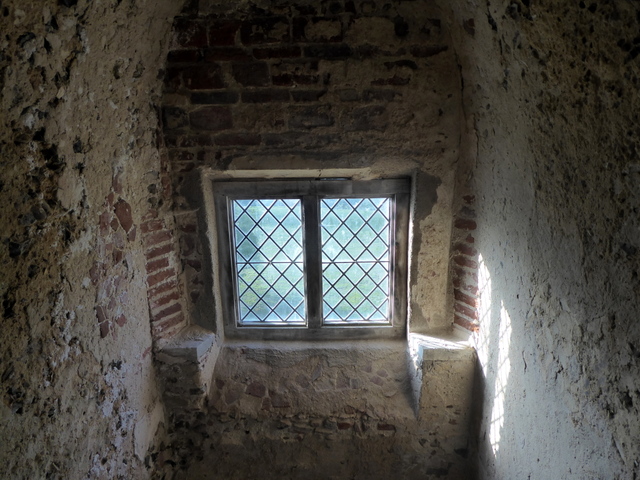
One of the windows in the Poor House
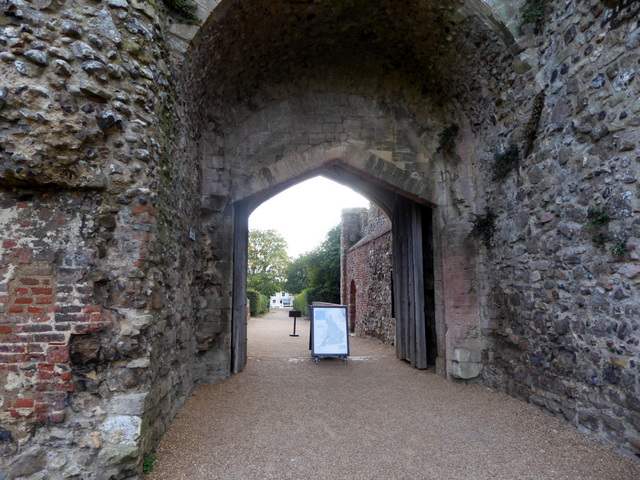
The Gatehouse as we left the castle
We enjoyed our short visit to the castle and went next to the church which I will talk about in another post.
The singer Ed Sheeran, who grew up here, has brought many more visitors to the town than it had before. Here is his recent song, ‘Castle on the Hill’ which talks about the time he lived in the town. The young people acting in the video are members of Framlingham College.
It is some time since I wrote a post about Norwich and as my younger daughter Elinor has started attending some art courses in the city I thought I would share some photographs I have taken recently.
Elinor is no longer at the City College so is attending art classes at Wensum Lodge which is owned by the City Council.
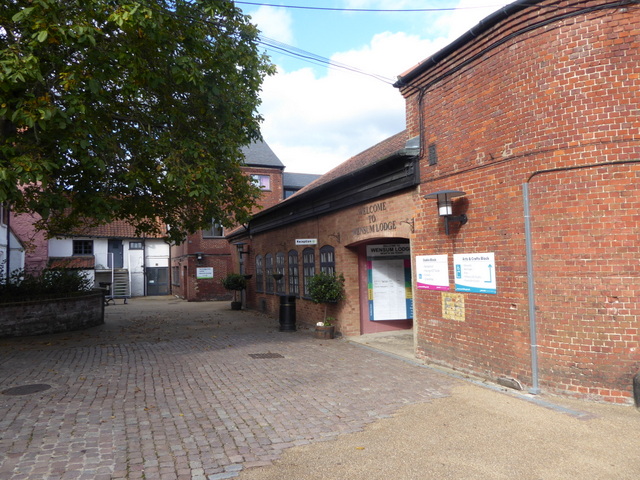
Main entrance to Wensum Lodge.
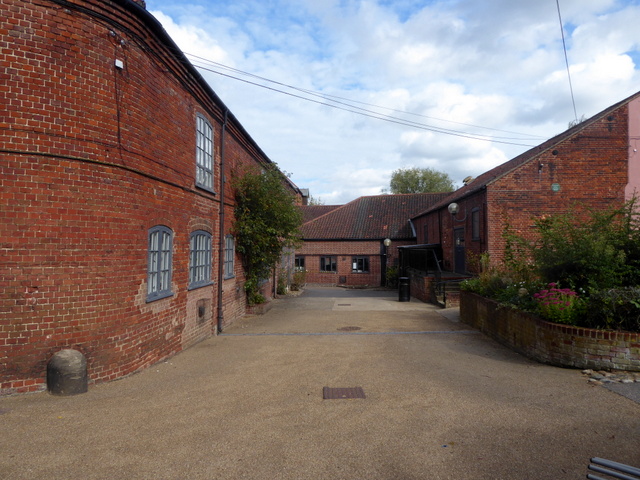
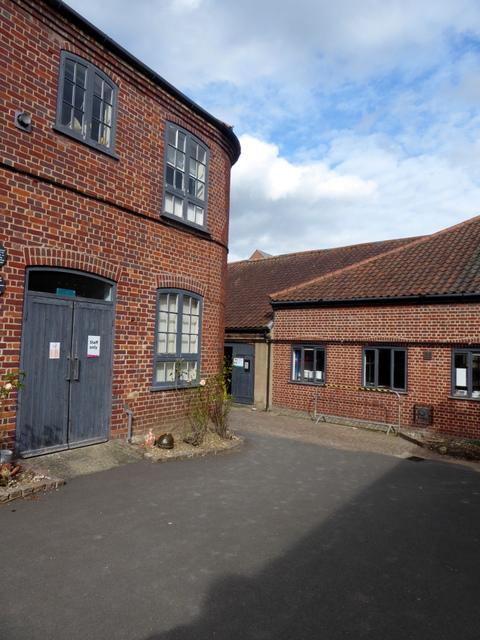
The City Council has converted old riverside buildings into classrooms and studios and this is where Elinor is learning Portraiture on Tuesday and Drawing and Painting on Saturday. (She also goes to the Theatre Royal, Norwich every Thursday evening for drama classes.)
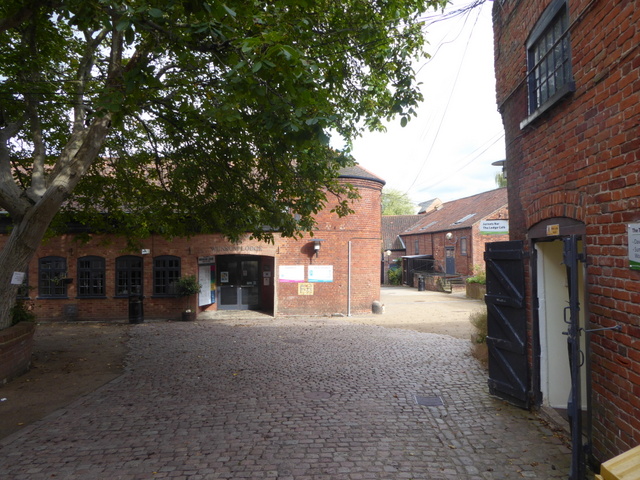
I love the soft red brick buildings and the cobbled yards.
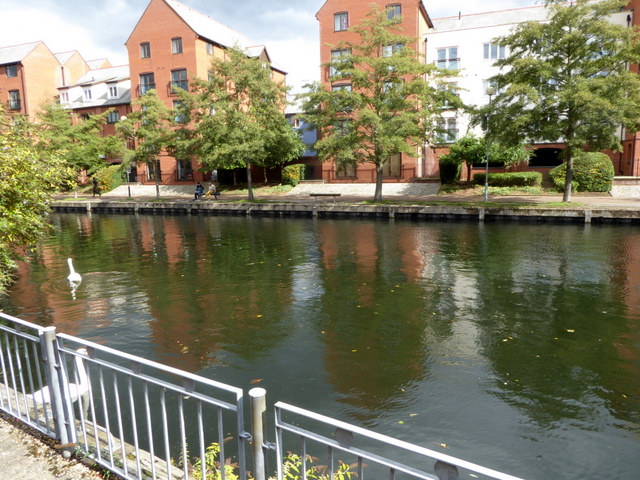
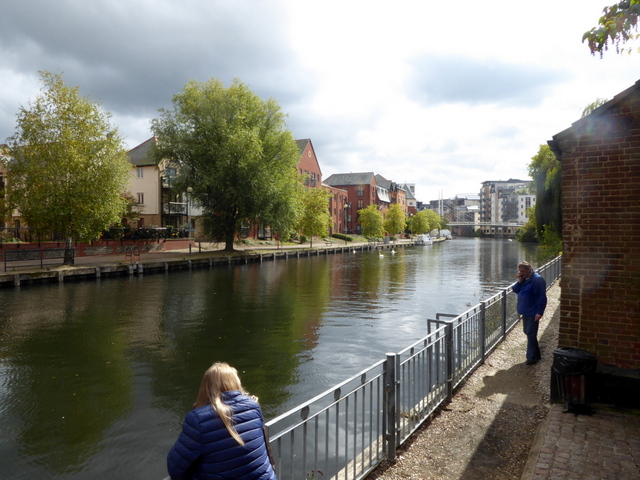
The River Wensum seen from the rear of the art studio.
The River Wensum.
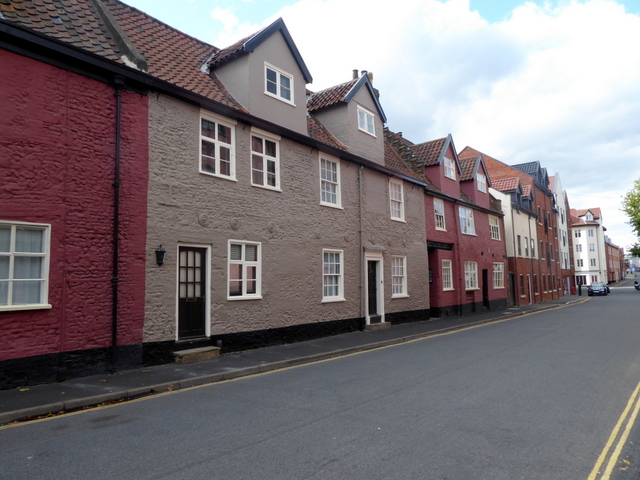
While Elinor studies, I take myself off and walk through the city. Wensum Lodge is located in King Street which is full of ancient buildings and was inhabited by the richest merchants in medieval times.
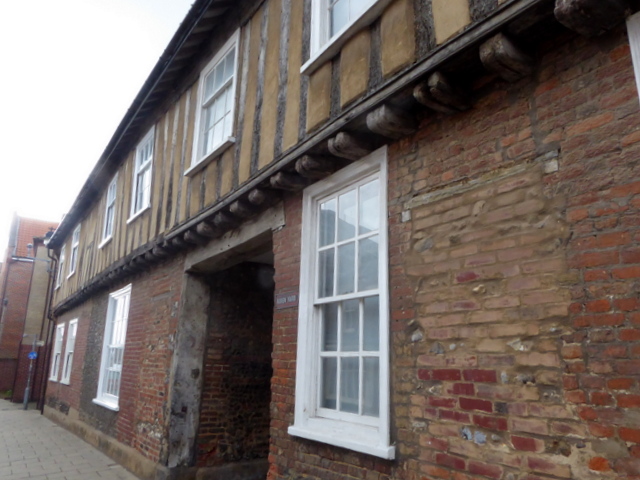
Medieval buildings in King Street.
The entrance to Raven Yard
The lane going down towards the river is called Mountergate. There are new houses being built on the right.
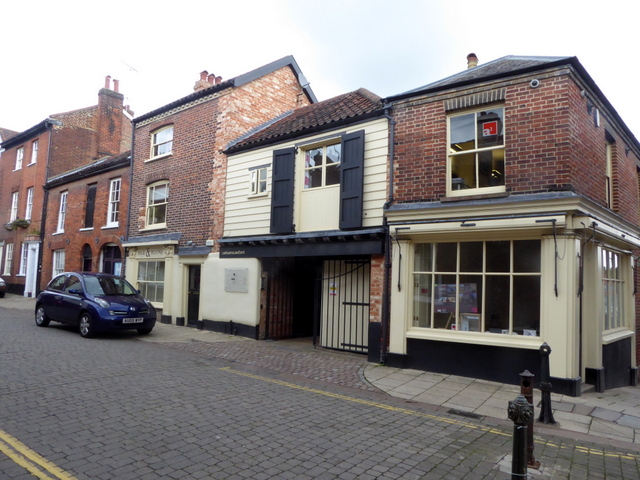
Buildings of different heights and ages; shops, workshops and dwellings.
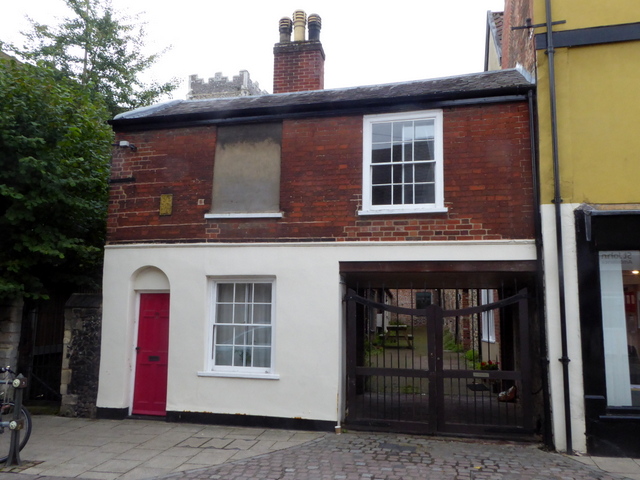
An attractive cottage in King Street with a courtyard beyond the gate.
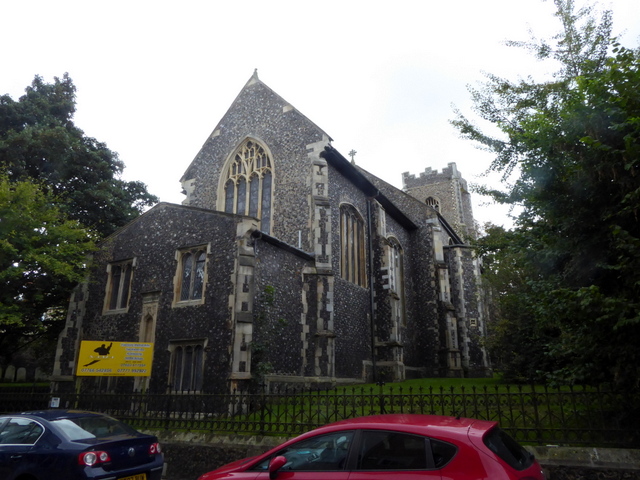
Next to the cottage is the redundant church of St Peter Parmentergate now used as a martial arts academy.
‘Parmentergate’ means the street of the parmenters: parchment makers or leatherworkers. As the word became obsolete the street name changed and became Mountergate but the church retained the original name.
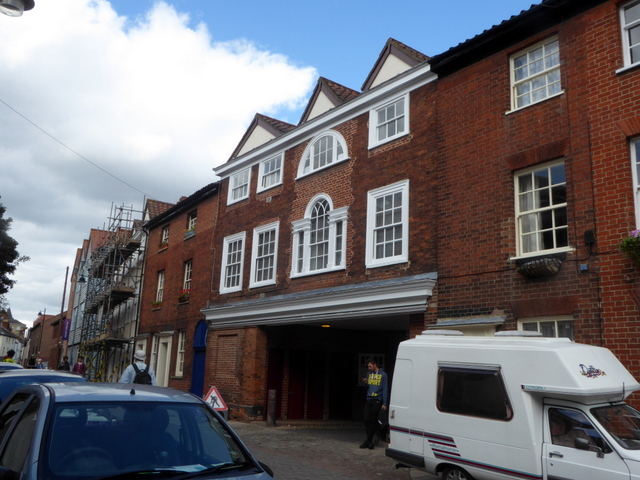
I like the triangular gables on the roof of this building and the arched windows in the centre of the facade.
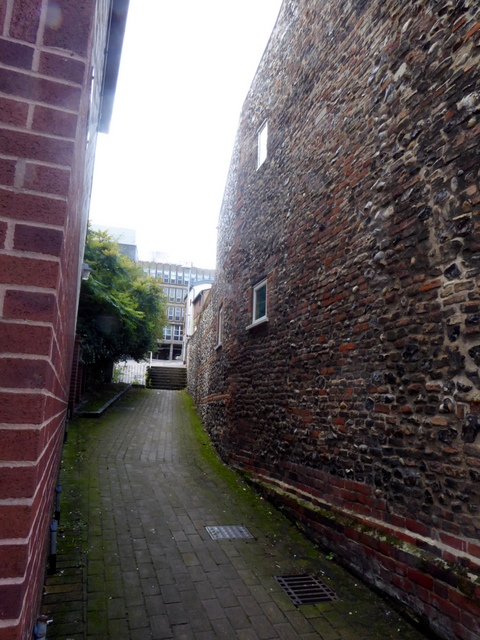
This is Stepping Lane off King Street
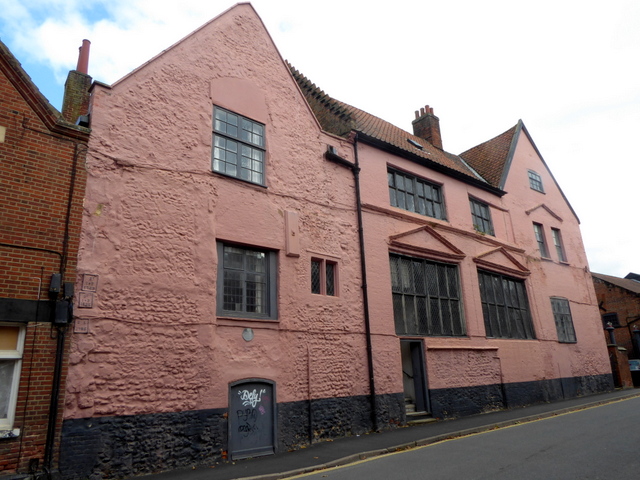
The Music House, the oldest private dwelling in Norwich. Sadly, it has been adorned with grafitti.
The Music House was built in the 12th century and in 1225, Isaac Jurnet, a member of one of the wealthiest Jewish families in England at the time, bought it from a man called John Curry. During the reign of Elizabeth I the house became the headquarters of the Norwich waits and minstrels and thereafter became known as the Music House. The front you see in this photo is 17th century but behind the left hand gable are the remains of the 12th century building constructed at right-angles to the street. This original 12th century building was extended later in that century, in 1175, with a north-south range where the current 17th century front stands, making an L-shaped building. The new part consisted of a single-aisled hall with an undercroft (cellar, basement, storeroom) which was at ground level when built, but is lower now. The aisle of the hall was removed in 1480 and another undercroft built. Most of the hall was removed when the 17th century front was constructed. The building is owned by the City Council and is part of the Wensum Lodge range and can be accessed from the inner yard. Concerts are performed in the building.
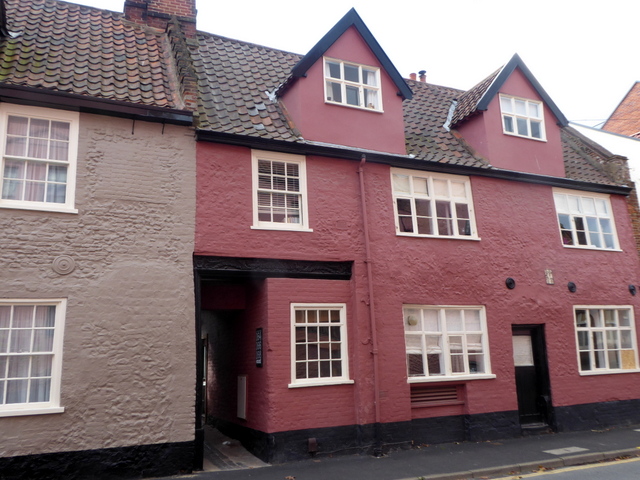
More old buildings.
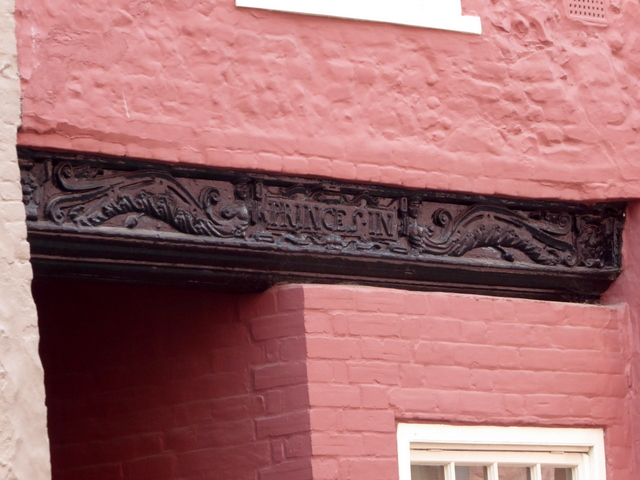
Entrance to a former inn.
Princes In(n).
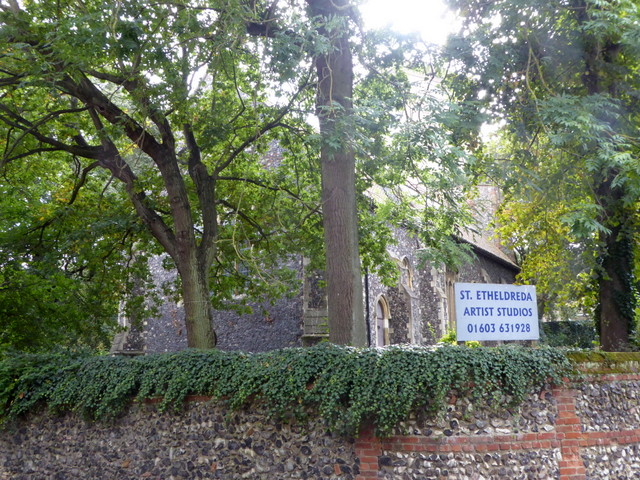
Another redundant church, St Etheldreda’s which as you can see, is artist studios
St Etheldreda was a daughter of King Anna of East Anglia. Anna had four daughters, all of whom were made saints. Etheldreda founded a monastery on the Isle of Ely (in Cambridgeshire) and died there in 679.
I am surprised to find I didn’t photograph Dragon Hall this time, but below are some photos I took of the hall a couple of years ago.
This slideshow requires JavaScript.
The Dragon Hall dating from 1420, is a merchant’s hall which belonged to Robert Toppes who was made mayor of the city four times. It is virtually unique in Western Europe in being a medieval trading hall built by an individual rather than a guild. One of the spandrels in the roof of the grand hall upstairs is carved with the figure of a dragon.
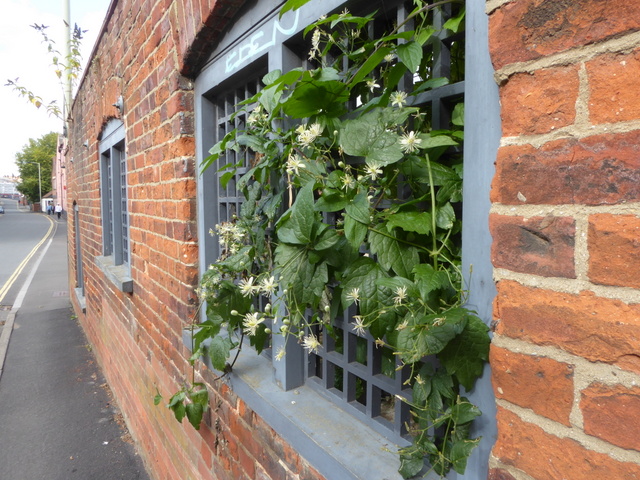
I just can’t resist photographing plants! This is Traveller’s Joy or, as it’s also called, Old Man’s Beard (Clematis vitalba )
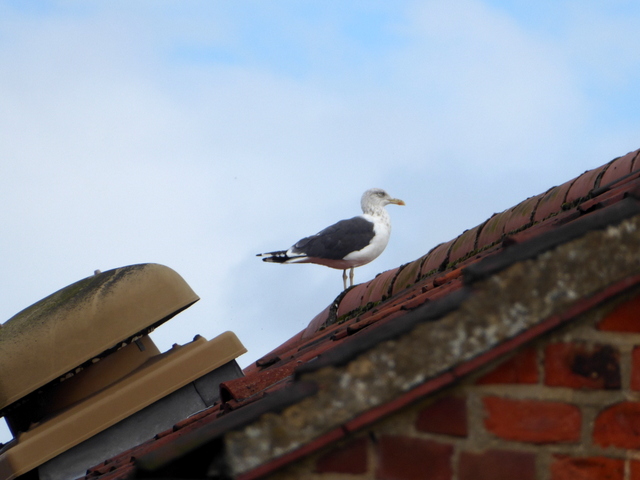
I also liked this gull on the roof of Wensum Lodge, though my camera insisted on focusing on the roof.
I believe the gull is a Lesser Black-backed Gull ( Larus fuscus) in its winter plumage.
As most of you will have noticed, I haven’t posted anything here for nearly two months. I have been quite busy and have had to limit the time I spend on-line. I decided that I would use that time answering e-mails and just reading other people’s posts and commenting on them instead of writing my own posts. I also realised recently that I haven’t been reading as many books as I used to and I missed that pleasure, so my on-line time has been reduced further.
An extra problem I have had for the past couple of days is an inability to post comments on your WordPress blogs. My words disappear immediately I click on the send button. Some of my comments have arrived in your in-boxes but most have completely disappeared. Some have been discovered in spam folders so may I ask you to have a look to see if a comment of mine is there, please? I haven’t commented at all on your more recent posts as I knew it would be a waste of my time. I have read them all and have ‘liked’ them. As soon as everything is back to normal I will be commenting again. I have contacted the WordPress help team and they have re-directed me to Akismet. I am waiting to hear from them to see if there is anything they are able to do.
Now that the nights are drawing in I will probably have a little more free time and might manage a post or two to let you know what I have been doing. I enjoy blogging and have missed it! Meanwhile I have included a couple of photographs I took late this afternoon. Autumn has well and truly arrived here!
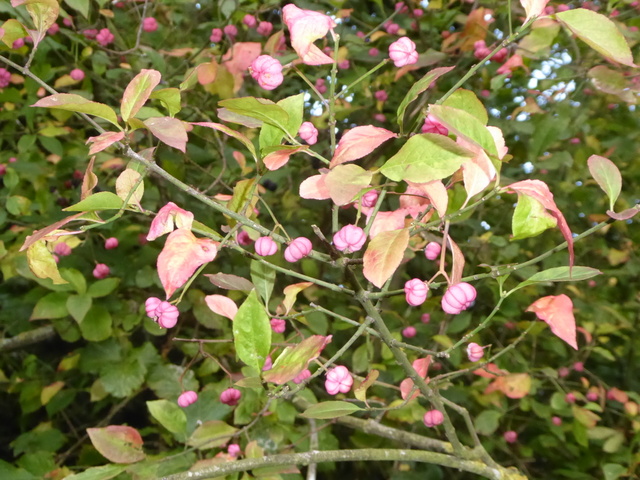
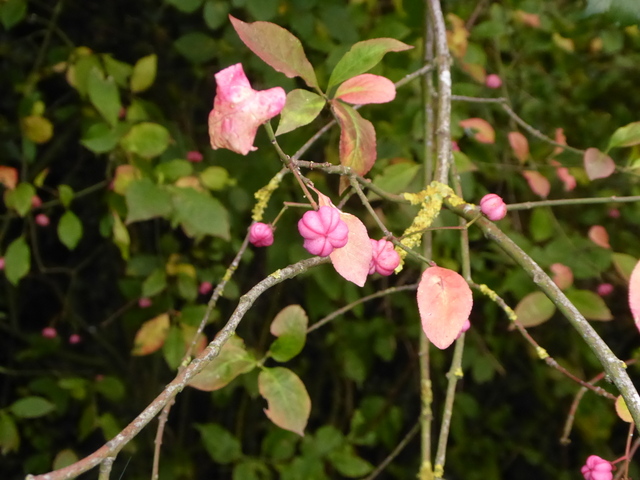
Spindle with berries (Euonymus europaeus ). The leaves turn a delicate shade of pink in the autumn.
Spindle berries are bright pink and when ripe, split open to reveal orange-coloured seeds!
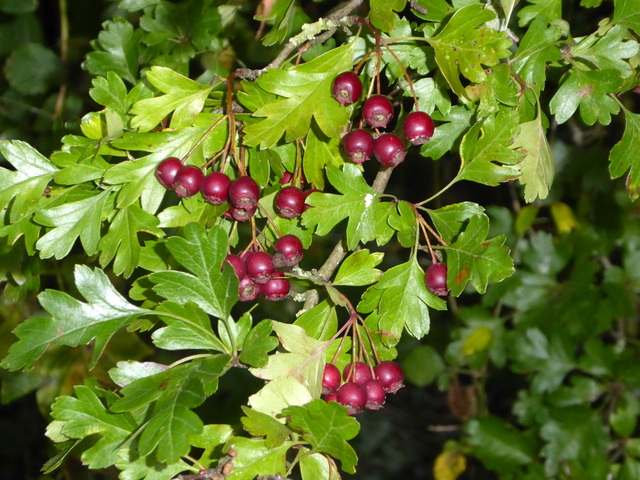
Common Hawthorn (Crataegus monogyna ) with its berries, which are known as Haws.
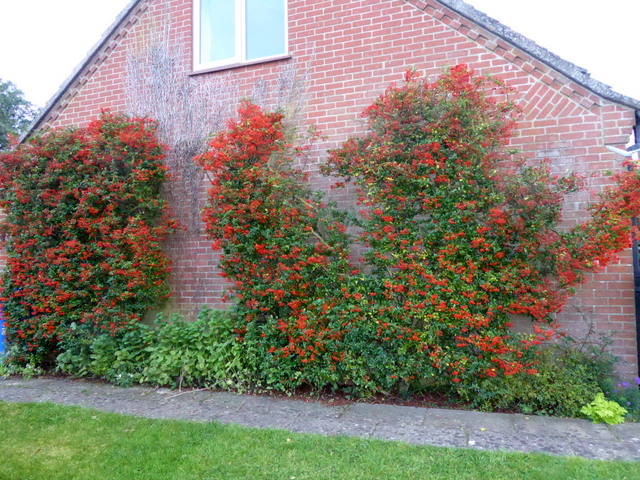
Pyracantha covered with scarlet berries. I have just finished pruning our pyracantha and have got it neat and tidy for winter.
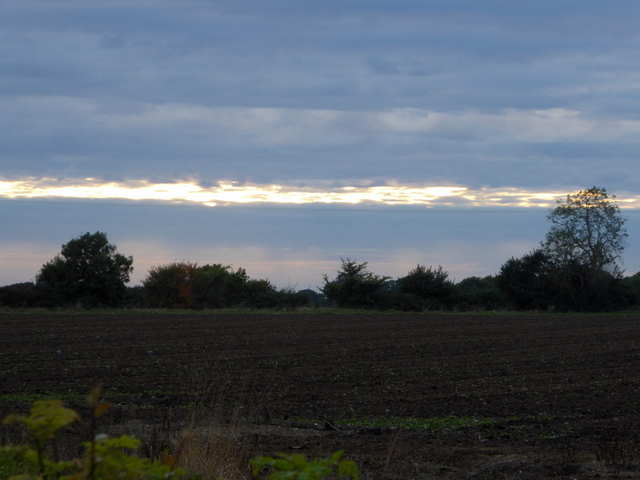
This evening’s gentle sunset.
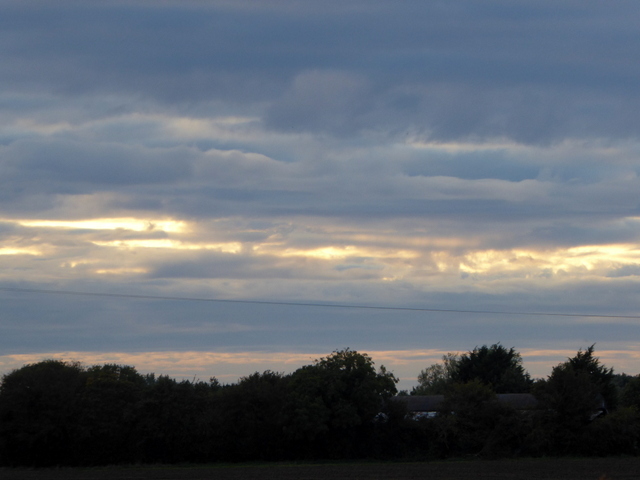
Sunset
My music choice for this post is ‘Dream of Me’ by Kristina Train.
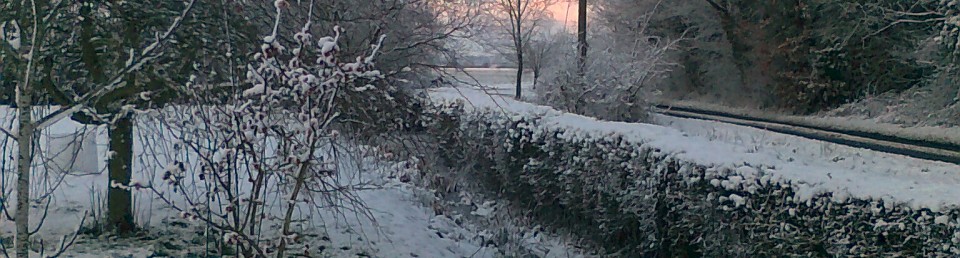




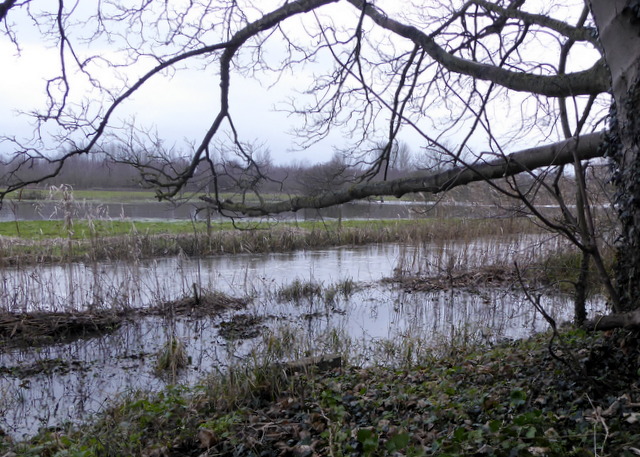
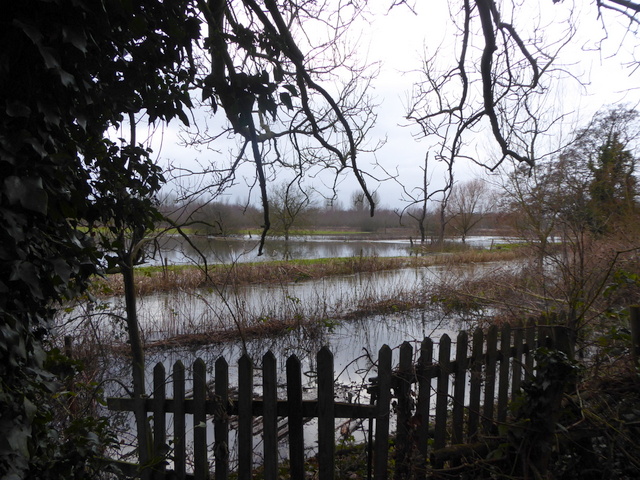
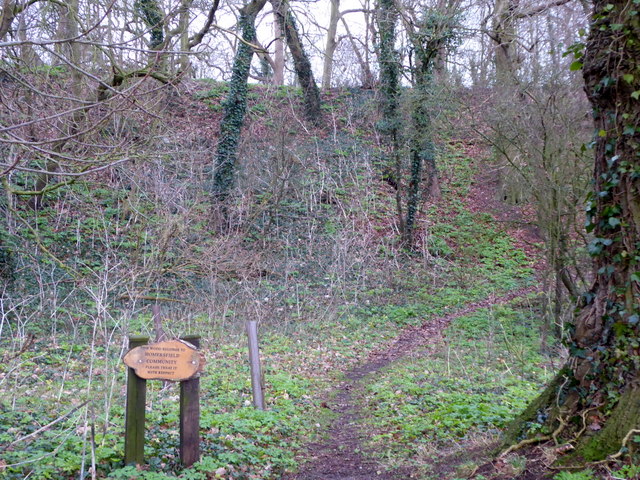
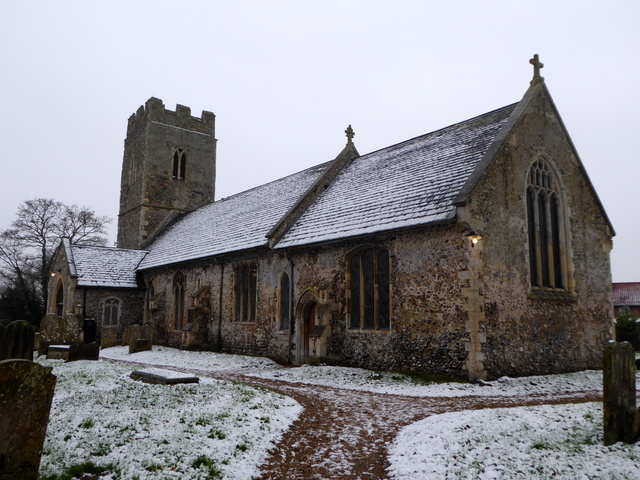
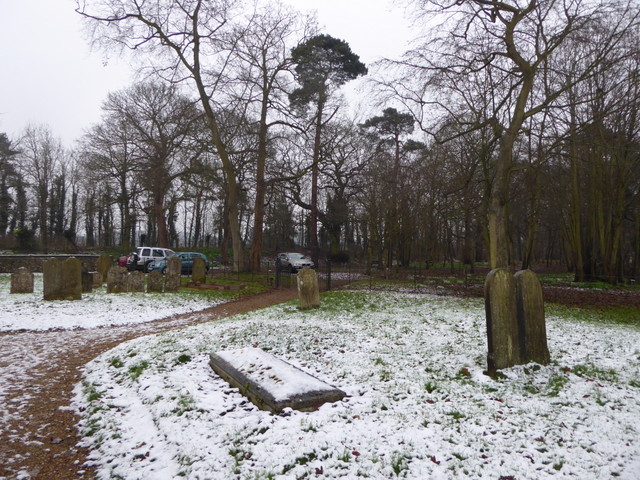
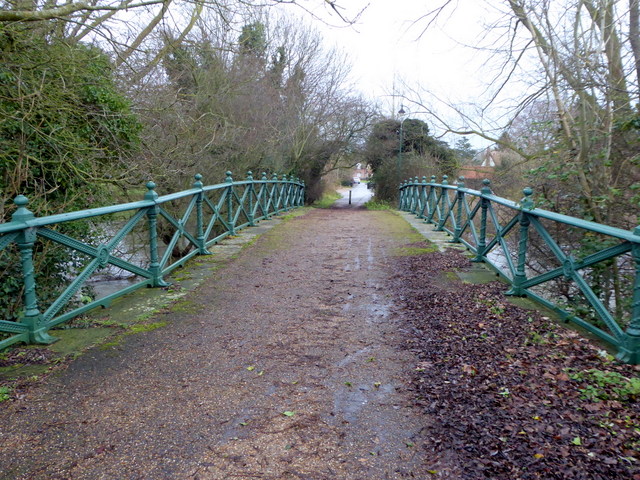


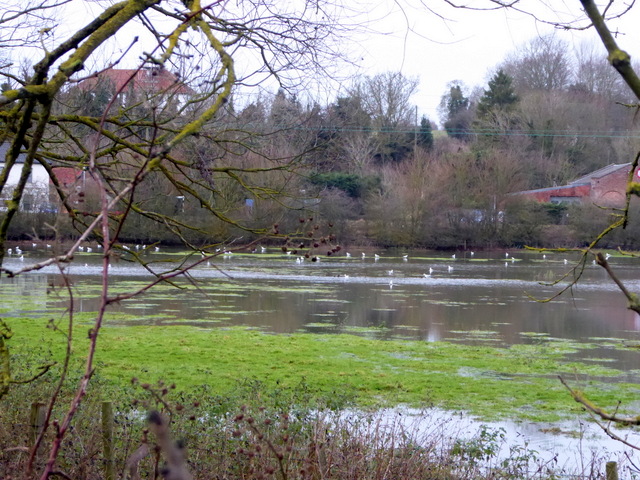
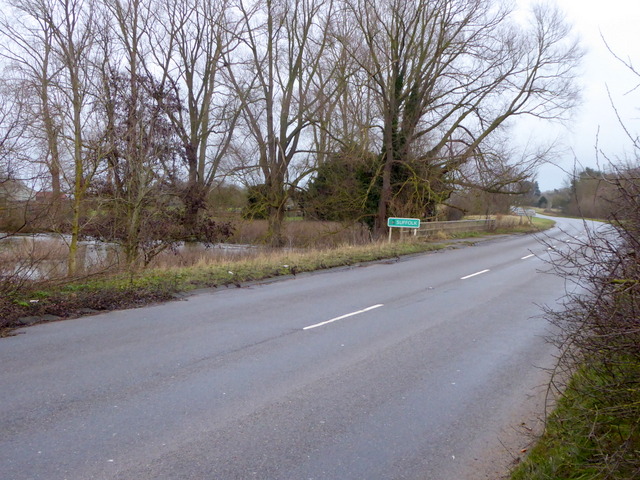

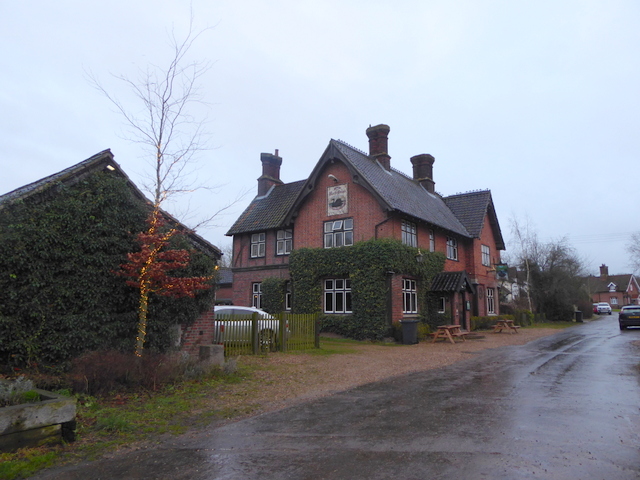

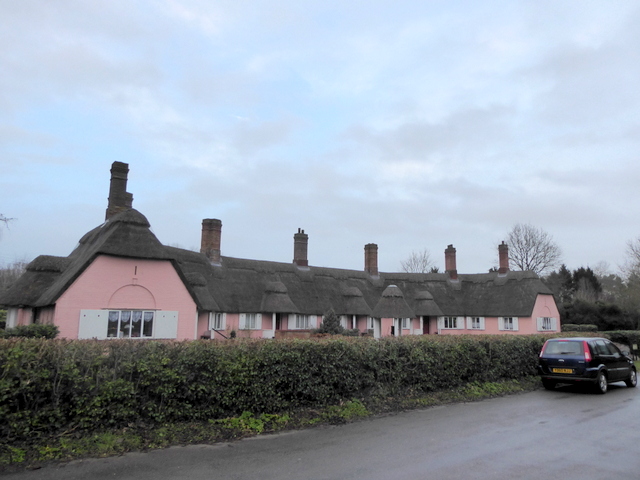
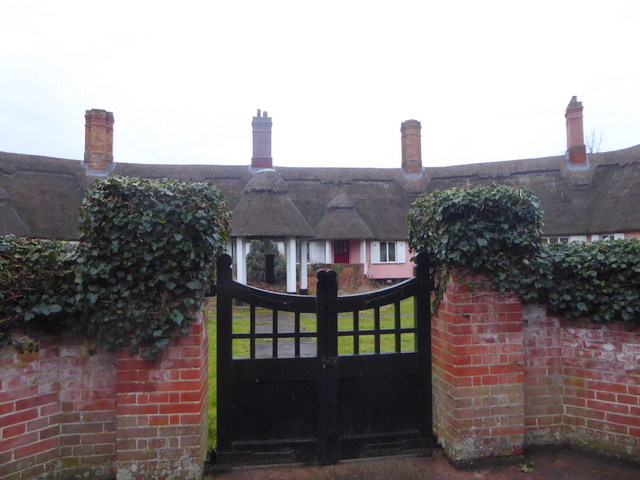
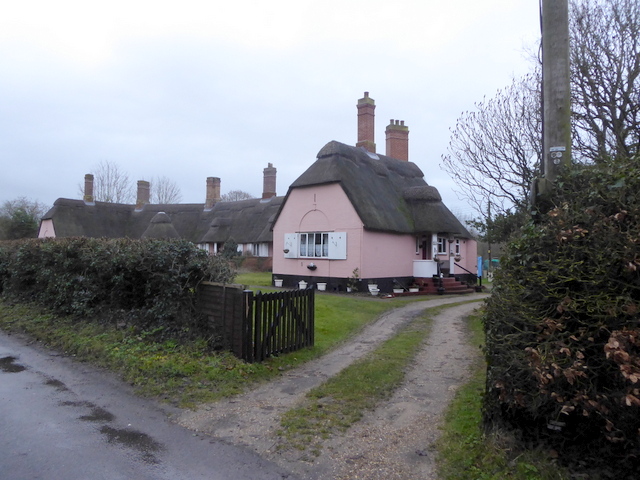


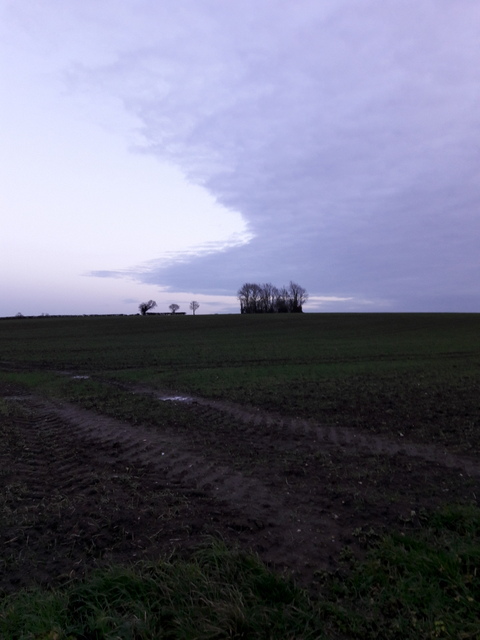
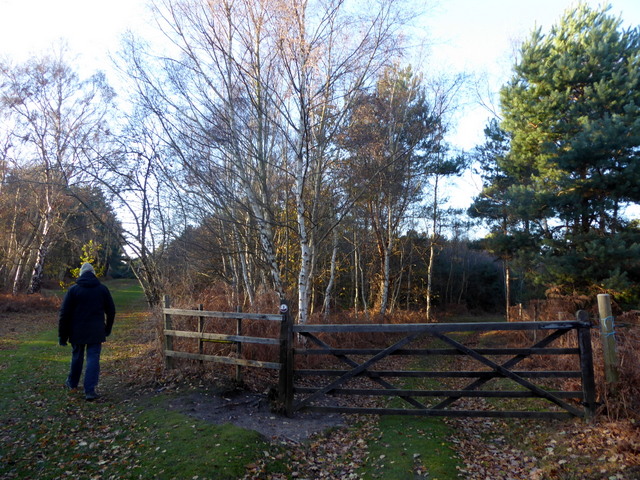
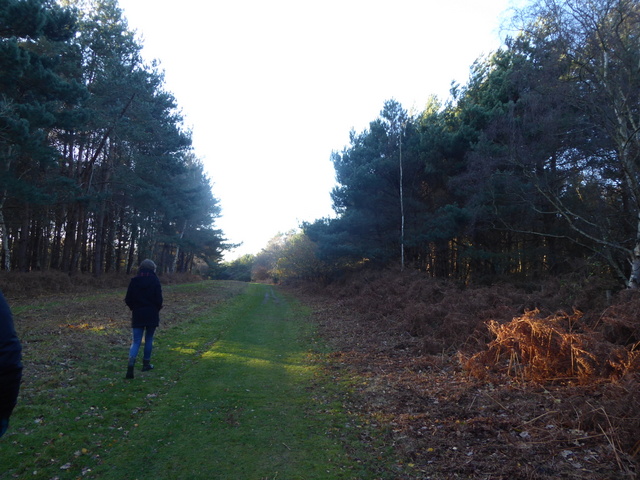
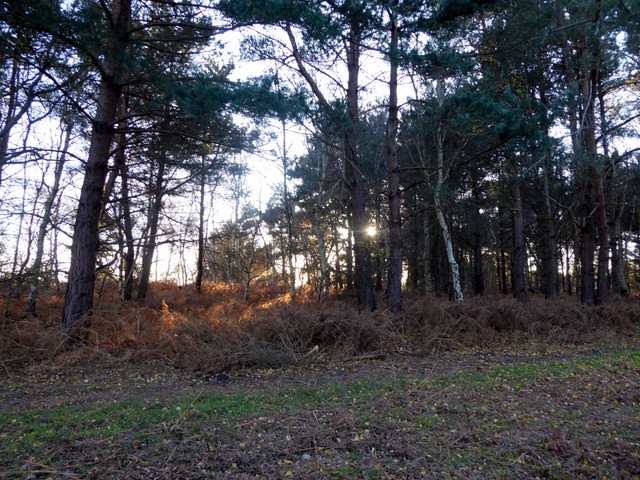

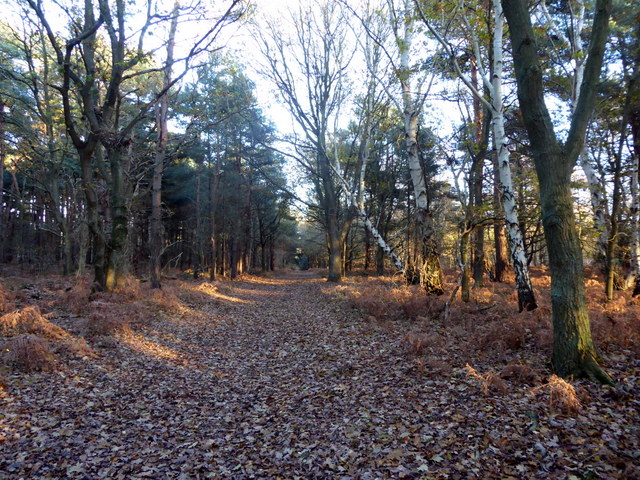
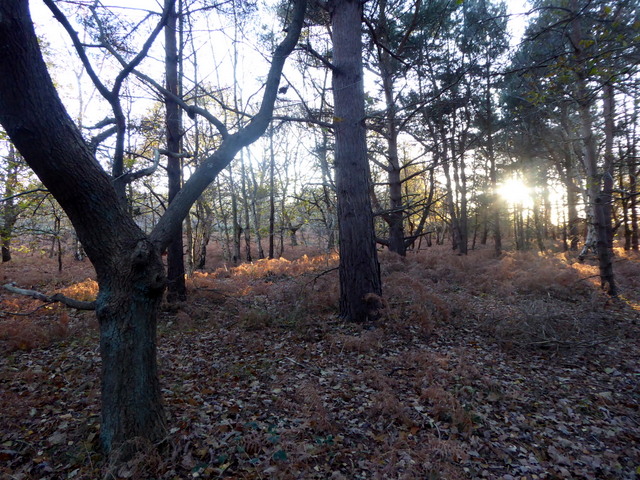
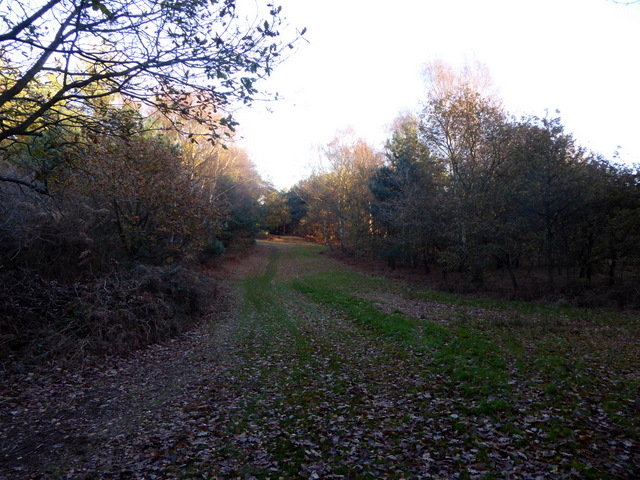
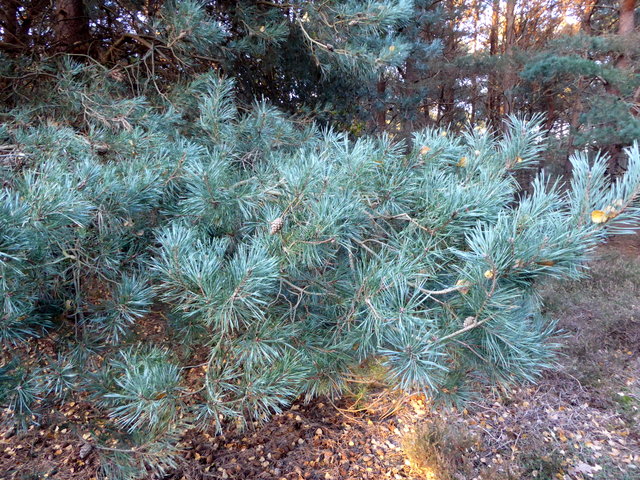
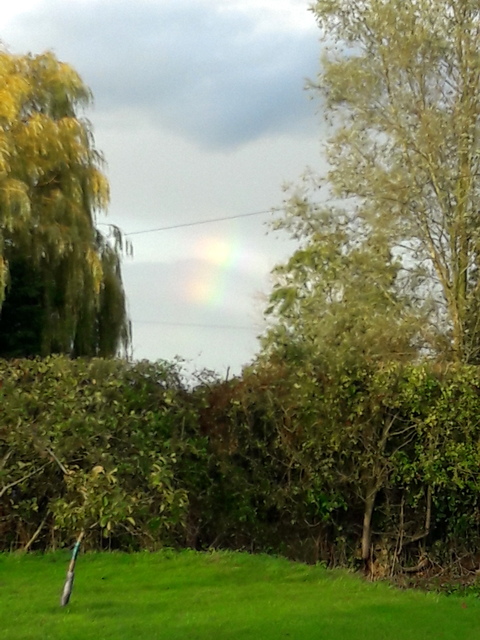


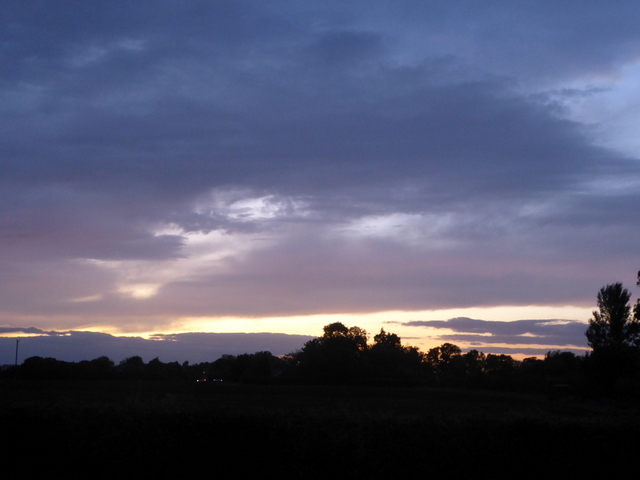
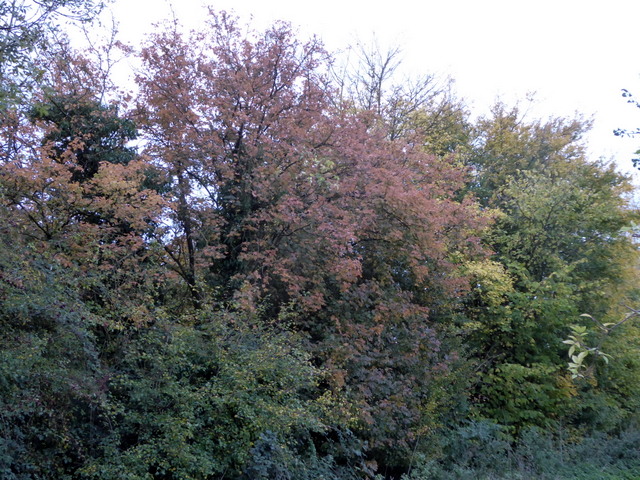
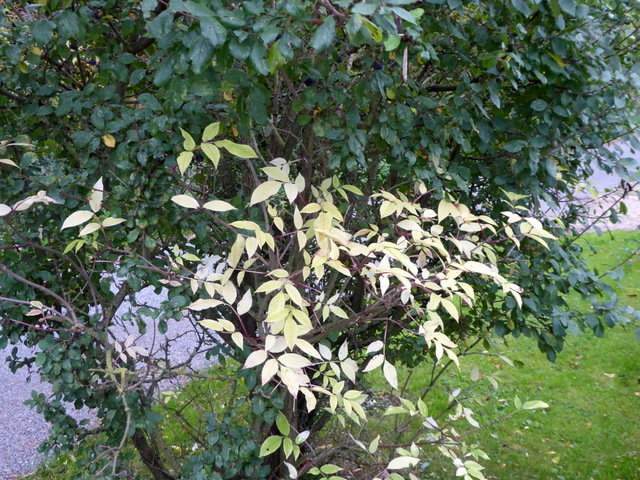
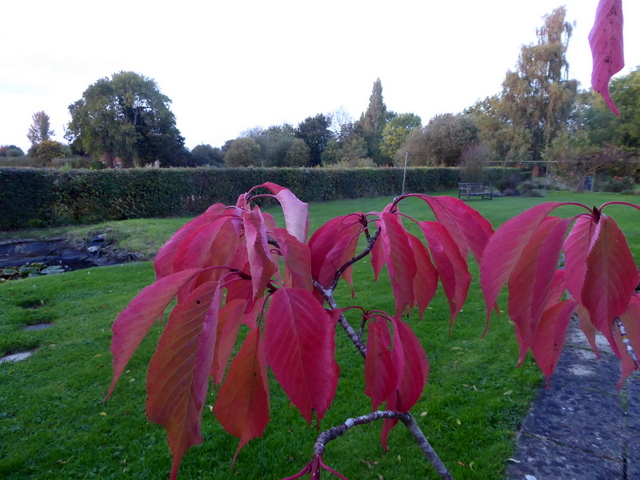

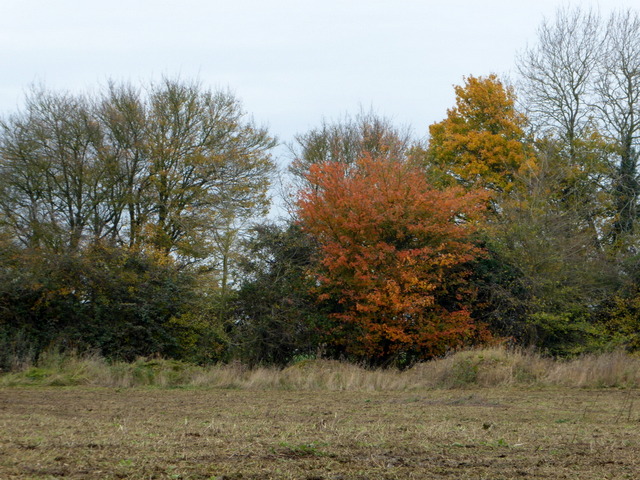
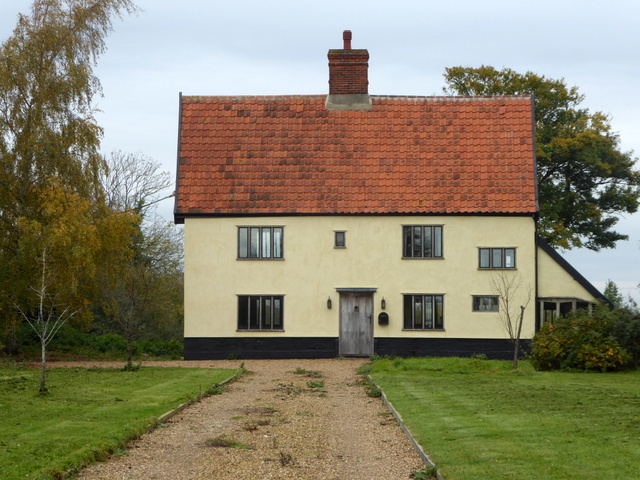
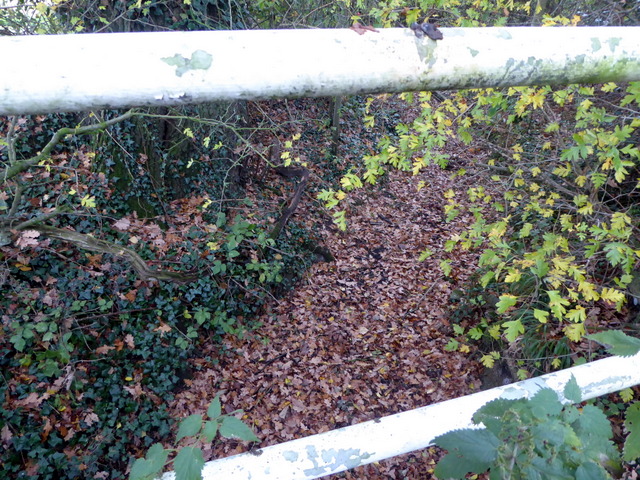
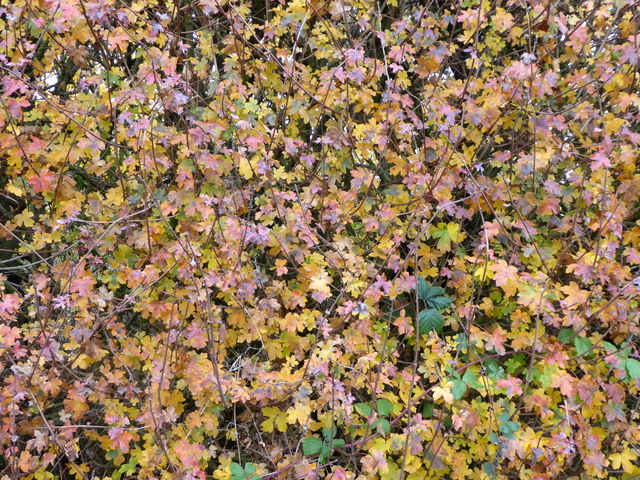
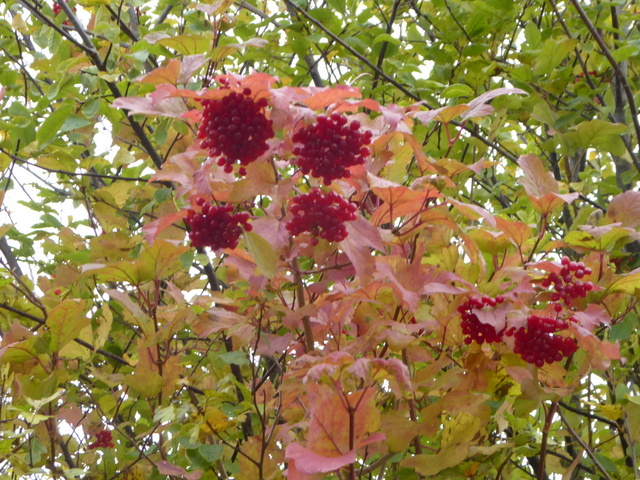
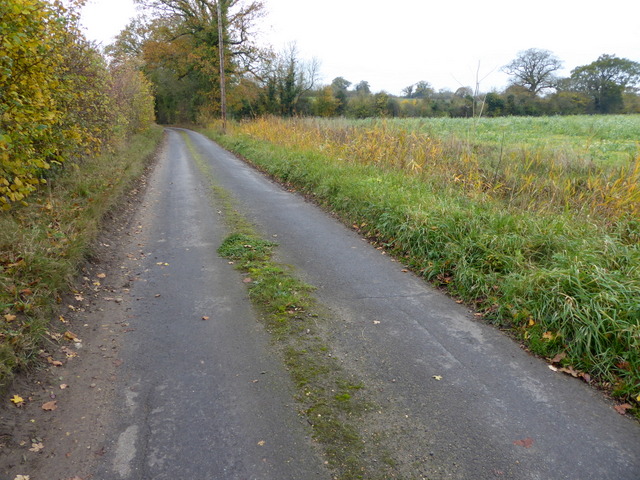







 A Suffolk Lane