• About my Blog
  • GDPR (General Data Protection Regulations) and This Site
  • My Life in a Suffolk Lane

A Suffolk Lane

~ A diary of my life in rural north Suffolk.

A Suffolk Lane

Category Archives: wild birds

A Trip to the Seaside

16 Mon Feb 2015

Posted by Clare Pooley in plants, Rural Diary, walking, weather, wild birds

≈ 26 Comments

Tags

architecture, beach huts, coast, lighthouse, pier, Punch and Judy, Sailor's Reading Room, seaside, Southwold, Suffolk
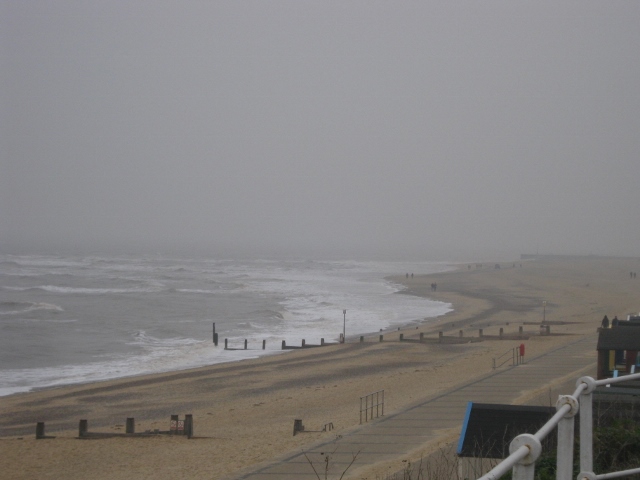
IMG_4045 (640x480)

Southwold beach

Maybe this wasn’t a good day for a frolic in the sea!

I have had a heavy head cold since last Wednesday and on Sunday Richard thought a trip to the sea was in order.  We had mist first thing in the morning and on the way to church with my mother the sun was trying to break through.  We thought it would be fine when we got out of church but sadly it wasn’t.  The mist had risen slightly but cloud had descended and the rest of the day was very gloomy indeed.  The temperature was about 7 degrees centigrade but when we got to the coast the strong on-shore breeze made us feel very cold and our ears started to ache.
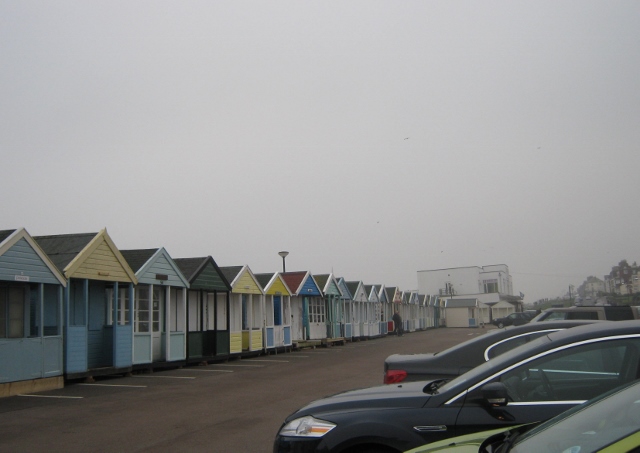
IMG_4031Beach huts in the car park (640x453)

The car-park by the pier

During the winter months, owners of these beach huts get them lifted up from down by the beach to here, in the car-park, where there is less chance they will get battered by storms.  Those that can’t afford to move their huts have to hope that we don’t have too many high tides and gale force winds.  You may wonder why the owners would want to pay to have what looks like a shed moved to the car-park.  You may be surprised to hear that last year one of these huts went on the market for £100,000 and it was thought that it might have sold for more than that.  For this price you get a painted hut with no electricity or running water but in a ‘prime location’.  You also get a 30 year lease from the council but you have to pay non-domestic annual rates and other charges.  Last year the rates were £720.
IMG_4029Southwold (640x480)

The view looking inland from the car-park.  Buss Creek.
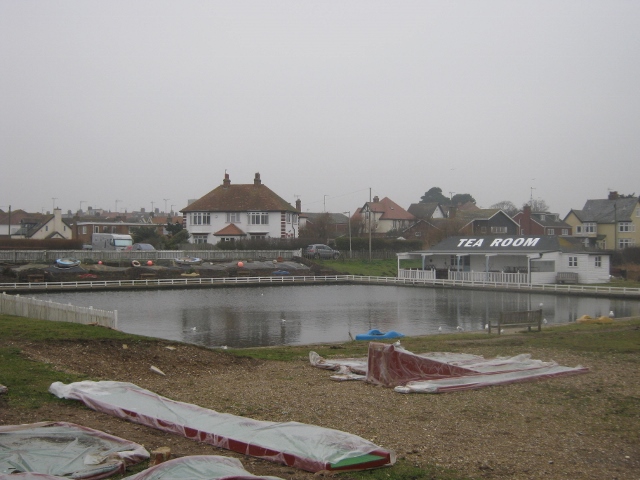
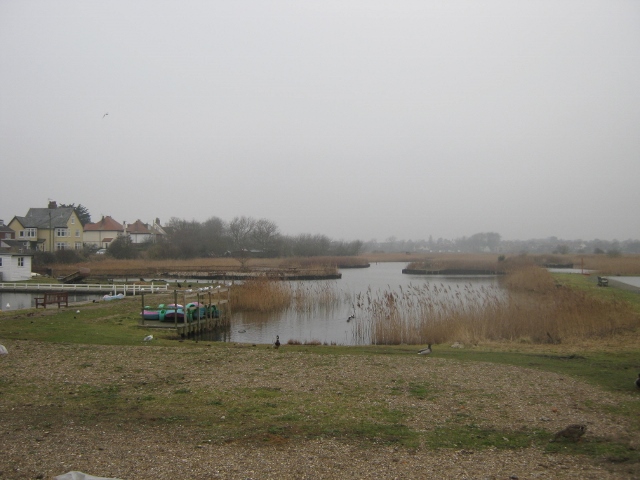
IMG_4030Boating lake (640x480)

The boating lake

The seagulls appreciate the calm waters here.  Seaside resorts are a little sad in the winter-time I think.  I like the sadness.

There is only one road in and out of Southwold which is almost an island, bordered by the North Sea to the east, the River Blyth and Southwold harbour to the south-west and Buss Creek to the north.

IMG_4033Punch and Judy (640x480)

A Punch and Judy performance on the sea front

IMG_4034Southwold (640x480)
IMG_4035Southwold (640x480)
IMG_4038Southwold (640x480)

A few views of the sea.  I expect you wish you had been with us!
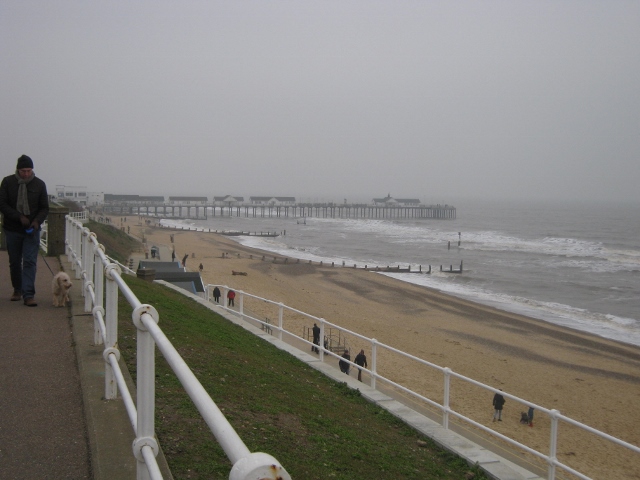
IMG_4039Southwold pier (640x480)

Southwold pier

The pier was built right at the end of the 19th century and was approximately 810 feet long with a T junction at the end to make a landing stage for ‘Belle’, the steamer bringing holiday makers to the town.  The T junction was swept away in a great storm in 1934 and was only replaced in 2001.  The pier was further damaged in 1955 and 1979 and had to be closed to the public in 1998.  Restoration started in 1999 and it is now an award-winning pier with a pavillion, restaurant, bar and amusements.  When we were in Southwold on Sunday we could hear a saxophonist playing from the pier.  We didn’t venture onto it because of the wind-chill.
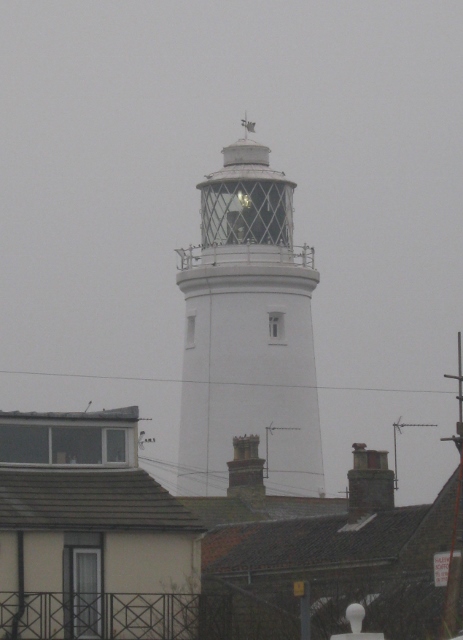
IMG_4036Southwold lighthouse (463x640)

Southwold lighthouse

The whitewashed tower of the lighthouse can be seen from afar but is very difficult to find when you walk round the town with its narrow winding streets.  It is 101 feet tall and commenced operation in 1890.  It was originally illuminated by paraffin but was converted to electricity in 1938.
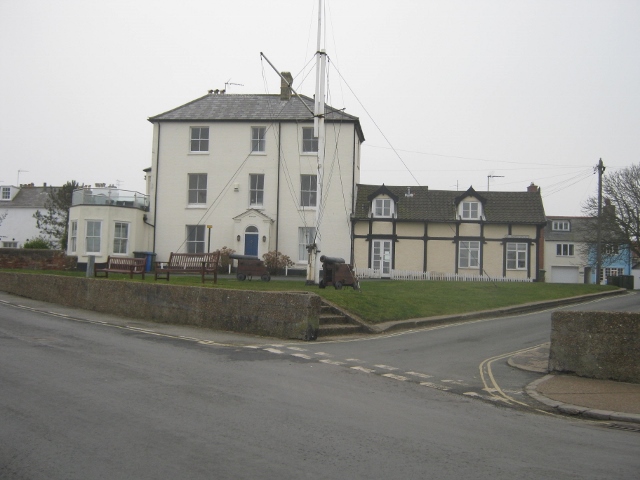
IMG_4040Cannons on the green (640x480)

A couple of small cannon near the sea front.

Southwold does in fact own six 18 pound cannons which were given to the town by the Royal Armouries as protection for the town and to shipping from pirate raids in the 18th century.  We didn’t get as far as Gun Hill on Sunday.
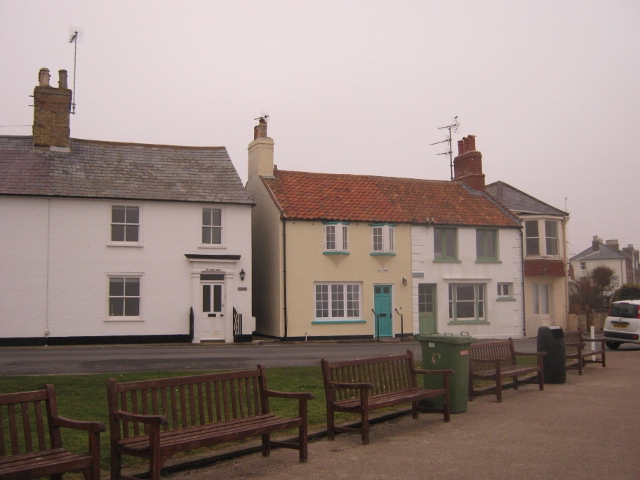
IMG_4041Cottages (640x480)

Southwold cottages

There are many second homes and holiday cottages in the town which most of the year stand empty.  Local people can’t afford to live in these tiny cottages.

IMG_4044House (640x471)
IMG_4046 (640x480)

A couple of grander houses.

IMG_4042E and R in Southwold (640x480)

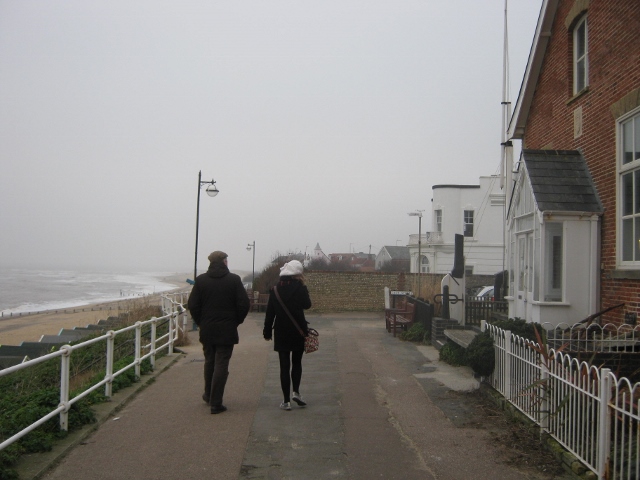
Richard and Elinor walking in Southwold
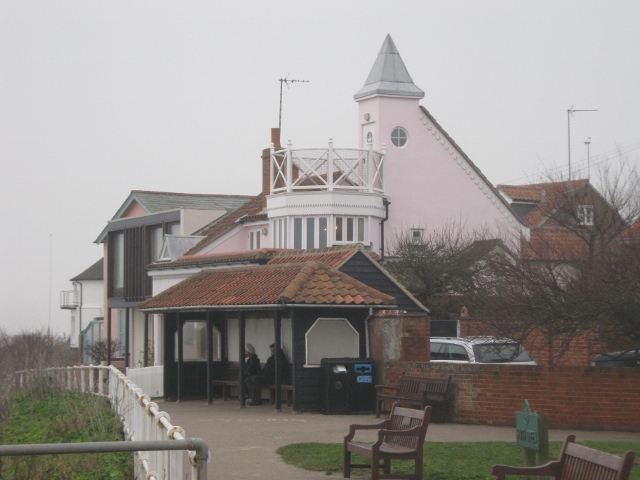
IMG_4047Southwold architecture (640x480)

Richard and Elinor in the shelter and behind it some examples of the interesting architecture to be found in the town.

I am often reminded of ‘Mary Poppins’ by P L Travers looking at the platform above the shelter and think that Admiral Boom would find it ideal for firing his cannon from.  ‘The Ghost and Mrs Muir’ comes to mind when I look at one of those grander houses I showed above.
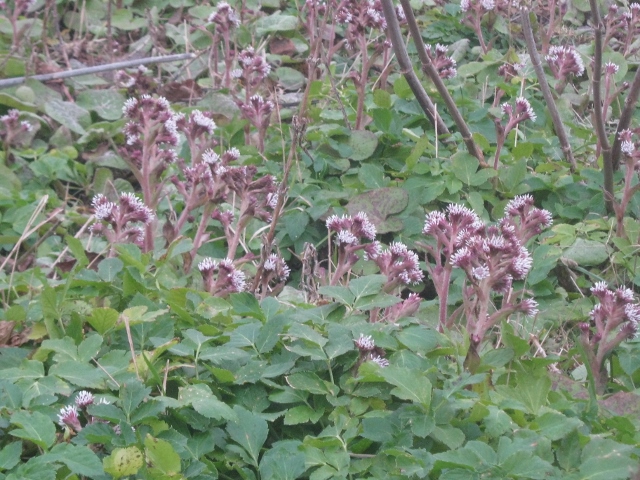
IMG_4049Winter heliotrope (640x480)

More Winter Heliotrope (Petasites fragrans) with some new leaves of Alexanders (Smyrnium olusatrum) in front

I joined Richard and Elinor in the shelter for a while and just in front of us on the grass slope that descended to the beach was this large patch of Heliotrope.  It really shouldn’t be there and shows how invasive it is.  Since seeing the Heliotrope last Sunday that I included in my post ‘Weekend’ I have seen this plant everywhere.  It does have a wonderful scent though and in spite of my cold I could smell the vanilla perfume very well.
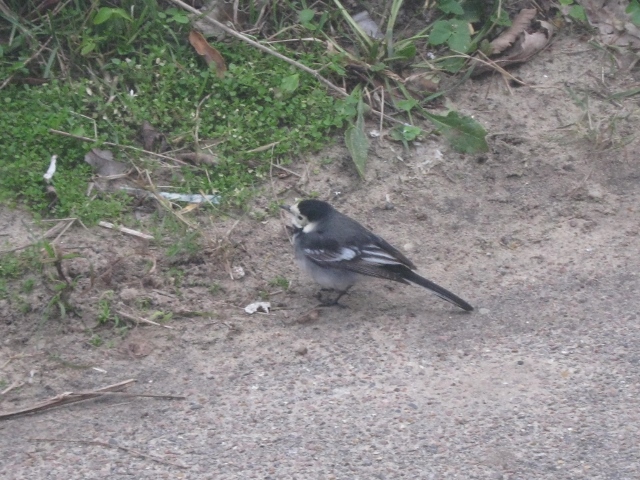
IMG_4051Pied Wagtail (640x480)

A chilly little Pied Wagtail (Motacilla alba) was walking about near our feet.
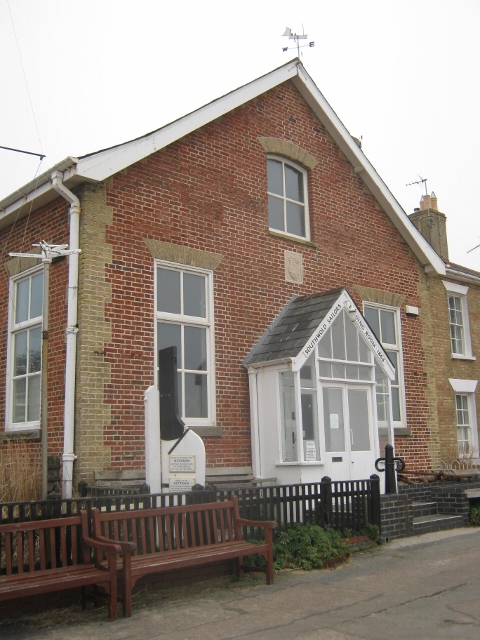
IMG_4043Sailor's reading room (480x640)

The Sailor’s Reading Room

This was built in 1864 in memory of Captain Charles Rayley RN a naval officer who served at the time of the Battle of Trafalgar and who died in 1863.  Its purpose was as a refuge for fishermen and mariners when not out at sea and it was hoped it would keep them out of the pubs and would encourage them in Christian ideals.  The Reading Room still provides daily papers and a place to read them and continues to be a social base for local fishermen, lifeboatmen and coastguards.  It is now a Registered Charity and contains a museum with exhibits showing the town’s seafaring past.
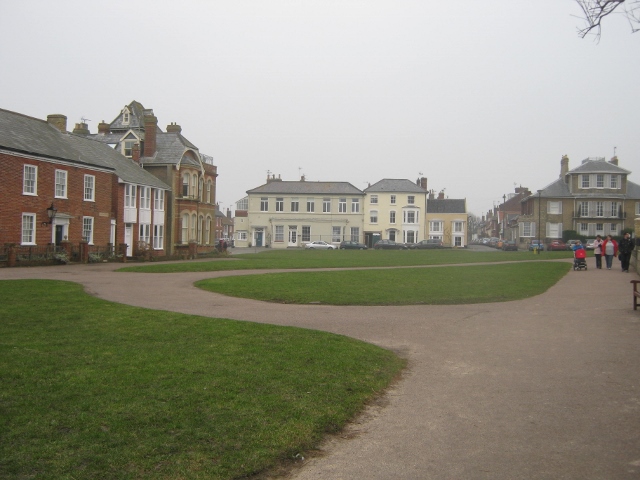
IMG_4048East Green (640x480)

East Green

In 1659 there was a devastating fire in the town and most of the buildings were lost and many people were made homeless and destitute.  In the rebuilding of the town, it was decided to incorporate a number of greens as fire breaks.  This is East Green.

Some of you may remember a film made for TV in 1987 by Michael Palin called ‘East of Ipswich’ which was based on his own memories of seaside holidays in the 50’s.  It was filmed in Southwold.

Best wishes to you all!

Share this:

  • Share on X (Opens in new window) X
  • Share on Reddit (Opens in new window) Reddit
  • Share on Pinterest (Opens in new window) Pinterest
  • Share on Facebook (Opens in new window) Facebook
  • Email a link to a friend (Opens in new window) Email
  • Share on Tumblr (Opens in new window) Tumblr
  • Print (Opens in new window) Print
  • Share on Pocket (Opens in new window) Pocket
  • Share on LinkedIn (Opens in new window) LinkedIn
Like Loading...

In My Garden

14 Sat Feb 2015

Posted by Clare Pooley in Gardening, plants, Rural Diary, trees, Uncategorized, wild birds

≈ 31 Comments

Tags

Ash, birds, blackthorn, catkins, Christmas box, crocus, flying mallards, garden plants, goldfinch, hazel, hazel gall, horse chestnut, ice, iris reticulata, lichen, Mahonia, moon, pond, reflections, silver birch, song thrush, Suffolk, trees, winter-flowering honeysuckle, witch-hazel

This is a post featuring a few of the things I have noticed in our garden recently.  A large part of the garden is exposed to the prevailing south-westerly wind and we find plants here are slower to grow and flower than those in other gardens near us.  I have seen large carpets of Winter Aconites in other peoples gardens but there is no sign of them here at all.   The beds around the house and near the hedge are more sheltered and this is where we see the first signs of spring.

IMG_1868Ash buds (640x427)

Buds on the Ash tree (Fraxinus excelsior)

I like the Ash’s black, conical buds – they look a little like deer hooves.  So far, we haven’t found any sign of ‘Ash die-back’ in our garden yet.  This is caused by the Hymenoscyphus fraxineus fungus.  East Anglia is badly affected and has lost many of its Ash trees already.

IMG_1849Horse Chestnut leaf buds (640x427)

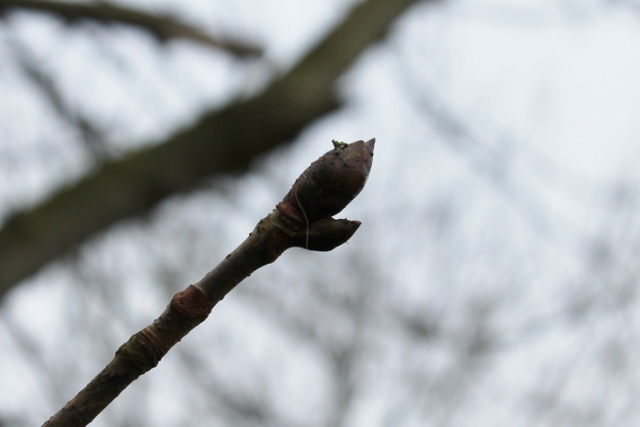
Horse-chestnut sticky buds (Aesculus hippocastanum)

IMG_1854Buds on Blackthorn in hedge (640x427)

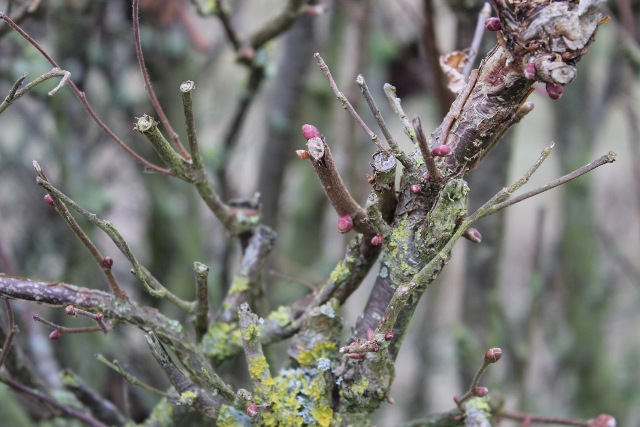
Little red buds on the Blackthorn in the hedge (Prunus spinosa)

While I was photographing these I looked up and found a Barn Owl was flying straight towards me.  I don’t know who was more surprised, the owl or me!  I tried to photograph it before it veered away from me but I couldn’t focus in time.

IMG_1855Lichen in the hedge (640x427)

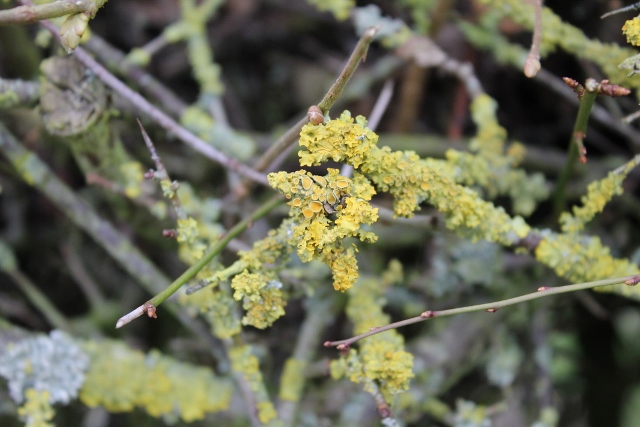
Lichen in the hedge

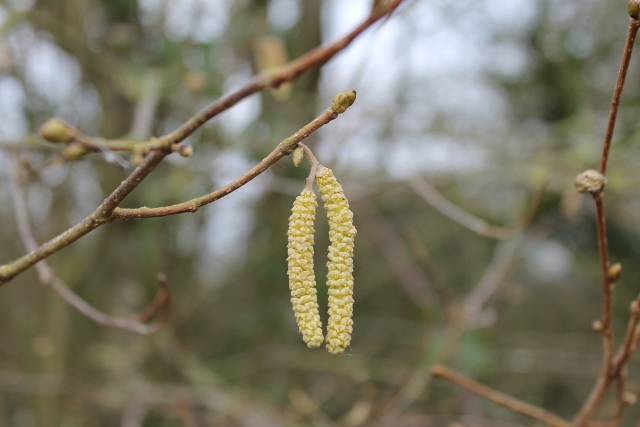
IMG_1847Hazel catkins (640x427)

 Hazel male catkins (Corylus avellana)


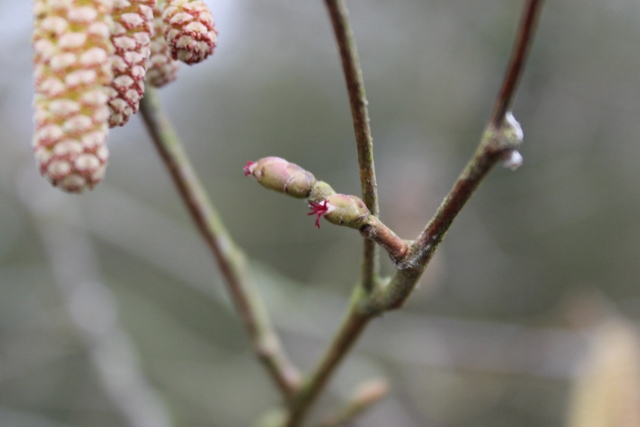
IMG_1848Female flowers of Hazel (640x427)

Hazel female catkins with their tiny red petals

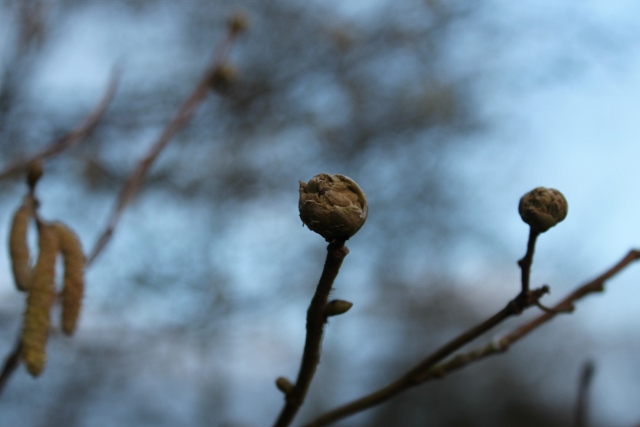
IMG_1865Catkin 'bud' (640x427)

Hazel bud


IMG_1864Catkin starting to emerge (640x427)

Hazel buds.

I wondered what these were on our hazel trees as I had never noticed them before.  None of my books mentioned buds looking like this so I googled for information and discovered a photograph that looked like mine on ramblingsofanaturalist.blogspot.com.  The author says that these are bud galls made by the mite Phytoptus avellanae.  He also talks about unopened brown catkins which have been attacked by either the mite Phyllocoptes coryli or the Cedidomyid midge Contarinia coryli.   I had also seen distorted brown catkins and had wondered about them too but had been unable to get a clear photo of them.

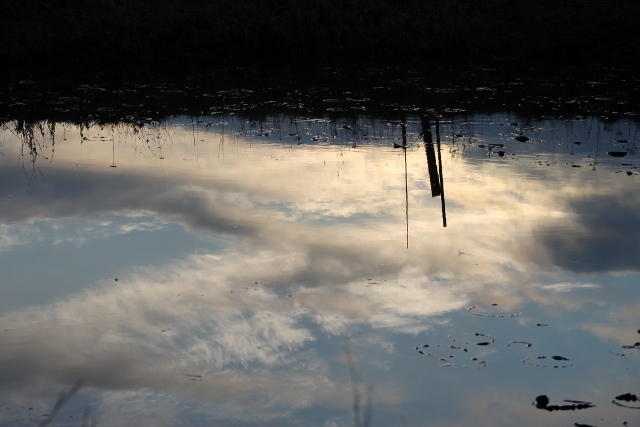
IMG_1861Reflection in pond (640x427)

Reflection of sky and cloud in our big pond

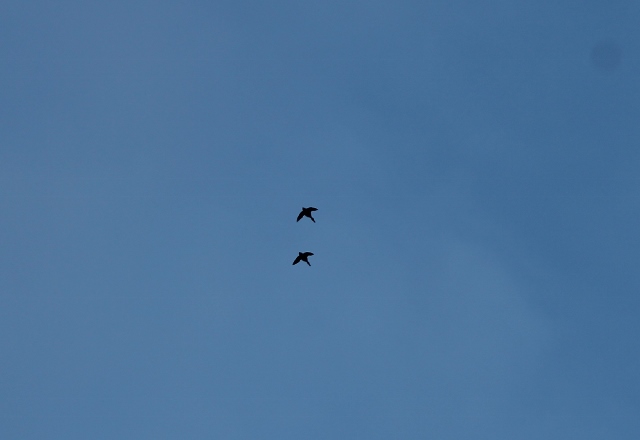
IMG_1862Flying ducks (640x440)

Flying ducks

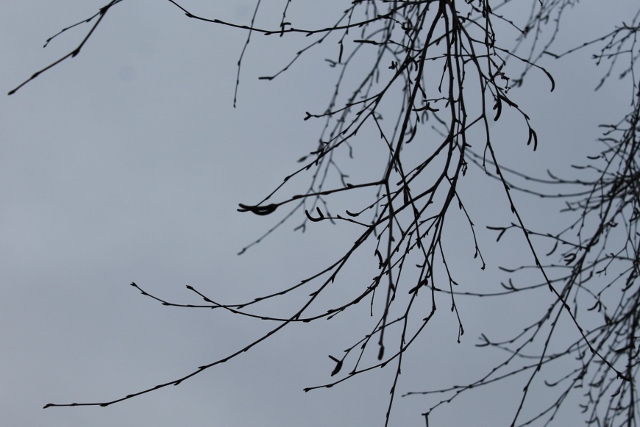
IMG_1853Birch catkins (640x427)

Our Silver Birch tree (Betula pendula) is also growing its catkins.

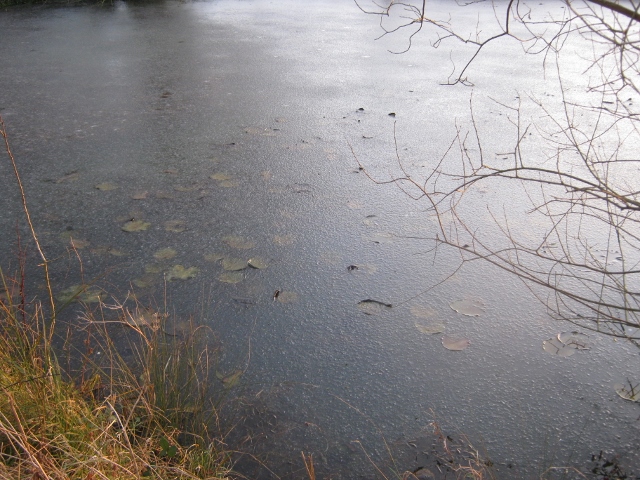
IMG_3948Ice on the pond (640x480)

Thin ice on the pond. Hail has got frozen onto the ice that was already there.

IMG_3947Icy pond (640x480)

The icy pond

IMG_3953Witch Hazel (640x480)
IMG_3954Witch-hazel (640x480)

The Witch-hazel (Hamamelis) is flowering in its large pot next to the front door and on mild days fills the porch with scent.

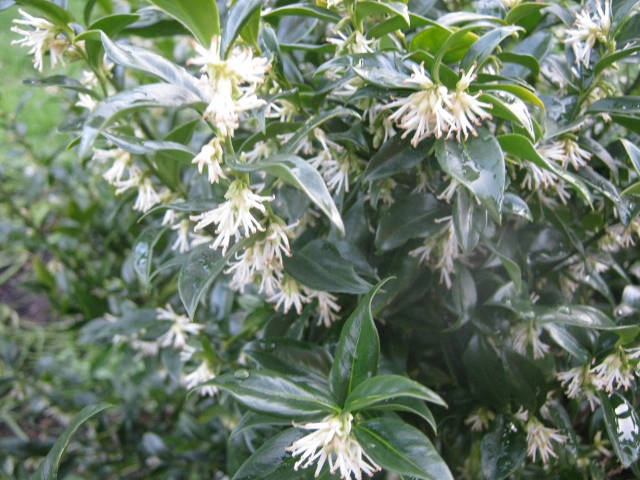
IMG_3955Christmas Box (640x480)

The Christmas Box (Sarcococca) is also scenting the garden.

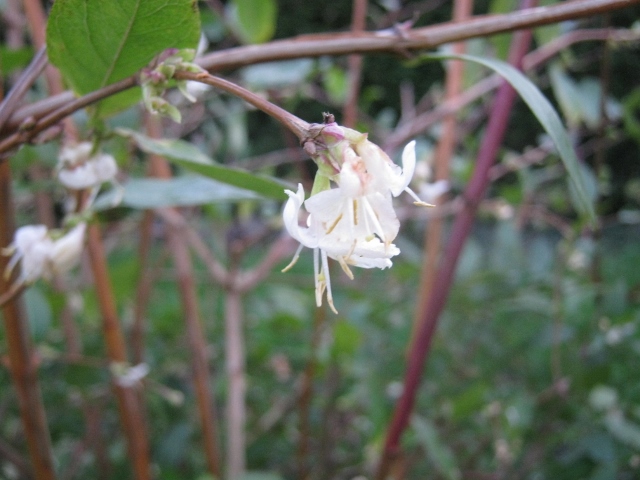
IMG_3956Winter-flowering Honeysuckle (640x480)

Another scented shrub – the Winter-flowering Honeysuckle (Lonicera fragrantissima)

This shrub Honeysuckle is a real favourite of mine.  Its small flowers are powerfully scented and it flowers from mid-winter until well into spring hardly stopping except in the harshest of weathers.  It is virtually evergreen and the flowers are followed by bright red heart-shaped berries loved by Blackbirds.

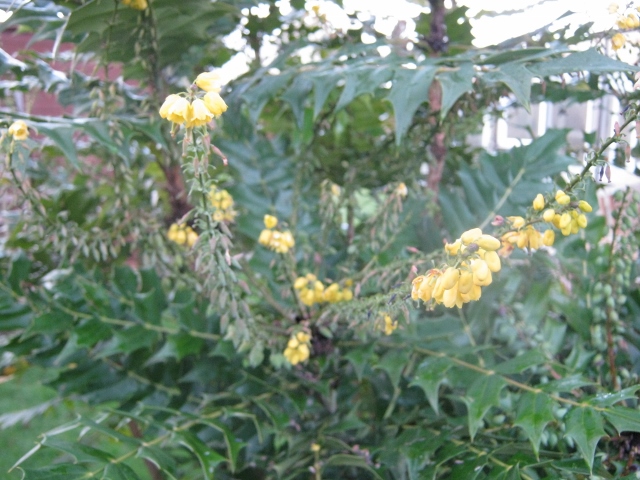
IMG_3958Mahonia (640x480)

The Mahonia (Mahonia x media ‘Charity’) with its Lily-of-the-Valley scent has been flowering since the end of October.

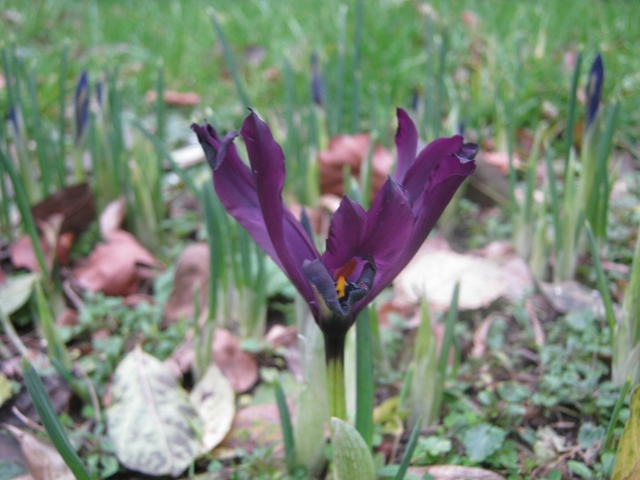
IMG_4027Miniature iris (640x480)

The first of my miniature Iris Reticulata bloomed today

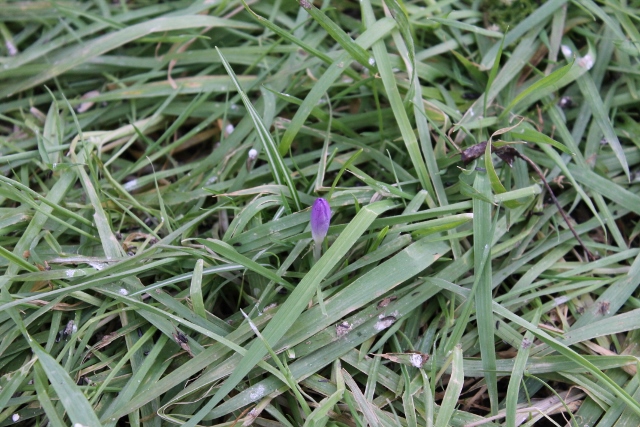
IMG_1858Crocus (640x427)

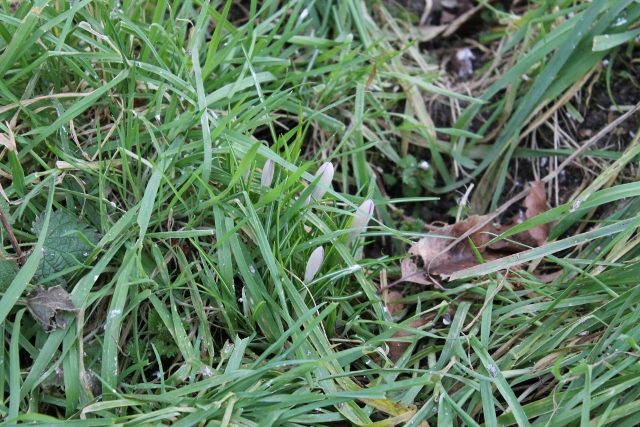
A tiny crocus has appeared in the rough grass under one of the crabapple trees.

IMG_1859Crocuses (640x427)

I found some more – paler ones this time. I hope the birds don’t rip them up and the mole doesn’t dig them up.


IMG_1842Goldfinch (640x424)

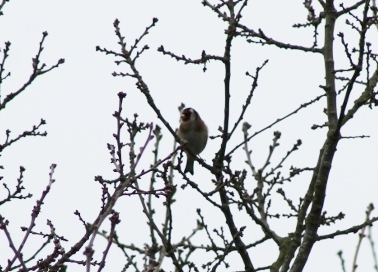
Goldfinch (Carduelis carduelis)

IMG_1843Song Thrush (640x427)

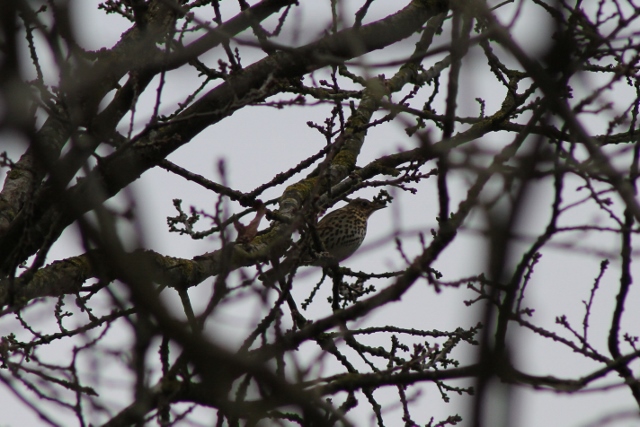
Song Thrush (Turdus philomelos)

Finally, here is the setting full moon seen on the morning of 4th February.

IMG_3967Setting moon (640x480)
IMG_3971Setting moon (640x480)
IMG_3973Setting moon (640x480)
IMG_3975Setting moon (640x480)
IMG_3976Setting moon (640x480)

Happy Valentine’s Day to you all!


Share this:

  • Share on X (Opens in new window) X
  • Share on Reddit (Opens in new window) Reddit
  • Share on Pinterest (Opens in new window) Pinterest
  • Share on Facebook (Opens in new window) Facebook
  • Email a link to a friend (Opens in new window) Email
  • Share on Tumblr (Opens in new window) Tumblr
  • Print (Opens in new window) Print
  • Share on Pocket (Opens in new window) Pocket
  • Share on LinkedIn (Opens in new window) LinkedIn
Like Loading...

More Birds!
16 Sun Nov 2014

Posted by Clare Pooley in Rural Diary, wild birds

≈ 11 Comments

Tags

birds, black-headed gull, buzzard, dunnock, green woodpecker, kingfisher, pheasant, stock dove, Suffolk, Swallow

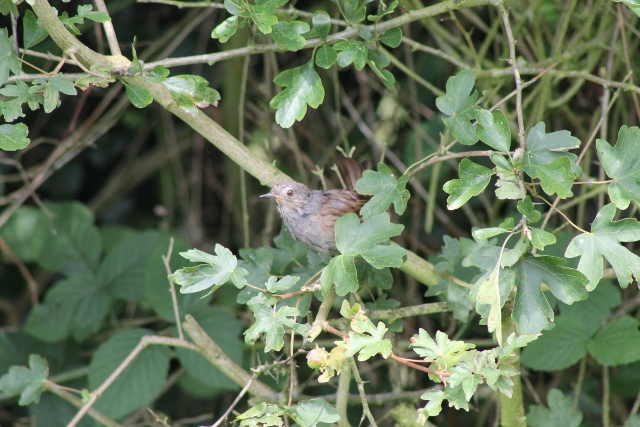
041Dunnock (640x427)

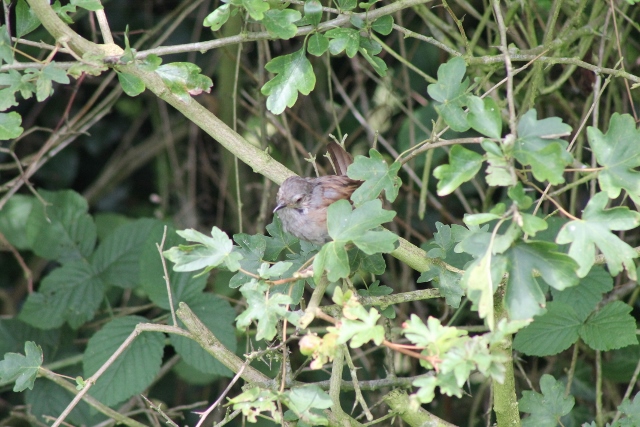
This is a Dunnock. They used to be called Hedge Sparrows but they are not like sparrows at all except for their brown and grey colouring. They have quite a bright jangling song and search for food mainly on the ground under hedges and shrubs.

This post will be of more photos of birds I saw this summer and autumn in my garden.  We are very lucky to have so many types of bird visiting.

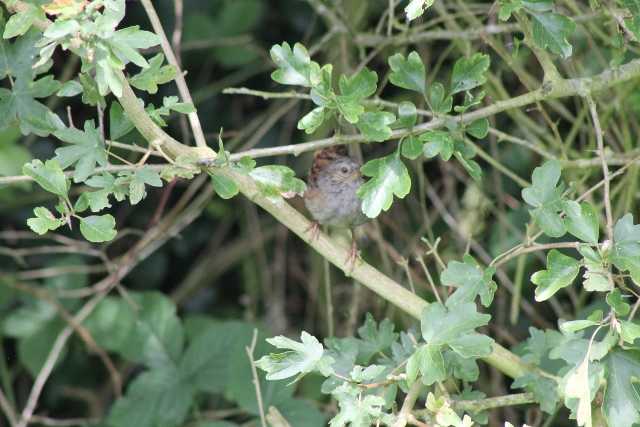
042Dunnock (640x427)

The dunnock realised I was looking at it and so looked at me.

043Dunnock (640x427)

It then tried to edge behind the hawthorn leaf to hide.

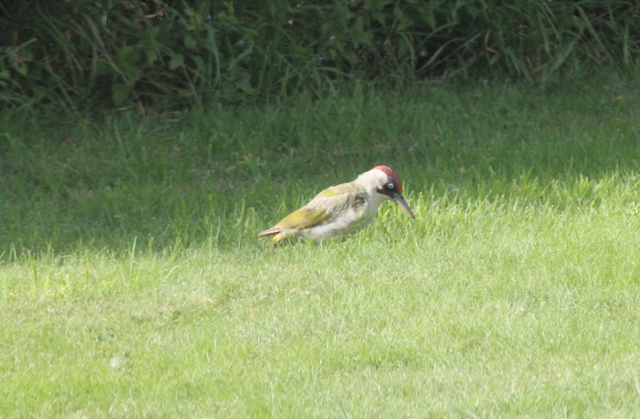
062Green Woodpecker (640x419)

A Green Woodpecker also known as a Yaffle because of its laughing call. This bird is a juvenile as it hasn’t got its full green plumage yet. I hardly ever see these birds in trees. They love ants and ants’ eggs I am pleased to say, and are very welcome in our garden which is ‘ant city’.

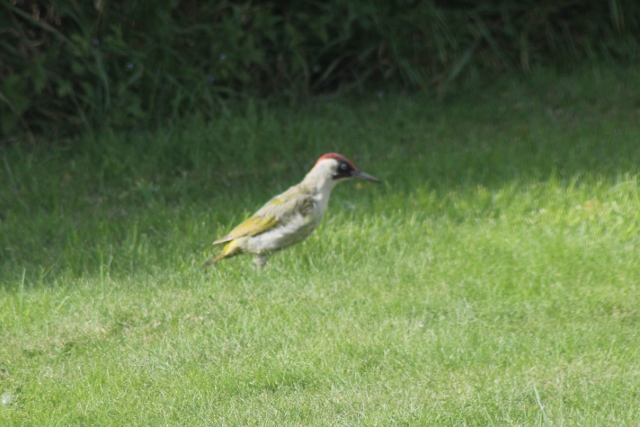
065Green Woodpecker (640x427)

They are such attractive birds with their black masks and cherry-red, olive-green, grey-green and primrose-yellow plumage.

064Female pheasant (640x427)

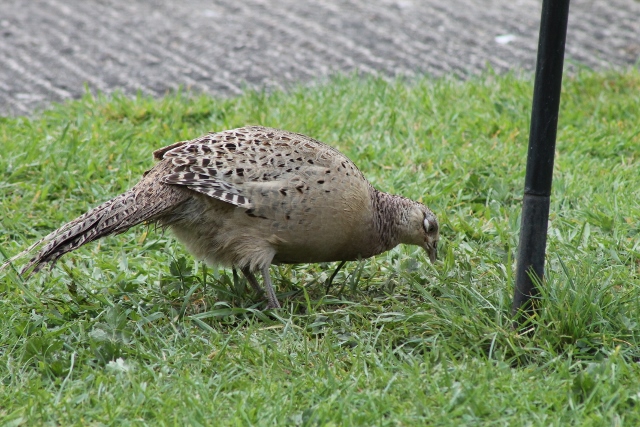
I have re-posted this photo of a female pheasant to show how drab they are compared with the males. Their feathers are so good at blending in with grasses  which is very useful at nesting-time.

063Stock dove (640x427)

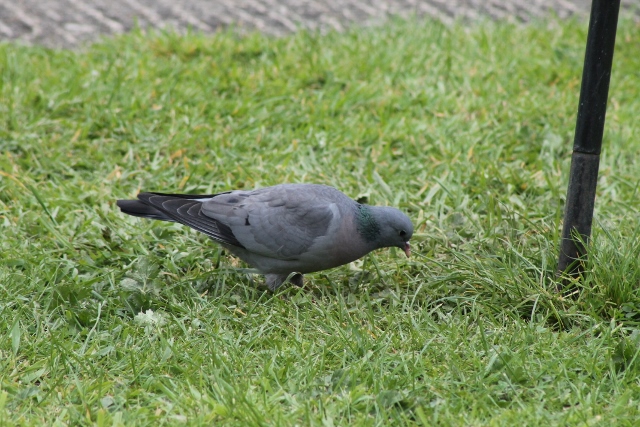
A Stock Dove

049Swallow (640x507)

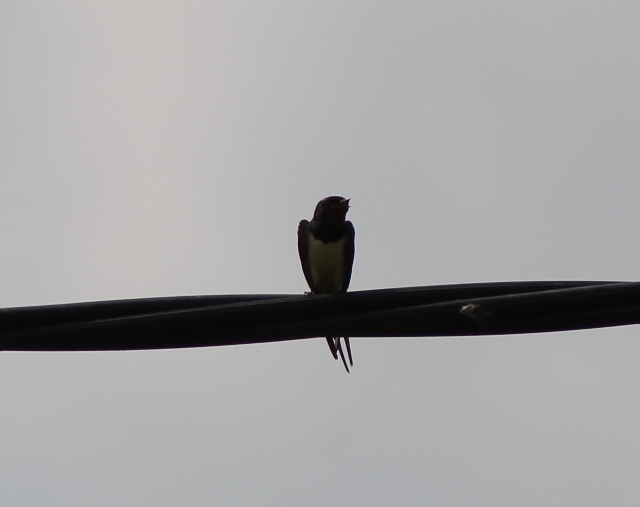
A Swallow – one of our summer visitors. I miss them very much when they fly south for the winter. They left very early this year because we had such a cool August.

050Swallow (640x454)

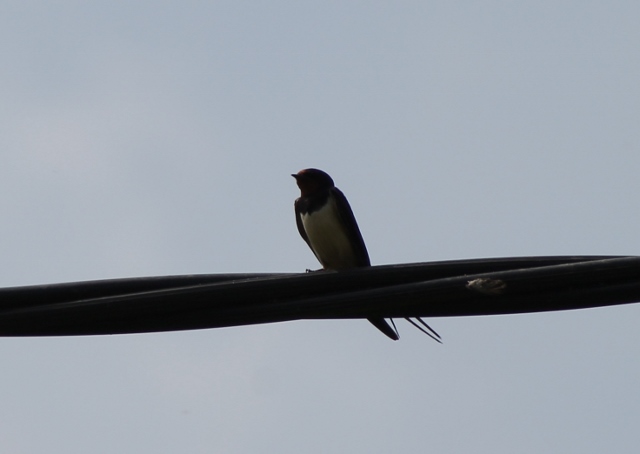
Swallow

039Seagulls (640x433)

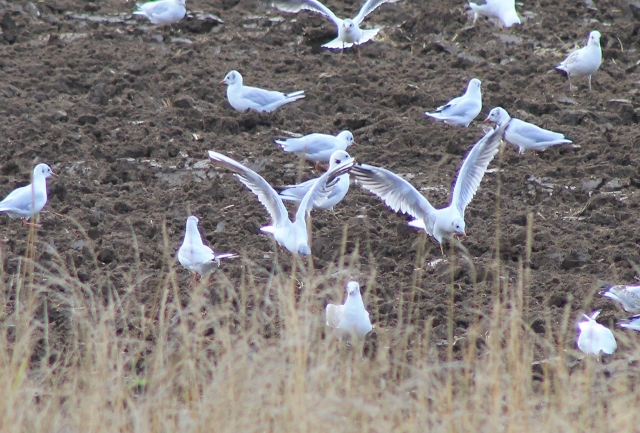
Another re-post of Black-headed Seagulls in the field behind our house. These were losing their summer plumage. During the winter they don’t have a black head only a black spot on the side of the head. And it isn’t black but dark brown!

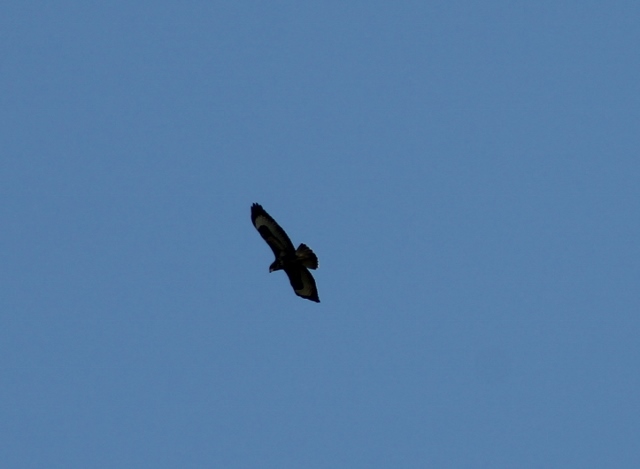
012Buzzard (640x469)

A Buzzard flying over our house. Buzzards have returned to East Anglia in the last few years having been absent for a very long time.

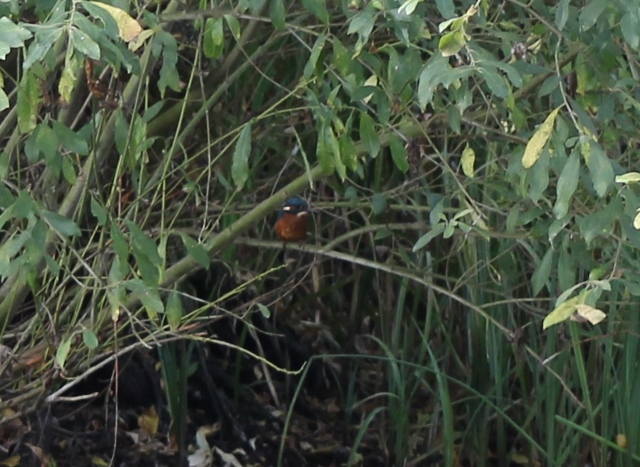
I must apologise for the quality of the next photograph.  I am including it because I am so pleased and excited to have seen this bird at all, let alone seeing it in my garden.  It decided to perch in a very shaded part of the garden by the pond and I couldn’t focus on it at all.

011Kingfisher (640x467)

The orange and blue bird with white throat and neck patch is a Kingfisher


Share this:

  • Share on X (Opens in new window) X
  • Share on Reddit (Opens in new window) Reddit
  • Share on Pinterest (Opens in new window) Pinterest
  • Share on Facebook (Opens in new window) Facebook
  • Email a link to a friend (Opens in new window) Email
  • Share on Tumblr (Opens in new window) Tumblr
  • Print (Opens in new window) Print
  • Share on Pocket (Opens in new window) Pocket
  • Share on LinkedIn (Opens in new window) LinkedIn
Like Loading...

Some More Visitors to my Garden : Birds

13 Thu Nov 2014

Posted by Clare Pooley in Rural Diary, wild birds

≈ 14 Comments

Tags

birds, blackbird, chaffinch, coal tit, Garden birds, Great Tit, greater spotted woodpecker, greenfinch, house sparrow, moorhen, Muscovy duck, pheasant, pied wagtail, Robin, rook, Suffolk, wren

During this summer and early autumn I managed to photograph a number of animals, birds, insects and other creatures in my garden.  Some of these photos are of very poor quality but I will include them as a record of what I saw.  This post will be of the birds I’ve seen in my garden.

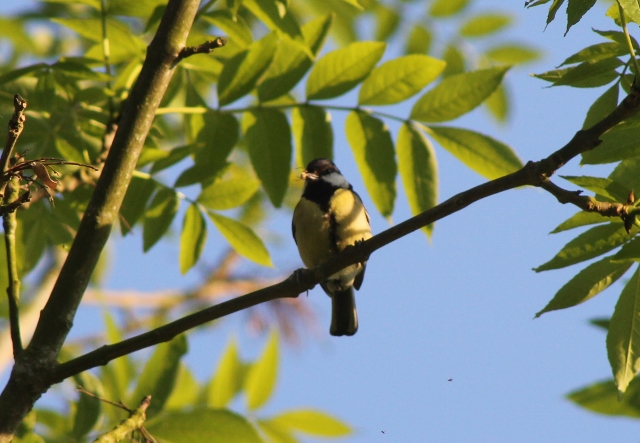
006Great Tit (640x397)

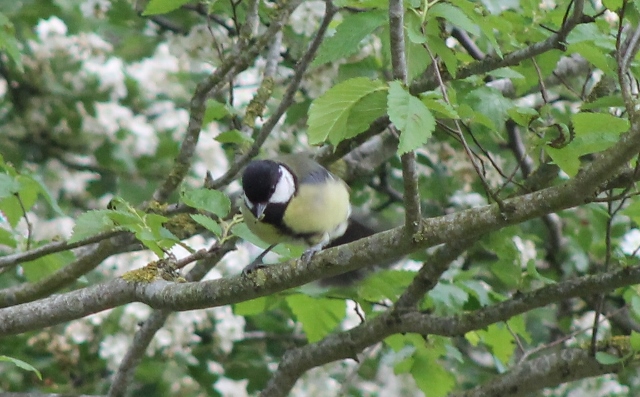
This Great Tit has an insect in its beak and was fluttering its wings very quickly (hence the blurring). It was waiting for me to go away so that it could feed its chicks in a nest box we have in the garden.

007Great Tit (640x504)

I quickly took another photograph and then walked away

036Great tit with insect (640x443)

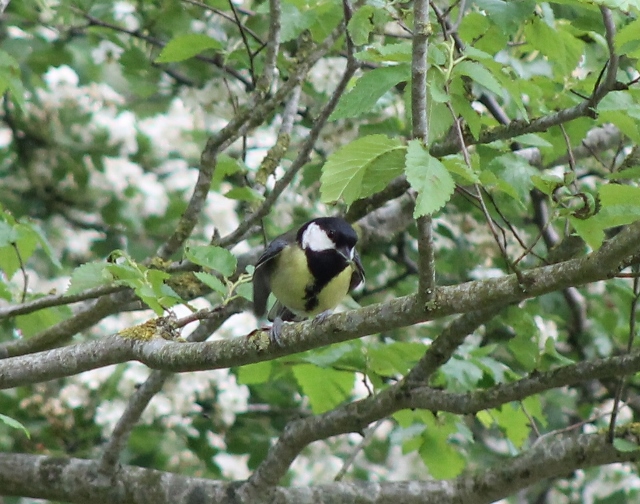
Here is one of the pair of Great Tits using that same nest box nearly two weeks later. I am fascinated to see how carefully they hold the insects in their beaks so as not to crush them.

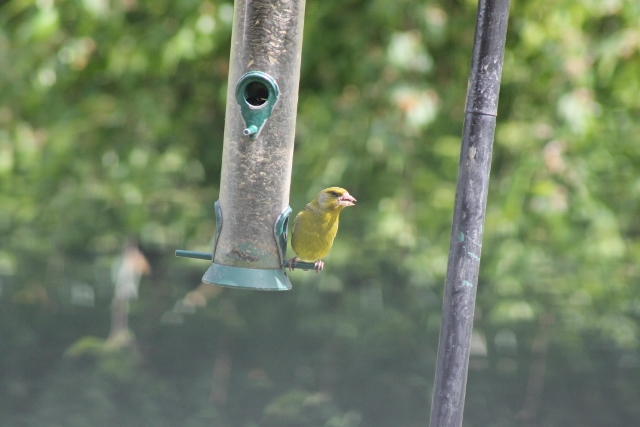
018Greenfinch (640x427)

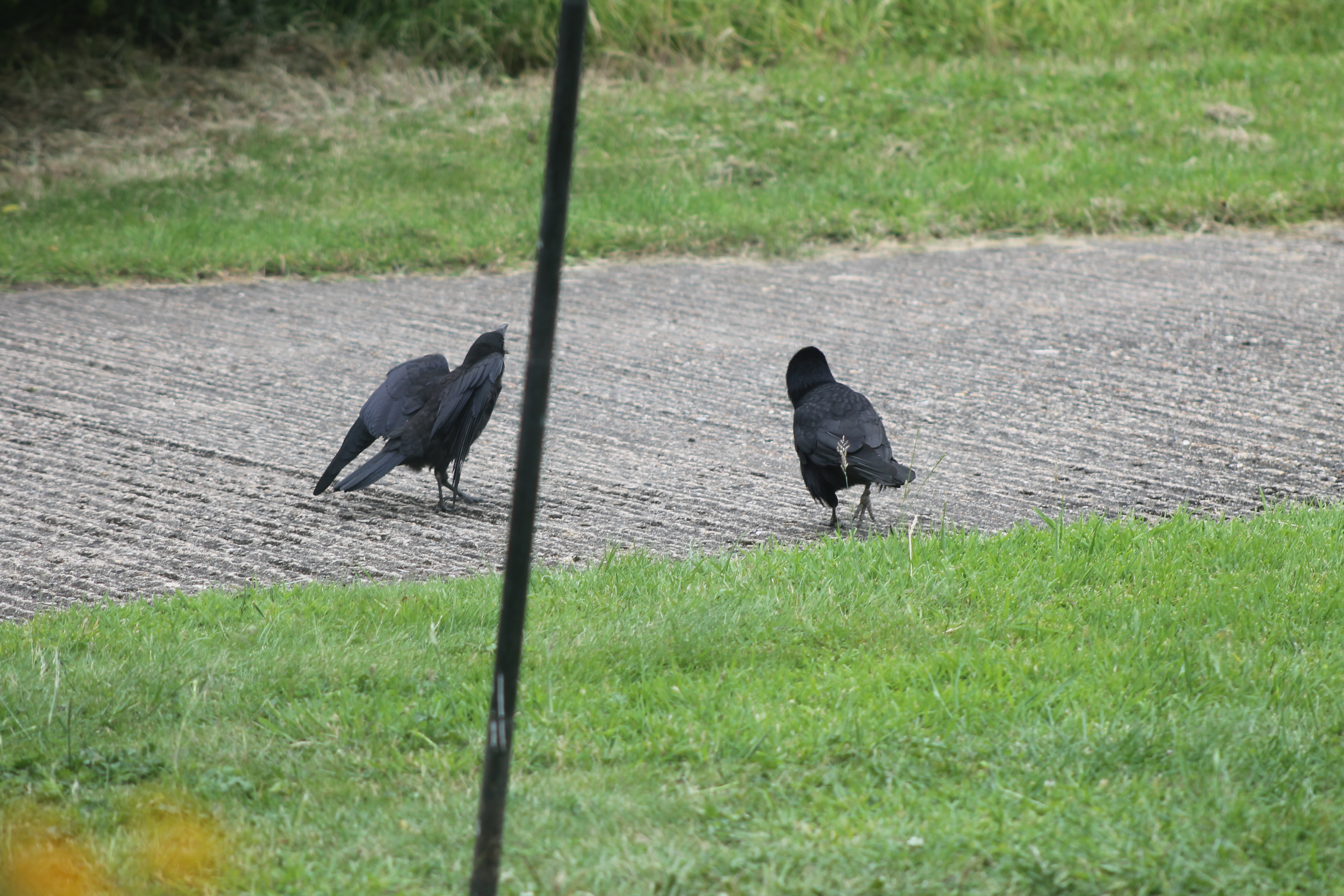
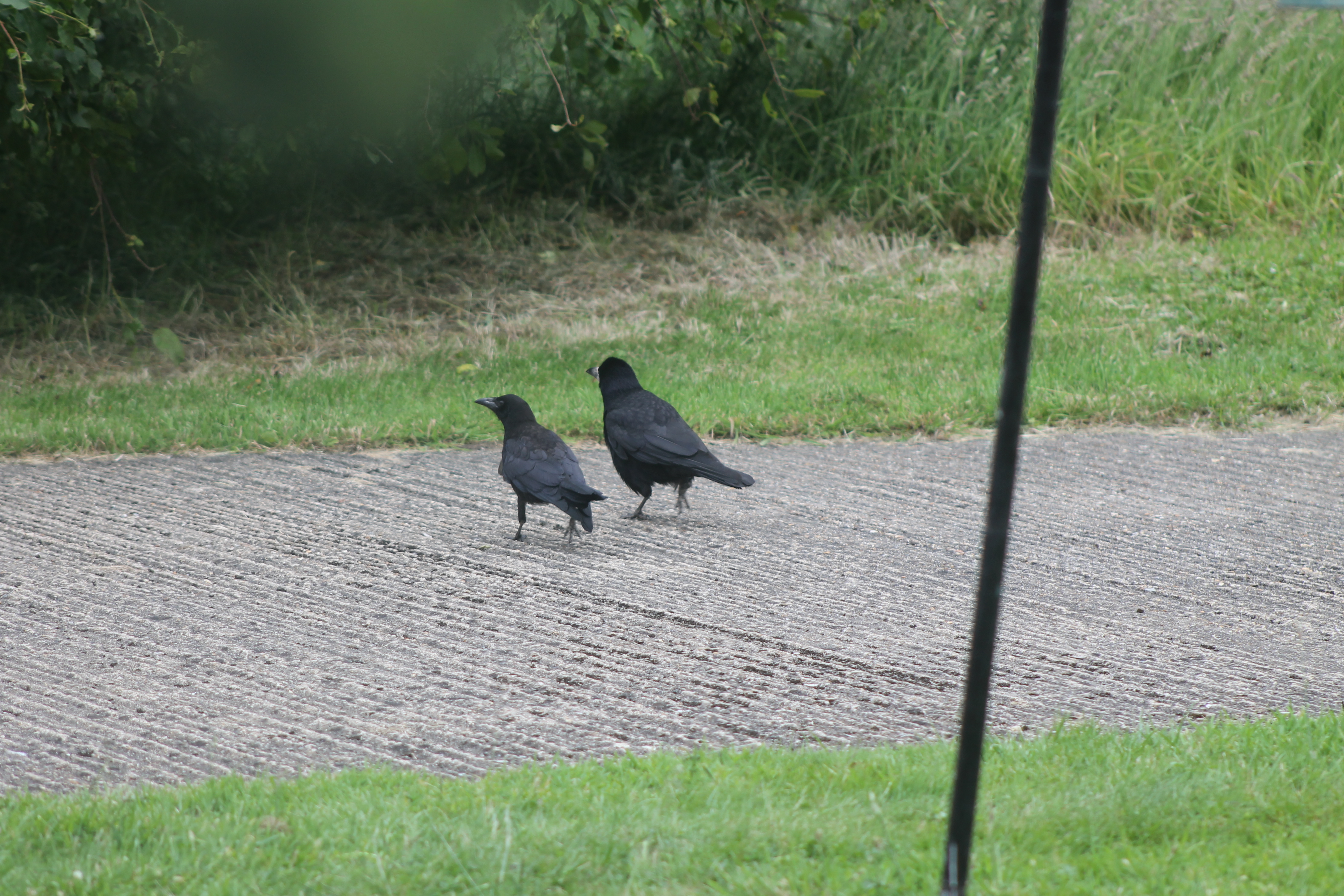
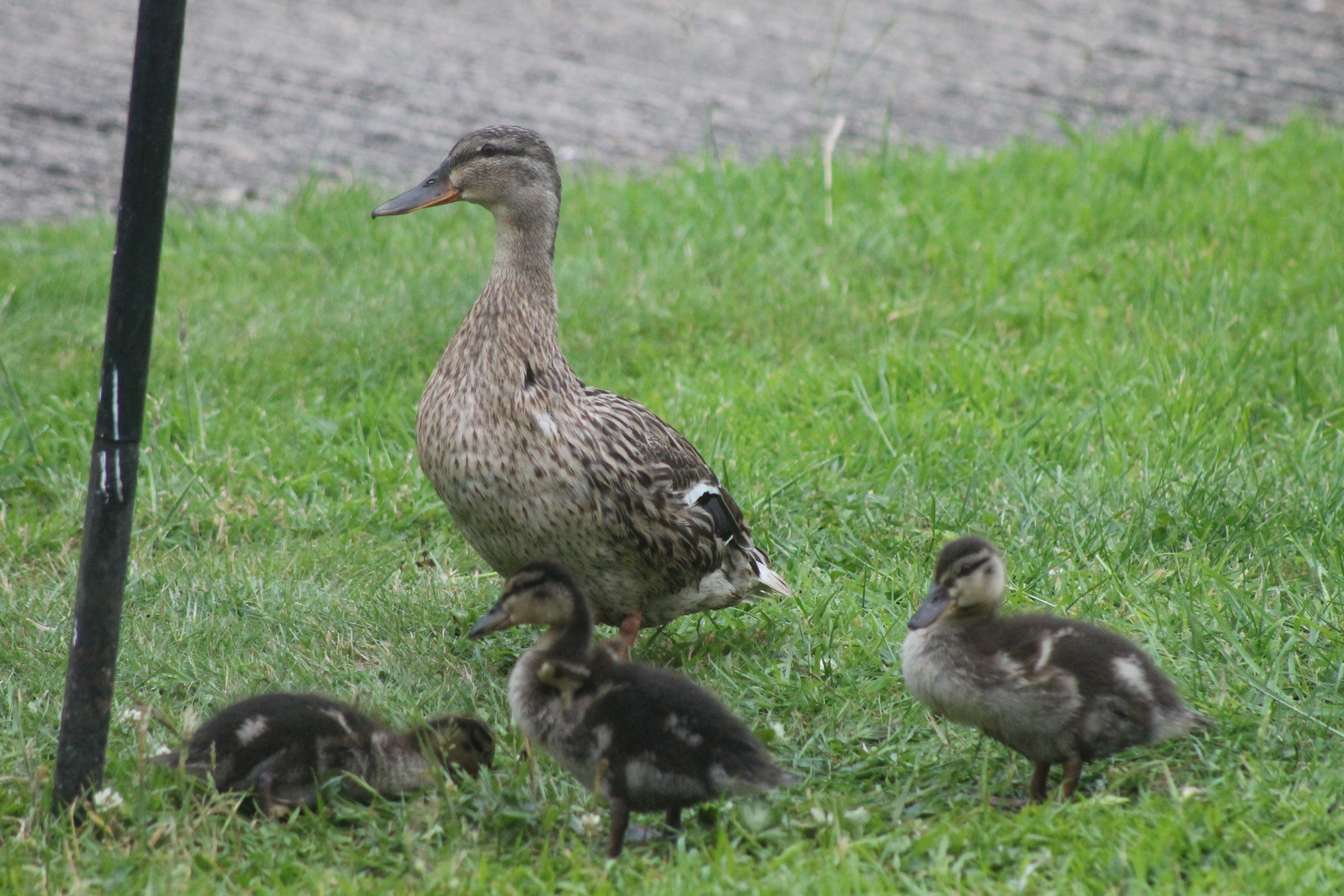
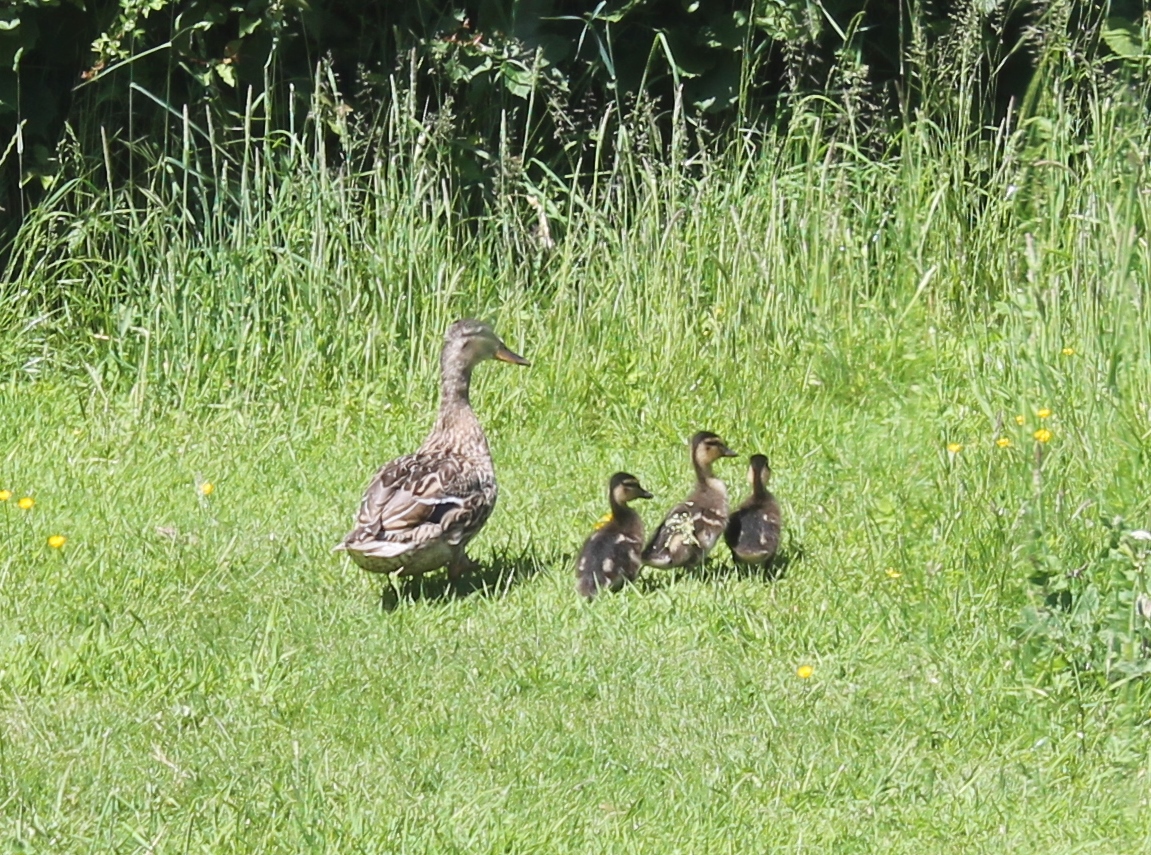
This is a Greenfinch. There are always plenty of these in the garden. The feeder pole is always leaning and covered in mud because of the squirrels and rooks that use the feeder too.

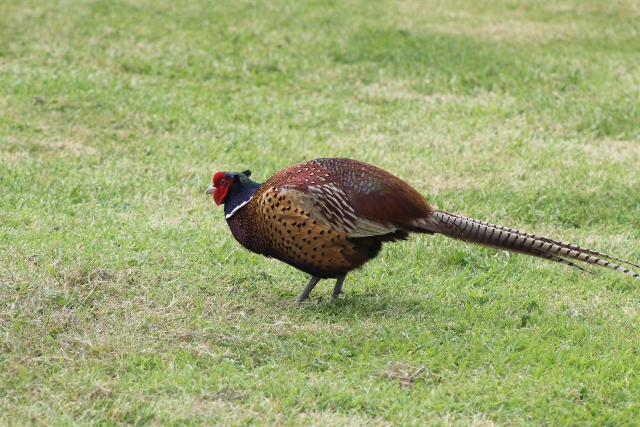
003Cock Pheasant (640x427)

I didn’t quite get all of this cock Pheasant’s tail.

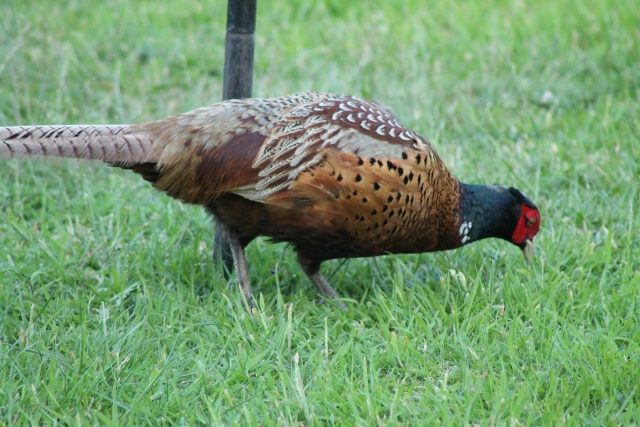
038Cock pheasant (640x427)

Cock Pheasant

039Cock pheasant (640x427)

Cock Pheasant

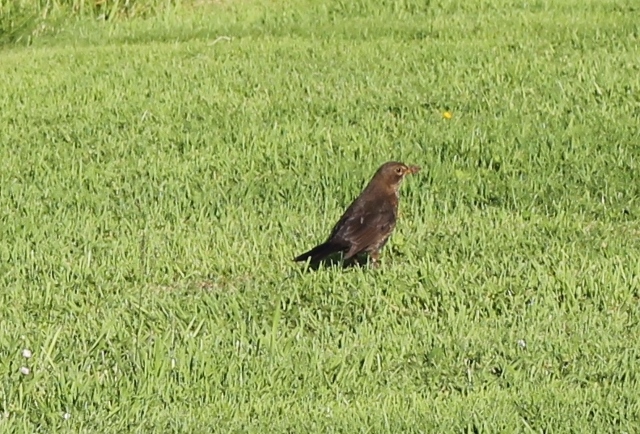
025Female blackbird (640x434)

A female Blackbird collecting insects for her chicks.

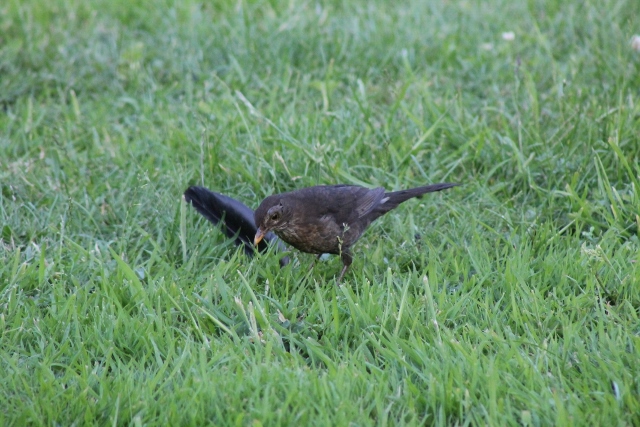
037Female blackbird (640x427)

Another female Blackbird searching for food.

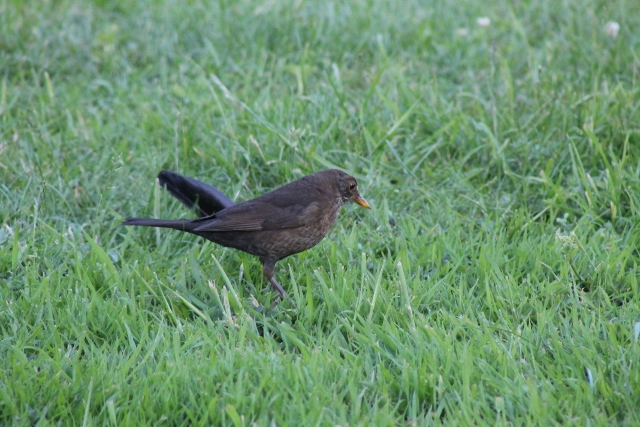
036Female blackbird (640x427)

And again.

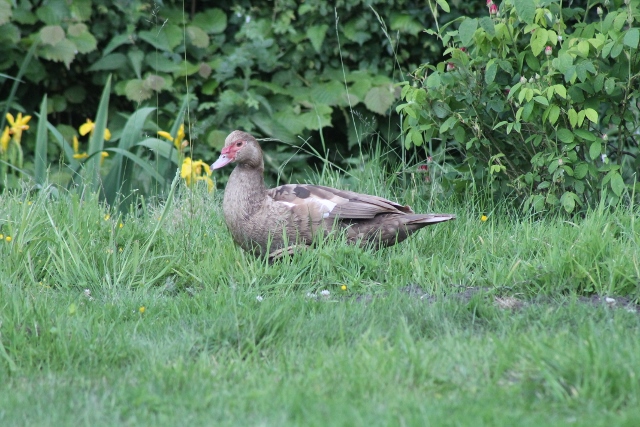
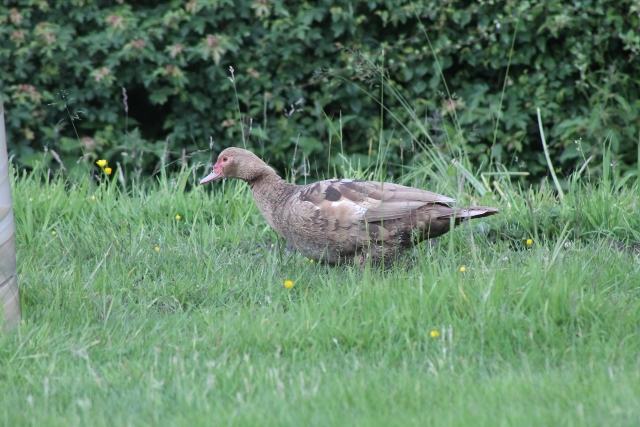
My daughter came running to me one day saying that there was a strange bird in our garden.  She described it as being half duck, half chicken.  I had to have a look and discovered that one of our neighbour’s Muscovy Ducks was visiting us.  If you have ever seen a Muscovy Duck walking you will know that they move their head and neck back and forth while walking just like a chicken does.

033Muscovy duck (640x427)

Female Muscovy Duck

034Muscovy duck (640x427)

Walking like a chicken

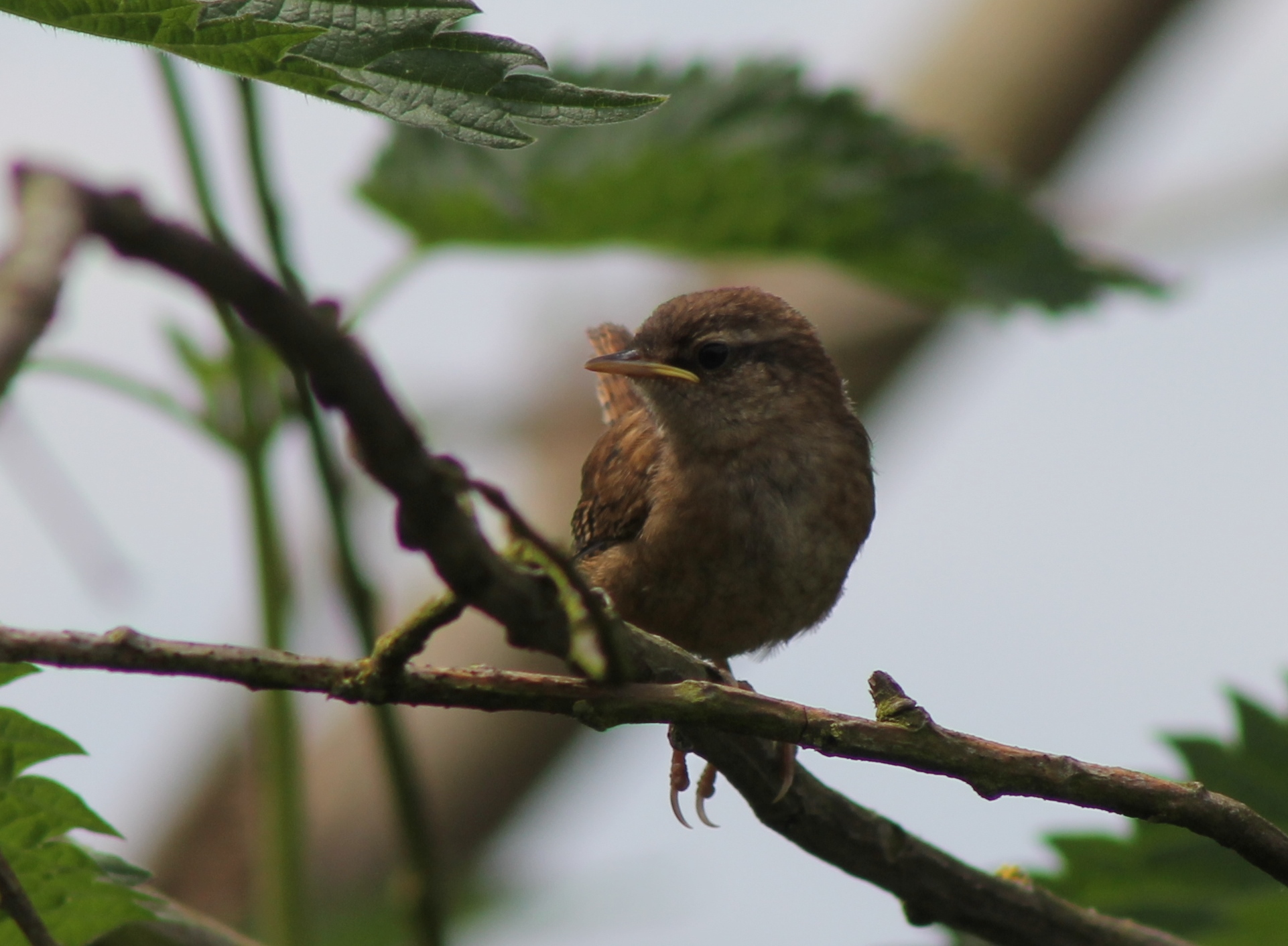
I thought I would post this photo of a Wren again as I was quite pleased to get it.  Wrens are quite shy birds and fairly small (3.75″) but have very loud voices.

029Wren

Wren

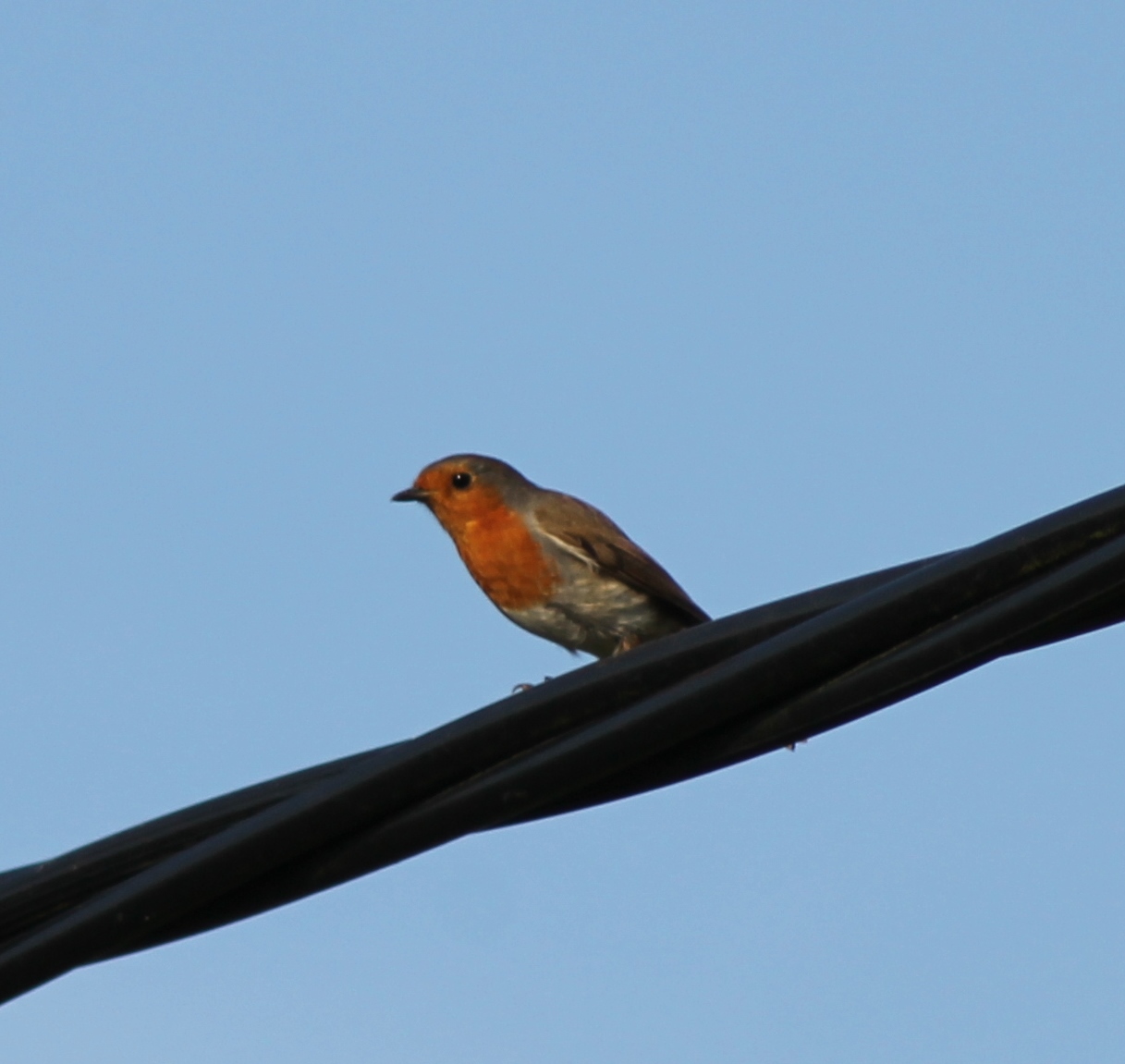
005Robin

I’ve posted this photo of a Robin before too

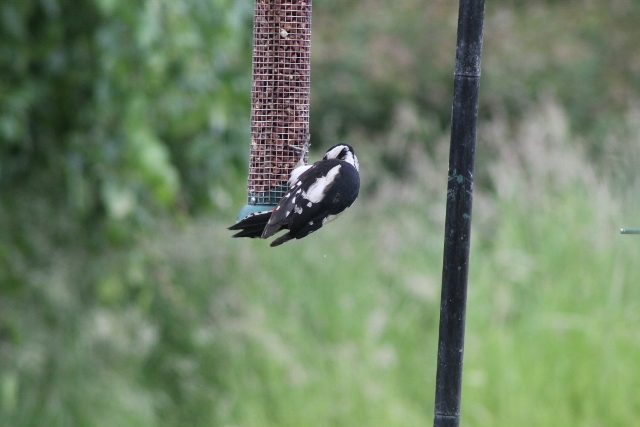
005Female greater spotted woodpecker (640x427)

Female Greater Spotted Woodpecker

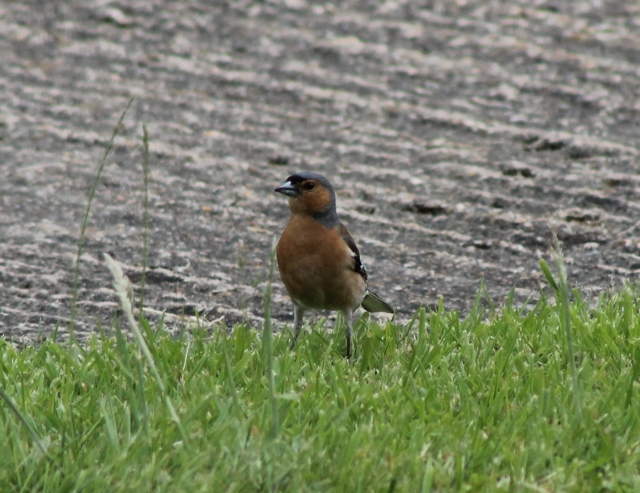
006Male chaffinch (640x493)

Male Chaffinch

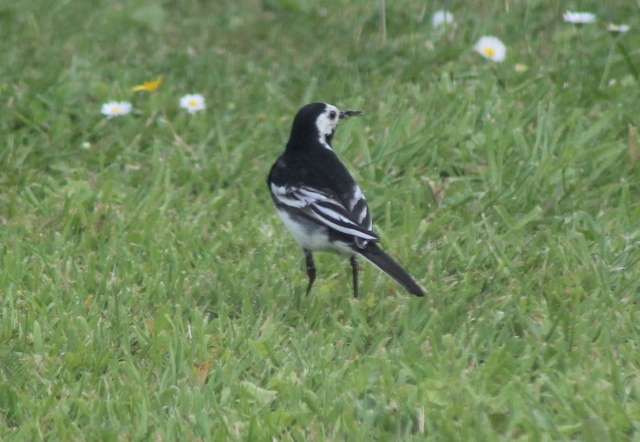
007Pied wagtail (640x442)

Pied Wagtail

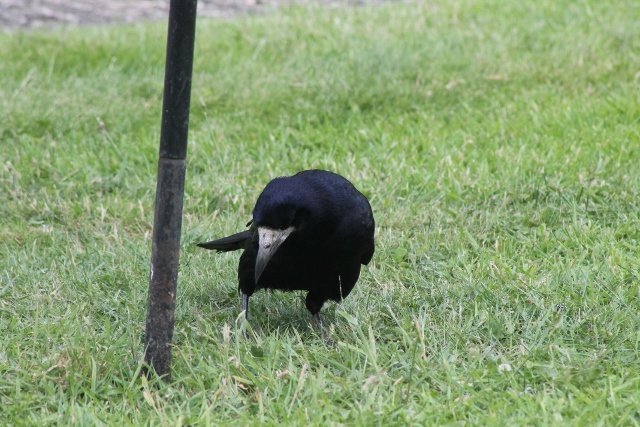
009Rook (640x427)

Rook

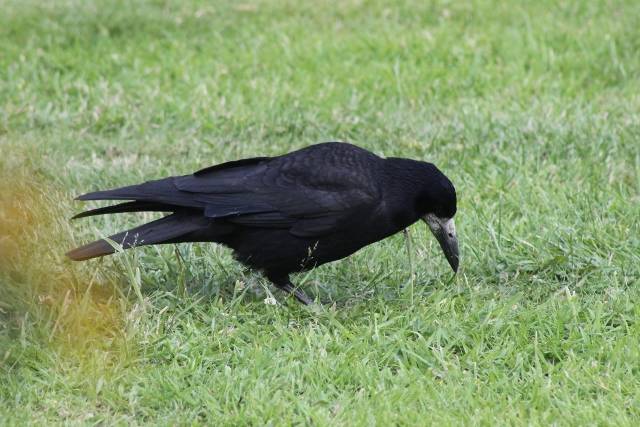
010Rook (640x427)

Rook.

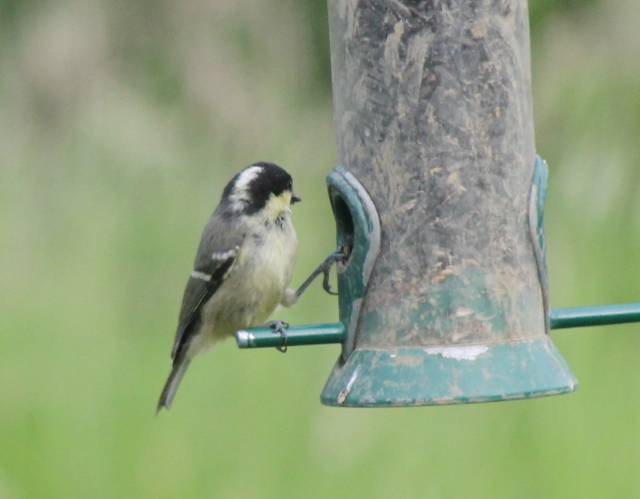
011Coal tit (640x499)

Coal Tit. These birds are very slightly smaller than Blue Tits at about 4.5″. You can see the mud on the feeder that the Rooks put there with their dirty feet and beaks!

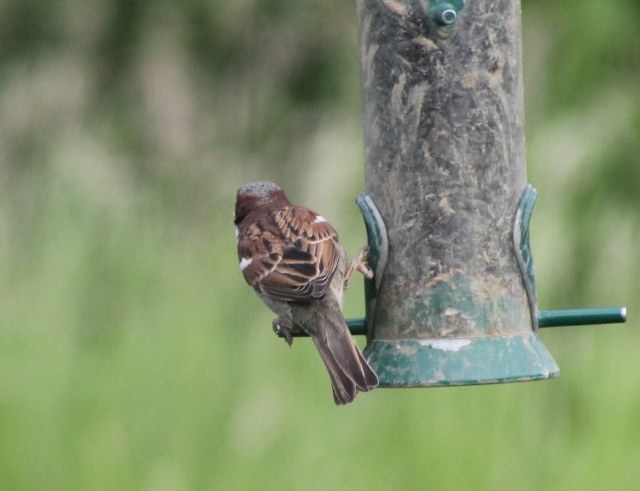
012Male house sparrow (640x491)

Male House Sparrow

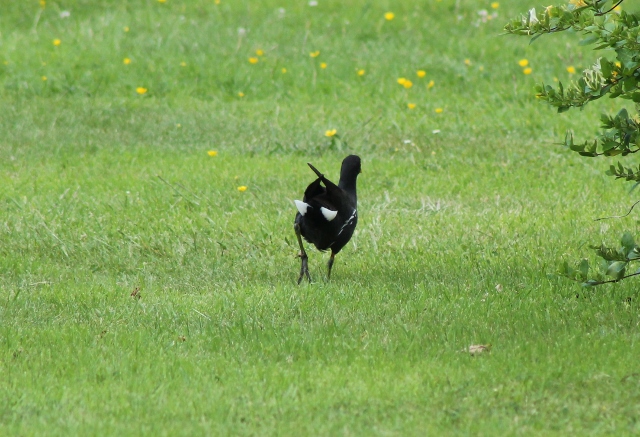
049Rear view of moorhen (640x437)

The usual rear view of a Moorhen as it runs off down the garden

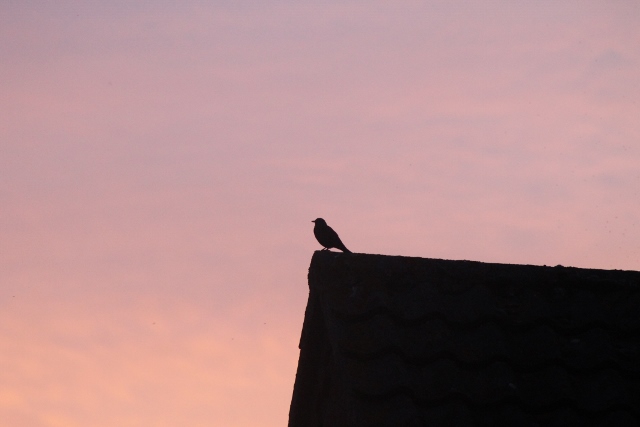
012Blackbird (640x427)

A male Blackbird at dusk


Share this:

  • Share on X (Opens in new window) X
  • Share on Reddit (Opens in new window) Reddit
  • Share on Pinterest (Opens in new window) Pinterest
  • Share on Facebook (Opens in new window) Facebook
  • Email a link to a friend (Opens in new window) Email
  • Share on Tumblr (Opens in new window) Tumblr
  • Print (Opens in new window) Print
  • Share on Pocket (Opens in new window) Pocket
  • Share on LinkedIn (Opens in new window) LinkedIn
Like Loading...

Peak District Holiday 1st to 9th July. Day 4 Part 1.

11 Sat Oct 2014

Posted by Clare Pooley in fish, Rural Diary, Uncategorized, wild birds

≈ 16 Comments

Tags

Bakewell, Bakewell Bridge, Bakewell Pudding, Bakewell Pudding Shop, Black-headed Seagull, Canada Goose, Coot, Mallard, moorhen, Peak District National Park, River Wye, Trout, Tufted Duck

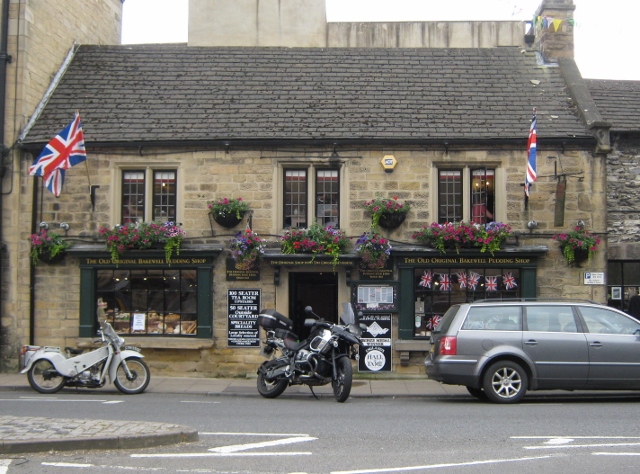
After our long walk the day before we decided to do a little gentle sight-seeing on our fourth day, revisiting a couple of favourite places and then going on to somewhere new.  Our first port of call was the town of Bakewell in Derbyshire which is very attractive but always very crowded.  We surprised ourselves by finding somewhere to park quite quickly and walked to the Bakewell Pudding Shop.

002Bakewell Pudding shop (640x474)

The Old Original Bakewell Pudding Shop

Bakewell is the only market town in the whole of the Peak District National Park.  As with many places in the Peak District, mineral springs are found there and it nearly became a spa town.  The name ‘Bakewell’ comes from ‘Badeca’s Well’ and is nothing to do with baking.  A Bath House was built by the Duke of Rutland in 1697 and it still has the 16′ x 33′ bath in the cellar.  The reason it wasn’t a success as a spa was the temperature of the water which is only 11 degrees Centigrade/52 degrees Fahrenheit – a little chilly!  This is less than half the temperature of the Buxton waters.

R and I wanted to buy a pudding as we love them and hadn’t had one for a couple of years.  We also purchased some bread and a teacloth with the recipe of the pudding printed on it and then went through to their coffee shop and had a pleasant drink while sitting in a sheltered courtyard.


Rather an unprepossessing looking pudding but really very tasty.  It can be eaten hot or cold and with or without cream or custard.  It is made with puff pastry, then a layer of jam (usually raspberry) and then covered with a mixture made of ground almonds, sugar, butter, eggs and almond essence.  This is then baked until the mixture sets.  This confection was made by mistake.  During the 19th century a cook at the Rutland Arms was baking a jam tart but somehow misunderstood the recipe and the result was this pudding.  It was an instant success, though I don’t know how anyone let alone a cook can make a mistake when making a jam tart!

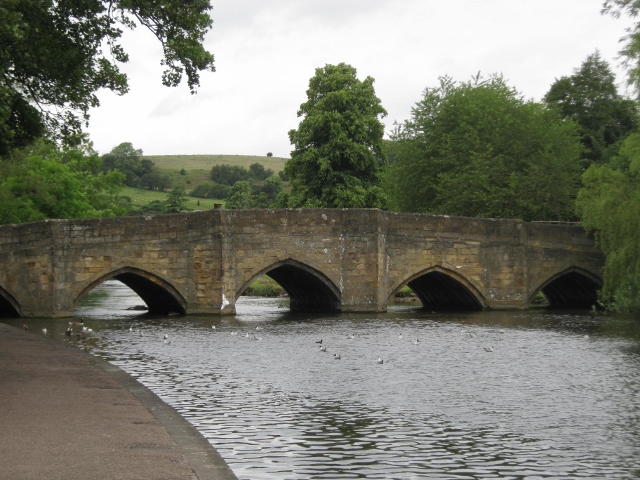
We then walked a little through the town and ended up at our favourite place – the riverside.  There is a wide promenade next to the River Wye and benches to sit on at intervals.  There is a very attractive bridge over the river which flows at a good pace.

008Bridge over R Wye (640x480)

Bakewell Bridge

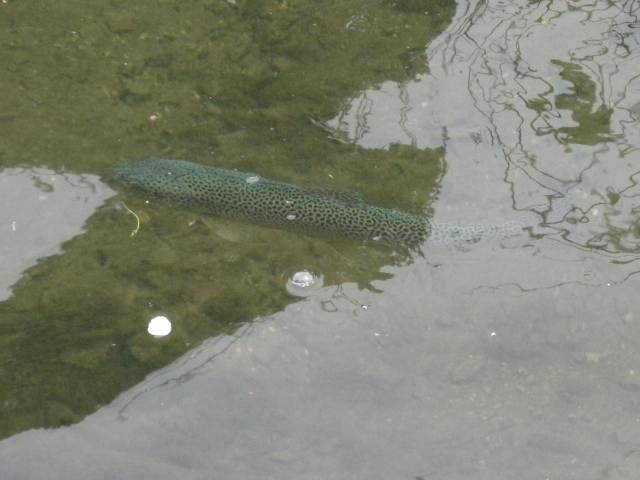
The river is full of trout and has a couple of little weirs.  There are lots of water-birds to admire and also lots of Black-headed Seagulls too.

020Trout (640x480)

A beautiful speckled trout

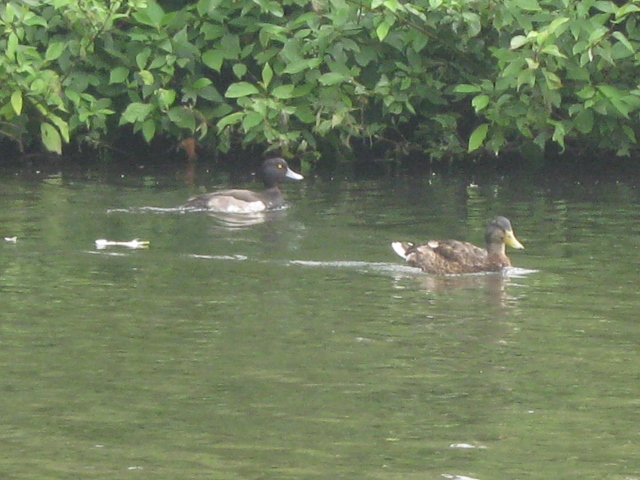
014Tufted ducks (640x480)

Tufted Ducks

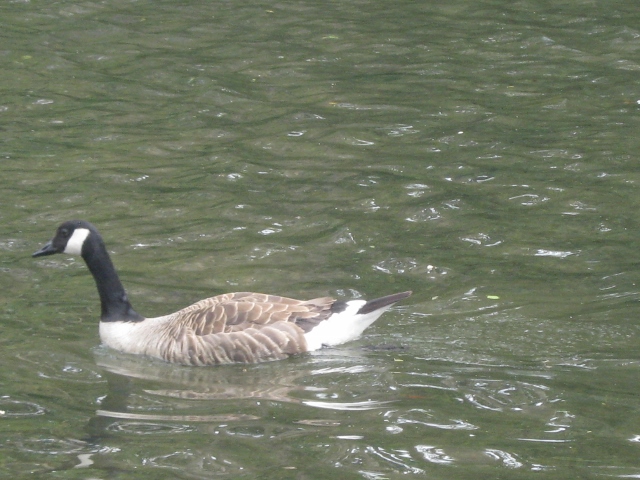
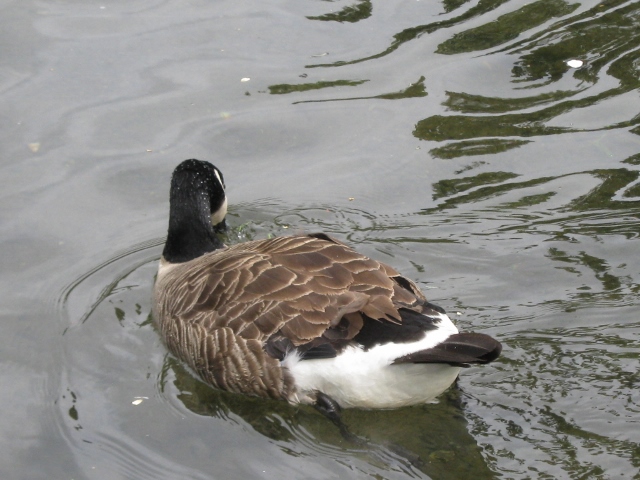
012Canada goose (640x480)

Canada Goose

019Canada goose (640x480)

Canada Goose

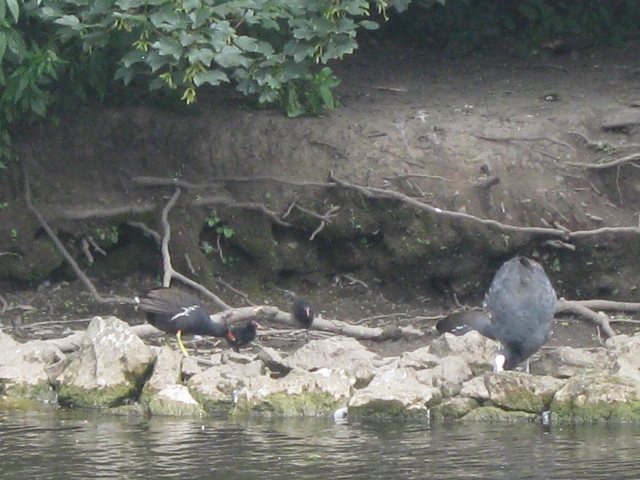
018Coot and moorhen with chicks (640x480)

Coot and Moorhen with chicks

I was fascinated by the behaviour of both the moorhen and the coot.  These birds are not often seen together although very closely related.  I find their chicks indistinguishable and am not sure if these chicks belonged to the coot or moorhen.  Coots have a pure white forehead and bill and are usually found on open water like lakes and moorhens with red bills that have a yellow tip are found on streams and ponds.  Both birds obviously felt threatened by each other and though it isn’t clear in the photo above the coot had lowered its head and had fluffed up all its feathers until it looked enormous.  It was moving very slowly too.

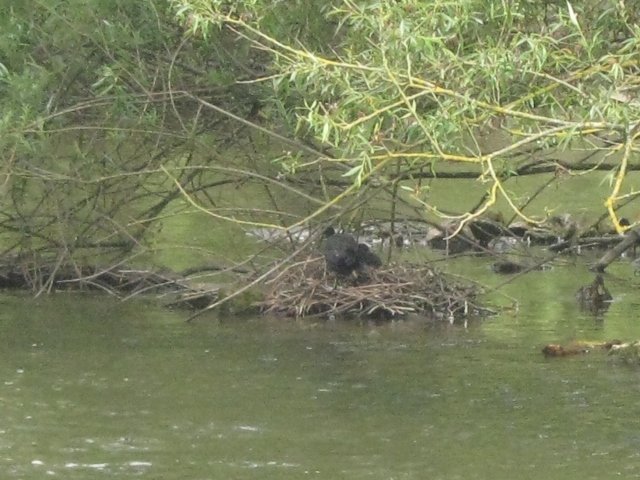
016Coot nest (640x480)

A Coot nest

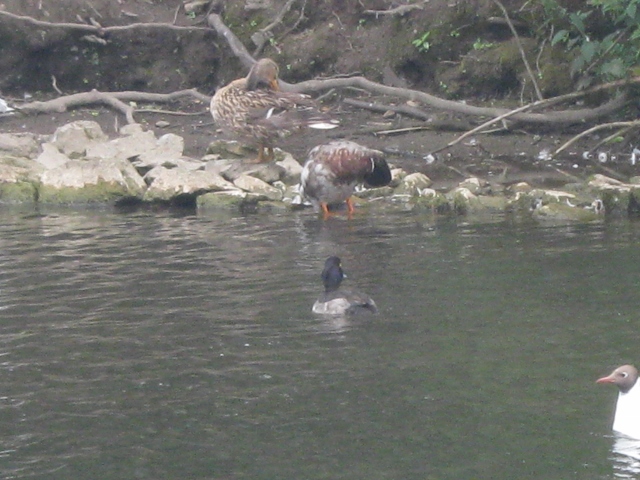
006Mallards, tufted duck & black-headed seagulls (640x480)

Mallards, Tufted Duck and a Black-headed Seagull which decided it wanted to be photographed too

After sitting by the river for a while, R and I decided we would go on to Haddon Hall which is just a few miles from Bakewell.  I will talk about that in my next post.

Share this:

  • Share on X (Opens in new window) X
  • Share on Reddit (Opens in new window) Reddit
  • Share on Pinterest (Opens in new window) Pinterest
  • Share on Facebook (Opens in new window) Facebook
  • Email a link to a friend (Opens in new window) Email
  • Share on Tumblr (Opens in new window) Tumblr
  • Print (Opens in new window) Print
  • Share on Pocket (Opens in new window) Pocket
  • Share on LinkedIn (Opens in new window) LinkedIn
Like Loading...

Could Be Worse

04 Thu Sep 2014

Posted by Clare Pooley in Gardening, plants, Rural Diary, trees, weather, wild birds

≈ 17 Comments

Tags

Alpine Pasque Flower, anxiety, black-headed gulls, college, cowslip, fungi, horse chestnut, illness, job seeking, Knopper gall, muck spreading, oak, pleated inkcap, seagulls, shaggy inkcap, snowy waxcap, unpredictable weather, viburnum bodnantense

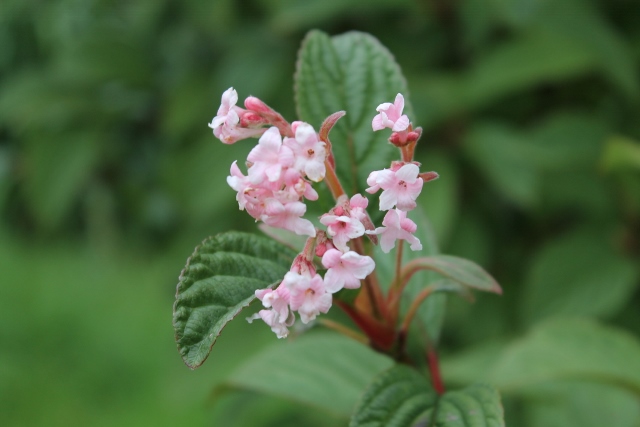
This has been a very strange summer.  The weather, for one thing, has been very unpredictable.  British weather is always unpredictable but this year it has outdone itself, I think.  Torrential rain, gale-force winds, mini tornadoes ( they are called willies in East Anglia!).  Lots of humid, stormy days in July and the coldest August for many years.  The plants in my garden have got very confused.  It became quite cool and wet at the end of June and the beginning of July (just in time for our holiday) so my Viburnum Bodnantense thought Autumn had arrived and started to flower.

013Viburnum flowers (640x427)

Viburnum Bodnantense is supposed to flower from Autumn through to Spring.

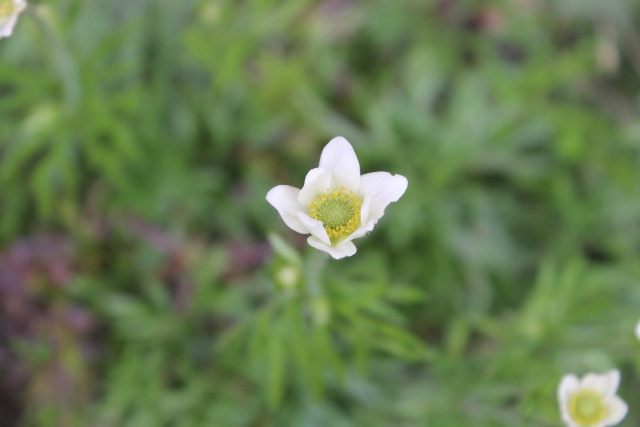
My Alpine Pasque Flower thought Spring had come back and began flowering again.

014Alpine pasque flower (640x427)

Alpine Pasque Flower flowering for a second time this year

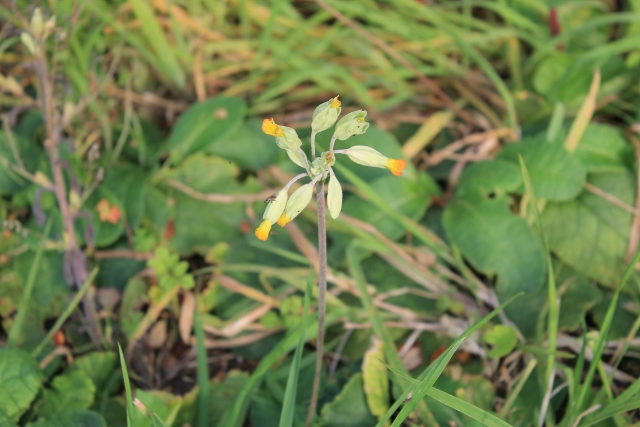
We found them blooming when we got home from our holiday on the 9th of July.  The poor things then got a bit of a shock as the temperature rose from about 15 degrees C to 28 degrees with high humidity.  August temperatures dipped again and last week I found cowslips in flower in the garden.

010Cowslip (640x427)

A cowslip in flower at the end of August. Cowslips usually flower in April and May.

This week the temperature has risen at last from 12 degrees C and grass frost at night ( in August!) to a pleasant 20 degrees today.

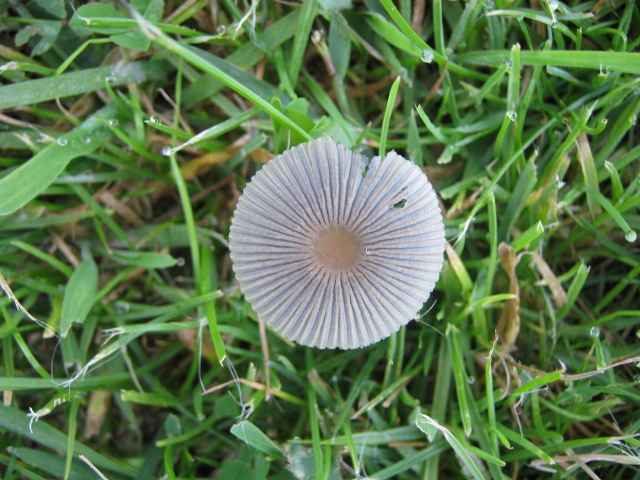
I have found a few fungi recently.

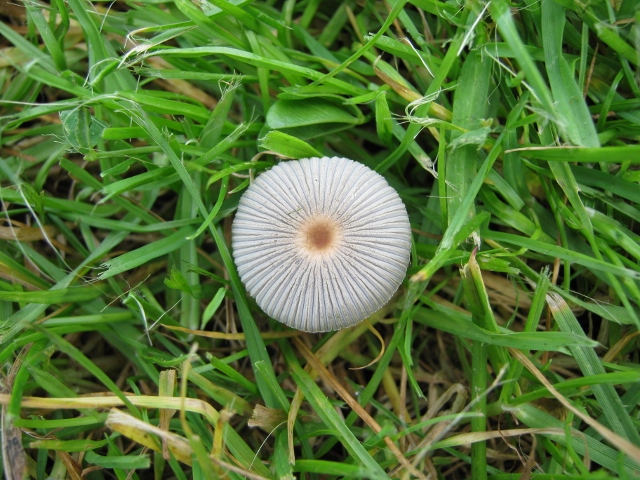
001Pleated Inkcap (640x480)

Pleated Inkcap

I photographed a better specimen in May

003Pleated Inkcap (640x480)

Pleated Inkcap

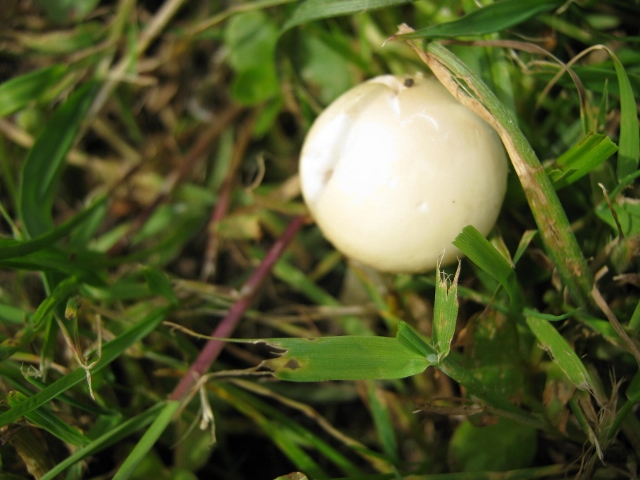
which is when I saw this one which is ( I think ) a Snowy Waxcap.

005Toadstool (640x480)

Snowy Waxcap

Coming home from church on Sunday we saw  this

004Shaggy Inkcap (480x640)

Shaggy Inkcap

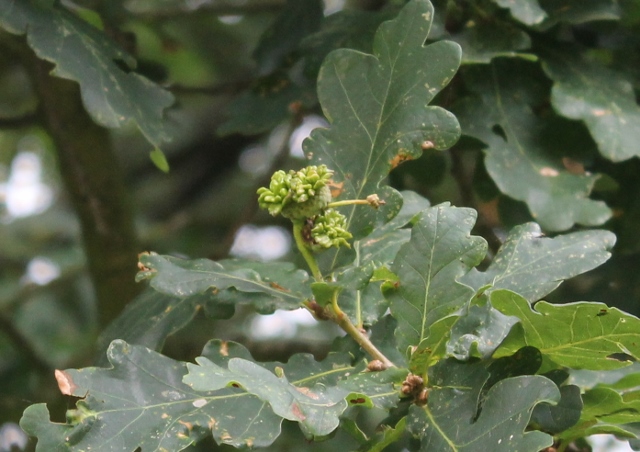
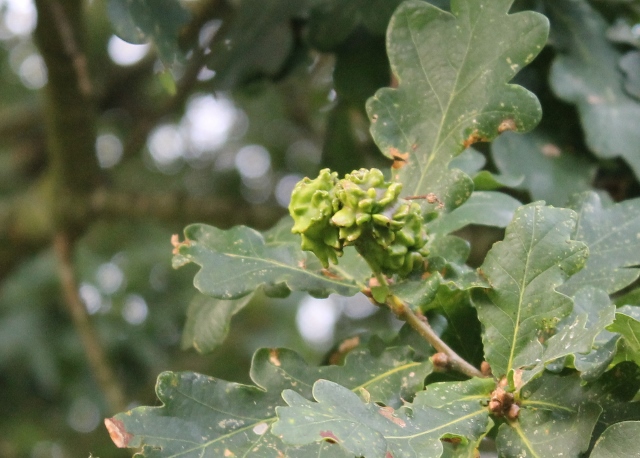
The oak tree in our garden is covered in galls as usual.

003Acorns attacked by galls again (640x452)

This is a Knopper Gall on the acorns photographed on 26th July

018Acorns with galls (640x458)

The same gall photographed on 5th August

As you can see, it had grown quite a lot in ten days.  They are now turning a darker colour.

Our Horse Chestnut is suffering from the fungus infection that causes blotches on the leaves.

007Diseased leaves of Horse Chestnut (640x427)

Blotches caused by the fungus Guignadia aesculi accidentally introduced into Britain from North America in the 1930s

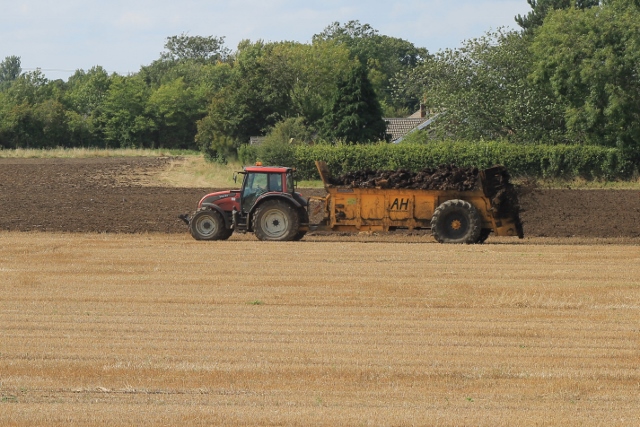
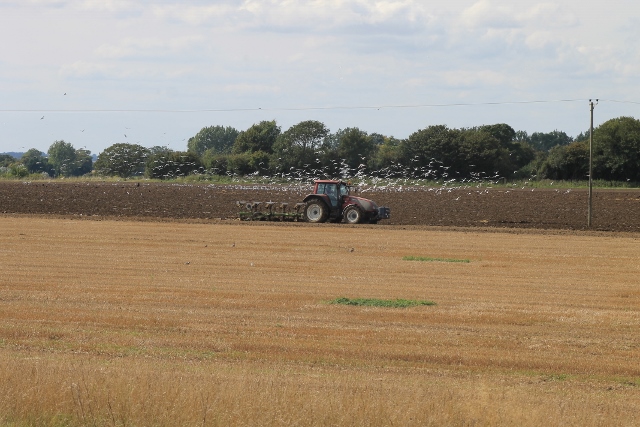
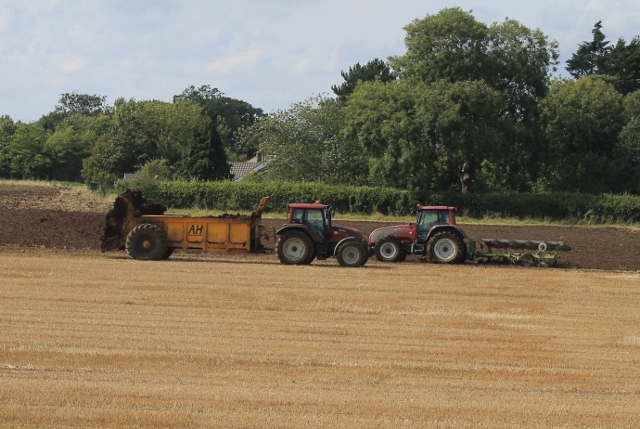
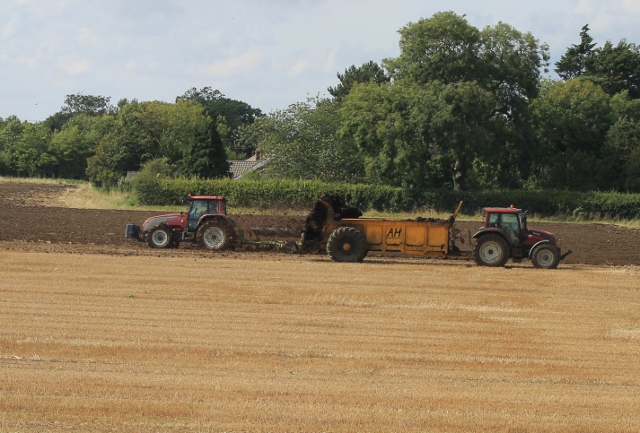
Muck spreading and ploughing was delayed for a few weeks but was eventually done in the field behind our house last week.

004Muck spreading (640x427)

Muck spreading. Mmmmn lovely!

005Ploughing (640x427)

Ploughing

006Muck spreading and ploughing (640x429)

Muck spreading and ploughing. The local farmer is very considerate and doesn’t leave stinky pig-muck on the fields for long as you see.

007Muck spreading and ploughing (640x433)

Skillful and speedy tractor work

The seagulls love following the plough and then stay around for a day or so feasting on all the grubs and worms.

030Seagulls (640x427)

A mixed flock of seagulls

039Seagulls (640x433)

These gulls are Black-headed Gulls with their winter plumage ( no black heads only black smudges on the side of their heads)

Another reason I think this has been a strange summer is the anxiety and worry we have all had has caused the time to pass by in a kind of haze.

My elder daughter has been trying to finish her PhD and find work and now has a large overdraft with the bank.  She has been able to do some proof-reading recently which has helped a little.

My mother was disappointed to find she had another bleed behind her left eye when she went for her check-up at the hospital.  She has started another course of injections.  She has been unwell with a bad upset stomach this last week and when I saw her today she had lost a lot of weight and had become very frail and vague.  She only told me about the upset stomach when I rang her yesterday – she hadn’t wanted to worry me!

My younger daughter, after two years out of education because of chronic anxiety has had the courage to apply for a place at college to do some GCSE exams.  She has been accepted and yesterday she went there for a ‘taster day’ – a practise run-through and a chance to meet her tutors and get time-tables etc.  She came home exhausted and tearful after spending seven-and-a-half hours in college – the longest time away from home and/or family for years.  Her term starts next Monday and she is so very nervous.  I will be driving her into college and then picking her up again when she finishes which will mean nearly 100 miles a day for me.  Eventually we hope that she may be able to get the bus into Norwich but she probably won’t be able to manage it for some time.  We are all holding our breath and hoping that she doesn’t lose her nerve.

My husband has had a problem with his throat since April.  He has had a recurring painful ulcer at the back of his throat that comes up when he eats.  He has pains in his neck too.  He has found that taking anti-histamine seems to control the ulcer.  He has visited his doctor three times and the first two times was told it probably wasn’t anything to worry about and to come back in a month. The third time the doctor referred him to the Ear, Nose and Throat specialist at the hospital.  He eventually got an appointment to see the specialist on the 5th August.  The specialist didn’t know what was causing the problem so arranged for R to have an MRI scan which took place on 18th August.  R got a letter from the hospital last week asking him to see the specialist again yesterday.  R has been getting more and more anxious as the summer has progressed, as is only natural, and the long delays in between appointments have been difficult to cope with.  The specialist began by saying that she couldn’t find anything in the scan to account for the problems R has been experiencing, however she had found something else which will need dealing with before any more investigation into the throat business is done.  There is a growth on his pituitary gland at the base of his brain and this will have to be operated on soon before he becomes really unwell.  He will have to take some time off work and won’t be able to drive for some time before and after the operation.  The specialist is referring my poor husband to another specialist who will contact R in about a month.  R is very relieved it isn’t cancer but is very nervous about having a brain operation.

If my posts have been sporadic, if I have written a load of rubbish or made a rather stupid comment on your blogs it is because of all of the above.  I can’t think straight and I can’t concentrate on anything.  My arthritis is playing-up in my hands especially and I am so far behind with everything it is shocking!  However, I am a strong person and with God’s help I will be able to support all the members of my family and all will be well.


Share this:

  • Share on X (Opens in new window) X
  • Share on Reddit (Opens in new window) Reddit
  • Share on Pinterest (Opens in new window) Pinterest
  • Share on Facebook (Opens in new window) Facebook
  • Email a link to a friend (Opens in new window) Email
  • Share on Tumblr (Opens in new window) Tumblr
  • Print (Opens in new window) Print
  • Share on Pocket (Opens in new window) Pocket
  • Share on LinkedIn (Opens in new window) LinkedIn
Like Loading...

Snoopy vs the Red Baron

24 Thu Jul 2014

Posted by Clare Pooley in Insects, plants, Rural Diary, Uncategorized, wild birds

≈ 9 Comments

I am still having trouble posting on my blog.  I had almost finished one last night and had worked for well over an hour on it when it just disappeared and all that was saved was the title.  A total waste of time!  I could have been doing something useful like the ironing and it makes me feel so frustrated.

So, here we go again.


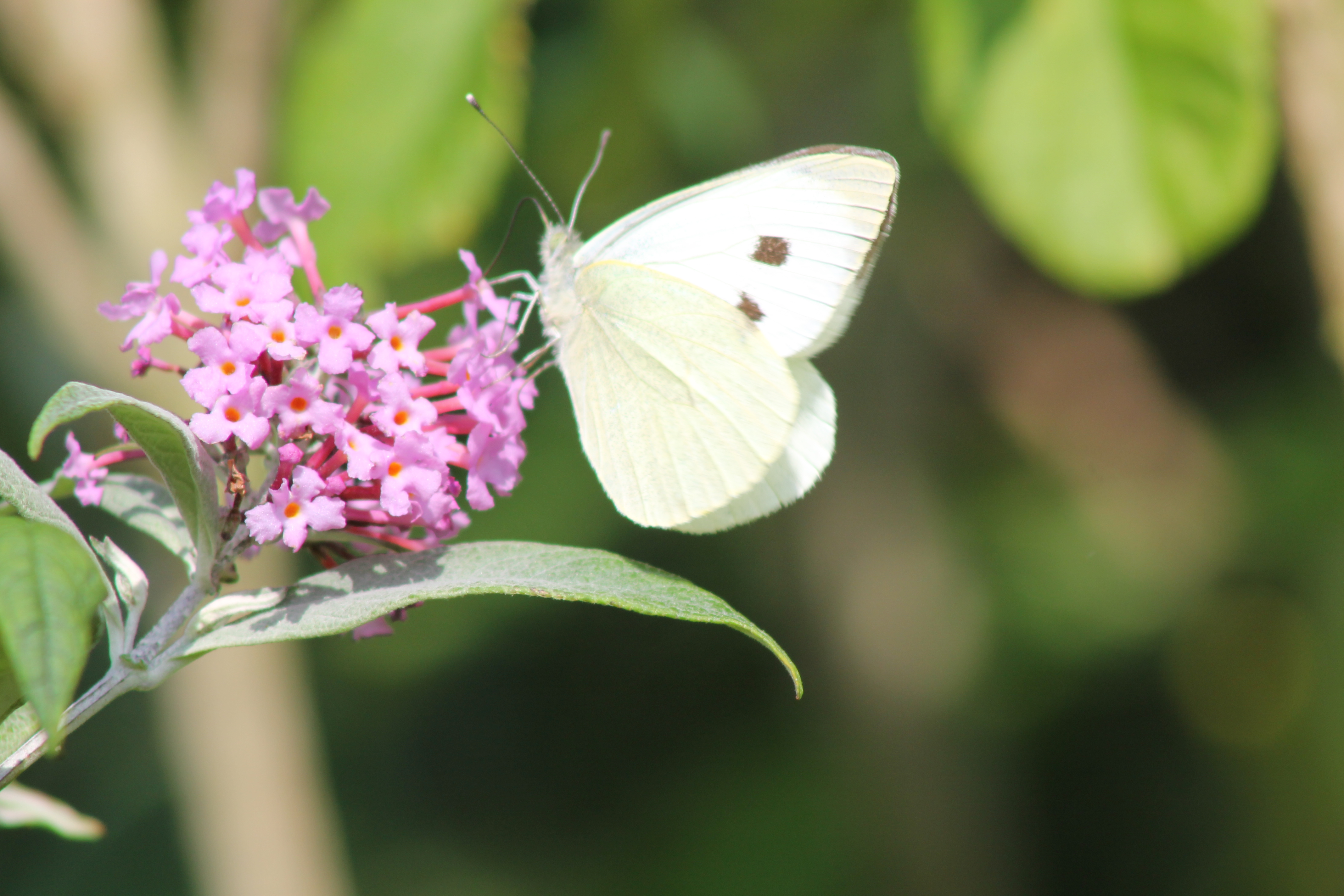
007White butterfly on buddleja

Large White butterfly on Buddleia

We woke on Monday to a bright and breezy day with all the humidity gone.  I was able to dry my towels and all my other washing too.  The window cleaner arrived and gave all the glass a bit of sparkle.  I got through all my household chores and did some shopping in Halesworth too.


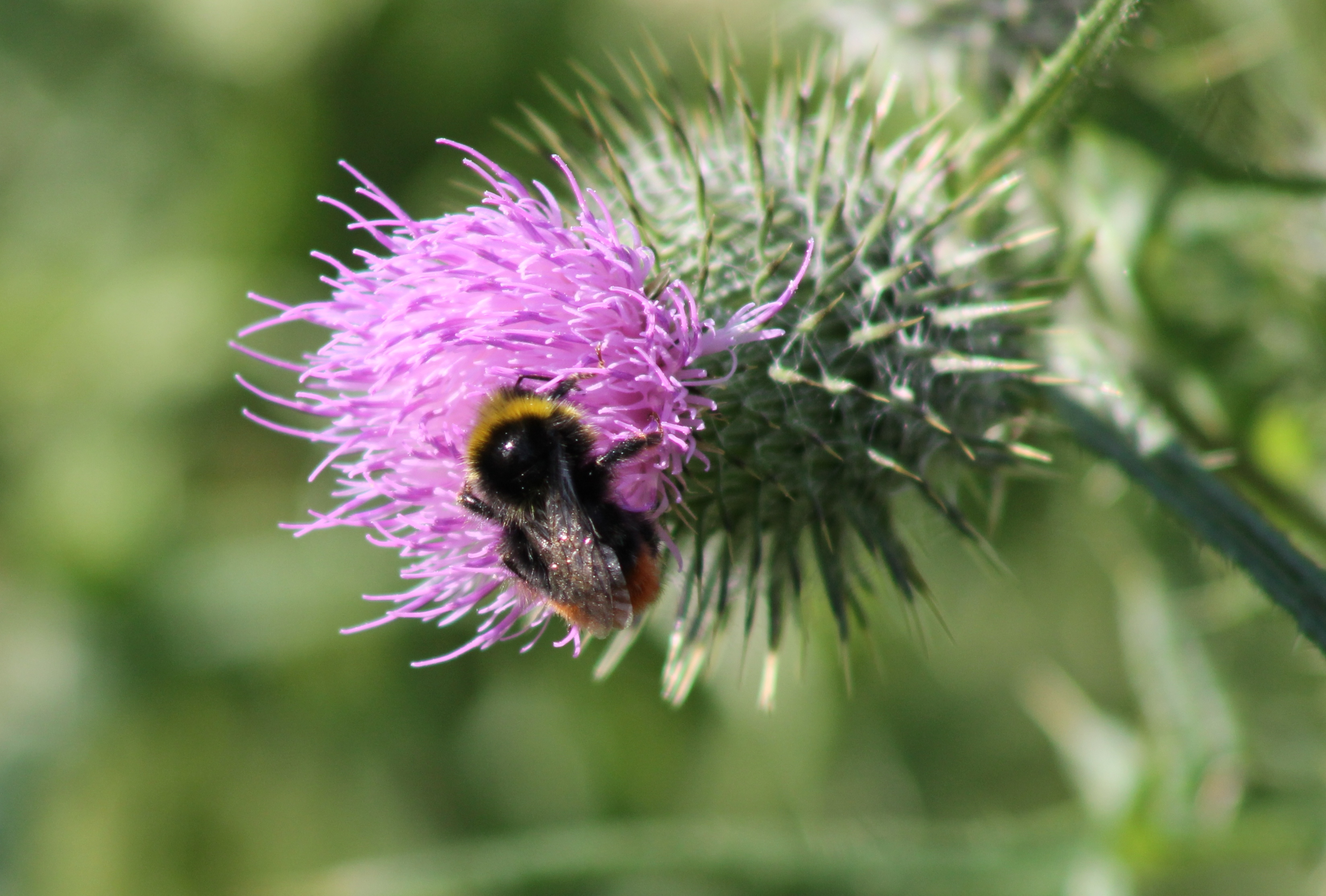
012Bumble bee on thistle

Cuckoo Bee on Spear Thistle

During the afternoon I wandered round the garden to see what there was to see.  I discovered a wasps’ nest under the garage roof tiles.  The wasps are quite small – they appear smaller than common wasps – but I could be mistaken.  If they cause us a lot of trouble they will have to go but they are such useful creatures I would rather leave them be.  They feed their young on chewed up insects including all the garden pests and flies that get into the house.  The also appear to love fennel nectar and pollinate my fennel plants.  Last year we hardly had any wasps at all and I had no fennel seeds.

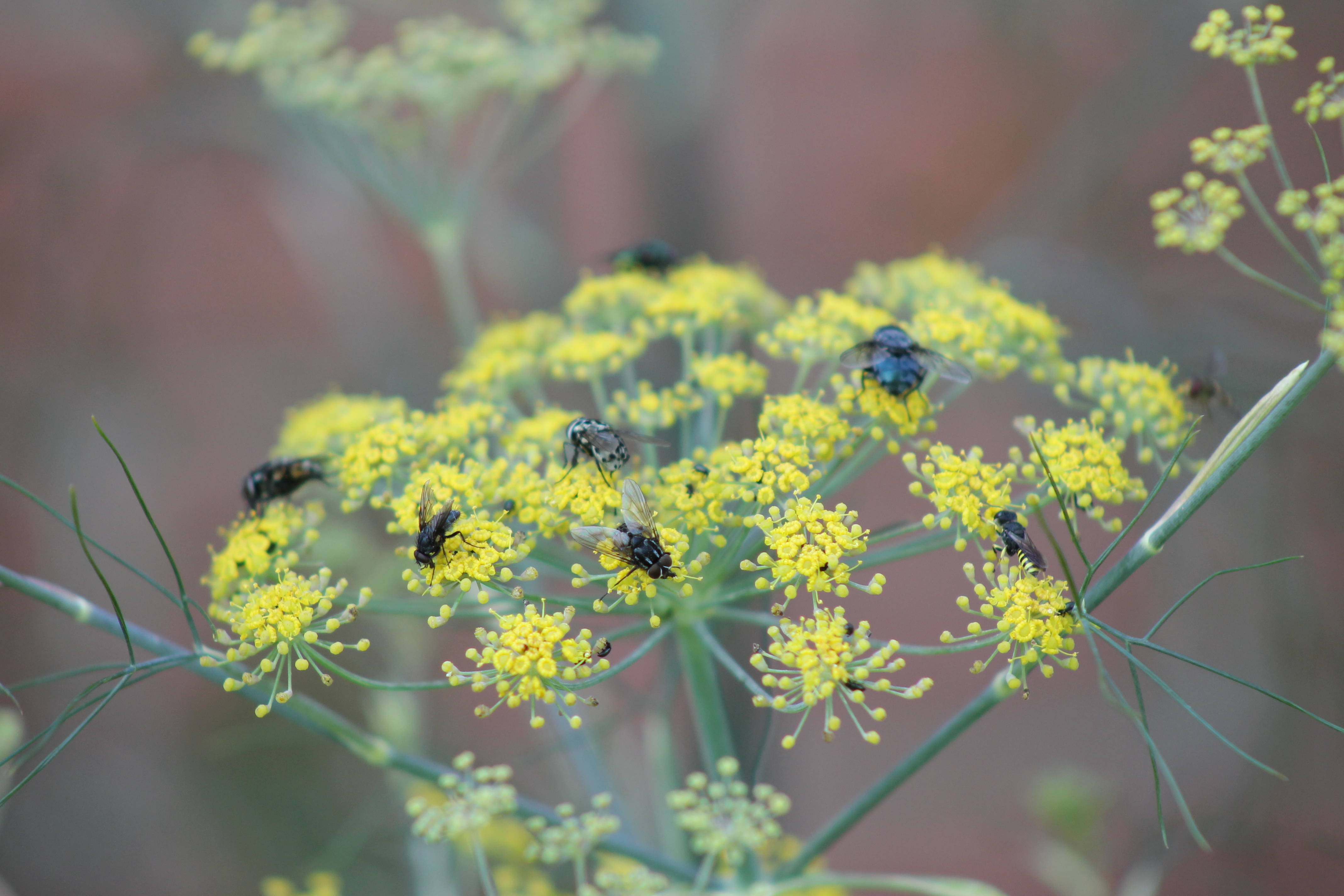
018Flies on fennel

Flies all over the bronze fennel flower-head

Some of the insects I saw were a little the worse for wear.

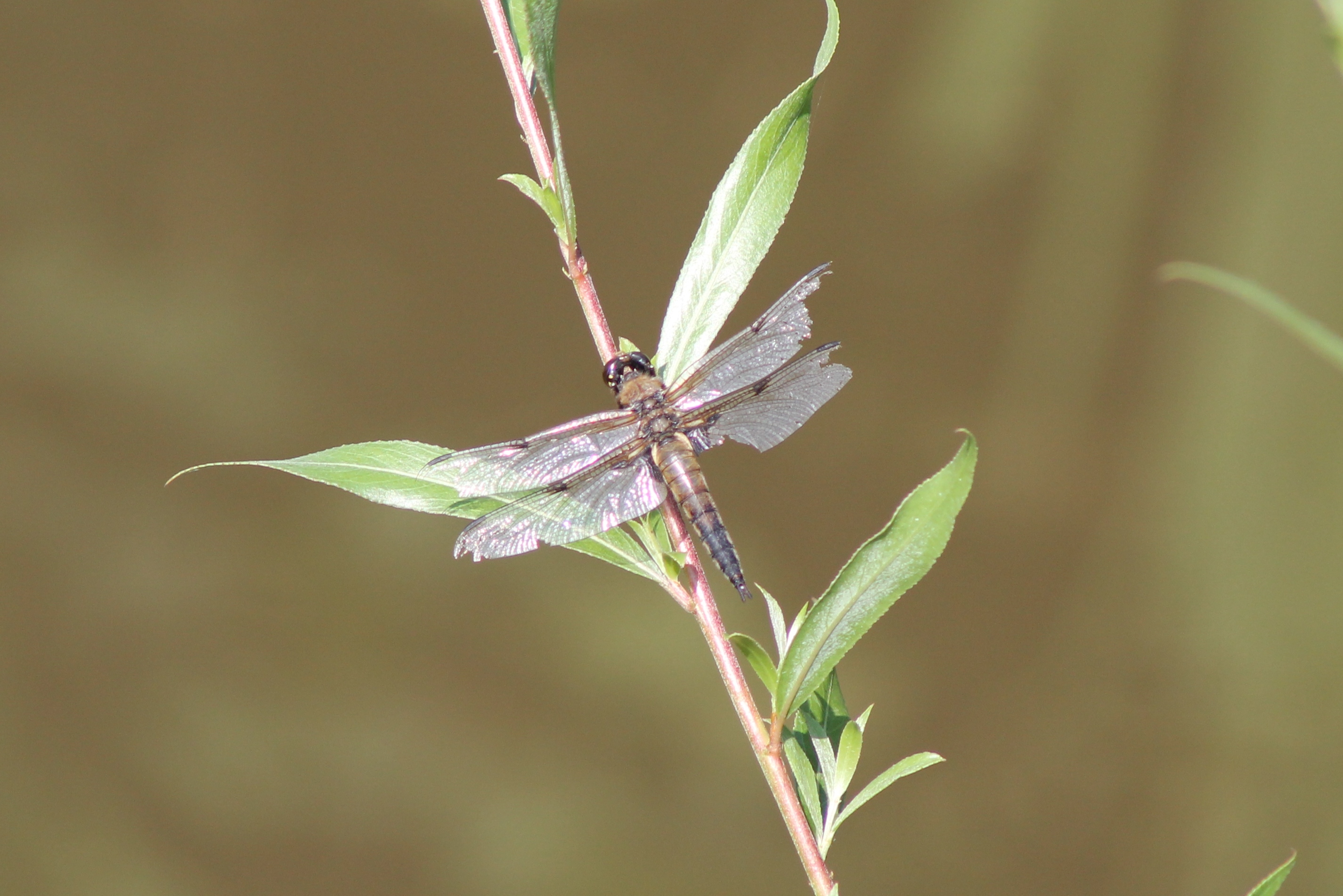
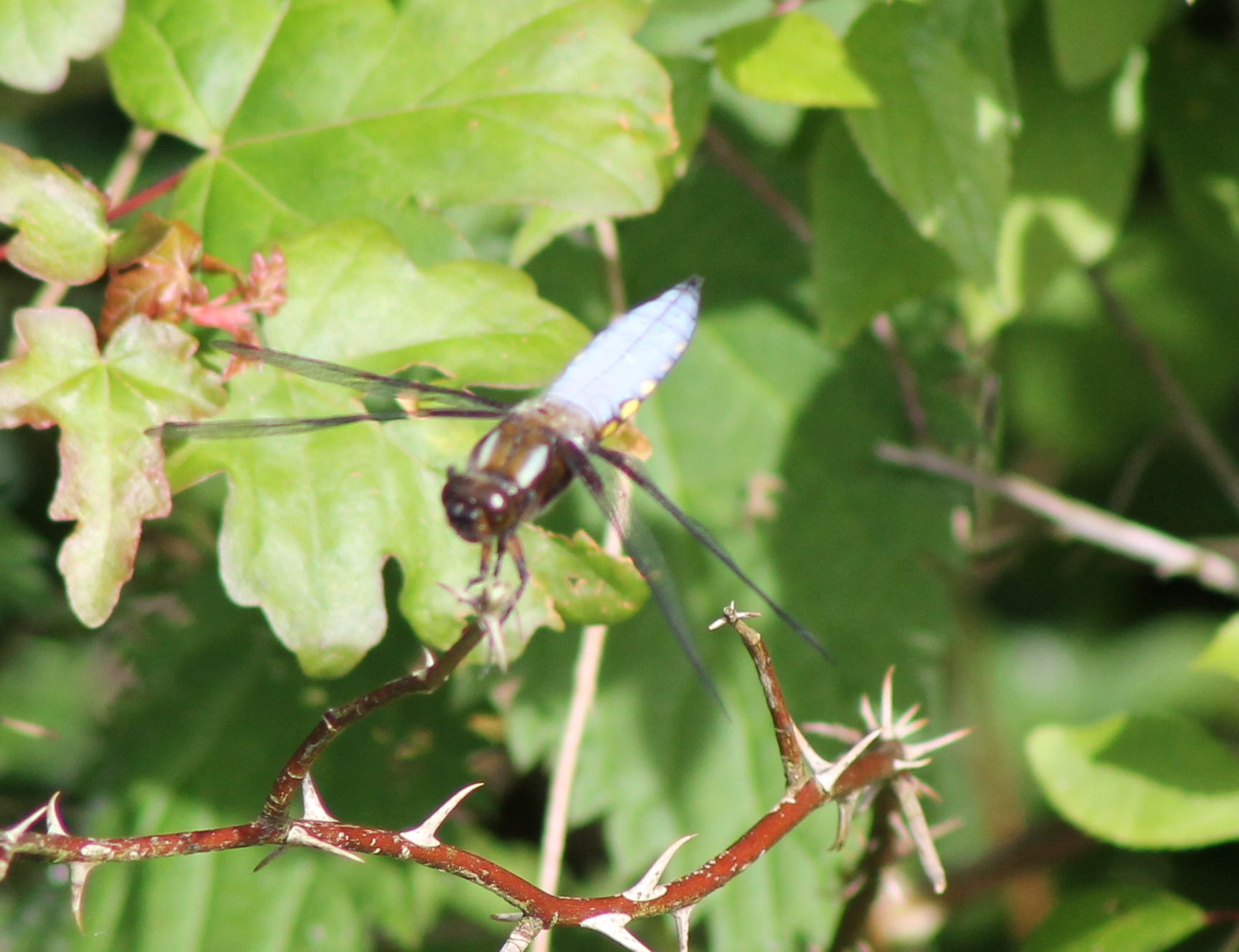
015Dragonfly

Four-spotted Chaser on Willow

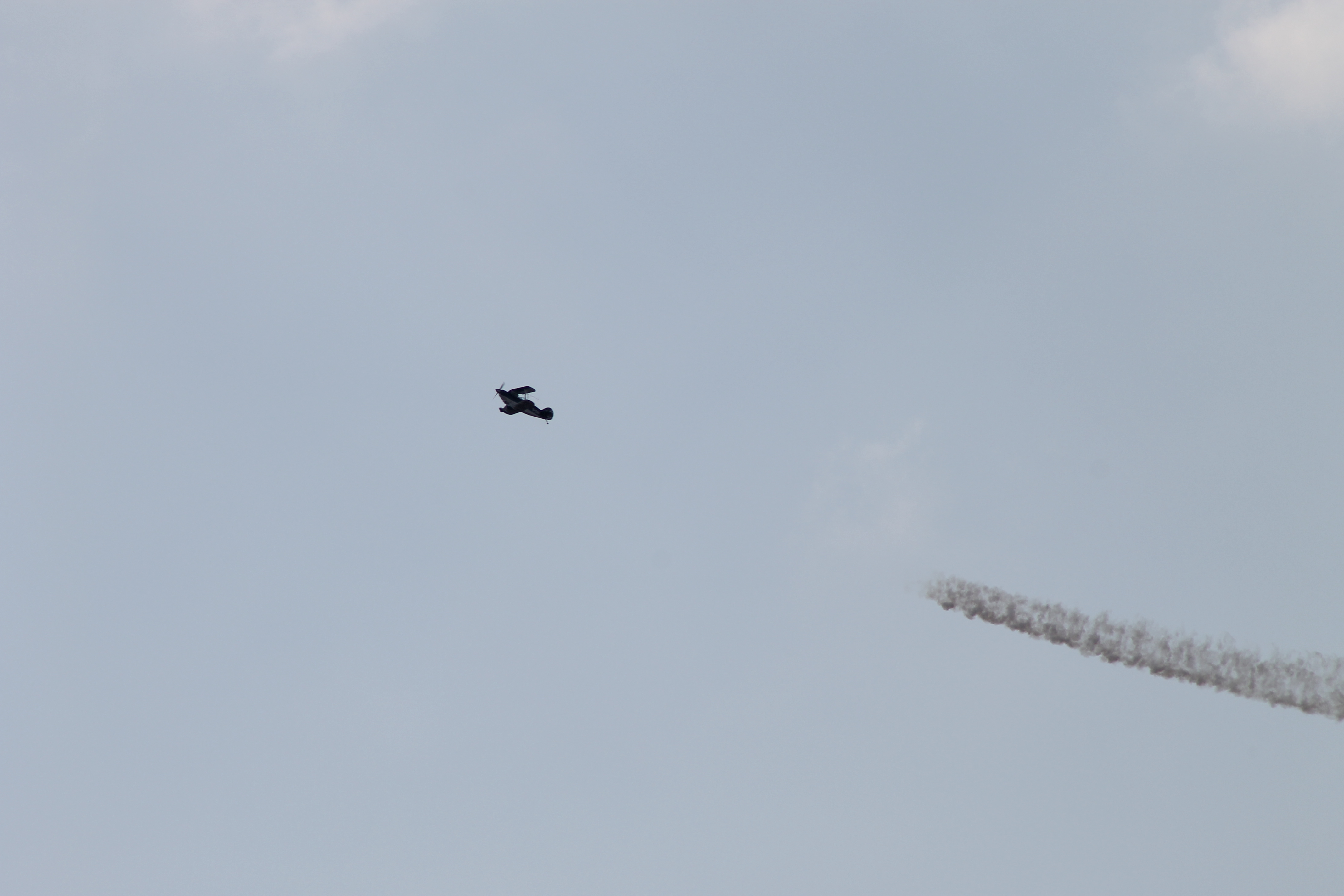
While hanging out the last lot of washing I heard what sounded like an old-fashioned plane approaching.  In fact it was two bi-planes.  I don’t know if they were just flying for fun or if they were rehearsing for an air show or a World War I commemoration display but they were ace fliers and I enjoyed watching them very much.  They weren’t flying original bi-planes but modern equivalents.

026Bi-planes

030Bi-plane

048Bi-plane

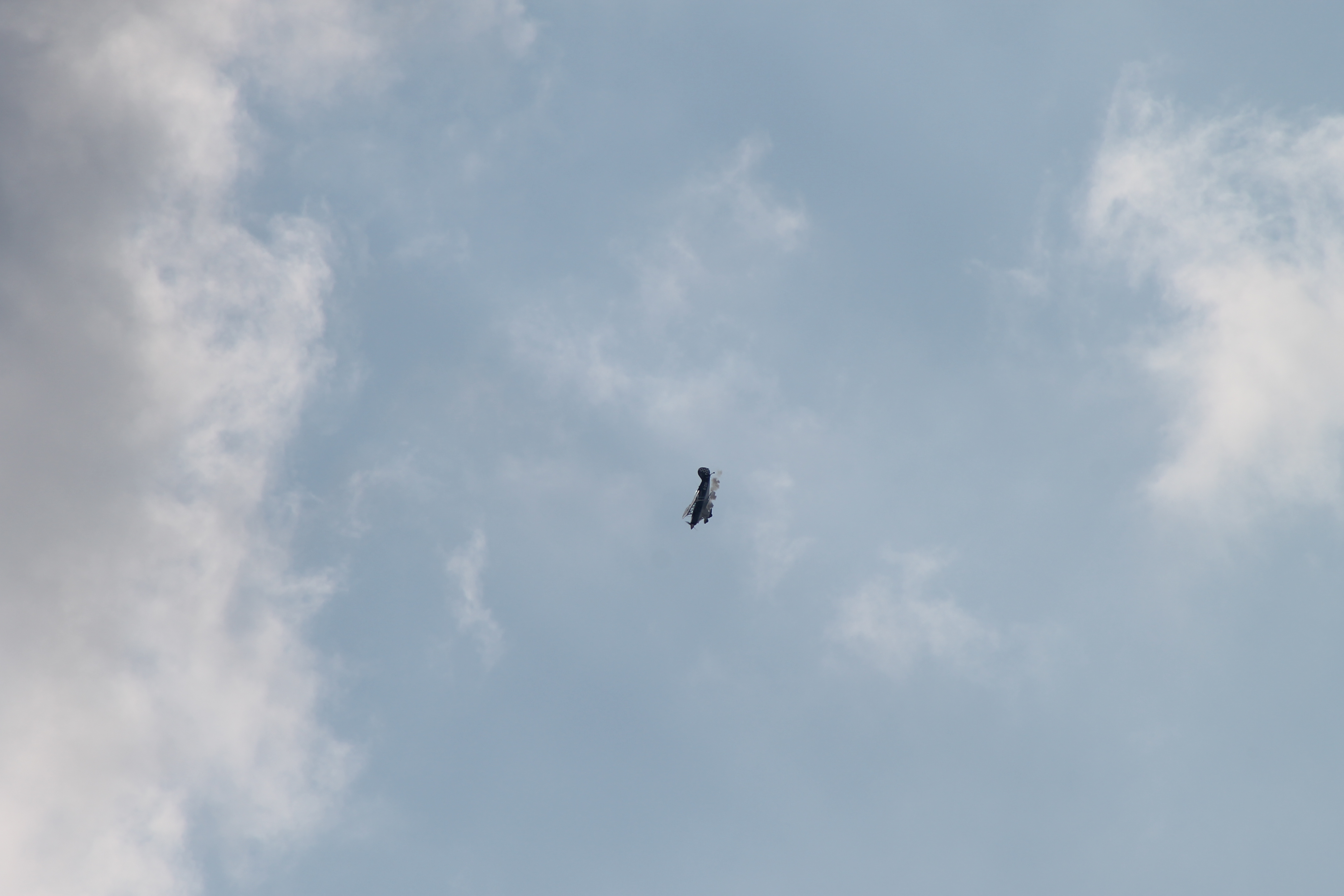
They then started practising loop-the-loops.

031Bi-plane with smoke-trail

032Bi-plane with smoke-trail

033Bi-plane with smoke-trail

034Bi-plane with smoke-trail

035Bi-plane with smoke-trail

036Bi-plane

His friend wasn’t going to be outdone and did a few loop-the-loops of his own.  I couldn’t see him quite so clearly.

037Bi-plane with smoke-trail

038Bi-plane with smoke-trail

039Bi-plane with smoke-trail

047Bi-plane

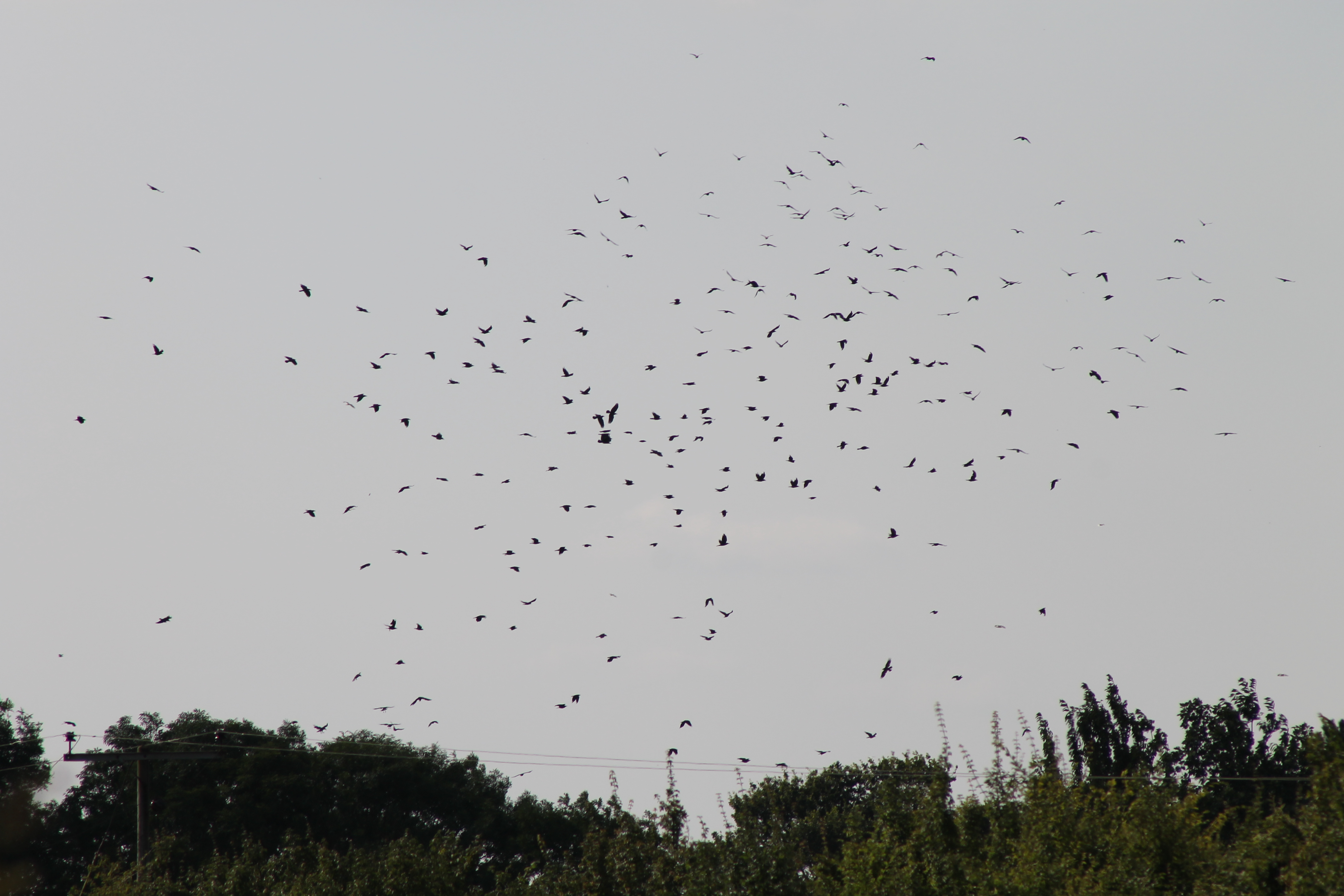
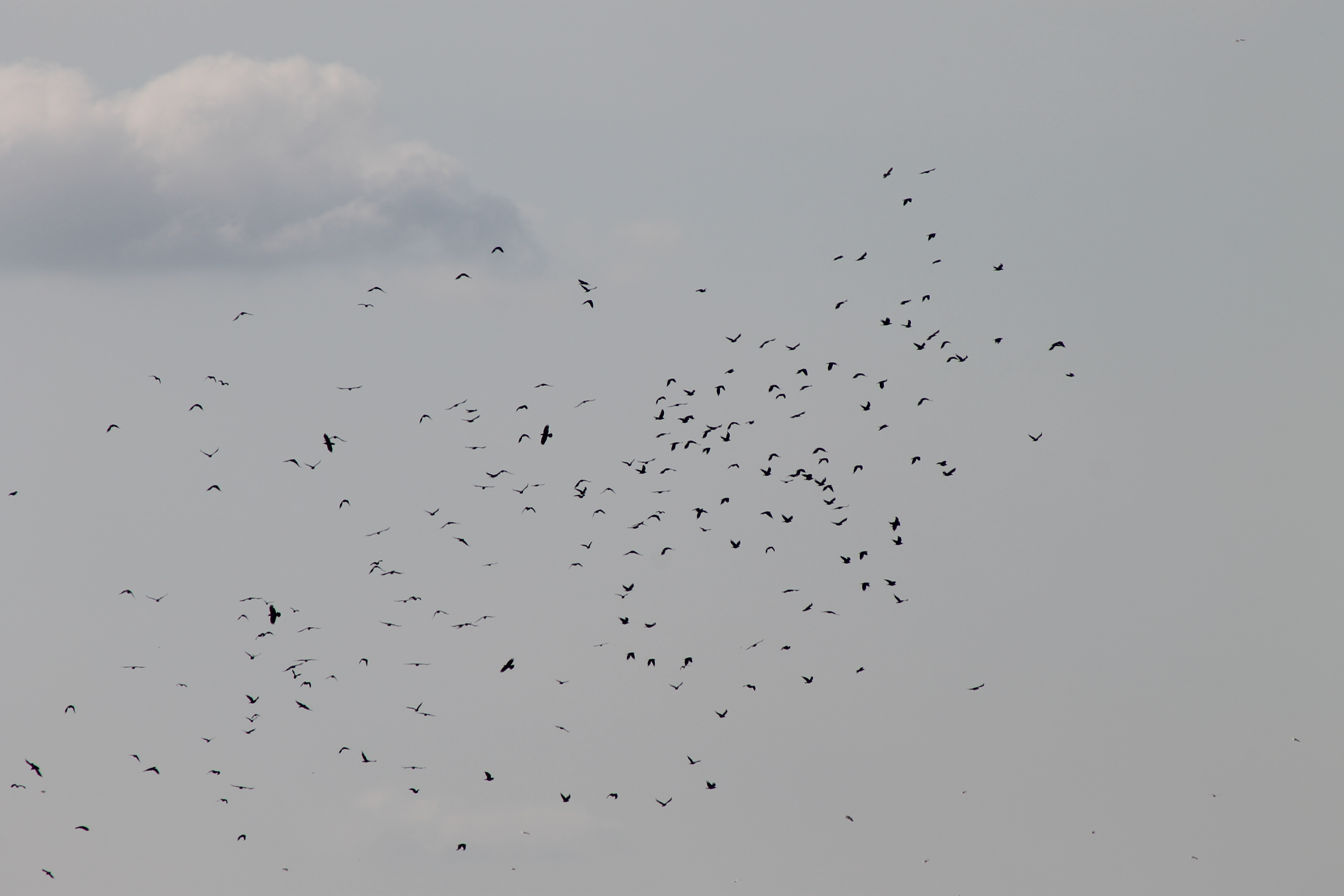
I was really impressed!  Strangely, I wasn’t alone in being excited by this display.  While all this was going on I became aware of a lot of noise coming from the St Margaret’s rookery.  The rooks had all gathered together and suddenly flew up into the sky and performed a display of their own!  Normally they only display first thing in the morning and last thing at night just before roosting.  They fly up into the sky together, circling round and round and getting higher and higher , calling to each other and chasing and weaving through the melée.  Suddenly, of one accord, they plummet down into their roost, reeds, scrubland or the tree canopy.  This is what they did on Monday afternoon.  They must have thought the planes were strange birds.

040Rooks

041Rooks

 I was disappointed not to be able to photo their descent into the tree tops.  I find birds constantly amazing!


Share this:

  • Share on X (Opens in new window) X
  • Share on Reddit (Opens in new window) Reddit
  • Share on Pinterest (Opens in new window) Pinterest
  • Share on Facebook (Opens in new window) Facebook
  • Email a link to a friend (Opens in new window) Email
  • Share on Tumblr (Opens in new window) Tumblr
  • Print (Opens in new window) Print
  • Share on Pocket (Opens in new window) Pocket
  • Share on LinkedIn (Opens in new window) LinkedIn
Like Loading...

The Young Visitors

18 Wed Jun 2014

Posted by Clare Pooley in Gardening, Rural Diary, wild animals, wild birds

≈ 12 Comments

Tags

hedgehog, lily-pads, mallard duck, mallard ducklings, rooks, sunset, tawny owlets, watering plants, Young birds

Image

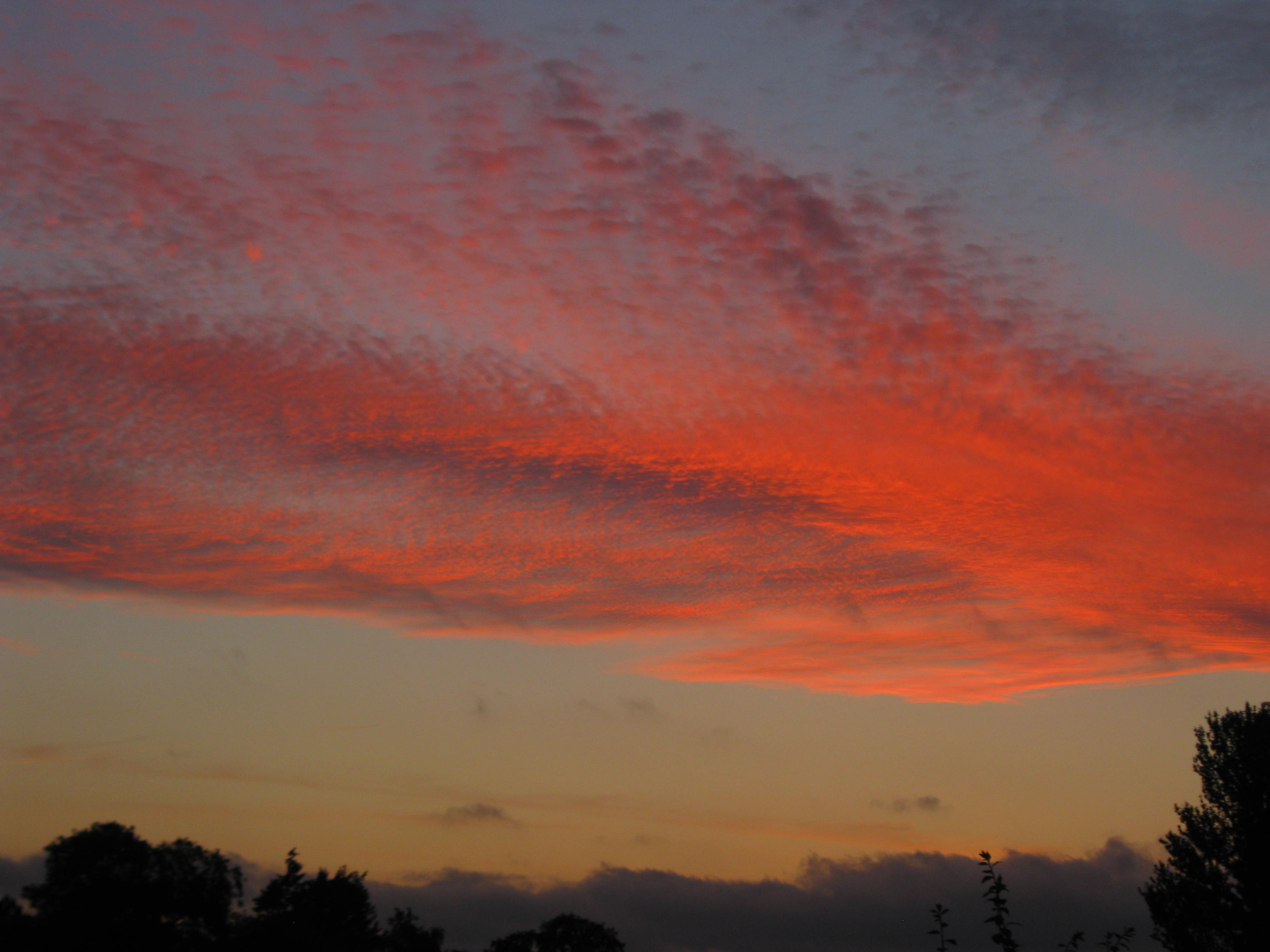
We had a fabulous sunset last night.  After yet another cloudy start to the morning things gradually improved so that by early afternoon it was bright and much warmer than of late, though still with a stiff northerly breeze.  I spent the whole day at home – a real luxury – household chores in the morning and a little gardening in the afternoon.  Because we haven’t had much rain recently I decided to water everything very thoroughly yesterday evening so went outside again after our evening meal.  I started off with lots of watering cans filled from our water-butts which I used in the greenhouse, on plants in tubs in ericaceous soil and on as many of the other plants and flower beds as I could manage.  I then used the hosepipe for the rest of the thirsty plants.  We have a water meter so are careful not to use the garden hose any more than we have to.  We save as much water as we can in water-butts but carrying lots of filled two-gallon cans round the garden is tiring work.

As I watered the plants I listened to the birds calling to each other as they do in the evening.  Gradually the day-time birds fell silent and the night-time sounds began.  One of the sounds we have been listening to for the last couple of weeks is the calling of a couple of Tawny owlets in the trees opposite our house.  It started with just one owl calling on its own but a few days later another one joined in.  They call every few seconds for the whole night from about 8.30pm until dawn the next morning.  They become very noisy every now and then, clamouring and squeaking and I assume that is when they are being fed.   They must be getting quite big by now as their voices are louder and they are moving through the trees.  Sometimes they are near the end of the lane where they started off and sometimes they are in the ash tree opposite our house.  I am used to the noise they make now but at first it was difficult to get to sleep.

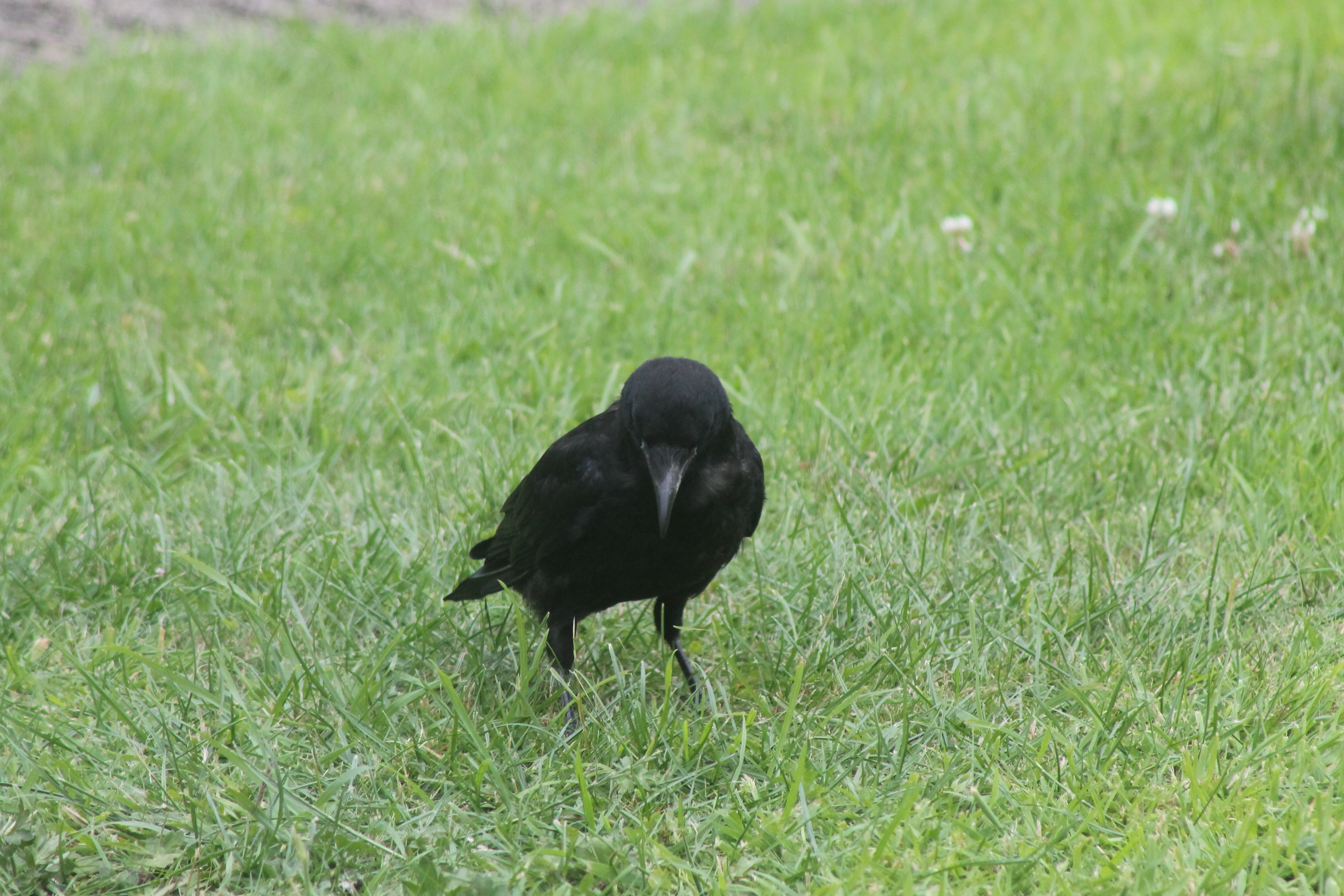
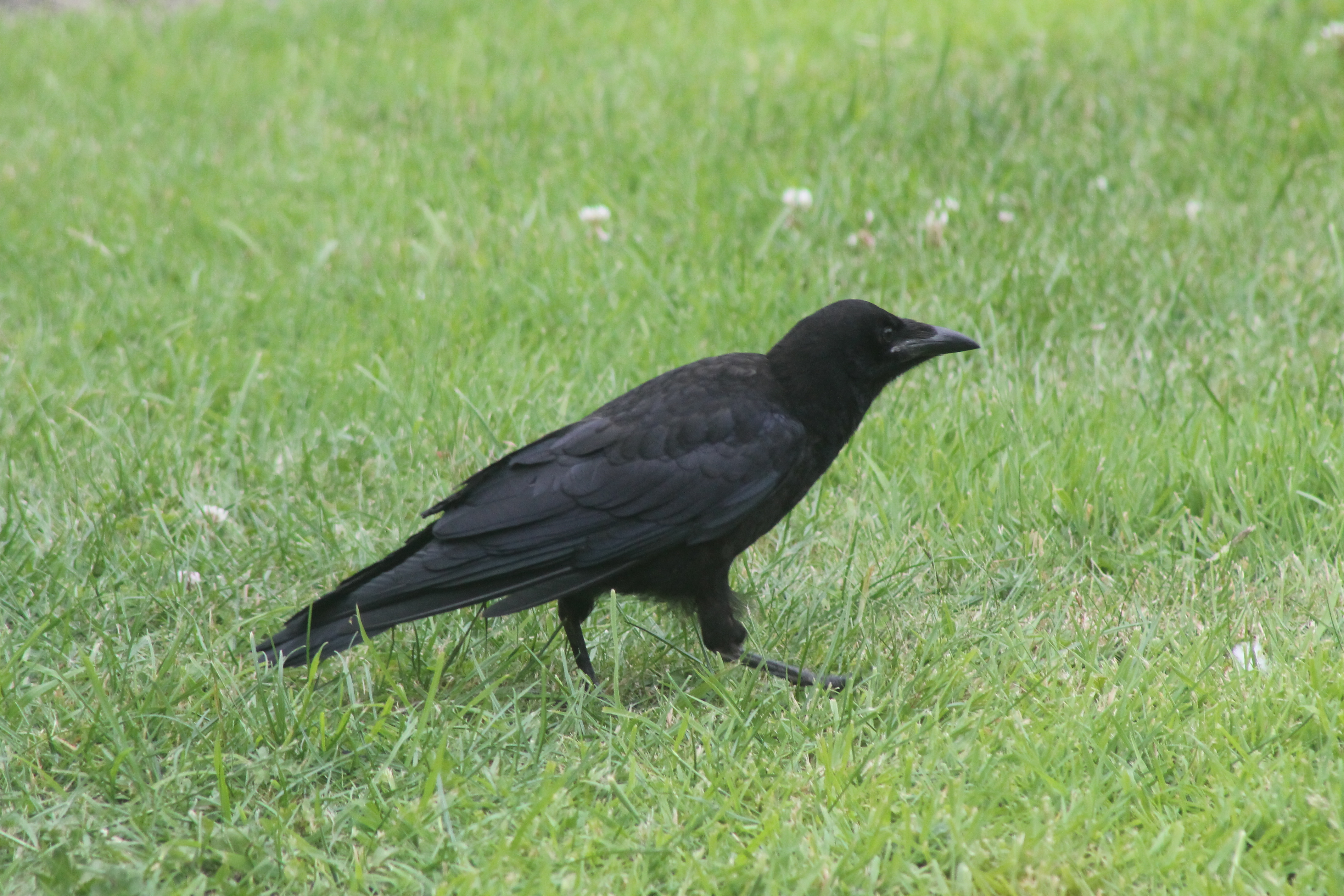
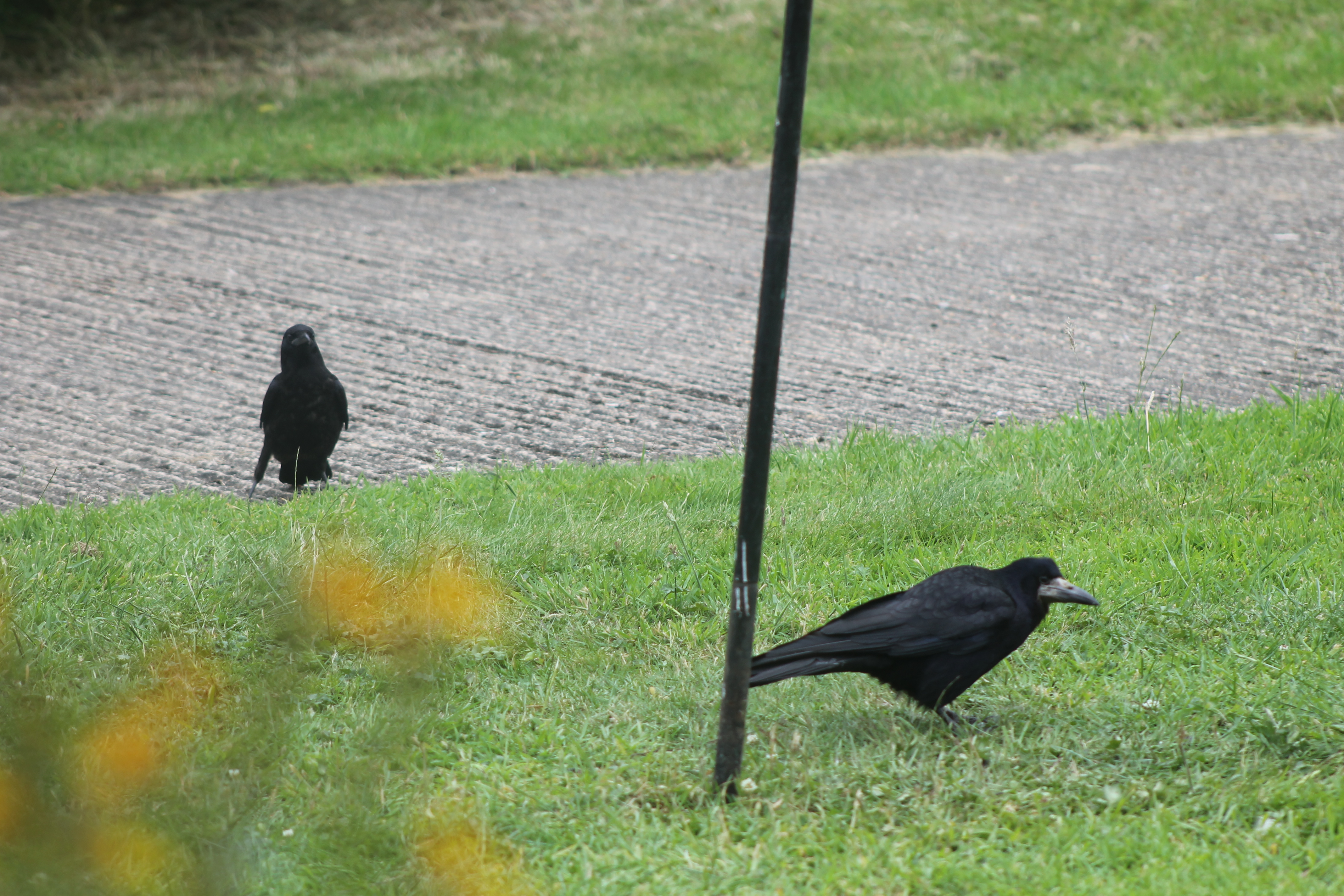
The sunset picture I took yesterday evening was at 9.30pm and it was still light enough for me to see round the garden without a torch at 11pm.  It starts to get light just before 3am and by 3.30am to 4am most of the birds are singing again.  I have to collect all the bird feeders that are near the house if they still have food in them and bring them into the porch or greenhouse.  This is because of the rooks who descend on the feeders at the crack of dawn and have loud arguments among themselves just under our bedroom window.  Unfortunately, we are still being woken by a rook despite there not being any food outside the house (there are other feeders further down the garden that we leave out).  This rook is a young one who doesn’t seem to want to learn to feed itself.  It follows its parent about calling loudly and not watching the adult bird as it shows its fledgling where to find food.

Image

Young rook

Image

Young rook

Image

The fledgling has just noticed its parent has arrived.  The parent hopes it hasn’t been noticed!

Image

The fledgling is calling and fluttering its wings and the parent resignedly goes to join it.

Image

Off they go together to look for food under the tree.  Poor parent rook – all the other rooks’ fledglings have gone off a week or more ago and only this one is left, unable to feed itself.

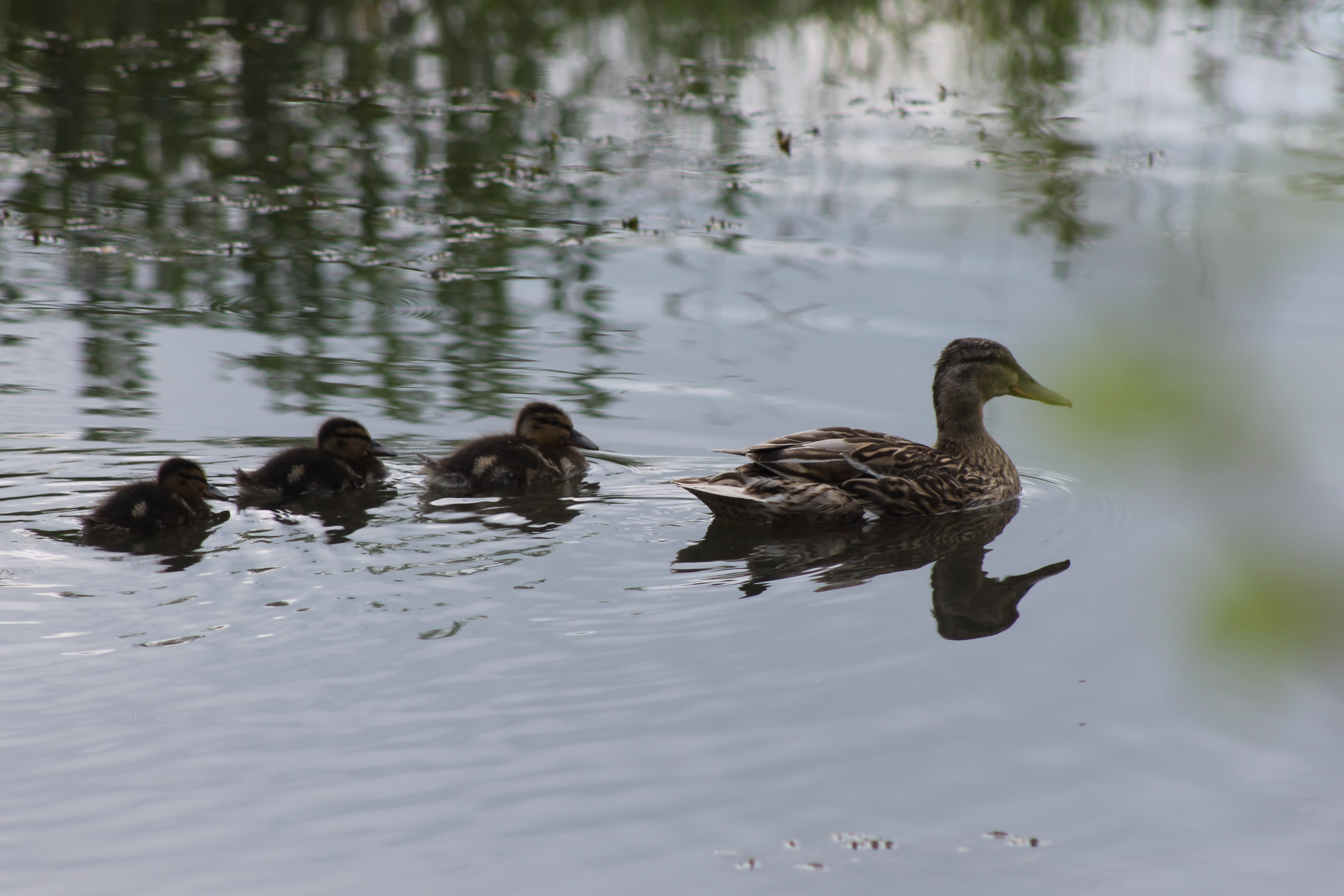
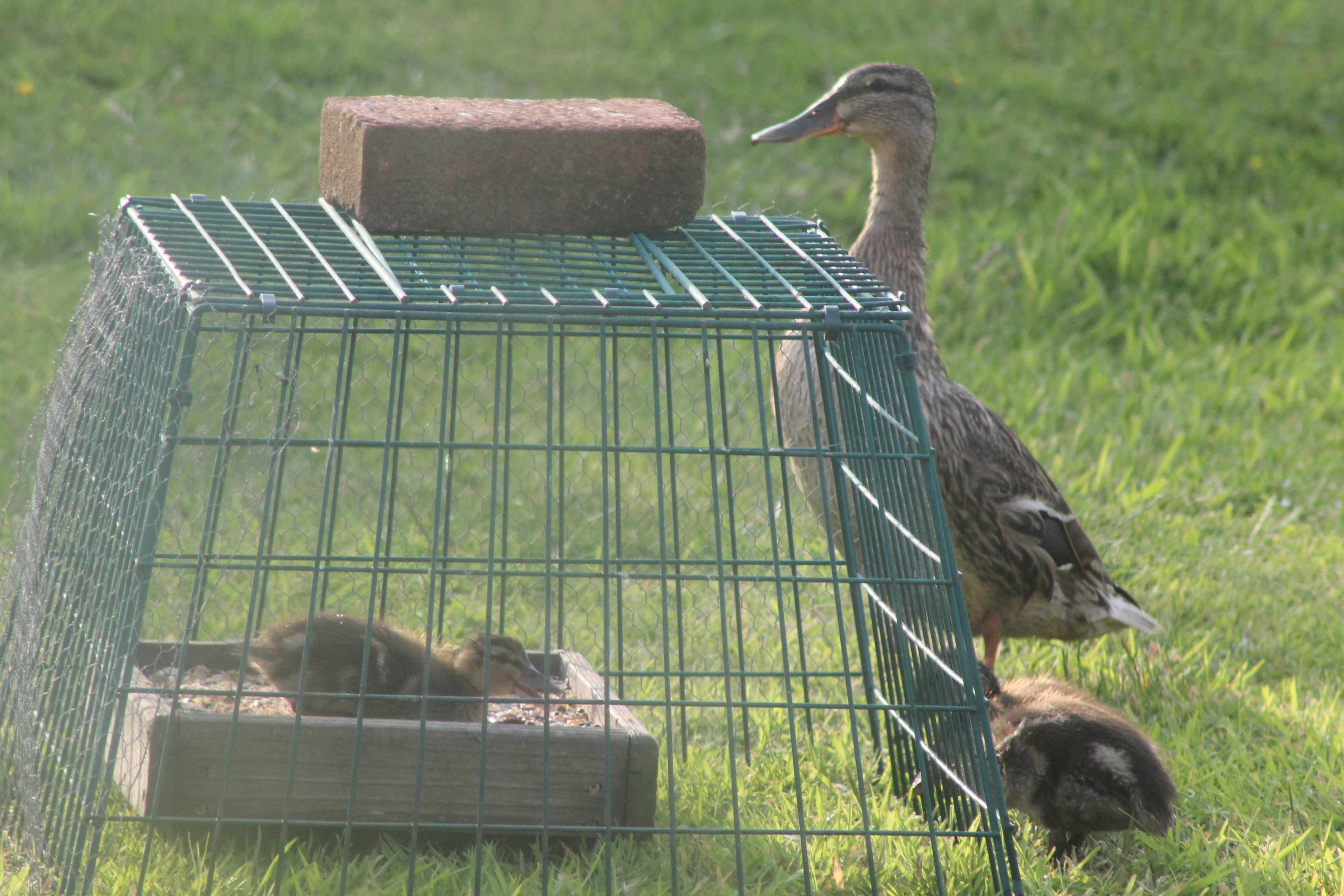
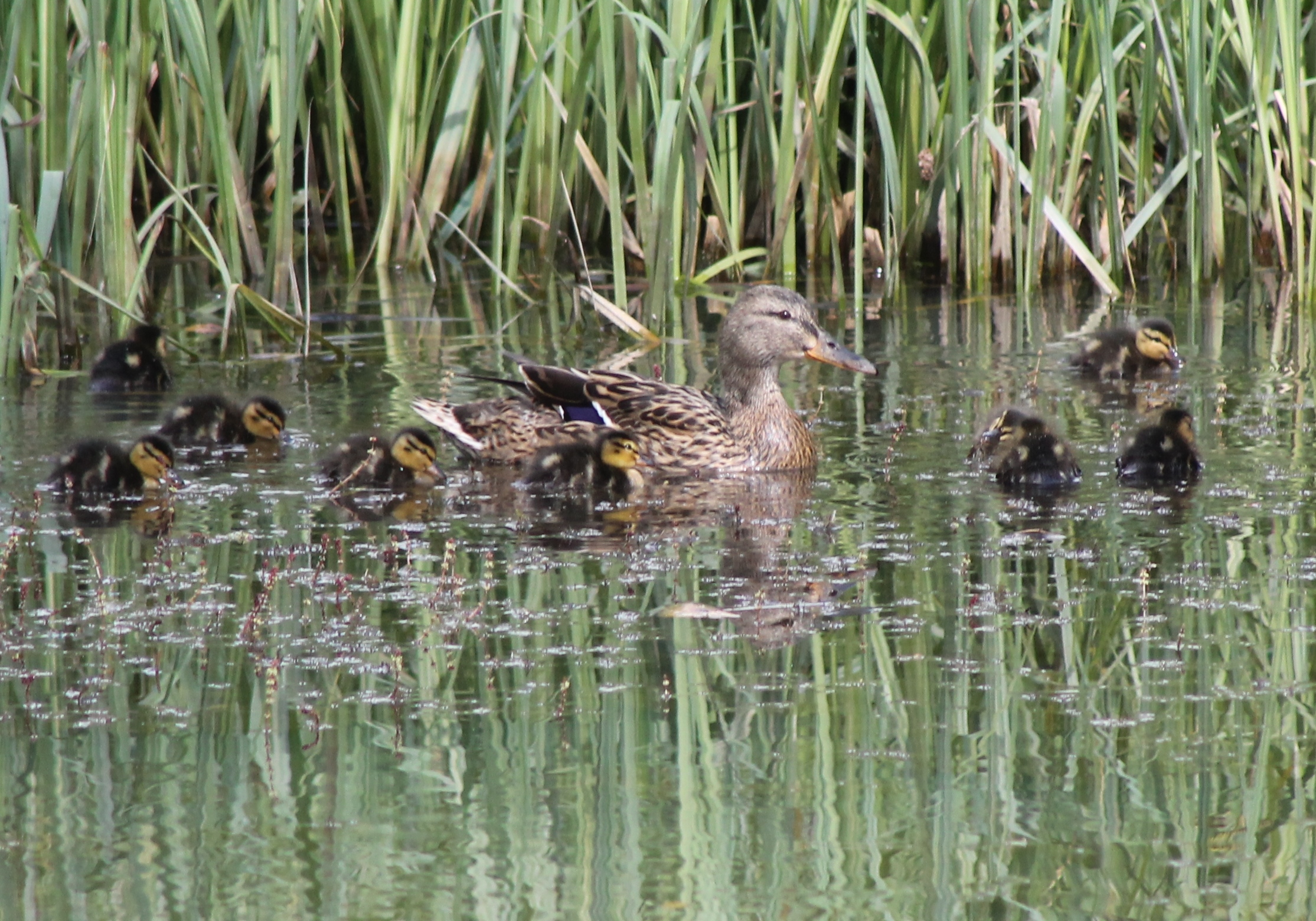
Another young family we have in the garden are three mallard ducklings with their mother.

006Mallard duck with ducklings

We have been watching this little family grow from tiny little balls of fluff to these young ducks.

026Mallard duck with three ducklings

An over-exposed photo of them on the 9th of June

014Mallard duck with 3 ducklings

And here they are on the 12th of June.

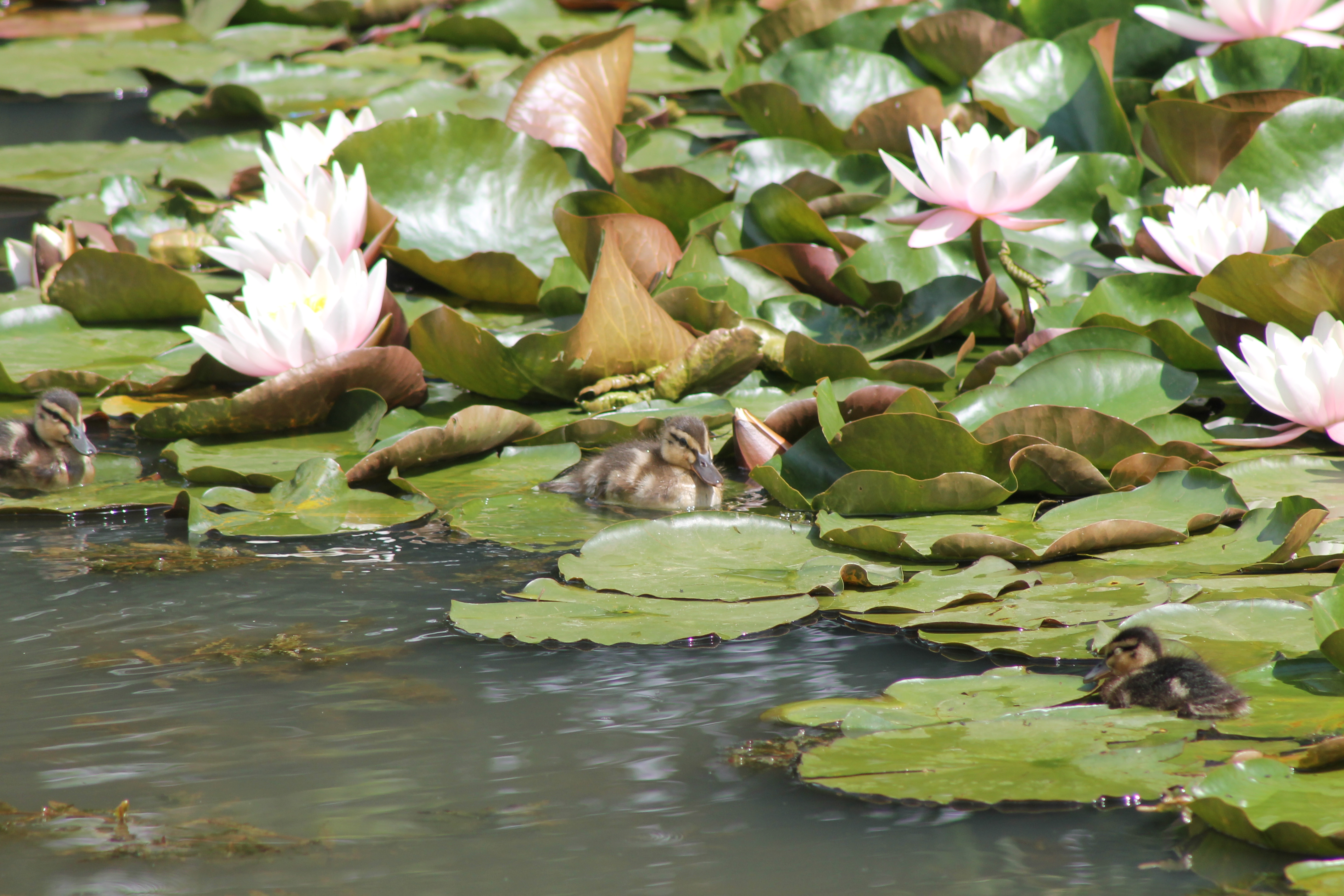
017 Three ducklings resting on lily-pads

Here they are resting on lily-pads.  The smallest one on the right is fast asleep.

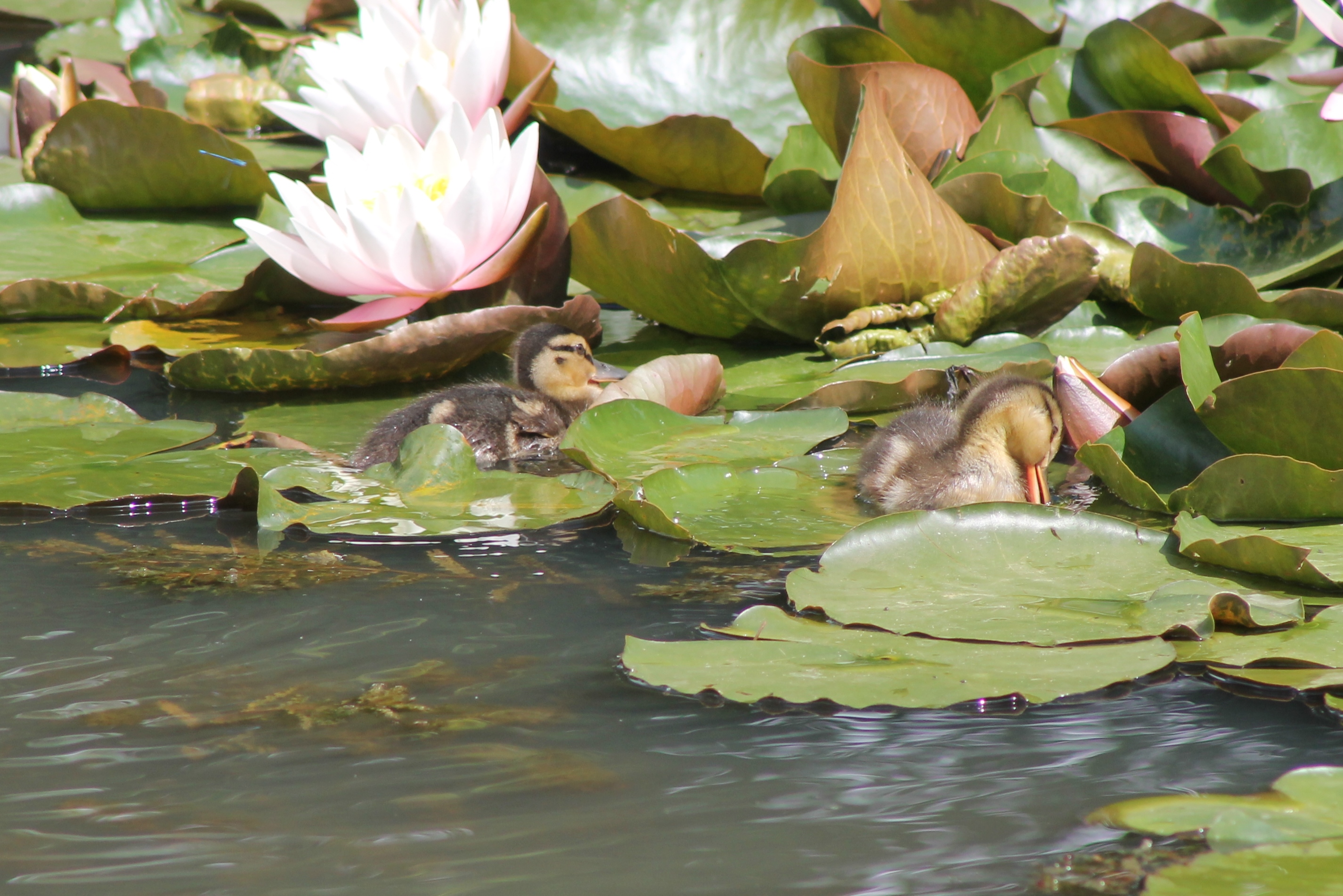
018Two ducklings resting on lily-pads

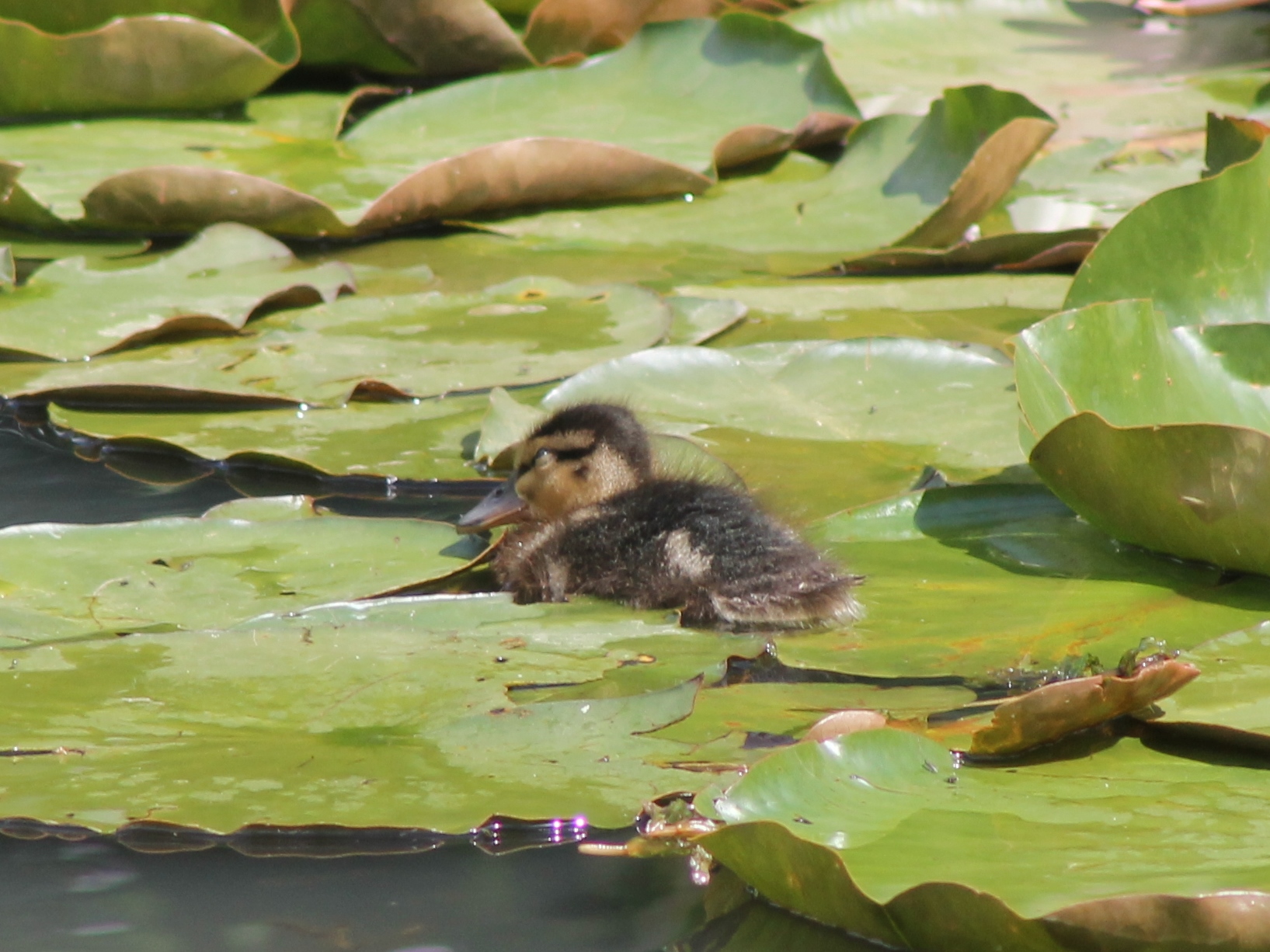
019Sleeping duckling


They visited the ground feeder the following day.  Only the smallest one can get through the mesh now.

036Duck and ducklings

We briefly had another family of mallards that same day.  This time there were eight ducklings.

016Mallard duck with 8 ducklings

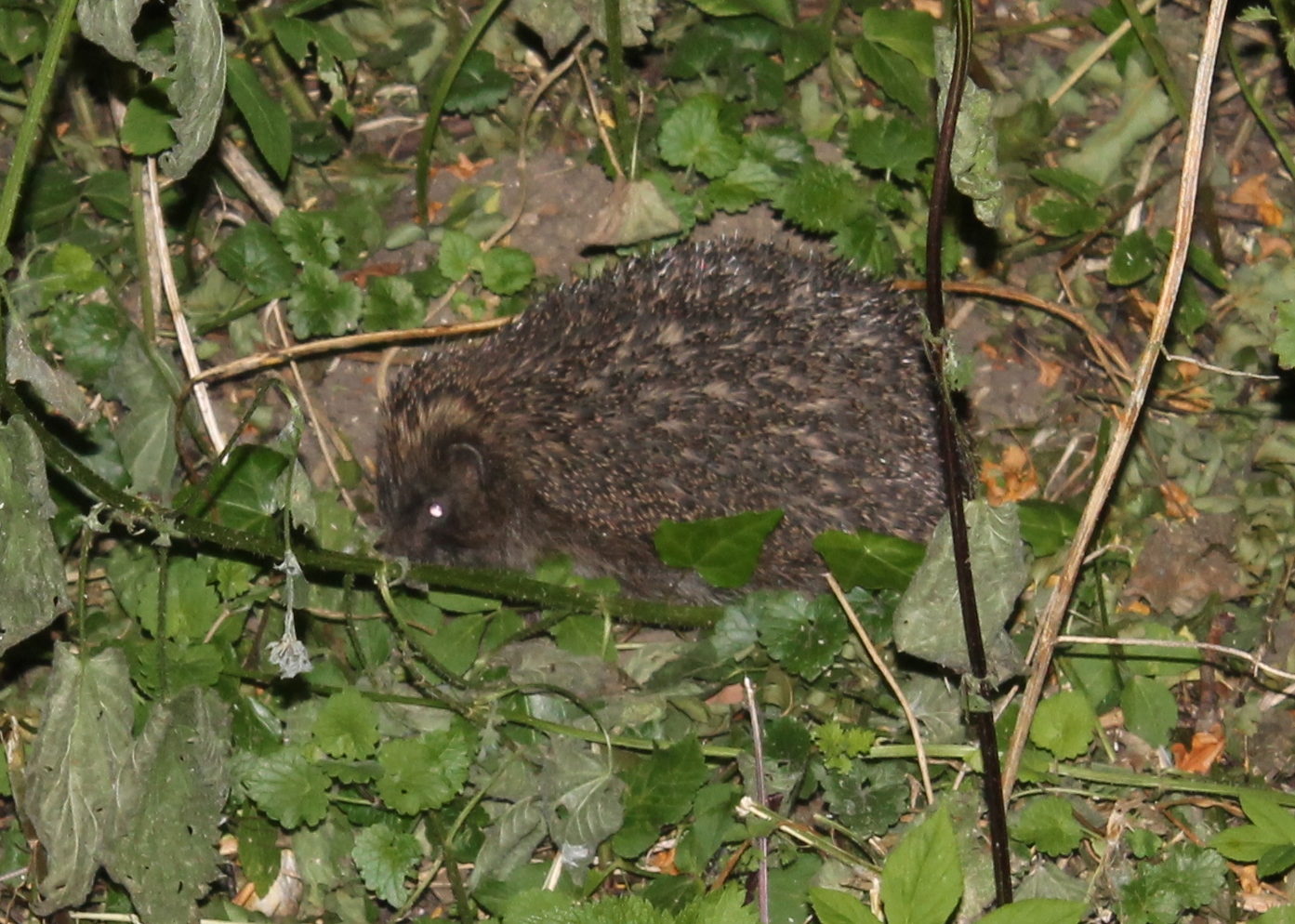
We had another visitor last night but it was an adult this time.009Hedgehog

A hedgehog.

Share this:

  • Share on X (Opens in new window) X
  • Share on Reddit (Opens in new window) Reddit
  • Share on Pinterest (Opens in new window) Pinterest
  • Share on Facebook (Opens in new window) Facebook
  • Email a link to a friend (Opens in new window) Email
  • Share on Tumblr (Opens in new window) Tumblr
  • Print (Opens in new window) Print
  • Share on Pocket (Opens in new window) Pocket
  • Share on LinkedIn (Opens in new window) LinkedIn
Like Loading...

A Pleasing Day. 10th June 2014

11 Wed Jun 2014

Posted by Clare Pooley in Insects, plants, Rural Diary, Uncategorized, wild birds

≈ 12 Comments

Tags

annual meadow-grass, banded demoiselle damselfly, bee orchid, black medick, cock's-foot grass, creeping tormentil, fly-past, pale persicaria, redshank, scarlet pimpernel, scentless mayweed, Trooping the Colour, wren

It was another beautiful sunny day yesterday.  We are fortunate to live in the driest part of the British Isles (apparently drier than Jerusalem!) and while the rest of the country have had showers and rain during the past few days we have only had a short sprinkle of rain at about 10pm on Monday night.  I decided to spend the morning at home getting on with chores – mainly washing, which dried quickly on the line.  I had spent some time the evening before watering all the plants in tubs, new plants in the flower-beds and all the plants in the green-house, so everything looked bright and green and healthy.

As well as household chores I spent some time walking round the garden slowly looking for anything new which had appeared in the last few days.  I have been so busy recently I hadn’t had time to do this for days.  I was pleasantly surprised at what I found.

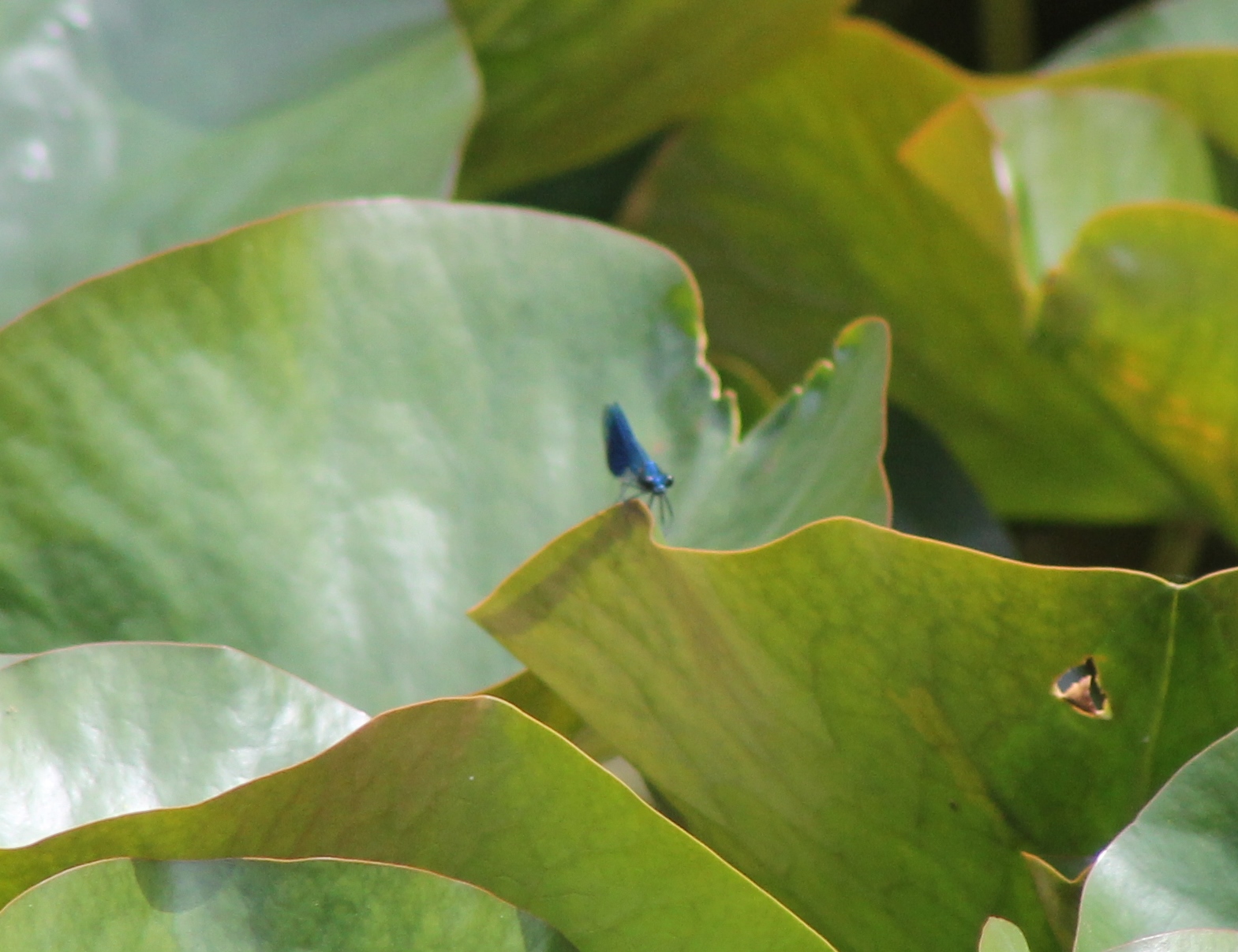
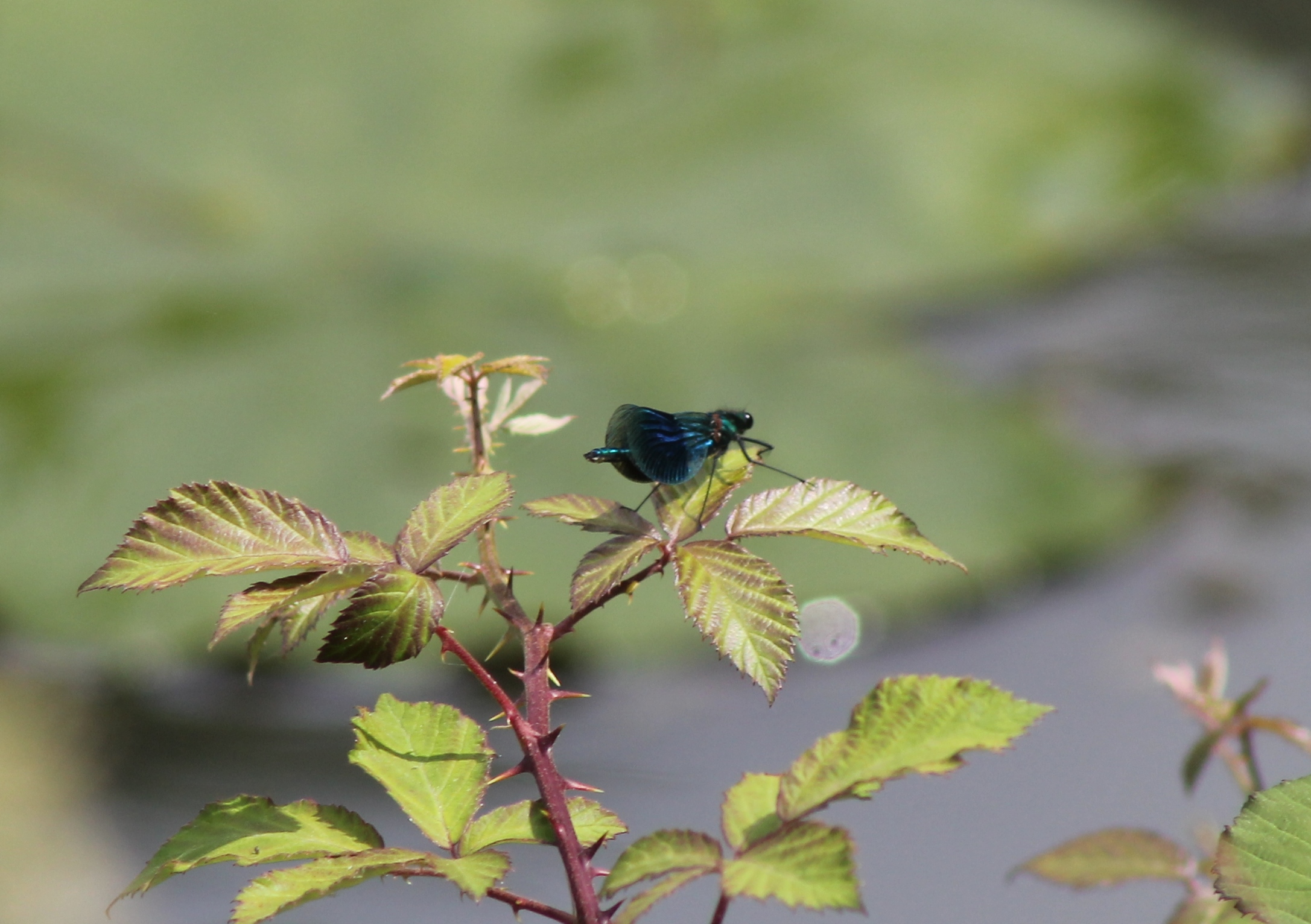
I walked down to the big pond to start with and watched lots of dragonflies and damselflies flitting about over the surface of the water.  I tried to photograph them but without success – they flew too fast for me to catch them in flight and none of them seemed to settle for a second.  I was excited to see a Banded Demoiselle Damselfly.  I had seen one last year for a few seconds near the pond, but today I watched this one flying about for some time.  I was anxious in case the dragonflies caught it, and though they attempted it a few times they didn’t manage to do it while I was there.  In spite of the Demoiselle flying slowly and weakly (it flutters and flaps its wings like a large butterfly) I couldn’t catch it with the camera until it settled firstly on a lily-pad…

032Banded Demoiselle Damselfly

Banded Demoiselle Damselfly

and then on a bramble.

033Banded Demoiselle Damselfly

Banded Demoiselle Damselfly

The photos aren’t as clear as I would like but you can see the shiny blue body of the insect and the dark band across its wings, which is also a dark blue.

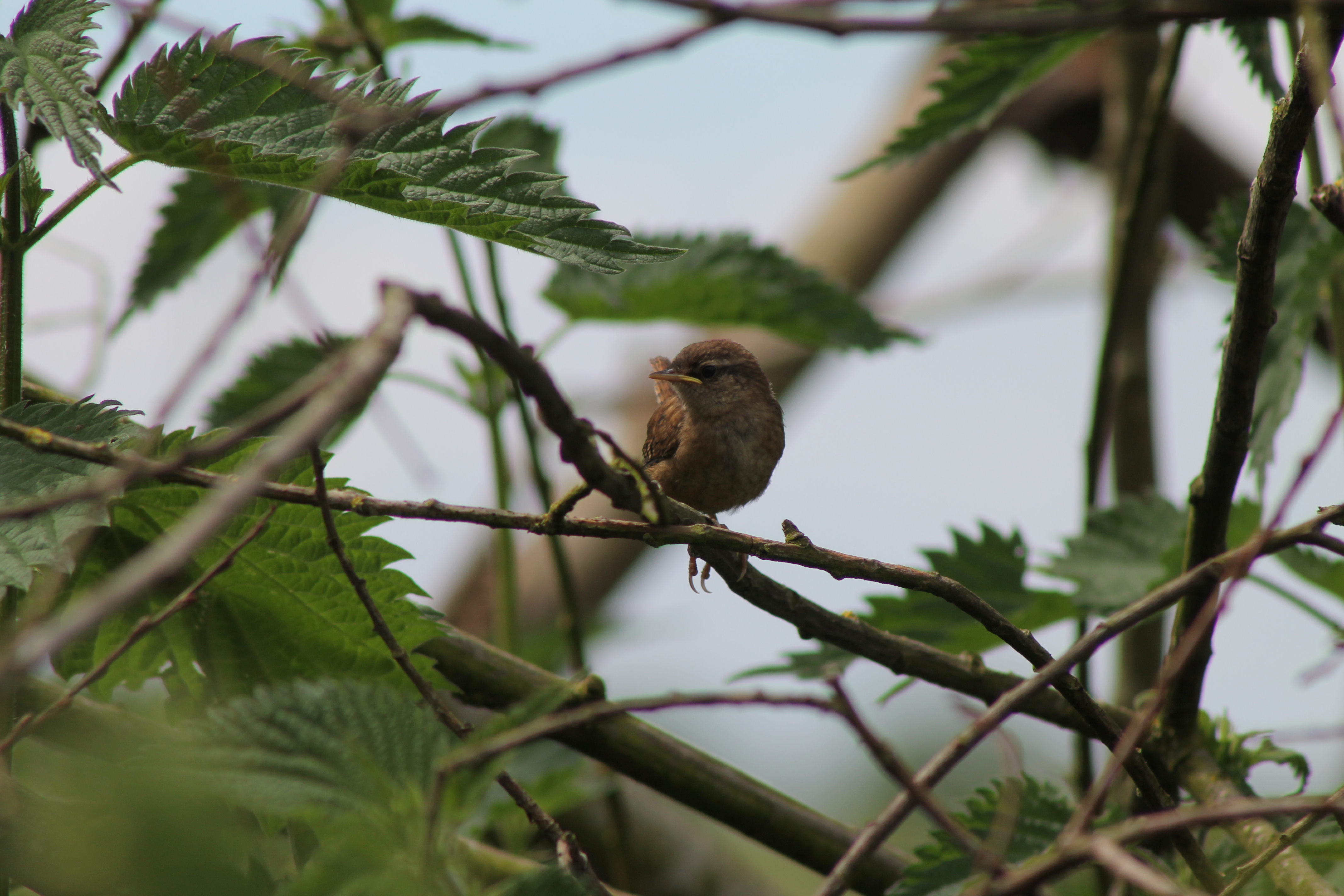
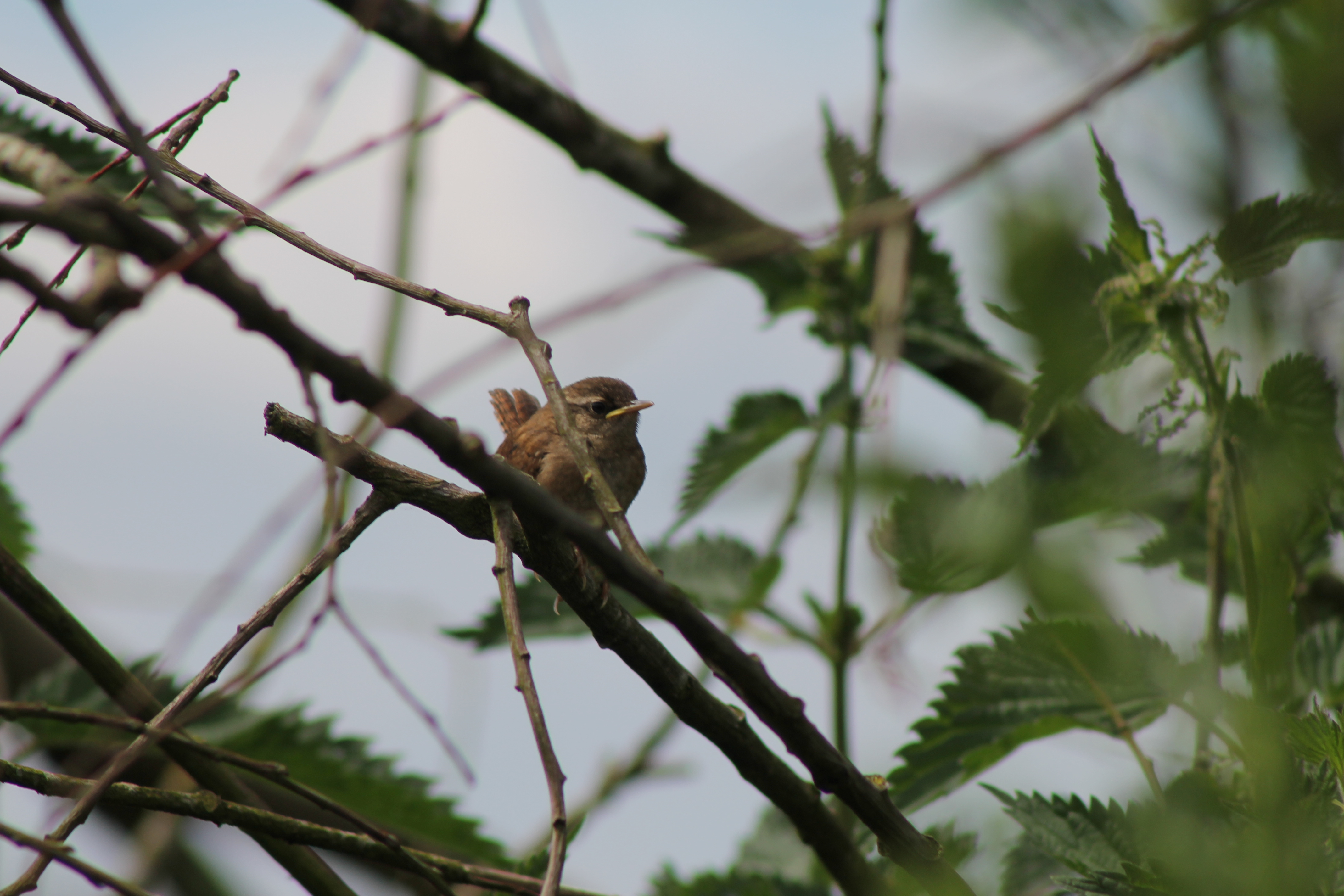
I then became aware that I had disturbed a wren who was making alarm calls.

029Wren

Wren

030Wren

Wren

I soon left the wren alone and concentrated on looking for wild flowers.

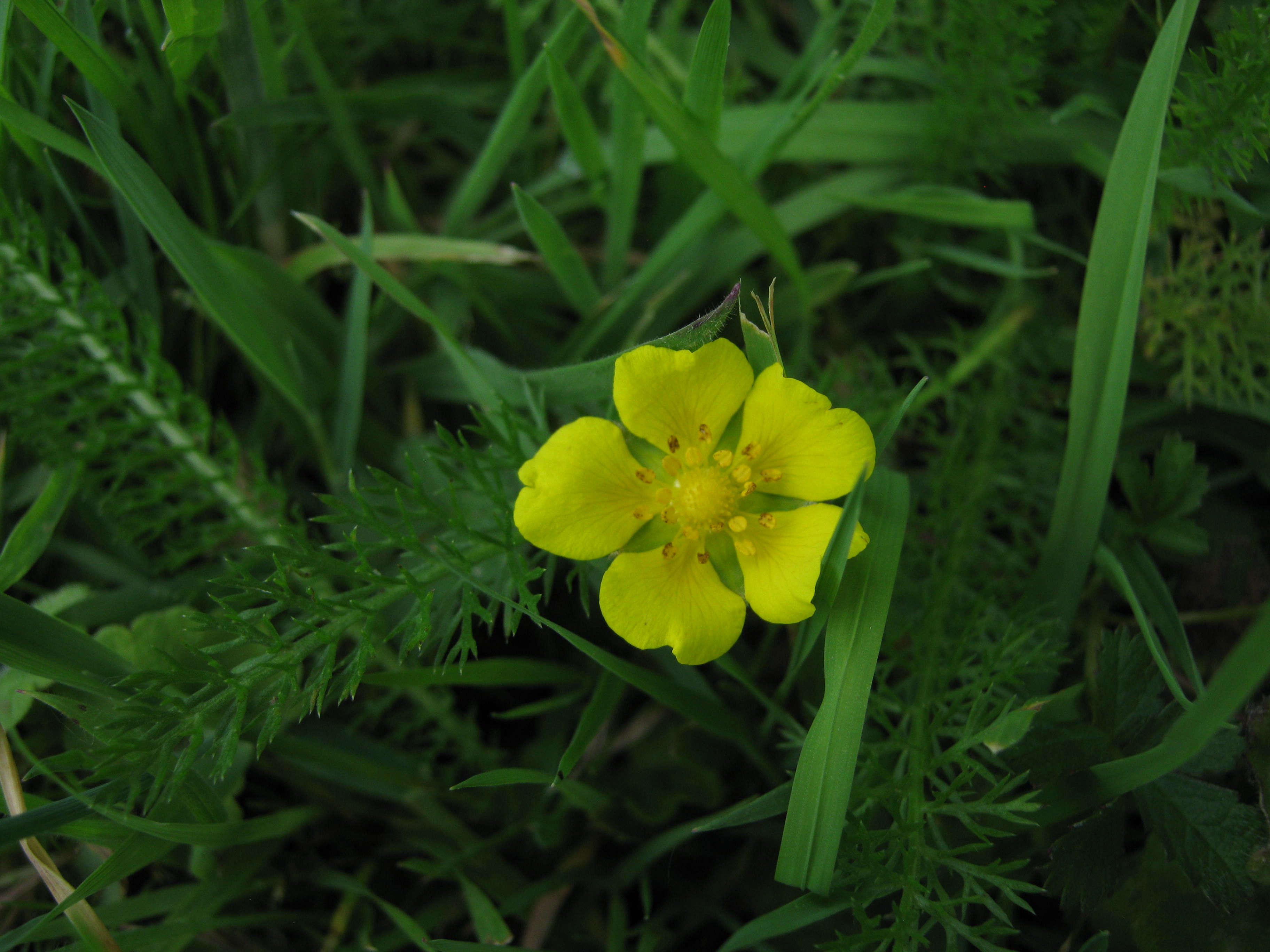
003Creeping Tormentil

Creeping Tormentil

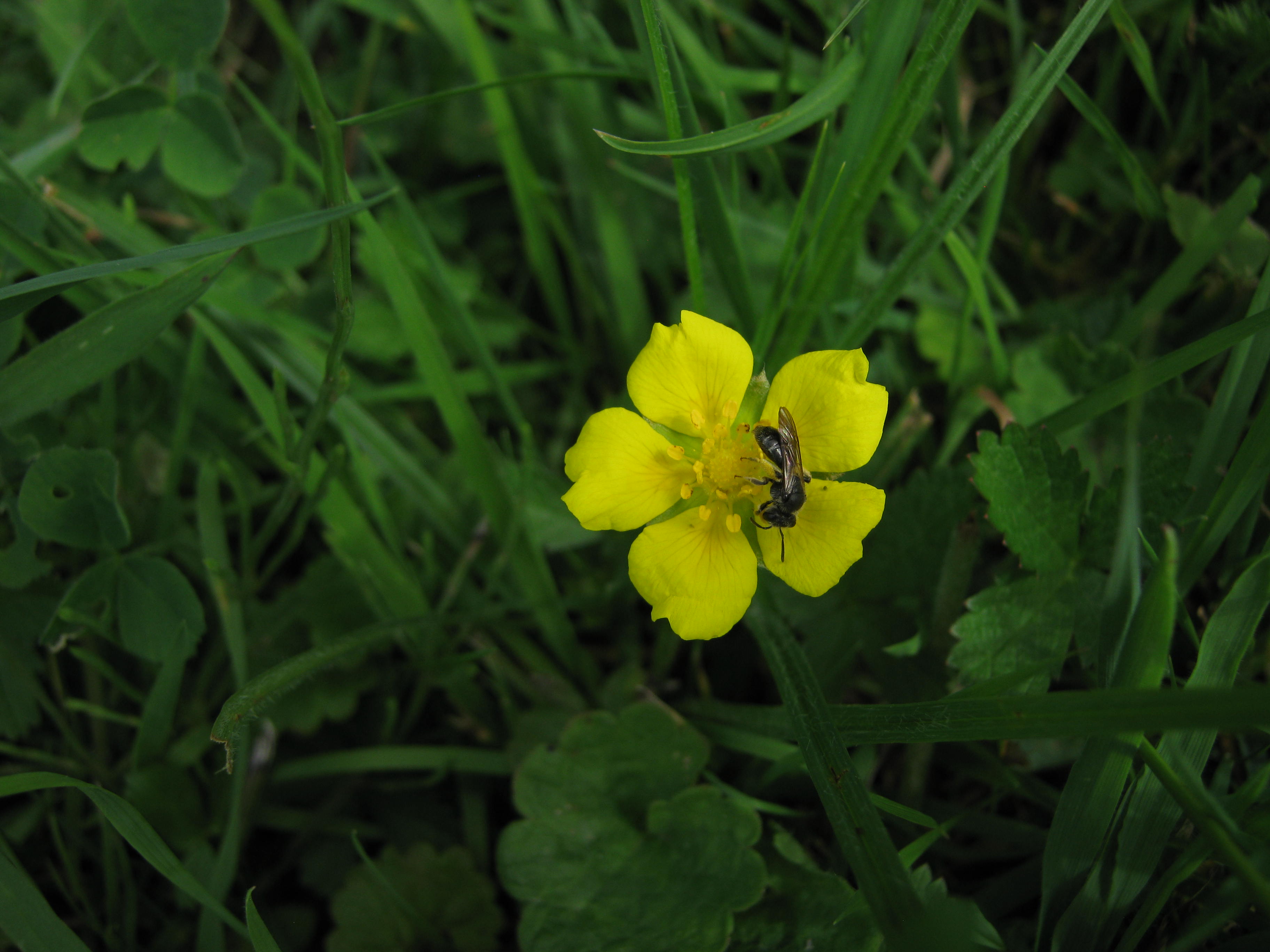
002Creeping Tormentil with tiny bee

Creeping Tormentil with tiny black bee

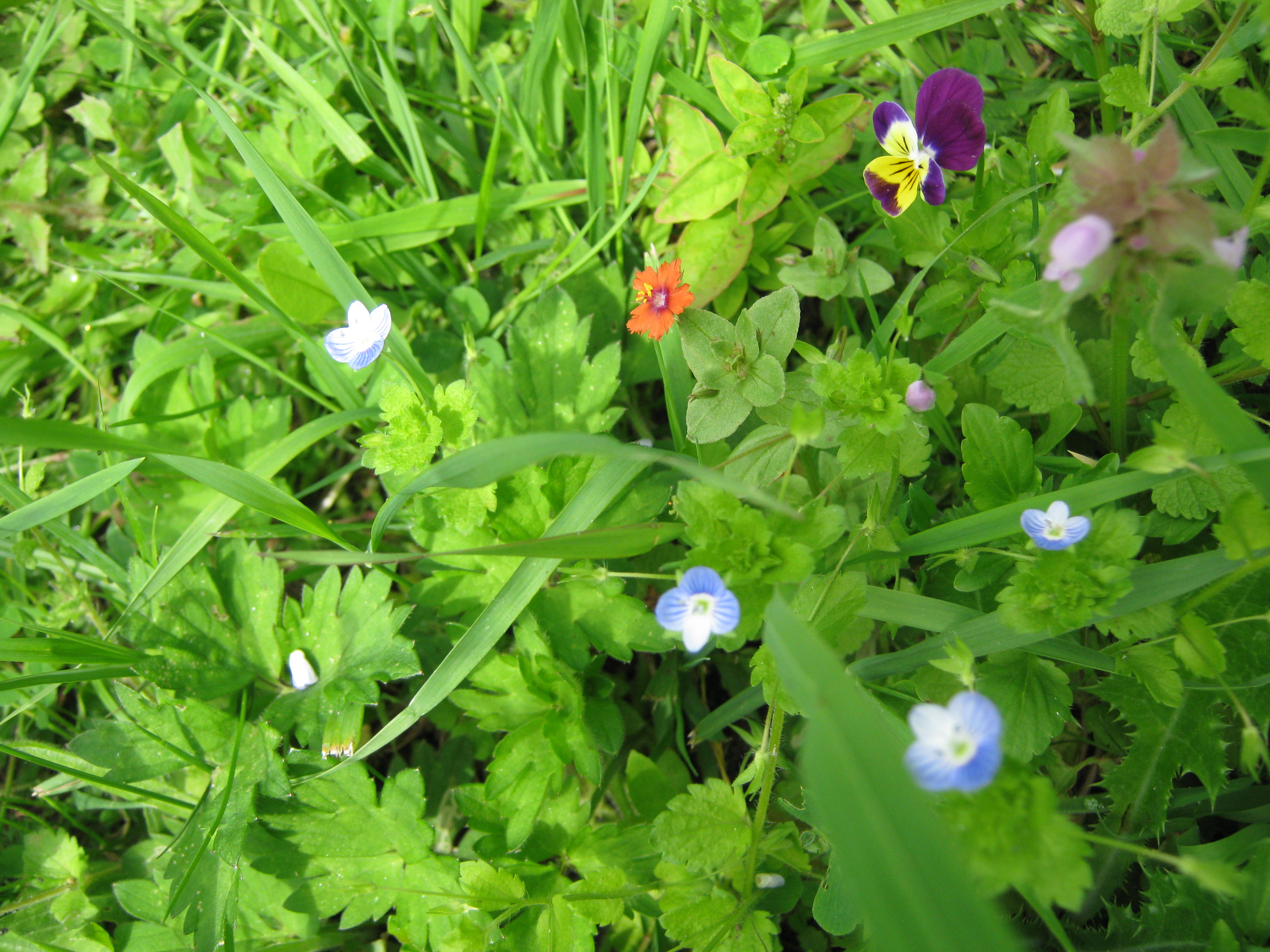
I found a nice collection of flowers growing together.

005Wild flowers - speedwell, heartsease, scarlet pimpernel & red deadnettle

Speedwell, hearts-ease, scarlet pimpernel and red dead-nettle.

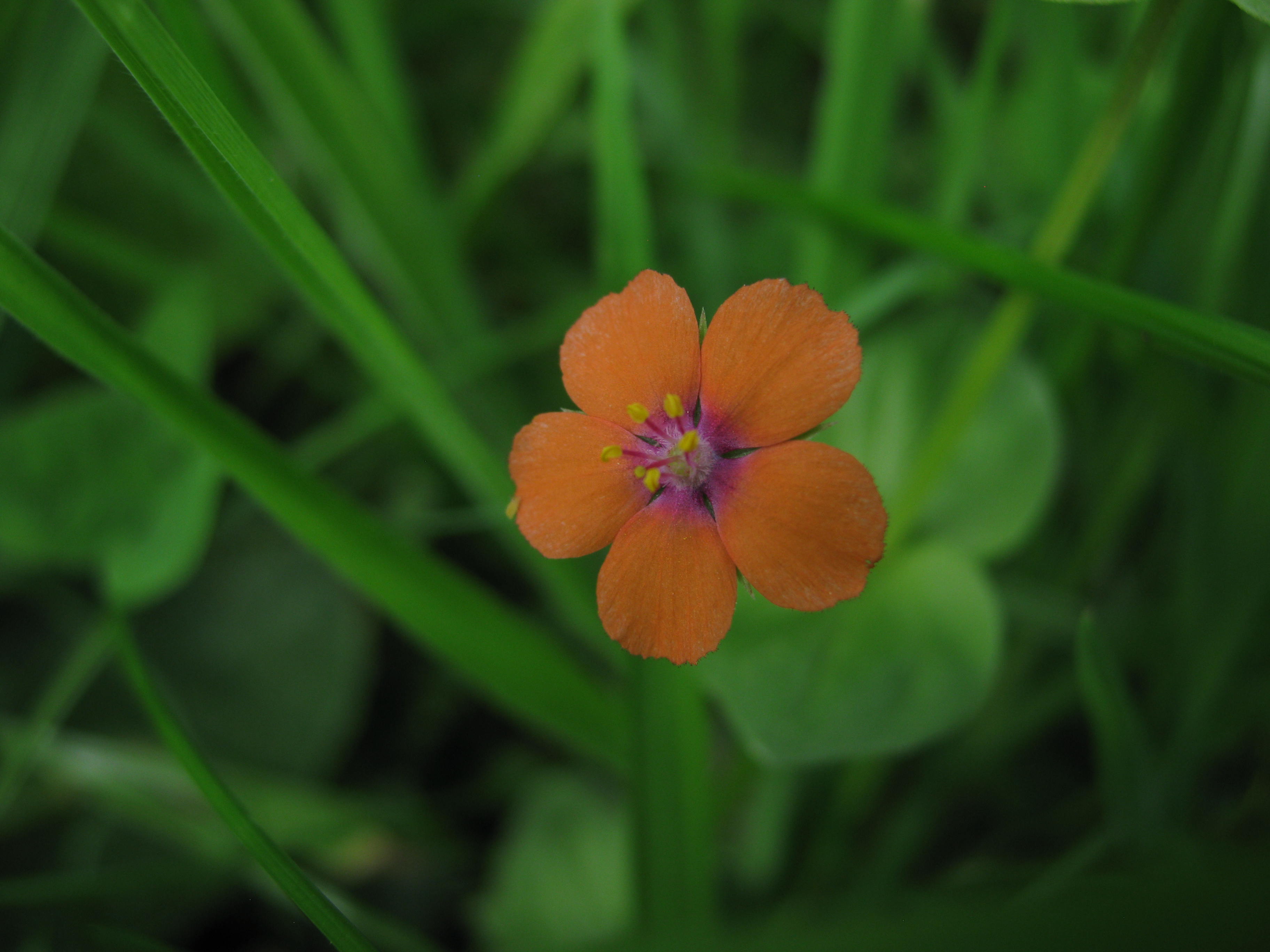
Scarlet Pimpernels are quite beautiful when looked at closely.  They are very common little flowers but only open their petals between 8a.m. and 3p.m. and never open on dull or wet days.  They can sometimes have blue, lilac, pink or white flowers and sometimes have a mixture of colours on an individual plant.  The plant has many names in Britain – ‘change-of-the-weather’, ‘poor man’s weatherglass’ and ‘shepherd’s sundial’ being a few.

008Scarlet Pimpernel

Scarlet Pimpernel

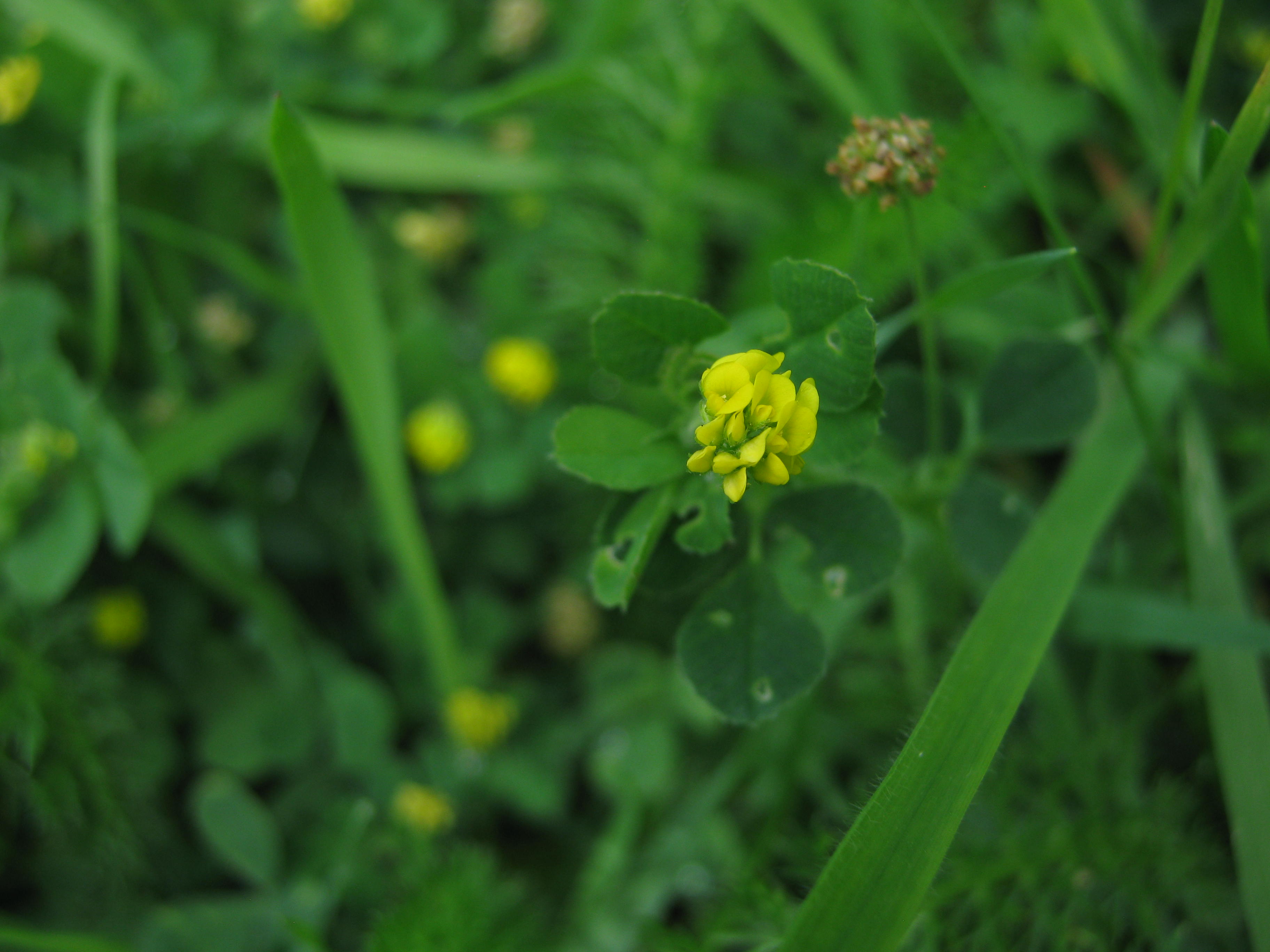
The next plant is one I am forever pulling out of my flower-beds.  It is extremely persistent!

006Black Medick

Black Medick

The name of this plant has nothing to do with medicine but means the ‘plant of the Medes’.  It is still cultivated as animal fodder in some European countries and is one of the plants sold on St Patrick’s Day as shamrock.  Other plants which have claims to be shamrock are hop trefoil, white clover and wood sorrel.

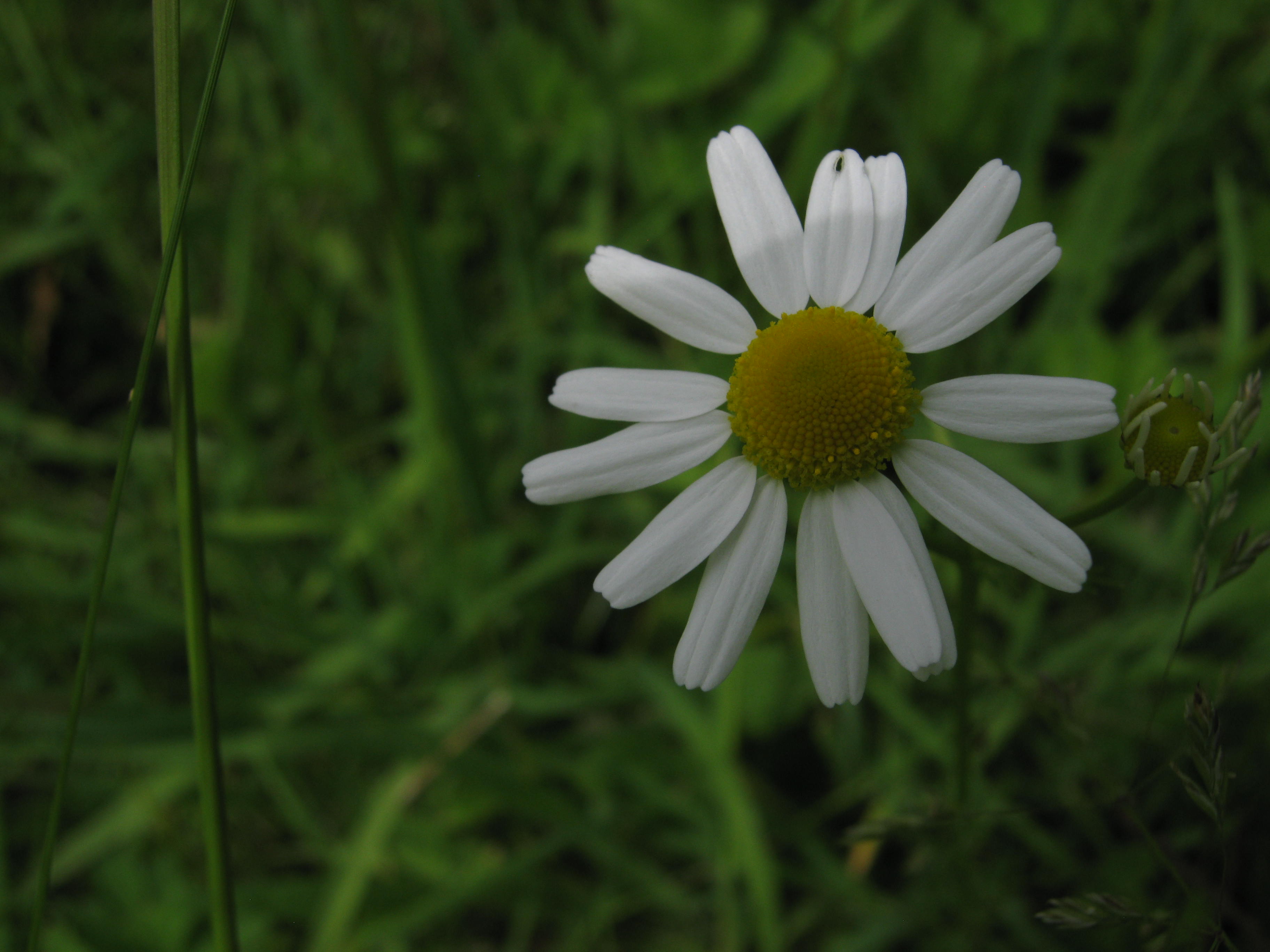
009Scented Mayweed

Scentless Mayweed

Scentless Mayweed usually flowers in July but this year everything is flowering early.  The name mayweed has nothing to do with the month of May but comes from the Old English word for a maiden and refers to the use once made of the plant for the treatment of female complaints.

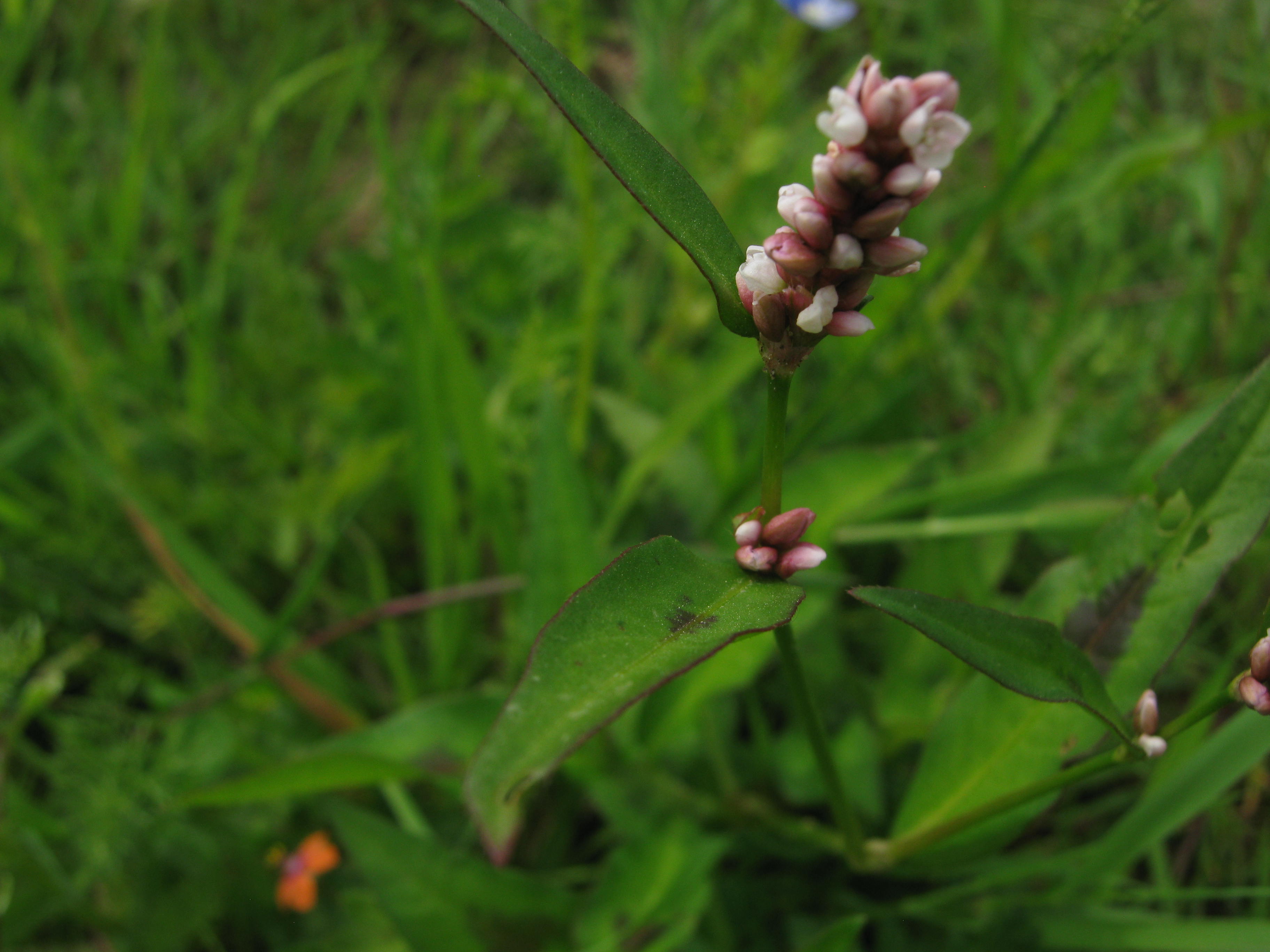
011Pale Persicaria

Redshank

A member of the dock family – one of the knot-grasses

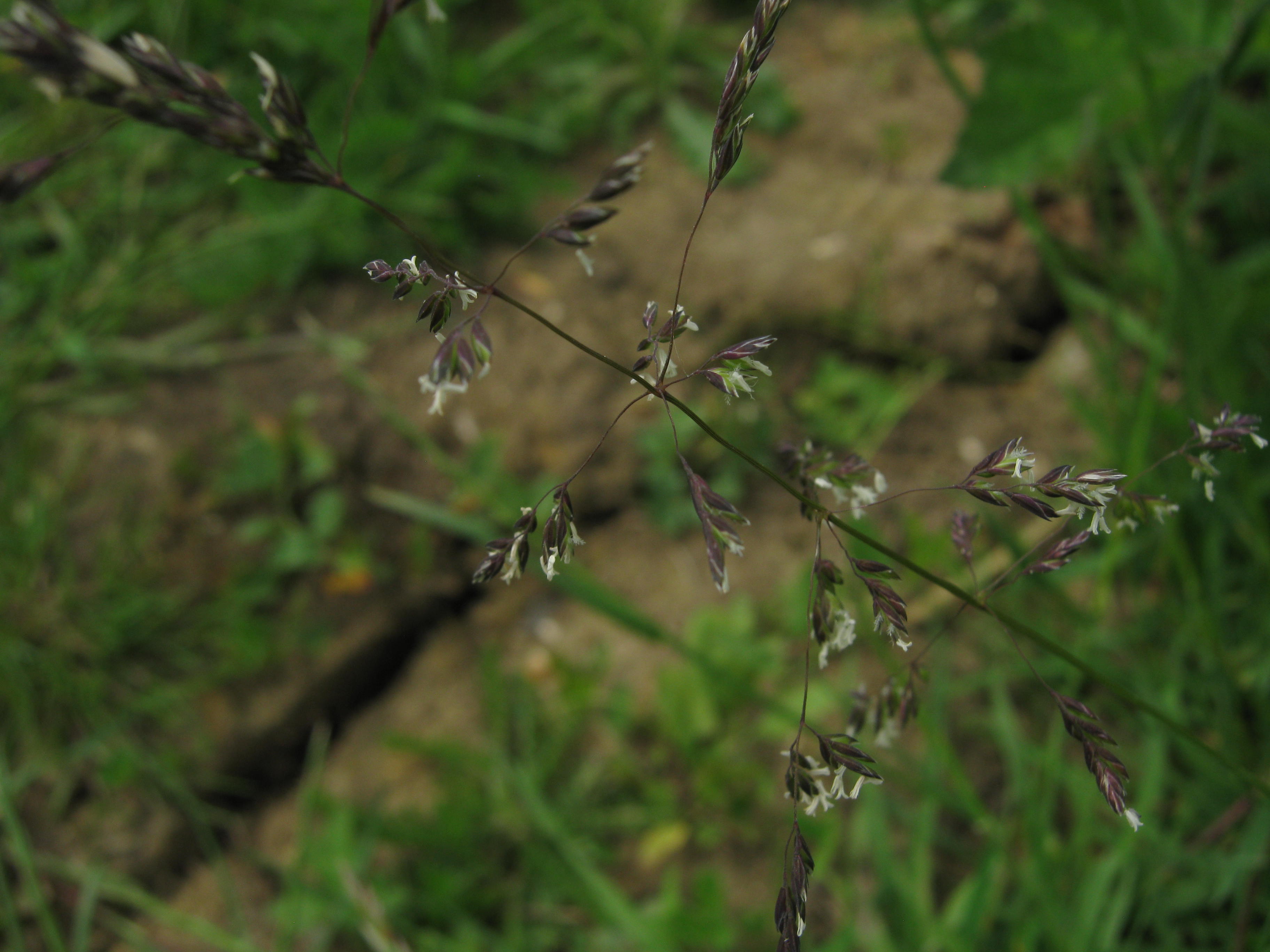
013Annual Meadow-grass

Annual Meadow-grass

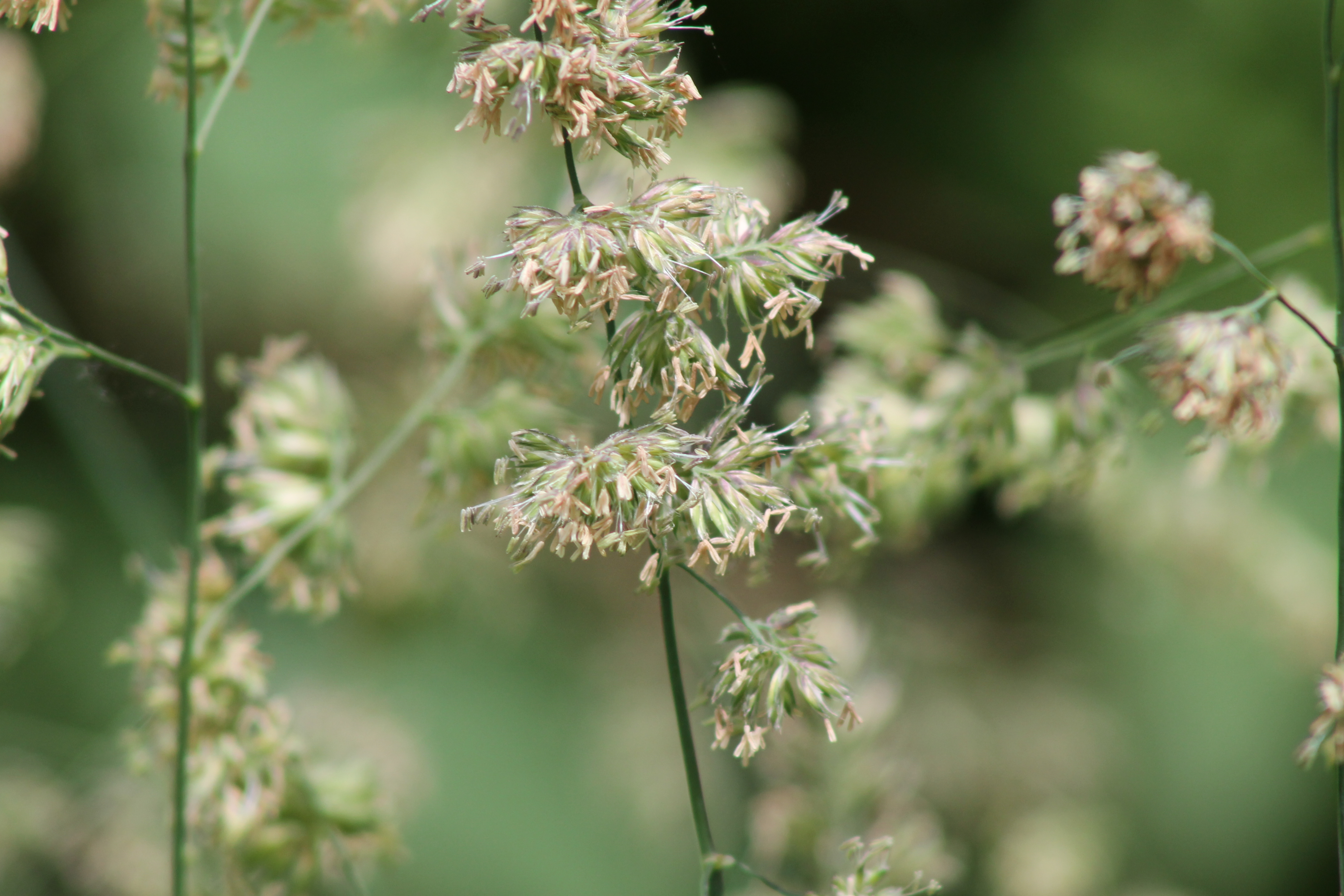
024Cock's Foot

Cock’s Foot grass

The Trooping of the Colour to celebrate the Queen’s Official Birthday takes place this coming Saturday.  There is always a fly-past and during the week before the celebration there is a rehearsal of this which goes directly over our house.  Not all the planes and formations take part in the rehearsal and unfortunately this year there were fewer than usual.

056Fly past

058Fly past

059Fly past

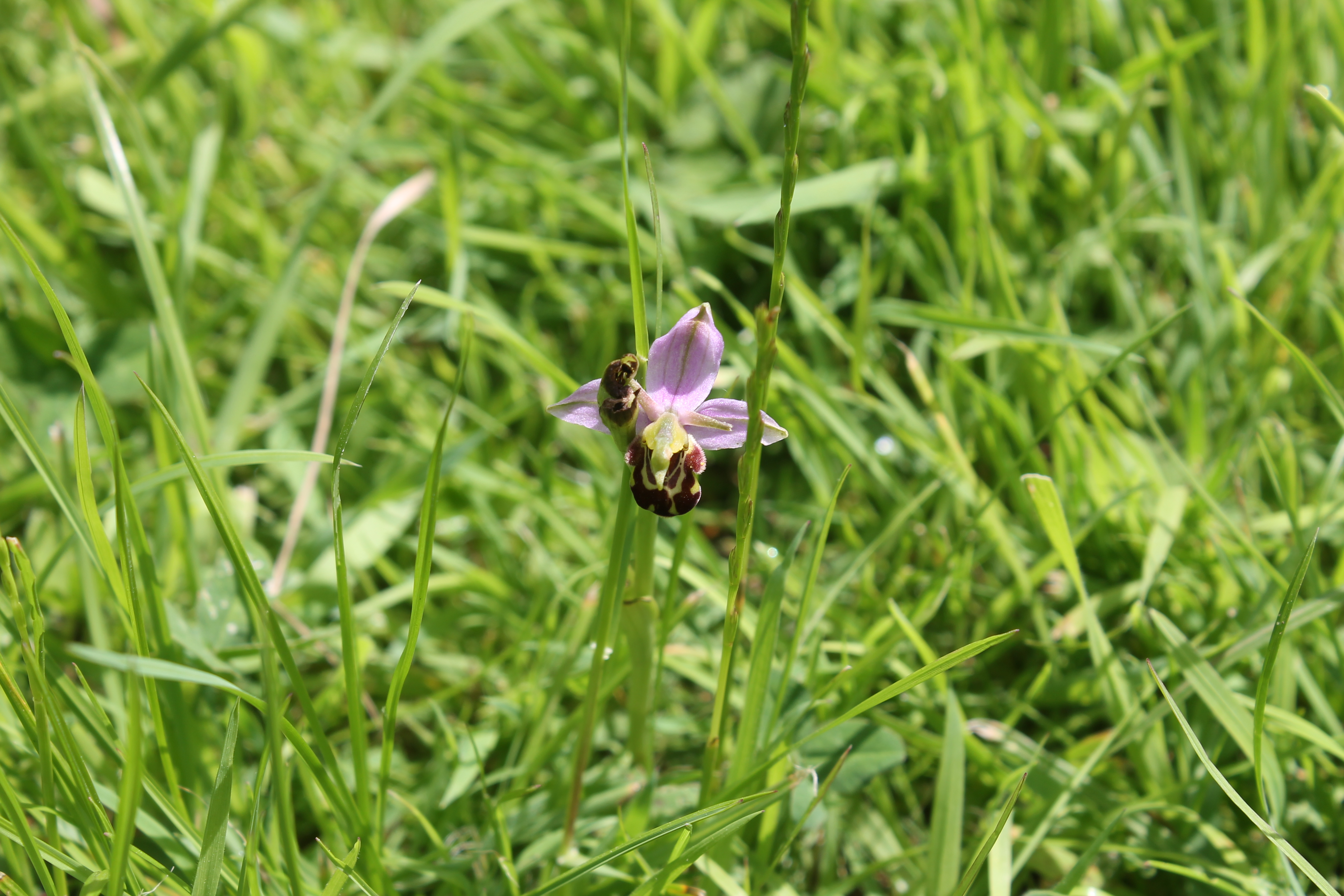
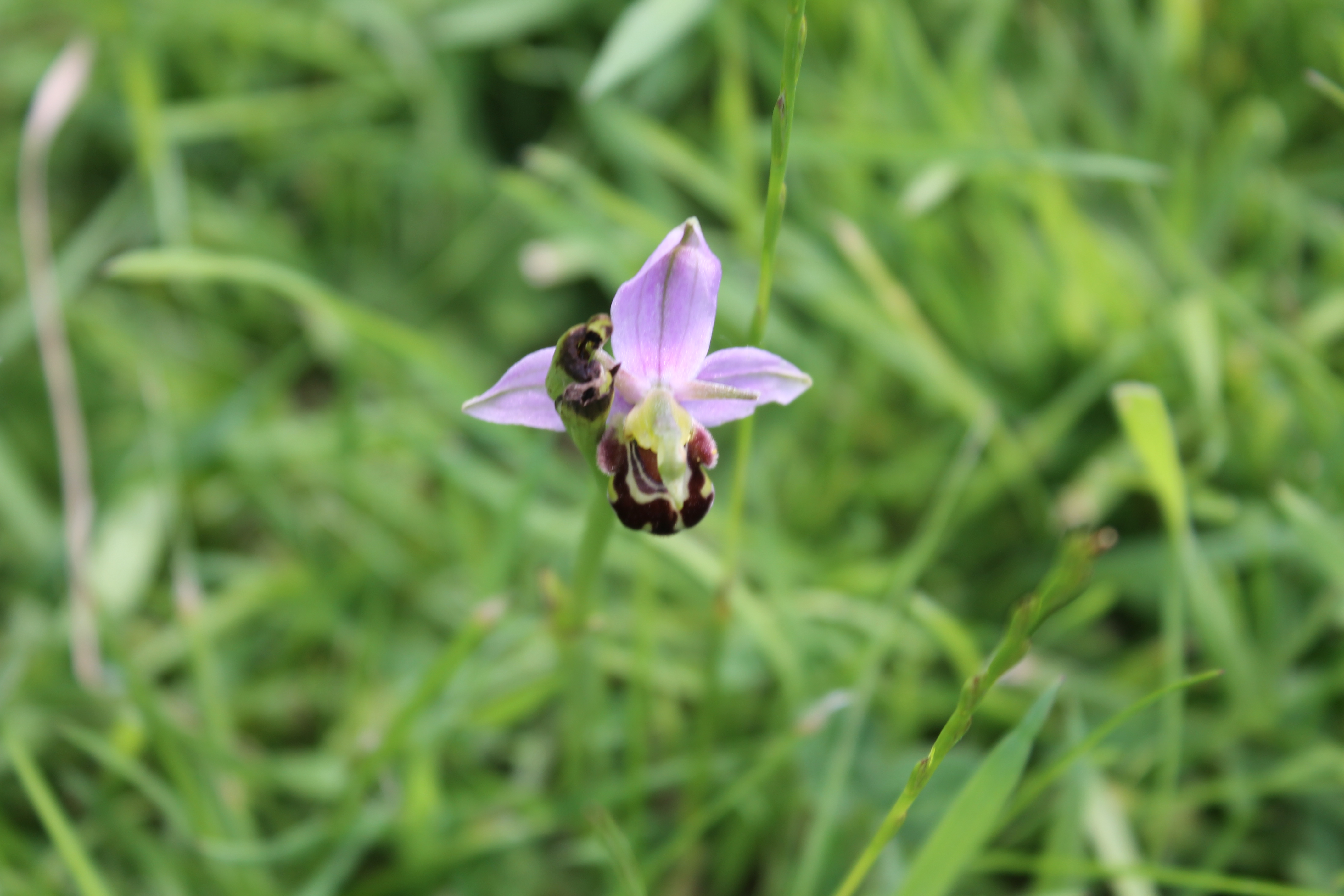
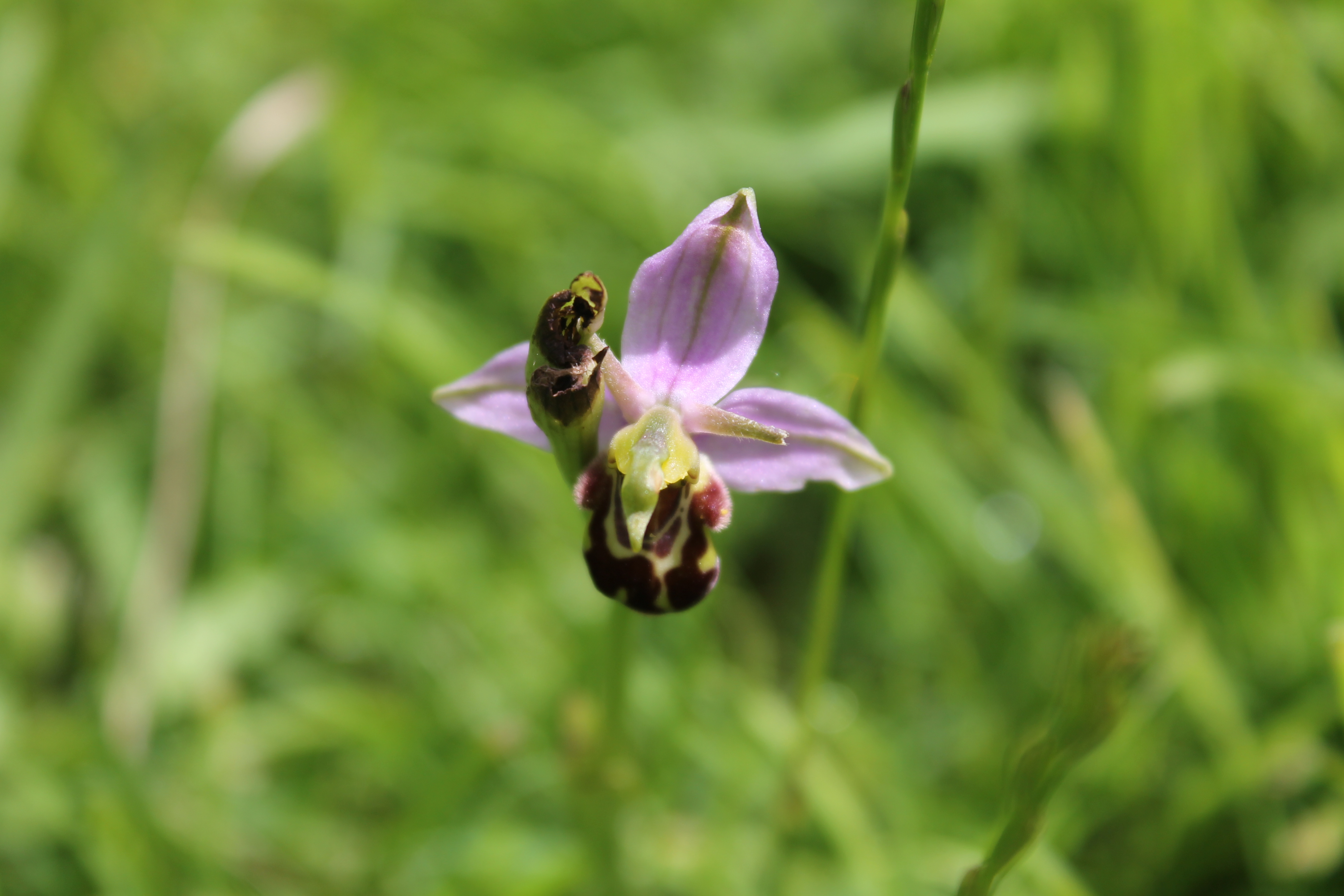
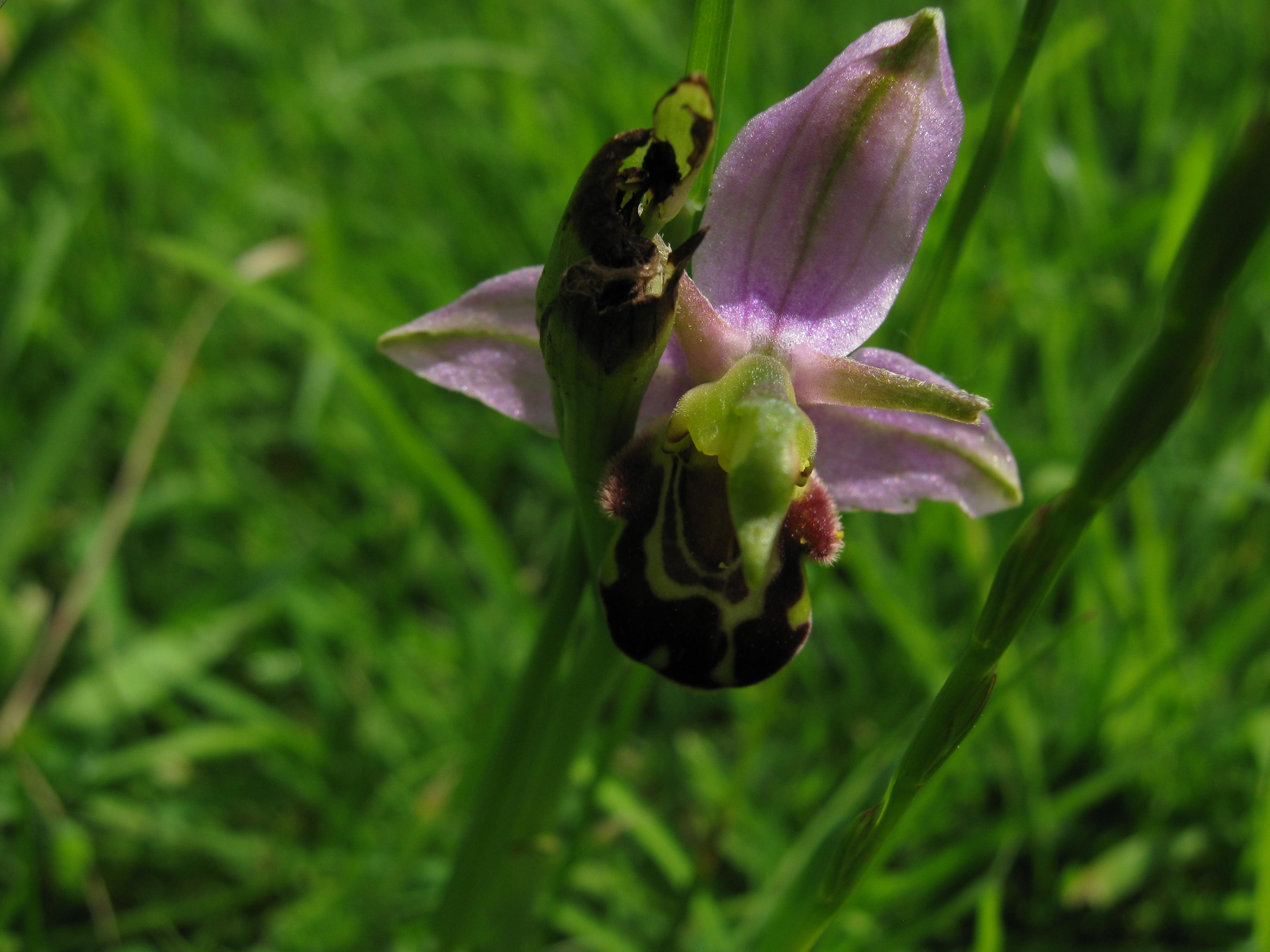
The final photographs in this post are of a special flower I found yesterday – a Bee Orchid.

034Bee Orchid

037Bee Orchid

035Bee Orchid 035Bee Orchid

018Bee Orchid


Share this:

  • Share on X (Opens in new window) X
  • Share on Reddit (Opens in new window) Reddit
  • Share on Pinterest (Opens in new window) Pinterest
  • Share on Facebook (Opens in new window) Facebook
  • Email a link to a friend (Opens in new window) Email
  • Share on Tumblr (Opens in new window) Tumblr
  • Print (Opens in new window) Print
  • Share on Pocket (Opens in new window) Pocket
  • Share on LinkedIn (Opens in new window) LinkedIn
Like Loading...

A Miscellany Part 1

30 Fri May 2014

Posted by Clare Pooley in churches, Insects, Rural Diary, Uncategorized, wild birds

≈ 8 Comments

Tags

Bee, Damselfly, Dragonfly, Flesh Fly, Franciscans, House Martin, house sparrow, Robin, Santiago de Compostella, smoke, Swallow, Thurifer, white doves

I usually take a number of photos of the things I see each day but don’t manage to include them in a post.  This post is a mixture of those photos, a few memories of my father and a mention of a couple of things I have done during the last two weeks.

The weather during the last few days has been pants (to use one of R’s expressions).  When it hasn’t been raining it has been very dull and chilly, and with a strong easterly wind blowing it hasn’t been pleasant out-of-doors.  I have a slight cough as well and no energy: this post will have photos I took when the weather was better.  The children are on their half-term holiday this week.  They can’t be having much fun unless their parents have taken them abroad.  As I look out of the window this morning there is a steady drizzle falling and I am not looking forward to going out to feed the birds.

R spent a couple of days in Manchester the weekend before last.  His poor Mum is finding it very difficult getting used to having more carers coming into her home.  She feels as though her life is now out of her own control and is quite depressed.  She knows she needs the help and is pleased to be able to stay in her own home but all the same….  R was able to give her a hug and some sympathy.  His brother is doing all the duties I do with my own mother plus some, and is finding it all extremely trying, so R got a couple of rants from him too.  R feels bad that he can’t help more but I think he does very well considering he has a full time job with lots of travelling away from home.  He phones his Mum regularly and is in constant touch with his brother.  He visits every month or two and provides equipment and other financial aid.  R went on the train so wasn’t able to drive them about when he was in Manchester but they did have an enjoyable walk in the local park in the sunshine.  The sun shone brightly and it was very warm so my mother-in-law was cheered by the flowers, the other people in the park, the ice-cream R bought and the coffee in an outside café sitting in her wheelchair under a tree.

After dropping R off at Diss station on the Sunday to get the train to Manchester, I drove back to Fressingfield to pick up Mum and took her to church in Eye.  I do spend quite a lot of my time in the car it seems!  The retired priest who has been looking after Eye church had just returned from a pilgrimage to Santiago de Compostella and spoke movingly about his experiences.  He started walking from the border between Portugal and Spain with crowds of other people from all nations and walked about twelve miles a day through beautiful countryside.  He said he was fortunate to have his luggage sent on each day to the next hotel and only needed to carry a few necessaries with him.  Many of the other pilgrims had to carry all their belongings with them in large packs and either camped or stayed in hostels along the route.  Poor man!  He retired and moved to this area to be near his family and almost as soon as he arrived he was asked to look after churches in two different benefices and has therefore worked an extra year already with lots of driving to do.  He decided to go on the pilgrimage (organised by the diocese to celebrate its centenary) before he realised he’d be so busy at home.  He also directed our attention to the scaffolding in the church across the whole Rood Screen.  He said it was ‘Holy Scaffolding’ – there to remind us of the scaffolding God provides for us in our journey through life – the props and supports He gives us out of love.  Being in Eye church always reminds me of my father as there is so much that he made there.  He was a cabinet maker and above all loved working in churches.  He left school at the age of fourteen and became an apprentice to a joiner/cabinet maker.  His parents were too poor to allow him the luxury of staying on at school.  He had to do his National Service in the RAF and hated it and shortly after leaving he decided he would become a friar.  He joined the Friary at Hillfield near Cerne Abbas in Dorset and was known as Brother Dunstan.  He was also known as the laughing friar as he was always cheerful.  He worked as a joiner/cabinet maker while there and also ran the local scouts.  He eventually started to have doubts about whether he should stay in the friary as I think his parents put a lot of pressure on him to leave.  They thought it strange for a young man to stay celibate and not to marry and have children.  He left while he was still a novice friar but always hankered after the life he had led there.  He certainly never gave up his vow of poverty – we were always poor and Mum is still struggling to find money to look after her house from her own small pension.  We often visited the Friary when I and my brother and sister were small and loved these jolly, kind men who played games with us and were so happy.  We went to the seaside once taking one of Dad’s friends who rolled up his habit and paddled in the sea much to everyone’s amusement.  We often had friars staying at our house when I was young; one I remember who thundered about in his sandals and got up noisily very early in the morning.  One day we got up to find water and blood all over the bathroom and no sign of the friar.  He had fallen over while getting out of the bath, cut his head badly and taken himself off to the local hospital.  By the time Dad had died only one of his old friends was left and he kindly came and spoke at Dad’s funeral  Mum loves being in Eye church too, as she likes to see all Dad’s things about her (he never had much time or money for improving his home so there are few pieces of his furniture there!).  Both my mother and mother-in-law find great comfort from their religion.  I try my best to get Mum to her own church where she is so happy.  It is unfortunate that there are not enough people in her church willing or able to give her a lift as I miss going to my own church with R.  Mother-in-law is more unfortunate than Mum in that her own church has changed so much and has side-lined all the elderly members in favour of its younger ones and has virtually stopped using the set services.  Even if she could get a regular lift from someone who could manage the wheelchair she wouldn’t come away from church feeling refreshed and comforted.  I think rural churches like mine appreciate their elderly members more than town churches do – I don’t think the churches in the country would exist at all without all the old stalwarts!

Another conversation R and I had before he went off to Manchester recalled my father.  R was saying the containers he has for screws and nails and such like are starting to fall apart and he was wondering what he could replace them with.  He said his father used to use old tobacco tins, St Bruno ones, and I said that was what my father used too but his ones were Balkan Sobranie.  My father began smoking at the age of fourteen when he started work and continued until shortly before his death from lung cancer four years ago.  He preferred smoking a pipe and my memories of him are with a pipe in his mouth working in his workshop or sitting in his garden in the evening.  He was a careless smoker, throwing matches about and leaving smouldering pipes in places he shouldn’t, including the back pocket of his trousers.  You can imagine the damage done to trousers, underpants and flesh that ensued.  I am amazed he didn’t set fire to his workshop too with all the heaps of wood shavings and sawdust about.  He was never happier than when enveloped in a cloud of smoke.  His pipe or cigarettes of course, and then bonfires were a favourite with him too.  His excitement on finding that a fire was still alight next morning!  He loved a good blaze and couldn’t be done with an incinerator.  He got through tons of firewood and coal in the house.  He was given the job of thurifer at Eye church.  The thurifer is the person who swings the thurible or censer full of smoking incense during the service and he was very good at it.  I remember my mother telling me of an incident one Palm Sunday when they were to process through the town from the Town Hall or the school, I can’t remember which, to the church.  They all started to sing the processional hymn, my father began swinging the thurible and next minute the fire alarm started wailing!

I had been thinking how fortunate I was to have four different types of warbler singing in my garden, Blackcap, Chiff-chaff, Garden Warbler and Willow Warbler and another one, the Lesser Whitethroat, singing in hedgerows four minutes walk away when all of a sudden they all stopped a week ago.  I hear the Garden Warbler and the Chiff-chaff every now and again but the others have gone or just stopped singing.  Ah well, it was very good while it lasted.  I heard a Turtle Dove briefly last Wednesday but it didn’t stay around.  I don’t know that it is warm enough for Turtle Doves at the moment.  I can only remember them singing on warm and/or sunny days or is that my memory playing tricks on me?  We have lots of other birds about with their fledglings demanding to be fed.  The woodpeckers are so grubby looking from their constant feeding of young in the hole in their tree.  Instead of white markings they have beige feathers now.  As I type I can see a large group of young greenfinches on the telephone cable fluttering their wings while the parent birds stuff food into each one in turn.

Image

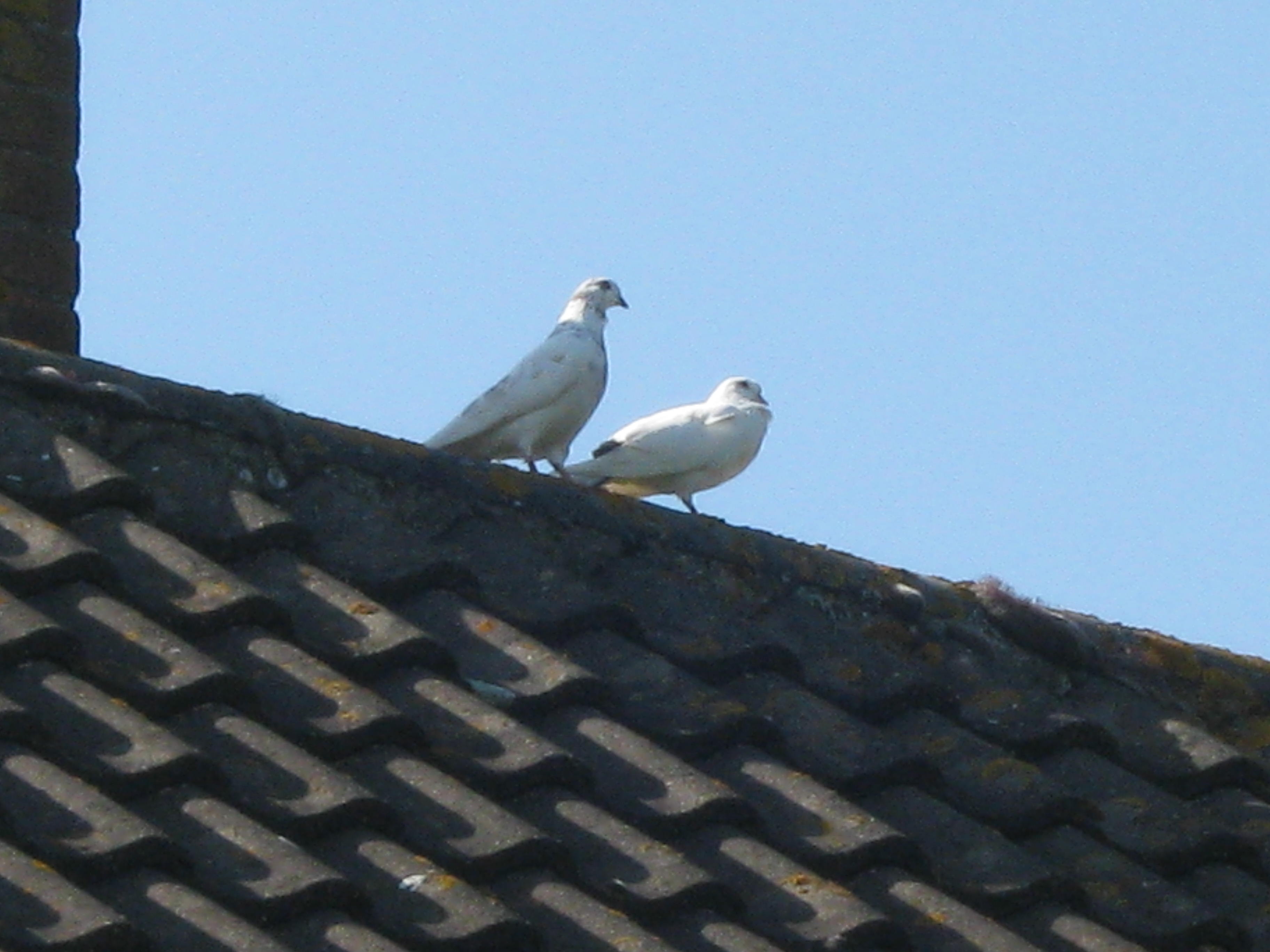
White doves visiting our garden

What a wonderful thing it must be to own some doves!  You provide them with a dovecot and pamper them to your heart’s content.  You don’t need to feed them much as all you do is let them fly off each morning to gorge themselves, with other pigeons and doves, on farmers’ crops and other peoples’ peas and beans and bird-table food!

004Male House Sparrow

A male House Sparrow

Image

Image

Image

Image

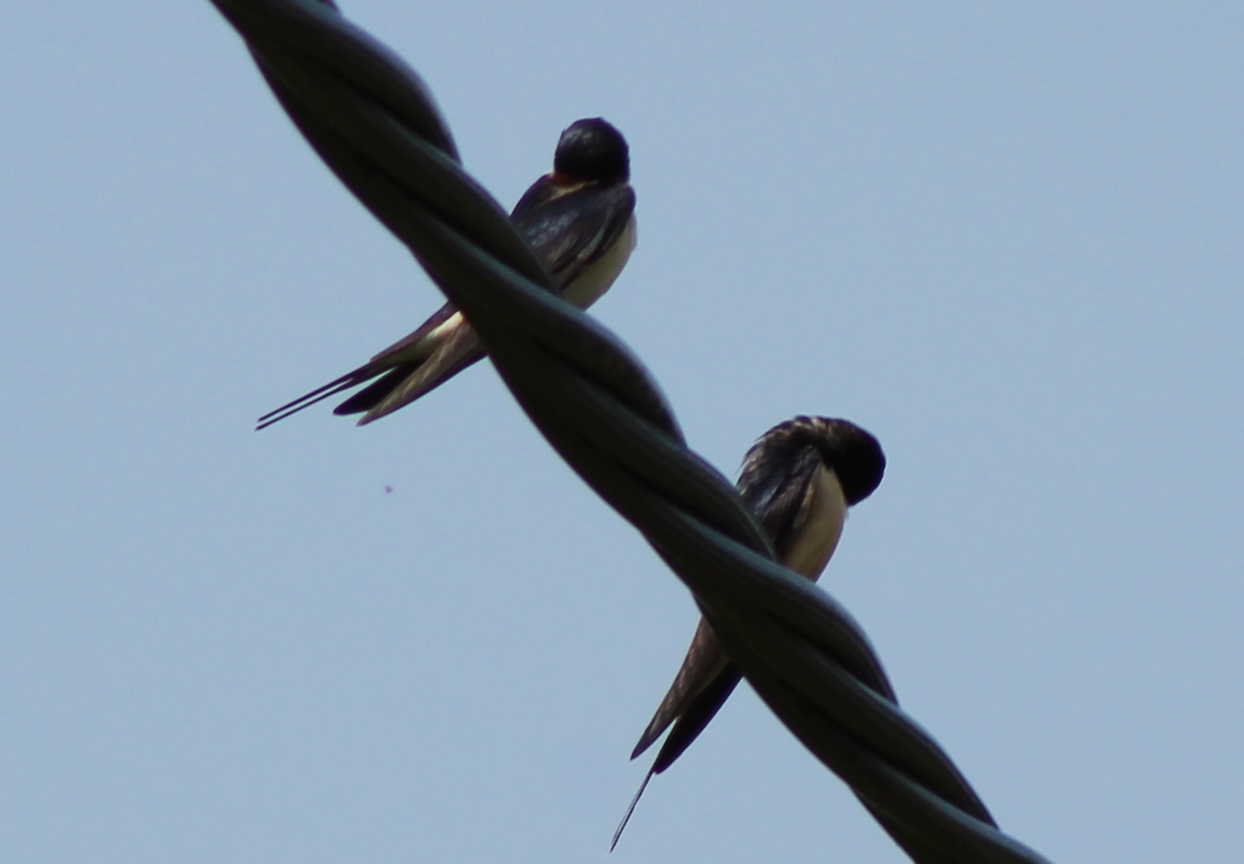
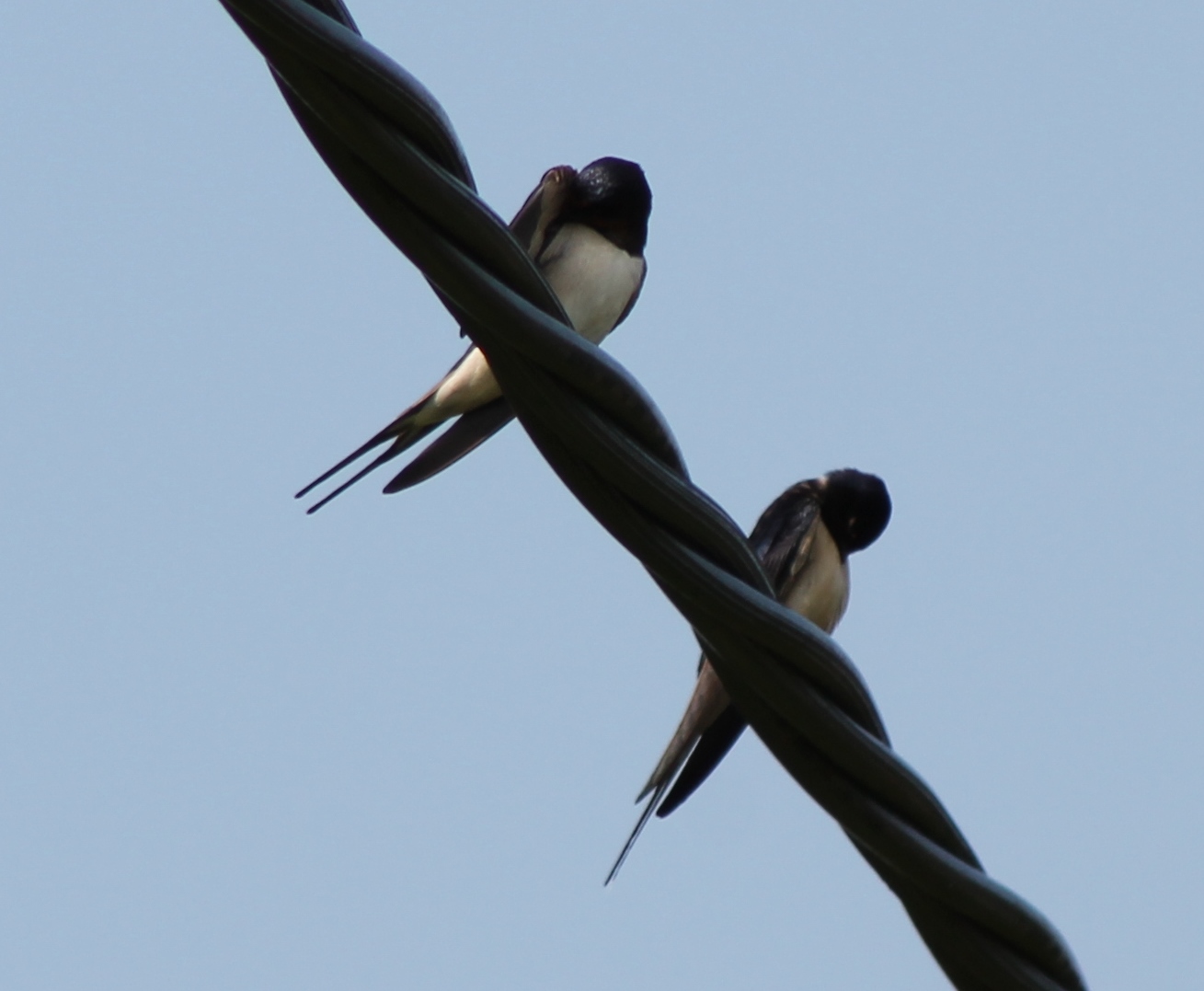
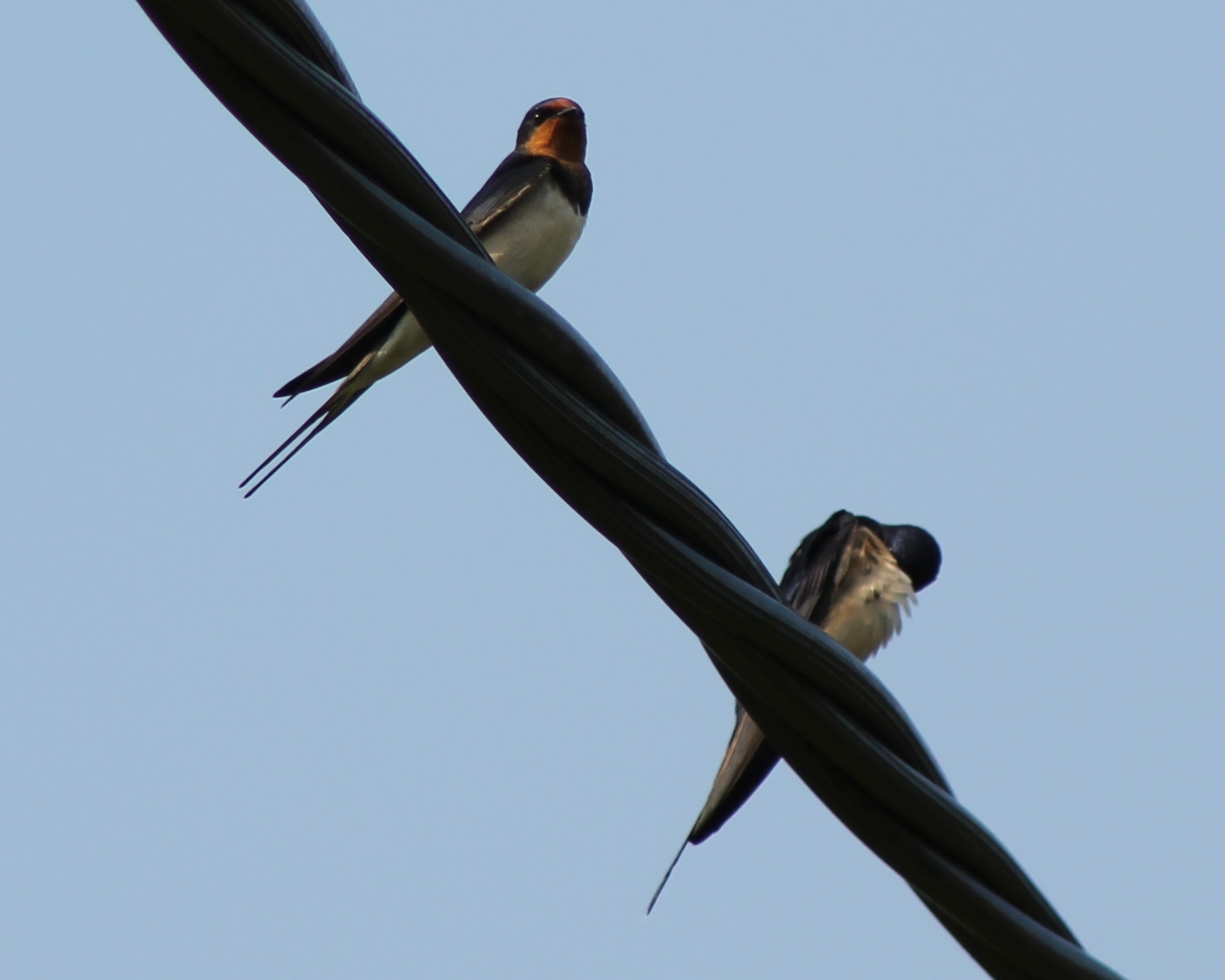
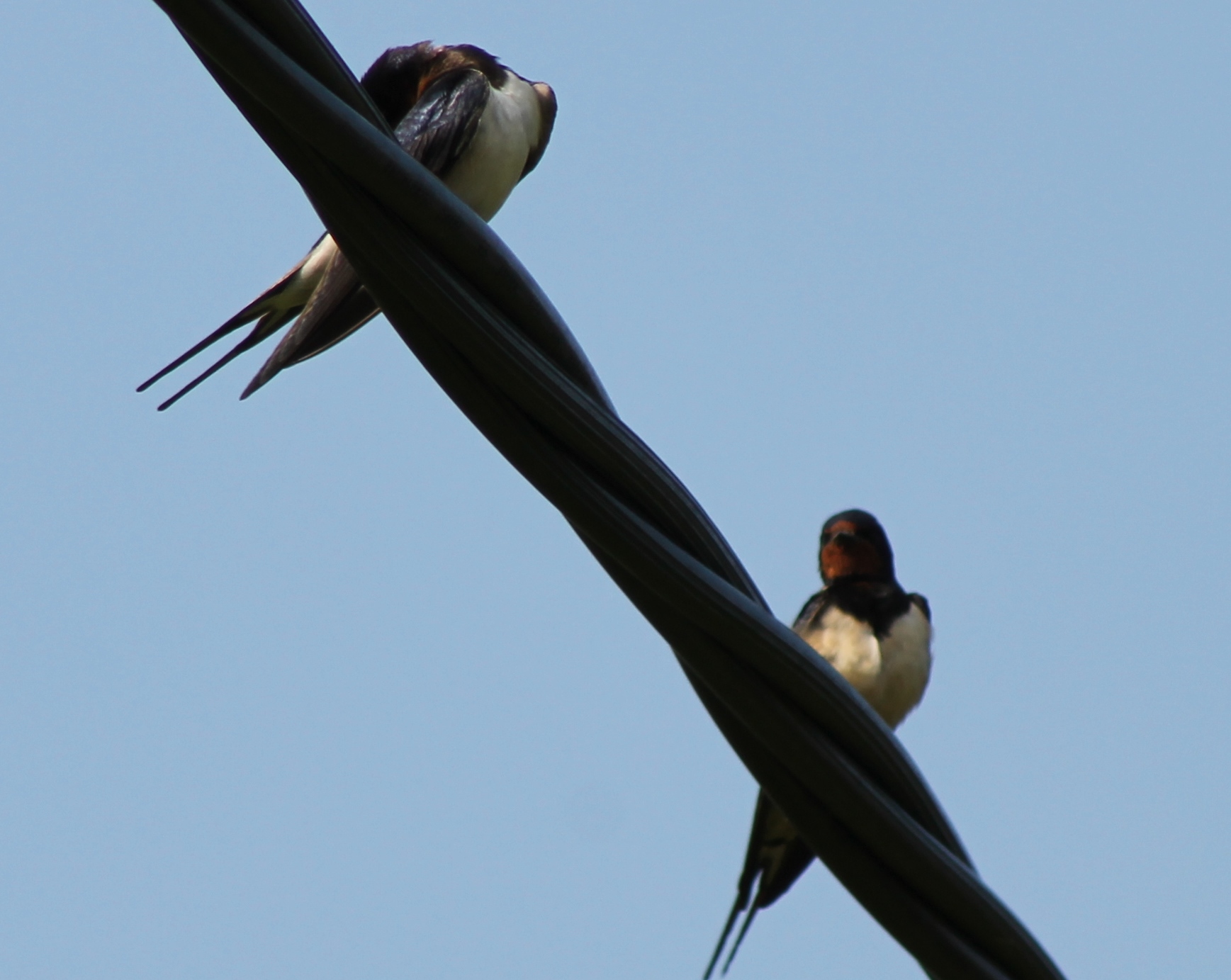
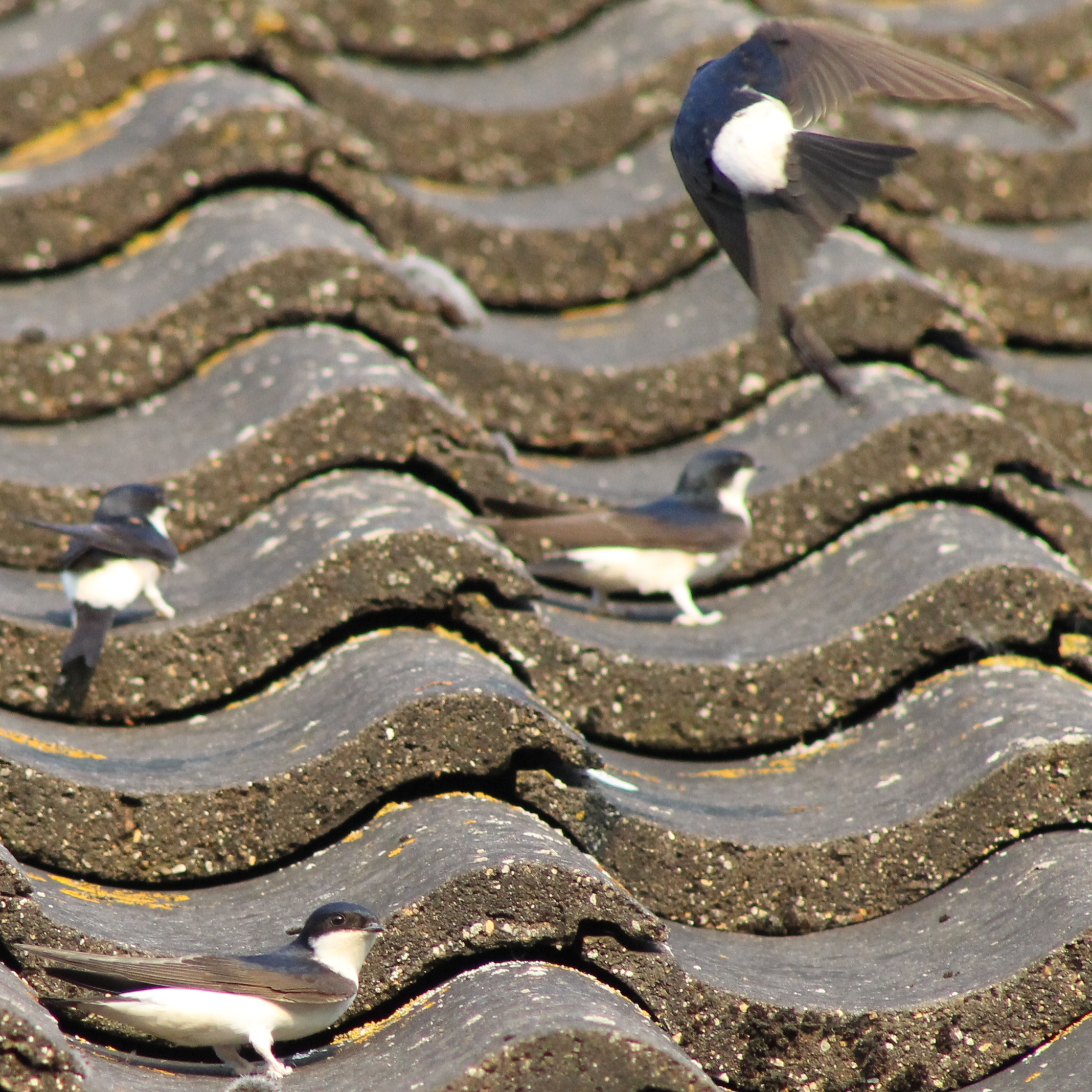
Swallows on the electric cable.

Image

Image

Image

Image

Image

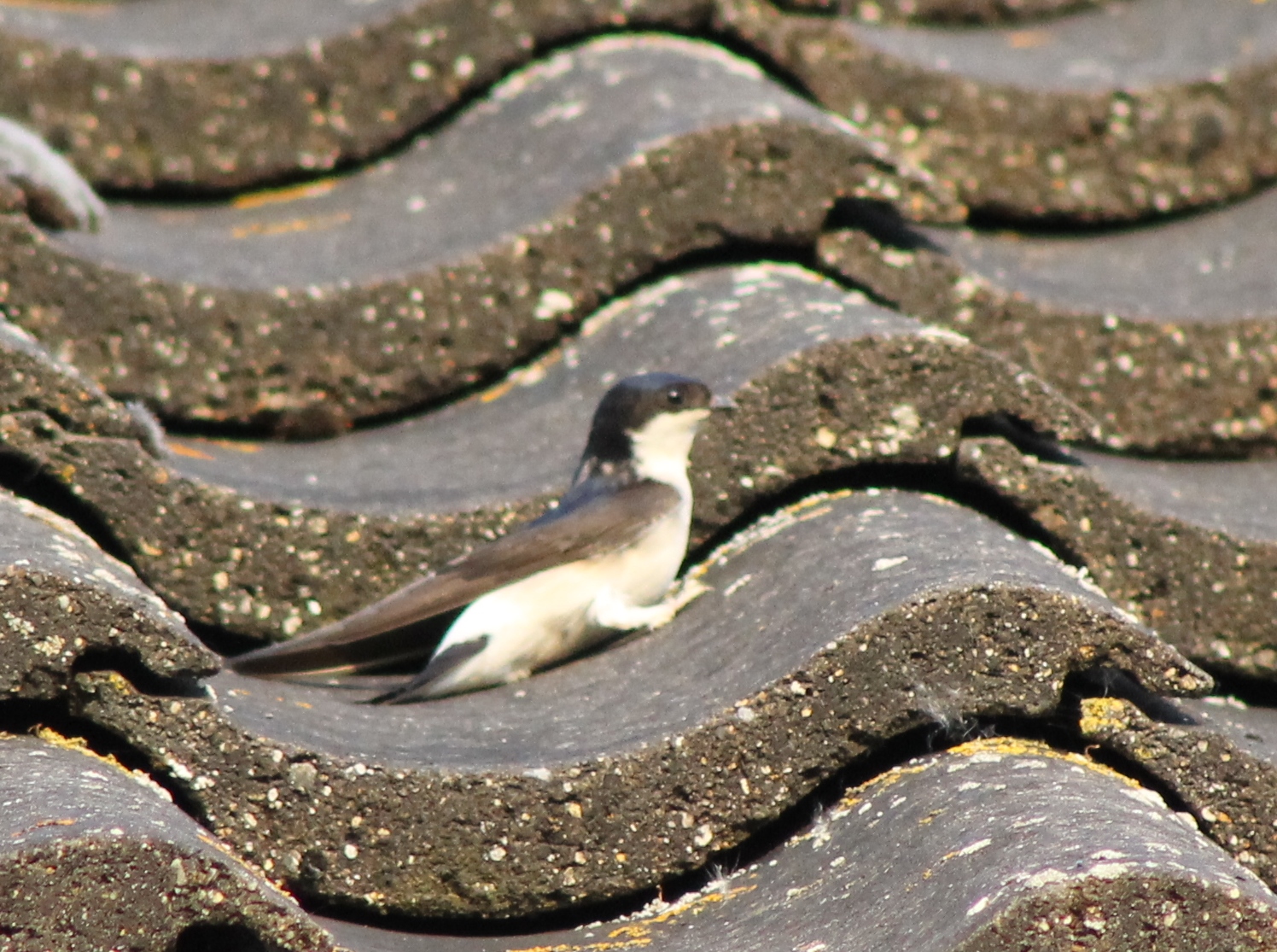
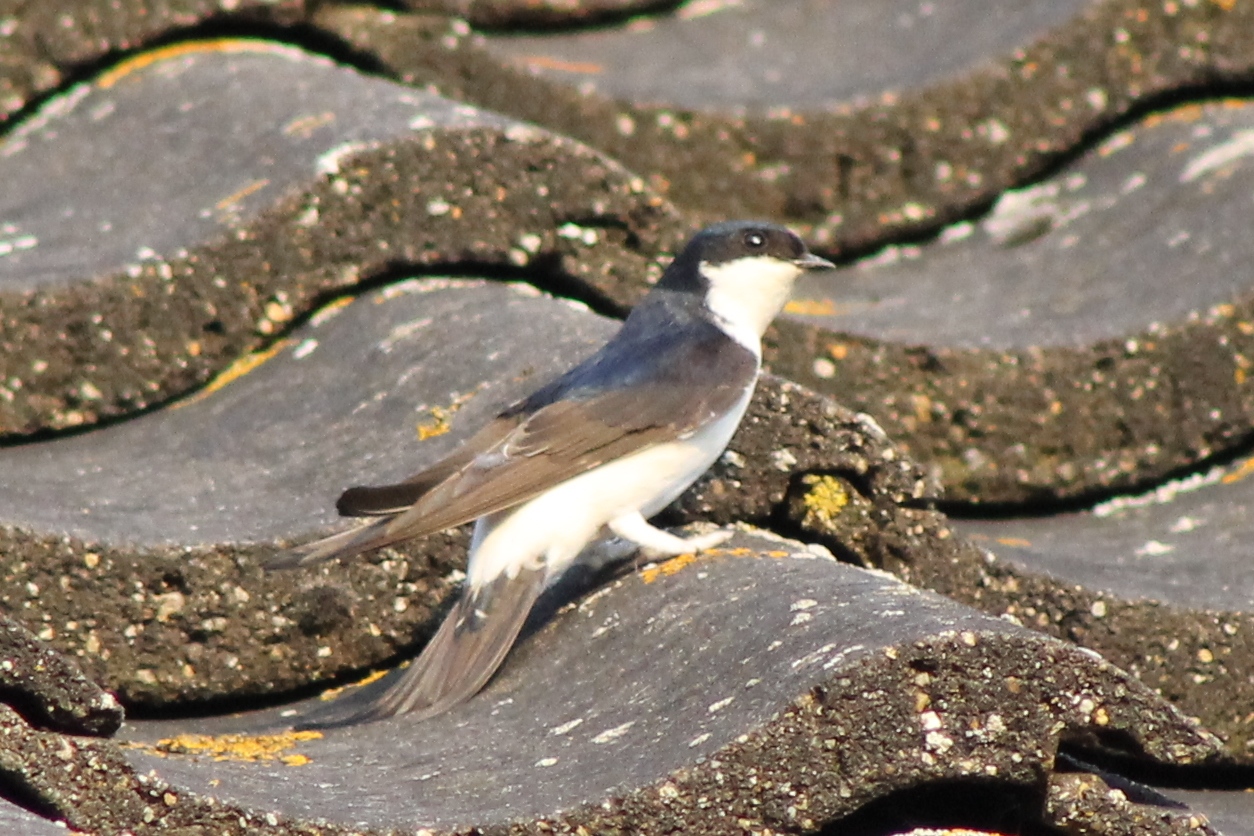
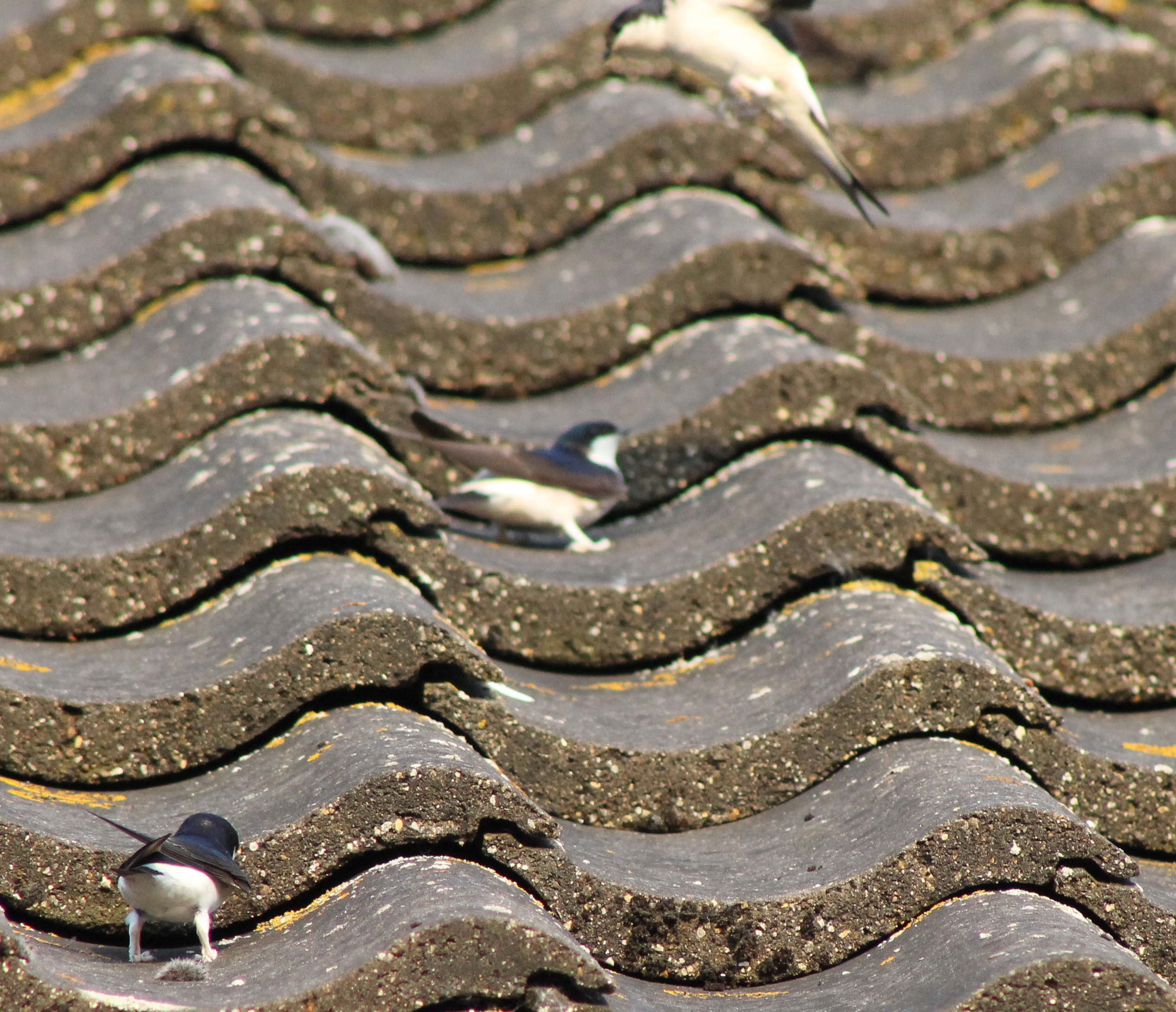
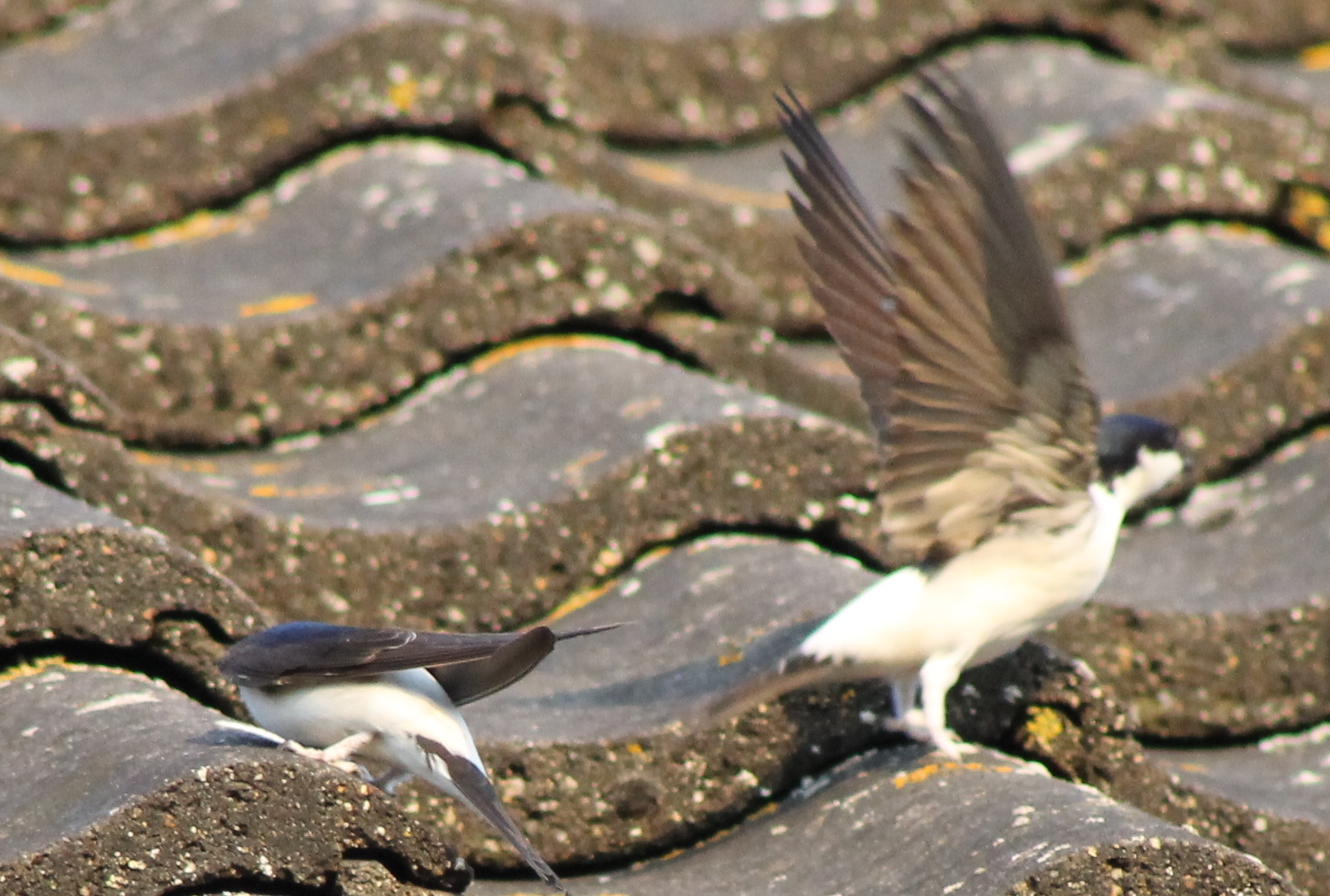
House Martins on our roof.  They land in large groups and sun themselves and then fly off and return quickly- flitting about.  Their song reminds me of budgerigars.

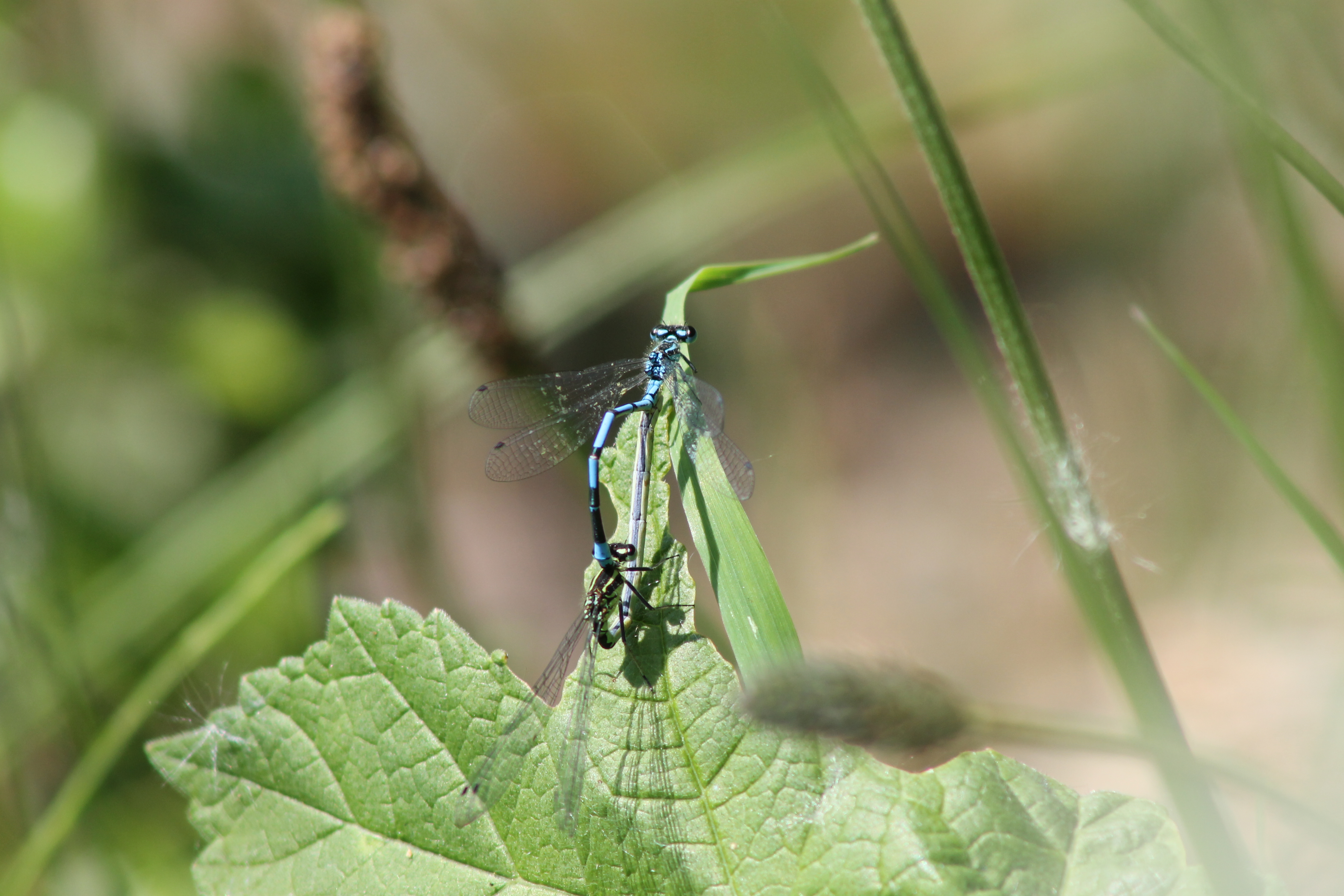
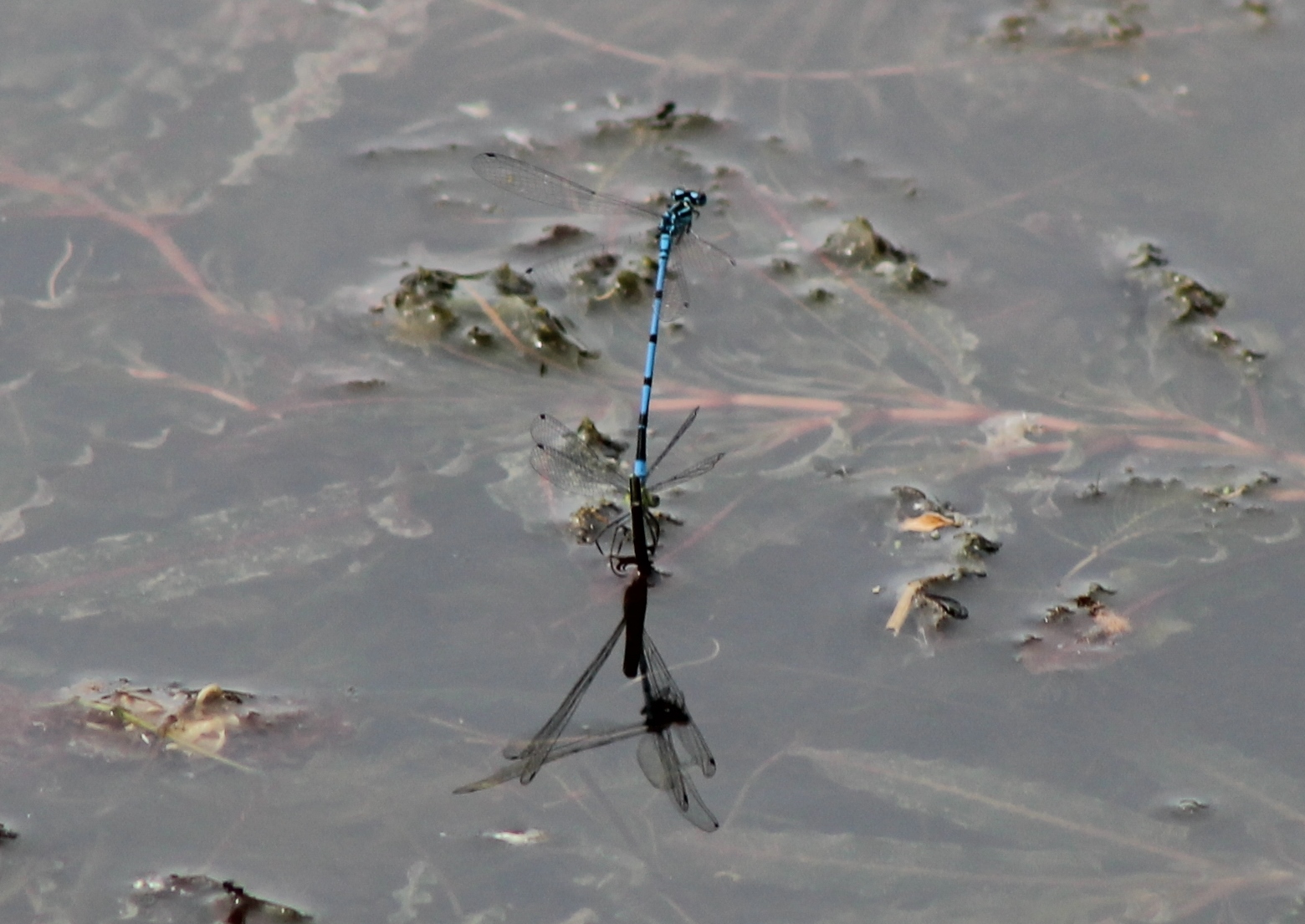
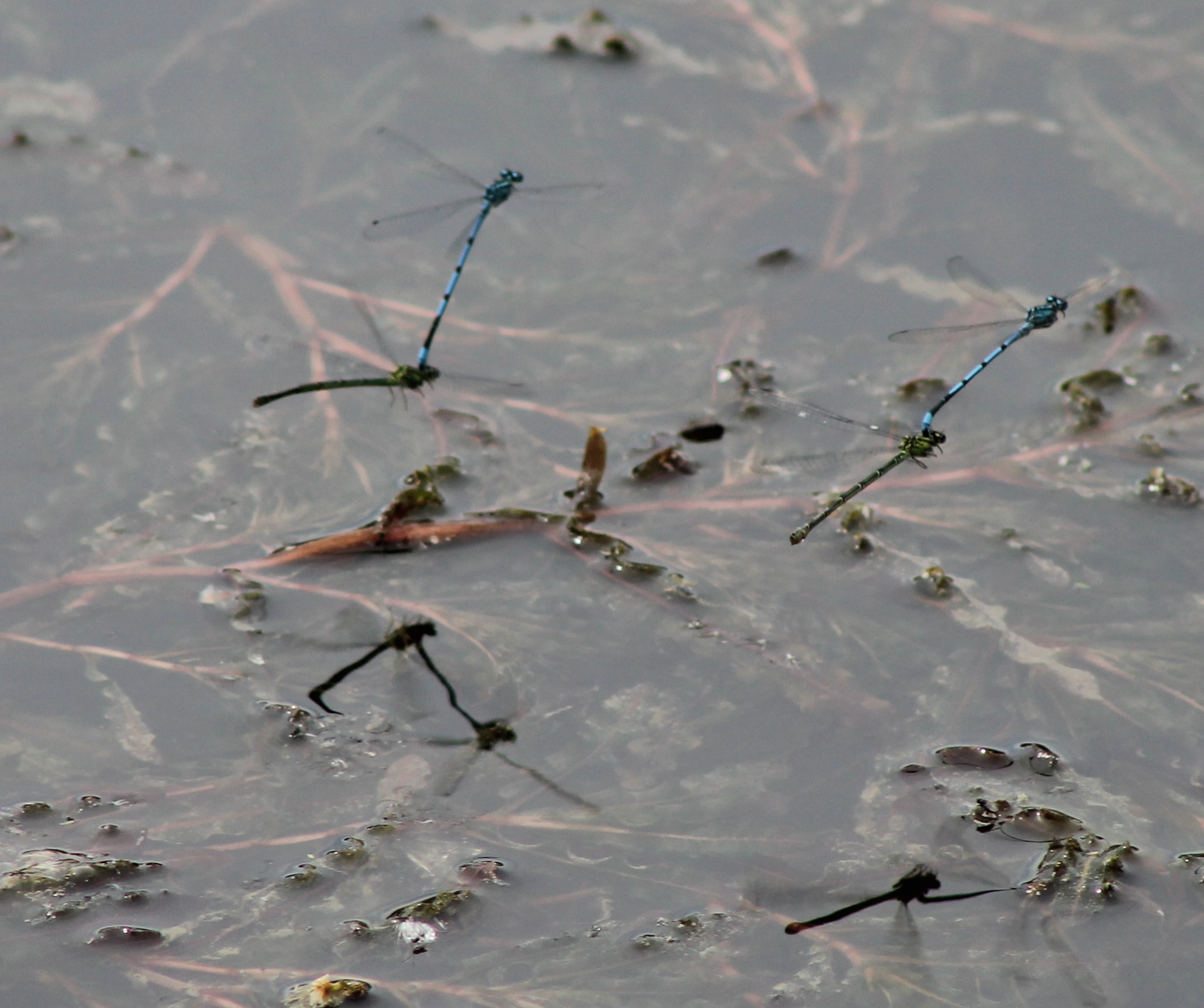
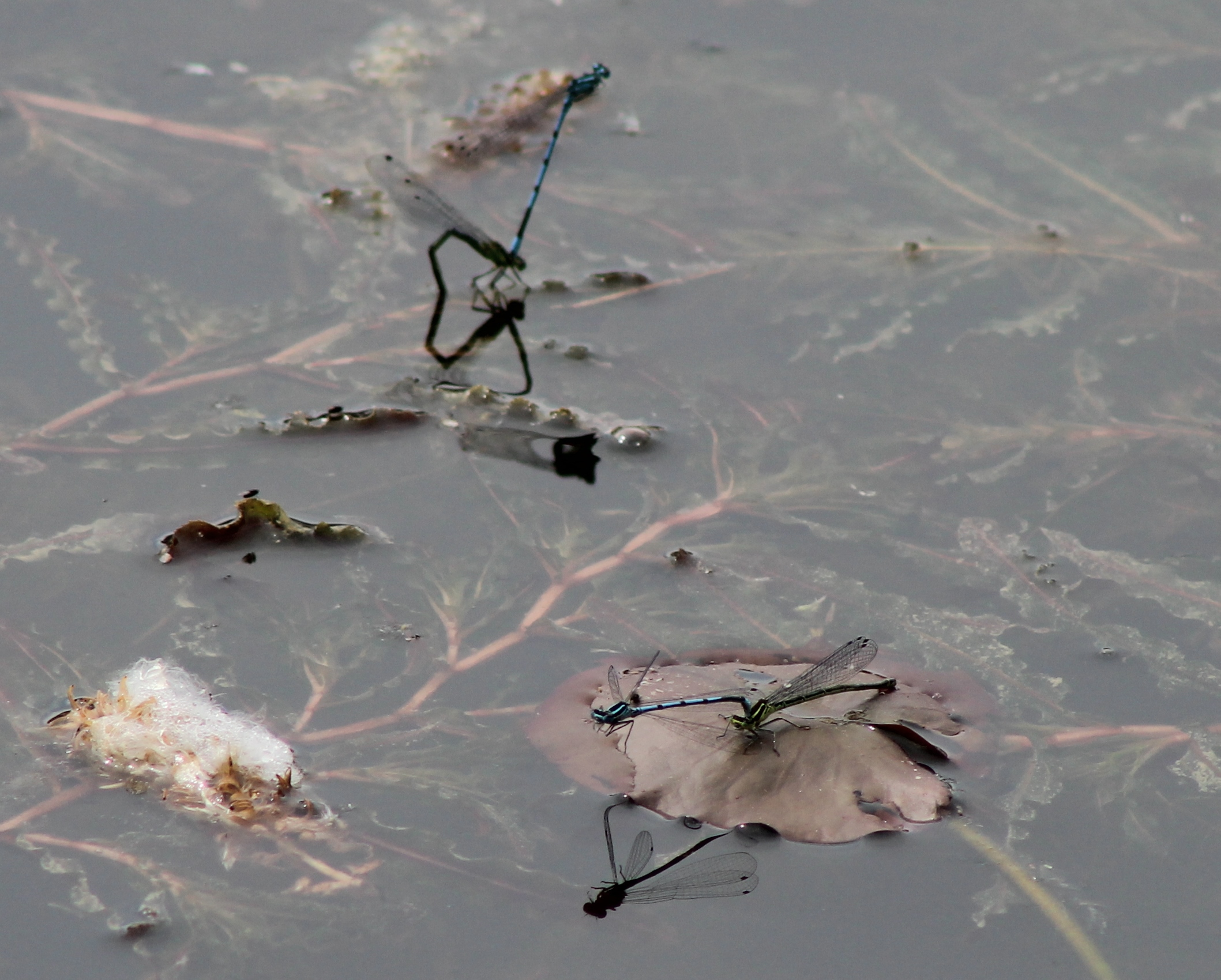
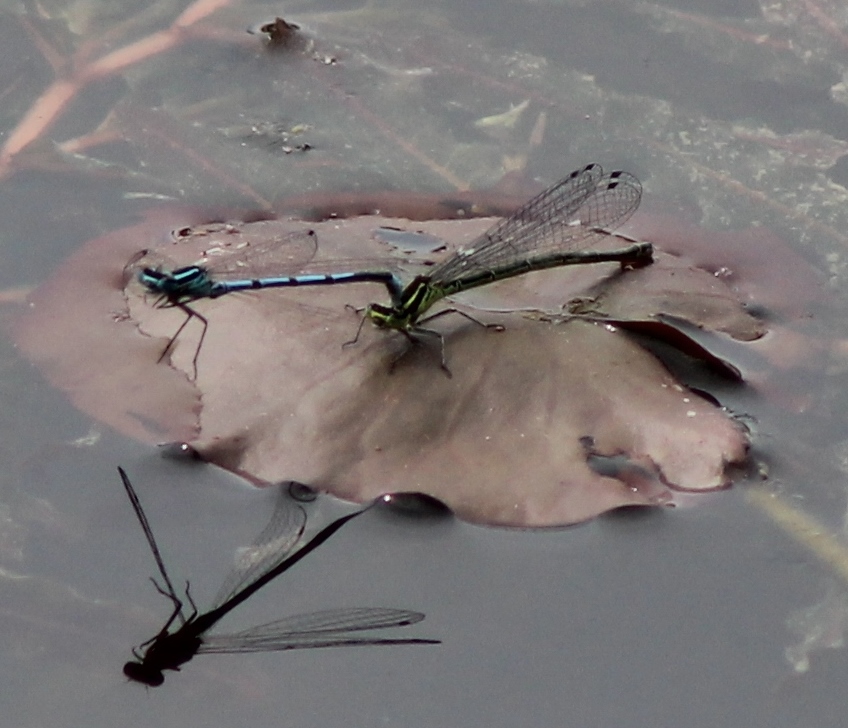
In a post last week I included a blurred photo of a damselfly.  I managed to take a few more pictures last week before they all disappeared.  The red females went before I could photograph them but a different type of damselfly arrived with green and brown females and these are my photos.

Image

Image

Image

021Damselflies

020Damselflies

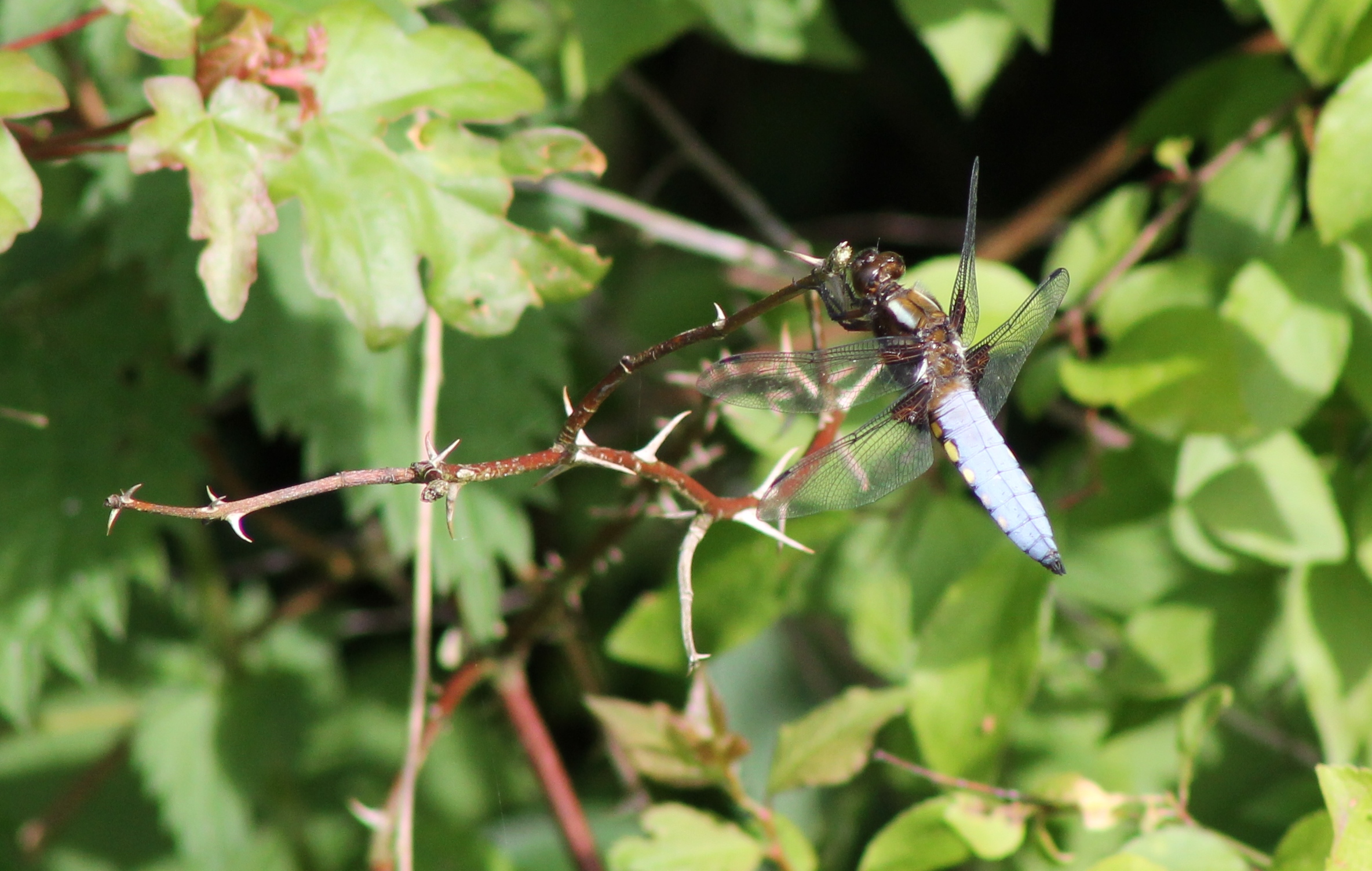
The damselflies have all gone now but I managed to photograph a dragonfly which had just emerged from the pond at the front of the house and was drying its wings.

Image

A Black-tailed Skimmer

029Dragonfly M Black-Tailed Skimmer

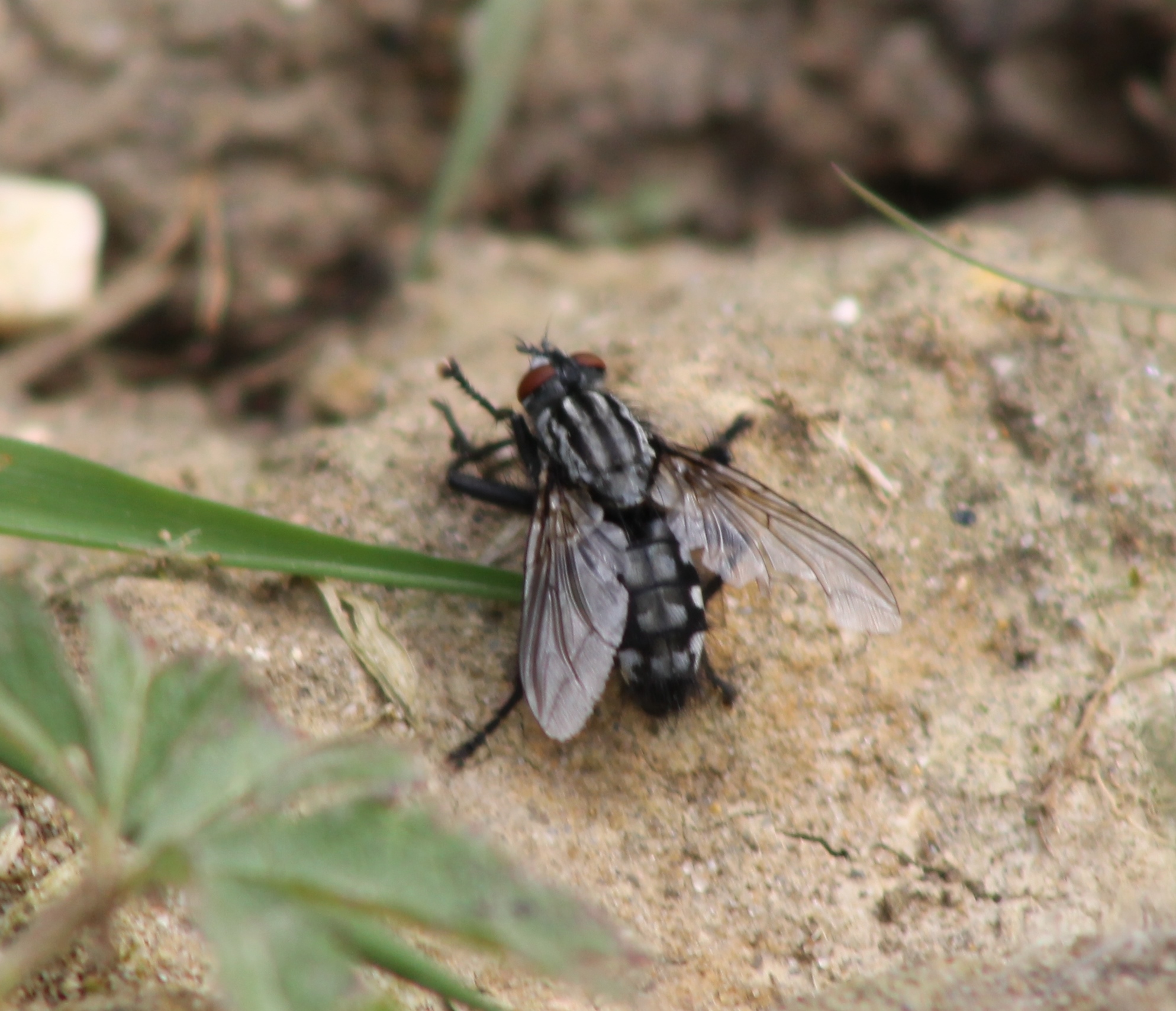
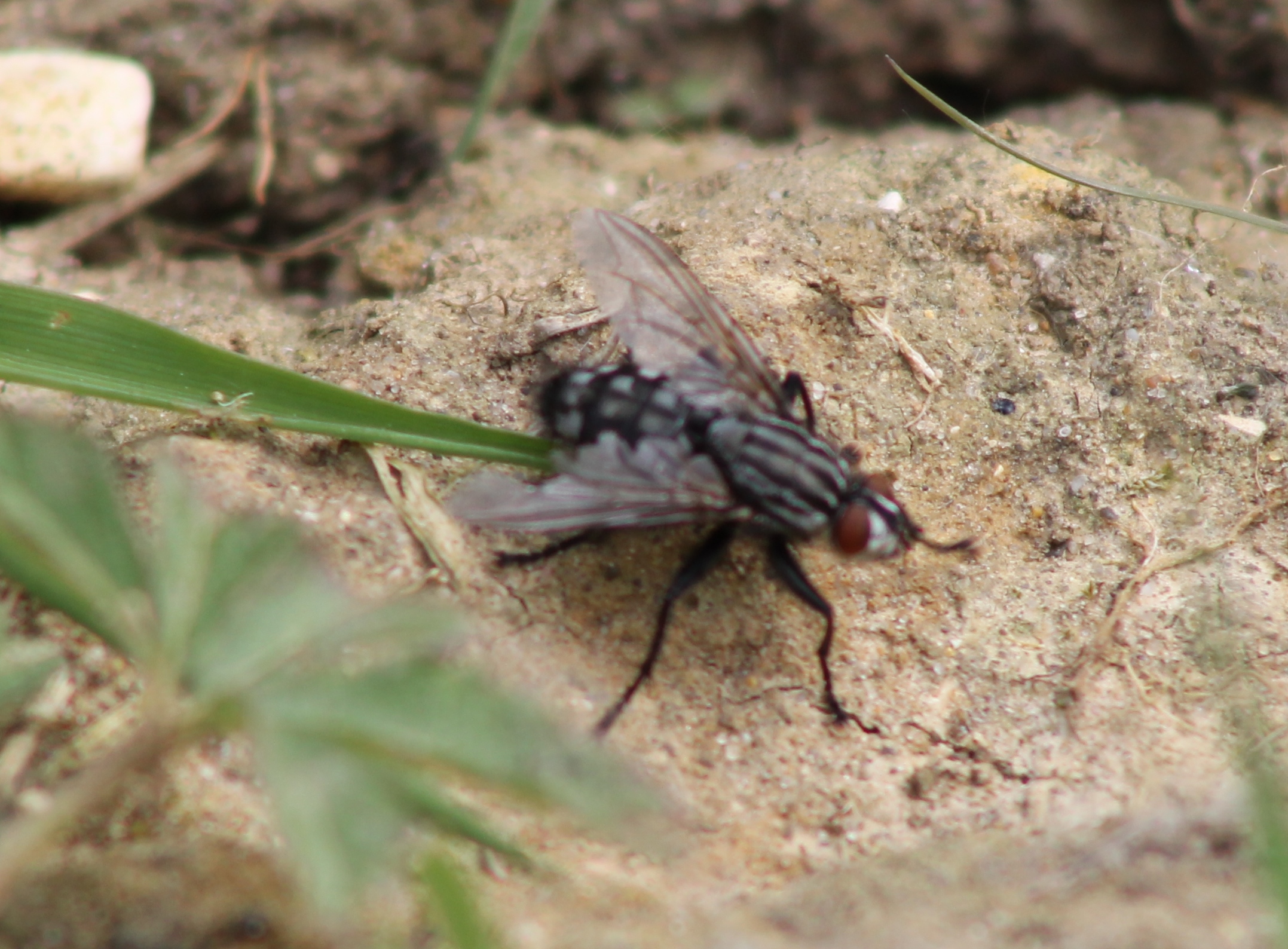
Another not so pleasant insect I saw in the garden last week was a Flesh Fly.

Image

Image

Image

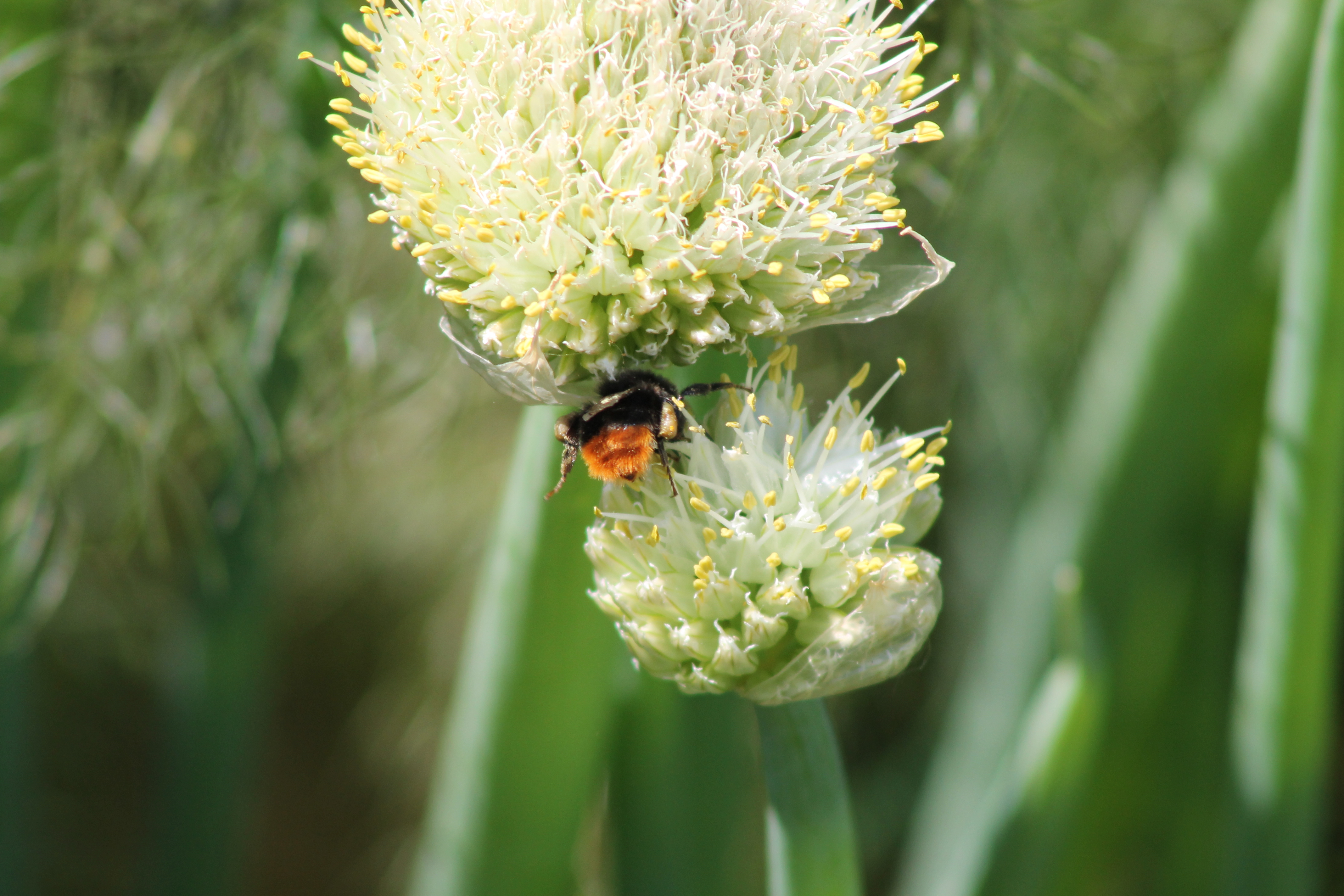
A tiny bee on a Welsh Onion flower.

In the second part of this post I will include the flower photos I have taken recently.


Share this:

  • Share on X (Opens in new window) X
  • Share on Reddit (Opens in new window) Reddit
  • Share on Pinterest (Opens in new window) Pinterest
  • Share on Facebook (Opens in new window) Facebook
  • Email a link to a friend (Opens in new window) Email
  • Share on Tumblr (Opens in new window) Tumblr
  • Print (Opens in new window) Print
  • Share on Pocket (Opens in new window) Pocket
  • Share on LinkedIn (Opens in new window) LinkedIn
Like Loading...
← Older posts
Newer posts →
Follow A Suffolk Lane on WordPress.com

Enter your email address to follow this blog and receive notifications of new posts by email.

Join 715 other subscribers.

Unknown's avatar

I talk about what it's like living in a quiet part of Suffolk. I am a wife, mother and daughter, a practising Christian and love the natural world that surrounds me. I enjoy my life - most of the time!

My Posts

Jan 2026
M T W T F S S
 1234
567891011
12131415161718
19202122232425
262728293031  
« Dec    

Pages

  • About my Blog
  • GDPR (General Data Protection Regulations) and This Site
  • My Life in a Suffolk Lane

Archives

Blogs I Follow

Unknown's avatar
Unknown's avatar
Unknown's avatar
Unknown's avatar
Unknown's avatar
Unknown's avatar
Unknown's avatar
Unknown's avatar
Unknown's avatar
Unknown's avatar
Unknown's avatar
Unknown's avatar
Unknown's avatar
Unknown's avatar
Unknown's avatar
Unknown's avatar
Unknown's avatar
Unknown's avatar
Unknown's avatar

Posts I Like

  • Martha's avatar
  • Unknown's avatar
  • Unknown's avatar
  • Julian Summerhayes's avatar
  • Unknown's avatar
  • Unknown's avatar
  • Unknown's avatar
  • Unknown's avatar
  • Unknown's avatar
  • Matthew Paul's avatar
  • Unknown's avatar
  • Unknown's avatar
  • Unknown's avatar
  • NEERAJ SINGH's avatar
  • quietsolopursuits's avatar
  • Unknown's avatar
  • Unknown's avatar
  • East of Elveden's avatar
  • Unknown's avatar
  • Unknown's avatar
  • Secret Diary of A Country Vicar's Wife's avatar
  • Unknown's avatar
  • Stephen G. Hipperson's avatar
  • Unknown's avatar
  • Unknown's avatar
  • Unknown's avatar
  • trulymebeingme's avatar
  • Bernard Aybout (Virii8)'s avatar
  • Unknown's avatar
  • Annika Perry's avatar
  • Unknown's avatar
  • Unknown's avatar
  • Unknown's avatar
  • Unknown's avatar
  • Unknown's avatar
  • John’s Postcards's avatar
  • Unknown's avatar
  • Unknown's avatar
  • Unknown's avatar
  • Carolina Cuisine Network's avatar
  • Sarah curran's avatar
  • Rich's avatar
  • JAM's avatar
  • martzkvi's avatar
  • bitaboutbritain's avatar
  • Unknown's avatar
  • DoF@theinfill's avatar
  • mitchteemley's avatar
  • Unknown's avatar
  • Unknown's avatar

amphibians architecture art Arts and Crafts churches cooking Days out domestic animals family fish Folk Traditions Gardening Historic Buildings holidays Insects Landscaping literature music Norwich plants Rural Diary seashore theatre trees Uncategorized walking weather wild animals wild birds wild flowers

Tags

architecture autumn birds blackbird blackthorn Bungay butterfly church clouds common knapweed cow parsley crocus daffodils Diary dogwood family field maple flowers fungus garden gardening geese greylags ground-ivy Halesworth Hawthorn heather holiday Holly Holy Week horse chestnut Hoverfly insects ivy Lake District Lent lesser celandine lichen Lords and Ladies Mallard mallards Minsmere moorhen moss music Norwich Peak District pheasant plants pond ponds primrose primroses Rain rooks Rumburgh Rumburgh Church sheep Sheffield snow snowdrops Southwold spring Suffolk Suffolk Wildlife Trust sunset the Beck trees viburnum bodnantense walking weather wild cherry wild flowers winter-flowering honeysuckle witch-hazel

Meta

  • Create account
  • Log in
  • Entries feed
  • Comments feed
  • WordPress.com

Goodreads

Blog at WordPress.com.

Book Jotter

Reviews, news, features and all things books for passionate readers

Country Life Blog -

A blog about life in the country in the past and present

Matthew Paul: Poetry & Stuff

Poetry and what-not

Schnippelboy

Ein Tagebuch unserer Alltagsküche-Leicht zum Nachkochen

TAMARA JARE

Tamara Jare Contemporary Figurative Art – Bold Colors, Resilient Souls

A Taste of Freedom

Documenting a Dream

Country Ways

Rambling Journeys in Britain, Countryside Matters and campaigning for the Right to Roam

The Strawberry Post

Here to Entertain, Educate & Inspire!

a north east ohio garden

an ongoing experiment in the dirt, 35 plus years

naturechirp

Celebrating God's creatures, birds and plants...

Sophie Neville

Writer

Going Batty in Wales

Developing a more sustainable lifestyle in SW Wales

Our Lake District Escapades

Exploring the Lake District and beyond

Short Walks Long Paths

Wandering trails around the coast of Wales

The Biking Gardener

An English persons experience of living and gardening in Ireland

Nan's Farm

A Journal Of Everyday Life

Walk the Old Ways

Rambling Journeys in Britain with John Bainbridge. Fighting for the Right to Roam. Campaigning to Protect Our Countryside.

Writer Side UP!

Waking the Writer Side...and keeping it "Up!"

Meggie's Adventures

Travel, thank you notes and other stories

amusicalifeonplanetearth

Music and the Thoughts It Can Inspire

lovefoundation.co.uk

Traveling Tortuga

Simply Living Well

Pakenham Water Mill

Historic watermill in the beautiful Suffolk countryside

Take It Easy

Retired, not expired: words from the after(work)life. And music. Lots of music!

Secret Diary Of A Country Vicar's Wife

By Olive Oyl

thanksfortheadventureorg.wordpress.com/

The Beat Goes On

#TBGO

Frank Pleszak's Blogs

Twitter: @frankpleszak @PolishIICorps

John Bainbridge Writer

Indie Writer and Publisher

roughwighting

Life in a flash - a bi-weekly storytelling blog

Walking the Old Ways

Rambling in the British Countryside

CapKane

thoughts on social realities

SkyeEnt

Jottings from Skye

jodie richelle

embracing my inner homemaker

Skizzenbuch/Blog

Just another WordPress.com weblog

Have Bag, Will Travel

The Call of the Pen

Flash Fiction, Book Reviews, Devotionals and other things.

John's Postcards

Art in Nature

You dream, I photographe it !

Smile! You’re in Barnier World......

theinfill

the things that come to hand

Dr. Mary Ann Niemczura

Author of "A Past Worth Telling"

Provincial Woman

The Pink Wheelbarrow

Luanne Castle: Poetry and Other Words (and cats!)

Poetry, Other Words, and Cats

The Family Kalamazoo

A genealogical site devoted to the history of the DeKorn and Zuidweg families of Kalamazoo and the Mulder family of Caledonia

everythingchild

The Book Owl

Canberra's Green Spaces

Paul Harley Photographer

  • Subscribe Subscribed
    • A Suffolk Lane
    • Join 715 other subscribers.
    • Already have a WordPress.com account? Log in now.
    • A Suffolk Lane
    • Subscribe Subscribed
    • Sign up
    • Log in
    • Report this content
    • View site in Reader
    • Manage subscriptions
    • Collapse this bar
 

Loading Comments...
 

    Privacy & Cookies: This site uses cookies. By continuing to use this website, you agree to their use.
    To find out more, including how to control cookies, see here: Cookie Policy
    %d