• About my Blog
  • GDPR (General Data Protection Regulations) and This Site
  • My Life in a Suffolk Lane

A Suffolk Lane

~ A diary of my life in rural north Suffolk.

A Suffolk Lane

Category Archives: wild birds

A Miscellany Part 1

30 Fri May 2014

Posted by Clare Pooley in churches, Insects, Rural Diary, Uncategorized, wild birds

≈ 8 Comments

Tags

Bee, Damselfly, Dragonfly, Flesh Fly, Franciscans, House Martin, house sparrow, Robin, Santiago de Compostella, smoke, Swallow, Thurifer, white doves

I usually take a number of photos of the things I see each day but don’t manage to include them in a post.  This post is a mixture of those photos, a few memories of my father and a mention of a couple of things I have done during the last two weeks.

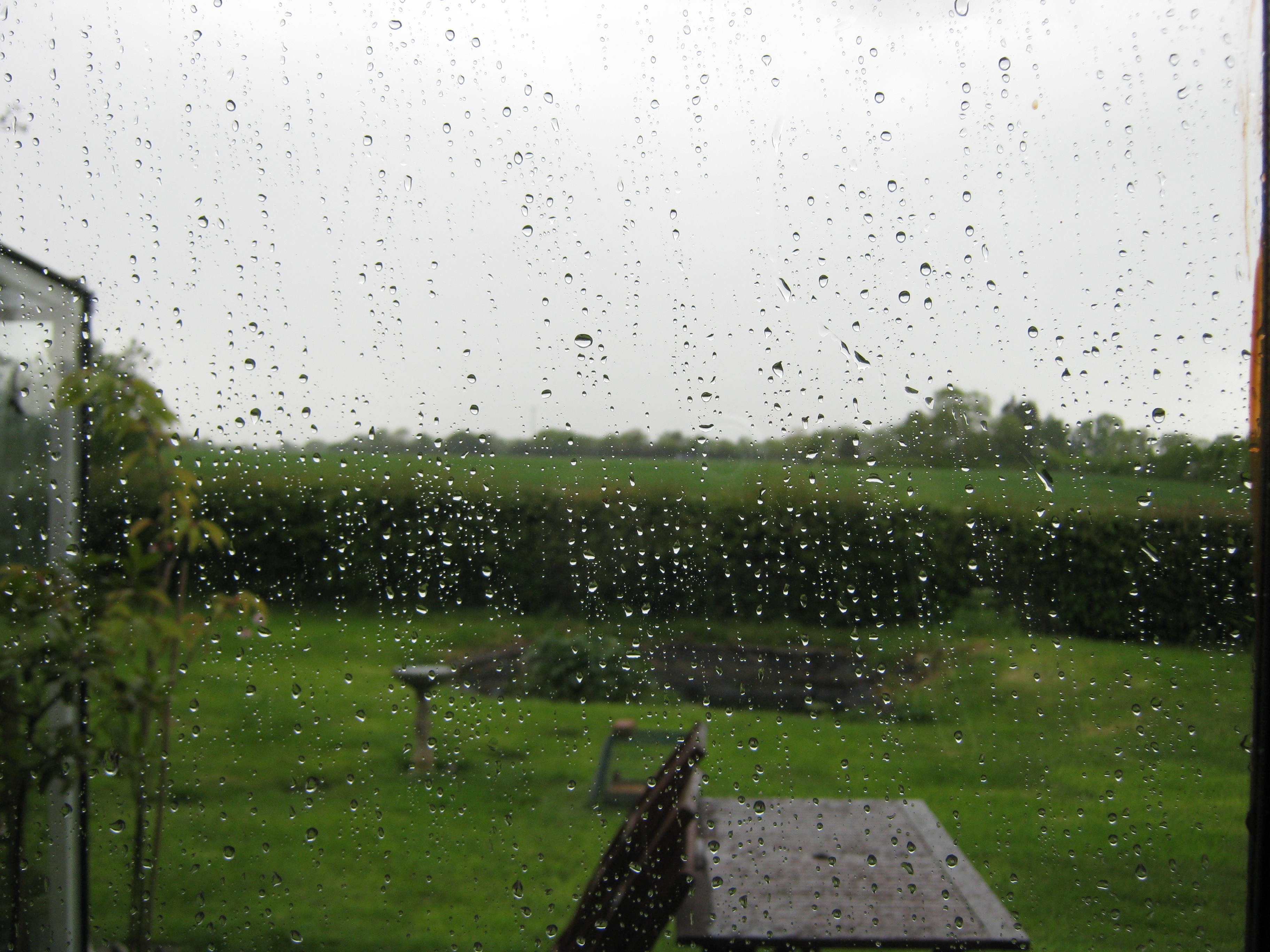
The weather during the last few days has been pants (to use one of R’s expressions).  When it hasn’t been raining it has been very dull and chilly, and with a strong easterly wind blowing it hasn’t been pleasant out-of-doors.  I have a slight cough as well and no energy: this post will have photos I took when the weather was better.  The children are on their half-term holiday this week.  They can’t be having much fun unless their parents have taken them abroad.  As I look out of the window this morning there is a steady drizzle falling and I am not looking forward to going out to feed the birds.

R spent a couple of days in Manchester the weekend before last.  His poor Mum is finding it very difficult getting used to having more carers coming into her home.  She feels as though her life is now out of her own control and is quite depressed.  She knows she needs the help and is pleased to be able to stay in her own home but all the same….  R was able to give her a hug and some sympathy.  His brother is doing all the duties I do with my own mother plus some, and is finding it all extremely trying, so R got a couple of rants from him too.  R feels bad that he can’t help more but I think he does very well considering he has a full time job with lots of travelling away from home.  He phones his Mum regularly and is in constant touch with his brother.  He visits every month or two and provides equipment and other financial aid.  R went on the train so wasn’t able to drive them about when he was in Manchester but they did have an enjoyable walk in the local park in the sunshine.  The sun shone brightly and it was very warm so my mother-in-law was cheered by the flowers, the other people in the park, the ice-cream R bought and the coffee in an outside café sitting in her wheelchair under a tree.

After dropping R off at Diss station on the Sunday to get the train to Manchester, I drove back to Fressingfield to pick up Mum and took her to church in Eye.  I do spend quite a lot of my time in the car it seems!  The retired priest who has been looking after Eye church had just returned from a pilgrimage to Santiago de Compostella and spoke movingly about his experiences.  He started walking from the border between Portugal and Spain with crowds of other people from all nations and walked about twelve miles a day through beautiful countryside.  He said he was fortunate to have his luggage sent on each day to the next hotel and only needed to carry a few necessaries with him.  Many of the other pilgrims had to carry all their belongings with them in large packs and either camped or stayed in hostels along the route.  Poor man!  He retired and moved to this area to be near his family and almost as soon as he arrived he was asked to look after churches in two different benefices and has therefore worked an extra year already with lots of driving to do.  He decided to go on the pilgrimage (organised by the diocese to celebrate its centenary) before he realised he’d be so busy at home.  He also directed our attention to the scaffolding in the church across the whole Rood Screen.  He said it was ‘Holy Scaffolding’ – there to remind us of the scaffolding God provides for us in our journey through life – the props and supports He gives us out of love.  Being in Eye church always reminds me of my father as there is so much that he made there.  He was a cabinet maker and above all loved working in churches.  He left school at the age of fourteen and became an apprentice to a joiner/cabinet maker.  His parents were too poor to allow him the luxury of staying on at school.  He had to do his National Service in the RAF and hated it and shortly after leaving he decided he would become a friar.  He joined the Friary at Hillfield near Cerne Abbas in Dorset and was known as Brother Dunstan.  He was also known as the laughing friar as he was always cheerful.  He worked as a joiner/cabinet maker while there and also ran the local scouts.  He eventually started to have doubts about whether he should stay in the friary as I think his parents put a lot of pressure on him to leave.  They thought it strange for a young man to stay celibate and not to marry and have children.  He left while he was still a novice friar but always hankered after the life he had led there.  He certainly never gave up his vow of poverty – we were always poor and Mum is still struggling to find money to look after her house from her own small pension.  We often visited the Friary when I and my brother and sister were small and loved these jolly, kind men who played games with us and were so happy.  We went to the seaside once taking one of Dad’s friends who rolled up his habit and paddled in the sea much to everyone’s amusement.  We often had friars staying at our house when I was young; one I remember who thundered about in his sandals and got up noisily very early in the morning.  One day we got up to find water and blood all over the bathroom and no sign of the friar.  He had fallen over while getting out of the bath, cut his head badly and taken himself off to the local hospital.  By the time Dad had died only one of his old friends was left and he kindly came and spoke at Dad’s funeral  Mum loves being in Eye church too, as she likes to see all Dad’s things about her (he never had much time or money for improving his home so there are few pieces of his furniture there!).  Both my mother and mother-in-law find great comfort from their religion.  I try my best to get Mum to her own church where she is so happy.  It is unfortunate that there are not enough people in her church willing or able to give her a lift as I miss going to my own church with R.  Mother-in-law is more unfortunate than Mum in that her own church has changed so much and has side-lined all the elderly members in favour of its younger ones and has virtually stopped using the set services.  Even if she could get a regular lift from someone who could manage the wheelchair she wouldn’t come away from church feeling refreshed and comforted.  I think rural churches like mine appreciate their elderly members more than town churches do – I don’t think the churches in the country would exist at all without all the old stalwarts!

Another conversation R and I had before he went off to Manchester recalled my father.  R was saying the containers he has for screws and nails and such like are starting to fall apart and he was wondering what he could replace them with.  He said his father used to use old tobacco tins, St Bruno ones, and I said that was what my father used too but his ones were Balkan Sobranie.  My father began smoking at the age of fourteen when he started work and continued until shortly before his death from lung cancer four years ago.  He preferred smoking a pipe and my memories of him are with a pipe in his mouth working in his workshop or sitting in his garden in the evening.  He was a careless smoker, throwing matches about and leaving smouldering pipes in places he shouldn’t, including the back pocket of his trousers.  You can imagine the damage done to trousers, underpants and flesh that ensued.  I am amazed he didn’t set fire to his workshop too with all the heaps of wood shavings and sawdust about.  He was never happier than when enveloped in a cloud of smoke.  His pipe or cigarettes of course, and then bonfires were a favourite with him too.  His excitement on finding that a fire was still alight next morning!  He loved a good blaze and couldn’t be done with an incinerator.  He got through tons of firewood and coal in the house.  He was given the job of thurifer at Eye church.  The thurifer is the person who swings the thurible or censer full of smoking incense during the service and he was very good at it.  I remember my mother telling me of an incident one Palm Sunday when they were to process through the town from the Town Hall or the school, I can’t remember which, to the church.  They all started to sing the processional hymn, my father began swinging the thurible and next minute the fire alarm started wailing!

I had been thinking how fortunate I was to have four different types of warbler singing in my garden, Blackcap, Chiff-chaff, Garden Warbler and Willow Warbler and another one, the Lesser Whitethroat, singing in hedgerows four minutes walk away when all of a sudden they all stopped a week ago.  I hear the Garden Warbler and the Chiff-chaff every now and again but the others have gone or just stopped singing.  Ah well, it was very good while it lasted.  I heard a Turtle Dove briefly last Wednesday but it didn’t stay around.  I don’t know that it is warm enough for Turtle Doves at the moment.  I can only remember them singing on warm and/or sunny days or is that my memory playing tricks on me?  We have lots of other birds about with their fledglings demanding to be fed.  The woodpeckers are so grubby looking from their constant feeding of young in the hole in their tree.  Instead of white markings they have beige feathers now.  As I type I can see a large group of young greenfinches on the telephone cable fluttering their wings while the parent birds stuff food into each one in turn.
Image

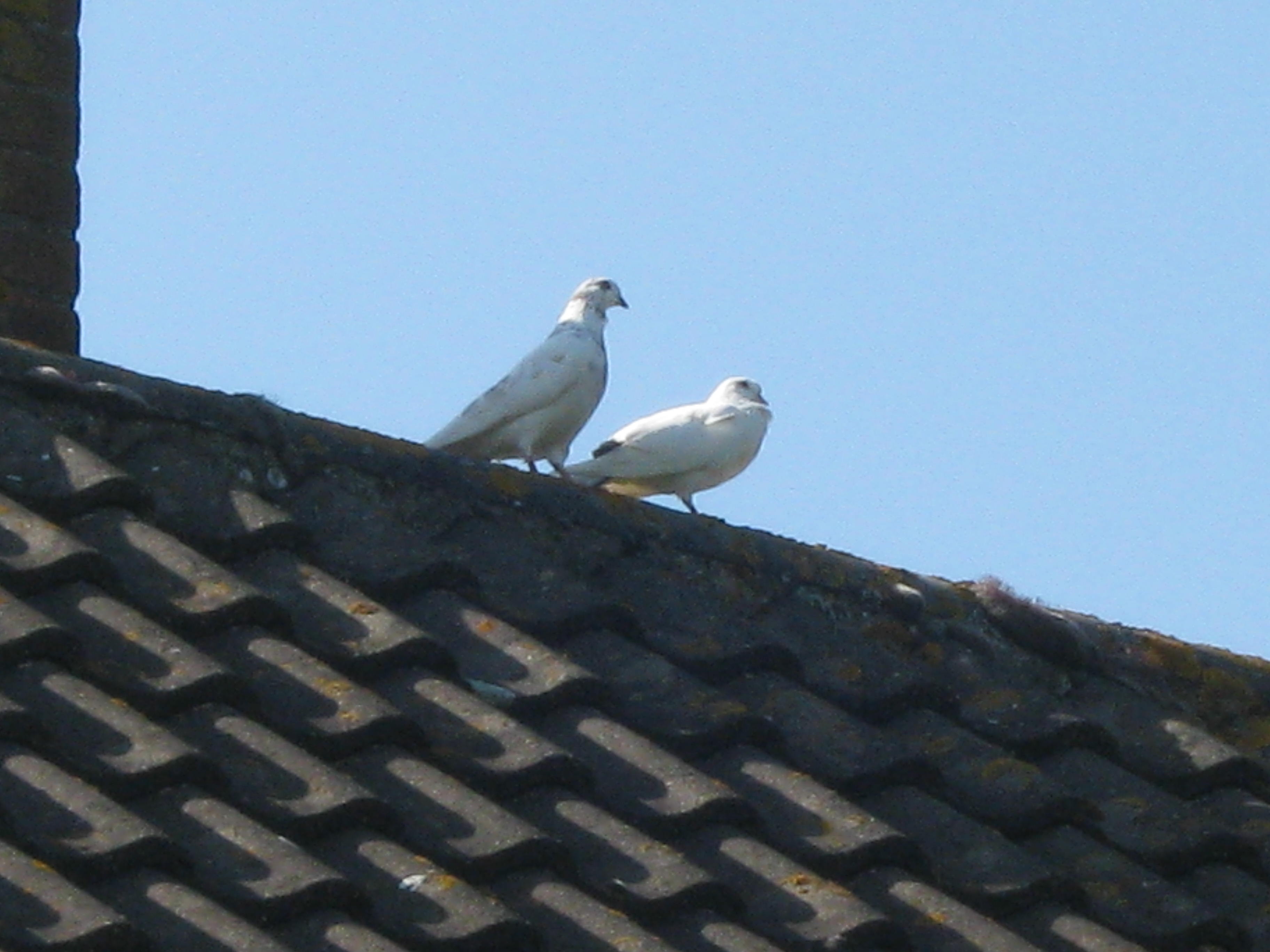
White doves visiting our garden

What a wonderful thing it must be to own some doves!  You provide them with a dovecot and pamper them to your heart’s content.  You don’t need to feed them much as all you do is let them fly off each morning to gorge themselves, with other pigeons and doves, on farmers’ crops and other peoples’ peas and beans and bird-table food!

004Male House Sparrow

A male House Sparrow

Image

Image

Image

Image

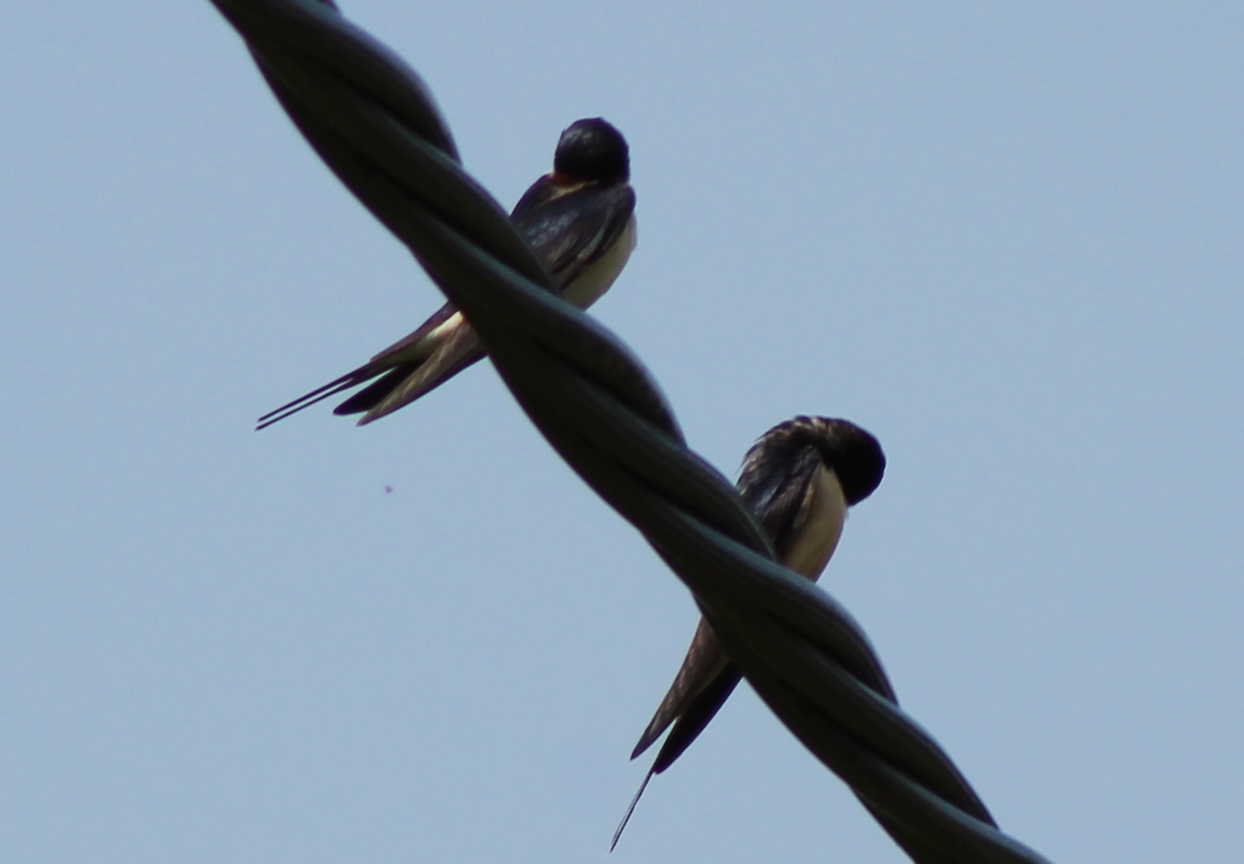
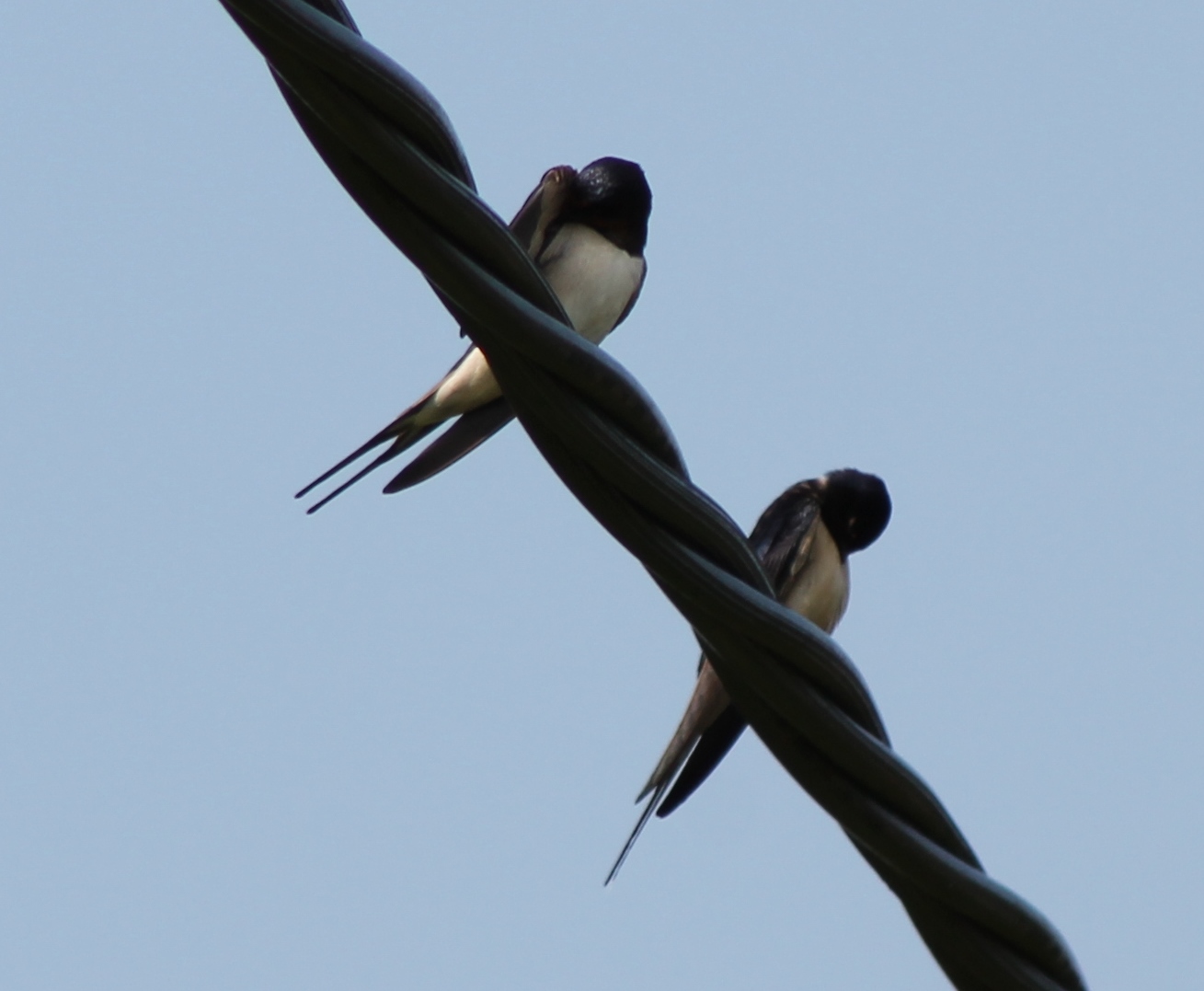
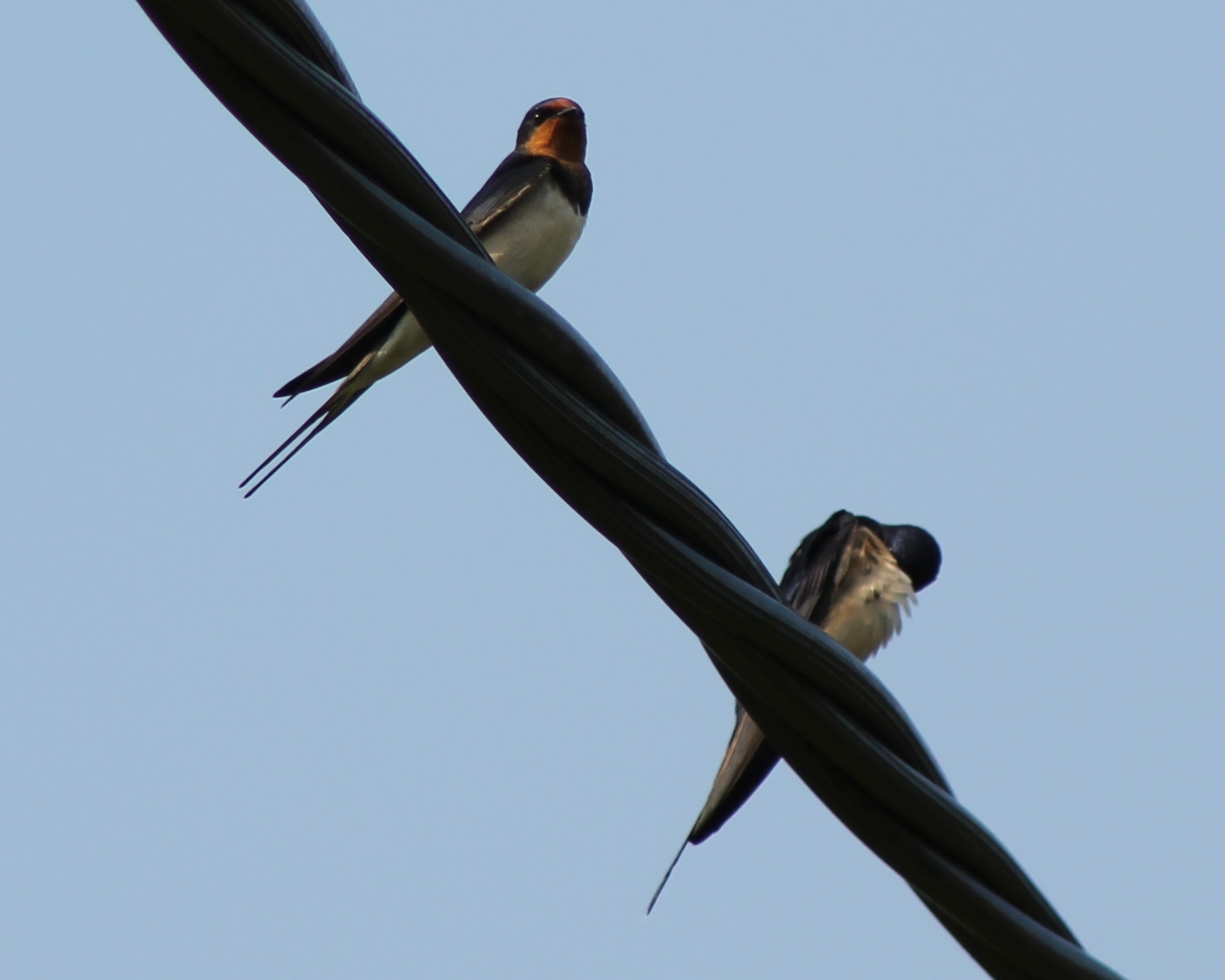
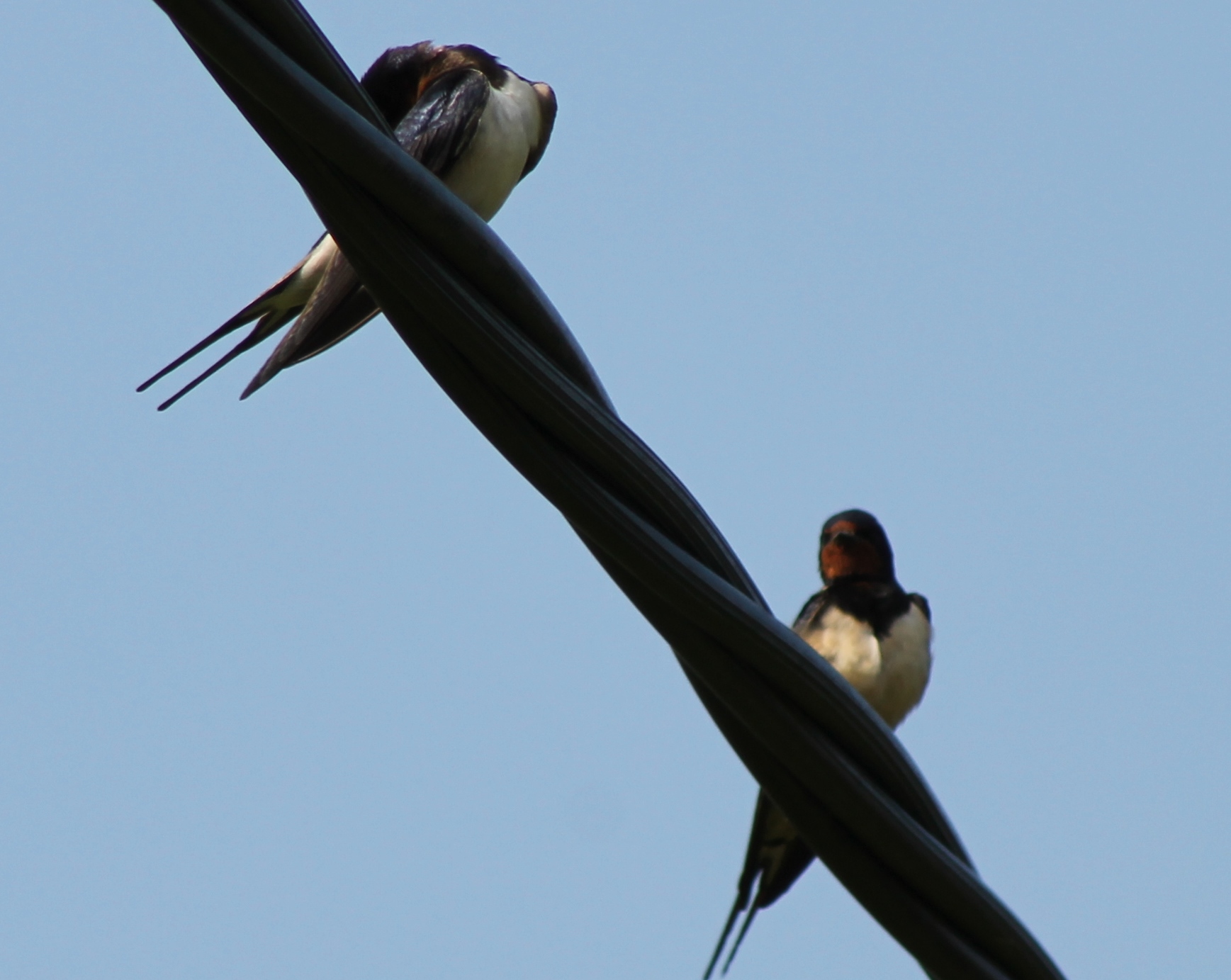
Swallows on the electric cable.
Image

Image

Image

Image

Image

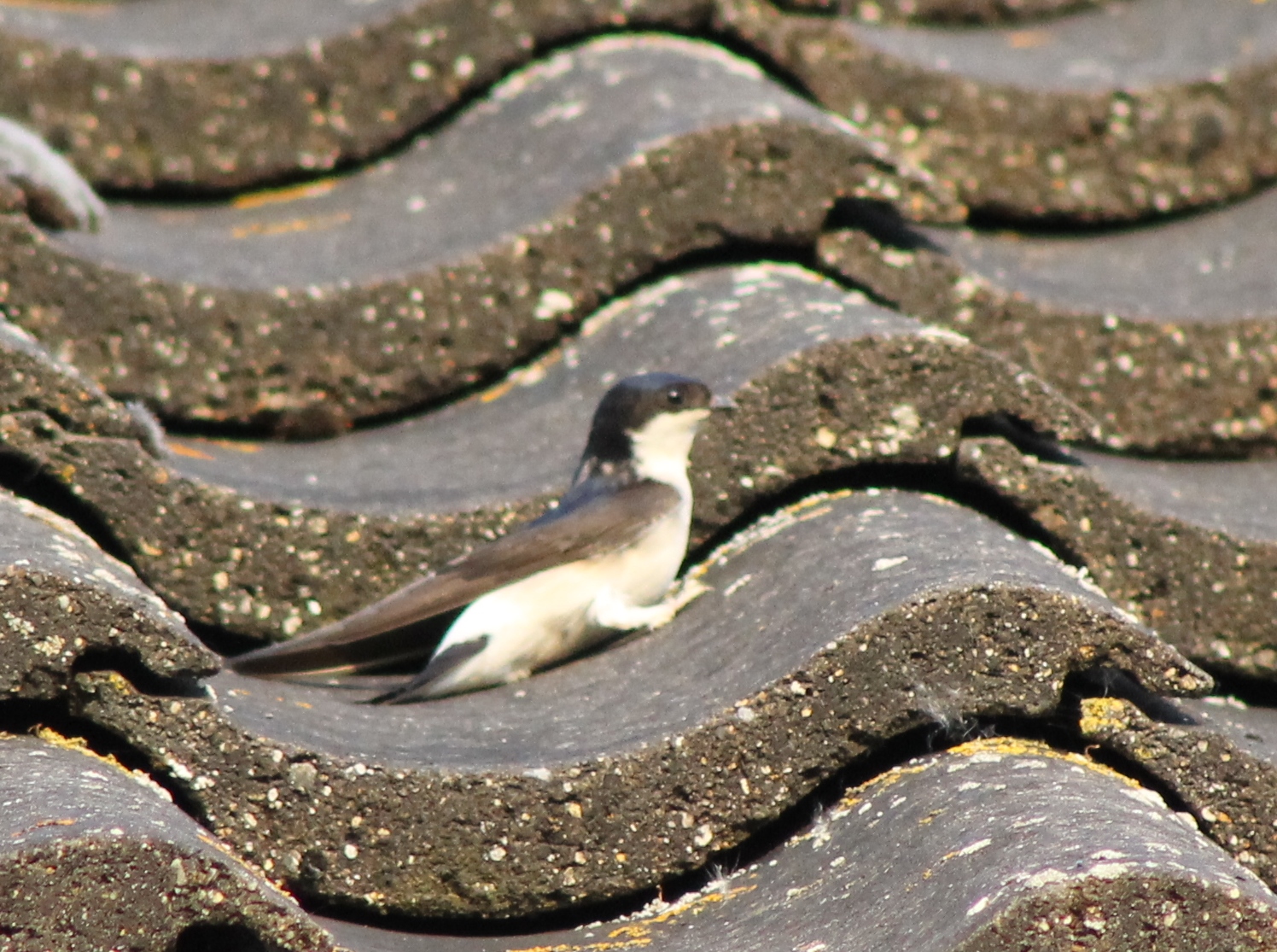
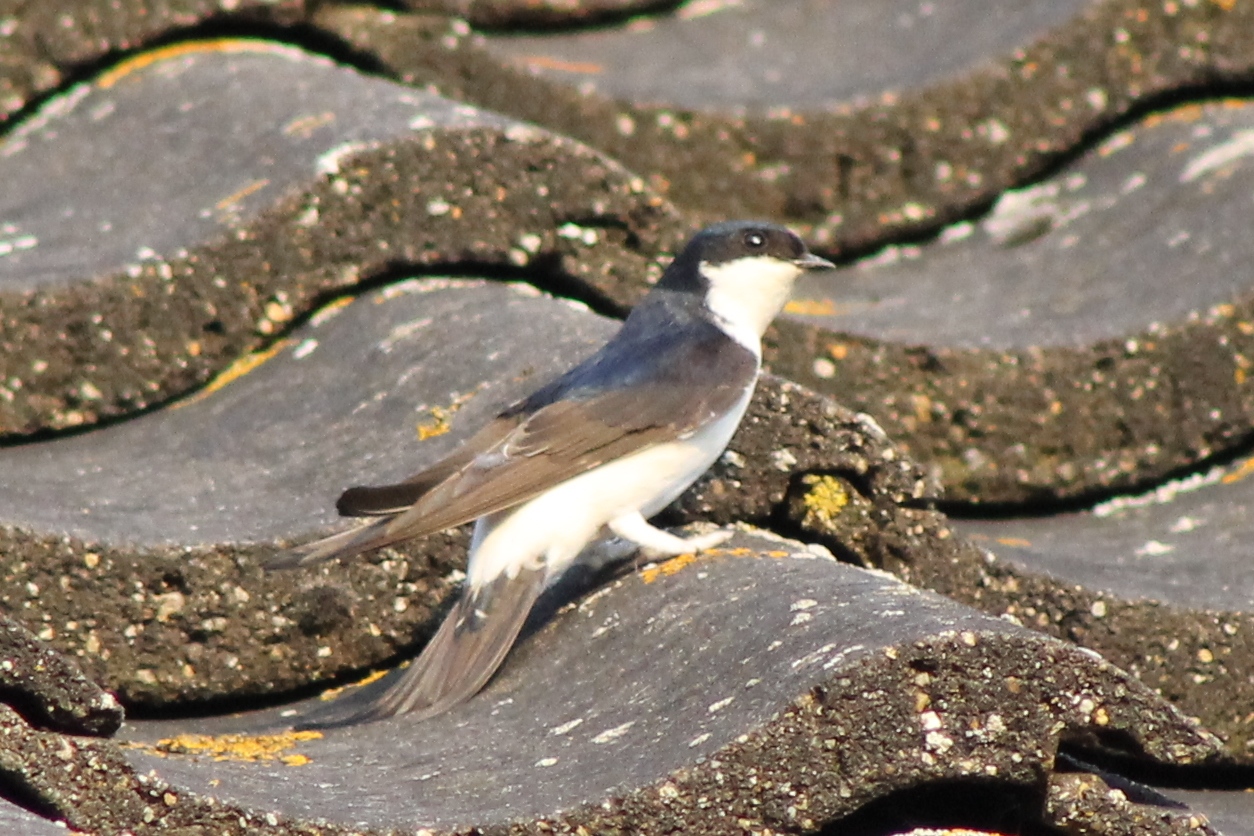
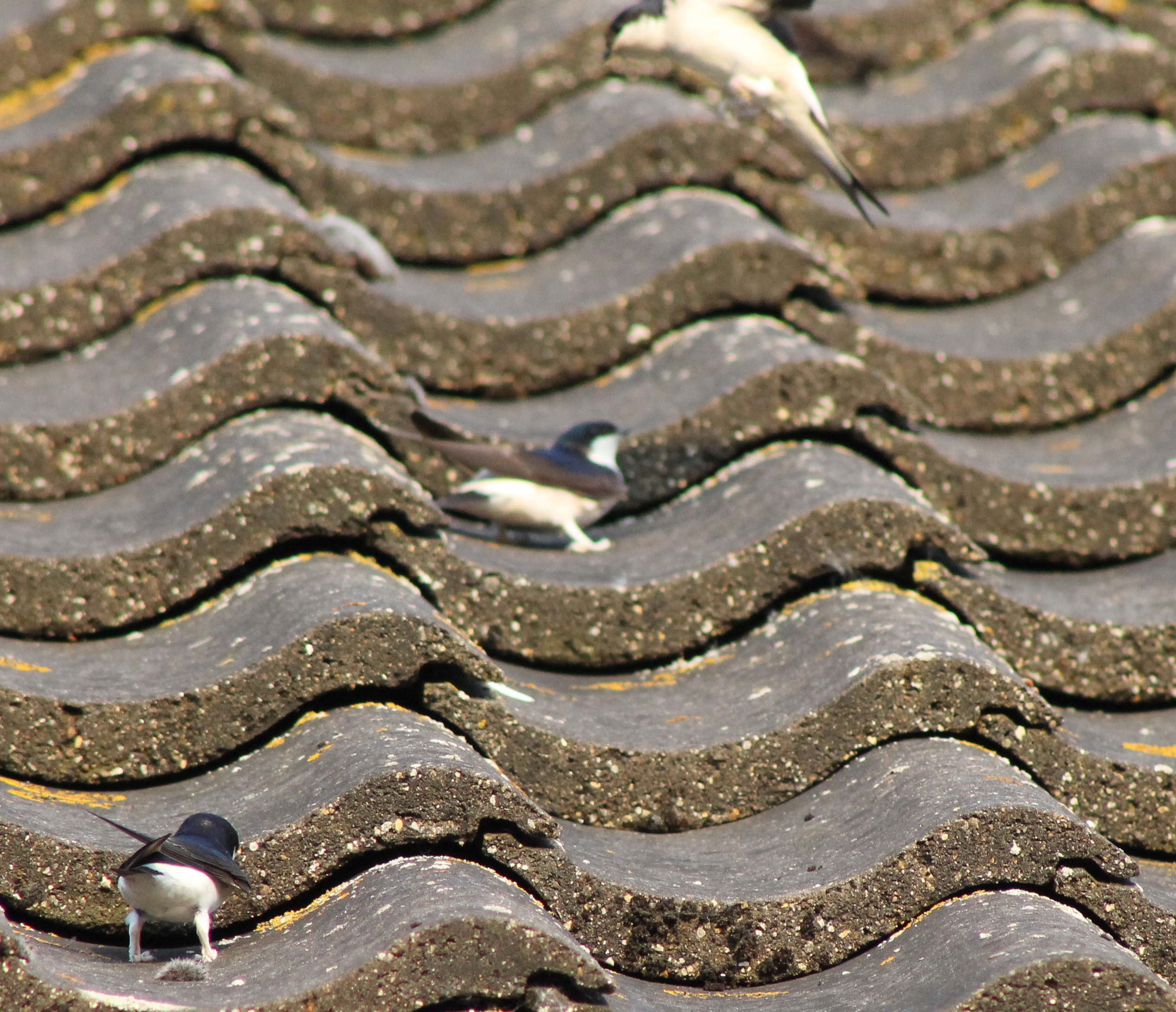
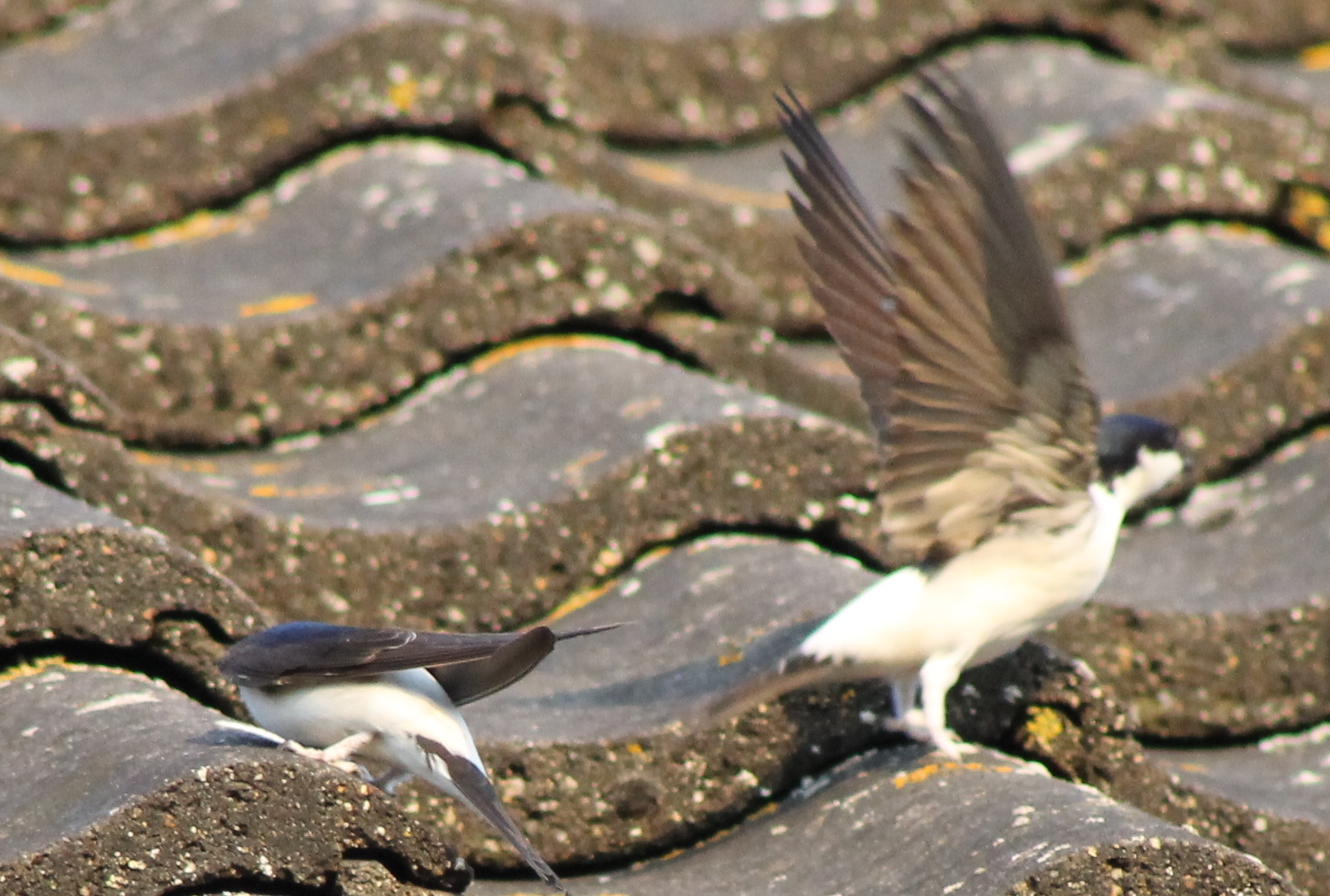
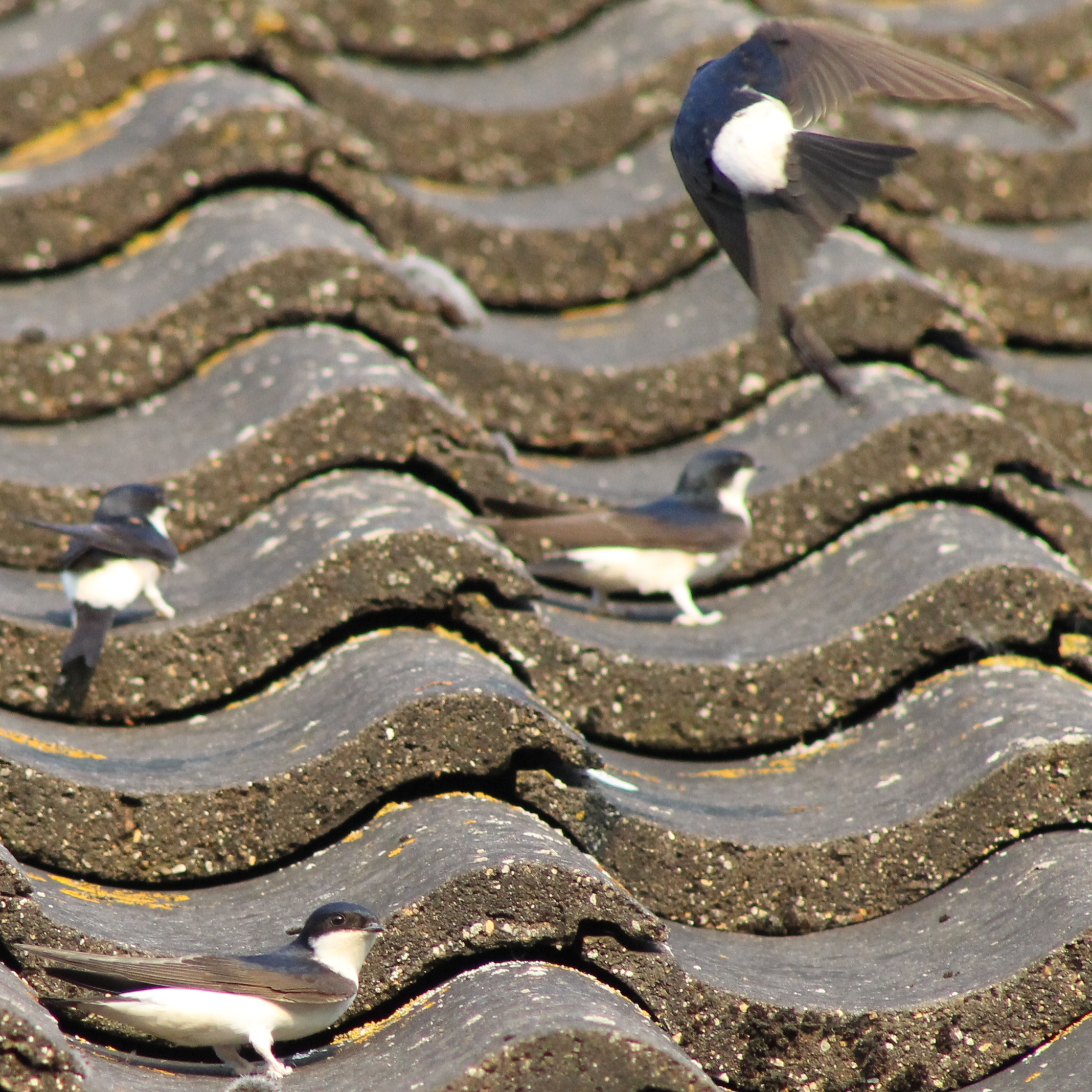
House Martins on our roof.  They land in large groups and sun themselves and then fly off and return quickly- flitting about.  Their song reminds me of budgerigars.

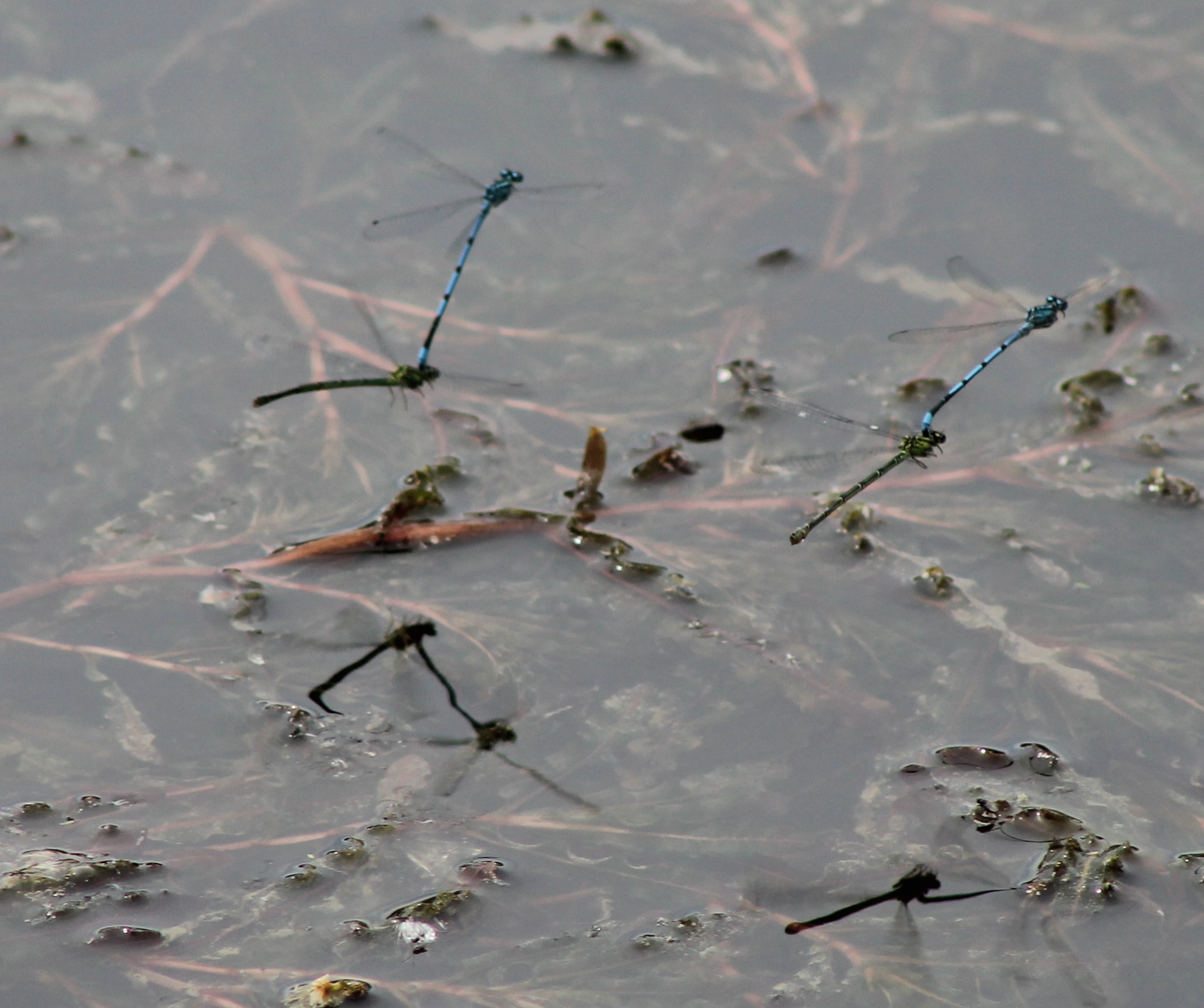
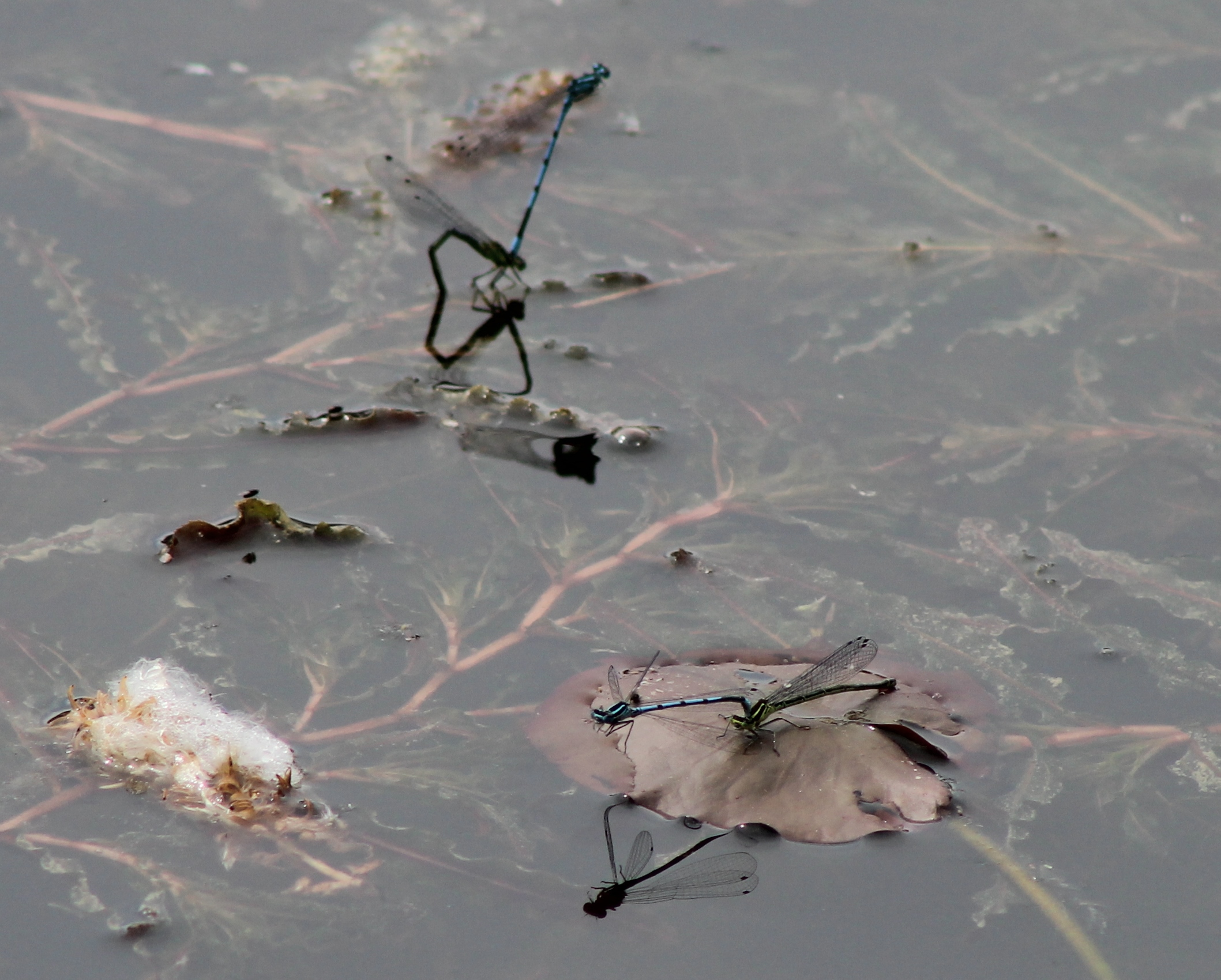
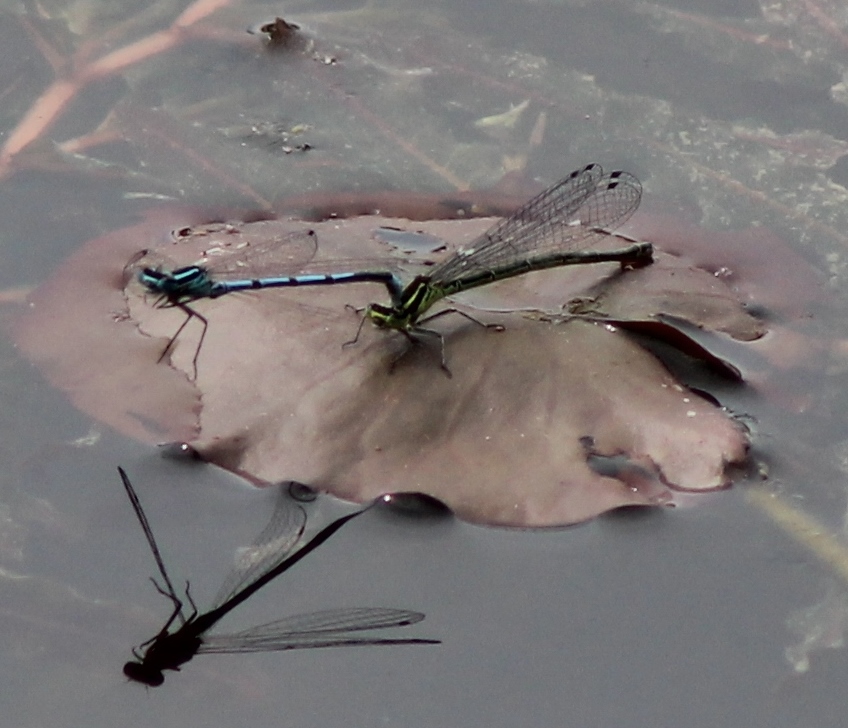
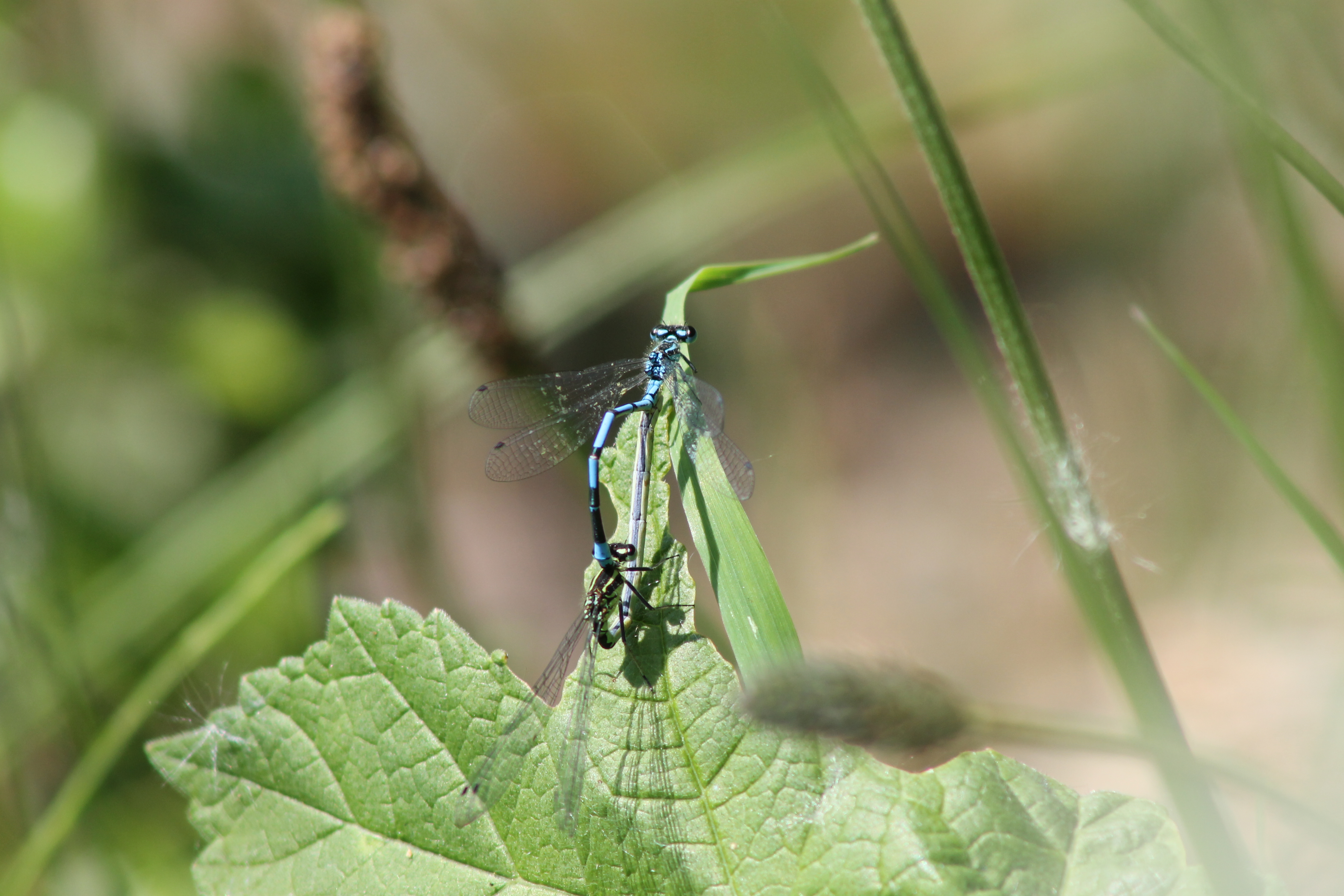
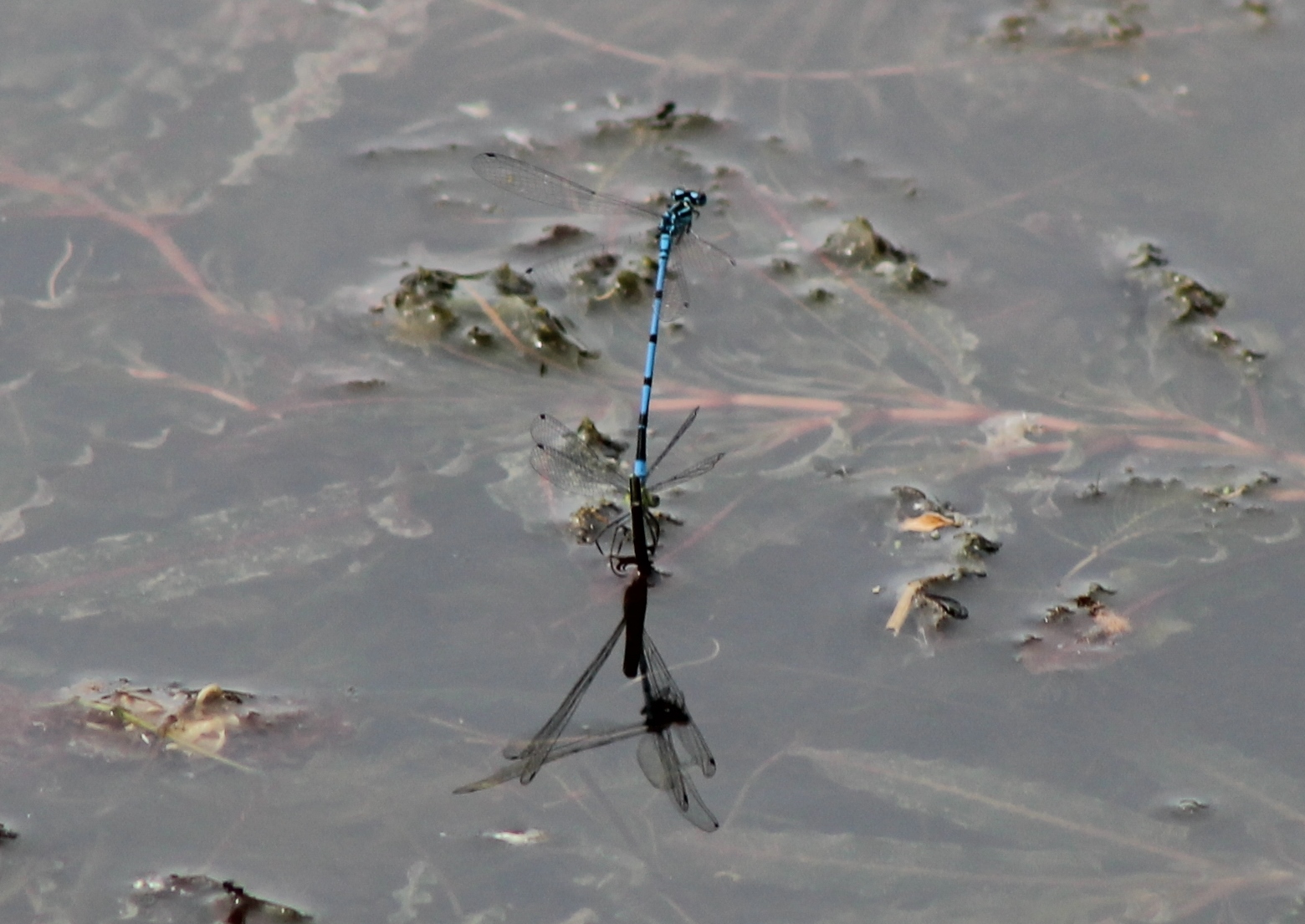
In a post last week I included a blurred photo of a damselfly.  I managed to take a few more pictures last week before they all disappeared.  The red females went before I could photograph them but a different type of damselfly arrived with green and brown females and these are my photos.
Image

Image

Image

021Damselflies

020Damselflies

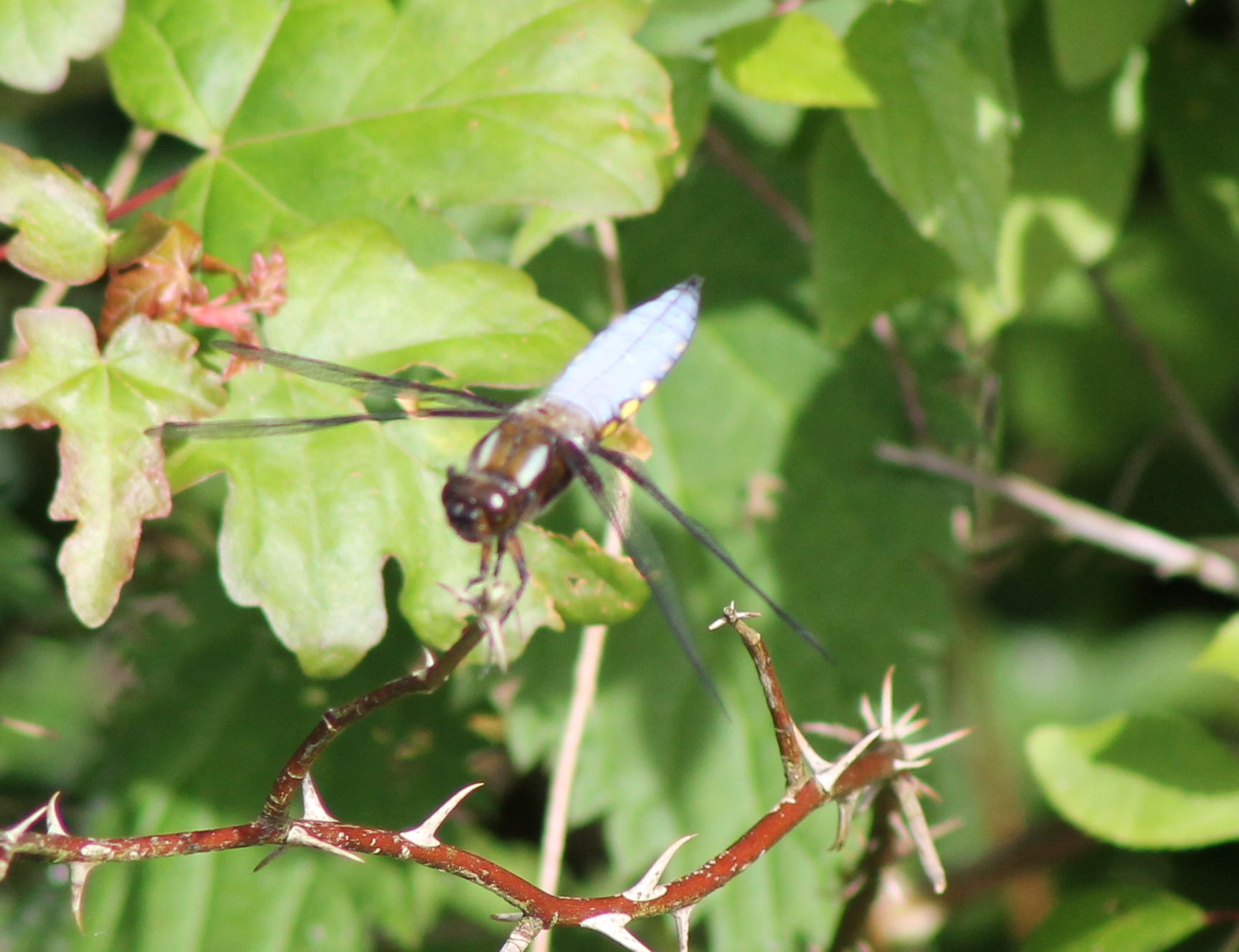
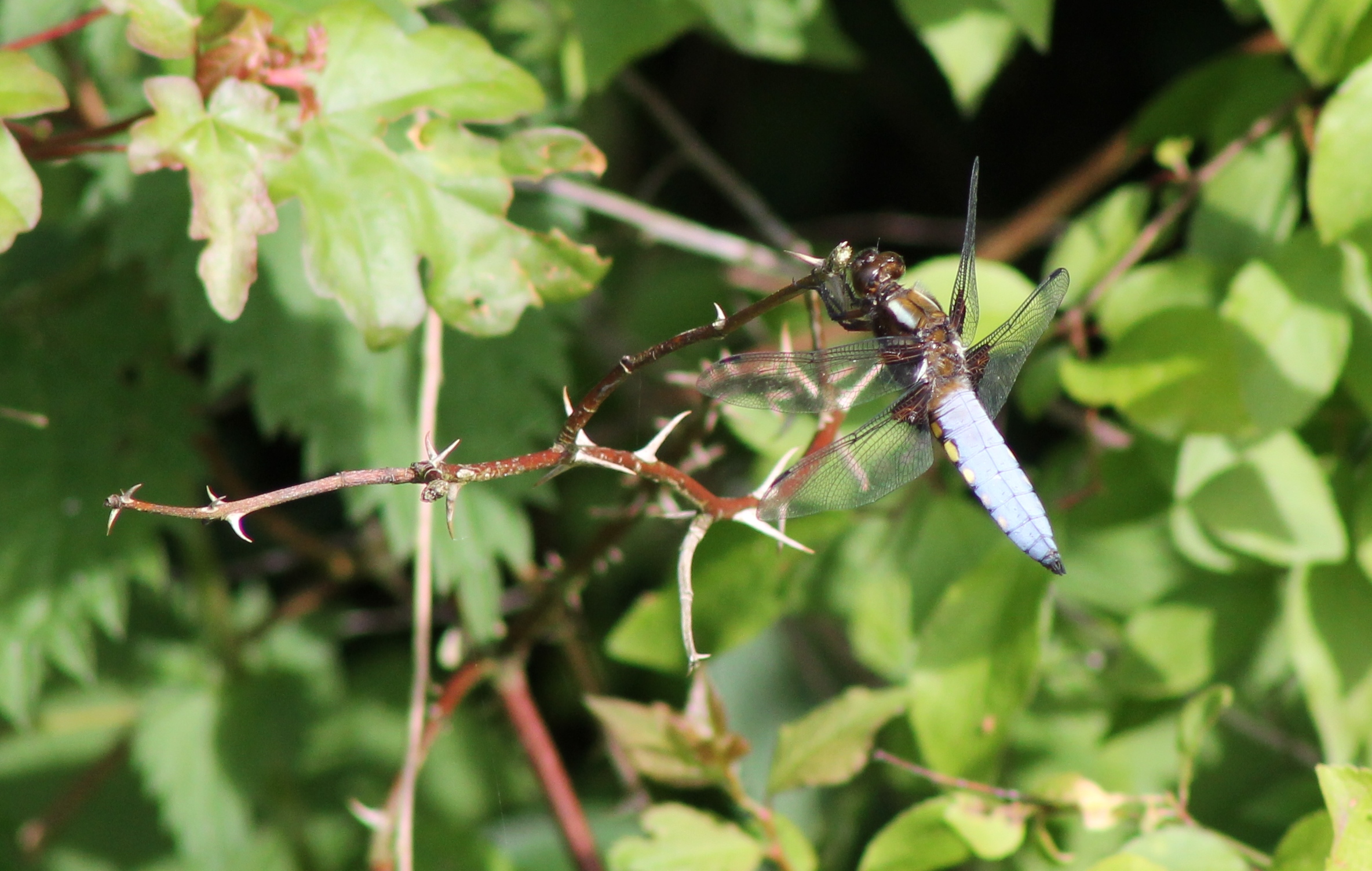
The damselflies have all gone now but I managed to photograph a dragonfly which had just emerged from the pond at the front of the house and was drying its wings.
Image

A Black-tailed Skimmer

029Dragonfly M Black-Tailed Skimmer

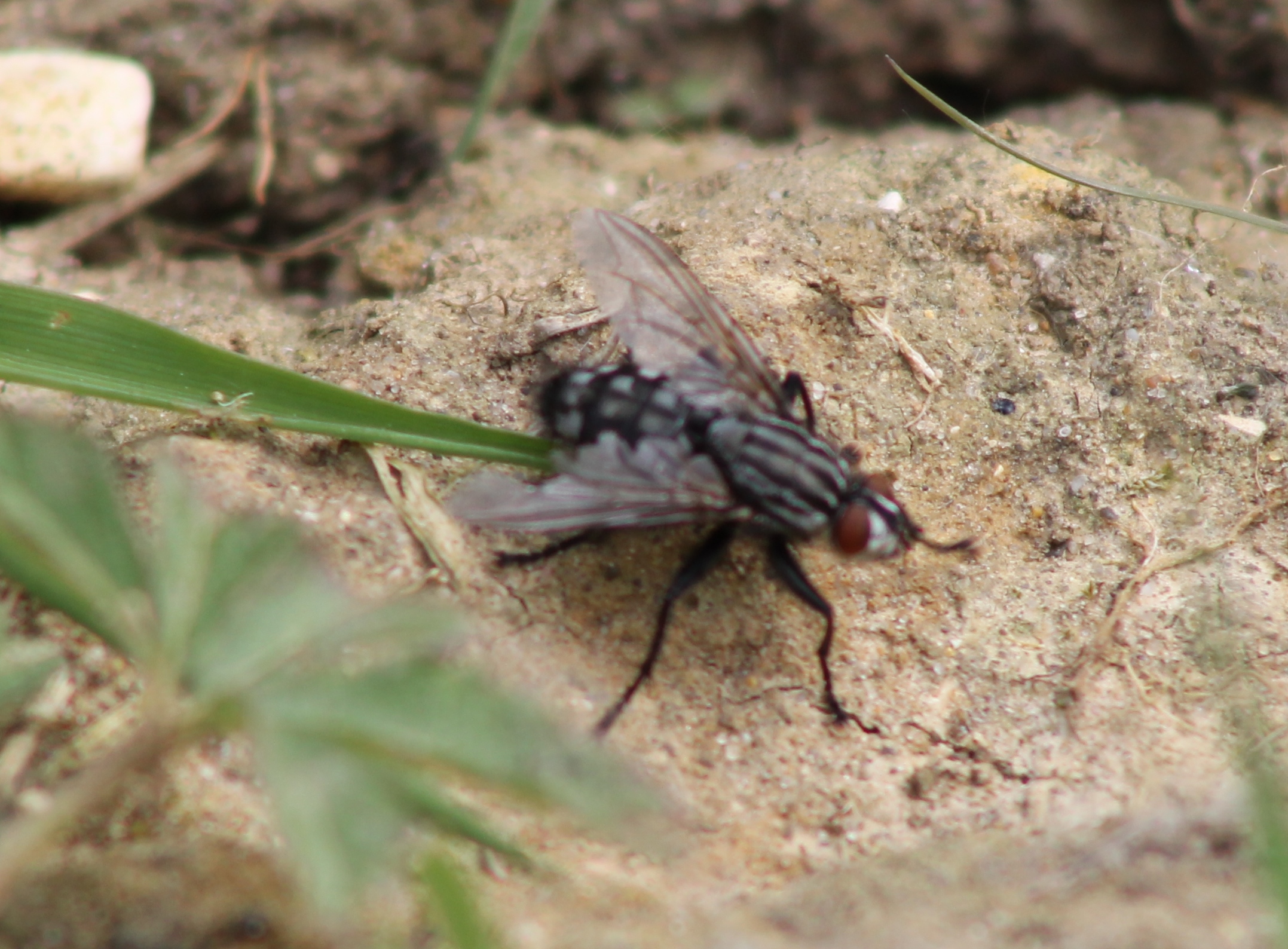
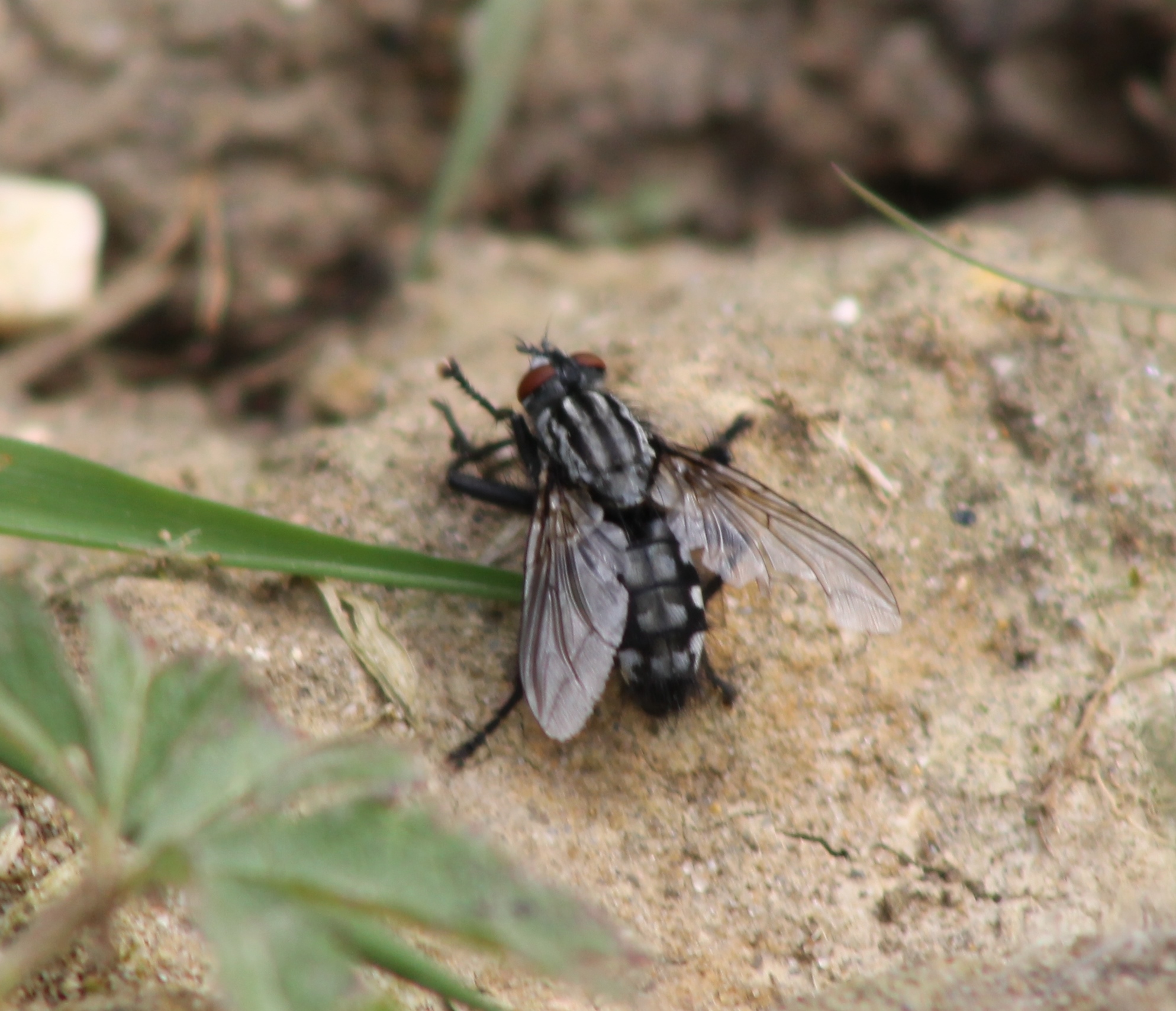
Another not so pleasant insect I saw in the garden last week was a Flesh Fly.
Image

Image

Image

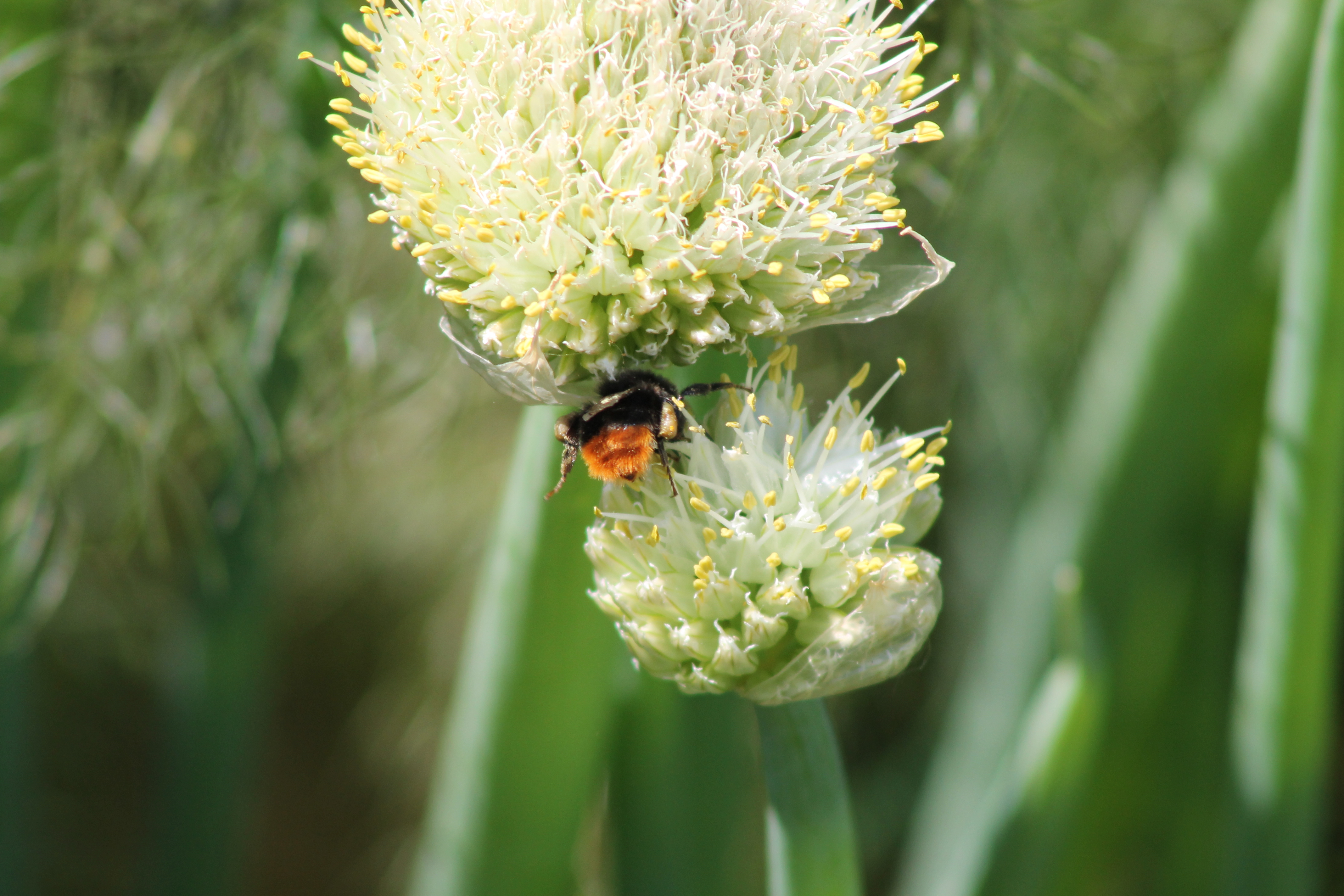
A tiny bee on a Welsh Onion flower.

In the second part of this post I will include the flower photos I have taken recently.
 

Share this:

  • Share on X (Opens in new window) X
  • Share on Reddit (Opens in new window) Reddit
  • Share on Pinterest (Opens in new window) Pinterest
  • Share on Facebook (Opens in new window) Facebook
  • Email a link to a friend (Opens in new window) Email
  • Share on Tumblr (Opens in new window) Tumblr
  • Print (Opens in new window) Print
  • Share on LinkedIn (Opens in new window) LinkedIn
Like Loading...

A Visit to Minsmere

26 Mon May 2014

Posted by Clare Pooley in plants, Rural Diary, walking, wild birds

≈ 9 Comments

Tags

Avocet, BBC's Springwatch, Bird's-foot Trefoil, Bittern, Cuckoo, greylags, Highland Cattle, marshes, Minsmere, Mute Swan, Nightingale, Oystercatcher, Pop-Up Café, Rabbit, RSPB, Sand martin, sea, Sea Kale, Sluice, tank traps, The Scrape, Whitethroat

For several weeks I have been wanting to re-visit Minsmere.  Minsmere is a bird reserve run and owned by the RSPB (the Royal Society for the Protection of Birds) to which all four of us belong.  Minsmere is also the RSPB’s so-called ‘flag-ship’ reserve – the biggest and best in the country and we are lucky enough to live just a few miles from it.  There were three main reasons why I wished to go to Minsmere – I hadn’t been there for ages and missed it – I wanted to hear a nightingale again and there is usually a nightingale to be heard there at this time of year and lastly – I had heard that the BBC would be filming their Springwatch programmes there for the next three weeks starting on Monday 26th May and I wanted to go before they arrived.

R has been on annual leave this last week so we decided that we should go to Minsmere on Friday afternoon.  E and I had a very early start on Friday – up at 6.15am for me and 6.30am for her as she had a hospital appointment to go to in Norwich at 8.30am and we needed to leave the house at 7.15am to get there on time.  When that was over E decided she would like to do some shopping for books so we called in at Waterstones and she made a couple of purchases.  We then went to HMV to look at DVDs etc. and then we had lunch in a coffee shop.  We returned home via Beccles for more shopping.  Fortunately the weather had stayed dry for all of our journey.

R and I had a hot drink and a chat while I rested after my busy morning and then we set off.  There was a slight shower of rain as we drove there but it had all cleared away by the time we had parked the car in the carpark.  We decided to go towards the sea first and walked past the wildlife ponds near the Visitor Centre.  There is a sandy cliff behind the visitor centre where Sand Martins nest each year.  The Martins were very busy nesting and catching insects, flying low over our heads.  We were very pleased to hear a Cuckoo calling all the time we were there.  We hadn’t heard one for some years.

Image

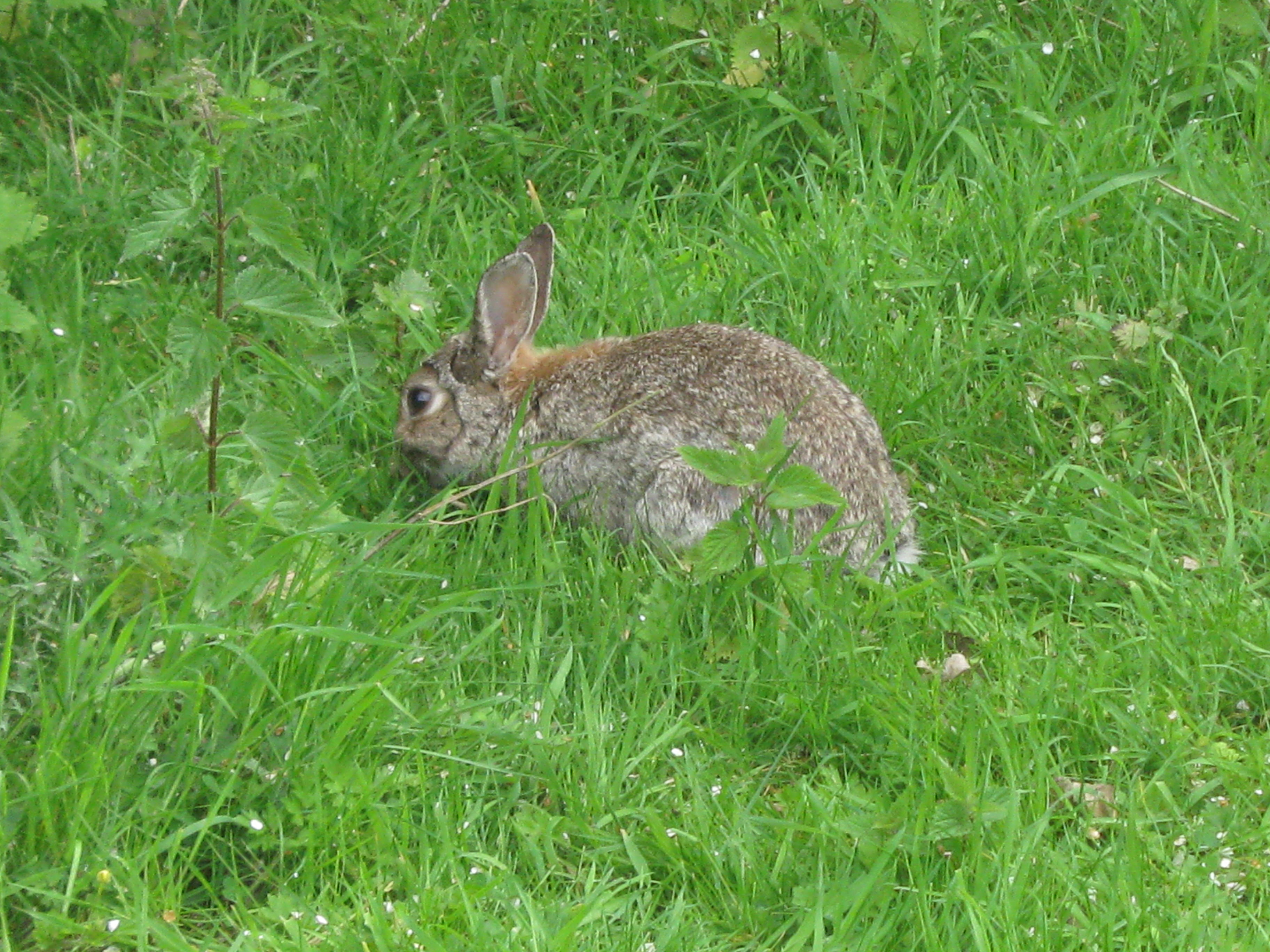
The rabbits on the reserve have no fear of humans

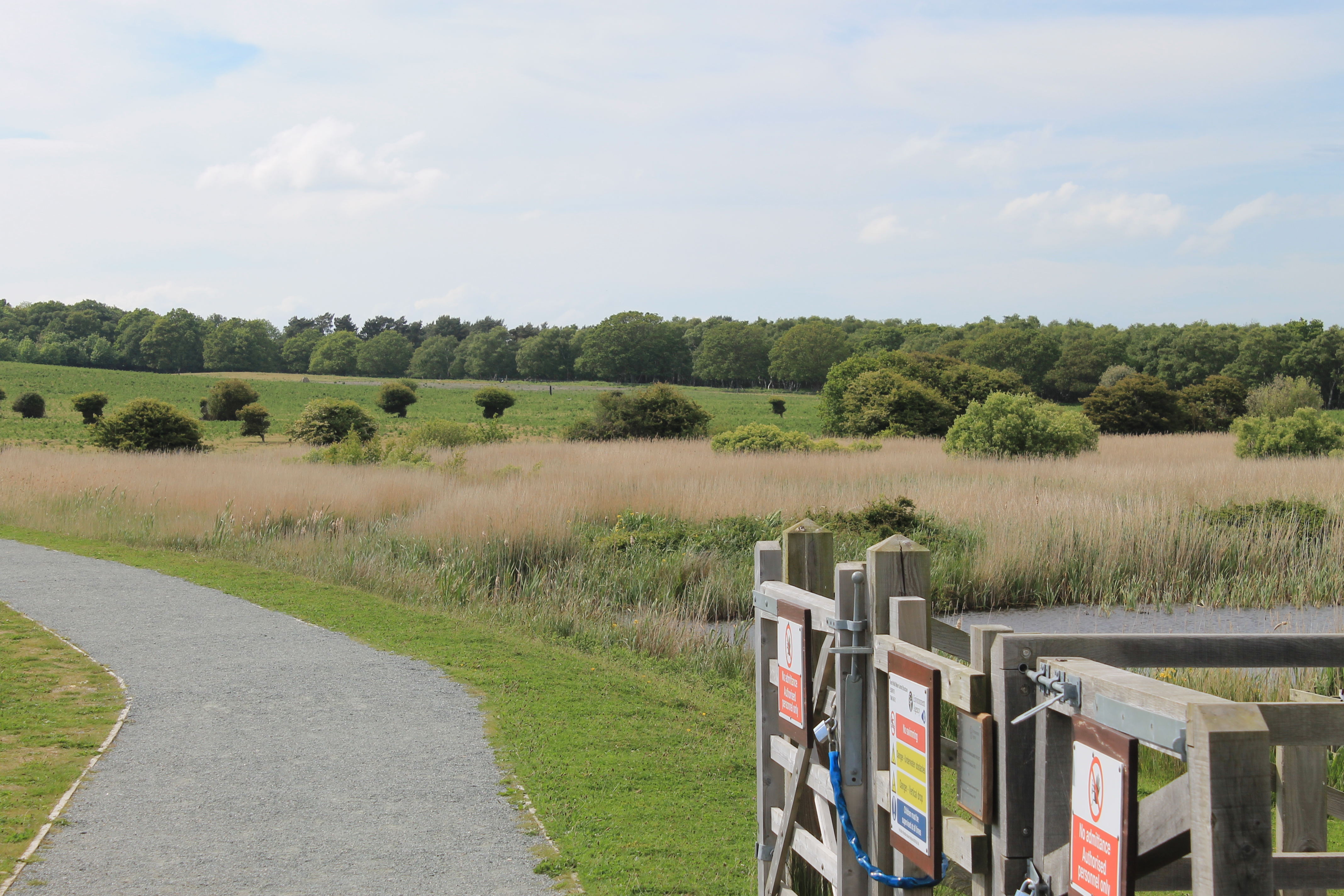
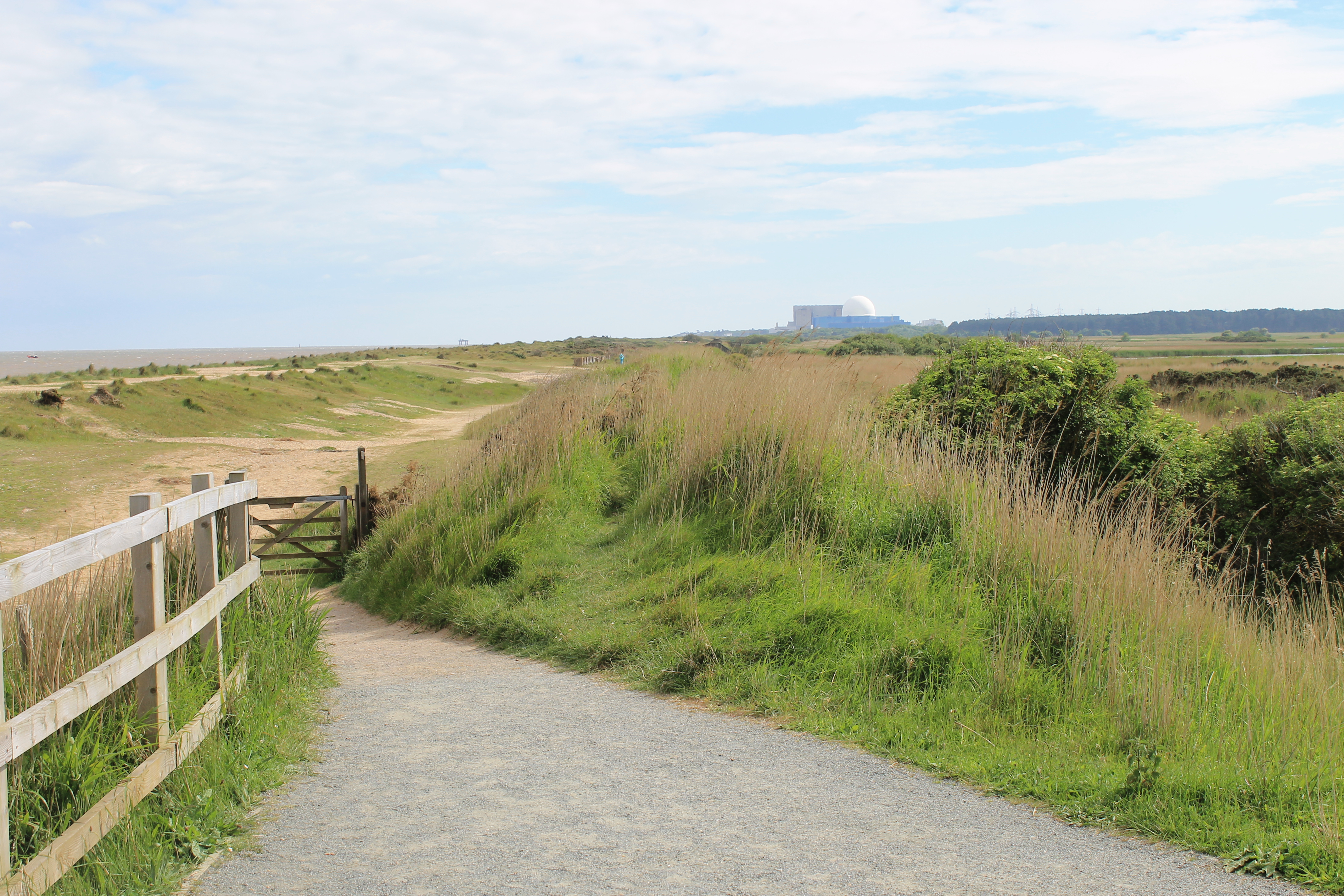
The path starts off over heathland and then carries on towards the sea on a raised bank through water meadows and marshland.

Image

On our right to the south is Sizewell ‘B’ nuclear power station with Sizewell ‘A’ behind it.

Image

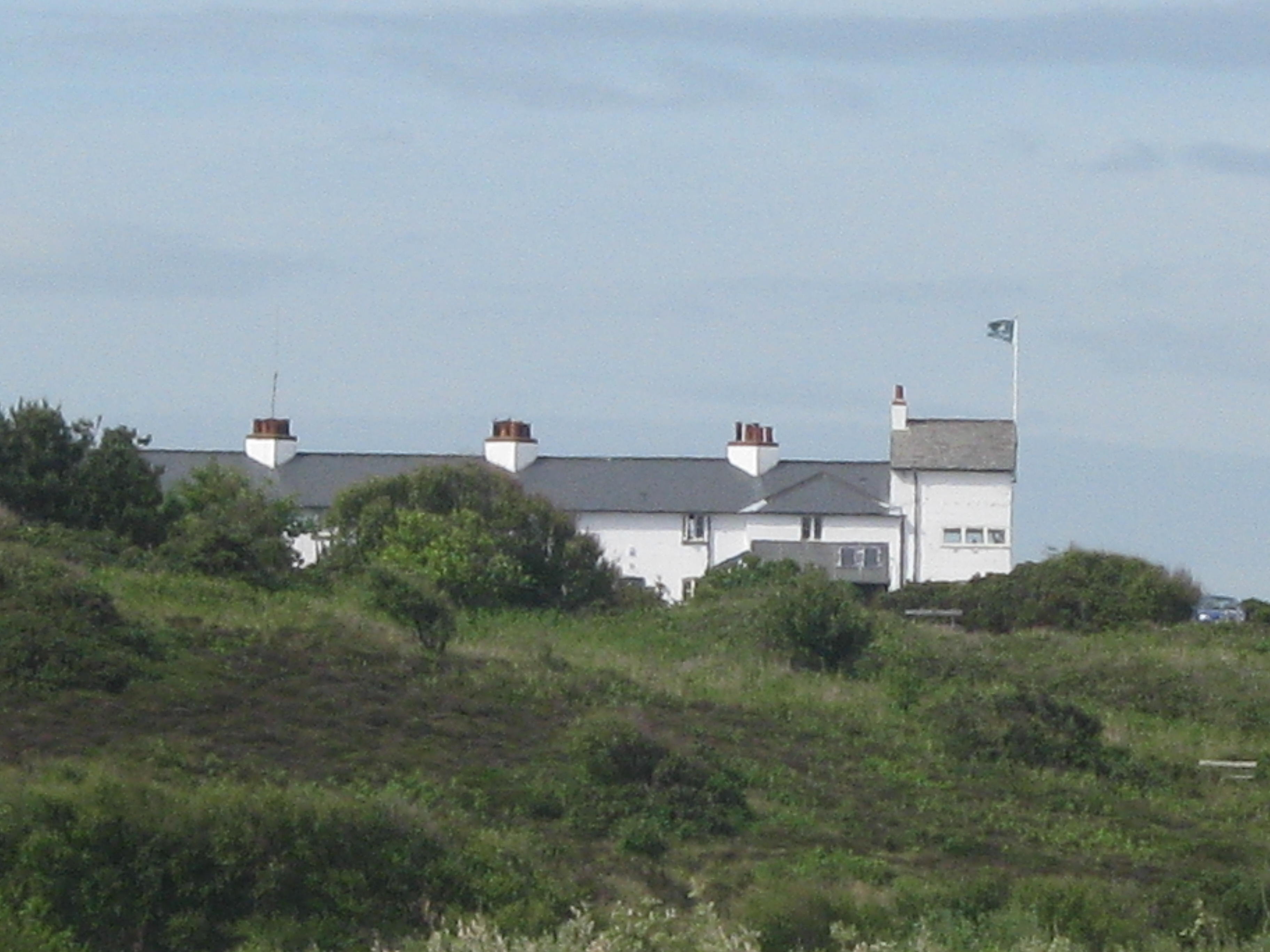
On our left are the Coastguard Cottages on land owned by the National Trust.

Image Image

This is looking back along the path we had just walked.  It has recently been re-laid and covered with gravel.  Crunching along these paths is a noisy business and all the birds disappear as soon as anyone steps onto them.  A lot of damage was done here during the storm surge in December and in the high winds and flooding during the winter; the RSPB have worked very hard trying to put things right again.  They also like to make as much of the reserve accessible to the disabled as possible – and – the BBC are filming one of the country’s most popular programmes here so it must look really neat and well cared for!

Image

The entrance to the beach.

Image

The dunes at the top of the beach.

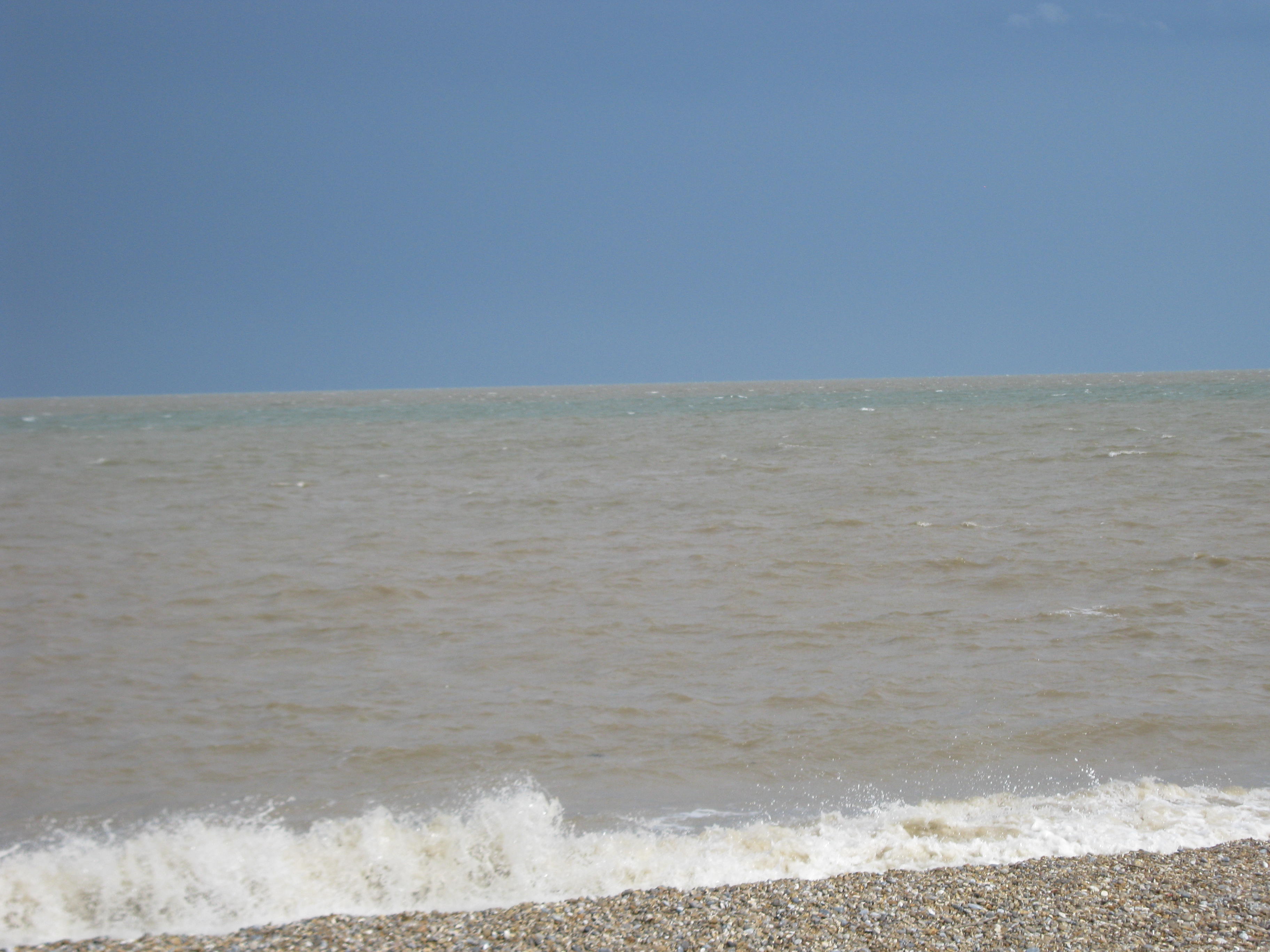
At last we got to the sea.  The sky out at sea looked very threatening but overhead was bright and sunny.

Image

Image

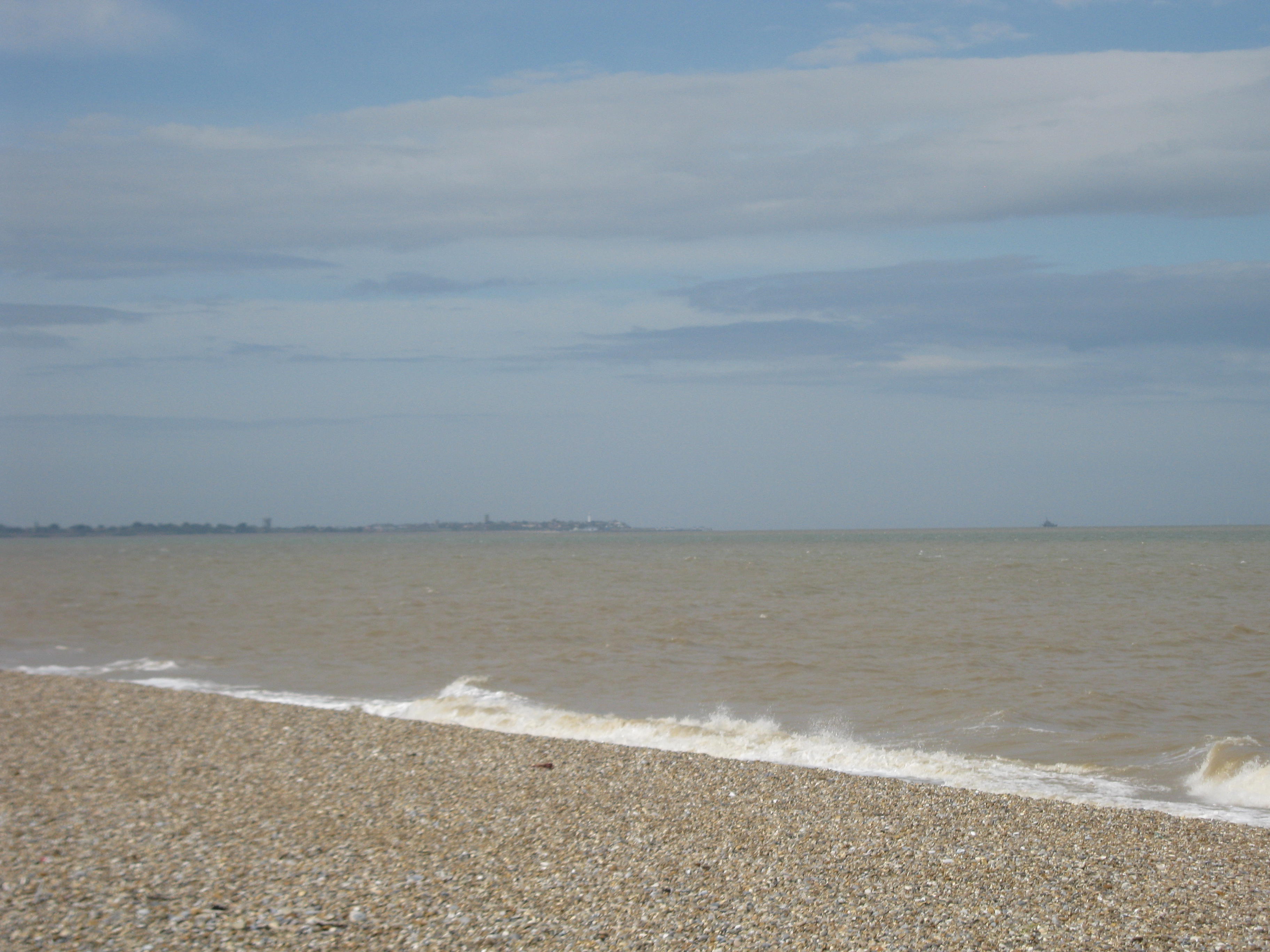
This is looking north towards the town of Southwold.  The lighthouse was flashing its light so conditions and visibility at sea mustn’t have been good.  I tried to get a photo with the light from the lighthouse shining but couldn’t.

Image

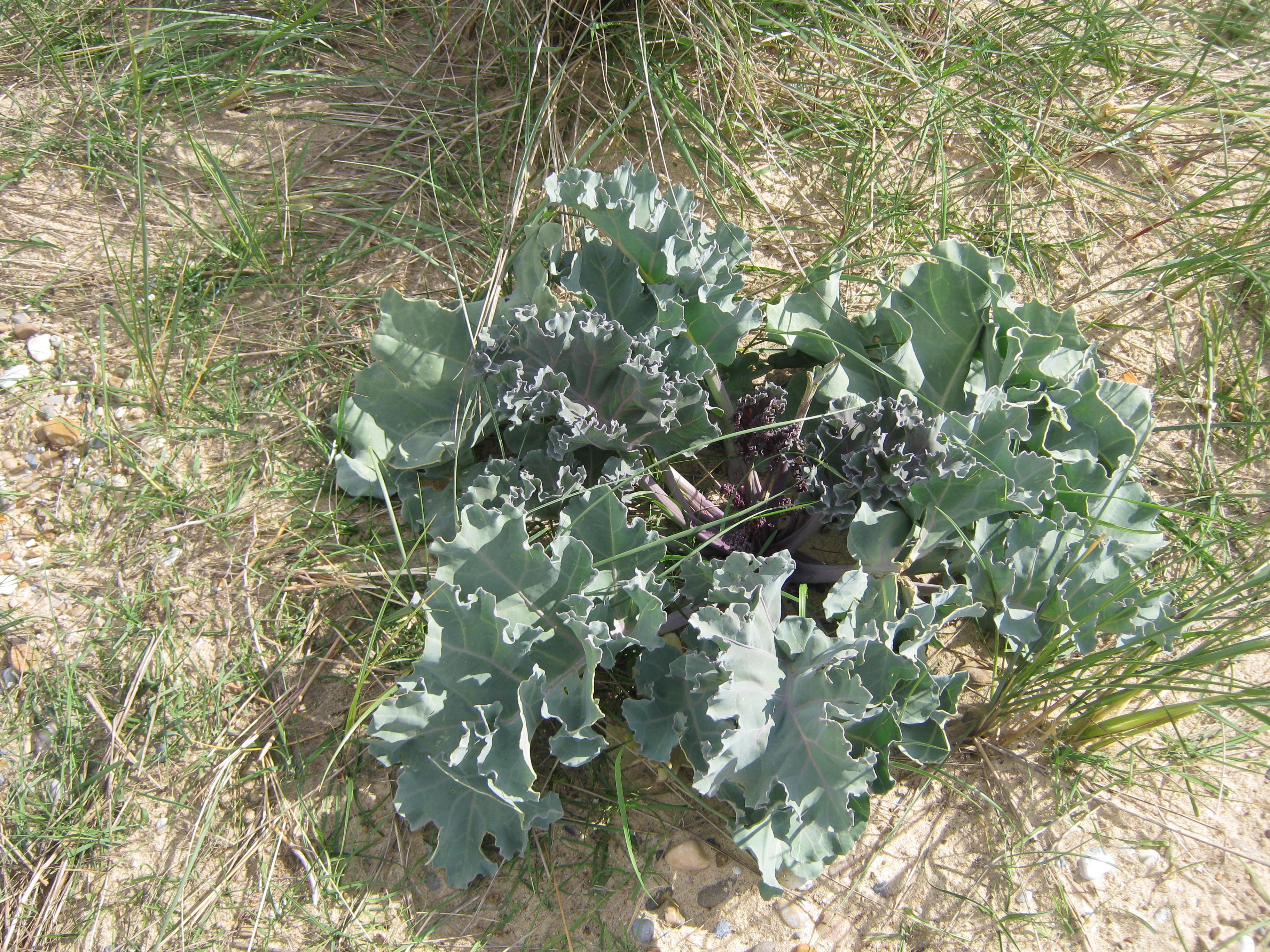
Sea Kale growing on the beach

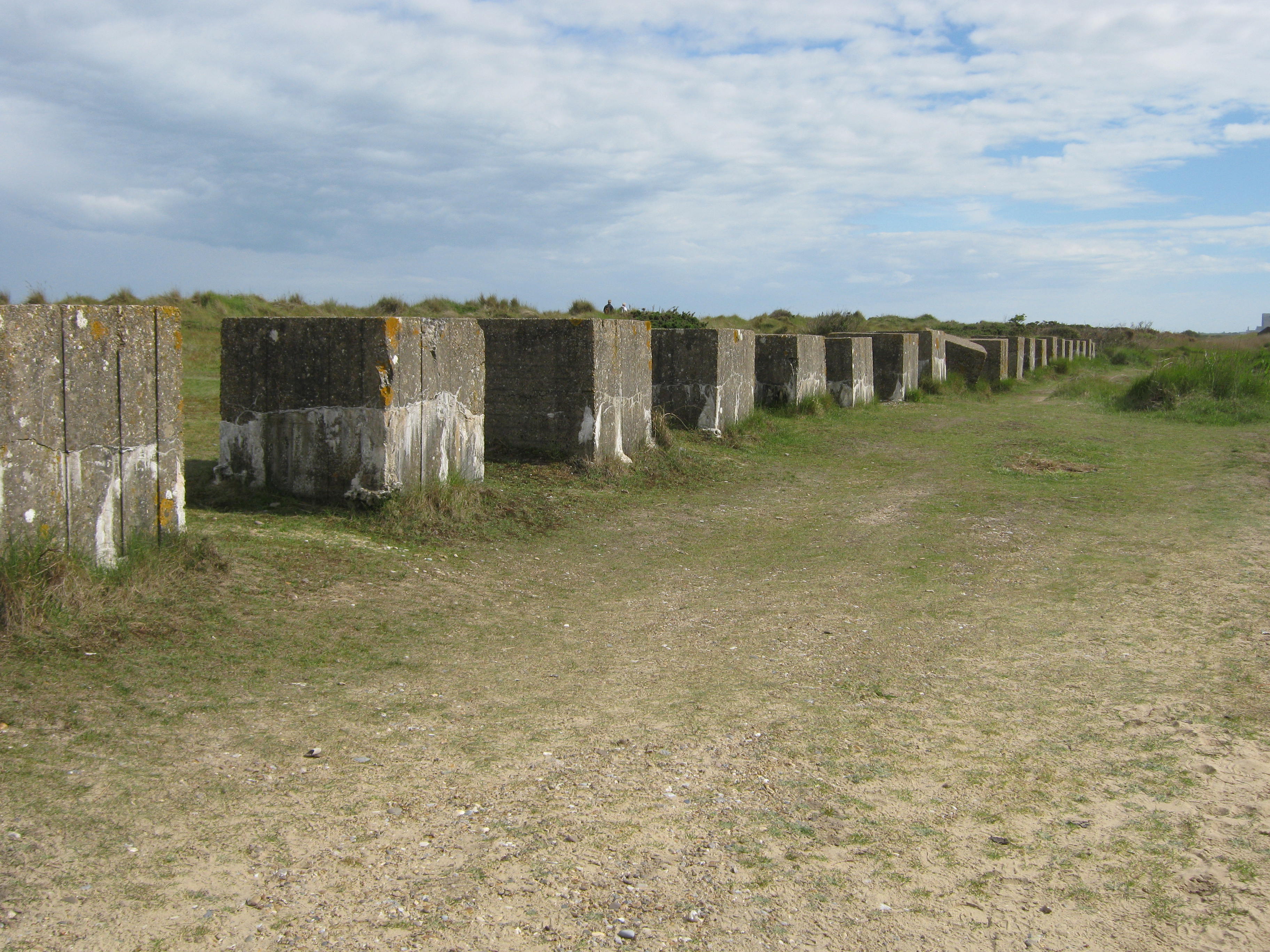
These are tank traps that were put here at the beginning of the Second World War.  If there had been an invasion it was hoped these might hold up the tanks for a while. There are many mementos of wartime in Britain, especially round the coast.

Image

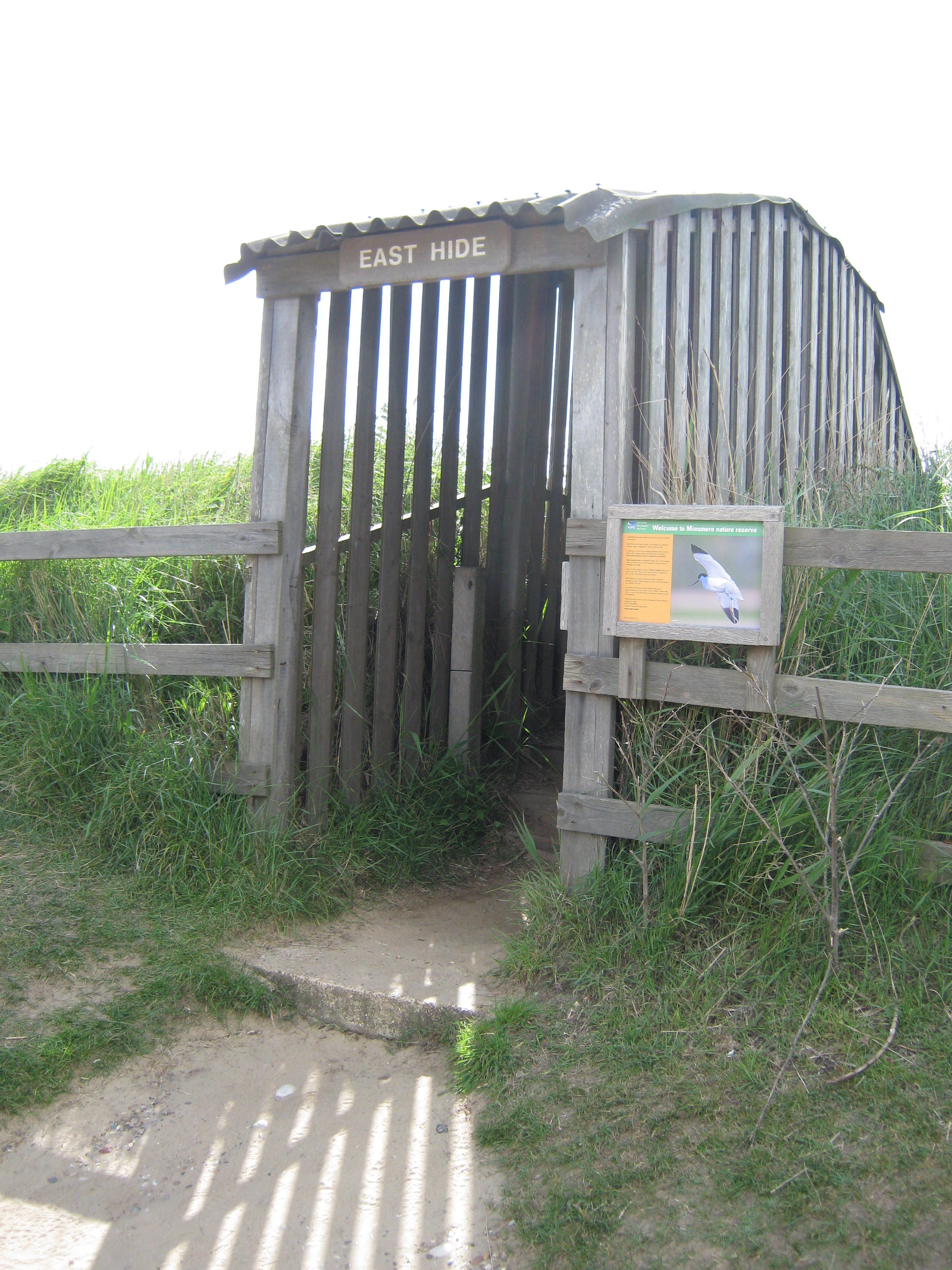
PD James’ book ‘Unnatural Causes’ is set here on the Suffolk coast.  One of characters in the book dies a most unpleasant death in one of the hides along the beach.

Image

Image

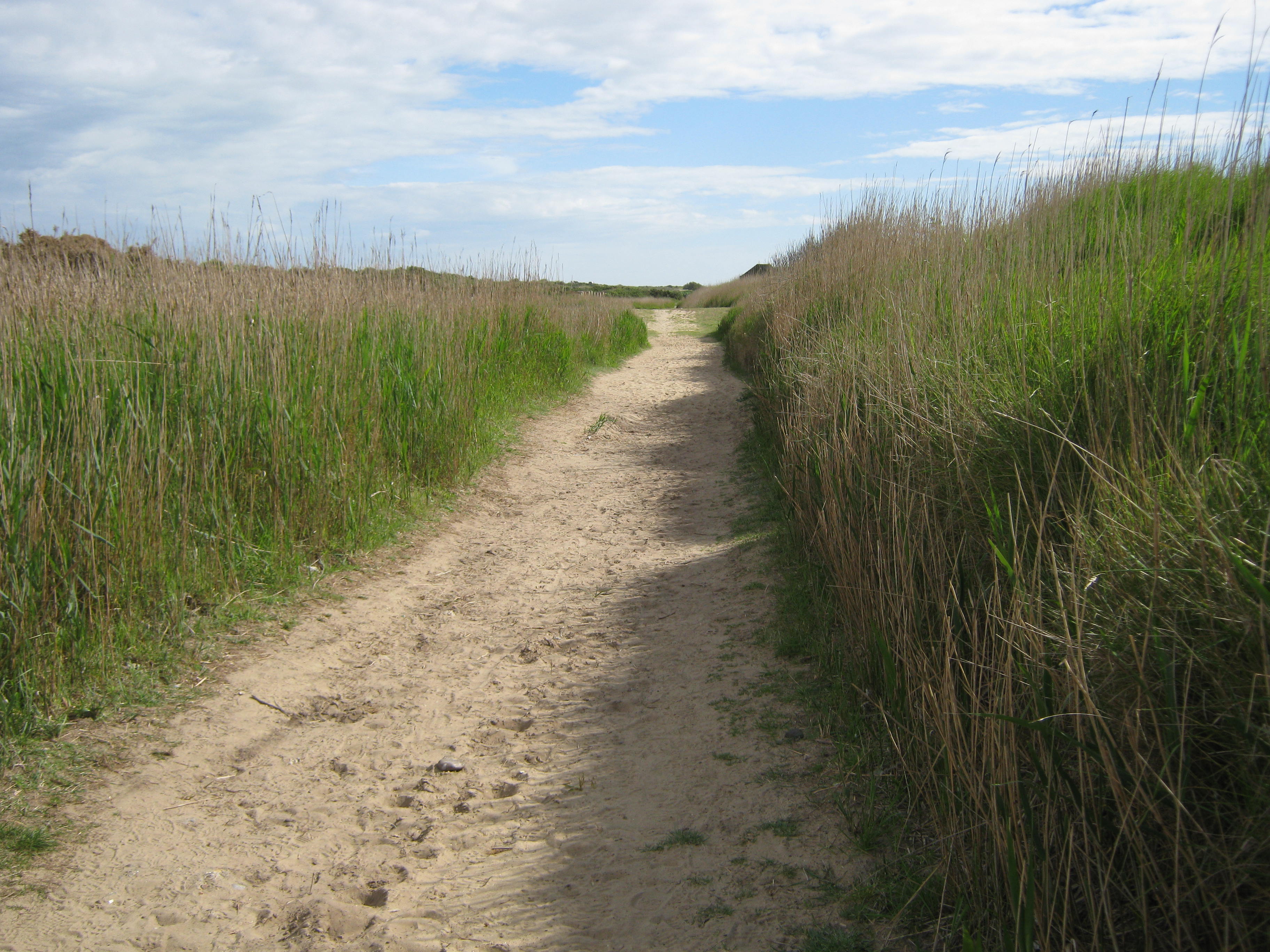
The sandy path that runs between the dunes and the reeds of the reserve.  We had walked by the sea for a while but an extremely stiff and cold onshore breeze was blowing so I escaped to the warm shelter of this path.

Image

Bird’s-foot Trefoil growing at the side of the path.

We went into one of the hides further along the beach and sat and looked inland across the Scrape at the birds nesting, eating, wading and getting on with their lives on the reserve.  The hide we were in had been damaged some time over winter and had no roof but as the weather was so lovely it didn’t matter much.  The birds were aware of our presence and didn’t get too close.  We were still able to see a lot through binoculars but we weren’t able to photograph much.

Image

Image

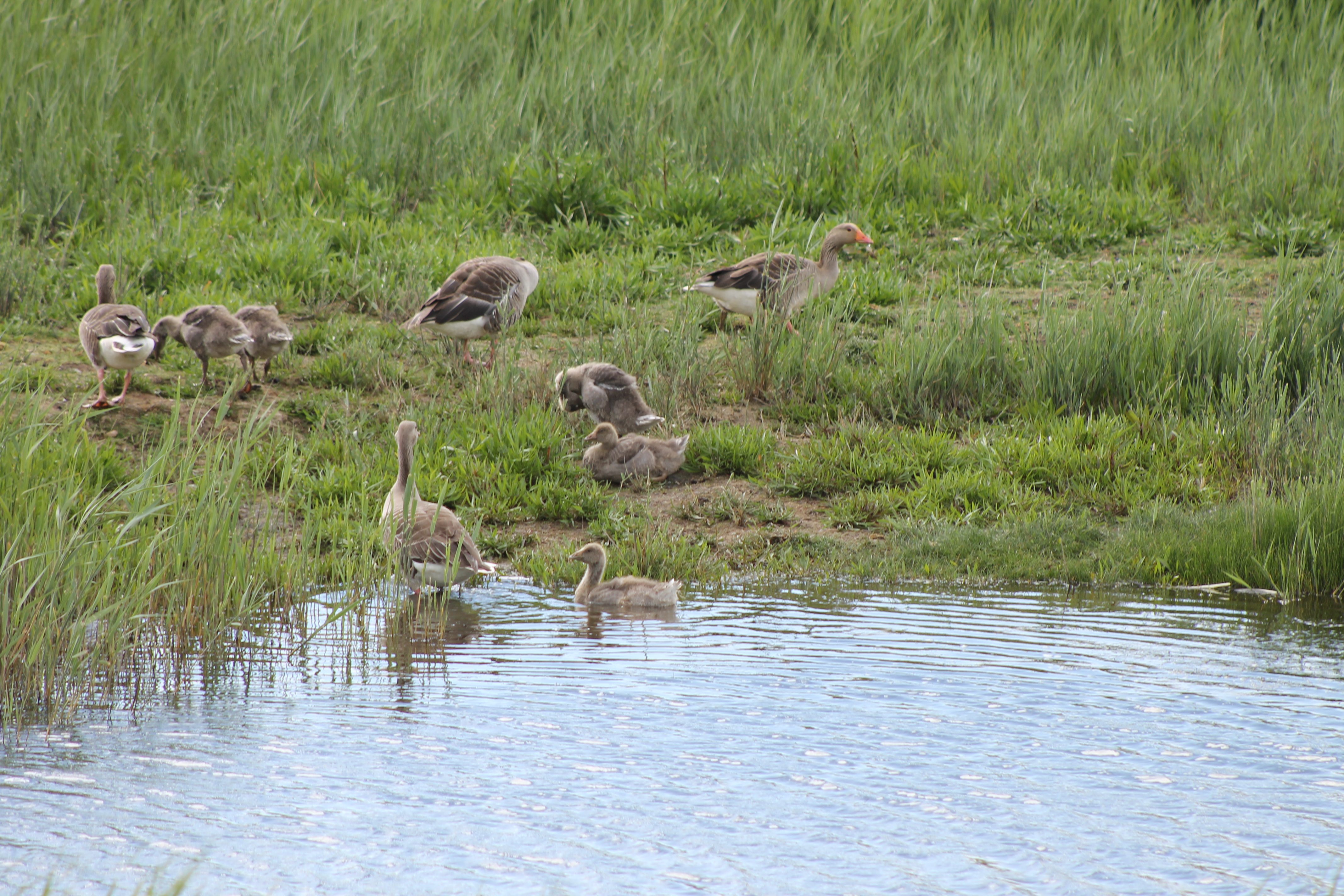
These are greylags with goslings.

Image

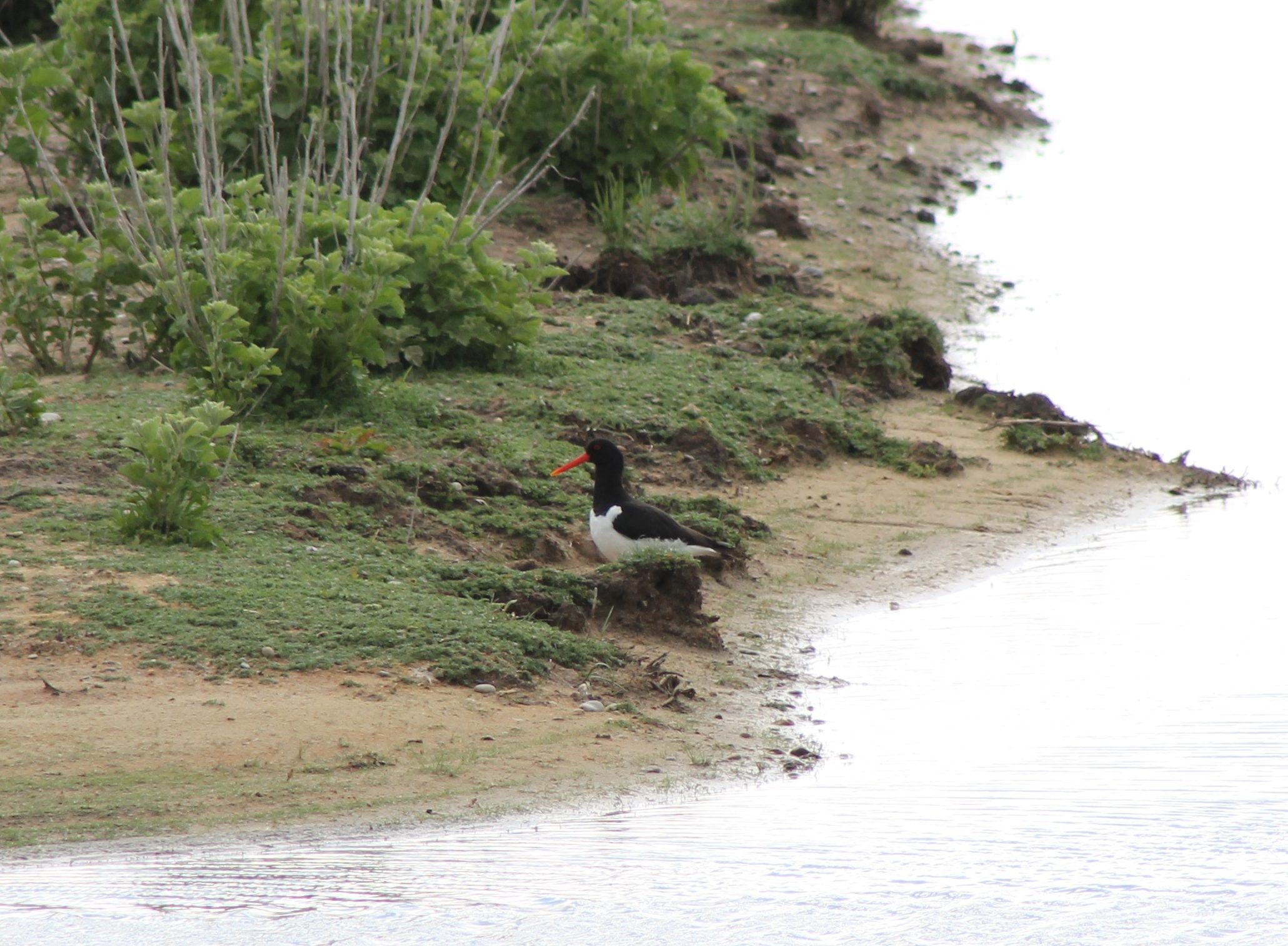
An Oystercatcher.

Image

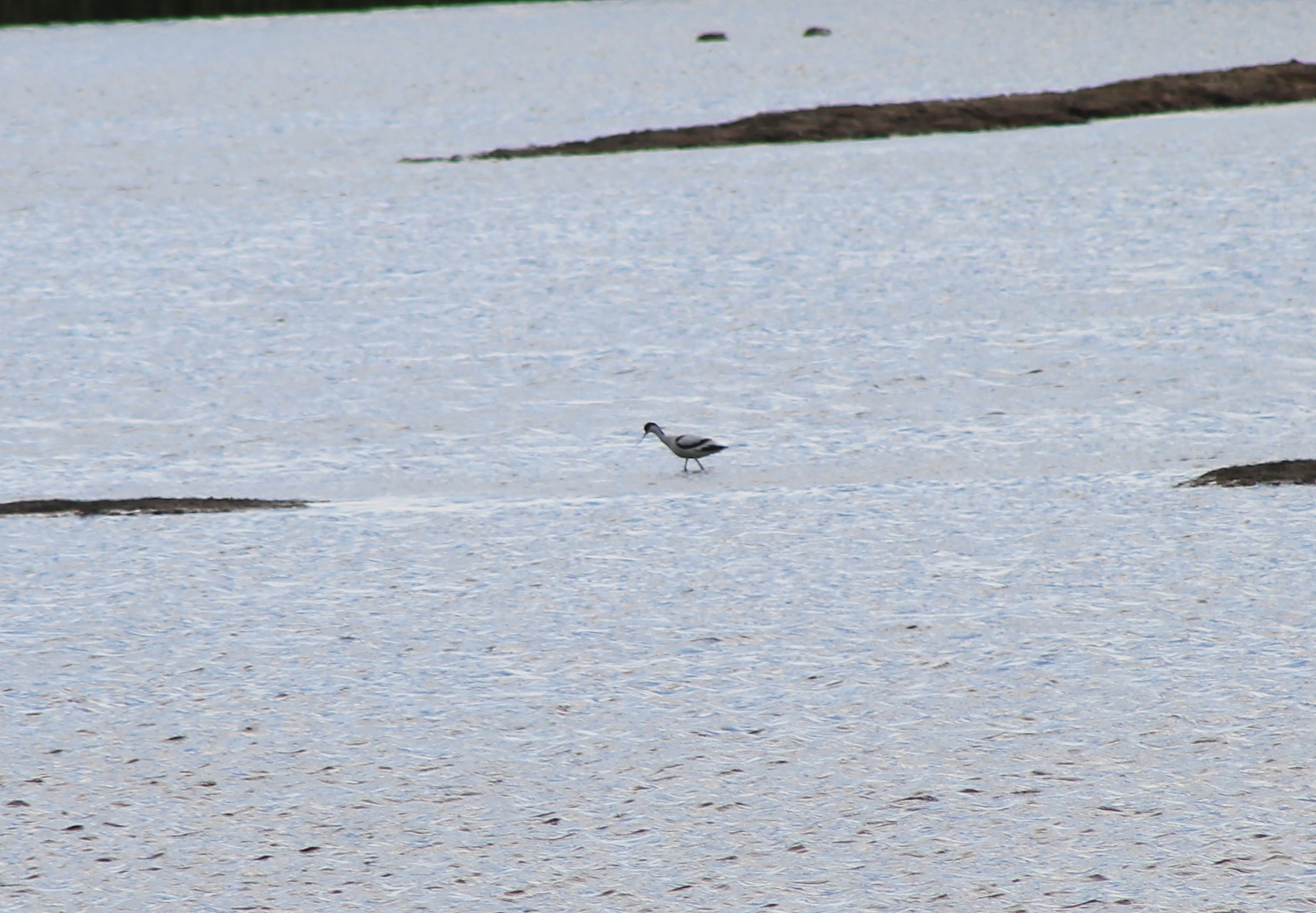
A poor photo of an Avocet.  You can almost see its long upturned bill!

Image

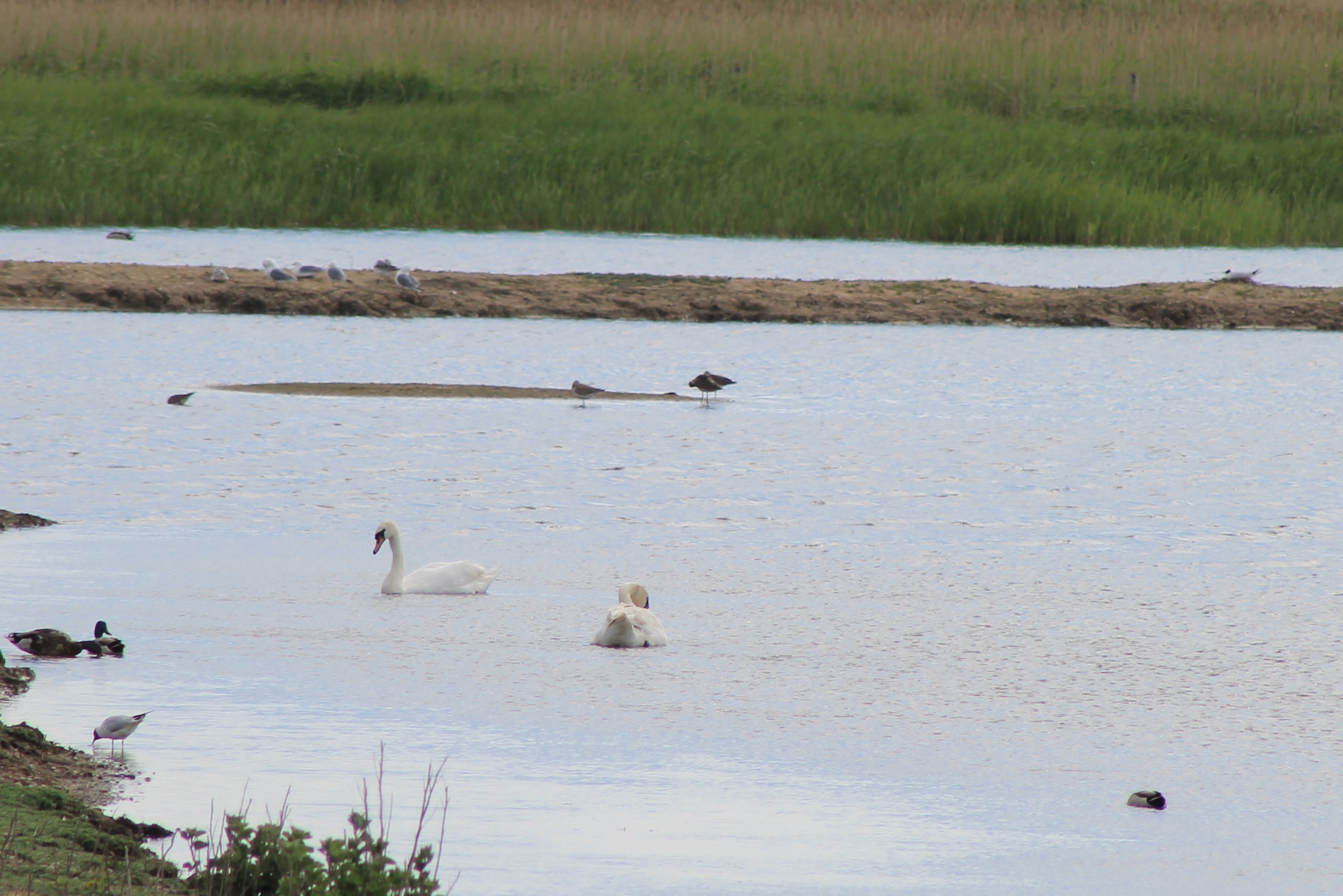
Mute Swans and other waders, ducks and gulls.

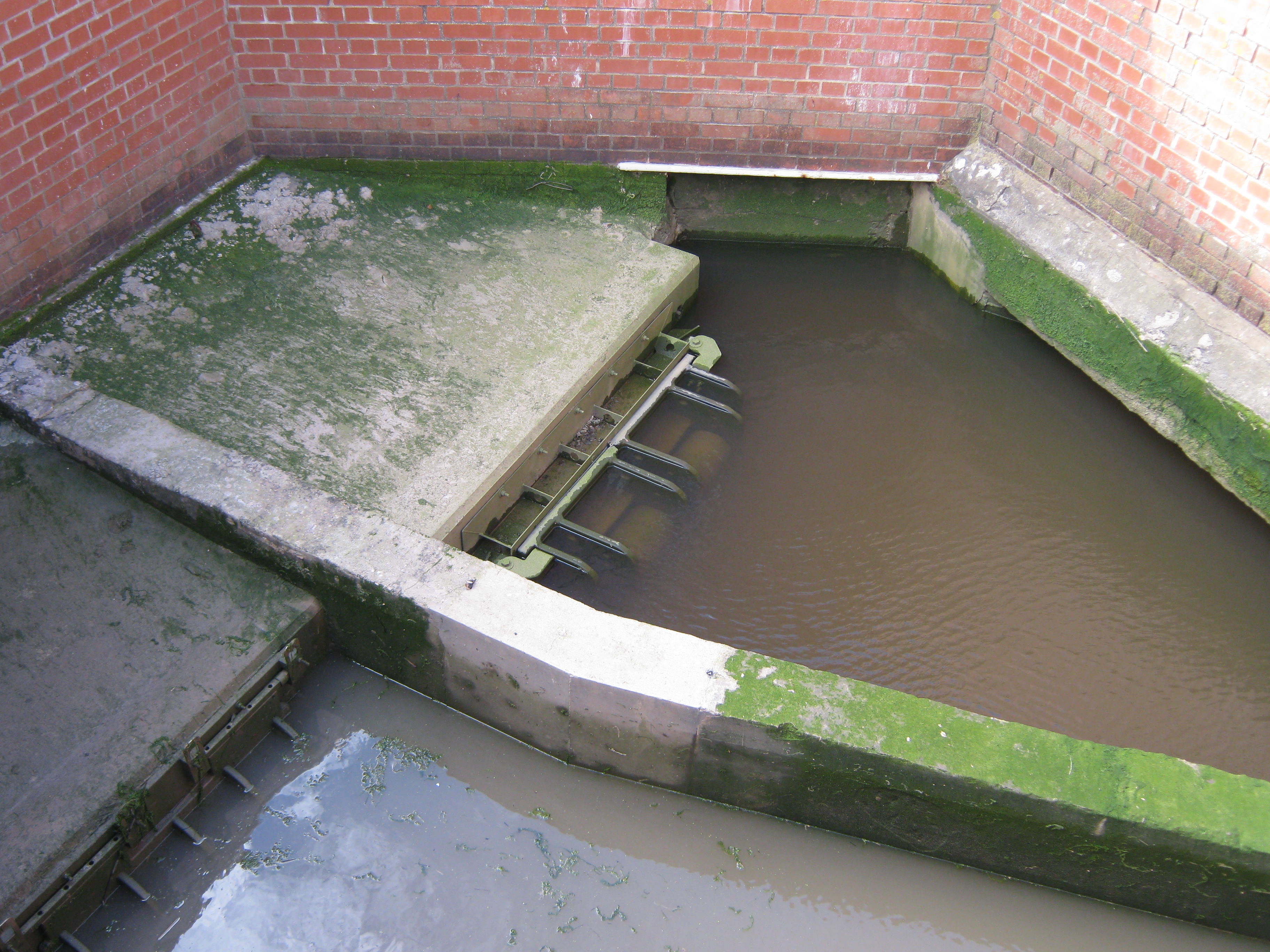
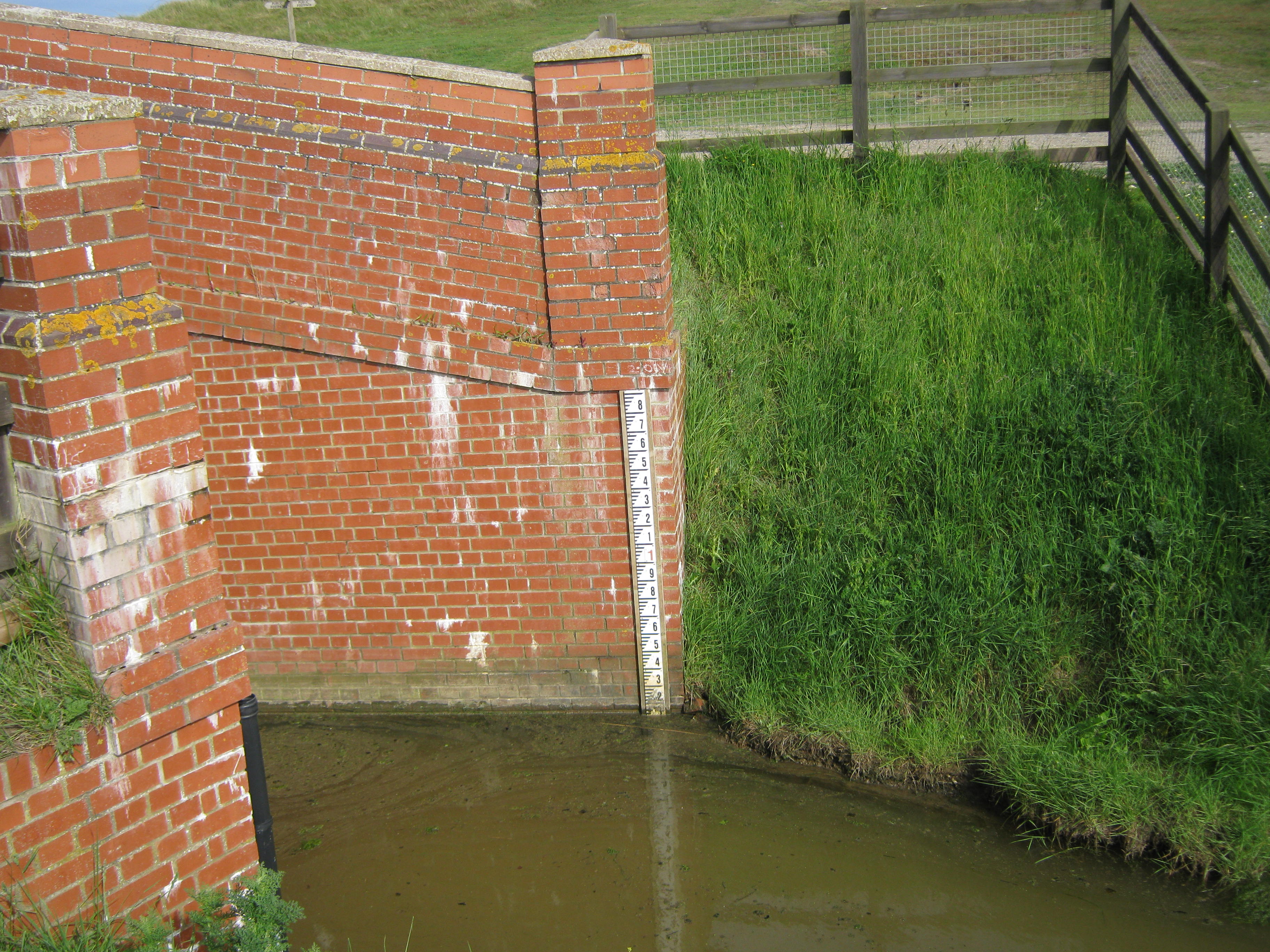
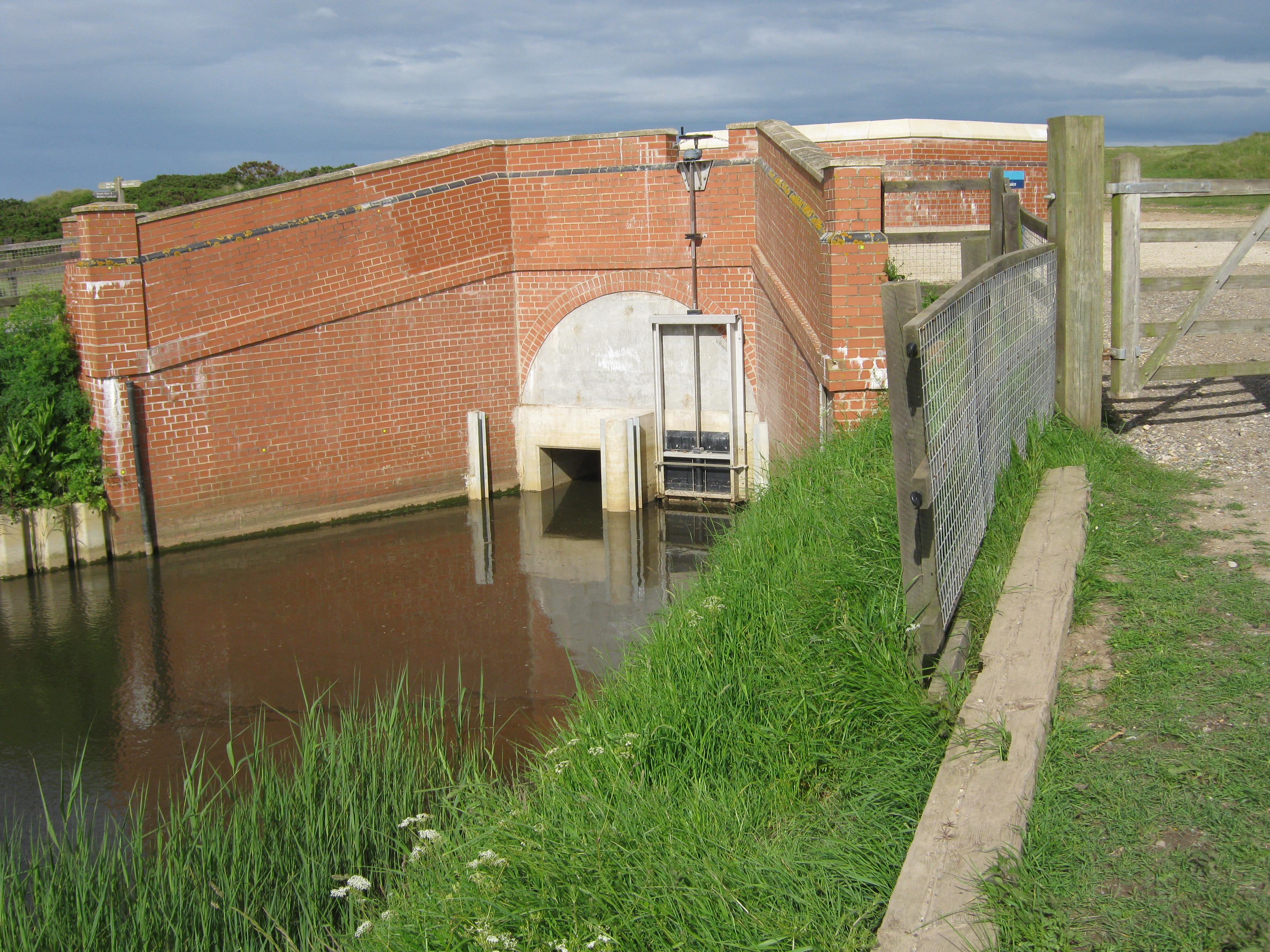
We eventually decided to move on and left the beach by another gate further south from the one we’d entered by.  There is a sluice there.  Water levels are monitored all the time.  The Scrape and lagoon need to have enough water in them but water levels must not get too high.  The RSPB works with other groups such as the owner of the nuclear power station and the National Trust to maintain flood defences.

Image

Image

Image

Image

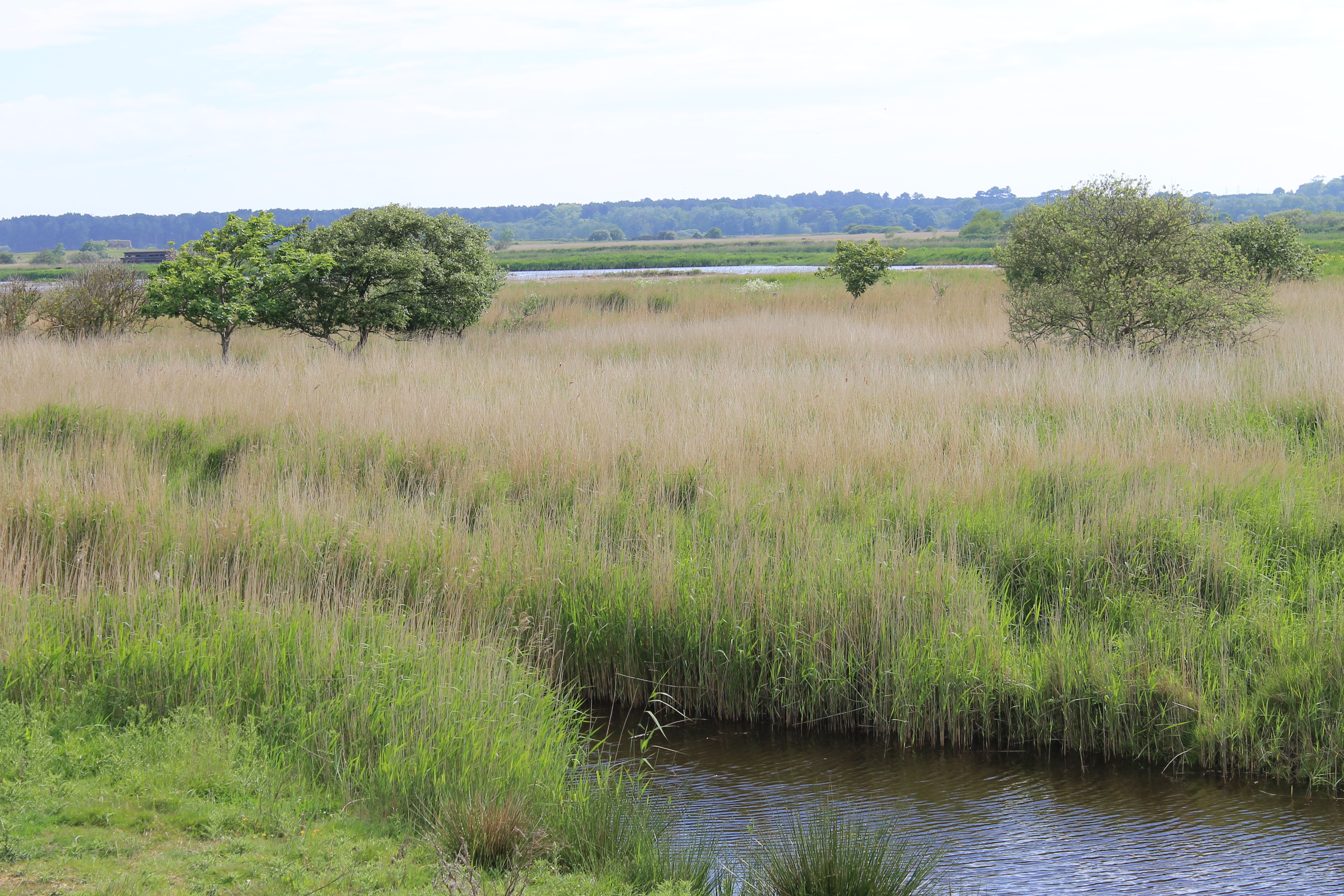
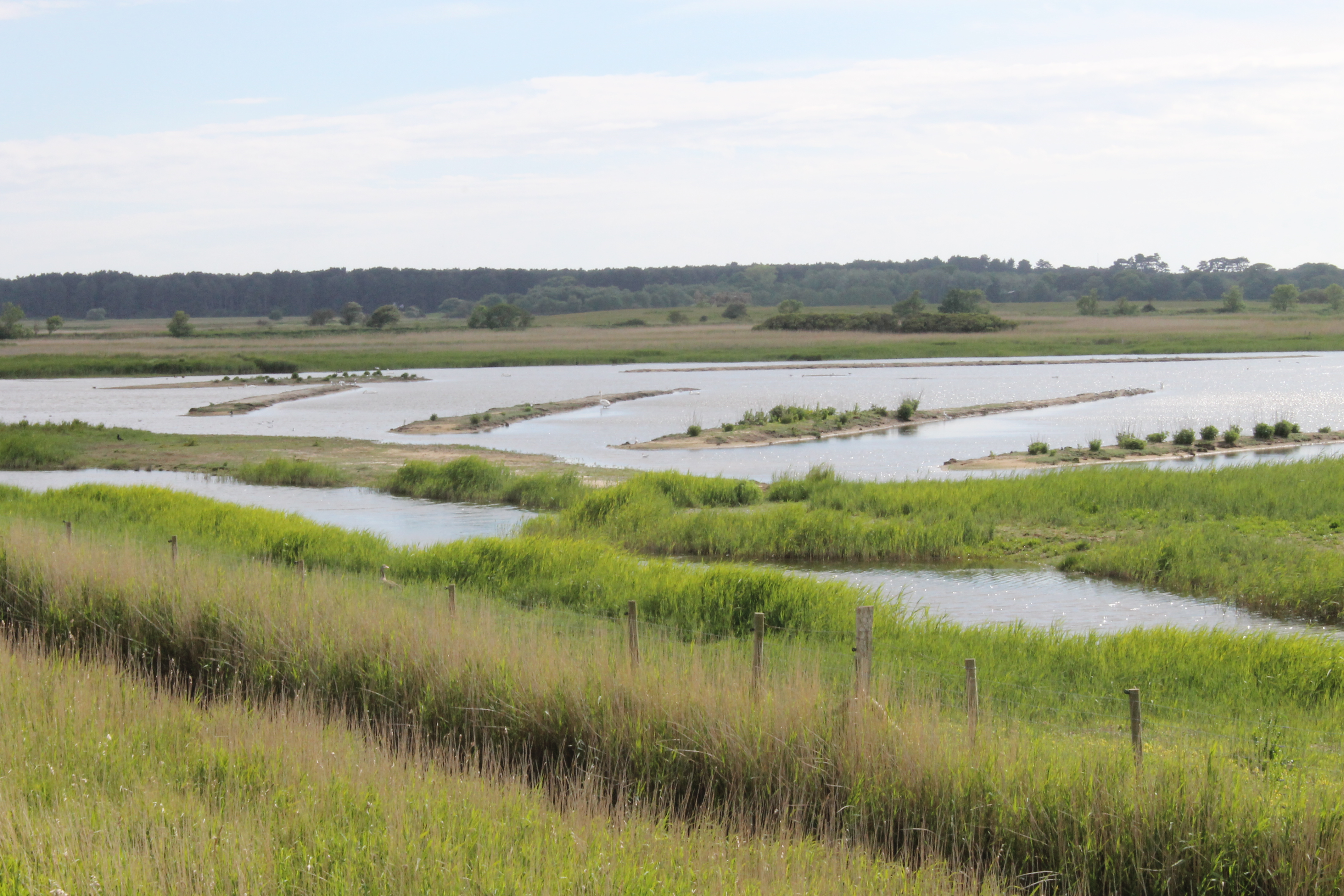
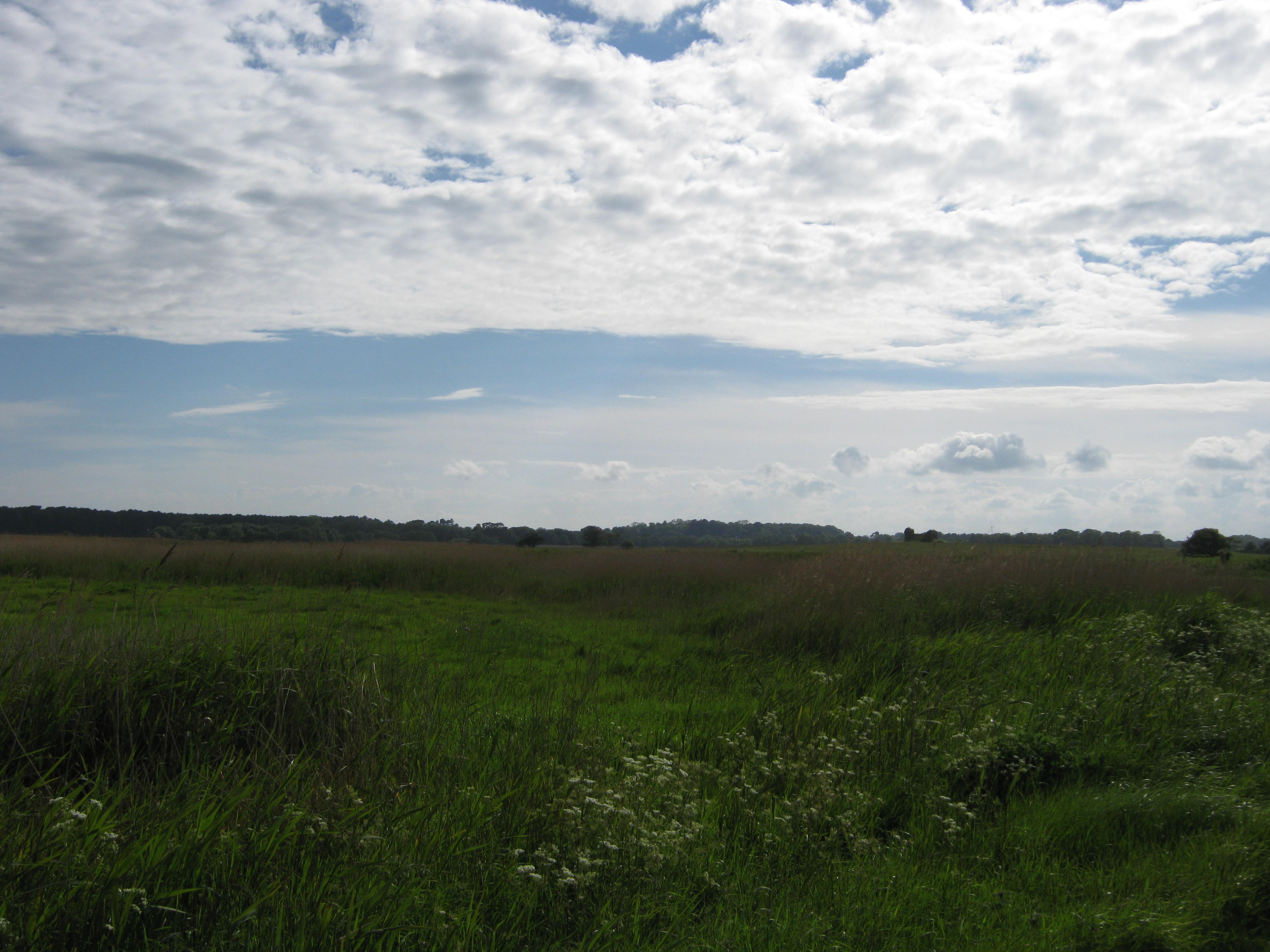
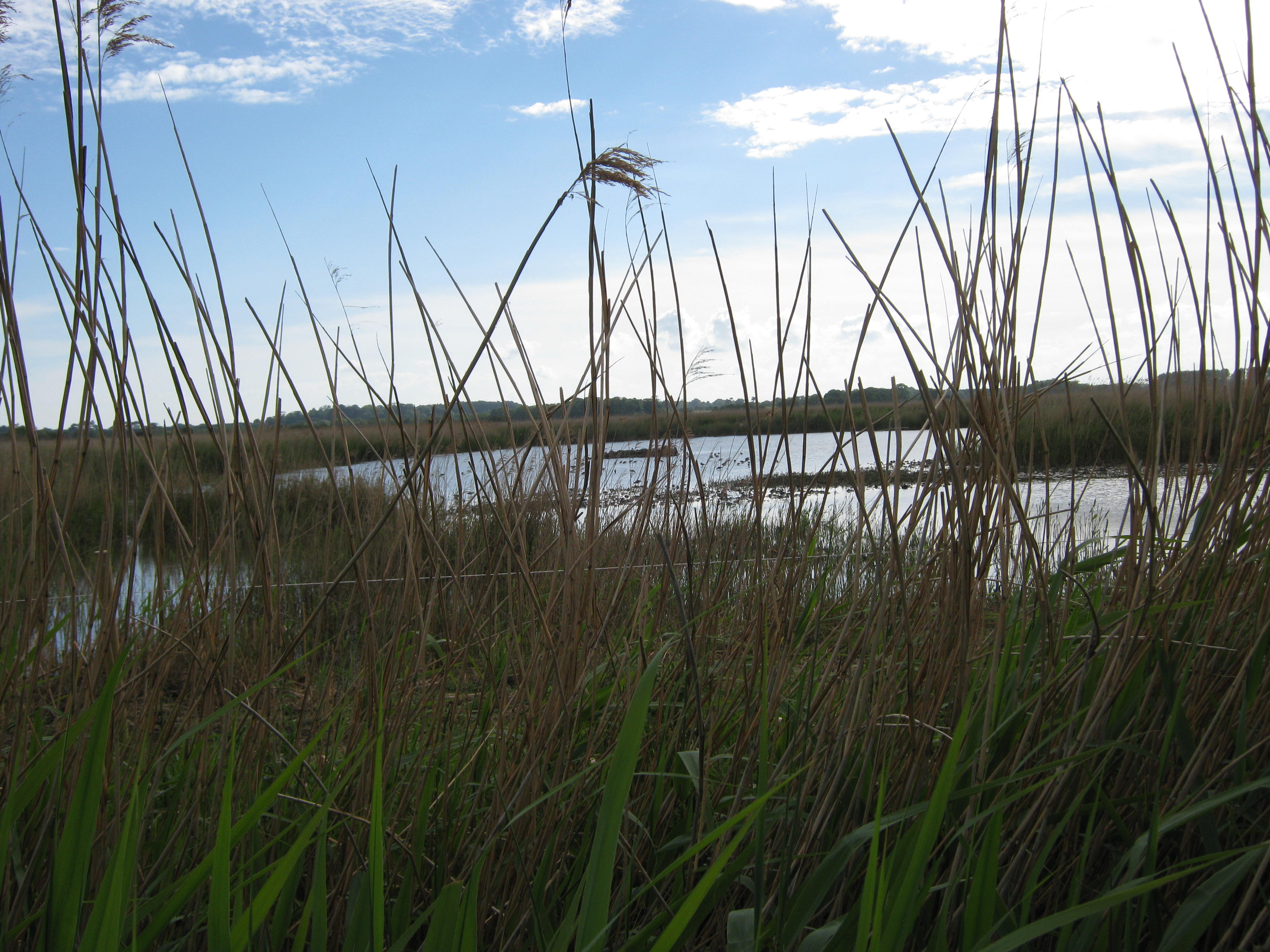
Views over the marshes.

Image

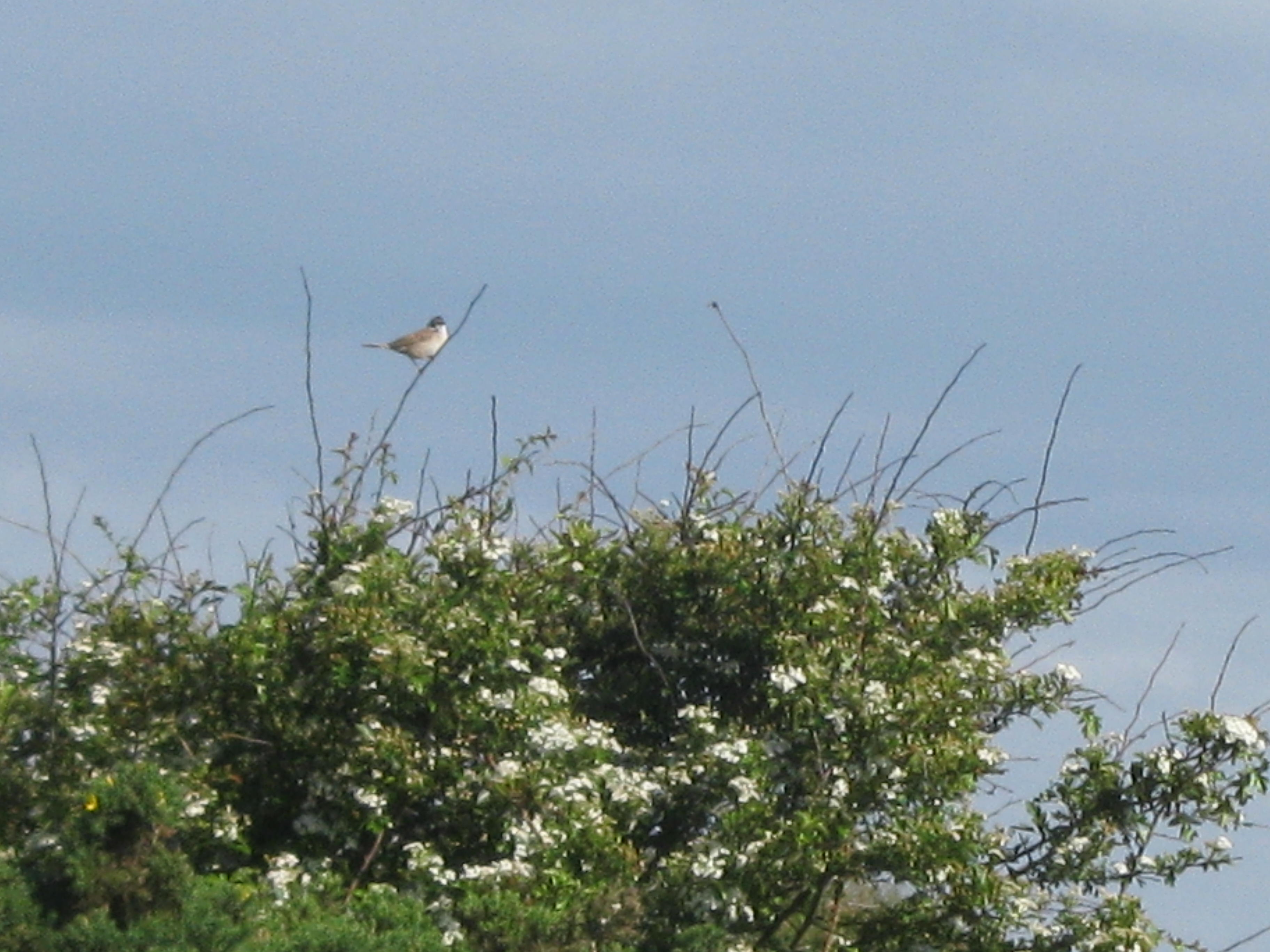
A photo of a Whitethroat singing from the top of a bush. We couldn’t get any closer I’m afraid so it’s not very clear.

Image

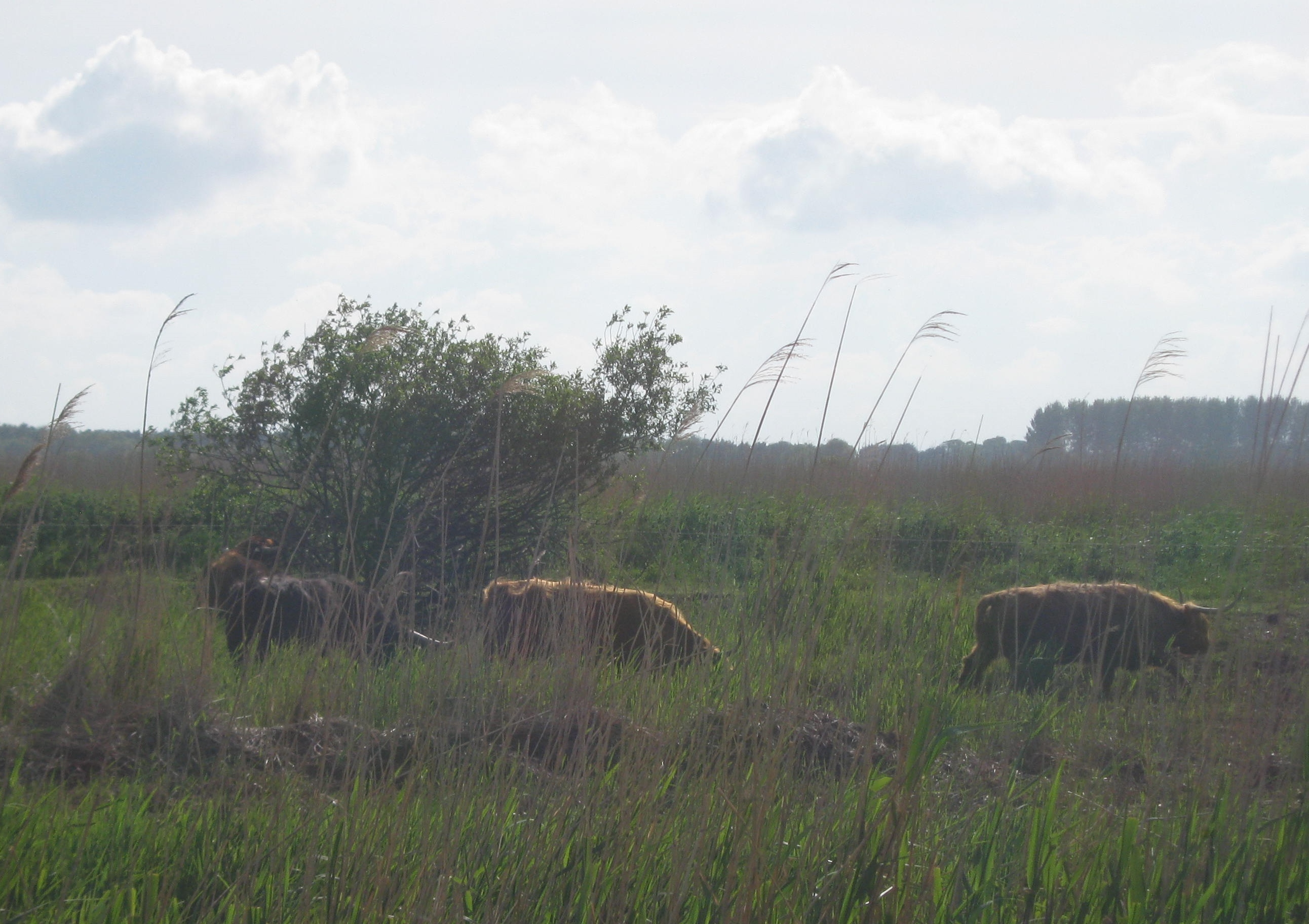
Highland cattle are used for marshland grazing.  They also use (or used to use) Konic Ponies for the same purpose.

Image

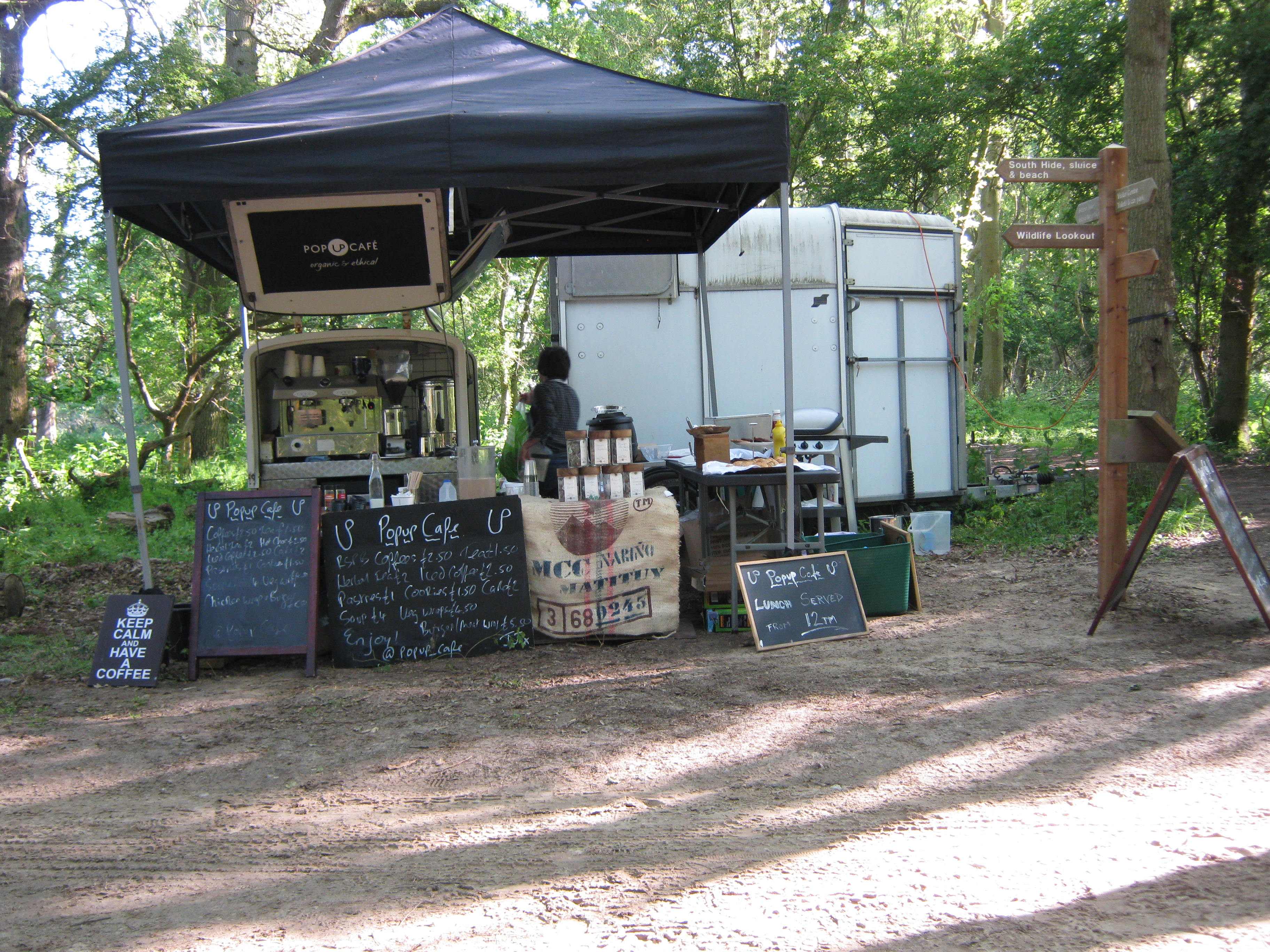
We walked back towards the woods on the noisy path listening to Sedge Warblers and Whitethroats and many more birds along the way.  We saw that the whole reserve was wired for sound.  There were cables everywhere and cameras attached to nest boxes and every now and then we came across one or two people working in ditches and under bushes trying to fix something.  In the woods we also found a Pop-Up Café.

Image

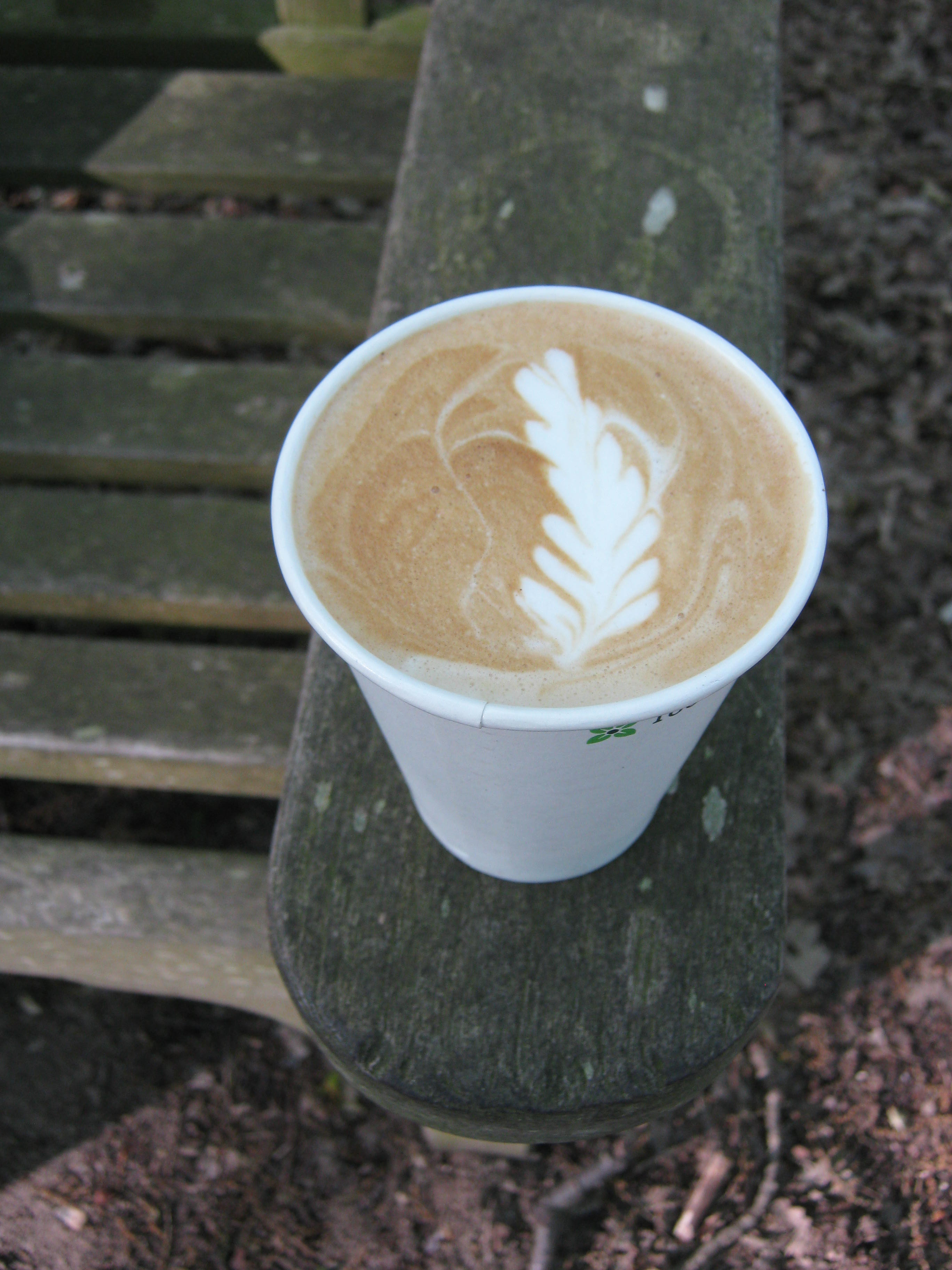
This was run by an enterprising East European couple.  R and I had the best coffee I’ve ever had.  It cost us £5.00 for two coffees which is very expensive for Suffolk but we did get two free pastries with it.  The girl put a pretty pattern on the top of mine.

Image

After eating our pain au chocolat and drinking our coffee we walked a little way up into the wood and sat listening to the birds.  We heard a Bittern ‘booming’ which we were pleased about but unfortunately we weren’t able to hear a nightingale.  It was becoming late by this time and we decided to go home.  The BBC is only filming on Mondays to Thursdays so I may go back next Friday and just walk round the wood and try to hear the nightingale.  A and I walked here a few years ago listening to one singing and we even saw it too.  When I first moved to Suffolk in 1988 I lived in Halesworth and I used to be able to hear nightingales singing all night from the Folly on the edge of the town.  Sadly there are fewer Nightingales about and I haven’t heard one for about four years.

Share this:

  • Share on X (Opens in new window) X
  • Share on Reddit (Opens in new window) Reddit
  • Share on Pinterest (Opens in new window) Pinterest
  • Share on Facebook (Opens in new window) Facebook
  • Email a link to a friend (Opens in new window) Email
  • Share on Tumblr (Opens in new window) Tumblr
  • Print (Opens in new window) Print
  • Share on LinkedIn (Opens in new window) LinkedIn
Like Loading...

A Hotch Potch.

16 Fri May 2014

Posted by Clare Pooley in Gardening, Insects, plants, Rural Diary, trees, wild animals, wild birds

≈ 6 Comments

Tags

Allium, Alpine Pasque Flower, Ant hill, aquilegia, Balm of Gilead, Bee, blackberry, Bramley Apple blossom, Cacti, Cedar of Lebanon, chaffinch, Christmas Cactus, Clematis, Common Sedge, Common Vetch, Cotoneaster, Damson, GERANIUM, Goat Willow seeds, Great Tit, hare, Hawthorn, Holly, House Spider, Japanese Maple, Jay, Knautica, moon, Muntjac, pheasant, Shrub rose Canary Bird, Spindle, stock dove, sunset, thrift, Thyme-leaved Speedwell, Tufted Duck, vegetable garden, Viburnum, White-Shouldered House Moth, winter-flowering honeysuckle, Zebra Spider


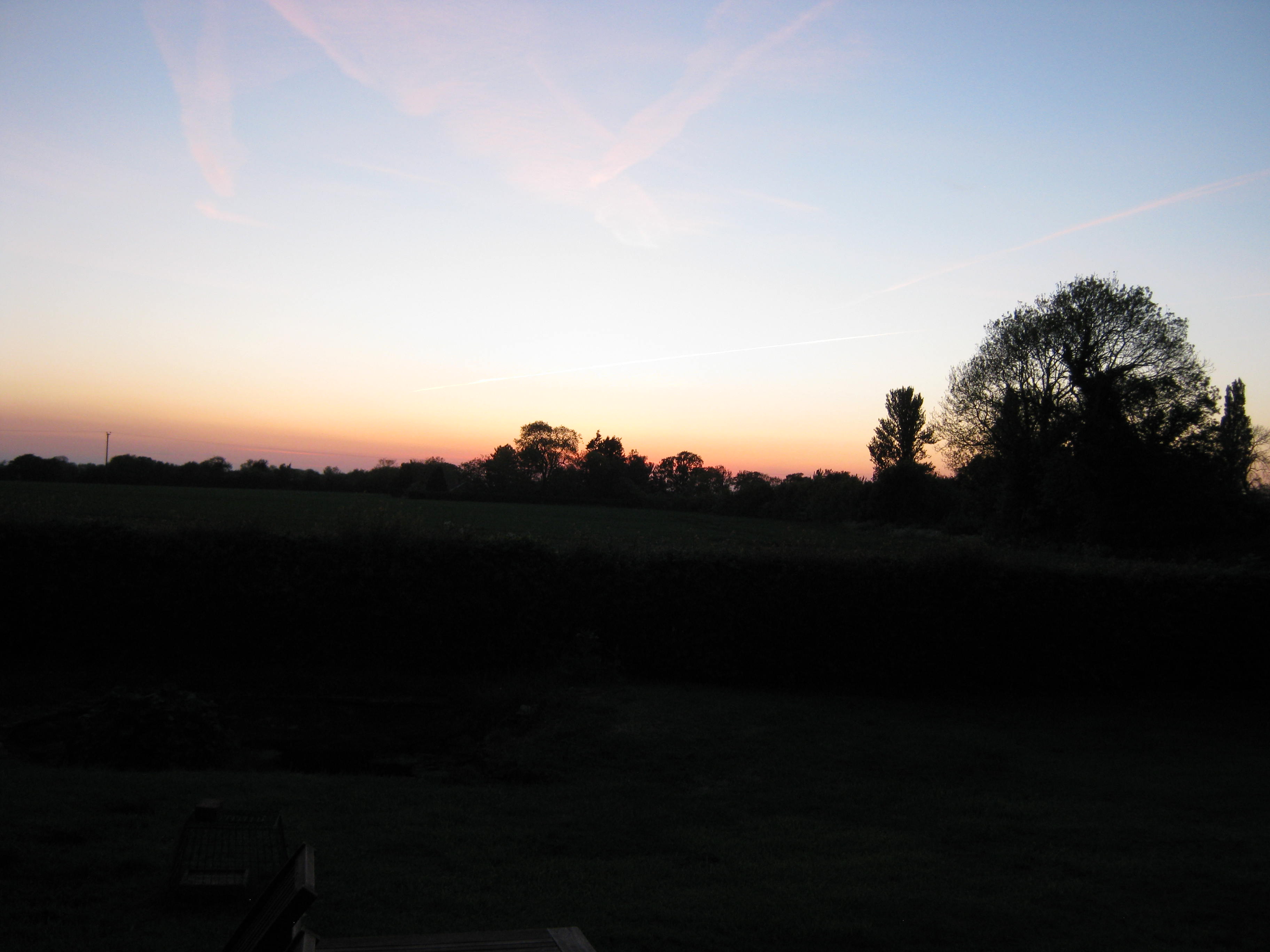
Last evening while I was admiring the pink sunset…..

Image


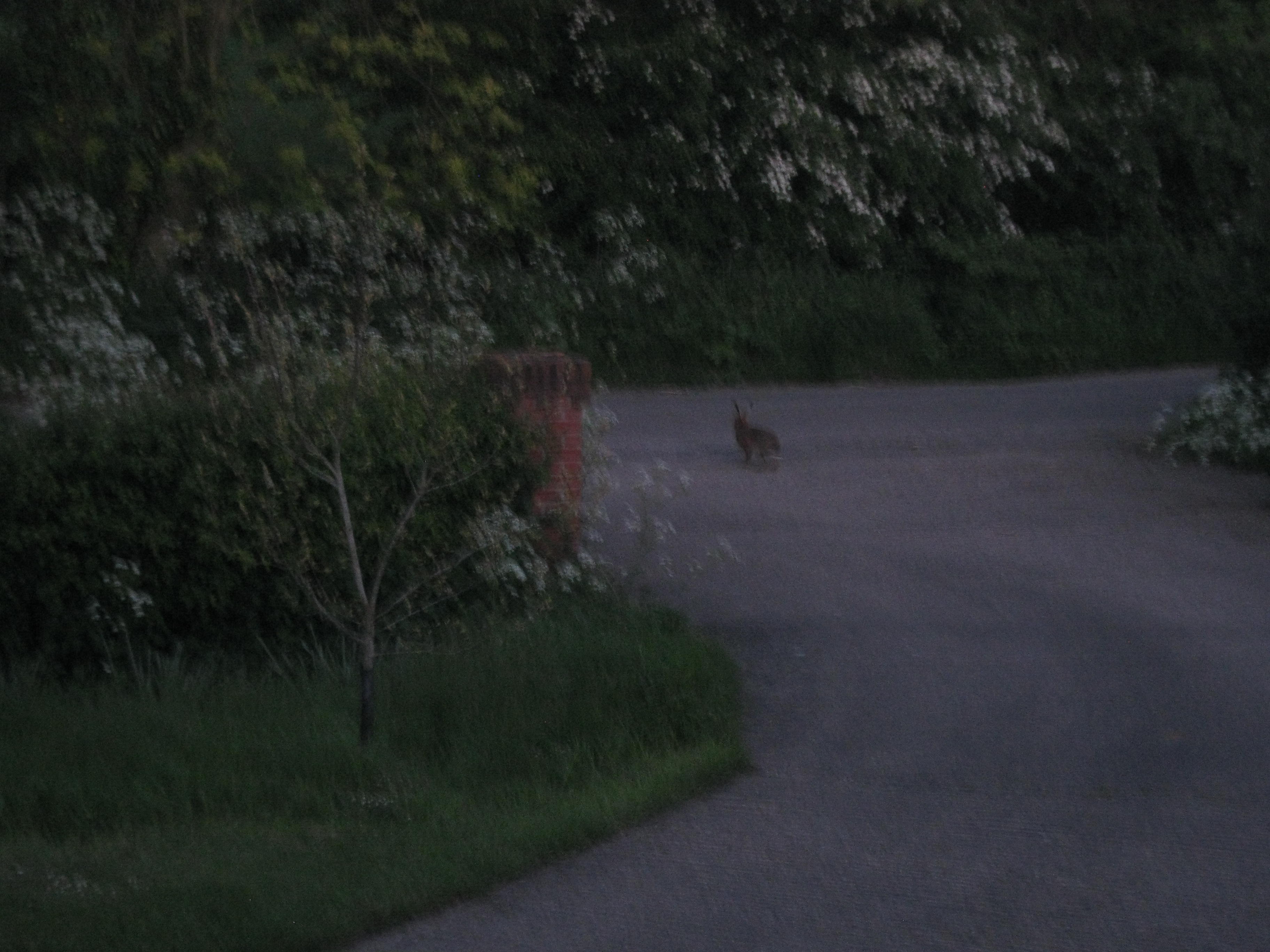
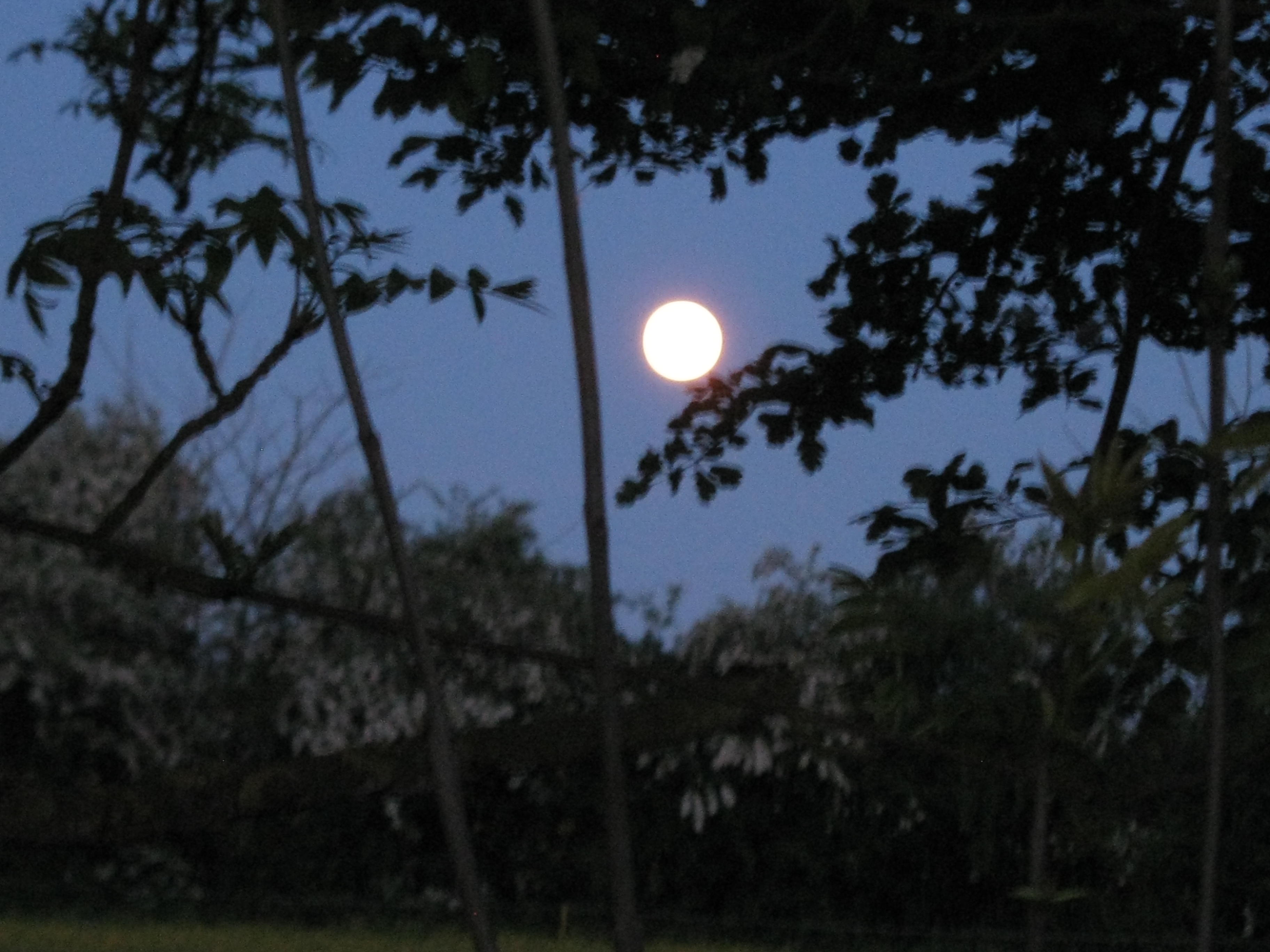
….E was admiring the rising of the moon.  She called to me to come and see it as it was so large and orange.  I joined her at her bedroom window and we watched it slowly slide up the sky behind the trees.  I went into my room hoping to see it more clearly from there and saw below me on the drive, the hare again!  Typically, I had the wrong camera with me, it was too dark and the hare wouldn’t stay and be photographed.

Image

This is the only photo I managed to get.

I went outside into the twilight with little bats flying about the garden and crossed the road and looked at the moon through the hedge.  It wasn’t orange any more but it was still beautiful.

Image

The visit from the hare and the rising moon reminded me that hares are supposed to be magical and people today still take care not to hurt a hare.  One of Mum’s neighbours was new to the area a few years ago and asked another neighbour how he could get rid of the rabbits and hares which were damaging the trees and plants in his garden.  He was told that the rabbits could be shot but ‘we don’t shoot hares in Suffolk’.  In Anglo Saxon mythology, Ostara the goddess of the moon, fertility and Spring was often depicted with hare’s ears or a hare’s head.  Eostre (where we get the word Easter from) was the Celtic version of Ostara and was the goddess associated with the moon, death, redemption and resurrection during the turning of Winter into Spring.  Eostre was a shape-shifter too and took the shape of a hare at each full moon.  Well, well, well!  (I looked all that up using Google!).

Yesterday was a busy one with my usual shopping with Mum and then going to Halesworth to hand in my prescription at the surgery and post a couple of letters.  I got home just after 2.00pm and had some lunch.  The afternoon was spent dusting, vacuuming and doing more mending.  R got home just as I was finishing.  He had had a fraught day at work so after we had had our cup of tea he went into the garden and planted out his peas and beans.  A soothing task which took him over an hour and was all done except the watering-in by the time I had cooked the evening meal.

This morning I went out to admire his handiwork.

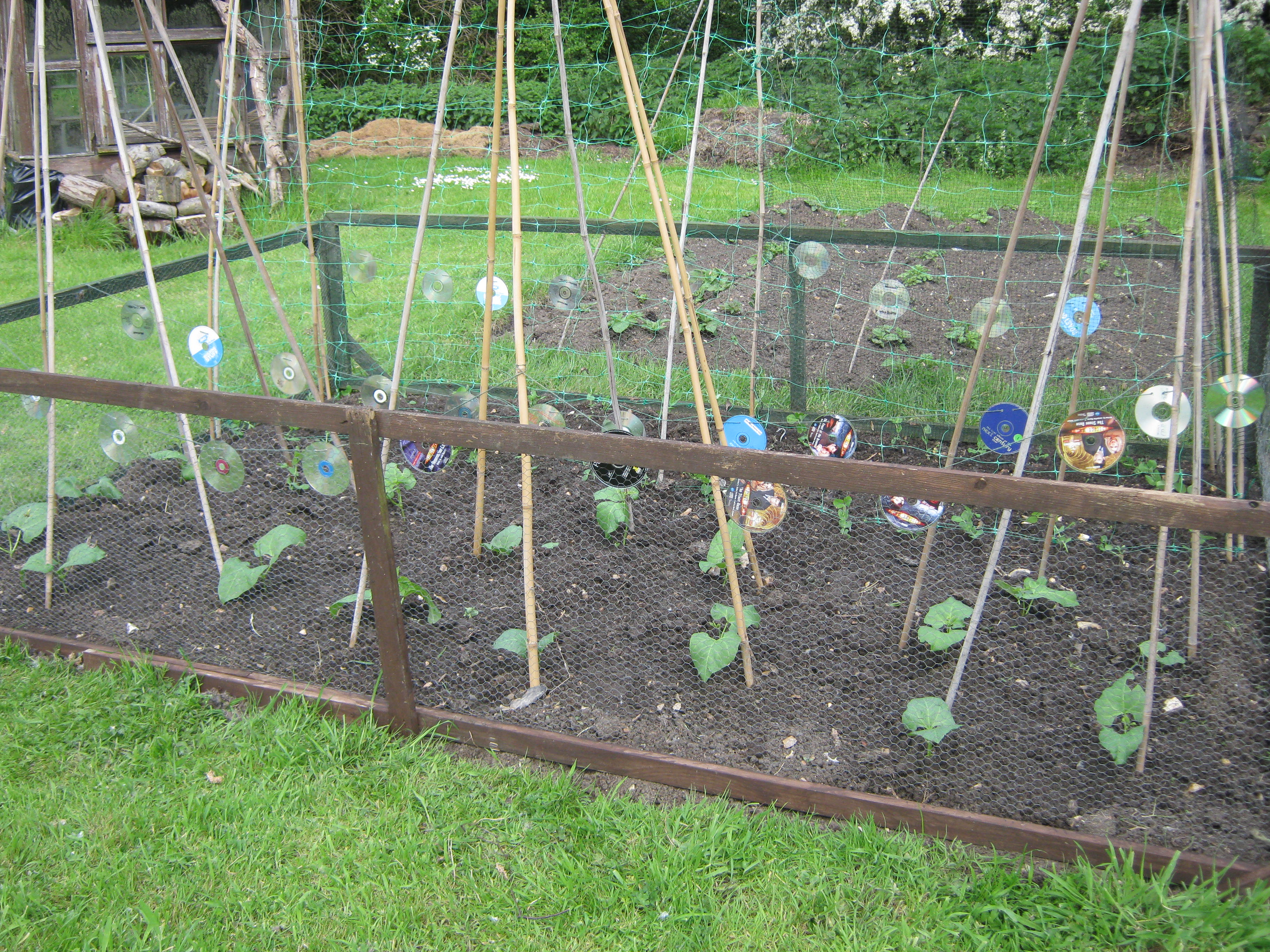
Image

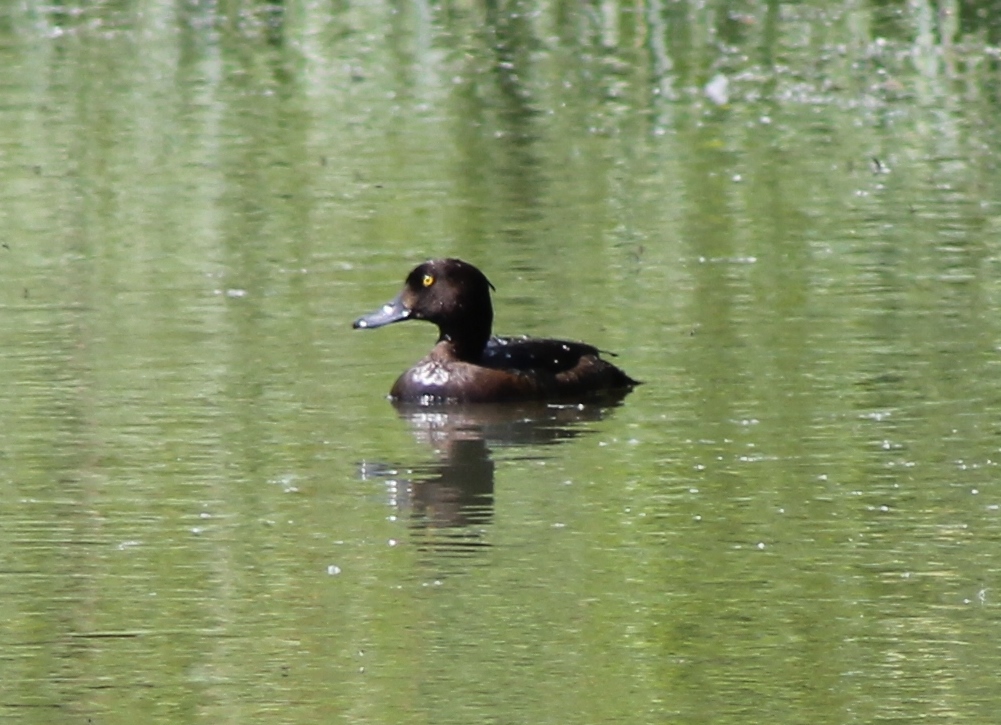
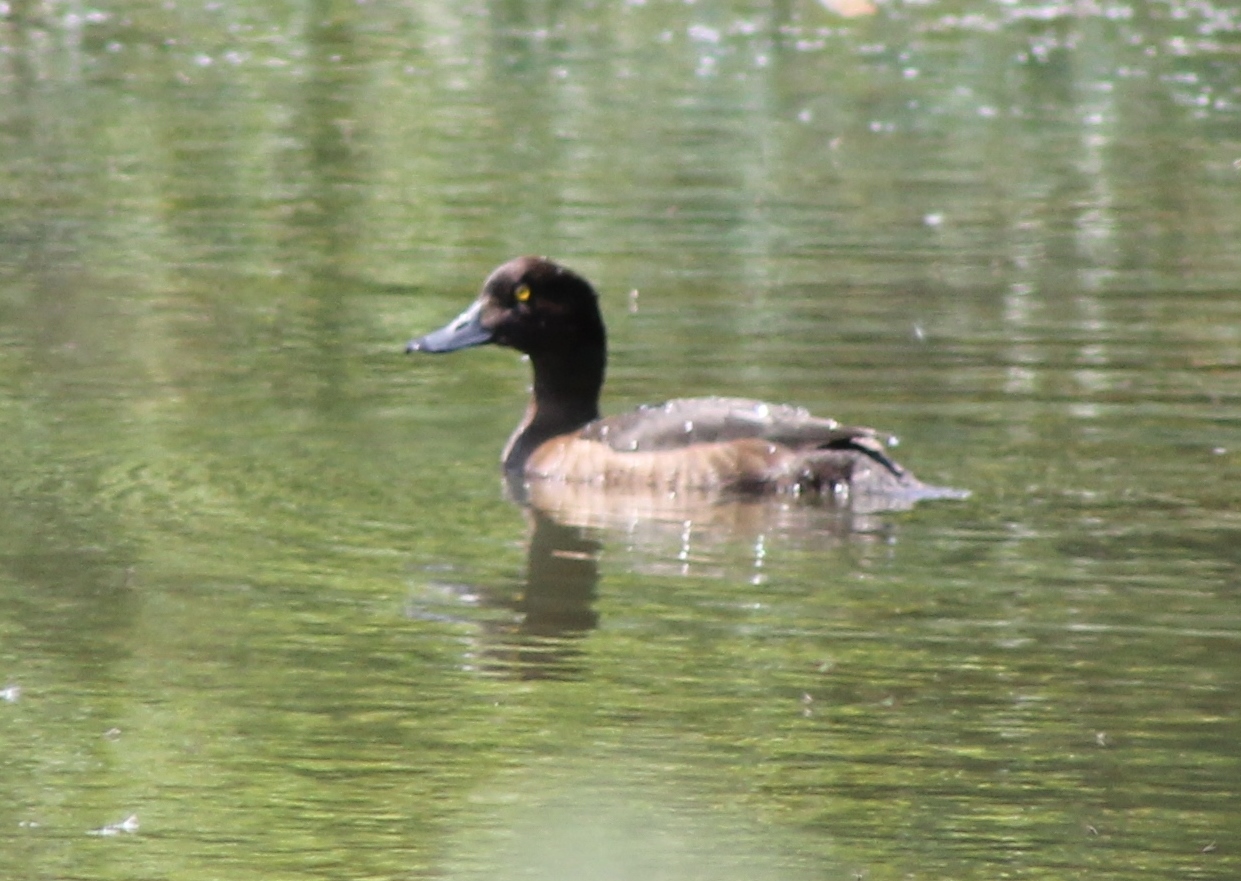
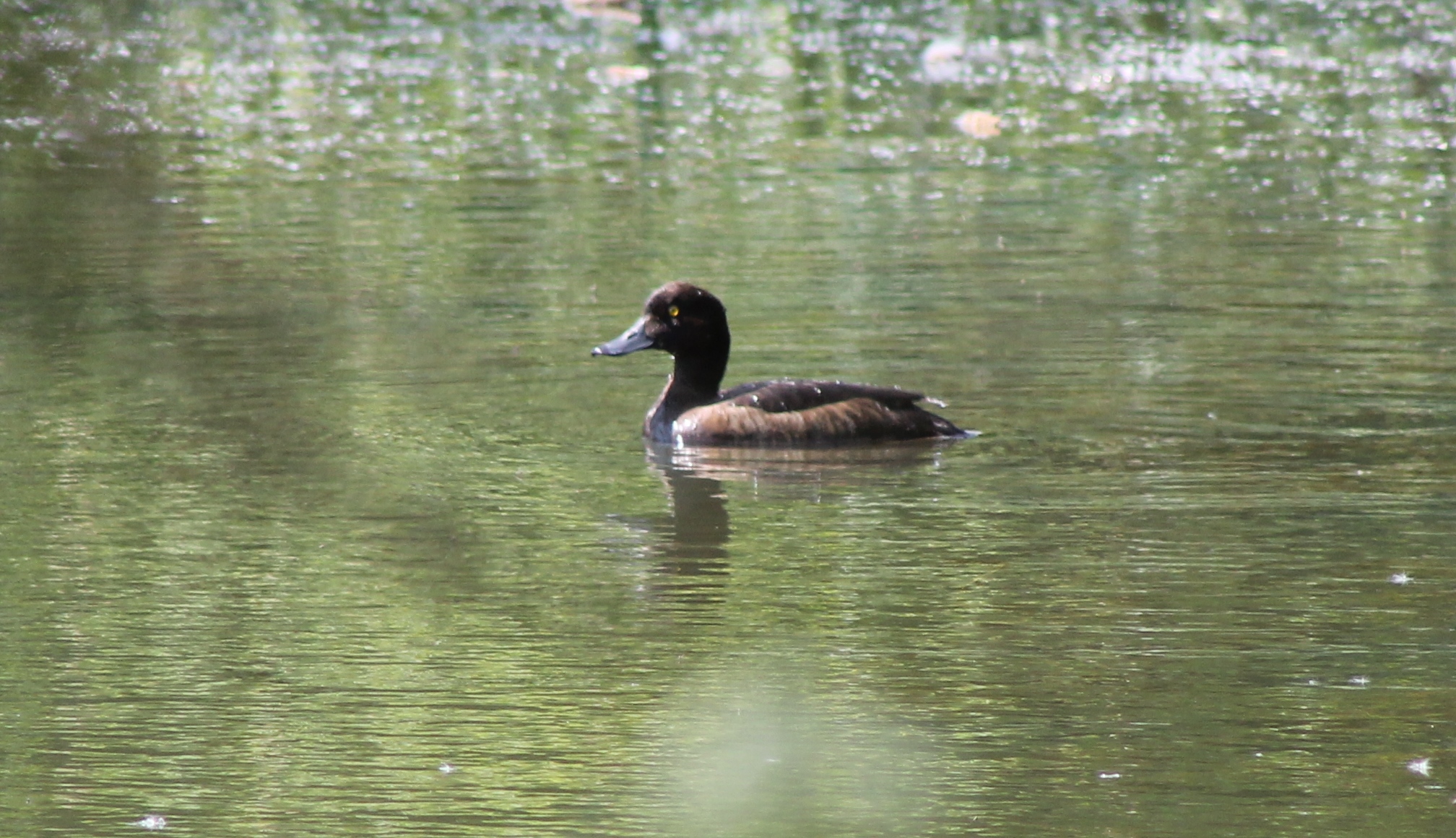
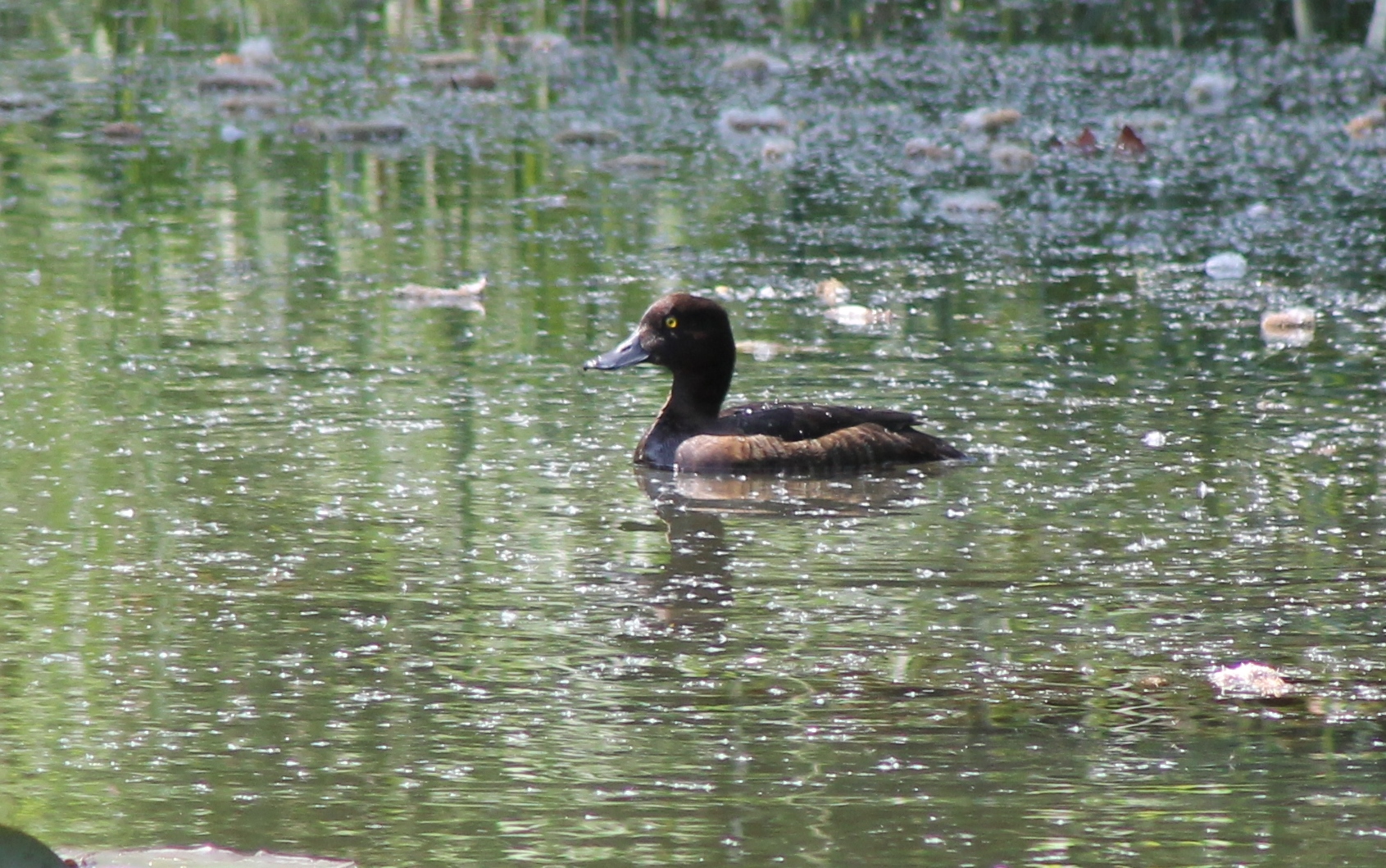
Putting the anti-rabbit/deer/hare/pigeon etc barriers up had taken most of the time yesterday.  We hope they work!  You can see the potatoes coming up in the bed behind the peas and beans.  While I was down at the vegetable patch I had a look at the pond and saw a strange looking duck.  I tried taking its photo with my small camera but wasn’t able to get a clear picture.  I fetched our newer, better camera and tried again.


Image

Image

Image


Image

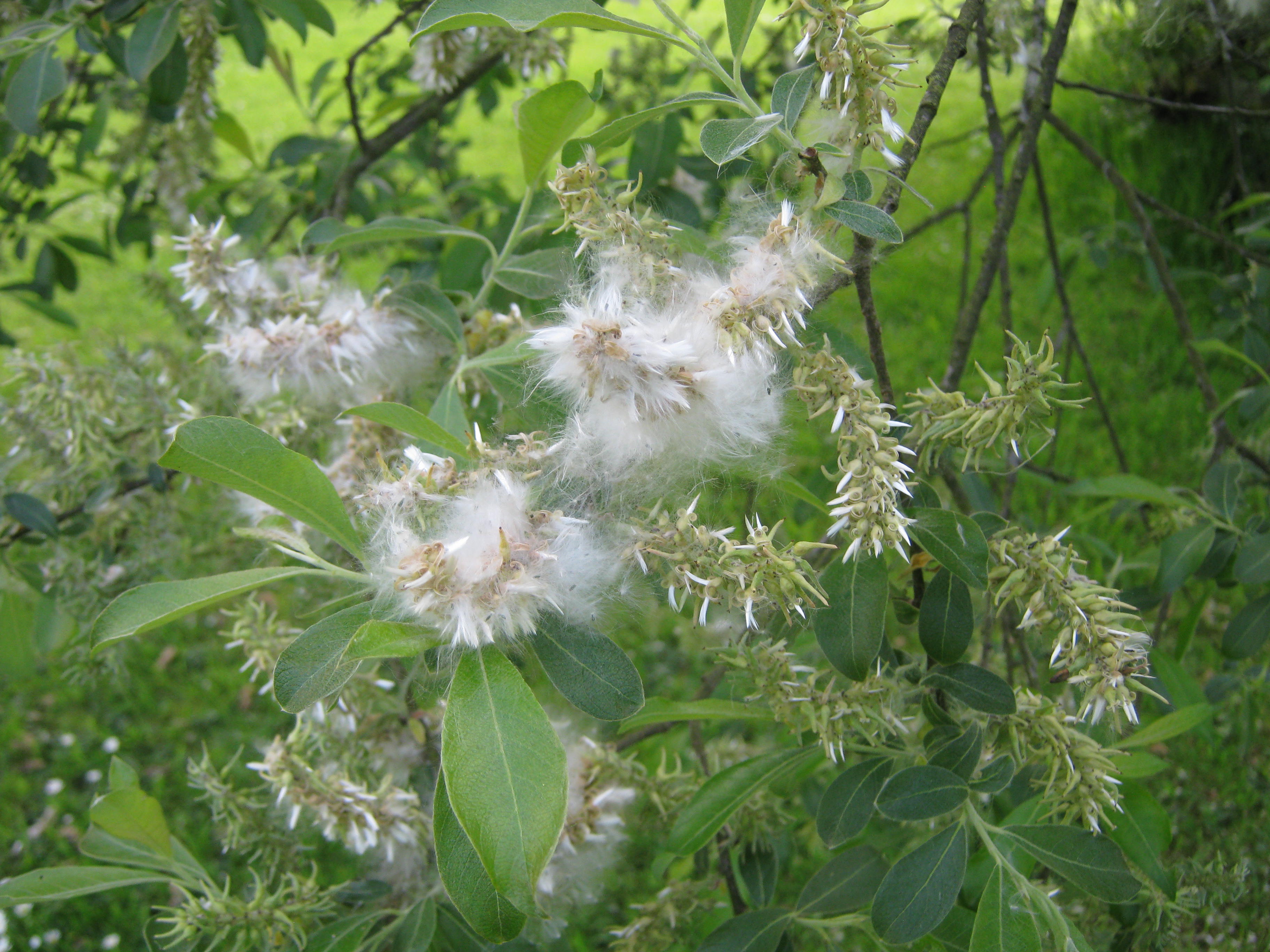
I think this is a female tufted duck who visited to sample the fish in our pond.  I had to crop the photos as I still couldn’t get near enough to the duck.  The pond, as you see, is covered in the fluffy seeds of Goat Willow.  The seeds aren’t only on the pond but are everywhere, floating in the air, covering the grass, coming into the house.

Image

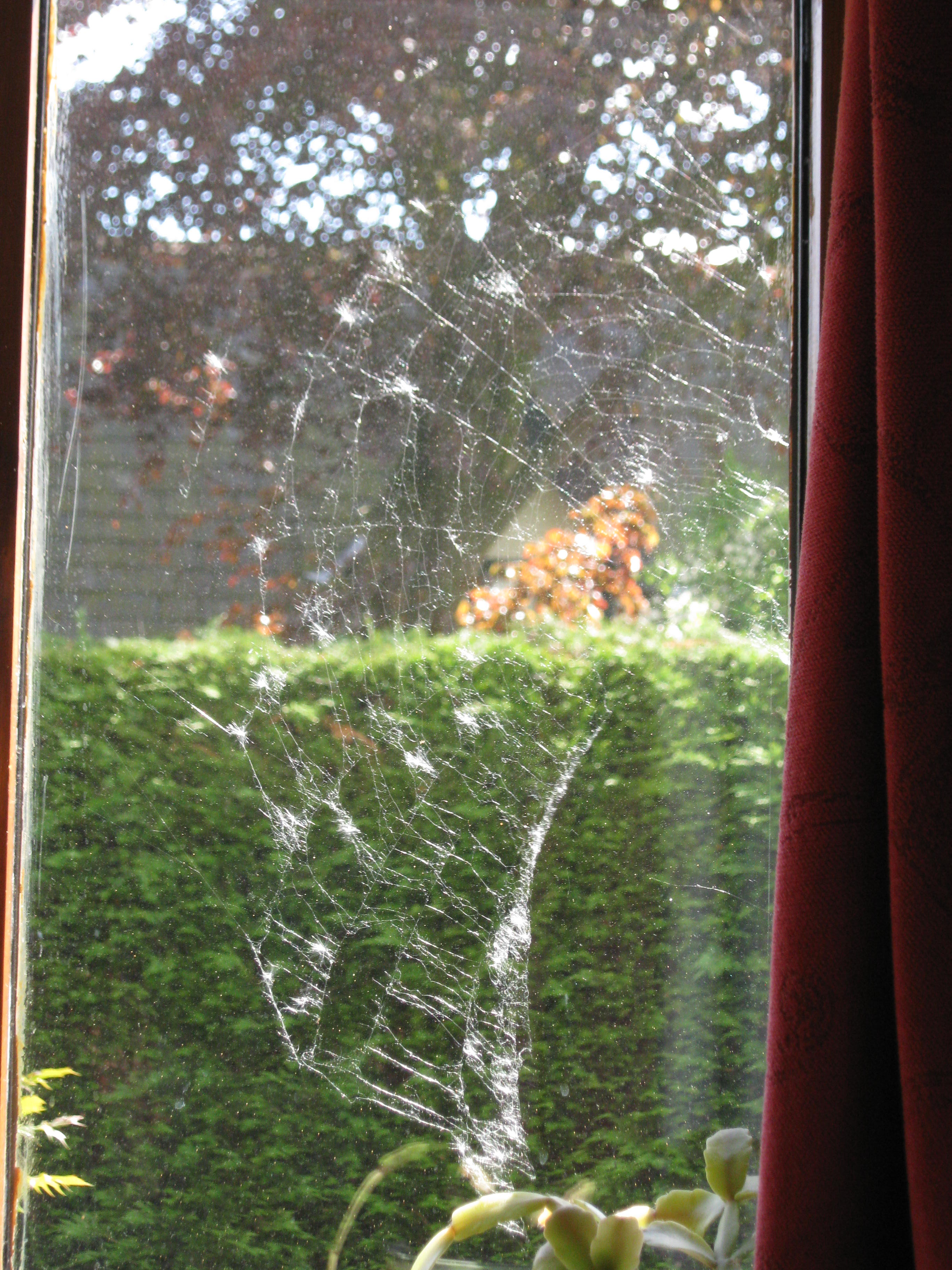
This is a spider’s web I noticed yesterday on the outside of one of our windows.  It is covered with fluffy willow seeds.  Despite my brushing the web away very often the spider insists on making its web just there all the time.

The rest of this post will be a strange selection of photos that I took today and some others that I haven’t been able to put in any of my recent posts.

Image

This is a late entry in the apple blossom awards.  We thought the Bramley Apple wasn’t going to flower this year, but we were wrong!

Image

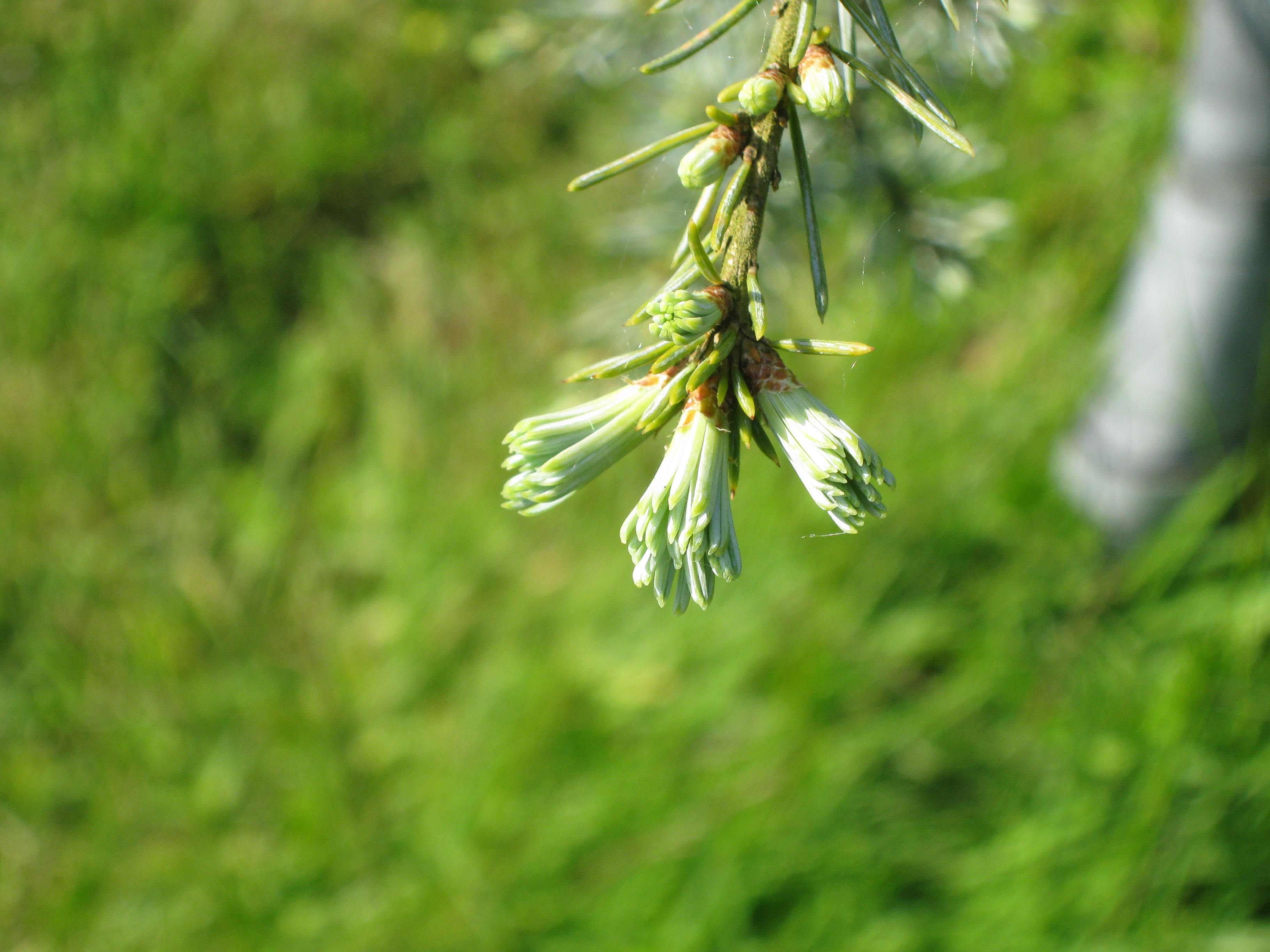
The Cedar of Lebanon has new leaves growing that look like old-fashioned shaving brushes.

Image

All the hollies have new leaves too.

Image

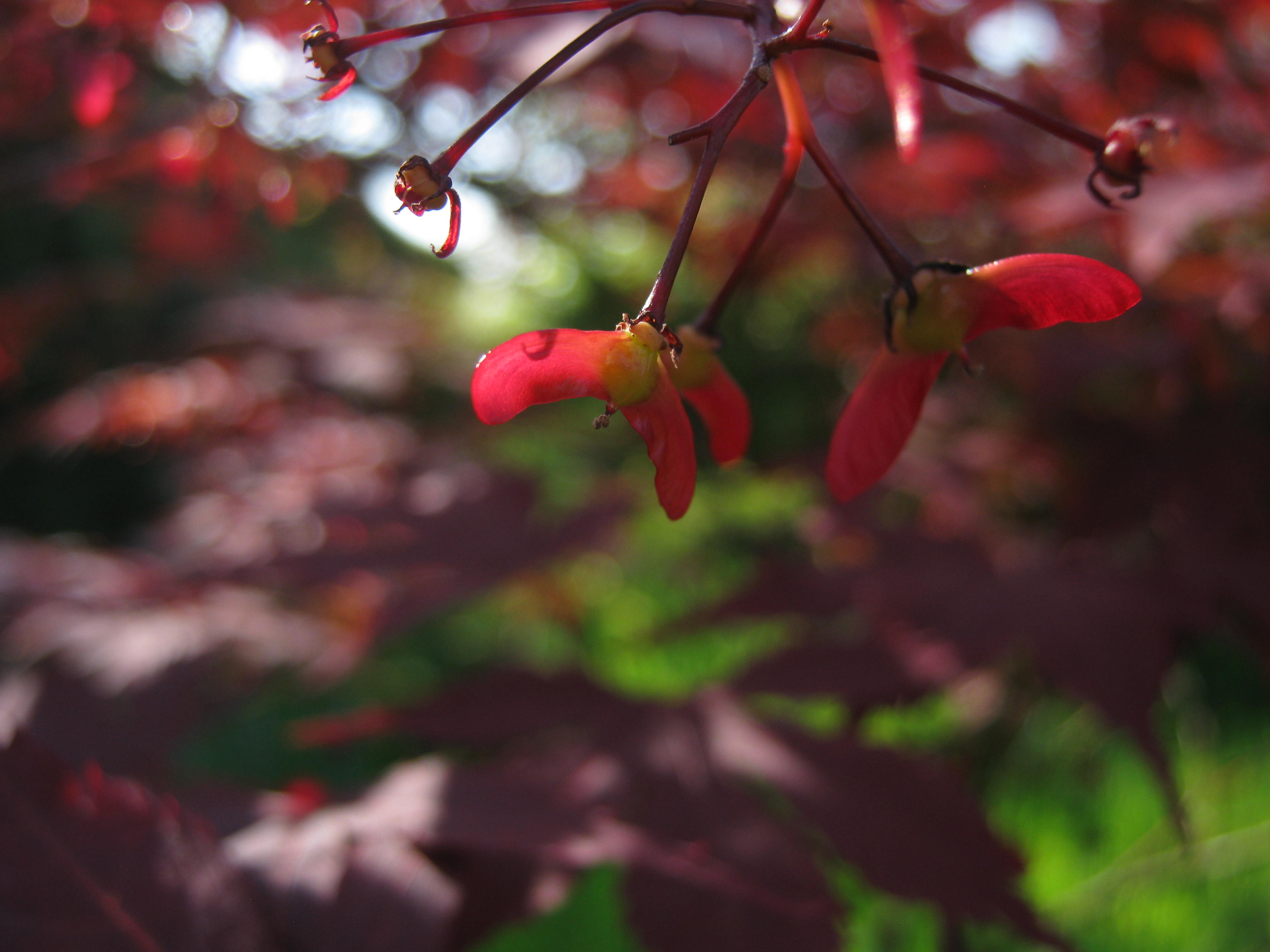
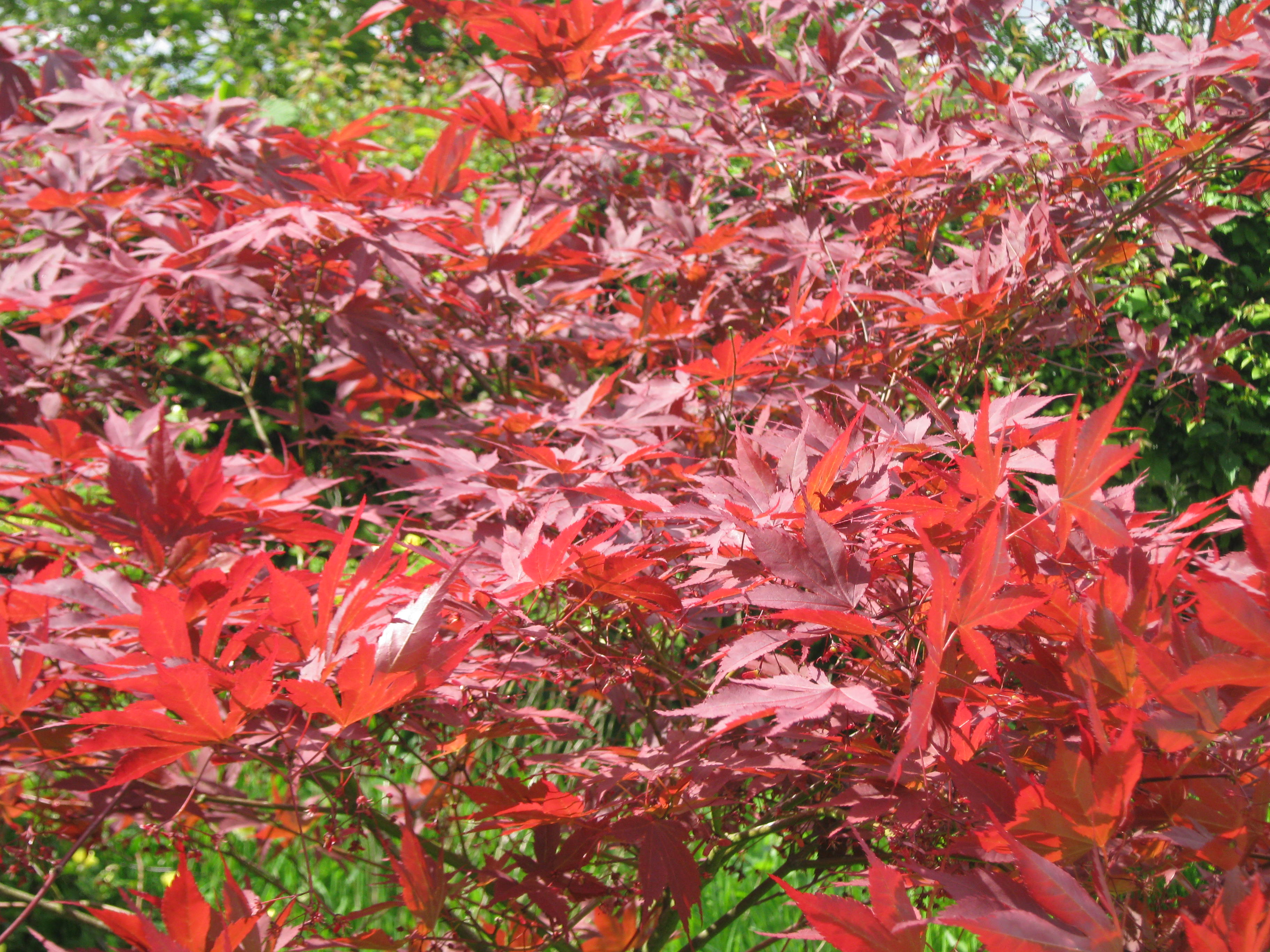
The Japanese Maple has the most beautiful cherry-red seeds.

Image

Image

Image

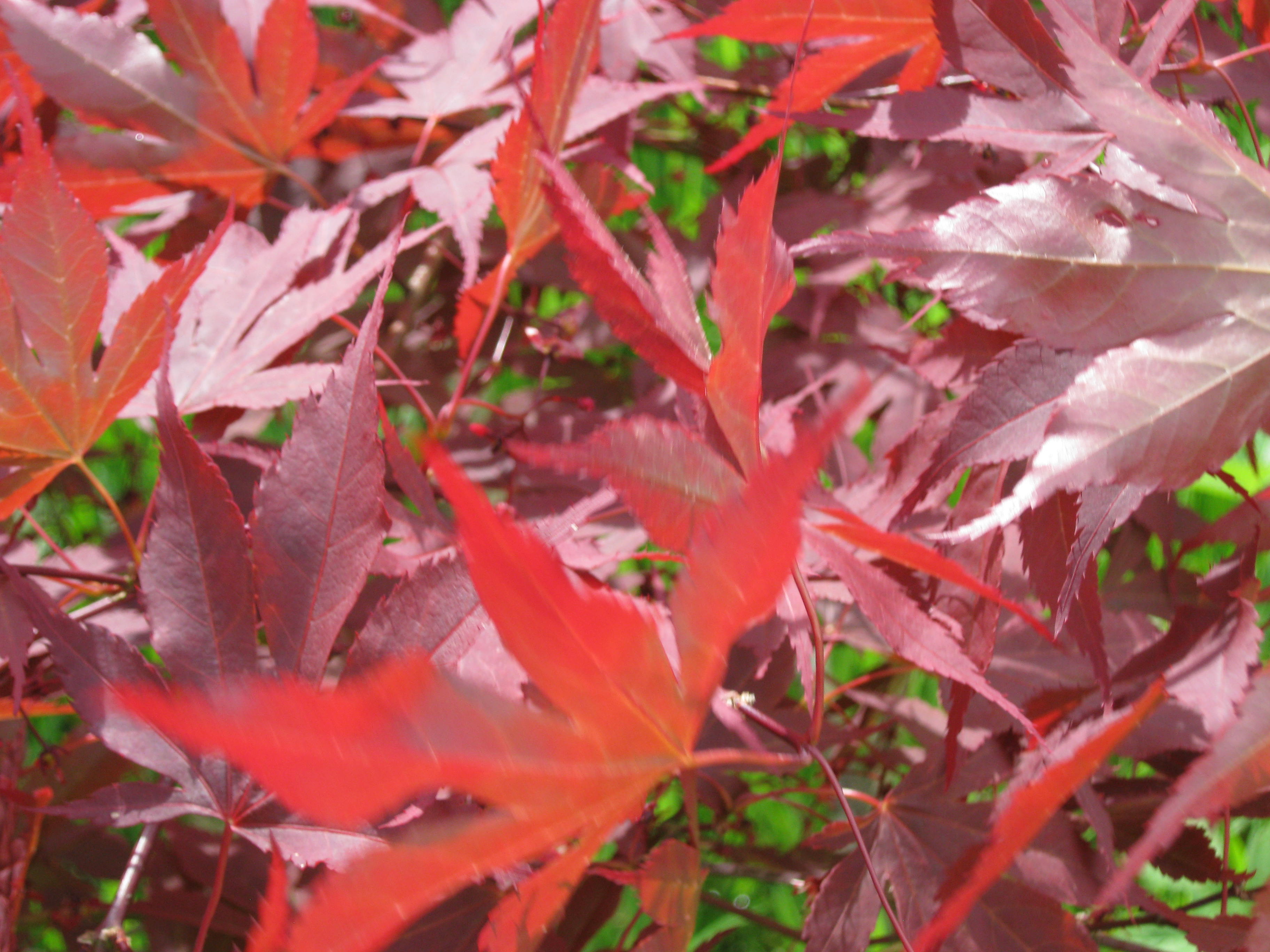
It has beautiful leaves too that glow in the sunshine.

Image

Image

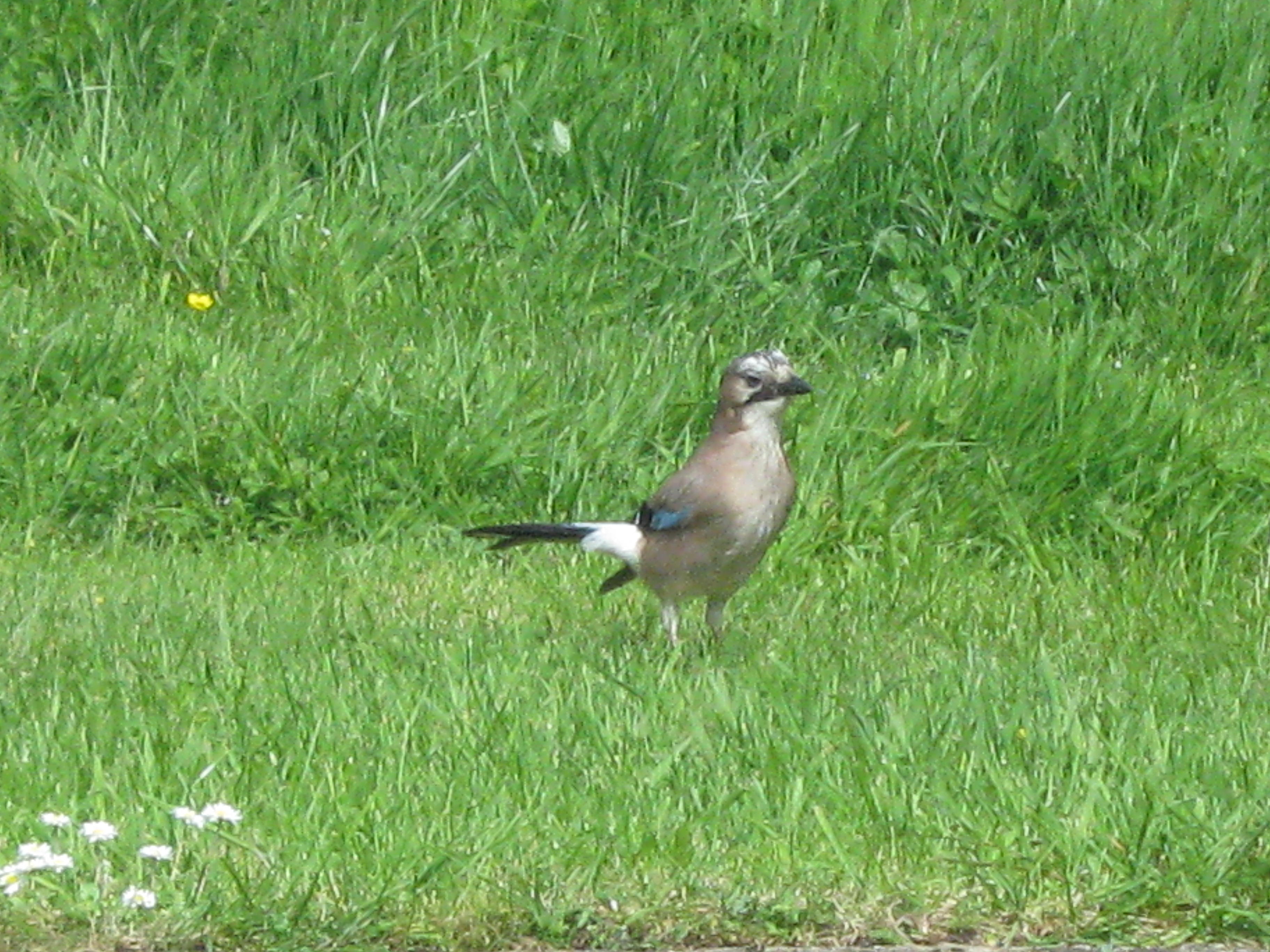
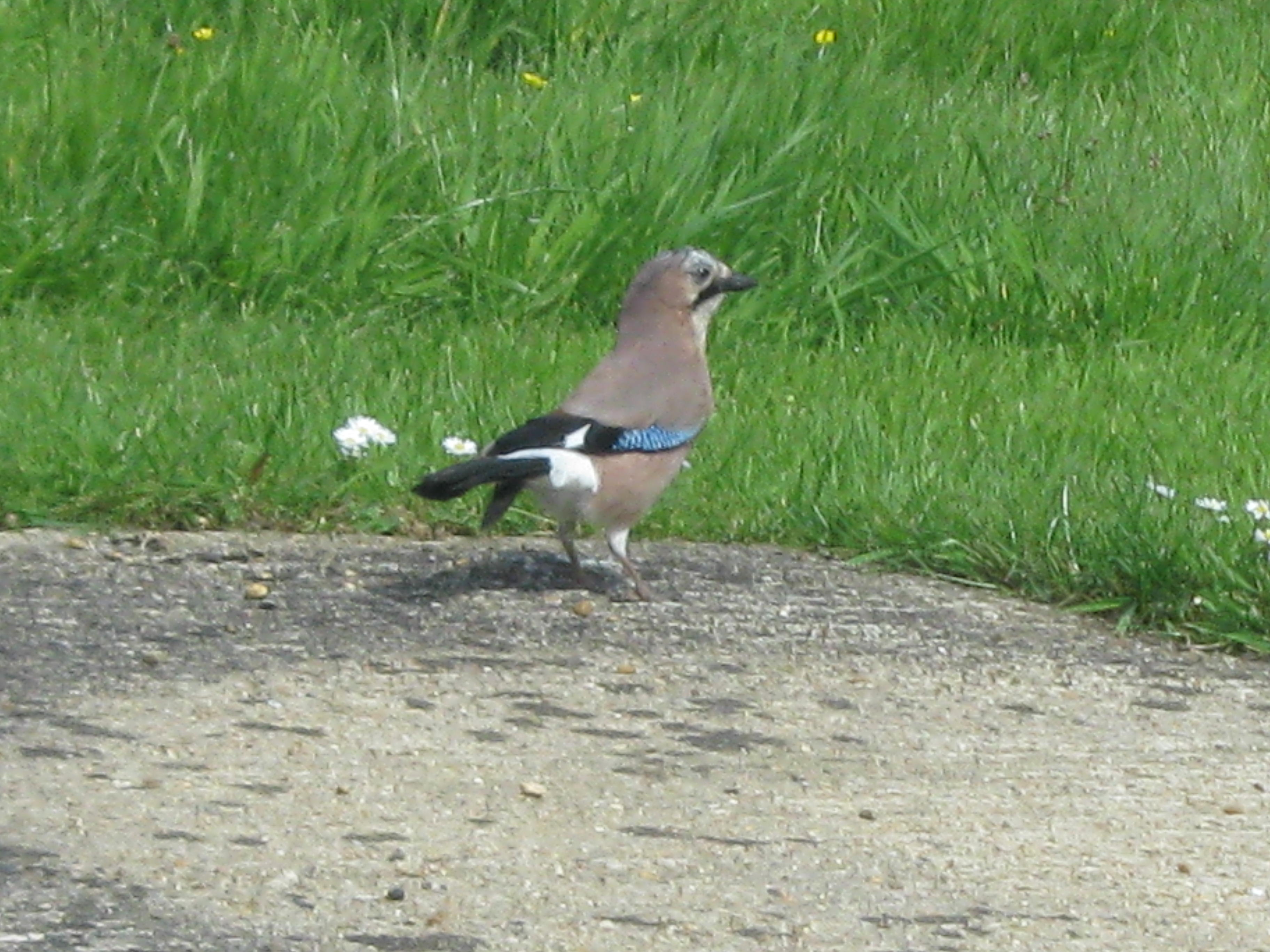
I got home yesterday and saw a Jay in the garden.  I had great difficulty taking these photos from inside the car.

Image

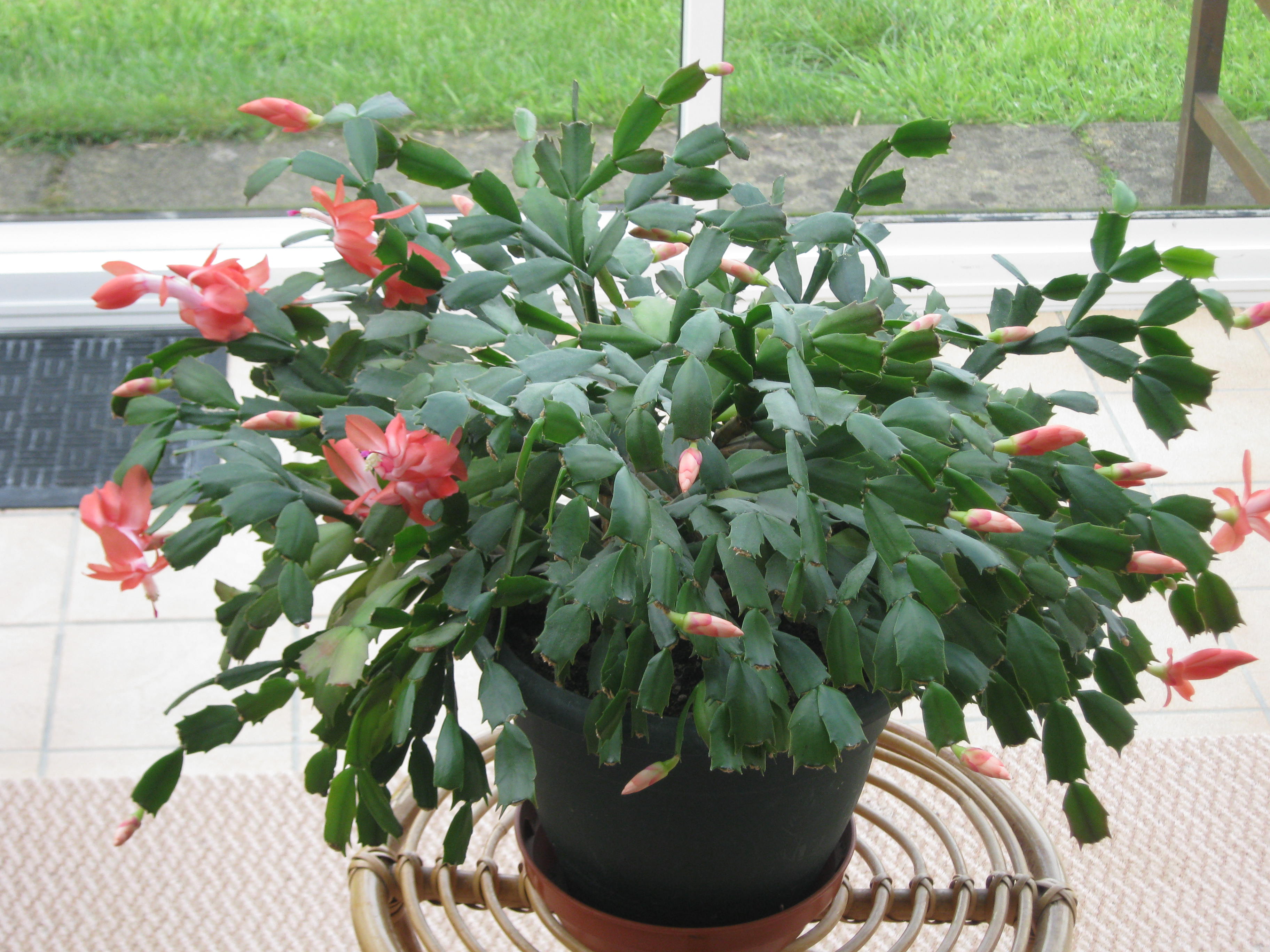
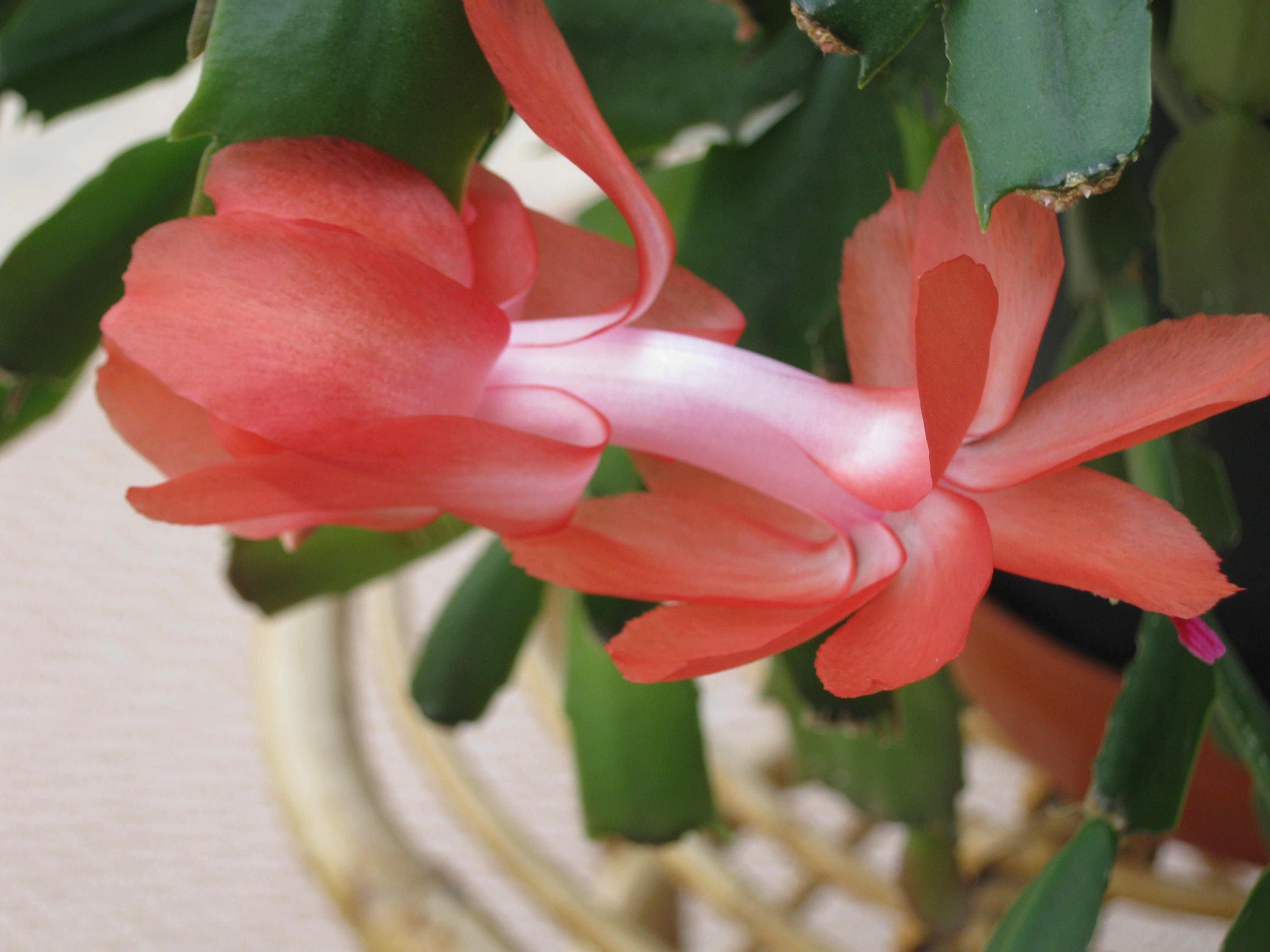
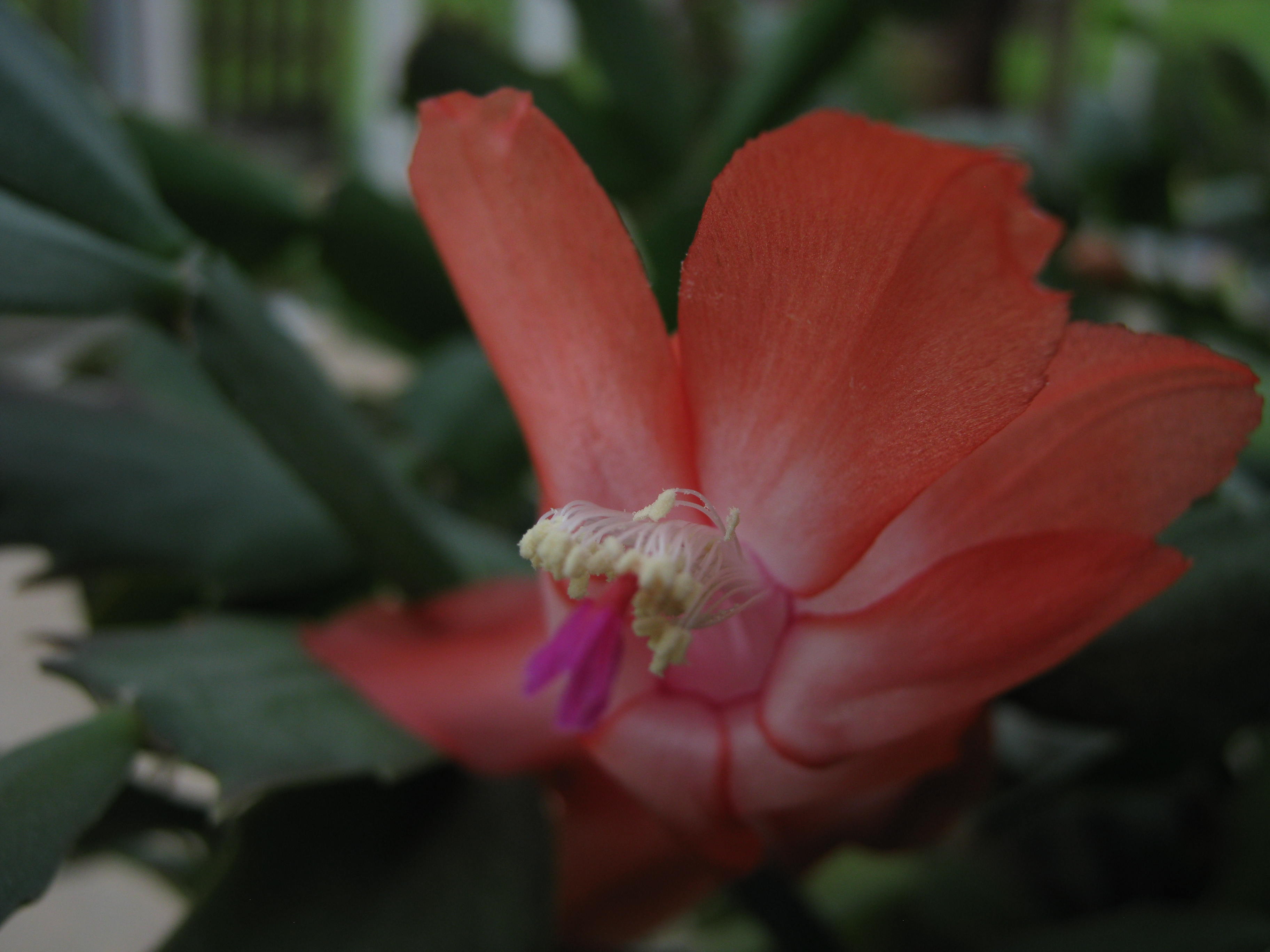
This is one of my Christmas Cacti and it is flowering again for the third time in six months.  It first flowered in November, then in February and now in May.  I think it is very confused!

Image

Image

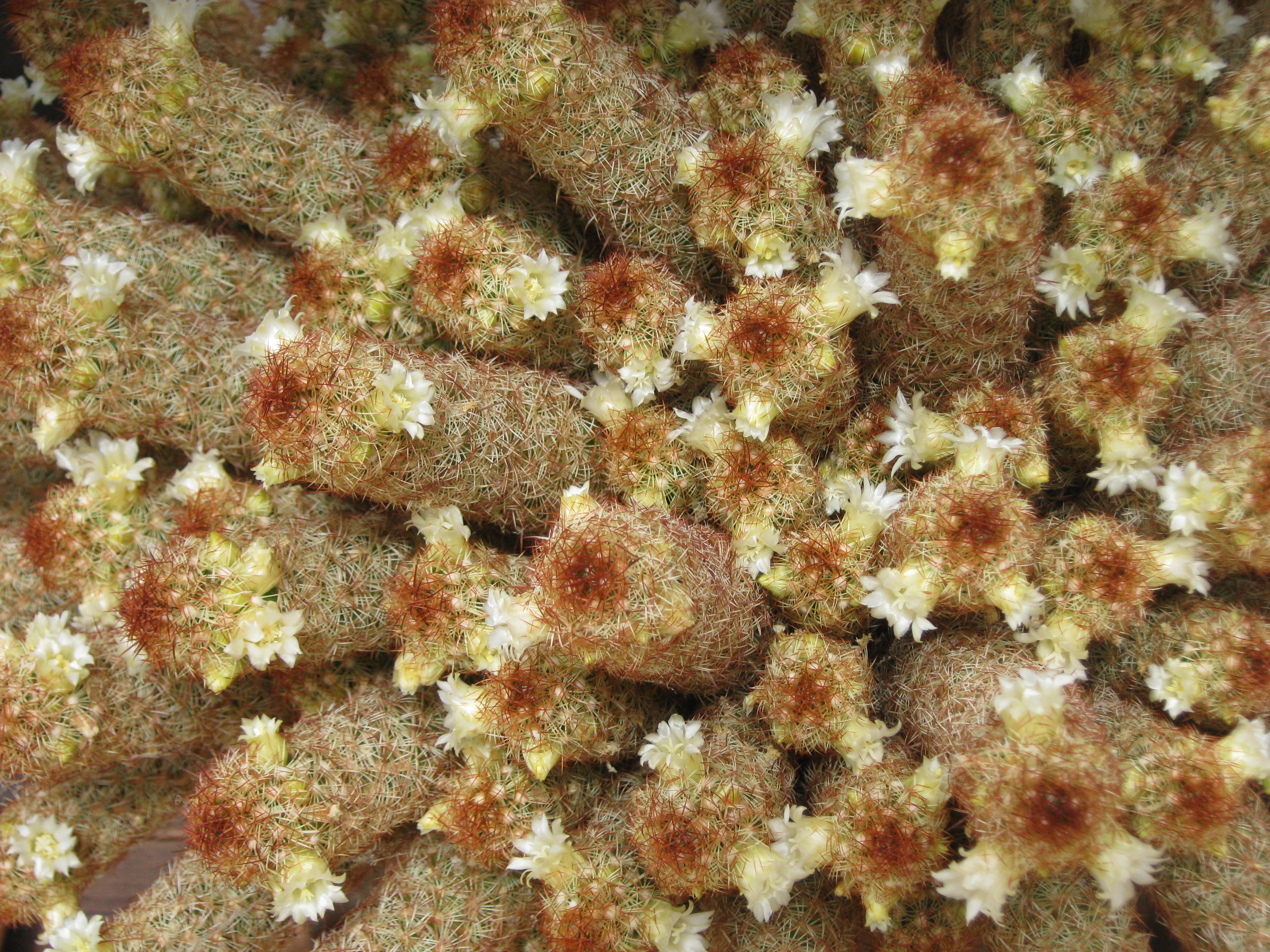
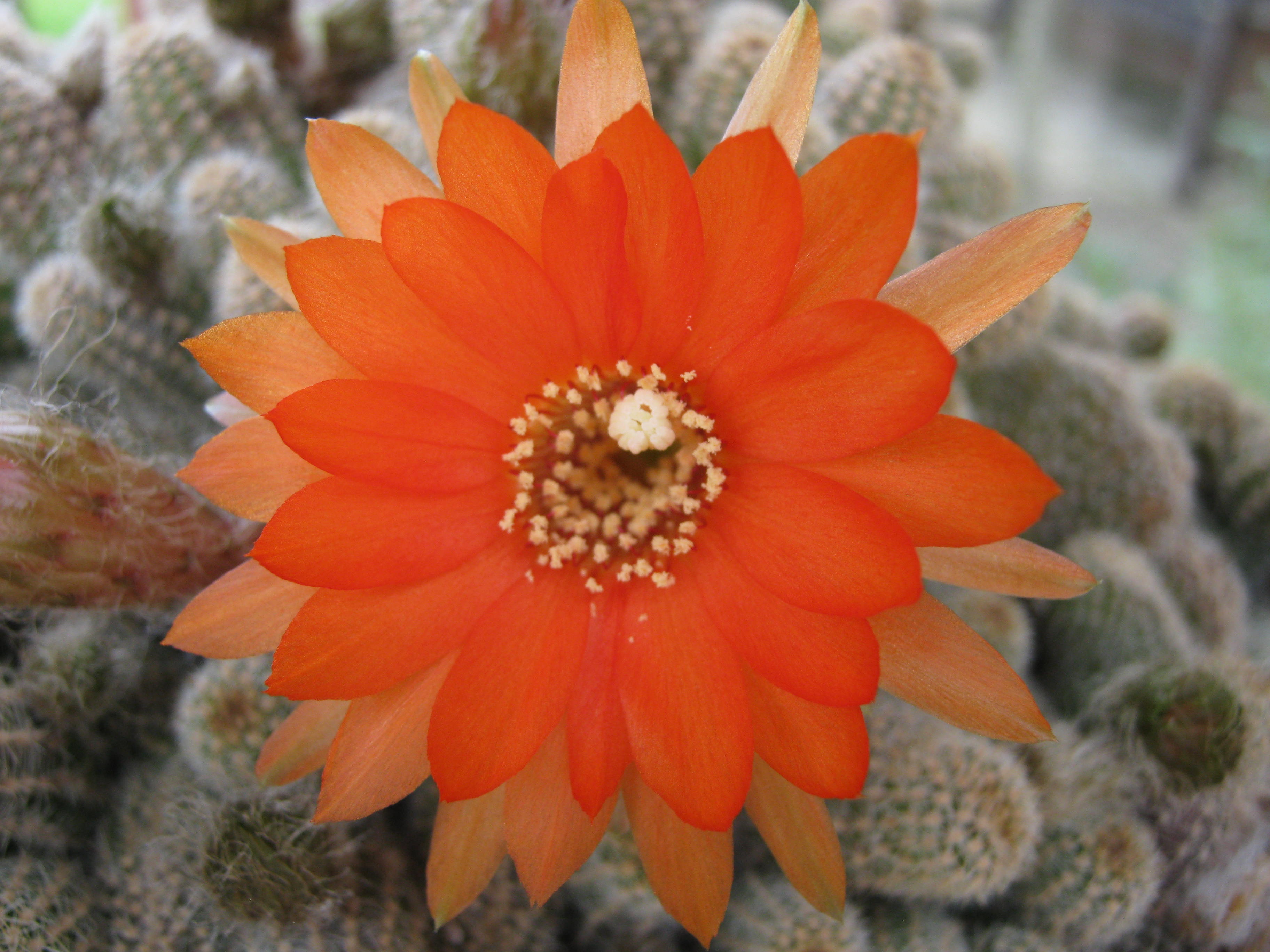
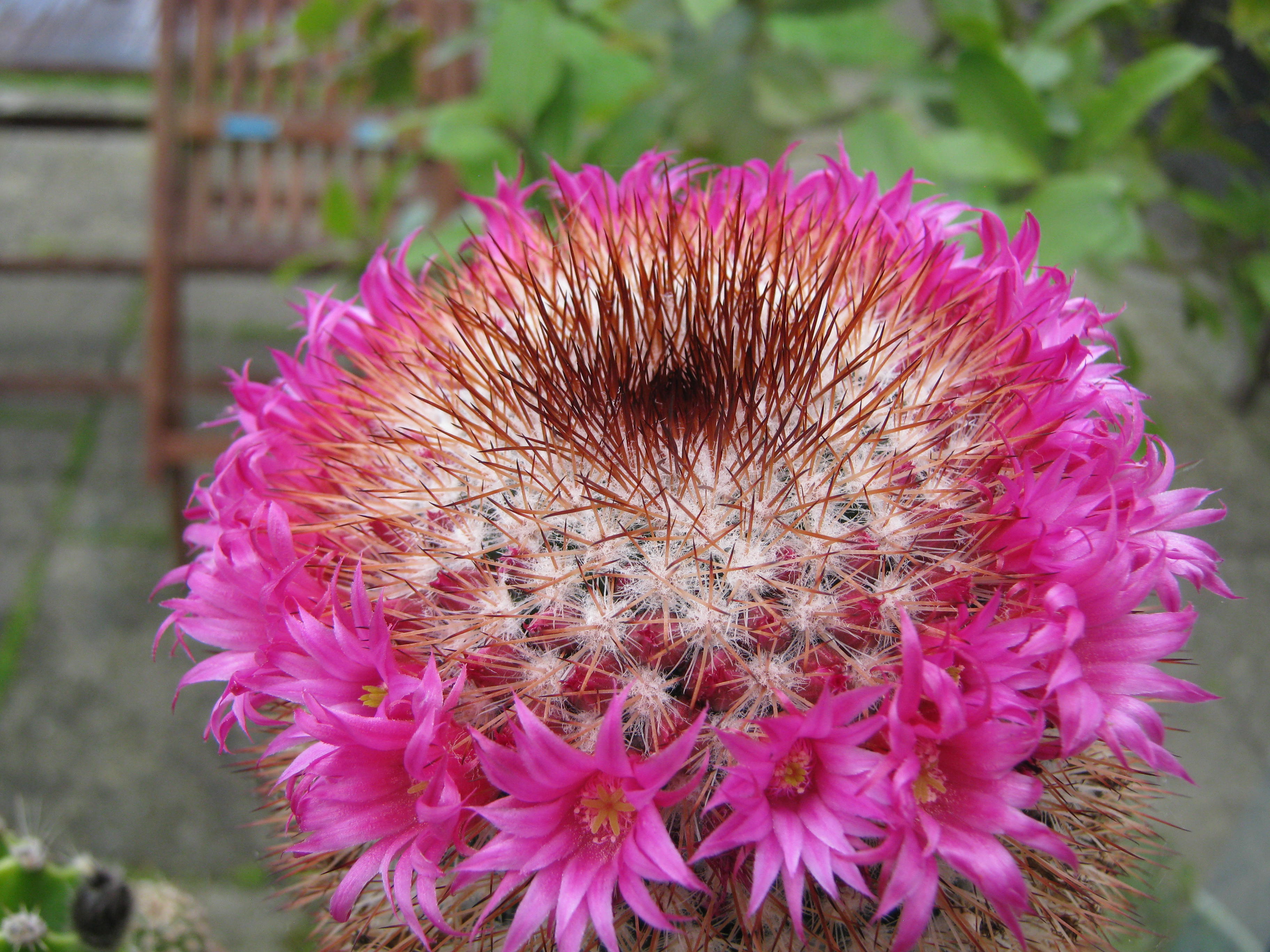
R’s cacti are all coming in to flower too.

Image

Mammalaria

Image

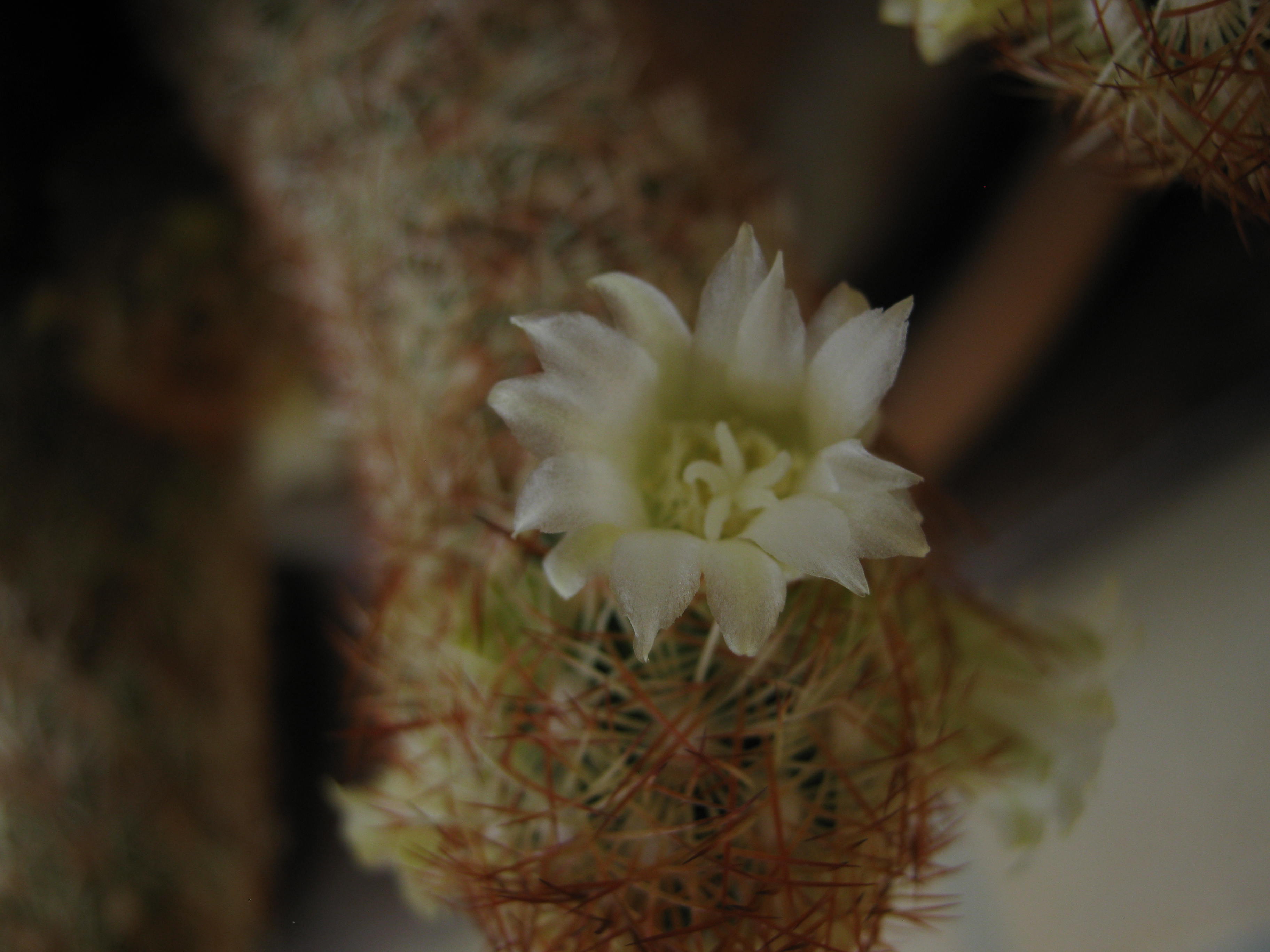
Mammalaria flower


Image


Peanut cactus flower.

Image

I don’t know what this one is called.

Image

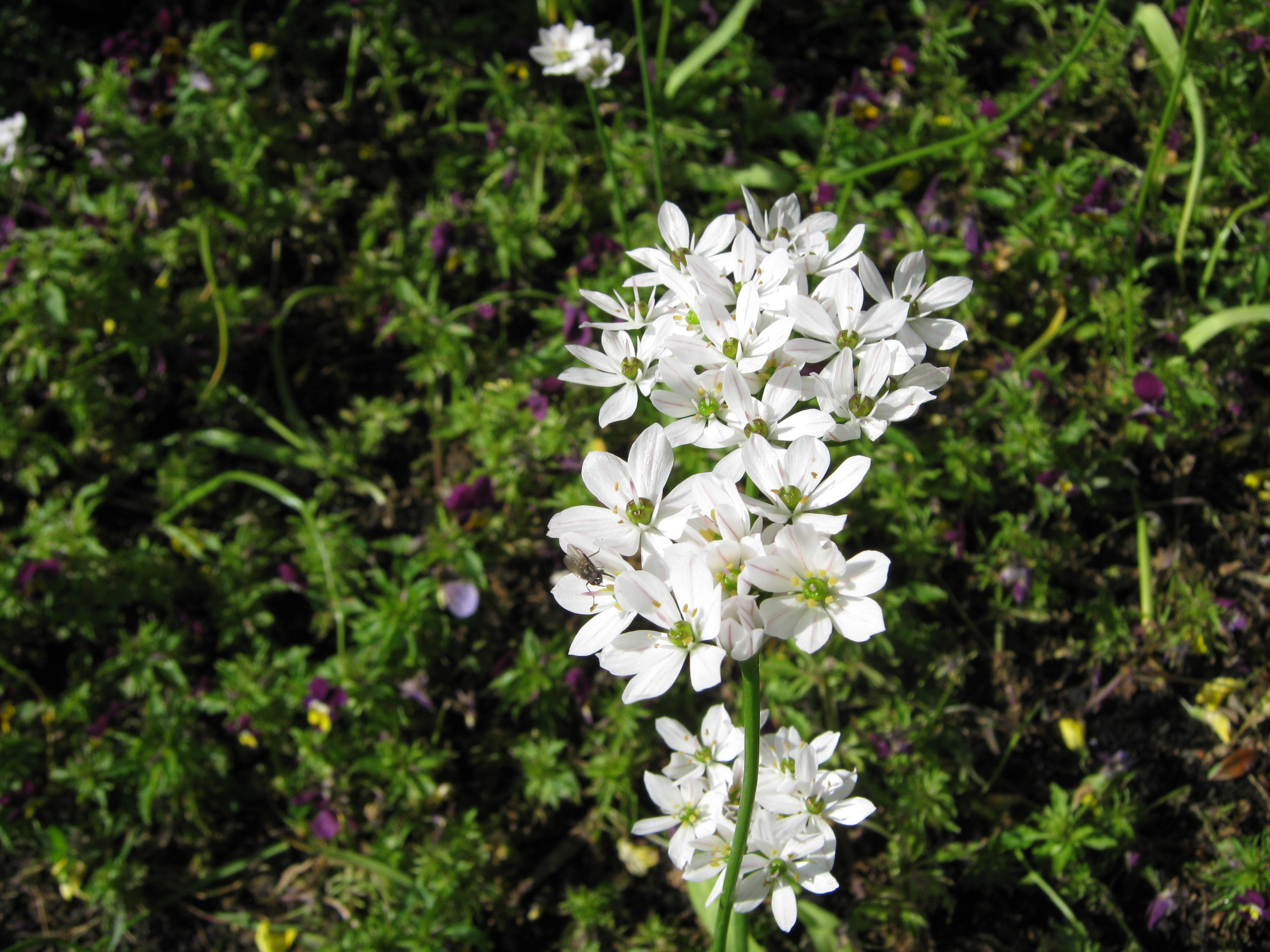
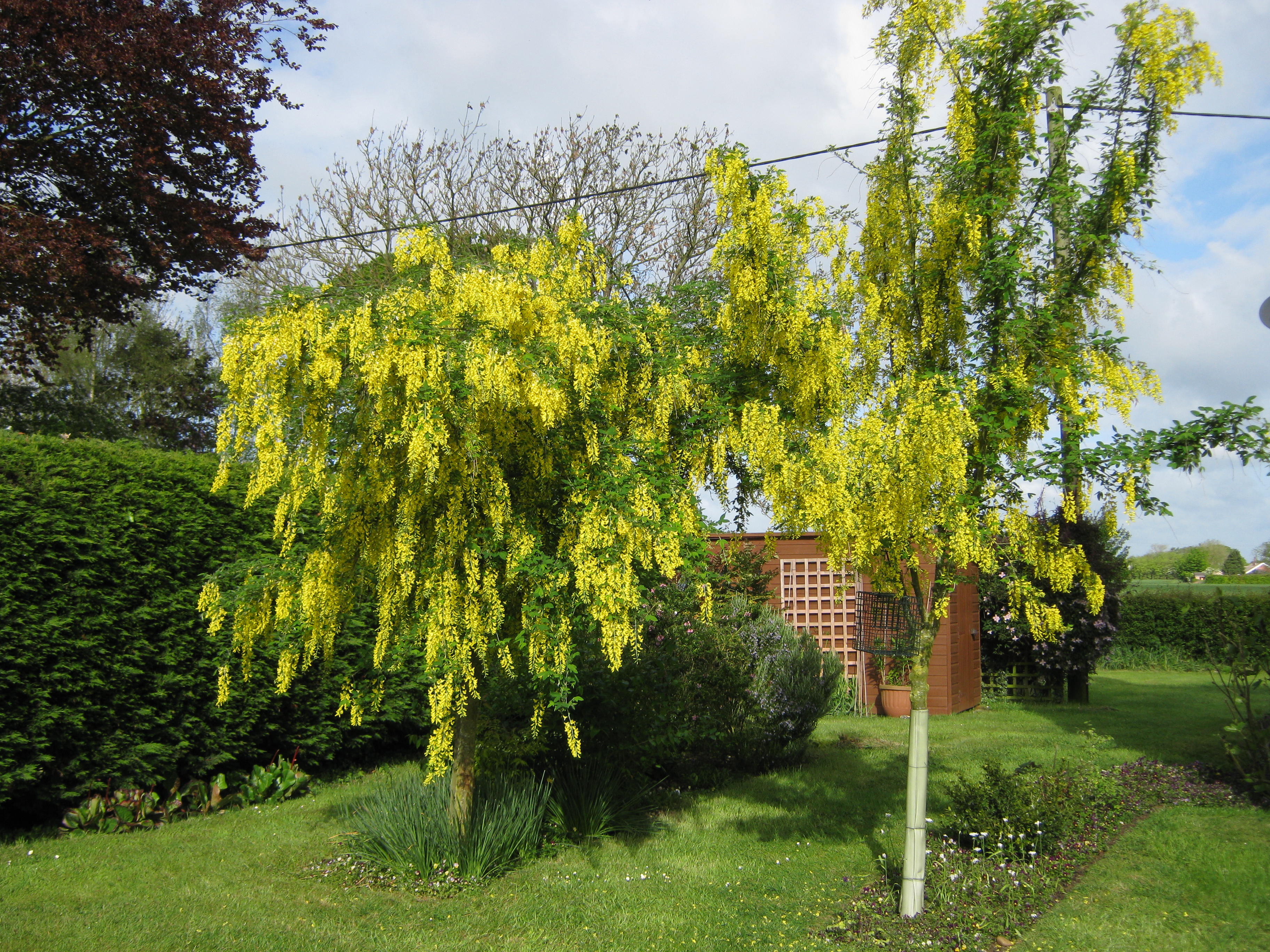
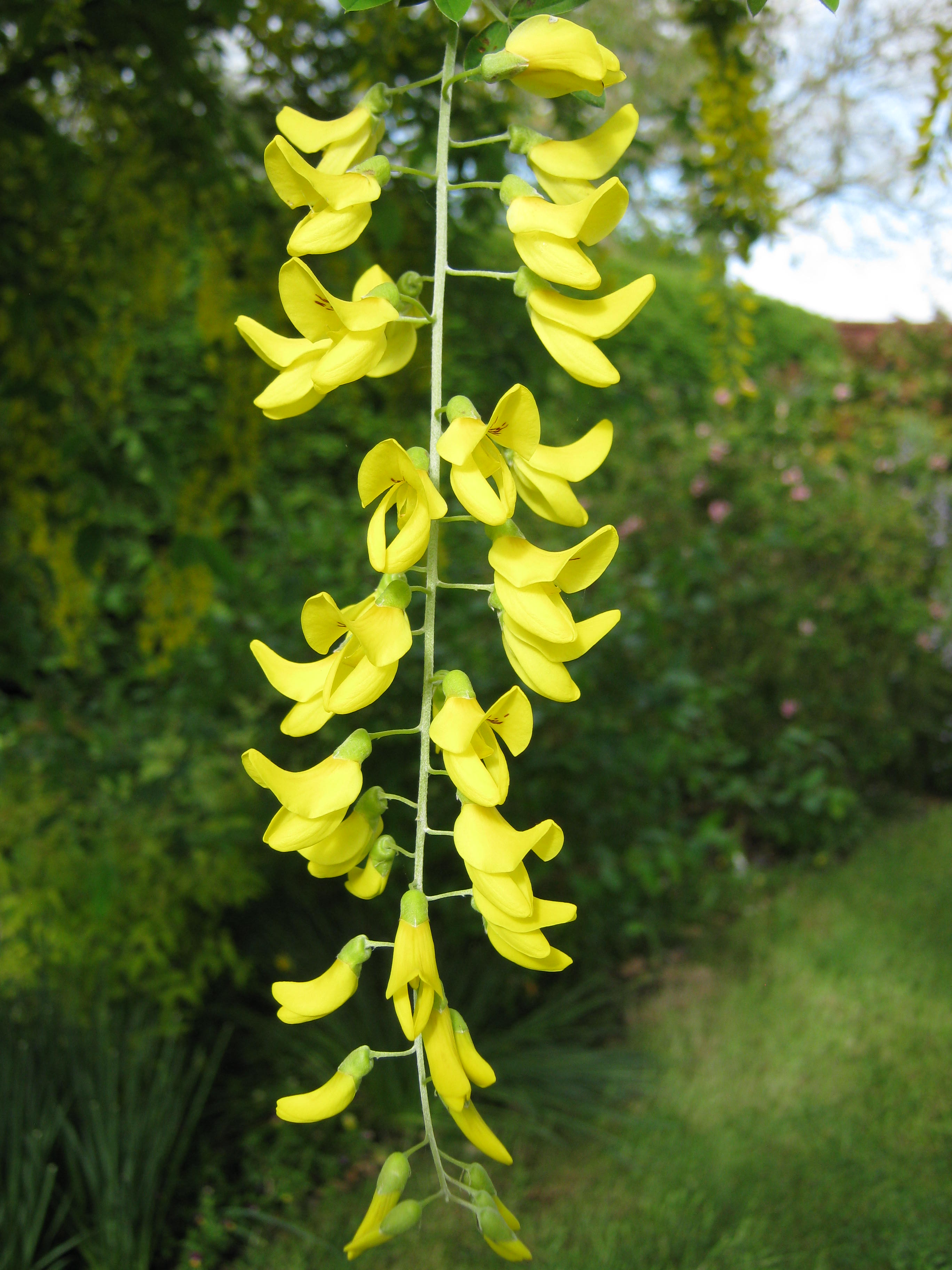
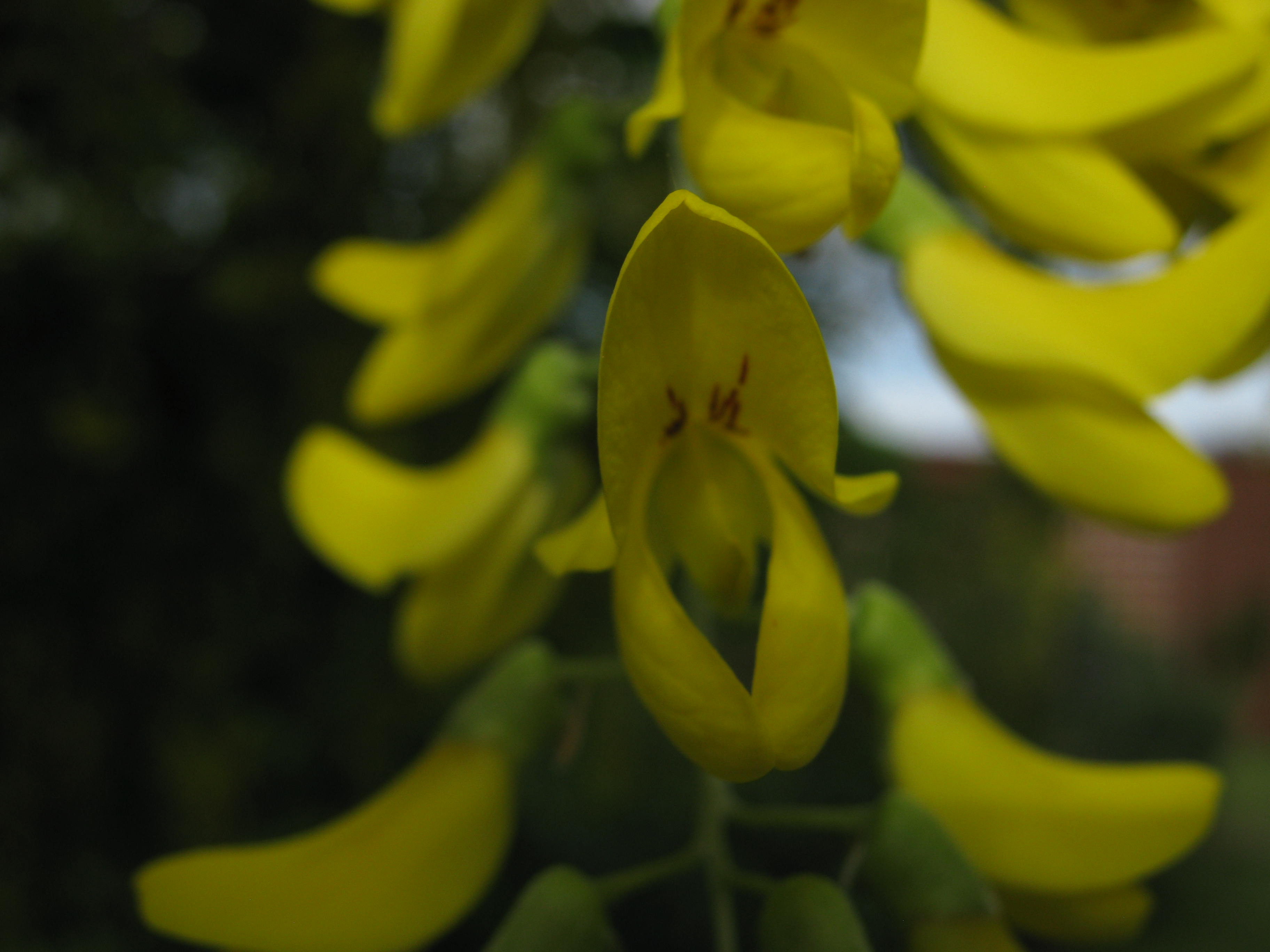
The little white Alliums in the garden are very popular with the bees.  They are under the laburnum trees which are also full of bees and the noise they make is astounding.  I think they sound like cars in a grand prix race – the pitch is almost exactly the same – it’s like listening to a race about a mile away.

Image

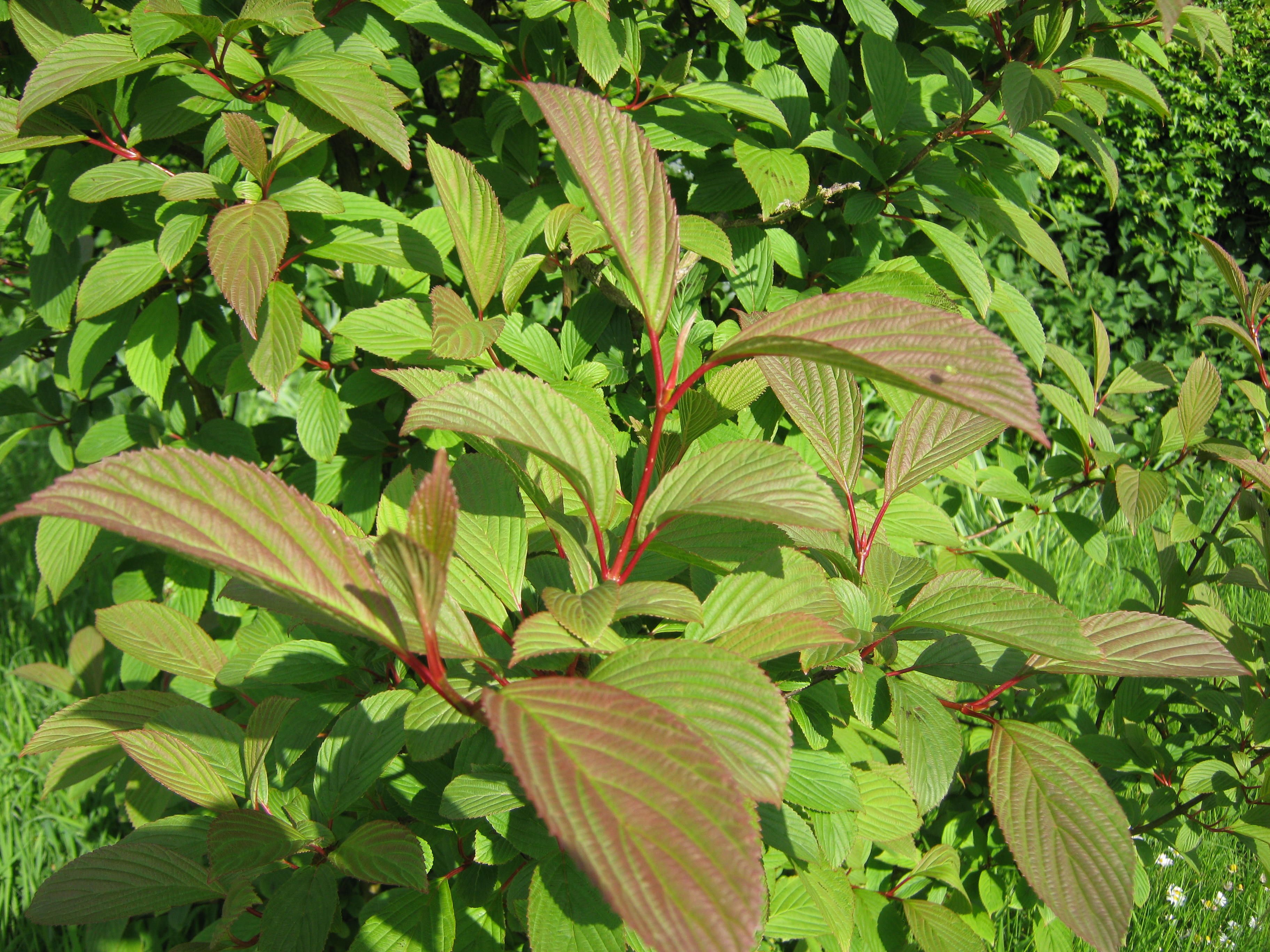
The new shoots on the Viburnum Bodnantense are crimson.

Image

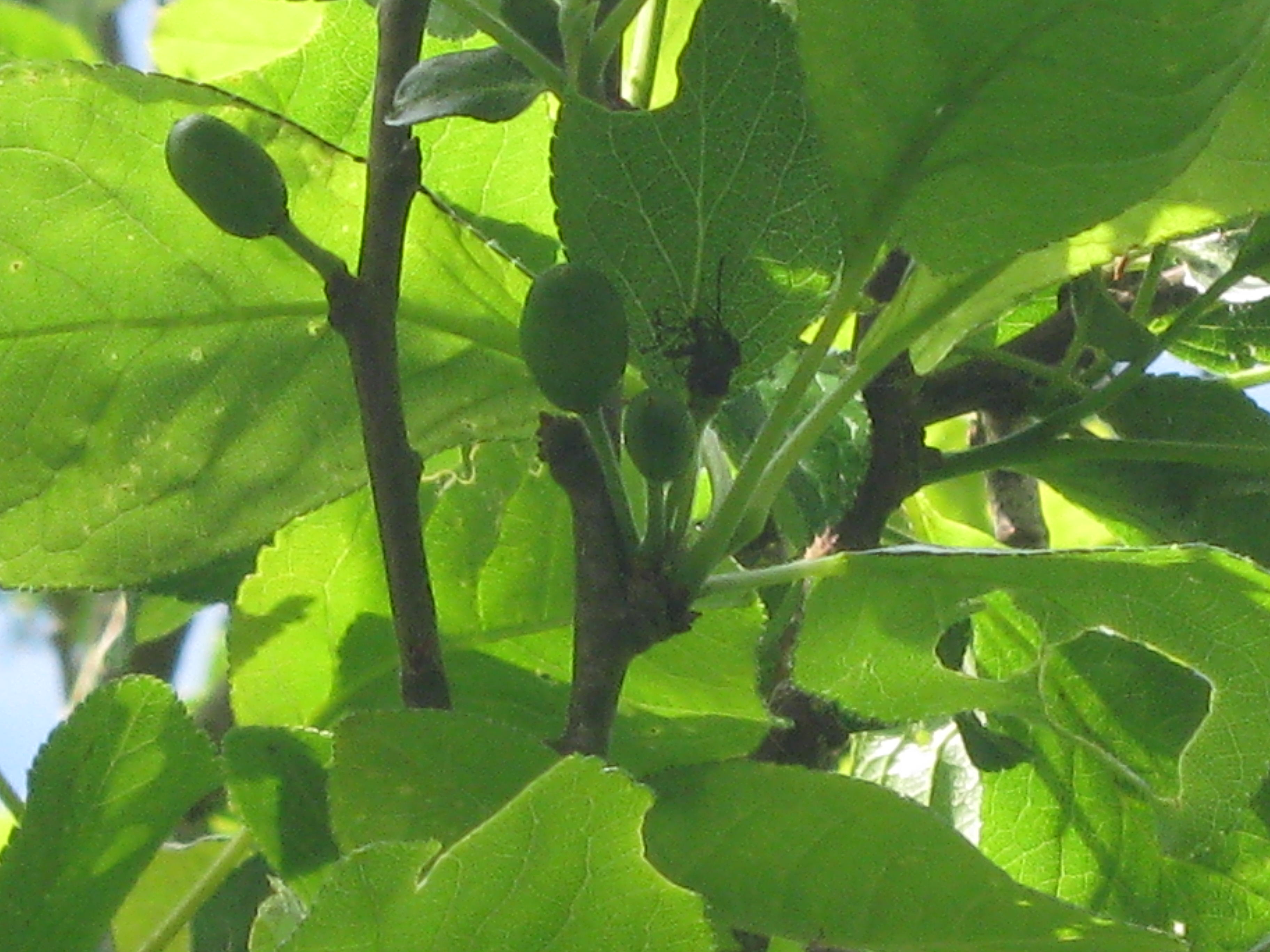
Tiny damsons.

Image

Willow seeds.

Image

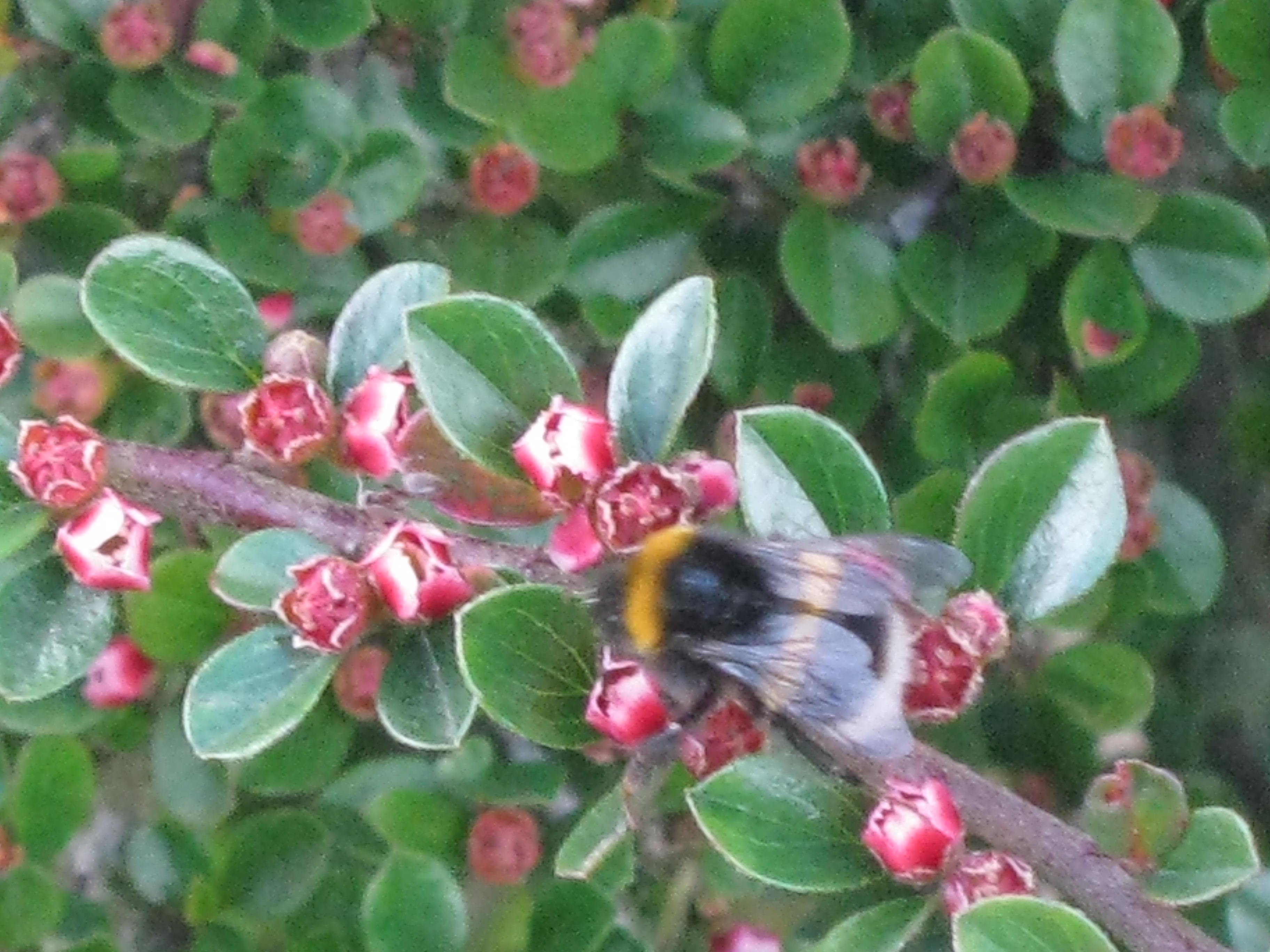
Bee on the cotoneaster horizontalis.

Image

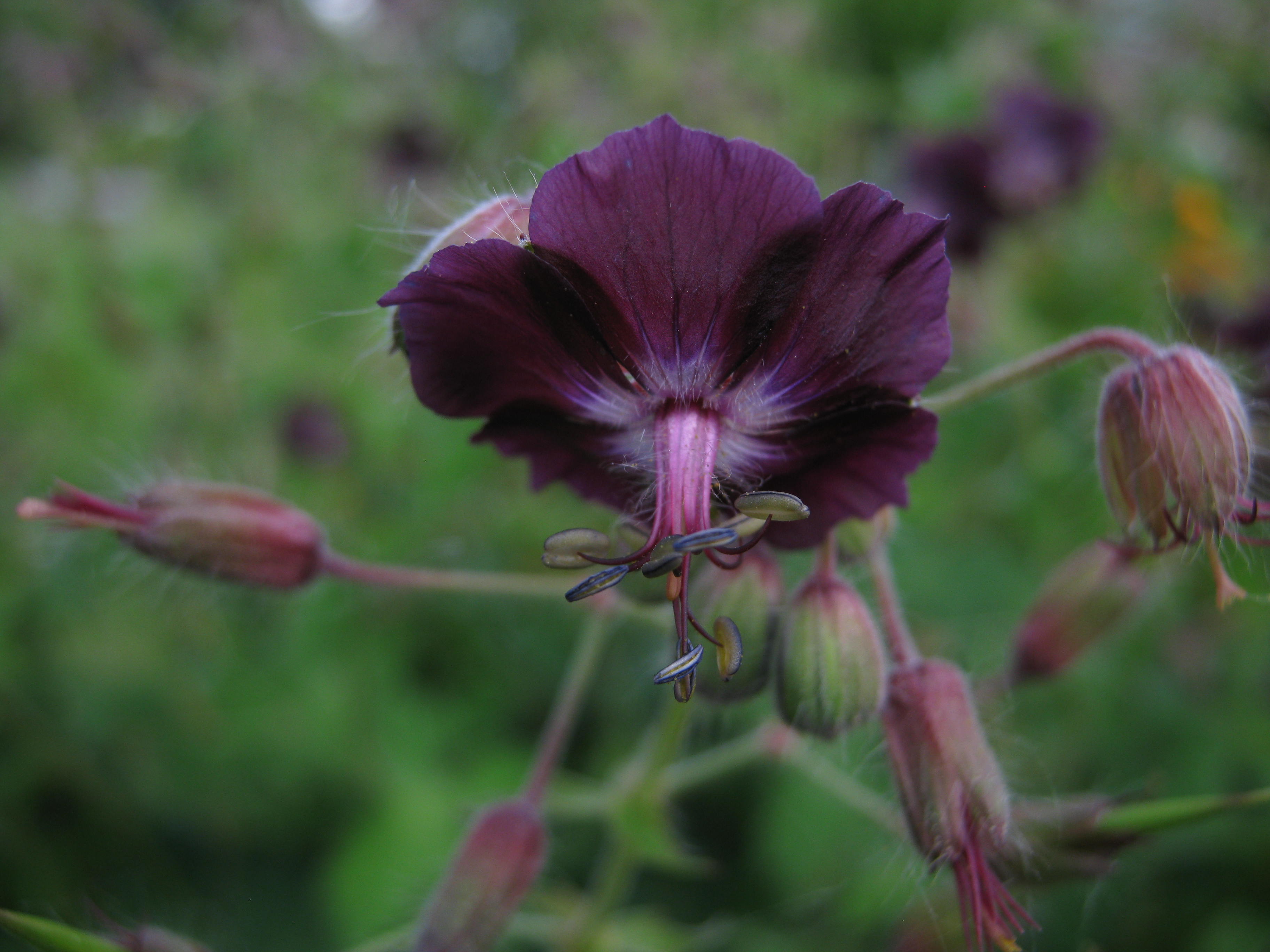
Geranium Phaeum in R’s flowerbed.

Image

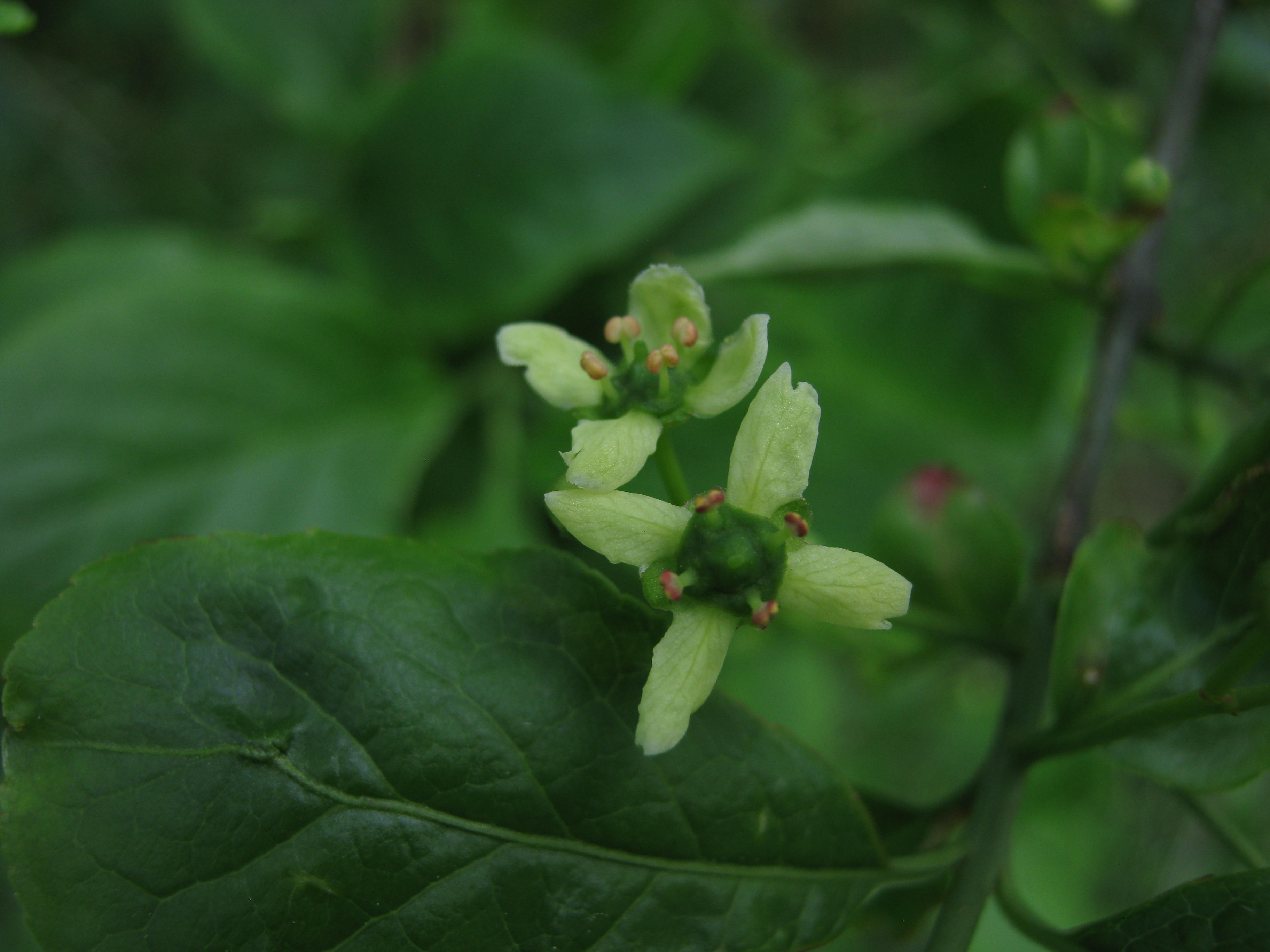
Flowers on the Spindle tree.

Image

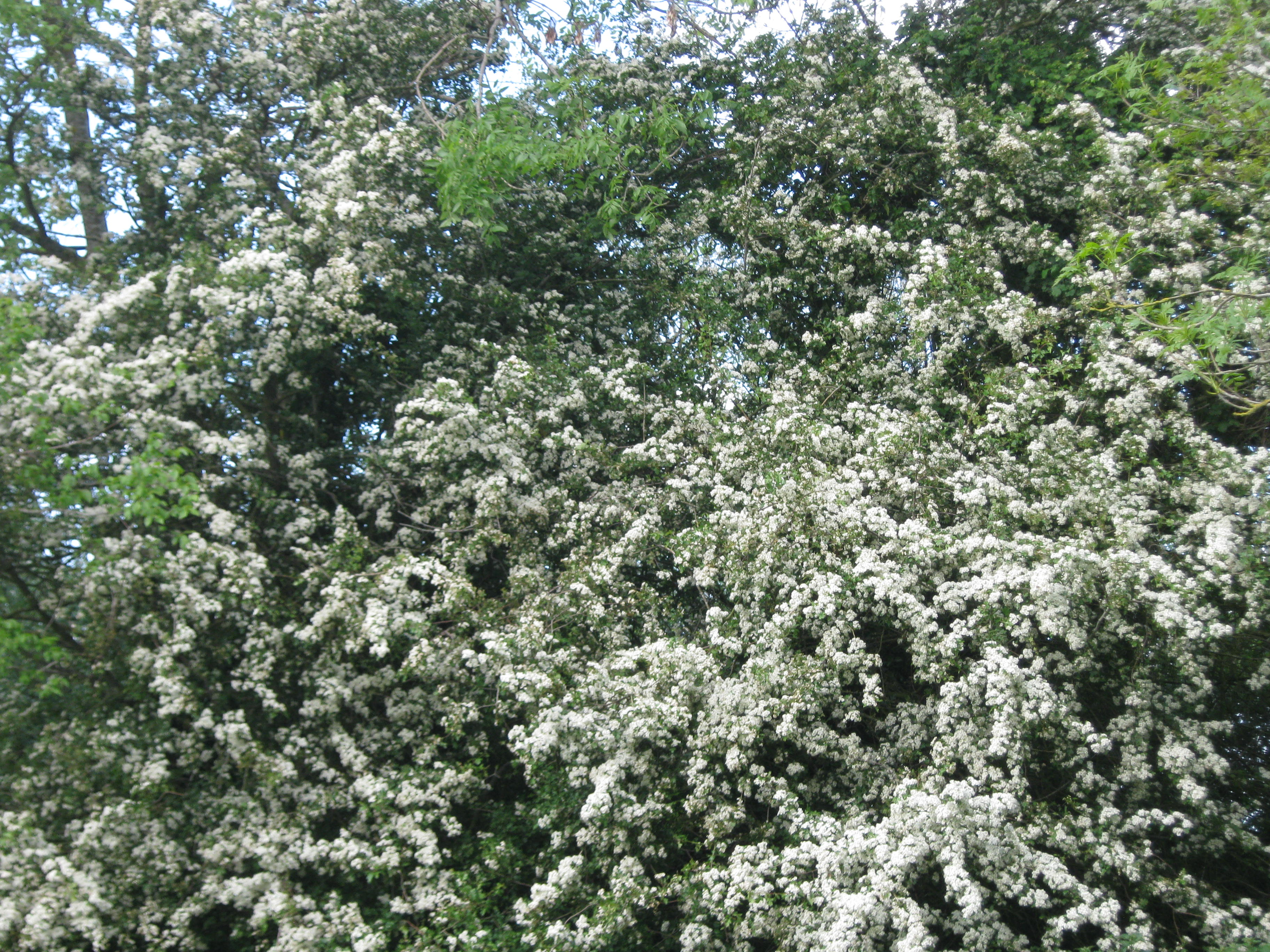
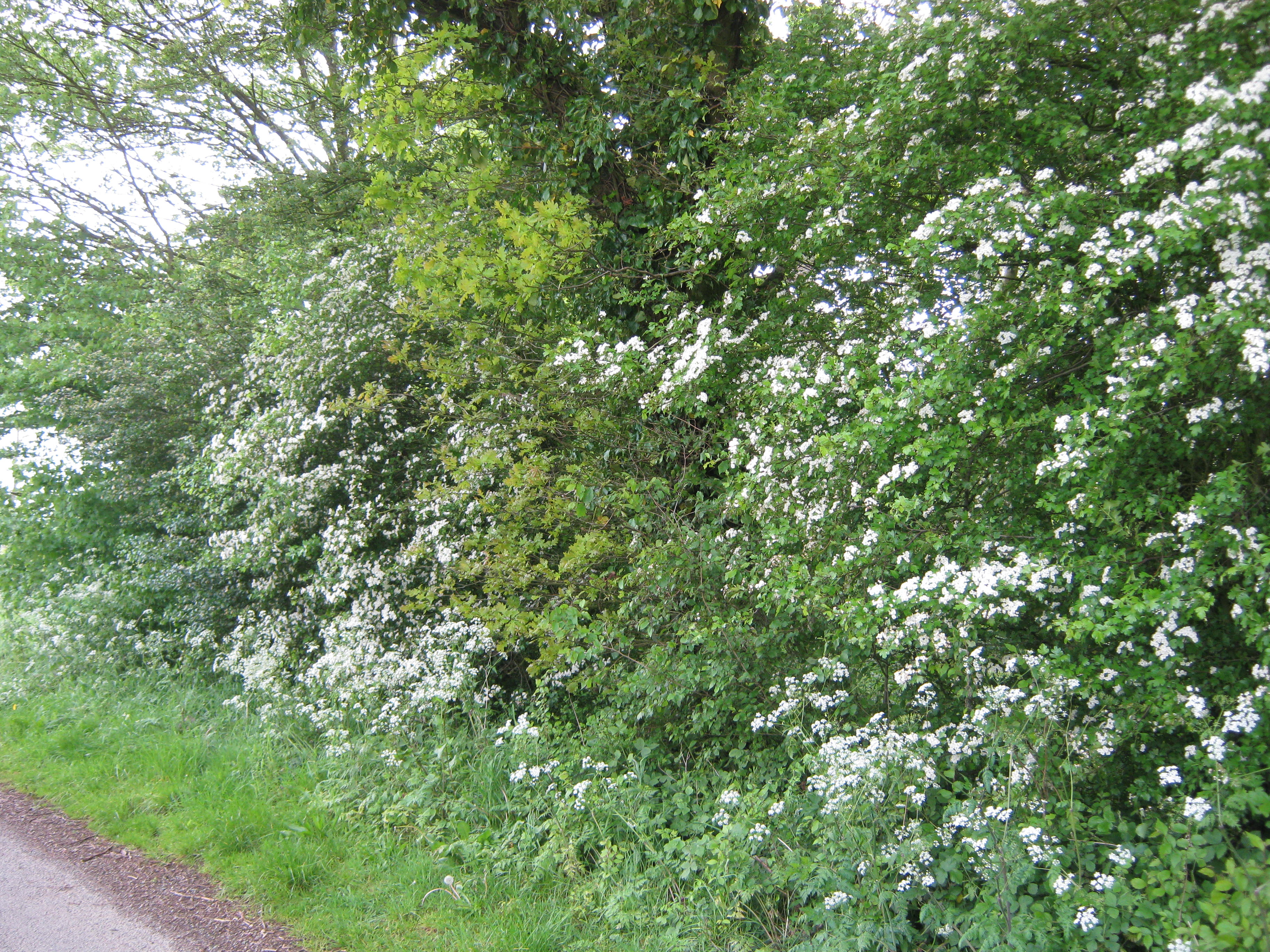
The Hawthorn hedge at the bottom of the garden near the old summerhouse.

Image

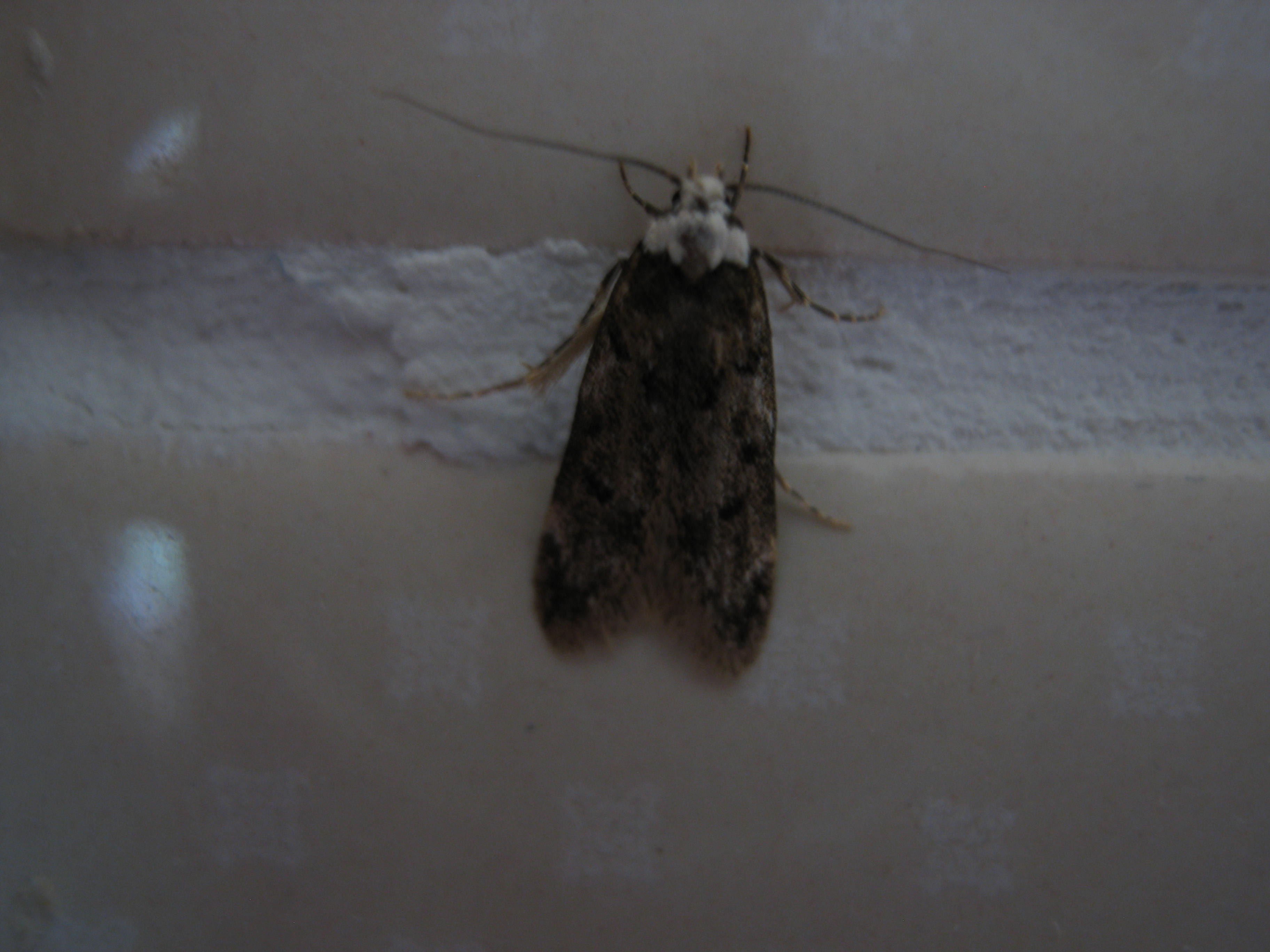
A White-shouldered House Moth

Image

Image

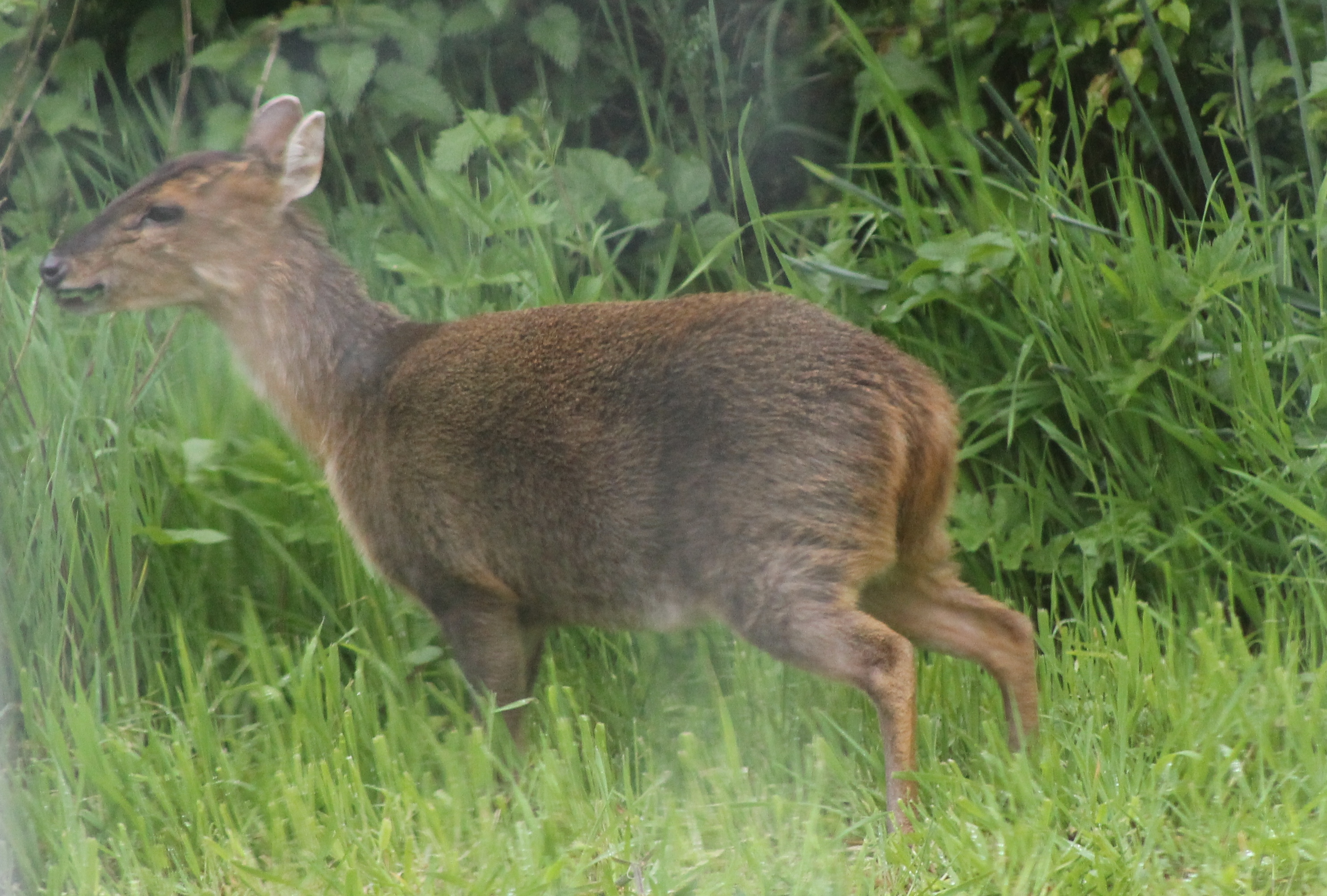
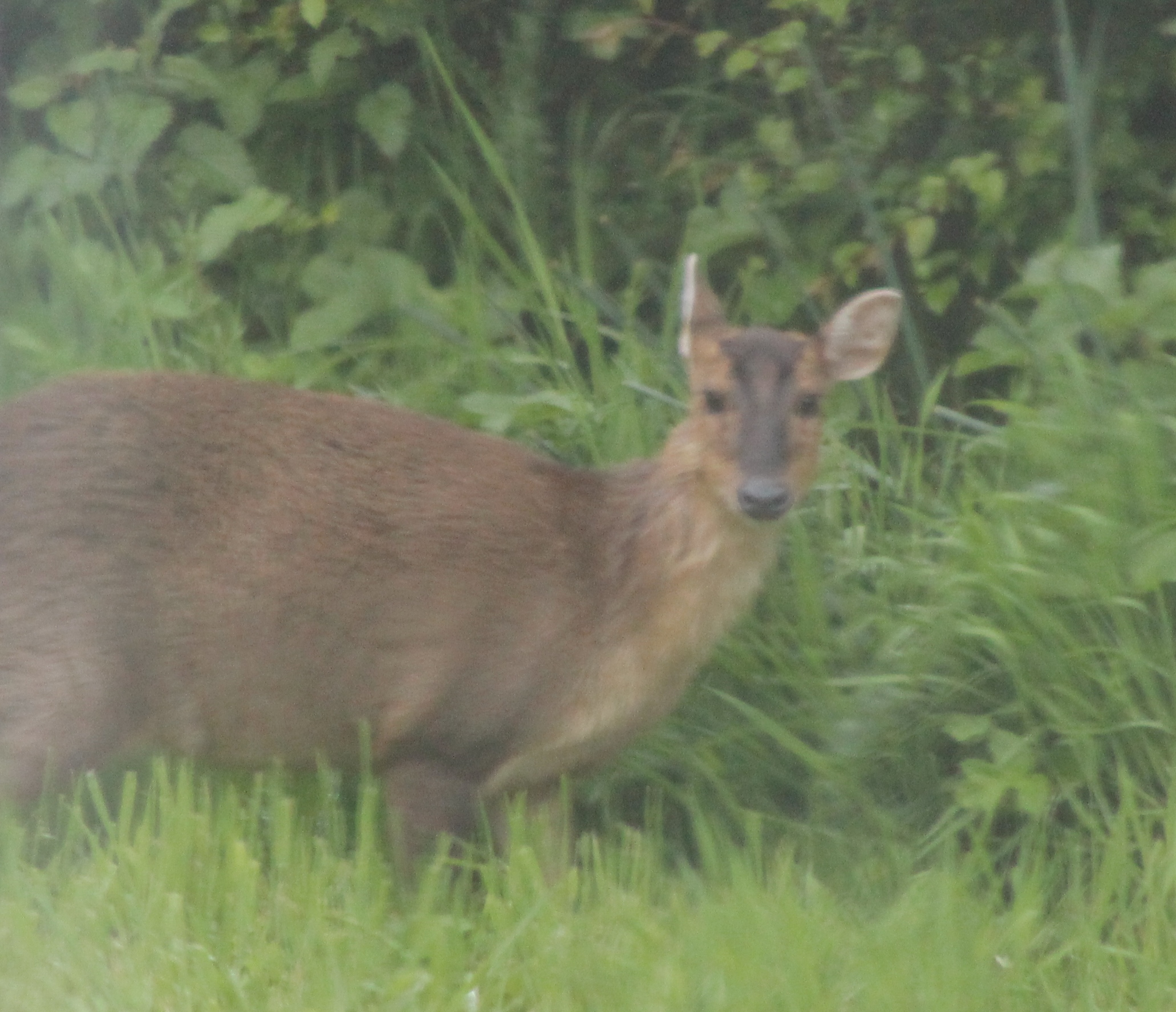
R took these photos of a muntjac deer.

Image

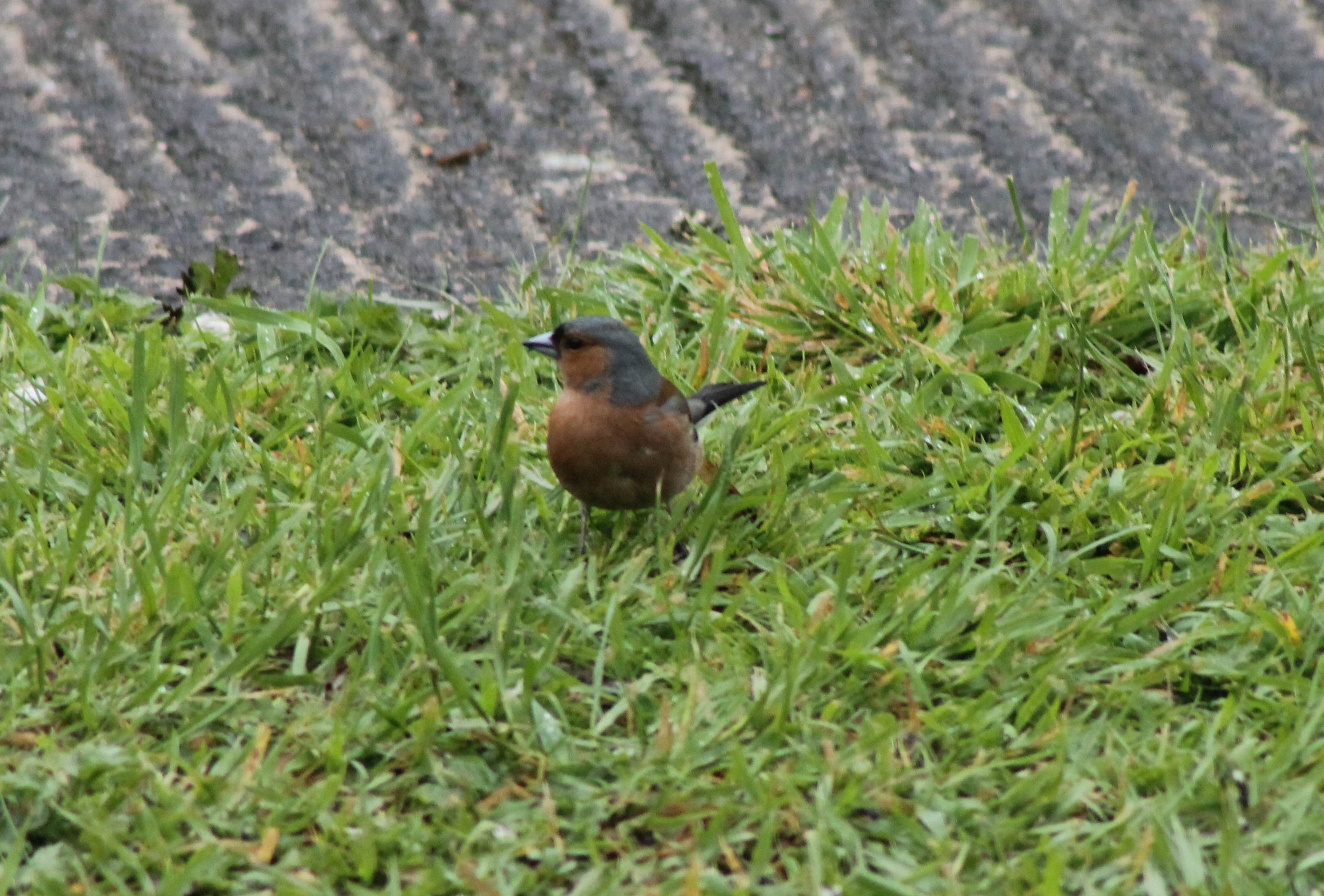
A chaffinch

Image

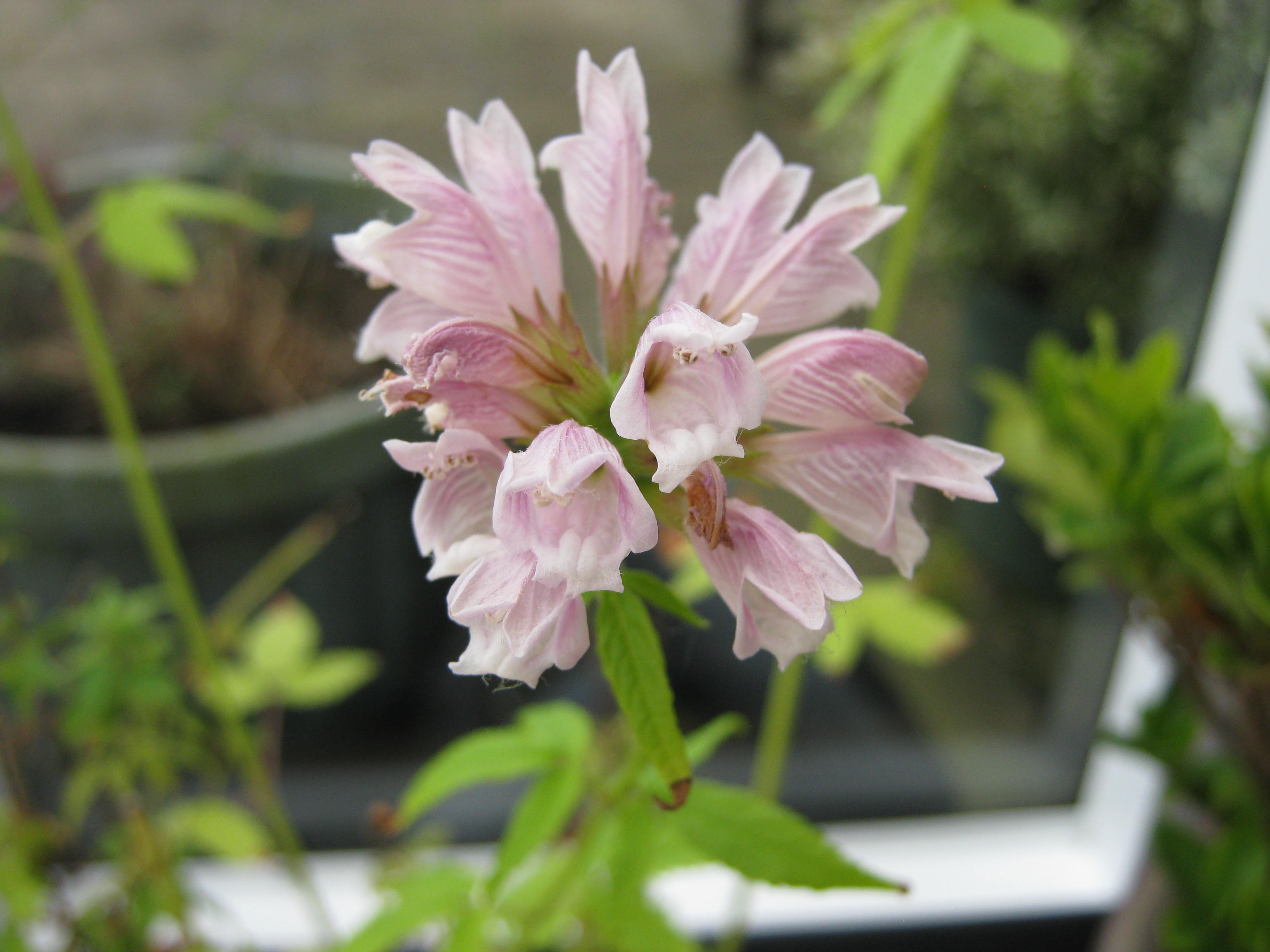
One of my herbs – cedronella canariensis (Balm of Gilead).

Image

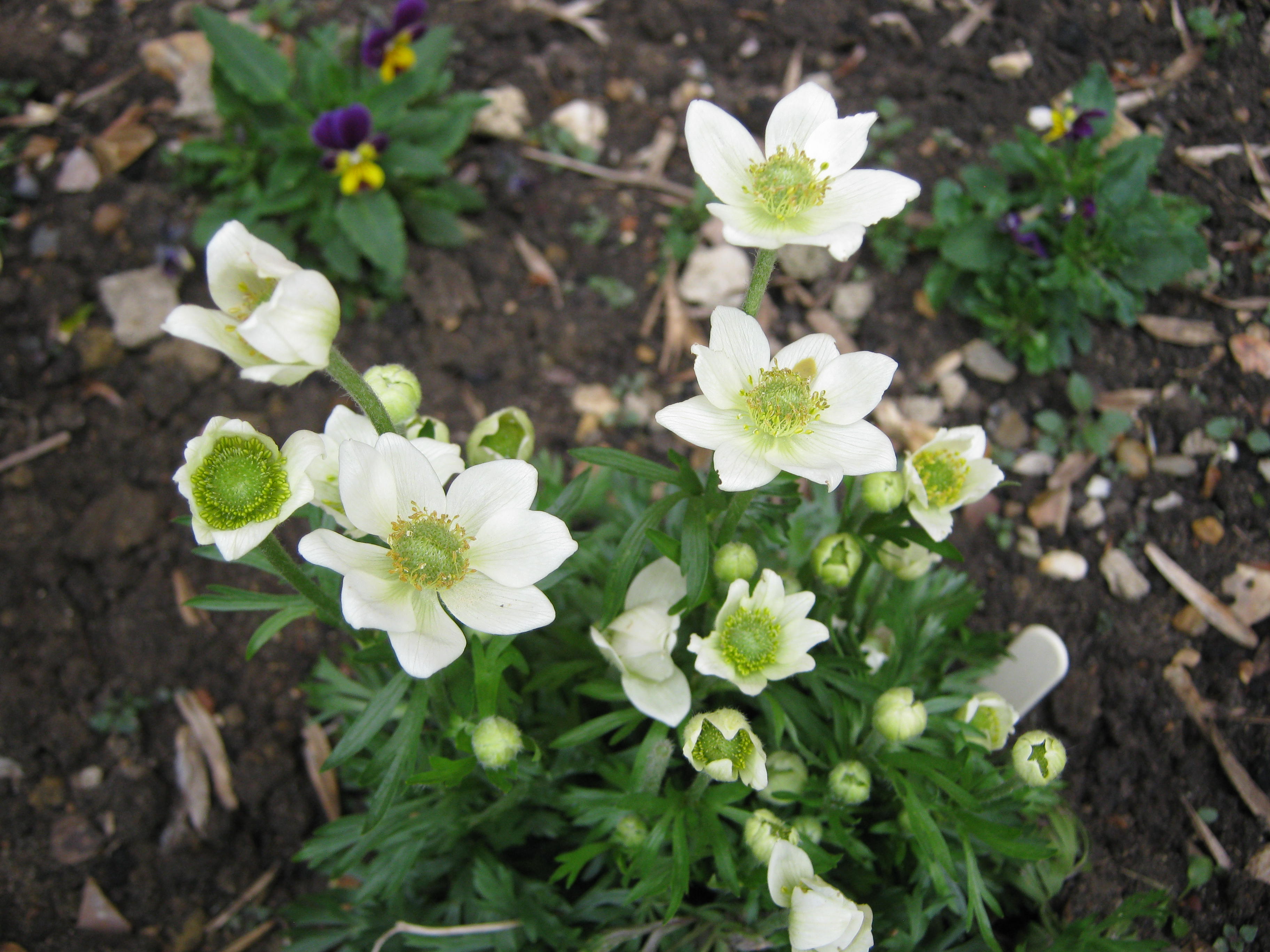
Alpine Pasque Flower

Image

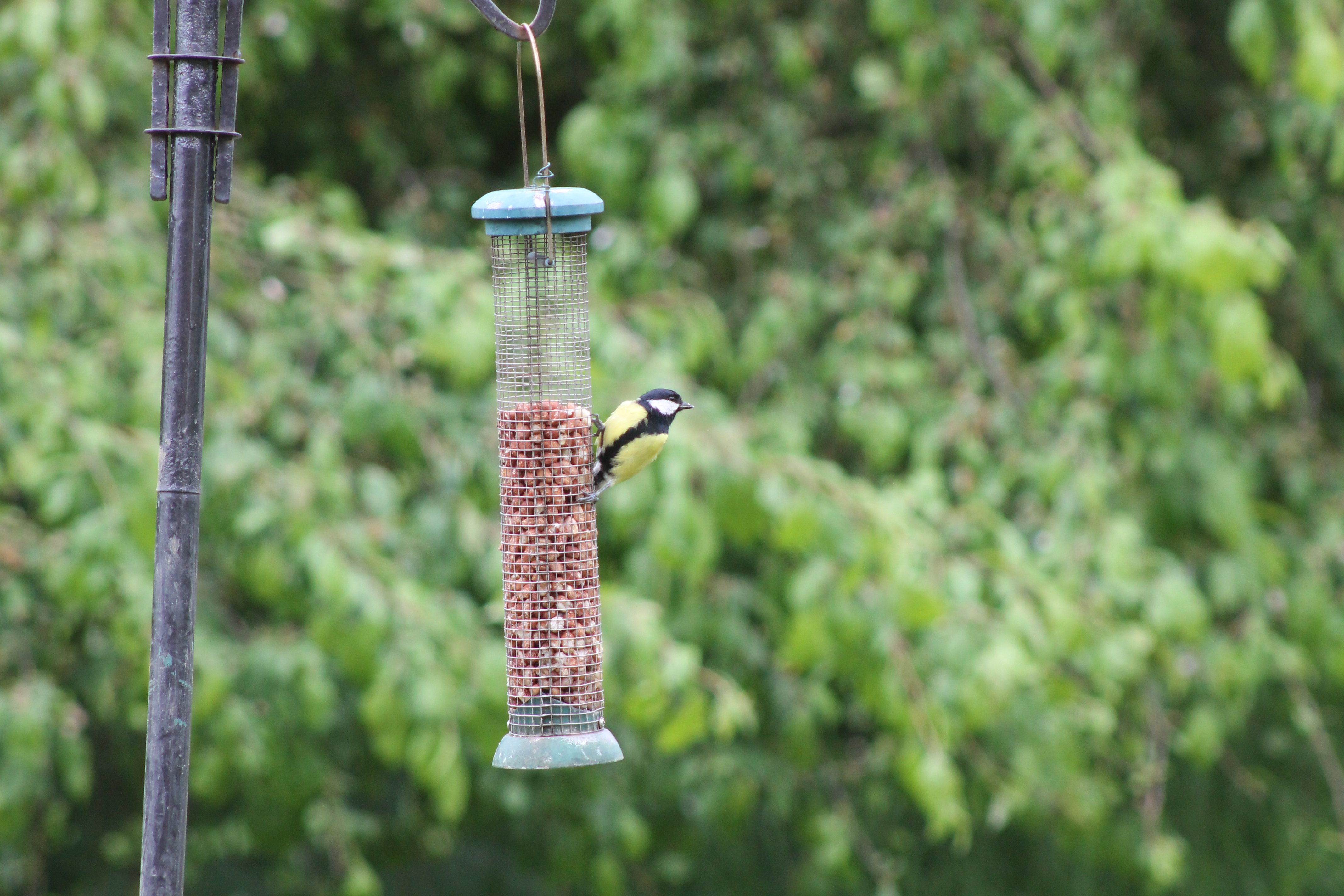
A Great Tit

Image

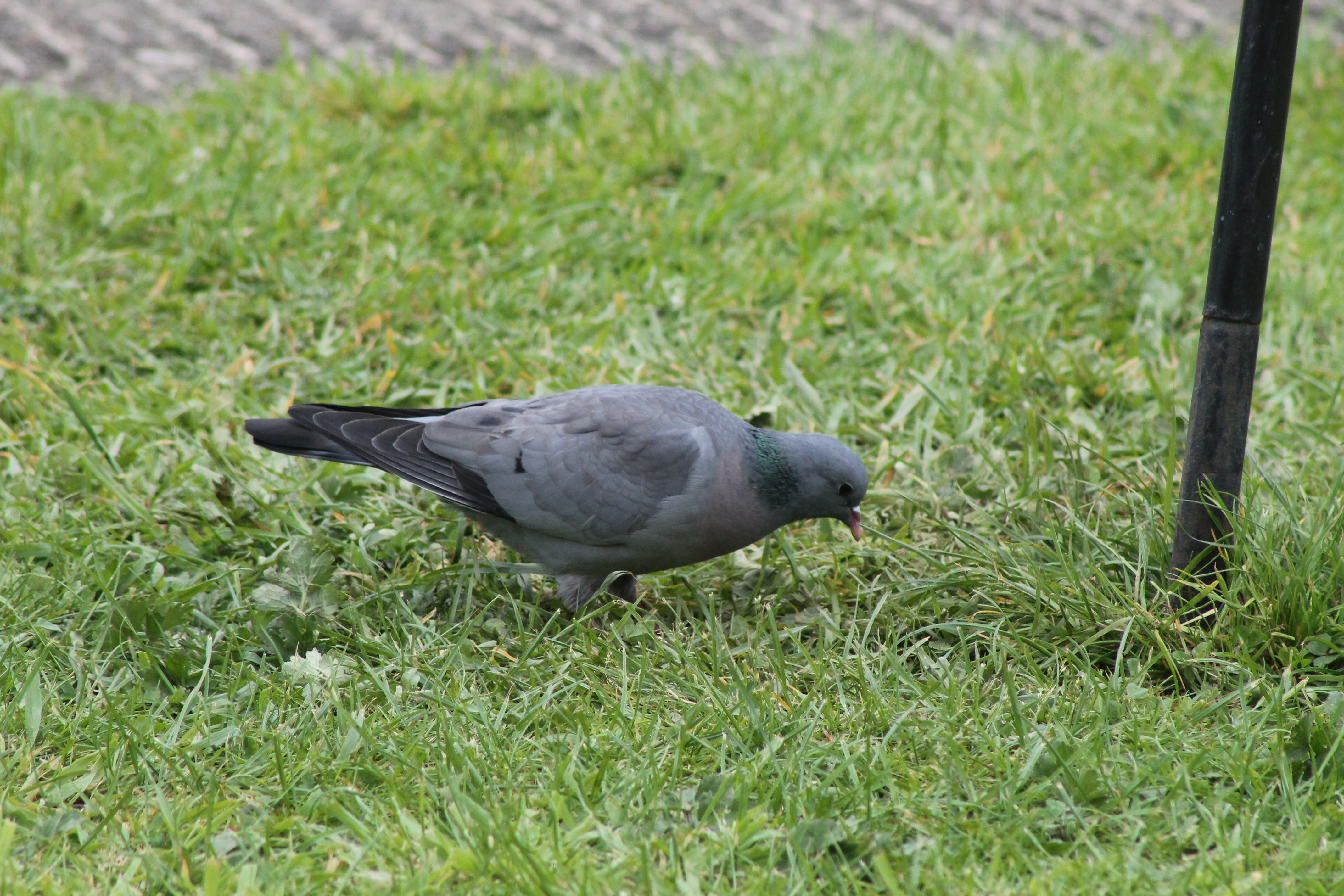
A Stock Dove.

Image

A female Pheasant.

Image

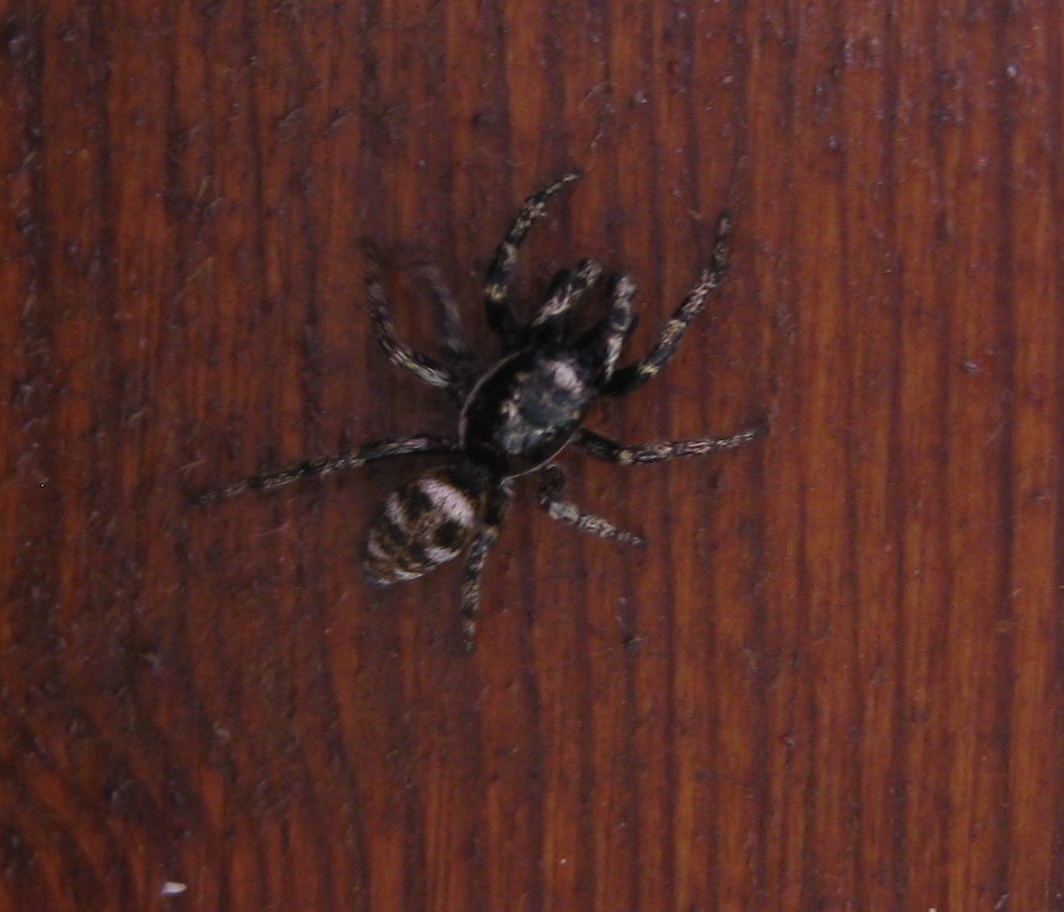
A Zebra Spider.  These spiders are only about 4mm long.  They are jumping spiders and can leap a distance of about 4cm.

Image

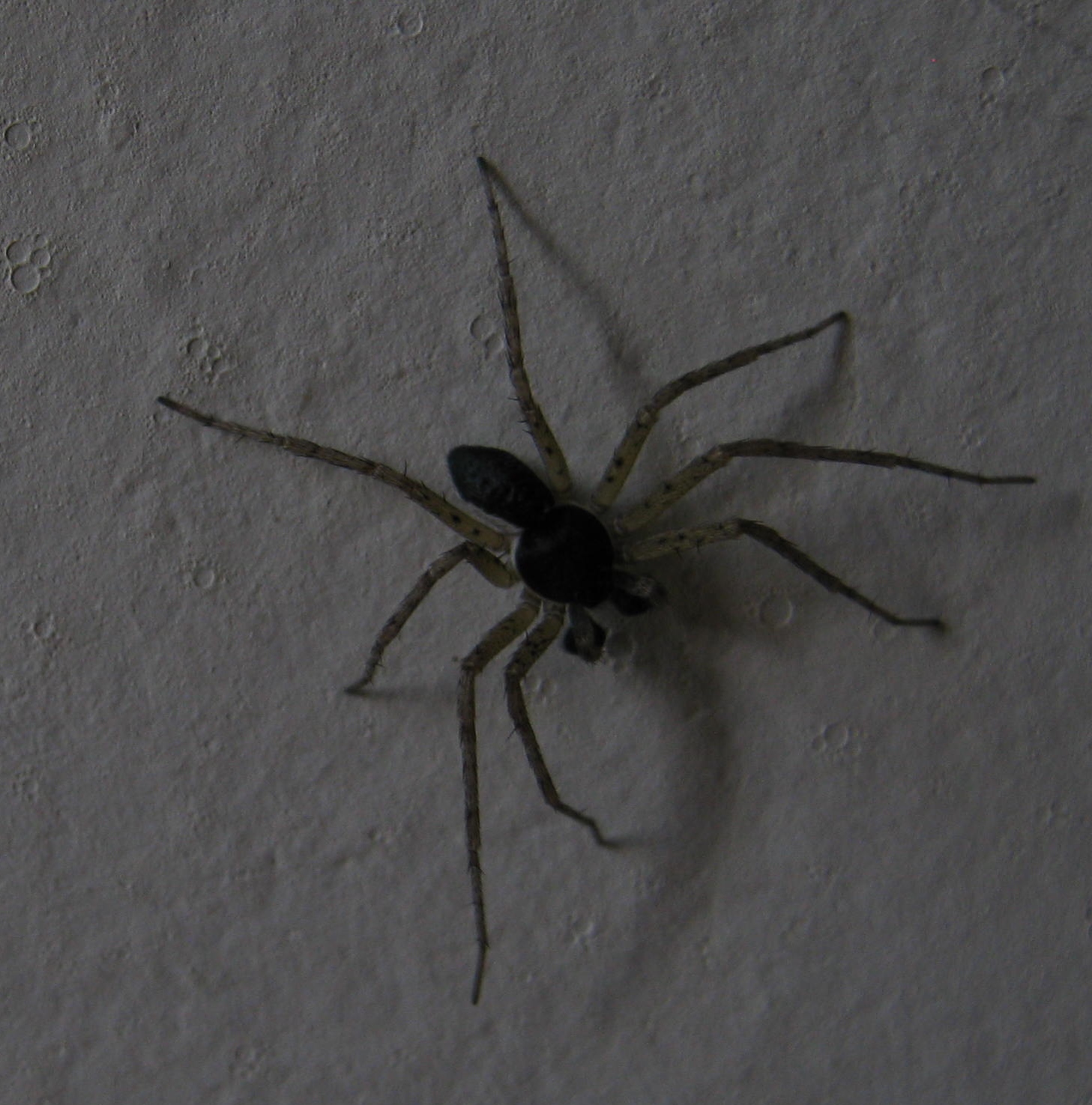
A baby House Spider.

Image

Image

Image

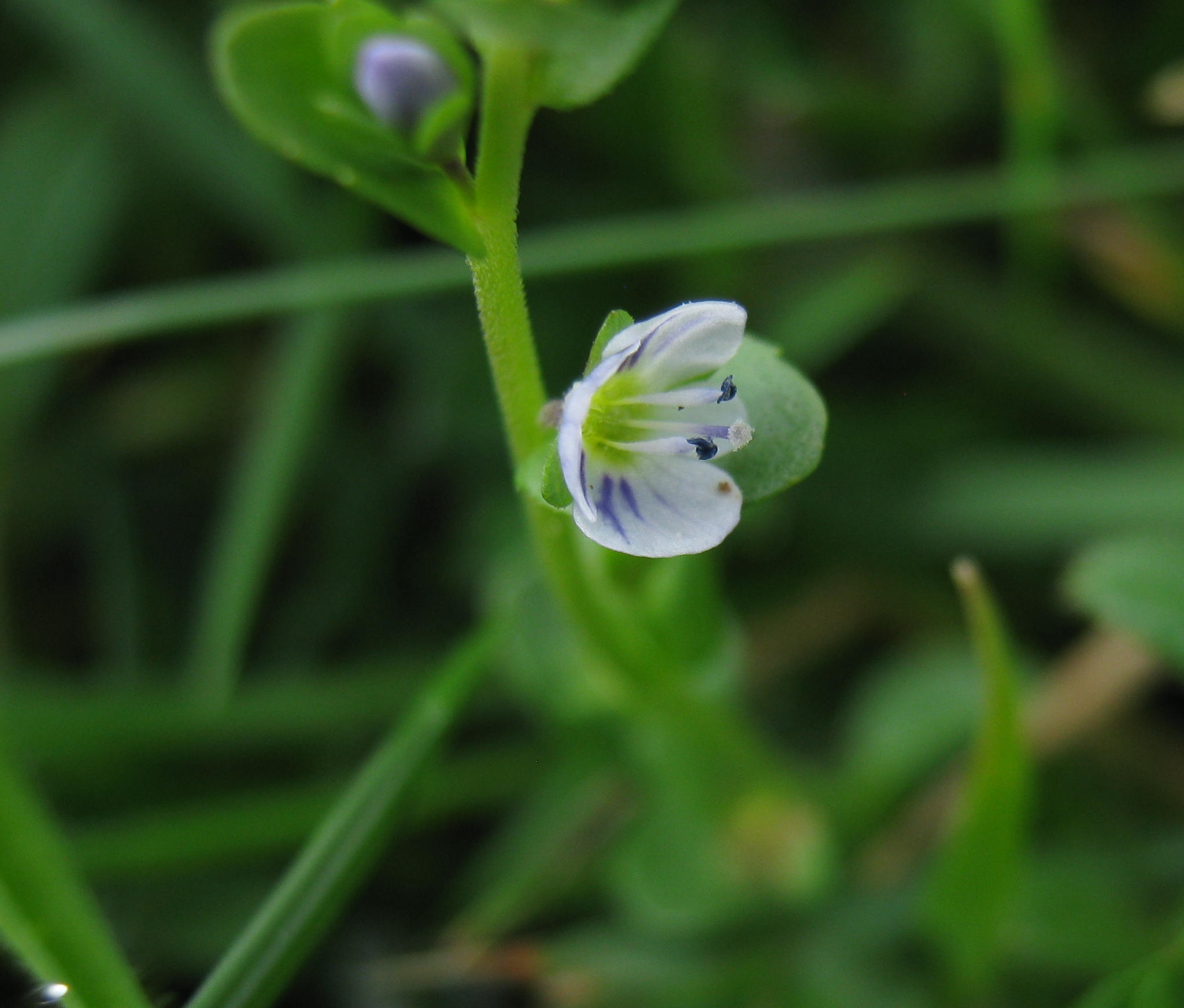
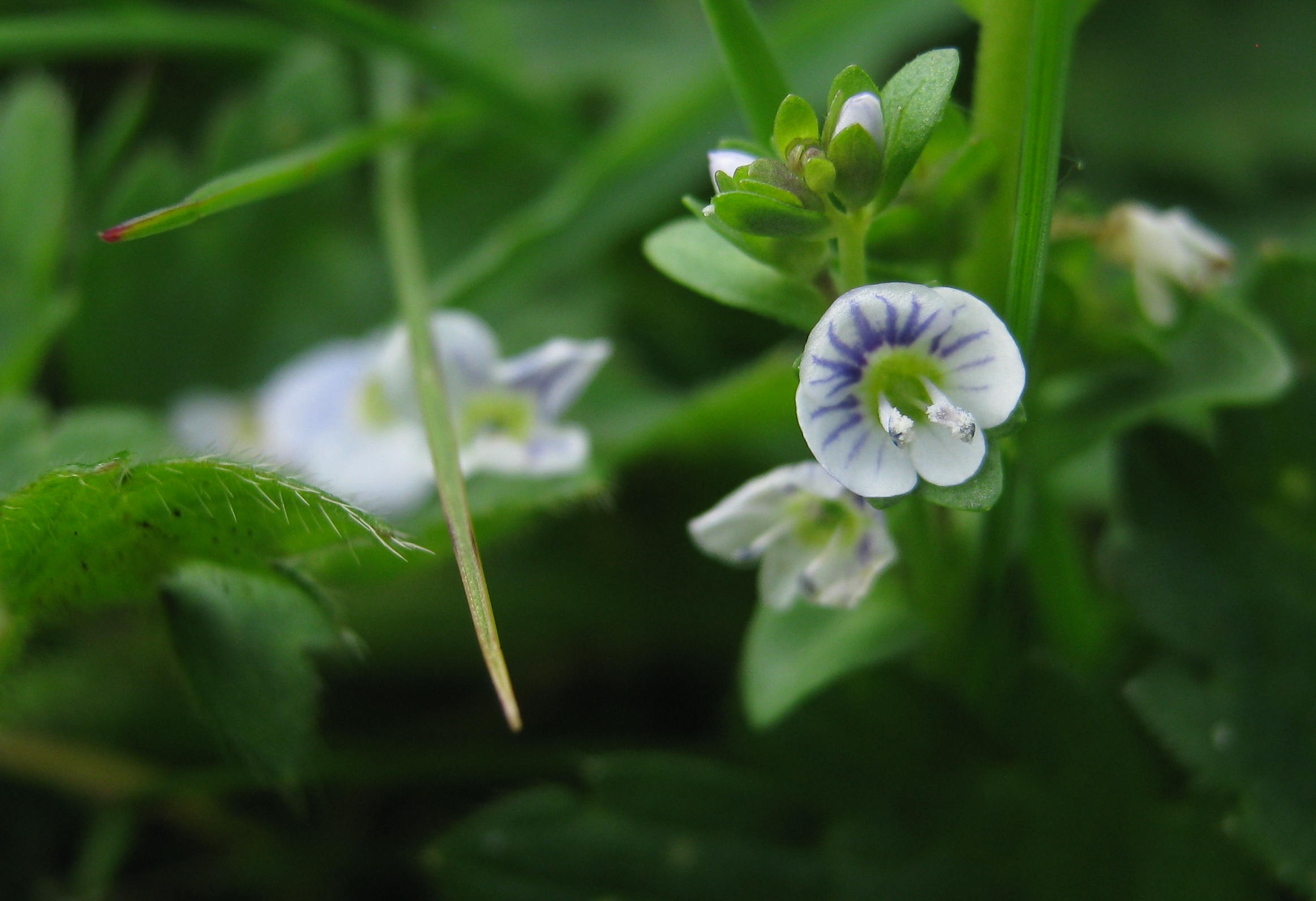
The tiny flowers of Thyme-Leaved Speedwell.

Image

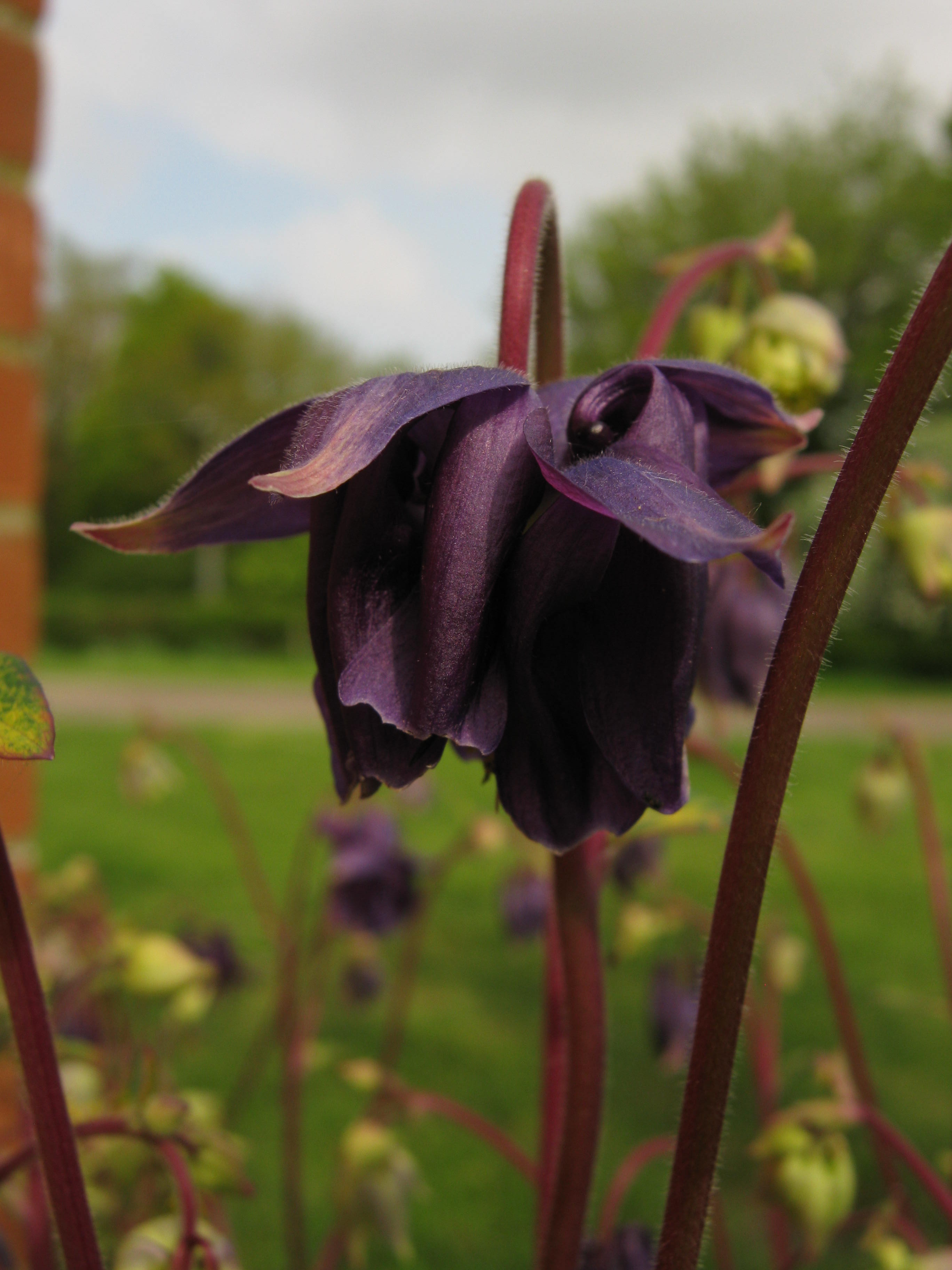
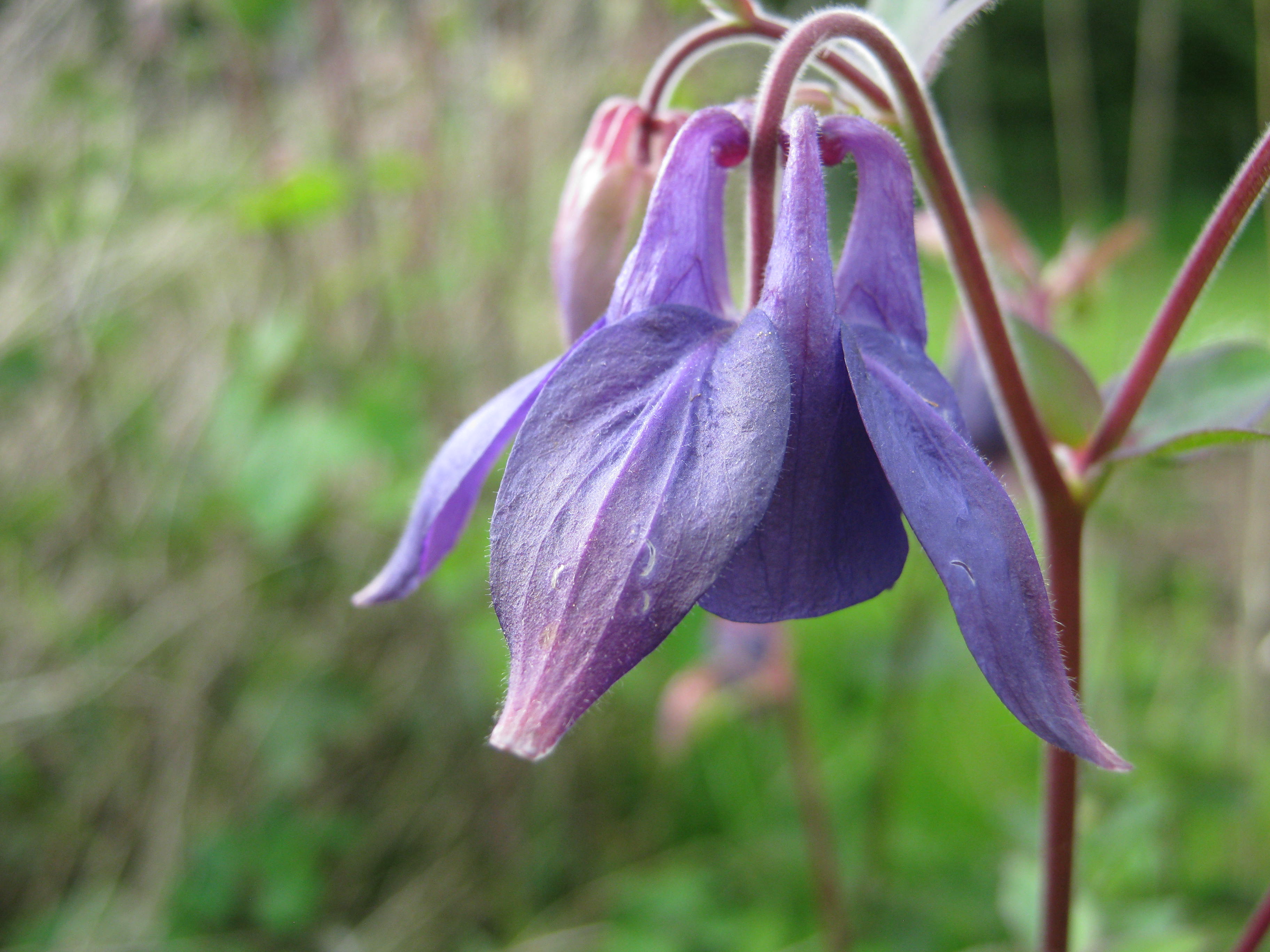
Aquilegia flower

Image

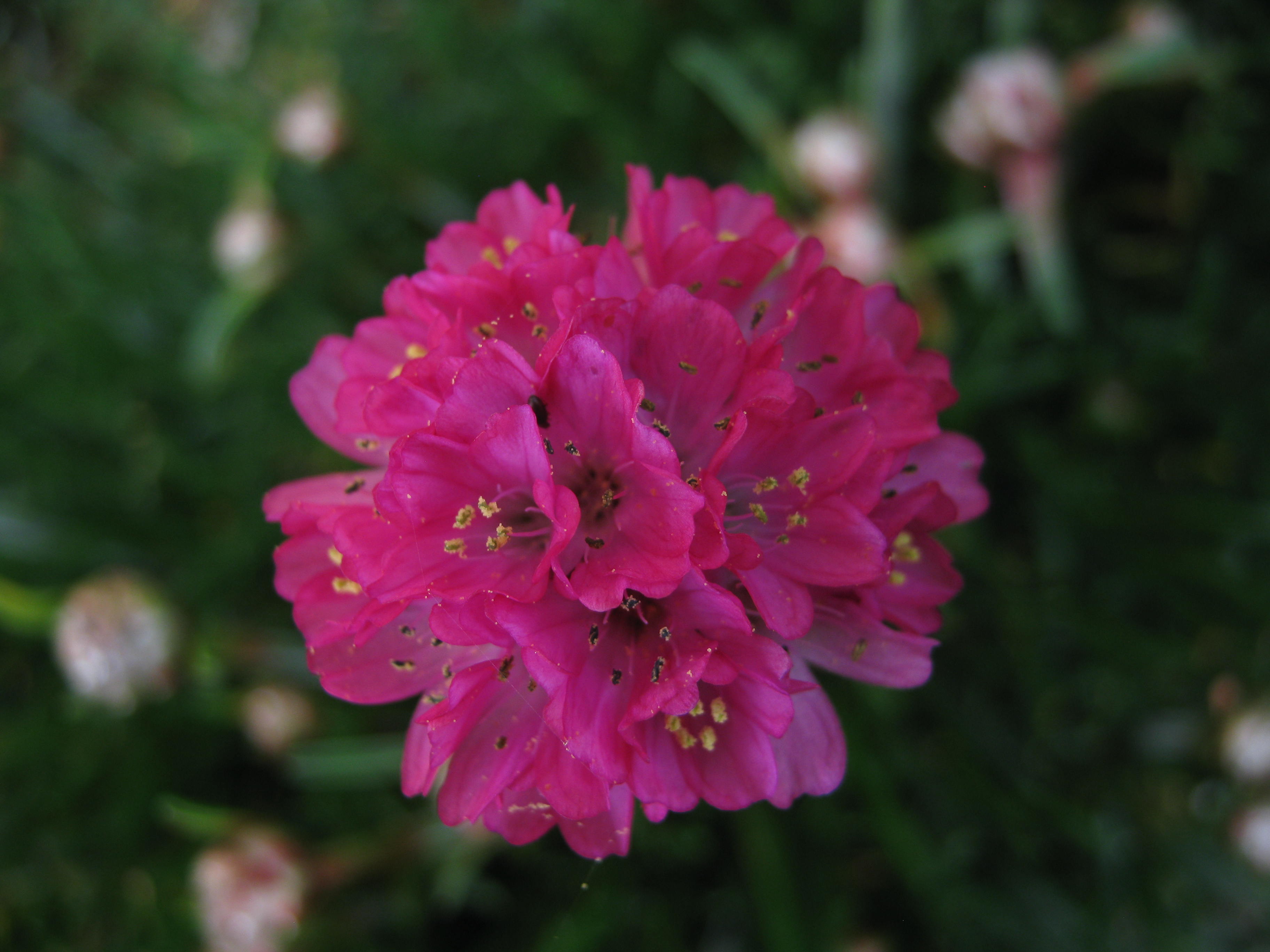
Thrift flower

Image

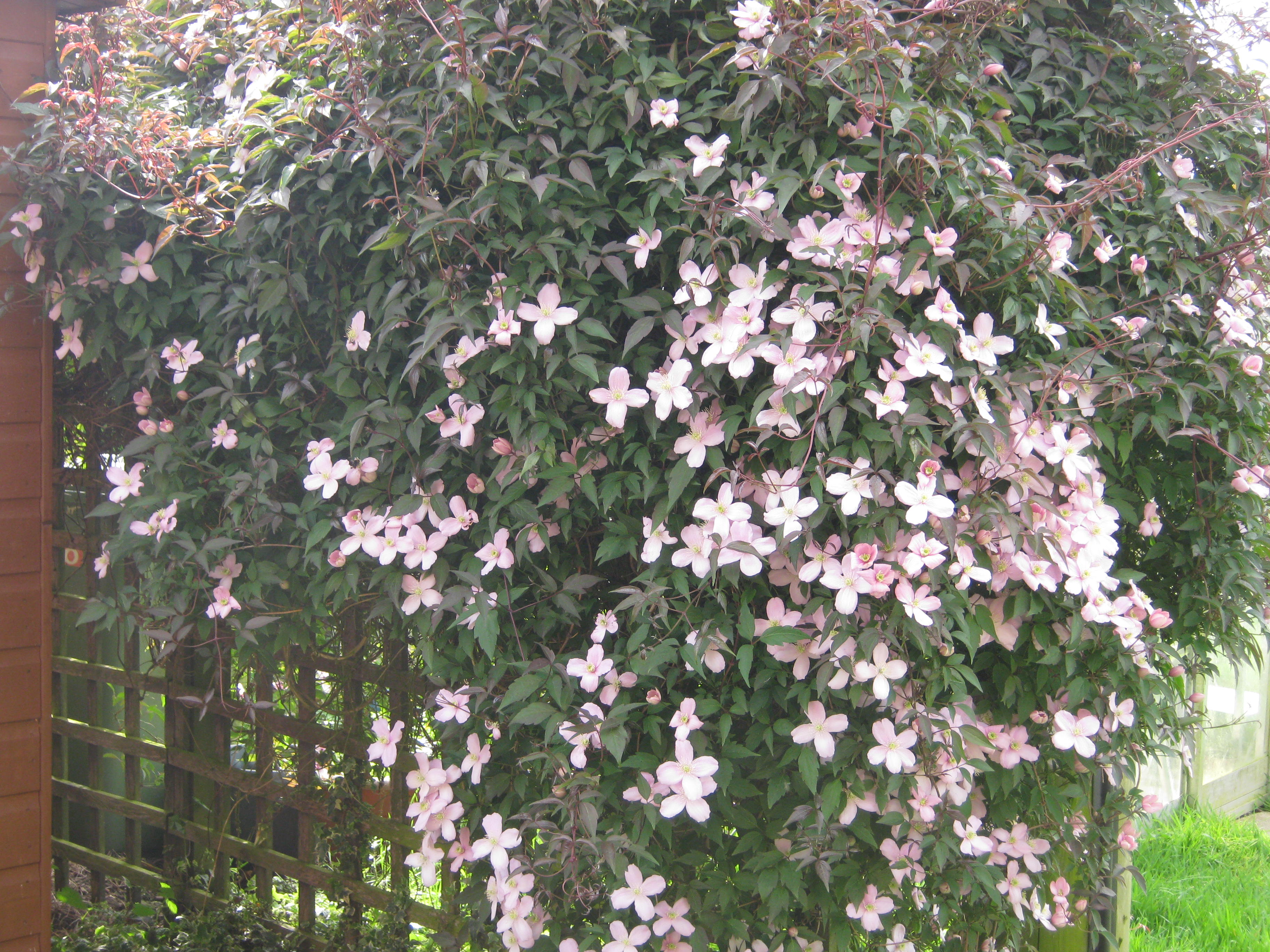
The wonderfully scented Clematis Montana ‘Rubens’

Image

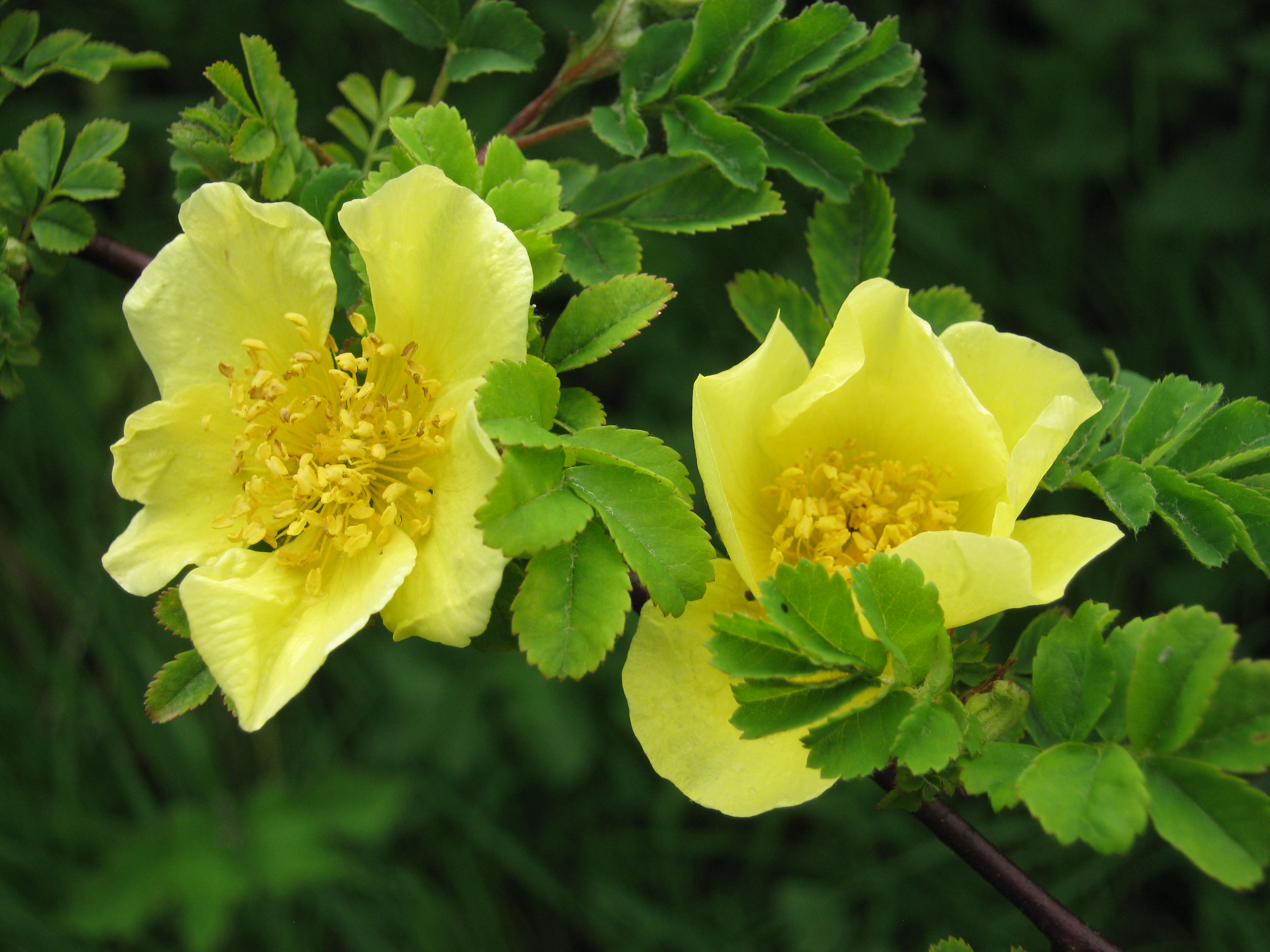
Shrub rose ‘Canary Bird’

Image

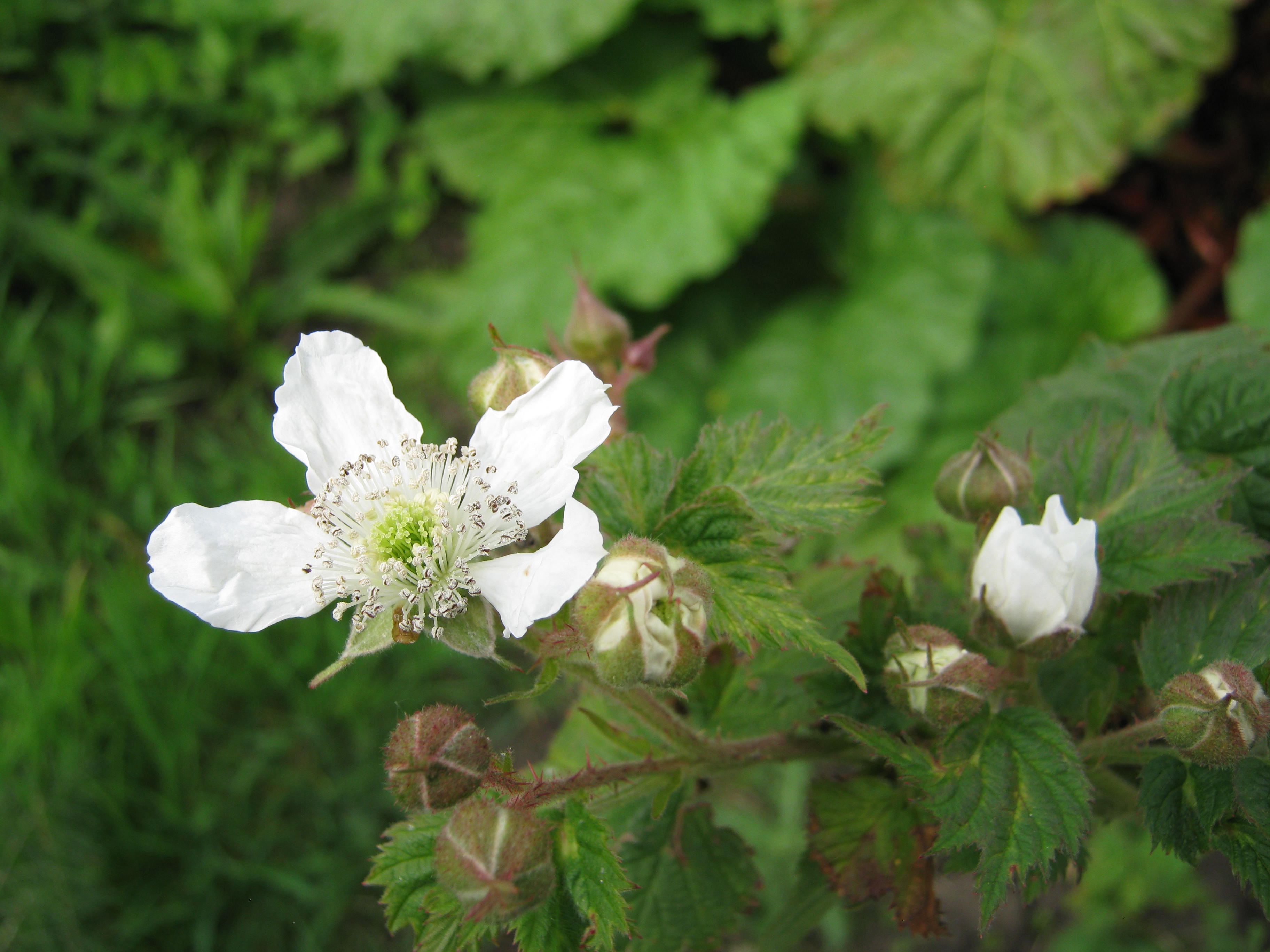
Blackberry flowers

Image

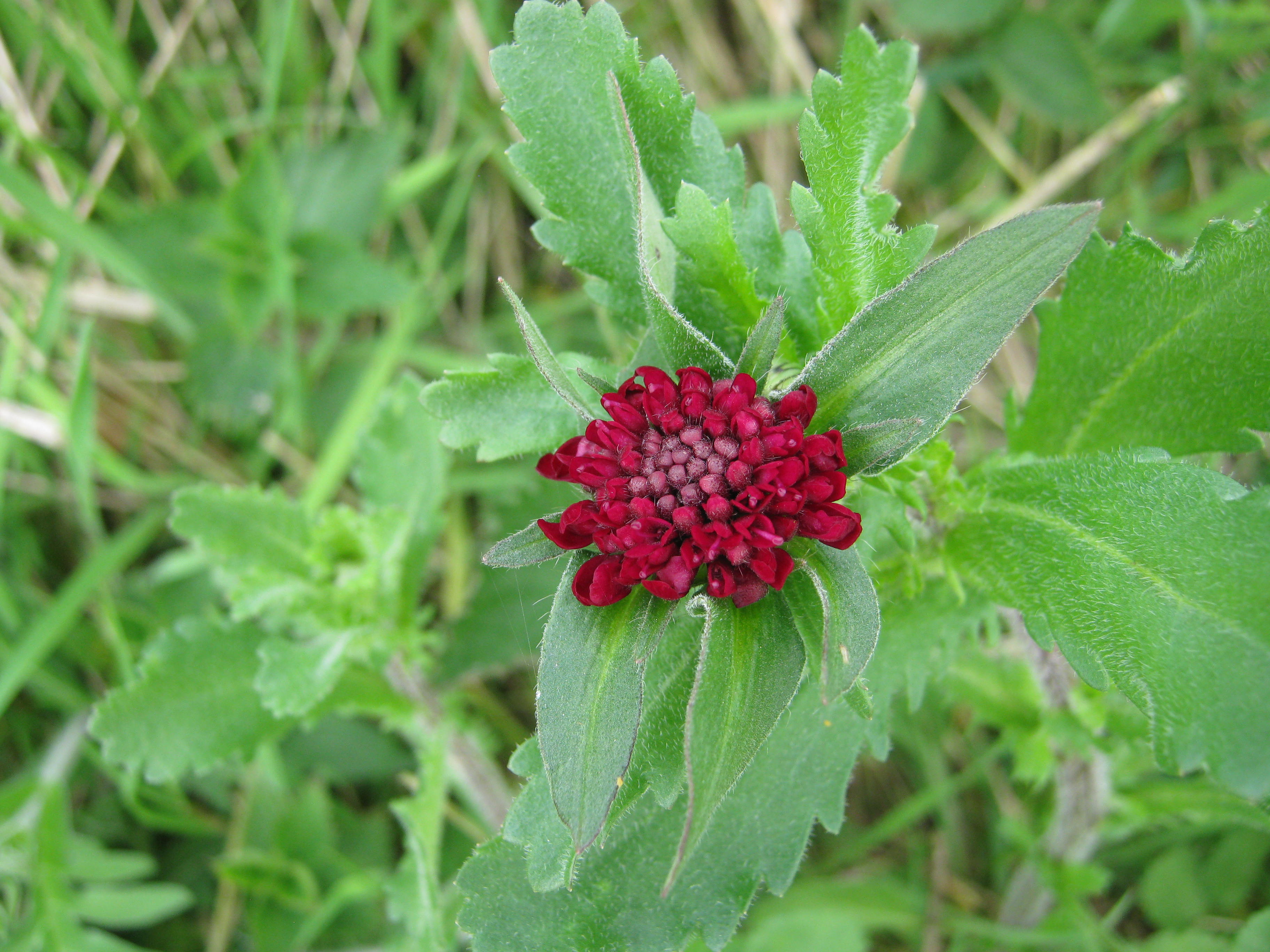
Knautica Macedonica

Image

Aquilegia flower

Image

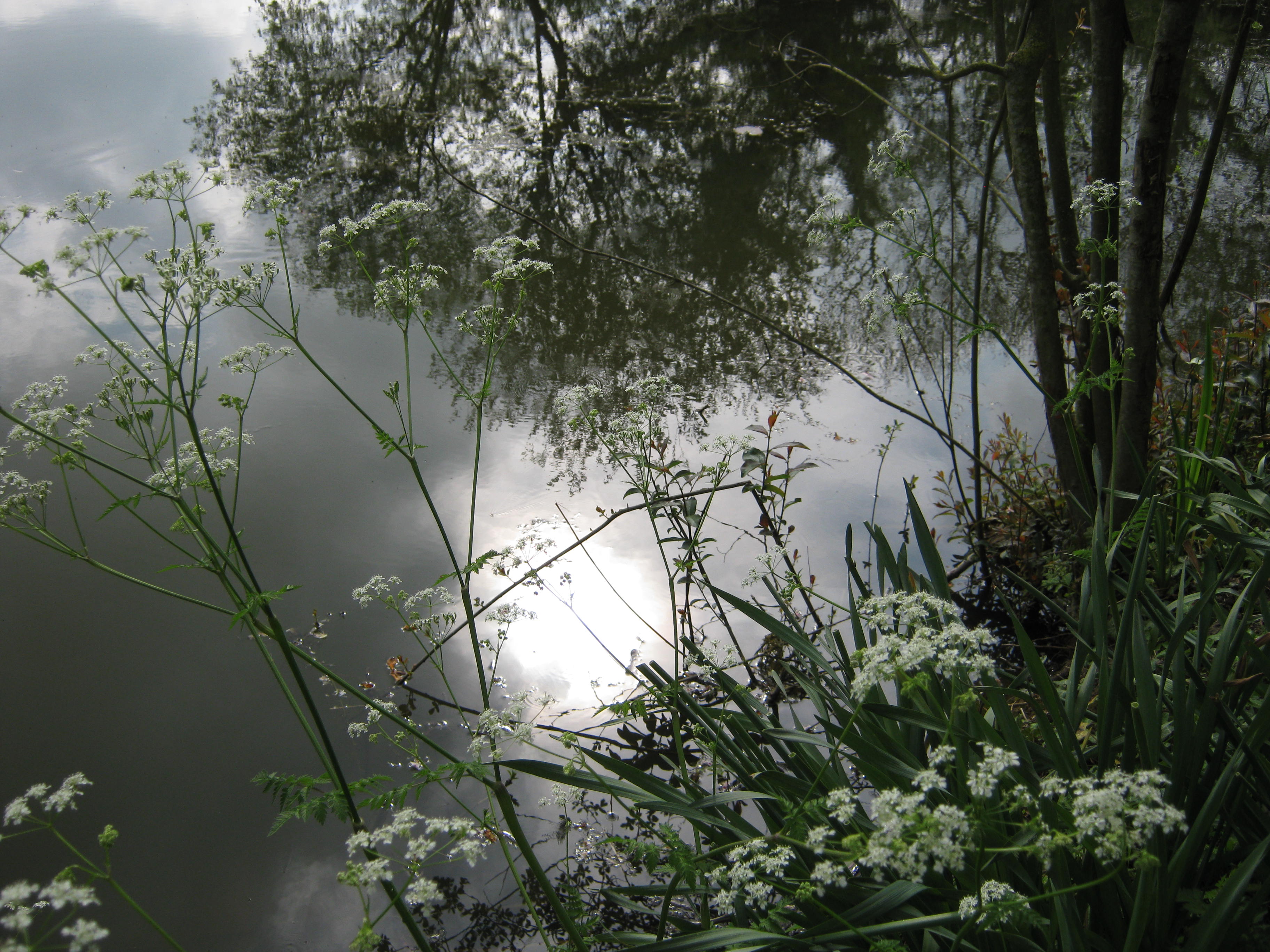
Reflections in the pond

Image

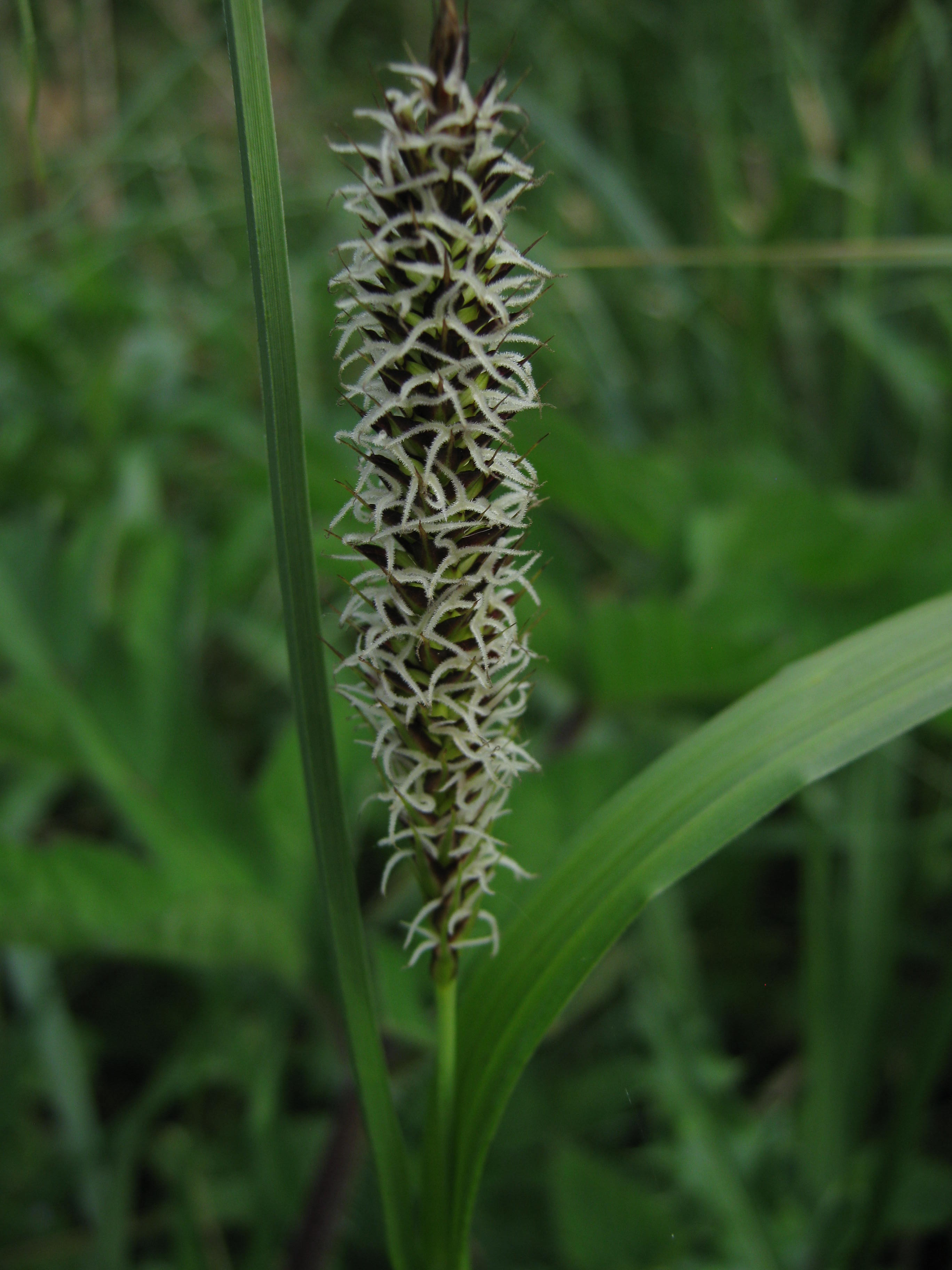
Common sedge

Image

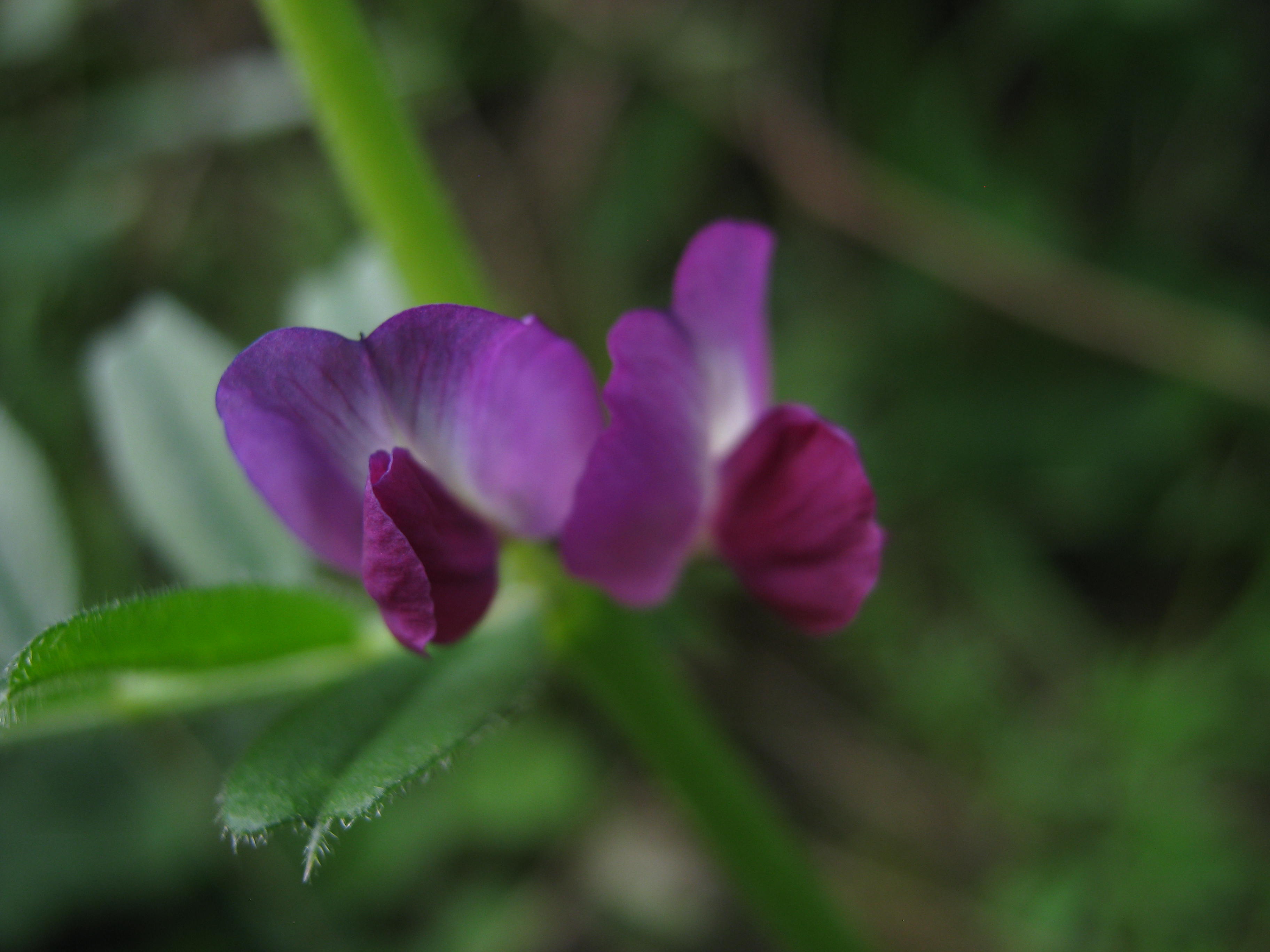
Common Vetch

Image

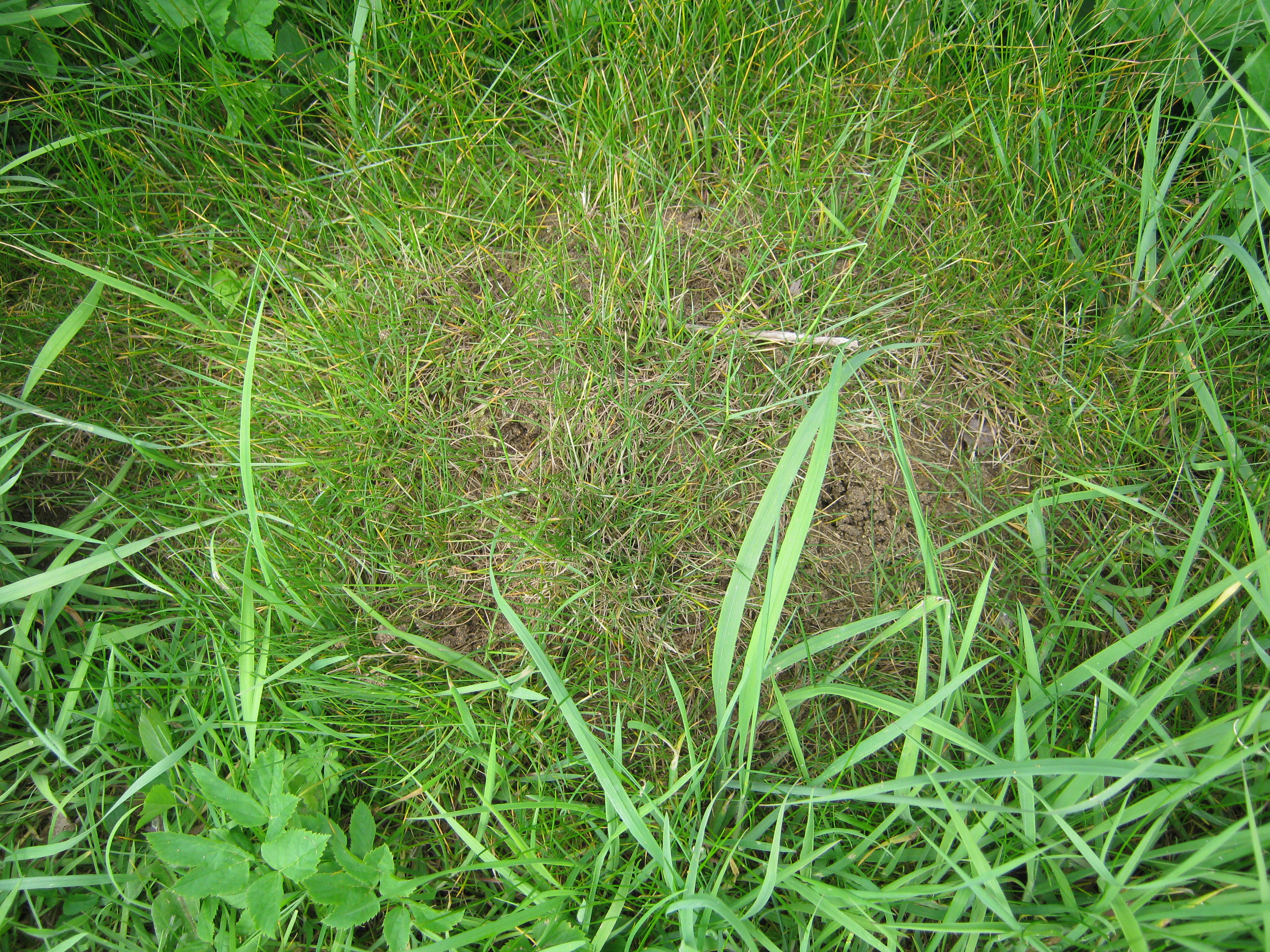
An ant hill


Image

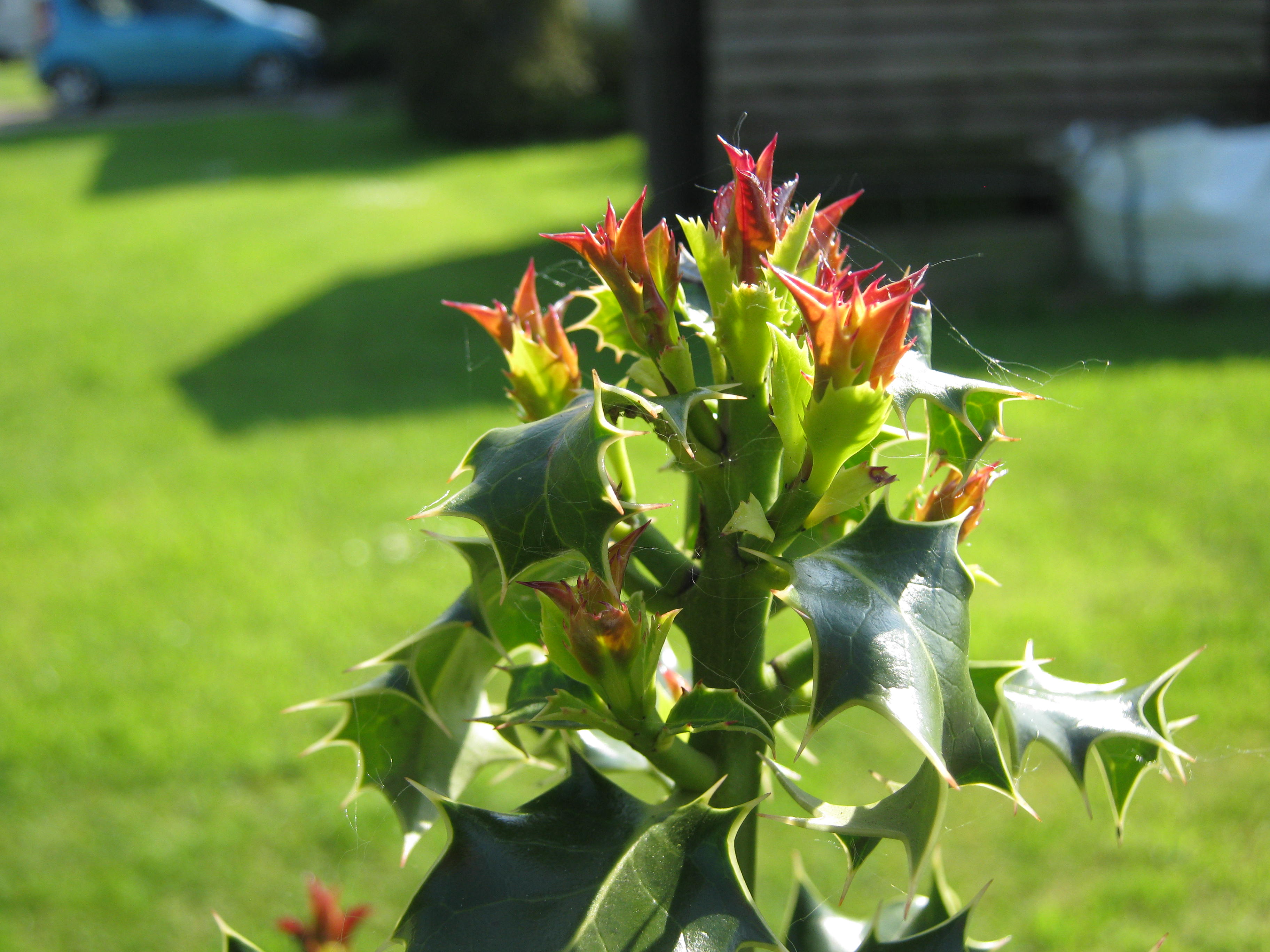
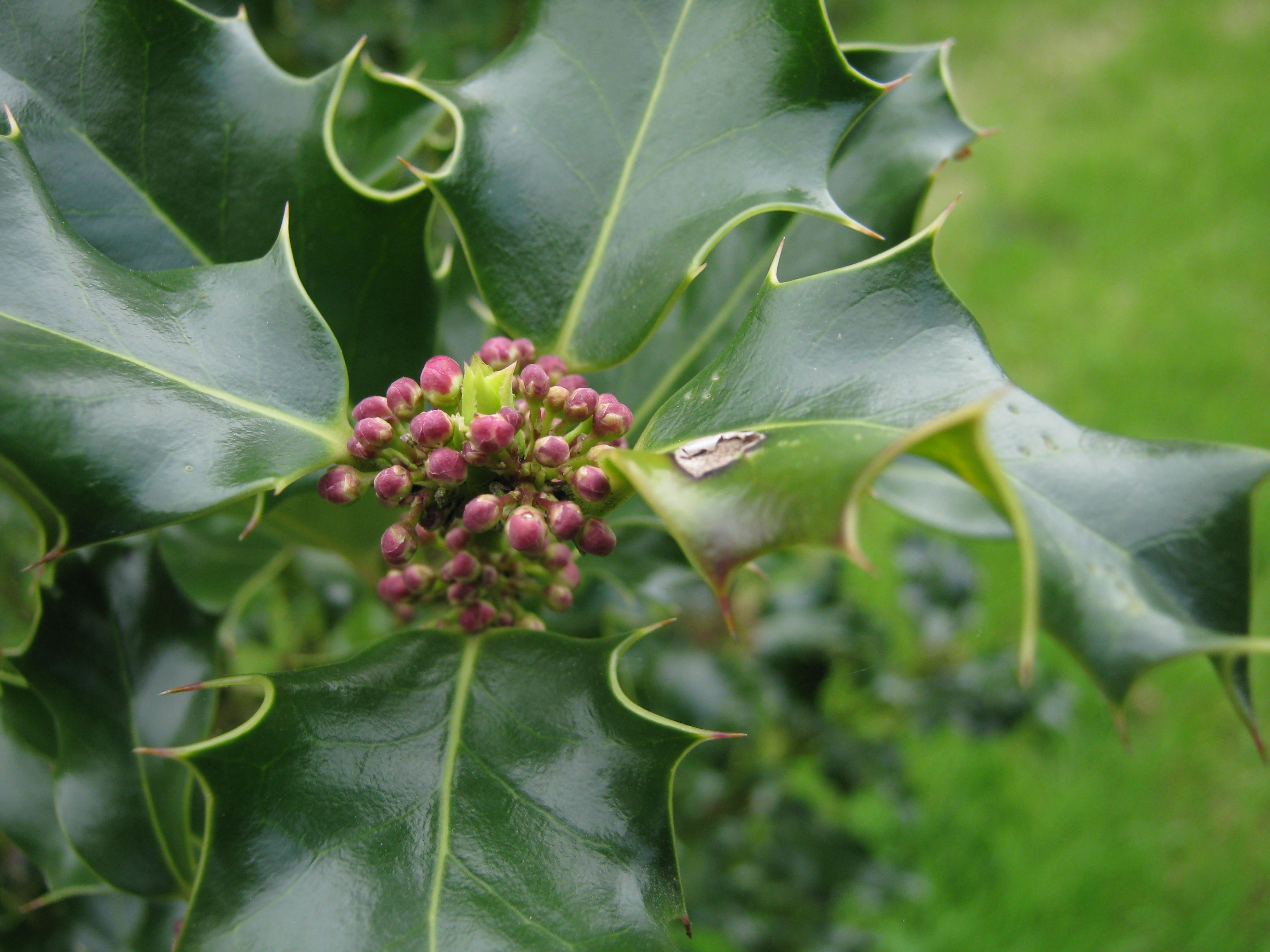
Male Holly flower buds.  We don’t have any female holly bushes so no berries!

Image

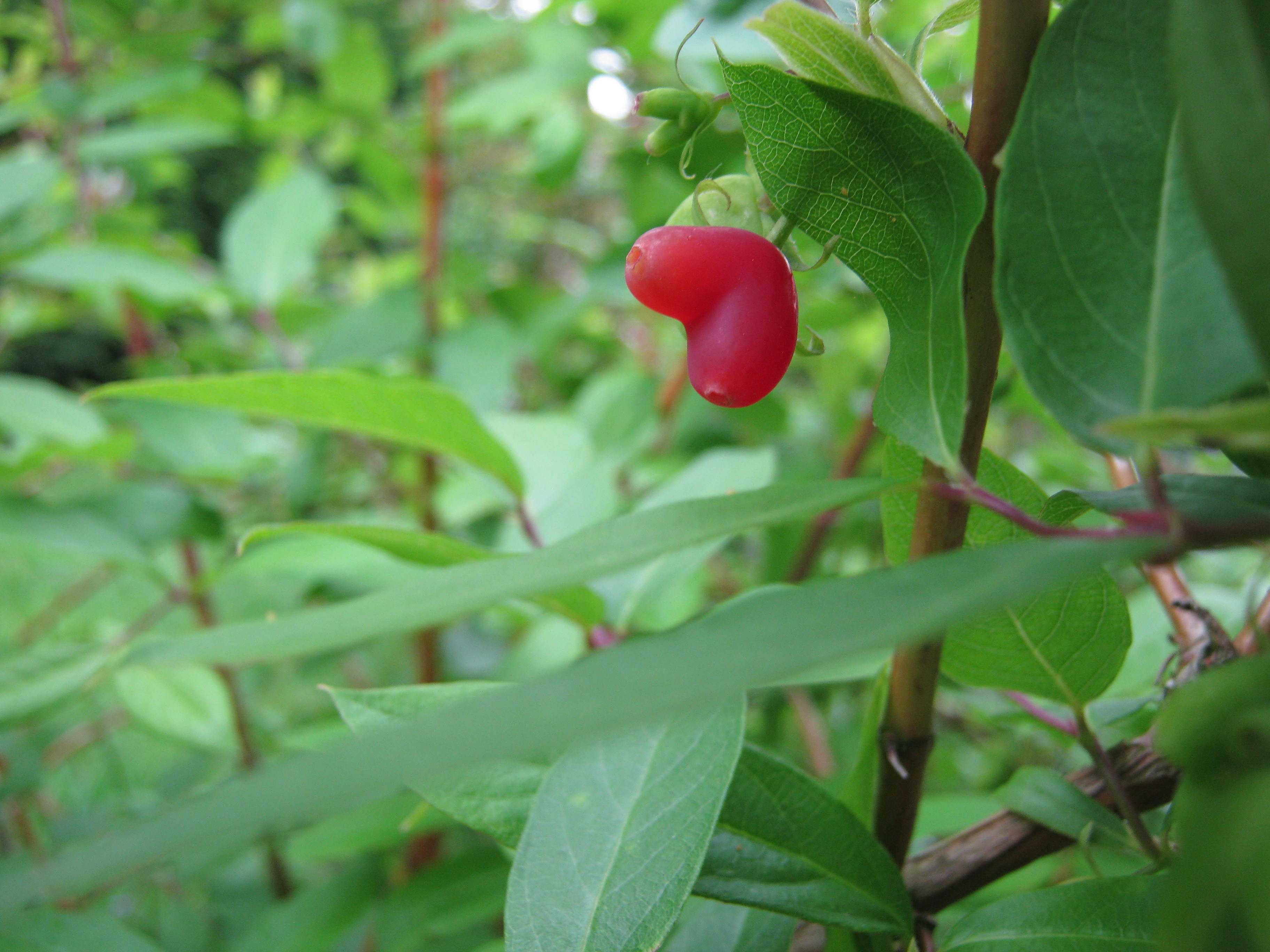
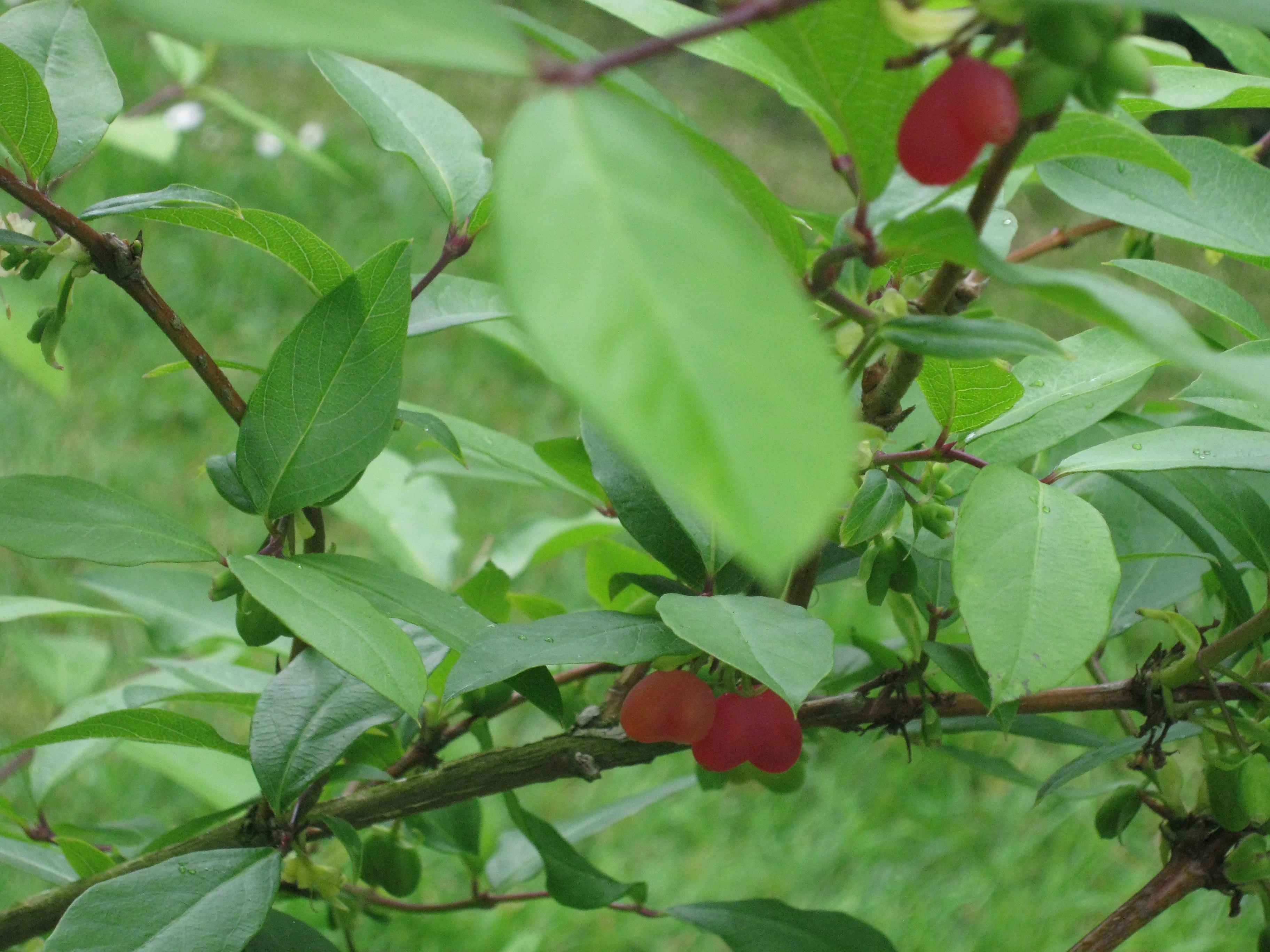
Heart-shaped berries of the Winter-flowering Honeysuckle

Image

These lovely berries don’t last long as the blackbirds find them irresistible.


Share this:

  • Share on X (Opens in new window) X
  • Share on Reddit (Opens in new window) Reddit
  • Share on Pinterest (Opens in new window) Pinterest
  • Share on Facebook (Opens in new window) Facebook
  • Email a link to a friend (Opens in new window) Email
  • Share on Tumblr (Opens in new window) Tumblr
  • Print (Opens in new window) Print
  • Share on LinkedIn (Opens in new window) LinkedIn
Like Loading...

A Good Day

15 Thu May 2014

Posted by Clare Pooley in churches, plants, Rural Diary, trees, walking, wild birds

≈ 6 Comments

Tags

barley, Common Whitebeam, Early Purple Spotted Orchid, English Oak, field maple, Lady's Smock, Lesser Whitethroat, Oak-apples, orange-tip butterfly, Red Clover, Red Horse Chestnut, Red May, St Michaels church, St Peter's church, stag-headed, the Beck, Turtle Doves, Willow Warbler, Wych Elm

I had a very good day yesterday.  The weather was much better than it had been for a week and I was nearly back to normal after my cold.  I hung some washing out on the line in the garden and then set off for Bungay where I had to get some shopping.  Just as I was nearing Flixton I noticed some birds at the side of the road, mainly woodpigeons but among them were a pair of Turtle Doves.  I was so pleased to see them I nearly shouted out loud!  Turtle Doves are becoming so rare, not only because of the reduction of places to nest in this country but also because of the dangers they face during migration – being shot for sport for example – and the lack of suitable places to spend the winter because of deforestation in Africa.  Even if we get no Turtle Doves in our garden this year I am happy that there are at least one pair in this area!  Their song epitomises high summer for me – a lovely drowsy, purring noise. We used to get them every year and they stayed around until the end of August.  In recent years we have had a Turtle Dove sing for a day or so and then go off elsewhere in search of a mate.  Last year they didn’t turn up at all.  Many people believed that was because of the terrible spring we had had.  Turtle Doves had arrived in this country and then we had the late snow and frost which killed some birds and others just turned round and went back to France.

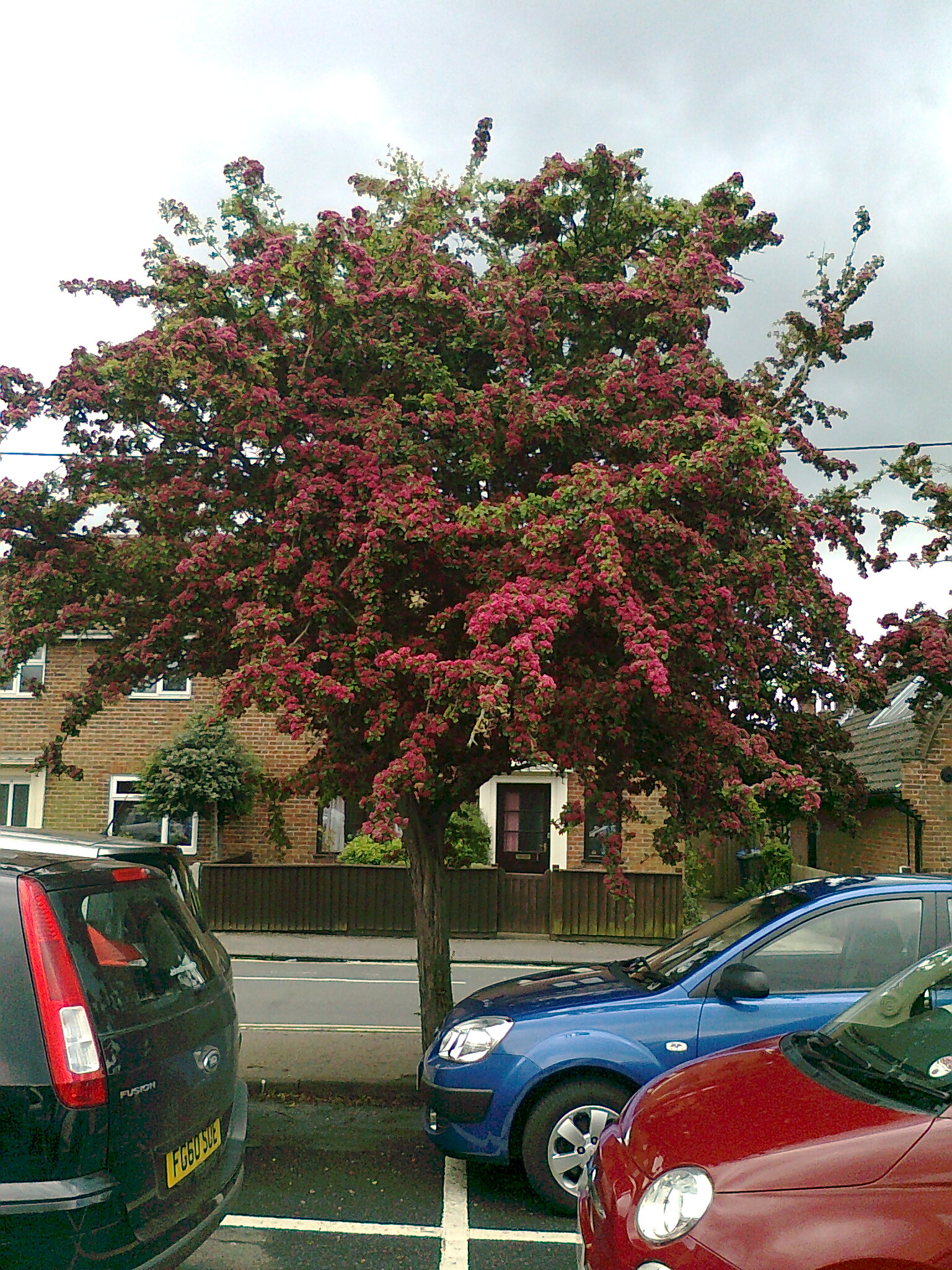
I went to my usual car park in the centre of town and noticed all the trees planted around the car park had come into flower.  They are all Red May trees – Red Hawthorns – and look so pretty with their deep pink flowers.

Image


Red Mays are not as popular here as where I grew up in Kent.  My father thought they were wonderful and planted one in one of the houses we had when I was a girl.  As I walked about the town I remembered having seen another red-blossomed tree recently and thought I would go and have a closer look at it later in the day.

I found the opportunity to go for a quick walk in the early afternoon.  The day had warmed up considerably but there were still a few black clouds around.  As I walked down to the end of our lane and out into the next I listened to a Willow Warbler singing in the top branches of a group of trees nearby.  The Willow Warbler is another bird whose song I couldn’t do without – it has a sweet song of descending notes in a minor key.  Weep, weep, weep, weep it says and makes my heart swell and I find I am near to tears at the beauty of it.  It is another bird whose numbers are reducing drastically.  Again, we used to hear them all summer long but not any more.  I hope this one finds a mate and stays to sing for me.  I stood under the Field Maple tree it was singing in and eventually saw it in the top canopy.  It sang and then busily flitted from twig to twig in search of food and then sang again.  I tried to photograph it but wasn’t quick enough.

Image

This is the result.  Can you see it?  No, neither can I.

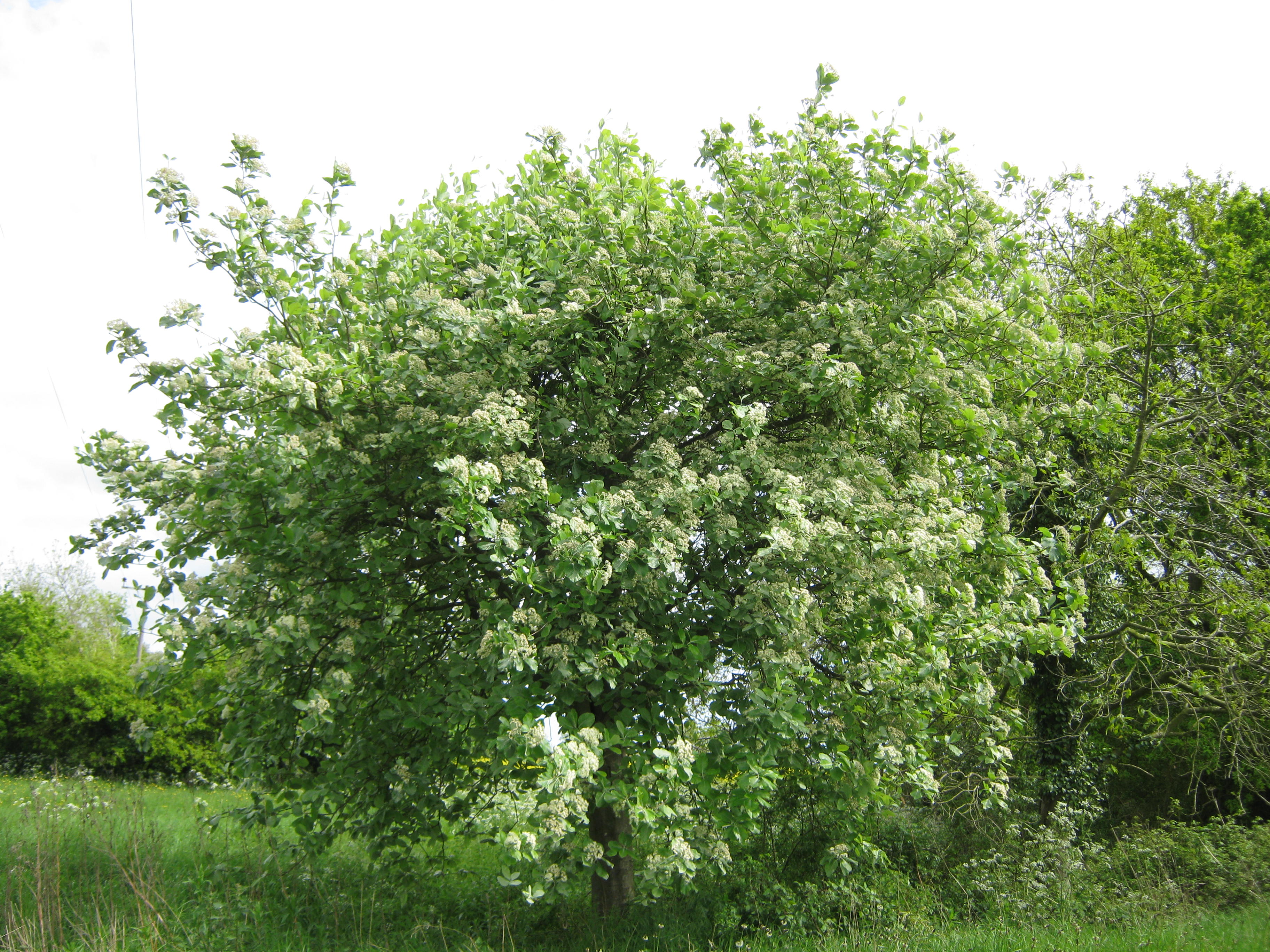
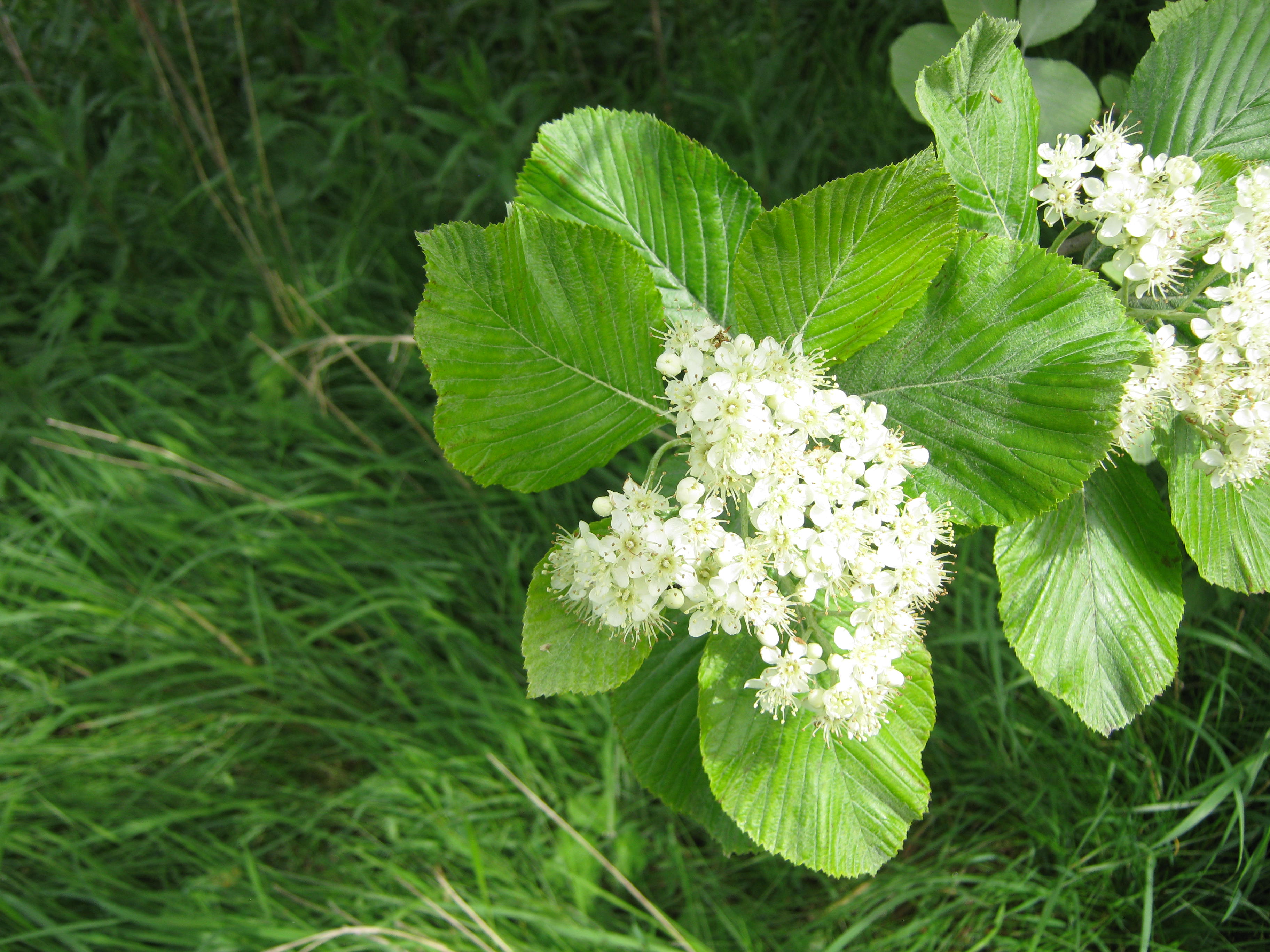
On the corner of our lane where it meets the other lane is a wide area of common land and a couple of ornamental trees have been planted there.  One is a Sweet Chestnut which is only just coming into leaf and the other is a Whitebeam, a native tree but not one that usually grows in this part of the country.

Image

Common Whitebeam tree

Image

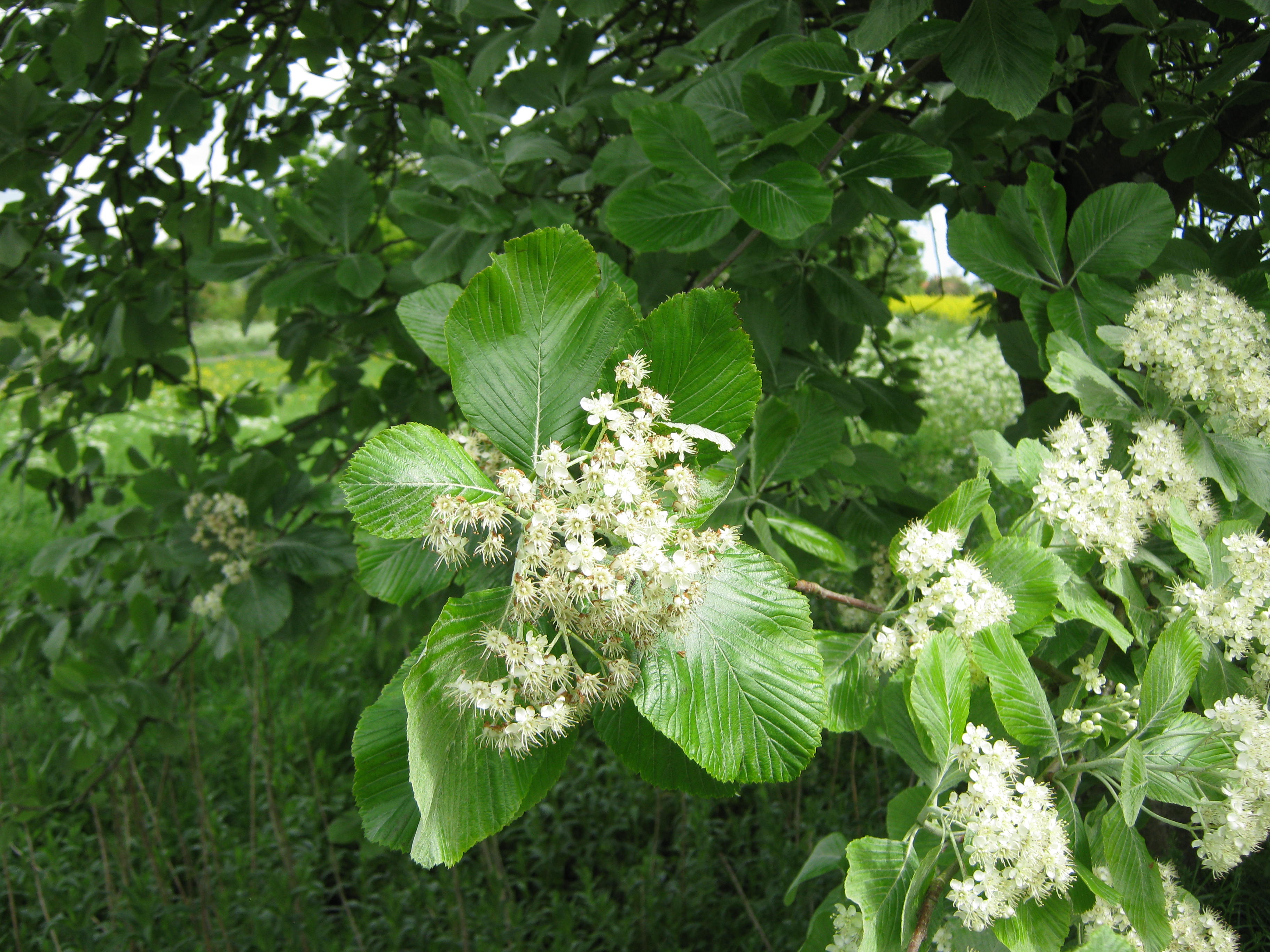
Common Whitebeam blossom

Image

Common Whitebeam blossom

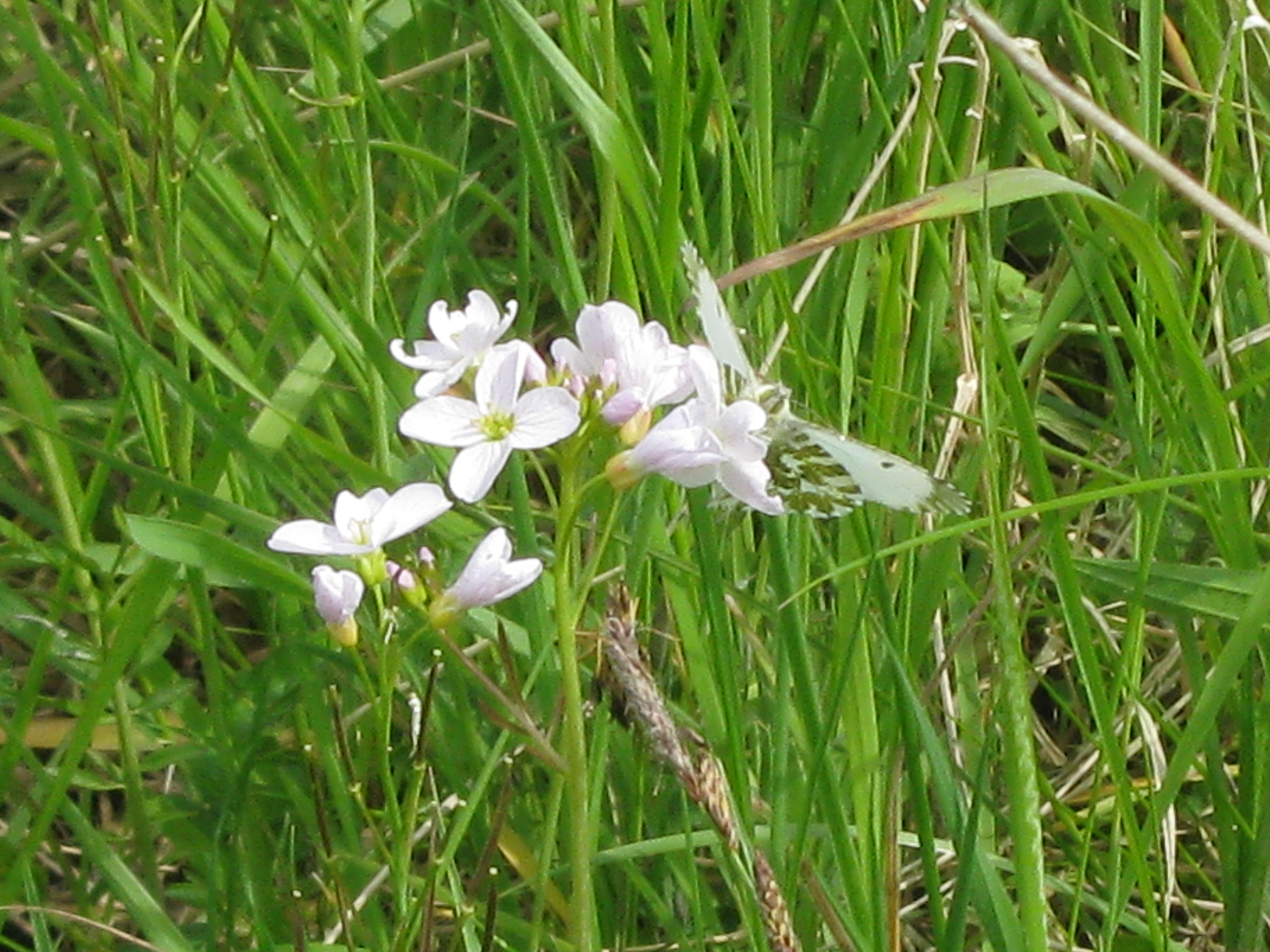
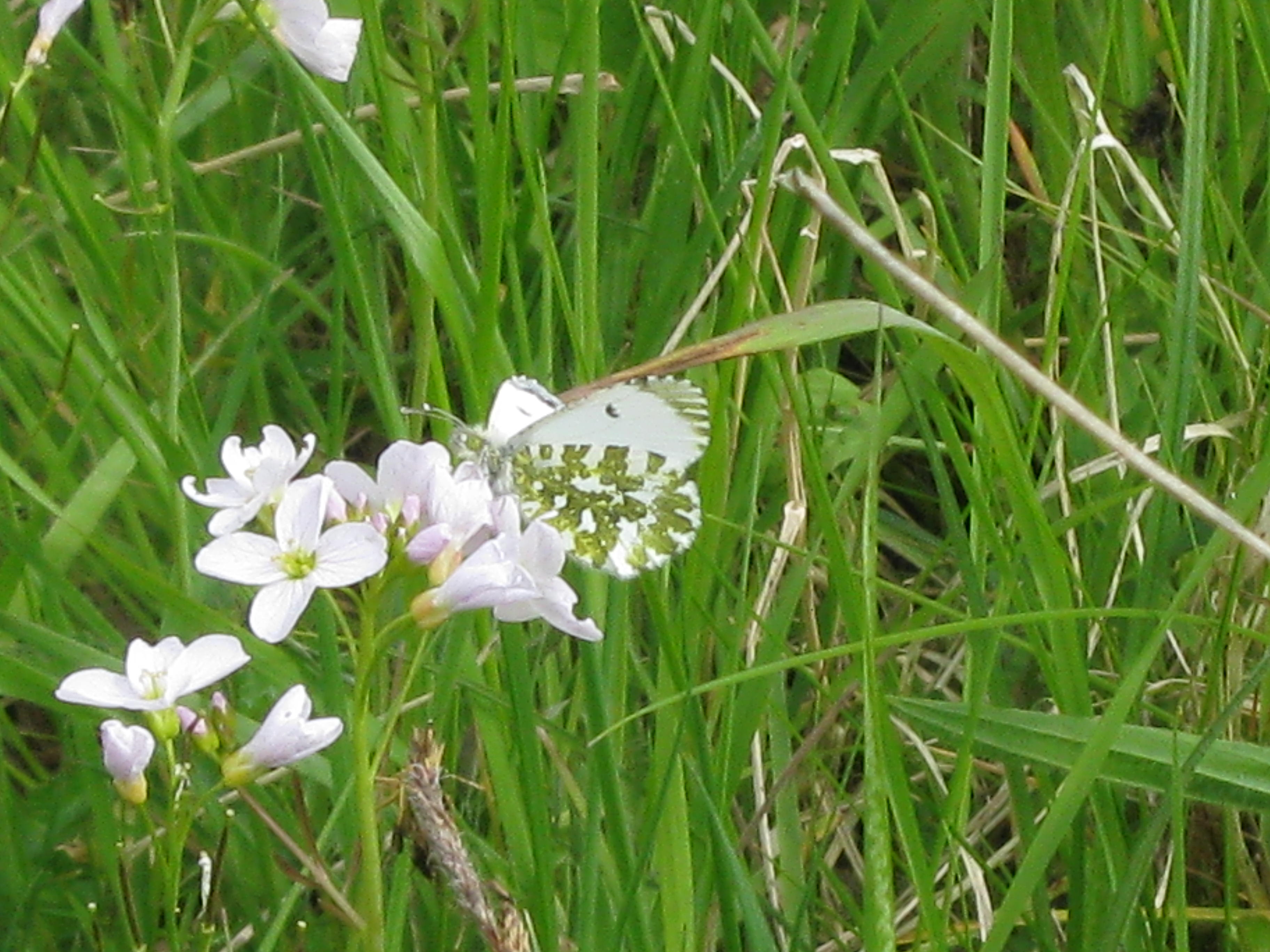
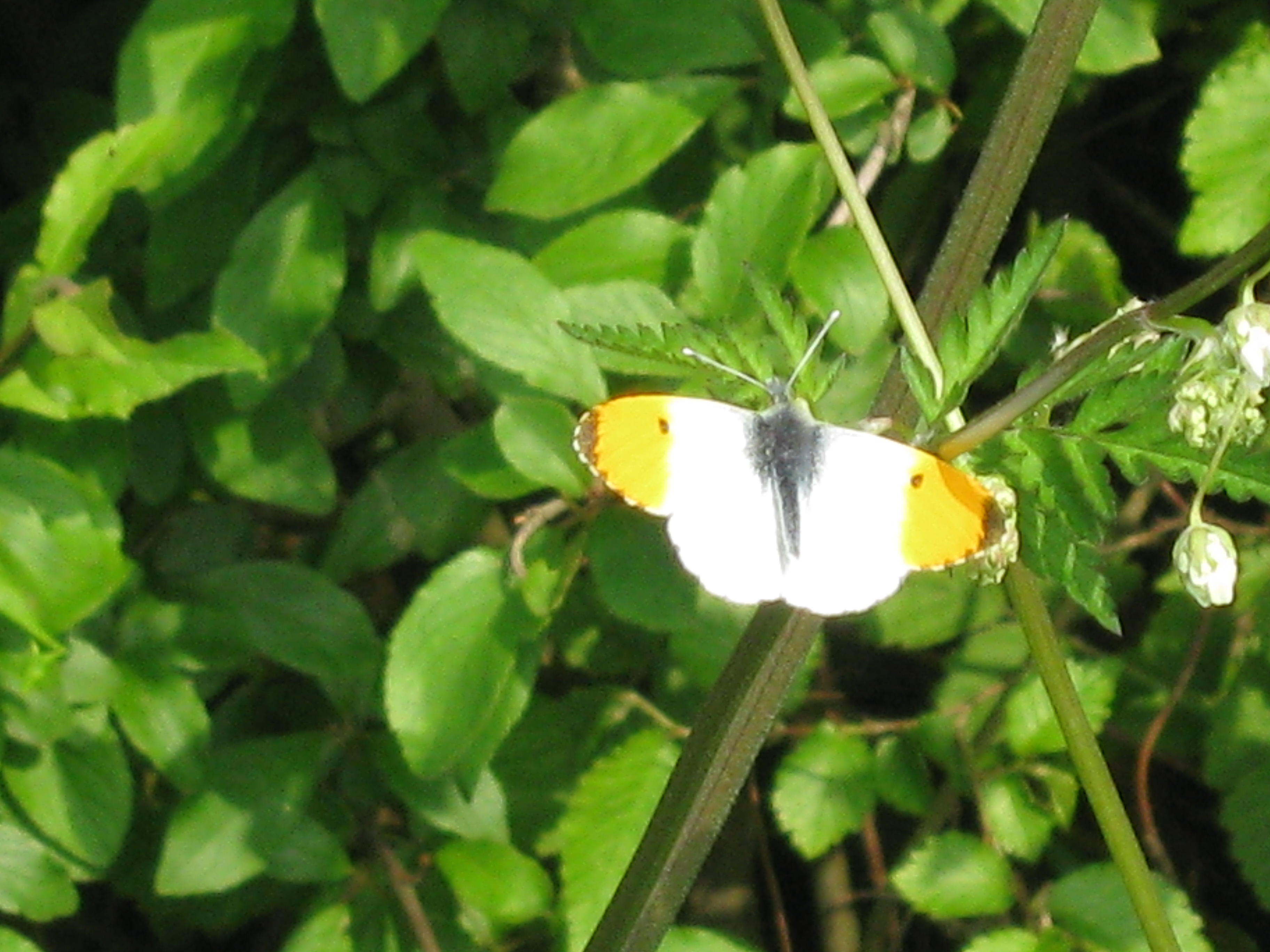
The grass of this patch of common land was covered in Lady’s Smock flowers and a female Orange Tip butterfly was feeding from them.

Image

Image

Image

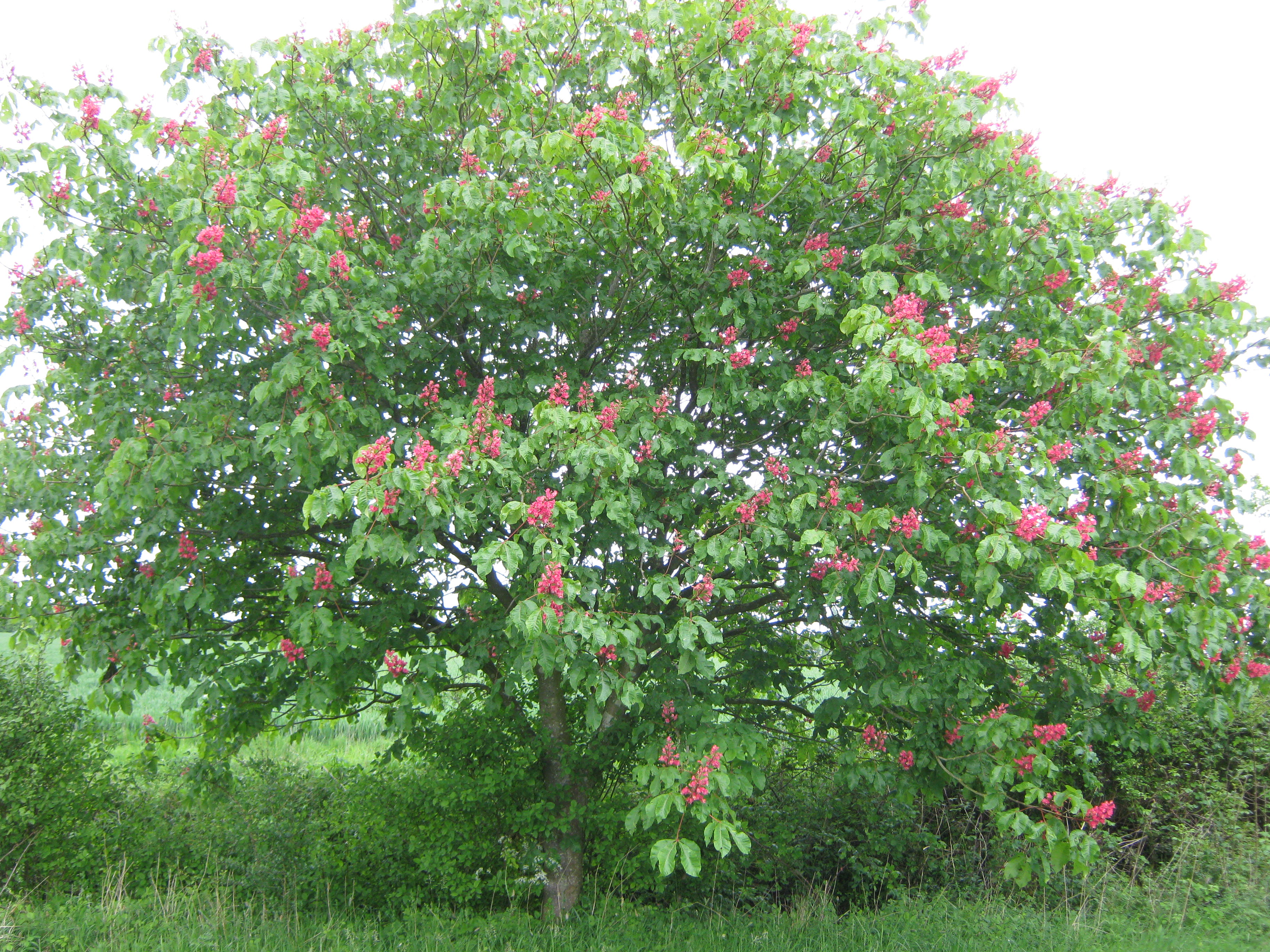
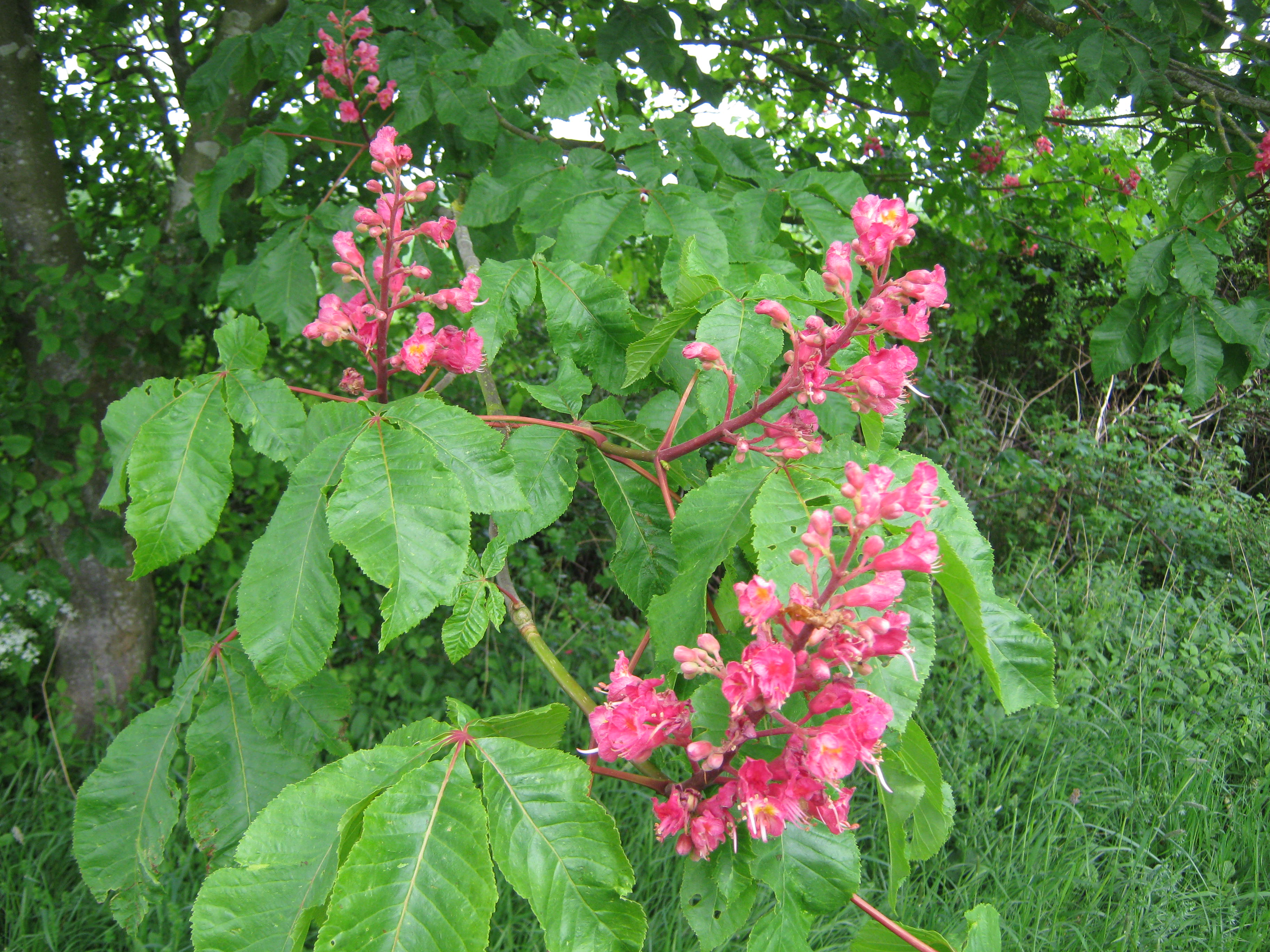
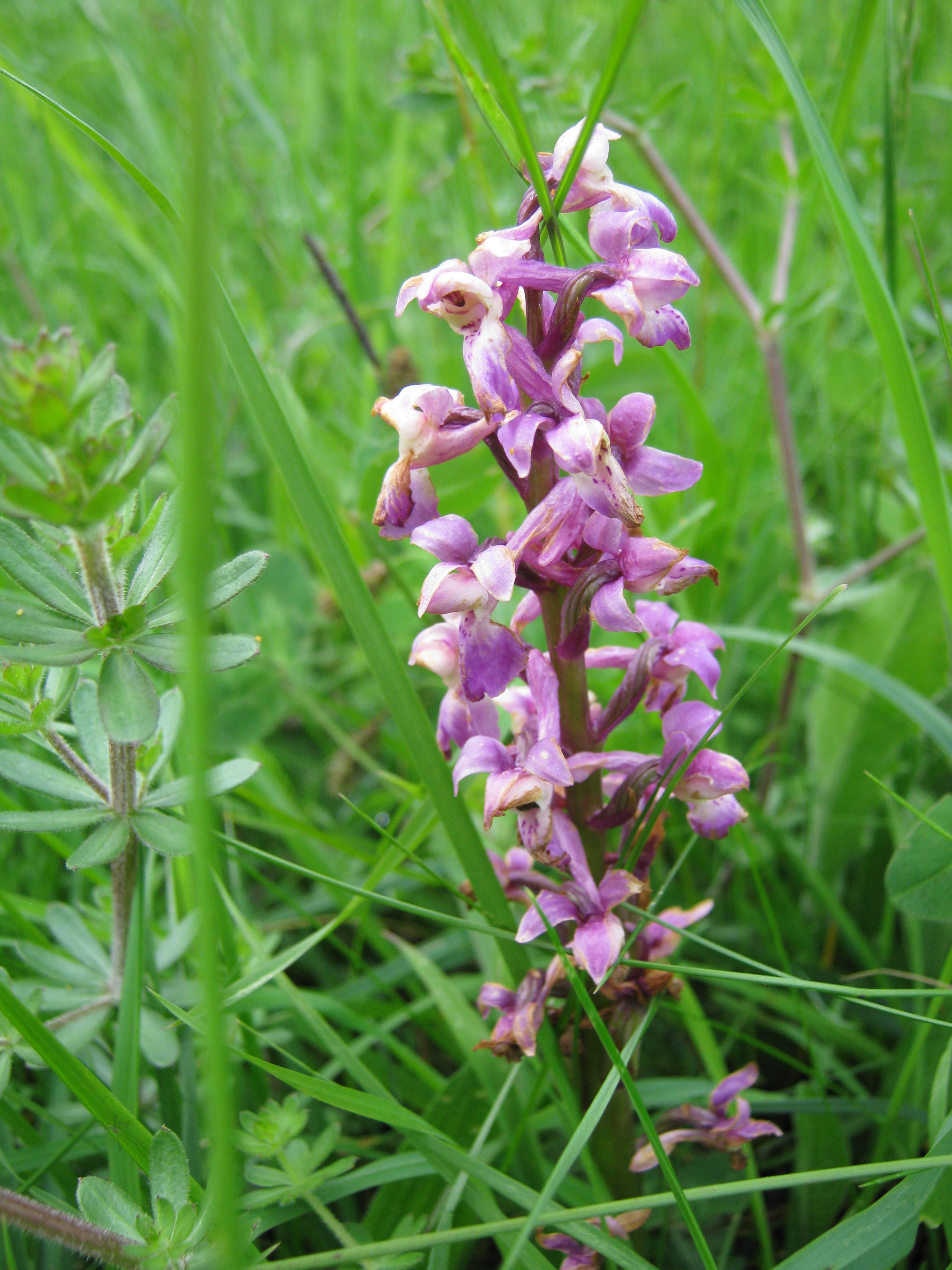
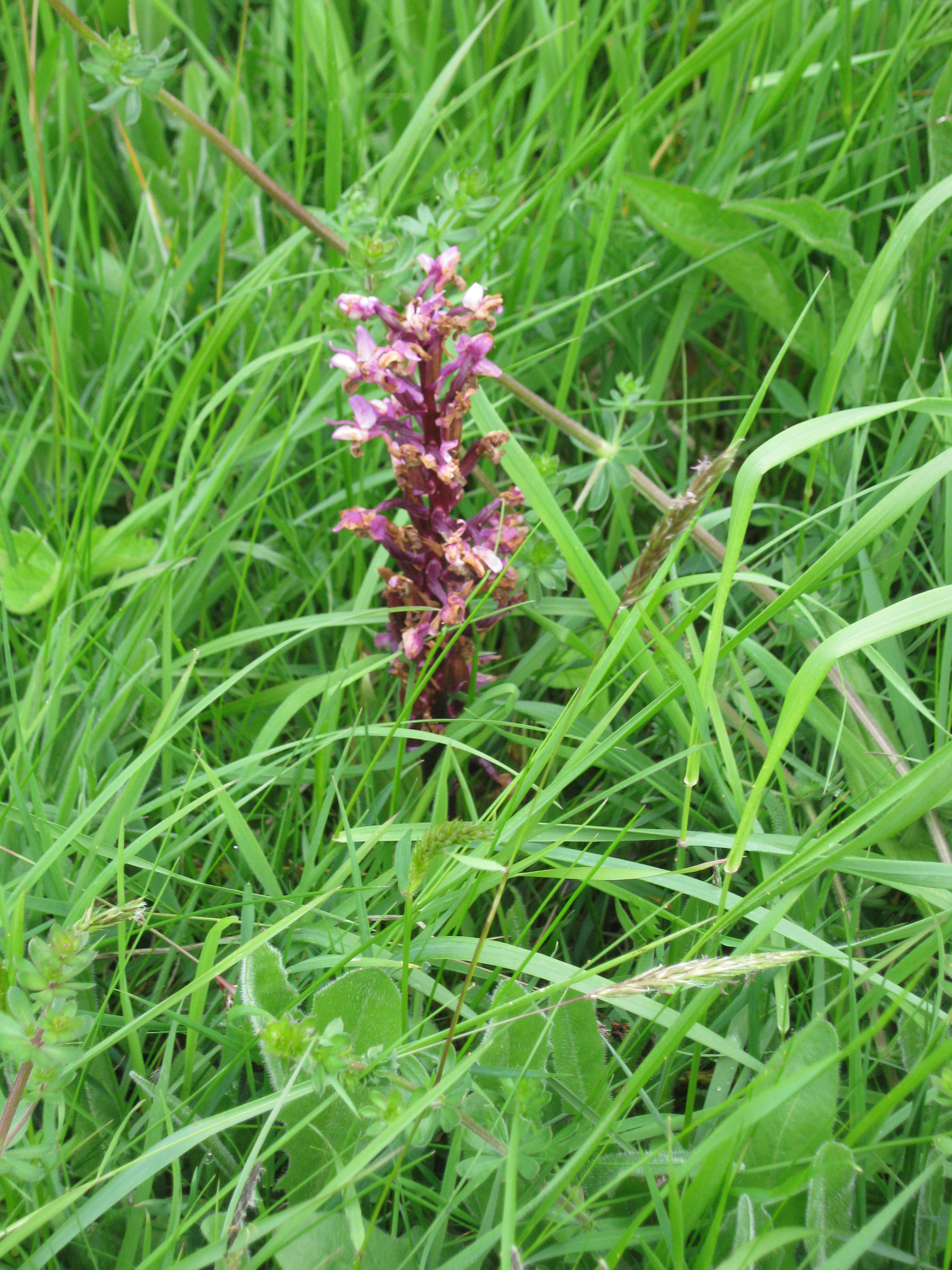
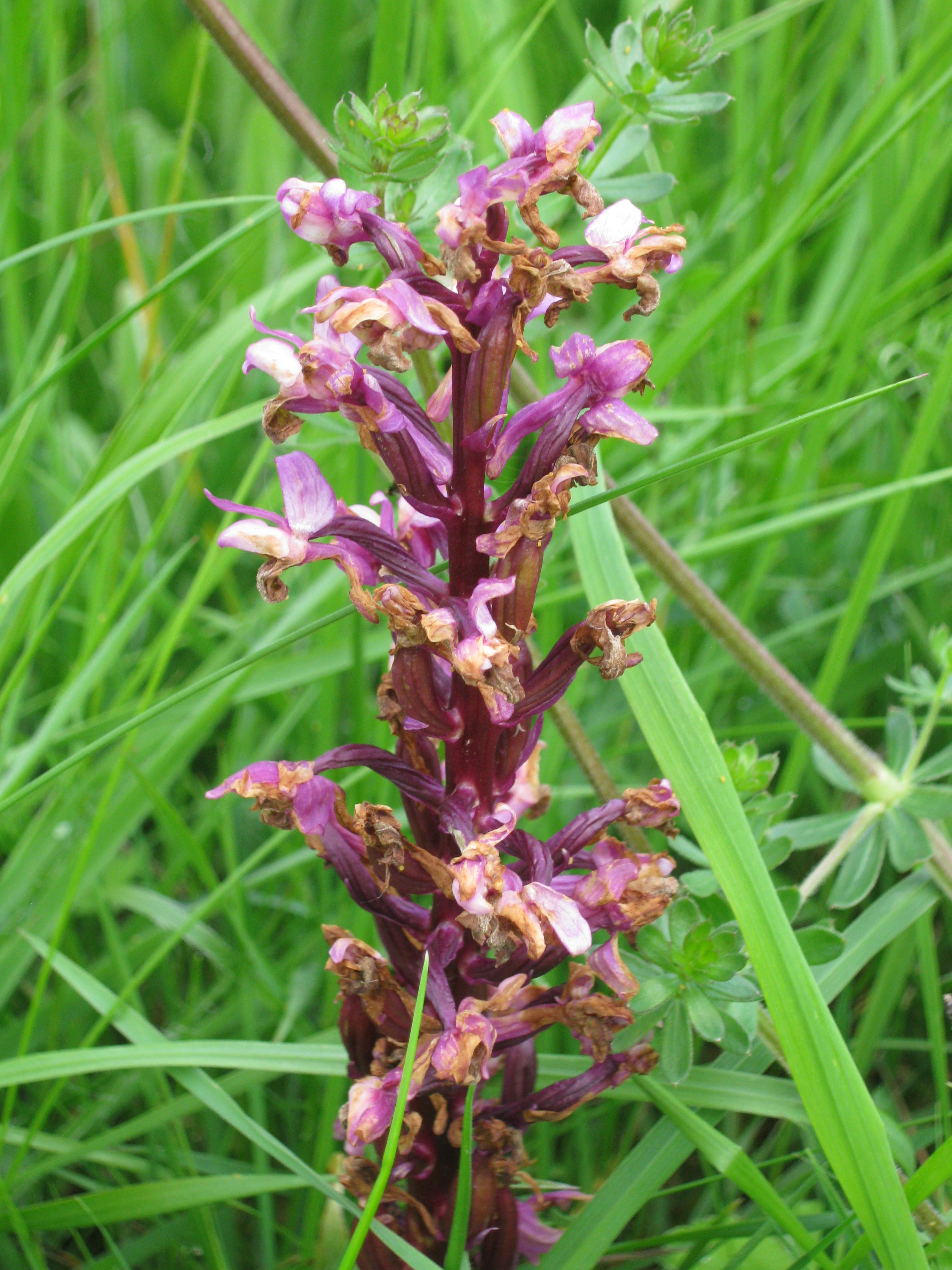
The red-blossomed tree that I had remembered seeing is a Red Horse Chestnut and it had been planted only a couple of hundred yards down this other lane.  To get to it I had to cross yet another wide area of common land and in doing so I was surprised to see an Early Purple Spotted Orchid in the grass.  This one was a little past its best but I rather liked the colour combination of the petals.

Image

Image

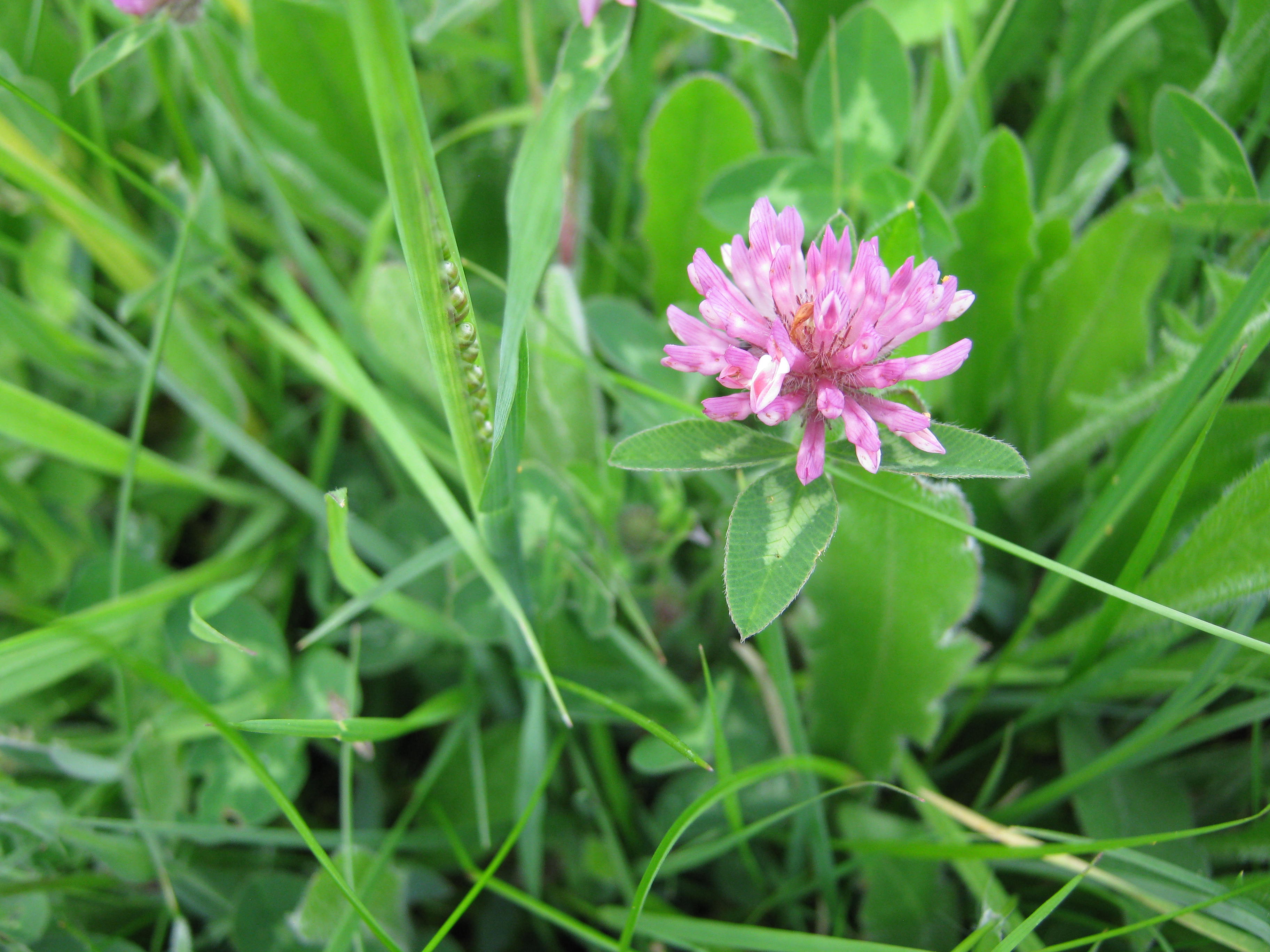
There was more Bugle or Ajuga flowers and some Red Clover.

Image

Red Clover

I love the pale markings on Red Clover leaves.  I am also fascinated by the grass in the photo which is just about to flower.  It looks like a row of tiny balls are packed into the grass stem or a lot of minuscule snails.

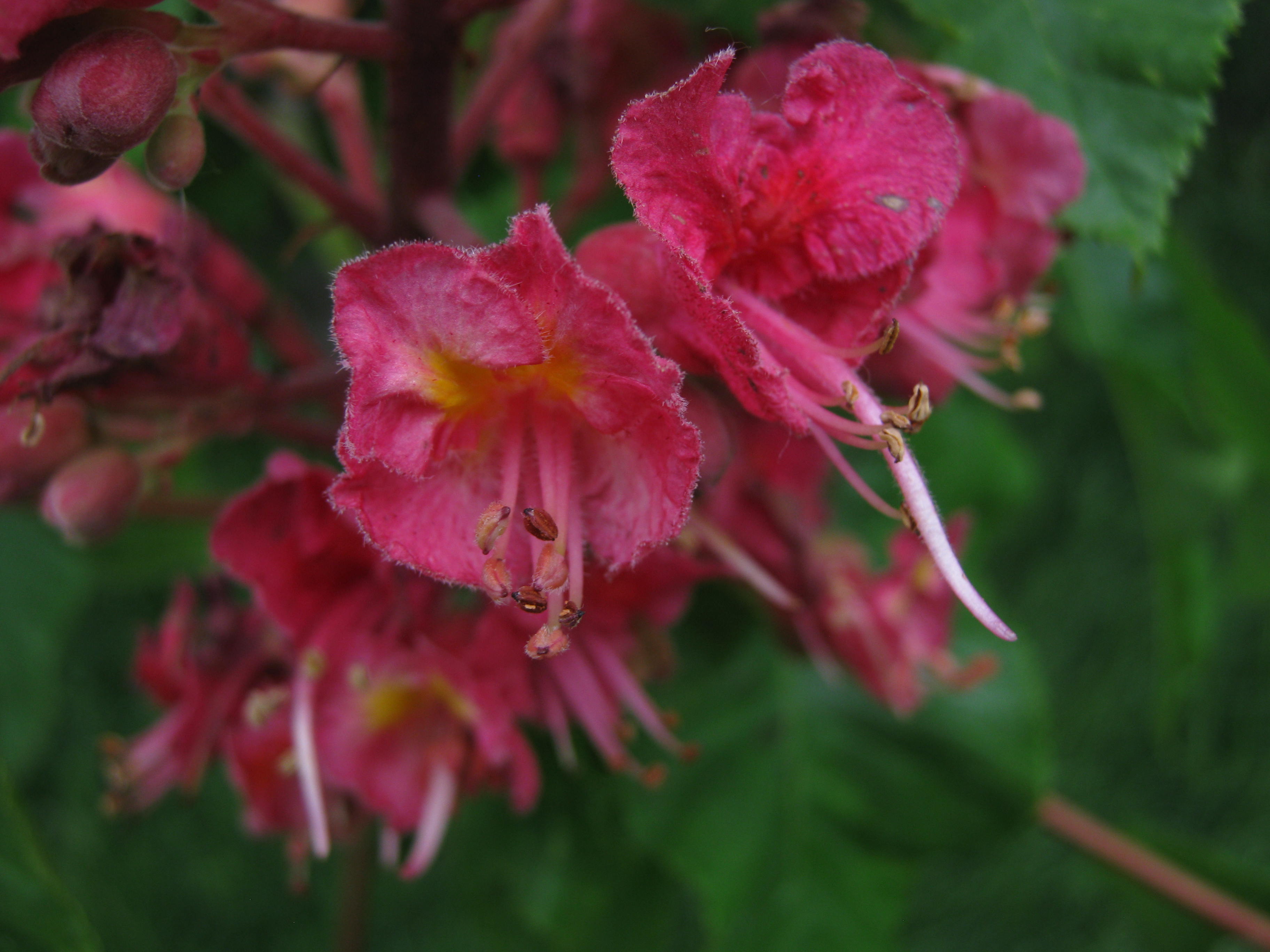
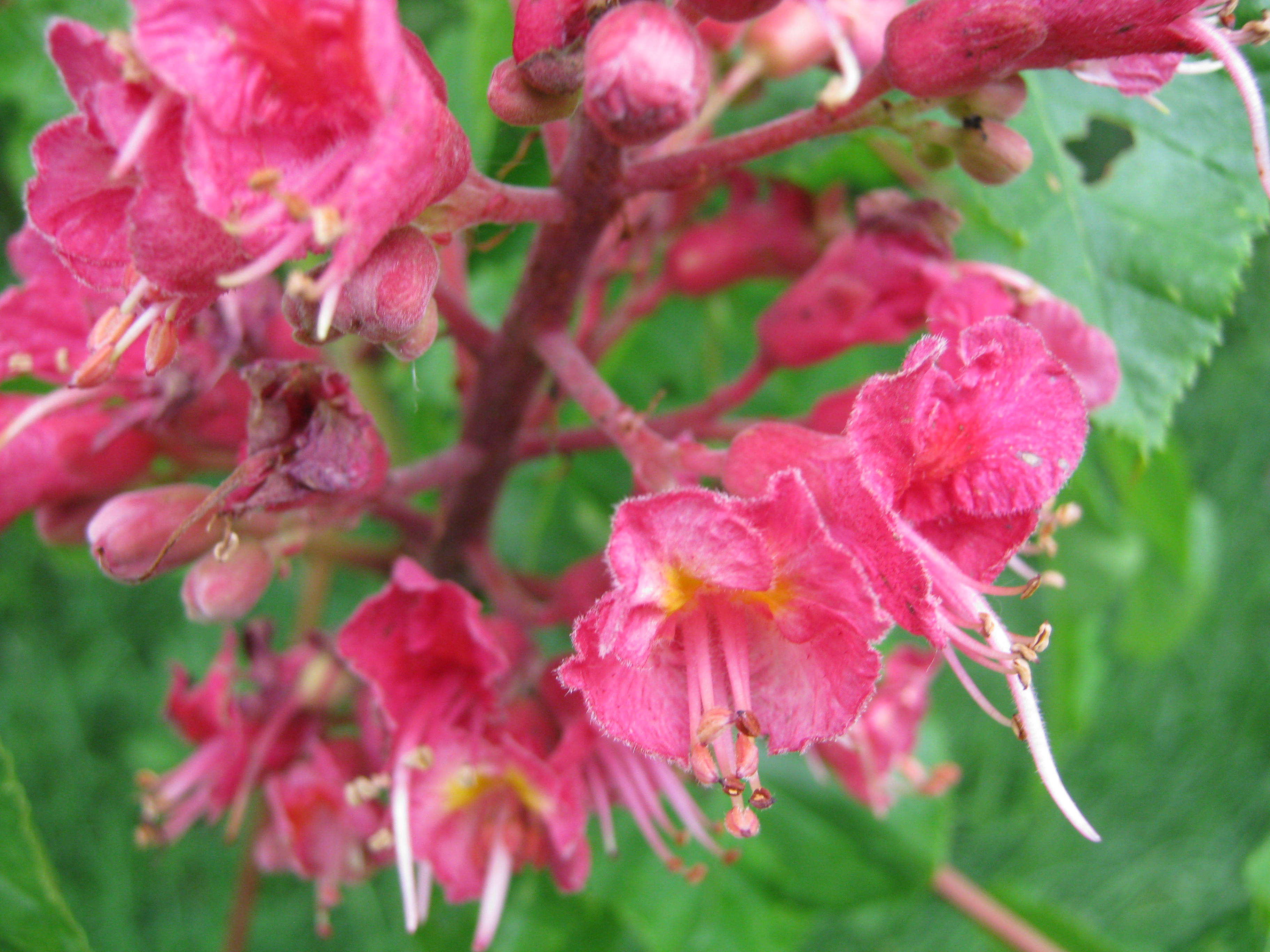
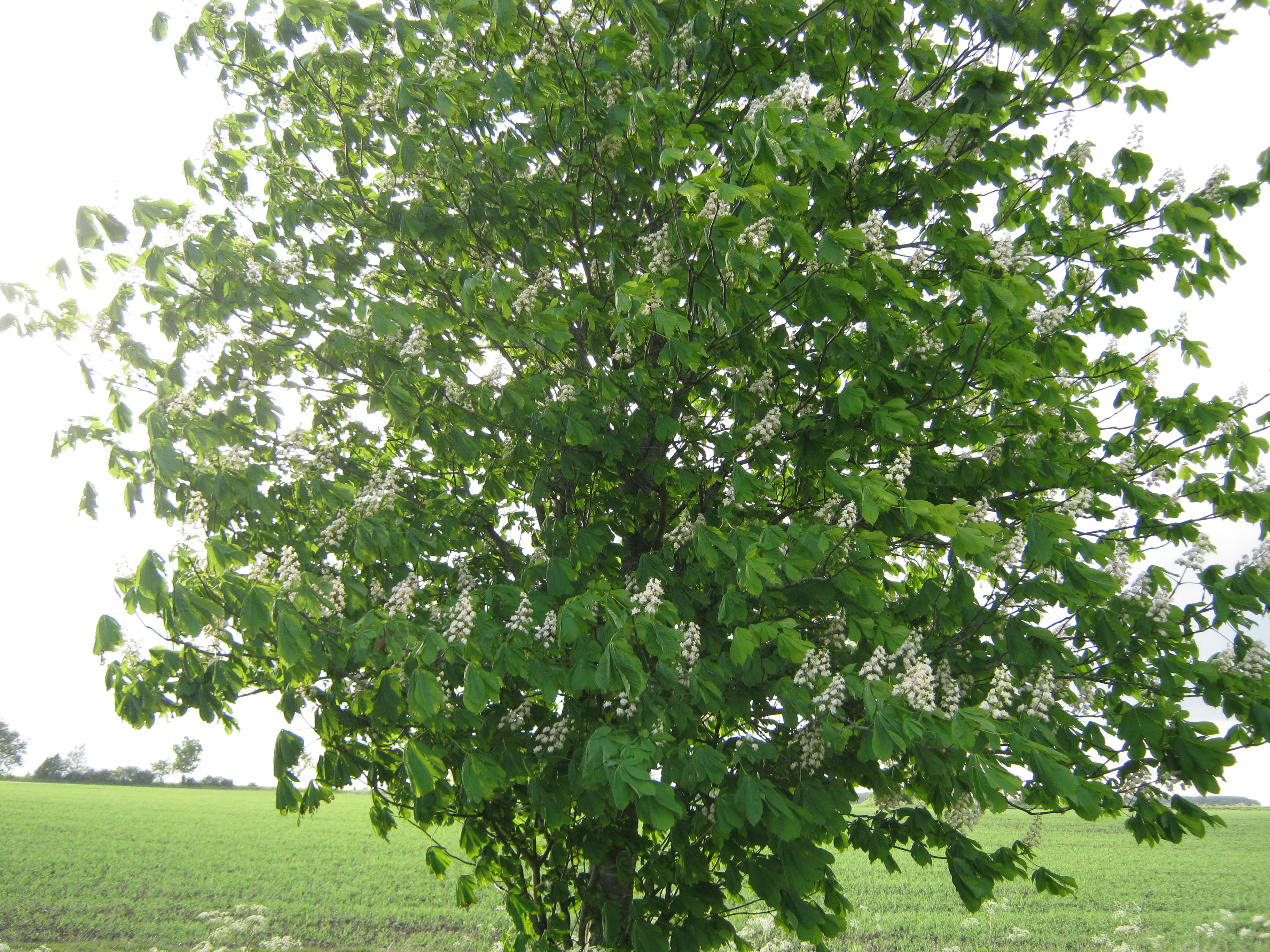
The Red Horse Chestnut is a fairly young tree so I was able to photograph the flowers easily.

Image

Image

Image

Image

A Red Horse Chestnut is a hybrid between a Horse Chestnut and a Red Buckeye.  On the way back to the road I found another Early Purple Spotted Orchid.

Image


Our lane is looking very nice at the moment.

Image

On my way back home I heard another summer bird but this was one I hadn’t heard before.  It’s song was a little like a part of a Chaffinch’s or a Yellowhammer’s song but without the end flourish.  It also had a few little sweet quiet notes to start off the song and they sounded very much like a Warbler.  When I got back I listened to a few of my bird recordings and found I had been listening to a Lesser Whitethroat.

I managed to get all my washing dried outside which was really good and took some more photos of the garden while I fed the birds.  I had started on a great heap of mending by the time R came home from work.  He didn’t seem to want his evening meal straight away so I suggested a walk across the fields.

Image

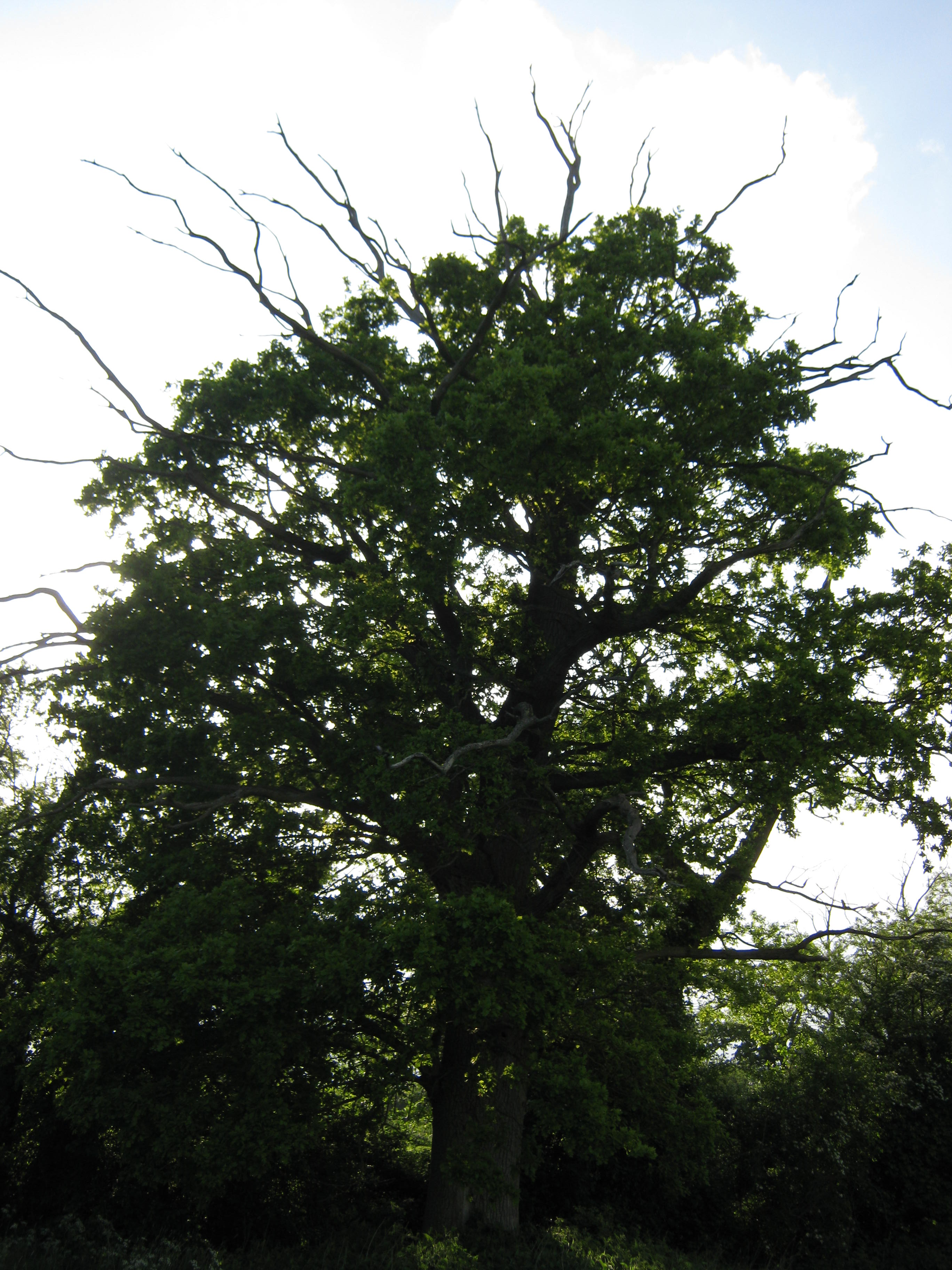
This is one of many ancient oaks we saw on our walk.  Once they get to about seven or eight hundred years old they start to die back a little.  A little like us humans:  when we get to a certain age we start to shrink a bit too.  When they get dead branches sticking out of the top of the canopy they are described as being ‘stag-headed’.

Image

A young Horse Chestnut.

Image

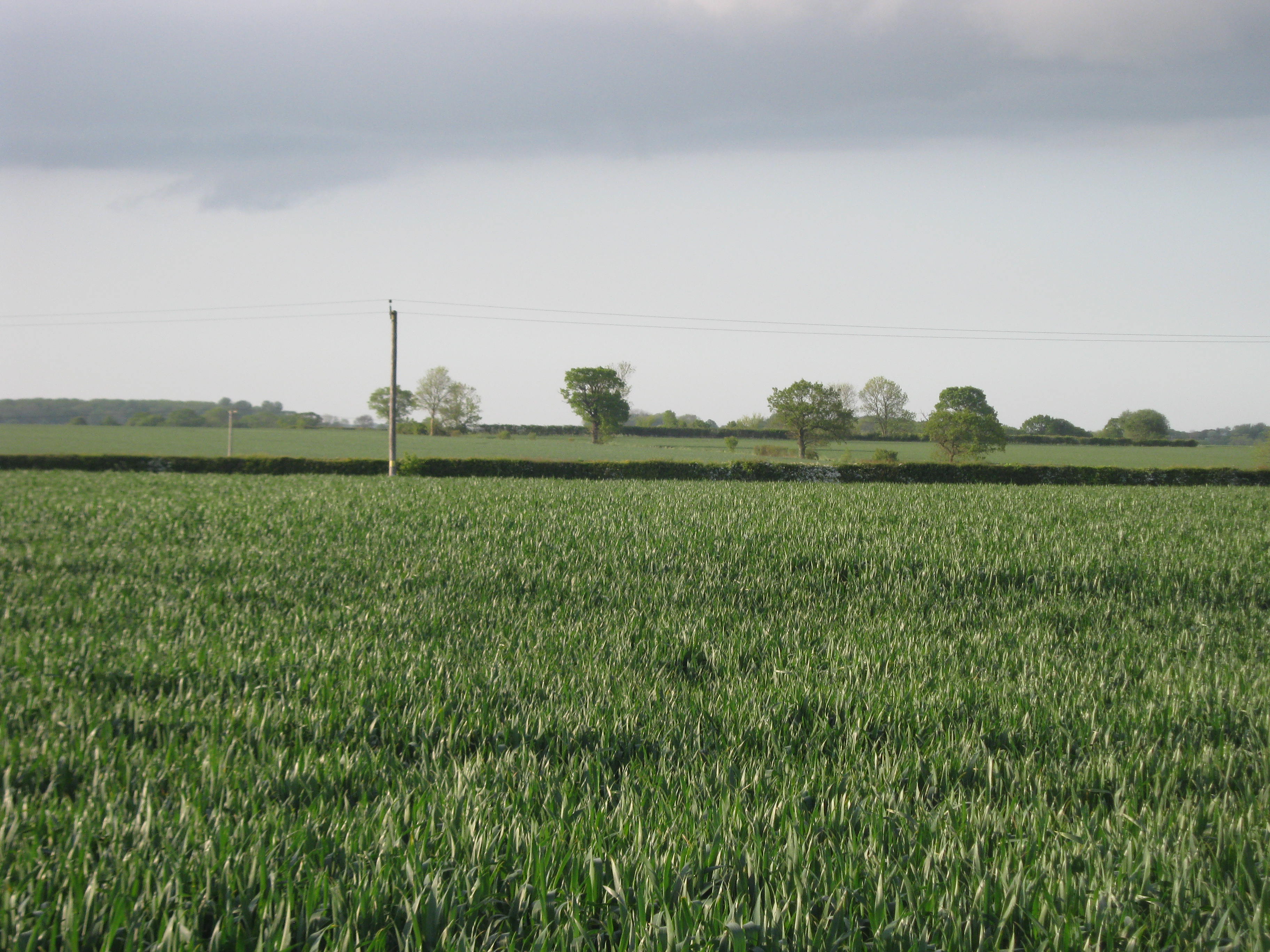
View over the fields.

Image

A field of ripening barley.

Image

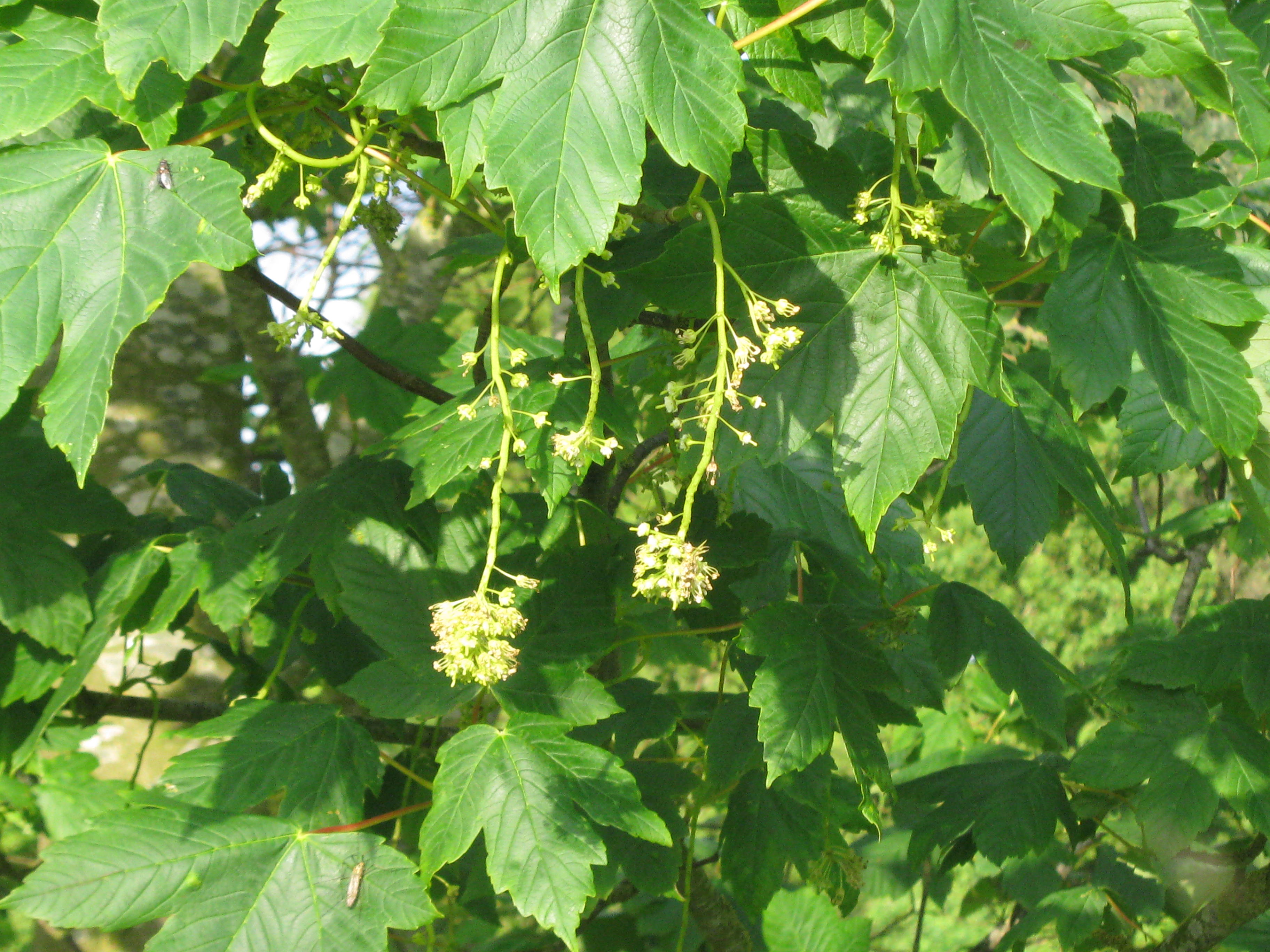
A Sycamore tree with flowers.

Image

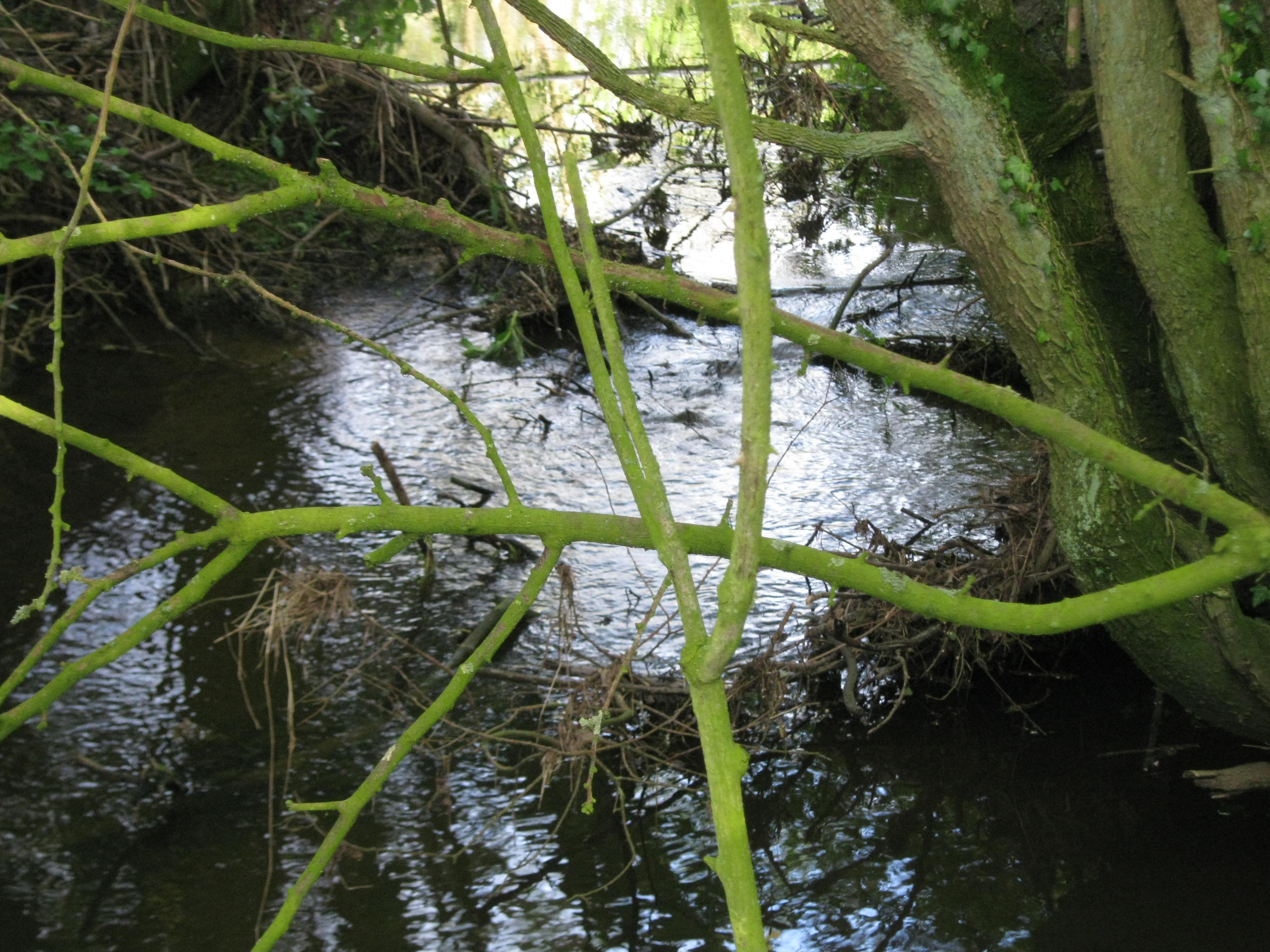
The Beck

Image

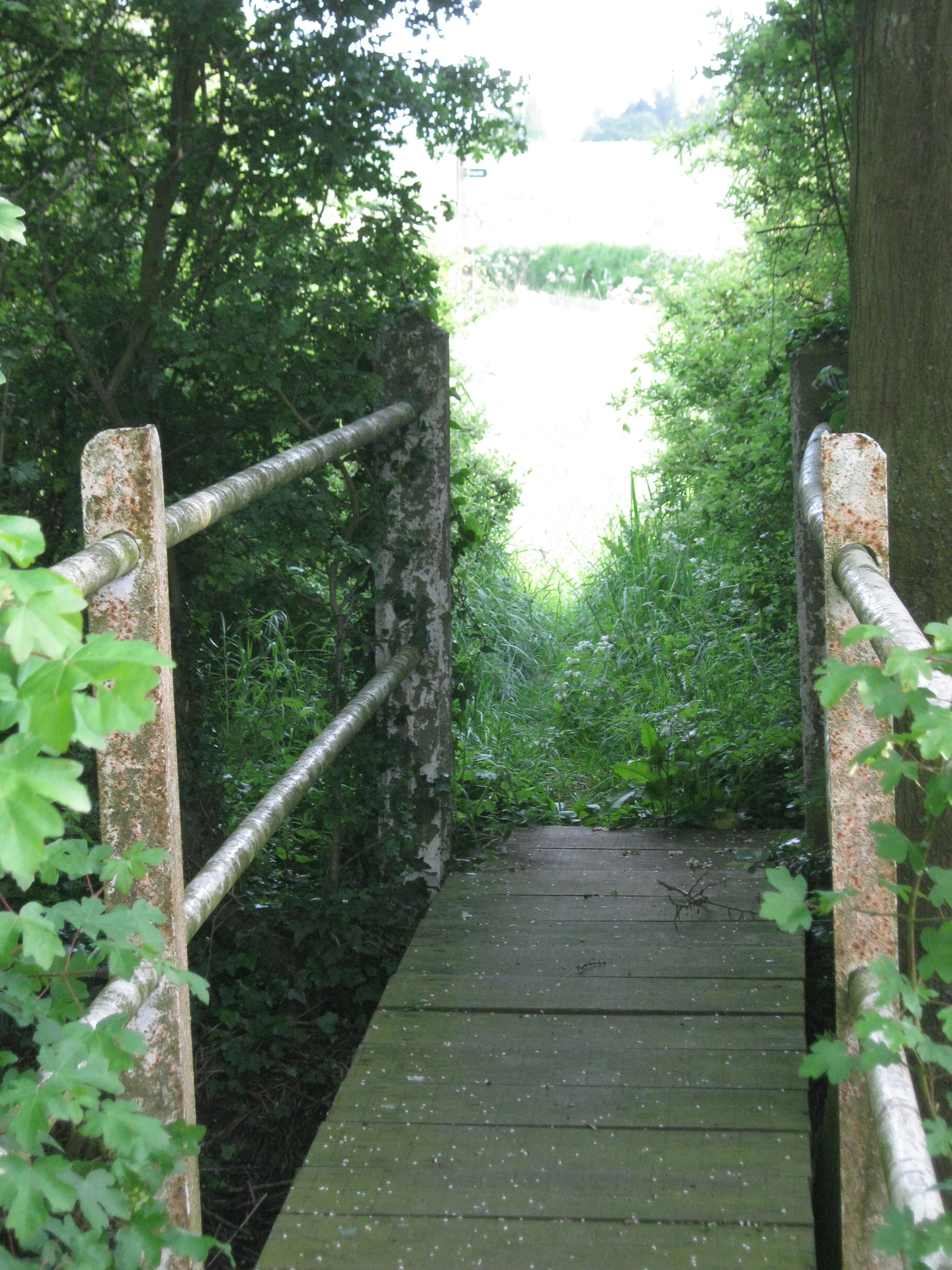
Bridge over the Beck.

Image

Image

Image

Views across the fields on the other side of the Beck.

Image

Image

The lane going up the hill from St Peter’s Washes.

Image

Another ancient oak tree.  I think this one’s trunk must be about twelve feet in circumference – it must easily be about a thousand years old.  I must try to bring a tape measure with me next time we walk this way and see if I can get through the hedge and measure it.

Image

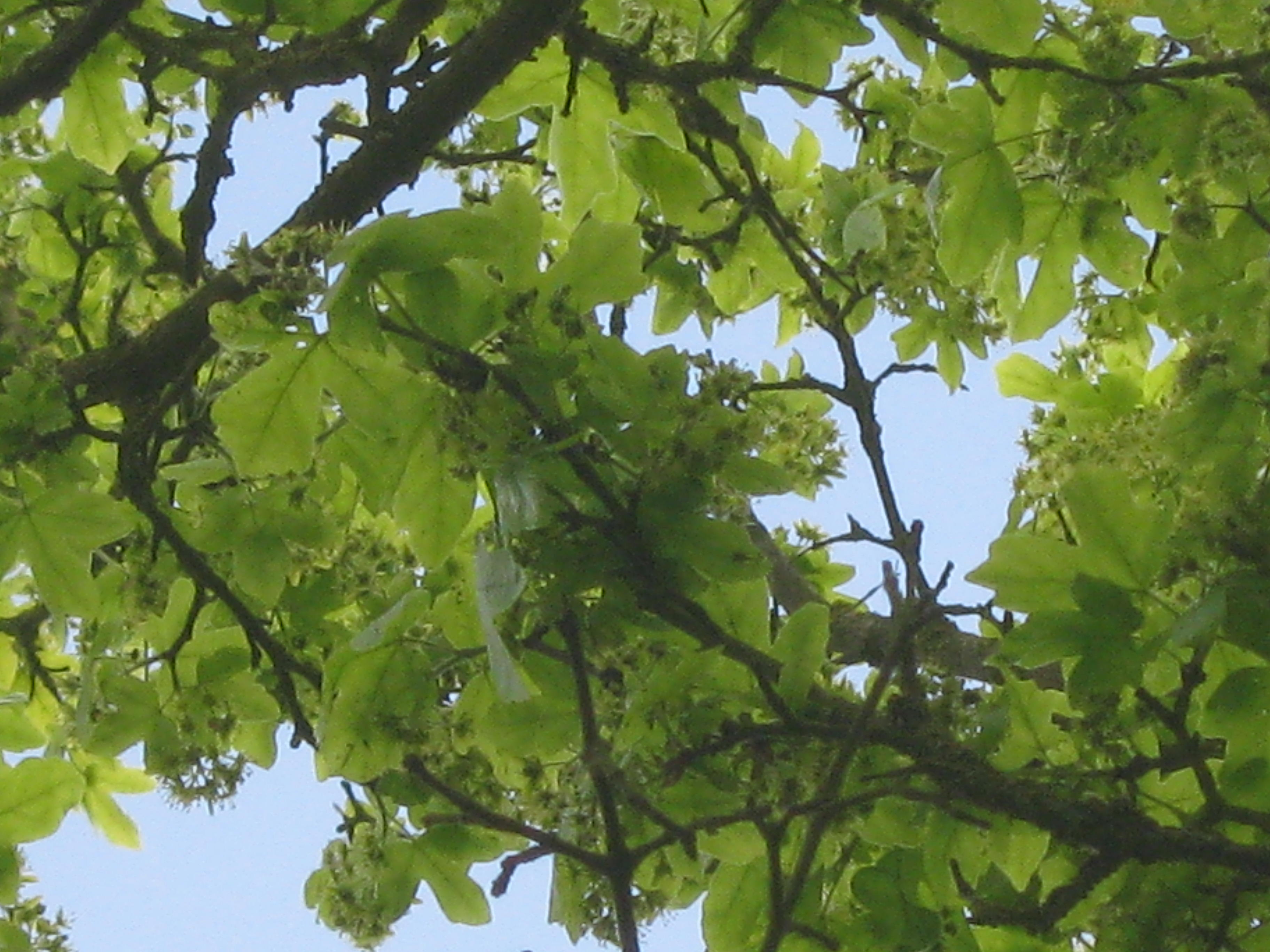
I love standing under trees and looking up through the branches.  Trees are the most magnificent awe-inspiring things.

Image

Image

We looked down across the fields in the direction from which we’d come and then down the lane.  Many people think that East Anglia has no hills and no hedges.  This proves that we do have both though the hills aren’t very steep or high.

Image

St Peter’s church over the field.

Image

Image


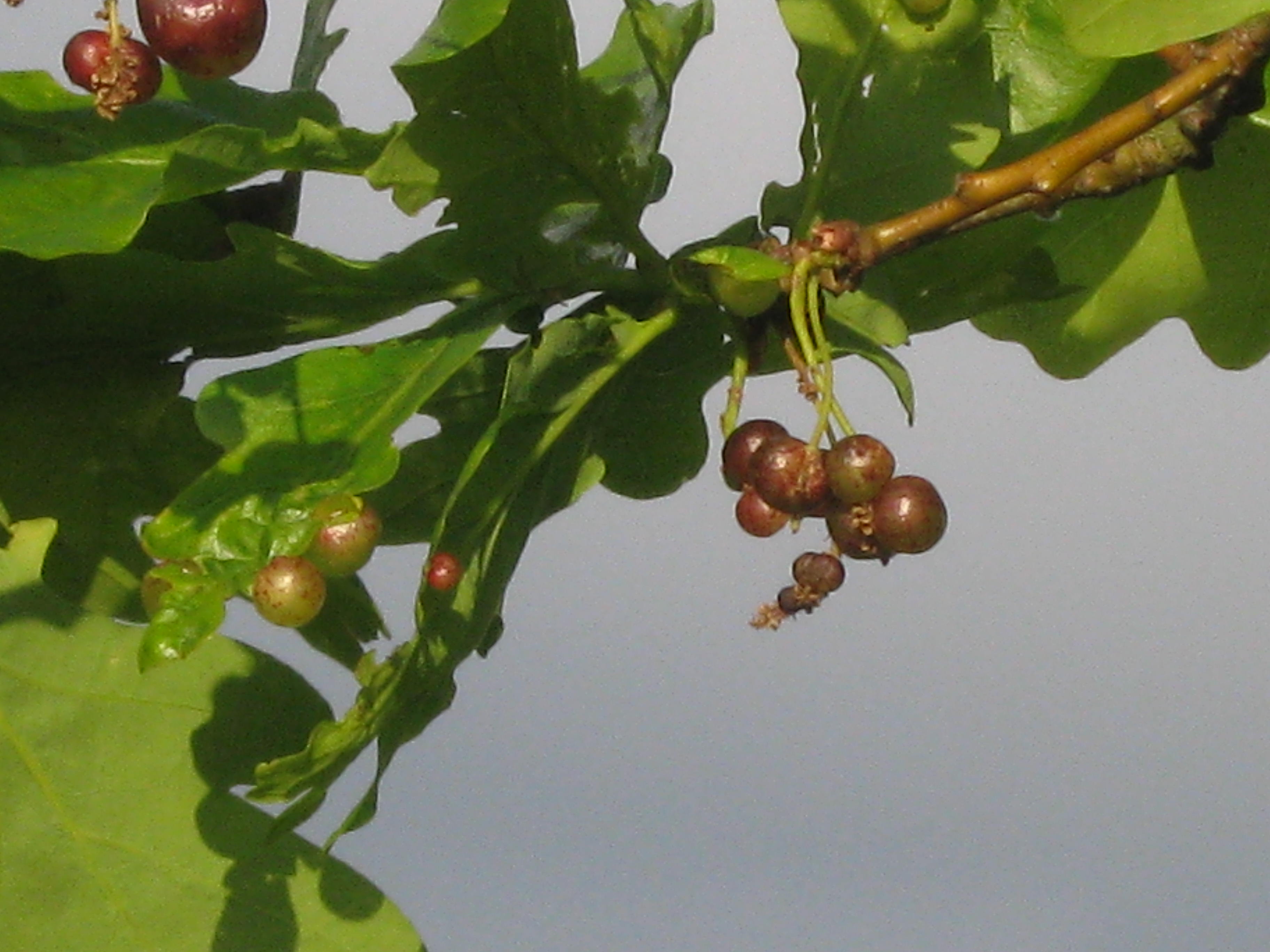
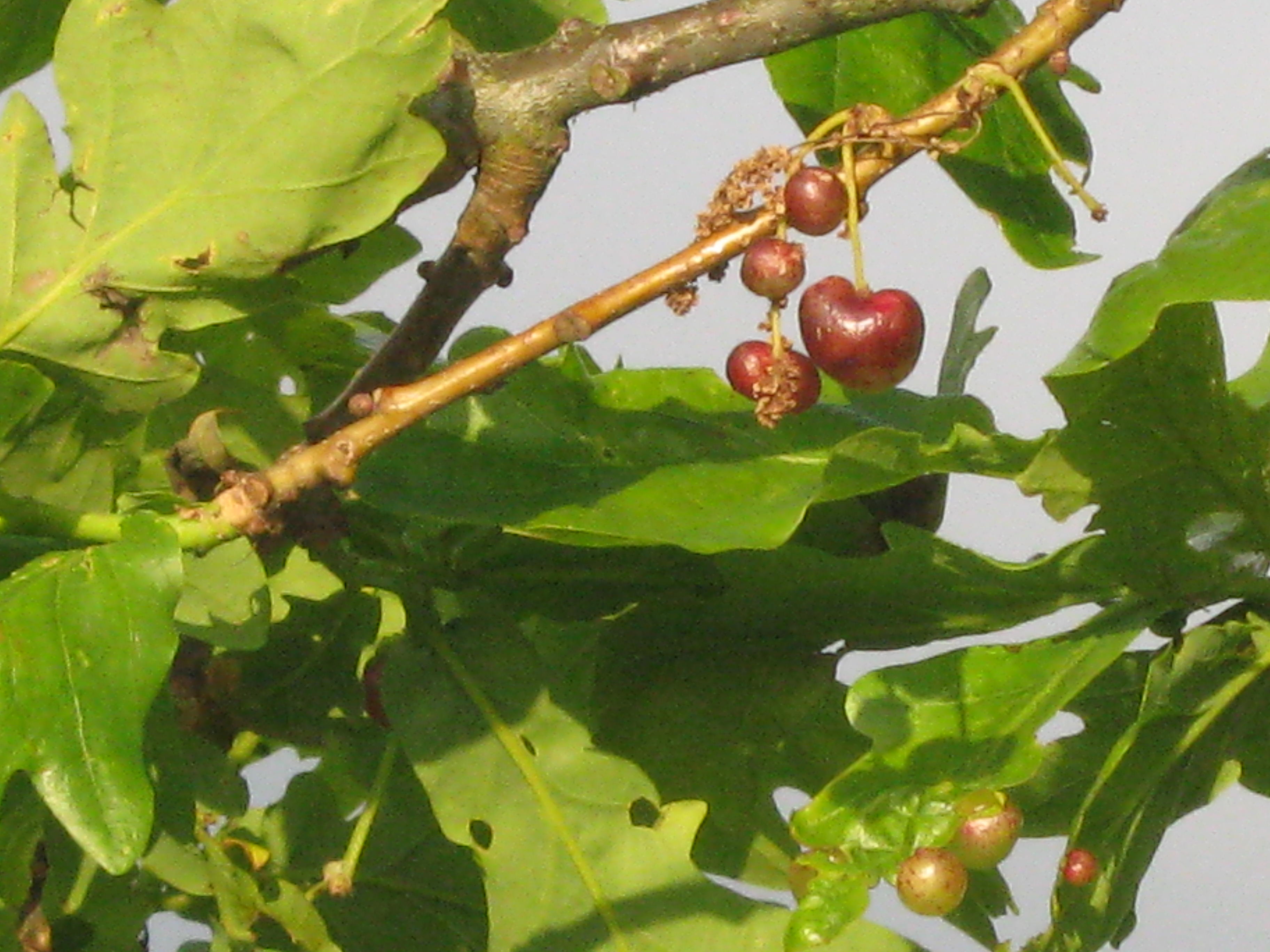
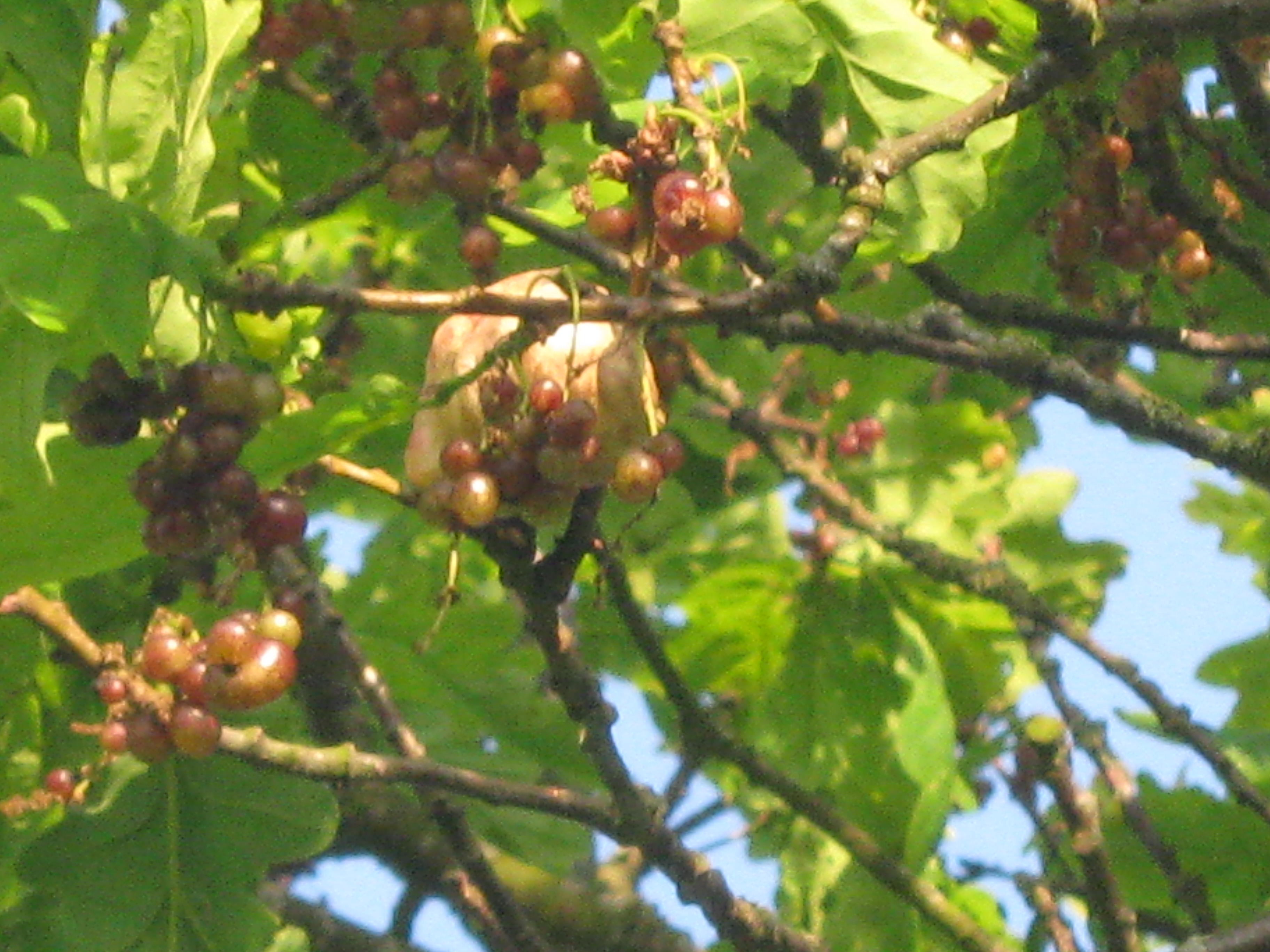
Fruits on an Oak Tree.

Image

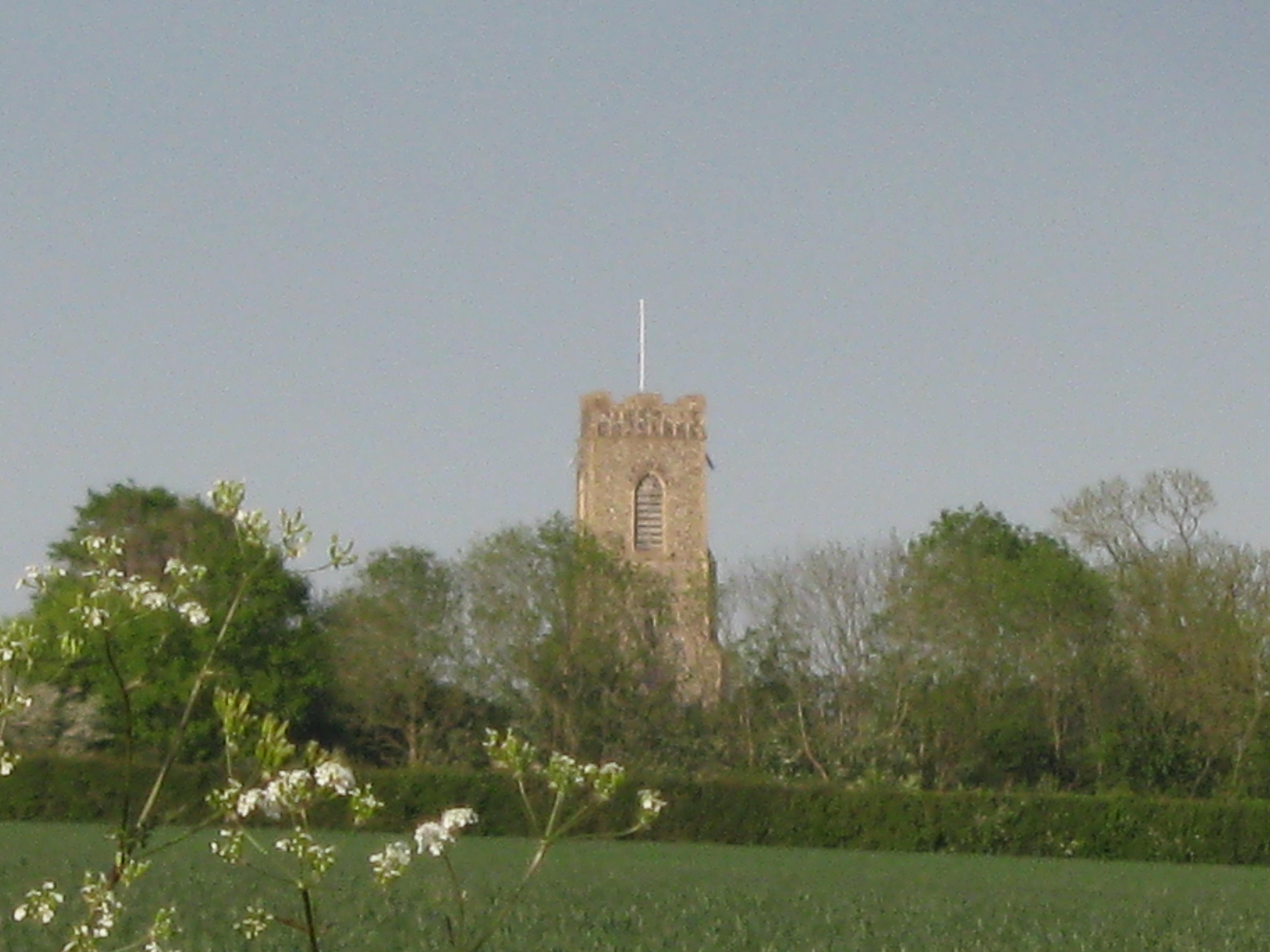
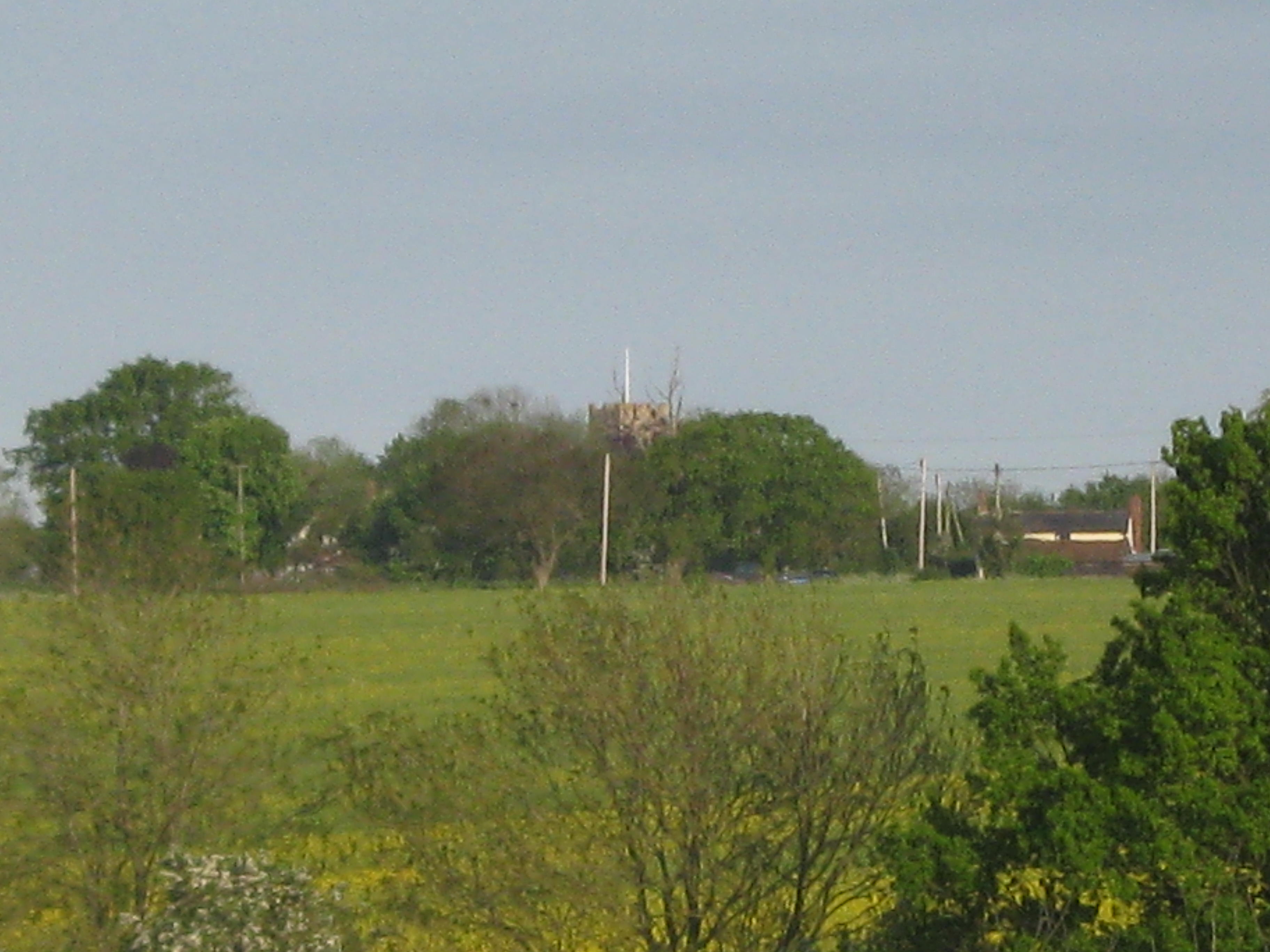
The top of the tower of St Michael’s church can just be seen above the trees.

Image

Image

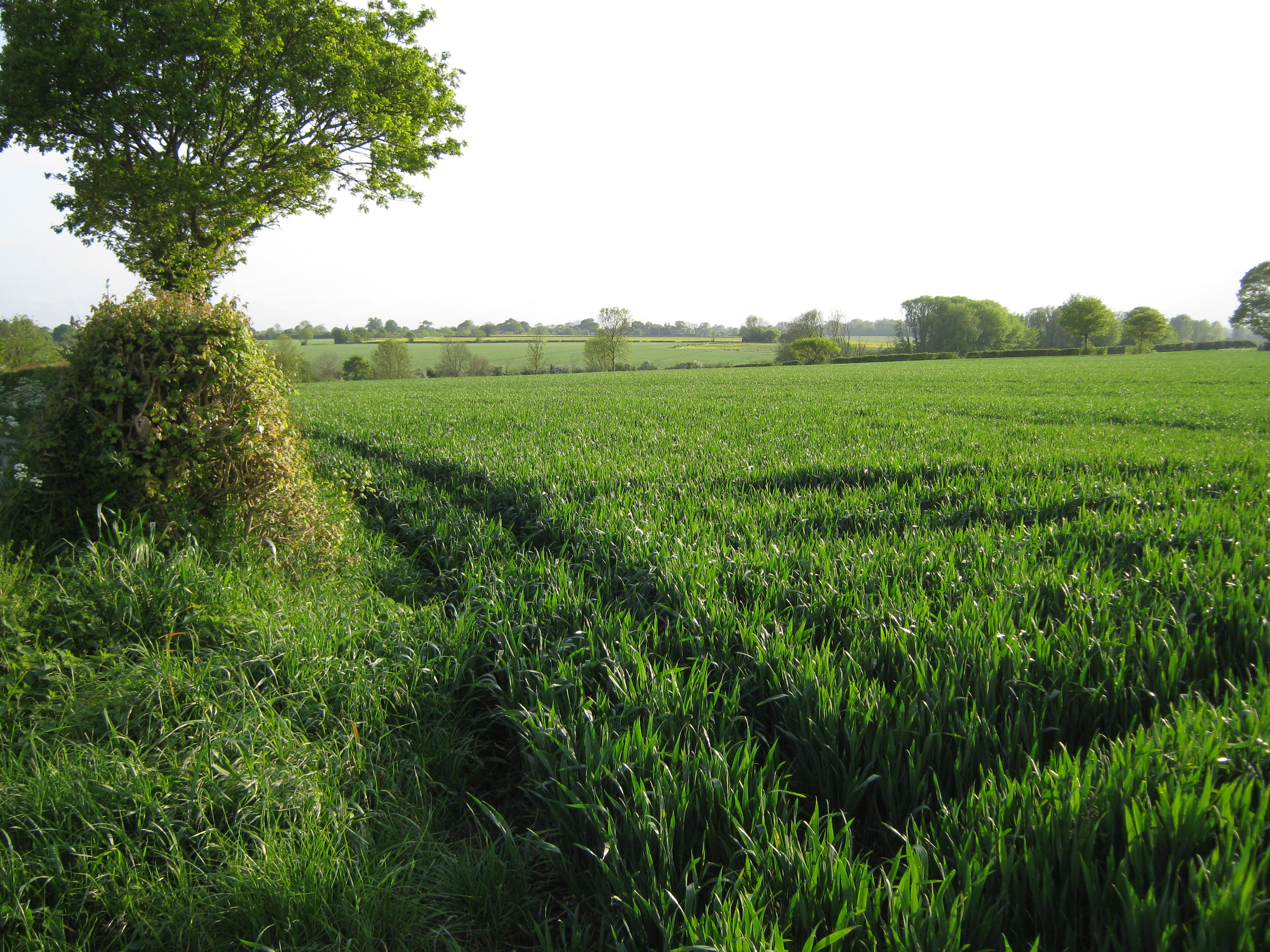
More views across the fields from the top of the lane.

Image

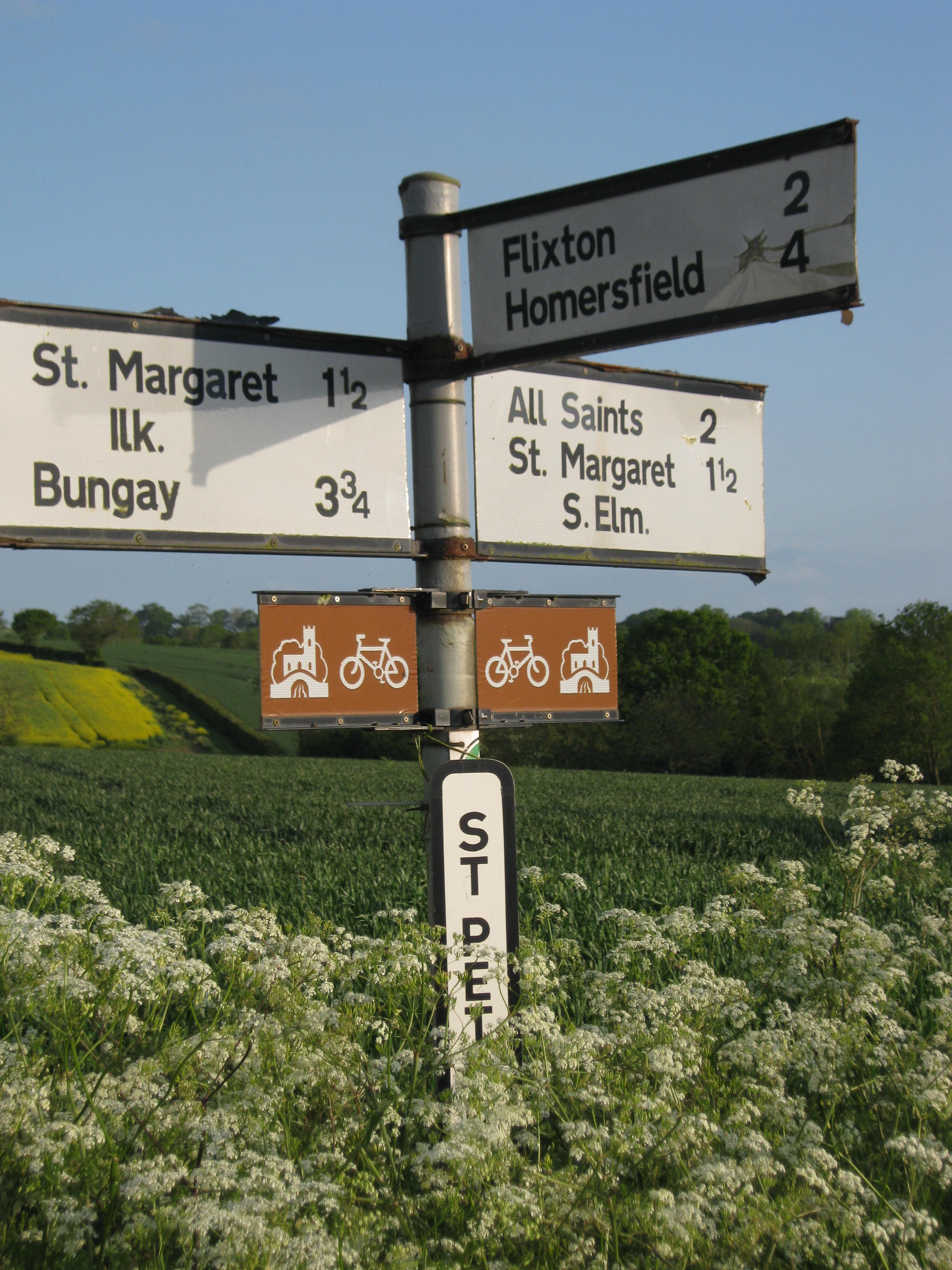
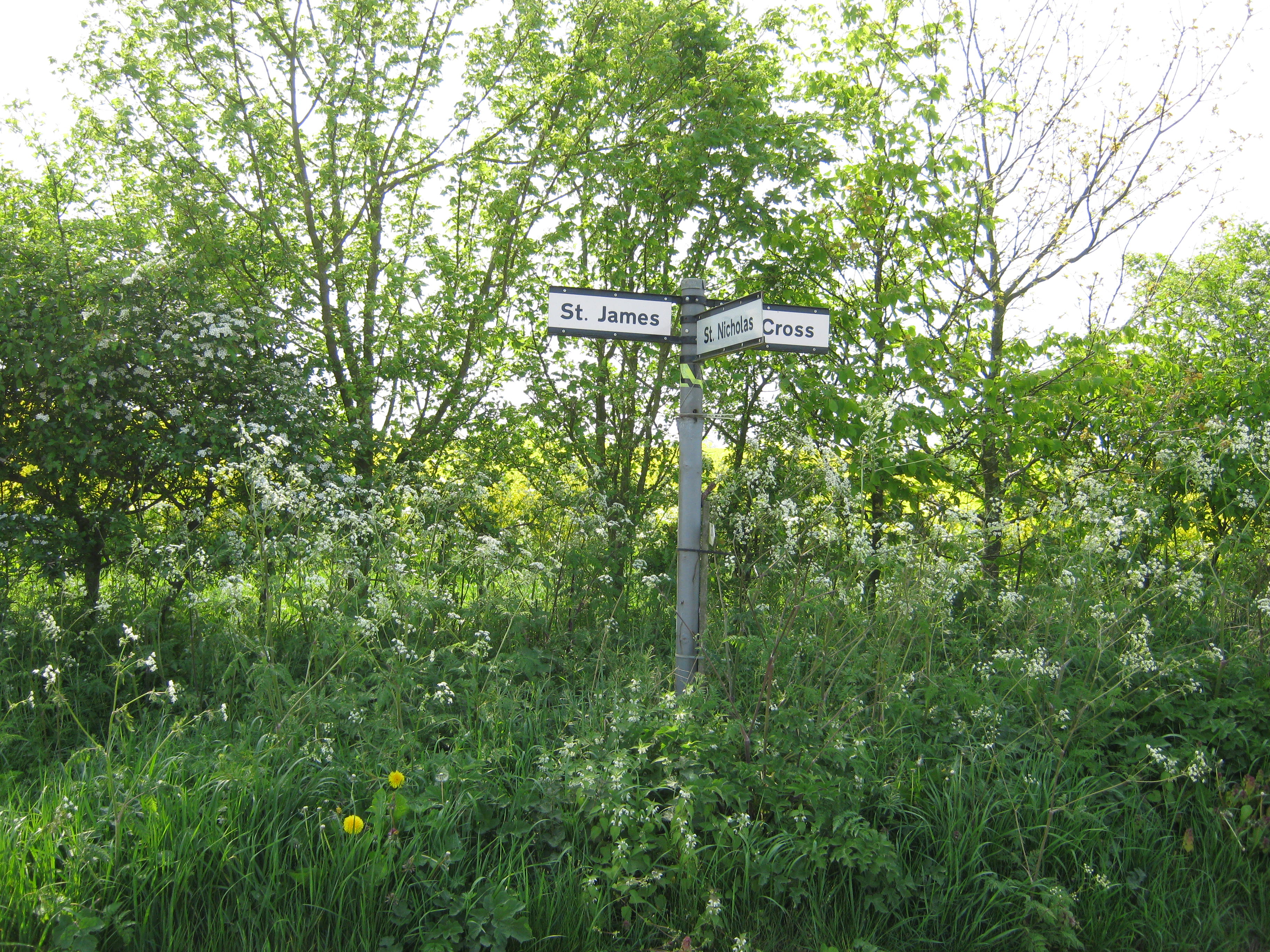
The signpost at the end of the lane.

Image

Another view from the top.

Image

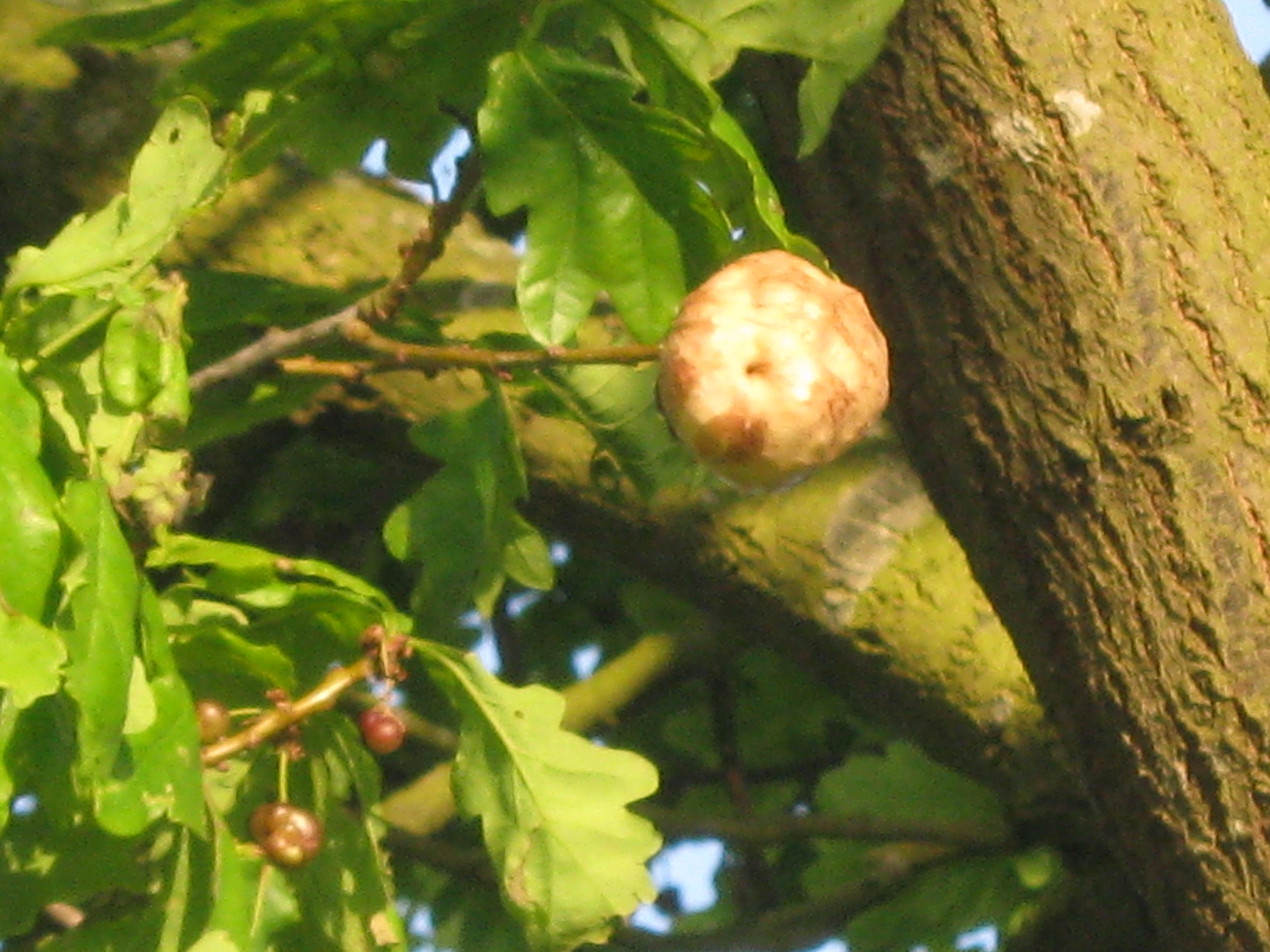
An oak-apple with fruits

Image

An oak-apple.

Image

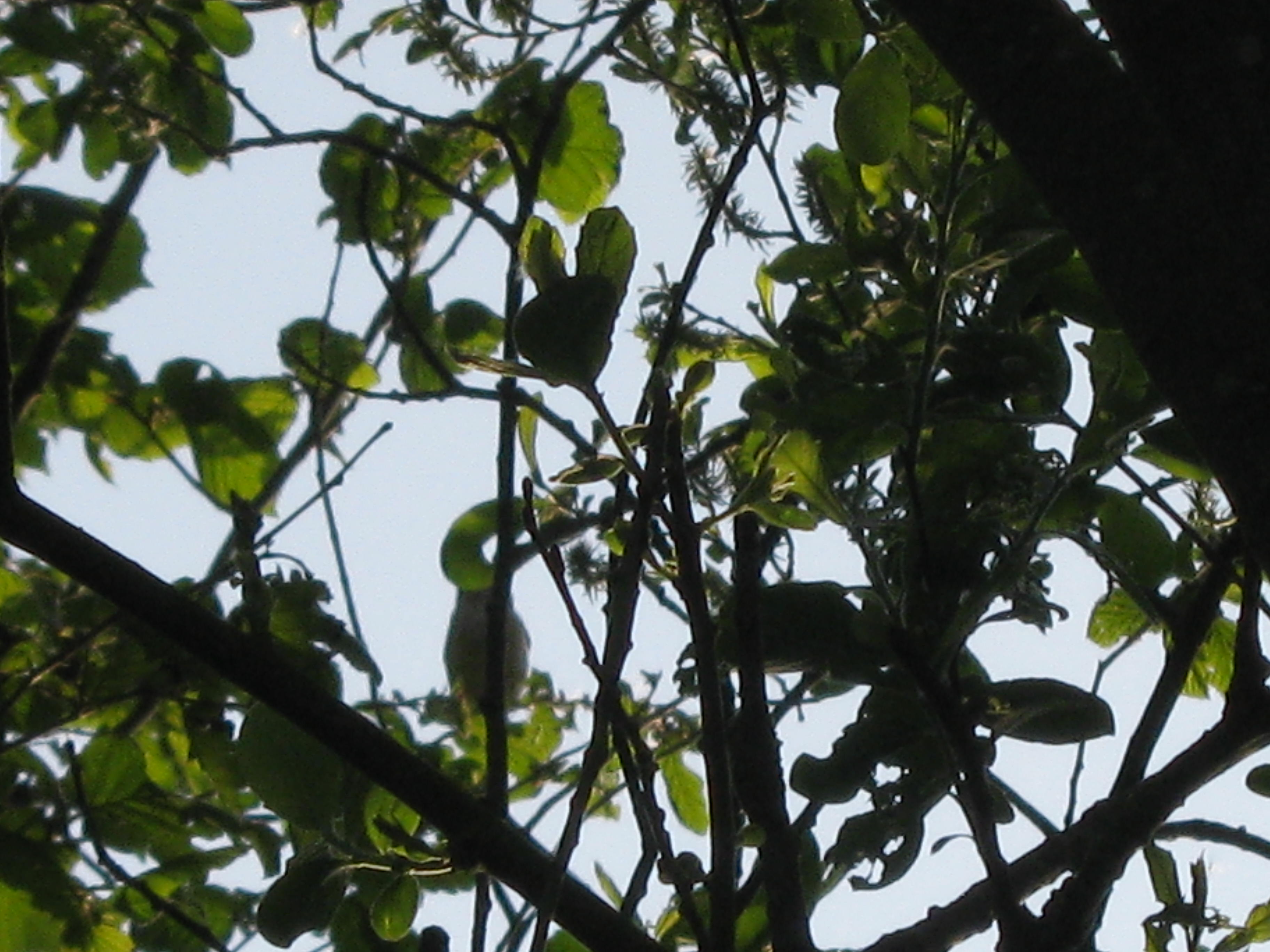
This is a picture of a Lesser Whitethroat!  It is just below and just to the left of centre and has a curly leaf over its face.  You’ll have to take my word for it that it really was a Lesser Whitethroat.

Image

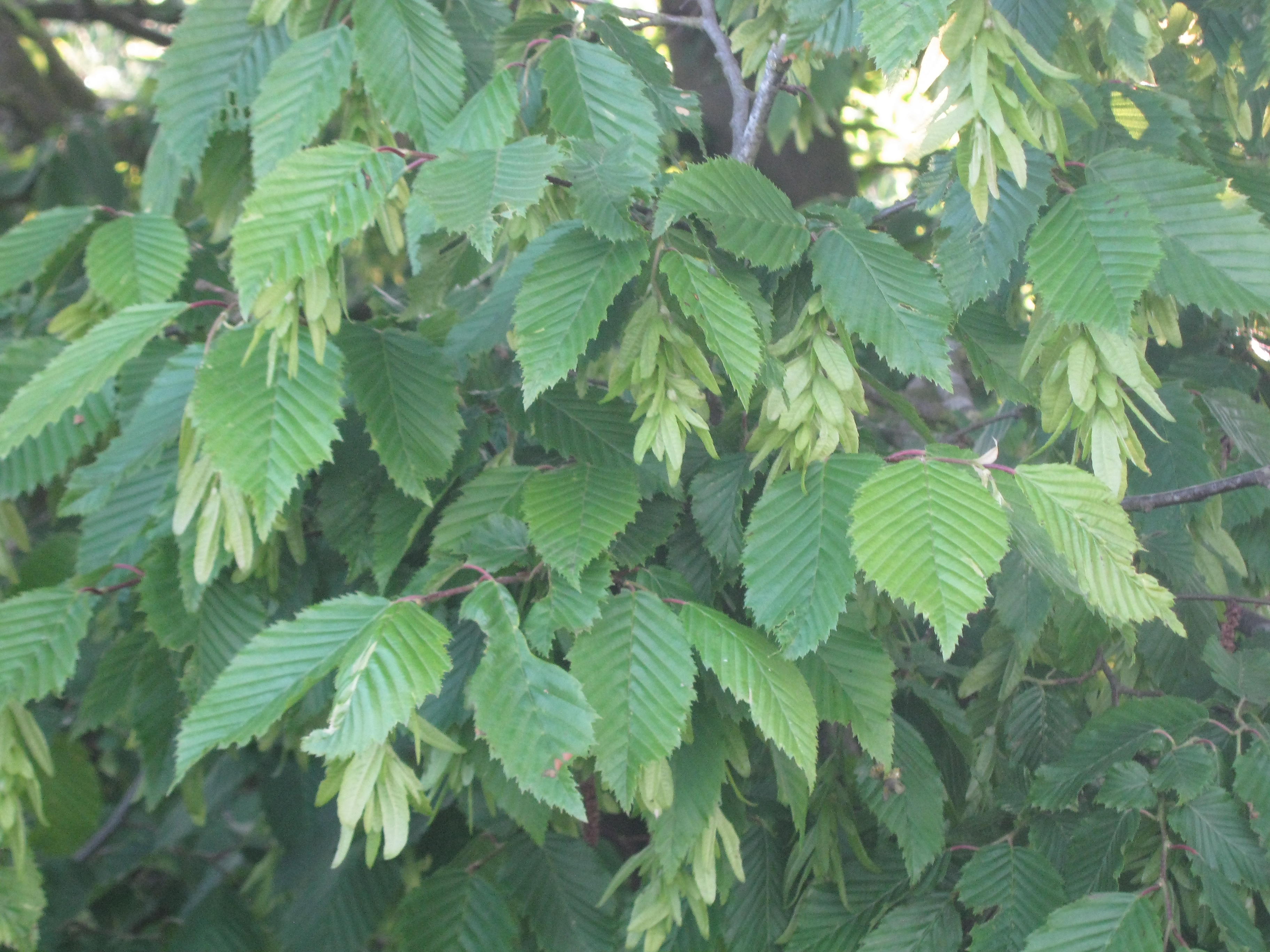
A Wych Elm and fruits.

Image

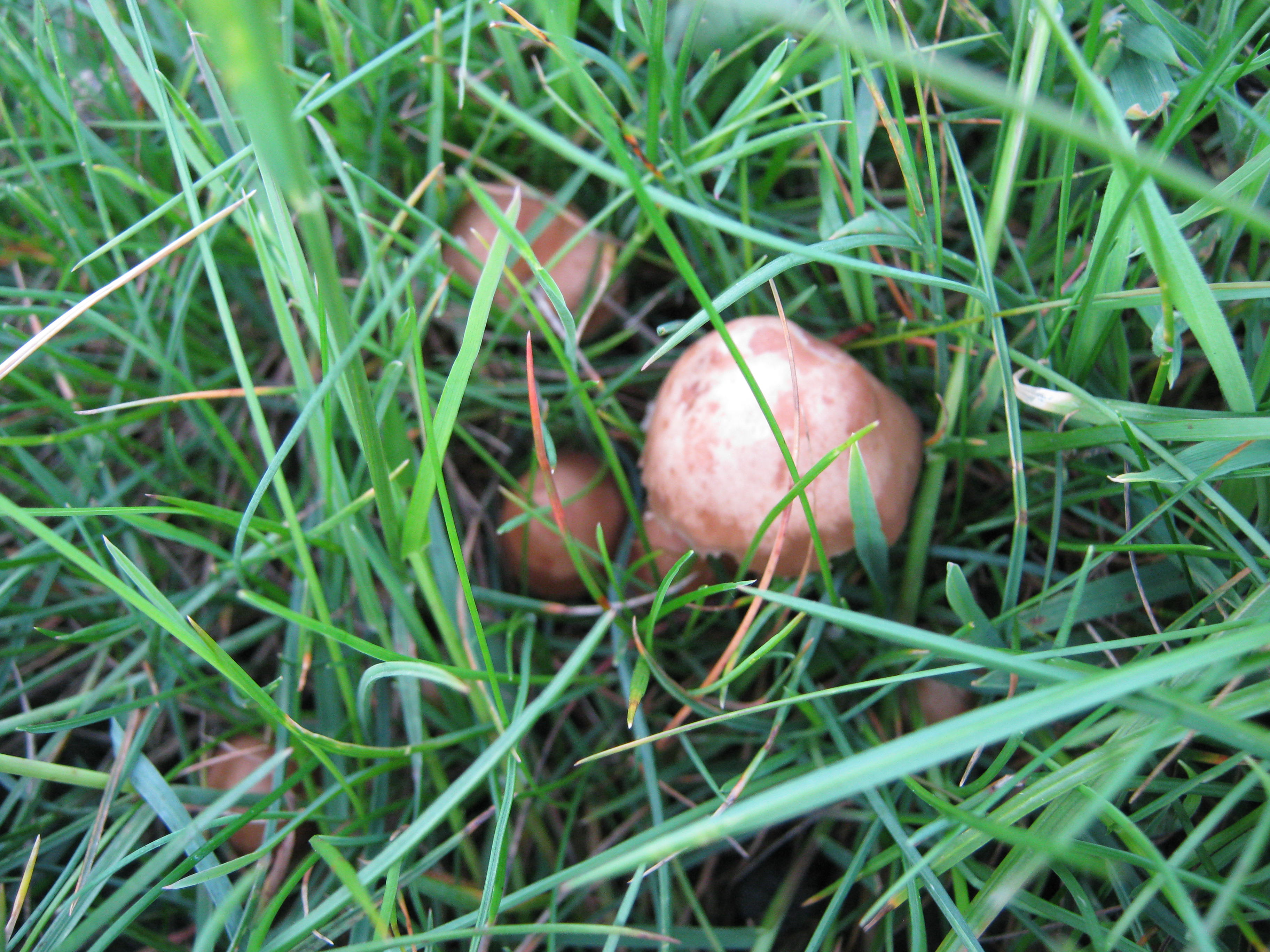
Toadstools

Image

Late sunshine.

We walked back home quite content and I cooked our evening meal.


Share this:

  • Share on X (Opens in new window) X
  • Share on Reddit (Opens in new window) Reddit
  • Share on Pinterest (Opens in new window) Pinterest
  • Share on Facebook (Opens in new window) Facebook
  • Email a link to a friend (Opens in new window) Email
  • Share on Tumblr (Opens in new window) Tumblr
  • Print (Opens in new window) Print
  • Share on LinkedIn (Opens in new window) LinkedIn
Like Loading...

A Wet Day

14 Wed May 2014

Posted by Clare Pooley in churches, Gardening, plants, Rural Diary, trees, wild birds

≈ 6 Comments

Tags

ash die-back, ash tree, calendula, clouds, collared dove, Eye, lupin, moon, Rain, Rumburgh, St Chrysostom's prayer, St Michael and All Saints and St Felix church, St Peter and St Paul's church, yellow iris

The past couple of days have been fairly busy doing mainly mundane chores.  Fortunately, I am feeling much better and have regained what little energy I usually have.

Image

View from our front door on Sunday after one of many showers

I took Mum to church again on Sunday morning.  A windy day with lots of heavy showers.  Her church is currently full of scaffolding and difficult to get around.  Quite a few years ago they bought a new second-hand organ at a bargain price (still many thousands of pounds I believe).   They took out their old one and sold it on but before they could put in the new one somebody thought it might be a good idea to make a Parish Room with a kitchen and toilets too.   This could be done more easily without the organ being in place.  The church is quite a wealthy one but even so, some time was spent fund-raising and then all the architects reports, and surveyors reports and moving of tombs etc took even more time.  Bits of organ pipe and casing were handed out to all and sundry to look after at home as there was no-where to store the new organ in the church.  All money raised was spent on the Parish Room and the church had to make do with a little electric organ.  At last the Parish Room was finished and everyone was pleased with the result.  Saving up for the installation of the organ was resumed and was going very well until the boiler broke down and had to be replaced.  Fortunately, some very generous parishioner kindly paid for a new boiler for the church.  At last, a few weeks ago the installation of the organ began and should be completed in time for the arrival of their new priest in the Autumn.  When I got to church with Mum on Sunday even more scaffolding had been erected as they had decided to investigate a large damp patch that had appeared above the Rood Screen.  They also have a Doom painting up there (covered with whitewash) which they want to look at to see that it isn’t deteriorating too much.

I had lunch when I got home and then spent a quiet afternoon reading, checking e-mails, feeding the birds and preparing the vegetables for our evening meal.  Our church had an Evening Prayer service at 6.30pm and R and I went along at 5.45pm to get everything ready.  It is fortunate that the lovely prayer of St Chrysostom is used during Morning and Evening Prayer, because if it wasn’t one might be tempted to wonder if there was much point in having the service.  There were only five of us there including poor Maurice who had prepared a very thought-provoking homily and led the service so well.

‘Almighty God, who hast given us grace at this time with one accord to make our common supplications unto thee; and dost promise that when two or three are gathered together in thy Name thou wilt grant their requests…’

Monday was another showery day with a few rumbles of thunder as well.  I did a lot of supermarket shopping and washing and other necessary jobs around the house.  I took a few photographs in the garden in-between the showers.

Image

The tallest tree here is a lovely Ash tree. It upsets me to think that it probably will be dead in ten years time because of Ash die-back disease

Image

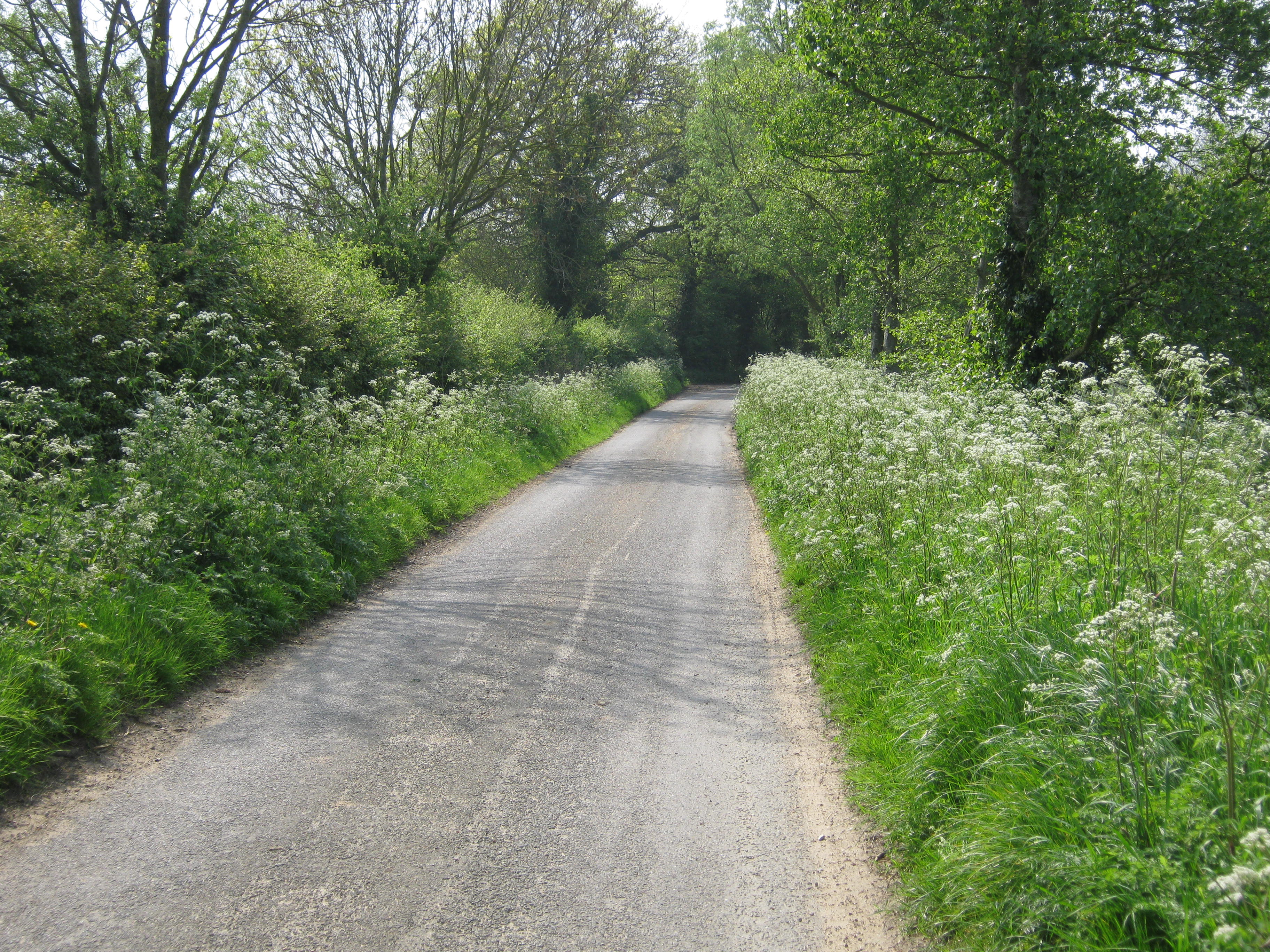
The lane in front of our house is looking particularly green at the moment.

Image

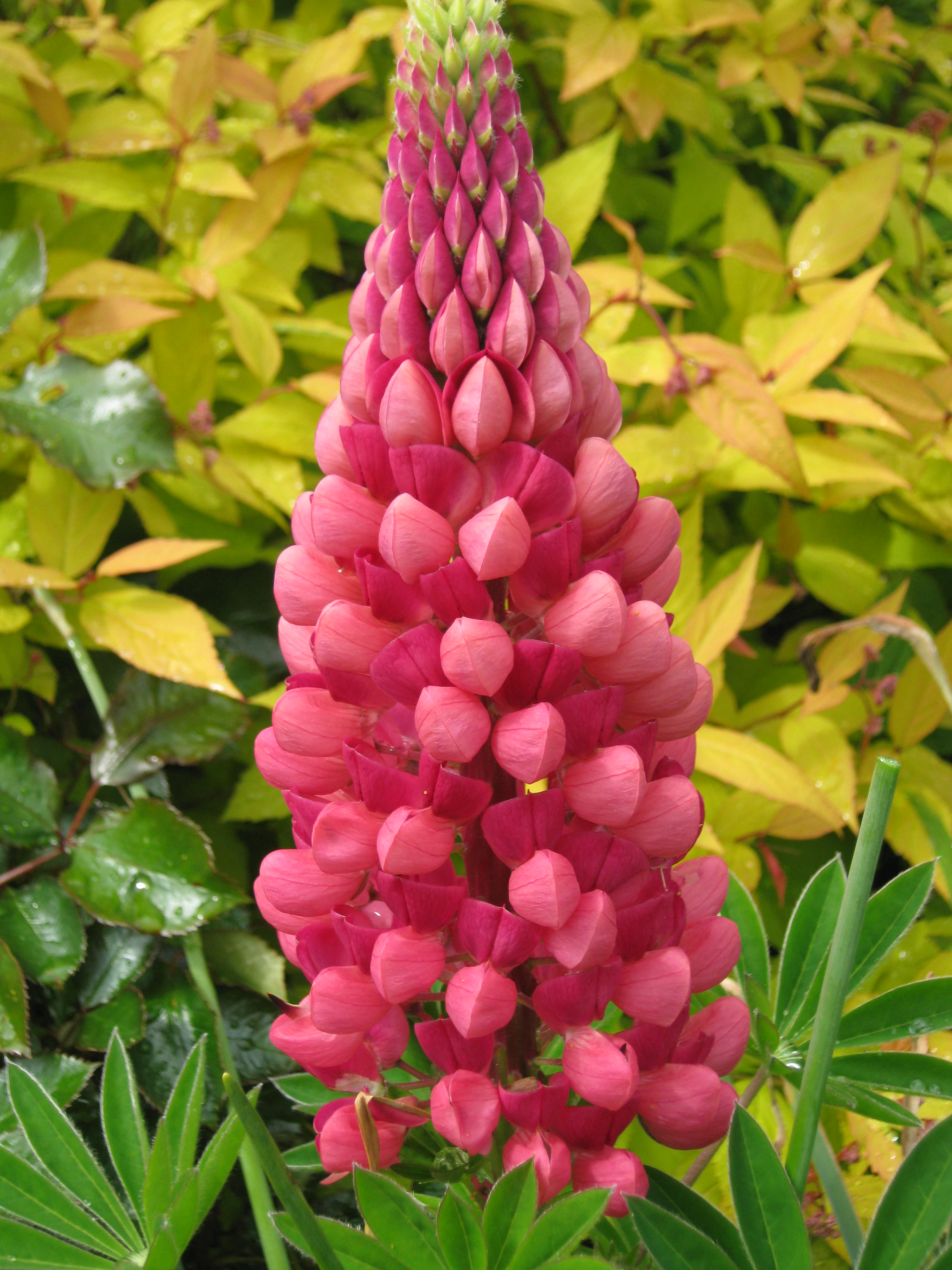
A lupin in R’s flower-bed

Image

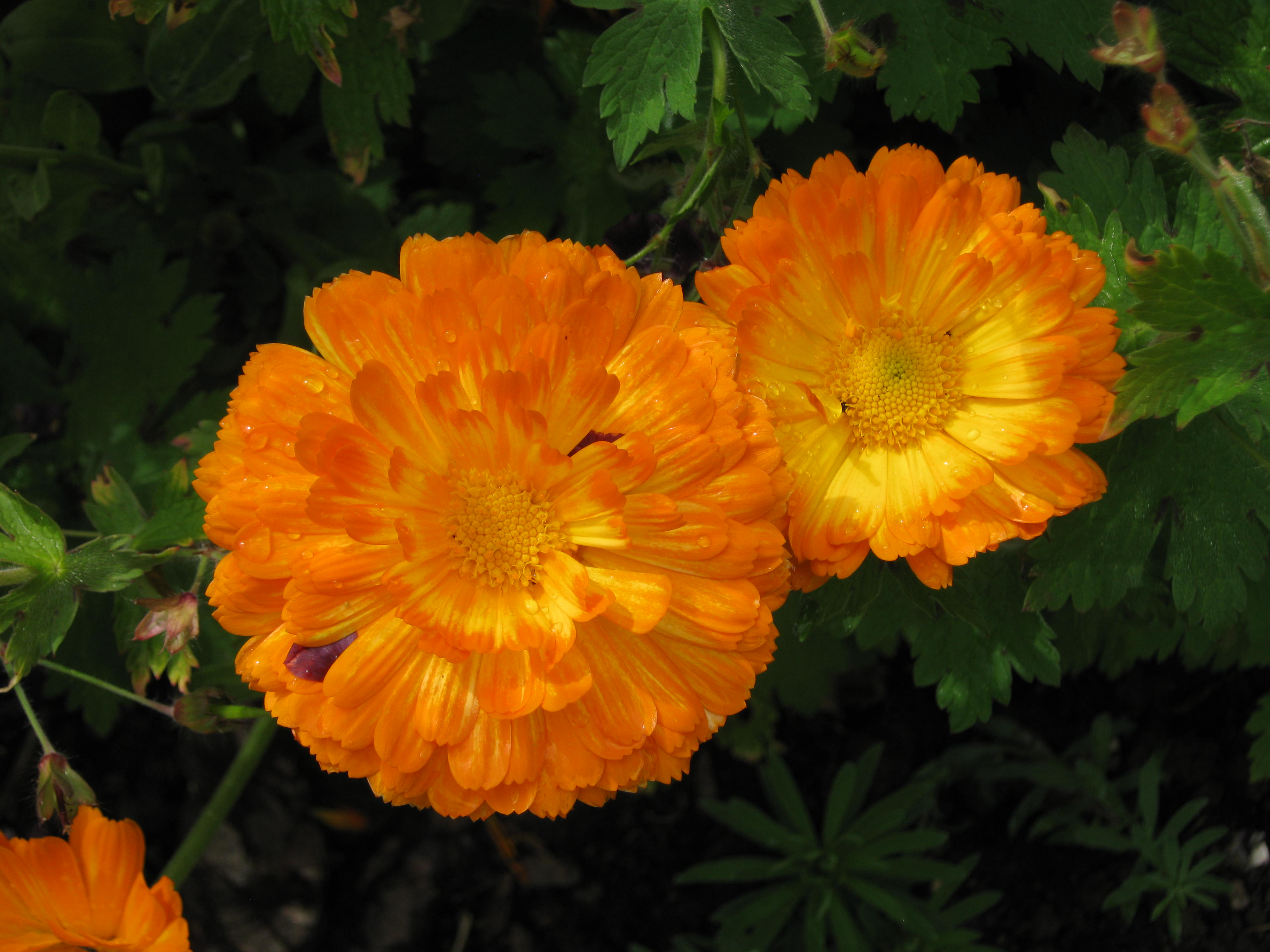
Calendula/Pot Marigold in R’s flowerbed

Image

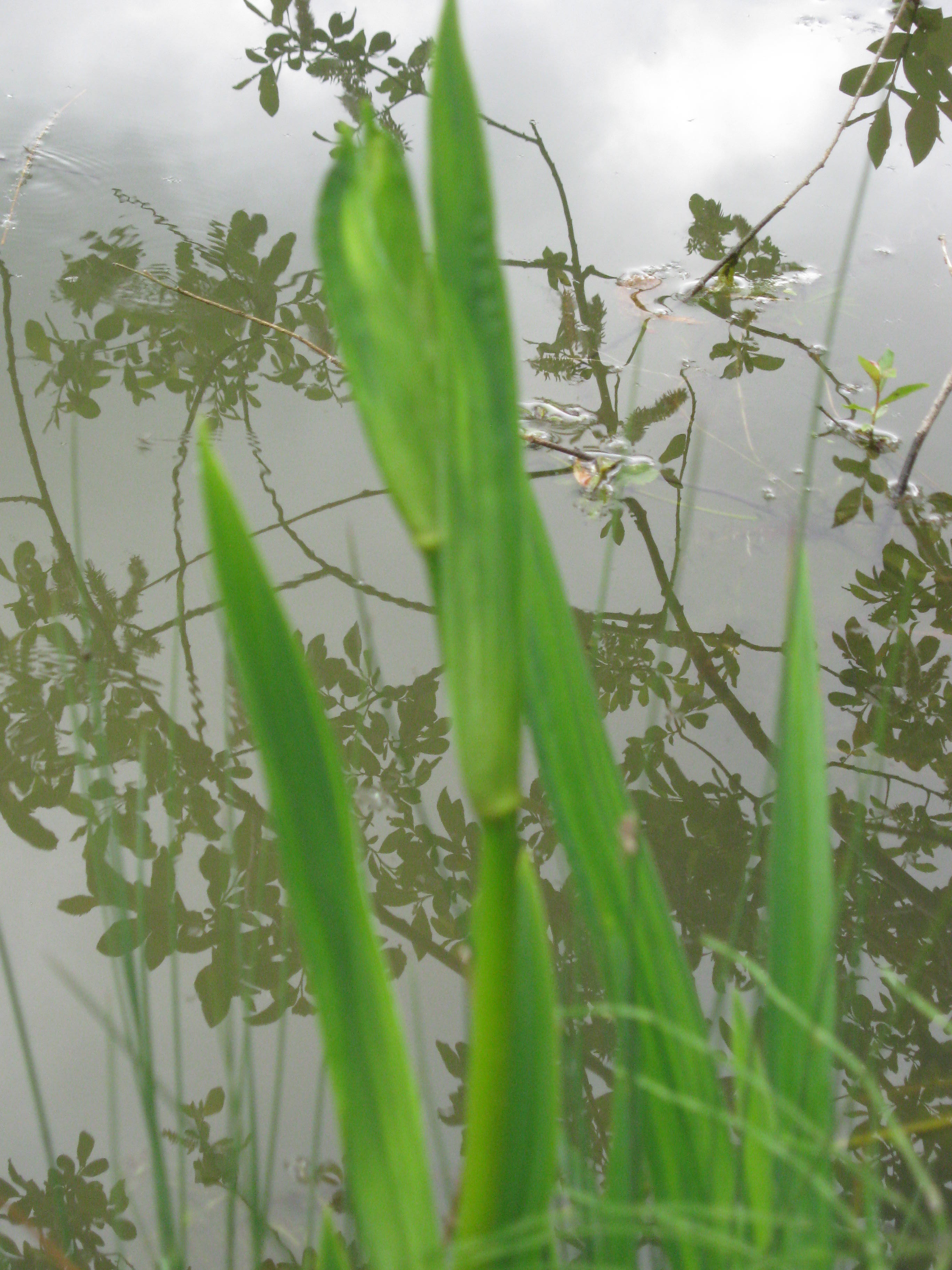
Yellow Iris in bud by the pond

Image

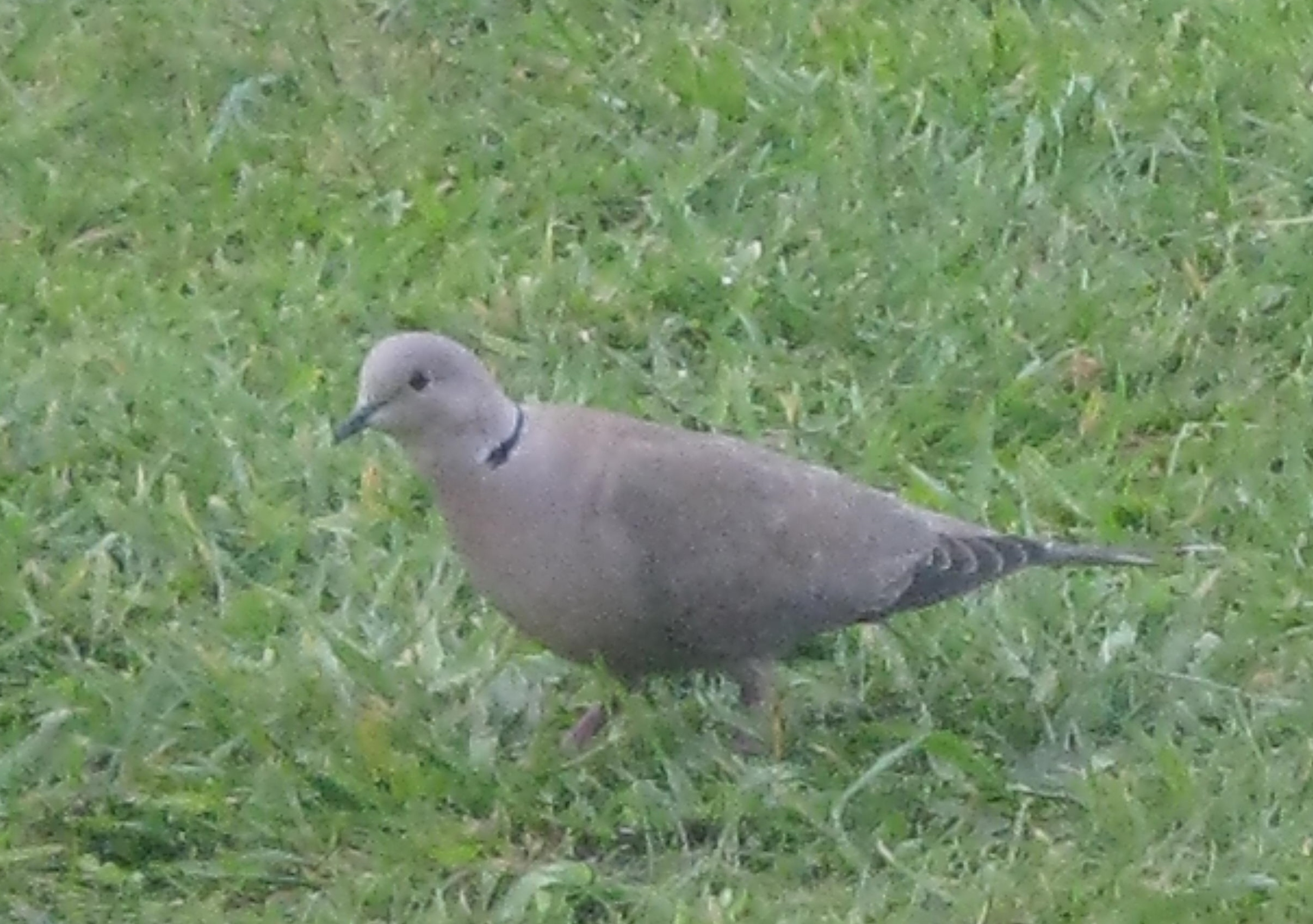
You can tell by the Collared Doves’ blurred feet that it was moving fast and I had difficulty keeping up!

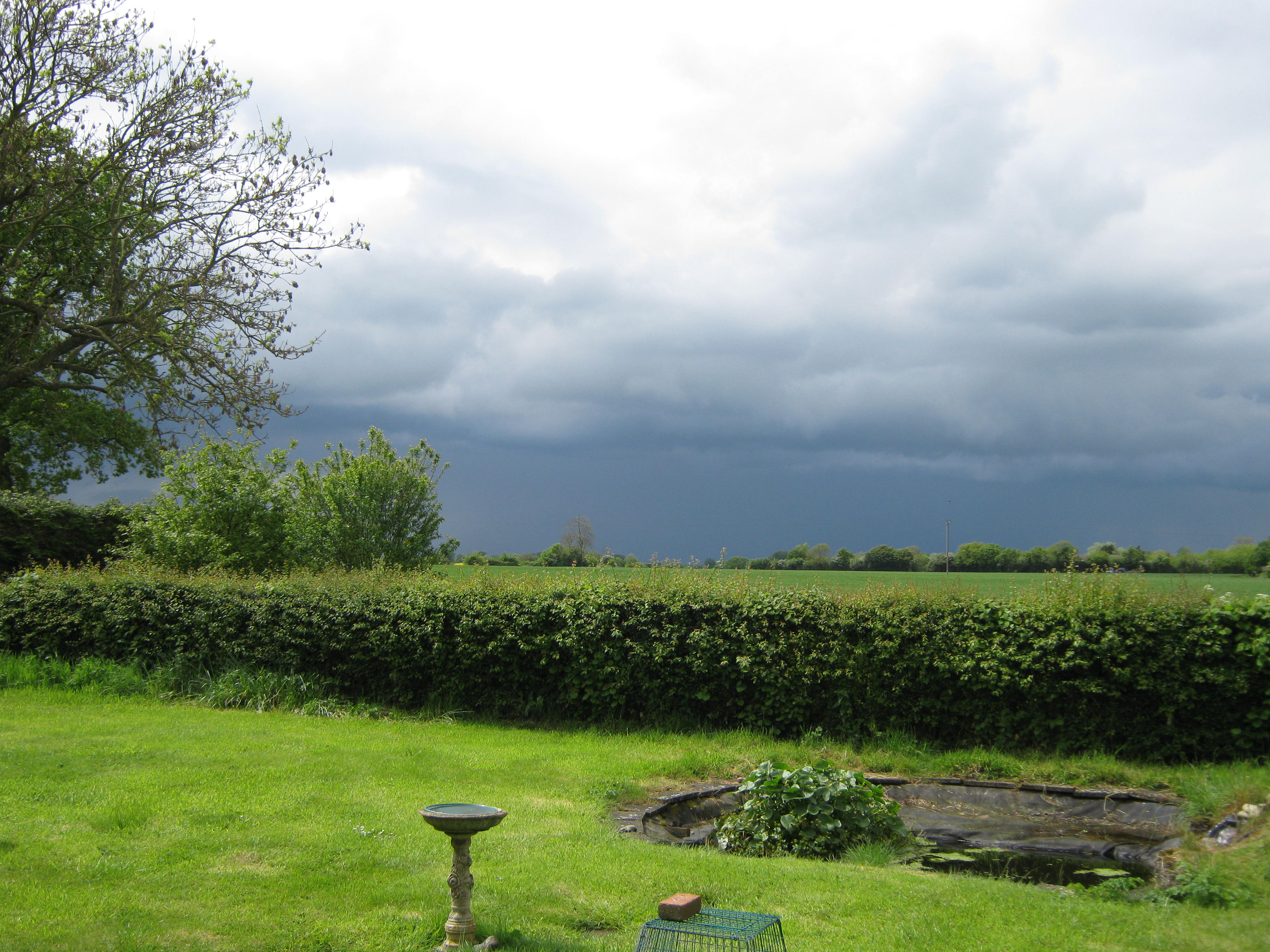
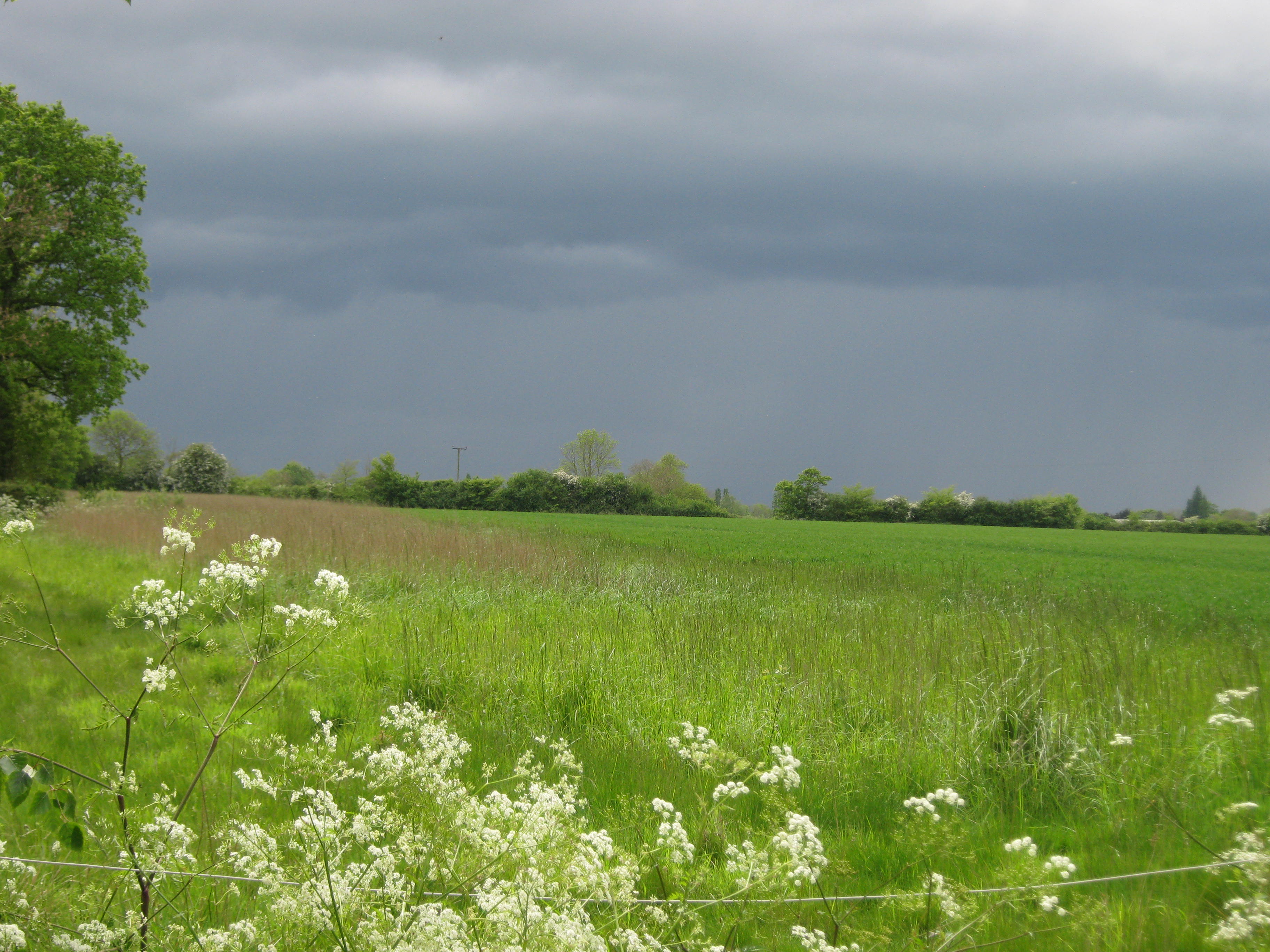
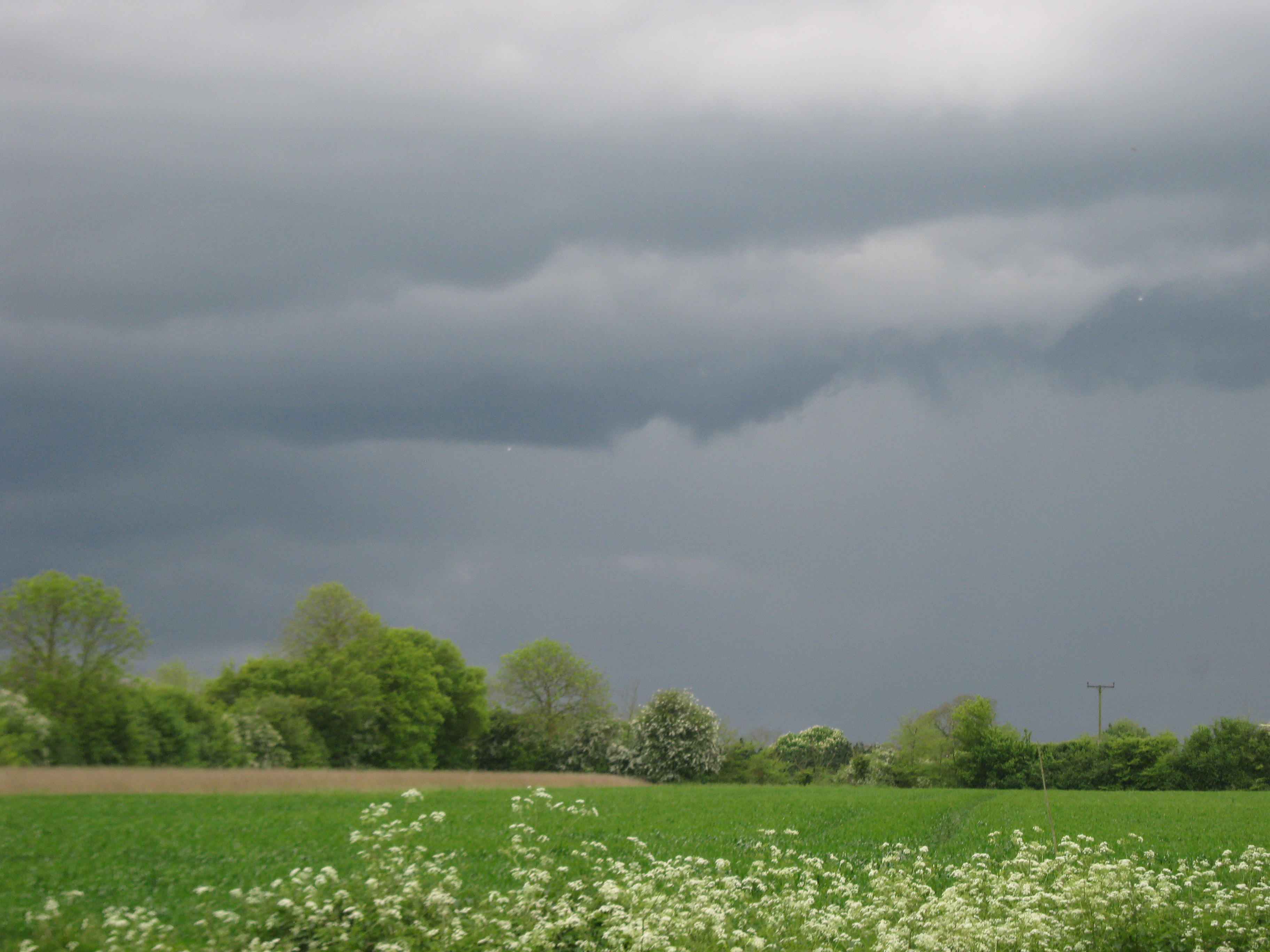
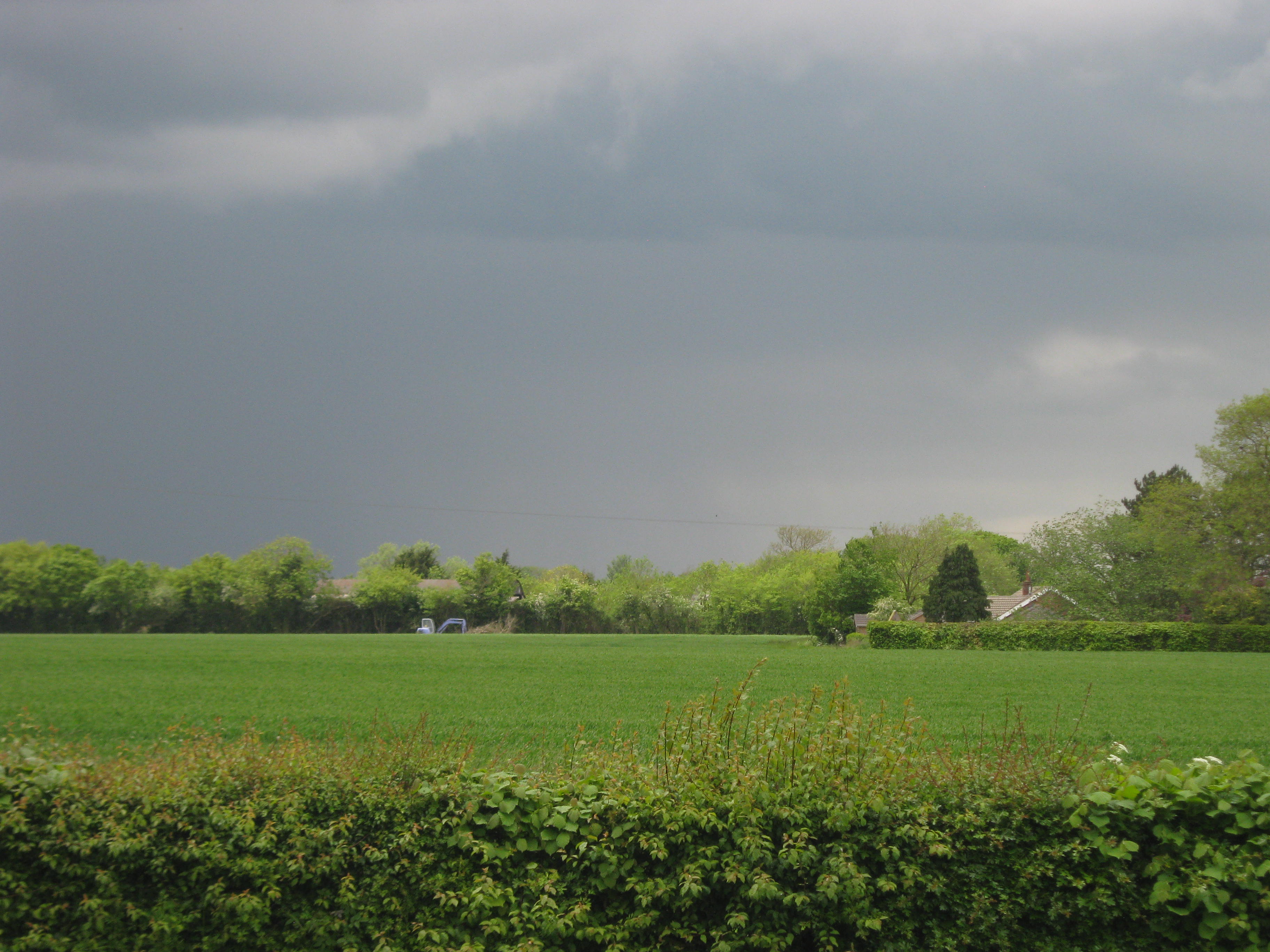
The sky gradually got cloudier and more stormy-looking as the day progressed.


Image


Image


Image

Image

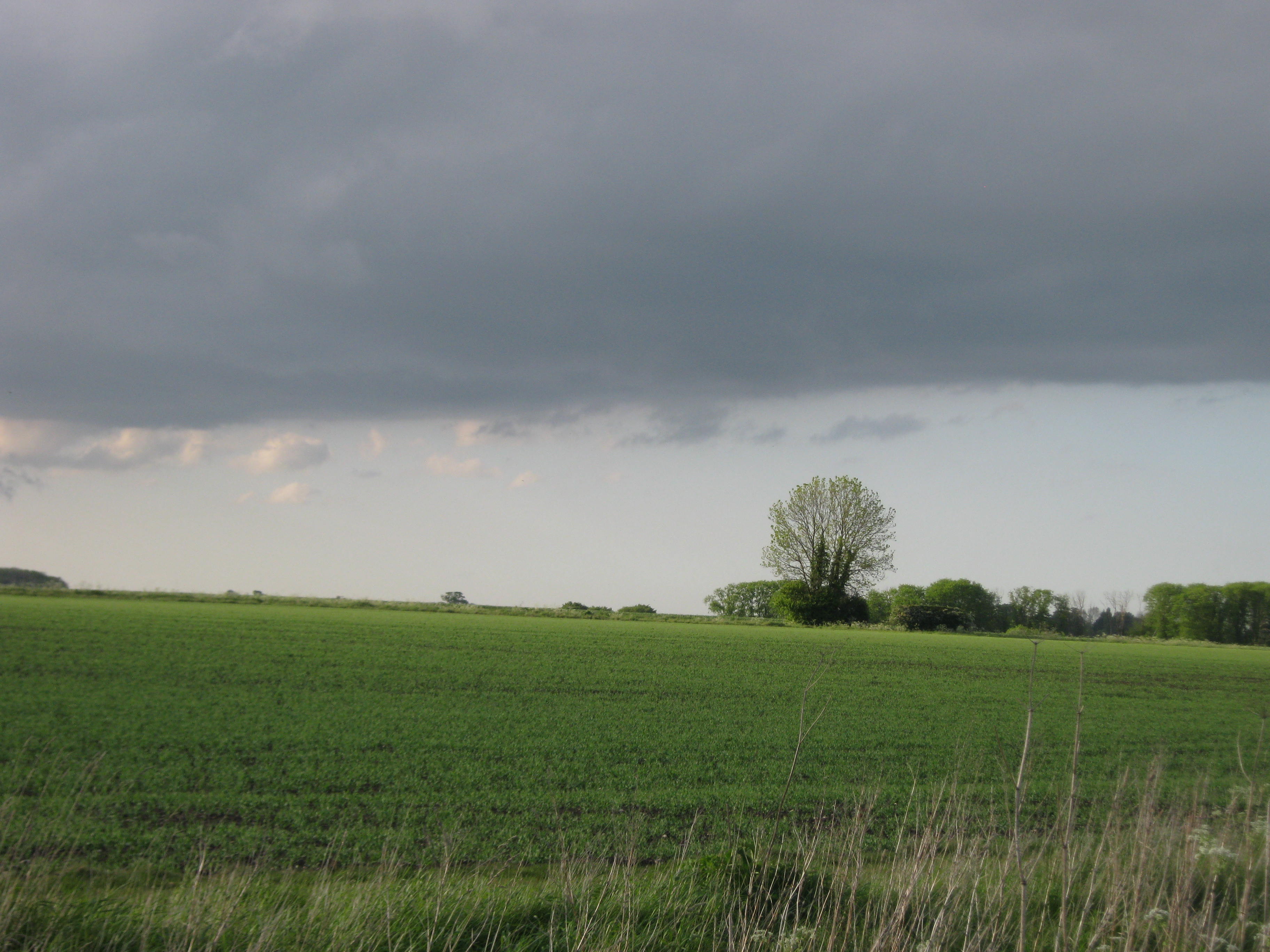
Living in the (fairly) flatlands of East Anglia you can always see what the weather’s going to be like before it gets to you.

Image

Image

This is a plane from one of the local air bases

I was glad I wasn’t flying before the storm.

Image

I got indoors just in time.

(If anyone is wondering why there is a brick on top of the cage over the ground bird feeder, it is to try to stop squirrels lifting up the lid and eating all the bird seed.)

By dusk the rain had stopped and the moon had risen.

Image


Share this:

  • Share on X (Opens in new window) X
  • Share on Reddit (Opens in new window) Reddit
  • Share on Pinterest (Opens in new window) Pinterest
  • Share on Facebook (Opens in new window) Facebook
  • Email a link to a friend (Opens in new window) Email
  • Share on Tumblr (Opens in new window) Tumblr
  • Print (Opens in new window) Print
  • Share on LinkedIn (Opens in new window) LinkedIn
Like Loading...

A Windy Day and a Wet Blanket

09 Fri May 2014

Posted by Clare Pooley in Gardening, plants, Rural Diary, trees, wild birds

≈ 12 Comments

Tags

Escallonia 'Apple Blossom', greylags, laburnum, moorhens, peas, potatoes, runner beans, tomatoes

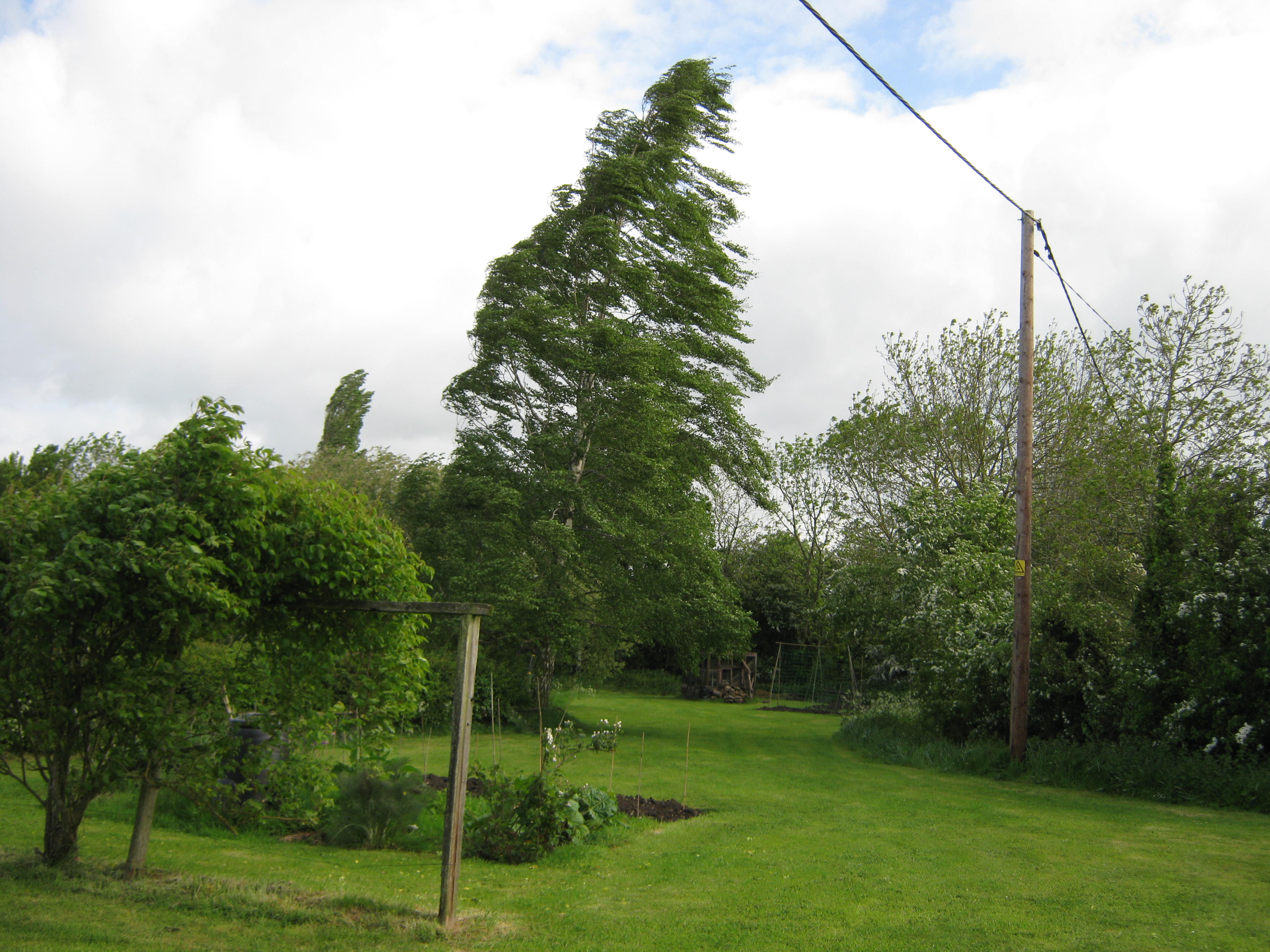
The day began sparklingly.  Green and blue so intense and raindrops scintillating in the sun and breeze.  I went out into the garden quite early to open the greenhouse and have a wander about.  The wind was picking up and blossom was flying from the trees.  I went back indoors and collected my camera.

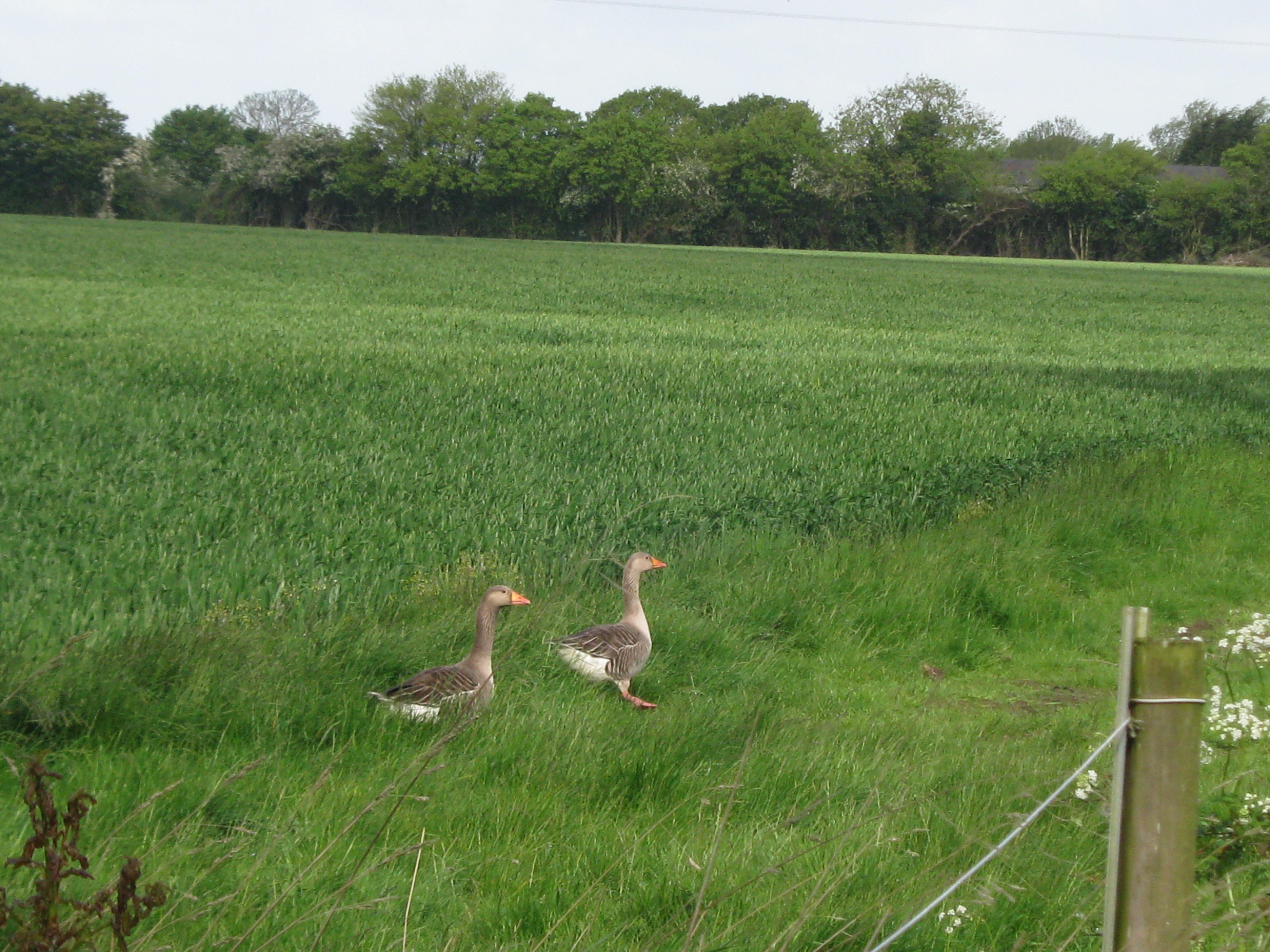
The greylags keep paying us flying visits.  The female goes onto the island and sorts over the old nest.  Poor thing !  I wonder what happened while we were away.  Did the eggs hatch out and then did she lose her goslings or did they not hatch at all?  Did something (an otter?) eat the eggs or were they infertile?

Image

Amusingly, while the female was busy on the island the gander was attacked by a moorhen.  Moorhen are quite feisty birds when they want to be and despite being much smaller than the gander, this one made the gander run very fast!  I walked round to the far side of the big pond and could hear moorhen chicks calling but couldn’t see them in the thick reeds.  Moorhens feed their chicks until they are quite big and are very caring parents until they are spooked.  They then run off as fast as their silly feet allow them, leaving the chicks to fend for themselves!  Why?

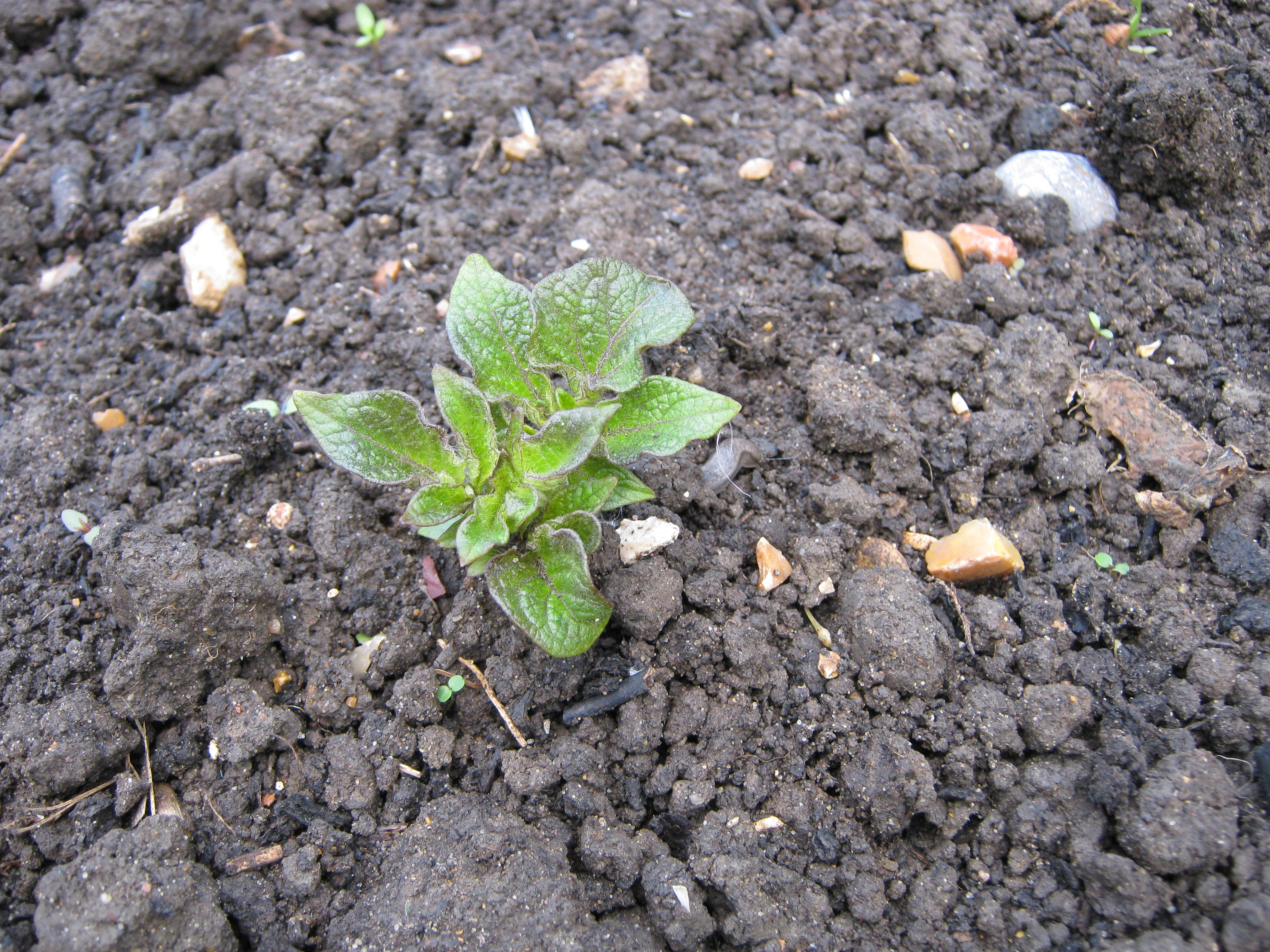
I had a look at R’s vegetable patch and admired the potatoes already coming up.

Image

We are growing two types of potato – white mid-season and red lates.  I like it when R grows potatoes as they store well and I don’t need to buy them from about August until Christmas or later.

Image

The trees were whipping about in the wind so I thought I’d better take a picture of the laburnums before the wind and rain stripped them of all their flowers.

Image


Image

Image

These laburnum trees were meant to look the same, as I have been hoping to make a little arch with them.  But look at them!  One is squat and spreading outwards and the other is reaching for the skies!  I will still try to make an arch but I don’t think it will end up looking like ‘Homes and Gardens’ material.  They also grew A LOT last year and I didn’t get my act together and do anything with the trees at the right time – oh dear!

Image

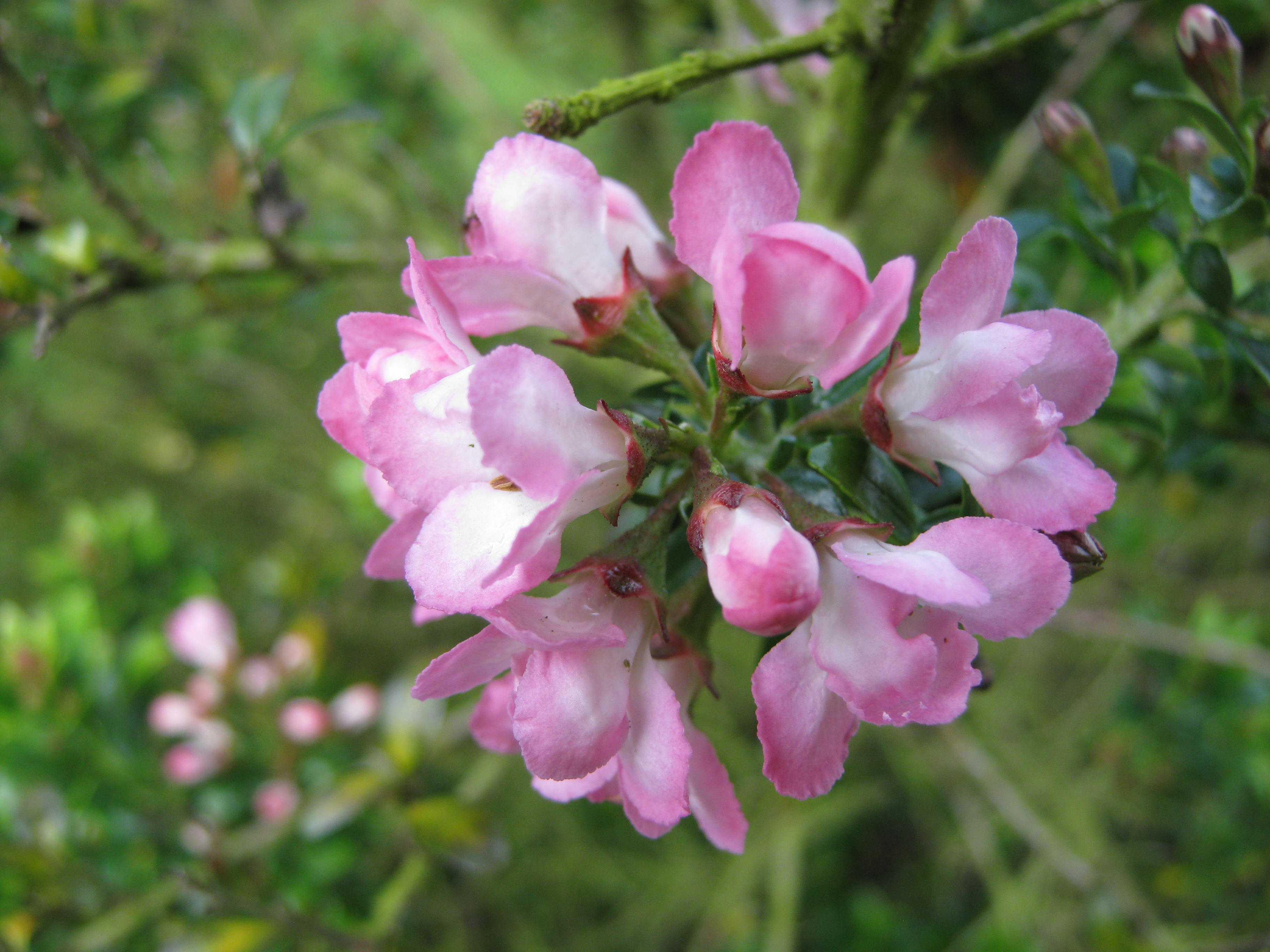
Escallonia ‘Apple Blossom’.  The book I have says this is a dense evergreen shrub.  This one is not at all dense and I’m not sure why not.  Other Escallonias we’ve had in the past have been really good shrubs – good enough for hedging with, but this loses all its leaves in the middle and a number of branches die off after a year or two.  I think I will cut it hard back and see what happens.  It may also need a lot of feeding as the soil it’s in is a little stony.

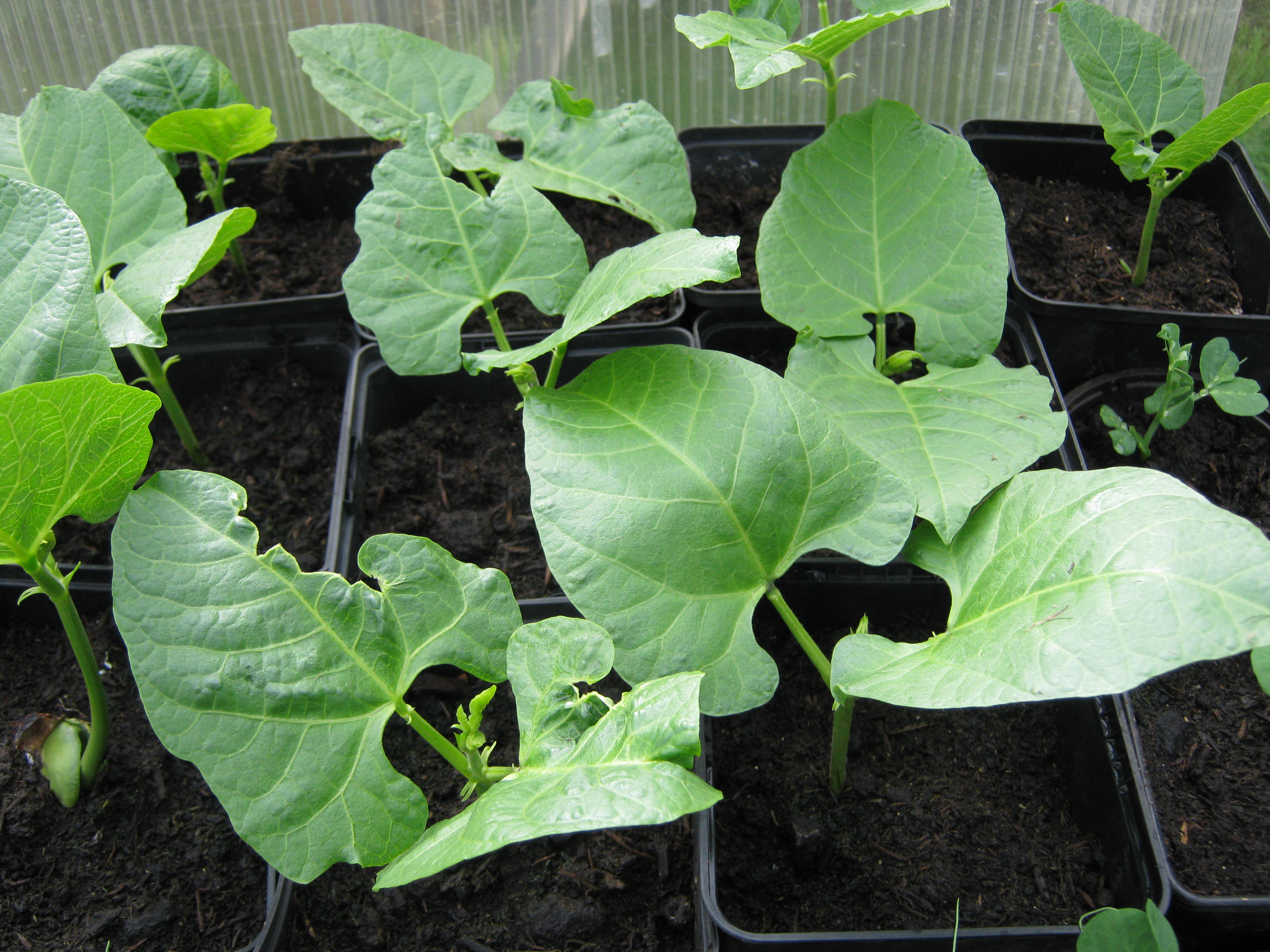
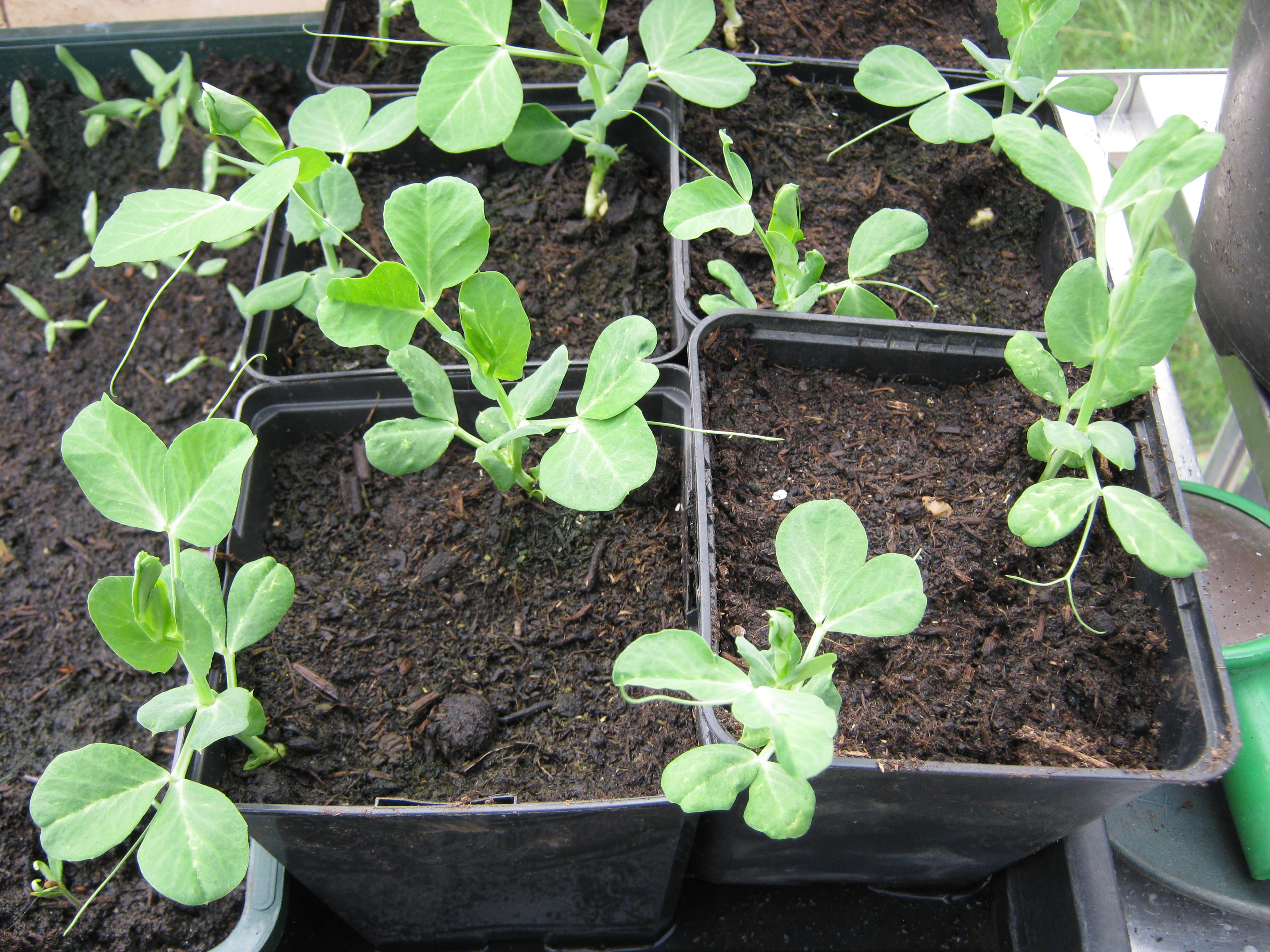
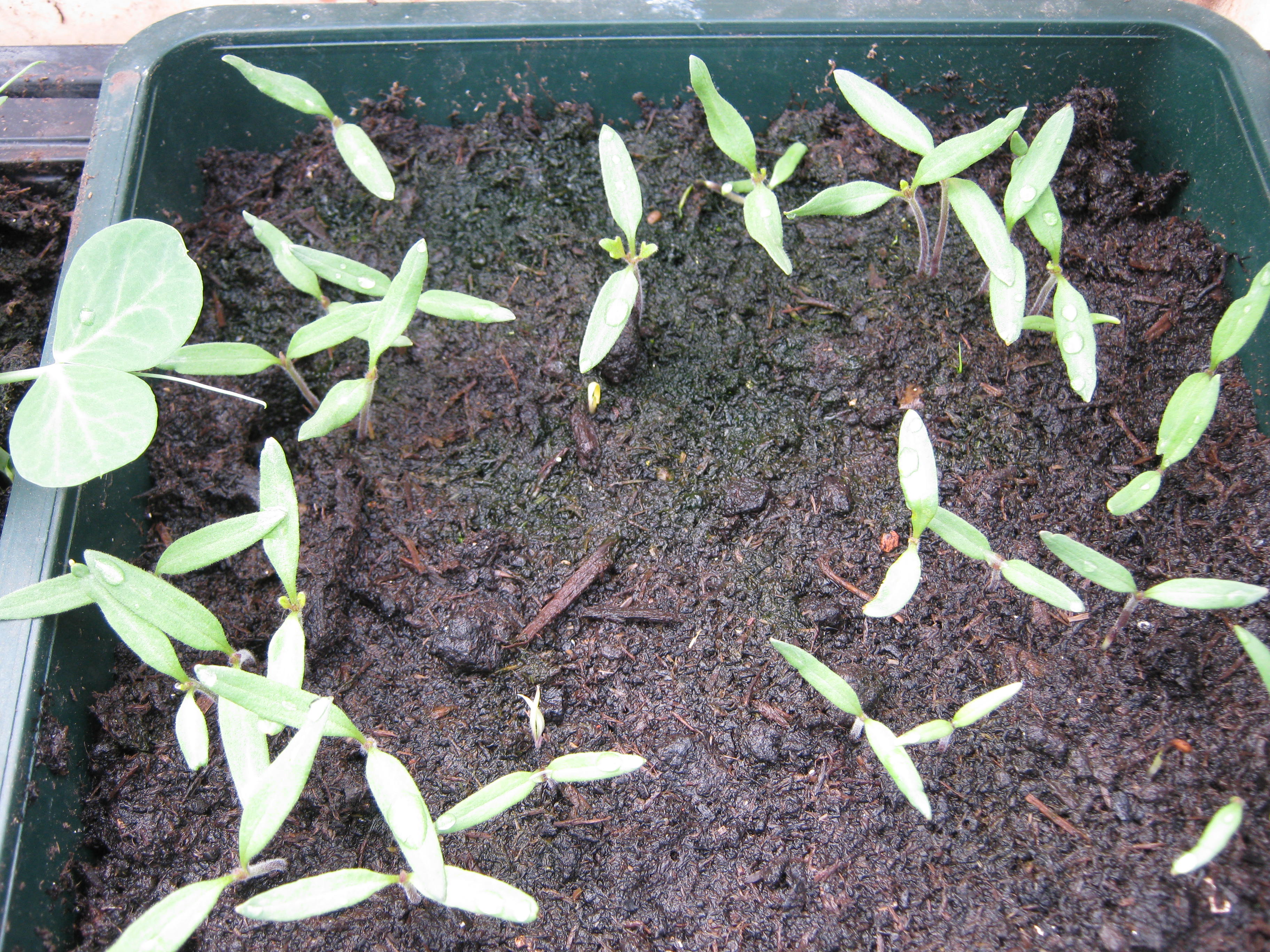
I went into the greenhouse.

Image

Some of R’s runner bean plants.

Image

And some of his peas.

Image

His tomato seedlings are doing well too.

The heavy showers started shortly after I returned to the house and they’ve continued on and off all day.  A couple of times I’ve ventured out only to have to dash back in again, usually from the furthest parts of the garden.

And if you are wondering where the wet blanket comes in – that’s me with my woolly head and deafness, my runny nose and tickly cough.

Share this:

  • Share on X (Opens in new window) X
  • Share on Reddit (Opens in new window) Reddit
  • Share on Pinterest (Opens in new window) Pinterest
  • Share on Facebook (Opens in new window) Facebook
  • Email a link to a friend (Opens in new window) Email
  • Share on Tumblr (Opens in new window) Tumblr
  • Print (Opens in new window) Print
  • Share on LinkedIn (Opens in new window) LinkedIn
Like Loading...

The Archdeacon’s Visitation.

08 Thu May 2014

Posted by Clare Pooley in amphibians, churches, Gardening, plants, Rural Diary, trees, Uncategorized, wild birds

≈ 6 Comments

Tags

aquilegia, Archdeacon's Visitation, Easter cactus, Halesworth, hare, lilac, newts, rowan, St Mary's church, woodpigeon

I am amazed at how lucky we were with the weather on Monday!  Since then the weather has been ‘changeable’ as the forecasters say. Tuesday had showers in the morning but a sunny, breezy afternoon, Wednesday had light showers in the early morning, a very fine middle of the day and then heavy showers from late afternoon onwards and today, well, yuk! is all I can say.  Light showers this morning, heavy showers by midday and persistent rain this afternoon and evening.  What makes it worse is that I have a nasty cold in the head.  I had hoped to go with R to the Archdeacon’s Visitation service at St Mary’s church in Halesworth this evening but E needed to see her doctor and the only available appointment time was 6.30pm.  I drove her home afterwards and saw R driving past us in the opposite direction on his way to the service and there wasn’t enough time for me to drop E at home and join him.  And anyway, I think I’m better off at home not spreading germs about.

An Archdeacon’s visitation, as far as I understand it, is when all the Churchwardens (R is a Churchwarden) in the Deanery get together for a special service once a year with all their priests and the Archdeacon.  They hand in their annual reports and accounts if they haven’t already done it on-line and also their Declaration.  Churchwardens are supposed to serve for six years at most, I think, and then a new one is voted in.  However, it usually is a case of ‘once a Churchwarden always a Churchwarden’, as no-one wants the job.  The Churchwardens are ‘sworn in’, for want of a proper phrase at this special service and take their oaths to do their duty.  A few hymns are sung and this sounds lovely as only large churches are chosen for this service and they are always full.  The Archdeacon has his or her say and maybe some of the priests will give a talk too.  This year there will be an extra item.  Our Rector and the priest in the Benefice next to ours will be licensed to each others Benefice.  This will mean that they will be able to serve in each others Benefice without having to get special permission each time from the Bishop.  Our Rector looks after a Benefice of eleven churches with a couple of retired priests, one Reader and two Elders to help him.  The priest in the Benefice next to ours looks after three churches one of which is in a town.  It will make life much easier for our Rector especially, once this is done.  Our Rector is due to retire in a very few years and we don’t know if we will get another priest to replace him.  We think there will be a lot of changes and not for the better and our priests are preparing the ground for us.  To add insult to injury we haven’t even got a Bishop at the moment and haven’t had for some time!

I wanted to go to the service, not only to support R and our church but to go into St Mary’s church again.  When I first moved to Suffolk in 1988 I lived in Halesworth and attended St Marys.  I was made very welcome at the church and made a number of friends.  I also met R there and he asked me out while drinking coffee after a Sunday service.  We had our Marriage Blessing Service there too.  R has just returned and tells me the service went well and the refreshments afterwards were very good.

I have been able to take a few photos round the garden during the past few days.

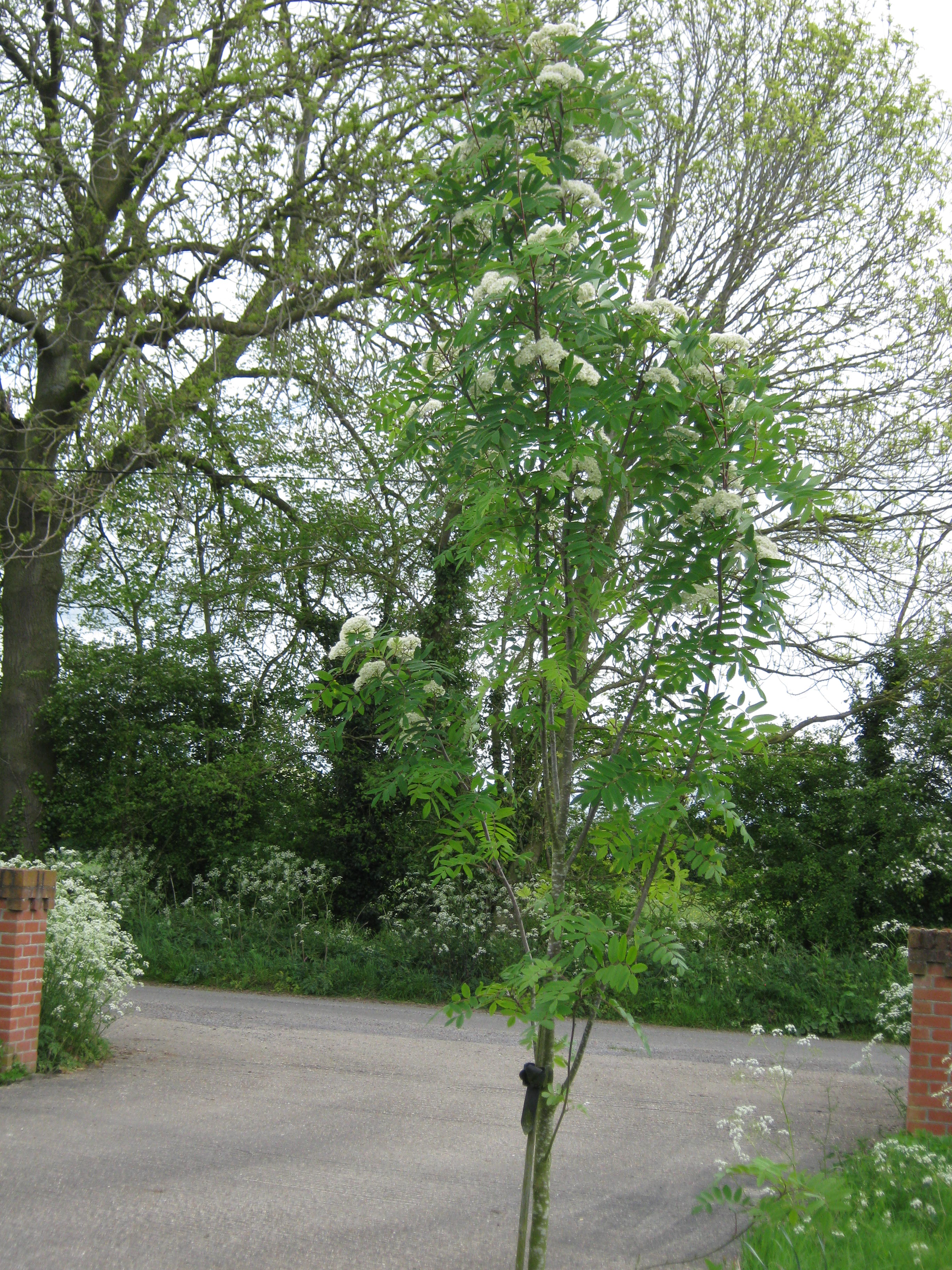
Image

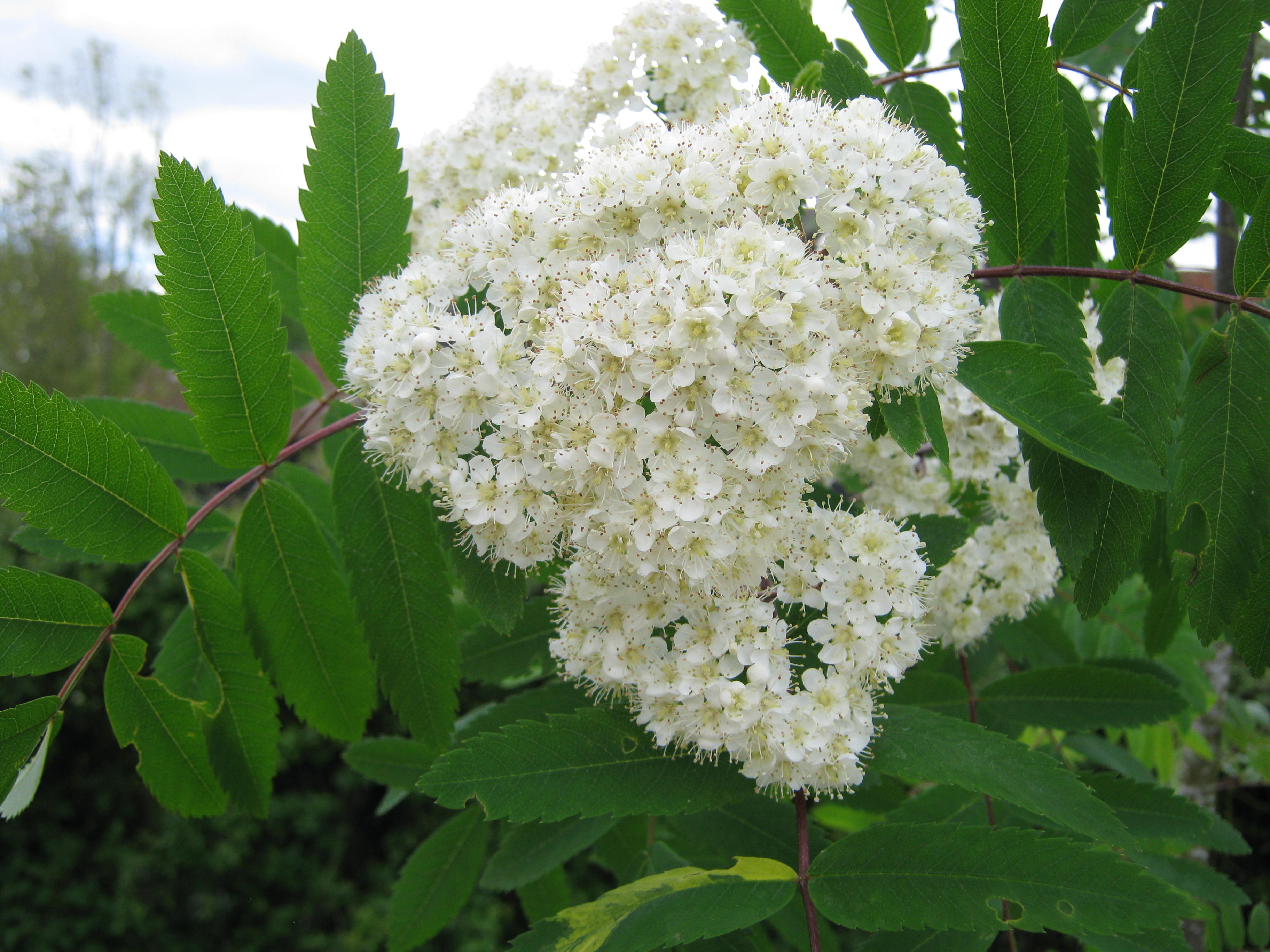
Our Rowan or Mountain Ash tree is flowering.  It has grown well in the last couple of years and this is the best it’s ever looked.

Image

Rowan blossom.

Image

Rowan blossom.

Image


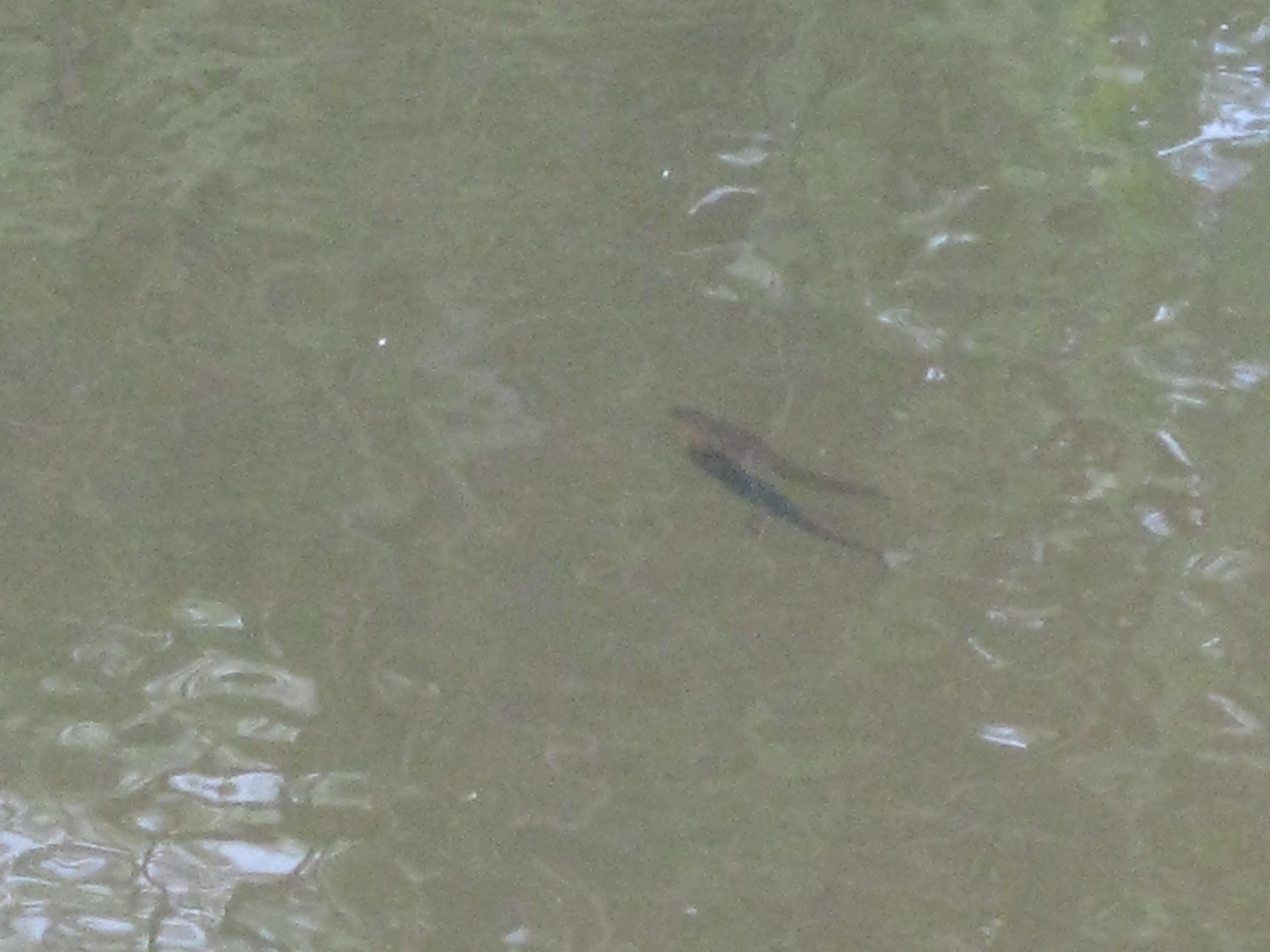
A very poor photo of the newts in our front pond.

Image

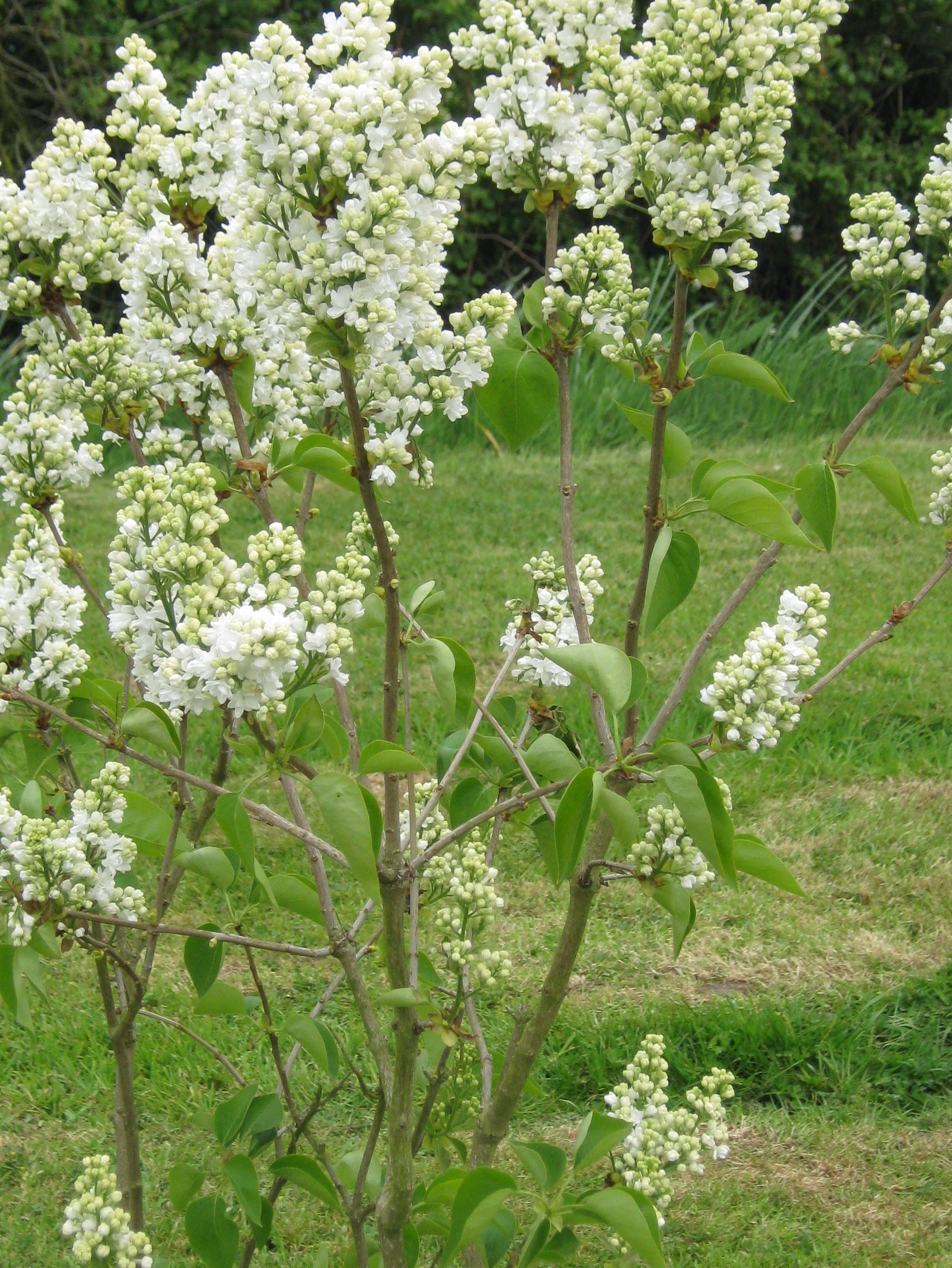
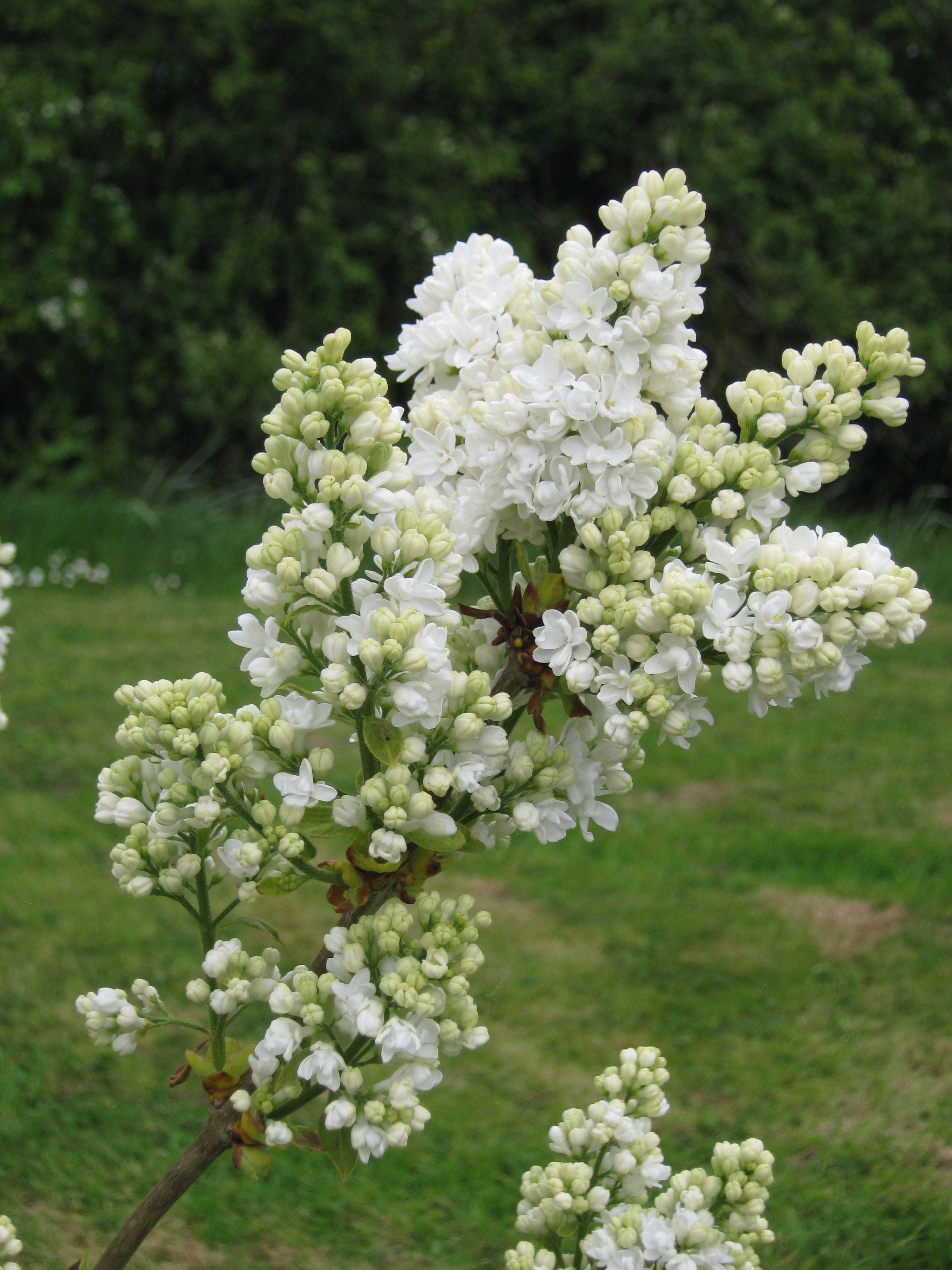
White lilac.

Image

White lilac blossom.

Image

White lilac blossom.

Image

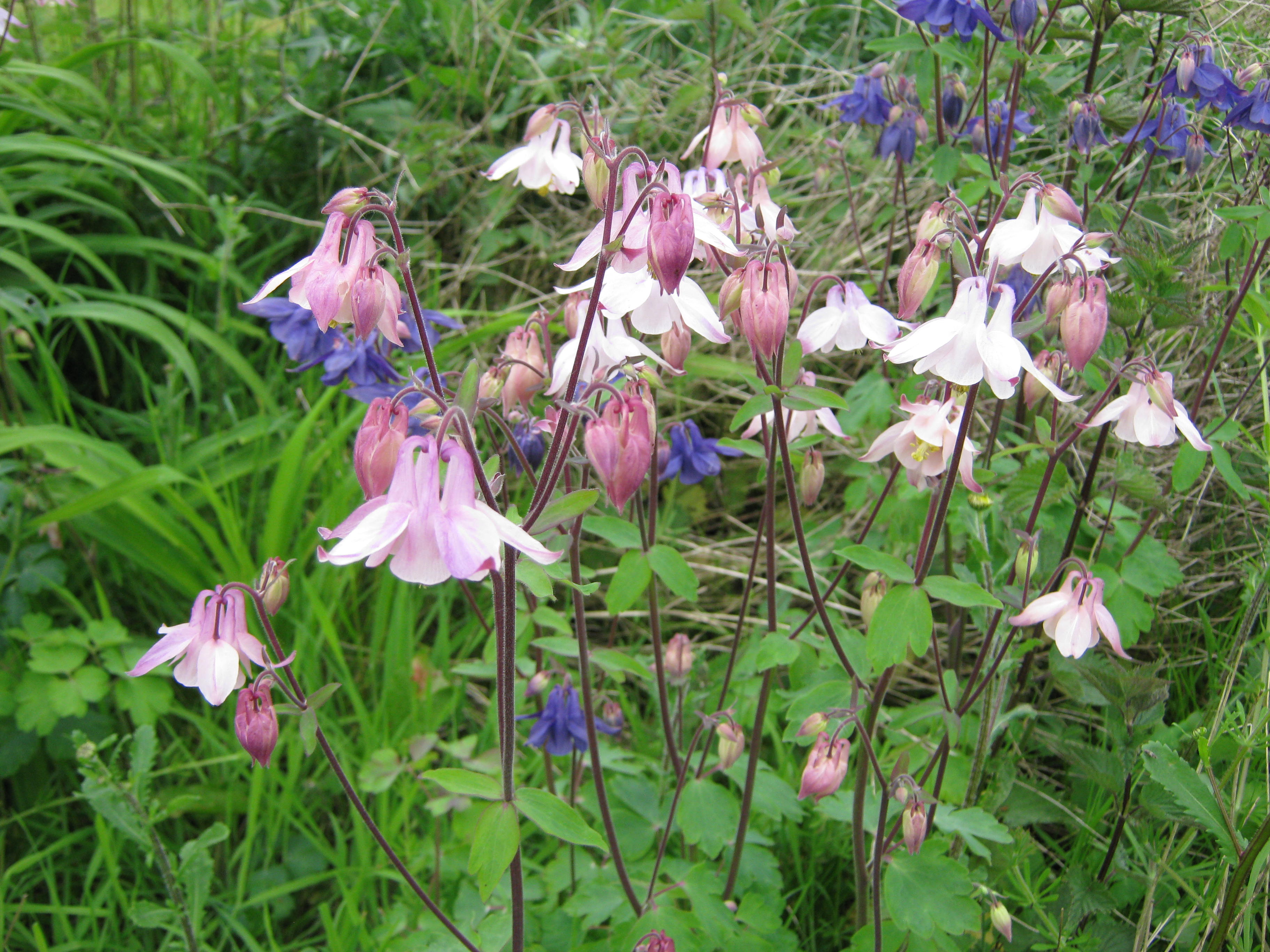
Pink and purple aquilegias.

Image

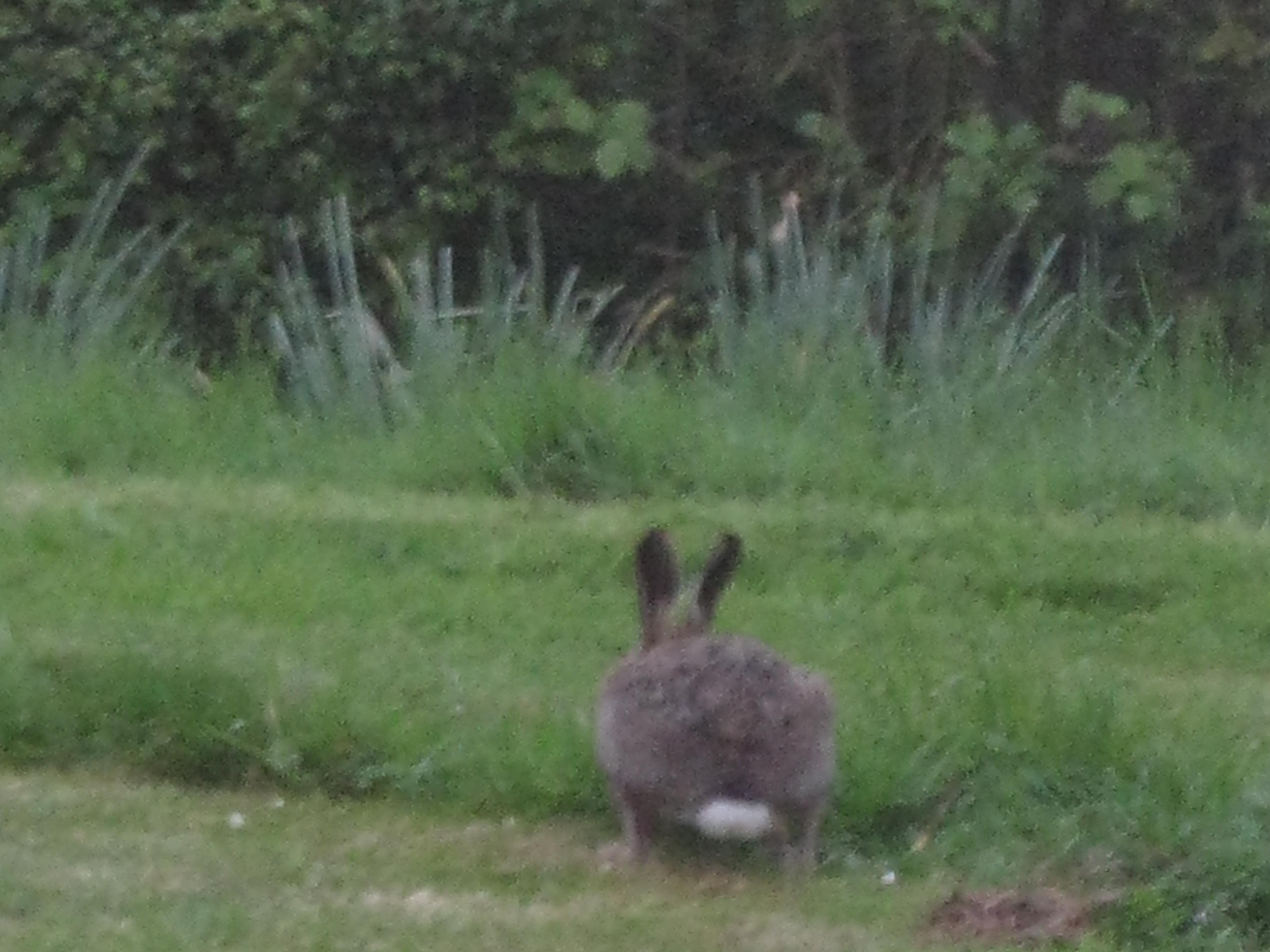
This the best photo I have of the hare that has been visiting our garden recently.  Back view only!
Image

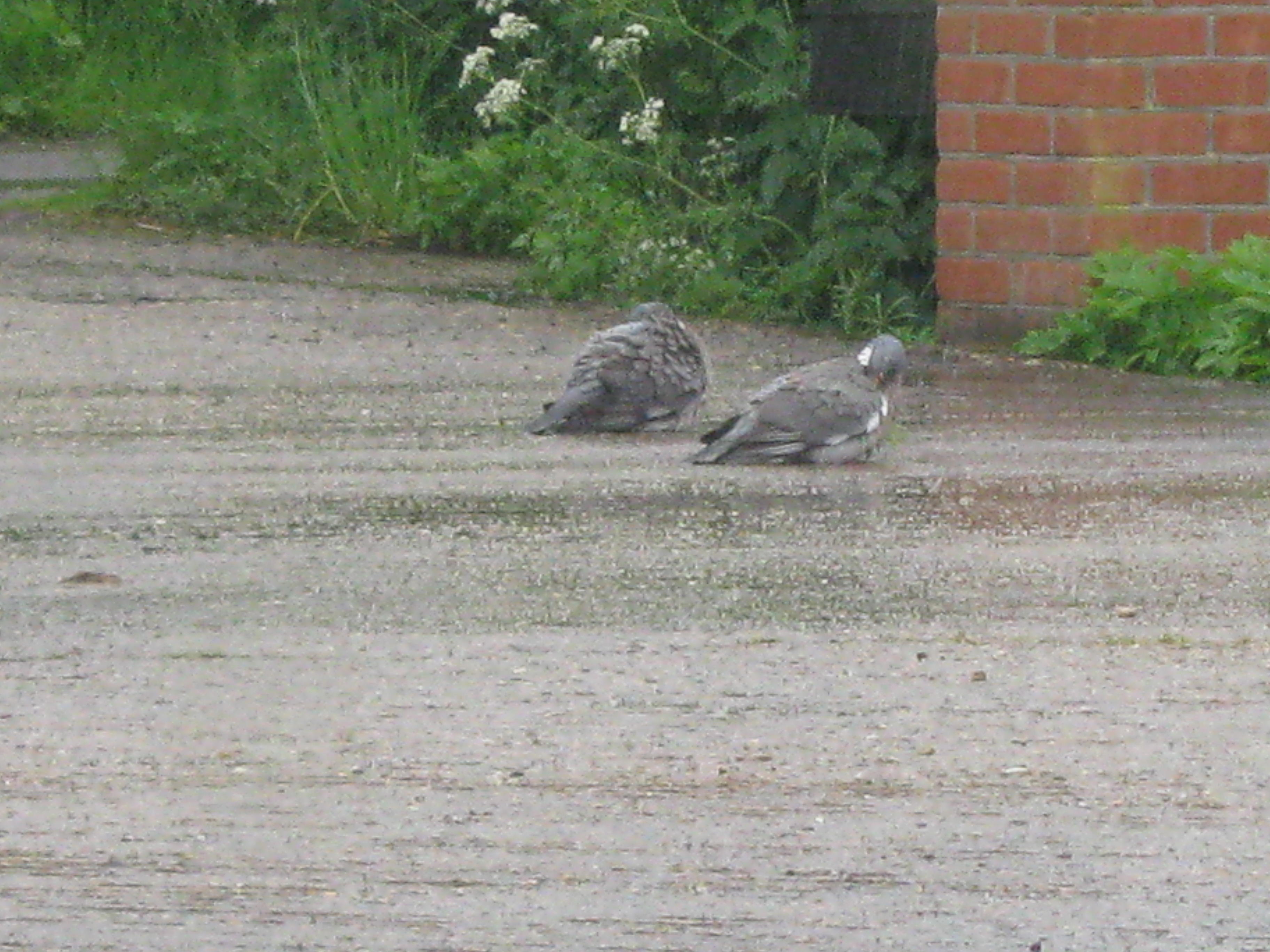
Woodpigeons having a bath in a puddle in our drive earlier today.

Image

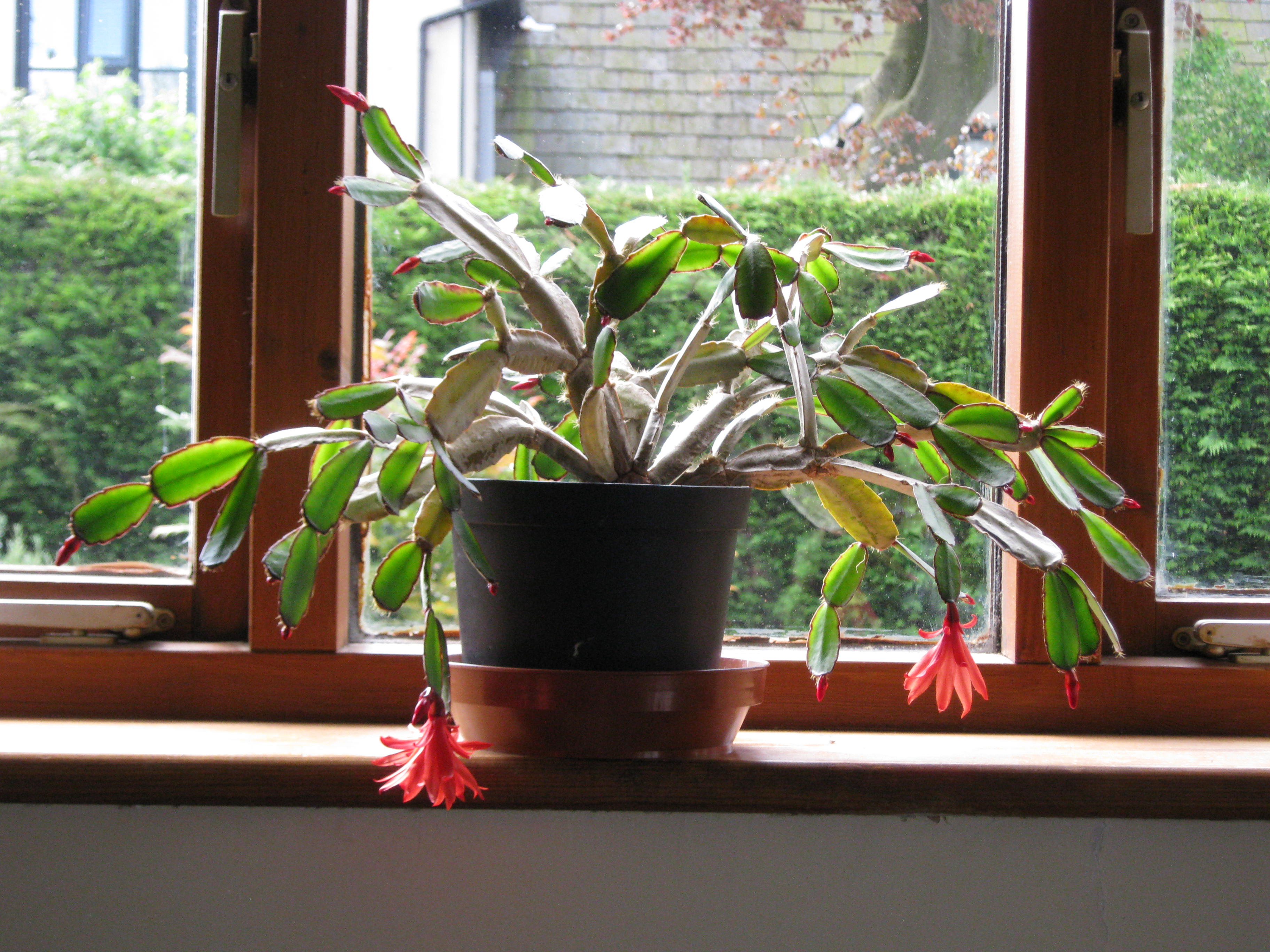
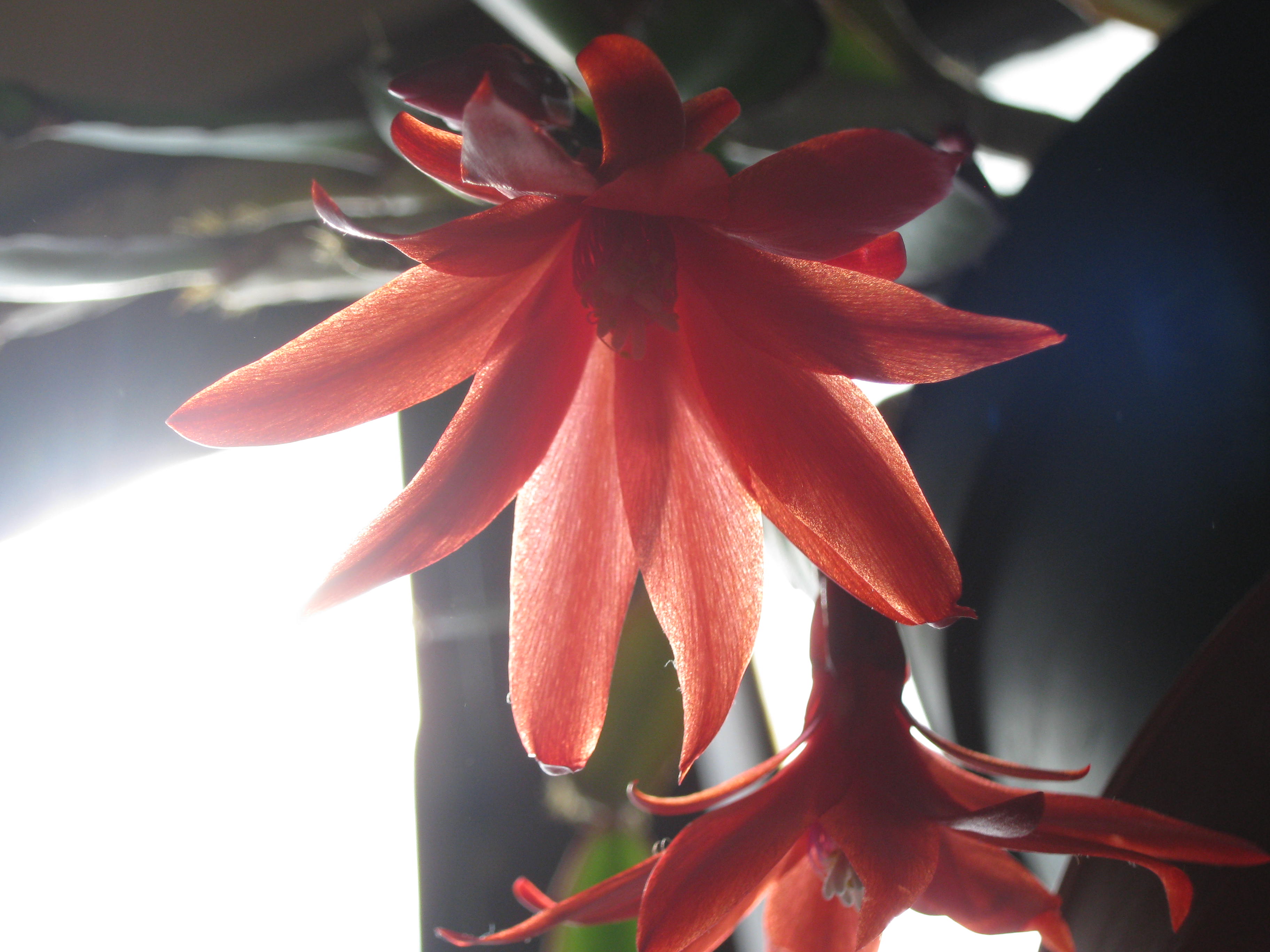
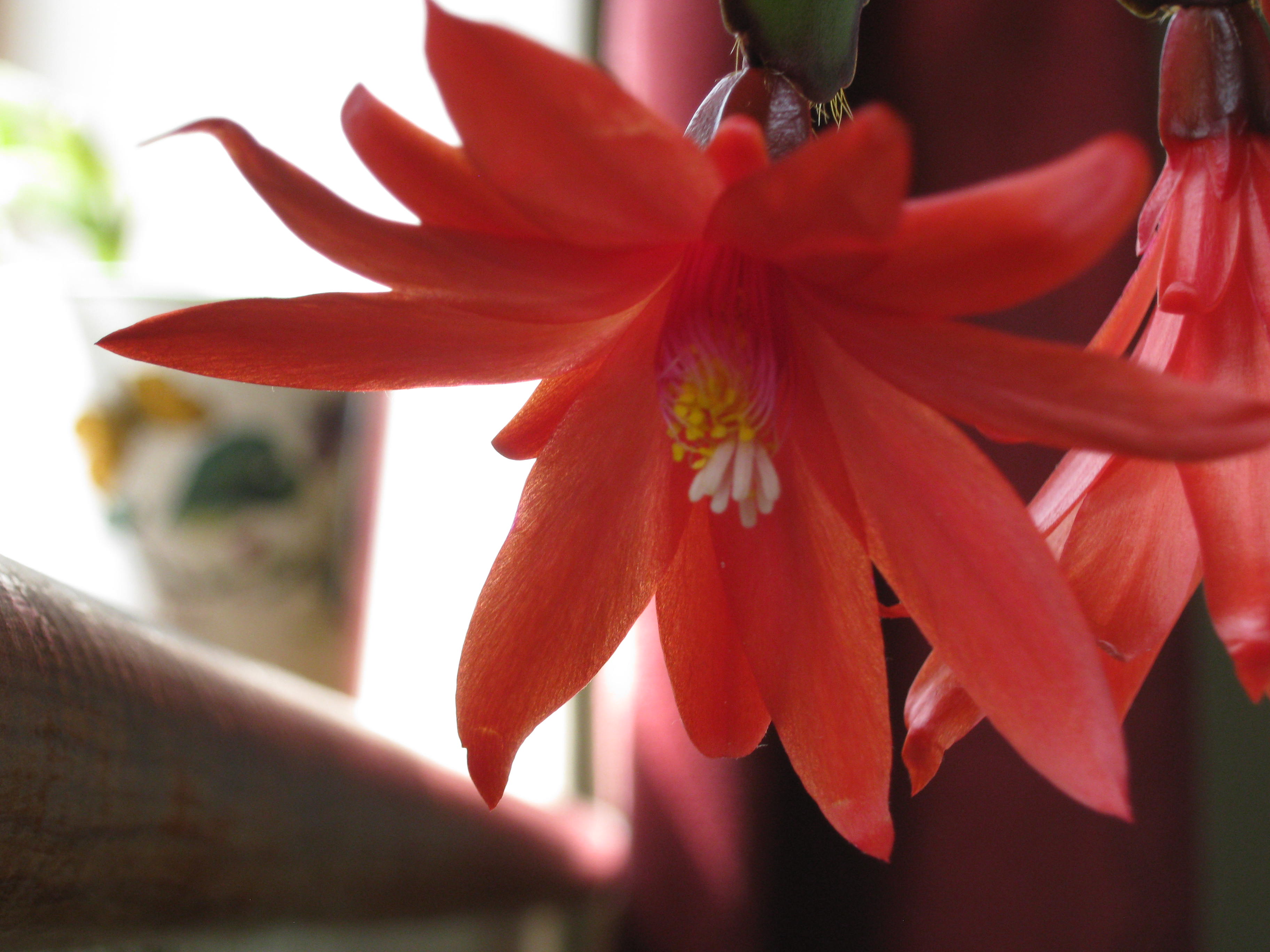
Indoors now.  This is my Easter cactus which is just coming into flower.  Unlike Christmas cacti these flowers shut during the afternoon and re-open next morning.

Image

Easter cactus flowers.

Image

Easter cactus flowers.

Share this:

  • Share on X (Opens in new window) X
  • Share on Reddit (Opens in new window) Reddit
  • Share on Pinterest (Opens in new window) Pinterest
  • Share on Facebook (Opens in new window) Facebook
  • Email a link to a friend (Opens in new window) Email
  • Share on Tumblr (Opens in new window) Tumblr
  • Print (Opens in new window) Print
  • Share on LinkedIn (Opens in new window) LinkedIn
Like Loading...

A Walking Week Part One

05 Mon May 2014

Posted by Clare Pooley in domestic animals, fish, Insects, plants, Rural Diary, trees, Uncategorized, walking, wild birds

≈ 7 Comments

Tags

Adrian Bell, bird-scarer cannon, Blue Tit, buttercup, comfrey, cow parsley, cows, cut-leaved crane's-bill, daisy, fairy ring, field maple, fish, Germander Speedwell, goosegrass, great yellow-cress, greater spotted woodpecker, Greater Stitchwort, greefinch, Hawthorn, Herb-Robert, Lords and Ladies, May, orange-tip butterfly, perch, pineapple weed, pond, red campion, ribwort, sheep, St Mark's fly, stinging nettle, wedding ring, wild rose

I have managed to do a little walking this week and have enjoyed it very much.  Monday and Tuesday’s walking was mainly round the shops so doesn’t count as enjoyable walking.  For some stupid reason I mistook the time of E’s hair appointment and we arrived in Halesworth an hour early on Monday.  E kindly said she was happy to wait for an hour at the hairdressers but I thought she might go mad with boredom so we did the supermarket shopping and then I got more petrol for the car.  She then went for her hair appointment and while she was there I called in at the jewellers to see if anything can be done to my wedding ring to stop it cutting into my finger.  Twenty years ago we hadn’t thought that my ring would wear away so quickly.  Apparently, we chose the wrong ring – a 9 carat D-profile ring – and should have had a round-profile ring and something of a better quality.  Well, too late now!  This is my wedding ring, bought for me by my husband and blessed at our Marriage Blessing Service.  We weren’t able to be married in church as we had both been married before, but we had a beautiful Blessing Service after our Registry Office wedding.  The jeweller said either we could buy a new ring or have my one built up which would cost the same as a new ring.  A dilemma which we are still thinking about.
Both Monday and Tuesday were mainly cloudy days and no good for drying washing outside so I decorated the inside of the house with wet clothes.  I had more shopping to do in Bungay so drove there on Tuesday afternoon and I made my purchases.  On the way home I got stuck in a traffic jam!  This is quite out of the ordinary, living where we live.  The vehicle in front of me was a supermarket delivery van and not much holds them up usually!  I couldn’t see what the problem was as these vans are quite wide, so I edged round a bit and saw….

Image   Image

The cows took their time to leave their field and amble down the road to the farmyard.  The stockman had a busy time trying to get the cows out of people’s gardens where there were lots of interesting plants and trees to eat.  I took the photos with my phone and then enlarged the pictures so the quality isn’t that good.

E asked if we could watch a DVD together during the evening which I thought would be nice but no-one thought to tell my eyes to watch too.  As soon as I sat down they became extremely heavy and so I dozed most of the way through the film to the disapproval of my daughter.  This is not the first time I have done this.

Wednesday is ‘shopping with mother’ day which went very well as Mum was on top form and we had a real laugh together.  The weather on Wednesday was lovely too – a hazy start and then lots of sunshine.  When I had had some lunch at home I decided to walk down the lane to take advantage of the bright weather and to see what was to be seen.

Image

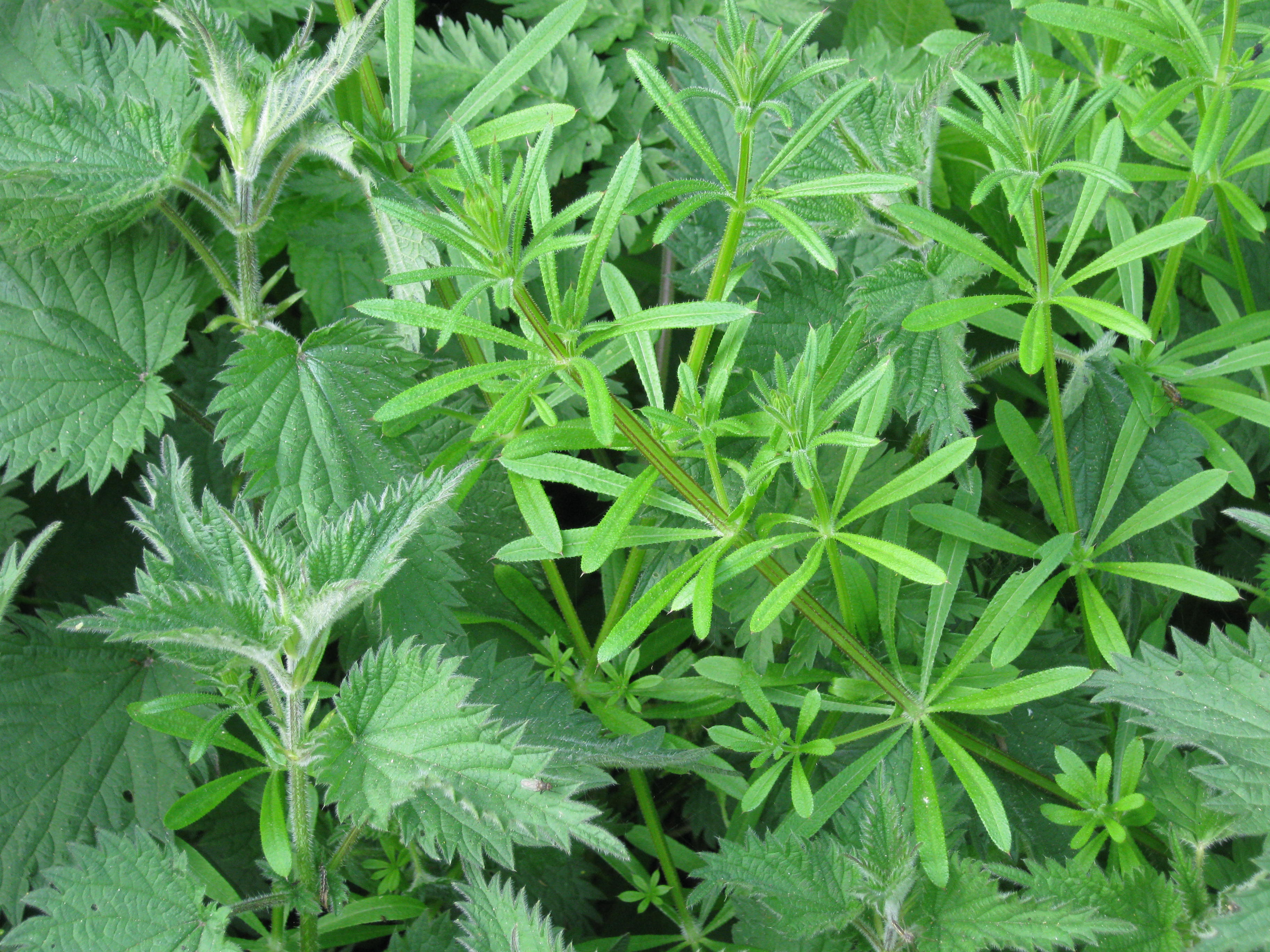
Lots of stinging nettles and goosegrass.  Goosegrass is a relative of coffee and quinine and has many medicinal uses.  At one time the seeds were roasted and used as a coffee substitute and apparently the young shoots are edible and can be cooked in soups as a vegetable.  All I know about it is that if I touch it, it brings me out in a rash!  The seeds are hooked and stick to hair and clothes – hence the plant’s other name of Cleavers.

Stinging Nettles are very useful, if painful plants too.  They can be used for making cloth, food and medicine.  My plant book says that the Roman belief that stinging nettles cured rheumatism still persists in Britain.  I can say that there is some truth in this as when I am stung on my hands my rheumatic joints there become less painful.  I can’t say I would care to roll about in them unclothed as some people recommend!

Image

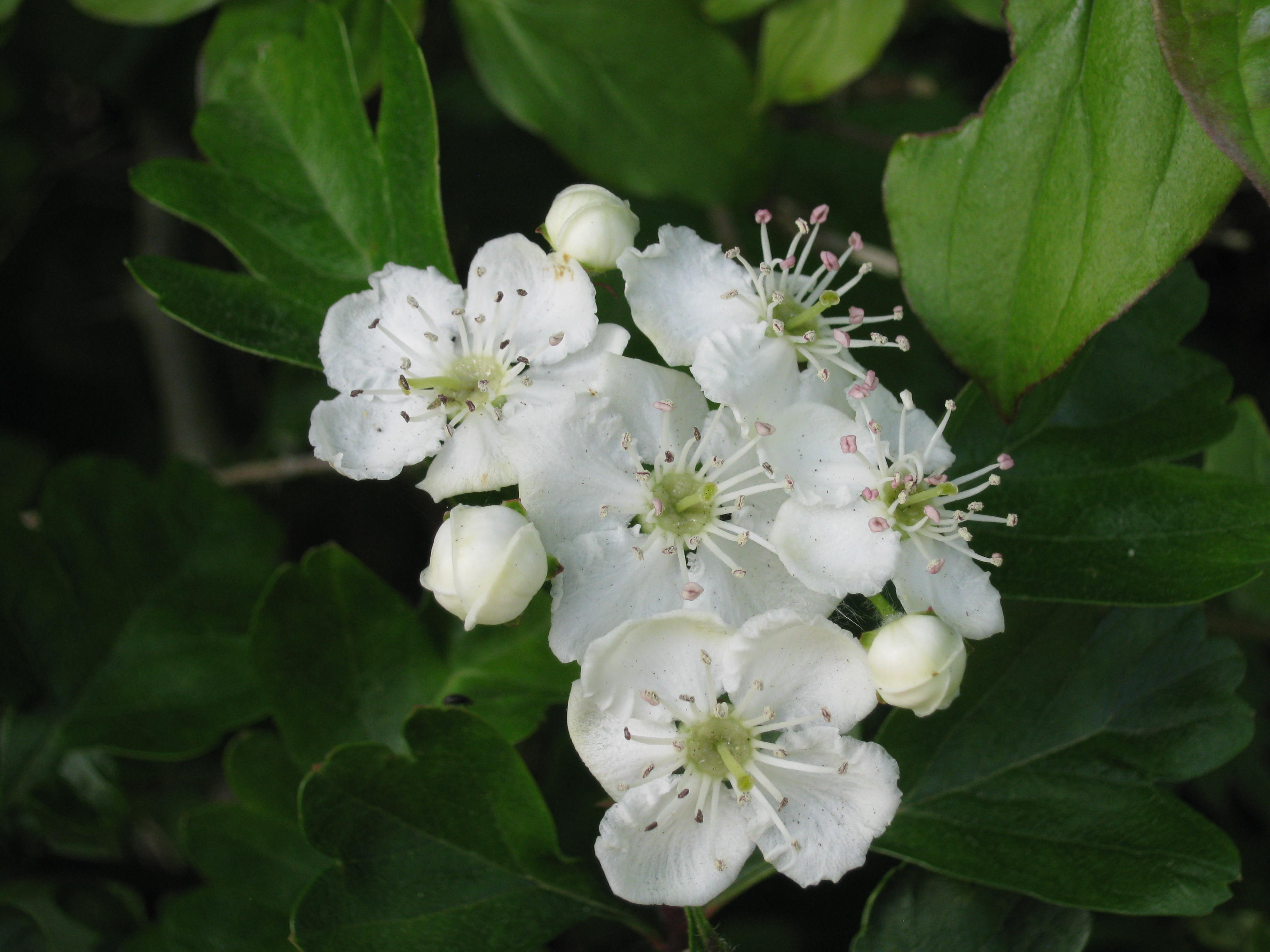
These are Hawthorn flowers – May blossom.  ‘Ne’er cast a clout til May be out’ – either don’t leave off your winter clothes until the end of the month of May, or, don’t leave off your winter clothes until the May blossom is on the trees.

Image

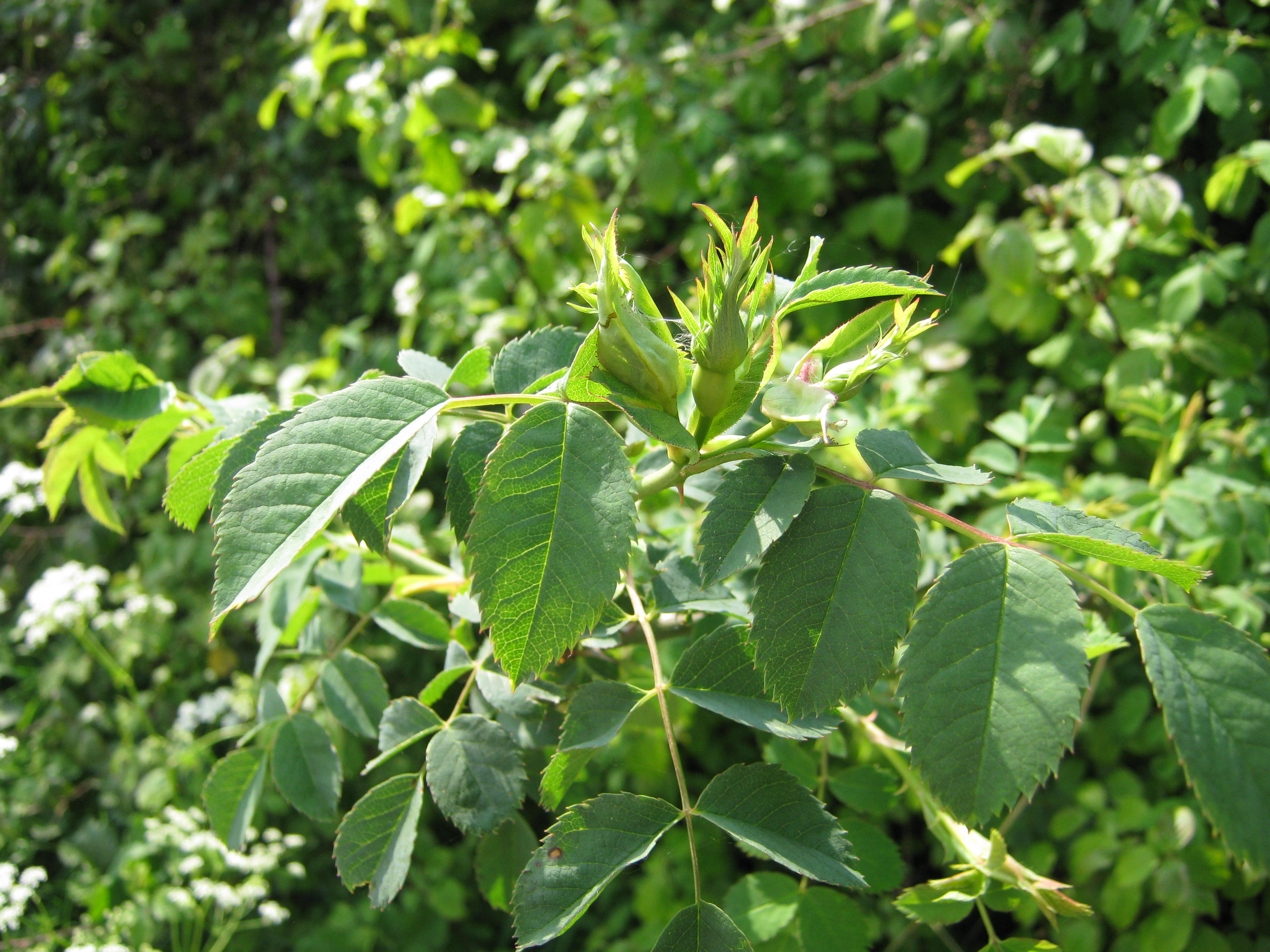
This is the wild rose and already there are large flower buds as you can see.  This is early, as the rose usually flowers at the end of May and into June.

Image

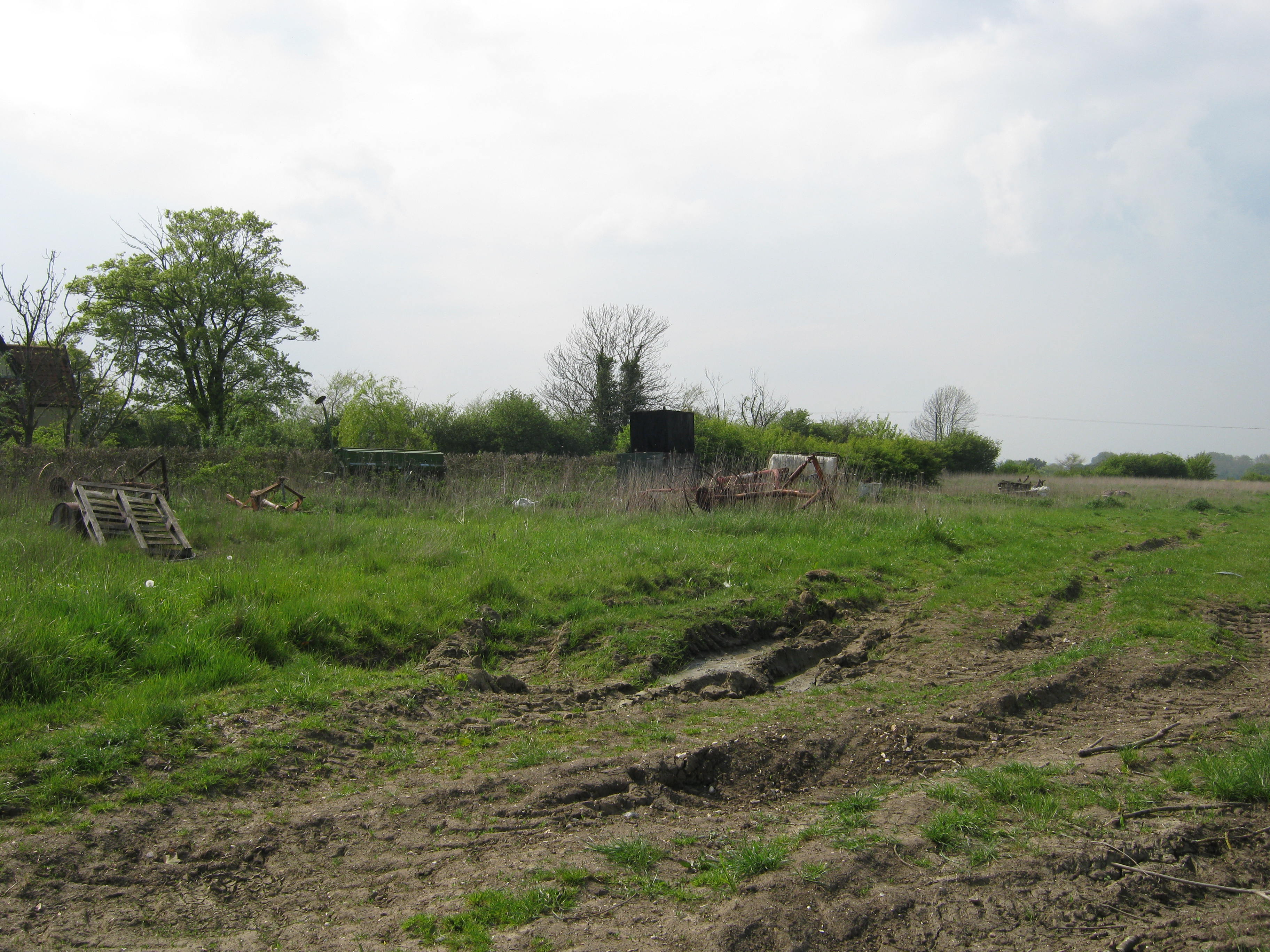
A fine crop of old equipment and other rubbish in this field.  At the beginning of Adrian Bell’s book ‘Corduroy’ he talks of the Suffolk farmers’ habit of leaving implements in corners of fields or yards covered in nettles until they are needed for some particular function.  They are then returned ‘to some out-of-the-way corner, to be a sleeping Gulliver for the grass again’.

Image

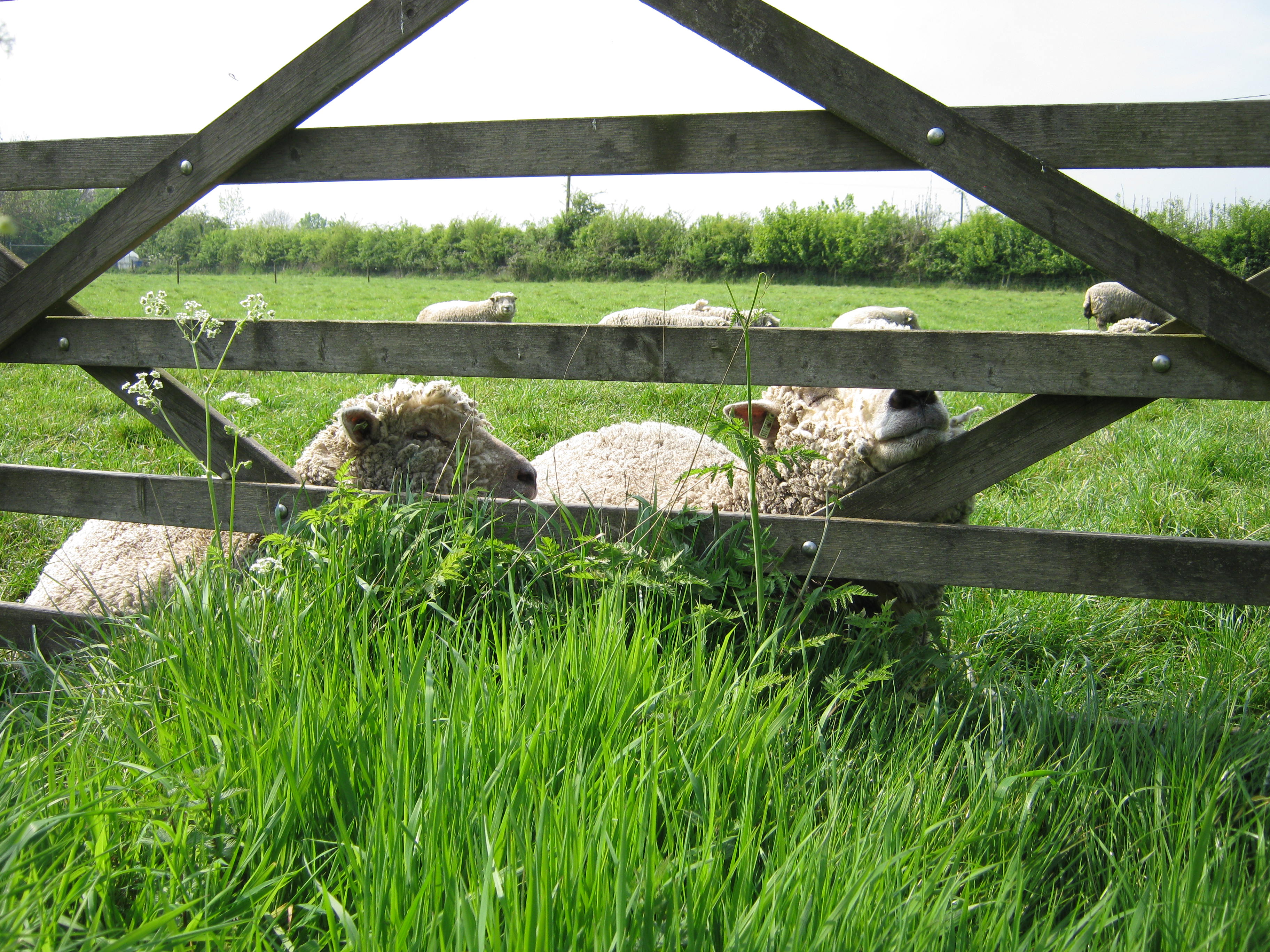
These are the boys – male sheep, tups.  A bit stinky – sleeping and snoring in the sun.  Wandering about having something to eat now and then – not a care in the world.

Image


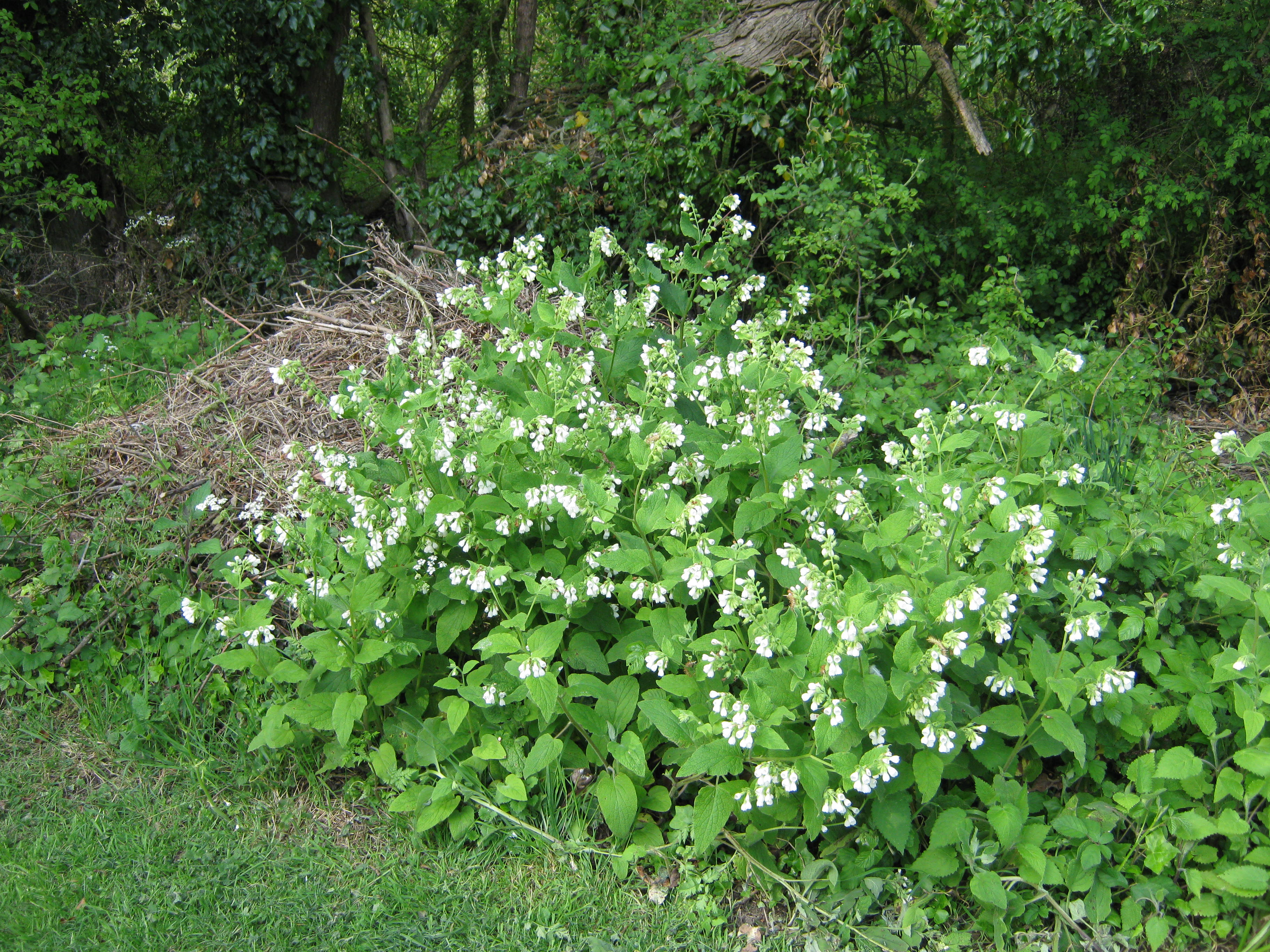
Common comfrey.  In medieval times the roots of this plant were dug up in the spring and grated to produce a sludge which was packed round broken limbs.  It hardened to a consistency similar to that of Plaster of Paris.

Image

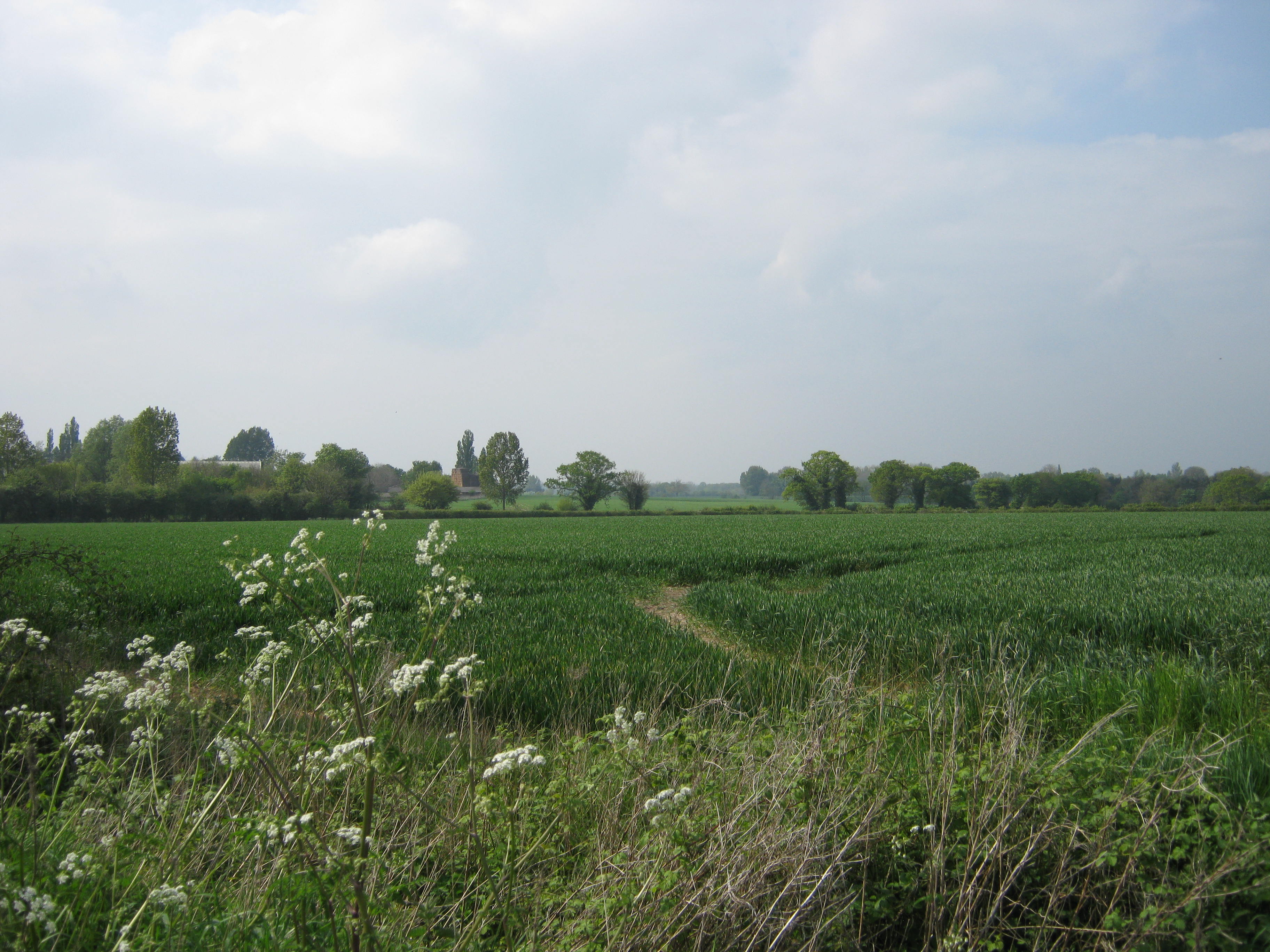
A view over the fields.

Image

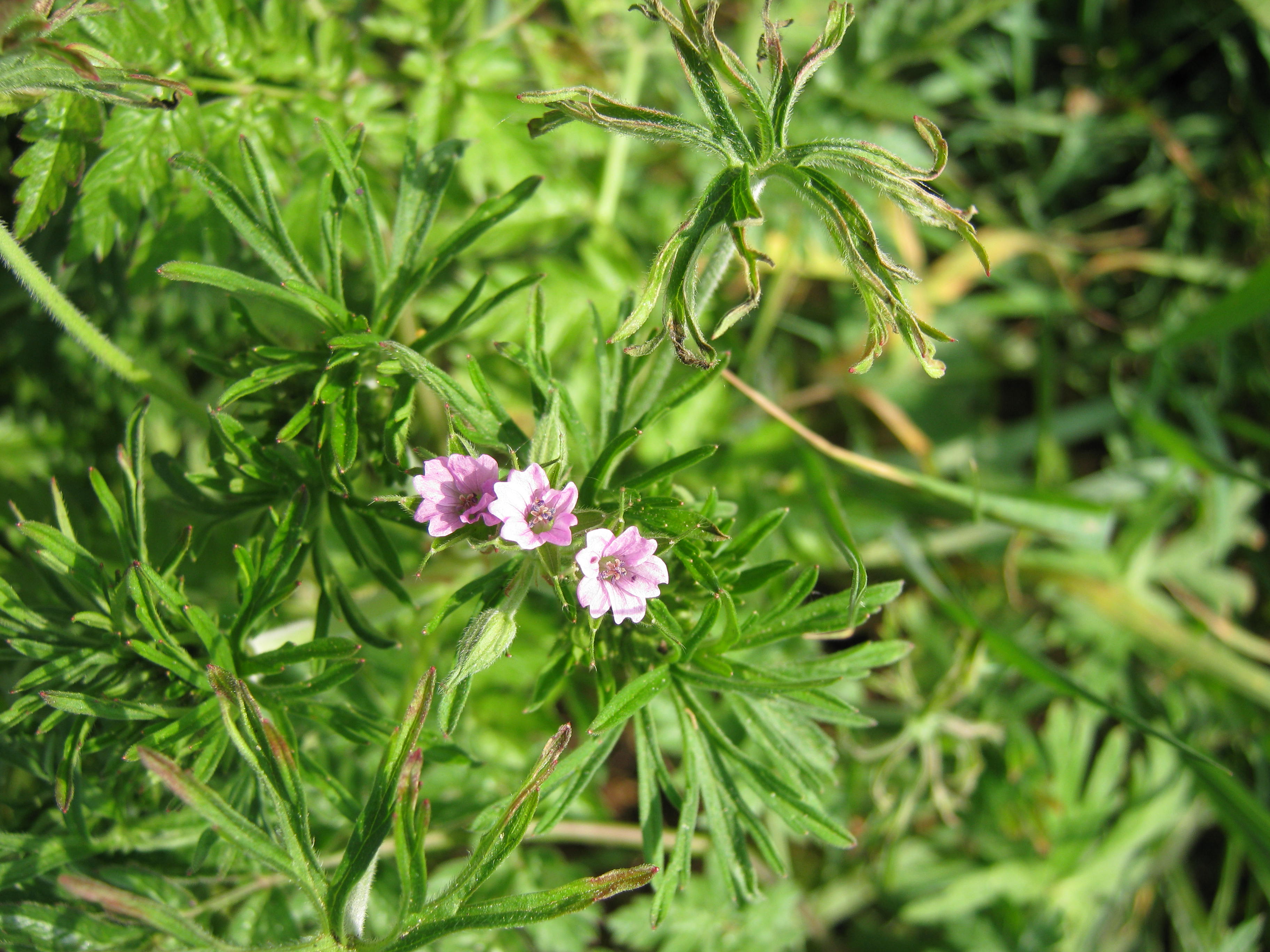
Cut-leaved Crane’s-bill.

Image

Great Yellow-cress.

Image

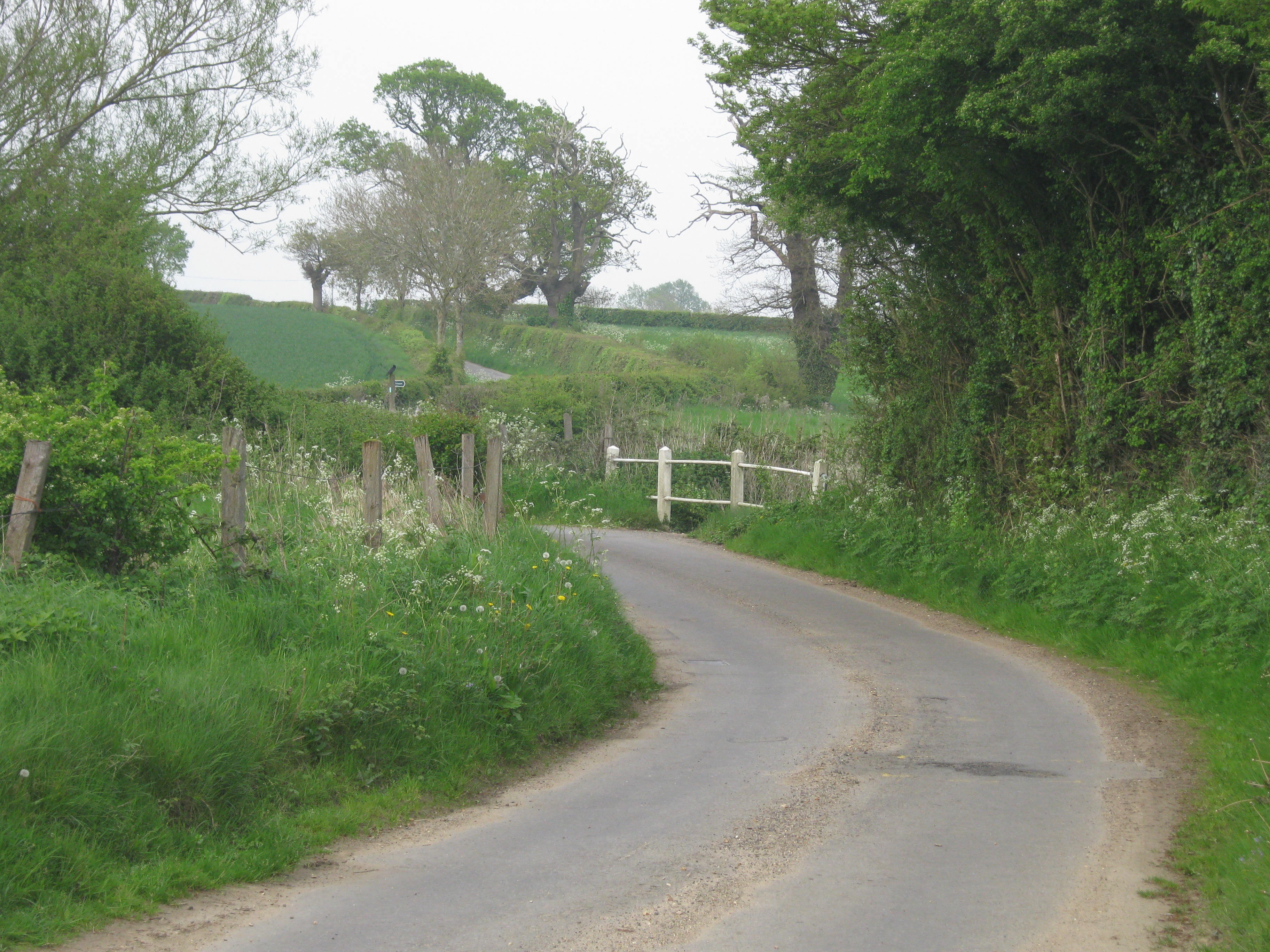
The lane.

Image

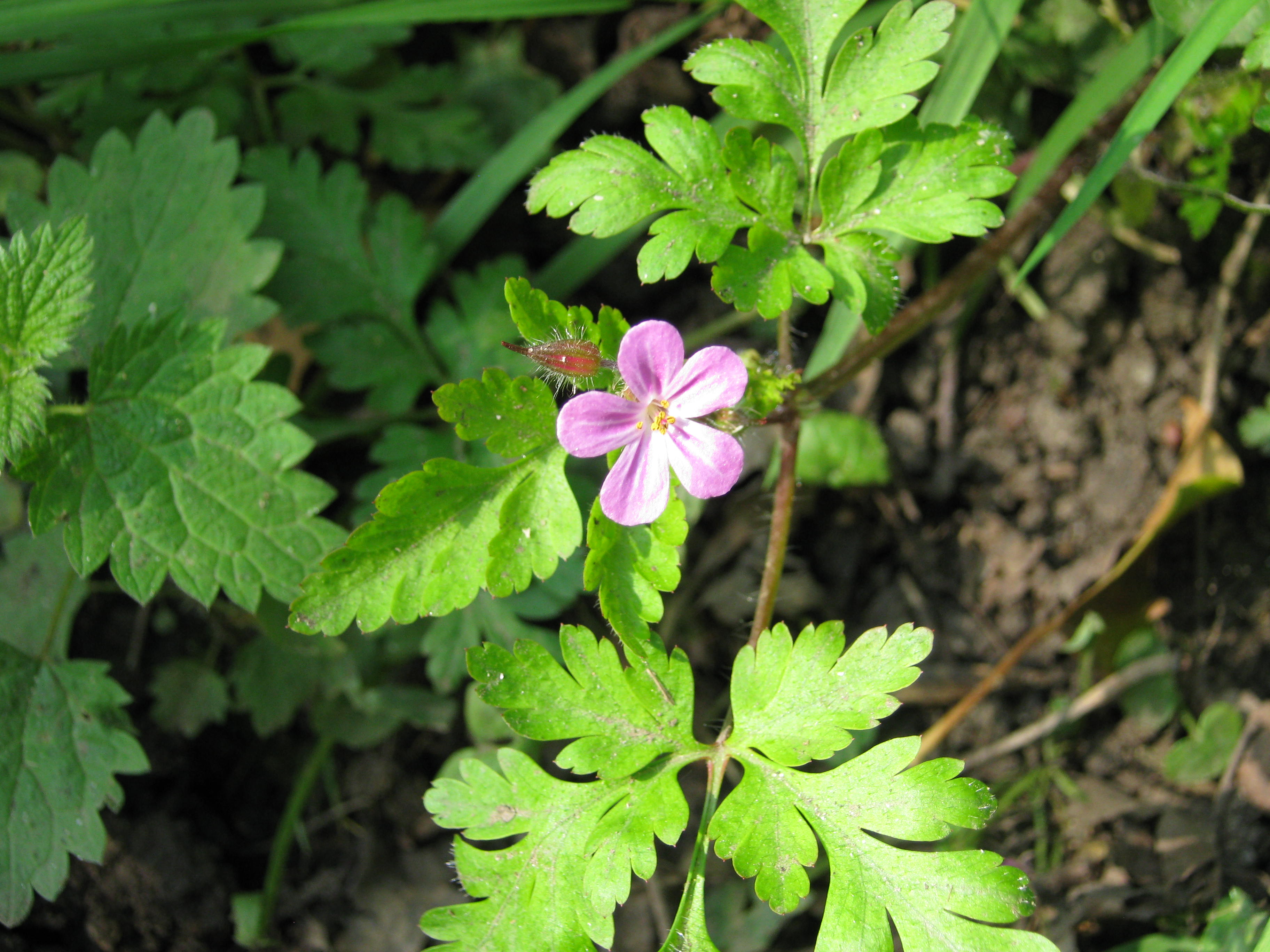
Herb-Robert.  In the Middle Ages they believed that a plant showed how it could be used through its colour or shape – the doctrine of signatures.  This plant turns a fiery red in autumn so they thought it should be used in the treatment of blood disorders.  It has a strange odour and in some places it is known as ‘Stinking Bob’.

Image

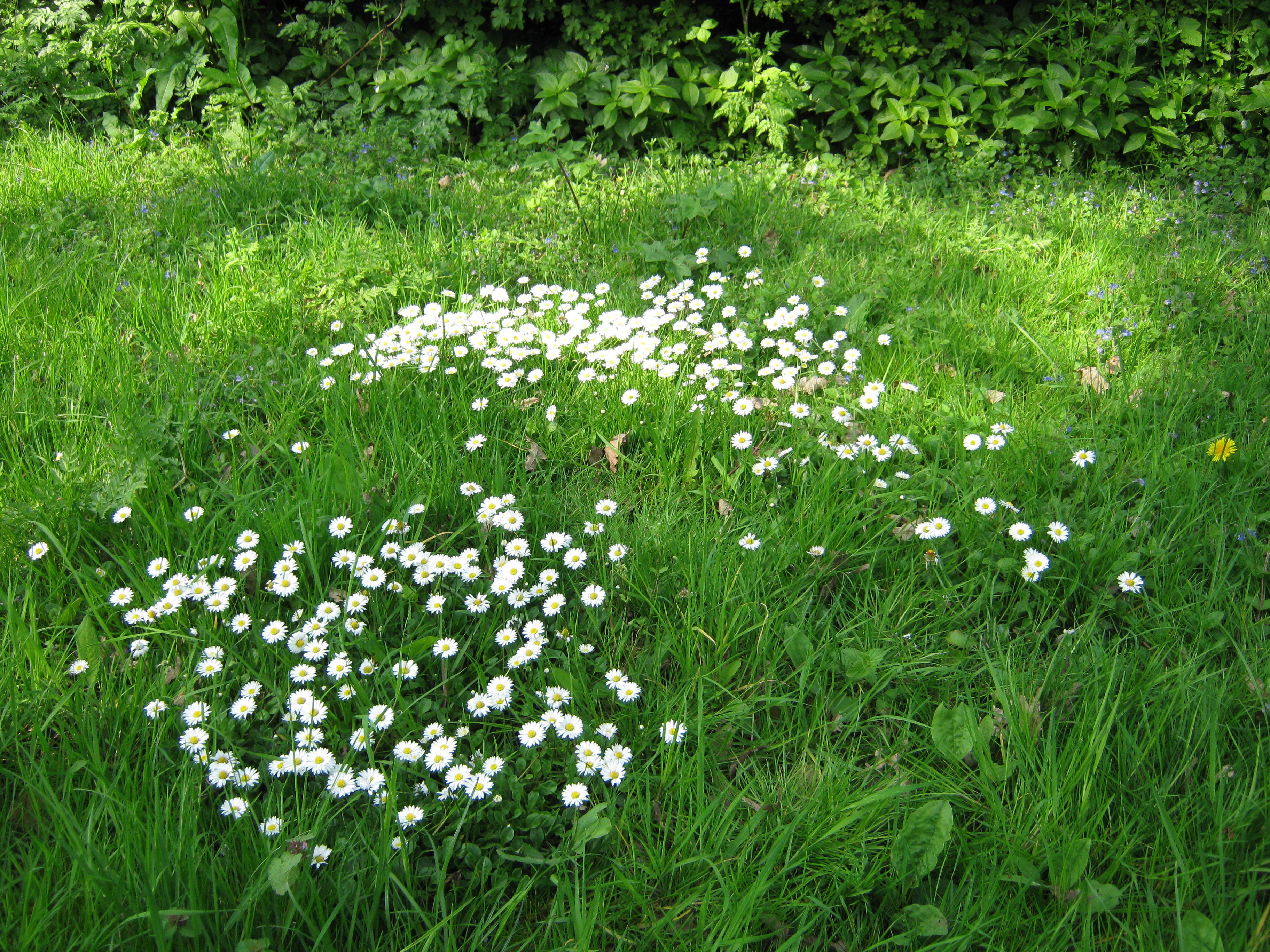
Daisies.

Image

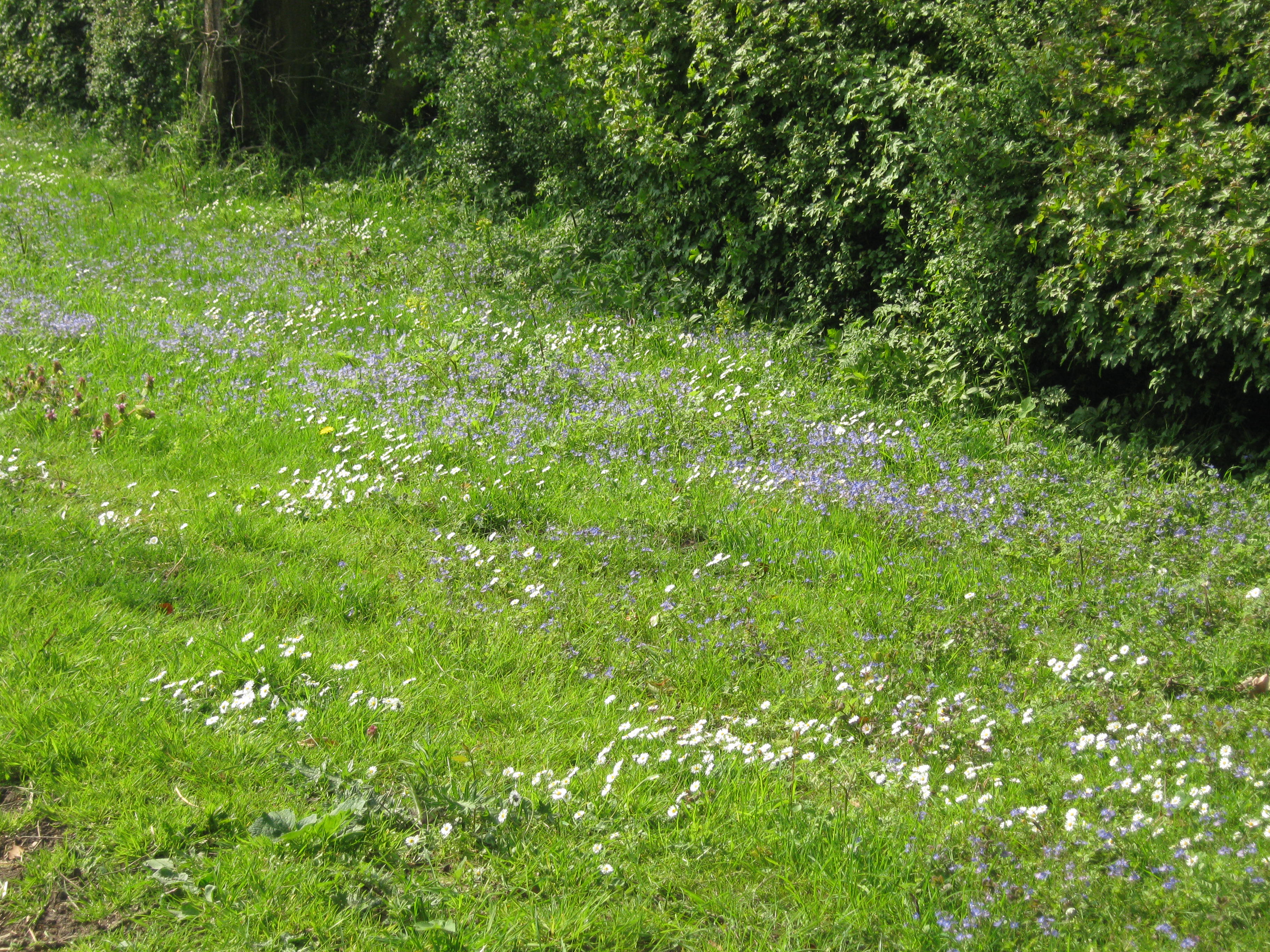
Daisies and Germander Speedwell.

Image

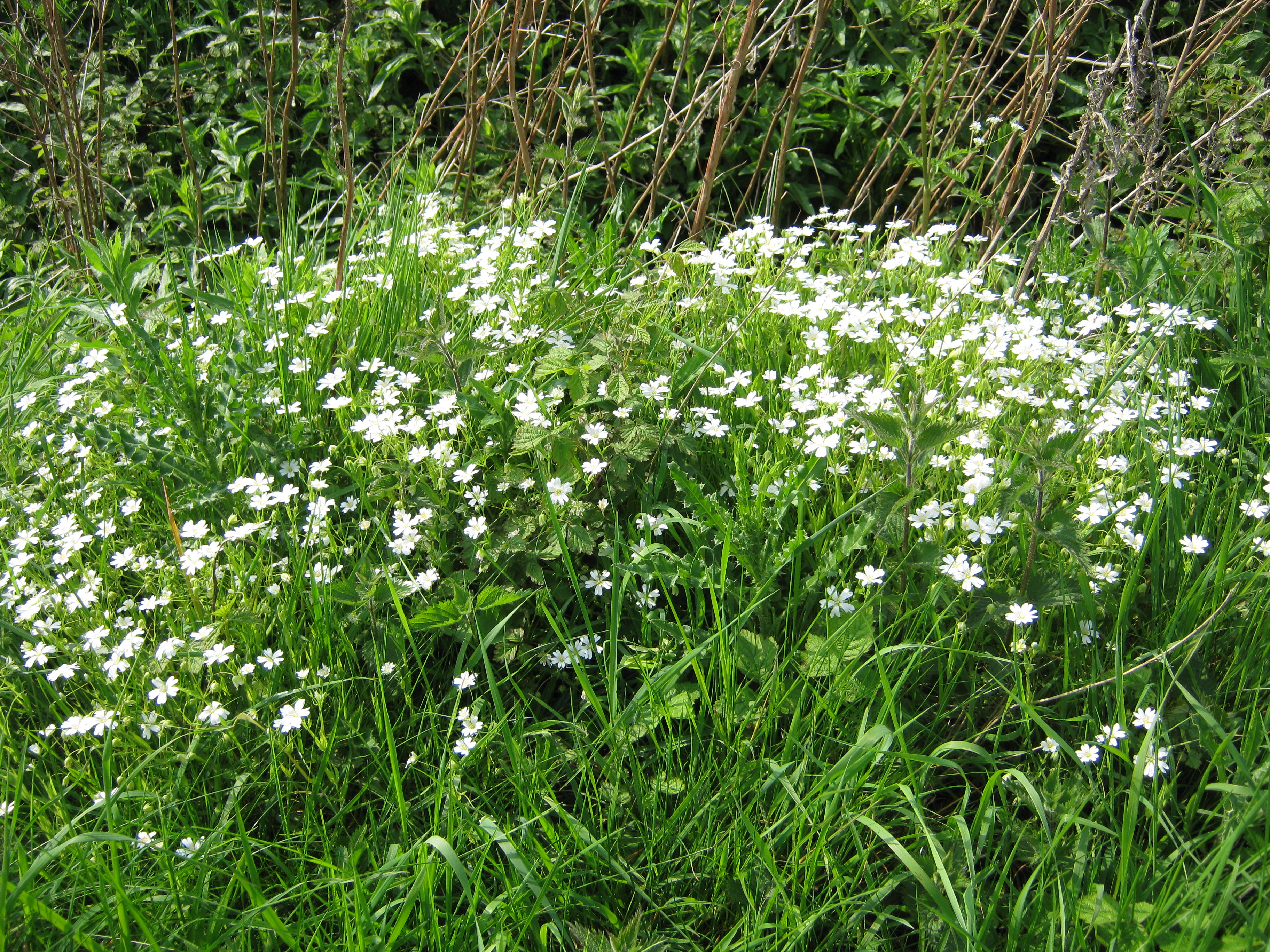
Greater Stitchwort.

Image

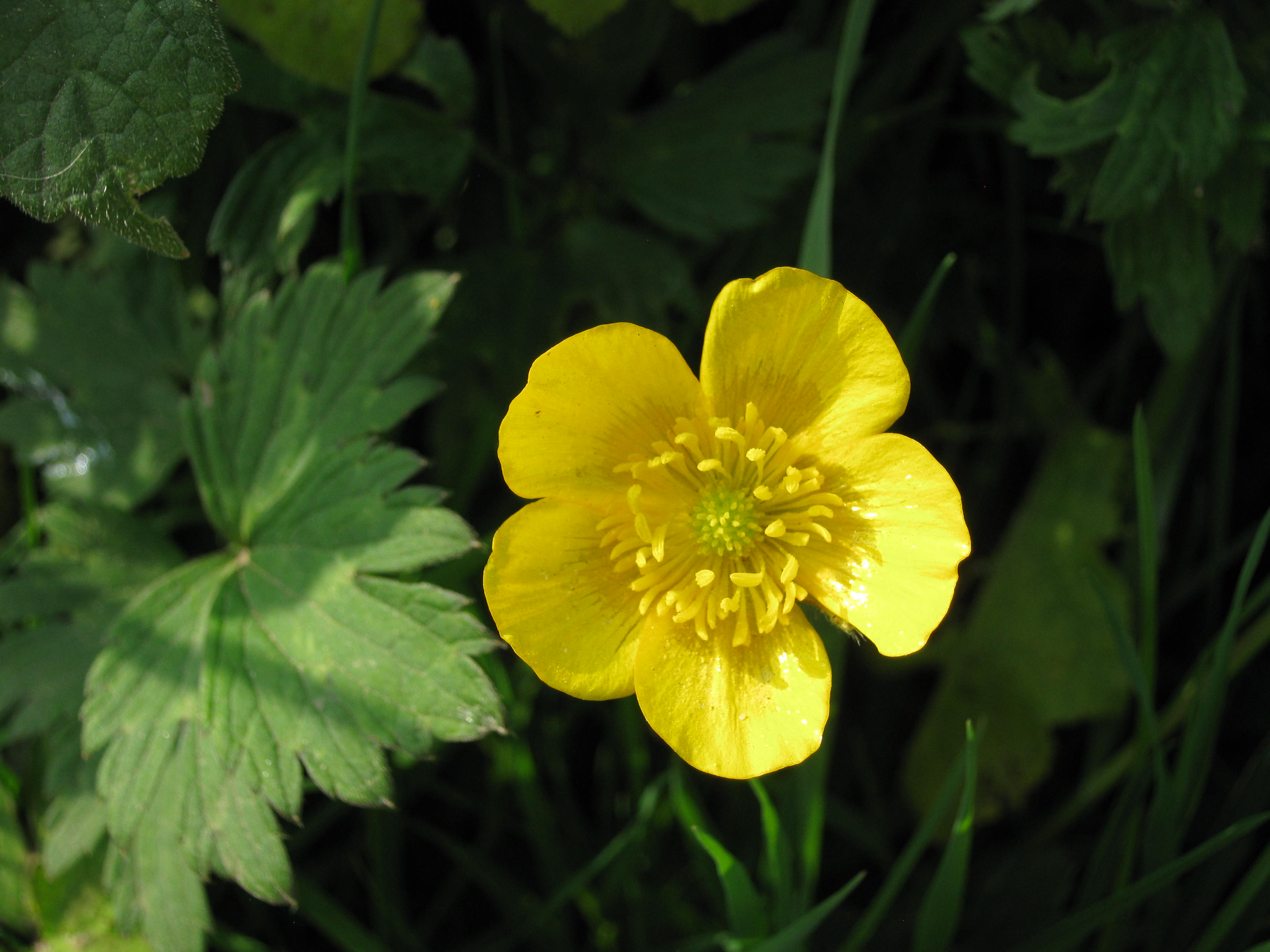
A Buttercup.

Image

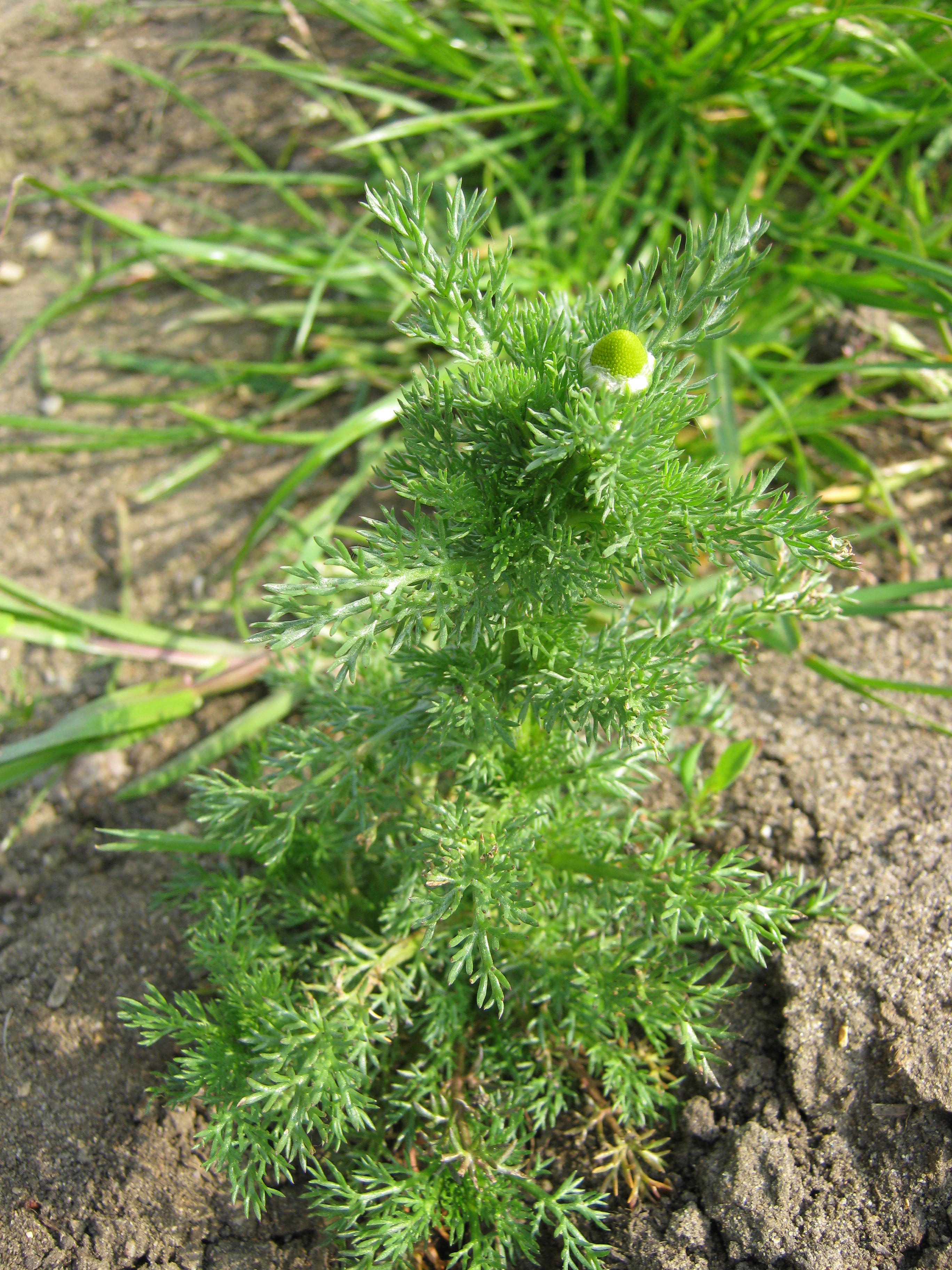
Pineapple Weed.

Image

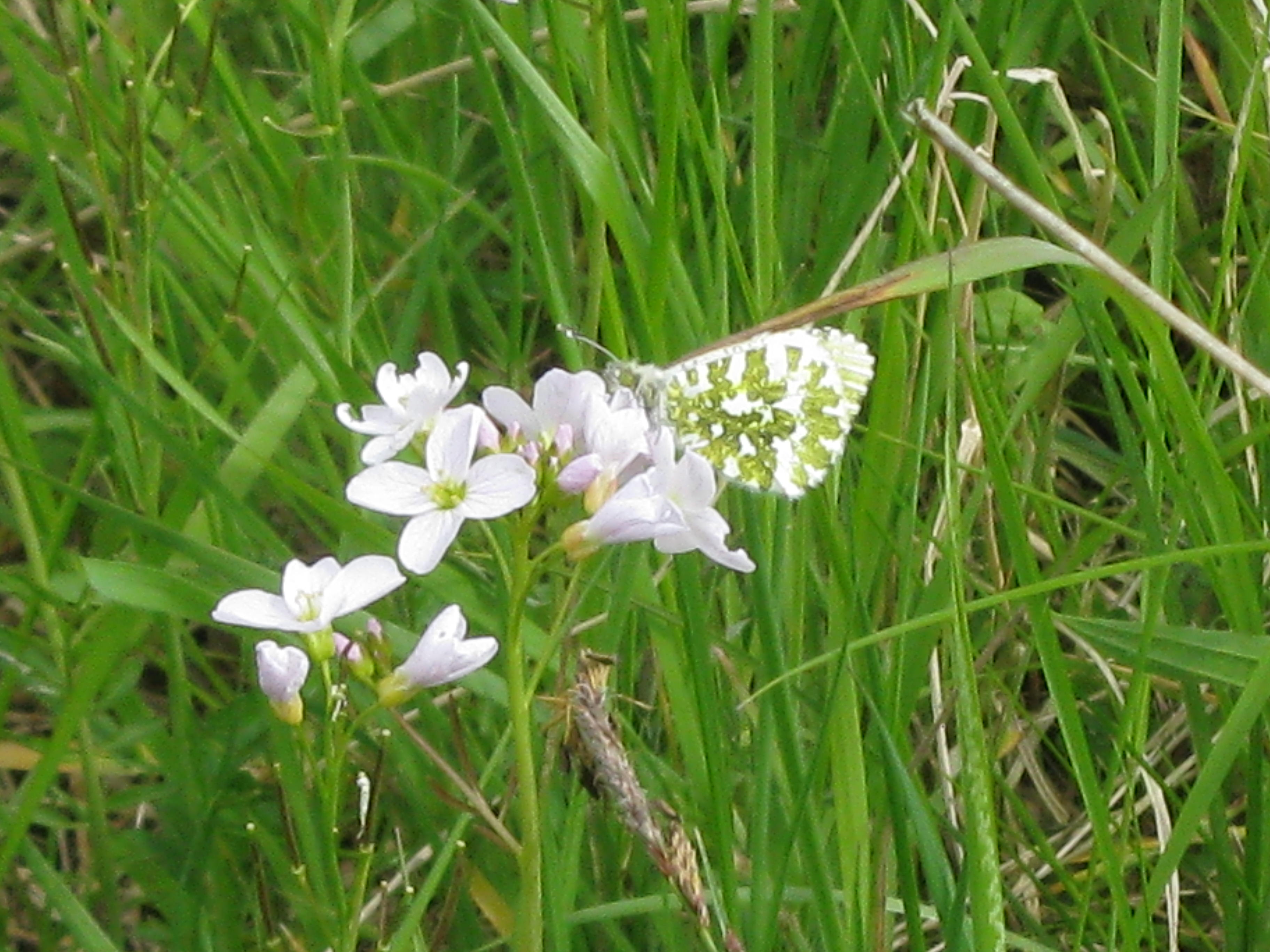
A female orange-tip butterfly.  Note the lovely green-marbled underwing.
Image

The signpost at the end of our lane.

Image

A male orange-tip butterfly.  I have been trying for over a week to photograph these fast flying butterflies!
Image

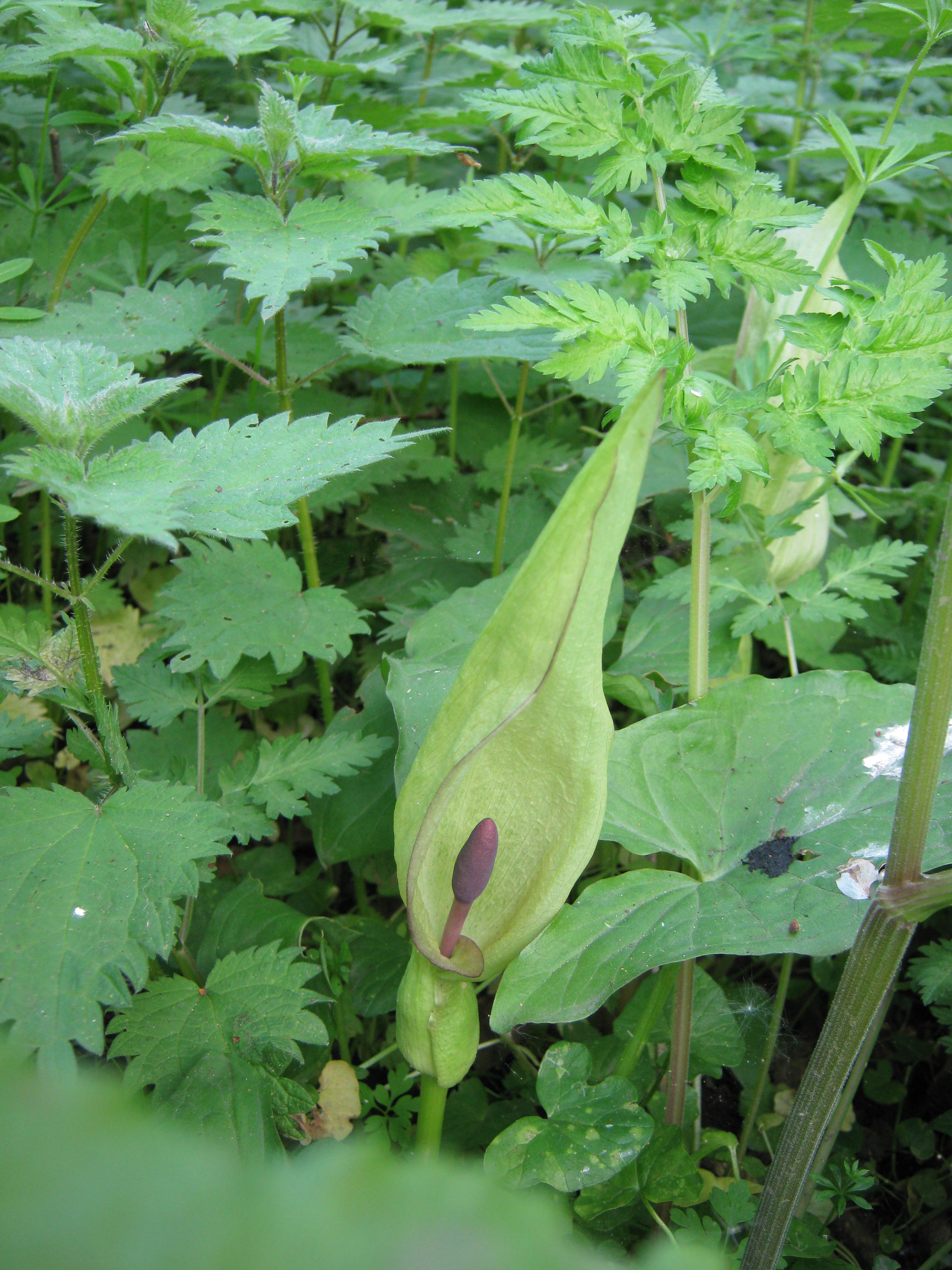
Lords and Ladies.  This is specially for Heather!  At last these strange plants are flowering here.  I have some in my garden but they are hidden by tall grass and difficult to photograph.
Image

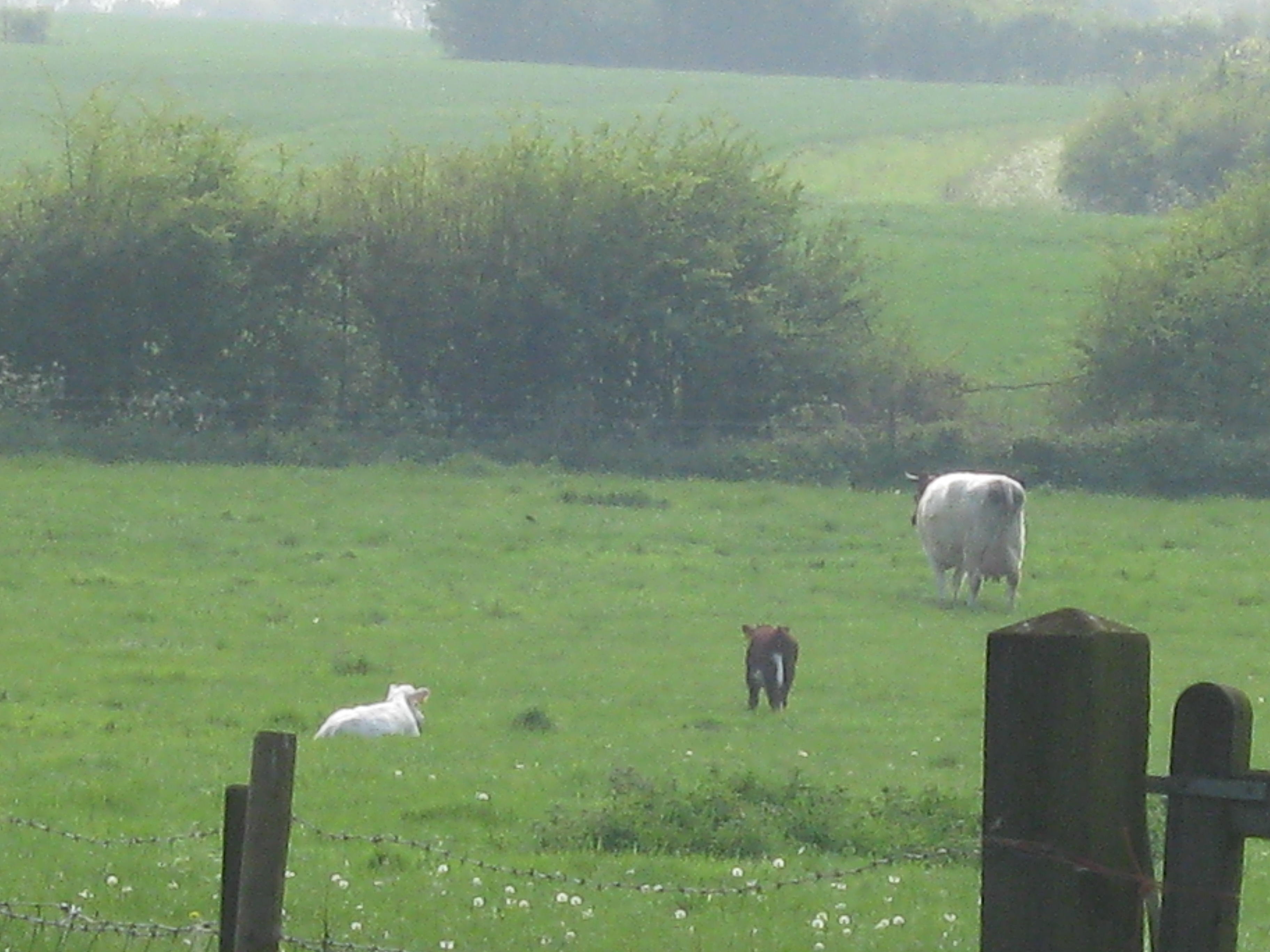
Cow and calves.

Image

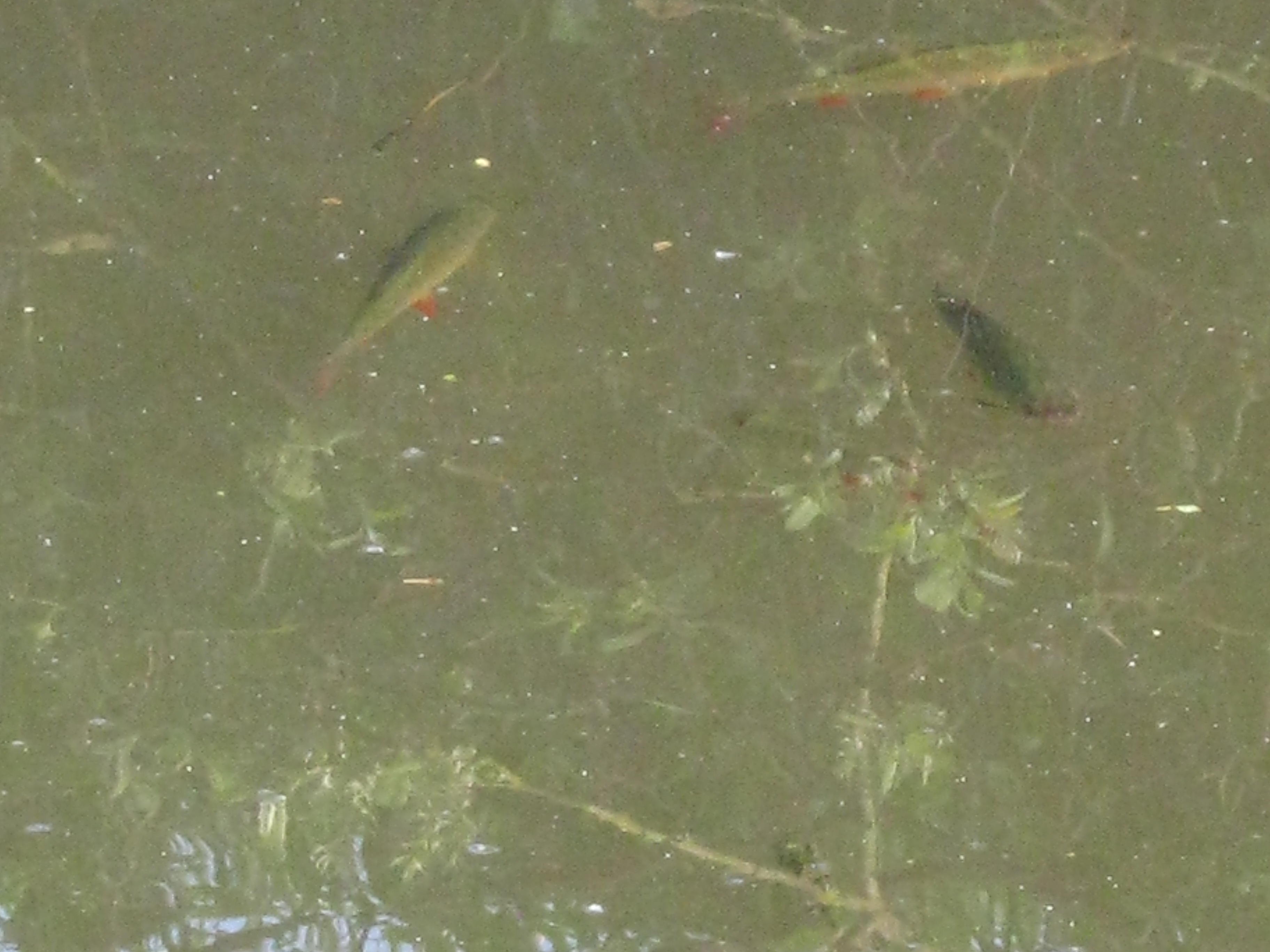
This is the pond at the side of the lane.  I’m not sure what the fish are – perhaps perch? – but we have the same fish in our big pond.

Image

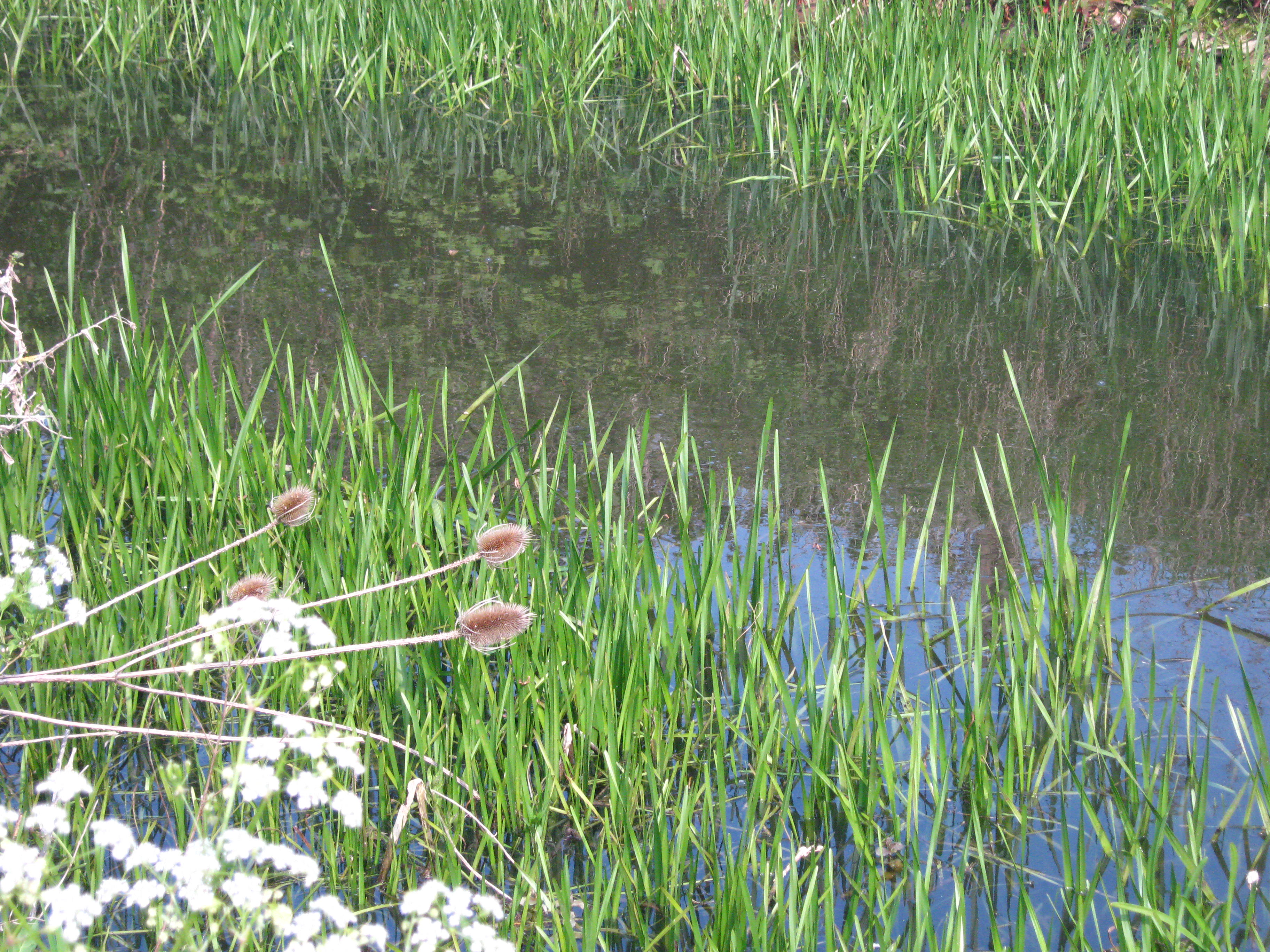
The pond next to the lane.

Image

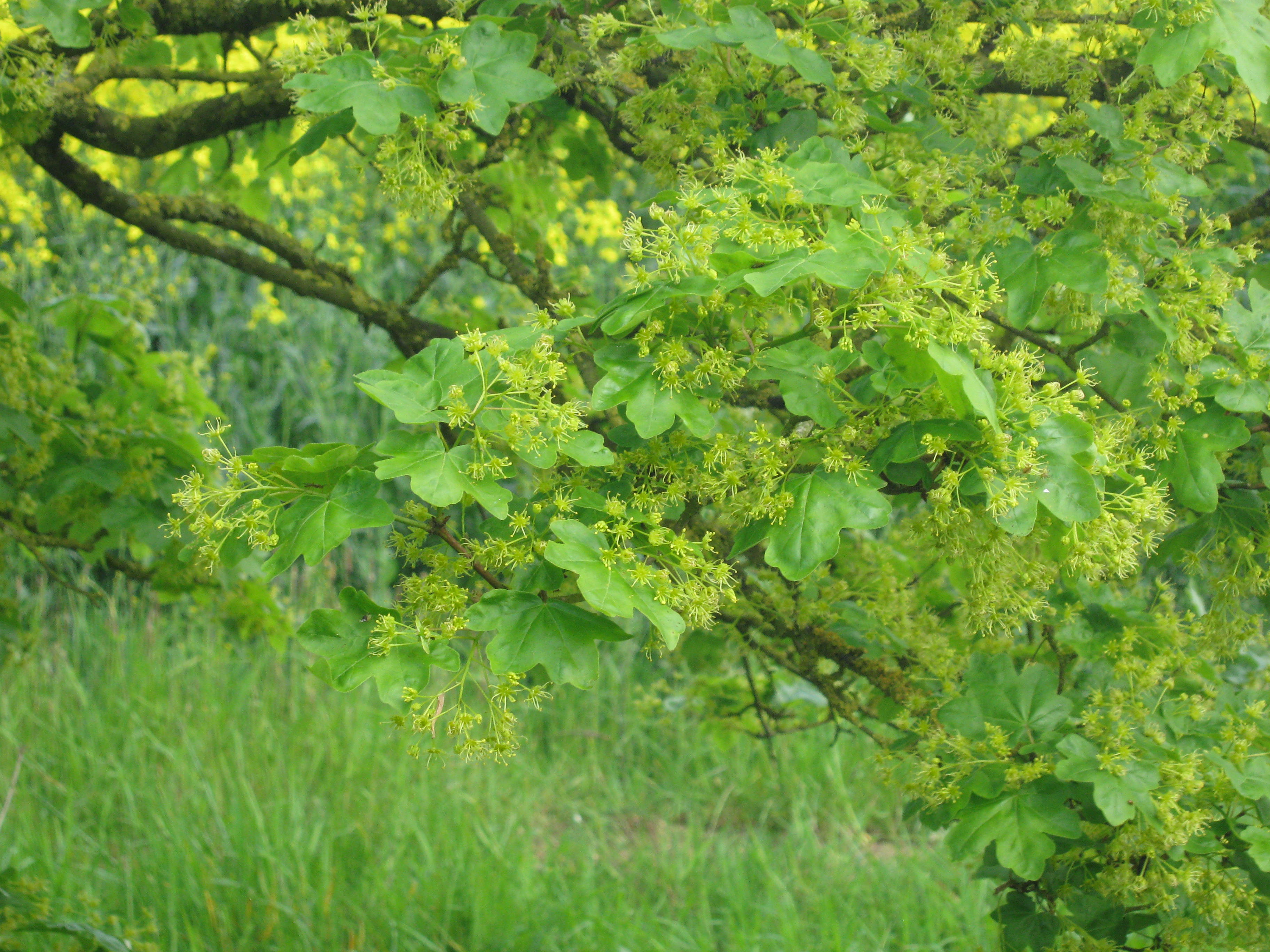
Field maple leaves and flowers.

Image

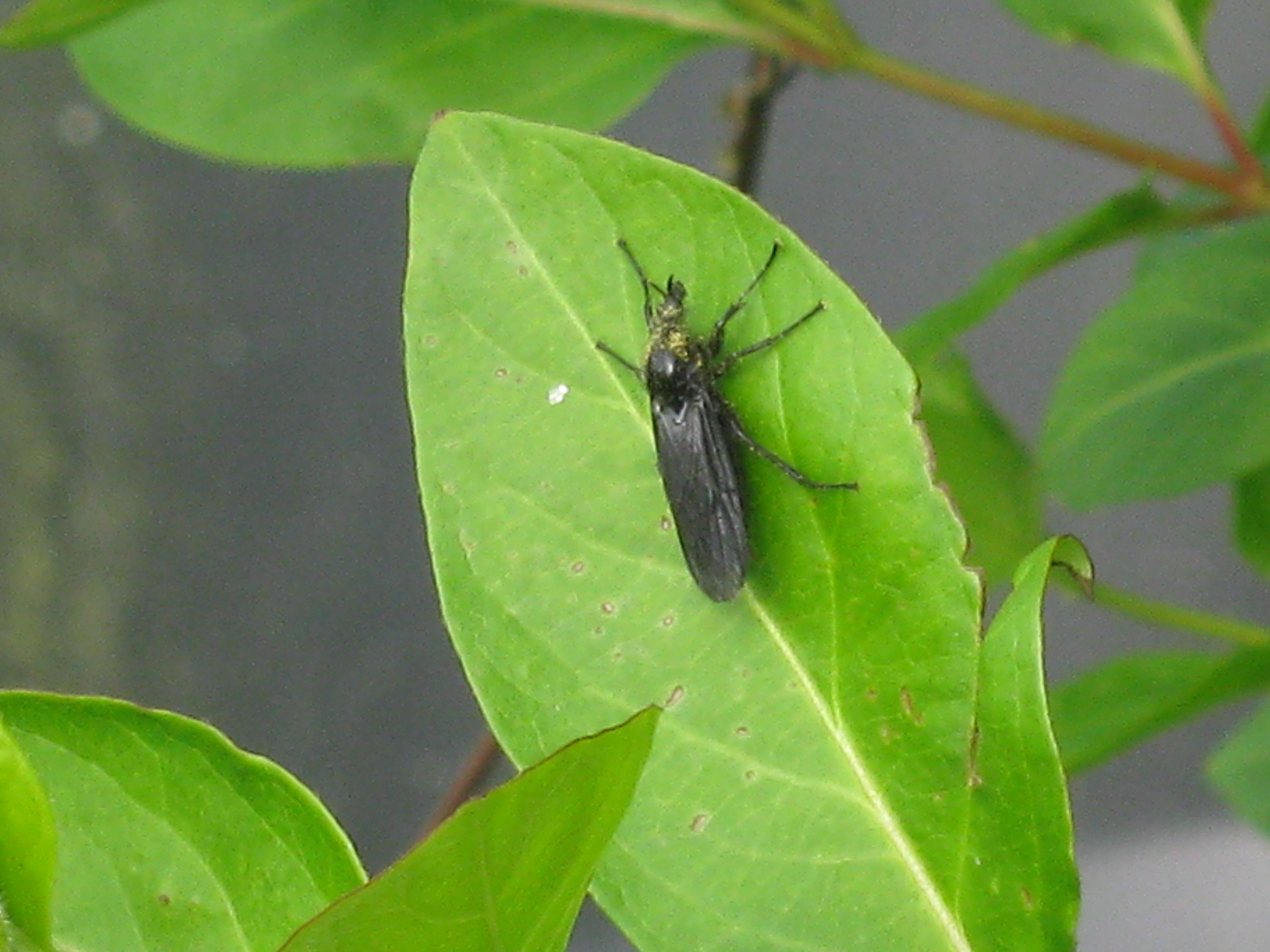
A St Mark’s fly.  They usually appear about the same time of year as the Feast of St Mark – 25th April.

R and I went out for a walk across the fields when he returned home from his trip to Gloucestershire that evening.

Image

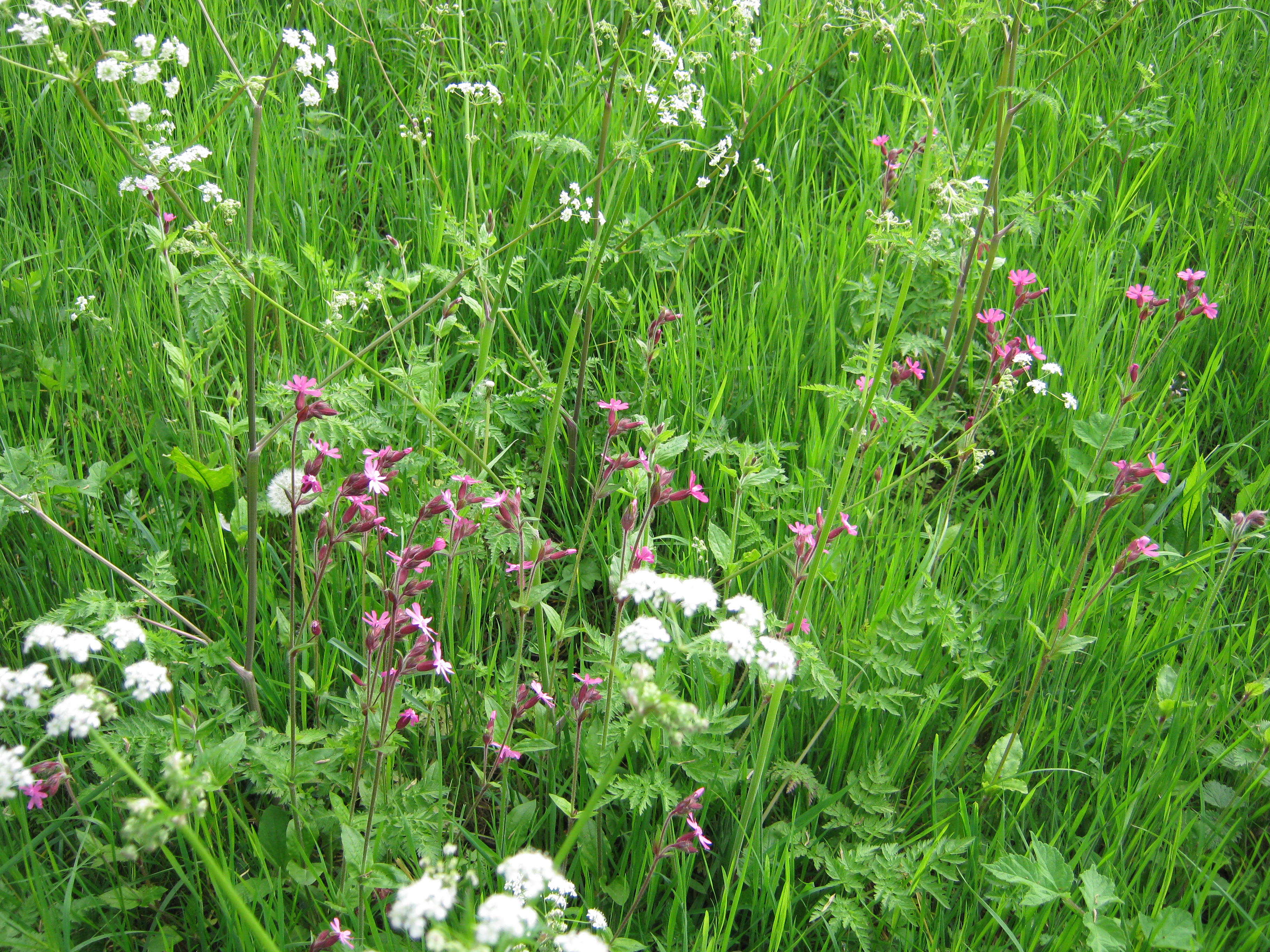
Red Campion and cow-parsley growing at the end of our lane.

Image

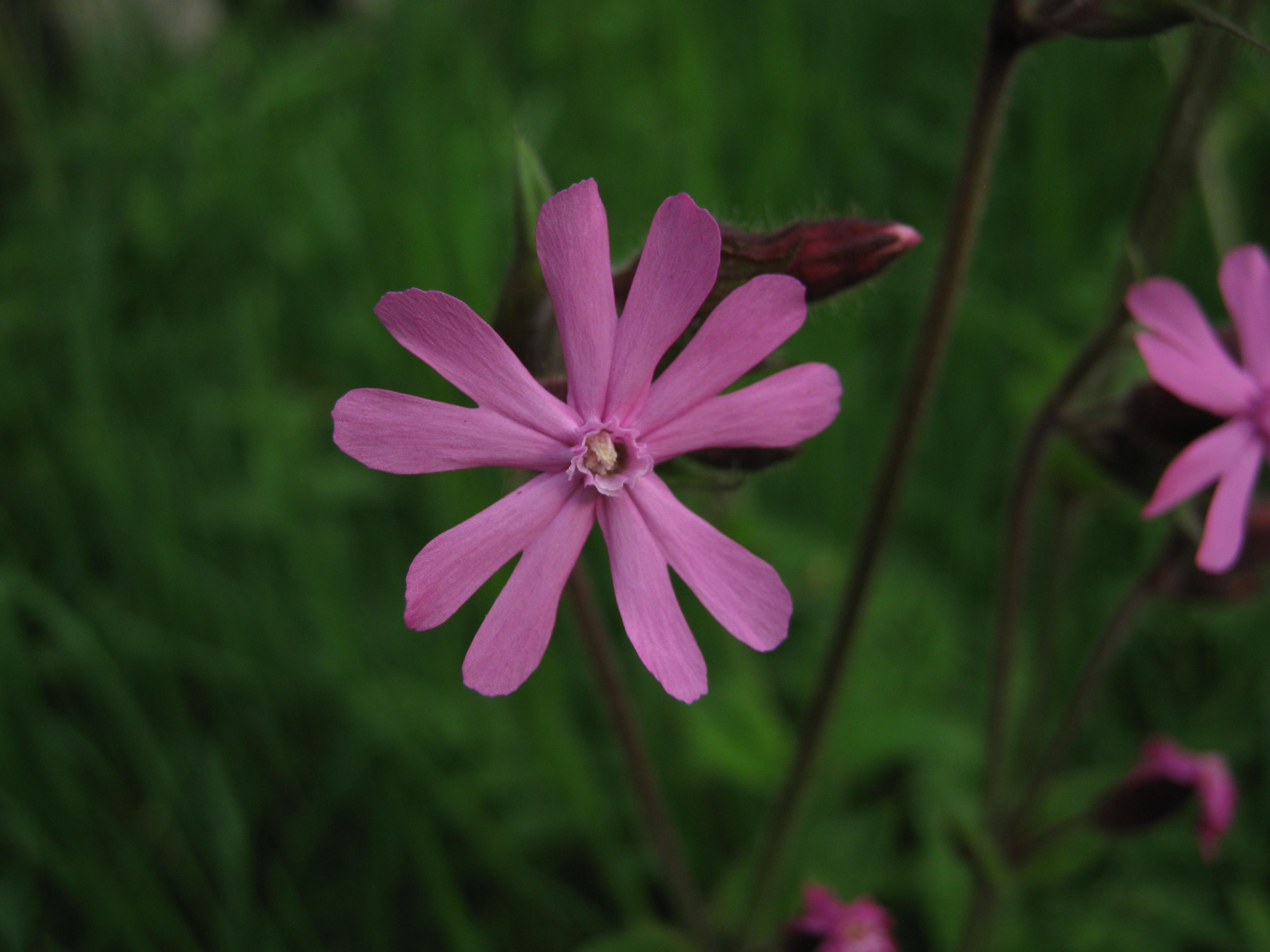
A Red Campion flower.

Image

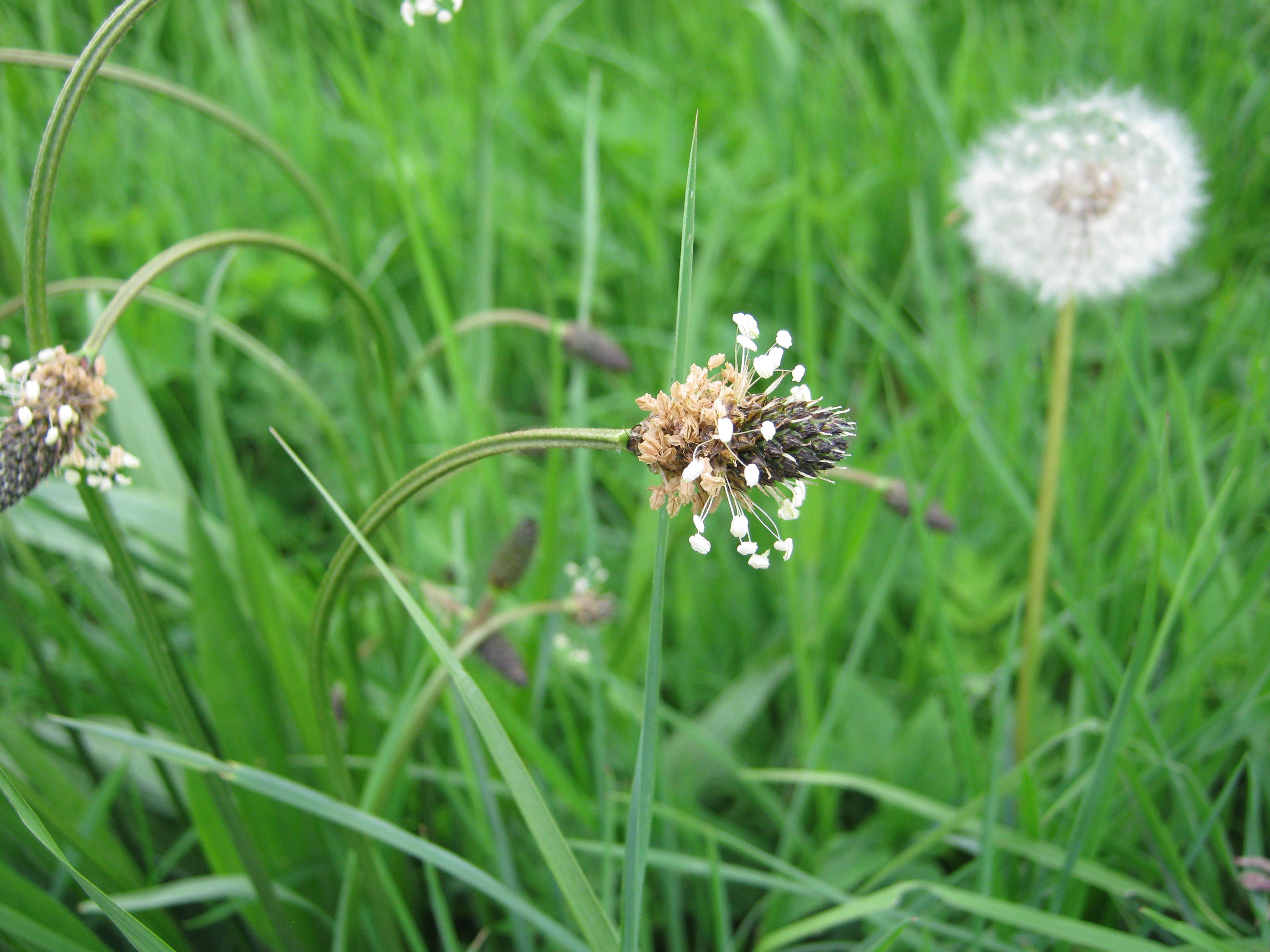
Ribwort flowers – Turkish Caps,

Image

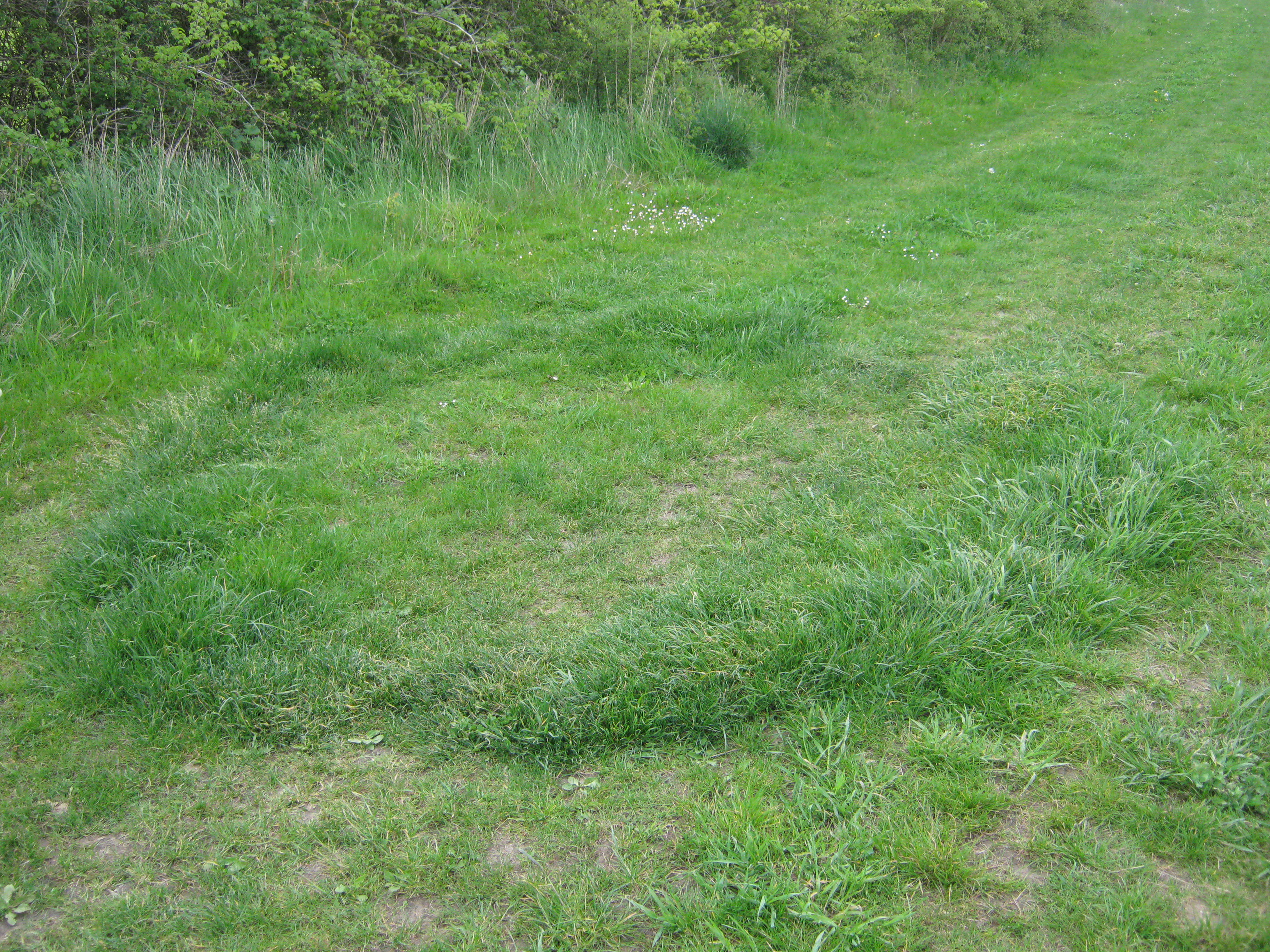
A ‘fairy ring’ caused by toadstools.

Image

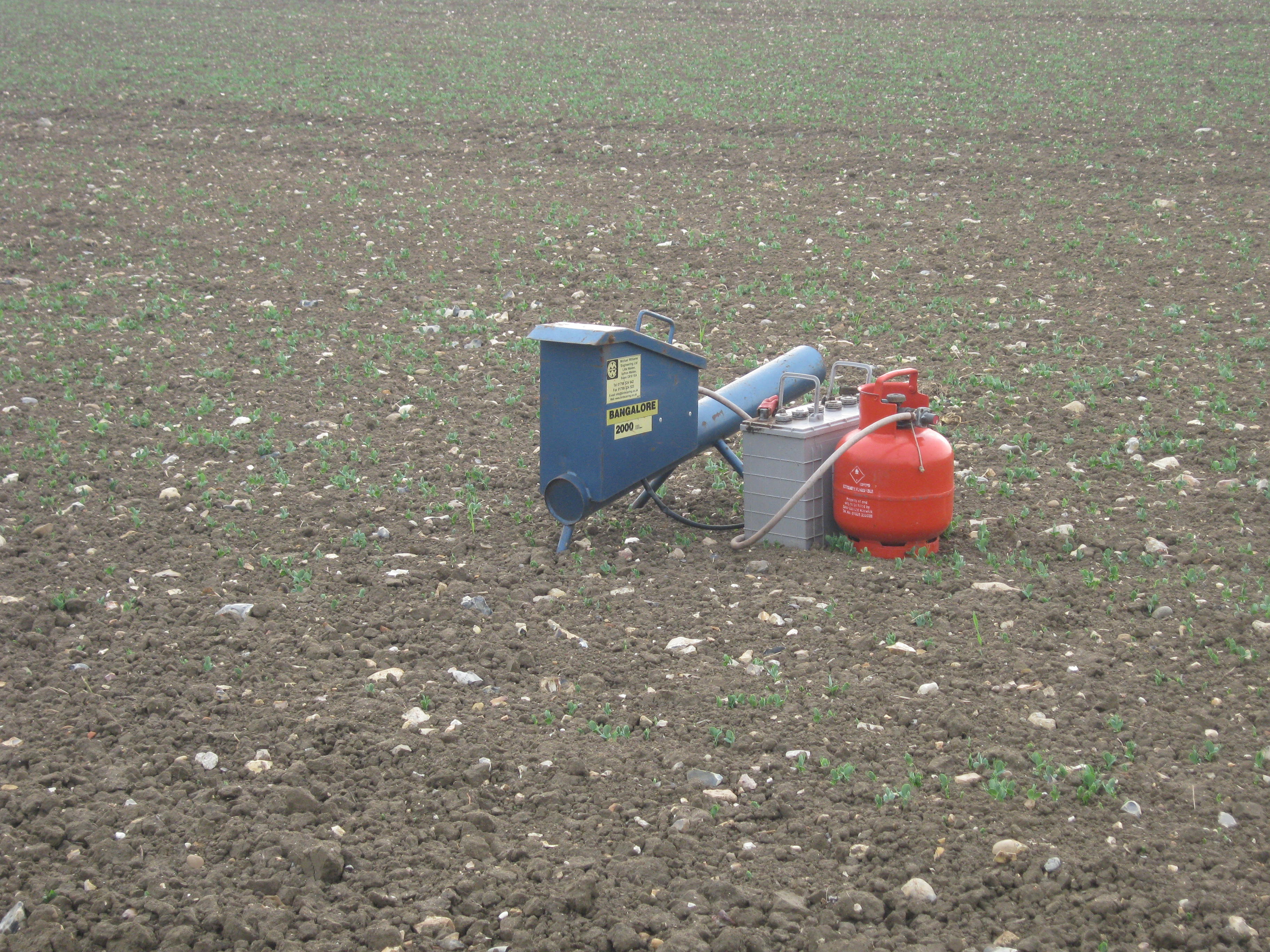
A bird-scarer cannon.

Image

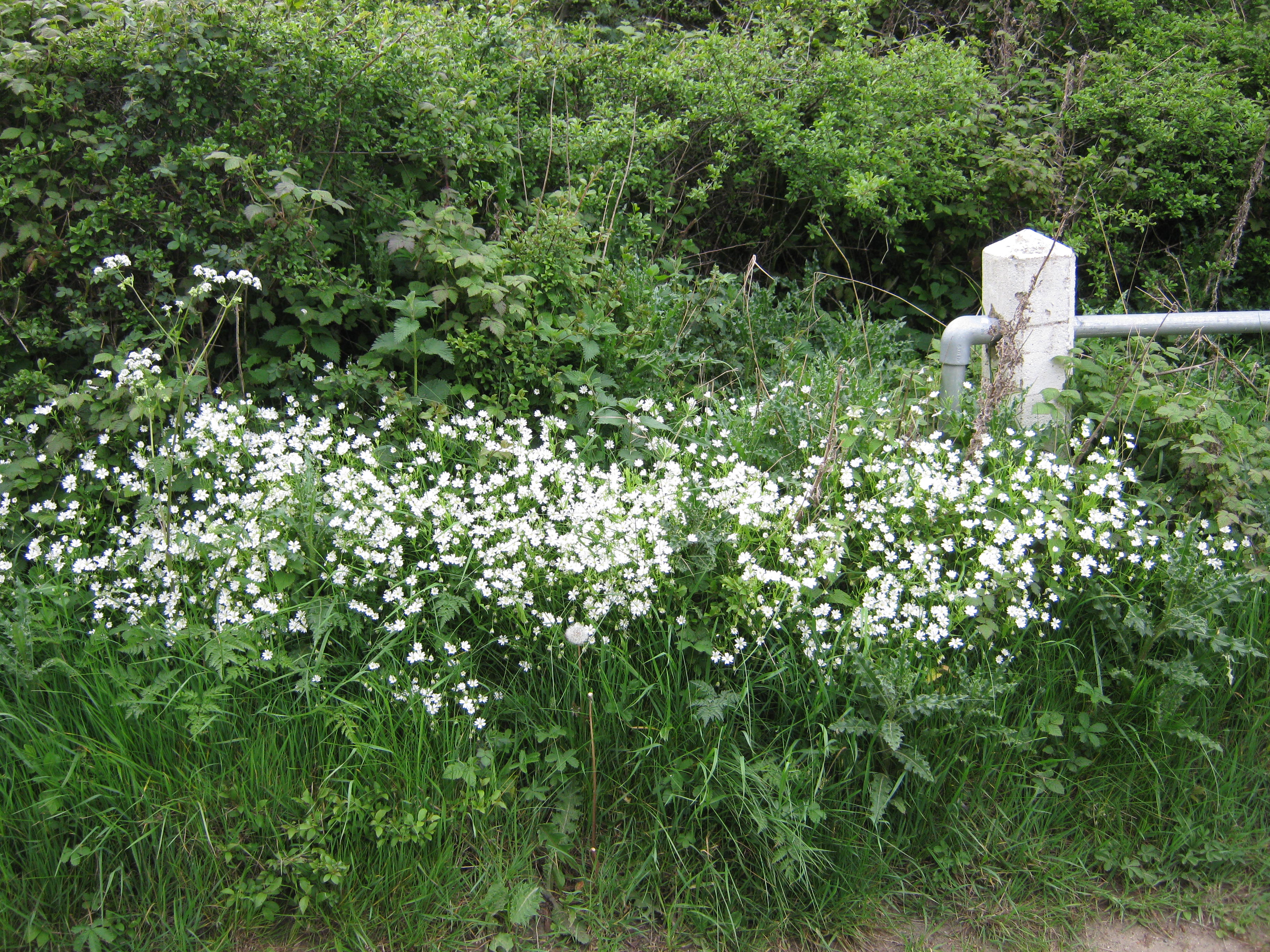
More stitchwort.

Image

St Peter’s Washes.

I’ll end with some photos of birds seen in my garden during the past week.

Image

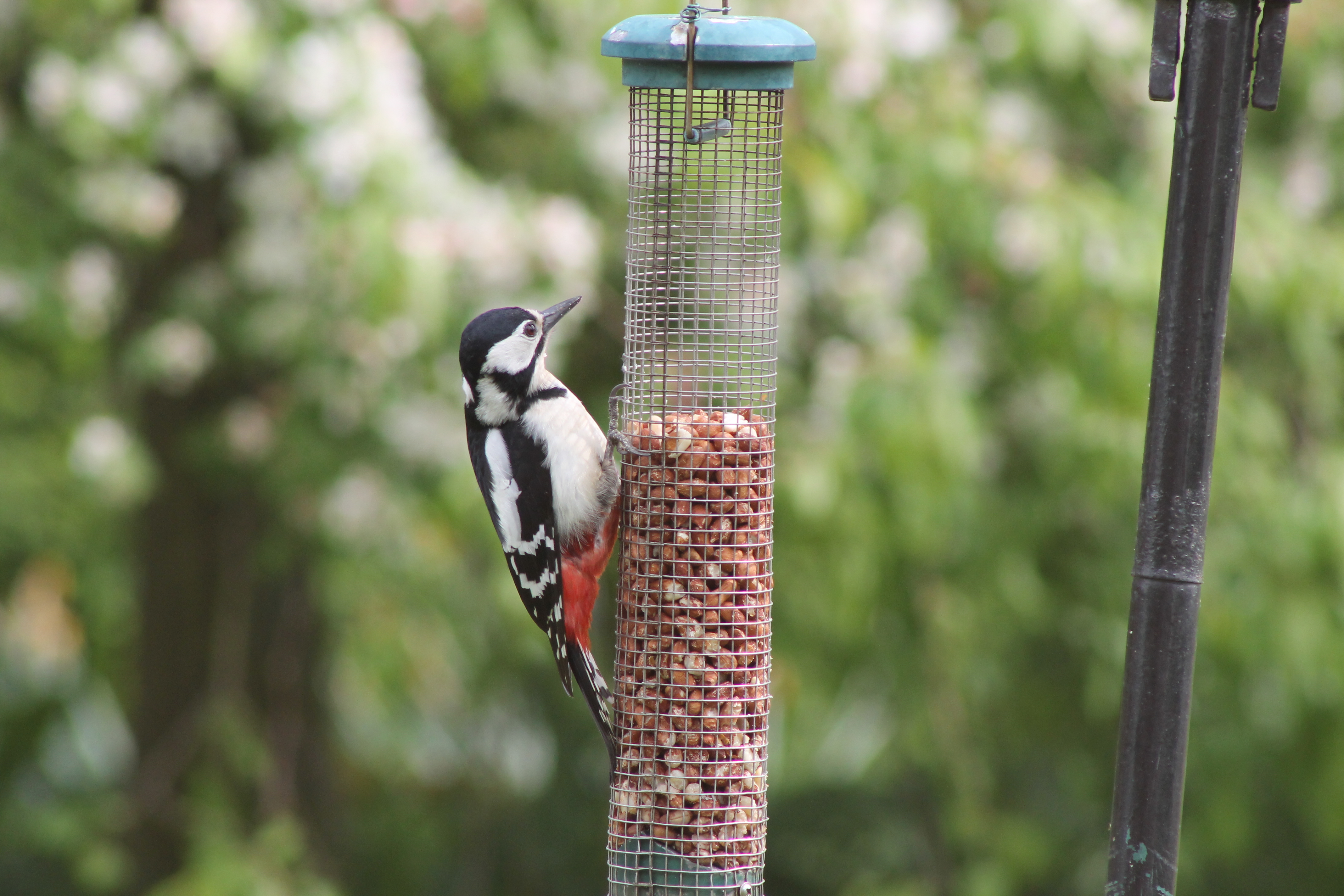
A female Greater-Spotted Woodpecker.

Image

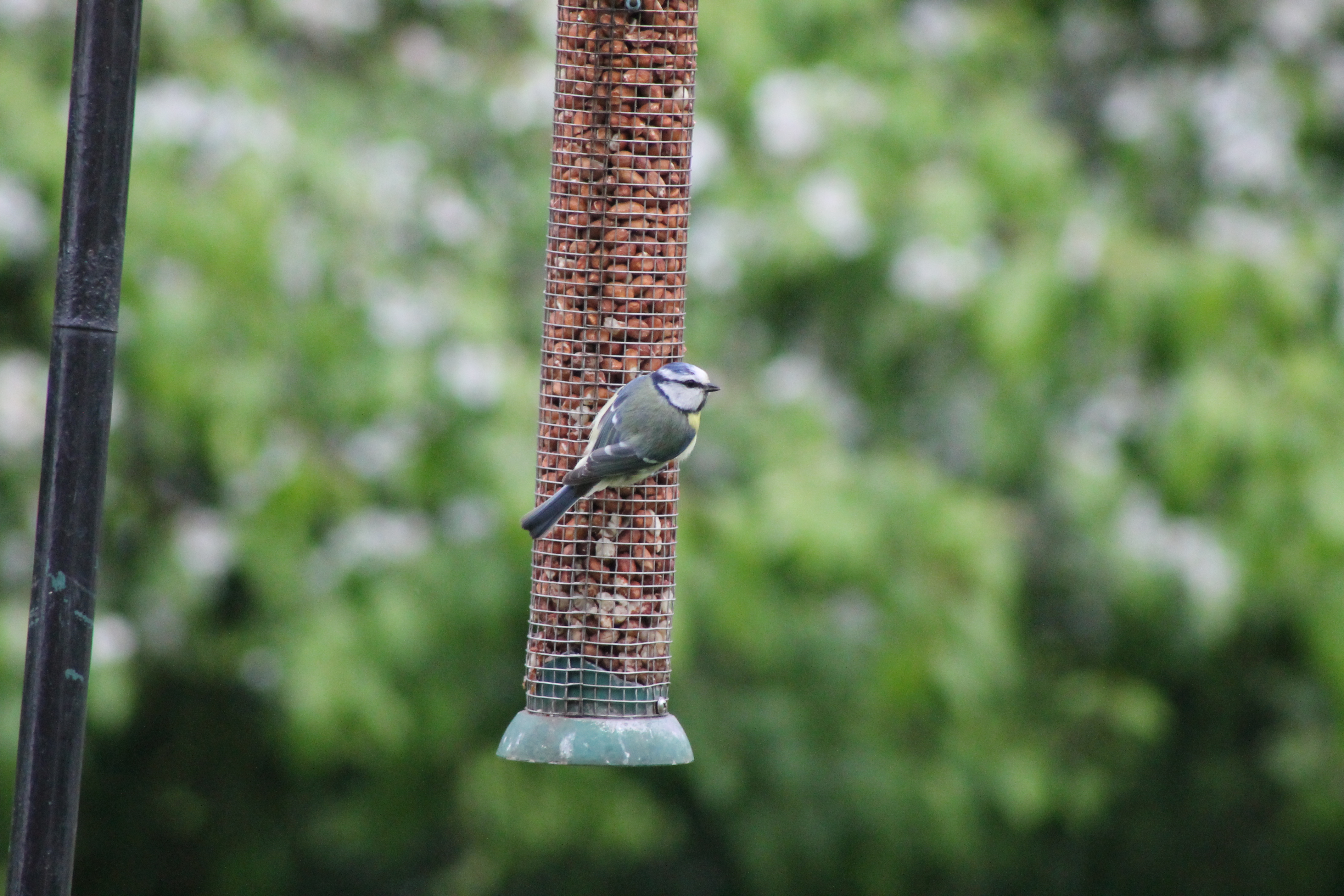
A bluetit.

Image

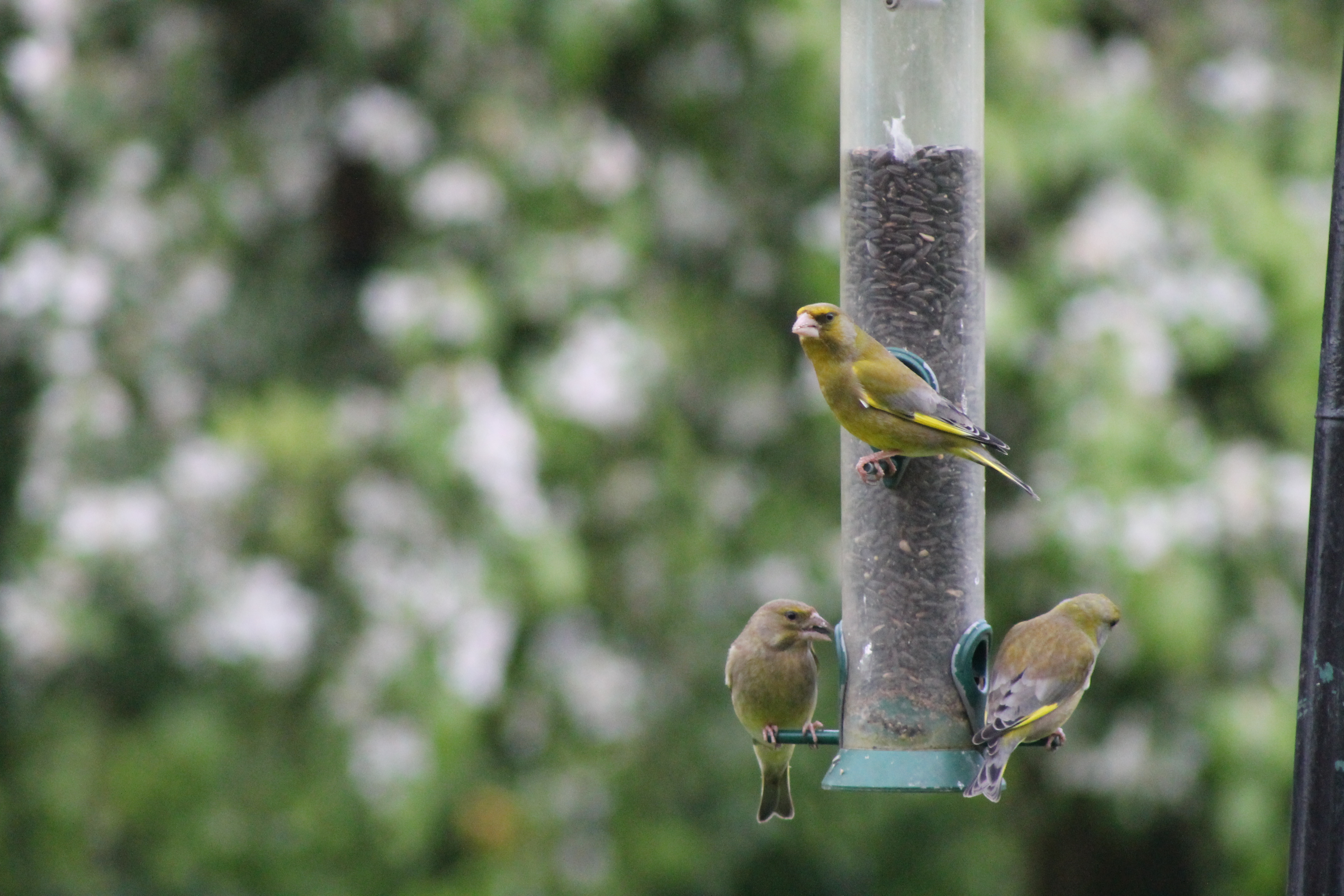
Male and female Greenfinches

Share this:

  • Share on X (Opens in new window) X
  • Share on Reddit (Opens in new window) Reddit
  • Share on Pinterest (Opens in new window) Pinterest
  • Share on Facebook (Opens in new window) Facebook
  • Email a link to a friend (Opens in new window) Email
  • Share on Tumblr (Opens in new window) Tumblr
  • Print (Opens in new window) Print
  • Share on LinkedIn (Opens in new window) LinkedIn
Like Loading...

Easter Day

20 Sun Apr 2014

Posted by Clare Pooley in Rural Diary, Uncategorized, wild birds

≈ 2 Comments

Tags

Easter, greater spotted woodpecker

Happy Easter to everyone!

The weather today was much better than forecast.  I was woken at 6.00am by really heavy rain and thought at first that that was what we would get all day.  Fortunately, this was not the case.  We had a few more fairly heavy showers during the morning but the afternoon was dry with a couple of glimpses of the sun.  The temperature rose to the dizzy heights of 13 degrees centigrade as well!

Mum always comes to lunch on feast days but as I had to take her to church as well today, cooking the lunch and being able to eat it at lunch-time was going to prove difficult.  I got up early and managed to get a lot done by the time I had to leave for church.  I was disappointed not to be able to go to church with R and A, who has come home for the weekend, as the 9.30am service was at our church at Rumburgh.  When I arrived back home with Mum I found that a lot of work had been done by my dear family and we managed to eat our meal at 2.30pm.  I then sat around talking to the family all the afternoon feeling very tired but quite happy.  We had all exchanged little Easter gifts earlier.  When I was a girl we just had Easter chocolate eggs and sometimes we painted hen’s eggs with food dye.  With my girls things are different.  A really disliked chocolate when she was little and still doesn’t eat much of it now so I used to get her Easter-themed presents.  E also won’t eat Easter eggs (but does like chocolate) so I’ve always got her Easter gifts too.

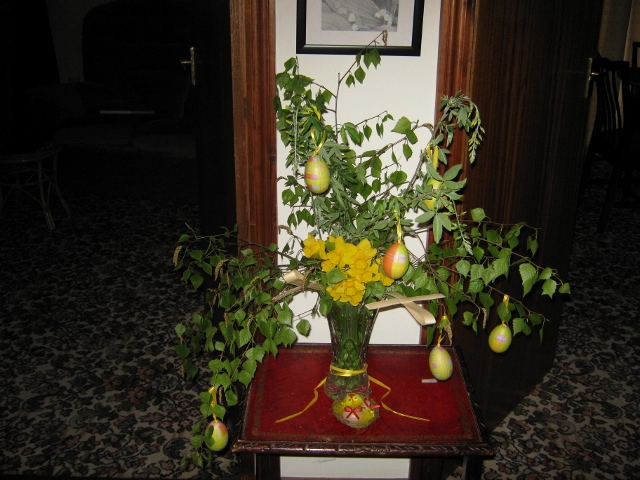
014Easter decoration (640x480)


This is the Easter decoration in our hallway that E did for us (with apologies for the horrible carpet we can’t afford to replace yet!)

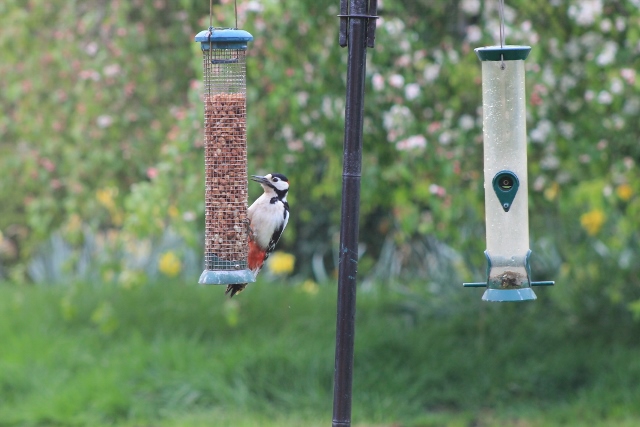
We did manage to see a male Greater Spotted Woodpecker on our peanut feeder today.

006Woodpecker on peanuts (640x427) 007Woodpecker on peanuts (640x427)


I will be able to post something longer and better tomorrow I hope.


Share this:

  • Share on X (Opens in new window) X
  • Share on Reddit (Opens in new window) Reddit
  • Share on Pinterest (Opens in new window) Pinterest
  • Share on Facebook (Opens in new window) Facebook
  • Email a link to a friend (Opens in new window) Email
  • Share on Tumblr (Opens in new window) Tumblr
  • Print (Opens in new window) Print
  • Share on LinkedIn (Opens in new window) LinkedIn
Like Loading...

Maundy Thursday

18 Fri Apr 2014

Posted by Clare Pooley in churches, plants, Rural Diary, Uncategorized, wild birds

≈ 2 Comments

Tags

Flower Fairies books, Jack-by-the-Hedge, Ladies Smock, Maundy Thursday, sparrowhawk, stock dove

I have recently come home from taking my mother to the Maunday Thursday service at her church which I found quite moving.  The word Maundy is an Old English word which originally came from the latin word mandatum – mandate/command.  This refers to Christ’s command for us to love one-another.  On Maundy Thursday the Maundy money (specially minted silver coins) is distributed by the Queen.  On Maunday Thursday we commemorate Christ’s Last Supper and His washing of the feet of His disciples, even Judas Escariot’s who was about to betray Him.  The service ends with the altar being stripped of all it’s candles and cloths to leave it bare and then a vigil takes place when we pray and meditate.  Mum and I didn’t stay for the vigil as she was quite tired and she was concerned that I should get home sooner rather than later.  It was her 84th birthday today.  I tried to phone her this morning but couldn’t get through as the phone was engaged for ages.  Apparently my sister phoned and an old friend from where Mum used to work rang as well.  This was pleasing news to me.

My friend H contacted me about my last post and said that she usually calls Cuckoo Flower ‘Ladies Smock’.  I also noticed that Mr Tootlepedal mentioned Ladies Smock in his post.  I must admit that I usually call this plant Ladies Smock too but I suddenly had doubts about this and didn’t want to give wrong information out.  I then looked the plant up in a couple of my wild flower reference books and neither of them said anything about Ladies Smock so I played safe!  H also reminded me that Garlic Mustard is know as Jack-by-the-Hedge and we then had an e-mail conversation about The Flower Fairies books from where we got our first knowledge of wild and garden flowers and plants.  H thought that the sparrowhawk might also have been responsible for the possible loss of the goslings.  The geese are fierce, protective parents and bigger than the hawk but the hawk is extremely fast and, as I have mentioned, there is not much cover round the pond at the moment.  So yes, that is another possibility.

I will end with a not particularly good photo of a stock dove.  I include it because it shows the lovely iridescent green patch on the neck.


007Stock dove (640x480)

Share this:

  • Share on X (Opens in new window) X
  • Share on Reddit (Opens in new window) Reddit
  • Share on Pinterest (Opens in new window) Pinterest
  • Share on Facebook (Opens in new window) Facebook
  • Email a link to a friend (Opens in new window) Email
  • Share on Tumblr (Opens in new window) Tumblr
  • Print (Opens in new window) Print
  • Share on LinkedIn (Opens in new window) LinkedIn
Like Loading...
← Older posts
Newer posts →
Follow A Suffolk Lane on WordPress.com

Enter your email address to follow this blog and receive notifications of new posts by email.

Join 697 other subscribers.

Unknown's avatar

I talk about what it's like living in a quiet part of Suffolk. I am a wife, mother and daughter, a practising Christian and love the natural world that surrounds me. I enjoy my life - most of the time!

My Posts

Jul 2026
M T W T F S S
 12345
6789101112
13141516171819
20212223242526
2728293031  
« May    

Pages

  • About my Blog
  • GDPR (General Data Protection Regulations) and This Site
  • My Life in a Suffolk Lane

Archives

Blogs I Follow

Unknown's avatar
Unknown's avatar
Unknown's avatar
Unknown's avatar
Unknown's avatar
Unknown's avatar
Unknown's avatar
Unknown's avatar
Unknown's avatar
Unknown's avatar
Unknown's avatar
Unknown's avatar
Unknown's avatar
Unknown's avatar
Unknown's avatar
Unknown's avatar
Unknown's avatar
Unknown's avatar
Unknown's avatar
  • Unknown's avatar
  • Unknown's avatar
  • Unknown's avatar
  • Resa's avatar
  • TravelingTortuga's avatar
  • Unknown's avatar
  • Unknown's avatar
  • Unknown's avatar
  • Unknown's avatar
  • Unknown's avatar
  • Unknown's avatar
  • SueW's avatar
  • willedare's avatar
  • Unknown's avatar
  • Unknown's avatar
  • Secret Diary of A Church Of England Vicar's Wife's avatar
  • georgi.kisyov's avatar
  • jonathonbhoyt's avatar
  • Unknown's avatar
  • Unknown's avatar
  • Unknown's avatar
  • Unknown's avatar
  • Unknown's avatar
  • clivebennett796's avatar
  • Unknown's avatar
  • Unknown's avatar
  • Unknown's avatar
  • sherijkennedyriverside's avatar
  • cindy knoke's avatar
  • Paula Bardell-Hedley's avatar
  • Tony Self's avatar
  • Unknown's avatar
  • John Bainbridge's avatar
  • bowlandclimber's avatar
  • Unknown's avatar
  • Rosebrantsen's avatar
  • Unknown's avatar
  • sietchjameseguin's avatar
  • Unknown's avatar
  • Unknown's avatar
  • santable's avatar
  • glorious78aec7b204's avatar
  • Noémi's avatar
  • burndettandres's avatar
  • Unknown's avatar
  • Unknown's avatar
  • Unknown's avatar
  • Unknown's avatar
  • Unknown's avatar
  • Unknown's avatar

amphibians architecture art Arts and Crafts churches cooking Days out domestic animals family fish Folk Traditions France Gardening Historic Buildings holidays Insects Landscaping music Norwich plants Rural Diary seashore theatre trees Uncategorized walking weather wild animals wild birds wild flowers

Tags

architecture autumn birds blackbird blackthorn Bungay butterfly church clouds common knapweed cow parsley crocus daffodils Diary dogwood family field maple flowers fungus garden gardening geese greylags ground-ivy Halesworth Hawthorn heather holiday Holly Holy Week horse chestnut Hoverfly insects ivy Lake District Lent lesser celandine lichen Lords and Ladies Mallard mallards Minsmere moorhen moss music Norwich Peak District pheasant plants pond ponds primrose primroses Rain rooks Rumburgh Rumburgh Church sheep Sheffield snow snowdrops Southwold spring Suffolk Suffolk Wildlife Trust sunset the Beck trees viburnum bodnantense walking weather wild cherry wild flowers winter-flowering honeysuckle witch-hazel

Meta

  • Create account
  • Log in
  • Entries feed
  • Comments feed
  • WordPress.com

Goodreads

Blog at WordPress.com.

Book Jotter

Reviews, news, features and all things books for passionate readers

Country Life Blog -

A blog about life in the country in the past and present

Matthew Paul: Poetry & Stuff

Poetry and what-not

Schnippelboy

Ein Tagebuch unserer Alltagsküche-Leicht zum Nachkochen

TAMARA JARE

Tamara Jare Contemporary Figurative Art – Bold Colors, Resilient Souls

A Taste of Freedom

Documenting a Dream

Country Ways

Rambling Journeys in Britain, Countryside Matters and campaigning for the Right to Roam

The Strawberry Post

Here to Entertain, Educate & Inspire!

a north east ohio garden

an ongoing experiment in the dirt, 35 plus years

naturechirp

Celebrating God's creatures, birds and plants...

Sophie Neville

Writer

Going Batty in Wales

Developing a more sustainable lifestyle in SW Wales

Our Lake District Escapades

Exploring the Lake District and beyond

Short Walks Long Paths

Wandering trails around the coast of Wales

The Biking Gardener

An English persons experience of living and gardening in Ireland

Nan's Farm

A Journal Of Everyday Life

Walk the Old Ways

Rambling Journeys in Britain with John Bainbridge. Fighting for the Right to Roam. Campaigning to Protect Our Countryside.

Writer Side UP!

Waking the Writer Side...and keeping it "Up!"

Meggie's Adventures

Travel, thank you notes and other stories

amusicalifeonplanetearth

Music and the Thoughts It Can Inspire

lovefoundation.co.uk

Traveling Tortuga

Simply Living Well

Pakenham Water Mill

Historic watermill in the beautiful Suffolk countryside

Take It Easy

Retired, not expired: words from the after(work)life. And music. Lots of music!

Secret Diary Of A Church Of England Vicar's Wife

thanksfortheadventureorg.wordpress.com/

The Beat Goes On

#TBGO

Frank Pleszak's Blogs

Twitter: @frankpleszak @PolishIICorps

John Bainbridge Writer

Indie Writer and Publisher

roughwighting

Life in a flash - a bi-weekly storytelling blog

Walking the Old Ways

Rambling in the British Countryside

CapKane

thoughts on social realities

SkyeEnt

Jottings from Skye

jodie richelle

embracing my inner homemaker

Skizzenbuch/Blog

Just another WordPress.com weblog

Have Bag, Will Travel

The Call of the Pen

Flash Fiction, Book Reviews, Devotionals and other things.

John's Postcards

Art in Nature

You dream, I photographe it !

Smile! You’re in Barnier World......

theinfill

the things that come to hand

Dr. Mary Ann Niemczura

Author of "A Past Worth Telling"

Provincial Woman

The Pink Wheelbarrow

Luanne Castle: Poetry and Other Words (and cats!)

Poetry, Other Words, and Cats

The Family Kalamazoo

A genealogical site devoted to the history of the DeKorn and Zuidweg families of Kalamazoo and the Mulder family of Caledonia

everythingchild

The Book Owl

Canberra's Green Spaces

Paul Harley Photographer

  • Subscribe Subscribed
    • A Suffolk Lane
    • Join 697 other subscribers.
    • Already have a WordPress.com account? Log in now.
    • A Suffolk Lane
    • Subscribe Subscribed
    • Sign up
    • Log in
    • Report this content
    • View site in Reader
    • Manage subscriptions
    • Collapse this bar
Loading Comments...
    Privacy & Cookies: This site uses cookies. By continuing to use this website, you agree to their use.
    To find out more, including how to control cookies, see here: Cookie Policy
    %d