Another Walk up Hen Cloud

Tags

, , , , , , , , , , ,

We didn’t have much time for walking on our last full day in the Peak District as we had packing, tidying and cleaning to do as well as taking our awning down.  The ideal walk had to be a short walk and one that was near at hand so we returned to Hen Cloud.  It is just a few minutes drive from where we stay and once there, within quarter of an hour we can be away from the road and up high, looking down.  We try to do this walk every time we visit the Peaks and when we stay there at the end of May/beginning of June we use it as an evening walk.  It is great to be at the top of the hill at 9.00 pm with the sun still shining and the swallows and martins flying round us.  Peregrines nest in the rock crevices of the hill and their calls mingling with the sound of the wind blowing across the tops fills me with such joy.

This time the walk was done during the afternoon in the second half of August so no nesting peregrines and not too many swallows and martins either.

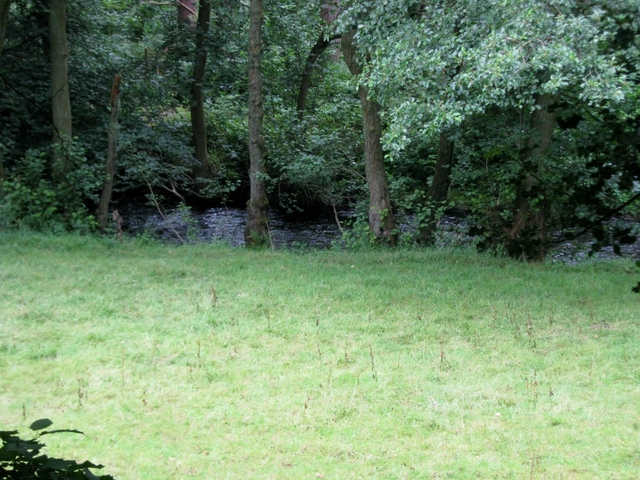
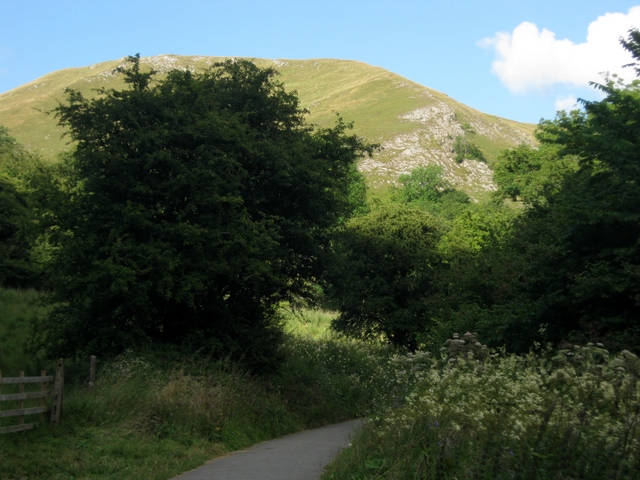
IMG_5557View from road at foot of Hen Cloud

This is the view from the place where we parked our car.

This last day of our holiday was warm at last and quite bright too.  Before setting off on our walk I noticed these flowers by the side of the road.

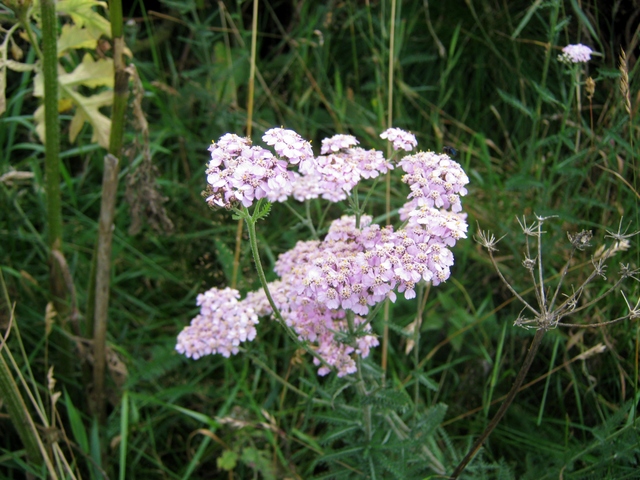
IMG_5559Pink Yarrow

Some very pink Yarrow (Achillea millefolium)

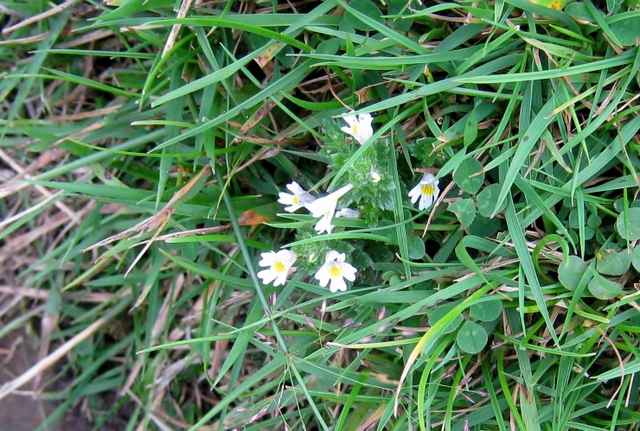
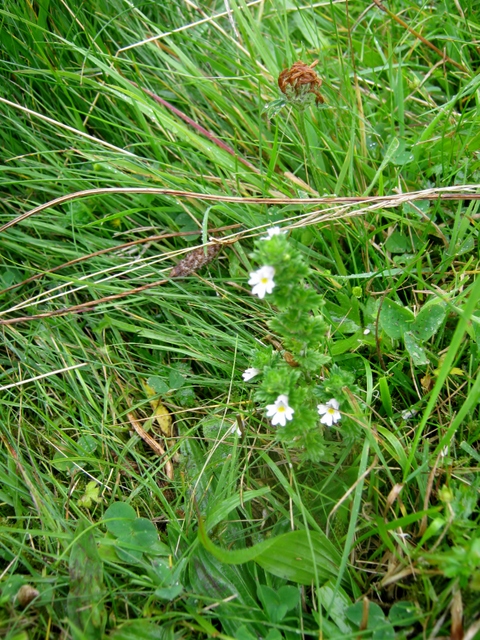
IMG_5560Eyebright (2)

Eyebright (Euphrasia officinalis agg.)

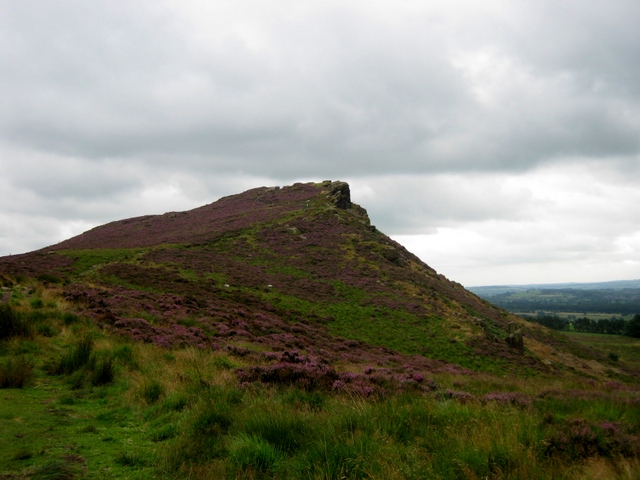
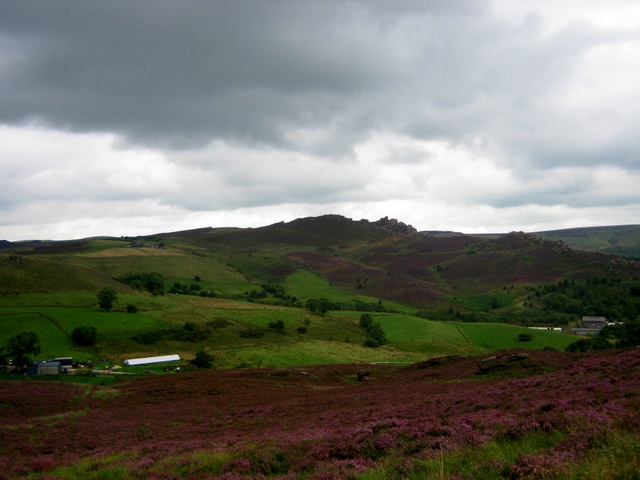
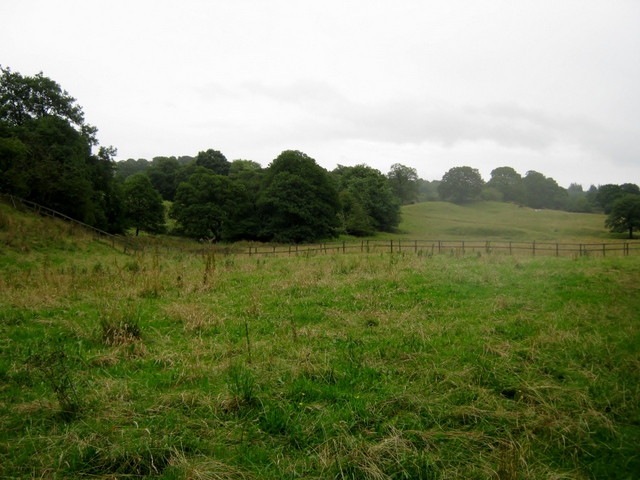
IMG_5562Hen Cloud

Hen Cloud

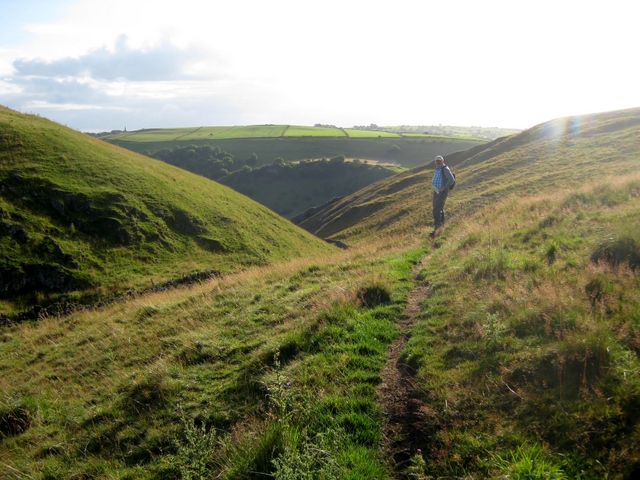
The path we choose to walk up isn’t the steepest of the paths to the top, in fact it is a nice steady ascent – just right for two middle-aged, not very fit people.

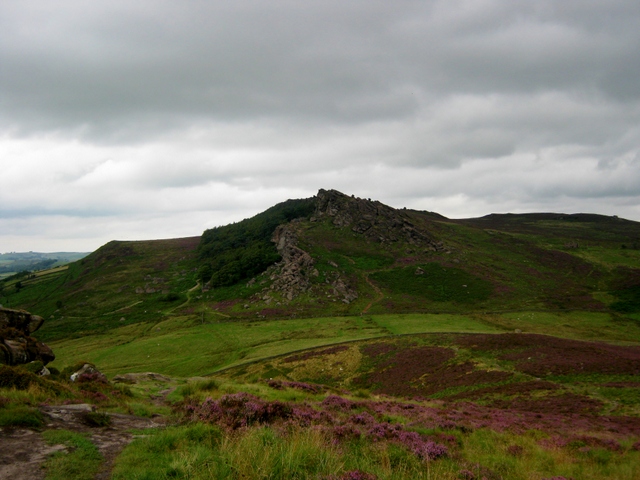
IMG_5563

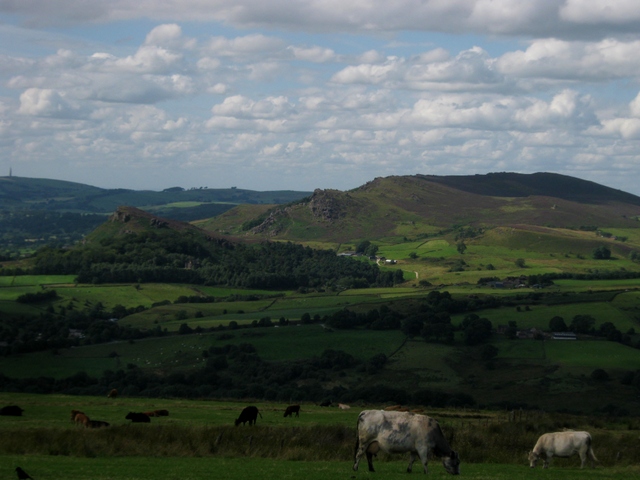
The Roaches seen from the path up Hen Cloud

IMG_5564Ramshaw Rocks

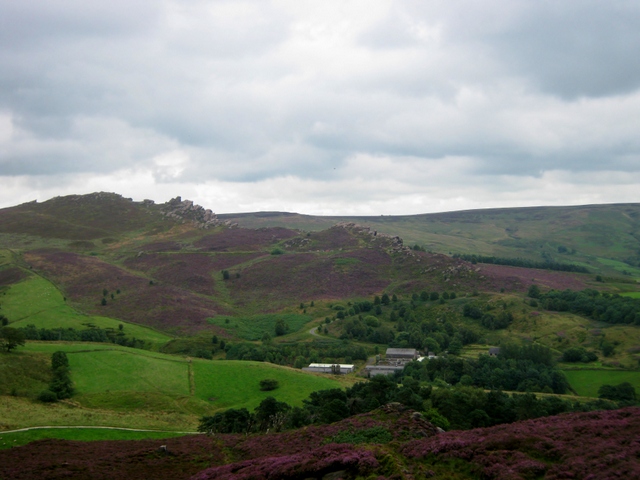
Ramshaw Rocks seen from the path up Hen Cloud

We had never been to the Peaks when the Heather (Calluna vulgaris) was in bloom before.  The pink-purple flowers with the bright green grass was very beautiful.

IMG_5565Climbing Hen Cloud

This is the path we usually take to the top. You can see Richard is quite a way ahead of me.

IMG_5566Ramshaw Rocks

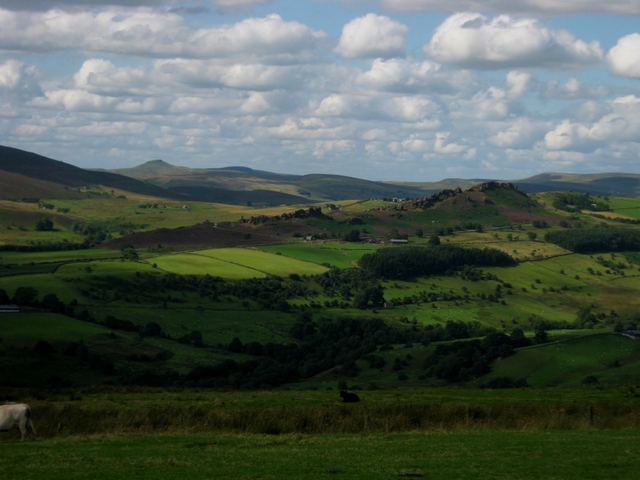
Ramshaw Rocks seen from the top of Hen Cloud.

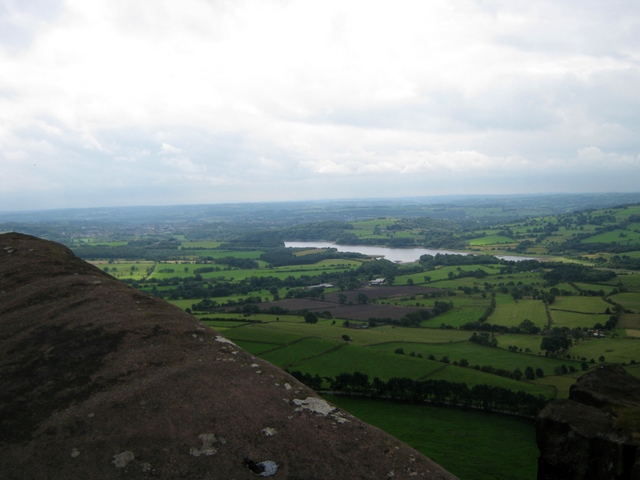
IMG_5567Tittesworth Reservoir

Tittesworth Reservoir

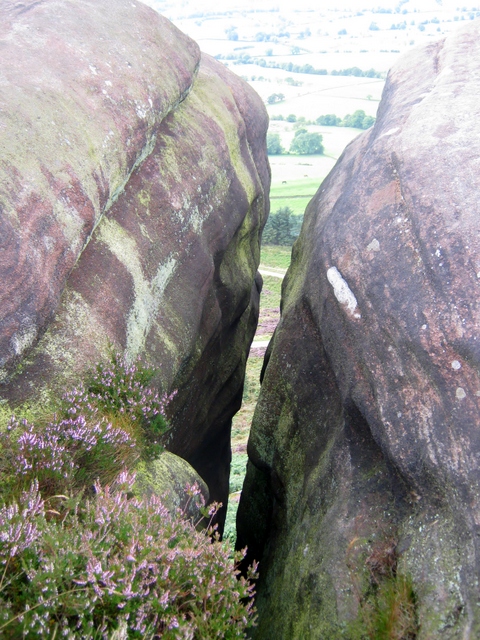
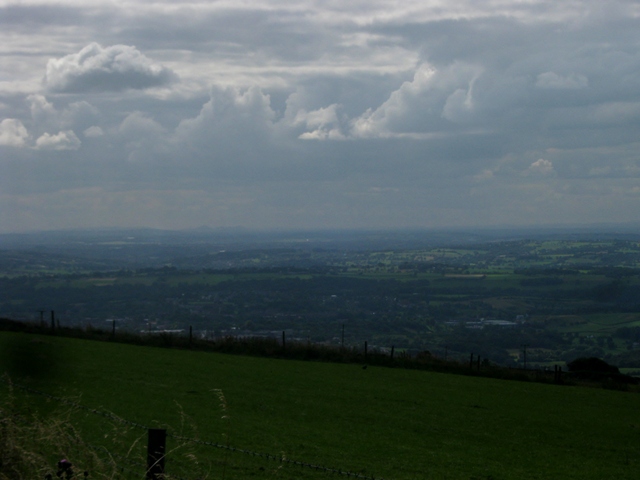
IMG_5569View from Hen Cloud

View from Hen Cloud.

This slideshow requires JavaScript.

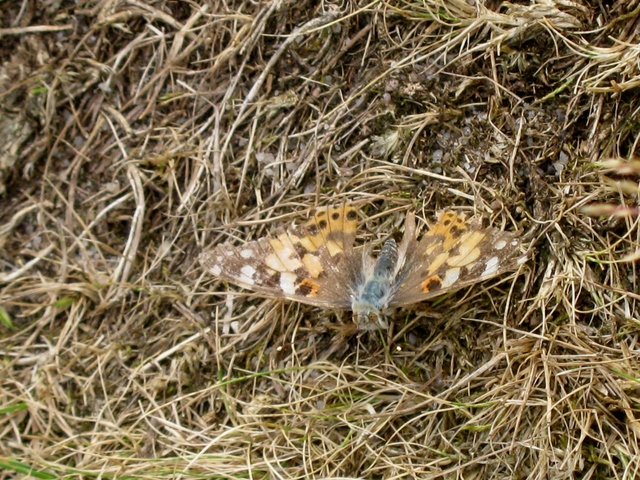
IMG_5578Painted Lady

We saw this rather battered and faded Painted Lady butterfly (Vanessa cardui)

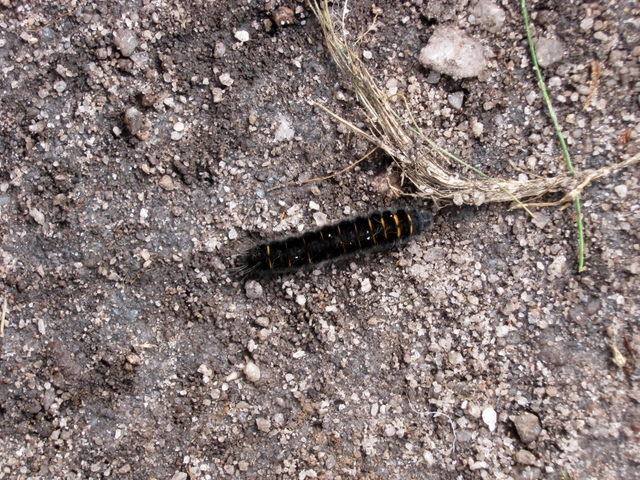
IMG_5580Caterpillar

I saw this caterpillar making its way across a rock. I can’t identify it.

All too soon, it was time for us to return to the car.

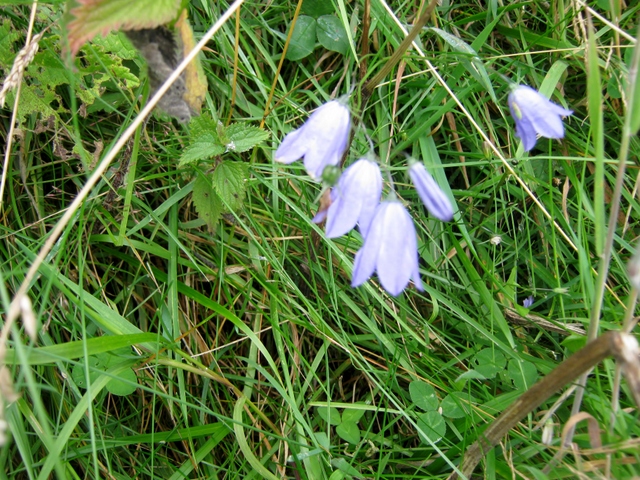
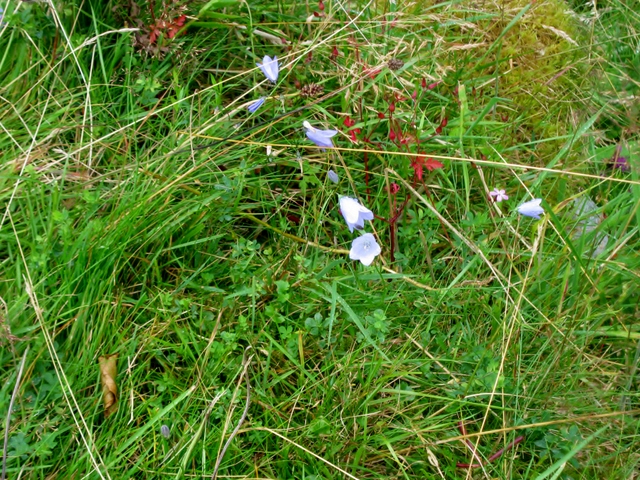
IMG_5582Harebells

We saw these Harebells (Campanula rotundifolia) on the way.

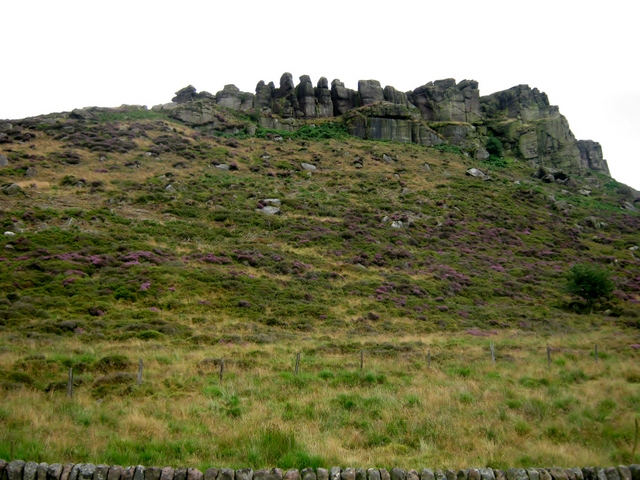
IMG_5584Hen Cloud

Our last view of Hen Cloud from the road.

The following day we got up very early and drove to Sheffield to collect Elinor from Alice’s house.  We only stayed for a couple of minutes and were then on the road back to our camp-site to hitch-up the caravan and then set out for home.

Thanks for visiting!


Correction!

My previous post published itself before my final edit and before I had written the end! If anyone has the time or inclination, please revisit the post and read what I had intended to post.
Cheers!
Clare

A Walk Through Norwich

Tags

, , , , , , , , , , , , , , , , , , , , , , , , , , , ,

It is some time since I wrote about Norwich so this post will feature a walk I took last October – over a year ago!  At that time I often dropped Elinor off at college and then wandered about the city until it was time to collect her and take her home again.  This year she has longer hours at college and as Richard and I share the driving I don’t need to spend time in the city unless I want to.
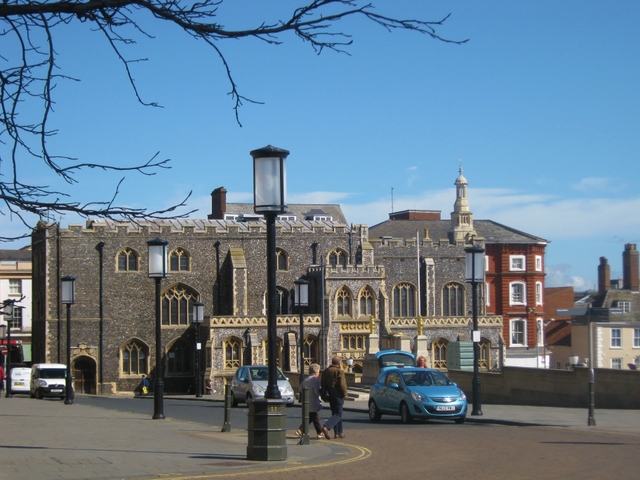
020Guildhall

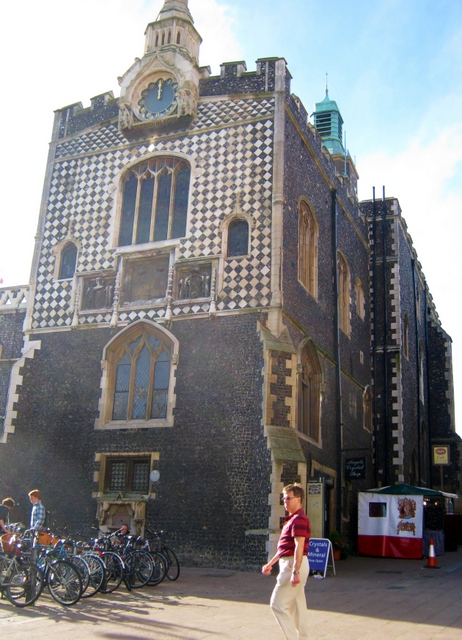
I began my walk at the Guildhall in the centre of the city.

The Guildhall was built in the early 15th century after the city was granted a charter in 1404.  The building was used for civic and judicial assemblies and courts from 1413 until 1938, when the new City Hall was built and 1985, when the new Court buildings were opened.  Some of the rooms are still used today by the City Council;  the building also houses the Sheriff’s Chambers.
021Guildhall

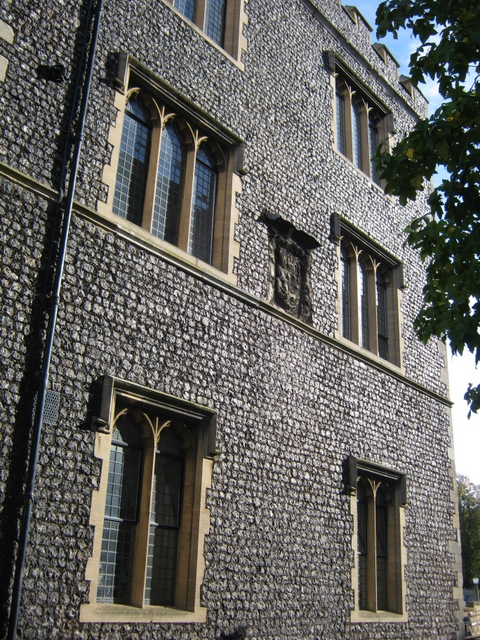
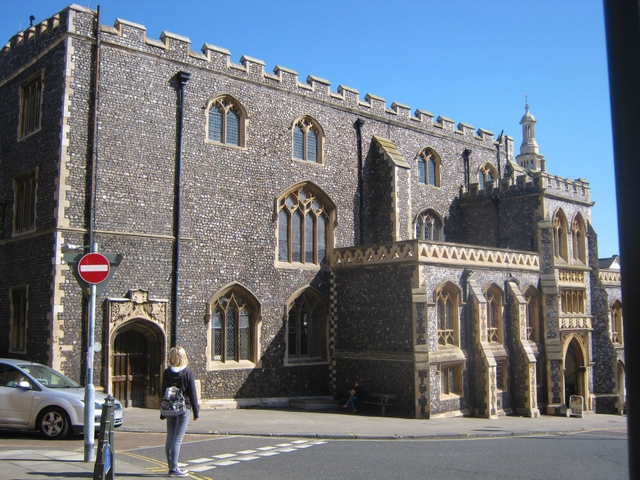
Norwich Guildhall – showing the knapped flint-work.

Funding for the building came from increased taxes, voluntary contributions and bequests to the city.  Despite this, much of the labour went unpaid.  The city was granted a warrant in 1407 which instructed men from many different trades to work for no pay, often for fifteen hours at a time; only the highest skilled craftsmen were paid.  Most of the construction of the Guildhall was carried out between 1407 and 1413.  By 1435 the tower and porch had been added and by 1453 the final windows were glazed.
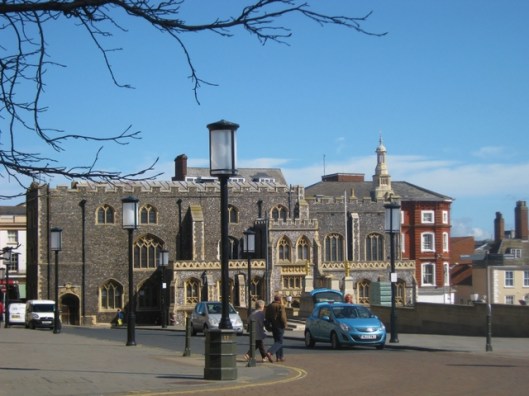
IMG_4413Guildhall

A photo I took of the Guildhall in April of this year

The building was constructed from flint rubble faced with knapped flint and infill and the east end, which was reconstructed in the 16th century (shown on the first of my photos), was crafted from alternate squares of faced flint and ashlar stone giving the Guildhall its distinctive chequered look.
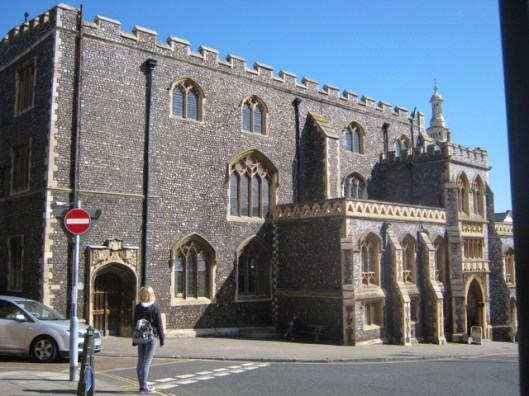
IMG_4415Guildhall

Guildhall – showing the reconstructed porch. Many of the windows were replaced during the 19th and early 20th centuries.

Much of the exterior is Victorian and Edwardian, as massive reconstruction was carried out in both 1861 and 1908.  The porch was reconstructed in the Gothic style, as were the replaced windows.  A clock tower was also added.  A link here (click on ‘The Guildhall‘ ) shows a drawing of what the Guildhall looked like before the old porch (on the left of the building) was demolished.

At present only the ground-floor rooms and porch are accessible to the general public ( a café and a crystal shop use the space).  It is interesting to sit in the café having coffee and realise that you are in a virtually unchanged Victorian courtroom.  It is hoped that the rest of the building will soon be open to the public.

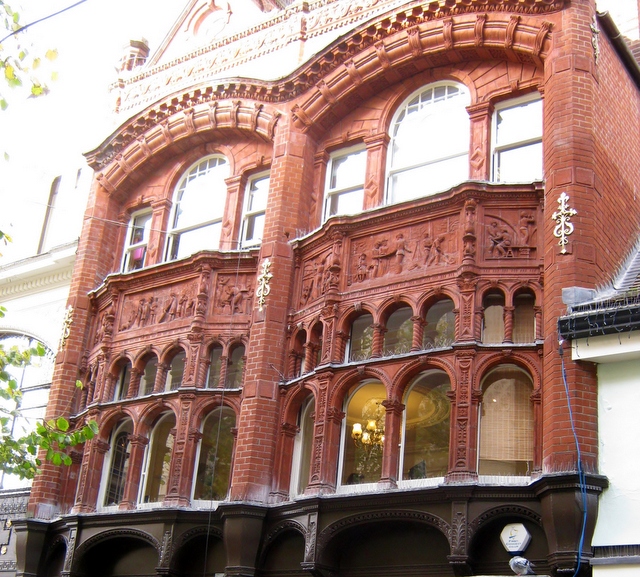
I walked to the bottom of Guildhall Hill and into London Street where I saw this ornate facade above Jarrold’s Department Store.  The frieze illustrates trades and crafts in Norwich.
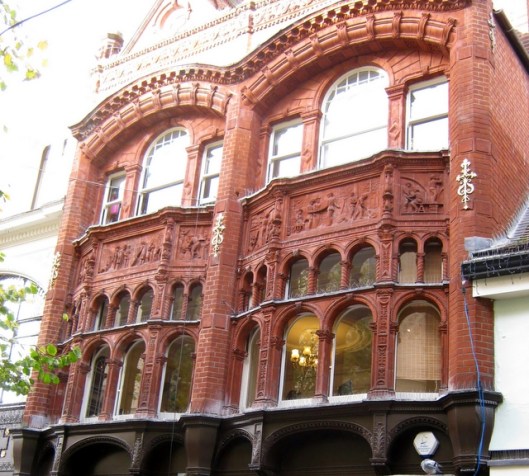
022Ornate shop

Ornate facade

I made my way up the hill towards the Castle
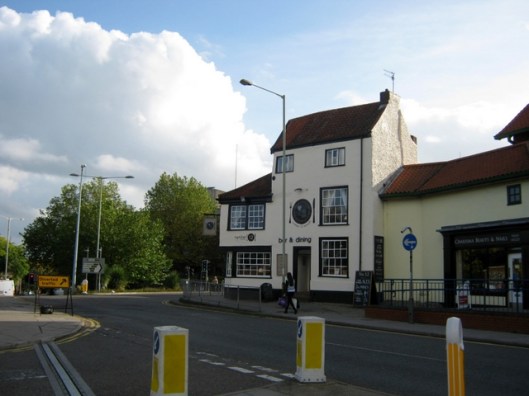
026Number 12

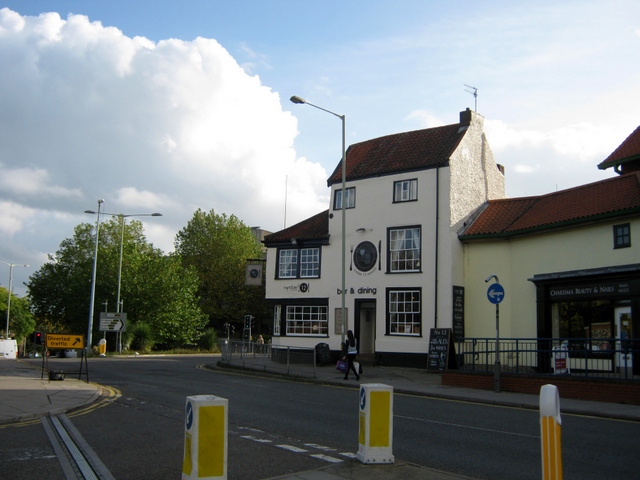
This rather strange shaped building on the corner is called ‘Number 12’ and is a restaurant.

This inn is about 250 years old and used to be a popular place to visit to watch the executions at the castle opposite!

I arrived at Castle Green and from there was able to see across the city.
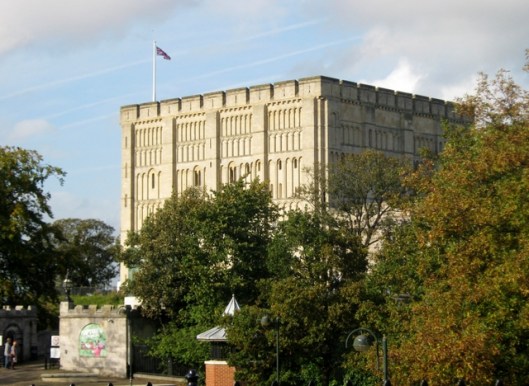
028View from Castle Green

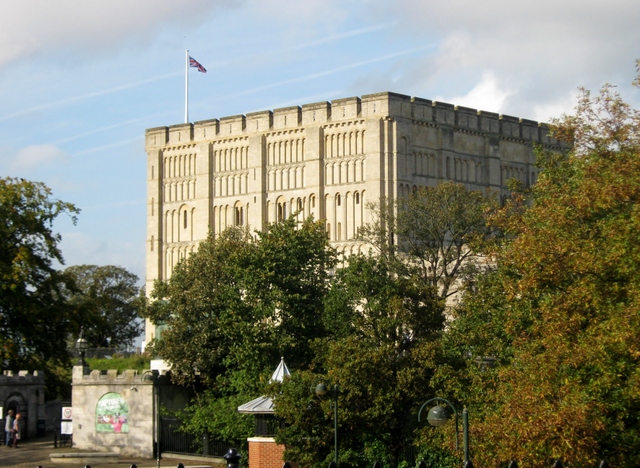
A view of the Norman Castle

029View from Castle Green

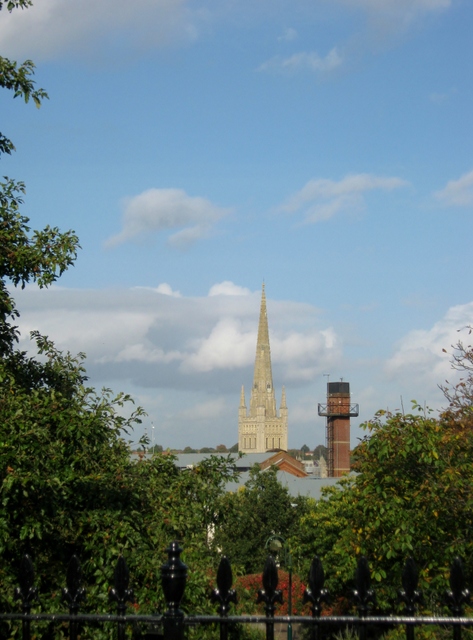
Looking towards the Anglican Cathedral
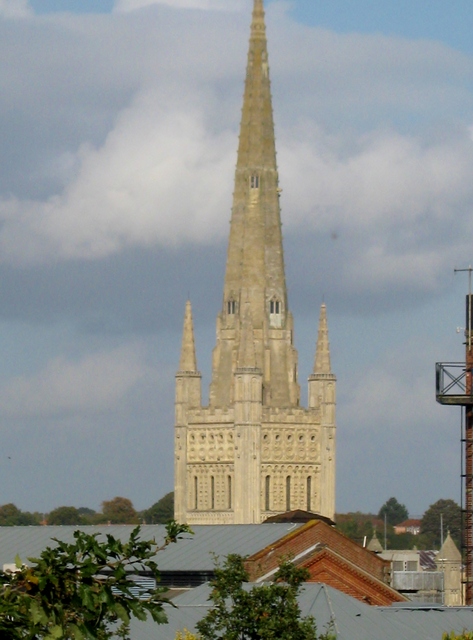
030View from Castle Green

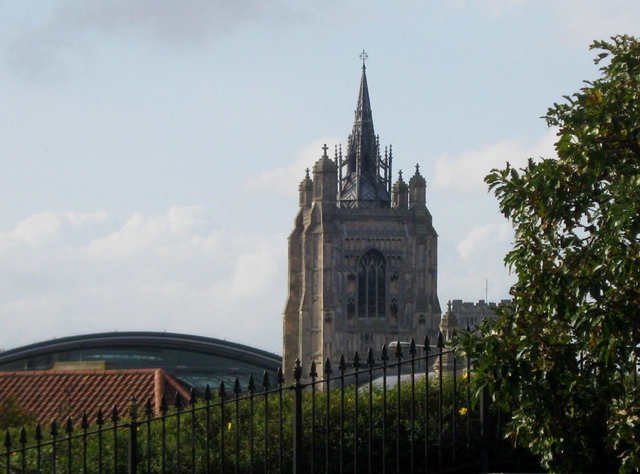
A closer view of the cathedral’s spire
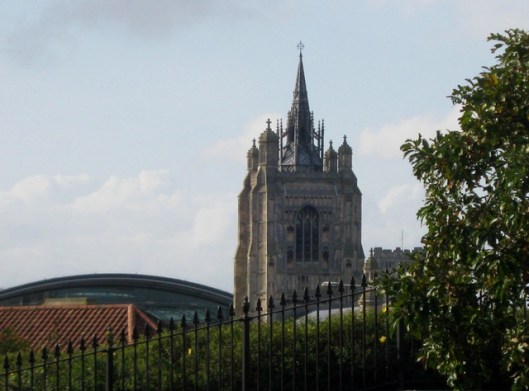
031View from Castle Green

This is the tower of St Peter Mancroft church with the arched roof of The Forum next to it.

I walked from Castle Meadow to St Georges Street and on towards the River Wensum.
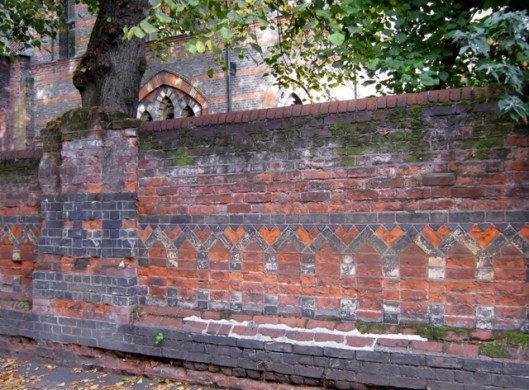
032Ornate brick wall

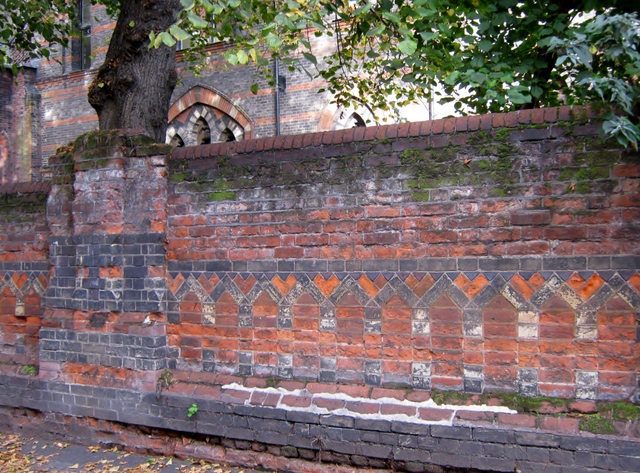
I admired this ornate brick wall. Red bricks made in this part of England are soft and weather easily.

033St Andrew's Hall

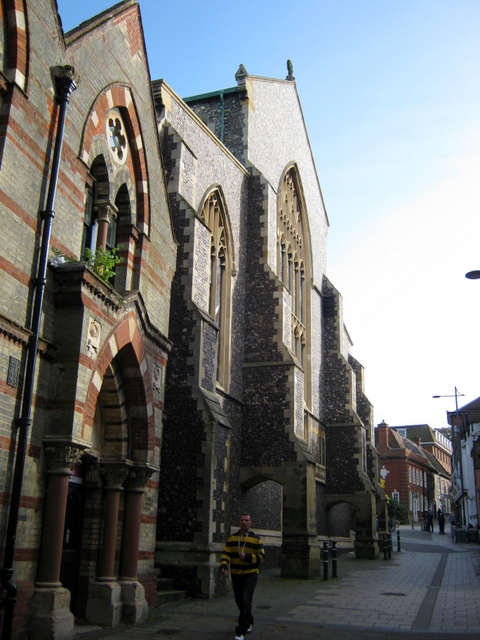
St Andrew’s Hall

The Halls are a collection of beautiful flint-built buildings and St Andrew’s is the largest and most ornate.  Together, the Halls form the most complete friary complex surviving in England.  The first Dominican Black Friars’ priory was destroyed by fire and St Andrew’s was the nave of the new church which was completed in 1449.  The site was in danger of being destroyed during the Reformation (during the 16th century) but was saved by the City Corporation which bought it from the King for use as a ‘common hall’.  Since then the complex has been used for worship,as a mint and as a workhouse.  St Andrew’s Hall has an impressive hammerbeam roof which was a gift from the Paston family whose town house was in Elm Hill nearby.

The slideshow beneath is of photos of some of the headstops decorating the outside of St Andrew’s Hall

This slideshow requires JavaScript.

The faces were probably of local dignitaries and may not be particularly flattering!  A dragon symbolizes Satan, the devil or evil; the dragon next to the carving of Christ may symbolize Christ’s victory over evil.  A fish symbolizes Jesus but it can also be used as a warning about the Last Judgement.  A bird symbolizes the soul; if the bird in the carving is a dove then it symbolizes God the Holy Spirit.  A lion symbolizes many things.  It is the emblem of St Mark and is also associated with Daniel, Samson and St Jerome.  It can symbolize strength and majesty, therefore Jesus.  Carvings or statues of lions are often used in Italian churches as defensive bulwarks.  The lion symbolizes vigilance.  The lion can also symbolize evil, or the Devil.  “Your enemy the Devil prowls around like a roaring lion looking for someone to devour”, says St Peter in his First Epistle.  The Green Man, as Roger Deakin says in his book ‘Wildwood’, is “…the spirit of the rebirth of nature.  He is the chucked pebble that ripples out into every tree ring.  He is a green outlaw and he is everywhere…

Next to St Andrew’s Hall and adjoining the ornate brick wall is…
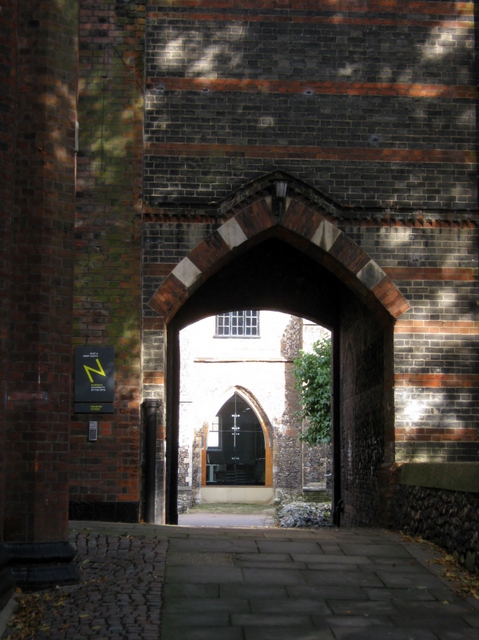
034E & W Garth Norwich Univ of the Arts

an archway leading to the East and West Garth, now part of the Norwich University of the Arts.

A Garth is an open space within cloisters; a close or yard; a garden or paddock.  Garth is a Middle English word from the Old Norse word garthr related to Old English geard meaning ‘yard’.   (The Concise Oxford Dictionary)
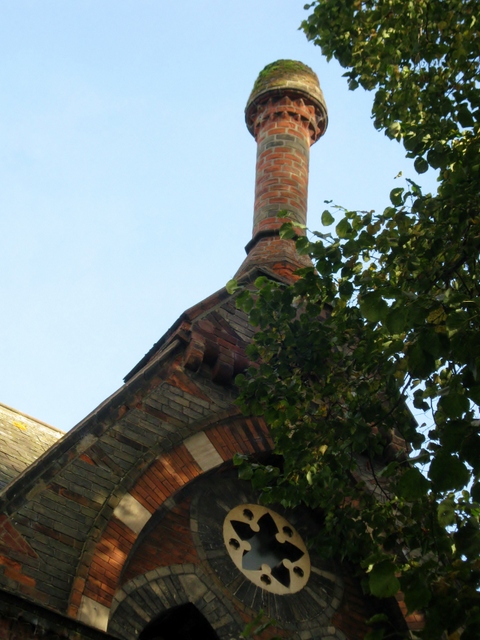
035Chimney

I like this chimney!

036Back of building

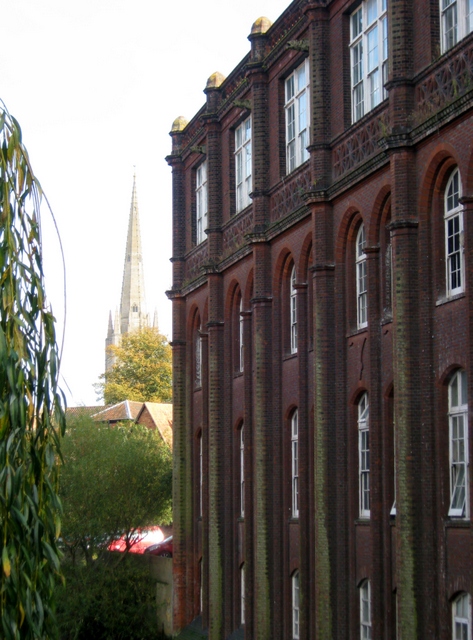
The back of the main building at the University of the Arts.

This building was originally built for the Technical College which is now City College Norwich.  City College was given a new building in 1953 on Ipswich Road and this building was handed over to the Art College.
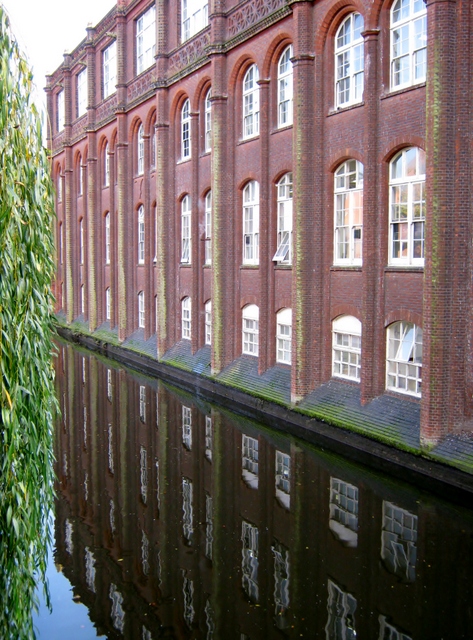
037Back of building

As you see, the river flows along under the windows.

Crossing over St George’s Bridge I came to the Norwich Playhouse Theatre on the left and a small park or plaza on the right.  The Barbara Hepworth sculpture is in this park.
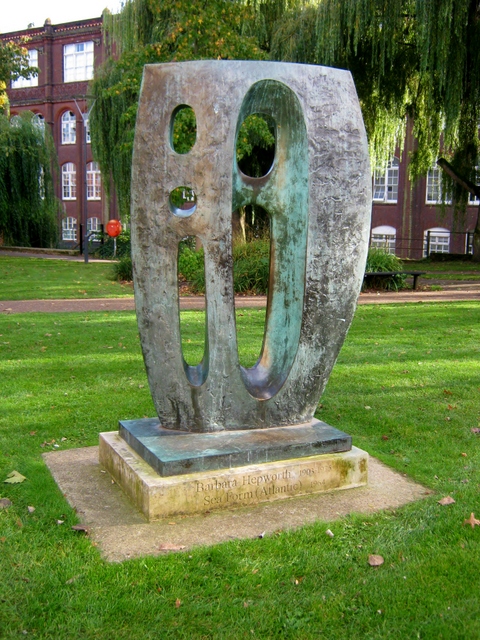
039Barbara Hepworth sculpture

‘Sea Form (Atlantic)’ by Barbara Hepworth

I walked for a little along the riverside.
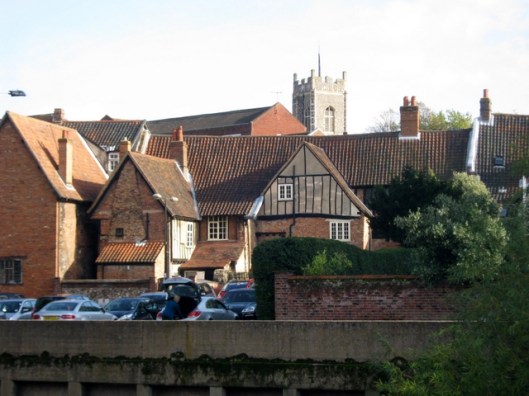
040View across the river

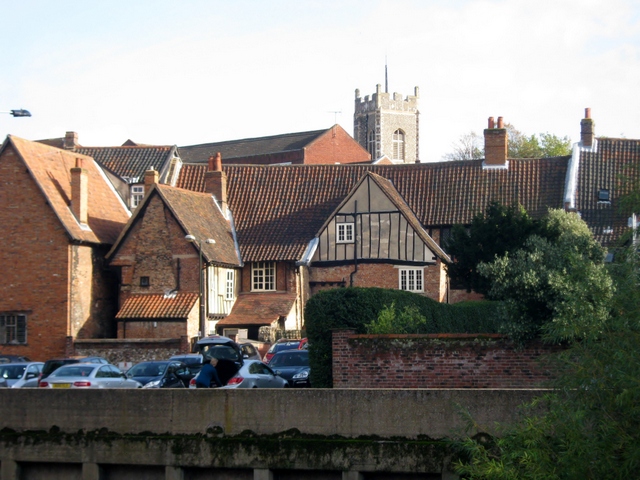
View over the River Wensum. Beyond the carpark are the rears of the houses in Elm Hill.
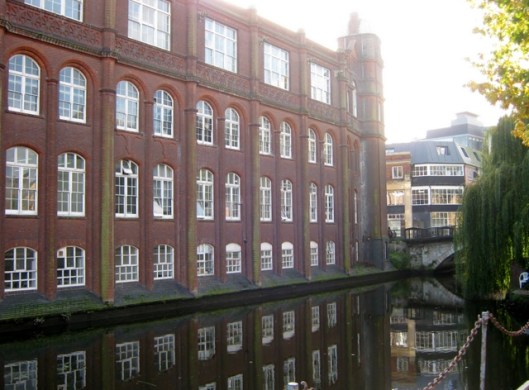
041Back of buildings

Another view of the Art College buildings and St George’s Bridge
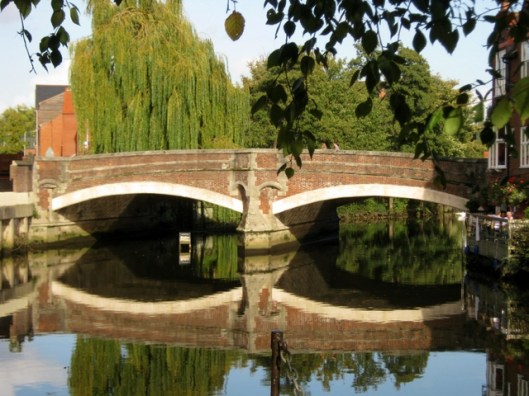
042Tye Bridge

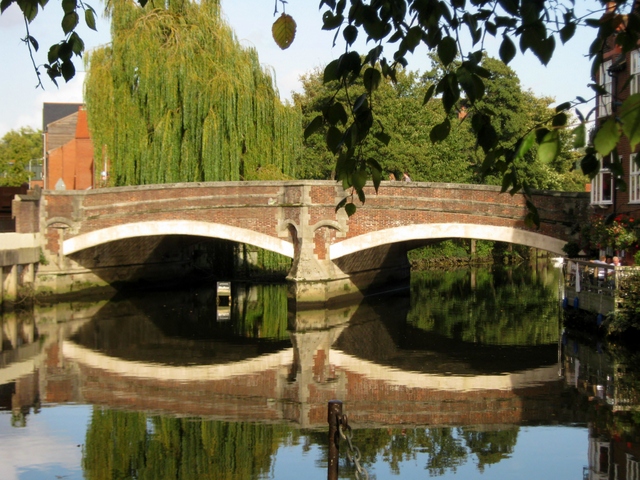
Looking the other way towards Tye Bridge
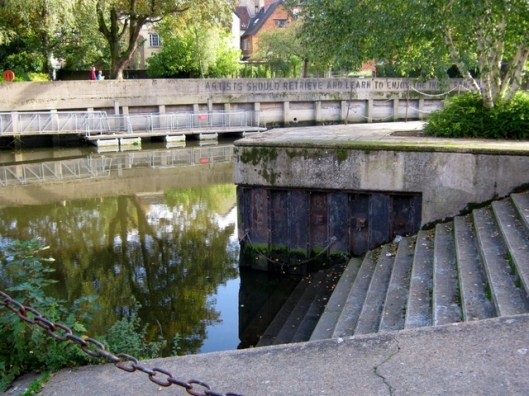
043River steps

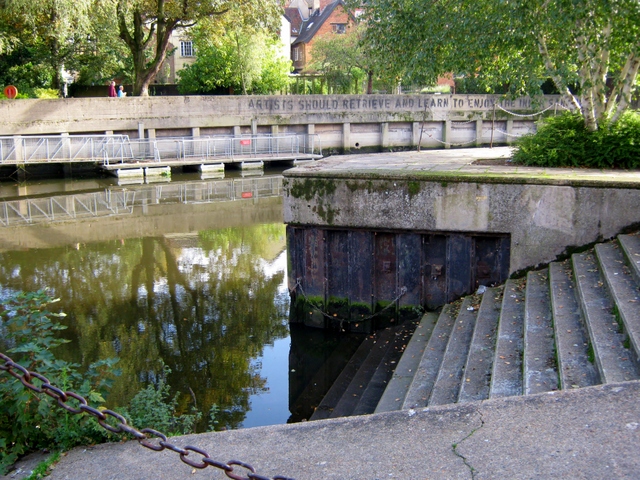
The river steps.

044Riverside

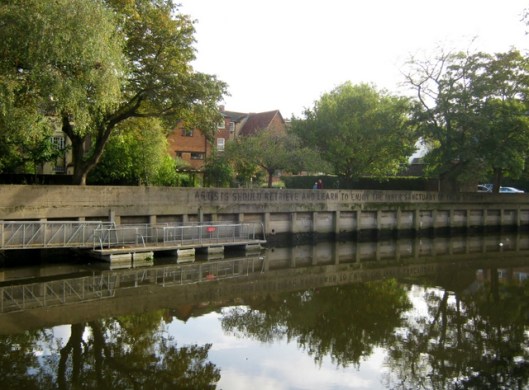
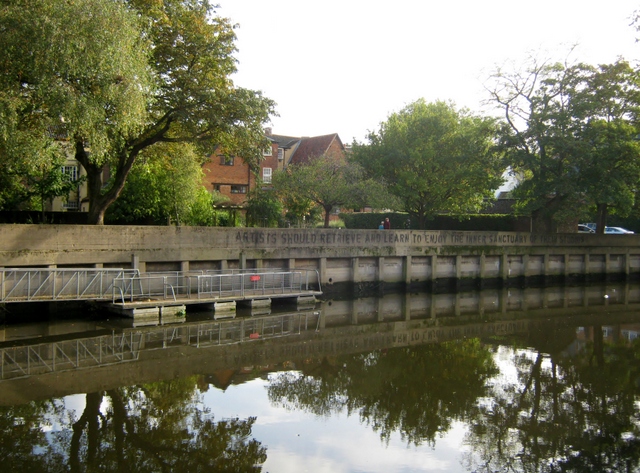
Riverside art student grafitti. ‘Artists should retrieve and learn to enjoy the inner sanctuary of their studios’

I made my way towards Tye Bridge using a little alley-way.
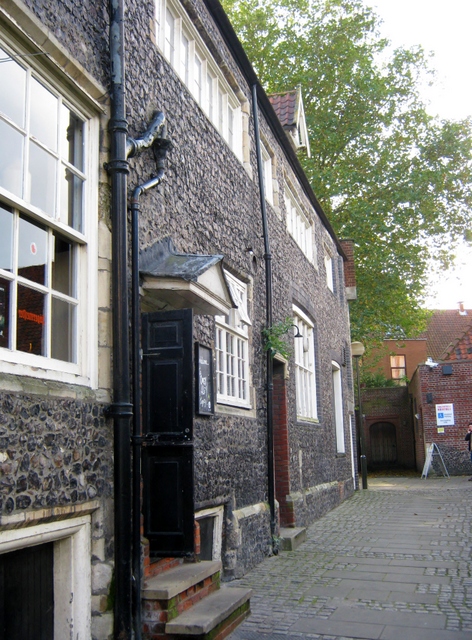
045Comedy Alley

The Comedy Alley – a bar where comedians perform.

The alleyway brought me to St Clement’s church on the corner of Colegate and Fye Bridge Street.
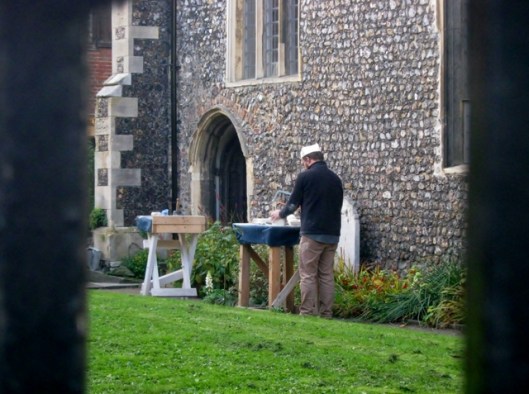
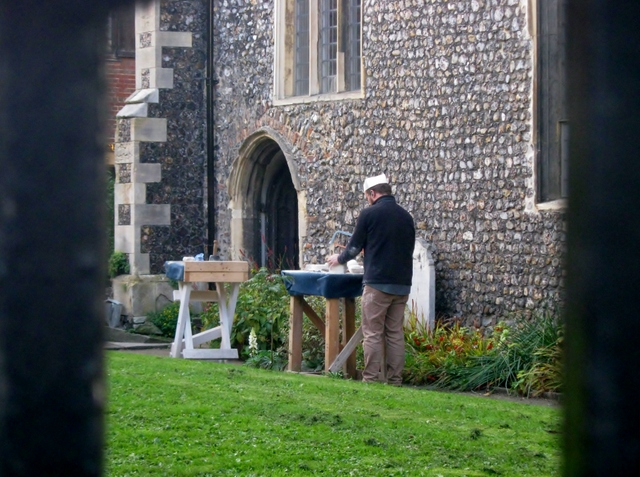
046Stone mason at work

A stone mason at work outside the church of St Clement the Martyr

He was wearing what looked like a folded paper hat.
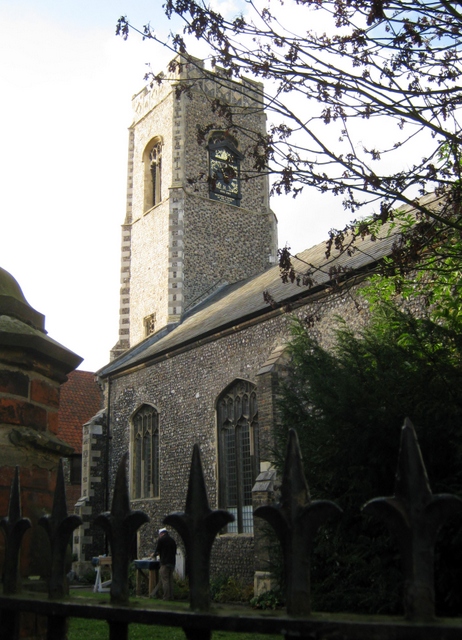
047Church of St Clements

The church of St Clement the Martyr

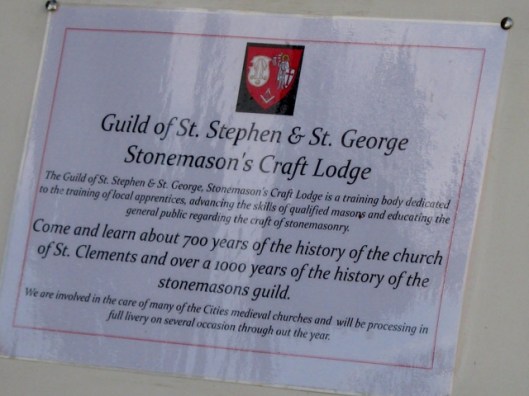
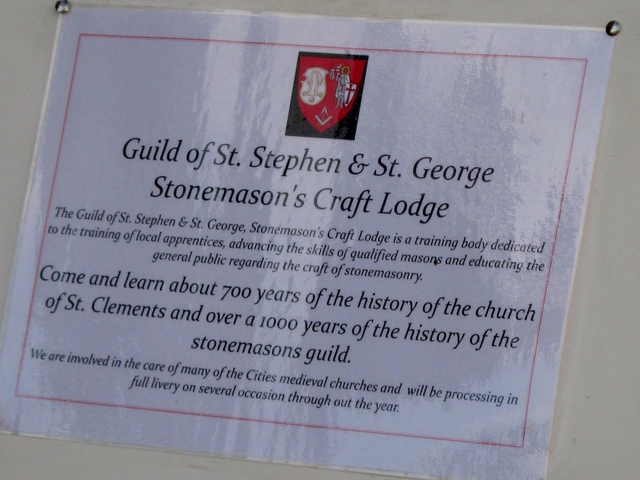
048Sign re Guild of St Stephen and St George

A notice pinned on a board outside the church

I have been meaning to go and visit the place for over a year now!
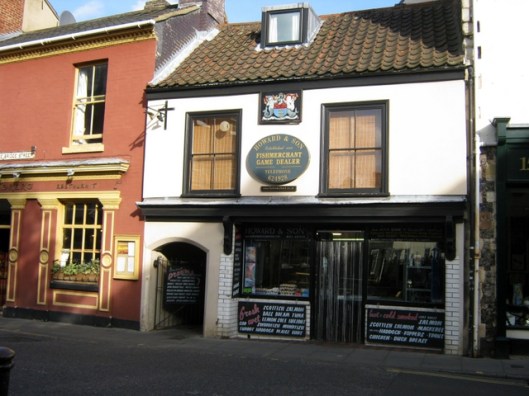
049Fishmonger and game dealer

On the opposite side of the road was the Fishmonger and Game Dealer’s shop.

Next to the church was the pub.
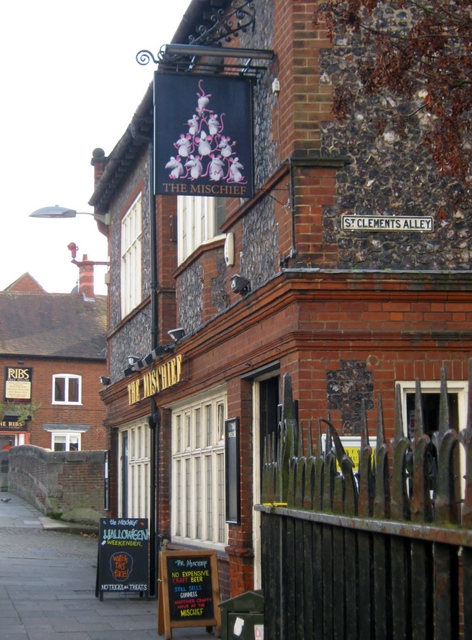
051The Mischief

The Mischief pub

Fye Bridge Street becomes Wensum Street which then becomes Tombland all in a few hundred yards.  At the gate to the Anglican Cathedral I crossed over the road and went up Tombland Alley.
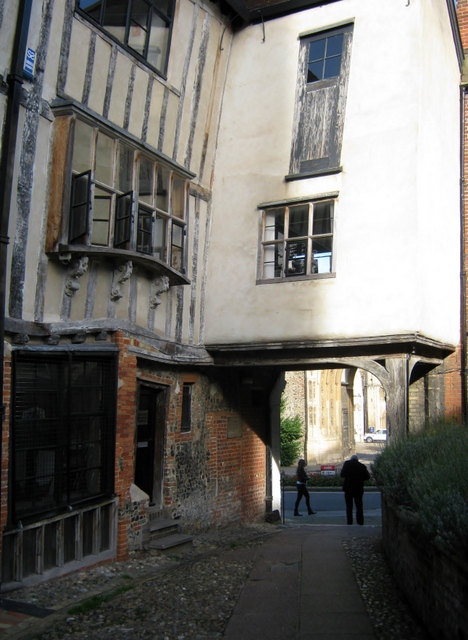
052Tombland Alley with Oliver Ford-Davies

Tombland Alley looking back towards Tombland and the gate to the Cathedral.

The gentleman standing at the entrance to the alleyway is the actor Oliver Ford Davies  and I had recognised him as he walked through the alley.  He had a map with him and was wandering about the city looking at the buildings.  I, my mother and Elinor had seen him on the stage at the Theatre Royal the night before when he was playing the part of Shallow in Shakespeare’s Henry IV Part 2.  The night before that we had seen Henry IV Part 1.  The great Anthony Sher played the part of Falstaff in both plays – a wonderful double production.
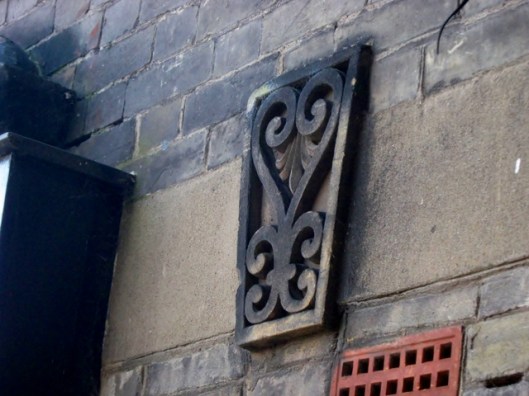
053A mark

I believe this is a merchants mark on the wall in Tombland Alley

These marks were used by tradesmen to identify themselves and authenticate their goods (wikipedia)

I soon made my way back to the Guildhall and then to the college where I met my daughter.

Thanks for visiting!
A Walk in the Goyt Valley – Peak District Holiday

Tags

, , , , , , , , , , , , , , , , , , , , , , , , , ,

The day after our walk on Ramshaw Rocks we met Alice and Elinor in Bakewell so that we could see how they were and have a meal with them.  They travelled to Bakewell on the bus after Alice had finished work for the day in Sheffield.  We went for a coffee together and told them the sad news of Richard’s mum’s death.  They were both upset but were grateful that we had waited so that we could tell them face-to-face.  We then went for a walk through the town and ended up by the river – our favourite spot.

IMG_5505Bridge

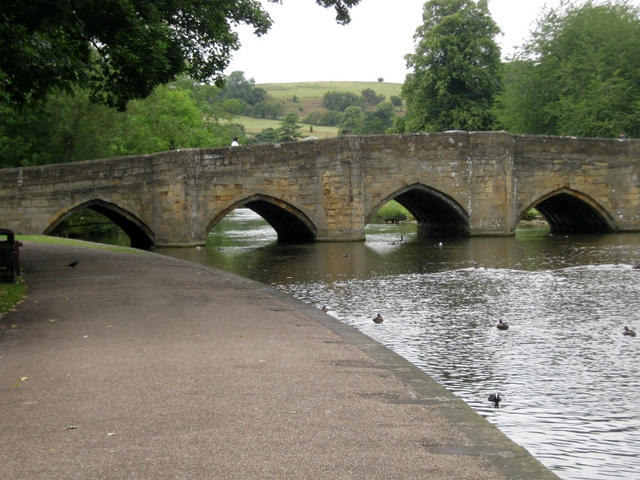
The attractive old bridge over the river Wye.

IMG_5496Duck's nest

There is always plenty to see on the river. This duck sitting on her nest, for example.

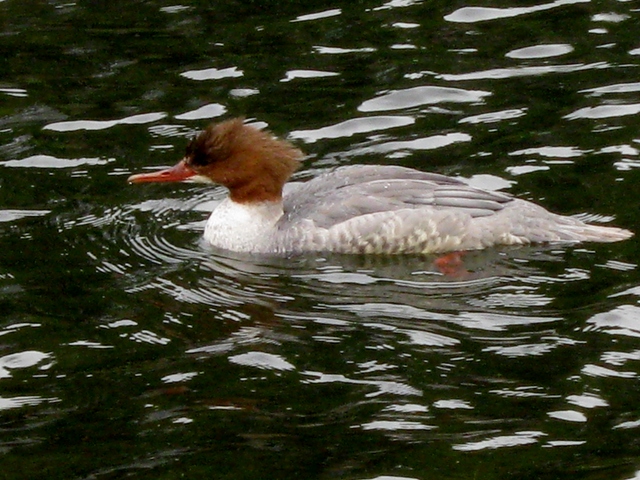
IMG_5498Female Goosander

A female Goosander (Mergus merganser)

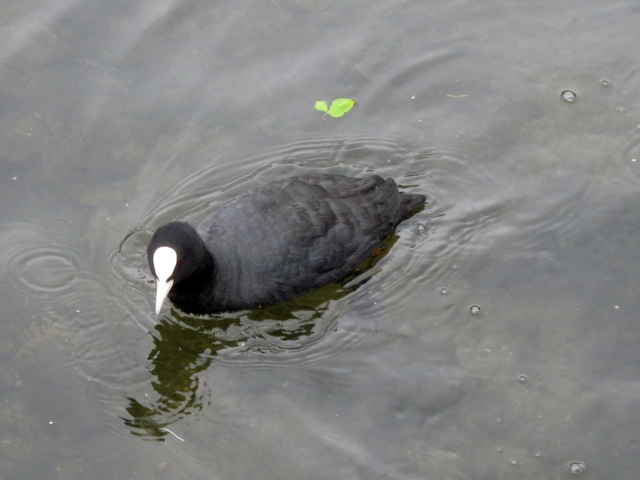
IMG_5500Coot

A Coot (Fulica atra)

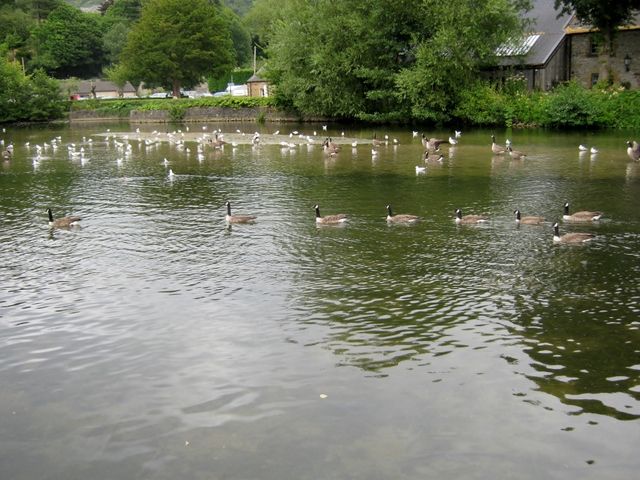
IMG_5502Gulls and Canada Geese

Canada Geese (Branta canadensis) and Gulls

IMG_5507Duck

A duck – partly Mallard I think!

After a pleasant meal together Richard and I saw the girls onto their bus and then we returned to our caravan.

The following day we went for a walk along the valley of the River Goyt.  We left the car in a lay-by just south of Whaley Bridge and followed a track, steep at first, from the lay-by down through woodland towards the River Goyt.

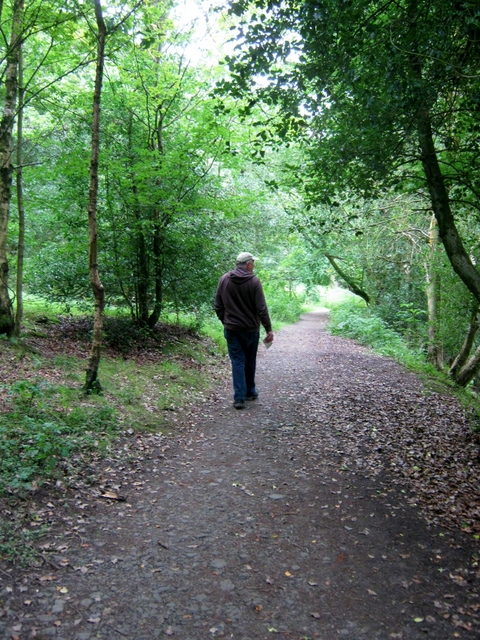
IMG_5509R on walk

Richard on the track through the wood.

The day was very cloudy and there were frequent showers of rain but they weren’t heavy and didn’t diminish the pleasure of our walk.  Richard had walked here very often when he was younger, either with the Scouts or with friends but the area was new to me.

IMG_5510Field Scabious

A Field Scabious flower (Knautia arvensis)

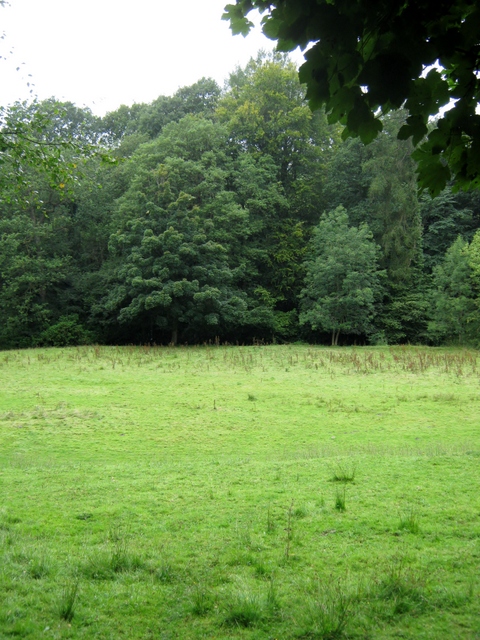
IMG_5512Meadow

A meadow between the track and the river (which is under the trees).

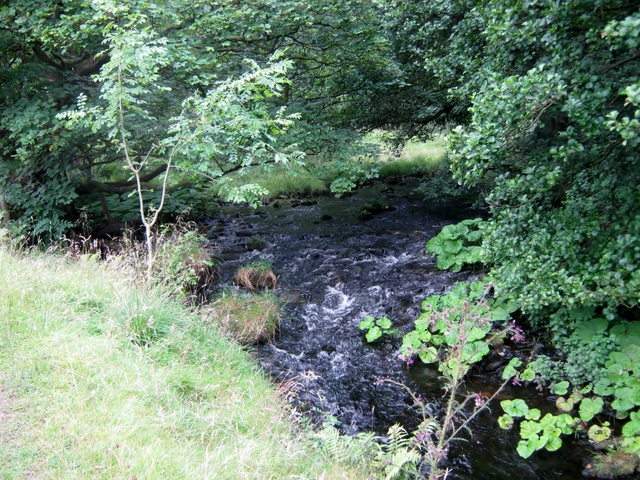
IMG_5513R Goyt

The River Goyt

IMG_5515Cattle

Cattle

IMG_5517Meadow

The meadows next to the river were pleasant to walk across.  You can see from this photo how gloomy the day was.

IMG_5519Eyebright

Eyebright (Euphrasia officinalis agg)

IMG_5521Harebells

Harebells (Campanula rotundifolia)

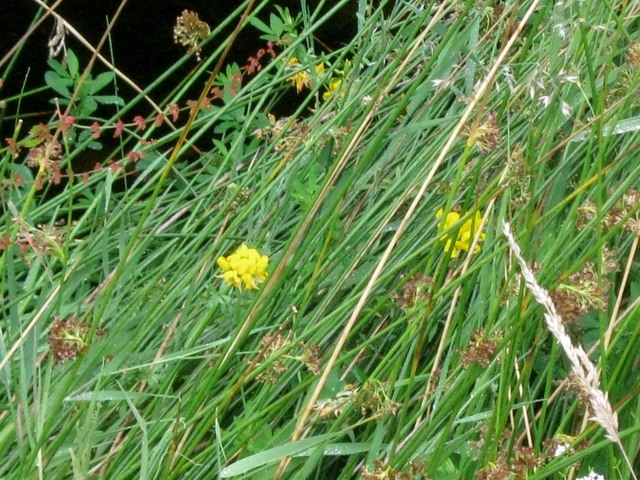
IMG_5522Greater Bird's-foot Trefoil and other plants

Greater Bird’s-foot-trefoil (Lotus pedunculatus)

IMG_5523Little cascade

A little cascade

IMG_5524R Goyt

The River Goyt with a wooden bridge just visible under the trees.

IMG_5525R Goyt

River Goyt

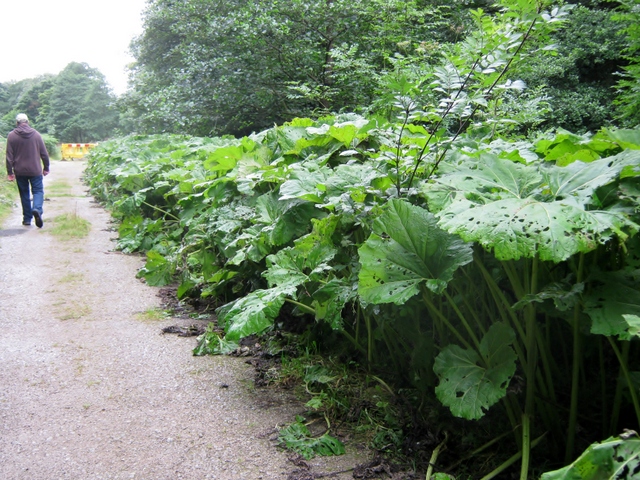
IMG_5527Wild Rhubarb

Richard walking along the track next to Wild Rhubarb/Butterbur (Petasites hybridus). It was about as tall as me (5′ 4″)

We were making our way towards some water-works buildings.  I took some photographs of them and some plants I saw but (fortunately for you!) they didn’t come out.  The light wasn’t good enough I think.

We walked up the very steep drive belonging to the waterworks and then, at the top, turned towards the road that crosses Fernilee Reservoir Dam.

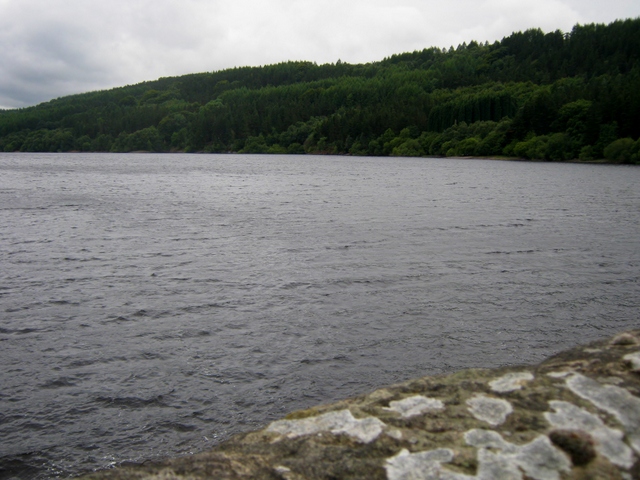
IMG_5528Goyt Reservoir

The reservoir

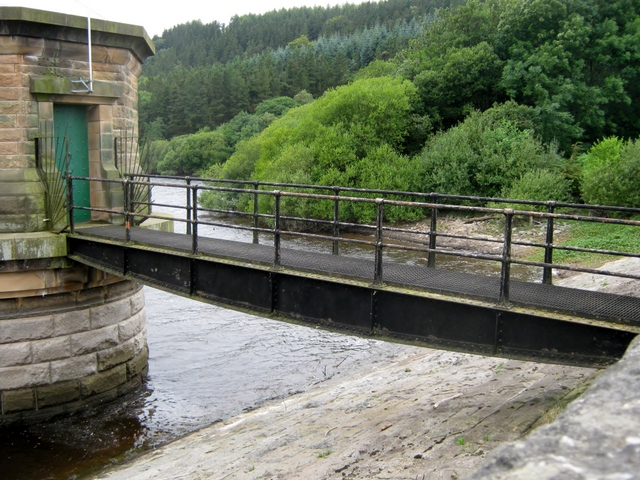
IMG_5530Old Bridge

I liked the look of this old bridge from the road to a maintenance building.

Richard told me that this bridge is probably an original one for the dam and therefore quite old.  Bridges aren’t built this way any more.

IMG_5531Goyt Valley

We then walked back along the other side of the river which is down in the trees below.  There were some lovely views from the path.

This slideshow requires JavaScript.

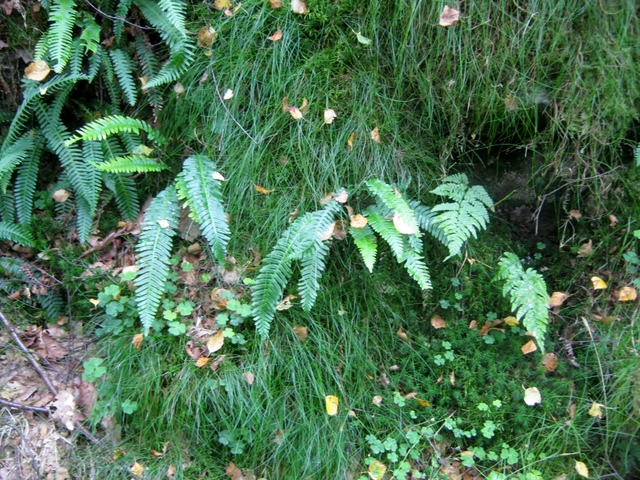
IMG_5536Ferns Moss and grass

A variety of plants and textures

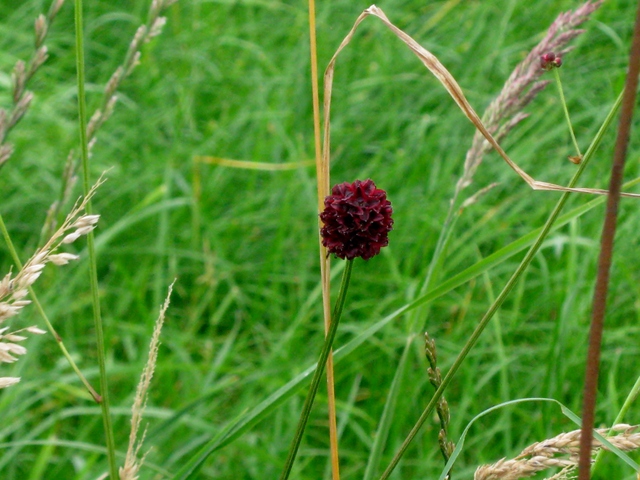
IMG_5539Great Burnet

We saw some beautiful Great Burnet flowers (Sanguisorba officinalis) in the field next to the path.

IMG_5541Great Burnet

Great Burnet – these plants are becoming increasingly rare as water-meadows are drained.

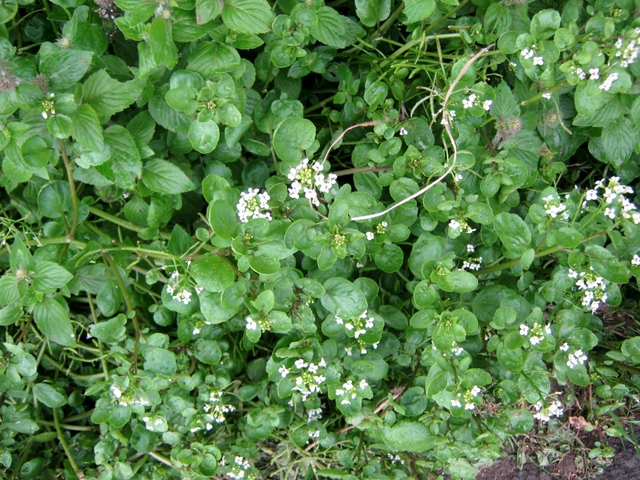
IMG_5542could be water-cress

This could be Water-cress (Rorippa nasturtium-aquaticum)

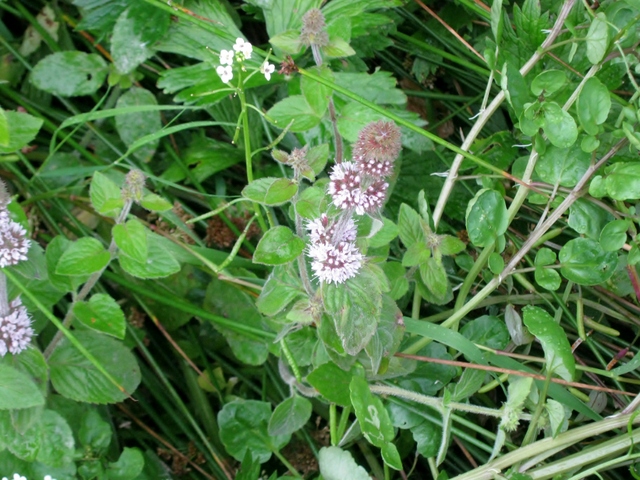
IMG_5543Water mint

Water Mint (Mentha aquatica)

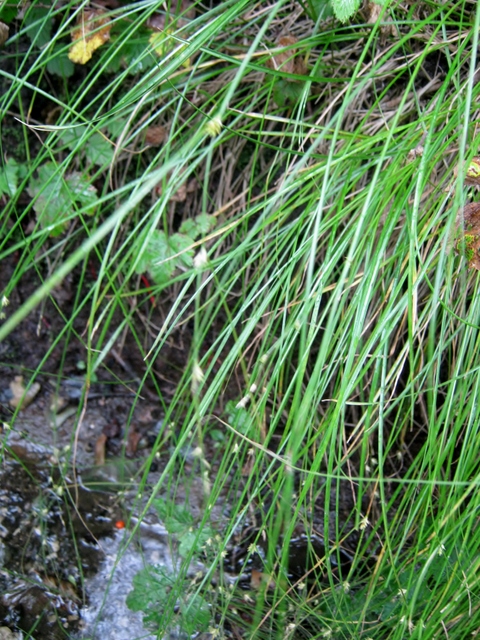
IMG_5545White Beak-sedge

White Beak-sedge (Rhynchospora alba)

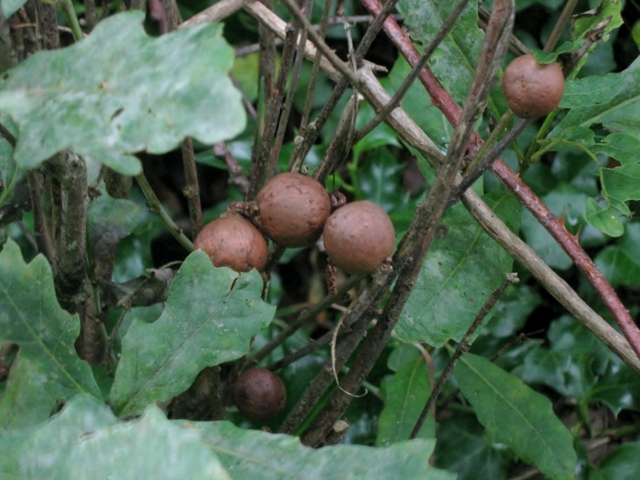
IMG_5546Oak galls

Marble Galls on Oak.

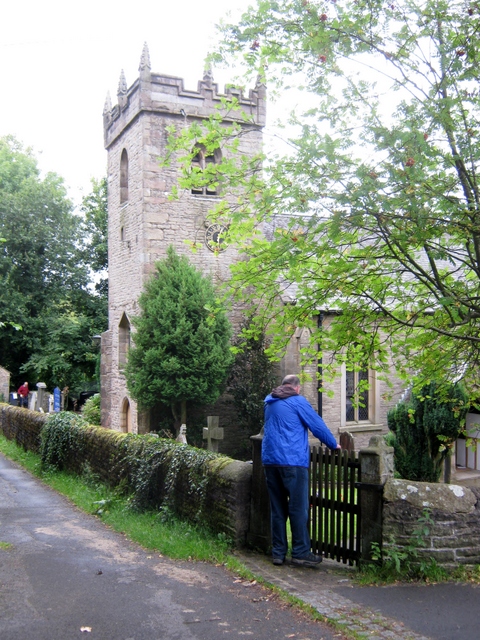
IMG_5549Church

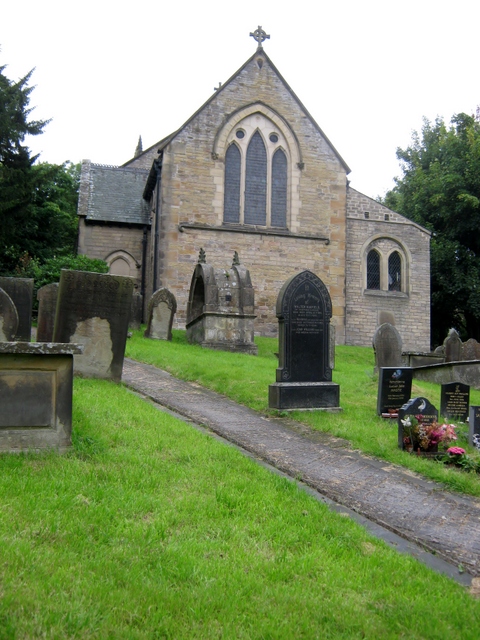
We eventually got to the hamlet of Taxal where we had a look at the church dedicated to St James.

IMG_5550Donkey

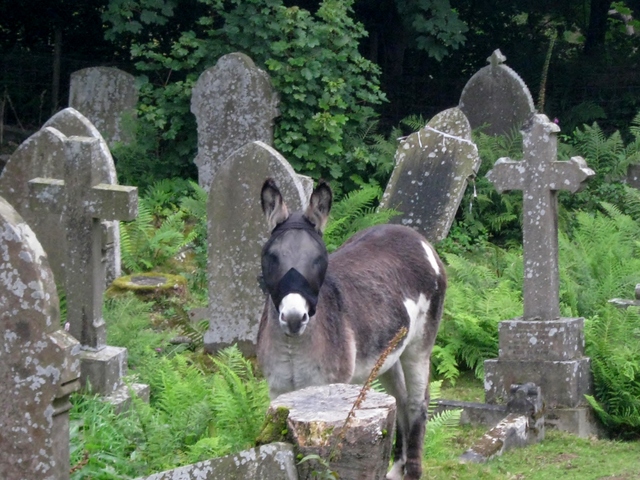
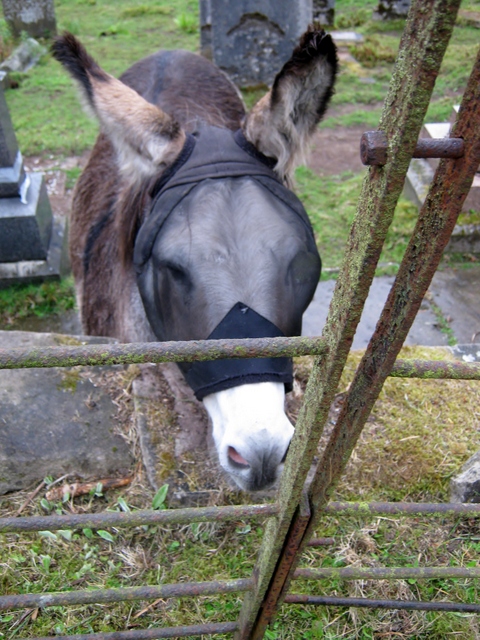
We found a very friendly donkey in the churchyard wearing a rather fetching veil.

This donkey had a job to do – eating its way through all the overgrown grass and plants in the yard.  The veil kept the flies out of its eyes.

IMG_5551Donkey

I like donkeys!

IMG_5552Church

St James’ church

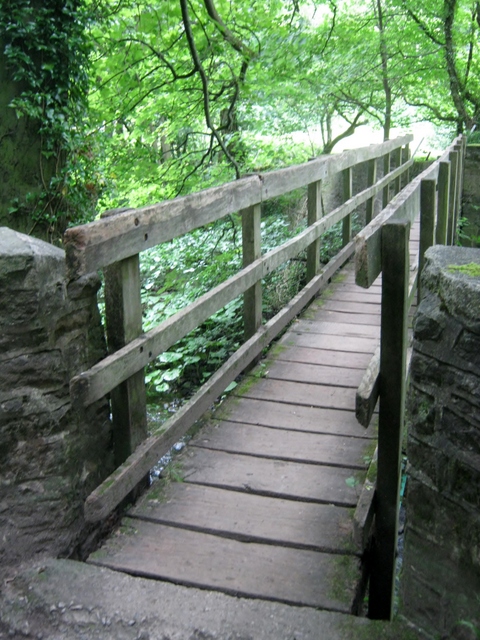
IMG_5556Wooden bridge

We crossed the river by a wooden bridge, walked up the steep path to the lay-by and found our car again.

Thanks for visiting!
October’s End

Tags

, , , , , , , , , , , , ,

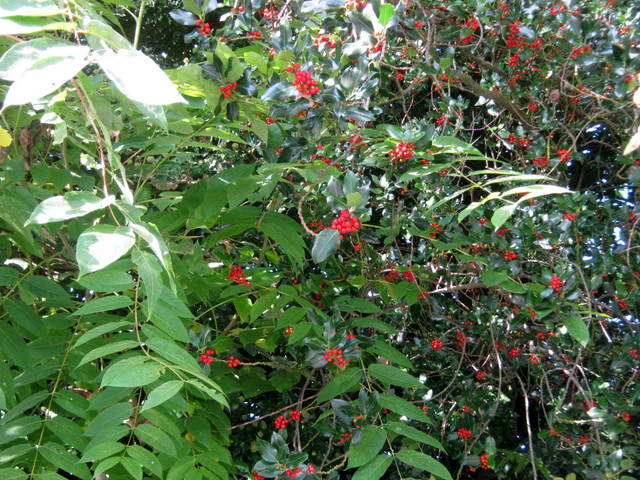
IMG_5822Holly

I saw these holly berries (Ilex aquifolium) in one of the carparks in Halesworth at the beginning of the month.

We have had a fair amount of cloud and rain this month and there was a week when the rest of the country was getting very pleasant weather while we in eastern East Anglia and also those in eastern Kent were having gloomy, wet weather with north-easterly winds.   We have had a few slight frosts and some sunshine too – but not as much as we would have liked!  For anyone who is interested in our weather here in the east of Britain – and why wouldn’t you be! – here is a link to the local BBC weather forecast.

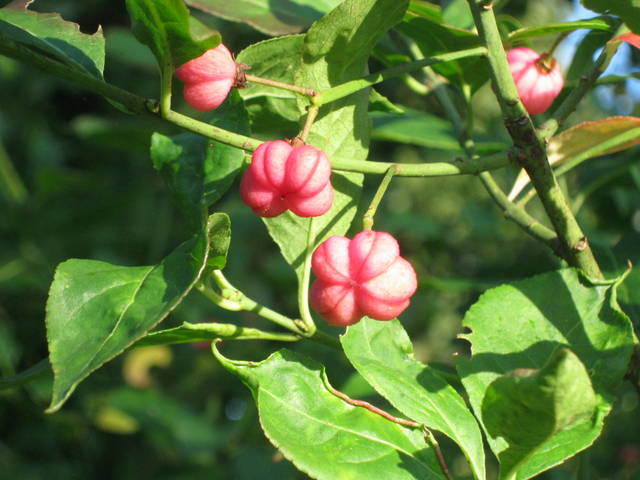
IMG_5823Spindle

Spindle berries (Euonymous europaeus) seen in our garden at the beginning of October

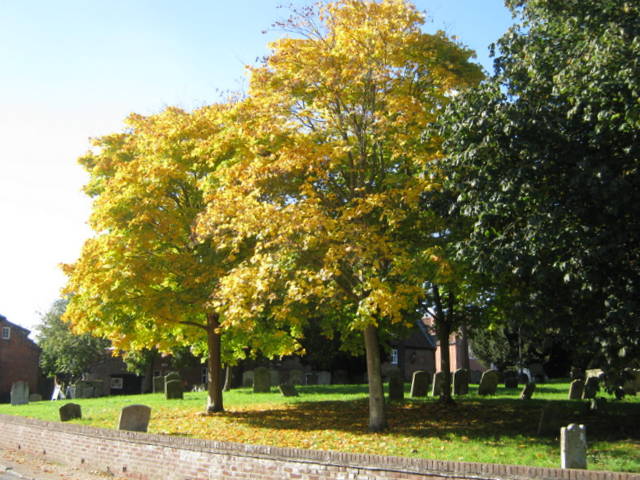
The leaf-colour has been very beautiful but I haven’t been able to get out often to take photos.  The leaves are falling fast now and the recent heavy rain and windy weather have stripped many trees of their leaves altogether.

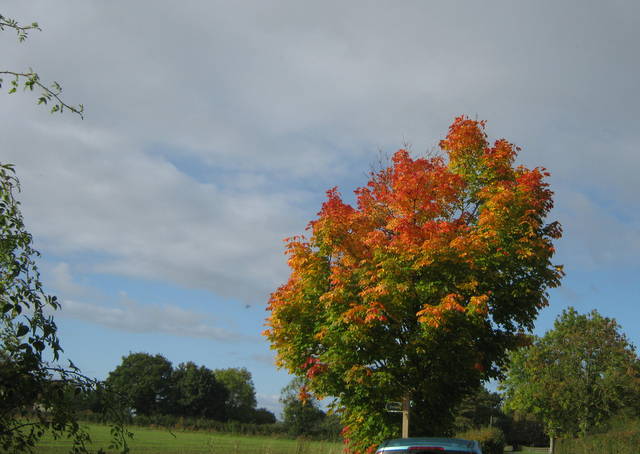
IMG_5831Autumn colour

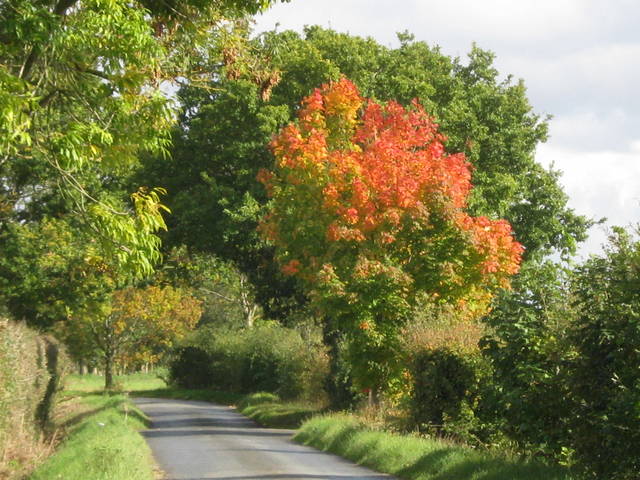
A beautiful Maple tree I saw on the way to my mother’s house on the 14th October.

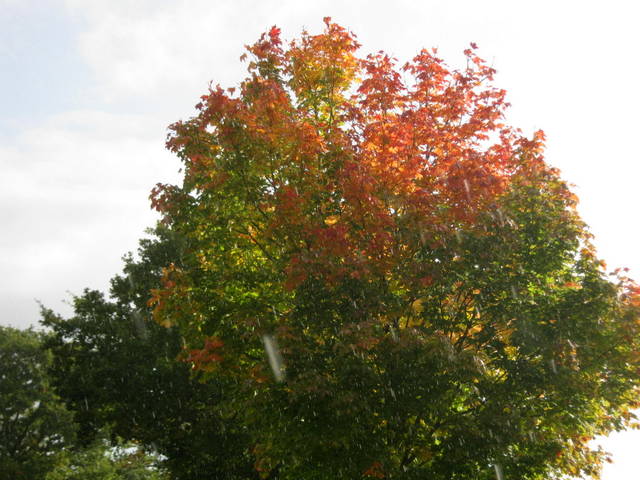
IMG_5833Autumn colour

As I stood admiring it it began to rain heavily, as you can see!

IMG_5834Rainbow

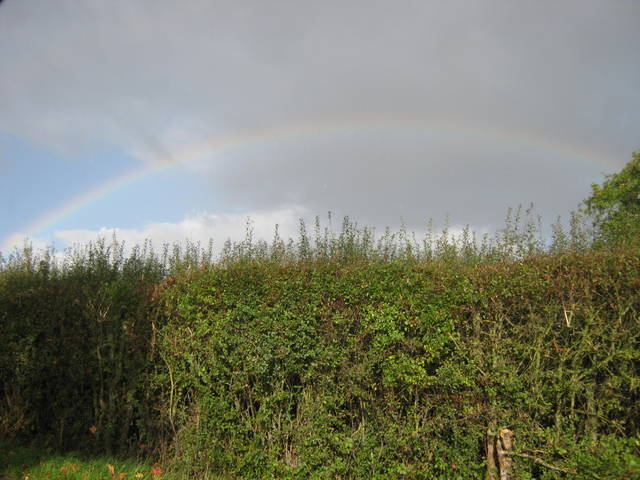
The rainbow that appeared at the same time.

IMG_5835Autumn colour

I took a photo of the tree again on the way home later that day.

IMG_5832Hemp Agrimony

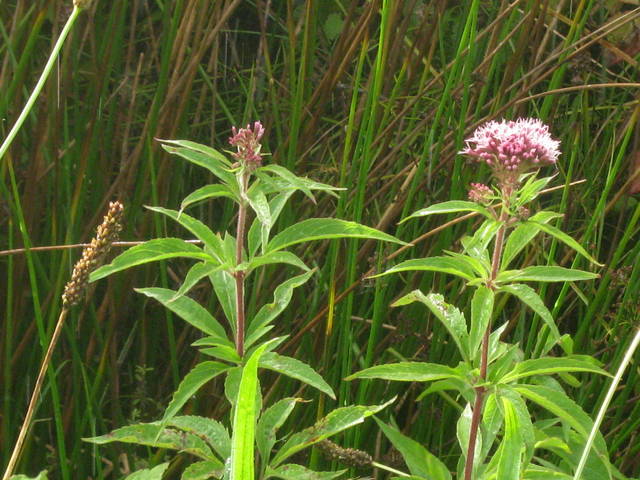
I was surprised to see some Hemp-agrimony (Eupatorium cannabinum) in flower in the ditch next to the maple tree. It usually flowers during late summer and all other Hemp-agrimony plants had already gone to seed.

Richard and I have been sharing driving Elinor to and from college and I have been feeling much less tired than I did when I was doing all the driving.  The month has had its fair share of hospital, doctors’ surgery, optician and dentist visits.  Every week this month one of us (at least!) has had an appointment or has had to take someone (my mother) to an appointment.

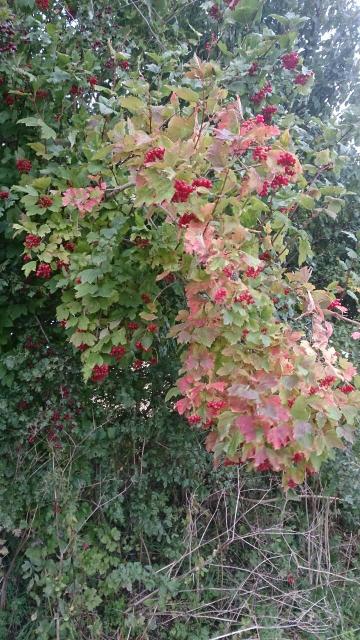
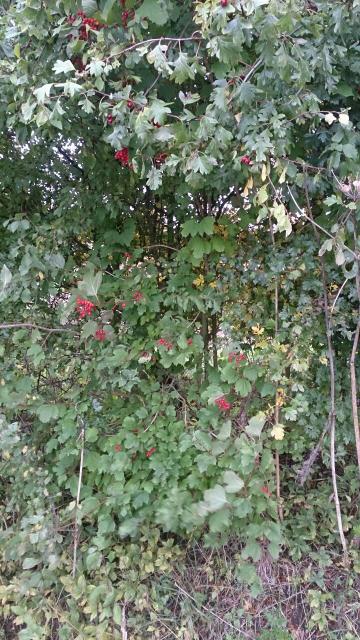
DSC_0621

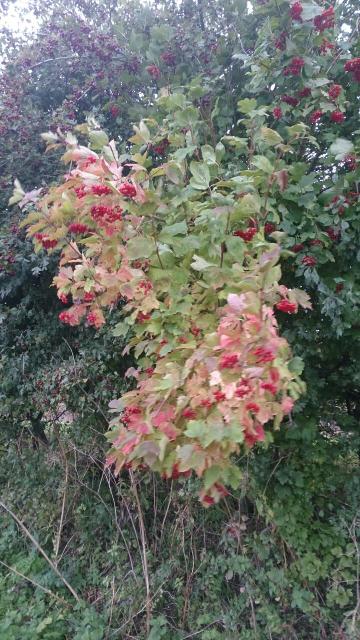
I mentioned to Richard that I had seen a beautiful Guelder-rose (Viburnum opulus) on my way to my mother’s house (yet again!) so he kindly photographed it for me with his phone when he walked past it on a breezy morning later in the week.

DSC_0622

He photographed it from the other side too

DSC_0623

He also photographed a Hawthorn (Crataegus monogyna)

Elinor has had her half-term holiday this week.  She has worked very hard during her first half-term and has had quite a lot of homework to do during this week.  She has enjoyed the course so far and her tutors are very pleased with her and the standard of her work.  This bodes very well.  She is also working hard to overcome her anxiety and also the sleep-phobia that has returned to plague her nights.

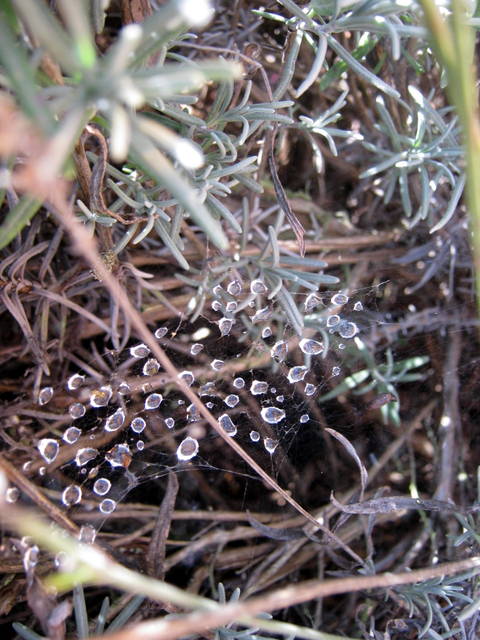
IMG_5836Raindrops

Raindrops caught in a spider’s web

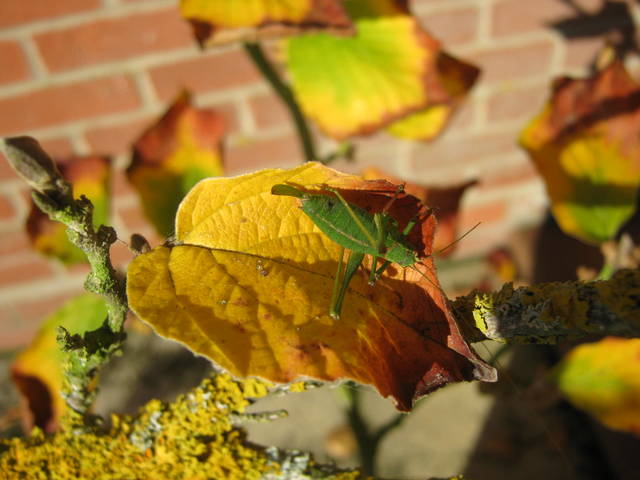
IMG_5837Witch-hazel

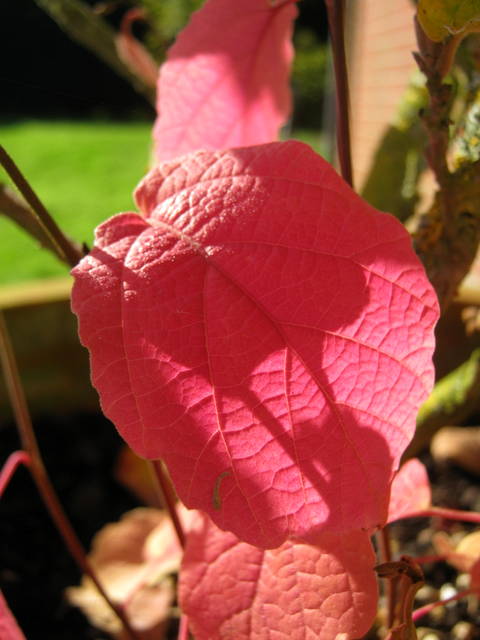
A Witch-hazel leaf. All the rest of the tree’s leaves were a buttery yellow but the leaves on the new shoots went red.

IMG_5838Cricket

This Cricket, a female Speckled Bush-cricket (Leptophyes punctatissima) I believe, was sun-bathing while sitting on a yellow Witch-hazel leaf.

Alice seems well and is enjoying her new job but wishes she was able to work longer hours.  She has to have her PhD thesis printed before she can take part in her graduation ceremony so is trying to save up enough money to get it done.  She is coming home for the weekend in a fortnight and I am looking forward to it very much.  To see her in action discussing horror films please watch the video on the following link.

IMG_5840Autumn colour

Fine trees on a fine day. The churchyard of St Mary’s church in Halesworth. Whenever I see this wall I remember the times I have held one or other of my daughters’ hands when they were little as they balanced all the way along it. It used to take ages! Alice was especially keen.

Richard and I are starting to compile the list of improvements and repairs we need to do to the house and garden.  One of the first jobs will be to replace most of the windows and we hope to get this done before Christmas.  We are also getting a gardener/landscaper to clear and dig out the front ditch which has become overgrown and blocked.  We have asked him to cut the hedges too.  This will be done in a fortnight’s time.

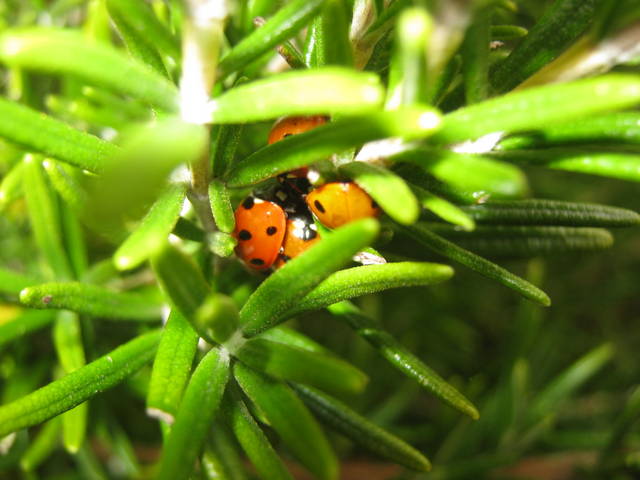
IMG_5850Ladybirds

I found these ladybirds sheltering in my Rosemary bush next to the front door. I think they were hoping to hibernate there. We have since had some very wet weather and they are no longer there.

Last winter we had no ladybirds hibernating in the corner of the window in our bedroom.  This year, when we hope to replace the windows in a few weeks time, the ladybirds are back!  I will have to think of a way of gently moving them before the windows are removed.  I don’t know if they will be as interested in the new poly-carbonate windows we are to have, as they are in the old wooden ones with ladybird pheromones on!

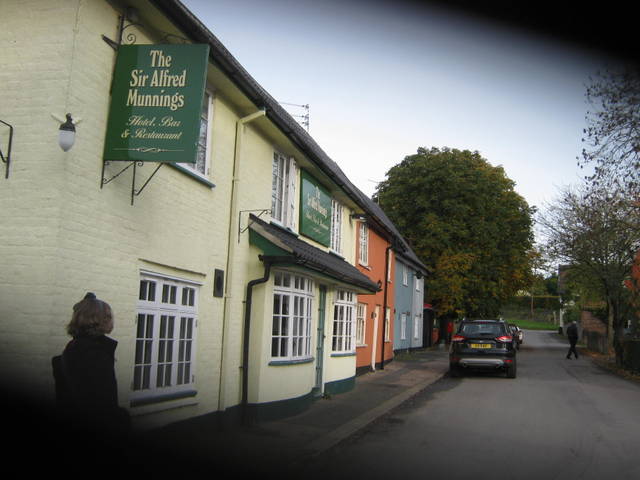
IMG_5844Sir Alfred Munnings pub

Last Sunday we went out for lunch to The Sir Alfred Munnings in Mendham. (I don’t know what the black shadows are top right and bottom left of the photo).

The artist Sir Alfred Munnings was born in Mendham in 1878 and this restaurant and bar was re-named after him.

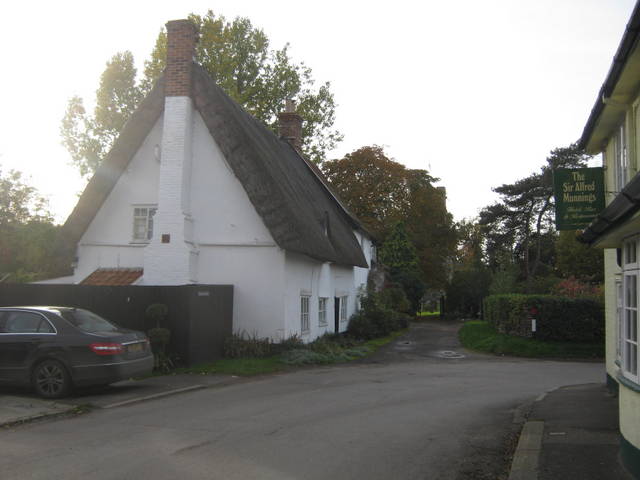
IMG_5849Mendham

Mendham is a very pretty village just a few miles from where we live.

IMG_5845Mendham church

Mendham church is quite large and well looked after. I couldn’t get far enough away from it to get the whole of the church in one photo.

IMG_5848Mendham church

Mendham church

IMG_5916Sunset

Sunset

IMG_5926Sunset

And another!

Here is one of my favourite songs – ‘Ola Ta Diskola’ (All the Difficulties) by Anastasia Moutsatsou.

Thanks for visiting!


An Autumn Walk at Minsmere.

Tags

, , , , , , , , ,

We took advantage of a dry but cloudy afternoon earlier this week to walk through the woods at Minsmere.  To those of you who don’t know, Minsmere is an RSPB (Royal Society for the Protection of Birds) wildlife reserve situated on the coast in Suffolk.  We didn’t see many birds, though as the afternoon wore on and the crowds of visitors began to leave we began to hear more birdsong.

IMG_5857Sand martin burrows

The cliff behind the visitor centre with Sand Martin (Delichon urbica) burrows. I’m not sure what the larger holes are – probably rabbit burrows.

We went first to the ponds behind the visitor centre to see if there was any sign of the Bird’s-nest fungus that was discovered there last year.  I looked but didn’t see any though that doesn’t mean it wasn’t there!  I did see some lichen on the decking.

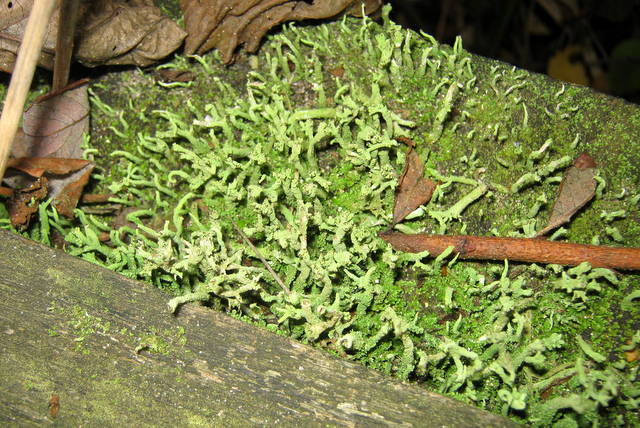
IMG_5852Cladonia  Lichen

One of the Cladonia lichens

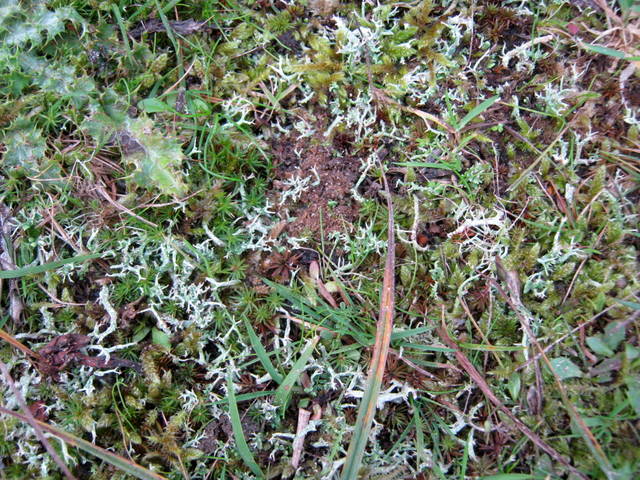
IMG_5855Lichen

More lichen was growing on the ground amongst the sparse grass and moss.

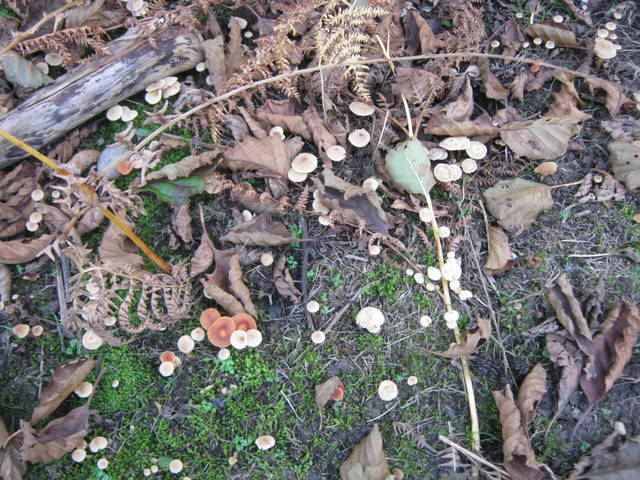
We saw lots of fungi on our walk but because of the low light many of my photographs didn’t come out very well and had to be erased.

IMG_5854Fungus

Fungus

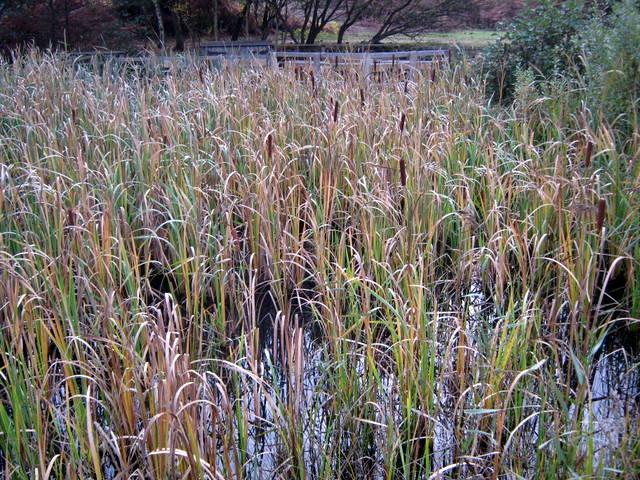
IMG_5856Reeds

Reeds in the pond near the visitor centre – mainly Great Reedmace/ Bulrush (Typha latifolia)

IMG_5858Chestnut tree

A bright Sweet Chestnut tree (Castanea sativa)

This slideshow requires JavaScript.

IMG_5871The wood

A little pale sunshine filtered down through the trees

IMG_5874Path at Minsmere

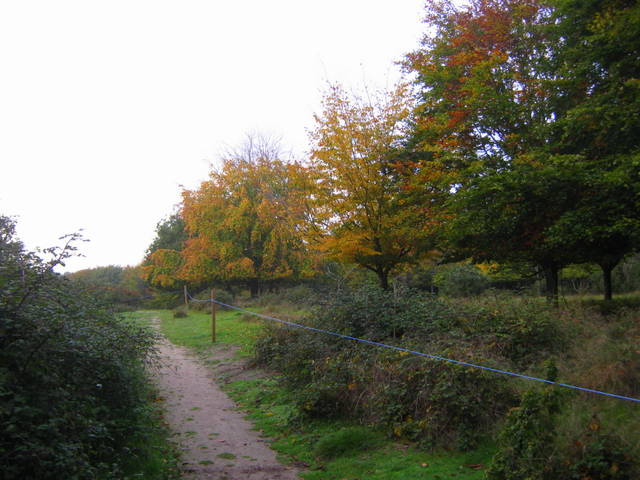
I believe the section they have roped off here is where the Adders (Vipera berus) live.

This slideshow requires JavaScript.

IMG_5869Bramble flowers

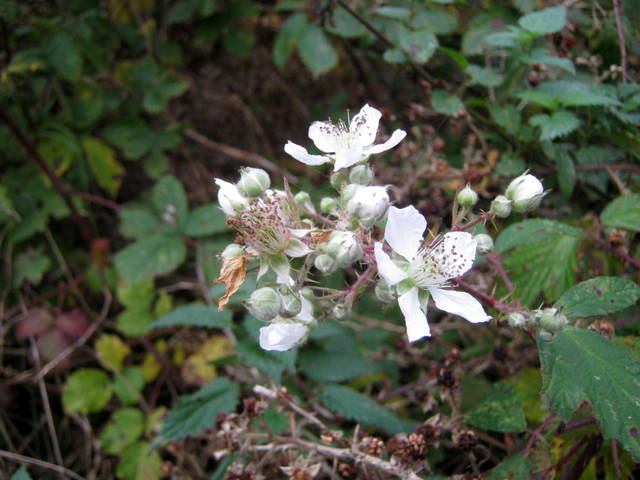
We saw plenty of Bramble flowers (Rubus fruticosus agg.)

IMG_5876The wood

There was dead wood everywhere

IMG_5877Richard and Elinor

Richard and Elinor watching the rabbits on Warren Hill

IMG_5878Warren Hill

Lots of rabbits live here. The birds of prey appreciate this!

IMG_5879Sun through trees

We saw more of the sun as we neared sunset

IMG_5880Minsmere

Sun on the reeds and rushes

IMG_5882Minsmere

Minsmere at sunset

IMG_5883The wood

Edge of the wood

IMG_5886Minsmere

Sunset

IMG_5897Perhaps Lesser Water-parsnip

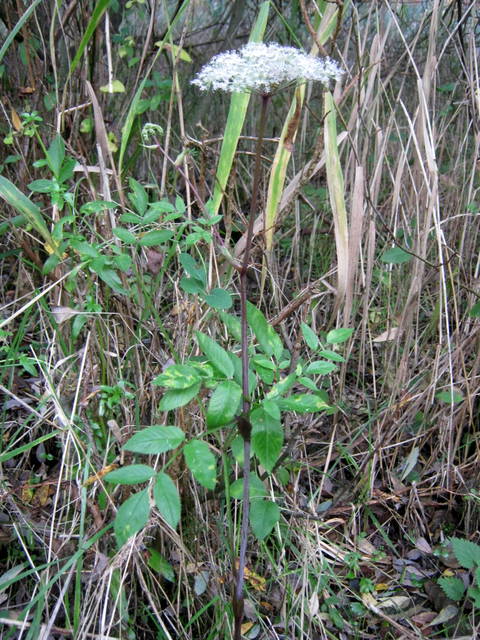
I think this may be Lesser Water-parsnip (Berula erecta) but I am probably wrong.

IMG_5898Lesser Water-parsnip

Here it is again showing its leaves

IMG_5900Pond

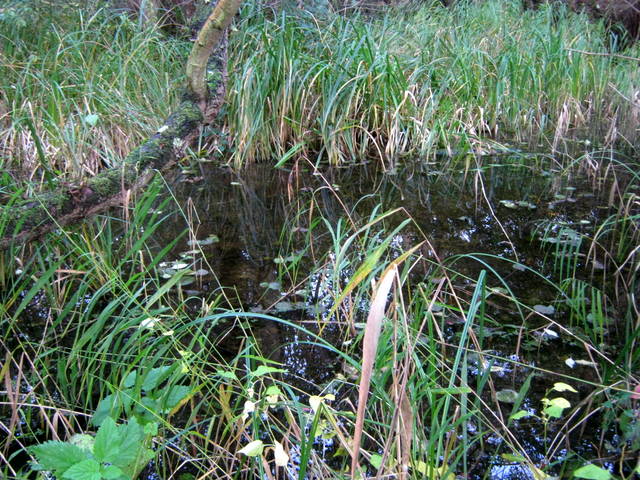
One of the many ponds

IMG_5901Fern

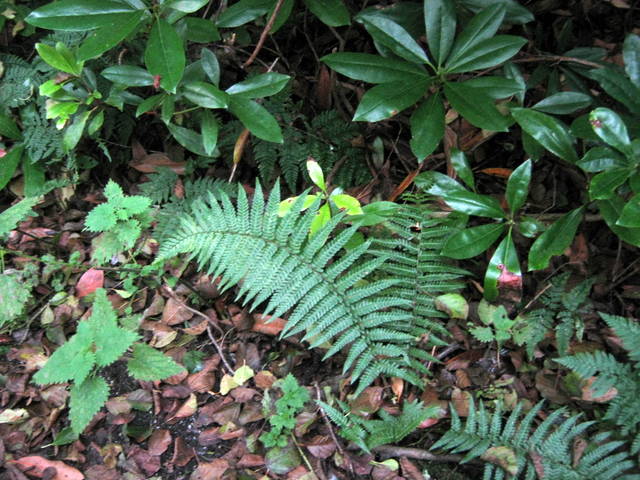
A fern

IMG_5903Holm oak

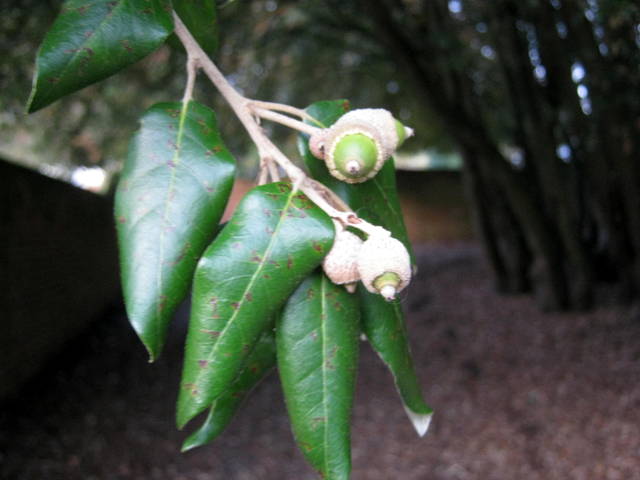
Holm or Evergreen Oak (Quercus ilex)

IMG_5909Minsmere

The bracken has turned such a rich colour

IMG_5910The wood

More dead wood

IMG_5914The wood

More colourful bracken

IMG_5915Fungus

The last fungus we saw – in the carpark!

Thanks for visiting!
A Walk on Ramshaw Rocks – Peak District Holiday

Tags

, , , , , , , , , ,

Sunday 16th August was Richard’s birthday and we marked it quietly by attending one of the churches in Leek and then having an early lunch at one of our favourite cafés.  My own father died shortly before my birthday five years ago and so I knew a little how Richard was feeling.

The church we attended was St Edward the Confessor and we were comforted by the familiar words of the service and afterwards were made very welcome by members of the congregation.  I mentioned this church in a post I wrote about the visit we made last year to the Peak District.  In that same post is a mention of the favourite café.   We were concerned to see that the café was up for sale.  Would it still be there next time we visited Leek and if it was, would it still provide us with tasty oatcakes?

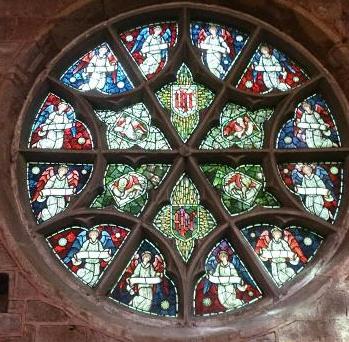
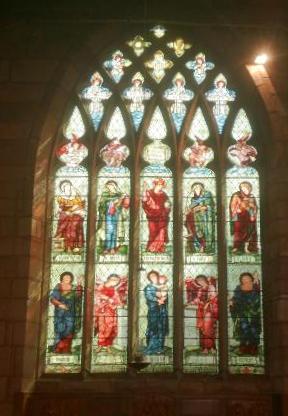
I didn’t take any photographs of the interior of the church but Richard did with his phone.  The church contains some beautiful embroidery and stained glass.

DSC_0558

Stained glass in the church of St Edward the Confessor, Leek

DSC_0559

Stained glass window – St Edward the Confessor

I know that one window in the north transept was designed by Edward Burne Jones and made by Morris and Co.  Not having any means of finding out for certain which of these two windows is the window I cannot tag the photo.  (I think it might be the round window).

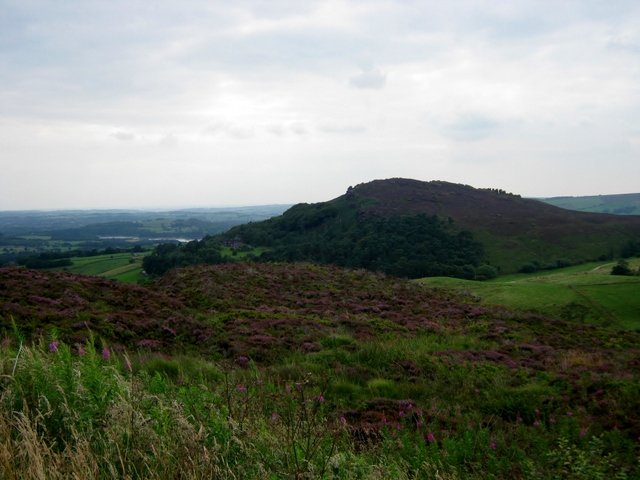
IMG_5449Hen Cloud

Hen Cloud from Ramshaw Rocks

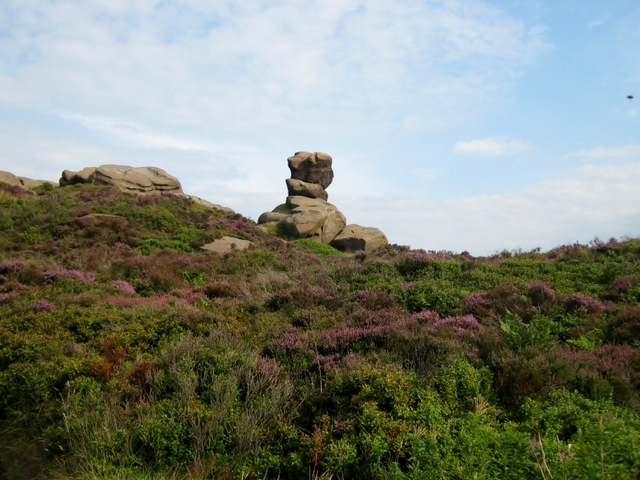
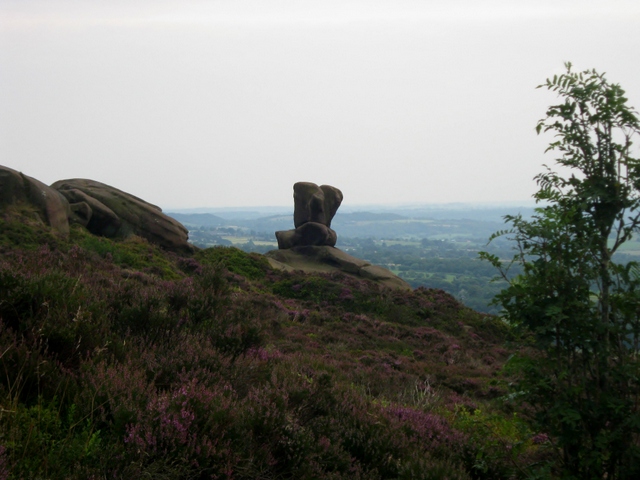
The following day, we drove the short distance to Ramshaw Rocks as we wanted to walk on them again.  We parked the car by the side of the narrow road and walked up to the first of the rocks – the one we call the ‘Top Hat’ rock.

IMG_5450Top hat rock

‘Top Hat’ rock. I expect you can’t understand why we call it that!

I can see another photo-bombing bee!

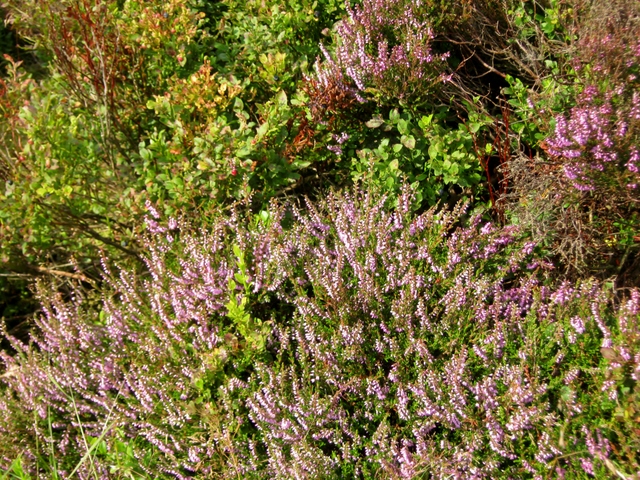
IMG_5451Heather and bilberries

Heather (Calluna vulgaris) and Bilberries (Vaccinium myrtillus)

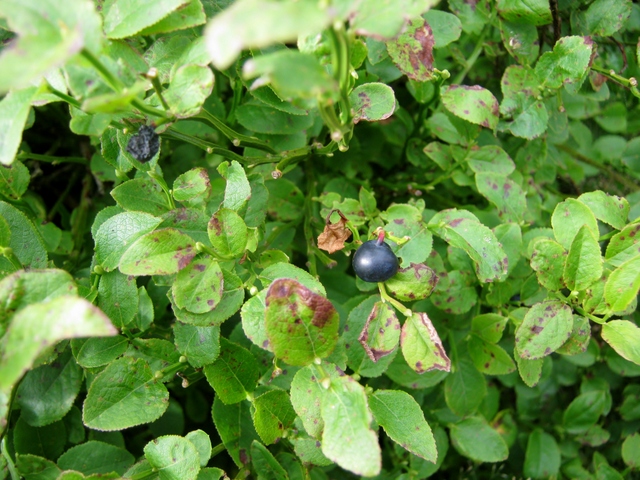
IMG_5456Bilberry

A sweet and juicy bilberry!

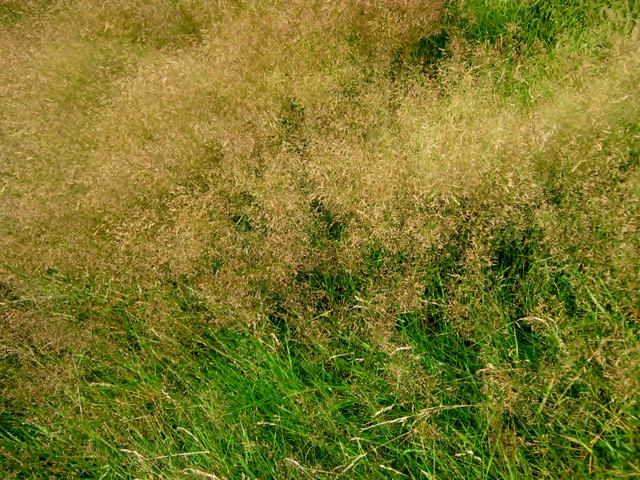
IMG_5452Grass

Beautiful grasses – possibly Tufted Hair-grass (Deschampsia cespitosa)

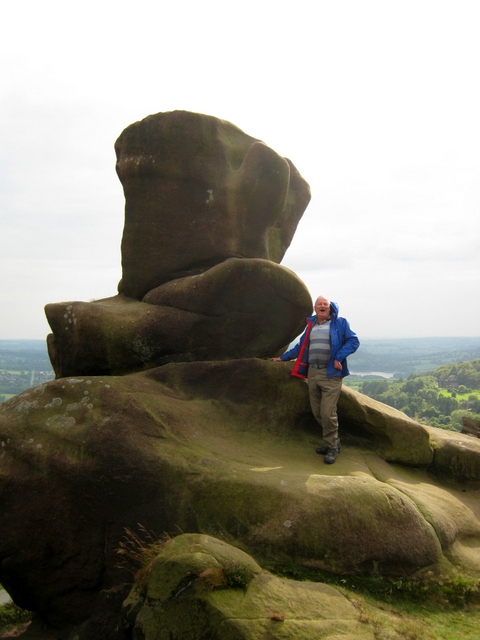
IMG_5454R at top hat rock

Perhaps you see now why we call it the ‘Top Hat’!

This rock may look familiar to some of you.  Perhaps I should give you a clue.  Stick with the link – you will see the rock eventually.  If you haven’t the patience, the rock appears at 4.38 minutes into the clip.

IMG_5495Top hat

This rock can be seen very clearly from the road on your left as you go north along the A53 from Leek to Buxton.

This slideshow requires JavaScript.

The photos in the slideshow are all of the rocks we saw on our walk.

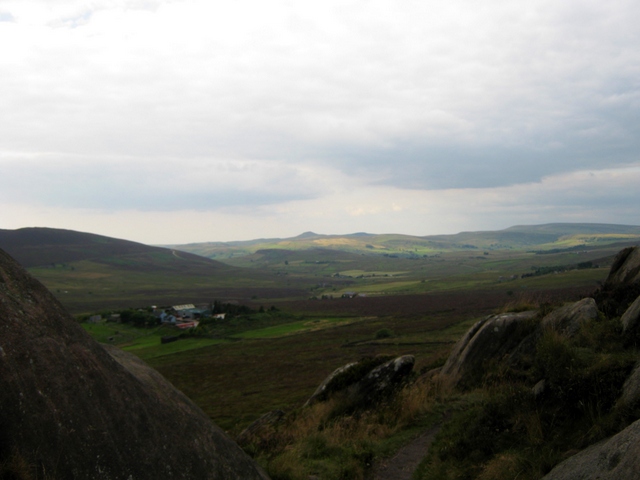
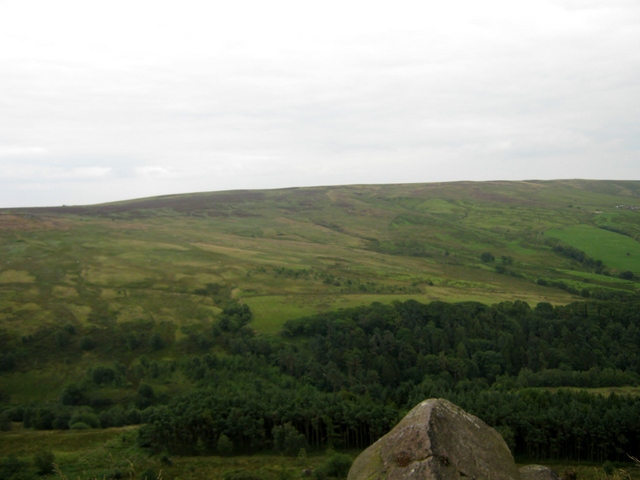
IMG_5459View from RamshawRocks

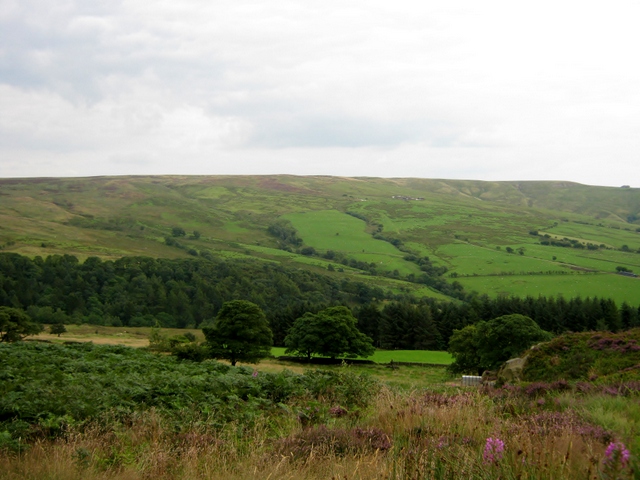
A view of the surrounding countryside from Ramshaw Rocks

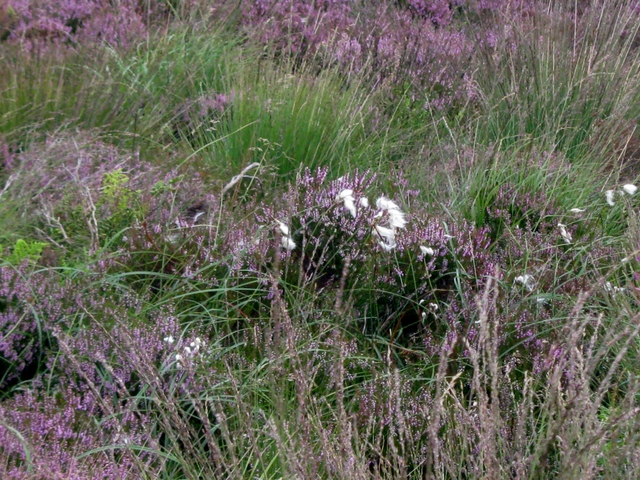
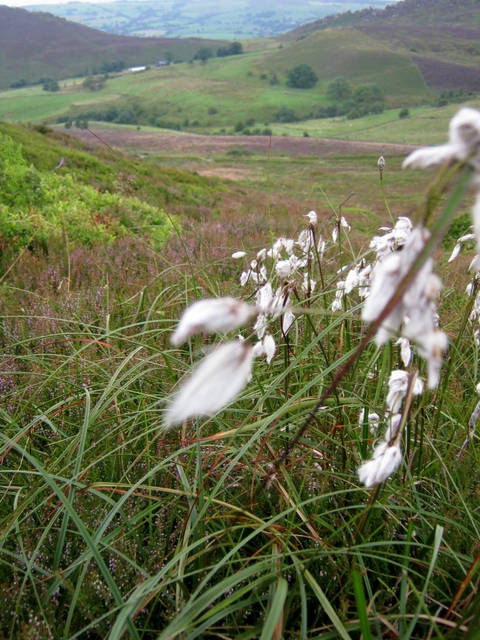
IMG_5461Common Cotton-grass still in flower

I was surprised to see this Common Cotton-grass (Eriophorum angustifolium) still in flower in August

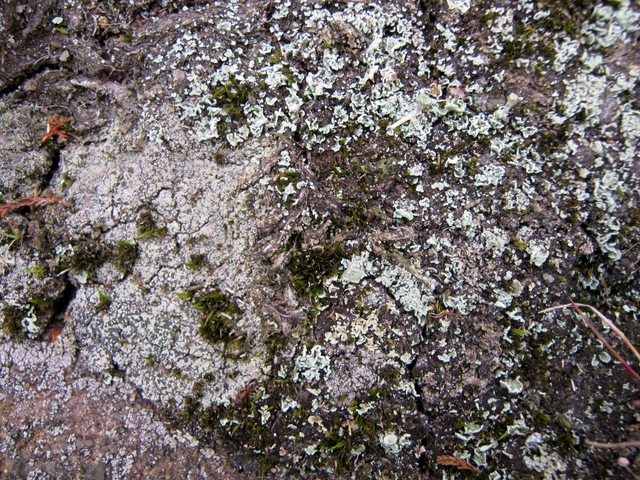
IMG_5462Lichen and moss on rock

Lichen and moss on a rock

IMG_5467Common Cotton-grass

More Common Cotton-grass

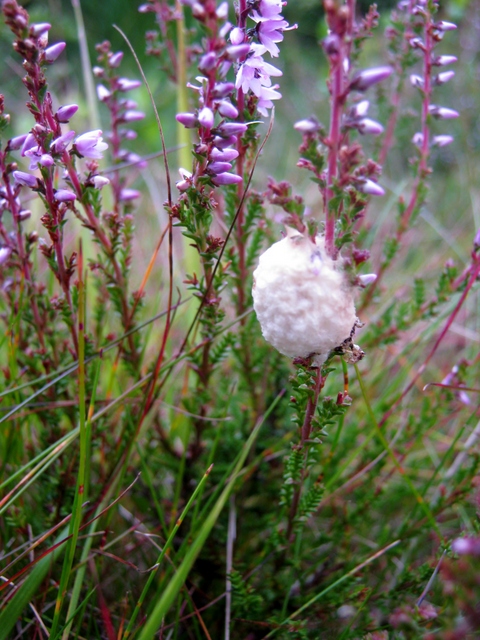
IMG_5468Cocoon on heather

A cocoon on Heather. I don’t know what made the cocoon.

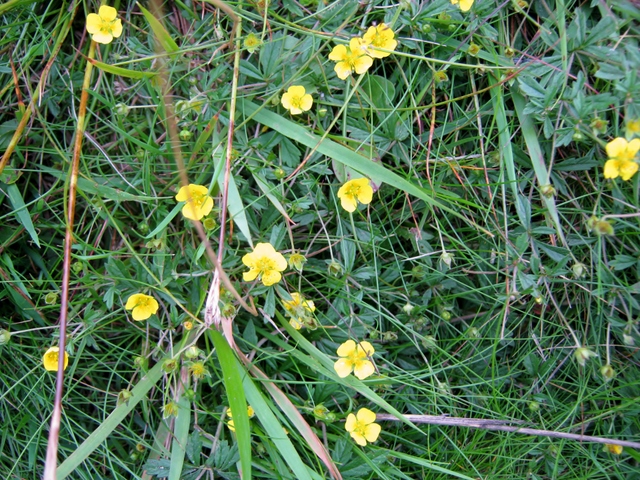
IMG_5471Tormentil

Tormentil (Potentilla erecta)

IMG_5475R climbing

Richard climbing up the hill

IMG_5476View from R Rocks

A view

IMG_5477View of hills

and another!

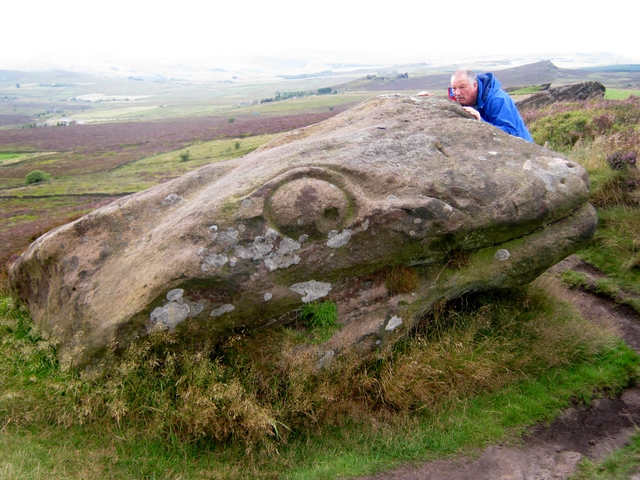
IMG_5479R and carved rock

Richard and the carved boulder

This slideshow requires JavaScript.

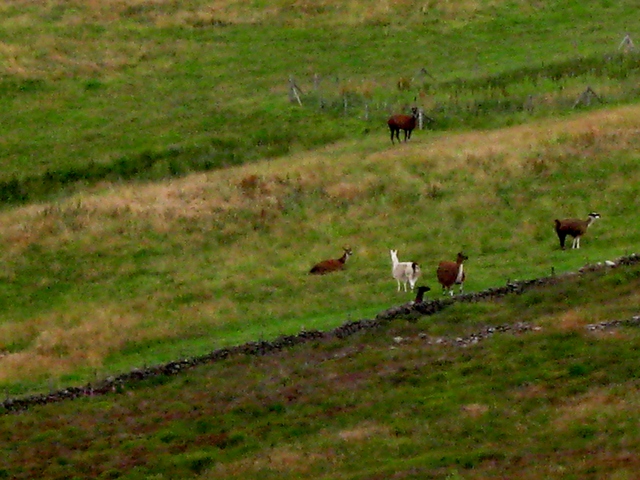
IMG_5463Alpacas

Alpacas

IMG_5488Unknown flower

This is some type of Bedstraw plant. Note the pink spots on the flower buds.

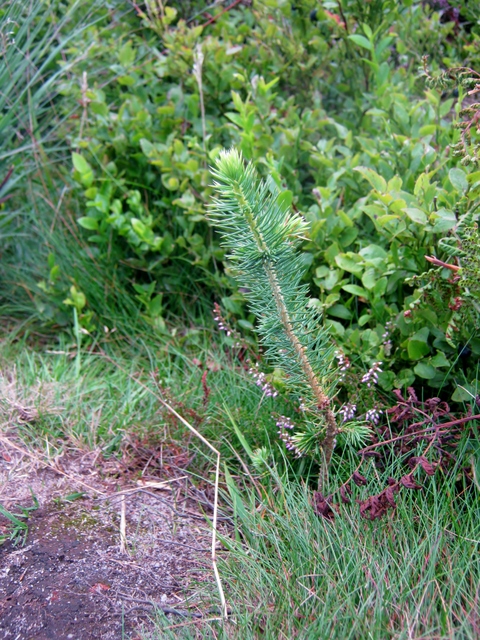
IMG_5493Tiny fir tree

I found this tiny fir tree next to the path.

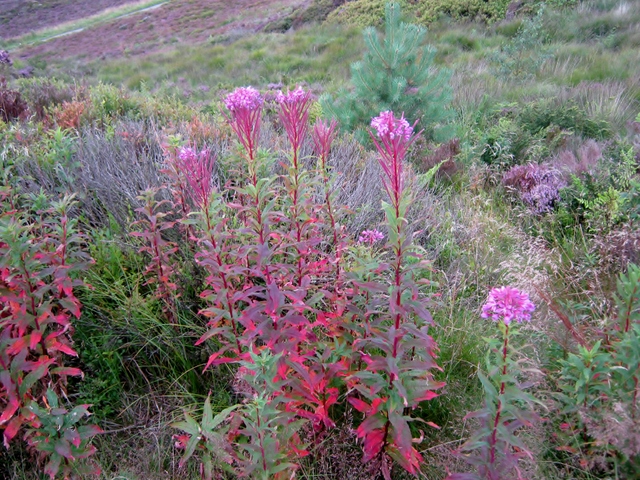
IMG_5494Rosebay-willowherb

This colourful Rosebay Willowherb (Chamerion angustifolium) caught my eye.

We had by this time walked back to near where we had begun our walk.  We returned to our caravan for our evening meal and a hot drink.

Thanks for visiting!


Two Evenings Out

Tags

, , , , , ,

Richard and I hardly ever go out in the evening but this week we managed to go out twice!  At the end of October each year the Halesworth Arts Festival takes place in The Cut, an old maltings that has been converted into an entertainment venue.  The Cut takes its name from the lane it is in – New Cut – which refers to new cuts made to the river when a lock was built in the 18th century and the River Blyth was made navigable from Southwold on the coast to Halesworth.

IMG_5842The Cut

The Cut

Last Sunday night we went to listen to a poetry reading by Brian Patten who made his name in the 60’s with the publication of the ‘Mersey Sound‘ anthology.  (The other two poets featured in this anthology were Adrian Henri and Roger McGough).  We enjoyed the evening very much.  Patten not only read many of his favourite poems but spoke about why and when he wrote them.  When I was in my very early 20’s and living in Liverpool I went to hear Roger McGough at a ‘Pubs and Pints’ event.  A nice re-connection, I thought.

We discovered Brian Patten had known and read with many other famous poets apart from Henri and McGough;  Robert Graves, Philip Larkin, Stevie Smith, Pablo Neruda, Allen Ginsberg, Laurie Lee and Robert Lowell.  He had shared a house with Brian Eno and had been friends with among many others, Keith Moon and Neil Innes.   Neil Innes was in the audience and joined him in a few reminiscenses.

Neil Innes?  He is the minstrel in this clip.

He is the singer here

My father who was a cabinet maker, once did some work for Neil Innes in the 70’s when Innes was living in Lewisham.  My father had no idea who Innes was and felt sorry for him and so undercharged for the work.  ‘His jeans were split at the knees and he was obviously short of money’ said Dad.  I think we were the ones who were short of money – always.  My mother explained who Dad had worked for.

The other performance Richard and I attended was a concert by the ‘Aquarelle Guitar Quartet’.  I don’t think I could describe them better than the blurb in the programme so please click on the link to read it and see the programme of music they played.  There is also a recording of them playing.

The programme included classical – old and modern, jazz, folk and film music.  I loved ‘Opals’ by Philip Houghton who is Australian and uses the Australian landscape as inspiration.  ‘Folia’ by the American composer Ian Krouse was amazing.

The four young men, who had met when they were at the Royal Northern College of Music, were charming, amusing and very talented and I would urge you to see them in concert if they play anywhere near where you live.

Thanks for visiting!
A Walk in the Peak District.

Tags

, , , , , , , , , ,

Not only did we have a week’s holiday in the Lake District this summer but we also went to the Peak District for a week.  I have already told you about the sad start to this break – the death of my mother-in-law on the day of our arrival.  We spent the first full day of our holiday with my brother-in-law but after that there wasn’t anything else to do but wait until we were told by the Coroner that we could arrange the funeral.

We thought we might as well stay in the Peaks and not abandon our holiday.  If Chris (my brother-in-law) needed us we would be close at hand.  We thought we would find comfort in walking in this beautiful part of the country.

After lunch on Saturday 15th August we drove to the village of Wetton in Staffordshire from where we intended to walk along the Manifold Valley.  We drove along a very scenic road en route to Wetton.

IMG_5345The Roaches and Hen Cloud from top road

The Roaches and Hen Cloud (the nearest hill) seen from the road.

IMG_5346View from top road

Another view of The Roaches. The Rocks look like spikes on the spine of a dinosaur.

IMG_5348View from top road

We could just see the Welsh hills on the far horizon beyond the flat Cheshire Plain.

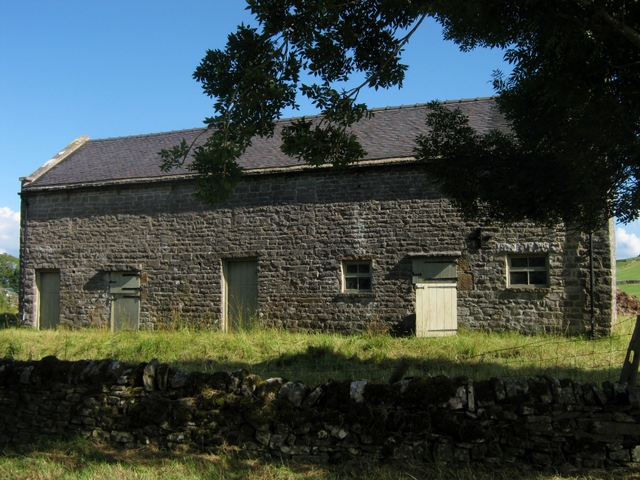
We got to Wetton and found the car park near the centre of the village.  The buildings and houses in the village are mainly made of stone and the church, which was built in the 14th century has an exterior staircase to the belfrey which contains six bells.  The Royal Oak pub, which owns a camping field next to the car park is also the venue for the World Toe Wrestling Championships which began in the 1970’s!

IMG_5349Barn

One of the buildings of Wetton.

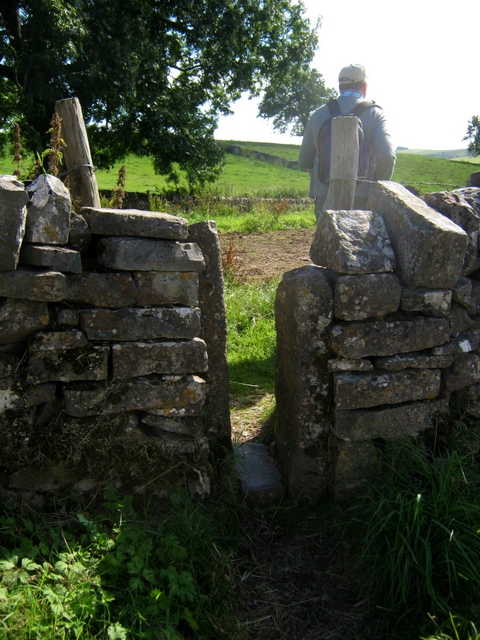
IMG_5350Squash stile

Another of those squash stiles which let tall and/or thin people through but not livestock or short people with generously proportioned legs etc.

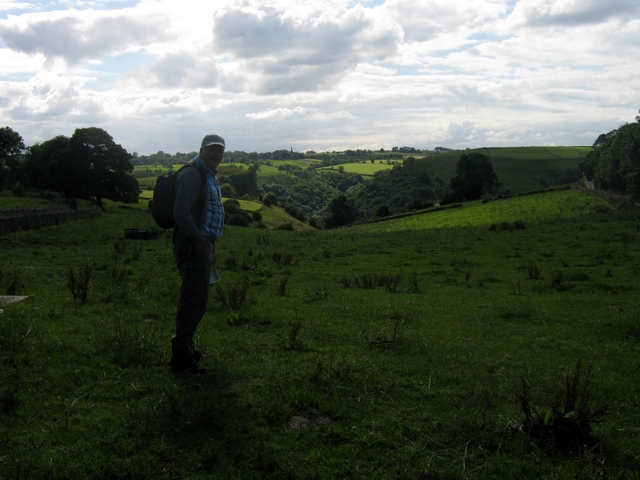
IMG_5351R and river valley ahead

Richard and I crossed this field which sloped steeply down into the deep valley of the River Manifold.

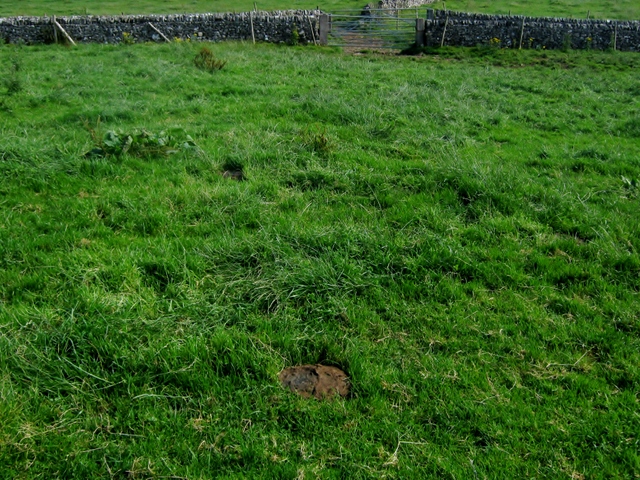
IMG_5352Cow pat

There were many hazards.

IMG_5355Seed-head

A colourful seed-head – probably Hogweed (Heracleum sphondylium).  We also saw a number of Betony (Stachys officinalis) flowers but none of my photos were any good.

IMG_5354Down to river valley

The route down to the river valley

At the bottom of the field we crossed a couple of stiles and entered a wood.

IMG_5358Walk through the wood

Path through the wood

IMG_5359Rhododendron leaves

Lots of invasive Rhododendron seedlings

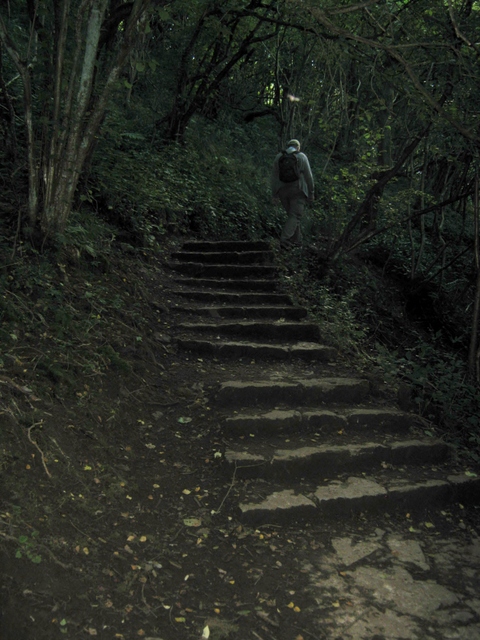
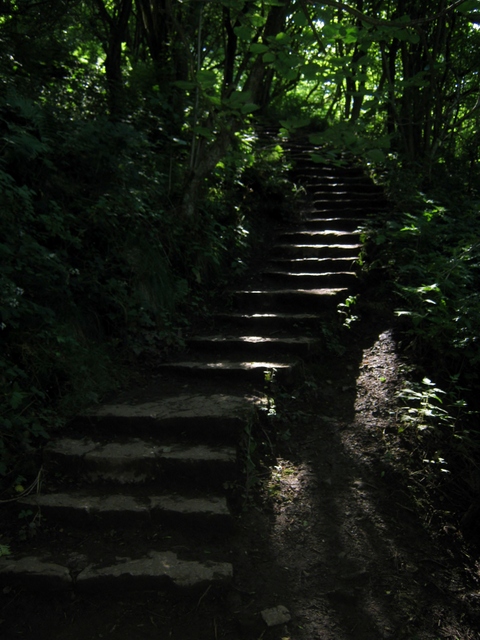
IMG_5360Steps up through wood

Steps up through the woods

IMG_5362Steps up through wood

Yet more steps! Gasp! Puff!

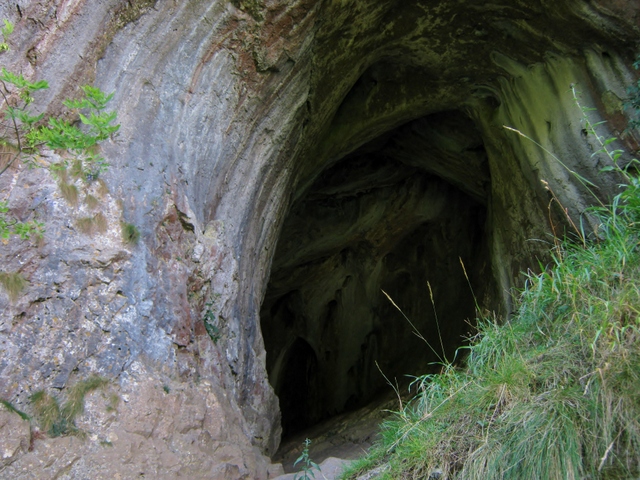
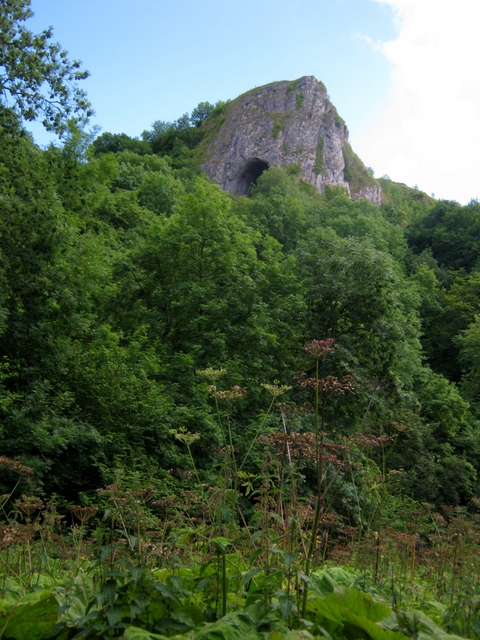
We were going to see Thor’s Cave.

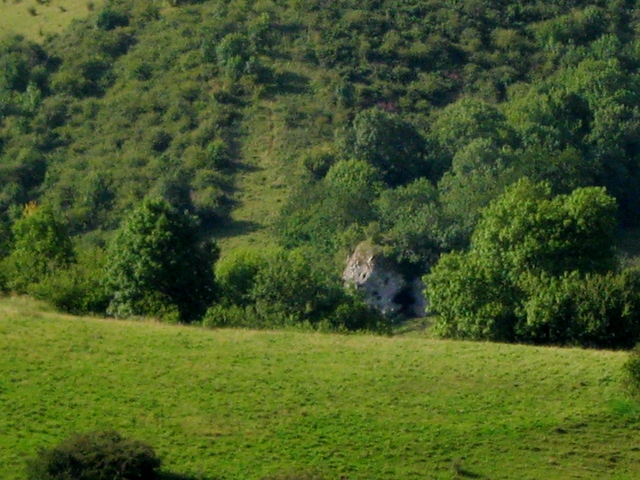
IMG_5365Thor's cave

Thor’s Cave

This is a Karst Cave i.e. it was formed from the dissolution of soluble limestone.  The entrance is just over 18m up on the hillside and the opening is a symmetrical arch, 7.5m wide and 10m high.  I don’t think there is any connection between this cave and the god Thor; the name probably derives from the word ‘tor’ meaning a hill or rocky peak.   I was most disappointed to find that I didn’t have the ability to climb up to the entrance from the path.  I had to wait outside while Richard explored inside.

This slideshow requires JavaScript.

You can see minute-me waving at Richard in one of the photos above.  This will give you some idea of the size of the cave.

IMG_5391Thor's cave

This is what the entrance to the cave looks like from the path below.

While Richard enjoyed himself in the cave, I kept myself busy looking for things to photograph outside.

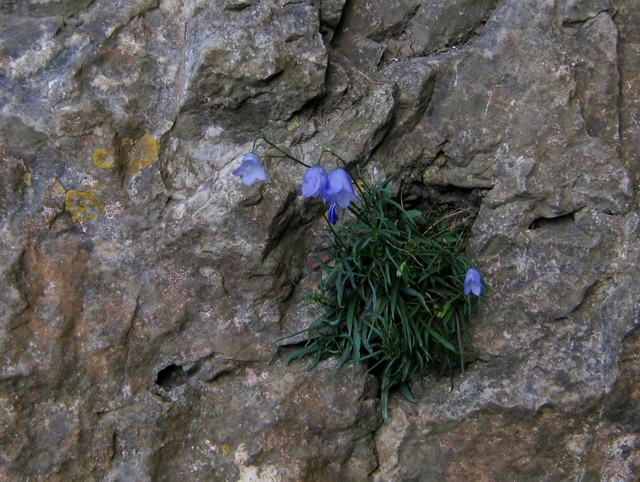
IMG_5377Hare bells (2)

Harebells (Campanula rotundifolia) growing out of a crevice in the stone.

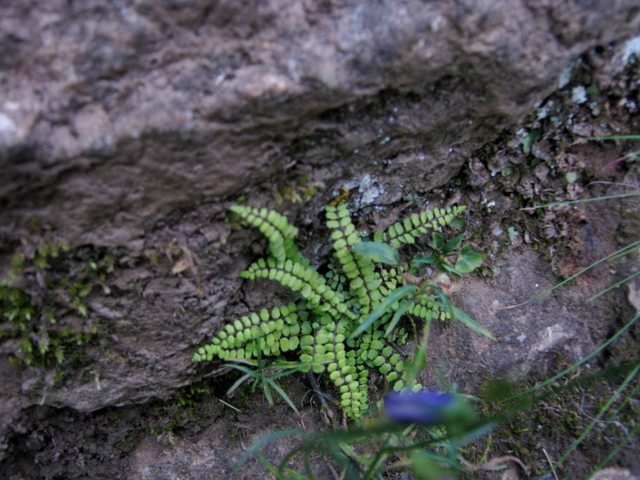
IMG_5380Tiny maidenhair spleenwort

A tiny Maidenhair Spleenwort (Asplenium trichomanes).

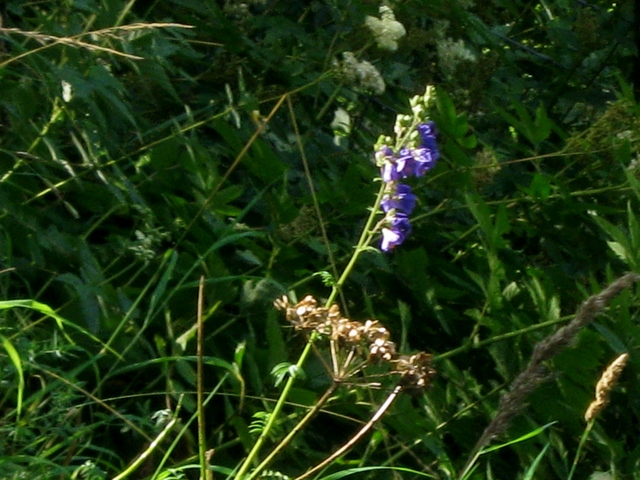
IMG_5382Jacob's Ladder

Jacob’s-ladder (Polemonium caeruleum)

IMG_5383Another cave

I saw another cave entrance below us.

After Richard emerged from the cave we walked back down to the valley-floor.

IMG_5387Vegetation in the valley

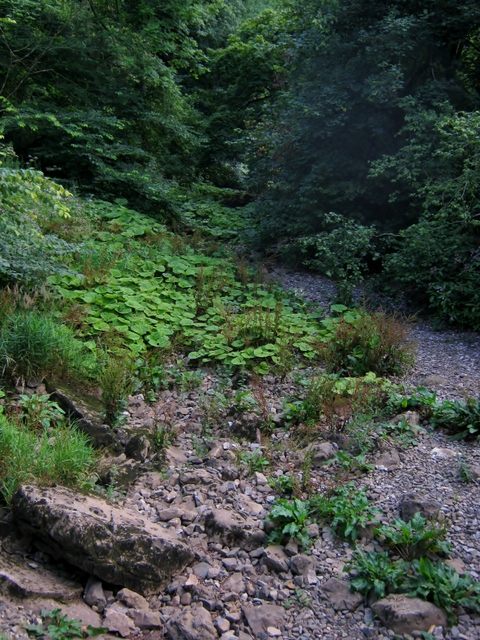
Lots of different plants grew in the scree and rocks of the river-bed alongside the path. There were many wild raspberry canes with ripe fruit but again my camera failed to focus on them.

IMG_5392Meadow Crane's-bill

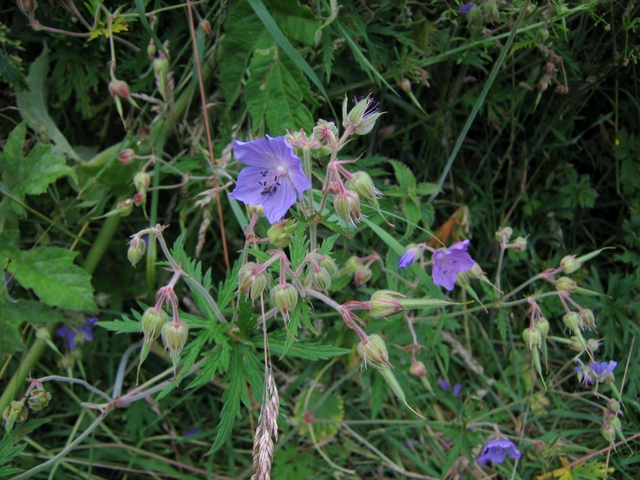
Meadow Crane’s-bill (Geranium pratense) next to the path.

IMG_5393Meadow Crane's-bill

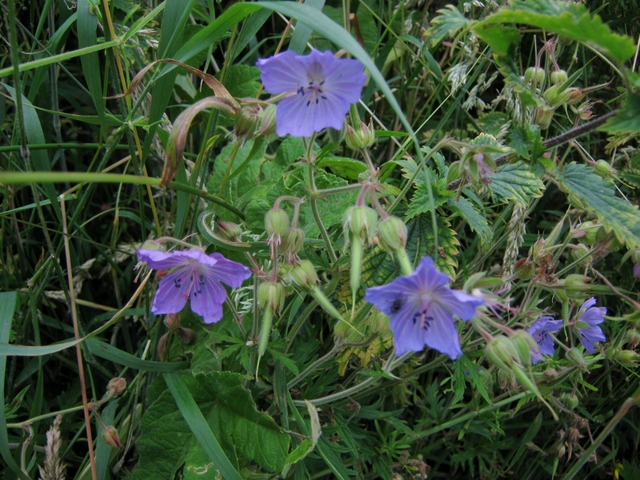
I’m including another photo of these flowers because I like them! You can see that the seed-heads look a little bit like crane’s heads.

IMG_5394Wild Rhubarb or Butterbur

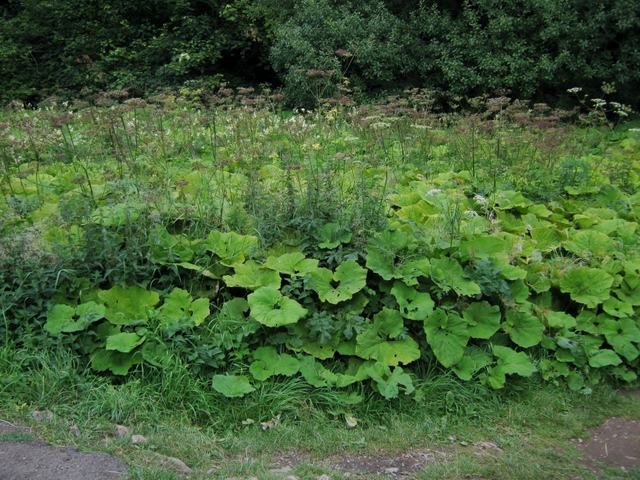
The large leaves of Butterbur (Petasites hybridus). Also known as Wild Rhubarb, the heart-shaped leaves can be up to 1m/3 ft across.

IMG_5395Meadowsweet

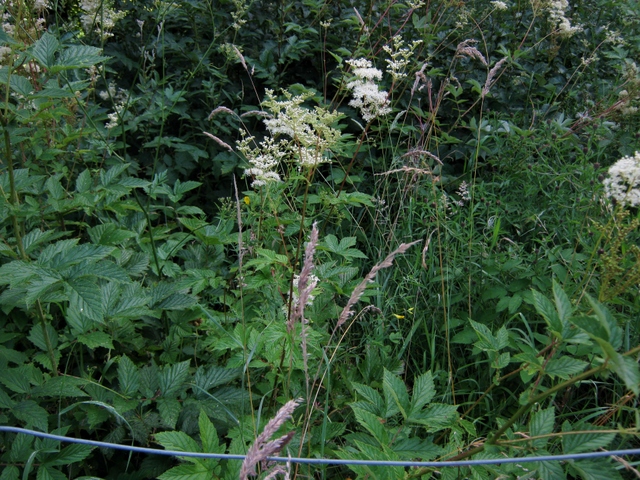
This Meadowsweet (Filipendula ulmaria) was so strongly and beautifully  scented!

IMG_5396Common Knapweed

Common Knapweed (Centaurea nigra)

IMG_5399Former railway line

The path we were walking along was the former Leek and Manifold Light Railway line.  There had even been a station at Thor’s Cave!

This also explains all the well-made steps up to the cave.

IMG_5400View of hill from path

View of a hill from the path.

IMG_5401Meadow Vetchling

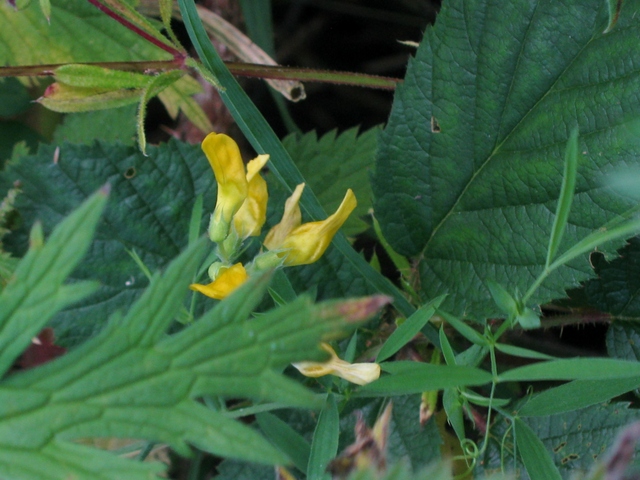
Meadow Vetchling (Lathyrus pratensis)

IMG_5402Red Campion and Bramble

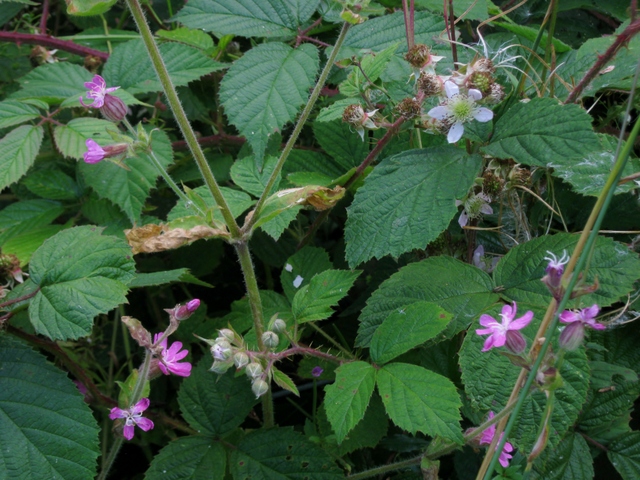
Red Campion (Silene dioica) and Bramble (Rubus fruticosus agg.)

IMG_5403Meadowsweet

More Meadowsweet.

IMG_5404Hazel nuts

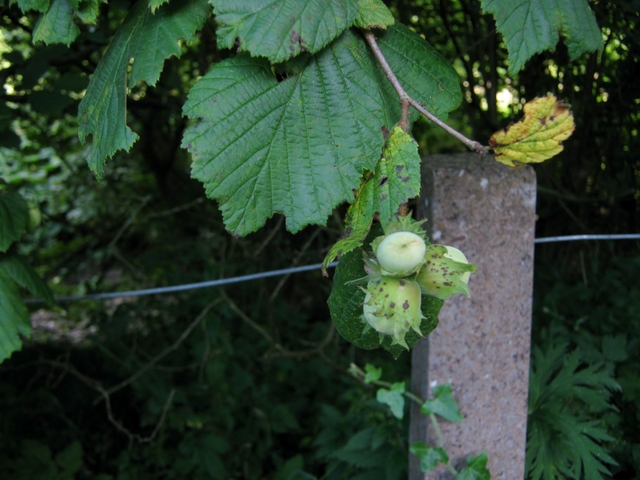
Ripening Hazel nuts (Corylus avellana)

IMG_5405Indian Balsam

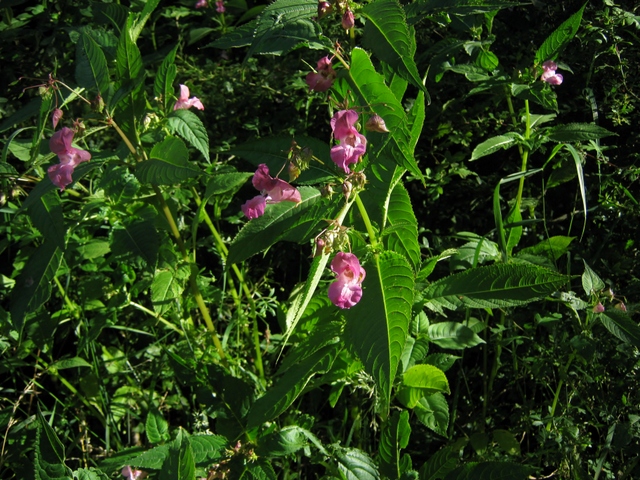
The pretty flowers of the terribly invasive Indian Balsam (Impatiens glandulifera)

IMG_5406The path

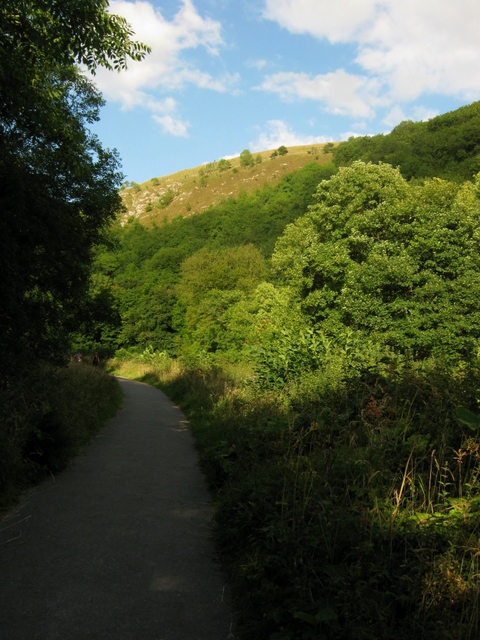
Another view of the path.

IMG_5407Rosebay Willowherb

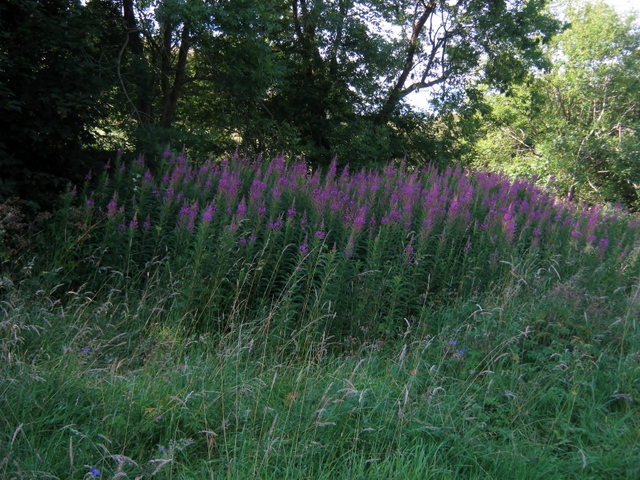
Lots of Rosebay Willowherb (Chamerion angustifolium)

IMG_5408Dry river-bed

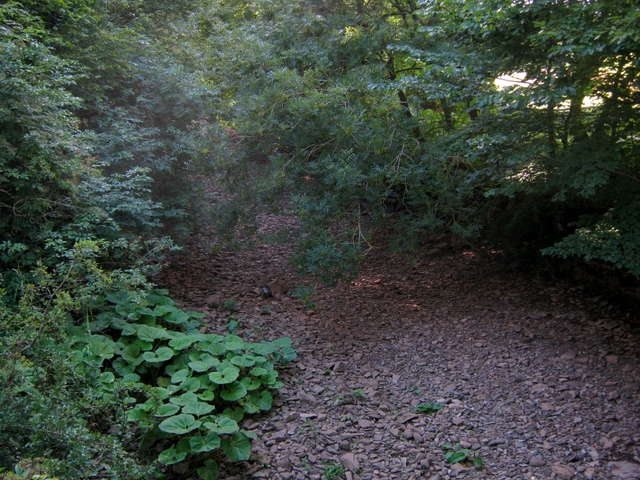
This is the dry river bed of the Manifold.

In anything other than very wet weather the river disappears into swallowholes and flows through caves and subterranean passages and reappears at Ilam further downstream.

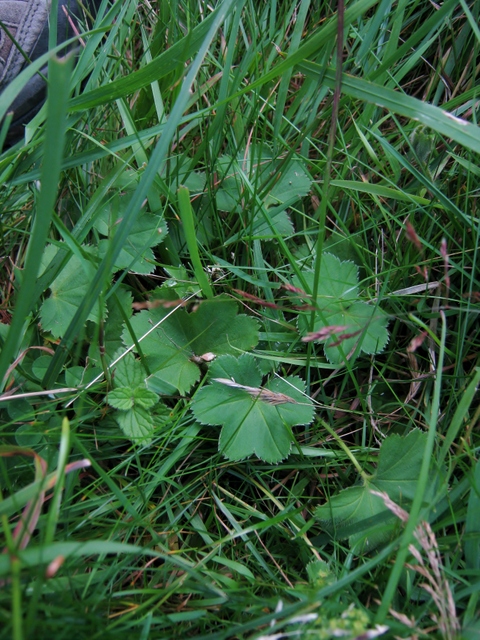
IMG_5409Lady's Mantle

Lady’s-mantle (Alchemilla vulgaris agg.)

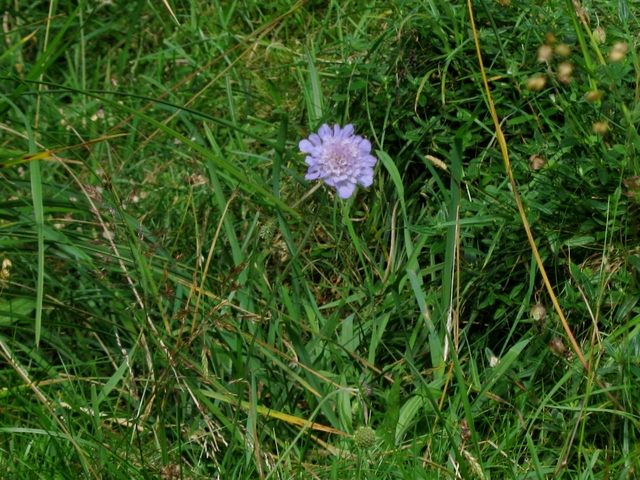
IMG_5410Field Scabious

Field Scabious (Knautia arvensis)

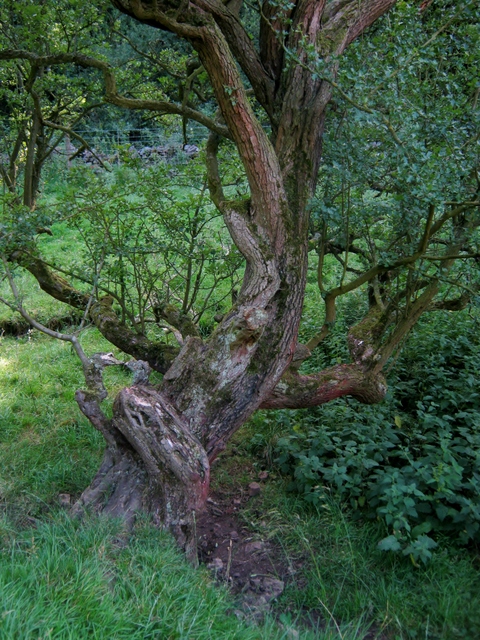
IMG_5416Gnarled tree

A wonderfully gnarled and twisted tree.

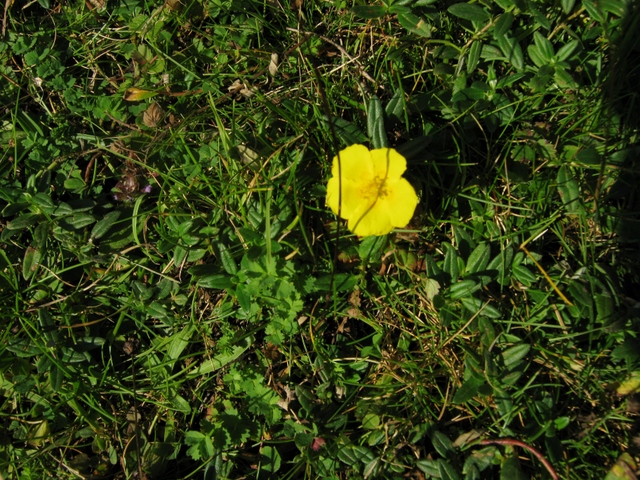
IMG_5417Cinquefoil

Cinquefoil.  I think this is probably Creeping Cinquefoil but the leaves in the photo aren’t quite what I expect from Creeping Cinquefoil.

IMG_5419Hill and valley

Hill and valley.  We had left the old rail-track behind us.

IMG_5420Musk Thistle

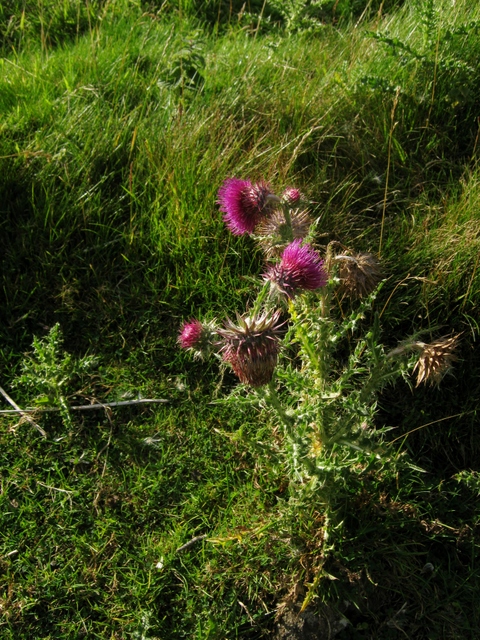
Musk Thistle (Carduus nutans) with its drooping flower-heads

IMG_5422Lamb

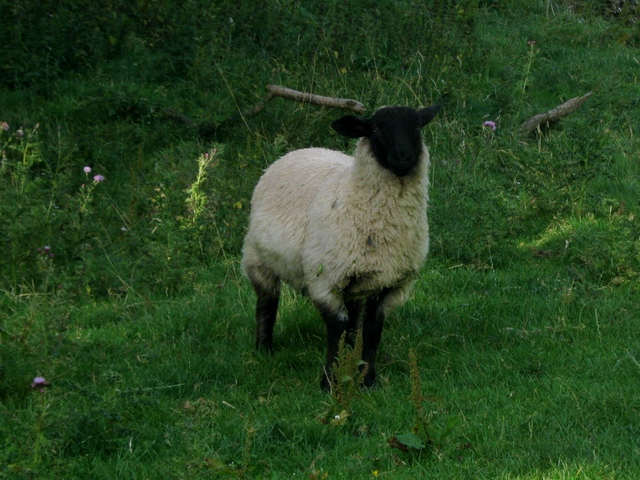
A black-faced lamb

IMG_5423R on our walk

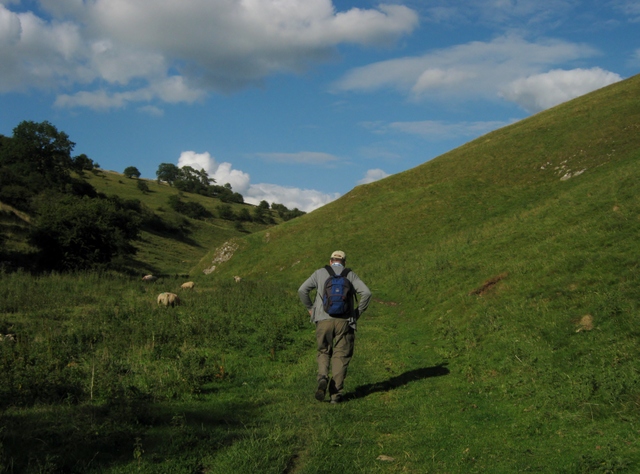
Richard walking along the track

IMG_5425Creeping thistle

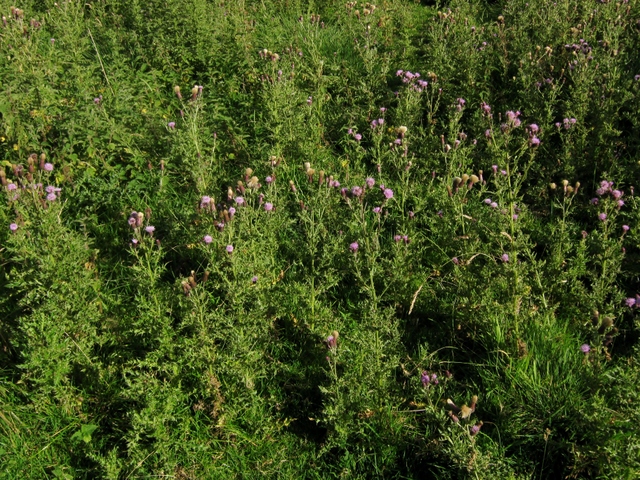
Creeping Thistle (Cirsium arvense)

It was about this stage in our walk that we missed a landmark and went up a hill on the wrong side of a wall.

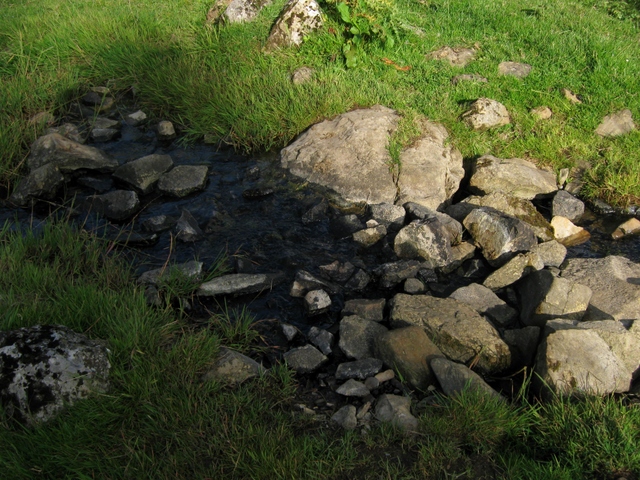
IMG_5426Stream

A stream

IMG_5428Tufted Forget-me-not

Tufted Forget-me-not (Myosotis laxa)

IMG_5429Small Heath

Small Heath butterfly (Coenonympha pamphilus)

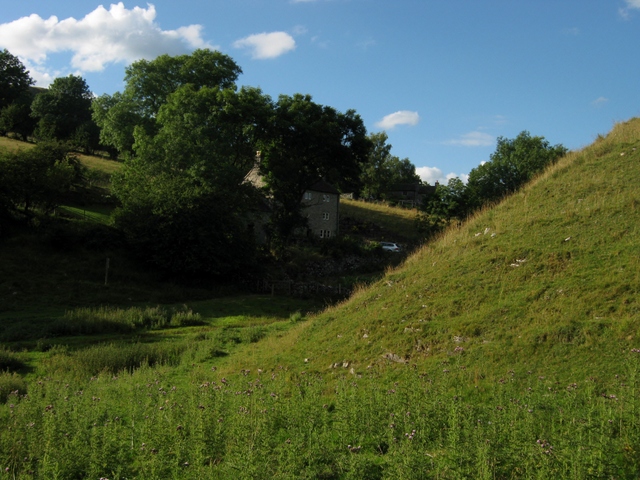
IMG_5430Farmhouse

I took a photo of this house little realising that we should have gone past it and then climbed the hill.

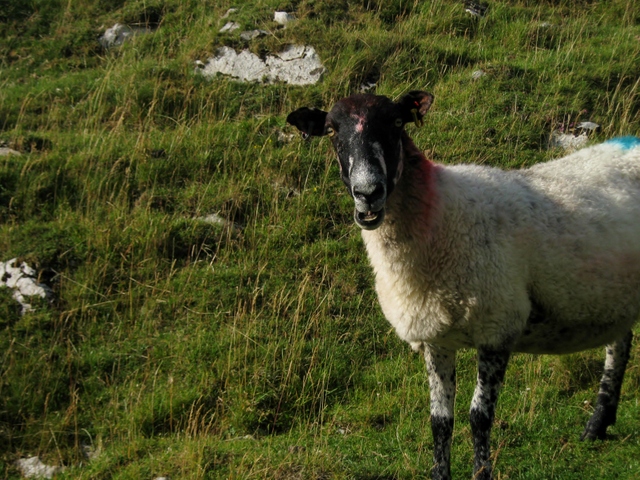
IMG_5431Sheep

‘You’re on the wrong side of the wall, you fools!’, said the sheep.

IMG_5432Sheep tunnel

I took a photo of this sheep tunnel (note my shadow) little realising we could have used it to get onto the right side of the wall!

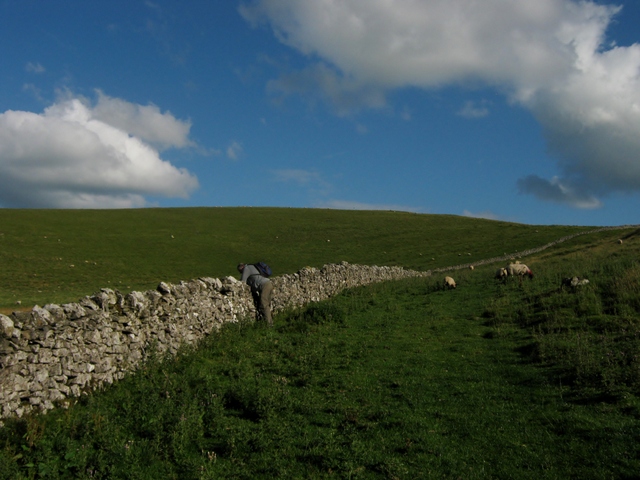
IMG_5433Stone wall

The wall. We little realised we could have climbed over it at this point.

IMG_5441R on our walk

It was here that it dawned on us we were heading for the wrong valley.

We re-traced our steps right back to the house I had photographed earlier.

IMG_5443Rock Stonecrop

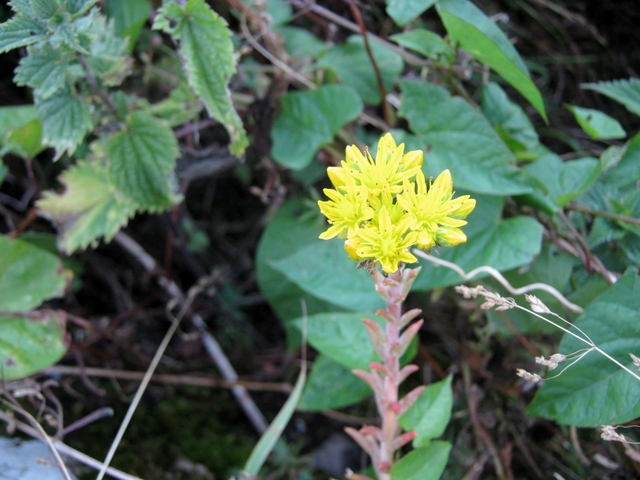
Rock Stonecrop (Sedum forsterianum). This specimen was probably a garden escapee as the plant is only native in the SW of England.

IMG_5445Possibly Bogbean

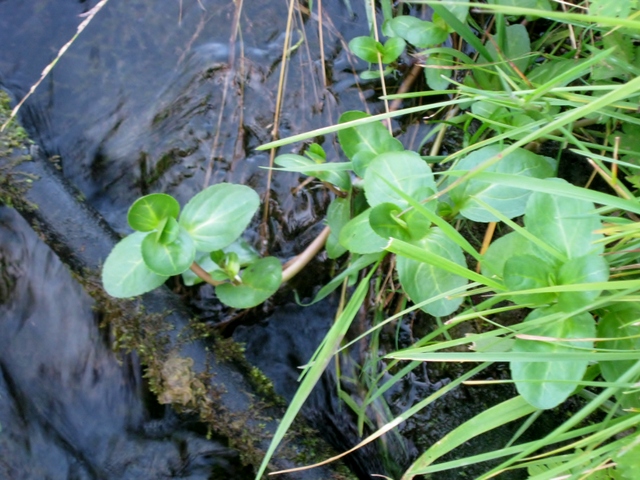
I am not sure what this plant is. I think it might be Bogbean (Menyanthes trifoliata) but I am not sure. My guide says that the emergent leaves of Bogbean have the texture and appearance of broad bean leaves which I would say these do.  However….

IMG_5448Knotgrass

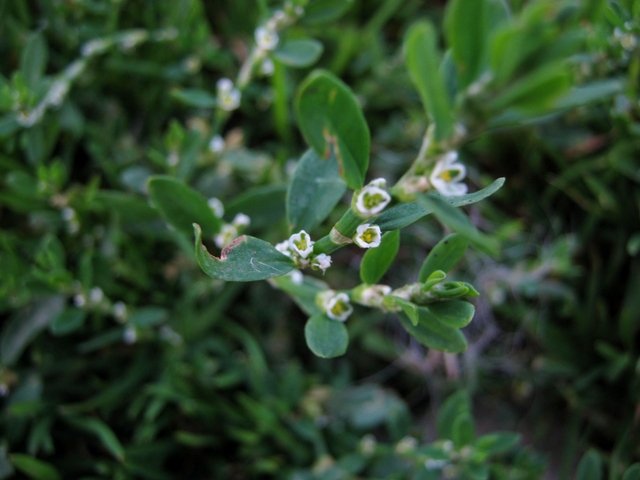
Knotgrass (Polygonum aviculare)

And that was the last photo I took you’ll be pleased to know.  Only when we got back to the house and saw that the correct path went up the same, long, steep hill that we had just climbed and then come down again, but on the other side of that wall that we realised exactly what we had done and what we still had to do.  I must admit that our hearts sank and we suddenly felt very tired.  We did it though; and got back to the car before the sun set.  We were tempted to have a meal in the pub but thought how late we would get back to our caravan if we did so.  We were very thankful to find the car and then return to the caravan site.

Thanks for visiting!
Apologies for the length of the post.


Autumn in a Suffolk Lane – Part 2

Tags

, , , , , , , , , , , , , , , , , , , , , , , , , , , , , , , , , ,

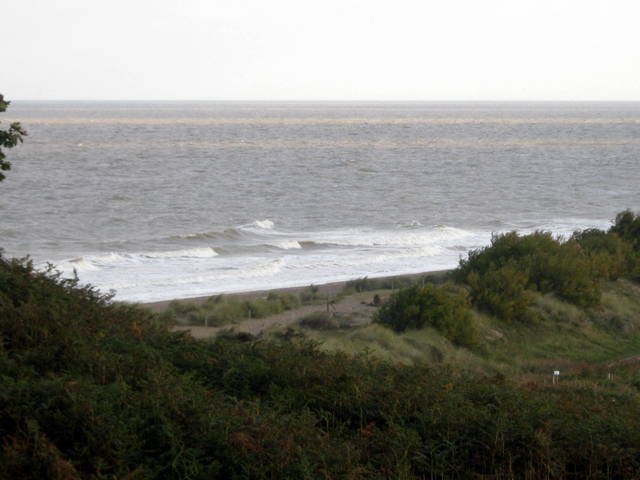
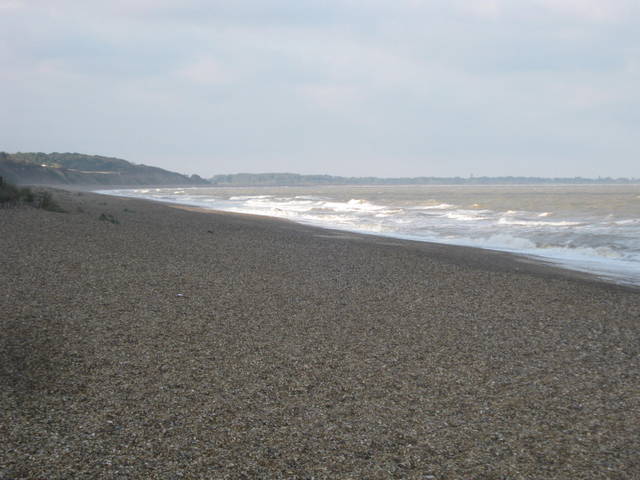
IMG_5766Beach at Dunwich Heath

The beach at Dunwich Heath.

We visited yet another of our local beaches on a very windy, cool afternoon recently.  We only stayed on the beach for a short while because the wind was so biting; Elinor and I both got earache.

IMG_5767Beach at Dunwich heath

The mist in the distance is sea-spray.

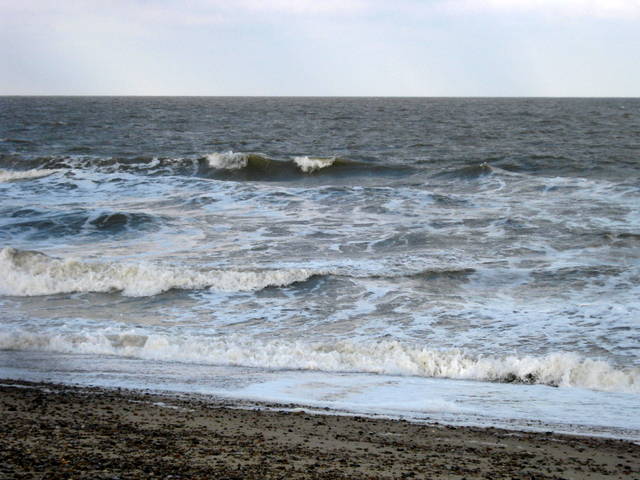
IMG_5768Beach at Dunwich Heath

The waves were quite rough but the tide was going out.

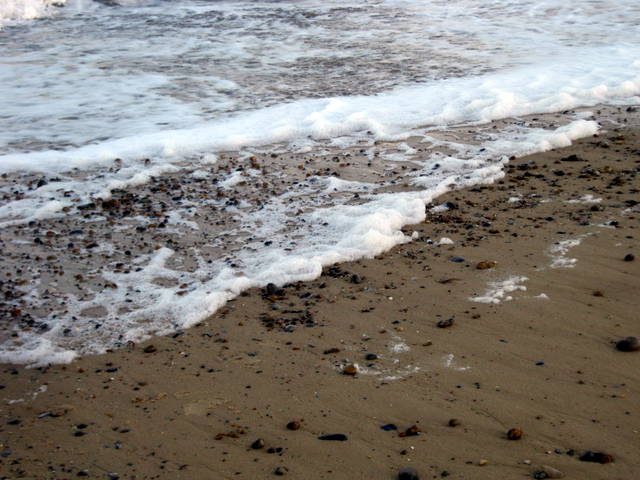
IMG_5769Beach at Dunwich Heath

Foam was left on the sand and was blowing about.

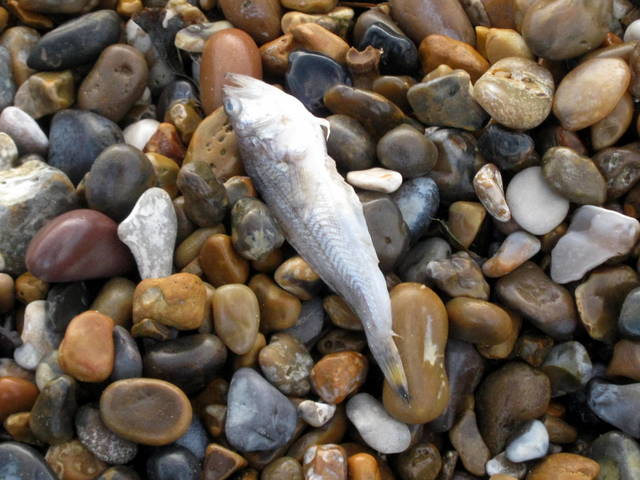
IMG_5770Dead fish

This little fish must have come too close to the shore.

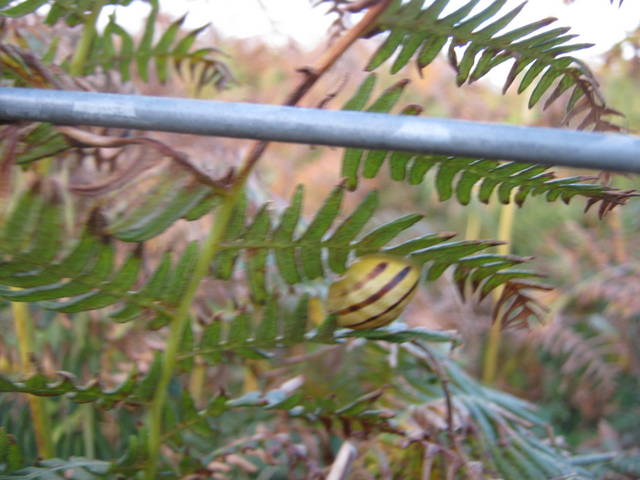
IMG_5771Snail on bracken

This Grove Snail (Cepaea nemoralis) attached to its bit of bracken was swinging about in the wind.

My ID guide suggests that the Grove Snail “is used to demonstrate the survival of the fittest in evolution, because Thrushes eat the snails which are least well camouflaged against their environment.”

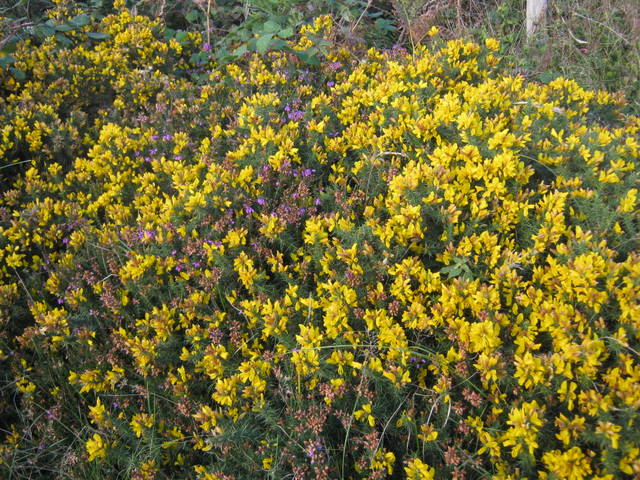
IMG_5772Gorse

The Heather (Calluna vulgaris) was past its best but the Dwarf Gorse (Ulex minor) was looking wonderful

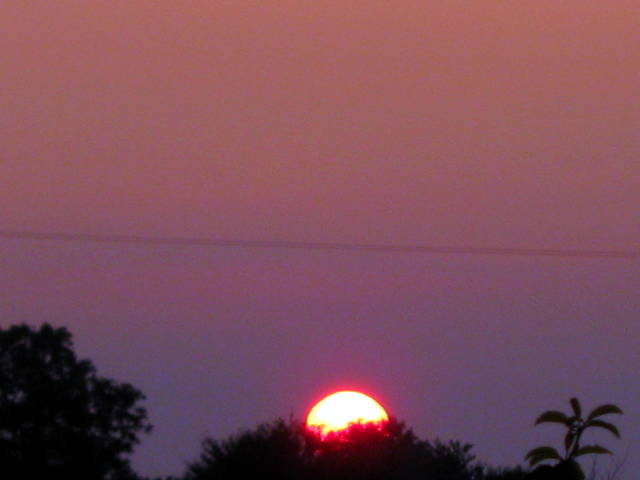
IMG_5776Sunset

Another sunset.

In a post I wrote a couple of weeks ago I mentioned that the bright yellow of the Perennial Sow-thistle was not common at this time of year.  I will have to eat my words because most of the flowers I have seen since then have been yellow!
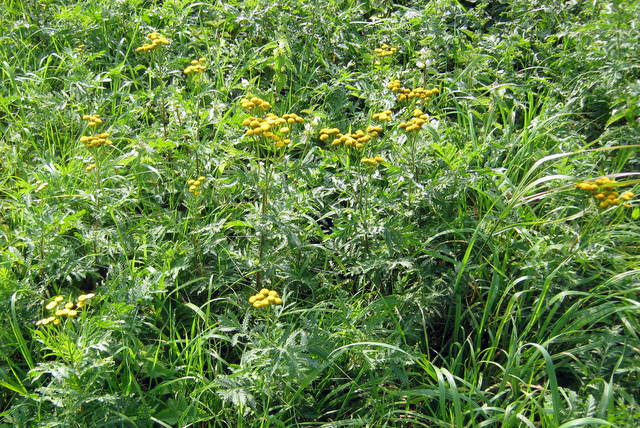
IMG_5778Tansy

Tansy (Tanacetum vulgare) seen on the roadside between Linstead Magna and the village of Linstead Parva *(see below)

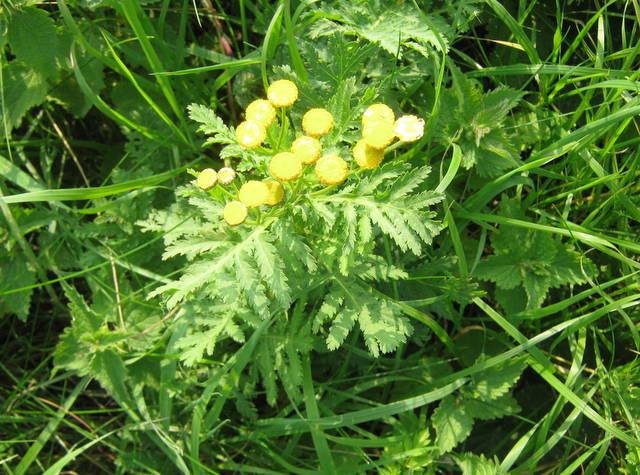
IMG_5779Tansy

The Tansy has very aromatic leaves and the little button flowerheads are made up of disc florets only.

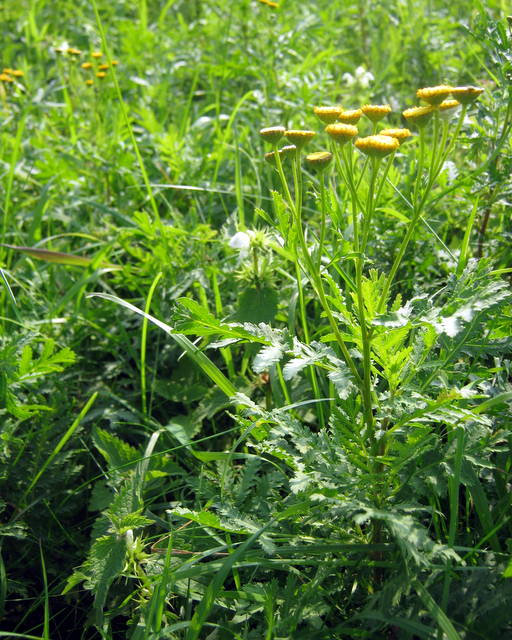
IMG_5780Tansy

The genus name ‘Tanecetum’ and the name Tansy are both derived from the Greek word for immortality. The plant was believed to give  eternal life to the drinker of an infusion made from it.

Tansy used to be used as a flavouring in food until fairly recently.  Egg dishes especially, were enhanced by the use of finely chopped tansy leaves.  Tansy was also used as an alternative to expensive imported spices such as nutmeg and cinnamon and Tansy Cake at Easter was very popular.  Because of the strength of its scent, Tansy was also used as a repellent, keeping mice from corn and flies from meat.

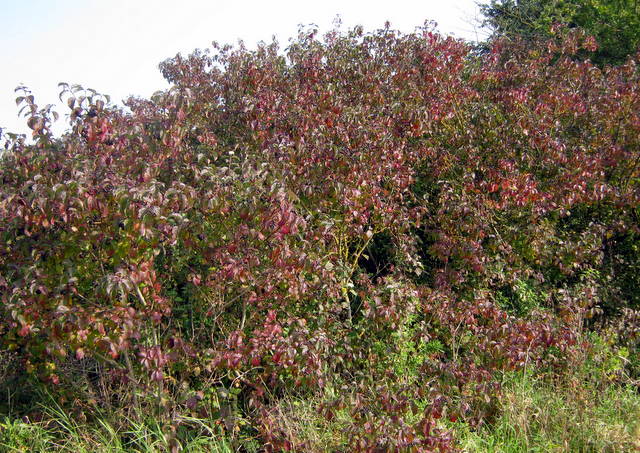
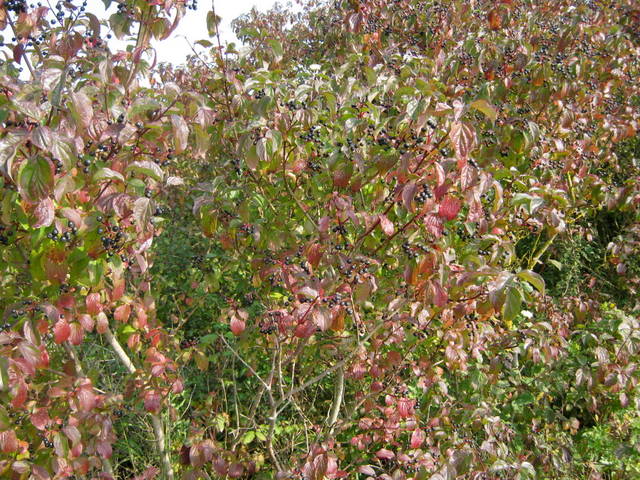
IMG_5781Dogwood

Dogwood (Cornus sanguinea)

Close to where I photographed the Tansy I found this hedge of Dogwood.  It was covered in large black berries – the largest I have ever seen on a Dogwood – and most of  the leaves had turned a beautiful red.  Dogwood leaves are usually a much darker, duller maroon in Autumn.

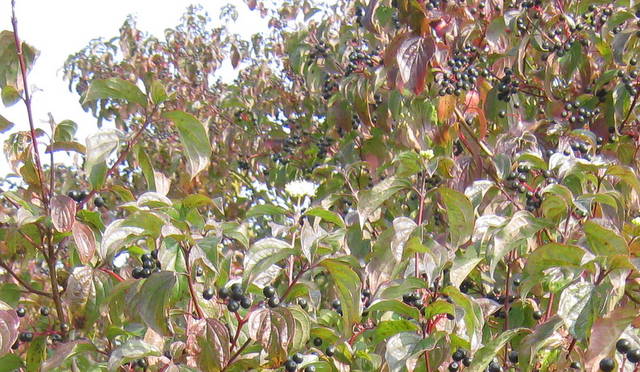
IMG_5782Dogwood

What also surprised me about these Dogwood bushes was seeing flowers in bloom at the same time as the berries and the red leaves.

It isn’t easy to see them in this photo so I cropped it.

IMG_5782Dogwood - Copy

One of the flower-heads is in the centre of this picture.  The couple of weeks of warm and sunny weather we have had recently had fooled the bush into thinking it was spring again.

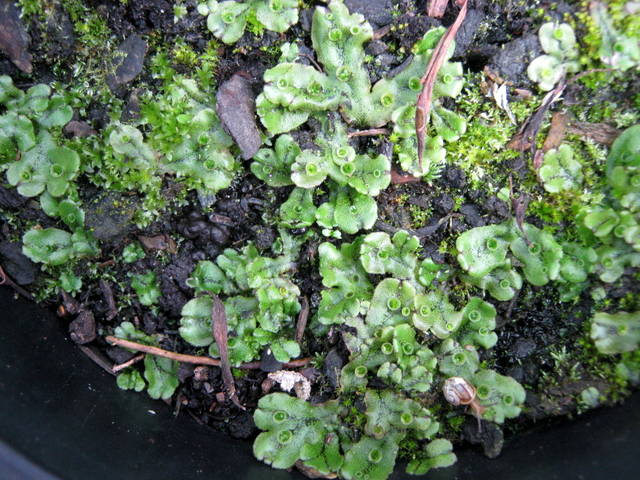
Richard and I have been working in the garden, getting it ready for winter.  I only seem able to get out there a couple of days a week but I have managed to get quite a lot done.  One of my jobs has been tidying behind the garden shed and round the back of the greenhouse.  Behind the shed was rank with weeds, mainly stinging nettles, which I was able to pull out fairly easily as the soil is quite damp there.  I had stored lots of pots and tubs full of spring bulbs behind the greenhouse so these have come back out to be smartened up and got ready for next spring.  I discovered other flowerpots that should have been emptied and cleaned ages ago.

IMG_5783Marchantia polymorpha liverwort with snail

This pot was covered with liverwort Marchantia polymorpha. It has little green cups on the leaf-like structures (thallus). Do you see the baby snail?

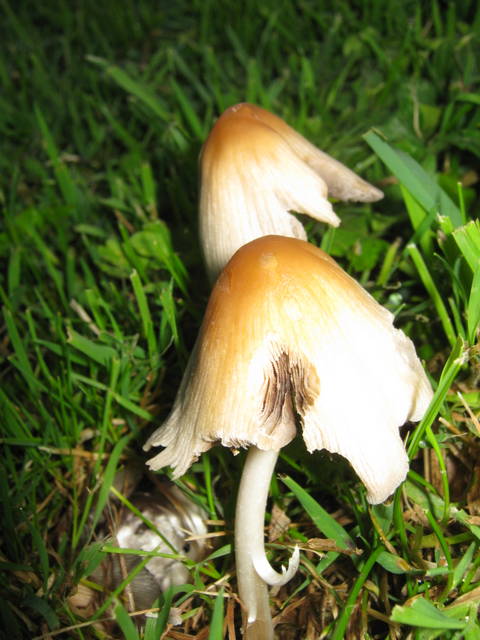
IMG_5818Fungus

We have a lot of fungus all over the grass in our garden. Nothing exciting or colourful, just brown and cream-coloured toadstools. These had been nibbled by something.

Two other unidentified types of fungi.

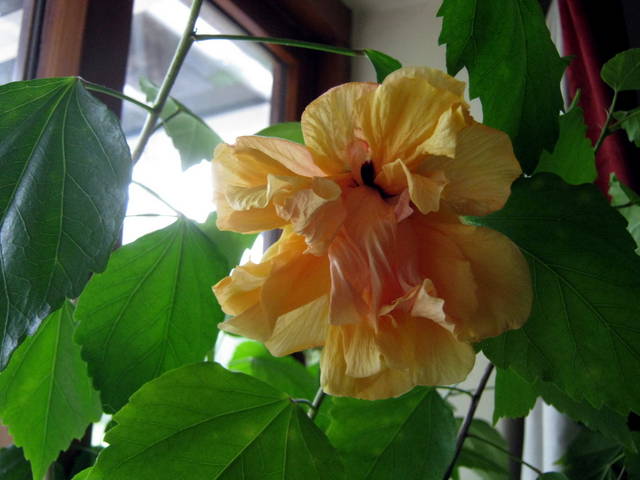
IMG_5786Hibiscus

I have had this Hibiscus for about 26 years. It was a gift from my ex-mother-in-law who brought this with her when she came to see us when Alice was a tiny girl.

I love these double flowers – the peach petals have dark crimson bases.

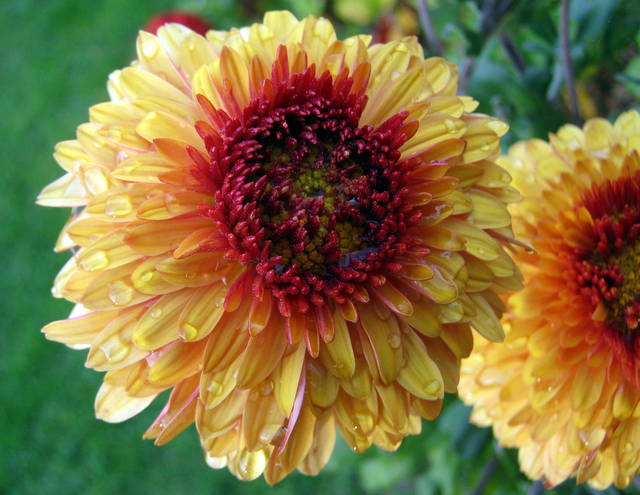
IMG_5788Chrysanthemum

Richard has a new Chrysanthemum flower

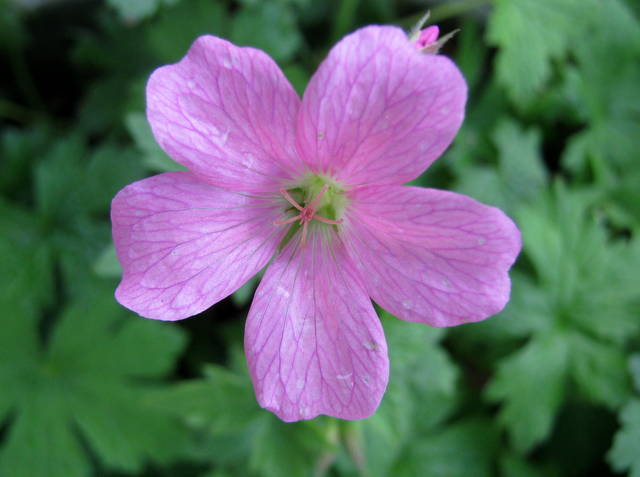
IMG_5789Geranium

My Geraniums are still flowering

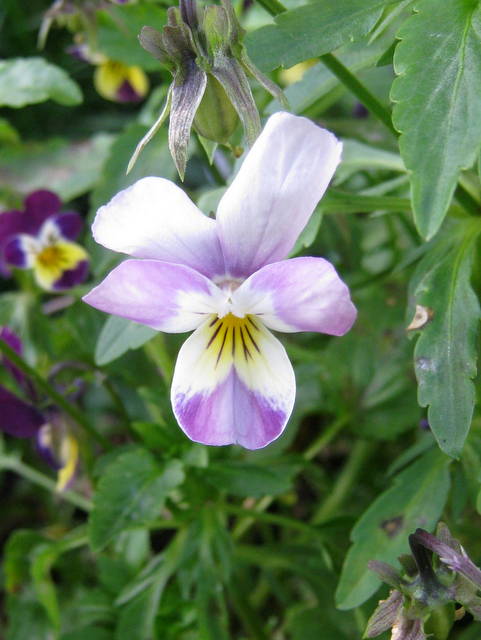
IMG_5792Viola

I like this pretty Viola

Three different Michaelmas Daisies

IMG_5808Salvia

Salvia

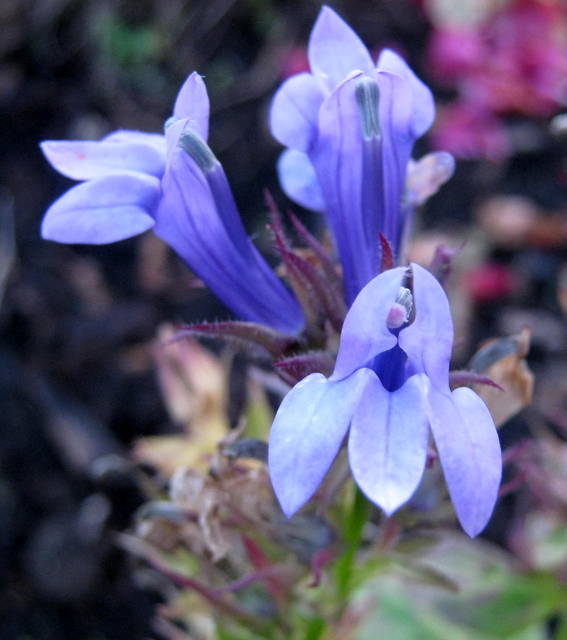
IMG_5811Astrantia

The three ages of Astrantia

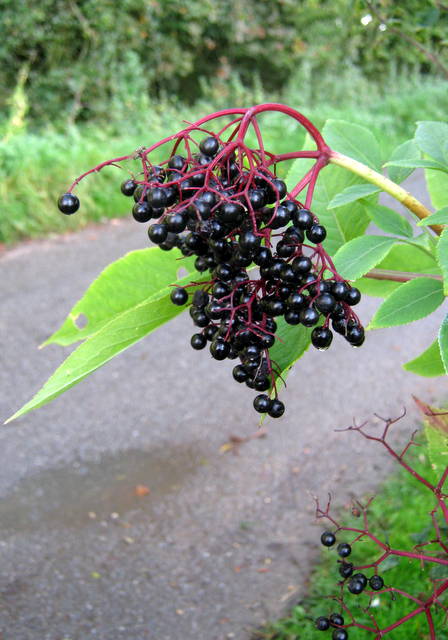
IMG_5793Elderberries

Elderberries from the bush at the end of the drive.

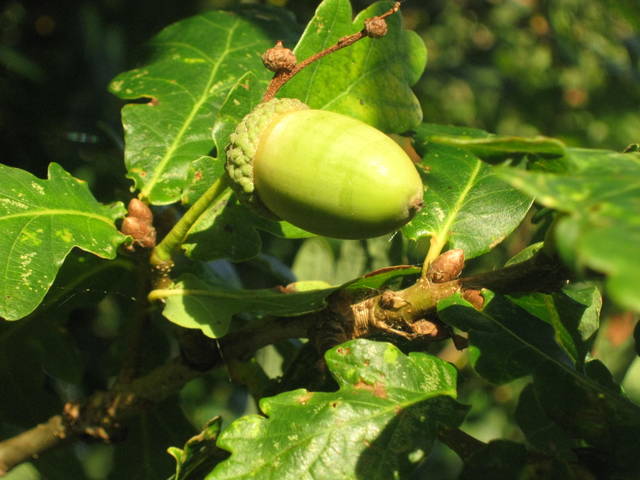
IMG_5805Acorn

Acorn  This is the first time in years that these acorns aren’t affected by Knopper galls.

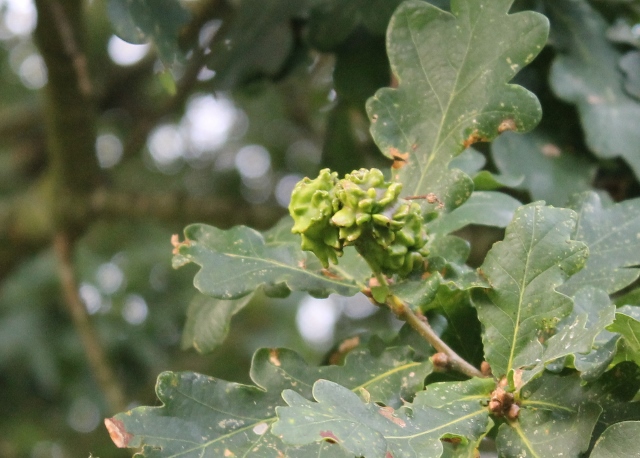
018Acorns with galls (640x458)

This is a photo I took last year of Knopper gall damage on acorns

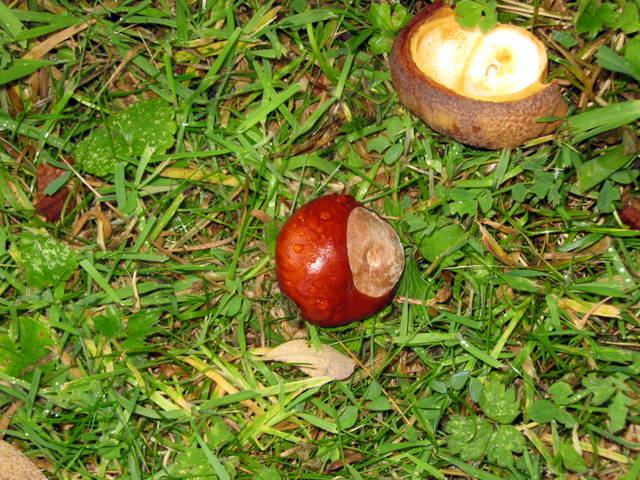
IMG_5806Conker

‘Conker’

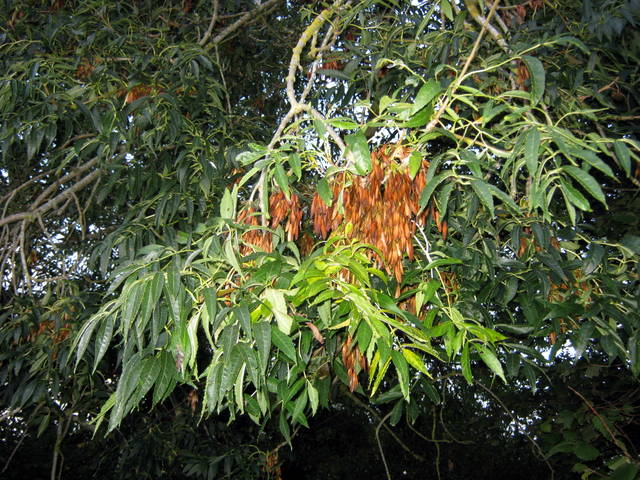
IMG_5815Ash keys

Ash ‘keys’

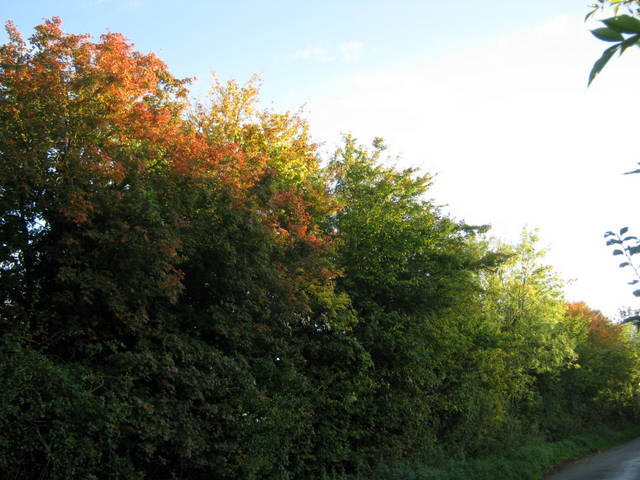
IMG_5795Autumn colour

The trees in our lane

IMG_5812Silver birch

Our Silver Birch is changing colour

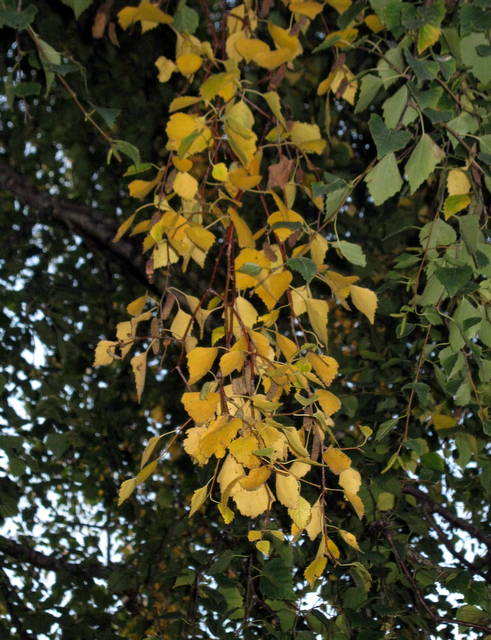
IMG_5813Birch leaves

Birch leaves

IMG_5797Pyracantha

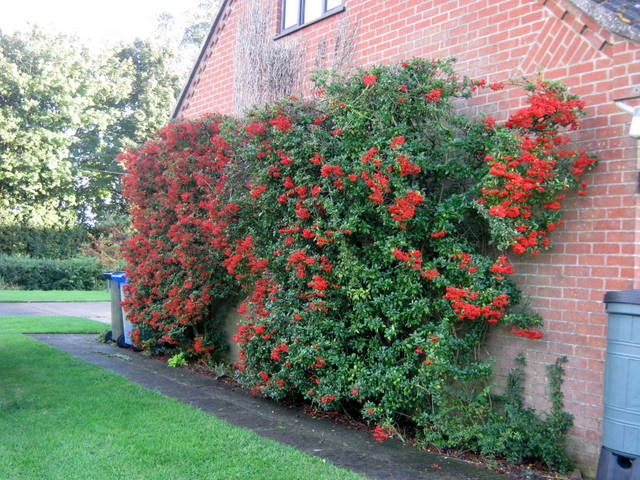
I pruned our Pyracantha recently

IMG_5821Apple tree damage

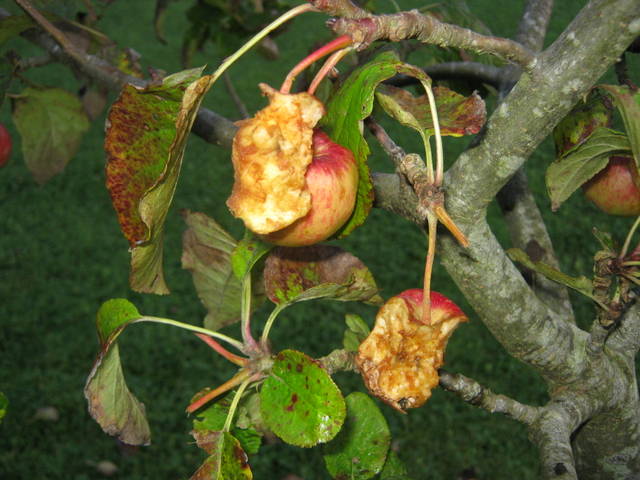
We not only had a lot of aphid damage to our apple trees in the spring and early summer but the apples on this tree are now being eaten by Moorhens!  It is odd seeing water birds wobbling about in the trees gulping down our apples as fast as they can.
We are getting a little tired of next-door’s free-range chickens in our garden all day.  They kick about in the flower beds and damage seedlings; they peck off flowers and generally make a mess of the paths, beds and compost heaps in the garden.  We have spoken to our neighbours about it a few times but they don’t appear to have any intention of keeping their chickens on their own land.  They have a constant supply of chicks too.

Linstead Magna (large/greater Linstead) is now a small collection of houses and farm buildings.  The church no longer exists but I spoke to someone some years ago who remembered the church and used to attend it.  For more information about this church see here.

Linstead Parva (small/lesser Linstead) is a pleasant little village with a pretty church.  In spring the churchyard is covered in snowdrops and other spring flowers.

Thanks for visiting!