Tags
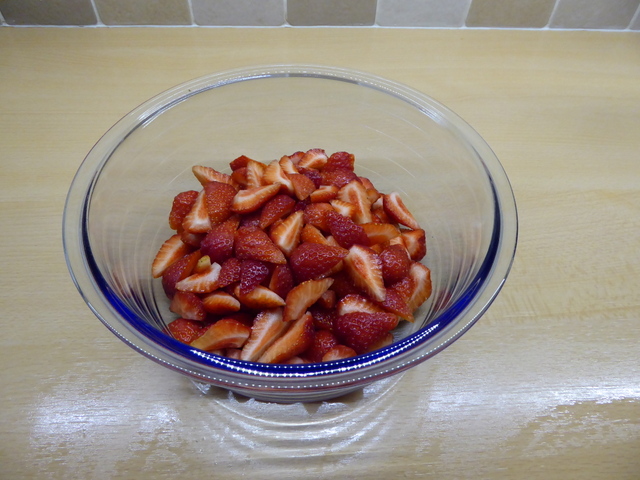
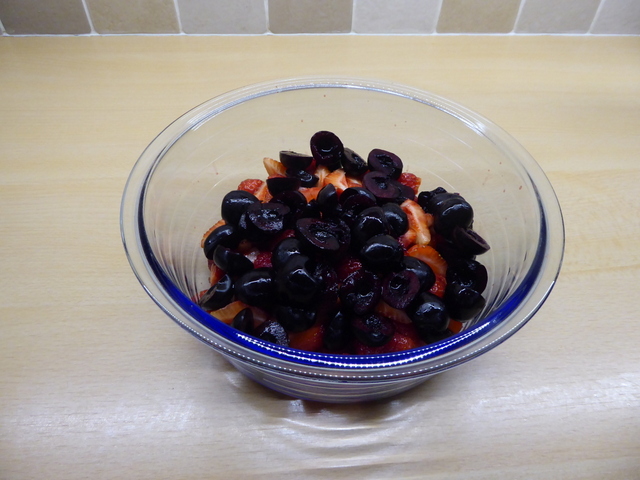
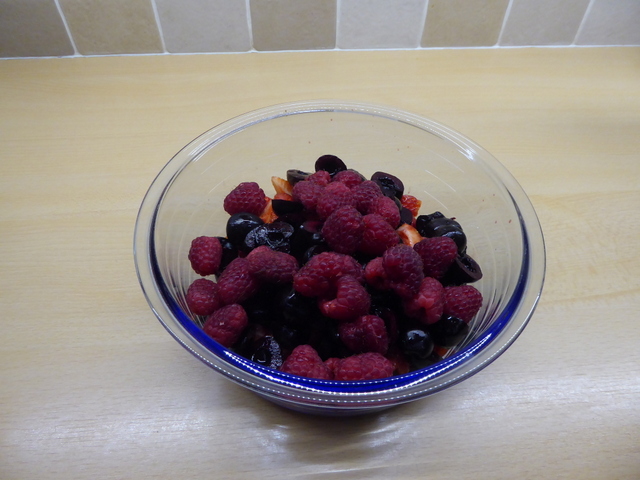
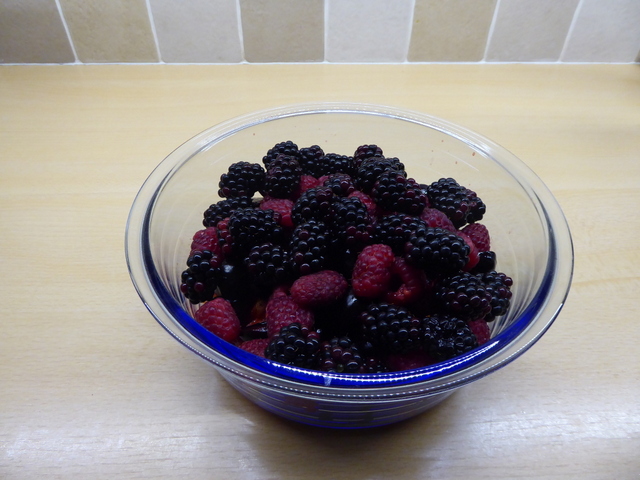
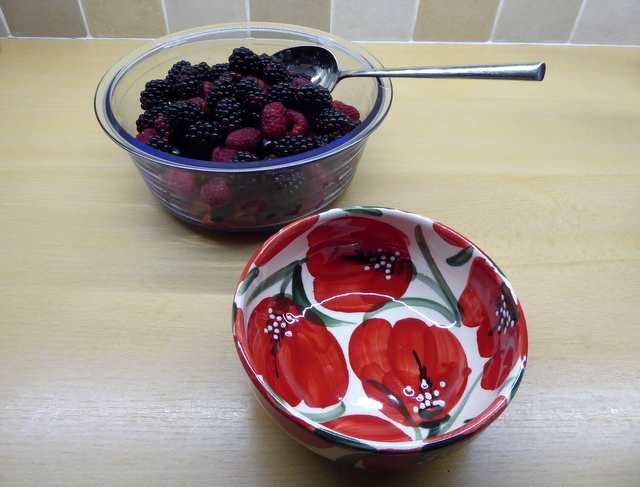
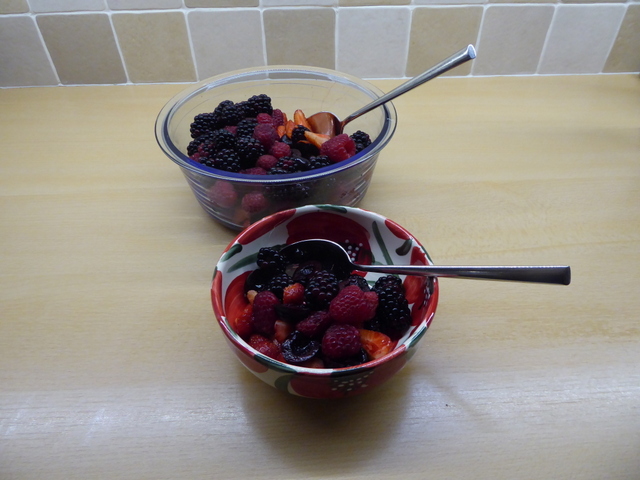
There is nothing better, on a cool and cloudy, wet and windy evening in August, than a fruit salad.
What would you prefer –
02 Wed Aug 2017
Posted in food, Rural Diary
Tags
There is nothing better, on a cool and cloudy, wet and windy evening in August, than a fruit salad.
What would you prefer –
29 Sat Jul 2017
Posted in plants, Rural Diary, walking, wild flowers
As you know, we have been busy with home improvements this year so haven’t had the time to go on our usual walks very often and I haven’t taken as many photos as usual. Richard and I did manage a walk or two in April along the lanes and over the fields.
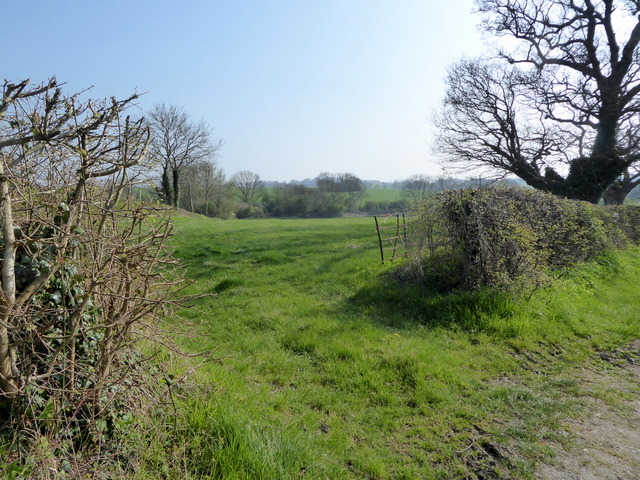
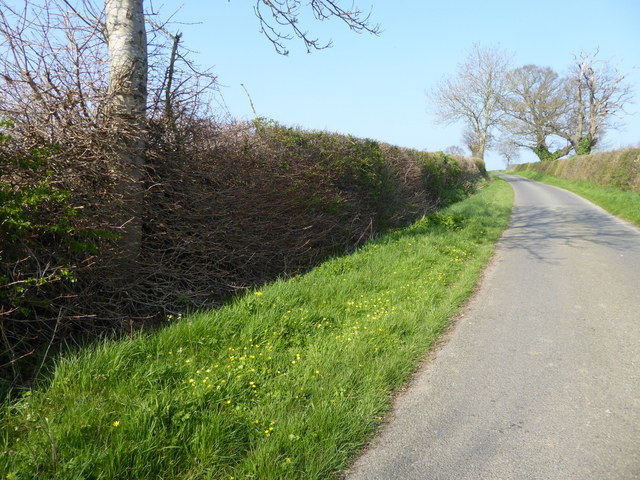
Our local farmer has taken to sheep farming in recent years and this year he coppiced many of his overgrown hedges and then waited to see what came up again. He has selected the plants he wishes to retain in the hedges and has cut out the rest. He has put up stock fencing next to the new slim-line hedge and all is looking very different now.

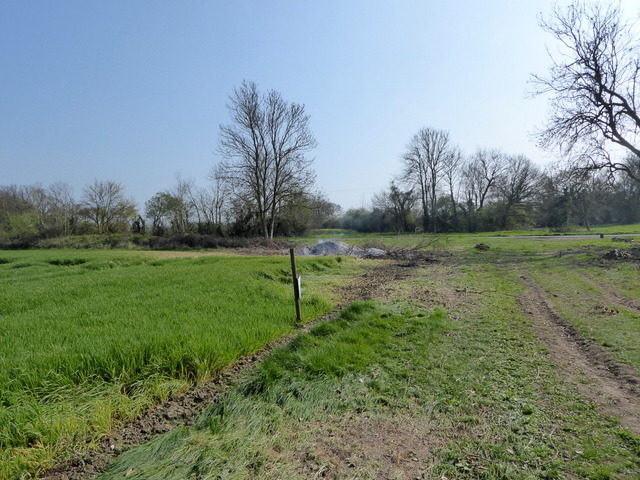
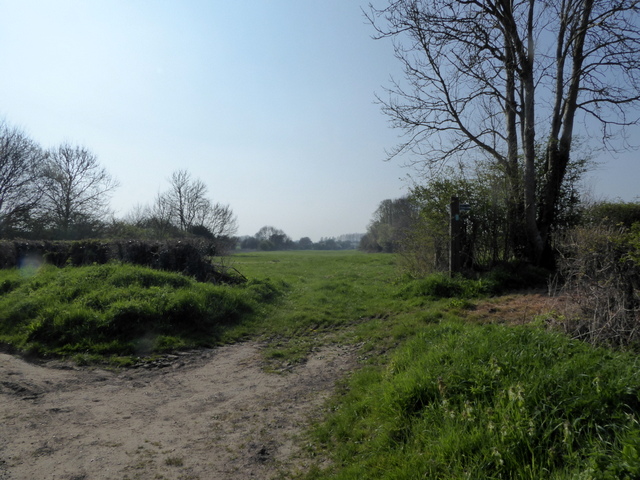
We took our usual walk across the fields just after the coppicing had been done. All the heaps of wood were burnt and you can see a smouldering heap of wood-ash in the centre of this picture.

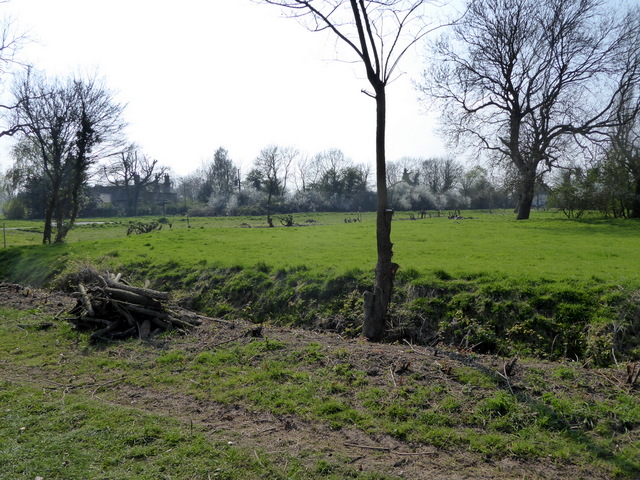
The last time we had walked this route there had been a thick hedge just in front of the ditch in the foreground.
I was quite concerned about the loss of the hedges because they are usually full of nesting, singing birds in the spring. However, the farmer does care about the local wildlife and had left reassuring notices next to the ex-hedges stating what he was intending to do.

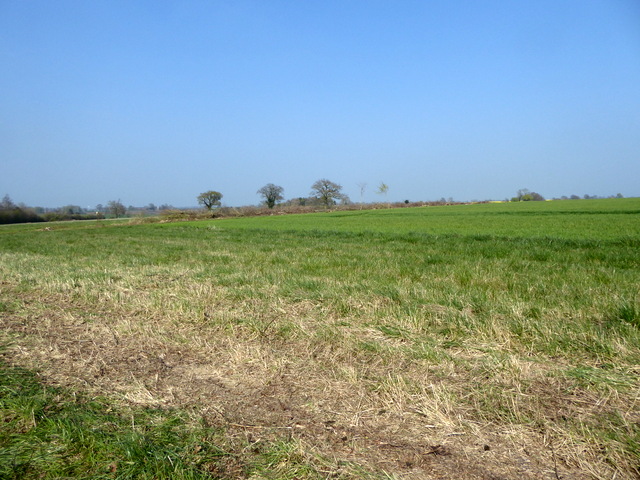
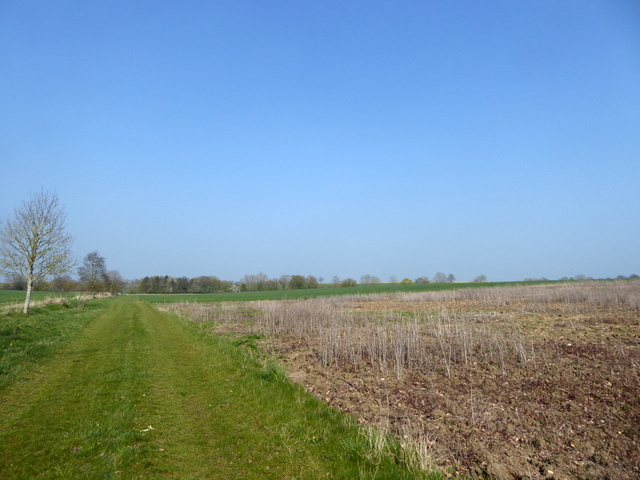
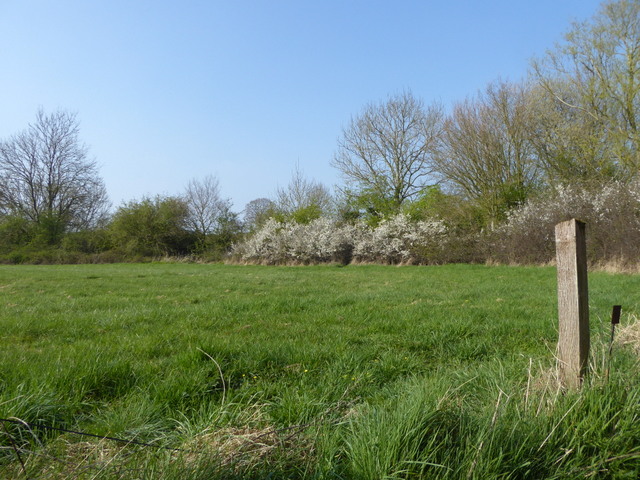
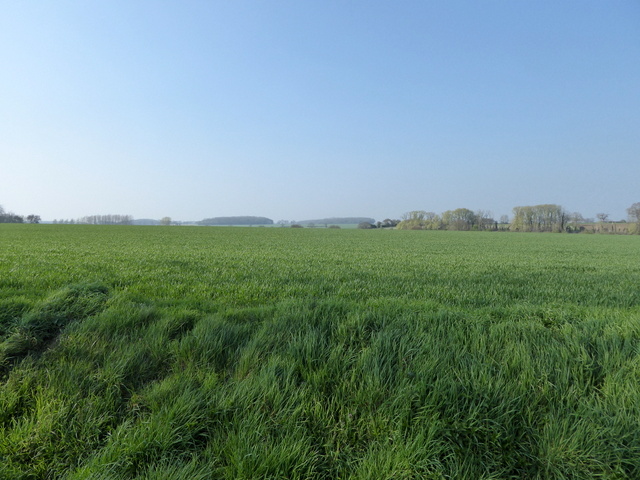
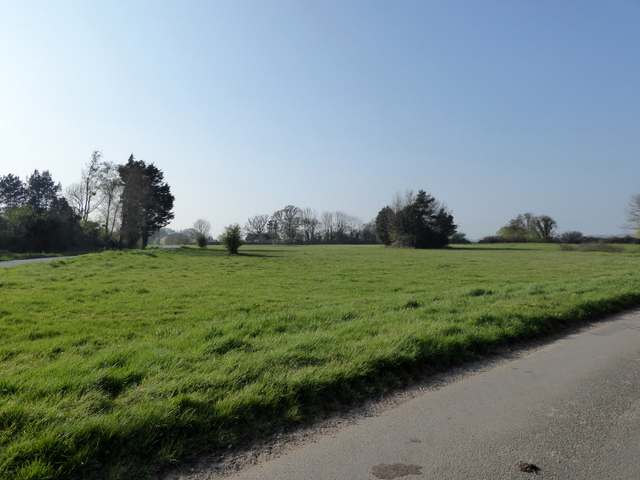
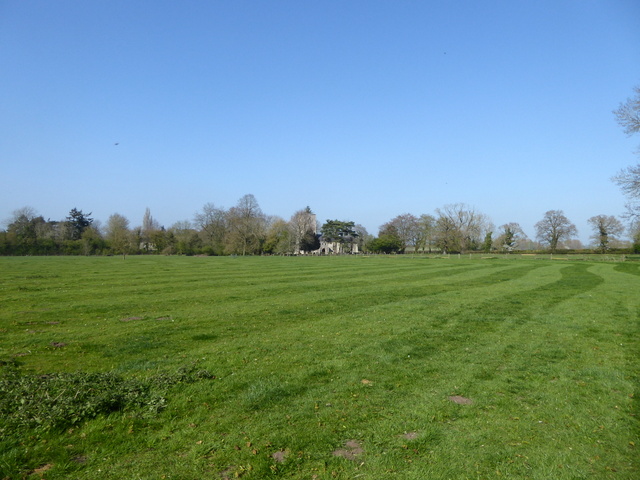
A view across the open fields. This walk was taken at the beginning of April while the weather was still bright and warm.

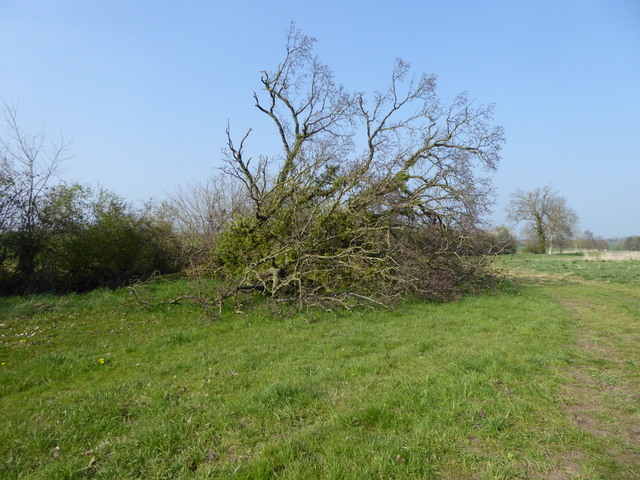
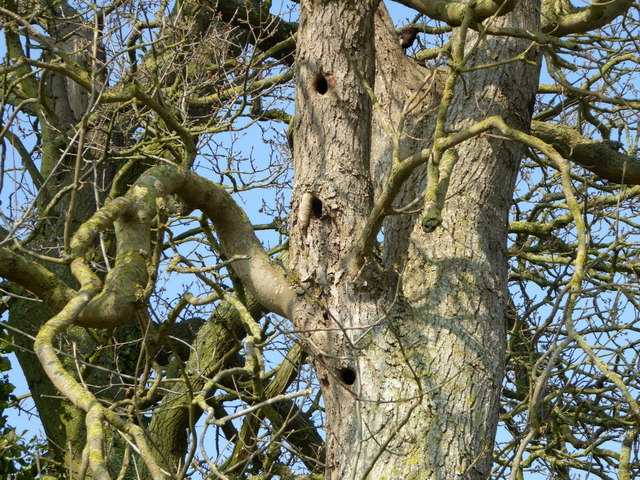
This oak tree had been blown down in storm ‘Doris’. The green you can see is the ivy that had been growing up the tree trunk. Most healthy trees can cope with ivy growing on them and this one had seemed to be healthy.

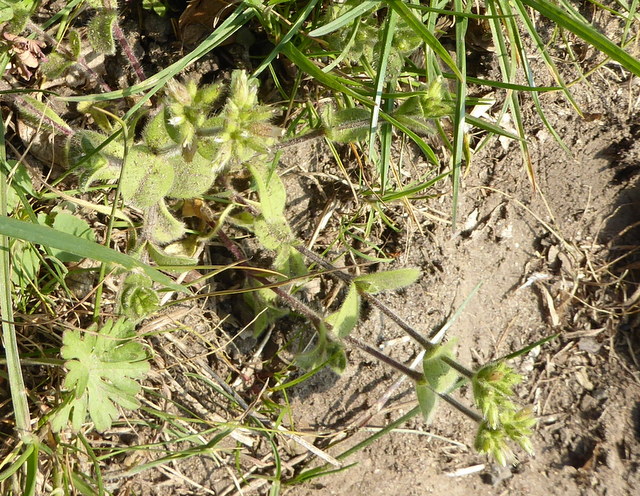
This rather dull and unassuming little plant (not a clear photo, I’m afraid) has the interesting name of Sticky Mouse-ear (Cerastium glomeratum)! The leaves are the shape of a mouse’s ear and they are also sticky as you can see in the photo; the leaves are covered with grains of sand.
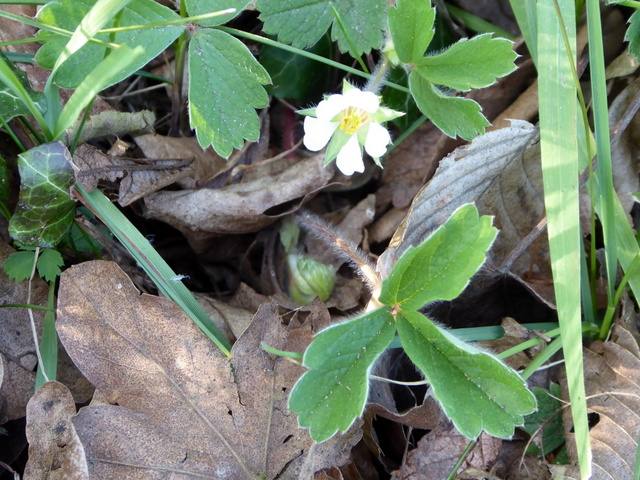
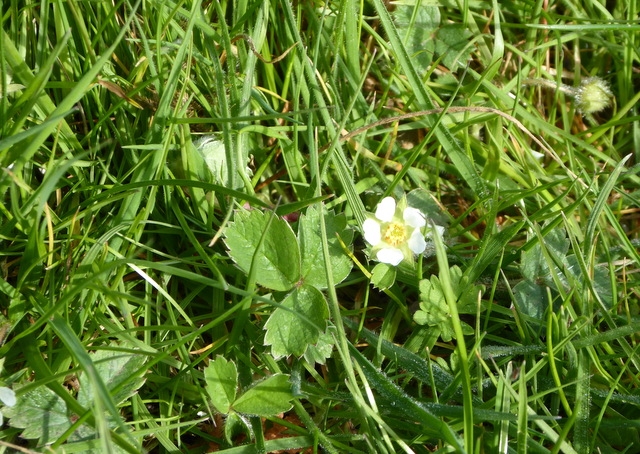
It is easy to tell the difference between a Wild Strawberry and a Barren Strawberry even if there are no flowers to be seen. The leaves of the Barren Strawberry are a mid-green colour and are matt whereas the Wild Strawberry leaves are shiny and yellow-green. The leaves of both plants are toothed but the Barren Strawberry’s terminal tooth (the one at the tip of each leaflet) is smaller and shorter than the ones next to it. You can see this quite clearly on the photo above. The Wild Strawberry’s terminal tooth is as long as or longer than the ones next to it. The flowers are different too. The Barren Strawberry flowers have large gaps between the petals and the sepals are clearly seen in the gap. The Wild Strawberry’s petals are close together and the sepals are hidden behind them.

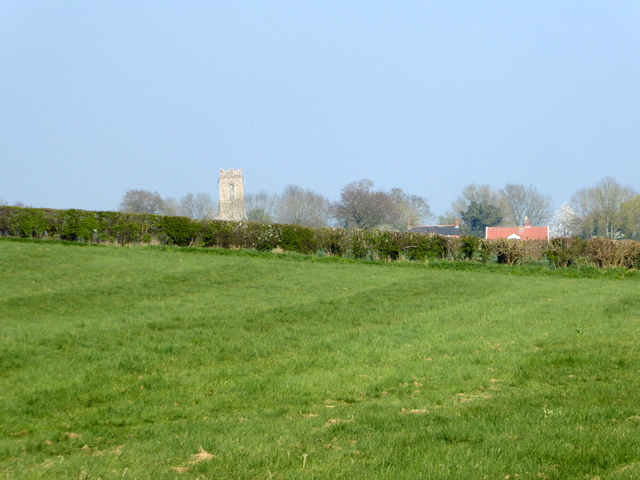
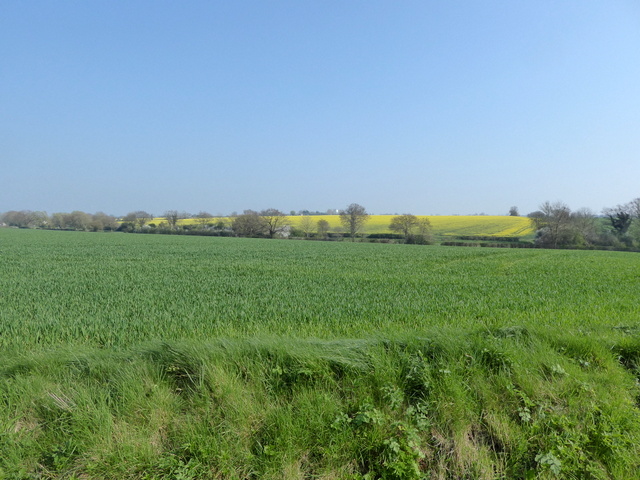
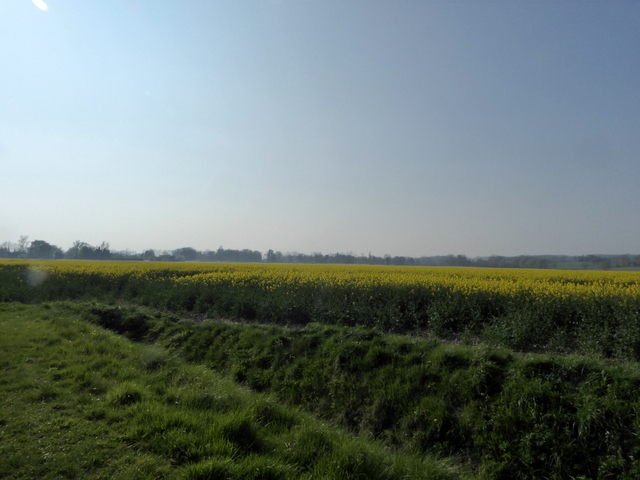
Another view from our walk. The field close-by has barley or wheat growing in it; the yellow field in the distance is of oil-seed rape.

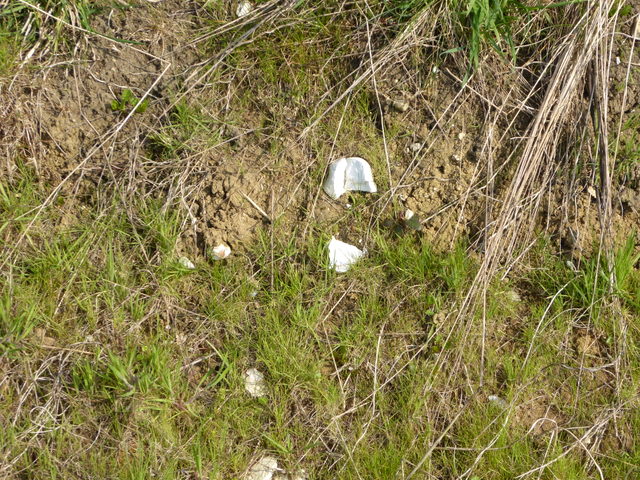
This photo is of the bank of a ditch and shows the lumps of chalk that can be found in the clay soil here
Most of the Mercury that grows here is the perennial Dog’s Mercury which is found in (sometimes) large swathes under hedges and in the woodland. The Mercury in the photo above is the Annual Mercury which doesn’t grow in swathes and is branched (unlike the Dog’s Mercury). It is not a native plant but has been here for at least 1000 years, introduced from mainland Europe.
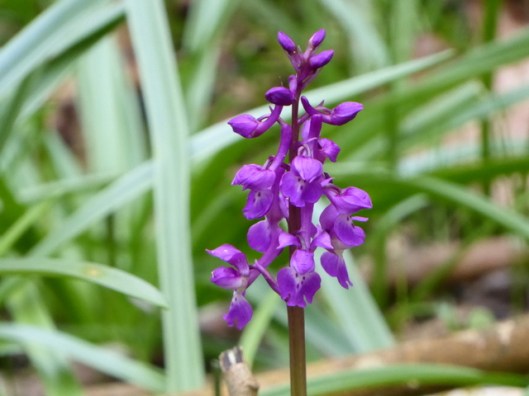
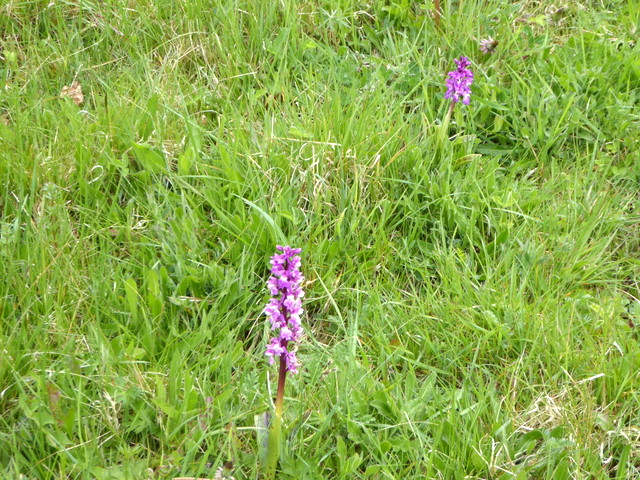
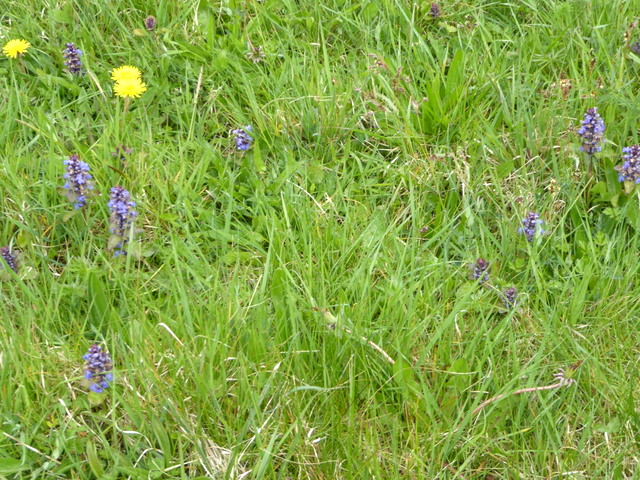
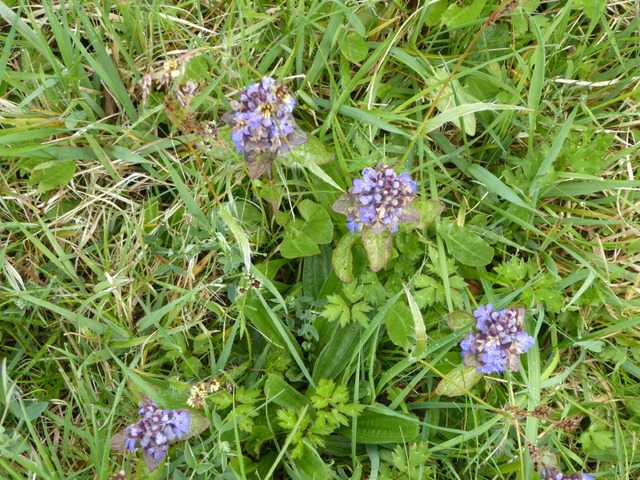
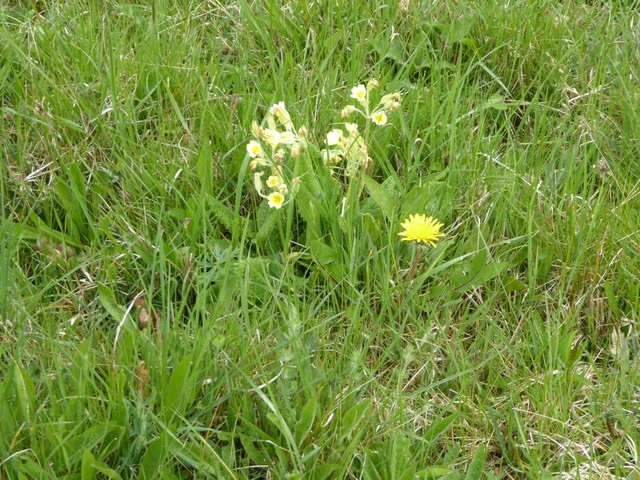
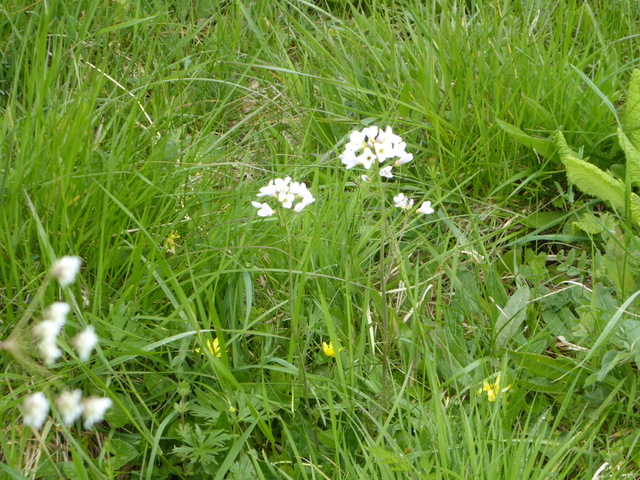
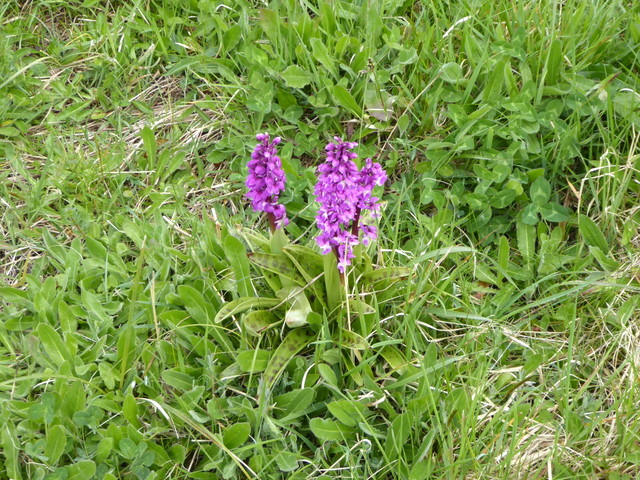
Another short walk we took was to view the orchids flowering along the verge near to us.
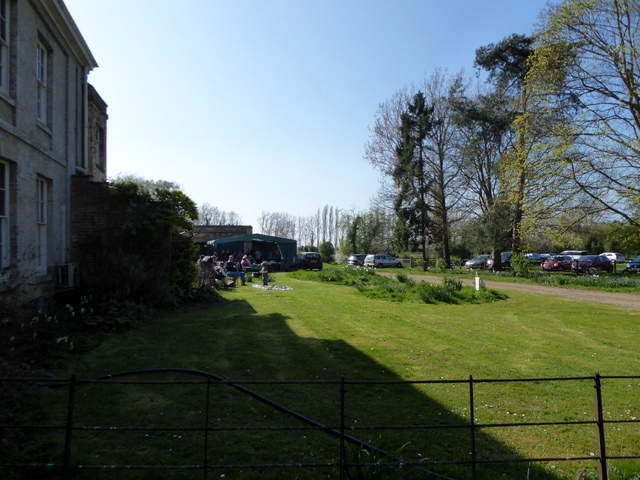
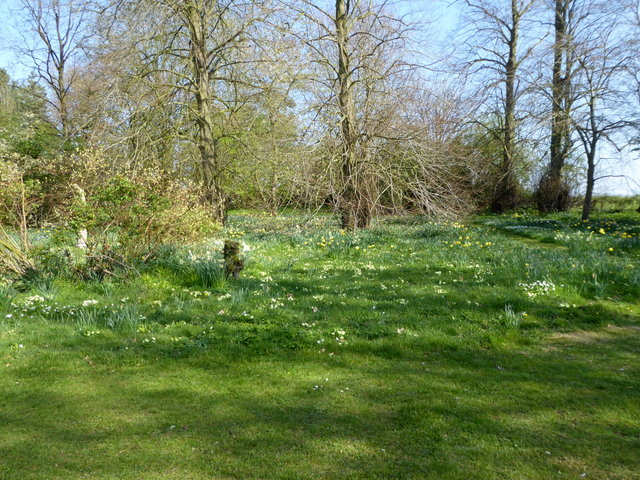
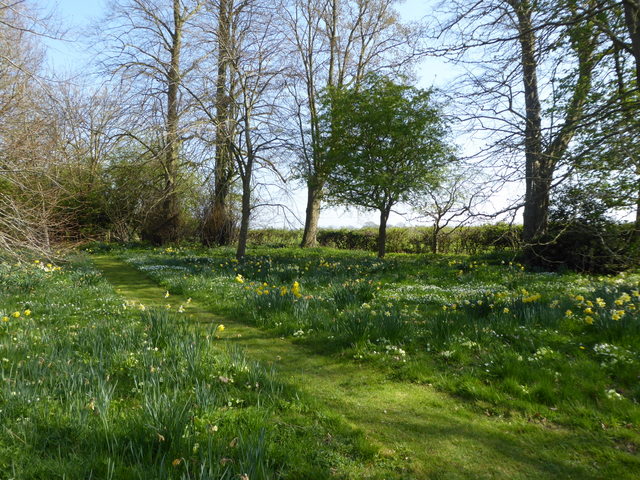
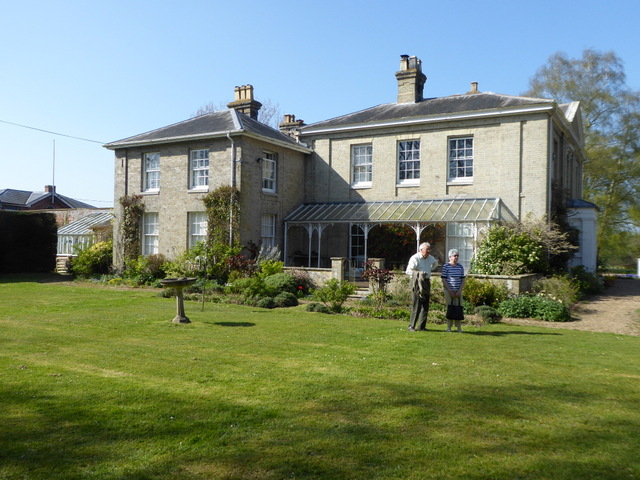
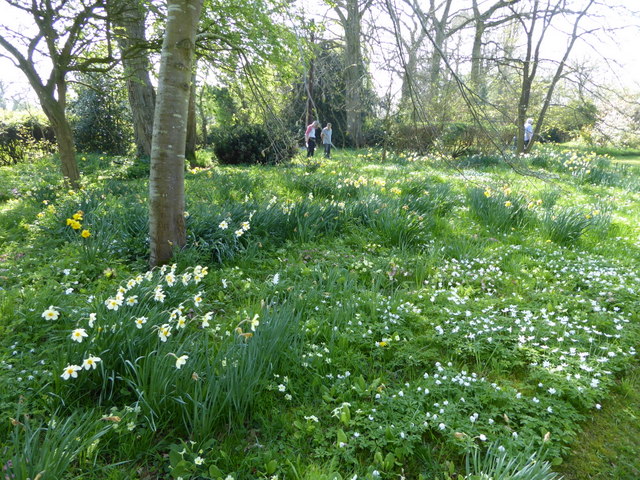
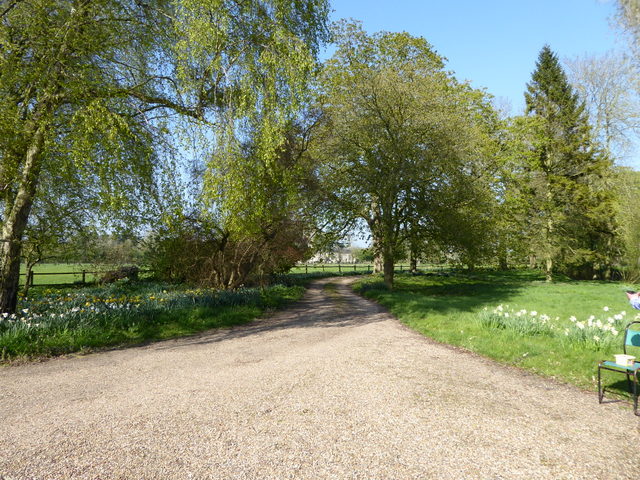
Richard and I also called in at our neighbour Cordelia’s Daffodil Sunday when every year she opens her beautiful garden to the public in aid of St. Margaret’s church.
I apologise for the length of this post!
My music choice this time is ‘The Banks of Green Willow’ by George Butterworth
Thanks for visiting!
03 Mon Jul 2017
Posted in Gardening, Insects, plants, Rural Diary, trees, wild flowers
Tags
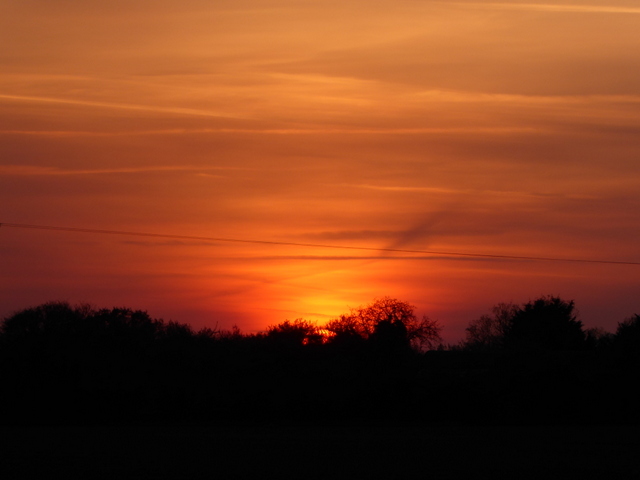
blossom, butterfly, daffodils, flowers, fruit trees, gardening, plants, spring flowers, Suffolk, sunset
Let me take you back in time……
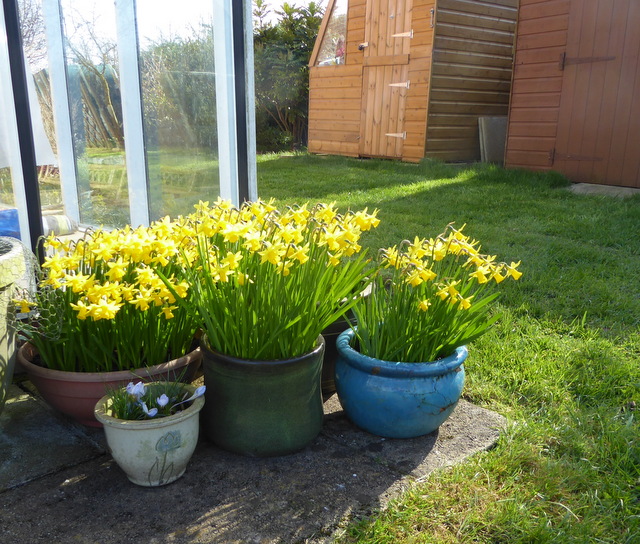
The daffodils this spring were marvellous! We had a few warm days at the beginning of April that brought the flowers forward and then from Easter onwards the weather was decidedly chilly. Very dry but chilly and with very little sunshine.
The white daffodils look just like butterflies when a breeze catches them! Most of these flowers are scented as well.
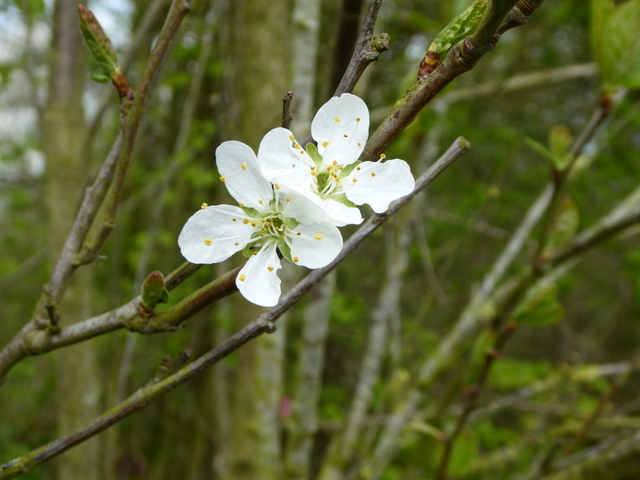
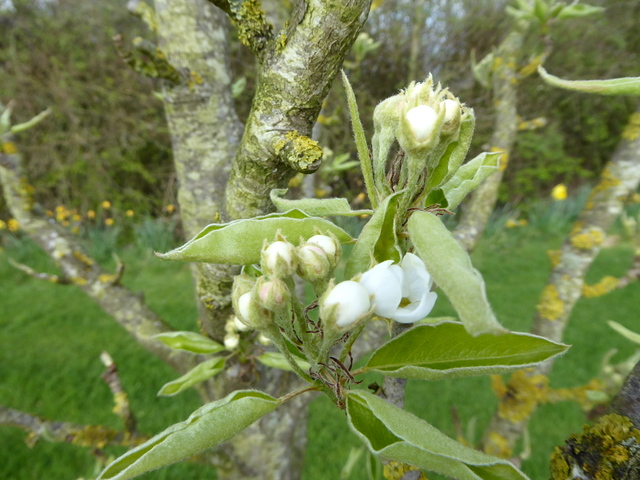
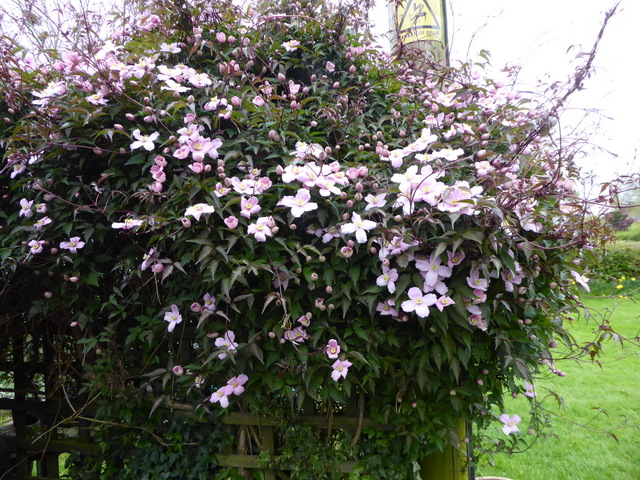
The blossom on the fruit trees was good this spring.
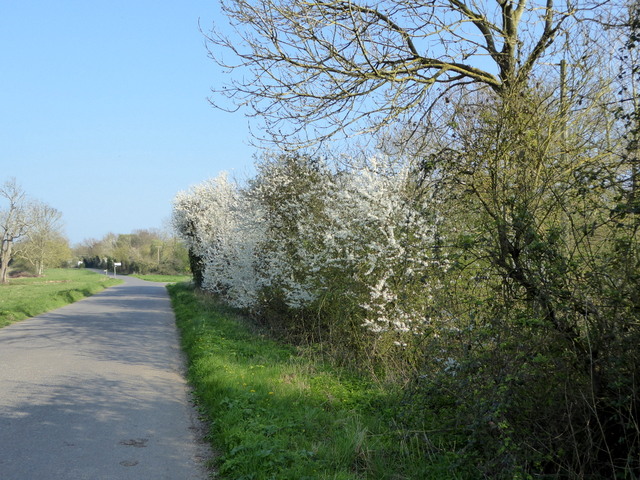
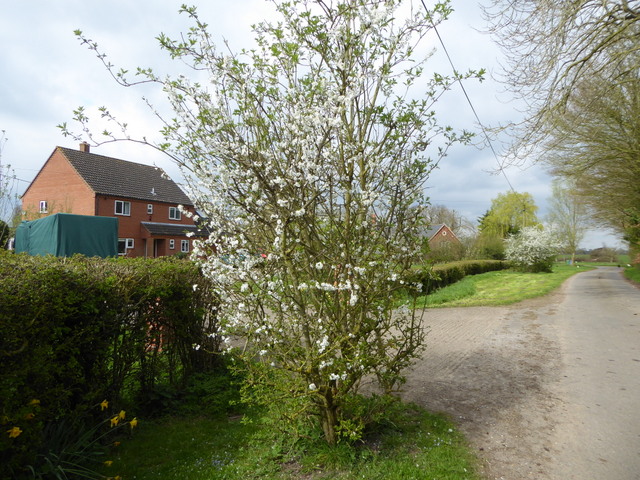
Other trees with blossom looked wonderful this spring too.
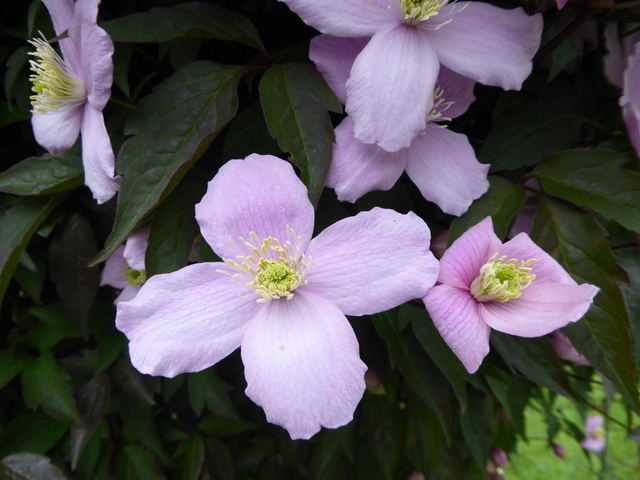
I took photos of some of the plants in the garden.

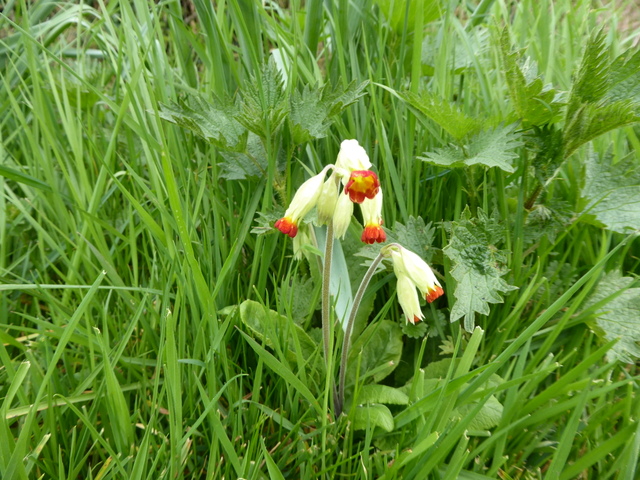
We have a number of orange and red cowslips that grow here and there about the garden. I have started to gather them into one place so they don’t get mowed before they set seed.
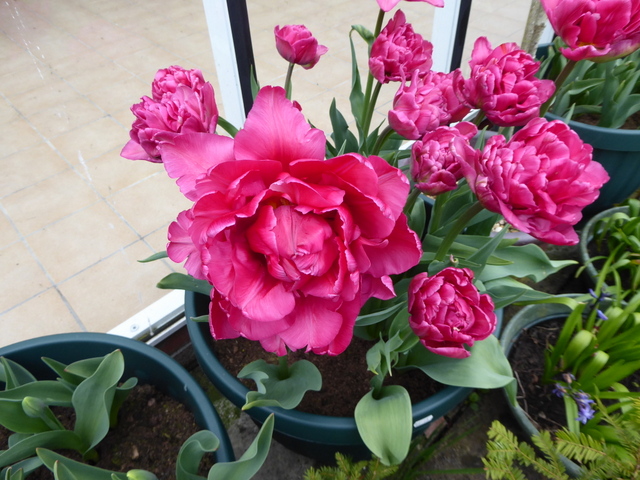
Last autumn I ordered some tulips and planted them in large tubs. I was glad I did when I saw the damage the deer had wreaked on those planted in the borders! I covered the tubs in wire mesh and left them at the back of the house to over-winter. I had no mouse, vole or deer damage at all!

These lovely tulips look more like peonies! Because of the cool spring they were in flower for nearly a month.

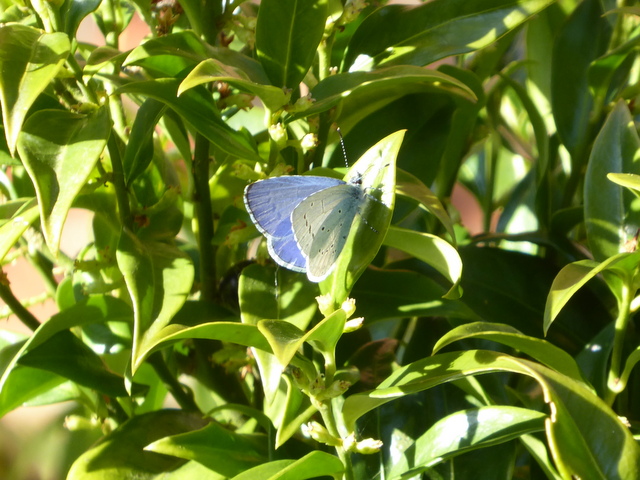
This is a male Holly Blue butterfly (Celastrina argiolus). There were a number of these flying in the garden at the end of April.
This post has taken me weeks to write because I have been so busy and tired! I thought about abandoning it a couple of times because of its lateness but decided to post it after all and I hope you will forebear with me.
My choice of music is ‘Schmetterling’ (Butterfly) by Grieg, one of his Lyric Pieces.
Thanks for visiting!
06 Tue Jun 2017
Posted in churches, Gardening, Insects, plants, Rural Diary, wild birds, wild flowers
We weren’t very adventurous this spring, staying close to home and taking things easy, so there wasn’t too much to blog about.

Marsh Marigold (Caltha palustris ) The flowers are in the centre of the bloom and have no petals. The 5 – 8 petal-like sepals are bright shiny yellow.

Peacock butterfly (Inachis io) It was very sluggish and was still in the grass outside the church when we came out again.
They constructed a nest on the island in the middle of the big pond but after ten days it was abandoned. Feathers were spread everywhere. We don’t know what happened but we suspect an otter or an American mink was to blame.

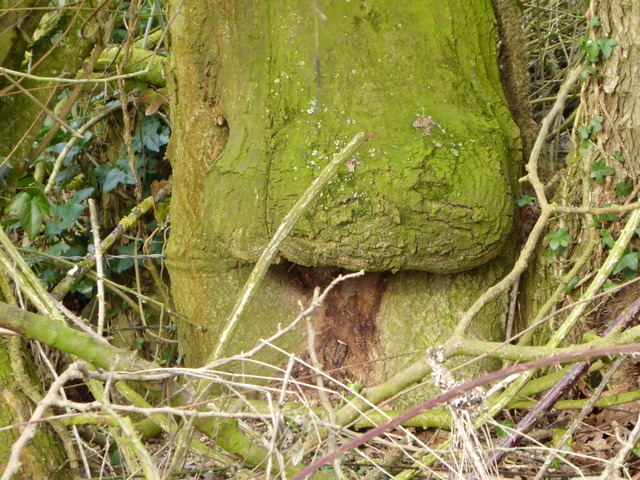
After we lost our summerhouse in the storm earlier this year we spent some time clearing the area behind it and discovered this tree with the deformed trunk. What could have caused this?

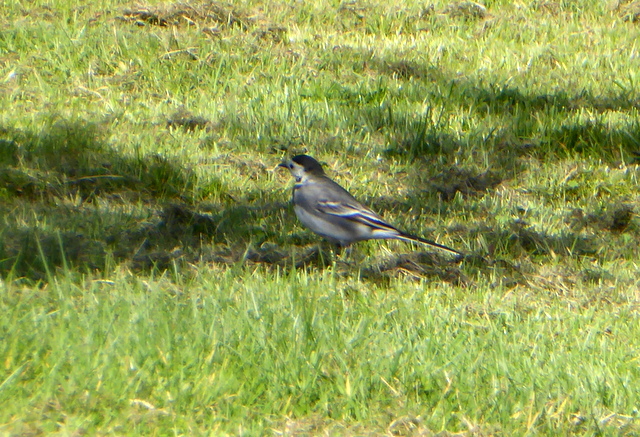
We enjoy seeing all the birds that visit our garden including the Pied Wagtails (Motacilla alba). Not a good shot as the bird hurried into the dappled shade just as I took its picture.

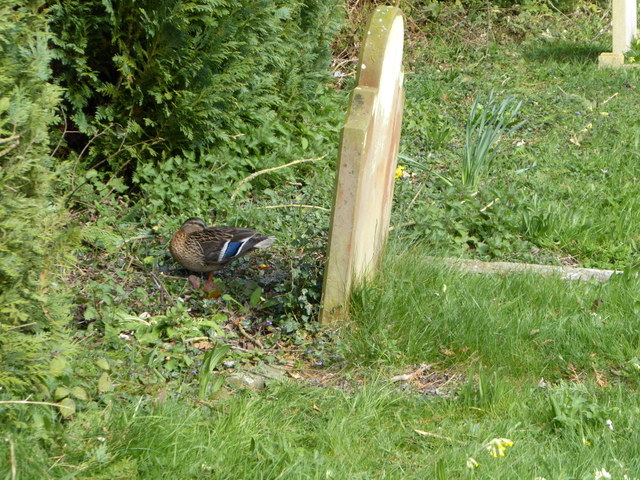
On a visit to our church at Rumburgh we saw this Mallard duck (Anas platyrhynchos) resting in the shade of a gravestone.

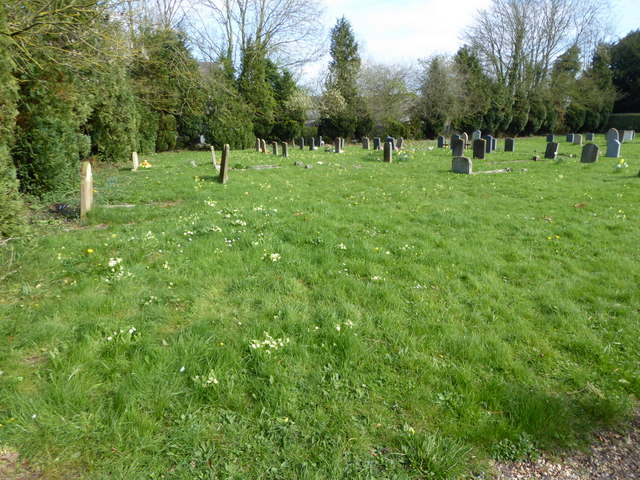
I love the informality of our country churchyards and I like to see the wild flowers there. The wild flowers are just as much God’s work as any garden flower or exotic bloom. They have a haven in our churchyards and should be safe from herbicides.
Meanwhile, back in my garden…..

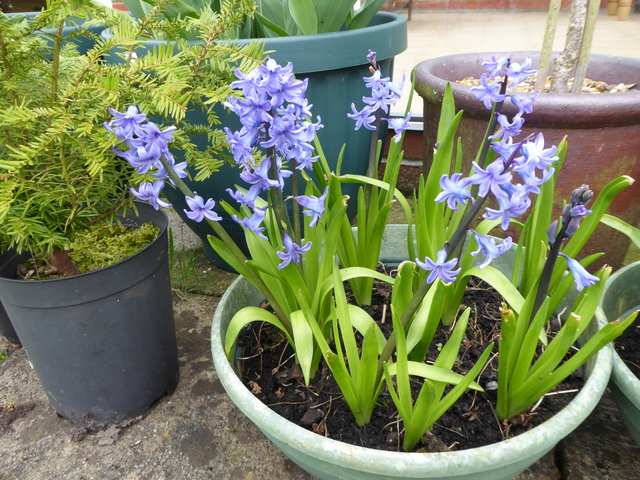
I have been growing these hyacinth bulblets on in shallow tubs and they are now ready for planting out in the garden to flower next spring.

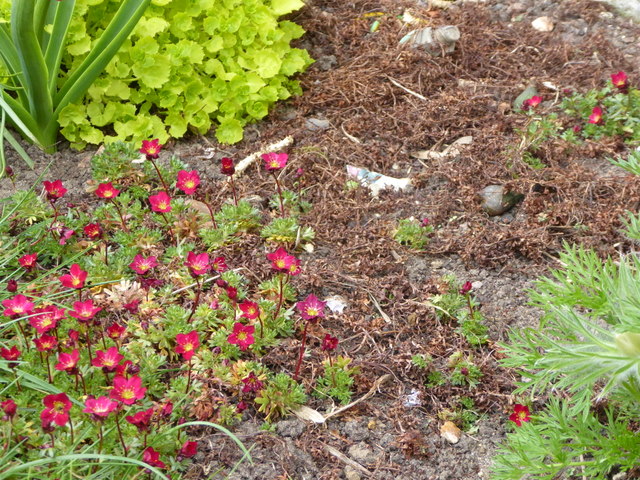
I had a large patch of these red saxifrage but the deer scraped most of them up. I’m hoping they will spread again.
My music choice is ‘Glorious’ sung by The Pierces
Thanks for visiting!
05 Fri May 2017
Posted in Gardening, plants, Rural Diary, trees, wild flowers
Tags
Celandines, cherry-plum, daffodils, flowers, garden, gardening, lathyrus, primroses, scilla, Suffolk, violets, wild flowers
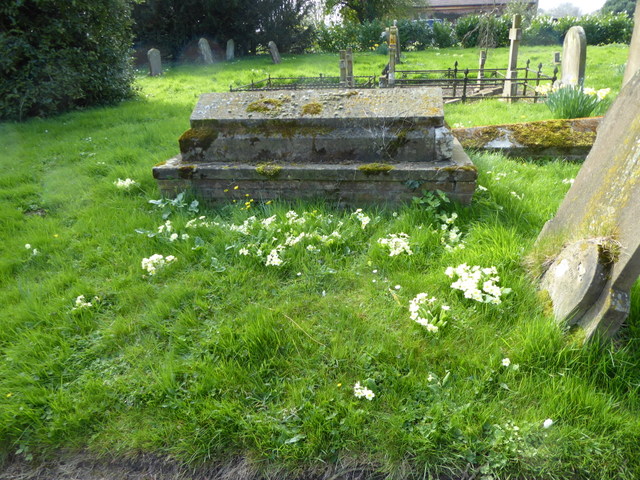
I managed to find a number of flowers to photograph in my garden this March.

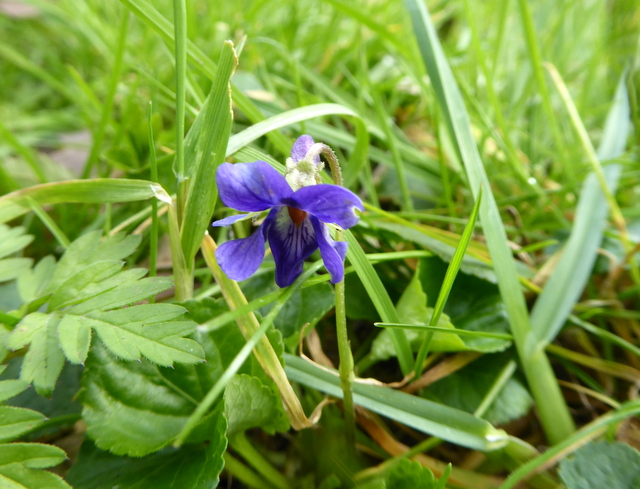
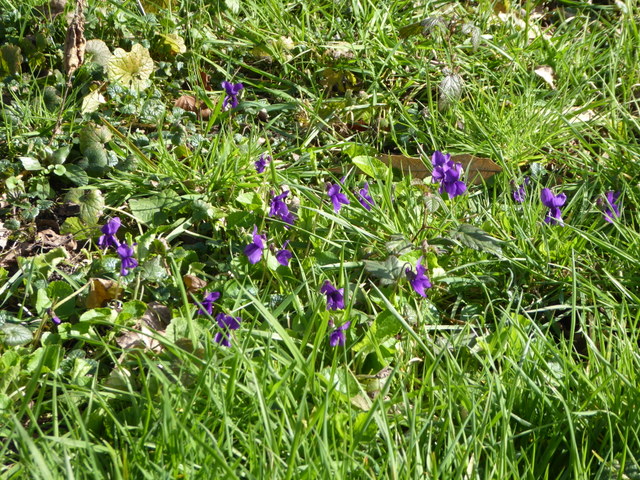
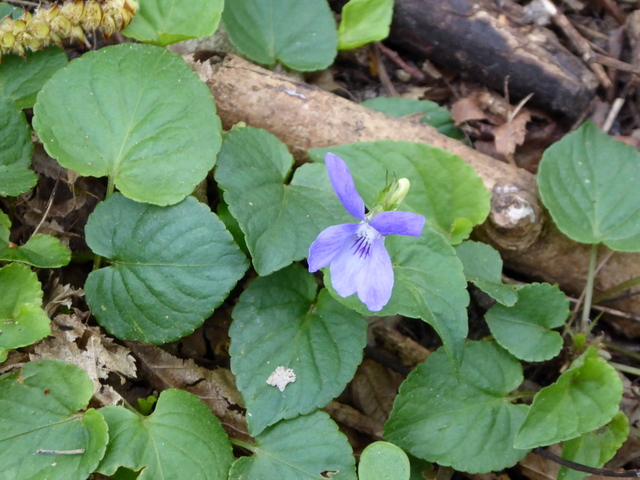
We have areas in our garden that are left wild. This is one of the many violets that bloomed in March. I think this is an Early Dog Violet (Viola reichenbachiana )

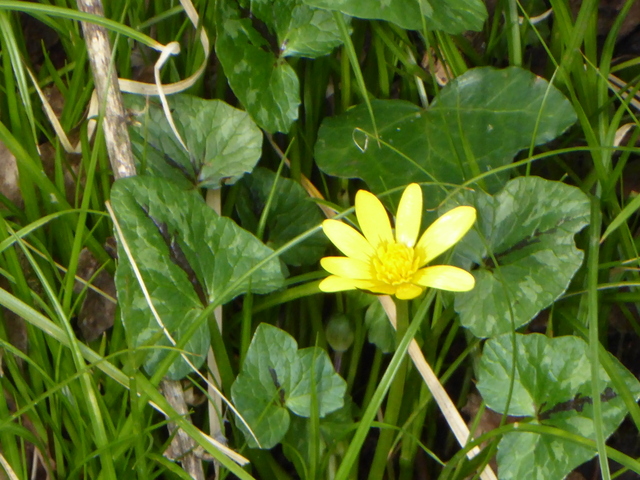
Lesser Celandine (Ficaria verna ). Not only are the flowers so shiny and buttercup-yellow but the leaves are interesting too. They are patterned and blotchy with different shades of green and then there is the strange black line down the centre of the leaf looking like it was drawn carelessly with a felt pen.

This is all that was left of some of my favourite tulips after a Muntjac deer came visiting. I wasn’t too happy about this. I can see a grape hyacinth bulb that was dug up as well.

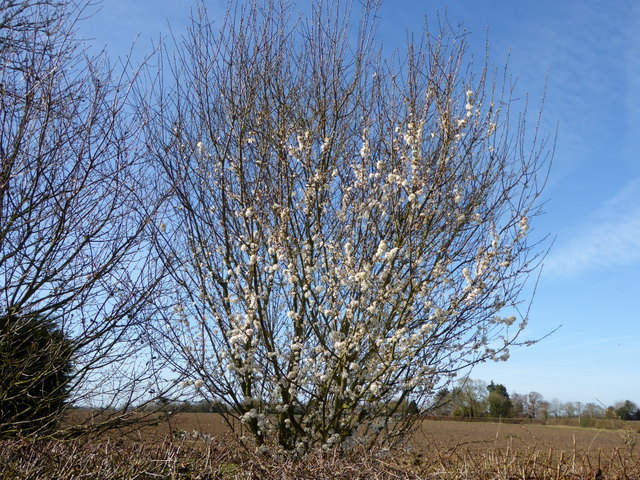
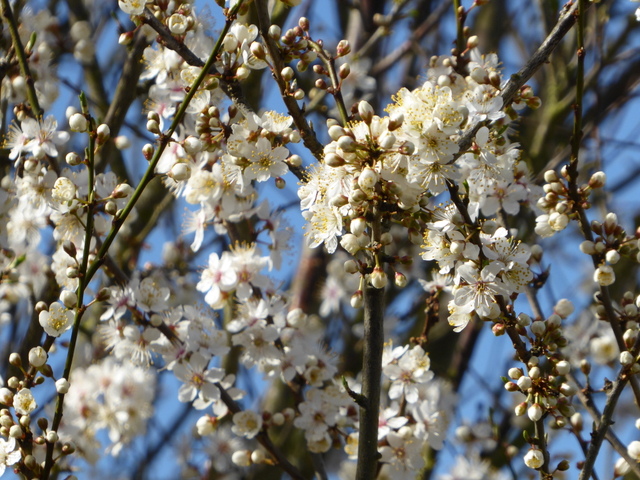
Our Cherry Plum (Prunus cerasifera ) always looks good against a blue sky. Cherry Plum are the first of the flowering trees to have blossom in the spring.

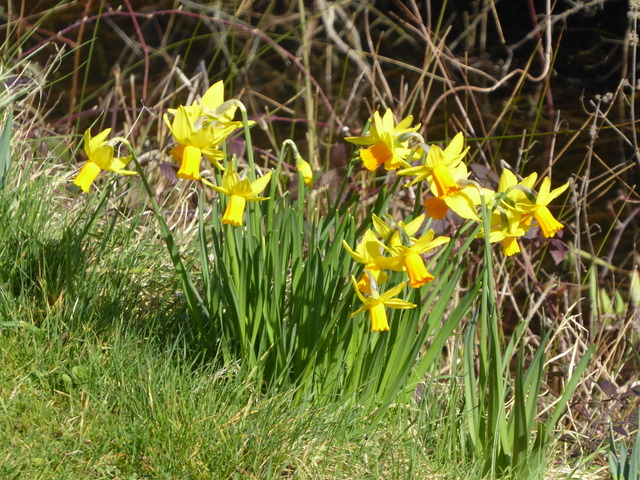
The first of the garden daffodils to flower. It isn’t easy to see in this photo but the trumpets are a darker orange colour. I think they might be ‘Jetfire’ daffodils.

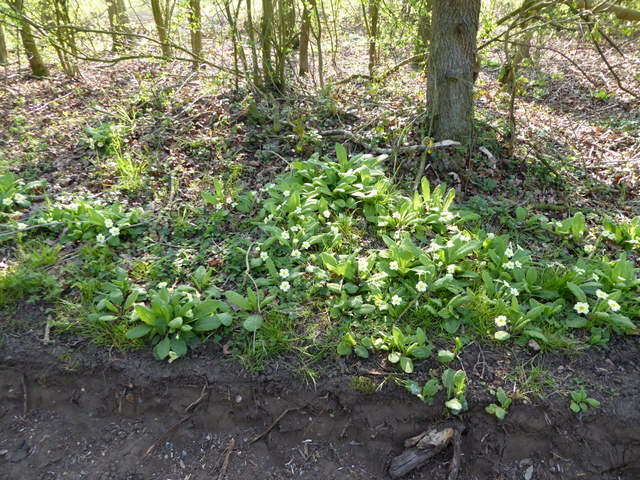
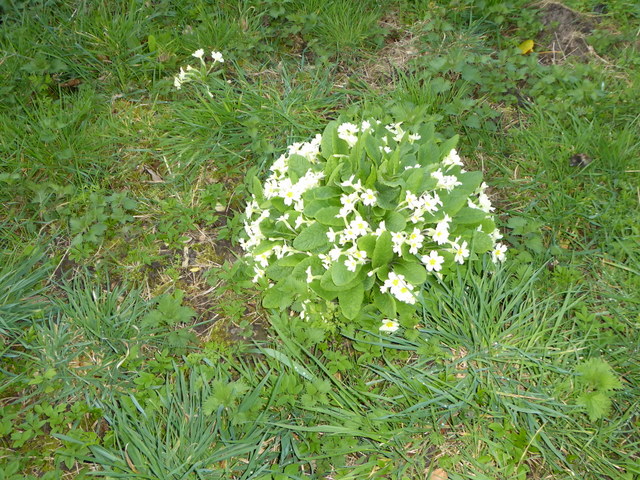
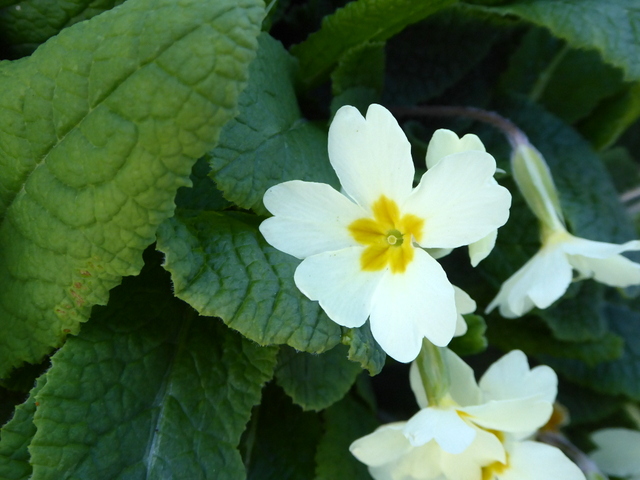
Primrose flower. This is a pin-eye flower, with the pinhead-like stigma in the centre of the flower and the stamens hidden below.
I showed you a ‘thrum-eyed’ primrose in an earlier post

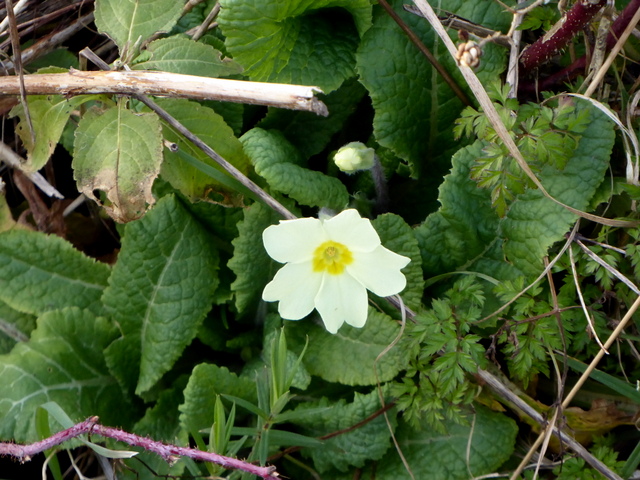
‘Thrum-eyed’ primrose – the long stamens are visible in the centre of the flower but the shorter stigma is invisible.
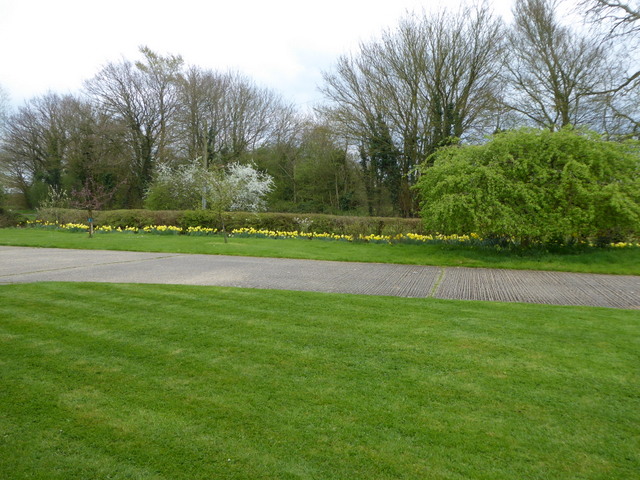
I have made a slideshow of some of the daffodils we have planted round the perimeter of the garden and round the big pond.
My music selection is Julie Fowlis singing Lon-dubh; a beautiful rendition in Gaelic of Paul McCartney’s song ‘Blackbird’.
Thanks for visiting!
25 Tue Apr 2017
Posted in Insects, plants, Rural Diary, walking, wild flowers
Tags
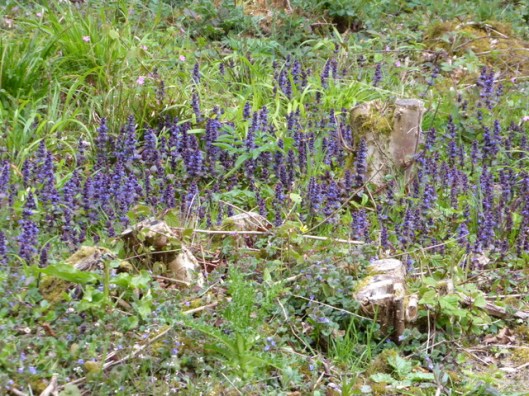
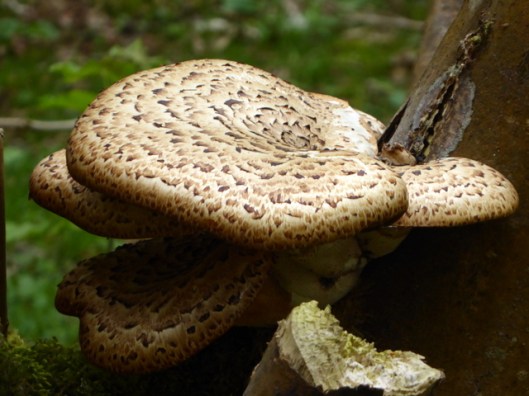
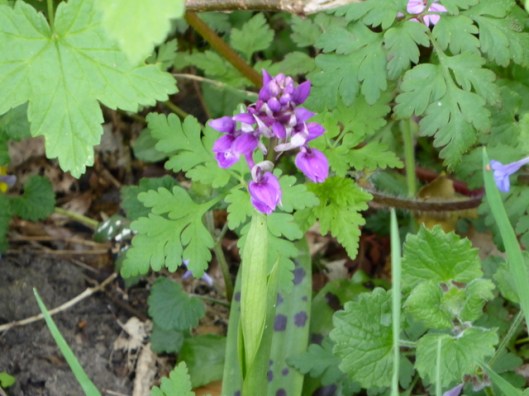
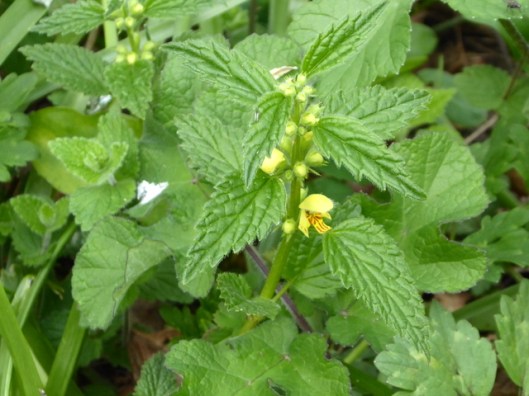
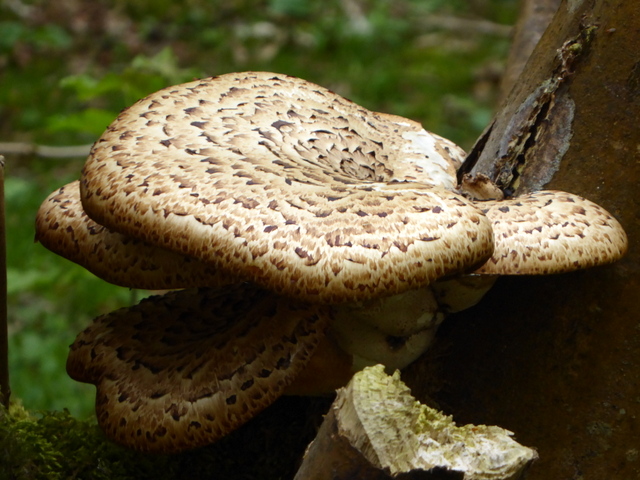
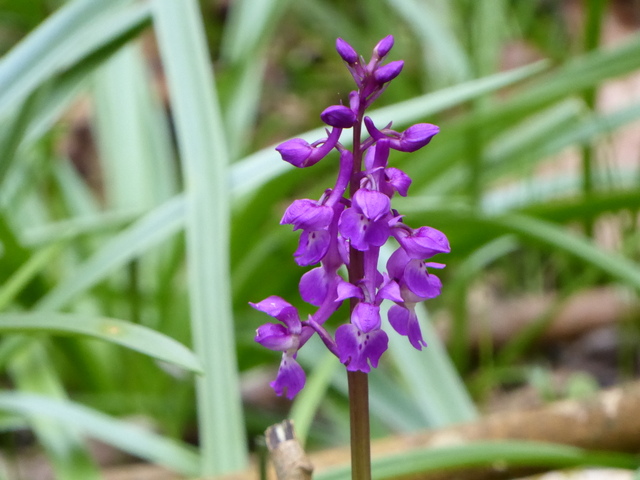
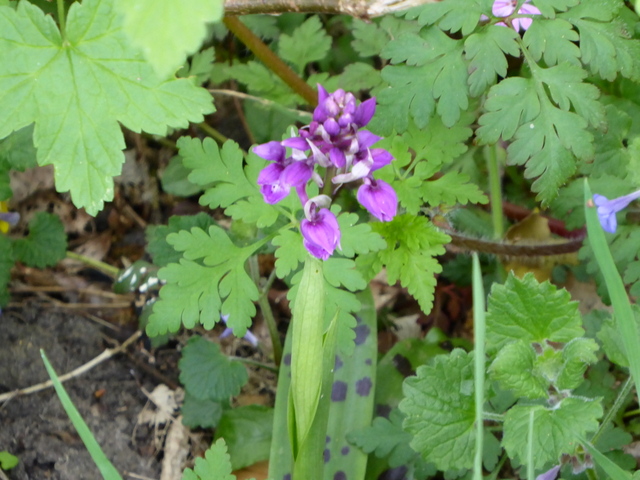
Alexanders, Barren Strawberry, Bugle, Common Dog Violet, coppice wood, cow parsley, Dryad's Saddle, early dog-violet, Early Purple Orchid, ferns, Goldilocks Buttercup, Great Diving Beetle, Greater Stitchwort, ground-ivy, Herb-Robert, Hornbeam, lesser celandine, primrose, Reydon Wood, Suffolk, Suffolk Wildlife Trust, Three-nerved Sandwort, water-violet, wild flowers, wild strawberry, Wood Anemone, Yellow Archangel, Yellow Pimpernel
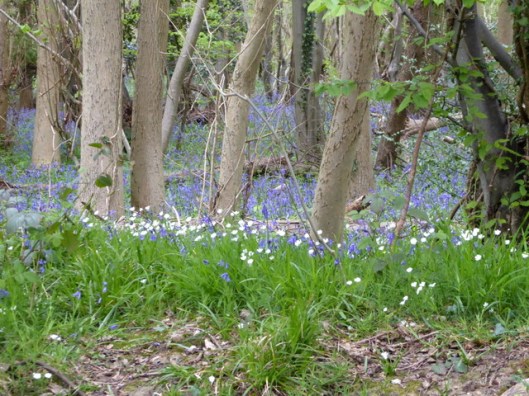
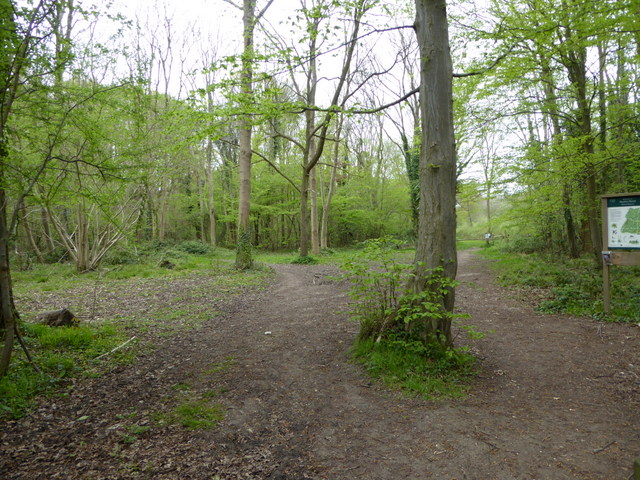
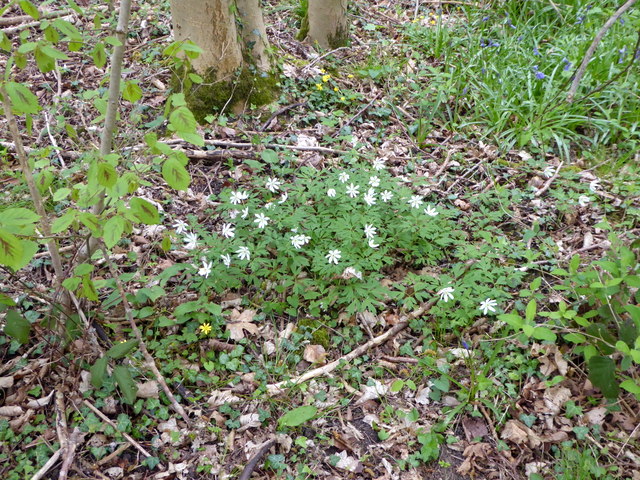
We drove to Reydon Wood on Friday, in search of bluebells.
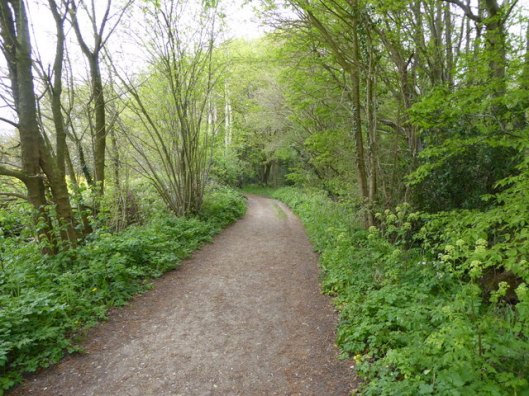
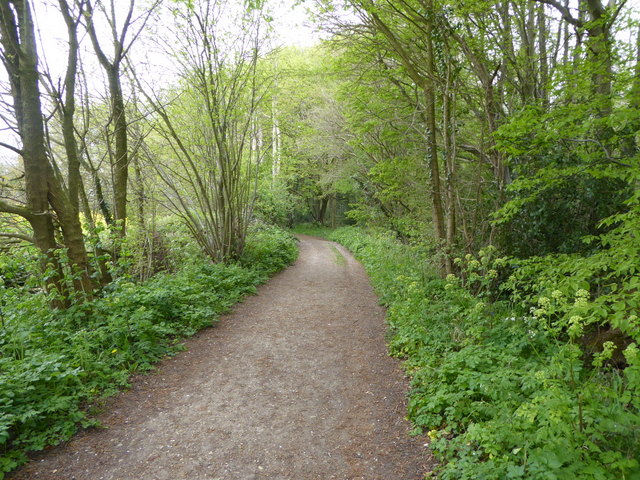
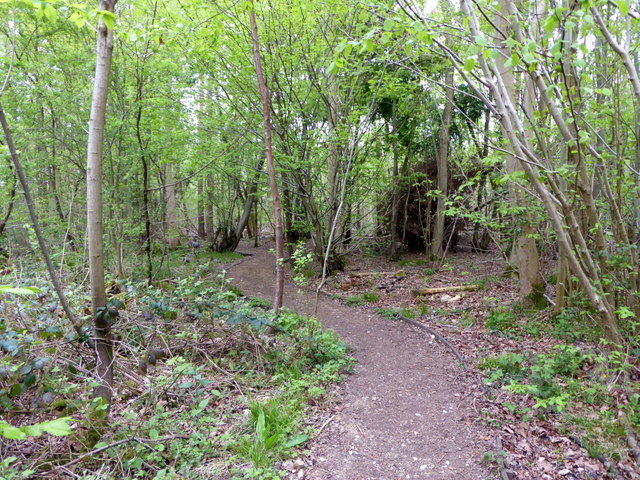
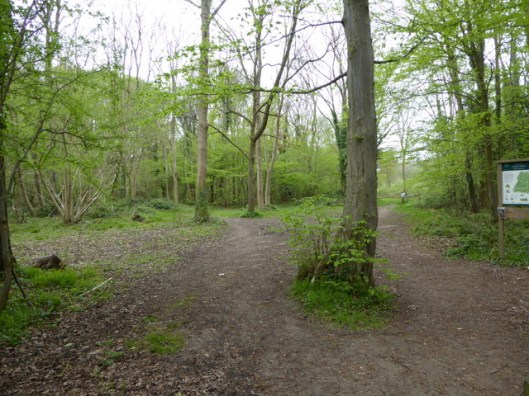
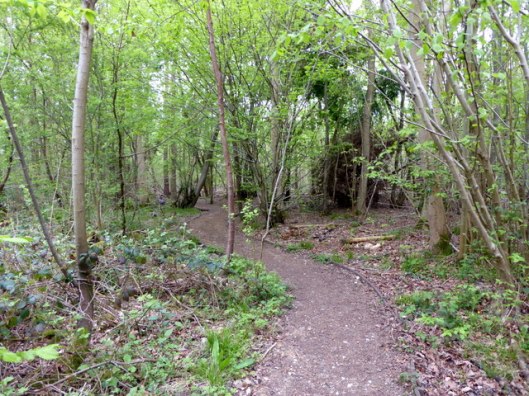
We parked at the end of Wood Lane. The walk down the lane is pleasant and we get glimpses of the wood on the other side of the deep ditch on our right.
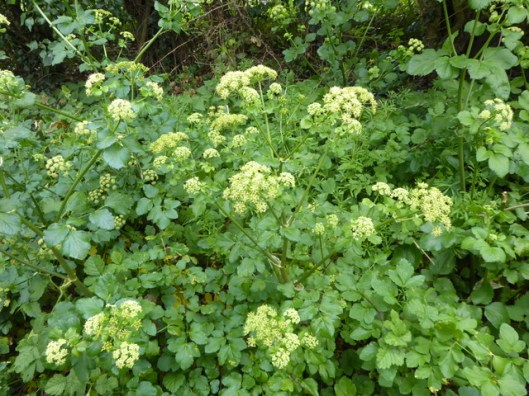
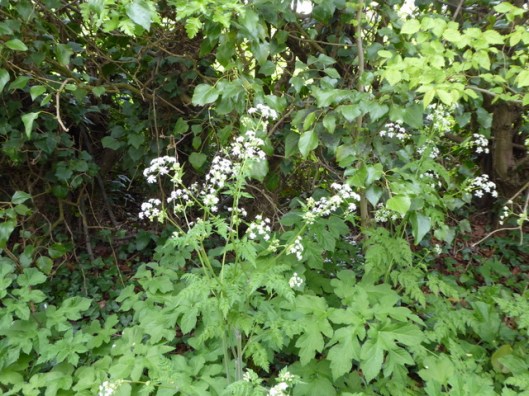
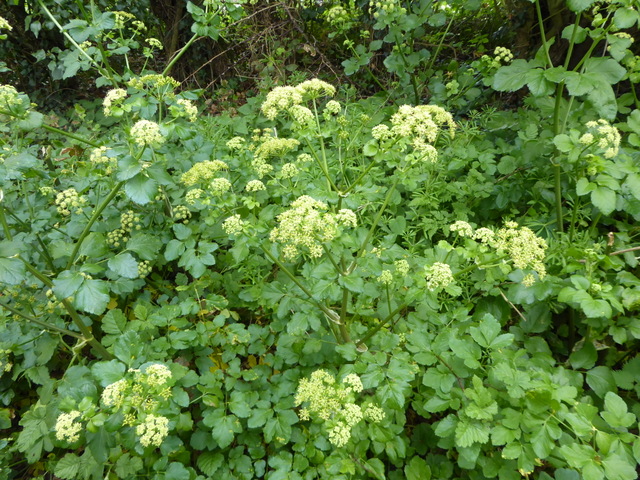
The Romans introduced Alexanders into Britain and it is mainly found near the coast especially in the east of the country. It was used as a medicinal herb and also as a pot herb. The flowerheads can be steamed like broccoli.
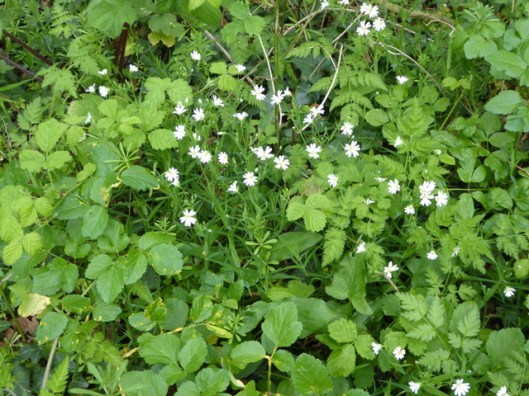
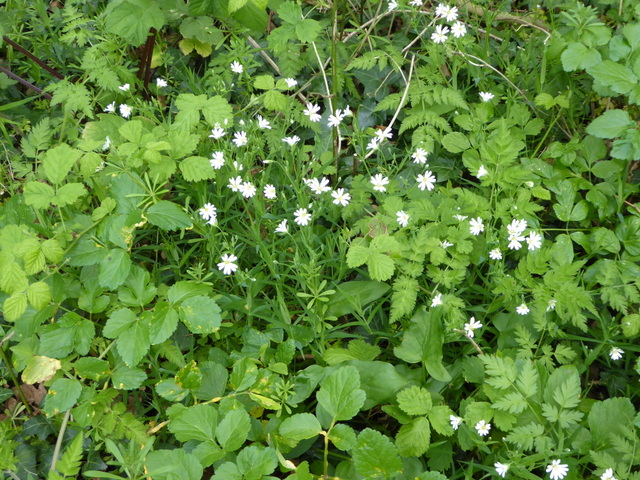
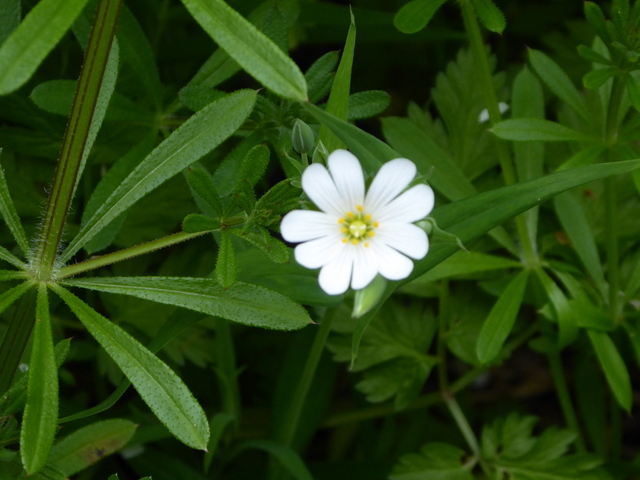
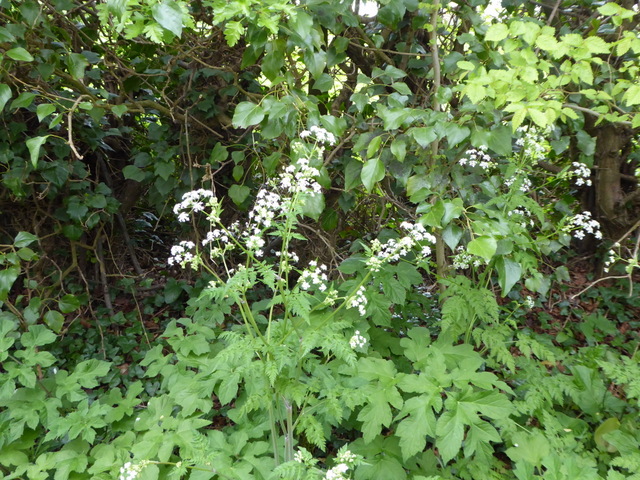
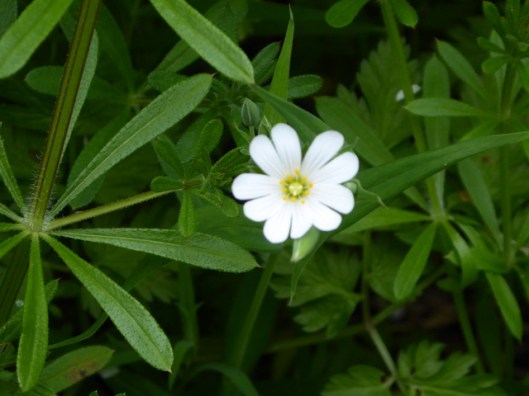
Greater Stitchwort (Stellaria holostea) is another flower that is blooming wherever I go at present.
The Anglo Saxons and Celts believed that a stitch in the side was probably caused by elf-shot and this plant cured it!
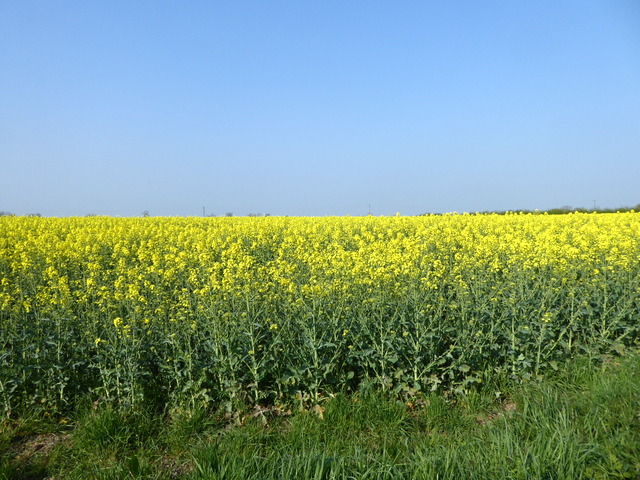
To the left of us as we walked up Wood Lane we could see a field full of bright yellow Oil-seed Rape (Brassica napus) through the hedge.
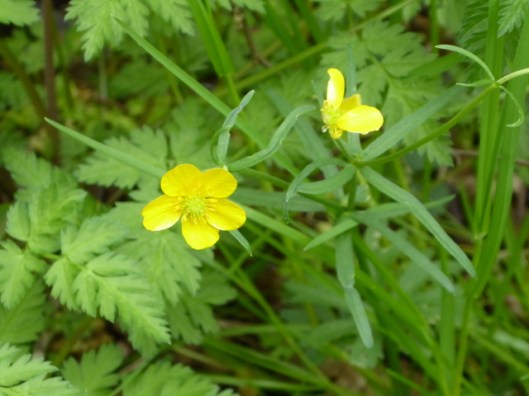
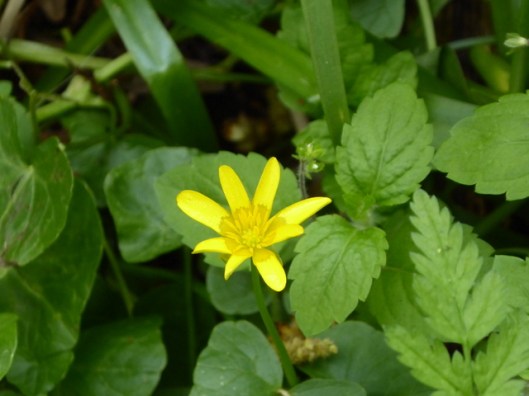
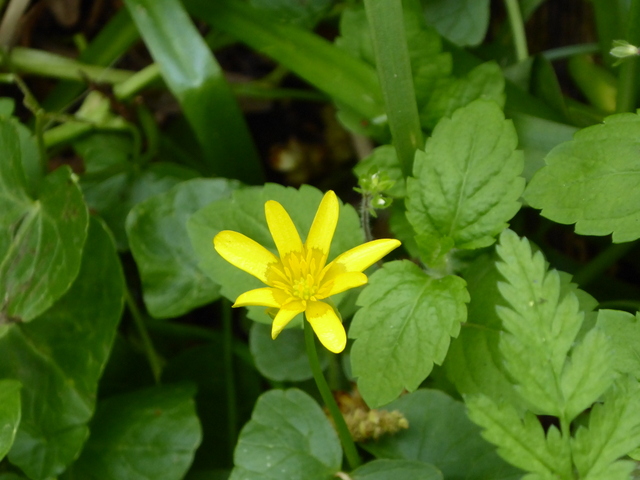
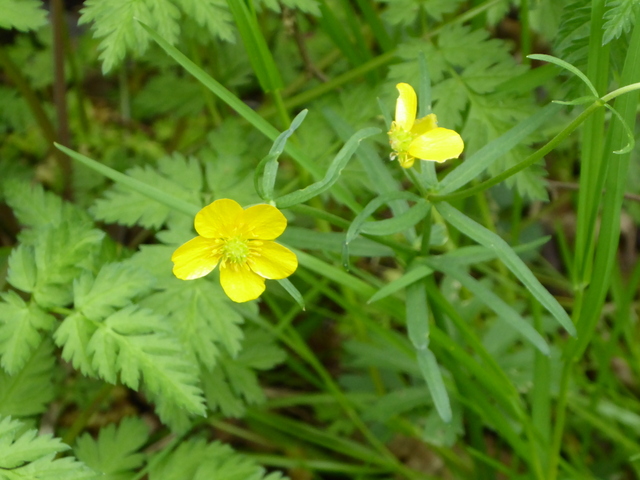
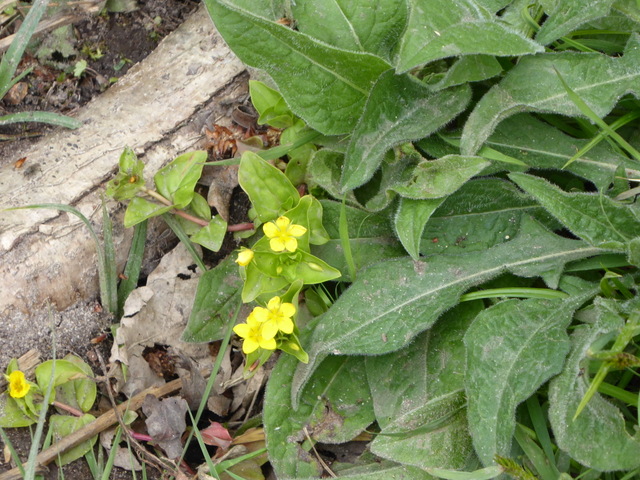
This is the first time I have taken notice of this buttercup. I have probably seen it before because I find they are fairly common in woodland, but I’ve never looked at one properly, just assuming it was a Meadow or Creeping Buttercup. The stem leaves are quite different from the other buttercups I know and I read that the flowers are usually deformed or have some or all of their petals missing.
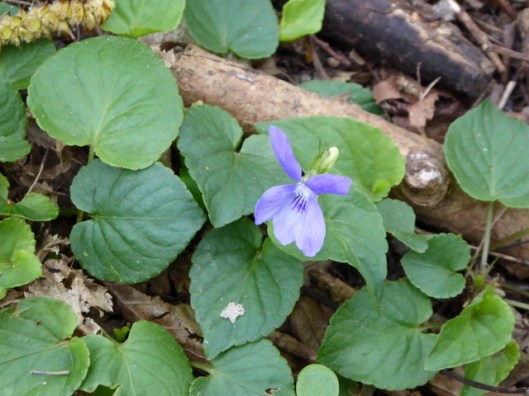
This is the most common violet we have in this country and it can be found anywhere except on very acidic soils. The leaves are heart-shaped and the spur (at the back of the flower) is much paler than the petals. This violet is unscented.
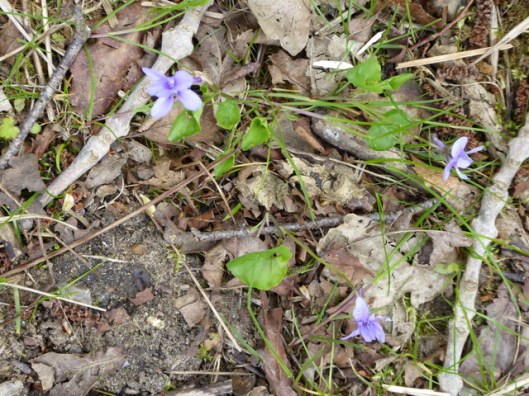
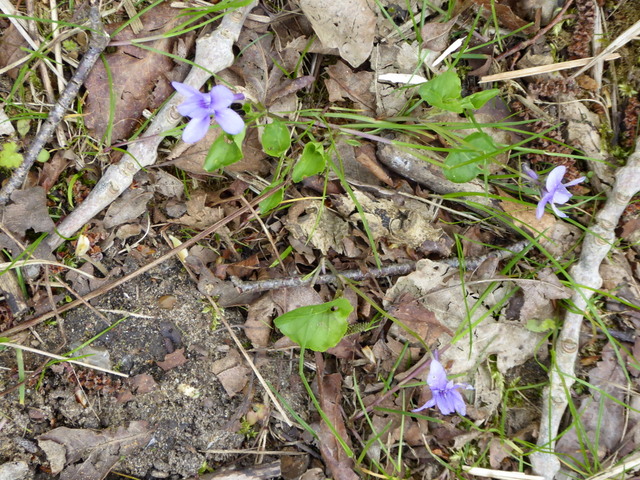
Another unscented violet; the flowers of this plant are paler and smaller than the Common Dog Violet and the spur is usually as dark or even darker than the petals. The leaves are narrower than those of the Common Dog Violet. This isn’t a good photo but it is the best out of the three I took!
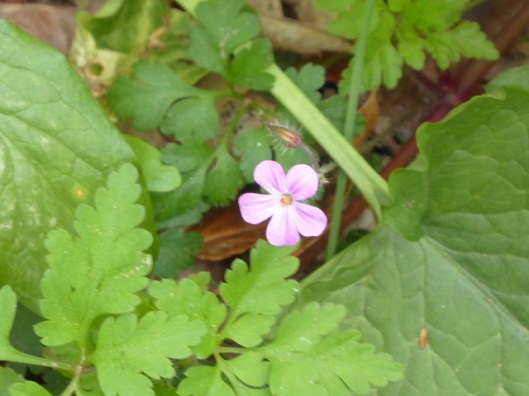
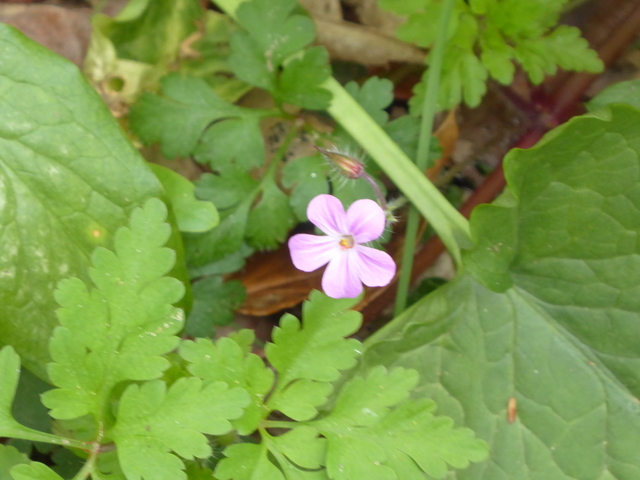
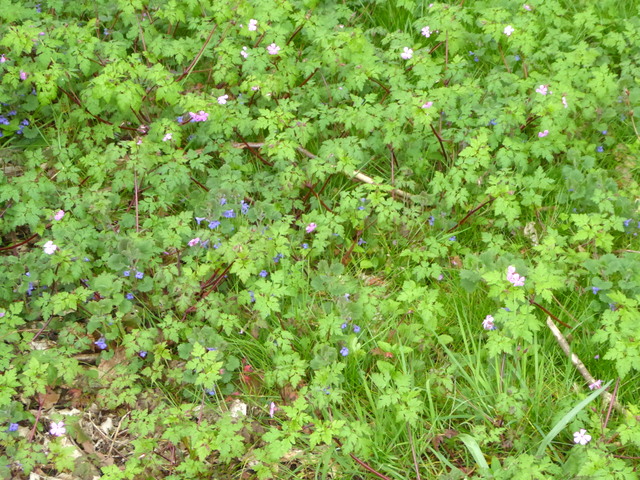
This plant could be named after St Robert of Molesme who founded Citeaux Abbey in France and who is said to have staunched wounds and healed ulcers with Herb Robert. It could also be named after Robert, Duke of Normandy, the son of William the Conqueror and a patron of medical botany. He used Herb Robert to cure the plague.
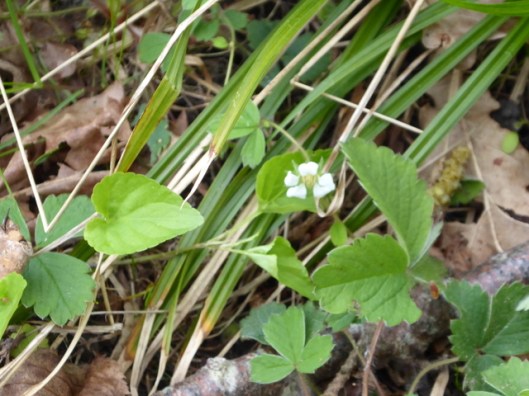
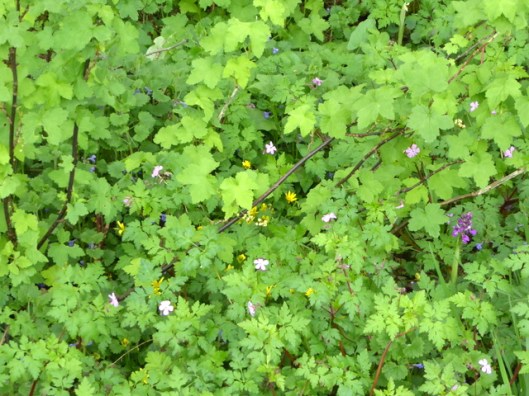
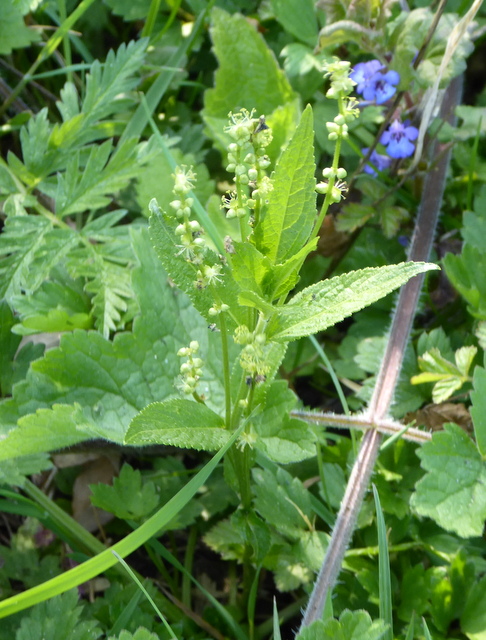
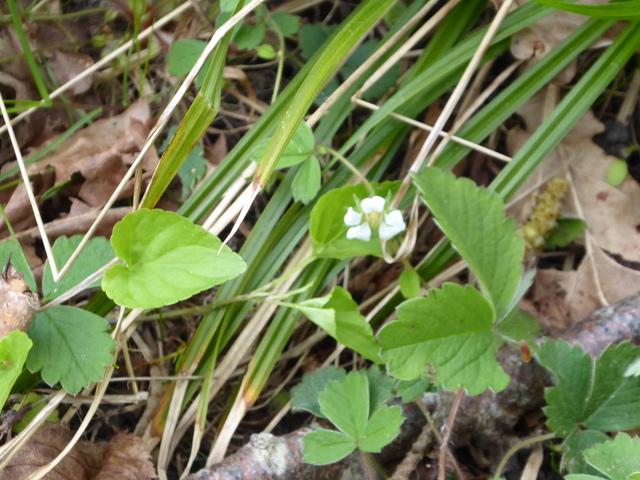
The flower here is past its best so it is not easy to see that the petals have a gap between them and that the sepals are clearly seen. The leaves (on the right of the photo) are a dull, matt green and divided into three toothed leaflets with the terminal tooth on each leaflet being smaller and shorter than the adjacent teeth.
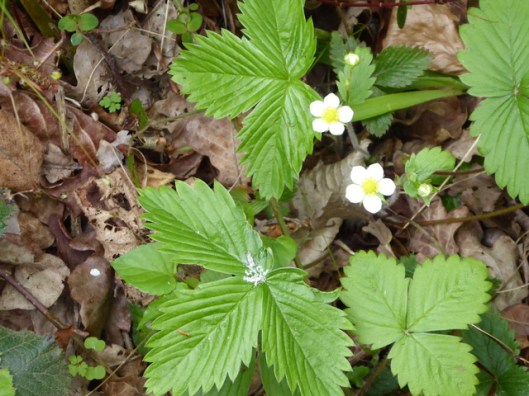
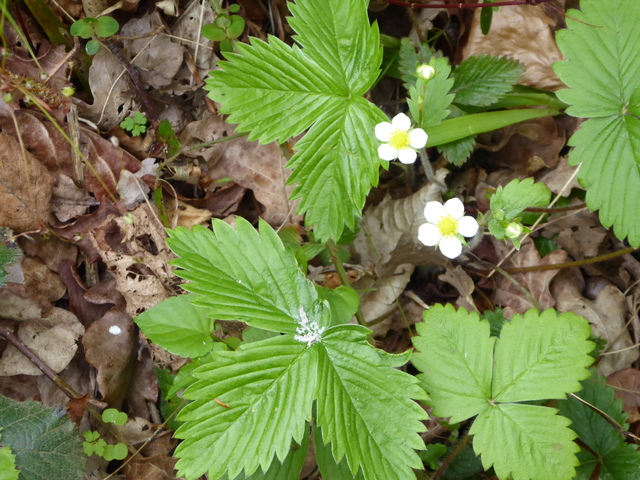
Here is a Wild Strawberry, which I found just a few feet away from the Barren Strawberry and you can see the difference between them. The petals are close together and mainly hide the sepals. The leaves are a bright, shiny yellow-green and the terminal tooth is as long as (sometimes longer than) the adjacent teeth.
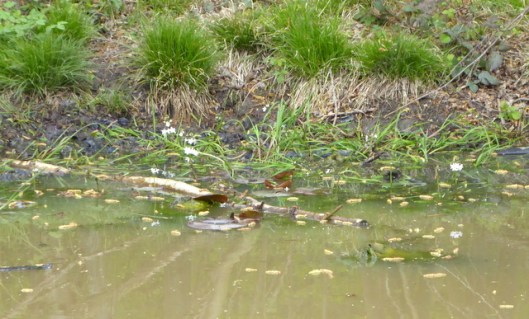
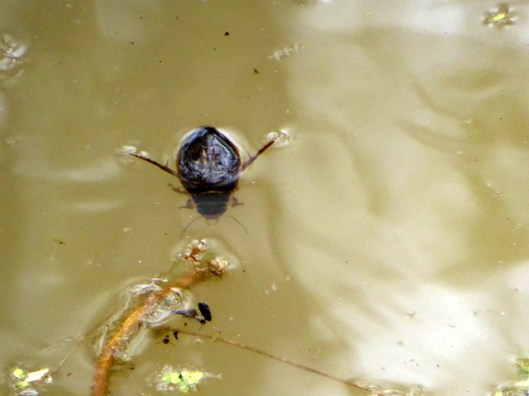
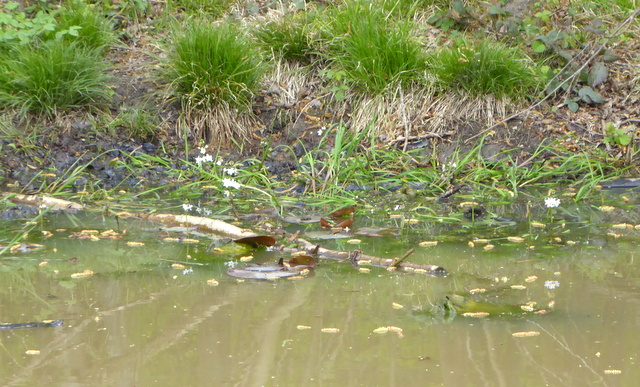
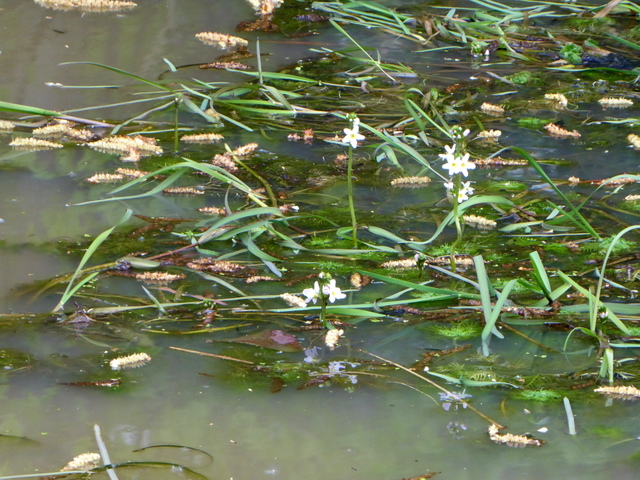
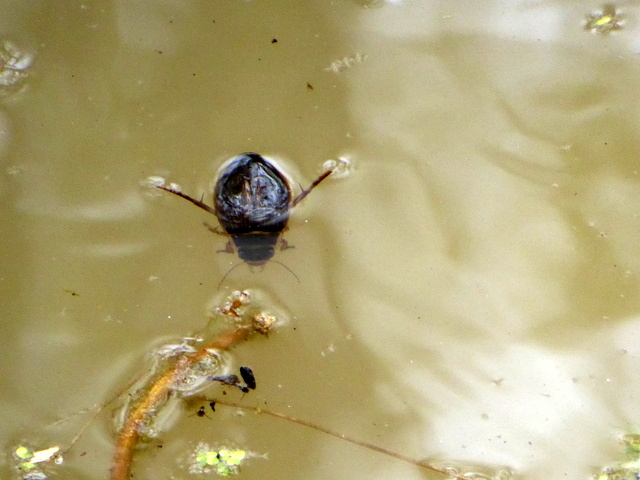
We watched this beetle for a while as it came to the surface to gather air which it stores under its elytra or wing cases. The beetle’s spiracles (breathing pores) are under the wing cases and allow the air stored there to enter the body. When the air is used up the beetle returns to the surface for more. There were many newts in the pond too.
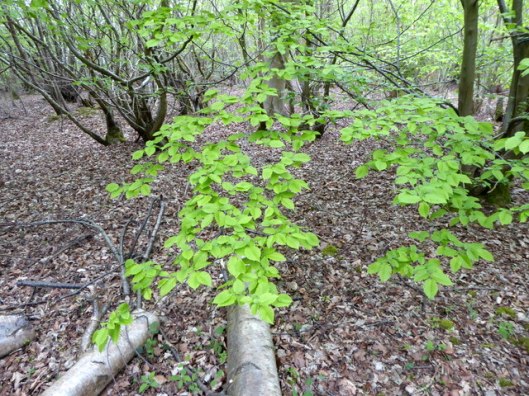
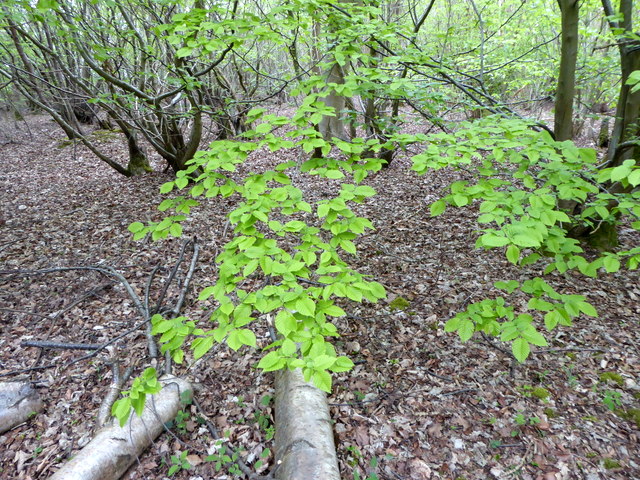
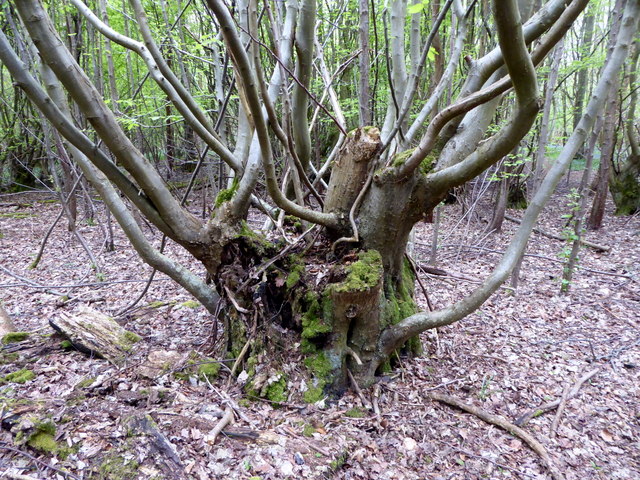
Hornbeams look a little like Beech trees but the trunks have fluted bark and the leaves are toothed. Hornbeams are regularly coppiced and Reydon Wood is a coppice wood.
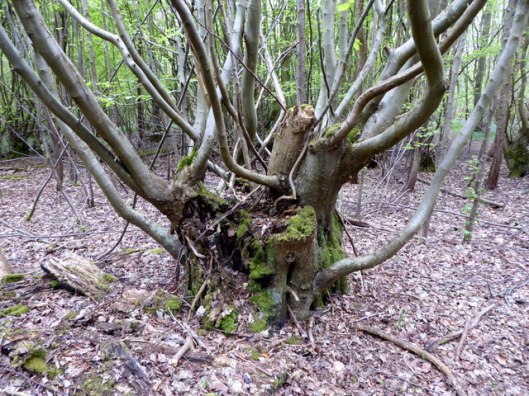
A coppice tree which will probably be harvested in the next few years. The tree is probably many hundred years old.
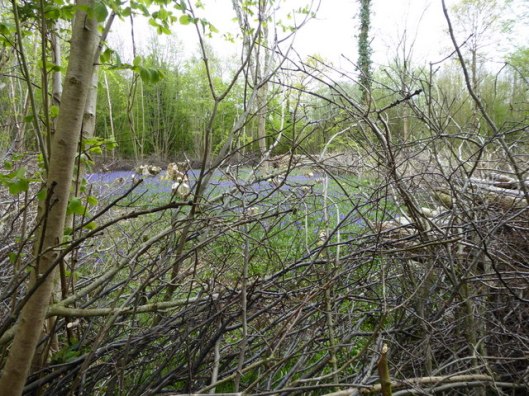
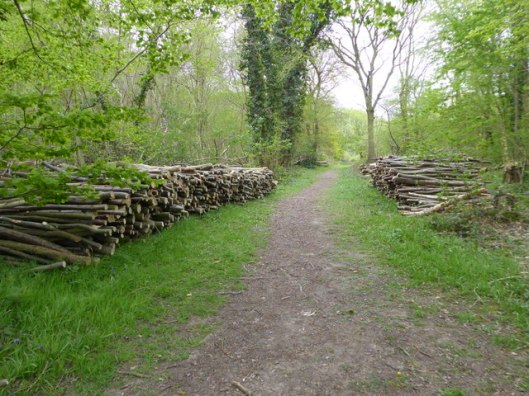
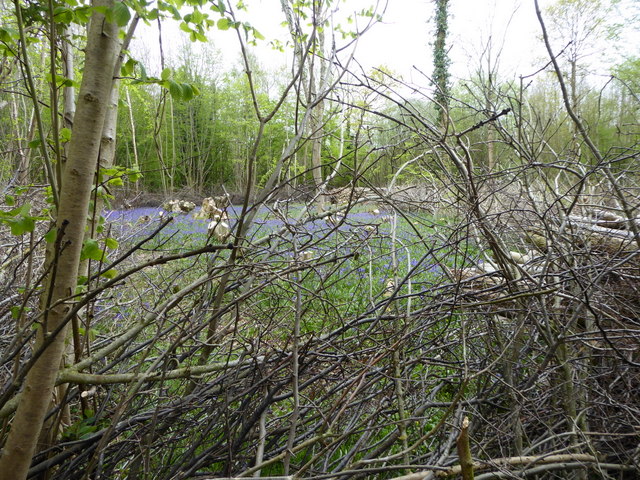
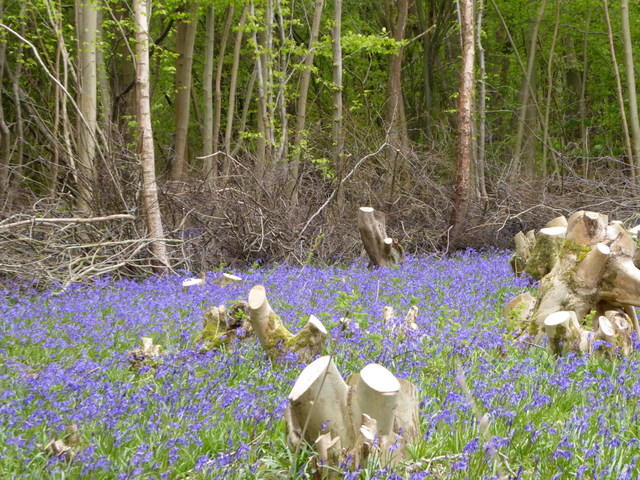
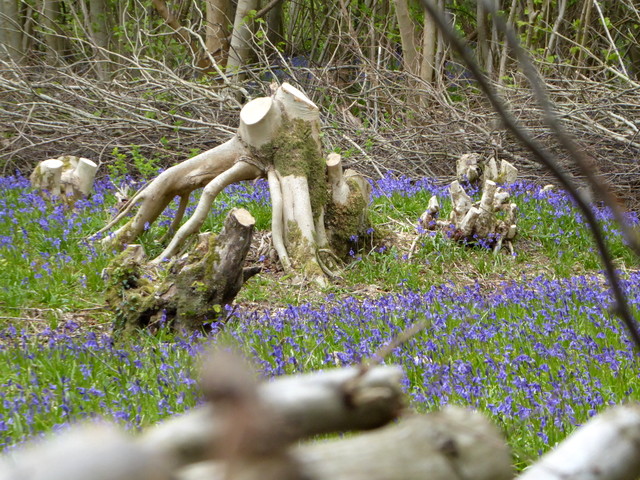
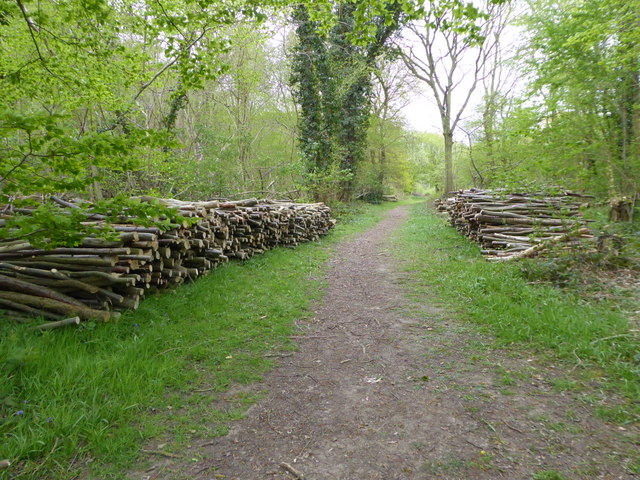
The area just beyond this barrier has recently been coppiced and the stools (tree stumps) will be sprouting soon. The barrier has been built up using twigs and branches to stop deer from eating the new growth on the coppice stools.
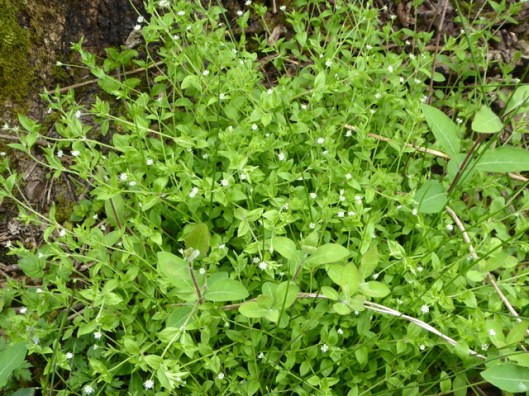
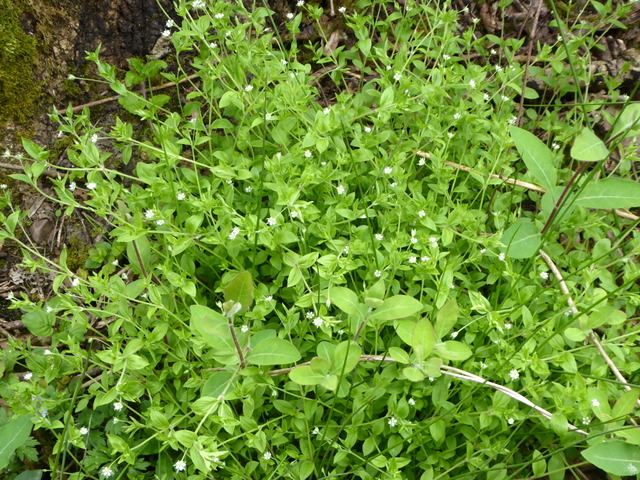
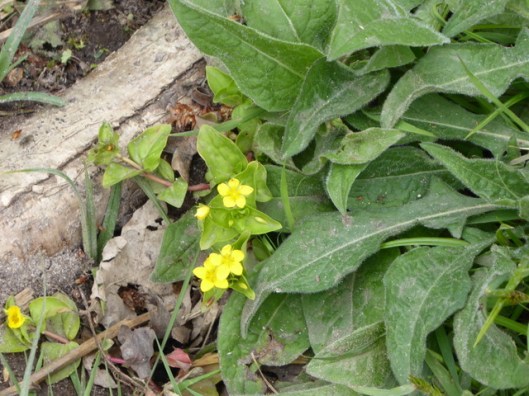
At first I thought this was Common Chickweed but then I noticed the petals are not split and that the sepals are longer than the petals. The leaves have three to five parallel veins on them. I didn’t manage to get a close-up shot of the plant.
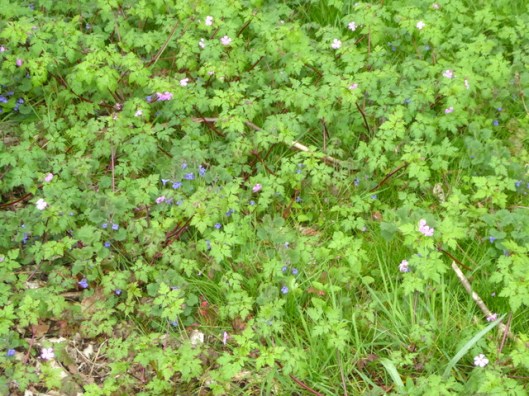
There is a cultivated form of this plant (subspecies ‘argentatum’) with silvery patches on the leaves which has escaped into the wild and is quite invasive.
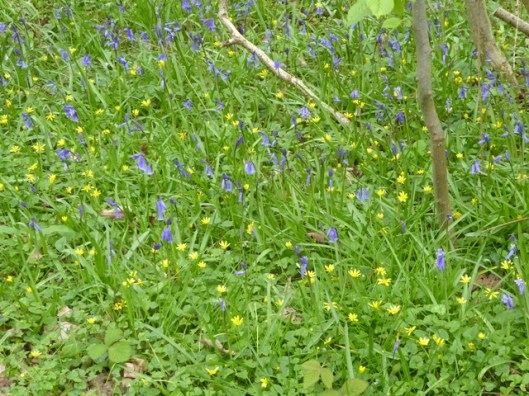
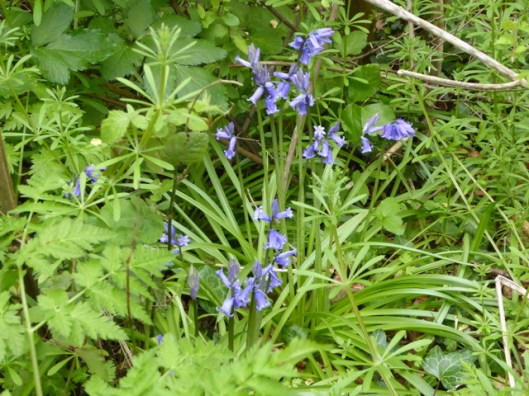
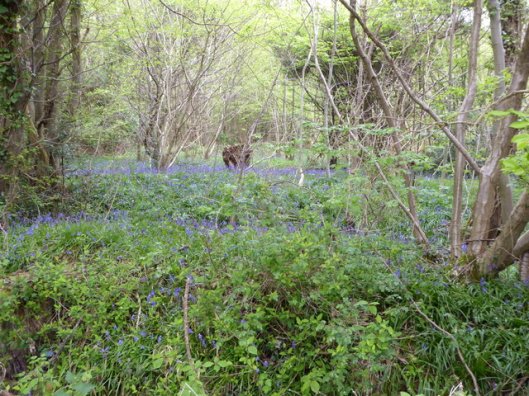
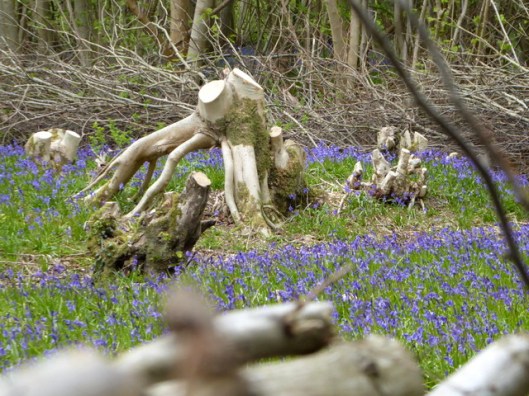
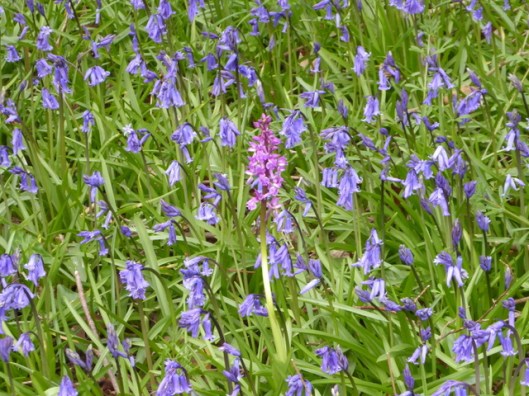
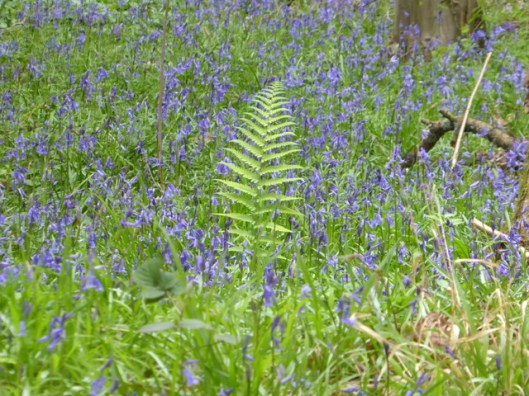
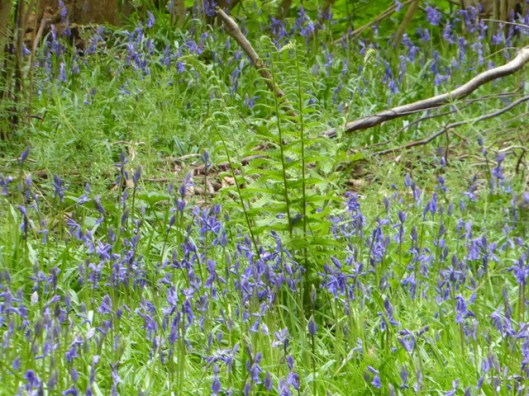
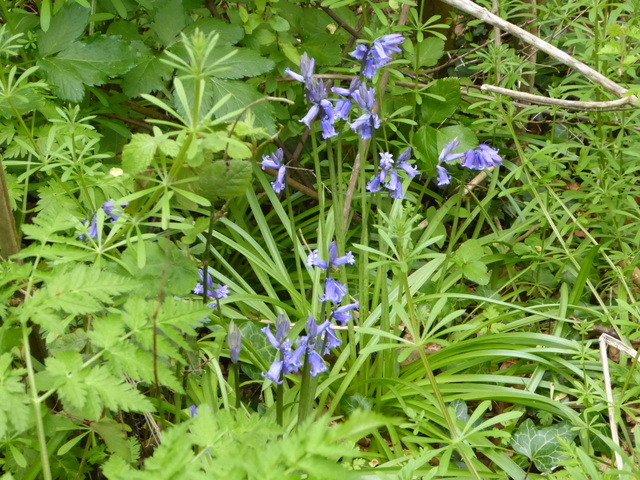
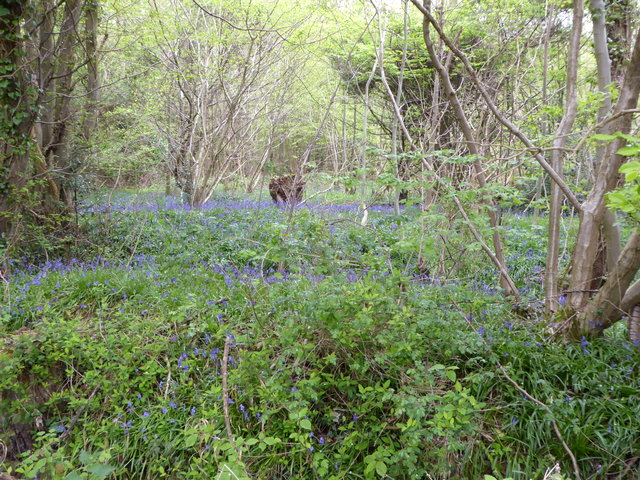
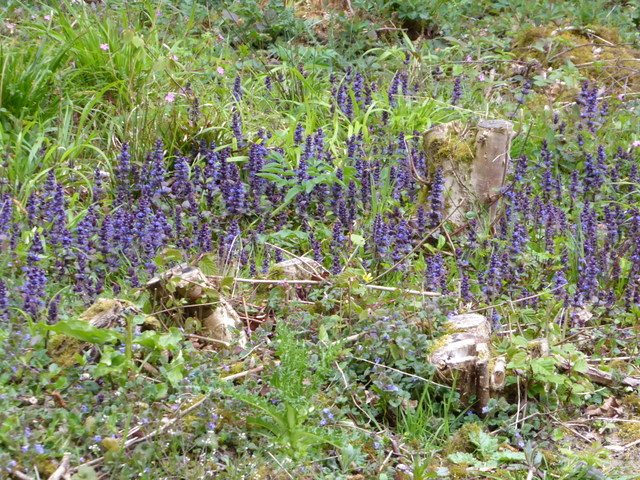
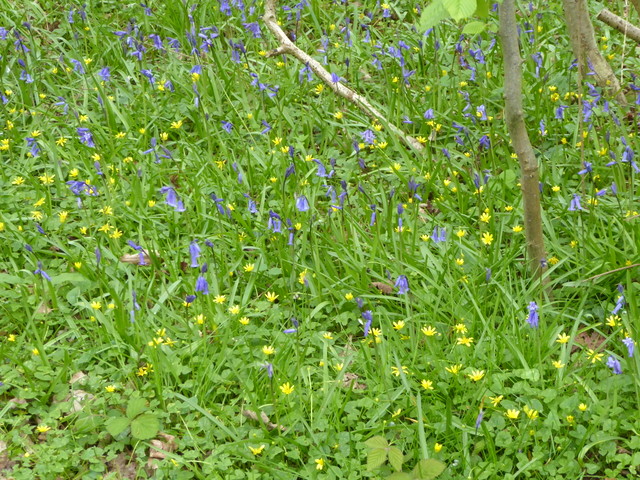
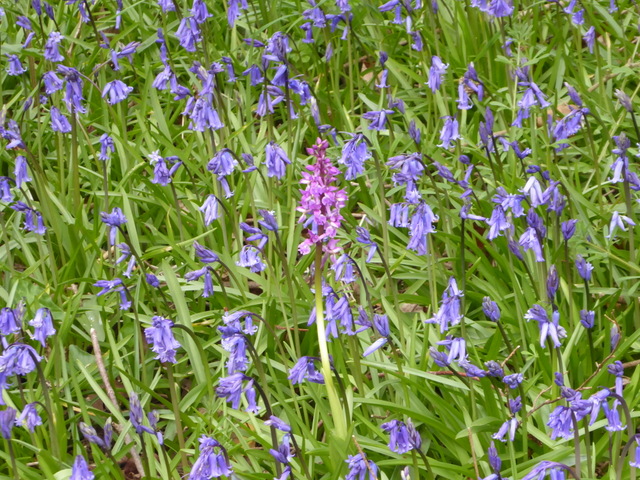
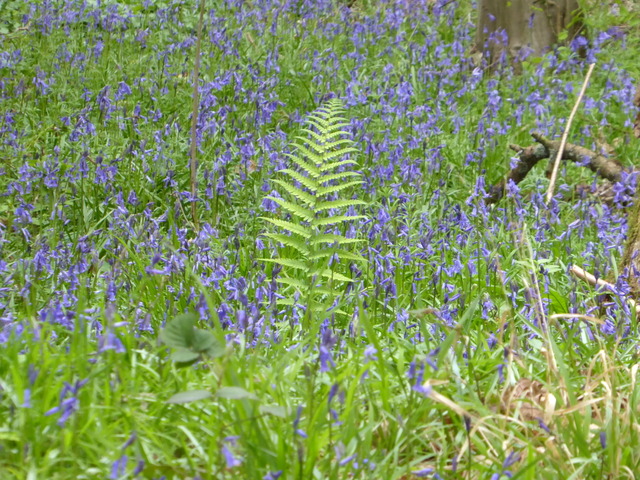
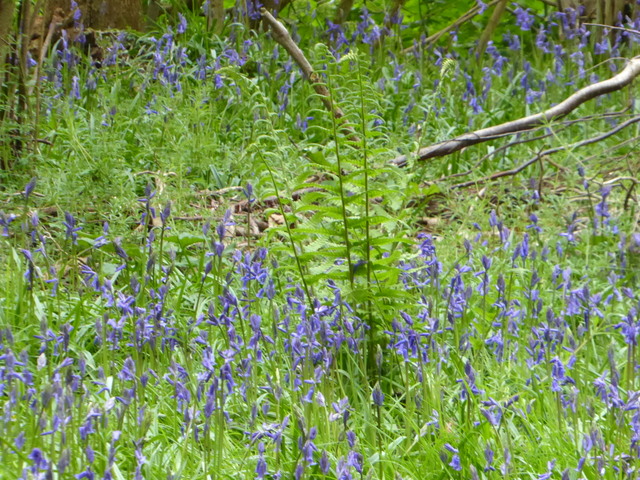
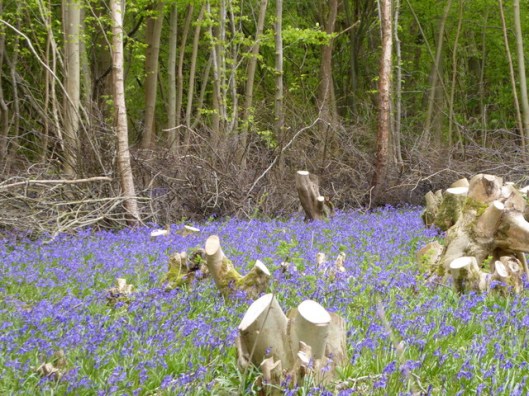
Here is a slideshow of the Bluebells we saw.
The Bluebells were not quite at their peak and as the day was overcast and chilly we didn’t smell their wonderful scent. We decided it would be a good idea for us to return in a week’s time to see how they had developed. Unfortunately, we have had very cold weather this week with frosts and wintery showers of hail and sleet. I hope the Bluebells are not too damaged. I apologise for the length of this post.
Thanks for visiting!
17 Mon Apr 2017
Posted in churches, family, Rural Diary
Tags
Diary, Easter, eating out, Hot Cross Buns, St. Peter and St. Paul Eye, St. Peter's church St. Peter South Elmham
Happy Easter everyone!
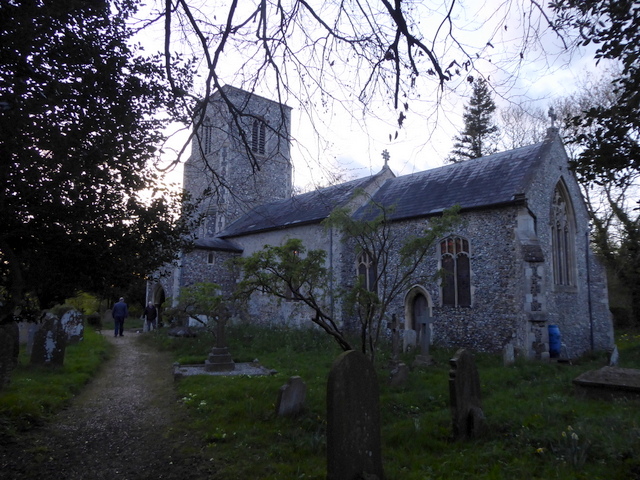
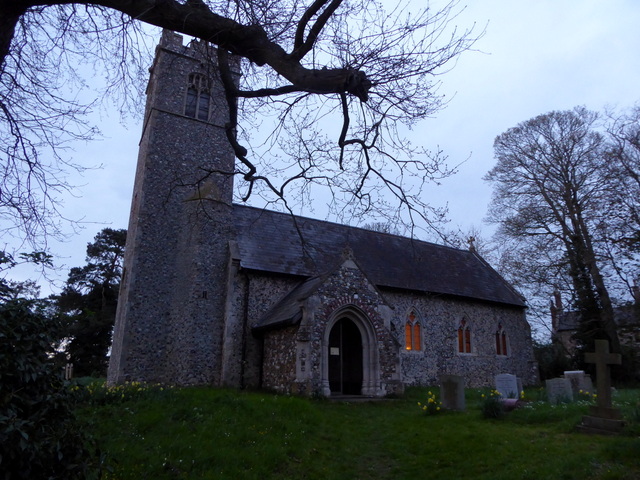
Richard attended Holy Communion this morning at the church of St. Peter in the village of St. Peter South Elmham. He kindly took this photograph for me on his phone.
I attended Solemn Mass this morning at the church of St. Peter and St. Paul in the town of Eye. I was unable to take any photos as I was busy helping my mother so this link may give you an idea of where I was. One day I intend to write a post about the church at Eye.
During Holy Week we did manage to do a few things on top of all the church-going. We visited Norwich on Tuesday so that Elinor could revisit the exhibition of dolls’ houses currently on display at the Castle Museum. She decided that this was the exhibition she wanted to review for her college interview this coming Wednesday and she needed to check up on a few details and take some more photos. While we were in the city we did some Easter shopping and had an extremely pleasant lunch at the Iron House.
On the way home I stopped off in Bungay to get some more shopping and to order some flowers for the church to be collected on Holy Saturday.
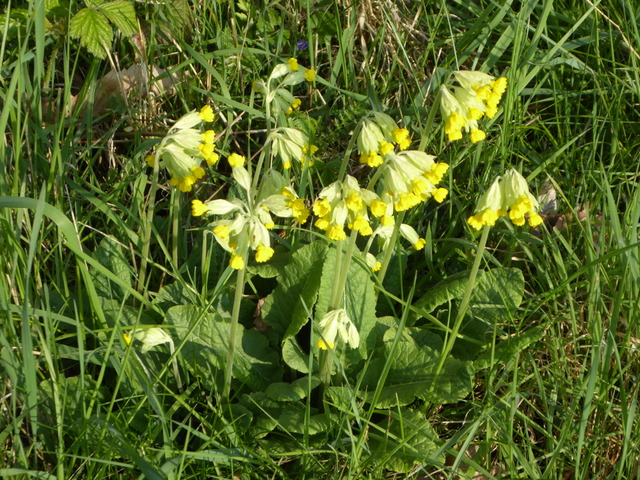
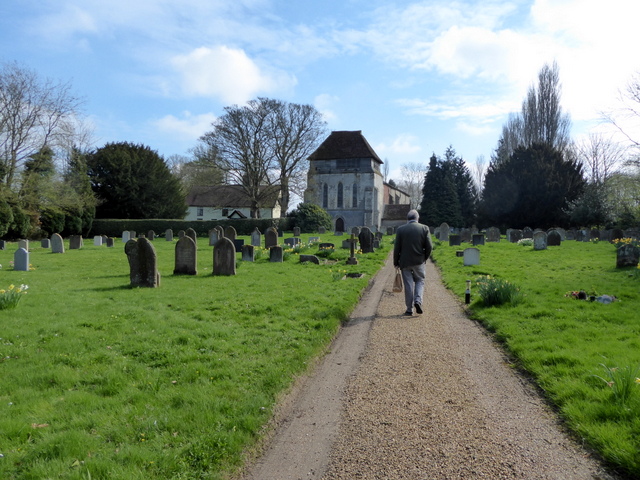
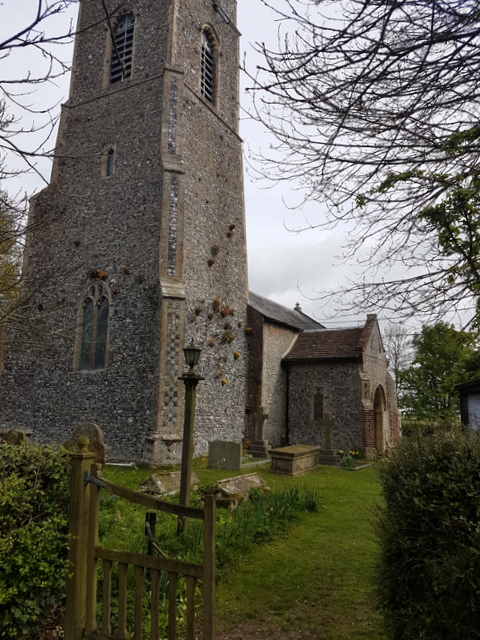
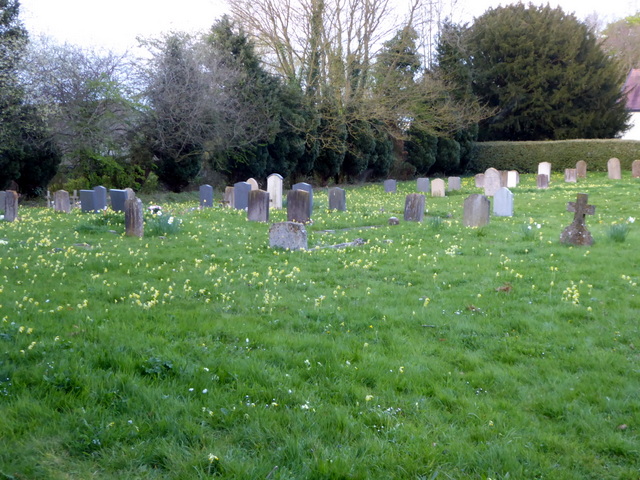
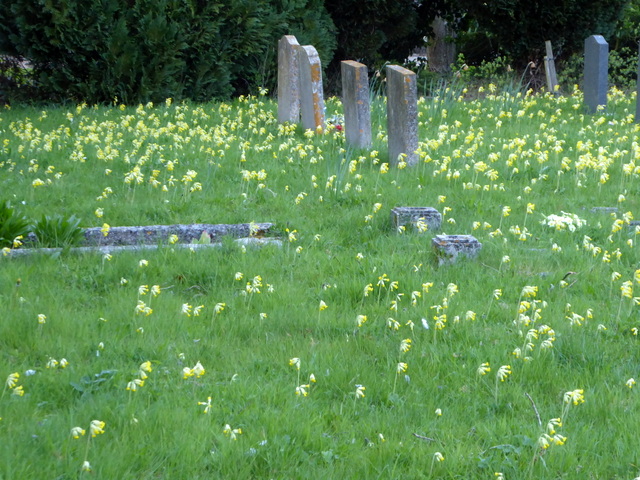
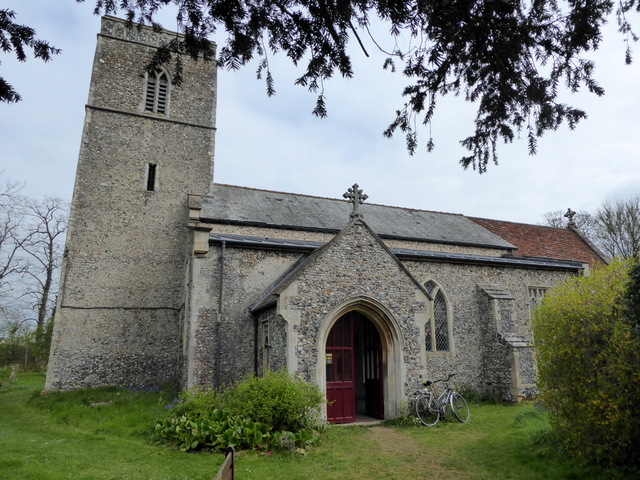
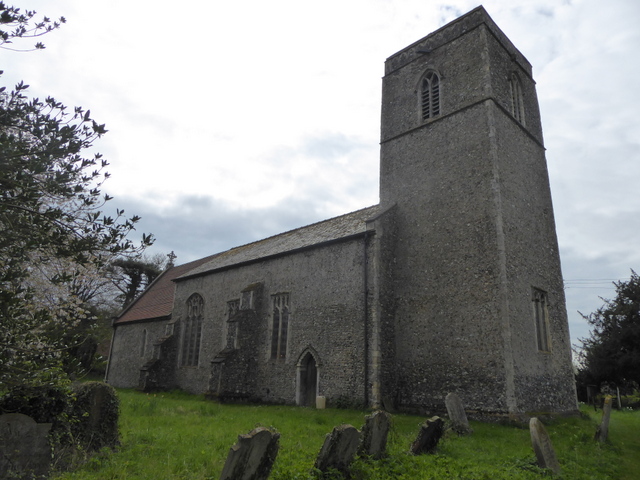
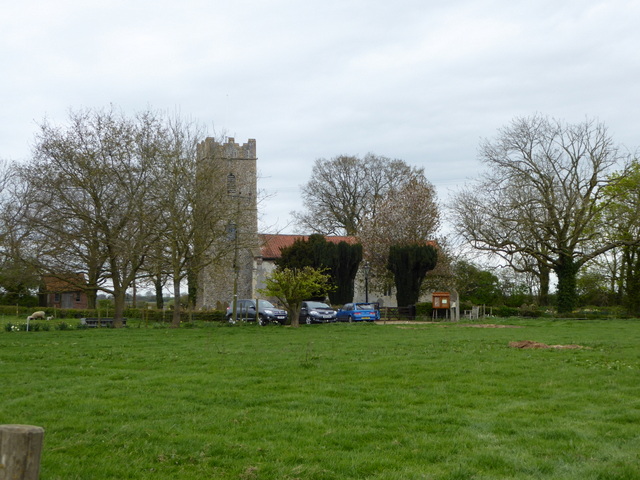
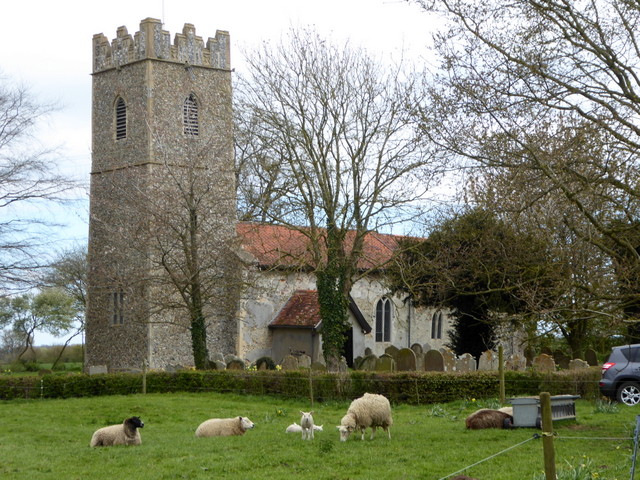
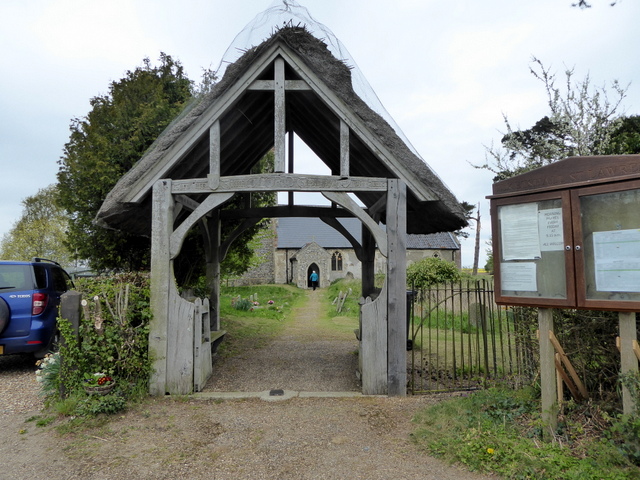
On Wednesday I took my mother out shopping in Diss and she gave me a dozen Hot Cross Buns she had made which I put in the freezer when I got home. Richard and I went to Rumburgh church to tidy it a little before the service that evening. The building works have nearly finished but the dust is still settling on everything. The churchyard is full of cowslips!
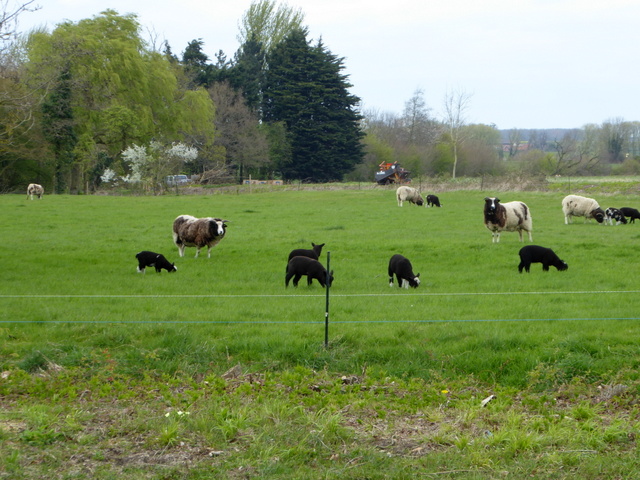
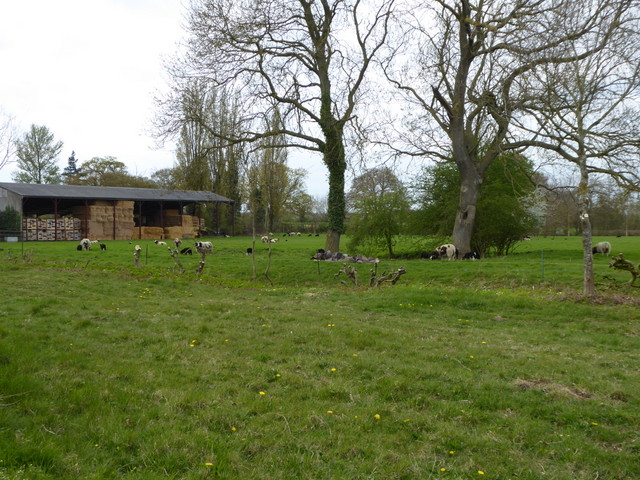
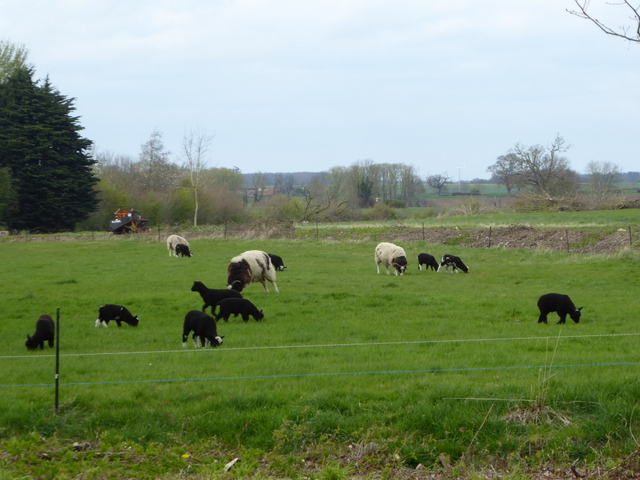
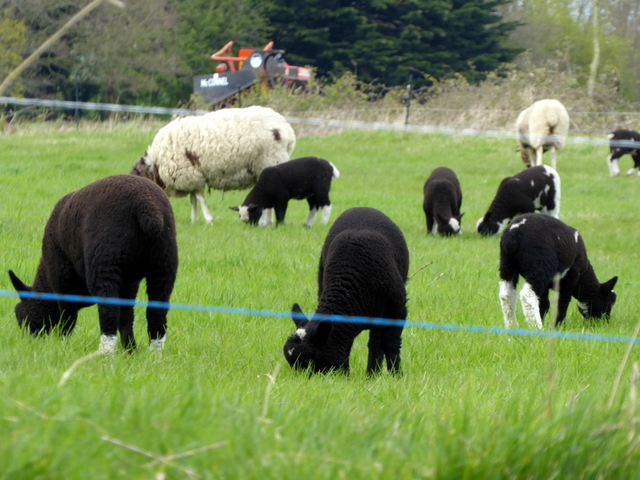
We drove back home and then walked to the corner of the lane to admire all the Jacob sheep and their lambs.
Thursday was quite busy. After the early church service I went into Halesworth to pick up some things I needed and spent some time in town. We had organised a team cleaning session at Rumburgh church for 2 pm but only five people managed to attend – Richard the Rector, Pam and Ian (the other Churchwarden and his wife), Richard and I. We all worked hard for two and a half hours and the church is clean and tidy again with everything back where it should be. We got rid of a lot of rubbish and moved some furniture about too.
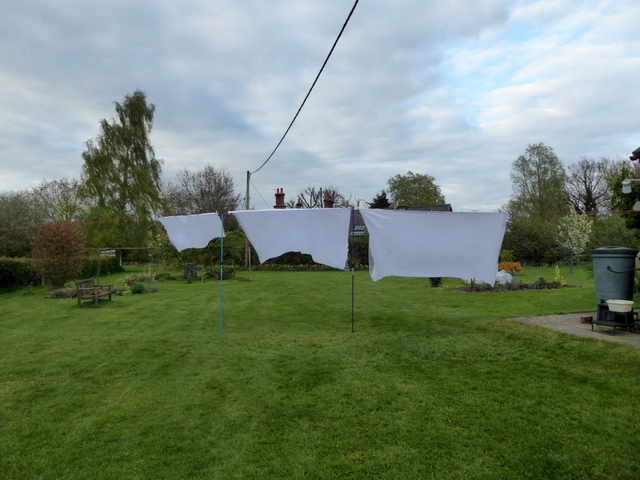
Before going out again that evening I managed to wash two altar cloths and a table cloth from the church. They dried quickly in the strong, cold breeze that has been blowing all the week.
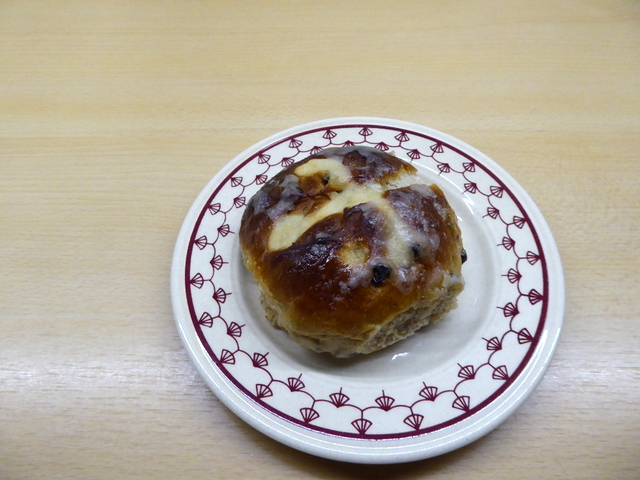
Friday was Hot Cross Bun Day!
Not only did we have buns at home but the Rector held a tea at his house after the last service of the day. It was very well attended, much food and drink was consumed and a lot of talking and gossiping was done!
We got a little much needed rain later but unfortunately, just as it started at 5.15 pm we got yet another power-cut which lasted until after 9.30 pm. A power cable was hit by a branch again! I had nothing suitable to cook on the gas hob for our evening meal so we went out to Bungay and had a pizza at the Stonehouse.
I went back to Bungay on Saturday morning to collect the flowers I had ordered and to buy some wrapping paper for presents for my mother whose 87th birthday is tomorrow. I also had to take a large parcel to the post office.
Today we went to the Fox and Goose in Fressingfield for lunch to celebrate both Easter and Mum’s birthday. It was a lovely meal, enjoyed by all of us and then Mum came home with us for the afternoon. The rain that was forecast for today held off until the afternoon so we didn’t get wet.
We have eaten out much more than usual this week, and very nice it has been too!
Thanks very much to you all for visiting my blog!
15 Sat Apr 2017
Posted in Rural Diary
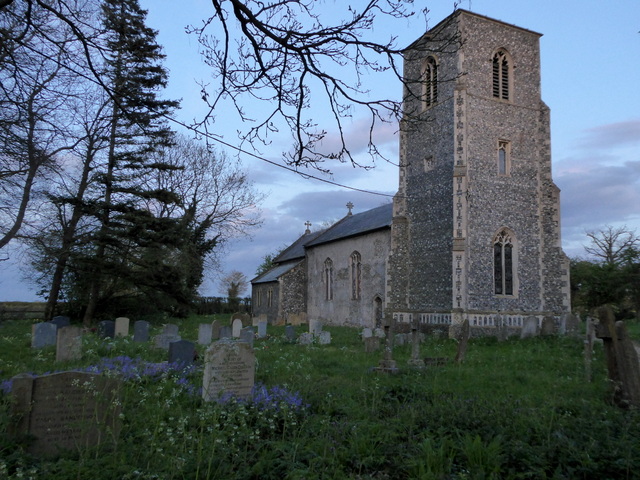
Richard and I attended the Easter Ceremonies service this evening at the church of St. Margaret of Antioch in the village of St. Margaret South Elmham.
1. Awake, awake: fling off the night! 2. Awake and rise, like men renewed,
For God has sent his glorious light; men with the Spirit’s power endued.
and we who live in Christ’s new day The light of life in us must glow,
must works of darkness put away. and fruits of truth and goodness show.
3. Let in the light; all sin expose 4. Awake, and rise up from the dead,
to Christ, whose life no darkness knows. and Christ his light on you will shed.
Before his cross for guidance kneel; Its power will wrong desires destroy,
his light will judge and, judging, heal. and your whole nature fill with joy.
5. Then sing for joy, and use each day;
give thanks for everything alway.
Lift up your hearts; with one accord
praise God through Jesus Christ our Lord.
J R Peacey
15 Sat Apr 2017
Posted in Rural Diary
Tags
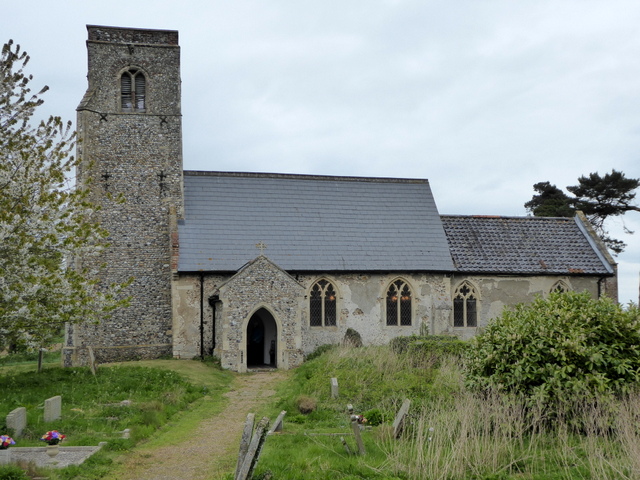
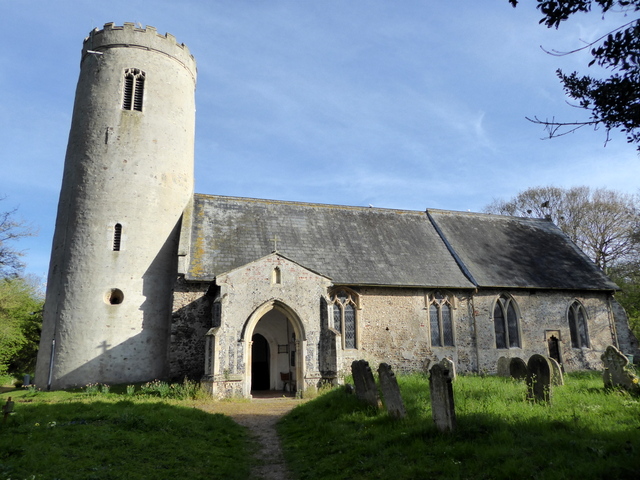
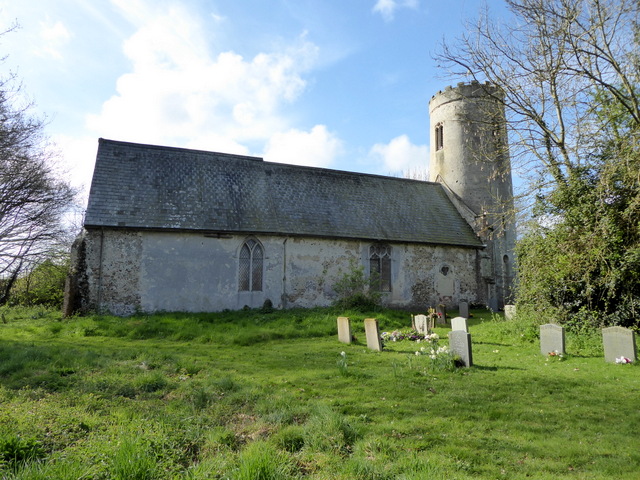
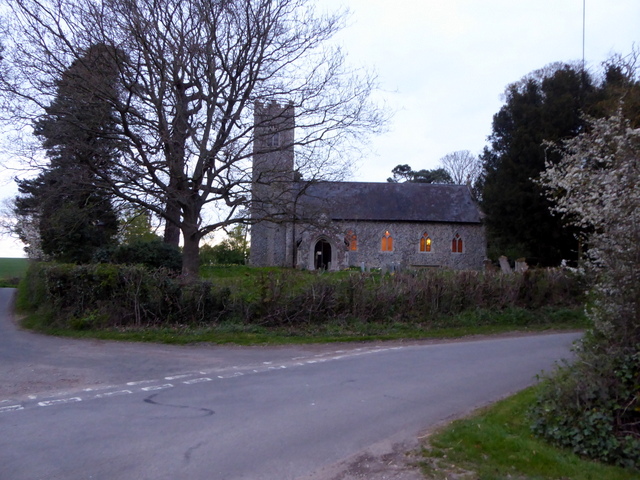
Holy Week, Lent, St. James church St. James South Elmham, St. Lawrence church Ilketshall St. Lawrence, St. Michael's church St. Michael South Elmham
Richard and I attended the Stations of the Cross service at 10 o’clock this morning at St. James’ church in the village of St. James South Elmham.
“He was despised and rejected by others;
a man of suffering and acquainted with infirmity;
and as one from whom others hide their faces
he was despised, and we held him of no account”
Isaiah 53 v 3
I attended a Devotional Hour service at midday today at St. Michael and All Angels’ church in the village of St. Michael South Elmham.
“Surely he has borne our infirmities and carried our diseases;
yet we accounted him stricken, struck down by God, and afflicted.
But he was wounded for our transgressions, crushed for our iniquities;
upon him was the punishment that made us whole, and by his bruises we are healed.
All we like sheep have gone astray; we have all turned to our own way,
and the Lord has laid on him the iniquity of us all.”
Isaiah 53 vv 4-6
Richard and I attended the Evening Prayer service at 2 o’clock this afternoon at St. Lawrence church in the village of Ilketshall St. Lawrence.
“He was oppressed, and he was afflicted, yet he did not open his mouth;
like a lamb that is led to the slaughter, and like a sheep that is before its shearers is silent,
so he did not open his mouth.
By a perversion of justice he was taken away.
Who could have imagined his future?
For he was cut off from the land of the living,
stricken for the transgression of my people.
They made his grave with the wicked and his tomb with the rich,
although he had done no violence, and there was no deceit in his mouth.”
Isaiah 53 vv 7-9
13 Thu Apr 2017
Posted in Rural Diary
Tags
Holy Week, Lent, Maundy Thursday, St. John Ilketshall St. John, St. Margaret Ilketshall St. Margaret
Richard and I attended Matins this morning at St. Margaret’s church in the village of Ilketshall St. Margaret.
1. Hark, my soul! it is the Lord; 2. “I deliver’d thee when bound,
‘Tis thy Saviour, hear his word; And when bleeding, heal’d thy wound;
Jesus speaks, and speaks to thee, Sought thee wandering, set thee right,
“Say, poor sinner, lovest thou me? Turn’d thy darkness into light.
3. “Can a woman’s tender care 4. “Mine is an unchanging love,
Cease toward the child she bare? Higher than the heights above,
Yes, she may forgetful be, Deeper than the depths beneath,
Yet will I remember thee. Free and faithful, strong as death.
5. “Thou shalt see my glory soon, 6. Lord, it is my chief complaint,
When the work of grace is done; That my love is weak and faint;
Partner of my throne shalt be; – Yet I love thee and adore, —
Say, poor sinner, lovest thou me?” Oh for grace to love thee more!
William Cowper
Richard and I attended Evening Mass of the Lord’s Supper and then a vigil this evening at St. John’s church in the village of Ilketshall St. John.
Challenge
On that night, there were
Two bowls of water.
The first was taken
And used for washing feet,
Symbol, he said, of love.
The second was called for
And used for washing hands,
Disclaiming responsibility.
The bowls are constantly before us:
Into which will we dip our hands?
Ann Lewin
Reviews, news, features and all things books for passionate readers
A blog about life in the country in the past and present
Poetry and what-not
Ein Tagebuch unserer Alltagsküche-Leicht zum Nachkochen
Tamara Jare Contemporary Figurative Art – Bold Colors, Resilient Souls
Documenting a Dream
Rambling Journeys in Britain, Countryside Matters and campaigning for the Right to Roam
Here to Entertain, Educate & Inspire!
an ongoing experiment in the dirt, 35 plus years
Celebrating God's creatures, birds and plants...
Developing a more sustainable lifestyle in SW Wales
Exploring the Lake District and beyond
Wandering trails around the coast of Wales
An English persons experience of living and gardening in Ireland
A Journal Of Everyday Life
Rambling Journeys in Britain with John Bainbridge. Fighting for the Right to Roam. Campaigning to Protect Our Countryside.
Waking the Writer Side...and keeping it "Up!"
Travel, thank you notes and other stories
Music and the Thoughts It Can Inspire
Simply Living Well
Historic watermill in the beautiful Suffolk countryside
Retired, not expired: words from the after(work)life. And music. Lots of music!
#TBGO
Twitter: @frankpleszak @PolishIICorps
Indie Writer and Publisher
Life in a flash - a bi-weekly storytelling blog
Rambling in the British Countryside
thoughts on social realities
Jottings from Skye
embracing my inner homemaker
Just another WordPress.com weblog
Flash Fiction, Book Reviews, Devotionals and other things.
Smile! You’re in Barnier World......
the things that come to hand
Author of "A Past Worth Telling"
A Quiet Celebration of Life on a British Farm
Poetry, Other Words, and Cats
A genealogical site devoted to the history of the DeKorn and Zuidweg families of Kalamazoo and the Mulder family of Caledonia