• About my Blog
  • GDPR (General Data Protection Regulations) and This Site
  • My Life in a Suffolk Lane

A Suffolk Lane

~ A diary of my life in rural north Suffolk.

A Suffolk Lane

Tag Archives: Suffolk

Highlights Part 7 : Redgrave and Lopham Fen

14 Tue Feb 2017

Posted by Clare Pooley in Days out, plants, Rural Diary, walking, wild flowers

≈ 67 Comments

Tags

ferns, flowers, plants, Redgrave and Lopham Fen, Suffolk, Suffolk Wildlife Trust, wild flowers

At the beginning of September, I visited Redgrave and Lopham Fen with my friend Heather whom I hadn’t seen for over a year.  It was a very muggy, clammy day so not ideal for walking any distance.
p1010278r-l-fen

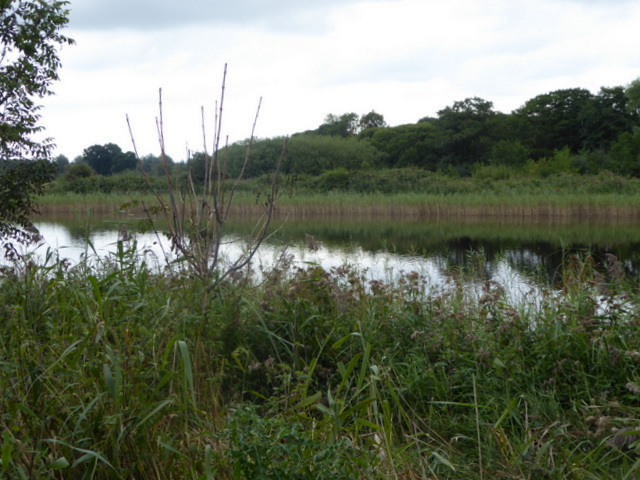
Redgrave and Lopham Fen – one of the many large ponds.

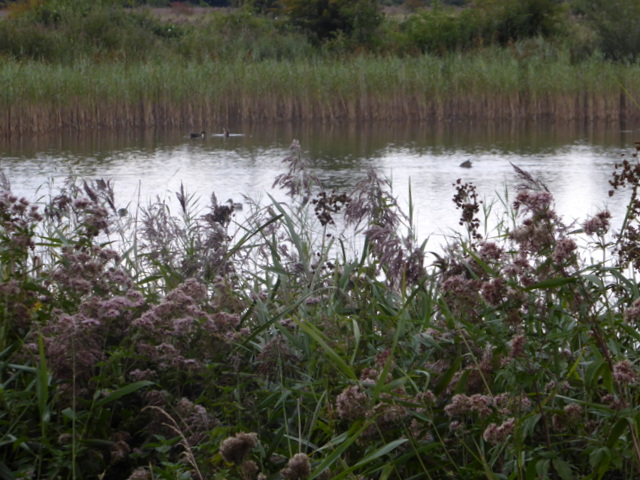
The sedge and reeds were very tall so we didn’t manage to see much open water and the pathways across the fen were quite narrow and enclosed at times.  We got very hot and sticky and our feet were black with the peaty soil we walked on.  However, we saw a few interesting plants and we managed to catch up with all our news!
p1010279r-l-fen

Water at Redgrave and Lopham Fen

Redgrave and Lopham Fen is situated on the border between Suffolk and Norfolk and is owned and maintained by the Suffolk Wildlife Trust.  It is where the River Waveney and the Little Ouse River have their beginning.  It is the largest remaining area of river valley fen in England.  Its diverse habitat make it a very important site; saw sedge beds, open water, heathland, scrub and woodland can all be found here.

It is one of only three sites in the UK where the Fen Raft Spider can be found, though we didn’t manage to see it on our walk.  Nineteen species of dragonfly, twenty-seven species of butterfly, twenty-six species of mammal, four species of amphibian, four species of reptile and ninety-six species of bird can be seen here.  The beginning of September isn’t a great time of year to go looking for wildlife but we were pleased with what we did manage to see.  It is a place I would like to return to one day.
p1010255rosehips-r-l-fen

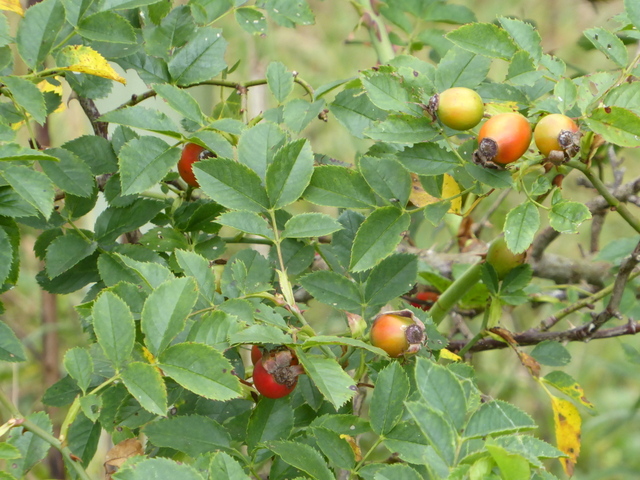
Hips of the Dog Rose (Rosa canina)

p1010258purple-loosestrife

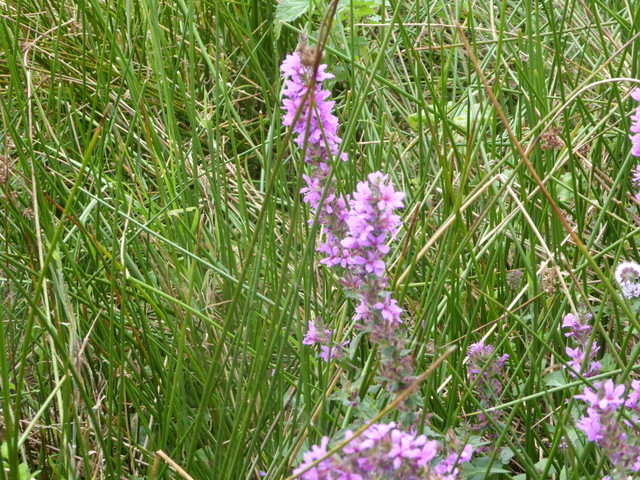
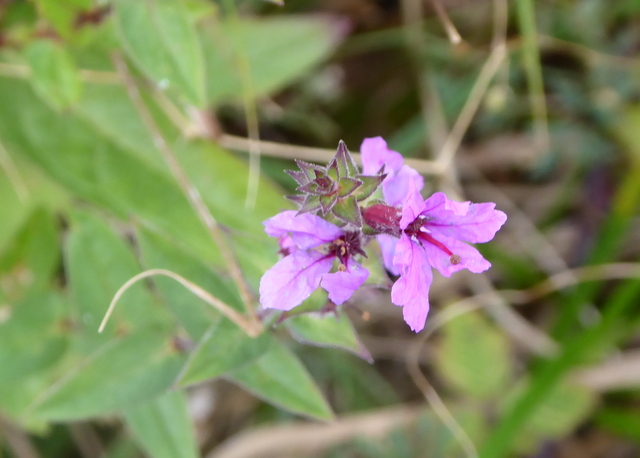
Purple Loosestrife (Lythrum salicaria)

Surprisingly for a plant so widespread, this was the first time I had seen this flower since I was a little girl.
p1010266purple-loosestrife

Purple Loosestrife

p1010259purple-loosestrife-mint

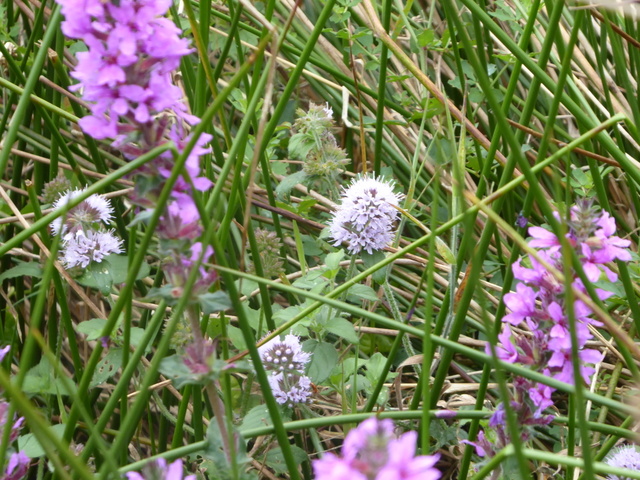
Purple Loosestrife and Water Mint (Mentha aquatica)
p1010260birds-foot-trefoil

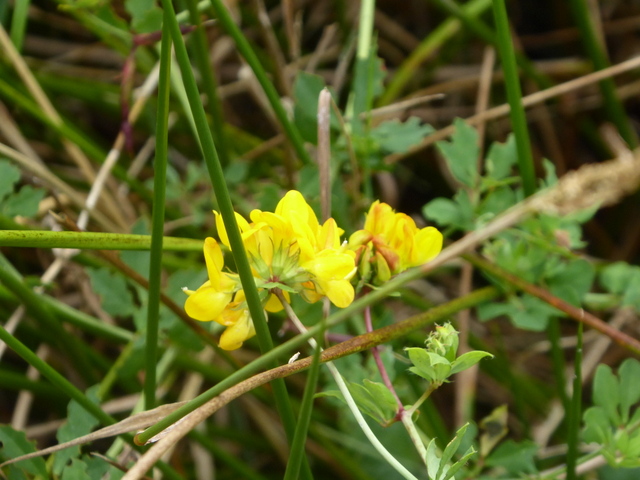
Greater Bird’s-foot Trefoil (Lotus pendunculatus)
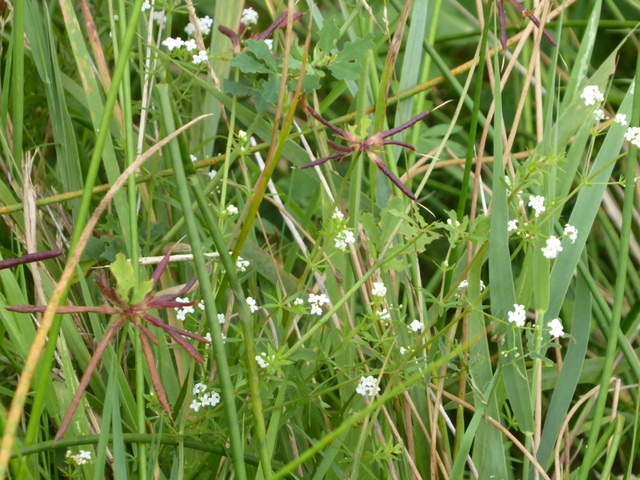
p1010263bedstraw-trefoil-seedheads

Bird’s-foot Trefoil seedheads with Fen Bedstraw (Galium uliginosum)

These seedheads really do look a bit like birds feet!

Bulrush and Common Reed

Bulrush (Typha latifolia) is also known as Great Reedmace.  Common Reed (Phragmites australis) stands in this country are a priority habitat because of their importance for wildlife as food and shelter.
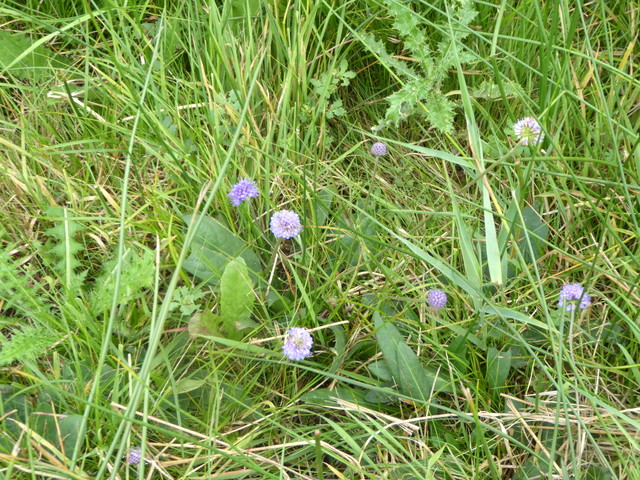
p1010267devils-bit-scabious

Devil’s-bit Scabious (Succisa pratensis)

According to legend, the Devil was so angry with this plant because it was successful at curing all sorts of ailments that he bit off part of the root.  The plant may have a short root but it still has curative powers!  Nicholas Culpeper says the boiled root is good for snake-bite, swollen throats, wounds and the plague.
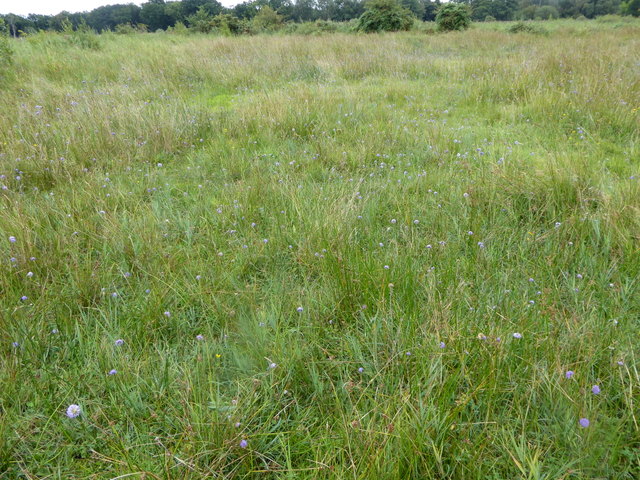
p1010268devils-bit-scabious

A meadow full of Devil’s-bit Scabious
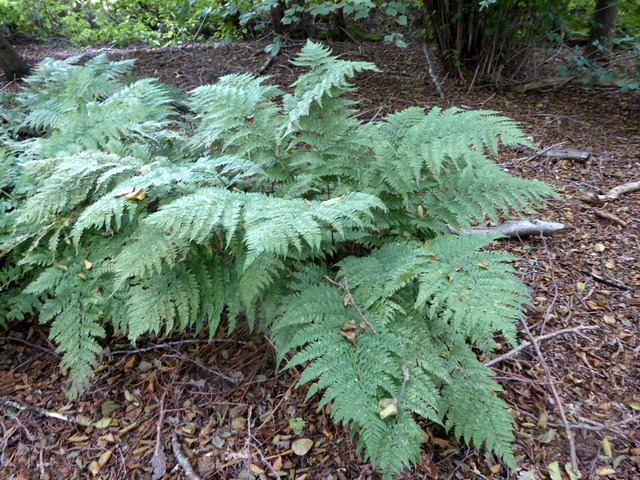
p1010269broad-buckler-fern

Broad Buckler Fern (Dryopteris dilatata)

Broad Buckler Fern has 3-times pinnate leaves.  Pinnate leaves are made up of leaflets, often in pairs, attached to a central stem and often with a terminal leaflet.  2-times pinnate leaves = the leaflets have their own leaflets.  3-times pinnate leaves = the leaflets of the leaflets have leaflets!  Broad Buckler Fern has a long stalk which only has leaf branches for half its length.
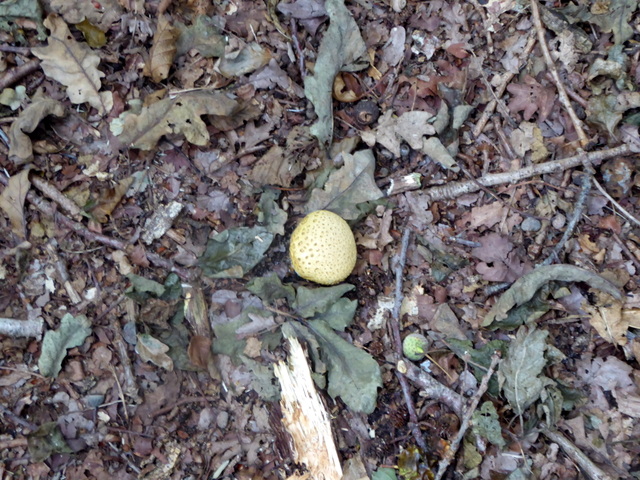
p1010270earthball

Probably Common Earthball (Scleroderma citrinum)
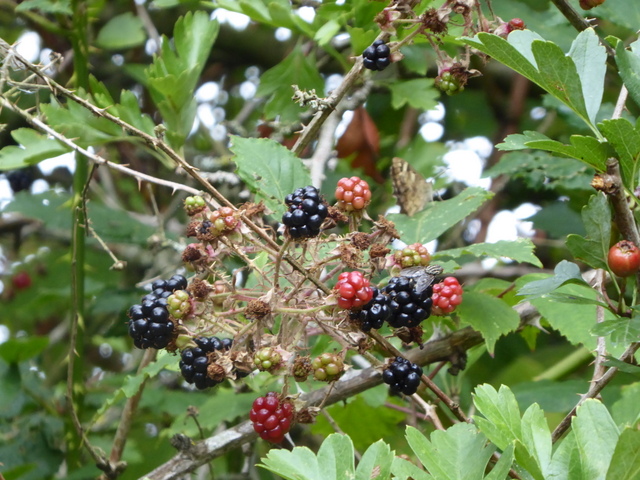
p1010271blackberries

Blackberries on Bramble (Rubus fruticosus agg.)  There is an out-of-focus Speckled Wood butterfly sitting on a leaf just to the right of the top red berry
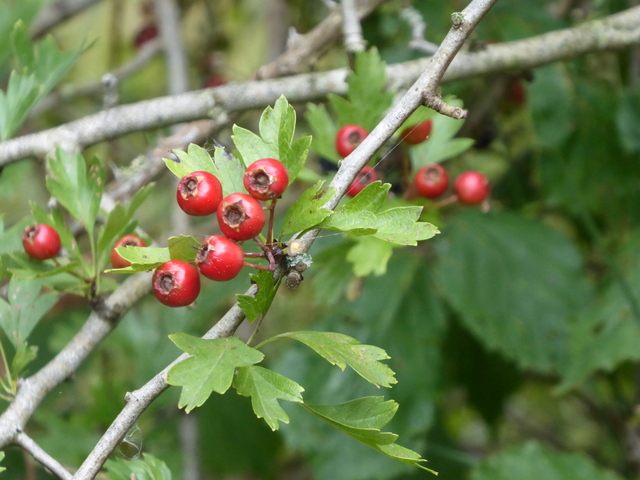
p1010272haws

Haws of a Common Hawthorn (Crataegus monogyna)
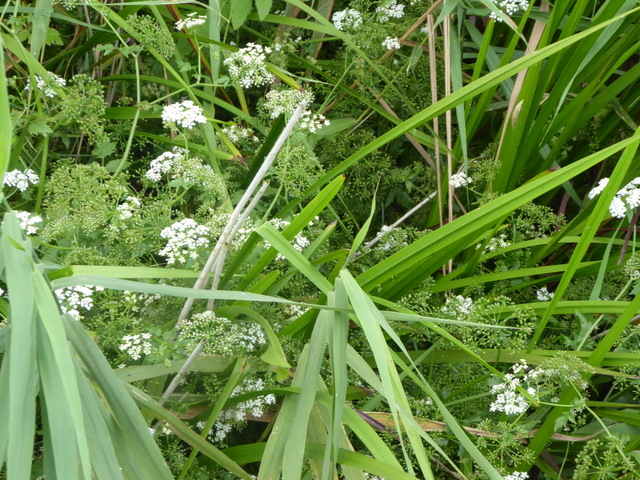
p1010274lesser-water-parsnip-perhaps

This might be Lesser Water Parsnip (Berula erecta)
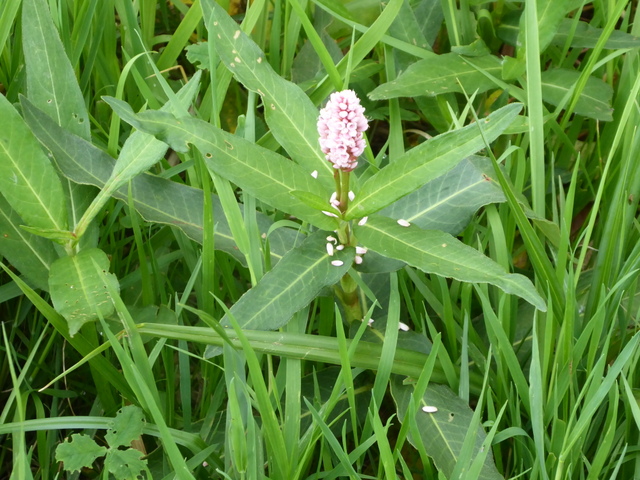
p1010276amphibious-bistort-perhaps

I believe this is probably Amphibious Bistort (Persicaria amphibia)

It took me a while to identify this plant, mainly because it is extremely variable.  It has two main forms – an aquatic form, which is described and illustrated in most ID guides, and a terrestrial form, which isn’t often described and hardly ever illustrated.  The plant I saw is the terrestrial form.
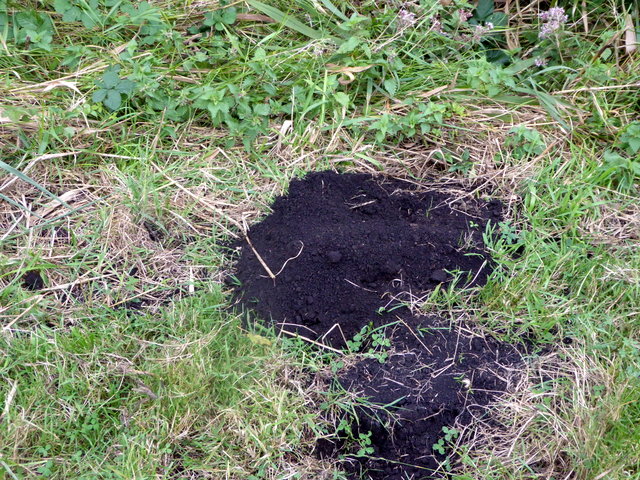
p1010277mole-in-peat

This mole-hill shows how black the soil is
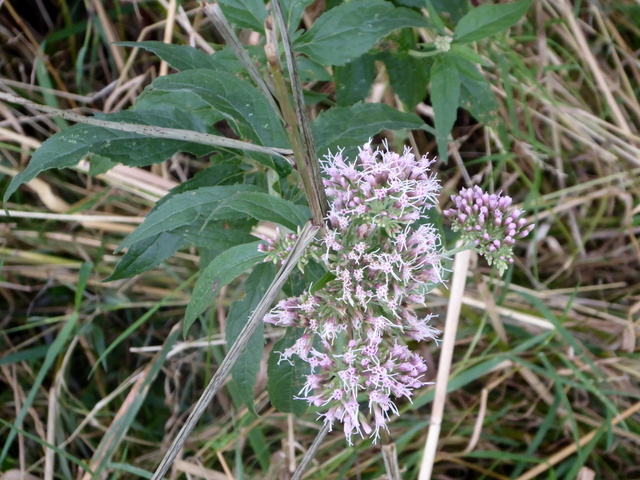
p1010282common-valerian

Common Valerian (Valeriana officinalis)
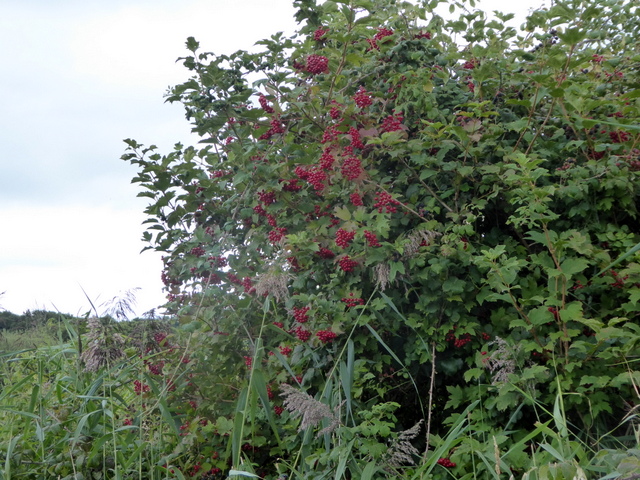
p1010281guelder-rose

Guelder-rose (Viburnum opulus) with clusters of red berries

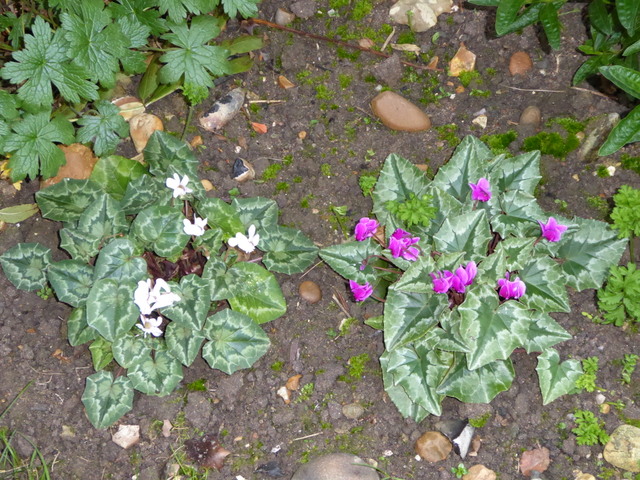
Heather kindly bought me a gift of two hardy cyclamen plants as our meeting was close to my birthday.  I took a photo of them at the end of October where I had planted them in my garden.
p1010470cyclamen

White and purple hardy cyclamen.  I am hoping they will spread out under the shrubs I have in this border and prevent the moss from returning as soon as my back is turned!

Thanks for visiting!
 

Share this:

  • Share on X (Opens in new window) X
  • Share on Reddit (Opens in new window) Reddit
  • Share on Pinterest (Opens in new window) Pinterest
  • Share on Facebook (Opens in new window) Facebook
  • Email a link to a friend (Opens in new window) Email
  • Share on Tumblr (Opens in new window) Tumblr
  • Print (Opens in new window) Print
  • Share on Pocket (Opens in new window) Pocket
  • Share on LinkedIn (Opens in new window) LinkedIn
Like Loading...

Highlights Part 6: Shingle Street

04 Sat Feb 2017

Posted by Clare Pooley in Days out, plants, Rural Diary, seashore

≈ 54 Comments

Tags

beach, kite-surfing, Shingle Street, Suffolk, wild flowers

After we left the Suffolk Punch Trust we drove a couple of miles to Shingle Street on the coast.

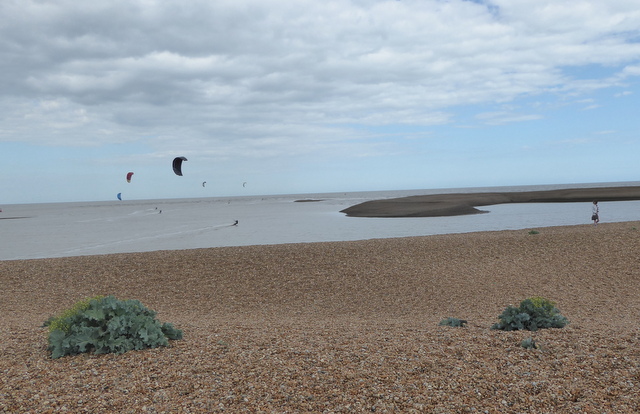
p1000723shingle-street

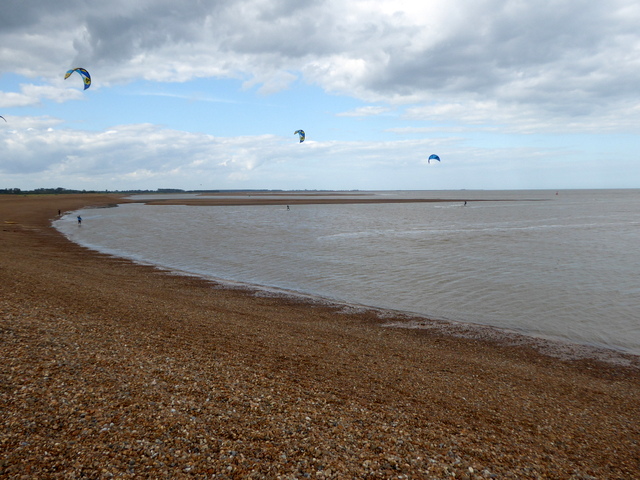
Shingle Street beach

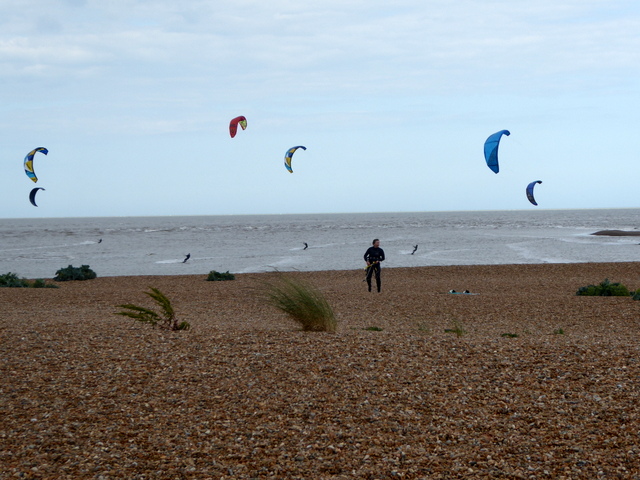
I wanted to visit this beach to look at the plants and flowers that live on the shingle.  I had heard that it was a desolate spot but when we were there the place was teeming with kite-surfers!

p1000712kite-surfers

Kite-surfing on a windy day

p1000721shingle-street

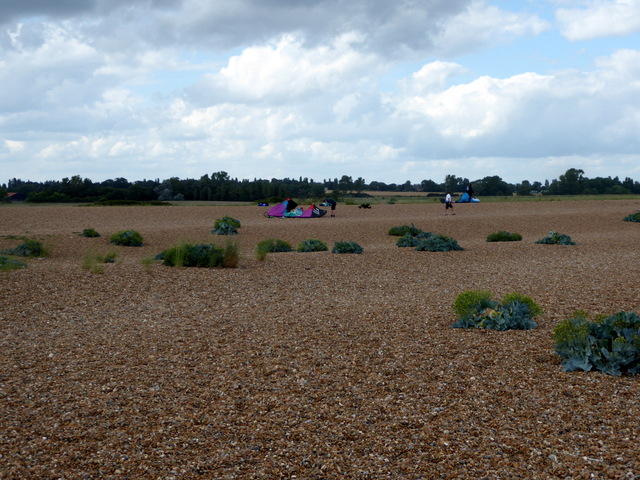
Kite-surfers on the beach

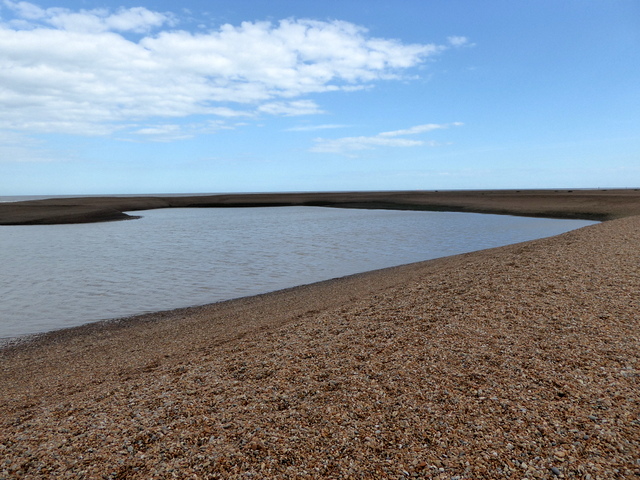
p1000720shingle-street

More kite-surfers. Here you can see the spit of shingle which curls round forming a calm lagoon.

p1000722shingle-street

The lagoon

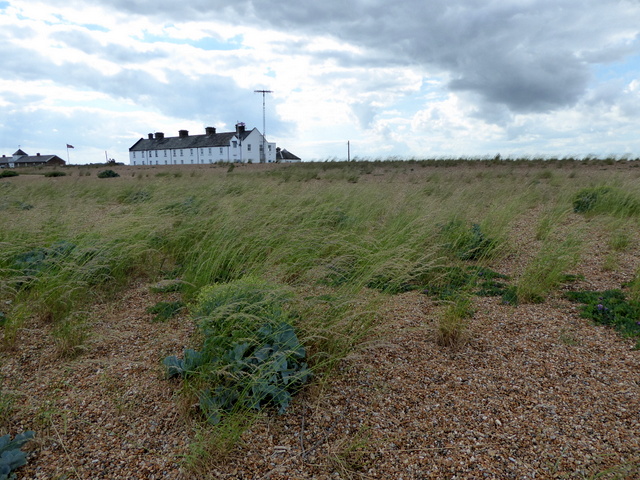
p1000717coastguard-houses

The houses at Shingle Street

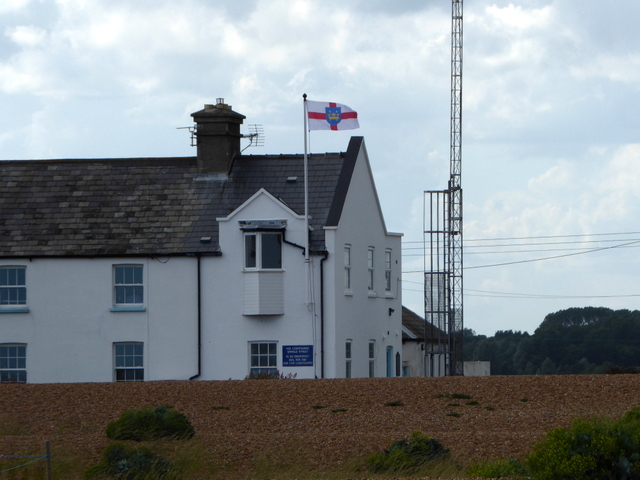
p1000724shingle-street

The Coastguard House

p1000725shingle-street

Shingle Street  Part of the beach was fenced off to protect nesting birds, little terns and ringed plovers, and to protect this beach from damage by trampling.

p1000729shingle-street

Shingle Street

p1000726shingle-street

Looking south towards the Martello Tower

p1000727orford

Looking north towards Orfordness lighthouse….

p1000728orford

…and the old atomic weapons research establishment

p1000735hollesley-phps

The village of Hollesley

p1000696vipers-bugloss

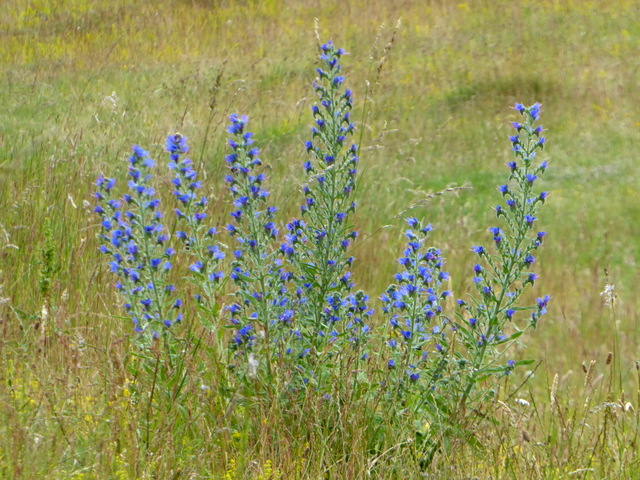
Viper’s Bugloss (Echium vulgare)

The name ‘Bugloss’ derives from the Greek for ‘ox-tongued’ – the plant is quite rough and bristly to the touch.  Parts of the plant are also thought to look like a snake – the fruits, which are said to resemble an adder’s head, used to be used to cure snake bites even though the plant is poisonous!


p1000697ladys-bedstraw

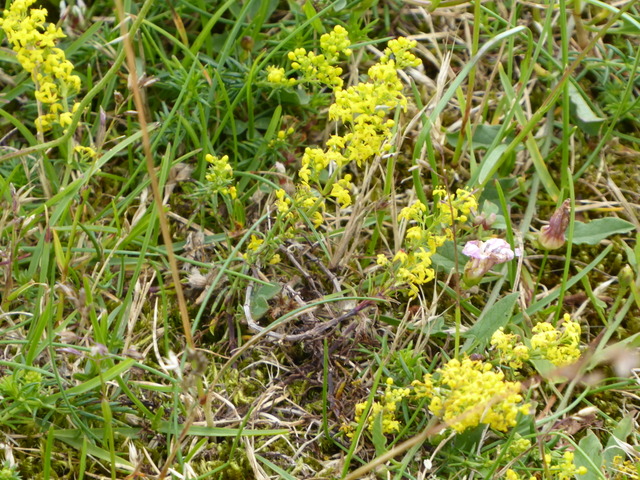
Lady’s Bedstraw (Galium verum)

According to my field guide, the flowers are honey-scented when fresh and smell of new-mown hay when dry.  In days gone by, it was said to discourage fleas and so was added to straw mattresses especially for the beds of women about to give birth.

p1000698sea-beet

Sea Beet (Beta vulgaris subsp. maritima )

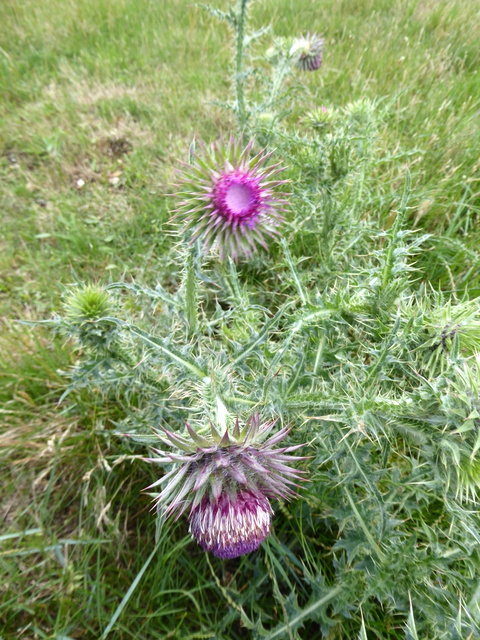
p1000701spear-thistle

Spear Thistle (Cirsium vulgare). Not an uncommon plant but I find it beautiful – and spiny!

p1000702common-mallow

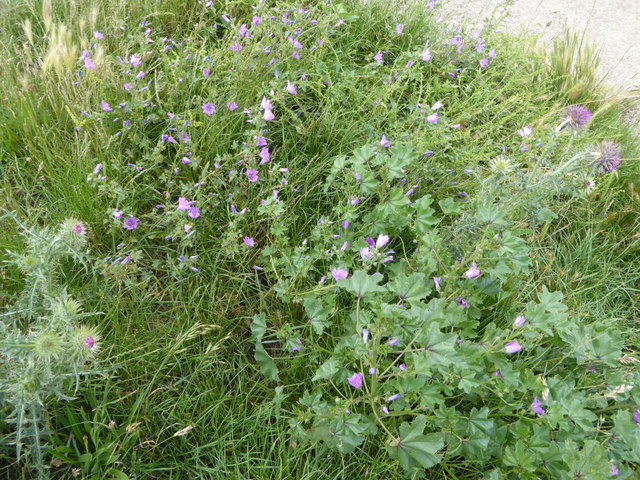
Common Mallow (Malva sylvestris)

p1000707sea-kale

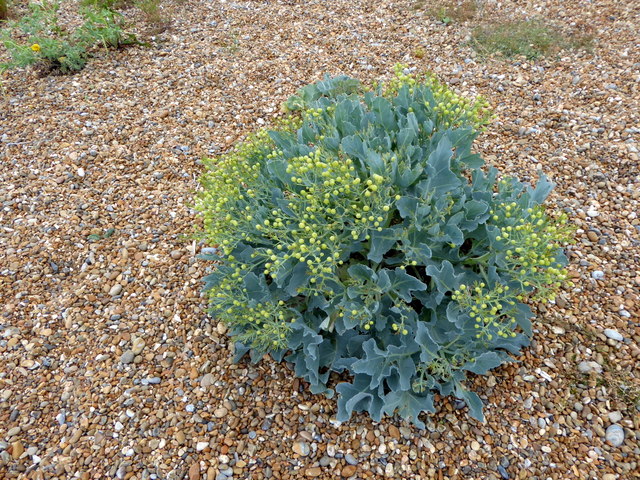
Sea Kale (Crambe maritima)

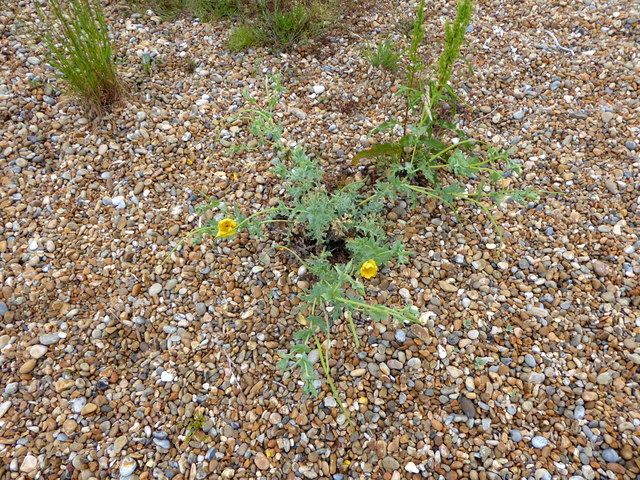
p1000708yellow-horned-poppy

Yellow Horned Poppy (Glaucium flavum)

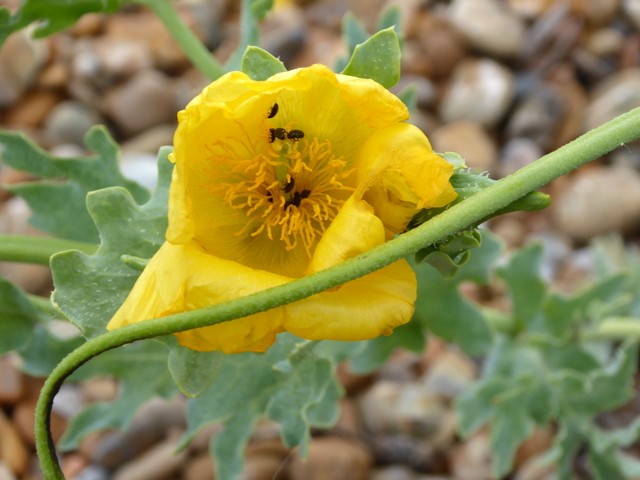
p1000709yellow-horned-poppy

Yellow Horned Poppy (with a few pollen beetles!)  

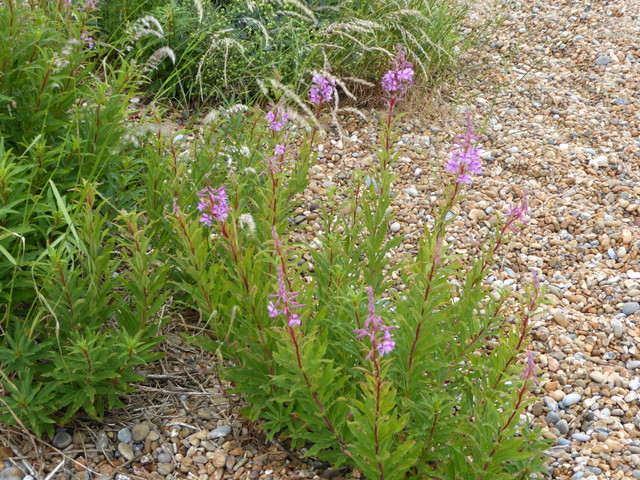
p1000710rosebay-willowherb

Rosebay Willowherb (Chamerion angustifolium)

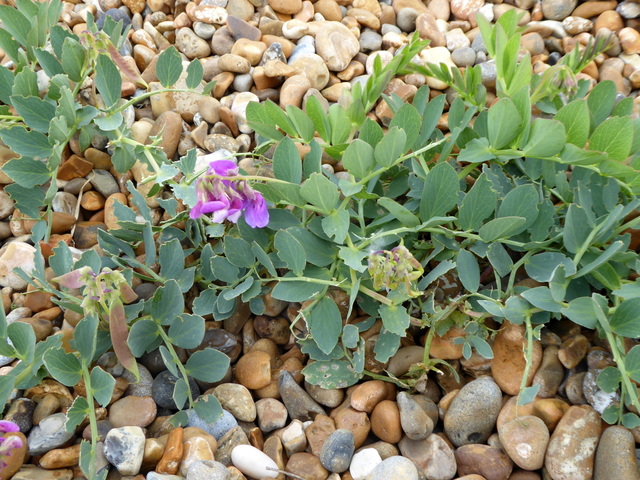
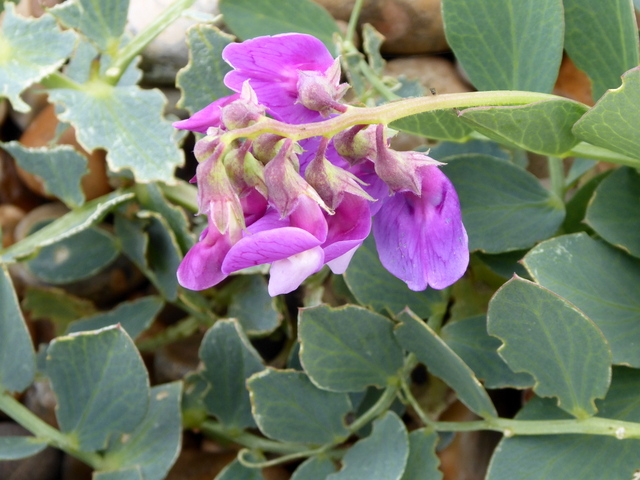
p1000713sea-pea

Sea Pea (Lathyrus japonicus)

I was very pleased to see this plant still in flower!  Usually I find it too late to admire the bright pink flowers.  It is a nationally scarce plant but where it is happy it grows well and plentifully.  My field guide tells me that the seed pods resemble garden pea-pods and were eaten (apparently) in Suffolk in times of famine (e.g. 1555).  The pods are toxic in large quantities.

p1000714sea-pea

Sea pea

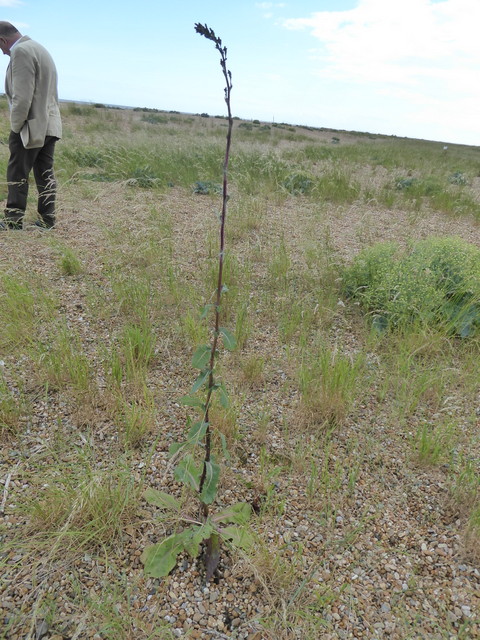
p1000716prickly-lettuce

Prickly Lettuce (Lactuca serriola) These plants can grow as tall as 200 cm/ 6.5 ft.  Prickly lettuce is a non-native and was first recorded here in 1632.

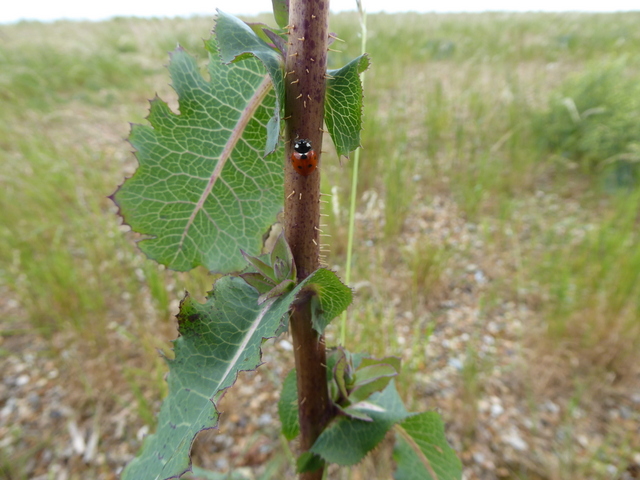
p1000715ladybird-on-prickly-lettuce

A Ladybird on Prickly Lettuce

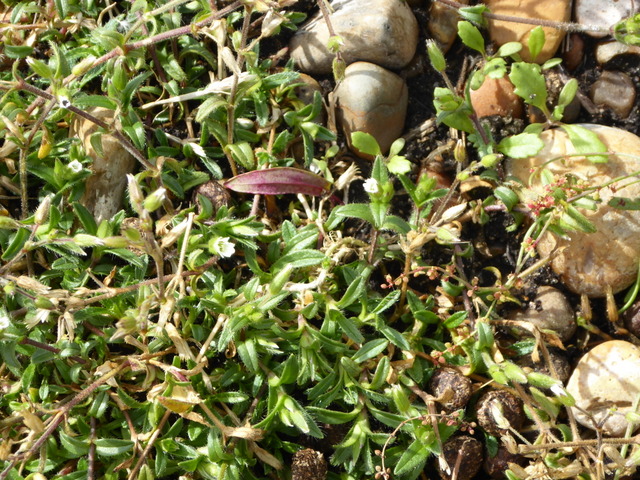
p1000731mouse-ear-perhaps

I think this is a type of Mouse-ear, probably Common Mouse-ear (Cerastium fontanum)

This visit to the Shingle Street beach was a very pleasant end to an enjoyable day.

Thanks for visiting!

Harrap’s Wild Flowers: Simon Harrap

http://www.seasonalwildflowers.com/

Share this:

  • Share on X (Opens in new window) X
  • Share on Reddit (Opens in new window) Reddit
  • Share on Pinterest (Opens in new window) Pinterest
  • Share on Facebook (Opens in new window) Facebook
  • Email a link to a friend (Opens in new window) Email
  • Share on Tumblr (Opens in new window) Tumblr
  • Print (Opens in new window) Print
  • Share on Pocket (Opens in new window) Pocket
  • Share on LinkedIn (Opens in new window) LinkedIn
Like Loading...

Highlights Part 5: The Suffolk Punch Trust

03 Fri Feb 2017

Posted by Clare Pooley in Days out, Rural Diary

≈ 56 Comments

Tags

agricultural museum, draught horses, Hollesley, horses, rare breeds, Suffolk, Suffolk Punch Trust

Last summer we visited the Suffolk Punch Trust at Hollesley.  Richard had been in touch with his cousin who had enquired about Suffolk Punch horses and wondered if we could go and find some.  We obliged.

The Suffolk Punch Trust is a charity that works to protect the critically endangered Suffolk Punch horse by its breeding programme, by making people aware of the horse and its history and by training men and women to work with them.  Suffolk Punches have been on this site since 1880 when the then owner of the farm began to breed them here.  In 1886, the Colonial College was formed where young gentlemen were trained in farming methods but by 1906 the site was owned by London County Council who used the site to create work for the unemployed.  In 1938 the Prison Service took over the farm where they rehabilitated young offenders.  When I first came to live in Suffolk in the 1980’s the ‘Colony’ was featured fairly regularly on local news programmes because of the very successful stud the Prison Service with their young offenders had developed.  Sadly, the Prison Service found it had to sell the farm in 2002 and many of the workers there were sad to leave the horses.  This was when the Trust was formed and the good work that was begun so many years ago has been continued.

p1000675sp-trust-land

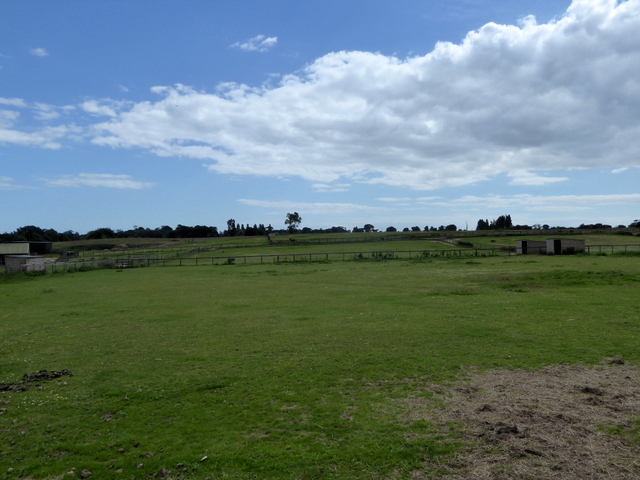
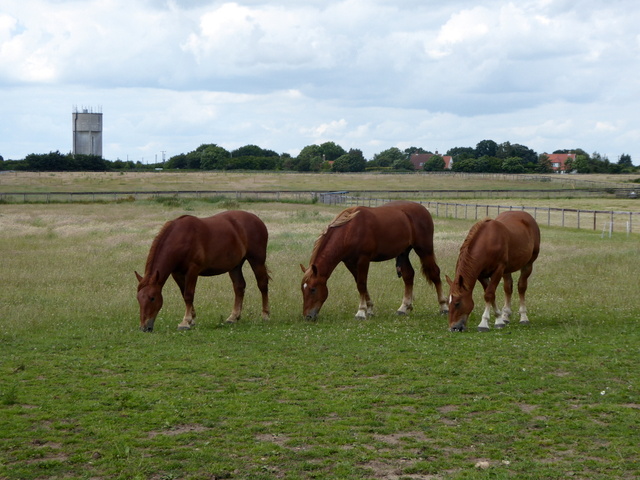
Suffolk Punch Trust land with paddocks.

The Suffolk Punch is  a heavy draught horse specially bred for agricultural work on the land rather than as cart horses on the road.  They are massive horses with very powerful, muscular necks but are shorter in height than most other draught horses.  They were used on and near the battlefields during the First World War because of their strength and because they were accustomed to working on thick, clay soil.  With the introduction of the motor tractor the horses were no longer needed and many were slaughtered.

p1000662suffolk-punch

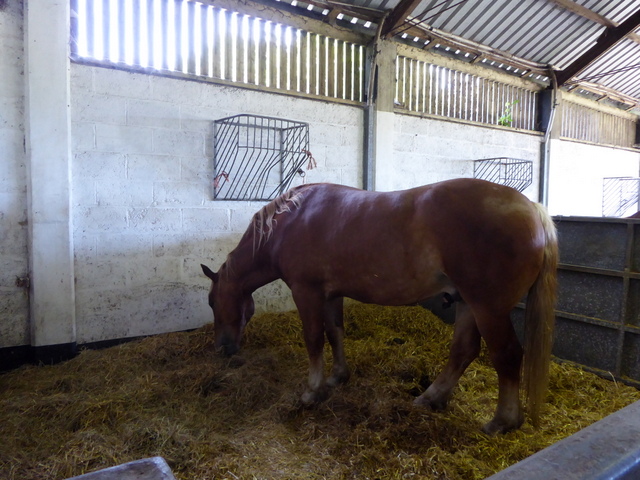
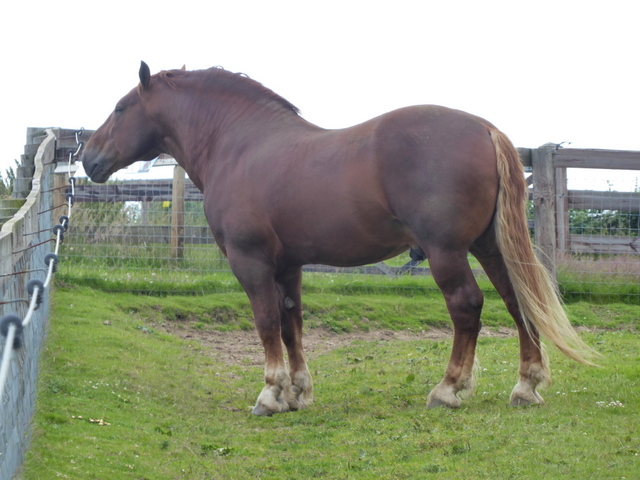
All Suffolk Punches are chestnut horses though traditionally it is spelt ‘chesnut’ without the middle ‘t’

p1000663suffolk-punch

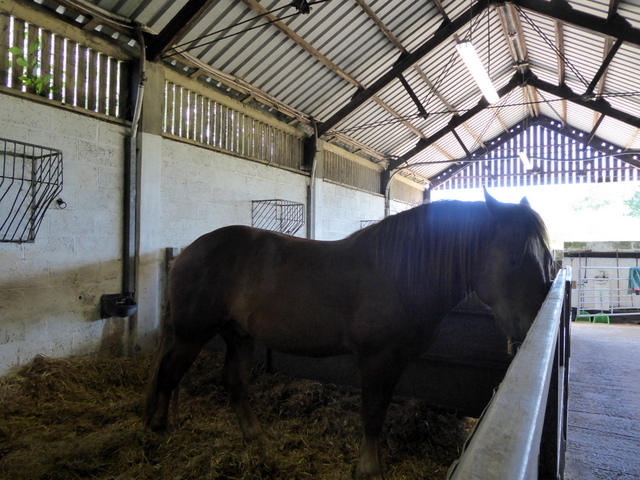
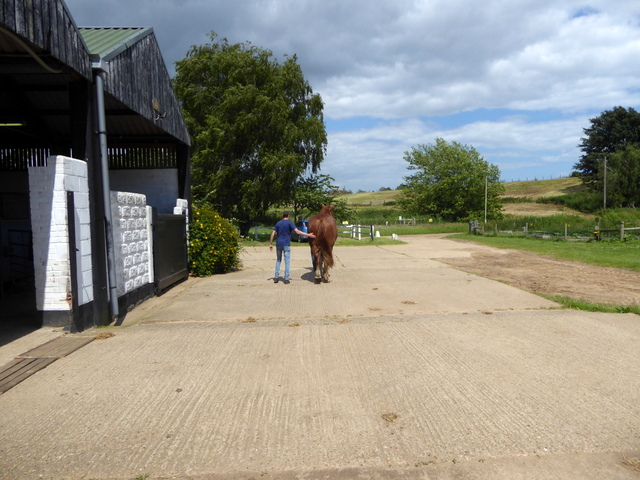
We looked at the horses resting in their stables

p1000664suffolk-punch

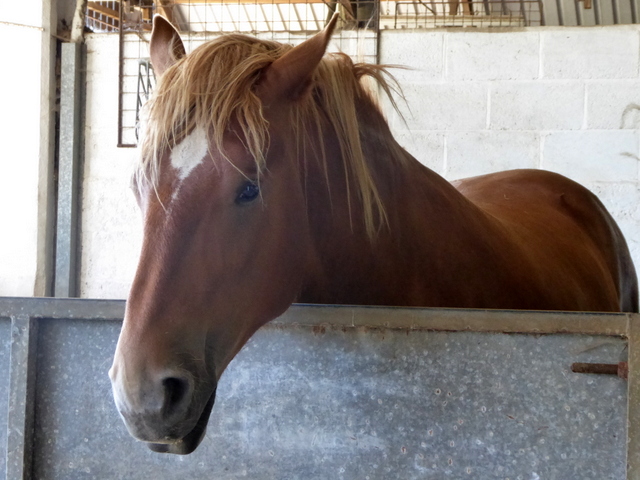
This one was very friendly

The Trust also looks after other horses…

Shetland pony
Shetland pony
Shetland pony
Shetland pony

…such as these Shetland ponies and also horses just out of racing, that are rested here by the charity ‘Retraining of Racehorses’.  They then go on elsewhere to be trained for a second career.

The Trust also looks after other rare breeds of native Suffolk farm animals such as the Large Black Pig, Red Poll Cattle, Suffolk Sheep, Ixworth Chickens and Bantam Silver Appleyard Ducks.

Ixworth hen and chicks
p1000665carts

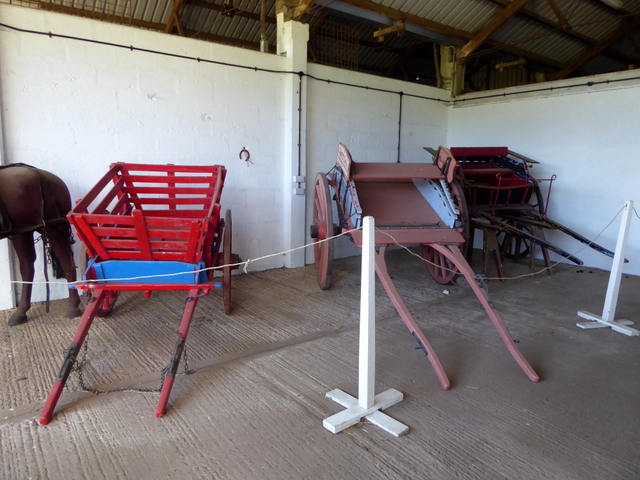
A selection of old carts

They have a Suffolk Heritage Garden stocked with plants, shrubs and trees that originated in or are associated with Suffolk.  We didn’t get to see this unfortunately.

p1000666suffolk-punch

We then made our way to a large barn where we were shown how Punches are trained to pull a plough.

This slideshow requires JavaScript.

Richard videoed this as well.

There is a saying about the Suffolk Punch –

A Suffolk Punch should have a face like an angel, a belly like a barrel and a backside like a farmer’s daughter

Well, it’s obvious a woman never thought that one up!

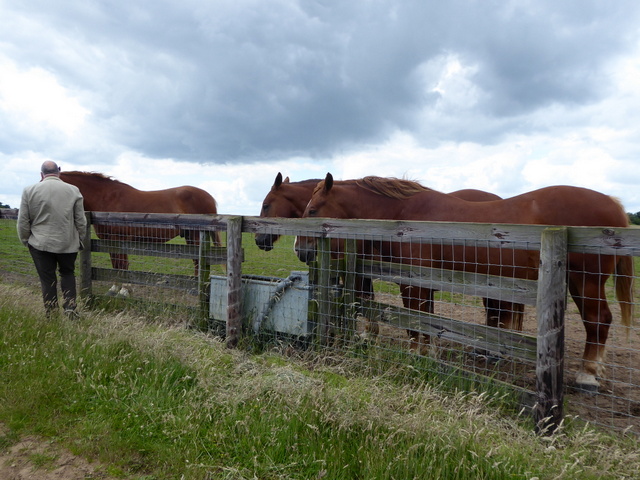
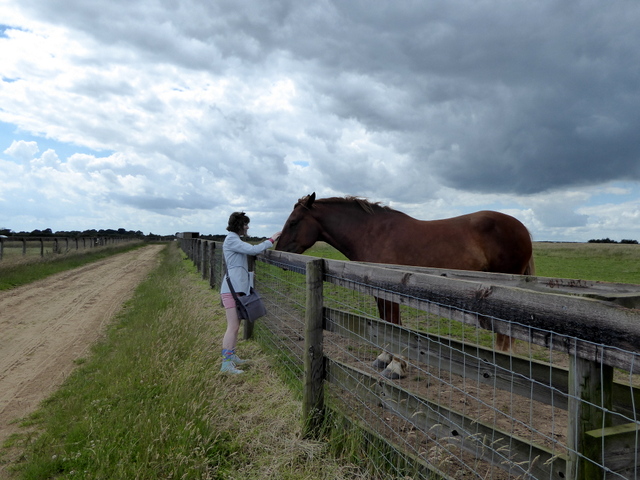
We walked around some of the paddocks and met many of the residents.

p1000677hairy-b-w-pig

A very hairy black and white pig

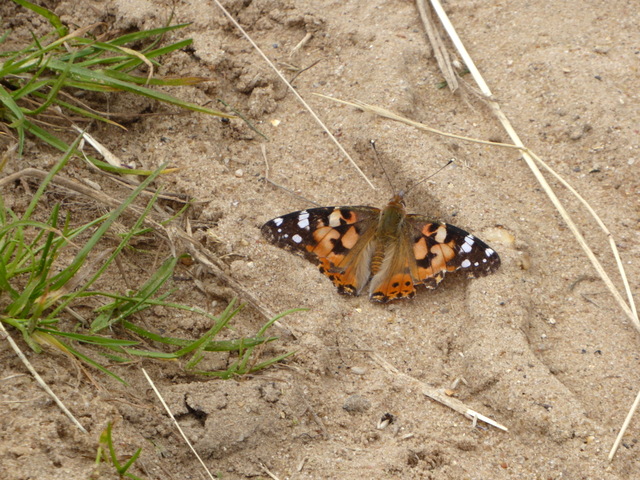
p1000676painted-lady

A Painted Lady butterfly (Vanessa cardui)

p1000678suffolk-punches

Richard and friends

p1000679stallion-sp

Elinor loved this horse!

p1000680black-horehound-001

Black Horehound (Ballota nigra)

p1000681s-punches

Suffolk Punches

p1000683stallion

A beautiful stallion

We visited the museum.

p1000684museum

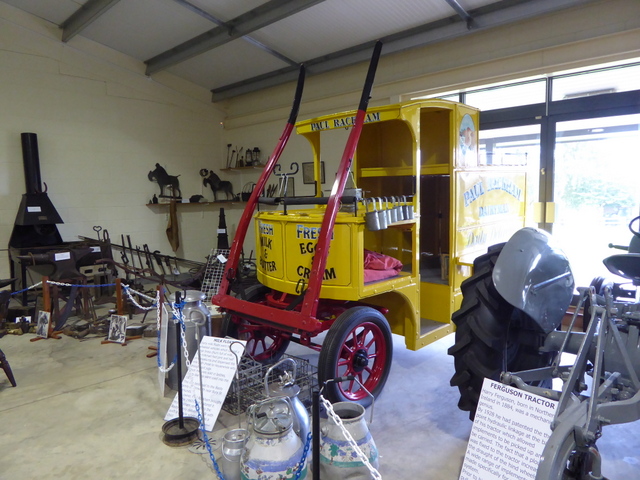
All sorts of things that would have been found on farms, in dairies, in villages, in stables and smithies.

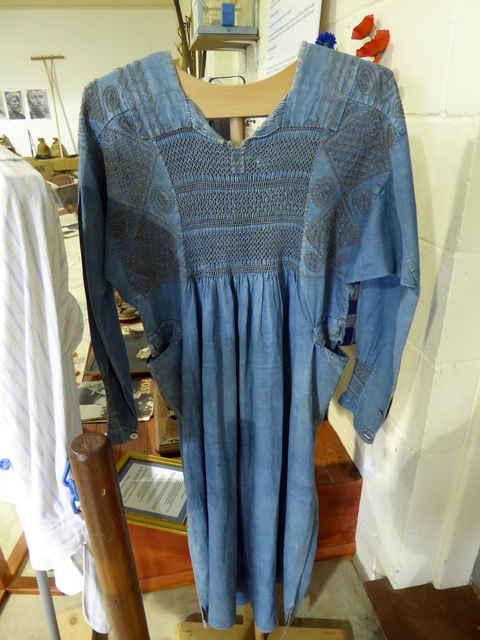
p1000686museum

I was pleased to see an example of an old farming smock covered with exquisite smocking!


This slideshow requires JavaScript.

This slideshow requires JavaScript.

We found it a very enjoyable and interesting place.

Thanks for visiting!

Share this:

  • Share on X (Opens in new window) X
  • Share on Reddit (Opens in new window) Reddit
  • Share on Pinterest (Opens in new window) Pinterest
  • Share on Facebook (Opens in new window) Facebook
  • Email a link to a friend (Opens in new window) Email
  • Share on Tumblr (Opens in new window) Tumblr
  • Print (Opens in new window) Print
  • Share on Pocket (Opens in new window) Pocket
  • Share on LinkedIn (Opens in new window) LinkedIn
Like Loading...

Highlights Part 4

30 Mon Jan 2017

Posted by Clare Pooley in Gardening, Insects, plants, Rural Diary, wild flowers

≈ 55 Comments

Tags

bee orchid, black medick, branched bur-reed, clouds, Common Spotted-orchid, Escallonia, five-spot burnet, garden, garden flowers, gazania, hedge woundwort, house-leek, hoverfly syrphus ribesii, hoverfly volucella pellucans, insects, iris, large skipper butterfly, micro moth, plants, red-eyed damselfly, southern cuckoo bumblebee, Suffolk, wasp beetle, weather, White Clover, wild flowers

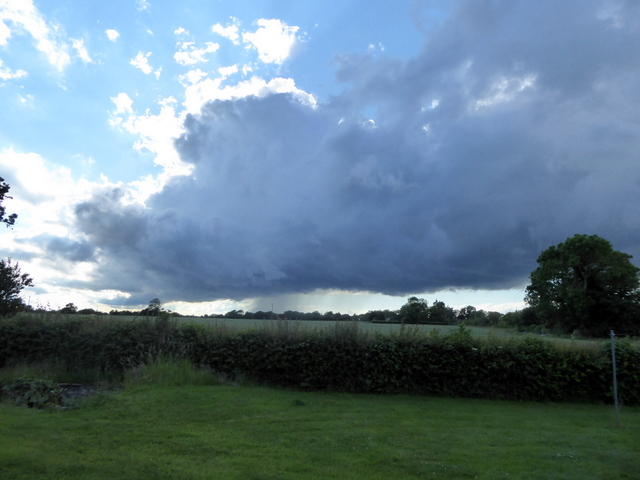
p1000549rain-clouds

We had stormy weather like this all through last summer!

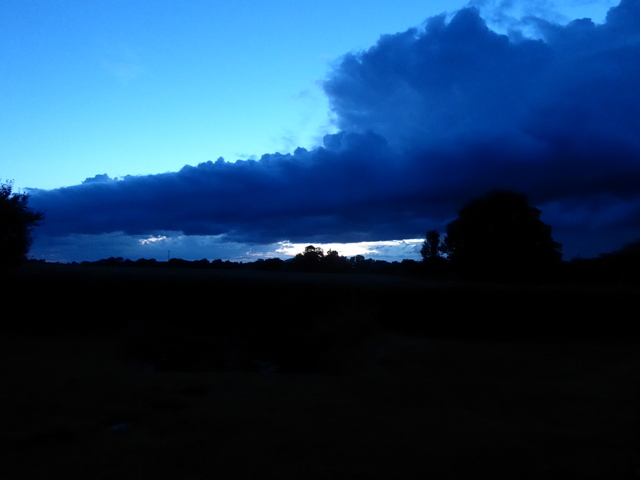
p1000654clouds

Many beautiful cloudscapes

p1000655clouds

Cloudy sunsets….

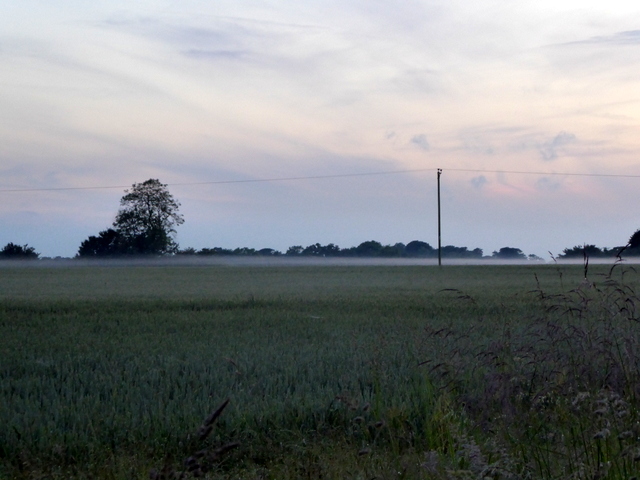
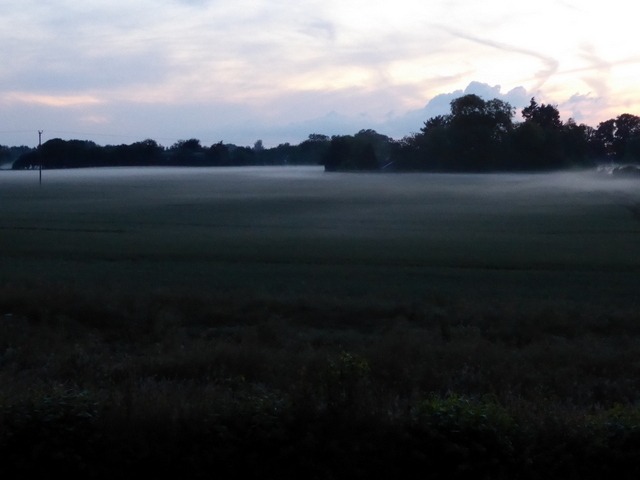
p1000559mist

…and a lot of misty evenings!

p1000561mist

ooOOoo

p1000563gazania

Richard grew Gazanias in pots last summer. They did very well especially towards the end of summer when the weather improved.

p1000568iris

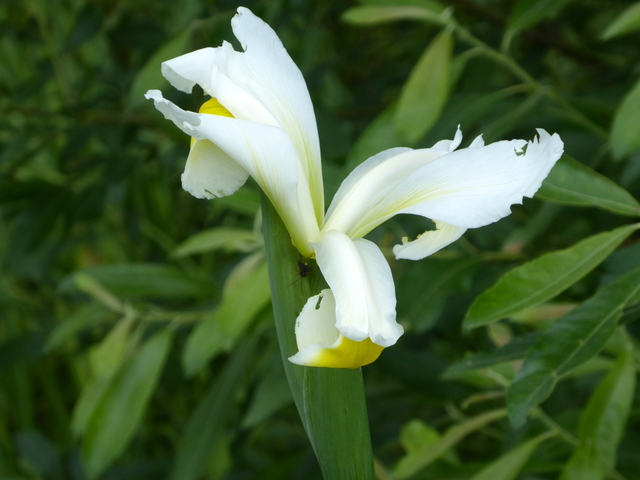
I discovered this rather chewed iris on the bank of the big pond in our garden. We don’t have any other irises like this. I wonder where it came from?

p1000569red-eyed-damselfly

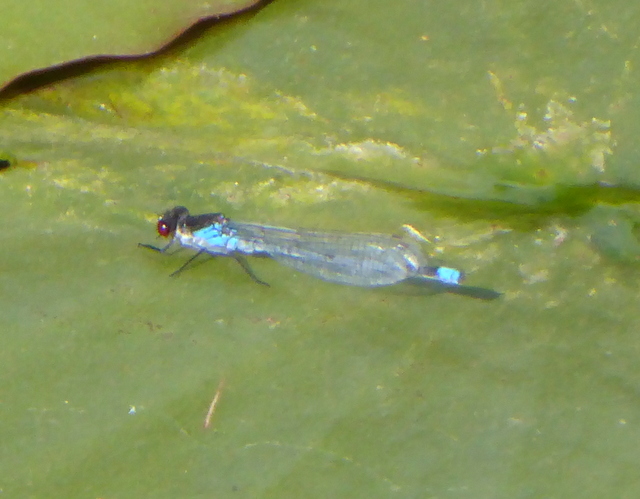
Red-eyed Damselfly (Erythromma najas)

I saw this damselfly on a lilypad on the big pond.  I zoomed my camera as far as it would go and then cropped the shot which explains the poor quality of the photo.  I needed to ID this damselfly which is a new one for our garden.

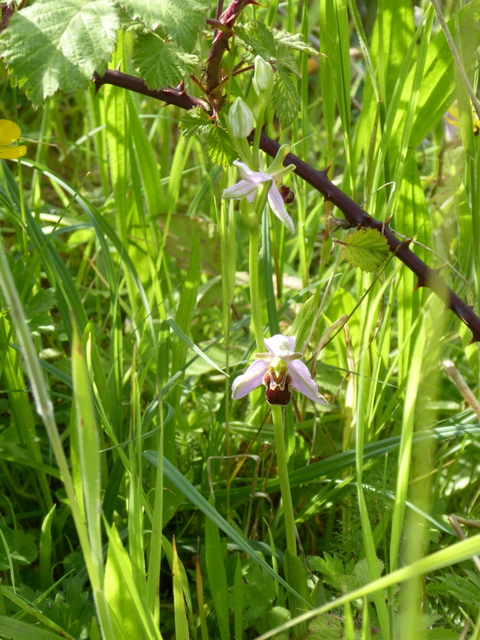
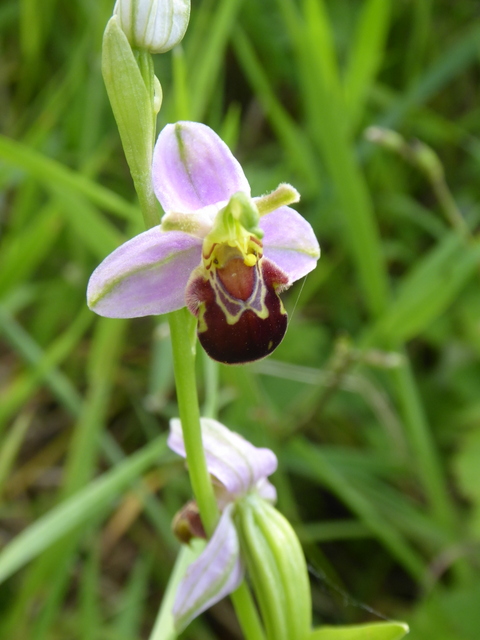
In 2014 I discovered a Bee Orchid in our garden and was very excited.  I looked for it again in 2015 but it didn’t re-appear.  Last summer I looked again at the place where I had found the orchid and was again disappointed.  However, a few days later I found four bee orchid plants about 2 metres away from the original plant.  I have already seen a few leaf rosettes this winter so I know that the orchids have survived.

Bee Orchid

Bee Orchid

Bee Orchid

Bee Orchid

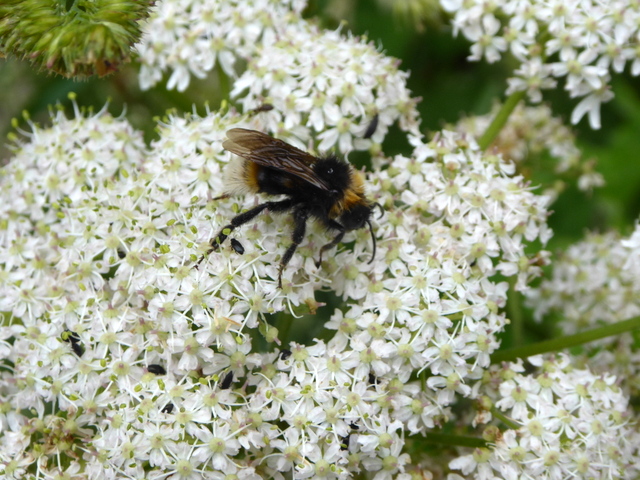
p1000578bumble-bee

This may be a Southern Cuckoo Bumblebee (Bombus vestalis) on white Allium

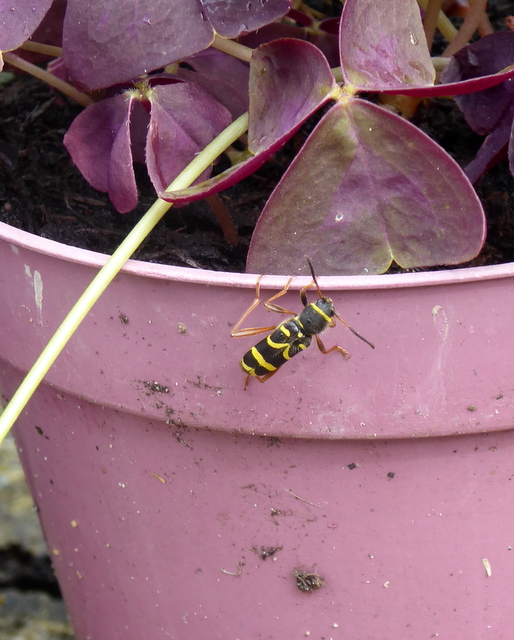
p1000579wasp-beetle

A Wasp Beetle (Clytus arietis)

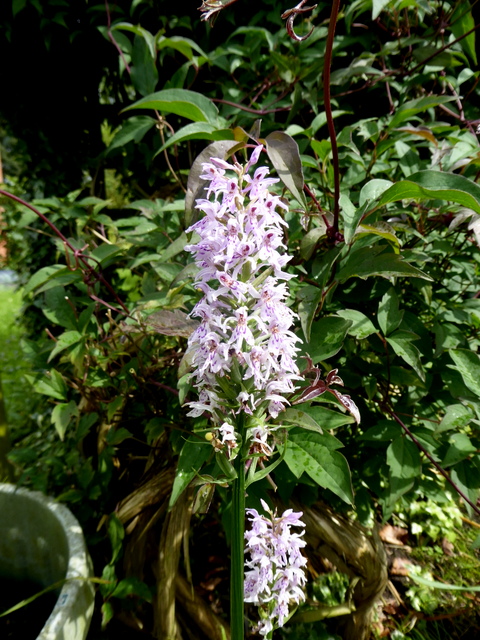
p1000581common-spotted-orchid

Common Spotted-orchid (Dactylorhiza fuchsii)

When we moved into our house we discovered one of these orchids growing close to the house.  I moved it to a safer place and since then it has done well and the plant has spread all over the garden.  I often find seedlings in a tub or flower pot where they seem very happy and grow enormous like the one in the photo.

p1000583hoverfly-syrphus-ribesii

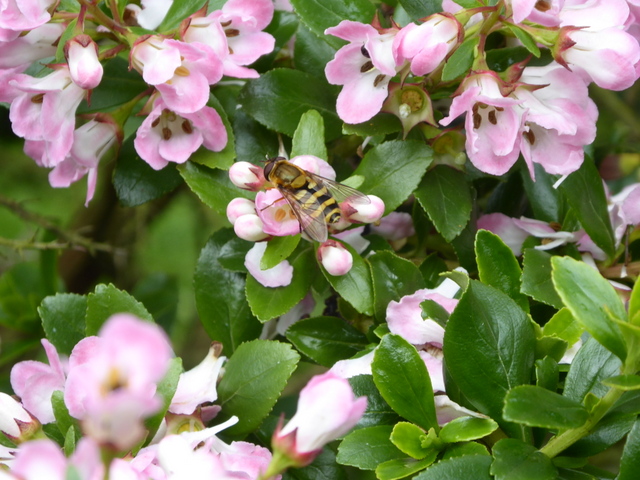
Hoverfly Syrphus ribesii on Escallonia ‘Apple Blossom’

p1000596five-spot-burnet-moth

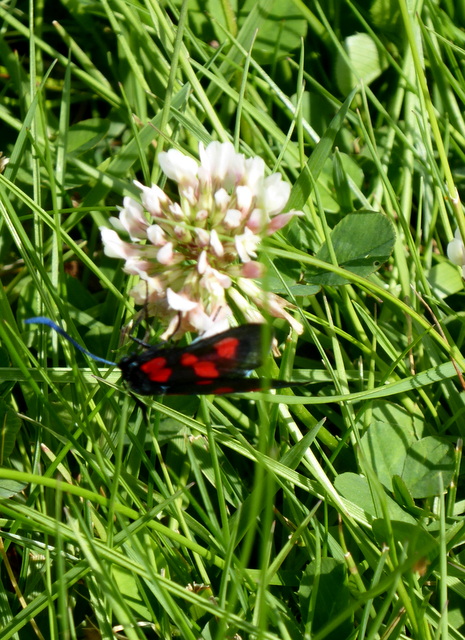
Five-spot Burnet moth (Zygaena trifolii) on White Clover (Trifolium repens)

p1000597five-spot-burnet-moth

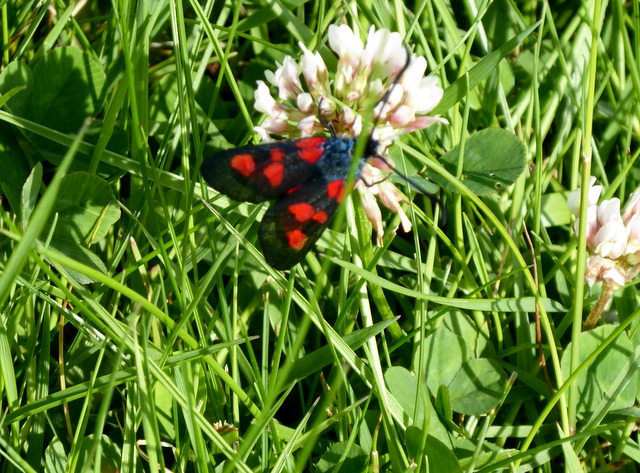
Five-spot Burnet on White Clover

p1000598house-leek

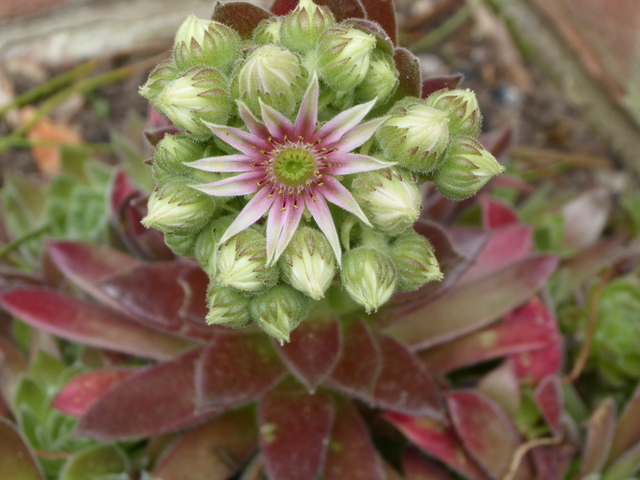
House-leek in flower

img_2774large-skipper

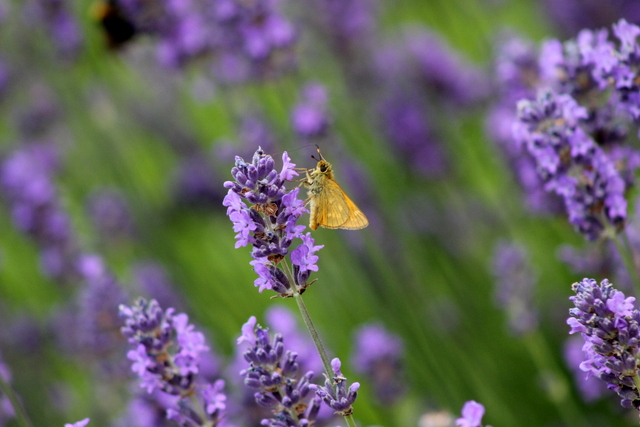
Large Skipper butterfly (Ochlodes sylvanus) on Lavender – Lavandula angustifolia ‘Hidcote’.

p1000632hedge-woundwort

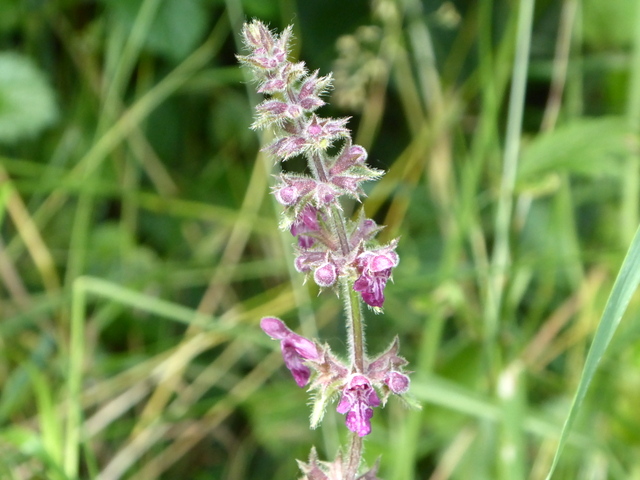
Hedge Woundwort (Stachys sylvatica)

p1000633black-medick

Black Medick (Medicago lupulina)

p1000635volucella-pellucens

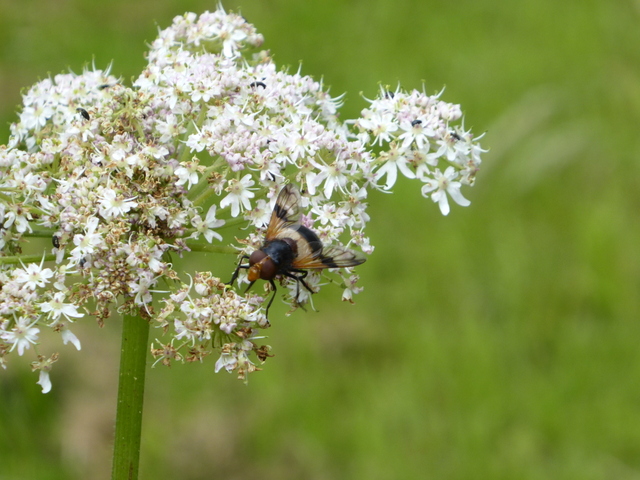
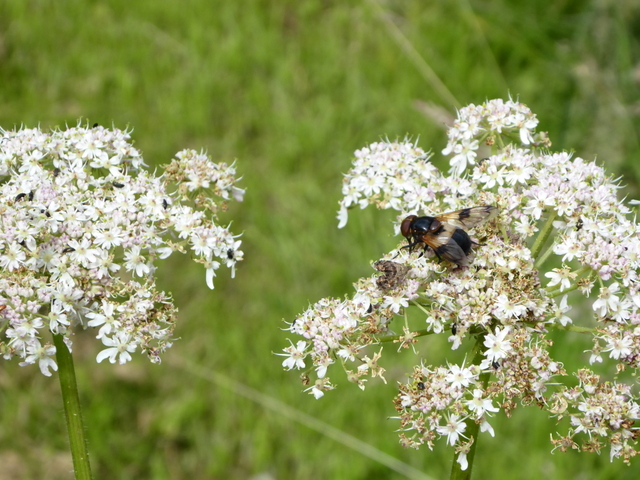
Hoverfly Volucella pellucens

p1000639moth-h-fly

The same hoverfly next to a tiny micro-moth

p1000641branched-bur-reed

Branched Bur-reed (Sparganium erectum)

I have now caught up with all the photos taken in and near my garden last year.  I have photographs from a few outings we did that I would like to share with you and then I can concentrate on this year!

Here is my music selection – Chris Rea’s ‘Heaven’ – one of my most favourite songs!

Thanks for visiting!


Share this:

  • Share on X (Opens in new window) X
  • Share on Reddit (Opens in new window) Reddit
  • Share on Pinterest (Opens in new window) Pinterest
  • Share on Facebook (Opens in new window) Facebook
  • Email a link to a friend (Opens in new window) Email
  • Share on Tumblr (Opens in new window) Tumblr
  • Print (Opens in new window) Print
  • Share on Pocket (Opens in new window) Pocket
  • Share on LinkedIn (Opens in new window) LinkedIn
Like Loading...

January Chill

27 Fri Jan 2017

Posted by Clare Pooley in family, weather

≈ 44 Comments

Tags

acupuncture, bullfinch, Dunston Hall, family life, frost, full moon, Southwold, Suffolk, weather

Before I resume my Highlights posts from last year I thought I’d better write something about this new year.

img_2827frost-and-fog

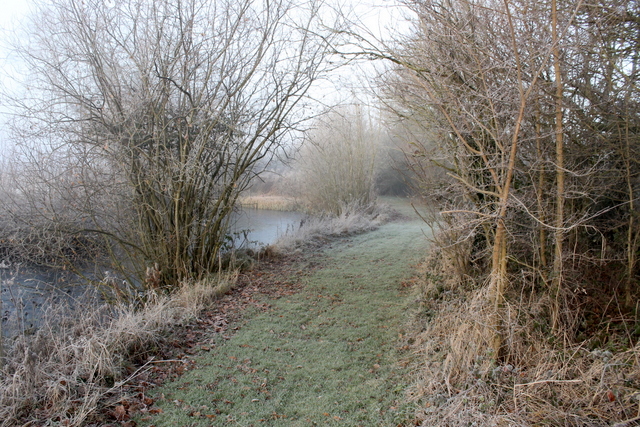
Frosty path next to our big pond

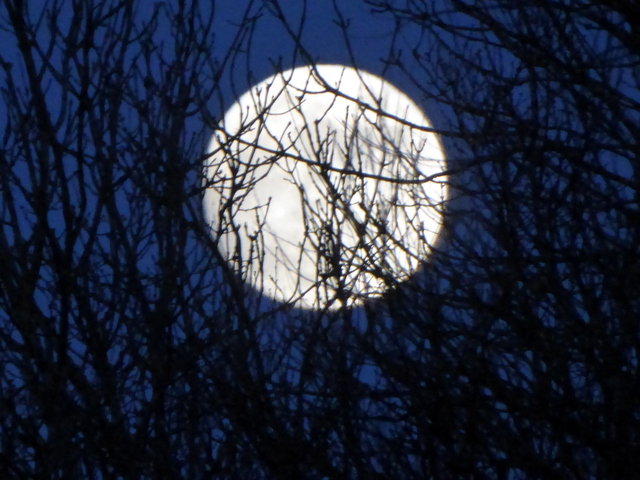
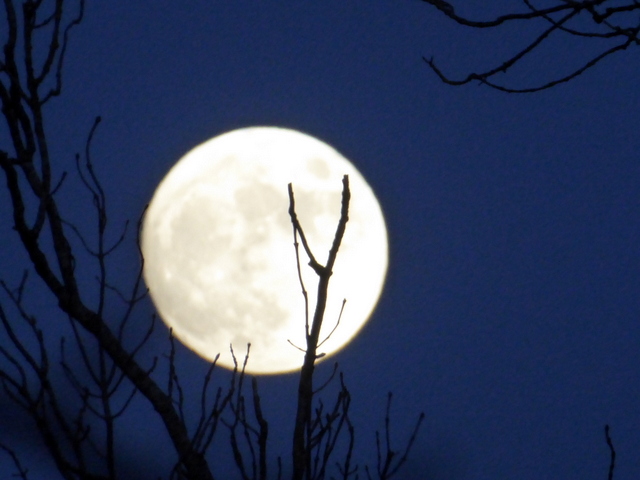
There have been lots of frosts this month; probably more frosty mornings than non-frosty which makes a pleasant change.  The last two winters have been quite mild with frost being a rarity.  We have had some rain, even a day of snow (it didn’t hang around for long) and a fair amount of fog.  The  best days have been the sunny ones; a sparkly start to the day and then blue sky until sunset.  Freezing nights with countless stars and a moon latticed by the bare branches of trees.  Today the temperature stayed at -2 centigrade and a very cold wind and thick cloud made it unpleasant to be outside.

p1010605full-moon-11-01-17

Full moon

p1010607full-moon

Full moon

My life has carried on as usual – driving Elinor to college in Norwich, taking Mum shopping, to her hospital appointments and to church once a fortnight and when I am at home, basic household chores.  I have been very tired this month so haven’t done more than necessary!  I went to see my Rheumatoid Arthritis clinician at the hospital for a routine appointment and she seems to be pleased with how I am coping and doesn’t think I need any change in my drug regime.  Richard is feeling much better, though still has some problems with his leg and back.  He is driving again and we have resumed our sharing of the driving and shopping duties.

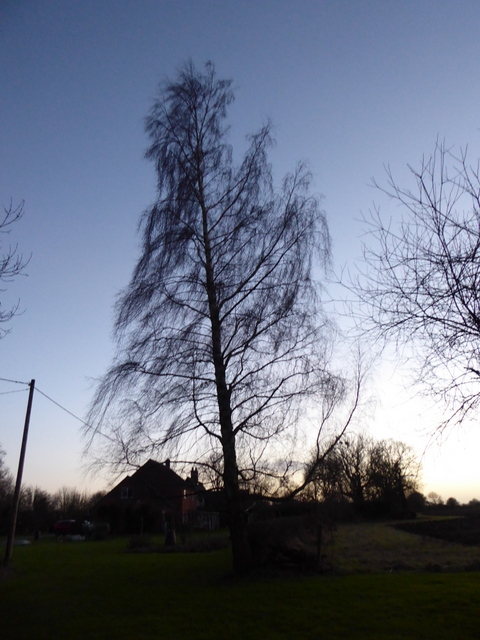
p1010609birch-tree

Birch tree in the breeze

I mentioned at the end of last year that Elinor had decided to try acupuncture to see if it helped to reduce her anxiety and its symptoms.  She had three appointments before Christmas and has had three more this month.  She would have gone this week but it was cancelled as the practitioner has ‘flu.  Elinor is continuing with it, despite it being quite uncomfortable at times, because it has made a difference.  The first session caused her to feel calm for the first time in her life and the effects lasted for nearly 24 hours!  Not all her sessions have been as effective but since Christmas we have all noticed that she has been able to make decisions more easily and has had the courage to do a few things that for some time have been beyond her capabilities.

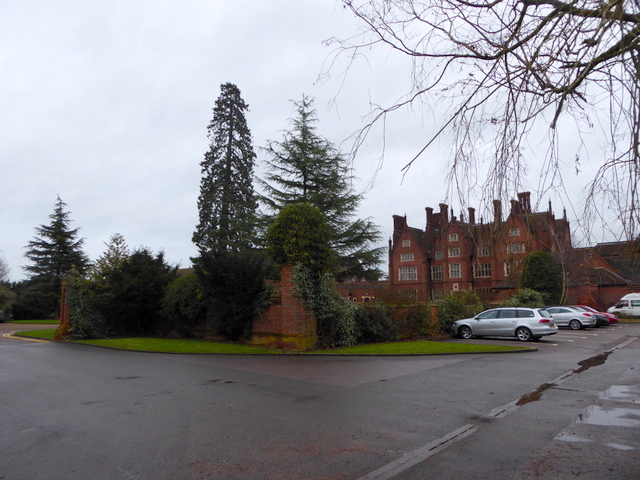
p1010602dunston-hall-hotel

Dunston Hall

The venue for her treatment is Dunston Hall, just south of Norwich, which is a mock Elizabethan building constructed between 1859 and 1878 but is now a hotel with spa, beauty and therapy treatment rooms, a gym, a pool and outside, a golf course, driving range and football pitch.  The acupuncture reception area and treatment rooms are ‘below stairs’ and I have become used to sitting on a sofa listening to ‘ambient’ music, attempting to read a book and trying to keep awake while waiting for Elinor.

p1010604dunston-hall-hotel

Dunston Hall

She had her 20th birthday on Saturday and we went out for a meal together that evening.  She felt a little unhappy to think that her whole teenage years were given up to anxiety and, because she has no friends, she had to celebrate her birthday with her Mum and Dad.  Richard and I felt so sorry for her and wished there was something else we could do to help her.

The following day was quite eventful because she announced that she had decided that the college course she has been studying since September was not one she was happy with and was considering giving it up!  We spent the day discussing this statement and even though it does sound like a negative step I am amazed that she has been able to come to this conclusion.  She has been studying Graphic Art because she is interested in illustration work and had been told this course was the best one for her.  She has struggled with it and has not been able to attend many of the classes.  I have suspected for some time that she found it unsatisfactory but until this weekend she has said she thought it fine and was going to continue with it.  She has been told of a one-year-long Art and Design course at the college for students who are 19 years old and older and this is what she intends to apply for.  This week she has been talking to her tutors and support staff and has explained the situation to them.  Her final day is tomorrow when she will try to apply for the new course and discover if there are any short courses she can attend in the meantime.

p1010652bullfinch

A bullfinch (Pyrrhula pyrrhula) in my winter-flowering honeysuckle. I opened the kitchen blinds this morning and saw two bullfinches in the honeysuckle. I found my camera and because I didn’t want to disturb the birds too much I crouched down by the window and took this poor photo while peeping over the window sill. I now know why I haven’t had many flowers on the shrub this winter!

We had a beautiful day here on Monday and wanted to go to the coast for a walk to enjoy the cold but still and clear day and also to recover from our surprise the day before.  Because of other duties we had, we didn’t set out until 3.30 pm and it was nearly sunset when we got there.

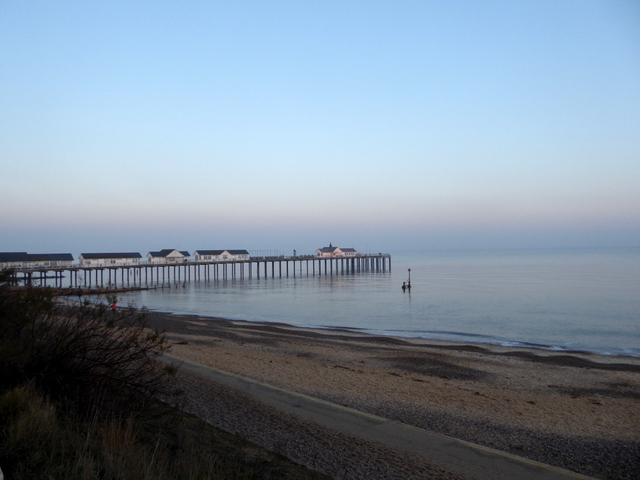
p1010645southwold

A still afternoon in Southwold

p1010646southwold

Fortunately Southwold wasn’t damaged by the surge tides and flooding a couple of weeks ago.

p1010647southwold

Herring gull (Larus argentatus)

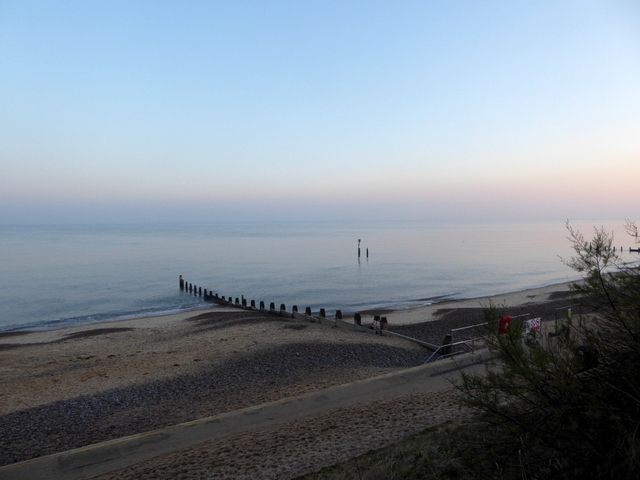
p1010648southwold

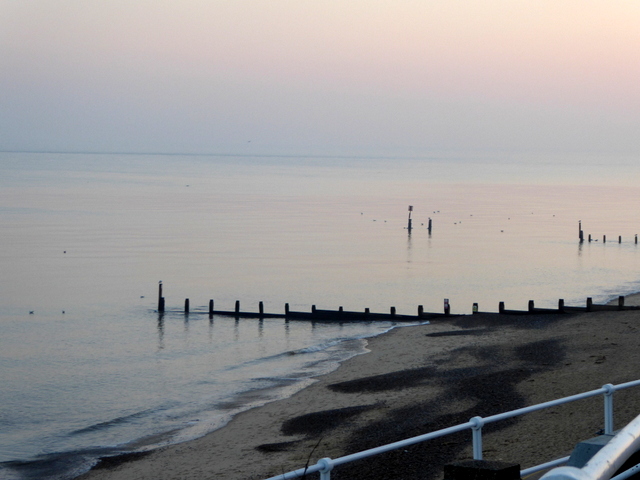
The North Sea

p1010649southwold

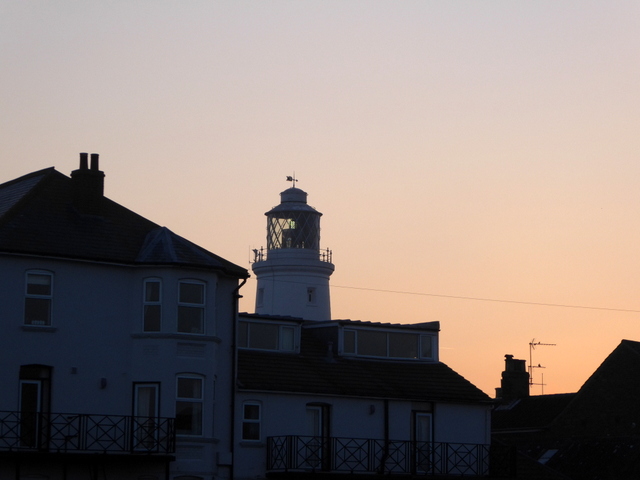
Southwold lighthouse

p1010651southwold

The sea merges into the sky

My choice of music today is ‘Don’t Get Me Wrong’ by The Pretenders.

Thanks for visiting!
 

Share this:

  • Share on X (Opens in new window) X
  • Share on Reddit (Opens in new window) Reddit
  • Share on Pinterest (Opens in new window) Pinterest
  • Share on Facebook (Opens in new window) Facebook
  • Email a link to a friend (Opens in new window) Email
  • Share on Tumblr (Opens in new window) Tumblr
  • Print (Opens in new window) Print
  • Share on Pocket (Opens in new window) Pocket
  • Share on LinkedIn (Opens in new window) LinkedIn
Like Loading...

Plough Blessing Service 2017

09 Mon Jan 2017

Posted by Clare Pooley in churches, Folk Traditions, music, Rural Diary

≈ 40 Comments

Tags

Blessing the Plough, church service, folk dance, Molly Men, Old Glory, Plough Monday, Plough Sunday, Rumburgh, St Felix and St Michael's church Rumburgh, Suffolk

Those of you who have been reading my posts for a while will recognise the title of this one.  Every year my church of St Felix and St Michael at Rumburgh holds a special Plough Blessing service on the first Sunday after Epiphany.   Epiphany is on the 6th of January and celebrates the arrival of the Wise Men who brought gifts of gold, frankincense and myrrh to Jesus.  The first Sunday after Epiphany is Plough Sunday and the following day is Plough Monday when traditionally, work on the land is recommenced after the Christmas break.  These days there is no real break for Christmas and farm workers do not suffer from the terrible poverty they did in former times though they are still not very highly-paid.  Here is a link to the ‘Old Glory’ site of our local Molly Men.  Please take time to look at all their pages if you can.

p1010594plough-at-blessing-service

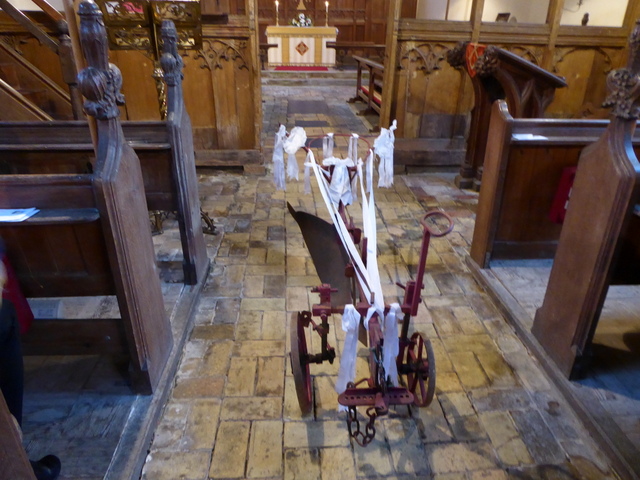
The decorated plough in the nave of the church

p1010595plough

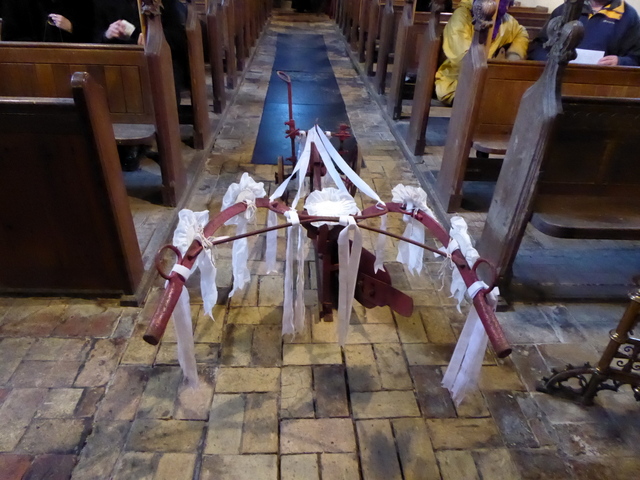
The decorated plough

I enjoy this short service each year.  In it, we look forward to spring, summer and harvest and pray that not only will there be enough warmth and rain to grow the crops but that we will not take anything for granted and will thank God for his care of us.  We don’t just pray for ourselves but for all farmers throughout the world.  Each component of the plough is blessed – the beam, the mouldboard, the slade, the sidecap, the share and the coulters.

I love the words from the prayer of gratitude.

From God comes every good and perfect gift:  

The rich soil, the smell of the fresh-turned earth.

The keenness of a winter’s frost and our breath steaming.

The hum of the tractor, the gleam of a cutting edge.

The beauty of a clean-cut furrow, the sweep of a well-ploughed field.

The hymn at the end of the service is ‘We Plough the Fields, and Scatter…’

During Harvest-tide we get a little tired of singing this hymn as all the churches in our benefice have their own harvest service and the hymn is very popular, especially with the farming families.  However, singing it at this time of year, so gloomy and cold as it is, gives hope and cheer so we all sing with gusto!

p1010600plough-etc

The plough and some of the costumes of the Molly Men.

The plough is left in the church over-night and is ready to be processed down the lane to the pub the next evening on Plough Monday.  There are no street lights here and the nights are black at this time of the year.  Flaming torches are carried to light the way.  This year they won’t be accompanied by the church bells which will be silent out of respect to one of the ringers who died suddenly a few days ago.

Here is a film made in 2010 of the procession of Old Glory with the plough from the church to the Rumburgh ‘Buck’ pub.

Thanks for visiting!
Share this:

  • Share on X (Opens in new window) X
  • Share on Reddit (Opens in new window) Reddit
  • Share on Pinterest (Opens in new window) Pinterest
  • Share on Facebook (Opens in new window) Facebook
  • Email a link to a friend (Opens in new window) Email
  • Share on Tumblr (Opens in new window) Tumblr
  • Print (Opens in new window) Print
  • Share on Pocket (Opens in new window) Pocket
  • Share on LinkedIn (Opens in new window) LinkedIn
Like Loading...

December 2016

05 Thu Jan 2017

Posted by Clare Pooley in Days out, family, Norwich, Rural Diary, seashore, walking

≈ 57 Comments

Tags

Advent, Advent Crown, Cromer, Cromer Lifeboat, Cromer pier, fog, frost, mist, Norfolk, Norwich, Norwich Market, Rumburgh Church, Suffolk, sunset, Turnstone, walking, Westleton Heath

Before Christmastide draws to a close I thought I’d better write something about what we managed to do over the past few weeks.

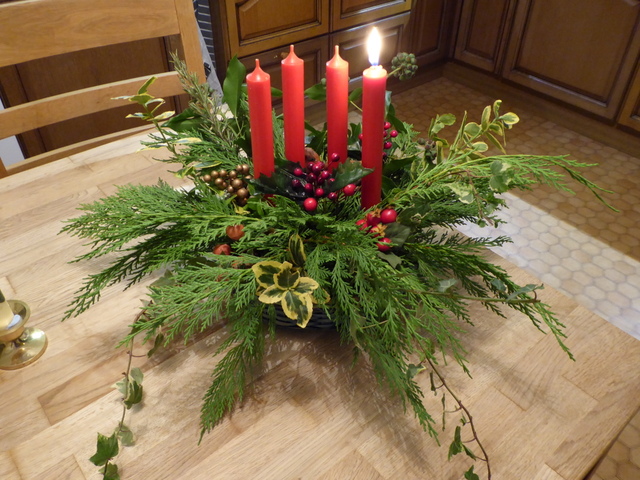
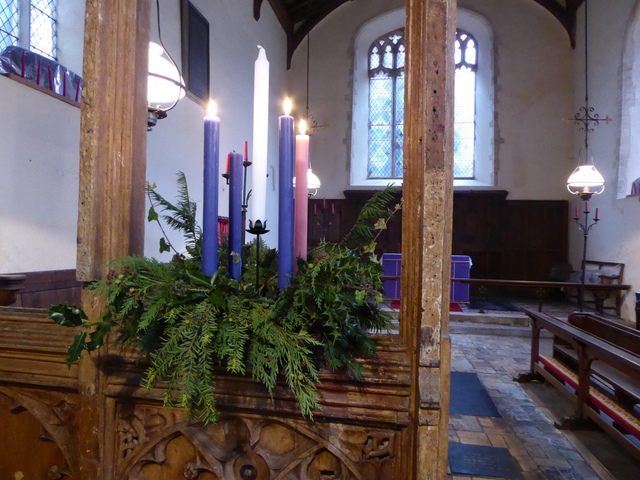
p1010512advent-crown

This is the Advent Crown that Elinor and I made this Christmas. The first candle was lit on the first Sunday in Advent.

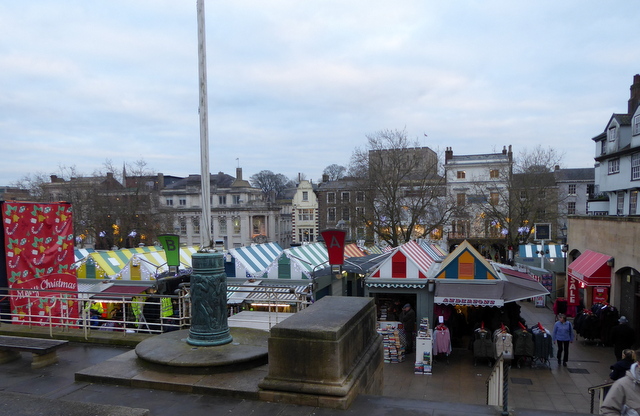
Norwich Market

Norwich Market

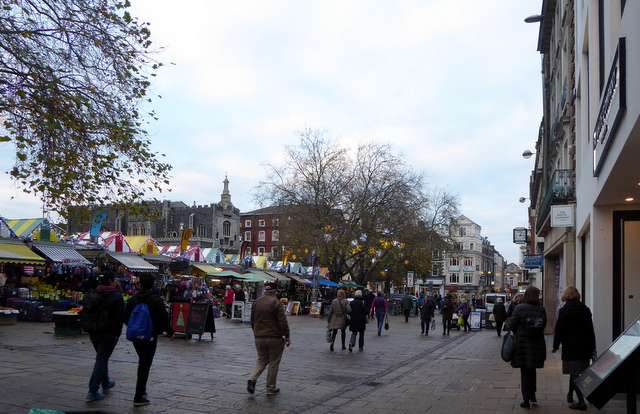
Norwich Market

Norwich Market

The 1st of December began with a frost (we had many frosty and foggy days in December) but by the time I had driven Elinor into Norwich for her afternoon classes at college it had clouded over and had become a little milder.  The light wasn’t really good enough for photographs but the city had recently put it’s decorations up and was looking festive, though these photos make it look rather gloomy!

During the whole month, unless I got to the city before 9.00 am, I was unable to find a parking space in any of the car-parks.  Norwich Council would like their visitors to arrive by train, bus, bike or on foot and don’t make it at all easy for car drivers.  There is very little public transport from where I live so we have to drive into town.  There are ‘park and ride’ places on the outskirts of the city but an acquaintance of mine queued for ages to get into the car-park and then waited an age with crowds of other shoppers for a bus  which was full before he got to it!  He returned home without doing his shopping.  I have discovered a roadside parking area near to the college where I get two hours free parking and which is only a fifteen minute walk away from the city centre!  This is where I had parked that day.  I had coffee and a sandwich in a café and did some Christmas shopping and then made my way back to my car.

p1010509coachmakers-arms

The Coachmaker’s Arms

This former coaching inn is on St Stephen’s Road and was built in the 17th century on the site of an asylum.  The pub is said to be haunted.

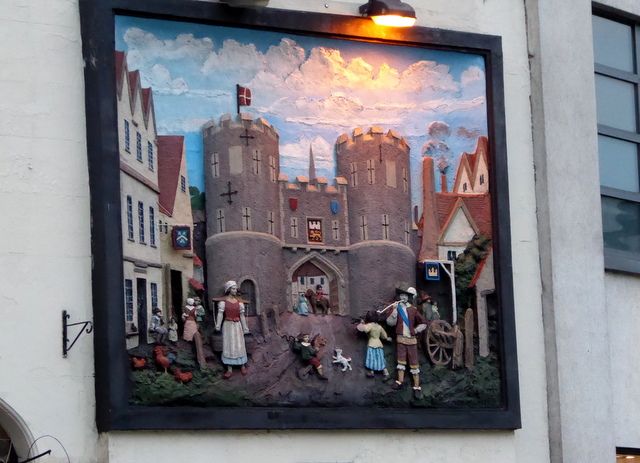
p1010510coachmakers-arms

An attractive frieze outside the pub showing what the inn might have looked like when first built.  It was near one of the many city gates

For most of the month, Richard was still unable to drive any distance and was very bored being at home all the time.  On the 2nd of December he joined Elinor and me in the car and after I had dropped Elinor off at college just before 9.00 am we drove to the north Norfolk coast and spent the morning in Cromer.

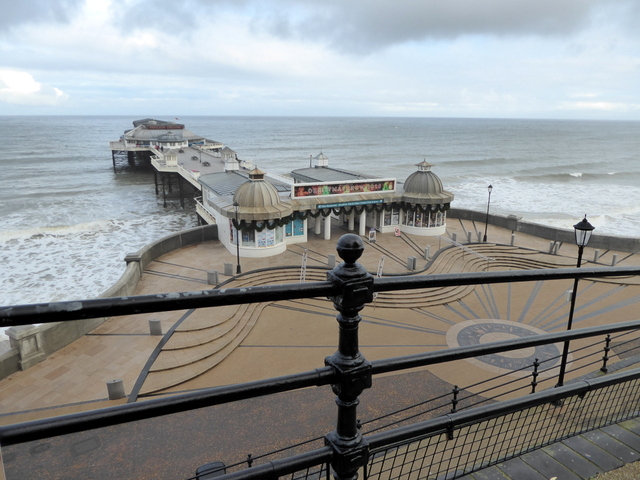
p1010513cromer

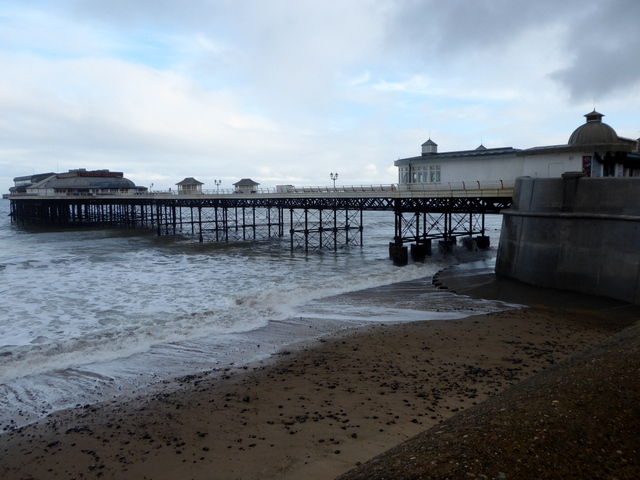
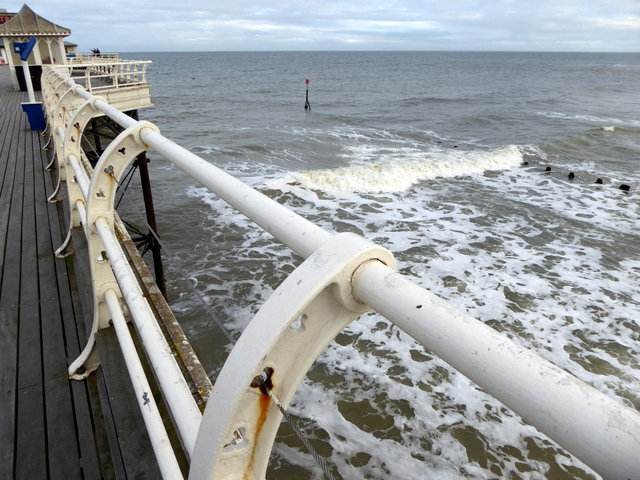
Cromer Pier

p1010514cromer

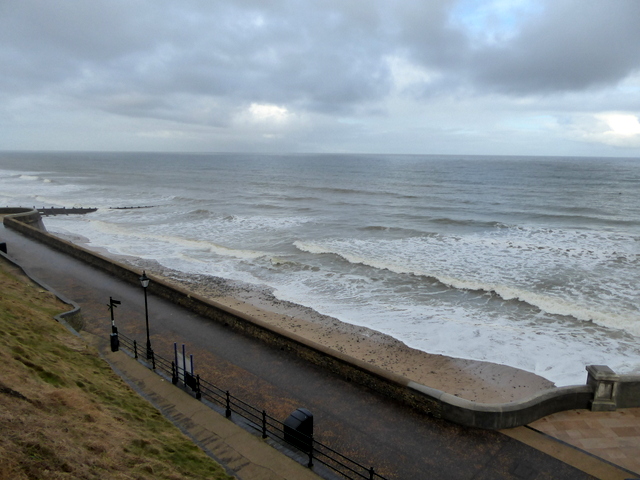
The tide was in.  Looking westward.

p1010515cromer

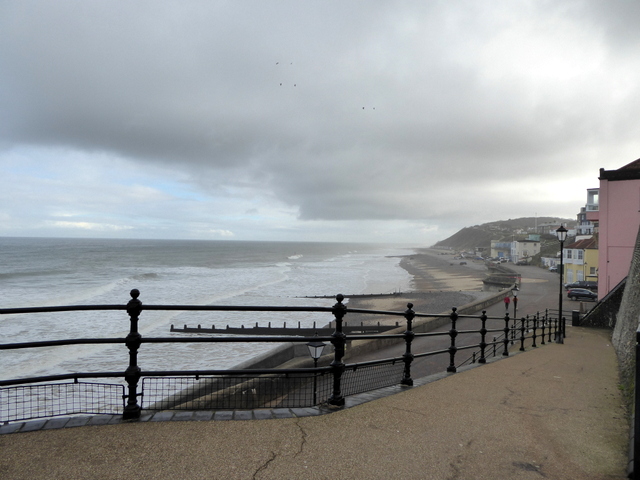
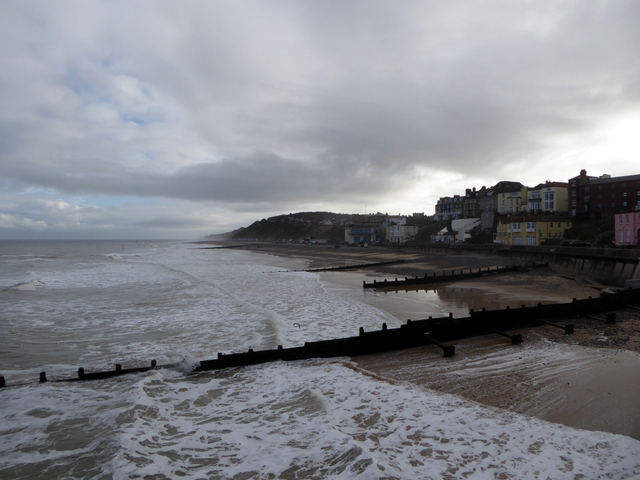
Looking towards the east.

p1010516turnstone

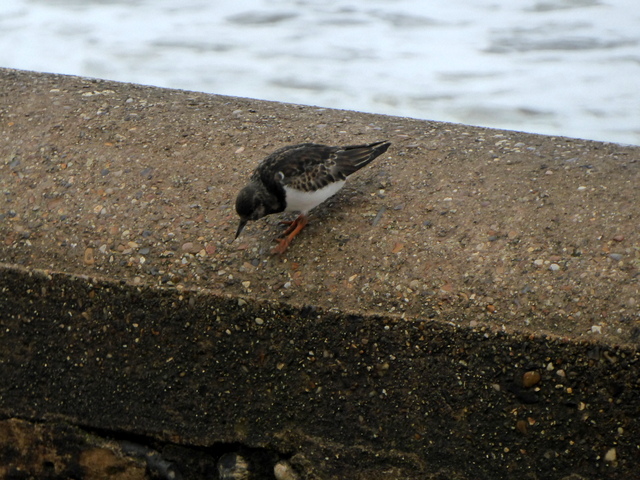
This is a photo of a very tame Turnstone (Arenaria interpres) who had decided that a good living can be made by following visitors about and eating food crumbs. It behaved just like a feral pigeon!

We were so surprised to see this bird at such close quarters!  Normally they keep their distance from humans and find worms and molluscs etc. on the shore.

p1010519cromer

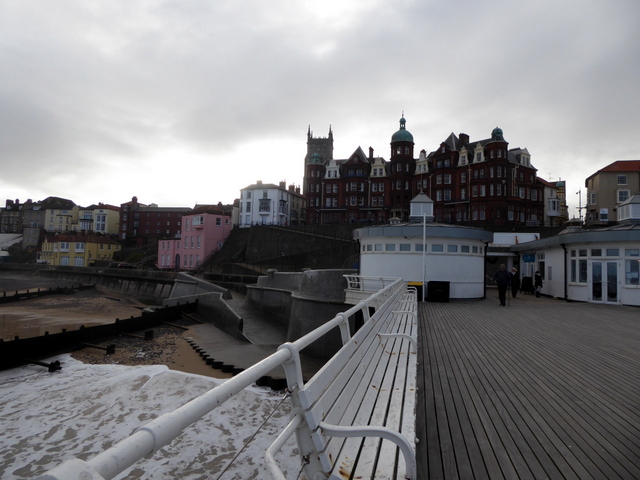
Cromer Pier

p1010521cromer

There was a large amount of spray coming off the sea

p1010522cromer

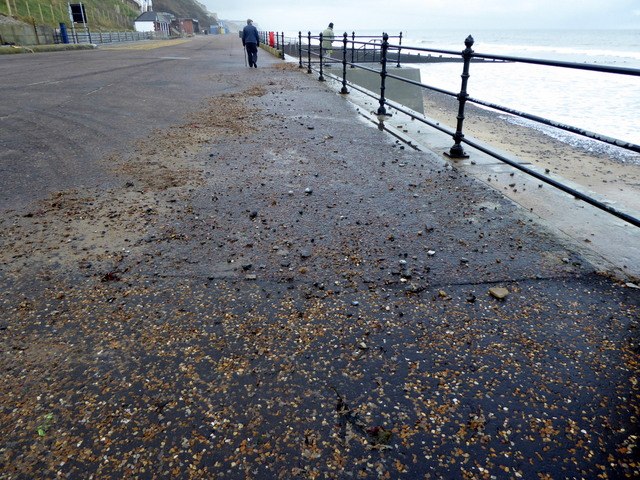
The sand and stones on the promenade show how high a recent tide had been

p1010523cromer

Boats out at sea

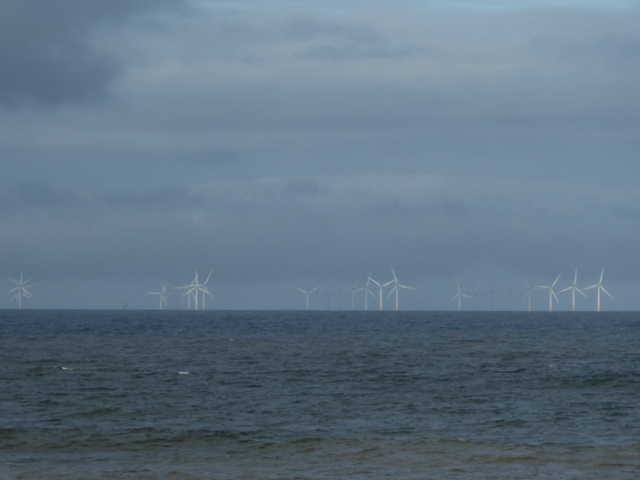
p1010526cromer

An off-shore wind-farm

p1010527cromer

A rainbow

p1010528cromer

Richard walking towards the beach changing rooms

p1010531cromer

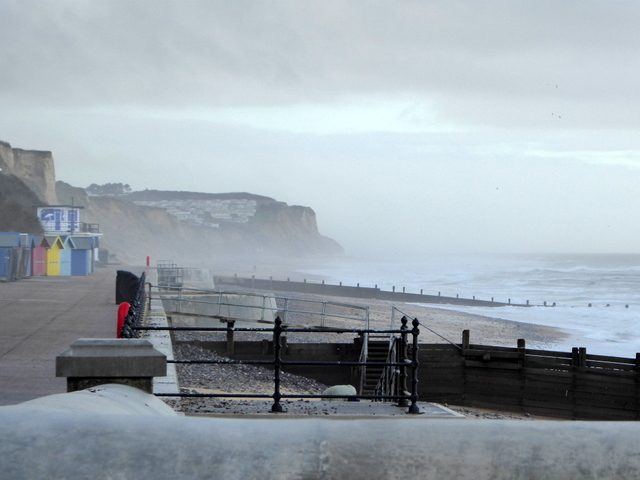
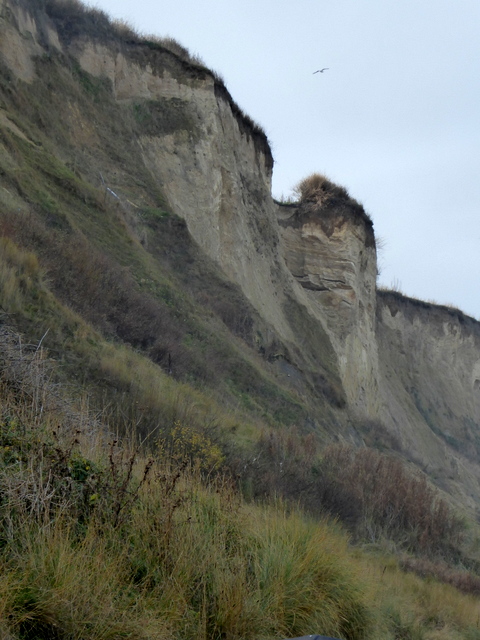
Cromer cliffs

After walking along the front we then visited the pier.

p1010533cromer

View from the pier

p1010534cromer

Looking back towards the town

p1010535cromer

Cromer

p1010538lifeboat-museum

We visited the Lifeboat station at the end of the pier

This slideshow requires JavaScript.

p1010537lifeboat-museum

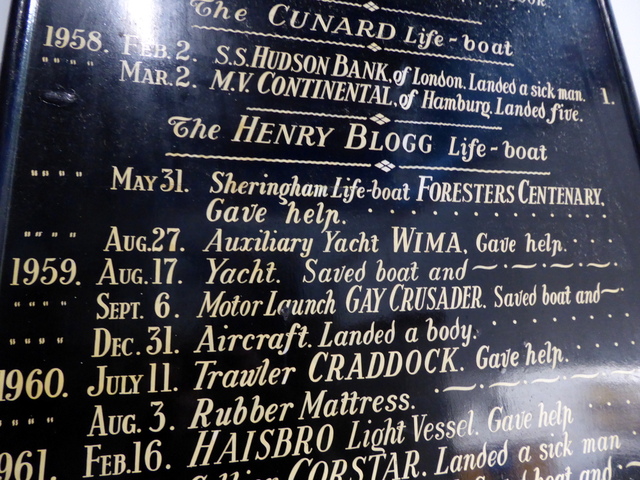
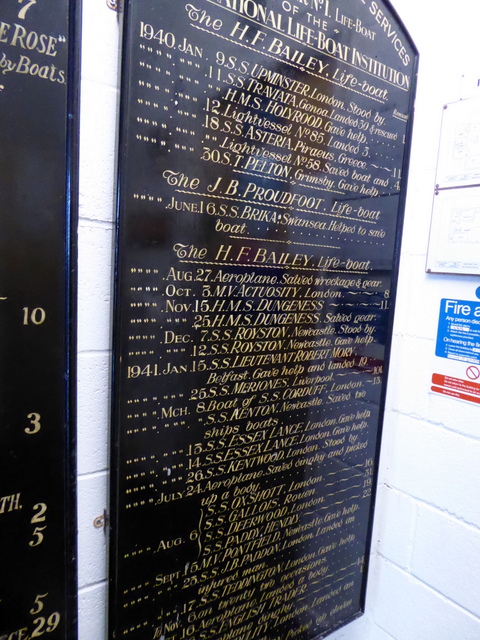
Part of one of the boards listing all their call-outs. I chose this because I was born in 1958

p1010536lifeboat-museum

This is one of the war-time boards

p1010548cromer

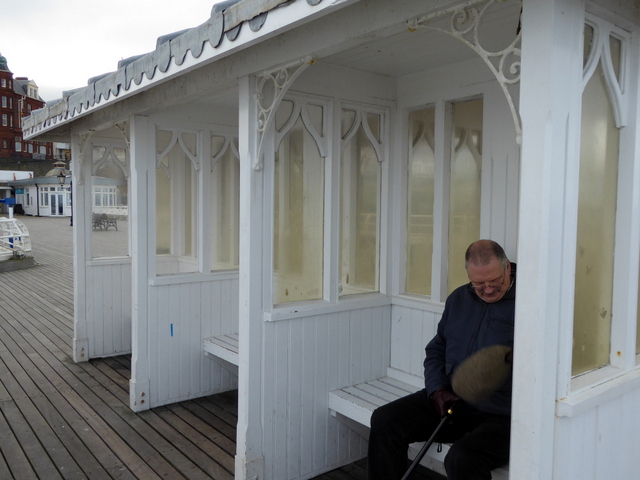
Richard in one of the shelters on the pier

p1010550cromer

‘The Wellington’ – one of the pubs in the town

Returning home from shopping the following week, Elinor and I marvelled at the beauty of this misty sunset

This slideshow requires JavaScript.

p1010559font-decoration

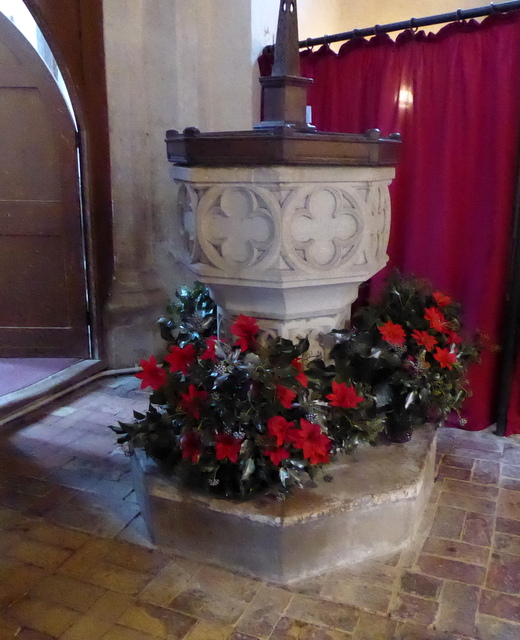
Christmas flower arrangement around the font at our church at Rumburgh

Richard and I had a lot to do at church this Christmas.  At the beginning of the month we had an Advent Carol Service with all our favourite Advent hymns and Advent readings.  Usually we have a Carols and Capers service with the local Morris group and their friends at the beginning of the season but sadly they were unable to organise it this time.  We had a Christmas Carol service on the 21st of December and then our church hosted the Midnight Mass service on Christmas Eve too.

p1010562advent-crown

I had made an Advent Crown for church too

p1010564westleton

We went for a walk on Westleton Heath on Boxing Day

p1010565gorse

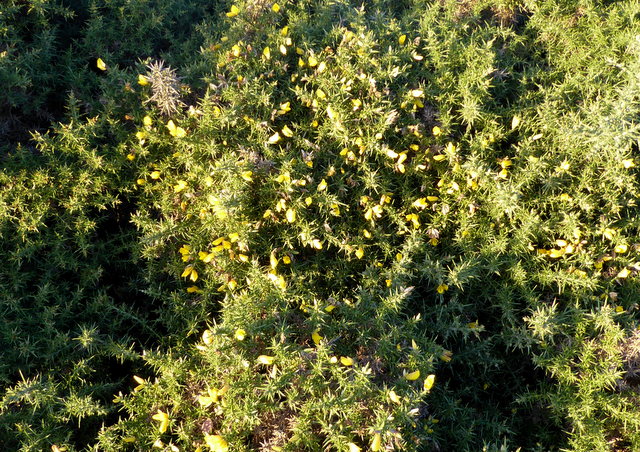
The gorse (Ulex europaeus) was in flower

p1010566westleton

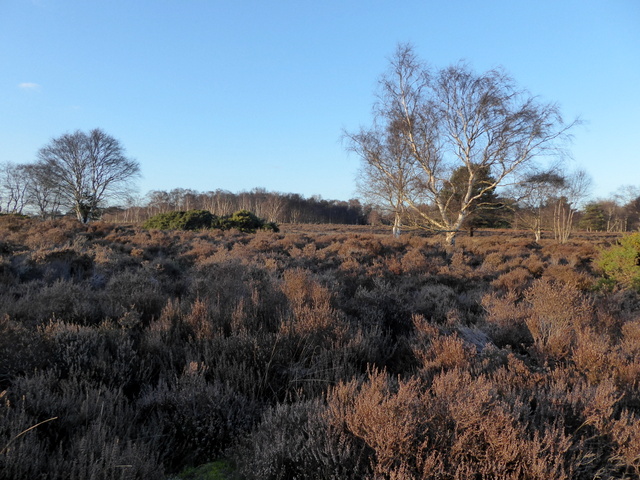
In the autumn this area of heather is a rich purple colour

p1010567westleton

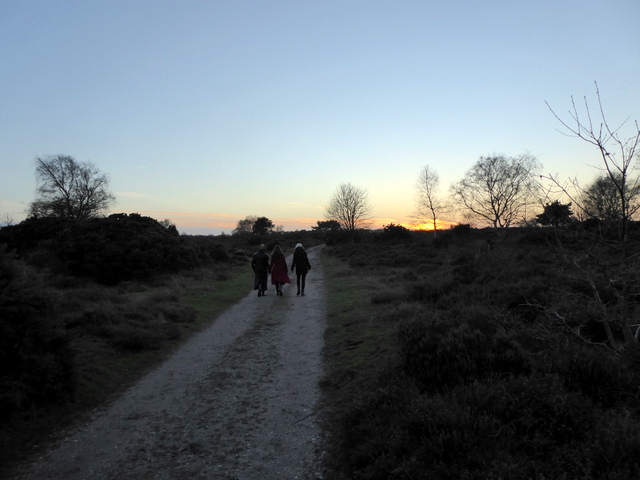
Alice, Elinor and Phil, Alice’s boyfriend who stayed with us this Christmas

p1010569phil

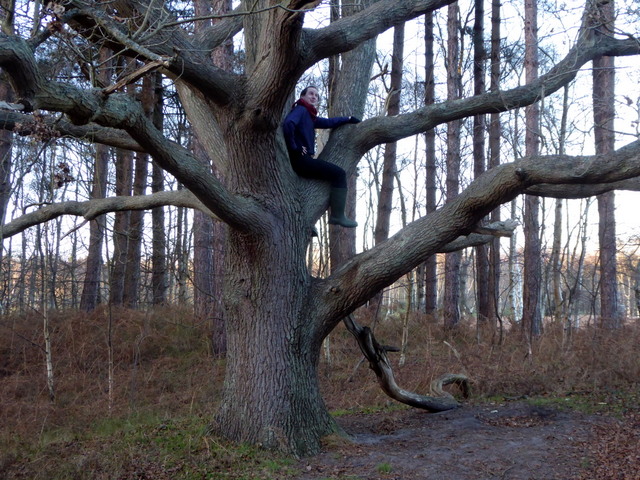
Phil up a tree

p1010568richard

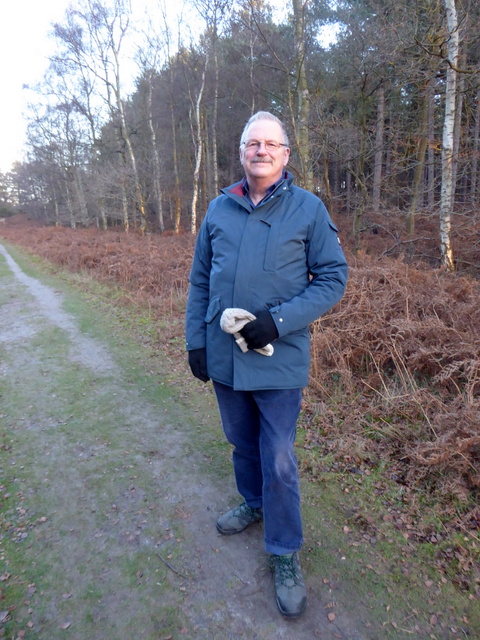
Richard, walking without a stick now!

p1010572westleton

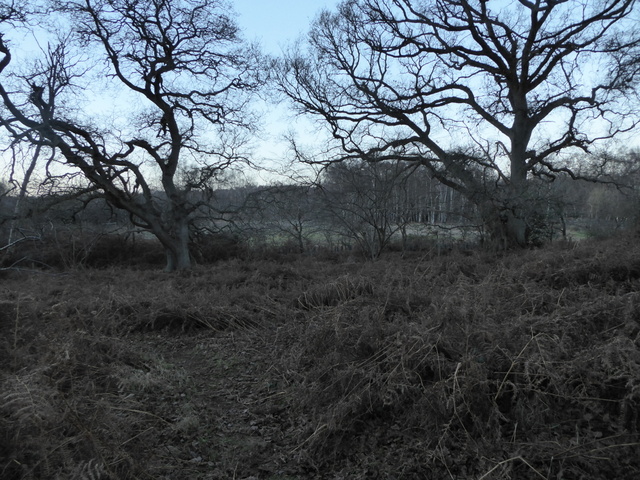
Trees on the heathland as dusk fell

p1010576westleton-001

Sunset

p1010582frost

Melting frost on the outside of my bedroom window

These following photos were taken by Richard in our garden that same morning.

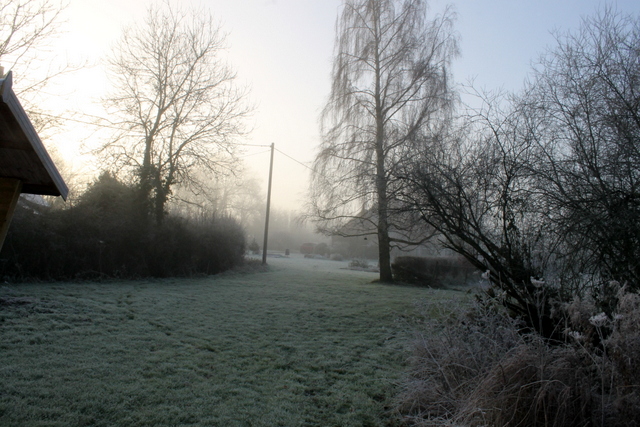
img_2825frost-and-fog

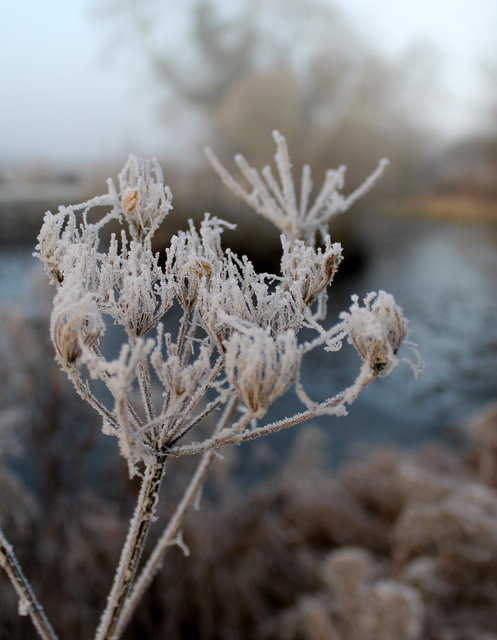
Hoar frost on a Hogweed seedhead

img_2830frost-and-fog

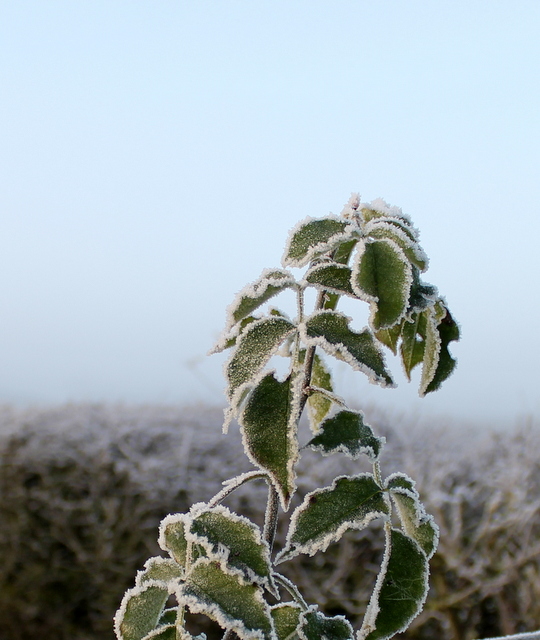
Hoar frost on rose leaves

img_2821frost-and-fog

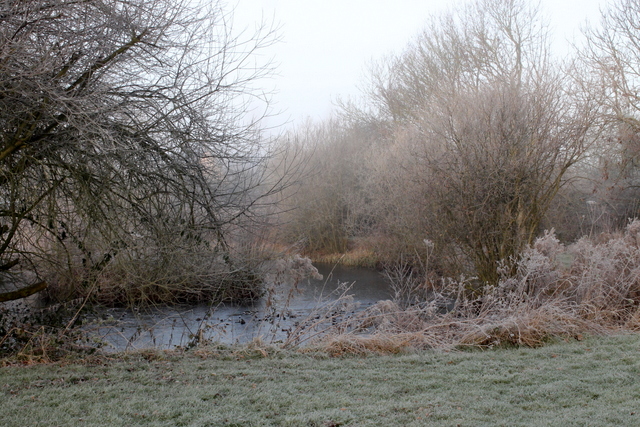
Our big pond

img_2826frost-and-fog

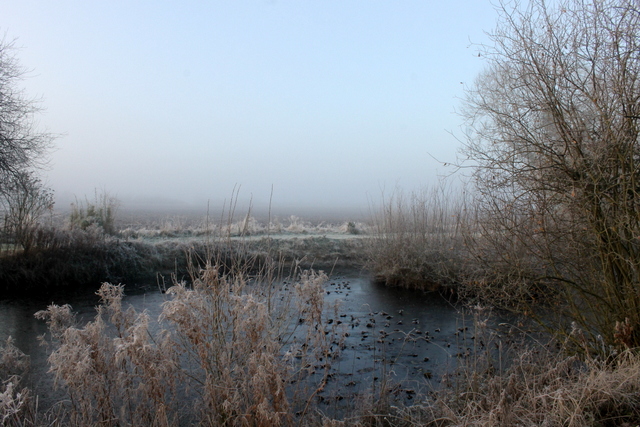
Frost and fog

img_2828frost-and-fog

Frost and fog

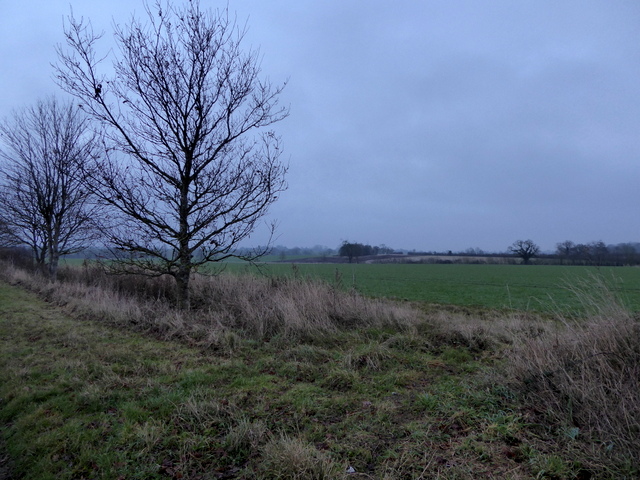
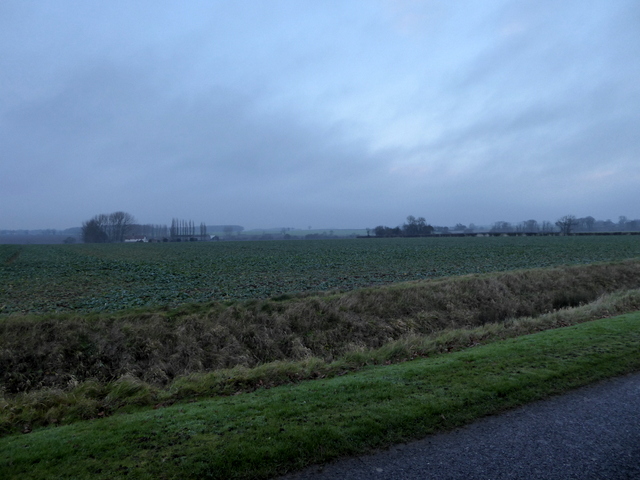
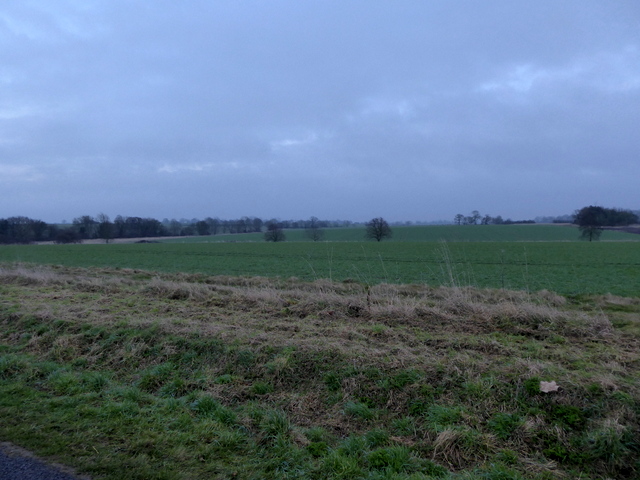
Richard and I went out for a walk across the fields on New Year’s Eve.  The weather was very gloomy and I didn’t find much to photograph.

p1010589new-years-eve

View across the fields

p1010590new-years-eve

View across the fields

p1010593new-years-eve

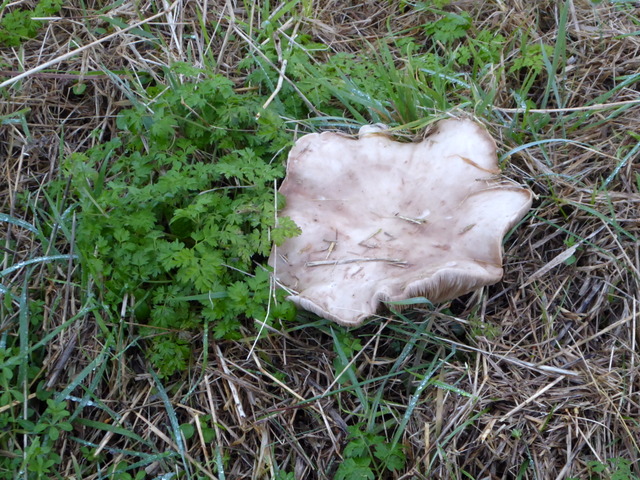
Yet another view!  Note the large toadstool – bottom right of the photo.

p1010591fungus

The large fungus!

And that was my December which also included Christmas celebrations with much cooking and baking, a lot of driving about, lots of shopping and an amazing amount of housework!

Thanks for visiting!
Share this:

  • Share on X (Opens in new window) X
  • Share on Reddit (Opens in new window) Reddit
  • Share on Pinterest (Opens in new window) Pinterest
  • Share on Facebook (Opens in new window) Facebook
  • Email a link to a friend (Opens in new window) Email
  • Share on Tumblr (Opens in new window) Tumblr
  • Print (Opens in new window) Print
  • Share on Pocket (Opens in new window) Pocket
  • Share on LinkedIn (Opens in new window) LinkedIn
Like Loading...

Highlights Part 2

10 Sat Dec 2016

Posted by Clare Pooley in Gardening, Insects, music, plants, Rural Diary, seashore, weather, wild birds, wild flowers

≈ 75 Comments

Tags

'Something in the Way She Moves', alderfly, azure damselfly, cactus flowers, communal mining bee, Early Purple Orchid, echinopsis oxygona, Four-spotted Chaser, greenfinch, highlights, Jacob sheep, lambs, oedemera nobilis, pond water-crowfoot, red campion, Robin, Southwold, Suffolk, The Beatles, the moon, The Saints Benefice in north Suffolk, the sea, thrift

The weather in May was changeable; cold, wet and windy for a few days then a couple of days of warmth and sunshine then back to cool and damp.  The beginning of June wasn’t much different.

These first photos were taken towards the end of May in our garden or within a short walk of home.

p1000277pond-water-crowfoot

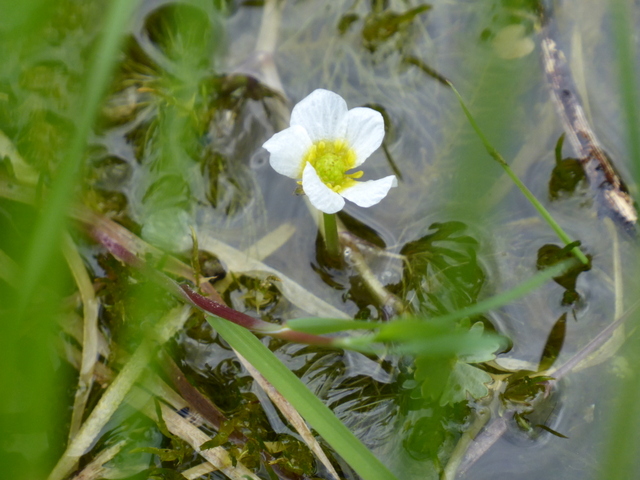
Pond Water-crowfoot (Ranunculus peltatus) has two sorts of leaves; the submerged leaves are thread-like but the floating leaves have rounded lobes. I found this plant in the pond at the front of the house. It is a relative of the buttercup and appeared here for the first time this year.

p1000320alder-fly-001

Alderfly (Sialis lutaria) In this country we have just three species of alderfly and they are virtually indistinguishable from each other. One (this one I believe) favours still or slow-moving water and the other two prefer running water.

Adult alderflies are weak-flying insects and never move far away from water.  The two or three weeks they spend as an adult are almost entirely taken up with looking for a mate.  Most don’t bother feeding but some may nibble a little pollen or algae if they are in need of sustenance.

Mining bee
Mining bee
Mining bee
Mining bee

I think this Mining bee is a Communal mining bee (Andrena scotica).  The females share a tunnel entrance but have separate nests underground.  They prefer slightly open ground and so are often found near paths.  I discovered this one while I was weeding and I think I had probably disturbed her nest.  She was making a lot of noise; I am sure she was very cross!

p1000330robin-001

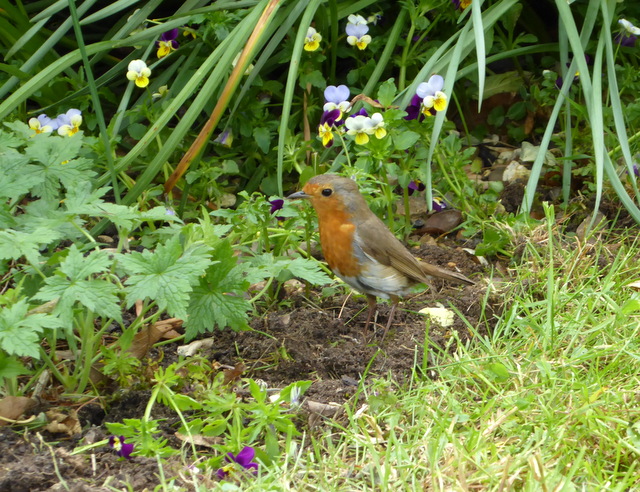
I was being helped in my task by a friendly Robin (Erithacus rubecula)

ooOOoo

Richard had noticed some orchids on the grass verge of a lane near us so we set off to walk to where they were growing.  I took a couple of photos on the way.

p1000333red-campion

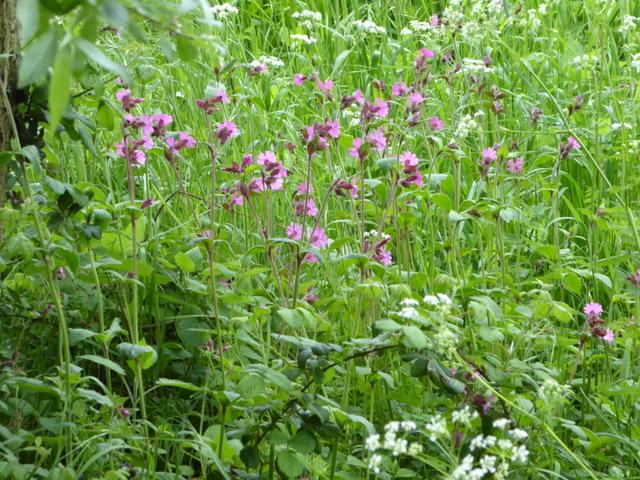
Lots of Red Campion (Silene dioica)

p1000343greenfinch

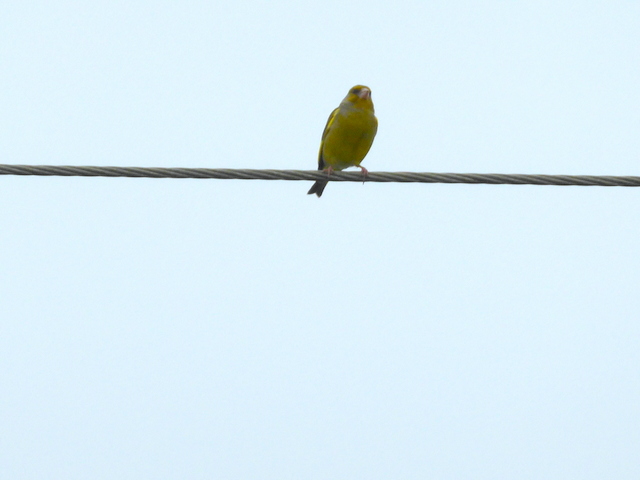
A Greenfinch (Carduelis chloris). I had to zoom as far as my camera was capable to enable me to get this rather grainy shot.

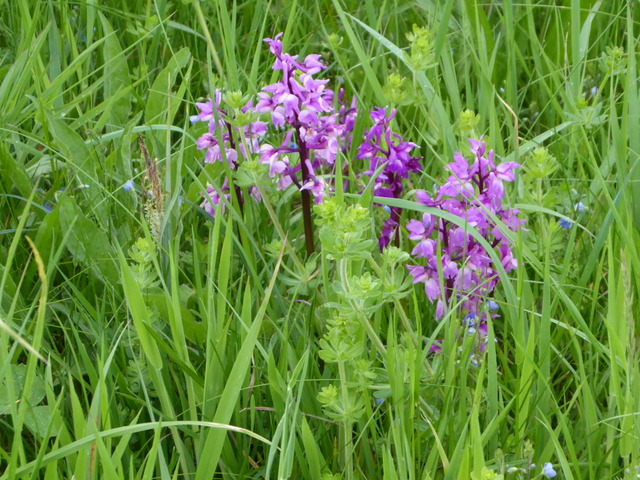
p1000345early-purple-orchid

Early Purple Orchid (Orchis mascula)

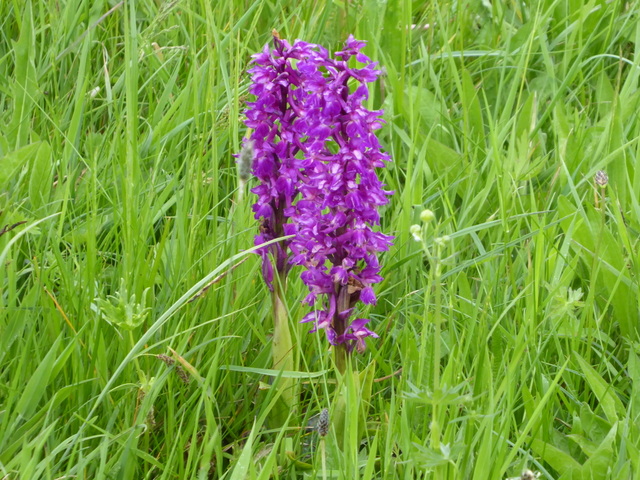
p1000346early-purple-orchid

Early Purple Orchid

p1000349early-purple-orchid

Early Purple Orchid

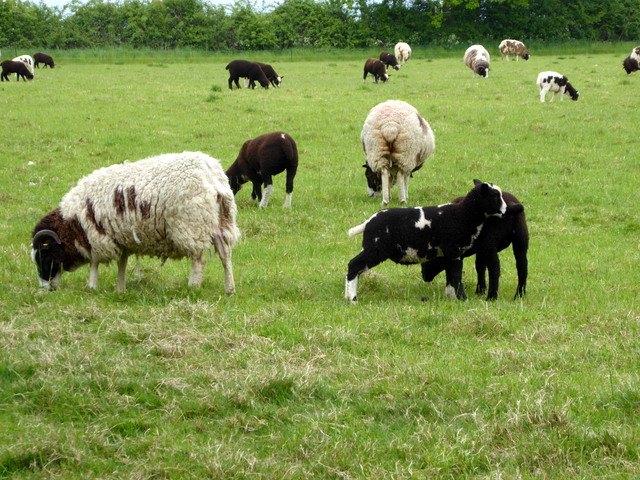
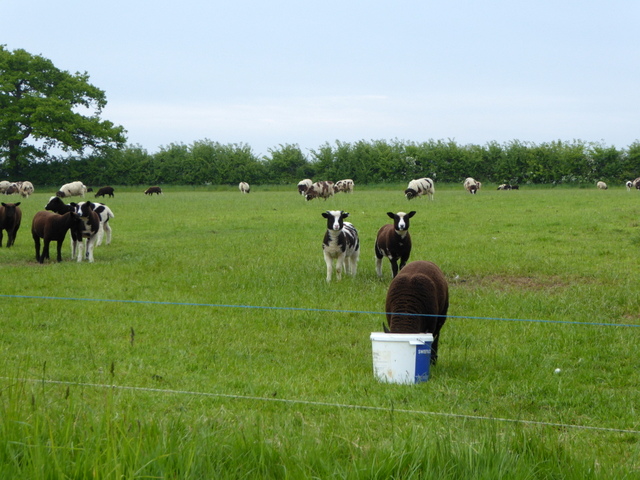
p1000367jacob-sheep

We walked past a field full of Jacob sheep on the way back home

p1000368jacob-sheep

They are more like goats than sheep and the lambs are very endearing and inquisitive.

ooOOoo

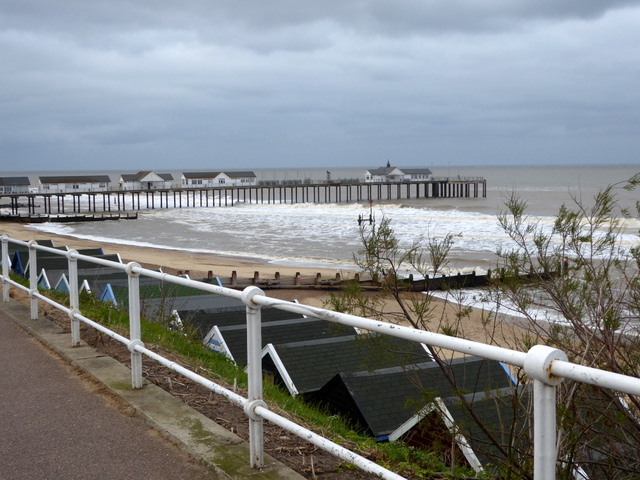
At the very end of May we visited one of our local seaside resorts, Southwold, on a very cool and windy day.

p1000371southwold

Oh we do like to be beside the seaside!

p1000386southwold

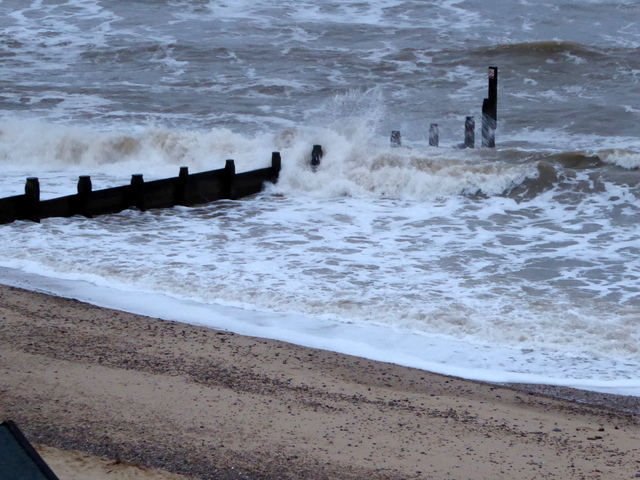
The sea was rough…

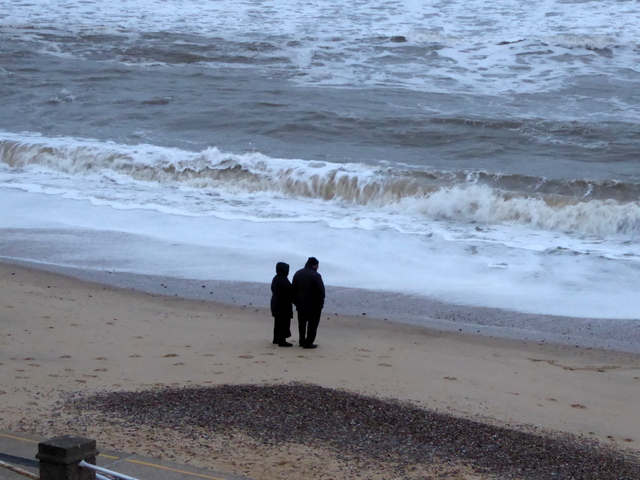
p1000387southwold

…but this couple were happy to be there watching the waves together. Note how well wrapped up they were!

p1000375southwold

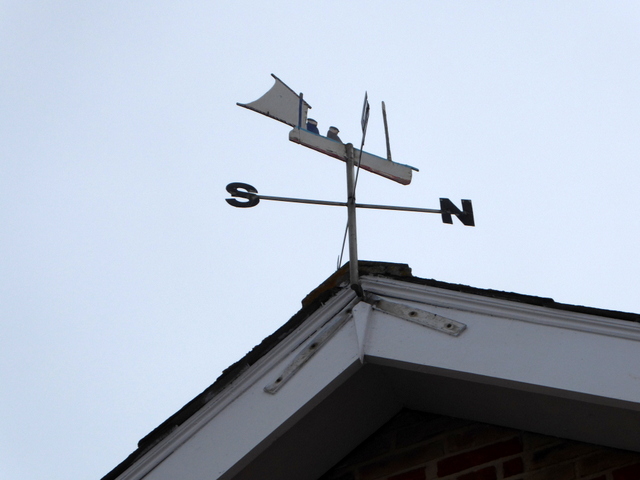
I like this weather vane on top of the Southwold Sailor’s Reading Room

p1000377southwold

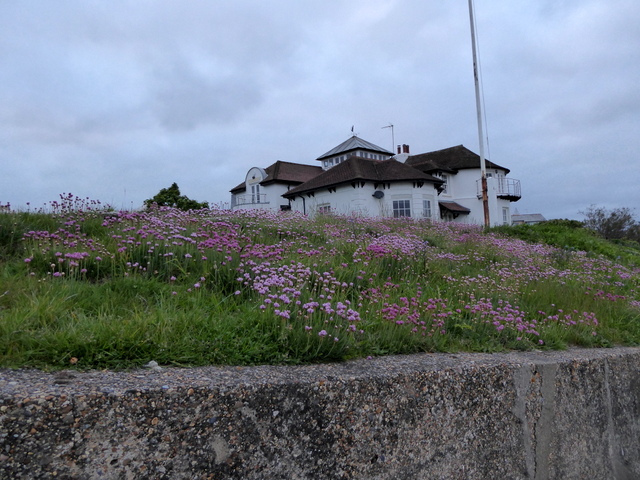
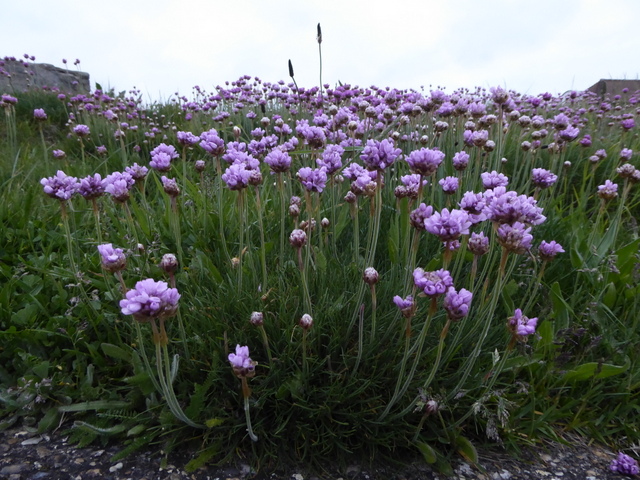
These flowers caught my eye

p1000378southwold

Thrift (Armeria maritima)

ooOOoo

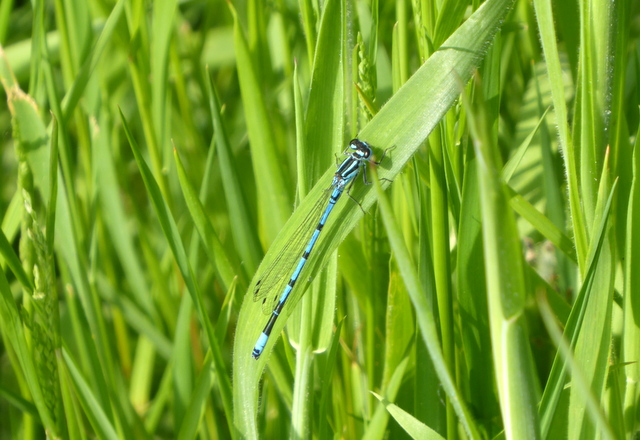
Within a day or so of our trip to Southwold the sun came out again and I was able to find insects to photograph.

p1000392damselfly

Azure Damselfly (Coenagrion puella)

img_2756damselflies

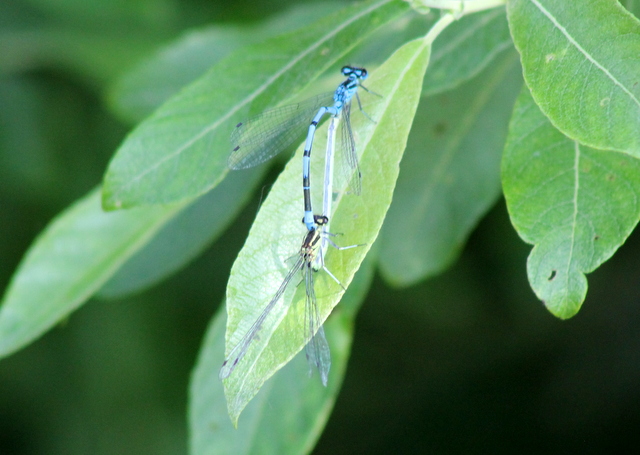
Male and female Azure damselflies

img_2766dragonfly-001

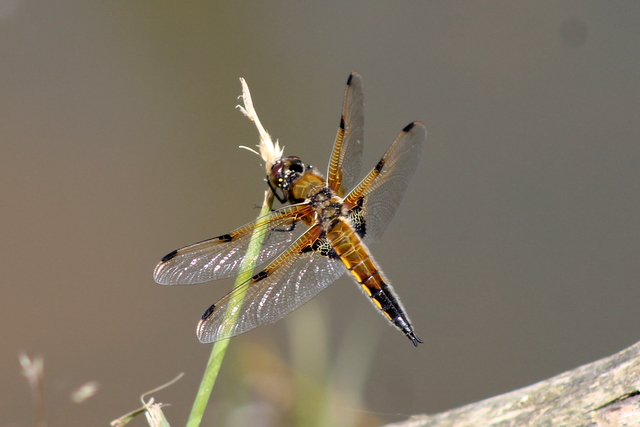
Male Four-spotted Chaser dragonfly (Libellula quadrimaculata)

My field guide says these dragonflies are rather dull but I don’t find them so.

p1000468oedemera-nobilis

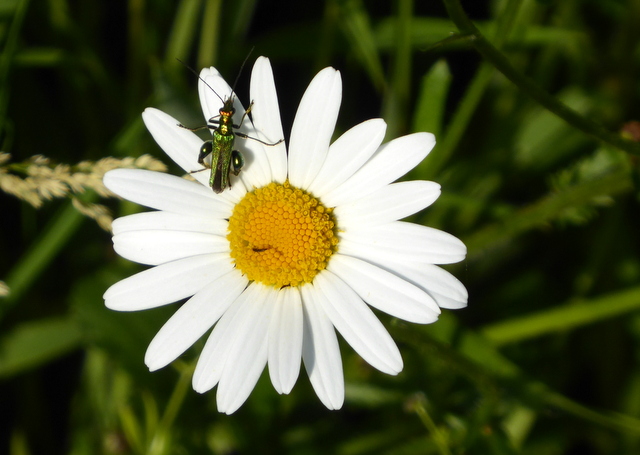
Male Oedemera nobilis.  A beetle that feeds on pollen; only the males have the swollen hind-legs.

ooOOoo

Just a few photos I took towards the middle of June.

p1000475cactus-flowers

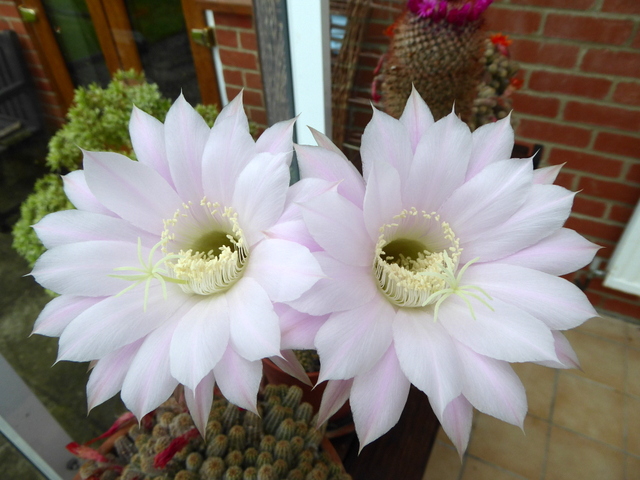
Beautifully scented cactus flowers – Echinopsis oxygona

p1000485moon

The moon

And finally a slideshow of a field of Common Poppies (Papaver rhoeas) I saw from the road at Ilketshall St. John this summer.  I wished I could get closer to it!  I think you may also appreciate this link.  It is a wonderful description of where I live and also has praise in it for our Rector who will be retiring next August.

This slideshow requires JavaScript.

My music today is from the Beatles.  Many of you will know why I have chosen this today (though I am a couple of days late as usual!).  I was a student living in Liverpool at the time and heard the news of John’s death as I made my toast for breakfast on the 9th of December.  Thirty-six years ago!  I was surprised later to hear he had been shot on the 8th of December but I had forgotten the time difference.  Listen to the superbly melodic bass playing!

Thanks for visiting!
Share this:

  • Share on X (Opens in new window) X
  • Share on Reddit (Opens in new window) Reddit
  • Share on Pinterest (Opens in new window) Pinterest
  • Share on Facebook (Opens in new window) Facebook
  • Email a link to a friend (Opens in new window) Email
  • Share on Tumblr (Opens in new window) Tumblr
  • Print (Opens in new window) Print
  • Share on Pocket (Opens in new window) Pocket
  • Share on LinkedIn (Opens in new window) LinkedIn
Like Loading...

In My Garden Again

28 Wed Sep 2016

Posted by Clare Pooley in Gardening, Insects, music, plants, Rural Diary, trees, wild animals, wild flowers

≈ 75 Comments

Tags

bird's nest, Brown Hare, Brown Hawker dragonfly, comma butterfly, Common Fleabane, Common Hawthorn berries, cooking apples, Crabapples, Creeping Thistle, Fish-hook Cactus, garden, hogweed, Hornet, Hoverfly, leveret, mole hill, moonrise, pears, speckled wood butterfly, Suffolk, sunset, Sweet Pepper, Water Mint, Zinnia

This is another collection of things I’ve seen in my garden or near my home during the past month.  The weather until a few days ago has been wonderful!  Warm, sometimes very hot, mainly dry and sunny; it has been a lovely late summer.

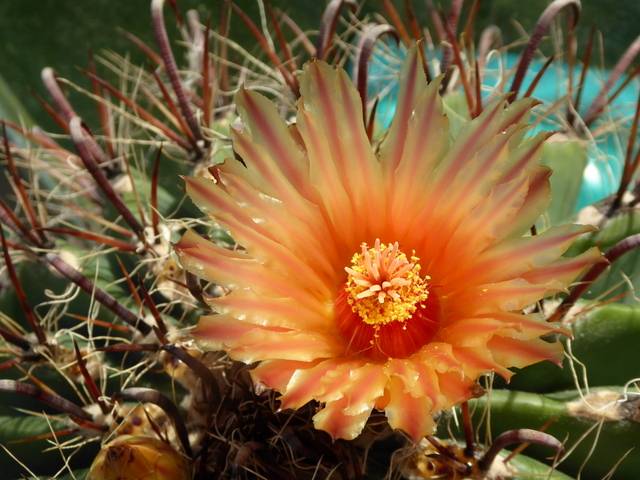
p1010238fish-hook-cactus

Flower on Richard’s Fish-hook Cactus (Ferocactus wislizeni)

This cactus nearly flowered for the first time two years ago but the warm, sunny weather didn’t last long enough and the buds shrivelled.  Last year was too dull and cool so no buds formed at all.  This year however, one of the three buds opened and stayed open for three days.

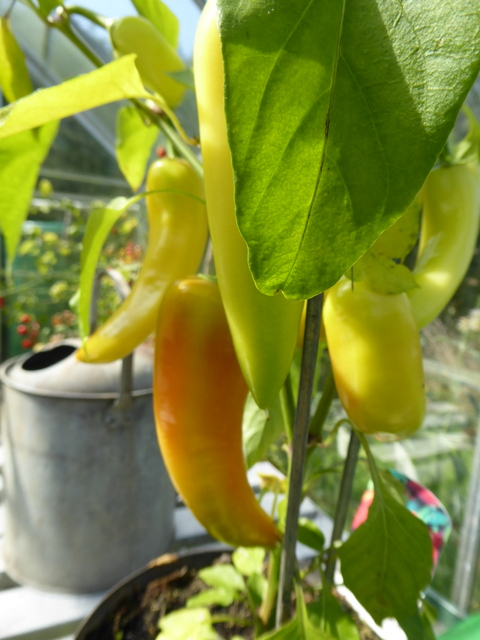
p1010239sweet-peppers

Sweet pepper ‘Sweet Banana’

Richard is growing sweet peppers this year and this is a photo of them when they were just starting to turn red.  Unfortunately, the camera focused on the leaf not the pepper.

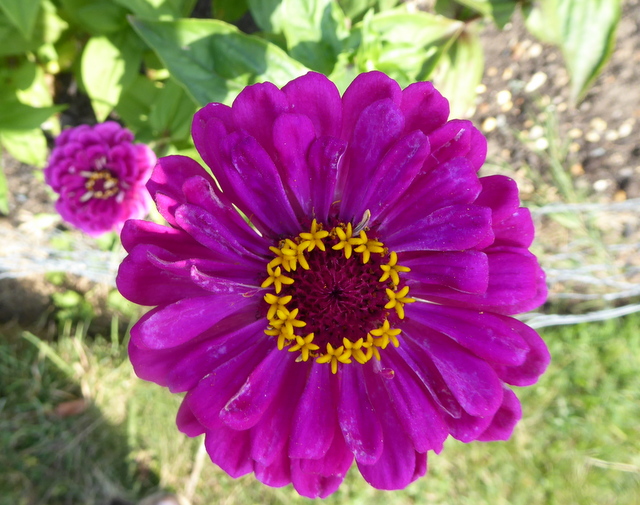
p1010240zinnia

Zinnia flower

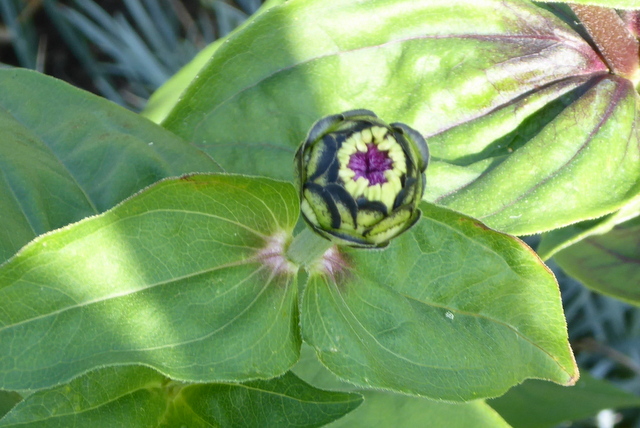
p1010241zinnia-001

Zinnia flower-bud

Richard bought a tray of Zinnia flowers from the garden centre.  They took their time to get established but eventually they got going and have been so bright and cheerful for the past month.

p1010245fleabane

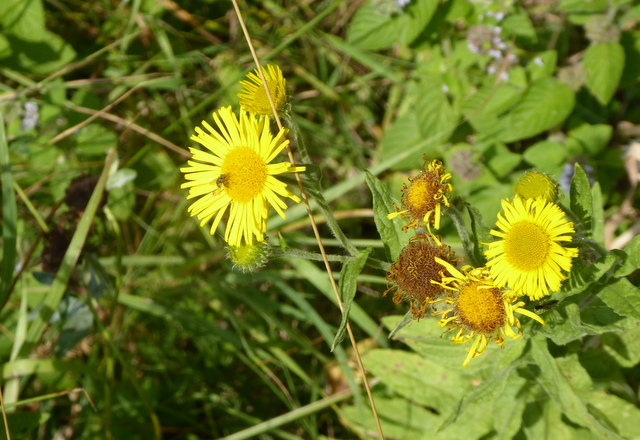
Common Fleabane (Pulicaria dysenteria) has been everywhere I’ve looked this summer but this poor shot is the only photo of it I’ve taken.

For centuries, the leaves of Fleabane were hung in bunches from ceilings or dried and burnt as a fumigant to repel fleas.  Richard Mabey in his ‘Flora Britannica’ says the plant is a relative of the species which supplies the insecticide ‘pyrethrum’.

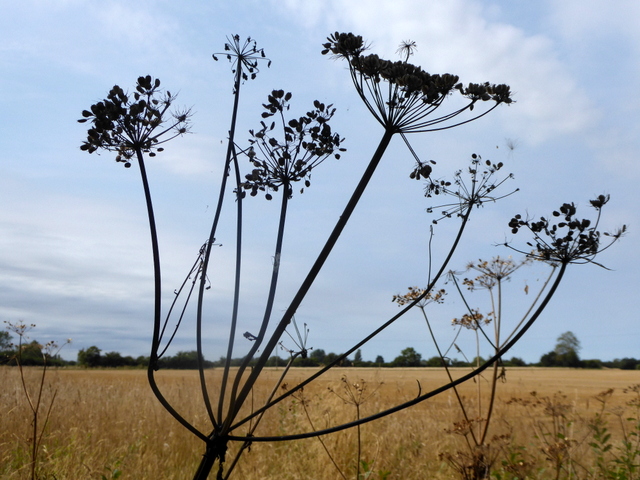
p1010250hogweed

Hogweed (Heracleum sphondylium) seed-heads

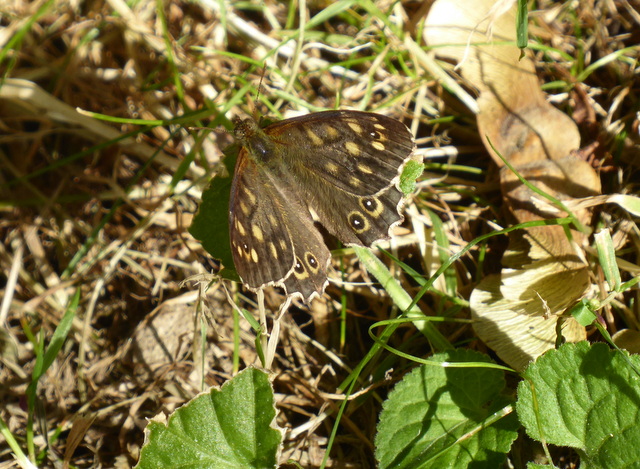
p1010246speckled-wood

Speckled Wood butterfly (Pararge aegeria)

This is a woodland butterfly and its markings make it difficult to spot in dappled shade.

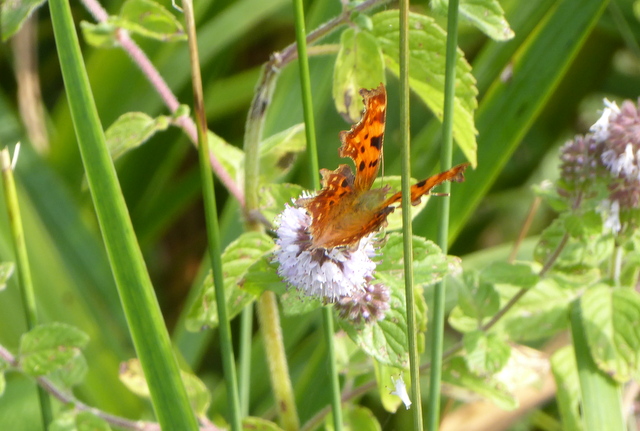
p1010253comma

A Comma butterfly (Polygonia c-album) on Water Mint (Mentha aquatica)

p1010248hoverfly-on-creeping-thistle

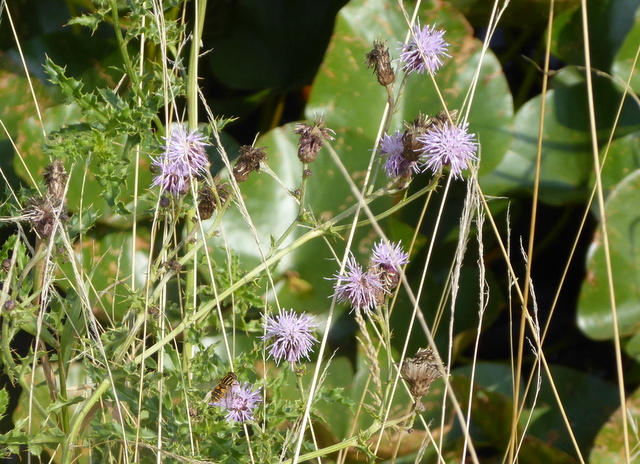
Creeping Thistle (Cirsium arvense) with a Hoverfly (Helophilus pendulus) on the lowest flowerhead

p1010296crabapples

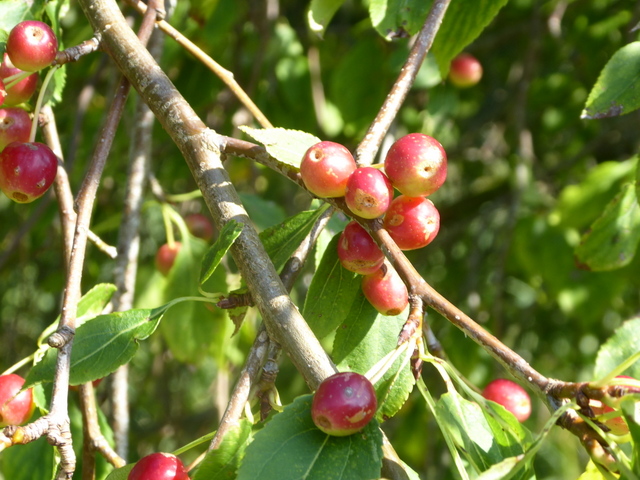
The crabapples on our species crabapple tree look like cherries. Woodpigeons are very fond of them.

p1010298biffin

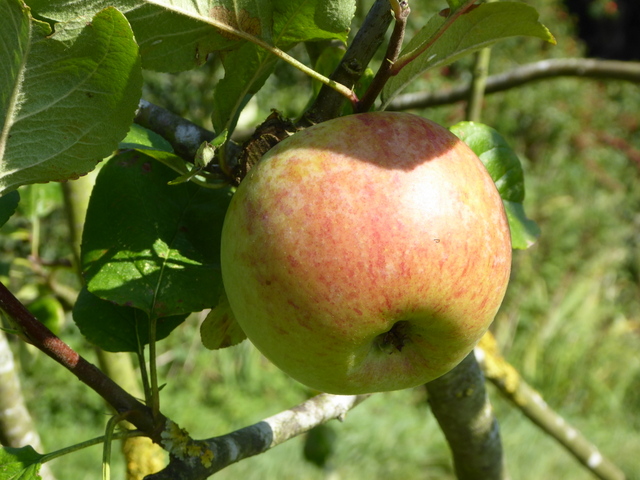
We don’t have many apples this year. This one looks very good – a cooking apple.

p1010301concord

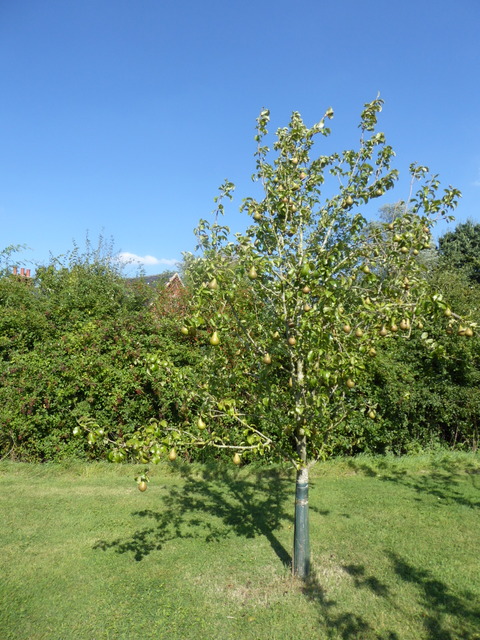
We have what looks like a good crop of pears but sadly many of the fruits are rotting on the tree.

p1010304haws

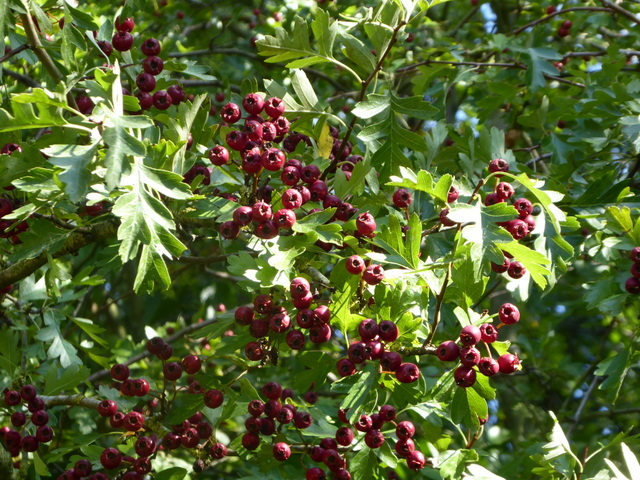
Common Hawthorn berries, known as Haws. (Crataegus monogyna)

The Hawthorns are full of fruit; some people say this means we are to have a hard winter.  I think it means we had good pollination in the spring.

p1010305brown-hawker

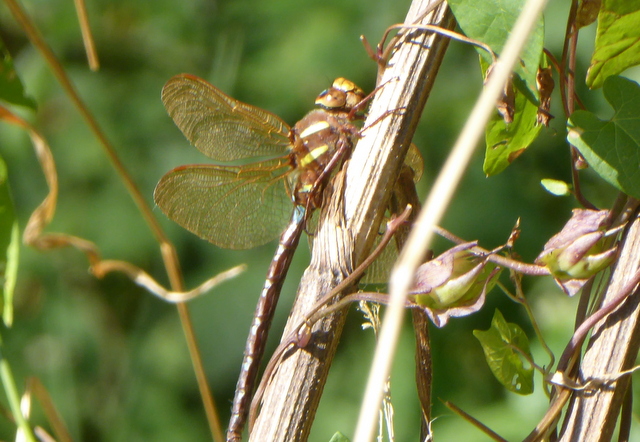
A female Brown Hawker dragonfly (Aeshna grandis)

I took this photo in a hurry as Brown Hawkers are such restless dragonflies and only perch for a few seconds.  I love their amber wings!

p1010324hornet

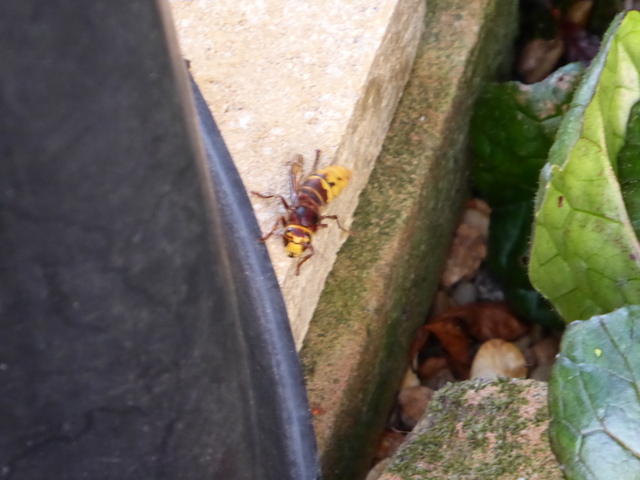
Another poor photo, this time of a Hornet (Vespa crabro)

We have had a Hornets’ nest under the tiles of the garage roof this summer.  They are busy insects and carry on flying until well after sunset, unlike wasps who retire early.  We have also got a wasps’ nest under the house roof tiles near our bedroom window.  I could hear them chewing and munching away through the night when they were first constructing the nest in the early summer.

p1010330mole

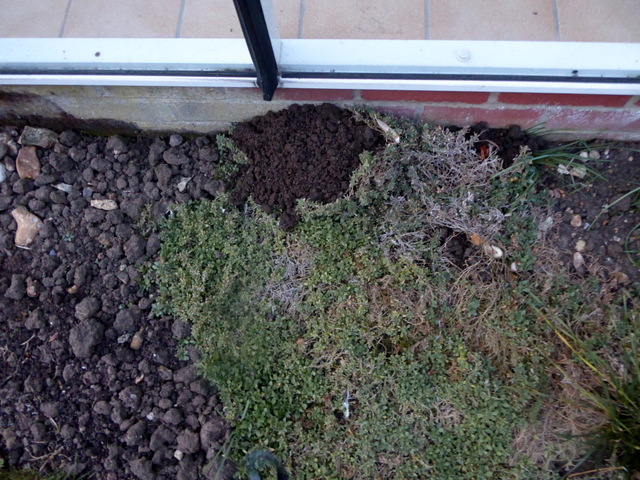
This is a mole hill that appeared in the rather dry border next to the conservatory. The hill got bigger the following day and many spring bulbs were uprooted.

We haven’t had much rain during the past month and the moles are searching for worms.  The worms congregate where there is moisture i.e. in flower-beds (if they are watered) or next to paths or buildings where water runs off into the soil.

p1010326sunset

Sunset

p1010327sunset

Sunset

p1010328sunset

Sunset

p1010329sunset

Sunset with mist

And shortly afterwards on the same evening…..

p1010332moon

Moonrise

p1010333moon

Moonrise

We were pleased to welcome a new visitor to our garden; a Leveret, a young Brown Hare (Lepus europaeus)

This slideshow requires JavaScript.

We first noticed it when it was very close to our kitchen window so you see part of the window frame in my photos!  It then moved a little further away and was easier to photograph.

The best time of day to see hares is early morning or at dusk, as during the day they rest in grass, scrubland or in a ploughed furrow.  They crouch low against the ground with their ears laid flat and are well camouflaged.  If they are disturbed they are capable of running very fast – 35 mph/56kph – and run with their black-topped tail held downwards.  They have large staring eyes, large black-tipped ears and powerful hind legs; they are shy and alert creatures.  They typically live in open country, preferring not to live in direct contact with grazing animals and they are unlikely to be found in hayfields.  They eat a wide selection of grasses and plants of open country as well as crops of cereal, clover, alfalfa, beets and potatoes.  In winter a hare will dig for green plants under the snow and will eat buds and bark from bushes and trees, including fruit trees.  They have suffered in areas of intensive farming and where herbicides are regularly used.  Pesticides contaminate their food and may kill leverets.

In March and April hares can be seen leaping and chasing about which gives rise to the saying ‘mad, March Hares’.   They often stand up on their hind legs and box each other; this may be two males vying for social dominance or, as is now thought more likely, a female (Jill) rebuffing a male (Jack).   Leverets are born in the open with a full coat of fur and with their eyes open.  They are born in litters of about three and the mother moves them immediately to another safe place which makes it more difficult for predators to find them.  Each leveret is placed in a ‘form’ – a depression made in long grass – on its own where it lies low waiting for visits from its mother.  This behaviour is very like that of deer.

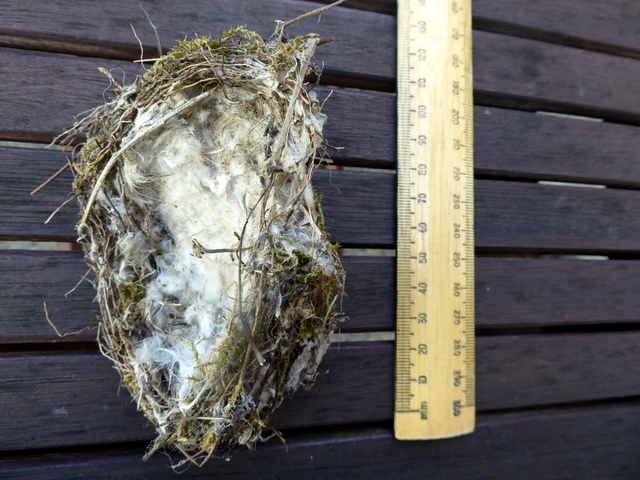
While watering my green beans the other day I noticed some tiny white eggshells lying on the ground and wondered where they could have come from.  Richard looked into the branches of the Laburnum tree above us and saw a tiny nest that I hadn’t been able to see – (I am quite a lot shorter than he is).  It was a windy day and the pieces of shell must have been dislodged by the breeze.  A week later I found the nest on the ground and here is my photograph of it.

p1010346-nest

I do not know what bird built this nest.

As you can see from the photo it is only 11 cm long and about 6 cm wide.  It is made of tiny twigs, grasses, leaves and moss all woven together and is lined with sheep’s wool and white feathers.

And finally, here is my music selection for this post.

Thanks for visiting!
Share this:

  • Share on X (Opens in new window) X
  • Share on Reddit (Opens in new window) Reddit
  • Share on Pinterest (Opens in new window) Pinterest
  • Share on Facebook (Opens in new window) Facebook
  • Email a link to a friend (Opens in new window) Email
  • Share on Tumblr (Opens in new window) Tumblr
  • Print (Opens in new window) Print
  • Share on Pocket (Opens in new window) Pocket
  • Share on LinkedIn (Opens in new window) LinkedIn
Like Loading...

In My Garden

18 Sun Sep 2016

Posted by Clare Pooley in Gardening, Insects, plants, Rural Diary, wild flowers

≈ 62 Comments

Tags

Astrantia, Bittersweet, black bryony, Black Spleenwort, blue-tailed damselfly, butterflies, comma, common blue damselfly, Damselfly, Dragonfly, Essex skipper, Field Bindweed, flowers, fruit tree, garden, gatekeeper, Gladiolus, greengage, hedge bindweed, Hyssop, insects, Jacob's Ladder, Lilium longiflorum, peacock butterfly, perennial sow-thistle, Pheasant Berry, plants, rowan, ruddy darter, runner beans, spleenwort, Stargazer Lily, Suffolk, sunset, Swiss Chard, trees, vegetables, wheat, wild flowers, Woody Nightshade

This post is made up of photos of flowers, insects and other things of interest that I saw in my garden during the last couple of weeks of July and the first fortnight in August.  We spent that time catching up with jobs around the house and doing a lot of gardening as the weather was quite good.

It has not been a good year for insects here; an extremely bad one for butterflies in fact, possibly due to the cool, wet spring and early summer we had.  The flowers and plants had a slow start but once the warm weather arrived in mid July they soon caught up.

P1000970Darter

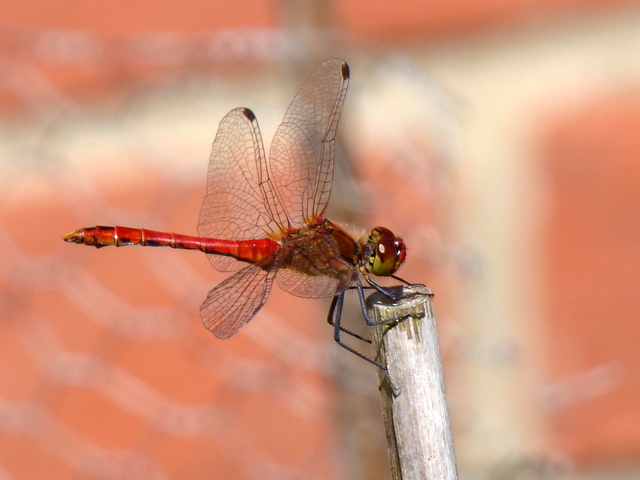
A male Ruddy Darter (Sympetrum sanguineum)

We still had plenty of these small dragonflies in our garden until recently but in July they had just started flying.  They don’t just fly near water but find perches all over the garden from which they ‘dart’ to catch passing prey.  In this photo the dragonfly is on the top of a cane in my flower-border and was happy to let me get very close to him.  Ruddy Darters are the only red dragonflies with totally black legs – they also have a small patch of yellow at the base of the wings.  There are black lines on the upper side of the second- and third-to last segments of the abdomen.  The upper half of the eyes are red-brown and the lower half are green.  The frons (the front of the ‘face’) is red.

P1000974Hyssop

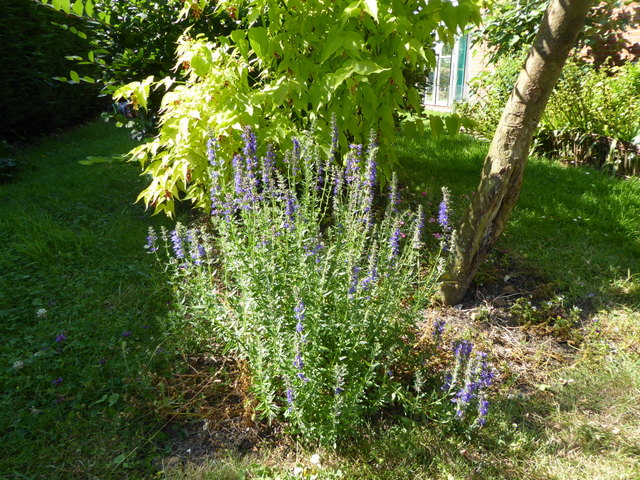
Hyssop (Hyssopus officinalis)

I bought this herb late last summer; it survived the winter very well and has flowered beautifully this year.  It is very popular with the bees and smells good too.

P1000975Swiss Chard

Swiss Chard ‘Bright Lights’ (Beta vulgaris subsp. cicla var. flavescens)

I grew Swiss Chard from seed this year for the first time, mainly because my mother likes it and hasn’t been able to get it for a few of years.  I gave her a few plants and then put some plants into a couple of gaps in my flower-border.  They look beautiful, especially with the sun shining through the colourful stems.  I can’t say the vegetable when eaten has been very popular.  The leaves are like spinach, quickly reducing in size and becoming soft; the stems which I put into the hot water a minute or so before the leaves, have a lovely texture and a very mild taste.  They can be steamed successfully too.  I think it is the mildness that doesn’t appeal – or perhaps the spinach-like leaves.  We love greens in this family and get through large amounts of cabbage, spring-greens, brussels sprouts and broccoli, all of which have fairly powerful flavours.  Perhaps Swiss Chard is too refined for us?

P1000976Skipper

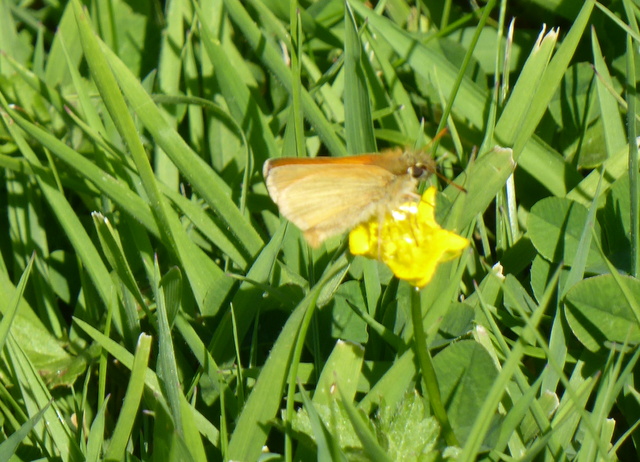
A poor photo of an Essex Skipper butterfly (Thymelicus lineola) sitting on a buttercup flower.

I include this just to prove to myself that we did get a number of skippers in the garden in the summer.  The Essex Skipper is very similar to the Small Skipper but the antennal tip instead of being golden is black underneath, which can just be seen in my photo.

P1000978Greengage

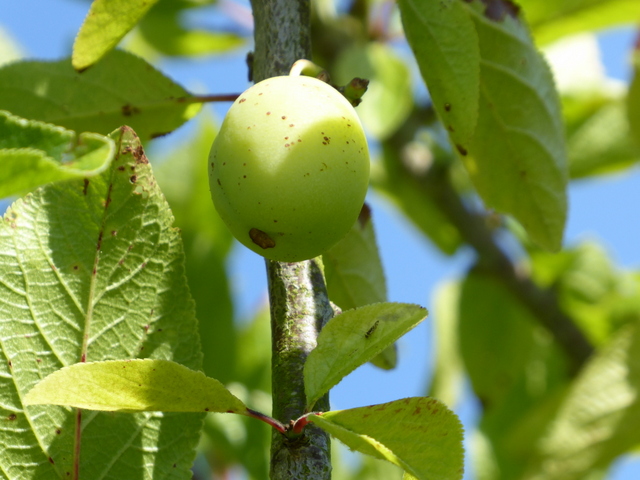
A Greengage (Prunus domestica ssp. italica var. Claudiana)

We bought a young Greengage tree nearly three years ago and this year we got two fruits on it.  We didn’t manage to eat either of them because one or other of our animal, bird or insect visitors got there first.

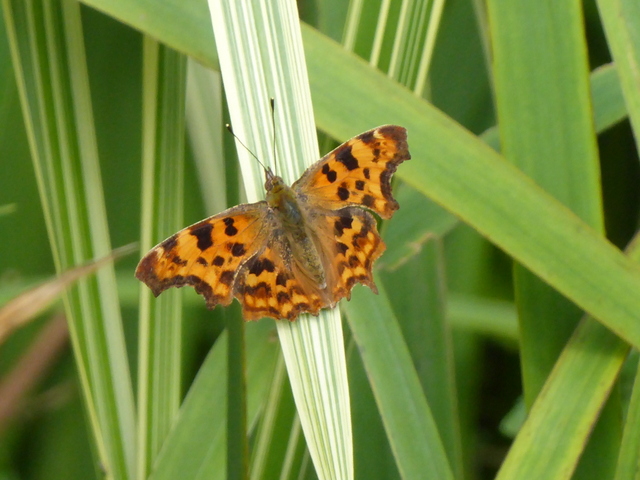
P1000981Comma

A Comma butterfly (Polygonia c-album)

The name ‘Comma’ refers to a white comma mark on the underside of the wings.

P1000984Woody Nightshade berries

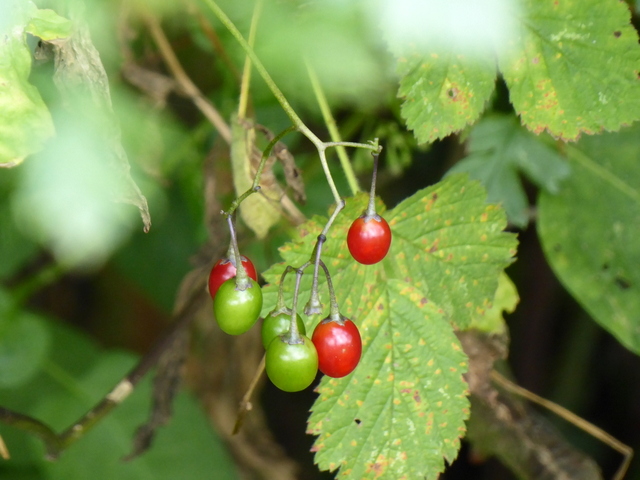
Woody Nightshade/Bittersweet berries (Solanum dulcamara)

This has got everywhere in the garden this year!  I have found it growing in amongst the herbs, up through the Pyracantha and it has taken over the two Cotoneasters that grow next to our gas-tank.  (We are not on mains gas here so have a large butane gas tank near the house).  Bittersweet berries are beautiful and are at their most attractive at this stage when some are still green and they are plump and shiny.

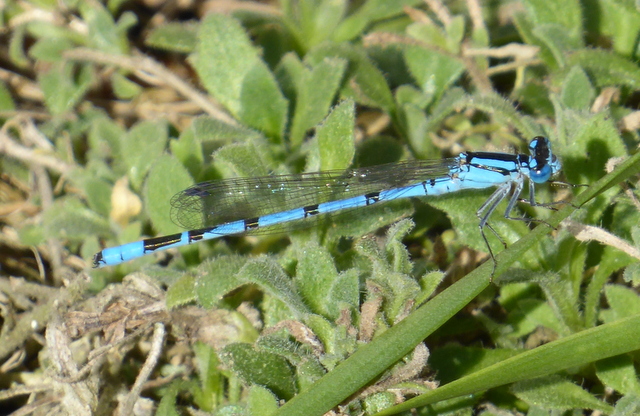
P1000985Blue-tailed Damselfly perhaps

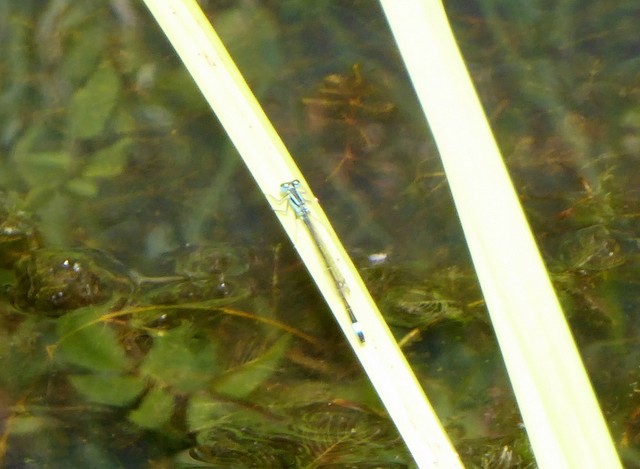
Another poor photograph showing what I believe to be a female Blue-tailed Damselfly (Ischnura elegans)

Another photo that is proof to me that we had these damselflies flying round the pond this summer.

P1000990F Gatekeeper-001

Female Gatekeeper butterfly (Pyronia tithonus)

Male Gatekeepers are territorial and patrol an area of hedgerow often in corners of fields or near gates trying to deter other insects from entering their domains.  The males are smaller and a brighter orange than the females and have a dark patch of scent glands on the fore-wing.

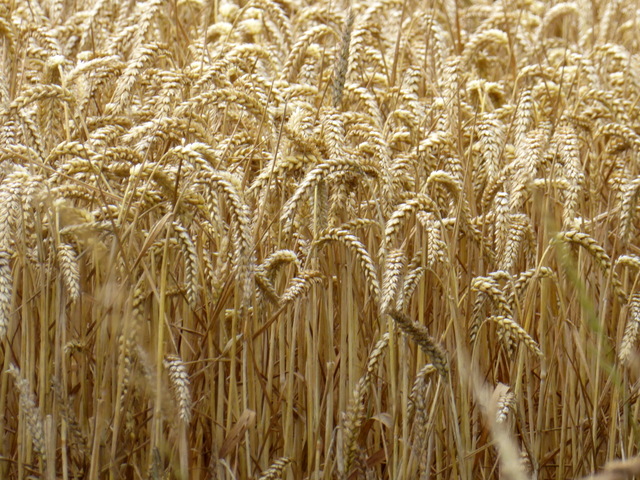
P1000986Ripe wheat

Ripe Wheat (Triticum spp.)

I couldn’t resist taking a photo of the wheat in the field behind our house just before it was harvested this year.

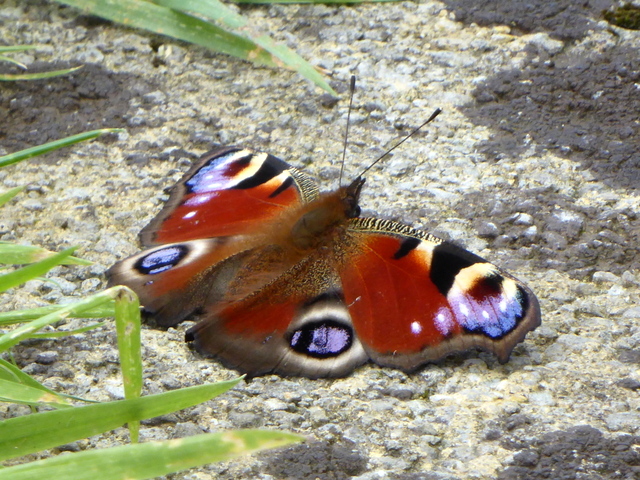
P1000998Peacock butterfly

Peacock butterfly (Inachis io)

This slightly battered Peacock was sunning itself on the path.  They are very hairy-bodied insects and the colours and markings on the wings are beautiful.  I noticed for the first time the lovely tiger-stripe yellow and black ‘shoulders’ on the fore-wing.

P1010003Perennial Sow-thistle

Perennial Sow-thistle (Sonchus arvensis) This one I discovered growing next to our compost bin.

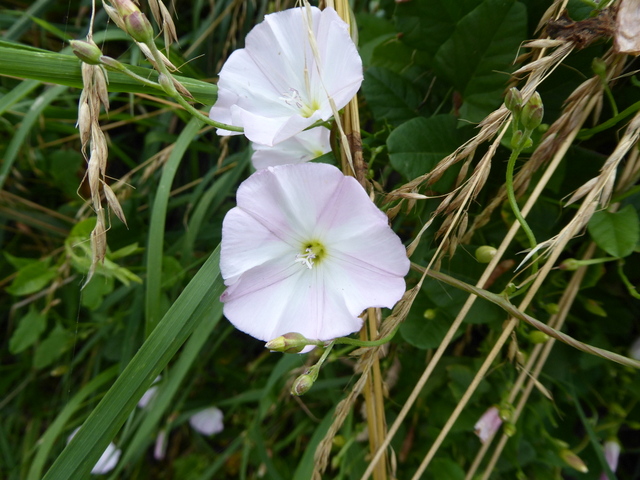
P1010007Field Bindweed

Field Bindweed (Convolvulus arvensis)

The flowers this year are only lightly marked with pink.  They are usually much brighter.

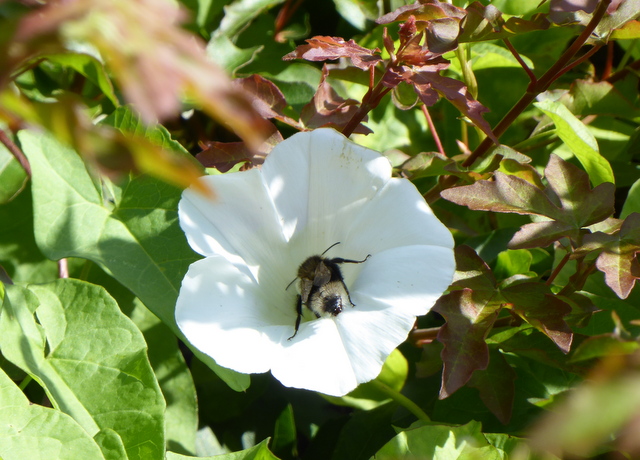
p1010009bumble-bee-hedge-bindweed

We are lucky (?) to have both Field Bindweed, as in the former photo, and Hedge Bindweed (Calystegia sepium) as here, in our garden. This one was being visited by a bumble bee.

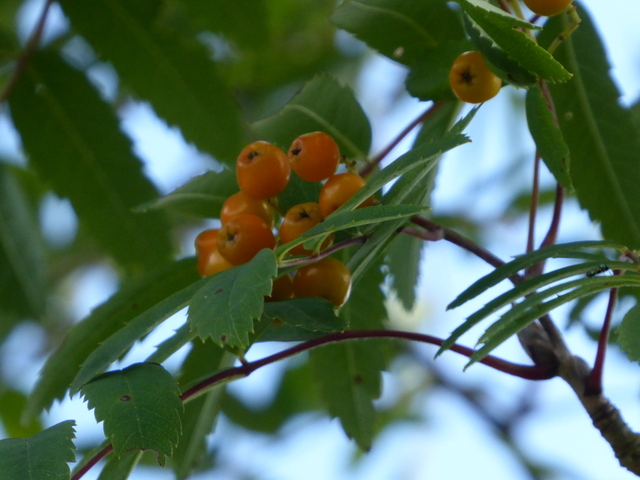
p1010010rowan-berries

Our young Rowan or Mountain Ash tree (Sorbus aucuparia) had many flowers in the early summer and produced some berries this year. The berries in the photo are not quite ripe yet.  They were eaten by something very quickly once they were red and ripe.

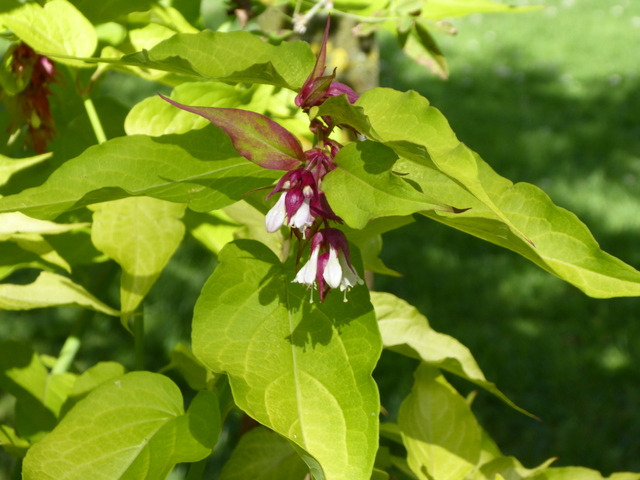
p1010011pheasantberry-flowers

Pheasant Berry (Leycesteria formosa)

I have a pale-leaved Pheasant Berry bush and it has done very well this year, having had enough rain-water at the beginning of the season.  The birds usually enjoy the berries but I’m not sure if the wasps will have left them any!

p1010012lily

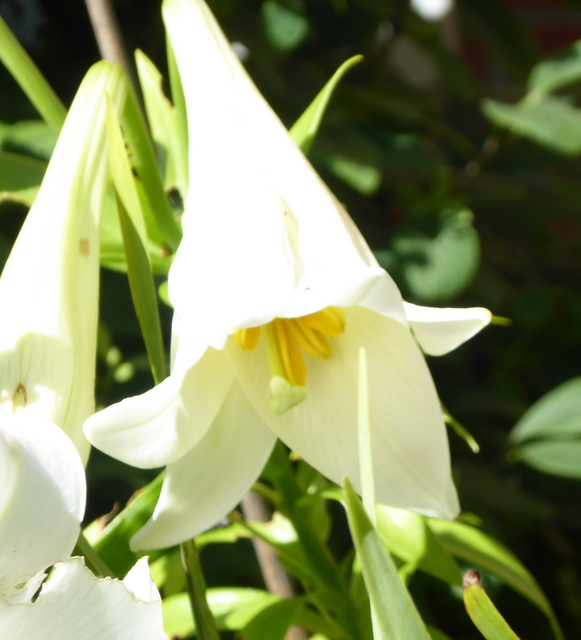
Lilium longiflorum

The white Longiflorum lilies did a little better this year.  I still had some trouble with non-native Red Lily Beetles but the cool wet June meant the flowers were taller and stronger and the beetles didn’t appear until later in the season when the weather improved.  I was as vigilant as I could be, going out checking for beetles at least twice a day and squashing them when I found them.  Unfortunately, nothing could be done while I was away from home so when I returned I soon discovered the horrible grubs eating the plants.  I removed as many as I could and discovered that spraying them regularly with soap was very effective.

p1010014runner-beans

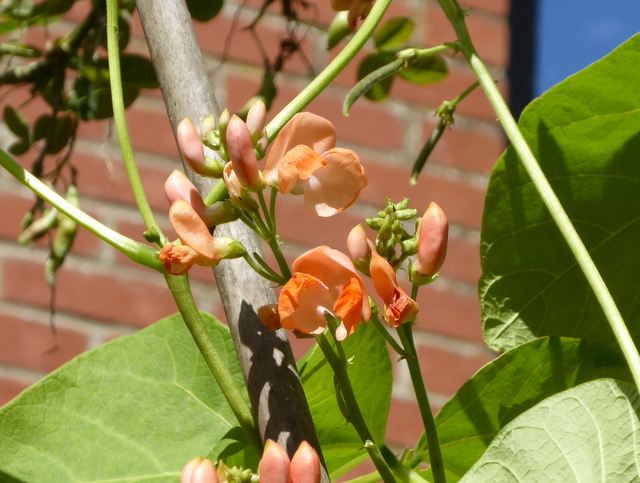
Runner Beans (Phaseolus coccineus) ‘Celebration’

I grew runner beans this year and gave my mother six plants and planted the rest in a gap in my flower border.  They grew up through a laburnum tree and did quite well.  I started them fairly late so they didn’t begin flowering til after mid-summer but the beans develop very quickly and these ones are so sweet and hardly have any ‘strings’.   I love the orange flowers.

p1010015runner-beans-and-jacobs-ladder

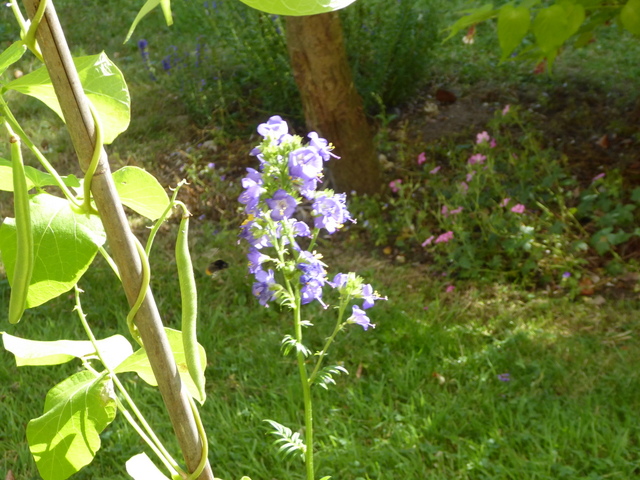
The beans with a Jacob’s Ladder (Polemonium caeruleum) flower-spike and a bumble bee flying towards the Jacob’s Ladder.

p1010016

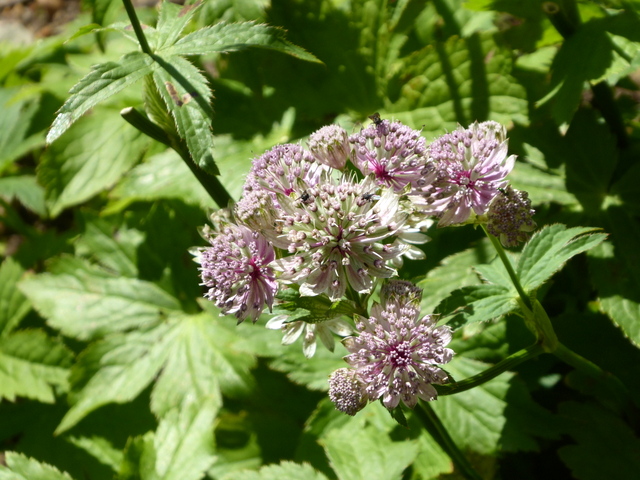
The Astrantia, also known as Masterwort, has done well this year.

p1010018common-blue-damselfly

A male Common Blue Damselfly (Enallagma cyathigerum)

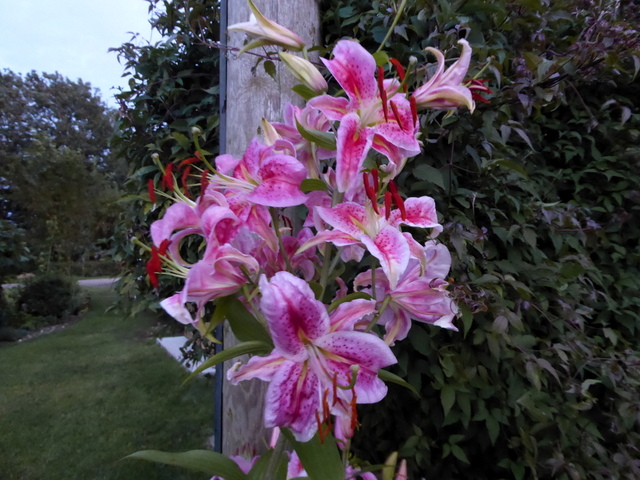
p1010028lilies

This photo of my lilies (Lilium ‘Stargazer’) was taken well after sunset and without a flash.

I wanted to see if there was enough ambient light to take a successful photo of these luminous lilies.

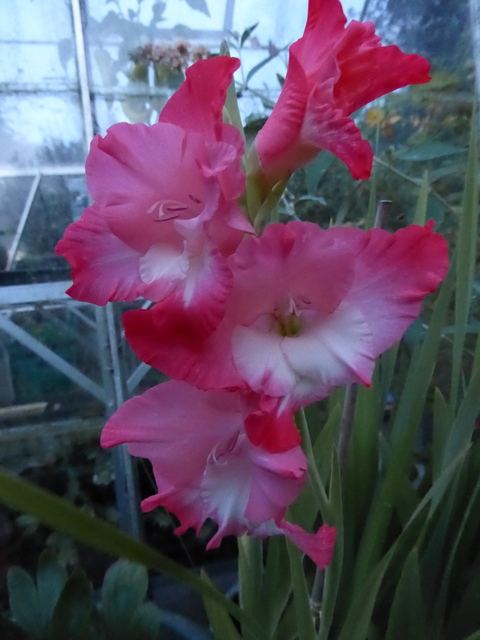
p1010030gladiolus

I then took this photo of a Gladiolus next to the greenhouse

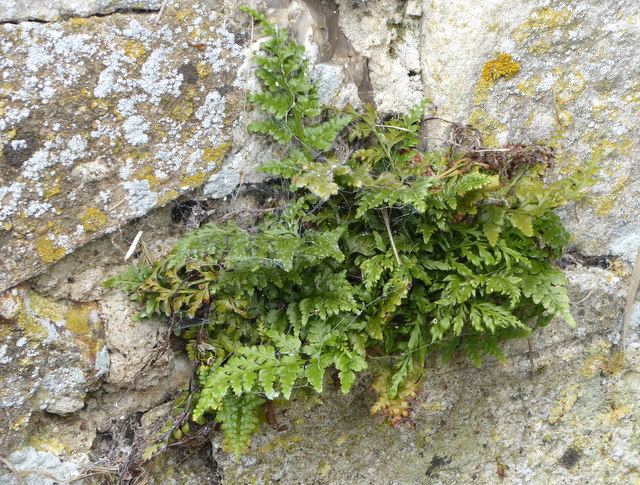
p1010021black-spleenwort

On a church cleaning visit to our church at Rumburgh I noticed this Black Spleenwort (Asplenium adiantum-nigra) growing on the wall.

This plant is mainly found in the west of the country so I was surprised to see it here, almost as far east as one can get.  It loves alkaline soil and here it is growing in the mortar.  A month later and it had gone – removed I presume, in case it caused yet more damage to our poor crumbling church building.

p1010022black-bryony

Just below the spleenwort was this patch of Black Bryony (Tamus communis)

A sunset seen from the back of the house.

p1010020sunset

My music selection today is ‘The Arrival of the Queen of Sheba’ by Handel.

Thanks for visiting!
Share this:

  • Share on X (Opens in new window) X
  • Share on Reddit (Opens in new window) Reddit
  • Share on Pinterest (Opens in new window) Pinterest
  • Share on Facebook (Opens in new window) Facebook
  • Email a link to a friend (Opens in new window) Email
  • Share on Tumblr (Opens in new window) Tumblr
  • Print (Opens in new window) Print
  • Share on Pocket (Opens in new window) Pocket
  • Share on LinkedIn (Opens in new window) LinkedIn
Like Loading...
← Older posts
Newer posts →
Follow A Suffolk Lane on WordPress.com

Enter your email address to follow this blog and receive notifications of new posts by email.

Join 715 other subscribers.

Unknown's avatar

I talk about what it's like living in a quiet part of Suffolk. I am a wife, mother and daughter, a practising Christian and love the natural world that surrounds me. I enjoy my life - most of the time!
My Posts

Jan 2026
M T W T F S S
 1234
567891011
12131415161718
19202122232425
262728293031  
« Dec    

Pages

  • About my Blog
  • GDPR (General Data Protection Regulations) and This Site
  • My Life in a Suffolk Lane

Archives

Blogs I Follow

Unknown's avatar
Unknown's avatar
Unknown's avatar
Unknown's avatar
Unknown's avatar
Unknown's avatar
Unknown's avatar
Unknown's avatar
Unknown's avatar
Unknown's avatar
Unknown's avatar
Unknown's avatar
Unknown's avatar
Unknown's avatar
Unknown's avatar
Unknown's avatar
Unknown's avatar
Unknown's avatar
Unknown's avatar

Posts I Like

  • Ari's avatar
  • Unknown's avatar
  • John’s Postcards's avatar
  • Unknown's avatar
  • Unknown's avatar
  • Rich's avatar
  • aho's avatar
  • Unknown's avatar
  • clivebennett796's avatar
  • Unknown's avatar
  • Yeah, Another Blogger's avatar
  • Unknown's avatar
  • Unknown's avatar
  • trulymebeingme's avatar
  • Unknown's avatar
  • Unknown's avatar
  • Annika Perry's avatar
  • Unknown's avatar
  • Dad's avatar
  • Unknown's avatar
  • Maikhel's avatar
  • Unknown's avatar
  • Unknown's avatar
  • Unknown's avatar
  • NEERAJ SINGH's avatar
  • Unknown's avatar
  • CJ's avatar
  • Unknown's avatar
  • M T McGuire's avatar
  • Unknown's avatar
  • Unknown's avatar
  • Kathleen's avatar
  • sopantooth's avatar
  • JAM's avatar
  • Unknown's avatar
  • Unknown's avatar
  • Andrea Stephenson's avatar
  • Secret Diary of A Country Vicar's Wife's avatar
  • Unknown's avatar
  • Unknown's avatar
  • Unknown's avatar
  • Unknown's avatar
  • thesimlux's avatar
  • Unknown's avatar
  • Unknown's avatar
  • Unknown's avatar
  • The Introverted Bookworm's avatar
  • Unknown's avatar
  • Unknown's avatar
  • Unknown's avatar

amphibians architecture art Arts and Crafts churches cooking Days out domestic animals family fish Folk Traditions Gardening Historic Buildings holidays Insects Landscaping literature music Norwich plants Rural Diary seashore theatre trees Uncategorized walking weather wild animals wild birds wild flowers

Tags

architecture autumn birds blackbird blackthorn Bungay butterfly church clouds common knapweed cow parsley crocus daffodils Diary dogwood family field maple flowers fungus garden gardening geese greylags ground-ivy Halesworth Hawthorn heather holiday Holly Holy Week horse chestnut Hoverfly insects ivy Lake District Lent lesser celandine lichen Lords and Ladies Mallard mallards Minsmere moorhen moss music Norwich Peak District pheasant plants pond ponds primrose primroses Rain rooks Rumburgh Rumburgh Church sheep Sheffield snow snowdrops Southwold spring Suffolk Suffolk Wildlife Trust sunset the Beck trees viburnum bodnantense walking weather wild cherry wild flowers winter-flowering honeysuckle witch-hazel

Meta

  • Create account
  • Log in
  • Entries feed
  • Comments feed
  • WordPress.com

Goodreads

Blog at WordPress.com.

Book Jotter

Reviews, news, features and all things books for passionate readers

Country Life Blog -

A blog about life in the country in the past and present

Matthew Paul: Poetry & Stuff

Poetry and what-not

Schnippelboy

Ein Tagebuch unserer Alltagsküche-Leicht zum Nachkochen

TAMARA JARE

Tamara Jare Contemporary Figurative Art – Bold Colors, Resilient Souls

A Taste of Freedom

Documenting a Dream

Country Ways

Rambling Journeys in Britain, Countryside Matters and campaigning for the Right to Roam

The Strawberry Post

Here to Entertain, Educate & Inspire!
a north east ohio garden

an ongoing experiment in the dirt, 35 plus years

naturechirp

Celebrating God's creatures, birds and plants...

Sophie Neville

Writer

Going Batty in Wales

Developing a more sustainable lifestyle in SW Wales

Our Lake District Escapades

Exploring the Lake District and beyond

Short Walks Long Paths

Wandering trails around the coast of Wales

The Biking Gardener

An English persons experience of living and gardening in Ireland

Nan's Farm

A Journal Of Everyday Life

Walk the Old Ways

Rambling Journeys in Britain with John Bainbridge. Fighting for the Right to Roam. Campaigning to Protect Our Countryside.

Writer Side UP!

Waking the Writer Side...and keeping it "Up!"

Meggie's Adventures

Travel, thank you notes and other stories

amusicalifeonplanetearth

Music and the Thoughts It Can Inspire

lovefoundation.co.uk

Traveling Tortuga

Simply Living Well

Pakenham Water Mill

Historic watermill in the beautiful Suffolk countryside

Take It Easy

Retired, not expired: words from the after(work)life. And music. Lots of music!

Secret Diary Of A Country Vicar's Wife

By Olive Oyl

thanksfortheadventureorg.wordpress.com/

The Beat Goes On

#TBGO

Frank Pleszak's Blogs

Twitter: @frankpleszak @PolishIICorps

John Bainbridge Writer

Indie Writer and Publisher

roughwighting

Life in a flash - a bi-weekly storytelling blog

Walking the Old Ways

Rambling in the British Countryside

CapKane

thoughts on social realities

SkyeEnt

Jottings from Skye

jodie richelle

embracing my inner homemaker

Skizzenbuch/Blog

Just another WordPress.com weblog

Have Bag, Will Travel

The Call of the Pen

Flash Fiction, Book Reviews, Devotionals and other things.

John's Postcards

Art in Nature

You dream, I photographe it !

Smile! You’re in Barnier World......

theinfill

the things that come to hand

Dr. Mary Ann Niemczura

Author of "A Past Worth Telling"

Provincial Woman

The Pink Wheelbarrow

Luanne Castle: Poetry and Other Words (and cats!)

Poetry, Other Words, and Cats

The Family Kalamazoo

A genealogical site devoted to the history of the DeKorn and Zuidweg families of Kalamazoo and the Mulder family of Caledonia

everythingchild

The Book Owl

Canberra's Green Spaces

Paul Harley Photographer

  • Subscribe Subscribed
    • A Suffolk Lane
    • Join 715 other subscribers.
    • Already have a WordPress.com account? Log in now.
    • A Suffolk Lane
    • Subscribe Subscribed
    • Sign up
    • Log in
    • Report this content
    • View site in Reader
    • Manage subscriptions
    • Collapse this bar
 

Loading Comments...
 

    Privacy & Cookies: This site uses cookies. By continuing to use this website, you agree to their use.
    To find out more, including how to control cookies, see here: Cookie Policy
    %d