• About my Blog
  • GDPR (General Data Protection Regulations) and This Site
  • My Life in a Suffolk Lane

A Suffolk Lane

~ A diary of my life in rural north Suffolk.

A Suffolk Lane

Tag Archives: Suffolk

Autumn in a Suffolk Lane – Part 2

11 Sun Oct 2015

Posted by Clare Pooley in churches, Days out, Gardening, music, plants, Rural Diary, trees

≈ 42 Comments

Tags

Acorn, ash keys, Astrantia, autumn, Bantam Cock, beach, chickens, Chrysanthemum, conker, dogwood, Dunwich Heath, dwarf gorse, eating apples, Elderberries, fungi, gardening, GERANIUM, Grove snail, Hibiscus, Jake Thackray, Knopper gall, leaf colour, Linstead Magna, Linstead Parva, liverwort, Michaelmas Daisy, moorhen, Pyracantha, rough sea, Salvia, silver birch, Suffolk, sunset, Tansy, viola
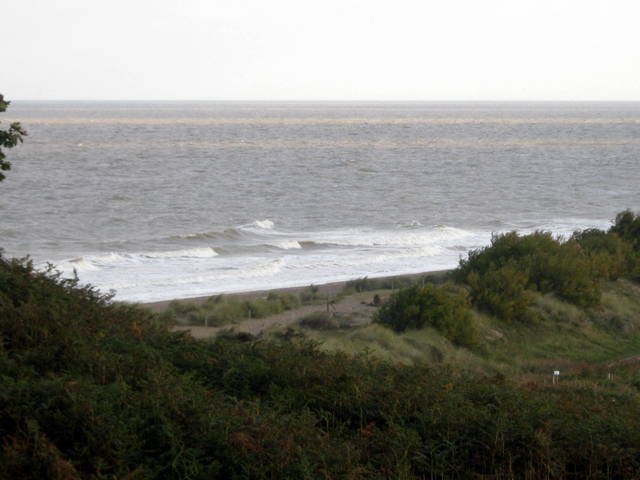
IMG_5766Beach at Dunwich Heath

The beach at Dunwich Heath.

We visited yet another of our local beaches on a very windy, cool afternoon recently.  We only stayed on the beach for a short while because the wind was so biting; Elinor and I both got earache.
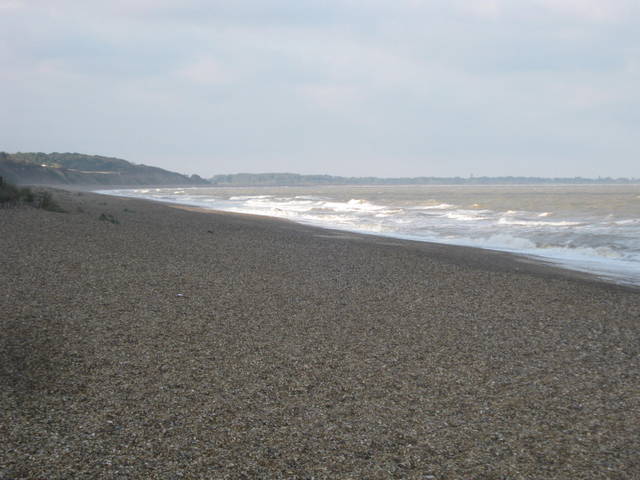
IMG_5767Beach at Dunwich heath

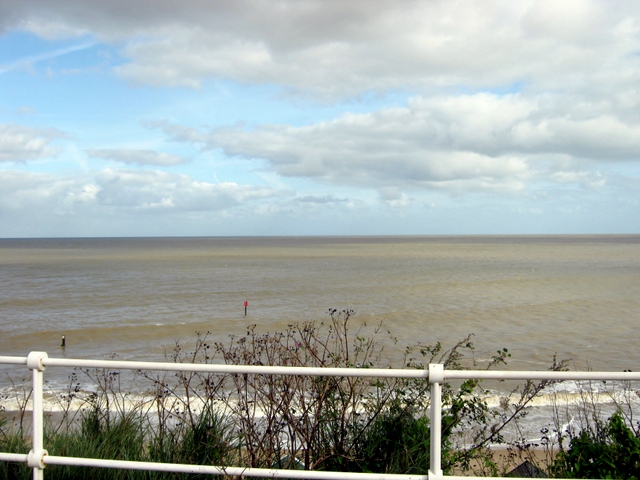
The mist in the distance is sea-spray.
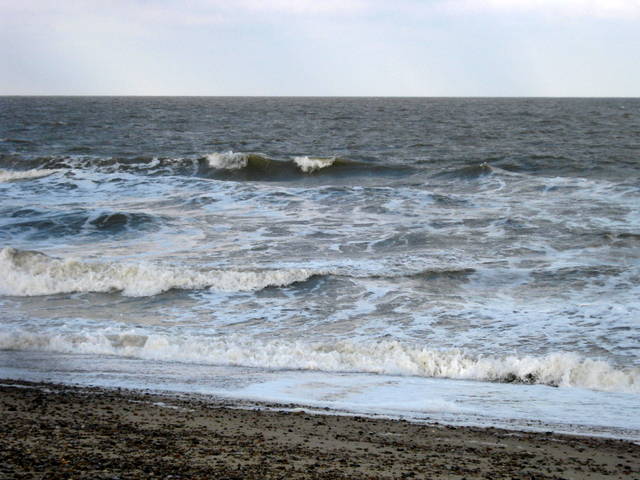
IMG_5768Beach at Dunwich Heath

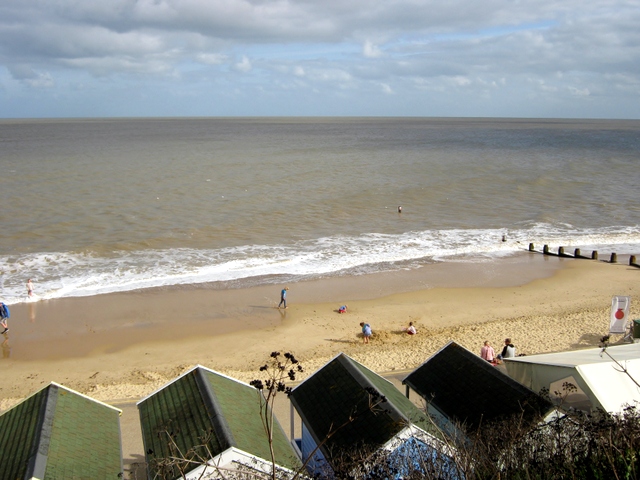
The waves were quite rough but the tide was going out.
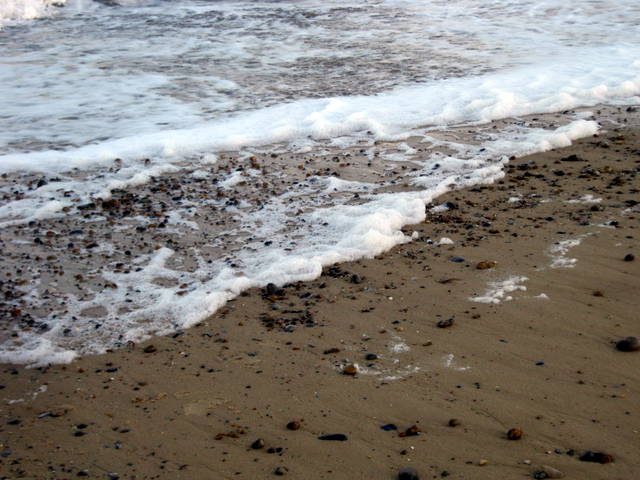
IMG_5769Beach at Dunwich Heath

Foam was left on the sand and was blowing about.
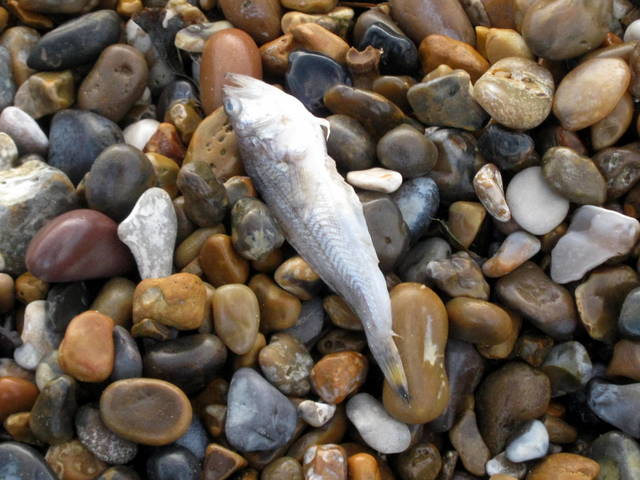
IMG_5770Dead fish

This little fish must have come too close to the shore.
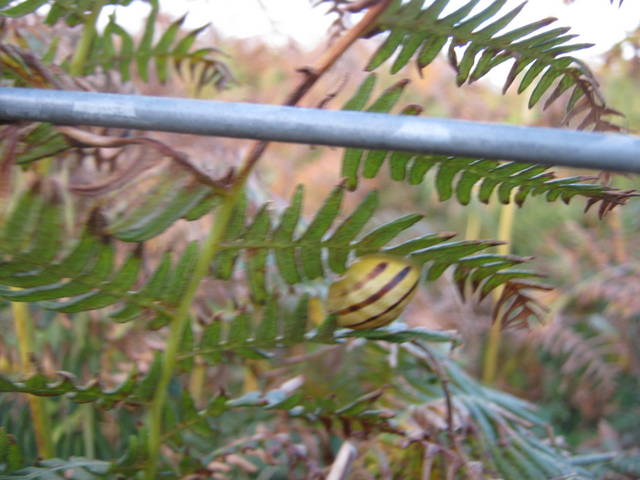
IMG_5771Snail on bracken

This Grove Snail (Cepaea nemoralis) attached to its bit of bracken was swinging about in the wind.

My ID guide suggests that the Grove Snail “is used to demonstrate the survival of the fittest in evolution, because Thrushes eat the snails which are least well camouflaged against their environment.”
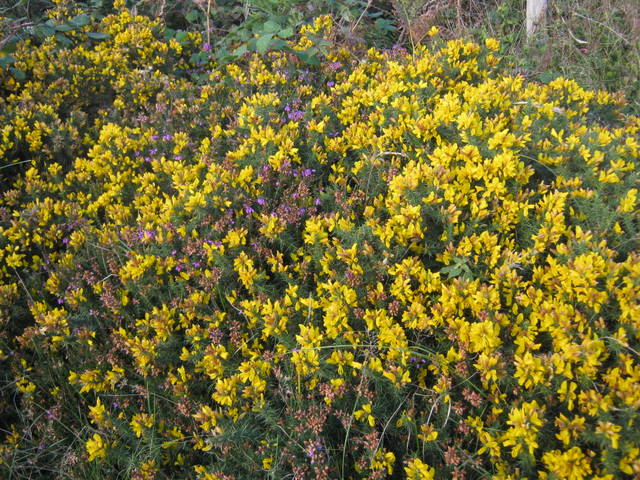
IMG_5772Gorse

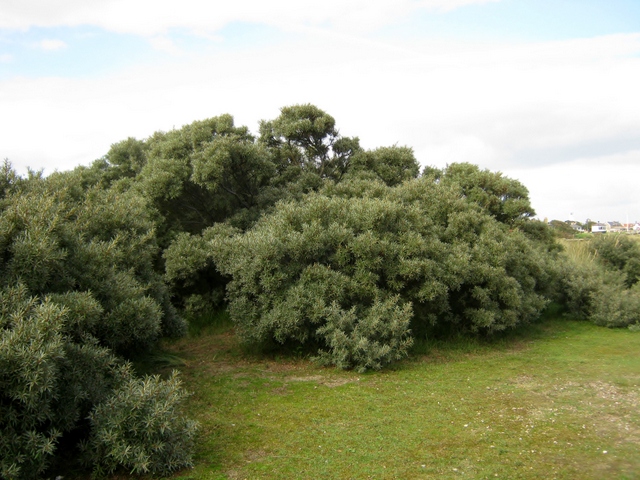
The Heather (Calluna vulgaris) was past its best but the Dwarf Gorse (Ulex minor) was looking wonderful

IMG_5776Sunset

Another sunset.

In a post I wrote a couple of weeks ago I mentioned that the bright yellow of the Perennial Sow-thistle was not common at this time of year.  I will have to eat my words because most of the flowers I have seen since then have been yellow!
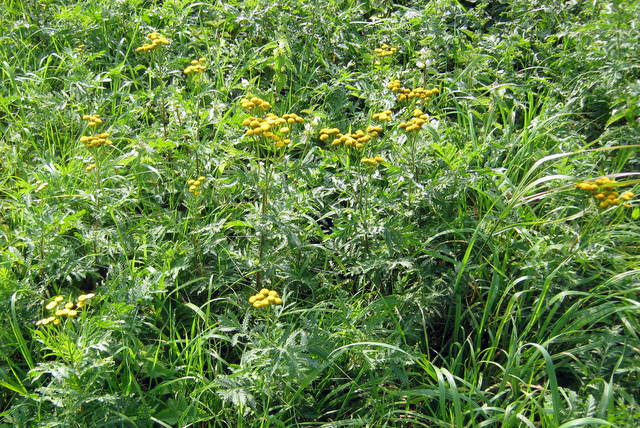
IMG_5778Tansy

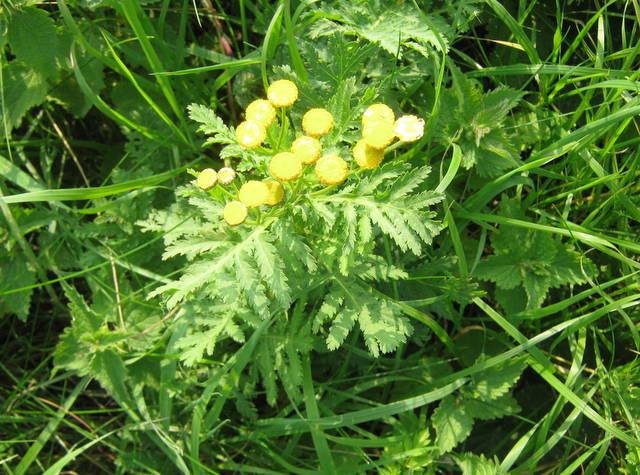
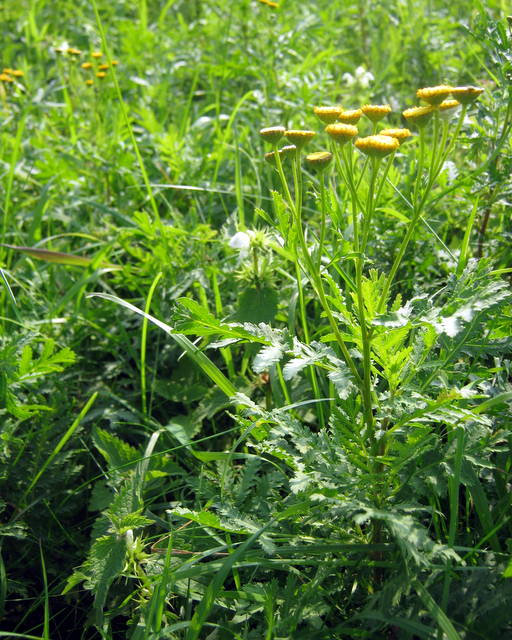
Tansy (Tanacetum vulgare) seen on the roadside between Linstead Magna and the village of Linstead Parva *(see below)
IMG_5779Tansy

The Tansy has very aromatic leaves and the little button flowerheads are made up of disc florets only.
IMG_5780Tansy

The genus name ‘Tanecetum’ and the name Tansy are both derived from the Greek word for immortality. The plant was believed to give  eternal life to the drinker of an infusion made from it.

Tansy used to be used as a flavouring in food until fairly recently.  Egg dishes especially, were enhanced by the use of finely chopped tansy leaves.  Tansy was also used as an alternative to expensive imported spices such as nutmeg and cinnamon and Tansy Cake at Easter was very popular.  Because of the strength of its scent, Tansy was also used as a repellent, keeping mice from corn and flies from meat.
IMG_5781Dogwood

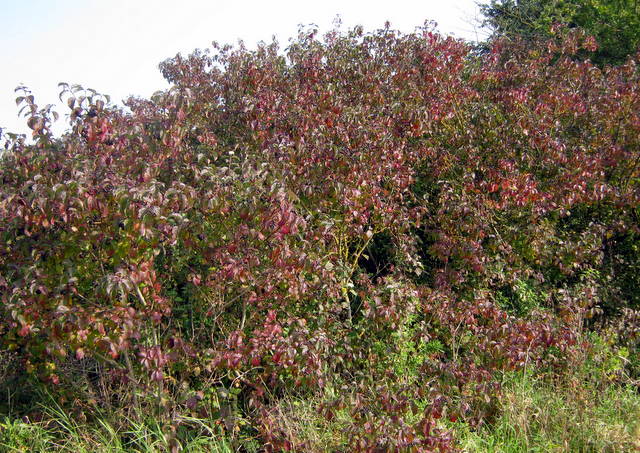
Dogwood (Cornus sanguinea)

Close to where I photographed the Tansy I found this hedge of Dogwood.  It was covered in large black berries – the largest I have ever seen on a Dogwood – and most of  the leaves had turned a beautiful red.  Dogwood leaves are usually a much darker, duller maroon in Autumn.
IMG_5782Dogwood

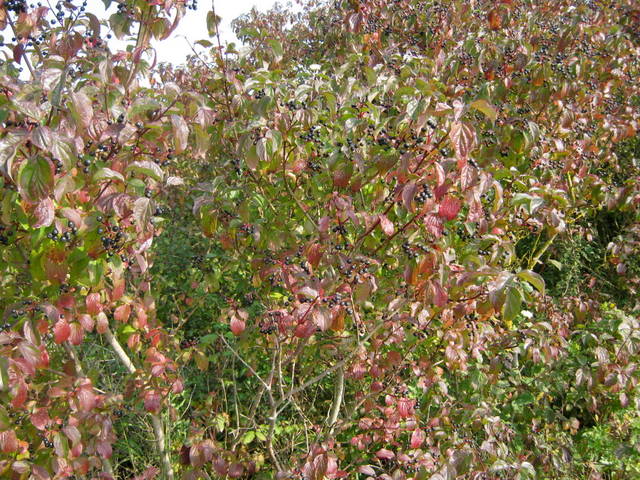
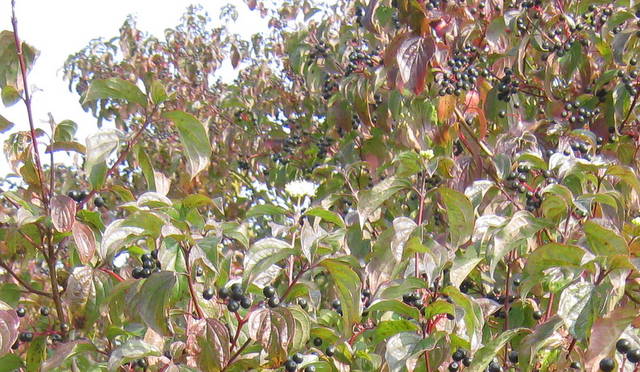
What also surprised me about these Dogwood bushes was seeing flowers in bloom at the same time as the berries and the red leaves.

It isn’t easy to see them in this photo so I cropped it.
IMG_5782Dogwood - Copy

One of the flower-heads is in the centre of this picture.  The couple of weeks of warm and sunny weather we have had recently had fooled the bush into thinking it was spring again.

Richard and I have been working in the garden, getting it ready for winter.  I only seem able to get out there a couple of days a week but I have managed to get quite a lot done.  One of my jobs has been tidying behind the garden shed and round the back of the greenhouse.  Behind the shed was rank with weeds, mainly stinging nettles, which I was able to pull out fairly easily as the soil is quite damp there.  I had stored lots of pots and tubs full of spring bulbs behind the greenhouse so these have come back out to be smartened up and got ready for next spring.  I discovered other flowerpots that should have been emptied and cleaned ages ago.
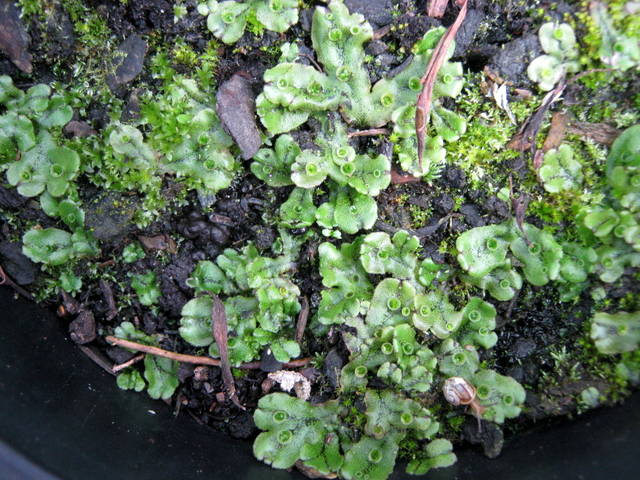
IMG_5783Marchantia polymorpha liverwort with snail

This pot was covered with liverwort Marchantia polymorpha. It has little green cups on the leaf-like structures (thallus). Do you see the baby snail?
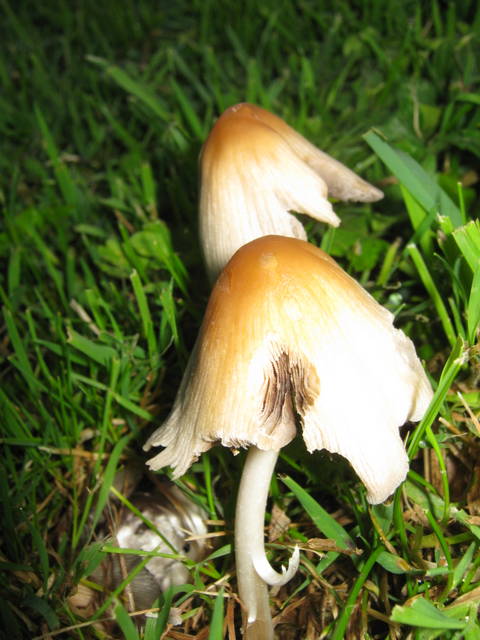
IMG_5818Fungus

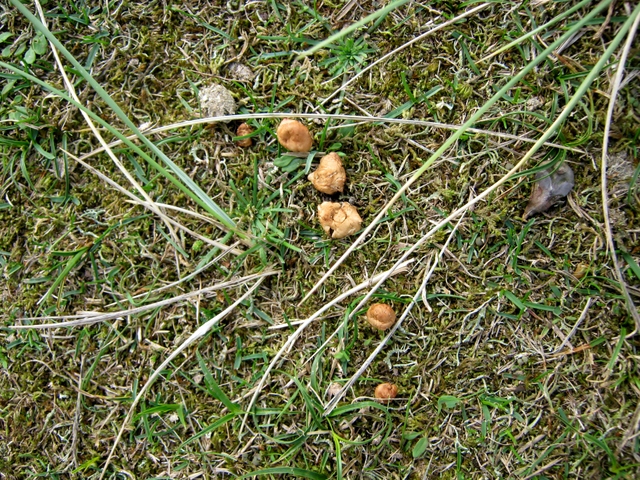
We have a lot of fungus all over the grass in our garden. Nothing exciting or colourful, just brown and cream-coloured toadstools. These had been nibbled by something.

IMG_5814Fungus
IMG_5816Fungus

Two other unidentified types of fungi.
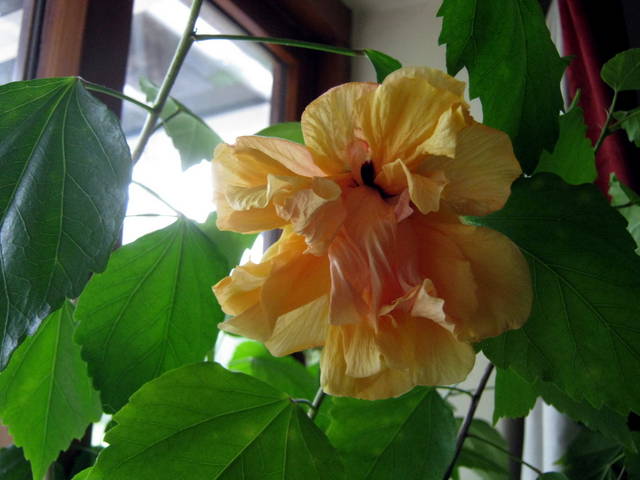
IMG_5786Hibiscus

I have had this Hibiscus for about 26 years. It was a gift from my ex-mother-in-law who brought this with her when she came to see us when Alice was a tiny girl.

I love these double flowers – the peach petals have dark crimson bases.
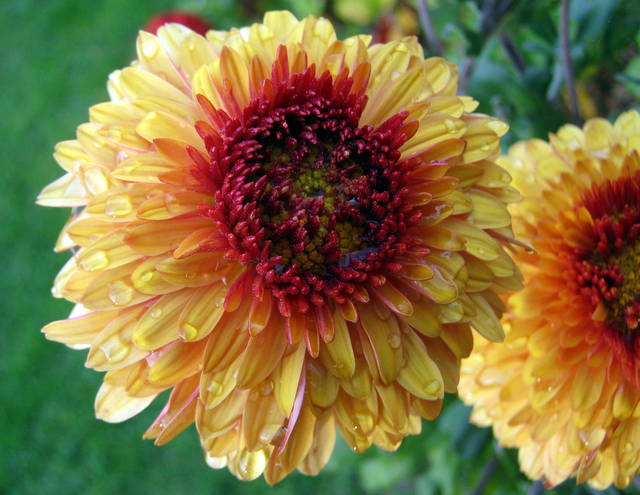
IMG_5788Chrysanthemum

Richard has a new Chrysanthemum flower
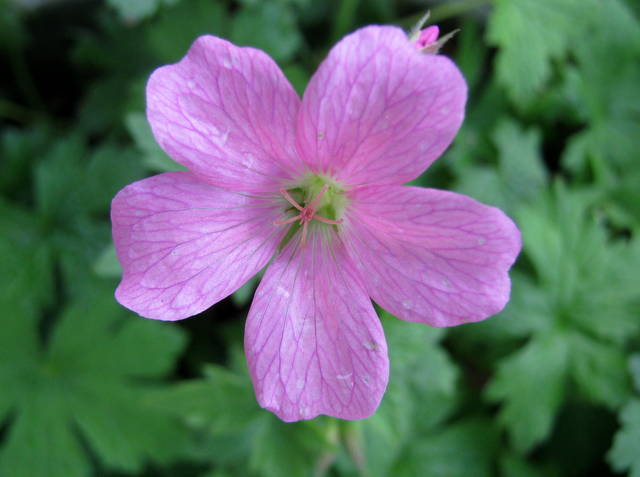
IMG_5789Geranium

My Geraniums are still flowering

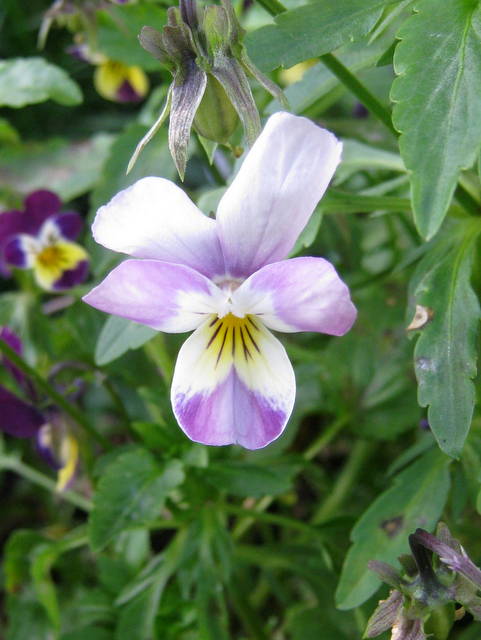
IMG_5792Viola

I like this pretty Viola

IMG_5799Michaelmas Daisy
IMG_5800Michaelmas Daisy
IMG_5807Michaelmas Daisy

Three different Michaelmas Daisies

IMG_5808Salvia

Salvia

IMG_5811Astrantia

The three ages of Astrantia

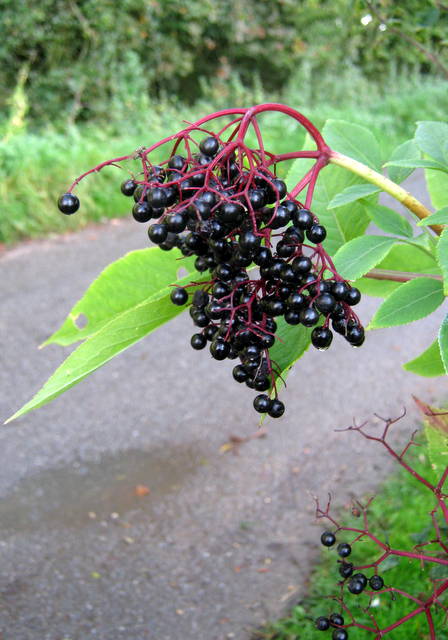
IMG_5793Elderberries

Elderberries from the bush at the end of the drive.
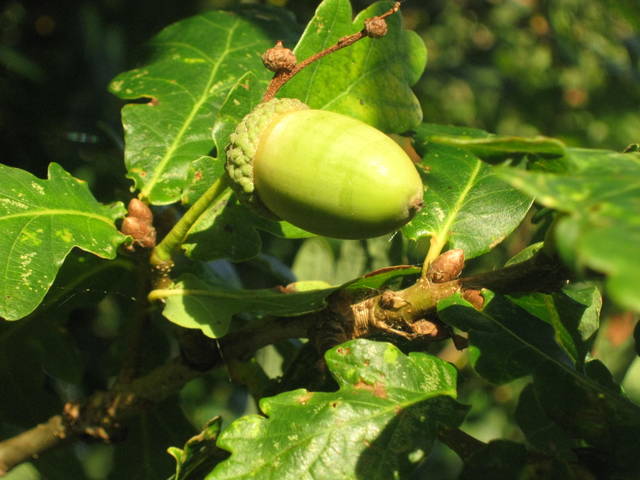
IMG_5805Acorn

Acorn  This is the first time in years that these acorns aren’t affected by Knopper galls.
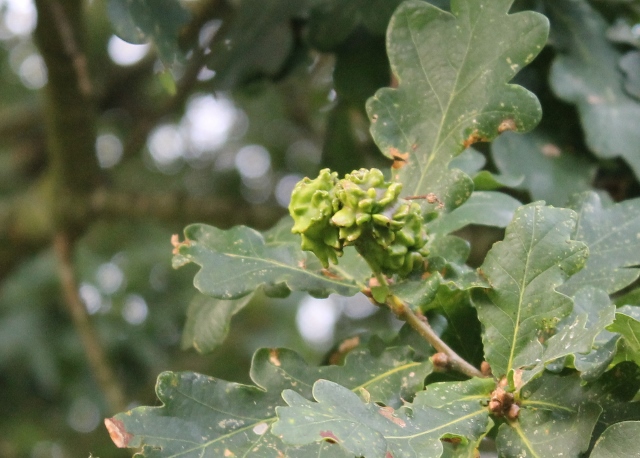
018Acorns with galls (640x458)

This is a photo I took last year of Knopper gall damage on acorns
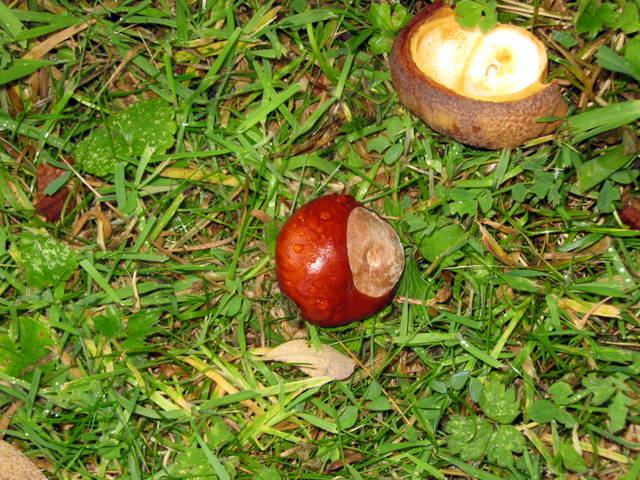
IMG_5806Conker

‘Conker’

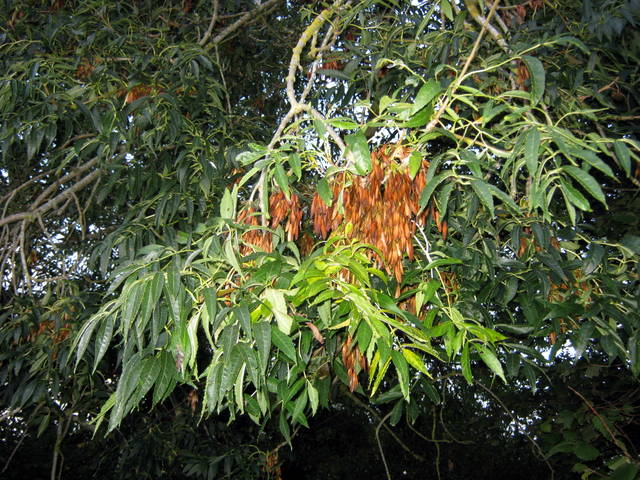
IMG_5815Ash keys

Ash ‘keys’

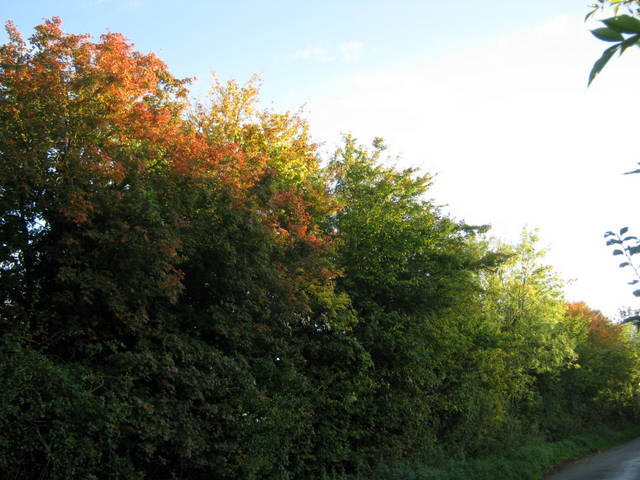
IMG_5795Autumn colour

The trees in our lane

IMG_5812Silver birch

Our Silver Birch is changing colour

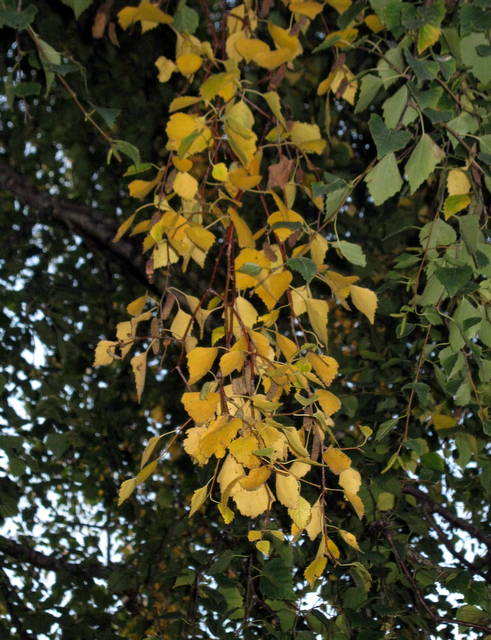
IMG_5813Birch leaves

Birch leaves

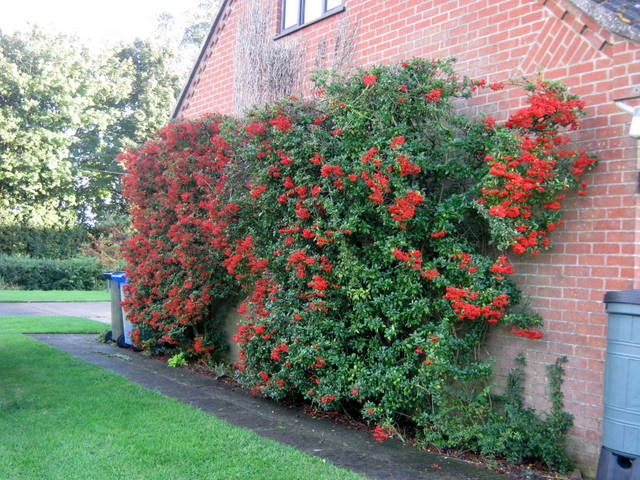
IMG_5797Pyracantha

I pruned our Pyracantha recently

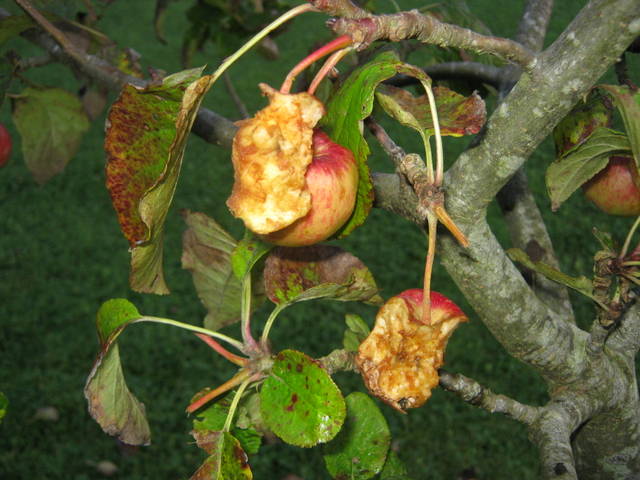
IMG_5821Apple tree damage

We not only had a lot of aphid damage to our apple trees in the spring and early summer but the apples on this tree are now being eaten by Moorhens!  It is odd seeing water birds wobbling about in the trees gulping down our apples as fast as they can.

We are getting a little tired of next-door’s free-range chickens in our garden all day.  They kick about in the flower beds and damage seedlings; they peck off flowers and generally make a mess of the paths, beds and compost heaps in the garden.  We have spoken to our neighbours about it a few times but they don’t appear to have any intention of keeping their chickens on their own land.  They have a constant supply of chicks too.

Linstead Magna (large/greater Linstead) is now a small collection of houses and farm buildings.  The church no longer exists but I spoke to someone some years ago who remembered the church and used to attend it.  For more information about this church see here.

Linstead Parva (small/lesser Linstead) is a pleasant little village with a pretty church.  In spring the churchyard is covered in snowdrops and other spring flowers.

Thanks for visiting!
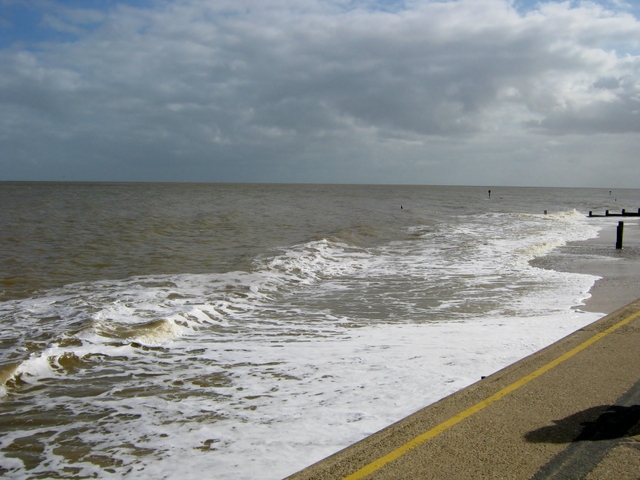
Share this:

  • Share on X (Opens in new window) X
  • Share on Reddit (Opens in new window) Reddit
  • Share on Pinterest (Opens in new window) Pinterest
  • Share on Facebook (Opens in new window) Facebook
  • Email a link to a friend (Opens in new window) Email
  • Share on Tumblr (Opens in new window) Tumblr
  • Print (Opens in new window) Print
  • Share on LinkedIn (Opens in new window) LinkedIn
Like Loading...

Oh I Do Like To Be Beside The Seaside

17 Thu Sep 2015

Posted by Clare Pooley in Days out, plants, Rural Diary, wild birds

≈ 34 Comments

Tags

beach huts, beach shop, cannon.Battle of Sole Bay, community radio station, flowers, fungus, GunHill, herring gull, high tide, lichen, life guards, pier, promenade, sand dunes, sea, seaside, shrubs, Southwold, Southwold & Walberswick ferry, Suffolk

My last but one post featured a walk we took on Dunwich beach.  This post is about a walk at Southwold.

As most people who live near the sea know, the best time to visit the beach is after the end of the school holidays.  There are fewer visitors and there’s a greater chance of finding somewhere to park your car.  The sea is warmer than at the beginning of summer and with luck the weather is good too.

We have been having fairly changeable weather this summer so when we saw that the weather was bright and breezy the other Saturday afternoon we decided to make the most of it and go to Southwold.  When we arrived we saw that the tide was right in and the northerly wind was causing the sea to be quite lively.

High Tide

High Tide

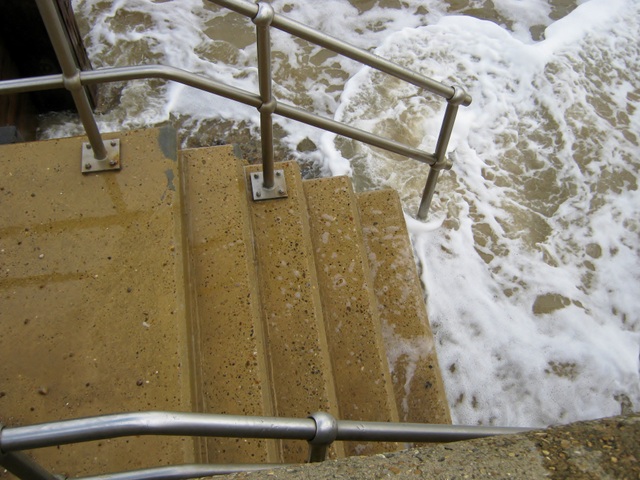
The waves were rolling in round the base of the steps that go down to the sand so we couldn’t get onto the beach just yet.

High Tide

Stairway to the sea

We walked along the promenade while the tide started to recede.

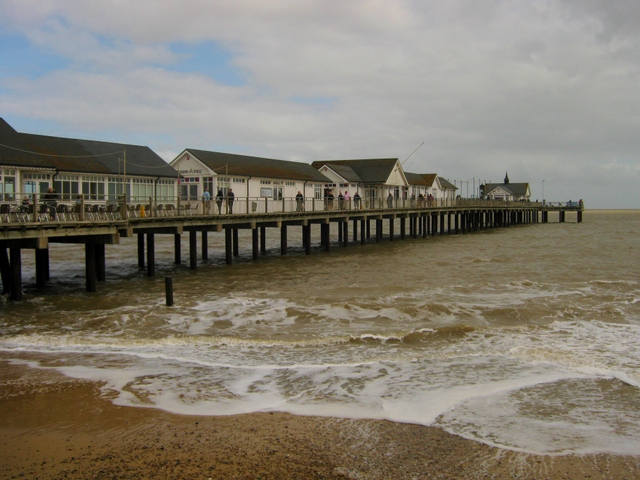
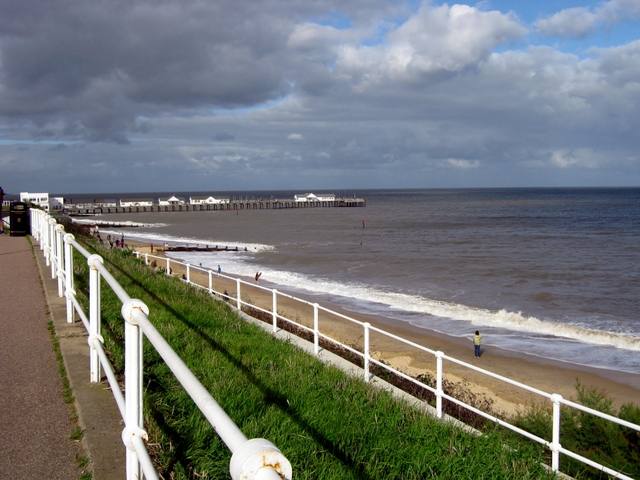
Southwold Pier

Southwold Pier

As I mentioned in a former post about Southwold, the pier was restored a few years ago.  It is fun to walk out there when the tide is in and see the waves splashing just under your feet.  There are places to sit and watch the waves and there are places to buy food and drink and shelter from the wind.  The end of the pier is very popular with fishermen.  This is a link to the Pier Cam which will show you a little of what we like to see.  There isn’t much to see at night except the lighthouse flashing but during the day-time it’s quite interesting and you get to find out what the temperature is on the coast too.  Don’t forget the time difference if you live overseas!

End of the Pier

End of the Pier

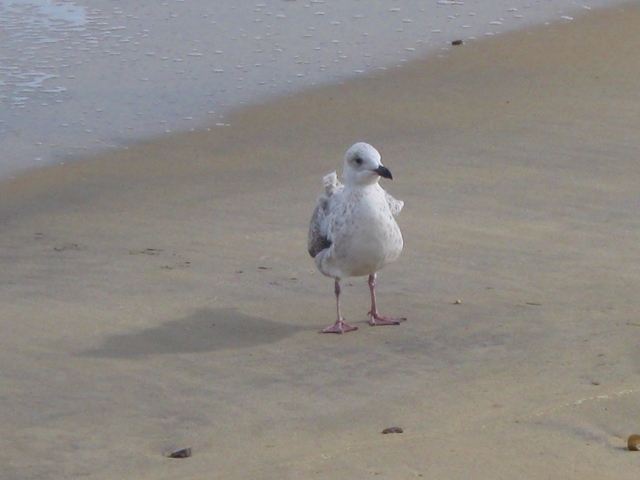
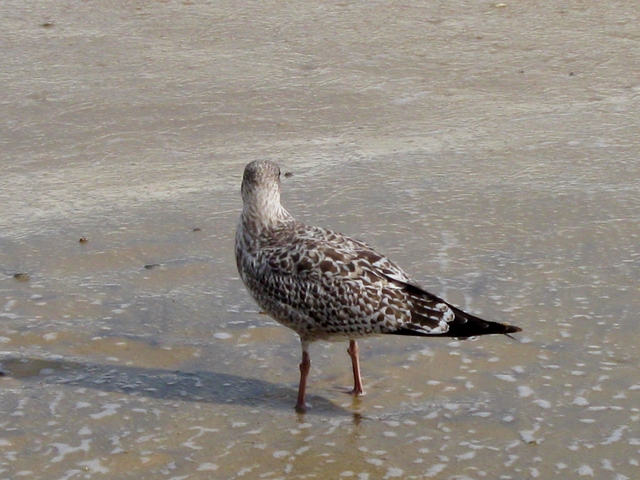
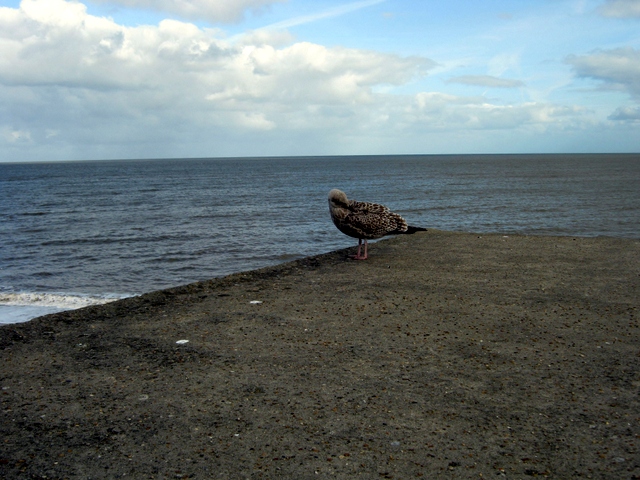
There seemed to be a number of young Herring Gulls about. (Larus argentatus)

Immature Herring Gull

Immature Herring Gull

Immature Herring Gull

Immature Herring Gull

Immature Herring Gull

Immature Herring Gull

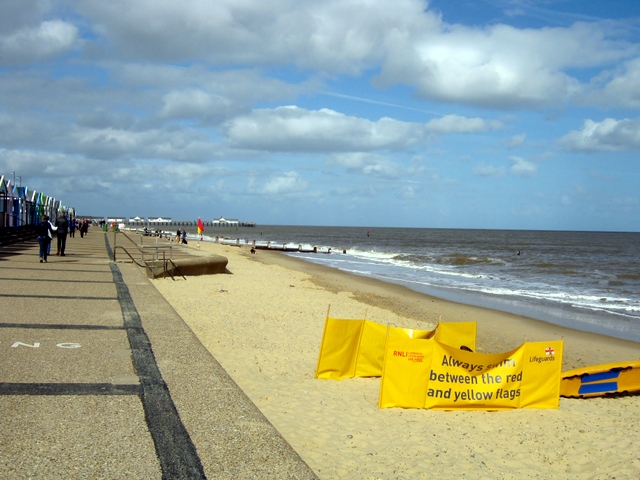
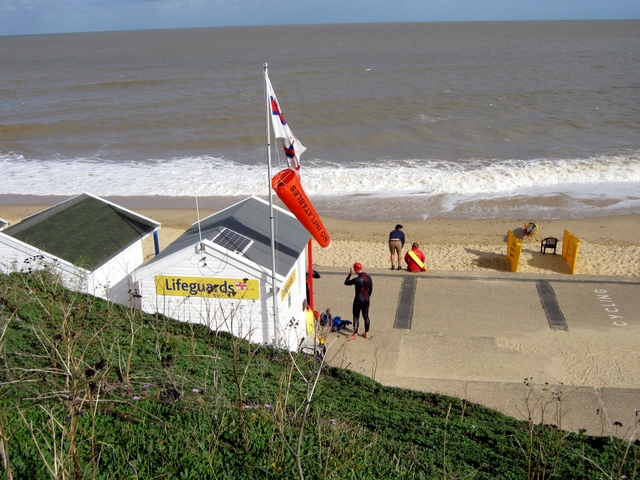
It was a really pleasant walk along the front with other promenaders.  As the sand started to appear people ventured onto the beach and the life guards marked out the safe bathing areas.  Huddled in coats and blankets, the beach hut owners were sitting with the doors opened as they read or drank hot tea or coffee.

Beach Shop

Beach Shop

Southwold Beach

Southwold Beach

Southwold Beach

Southwold Beach

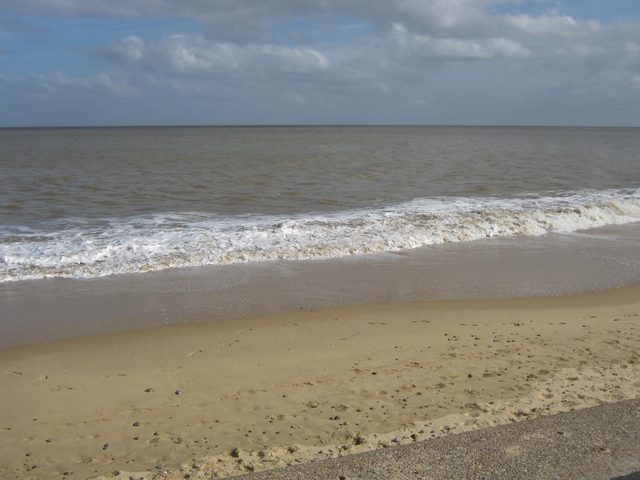
Elinor bewails the fact that our sea isn’t blue.  The North Sea is not deep and the sand on the sea-floor gets churned up especially in stormy weather.  Our sea is brown most of the time.

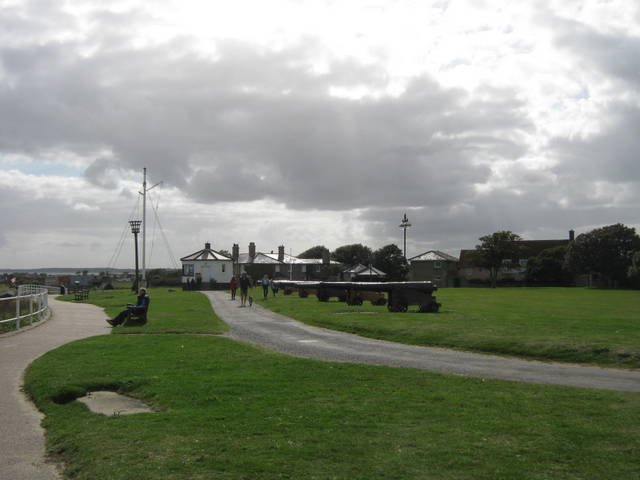
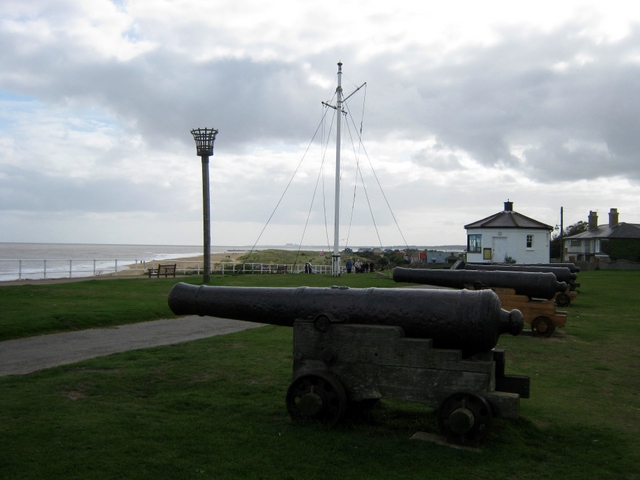
At the end of the prom. the path goes up the slope to Gun Hill.

Gun Hill

Gun Hill

On the 28th May 1672 a famous sea battle was fought just off-shore from Southwold.  This was the Battle of Sole Bay when the English and French fleets clashed with the Dutch fleet.  It was the first naval battle of the 3rd Anglo-Dutch War and ended with a tactically indecisive result though a strategic Dutch victory.  The English and French fleets combined had a total of 71 warships and the Dutch had 61 vessels and the total number of men taking part was said to have been 50,000.  There was great loss of life.  James, Duke of York the brother of King Charles II was Admiral of the English Fleet and took up residence for the duration of the battle in Sutherland House in the town.

IMG_5627Cannon on Gun Hill

Cannon on Gun Hill

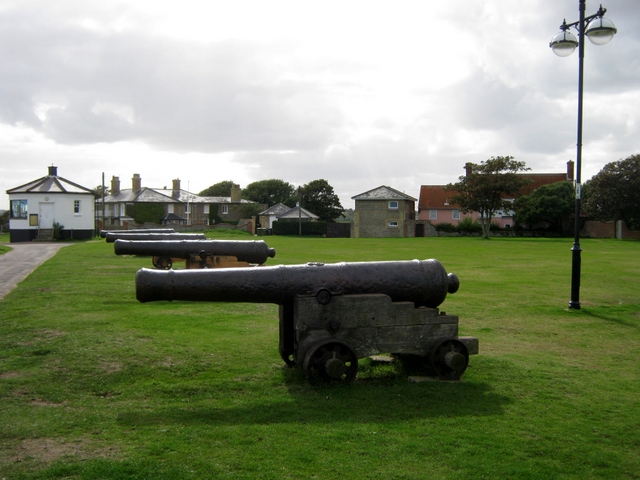
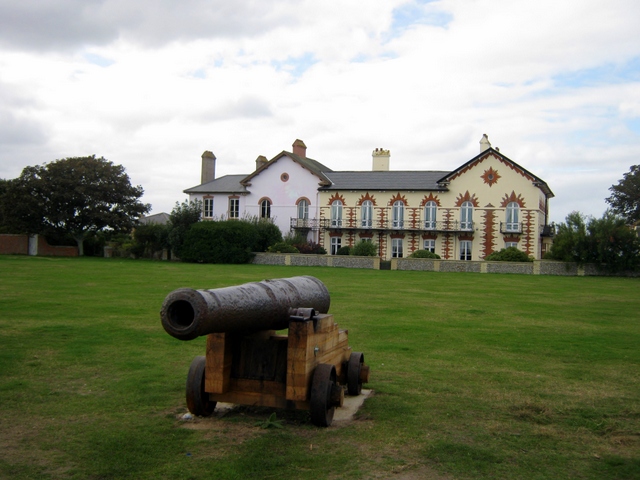
There are six 18lb cannon on the green and were given to the town in 1746 by The Royal Armouries as protection to shipping against raids.

Gun Hill

Gun Hill

Their last known firing was in 1842 to celebrate the then Prince of Wales birthday.  Southwold was bombed during the First World War because the German army considered that Southwold might be a fortified place because they had seen the cannon.  The cannon were buried for safety during the Second World War!

Cannon

Cannon

Cannon

Cannon

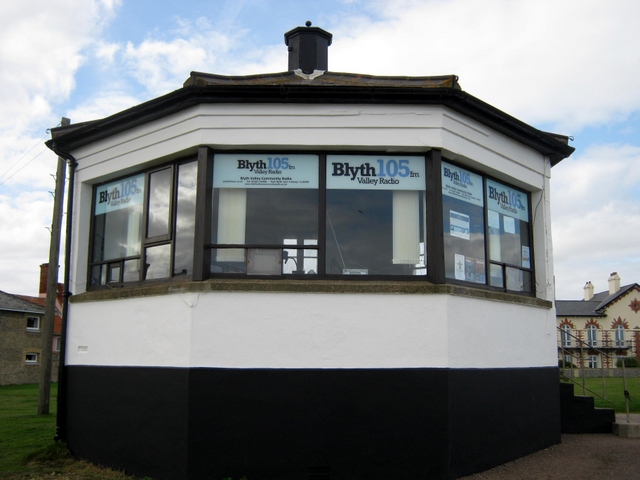
Another feature of Gun Hill is the radio station building.

Community Radio Station

Community Radio Station in the Casino

The primary radio transmitting studio is located in an old WWII bunker in the grounds of St Felix School Reydon, a village next to Southwold but further inland.

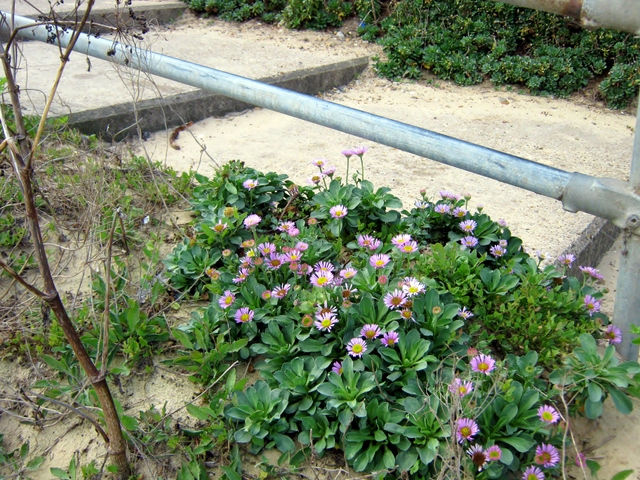
Erigeron glauca

Erigeron glauca

A few naturalised garden plants thrive on the slopes up from the beach.

Unknown Yellow Daisy

Unknown Yellow Daisy

I don’t know what this flower is; I see it is suffering from mildew!

Tamerix

FrenchTamerisk (Tamarix gallica)

These plants are often planted for soil stabilisation or to act as a wind-break.  They aren’t native but have been established here for a long time and do very well on the coast.

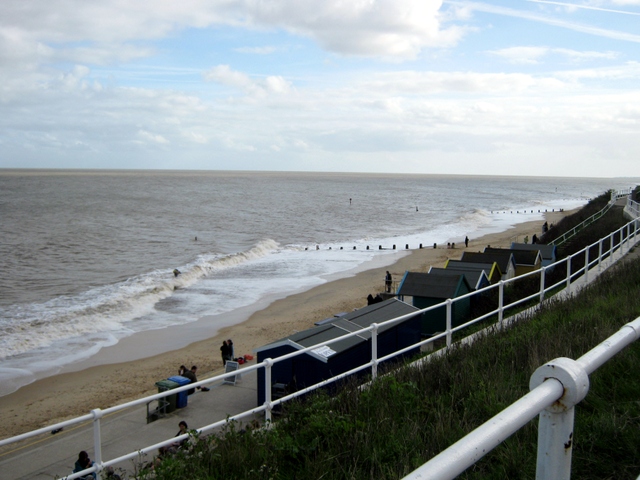
Beach Huts

Beach Huts

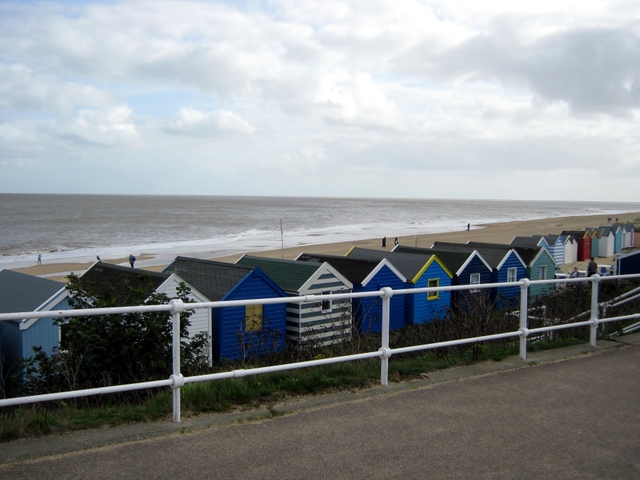
There are beach huts all the length of the sea-front.

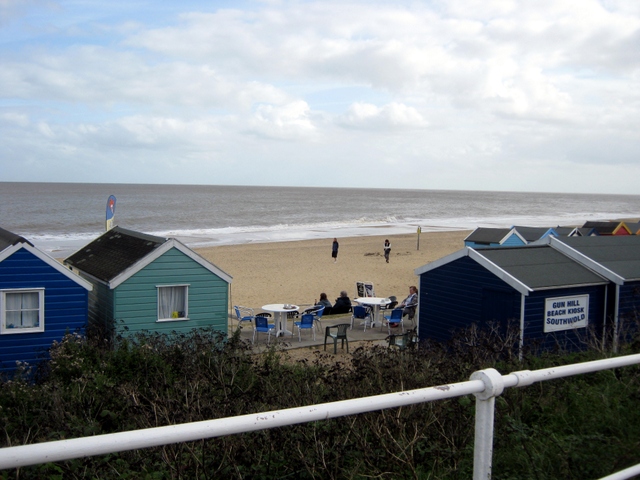
Gun Hill Beach Café

Gun Hill Beach Café

This is one of the two kiosks that sell food and drink.

Looking Towards Walberswick

Looking Towards Walberswick

Walberswick is the seaside village next to Southwold going south down the coast.  The two places are separated by the River Blyth as it flows out to sea.  There is a ferry operating during the summer months.

Looking Towards Walberswick

Looking Towards Walberswick

Sand Dunes

Sand Dunes

We thought we might walk through the sand dunes to the ferry.

Sand Dunes

Sand Dunes

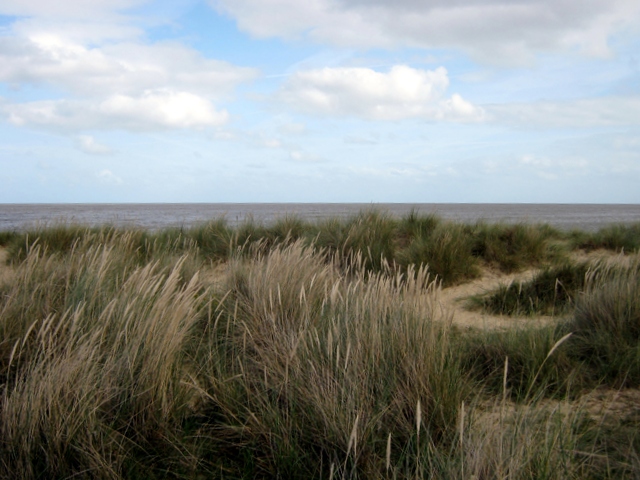
The Marram Grass (Ammophila arenaria) was bending in the strong wind.

Fairy-ring Champignons

Fairy-ring Champignons (Marasmius oreades)

I found a rather shrivelled fairy-ring.

Sea Buckthorn

Sea-Buckthorn (Hippophae rhamnoides)

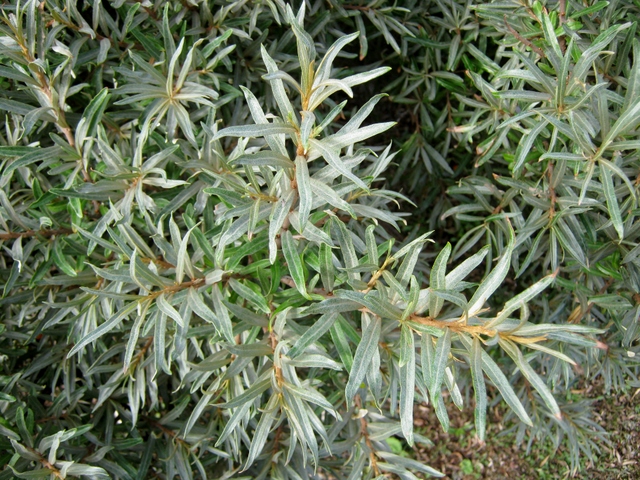
The tree is small and suckers easily.  It has thorny twigs that have silvery scales that rub off.  The bark is fissured and peeling.

Sea Buckthorn

Sea-Buckthorn

The leaves are long and thin with silvery scales on them.  I couldn’t see any fruits on these trees so they were probably male trees.

Camp Site

Camp Site

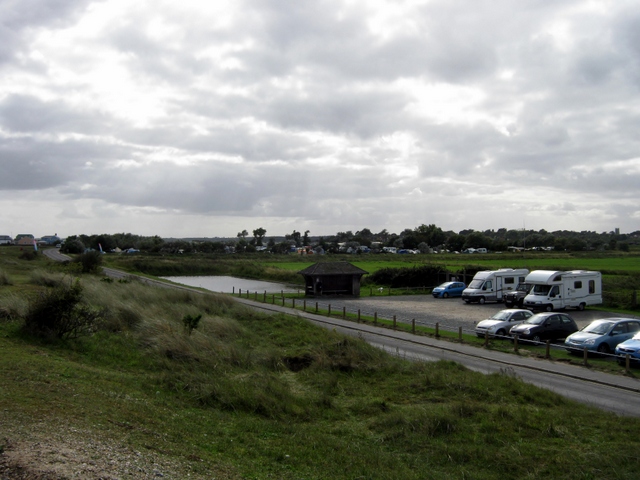
There is a camp-site on the outskirts of the town.

We almost got to the River Blyth but Elinor began to get a back-ache and we had to turn round and make our way back to Southwold.

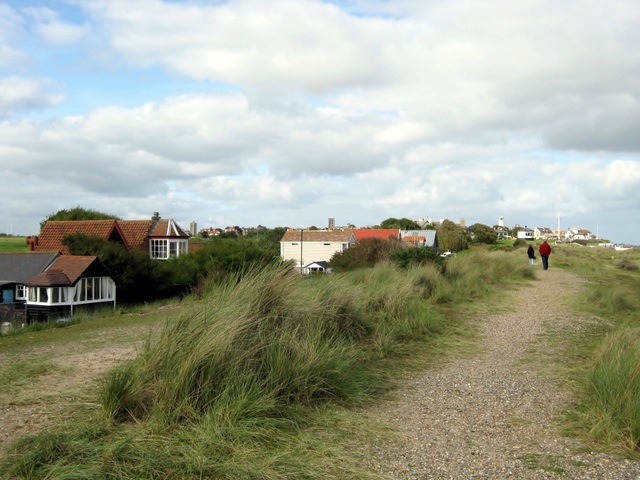
Towards Southwold

Towards Southwold

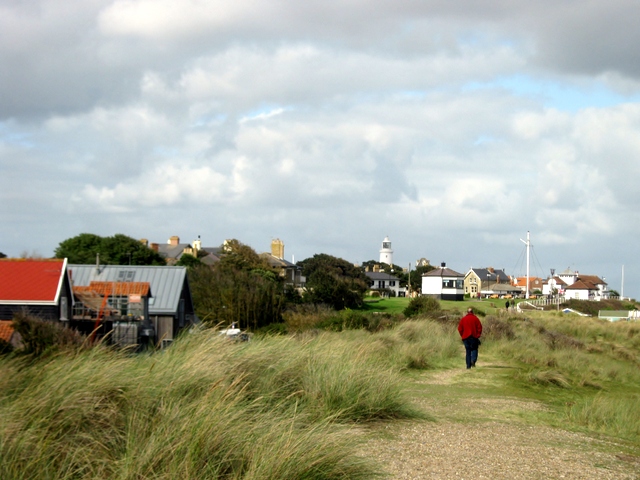
As well as the lighthouse you can see the tower of St Edmund’s church and the water tower.

Towards Southwold

Towards Southwold

Tiny House

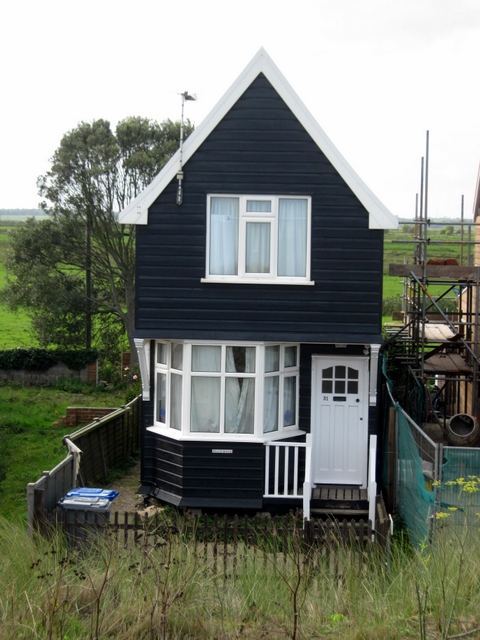
Tiny House

Lichen

Lichen

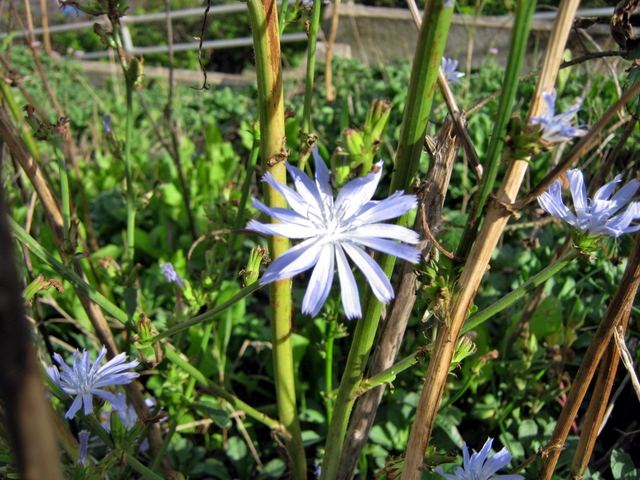
Chickory

Chicory (Chicorium intybus)

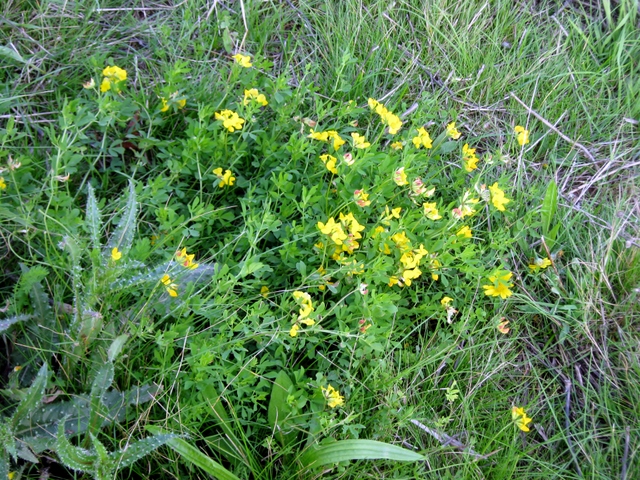
Common Bird's-foot Trefoil

Common Bird’s-foot Trefoil (Lotus corniculatus)

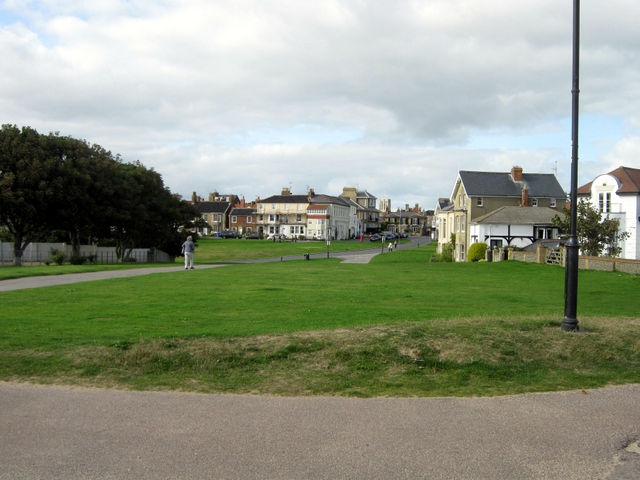
Southwold

Southwold with one of it’s many greens.

Southwold

Southwold

Southwold

Southwold

Lifeguards

Lifeguards

Southwold Beach

Southwold Beach

Sea at Southwold

Sea at Southwold

Southwold

Southwold

Southwold

Southwold

Southwold

Southwold

Here we were approaching the pier again and the car park beyond it.  You can also see the two-storey pavillion building at the end of the pier built in 1936.

I hope you have enjoyed this visit to Southwold.

Thanks for visiting!
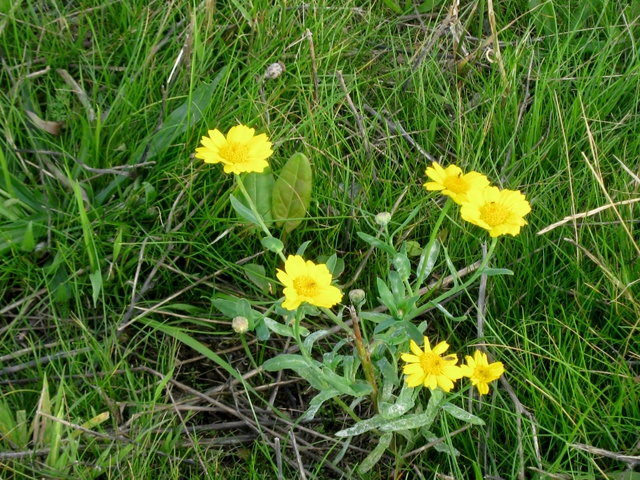
 

Share this:

  • Share on X (Opens in new window) X
  • Share on Reddit (Opens in new window) Reddit
  • Share on Pinterest (Opens in new window) Pinterest
  • Share on Facebook (Opens in new window) Facebook
  • Email a link to a friend (Opens in new window) Email
  • Share on Tumblr (Opens in new window) Tumblr
  • Print (Opens in new window) Print
  • Share on LinkedIn (Opens in new window) LinkedIn
Like Loading...

A Little Bit of This and a Little Bit of That

09 Sun Aug 2015

Posted by Clare Pooley in family, Insects, plants, Rural Diary, trees

≈ 31 Comments

Tags

'The Company', beetles, clouds, cream tea, Fruit, harvesting, insects, Lilium longiflorum, moths, purple beans, Sheffield, Suffolk, sunset, The Man in the Iron Mask, trees, wild flowers

I haven’t published a diary post lately so this is a short resumé of my activities over the past month or so.

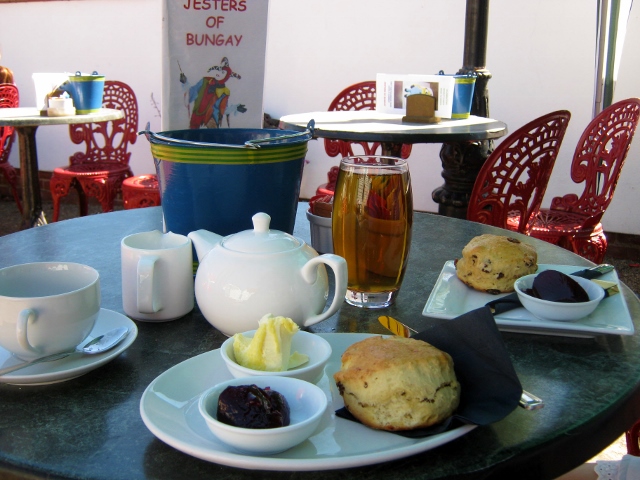
To start things off I have a photo of a cream tea that Elinor and I enjoyed while out shopping in Bungay before our holiday.

IMG_4905Cream tea (640x480)

A very brightly-coloured café called ‘Jesters’ at the entrance to Bungay castle. We were going to walk round what is left of the castle when I remembered in time that I had only allowed myself an hour’s parking . The cream and jam scones were yummy!

Elinor and I went by train to Sheffield on the 2nd of July to visit my elder daughter, Alice.  The day was hot and the journey quite uncomfortable as the carriage we were in on the train from Norwich to Sheffield had faulty air-conditioning.  The ticket collector handed out bottles of water to anyone who wanted some.  We had noticed large quantities of water bottles in the waiting room at Diss Station as well, with a notice saying any customer could help themselves to water if they needed it.

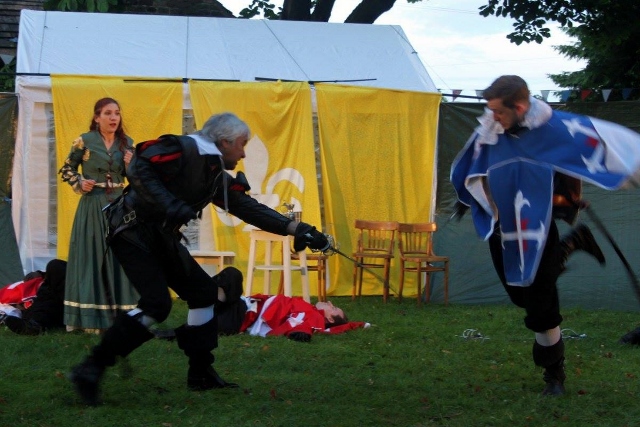
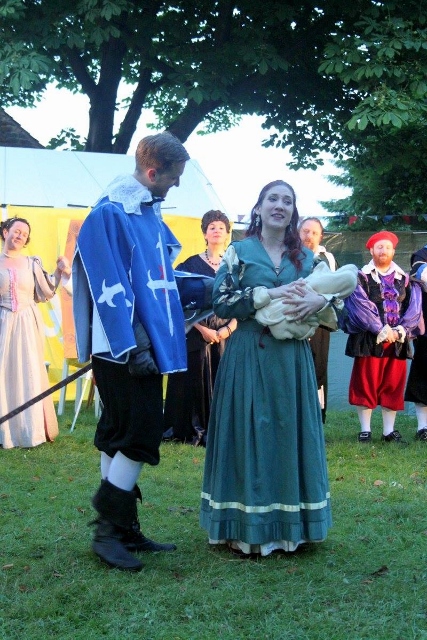
We were travelling to Sheffield in order to watch Alice perform in ‘The Man in the Iron Mask’ by Alexandre Dumas.  We then stayed the night with her in her single room.  It was snug to say the least, but lovely to be all together again.

These are some photos of her that I have ‘borrowed’ from her drama group’s Facebook page.

11258095_10204761757547885_1220536374365931542_o (640x427)

Alice (in the green dress) played the part of Constance, D’Artagnan’s wife. She is watching D’Artagnan (on the right) fighting his foe.

The man on the left is an expert in weapons and fighting and has an armoury at his home.  He taught all the cast how to fence and fight.  It all looked very real.

11665579_10155721644210524_7162535900042599508_n (480x640)

I thought Alice did very well especially as she had to wear a costume which gave her a terrible rash for which she needed medical treatment.

11200774_10155721643400524_4718516296672381910_n (640x480)

‘All for one and one for all!’

11741103_10204761762748015_1710620135797317354_o (427x640)

Dumas will be spinning in his grave at their version of his very sad and doom-laden book. It was a brilliant, funny, well-acted and well-choreographed play with a happy ending.

As we were waiting for our train back home the next morning I saw and heard the piano in the concourse being played.  The piano is there for anyone’s use at any time.

IMG_4906Pianist on Sheffield station (640x477)

This young man played well.

Unluckily for me and Elinor, the carriage we were in on our return journey also had no air-conditioning.  This time there was no free water but we were able to leave the carriage at Nottingham (I think) and get into another carriage with AC that they had attached to the train.

The following week was busy with preparations for our holiday.  Elinor’s laptop stopped working and had to be taken in for repair.  She worried that it might not be repaired in time for her to use on holiday.  She used my lap-top all week.  We were able to collect her’s on Friday :).  I shopped with Mum on Tuesday and made sure she’d be alright for food and other necessaries while we were away.  My friend Heather came to lunch on Wednesday and we had an enjoyable time chatting about friends and family.  She gave me a book – Janet Marsh’s ‘Nature Diary’.  Such a thoughtful present.  I had an appointment at Norfolk and Norwich Hospital for a rheumatoid arthritis check-up on Friday – the day before going away.

We were surprised to find on our return from holiday on the 18th July that the field of barley behind our house had still not been harvested.  The weather at home had been warm and quite dry while we had dripped and shivered on holiday.  We did get a superb sunset to welcome us back.

IMG_2389Sunset 18 - 07 (640x427)
IMG_2390Sunset (640x427)
IMG_2391Sunset (640x427)

We had another busy week catching up on household and gardening chores and I had two weeks’ worth of washing and ironing to do.  On the Monday I had to take Mum to the hospital for her regular eye check which went very well.  I collected her shopping list as I would be doing her shopping for her that week.  When I got home I started to make a loaf of bread and discovered I hadn’t enough yeast so had to go out again.  I bought some other groceries as well as the yeast and was on my way home when I got a flat tyre.  I managed to get the car into the town central carpark and got the spare tyre out but couldn’t work out how to remove the jack from the car!  Shameful!  I’m also not strong enough to take the wheel off anyway so had to phone Richard who had just sat down with a drink.  While I was waiting for Richard to come and rescue me I got two offers of help from kind gentlemen who saw my pancake-flat tyre.  The age of chivalry is not dead!  The tyre had a rip in it and a couple of nails too.

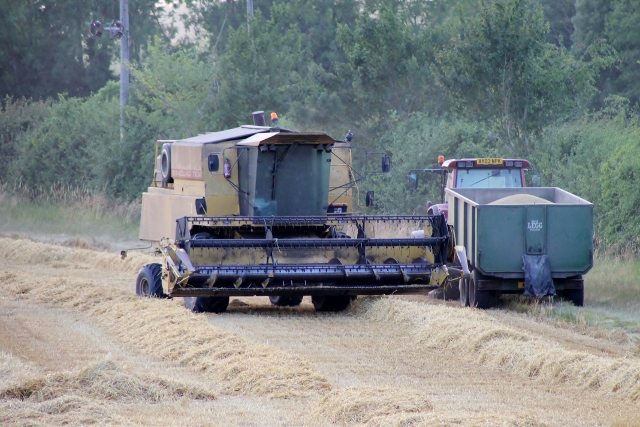
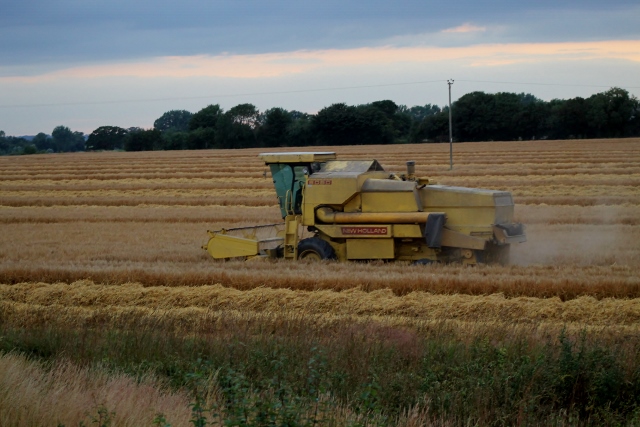
The next day they began harvesting the barley field.

IMG_2392Barley harvest (640x427)

This combine had just off-loaded its grain into the waiting tractor trailer.

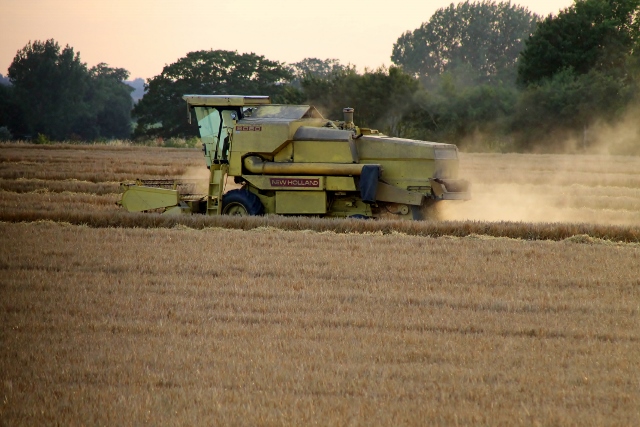
IMG_2394Barley harvest (640x427)

The harvesting wasn’t started until late in the day and continued until quite late in the evening.

The countryside at harvest-time is a very noisy, dusty, dirty place to be.  It proves at this time of year to be very industrial.  Our houses and cars get covered in a thick pall of dust and bits of straw.  We all start wheezing and coughing and anyone with allergies or asthma has problems with their health.  There is a constant roaring and whining of engines as the combines trawl up and down the fields all day and most of the night too and the tractors with full trailers of grain are driven at break-neck speed along our narrow lanes to the silos and barns at the farms.  Woe betide anyone or any creature who gets in their way!

IMG_2395Barley harvest (640x427)

The barley field was only half finished that evening and the combine went off to another field to work on that. Both fields were left with strips of uncut grain.

I am not sure why they left both fields like this.  Bad weather was forecast and duly arrived a couple of days later.  Perhaps less damage is caused by wind and rain when the crop is in strips.

IMG_5290View across field (640x476)

This is a photo of the other field our local farmer cut in strips. We took this picture while on a walk nearly two weeks ago.  The fields were both finished last week – almost a month since they had begun.

This was the first walk we had taken from home in months.

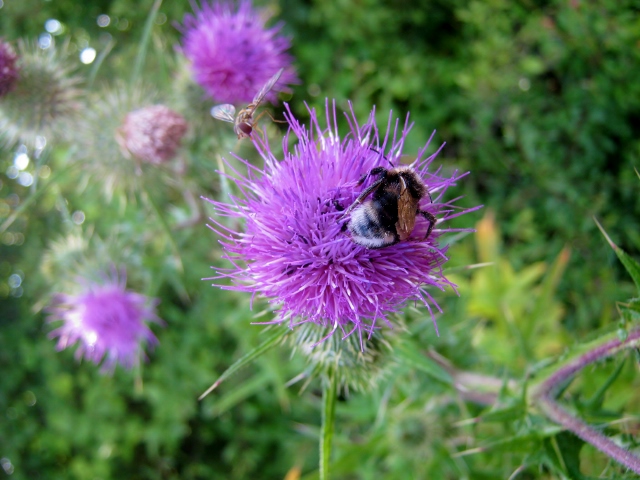
IMG_5294Bee and hoverfly on Spear Thistle (640x480)

A bee and a hoverfly enjoying the nectar of a Spear Thistle (Cirsium vulgare)

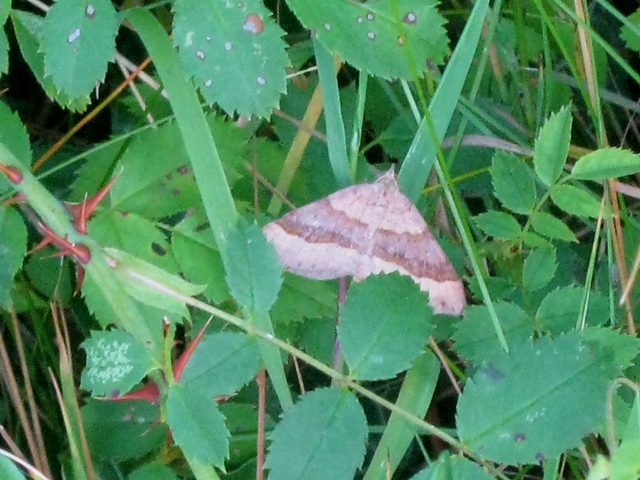
IMG_5295Moth Shaded Broad Bar perhaps (640x480)

I disturbed this moth as I walked through the long grass. I think it may be a Shaded Broad Bar moth (Scotopteryx chenopodiata)

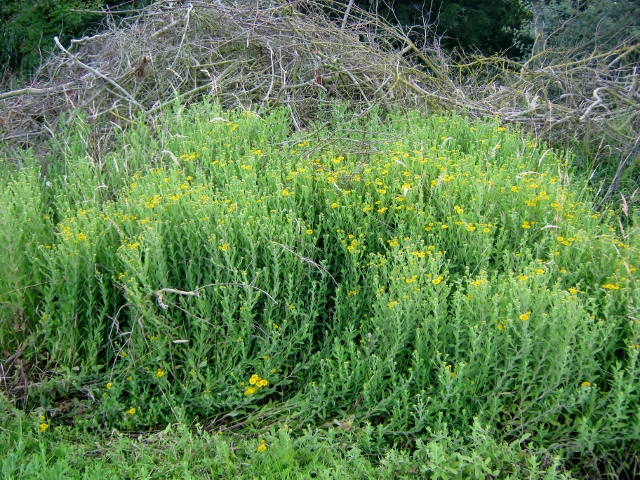
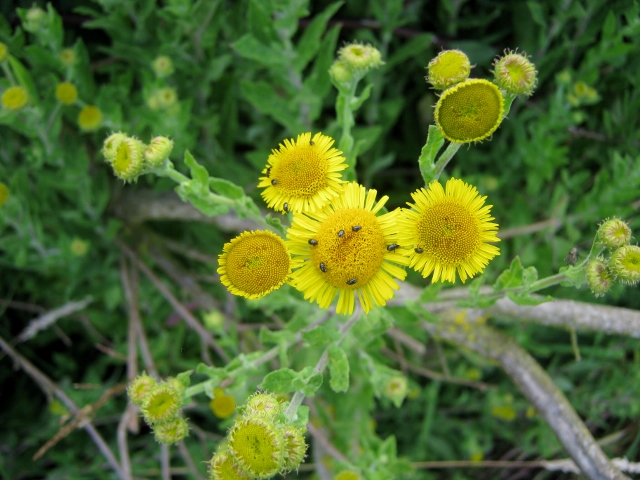
IMG_5297Common Fleabane (640x480)

I remembered seeing a large patch of Common Fleabane (Pulicaria dysenterica) in the corner of a field last year. It was still there though a large heap of prunings had been left there earlier in the year

IMG_5296Common Fleabane with pollen beetles (640x480)

Fleabane with Pollen Beetles (Meligethes aeneus)

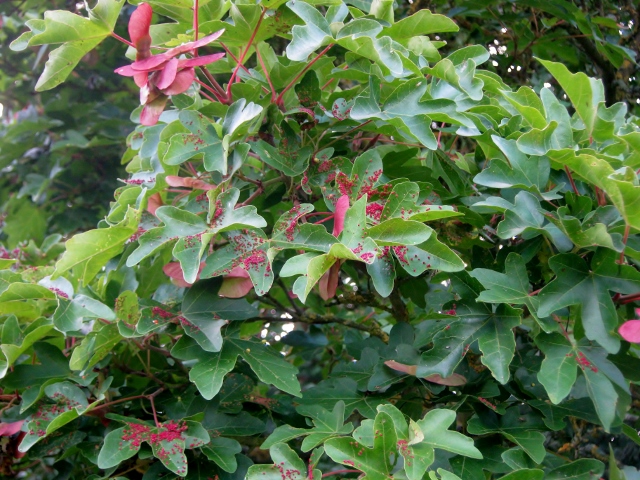
IMG_5298Field Maple (640x480)

The Field Maple(Acer campestre) was looking bright, not only with its new ruby-coloured winged-fruits and leaf stalks but also with the crimson galls on many of its leaves. These galls are small red pustules probably produced by the mite Aceria myriadium.

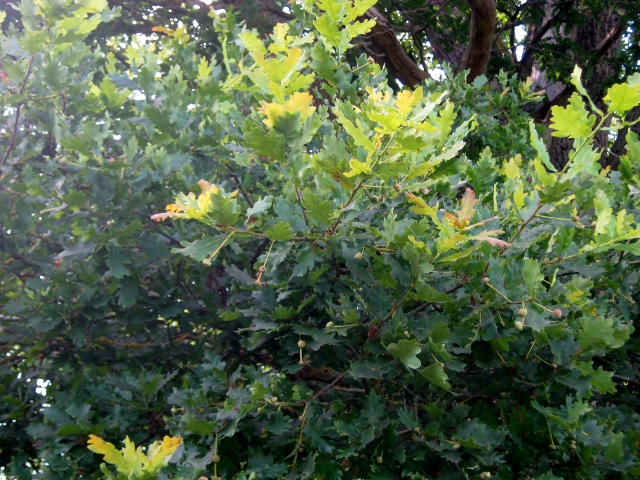
IMG_5300New oak leaves (640x480)

New Pedunculate (or English) Oak leaves (Quercus robur) shining in the afternoon sun. There are also tiny acorns on long stalks to be seen.

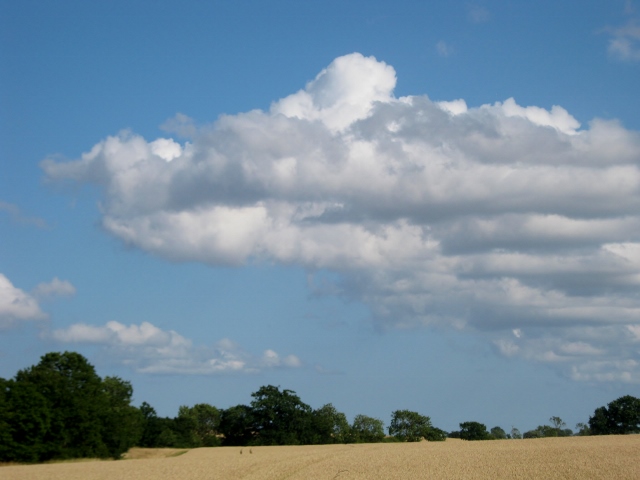
IMG_5303Clouds (640x480)

Interesting cloud formation.

IMG_5307Hoverfly on bramble flowers (640x480)

A hoverfly on Bramble (Rubus fruticosus agg. ) flowers

IMG_5309Bramble (640x480)

Bramble flowers are very attractive and blackberries go so well in pies and crumbles!

IMG_5308Dewberry (640x480)

I saw my first Dewberry (Rubus caesius) last year and was worried I wouldn’t find one this year because of all the hedging and ditching that was done in the spring. I eventually found a small plant under a hedge.

IMG_5310Field view (640x479)

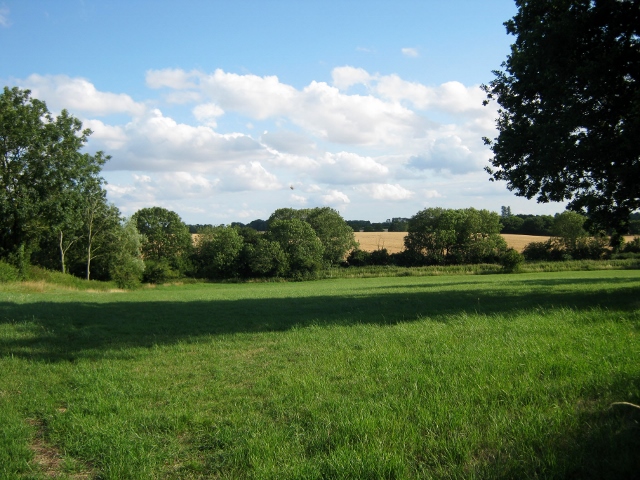
Richard and I like this view across a field

IMG_5312Field view photo-bombed by fly (640x480)

This is another view we like and I’m sure my regular readers recognise it.

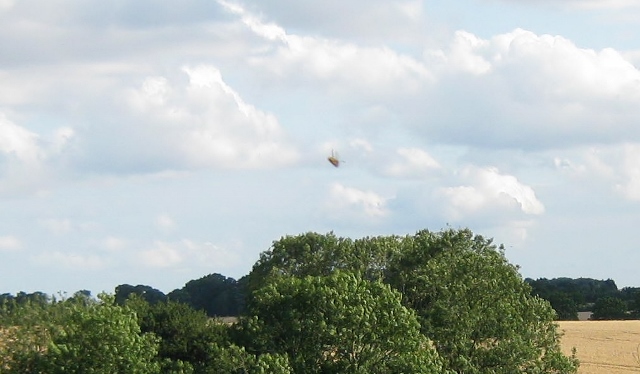
When I checked my photos on my return home I was dismayed to see the spot just above the trees at the centre of the photo.  However, when I cropped the photo…

IMG_5312Field view photo-bombed by fly (2) (640x374)

Cheeky!

…I realised a bee had photobombed my picture!

IMG_5317Oedemeridae beetle perhaps Ischnomera sanguinicollis (640x480)

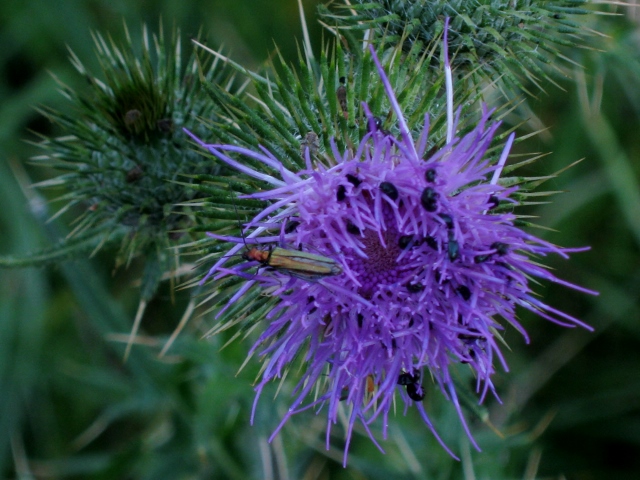
An Oedemeridae beetle, perhaps Ischnomera sanguinicollis on a Spear Thistle flower with lots more Pollen Beetles.

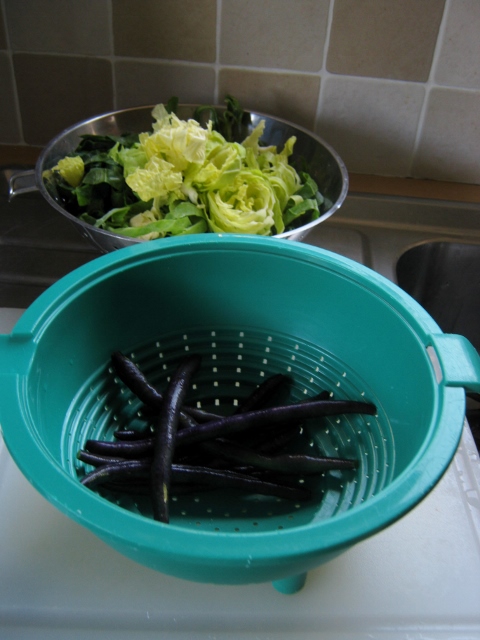
IMG_5322Purple beans (640x480)

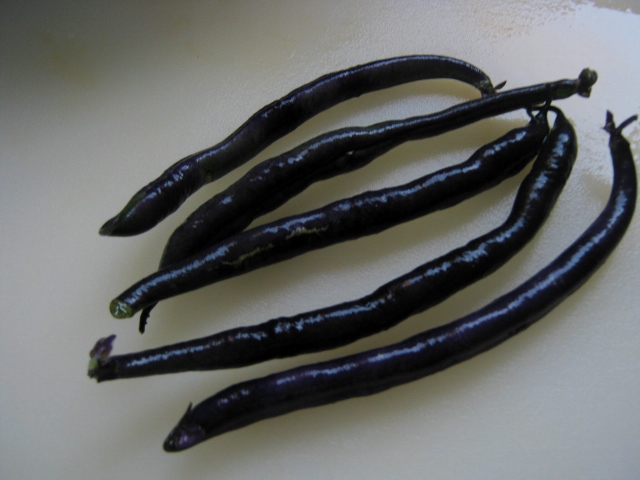
We have had our first harvest of purple beans.

These beans sadly lose their purple colour when cooked and end up a rather dull green.  They taste very nice and they have appreciated growing in the cooler summer.

IMG_5321Purple beans and spring greens (480x640)

French beans are so quick and easy to prepare and taste wonderful straight from the garden.

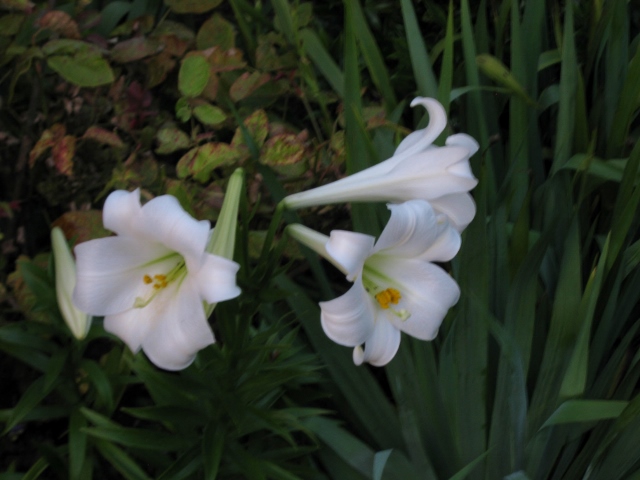
IMG_5330White lilies (640x480)

My white lilies (Lilium longiflorum) are flowering in the garden. This photo was taken at dusk.

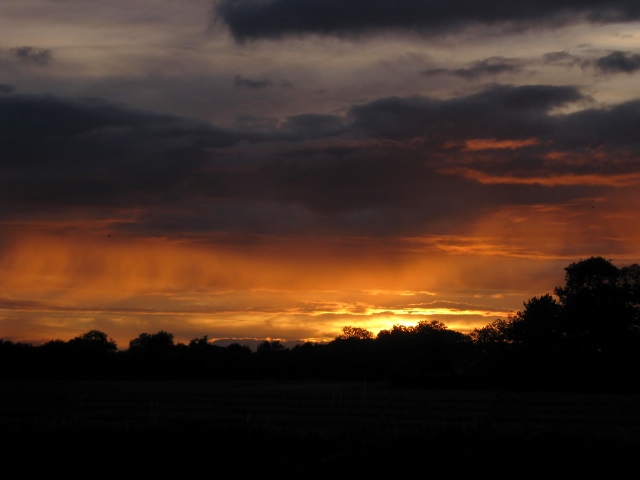
IMG_5323Rain at sunset (640x480)

Another sunset – this time with an added rain shower

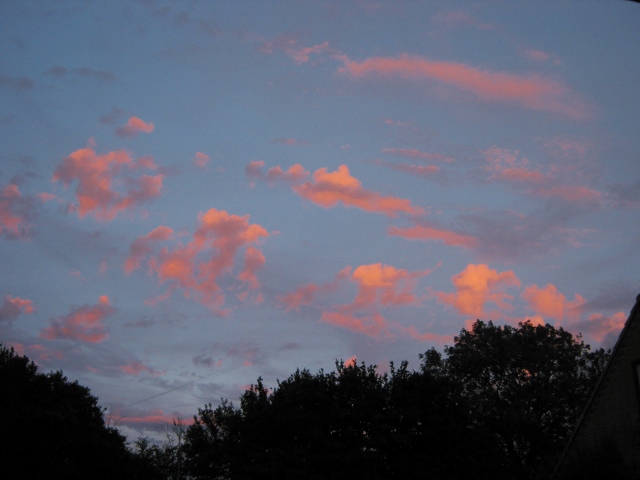
The rain soon cleared away and as I turned back toward the house I saw the sky to the East was lovely too.

IMG_5335Pink clouds at sunset (640x480)

Pretty pink clouds!

Thanks for visiting!
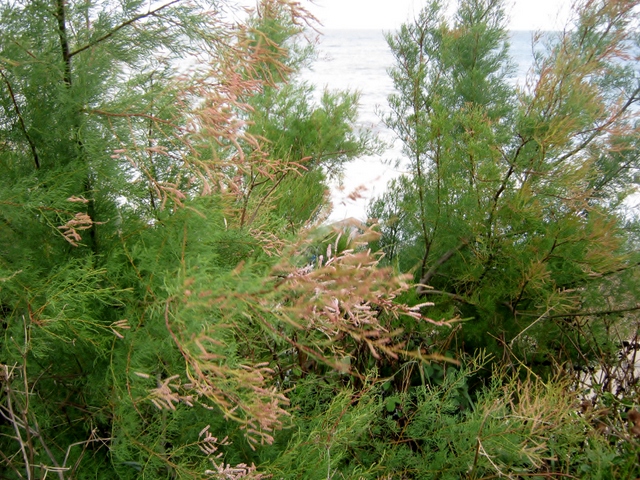
 

Share this:

  • Share on X (Opens in new window) X
  • Share on Reddit (Opens in new window) Reddit
  • Share on Pinterest (Opens in new window) Pinterest
  • Share on Facebook (Opens in new window) Facebook
  • Email a link to a friend (Opens in new window) Email
  • Share on Tumblr (Opens in new window) Tumblr
  • Print (Opens in new window) Print
  • Share on LinkedIn (Opens in new window) LinkedIn
Like Loading...

July (mainly) in Suffolk

30 Thu Jul 2015

Posted by Clare Pooley in Gardening, Insects, plants, Rural Diary, wild birds

≈ 35 Comments

Tags

birds, butterflies, caterpillar, danselfly, dragonflies, flies, garden, garden flowers, green woodpecker, herbs, hoverflies, insects, moths, Suffolk, wild flowers

This post is made up of photos of things I’ve seen in my garden during the last month.  The first few shots were taken during the last two days in June (I did say ‘mainly’!), when the weather suddenly got much warmer and the sun appeared.  Summer arrived and we all felt much better!

IMG_2329Painted Lady on scabious (2) (640x416)

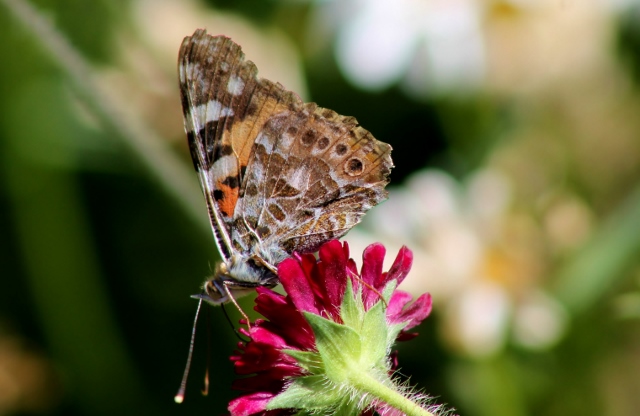
Painted Lady butterfly (Vanessa cardui) on a scabious flower

IMG_2333Dog Rose (2) (640x434)

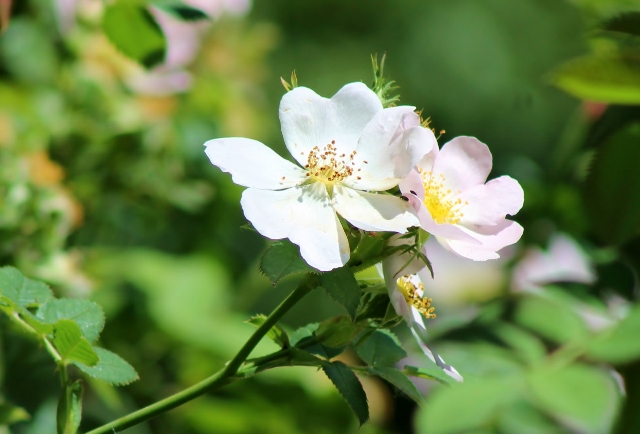
Dog Rose flowers (Rosa canina) next to the big pond

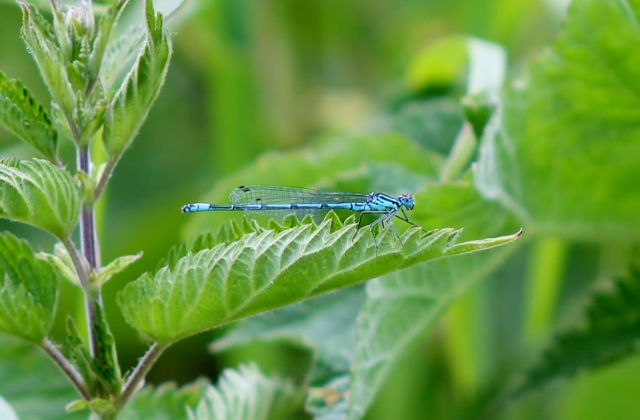
IMG_2335Common Blue Damselfly (640x423)

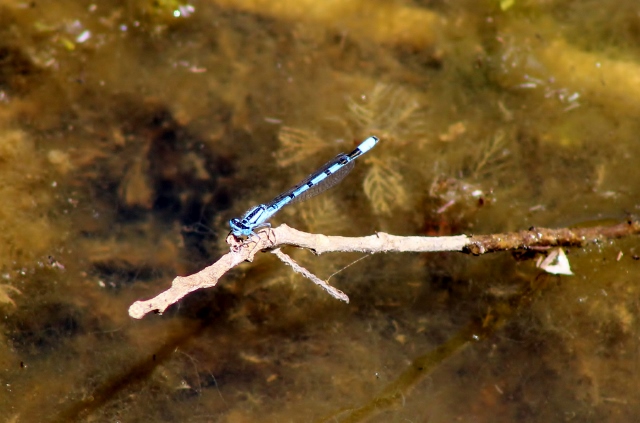
Male Common Blue damselfly (Enallagma cyathigerum)

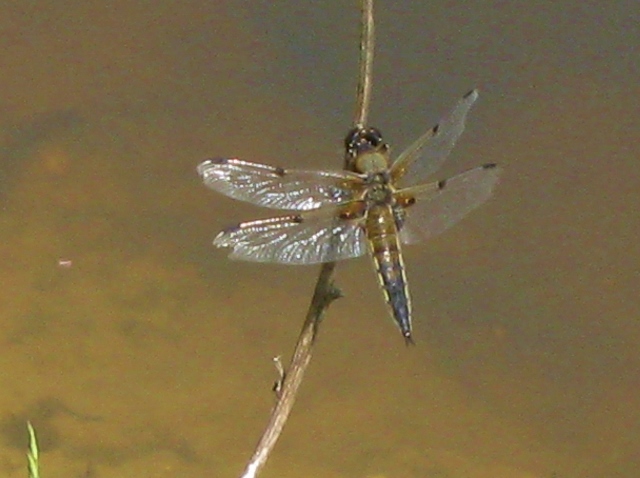
IMG_2341Four-spotted chaser (640x427)

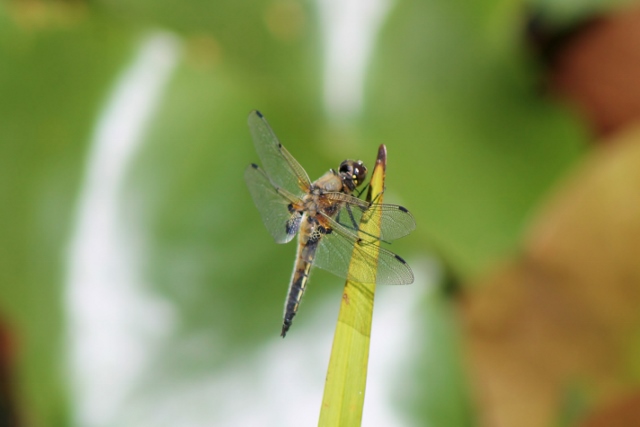
Four-spotted Chaser dragonfly (Libellula quadrimaculata)

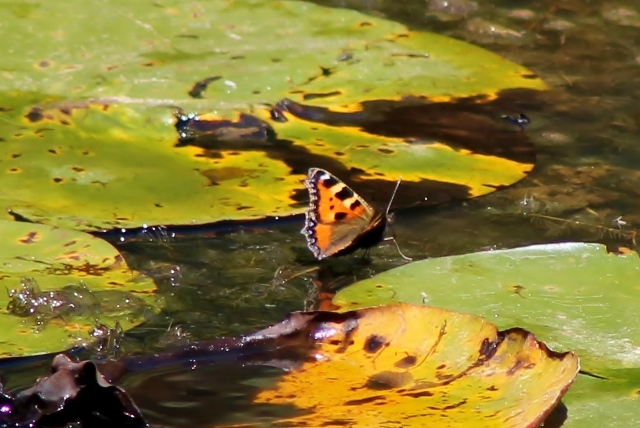
IMG_2340Small Tortoiseshell on pond (2) (640x428)

Small Tortoiseshell butterfly (Aglais urticae) on big pond

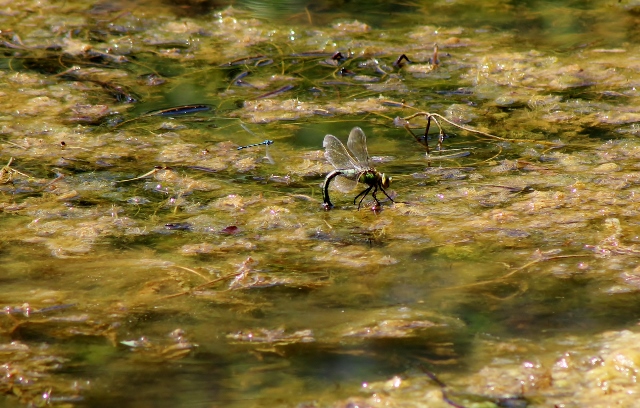
IMG_2348Female Emperor Dragonfly (640x408)

Female Emperor dragonfly (Anax imperator) laying eggs on the big pond

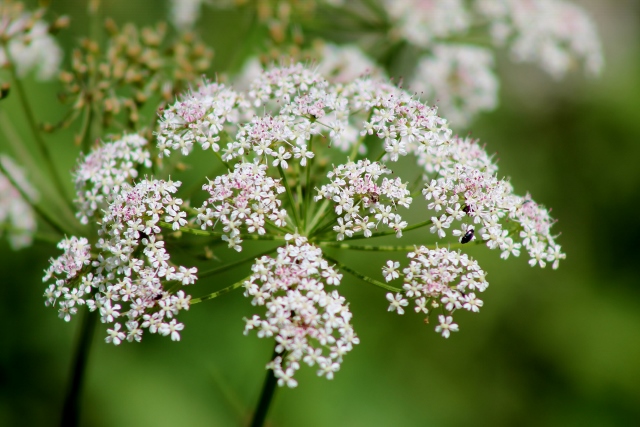
We have Ground Elder in our garden.  I wish we didn’t but there is little chance of us ever getting rid of it here so we will have to try to weaken it and stop it from spreading further.  It is in the ditch between us and the school house next door and also in the ditches at the front of the house and under the hedge.  It is trying to spread into the lawn at the front but we strim and mow as much as possible and try to stop it from flowering.  We often fail in this.

IMG_2350Ground Elder (640x427)

Ground Elder flower! As you see it is a pretty umbellifer with slightly pink buds.

I eradicated it from a former garden by digging it out over a period of a few years.  It was in a flower bed so therefore easier to deal with.

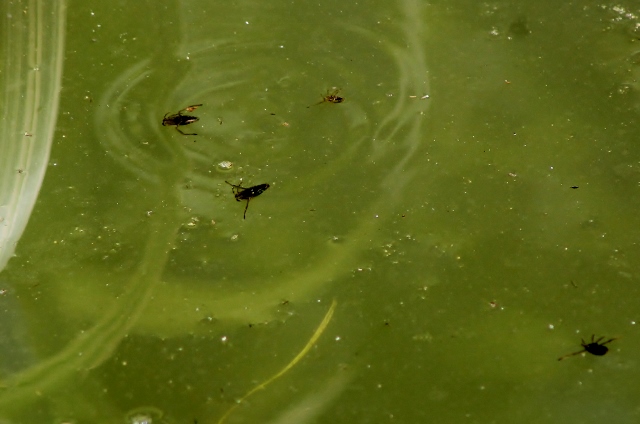
IMG_2351 (2).jpgCommon Backswimmers (640x424)

Common Backswimmers (Notonecta glauca) in the front pond. This pond completely dried up while we were away on holiday but is starting to fill again because of the torrents of rain we’ve had during the past week or two.

IMG_2359Insects on lavender (640x427)

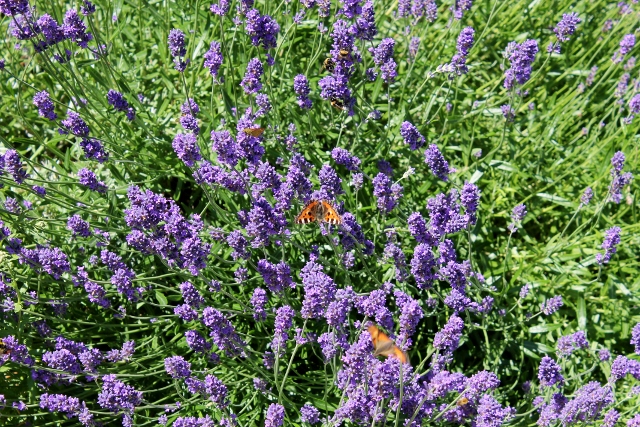
Insects on Lavender ‘Hidcote’. There haven’t been as many insects this year as last, but the lavender attracted quite few while it flowered. It is a fabulous insect magnet!

IMG_2354Lavender (640x427)

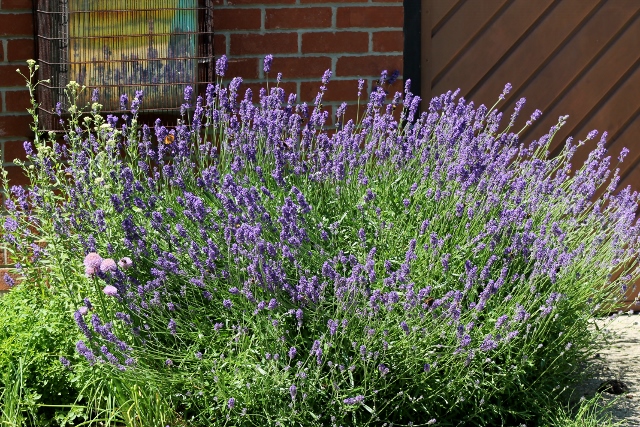
Lavender growing at the front of our house

IMG_2373Herb garden (601x640)

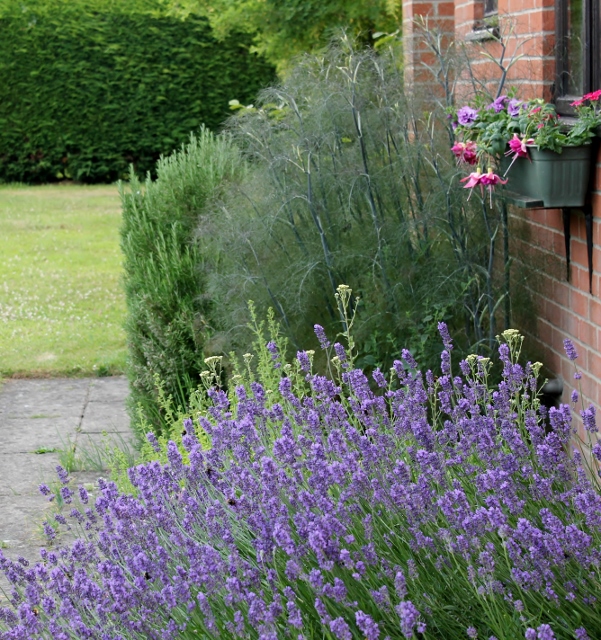
My herb garden

IMG_4908Bronze Fennel flower bud (640x480)

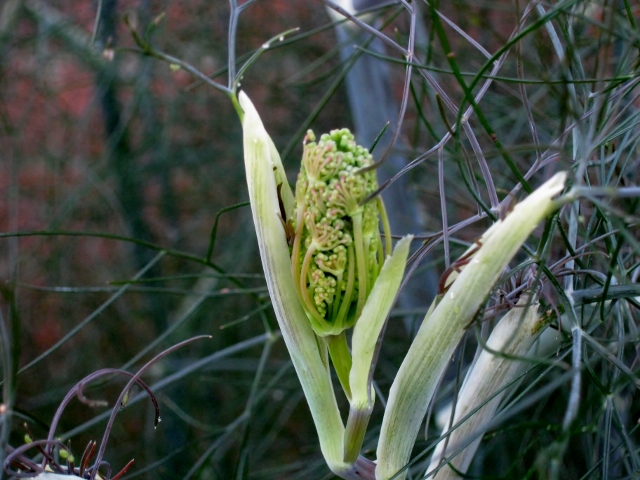
Bronze Fennel flower bud. When we returned form our week away all the leaves on the fennel had died and the flowers were drooping. I watered the herbs and then the rains and cool weather returned; the fennel is still alive (it has an enormous tap root) but no leaves at all for now. The flowers are fine and are being enjoyed by wasps and hoverflies.  A neighbour came in to water the plants in the greenhouse while we were away (tomatoes mainly) but we couldn’t expect him to water all our plants – that would be asking much too much!

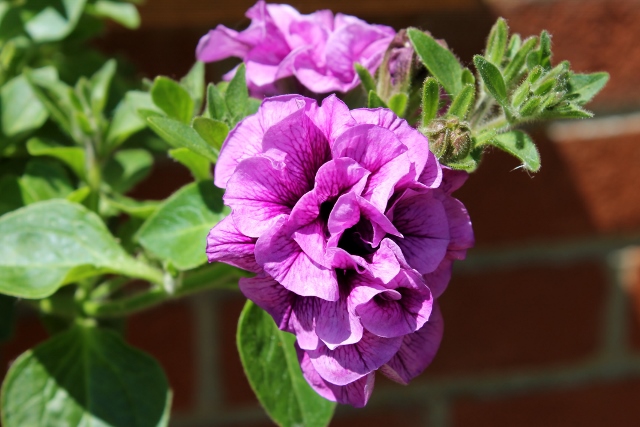
IMG_2355Tumbelina Petunia (640x427)

A pretty Tumbelina Petunia in the window box.  It has a lovely gentle scent.

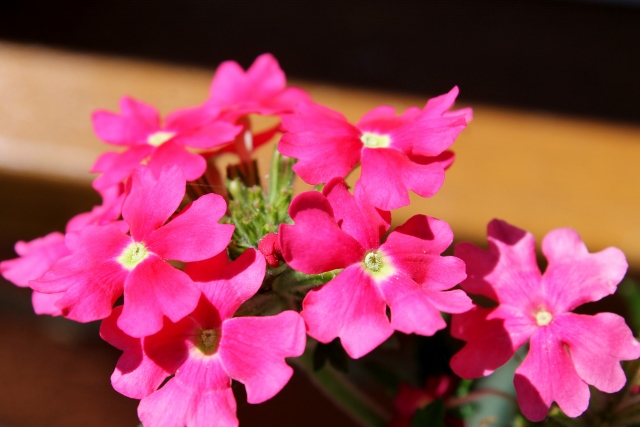
IMG_2356Verbena (640x427)

A very bright pink Verbena in the window box with the petunia. The hoverflies love it very much. I wish it was scented.

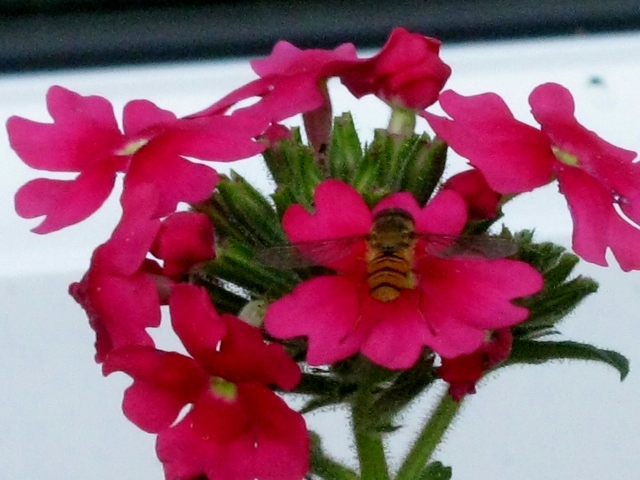
IMG_4917Hoverfly Episyrphus balteatus on verbena (640x480)

Hoverfly Episyrphus balteatus (I think!) on verbena

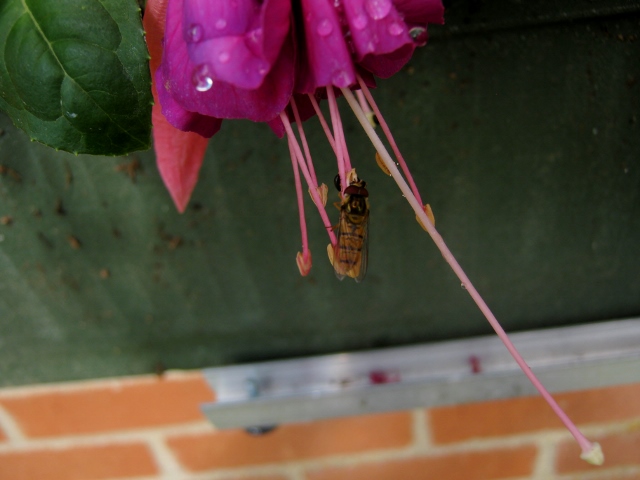
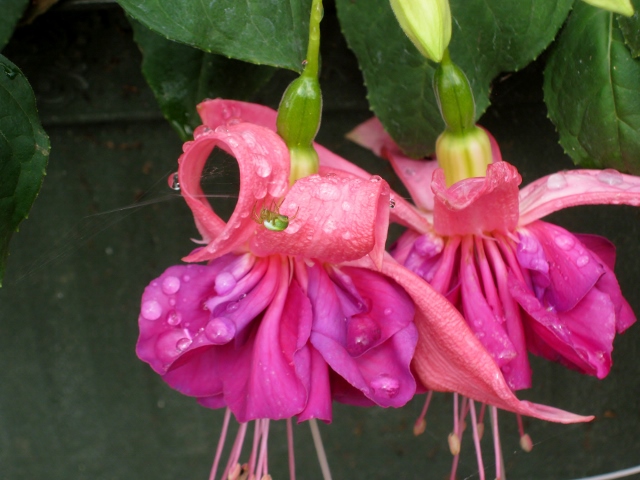
IMG_4926Hoverfly on Fuchsia (640x480)

A hoverfly on the Fuschia that is also in the window box. This photo was taken after we had begun to have rain at last after a long dry spell.

IMG_4923Spider on fuchsia (640x480)

A beautiful, tiny green spider on the fuschia. I think this is a Green Orb-weaver (Araniella curcurbitina).

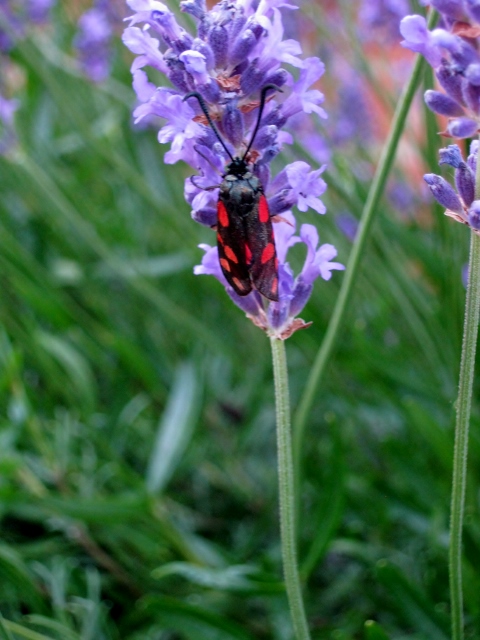
IMG_4915Six-spot Burnet (480x640)

A Six-spot Burnet moth (Zygaena filipendulae) on lavender

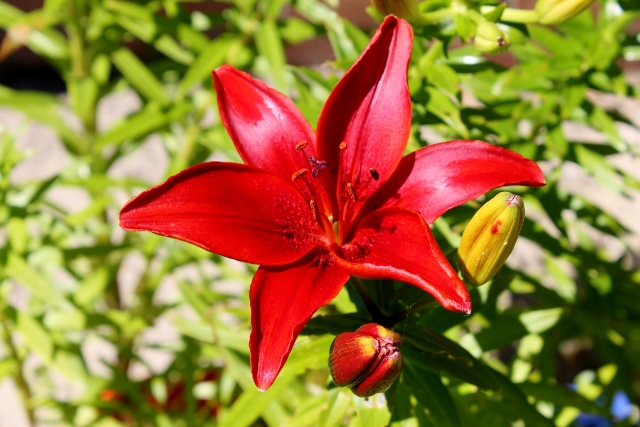
IMG_2358Lily (640x427)

One of my unscented Asian lilies.

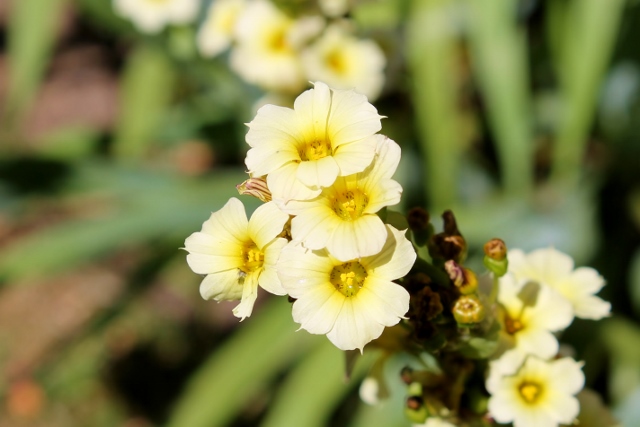
IMG_2369Sisyrinchium striatum (2) (640x427)

Sisyrinchium striatum. These put on a good show this year. Many years ago I had these growing in my garden and loved them as they seemed to go with all the flowers in the border. We moved to Somerset for 18 months and then moved here in 2006. Three years ago I found a seedling sisyrinchium in the garden which appeared from nowhere.  I potted it up and grew it on; it flowered the following year and I let it go to seed. I sprinkled the seed on my border and last year I found lots of plants growing which flowered beautifully this year. Free flowers!

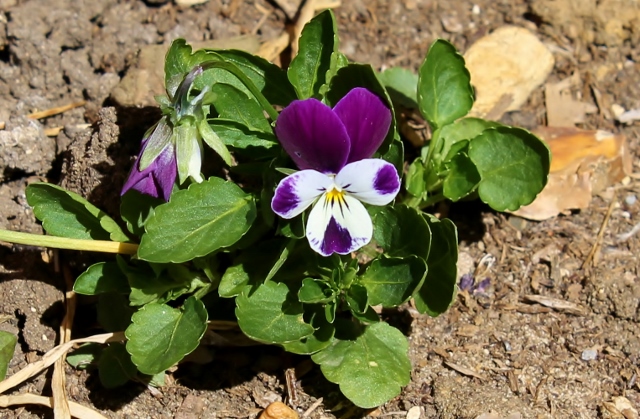
IMG_2370Viola (2) (640x419)

A pretty Viola. These seed themselves all over the garden.

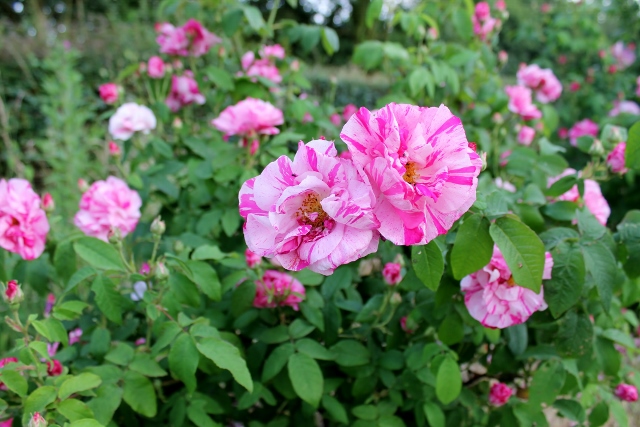
IMG_2376Rosa Mundi (640x427)

I have two Rosa Mundi bushes ( a gift from Richard) and they both flowered well this year. It is sad that they have such a short flowering period but it is worth having them for their pretty, painted petals.

IMG_2378Perennial Sweet Pea (640x427)

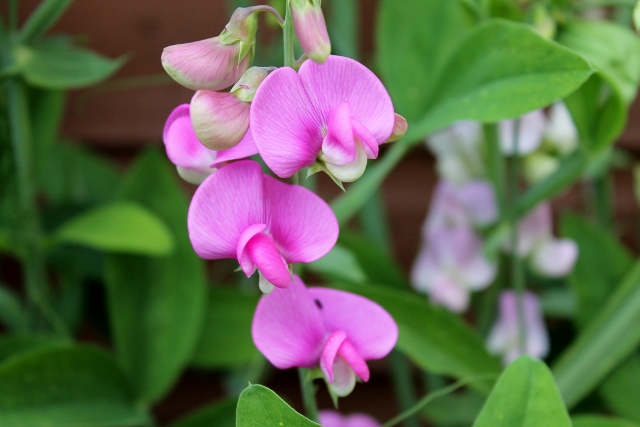
Perennial Sweet Pea

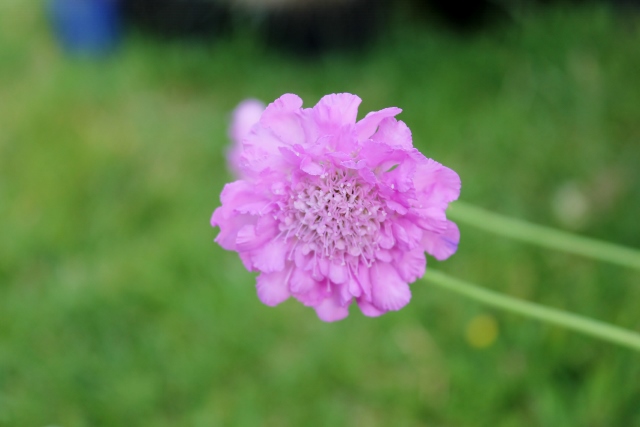
IMG_2379Scabious (640x427)

Scabious flower

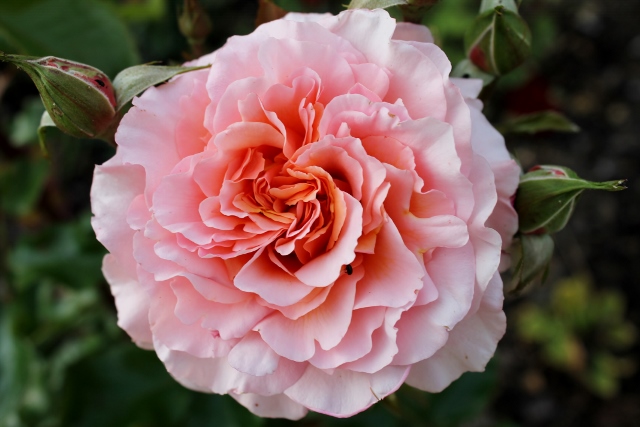
IMG_2382Rose (640x427)

A pretty rose from Richard’s border

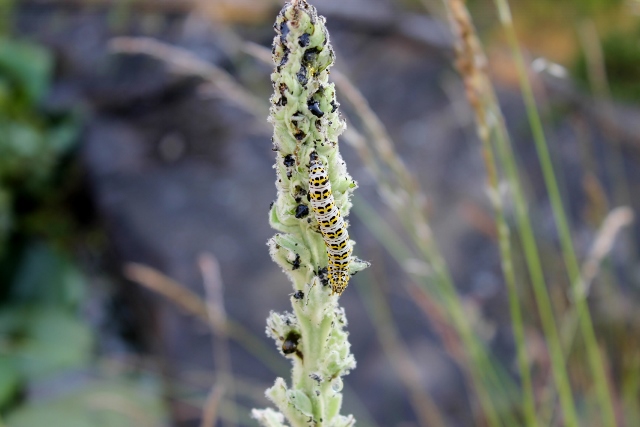
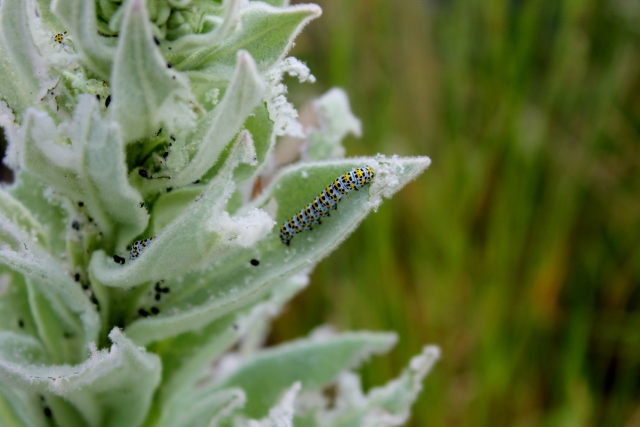
In a former post I posted a photo of a mullein flower infested with Mullein moth caterpillars.  Here is another photo taken a week or so later when the grubs were much bigger.

IMG_2380Mullein (640x427)

Mullein Moth caterpillar (Shargacucullia verbasci) on what was left of a Mullein flower spike

IMG_2386 (2)Meadow Brown (640x417)

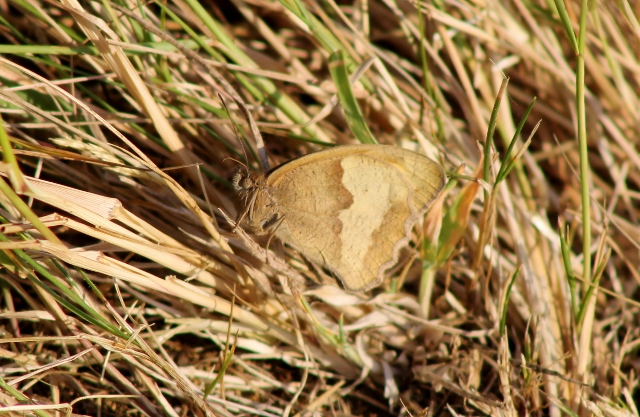
A Meadow Brown butterfly (Maniola jurtina). Wonderful camouflage!

IMG_2387Fly on Amelanchier (2) (640x429)

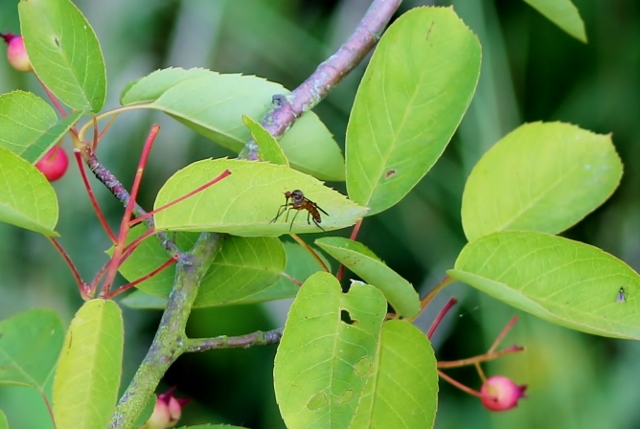
A fly on the Amelanchier tree. I cannot identify this one properly though it looks a little like Empis digramma, a fly which hunts other flies in long grass and other lush vegetation and spears them with its proboscis.

IMG_2404Adult and fledgling Green Woodpeckers (2) (640x411)

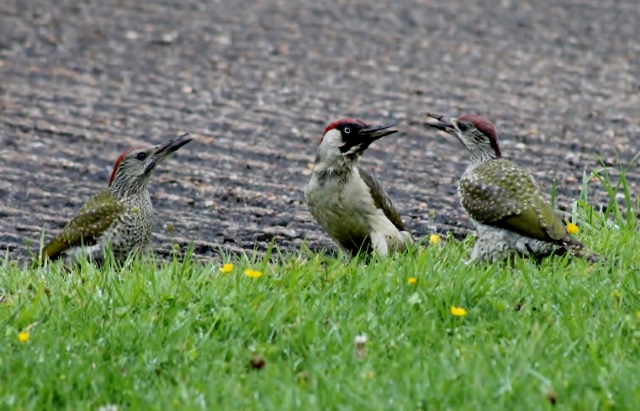
I took this photo of the Green Woodpecker (Picus viridis) and its 2 fledglings this evening. The adult was trying to teach its young how to find ant’s eggs.

This last photo wasn’t taken in my garden but in the grounds of the Norfolk and Norwich Hospital where I had to go for a check-up on the day before we went on holiday.  I didn’t know what else to do with it!

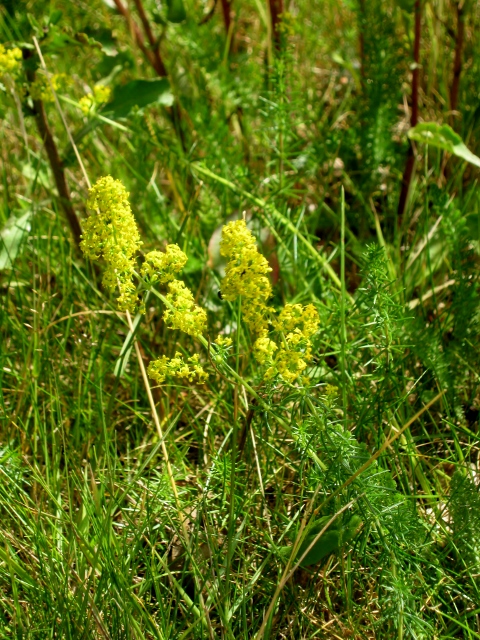
IMG_4929Lady's Bedstraw (480x640)

Lady’s Bedstraw (Galium verum)

Thank’s for visiting!


Share this:

  • Share on X (Opens in new window) X
  • Share on Reddit (Opens in new window) Reddit
  • Share on Pinterest (Opens in new window) Pinterest
  • Share on Facebook (Opens in new window) Facebook
  • Email a link to a friend (Opens in new window) Email
  • Share on Tumblr (Opens in new window) Tumblr
  • Print (Opens in new window) Print
  • Share on LinkedIn (Opens in new window) LinkedIn
Like Loading...

Wyken Hall Gardens

21 Tue Jul 2015

Posted by Clare Pooley in Days out, Gardening, plants, Rural Diary

≈ 30 Comments

Tags

Elizabethan house, garden rooms, Suffolk, Wyken Hall Gardens

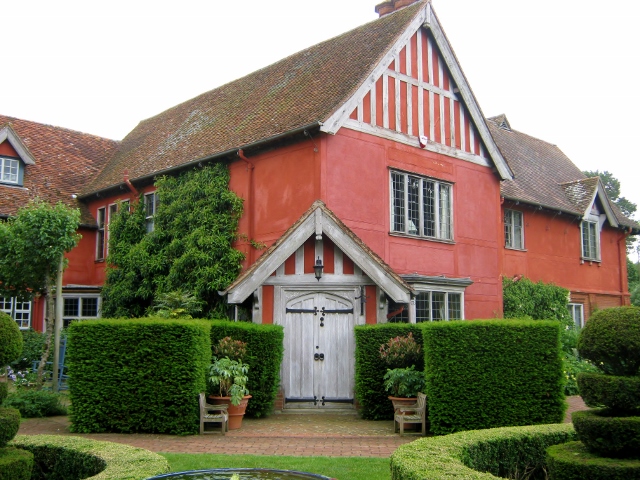
IMG_4848Wyken Hall (640x480)

Wyken Hall

On 19th June Richard, Elinor and I visited Wyken Hall Gardens in Suffolk.  This visit was to celebrate our 21st wedding anniversary of the day before.  We never buy each other gifts on our anniversary unless there is something we both would like to have for the house or the garden, for example.  We usually plan an outing to a place we’d like to see or we go out for a meal.  This year we decided on a trip to Wyken Hall Gardens.

IMG_4835Wyken Hall (640x480)

Wyken Hall

Wyken Hall is an Elizabethan manor house owned by Sir Kenneth and Lady Carla Carlisle.  The house itself isn’t open to the public but the 4 acre gardens are.  The house dates from 1570 with additions being made to it in 1630 and 1680 and then major works were carried out in 1920.

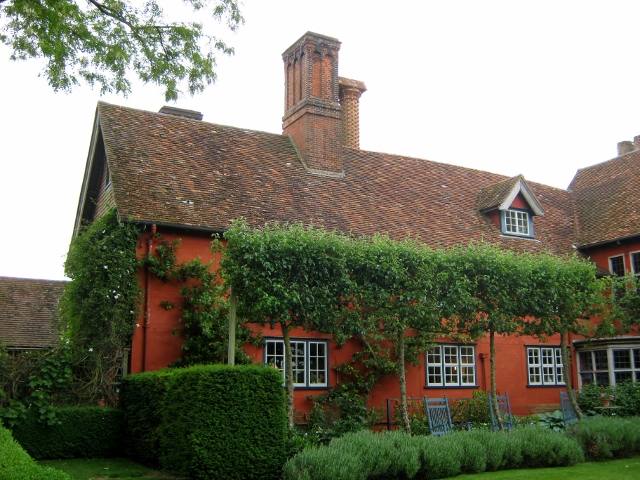
IMG_4833Wyken Hall (640x480)

Lady Carlisle comes from the USA and she designed this area to look like a southern veranda. She brought 5 rocking chairs over from Mississippi and then the row of Spartan apple trees were espaliered high so as not to obscure the view from the house.

The Royal Horticultural Society (RHS) says it is one of the best modern private gardens in the country.

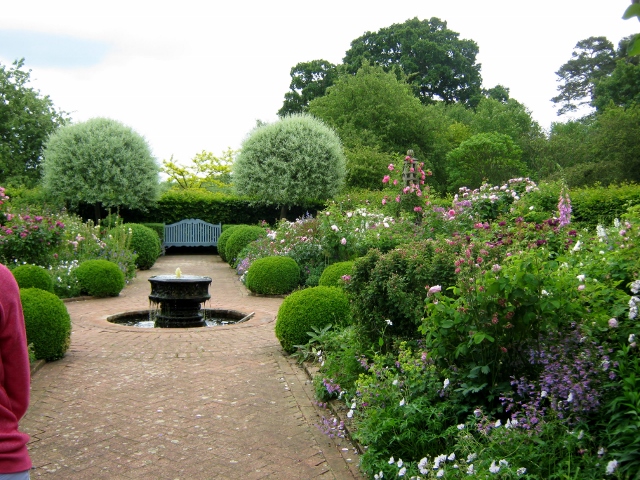
IMG_4852Wyken Hall garden (640x480)

The Rose Garden

Lord Carlisle began work on the garden in the late 70’s and created the Rose Garden, the Winter Garden and the other garden rooms near the house.  More work was done after his marriage in 1986.

IMG_4832Quincunx Wyken Hall (640x480)

The Quincunx – five equal interlocking circles – inspired by a design for a herb garden by Gertrude Jekyll.

New gardens are continually being created.

IMG_4860WykenHall garden (640x480)

The new garden pond with oak pier. The owners hope that soon the chestnut fencing will be covered with white wisteria.

When Lord Carlisle began work on the garden it already had a structure of flint walls and many fine old trees.  Hornbeam and yew hedges divide the garden into its different rooms.  There is a copper-beech maze and a nuttery; a herb garden, a knot garden and an ‘edible’ garden; wildflower meadows and a traditional English kitchen garden.   Many of the old-style gardens complement the Elizabethan house.

IMG_4863Wyken Hall (640x480)

View of the house from the Rose Garden

As well as the garden, the Carlisles own Wyken Wood, which is ancient woodland, a large modern farm and a 7 acre vineyard.  A large medieval barn has been converted into a country store (which sells exclusive goods) a restaurant and café.  As well as different wines they also produce ale from their own barley.

IMG_4837Wyken Hall garden (640x479)

A flower border sheltered by a flint wall in which there is an inviting archway to gardens beyond.

IMG_4846Wyken Hall garden (480x640)

Steps cut into the turf (foreground) and the path through the winter garden

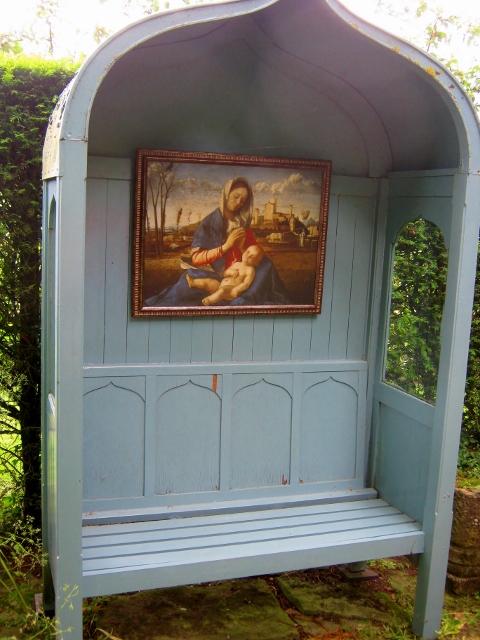
IMG_4841Bellini Bus Stop (480x640)

The ‘Bellini Bus Stop’ – a covered seat in the winter garden

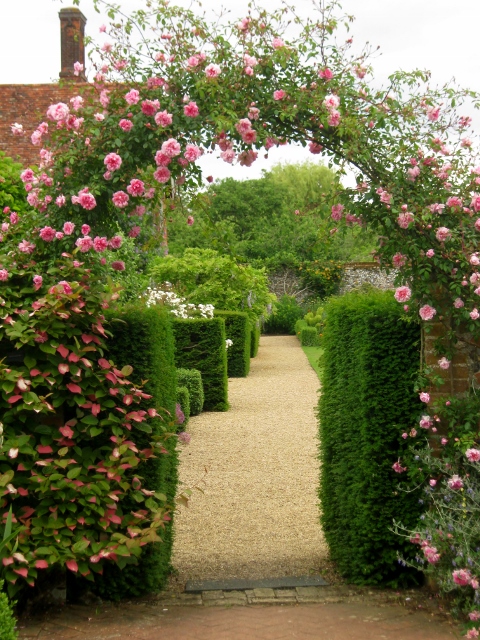
IMG_4858Wyken Hall garden (480x640)

A very pretty arch with an interesting variety of plants round it.

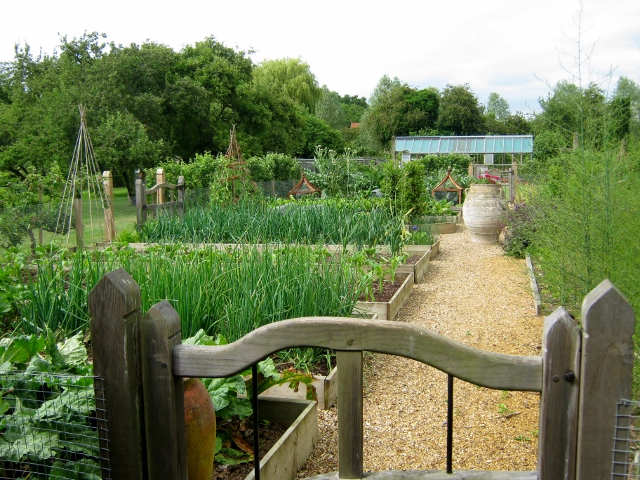
IMG_4873Wyken Hall garden (640x480)

The kitchen garden

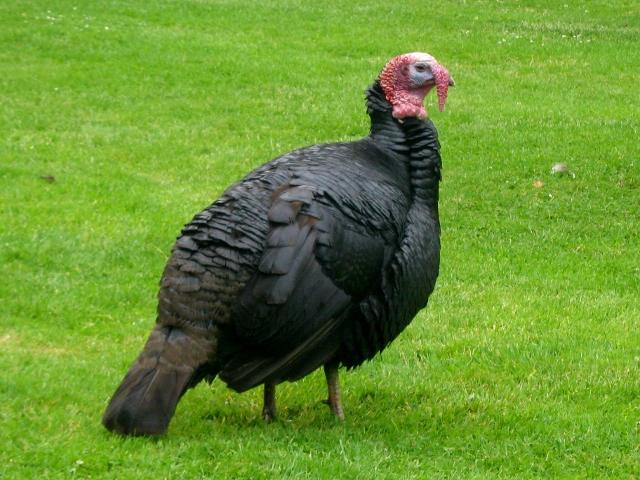
IMG_4881Turkey (640x480)

A supercilious-looking turkey

IMG_4874Wyken Hall garden (640x480)

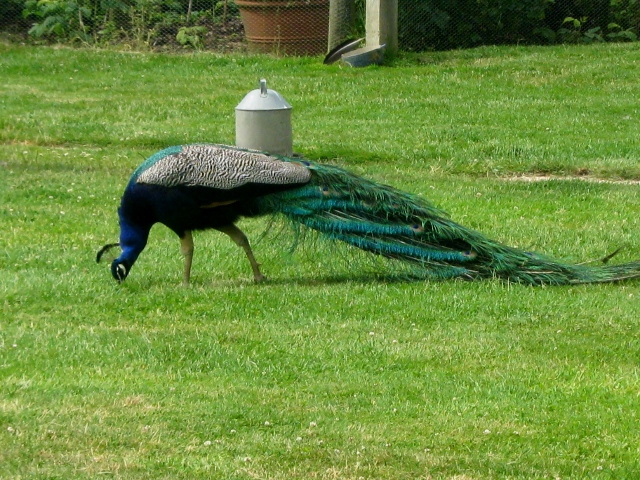
A peacock

This slideshow requires JavaScript.

A slideshow of photos of some of the lovely plants and flowers we saw.

This slideshow requires JavaScript.

A slideshow of the plants in the Red Hot Border.

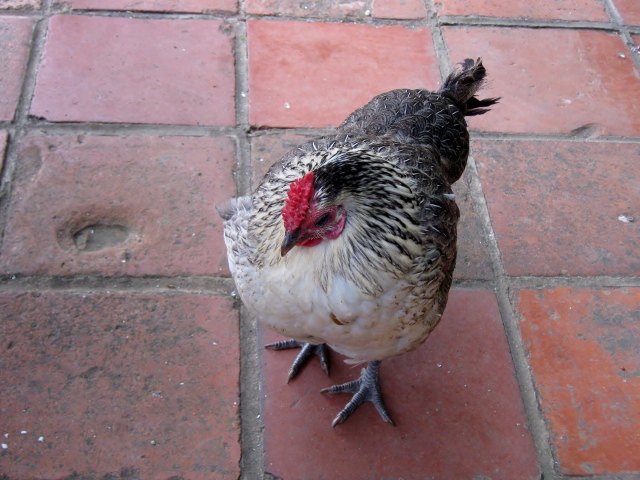
IMG_4890Hen (640x480)

This little hen came and stood under our table outside the café and begged for crumbs. She was given quite a lot of Elinor’s expensive scone!

We had a very enjoyable afternoon at a most beautiful and immaculate garden.

Thanks for visiting!
Share this:

  • Share on X (Opens in new window) X
  • Share on Reddit (Opens in new window) Reddit
  • Share on Pinterest (Opens in new window) Pinterest
  • Share on Facebook (Opens in new window) Facebook
  • Email a link to a friend (Opens in new window) Email
  • Share on Tumblr (Opens in new window) Tumblr
  • Print (Opens in new window) Print
  • Share on LinkedIn (Opens in new window) LinkedIn
Like Loading...

Quiet Sunday

01 Wed Jul 2015

Posted by Clare Pooley in churches, Gardening, Insects, plants, Rural Diary, wild birds

≈ 36 Comments

Tags

Bees, Cotoneaster, gardening, Great Mullein, Mullein Moth larva, purple toadflax, recording of Turtle Dove song, scabious, St Michael and St Felix Church Rumburgh, Suffolk, sunset, The Vapourer Moth larva, Turtle Dove


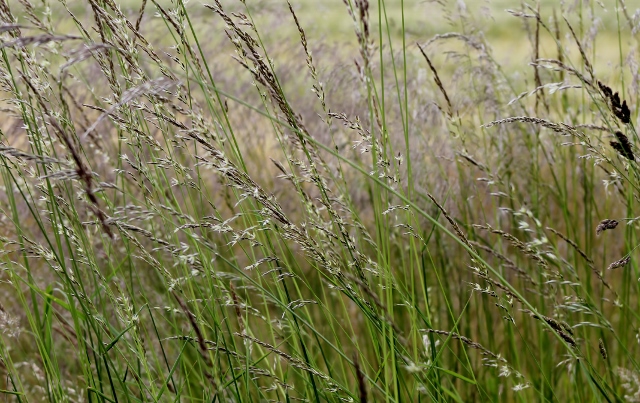
IMG_2312Grasses (640x403)

Grasses growing round the edge of the field behind our house.

I have been doing a lot of gardening recently.  Not the gentle-dead-heading, touch-of-light-weeding type of gardening but lots of digging – which always involves extracting large flint boulders from clay soil, lots of watering – carrying heavy watering cans round our large garden and lots of grass-cutting – I do most of this with shears.  We have a large area of grass which is planted up with spring bulbs.  There are a few trees planted there as well and the ground is very uneven.  I think that it was originally a spoil heap from when the house was built; it also slopes quite steeply down to the ditch at the front of the house.  We leave cutting the grass until the bulb leaves have died back which means it is left until June by which time it is looking quite unkempt.  The ground is much too uneven for the tractor mower and because of the trees it is a very difficult area for Richard to do (he is 6′ 3″ tall).  I am a foot shorter in height than he is, so I do this part of the garden.  I can’t use the strimmer as it is too heavy for me so I cut the 3′ high grass with shears.  We bought a scythe but somehow we can’t get it to sharpen.  I like using shears as I can see what I am doing and I don’t cut the wrong things down as I might if I could use the strimmer.  A strimmer makes such a mess; shears are tidy.  Once I have cut the grass to a manageable length I then rake it up into a number of enormous heaps and then transport it to the other end of the garden in a wheelbarrow and put it on the grass heap.  I then use the electric mower and cut the grass even shorter.

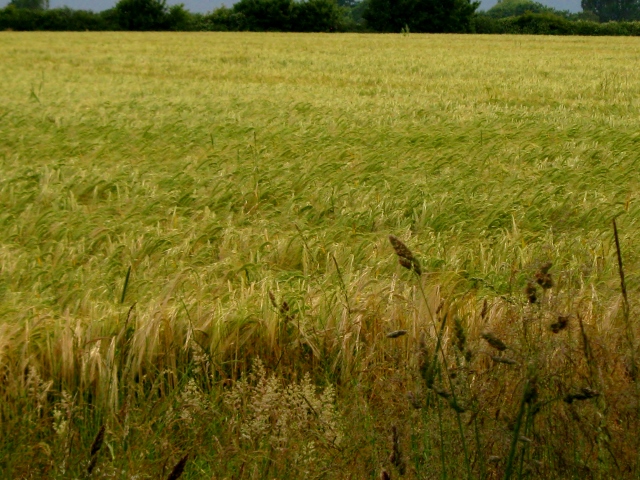
IMG_4893Field of barley (640x480)

The field of barley behind our house.

As  a result of this work I am extremely achy and stiff but I have developed some good muscles in my arms and shoulders!  I was glad we had a little rain on Sunday so I excused myself from working outside.  I read my book, talked with my husband and daughter and generally had a relaxing day.

IMG_4891View across pond to field (640x480)

View across the pond to the field beyond.

We had an Evening Prayer service at St Michael and St Felix Church in Rumburgh where Richard is one of the church wardens.  We left home at 5.45 pm to make sure the church was tidy and ready for the service.  There had been a big wedding there on Saturday so the church is full of beautiful flowers.

IMG_4895Rood screen (640x479)

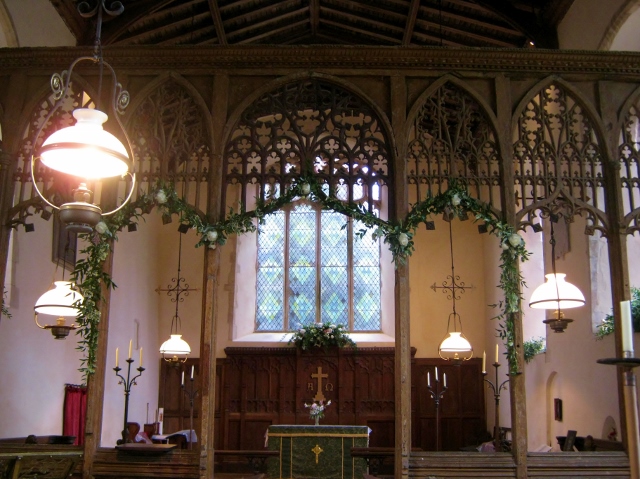
The decorated Rood Screen. This is very pretty but it would be better if people didn’t decorate it as the screen is hundreds of years old and falling apart.

IMG_4897Pew ends (480x640)

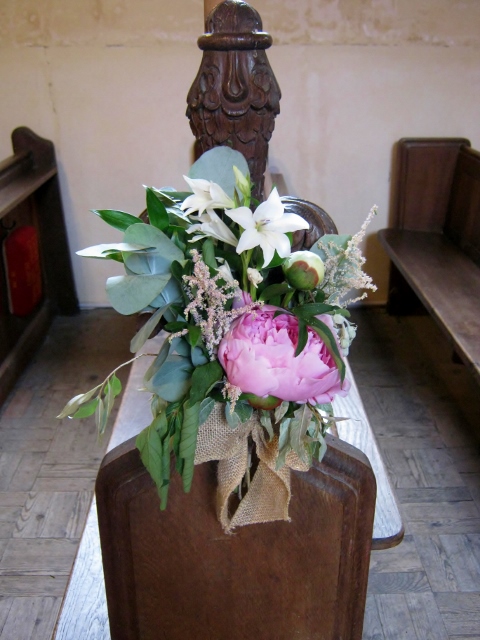
Posies on the pew ends. I think the top of the poppyhead (the carved pew end) looks like a clown with a bowler hat.

Flowers at the East Window
Flowers round the Font
Flowers in the porch

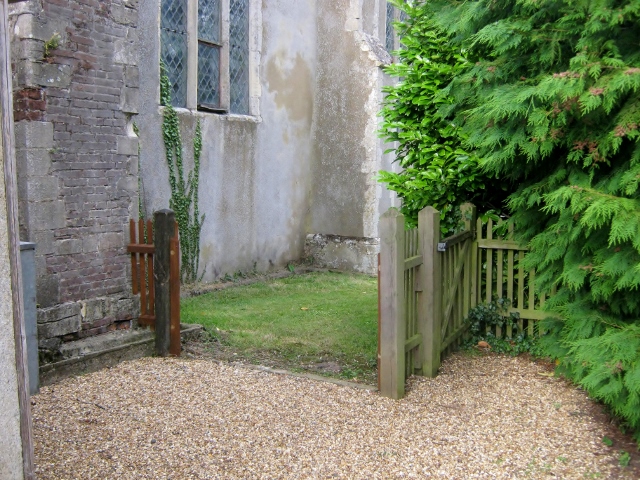
The path has been regravelled and the fence panel at the side of the church has been repaired.

IMG_4904Side of church (640x480)

Fresh gravel and new fence panel.

The bride’s family live at the farm which surrounds the church and the church is in their back garden.  I have never walked all round my church because that would mean walking through someone else’s property.  However, it is so nice to have kind people who decorate our church and repair our fence and path because their daughter wanted to get married in the church!

Our evening service was taken by Maurice and we concentrated on the Trinity.  It was a pleasant, peaceful and thoughtful service.

I’ll use the rest of the post to show you a few more things I’ve seen on my travels and in the garden recently.

IMG_2323Damaged Great Mullein (640x427)

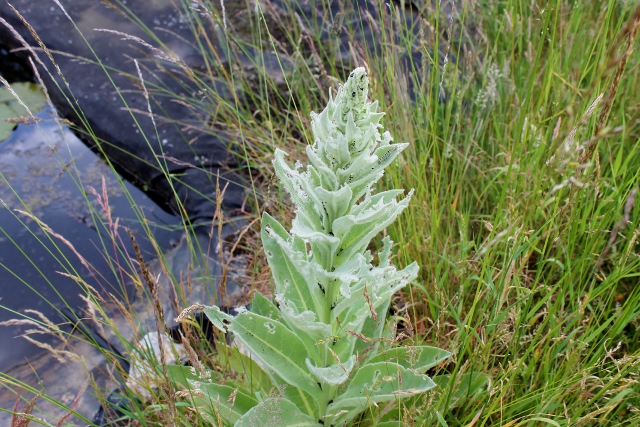
This is a Great Mullein (Verbascum thapsus) and I noticed the other day that it was looking a little ragged.

IMG_2324Mullein Moth larva (640x427)

This is one of the culprits – a Mullein Moth larva (Shargacucullia verbasci). The plant was covered in the caterpillars which will probably eat most of the plant and leave a blackened stump.

I had noticed that a few of my plants and tree seedlings had been damaged and on Sunday I found a few of the caterpillars that were responsible.

IMG_2327The Vapourer larva (640x427)

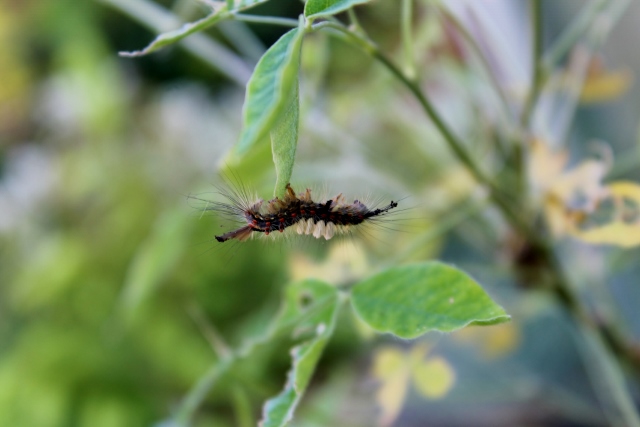
This is a Vapourer Moth larva (Orgyia antiqua), and it is eating a Laburnum seedling.

The Vapourer is often found in towns and often defoliates street trees.  I’ve never seen it in our garden before – perhaps they found their way here on a plant from the garden centre in town.  Vapourers are tussock moths which are all rather hairy.  The Vapourer female moth doesn’t have functional wings and will stay close to her cocoon after hatching out.  The Vapourer larva, along with other members of the Tussock Moth family, has tufts or tussocks of often colourful hairs (the Vapourer’s are yellow).  The hairs on adults and larva are usually barbed which makes them unpleasant and painful to handle.

IMG_2313Bee on scabious (640x427)

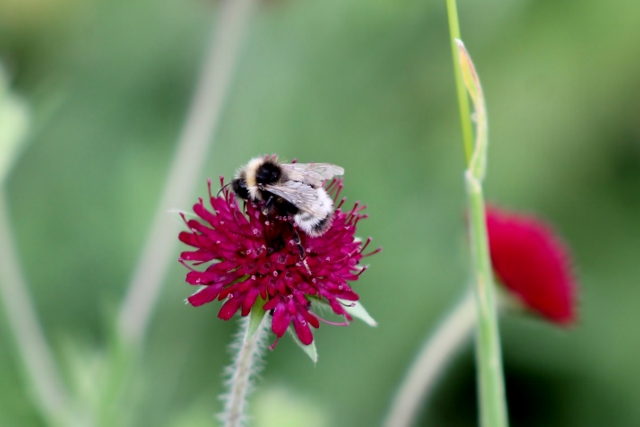
A bee on a scabious flower.

I am not very good at identifying bees.  I never seem to notice or photograph the key feature mentioned in the ID guide.  The bee above could be a cuckoo bee.

I try to grow as many plants as possible that are liked by bees and other insects.

IMG_2320Bee on Cotoneaster (640x427)

Bee on Cotoneaster.

IMG_2321Bee on Purple Toadflax (640x427)

Bee on Purple Toadflax.

IMG_2304Sunset (640x427)

A rather lovely sunset I saw last week.

Lastly, I have another video to share with you but it isn’t the video that’s important just the soundtrack.  I would like you to ignore the video!  It’s rubbish!  I was taking photos in the garden next to the pond, when the Turtle Dove started singing.  I switched the camera to film so I could record the song and vaguely pointed the camera in the direction of the pond.  The video is very shaky as I didn’t have a tripod with me.  I only managed to record a very short part of the song.  It is quite a quiet purring sound and the other birds in the garden were singing very loudly!

Thanks for visiting!
Share this:

  • Share on X (Opens in new window) X
  • Share on Reddit (Opens in new window) Reddit
  • Share on Pinterest (Opens in new window) Pinterest
  • Share on Facebook (Opens in new window) Facebook
  • Email a link to a friend (Opens in new window) Email
  • Share on Tumblr (Opens in new window) Tumblr
  • Print (Opens in new window) Print
  • Share on LinkedIn (Opens in new window) LinkedIn
Like Loading...

June Flowers and Insects

27 Sat Jun 2015

Posted by Clare Pooley in Insects, plants, Rural Diary, trees, weather

≈ 39 Comments

Tags

azure damselfly, Bittersweet, Black-tailed Skimmer, blue-tailed damselfly, common knapweed, Common Marsh-bedstraw, Common Sorrel, Creeping Cinquefoil, Cyperus Sedge, damselflies, dogwood, dragonflies, Elder, Four-spotted Chaser, garden, greenbottle, Hoverfly, insects, Meadow Buttercup, Oxeye Daisy, pond, Pyracantha, Suffolk, White Water Lily, wild flowers, yellow iris, Yorkshire Fog

Until this week we have had a very cool summer indeed which has meant that there have been very few insects about.  The common garden pests, greenfly and blackfly for example, seem to cope with chilly weather but the insects that eat them don’t!  Some of the flowers are continuing to flower a little late but a few are flowering at about their usual time which has made for unusual combinations.

IMG_4808All Saint's Common (640x480)

Meadow Buttercups (Ranunculus acris) on All Saints’ Common

We have a number of ‘commons’ here in East Anglia.  A common is an area of land either owned by a group of people or one person but it can be used by the general public in certain ways such as walking your dog or playing sport.  Some commons and village greens have ‘rights of common’ where it is possible to graze livestock on the land.  If you want to use the common for anything other than walking on it or having a picnic, (for instance, if you wanted to camp there), you’d have to ask permission of the land owner.

IMG_4831All Saint's Common (640x480)

This is another view of the common showing one of the unusual flower combinations.  This didn’t come out as well as I’d have liked.

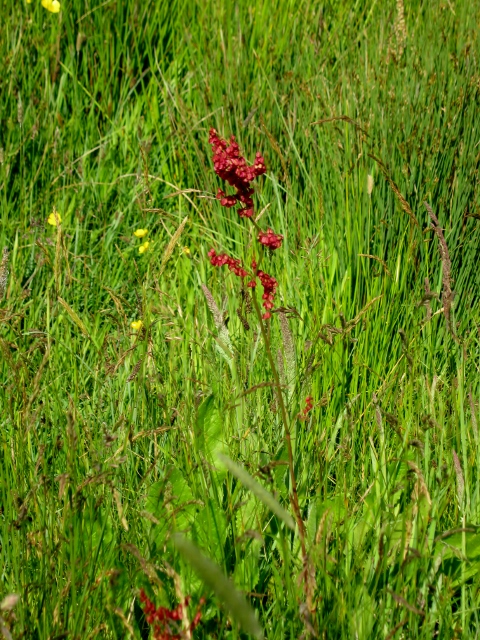
The Common Sorrel is flowering at the same time as the buttercups and for a while it looked as though the field was alight with red flames above the yellow.

IMG_4814Common Sorrel (480x640)

Common Sorrel (Rumex acetosa)

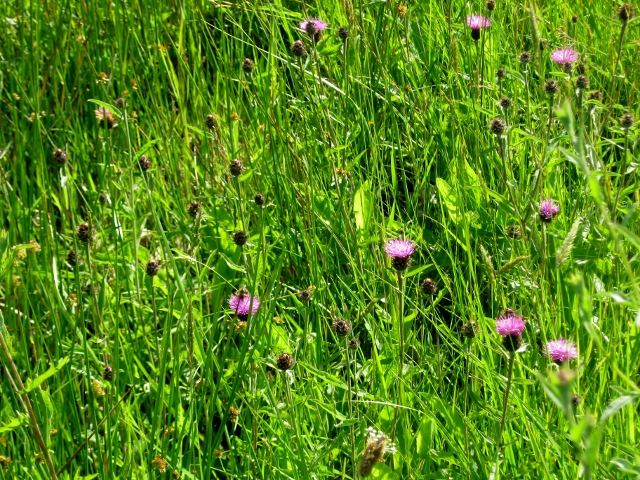
IMG_4807Common Knapweed (640x480)

Common Knapweed (Centaurea nigra) is also in flower on the common.

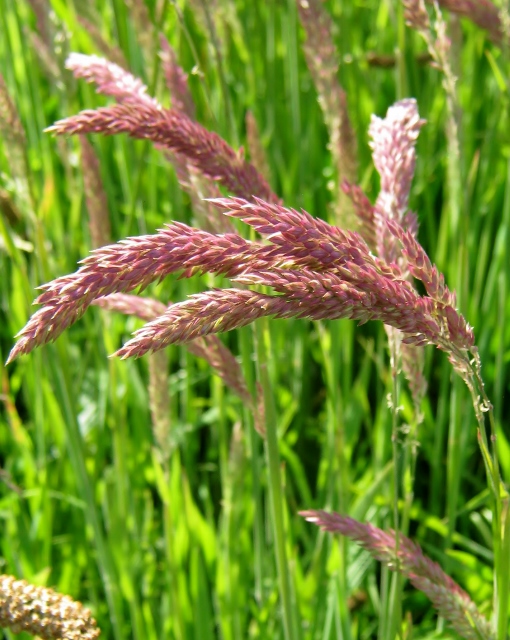
IMG_4810Possibly Yorkshire Fog (2) (510x640)

As is Yorkshire Fog (Holcus lanatus)

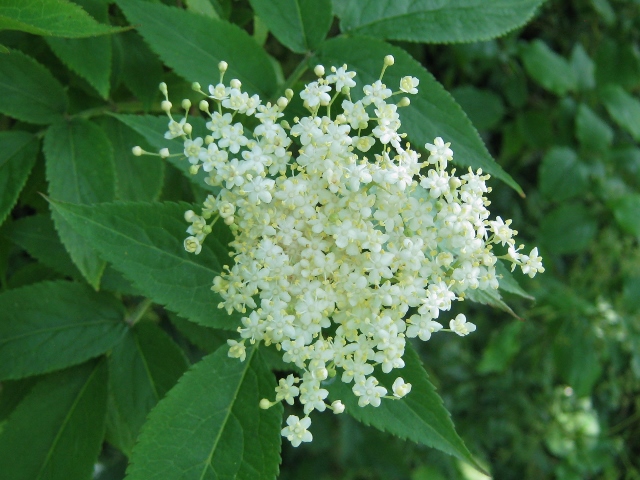
IMG_4819Elderflower (640x480)

The Elder (Sambucus nigra) is in flower.

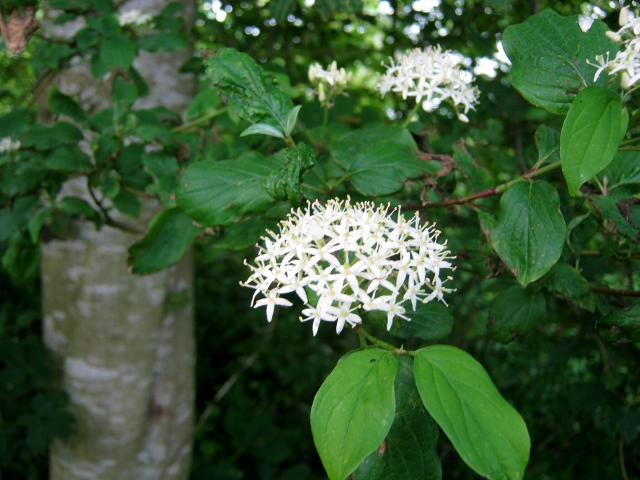
IMG_4892Dogwood (640x480)

The Dogwood (Cornus sanguinea) is in flower too.

Many people dislike the scent of the Elderflower; they describe it as smelling of ‘cats’.  It isn’t a pleasant smell but it is preferable to the smell of Dogwood flowers!

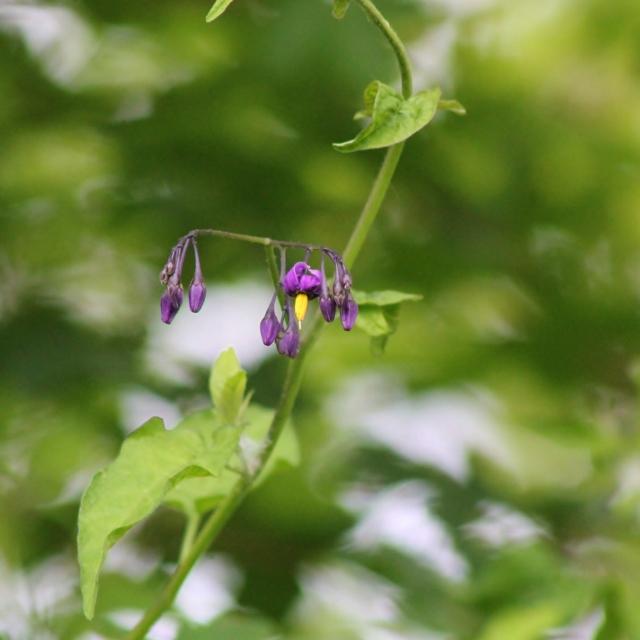
IMG_2269Bittersweet (2) (640x640)

Bittersweet (Solanum dulcamara), also known as Woody Nightshade, is flowering in the hedgerows.

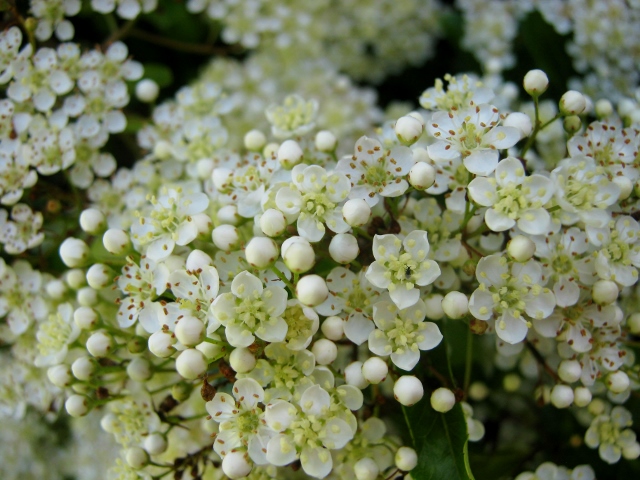
IMG_4828Pyracantha (640x480)

The Pyracantha in our garden is covered in blossom. This is another plant with a strange scent but the bees love it!

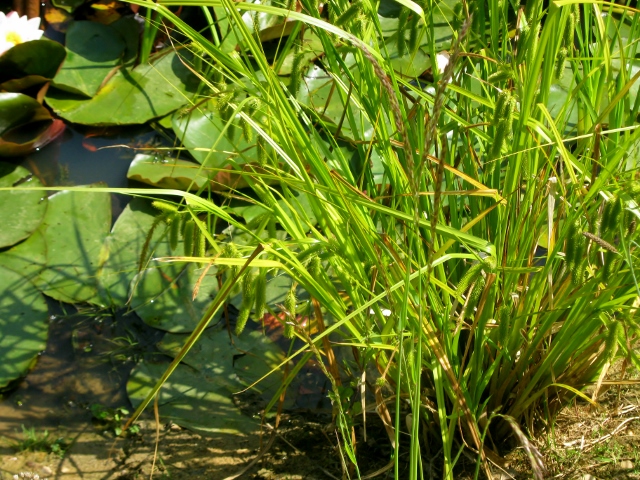
IMG_4822Cyperus sedge (640x480)

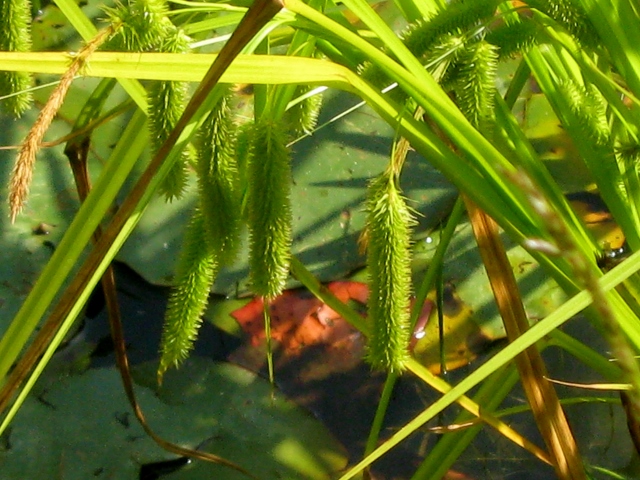
I discovered a new plant at the edge of our big pond the other day – a Cyperus Sedge (Carex pseudocyperus), also known as Hop Sedge.

The plant is quite large and must, I suppose, have been there last year without me seeing it.  Its leaves are strap-like, similar to Iris leaves, so I might have thought it was an Iris.  The flowers are unmistakable though.

IMG_4823Cyperus Sedge (640x480)

The flowers are pendulous, like catkins.

IMG_2268Yellow Iris (633x640)

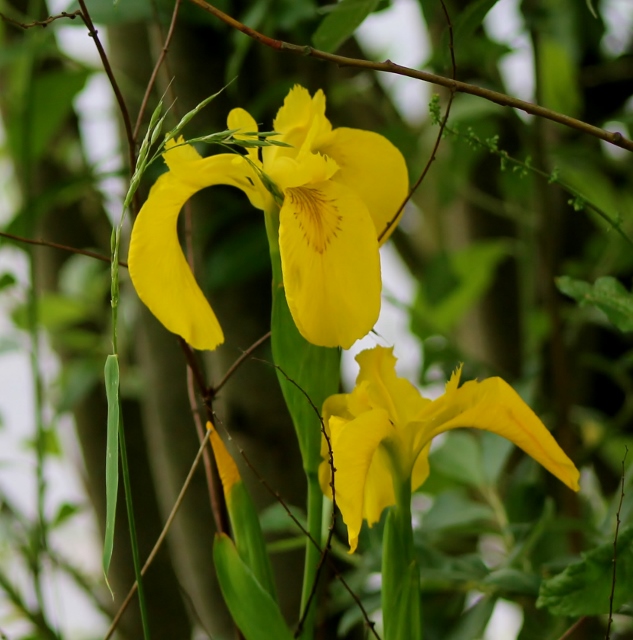
Yellow Iris (Iris pseudacorus)

IMG_2302Common Marsh-bedstraw (640x427)

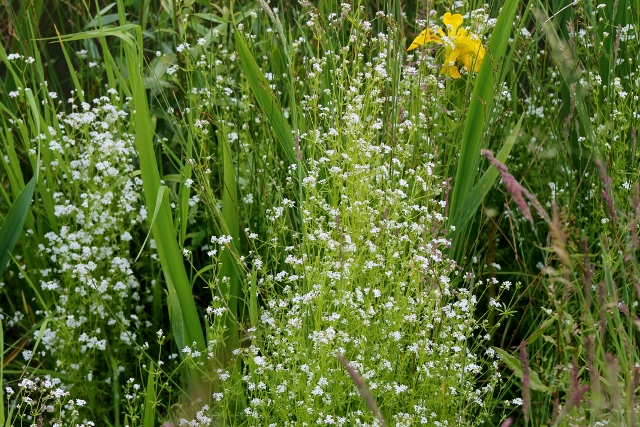
Another new plant to our garden is this Common Marsh-bedstraw (Galium palustre) growing by our corner pond.

IMG_2277Creeping Cinquefoil (640x427)

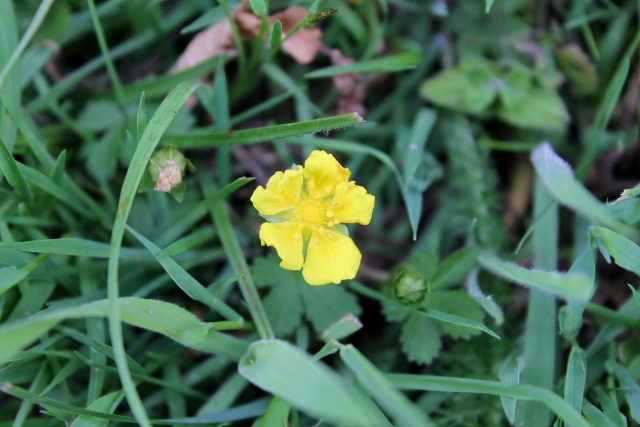
One of my favourite flowers is this little one – Creeping Cinquefoil (Potentilla reptans). Its petals are heart-shaped and such a pretty shade of yellow. The creeping refers to its trailing stems that root at the nodes as it grows.

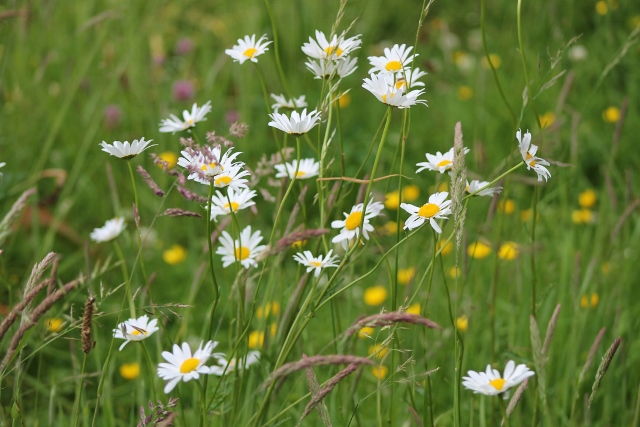
IMG_2279Ox-eye Daisies (640x427)

I love Oxeye Daisies (Leucanthemum vulgare) too.

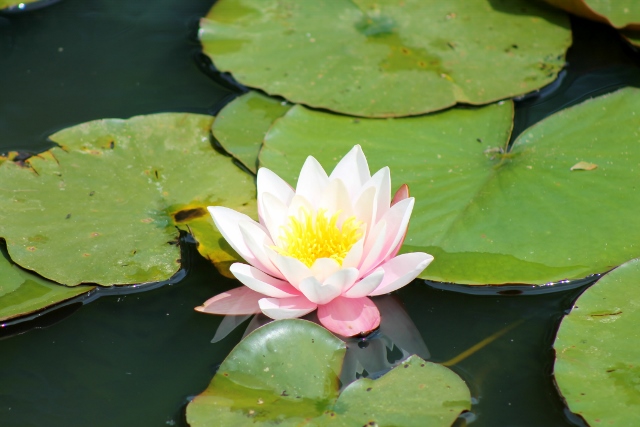
IMG_2289Water Lily (640x427)

A White Water-lily (Nymphaea alba) on our big pond.

Elinor saw the Kingfisher at the pond a couple of days ago and since yesterday we have  all heard the purring of a Turtle-dove in the trees round the pond.  The temperature has risen to 25 degrees Centigrade and I think it has been too cold up til now for the Turtle-dove.

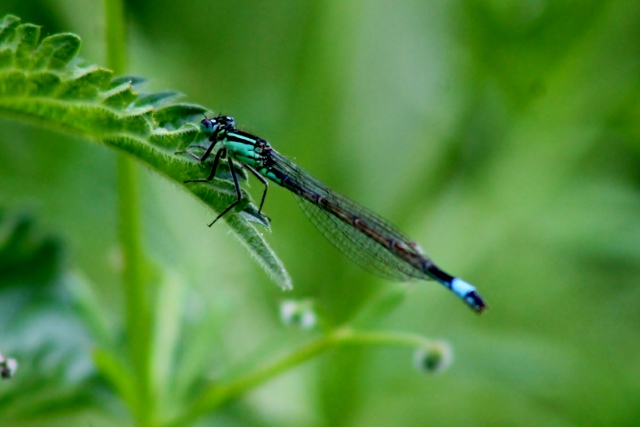
IMG_2270Female Blue-tailed Damselfly (2) (640x427)

Female Blue-tailed Damselfly (Ischnura elegans)

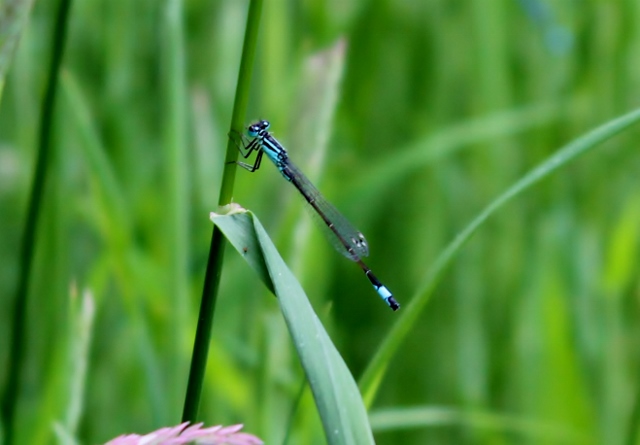
IMG_2276 (2)Male Blue-tailed Damselfly (640x445)

Male Blue-tailed Damselfly (Ischnura elegans)

IMG_2271Male Azure Damselfly (2) (640x420)

Male Azure Damselfly (Coenagrion puella)

IMG_4824Male Four-spotted Chaser (640x478)

I believe this is a male Four-spotted Chaser (Libellula quadrimaculata)

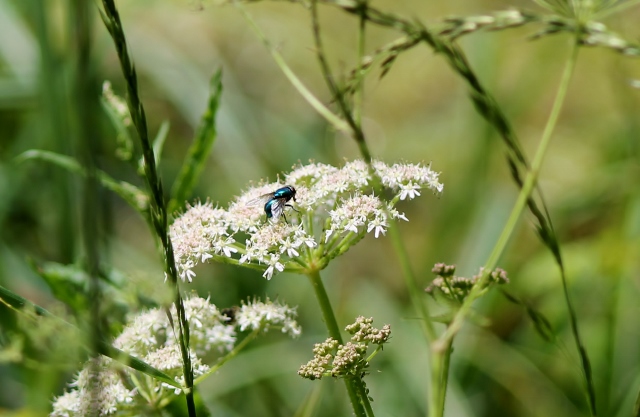
IMG_2283Greenbottle on Hogweed (2) (640x417)

Greenbottle (Lucilia caesar) on Hogweed (Heracleum sphondylium)

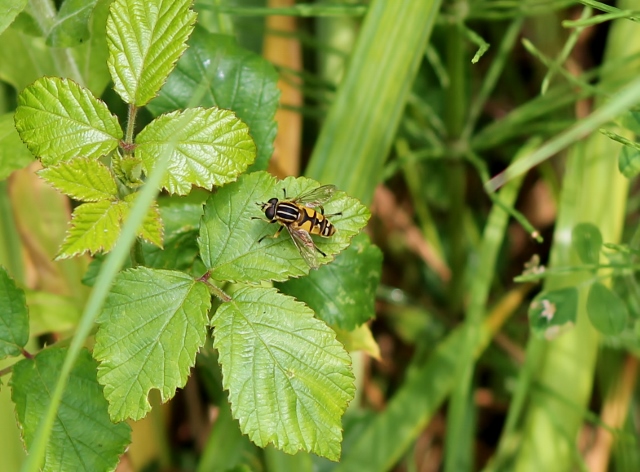
IMG_2294Helophilus pendulus Hoverfly (640x472)

A brightly-patterned Hoverfly (Helophilus pendulus)

IMG_2298Male Black-tailed Skimmer (640x485)

Male Black-tailed Skimmer (Orthetrum cancellatum)

I hope to see some more insects now the weather has warmed up.

Thank-you for visiting!

Share this:

  • Share on X (Opens in new window) X
  • Share on Reddit (Opens in new window) Reddit
  • Share on Pinterest (Opens in new window) Pinterest
  • Share on Facebook (Opens in new window) Facebook
  • Email a link to a friend (Opens in new window) Email
  • Share on Tumblr (Opens in new window) Tumblr
  • Print (Opens in new window) Print
  • Share on LinkedIn (Opens in new window) LinkedIn
Like Loading...

Day of Dance 28 March 2015

23 Tue Jun 2015

Posted by Clare Pooley in music, Rural Diary, Uncategorized

≈ 38 Comments

Tags

Day of Dance, Folk dancing, Halesworth, Halesworth Day of Dance, Morris dancing, Suffolk

IMG_4285Day of Dance poster (480x640)

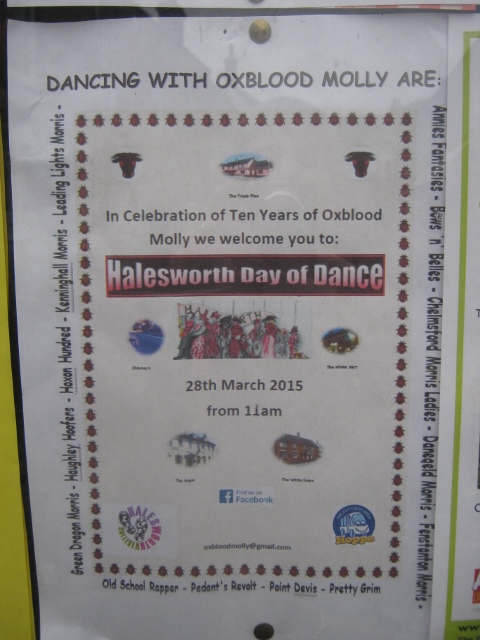
Poster for the Day of Dance

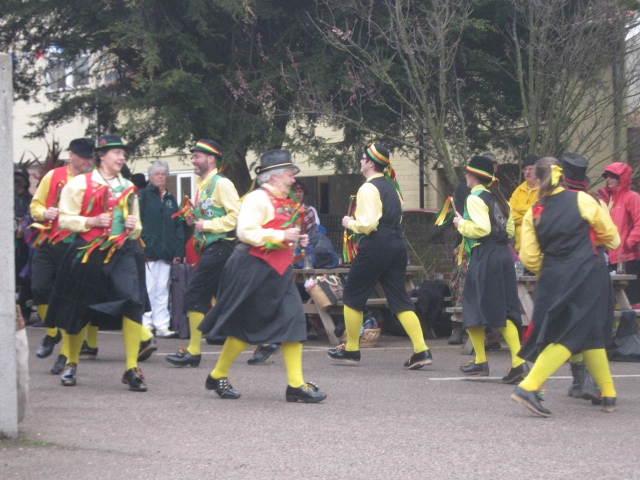
The weekend before Easter Richard and I took Elinor in to Halesworth so that she could go to the hairdressers.  We had a couple of things to buy and had arranged with Elinor that we would meet her back in the car park.  When we got to Halesworth we discovered that a Day of Dance was taking place in the town.

Oxblood Molly, a Molly dancing team were hosting their first Day of Dance in Halesworth and had invited a number of other dance teams to come along and take part.  Richard and I were delighted, as we love to watch Morris, Molly and Sword Dancing.  Elinor isn’t so keen and we got a couple of messages from her telling us about the difficulty she had in getting into the hairdresser’s salon past a large group of dancers, musicians and also a man wearing a horse’s head ( the Hobby Horse).

IMG_4295Oxblood Molly (640x480)

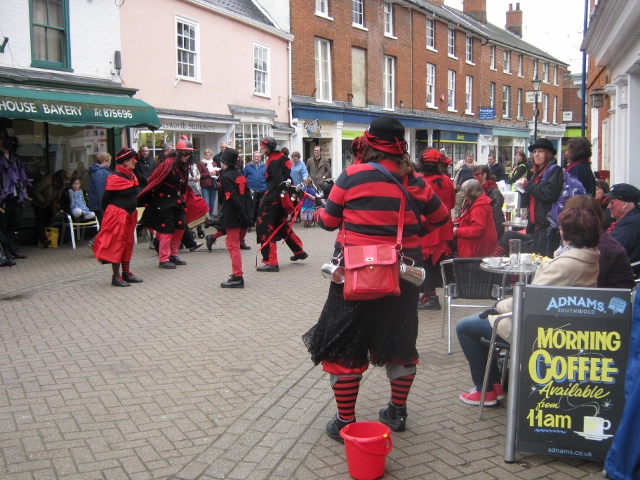
This is the Oxblood Molly side (or team) dancing in Halesworth Thoroughfare. All the dances were performed outside the pubs in the town.  The pub here is just out of shot on the right – The White Hart.

Molly Dancing originated in Cambridgeshire and is traditionally danced on Plough Monday, the first Monday after Epiphany when the agricultural workers went back to work after Christmas.  A decorated plough was dragged through the streets and the farm workers accompanied it with blackened faces asking for pennies to help the poor plough boys.  They disguised themselves so that their employers wouldn’t recognise them.  During harsh winters the farm-workers were often close to starvation.  The dance team went with the farm-workers; one of the dancers (all male) would be dressed as a woman, hence ‘Molly’.

IMG_4289Oxblood Molly (480x640)

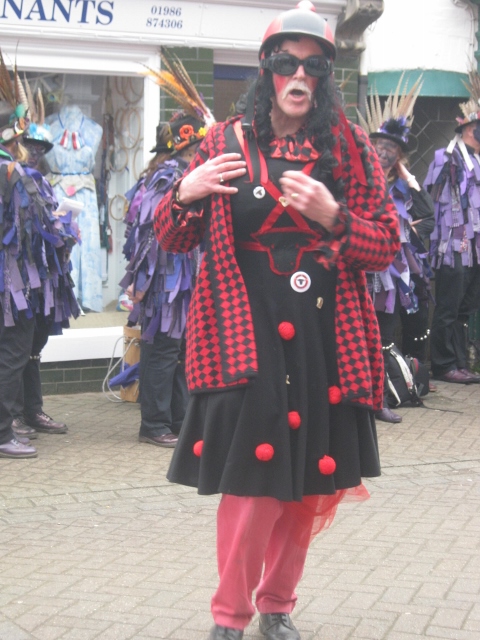
This is Molly.


This slideshow requires JavaScript.

Here is a selection of photographs of Oxblood Molly.

IMG_4256Danegeld Morris (640x480)

Danegeld Morris dancing in the yard of the White Swan pub.

There are six main styles of Morris Dance – Cotswold Morris, North West Morris, Border Morris, Longsword Dancing, Rapper and Molly Dancing.  There is another less well-known style called Ploughstots (or Vessel Cupping, or Plew-ladding!) from the East and North Ridings of Yorkshire.

Danegeld Morris dance in the North West style and wear clogs on their feet.  This style was developed during the 19th and 20th centuries and came from the mill towns that had sprung up during the Industrial Revolution.

This slideshow requires JavaScript.

This slideshow requires JavaScript.

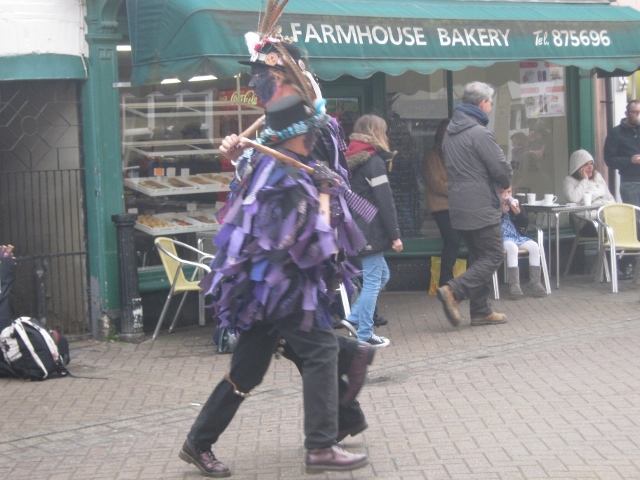
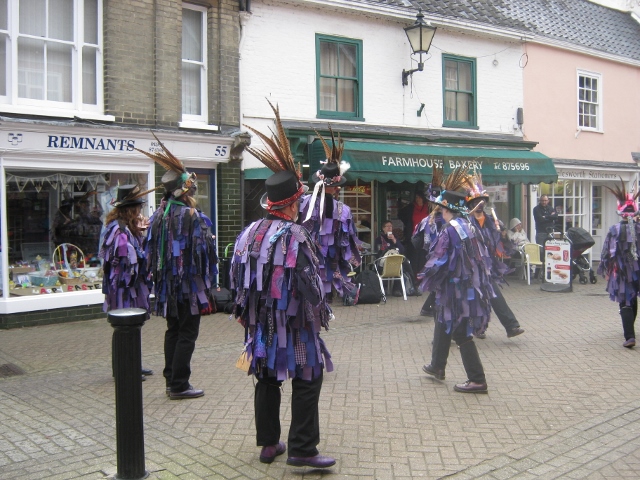
This side is called Pedant’s Revolt and they dance in the Border Morris style.  This is also the White Swan pub yard.  Richard filmed a few of the teams on his phone.  He only filmed short excerpts of three dances.  The video below is of Pedant’s Revolt.

IMG_4286Pedant's Revolt (640x480)

Here they are again outside The White Hart.

IMG_4287Pedant's Revolt (640x480)

I like the pheasant’s feathers they wear in their hats

This slideshow requires JavaScript.

This is Chelmsford Morris Ladies, another North West Morris group dancing in the White Swan pub yard.  Below is another video.

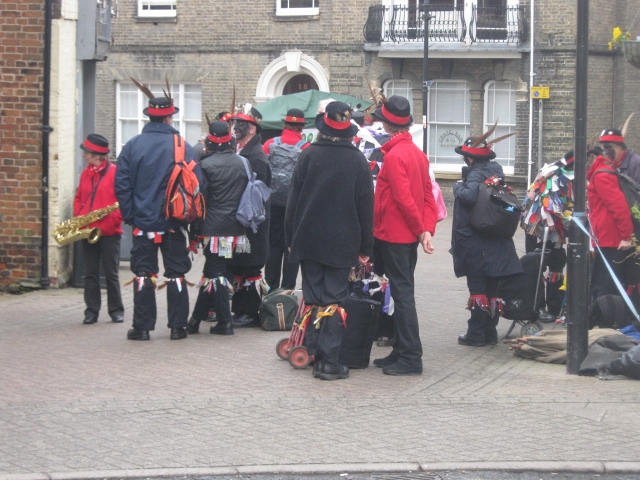
Kenn

Kenninghall Morris side – a Border Morris dance team relaxing after having performed outside the Swan.

IMG_4280Kenninghall Morris (640x480)

They traditionally blacken their faces, though some of them had whitened their faces instead!  A couple of the Oxblood Molly side are with them here.

This slideshow requires JavaScript.

This side is Bows ‘n’ Belles and they are dancing outside the White Hart.  They are another North West Morris team and their video is below.

We weren’t able to see all the groups dancing that day as we had promised to visit my mother that afternoon.  It has made us want to go to more events like this!

Thanks for visiting!
 

Share this:

  • Share on X (Opens in new window) X
  • Share on Reddit (Opens in new window) Reddit
  • Share on Pinterest (Opens in new window) Pinterest
  • Share on Facebook (Opens in new window) Facebook
  • Email a link to a friend (Opens in new window) Email
  • Share on Tumblr (Opens in new window) Tumblr
  • Print (Opens in new window) Print
  • Share on LinkedIn (Opens in new window) LinkedIn
Like Loading...

A Wet Weekend

17 Wed Jun 2015

Posted by Clare Pooley in family, Rural Diary

≈ 40 Comments

Tags

azure damselfly, chaffinch, flour, guinea fowl, Pakenham Water Mill, scarlet pimpernel, Suffolk, sunset, topiary, watercress, Waveney District Council Parks and Open Spaces, white campion

This weekend marked the start of my break from driving every day to Norwich.  Hooray!!  Elinor finished her exams on Friday and we are so pleased with her and, I suspect, she is very pleased with herself.

IMG_4802Traffic island Halesworth (640x480)

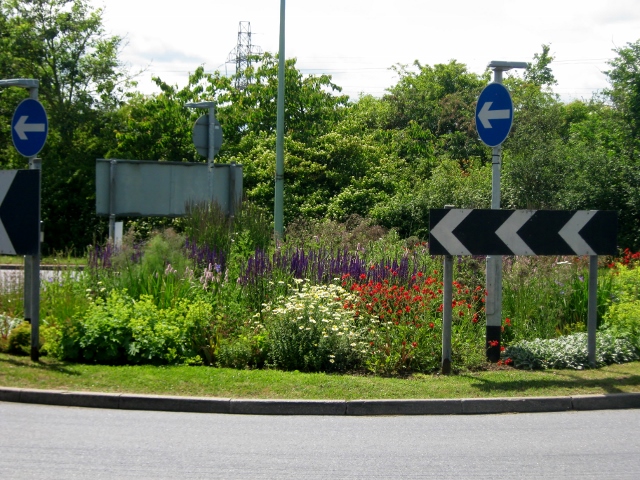
I thought this might be a good opportunity to show you a beautiful traffic island on a roundabout on the outskirts of Halesworth. The Parks Department have been creating wonderful floral displays all over the district. This island looks like a cottage garden.

The previous weekend was very pleasant as Alice came to visit for a few days.  We went to see Elinor’s college artwork on display at a gallery in Norwich on Friday 5th June and then had a very enjoyable Italian meal before returning home.  The day had started with thunderstorms and heavy rain but the sun came out in the afternoon and we then had some gorgeous warm weather for the rest of the day.  We haven’t had much warm weather and it didn’t last.

IMG_4780Sunset (640x480)

A beautiful sunset I saw a few days ago.

We went out for another meal that Sunday for lunch to celebrate Alice gaining her PhD.  My mother came with us too – I had taken her to church that morning and we all met at the Fox and Goose restaurant in Fressingfield.  We returned home and were relaxing with some tea and coffee when my brother arrived.  He had gone over to Mum’s house expecting her to be there as he wanted to try out his new lawn-mower on her grass.  He did a little mowing and then came over to our house hoping she was with us.  She wished she had been there while he mowed, as he cut down her cowslips and bluebells that she had been carefully mowing around while they set seed and died down.  She can’t say anything to him about it as he had been so kind but she has spoken a lot on the subject to me.  If bluebell leaves are cut before they die down the bulb isn’t fed and the plant may not survive.  She quoted a part of ‘A Shropshire Lad’ to me and said she also may not have many more bluebell springs and it would be sad if hers had gone for ever.  (I will have to replace her plants if they don’t grow next year!).  My brother has recently moved into his new home in Saxmundham, not far from us.  He seems to be settling in very well.  He got a job transfer from Surrey where he used to live to Suffolk and is getting on splendidly here.  He teaches in open prisons and has already been able to put some of the men in for exams which they have passed.  It has been very nice for me to see Andrew more regularly.  There is only a year and 9 days difference in our ages and we were very close when we were young.  He left home at 17 to become a police cadet and then married at 21.  We then didn’t seem to have much in common any more and only saw each other about once a year.

IMG_4818Male Azure Damselfly (640x480)

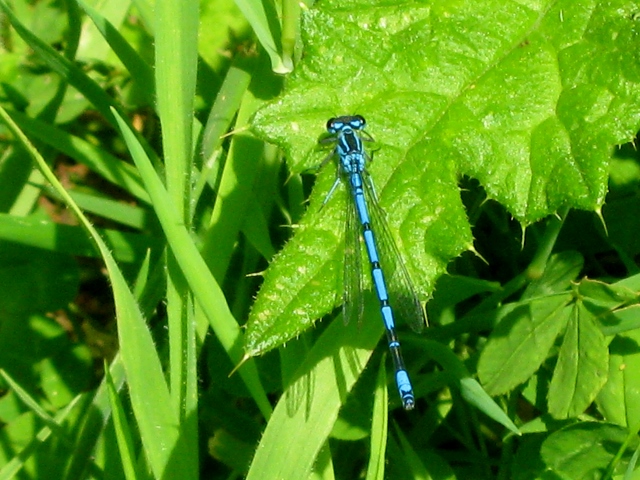
A male Azure Damselfly (Coenagrion puella) I saw in my garden yesterday.

The past week was very busy with Elinor’s exams, two shopping trips for Mum and a visit to the eye clinic at Norfolk and Norwich hospital with her for a check-up and of course, my usual chores.

IMG_4815Scarlet Pimpernel (640x480)

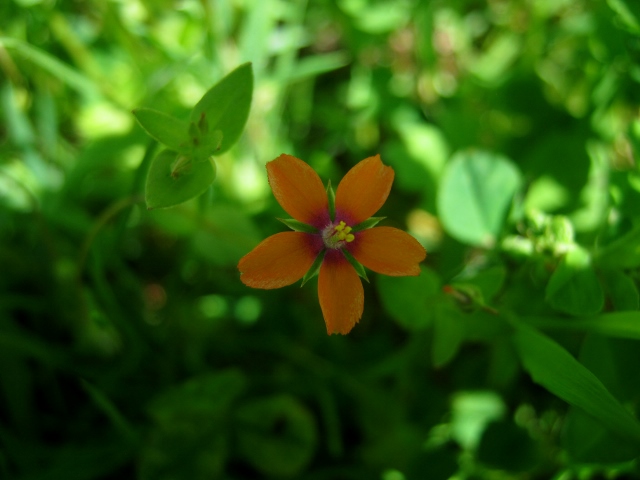
A Scarlet Pimpernel flower (Anagallis arvensis ssp. arvensis) in my garden yesterday.

Richard has been taking Fridays off recently, cutting his working week down to four days in preparation for his retirement at the end of August.  He came with Elinor and me when I took her in for her final exam on Friday morning and while she was in college we did a little shopping.  It was a lovely bright day and not too cold for a change.  When Elinor met us we took her to buy some converse trainers she wanted and then went to a coffee shop for a drink and a sandwich.  The afternoon was dry so I managed to get some gardening done at home.

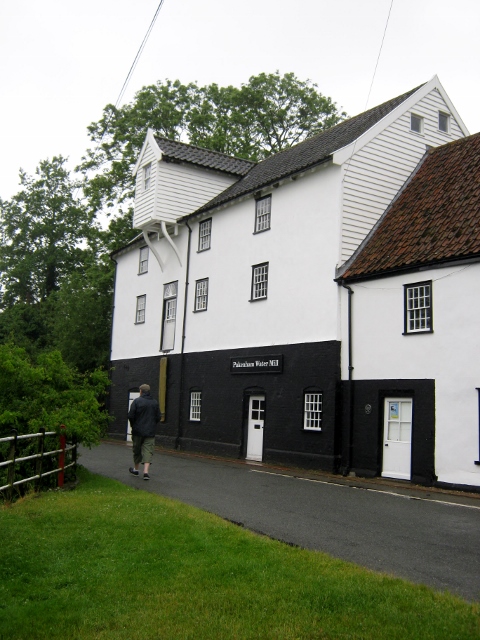
IMG_4791Pakenham Water Mill (480x640)

Pakenham Water Mill with Richard walking up the lane.

Saturday was mainly rainy and cool.  Richard and I decided to go out and buy some more good flour from Pakenham Water Mill.  We have had two tours of the mill already and it was much too wet to walk in the gardens, so we settled for a cup of tea/coffee and some cake in the tea room.  The lady who runs the tea shop wasn’t expecting many people to turn up because of the foul weather, so hadn’t made any of her wonderful scones.   There were plenty of other cakes to chose from and the tea and coffee is good there.  We bought two 5kg bags of flour from the shop and took them to the car.  Before returning home we had a look at the outside of the mill and at the river on the opposite side of the lane.

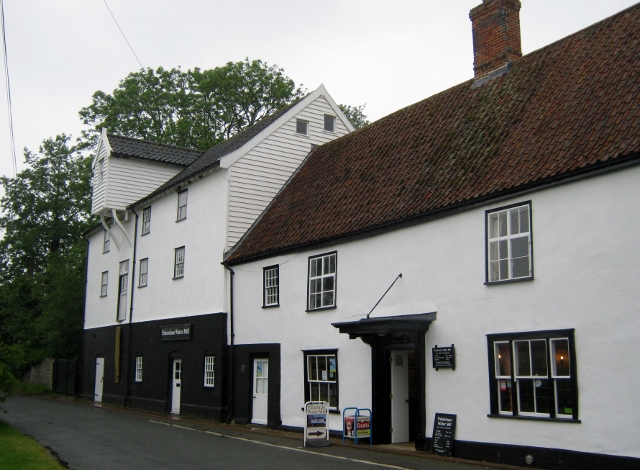
IMG_4792Pakenham Water Mill (640x470)

A wider view of the mill showing the millers house where the tea shop is situated.

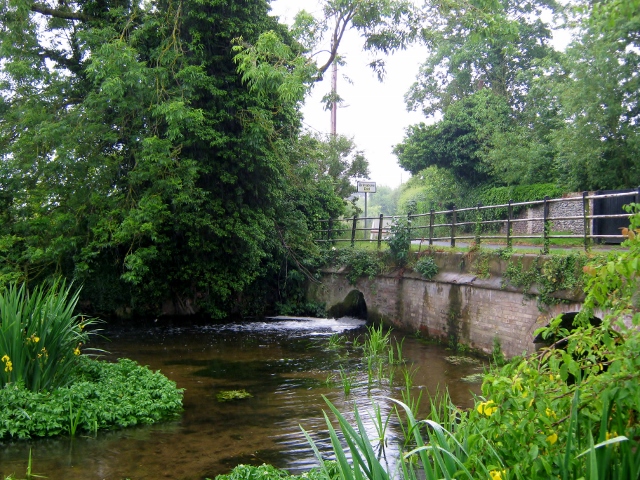
IMG_4786Pakenham (640x480)

This is the river on the opposite side of the lane to the mill. You see the water that has just been through the mill powering the wheel, flowing into the river.

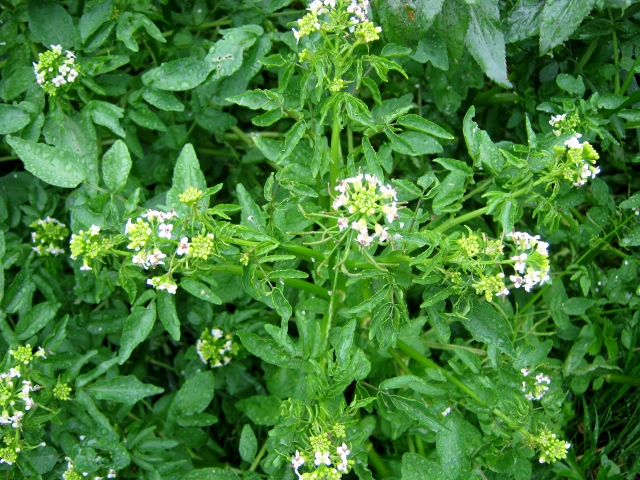
IMG_4789 (640x480)Watercress

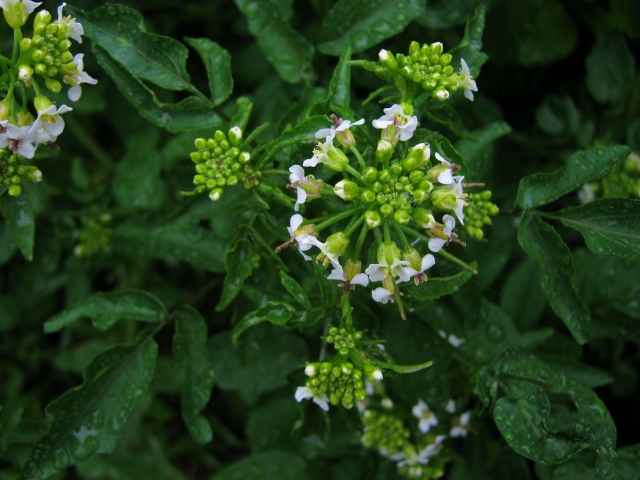
I think this may be Watercress (Rorippa nasturtium-aquaticum). I haven’t been this close to Watercress that’s still growing before so I may be mistaken. I used to see it quite often when we lived in Somerset but I couldn’t get this close to it. This is wild Watercress and not cultivated.

IMG_4790 (640x480)Watercress

This is a close-up of the flowers.

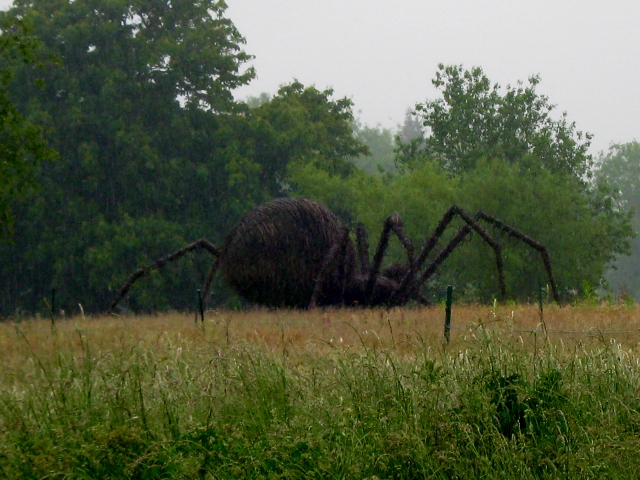
IMG_4787Spider (640x480)

We saw this monstrous beauty in the field on the other side of the river.

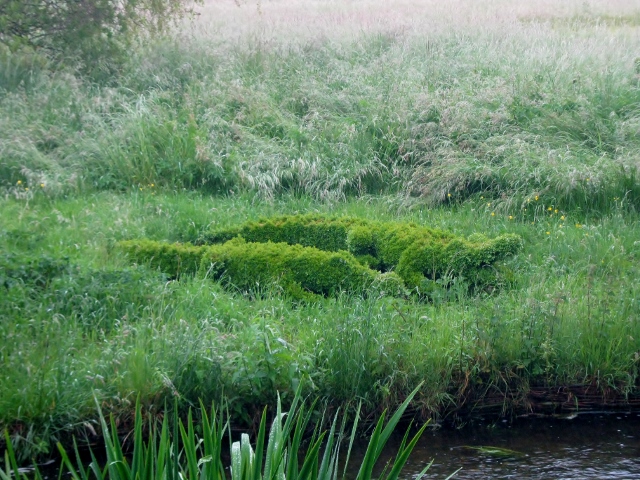
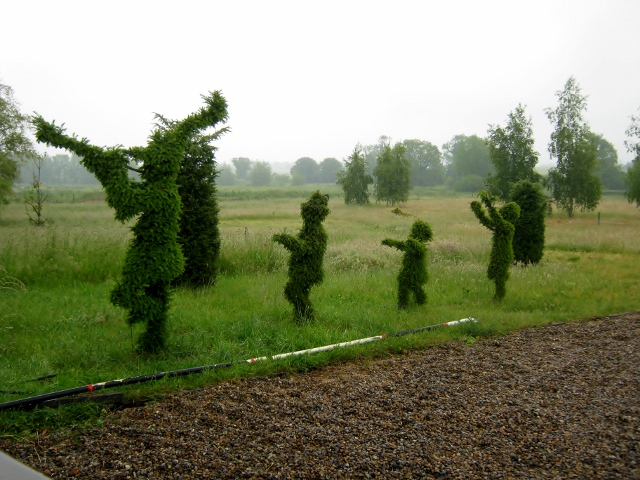
IMG_4794Topiary crocodiles (640x480)

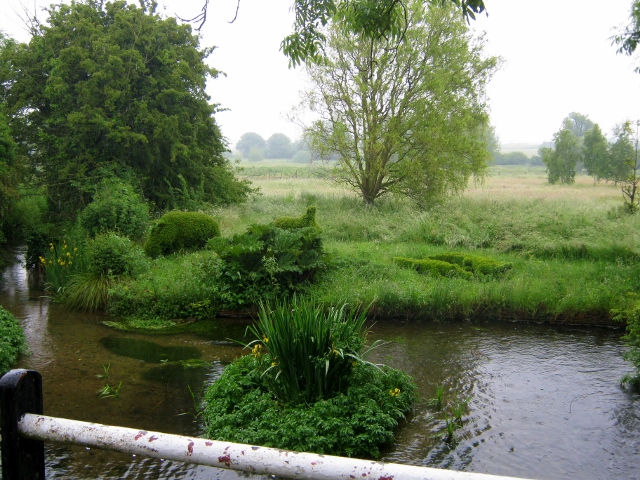
Topiary crocodiles. We discovered that a business specialising in topiary had created all sorts of creatures and put them along the river bank.

IMG_4795Topiary (640x480)

More topiary.

IMG_4796Topiary (640x480)

And more. This is the Pied Piper of Hamelin .

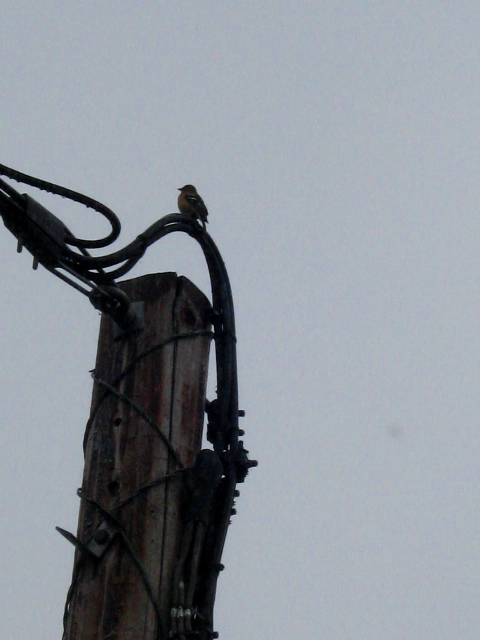
IMG_4797Chaffinch (480x640)

A wet Chaffinch (Fringilla coelebs) singing from the top of an electricity pole.

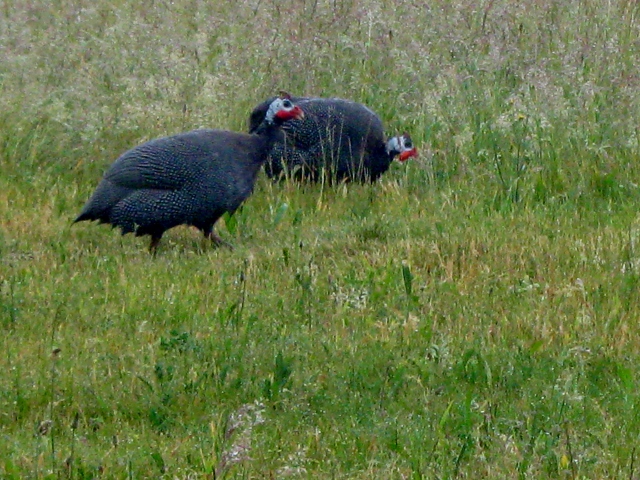
IMG_4799Guinea Fowl (640x480)

A pair of Guinea Fowl walking quickly through the field.

IMG_4800White Campion (640x480)

A wet White Campion (Silene latifolia) next to the gate.

These were the things we saw before we went back home.

Sunday morning was a very gloomy and chilly one.  We went to Morning Prayer at St James’ church.  We had rain at midday but the afternoon gradually became dryer until at last, the sun came out at tea time.

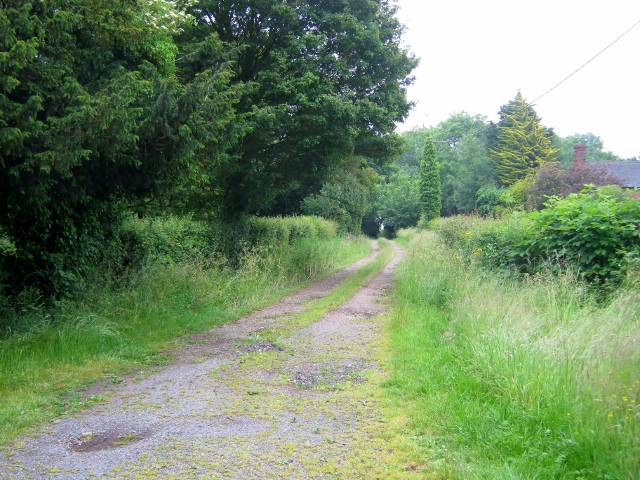
IMG_4801Green lane at St James (640x480)

This is an un-tarmacked lane that goes past St James church.

Thank-you for visiting!
Share this:

  • Share on X (Opens in new window) X
  • Share on Reddit (Opens in new window) Reddit
  • Share on Pinterest (Opens in new window) Pinterest
  • Share on Facebook (Opens in new window) Facebook
  • Email a link to a friend (Opens in new window) Email
  • Share on Tumblr (Opens in new window) Tumblr
  • Print (Opens in new window) Print
  • Share on LinkedIn (Opens in new window) LinkedIn
Like Loading...

Minsmere – 8th May 2015

31 Sun May 2015

Posted by Clare Pooley in plants, Rural Diary, trees, walking, wild birds

≈ 37 Comments

Tags

BBC Spring Watch, black slugs, blackcap, bluebells, Common Vetch, crabapple, Minsmere, oak, oak moss, ponds, red campion, RSPB, Suffolk, woods

Elinor took her Art exam over two days at the beginning of May and on the Friday of that week she and I decided we’d go to the RSPB (Royal Society for the Protection of Birds) reserve at Minsmere for a relaxing walk.  Richard was away in Manchester visiting his mother and brother and helping his brother clear his Mum’s house before putting it on the market.

We go to Minsmere very often and know all the walks.  Elinor decided she wanted to walk through the woods instead of going to the shore.  I was hoping to hear a Cuckoo and a Nightingale.  We had a drink and a cake in the café before we set off.

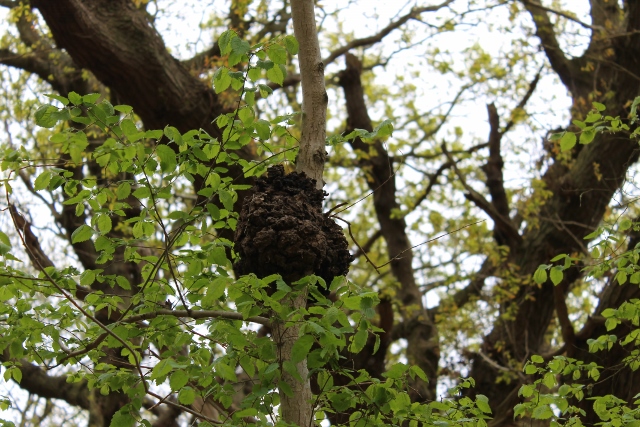
IMG_2203Something on Birch tree Minsmere (640x427)

The first thing we saw was this and I have no idea what it is. Is it a canker, a fungus or is it a nest of some sort? It is on a Birch tree.

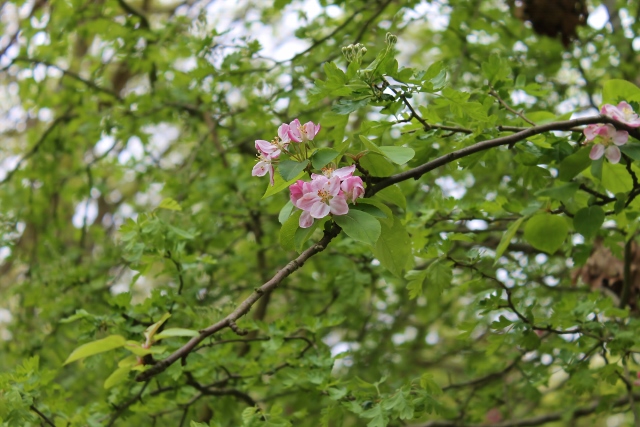
IMG_2204Crabapple perhaps (640x427)

We saw this very pretty Crabapple blossom.

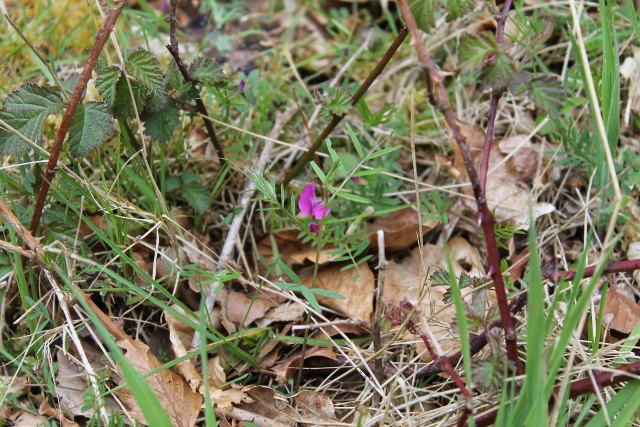
IMG_2205Common vetch (640x427)

This is Common Vetch (Vicia sativa)

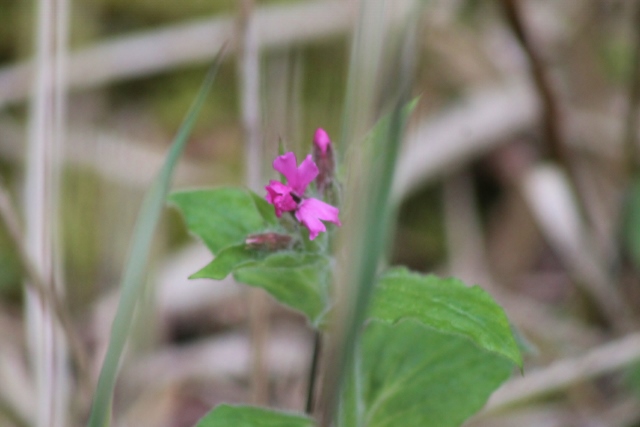
IMG_2212Red Campion (640x427)

Red Campion (Silene dioica). The wind was blowing quite hard and I found it difficult to get anything in focus.

IMG_2206Pond (640x427)

And this is one of the many ponds at Minsmere.

IMG_2207Pond (640x427)

Another pond.

The weather, which had been quite pleasant in the morning, quickly deteriorated  once we began our walk.  It got quite cold and then a drizzly rain started as you can see by the raindrops on the pond above.  Any hopes of hearing a Cuckoo or a Nightingale evaporated away.

There are Adders (Vipera berus) living on the reserve and we had been hoping to see them.  We were told by another visitor that they were sleeping out in the open but unfortunately, by the time we arrived at the area where they are to be found, the rain had started and very sensibly they had gone under cover.  The area is fenced off for their and our protection.  They are Britain’s only venomous snake.

IMG_2208Reeds and water (640x427)

Reeds and water. We could hear Bitterns (Botaurus stellaris) booming in the reeds but we didn’t see any water fowl at all.

IMG_2209Oak moss (640x427)

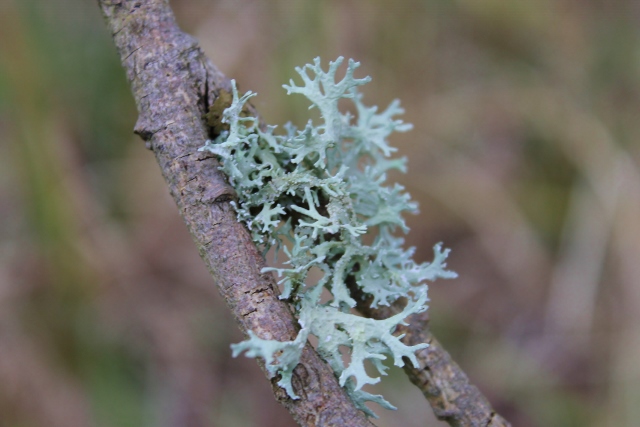
There was plenty of Oak Moss (Evernia prunastri) to be seen.

IMG_2211Oak moss (640x427)

It is very attractive with its flat, curled branches. It isn’t moss at all but is in fact a lichenised fungus.

Air quality in the East of England isn’t as good as in the West of the country because the prevailing wind blows across the country, including London, before it gets to us.  We are pleased when we find any kind of lichen as they are often indicators of clean air.

IMG_2210Slugs on dandelion (640x427)

This dandelion plant had a couple of slug visitors.

IMG_2218White bluebell (640x427)

We saw very many white bluebells in the wood

IMG_2223Oak tree (640x427)

An Oak tree (Quercus robur) with new leaves and flowers.

IMG_2221Building for the BBC (640x427)

This is the building that was constructed last year for the BBC Spring Watch team. This is as near as us members of the hoi polloi can get to it. The BBC are currently filming at Minsmere though they weren’t when Elinor and I visited.

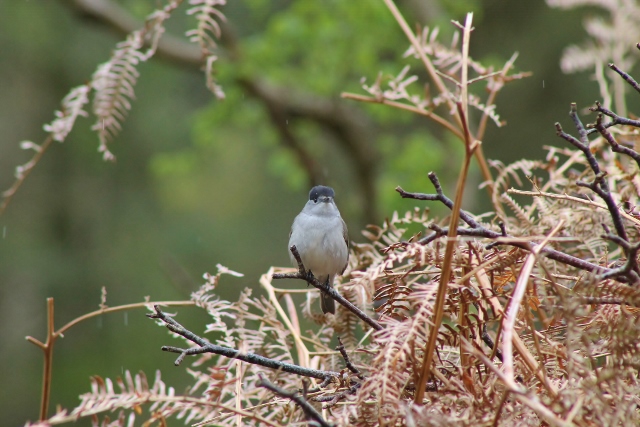
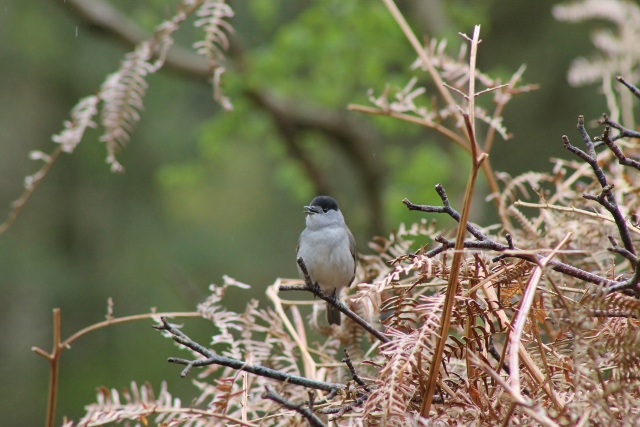
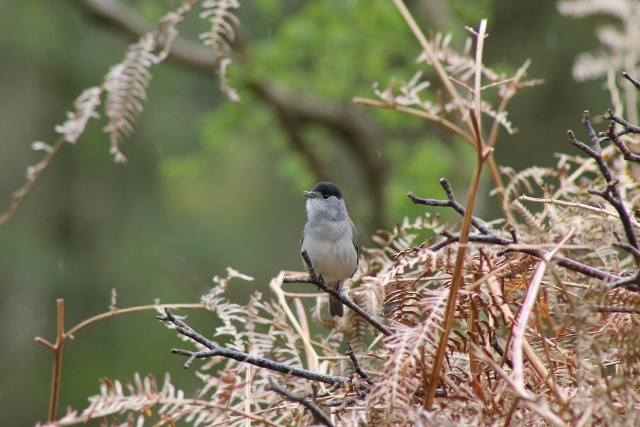
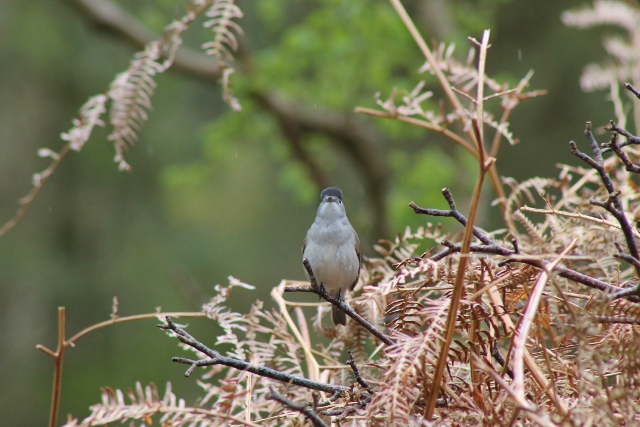
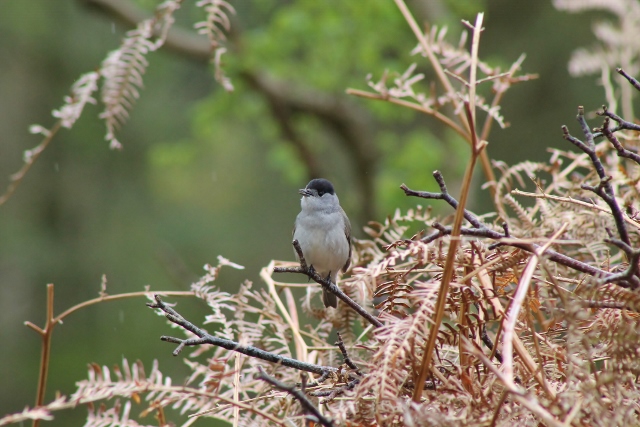
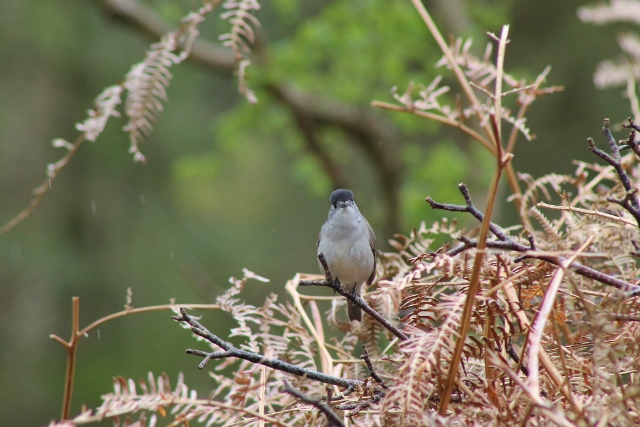
The next six photographs are of a male Blackcap (Sylvia atricapilla) that I found singing next to the path.  The photos are not cropped.  This warbler didn’t appear to be at all nervous and at each pause in his song he seemed to look at me to judge my reaction!  He filled his throat with air and used it like the bag on a bag-pipe to sing.

IMG_2224Blackcap (640x427)

IMG_2225Blackcap (640x427)

IMG_2226Blackcap (640x427)

IMG_2227Blackcap (640x427)

IMG_2228Blackcap (640x427)

IMG_2229Blackcap (640x427)

I was very pleased to get these pictures.

Thank-you for visiting!
Share this:

  • Share on X (Opens in new window) X
  • Share on Reddit (Opens in new window) Reddit
  • Share on Pinterest (Opens in new window) Pinterest
  • Share on Facebook (Opens in new window) Facebook
  • Email a link to a friend (Opens in new window) Email
  • Share on Tumblr (Opens in new window) Tumblr
  • Print (Opens in new window) Print
  • Share on LinkedIn (Opens in new window) LinkedIn
Like Loading...
← Older posts
Newer posts →
Follow A Suffolk Lane on WordPress.com

Enter your email address to follow this blog and receive notifications of new posts by email.

Join 697 other subscribers.

Unknown's avatar

I talk about what it's like living in a quiet part of Suffolk. I am a wife, mother and daughter, a practising Christian and love the natural world that surrounds me. I enjoy my life - most of the time!
My Posts

Jul 2026
M T W T F S S
 12345
6789101112
13141516171819
20212223242526
2728293031  
« May    

Pages

  • About my Blog
  • GDPR (General Data Protection Regulations) and This Site
  • My Life in a Suffolk Lane

Archives

Blogs I Follow

Unknown's avatar
Unknown's avatar
Unknown's avatar
Unknown's avatar
Unknown's avatar
Unknown's avatar
Unknown's avatar
Unknown's avatar
Unknown's avatar
Unknown's avatar
Unknown's avatar
Unknown's avatar
Unknown's avatar
Unknown's avatar
Unknown's avatar
Unknown's avatar
Unknown's avatar
Unknown's avatar
Unknown's avatar
  • Unknown's avatar
  • Rosebrantsen's avatar
  • Unknown's avatar
  • Unknown's avatar
  • Unknown's avatar
  • burndettandres's avatar
  • Unknown's avatar
  • willedare's avatar
  • Unknown's avatar
  • Unknown's avatar
  • Unknown's avatar
  • Unknown's avatar
  • Unknown's avatar
  • Unknown's avatar
  • Unknown's avatar
  • Unknown's avatar
  • Talkmore's avatar
  • glorious78aec7b204's avatar
  • Unknown's avatar
  • Unknown's avatar
  • Unknown's avatar
  • DoF@theinfill's avatar
  • Unknown's avatar
  • Unknown's avatar
  • Unknown's avatar
  • Unknown's avatar
  • Charlie's avatar
  • Noémi's avatar
  • Unknown's avatar
  • Unknown's avatar
  • Unknown's avatar
  • michaelthefirsts's avatar
  • Unknown's avatar
  • cindy knoke's avatar
  • Unknown's avatar
  • Unknown's avatar
  • Unknown's avatar
  • Unknown's avatar
  • John Bainbridge's avatar
  • Unknown's avatar
  • John’s Postcards's avatar
  • Unknown's avatar
  • Unknown's avatar
  • Unknown's avatar
  • bowlandclimber's avatar
  • Unknown's avatar
  • georgi.kisyov's avatar
  • clivebennett796's avatar
  • Unknown's avatar
  • Unknown's avatar

amphibians architecture art Arts and Crafts churches cooking Days out domestic animals family fish Folk Traditions France Gardening Historic Buildings holidays Insects Landscaping music Norwich plants Rural Diary seashore theatre trees Uncategorized walking weather wild animals wild birds wild flowers

Tags

architecture autumn birds blackbird blackthorn Bungay butterfly church clouds common knapweed cow parsley crocus daffodils Diary dogwood family field maple flowers fungus garden gardening geese greylags ground-ivy Halesworth Hawthorn heather holiday Holly Holy Week horse chestnut Hoverfly insects ivy Lake District Lent lesser celandine lichen Lords and Ladies Mallard mallards Minsmere moorhen moss music Norwich Peak District pheasant plants pond ponds primrose primroses Rain rooks Rumburgh Rumburgh Church sheep Sheffield snow snowdrops Southwold spring Suffolk Suffolk Wildlife Trust sunset the Beck trees viburnum bodnantense walking weather wild cherry wild flowers winter-flowering honeysuckle witch-hazel

Meta

  • Create account
  • Log in
  • Entries feed
  • Comments feed
  • WordPress.com

Goodreads

Blog at WordPress.com.

Book Jotter

Reviews, news, features and all things books for passionate readers

Country Life Blog -

A blog about life in the country in the past and present

Matthew Paul: Poetry & Stuff

Poetry and what-not

Schnippelboy

Ein Tagebuch unserer Alltagsküche-Leicht zum Nachkochen

TAMARA JARE

Tamara Jare Contemporary Figurative Art – Bold Colors, Resilient Souls

A Taste of Freedom

Documenting a Dream

Country Ways

Rambling Journeys in Britain, Countryside Matters and campaigning for the Right to Roam

The Strawberry Post

Here to Entertain, Educate & Inspire!
a north east ohio garden

an ongoing experiment in the dirt, 35 plus years

naturechirp

Celebrating God's creatures, birds and plants...

Sophie Neville

Writer

Going Batty in Wales

Developing a more sustainable lifestyle in SW Wales

Our Lake District Escapades

Exploring the Lake District and beyond

Short Walks Long Paths

Wandering trails around the coast of Wales

The Biking Gardener

An English persons experience of living and gardening in Ireland

Nan's Farm

A Journal Of Everyday Life

Walk the Old Ways

Rambling Journeys in Britain with John Bainbridge. Fighting for the Right to Roam. Campaigning to Protect Our Countryside.

Writer Side UP!

Waking the Writer Side...and keeping it "Up!"

Meggie's Adventures

Travel, thank you notes and other stories

amusicalifeonplanetearth

Music and the Thoughts It Can Inspire

lovefoundation.co.uk

Traveling Tortuga

Simply Living Well

Pakenham Water Mill

Historic watermill in the beautiful Suffolk countryside

Take It Easy

Retired, not expired: words from the after(work)life. And music. Lots of music!

Secret Diary Of A Church Of England Vicar's Wife

thanksfortheadventureorg.wordpress.com/

The Beat Goes On

#TBGO

Frank Pleszak's Blogs

Twitter: @frankpleszak @PolishIICorps

John Bainbridge Writer

Indie Writer and Publisher

roughwighting

Life in a flash - a bi-weekly storytelling blog

Walking the Old Ways

Rambling in the British Countryside

CapKane

thoughts on social realities

SkyeEnt

Jottings from Skye

jodie richelle

embracing my inner homemaker

Skizzenbuch/Blog

Just another WordPress.com weblog

Have Bag, Will Travel

The Call of the Pen

Flash Fiction, Book Reviews, Devotionals and other things.

John's Postcards

Art in Nature

You dream, I photographe it !

Smile! You’re in Barnier World......

theinfill

the things that come to hand

Dr. Mary Ann Niemczura

Author of "A Past Worth Telling"

Provincial Woman

The Pink Wheelbarrow

Luanne Castle: Poetry and Other Words (and cats!)

Poetry, Other Words, and Cats

The Family Kalamazoo

A genealogical site devoted to the history of the DeKorn and Zuidweg families of Kalamazoo and the Mulder family of Caledonia

everythingchild

The Book Owl

Canberra's Green Spaces

Paul Harley Photographer

  • Subscribe Subscribed
    • A Suffolk Lane
    • Join 697 other subscribers.
    • Already have a WordPress.com account? Log in now.
    • A Suffolk Lane
    • Subscribe Subscribed
    • Sign up
    • Log in
    • Report this content
    • View site in Reader
    • Manage subscriptions
    • Collapse this bar
Loading Comments...
    Privacy & Cookies: This site uses cookies. By continuing to use this website, you agree to their use.
    To find out more, including how to control cookies, see here: Cookie Policy
    %d